M & Ms

An all time XI of players whose given names begin with the letter M, a more than usually important honourable mentions section, which deals with several areas of controversy and a two part photo gallery.

Today I present an all time XI of cricketers whose given names all begin with the letter M, and an honourable mentions section of more than usual importance. I also have plenty of photos to share.

  1. *Mark Taylor (Australia, left handed opening batter, captain). The second in a sequence of extraordinarily successful Aussie skippers, in that role he consolidated the achievements of Border who had taken over a team of also rans and passed his successor a team of champions and was succeeded by Steve Waugh. The wheels eventually came off the Aussie juggernaut under Waugh’s successor as skipper, Ricky Ponting, who suffered three Ashes series defeats, the last of which featured Australia on the wrong end of three innings defeats. His status as a batter was first shown in 1989 when he scored 839 runs in that year’s Ashes, a series tally beaten by only one Australian (Don Bradman, 974 in 1930), and bested by only Hammond among England players (905 in 1928-9). Probably his most famous moment came when he declared with himself on 334*, at the time a joint record individual score for an Australian with Don Bradman.
  2. Michael Slater (Australia, right handed opening batter). An attack minded opener who once scored 123* in a total of 184 all out, a performance that almost certainly won his side the match in question.
  3. Mahela Jayawardene (Sri Lanka, right handed batter). One of his country’s finest ever batters. He once scored 374 against South Africa, a test record for a right handed batter, in the course of which he shared a third wicket stand of 624, a first class record for any wicket, with Kumar Sangakkara. Almost 12,000 test runs at 49 show that he was far from being the Colombo specialist he was sometimes labelled.
  4. Martin Crowe (New Zealand, right handed batter). With the greatest of respect to Kane Williamson who has been part of a much stronger batting line up, he was probably the greatest batter his country has produced to date. His maiden test century, against England in the 1983-4 series between the two countries inspired his team mates to save a game in which they looked well beaten for most of the duration. This result in turn helped New Zealand to win a series against England for the first time ever, a feat they then repeated in England two and a half years later.
  5. Martin Donnelly (New Zealand, left handed batter). When he was in his prime cricket in New Zealand was almost entirely amateur, a fact that caused him to leave the game early, taking up a post as marketing manager at Courtauld’s of Sydney. In his brief career he became one of only two players to score Lord’s centuries in a Varsity match, a Gentlemen versus Players match and a test match. The last of this trio was an innings of 206. Also in a now legendary match between England and the Dominions, again at Lord’s, he was one of two Dominions players along with Keith Miller to score centuries, while a banquet of batting was completed by Hammond who scored twin tons for England.
  6. Mulvantrai Himmatlal ‘Vinoo’ Mankad (India, right handed batter, left arm orthodox spin bowler). This is probably the most controversial selection of my XI, but this guy was a lot more than the first to run out a non-striker for stealing ground in a test match – he completed the double of 1,000 runs and 100 wickets in his 23rd test match, a mark bettered only by Ian Botham (21 matches) ever since. His batting highlights included four double centuries, while his best test innings figures were an eight-for.
  7. +Mark Boucher (wicket keeper, right handed batter). Over 500 test match dismissals in the course of his very long career, and good enough with the bat to average 30 at test level.
  8. Malcolm Marshall (West Indies, right arm fast bowler, right handed batter). For my money the greatest fast bowler of the golden age of West Indies fast bowling, and therefore by definition among the greatest of all time. He was also a useful lower order batter.
  9. Mitchell Johnson (Australia, left arm fast bowler, left handed batter). This was another close call, the other candidate for the left arm fast bowler’s slot also being an Australian with the given name Mitchell, but my reckoning is that Johnson had a higher ceiling than Starc, and for that reason he gets the nod.
  10. Michael Holding (West Indies, right arm fast bowler, right handed batter). “Whispering Death” first gained legendary status at The Oval in 1976, when he conjured 14-149 (8-92 and 6-57) out of one of the flattest pitches imaginable, a surface on which every other bowler in the match took exactly as many wickets between them as he managed on his own, and he never lost the status he gained then for the rest of his playing career, also going on to a successful commentary career once his playing days were done.
  11. Muthiah Muralidaran (Sri Lanka, off spinner, right handed batter). More test wickets than any other bowler, 800 in 133 appearances at that level. In 1998 at The Oval, on a pitch that was flat to begin with and never turned truly spiteful he collected 16 English wickets across the two innings, a performance that separated the sides.

This side has a strong top five, a great and often underrated all rounder st six, one of the finest of all keeper/ batters and four mighty specialist bowlers, of whom three are definitely capable of chipping in with the bat as well. A bowling attack of Marshall, Holding, Johnson, Muralidaran and Mankad should never struggle unduly to take 20 opposition wickets.

I will deal with some obvious controversies first, starting with…

Two big names missed out here. Mike Procter, the South African genius whose international career was cut short by the enforced isolation of his country would be the choice of many, but I wanted a spin bowling all rounder, given the pace bowlers who were already inked in further down the order, and although Procter did have spin in his locker it was off spin, and I had an off spinner marked for inclusion as well. Mushtaq Mohammed, the Pakistan leg spinning all rounder who made his test debut at the age of 15 was another possibility, and I would not argue with anyone who picks him ahead of Mankad – my verdict went to the Indian who deserves better than to remembered for his association with one particular mode of dismissal.

Martin Donnelly’s left handedness secured him the number five slot for reasons of balance. This left a big call to made at number four between two antipodeans who both graced that slot at test level, and Mark ‘Afghan’ Waugh missed out in favour of Martin Crowe. Again, this was a very close and possibly controversial decision, and I accept that those who favour ‘Afghan’ have a valid point of view.

The fact that I wanted Mark Taylor to captain the side dictated the selection of the left handed opener, and I like a left/ right opening combo if possible, which led to the selection of Slater as Taylor’s opening partner, a role he actually played. Matthew Hayden had a serious claim on the left handed openers slot but for the need for a captain, and Marcus Trescothick was also in the frame.

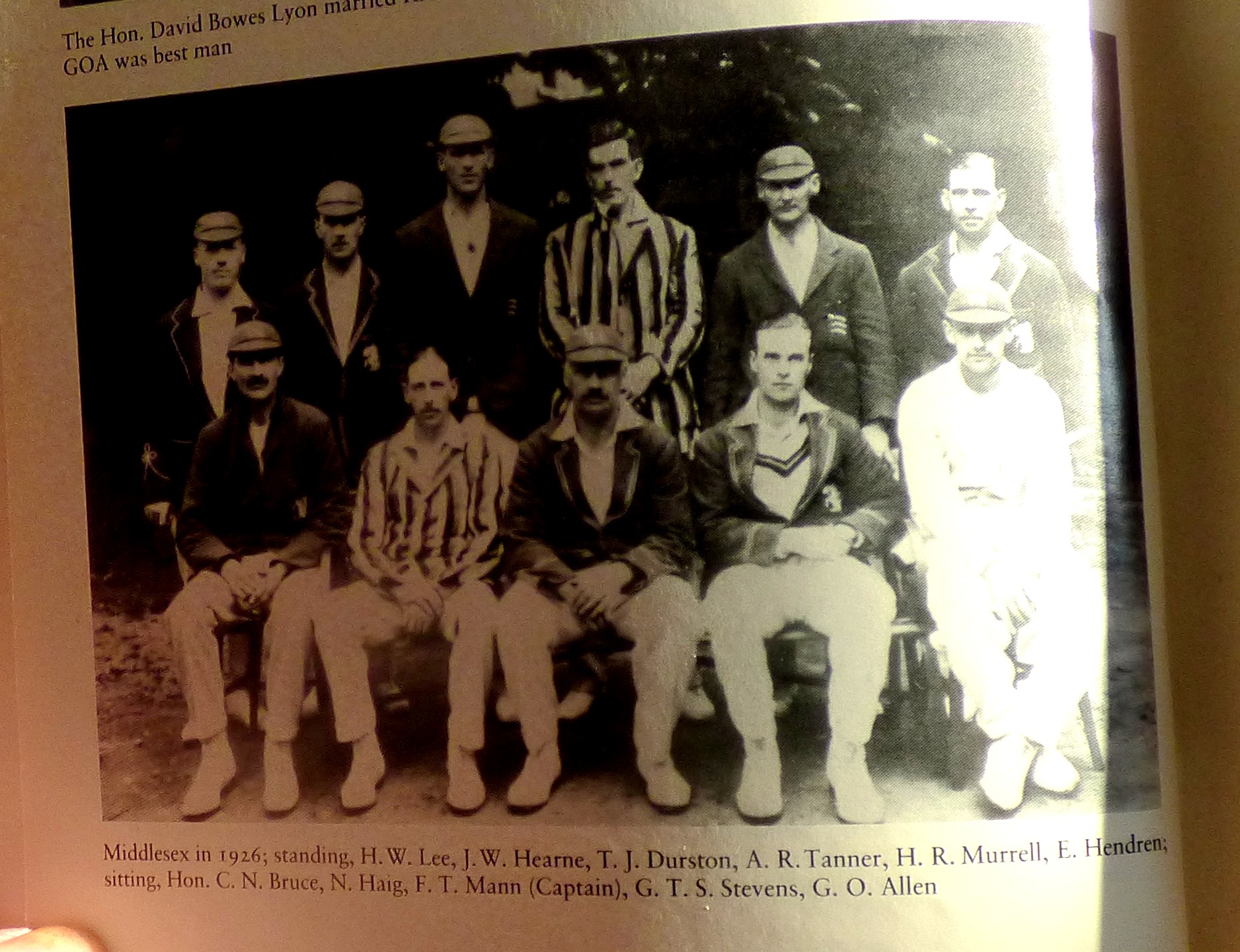
Michael Vaughan was another candidate for captain, but his natural slot in the order would be number three and that would mean dropping Mahela Jayawardene. Misbah-ul-Haq would also have his advocates for the captaincy role, but the only player I could have dropped to make way for him would have been Martin Crowe. Mansoor Akhtar had a good record in domestic cricket in Pakistan, but never delivered in international cricket. Mitchell Marsh of Australia would be one of the first names on the team sheet for a limited overs XI, but his test record is nothing special. Madhusudan Rege had his moments in Indian domestic cricket, but played at a time when conditions in that country were preposterously favourable to batting, and was a one=cap wonder at test level. Marizanne Kapp came closest among female players to challenging for a place in this XI. Mushfiqur Rahim, who recently made history as the first Bangladeshi given out for handling the ball (a dismissal along with the former ‘hit ball twice’ now lumped in under Obstructing the Field) was a potential rival to Boucher for the gauntlets, but I rate the Saffa as the finer keeper and reckon that this side is strong enough batting wise that the extra five runs or so per innings that Rahim might be worth would be unlikely to make a lot of difference. Mushtaq Ahmed, the Pakistan leg spinner of the 1990s and early 2000s, came very close, and if the match were being played at the Narendra Modi stadium I might drop Holding and go in with just Marshall and Johnson to bowl pace and spin trio of Muralidaran, Ahmed and Mankad. Moeen Ali would merit consideration for a limited overs XI, but does not qualify for an XI picked with long form cricket in mind – the notion that the extra batting he offers might even come close to compensating for the gulf in class between him and Muralidaran as bowlers is frankly risible as far as I am concerned.

Today’s photo gallery comes in two parts. First we have some pictures from the place where the West Norfolk Autism Group committee had their Christmas meal earlier today…


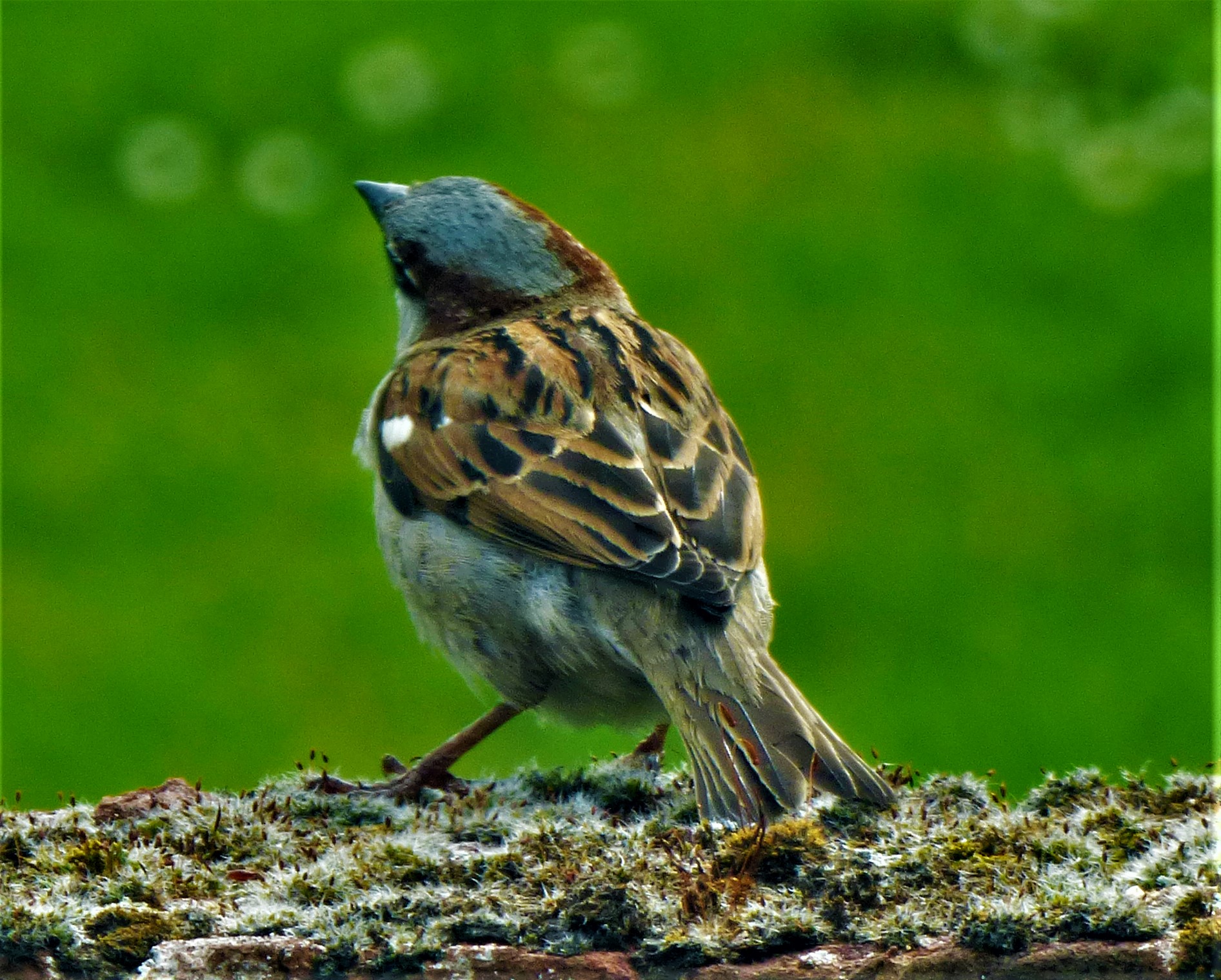
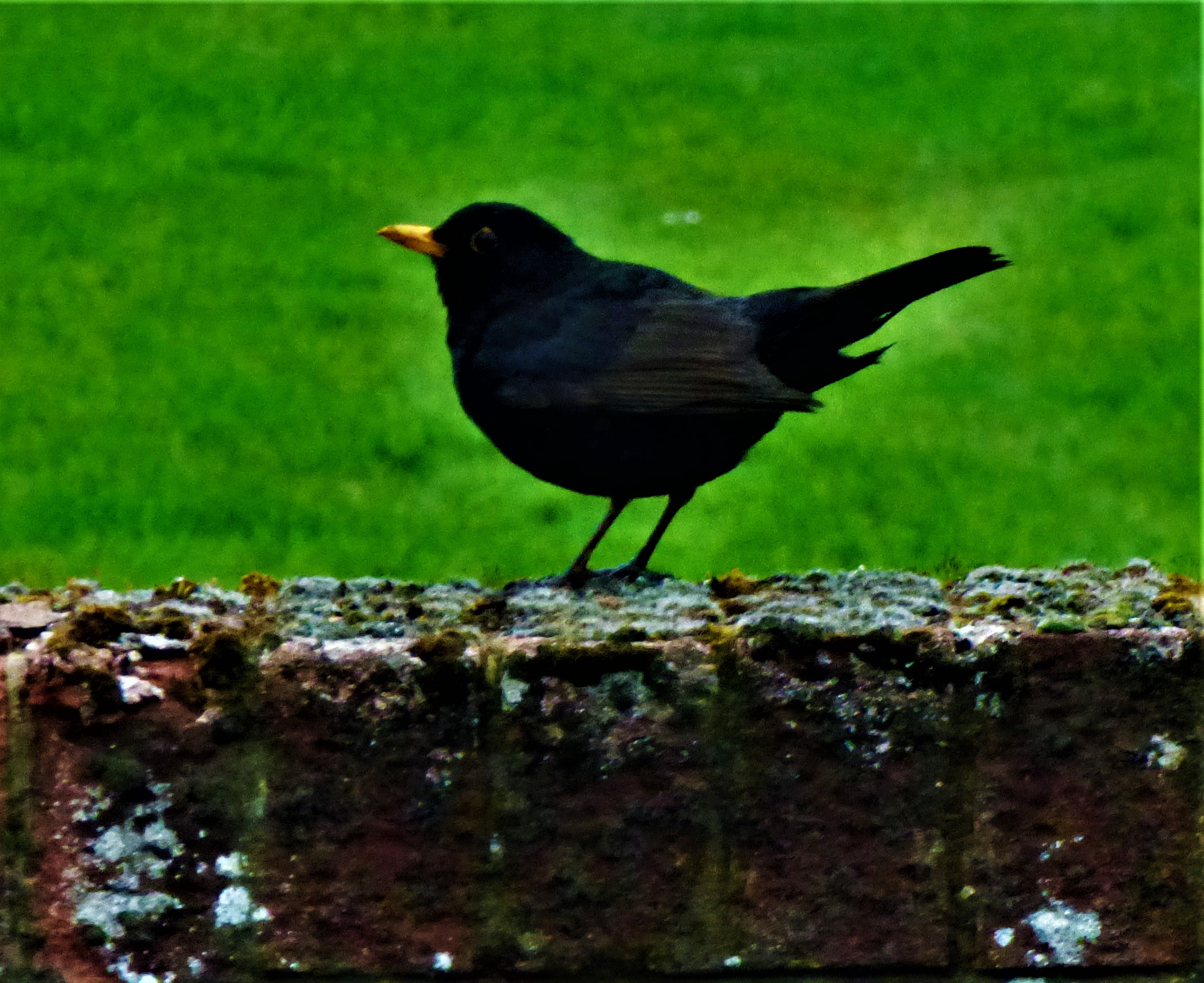
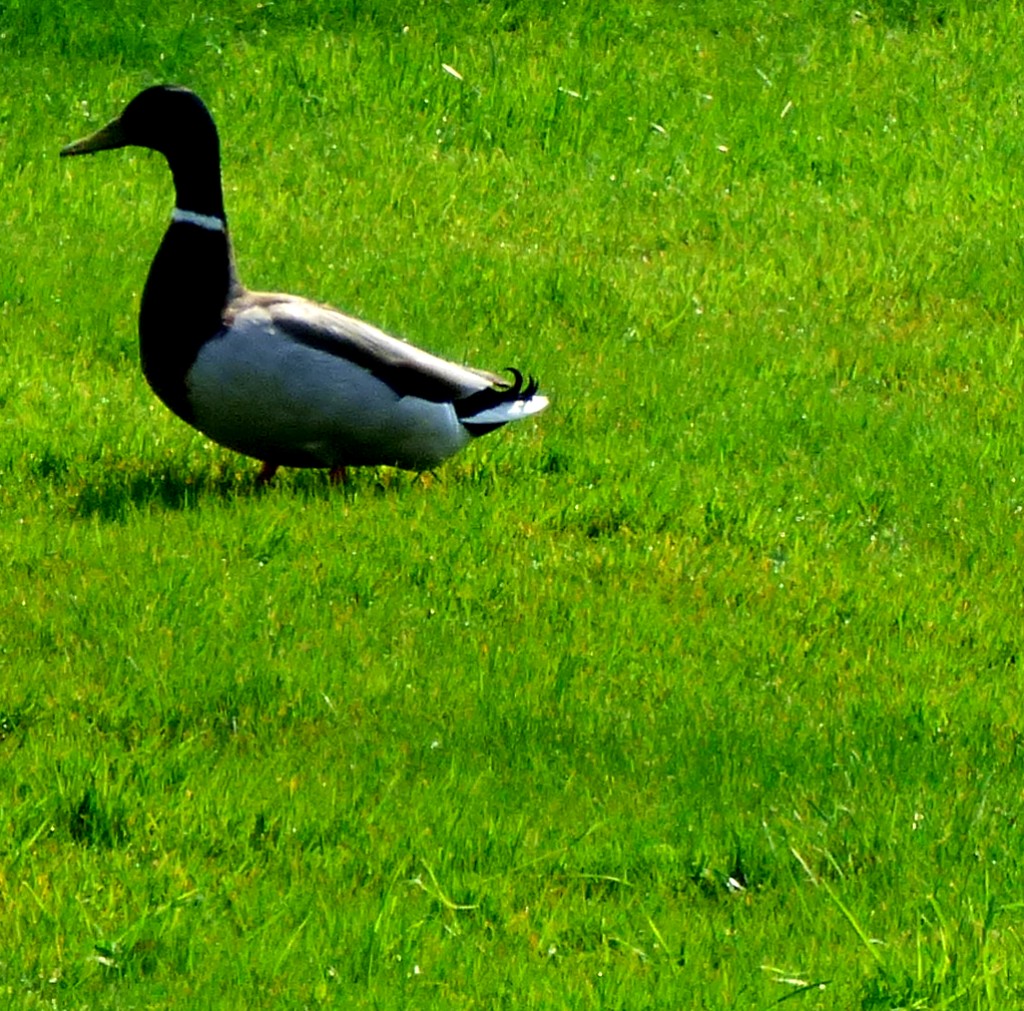
…and we finish with some of my usual pictures.
All Time XIs – New Zealand

It being Monday, today’s exploration on the ‘all time’ cricket XI theme looks at an international unit, in this case New Zealand.

INTRODUCTION

Welcome to the latest in my series of ‘all time XI’ themed posts. Today being a Monday we are looking at an international outfit, and under the spotlight today is the land of the long white cloud (actually more often the land of the the thick black cloud) New Zealand.

NEW ZEALAND IN MY LIFETIME

  1. John Wright – right handed opening batter. He was the first Kiwi to reach the landmark of 5,000 test runs. He was at one time successful for Derbyshire as well.
  2. Bryan  Young – right handed opening batter. He came late to this role but performed it conscientiously and successfully when the time came.
  3. *Stephen Fleming – left handed top order batter, excellent captain. A successful captain and a big run scorer, though a stickler would point the relative dearth of centuries in his record.
  4. Martin Crowe – right handed middle order batter. He scored almost 20,000 first class runs. His elder brother Jeff also played for NZ, though not so successfully. The other family link is that world famous actor Russell Crowe is a cousin. Martin Crowe’s maiden test century, against England in the 1983-4 series was the key innings that inspired his team to save a game that England has been bossing – Coney then made 174 not out and Lance Cairns played a useful supporting knock at the end. Against Sri Lanka, facing a huge first innings deficit he shared a New Zealand record partnership for any wicket with Andrew Jones, making 299 himself as the Kiwis reached safety on 671-4. He was unfortunate to find himself in the midst of a vicious controversy when Somerset named as overseas player in preference to either of the two West Indians Viv Richards and Joel Garner, which prompted the acrimonious departure from the club of Ian Botham.
  5. Ken Rutherford – right handed batter – his test batting career got off to a start that might have made a tail ender blush, but he ended up with a fine record, and was also a good captain for a period.
  6. +BJ Watling – wicket keeper and gritty middle order batter. He is the pivot of this side, and I have good cause to know just how dangerous he is – it was a long innings by him that out New Zealand in control of England’s last series there, a position they never relinquished.
  7. Amelia Kerr – leg spinner and right handed middle order bat. My pick is the genuine all rounder. As is all too common with the best female players she has not had the opportunity to show what she can do in long form cricket, but a 232 not out in a 50 overs a side international match plus her leg spin bowling is recommendation enough for me.
  8. Richard Hadlee – right arm fast bowler, left handed attacking lower middle order bat. Quite simply his country’s GOAT (Greatest Of All Time). What makes his performances at the highest level all the more impressive is that his support cast was generally speaking pretty ordinary. Graham Gooch, scorer of 183 not out against the 1986 Kiwis, the first to win a test series in England, described facing New Zealand as being like “facing a world XI at one end and Ilford 2nds at the other.” He became the first person knighted specifically in connection with cricket to play a test after acquiring the ‘Sir’ in front of his name (Bradman played his final first class match as Sir DG Bradman, while the Hon Sir FS Jackson was not knighted for reasons to do with cricket).
  9. Daniel Vettori – left arm orthodox spinner, useful lower middle order batter. At the age of 20 he helped consign England to the bottom of the world test rankings not long after they had been shown the door of the World Cup they were hosting, and from then until his retirement he was an essential part of New Zealand’s plans. In later years the captaincy and the fact that he also had to do a lot of batting somewhat reduced his effectiveness as a bowler, but the 1999 version bowled left arm orthodox spin as well as I have seen it bowled.
  10. Trent Boult – left arm fast medium bowler. The ‘conductor’ has been an effective leader of New Zealand’s pace attack for some years now, and just a few months ago he caused England considerable problems. He also gives my chosen pace attack an extra element of variety, bowling with his left hand.
  11. Danny Morrison – right arm fast medium. Danny ‘the duck’ (hence his position at no11) was New Zealand’s outstanding pace bowler of the 1990s, and could be relied on to provide excellent back up in that department for Messrs. Hadlee and Boult.

This team has a solid opening pair, an excellent no 3,4 and 5, a fine keeper at six, Amelia Kerr the x-factor all rounder at seven and a fine bowling line up. The bowling attack, with a varied pace trio of Hadlee, Boult and Morrison backed by the contrasting spin styles of Vettori and Kerr also looks pretty impressive.

HONOURABLE MENTIONS

Had it not been for Stephen Fleming’s claims, and my desire that he should be captain, Andrew Jones would have been a strong contender for the no3 slot, and some would say that I should have picked him as an opener anyway. Nathan Astle, an explosive batter and sometimes useful purveyor of slow-medium would definitely have his advocates, as would big hitting all rounder Chris Cairns. ‘Two Metre Peter’ Fulton would have his advocates for an opening slot. Among the seam/swing/pace options I have overlooked were Shane Bond, the quickest his country has ever produced but sadly blighted by injuries, Tim Southee the ever reliable and Neil ‘the composer’ Wagner whose bouncers sometimes confound opposition batters. Colin De Grandhomme, a magnificent limited overs player, might have had the number seven slot I gave to Kerr, but his bowling offers less. I also considered another big hitting female all-rounder, Sophie Devine, but decided I wanted the extra spin option offered by Kerr. Brendon McCullum would have his advocates for the wicket keeping slot, as would Adam Parore, while I also thought about Ian Smith, but he will have to make do with being part of the commentary team, for which role he is a ‘shoo-in’. Finally, combative off spinner John Bracewell would have been the obvious choice had I wanted a third spin option.

THE NEW NAMES IN THE ALL TIME XI

  • Bert Sutcliffe, a left handed attack minded opener, who averaged just over 40 in a test career that began at Christchurch in 1947 and ended at Edgbaston in 1965 comes in at the top of the order. For Otago against Canterbury he once scored 385. Otago’s all out tally in that innings was precisely 500, and in their two efforts Canterbury scored 382 runs off the bat – three fewer than Sutcliffe managed on his own! One over, bowled a chap named Poore, had Sutcliffe in two minds in the way bowlers don’t want – he hit three deliveries for four and three for six.
  • Glenn Turner, a right handed opening batter, the only Kiwi to score a hundred first class hundreds. During the Kiwis 1973 tour of England he reached his thousand first class runs before the end of May, one of only two to do that in an English season since World War II, the other being Graeme Hick in 1988.
  • Martin Donnelly, left handed middle order bat, scorer of Lord’s centuries in The Varsity Match, for The Gentlemen against The Players and in a test match for New Zealand. Also, in a 1945 match for The Dominions against England he made a century, considered by observers the outstanding innings in a game that also featured a ton by Keith Miller and one in each innings by Wally Hammond.
  •  +Stewie Demspter – right handed batter, wicket keeper. Charles Stewart Dempster played a mere 10 test matches for New Zealand, before devoting himself to county cricket with Leicestershire. In this 10 test matches he scored 723 runs at 65.72, assisted it is true by four not outs, but even not taking the not outs into account that average would still be 48.20. Selecting him as keeper, a role he did on occasion perform, was the only way I could fit him in.
  • Jack ‘Bull’ Cowie – right arm fast bowler. He took his test wickets at 21 each, and one contemporary writer was moved to comment “had he been English or Australian he would no doubt have been termed a wonder of the age.” His last test series was in 1949 at the age of 37, and even then on flat pitches (all four test matches were drawn) he caused plenty of problems.

With these players coming in our All Time New Zealand XI reads: B Sutcliffe, GM Turner, *S Fleming, MD Crowe, MP Donnelly, +CS Dempster, AC Kerr, RJ Hadlee, DL Vettori, T Boult, J Cowie. This combo, with a great opening pair, Dempster in for Watling and Cowie looking a distinct cut above Morrison looks like a superb unit.

HONOURABLE MENTIONS

Merv Wallace, who came close to 1,000 first class runs before the end of May on that 1949 tour was considered for a batting place. John Richard Reid, a man whose range of cricketing skills was huge, was also a big miss. Middle order batters Geoff Howarth and Bevan Congdon both had good records at a time when New Zealand collectively had little to shout about. Two keepers, Eric Petrie and Ken Wadsworth, were both outstanding practitioners, but neither could offer much with bat, Petrie in particular being a genuine ‘bunny’ in that regard. Brian Taylor, who scored a century and bagged a five wicket haul on his test debut earned consideration as an all rounder, but there is no shortage of pace options. Of the cricketing Hadlees, other than Richard the only one who many would seriously consider was Dayle, a fast bowler who at one time was rated higher than his brother, but ended up many leagues behind. New Zealand have had few class spinners play for them, which leads neatly on to…

THE ONES WHO GOT AWAY

One name dominates this category, that of leg spinner Clarrie Grimmett, who crossed the Tasman to better himself. He failed to claim a place in either the NSW or Victorian state sides, but eventually managed to establish himself for South Australia, and at 33 made his test debut for his adopted country, bagging 11 England wickets for 82 runs. In 37 test matches he took 216 wickets, a wickets to matches ratio outstanding for anyone not named Sydney Barnes. He was dropped for the 1938 Ashes tour, a decision that Bill O’Reilly for one considered to be crazy – Frank Ward who travelled in his place did little, while Chuck Fleetwood-Smith had his moments but was as erratic, unpredictable and expensive as anyone familiar with his approach would have expected.

Two others who would have merited consideration had they not abandoned the possibility of playing for their country were leg spinner Bill Merritt whose first class victims (mainly for Northamptonshire) cost 24 each and fast bowler Tom Pritchard who had an impressive record for Warwickshire (818 wickets at 23.30 in all first class cricket, and he lived – just – long enough to celebrate the most impressive of all centuries, dying 165 days after reaching that landmark birthday).

PHOTOGRAPHS

We have concluded our virtual tour of the home of The Lord of The Rings and The Hobbit movie series, and it remains only to apply my usual sign off…

P1320425 (2)P1320427 (2)P1320428 (2)P1320429 (2)P1320430 (2)P1320431 (2)P1320432 (2)P1320433 (2)P1320434 (2)P1320435 (2)P1320437 (2)P1320438 (2)P1320440 (2)P1320441 (2)P1320442 (2)P1320444 (2)P1320445 (2)P1320446 (2)P1320447 (2)P1320448 (2)P1320449 (2)P1320450 (2)P1320451 (2)P1320452 (2)P1320459 (2)P1320462 (2)P1320464 (2)P1320465 (2)P1320469

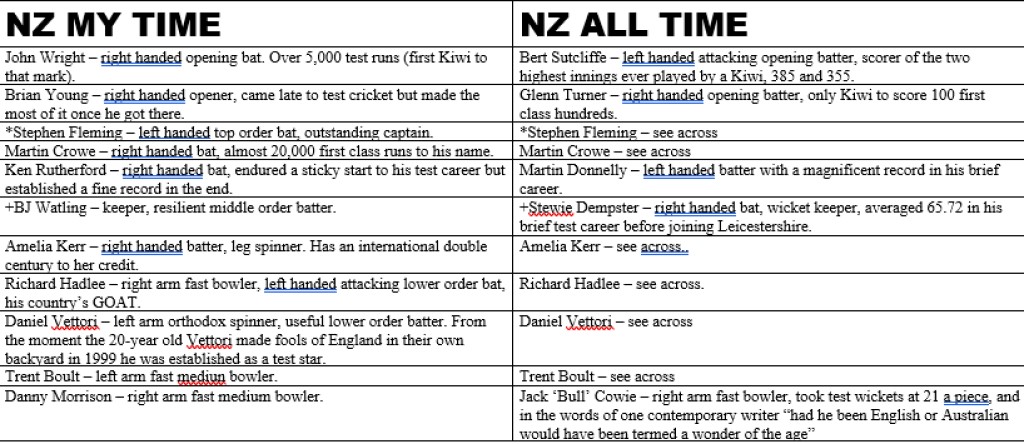
NZ
The teams in tabulated form, with abbreviated comments.


100 Cricketers – The Ninth XI Three Main Batters

The latest in my “100 cricketers” series, featuring updates from the County Championship and of course some of my photographs.

INTRODUCTION

Welcome to the latest piece in my “100 cricketers” series, in which we look at the three big name batters from the ninth XI. The introductory post to the series can be found here, and the most recent post in which the ninth XI is introduced is here. Before getting to the main body of the piece, it is time for a…

COUNTY CHAMPIONSHIP UPDATE

Two of the six county championship matches have been settled and a third is on the cusp of producing a result. 

  • Sussex v LeicestershireLeics 232 and 252-3 beat Sussex 212 and 308 by seven wickets
    Paul Horton, Hasan Azad and veteran Aussie Mark Cosgrove all made runs as Leicesterhsire ended up making light work of what had looked like being a fairly tough run chase. The feature of this match was the 80 made by Philip Salt in the Sussex second innings – if he can go on to a few centuries in the near future the England selectors may just take note.
  • Hampshire v Essex – Hamsphire 525-8 declared beat Essex 164 and 274 by an innings and 87 runs.
    A century by veteran Ravi Bopara kept this game going longer than some expected, but Hampshire had been in control most of the way, and once they got through Bopara the rest came quickly, with Adam Wheater absent hurt for the second time for the match. South African Kolpak signing Kyle Abbott took five wickets for Hampshire, to back Fidel Edwards who had done likewise in the first Essex innings.
  • Derbyshire v Durham – Derbyshire 197 and 334, Durham 171 and 207-8
    Many will be glad that Durham seem to be headed for defeat in their first match after they chose to award the captaincy of their side to a proven cheat in Cameron Bancroft. 
  • Somerset v Kent Somerset 171 and 243 beat Kent 209 and 131 by 74 runs
    This result is just in, and it did not look likely this morning, but a last wicket stand between 21 year-old George Bartlett (63) and Jack Brooks (35) gave Somerset something to bowl, Lewis Gregory ripped out three quick wickets before lunch (he went on to finish with 5-18) and Kent never looked like getting to the target. This match turned on the morning session of today, with Kent having had the better of the previous play by far. I commented on this post on Toby’s Sporting Views that if Somerset could eke out a further 50 this morning they would give themselves a chance, they actually managed 70, and ended up winning comfortably.
  • Nottinghamshire v Yorkshire Nottinghamshire 408 and 329-5D, Yorkshire 291 and 181-2
    This one looks set to end in a draw (although a dramatic Yorkshire collapse remains possible). Nottinghamshire’s overnight declaration with Joe Clarke 97 not out, following his first innings 112 provided an early talking point. My view, expressed on this site yesterday and on twitter this morning is that Notts were right to give themselves a full day in which to bowl the Yorkies out a second time – the needs of the team have to come first. Joe Root is currently 87 not out for Yorkshire and Gary Ballance is 52 not out.
  •  Northamptonshire v MiddlesexNorthants 445, Middlesex 271 and 294-4
    This one looks like petering out as well. Full credit to Middlesex captain Dawid Malan who is 151 not out in their second innings, and would appear to have saved his side. 

It is now time for the main part of this post, starting with…

ANDREW STRAUSS

112 and 83 on test debut, centuries on his debuts against two further countries (and he nearly made four), a Compton-Miller Medal winning performance in the 2009 Ashes and captaining England to Ashes success down under in 2010-11. Exactly 100 test match appearances brought him 7,037 test runs at 40.91. 

STEPHEN FLEMING

111 test matches yielded him 7,172 runs at 40.06, he also scored 8,037 ODI runs at 32.40. In addition to his attacking batting he was a fine captain of New Zealand. He is a worthy captain of this XI.

MARTIN CROWE

77 test matches yielded him 5,444 runs at 45.36, with a highest score of 299, made against Sri Lanka when New Zealand were initially in a lot of trouble. He was one of the finest batters ever to come out of New Zealand, although the likes of Stewart Dempster (average 65.72 in his very brief test career), Bert Sutcliffe (holder of the two highest first class scores by New Zealanders – 385 and 355, the 385 coming out of an innings total of 500, while his opponents, Canterbury,  managed 382 off the bat in their two innings combined) and Glenn Turner (the only Kiwi to have scored 100 first class hundreds) would all have their advocates. His first test century came against England in 1983-4 and helped to save his side after they had been over 200 adrift on first innings. 
HOT OFF THE PRESS – DERBYSHIRE SECURE VICTORY OVER DURHAM

I mentioned in my county championship update section that Derbyshire were closing on victory over Durham. They have now completed the job, the result being:

Derbyshire 197 and 334 beat Durham 171 and 235 by 125 runs
Openers Harte and Lees made half centuries, but apart from them only Burnham (32) and Trevaskis, the 19 year-old slow left-armer (27 not out) who I have marked as one to watch offered any significant resistance as the wickets were shared round. 

PHOTOGRAPHS

My usual sign off…

P1220504P1220505P1220506P1220507P1220508P1220509P1220510P1220511P1220512P1220513P1220514P1220515P1220516P1220519P1220520P1220521P1220525P1220526P1220527P1220528P1220529P1220531P1220532P1220533P1220534P1220536P1220537P1220538P1220539P1220540P1220541P1220542P1220543P1220544P1220545P1220546P1220547P1220549P1220550P1220551P1220554P1220555P1220556P1220558P1220559P1220561