A look ahead to the final of the inaugural Women’s U19 T20 World Cup, and as usual some of my photographs.
This post looks ahead to tomorrow’s final of the inaugural Women’s Under 19 T20 World Cup. England and India will be fighting it out.
INDIA
India did enough to make the semi-finals with some comfort, but in spite of the inclusion of two established senior internationals in Shafali Verma and Richa Ghosh they have not had things all their own way. They beat New Zealand very comfortably in their semi-final, as the latter produced their only poor performance of the tournament at just the wrong time.
ENGLAND
England utterly bossed their first round group, and were barely any less convincing winners of their Super Six group. It was a different matter in the semi-final against Australia, as their batting misfired for the only time in the tournament, and they had a mere 99 to defend. However, their bowlers set about repairing the damage in very impressive fashion. At 59-7, and again at 77-8 they seemed to have the match won. The ninth wicket pair added 19, but then, a mere boundary stroke away from the final, Milly Illingworth was run out to make it 96-9. Four balls later Grace Scrivens claimed the final wicket, and England were home by three runs. Hannah Baker was named Player of the Match for taking 3-10 from her four overs.
A BATTLE ROYAL
I expect this contest to go down to the wire, but I think that England’s successful defence of a mere 99 in their semi-final is enough to make them favourites – their batting has failed only that once all tournament, and their bowling has been magnificent throughout, whereas India came into the semi-finals as the least impressive of the four qualifiers. Whatever happens tomorrow England have let the cricketing world know in no uncertain terms that the future of their women’s team is in good hands.
A look at Rwanda’s involvement in the inaugural Women’s U19 T20 World Cup, plus some recent photographs.
Greetings from the frozen wastes of West Norfolk – the freeze here has now got to the stage where Bawsey Drain is partially frozen over, never mind the ponds. In today’s post I look at a great story to emerge from the inaugural Womens U19 T20 World Cup, and make some suggestions for the future.
THE BIGGEST SUCCESS OF THE TOURNAMENT
Obviously in absolute terms this will belong to whoever ends up lifting the trophy, which will not be Rwanda, whose journey will end at the Super Six stage (England, New Zealand and India are all looking strong, and no one familiar with Australia in knock out stages would dare rule them out), but in relative terms, to reach the Super Six stage, and to win one match at that stage (v West Indies) on Rwanda’s resources far outranks any of the achievements of the big guns.
RWANDA’S STRENGTHS AND WEAKNESSES
Rwanda are an excellent bowling side (Henriette Ishimwe, who took four wickets in four balls to seal the win over Zimbabwe had a comparatively quiet match in the Super Six win over West Indies, when the spinners dominated) but struggle with the bat – that great win over West Indies was achieved with only four wickets and two overs to spare even after dismissing their opponents very cheaply. If a side is going to be weak in one department I would prefer it to be batting, as a good bowling side can often make up for frailties with the bat, whereas there is nowhere to hide if your bowlers cannot do the job.
RWANDA GOING FORWARD
The top sides should make space for Rwanda in their schedules – more competition against them could only improve Rwanda. I would also like to see domestic competitions (Rachael Heyhoe-Flint trophy, Charlotte Edwards cup, The Hundred, The WBBL, and coming into existence later this month, the WIPL) include Rwandans among their overseas signings. There are a number of current Rwandan players who would be excellent value as an overseas signing in these leagues. A new nation with no prior cricketing heritage making its presence felt on the world stage can only be a good thing for those of who want the game we love to continue to grow and develop, and I give these young Rwandan women my heartfelt congratulations for their contribution to this tournament.
A brief bit about England’s great start to the Super Six stage of the inaugural U19 Women’s World Cup, and some photographs.
Today the Super Sixes stage of the inaugural Women’s Under 19 T20 World Cup got underway. England were in action against Ireland first up. A dominant batting performance, headlined by Grace Scrivens scoring 93, while Liberty Heap backed her up with 42, and with Seren Smale and Niamh Holland providing late cameos to boost the final total saw England rack up 207-2 from their 20 overs. England were equally dominant with the ball, with Hannah Baker (leg spin) and Sophia Smale (slow left arm) each collecting three cheap wickets. Ireland limped to 86 all out, and England had won by 121 runs, giving them a net RR of +6.050 as well as the two points for the win. The longer this tournament goes on the stronger this England side look. Full scorecard here.
SOPHIA AND SEREN SMALE
In spite of sharing a surname and both having forenames beginning with S Sophia and Seren Smale are apparently unrelated. Sophia, the left arm slow bowler, hails originally from Newport, Monmouthshire, while Seren, a keeper/batter was born in Wrexham, Denbighshire.
Sophia Smale has already had some success in The Hundred, but it is probably Seren Smale who has the easier route to full international honours – as a keeper and a good batter she has two ways of gaining recognition, while unless England opt to play two left arm slow bowlers (unusual in the modern era to put it mildly) in the same XI Sophia Smale has Sophie Ecclestone between her and full international recognition. Nonetheless, I hope and expect that both will gain full international honours.
PHOTOGRAPHS
Even in the sub-zero temperatures that we are currently experiencing in King’s Lynn there are still plenty of opportunities for photography, so here is my usual sign off…
A look at a couple of incidents from the inaugural Women’s Under 19 T20 World Cup and of course a photo gallery.
The inaugural Women’s Under 19 T20 World Cup is currently taking place in South Africa. 16 teams are involved, ranging from top tier cricketing nations like Australia, England and India to newcomers to the cricketing world stage such as Indonesia and Rwanda. In this post I look at two incidents from the tournament.
PAKISTAN V RWANDA – ROATeNSE STRIKES
For more about the ROATeNSE as I call it, please visit this post. This one happened near the end of the Rwanda innings, and attracted the usual howls of protest from those opposed to this form of dismissal (I have yet to meet a logical argument against it – it rarely if ever gets beyond “I don’t like it, so it shouldn’t happen.”). I note three things about this particular dismissal:
The bowler ran in smoothly and only changed tack when noting as she was about to bowl that the non-striker was out of her ground.
There was nothing marginal about it – the batter had her bat trailing behind her, and the toe end of that implement, closest part of bat or body to the crease line, was at least a foot out, possibly 18 inches, while the batter herself was at least a full yard beyond the crease line.
This was not a situation in which an accusation of desperation (a popular tactic among opponents of the ROATeNSE) could be made – Rwanda had lost a lot of wickets and were headed for a poor score (Pakistan won easily in the end, with just over two overs to spare).
In addition to the above important points I also noticed (I saw a video clip of the incident) that the non-striker could see the bowler at all times and was still careless enough to stray out of her ground.
FOUR IN FOUR AND A CHANGE TO THE I XI
Today Rwanda were in action again, this time against Zimbabwe. They managed 119 from their 20 overs, and when Zimbabwe were 80-6 in response a close finish looked on. At that point Rwandan seamer Henriette Ishimwe took the last four wickets with consecutive balls giving Rwanda victory by 39 runs. When I did my all time XI series for each letter of the alphabet in the second half of 2022 the Is had a very weak seam combination, and this proof of Ishimwe’s skill is sufficient to induce a change – she replaces Anthony Ireland in that XI (she is also a useful lower order bat, whereas the Zimbabwean was a genuine number 11). That leads on to a question that crops whenever this wicket taking sequence happens:
IS IT A DOUBLE HAT TRICK?
Some people notice that the sequence WWWW contains two sets of three Ws – nos 1,2 and 3, and nos 2,3 and 4 and ignoring the fact that using this to call the sequence a double hat tricks means counting the second and third wickets twice (once in each hat trick) insist on referring to it as a double hat trick.
For me this is absolute nonsense – only four distinct wickets are taken, so it is four wickets in four balls, while a double hat trick would be six in six – two independent sequences of three in three in succession.
Additionally, the phrase hat trick exists because of a match that took place at the Hyde Park ground in Sheffield in the early 1850s. In that match Heathfield Harman Stephenson, captain of the itinerant All England XI, took three wickets with successive balls and the crowd were so impressed by his feat that they passed a hat around to collect money for him. Both hat and coins were presented to Stephenson. I doubt very much that a fourth successive wicket would have got the hat passed around again, but had Stephenson taken another three in succession either then or later it might well have been, and had another bowler matched his achievement it probably would have been.
A look at today’s Melbourne derby in the Big Bash League plus some photographs.
This morning’s live BBL radio commentary saw the two Melbourne sides, Renegades and Stars face one another. Stars following Heat’s win earlier were languishing at the bottom of the heap, Renegades one of a number of sides battling for qualification slots (Only Perth Scorchers and Sydney Sixers are genuinely comfortably placed to qualify).
THE RENEGADES INNINGS
Renegades batted first, and they started dreadfully, managing just 17-1 from their four overs of opening Power Play. They began to recover in overs 5-10, reaching 63-3 at the halfway stage of their innings. The second half of their innings was a massive improvement, a well timed Power Surge continuing the recovery, and then a magnificent late innings from Jonathan Wells helping to boost their final total to 161-7.
THE STARS RESPONSE
Stars began their reply sensationally, passing 80, with all their wickets standing in just the eighth over. Once the first wicket fell however, they were unable to maintain the momentum, and began to lose wickets at regular intervals. Not even the assistance of two balls hitting the closed roof of the stadium and being thus awarded six a piece did much for the second half of the Stars innings. A succession of overs in which runs weren’t scored and wickets fell ultimately saw the Stars needing 12 from the final over to win. Nick Larkin, the sole remaining batter of any substance, made a complete and utter mess of playing that final over. He declined singles off the first two balls, wishing to keept the strike for himself, but then took the single off the third, leaving a tailender on strike with 11 needed off three balls. A run out off the fourth ball did at least get Larkin back on strike, but 11 were now needed off two balls. Larkin hit the first for four. The final ball of the match was full, just wide of the stumps, but not enough so to be called a wide, and Larkin ridiculously failed even to get bat to it, the resultant dot giving Renegades victory by six runs, boosting their qualification hopes and pretty much exterminating such qualification hopes as Stars had still retained. Arguably Stars were favourites to win right until the start of the 19th over of their innings, at which point they needed 15. Good teams go all out to break the back of things with an over to spare in these circumstances, and it was really this over, with only three runs coming it from it that killed the Stars. This loss will be hard to recover from because Stars will know that they should have been comfortable winners.
London Underground at 160 years old and a couple of cricket bits, plus some photographs.
I have a number of things to post about, and will cover them in order.
LONDON UNDERGROUND 160
On January the 10th 2023 London Underground, the oldest underground railway system in the world, turned 160. From a modest seven stations when what was then called the Metropolitan Railway opened (this section of track is now part of the Hammersmith & City and Circle lines, but only Great Portland Street to Farringdon feature today’s Metropolitan line (the Metropolitan line platforms at Baker Street, two terminal platforms and two through platforms are later additions after the network began to expand, while platforms 5-6 have been restored to look as close to the 1863 originals as feasible) the system has grown to almost 300 stations and over 250 miles of track. After the initial opening, the biggest development was the development of electric locomotives, which enabled the opening of lines running further below ground and built with less surface level disruption, making use of the blue clay on which London sits and the Greathead Shield. The first deep level tube line, the City & South London Railway, now part of the Northern line, opened in 1890.
Big Bash League
Yesterday (I missed today’s game because of an important meeting) Brisbane Heat took on Perth Scorchers. Heat looked set for a formidable total when they reached the halfway stage of their innings at 80-2, but a disastrous third quarter of the innings, including a Power Surge that they took at a sensible time but failed miserably to cash in on yielded 25-2, and even with a decent final quarter of their innings they mustered 155 from their 20 overs, respectable but not the truly formidable score that looked on at halfway. Scorchers began poorly in response, managing only 25-2 in the opening four overs, but Heat then blundered, entrusting the fifth over to part time leggie Marnus Labuschagne. No fewer than 20 runs were plundered from that over. Even so, at the halfway stage of the chase Scorchers were still fractionally behind the rate, being 75-2, needing 81 off the last ten. It was the third quarter of the Scorcher’s allocation that killed the game – where Heat had scored 25-2 from overs 11-15, Scorchers, who also took their Power Surge in this period, and in their case made excellent use of it, scored 60-0 from overs 11-15. The winning hit was a six, off the second ball of the 17th over, with the third wicket pair still together. Scorchers top the table, with a game in hand on their closest challengers as well, while Heat are currently stone last, though they have a game in hand on the team immediately above them.
AUSTRALIA CANCEL TOUR OF AFGHANISTAN
Australia were due to tour Afghanistan but have cancelled that tour in protest at the activities of the Taliban. This has caused considerable controversy, but I, old enough to remember South Africa’s isolation (caused by racial rather than sexual discrimination, though I suspect the likes of Balthazar Johannes Vorster were as misogynist as they were racist) am entirely in favour of the move (please note that individual South Africans were allowed to play in domestic competitions around the world, they were just not allowed to compete under the banner of South Africa) and hope that other countries will stand up to be counted.
My take on a form of dismissal that is quite wrongly deemed controversial. Run outs at the non-striker’s end are a form of dismissal fully sanctioned by the laws of cricket.
The title of this post refers to the running out of a non-striker who backs up too far too early (Run Out AT The Non-Strikers End with the lower case e slipped in to make it pronounceable – ROA (as in road) – TeNSE. When someone effects this form of dismissal there is always a lot of controversy, with many seeing it as sharp practice while others recognize it for what it is, a form of dismissal which has full sanction under the laws of cricket and for which the batter, and the batter alone is to blame. I look at in more detail in the rest of this post.
NOMENCLATURE
This type of dismissal is often termed a ‘Mankad’, which derives from Mulvantrai Himmatlal ‘Vinoo’ Mankad of India, who was the first to make such a dismissal in a test match. Surviving members of the Mankad family are split on the issue, with a grandson having recently declared in favour of the use of the term and a son having even more recently declared against it. My own feeling is that one of the foremost of all test match all rounders (reached the double of 1,000 runs and 100 wickets at that level in just 23 matches, a figure bettered only by Ian Botham who got there in 21) is ill-served by being chiefly known for his association with this type of dismissal, and also using the fact that he was the first to do it in a test match conceals the long history of this type of dismissal, going back at least to the 1830s and 40s when one Thomas Barker (Nottinghamshire and Yorkshire) did it a number of times in matches at various levels. The serious alternative to ROATeNSE for me is “bowler’s stumping”, putting it on a par with a keeper stumping a striker who misses the ball when out of their ground.
A FAILED ROATeNSE
Some of those opposed to this mode of dismissal claim it requires little skill, so I now mention a recent Big Bash League incident involving Australian leg spinner Adam Zampa. Zampa was into his delivery stride when he altered course and attempted to run out an encroaching non-striker, but it was given not out because his arm was beyond the vertical – he made his decision a fraction too late. Zampa, in defiance of the opinions publicly expressed by coach David Hussey, refused to apologize for his actions, insisting rightly that he had been correct to go for the dismissal. The fact that the mode of dismissal can be fluffed shows that it does require skill.
A SUGGESTED REWORDING
In order for greater clarity I would change the wording of the section of the laws devoted to this dismissal, ruling that until the ball has actually been released the bowling crease belongs to the bowler, and the non-striker leaves it at their own risk. This form of dismissal is part of the game and will remain so – batters need to learn that even at the non-strikers end they need to keep their eyes on the bowler and not make an early move out of their ground, and to accpet being run out if they leave themselves open to this form of dismissal. A few months ago Deepti Sharma (India) dismissed Charlie Dean (England) by this means in an international match. My sympathies were entirely with the bowler: not only had Dean been serially leaving her ground early when at the non-strikers end (over 70 times in her innings), her offending had grown worse following the dismissal of Amy Jones which made her senior partner, and Deepti Sharma just before the over in which the dismissal occurred had spoken to the Indian captain, so Dean really should have been alert to the fact that such a dismissal was on the cards.
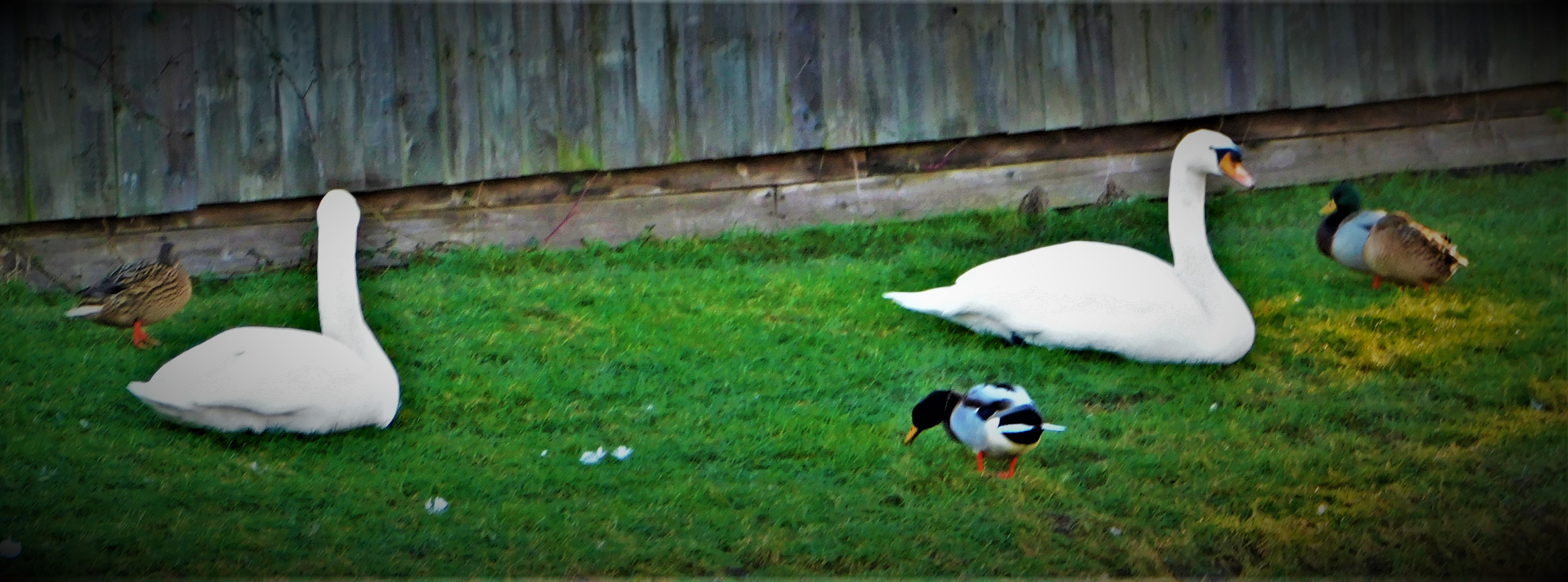
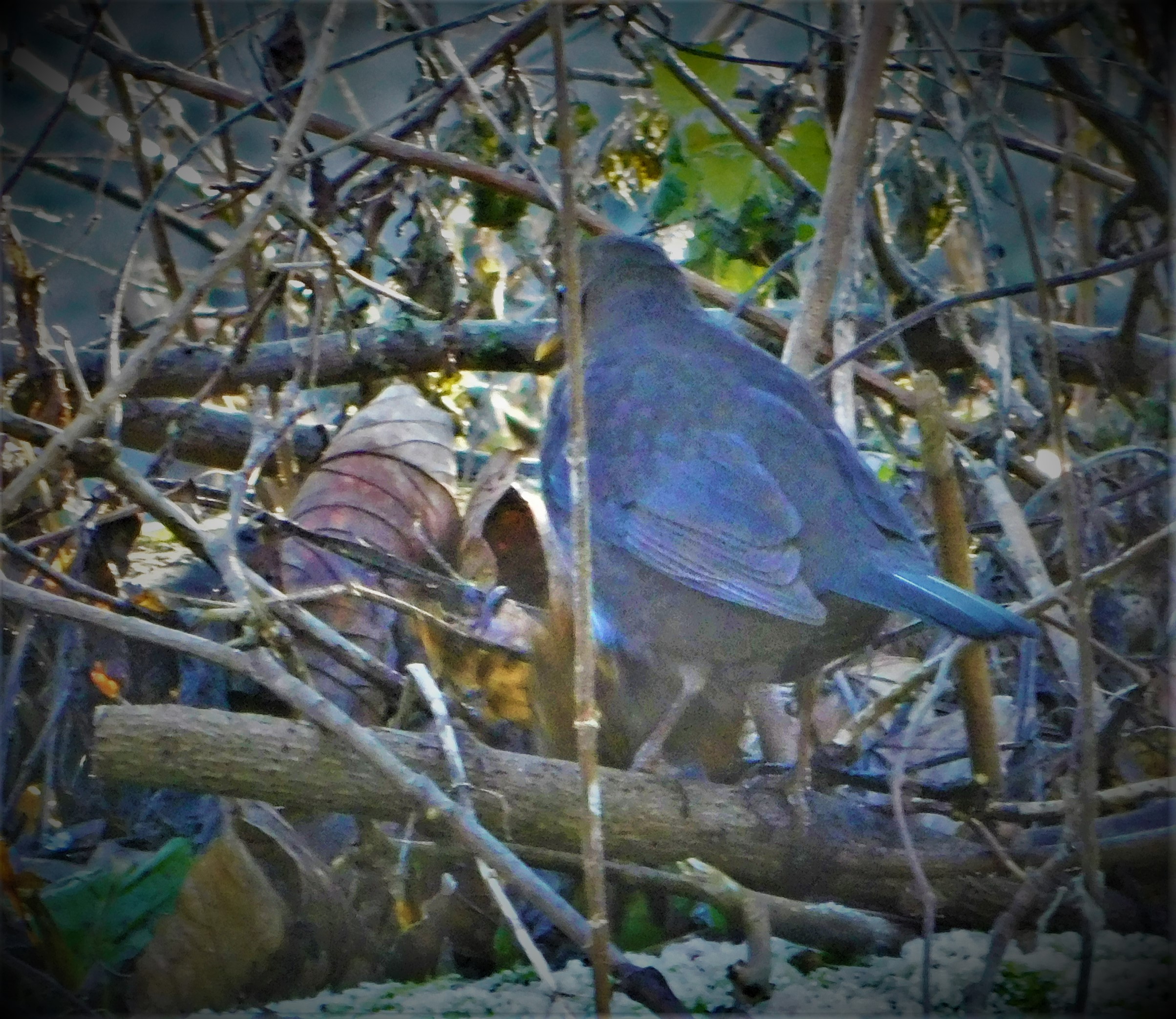
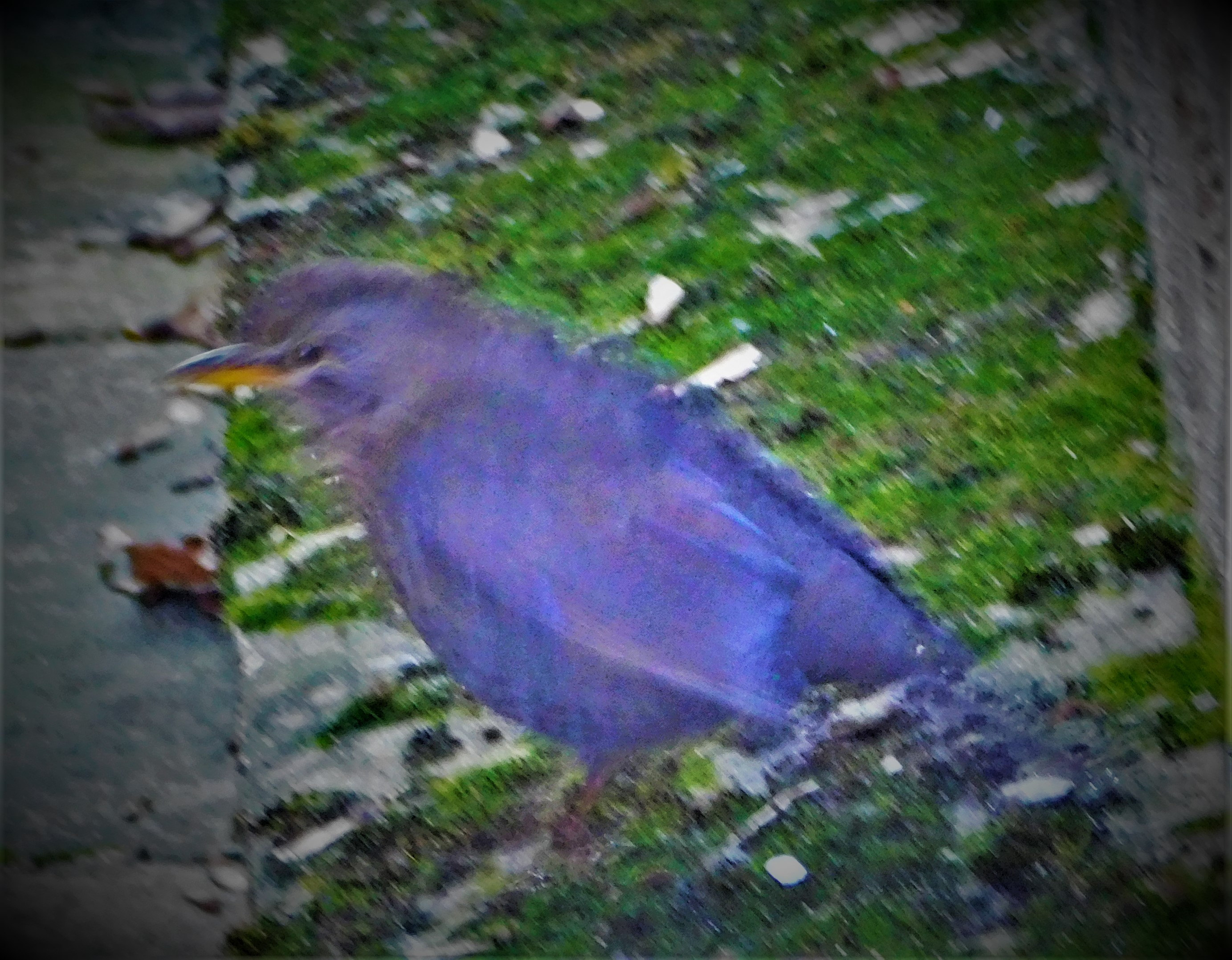
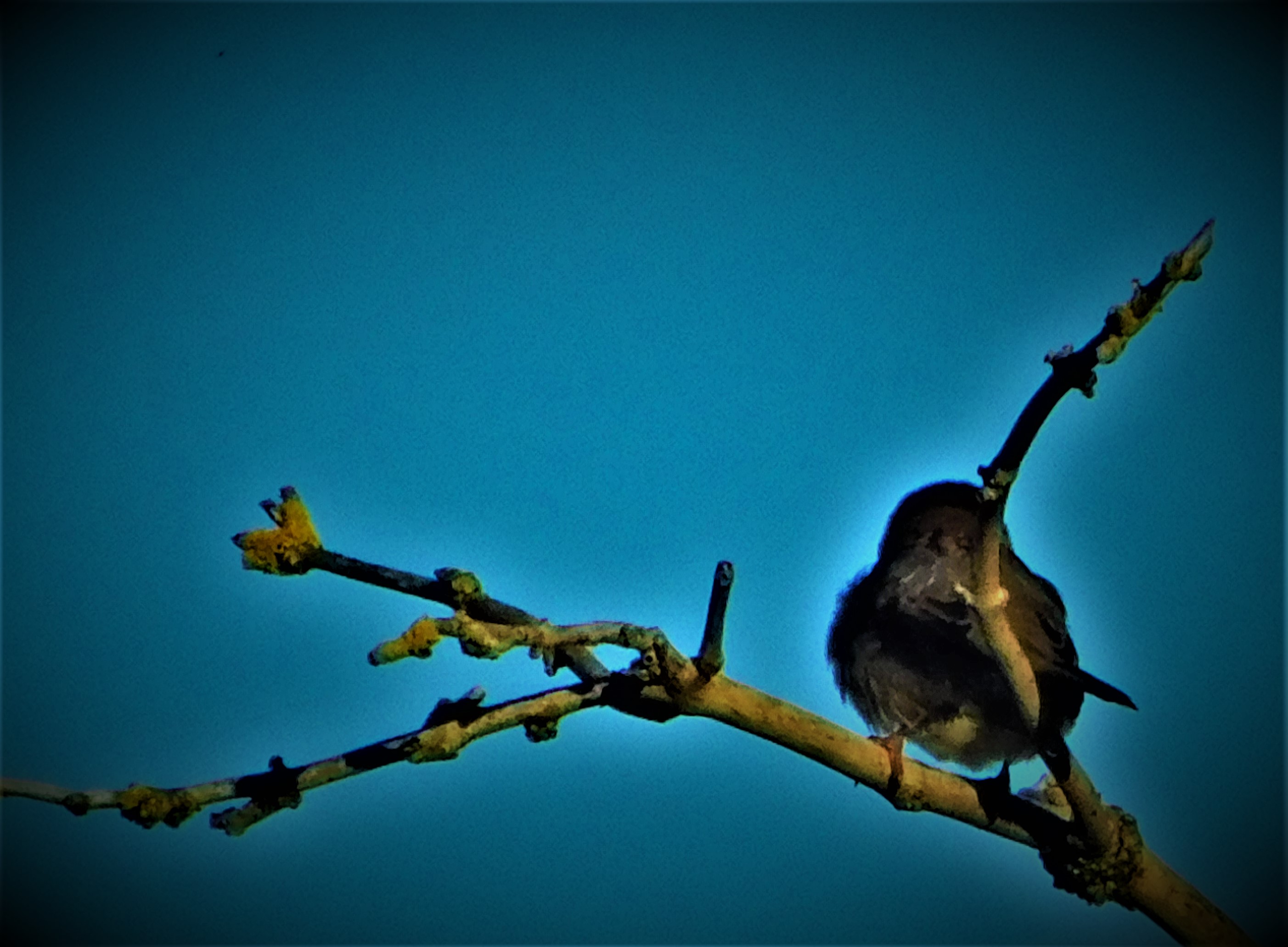
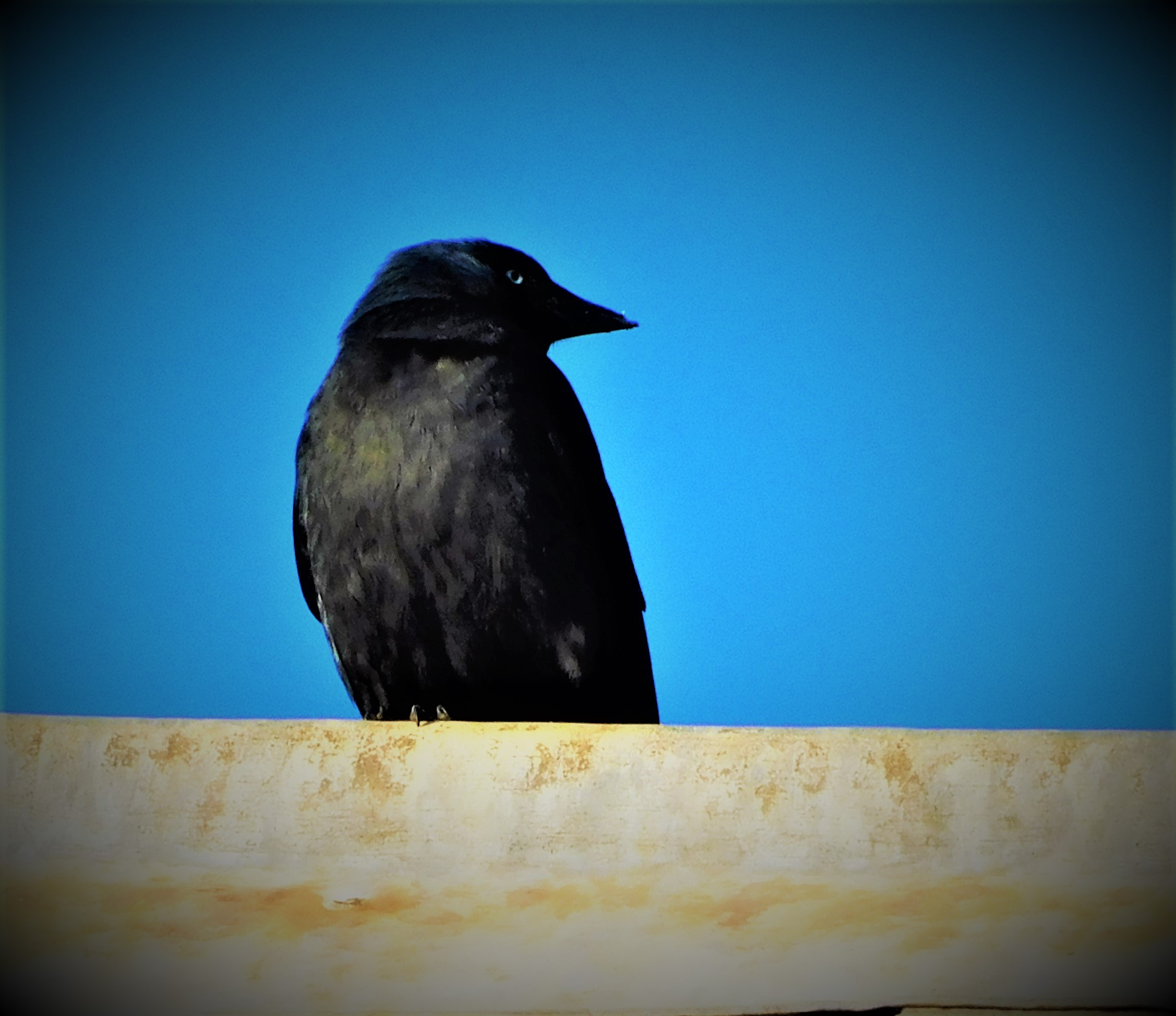
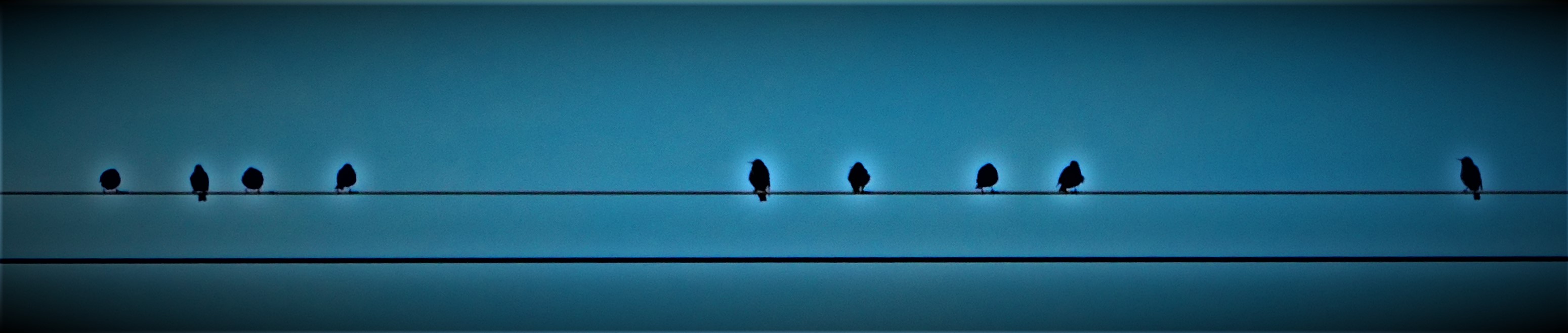
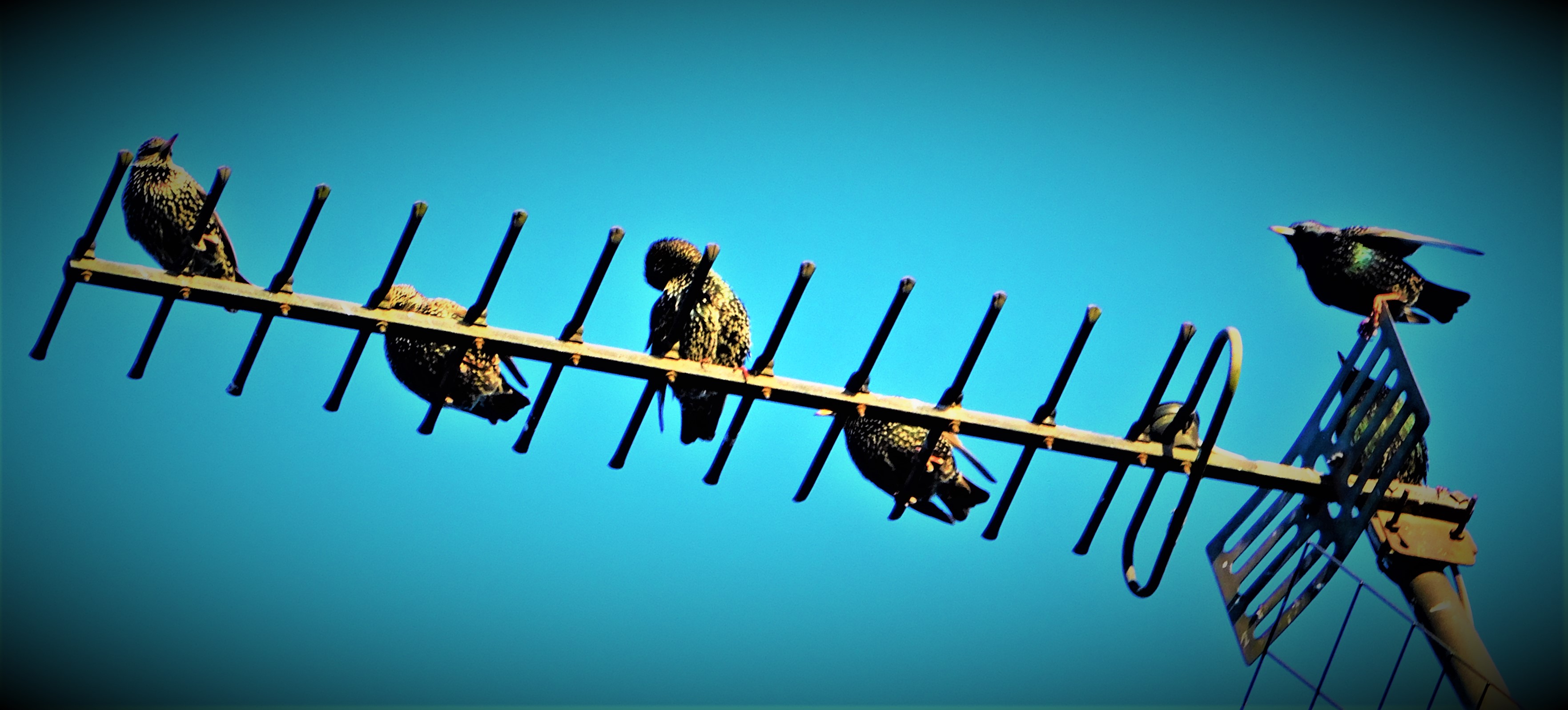
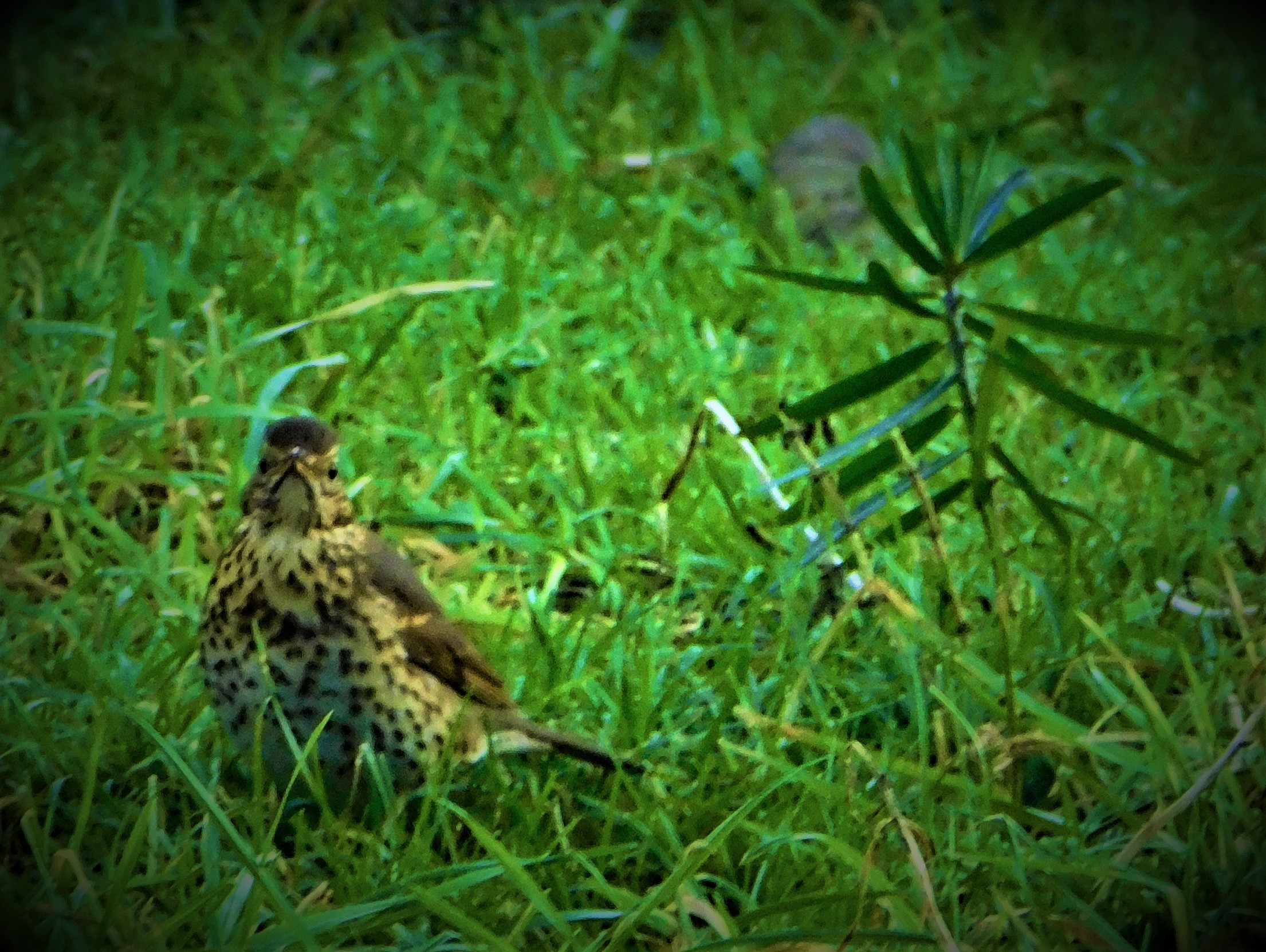
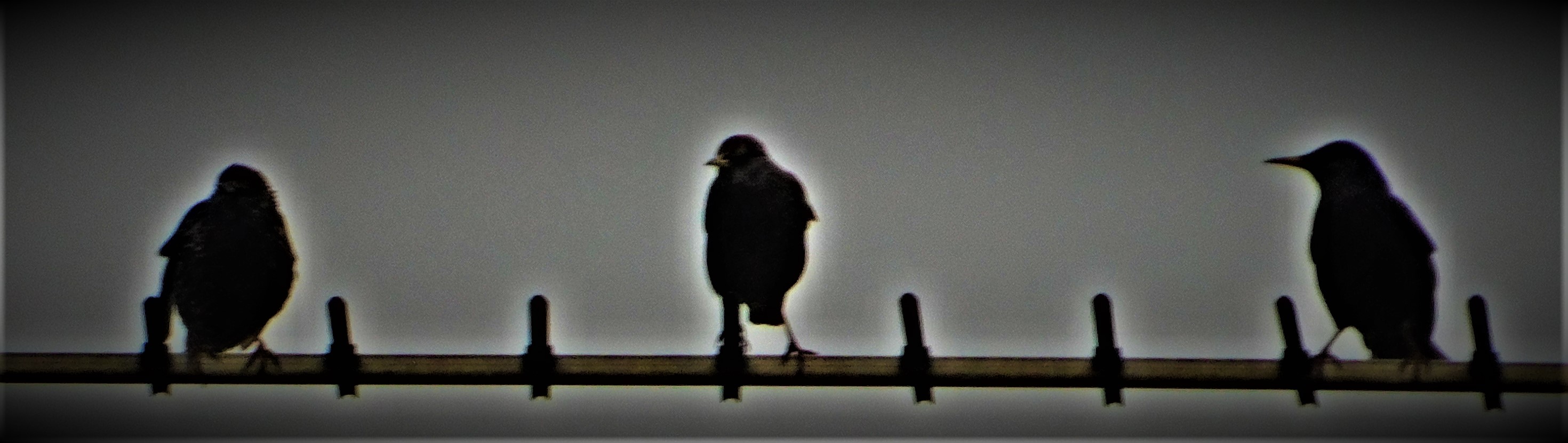
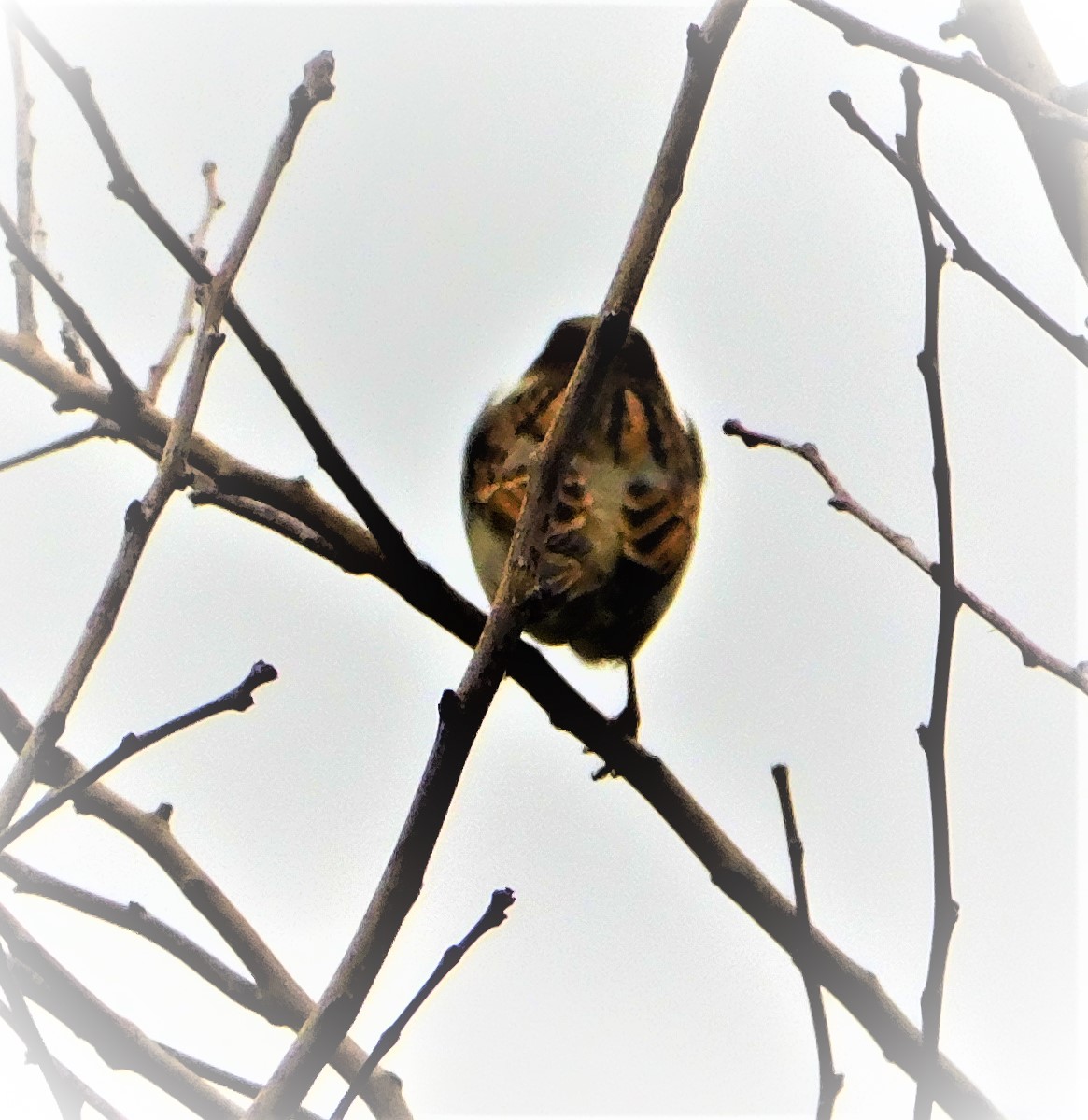
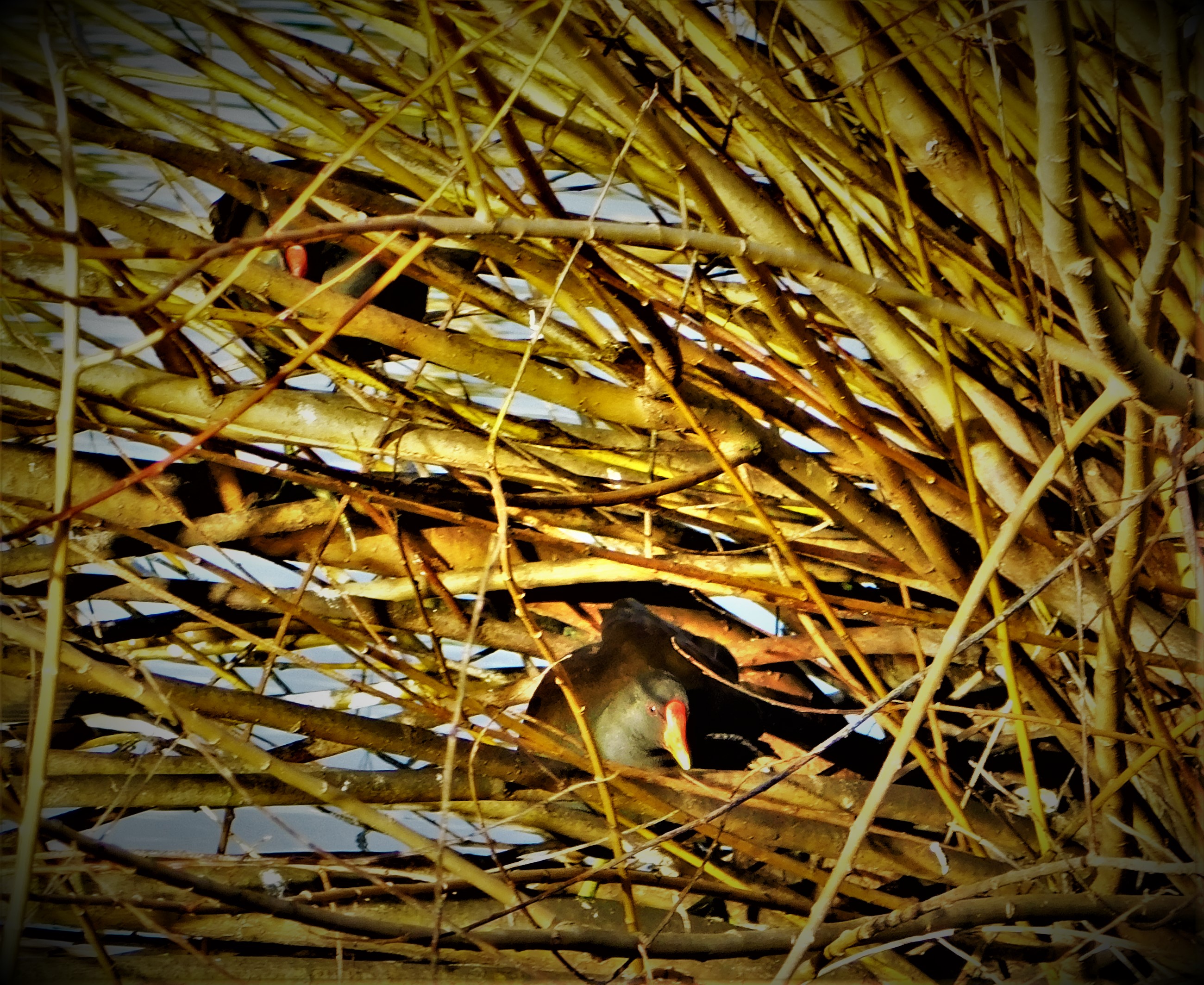
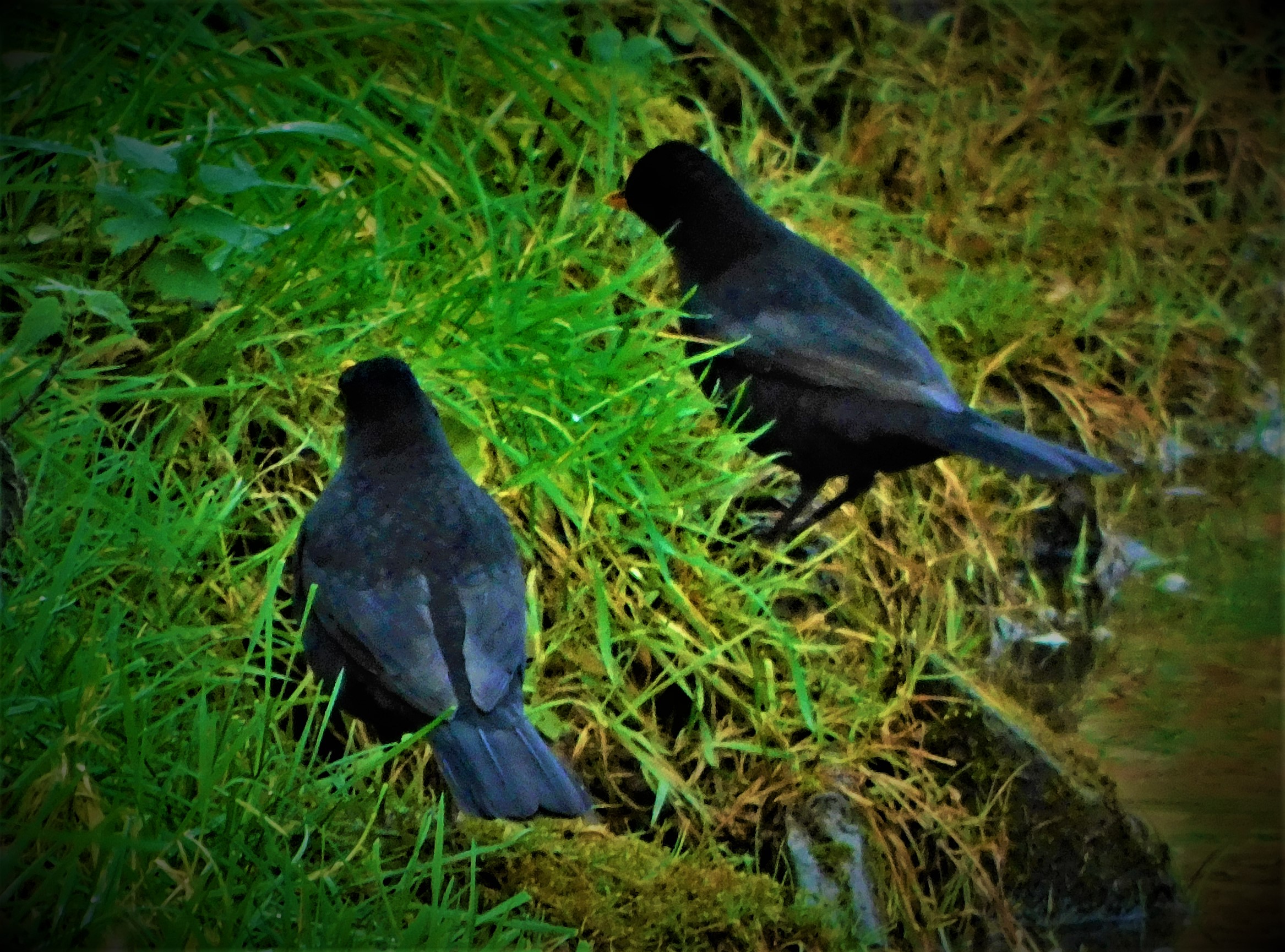
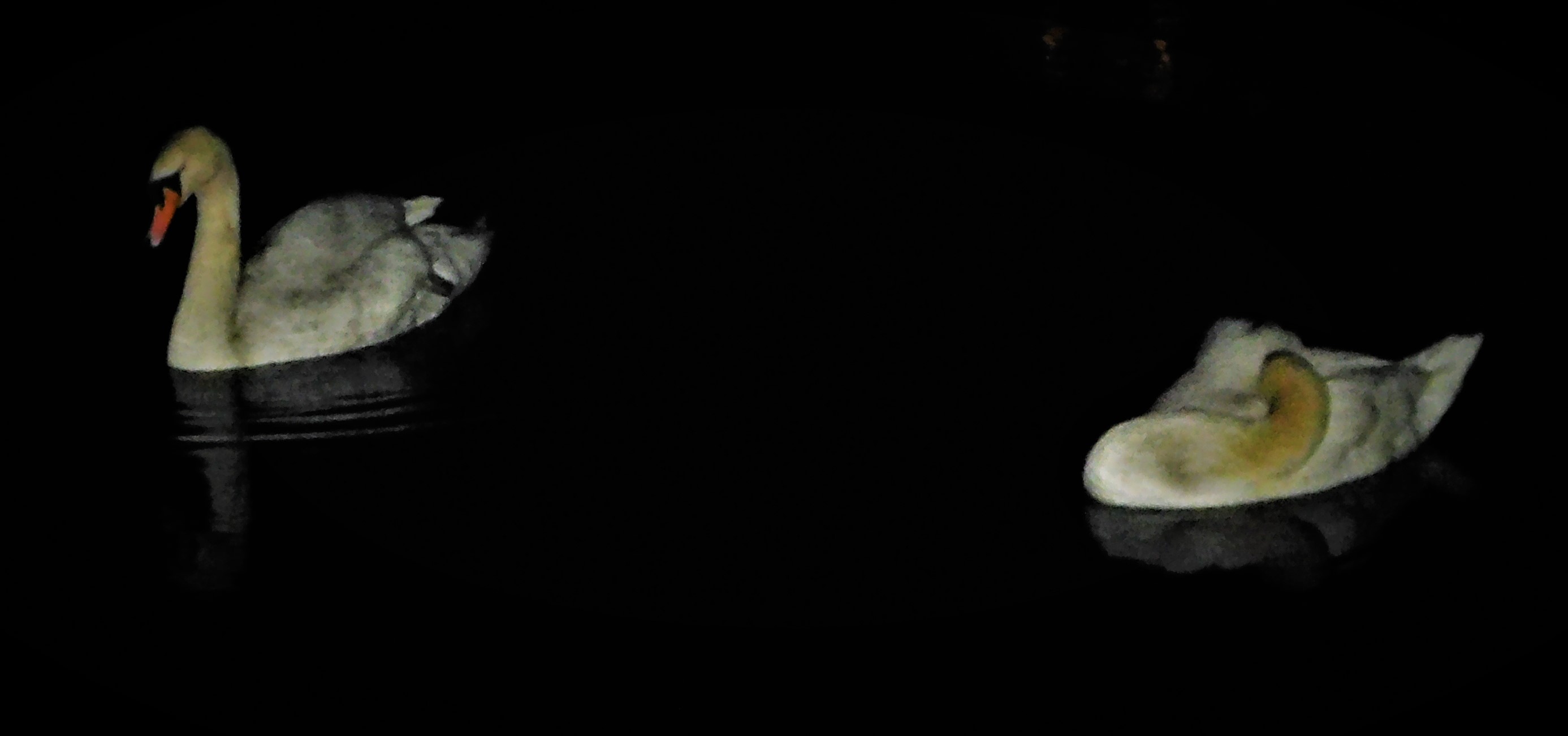
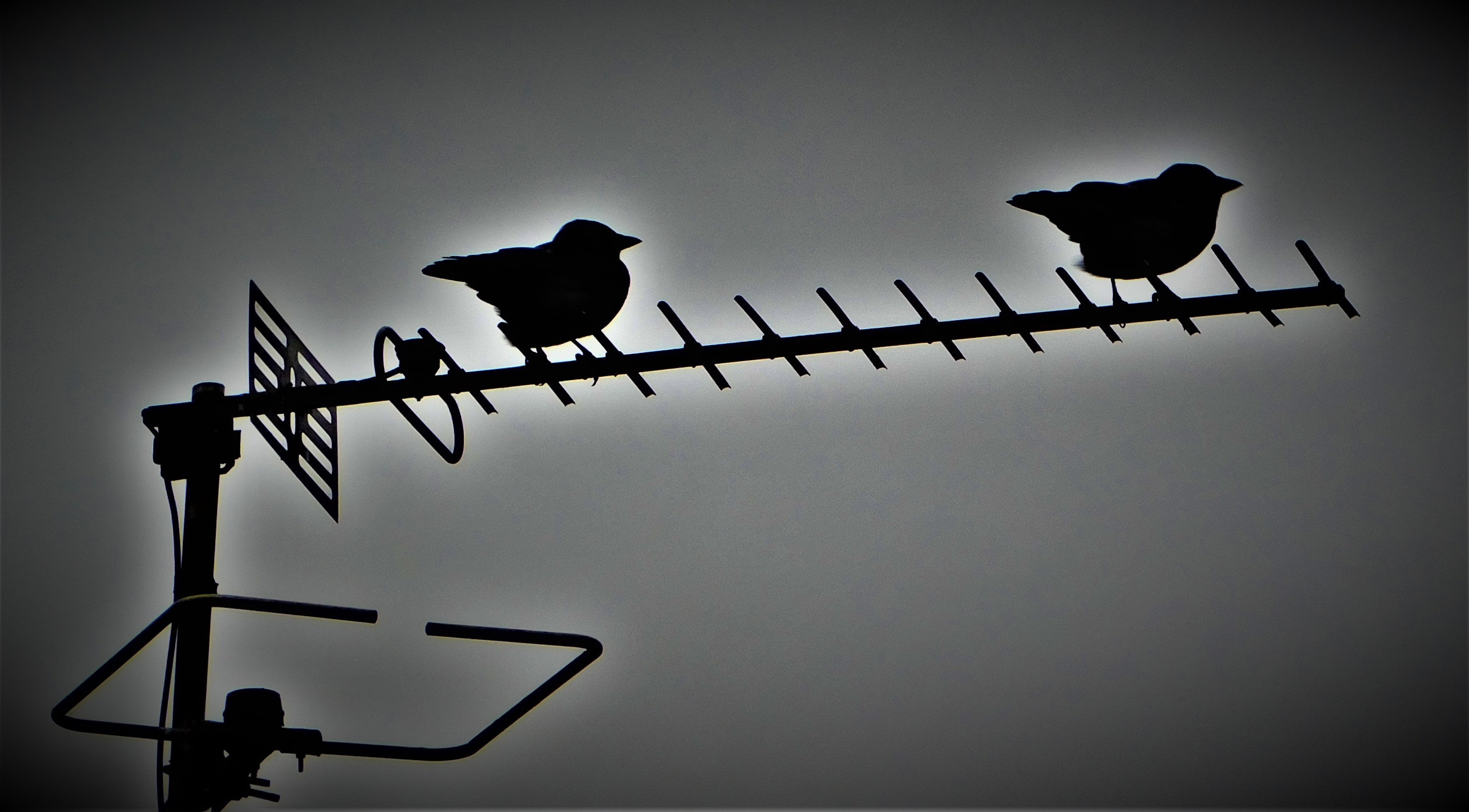
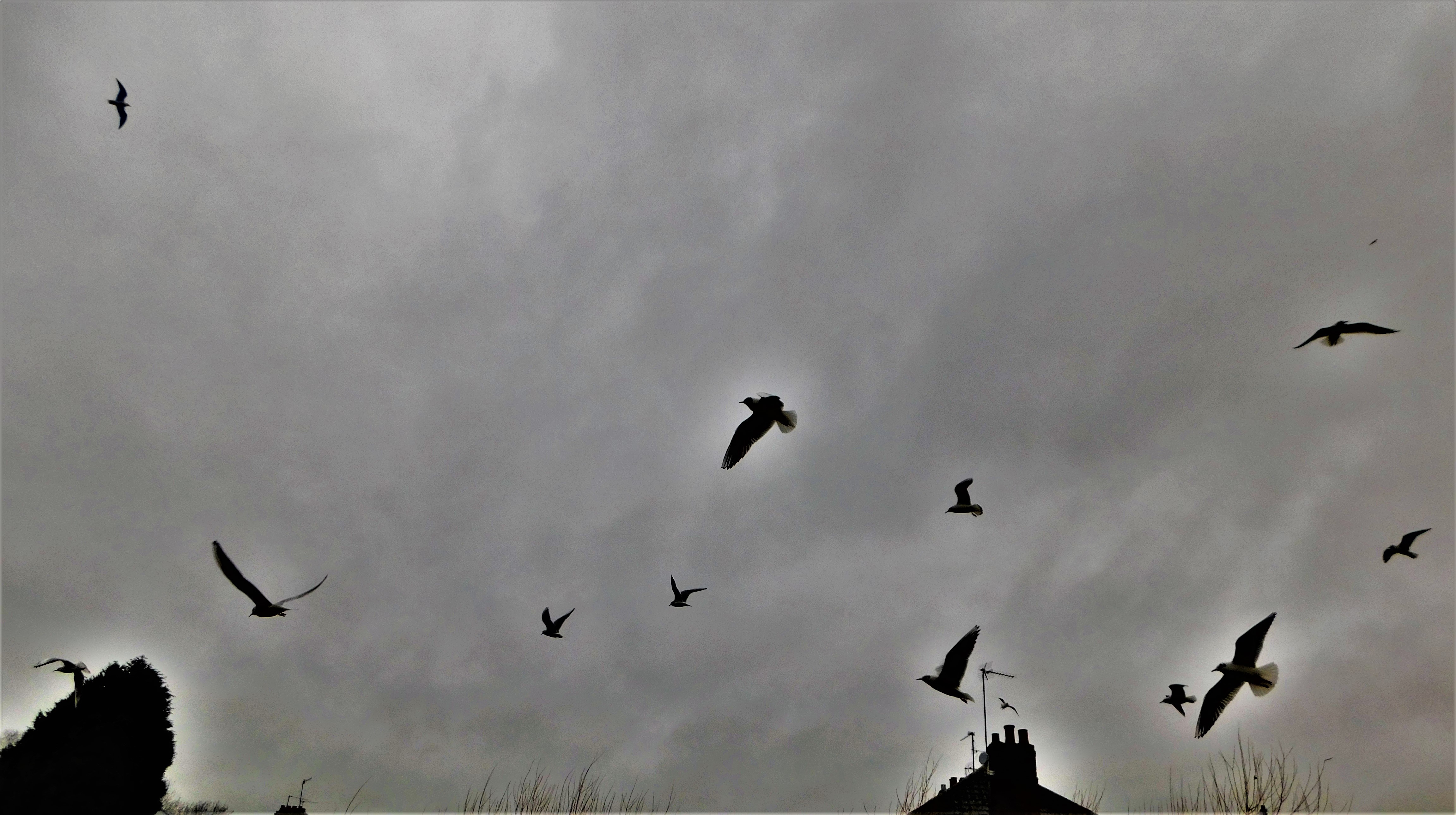
Hello everyone. This post is a brief one focussing on the bird life I have seen since the start of 2023. The only species I have seen that is not included in the photo gallery is the giant pigeon, which I could photograph almost any time I wanted to. The others are below, with a few labelled…
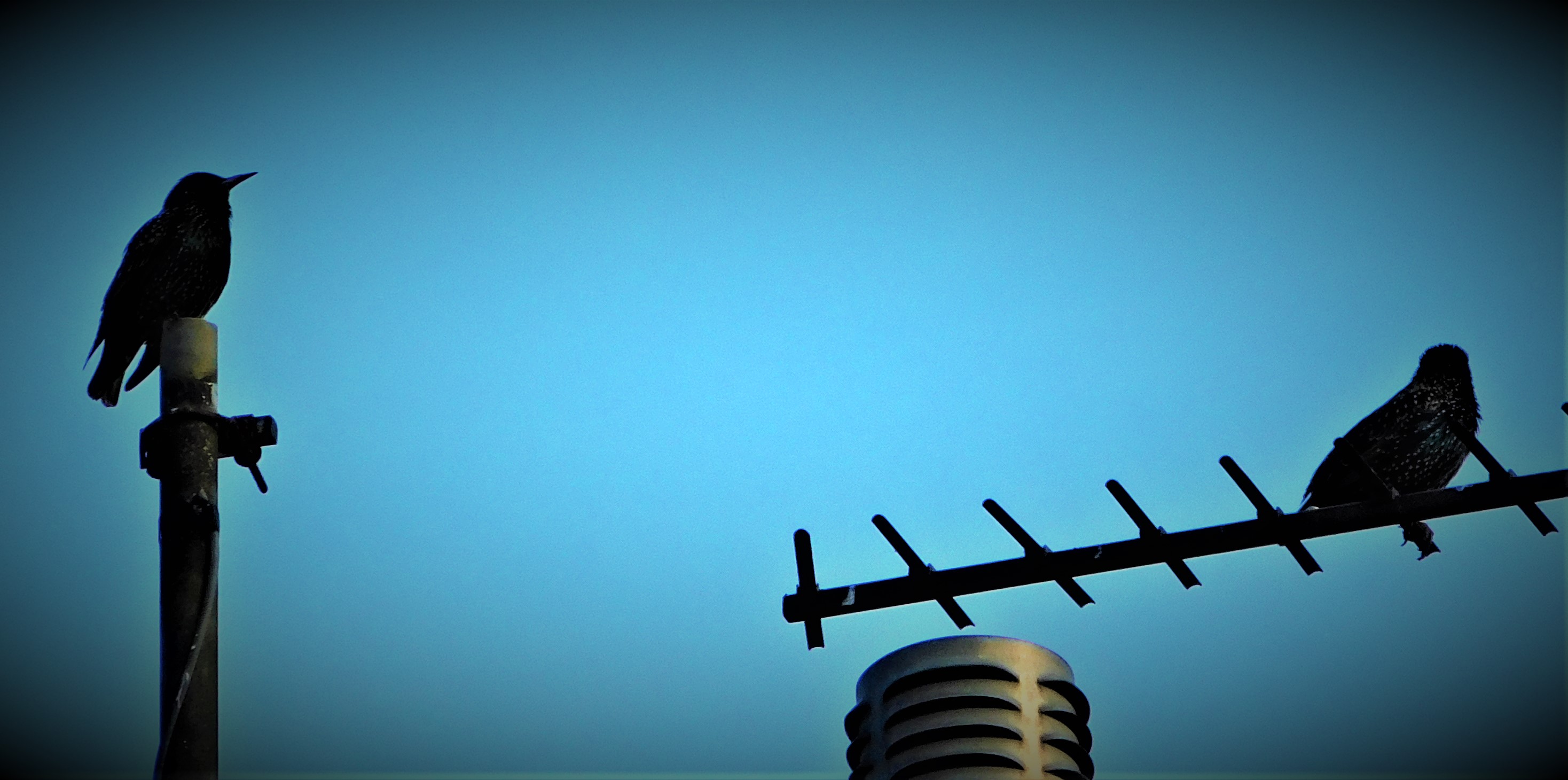
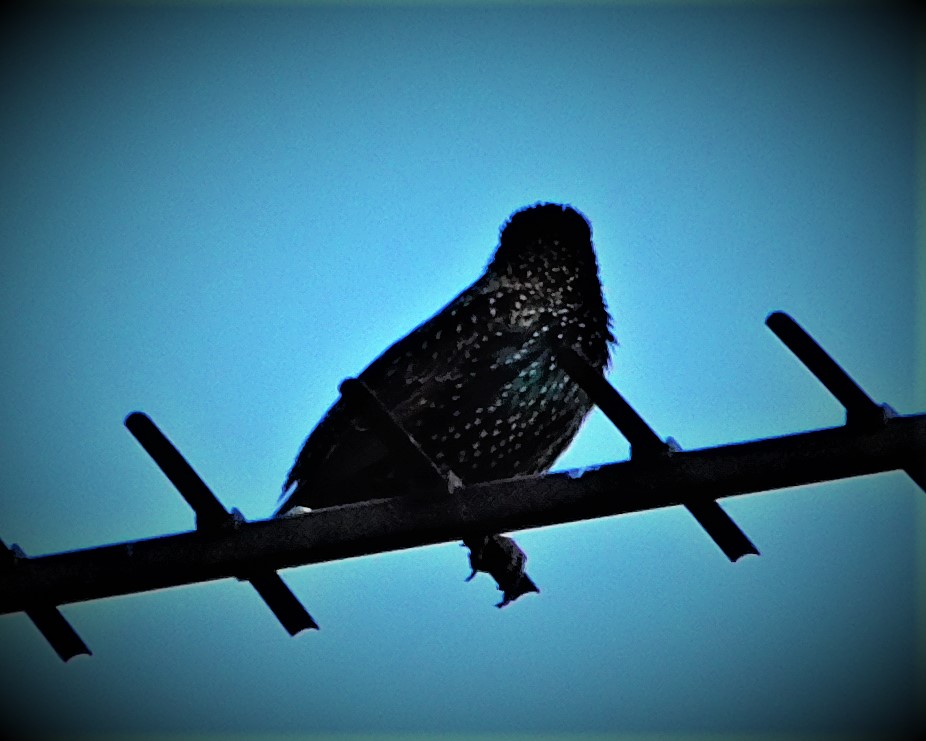
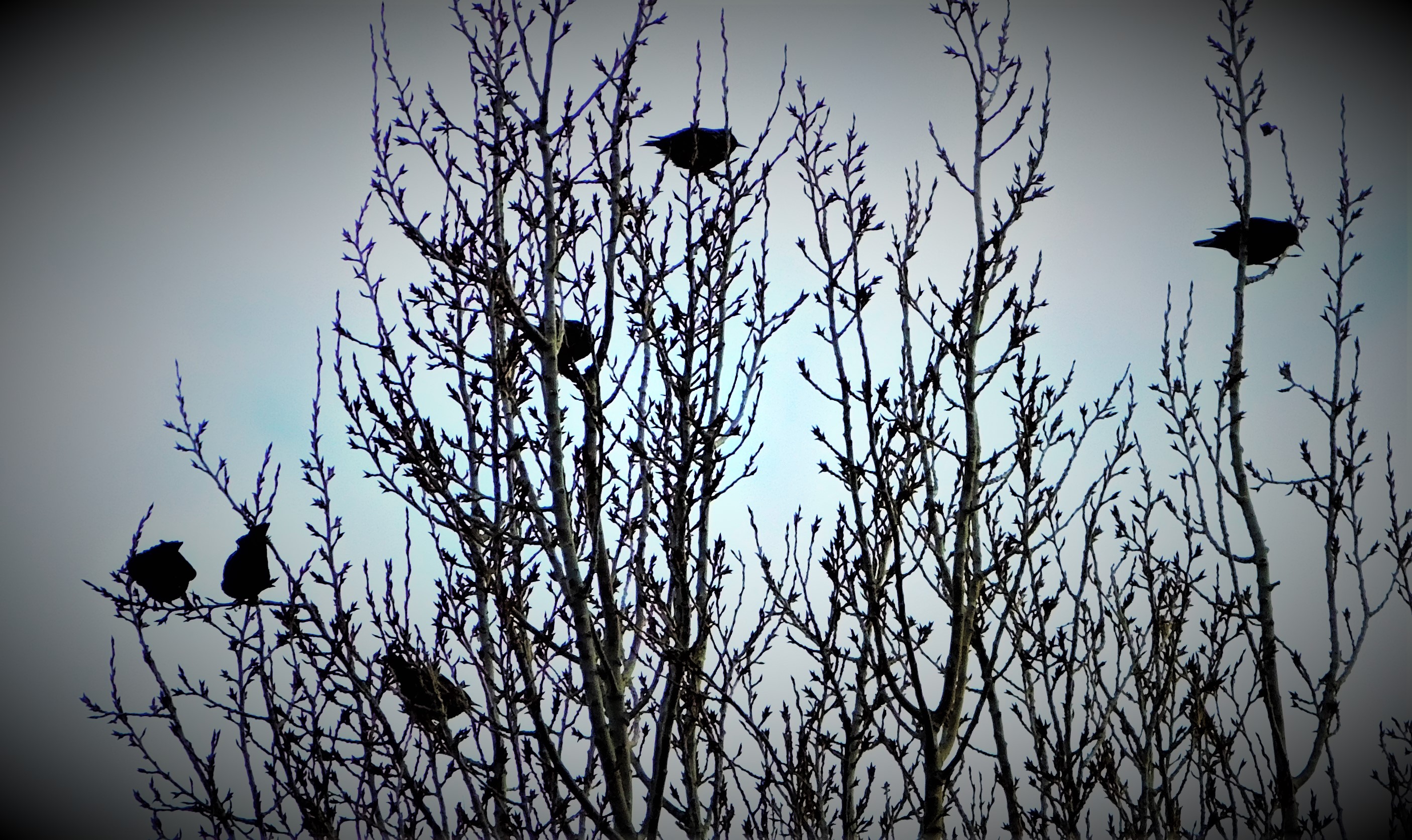
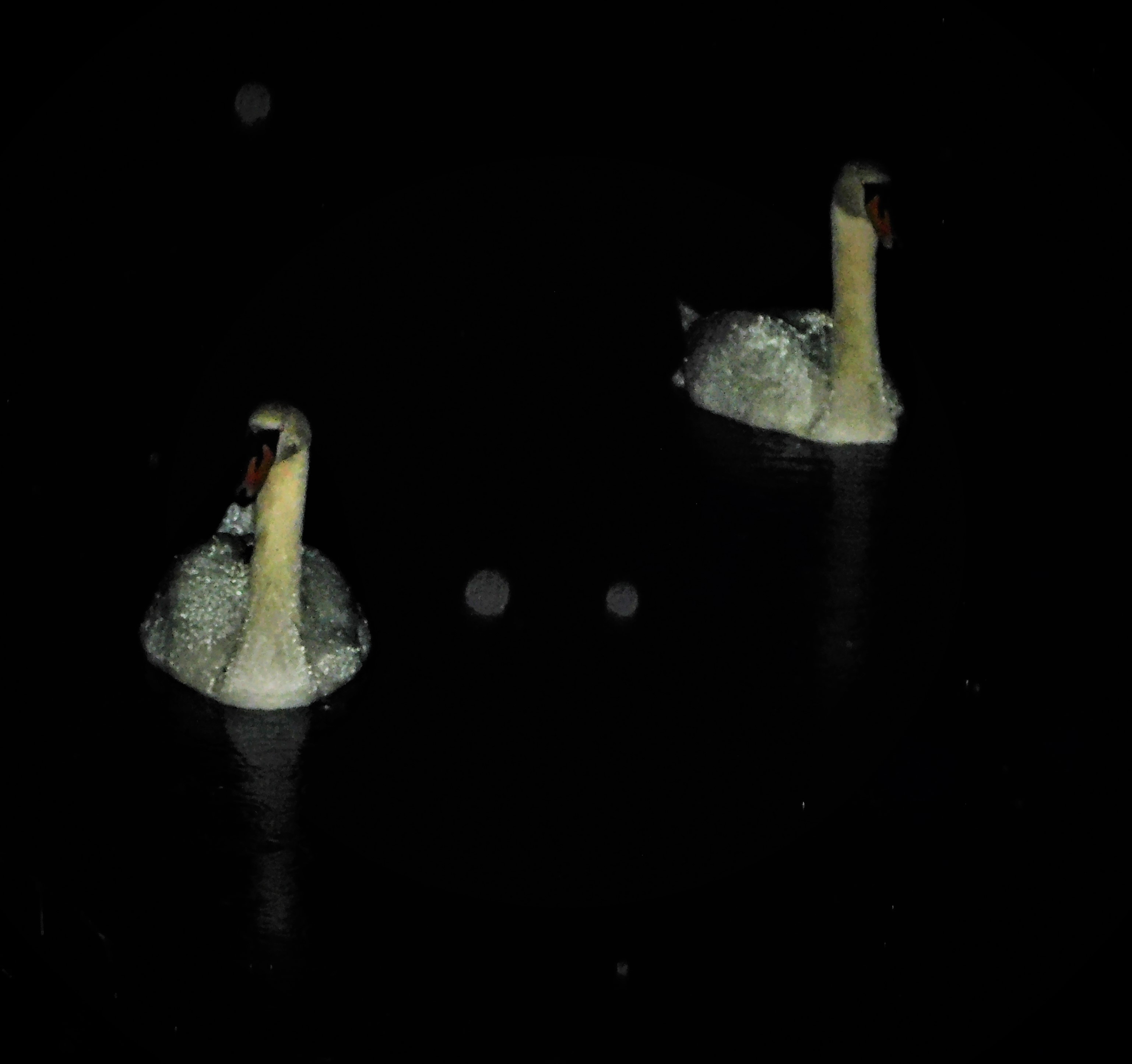
Moorhen and black headed gullMagpieThe size and colour of this bird suggests female ring ouzel to me.StarlingTree sparrowCollared doveLesser blackbacked gullsMute swansblackbirdmallardsGrey heronmainly herring gulls
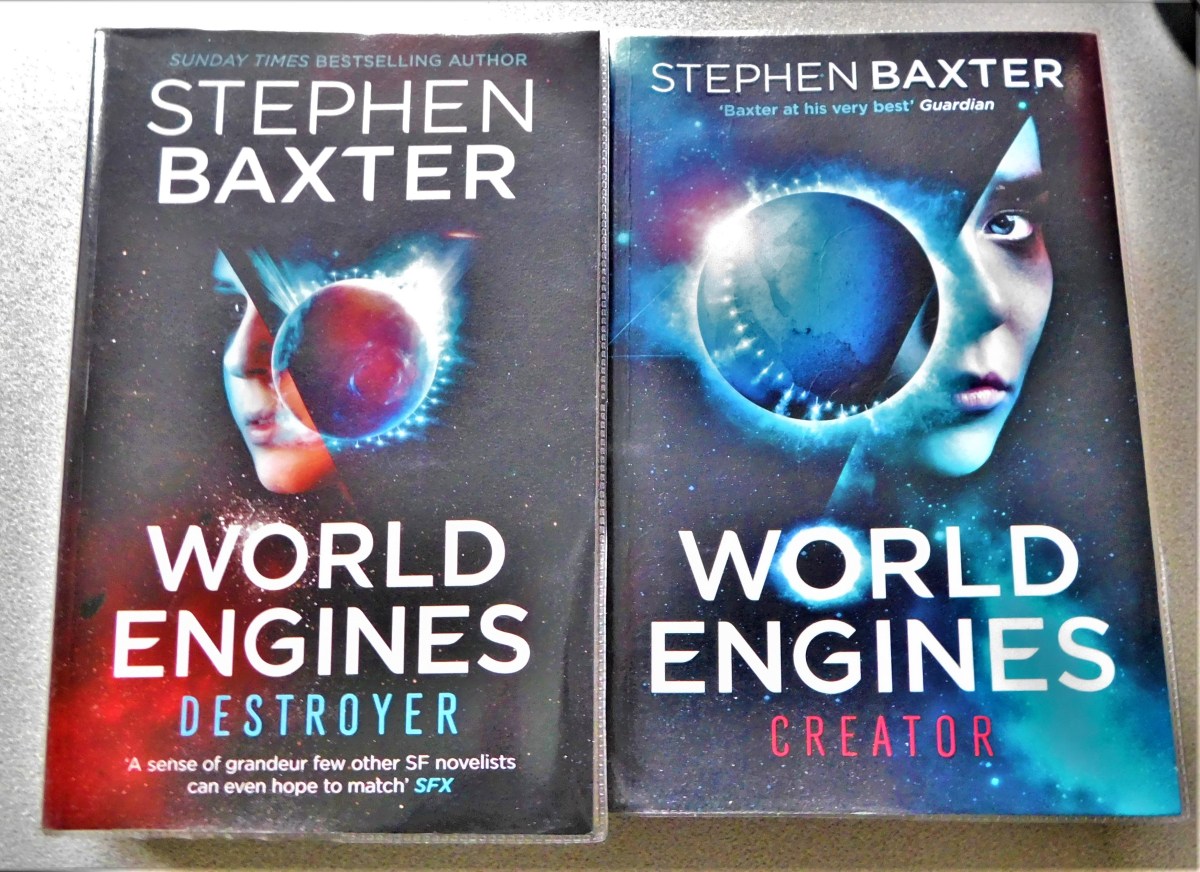
A look at Stephen Baxter’s ‘World Engines’ series, also some of my photographs.
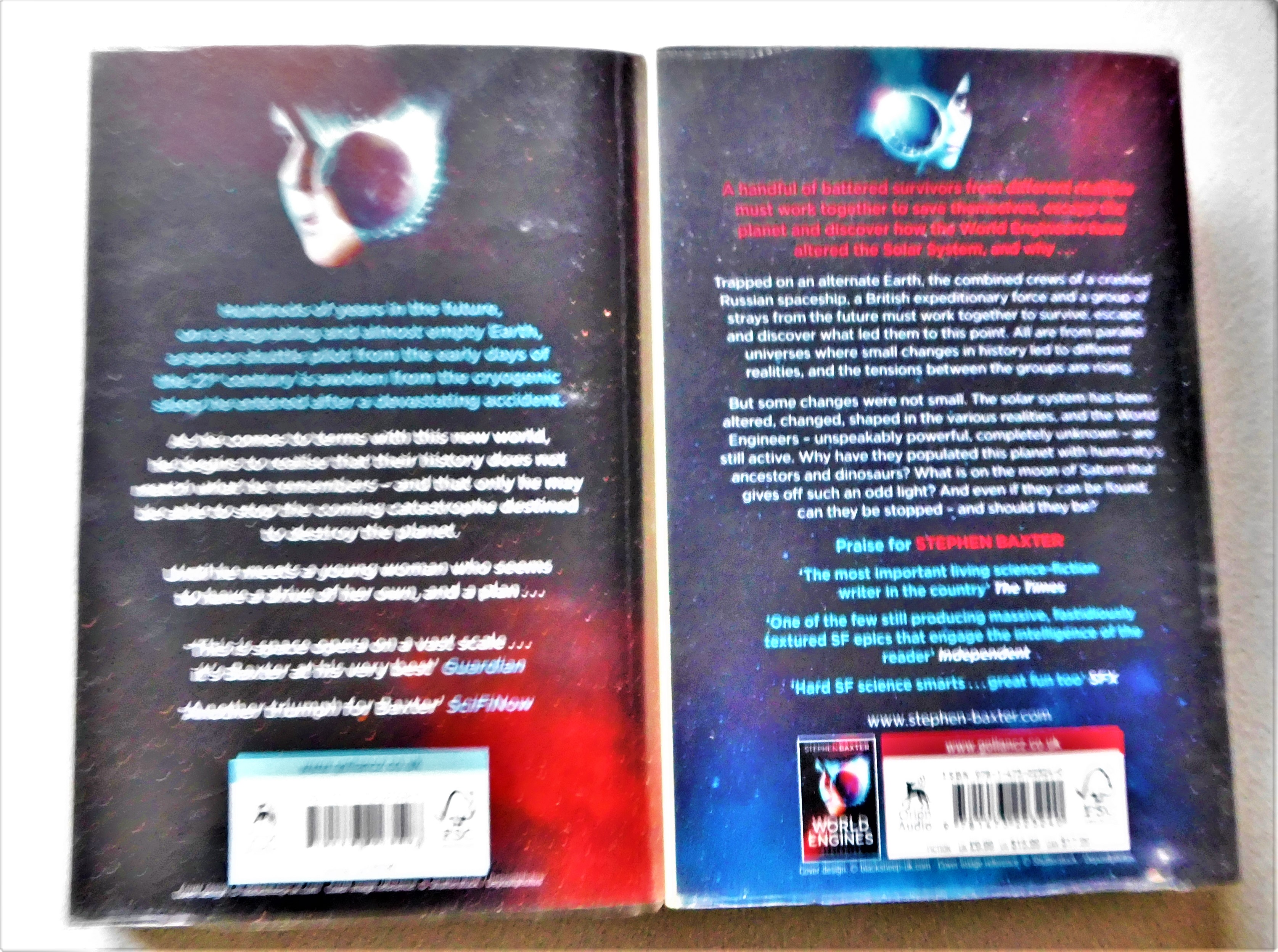
My final blog post of 2022 focusses on some recent reading matter. This is a two novel mini-series and both books are utterly compulsive reading.
DESTROYER
The action begins on an Earth 500 years in the future which is facing imminent destruction by a rogue planet. Most of the population of this Earth ignore their approaching doom, but there is one among them, 17 year old Greggson Deirdra, refuses to accept her fate. She causes Reid Malenfant, placed in deep freeze after an accident centuries previously, to be reawakened. It turns out that this version of Earth is actually a different one from the one on which Malenfant’s accident happened. Shiva, the approaching destroyer planet is not the only new object in this iteration of the solar system – there is also a new ‘super earth’ called Persephone, in the Kuiper belt. Phobos, one of Mars’ two moons turns out to be a portal between various iterations of the solar system. This first volume ends with Malenfant, versions of Nicola Mott and Emma Stoney, both important people in Malenfant’s life and Deirdra as passengers on a spaceship commanded by Geoff Lighthill, in whose own iteration of the solar system the British empire remains the dominant world power, in a different iteration of the solar system in which Persephone is now much closer to the sun, though further out than Earth by some way. Mars has no moons in this version of the solar system but Venus has two. The crew other than Lighthill are preparing to land on Persephone II.
CREATOR
The second volume of the series starts with a crash landing on PersephoneII and a meeting with a Russian crew from yet another alternate reality. Nicola Mott and Emma Stoney die during the landing, but Malenfant, Deirdra, Josh Morris (a subordinate of Lighthill’s) and Bartholomew, an android whose job is to look after Deirdra, all survive. Eventually between them they figure out a way to escape PersephoneII – and Lighthill completes the rescue. While the others were on Persephone Lighthill was making discoveries about this iteration of the solar system. Persephone itself is home to a massive variety of living things, while Earth has been kept as preserve of the archaea, and there is a moon of Saturn (a ringless planet in this iteration) that is far warmer than it should be. Lighthill’s ship finds its way through a portal into yet another iteration of the solar system. In this version Persephone is in Mars’ orbital position and Mars has become a moon of Persephone and is known as Demeter, while there is a mysterious second moon of Persephone named Zeus. This solar system has an advanced Earth, and there is a colony on ‘Demeter’, which is being run by a version of Nicola Mott. While most of those on Lighthill’s ship prepare to land on ‘Demeter’ and a to take a trip to PersephoneIII, a landing craft is improvised to send Deirdra and Bartholomew down to ‘Zeus’. It soon becomes clear that ‘Zeus’ is an entirely artificial creation, and Bartholomew plunges right into the heart of this creation. This leads to an encounter with a being known as “Michael”, speaking to them from a very, very distant future referred to as ‘the far downstream’. Deirdra decides to journey on to the ‘far downstream’ and to help these future beings avoid some of the worst things they did. The books being principally Deirdra’s story they end at this point.
A look at today#s BBL game, and how Brisbane Heat got absolutely blown apart by the team who came into today bottom of the table.
Today in the Big Bash League Brisbane Heat took on Sydney Thunder, with both sides desperate for a win.
THE HEAT INNINGS
Jimmy Peirson won the toss for Brisbane Heat and decided that they would bat first. This was the first and only thing that went right for them all match.
After six overs they were limping at 26-3. Peirson joined Munro for a rebuilding act at that point, and the pair were still together at the end of the 14th over, and the scoring rate was still below six an over. Time for the Power Surge you would think, but Peirson bottled taking it. A few balls into the 15th over Peirson was out and the chance of taking the Surge with two well set batters together had gone. In the end Peirson’s cowardice resulted in Heat’s Power Surge being the last two overs of their innings, with six wickets down. Unsurprisingly in those circumstances they did little with it, and ended with a final total of 121-6. In a T20, even on a pitch that is not particularly batter friendly that kind of score should never be enough…
THE THUNDER INNINGS
…Sydney Thunder’s openers, Gilkes and Hales, immediately put Heat’s pathetic effort in to proper context. By the halfway stage of the innings they were 87-0, needing just 35 more to win. A brutal onslaught against Swepson in the 11th over reduced that target to 10 off nine overs, and three fours in four balls by Hales off Steketee in the next over completed a ten wicket win for Thunder with 50 balls to spare. Gilkes, Sydney Thunder’s keeper as well as one of their opening batters, was named Player of the Match, having scored 56* (34) to Hales’ 59* (36). Sydney Thunder won so comprehensively that Peirson bungling the timing of Brisbane Heat’s Power Surge probably did no more than increase the severity of the beating that Heat took, but nevertheless it was terrible captaincy by him. I personally thought he should have called it at the end of the 12th by when he and Munro had been together six overs, and not calling it at the end of the 13th or the end of the 14th, when the pair were still together was beyond stupid. It is hard to see how Heat pick themselves up from this blasting at the hands of the team who came into today bottom of the table, and it is hard to see how Peirson can be allowed to remain captain. Scorecard here.











































































































































































































































































































































































































































 aspiblog