A look at England’s capitulation in Rawalpindi and a photo gallery in two parts.
England went into day three of the third and final test of the Pakistan v England series with three second innings wickets gone and a deficit of 53 to overcome just to get on terms (see here for the first two days). This post looks at the events of today.
A COLLAPSE
Root and Brook began well for England, but England were still in deficit when Brook was fourth out, caught behind off Noman Ali for 26. The deficit had still not been cleared when Stokes had a brain fade and allowed a ball from Noman Ali to hit his pads when he was right in front of the stumps. Root at the non-strikers end, recognizing a hopeless case when he saw it, told Stokes not to waste a review. Jamie Smith essayed a big hit against Sajid Khan, missed and was bowled, which made England effectively minus 2-6. England were in credit, but only just, when Root edged Noman Ali to the keeper to be out for 33. Gus Atkinson and Rehan Ahmed added 12 runs to the score before Atkinson, who has probably never batted on a genuine turner before, was bowled by Sajid Khan for 10. Rehan Ahmed also got a good one from Sajid Khan, with the same result as in the Atkinson case. Leach had an LBW verdict overturned on review, but shortly afterwards had a huge heave, missed and was stumped. England were 112 all out, leaving Pakistan needing a mere 36 to win.
PAKISTAN FINISH IN STYLE
Leach and Bashir opened the bowling, but this target was never going to pose a threat, and Pakistan treated the situation as it deserved, taking a mere 3.1 overs to knock the runs off. Skipper Shan Masood, coming in after the loss of Saim Ayub, hammered 23 not out of six balls, hitting four fours, a single, and then off the first ball of the fourth over the six that officially confirmed Pakistan as winners of both match and series. Saud Shakeel’s 134 earned him Player of the Match, while Sajid Khan’s wickets, lower order runs and general aggression netted him Player of the Series. Noman Ali had claimed 21 wickets in two matches with his left arm spin, as a 38 year old who was making just his 16th and 17th test appearances. Sajid Khan had 18 wickets in those two games, with the one that got away being Jamie Smith in England’s first innings of this match, leg spinner Zahid Mahmood’s sole strike.
AN ENGLAND REVIEW
Though the England second innings capitulation looks obvious as a cause of the disaster it was not the most significant element of the match. England underperformed in the first innings after winning a valuable looking toss – the only seriously misbehaving ball of that innings was the one that kept low on Ben Duckett, so 267 was definitely a poor score.
Worse still was the failure of both bowling and leadership when England had Pakistan 177-7 in reply. Saud Shakeel, a formidable batter, was allowed to accumulate without let or hindrance, while Sajid Khan and Noman Ali showed their batting skills, which are better than usual for numbers nine and 10 in an order at the other end.
The England spinners were not up to the task. Leach, by far the most experienced, performed worst of the trio, with the other two both having their moments. However, all were guilty of failing to vary their pace, whereas Noman Ali and Sajid Khan both did vary the pace of their deliveries over a fairly wide range.
England have only one batter who actually knows how to handle the turning ball, and Root did not find his best form in either of the matches that were played on turners. The rest of the order for the most part are deeply unimpressive against spin.
Incidentally, across the border in India, New Zealand, who England will be visiting shortly, took an unassailable 2-0 lead in their three match series. Before this India had last lost a home series in 2012, and New Zealand had never won a series in India.
PHOTOGRAPHS
Today’s photo gallery comes in two parts…
Part two…
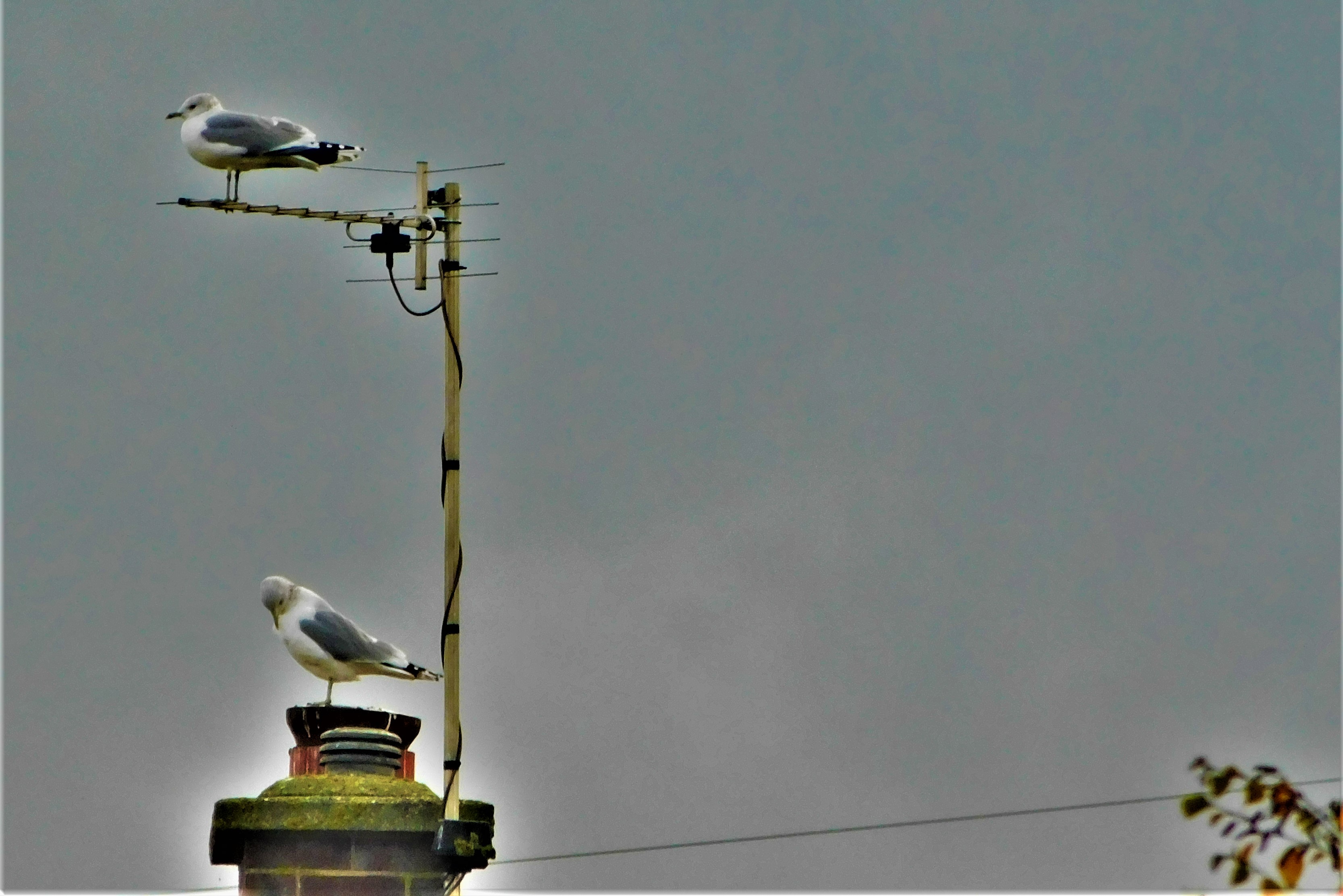
An unlikely sighting for an English October!Eco vandalism – the plants that were growing alongside this path were home to various kinds of wildlife including caterpillars.
An all time XI of the best test matches I have ever witnessed, with one that should have been a classic but ended up not being one.
Usually my all time XI posts are about selecting teams, but this one is a variation – I have selected what I consider to be the 11 greatest test matches I have personally witnessed. I start with the ‘twelfthy’ equivalent – a game that should have been a classic but was spoiled by cowardice on the part of one of the captains.
TWELFTHY – AUS V WI, ADELAIDE 2009
After four days this match was superbly poised, with the West Indies ahead by just over 320, Chris Gayle having made a superb second innings century to keep them in contention. When WI were all out Australia were left with 81 overs to score 330 on pitch that was still pretty flat and against a bowling attack that was pretty moderate – the only detectable threats were Kemar Roach, then lightning quick, and the possibility of turn for Sulieman Benn. However this match did not get the finish it merited as Aussie skipper Ricky Ponting made a cowardly decision not to make any attempt to score the runs as a result of which the game finished up as a draw.
11: BRISBANE 2021 – AUS V I
India had an injury hit squad, and had started the tour in disastrous fashion, being bowled for 36 in their second innings at Adelaide to lose from what had been a position of strength. They had fought back splendidly winning one and drawing one of the other two games, so the two sides assembled at Brisbane with the series poised at 1-1. India were faced with chase of just over 300 on the final day, and they went for it. Cheteshwar Pujara played a valuable early knock, meaning that the Aussies already had plenty of overs in their legs by the time the middle order got in. Pant and Sundar each played superb innings, and India got home by four wickets to win the series 2-1.
10: LORD’S 2000 – ENG V WI
Things did not look good when England were all out for 133 in reply to WI’s first innings score of 267. However, Gough and Caddick ripped through the WI second innings, skittling them for 54. England needed 188 to win, with the fourth innings of the match starting on the same day that the first innings had ended. England batted better second time round, but even so they only had two wickets in hand when they finally reached the target.
9: HEADINGLEY 2001 – E V A
England achieved what was at the time their largest successful chase on English soil, largely thanks to Mark Butcher who conjured a match winning 173 not out from nowhere.
8: HEADINGLEY 1991 -E V WI
England took a small first innings lead, but it nearly went to waste, as Ambrose commenced ripping through the England second innings. One of the front line batters survived the onslaught: Graham Gooch. England managed to rally to reach 252 all out, of which Gooch’s share was 154 not out. West Indies, needing the largest total of the match to win it never looked remotely like getting there.
7: THE OVAL 2005 – E V A
Australia had won eight consecutive Ashes series going into this one, and the series had already produced several classic matches. England were coming into this match off the back of a win at Trent Bridge that put them one up with one to play, meaning that a draw was enough for them, but Australia needed a win. England made 373 batting first, Strauss leading the way with a century. Hayden and Langer both made centuries for Australia, and when Australia somewhat illogically accepted an offer of the light which ended day three they were less than a hundred short of England’s total with nine wickets standing. England fought back on day four, actually claiming a small first innings lead, largely thanks to Flintoff. The weather terminated the day’s play early, and England knew that they would need to bat for most of day five to eliminate the Australian victory from the equation. England were five down at lunch time, and Kevin Pietersen had had a lucky escape when Warne at slip failed to hold a catch off him. Collingwood, selected in place of the injured Jones held out for a while, and then Ashley Giles offered Pietersen valuable support. By the time Pietersen was out for the second most important 158 ever scored by a South African born batter at The Oval England knew that they were safe. Giles completed a fine 50, and when England were all out Australia needed 342 off 18 overs, a chase that even they could not have taken on. As it happened the weather intervened very early in the Australian second innings, and terminated the match.
6: THE OVAL 2009, E V A
Another Ashes finale, this time with the series score level, and Australia having won 5-0 in 2006-7. England had won at Lord’s earlier in the series but came into this game having taken an absolute pounding at Headingley. Jonathan Trott had been called into the side to make his debut, and Andrew Flintoff was playing his final test match. England made a good but not great first innings score (332). Australia were 72-0 in reply at one point, before Stuart Broad and Graeme Swann got busy, bowling them out for 160. Jonathan Trott scored a century in the second innings of his debut test, helping England to an advantage of over 500. Australia fought hard, but were almost 200 short when the final wicket fell.
5: MCG 2010 – ENG v AUS
This was the fourth match of this Ashes series, and the series score was 1-1 going into, England having won comfortably at Adelaide and Australia having won easily at Perth to level the scores, with the series opener at Brisbane having been drawn. Many felt that England would be unable to pick themselves up from the Perth hammering, which made the events of the opening day all the more astounding. Australia slumped to 98 all out in the first innings, only just making it into the afternoon session of day one. By the close England were 157-0. England were eventually all out on third day for over 500, and Australia could not avoid the innings defeat, although they fared better with the bat second time round than they had in the first innings. That secured the Ashes for England, and another innings win at Sydney gave the series a scoreline which fairly reflected England’s dominance.
4: HEADINGLEY 2019 – E V A
I wrote in detail about this one at the time (see here). An epic last wicket stand between Ben Stokes and Jack Leach took England to victory after they had been rolled for 67 in their first innings. Australia messed up their use of DRS, burning their last review on one that was never going to be overturned when a few runs were still needed. This meant that a few minutes later when a decision that they would have been right to review occurred they could do nothing about it.
3: TRENT BRIDGE 2005 – ENGLAND V AUSTRALIA
The series was 1-1 going into this match, Australia having escaped with a draw in the previous game at Old Trafford, and made the mistake of publicly celebrating their escape, something that England used as a boost. A big stand between Flintoff and Geraint Jones got England out of a bit of a hole in the first innings, and they ended up with a total of 477. Australia were all out 218, with Simon Jones taking 6-53, the best test figures ever achieved by a Welsh bowler. Australia followed on, and managed to set England 129 to win. At 116-7 things were looking dicey for England, but Ashley Giles and Matthew Hoggard saw them over the line.
2: RAWALPINDI 2022 – P V E
The match that inspired this post. I have written about it in some detail already (here, here and here). Suffice to say that conjuring a result out of that surface was borderline miraculous and took some very bold captaincy from Stokes and hyper aggressive batting from England.
1: EDGBASTON 2005 – E V A
England had been thrashed at Lord’s to start the series. On the morning of this match Glenn McGrath crocked himself by treading on a cricket ball, but Ponting arrogantly decided not to alter his plan to put England in if he won the toss, even having lost his chief enforcer and having an absolutely guaranteed source of fourth innings wickets. England scored 407 on the opening day, led by 99 on first innings and were then saved by Flintoff from total disaster in their second innings. However, Australia needed a gettable looking 282 to win. At the end of the penultimate day Australia were 175-8, Harmison having brought the day to a close by bowling Clarke with a slower ball. When Warne was ninth out over 60 were still needed, but Lee and Kasprowicz (McGrath’s replacement) gradually whittled down the deficit. Finally, with just three runs needed for victory a ball from Harmison took Kasprovicz’s glove and went through to Geraint Jones. umpire Bowden raised his finger, and the series was well and truly alive at 1-1. The nature of the rest of the series can be gauged from the fact that two of the three remaining matches featured earlier in this XI.
An account of the closing stages of a classic test match and some photographs.
This post looks at the extraordinary events that unfolded in Rawalpindi this morning UK time.
AN EXTRAORDINARY FINISH
At the tea interval Pakistan were 257-5 chasing the target of 343 that Ben Stokes had dangled before them precisely a day earlier. Thus this match went into the final session with all results possible (the draw being in the equation due to the fact the fading light would force a halt at approximately 4:45PM local time) rather than the players heading out for an hour of meaningless cricket before the umpires were officially allowed to confirm the draw as would have happened had any current international skipper other than Stokes been in charge of the visiting side on such a flat pitch. Many, especially those who had objected to the Stokes declaration reckoned that the Pakistan victory was the most likely outcome, but that neglected both the time limit imposed by fading light and the fact that the pair in occupation, Azhar Ali and Agha Salman, were their team’s last recognized batters – Pakistan had four genuine tail enders in their team. Agha Salman was the first to fall post tea, and then crucially Azhar Ali was seventh out, leaving the tail enders needing to cobble 83 together to win or else to survive until the light halted play. Anderson removed numbers 9 and 10 in the same over to claim his third and fourth scalps of the innings, drawing level with Ollie Robinson who also had four wickets. Zahid Mahmood joined Naseem Shah, and they held out determinedly for some time.
Eventually the third ball of the the 97th over of the innings, bowled by Jack Leach, pinned Naseem Shah plumb in front. He sent it upstairs, but it was never really in doubt. By my reckoning the wicket fell with nine balls remaining before the light forced an abandonment. Pakistan were all out for 268, and England had won by 74 runs. I hope those who criticized the declaration are enjoying their portions of humble pie – England needed the time they gave themselves to take those 10 wickets. The last visiting side to play a test match in Rawalpindi, Australia in March, had their full first choice bowling attack and managed to take precisely four wickets in the entire match, so for a weakened England to claim all 20 of the opposition wickets was outstanding.
Ollie Robinson was named Player of the Match for his bowling efforts (I would have given it to Stokes for his captaincy, which transformed what have been an Old Trafford 1964 style snoozefest into a test match for the ages – I rank it second among those I have witnessed live behind Edgbaston 2005, but absent that it was right to honour Robinson for his great bowling effort on a lifeless pitch). I stand by every word of my criticisms of this pitch in earlier posts – it was Ben Stokes who engineered a compelling test match out of nothing on a surface that was ridiculously loaded in favour of the batters. England faced only just over half as many overs as Pakistan in the course of the match, winning it because they quite literally scored twice as fast as Pakistan. This match set many records: Highest match aggregate for test match with a definite result, highest match aggregate for a time limited test match (the first and second highest scoring test matches were both supposed to be timeless but were abandoned as draws when the visitors had to travel home, hence this match gaining these two records. Pakistan’s 847 is the most runs ever scored by a side losing a test match, and their 579 is the highest first innings score by a home side to lose a time limited test match (Australia lost after scoring 586 first up at the SCG in 1894, when overnight rain after the fifth day’s play in a timeless match turned the uncovered pitch into a vicious sticky dog and a hung over Bobby Peel claimed six cheap wickets with his left arm spin on the sixth morning, to give England victory by 10 runs). A final note from this remarkable match: James Anderson conceded just 2.35 runs per over, while the average economy rate of every other bowler in the match was 5.09 per over. A full scorecard can be viewed here, and I have included a video of the winning wicket below:
An account of the extraordinary fourth day’s play between Pakistan and England in Rawalpindi, including an endorsement of Stokes and England’s approach.
Today was day four of Pakistan v England in Rawalpindi, and a remarkable day it was too. In this post I look at the events of the day and ahead to tomorrow and the future of international crickets oldest and greatest format, test cricket.
THE END OF THE PAKISTAN FIRST INNINGS
Pakistan boosted their total from an overnight 499-7 to 579 all out. All three wickets fell to Will Jacks, giving him 6-161 on test debut, his first ever five wicket innings haul in first class cricket. Agha Salman managed a 50.
THE ENGLAND SECOND INNINGS
England went about the business of extending their first innings lead of 78 with considerable spirit and gusto. At lunch they were 46-2, with Duckett and Pope gone. Crawley made exactly 50 before he was third out, and then came a gorgeous partnership between Root and Brook. Root at one point switched to batting left handed (his younger brother Billy, now at Glamorgan after spells with Yorkshire and Nottinghamshire, is actually a left handed batter). Root was fourth out, having scored 73, which was just enough to put his test average at 50.00. Stokes fell cheaply, but Jacks hit 24 off 13 balls, and then the injured Livingstone joined Brook, who was on for breaking the record for the fastest ever test ton by an English batter. That was not to be, as when Brook had reached 87 off 64 balls Naseem Shah clean bowled him to make at 264-7, a lead of 342. The umpires called tea, and as it transpired Ben Stokes decided that with only the crocked Livingstone and three specialist bowlers left it was time to declare. This move basically took the draw off the table.
PAKISTAN’S SECOND INNINGS
Pakistan set off in pursuit of the target of 343 with some brio, but Ollie Robinson induced Abdullah Shafique to pull a ball into deep square leg’s hands, and later in the same over the new batter, Azhar Ali, was injured and returned to the pavilion. Ben Stokes had rival skipper Babar Azam caught behind, but Imam-ul-Haq and Shakeel Saud lasted until fading light brought the usual early close to proceedings. Pakistan were 80-2 at that point, and therefore will need 263 with 7+ wickets standing (even if Azhar Ali can resume his innings at some point tomorrow he will not be fully effective when carrying an injury). Thus a game which in other circumstances would have been the drabbest of high scoring draws enters day five with three results possible and the draw (barring rain) not one of them. I would say the England win is most likely of the three, the Pakistan win a not too distant second and the tie, which would only be the third such result in test history cannot be entirely ruled out – in many ways this extraordinary match deserves such an outlandish final outcome.
STOKES’ DECLARATION & TEST CRICKET’S FUTURE
There were many criticisms of Stokes’ declaration on twitter, but none from me. Stokes has said many times that he has no time for draws, echoing the legendary Somerset fast bowling all rounder and skipper of yore, Sammy Woods, who once said “draws…they are for bathing in”, and this was a case of him putting that philosophy into practice. Although it represents a major gamble it was a logical move on two grounds:
With Livingstone injured and having only specialist bowlers for company England were probably not going to score that many more runs anyway, and why gift Pakistan with the morale boost of three cheap wickets post tea?
England’s best route to victory lies paradoxically in keeping Pakistan interested – if the set target was entirely nominal Pakistan would shut up shop and a couple of their number would boost their batting averages courtesy of some red ink.
By taking such a hardline stance and effectively eliminating the draw from consideration Stokes has done test cricket a great service. Many of cricket’s most successful skippers have been so precisely because of a willingness to take risks in pursuit of victory. Stuart Surridge, captain of Surrey for five seasons in the 1950s and winner of the county championship in all five of those seasons, was noted for making declarations that no other skipper would have dared to, and getting away with it very frequently. He once set Somerset, with a batting line up led by the aggressive Harold Gimblett 297 in 315 minutes, and even with Gimblett scoring a rapid century Surrey won with half an hour to spare. On another occasion Surrey had bowled Worcestershire out for 27, and were 92-3 in reply when Surridge declared as he wanted a second bowl at Worcestershire that evening. Laker and Lock took the new ball, and each had nabbed a wicket by the close, and the following morning Worcestershire were all out for 40, losing by an innings and 25 runs. This remarkable victory sealed that year’s championship for Surrey.
Ben Stokes this match has demonstrated how a captain who is fully committed to taking an enterprising and aggressive approach can generate results even on surfaces that are practically tailored to prevent such. Whatever happens tomorrow, in spite of it being played on a surface which is IMO unfit for test cricket due to being ridiculously loaded in favour of the batters this match will go down as a classic test match, fit to stand alongside the great Ashes battles of 2005 and that is down to England and Stokes’ commitment to go all out for victory even if doing so means risking defeat. This match has confounded many people’s expectations of how test cricket is/ should be approached, and that is all to the good as far as I am concerned. Whatever the final result I unreservedly applaud Ben Stokes and his England team for their approach to the game.
PHOTOGRAPHS
My usual sign off…
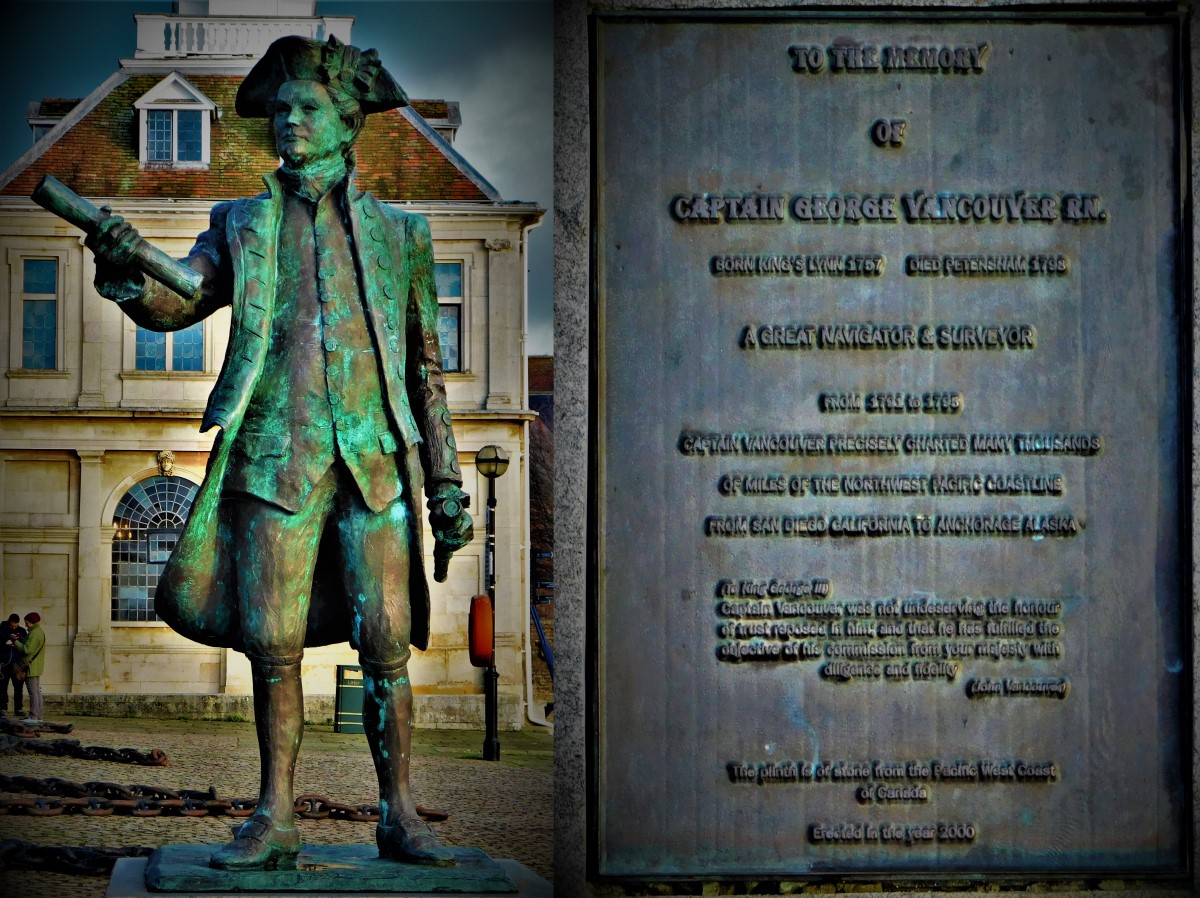
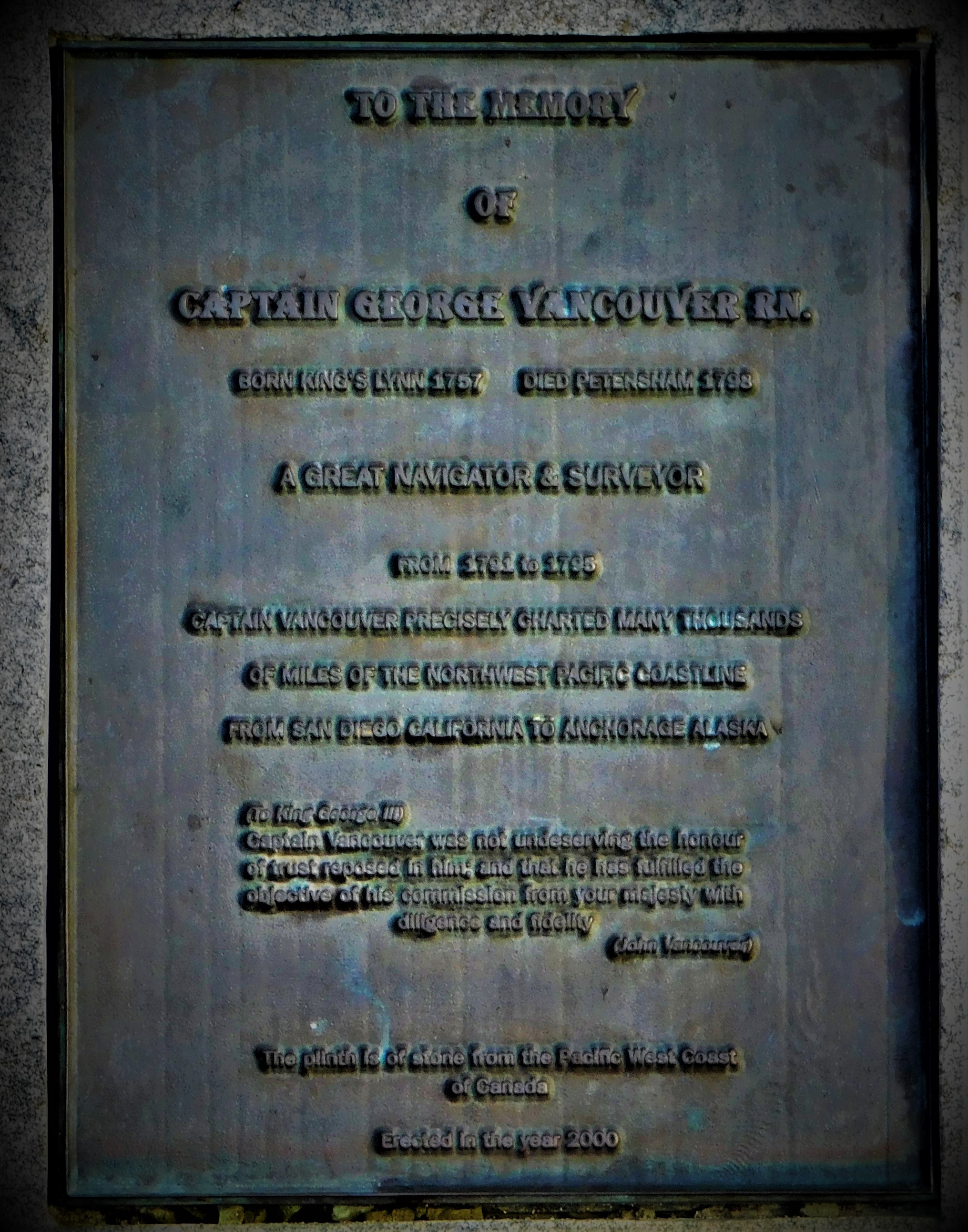
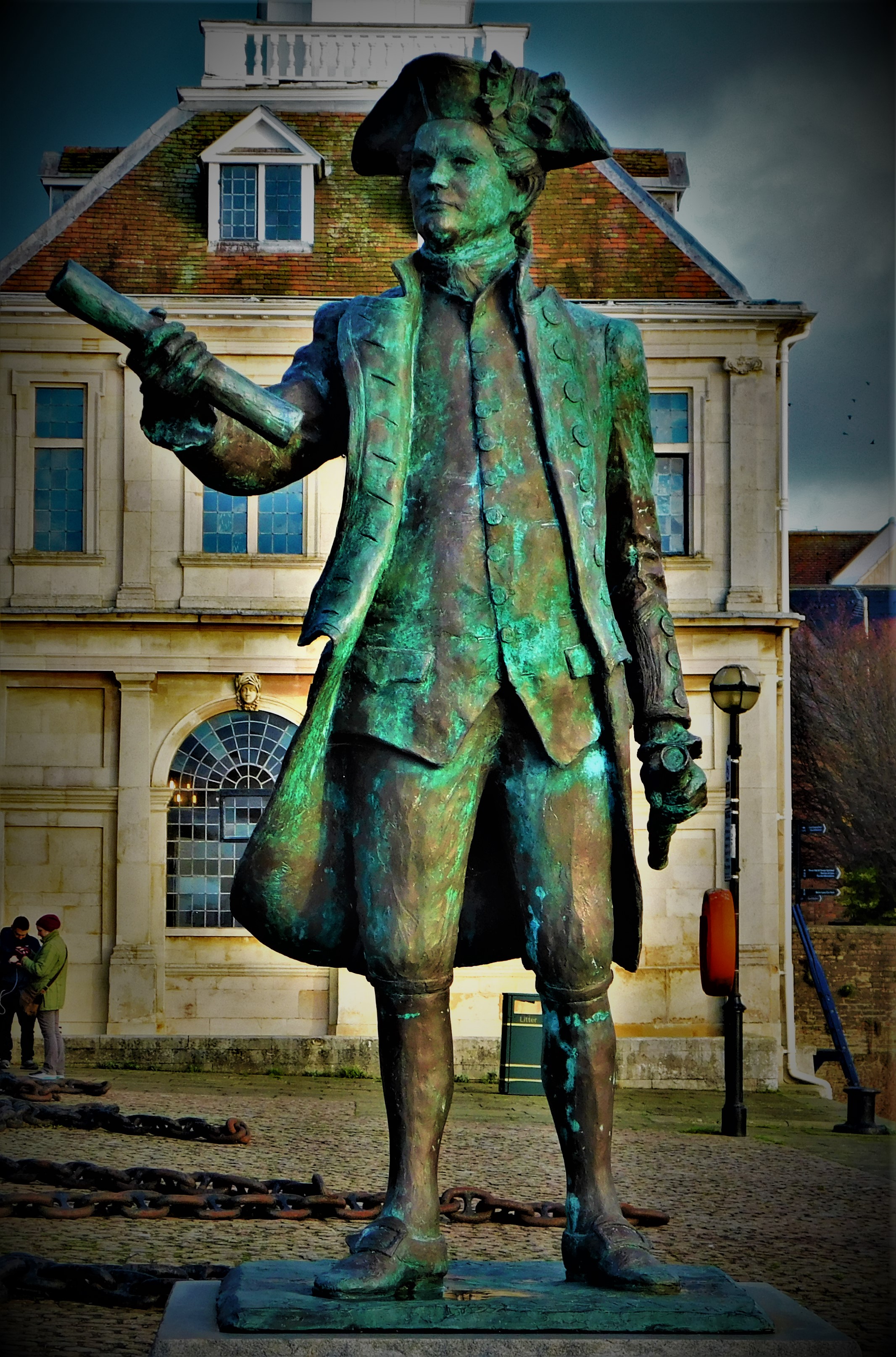
I thought that since I am applauding one bold captain in this piece, another , Captain Vancouver, was a fit subject for a feature image.













































































































































































































 aspiblog