All Time XIs – Running Rampant

An all time XI of players whose given names begin with R, a particularly important and detailed honourable mentions section and a multi-part photo gallery.

I continue my tour of cricketing given names with a look at the letter R, skipping over Q on the grounds of insufficient candidates being available for that letter. R offers a very different kind of challenge – there are huge numbers of players with overlapping skills sets and only 11 can make the final cut. I hope that the honourable mentions section, in which offer an alternative team formation that I elected not to go with will clarify these issues.

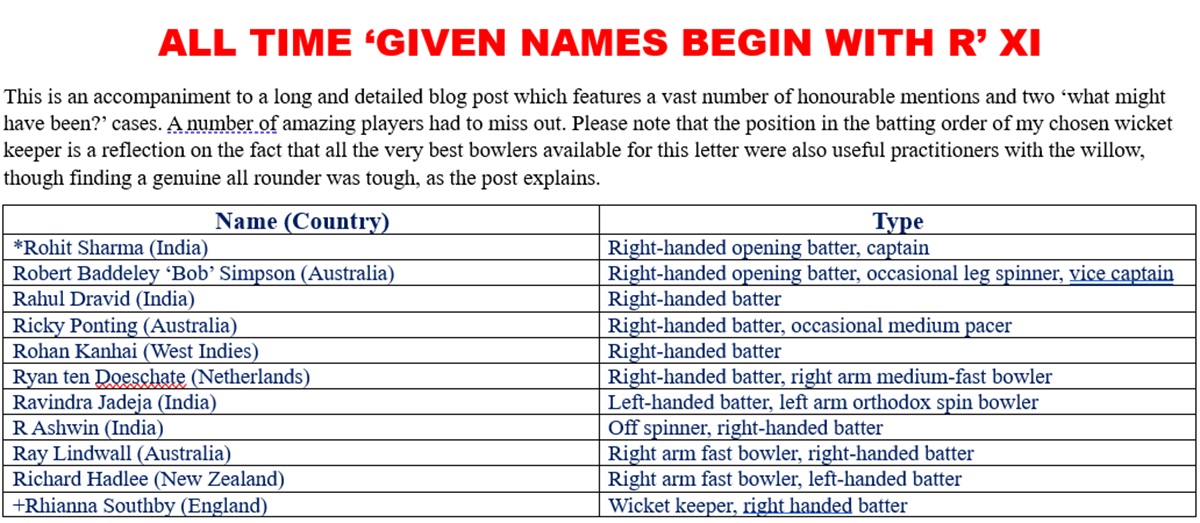
  1. *Rohit Sharma (India, right handed opening batter, captain). A naturally aggressive batter, his test record is eminently respectable even if he is better known for his exploits in limited overs cricket. As both opener and captain he can be expected to lead from the front.
  2. Robert Baddeley ‘Bob’ Simpson (Australia, right handed opening batter, occasional leg spinner, vice captain). Although both my chosen openers are right handers it would be harder to find a more contrasting pair in terms of approach. At Old Trafford in 1964, the same ground where Ian Johnson’s side had spectacularly come to grief eight years earlier, Australia went into the match one up in the series and needing only a draw to ensure retention of The Ashes. The groundsman at Old Trafford produced one of the flattest pitches ever seen, and Simpson ensured that Australia would keep the Ashes, quite literally off his own bat – he won the toss, chose to bat first and was only dismissed on the third morning of the match, for 311. England responded in kind, and there was barely time for the second Australian innings to begin before the umpires called time – such bowling as was required in this third innings of a scheduled four was done by Titmus and Barrington with an old ball. In addition to his impressive test batting record Simpson’s leg spin was good enough that he enjoyed some success with it even at test level, and he was an outstanding slip fielder. I have named him as vice captain as a nod to his leadership qualities.
  3. Rahul Dravid (India, right handed batter). A test record that speaks for itself.
  4. Ricky Ponting (Australia, right handed batter, occasional medium pacer). One place down from his usual slot as I feel he would handle the lower position better than Dravid, though if Sharma were first out I might send him in to avoid having Simpson and Dravid bat together.
  5. Rohan Kanhai (West Indies, right handed batter). The Guyanese was rated a genius by CLR James, and almost 7,000 test runs at 47 provide some solid achievement to back up that assessment.
  6. Ryan ten Doeschate (Netherlands, right handed batter, right arm medium fast bowler). The Dutchman established a superb record in limited overs international (his country are not a test playing nation as yet), and his record in FC cricket, mainly over the course of a long and distinguished association with Essex is eminently respectable.
  7. Ravindra Jadeja (India, left handed batter, left arm orthodox spinner, outstanding fielder). A magnificent all round cricketer.
  8. R Ashwin (India, off spinner, right handed batter). Over 400 test wickets, and a batting record that includes five test match centuries.
  9. Ray Lindwall (Australia, right arm fast bowler, right handed batter). One of the best fast bowlers ever seen in the game, and good enough with the bat to have scored two test centuries along the way.
  10. Richard Hadlee (New Zealand, right arm fast bowler, left handed batter). The best bowler of any type ever to play for New Zealand, and a handy lower order batter, though the first in this line up to have had a test career and not scored a century at that level.
  11. +Rhianna Southby (England, wicket keeper, right handed batter). The most controversial pick of all my XI, but although there were many options for this letter I wanted to showcase one of the very best of contemporary wicket keepers. Her position in this order is less a reflection on her batting than an acknowledgement of the fact that all of my chosen bowlers were also talented in that department.

This XI is very strong in batting, keeping and spin bowling, with the seam/ pace element of the attack a little light, since the only pace/seam support for the Anzac new pall pairing of Lindwall and Hadlee would come from ten Doeschate.

This will be a multi-faceted section and I start with…

Although there is one absolutely genuine all rounder in Jadeja available for this letter, there was no one available for the number six slot. Ron Archer of Australia might have become the perfect fit for that slot had he not suffered a freak injury when Australia visited Pakistan on their way home from the 1956 Ashes. The injury occurred at Karachi, where Archer caught his studs in a piece of matting and wrenched a knee, and it ended his bowling career at the age of 23, though he played one more season for Queensland as a specialist batter. Had he not suffered that injury he might have gone to become the replacement for Keith Miller that Australia were hoping he would, in which case selecting this side would have been a lot easier. There were three potential alternatives to Southby for the wicket keeper’s slot: Robert William ‘Bob’ Taylor, who made more FC dismissals than any other wicket keeper in history, Rod Marsh, holder of the record for test career dismissals at the time of his retirement, and Rishabh Pant of India. A possible alternative to my chosen line up which addresses the seam/ pace bowling potential issue would be to pick Pant in place of ten Doeschate and Robert George Dylan ‘Bob’ Willis in place of Southby at number 11, giving an XI of *RG Sharma, RB Simpson, RS Dravid, RT Ponting, RB Kanhai, +R Pant, R Jadeja, R Ashwin, RR Lindwall, RJ Hadlee, RGD Willis.

Robert William ‘Bob’ Barber had his moments as a left handed attacking opener for England, including scoring 185 against Australia in an innings win in Australia, but his career record lacks the overall heft to displace Sharma. Richard Barlow who played for England in the 1880s, and remains the only person ever selected for an England men’s test team on the understanding that he was going to open both the batting and the bowling was another potential candidate, and his left arm seam bowling would have added variation to the attack, but if I apply my usual conversion method to his career averages his record adjusts to an average of 34.08 with the bat and 33.83 with the ball, not really good enough in either department. Roy Park was highly rated by some of his Australian contemporaries, including Warwick Armstrong, but his sole test innings lasted precisely one ball. Robert ‘Bobby’ Abel, the first England batter to carry his bat through a test innings, was clearly a very fine right handed opener of the more cautious type, and a case could be made for him getting Simpson’s slot.

The unluckiest middle order batters of those to miss out were a pair of West Indians with fine test records, Richie Richardson and Ramnaresh Sarwan. Neither of the individuals concerned would be out of place in the number five slot I awarded to Kanhai. Robin Smith was a fine number three for England, but he is a mere candle to the Alexandrian lighthouses of Dravid and Ponting.

Ryan Higgins, now re-ensconced at Middlesex after a few years away at Gloucestershire, has a fine county record, but he has not yet been picked for England. Rikki Clarke had a very fine FC record, but did not make the most of such chances as he got at international level. Rich Pyrah of Yorkshire was a very fine limited overs player but his record in long form cricket was no more than respectable. Rehan Ahmed, the young England leg spinning all rounder, may well force his way in in due course, but at the moment, especially with Simpson able to bowl a bit of leg spin if needed, he has to wait. Robert ‘Bob’ Relf of Sussex was a good enough county all rounder to deserve a mention. Robert ‘Bobby’ Peel of Yorkshire and England was a great left arm spin bowler who could bat, but not good enough to dislodge Jadeja. Similarly, Ray Illingworth was a fine cricketer, but no one is convincing me that he comes particularly close to challenging R Ashwin for that slot. Richie Benaud was a high quality leg spinning all rounder, and would have been captain had I been able to accommodate him in the XI. Since I cannot do that, he would be the ONLY candidate to head up the TV commentary team. Roy Kilner, with 14,000 Fc runs at 30 and 1,000 FC wickets at 18 was unlucky to be up against Jadeja for a slot. Given the galaxy of talent already covered, for all her unique status as an international captain who has turned out for The Metronomes there can be no place for the Brazilian all rounder Roberta Moretti Avery.

Rashid Khan, the Afghan leg spinner, was probably the best of the bowlers I could find no place for. Rangana Herath of Sri Lanka was a very fine left arm spinner, but like Peel and Kilner mentioned in the all rounders section suffered due to the overlap with Jadeja.

Richard Peter Borgnis as he appears in the record books (his actual full name was Richard Peter Hammond-Chambers-Borgnis) had an astonishing first class career – one match in which he scored a century and took a three-for.

Rahmanullah Gurbaz of Afghanistan would be in the mix were I picking with limited overs cricket in mind, but he is as yet unproven in long form cricket.

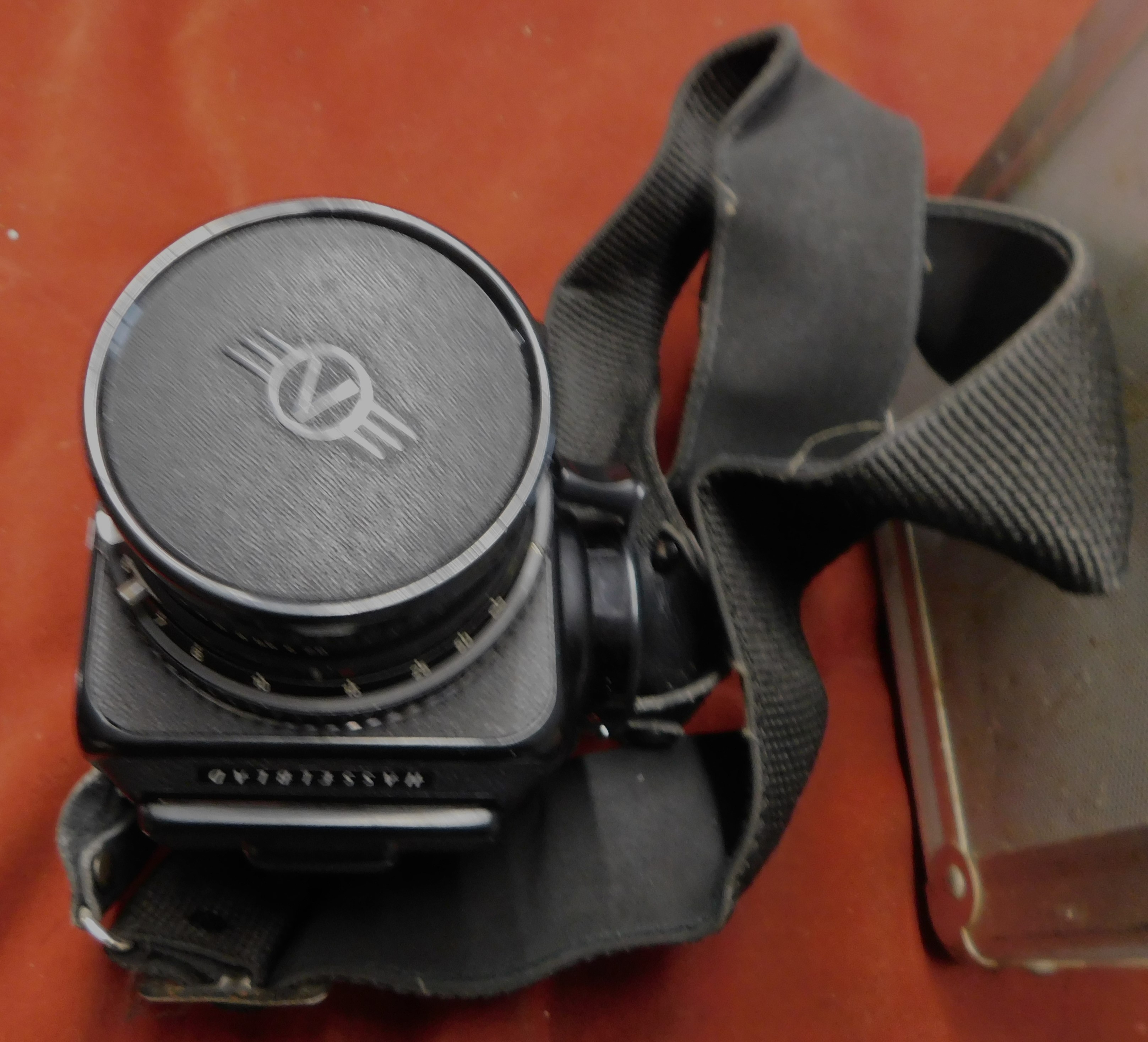
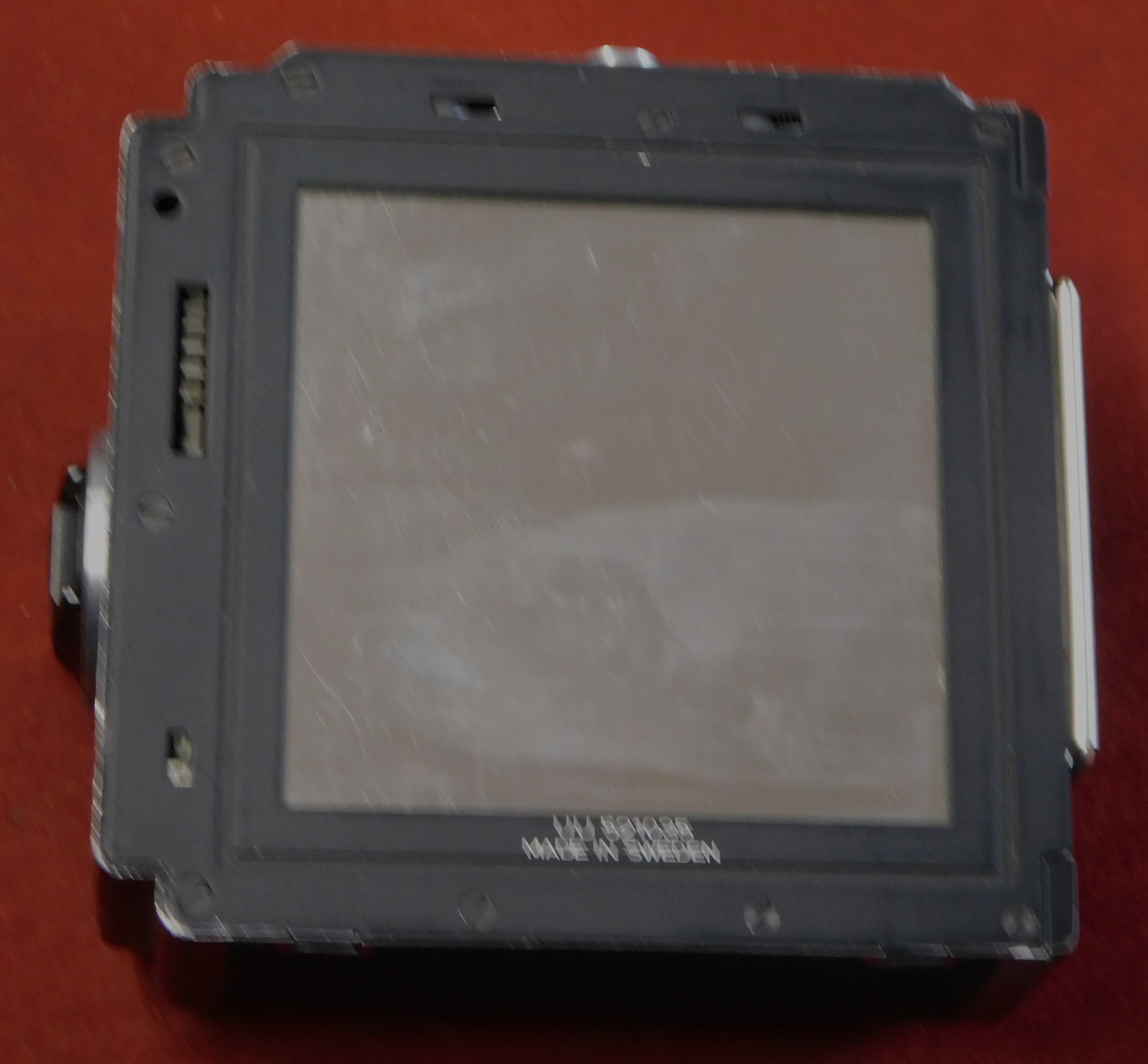
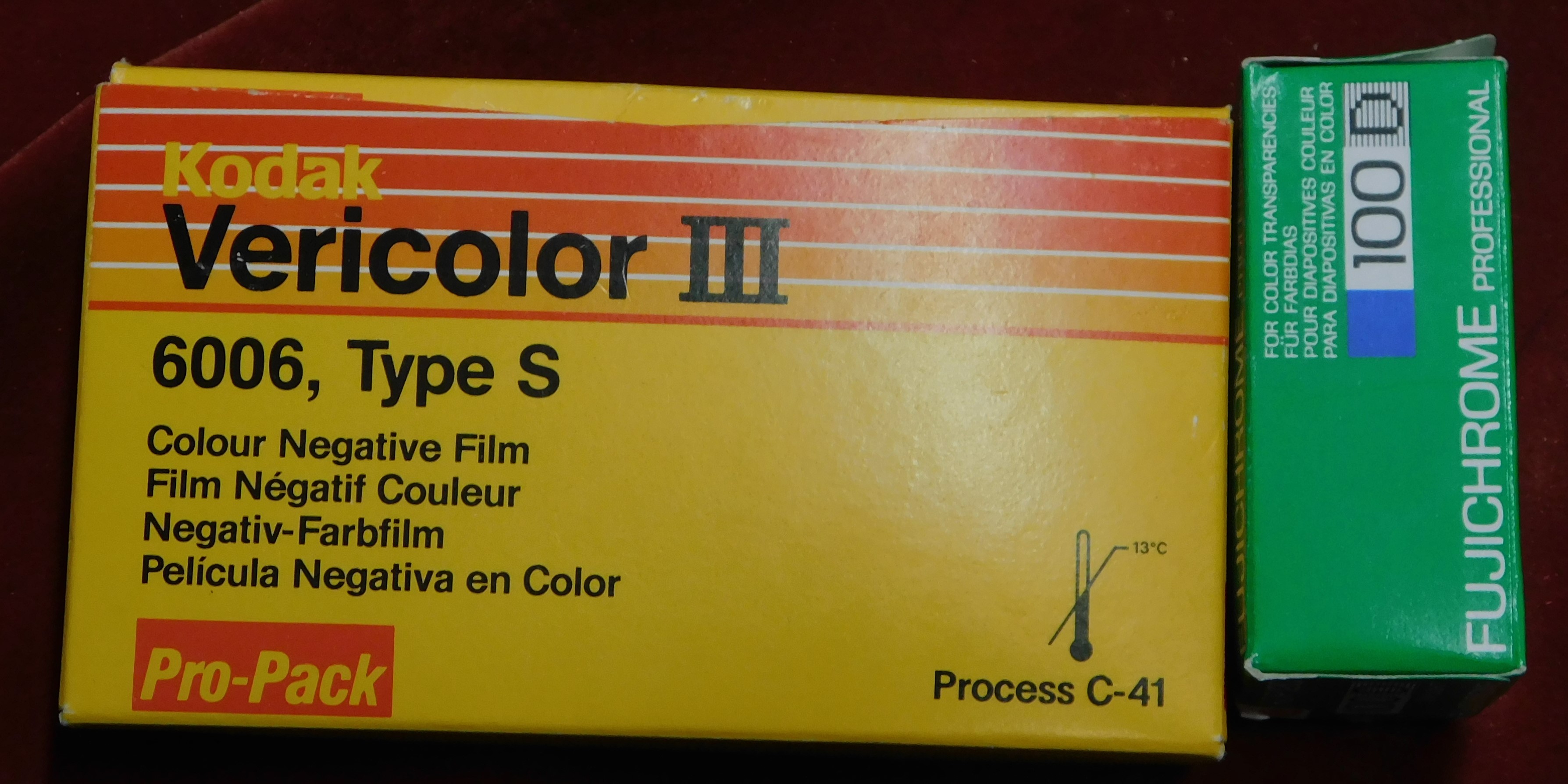
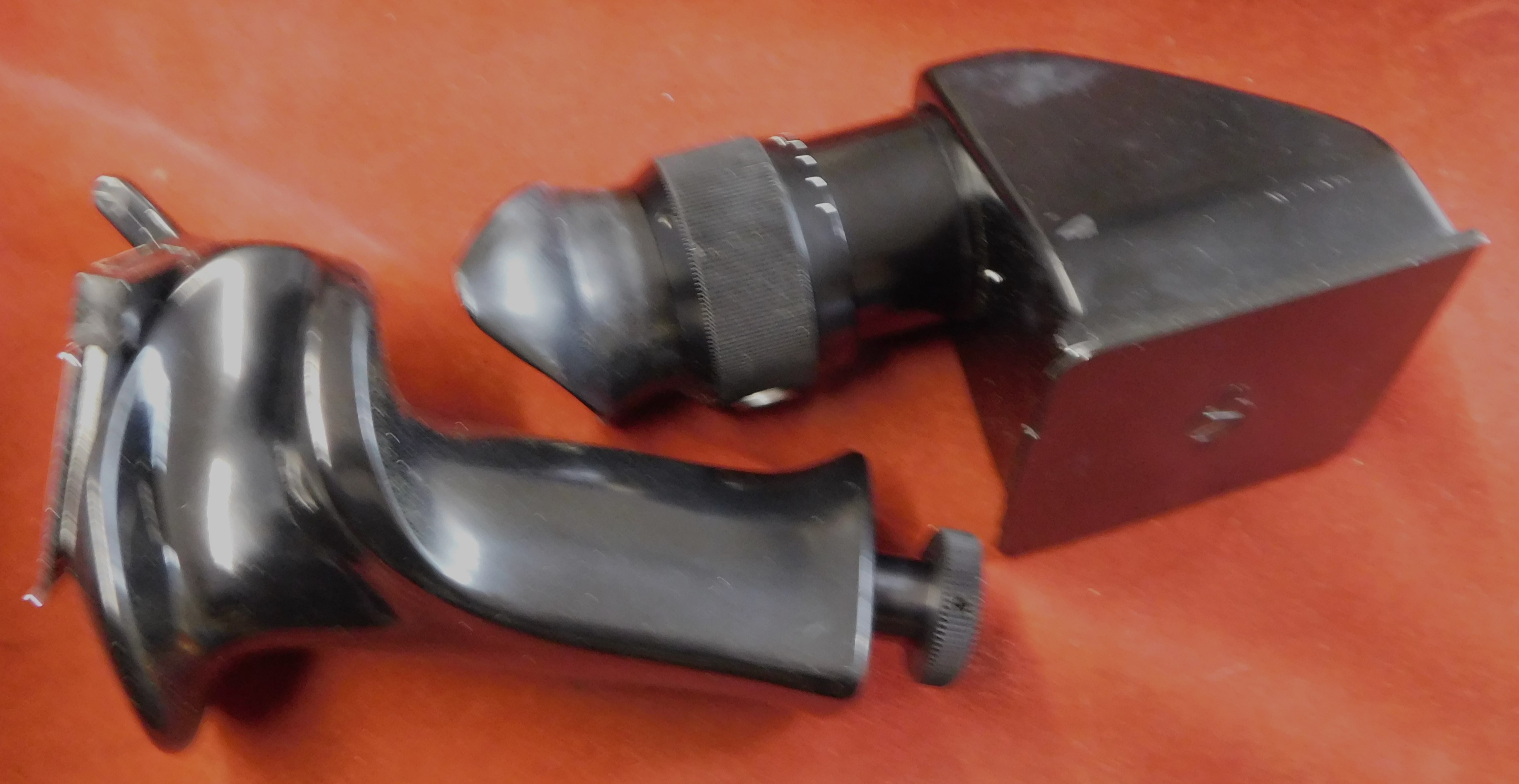
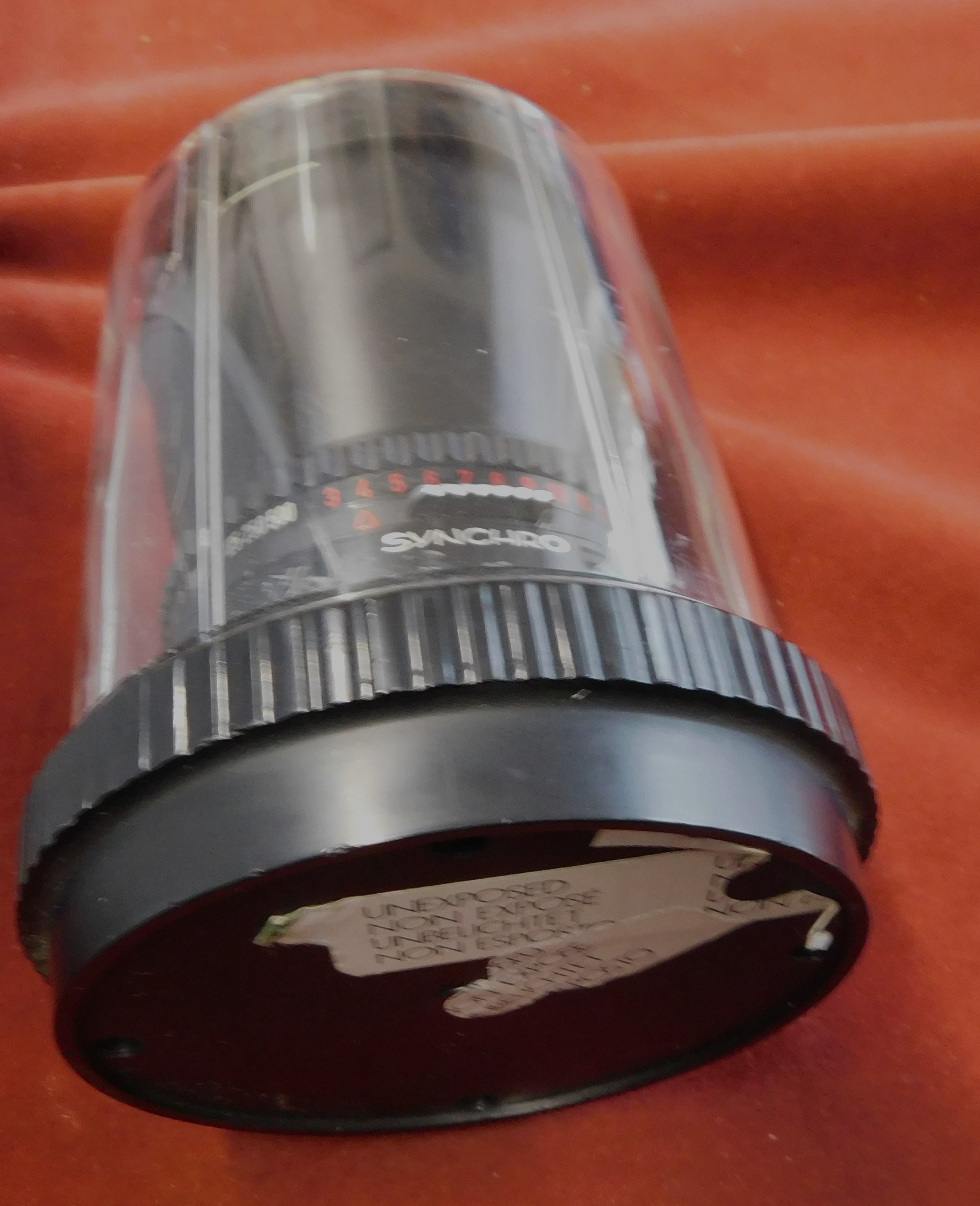
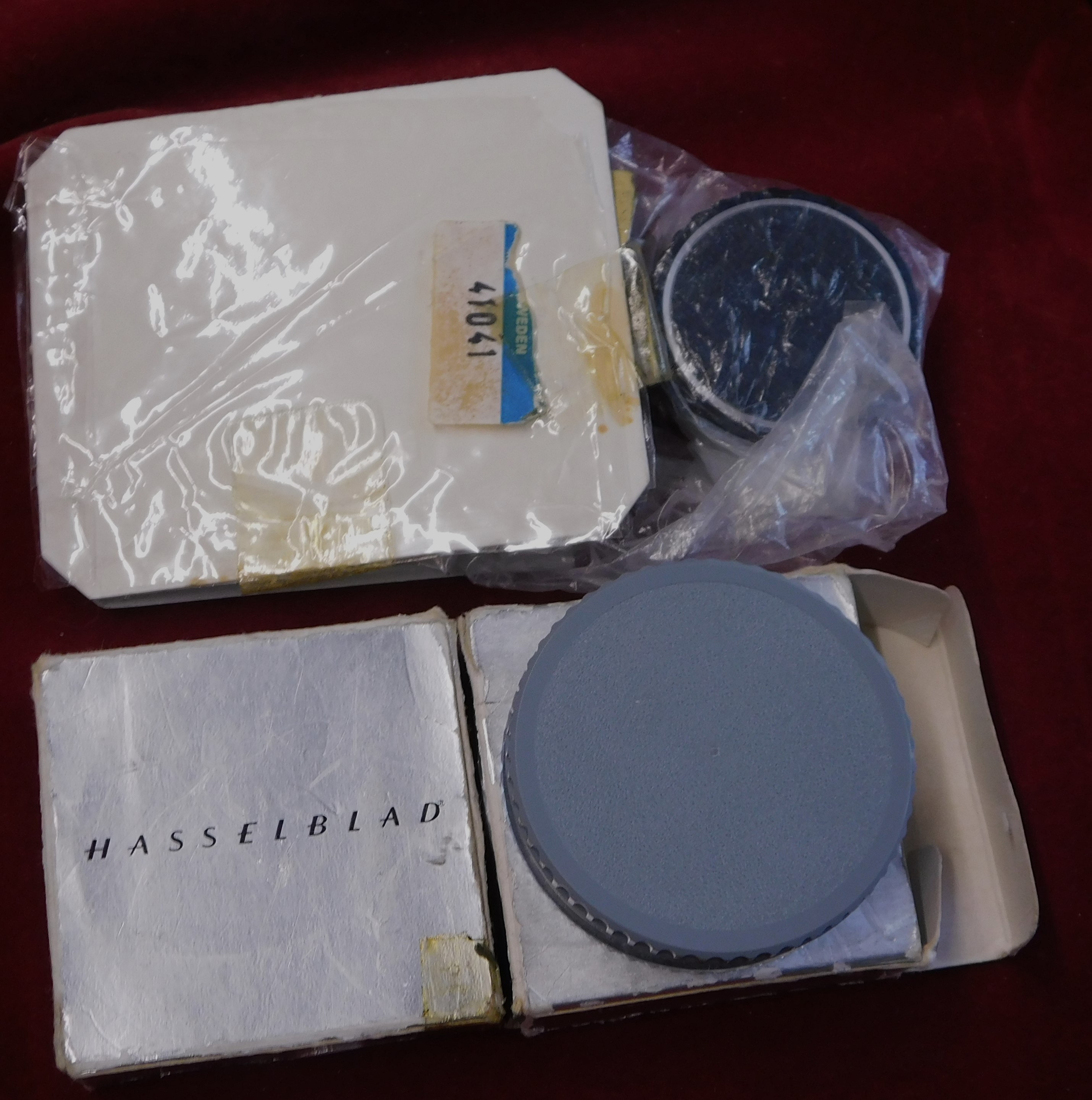
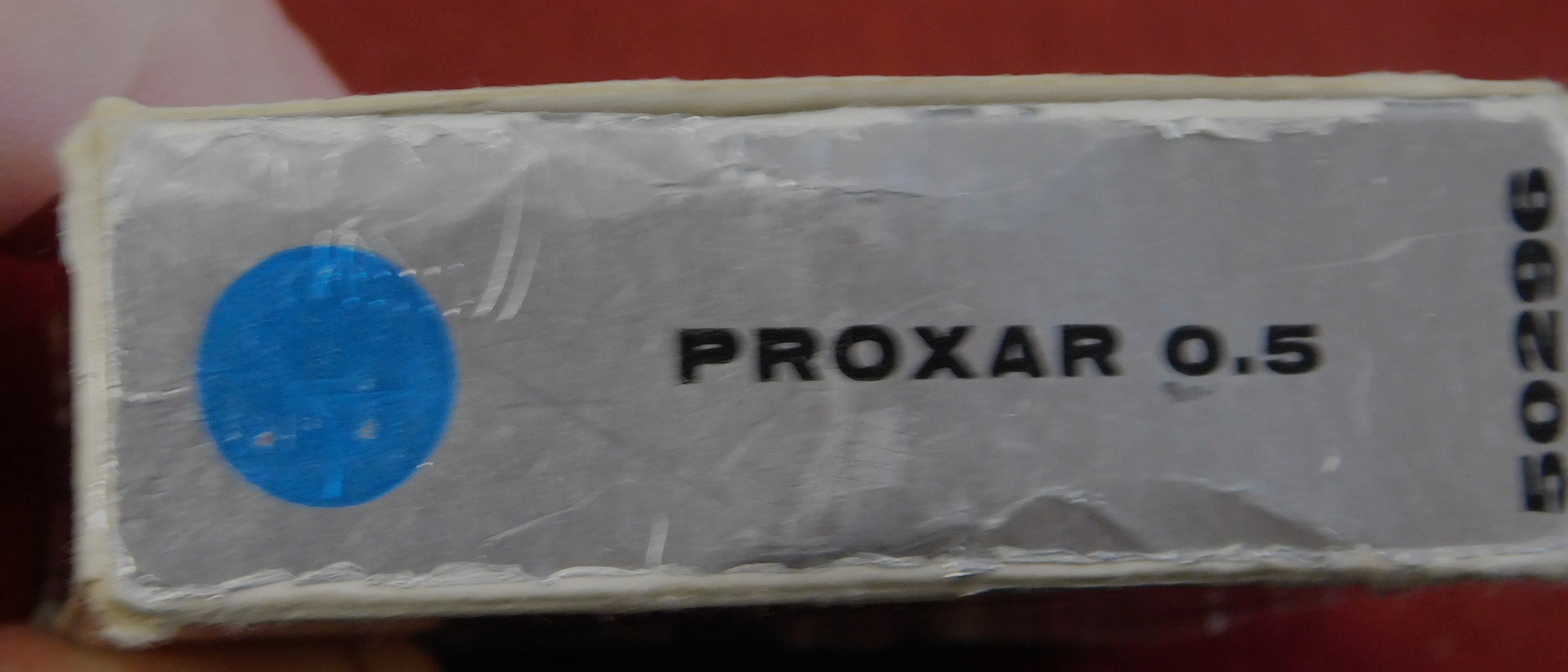
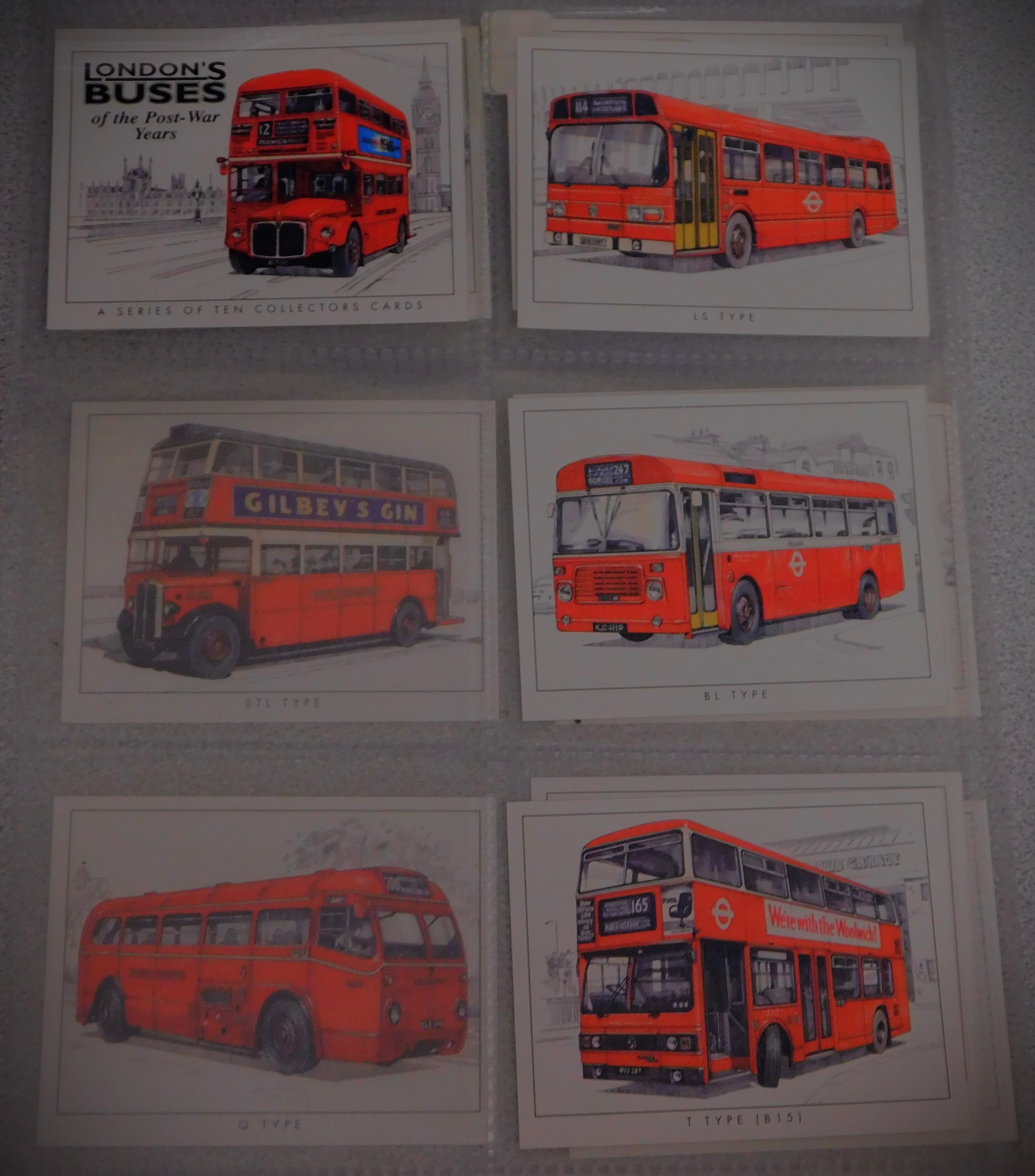
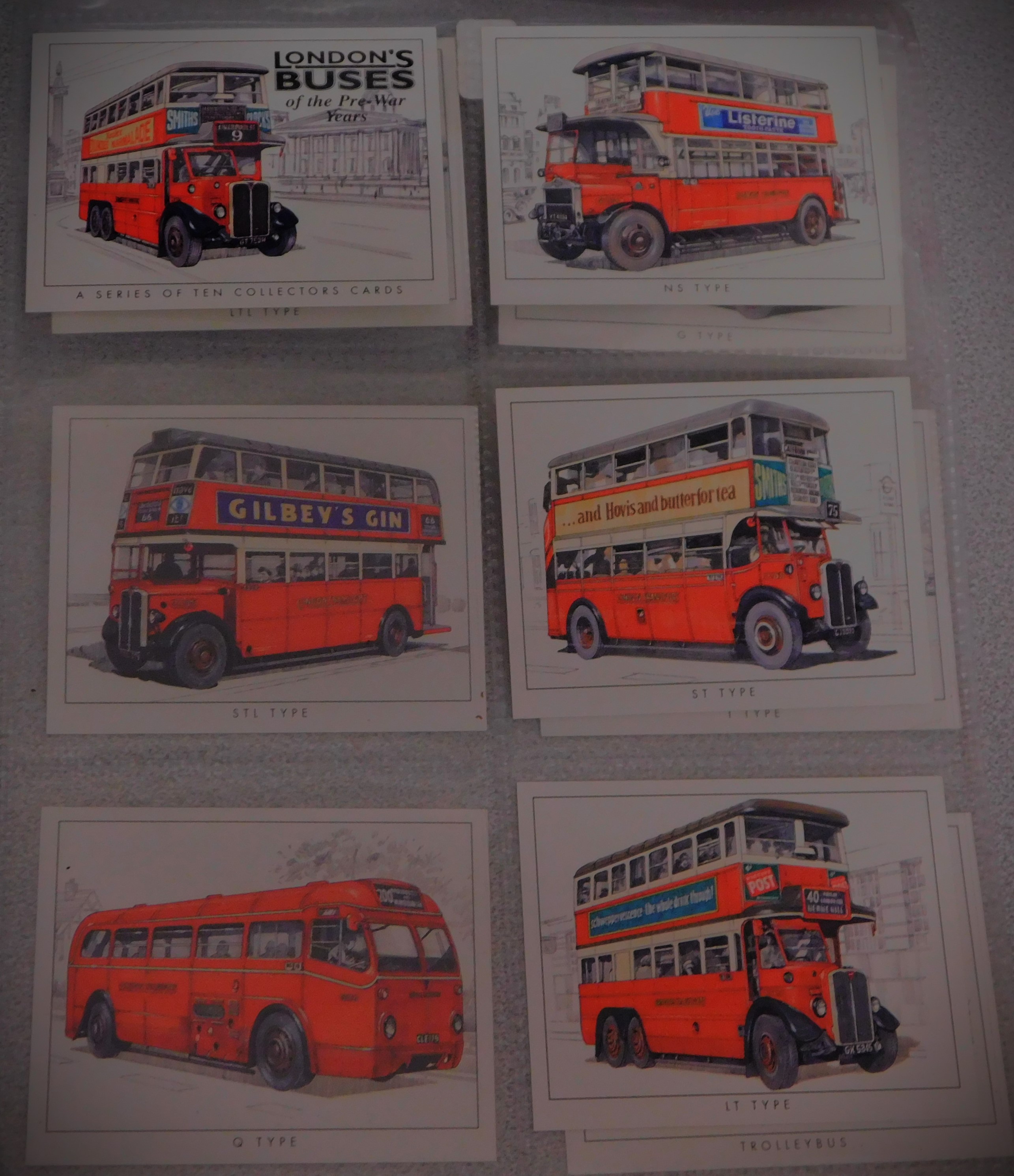
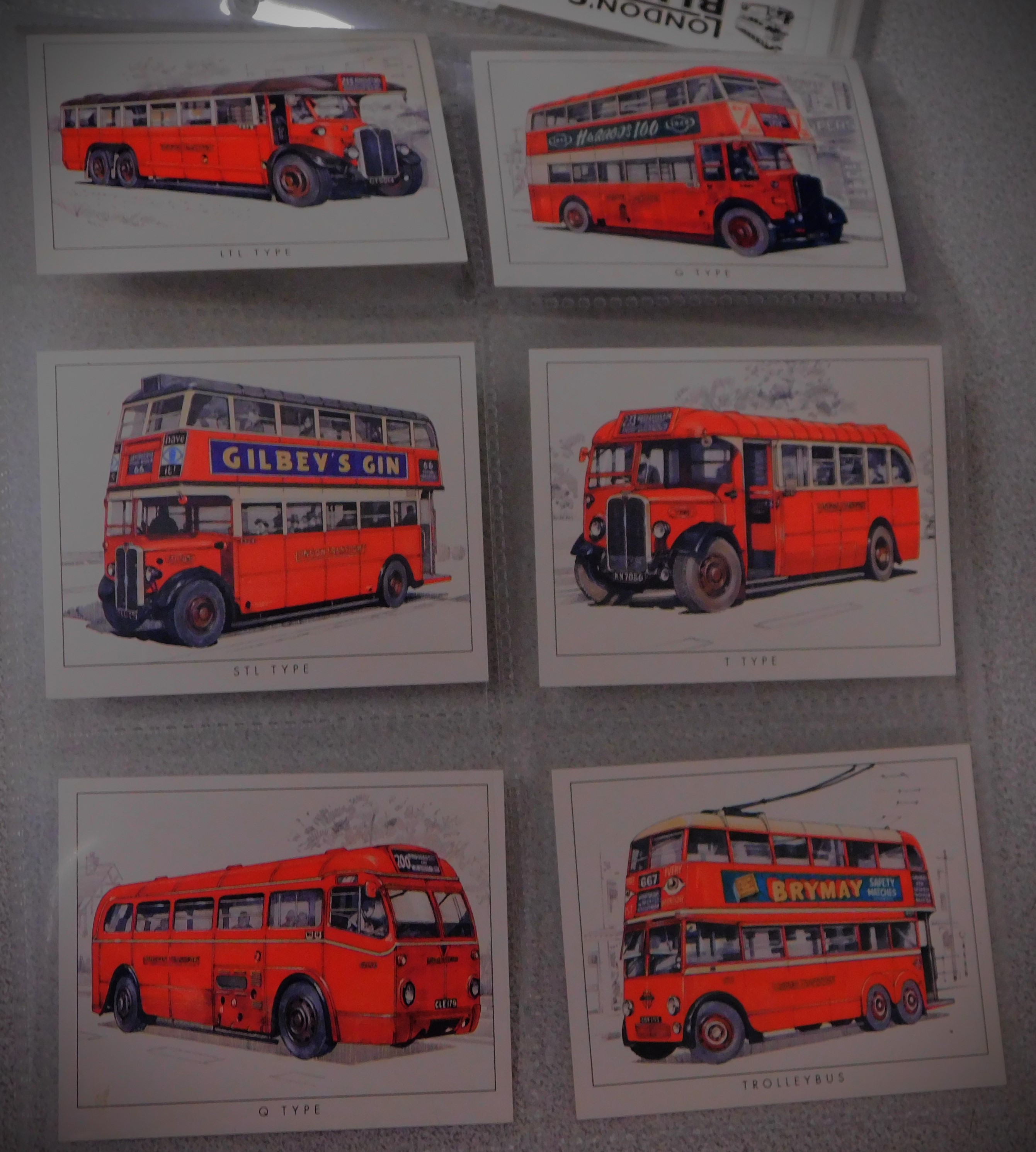
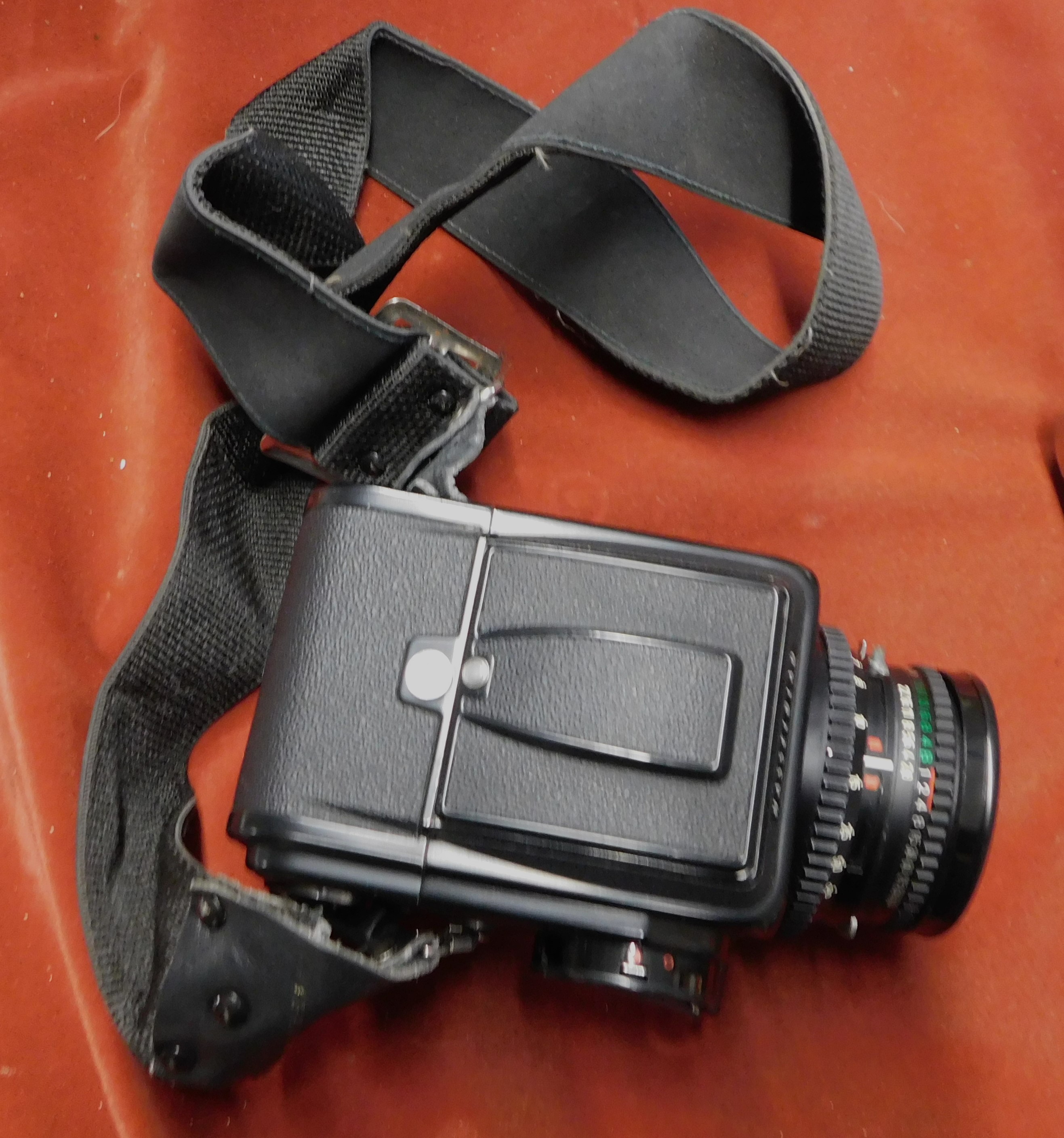
A multi-part photo gallery today. James and Sons had an auction this week, and I focus on two lots. Lot 304 was a Hassalblad camera in an aluminium case with a lot of extra bits and pieces and attracted considerable interest. I produced an extended gallery for it in order to deal with queries that were coming in, and the result was very pleasing – it sold for £1,000.

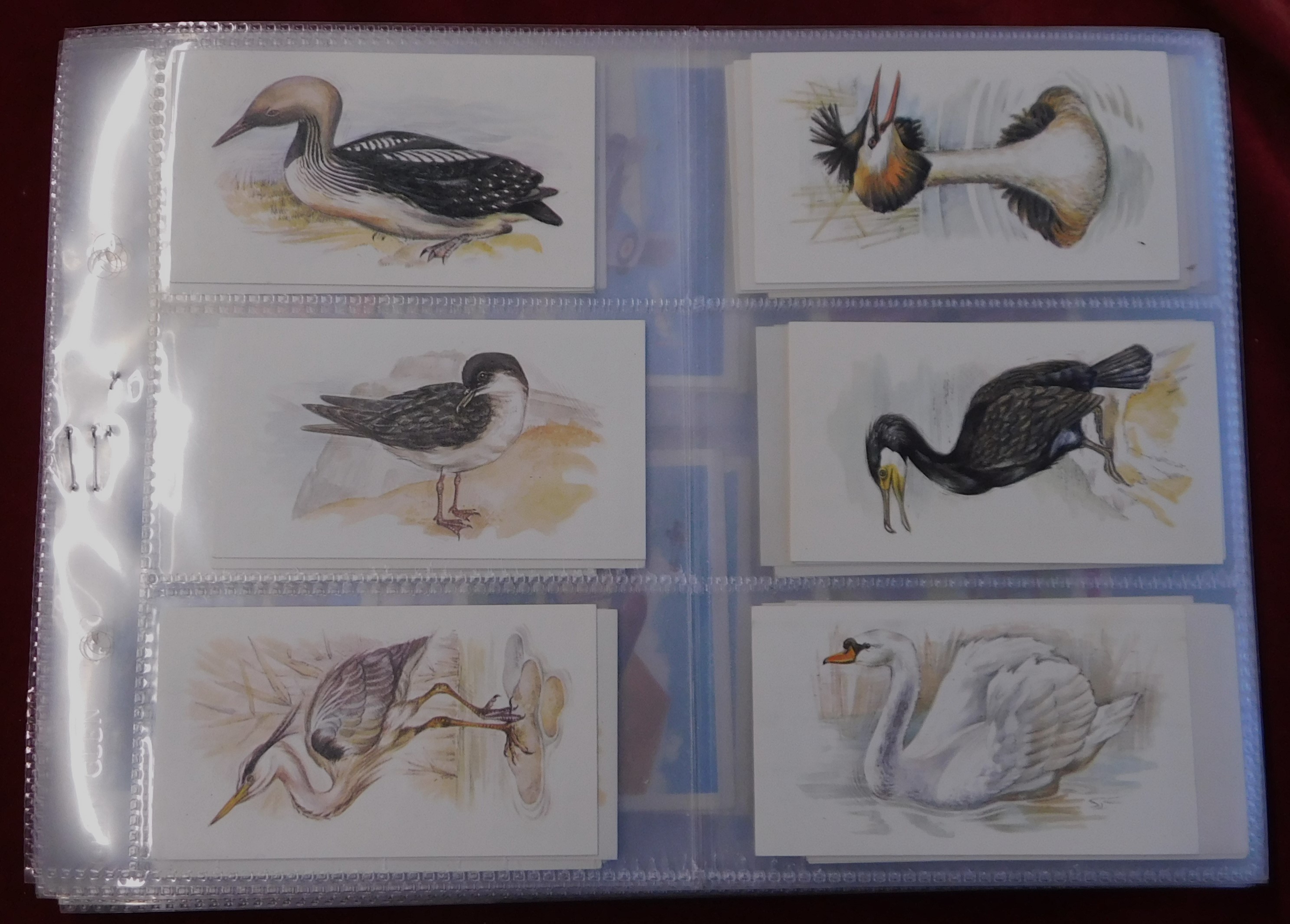
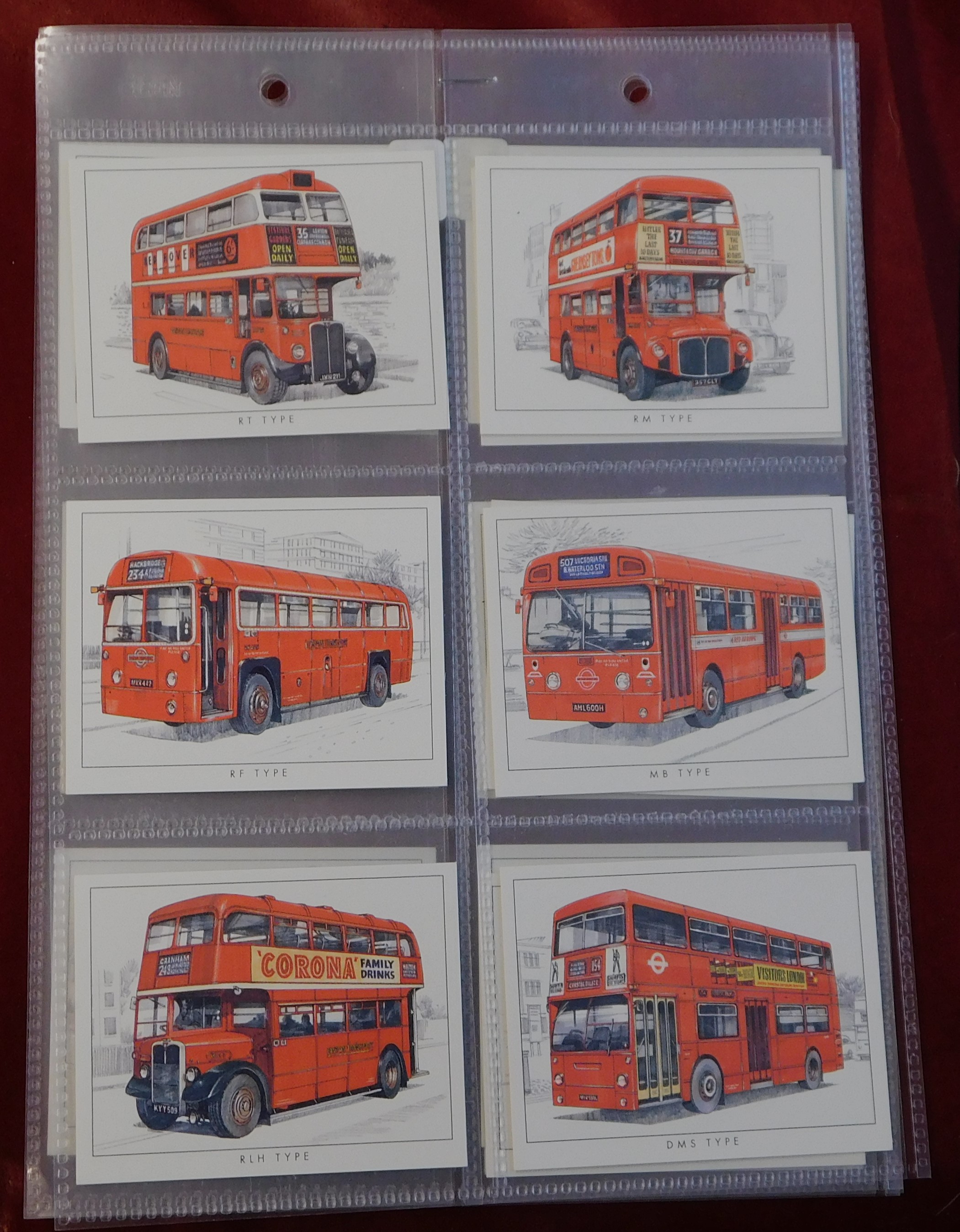
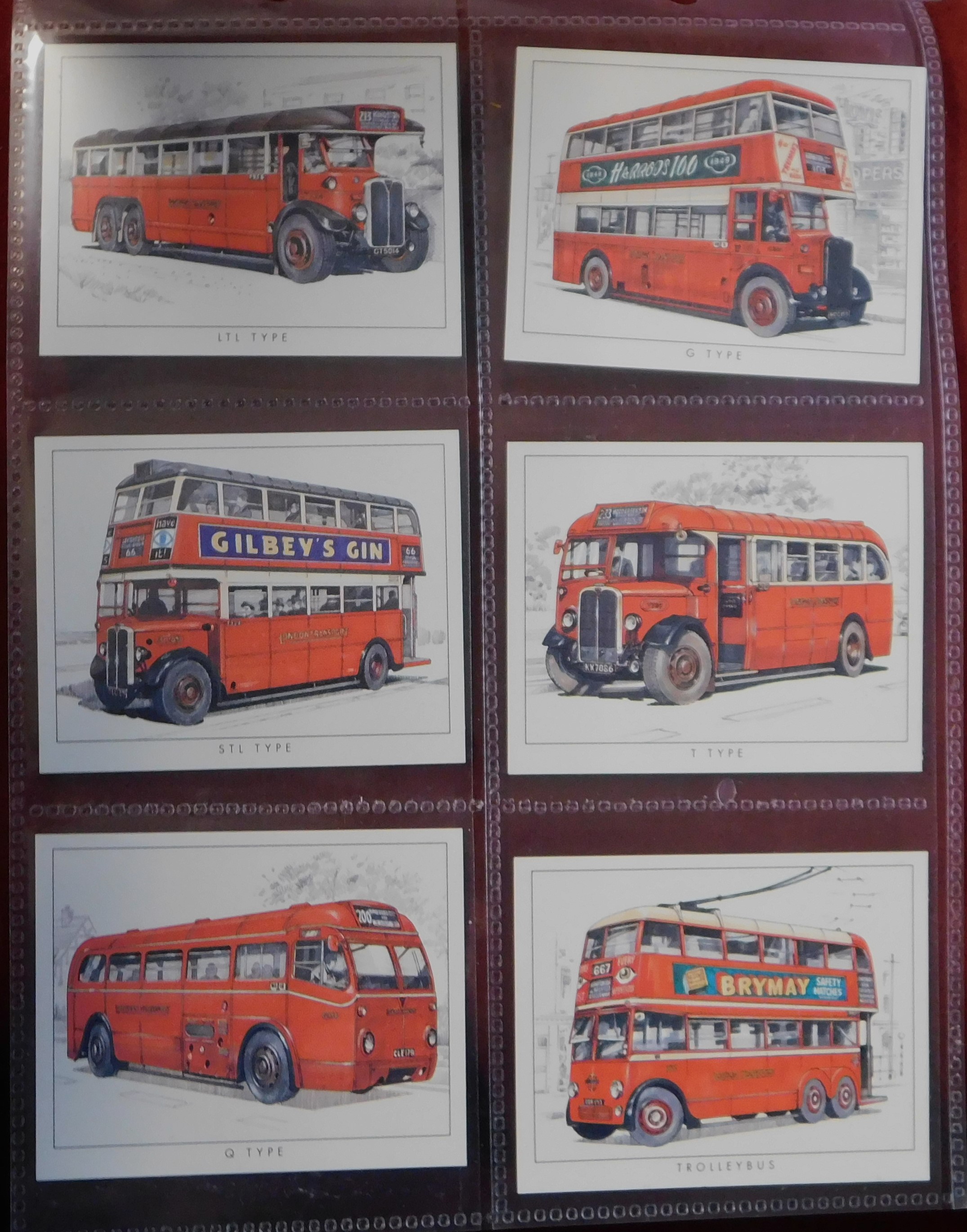
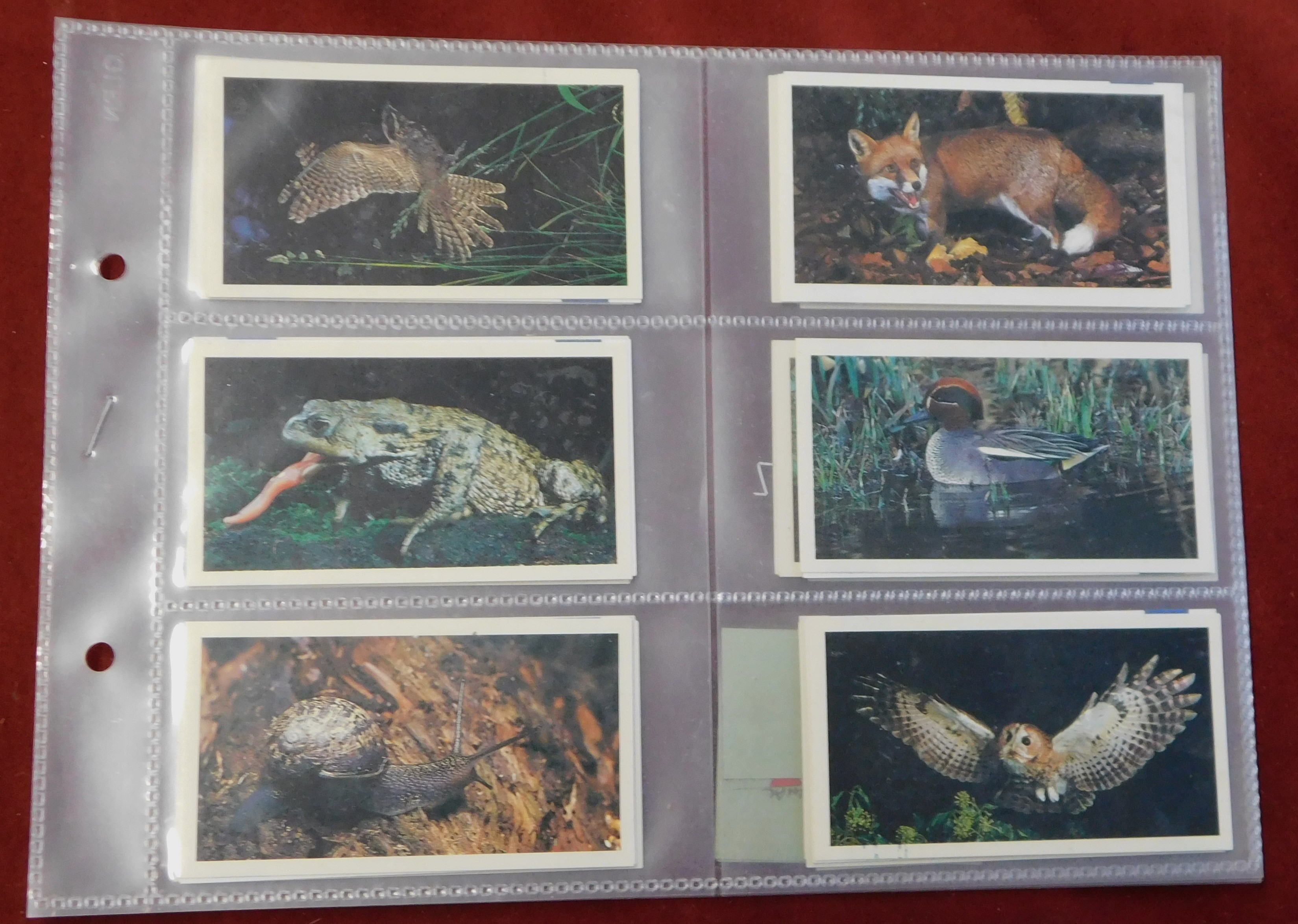
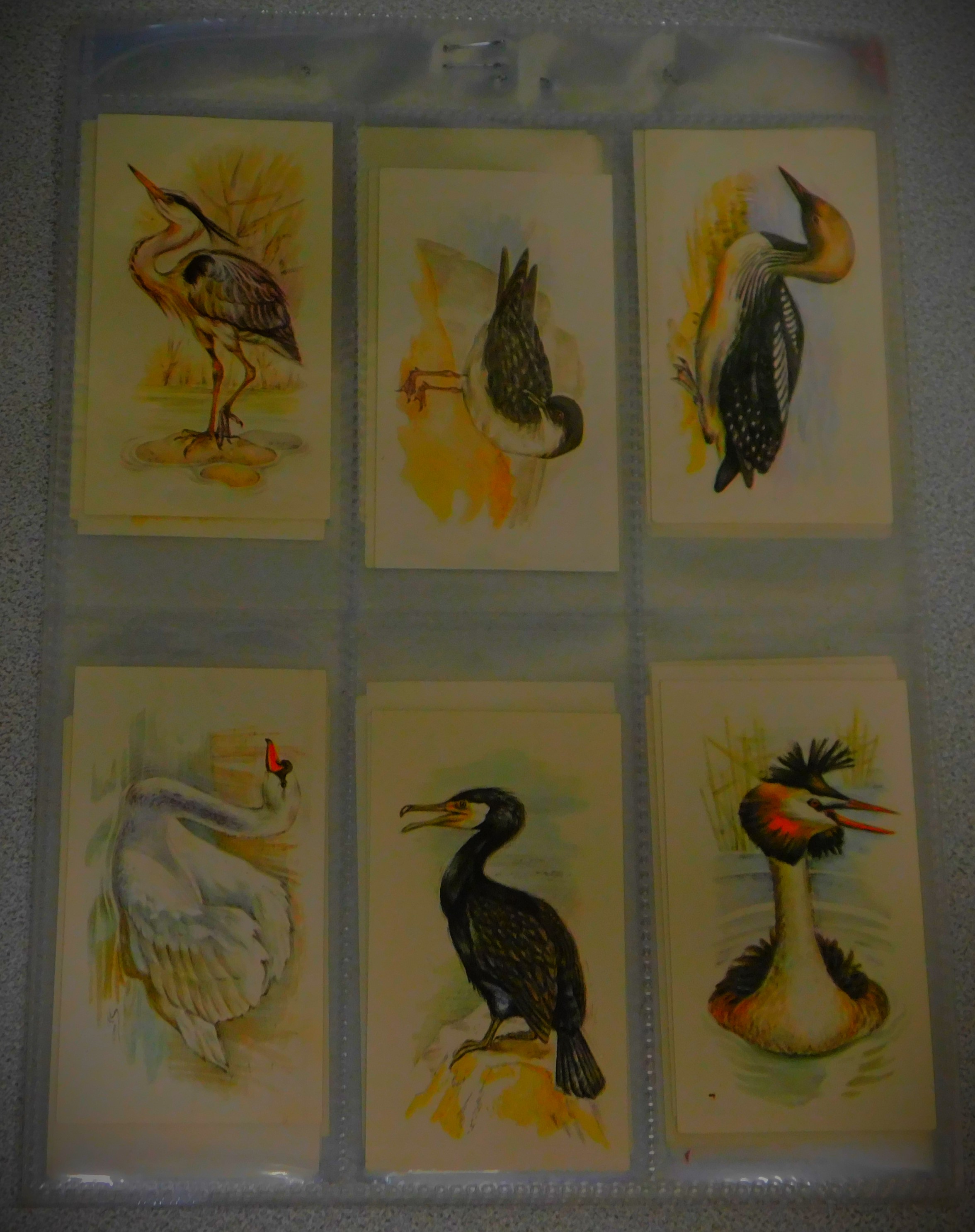
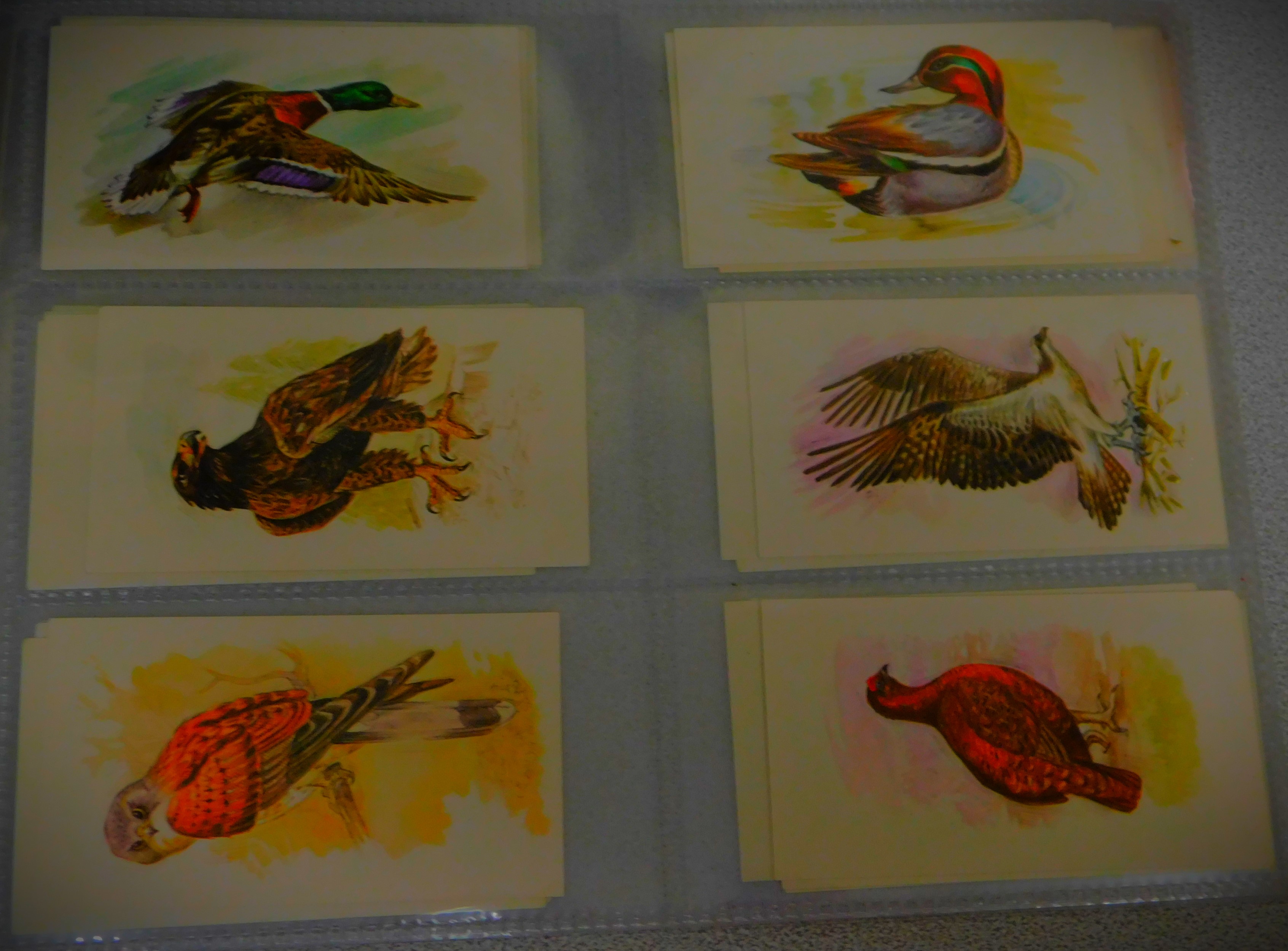
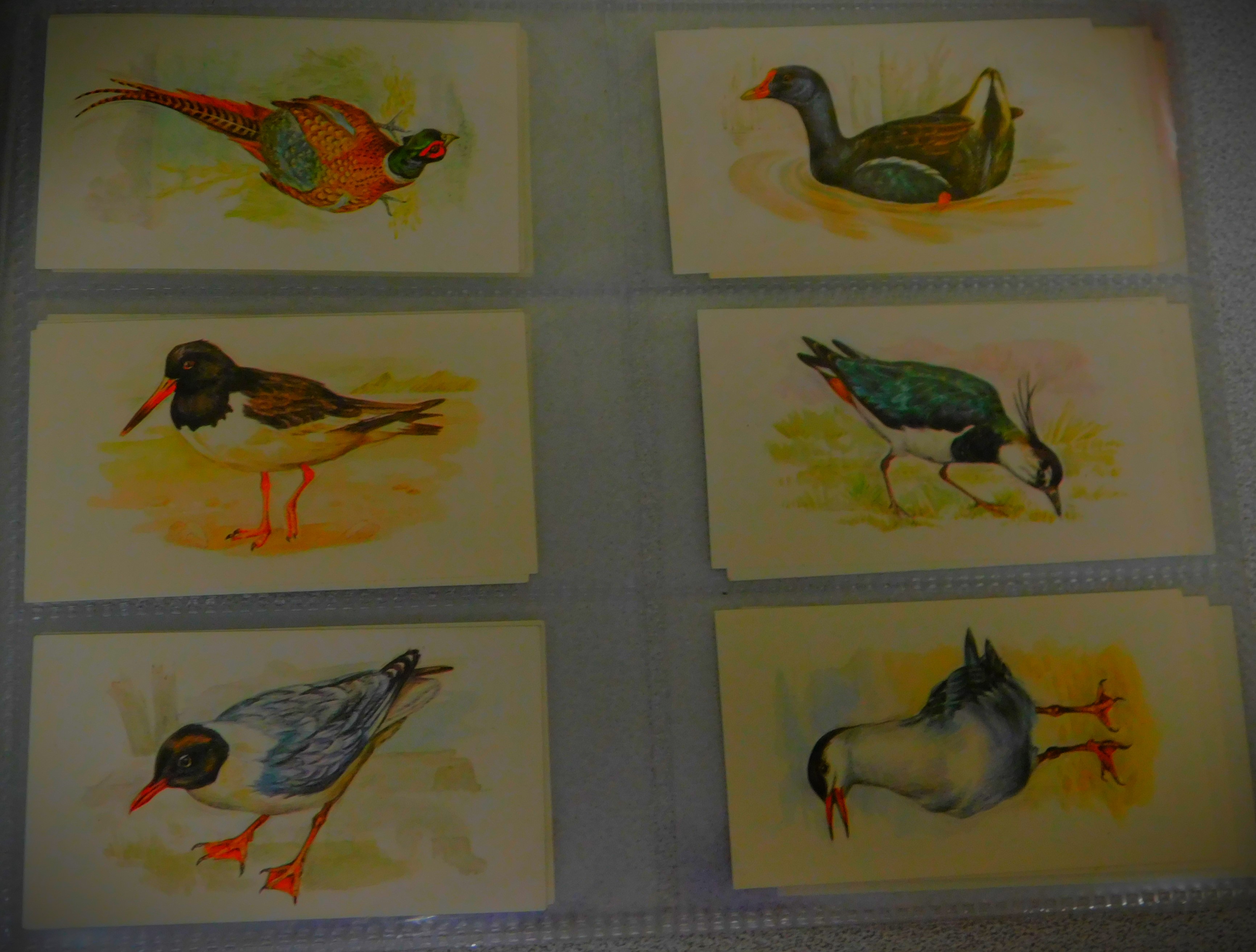
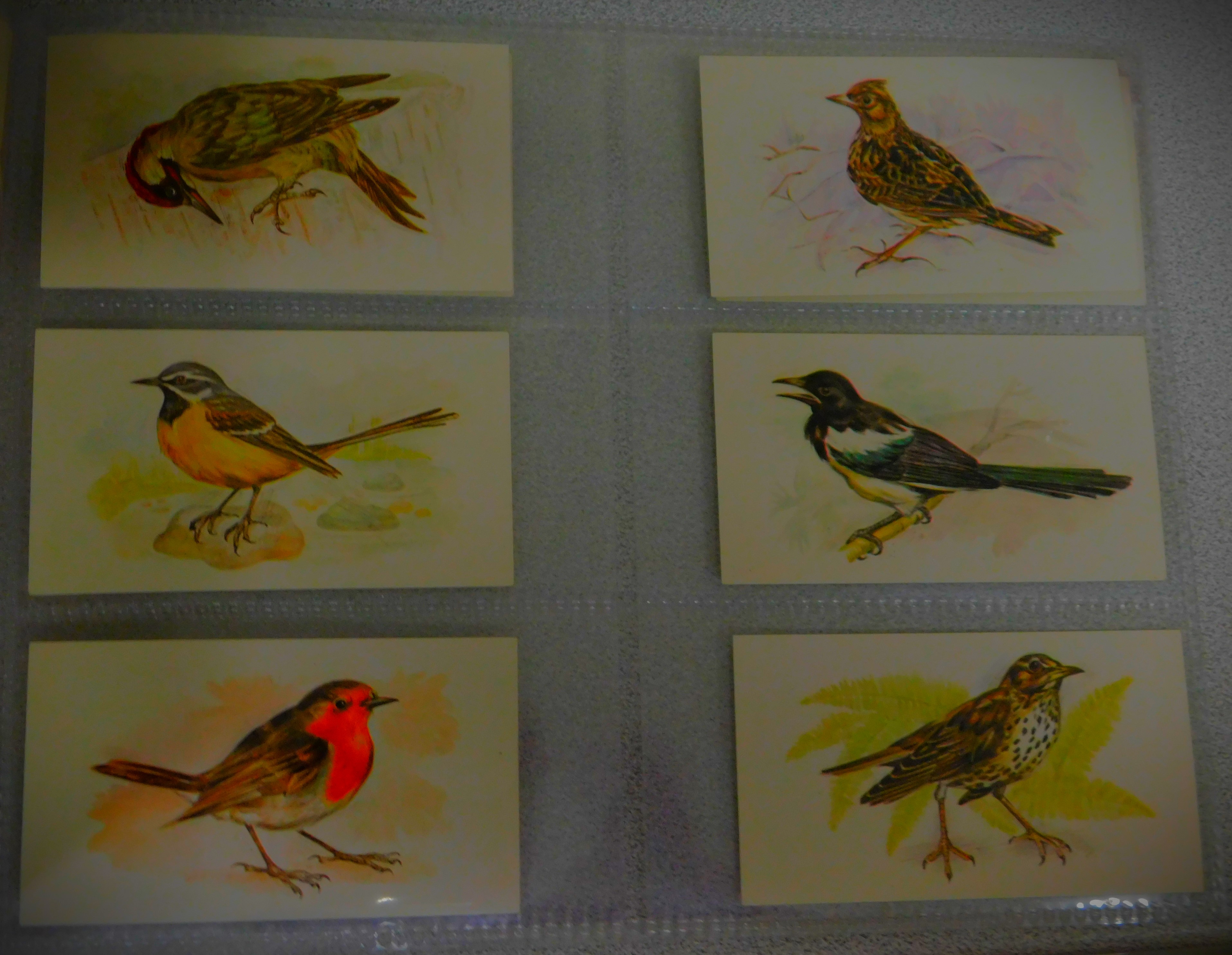
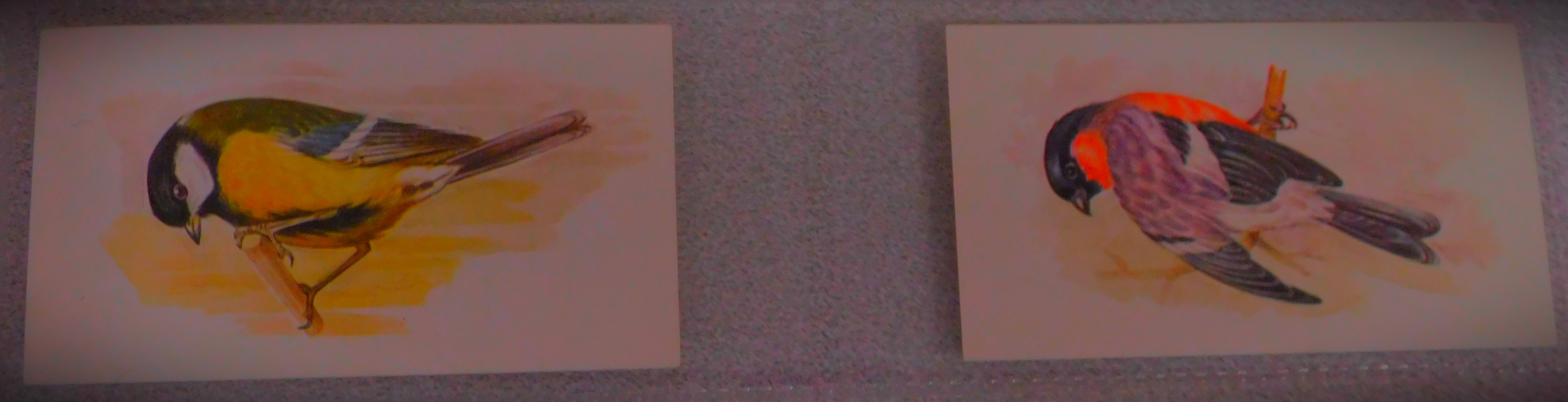
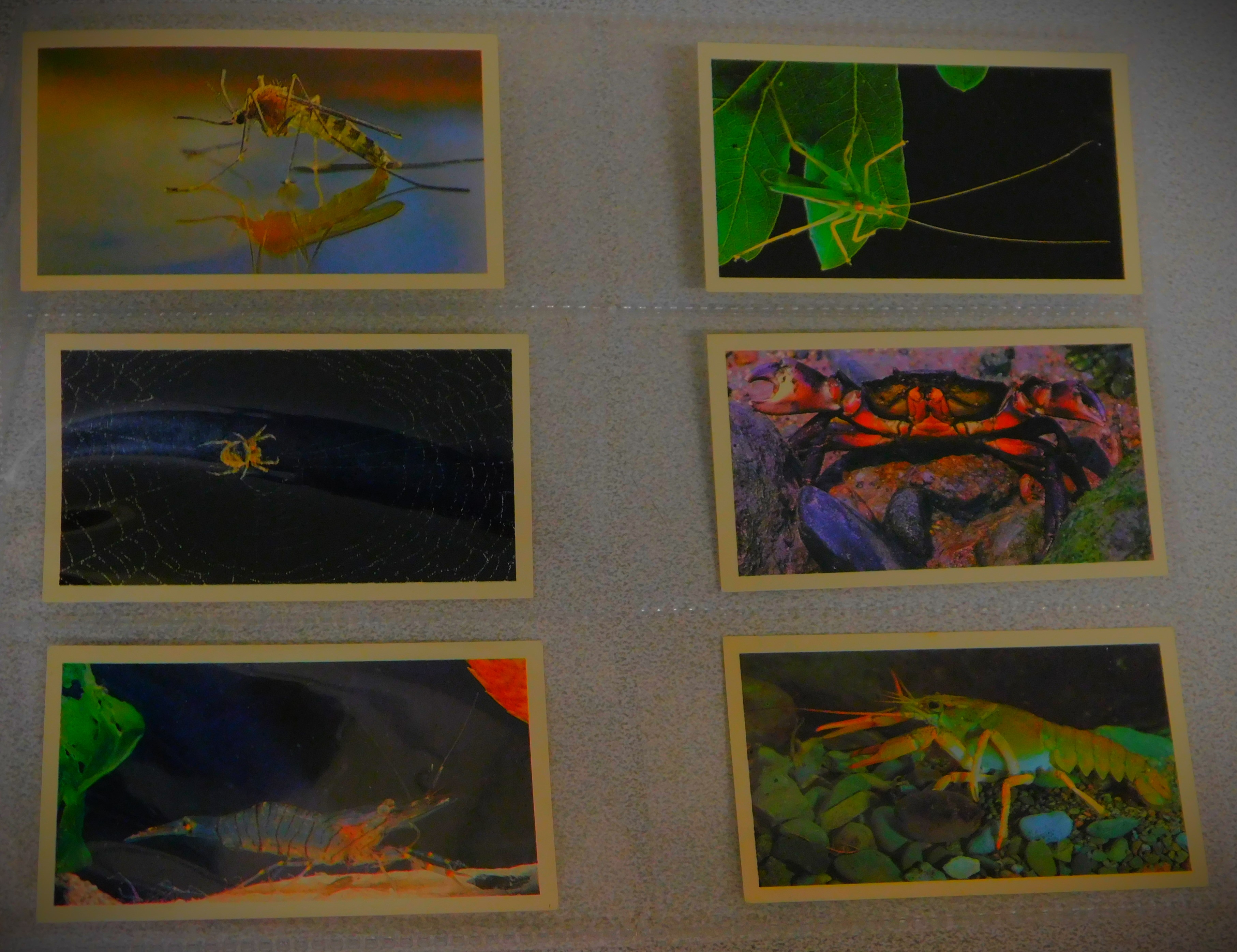
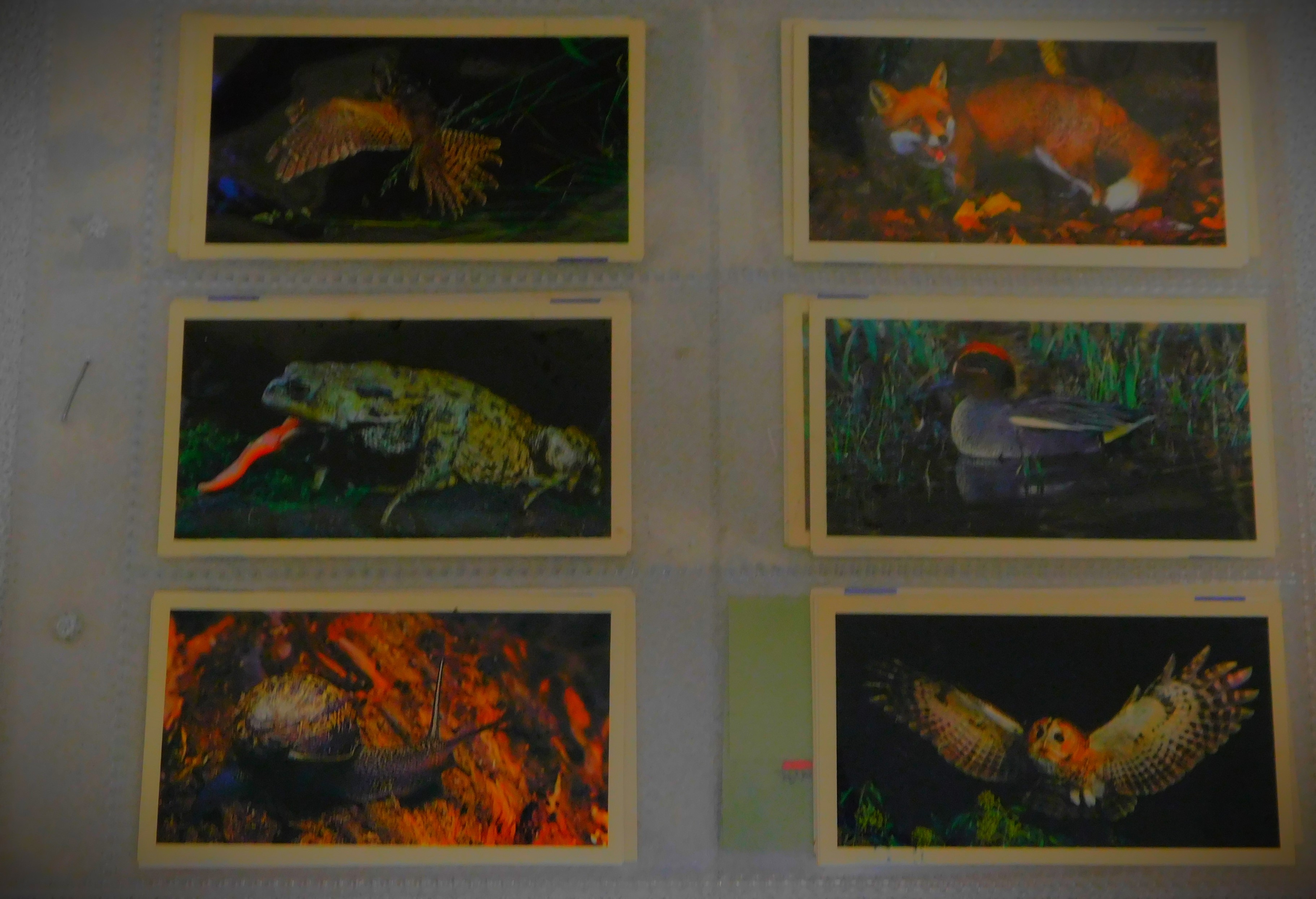
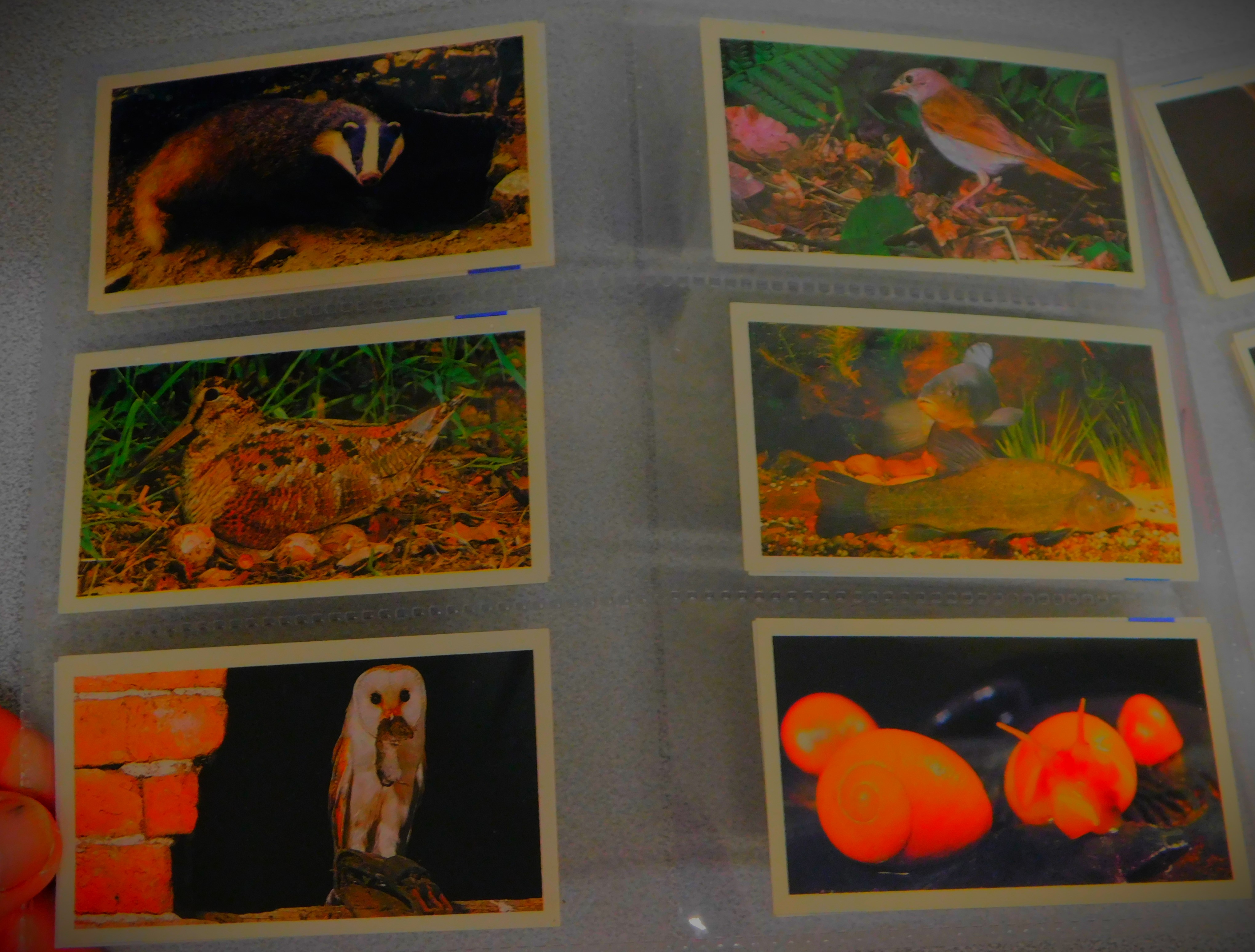
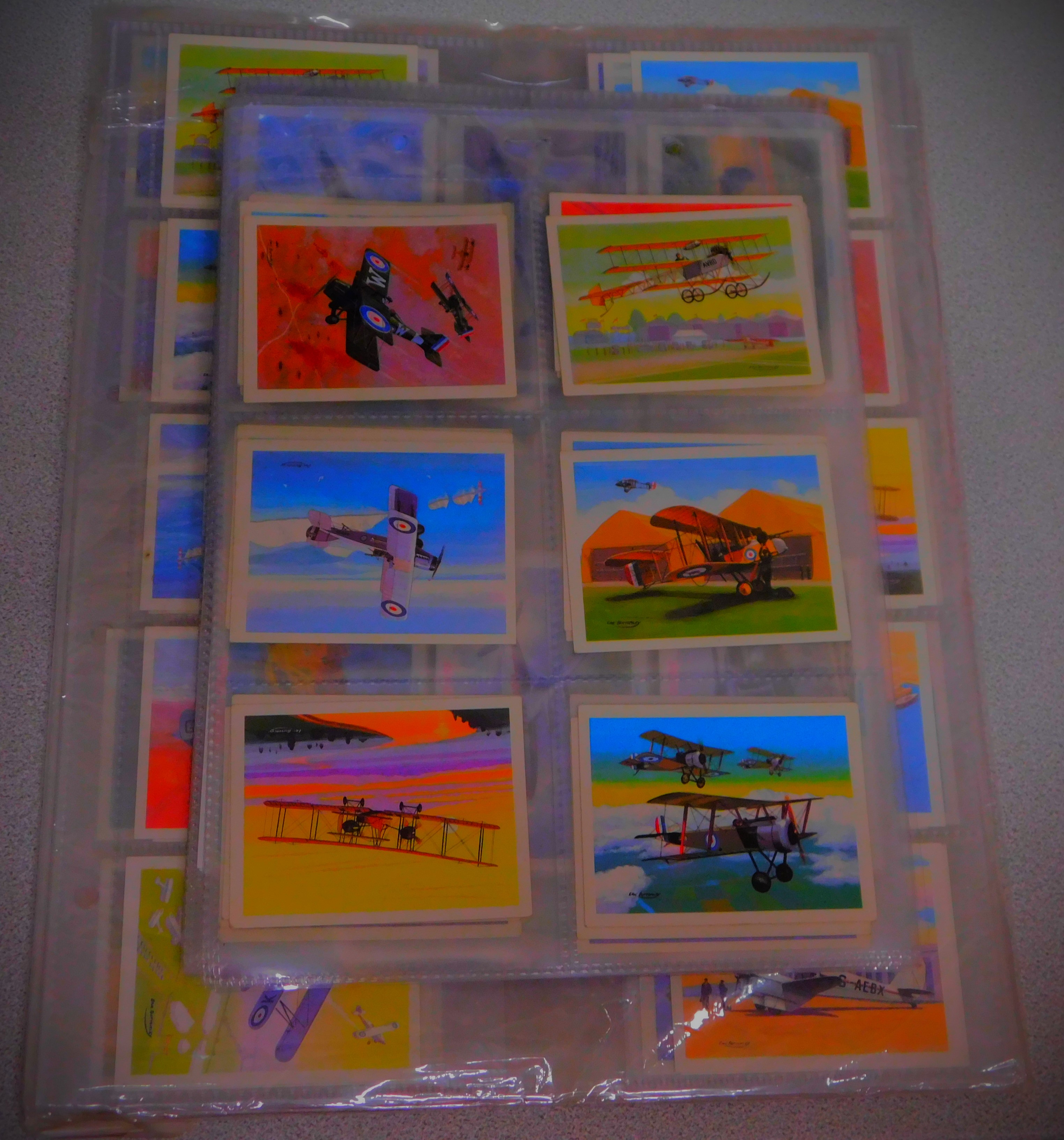
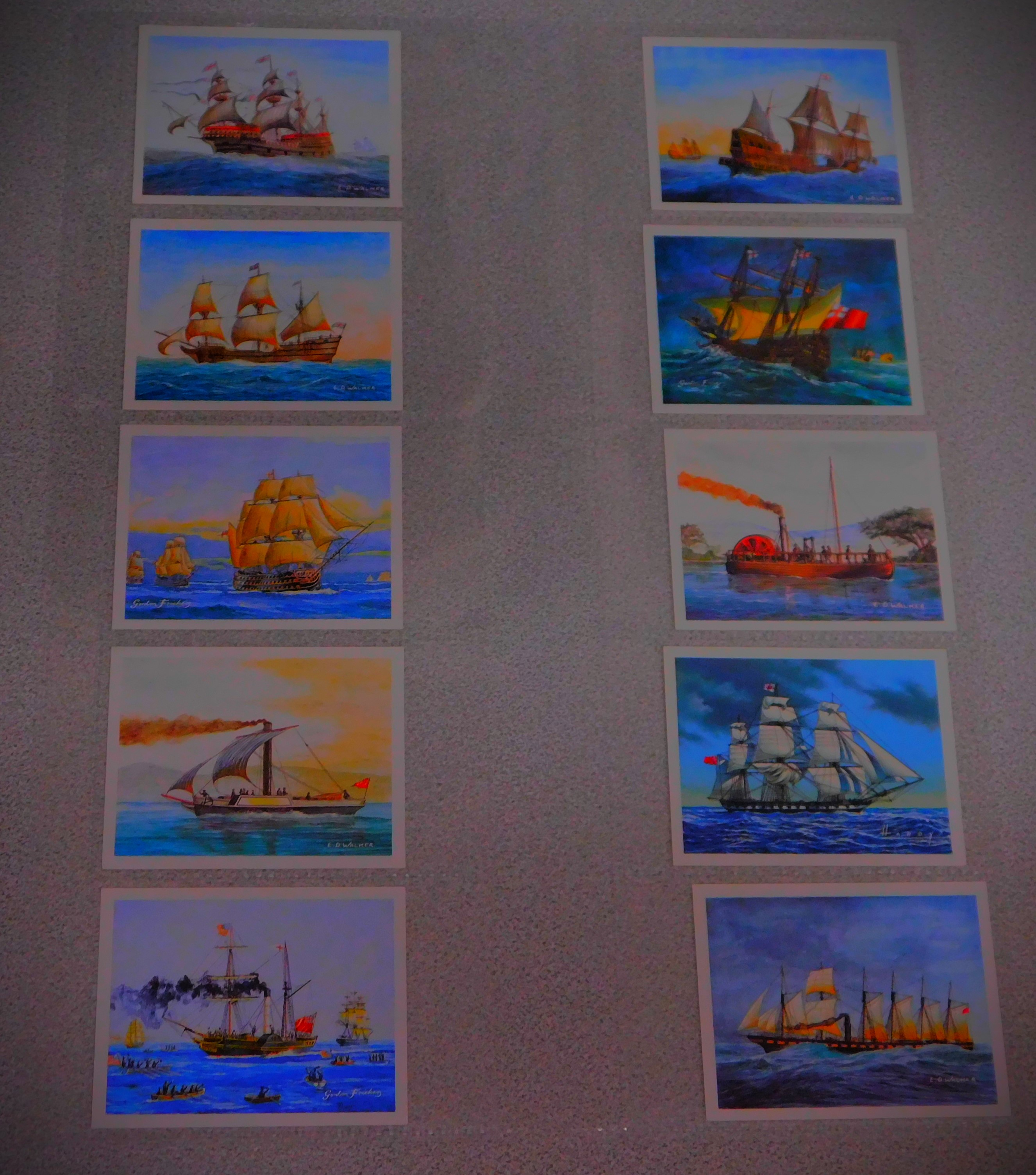
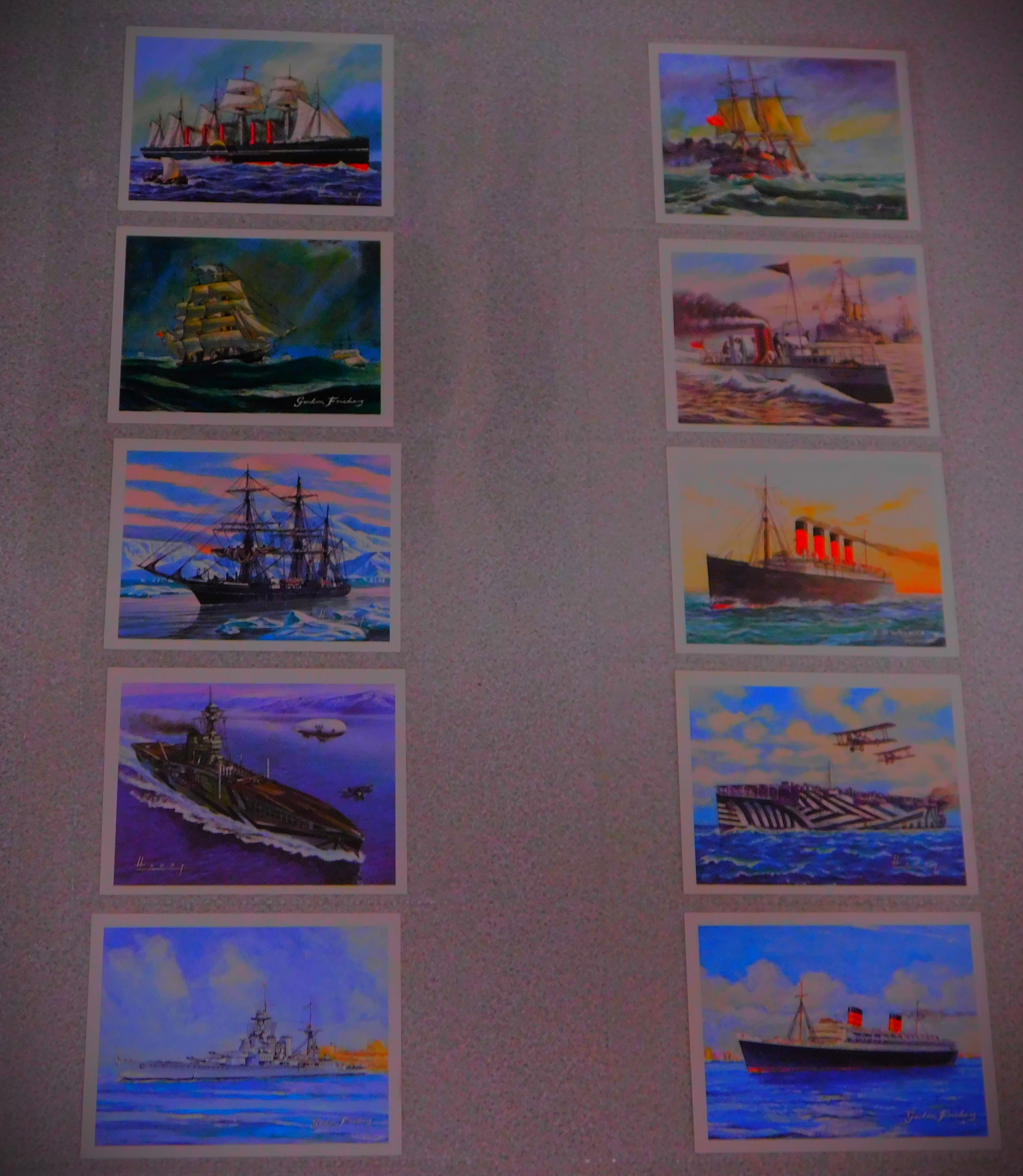
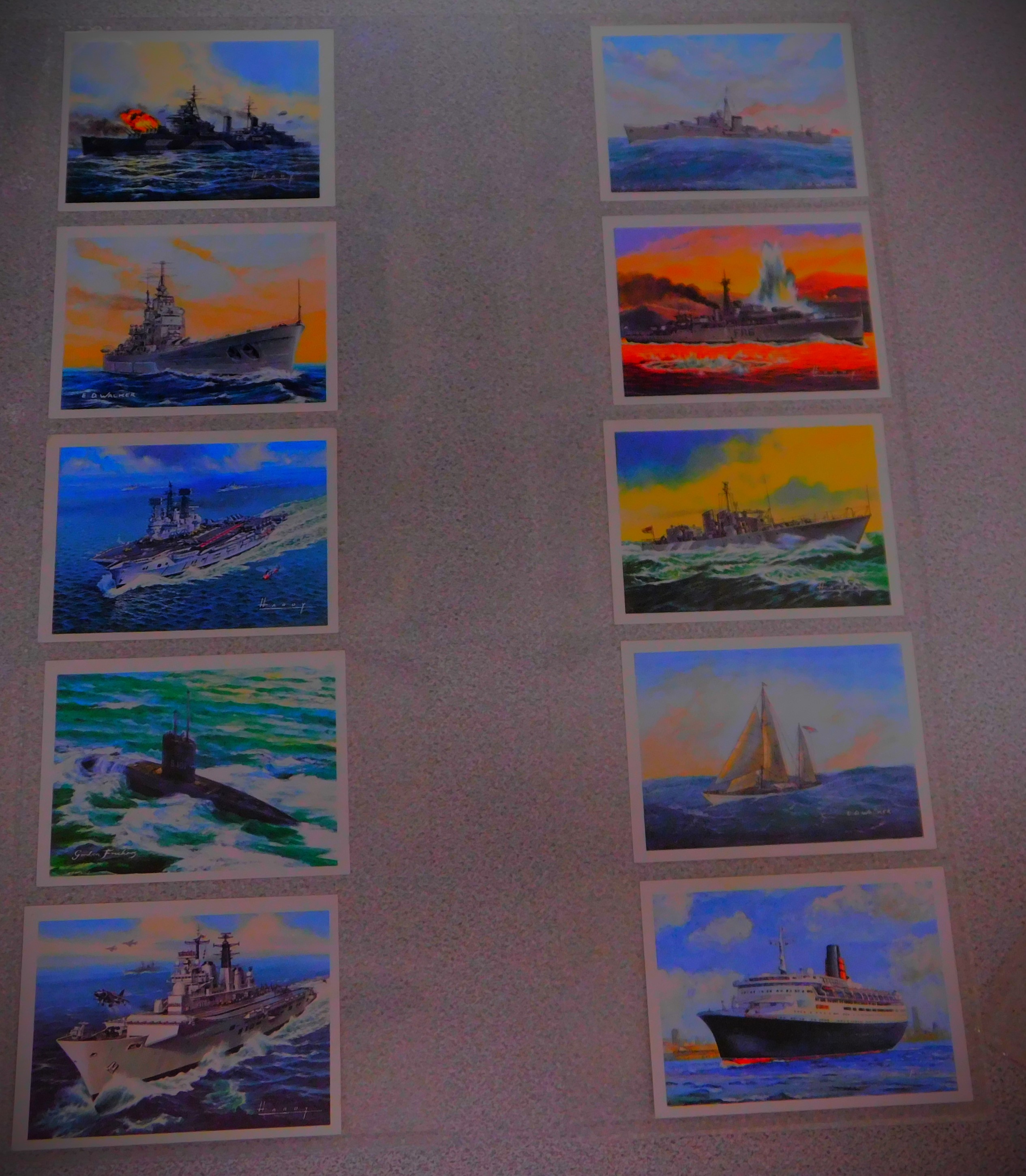
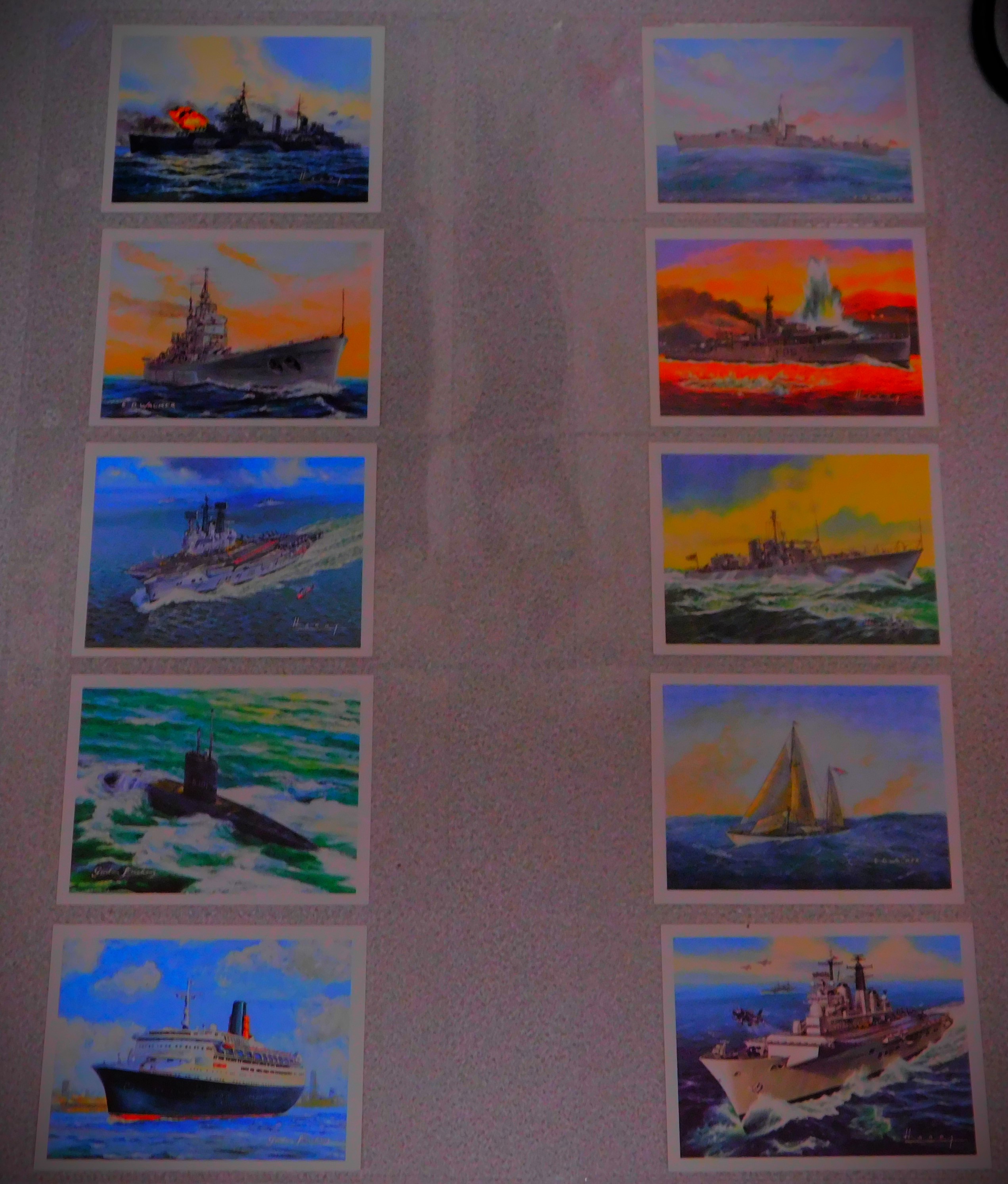
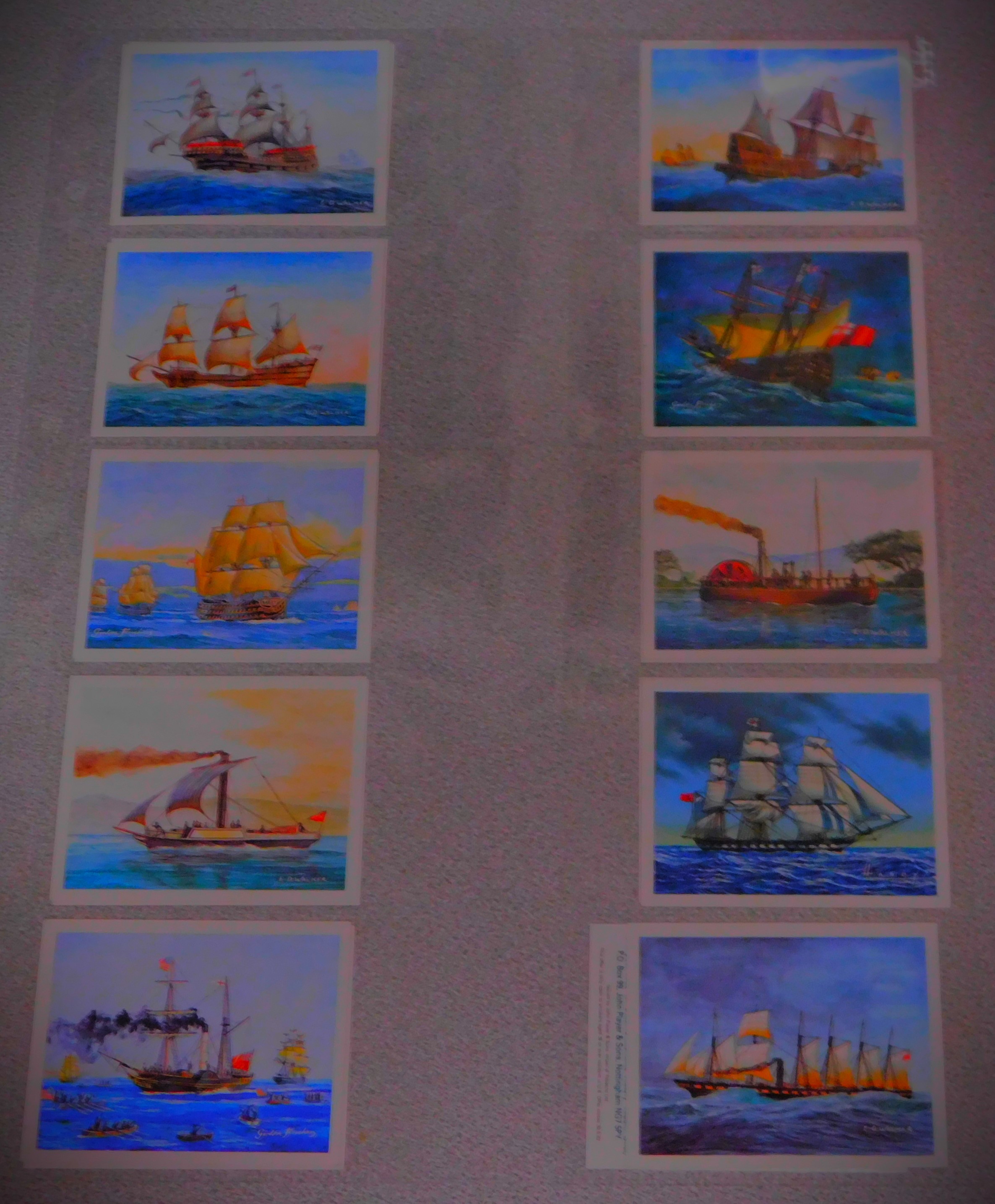
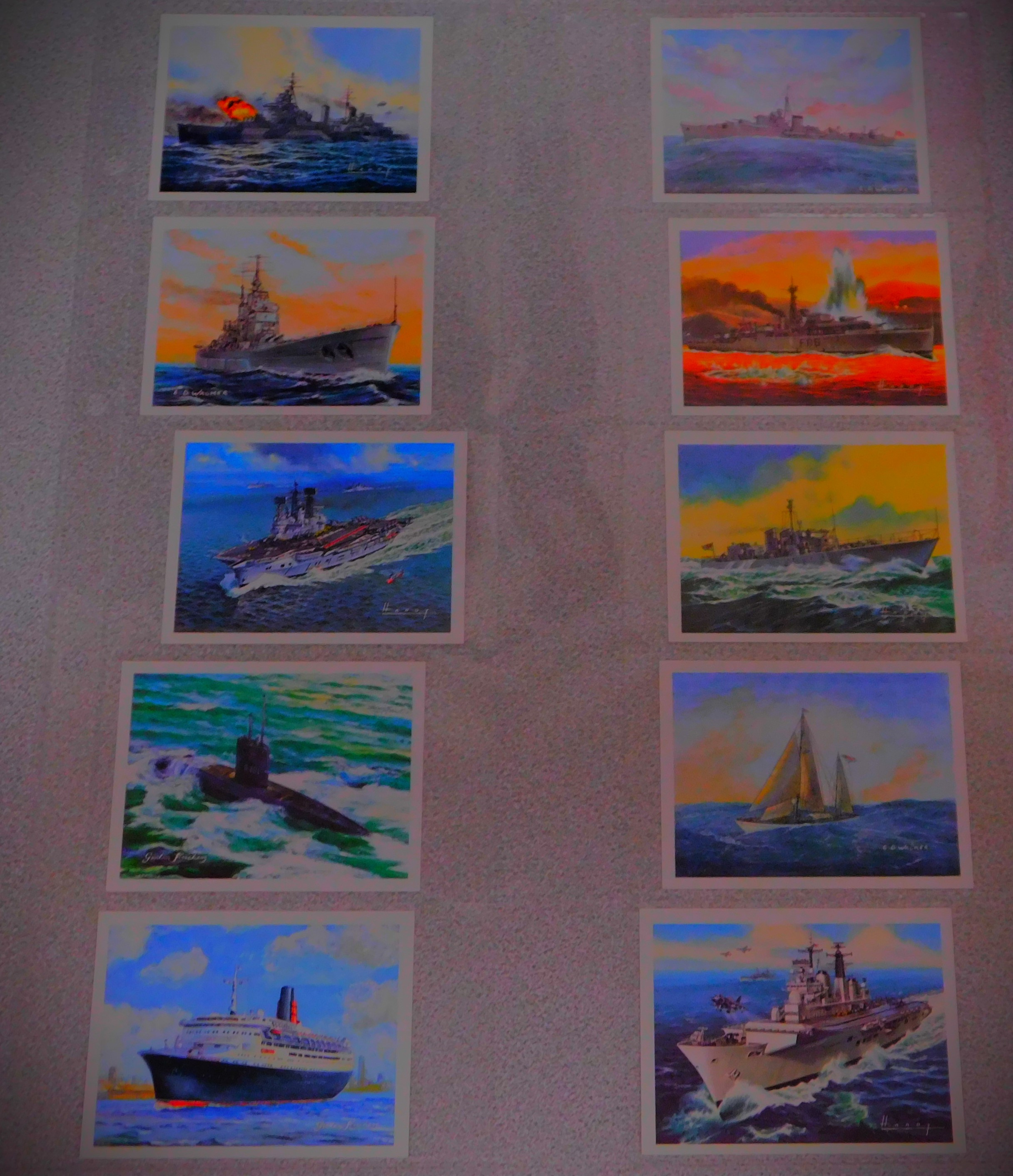
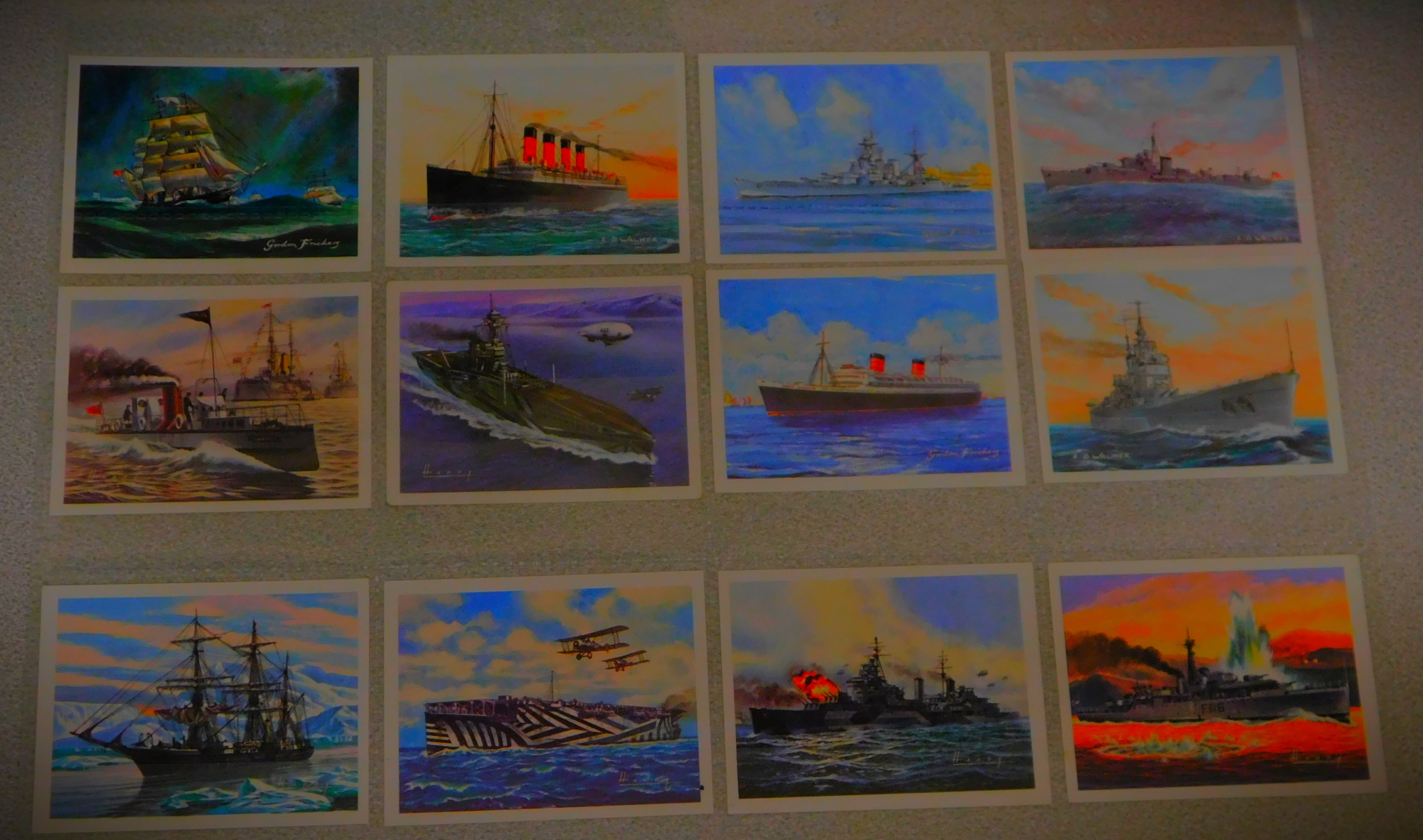
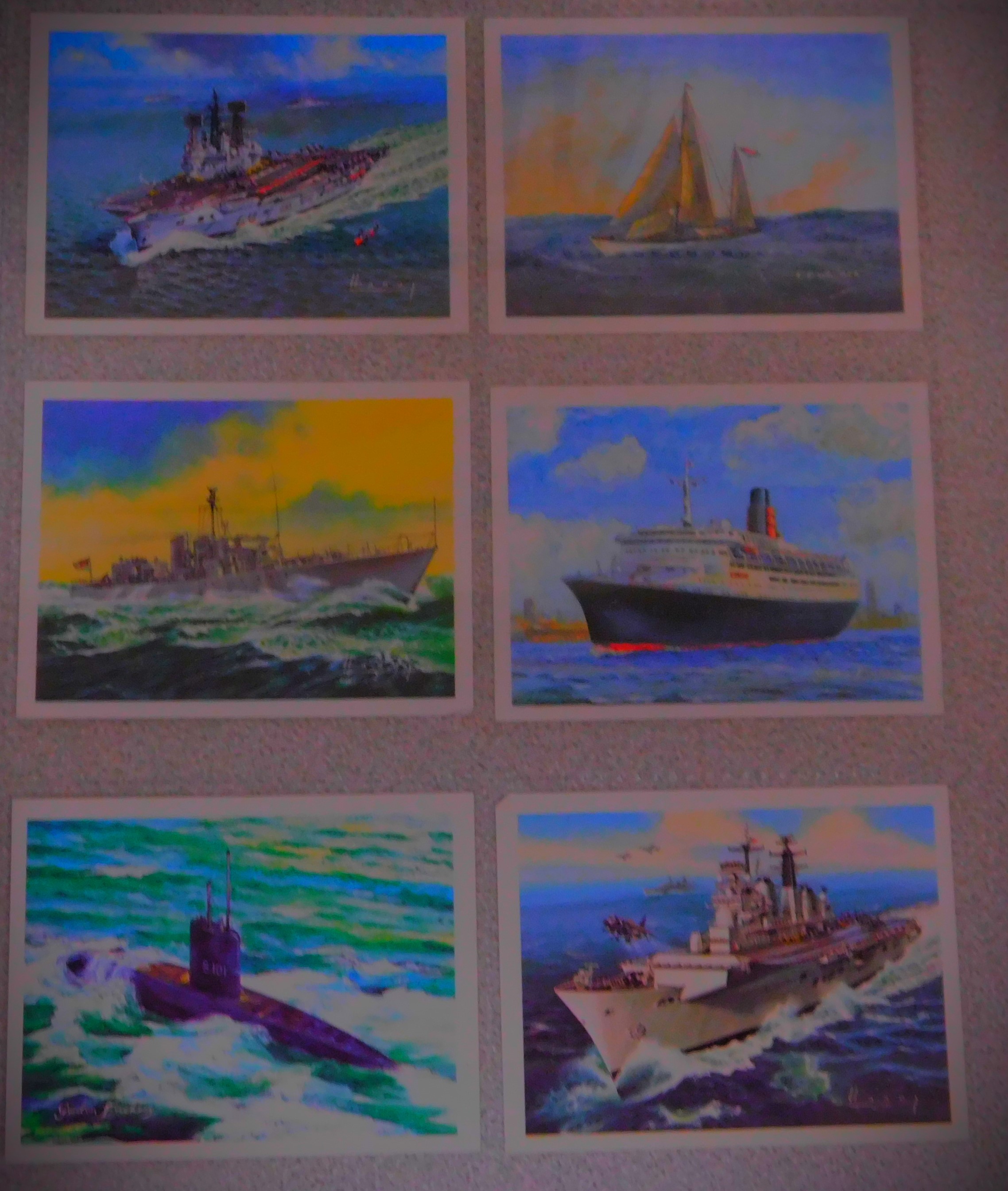
The second lot I focus on was number 574. This lot, a collection of cigarette/ trade cards, was knocked down to me for £10. I produced a good gallery for it…


Having taken possession of it I have been through it in much more detail than imaging for auction allows…

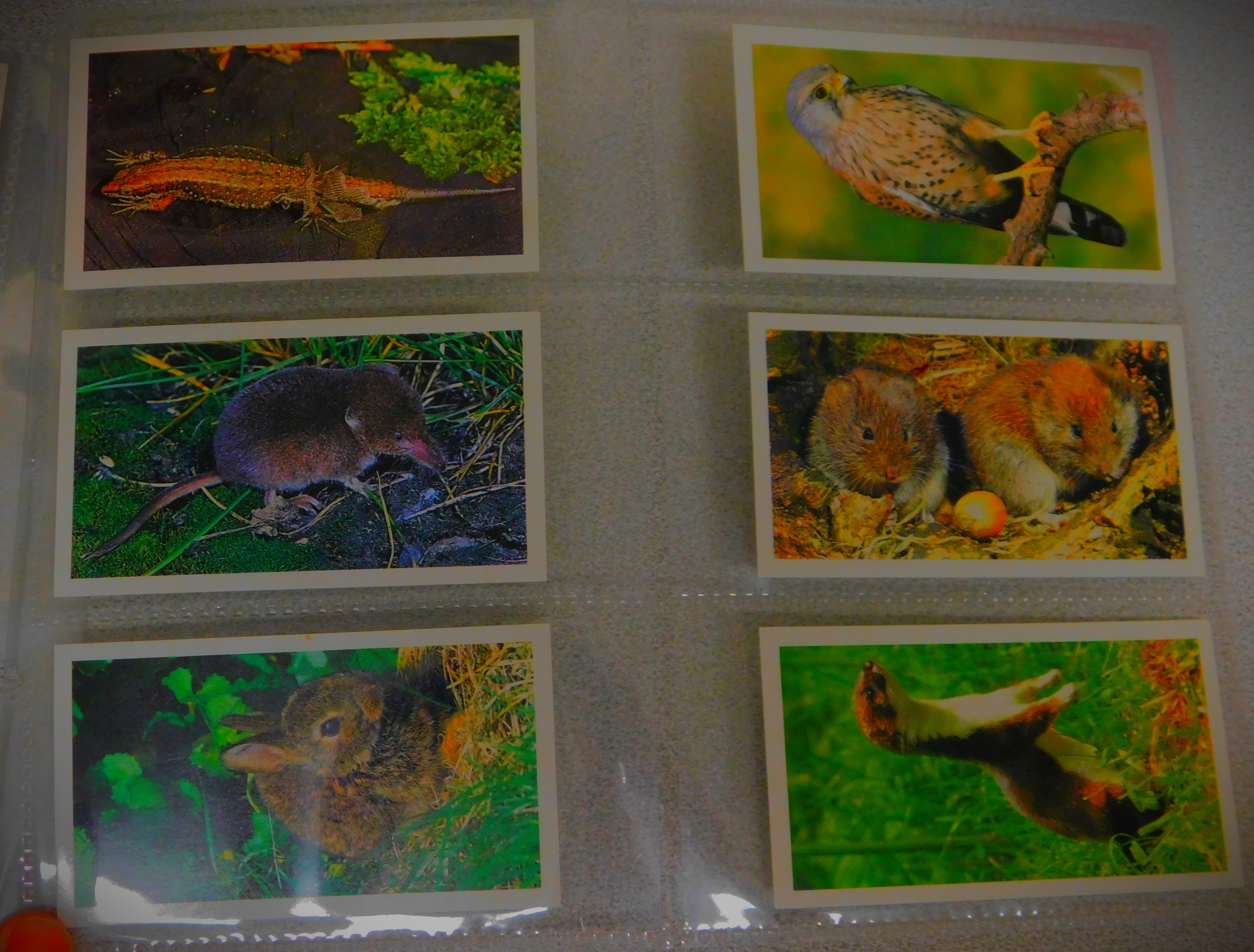
Now I end with a few of my regular photographs

India v Pakistan

A look at today’s fixture in the ODI Cricket World Cup – a small matter of India v Pakistan. Also a photo gallery – though the temperature is more October like today than it has been for the previous 12 days of the month the sun has been out, making walking pleasant.

Today’s match in the ODI Cricket World Cup is the biggest clash of the group stage – bitter rivals India and Pakistan are in opposition. These two sides rarely meet outside tournaments because of the strained relations between the two countries. This post looks at the match that is currently in progress.

India won the toss and put Pakistan in to bat. Pakistan looked to be going very well for much of their innings. Both openers got going but then got out (Abdullah Shafique for 20, Imam-ul-Haq for 38). However Babar Azam and Mohammad Rizwan looked like setting Pakistan up for a very respectable total, pushing the score up to 155-2.

The Pakistan innings unravelled spectacularly from this point – Babar Azam was out for exactly 50, Saud Shakeel failed outright (these two falling in the space of four balls from Kuldeep Yadav, the left arm wrist spinner), then Rohit Sharma cashed in on this double strike by calling Jasprit Bumrah back into the attack at the other end. Bumrah clean bowled Rizwan for 49 and Pakistan were five down. Both the two new batters failed cheaply, one to Jadeja and one to Bumrah (Yadav had completed his 10 overs, with superb figures of 2-35), and Pakistan were suddenly 171-7. The eighth wicket pair cobbled together a stand of 16, at which point Score Predictor had Pakistan somehow mustering a final total of 237, which looked very optimistic indeed. It soon looked like a fantasy land prediction, as both batters were out with the score on 187, and with 9.5 overs to go Pakistan had numbers 10 and 11, Shaheen Shah Afridi and Haris Rauf batting together. They advanced the score by four runs before Rauf was pinned LBW. From 155-2 at high water mark Pakistan had surrendered their last eight wickets for just 36 runs. While the failure of the middle and lower order batters was shocking the real problems had actually happened earlier – three of the top four had topped 30, but none went on to play the sort of major innings around which a respectable total can be built. Rizwan took 69 balls to accrue his 49 runs, a rate of progress that can only be justified if you do actually bat all the way to the end of the innings AND you considerably increase your rate of scoring in the late part of the innings.

Pakistan’s only hope after posting such a poor score themselves was to start fast with the ball, with early wickets being imperative. In the event it was India who got away to a flier, and their tempo has never slackened. Rohit Sharma followed his astute captaincy with a batting masterclass that had commentators speculating on him reaching a century before the end. That was not to be, as he was caught by Iftikhar Ahmed off Shaheen Shah Afridi for a superb 86, but as I type these words India are 161-3 after 23 overs, needing a mere 31 with 27 possible overs remaining.

Today’s photo gallery is not as large as some of mine, but I think it is good one…

While I have been preparing this for publication India have moved on to 168-3 after 26 overs – 24 needed off a possible 24 overs.

Cricket and Controversy: Day 1 in Ahmedabad

An account of day 1 in Ahmedabad and some related matters. Plus a few photographs.

This post looks at day 1 of the day-night match in Ahmedabad and at certain issues relating to that day’s play. As a disclaimer before moving into the main meat of the post I wish to make it clear that I India are in the driving seat firstly and mainly because they have played far superior cricket. That does not mean that certain complaints about luck, the pitch and some of the umpiring are invalid.

ENGLAND PAY FOR OVERLONG TAIL

England’s selection for this match showed four changes from the second test of the series in Chennai, with Crawley, Bairstow, Archer and Anderson replacing Burns, Lawrence, Ali and Stone. This resulted in an XI of: Sibley, Crawley, Bairstow, *Root, Stokes, Pope, Foakes, Archer, Leach, Broad and Anderson. My own pre-match feelings were that this was a high risk selection, with such a long tail, and with the selection of three specialist pace bowlers. Ali was not available for selection, and it was always unlikely that Bess would be recalled, which with the refusal to promote either of Parkinson or Virdi from the reserves dictated that only one spinner would play. I would have retained Burns and Lawrence, moving Lawrence back down the order and away from no3, would from the 17 England had named in advance have gone with Woakes at eight, would have retained Stone after his good performance in the second test, and Leach and Anderson were virtually mandatory picks in the circumstances. India opted to strengthen their batting, bringing Washington Sundar in for Kuldeep Yadav and relying on Jasprit Bumrah and Ishant Sharma for the pace bowling, with Axar Patel and R Ashwin to bowl spin, and the latter, coming off a century in Chennai quite possibly to bat at number nine. The first news other than the selections was the toss, which England won and chose to bat.

Sibley got a good one and fell without scoring. Crawley was playing nicely, but Bairstow could not pierce the field, and the very first delivery by a spinner, Axar Patel in this case, pinned him LBW for 0, and Bairstow then burned a review, a call by him that was bad enough to warrant the label ‘Watsonian’ in honour of a certain Aussie batter of the not too distant past. For a time Root and Crawley went reasonably well, but then both got out with lunch approaching, and England were 80-4, 53 of them off the bat of Crawley. Immediately after lunch things got worse for England as Pope was dismissed to make it 81-5, and then Stokes fell cheaply as well, leaving Foakes to bat with the tail. It was 98-8 at low water mark, but Foakes, Broad and Anderson inched the score up to 112, off 48.4 overs, before Foakes was last out. Axar Patel had bowled 21.4 overs and had 6-38, following up his five in the final innings at Chennai. R Ashwin had three and also bowled superbly. England were psyched by the fact that there was turn on day 1, and a number of their wickets fell to balls which actually went straight on. Save for Crawley no England batter even managed 20.

INDIA’S RESPONSE

England did not bowl badly, although they did not have the right attack for this pitch, and they were unlucky on several occasions, and there were also two very poor pieces of work by the third umpire. First Shubman Gill edged Broad to Stokes and it was given out on field but then referred upstairs, and the third umpire overturned it very quickly indeed without due care and attention – he may have got it right but if so it was by luck not judgement, and in a test match that is not acceptable. The second incident of poor third umpiring saw Rohit Sharma reprieved for the third time in as many innings, all being controversial. Foakes executed a stumping of Leach, with to all appearances Rohit Sharma’s foot behind the crease but in the air, and it was sent upstairs and again after looking at one replay for a very short period the third umpire overturned it. I am absolutely certain that this one was a wrong call, and the failure to follow protocol even if the call by some chance had been right was unacceptable. In the event Gill’s did not cost much, as he got out not long after to Jofra Archer, being caught by Crawley, too far off the ground for even this third umpire to think of intervening. Leach got Pujara, an LBW that was so plumb that it was not sent upstairs, and just before the close Kohli who had two escapes, first when Pope just failed to pull off what would have been a miracle catch and then when the same player missed a more straightforward effort off a less than impressed Anderson, was bowled by Leach. Rohit Sharma however was still there on 57 not out, with India 99-3, a mere 13 short of matching England’s first innings. Leach currently has 2-27 from 10 overs, meaning that the combined figures of the left arm orthodox spinners on day one of a test match are 8-65 from 31.4 overs. Two days before the start of play this pitch had a respectable covering of grass, but by the day before every last blade of grass had been shaved off, and with nothing to bind it it is already breaking up, and never mind day 5, I would definitely not bet on there being a day 4 and would make it no more than even money that there will be a day 3.

WHERE NOW FOR ENGLAND?

With this test match, and with it, England’s hopes of making the World Test Championship final, effectively gone already, barring miracles, I would go experimental for the third test, promoting Virdi and Parkinson from the reserves with a view to selecting at least one and possibly both, I would rest the veterans Anderson and Broad, probably selecting Woakes and Stone as my new ball pairing if I even picked two front line pacers. Out would go Bairstow, who as regular readers of this blog know would not have been in my tour party anyway, and I would move Stokes up to three, bringing Lawrence back in the middle order. A drawn series, especially when it ushers Australia into the final of the WTC, is less appealing than looking to the future even at the risk of sustaining another defeat. England have mishandled several things in this series, but most egregious has been the Bess/ Moeen Ali situation, where because of Covid (he actually had the disease) and his need to return home to see his family between the test and limited overs legs of the tour Ali was available for just one match, and England were so eager to play this 33 year old who averages 29 with the bat and 36 with the ball that they dropped Bess in a rather insensitive fashion. Even worse, they then allowed it to become public knowledge that they had begged Moeen to change his plans and stay on for the remainder of the series. This left them either to pick Bess with his head not in the right place or, having announced 17 names from which the XI for this match would be selected, to go in with only one specialist spinner. They took the latter option, and we were treated to the sight of four bowlers of above medium pace bowling on a spinning track, as Root was not willing to swallow his pride and acknowledge that England’s chosen bowling attack was unfit for purpose by bringing himself on.

Looking further ahead, to the home season and beyond there are several things that need addressing:

  • The County Championship cannot keep being shoe horned into the worst times of the season for spinners.
  • Counties who dare to produce turning surfaces should not be punished, but rather applauded for offering a wider variety of surfaces for cricket to be played on.
  • England need to find new spinners. Other than Leach and the out of favour Bess only Parkinson and Virdi among the men are remotely close to having records that would justify elevation, which is why I recommend what I am now going to call the ‘Ecclestone Experiment’ – just see what Sophie Ecclestone, with 101 wickets at 25.90 in international cricket at the age of 21 can do playing among the men.
  • England also need to improve their batting against spin. Elizabeth Ammon, who tweets as legsidelizzy, has pointed out that England had a spin bowling camp in Sri Lanka, but no ‘batting against spin bowling camp’, and that that needs to change.

PHOTOGRAPHS

Just a few photographs today…

India Complete Convincing Victory In Chennai

A look back at the second test in Chennai, with complete player ratings. a look forward to the third test and beyond and some pictures.

Although today’s play was not especially long this post will be because I there are a couple of extra features related to this match and also because owing to the fact that I wish to mark tomorrow being IPL auction day by doing something entirely non-cricket related on here I am going to make a provisional selection for England for the third test match, the day-nighter in Ahmedabad.

THE LAST KNOCKINGS
OF THE MATCH

England resumed on 53-3, needing a purely nominal 429 to win on a surface playing serious tricks. The first to fall was Dan Lawrence who showed considerable pluck yesterday, but today charged at Ashwin’s first delivery of the morning and was stumped by half a metre or thereabouts. Stokes, who might have stopped the rot, failed, and it rapidly became a procession. When Stone was dismissed, ninth to go, it looked like England were going to fail as a team to match the opposition’s highest individual score in either innings. Moeen Ali and Stuart Broad provided some late fireworks and just spared England that indignity, raising the total to 164, before Ali, with the quickest test 50 of all time in his sights, was caught to end the brief final flurry. The margin was 317 runs, India’s biggest ever win by a runs margin over England, beating the 279 run margin at Headingley in 1986. Axar Patel on his test debut snared five victims in this second innings, while R Ashwin completed a memorable trio of innings by accounting for three, following his five first innings scalps and second innings hundred. Had England won the toss and batted, it is possible that without 300 already being on the board against them they would have scored 230in the first innings rather than their actual 130, but they would never have won on this surface. It is not so much that India bat better on such surfaces, though they do, the much more pronounced difference is that they bowl hugely much better on them. Only Jack Leach hinted at the control needed on such pitches – India were allowed to score at four an over in their two innings, whereas India, knowing that there was assistance for them went for only two and a half per over. Still, England would have accepted a series scoreline of 1-1 going into the day-nighter when this series started. England played poorly, India superbly, and England must pick themselves up from this, and fortunately have a week in which to do so. Full scorecard here.

ASHWIN’S ACHIEVEMENT

In combining a century with a haul of eight wickets in the game Ashwin underlined his status as one of the game’s greatest players. Imran Khan (6-98, 117 not out, 5-82 v India at Faisalabad in 1982), Ian Botham had three such matches, against New Zealand at Christchurch when his maiden test hundred combined with eight wickets and a couple of catches, against Pakistan at Lord’s when a score of 108 was backed with ground record innings figures of 8-34 and at what is now Mumbai in 1980 when his figures were 6-58, 114 not out, 7-48. George Giffen had a first innings 161 and two four wicket hauls in an ultimately losing cause at Sydney in 1894 (Australia 586, England 325 and 437, Australia 166, England won by 10 runs). Alan Davidson’s effort across the four innings of the first ever tied test at Brisbane in 1960 deserves a mention as well: 5-135 (WI 453 all out), 44 (Aus 505 all out), 6-87 (WI 284 all out), 80 (Aus 232 all out). In first class cricket George Hirst stands alone with a remarkable quadruple feat of centuries in each of his team’s innings and five wicket hauls in each of the opposition innings, achieved at for Yorkshire against Somerset in 1906. Finally, a nod to Enid Bakewell, who in 1979, at the age of 39, scored a century and had a ten wicket match haul for England Women against the West Indies Women. After 76 test matches Ashwin’s record reads 2,626 runs at 28.23, 394 wickets at 25.20. Better than five wickets per match, at an eminently respectable average, and he also averages 28 with the bat. For comparison in 61 matches, likely to be his final test tally, Moeen Ali who was Ashwin’s England counterpart in this game, has 2,831 runs at 28.88, fractionally better than Ashwin, and 189 wickets at 36.24, fully eleven runs per wicket worse than Ashwin and not much more than half as many wickets per match.

PLAYER OF THE MATCH

The achievement that I just devoted the above section to earned Ashwin player of the match, a decision which might appear unarguable, but nevertheless, though this is a minor kvetch, I am not entirely happy with it. For me the Player of the Match should go to the player who has done most to influence the result, and I would have said that Rohit Sharma with his majestic innings on the opening day, which was incredible at the time and has only looked better as the game progressed was that person. It would have been hard on Ashwin not to have got the award in front of his home crowd, and I would have been happiest with a shared award between the two top performers in the game, while I have to say that if forced to give the award to a single individual I would have plumped for Rohit Sharma.

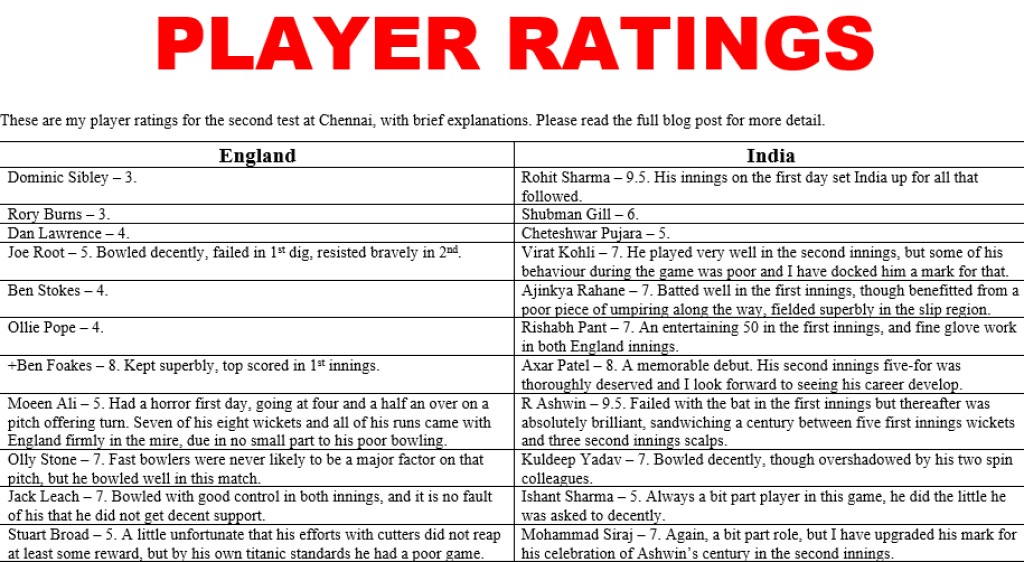
PLAYER RATINGS

I will start with England, and my ratings are as follows:

Dominic Sibley: 4. The normally adhesive opener failed in both innings this time.

Rory Burns: 3. It is hard to see him being retained much longer on present form.

Dan Lawrence: 4. He showed some fight in the evening session yesterday, but his dismissal at the start of today’s play brought his mark back down – it was very poor.

Joe Root: 5. Failed to deliver with the bat, but bowled respectably, although it is an indictment of his specialist colleagues that he found himself in action in that role before the end of day 1.

Ben Stokes: 4. It is a rare match in which the all rounder entirely fails to make an impact but this one was perilously close to being just such a game.

Ollie Pope: 4. Played half decently in the first innings in partnership with Foakes, but was part of the procession back to the pavilion on the final day.

Ben Foakes: 8. Confirmed his utter brilliance as a keeper and has surely established himself as England’s #1 in that department. He also top scored in England’s first innings, showing real determination. I would have scored him higher, but he was part of a badly defeated team. I will just point out among those who were open-mouthed with admiration at the brilliance of his keeping was Sarah Taylor, his only serious rival for the title of the most accomplished English keeper of the 21st century.

Moeen Ali: 5. Some of you will look at his figures for this match and think that this is being harsh. The sad truth is that seven of his eight wickets and all of his runs came with England pretty much condemned to defeat. His bowling on the first day, on a pitch that even then was offering turn, when his figures at one point read 1-94 from 20 overs was an utter disgrace, and at that point he was headed squarely for a rating of 1, but he did pick things up, far too late, and I have increased his rating to reflect that.

Olly Stone: 7. Fast bowlers were not major players in this game because of the pitch, but he bowled well, capturing four wickets in total, and has earned the right to play in conditions which will favour him more.

Jack Leach: 7. On the first day, when everyone else was going round the park he went for less than three an over, and at no time can he be said to have done a lot wrong.

Stuart Broad: 5. He was a little unfortunate not to get more reward for his efforts with the ball, but by his own titanic standards he was undoubtedly poor.

Now it is time for India:

Rohit Sharma: 9.5. His innings on the first day pretty much settled the outcome of the match.

Shubman Gill: 6. Not a great game for him, but a few flashes of skill.

Cheteshwar Pujara: 5. A rare ordinary match for him.

Virat Kohli: 7. A first innings duck, but he played beautifully in the second innings. On pure play he deserves more marks than I have given, but I have penalized him for some of his behaviour, which was less than exemplary.

Ajinkya Rahane: 7. Was Rohit Sharma’s best support in the first innings, failed in the second. Had some great moments as a slip fielder.

Rishabh Pant: 7. An entertaining 50 in the first dig and some good keeping on a pitch which caused problems for almost everyone.

Axar Patel: 8. A superb debut for the left arm spinner, highlighted by a five wicket haul in the final innings. Although Ravindra Jadeja will be available again in a few weeks time I expect plenty more good things from this man.

R Ashwin: 9.5: Failed with the bat in the first innings but was magnificent in the other three, producing a truly superb all round performance.

Kuldeep Yadav: 7. Bowled steadily, though overshadowed by his colleagues Ashwin and Patel.

Ishant Sharma: 5. A bit part player because of the pitch.

Mohammad Siraj: 7. Like Ishant reduced to the status of a bit part player, but I have upgraded his score on account of his magnificent celebration of his team mate Ashwin’s century.

I conclude this section with an infographic giving a brief version of the above:

THOUGHTS ON ENGLAND SQUAD FOR THIRD TEST

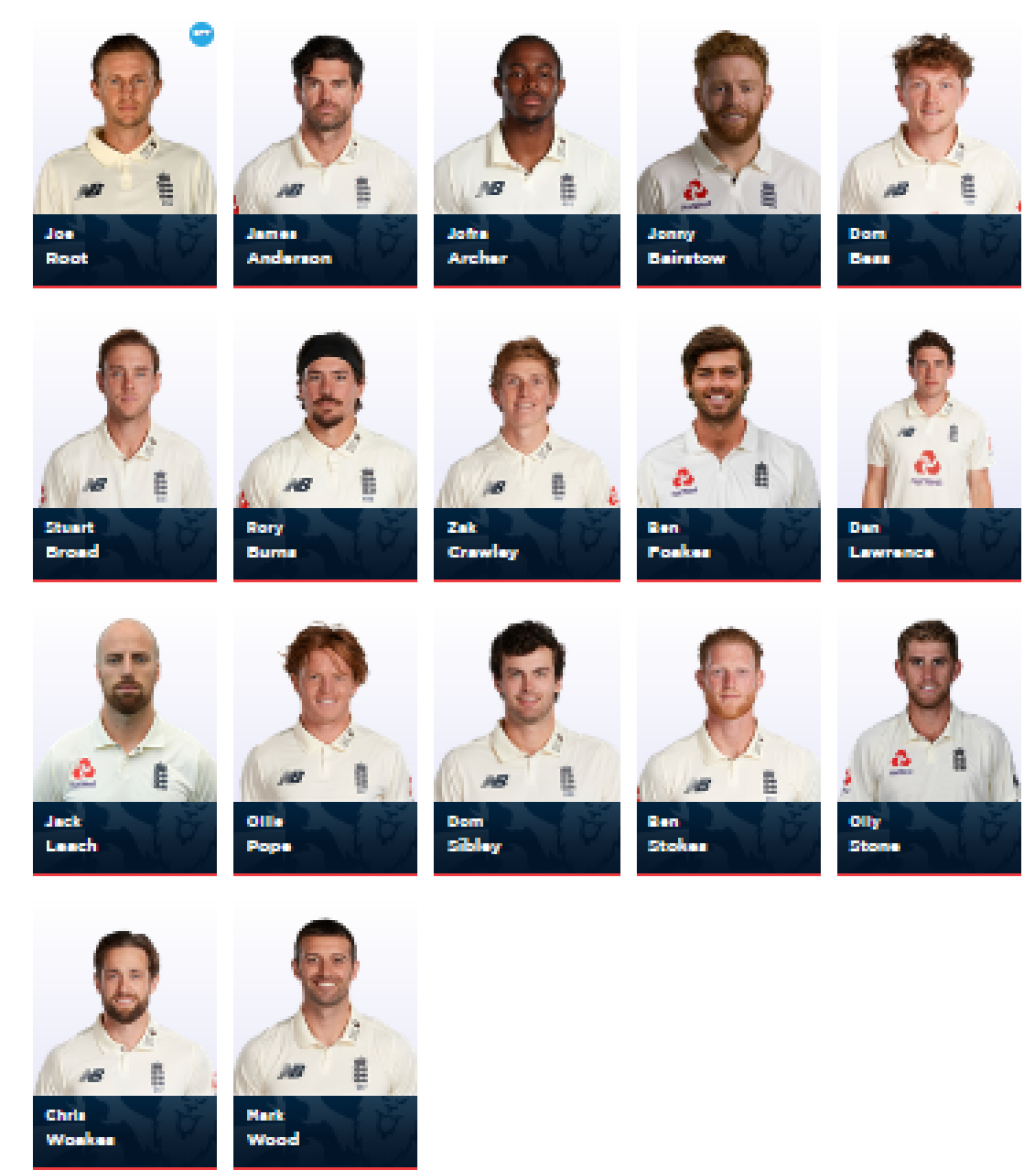
England have announced a squad of 17 from which the XI for the third test will be chosen. Moeen Ali is needed for the limited overs games, and not fancying what would otherwise be a full five months away from home, is returning for a short break before coming back out to India in time to quarantine before the limited overs leg of the tour starts. Thus, the squad, viewable on the ECB’s website is as shown below:

Rory Burns I think has to go, with Crawley fit again, and my choice for number three in these specific circumstances is Ben Stokes, who should not need to do a huge amount of bowling. I feel that having the engine room of Stokes and Root at three and four is something England need in this situation, and Root loses much of his effectiveness when made to bat at three, so I am prepared to promote Stokes to provide some experience near the top of the order. I believe Lawrence deserves a chance in a position in the middle of the order where he is more likely to succeed, and I am loath to discard Pope so soon after his return from injury, believing he will come good. Foakes is inked in as keeper. That leaves the bowlers, and for a day-night match I am prepared to chance having only one front line spinner in Leach, which means I either have to opt for Woakes or accept a tail of diplodocus proportions (see this article from the Natural History Museum, and the picture below, which comes from said article, for why I have chosen that analogy).

The ultimate in long tailed creatures.

In the circumstances, with Broad not at his best, Anderson mandatory after being rested for this game, rather than gamble on an 8,9,10,11 of Archer, Stone, Leach, Anderson or Wood, Stone, Leach, Anderson (for reasons already outlined I am not in favour of discarding Stone) I go for Woakes as third seamer, giving the XI shown in the infographic below:

LOOKING FURTHER AHEAD

It is relatively unlikely that any English test pitch will warrant the selection of two specialist spinners, and the next tour is Australia, never the happiest hunting ground for English off spinners (In my lifetime only John Emburey on two tours when Australia were fielding weakened sides due first to Kerry Packer and WSC and then to Ali Bacher’s activities arranging for cricketers to make ‘rebel tours’ of apartheid South Africa has had really successful series as an English off spinner in Australia, and the past save for the very earliest days of test cricket tells a similar story), so I would consider Leach the first choice spinner and groom the leg spinner Parkinson as understudy, taking him on the Ashes trip as official second spinner. At the moment after a mere six first class appearances an elevation of Tom Lammonby to international ranks would seem a huge gamble, but if he has another good season for Somerset he too could be picked for the Ashes tour as an opening batter.

LINKS AND PHOTOGRAPHS

Having mentioned the Natural History museum I cannot resist offering a couple of links relating to that museum’s location, South Kensington:

  1. The aspi.blog piece on South Kensington.
  2. The londontu.be piece on South Kensington.

Now, it is finally time for my usual sign off (well done all of you who make to this point!):

India Seize The Day In Chennai

A look at the first day in Chennai, where England made a selectorial howler, the 3rd umpire made two howlers on the day, and England have already pretty much played themselves out of the contest.

The second test match in the India v England series got underway at Chennai today. As you will be finding out it is hard to see other than a 1-1 scoreline at the end of this one, given the events of day 1.

AN EXTRAORDINARY DAY

India won the toss, and chose to bat, as was inevitable, given that the pitch looked a minefield before a ball had been bowled on it. Stone was preferred to Woakes for England, with everything else as expected. The day began well, when after a maiden from Stuart Broad, Olly Stone removed Shubman Gill with India still scoreless. Leach took the wicket of the adhesive Pujara, and Kohli had a wild drive at Moeen Ali and was bowled, his reaction, which virtually compelled the umpire to send it upstairs, making the delivery look better than it actually was. In truth, Kohli played a very poor shot, especially for so early in his innings. Rahane joined Rohit Sharma in a fourth wicket stand that put India firmly on top. At one stage Rohit was on for breaking one of test cricket’s oldest records, for the highest percentage of a completed innings by one batter, set by Charles Bannerman in the first test innings of all (165 in a score of 245 all out, 67.34% of the total), but Rahane upped his own rate as the game increasingly ran away from England. At 248, Rohit Sharma fell for 161, sweeping Leach to deep midwicket and being caught, though the shot had previously brought him rich rewards against the spinners. Rahane was reprieved when the third umpire refused to look further at a replay after it was confirmed that bat had not been involved – unfortunately glove had after the ball bounced off the thigh. There was also a stumping which the third umpire incorrectly refused to give – the batter’s foot was on the line, and the laws of cricket are very specific on this point: “…some part of the foot must be grounded behind the line”. Shortly after his reprieve, Rahane, his mind clearly no longer on the job, swept wildly at one from Moeen and was bowled. Ashwin also fell in this little period, but Rishabh Pant and Axar Patel got India to the close at 300-6, an absolutely mammoth score on a pitch that was already offering considerable turn. I now look at several factors in the day’s play in turn.

ROHIT SHARMA’S INNINGS

My own reckoning is that the Player of the Match award is already done and dusted. Rohit Sharma’s amazing 161 has put his side in command of the match and it will take something extraordinary from England, with R Ashwin, Kuldeep Yadav and Axar Patel a stronger spin combo than theirs, to even make a contest of it. Knowing that the pitch was already in the process of breaking up, Rohit Sharma knew he had to get runs while it was at all possible, and how brilliantly he succeeded. A near analogue from cricket’s distant past was Victor Trumper’s innings at Old Trafford in 1902, when knowing that England sought to keep him quiet in the morning because conditions would be perfect for Lockwood after lunch, he blasted a century on the first morning of the match. Australia duly won, albeit by only three runs. Credit also to Rahane for playing so well in the support role.

ENGLAND’S BOWLERS

Stuart Broad was not at his best, but did not bowl badly even so. Ben Stokes was not fully fit, and bowled only a few overs. Olly Stone was hugely impressive and may now be ahead of Wood, though still behind Archer, in the outright pace pecking order. Jack Leach was economical, and deserved better figures than 26-2-78-2. Moeen Ali was a ghastly failure, gifted the wicket of Kohli, and also lucky to pick up Rahane given the circumstances, and hideously expensive – at one point he had 1-94 from 20, going at 4.70 per over. His final figures for the day were 26-3-112-2 – 4.31 per over on a spinner’s pitch. For comparison, on a surface that was still fairly flat Dominic Bess in the first innings of the first game recorded 4-76 from 26 overs, double the wickets and only going at 2.92 per over. Joe Root, a part time bowler, used himself at one point, and had figures of 8-2-15-1, a devastating indictment of Ali. Had Leach had serious support in the middle part of the day he would likely have had many more wickets, but in opting for Ali England had shot themselves in the foot, learning nothing from India’s selection of Sundar in game 1 – he batted well, but his bowling was ineffective and India lost. I expressed my opinions of the Ali selection forcibly yesterday, and the evidence of today causes me to metaphorically underline and bold them. For someone selected as a front line spinner to be outdone by Joe Root, and to go at such a rate on a spinning pitch is indefensible. Yes, Rohit Sharma was magnificent, but Ali also bowled a lot of rubbish. With Stokes bowling only two overs and Ali proving expensive England were effectively trying to do the job with three bowlers. This is Moeen Ali’s 61st test appearance, and he has 183 wickets at that level, for an average of three per game. England intended to give themselves five bowling options (Stokes being able to bowl so little was not in the script), and 20/5 = 4, so Ali is a wicket per match down on what is needed, and that can only be made up for by being very economical, and he was the spendthrift of the attack. Centuries on the opening day of a test match do not often end up against the name of a bowler, but Moeen unfortunately was utterly deserving of this one. Had England dropped Bess to clear the way for Virdi or Parkinson I would have had no issue – the only way you can definitively find out whether youngsters can bowl in test cricket is to give them that opportunity, but bringing back Moeen Ali was a hugely retrograde step.

Even if England get the last four wickets quickly tomorrow they will have to bat out of their skins to get back into the match. I sincerely hope England will learn from this disaster.

PHOTOGRAPHS

Only a few photos today…

All Time XIs – India

Today in my all-time XIs series I look at a test playing line up and put myself in the firing line for 1.3 billion of the game’s most avid fans – yes it’s India in the spotlight.

INTRODUCTION

Welcome to the latest of my variations on an ‘All Time XIs‘ theme. Today for only the second time since starting this series I am doing a test XI, and I my choice puts me in the firing line of 1.3 billion avid cricket fans – yes it is India in the spotlight today. I am going to begin from players whp featured in the time that I have been following the game, and will then move to on the all-time element of the selection.

INDIA FROM MY CRICKET LIFETIME

For this element of the post I have set my cut off point at that 1990 series in England – I caught snatches of the 1986 series, but the 1990 one is the earliest involving India of which I can claim genuine recollection (England should have visited India in 1988-9 but that tour was cancelled for political reasons). 

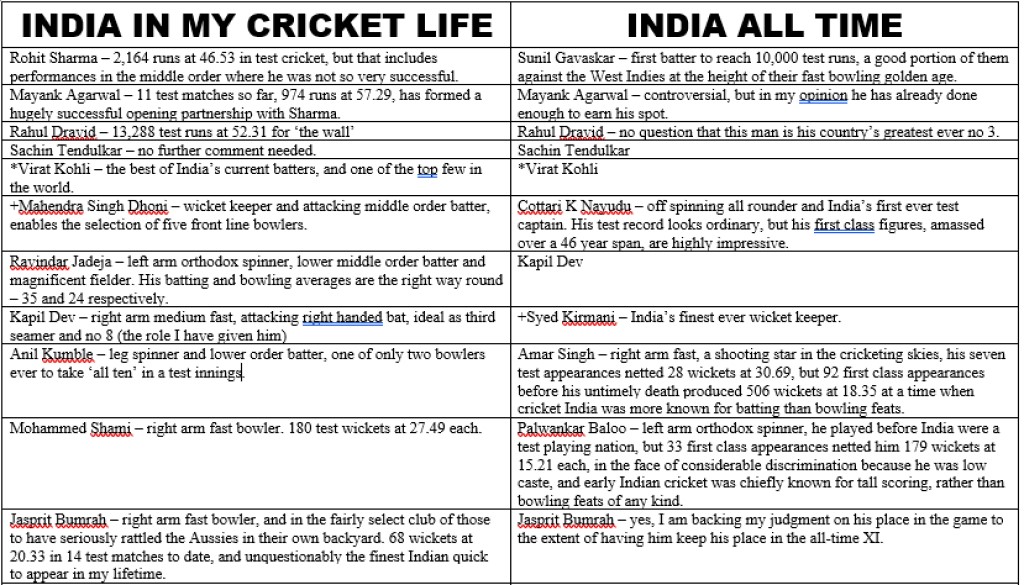
  1. Mayank Agarwal – 11 test matches, 17 innings, 974 runs at 57.29, no not outs to boost the average. He has made a sensational start at the highest level, and is also part of a tremendously successful opening partnership with…
  2. Rohit Sharma – 2,164 runs at 46.54 in test cricket sounds good but a little short of true greatness. However, Sharma was initially played at test level as a middle order batter, and his results since being promoted to the top of the order have been utterly outstanding.
  3. Rahul Dravid – 13,288 test runs at 52.31 for ‘the wall’. In the 2002 series, he and Michael Vaughan of England took it in turns to produce huge scores. Dravid assisted in one of test cricket’s greatest turnarounds in 2001, when India were made to follow on and emerged victorious by 171 runs, and I shall have more to say about this match in due time.
  4. Sachin Tendulkar – more runs and more hundreds (precisely 100 of them) in international cricket than anyone else in the game’s history. He was one of the few batters of his era who could genuinely claim to have had the whip hand on Shane Warne. I first saw him in that 1990 series when he was 17 years of age, and his personal highlights included a maiden test century and an astonishing running catch (he covered at least 30 metres to get to the ball).
  5. *Virat Kohli – one of the top few batters in the world today (the Aussies Smith and Labuschagne both have higher test averages, and Kiwi skipper Kane Williamson bears comparison, and heterodox as I am about such matters I would also when it comes to long form batting throw Ellyse Perry into the mix), and has certainly already achieved enough to be counted among the greats.
  6. +Mahendra Singh Dhoni – wicket keeper and dashing middle order batter. Of the contenders for the gloves he alone has a batting record the enables me to select five front line bowlers.
  7. Ravindra Jadeja – left arm orthodox spinner, lower middle order batter and superb fielder. His averages are the correct way round (35 with the bat and 24 with the ball).
  8. Kapil Dev – right arm medium fast, attacking lower middle order batter. He spent much of his career with no pace support whatsoever, having to attempt to be the spearhead of an attack that was often moderate. At Lord’s in that 1990 series he played an innings that should have saved his side from defeat, though it did not. Facing 653-4 declared (Gooch 333) India were 430-9, with Narendra Hirwani, a fine leg spinner who had captured 16 West Indian wickets on test debut but a genuine no11 bat at the other end, when Kapil faced off spinner Eddie Hemmings. There were four balls left in the over, and Kapil’s task was to score 24 to avert the follow-on. He proceeded to hit each of those last four balls for six to accomplish the task. Hirwani, as predicted, did not last long, and England had a lead of 199. Gooch crashed a rapid 123 in that second England innings (a record 456 runs in a test match, the triple century/ century double was subsequently emulated by Sri Lanka’s Kumar Sangakkara), and India collapsed in the fourth innings of the match, giving England what turned out to be the only victory of the series.
  9. Anil Kumble – leg spinner, lower order batter. One of only two bowlers, the other being Jim Laker, to have taken all 10 wickets in a test innings, and the third leading test wicket taker of all time.
  10. Mohammed Shami – right arm fast bowler. India has not generally been known for producing out and out quick bowlers, but Shami’s 180 wickets at 27.49 are a testament to his effectiveness.
  11. Jasprit Bumrah – right arm fast bowler, 14 test matches, 68 wickets at 20.33. Save for when the West Indies were in their pomp visiting fast bowlers have rarely been able to claim to have blitzed the Aussies in their own backyard. Bumrah, who virtually settled the destiny of the Melbourne test of 2018, and with it the Border-Gavaskar trophy, with a devastating spell in the Australian first innings is one of the exceptions.

This combination boasts a stellar top five, a wicket keeping all rounder at six, and five varied and talented bowlers, the first three of whom can all contribute with the bat as well. I believe that Kapil Dev as third seamer in a top quality attack rather than spearhead in a moderate one, which was too often the role he had to play, would be even finer than he was in real life. Now we look at the…

HONOURABLE MENTIONS

This section begins with an explanation (nb not an excuse, there being in my opinion nothing to excuse) of one of my choices:

JADEJA V ASHWIN

The choice for the second spinner role was really between these two, and there will be many wondering at the absence of Mr Ashwin. Here then is the explanation:

Jadeja – 1,869 test runs at 35.24, 213 test wickets at 24.62.
Ashwin – 2,389 test runs at 28.10, 365 wickets at 25.43

Jadeja outdoes Ashwin both with bat and ball, which is why he gets the nod from me.

Now we on to the other honourable mention to get his own subsection…

THE VERY VERY SPECIAL INNINGS

Against the mighty Aussies in 2001 Vangipurappu Venkata Sai Laxman came in in the second innings with India having followed on and already four down and still some way behind. He proceeded to score 281, at the time the highest individual test score ever made by an Indian, India reached 657-7 declared (Dravid 180 as well), and with 383 to defend rolled Australia for 212 to win by 171 runs. India took the next match and with it the series as well – Laxman in one brilliant, brutal innings had upended the entire series. Laxman finished his career with 8,781 test runs at 45.24, a very respectable record, but not quite on a par with the middle order batters I actually selected – India has always been hugely strong in this department.

OTHER HONOURABLE MENTIONS

Two other opening batters besides my chosen pair featured in my thoughts – Virender Sehwag, scorer of two test triple hundreds, and a shoo-in for Agarwal’s partner had I decided not go with the known effective partnership, and Navjot Singh Sidhu, an attack minded opener in the 1990s, who had a fine test record, but not quite fine enough to make the cut. For much of my time as a cricket follower India have struggled to find openers, often selecting makeweights to see of the new ball before the folks in the middle order take control (Deep Dasgupta, Shiv Sunder Das, Manoj Prabhakar and Sanjay Bangar, the last two of whom also served as opening bowlers are four examples that I can remember). In the middle of the order Mohammed Azharruddin, Sourav Ganguly and Vinod Kambli were three of the highest quality performers to have missed out, although the first named is of course tainted by his association with match fixing. Cheteshwar Pujara was a candidate for the no 3 slot I awarded to Dravid, but for me ‘the wall’ just shades it. Kiran More, Nayan Mongia, Rishabh Pant and current incumbent Wriddhiman Saha are a fine foursome of glove men all of whom would have their advocates. Among the spinners I passed over were Chauhan and Raju in the 1990s, Harbhajan Singh in the early 2000s and Narendra Hirwani the leg spinner who took 16 on debut but did little else in his career. Also, while mentioning Indian spinners who I have been privileged to have witnessed in action I cannot fail to mention Poonam Yadav, who nearly bowled her country to this years T20 world cup. The seam bowling department offered fewer alternatives, but Javagal Srinath, the first Indian bowler of genuine pace who I ever saw, left arm fast medium Zaheer Khan and dependable fast medium Bhuvneshwar Kumar would all have their advocates, but I had already inked Kapil in the for role of third seamer and wanted the two out and out quick bowlers of the current era as my shock bowlers.

INDIA ALL TIME

I will only mention the players I have not already covered, before listing the batting order in full and moving on to the honourable mentions.

  • Sunil Gavaskar has a test record that absolutely demands inclusion – he was the first to 10,000 test runs and made a good portion of those runs against the West Indies when they were stacked with fast bowlers. I could not include him in the team from my time as a cricket follower, because he was finishing his great career just as my interest in cricket began to develop. I saw one reminder of his past glories, when he batted for The Rest of The World v the MCC in the MCC Bicentenary match and made a chanceless century, never giving the bowlers a sniff.
  • Cottari K Nayudu was an off spinning all rounder and India’s first ever test captain. His seven test matches left him with a modest looking record at that level, but his first class record, built up over a span of 46 years looks very impressive indeed.
  • Syed Kirmani is generally considered to be have been India’s greatest wicket keeper.
  • Amar Singh was a shooting star across the cricketing sky, India’s first great fast bowler, and for many years the only one of international repute that his country produced. His seven test appearances produced 28 wickets at 30.69, but it is record in 92 first class appearances, 506 wickets at 18.35 that gets him the nod from me, especially given what cricket in India was like in that period.
  • Palwankar Baloo was a left arm spinner who played his cricket before India was a test playing nation, and had to contend with huge prejudice as a member of a low caste. Unlike the various Jam Sahebs, Maharajas and Nawabs who were able to strut their stuff in English county cricket he had to settle for those games people would pick him for in India. The 33 games he played at first class level yielded him 179 wickets at 15.31 each. Although I am open to correction on this I believe he is also the only first class cricketer to share a name with a character from the Jungle Book (Baloo is the big brown bear who teaches Mowgli the law of the jungle in Rudyard Kipling’s magnum opus).

Thus my all-time Indian team in batting order is: 1)Sunil Gavaskar 2)Mayant Agarwal who in spite of his short career to date holds his position 3)Rahul Dravid 4)Sachin Tendulkar 5)*Virat Kohli 6)Cottari K Nayudu 7)Kapil Dev 8)+Syed Kirmani 9)Amar Singh 10)Palwankar Baloo 11)Jasprit Bumrah

This combination features a stellar top five, 6,7 and 8 all capable of useful runs, and three superb specialist bowlers. The wicket keeper is top drawer. The bowling attack features two genuinely fast bowlers, Kapil Dev as third seamer  and two contrasting spinners in Baloo (left arm orthodox) and Nayudu (off spin).

HONOURABLE MENTIONS

Other than those mentioned earlier the only other opener I considered was Vijay Merchant, who had the second highest first class average of anyone at 71.22. His test average was a mere 47 however, a massive decline on his first class output for reasons I shall go into later, and for this reason I reluctantly ruled him out. In the middle order Vijay Hazare, Pahlan Umrigar and Gundappa Viswanath would all have their advocates, will I also had to ignore the possessor of the 4th highest first class score in history, Bhausaheb Nimbalkar. Among all rounders the biggest miss was Mulvantrai Himmatlal ‘Vinoo’ Mankad, who completed the double of 1,000 runs and 100 wickets in test cricket in his 23rd match (only Botham has required fewer), but I was determined to select Baloo, which meant that there would be less scope for Mankad’s left arm spin, so in the interests of balance I left him out. My view on the mode of dismissal named after him is that it is the batter who is trying to gain an unfair advantage by leaving the ground earlier, and if the bowler spots and runs them out well done to them, although delaying before going into delivery stride in the hope of catching a batter napping is taking things a little too far. Dattu Phadkar, a middle order batter who was often used as an opening bowler was another who could have been considered. With all due respect to Messrs Bedi, Prasanna and Venkataraghavan who each had more than respectable records the only one of the great 1970s spinners I really regretted not being able to find a place for was Bhagwath Chandrasekhar the leg spinner who was a genuine original. His right arm was withered by polio, and that was the arm he bowled with. Among specialist pace bowlers there are, as I have previously indicated, few contenders, but Chetan Sharma had has moments in the 1980s. It is now time for…

A CODA ON THE DOMINANCE OF THE BAT IN INDIAN CRICKET

For a long time first class matches in India were timeless, which is to say they were played out until a definite result was reached. Some of the scores were astronomical, with the only two first class matches to have had aggregates of over 2,000 runs both played in India. I will use one match as a case study:

BOMBAY V MAHARASHTRA 1948

This match featured in Patrick Murphy’s “Fifty Incredible Cricket Matches”, and he used a phrase about matches such as this one that I just love “a meaningless fiesta for Frindalls” (William Howard Frindall, aka ‘Bearders’, was the second chronologically of two legendary statisticians to have initials WHF, the other being William Henry Ferguson). Bombay scored 651-9 declared in their first innings, Maharashtra made 407 in response, and Bombay declined to enforce the follow-on, racking up 714-8 declared at the second time of asking to set Maharashtra 959 to win. Maharashtra managed 604 of these, losing by 354 runs in a match that saw 2,376 runs and 37 wickets, the highest aggregate for any first class match ever. Three batters notched up twin centuries, Uday Merchant (nb Uday, not the famous Vijay) and Dattu Phadkar for Bombay, and Madhusudan Rege for Maharashtra. Phadkar was a test regular, Rege played one test match in which he aggregated 15, and even in first class cricket averaged only 37 in all, while Merchant had a first class average of 55.78 but was never picked for a test match, and there were three other individual centuries. What this kind of thing meant was that Indian bowlers tended to operate under a collective inferiority complex, while the batters would flounder any time they faced other than a shirt front. Fred Trueman, who bowled against Pahlan Umrigar in the 1952 test series (at his retirement Umrigar held a fistful of Indian test records), and claimed that there were times when he was bowling and the square leg umpire was nearer the stumps than Umrigar, the batter, and while this story may have grown in the telling, it would have been an exaggeration rather than a complete invention. This is why I would need a lot of convincing of the actual merits of some of those who had fine looking batting records in those years, while any bowler with a good looking record is likely to get huge credit, and it is one reason why I make no apology for my choices of Amar Singh and Palwankar Baloo in my All Time Indian XI.

LINKS AND PHOTOGRAPHS

We have reached the end of our journey through Indian cricket, and it only remains to put in a couple of links before applying my usual sign off. First, finishing with the cricket I draw your attention to the pinchhitter’s latest offering, which will certainly repay a read. Finally, a splendid piece on whyevolutionistrue in defence of governor Andrew Cuomo who has been pilloried by religious zealots for daring to not give god full credit for such success as has been had in the fight against Covid-19. And now, in my own distinctive way it is time to call ‘Time’:

P1310978 (2)P1310979 (2)P1310980 (2)P1310981 (2)P1310982 (2)P1310983 (2)P1310984 (2)P1310985 (2)P1310986 (2)P1310987 (2)P1310987 (3)P1310987 (4)P1310988 (2)P1310989 (2)P1310991 (2)P1310992 (2)P1310993 (2)P1310995 (2)P1310996 (2)P1310997 (2)P1310998 (2)

P1320001 (2)
A splendid orb web brought to my attention by the angle of the sun in my garden this morning (five pictures)

P1320002 (2)P1320002 (3)P1320003 (2)P1320003 (3)P1320004 (2)P1320005 (2)P1320006 (2)P1320007 (2)

India
The two XIs in tabulated form with greatly abridged comments.