The Hundred (Women’s) Team of the Tournament

The team of the tournament for the Hundred (Women’s) of 2025 and a large photo gallery.

The league stage of the Hundred is done, ending yesterday, so only two matches remain to be played, the eliminator between Northern Superchargers and London Spirit and the final between the winners of that and Southern Brave, who qualified straight into the final by virtue of winning the league stage (and they did that by a distance). In this post I pick an XI based on my estimates of the players contributions to the tournaments. I will inevitably have overlooked deserving cases, but remember that I can only pick 11 players.

  1. Danni Wyatt-Hodge (Southern Brave, right handed opening batter). The veteran has had an excellent tournament, not just with the bat, but also with some outstanding fielding.
  2. Kira Chathli (London Spirit, right handed opening batter). Being moved up to open the innings, both for Surrey and for the London Spirit has been the making of 26 year old Chathli, who has been a revelation in her new batting slot. She was one of the first names on the team sheet for this exercise.
  3. Phoebe Litchfield (Northen Superchargers, left handed batter). She has had a great tournament, and I wanted at least one of my team’s leading batters to be a left hander for reasons of balance.
  4. Sophie Devine (Southern Brave, right handed batter, right arm medium pacer). The Kiwi veteran has been a big reason for Southern Brave’s dominance so far this year.
  5. Grace Harris (London Spirit, right handed batter, off spinner). This team’s X-Factor batter, the one who can come in and start blasting right from the first ball she faces. Her bowling probably won’t be required (I rank her seventh in this team’s pecking order).
  6. *Georgia Adams (Southern Brave, right handed batter, off spinner, captain). This was a close call, with Charlie Dean the other candidate, but Adams’ superior batting gets her the nod as this team does have a bit of a tail.
  7. +Rhianna Southby (Southern Brave, wicket keeper, right handed batter). The best keeper in the competition, and picked on that basis.
  8. Alana King (Trent Rockets, leg spinner, right handed batter). One of only two players from a side not to qualify for finals weekend to make this XI. She got the nod for this slot ahead of compatriot Amanda-Jade Wellington.
  9. Mahika Gaur (Manchester Originals, left arm medium fast bowler, right handed batter). The most economical bowler of the competition, beating the player one place below her in this order. She made history when becoming the first player to bowl all of her 20 balls in the Power Play phase (balls 1-10 straight through, five balls out of the attack, balls 16-25 straight through).
  10. Tilly Corteen-Coleman (Southern Brave, left arm spinner, left handed batter). Has had a superb tournament, claiming 11 wickets in eight group matches and going for less than a run a ball.
  11. Lauren Bell (Southern Brave, right arm fast medium bowler, right handed batter). The leading wicket taker of the tournament (even before last night’s frankly ridiculous figures of 4-6 from a full 20 balls against Welsh Fire), she has been the bowling spearhead for the team who have left a chasm between themselves and the rest this tournament.

This side has enough batting for requirements, and that bowling unit of Bell, Gaur, Corteen-Coleman and King, with the remaining 20 balls to be bowled by some combination of Devine, Adams and Harris is outstanding.

The wicket keeper position can sometimes be a tough one. However I personally only considered one other option, Beth Mooney (Manchester Originals), because I could have used another left handed batter. I would countenance most other suggestions that people might make, with one exception: Amy Jones has had a terrible tournament, and no matter how highly one rates her overall that has to disqualify her. The left arm spin bowling department presents an embarrassment of riches, but Corteen-Coleman has had the best tournament of all of them, and that is reflected in her side’s dominance of the league stage. Feel free to make suggestions of your own, but do remember to consider the effect those suggestions have on the balance of the side.

My usual sign off…

Sunrisers Hyderabad v Mumbai Indians (So Far)

A little look at the Sunrisers Hyderabad innings which has started today’s IPL match (Sunrisers Hyderabad v Mumbai Indians) and two photo galleries.

Today’s IPL match is between Sunrisers Hyderabad and Mumbai Indians. It is just approaching the halfway stage as I begin this blog post.

By the time I got back from my post lunch walk the match was underway. Sunrisers Hyderabad were 9-1 when I joined the coverage. That very soon become 9-2, and then two more wickets fell before the Power Play was done. The low water mark saw SRH 13-4 after 4.1 overs. When Aniket Verma was out after 8.3 overs the score was 35-5, and SRH felt impelled to use their ‘impact sub’ to bolster the batting, which meant that Mohammad Shami, presumably their intended ‘impact sub’ would be confined to the bench.

An important reminder: if you click on the first image in a photo gallery you can view the entire gallery as a slide show AND see the images at a larger size than they appear in the post. I have two galleries in this post. The first features largely pictures from Monday evening and from yesterday either side of work, with a couple from today, and the second is all today. This is the first…

Abhinav Manohar, the chosen ‘impact sub’ teamed up with Heinrich Klaasen to get SRH back into it. Klaasen was out to the final ball of the 19th over by when the score had risen to 134. Manohar has just gone, his dismissal making it 142-7. A single accrued after that and then another wicket off the final ball of the innings. This means that SRH had a total of 143-8 to defend, modest by IPL standards, but a lot more than it looked like being at the halfway stage, and we have recently seen Punjab Kings successfully defend a mere 111, bowling their opponents that day, Kolkata Knight Riders, out for just 95. The sheer awfulness of the SRH start probably means that they are on a bit of a high due to their recovery, and mutatis mutandis MI.

Here is my second gallery…

Day Four – Here, There and Everywhere

A look at the state of play as the current round of championship matches approaches a conclusion, and a large photo gallery.

The current round of county championship fixtures is drawing to a conclusion. Some games are already over, either through definite results being achieved or through weather induced abandonments. This post has a look round some of the grounds.

This match did not make it as far as the lunch interval, but did make it further than looked like being the case at one point. Worcestershire resumed on 185-6, still 110 short of victory. Jamie Porter bowled superbly, and at 202-9, with 93 required to win it looked done and dusted. Ethan Brookes batted superbly, with number 11 Jacob Duffy blocking every ball he was left to face, and the target started to come down. Brookes was in sight of a century and the deficit was down to 28 when Porter took a low return catch to claim the final wicket, his sixth scalp of the innings and eighth of the match. Brookes stood there, but eventually the umpires told him to go and the match was confirmed as over. The final margin was 28 runs, and Brookes, in a match where almost everyone had found batting a challenge had scored 88, almost half of them in sixes. While Porter was the best bowler on either side in this match the key contribution for Essex was Paul Walter’s second innings century, which helped Essex to top 300 in that innings and left Worcestershire a target that was just too tough for them. Brookes is definitely one to watch for the future, as is young Essex all rounder Noah Thain. Paul Walter has been a revelation this season after Essex moved him up to open – while his 104 in this match was his first century of the season he had mad big contributions in both Essex’s previous matches.

Middlesex have had by the far the better of things against Glamorgan, but the third participant there, the weather, may be having the final say – the players were taken off for bad light just before tea with Middlesex only 39 runs from victory with nine wickets standing, and since then the threatened rain has actually materialized which may well have saved Glamorgan.

This week’s cowards are Gloucestershire, who, in full control against Kent, batted on and on until their lead was 410 and there was almost zero possibility of them bowling Kent out a second time.

Nottinghamshire must have been worried that they would not get the chance to attempt to take the last four Warwickshire wickets to seal an innings victory but that game has just got underway. Five overs have been bowled since the resumption, 31 more are possible and Nottinghamshire still need four wickets. There is an even more delayed start scheduled – Lancashire v Leicestershire will get underway at 4:30PM with Leicestershire needing seven wickets to win it.

Yorkshire v Durham and Derbyshire v Northamptonshire have been confirmed as draws, Sussex v Surrey and Somerset v Hampshire are surely destined to go the same way.

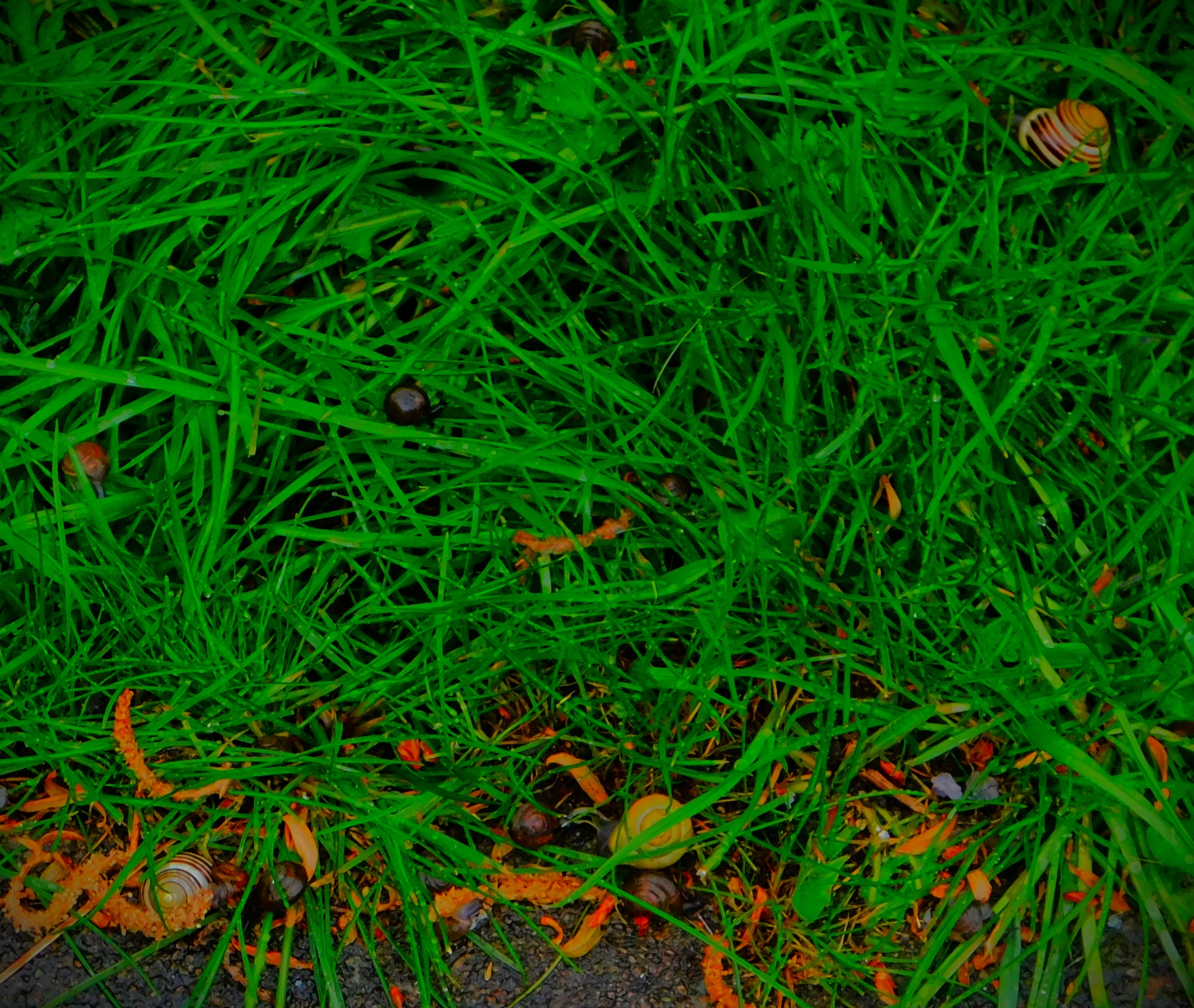
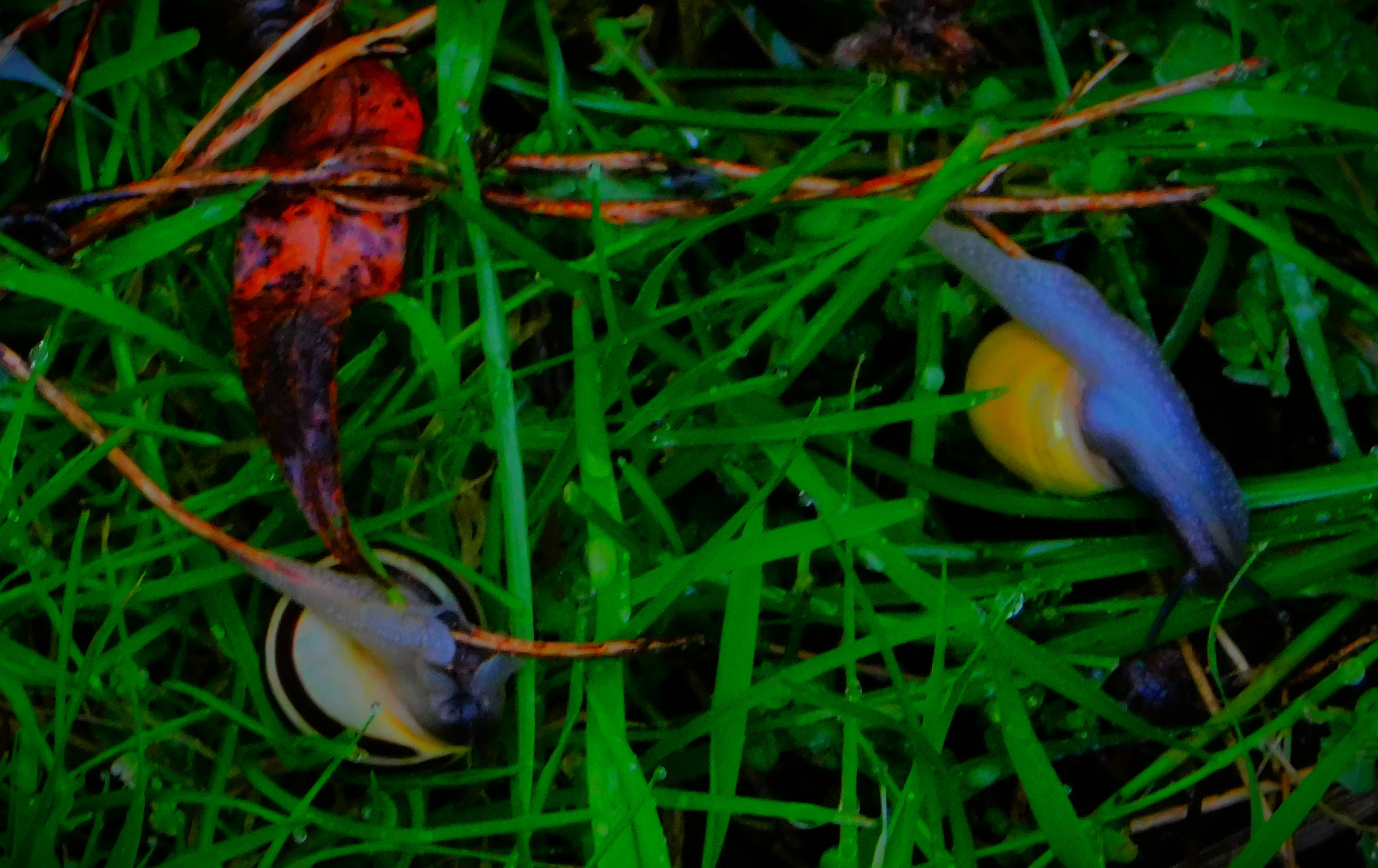
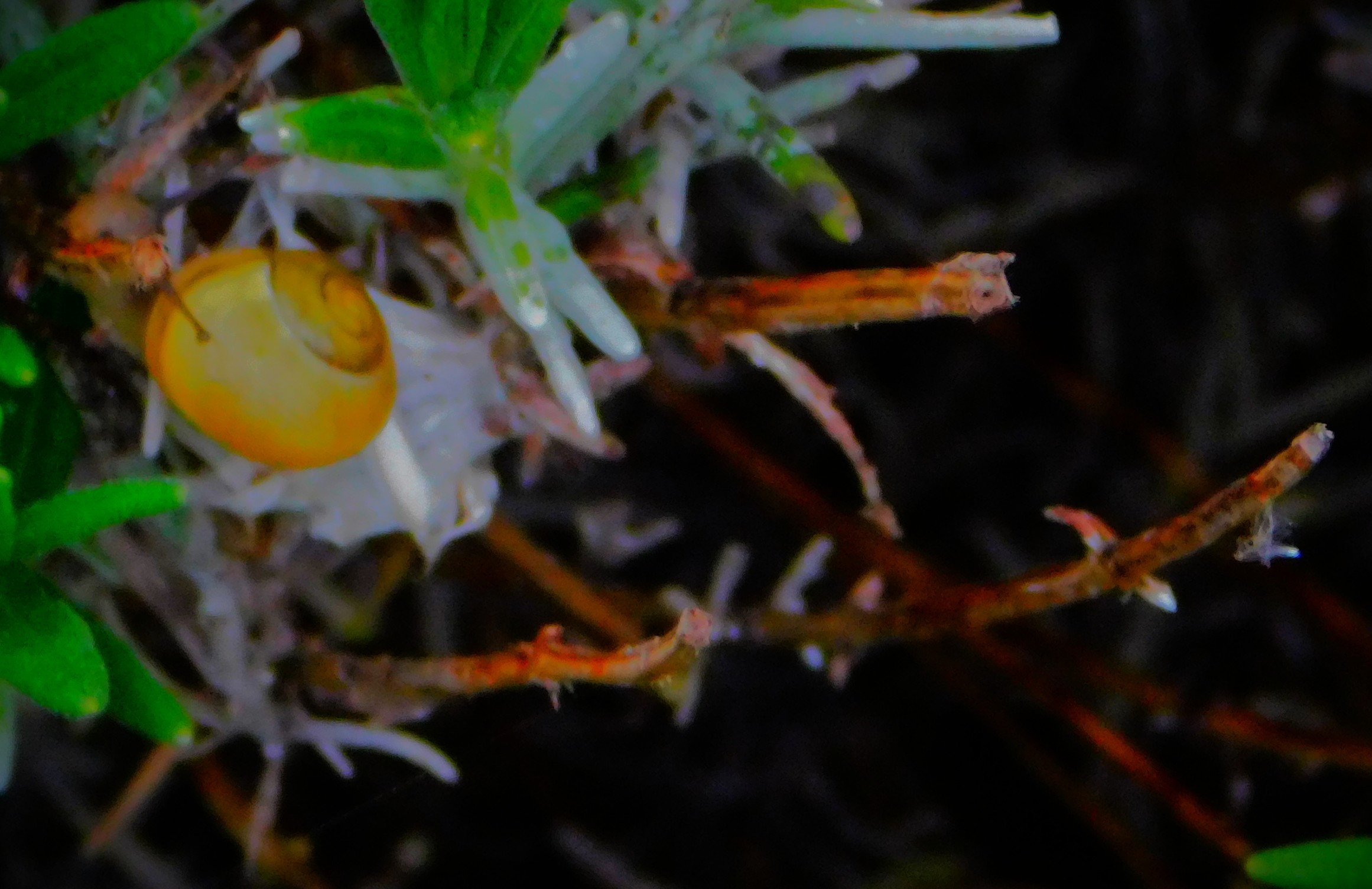
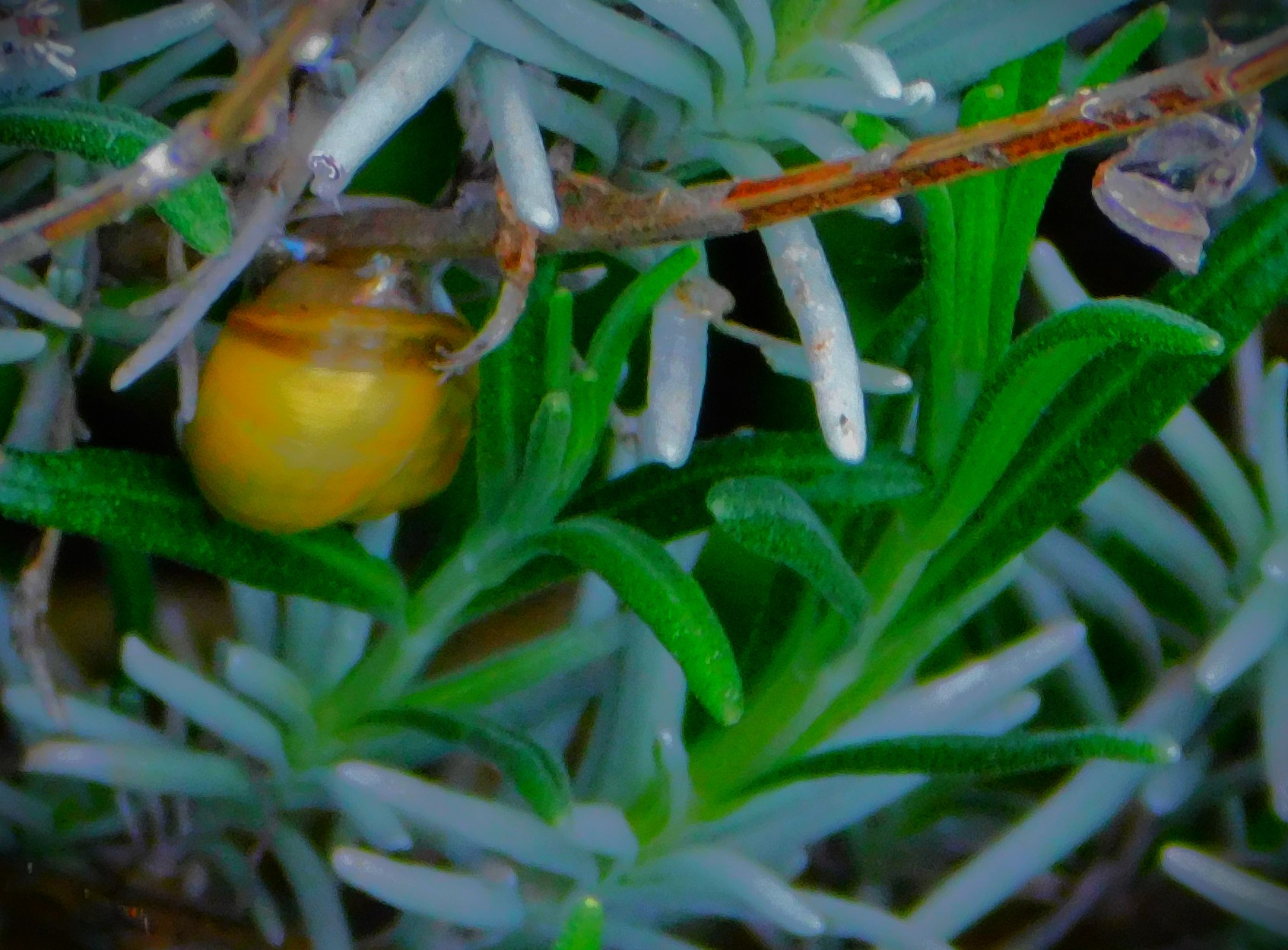
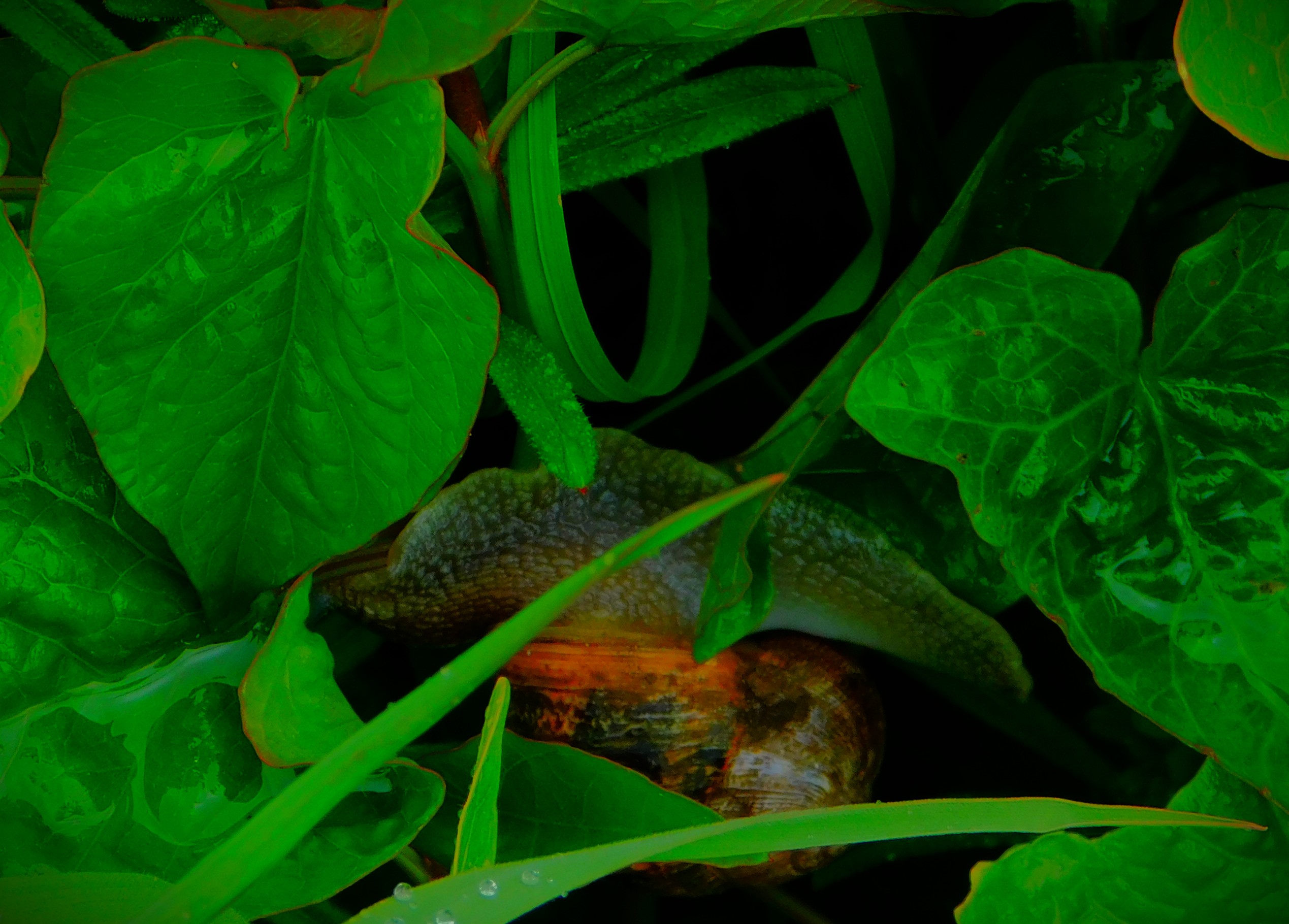
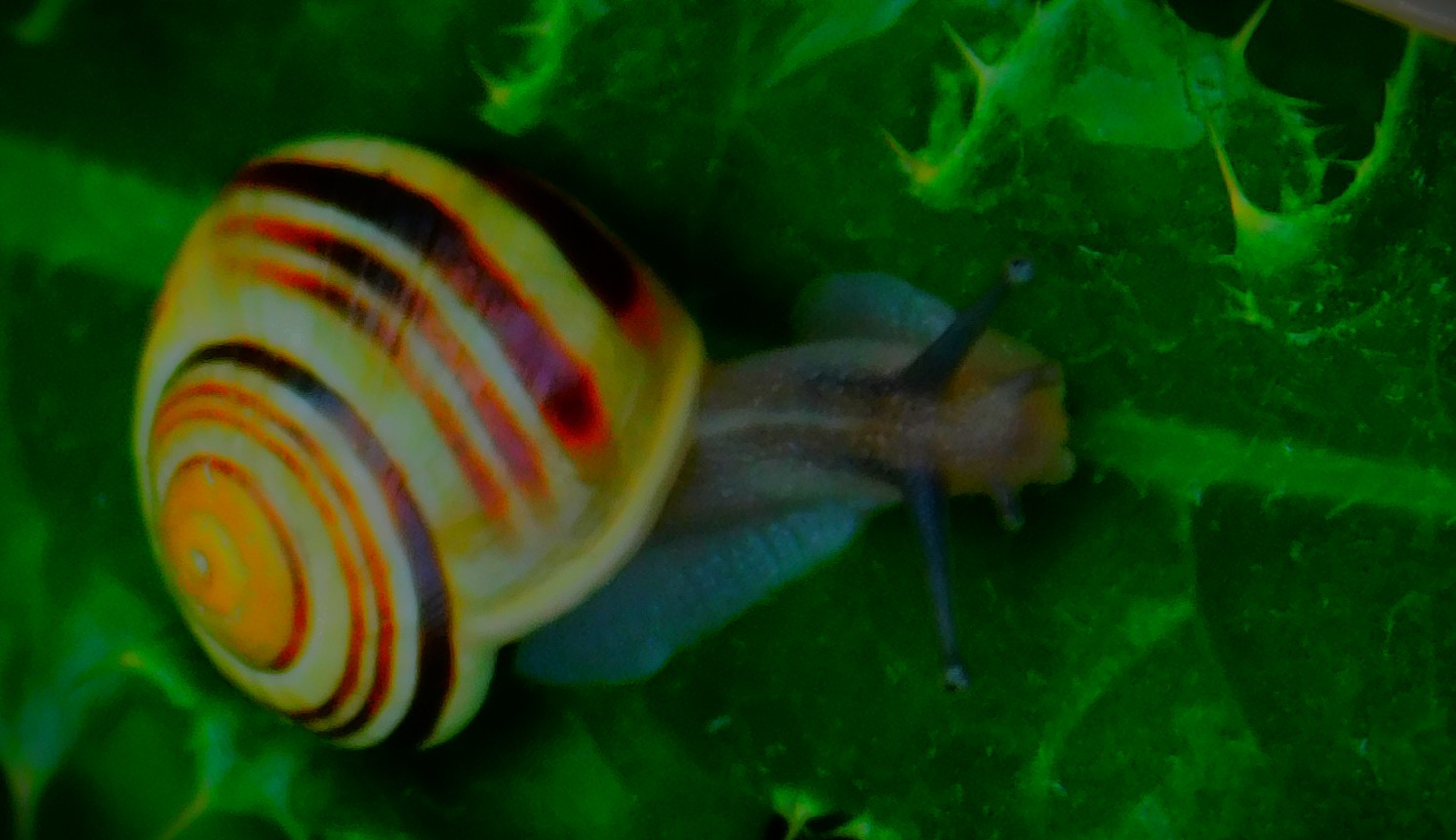
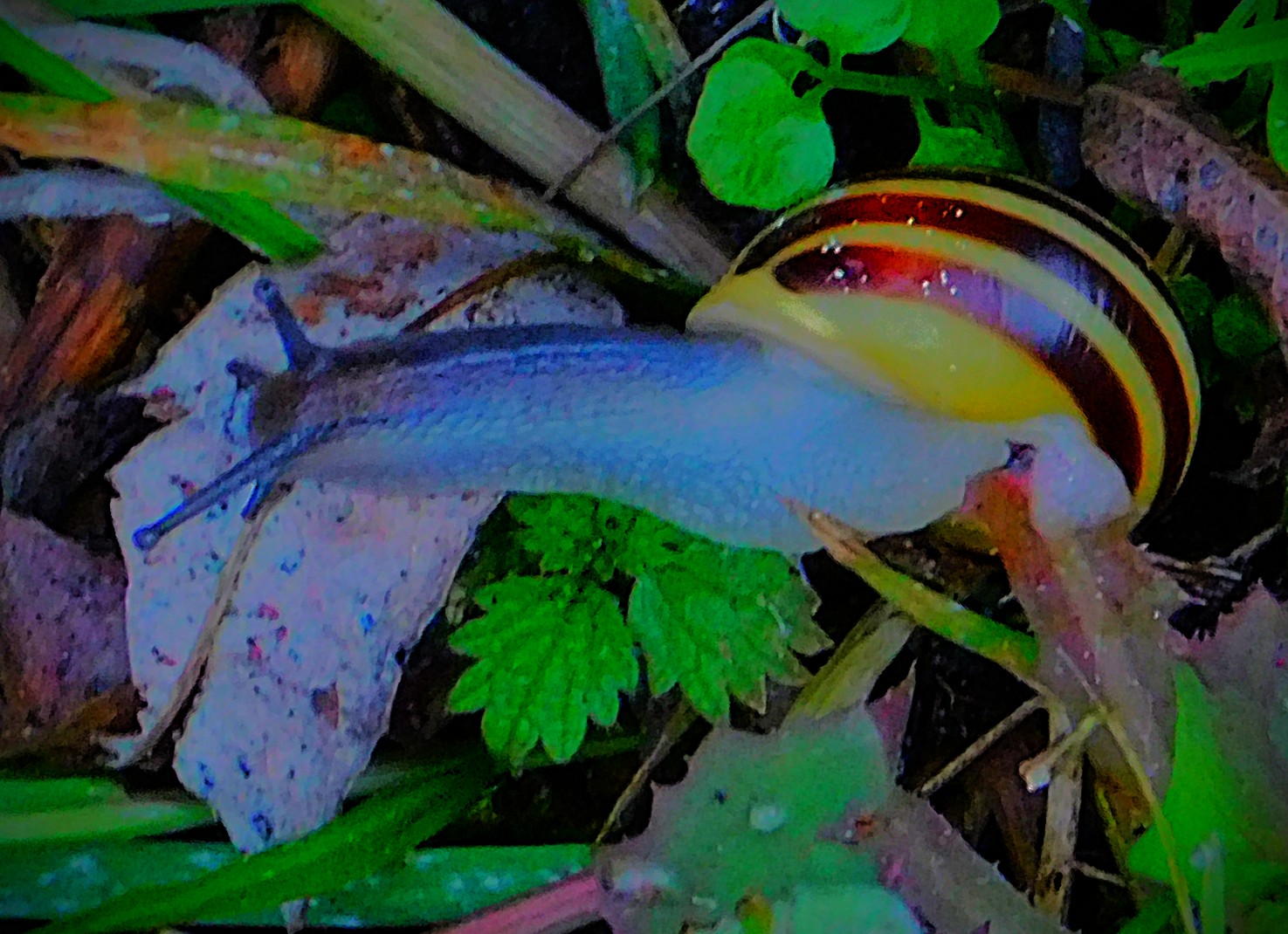
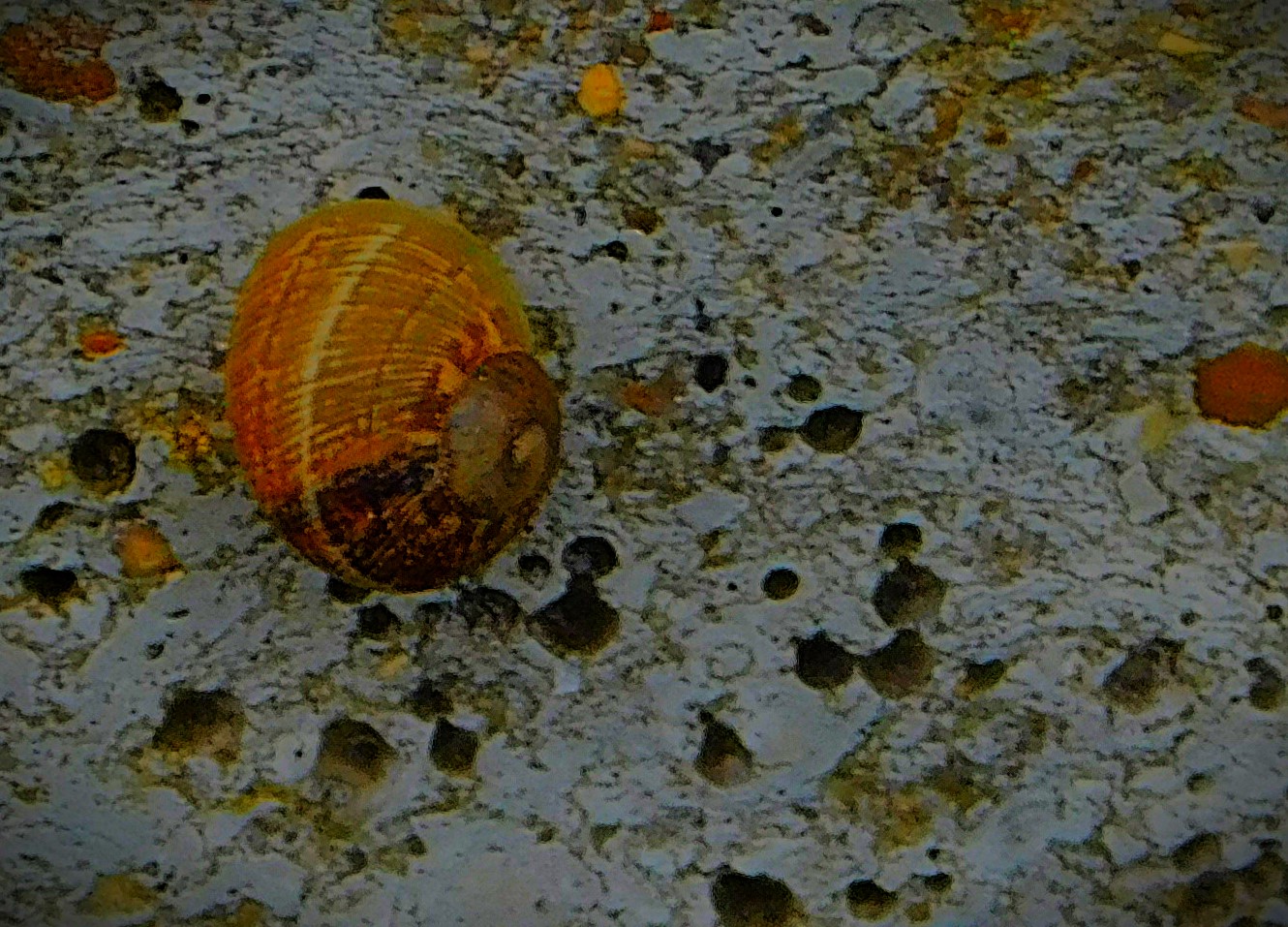
Today being damp has brought the snails out in force…

Two Nailbiters

A look back at two superb finishes in successive evenings and two photo galleries. a snail special and a regular gallery.

On Monday evening the last match to finish in the County Championship had the best finish of all of them. Yesterday evening saw a remarkable conclusion to that day’s IPL match, between Punjab Kings and Kolkata Knight Riders. This post looks back at both matches, and also incorporates two photo galleries.

I switched over to this match when Surrey v Hampshire was confirmed as a draw. At the point I joined the coverage Warwickshire were closing on the target, but were also eight wickets down, with Michael Booth and Ethan Bamber together at the crease. There were 15 runs still wanted when Matthew Potts shattered Booth’s stumps and Bamber was joined by Vishwa Fernando. It was soon apparent that if these last 15 runs to be scored then Bamber would have to do most of the work. Potts and Ben Raine, with seven wickets between them in the innings, were bowling in tandem at this point, and it was clear that both would keep going until the issue was settled one way or another. Warwickshire clawed their way towards the target. The scores eventually drew level. The 93rd over of the Warwickshire innings, with scores level as stated, was bowled by Raine, and off the third ball thereof Bamber hit a six and Warwickshire had won by one wicket at the death. Incidentally, although it was unavailing on this occasion I commend Durham for their second innings declaration at 276-8, which actually made the fourth innings meaningful (Leicestershire were especially culpable for overcaution in their match with Derbyshire this time round, as Sussex had been against Warwickshire in the previous round).

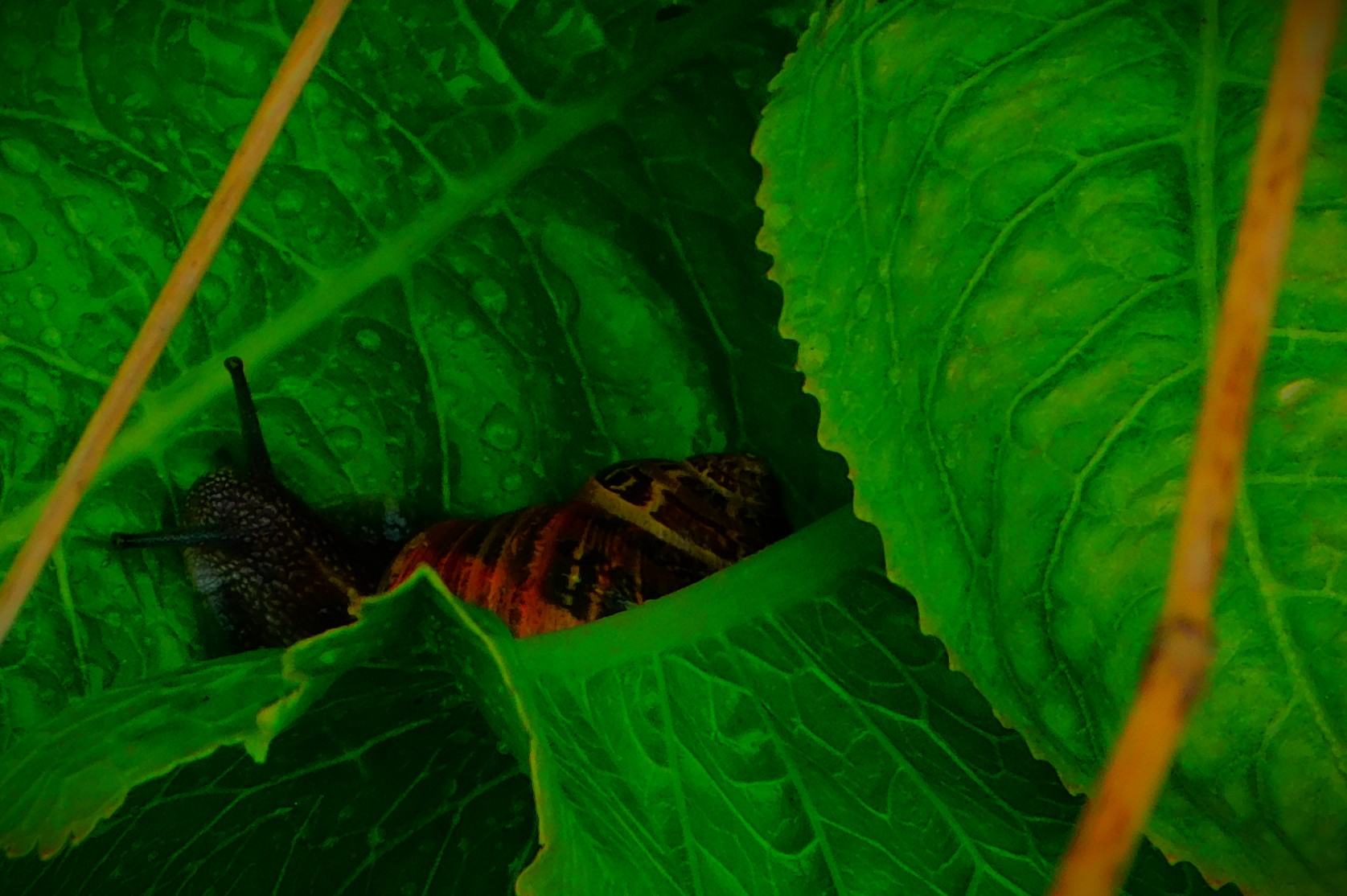
Yesterday there was a small amount of rain after a prolonged dry spell, and one effect of this change in the weather was to bring the snails out – especially in the evening when the weather was warm and dry once more…

Punjab Kings were all out for 111 batting first in yesterday’s IPL match. The IPL has become known for absurd scoring – there have been occasions this season when a score double that put up by Punjab Kings yesterday would have been impossible to defend – so few would have held out any hope of a defence on this occasion. When Kolkata Knight Riders were 62-2 at the high water mark of their own innings very few indeed would have seen any possible conclusion other than the seemingly obvious. I joined the coverage with the score at 73-4, still looking pretty solid for the chasers. However, at this point Venkatesh Iyer, Rinku Singh and Ramandeep Singh all fell very quickly and it was 76-7. Three runs later Harshit Rana fell to make it 79-8. At this point Vaibhav Arora got a one place promotion from his usual slot, with Anrich Nortje being held back. For the next over Punjab went for the kill, giving Yuzvendra Chahal his fourth and final over. Andre Russell took 16 runs from it, reducing the ask to 17. The next over was bowled by Arshdeep Singh, with Vaibhav Arora on strike. The number 10 negotiated the first five balls, though could not score off any of them. The sixth ball was a superb bouncer and all Arora could offer was a fend that sent the ball into the gauntlets of Josh Inglis to make it 95-9. Jansen accepted responsibility for bowling the 16th over. Russell aimed a big drive at the first ball of it, feeling that he had to end the match before a Punjab bowler could get to Nortje, and succeeded only in dragging it into his stumps. Punjab had entered the record books – their 111 is the lowest total ever to have been successfully defended in an IPL match. The closing stages of this match were, as with Durham v Warwickshire a day earlier, utterly compelling. This low scoring contest was far more fun than one side scoring 240 and the other side then making that look a failure.

Here are the rest of my photos…

Strikers Struck Down

An account of today’s WBBL fixture, between Adelaide Strikers and Melbourne Renegades. Also a large photo gallery.

Today the WBBL saw Adelaide Strikers take on Melbourne Renegades at the Karen Rolton Oval. Strikers, winners of both the previous two editions of the WBBL had won only one of their five games, so they knew that defeat would effectively end their qualification hopes. The Renegades, wooden spooners last year, were looking to put themselves right in the mix near the top of table. This post looks back at the match.

Major scores from Tahlia McGrath, 49 off 24 balls, and Smriti Mandhana, 40 off 25 balls were supported by Laura Wolvaardt, 27 off 26 balls and Katie Mack 19 off 19 balls. At times it seemed likely that Strikers would top the 200 mark, which even at a ground as batting friendly as the Rolton Oval would have been a formidable total. However they lost wickets in the later stages of their innings, and in the end it took a wonderful cameo of 24 off 12 balls from the young Irishwoman Orla Prendergast to get Strikers to their final total of 185-8. Prendergast was run out off the last ball of the innings, correctly going for the extra run. .

Hayley Matthews, of whom there will be a lot more later, had 2-28 from four overs, and Sarah Coyte 1-19 from three overs.

Hayley Matthews and Courtney Webb scored well, though at a little less than the required rate. Webb retired hurt for 37, with the Renegades score on 90. The first actual wicket was that of Capsey, who replaced Webb at the crease, and scored 4 before being caught by Prendergast off Darcie Brown to make it 101-1. That brought Deandra Dottin in to join fellow West Indian Matthews. This pair took complete control of proceedings. At one stage it looked like a century was a possibility for Matthews, but then a blitz by Dottin killed that possibility but brough the possibility of a 50 for her into the equation. Matthews ended the chase off the first ball of the 18th over, the boundary she hit taking to 85* off 54 balls, while Dottin had 46* off just 18 balls. Megan Schutt bowled three overs for 21 amidst the carnage. Madeline Penna, brought on as a white flag gesture with the game well and truly lost, has I suspect set a new record for the worst ER in a WBBL innings – her first delivery was a wide which did not go to the boundary, but off which Matthews and Dottin ran two extra runs, to make the damage three, and her second was the match winning boundary, meaning that her official figures read 0.1-0-7-0 for an ER of 42.00. Matthews was unsurprisingly named Player of the Match for her magnificent performance.

This hammering leaves Strikers adrift at the foot of the table on two points from six matches. Even if they win every remaining match they will have an exactly even win/loss record, and given how bad their net RR is, even with four teams qualifying for the KOs they are unlikely to make it. Anything less than four straight wins from here will definitely confirm their elimination. I consider having four teams out of eight qualify for KOs a trifle generous, but it is not as ludicrous as the men’s equivalent tournament, where five teams out of eight qualify, which means that you genuinely can make it through with an overall losing record. Renegades meanwhile are up into second place for the present, and are highly likely to qualify for the knockouts. Scorecard here.

Today has been a sunny day, and as a result the insects have been out in force…

A One Woman Show in Sydney

A look back at a historic innings in the WBBL and a photo gallery.

Overnight in the Women’s Big Bash League Hobart Hurricanes played Perth Scorchers at the SCG. This was the first half of a double header, with the Sydney derby following. This post looks back at a history making performance in that match.

Perth Scorchers won the toss and put Hobart Hurricanes in to bat. Lizelle Lee, opening batter for Hobart Hurricanes, proceeded to blow Scorcher’s plans to smithereens with a display of jaw dropping brutality. The Power Play overs offered little foretaste of what was to come – Hurricanes were 34-2 after the four overs of mandatory Power Play. Hurricanes reached 50 after exactly six overs. Lee was already dominating the scoring, and she reached her own 50 off 29 balls. By the halfway stage the score had risen to 86-2, with Lee now 65*. Hurricanes took the two over Power Surge immediately on the resumption, the earliest point at which the playing conditions allow it, and 31 runs came from the two overs for no loss. Lee was now in overdrive mode, and her century arrived off her 51st ball. She was far from done. When her score reached 137 she had set the all time WBBL individual record, displacing Grace Harris. She was back on strike with three balls left in the innings and 190 on the board in total. She hit balls four and five of that 20th over for sixes to move to 149 and take Hurricanes past 200. A single off the final ball of the innings saw her to the first ever individual 150 in WBBL cricket, only nine short of the all time record in women’s professional T20 cricket, set for the Northwests by none other than Lee herself. Lee had faced 75 balls, thereby finishing with an SR of precisely 200 for the innings. Among the carnage one bowler escaped all but unscathed: 19 year old pacer Chloe Ainsworth recorded figures of 4-0-17-2, conceding no sixes and only one four. Her team mates thus had a combined 1-186 from 16 overs, an average ER of 11.625 per bowler. An average four over spell from among every bowler other than Ainsworth would have yielded 46.50 runs, so Ainsworth was either 29 or 30 runs more economical than any of her team mates would have been expected to be from a four over allocation.

After that display by Lee neither the result nor the Player of the Match award were in any significant doubt. In the event Scorchers, forced to take risks in pursuit of a huge total, lost wickets rapidly, and ended up 131 all out, beaten by 72 runs, a colossal margin in this form of the game. Heather Graham had 3-24, Lauren Smith with 4-0-11-2 was the most economical bowler on either side. Molly Strano, one of the most consistent performers across the whole ten seasons of the WBBL, also deserves a mention, recording 3-0-17-2. Ainsworth, the sole effective bowler for the Scorchers earlier on, was also top scorer for them, hitting 41 off 27 balls. Both sides now have six points, though Hurricanes have played a game more, and unsurprisingly after this match have a better net run rate.

My usual sign off…

Thunder Blown Away by Hurricanes

An account of today’s WBBL match (Hobart Hurricanes v Sydney Thunder) and a photo gallery.

Today’s match in the WBBL was between Hobart Hurricanes and Sydney Thunder.

Sydney Thunder won the bat flip and put Hobart Hurricanes in to bat. Lizelle Lee was out cheaply, but Danni Wyatt-Hodge and Nicola Carey had a good partnership for the second wicket, and then Elyse Villani offered Carey further support. At the halfway stage of their innings the Hurricanes were 64-2 and looking set for a big score. They took the Power Surge (in this competition sides get four overs of standard Power Play at the start of the innings and a two over Power Surge which must be taken in the second half of the innings) immediately, and scored 28 runs from the two overs. At 92-2 after 12 overs 170 looked to be possible and 160 to be no mare than par. Then came a horrendous collapse which started with the dismissal of Carey for a fine 52 and saw four wickets tumble for just 12 runs. Tabatha Saville batted well at number seven, and found some useful late support from Molly Strano, who scored 9 not out off just five balls. The spinners had fared far better than the seamers. Shabnim Ismail’s pace was ineffective, leaving her with 0-30 from four overs, while Hannah Darlington, thad a disastrous 2-0-28-0, although veteran Sammy-Jo Johnson went for just 19 from her four overs and took a wicket. Pick of the Thunder bowlers was left arm spinner Samantha Bates who had 3-20. Hurricanes had amassed 141-7 by the end of their innings, 92-2 off the first 12 overs and 49-5 off the last eight overs.

There are few better options when spin is going to be key than Molly Strano, and the Hurricanes entrusted her with the first over of the innings. The very first ball of the Thunder innings pinned Sri Lankan ace Chamari Athatpaththu who had earlier claimed 2-26 from four overs of off spin plumb LBW. Athapaththu was somewhat slow to leave the crease, but it was one of the plumbest LBWs you could ever see. Phoebe Litchfield survived the remaining five balls of the over, but was not able to score off any of them, thus giving Strano the first maiden of this year’s tournament. Kathryn Bryce, the Scottish all rounder who bowls medium pace, was given the second over and conceded 14, which ended her participation as a bowler. The third over was Strano’s second, and six runs accrued from it. Lauren Smith, another off spinner, bowled the fourth over, and Georgia Voll was dismissed, holing out to Chloe Tryon in the deep to make it 24-2. Tahlia Wilson and Georgia Adams fell for 3 a piece, off four and six balls respectively and it was 38-4 in the seventh over. Anika Learoyd now offered Litchfield, who was playing beautifully after her slow start, the only serious support she would enjoy all innings. Litchfield reached a magnificent 50 off 36 balls, but then suffered a remarkable dismissal – Heather Graham, a medium pacer, fired one wide of the stumps and Lizelle Lee executed a smart stumping. The delivery was signalled wide, but one can be stumped off a wide, and Litchfield had to go, making the score 91-5. Sammy-Jo Johnson, a big hitter on her day, fell cheaply to make it 96-6. Two runs later Nicola Carey effectively ended the contest by bowling Learoyd for 29 to make it 98-7. 44 runs of 5.4 overs is not difficult if you have front line batters available to score them, but when you down to numbers 8,9,10 and 11 it is a major ask. Ella Briscoe and Hannah Darlington added 10 runs together for the eighth wicket before Heather Graham ended what had been a horror day for Darlington by bowling her for four. That was 108-8, which immediately became 108-9 when a mix-up between Ismail and Briscoe saw Ismail suffer that rarity, a zero ball duck (run out 0, having not faced a ball). By this stage were Thunder were a long way behind the required run rate as well. Samantha Bates who had earlier bowled so well got a single, and Briscoe also added a single to her score before the last ball of the 18th over, bowled by Tryon with her left arm spin, clean bowled Bates to make 110 all out and victory to the Hurricanes by 31 runs. Other than Bryce’s single expensive over the most expensive Hurricanes bowler was Tryon with 2-19 from three overs for an ER of 6.33. Heather Graham had 3-19 from her full four overs. Nicola Carey, one of the two half centurions in the match and also the possessor of figures of 3-0-18-1, was named Player of the Match.

After the first 12 overs of this match had yielded 92-2 the last 26 produced a combined 159-15. Bryce in that one over apart the Hurricanes seamers had realized that pace on the ball on this pitch just asked to be hit and deliberately slowed themselves down.

My usual sign off…

Rawalpindi Rout

A look at England’s capitulation in Rawalpindi and a photo gallery in two parts.

England went into day three of the third and final test of the Pakistan v England series with three second innings wickets gone and a deficit of 53 to overcome just to get on terms (see here for the first two days). This post looks at the events of today.

Root and Brook began well for England, but England were still in deficit when Brook was fourth out, caught behind off Noman Ali for 26. The deficit had still not been cleared when Stokes had a brain fade and allowed a ball from Noman Ali to hit his pads when he was right in front of the stumps. Root at the non-strikers end, recognizing a hopeless case when he saw it, told Stokes not to waste a review. Jamie Smith essayed a big hit against Sajid Khan, missed and was bowled, which made England effectively minus 2-6. England were in credit, but only just, when Root edged Noman Ali to the keeper to be out for 33. Gus Atkinson and Rehan Ahmed added 12 runs to the score before Atkinson, who has probably never batted on a genuine turner before, was bowled by Sajid Khan for 10. Rehan Ahmed also got a good one from Sajid Khan, with the same result as in the Atkinson case. Leach had an LBW verdict overturned on review, but shortly afterwards had a huge heave, missed and was stumped. England were 112 all out, leaving Pakistan needing a mere 36 to win.

Leach and Bashir opened the bowling, but this target was never going to pose a threat, and Pakistan treated the situation as it deserved, taking a mere 3.1 overs to knock the runs off. Skipper Shan Masood, coming in after the loss of Saim Ayub, hammered 23 not out of six balls, hitting four fours, a single, and then off the first ball of the fourth over the six that officially confirmed Pakistan as winners of both match and series. Saud Shakeel’s 134 earned him Player of the Match, while Sajid Khan’s wickets, lower order runs and general aggression netted him Player of the Series. Noman Ali had claimed 21 wickets in two matches with his left arm spin, as a 38 year old who was making just his 16th and 17th test appearances. Sajid Khan had 18 wickets in those two games, with the one that got away being Jamie Smith in England’s first innings of this match, leg spinner Zahid Mahmood’s sole strike.

Though the England second innings capitulation looks obvious as a cause of the disaster it was not the most significant element of the match. England underperformed in the first innings after winning a valuable looking toss – the only seriously misbehaving ball of that innings was the one that kept low on Ben Duckett, so 267 was definitely a poor score.

Worse still was the failure of both bowling and leadership when England had Pakistan 177-7 in reply. Saud Shakeel, a formidable batter, was allowed to accumulate without let or hindrance, while Sajid Khan and Noman Ali showed their batting skills, which are better than usual for numbers nine and 10 in an order at the other end.

The England spinners were not up to the task. Leach, by far the most experienced, performed worst of the trio, with the other two both having their moments. However, all were guilty of failing to vary their pace, whereas Noman Ali and Sajid Khan both did vary the pace of their deliveries over a fairly wide range.

England have only one batter who actually knows how to handle the turning ball, and Root did not find his best form in either of the matches that were played on turners. The rest of the order for the most part are deeply unimpressive against spin.

Incidentally, across the border in India, New Zealand, who England will be visiting shortly, took an unassailable 2-0 lead in their three match series. Before this India had last lost a home series in 2012, and New Zealand had never won a series in India.

Today’s photo gallery comes in two parts…

Part two…

The Final of The Women’s T20 World Cup

An account of yesterday’s final of the Women’s T20 World Cup and a large photo gallery.

Yesterday the final of the Women’s T20 World Cup took place, with the contending sides being New Zealand and South Africa. This post looks back at the match.

South Africa won the toss and chose to bowl first. New Zealand would undoubtedly have chosen to bat first anyway – they had done well doing so in this tournament – so both sides were happy with things at this stage. Neither side made any changes to their sides that had won the semi-finals, which meant that Suzannah Wilson Bates, aka Suzie Bates, became the most capped female international cricketer ever, winning her 334th cap across formats (sadly, due to NZ unwillingness to play test cricket, a format they last appeared in in 2004, across formats in her case means ODIs and T20s).

New Zealand have been notable (as indeed have South Africa) for bucking the usual trend in this tournament of batting cautiously. They had South Africa’s splendid chase against Australia in that semi-final as a reminder of what might happen if they failed to put up a decent total. The started excellently, enjoying the best Power Play that any side had had against South Africa all tournament long. Bates set the tone for New Zealand, scoring off most of the deliveries she received. Once the Bates/ Plimmer opening stand was broken with the score at 16, Amelia Kerr joined the fray, and made good use of her speed between the wickets. At 53 in the eighth over Bates was dismissed, and when skipper Devine was out for 6 to make it 70-3 just past the halfway mark. Brooke Halliday now joined Kerr, and they, helped by some South African indiscipline with the ball (the Proteas sent down too many wides and no-balls) upped the tempo very effectively. Halliday was the chief scorer in a fourth wicket stand that raised 57 runs in seven overs, scoring a T20I best of 38 from 28 balls (how’s that for rising to a big occasion?). The tempo increased further in the last 16 balls of the innings. Kerr was dismissed for 43 off 38 balls with the score at 141. Maddy Green and Isabella Gaze, the Kiwi keeper, scored 17 together off the last seven balls of the innings, helped by some less than stellar South African fielding (the two they scored off the last ball of the innings for example were more or less a gift). New Zealand’s total of 158-5 looked useful. For the record South Africa bowled three no balls and ten wides or to put it another way, 2.1 overs worth of extra deliveries.

Wolvaardt and Brits started extremely brightly, ending the Power Play still together and with 47 runs on the board, putting them just up with the required rate. There had been a brief worry for New Zealand when Kerr did not take the field at the start of the innings, but she was on by the second over. Left arm spinner Fran Jonas got Brits with the penultimate ball of the seventh over to make it 51-1. It was the tenth over, bowled by Kerr with her leg spin, that first swung things New Zealand’s way. With the first ball thereof Kerr had Wolvaardt caught by Bates, to become the leading wicket taker of the tournament outright (she had been tied with South African left arm spinner Nonkululeko Mlaba on 12 wickets until that point). With the sixth ball of that same over, she found the edge of Anneke Bosch’s bat and Gaze took the catch behind the stumps. This was initially given not out, but sent upstairs, and Ultra Edge fairly speedily revealed a tell tale spike. This wicket made Kerr the all time leading wicket taker at any single edition of this tournament. That was 64-3, and a huge psychological blow given that Bosch had been the star of South Africa’s semi-final triumph. Marizanne Kapp and Nadine de Klerk cobbled together a stand of 13, but then both fell in rapid succession. First Kapp was caught by Plimmer off Eden Carson, the off spinner whose delighted laughter in post match interviews had become a feature of the tournament. Then Rosemary Mair, the tall seamer who had taken four-for in New Zealand’s first game of the tournament, had de Klerk caught by Kerr. In the the space of two balls, the last of the 12th over and the first of the 13th, 77-3 had become 77-5. Chloe Tryon (a noted six hitter but not in great form) and Sune Luus were now together. They added 20, but South Africa were by then falling alarmingly far behind the required rate. For the 16th over Devine played a wild card – she tossed the ball to the rarely used Halliday. Halliday’s first delivery was a ghastly wide, the second was also not a great ball, but Halliday and Devine’s luck was in – Luus succeeded only in sending it into the hands of Bates at cover and that was 97-6, and 62 needed off 29 balls. Annerie Dercksen, like Tryon a noted big hitter, and with some recent form behind her, came to the crease with miracles required. Dercksen made it into double figures, though not terribly spectacularly. The 18th over was the last of Kerr’s four overs, and off the third ball of it Dercksen hit a catch to Bates, and the third time of the innings the veteran’s hands proved safe to make it 111-7. Kerr’s last three balls were uneventful, and she finished with 4-0-24-3 to set alongside her 43 with the bat and a catch. No one had ever previously combined 40+ runs and 3+ wickets in a knockout match at women’s T20 world cup. The 19th over was given to Rosemary Mair, her fourth and last. Chloe Tryon went for a big hit off the first ball of it, as dictated by circumstances, but was well caught by Maddy Green. That was 117-8, 42 needed off 11 balls. Sinalo Jafta and Nonkululeko Mlaba added three runs together before the fifth ball of the same over, a beauty, got through Jafta’s defences and hit her stumps to make it 120-9. Mair finished with 4-0-25-3, and 38 were needed off the final over. With all pressure now removed it was Carson to bowl. South Africa avoided being all out, but only six runs accrued from that final over, giving New Zealand a win by 32 runs. Player of the Match was straightforward, since Kerr had both the highest individual score of the game and the best bowling figures of the game. With 135 runs and 15 wickets across the tournament Kerr was also the proverbial shoo-in for Player of the Tournament. South Africa skipper Laura Wolvaardt, who had impressed leading her side in the field and was the tournament’s leading run scorer was probably the least distant challenger to Kerr. For New Zealand skipper Devine this was a laying of an old ghost – on the last ball of the 2010 final Ellyse Perry’s boot stopped a fiercely struck shot from Devine that had it reached the boundary would have taken the match to a super over. It was also a remarkable turn around for New Zealand from a few months ago, when they toured England, and if anyone then had predicted that they would be lifting a world cup a few months later most followers of the game would have had a good laugh at the would-be Nostradamus’ expense. South Africa’s wait to lift the ultimate prize goes on, but they too deserve immense credit for the way they played this tournament. Scorecard here.

My usual sign off…

An ECB Muck Up and a Hat Trick of Somerset Near Misses

A look at the scheduling of the One Day Cup final, the match that we eventually got, a day late and less than half the scheduled length, and at Somerset’s season. Also a photo gallery.

The final of the One Day Cup, between Glamorgan and Somerset at Nottingham, should have taken place yesterday, but after a complete washout then the two sides reconvened on today, the designated reserve day, and fought out the final over a reduced duration of 20 overs (but still according to One Day rules, so the power play was only four overs, rather than the six in an official T20). Before looking at the match, and what it means for Somerset’s season I will take aim at the ECB over certain matters.

The biggest single mistake in the scheduling of this final was to make the main day a Sunday and the reserve a Monday. When the Sunday was completely rained out many had no option but to return home disappointed, and today’s action took place in a very sparsely populated Trent Bridge. Having decided to have a reserve day in case of potential weather problems, which is probably sensible, and proved necessary in this case, it would surely have been better to aim for a Saturday final, with the reserve day on a Sunday – the drop off in attendance after a washout on the intended day would surely be much smaller.

It is also curious to say the least that there is a huge time lag between the semi-finals and the final, and it would be better for these key matches to be much closer together.

This competition would rank third among the county competitions even without other factors, but the fact that the group stage overlaps with The Hundred means that rather than being third among near equals it is a sideshow, involving mainly reserve and youth players.

Somerset had many players available to them who were not so during the group stages but had decided to stick with the players who had got them to the final. This meant that they were a much less experienced XI than Glamorgan. It also meant that the reduction from 50 overs per side to 20 was much worse news for them than it was for Glamorgan – there were not many players in the Somerset XI who would have been picked to play a T20 match for the county. However when left arm seamer Alfie Ogborne took two very early wickets Somerset would have been hopeful. Will Smale hit 28 off 14 balls before he was third out, to a superb catch by Sean Dickson off Kasey Aldridge. Colin Ingram did not really click, contributing 11 at a run a ball. Initially Sam Northeast also appeared to be struggling. However Northeast, one of the best county batters never to have got an England chance, showed the value of experience, as he turned a sticky start into the key innings of the final. Billy Root hit 39 of 28 balls before the 5th, 6th and 7th wickets all went quickly. Timm van der Gugten smashed 26* off nine balls at the death, out of an unbroken 28 that he and Northeast put on. This left Glamorgan with 186-7, and Northeast 63* (49) having enabled the big hitters to really go for things in the knowledge that wickets would only be falling at one end.

George Thomas and Andrew Umeed had scored 14 together, 13 of them to Thomas, when Umeed completely ignored Thomas’ call for a run. Thomas was thus run out, with Umeed having contributed rather more to the dismissal through his failure to respond to Thomas’ call than did Northeast with what was a good throw. Goldsworthy never got going, making 11 off 13, by which point Somerset were miles behind the required rate. Umeed had batted well, though he was never scoring fast enough, when he took on medium pacer Andy Gorvin, got an edge and was caught by keeper Smale. Four runs later James Rew’s spirited 19 came to an end, caught by Smale off Kellaway. Incidentally Kellaway, an ambidextrous spinner (he can bowl both off spin and left arm orthodox spin), extracted enough turn to make Dickson’s decision not to bowl Jack Leach (who would never be significant with the bat in a limited overs match) look even odder than it already did. The fifth wicket stand between Archie Vaughan and Sean Dickon represented Somerset’s best period of the innings. By the time the last over came round Somerset needed 23 to win. Dan Douthwaite restricted them to just seven, and Glamorgan had won by 15 runs.

Somerset fought hard, though Sean Dickson did not have great day as skipper in my opinion. As well as his failure to use Leach I think his decision to hold himself back until number six, by which point the match was pretty much lost was a poor one. He played a fine innings once he got to the middle, scoring 44 off 20 balls, but Goldsworthy for one was unsuited to the situation in which he found himself batting, and although Archie Vaughan fared decently the skipper should surely have come in ahead of him.

Somerset have thus lost in the finals of both the T20 and the One Day Cup, while they have one last match to play, a four day game against Hampshire which will settle the runners up spot in the County Championship. When Somerset beat Surrey to close the gap in the County Championship to eight points with two matches remaining they had legitimate hopes of sweeping the board, but in the end it looks like an ‘Eratosthenes‘ season for them – second best in everything (Eratosthenes was Librarian of Alexandria around 250BCE, the plum academic posting of the era, and one rival is alleged to dubbed him ‘Beta’ on the grounds that he was the second best in the world at everything).

My usual sign off…