A look at the action on day three in Brisbane and a photo gallery.
Today was the third day of the second Ashes test at Brisbane, and this post looks back at a day that has gone a long way to killing England’s hopes in this series.
EPIC FAIL 1: THE END OF THE AUSTRALIAN FIRST INNINGS
Australia resumed this morning on 378-6, 44 ahead on first innings. Only five runs had been added when Michael Neser was seventh out, and even by the time Alex Carey was eighth out, caught behind off Atkinson for 63 to the give the bowler his maiden Ashes scalp the score was 416, 82 ahead, and not yet necessarily terminal. It was at this stage that Stokes blundered badly. The ‘strategy’ of feeding the senior batter runs so that you can attack the junior batter may have something going for it, though I have never seen it definitively work and have seen it definitively fail, and I am 100% certain that when the senior batter is the opposition number nine, as was the situation it has precisely nothing going for it – attack from both ends and look to get the innings finished quickly. The chief damage done by the partnership that Stokes’ methods did nothing to prevent from happening was not actually the 75 runs that accrued, but the fact that they were together for more than a full session, pushing the start of the England innings ever closer to happening under the floodlights. Starc reached to top individual score of the innings, 77, before he was ninth out, caught by Stokes off Carse to give the latter possibly the most undeserved four wicket haul in test history. Even the last pair boosted the score by a further 20, and soaked up yet more of the daylight. England began their second innings just before the second interval, when they would have started the day hoping to be in before the first interval.
EPIC FAIL 2: A GRUESOME BATTING DISPLAY
The England second innings began quite well, with Crawley and Duckett making it through to the second interval with their stand unbroken. The first wicket was a genuine misfortune, Duckett being bowled by one that kept low to make it 48-1. However none of the subsequent dismissals could accurately be described as due either to misfortune or particularly good bowling – it was a display of rank bad batting. With 90 on the board Pope aimed a big drive at Neser and succeeded only in hitting a return catch which was duly accepted. Seven runs later Crawley was dismissed in an almost action replay of the Pope dismissal – same bowler, same type shot, same outcome. The two Yorkshiremen Root and Brook took the score to 121 before Root played loosely st Starc and edged behind to go for 15. Two runs later Brook, also on 15, drove casually at Boland and edged behind to put England five down. It got worse before the close, as Jamie Smith played yet another loose drive, this time against Starc, and Carey was once again in business behind the stumps. Stokes and Jacks made it through to the close with no further damage, but at 134-6 England are still 43 runs short of parity. By my reckoning 13 of the 16 wickets England have lost so far in this match have been given rather than being taken.
A look at the first two days of action is the pink ball test in Brisbane, and a photo gallery.
Having covered Tuesday’s auction I now turn to something else. Early yesterday morning UK tine a day-night test match got underway in Brisbane, the second match of the 2025-26 Ashes series. England had lost the first match by this same stage, so the fact that I am writing about a match that is still in progress is an improvement.
ROOT THE ALL TIME GREAT
Even before the events of this match no one seriously doubted that Joe Root was a great batter rather than merely a good or even very good one, but there were certain Aussies who would deny him the status of an all-time great because he had a blot on an otherwise stellar CV – he had never scored a test century in Australia. There seemed small chance of England having anything the celebrate when Root’s innings began – Duckett and Pope had both fallen cheaply, and the score was 5-2. Zak Crawley came back well from his pair in Perth, making an impressive 76 and sharing a century stand with Root. Harry Brook looked highly impressive in making 31, but his dismissal when he should have gone on to a properly big score was a shocking one, not just because the shot was one he should never have taken on, but because he did so against Starc, the only genuinely dangerous bowler Australia had. Stokes gave Root some support but got out before long. That brought Jamie Smith, facing a pink ball for the first time in his professional career (apparently it was not worthwhile to send him, and others in the same boat, such as Will Jacks, in for the injured Wood – a batting all rounder who bowls off-spin in for a specialist pacer – to Canberra to play in the President’s XI match) to the crease. Smith collected a duck to put England six down, and bring Jacks to the crease. I had to leave for work at this point, but a later check confirmed that Root, in the 70s when I left, had finally scored that first century on Aussie soil and removed any possible doubt about his status as an all time great. His best support after I had left came from number 11 Jofra Archer, who made into the 30s, and would be last out for 38 early this morning UK time. England amassed 334, Root with 135 not out being the person who made that total possible.
AUSTRALIA SO FAR
England produced a very variable bowling performance, and the fielding was far too fallible. Four clear-cut chances went down, Duckett culpable on two occasions to go with his duck, and Joe Root in the slips got a hand to ball that streaked away for four, though it would have been an absolute screamer of a catch had he held it. Brydon Carse took three wickets in the course of the day and had a chance shelled, but he was also absurdly expensive – at one stage he was leaking runs at a rate that would have raised eyebrows in a T20 league, and even by the end of the day he had 3-113 from 17 overs. Australia were 291-3 at high water mark, but then Green and Smith both fell to Carse very quicky. England got one further wicket in the day, but in the latter stages as they started to show obvious tiredness Australia got on top once again, ending the day on 378-6, 44 runs ahead on first innings with four wickets standing. England are not out of this yet – come the fourth innings the pitch will be very tricky, but they need to bowl well first thing tomorrow, and then bat well for the rest of tomorrow and well in to day four.
A look back at an extraordinary day of test match action in Perth, England Player Ratings and a small photo gallery.
An extraordinary test match ended in Perth today after a mere two days of playing time. This post looks back at the events of an action packed second day (I covered yesterday here).
THE MORNING
The final wicket pairing for Australia did not hold things up for very long, though they did enough for Brendan Doggett to have made Scott Boland being sent in ahead of him look ridiculous. It was Brydon Carse who took that wicket, his third scalp of the innings, dismissing Nathan Lyon with the aid of a catch by Ben Duckett.
In the first innings Crawley was dismissed for a duck by the sixth ball. In the second he lasted one ball less long for the same tally, and again the dismissal was a self-inflicted one, this time hitting a return catch to Starc for the left armer’s eighth wicket of the match. Duckett and Pope fared well together for a time, and reached the lunch break with the score 59-1, a lead of 99 overall, and at that point England were short-priced favourites.
THE AFTERNOON
England had added six to their lunchtime tally when Ben Duckett edged one from Boland to Smith in the slips to go for 28. Ollie Pope, the sole English batter who seemed to grasp the necessity of placing the ball and running well on a ground as big as this one, was caught behind off Boland for 33, his second decent knock that fell short of a big score in the match to make it 76-3. That soon became 76-5, as the two Yorkshiremen Root and Brook each played poor shots, Root’s resulting in him being bowled by Starc, while Brook’s was caught by Khawaja. At 88 Ben Stokes edged one from Starc through to Carey to complete his second batting failure of the match. Smith and Gus Atkinson added 16 runs before Smith was adjudged out caught behind after a prolonged review, the sound appearing to come a fraction after the ball passed the bat, but not being causable by anything other than a nick. Then came England’s last decent period of the match, as Atkinson and Brydon Carse shared a sparky 50 partnership for the eighth wicket. Archer and Wood helped the score advance by a further 10 runs after that. Scott Boland had taken four wickets after looking toothless in the first dig, Starc and Doggett, who could be proud of his debut at the highest level, three each. In essence though this was a story of bad English batting, as they tried to hit everything, demonstrating that they had learned nothing from their first innings. In total they batted a mere 67.3 overs for their two innings, and there were a raft of self-inflicted dismissals. As for this second innings, the top individual score was achieved by Gus Atkinson, a bowler who is a goodish lower order batter but comes some way short of being accurately described as an all rounder. Still, Australia’s target of 205, which they would begin their attempt on after the tea break, would if achieved be the highest team total of the match, and only once in Ashes history, at Headingley in 2019 had that previously happened.
THE EVENING
Khawaja was once again unable to open, and on this occasion Australia chose to promote Travis Head to open with Jake Weatherald, enabling Labuschagne to occupy his preferred number three slot and Steve Smith the number four slot. Head and Weatherald batted very well, England did not bowl as well as they had in the first innings, partly because they were not allowed to do so. Head scored his first 20 at just about a run a ball, indulging in sensible aggression rather than mindless baseball type swinging at everything. It was after this early sensible period that he really exploded, having earned the right to do so. Carse got rid of Weatherald with 75 runs on the board, the debutant’s share being 23. Labsuchagne, in his preferred slot, played much more expansively than first time round, but again not resorting to mindless aggression, but it was Head who was in charge. Head reached his century from his 69th ball, the joint sixth fastest in test history, and the second fastest ever in The Ashes, with 12 fours and four sixes. He continued in similar vein after reaching the landmark. The ask was down to a mere 13, with the certainty of a finish that evening (eight extra overs were available if needed) when Head was finally out, well caught by Pope off Carse. Smith joined Labuschagne for the last rites. Labuschagne reached 50 with a six that also levelled the scores, but could not score of the last ball of that over, which meant that Steve Smith scored the actual winning run. The margin was eight wickets, and the match had undergone pretty much a 180 degree turn in the space of two sessions, from heavily in England’s favour to ultimately dominated by Australia. Mitchell Starc’s ten wicket match haul saw him named Player of the Match, a decision with which I have to disagree. Many of Starc;s wickets were given rather than being taken, and the contribution that settled the match belonged to Travis Head, who produced a masterpiece which started with the match still in the balance, if not somewhat in England’s favour and ended with the deal almost sealed in Australia’s favour. The last time an England side lost the opener in Australia and emerged victorious at the end of the series was in 1954-5, when Hutton’s side rebounded by winning matches two, three and four. Just to increase the task for England this time the next match, at Brisbane, is a pink-ball day/night match, a format at which Australia are close to untouchable. This was a match that England could and should have won, but indiscipline with the bat let them down badly, and while the bowlers rescued them once they could not do so twice.
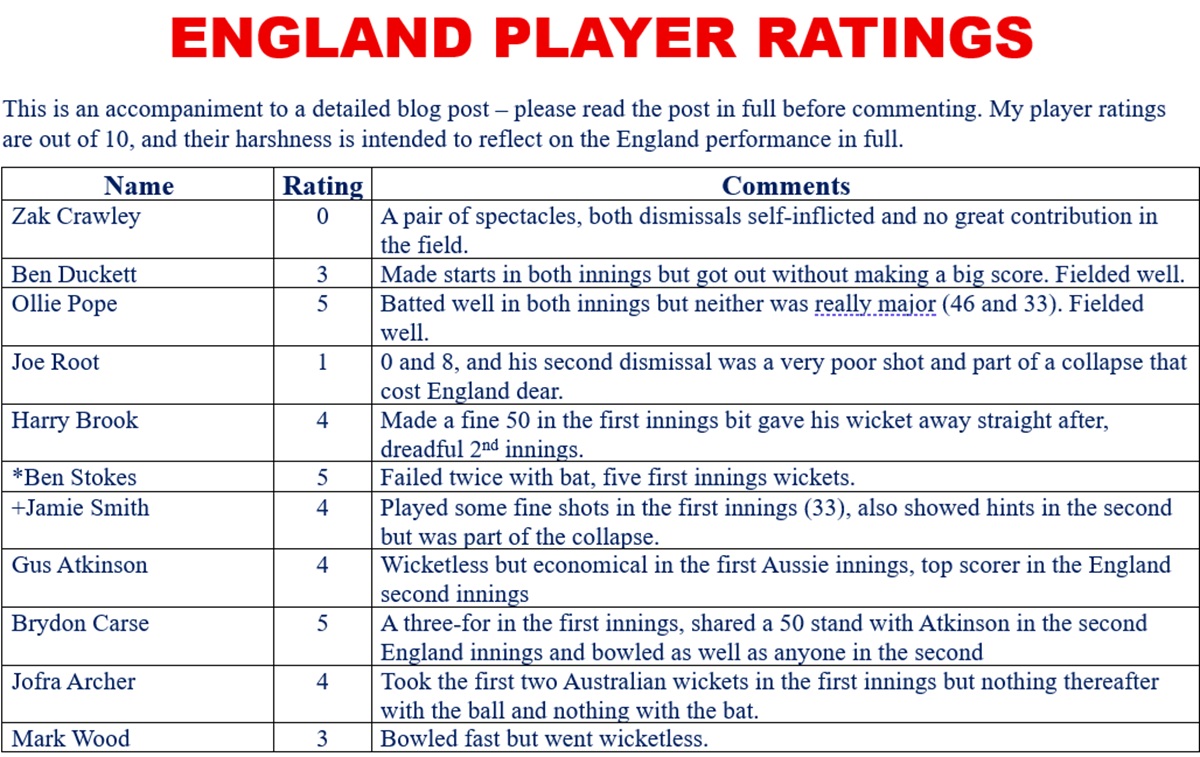
ENGLAND PLAYER RATINGS
These are given in batting order, and are marked out of 10, and they are harsh.
Zak Crawley – 0. The opener bagged a pair, was culpable for both dismissals, and did nothing of note in the field, therefore it is not possible to award him even a single point.
Ben Duckett – 3. Played nicely in both innings, but neither contribution was substantial. He did his job in the field.
Ollie Pope – 5. The only England batter to show signs of adapting his game to suit this ground – he scored ten threes across the two innings. He also fielded well.
Joe Root – 1. A duck in the first innings, 8 in the second, and he was part of the collapse that opened a way back into the match for Australia, playing a poor shot to boot.
Harry Brook – 4. A good 50 in the first innings, but his second innings failure was down to an awful shot, and he was the middle of three wickets to fall at the same score in that innings.
Ben Stokes – 5. Two failures with the bat. His first innings five-for looked to wrenched the initiative back for England, and he looked helpless in the face of Travis Head in the final innings.
Jamie Smith – 4. His first innings 33 was impressive for as long as it lasted, his second innings dismissal would probably not have been given in the days befor technology, and he kept competently.
Gus Atkinson 4. Though he personally went wicketless he was part of England’s good first innings bowling performance, and he top scored in England’s second innings, batting in a way that should have roundly embarrassed most of those above him in the order.
Brydon Carse 5. Five wickets in the match, although the fifth came too late to be of real relevance, and took part in a 50 partnership in the second English innings that seemed to have given them hope.
Jofra Archer – 4. Took the first two Australian wickets to fall, but did little of note thereafter.
Mark Wood – 3. Bowled fast though not for any great reward. As with all his fellow bowlers he has to be regarded as less at fault for the debacle than the batters.
PHOTOGRAPHS
Some of the photos in this gallery are from James and Sons upcoming auction on December 2nd – go here or here for more…
Today saw the start of the 2025-6 Ashes series between the Australia and England men’s teams, with England launching a bid to achieve something last pulled off by Ray Illingworth’s 1970-1 side – come to Australia without The Ashes and leave with them (Three subsequent England skippers, Brearley in 1978-9, Gatting in 1986-7 and Strauss in 2010-11 have retained as opposed to regaining The Ashes in Australia). Perth was the venue, a city in which England have only once won a test match, during Brearley’s 1978-9 triumph.
PRELIMINARIES
Both sides had in different ways caused eyebrows to rise in the run up to the series. Australia had lost skipper Pat Cummins and, right on the eve of the contest, fellow pacer Josh Hazlewood to injuries, and their top order was in a state of flux as well, with Jake Weatherald, at 31 years of age no youngster, earmarked for a debut in this match. The vacancy opened up by Hazlewood’s injury was filled by Brendan Doggett, also 31 years old and making his debut at the highest level.
England meanwhile were much more settled, but their preparation had raised eyebrows. They had played one preliminary fixture, at Lilac Hill, a venue with no similarities to Perth, and rather than a genuine match it was England v England Lions, with everyone getting involved rather than two sides of 11. Correctly in view of everyone actually being fit and the nature of the Perth pitch they had omitted Shoaib Bashir, going with a full battery of pacers – in batting order from 8-11 Atkinson, Carse, Archer and Wood, with Ben Stokes also fit to bowl. Australia, short of experience with the injuries to Cummins and Hazlewood, had opted to pick Nathan Lyon, the veteran off spinner who has just celebrated his 38th birthday, in their line up. Ben Stokes won the toss and opted to bat, probably aware that the side batting first has won every test match at this new venue.
THE ENGLAND INNINGS
Four years ago Mitchell Starc struck with the first ball of the series, removing Rory Burns. This time it took him until the last ball of the first over to make the breakthrough. The dismissal was the sort of dismissal that an AI bot asked to produce a typical Crawley dismissal would have come up with – a loose drive resulting in an edge and first slip being in business.
England scored at a rapid rate in spite of an outfield that was both large and slow (there were a number of threes and one all run four for shots where the ball stopped just inside the ropes). However they also lost wickets at a rapid rate. Harry Brook scored an impressive 50 but got himself out immediately after reaching that mark, while Ollie Pope and Jamie Smith both looked good but failed to go big, scoring 46 and 33 respectively. This was not a surface on which lower order batters were likely to prosper, and from 160-5 England fell away to 172 all out, Starc 7-58, a new test best. However, they still had the opportunity to bowl on a spicy deck, and had a bowling unit that looked both stronger and better suited to such a surface than Australia’s makeshift one…
THE AUSTRALIAN REPLY
Australia also lost their first wicket before scoring a run, Khawaja having left the field during the England innings and rendered himself unable to open the innings, a mishap that meant the debutant Weatherald would be on strike for the first ball of the reply, with Labuschagne at the other end. Archer’s first ball beat him, and the second pinned him LBW. Khawaja was still not allowed to bat at this point, and stand-in skipper Steve Smith (yes, he of sandpaper infamy) joined Labuschagne for a second wicket stand that soaked up a bit of time but not produce many runs. The second ball of the 15th over, bowled by Archer (by then into a second spell) rattled Labuschagne’s stumps to make it 28-2. Nine balls and two runs later Steve Smith edged one from Brydon Carse to be caught by Brook for 17 and that was 30-3. One run later Carse had Khawaja caught behind to make it 31-4. Travis Head and Cameron Green seemed to be seeing Australia through in a good partnership when Stokes introduced himself to the attack. With the score on 76 Travis Head fell to a catch by Carse off Stokes to end a 45 run partnership. Seven runs later Green edged through to Smith, leaving Carey and a precarious tail (Starc at least one place too high eight, Lyon two places too high at nine and genuine rabbits Doggett and Boland) to attempt to get Australia somewhere near parity. Starc and Carey fared well together for a time, until Starc, on 12, gave Carse another catch off Stokes. Three runs later came the dismissal that made it unequivocally England’s day, Carey becoming the third Aussie to be caught by Carse off Stokes, for 26 in his case. That was 121-8, and two balls later Boland, sent in ahead of Doggett for no apparent reason, was caught by Brook to make it 121-9 and give Stokes his fifth wicket of the innings. There was time for just one more over in this eventful day, and Australia survived it, adding two runs to their score as well. The day thus saw 295 runs scored and 19 wickets fall, and that with only 71.5 overs being bowled (32.5 for the England innings, 39 in the Australian innings). That 19 wickets was the most on an opening day of an Ashes match since Old Trafford in 1909 when both sides had completed their first innings by the end of day one. 51,531 people, a record crowd for a match in Perth, watched some or all of the day’s action at the ground (officially 10,000 of these were English, but there are also quite a few English migrants living in Perth who would have been counted as local sales). With this much happening on day one one can already strike out days four and five, and day three is far from certain to happen. In a day of two halves the brilliance of England’s bowlers, backed by some good catching, ultimately more than offset a rather slipshod batting effort, but the batters cannot expect the bowlers to dig them out of every hole like that.
PHOTOGRAPHS
My usual sign off…
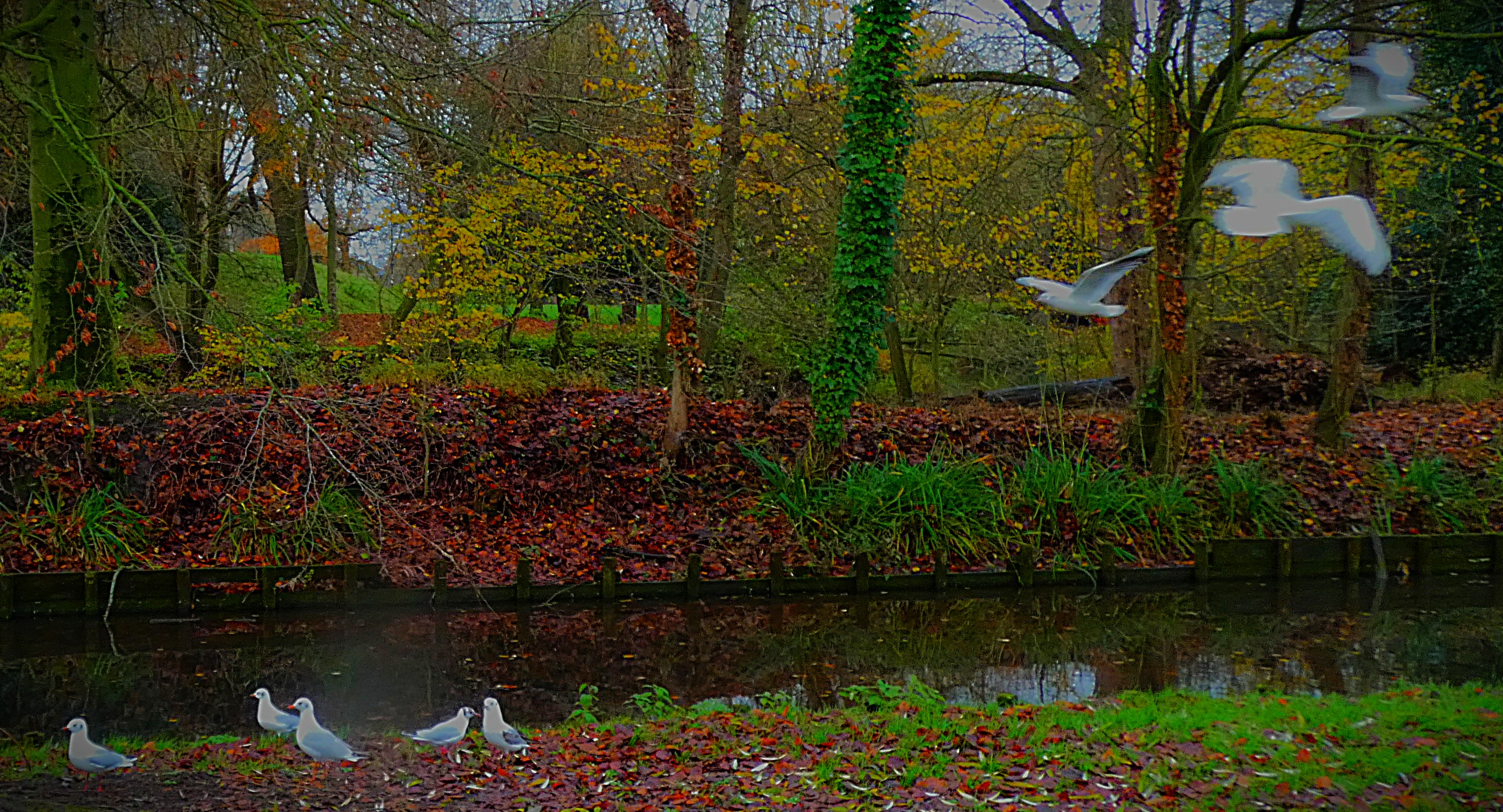
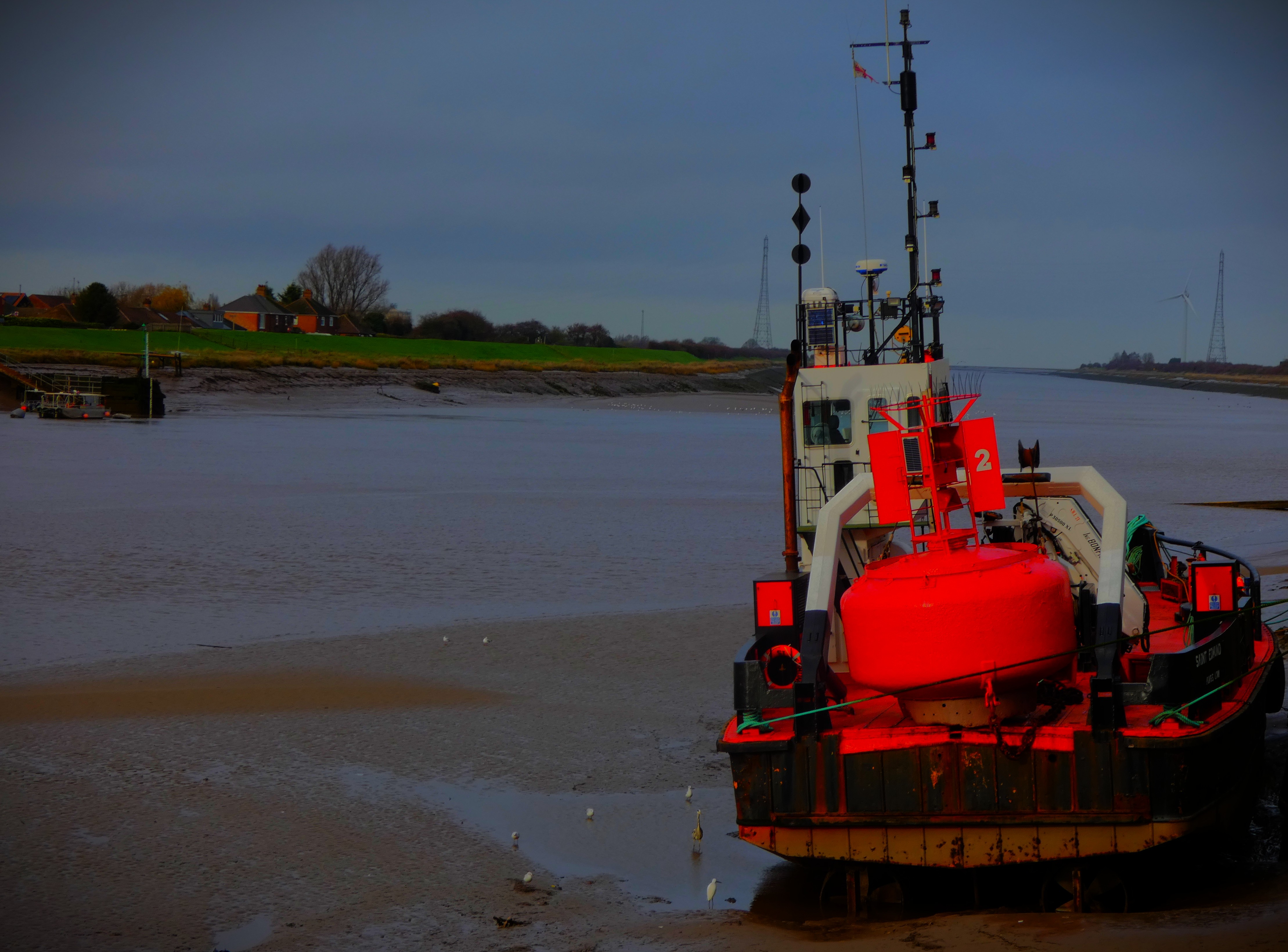
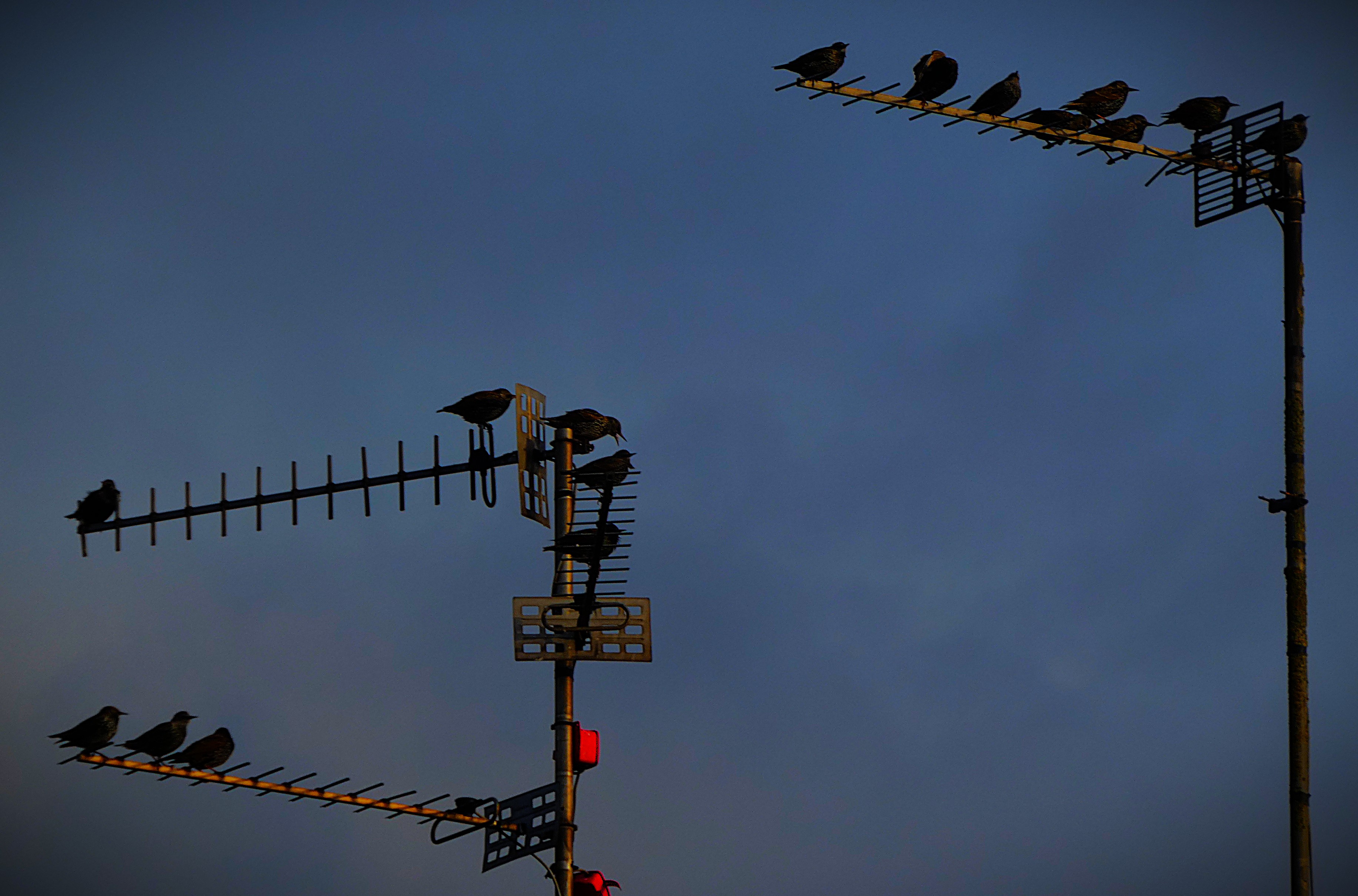
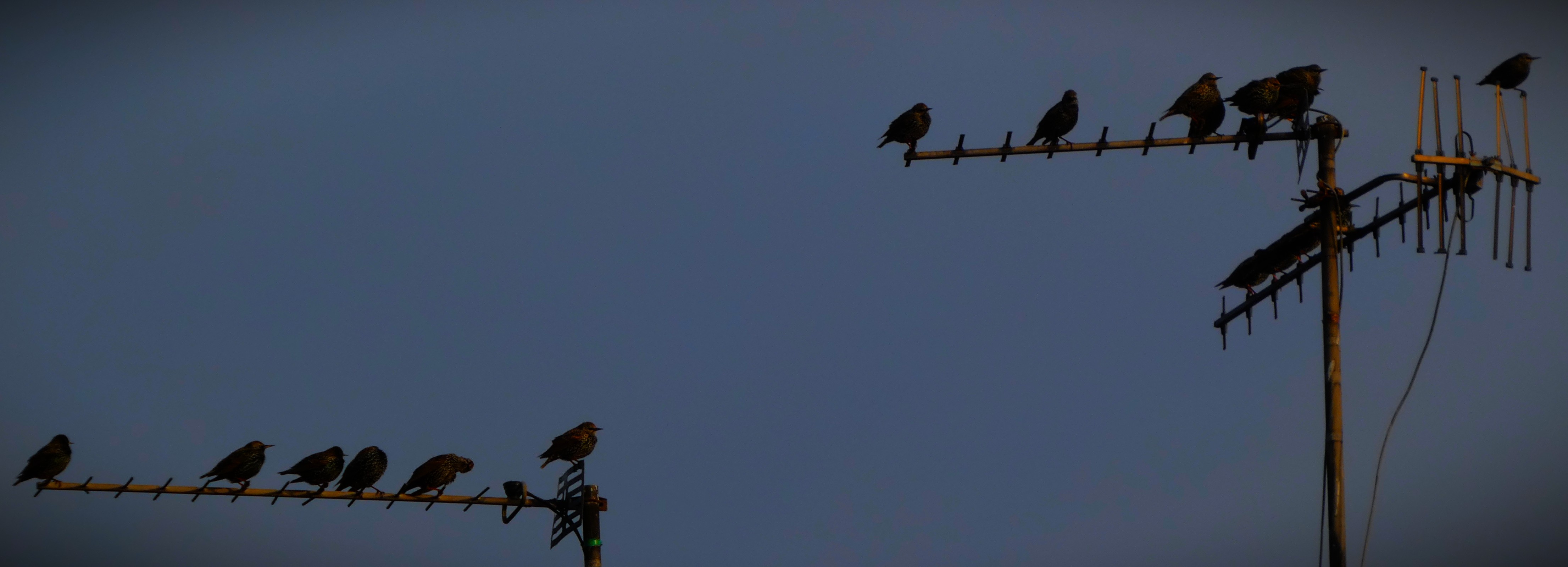
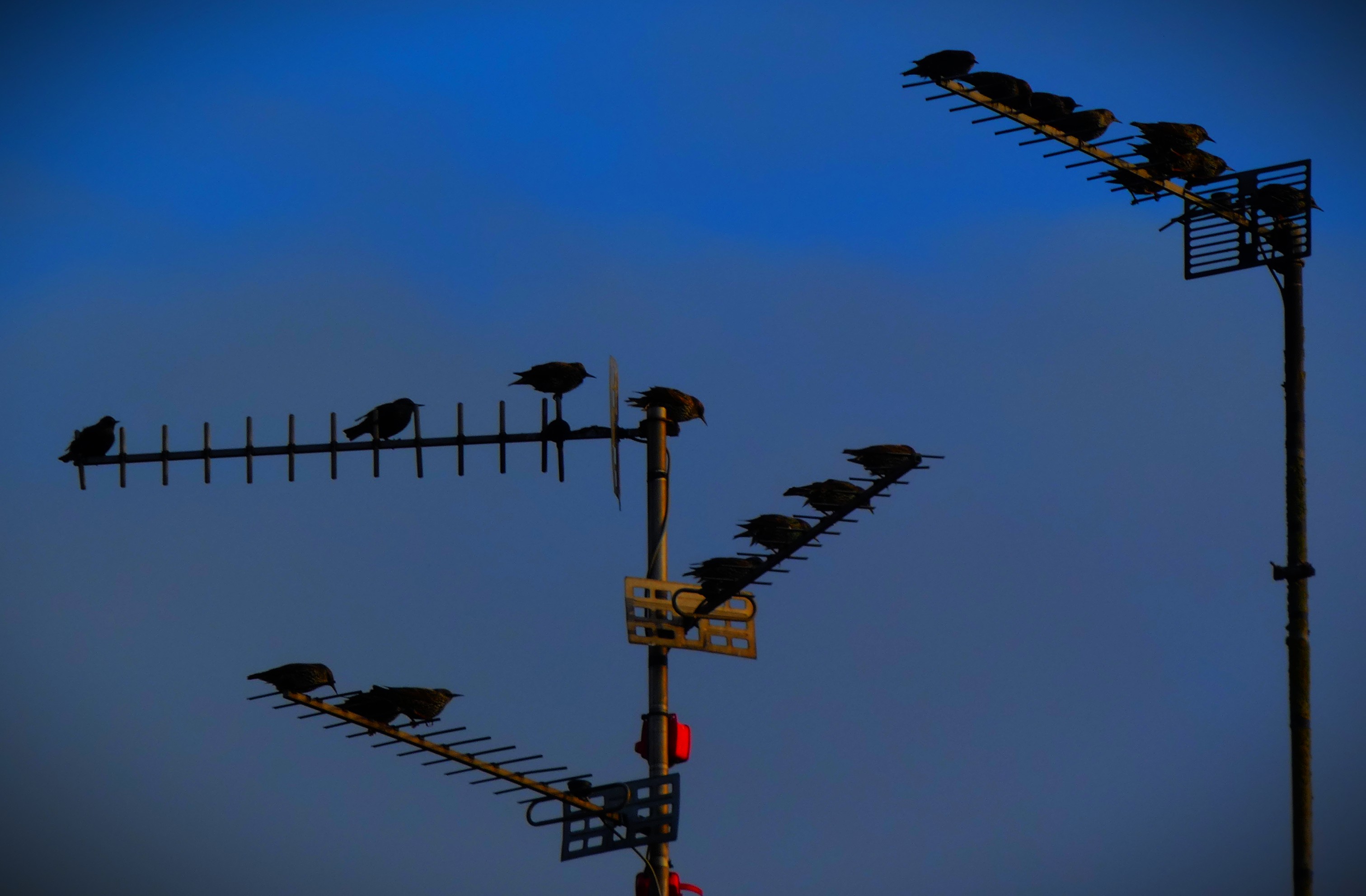
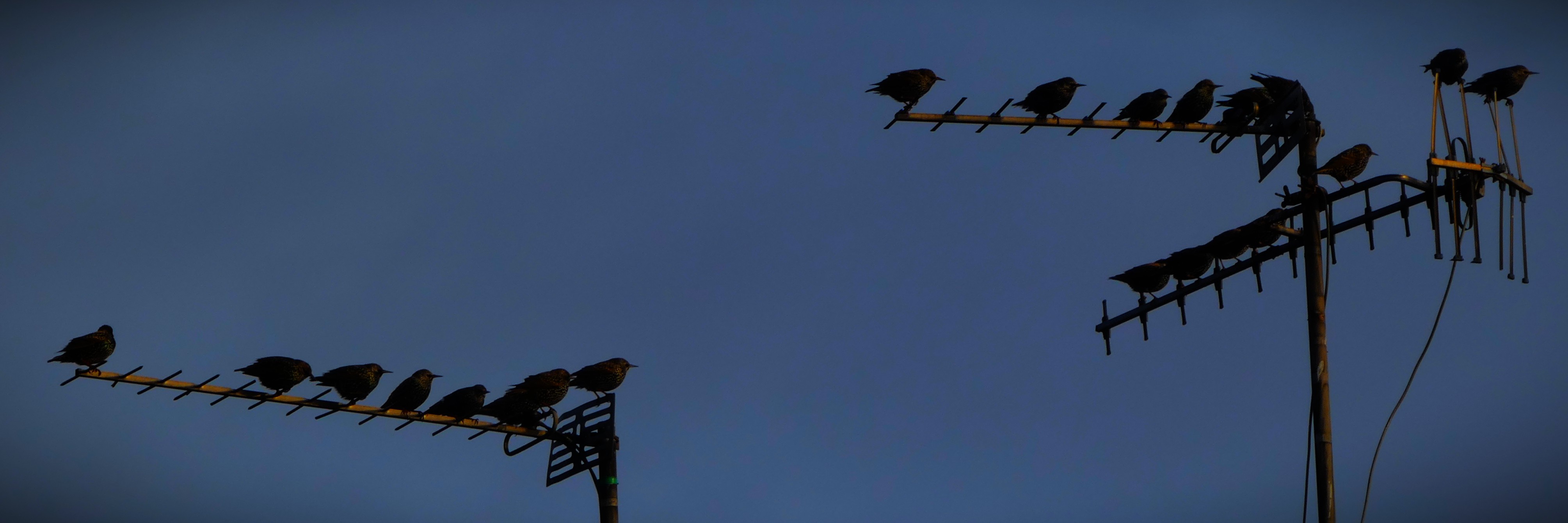
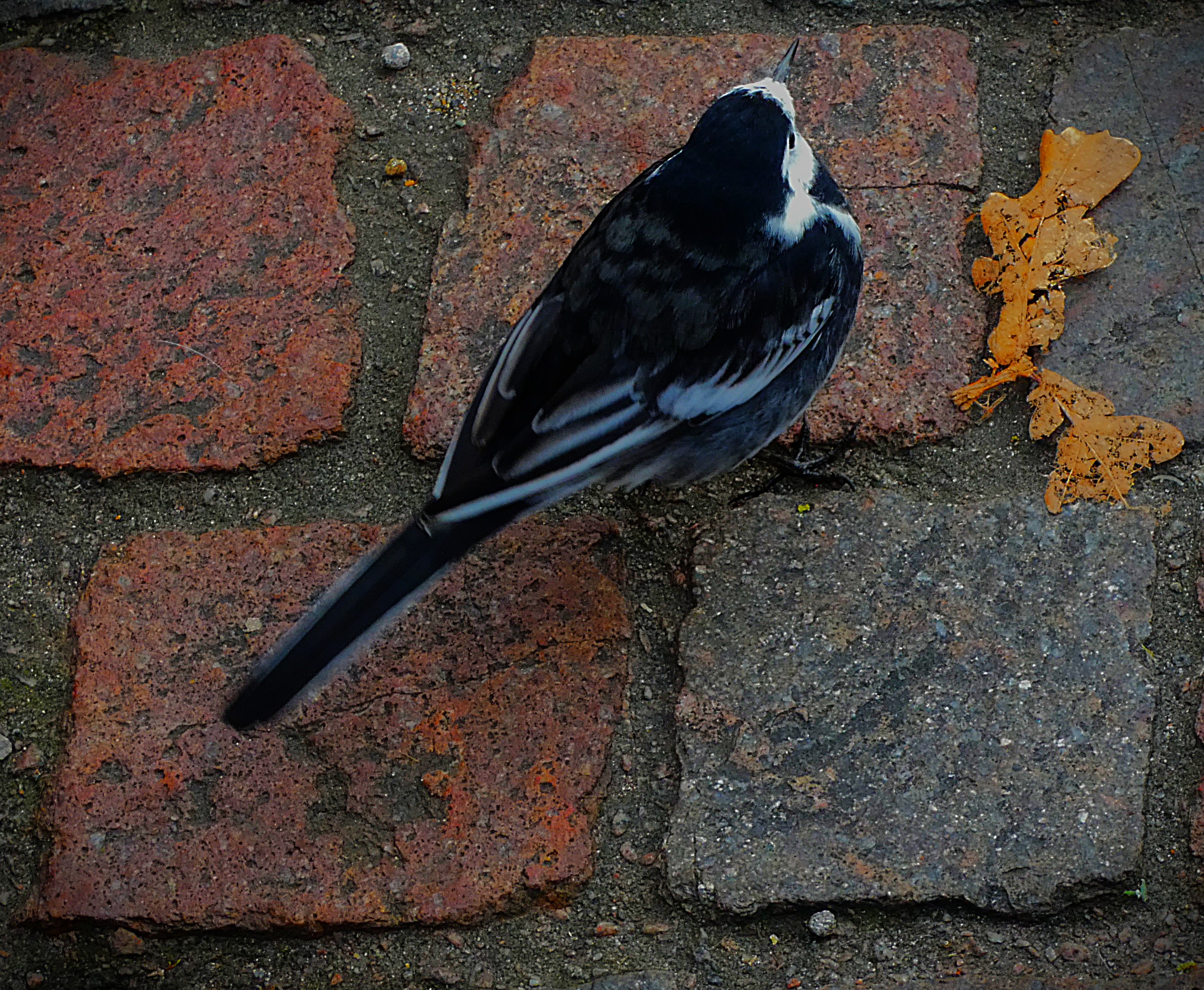
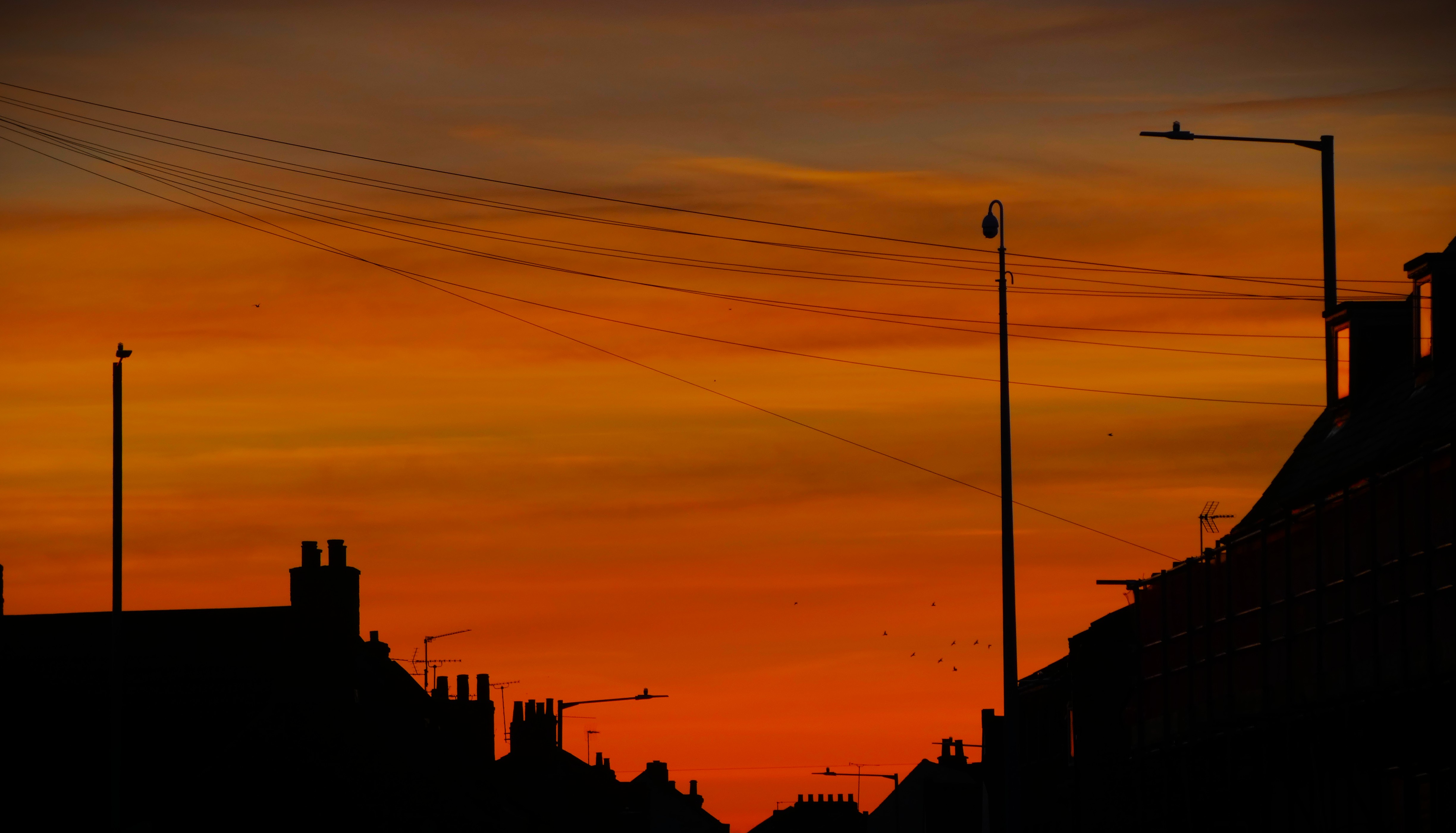
A pied wagtail exploring Fakenham Market yesterday as I walked through on my way to work (it was practically at my feet when I took this picture)“Red sky at night, Shepherd’s delight” – although whether that quite applies when said ‘night’ is falling at about 4PM is another matter!
An account of an extraordinary hour of cricket this morning to end an extraordinary series, plus a look ahead to England’s winter tour and a photo gallery.
Play resumed today at The Oval with England needing 35 runs to win and having four wickets left. This post describes a crazy hour of cricket this morning.
THE END OF A GREAT SERIES
The weather had closed in after two balls of a Prasidh Krishna over yesterday evening, so he started proceedings this morning. Jamie Overton hit the first two balls of the day for fours, the first a superb shot, a pull that sent the ball in front of square for four, and the second an edge. Then came a huge moment, when Jamie Smith, the last front line batter remaining for England, was out caught behind. Overton and Gus Atkinson advanced the score to 354, 20 to win, 19 for the tie that would be enough to give England the series. Then Overton was given LBW, a very slow decision by umpire Dharmasena (so slow that Overton was actually at the bowler’s end having run an intended leg bye by the time the finger was raised). Overton reviewed it, and it was umpire’s call on wickets, just brushing the outside edge of leg stump. Some might argue that if it taken Dharmasena as long as it did to assess the situation there had to be doubt in his mind and therefore he should not have given it. That brought Josh Tongue in join Atkinson. Three runs later Krishna bowled Tongue to make it 357-9, and Woakes, his left arm in a sling (he dislocated a shoulder in a fielding attempt on day one, and was on the field for the first time since that injury) made his way to the middle, following in the footsteps of the likes of Lionel Tennyson, Colin Cowdrey, Paul Terry and Malcolm Marshall in batting one-handed in a test match (Tennyson actually scored 63 and 36 one-handed in the face of Aussie speedsters Jack Gregory and Ted McDonald). Atkinson did his best to advance the score, and Gill twice refused to alter his deep set field on the last ball of overs, allowing Atkinson to take the strike when India could have given themselves an over at the injured Woakes. On the second of those occasions the score ticked to 367-9, one big hit away from levelling the scores and winning the series for England. Siraj, who had bowled his heart out and must by this point have been pretty much out on his feet, took the ball for yet another over. With the first ball of the new over he hit Atkinson’s stumps, and just before midday India had won the match by six runs. The turning point that enabled all this drama, and England’s eventual failure by so slender a margin was Harry Brook’s crazy dismissal yesterday with England 301-3 and India looking every inch a beaten side. For the record Siraj’s marathon bowling efforts secured him the Player of the Match, while Shubman Gill was India’s player of the series for his 754 runs across the five matches and Brook England’s, with 481 runs in the series. A scorecard of the match can be seen here.
LOOKING AHEAD
This winter England travel to Australia to renew test cricket’s oldest rivalry. Australia hold The Ashes, and the last time an England side regained the urn down under was in 1970-1 when Ray Illingworth skippered the side to victory in the series that ended Bill Lawry’s playing career (England sides retained the urn down under in 1978-9, 1986-7 and 2010-11 as well). Can this England do the almost impossible? Possibly, though it will be incredibly difficult even for such a confident England outfit as this one. If the likes of Wood, Archer and Atkinson are fit on a consistent basis rather than the odd match here or there that will be a big help. Woakes will almost certainly not be able to tour, but I would probably not pick him for an Australian tour anyway – even fit he would be unlikely to make much of an impact there. More worrying is that England’s pig headedness has left them with an opener averaging barely more than 30 in test cricket and a number three averaging a little over 35 in test cricket (an a series in Australia is not the time to be blooding newcomers to the test scene). Although a little under five runs an innings separates these players there is another difference – Crawley’s test average is a near duplicate of his first class average meaning that he is quite simply not good enough at the job. Pope however has a magnificent record in first class cricket and has failed to translate that to consistent success at test level. I would like to see Rehan Ahmed’s form for Leicestershire recognized with a place in the squad. If England want to attempt to equip themselves with something approaching a replacement for Stokes the player (Stokes the captain and Stokes the talisman are irreplaceable) then Jordan Clark has a lot going for him. In all probability, if England are to prevail Stokes will to be both the Brearley and the Botham of the squad.
How the fifth and final match of the 2025 series between the England and India men’s teams is poised and a large photo gallery.
I had expected to be posting about the conclusion of the final test of the 2025 series between England and India today, but the weather at The Oval turned nasty, bringing an early close with the match interestingly poised. Therefore the series will finish tomorrow.
HOW THINGS STAND
This match has seen astonishing twists and turns. First Atkinson, returning from injury at his home ground, took five cheap wickets to restrict India to 224 in the first innings. Then England made a blazing start in response only to lose wickets in a heap thereafter to a combination of good bowling and more than a few bad (or in some cases downright stupid) shots. In the end their advantage was 23. England bowled well again, but their fielding was the stuff of horror stories – six catches were dropped (I would probably class the sixth as more of a great stop than a drop had the rest of the fielding been up to snuff) and one clear cut run out opportunity fluffed. With this generous assistance India built lead of 373. England were 50-1 coming in to day, with Crawley having again demonstrated his inadequacy as a test opener. At 106-3 with Duckett and Pope gone in addition it looked good for India, but then a great stand between Root and Brook seemed to have settled things in England’s favour. Then Brook gifted India his wicket in a truly bizarre way – he actually completely lost his bat while playing an aggressive shot and ended up caught at mid off. This shortly after completing a century, his tenth in test cricket, off 91 balls. Jacob Bethell had his second failure of the match, and then not very long after completing his 39th test century Root was caught behind for 105. Jamie Smith and Jamie Overton were together at the crease, struggling to score as the ball suddenly started misbehaving when a black cloud reduced the light sufficiently for the umpires to take the players off with the score 339-6. That cloud then released its contents, and shortly after 6PM Oval groundsman Lee Fortis confirmed to the umpires that there was no way the surface would be playable by the cut off time of 6:42PM and that was the end of day four. England thus need 35 with four wickets standing to win the match, 34 for test cricket’s third ever tied match which would also win them the series, while India need four wickets for 33 or less or level the series. Chris Woakes dislocated his shoulder in the course of diving for a ball on day one, and would only bat in extremis, just to add to the variables. This has been an outstanding series, meriting comparison with the 2005 Ashes series, and in many ways that third ever tie in test history would be the most appropriate way for it to end.
PHOTOGRAPHS
My usual sign off…
You may recall that I showed a female Karner Blue in yesterday’s gallery. This picture taken on Monday has now been confirmed as a male of the same species, which is considered to be endangered.The female Karner Blue
The selection of a composite team for the 2025 test series between the England and India men’s teams, now approaching an end. Also a photo gallery.
The five test series between the England and India men’s teams is nearing an end – we are on day three of the fifth and final match, and I am not entirely convinced that day five of this match will be needed. This post picks a composite XI for the series.
SELECTION CRITERIA
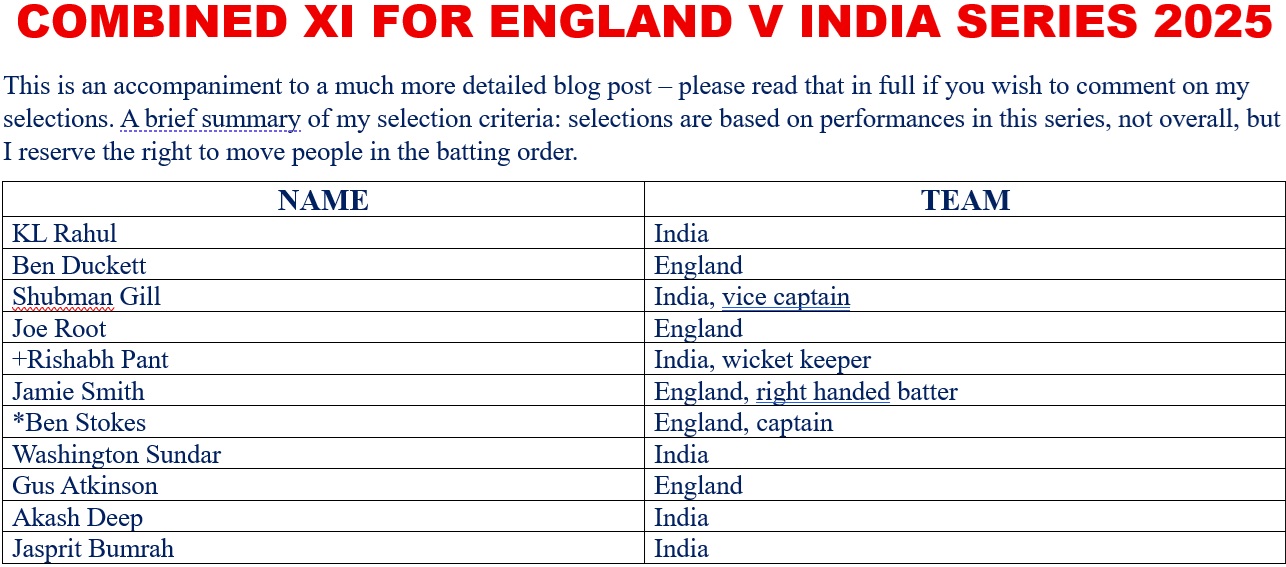
This is a team of this series, so it is based on performances that have happened within this series. However, I reserve the right to alter positions in the batting order if I deem it necessary (explanations will be provided). Please feel free to comment with suggested changes, but bear in mind the effect that these will have on the balance of the side.
THE XI IN BATTING ORDER
KL Rahul (India, right handed opening batter). Over 500 runs in the series, and even though Jaiswal (the unlucky candidate for an opening berth, Crawley being plain and simple not good enough) is going well in this innings a shoo-in for this slot.
Ben Duckett (England, left handed opening batter). Just edges Jaiswal for this slot – both have contributed well at various stages.
Shubman Gill (India, right handed batter, vice captain). At one time he seemed to have Bradman’s record aggregate for a series (974 in 1930) in his sights but has fallen off in the latter half of the series. Nevertheless, his deeds, including 430 across the two innings of the match India won, make him a shoo-in.
Joe Root (England, right handed batter, occasional off spinner). Has had a fine series, highlighted by moving past Messrs Dravid, Kallis and Ponting to go from fifth to second in the list of all time test career run scorers.
+Rishabh Pant (India, left handed batter, wicket keeper). Has been typical Pant with the bat, though hasn’t actually done a huge amount with the gloves this series due to injuries preventing him from doing so.
Jamie Smith (England, right handed batter). England’s leading run scorer of the series, and because he plays as a pure batter in domestic red ball cricket I have given Pant the gloves ahead of him.
*Ben Stokes (England, left handed batter, right arm fast medium bowler, captain). Has been talismanic this series, and England are really feeling his absence from the current match.
Washington Sundar (India, left handed batter, off spinner). Made his maiden test century in the course of this series, and also did his part with the ball, including a cheap four-for in the second England innings at Lord’s.
Gus Atkinson (England, right handed batter, right arm fast bowler). Has missed most of the series through injury, but he has taken eight wickets to date in the current match (and has been let down by his fielders this innings), which is enough for me to give him the nod.
Akash Deep (right handed batter, right arm fast bowler). He claimed a ten wicket match haul in the only game India have won so far, and in the current match, where again India are looking in a strong position, he has contributed a maiden test 50, having been sent in as night watcher last evening and benefitted from some generosity from England’s fielders.
Jasprit Bumrah (right handed batter, right arm fast bowler). The best fast bowler in the world at the moment, although India have fared better this series in the matches he has missed, his own personal performances have been splendid when he has been fit.
EXPLANATIONS/ HONOURABLE MENTIONS
I played Gill at number three rather than number four because both number fours have had great series, and none of the number threes have done especially well (if mandated to play someone who batted at three in the series I would select Pope and drop Root, but under strong protest – Pope has had an adequate series, whereas neither Sudarsan nor Nair have made a big score from number three for India). I opted to promote Gill because he is well used to batting up the order, whereas Root famously dislikes the number three slot.
Even though he fits less well with Root’s part time off spin than does Jadeja I opted for Sundar at number eight because he has done more with the ball than Jadeja this series, and I wanted to honour his maiden test century (for my money England’s petulant reaction to India’s refusal to accept the draw the very instant it became available was entirely indefensible).
The fast bowlers were problematic because only Siraj has played the entire series, and he has not been all that impressive except in being better at staying in one piece than the others. However all three of my picks have great individual performances to their credit, Deep’s 10-for being a clear cut match winner.
Gill has handled the captaincy reasonably well, but not well enough to get the job over Stokes, though I have endeavoured the show a measure of respect for his leadership by explicitly naming him as vice captain.
Duckett over Jaiswal was practically a coin flip of a choice, and I have no objection to those who resolve that decision either way. Anyone raising a voice on Crawley’s behalf merely demonstrates their lack of cricket knowledge.
PHOTOGRAPHS
My usual sign off…
This comes from work – I am currently assembling (and imaging) day one of a stamp/ postal history sale, using the lots and handwritten descriptions thereof which I type up.A graphic of my selections.I spotted this near the end of my lunch time walk, more or less equidistant between the discovery centre and my home. It has been identified for me as a female Karner Blue butterfly.
A mention of the final stages of the fourth test match between England and India, and some classless behaviour from Stokes, a look back at the Women’s Vitality Blast T20 Final between Surrey and Warwickshire, and a large photo gallery.
Yesterday evening, overlapping with the end of the fourth test match (by then an inevitable draw, which I switched away from while keeping a cricinfo tab open), and also with most (but not quite all since it went to extra time and penalties) of the final of the Women’s European Championship between England and Spain, the final of the Women’s T20 Vitality Blast tournament took place between Surrey (league stage winners and as such automatic qualifiers for the final) and Warwickshire. After a brief wrap up of the test match this post will look back at that match.
A DRAW AND A POOR BIT OF THINKING/ BEHAVIOUR
By the time I changed radio channels away from the test match to the final of the Women’s T20 Blast tournament the draw was effectively signed, sealed and delivered, with the sole remaining question being whether either or both of Ravindra Jadeja and Washington Sundar would reach what I would consider to be well deserved centuries. Unfortunately Stokes, a great cricketer but not always the most sensible in other regards, failed to appreciate the niceties of this situation (Sundar especially deserved extra consideration as he had at this point not scored a test match century) and donning his “moral crusader’s cape” he offered India the draw as soon he was allowed to do so, ignoring the two milestones that were by then bulking large in the minds of the batters, and got grumpy when they did not accept his offer, preferring to bat on to secure their landmarks first and then accept the draw. The laws of this great game are unequivocal on the point that a draw can be accepted at any time in the last 15 overs of a match if both sides agree. Here, for obvious reasons, even though the draw had long been the summit of their ambitions, India were not ready to agree, and they could not be forced do. Stokes should have noted the scores of the two batters (especially Sundar), and waited until they either completed their tons or failed in the attempts. As to what actually eventuated I finish this section with two mastodon posts of mine, a few moments apart:
The finals day for this competition featured a playoff in which Warwickshire faced The Blaze for the right to take on Surrey in the final and then the final itself. The first match was dominated by Issy Wong, who scored 59 and then took 4-14.
For the final Surrey won the toss and chose to bowl. Wong again batted well, but did not go really big this time, managing 31. That would remain the highest Warwickshire score of the innings. Laura Harris was typically explosive but only did half a job, going for 25 off 11 balls. It took some good work by the Warwickshire tail to get them past 150. They ended with 153-9, a good recovery from 115-8 at the dismissal of Harris, but a total that a powerful Surrey line up would have been confident of chasing.
The big difference between the two sides was that whereas Warwickshire had had lots of useful efforts but no big contribution Surrey got a clearly defined match winning innings from Grace Harris, sister of Laura (hence the title of this section of the post). Grace did not score quite as explosively as Laura had, but she did rack up an unbeaten 63, the highest score of the day, and she still only took 33 balls to make that score. The real key to her innings was that she was always scoring – of the 25 balls she took to reach her 50 she actually scored off 24 and faced only one dot ball. With Dunkley and keeper Chathli (who had earlier been superb with the gloves) playing support roles (23 off 13 and 16 not out off 9 respectively) Surrey won by five wickets with 3.2 overs to spare, a victory every bit as comprehensive as the margin suggests. Most of Warwickshire’s bowlers did reasonably well, though Millie Taylor, the young wrist spinner who was the tournament’s leading wicket taker came badly unstuck in the final, finishing with 3-0-37-0. The much more experienced Georgia Davis leaked 14 from her only over. Issy Wong was relative economical (under eight an over), but would have been disappointed to finish wicketless. It was Chathli who made the winning hit, a drive down the ground off Wong. Grace Harris, having produced score over twice the size of anyone else in the match, was named Player of the Match. Full scorecard here.
PHOTOGRAPHS
My usual sign off…(periodic reminder, to view an image at larger size simply click on it, and if you do this for the first image in a gallery you can view the whole gallery as a slide show).
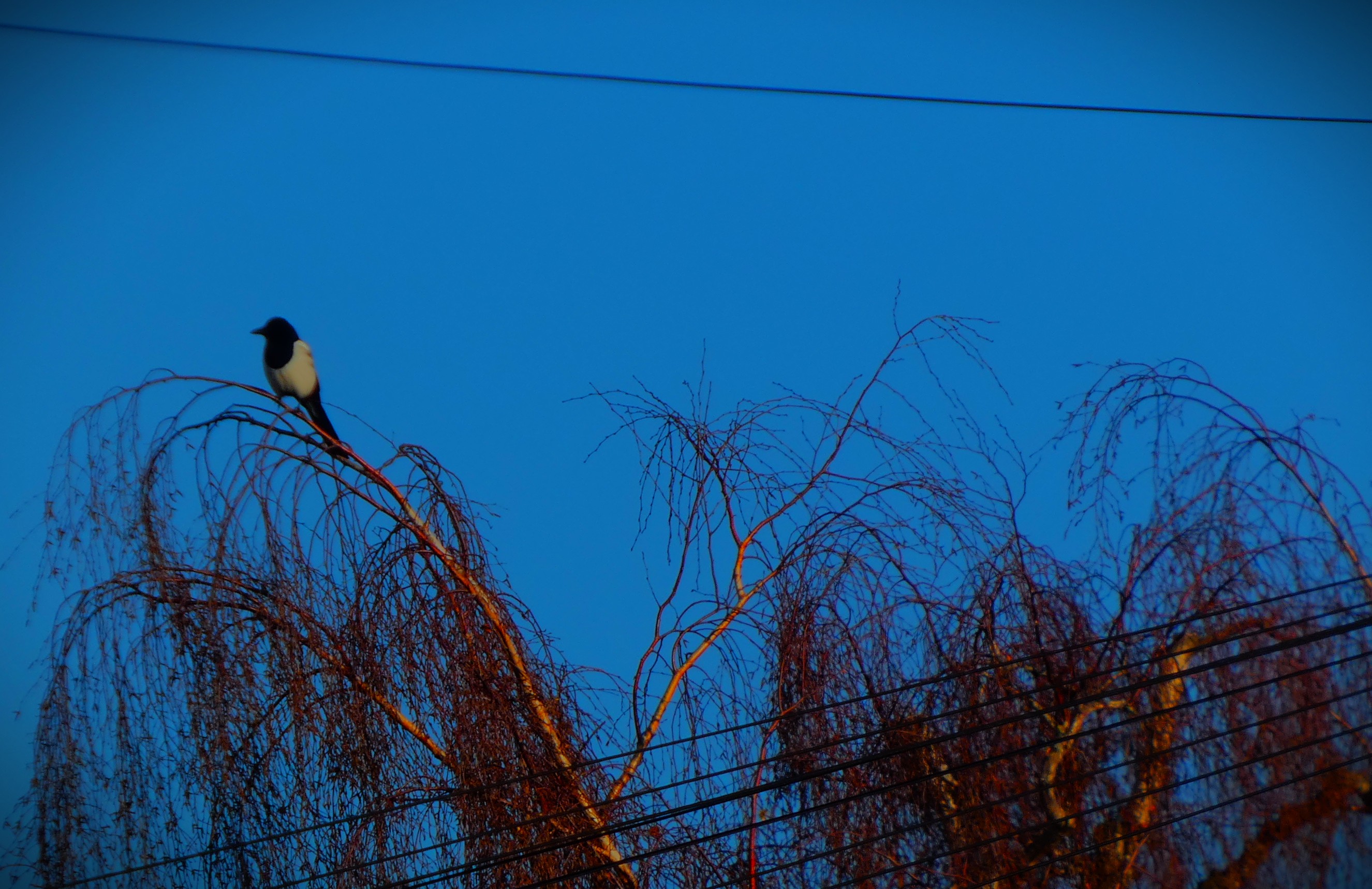
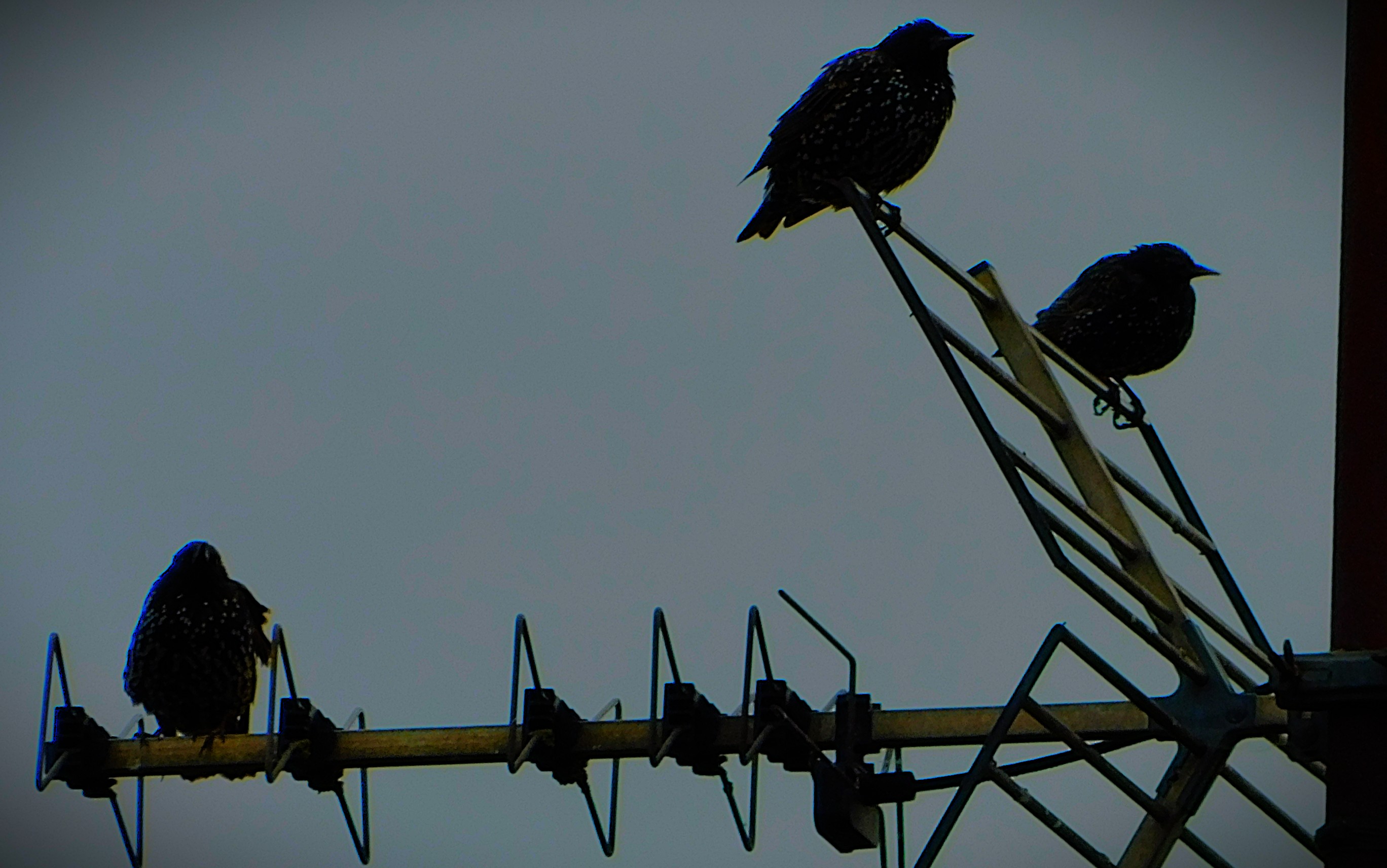
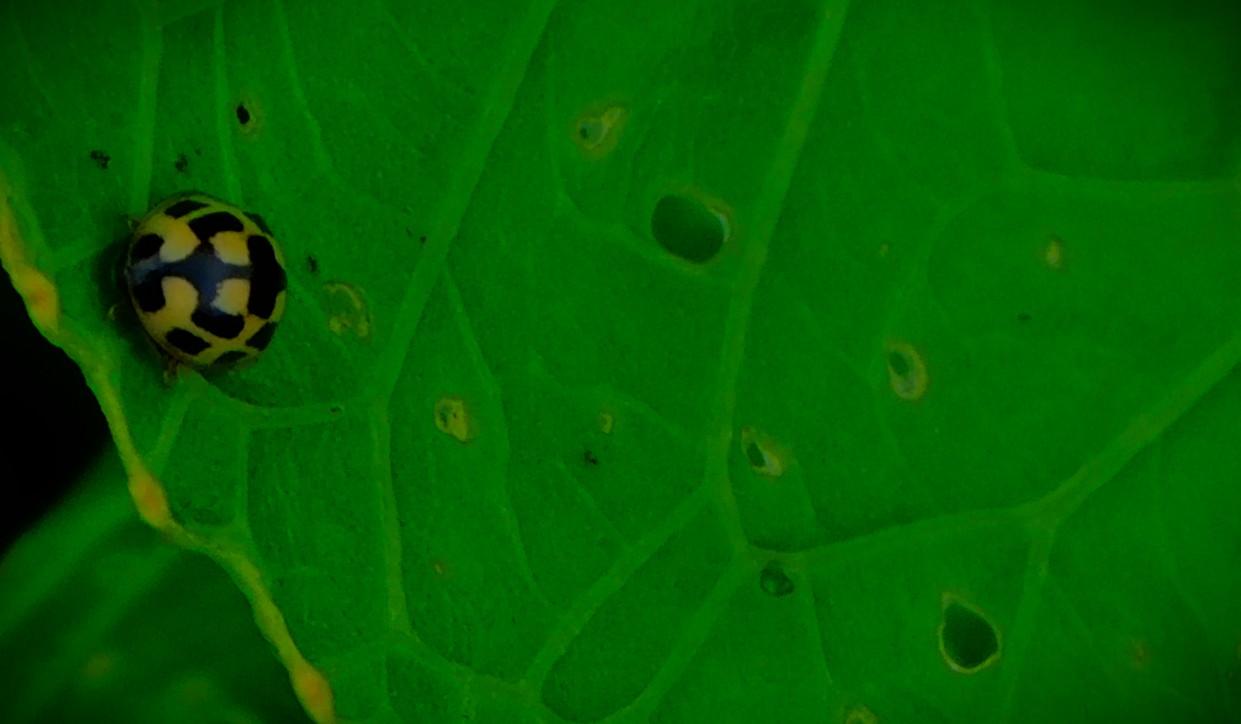
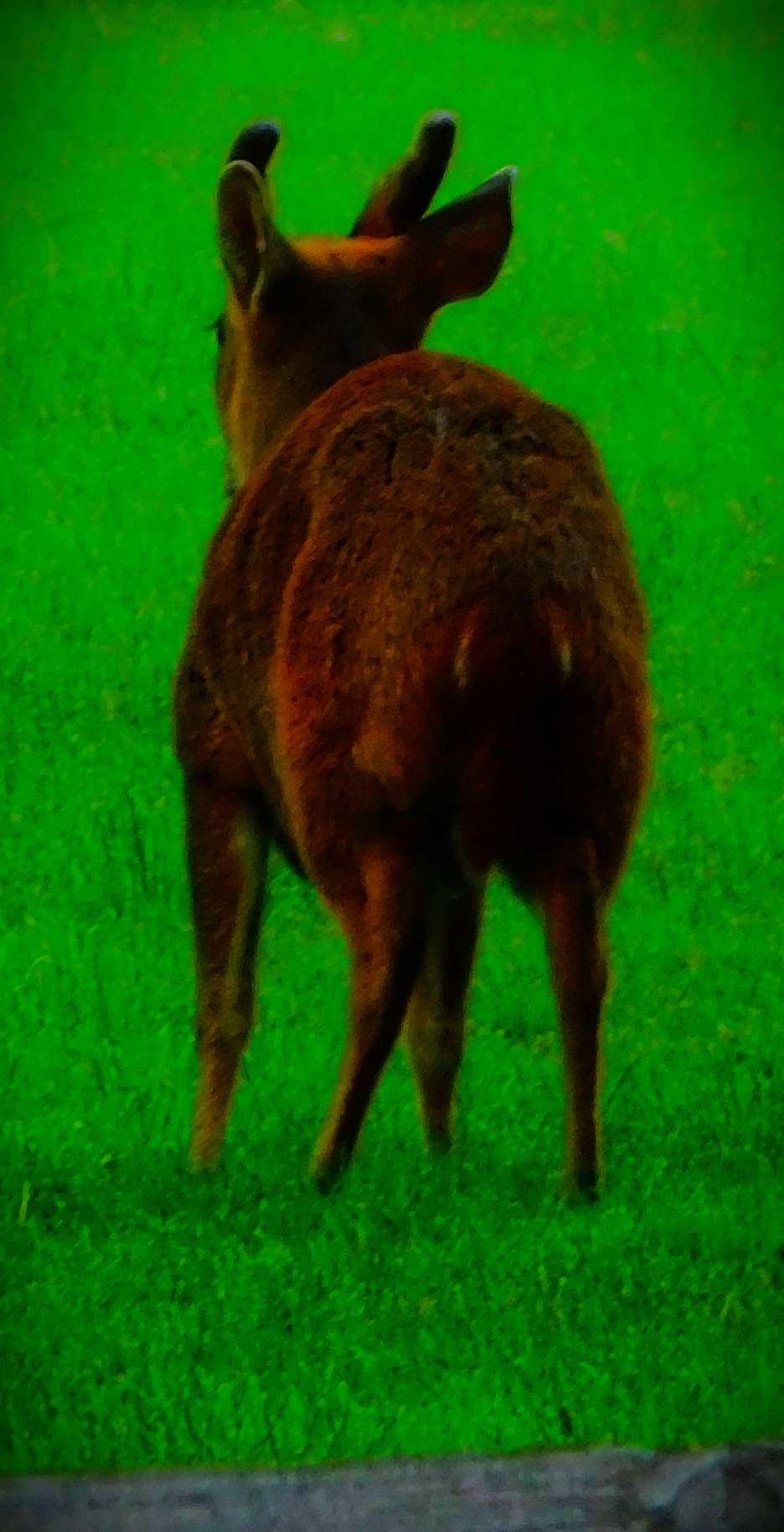
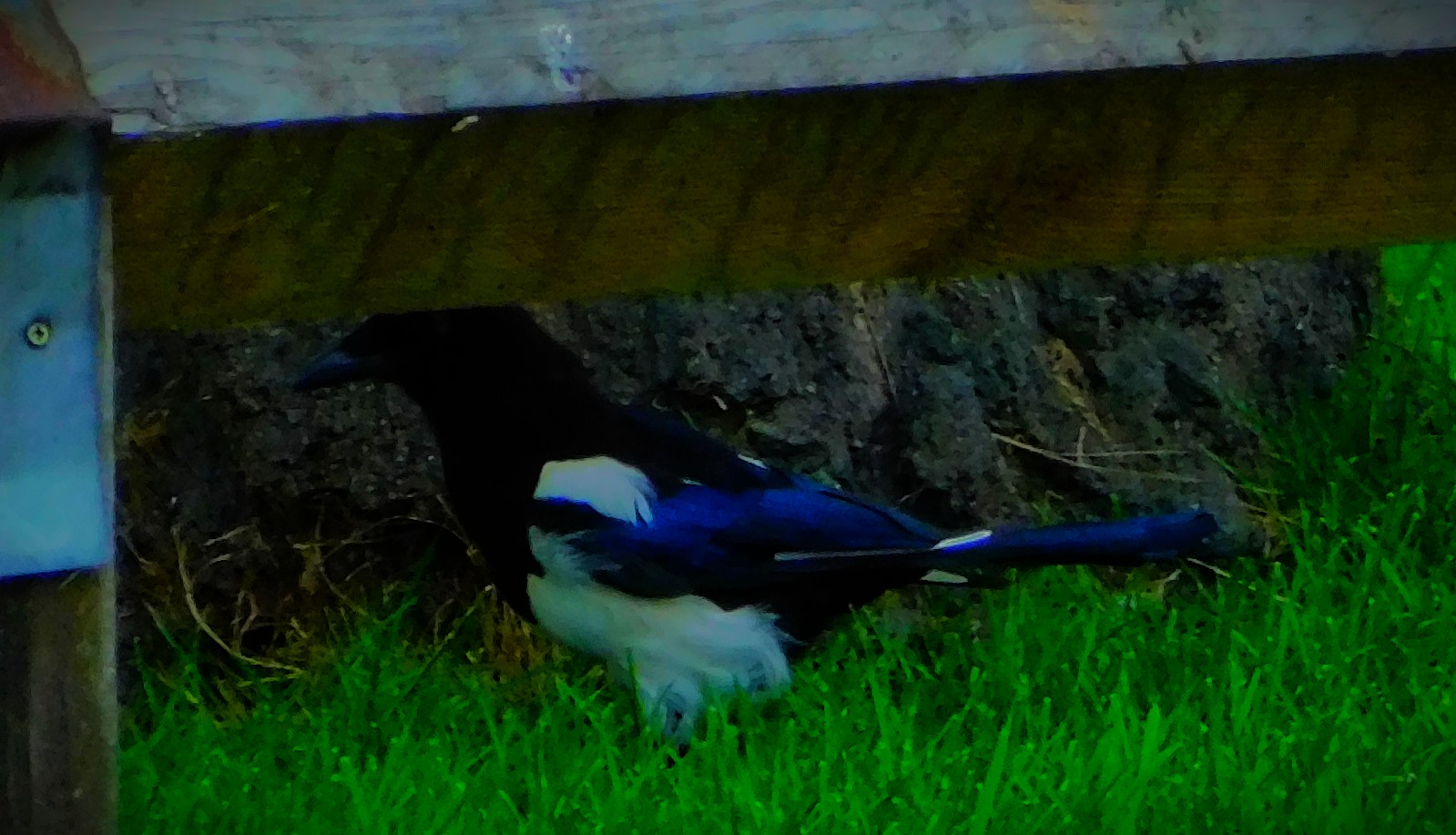
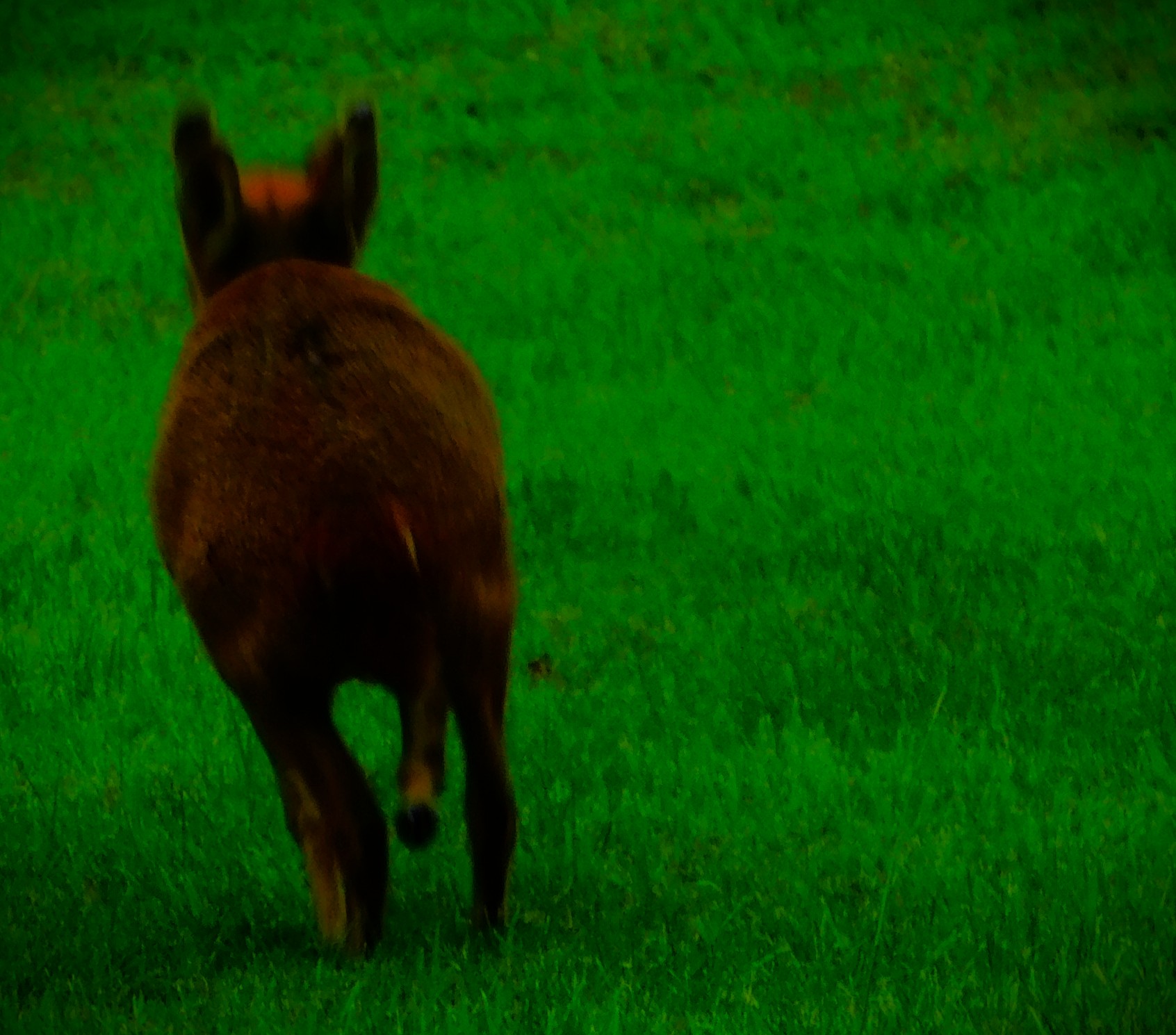
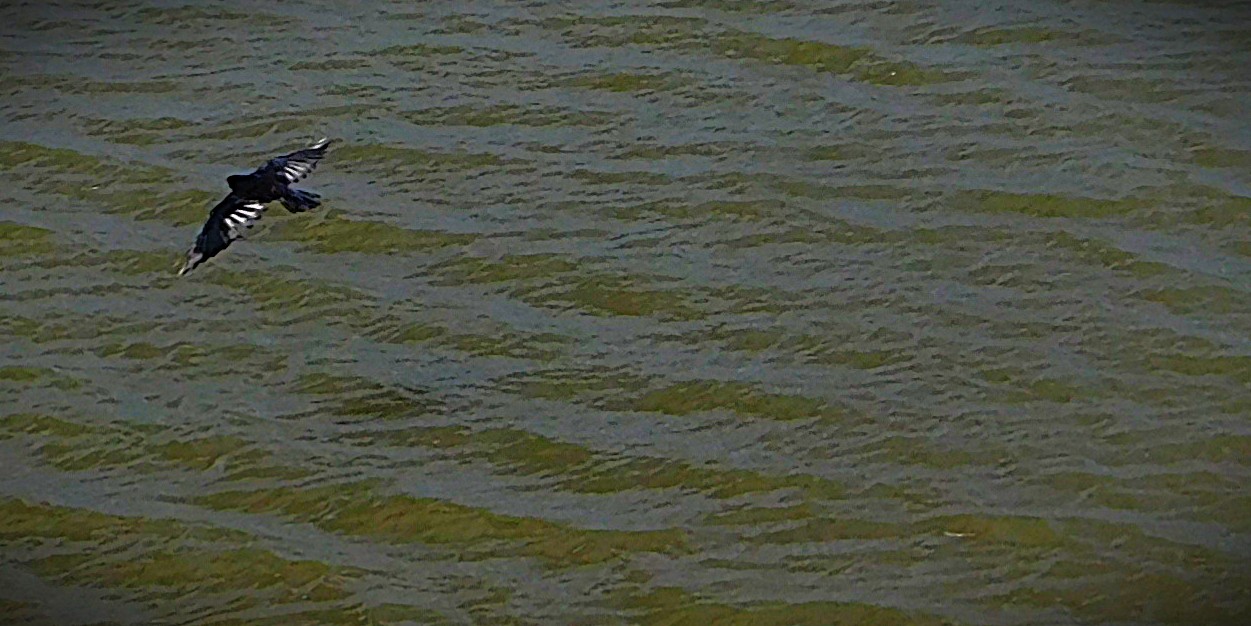
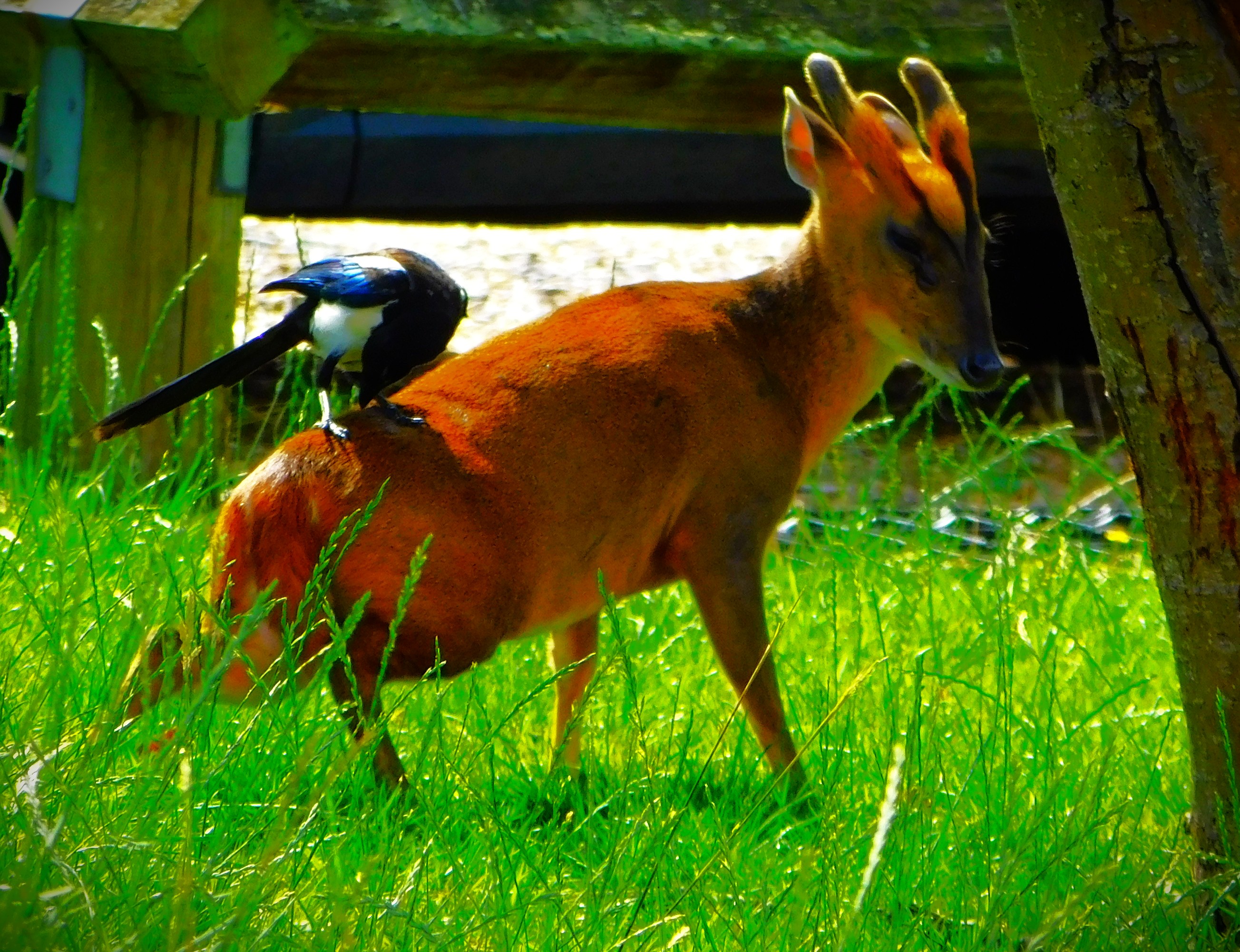
This green beetle (see next image for close up) was enjoying some flowers not far from King’s Lynn train station.This blue winged butterfly was enjoying a yellow plant head in Hardings Pits (four images). There is also a ladybird on the other side of the plant head.A magpie and a muntjac – I think the magpie provides cleaning services for the muntjac which is why it is allowed to perch on it.
A look at developments in Manchester, where the test match is moving towards a draw. Also a large photo gallery.
When I put up yesterday’s post Gill and Rahul were putting up a good fight for India as day four at Old Trafford drew towards a conclusion. This post takes the story forward.
INDIA’S RESISTANCE ACT
Shubman Gill and KL Rahul were still together at the close of day four, meaning that England still needed eight more Indian wickets. Stokes had Rahul caught behind for 90 in the 71st over to make it 188-3. Gill proceeded smoothly to his fourth century of the series, a joint record for a series in England shared with Don Bradman (1930), Denis Compton (v South Africa, 1947) and Joe Root last time India visited these shores, with an honourable mention for Allan Lamb who took three tons off the mighty 1984 West Indies side and then added another in a one-off test against then newbies at that level Sri Lanka. Shortly after reaching the landmark he made the first and only mistake of his innings edging one from Archer with the new ball through to Smith behind the stumps. That was 222-4. It might have been two in two for Archer, as Jadeja edged his first ball, but Root floored the chance. Since then there have been no serious alarms, though Ollie Pope almost got to what would have been an amazing catch. Sundar and Jadeja, promoted ahead of Pant as the latter is injured, each reached 50s, and took India to the tea interval on 322-4, a lead of 11 overall. Post tea the two all rounders are playing more expansively, and England look decidedly short of ideas.
A NOTE ON SELECTIONS
My own view is that both sides have erred with their selections for this match. England, with Dawson at eight and Woakes at nine had a huge amount of batting, but as this second Indian innings is demonstrating they are short of bowling, and although the odd ball has misbehaved this has overall been a very good pitch on which to bat. India in my view were more culpable. Neither Thakur nor Kamboj offered anything with the ball, which is what they were selected to provide. Arshdeep Singh damaging his thumb just before the match started created an extra difficulty for India, who were admittedly short of options, but Kuldeep Yadav, the left arm wrist spinner, would have been more likely to be of value than either Thakur or Kamboj. The fact that this match is quite likely to finish with only two of the four innings completed (the third may end with a declaration to bring an early finish to the match, but an all out is highly unlikely) tells its own story about the domination of the bat over the five days. England will head to The Oval 2-1 up in the series.
PHOTOGRAPHS
My usual sign off…
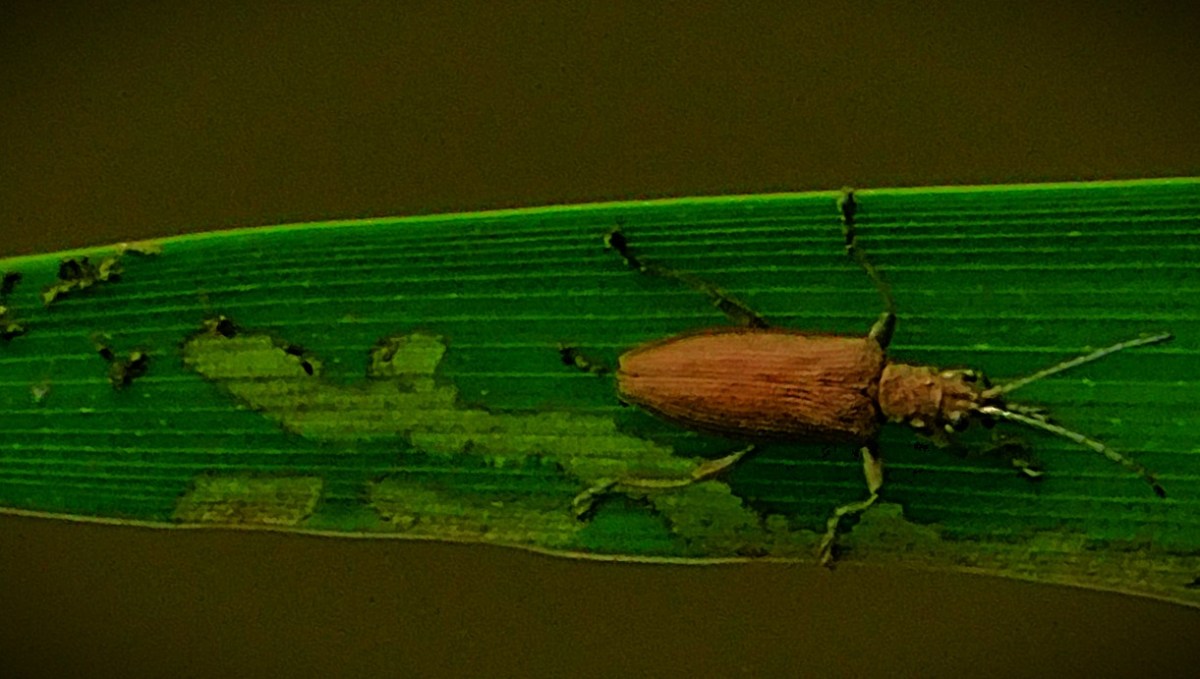
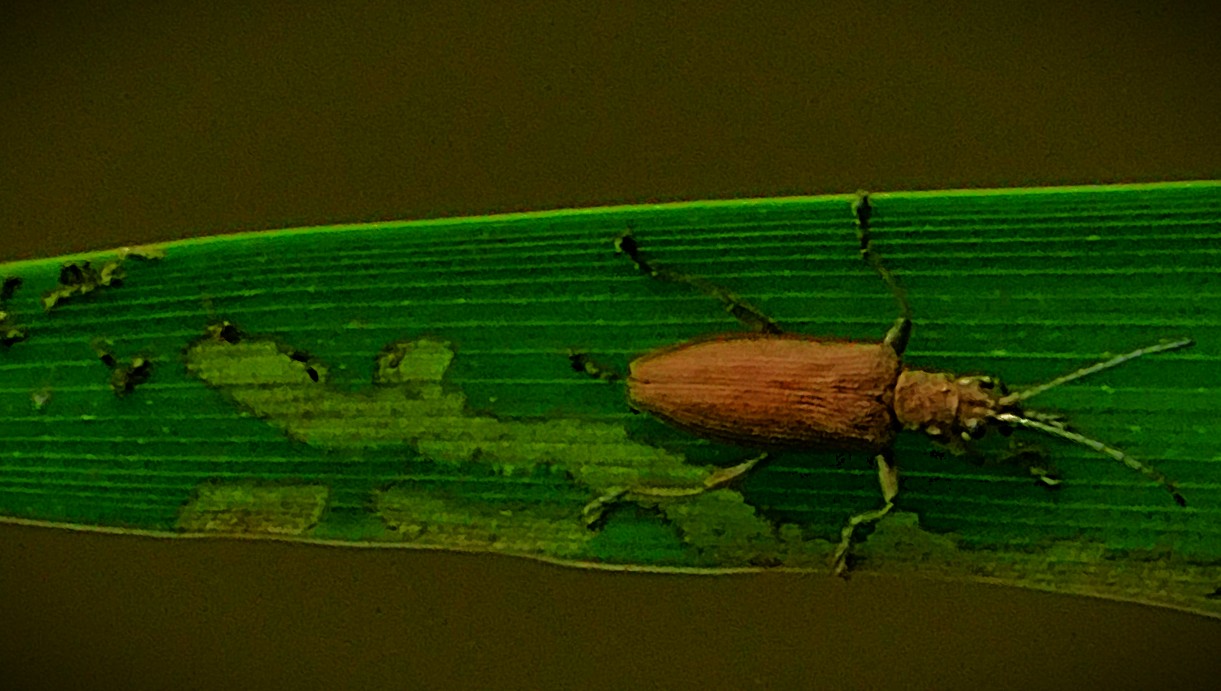
A goods train on its siding, from the Tennyson Road level crossing.A beetle on a reed hanging out over the Gaywood RiverA close up of the beetle.
A look at developments at Old Trafford since yesterday, including Ben Stokes joining not one but two elite clubs this morning. Also two photo galleries of very different types.
Yesterday, as Root went past Ponting to second place in the all time list of test match run scorers I put up a post about England’s progress in the fourth test of their series against India, at Old Trafford. Since then things have moved forward, largely in England’s favour, although KL Rahul and Shubman Gill are currently batting well for India.
STOKES JOINS TWO ELITE CLUBS
Stokes and Root shared a big partnership, ended not by a dismissal but by a retirement due to cramp on Stokes’ part. Eight runs after Stokes’ retirement Root was finally out for precisely 150. That was 499-5. Neither Jamie Smith nor Chris Woakes did a huge amount with the bat, but between them they lasted long enough for Stokes to feel able to resume his innings at the fall of the seventh wicket. Stokes and Liam Dawson saw things through the close of day three, by when Stokes had advanced his score to 77. England at 544-7 were 186 ahead by then.
Dawson was eighth out at 563, but Carse now provided Stokes with good support. Two landmarks came in quick succession – when Stokes reached three figures he was only the fourth England men’s player to score a century and take a five-for in the same test match, the others being Tony Greig, Ian Botham (five times) and Gus Atkinson. Then when he struck a six to move from 108 to 114 that also took his career tally from 6,999 to 7,005 making him one of only three to have achieved the test career treble of 7,000+ runs, 200+ wickets and 100+ catches, the other two members of this club being Garfield St Aubrun Sobers, the most multi-skilled cricketer ever, and Jacques Henry Kallis, the South African superstar. By now Stokes was in full rampage mode. The fun ended for Stokes when on 141 he holed out to Sudarsan off Jadeja. That was 658-9, already a record test score at this ground, and a lead of precisely 300 on first innings. However, Stokes kept England batting, and Carse and Archer accrued 11 further runs before Carse holed out just short of what would have been his second test 50.
GALLERY ONE: AUCTION PURCHASES
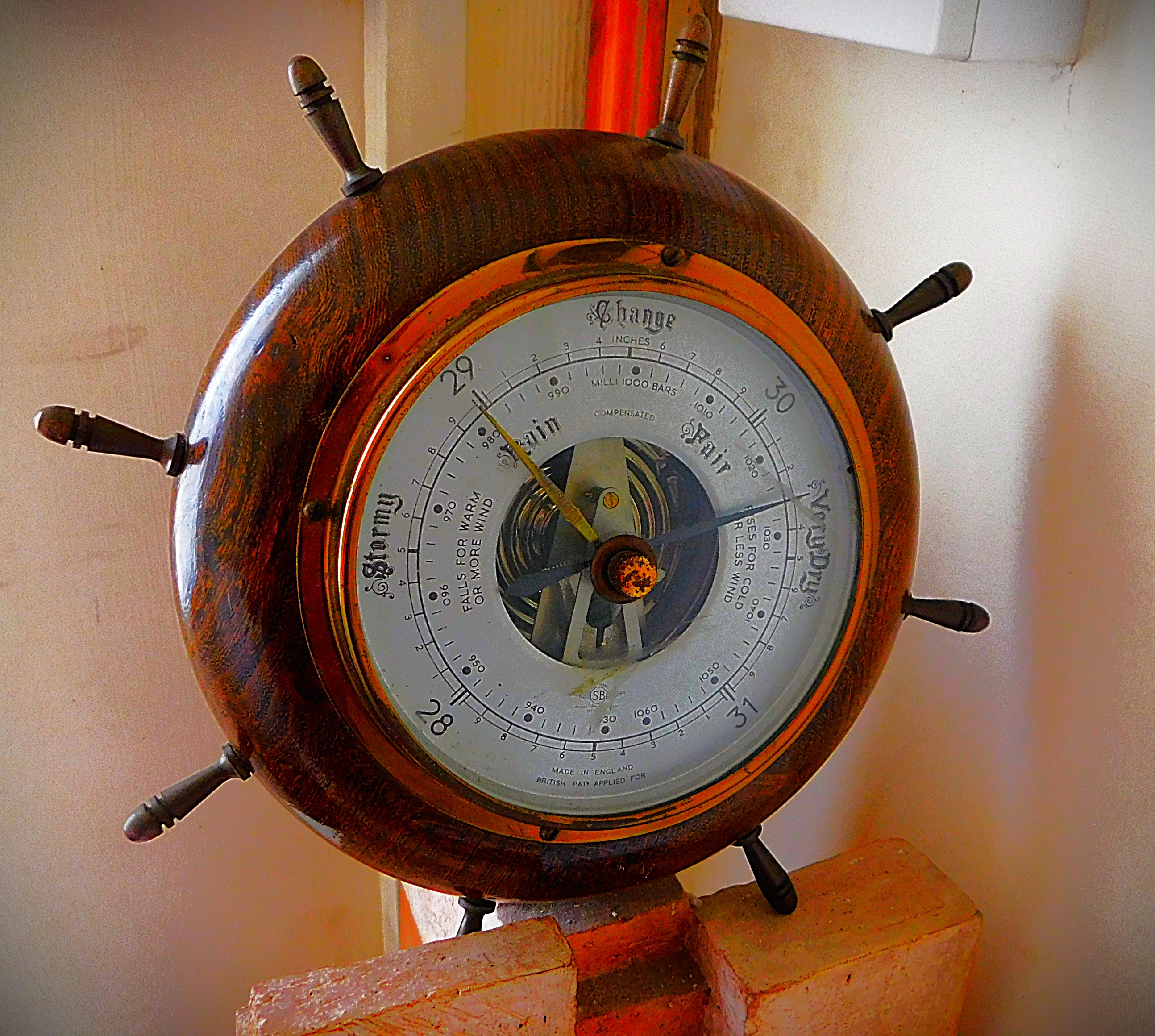
James and Sons had an auction this week, which went reasonably well after a very quiet start. I was successful on two items, lot 293, a small barometer in the shape of a helmsman’s wheel and lot 359, an early (1902) set of railway themed cigarette cards. The images I took of these yesterday morning form this gallery…
The first of four images of the barometer taken in my kitchenThe barometer in its new location, atop my Czech sculpture, which is working admirably as a support for it.Not only did I image all five sleeves of this set, I imaged every locomotive bar one individually.
INDIA’S SECOND INNINGS SO FAR
There was time for a brief burst at India before lunch, and Woakes struck twice in the first over, removing Jaiswal and Sudarsan for ducks. Since then India have had their best period of the match, not having lost a wicket between lunch and tea, nor any since tea as yet. They are scoring fairly slowly, but holding out. At the moment India are 104-2, needing 207 more to avoid the innings defeat. India probably need to bat until at least tea time tomorrow before they can feel safe, and a victory for them from here is as close as anything in red ball cricket can be to impossible.