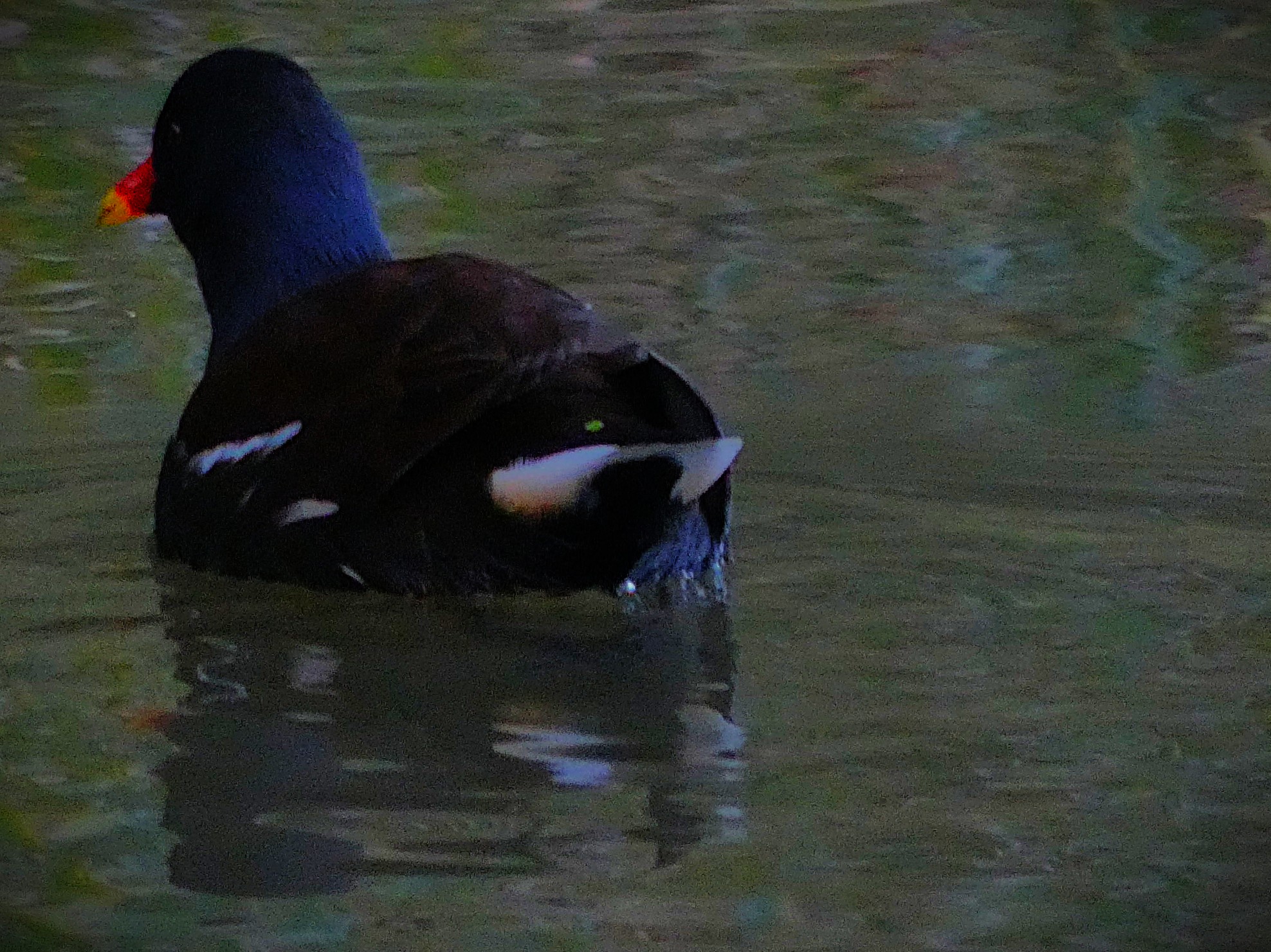
A look back at the final stages of the test match in Adelaide, some suggestions for Melbourne and a photo gallery.
Early this morning UK time England lost the test match in Adelaide by 82 runs and with it both The Ashes and the series. Australia are now 3-0 up with two matches left to play.
DAY FOUR
England had their best period of the test match when they took the last six Australian wickets for 38 runs. Unfortunately that still left them needing 435 to win, more than has ever been successfully chased in a test match before. By the close they had lost six of their second wickets and such hope as they still retained rested with Jamie Smith and Will Jacks.
DAY FIVE
Jamie Smith made 60, but his dismissal was a poor one. Jacks found further support from Brydon Carse, as England extended the match into the afternoon session of the final day. Jacks was eventually dismissed for 47 having held out for almost three hours. This was a particularly impressive effort since he is by nature a stroke maker but put that aside in the interests of the team. Thereafter the end was not long delayed.
LOOKING AHEAD TO MELBOURNE
There is no way Ollie Pope can retain his place for the fourth test match in Melbourne. It is also clear that England need a spinner, not a batter cosplaying as a front line spinner (I do not blame Jacks for the embarrassing results of this bowling figures wise, I blame England for trying to have him play a role he does not play even in domestic cricket). Jacks bats high in the order for Surrey, and with England having a vacancy at number three there is an obvious solution there – Jacks moves up and plays as the batter he is, Pope goes out, Bashir comes in. Also for Melbourne I want Matthew Potts in for Brydon Carse, who did get some wickets here but also bowled a lot of dross. While the series is over there is a huge difference between 5-0 and 4-1 or 3-2, and England should be looking to restore some pride in these final matches. In 1950-1 Freddie Brown’s side had a horror time for much of their tour, with a lot of ill luck along the way, but they never lost heart, and in the final test match they saved some face with a victory, England’s first over Australia since before WWII, and in England in 1953 Len Hutton’s England regained The Ashes, which had been in Aussie hands for almost 19 years at the time.
A look back at days two and three of the test match in Brisbane, some comments regarding the makeup of the England side, and a photo gallery.
This post looks back at days two and three of the test match in Adelaide that is currently in progress.
DAY 2
England took far too long to dispose of the last two Australian wickets, allowing them to boost the total to 371. Australia then did what England had signally failed to do: bowl properly. The best one can say about England’s efforts in the face of a very good bowling performance from Australia is that at least on this occasion they were in general got out rather than giving their wickets away. The chief exception was Ollie Pope, whose shot against Nathan Lyon was gruesomeness personified. The bowler, returning after missing Brisbane, an omission about which he was in his own words “filthy” could not be sure how things would go for him. Pope hit the veteran off spinner’s very first ball straight to midwicket to depart for 3. That brought Lyon level with McGrath on 563 scalps, and a few moments later he was alone as Australia’s second most prolific test wicket taker ever behind Warne when he bowled Ben Duckett. Brook batted with greater responsibility than he had shown in the first two matches (it would have been hard for him to show less) to accrue 45, at a still reasonable speed. Stoked dug in for the long haul, and before the close of this day, Archer, a five-for already to his name found himself in action with the bat. England ended on 213-8, 158 adrift.
DAY THREE
England began well, staging a significant batting revival of their own, with Archer clocking up a maiden test 50 and Stokes battling on to 83. They managed 286, a deficit of 85. Sadly that was the last good news for England. The rest of the day was dominated by Travis Head, scoring his second ton of the series (England have one such score between them, from Root in Brisbane, for this series). Australia soon realized that other than Archer the England bowling contained zero threat. Will Jacks, again used as a stock spinner, ended the day with 1-107 from 19 overs (for comparison Lyon, a genuine bowler, had 2-70 from 28 overs in England’s innings, which is what proper stock bowling looks like). This is not an attack on Jacks, a fine cricketer but not, repeat not, a front line spinner. He is a good batter and an occasional bowler, and England sticking him in at number eight as a supposed front line bowler was a poor call – and it is England against whom my ire is directed. In the first innings Jacks had 2-105 from 20 overs. The last bowler to concede 100 or more in each innings of an Ashes match before this was Shane Warne, in a game in which he captured 12 wickets, and the last English bowler to do so was Ian Botham at The Oval in 1981, when he took 11 wickets. Jacks at the moment has 3-212 for the match. Usman Khawaja scored 40, but Head’s best support came from Alex Carey who followed his first century by reaching 52 not out. Australia were 271-4 at the close, 356 ahead, with Head 142 not out.
LOOKING AHEAD
After the close of play England’s spin bowling coach Jeetan Patel acted as spokesperson for the team. In a moment that brought to mind (at least to my mind) the ‘many worlds‘ view espoused by certain cosmologists Patel told those listening that Jacks had not bowled badly today. There may indeed be an alternate universe in which Jacks did not bowl badly (possibly even one in which he actually bowled well), but in the universe in which this match was played and in which I was listening his 1-107 from 19 overs was not an unfair reflection on his bowling. It is not Jacks’ fault – he was put in to a job that he does not do even at domestic level, which is the fault of those making that call, but Jeetan Patel did himself no favours by producing such a blatant porky. Unless miracles happen on days four and five England will move on to the Boxing Day test having already surrendered both Ashes and series. Two players who cannot be allowed to keep their places based on the evidence so far available are Pope and Carse. I would replace Carse with Matt Potts, a crafty fast-medium in place of a brainless pacer. As for Pope I would use the necessity of dropping him to change the balance of the side, by bringing in Bashir. The number three slot could go either to Jacks, a top order batter for Surrey, or Stokes could move up and take on that crucial position himself. To win a test match in general you need to take 20 wickets. At Perth and Brisbane England managed 12 wickets each time. They have taken 14 so far here, but the only way they will make it to all 20 is if Australia decide that there is so much time left in the match they need not bother to declare.
PHOTOGRAPHS
My usual sign off…
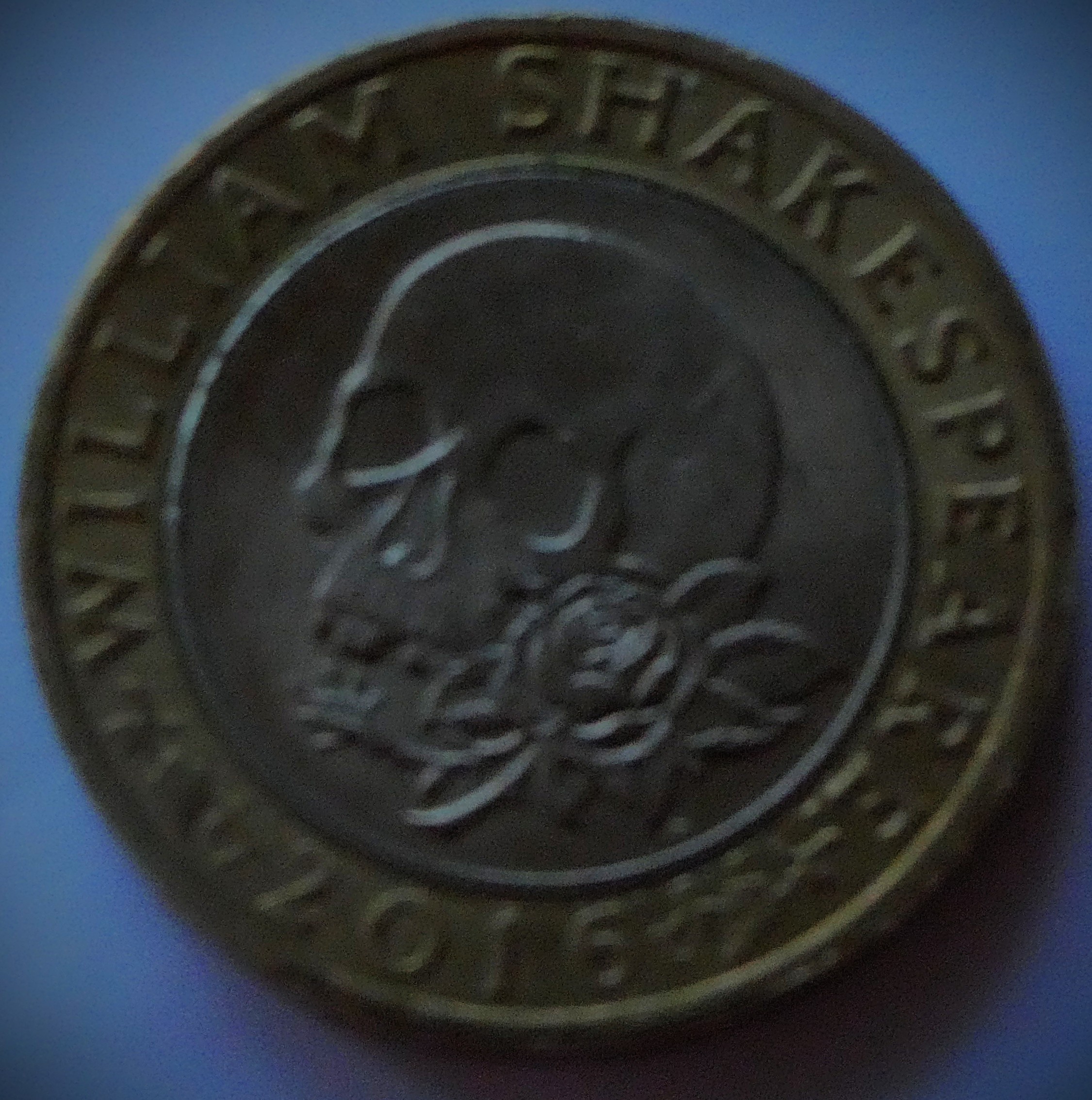
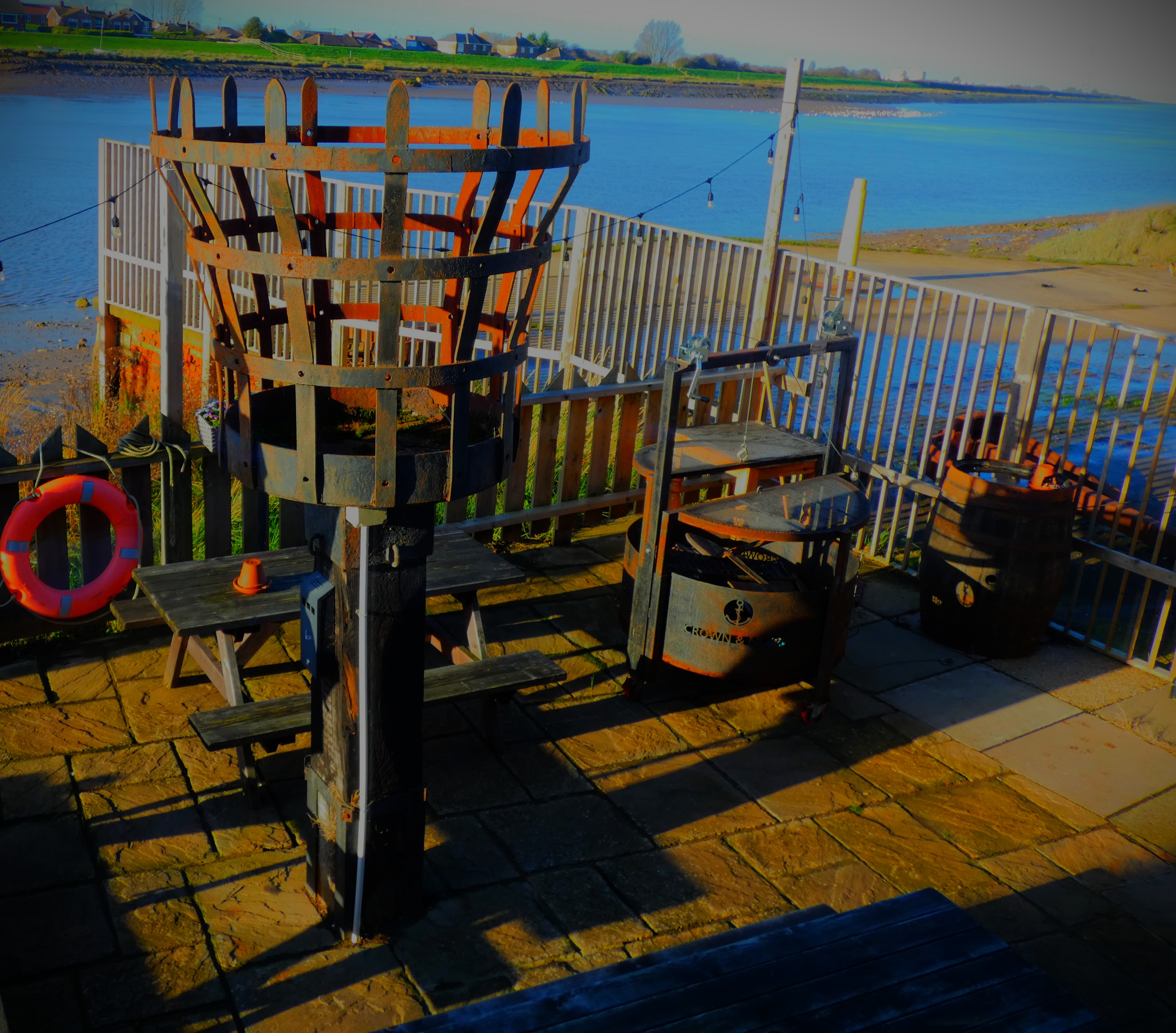
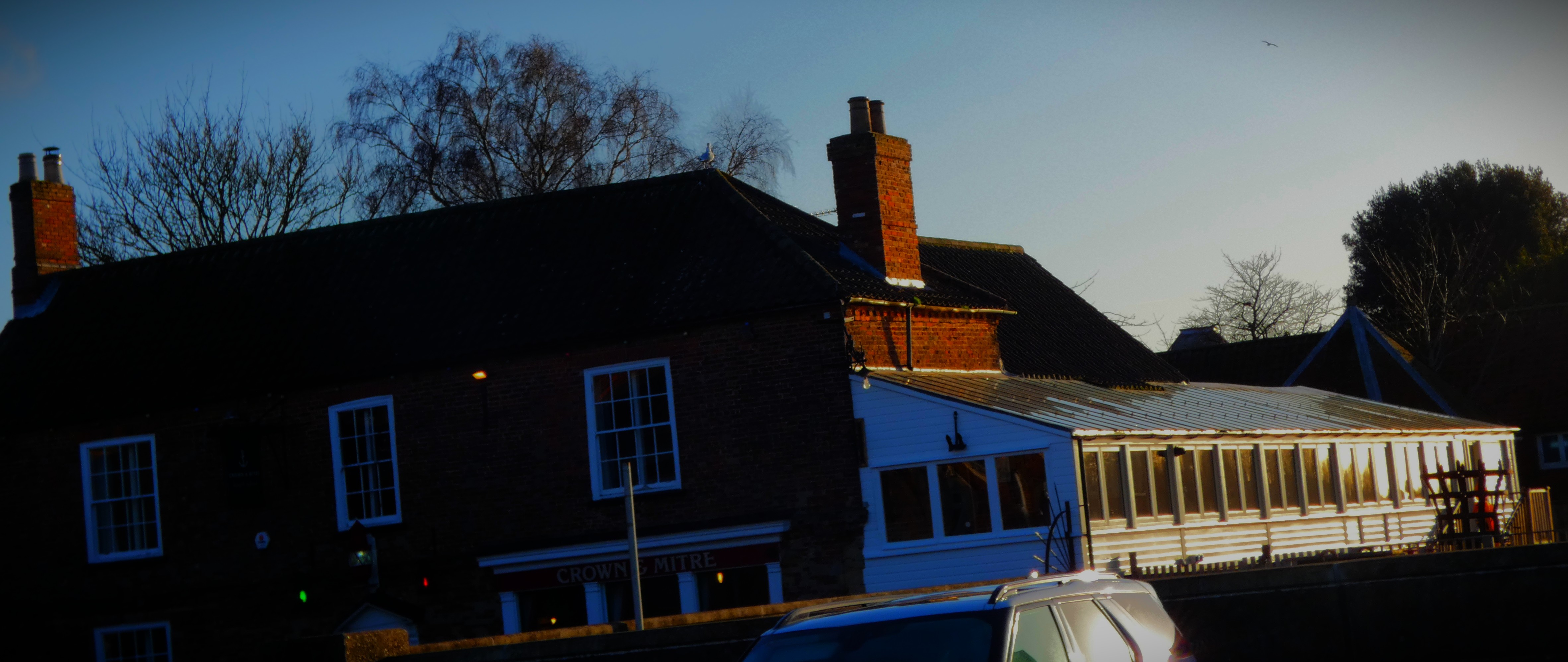
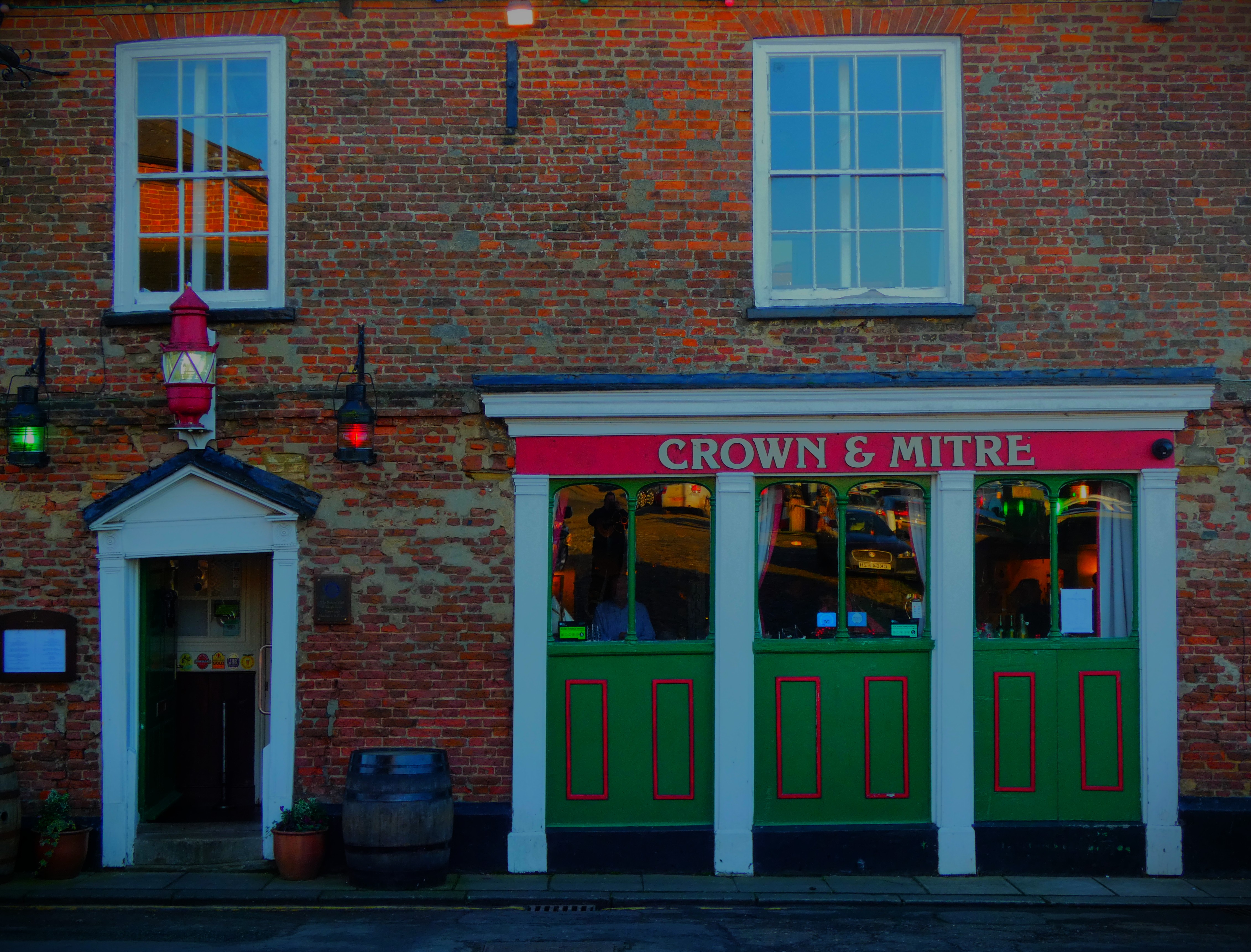
An unusual £2 coin I got in change recently. Given who it is commemorating the skull is obviously that of Yorick.The West Norfolk Autism Group committee Christmas lunch took place at the Crown & Mitre today.We were in the room (effectively a large lean-to greenhouse) overlooking the Great Ouse. There is an outside seating area beyond this room if you are there in summer.This picture of the outside of the Crown & Mitre shows the room we were in – the white structure bottom right.The street frontage.
A look back at day one of the third Ashes test in Adelaide and a photo gallery.
The third test match of the ongoing series between Australia and England’s men’s teams got underway overnight UK time. This post looks back at a curious day’s play.
THE PRELIMINARIES
England had announced their team early, in keeping with their recent methods in this department. The fact that Shoaib Bashir missed out for a third straight match, creating the possibility that series will be decided before he plays a game, raised eyebrows. The problem with this selection from England is that they fast tracked him into the test side with this specific series most in mind, which makes then sidelining him for each of the first three matches look bizarre. Australia had intended to drop Usman Khawaja, which could well have ended his test career, but then Steve Smith experienced giddiness and nausea while batting in the nets and it was deemed serious enough to put him out of the match, so Khawaja was back in the side. Australia won the toss, and there was never much doubt about the decision, so it was over to England’s bowlers to see what they could do.
A CURATE’S EGG PERFORMANCE
England did not bowl very well overall, but they had some assistance from the Australian batting, who seemed somewhat infected by their opponents freneticism at the crease. Immediately after lunch, when Marnus Labuschagne and Cameron Green suffered almost identical ultra-soft dismissals in the space of three balls, each hitting deliveries from Archer straight to midwicket and suddenly the score was 94-4 it looked very good for England. Khawaja and Alex Carey regained the initiative for Australia, but then Khawaja tried to go big against the part time spin of WG Jacks and succeeded in holing out Josh Tongue for 82. Carey, supported in turn by Josh Inglis, Pat Cummins and Mitchell Starc proceeded to a splendid maiden Ashes ton. However Jacks showed something of the original WG’s knack for inducing batters to get themselves out, drawing an injudicious shot from Carey which resulted in a catch to Jamie Smith. The day ended with Australia on 326-8. With temperatures in Adelaide forecast to reach 39 degrees on day two (two degrees above the cut off point for an abandonment during my brief career as an umpire in Under 14s Whites matches there) what happens then will have a big influence on the outcome of the match and thus whether England can get back into the series. If they can get the last two wickets quickly and then bat for the rest of the day, forcing Australia to labour in the field through the fiercest heat they will have a good chance. Cummins has just returned earlier than expected from an injury, and a long, hot innings in the field would be a big early test of just how ready he was to make that comeback. A concern for England, given their controversial decision to overlook the specialist spinner is the fact that it was Will Jacks, definitely a batter who bowls off spin, who ended bowling the most overs for them on day one.
PHOTOGRAPHS
My usual sign off…
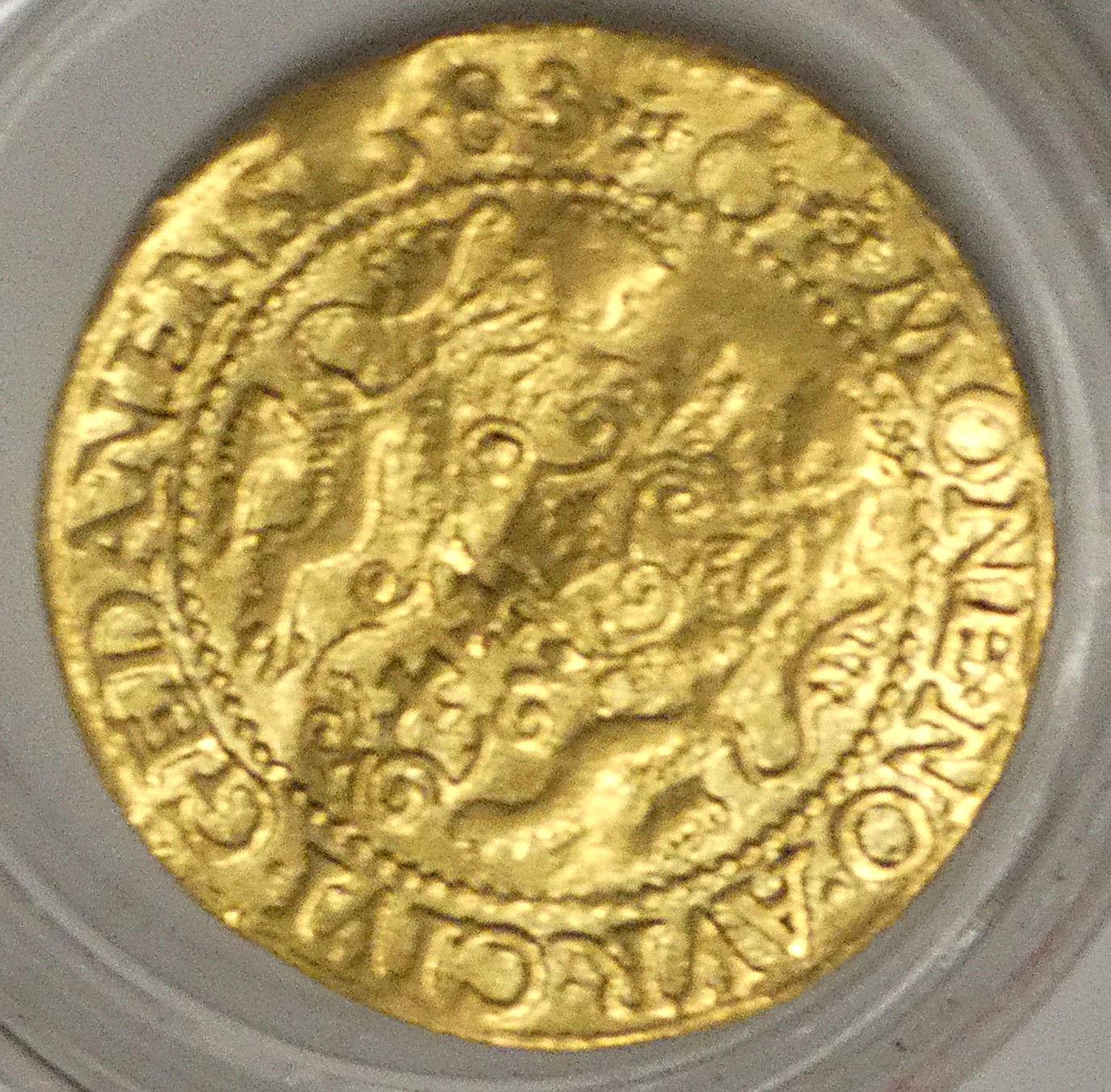
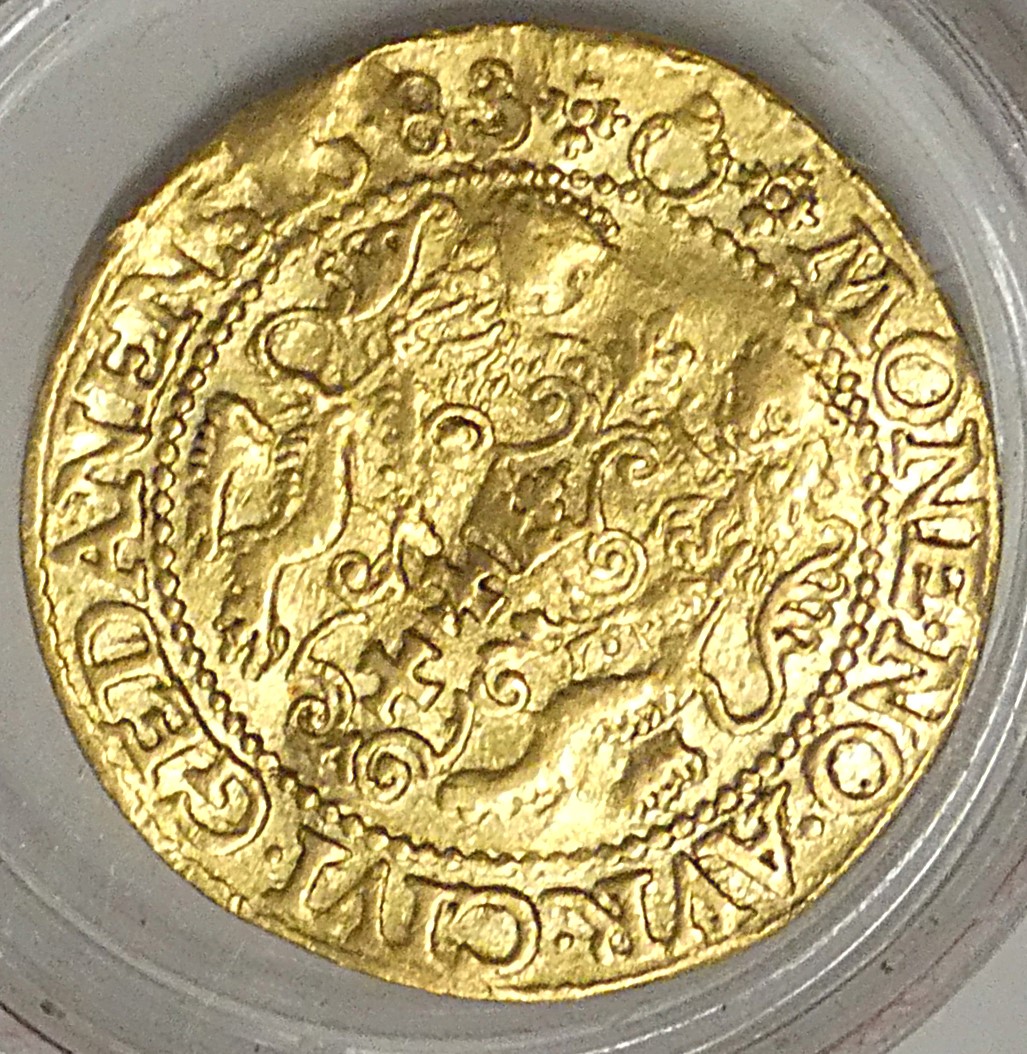
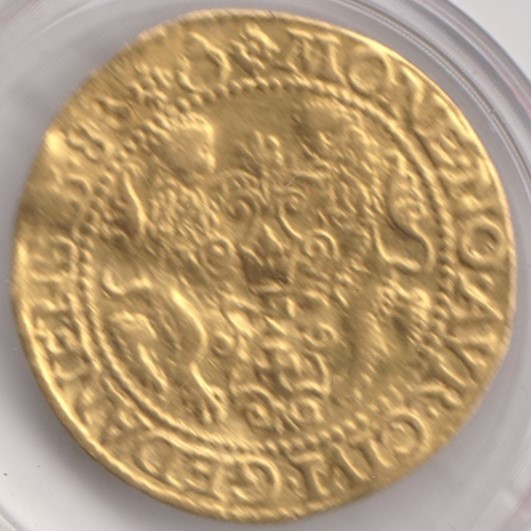
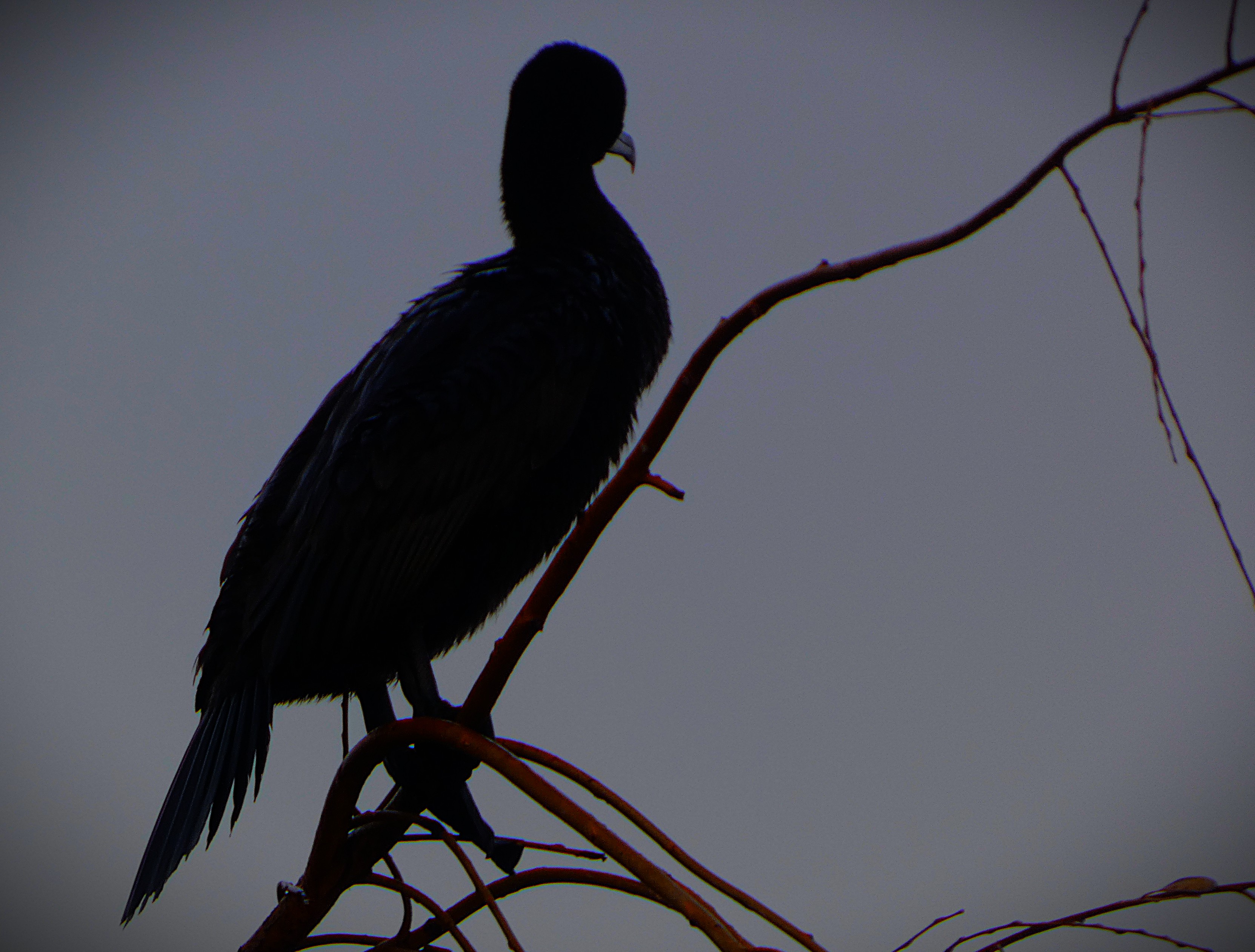
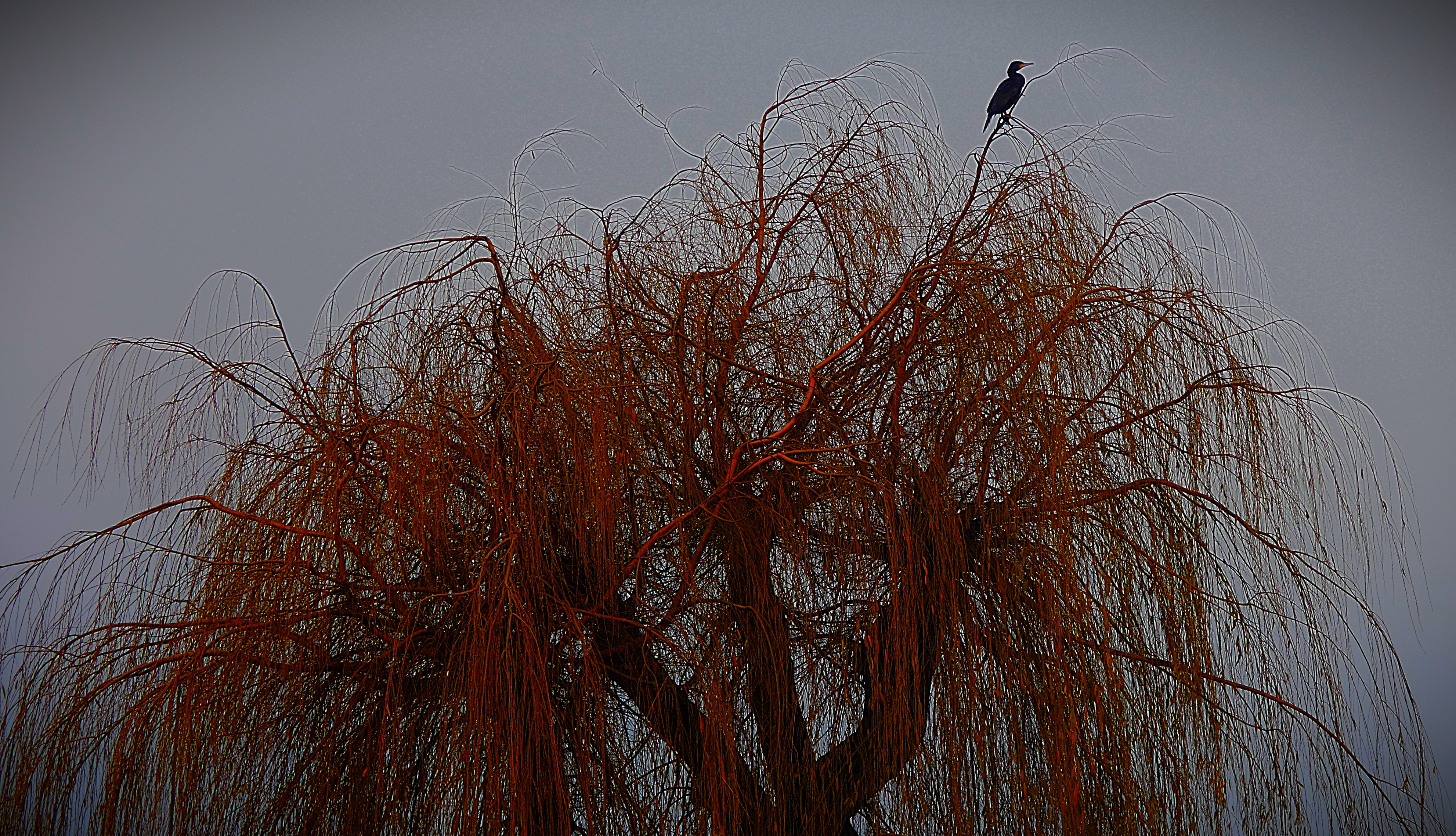
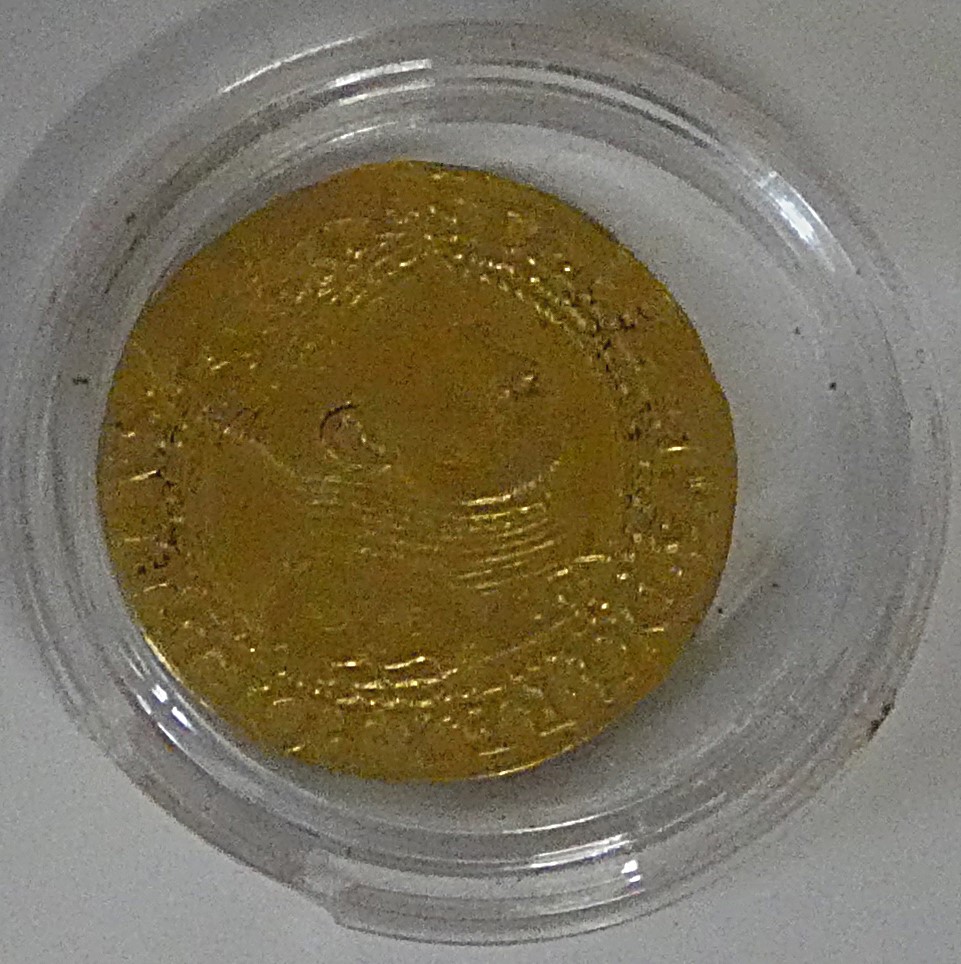
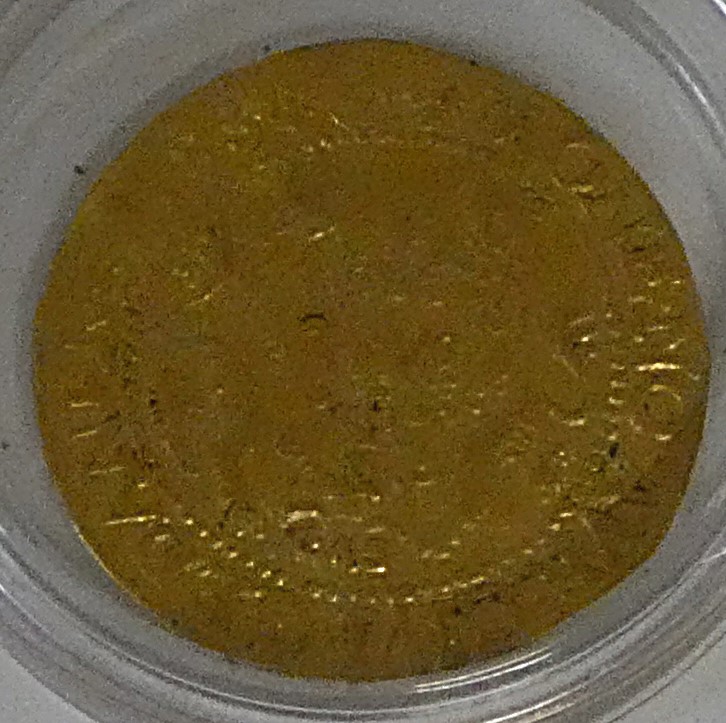
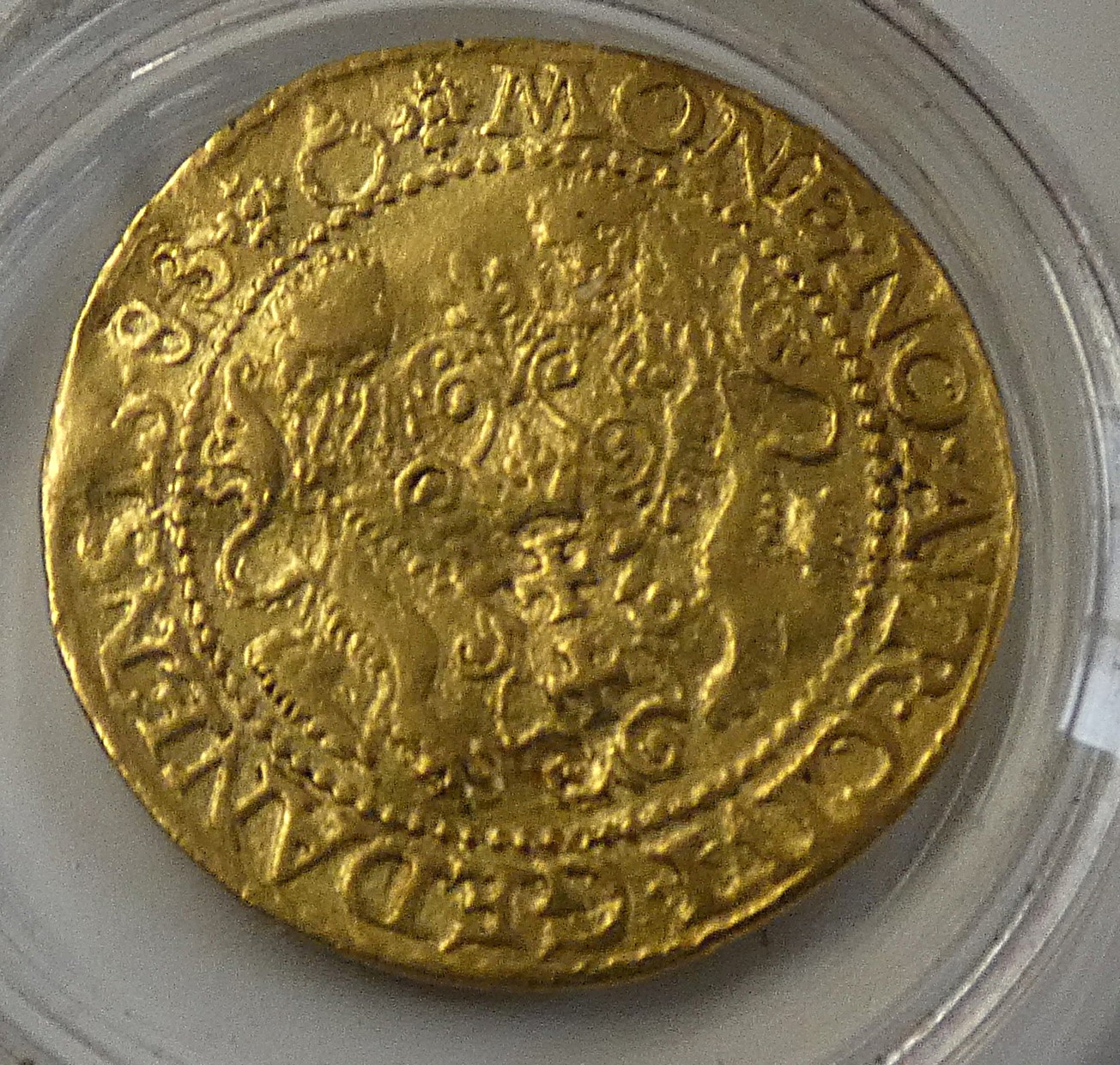
The first five images are of a gold ducat that has been manipulated in some way – the 1583 date, clearly visible, does not match with the style of portrait. These images did their job, and the coin has been sold for a negotiated price not hugely much less than the original sale price.This style of portrait was used only in 1585, 1586 and 1587,, not 1583.This image comes from our upcoming two-day sale on January 13th and 14th. A full catalogue can be viewed on the-saleroom or easyliveauction.A cormorant right at the topmost point of a willow tree. This willow overlooks the Townshend Terrace pond in North Lynn.
An account of todays match in the men’s Big Bash League, a pungent comment re England’s chosen XI for Adelaide tomorrow and a photo gallery.
The Women’s Big Bash League 11th edition finished on Saturday, and the 15th edition of the men’s tournament started yesterday. Today Melbourne Renegades faced Brisbane Heat in a night match in Geelong. This post looks back at that match.
RENEGADES RUNFEST
Things initially did not look overly bright for Renegades, with only Tim Seifert of the early batters looking good. Josh Brown managed 15 (13), which looked positively explosive compared to number three Mohammad Rizwan’s 3 (10). Jake Fraser-McGurk had just started to look like he might provide Seifert some decent support when he suffered a stupid dismissal, walking across his stumps against seamer Jack Wildermuth, missing and being bowled. This attempt to open up the leg side was particularly ill-judged given that Heat had stocked that side with plenty of fielders. Oliver Peake, 19 years old, came in at number five, and batted magnificently. He and Seifert put on 121 together in precisely nine overs (9.3 to 18.3) of the innings, Seifert reaching three figures. Wildermuth got them both in the space of three balls, 203-3 becoming 204-5. Shaheen Shah Afridi had a nightmare with the ball, which ended in bizarre fashion, when he was ordered away from the bowling crease after producing two dangerously high full tosses in a single over, the 18th over of the innings. His figures when his spell was compulsorily halted were 2.4.-0-43-0. Nathan McSweeney completed that 18th over. The 20th over was bowled by Xavier Bartlett, and in the circumstances he did well to only concede a further eight.
THE HEAT RESPONSE
At no stage were Heat close to being up with the rate, and as can happen in such circumstances that required rate climbed alarmingly in the second half of their innings. Only a late flourish between youngster Hugh Weibgen and veteran Jimmy Peirson, which produced 78 runs from 5.5 overs enabled them to keep the margin respectable. There was time in the dying embers of the game for Afridi to add a duck with the bat to his disaster class with the ball. Afridi’s dismissal, clean bowled by Gurinder Singh Sandhu, left Heat needing 17 from one ball, and they managed two off that final ball. Melbourne Renegades had won by 14 runs. Their best bowler on the day was Will Sutherland who took 3-33 from his four overs, while Jason Behrendorff had 2-34 from his four and Sandhu 2-35 from his four.
PHOTOGRAPHS
Tomorrow night UK time the third match of the Ashes series gets underway in Adelaide. England have confirmed their playing XI, with the only change from Brisbane being Tongue coming in for Atkinson. That means that Shoaib Bashir, fast tracked into the England team and kept there in spite of some less than convincing returns at test level with this specific series in mind may end up not participating until it has already been lost. However England’s actual selections work out they have made themselves look fools over Bashir. Now for my usual sign off…
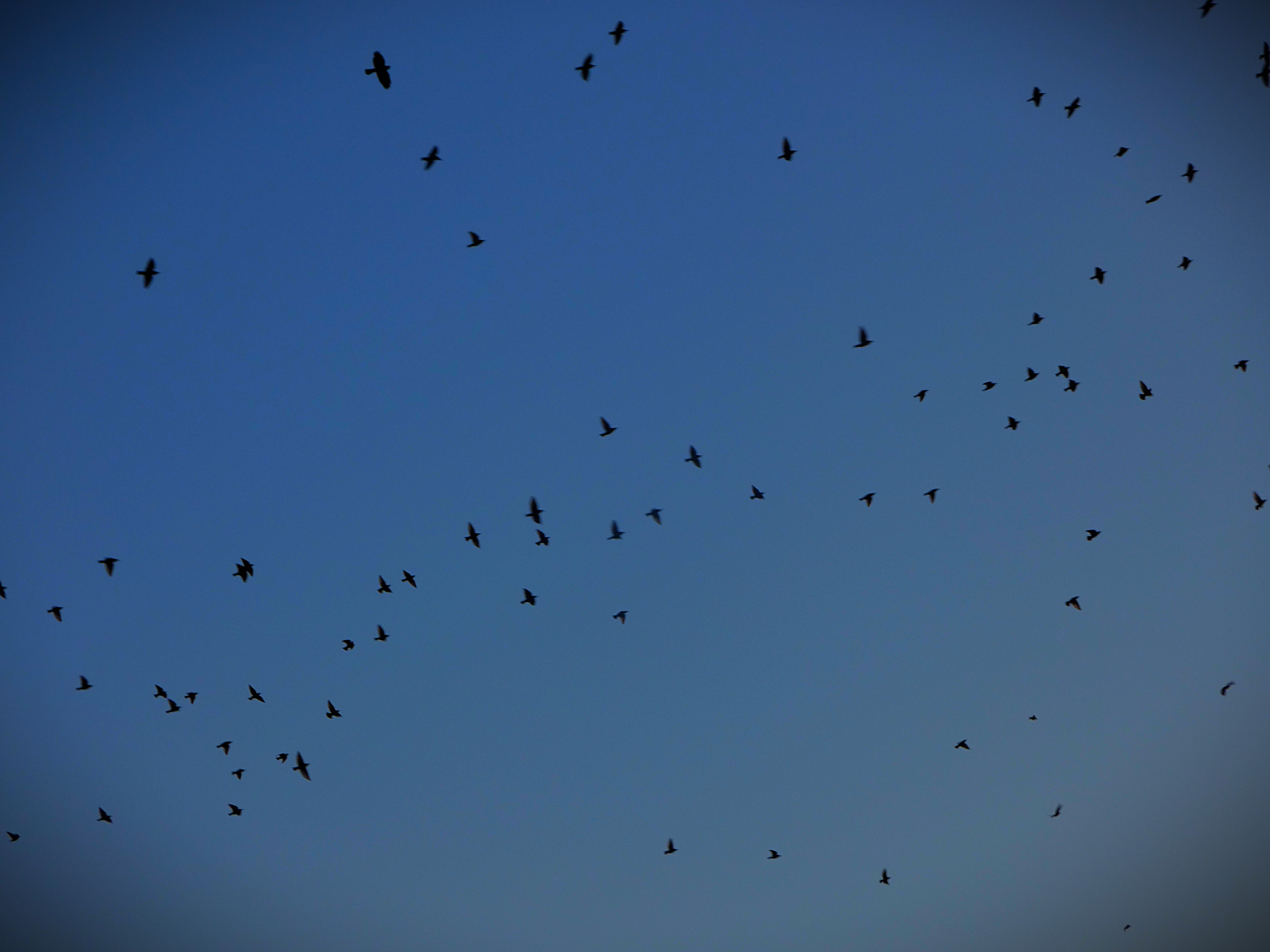
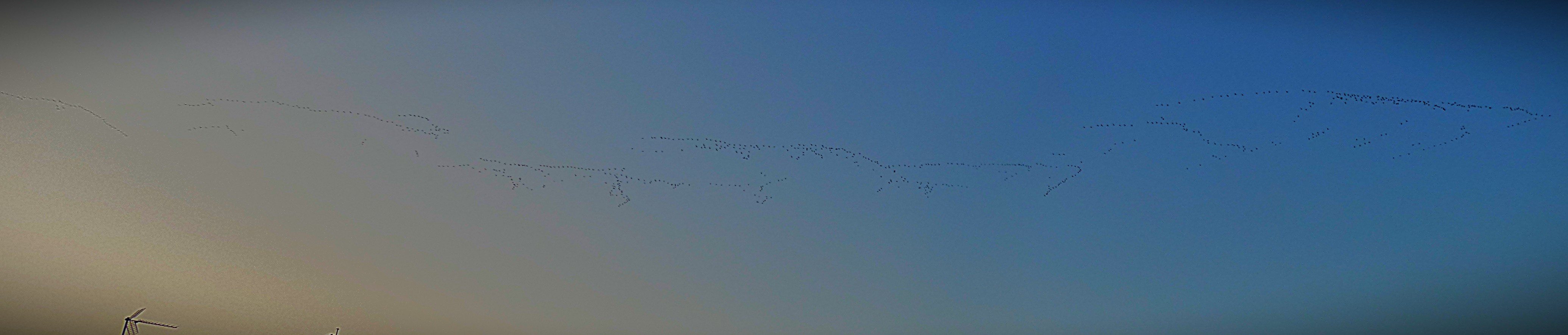
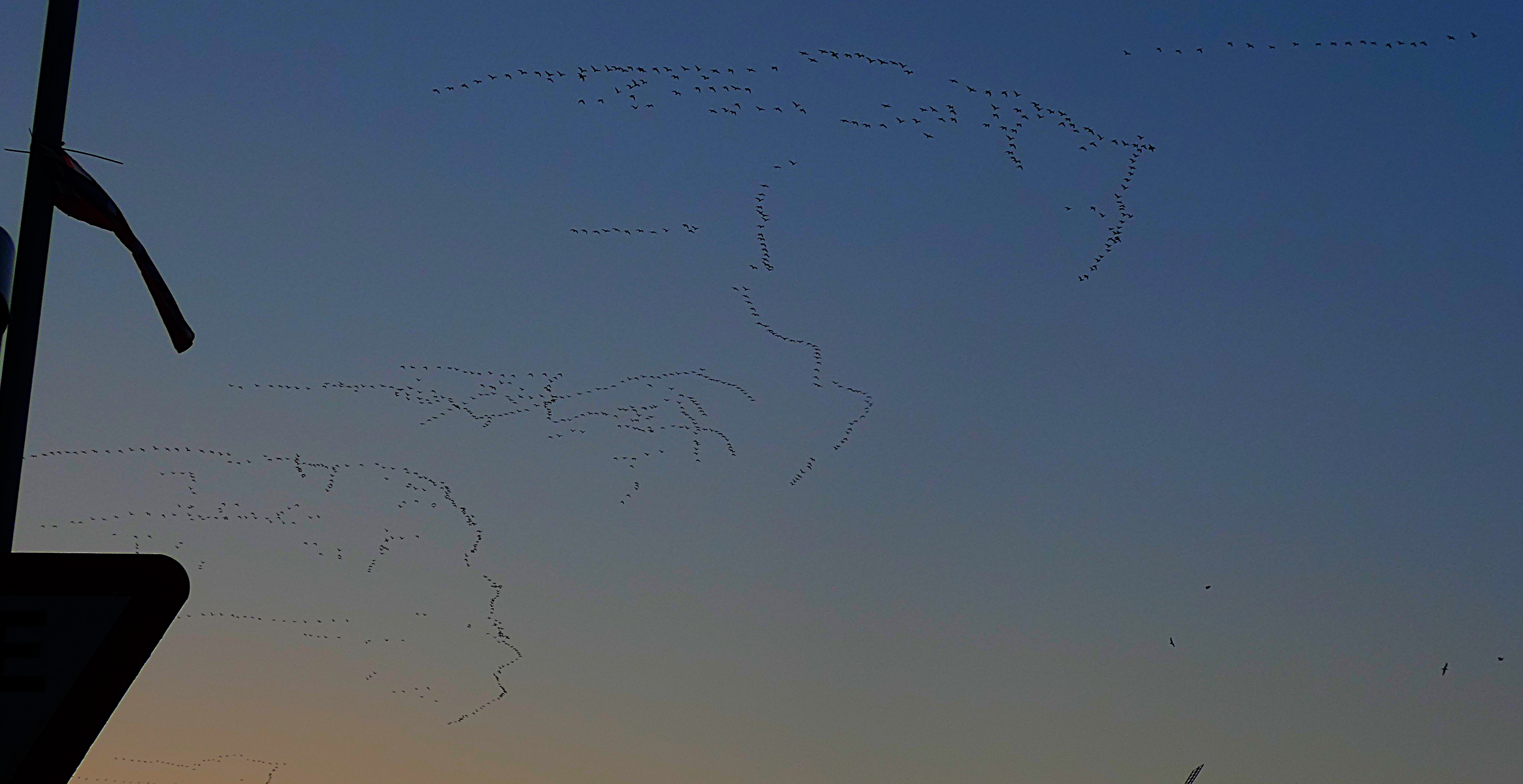
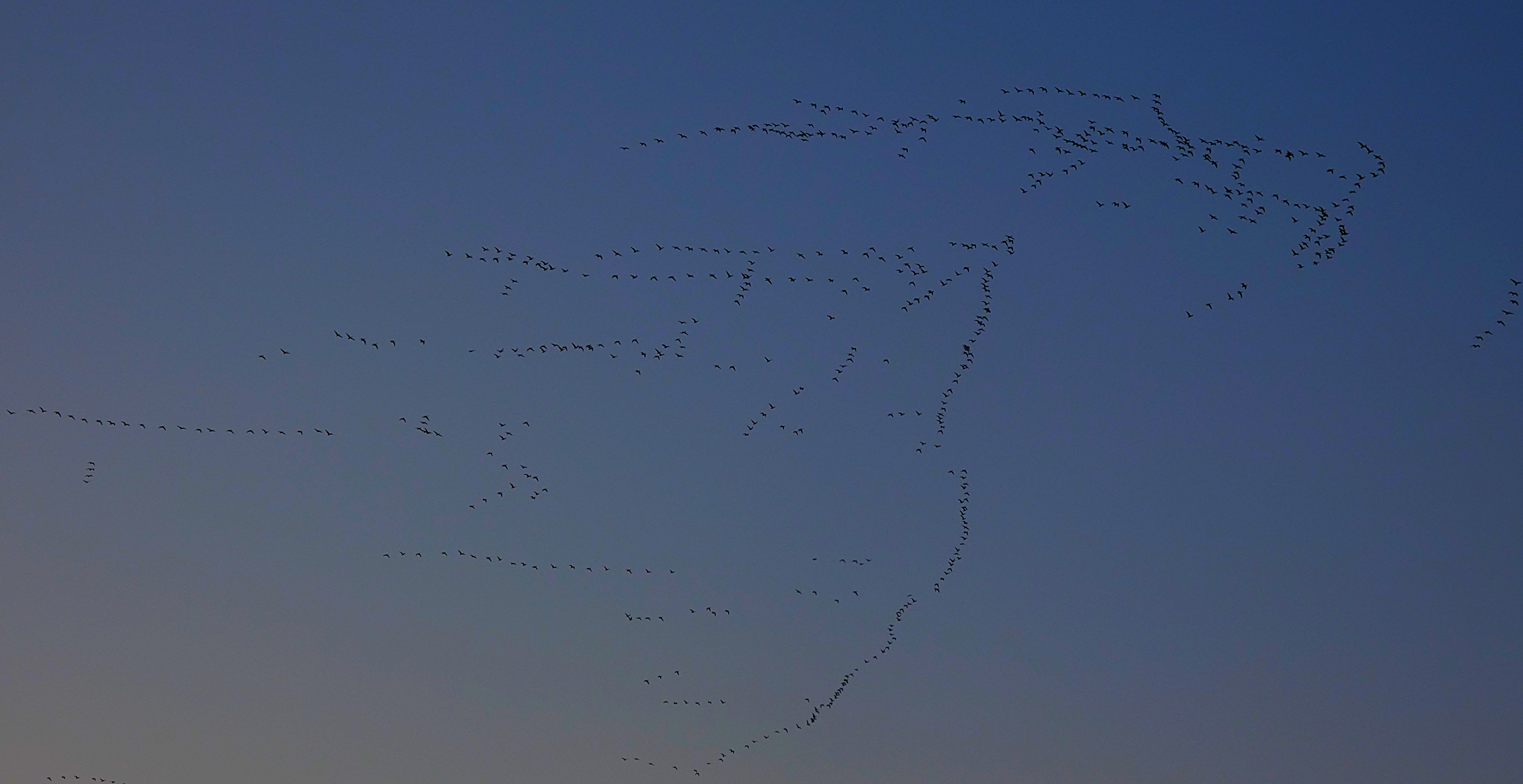
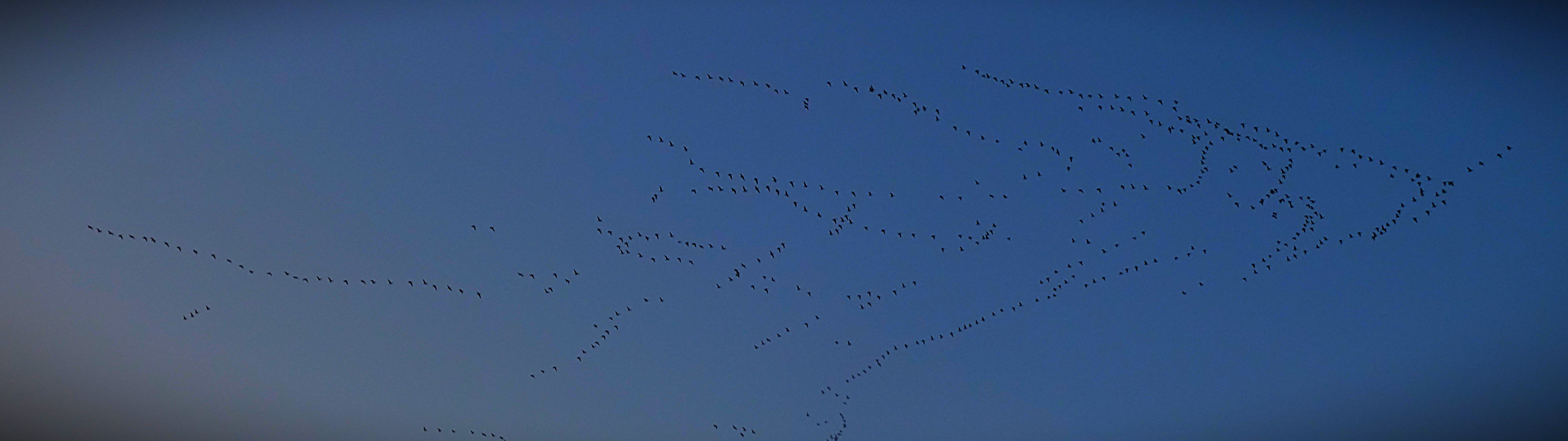
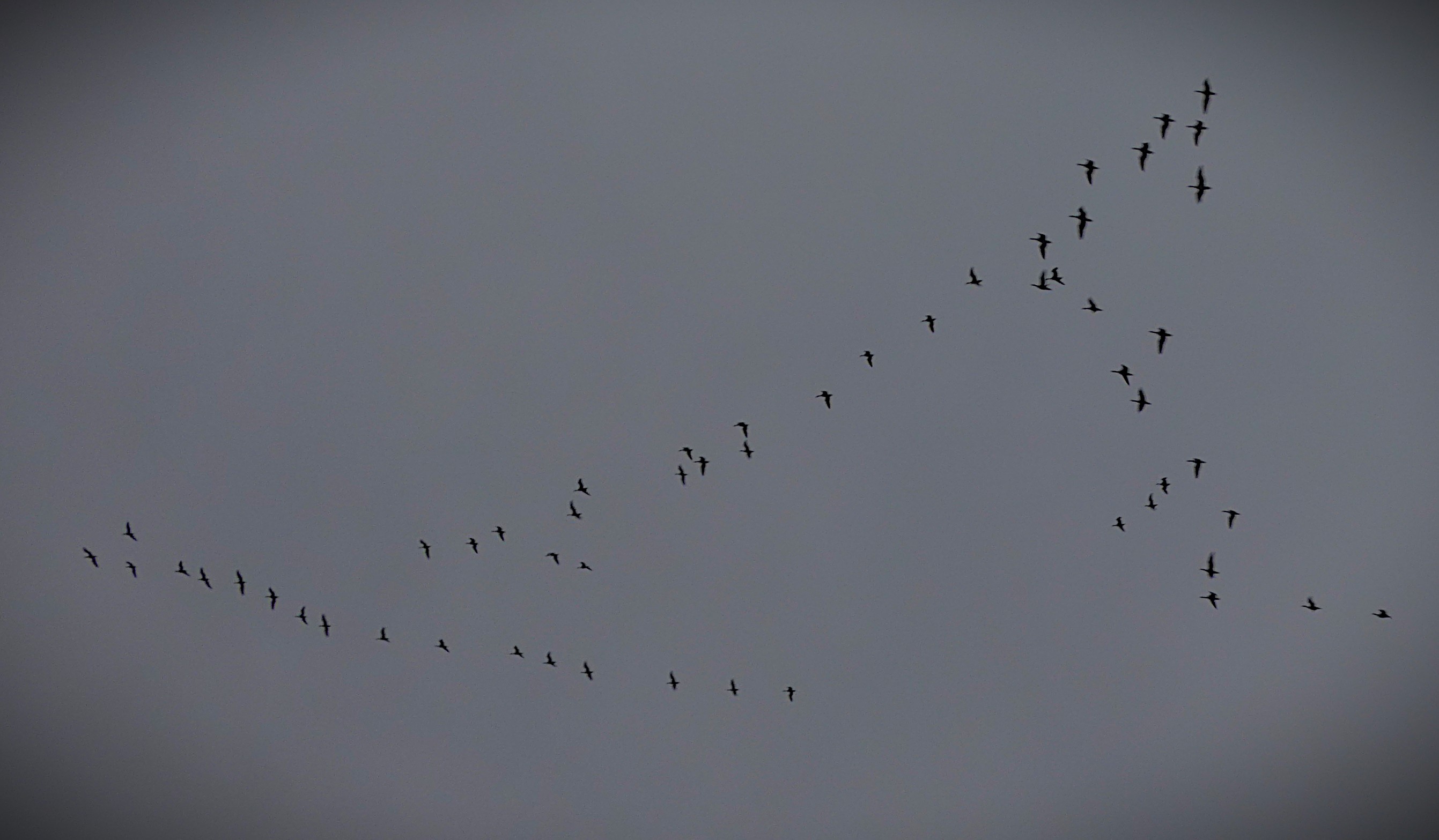
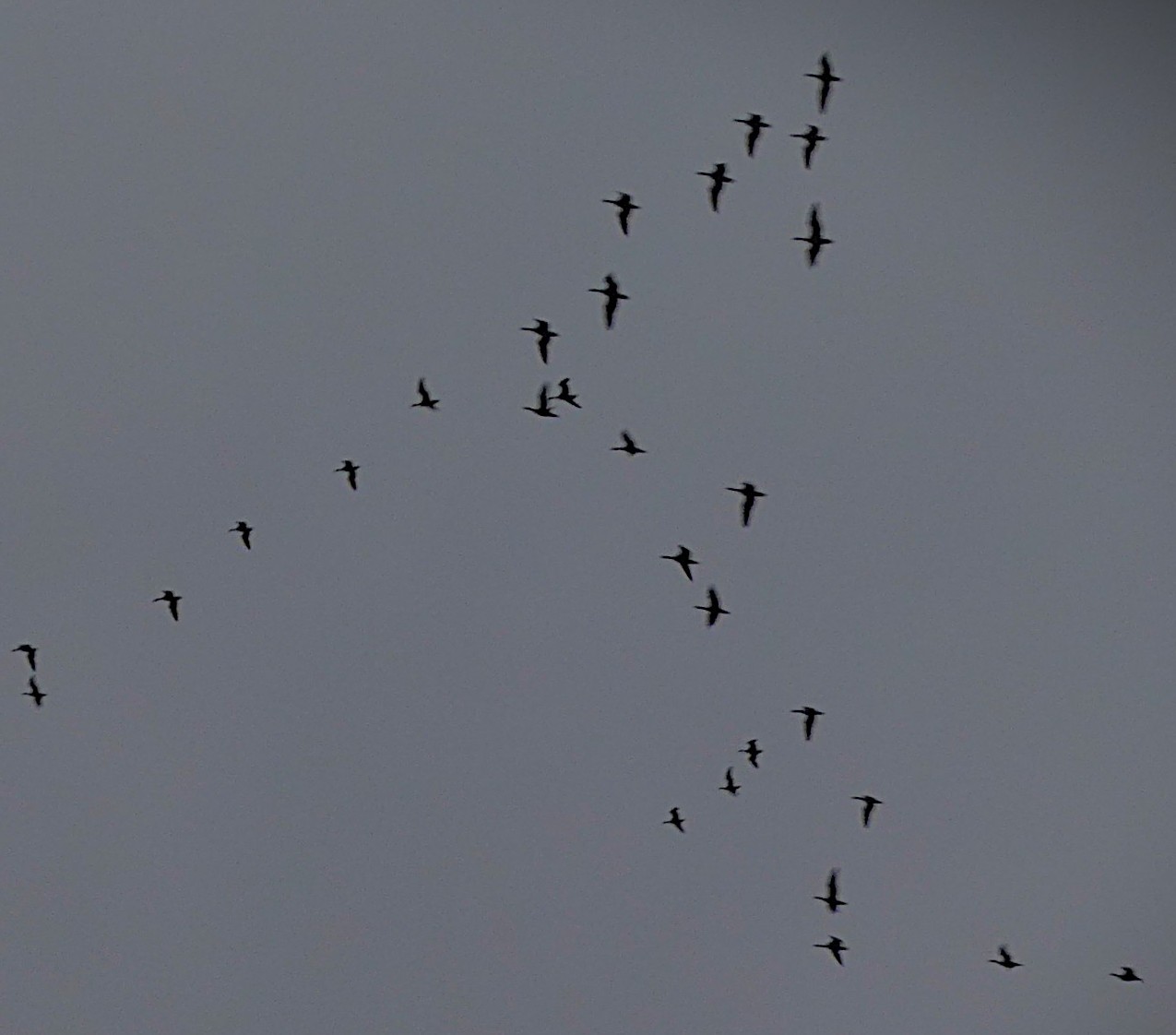
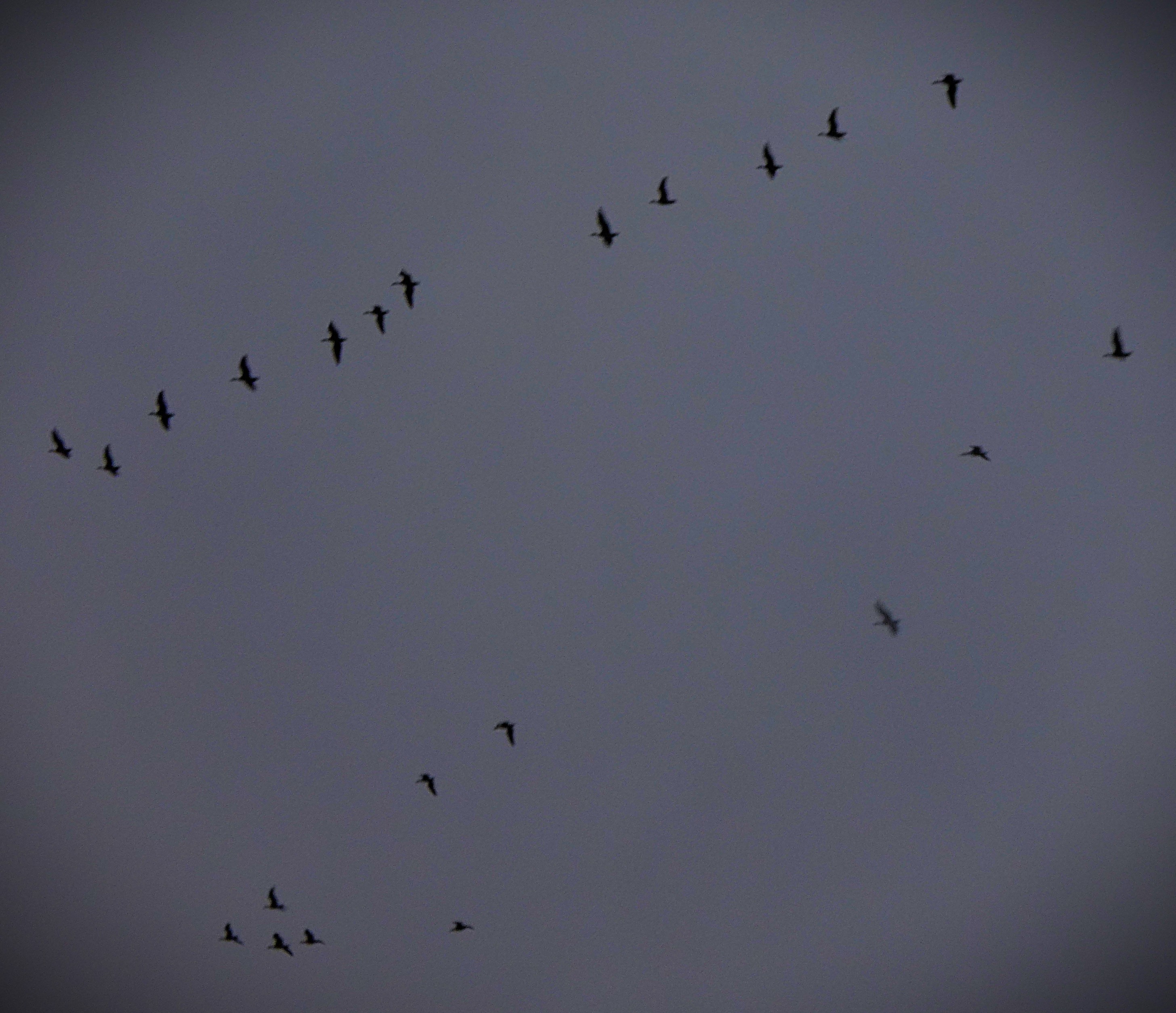
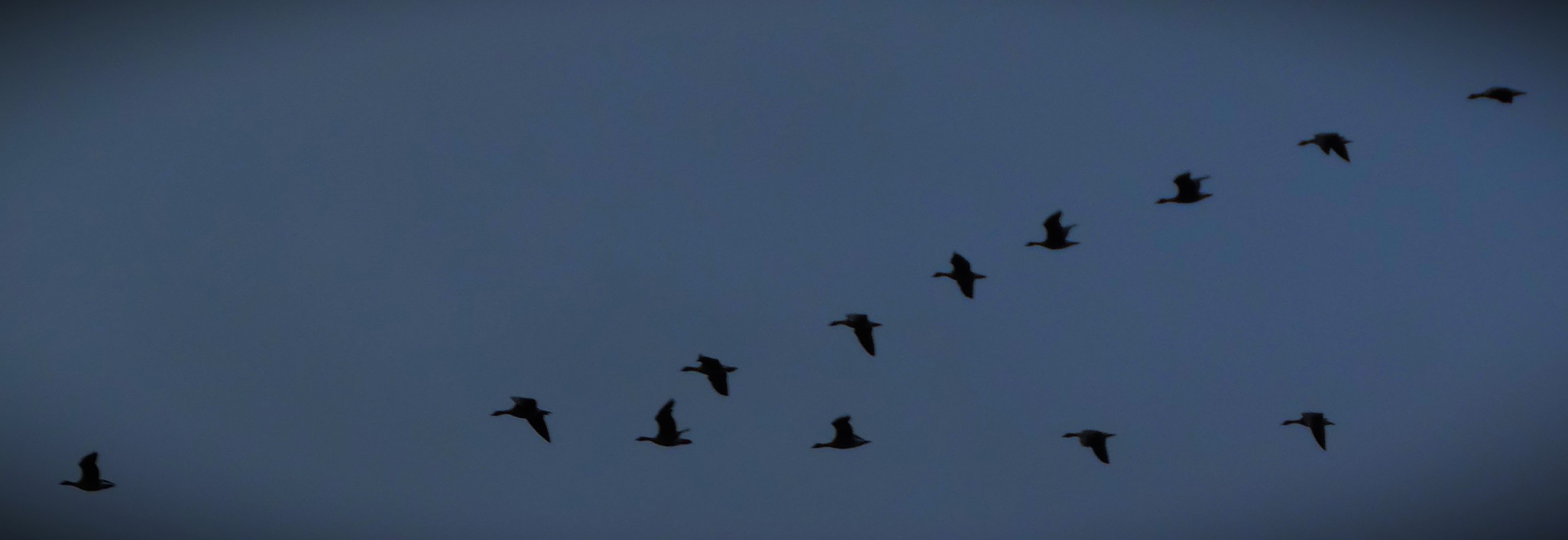
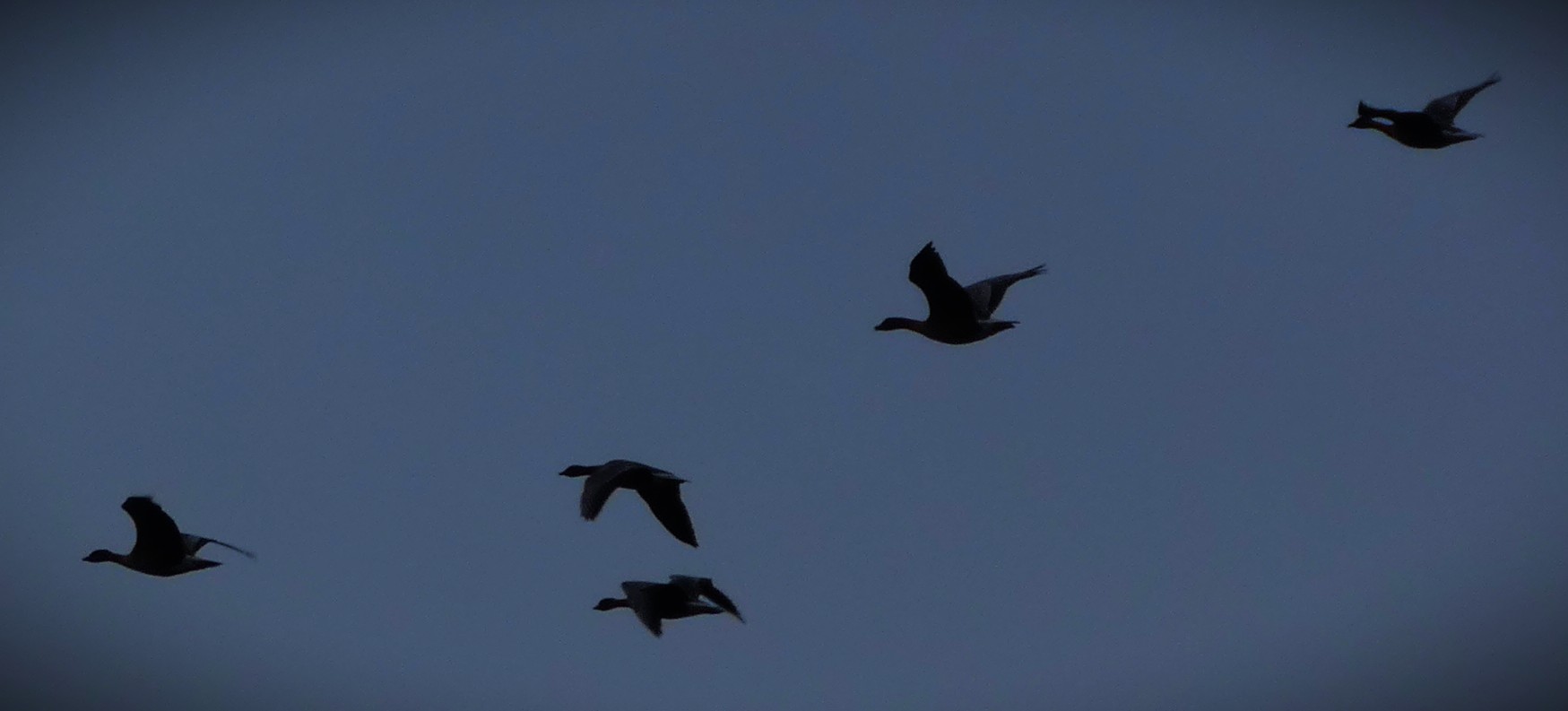
These last few photos are of a massive fly past of migrating birds. There is virtually no overlap between the birds being photographed here. The pictures were taken on Columbia Way at about 3:30PM, as I returned from my post-lunch walk.
With England down but not yet officially out in the current Ashes series I have delved into some previous Ashes series where sides have rebounded from difficult positions. Also a photo gallery.
With England currently 0-2 down in an Ashes series this post looks at sides who have started Ashes series badly and rebounded.
1894-5
This one did not quite come off, but England won the first two matches of the series, Australia won matches three and four, and England needed almost 300 in the final innings of the series. A magnificent 140 by Jack Brown was chiefly responsible for England winning by six wickets.
1911-12
England lost the opening match of this series partly because Johnny Douglas, captaining due to Pelham Warner being struck down by illness gave himself the new ball ahead of Syd Barnes. Subsequently Douglas visited Warner in hospital and Warner told Douglas that he must give the new ball to Barnes. Douglas listened, and England won all four of the remaining matches. Barnes took 34 wickets in the series and the other new ball bowler, Frank Foster a further 32.
1936-7
This is at the moment the only ever instance of a side coming from 0-2 down to win a five-match series. Don Bradman made huge scores in each of the last three test matches, the first of them after he had outwitted England skipper Gubby Allen. Allen declared with England a long way behind to get Australia back in on a spiteful pitch, Bradman countered by sending tail enders in to play and miss, and by the time Bradman emerged at number seven to join Jack Fingleton the pitch was playing easier, and this sixth wicket pairing of a regular opener and a regular number three put on 346 together to effectively seal the result.
1954-5
England were routed in Brisbane by an innings and 160 runs, and young fast bowler Frank Tyson was among the most severely punished of their bowlers when Australia responded to being inserted by Hutton by racking up 601-8 declared. Tyson reduced the length of his run after that match by way of an adaptation to Australian conditions, and he was virtually unstoppable for the rest of the series, as England won the second, third and fourth matches to retain the Ashes won in 1953, and then had the better of a rain ruined draw in the final match.
1981
England lost the series opener at Trent Bridge, the second match at Lord’s was drawn, and its aftermath Ian Botham resigned the England captaincy, just beating the selectors, who had also concluded that change was necessary, to the punch. In the third match of this six match series, at Headingley, Australia scored 401-9 declared, bowled England out for 174 and enforced the follow-on (it was vanishingly rare for captains who had the opportunity to do so to forego it in those days), and at low water mark England were 135-7, still 92 short of avoiding the innings defeat. Ian Botham and Graham Dilley then put on 117 in 80 minutes for the eighth wicket, Chris Old helped the ninth wicket to add a further 67, and even Bob Willis stayed while 37 more runs were accrued. That gave England a lead of 129. Ian Botham at this point had in order contributed 6-95 with the ball, 50 with the bat and then 149 not out with the bat. At first wickets were slow to come in the Australian second innings, but just before lunch on the final day Brearley put Willis on at the Kirkstall Lane end for a last chance to revive a test career that seemed over. In the run up to the interval Willis struck three times, removing Trevor Chappell to make it 56-2, and then Kim Hughes and Graham Yallop to catches by Botham and Gatting respectively with the score at 58. Suddenly, England had the momentum, and Australia had 40 minutes to stew over the realisation that the job might not be done just yet. It was Chris Old who struck first in the afternoon session, bowling Allan Border to make it 65-5. Then Dyson took on a short ball from Willis and gloved it through to keeper Bob Taylor to make it 68-6. Rod Marsh tried to go big against another short ball, and Dilley at deep fine leg did well to complete the catch and stay inside the boundary. That was 74-7, and one run later Geoff Lawson was caught behind. Lillee and Bright added 35 together in just four overs, before Lillee miscued a drive and Gatting took a diving catch to dismiss him. Chris Old dropped two chances at third slip off Botham, but Willis produced a perfect yorker to castle Bright and give England the win by 18 runs. Willis had 8-43 from 15.1 overs and his test career was back on track. There were moments at both Edgbaston and Old Trafford, the next two matches, when Australia seemed to have chances, but another fourth innings batting collapse cost them at Edgbaston, and a spectacular innings by Botham slammed the door on a potential recovery at Old Trafford, so in a few weeks England went from staring down the barrel of a 0-2 deficit after three matches to an unassailable 3-1 lead after five.
2005
England lost the series opener at Lord’s. At Edgbaston Glenn McGrath trod on a stray ball and crocked an ankle, Ricky Ponting refused to change his plan to bowl first even though he had just lost the man most likely to make such a plan work and had in his ranks the best fourth innings bowler in the world. Brett Lee and Michael Kasprowicz nearly saved Ponting’s blushes on the final day with a last wicket stand that took Australia to within touching distance of victory, but England won by two runs. The next match at Old Trafford was drawn with Australia nine down, and a recovered McGrath at the crease with Lee as Australia just hung on. They then made the mistake of allowing themselves to be seen celebrating having escaped with a draw. At Trent Bridge Simon Jones destroyed the Australian first innings with 6-53, enabling England to enforce the follow-on. Jones then suffered an injury which saw him sent to hospital for x-rays. Gary Pratt of Durham, not even sure of his place in his county first XI, stood in as substitute fielder, and produced a direct hit throw that ran out Ricky Ponting, who had an epic meltdown on his way back to the pavilion (for the record Jones, then in hospital, would as it happened never play for England again). England in the end needed 129 to take a 2-1 lead, and made very heavy weather of this target. Ashley Giles and Matthew Hoggard eventually saw England to a three-wicket win and a 2-1 lead in the series with one match to play. At The Oval there were several weather interventions, and it was Kevin Pietersen, whose debut had been in the first match of the series, who ensured that England would retain the Ashes, scoring 158 on the final day to leave Australia a chase that would have been impossible even had the weather not intervened once again.
A look at the events in Brisbane today, Player Ratings and a some suggestions for Adelaide. Also a photo gallery.
When play started on day four in Brisbane England were in as big a man-made hole as you could find outside Kimberley, South Africa. This post looks at their efforts to escape, makes suggestions for changes for Adelaide and provides player ratings for both sides.
THE REST OF THE ENGLAND INNINGS
England resumed on 134-6, 43 short of making Australia bat a second time. Many were probably not betting on the game being in progress even until the first interval, but in the event England did not lose a wicket in the whole session, Ben Stokes and Will Jacks knuckling down and batting sensibly, marking a welcome change of policy from England. The pair kept going after the interval, and it took a brilliant piece of fielding by Steve Smith to break the partnership, catching Jacks for 41 off Michael Neser. Stokes reached 50 before Neser also got him, with a good ball that produced an edge to Carey. Gus Atkinson’s dismissal was disappointing, taking on a hook shot with seven fielders stationed on the leg side. Unsurprisingly he picked one of them out. Carse and Archer added a few runs before Carse became Neser’s fifth victim of the innings, caught by Steve Smith who passed Rahul Dravid’s all time record for test catches as a fielder (Dravid’s overall tally is still ahead of Smith’s because he played a few matches as wicket keeper). England had reached 241, an advantage 20 runs less than had ever been successfully defended in a test match fourth innings (The Oval 1882, the match that led to the creation of The Ashes, when England were 77 all out to lose by seven runs), but rather better than had looked possible when wickets were being thrown away willy-nilly yesterday.
THE AUSTRALIAN CHASE
Gus Atkinson managed to account for Head and Labuschagne before the inevitable happened. Steve Smith played an explosive cameo at the death, recording 23 not out from nine balls to finish the job for Australia. Jofra Archer was the other bowler used by England, and while quick he was not terribly effective. He also got into a verbal tussle with Steve Smith, which given how the match had gone can only be considered to be as ill-judged as it was unappealing.
PLAYER RATINGS
Zak Crawley – 6. Two decent contributions, but two poor dismissals, and for a test match opener 76 and 44 cannot be considered stellar.
Ben Duckett – 2. Two poor scores, two chances dropped in the field but he was the only one of the six English batters dismissed yesterday to get a good ball rather than tossing his wicket away.
Ollie Pope – 3. A duck in the first innings, 26 in the second, both dismissals quite appalling, and the second triggered a batting collapse in which 90-1 (immediately before he was out) became 128-6.
Joe Root – 8.5. A magnificent undefeated century in the first innings seemed to have given England real hope, but he gets debited for being part of the collapse in the second innings.
Harry Brook – 3. He scored 31 in the first innings and 15 in the second, but both his dismissals were disgraceful.
Ben Stokes – 6. He was England’s best bowler in the first Australian innings and scored a gritty 50 in the second to salvage a measure of respectability after the collapse. On the debit side his captaincy did not merely fail to prevent the Australian first innings from getting away from England, it actually contributed to it doing so.
Jamie Smith – 3. Failed twice with the bat, and though he performed competently with the gauntlets he was quite clearly and obviously the second best keeper in this match.
Will Jacks – 5. Failed in the first innings, his bowling was of little relevance to England, but he battled hard in the second innings after many of those above him had thrown their wickets away.
Gus Atkinson – 4. Did not bowl well in the first dig, his second innings dismissal was a disgrace, even for someone who is primarily a bowler, but he did take two wickets in the final innings, and was good value for them.
Brydon Carse – 3. Emerged from a dire first innings bowling performance with a largely undeserved four-for. At one stage he was leaking runs at a rate that would have been unacceptable in T20 cricket, and though he was tighter later in the innings that is partly because the Aussies at that stage were playing for time, wanting the England second innings to begin under lights.
Jofra Archer 4. Although he was impressively quick in the final innings the best thing he achieved all match was his cameo with the bat in the first innings.
Travis Head – 4. Scores of 33 and 22 cannot be considered good work for an opener.
Jake Weatherald 6. He scored 89 runs for once out in the match (72 and 17*).
Marnus Labuschagne 5. One of many Aussies to score well in the first innings (65) but failed in the second.
Steve Smith 6. A match aggregate of 84 (61 and 23*) and some excellent fielding, but his spat with Archer in the closing stages reduces his score slightly.
Cameron Green 5. Scored 45 in the first innings, but was a bit part player with the ball.
Alex Carey 8. Batted very well for his 63, and was excellent with the gloves.
Josh Inglis 3. Selected as a specialist batter rather than a keeper, he managed 23 from number 7 before being bowled by Stokes.
Michael Neser 7. Five second innings scalps, and a solid bowling performance in the first dig as well.
Mitchell Starc 9. Eight wickets in the match, and the highest individual Australian score, 77. Given the extent to which his side bossed the match there was only one candidate for Player of the Match. He, along with the entire England batting line up for their poor play in both innings in Perth and for much of the second innings here, is the chief reason Australia head to Adelaide 2-0 up and in the box seat.
Scott Boland 7. Bowled better than his figures suggest.
Brendan Doggett 7. In statistical terms the least impressive of Australia’s specialist seamers, but he was asked on several occasions to pound the ball in short which is not the approach that won him his baggy green, and I have marked him generously in consequence.
SUGGESTED CHANGES
Ollie Pope has to go – he averages 18 against Australia, and his batting this match can only have been the product of a scrambled mind. In Adelaide extra bowling will be needed, so I would suggest that Stokes promote himself to number three. The other candidate for that slot is Jacob Bethell, but it is a big ask for a youngster to make his Ashes debut in that pivotal slot. I also cannot see how Carse can play in Adelaide, and would bring in Matthew Potts – a skilled fast-medium in support of outright quicks Archer and Atkinson, with Bashir in as spinner, and Jacks probably at six, possibly at seven with Smith moving up to six – England do not have an official reserve keeper on this tour, so he cannot be dropped. Thus my probable XI for Adelaide would be Z Crawley, BM Duckett, *BA Stokes, JE Root, HC Brook, WG Jacks, +J Smith, AAP Atkinson, M Potts, JC Archer, S Bashir. England have a huge mountain to climb – only one side has ever won a five match test series from 0-2 down, Australia in 1936-7, when Donald Bradman came up trumps in spectacular fashion, scoring 270 not out in the third match, 212 in the fourth and 169 in the fifth.
PHOTOGRAPHY
My usual sign off…
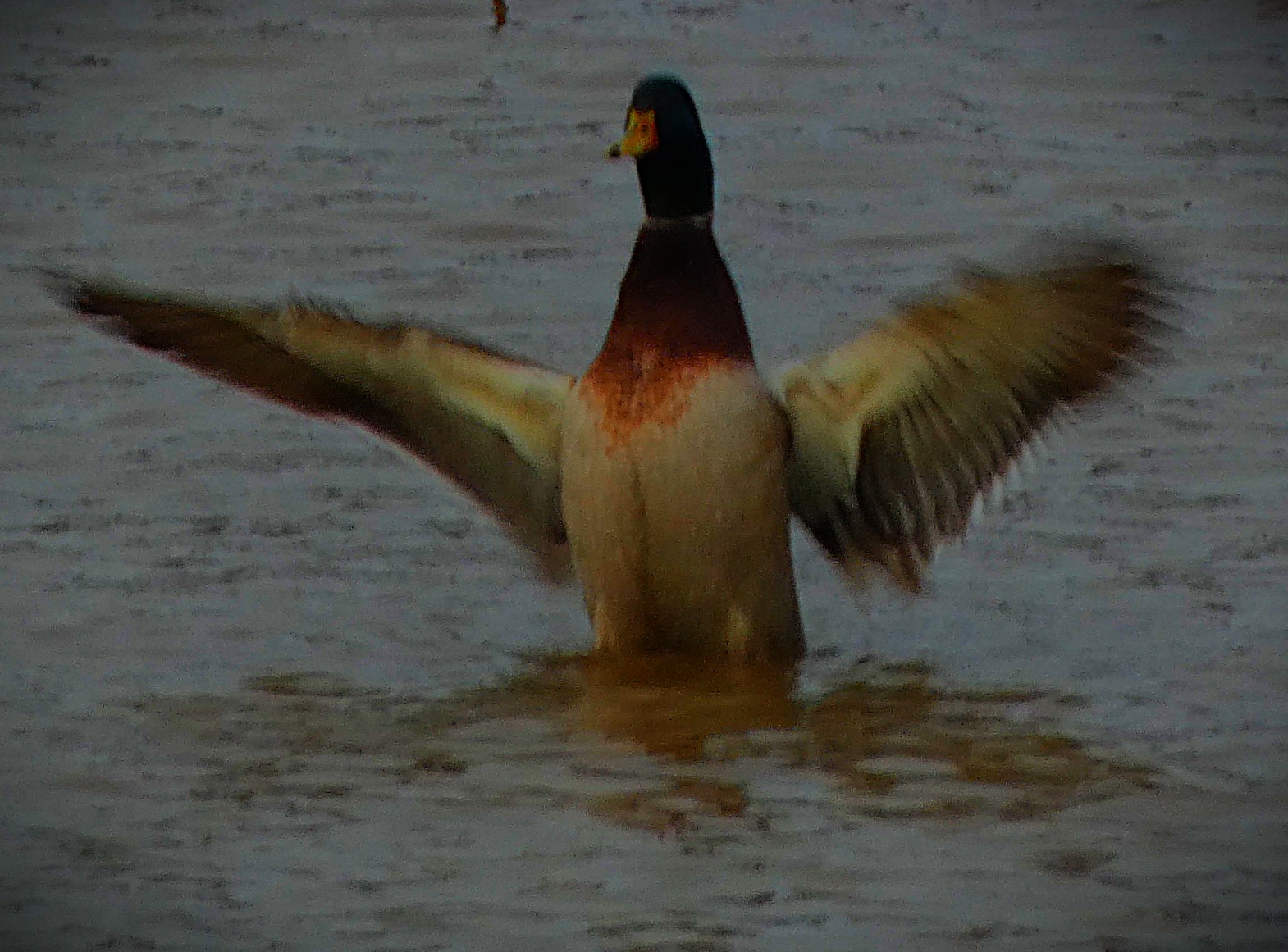
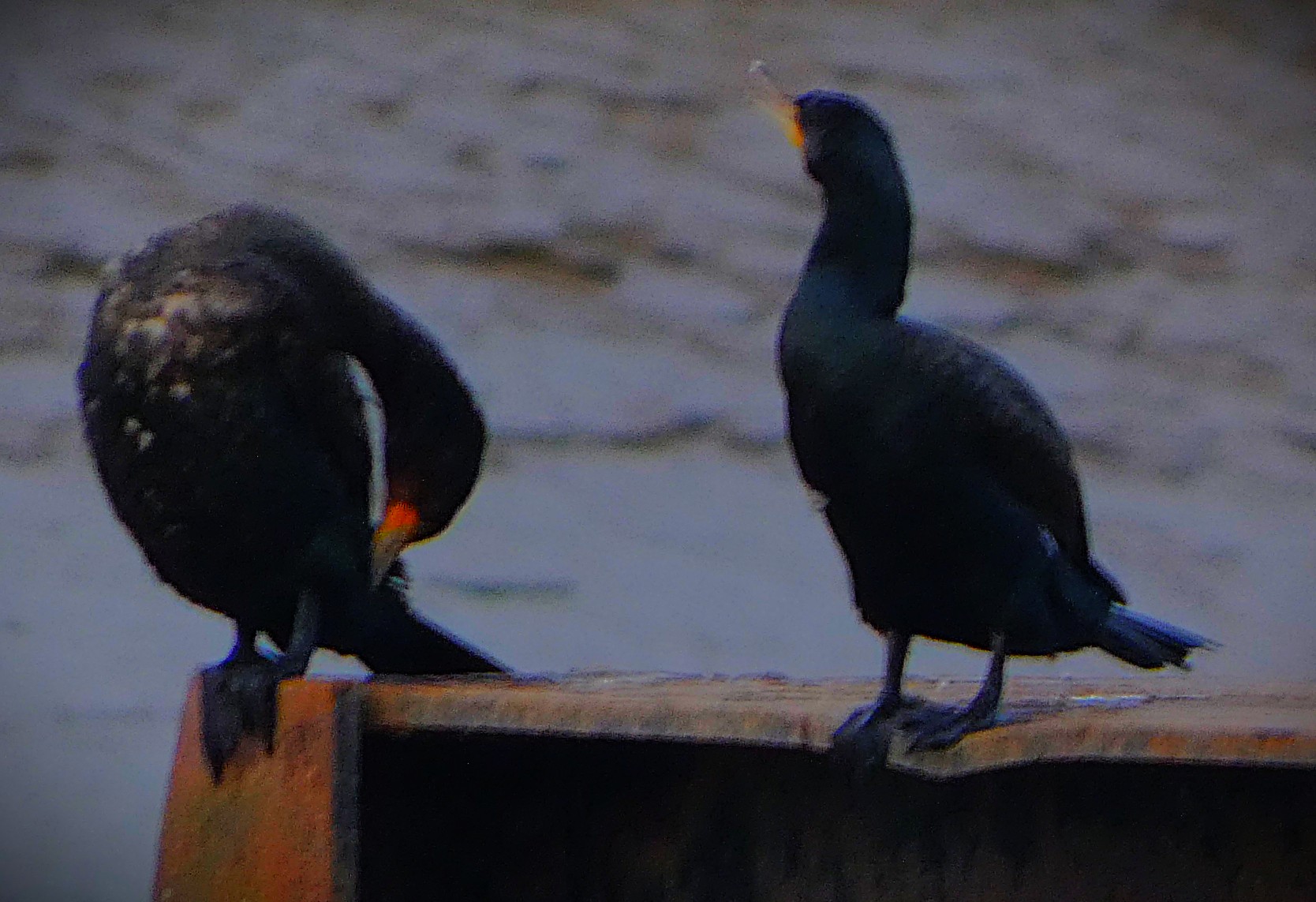
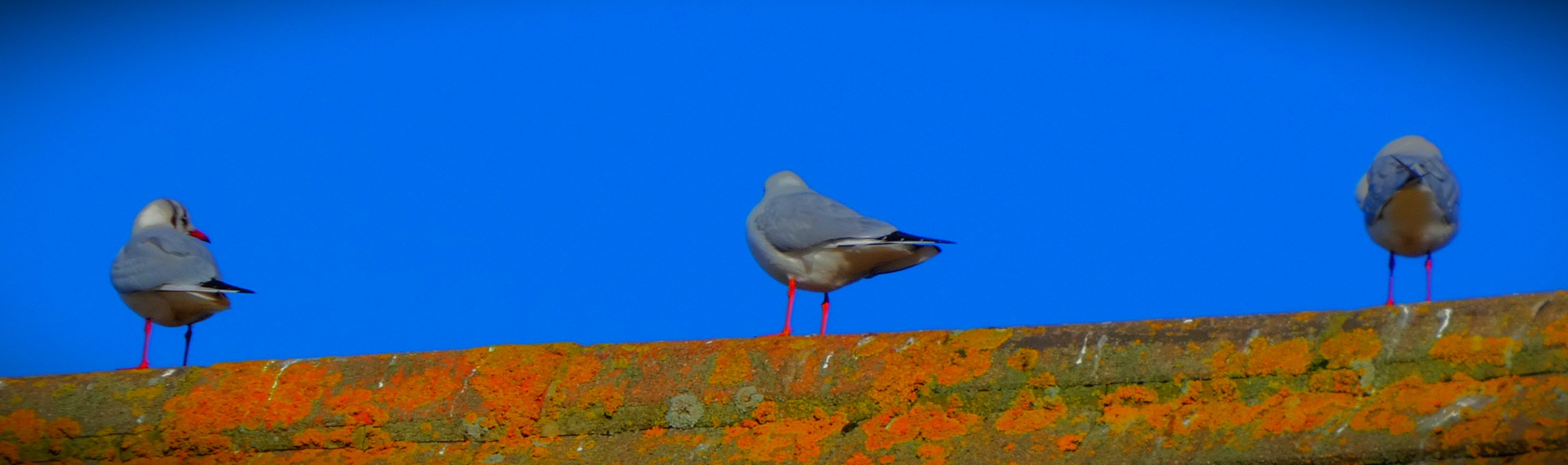
A squirrel with an item of food in its mouth.A mallard drake extends its wings, cormorant fashion.A small gull demonstrates the size of its gape.
A look at the action on day three in Brisbane and a photo gallery.
Today was the third day of the second Ashes test at Brisbane, and this post looks back at a day that has gone a long way to killing England’s hopes in this series.
EPIC FAIL 1: THE END OF THE AUSTRALIAN FIRST INNINGS
Australia resumed this morning on 378-6, 44 ahead on first innings. Only five runs had been added when Michael Neser was seventh out, and even by the time Alex Carey was eighth out, caught behind off Atkinson for 63 to the give the bowler his maiden Ashes scalp the score was 416, 82 ahead, and not yet necessarily terminal. It was at this stage that Stokes blundered badly. The ‘strategy’ of feeding the senior batter runs so that you can attack the junior batter may have something going for it, though I have never seen it definitively work and have seen it definitively fail, and I am 100% certain that when the senior batter is the opposition number nine, as was the situation it has precisely nothing going for it – attack from both ends and look to get the innings finished quickly. The chief damage done by the partnership that Stokes’ methods did nothing to prevent from happening was not actually the 75 runs that accrued, but the fact that they were together for more than a full session, pushing the start of the England innings ever closer to happening under the floodlights. Starc reached to top individual score of the innings, 77, before he was ninth out, caught by Stokes off Carse to give the latter possibly the most undeserved four wicket haul in test history. Even the last pair boosted the score by a further 20, and soaked up yet more of the daylight. England began their second innings just before the second interval, when they would have started the day hoping to be in before the first interval.
EPIC FAIL 2: A GRUESOME BATTING DISPLAY
The England second innings began quite well, with Crawley and Duckett making it through to the second interval with their stand unbroken. The first wicket was a genuine misfortune, Duckett being bowled by one that kept low to make it 48-1. However none of the subsequent dismissals could accurately be described as due either to misfortune or particularly good bowling – it was a display of rank bad batting. With 90 on the board Pope aimed a big drive at Neser and succeeded only in hitting a return catch which was duly accepted. Seven runs later Crawley was dismissed in an almost action replay of the Pope dismissal – same bowler, same type shot, same outcome. The two Yorkshiremen Root and Brook took the score to 121 before Root played loosely st Starc and edged behind to go for 15. Two runs later Brook, also on 15, drove casually at Boland and edged behind to put England five down. It got worse before the close, as Jamie Smith played yet another loose drive, this time against Starc, and Carey was once again in business behind the stumps. Stokes and Jacks made it through to the close with no further damage, but at 134-6 England are still 43 runs short of parity. By my reckoning 13 of the 16 wickets England have lost so far in this match have been given rather than being taken.
A look at the first two days of action is the pink ball test in Brisbane, and a photo gallery.
Having covered Tuesday’s auction I now turn to something else. Early yesterday morning UK tine a day-night test match got underway in Brisbane, the second match of the 2025-26 Ashes series. England had lost the first match by this same stage, so the fact that I am writing about a match that is still in progress is an improvement.
ROOT THE ALL TIME GREAT
Even before the events of this match no one seriously doubted that Joe Root was a great batter rather than merely a good or even very good one, but there were certain Aussies who would deny him the status of an all-time great because he had a blot on an otherwise stellar CV – he had never scored a test century in Australia. There seemed small chance of England having anything the celebrate when Root’s innings began – Duckett and Pope had both fallen cheaply, and the score was 5-2. Zak Crawley came back well from his pair in Perth, making an impressive 76 and sharing a century stand with Root. Harry Brook looked highly impressive in making 31, but his dismissal when he should have gone on to a properly big score was a shocking one, not just because the shot was one he should never have taken on, but because he did so against Starc, the only genuinely dangerous bowler Australia had. Stokes gave Root some support but got out before long. That brought Jamie Smith, facing a pink ball for the first time in his professional career (apparently it was not worthwhile to send him, and others in the same boat, such as Will Jacks, in for the injured Wood – a batting all rounder who bowls off-spin in for a specialist pacer – to Canberra to play in the President’s XI match) to the crease. Smith collected a duck to put England six down, and bring Jacks to the crease. I had to leave for work at this point, but a later check confirmed that Root, in the 70s when I left, had finally scored that first century on Aussie soil and removed any possible doubt about his status as an all time great. His best support after I had left came from number 11 Jofra Archer, who made into the 30s, and would be last out for 38 early this morning UK time. England amassed 334, Root with 135 not out being the person who made that total possible.
AUSTRALIA SO FAR
England produced a very variable bowling performance, and the fielding was far too fallible. Four clear-cut chances went down, Duckett culpable on two occasions to go with his duck, and Joe Root in the slips got a hand to ball that streaked away for four, though it would have been an absolute screamer of a catch had he held it. Brydon Carse took three wickets in the course of the day and had a chance shelled, but he was also absurdly expensive – at one stage he was leaking runs at a rate that would have raised eyebrows in a T20 league, and even by the end of the day he had 3-113 from 17 overs. Australia were 291-3 at high water mark, but then Green and Smith both fell to Carse very quicky. England got one further wicket in the day, but in the latter stages as they started to show obvious tiredness Australia got on top once again, ending the day on 378-6, 44 runs ahead on first innings with four wickets standing. England are not out of this yet – come the fourth innings the pitch will be very tricky, but they need to bowl well first thing tomorrow, and then bat well for the rest of tomorrow and well in to day four.
A look back at an extraordinary day of test match action in Perth, England Player Ratings and a small photo gallery.
An extraordinary test match ended in Perth today after a mere two days of playing time. This post looks back at the events of an action packed second day (I covered yesterday here).
THE MORNING
The final wicket pairing for Australia did not hold things up for very long, though they did enough for Brendan Doggett to have made Scott Boland being sent in ahead of him look ridiculous. It was Brydon Carse who took that wicket, his third scalp of the innings, dismissing Nathan Lyon with the aid of a catch by Ben Duckett.
In the first innings Crawley was dismissed for a duck by the sixth ball. In the second he lasted one ball less long for the same tally, and again the dismissal was a self-inflicted one, this time hitting a return catch to Starc for the left armer’s eighth wicket of the match. Duckett and Pope fared well together for a time, and reached the lunch break with the score 59-1, a lead of 99 overall, and at that point England were short-priced favourites.
THE AFTERNOON
England had added six to their lunchtime tally when Ben Duckett edged one from Boland to Smith in the slips to go for 28. Ollie Pope, the sole English batter who seemed to grasp the necessity of placing the ball and running well on a ground as big as this one, was caught behind off Boland for 33, his second decent knock that fell short of a big score in the match to make it 76-3. That soon became 76-5, as the two Yorkshiremen Root and Brook each played poor shots, Root’s resulting in him being bowled by Starc, while Brook’s was caught by Khawaja. At 88 Ben Stokes edged one from Starc through to Carey to complete his second batting failure of the match. Smith and Gus Atkinson added 16 runs before Smith was adjudged out caught behind after a prolonged review, the sound appearing to come a fraction after the ball passed the bat, but not being causable by anything other than a nick. Then came England’s last decent period of the match, as Atkinson and Brydon Carse shared a sparky 50 partnership for the eighth wicket. Archer and Wood helped the score advance by a further 10 runs after that. Scott Boland had taken four wickets after looking toothless in the first dig, Starc and Doggett, who could be proud of his debut at the highest level, three each. In essence though this was a story of bad English batting, as they tried to hit everything, demonstrating that they had learned nothing from their first innings. In total they batted a mere 67.3 overs for their two innings, and there were a raft of self-inflicted dismissals. As for this second innings, the top individual score was achieved by Gus Atkinson, a bowler who is a goodish lower order batter but comes some way short of being accurately described as an all rounder. Still, Australia’s target of 205, which they would begin their attempt on after the tea break, would if achieved be the highest team total of the match, and only once in Ashes history, at Headingley in 2019 had that previously happened.
THE EVENING
Khawaja was once again unable to open, and on this occasion Australia chose to promote Travis Head to open with Jake Weatherald, enabling Labuschagne to occupy his preferred number three slot and Steve Smith the number four slot. Head and Weatherald batted very well, England did not bowl as well as they had in the first innings, partly because they were not allowed to do so. Head scored his first 20 at just about a run a ball, indulging in sensible aggression rather than mindless baseball type swinging at everything. It was after this early sensible period that he really exploded, having earned the right to do so. Carse got rid of Weatherald with 75 runs on the board, the debutant’s share being 23. Labsuchagne, in his preferred slot, played much more expansively than first time round, but again not resorting to mindless aggression, but it was Head who was in charge. Head reached his century from his 69th ball, the joint sixth fastest in test history, and the second fastest ever in The Ashes, with 12 fours and four sixes. He continued in similar vein after reaching the landmark. The ask was down to a mere 13, with the certainty of a finish that evening (eight extra overs were available if needed) when Head was finally out, well caught by Pope off Carse. Smith joined Labuschagne for the last rites. Labuschagne reached 50 with a six that also levelled the scores, but could not score of the last ball of that over, which meant that Steve Smith scored the actual winning run. The margin was eight wickets, and the match had undergone pretty much a 180 degree turn in the space of two sessions, from heavily in England’s favour to ultimately dominated by Australia. Mitchell Starc’s ten wicket match haul saw him named Player of the Match, a decision with which I have to disagree. Many of Starc;s wickets were given rather than being taken, and the contribution that settled the match belonged to Travis Head, who produced a masterpiece which started with the match still in the balance, if not somewhat in England’s favour and ended with the deal almost sealed in Australia’s favour. The last time an England side lost the opener in Australia and emerged victorious at the end of the series was in 1954-5, when Hutton’s side rebounded by winning matches two, three and four. Just to increase the task for England this time the next match, at Brisbane, is a pink-ball day/night match, a format at which Australia are close to untouchable. This was a match that England could and should have won, but indiscipline with the bat let them down badly, and while the bowlers rescued them once they could not do so twice.
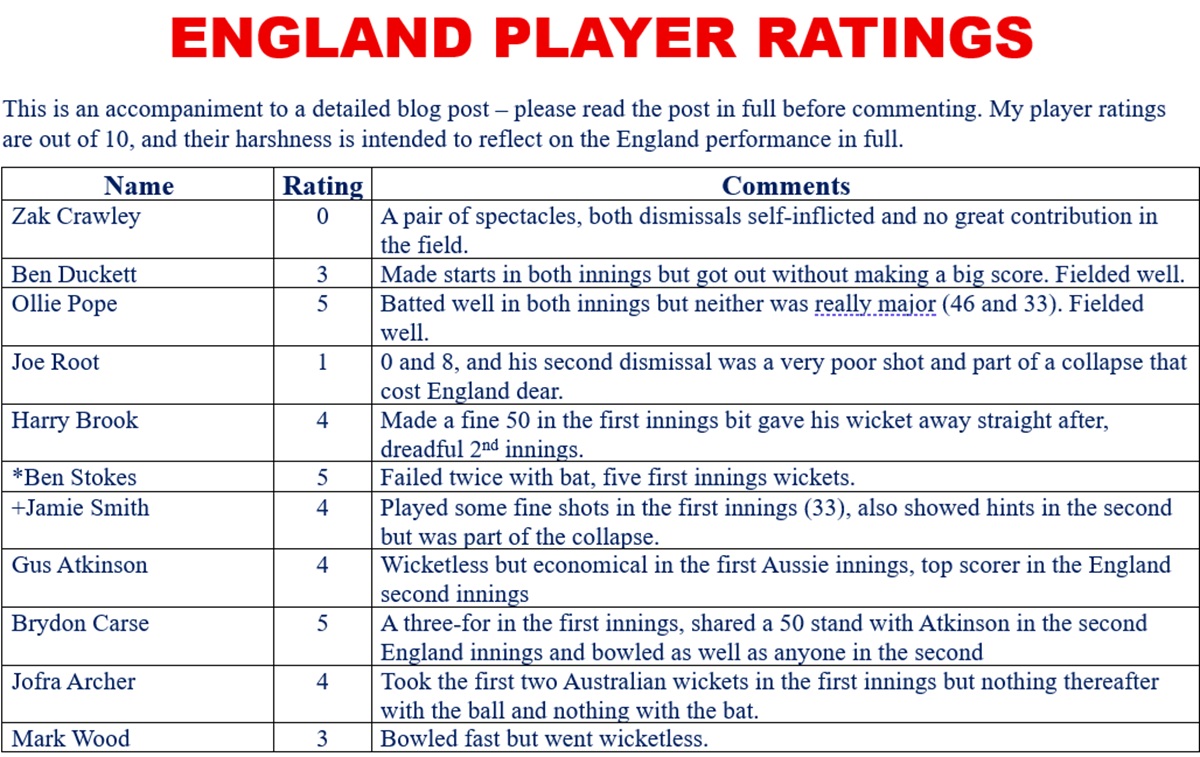
ENGLAND PLAYER RATINGS
These are given in batting order, and are marked out of 10, and they are harsh.
Zak Crawley – 0. The opener bagged a pair, was culpable for both dismissals, and did nothing of note in the field, therefore it is not possible to award him even a single point.
Ben Duckett – 3. Played nicely in both innings, but neither contribution was substantial. He did his job in the field.
Ollie Pope – 5. The only England batter to show signs of adapting his game to suit this ground – he scored ten threes across the two innings. He also fielded well.
Joe Root – 1. A duck in the first innings, 8 in the second, and he was part of the collapse that opened a way back into the match for Australia, playing a poor shot to boot.
Harry Brook – 4. A good 50 in the first innings, but his second innings failure was down to an awful shot, and he was the middle of three wickets to fall at the same score in that innings.
Ben Stokes – 5. Two failures with the bat. His first innings five-for looked to wrenched the initiative back for England, and he looked helpless in the face of Travis Head in the final innings.
Jamie Smith – 4. His first innings 33 was impressive for as long as it lasted, his second innings dismissal would probably not have been given in the days befor technology, and he kept competently.
Gus Atkinson 4. Though he personally went wicketless he was part of England’s good first innings bowling performance, and he top scored in England’s second innings, batting in a way that should have roundly embarrassed most of those above him in the order.
Brydon Carse 5. Five wickets in the match, although the fifth came too late to be of real relevance, and took part in a 50 partnership in the second English innings that seemed to have given them hope.
Jofra Archer – 4. Took the first two Australian wickets to fall, but did little of note thereafter.
Mark Wood – 3. Bowled fast though not for any great reward. As with all his fellow bowlers he has to be regarded as less at fault for the debacle than the batters.
PHOTOGRAPHS
Some of the photos in this gallery are from James and Sons upcoming auction on December 2nd – go here or here for more…
Today saw the start of the 2025-6 Ashes series between the Australia and England men’s teams, with England launching a bid to achieve something last pulled off by Ray Illingworth’s 1970-1 side – come to Australia without The Ashes and leave with them (Three subsequent England skippers, Brearley in 1978-9, Gatting in 1986-7 and Strauss in 2010-11 have retained as opposed to regaining The Ashes in Australia). Perth was the venue, a city in which England have only once won a test match, during Brearley’s 1978-9 triumph.
PRELIMINARIES
Both sides had in different ways caused eyebrows to rise in the run up to the series. Australia had lost skipper Pat Cummins and, right on the eve of the contest, fellow pacer Josh Hazlewood to injuries, and their top order was in a state of flux as well, with Jake Weatherald, at 31 years of age no youngster, earmarked for a debut in this match. The vacancy opened up by Hazlewood’s injury was filled by Brendan Doggett, also 31 years old and making his debut at the highest level.
England meanwhile were much more settled, but their preparation had raised eyebrows. They had played one preliminary fixture, at Lilac Hill, a venue with no similarities to Perth, and rather than a genuine match it was England v England Lions, with everyone getting involved rather than two sides of 11. Correctly in view of everyone actually being fit and the nature of the Perth pitch they had omitted Shoaib Bashir, going with a full battery of pacers – in batting order from 8-11 Atkinson, Carse, Archer and Wood, with Ben Stokes also fit to bowl. Australia, short of experience with the injuries to Cummins and Hazlewood, had opted to pick Nathan Lyon, the veteran off spinner who has just celebrated his 38th birthday, in their line up. Ben Stokes won the toss and opted to bat, probably aware that the side batting first has won every test match at this new venue.
THE ENGLAND INNINGS
Four years ago Mitchell Starc struck with the first ball of the series, removing Rory Burns. This time it took him until the last ball of the first over to make the breakthrough. The dismissal was the sort of dismissal that an AI bot asked to produce a typical Crawley dismissal would have come up with – a loose drive resulting in an edge and first slip being in business.
England scored at a rapid rate in spite of an outfield that was both large and slow (there were a number of threes and one all run four for shots where the ball stopped just inside the ropes). However they also lost wickets at a rapid rate. Harry Brook scored an impressive 50 but got himself out immediately after reaching that mark, while Ollie Pope and Jamie Smith both looked good but failed to go big, scoring 46 and 33 respectively. This was not a surface on which lower order batters were likely to prosper, and from 160-5 England fell away to 172 all out, Starc 7-58, a new test best. However, they still had the opportunity to bowl on a spicy deck, and had a bowling unit that looked both stronger and better suited to such a surface than Australia’s makeshift one…
THE AUSTRALIAN REPLY
Australia also lost their first wicket before scoring a run, Khawaja having left the field during the England innings and rendered himself unable to open the innings, a mishap that meant the debutant Weatherald would be on strike for the first ball of the reply, with Labuschagne at the other end. Archer’s first ball beat him, and the second pinned him LBW. Khawaja was still not allowed to bat at this point, and stand-in skipper Steve Smith (yes, he of sandpaper infamy) joined Labuschagne for a second wicket stand that soaked up a bit of time but not produce many runs. The second ball of the 15th over, bowled by Archer (by then into a second spell) rattled Labuschagne’s stumps to make it 28-2. Nine balls and two runs later Steve Smith edged one from Brydon Carse to be caught by Brook for 17 and that was 30-3. One run later Carse had Khawaja caught behind to make it 31-4. Travis Head and Cameron Green seemed to be seeing Australia through in a good partnership when Stokes introduced himself to the attack. With the score on 76 Travis Head fell to a catch by Carse off Stokes to end a 45 run partnership. Seven runs later Green edged through to Smith, leaving Carey and a precarious tail (Starc at least one place too high eight, Lyon two places too high at nine and genuine rabbits Doggett and Boland) to attempt to get Australia somewhere near parity. Starc and Carey fared well together for a time, until Starc, on 12, gave Carse another catch off Stokes. Three runs later came the dismissal that made it unequivocally England’s day, Carey becoming the third Aussie to be caught by Carse off Stokes, for 26 in his case. That was 121-8, and two balls later Boland, sent in ahead of Doggett for no apparent reason, was caught by Brook to make it 121-9 and give Stokes his fifth wicket of the innings. There was time for just one more over in this eventful day, and Australia survived it, adding two runs to their score as well. The day thus saw 295 runs scored and 19 wickets fall, and that with only 71.5 overs being bowled (32.5 for the England innings, 39 in the Australian innings). That 19 wickets was the most on an opening day of an Ashes match since Old Trafford in 1909 when both sides had completed their first innings by the end of day one. 51,531 people, a record crowd for a match in Perth, watched some or all of the day’s action at the ground (officially 10,000 of these were English, but there are also quite a few English migrants living in Perth who would have been counted as local sales). With this much happening on day one one can already strike out days four and five, and day three is far from certain to happen. In a day of two halves the brilliance of England’s bowlers, backed by some good catching, ultimately more than offset a rather slipshod batting effort, but the batters cannot expect the bowlers to dig them out of every hole like that.
PHOTOGRAPHS
My usual sign off…
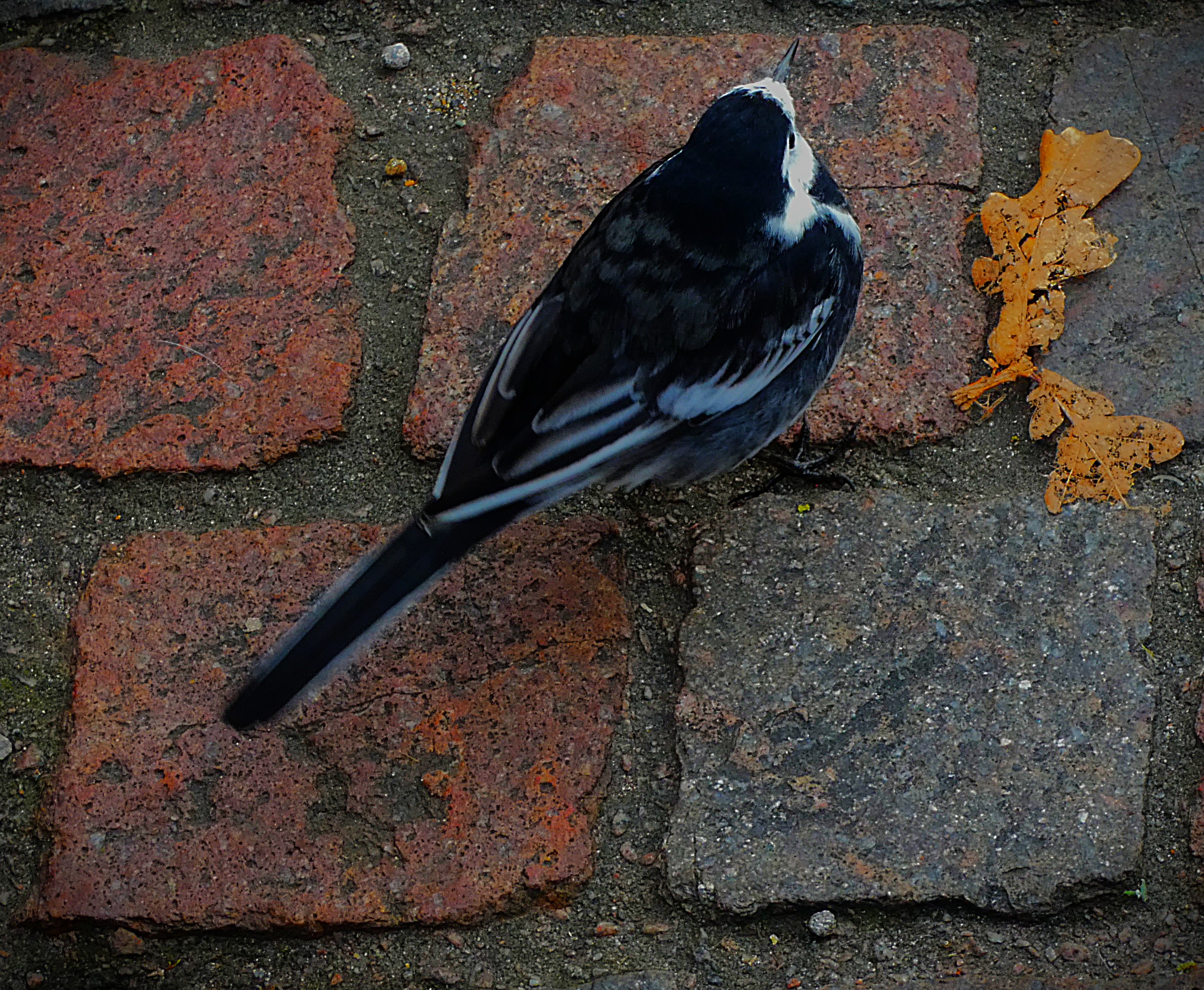
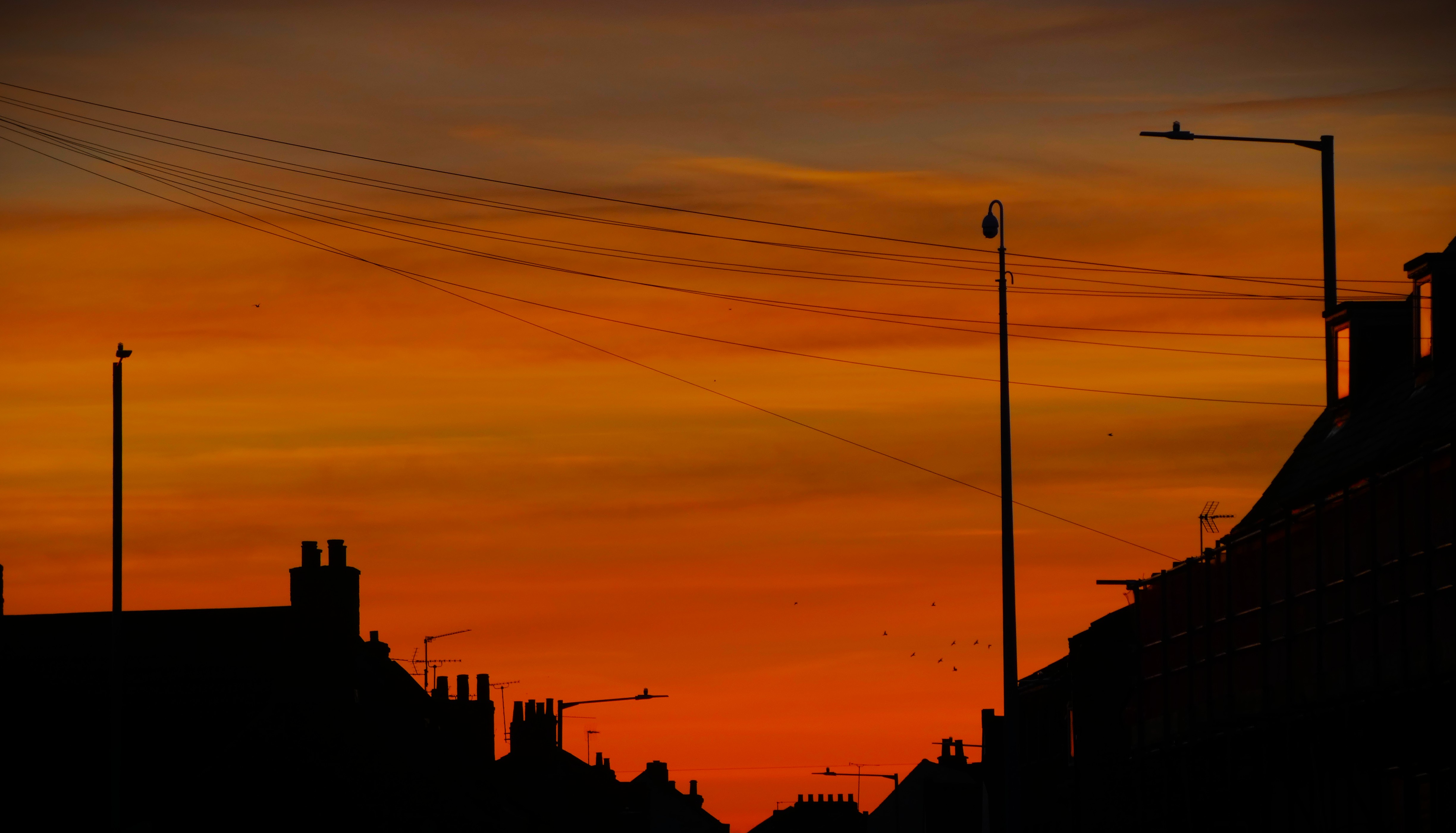
A pied wagtail exploring Fakenham Market yesterday as I walked through on my way to work (it was practically at my feet when I took this picture)“Red sky at night, Shepherd’s delight” – although whether that quite applies when said ‘night’ is falling at about 4PM is another matter!