A look at the first two days of action is the pink ball test in Brisbane, and a photo gallery.
Having covered Tuesday’s auction I now turn to something else. Early yesterday morning UK tine a day-night test match got underway in Brisbane, the second match of the 2025-26 Ashes series. England had lost the first match by this same stage, so the fact that I am writing about a match that is still in progress is an improvement.
ROOT THE ALL TIME GREAT
Even before the events of this match no one seriously doubted that Joe Root was a great batter rather than merely a good or even very good one, but there were certain Aussies who would deny him the status of an all-time great because he had a blot on an otherwise stellar CV – he had never scored a test century in Australia. There seemed small chance of England having anything the celebrate when Root’s innings began – Duckett and Pope had both fallen cheaply, and the score was 5-2. Zak Crawley came back well from his pair in Perth, making an impressive 76 and sharing a century stand with Root. Harry Brook looked highly impressive in making 31, but his dismissal when he should have gone on to a properly big score was a shocking one, not just because the shot was one he should never have taken on, but because he did so against Starc, the only genuinely dangerous bowler Australia had. Stokes gave Root some support but got out before long. That brought Jamie Smith, facing a pink ball for the first time in his professional career (apparently it was not worthwhile to send him, and others in the same boat, such as Will Jacks, in for the injured Wood – a batting all rounder who bowls off-spin in for a specialist pacer – to Canberra to play in the President’s XI match) to the crease. Smith collected a duck to put England six down, and bring Jacks to the crease. I had to leave for work at this point, but a later check confirmed that Root, in the 70s when I left, had finally scored that first century on Aussie soil and removed any possible doubt about his status as an all time great. His best support after I had left came from number 11 Jofra Archer, who made into the 30s, and would be last out for 38 early this morning UK time. England amassed 334, Root with 135 not out being the person who made that total possible.
AUSTRALIA SO FAR
England produced a very variable bowling performance, and the fielding was far too fallible. Four clear-cut chances went down, Duckett culpable on two occasions to go with his duck, and Joe Root in the slips got a hand to ball that streaked away for four, though it would have been an absolute screamer of a catch had he held it. Brydon Carse took three wickets in the course of the day and had a chance shelled, but he was also absurdly expensive – at one stage he was leaking runs at a rate that would have raised eyebrows in a T20 league, and even by the end of the day he had 3-113 from 17 overs. Australia were 291-3 at high water mark, but then Green and Smith both fell to Carse very quicky. England got one further wicket in the day, but in the latter stages as they started to show obvious tiredness Australia got on top once again, ending the day on 378-6, 44 runs ahead on first innings with four wickets standing. England are not out of this yet – come the fourth innings the pitch will be very tricky, but they need to bowl well first thing tomorrow, and then bat well for the rest of tomorrow and well in to day four.
A look back at today’s WBBL clash in Drummoyne between Sydney Thunder and Brisbane Heat, a note about future posts and a photo gallery.
Today in the Women’s Big Bash League Sydney Thunder were hosting Brisbane Heat at Drummoyne. Neither side could qualify, but a win for Thunder if they managed it would condemn Heat to the wooden spoon (even if Heat had won they would need another win in their final game, another loss for Thunder and a substantial change in net run rates to avoid this fate).
THE THUNDER INNINGS
Thunder, batting first, had a slow start, and were 24-1 after their four over Power Play. That took a turn for the worse in the fifth over when English leg spinner Sarah Glenn making her debut for Heat struck twice in successive balls, bowling Voll with a ball that went straight through, and then bowling Knight round her legs with the next ball. Anika Learoyd and young all rounder Lucy Finn both also fell for single figure scores, and when veteran Laura Harris was LBW for 13 it was 93-6. Phoebe Litchfield, who had survived this carnage, had been dropped twice in the early stages of her innings, and these lapses would prove crucial, as she now found an excellent partner in Em Arlott. At 120 Litchfield’s innings ended for 61, but now, having played the support role for Litchfield, Arlott took control, in a partnership with Taneale Peschel that yielded a further 33 runs off the last 3.5 overs of the innings. Thunder thus had 153 to defend.
THE HEAT RESPONSE
The Heat innings began with Samantha Bates bowling to Charli Knott. The first three balls were all dots, and then Bates took a magnificent return catch to get Knott off the fourth ball. Lauren Winfield-Hill came in at number three, but never got going at all, and the fourth ball of the third over, bowled by Voll, pinned her LBW for 2 (5). In the next over Georgia Redmayne, batting at number four, was caught behind of Shabnim Ismail for 1. At the end of the four over opening Power Play the Heat were 10-3 and the game was effectively done. When Lucinda Bourke had reached 18 she fell to a catch by Voll off Peschel to make it 30-4. West Indian all rounder Chinelle Henry now joined Sianna Ginger, and they fared well for a time, until Henry was hit and retired hurt with the score at 53. Ten runs later Ginger who had scored an impressive 28 was caught and bowled by Arlott. The sixth wicket pair of Annie O’Neil and Mikayla Wrigley more than doubled that total, but were never on terms with the runs rate, and Thunder ran out winners by 23 runs in the end. Heat thus remain winless after nine games, and also remain without an individual 50+ score in this year’s tournament (Litchfield’s innings today was the fifth such score for the Thunder by comparison).
PHOTOGRAPHS
Just before the main purpose of this section a note for the future: I intend to write about yesterday’s auction on Friday – one of two posts I intend to write that day, with the other being about what is happening in the second Ashes test in Brisbane (in over 2,600 test matches to date there has never been a definite result in one day’s play, though MCC v Australia at Lord’s in 1878 was done and dusted in a day – MCC 33 and 19, Australia 41 and 12-1 won by nine wickets – and I do not see this one being done in a day either, even with Stokes’ England being involved!). Now it is time for my usual sign off…
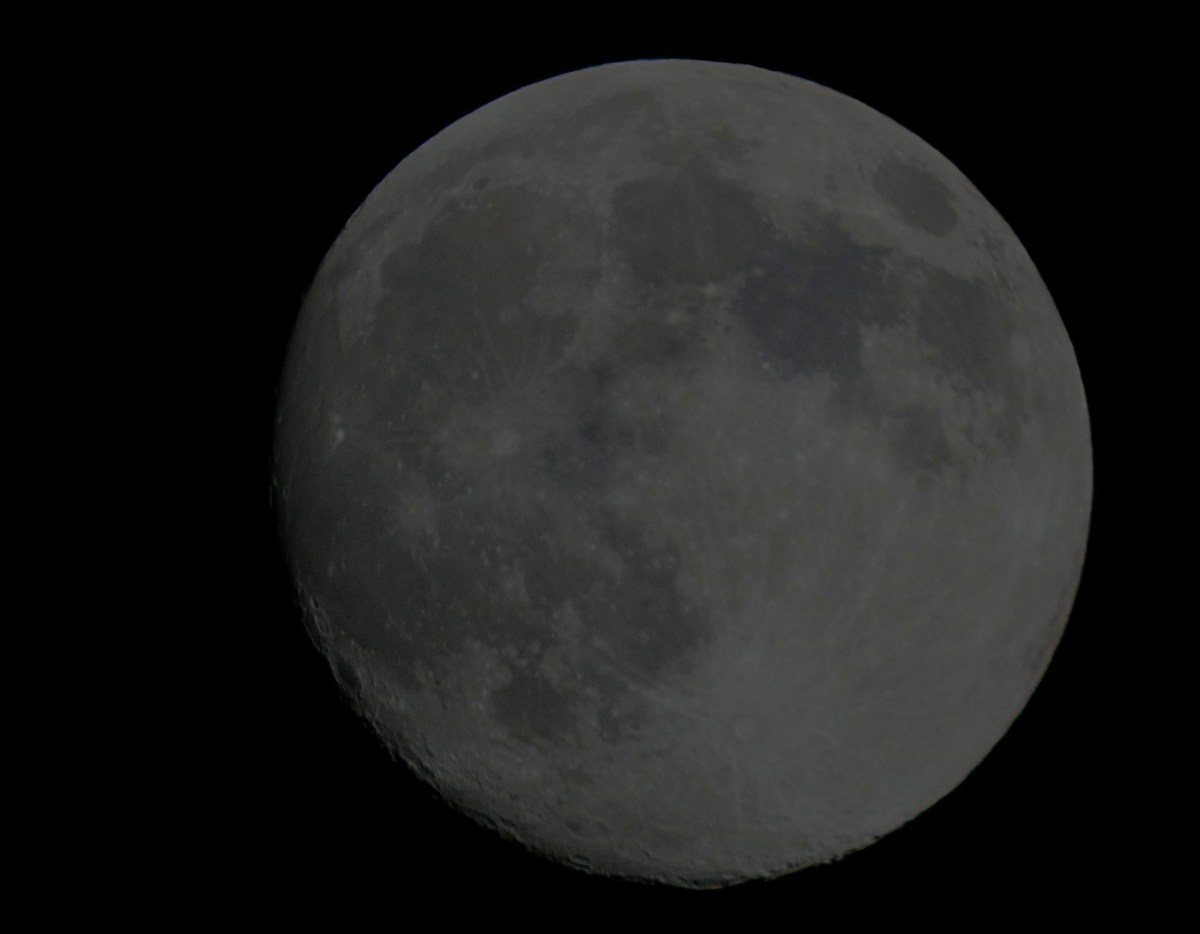
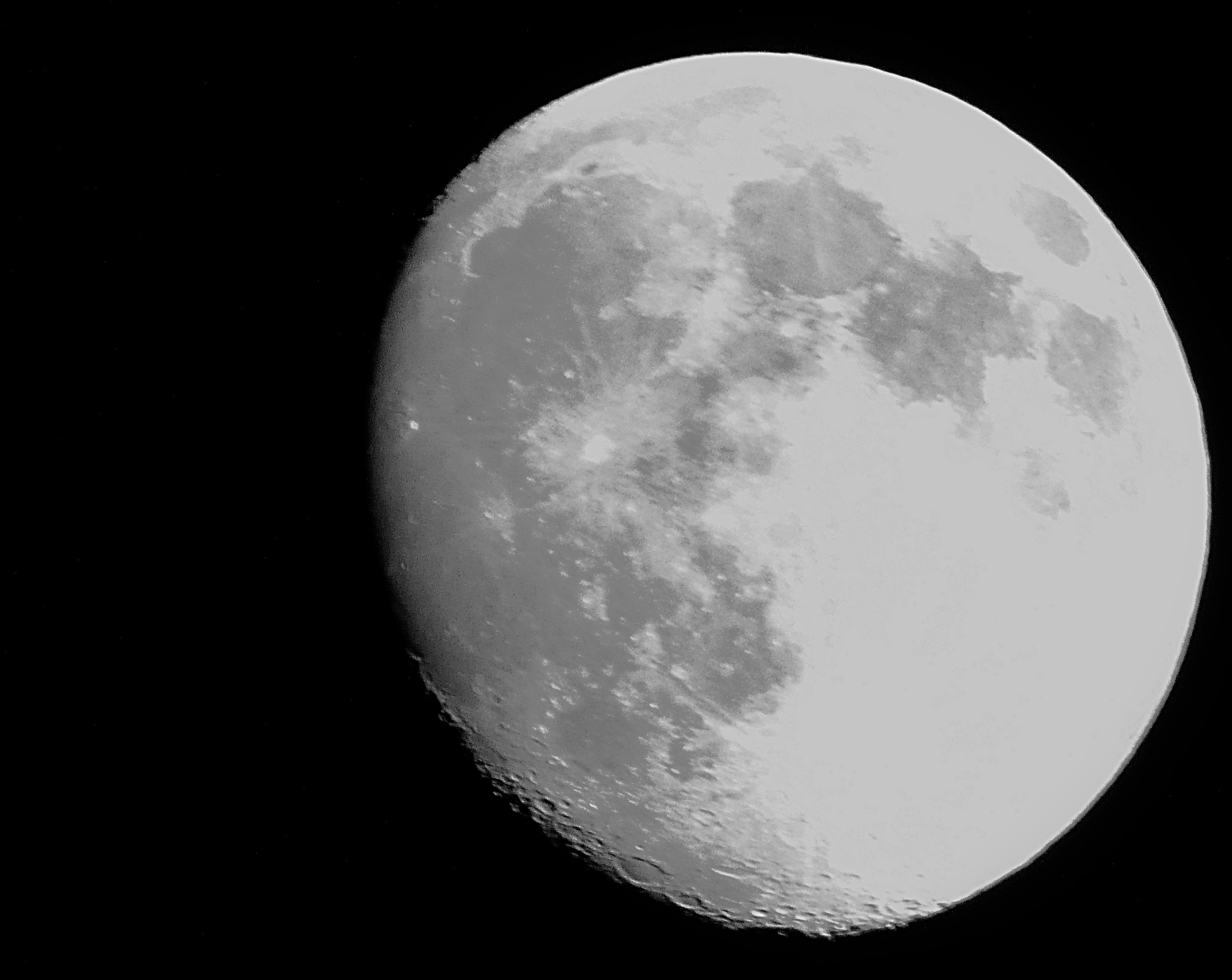
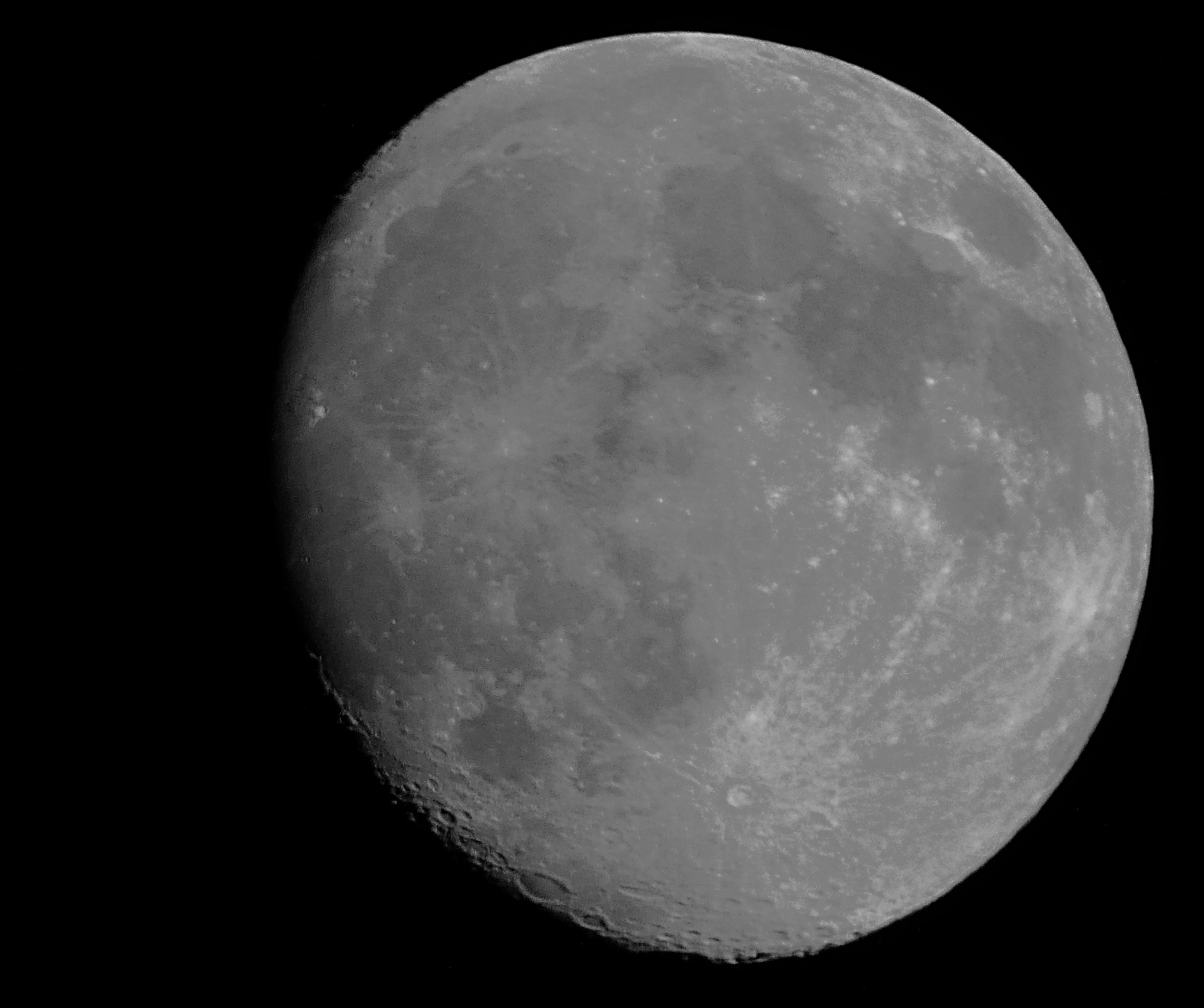
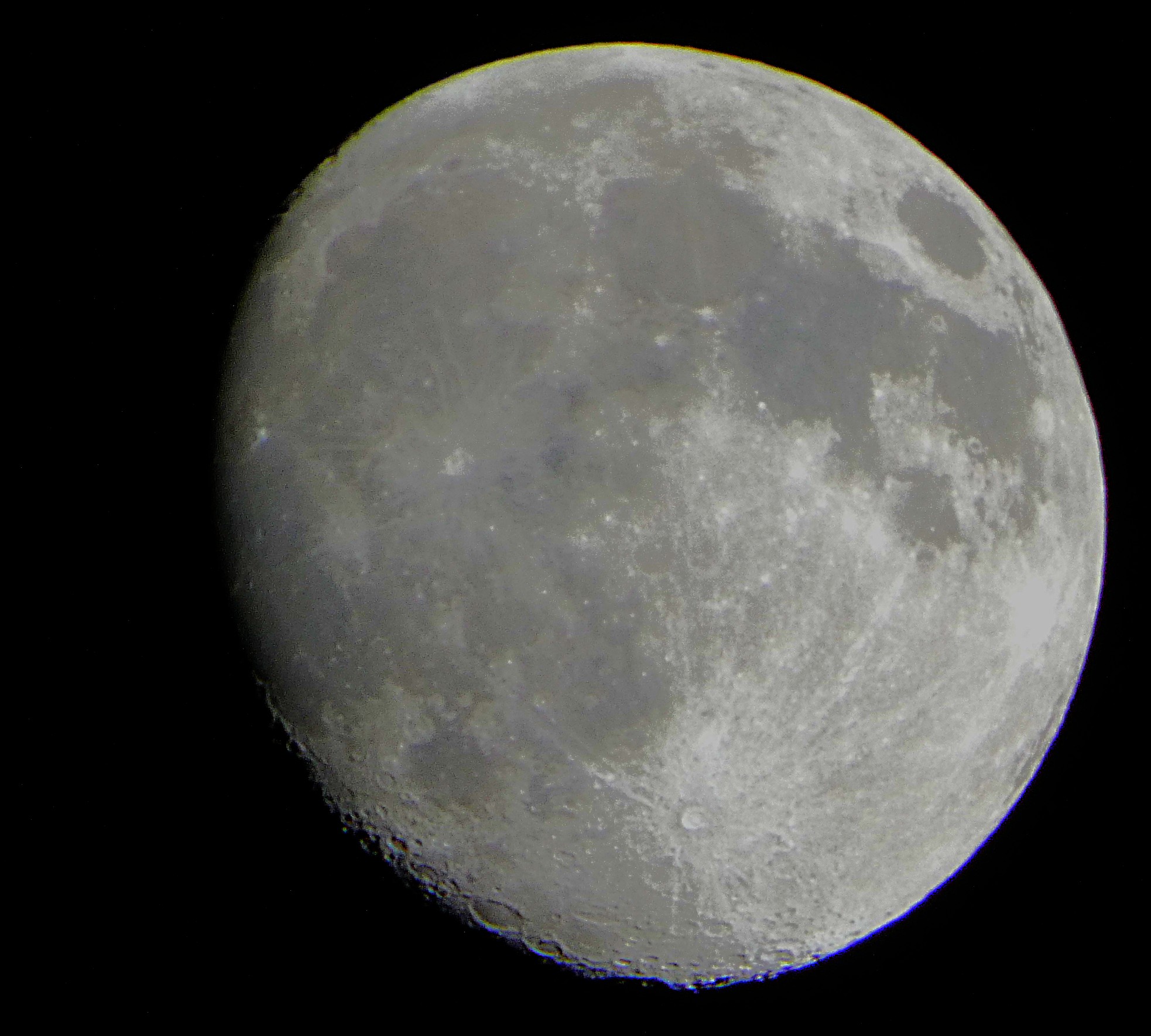
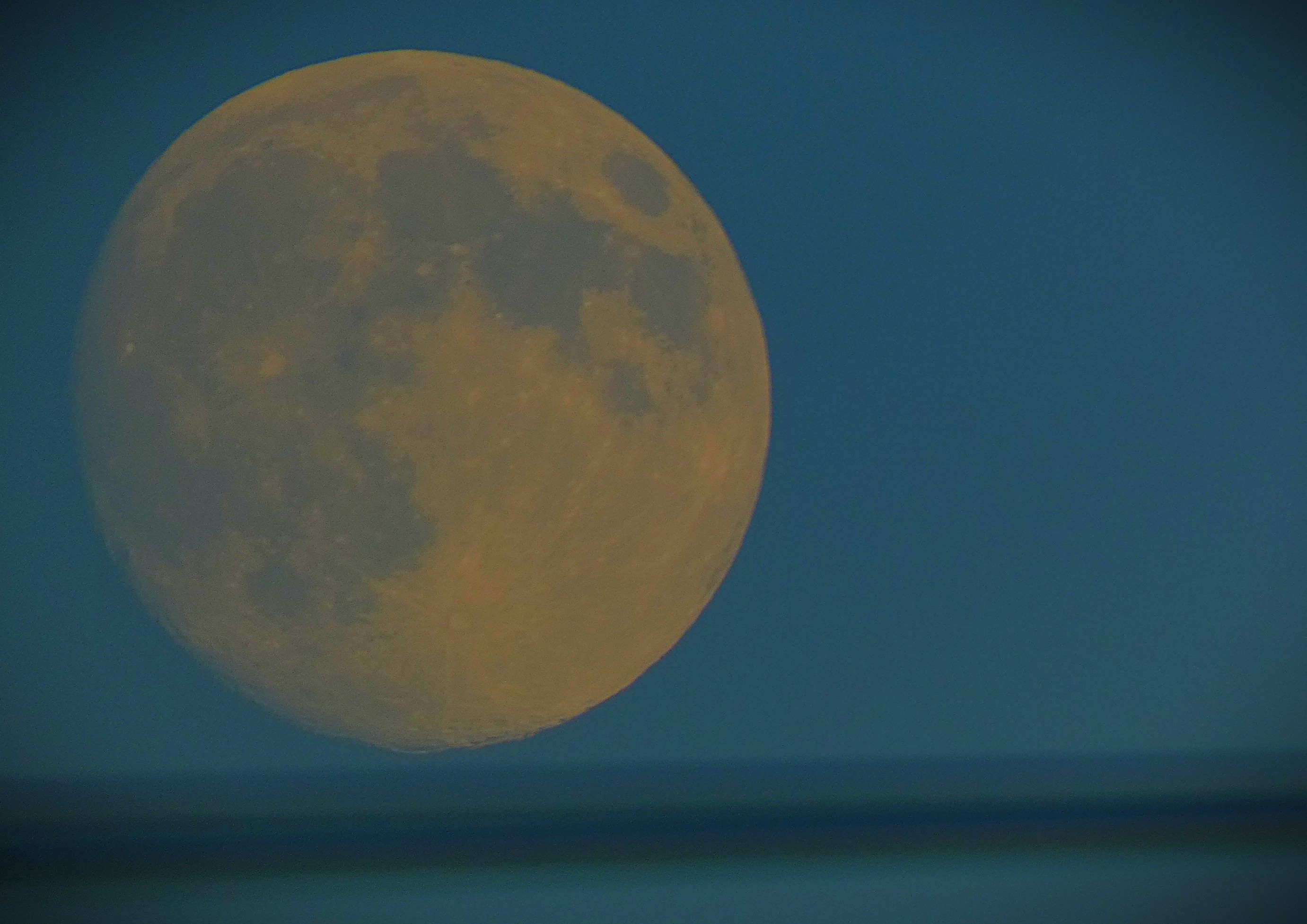
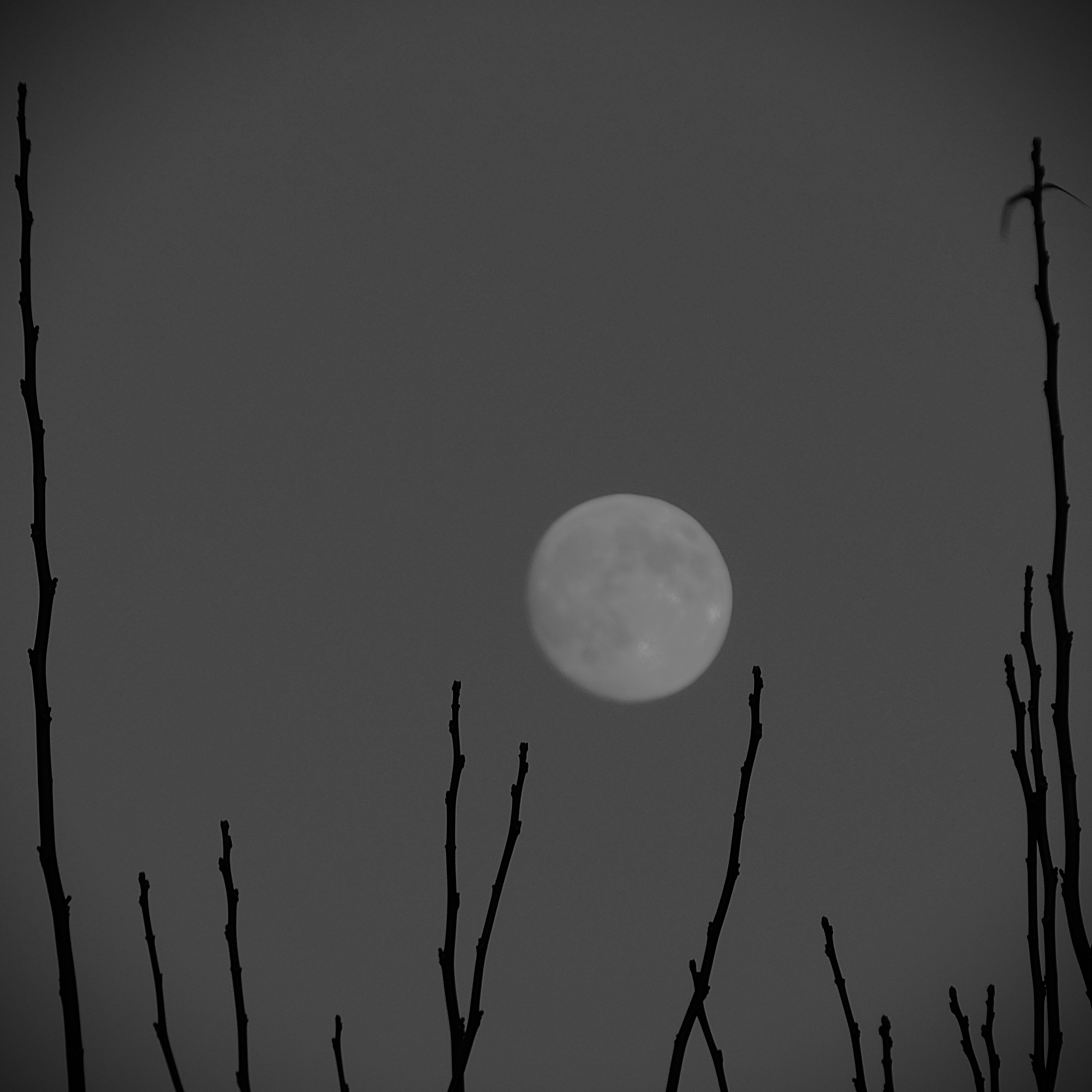
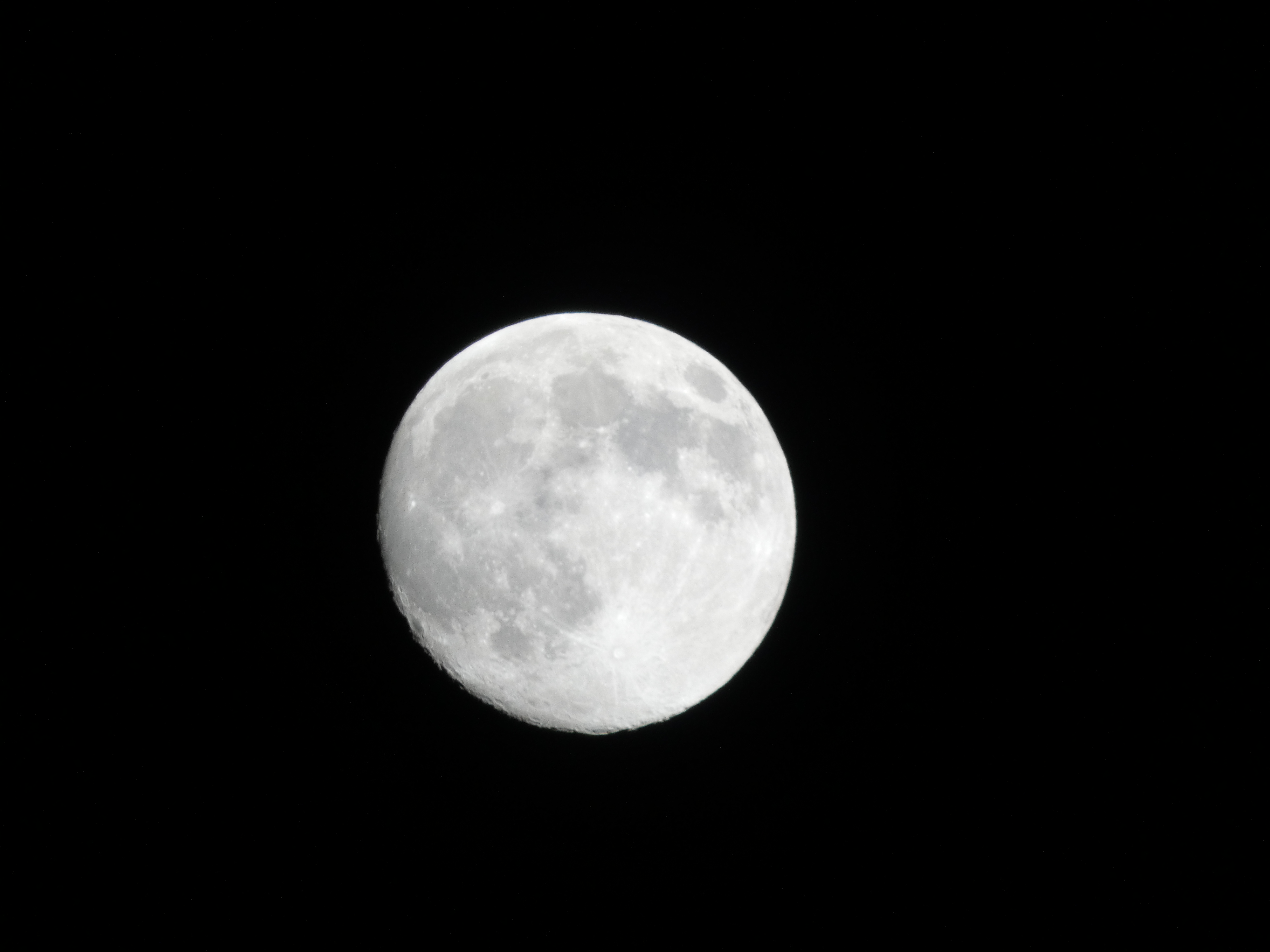
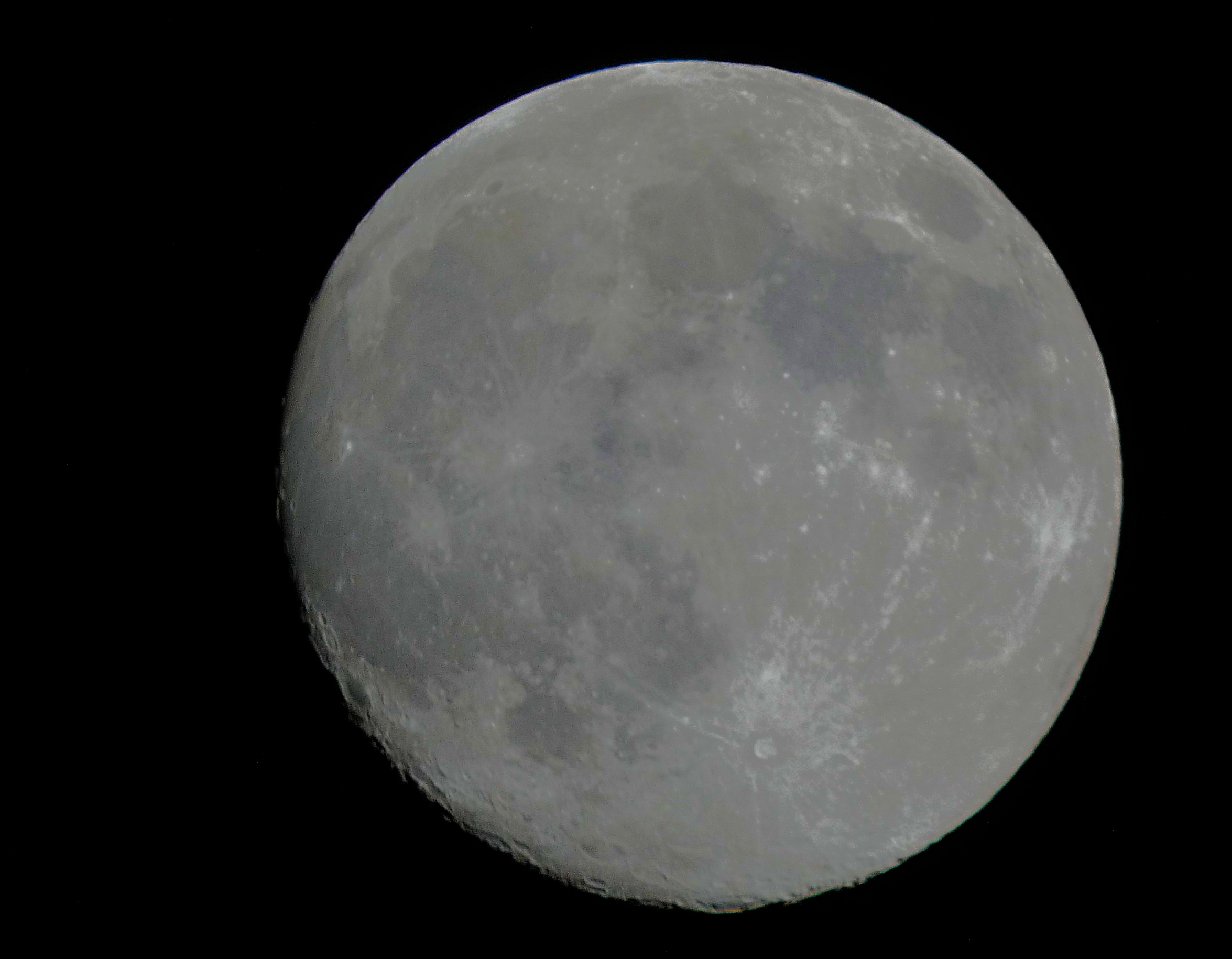
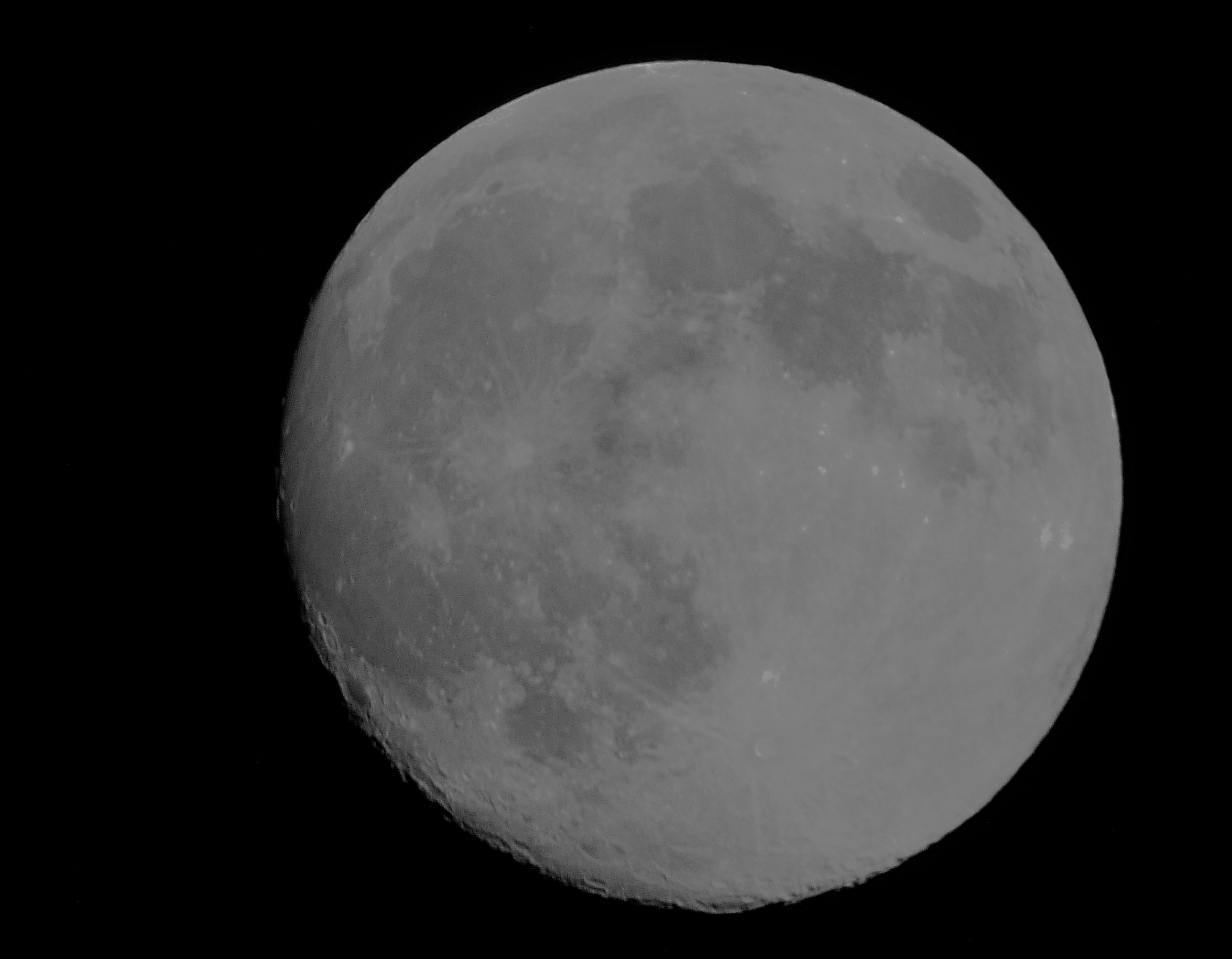
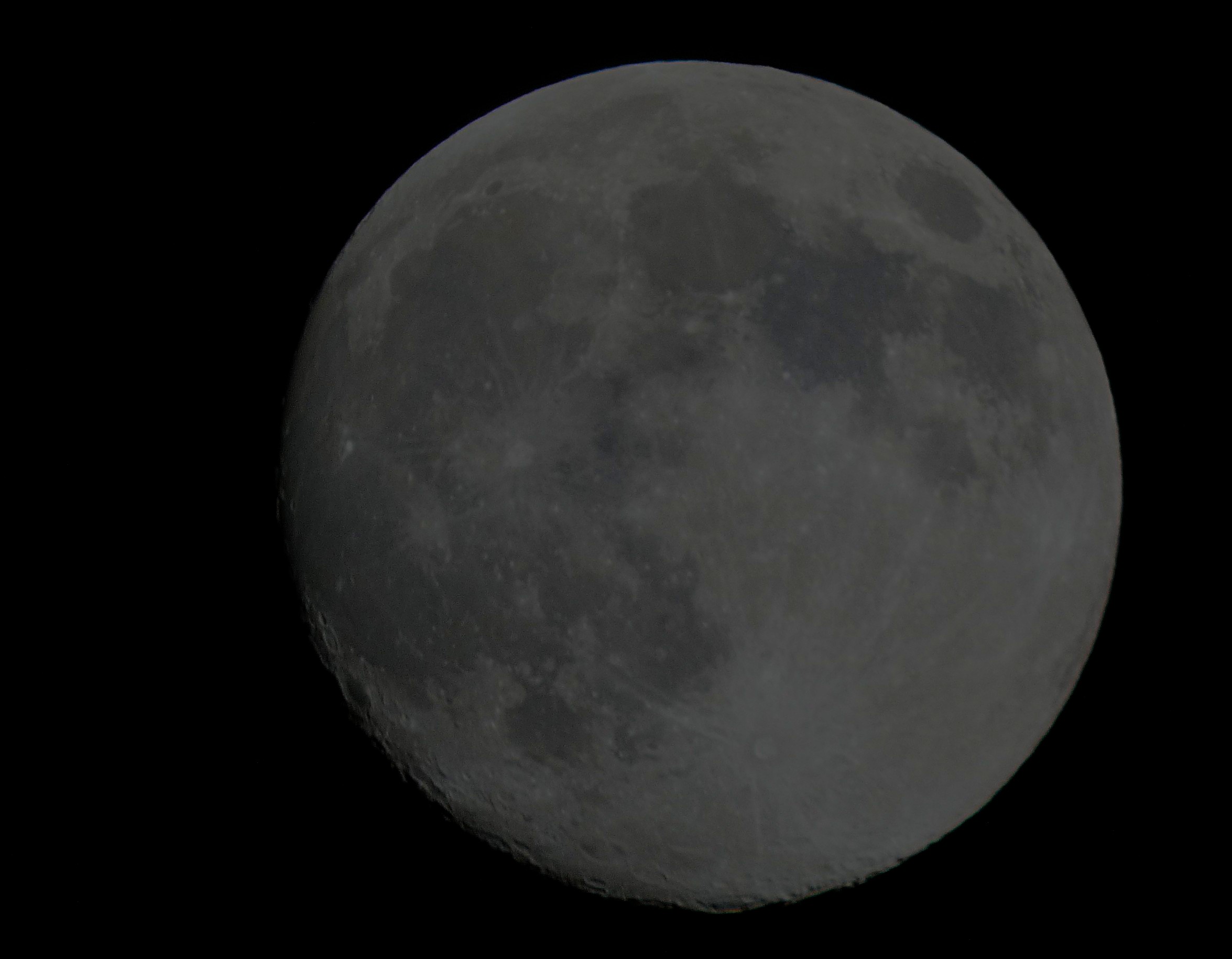
Last night’s moon was approaching fullness……and tonight’s. seen in this shot against a day time sky was full and spectacular.A shot of the moon against the blackness of a clear night sky, unedited……cropped but not otherwise edited……the first of four different edits……of which I consider this the best.
A look back at an extraordinary day of test match action in Perth, England Player Ratings and a small photo gallery.
An extraordinary test match ended in Perth today after a mere two days of playing time. This post looks back at the events of an action packed second day (I covered yesterday here).
THE MORNING
The final wicket pairing for Australia did not hold things up for very long, though they did enough for Brendan Doggett to have made Scott Boland being sent in ahead of him look ridiculous. It was Brydon Carse who took that wicket, his third scalp of the innings, dismissing Nathan Lyon with the aid of a catch by Ben Duckett.
In the first innings Crawley was dismissed for a duck by the sixth ball. In the second he lasted one ball less long for the same tally, and again the dismissal was a self-inflicted one, this time hitting a return catch to Starc for the left armer’s eighth wicket of the match. Duckett and Pope fared well together for a time, and reached the lunch break with the score 59-1, a lead of 99 overall, and at that point England were short-priced favourites.
THE AFTERNOON
England had added six to their lunchtime tally when Ben Duckett edged one from Boland to Smith in the slips to go for 28. Ollie Pope, the sole English batter who seemed to grasp the necessity of placing the ball and running well on a ground as big as this one, was caught behind off Boland for 33, his second decent knock that fell short of a big score in the match to make it 76-3. That soon became 76-5, as the two Yorkshiremen Root and Brook each played poor shots, Root’s resulting in him being bowled by Starc, while Brook’s was caught by Khawaja. At 88 Ben Stokes edged one from Starc through to Carey to complete his second batting failure of the match. Smith and Gus Atkinson added 16 runs before Smith was adjudged out caught behind after a prolonged review, the sound appearing to come a fraction after the ball passed the bat, but not being causable by anything other than a nick. Then came England’s last decent period of the match, as Atkinson and Brydon Carse shared a sparky 50 partnership for the eighth wicket. Archer and Wood helped the score advance by a further 10 runs after that. Scott Boland had taken four wickets after looking toothless in the first dig, Starc and Doggett, who could be proud of his debut at the highest level, three each. In essence though this was a story of bad English batting, as they tried to hit everything, demonstrating that they had learned nothing from their first innings. In total they batted a mere 67.3 overs for their two innings, and there were a raft of self-inflicted dismissals. As for this second innings, the top individual score was achieved by Gus Atkinson, a bowler who is a goodish lower order batter but comes some way short of being accurately described as an all rounder. Still, Australia’s target of 205, which they would begin their attempt on after the tea break, would if achieved be the highest team total of the match, and only once in Ashes history, at Headingley in 2019 had that previously happened.
THE EVENING
Khawaja was once again unable to open, and on this occasion Australia chose to promote Travis Head to open with Jake Weatherald, enabling Labuschagne to occupy his preferred number three slot and Steve Smith the number four slot. Head and Weatherald batted very well, England did not bowl as well as they had in the first innings, partly because they were not allowed to do so. Head scored his first 20 at just about a run a ball, indulging in sensible aggression rather than mindless baseball type swinging at everything. It was after this early sensible period that he really exploded, having earned the right to do so. Carse got rid of Weatherald with 75 runs on the board, the debutant’s share being 23. Labsuchagne, in his preferred slot, played much more expansively than first time round, but again not resorting to mindless aggression, but it was Head who was in charge. Head reached his century from his 69th ball, the joint sixth fastest in test history, and the second fastest ever in The Ashes, with 12 fours and four sixes. He continued in similar vein after reaching the landmark. The ask was down to a mere 13, with the certainty of a finish that evening (eight extra overs were available if needed) when Head was finally out, well caught by Pope off Carse. Smith joined Labuschagne for the last rites. Labuschagne reached 50 with a six that also levelled the scores, but could not score of the last ball of that over, which meant that Steve Smith scored the actual winning run. The margin was eight wickets, and the match had undergone pretty much a 180 degree turn in the space of two sessions, from heavily in England’s favour to ultimately dominated by Australia. Mitchell Starc’s ten wicket match haul saw him named Player of the Match, a decision with which I have to disagree. Many of Starc;s wickets were given rather than being taken, and the contribution that settled the match belonged to Travis Head, who produced a masterpiece which started with the match still in the balance, if not somewhat in England’s favour and ended with the deal almost sealed in Australia’s favour. The last time an England side lost the opener in Australia and emerged victorious at the end of the series was in 1954-5, when Hutton’s side rebounded by winning matches two, three and four. Just to increase the task for England this time the next match, at Brisbane, is a pink-ball day/night match, a format at which Australia are close to untouchable. This was a match that England could and should have won, but indiscipline with the bat let them down badly, and while the bowlers rescued them once they could not do so twice.
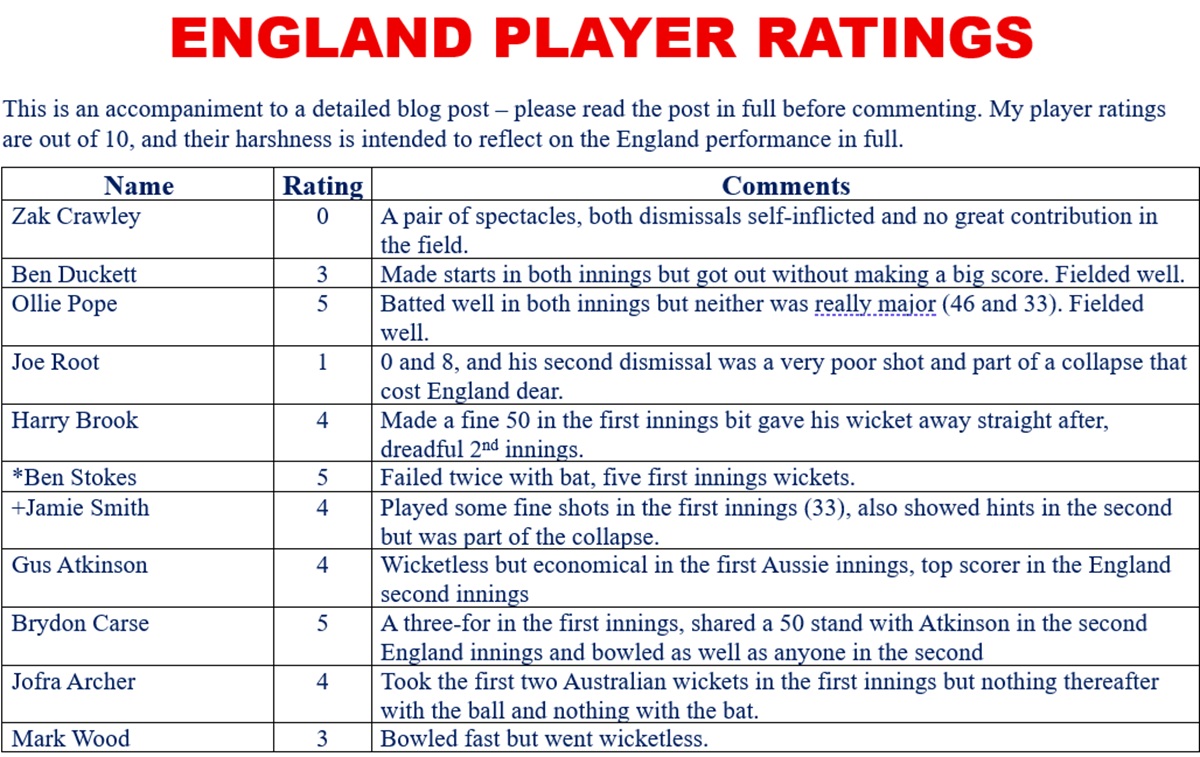
ENGLAND PLAYER RATINGS
These are given in batting order, and are marked out of 10, and they are harsh.
Zak Crawley – 0. The opener bagged a pair, was culpable for both dismissals, and did nothing of note in the field, therefore it is not possible to award him even a single point.
Ben Duckett – 3. Played nicely in both innings, but neither contribution was substantial. He did his job in the field.
Ollie Pope – 5. The only England batter to show signs of adapting his game to suit this ground – he scored ten threes across the two innings. He also fielded well.
Joe Root – 1. A duck in the first innings, 8 in the second, and he was part of the collapse that opened a way back into the match for Australia, playing a poor shot to boot.
Harry Brook – 4. A good 50 in the first innings, but his second innings failure was down to an awful shot, and he was the middle of three wickets to fall at the same score in that innings.
Ben Stokes – 5. Two failures with the bat. His first innings five-for looked to wrenched the initiative back for England, and he looked helpless in the face of Travis Head in the final innings.
Jamie Smith – 4. His first innings 33 was impressive for as long as it lasted, his second innings dismissal would probably not have been given in the days befor technology, and he kept competently.
Gus Atkinson 4. Though he personally went wicketless he was part of England’s good first innings bowling performance, and he top scored in England’s second innings, batting in a way that should have roundly embarrassed most of those above him in the order.
Brydon Carse 5. Five wickets in the match, although the fifth came too late to be of real relevance, and took part in a 50 partnership in the second English innings that seemed to have given them hope.
Jofra Archer – 4. Took the first two Australian wickets to fall, but did little of note thereafter.
Mark Wood – 3. Bowled fast though not for any great reward. As with all his fellow bowlers he has to be regarded as less at fault for the debacle than the batters.
PHOTOGRAPHS
Some of the photos in this gallery are from James and Sons upcoming auction on December 2nd – go here or here for more…
Today saw the start of the 2025-6 Ashes series between the Australia and England men’s teams, with England launching a bid to achieve something last pulled off by Ray Illingworth’s 1970-1 side – come to Australia without The Ashes and leave with them (Three subsequent England skippers, Brearley in 1978-9, Gatting in 1986-7 and Strauss in 2010-11 have retained as opposed to regaining The Ashes in Australia). Perth was the venue, a city in which England have only once won a test match, during Brearley’s 1978-9 triumph.
PRELIMINARIES
Both sides had in different ways caused eyebrows to rise in the run up to the series. Australia had lost skipper Pat Cummins and, right on the eve of the contest, fellow pacer Josh Hazlewood to injuries, and their top order was in a state of flux as well, with Jake Weatherald, at 31 years of age no youngster, earmarked for a debut in this match. The vacancy opened up by Hazlewood’s injury was filled by Brendan Doggett, also 31 years old and making his debut at the highest level.
England meanwhile were much more settled, but their preparation had raised eyebrows. They had played one preliminary fixture, at Lilac Hill, a venue with no similarities to Perth, and rather than a genuine match it was England v England Lions, with everyone getting involved rather than two sides of 11. Correctly in view of everyone actually being fit and the nature of the Perth pitch they had omitted Shoaib Bashir, going with a full battery of pacers – in batting order from 8-11 Atkinson, Carse, Archer and Wood, with Ben Stokes also fit to bowl. Australia, short of experience with the injuries to Cummins and Hazlewood, had opted to pick Nathan Lyon, the veteran off spinner who has just celebrated his 38th birthday, in their line up. Ben Stokes won the toss and opted to bat, probably aware that the side batting first has won every test match at this new venue.
THE ENGLAND INNINGS
Four years ago Mitchell Starc struck with the first ball of the series, removing Rory Burns. This time it took him until the last ball of the first over to make the breakthrough. The dismissal was the sort of dismissal that an AI bot asked to produce a typical Crawley dismissal would have come up with – a loose drive resulting in an edge and first slip being in business.
England scored at a rapid rate in spite of an outfield that was both large and slow (there were a number of threes and one all run four for shots where the ball stopped just inside the ropes). However they also lost wickets at a rapid rate. Harry Brook scored an impressive 50 but got himself out immediately after reaching that mark, while Ollie Pope and Jamie Smith both looked good but failed to go big, scoring 46 and 33 respectively. This was not a surface on which lower order batters were likely to prosper, and from 160-5 England fell away to 172 all out, Starc 7-58, a new test best. However, they still had the opportunity to bowl on a spicy deck, and had a bowling unit that looked both stronger and better suited to such a surface than Australia’s makeshift one…
THE AUSTRALIAN REPLY
Australia also lost their first wicket before scoring a run, Khawaja having left the field during the England innings and rendered himself unable to open the innings, a mishap that meant the debutant Weatherald would be on strike for the first ball of the reply, with Labuschagne at the other end. Archer’s first ball beat him, and the second pinned him LBW. Khawaja was still not allowed to bat at this point, and stand-in skipper Steve Smith (yes, he of sandpaper infamy) joined Labuschagne for a second wicket stand that soaked up a bit of time but not produce many runs. The second ball of the 15th over, bowled by Archer (by then into a second spell) rattled Labuschagne’s stumps to make it 28-2. Nine balls and two runs later Steve Smith edged one from Brydon Carse to be caught by Brook for 17 and that was 30-3. One run later Carse had Khawaja caught behind to make it 31-4. Travis Head and Cameron Green seemed to be seeing Australia through in a good partnership when Stokes introduced himself to the attack. With the score on 76 Travis Head fell to a catch by Carse off Stokes to end a 45 run partnership. Seven runs later Green edged through to Smith, leaving Carey and a precarious tail (Starc at least one place too high eight, Lyon two places too high at nine and genuine rabbits Doggett and Boland) to attempt to get Australia somewhere near parity. Starc and Carey fared well together for a time, until Starc, on 12, gave Carse another catch off Stokes. Three runs later came the dismissal that made it unequivocally England’s day, Carey becoming the third Aussie to be caught by Carse off Stokes, for 26 in his case. That was 121-8, and two balls later Boland, sent in ahead of Doggett for no apparent reason, was caught by Brook to make it 121-9 and give Stokes his fifth wicket of the innings. There was time for just one more over in this eventful day, and Australia survived it, adding two runs to their score as well. The day thus saw 295 runs scored and 19 wickets fall, and that with only 71.5 overs being bowled (32.5 for the England innings, 39 in the Australian innings). That 19 wickets was the most on an opening day of an Ashes match since Old Trafford in 1909 when both sides had completed their first innings by the end of day one. 51,531 people, a record crowd for a match in Perth, watched some or all of the day’s action at the ground (officially 10,000 of these were English, but there are also quite a few English migrants living in Perth who would have been counted as local sales). With this much happening on day one one can already strike out days four and five, and day three is far from certain to happen. In a day of two halves the brilliance of England’s bowlers, backed by some good catching, ultimately more than offset a rather slipshod batting effort, but the batters cannot expect the bowlers to dig them out of every hole like that.
PHOTOGRAPHS
My usual sign off…
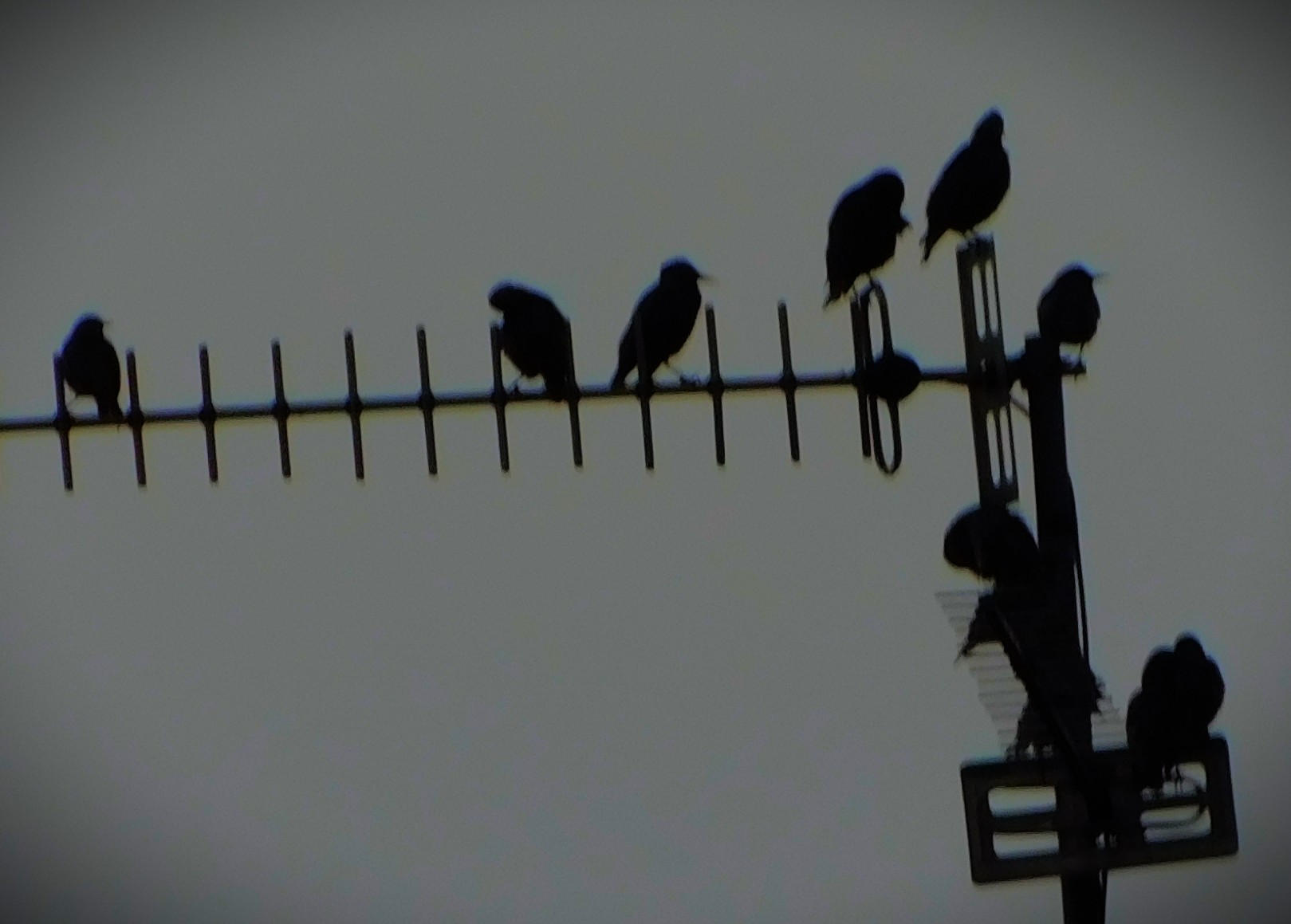
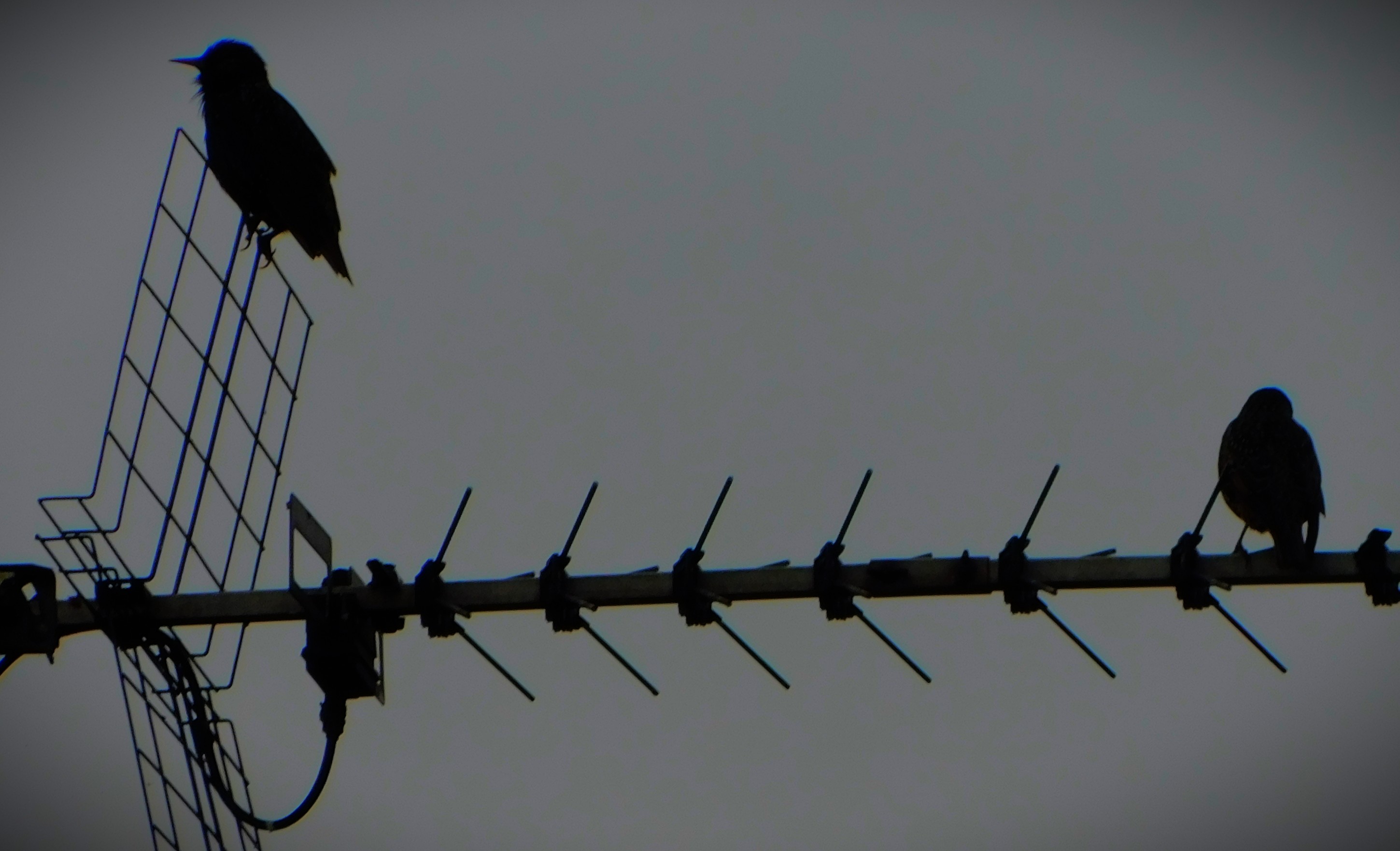
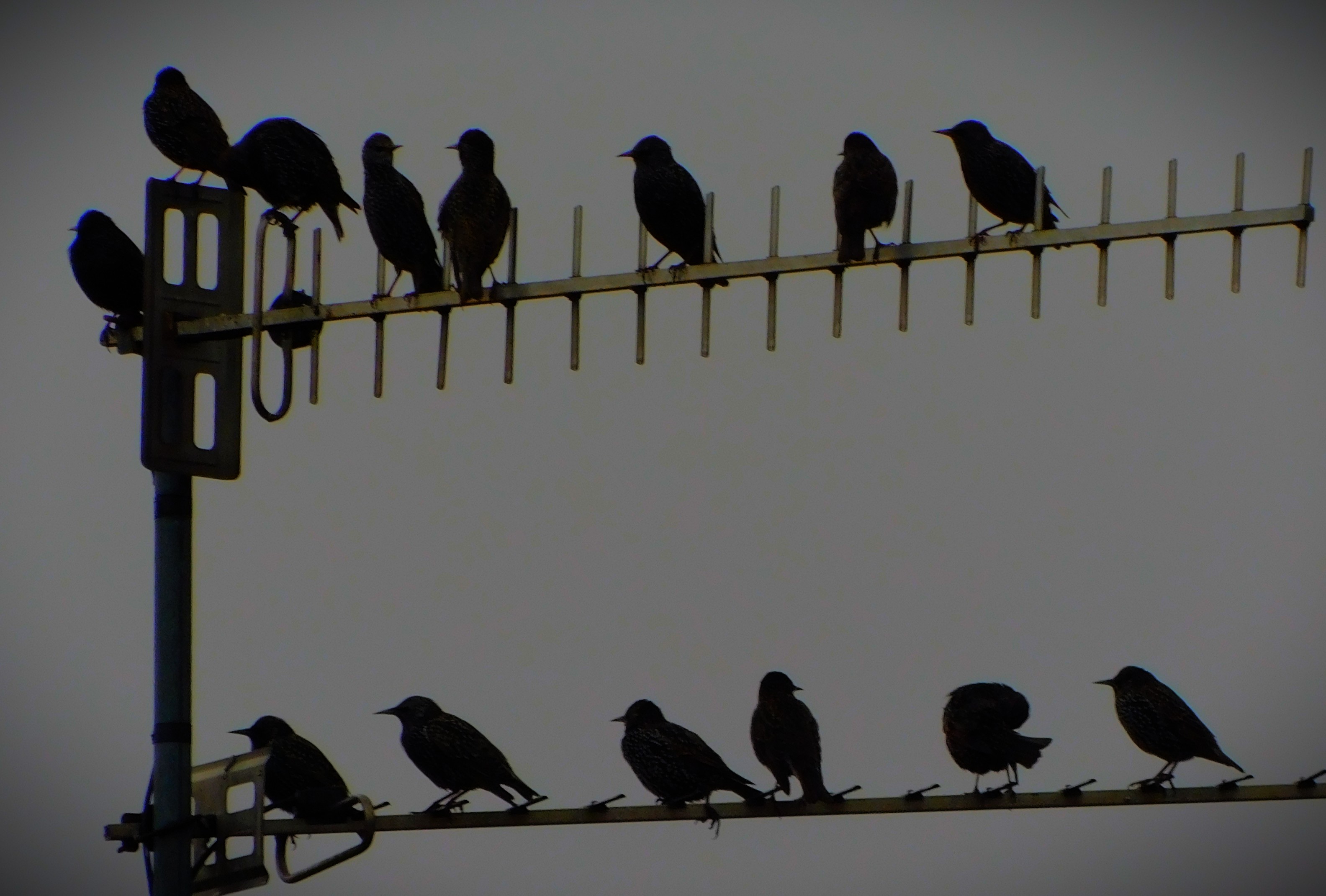
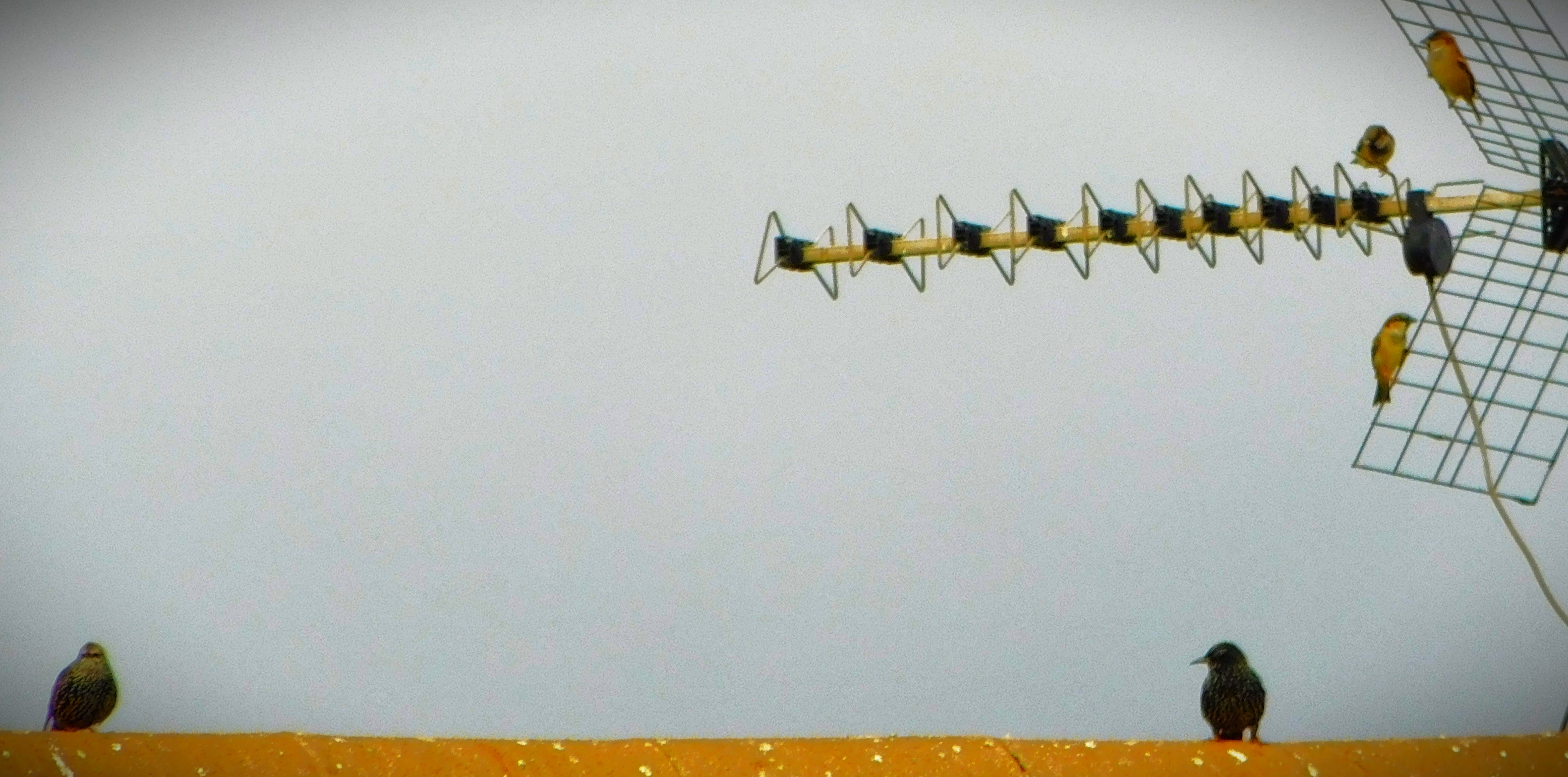
A pied wagtail exploring Fakenham Market yesterday as I walked through on my way to work (it was practically at my feet when I took this picture)“Red sky at night, Shepherd’s delight” – although whether that quite applies when said ‘night’ is falling at about 4PM is another matter!
An all time XI of England players whose finest hours came in Australia, and a photo gallery,
With an away Ashes series approaching I offer a variation on the all-time theme – an England side picked specifically with achievements IN Australia in mind (yes, sceptical Aussie readers, I can find 11, and that without too much difficulty).
THE XI IN BATTING ORDER
*Len Hutton (right handed opening batter, captain). England’s successful skipper both at home in 1953, when he was the first professional to lead England in a home Ashes series, and away in 1954-5, also recorded a series batting average of 88.83 on the unsuccessful 1950-1 tour.
Alastair Cook (left handed opening batter). 766 runs at 127.67 in the 2010-11 triumph, including 235 not out at Brisbane, 148 at Adelaide and 189 at Sydney. He also scored an unbeaten at 244 at Melbourne eight years later.
Ken Barrington (right handed batter, occasional leg spinner). The Surrey stalwart had racked up nine test centuries on various overseas tours, including 1962-3 in Australia, when he fared magnificently, before scoring one in a home test match (256 versus Australia at Old Trafford in 1964).
Wally Hammond (right handed batter, occasional right arm medium fast bowler). Almost a century after he set it his 905 runs at 113.125 in the 1928-9 Ashes remains a record for a series in Australia, and second on the all time list behind Don Bradman’s 974 at 139.14 in England in 1930. He was also joint leading run scorer four years later with 440 at 55.00, an aggregate an average exactly duplicated by Herbert Sutcliffe, and his scores in 1936-7 included an undefeated double century.
David Gower (left handed batter). Four Ashes tours in all (1978-9, 1982-3, 1986-7 and 1990-1), with two of them in winning cause. In 1978-9 at Perth he came in on the first day with England in trouble at 41-3 and proceeded to score his maiden Ashes ton, with Boycott blocking at the other end. England won that match, still the only time they have ever won a test match in western Australia, and took the series 5-1. He scored centuries on all four of his Ashes tours, including an innings on the last of them that Bradman rated among the top five he ever saw in Australia.
+Matthew Prior (right handed batter, wicket keeper). England’s keeper in the successful 2010-11 tour, and he was a big part of the reason for that success.
Ian Botham (right handed batter, right arm fast medium bowler). Crucial to England’s 1978-9 triumph, and the 1986-7 trip saw the last of his 14 test centuries, and a five-for later in the series.
Frank Foster (left arm fast medium bowler, right handed batter). A splendid all rounder until a motorcycle accident ended his career early, he was one of two bowling stars (the other is also in this XI) of the 1911-12 tour, when England lost the opener but won all four of the other test matches, with 32 wickets in the series.
Hedley Verity (left arm orthodox spinner, right handed batter). One of the greatest masters of his craft ever to play the game. and a useful lower order batter. His role in the 1932-3 triumph was acknowledged by his skipper Douglas Jardine. He was the only bowler Donald Bradman admitted to facing as an equal, and I had very little hesitation in selecting him for the spinners slot.
Frank Tyson (right arm fast bowler, right handed batter). One of two choices for this slot, it was pretty much a coin toss as to who should get the nod. I went for his 1954-5 heroics over those of Larwood two decades previously.
Sydney Barnes (right arm fast medium bowler, right handed batter). 77 test wickets in Australia, in 12 matches in that country. At Melbourne in the 1911-12 series on a good track he had the top four Aussie batters back in the pavilion for a single between them in his new ball burst. England won that series 4-1, with Barnes claiming 34 wickets in the series.
This side has a very powerful top five, a keeper/ batter who succeeded down under, a legendary all rounder and four great and well varied bowlers. A bowling unit of Barnes, Foster, Tyson, Verity and Botham, with Hammond and Barrington available as back up options should be capable of functioning well on any surface.
HONOURABLE MENTIONS
There were three main rivals to my chosen openers: Andrew Strauss, who opened and captained on the 2010-11 tour and the old firm of Jack Hobbs and Herbert Sutcliffe. I wanted a right hander to go with Cook, which ruled out Strauss, and the need for a captain gave Hutton an additional advantage over the other contenders. Archie MacLaren had a great series in 1897-8, but that was a bit of a flash in the pan given his overall record, and England lost that series.
Eddie Paynter had a superb record against Australia and could have had David Gower’s slot. Among right handed players who might have featured in the middle order were KS Ranjitsinhji, Kevin Pietersen (whose test best of 227 was scored at Adelaide) and Ted Dexter, who electrified crowds in 1962-3. Colin Cowdrey made six tours of Australia, an England record, including answering an SOS call at the age of 42, 20 years after first travelling down under. I regretted not being able to include the left hander Frank Woolley. Denis Compton was never the player in Australia that he was elsewhere and had to be excluded. If Joe Root rights the one wrong on his stellar CV, the lack of a ton in Australia, he will merit consideration.
Andrew ‘Freddie’ Flintoff’s only visit to Australia in 2006-7 was a personal nightmare for him and ruled him out of consideration, while Ben Stokes has not yet fully delivered down under.
Among the keepers who could have been considered were LEG Ames (1932-3), Alan Knott (1970-1, and in defeat in 1974-5) and Bob Taylor (1978-9).
Derek Underwood performed a similar role in 1970-1 to that of Verity in 1932-3, and Johnny Wardle and Bob Appleyard both fared well in 1954-5. Graeme Swann fulfilled his brief of bowling economically in 2010-11, but flying home halfway through the 2013-14 tour tells against him.
Among the faster bowlers there are three honourable mentions: Harold Larwood in 1932-3 did what Frank Tyson did a couple of decades later and might well have had that slot. John Snow had a phenomenal tour in 1970-1. In 2010-11 James Anderson had a wonderful series, and had his moments on other tours as well.
PHOTOGRAPHS
My usual sign off…
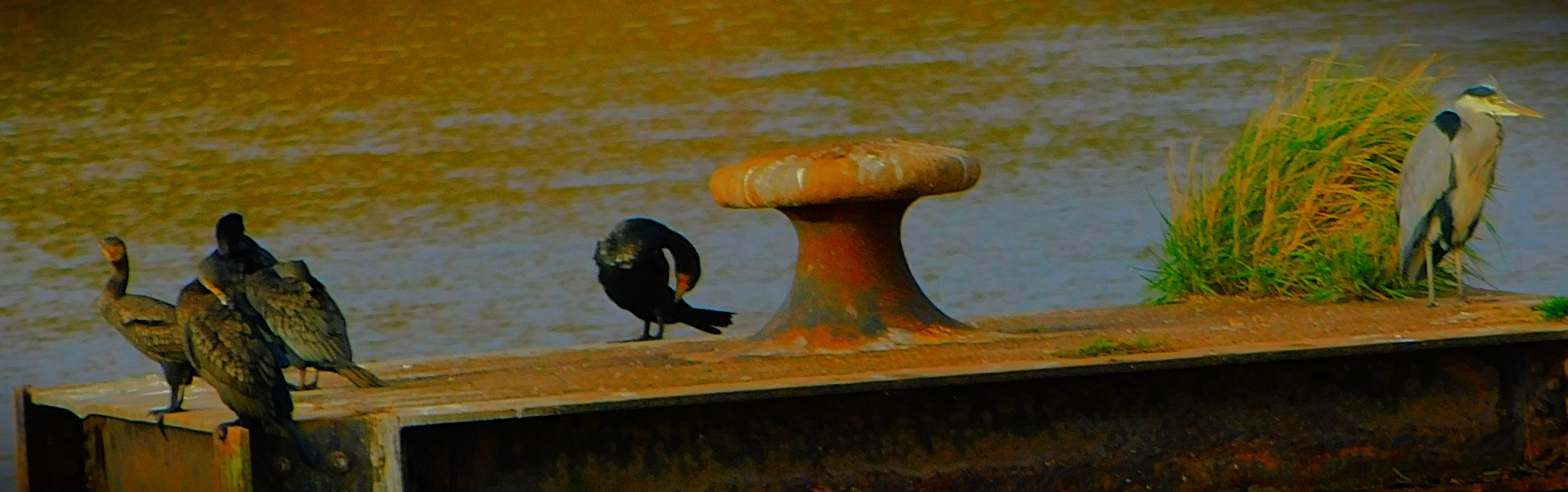
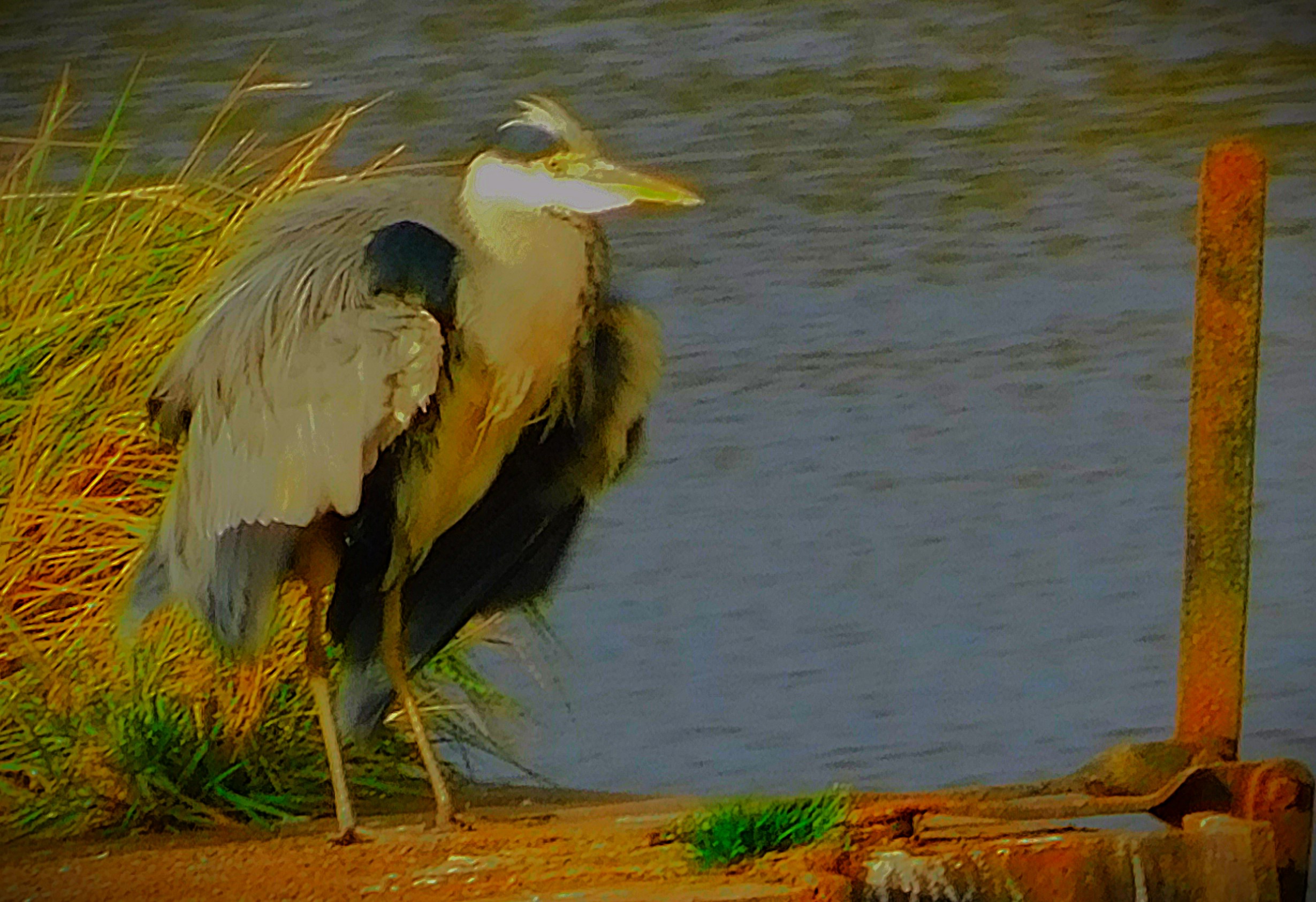
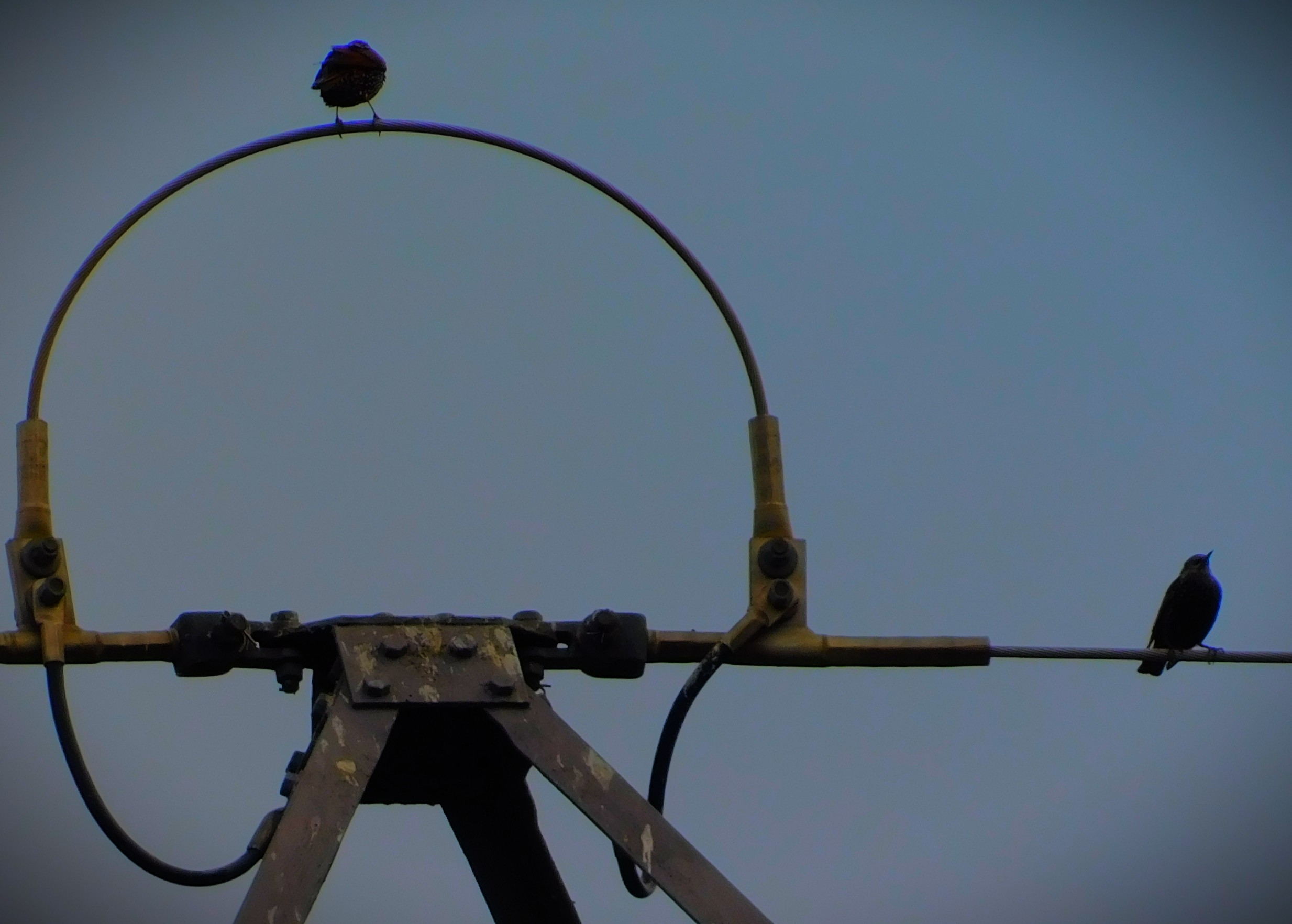
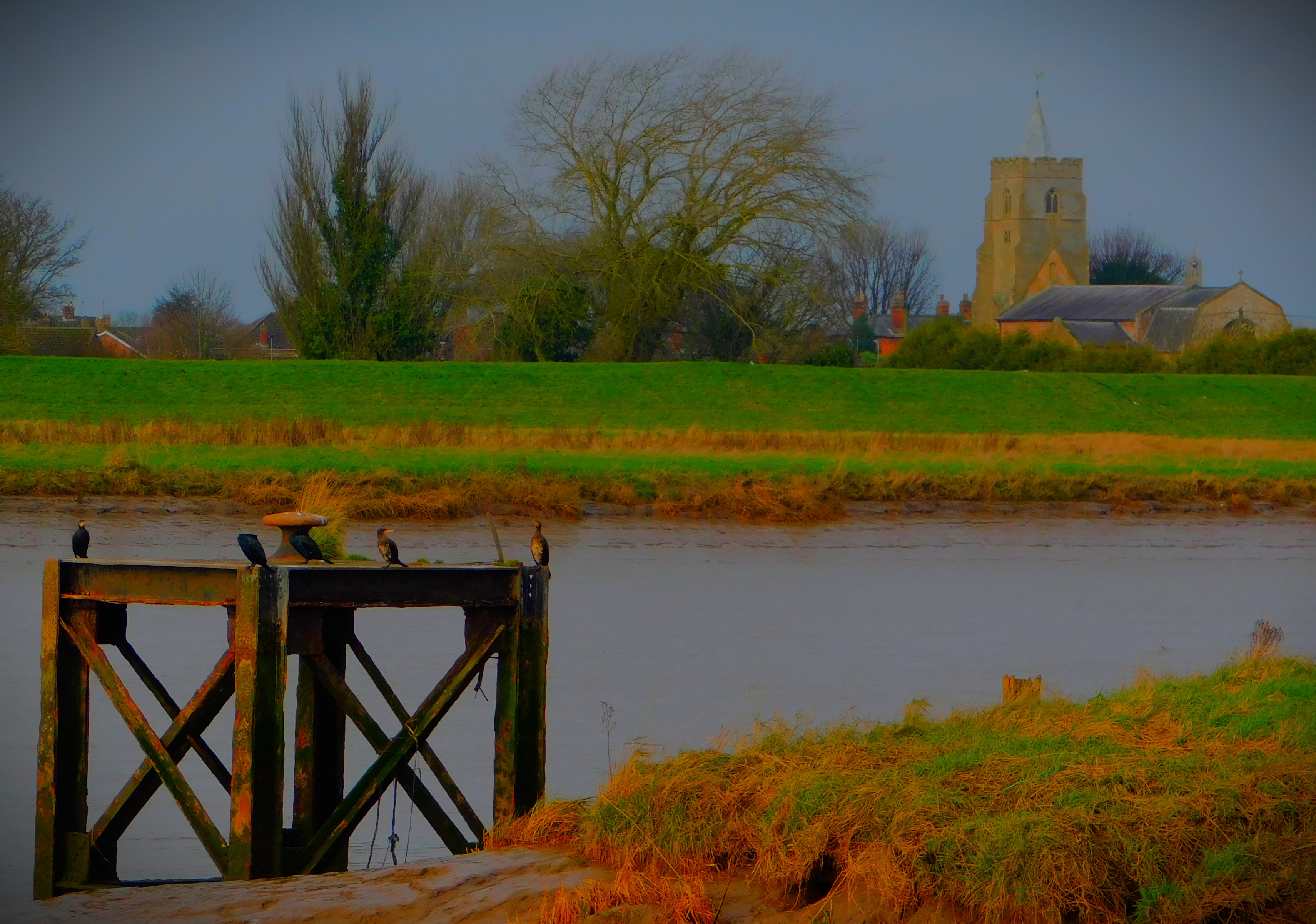
I suspected that this series of cormorant/ heron pictures would provide today’s feature image…A jay using a piece of scaffolding as a perch.…until this Red Admiral appeared this afternoon.
An account of the third and as it turned out final day at the MCG and a photo gallery.
The word ‘WAshes’, with the first two letters capitalized is a social media hashtag created by combining the W from women’s with the word Ashes. This post looks at the events of the third and as it turns out final day of the one-off test match that ended this year’s WAshes series.
ENGLAND’S BEST PERIOD OF THE SERIES
The early stages of the day, which got underway at 3:30AM UK time, saw England produce their best bowling and fielding of the series. Knight opted for the contrasting threats of Ecclestone (left arm, slow) and Filer (right arm, fast), and both bowled beautifully. Mooney became the first Australian to complete centuries in all three formats (Heather Knight and Tammy Beaumont, both playing for England in this match, are also members of this small club). She was out to a beauty from Lauren Filer which clean bowled her. The Australian innings ended when Perry, who came in at number ten after being held back due to injury, chipped a return catch to Ecclestone who thus claimed a place on the MCG honours board with her fifth wicket of the innings. She had toiled hard – the final ball of the Australian innings was the third of her 45th over thereof. Footage of this good spell for England can be viewed here.
ENGLAND’S SECOND INNINGS
England had scored a mere six runs when Darcie Brown got through the defences of Maia Bouchier, ending a wretched tour for the 26 year old, who was out for one. Bouchier’s tour aggregate was 33 runs from six innings, she does not bowl, and in a side who are not great in the field she is one of the most frequent offenders when it comes to dropped catches.
Beaumont and Knight batted well for a time, both hitting some highly impressive shots. However, with 79 on the board Knight was dismissed to a catch by Litchfield off Gardner. Nat Sciver-Brunt started impressively and the 100 came up without further loss, but at that point Alana King, in what was to be a long unchanged spell from the Shane Warne Stand end took centre stage with her leg spin. At 100 she trapped Sciver-Brunt plumb in front for 18. Three balls later Dunkley fell to an incredible ball. Footage of this delivery is available here, and I urge you to watch it and see for yourself what it did. Danni Wyatt-Hodge is high class batter, and a very experienced one, but she did not play like one this time round. She essayed a sweep, a shot that England have got in trouble with against Australia’s spinners all through this series, and Litchfield took a fine catch. The score had not advanced from King got one through Beaumont’s previously impregnable defences to dismiss the diminutive opener for 47. That was 109-6, and right on the stroke of the second interval Amy Jones edged one from Gardner to Mooney who made no mistake behind the stumps. Soon after the resumption Ryana MacDonald-Gay was eighth out, helplessly popping up a catch to Brown off King. Both spinners were involved in the dismissal of Ecclestone, joint third top scorer with 18, King taking the catch off Gardner. That left the two Laurens, Filer and Bell, to delay the inevitable as long as they could. In the event the numbers 10 and 11 hung on for 11.2 overs together before Filer fell to a catch by Sutherland off King to give Australia victory by an innings and 122 runs and a 16-0 clean sweep in the multi-format series. It was an appropriate ending – Sutherland was the obvious choice for Player of the Match for that dazzling 163 and King, with 23 wickets in all, was an equally obvious choice for Player of the Series. That Ecclestone, Filer and Bell, numbers 8,10 and 11, survived respectively for 50, 45 and 30 balls (the last being an unbeaten 0) serves to further highlight the wretchedness of that headlong plunge from 100-2 to 122-8. A highlights package from today can be viewed here. A full scorecard of this match can be viewed here. Australia absolutely deserved their clean sweep, and England need to make big changes moving forward.
A mention of goings on at The Oval, A mention of James and Sons recent auctions and a mention of leafleting for the Green Party, plus large numbers of photos.
As I type this England and Australia men’s teams are doing battle at The Oval in the last match of a superb Ashes summer. This post starts with a brief look at what is going on there.
‘BAZBALL’ V ‘BOYCSBALL’
Yesterday England were put into bat, and managed 283 from 54 overs, Brook leading the way with 85. Australia by the close were 61-1. This morning saw an utterly craven batting effort from the Australians, with lady luck saving them on several occasions. Labuschagne in particular seemed to be digging in for a draw even though it was only the second morning! His dismissal for 9 off 82 balls brightened things up a little, but not much. Fortunately the afternoon session has seen Australia being punished for their wilfully slow scoring. Three wickets have fallen since the interval, two to Broad and one to Anderson. This leaves Australia currently 153-5, 130 runs behind England. If Australia, as is currently more than possible, end up behind on first innings they will have only themselves to blame.
A BANKNOTE AUCTION
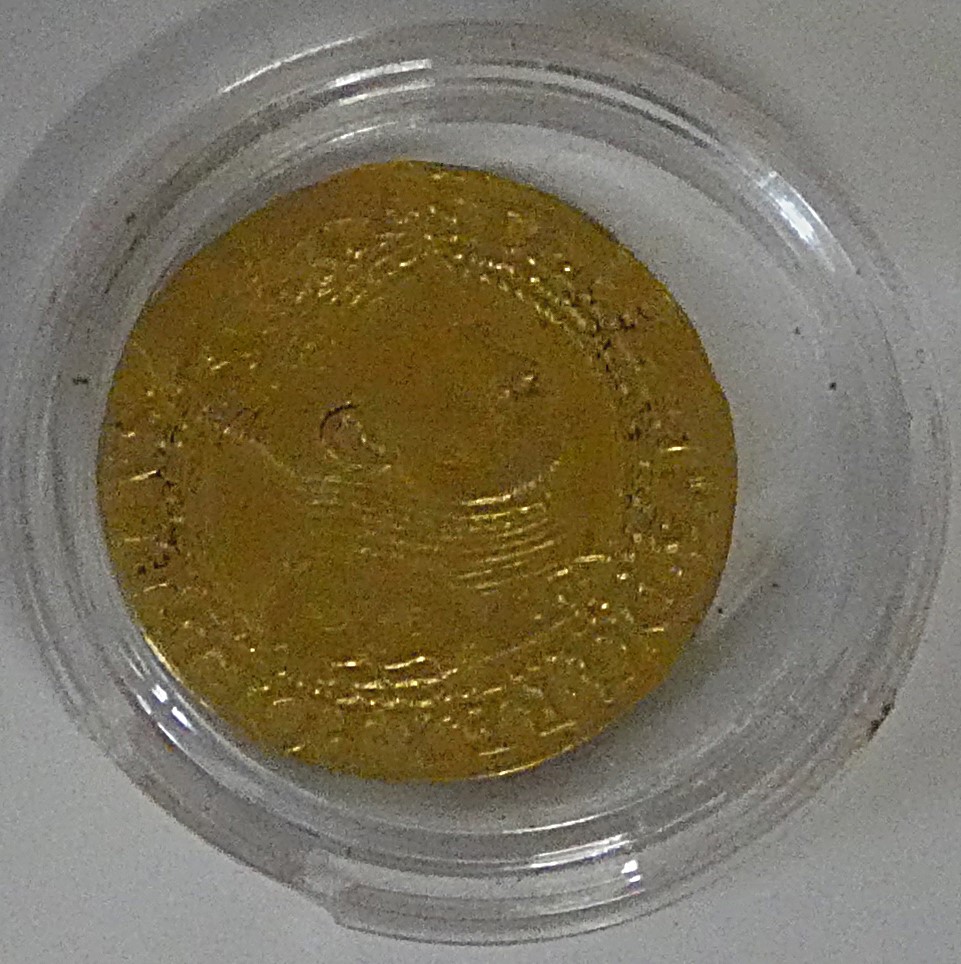
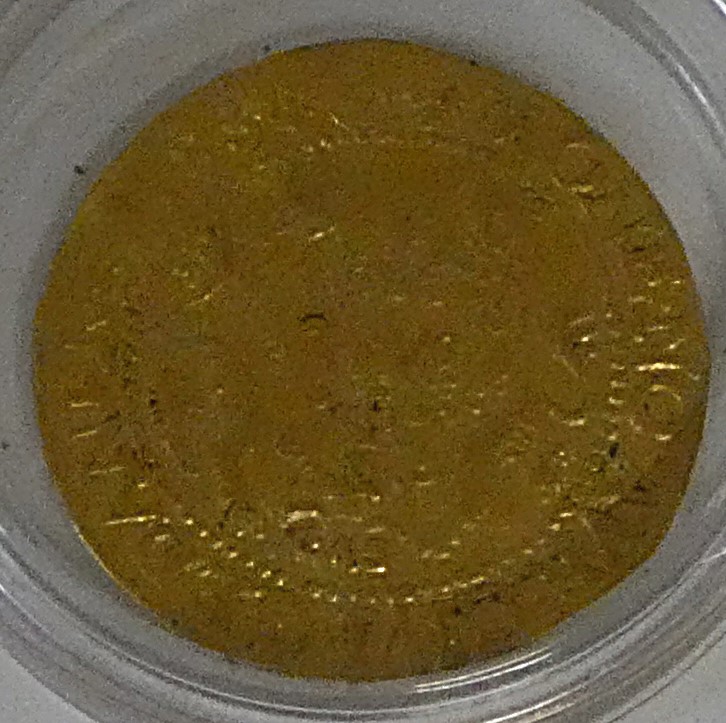
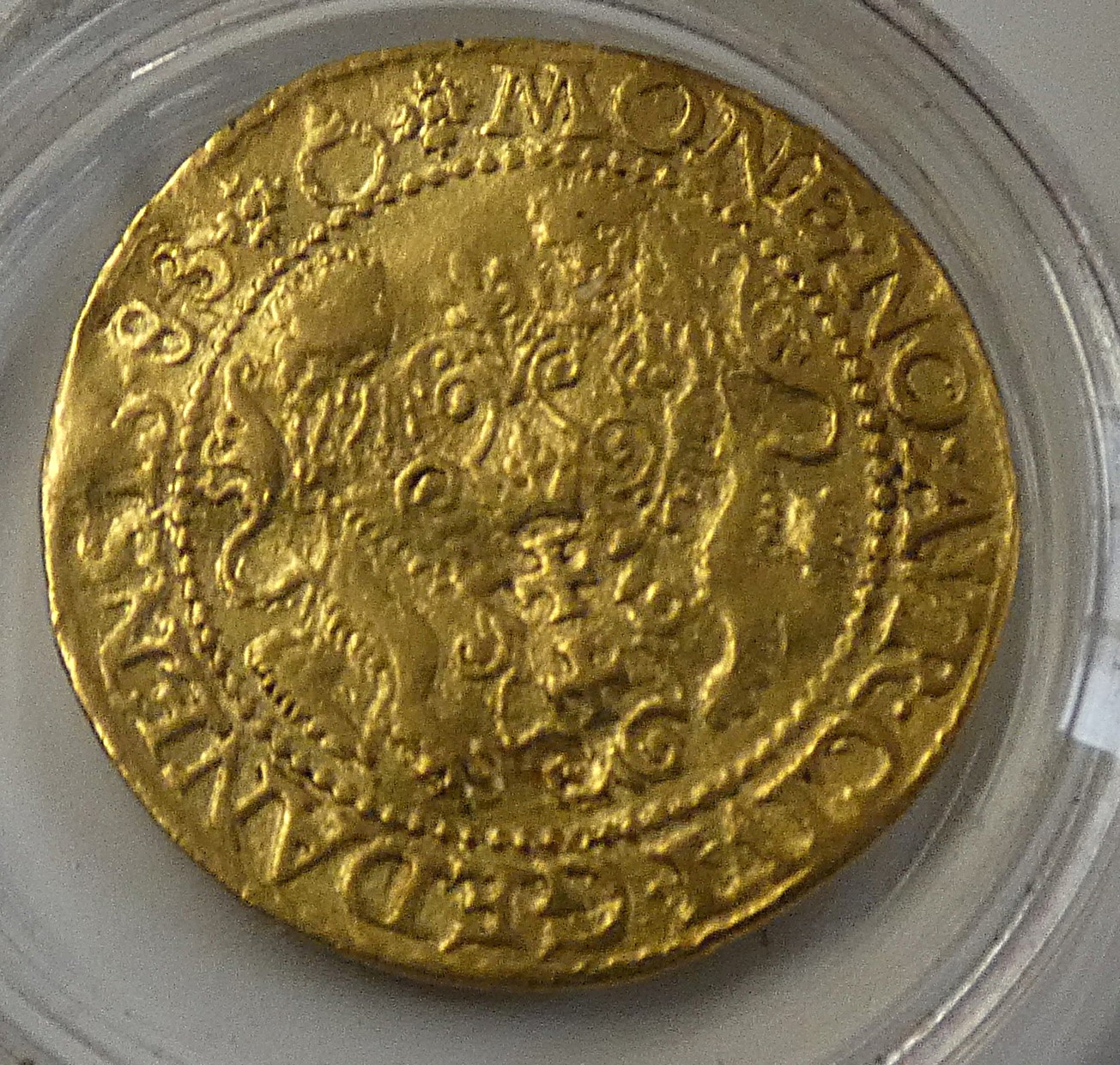
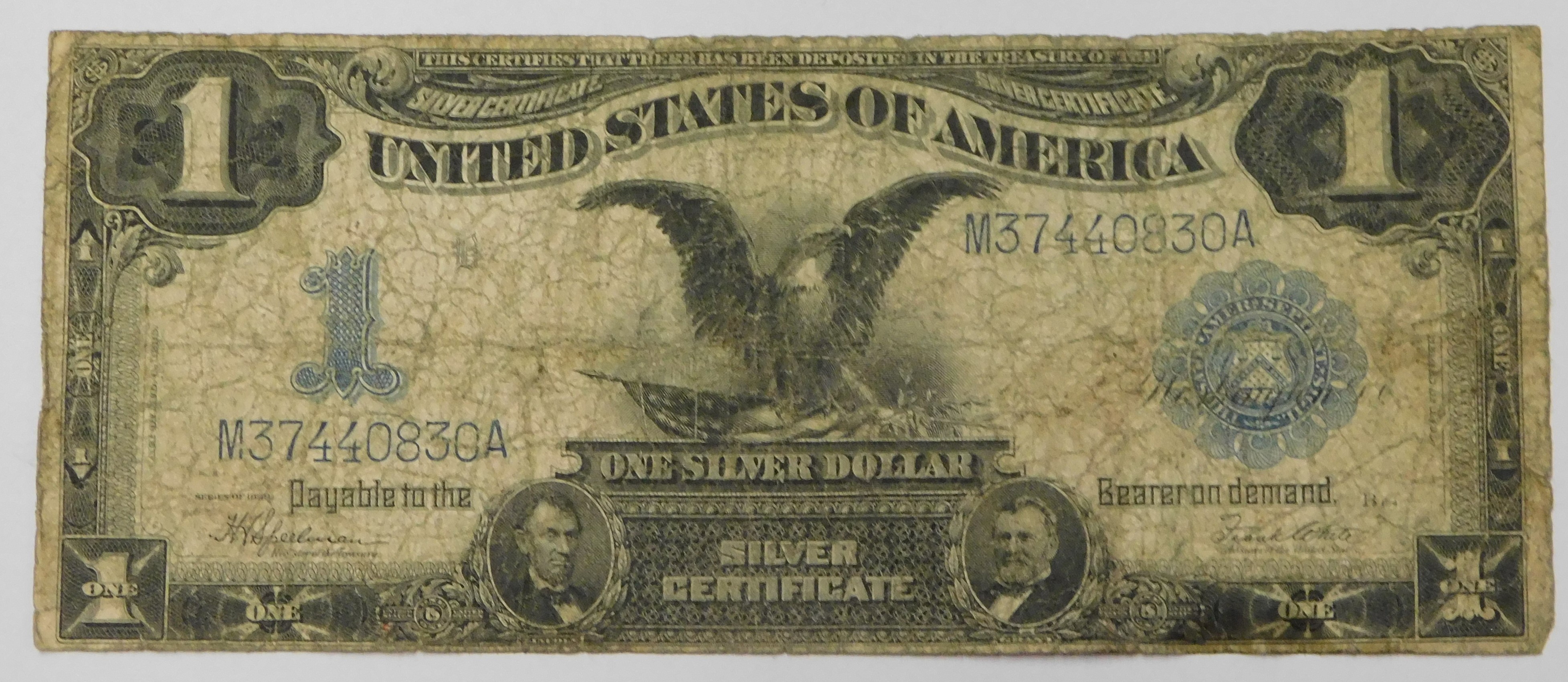
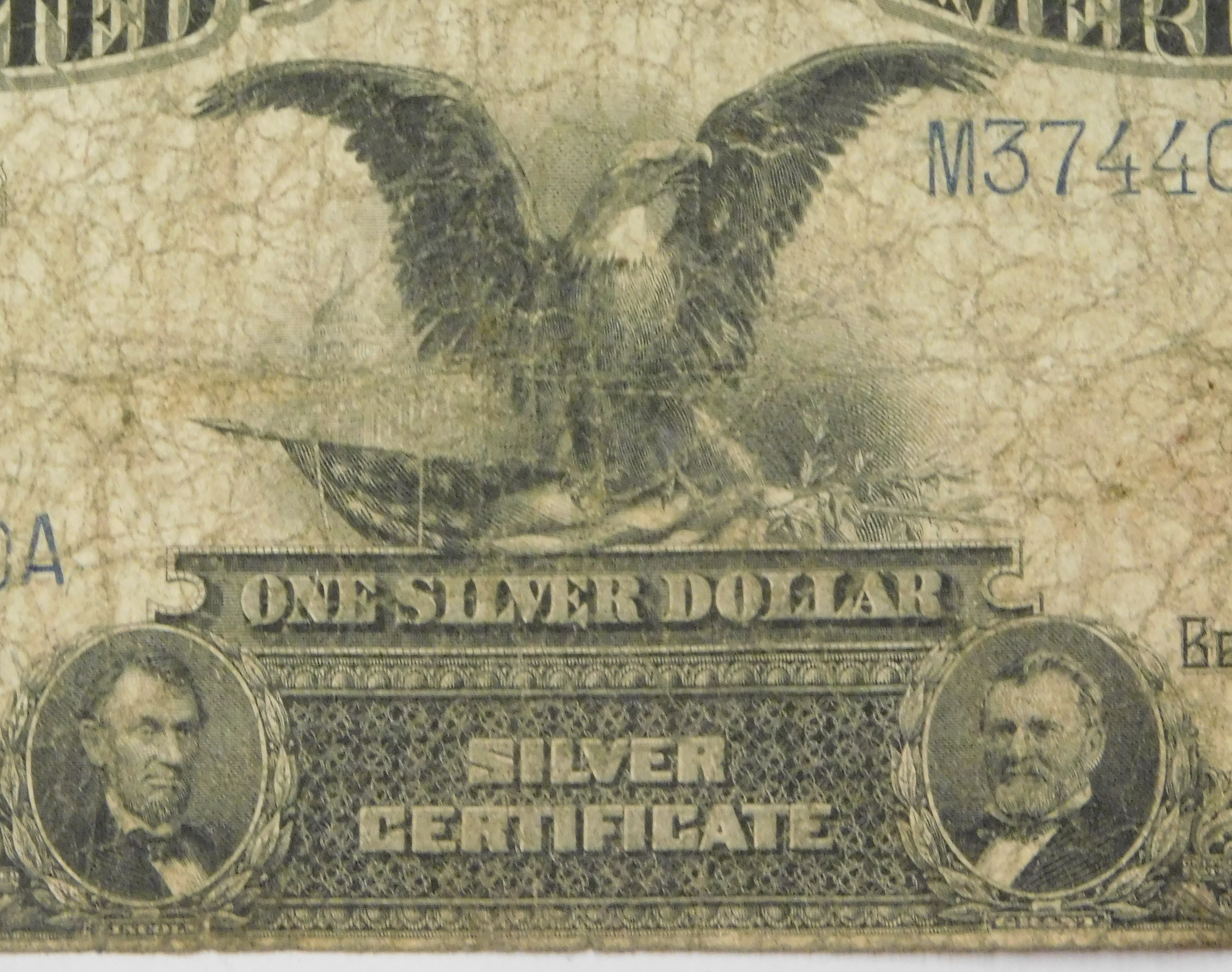
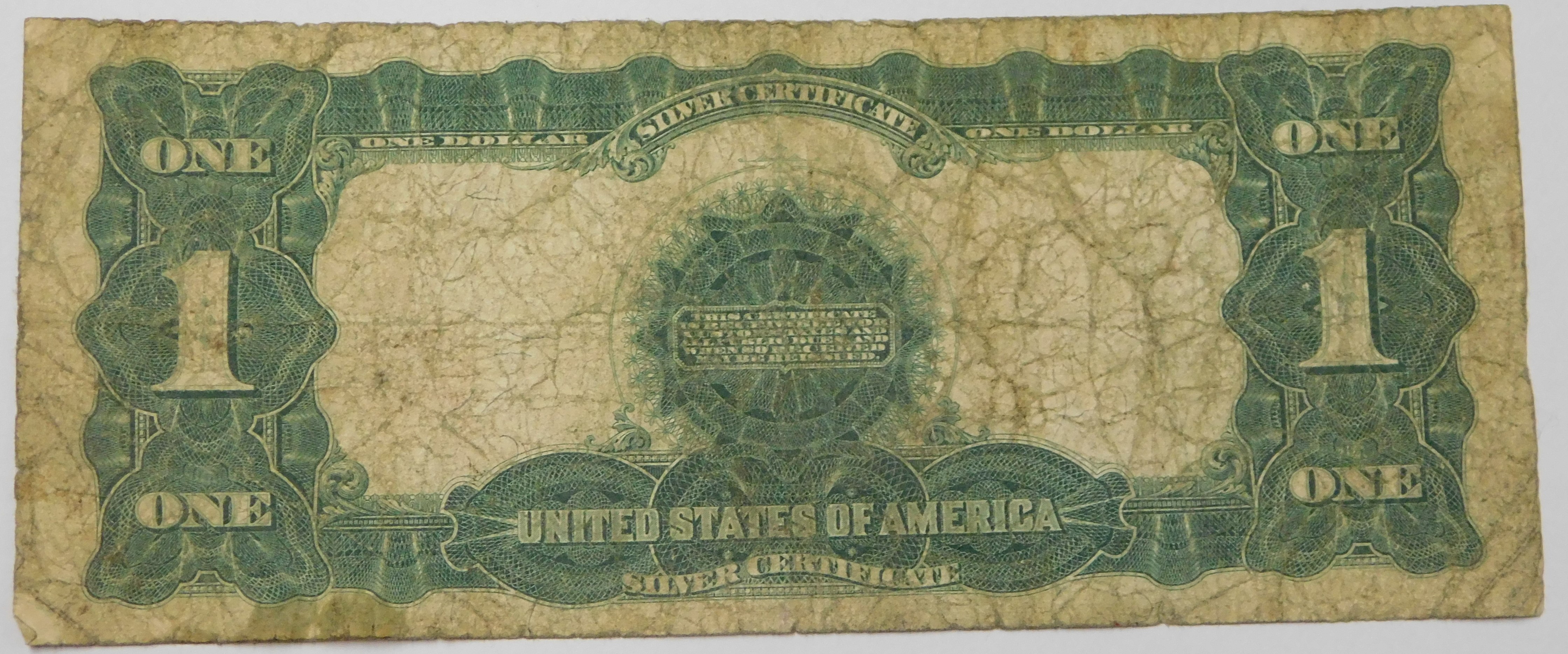
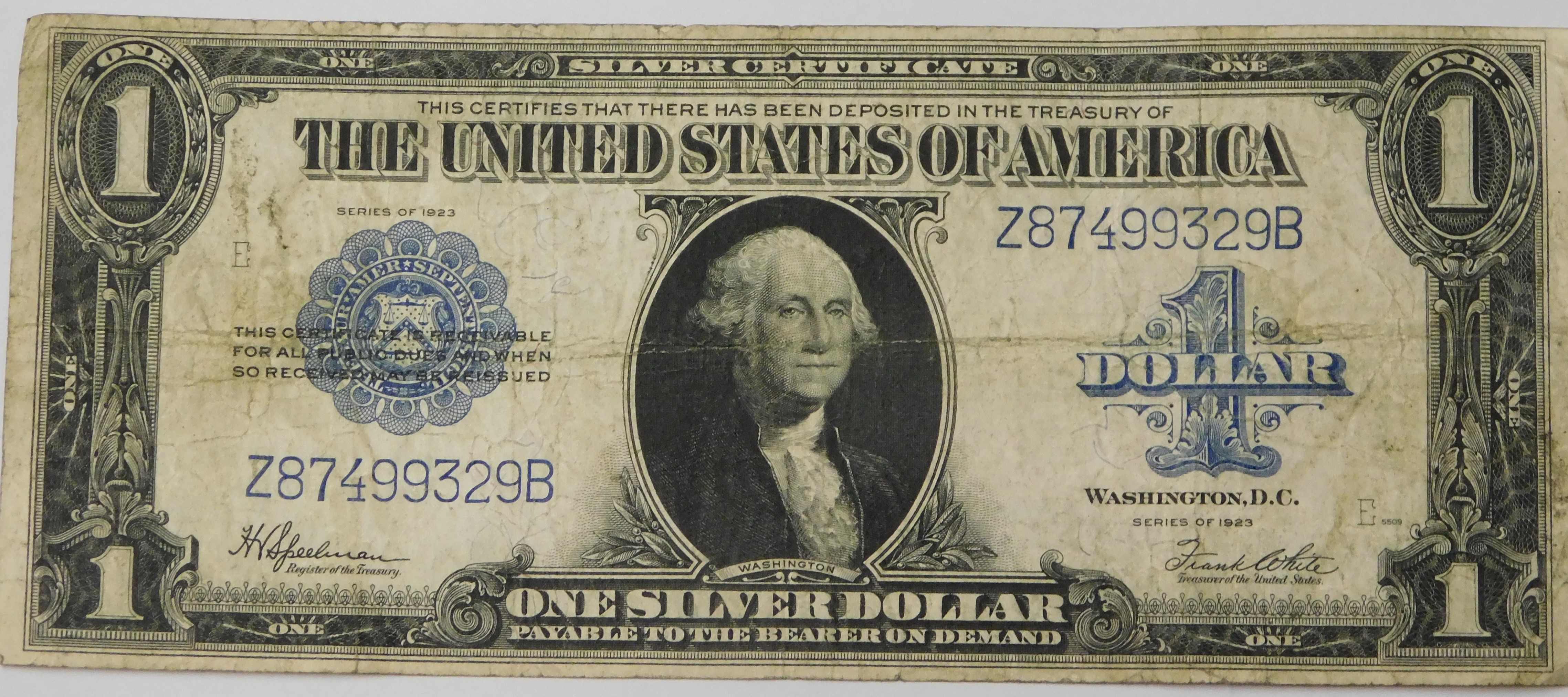
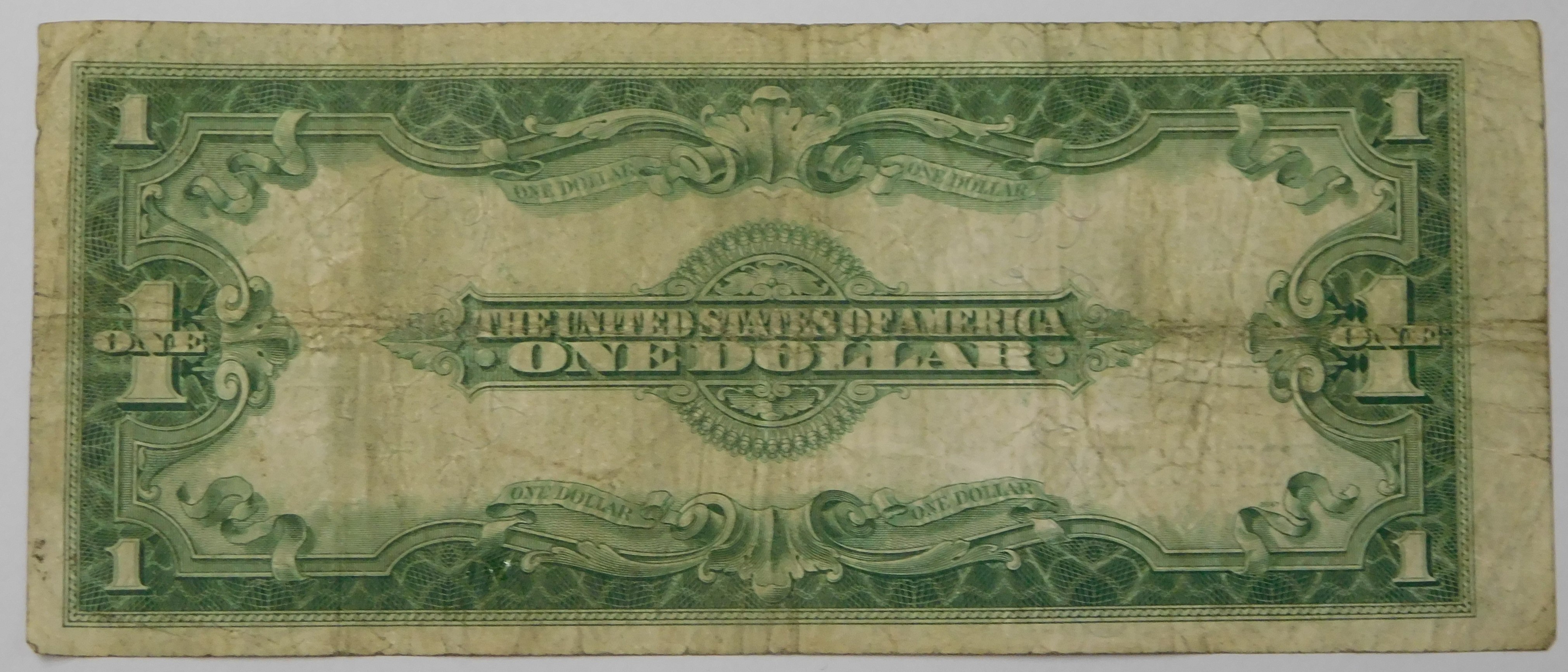
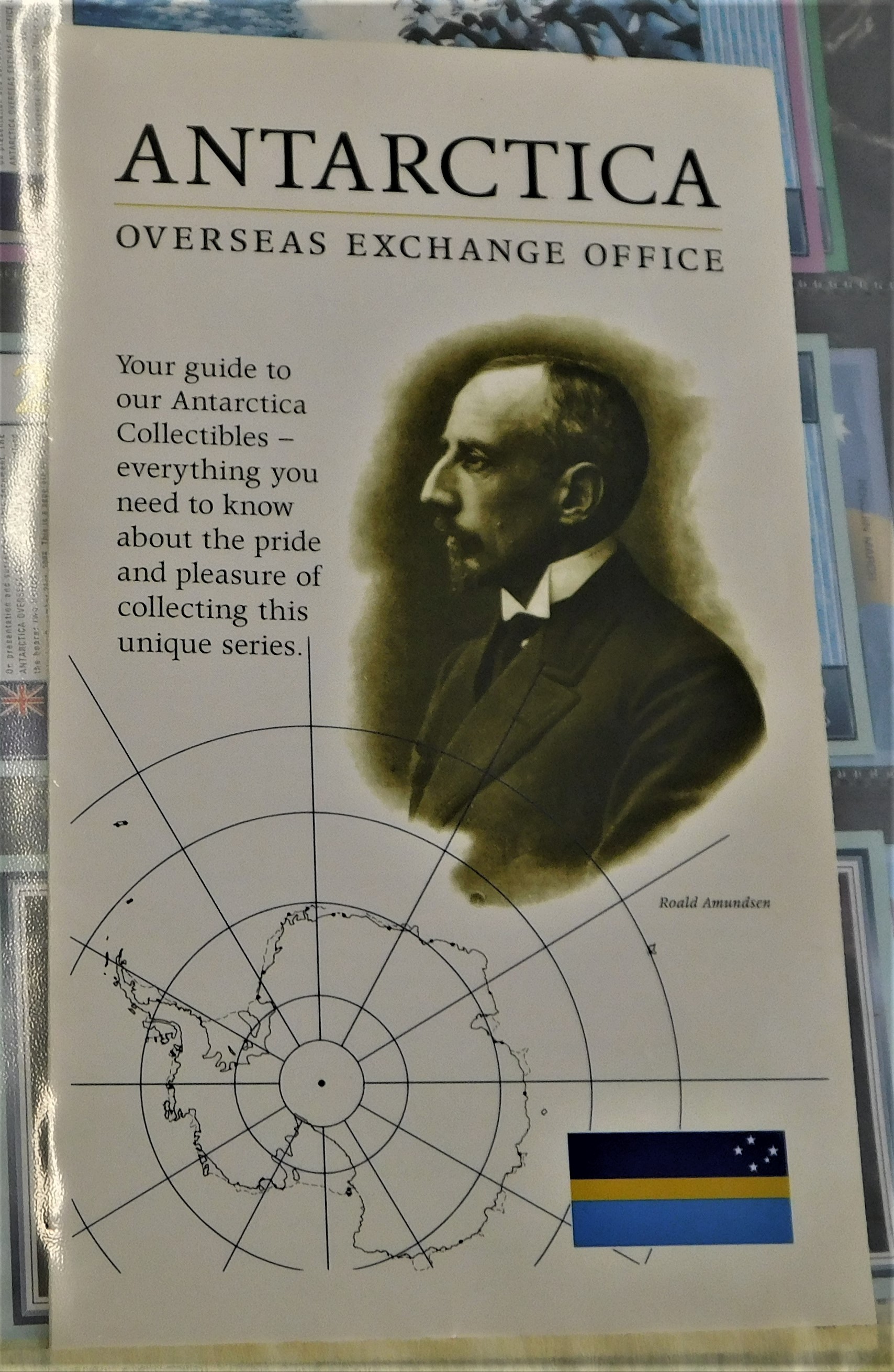
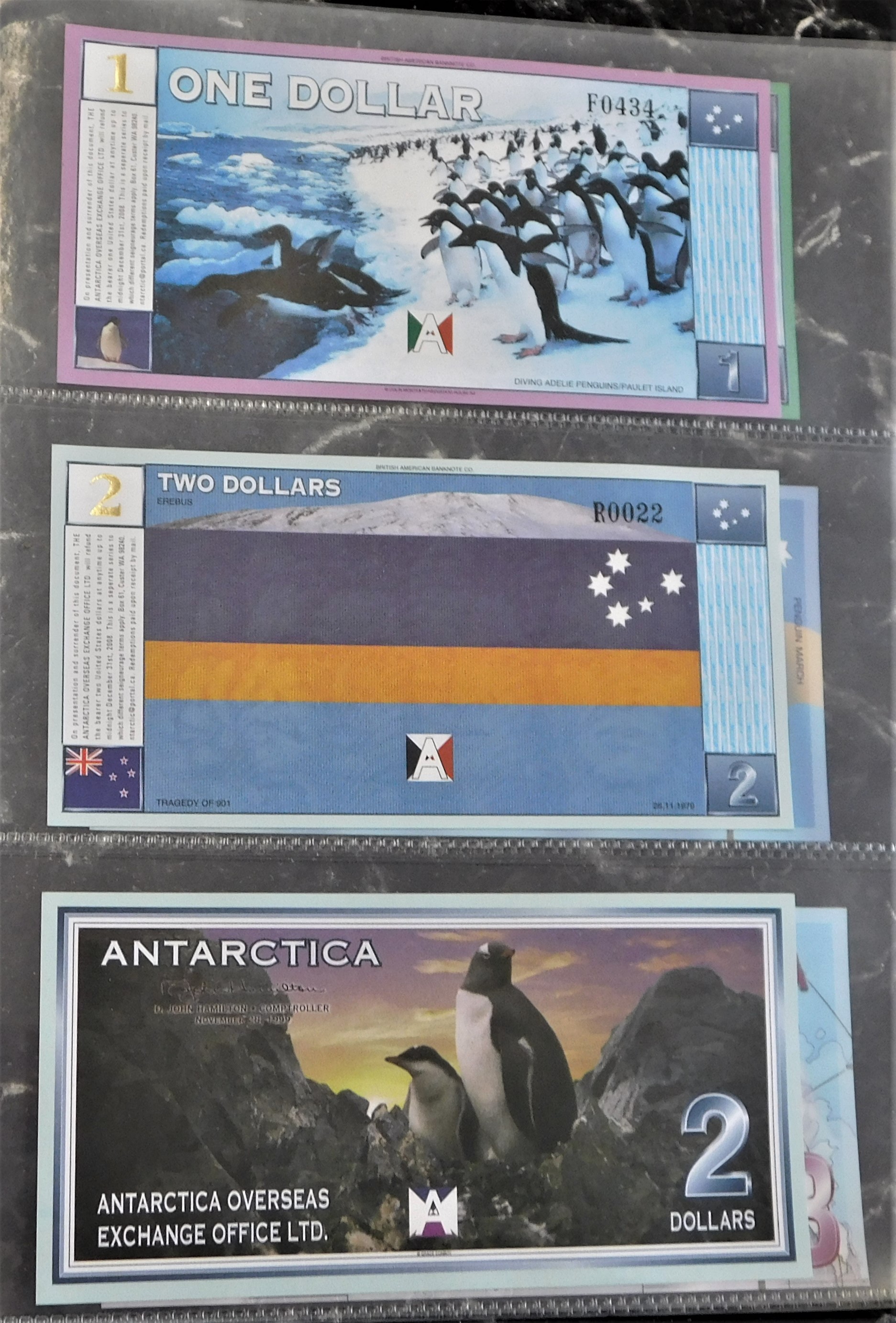
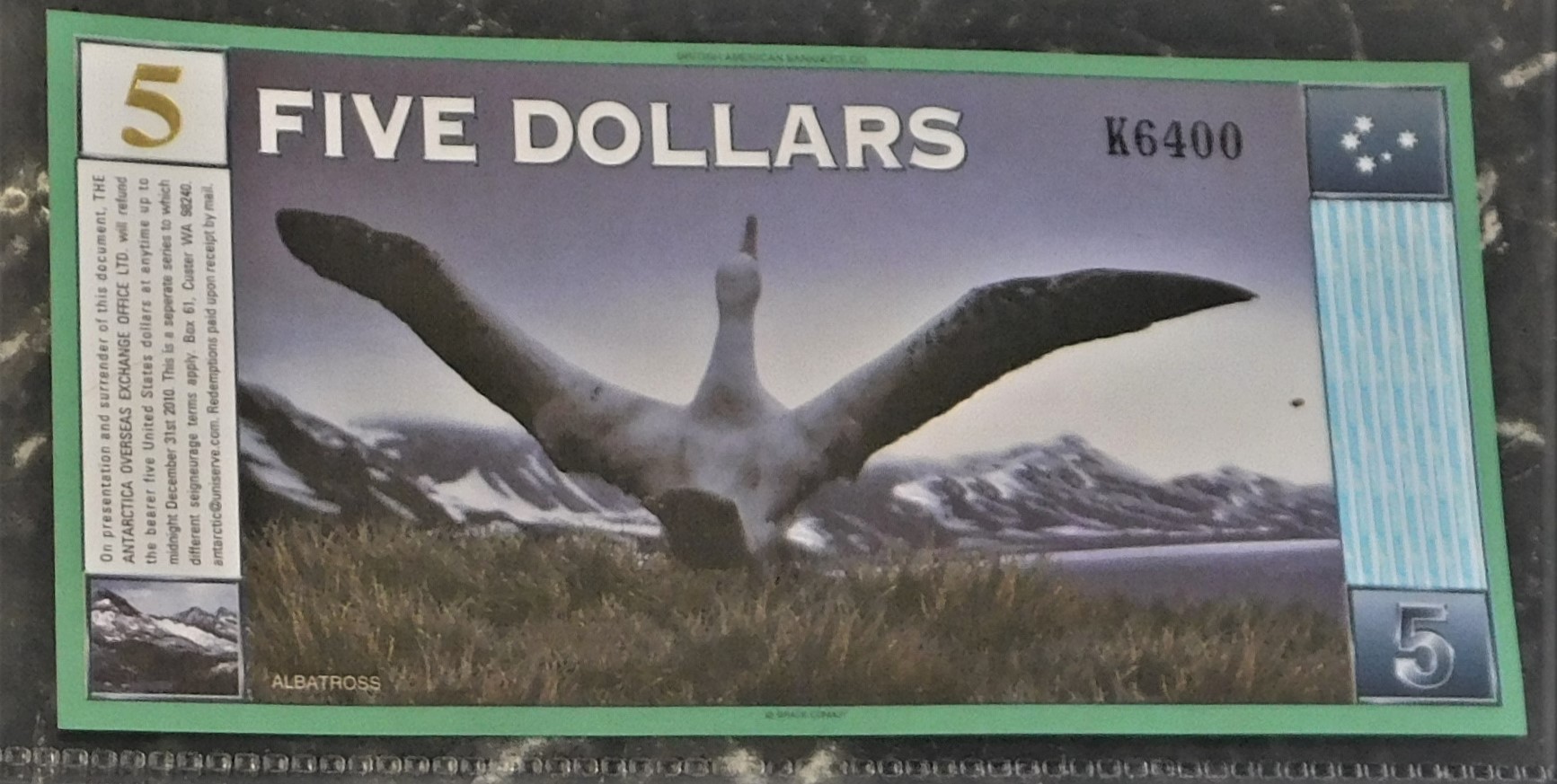
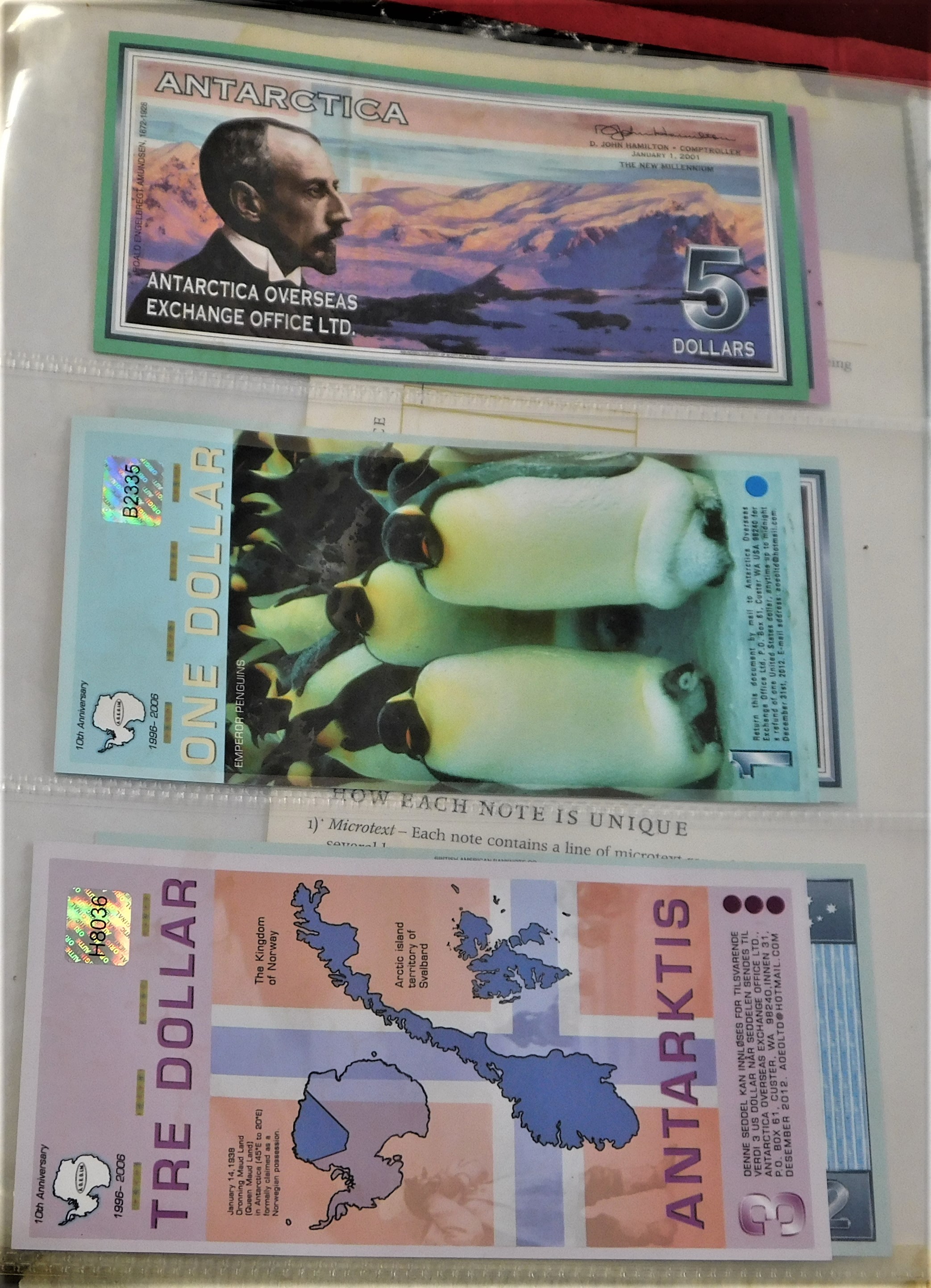
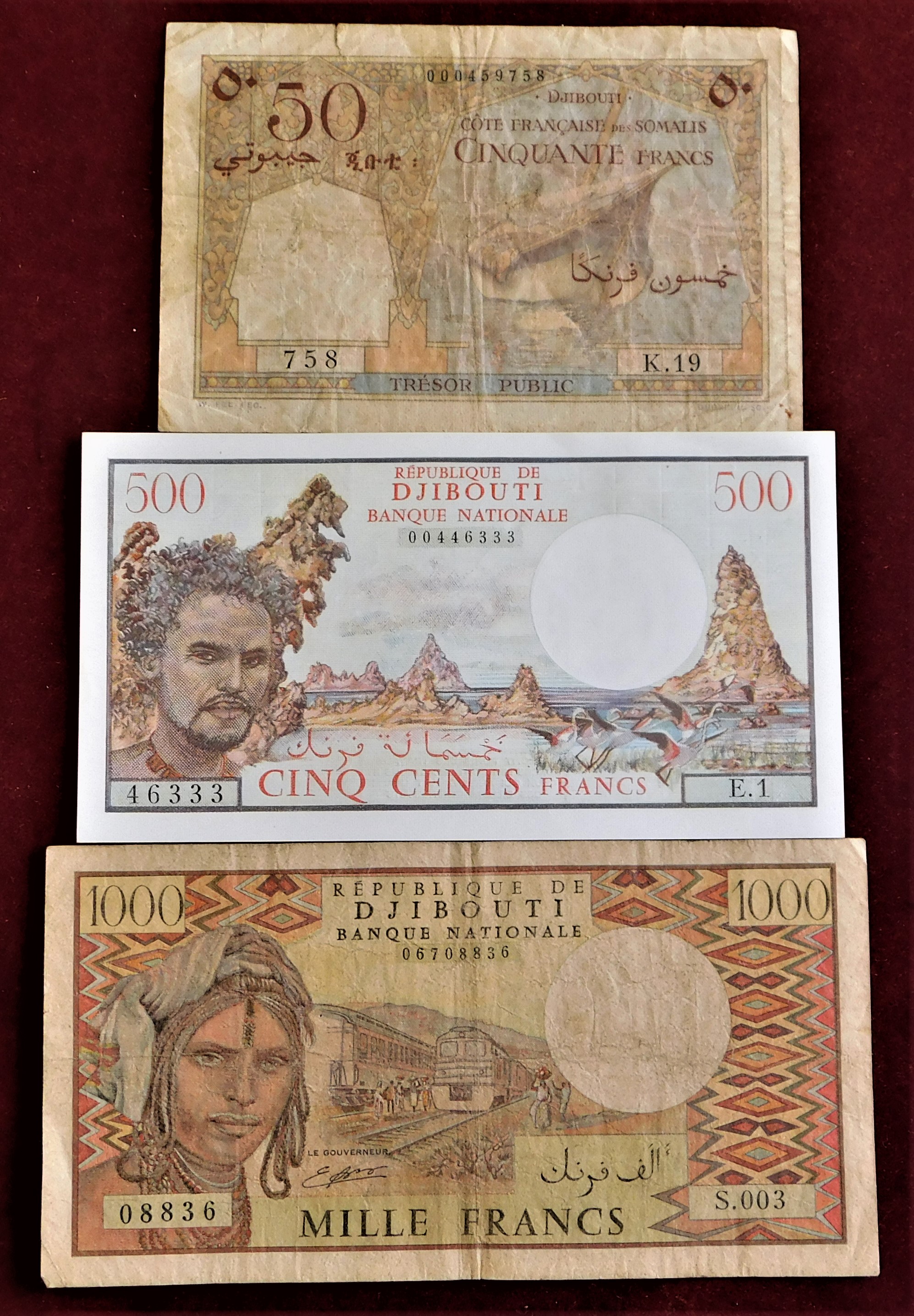
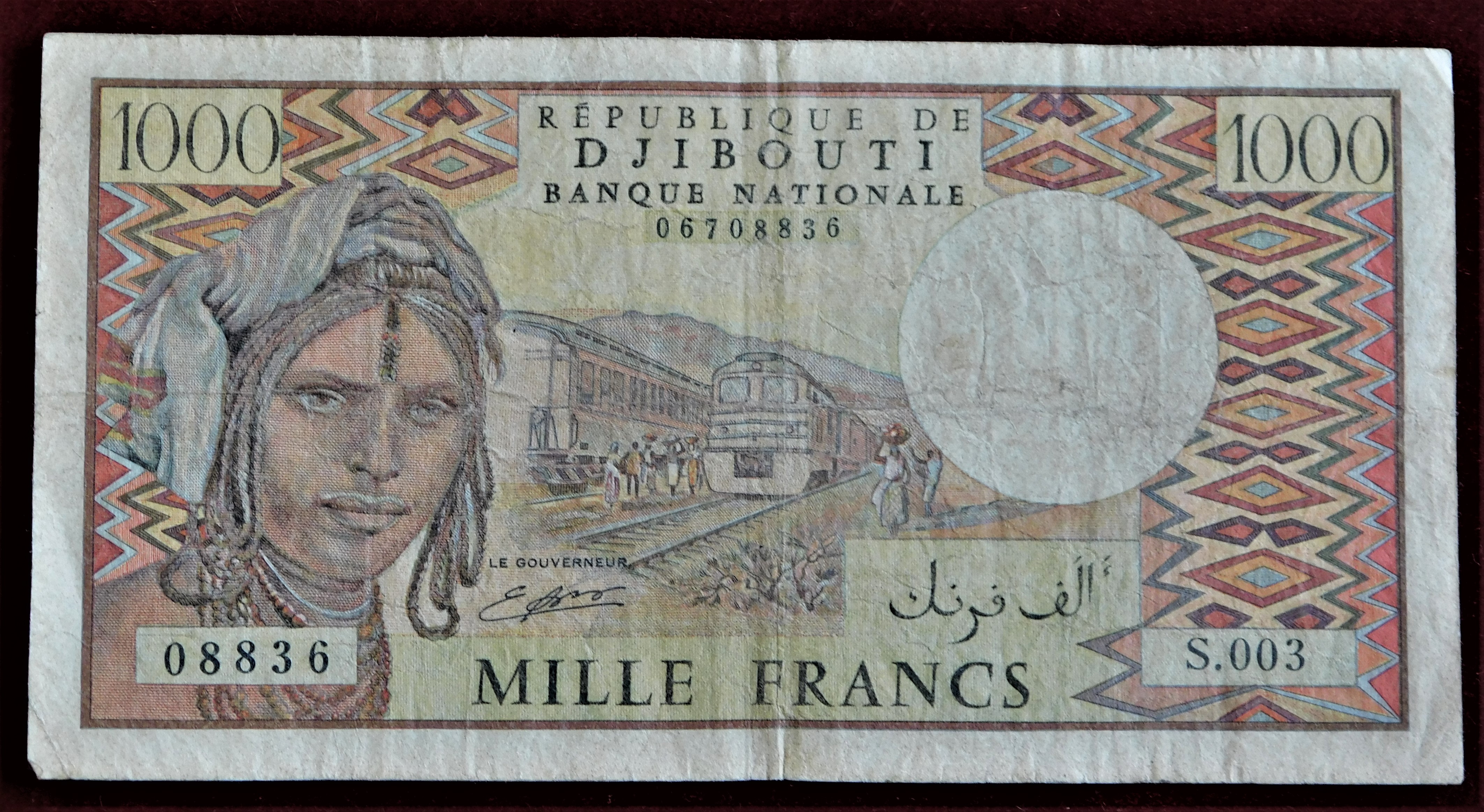
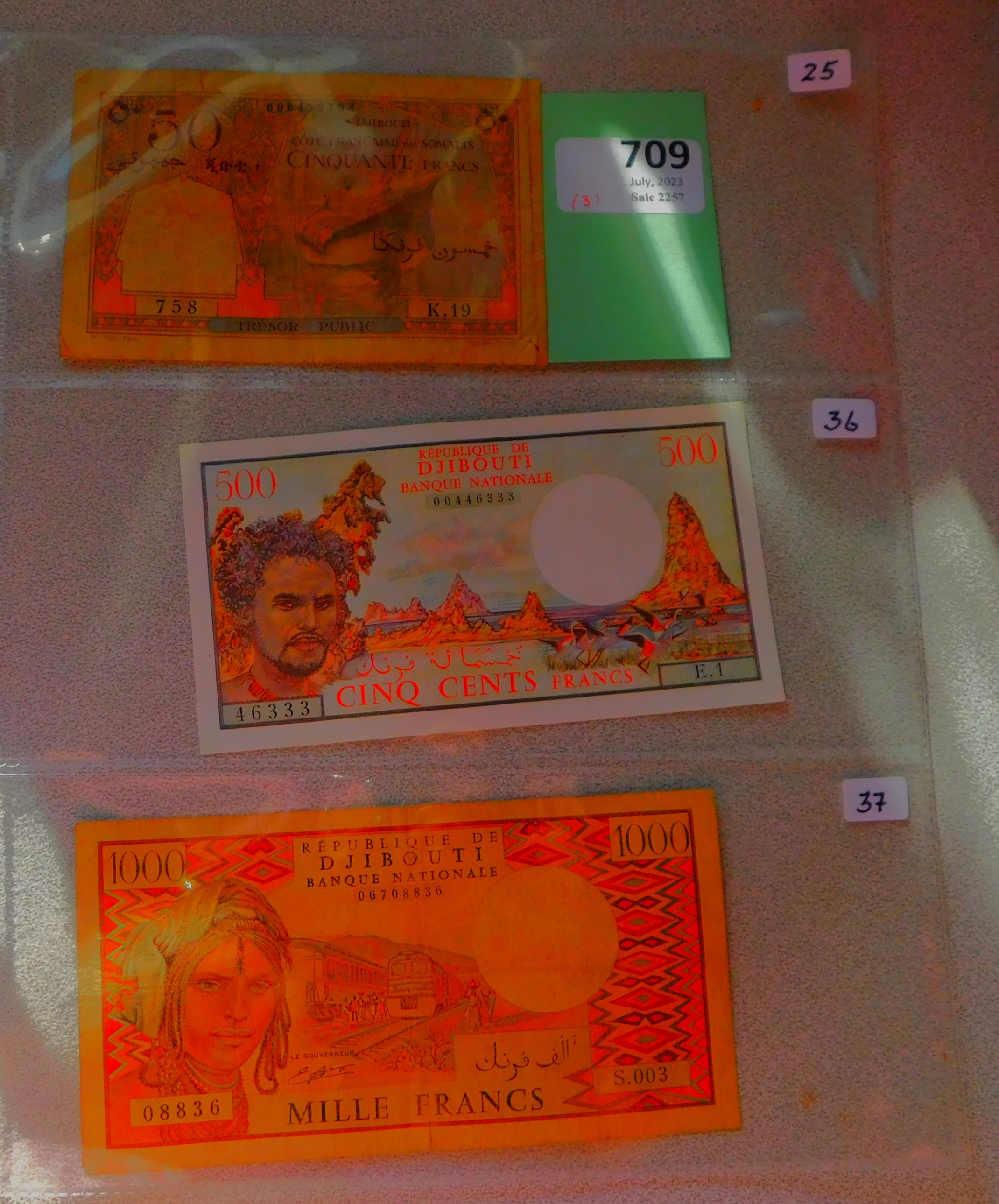
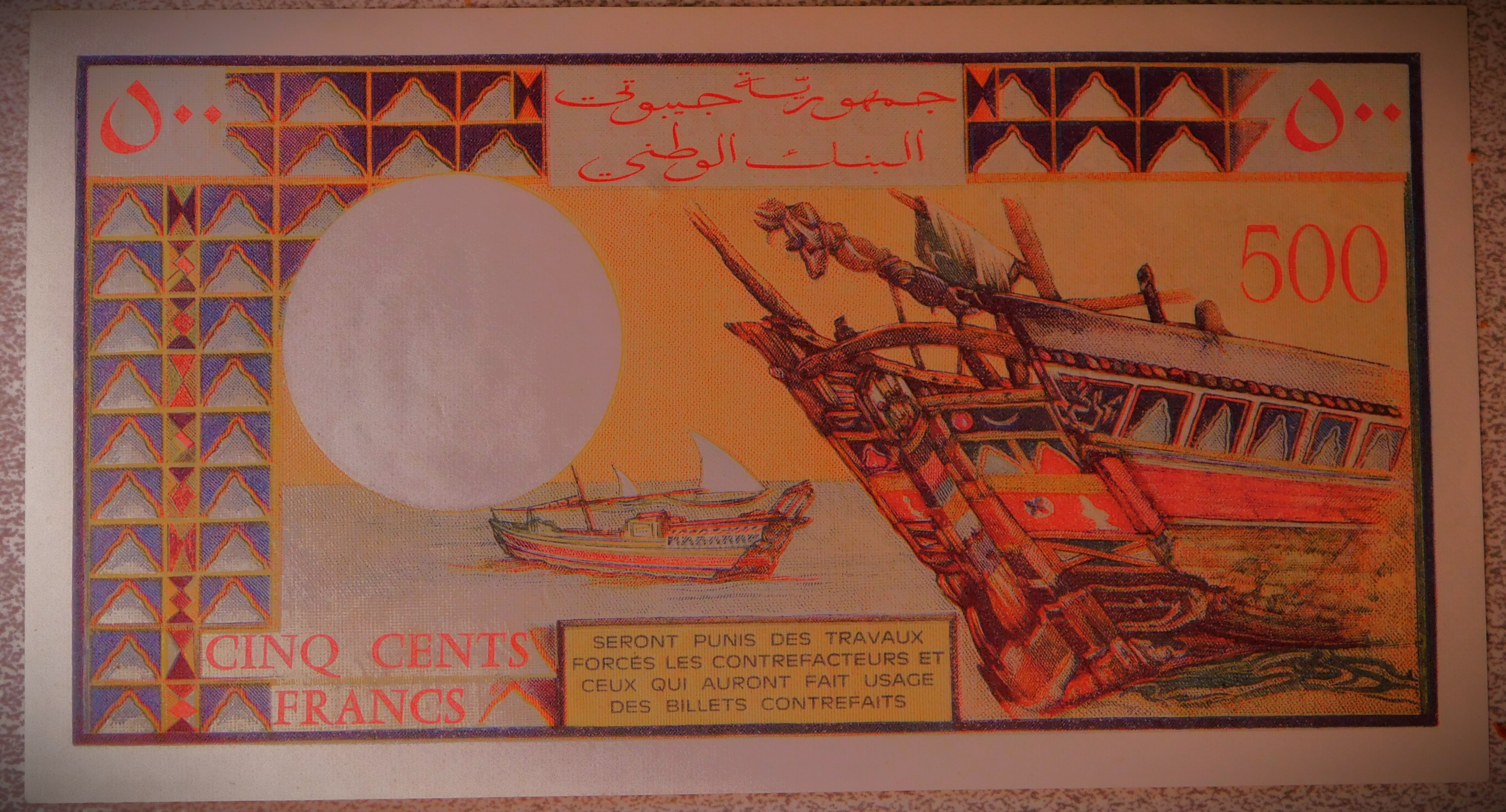
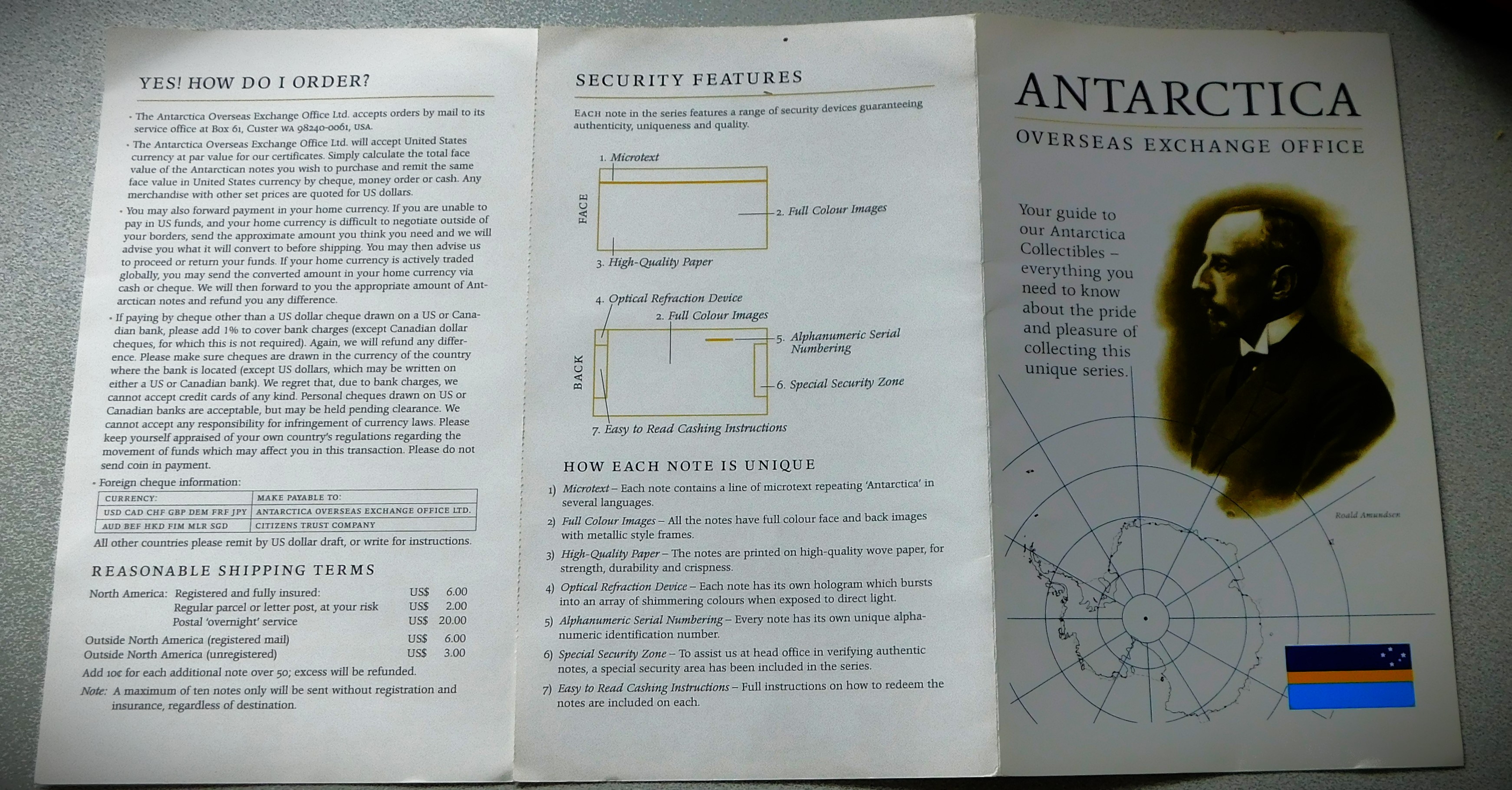
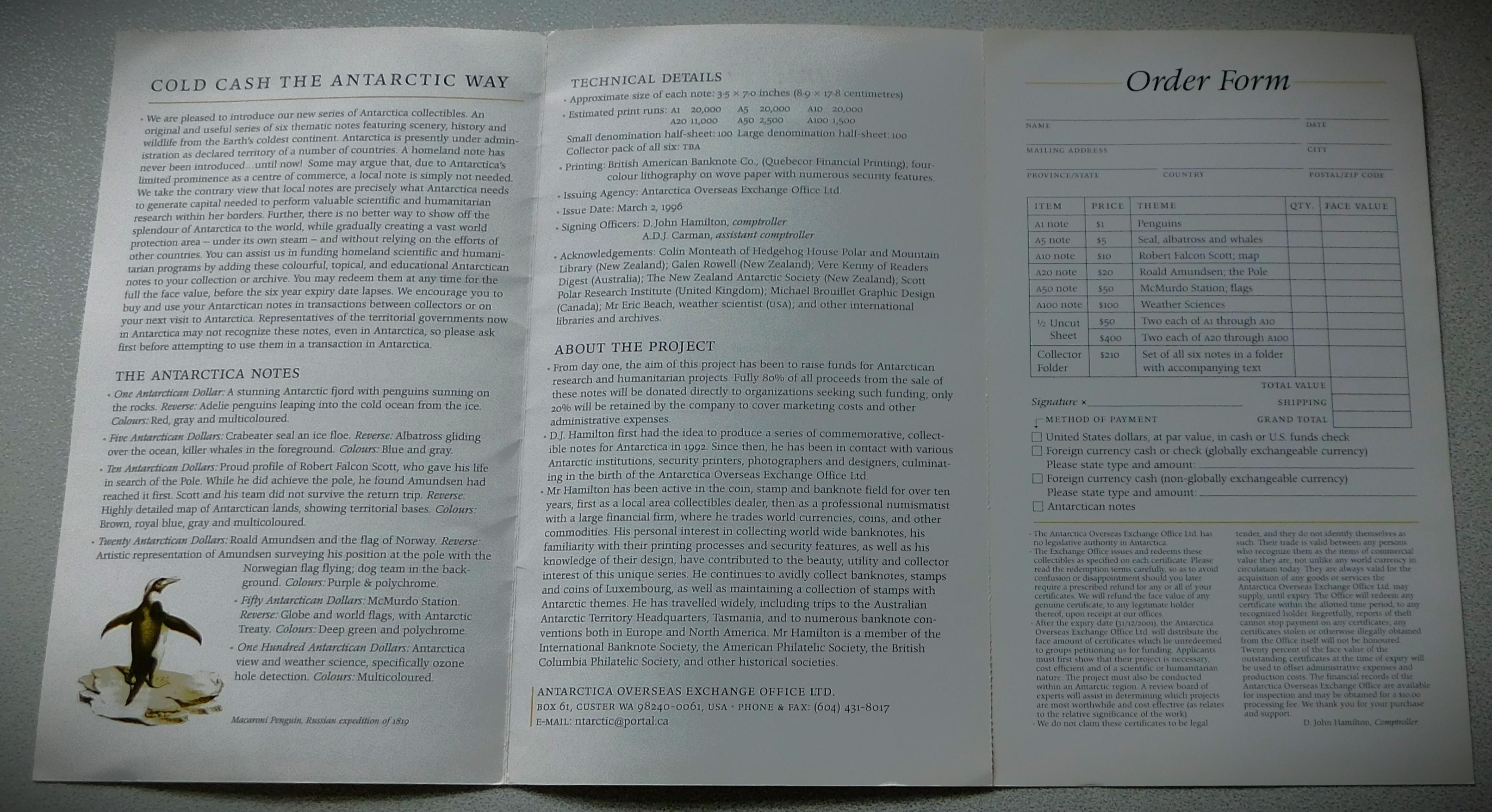
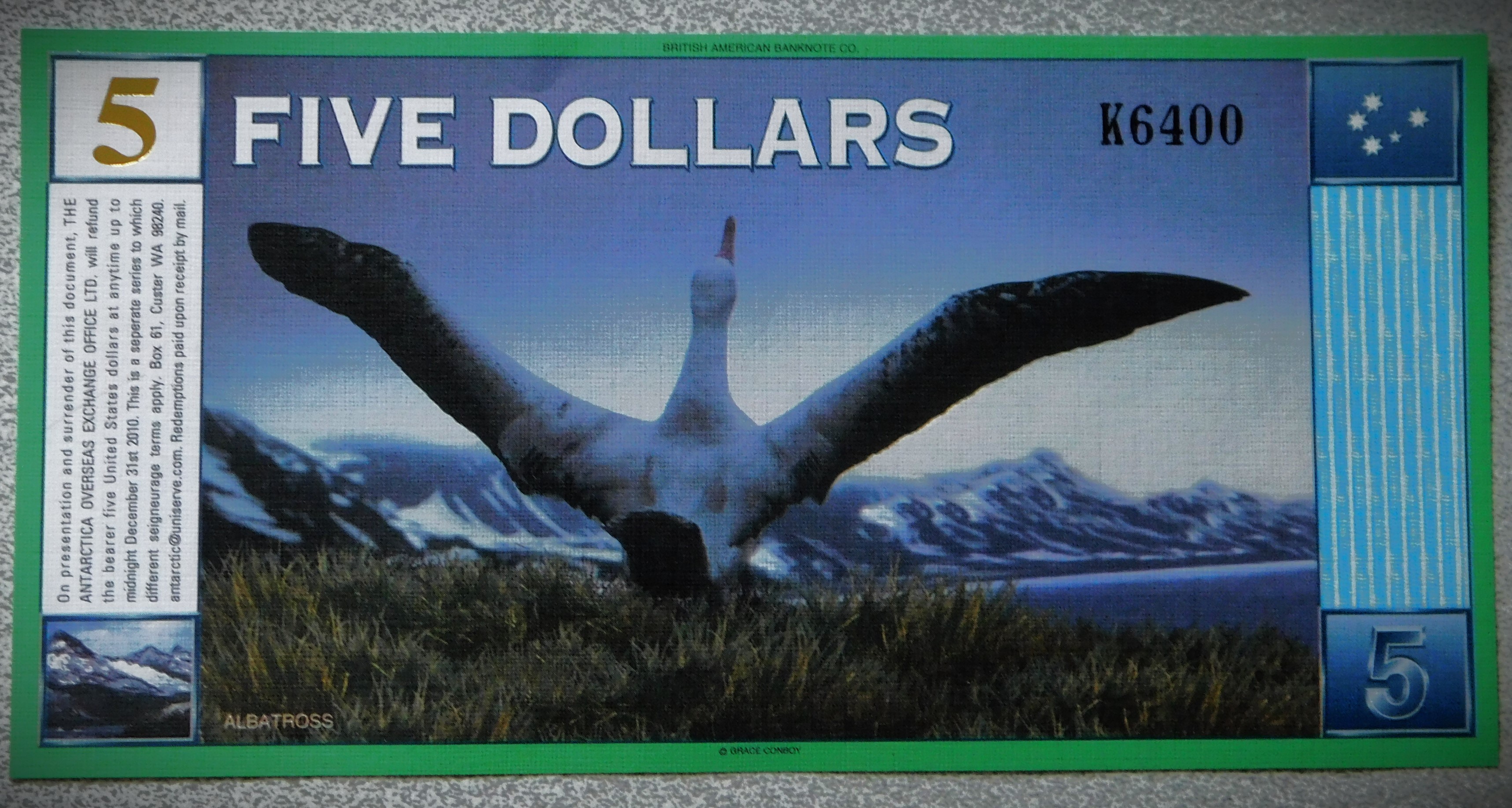
James and Sons auctioneers, my employers, had a two day sale this week. Day one was stamps and postal history and seems to have gone well. Day two was banknotes (a huge lifetime collection from all around the world), and went superbly. I will be writing more about this later, but I touch on it briefly today as I secured two lots along the way: Antarctica and Djibouti (the latter containing an item of railwayana). Here are the images (to view an image at full size just click on it) that people got to see during the auction:
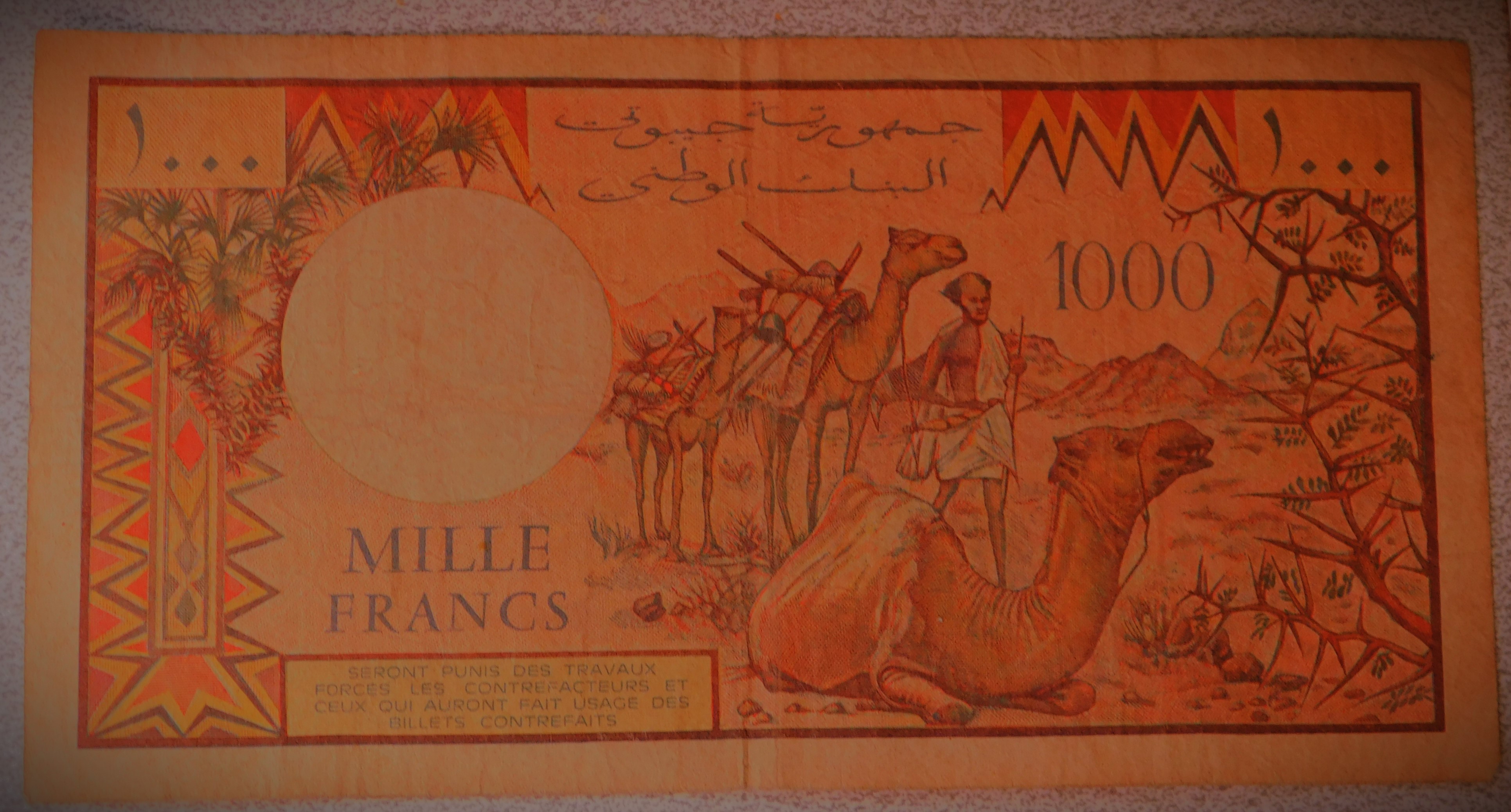
Here are some more images taken since I took possession of these notes…
LEAFLETING FOR THE GREEN PARTY
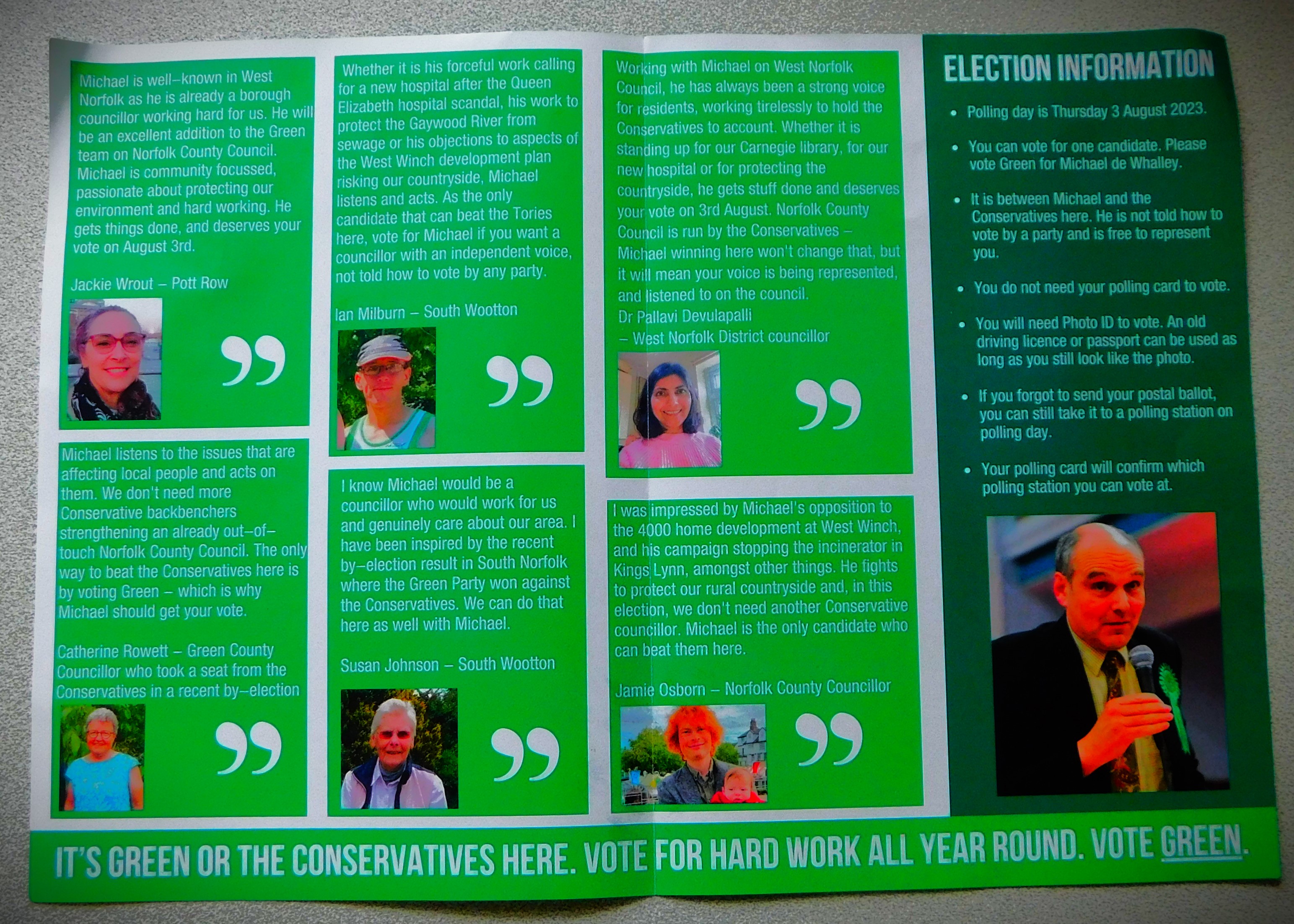
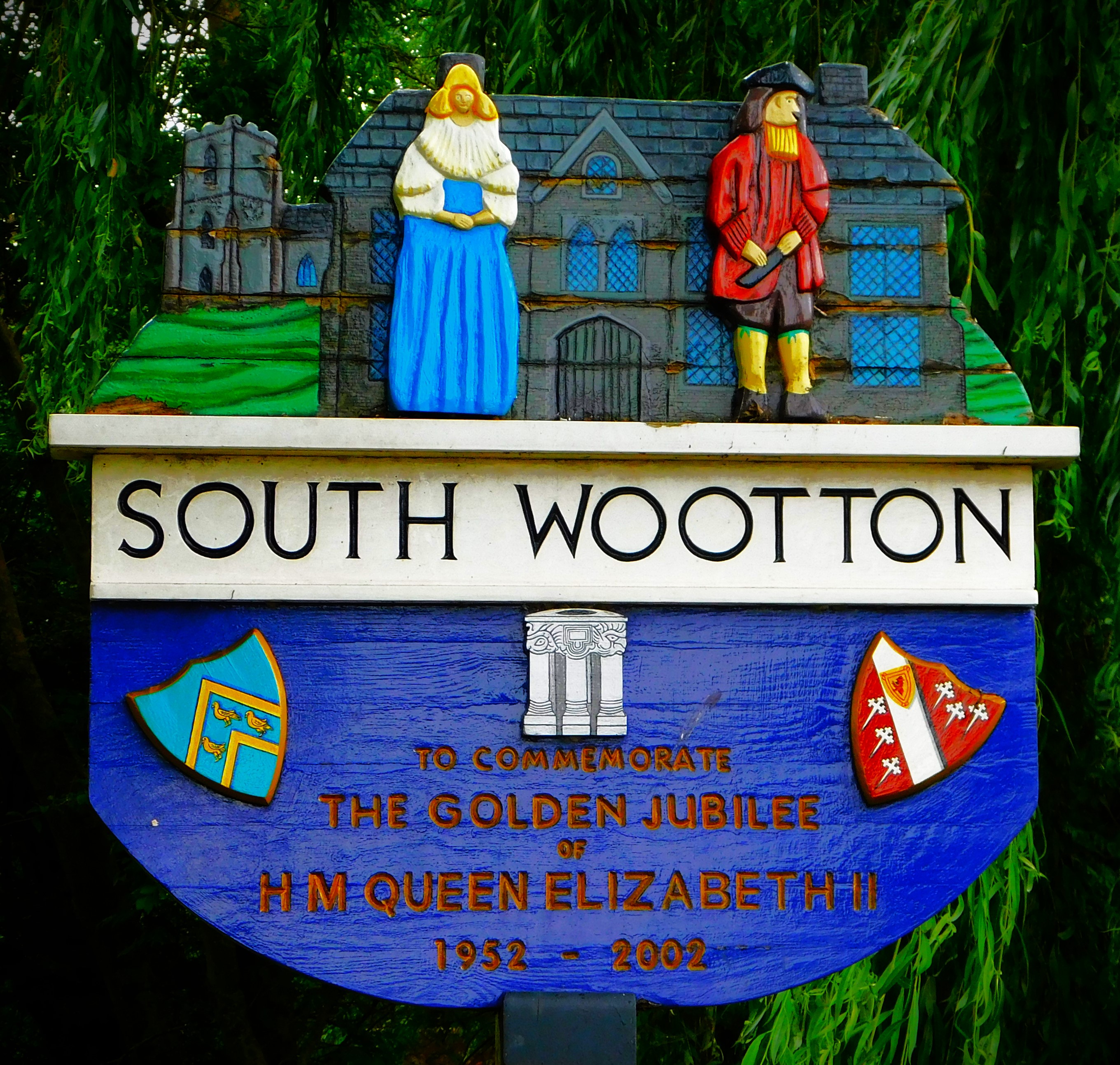
This morning I went to South Wootton to collect some leaflets for Michael de Whalley’s campaign to be elected for the vacant Freebridge seat on Norfolk County Council. I have started delivering them, doing one side of Low Road and all of Old Manor Close on my way home. Here are images of the leaflet:
PHOTOGRAPHS
These photographs come from three sources – my morning walk before work yesterday, my walk home in the evening having alighted at Gaywood and while I was out and about today…
While I was preparing this post for publication Alex Carey became the sixth Aussie to be dismissed this innings, holing out to cover off Root. They are still over 100 adrfit.
A look at development’s in the men’s Ashes as we wait for play to get underway on day four at Old Trafford.
Today is Early Music Day at the Lynn Festival (will be blogging about this in due time), and I am making use of the long break between the first and second concerts (the second and third are basically back to back, with insufficient time between the end of one and the start of the other to come home) to keep an eye on the cricket should there be any developments at all today and to post this.
THE MEN’S ASHES – THE STORY SO FAR
Australia won the first two matches, though England had good chances in both, and could blame poor catching, especially by Bairstow behind the stumps, for the fact that they were not at least 1-1. England won a thriller at Headingley, with Harry Brook scoring a vital 75 in the final innings. That brings us to…
THE FOURTH MATCH – OLD TRAFFORD
Penultimate matches of Ashes series at Old Trafford include 1896 (2nd match of a 3 match series, Australia won by three wickets after England staged a remarkable but unavailing fightback – Ranjitsinhji on test debut conjured 154* after England were made to follow on, which meant Australia needed 125 to win, and fast bowler Tom Richardson narrowly failed to pre-empt Bob Willis’s Headingley heroics by 85 years, taking 6-76 as Australia limped over the line), 1902, when an Australian win by three runs gave them the Ashes, “Laker’s Match” of 1956, when the off spinner’s 19-90 in the match gave England victory by an innings and 170 runs and guaranteed retention of the Ashes for them, 1981, when a blazing Botham century set up victory by 103 runs which guaranteed England a series win and retention of the Ashes, and on the debit side of the ledger the bore draw of 1964 when Aussie skipper Simpson, knowing that a draw was enough for his side, literally ensured this off his own bat, occupying the crease until the third morning as Australia scored 656-8 declared (Simpson 311), England then scoring 611 to utterly kill the game.
Australia blatantly selected their side for this match with a draw in mind – they picked no specialist spinner and had two seam bowling all rounders and keeper Carey batting at number eight. England, rather than bringing in any new played had Moeen Ali officially at number three, Bairstow continuing as keeper and an 8-11 of Woakes, Wood, Broad and Anderson. England won the toss and put Australia in. The pitch proved better for batting than either side had reckoned on, and Australia’s 317, lasting just into the second day, was a definite underachievement by them. Woakes was the bowling star with five wickets. England took the bull by the horns, and it was that rarity, Crawley’s day. The Kent opener rode his luck to score a very rapid 189, backed by good performances from Ali and Root. Bairstow became the second Yorkshireman with a surname beginning with B to score 99* in a test match, as Anderson was pinned LBW before he could reach the landmark. Bairstow’s knock took a mere 81 balls, rather a contrast to the other 99* by a Yorkshire ‘B’, Boycott’s knock at Perth in the 1979-80 mini-series. England had tallied 592, a first innings advantage of 275. Wood came to the party in Australia’s second innings, claiming three wickets as Australia closed the third day on 113-4, still 162 adrift of making England bat again. There has been no play so far today, as Old Trafford’s tutelary deity, Jupiter Pluvius, has put in an appearance. There is a pitch inspection happening as I type this. The last two covers have just come off, much to the disgruntlement of the Aussies, who were hoping for today to be entirely washed out (they are looking and playing like a side who are mentally shot, and their attitude to the covers coming off is further indication of that). If the rain holds off, play will commence at 2:45PM.
PHOTOGRAPHS
Before my usual sign off, here one year on from its creation is a link to my all-time Ds XI.
A look at the amazing test match the ended at 7:20PM yesterday and a substantial photo gallery.
This post looks back at a test match that had everything. From the moment Zak Crawley creamed the first ball of the match for four through to 7:20PM yesterday when Pat Cummins struck a four to third man to settle things the fortunes of war swayed hither and thither. I will be producing a detailed set of player ratings and a look at who England might pick to deal with obvious problems revealed in this match.
THE CLOSING STAGES
I was at work yesterday, but a rain delay at Edgbaston meant that I got to witness the closing stages of the match by way of Test Match Special and cricinfo. On a last day pitch definitely favouring spinners supposed front line spinner Moeen Ali had the indignity of being outbowled by part timer Joe Root. Stokes, injured knee and all, bowled with great determination. Broad and Robinson were both excellent, though Anderson did little. Stokes declined to take the new ball when it first became available, and when Root got Carey to make it 227-8, 54 still needed, it looked like the move had paid off. However Stokes persisted with the old ball, and Cummins and Lyon gradually settled in. Finally, with the deficit halved England took the new ball, but although Broad and Robinson bowled well they simply could not break through. In truth I had been rooting for what would have been only test cricket’s third ever tie, because each side had at least one player who did not deserve a loss – Khawaja for Australia and Root for England being the standouts. A tie clearly outranks a draw, as it is a result in keeping with the Stokes ethos. However, I have no complaints about the end result, and certainly none whatsoever about the final stages of the match.
ENGLAND’S MAIN PROBLEMS
I am going to start this post by stating firmly one thing that did not cause England to lose: Stokes’ declaration on the first evening has been the subject of much comment, a good deal of it hostile. The truth is the problems lay elsewhere than that decision:
‘samey’ main bowlers: as splendid as they all are at what they do Anderson, Broad and Robinson are too similar as bowlers for England to accommodate all three of them in the XI.
Wrong choice of main spinner: it should not have surprised anyone that an ageing player who has not played red ball for a couple of years struggled with the extra workload entailed in bowling in the long form of the game, nor that someone coming into the match with a bowling average against Australia of 65 did not pose very much of a threat.
Wrong choice of wicket keeper: for my money Bairstow’s three definite missed chances (two catches and one stumping), plus the potential chance he didn’t go for, leaving the ball to pass between him and Root for four more than neutralized his contribution with the bat. Last summer Bairstow played as a specialist batter, with Foakes behind the stumps, and if Bairstow has a role in the side it is as a batter, not a keeper/batter.
Players getting in and getting themselves out. : in the second England innings three players got to 40, and not one of them went on to 50. At least one of those three should have gone on to a genuinely major innings.
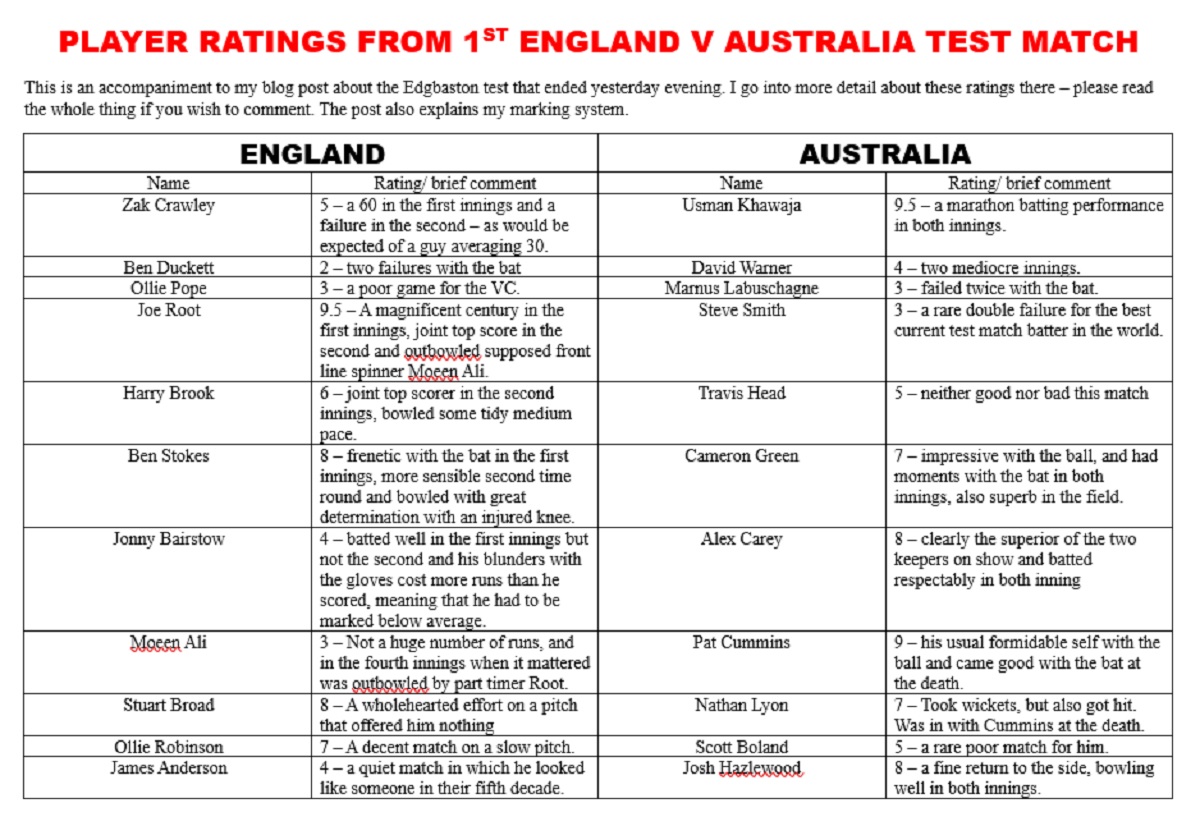
PLAYER RATINGS
I will be going through each team in official batting order, using a scale of 0 (did nothing of value at all) through to 10 (perfection). Please note that when using such scales I use the whole scale – no courtesy marks just for turning up.
ENGLAND
Zak Crawley: 5. A dead average performance from someone who is in truth a dead average player – 61 in the first innings and a failure in the second is nothing special for an opener.
Ben Duckett: 2. Two failures with the bat this time, but he surely has credit in the bank from Pakistan and New Zealand to retain his slot.
Ollie Pope: 3. A promising start in the first innings, and his dismissal was somewhat unfortunate, but a skittish performance in the second in which he never looked like getting settled. Not one of the vice-captain’s finest outings.
Joe Root: 9.5. A glorious hundred in the first innings, joint top scorer in the second and out-bowled the ‘front line spinner’. Although this was a performance that underlined his status as one of the greatest cricketers his country has ever produced I dock him half a point for getting out on 46 in the second innings.
Harry Brook: 6. He was joint top scorer in the second innings, and bowled some tidy medium pace along the way.
Ben Stokes: 8. An overly frenetic batting performance in the first innings, but a much better effort second time round, and a determined bowling performance in spite of having knee trouble.
Jonny Bairstow: 4. The most controversial mark I am giving, but as I stated earlier in this piece I reckon that the chances he either missed or simply didn’t go for cost more runs (remember as well as the extra runs scored by the reprieved batters you have to factor in extra runs scored at the opposite end in the same period) than he contributed with the bat, and his second innings demonstrated another point about Bairstow the keeper/batter – he rarely scores well after a keeping performance. Since I have have him in net debit for the match I have to give him a below average score to reflect what was overall a below average performance, and on a scale of 0-10, 5 is average.
Moeen Ali: 3. Did not do a lot with the bat, and had a poor game with the ball, to the extent that on a final day pitch which was helping spinners he had the indignity of being out-bowled by part time Joe Root.
Stuart Broad: 8. A wholehearted bowling effort on a pitch that offered him absolutely nothing.
Ollie Robinson: 7. A solid bowling effort in unfavourable conditions, and some lower order runs in the second innings. His reaction to dismissing Khawaja in the first Australian innings attracted a lot of condemnation, but frankly given the way their bowlers have been known to treat opposition batters Aussies are the last to have any right to complain about this kind of thing
James Anderson: 4. Did little in the match, and I for one would not be terribly surprised if he missed Lord’s.
AUSTRALIA
Usman Khawaja: 9.5. A marathon effort with the bat in both innings. The only blot on his copybook is that he did not quite see the job through in the final innings.
David Warner: 4. Not absolute failure, but two moderate scores.
Marnus Labuschagne: 3. Failed twice with the bat.
Steve Smith: 3. The best current test batter in the world suffered a rare double failure in that department.
Travis Head: 5. Could not duplicate his brilliance against India in the WTC final, but not an outright poor performance.
Cameron Green: 7. Impressive with the bat, albeit assisted by Bairstow in the first innings, respectable with the ball, and fielded superbly.
Alex Carey: 8. Clearly the superior of the two keepers on show, and batted well, albeit with two assists from his opposite number in the first innings.
Pat Cummins: 9. His usual formidable self with the ball and batted well in both innings, getting Australia over the line in the second.
Nathan Lyon: 7. He took wickets in both innings, but also took some punishment. He was batting with Cummins when the winning runs were scored.
Scott Boland: 5. A poor match with the ball, but given how close it was his 20 as nightwatch in the fourth innings redeemed him somewhat.
Josh Hazlewood: 8. Bowled well on his return to the side from injury.
Foakes has to return to the side as keeper. I would personally achieve this by dropping Crawley, and having someone else open the innings. Ali cannot be retained, and I would say genuine possibilities are: Rehan Ahmed, Liam Dawson, Dan Moriarty (not a Surrey regular alas, but always bowls well when given the opportunity, as an FC bowling average of 27 suggests), Jack Carson, or the ultra-radical option of asking Sophie Ecclestone if she is up for playing alongside the men. Also, I would rest Anderson and bring in Wood to give the seam attack a point of difference. Chris Woakes has a splendid record at Lord’s, and playing him at number eight and relying on Root for spin is another option.
PHOTOGRAPHS
This has been a long post, but for those of you who made it to the finish this is my usual sign off…
A look at developments in The Ashes so far and a photo gallery.
While I have been blogging about my holiday in the Lake District (I have a page with links to all the posts in this series) plenty has been happening in the world of cricket. England and Australia both had good build ups to the first match of the Men’s Ashes, although England lost leading spinner Jack Leach to an injury. This post looks at the developments since the series got underway on Friday.
THE PRELIMINARIES
England’s final XI, announced two whole days before the match started, contained several bones of contention. Foakes was dropped, as England decided that the best way to accommodate the returning Bairstow was to give him the wicket keeping gloves. When it came to finding a replacement for Leach as spinner they made the shockingly retrograde decision to recall Moeen Ali, now on a WHITE BALL ONLY contract with Warwickshire. Finally, perennial top order failure Zak Crawley retained his slot. The final XI thus read Z Crawley, B Duckett, O Pope, J Root, H Brook, *B Stokes, +J Bairstow, M Ali, S Broad, O Robinson, J Anderson. Australia’s only question mark was which two of Josh Hazlewood, Scott Boland and Mitchell Starc would play. In the event they opted, rightly IMO, for Hazlewood and Boland, benching Starc. England won the toss, and as they were virtually obliged to opted to bat first.
DAY ONE
Ben Duckett and Ollie Pope were both out fairly cheaply, but Crawley for once played well, scoring 61. However the feature of the innings was a glorious century by Joe Root, underlining his status as an all time great. Bairstow made 80, and Stokes surprised many by declaring at the end of the 78th over with the score reading 393-8. This set a new record – the earliest point in terms of balls bowled at which the opening innings of a test match has been declared. England didn’t manage an early breakthrough that evening, and many were slating Stokes for declaring. I was not among them, because unlike these critics I remember Rawalpindi, when Stokes was proved right about an aggressive declaration.
DAY TWO
This was a frustrating day. Bairstow more than undid his good work with the bat with some poor keeping – he reprieved Travis Head and Alex Carey, both pretty costly, and Australia reached the close at 311-5, 82 behind.
DAY THREE
The very first ball of the day should have seen England break through but Bairstow muffed another easy chance. There was another edge that failed to go to hand not much later, but I am not cruel enough to describe that one as a chance – it hit Bairstow’s boot before touching the ground, but it would have been miraculous to make a catch of it. However, in spite of these frustrations England did eventually take a first innings lead, bowling Australia out for 386. They made a good start, but then Cummins and Boland had a purple patch, and when the rain made its final intervention of the day England were 28-2, 35 runs ahead.
DAY FOUR SO FAR
Pope was third out with the score at 77, though Root was again batting splendidly. He was now joined by Harry Brook. They put on a rapid 50 stand before Root fell for 46 to make it 129-4. Brook exactly matched Root’s score before he too was out. Stokes and Bairstow are still together. Scott Boland had a naughty moment when he claimed a catch that would have meant the end of Stokes, but it went upstairs and replays showed that Stokes had hit the ball straight into the ground, a fact of which Boland must have been aware. As things stand England are 196-5, 203 runs ahead, and the match is intriguingly poised.
PHOTOGRAPHS
My usual sign off…
As I was preparing this post for publication Bairstow fell LBW to Lyon to make it 196-6, and new batter Ali has got off the mark with a single. Yes Bairstow has contributed 100 runs in the match (80 and 20), but his bad wicket keeping means he is no better than even for the match, and maybe even in debit – certainly any more errors behind the stumps that cost anything will put him in debit.














































































































































































































































































































































































































































































































































































 aspiblog