Australia Interwar Years XI

A look at Australia’s best cricketers of the interwar years and a photo gallery.

Today I look at the best Australian cricketers of the period 1919-39. Australia were strong for much of this period, although English desperation to atone for the perceived sins of the 1932-3 Ashes contributed to their excellent Ashes record – Larwood never played another test match after the end of that series, Voce was not picked at home in 1934, though he did tour in 1936-7, while the last pre-WWII Ashes series in 1938 was halved, with one game washed out without a ball bowled, two high scoring draws, Australia narrowly winning a thriller at Headingley and England totally bossing the last match at The Oval.

THE XI IN BATTING ORDER

  1. Bill Woodfull (right handed opening batter). One half of Australia’s best opening pair of the period.
  2. Bill Ponsford (right handed opening batter). The first megascorer, possessor for almost three years of the two highest scores in FC history, 437 for Victoria v Queensland in 1927 and 429 for Victoria v Tasmania in 1922. He had two other triple centuries in FC cricket and achieved a unique double in test cricket of scoring centuries in each of his first two test matches and in each of his last two.
  3. *Don Bradman (right handed batter, captain). Quite simply the most consistent run scorer the game has ever known. It was he who topped Ponsford’s individual FC record with 452* for NSW v Queensland. He also had two test match triple centuries and a 299* v South Africa when his last partner was run out trying to get through for the crucial run. Australia lost only two Ashes series with him in the side – 1928-9 when he was trying to establish himself and was actually dropped for the second match of the series, and 1932-3 when Jardine’s strategy halved his usual output.
  4. Charlie Macartney (right handed batter, left arm orthodox spinner). His batting hit the heights in the first seven years after the war – in the 1926 Ashes at the age of 40 he hit three centuries in successive test matches, while in 1921 he blasted Nottinghamshire for 345 in 232 minutes at the crease, still the highest FC score for a member of an Australian touring party.
  5. Stan McCabe (right handed batter, right arm medium fast bowler). Two of the most famous of all Ashes innings, his 187* at Sydney in the face of fast leg theory as conceived by Jardine and bowled by Larwood in the first match of the 1932-3 Ashes and the 232* he scored at Trent Bridge in 1938 when Bradman called the rest of the Aussie team out on to their balcony to watch the action because “you will never see anything like this again”.
  6. Warwick Armstrong (right handed batter, leg spinner). A dominant force in both of the first two Ashes series after WWI, and undoubtedly Australia’s best all rounder of the period.
  7. Jack Gregory (right arm fast bowler, left handed batter, ace slip fielder). Under the captaincy of Warwick Armstrong he and Ted McDonald provided the first example in test cricket of a bowling side opening their attack with express pace from both ends – received wisdom had been to open with one fast and one slow bowler, though in 1911-12 and at home in 1912 Sydney Barnes and Frank Foster, both above medium pace, had opened the bowling for England with considerable success.
  8. +Bert Oldfield (wicket keeper, right handed batter). One of the greatest keepers ever, I believe he still holds the record for men’s test stumpings (52).
  9. Bill O’Reilly (leg spinner, left handed batter). 144 wickets in 27 test matches, bowling at something above medium pace and possessing a superbly disguised googly.
  10. Ted McDonald (right arm fast bowler, right handed batter). He played the first two post-war Ashes series before decamping to play Lancashire League cricket and ultimately to turn out for Lancashire and bowl them to several championships with Cecil Parkin and Dick Tyldesley in support.
  11. Clarrie Grimmett (leg spinner, right handed batter). He had to cross one national border and two state boundaries to find cricketing fulfillment, and still managed to become the first ever to claim 200 test wickets (216 in 37 test matches). Even 80 odd years after the end of his career he probably ranks second among cricketers born in New Zealand (Sir Richard Hadlee being #1).

This XI has a powerful batting line up, though left handers are under represented. The bowling is also strong, with Gregory and McDonald an outstanding new ball duo, O’Reilly, Grimmett and Armstrong being three very dissimilar leg spinners, McCabe a handy medium pacer and Macartney sometimes useful with his left arm spin.

HONOURABLE MENTIONS

Warren Bardsley, the left handed opener I selected in the prewar Aussie XI, played on until 1926, but a remarkable 193* at Lord’s that year apart he was a fading force, and therefore I felt I could not break the Woodfull/ Ponsford pairing for the sake of balance. No Australian middle order left handed batter of this period was good enough to merit selection.

Vic Richardson was a remarkable all round athlete and grandfather of two Aussie test skippers, but his test batting record was quite ordinary. Arthur Richardson, a middle order batter who bowled off spin, was not good enough in either department to merit more than an acknowledgement.

There were two other candidates for the number six slot I gave to Armstrong, Jack Ryder and Hunter ‘Stork’ Hendry, forceful batters who bowled right arm fast medium.

This period featured the tail end of Hanson Carter’s career as a keeper, but he was not the equal of Oldfield. The one Aussie to play FC cricket in this period who probably was a match for Oldfield as keeper and a better batter, Don Tallon, did not make his test debut until after WWII, so I felt I could not pick him.

Other than Gregory and McDonald, who came as a partnership the only other Aussie fast bowler of the era who might have demanded selection was Thomas William Wall, usually known as ‘Tim’ Wall, whose record suffered from the fact that he was often the only quick in the side. Ernie McCormick, ‘Bull’ Alexander, Jack Scott and Laurie Nash were all quick but erratic, while Eddie Gilbert never played test cricket.

The only Aussie specialist finger spinner of the period with a really good test record was Bert Ironmonger, and he was never selected for a tour of England, possibly because of fears that his action would not stand up to the scrutiny of English umpires. Left arm wrist spinner Leslie ‘Chuck’ Fleetwood-Smith was too expensive to merit a place, while Arthur Mailey was unlucky in that Grimmett was clearly ahead of him as a conventional leg spinner and O’Reilly’s distinctive method and provenly effective partnership with Grimmett qualified him for a place. Hans Ebeling’s seam bowling did not qualify him for a place, but he deserves a mention because the 1977 Centenary Test Match, which Australia won by the same margin, 45 runs, as they had won the inaugural test match 100 years earlier, was his brainchild.

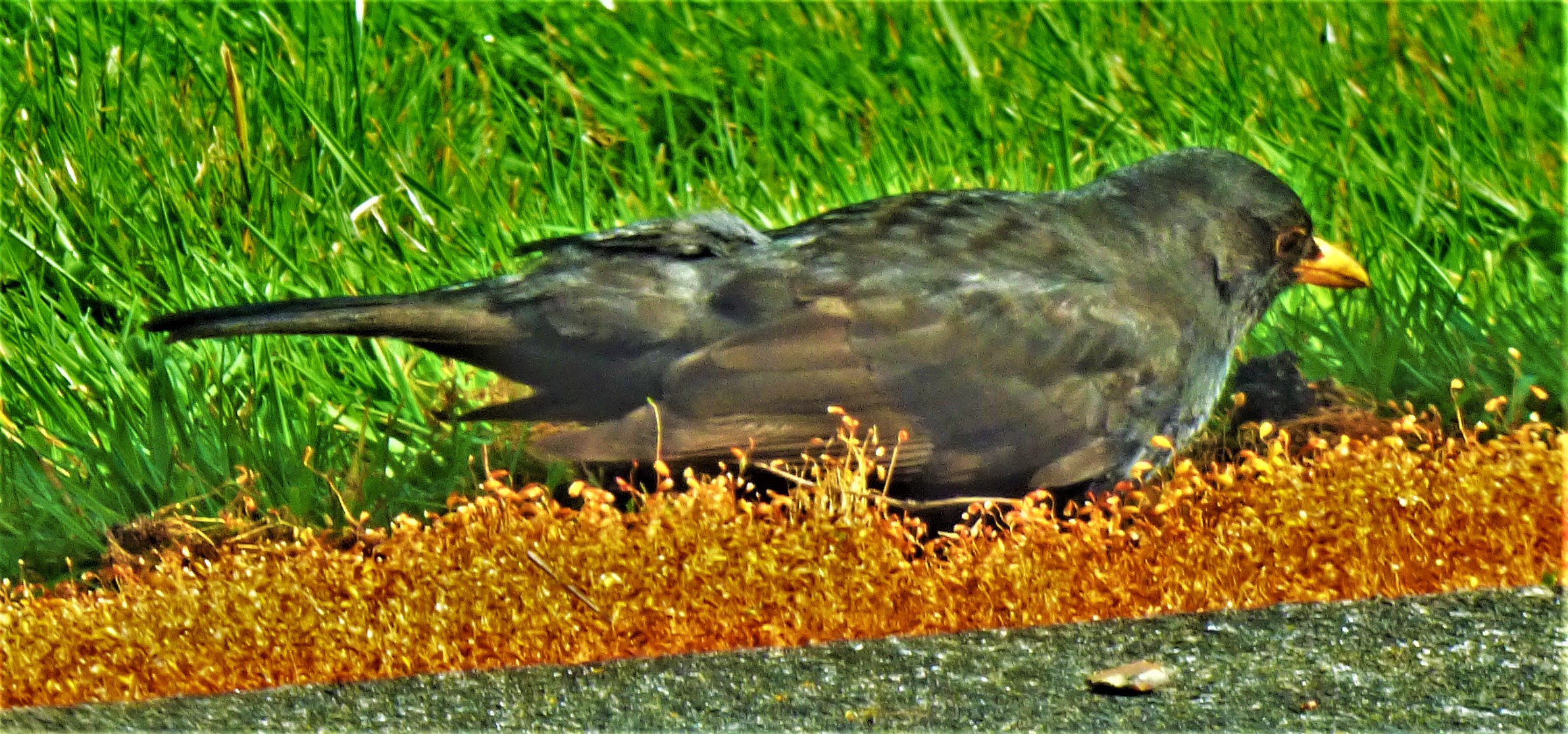
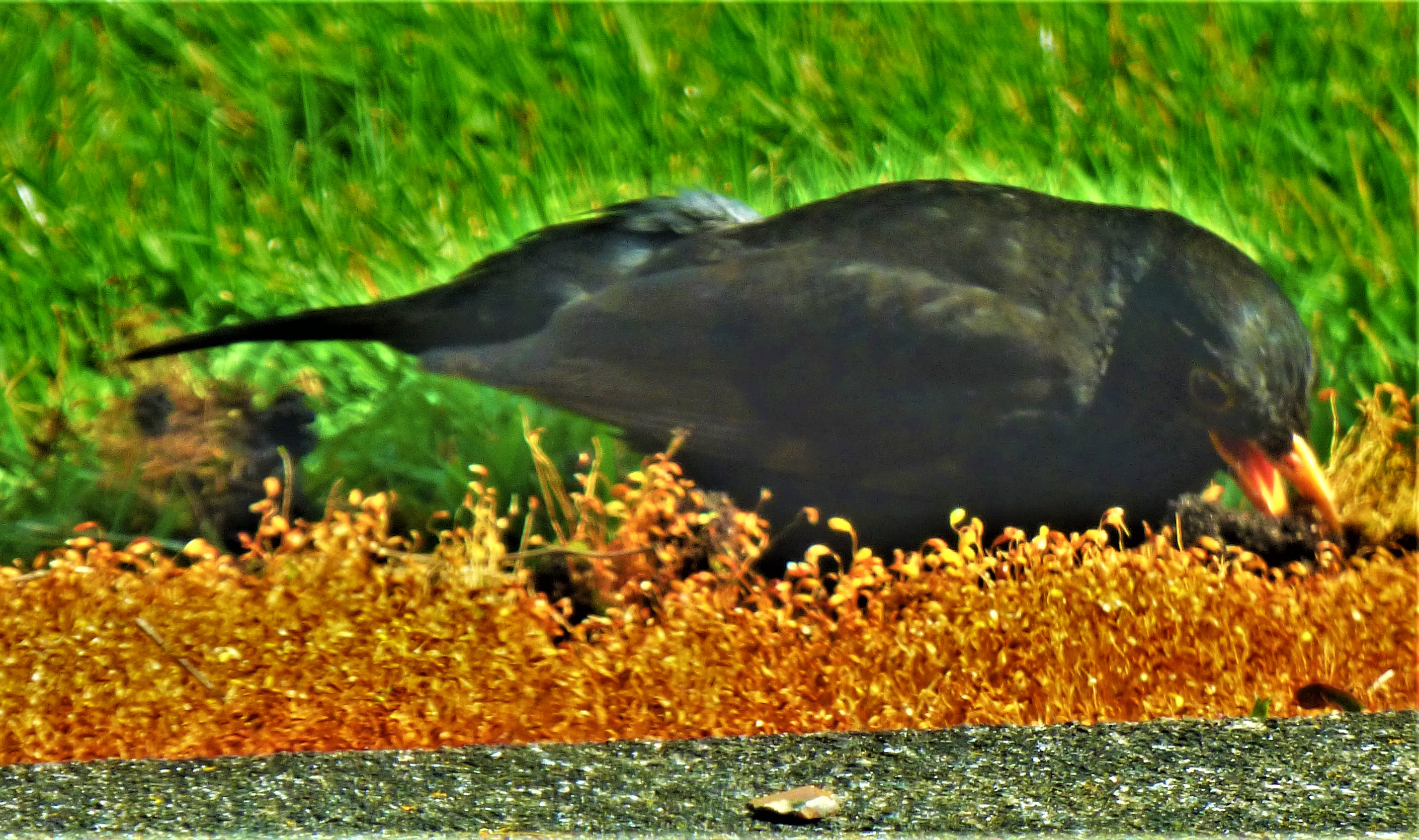
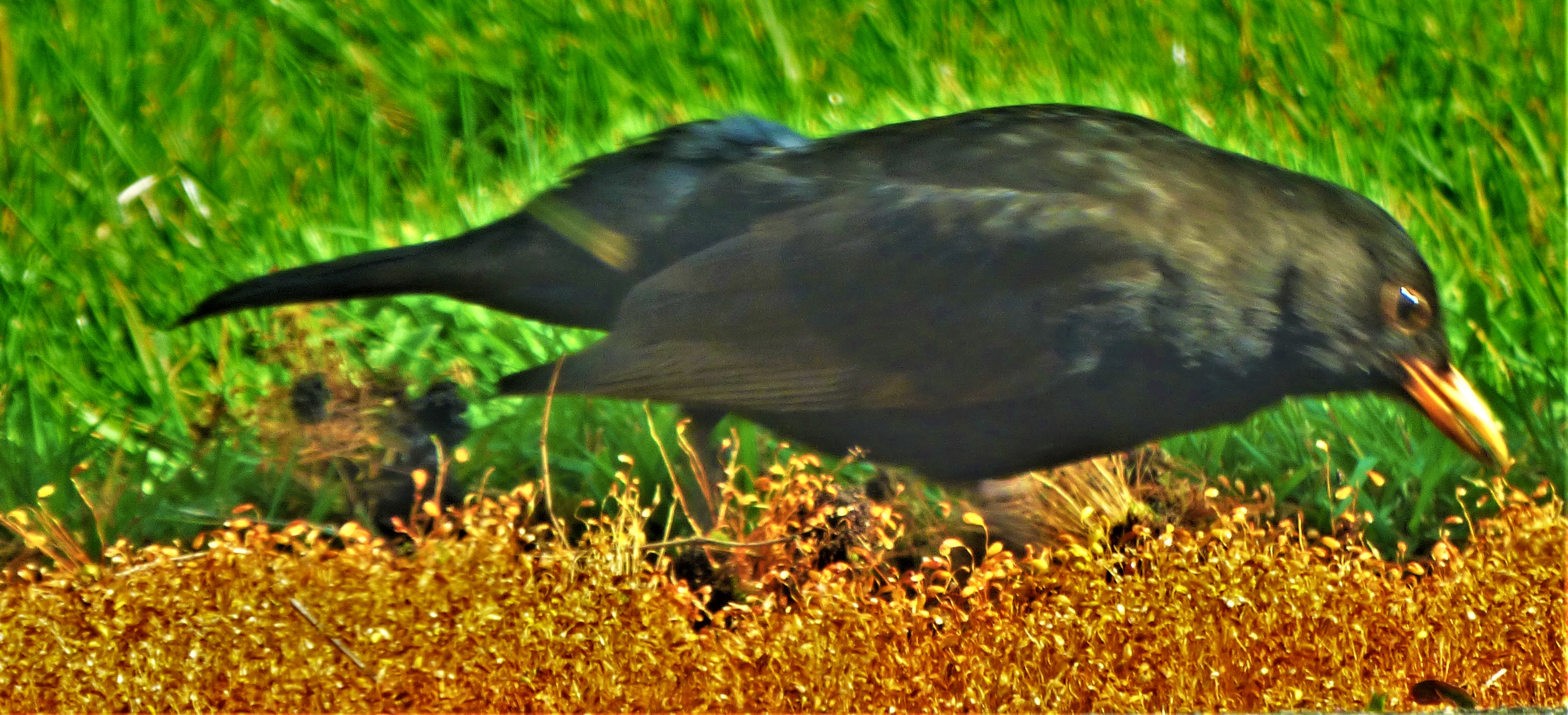
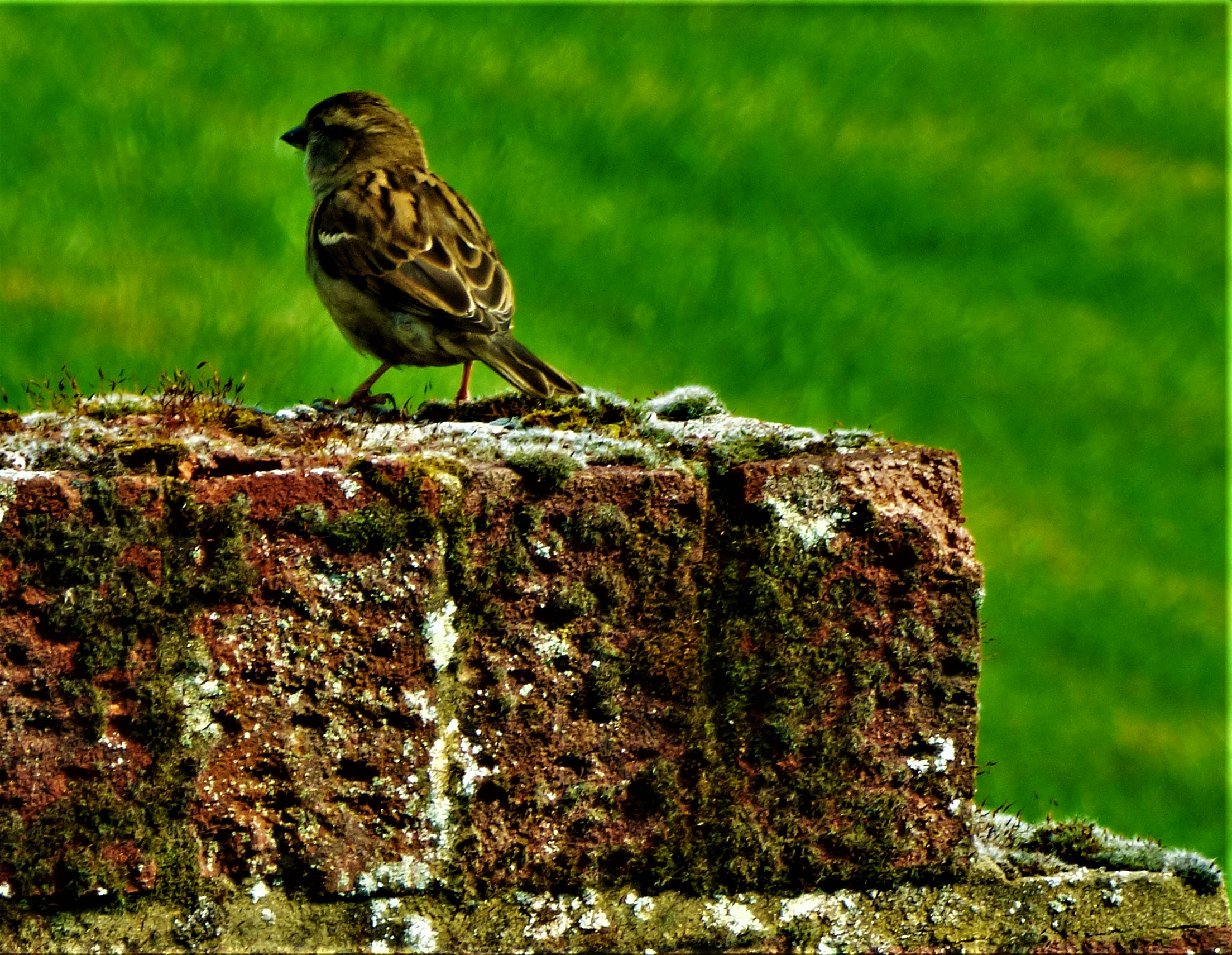
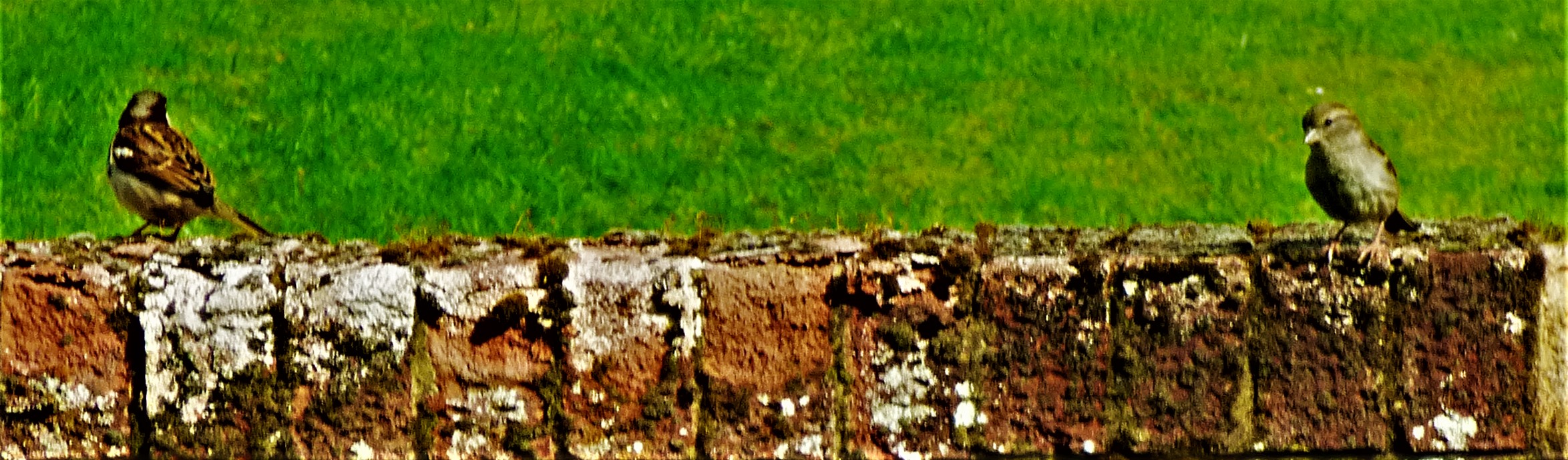
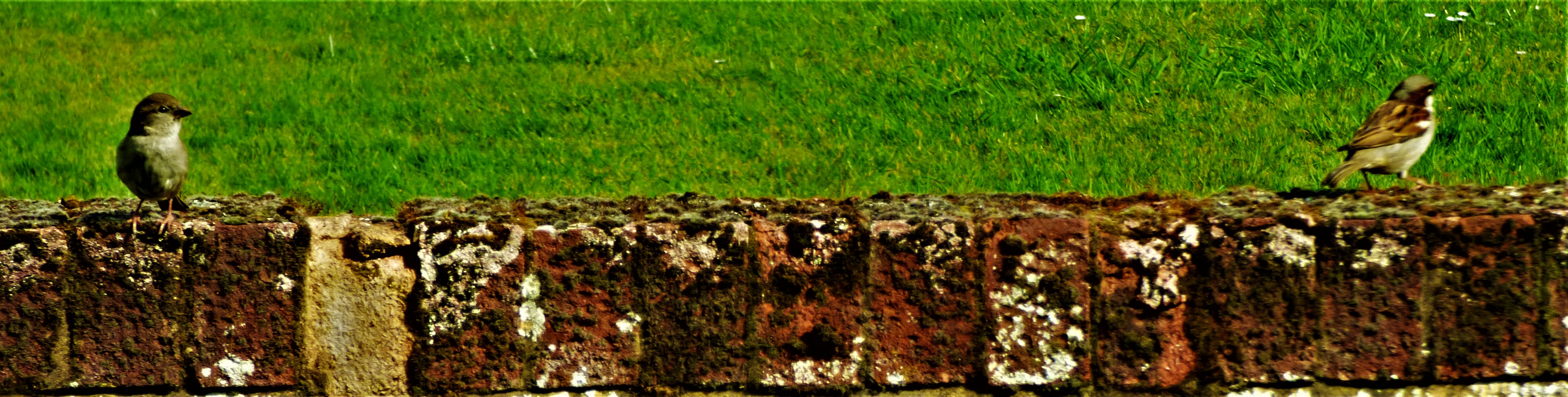
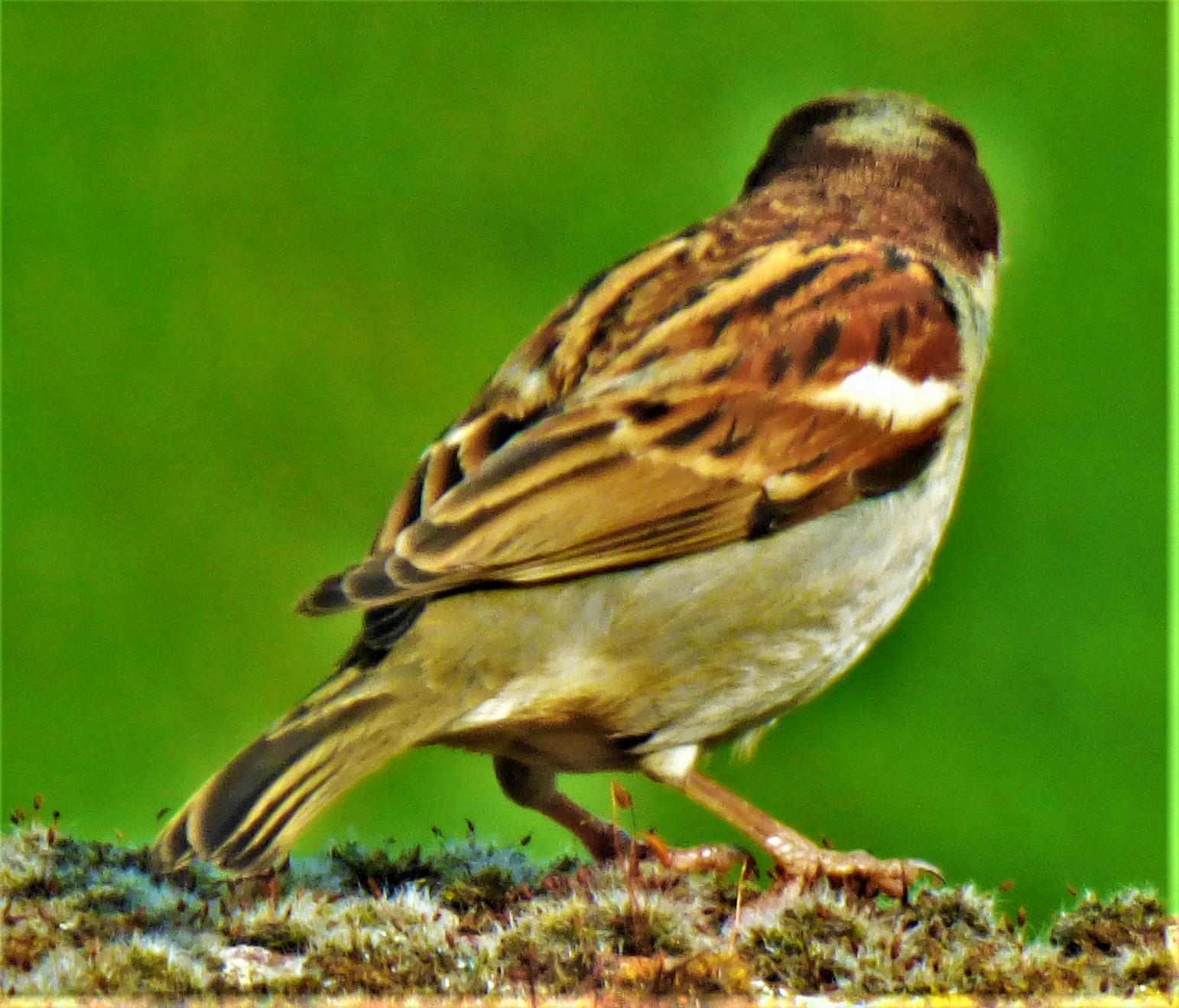
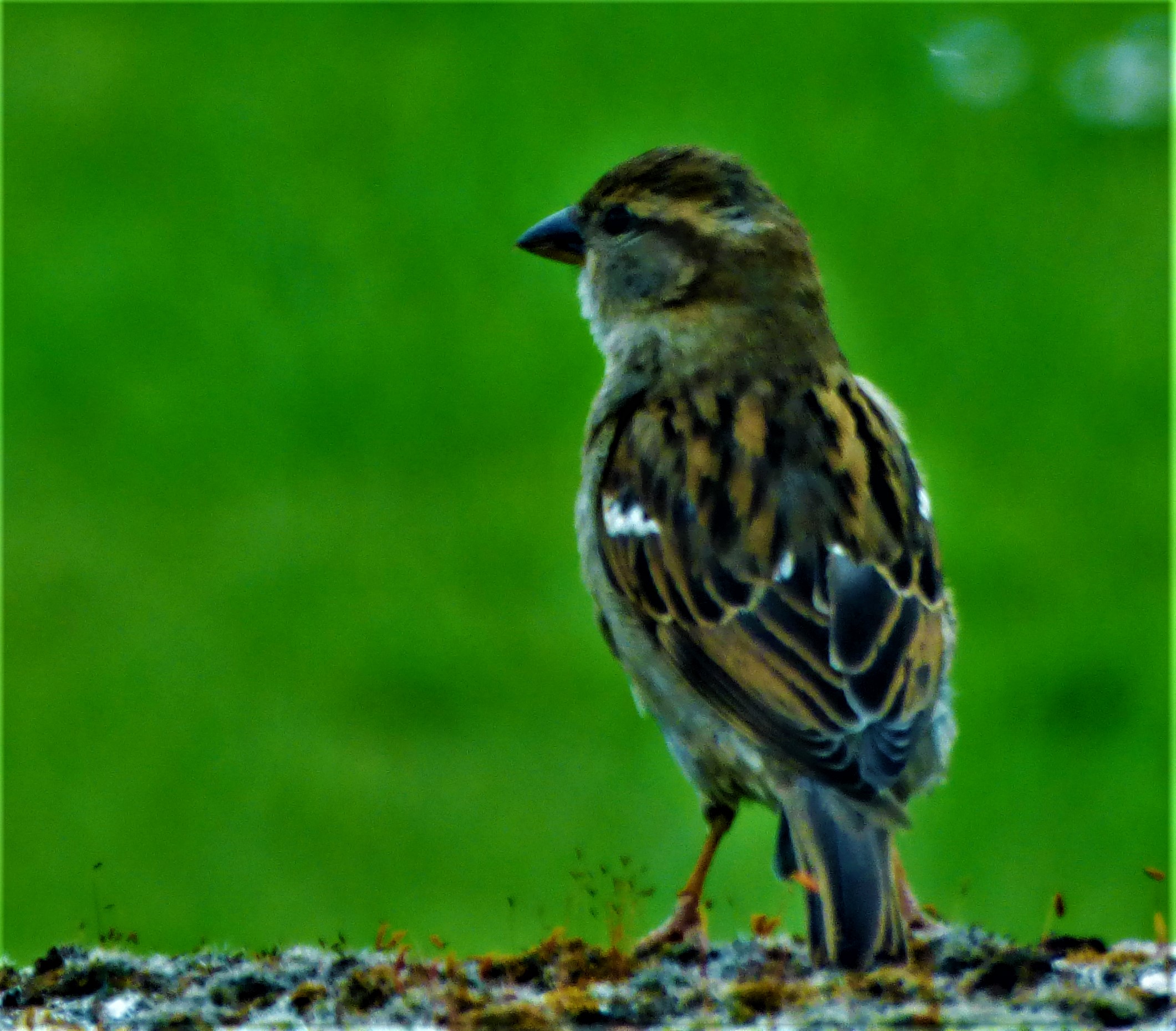
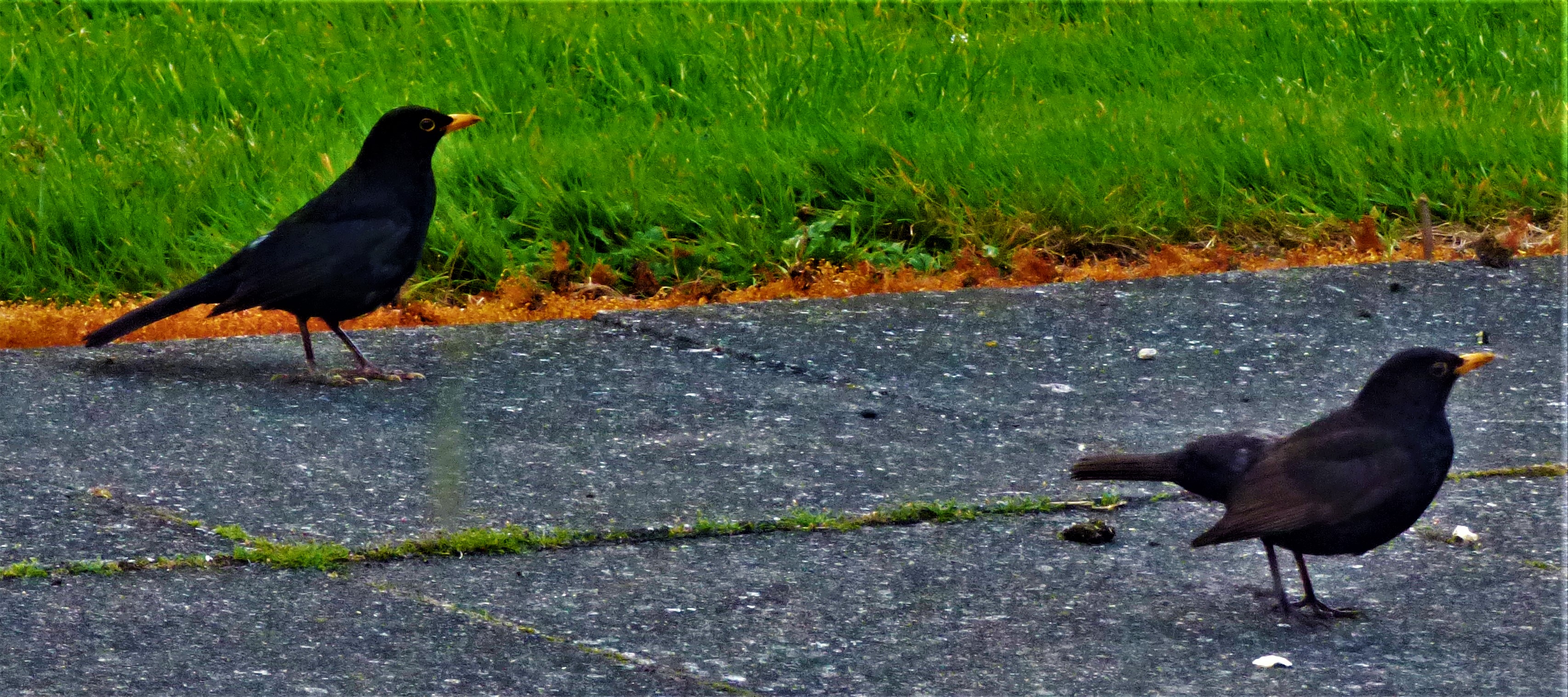
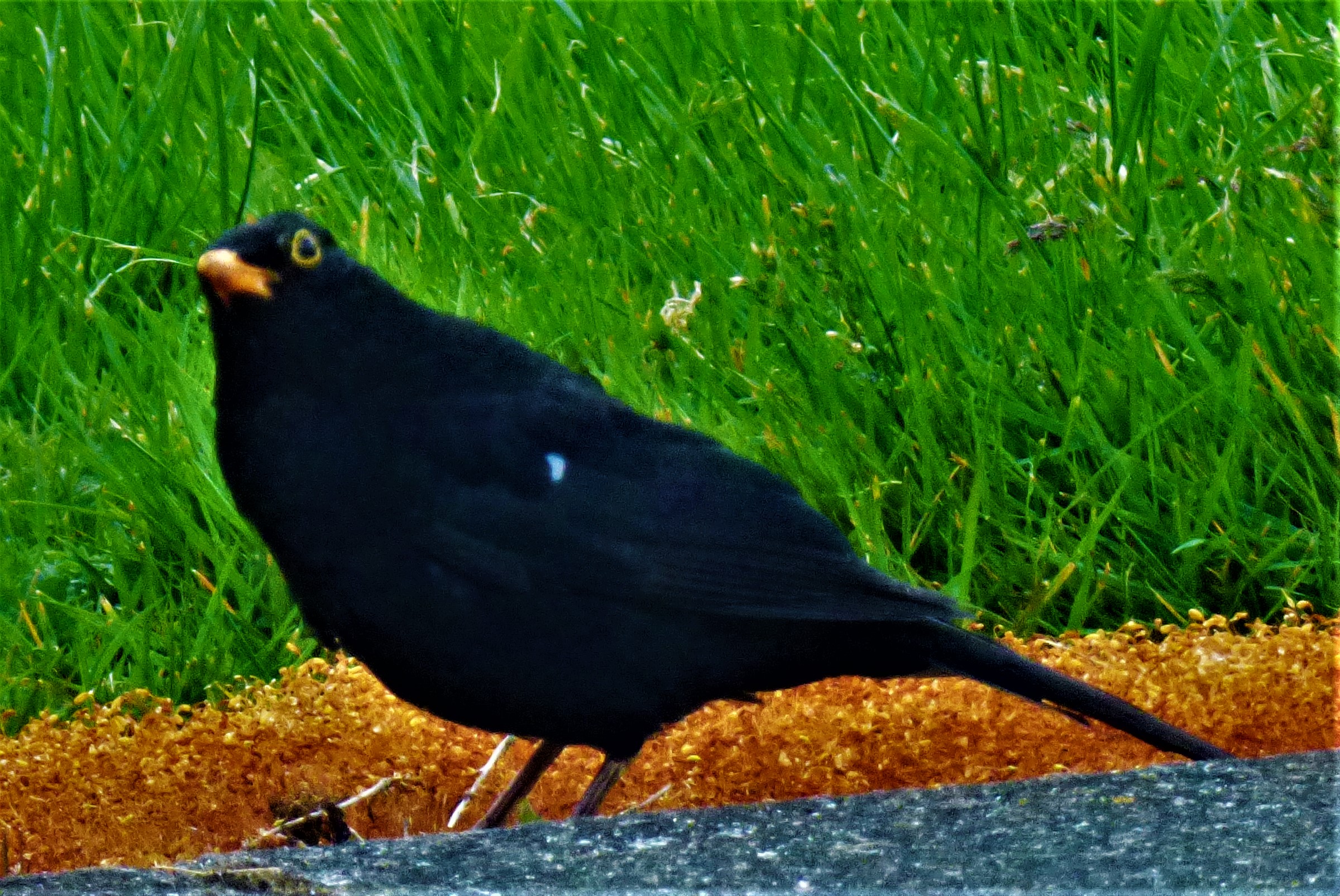
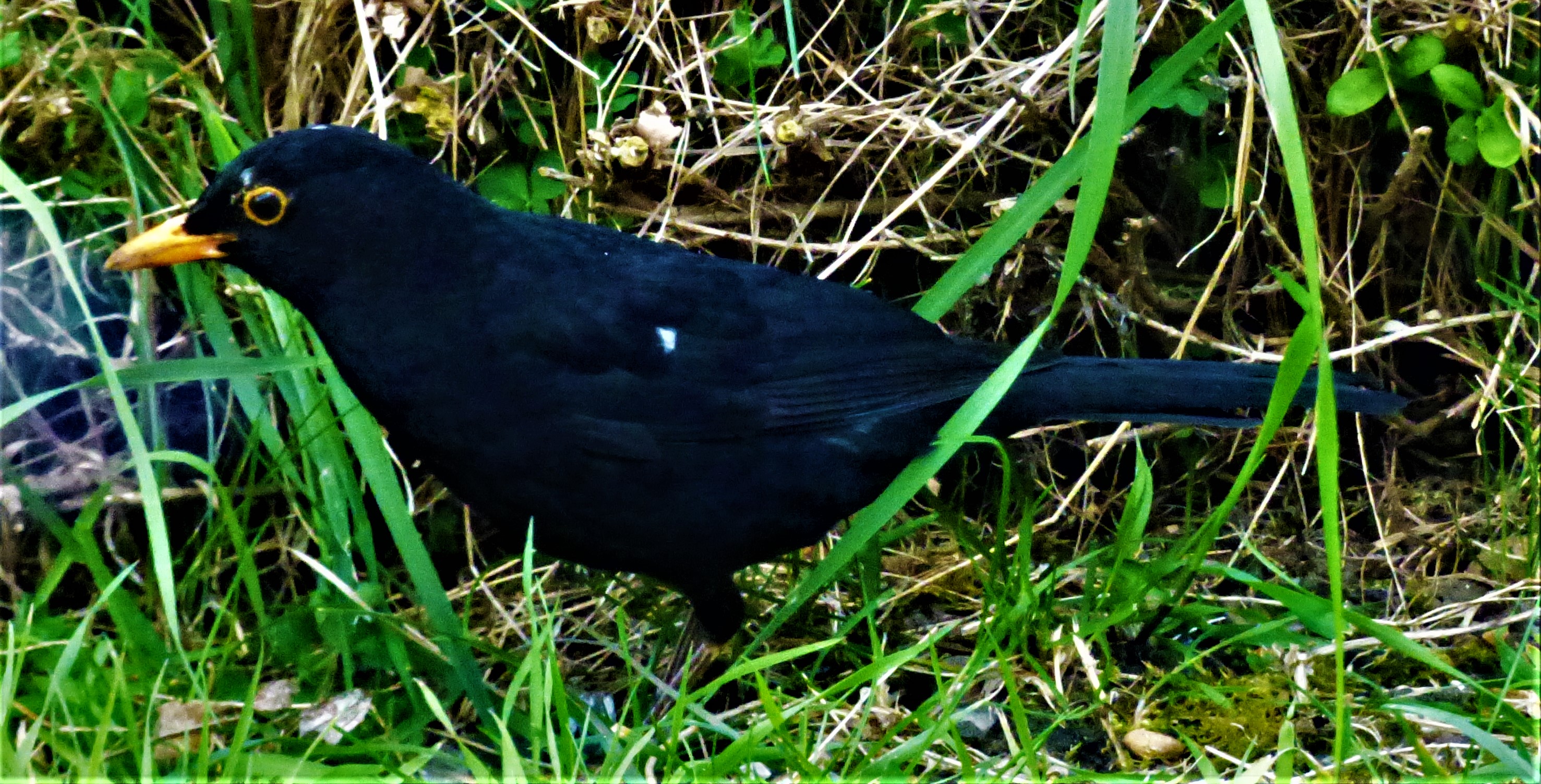
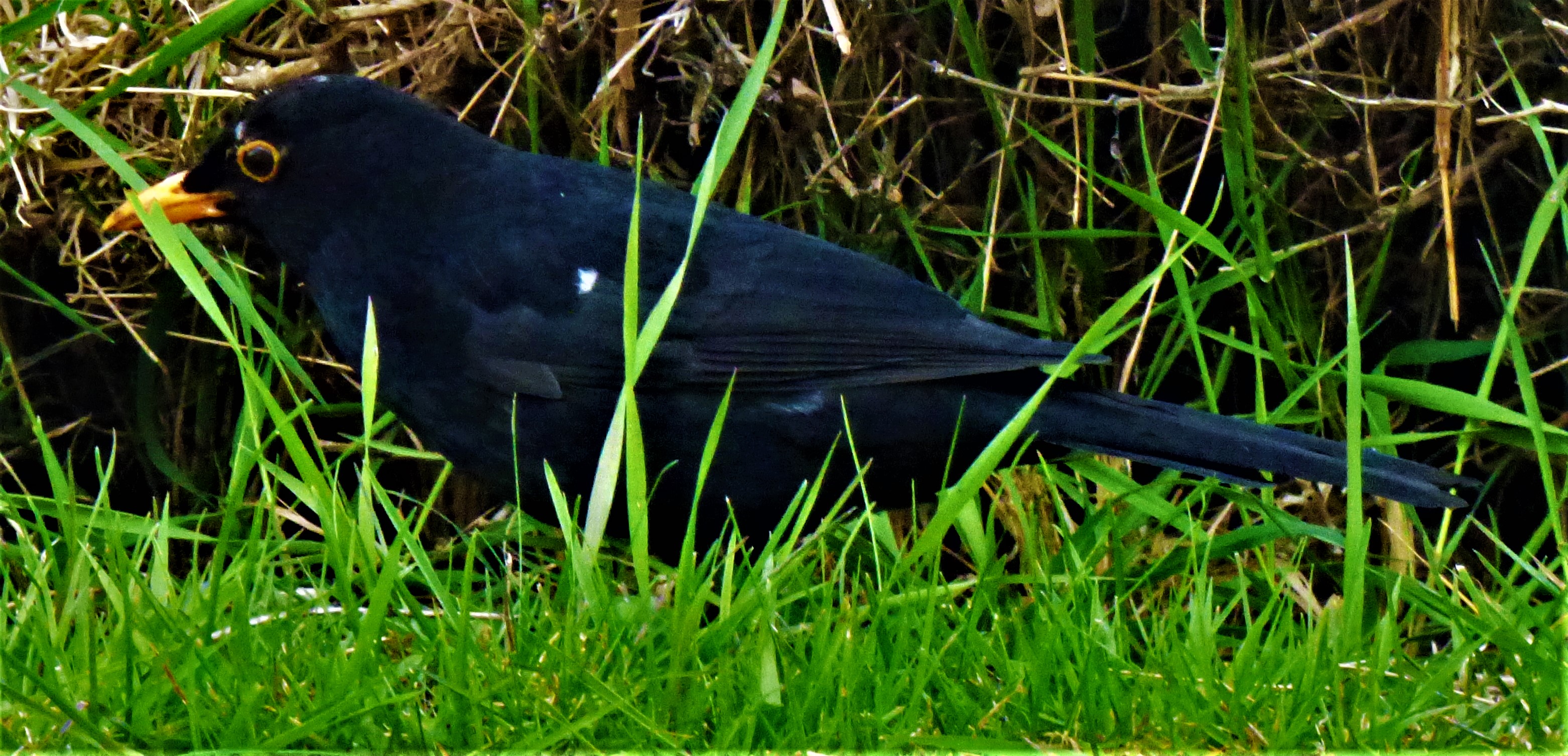
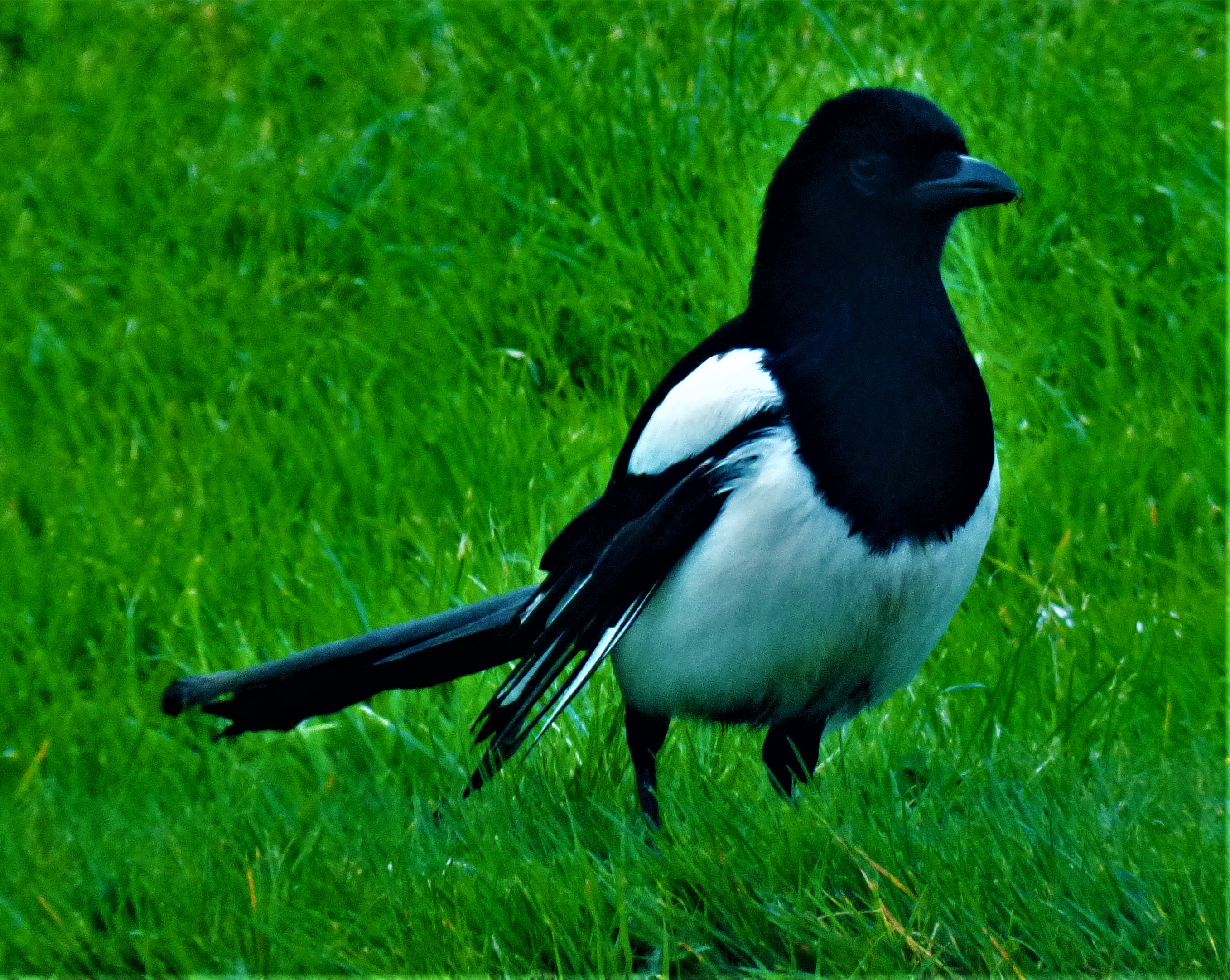
PHOTOGRAPHS

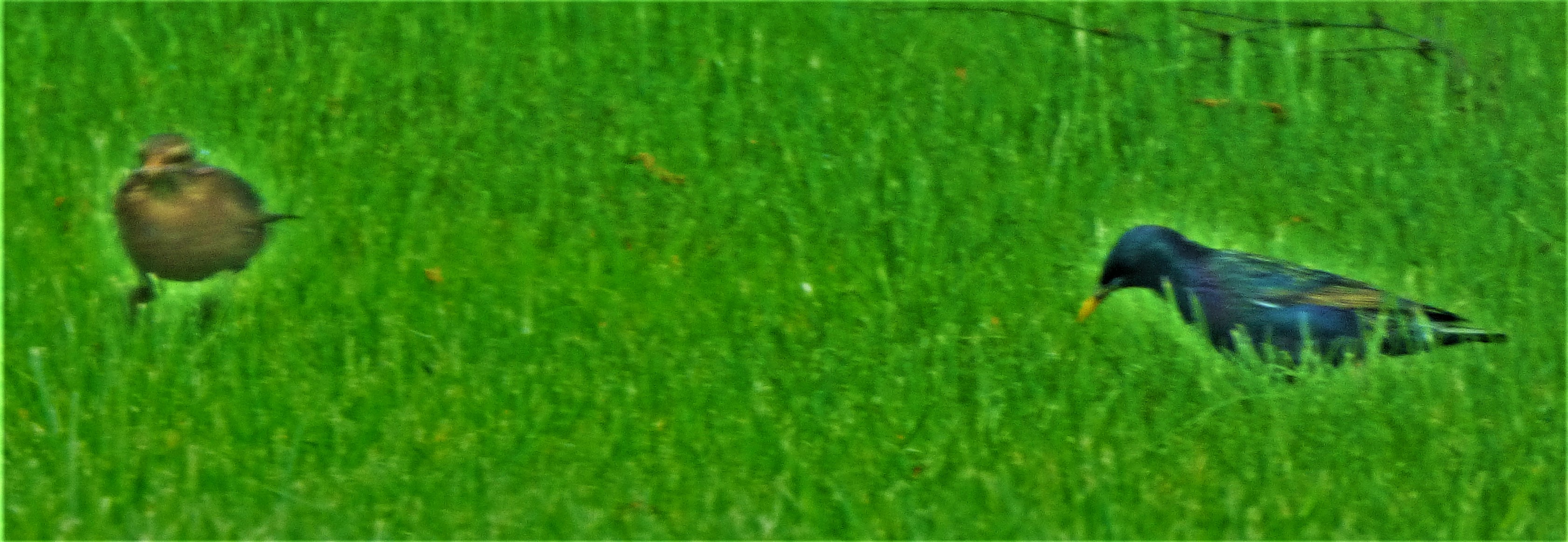
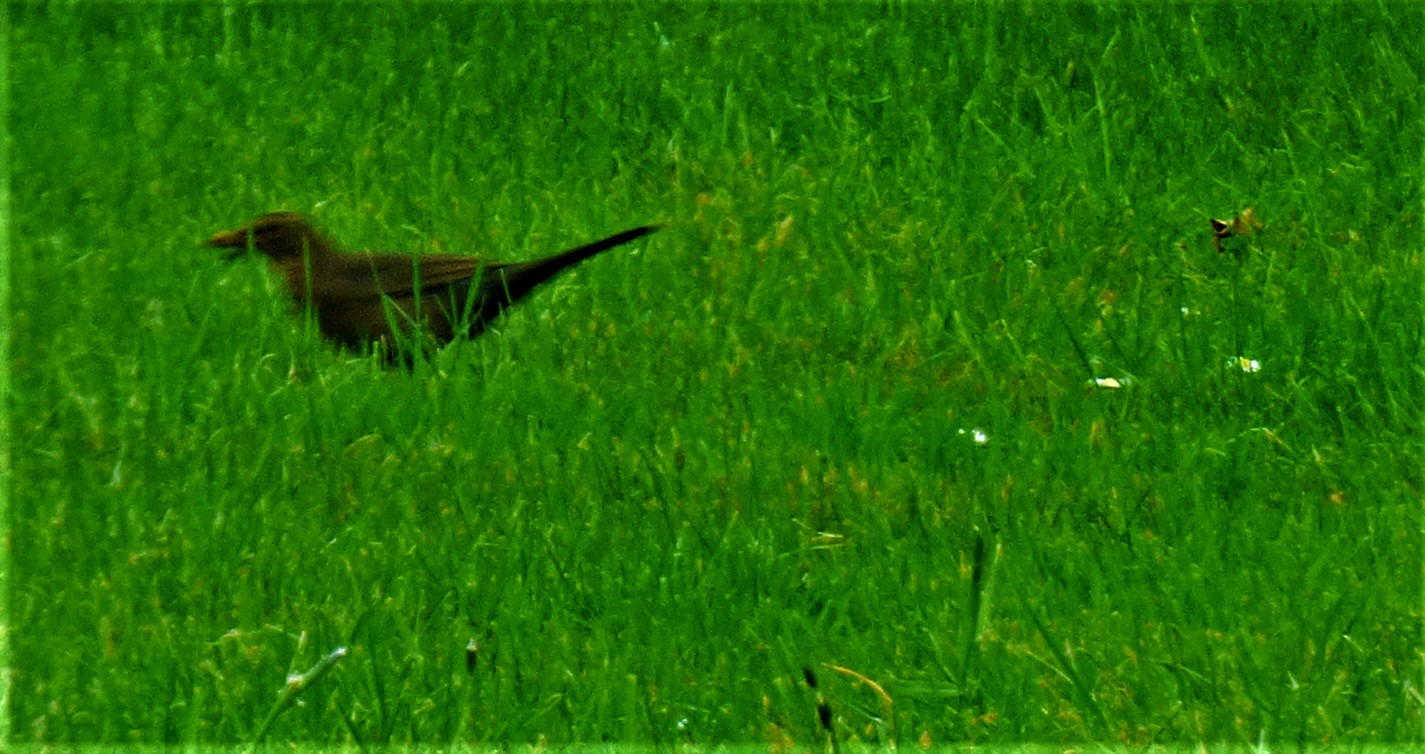
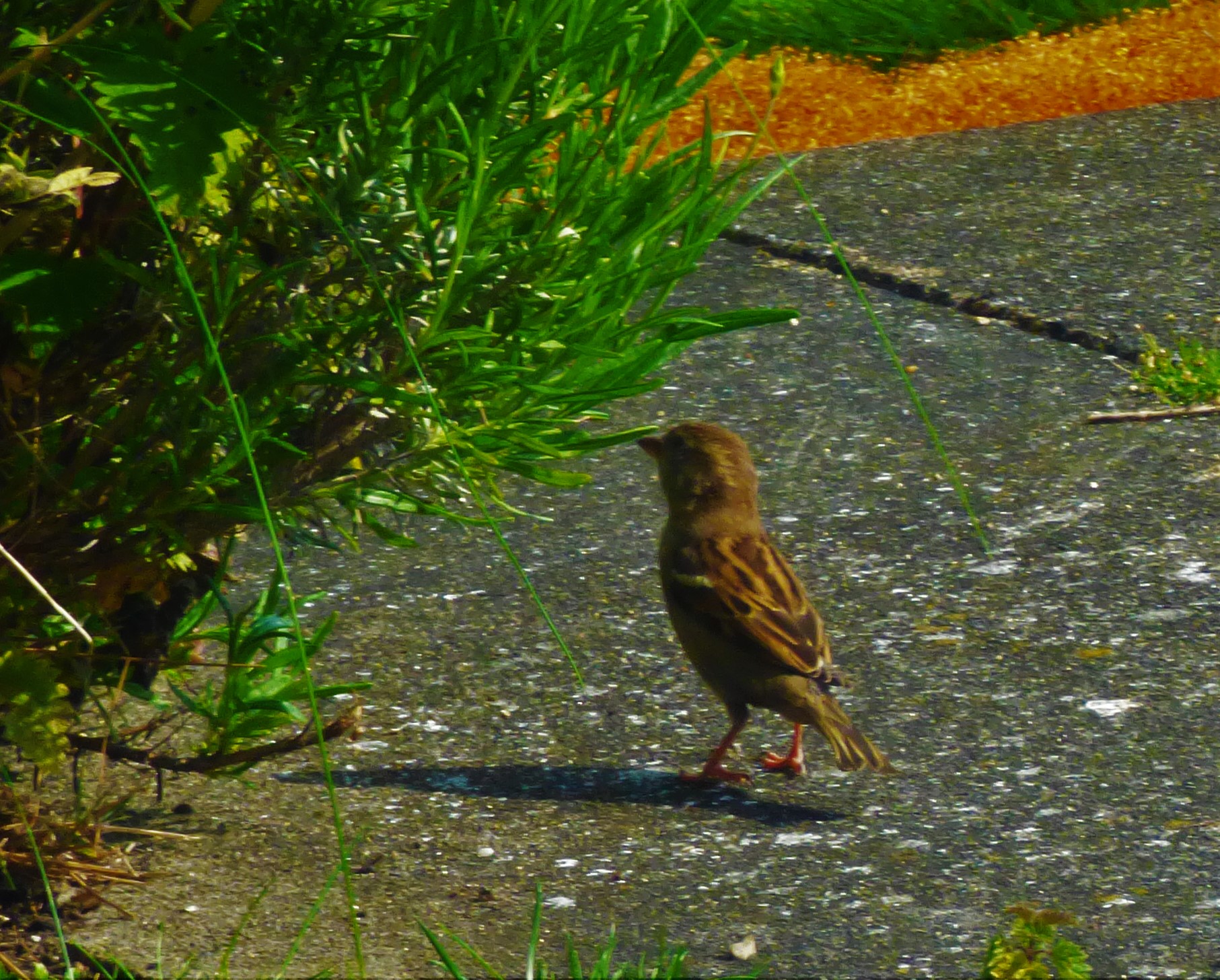
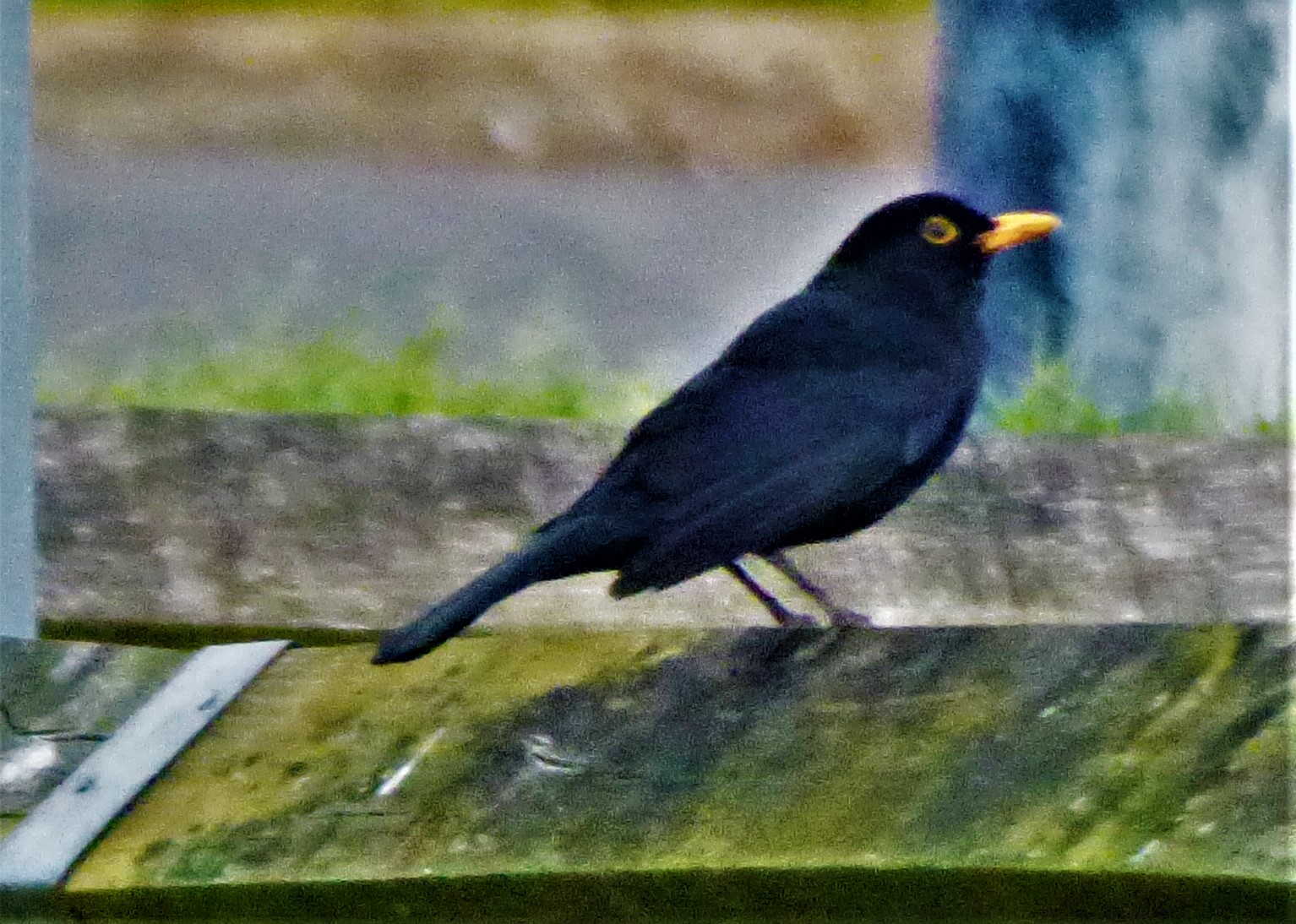
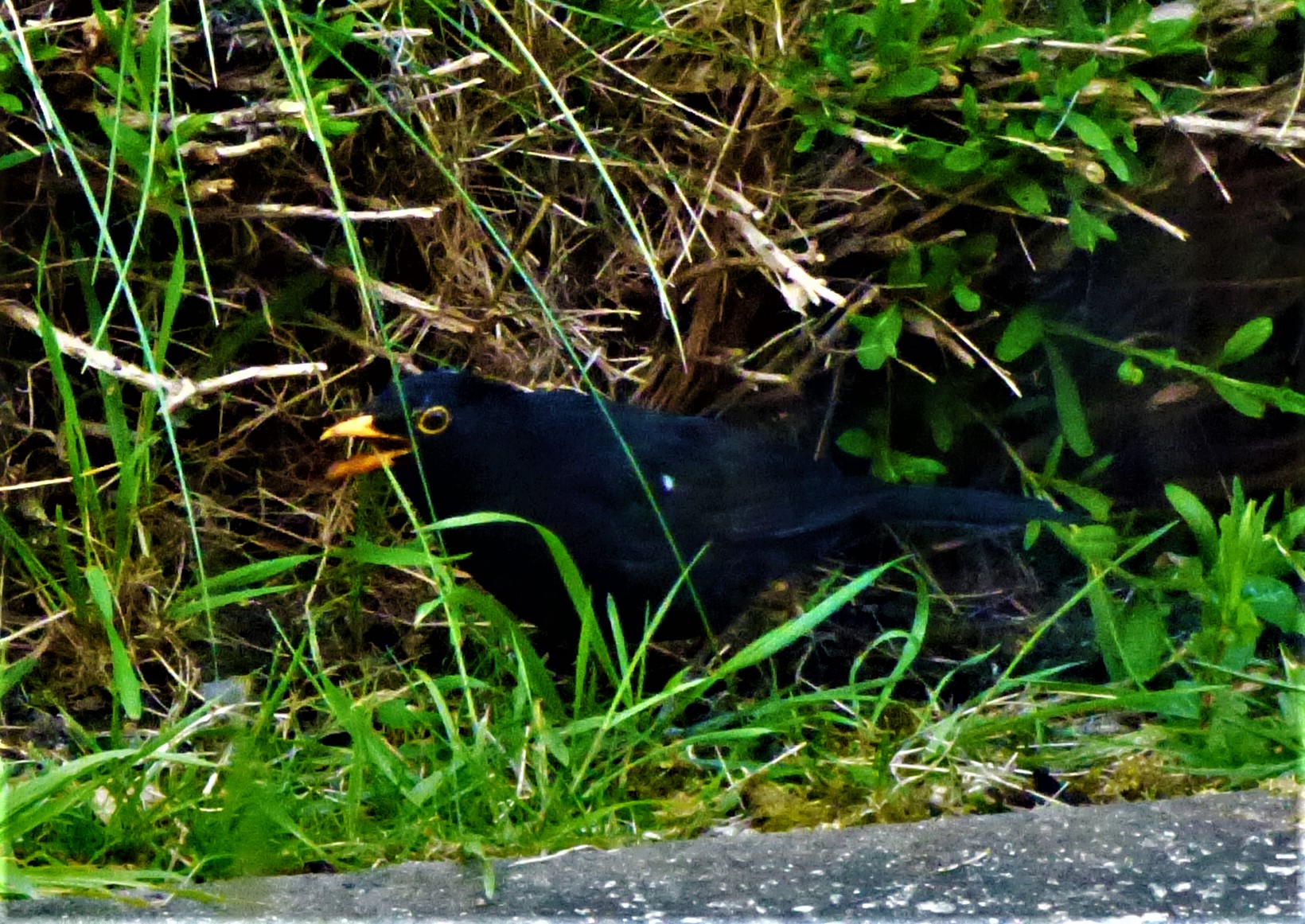
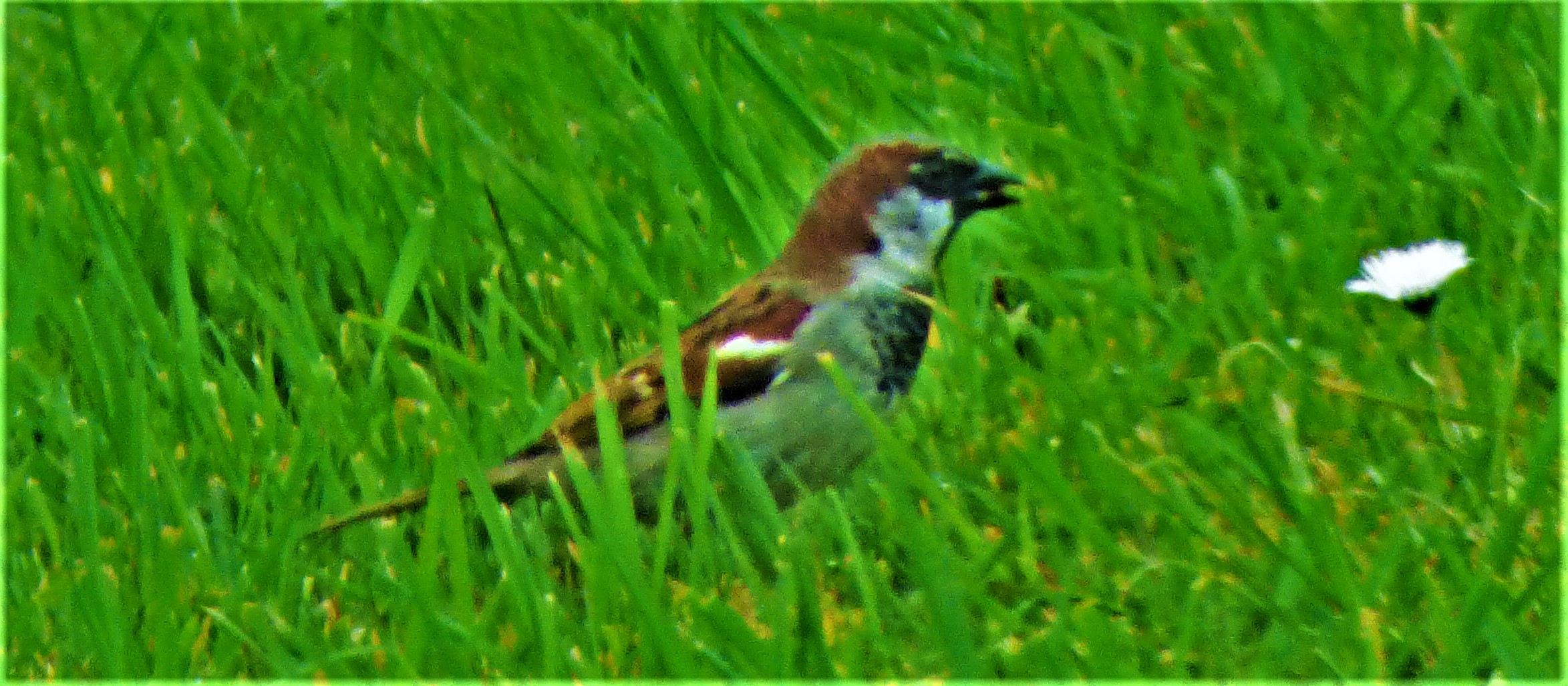
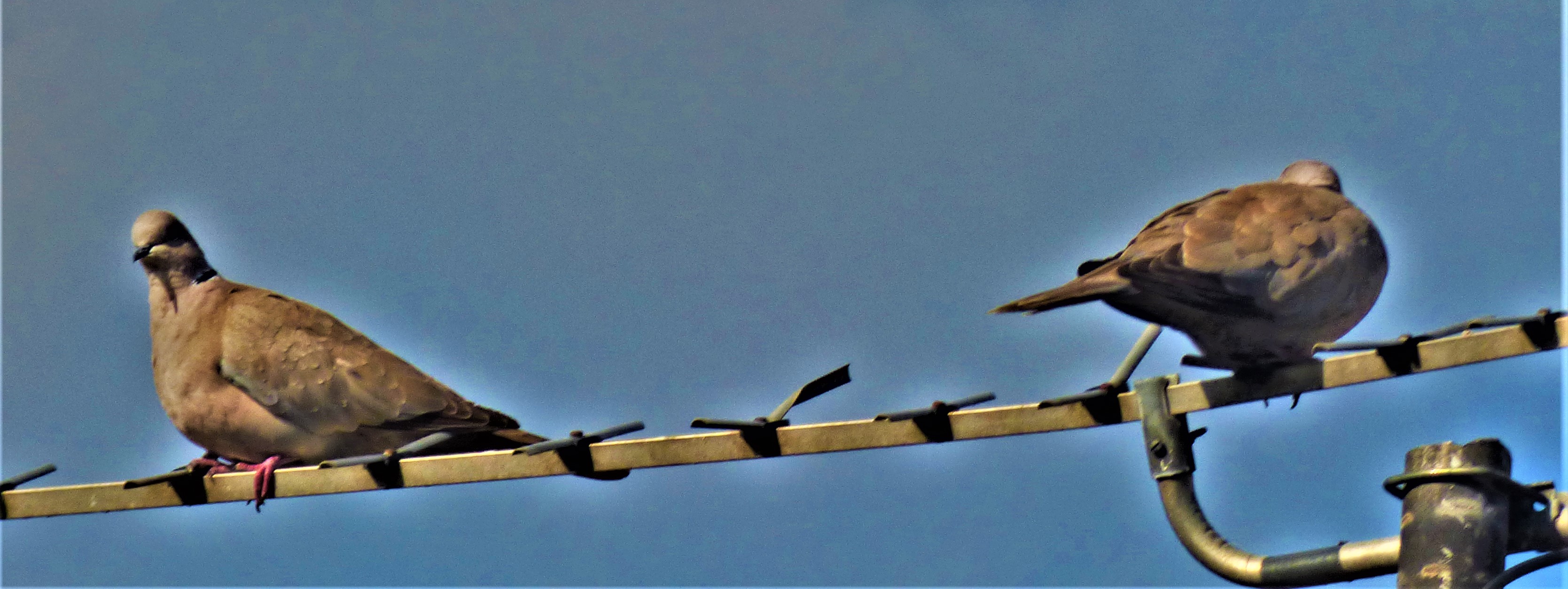
The weather here continues to be dull and grey, but I do have a photo gallery to share…

All Time XIs: No Surname v All Surname

My latest variation on an ‘all time XI’ cricket theme. Also features photographs. Read and enjoy!

INTRODUCTION

Welcome to today;s variation on the ‘All Time XI‘ theme. In this post a team who appear deficient in the surname department pit their wits against a team who seem to be all surname.

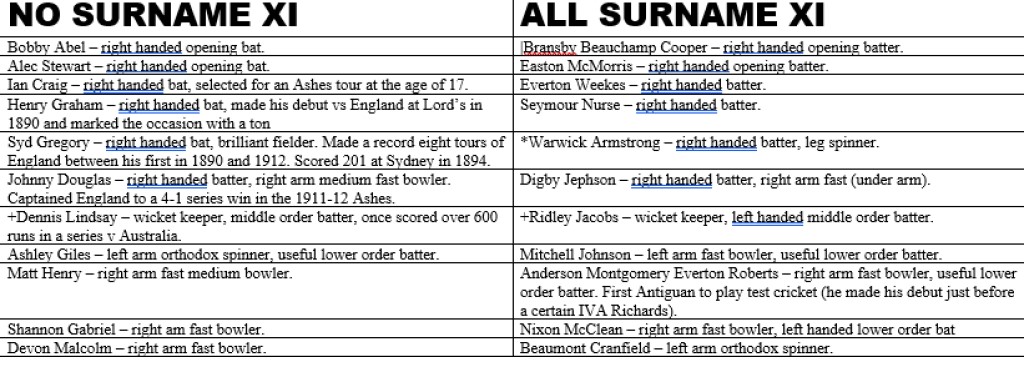
THE NO SURNAME XI

  1. Bobby Abel – right handed opening bat. We have met the Surrey man before in this series, playing for Davids v Goliaths among others. Abel as a given name of course goes all the way back to the beginning of the Bible. In my more recent times two fictional Abels are Abel Whittle who has a bit part in Thomas Hardy’s “The Mayor of Casterbridge” and Abel Fearon, villain in “Steps To The Gallows”, the second book in a series by Edward Marston that currently runs to four books.
  2. Alec Stewart – right handed opening batter. We met him in the very first post in this series, dedicated to Surrey. Stewart spelt that way does sometimes feature as a given name, even of Stuart is the more common version. A cricketing Stewart is the illustrious Stewart ‘Stewie’ Dempster, who we will be making the acquaintance of in tomorrow’s post.
  3. Ian Craig – right handed batter. The Aussie was a mere 17 years of age when selected for the 1953 Ashes tour. He never quite delivered at the very highest level, though at Old Trafford in 1956 he battled over four hours for 38 in the second Aussie innings.
  4. Harry Graham – right handed batter. He made his test debut at Lord’s in 1890 and marked the occasion with a ton. The next person to make their debut at Lords with a ton was John Hampshire v West Indies in 1969.
  5. Syd Gregory – right handed batter, excellent fielder. Between his debut in 1890 and has retirement in 1912 Gregory made a record eight tours of England. His finest batting hour came at Sydney in 1894 when he scored 201, helping Australia to a score of 586. Australia ended up losing that one by 10 runs however. In the 1902 match at Old Trafford, which his side won by three runs he took a crucial catch in the England second innings to account for Stanley Jackson.
  6. *Johnny Douglas – right handed batter, right arm medium fast. Douglas took over from Pelham Warner, rendered hors de combat by illness as captain of the 1911-2 Ashes side and guided them, with some important assistance from the sick Warner, to a 4-1 series triumph. 21 years later under the captaincy of a man with the given name Douglas, Mr Jardine, England would duplicate that 4-1 winning margin in Australia.
  7. +Dennis Lindsay – wicket keeper, middle order batter. The stumper once scored over 600 runs in a series versus Australia, in which he also effected over 20 dismissals.
  8. Ashley Giles – left arm orthodox spinner, useful right handed lower order batter. Before the 2005 Ashes series began Terry Alderman stated that “if any Aussie batter gets out to Giles they should go hang themselves.” By the end of that series Giles had accounted for each of the top eight in the Aussie order at least once and intervened twice crucially with the bat. At Trent Bridge he kept his nerve in a very tense finish to put England one up with one to play, and then at The Oval he played a crucial support role while Pietersen was destroying the Aussie bowlers, holding up his end for over two hours and amassing 59 runs of his own. This meant the Australia needed 342 from 18 overs when the England innings ended, an impossible chase even had the weather not intervened one last time (of course given the difference between losing and drawing the series Australia would but for the weather have been obliged to throw everything at attempting this crazy run chase, the draw being valueless to them, and 1-3 very little worse than 1-2).
  9. Shannon Gabriel – right arm fast bowler. The West Indian, part of a cricketing revival in that part of the world after a dreadful period in the early 2000s, is the heir to a great fast bowling tradition. For those who feel that he properly belongs in the other XI, most of the names that come up when I search cricinfo using the name Shannon are of players with forename Shannon, and I also give you current US politician Shannon Bearman. Gabriel is well documented as a given name, going back to the archangel, but I offer you as further examples composer Gabriel Faure and one of the principal characters in Thomas Hardy’s “Far From The Madding Crowd”, Gabriel Oak.
  10. Matt Henry – right arm fast medium bowler. The Kiwis have produced a lot of purveyors of pace/ seam and/or swing over the years (contrary to what some may think, New Zealand is actually an even cloudier country than England, so there is even more natural encouragement for that kind of bowling), and Henry is part of the current crop along with such luminaries as Lockie Ferguson, Trent ‘the conductor’ Boult and Tim Southee (Neil ‘the composer’ Wagner does not wholly count, since although a Kiwi he is actually a product of South Africa).
  11. Devon Malcolm – right arm fast, genuine no11. In the immortal words of then England chairman of selectors Ted Dexter “Who could forget Malcolm Devon?”.

This then is the ‘no surnames’ XI, with a solid top five, an all rounder, a keeper who can certainly bat, and four specialist bowlers. It is short in the spin department, with only Giles as a front line option there, but it still looks a decent side, especially given the actual selection criteria!

THE ALL SURNAME XI

  1. Bransby Beauchamp Cooper – right handed opening bat, born in what is now Bangladesh but was then part of India, raised in England and played his two test matches, the first two ever contested, for Australia. He and WG Grace playing for the Gentlemen against the Players shared a then first class record opening stand of 283, Cooper 101, Grace 180.
  2. Easton McMorris – right handed opening bat. He churned out runs in domestic cricket in the Caribbean, but his test returns were disappointing.
  3. Everton Weekes – right handed batter, lends some much needed class to this side. Everton is not a hugely common surname, but some of my readers may remember snooker commentator Clive Everton, and additionally Weekes’ middle name of De Courcy is the surname of a former Australian batter James De Courcy, who toured England in the 1950s.
  4. Seymour Nurse – right handed batter with a fine record.
  5. *Warwick Armstrong – right handed batter, leg spinner. Although George Giffen, whose playing days overlapped with those of the Gloucestershire legend, was dubbed ‘The WG Grace of Australia’, this man was in many ways a better fit for that moniker. He once tallied 2,000 first class runs and took 100 first class wickets on a tour of England. He captained Australia to a 5-0 triumph in the 1920-1 Ashes, a scoreline not duplicated in Ashes series until 86 years later, when Ponting and company exacted a devastating revenge on England for 2005, and secured retention of the urn by guiding his team the victories in the first three matches of the 1921 series, before the final two games were both drawn. His eventful life can be read about in full in Gideon Haigh’s “The Big Ship”, a title derived from one of Armstrong’s nicknames. At the end of his career he weighed in at 22 stone. I am aware that Warwick is a recognized forename, but I also give you singer Dionne Warwick as an example of it as a surname.
  6. Digby Jephson – right handed bat, right arm fast (under arm). Digby Loder Armroid Jephson to give him his extraordinary full name started the brief revival of under arm bowling in first class cricket that was taken into the test arena by George Simpson-Hayward. Again, Digby is not entirely unknown as a given name, but I can also point to Fraser Digby, former goalkeeper for Swindon Town FC and Andrew Wingfield-Digby, former captain of Dorset in mim. nor counties cricket and briefly chaplain to the England cricket team. Also of course there was the 17th century courtier Kenelm Digby who had a later cricketing namesake who played eight first class matches between 1855 and 1859.
  7. +Ridley Jacobs – wicket keeper, left handed middle order batter. Many years ago there was a government minister named Nicholas Ridley, while in a cricket context Arthur Ridley played in the 1870 Varsity Match (‘Cobden’s Match’) and also played for the MCC in the 1878 match against the Australians that was done and dusted in a day.
  8. Mitchell Johnson – left arm fast bowler, left handed lower order bat. We met him when I turned the spotlight on Australia. This is a player who can form an intermediary in cricket linkages – Yorkshire player and later coach Arthur Mitchell, or commentator Alison Mitchell being obvious starts and West Indian opening batter Johnson Charles being the next link.
  9. Anderson Montgomery Everton Roberts – right arm fast bowler, right handed lower order batter. The first Antiguan to play test cricket, being selected just before Viv Richards gained the honour, and the original leader of the four pronged pace assault that propelled the West Indies to the top of the cricket world.
  10. Nixon MccLeanright arm fast bowler, left handed lower order batter.
  11. Beaumont Cranfield – left arm orthodox spinner for Somerset. 137 matches yielded him 621 wickets at 23.98. Of course Beaumont is very well documented surname, the most obvious cricketing example belonging at the other end of the batting order – Tammy of that ilk.

The all surname team has a solid top six, two of whom are genuine all rounders, a keepr who can bat and four bowlers. Johnson, Roberts, MacLean, Cranfield, Armstrong and Jephson is an attack should not struggle to take 20 wickets.

THE CONTEST

Notwithstanding the question marks over both openers for the ‘All Surname’ XI I still reckon they have a clear edge – their bowling attack looks much the stronger and has greater variety. On a turning pitch Giles on his own would not be a match for Cranfield and Armstrong, while if the pitch offers pace bowlers assistance Johnson, Roberts, MacLean and Jephson clearly offer more than Malcolm, Gabriel, Henry and Douglas. I am not going to take my prediction from the ‘Pidge’ McGrath handbook, but I would confidently predict that the ‘All Surname XI’ would win a five match series 4-1.

A BRIEF NOTE ABOUT THE
COMPOSITION OF THESE ELEVENS

I compose these XIs mentally, jotting them down in a notebook preparatory to then creating the tables with abbreviated comments that I use to advertise the contents of the teams and ultimately typing up the blog posts. I use cricinfo to find out details about players, but not in general as a selection tool – sometimes if I am a player or maximum two players short of a full XI I will do a bit of hunting, but most of the players I select are players I have across in my thirty-odd years of being a cricket fan and reading about the game – no game has a greater wealth of literature than cricket. I am already prepped in terms of selections for further posts up to and including Wednesday, plus a post which for reasons I will reveal on that day has to appear a week today.

THE FINISHING LINE

The pinchhitter has reached 300 not out – yes, today’s offering in which I get yet another mention, is the 300th post that blog has produced. A little etymological note: the term pinch hitter originated in baseball, where it referred to sending in a batter who adept at getting on base in preference to a regular batter who may be less reliable, it was pressed into cricket service in the 1990s to refer to batters who did not regularly open in long form cricket but were asked to do so in one day cricket in an effort to get their teams off to a fast start. The first successes with this method were Ian Botham and Mark Greatbatch, deployed in this manner by their countries in the 1992 World Cup, but it was four years later, when Kaluwitherana of Sri Lanka, Mark Waugh of Australia, Sachin Tendulkar of India and various others were used in the same fashion that the term became popular. Certain teams overdid it by using lower order batters rather than actual recognized batters (Zimbabwe tried it with Paul Strang, England with Neil Smith as opposed to Robin ‘Judge’ Smith who they should have used and there were probably others. And now it is time for my usual sign off…
P1320388 (2)P1320391 (2)P1320393 (2)P1320394 (2)P1320396 (2)P1320397 (2)P1320398 (2)P1320399 (2)P1320400 (2)P1320401 (2)P1320402 (2)P1320405 (2)P1320406 (2)P1320407 (2)P1320408 (2)P1320409 (2)P1320410 (2)P1320411 (2)P1320412 (2)P1320413 (2)P1320415 (2)P1320416 (2)P1320417 (2)

P1320418 (2)
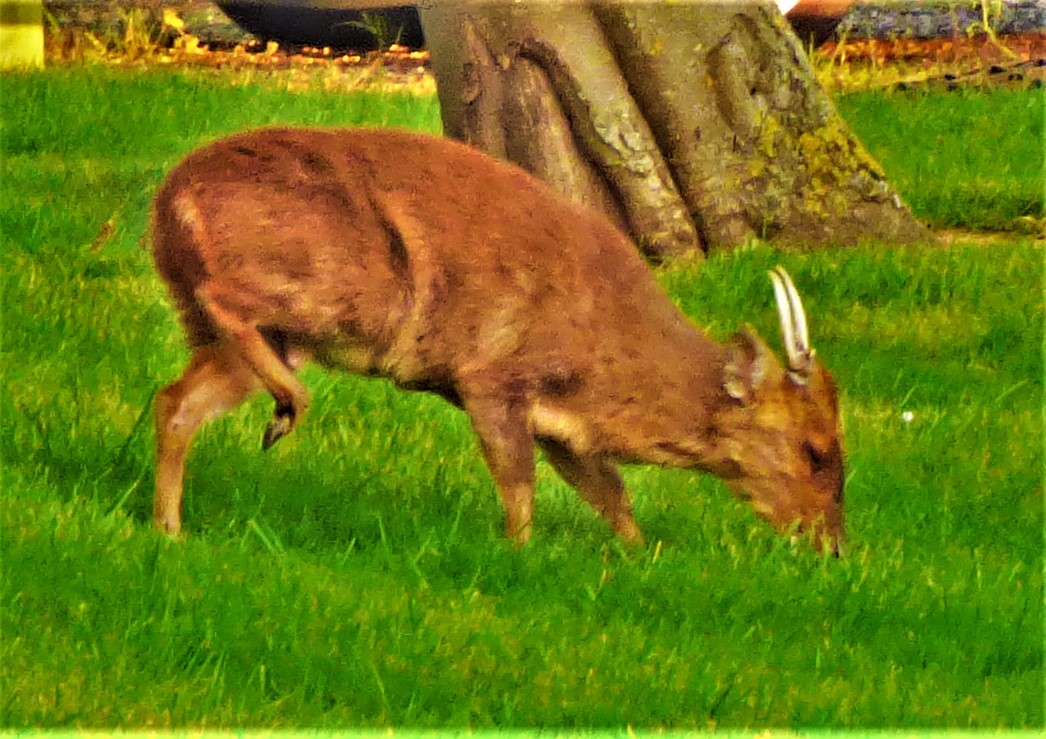
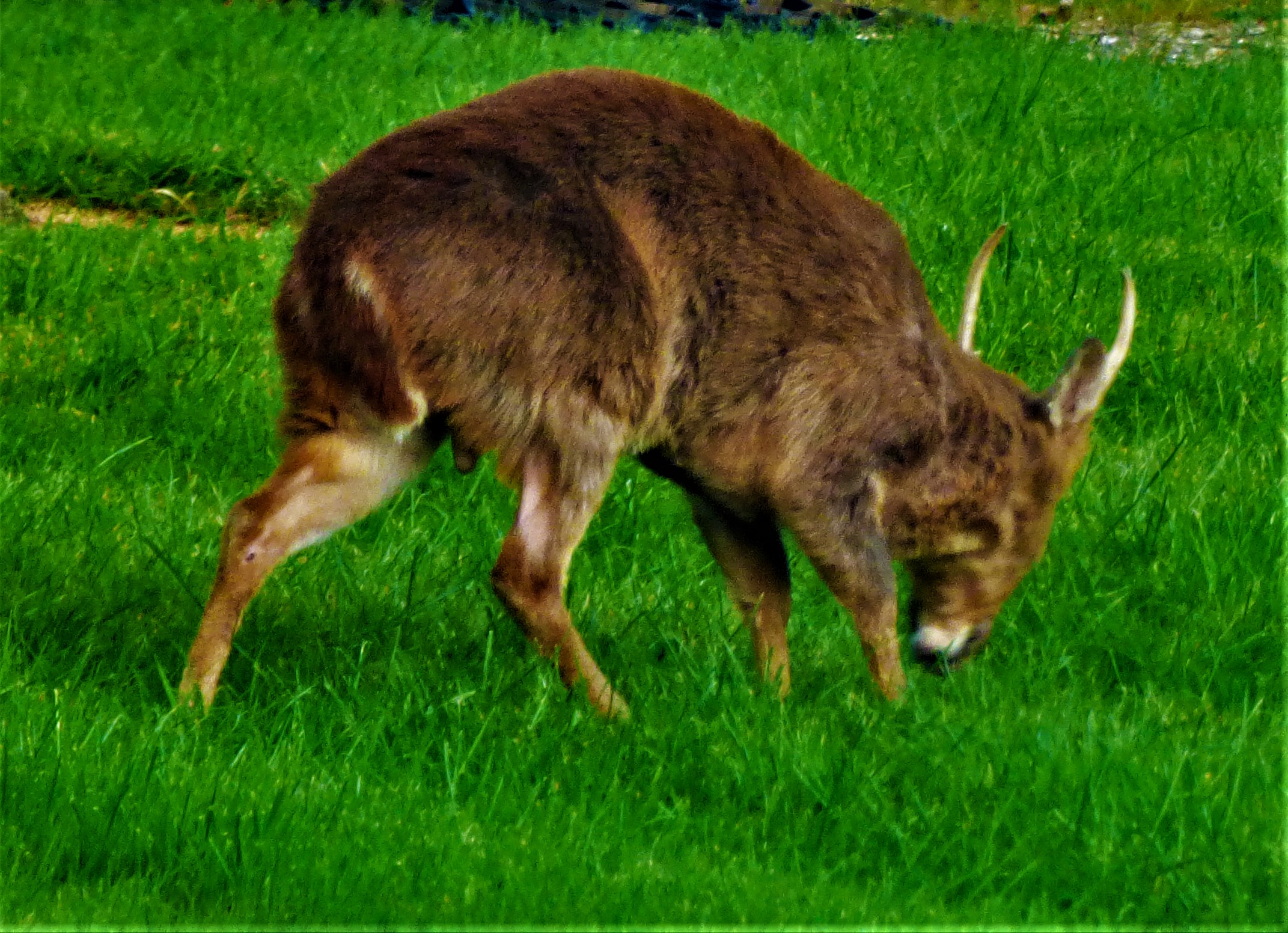
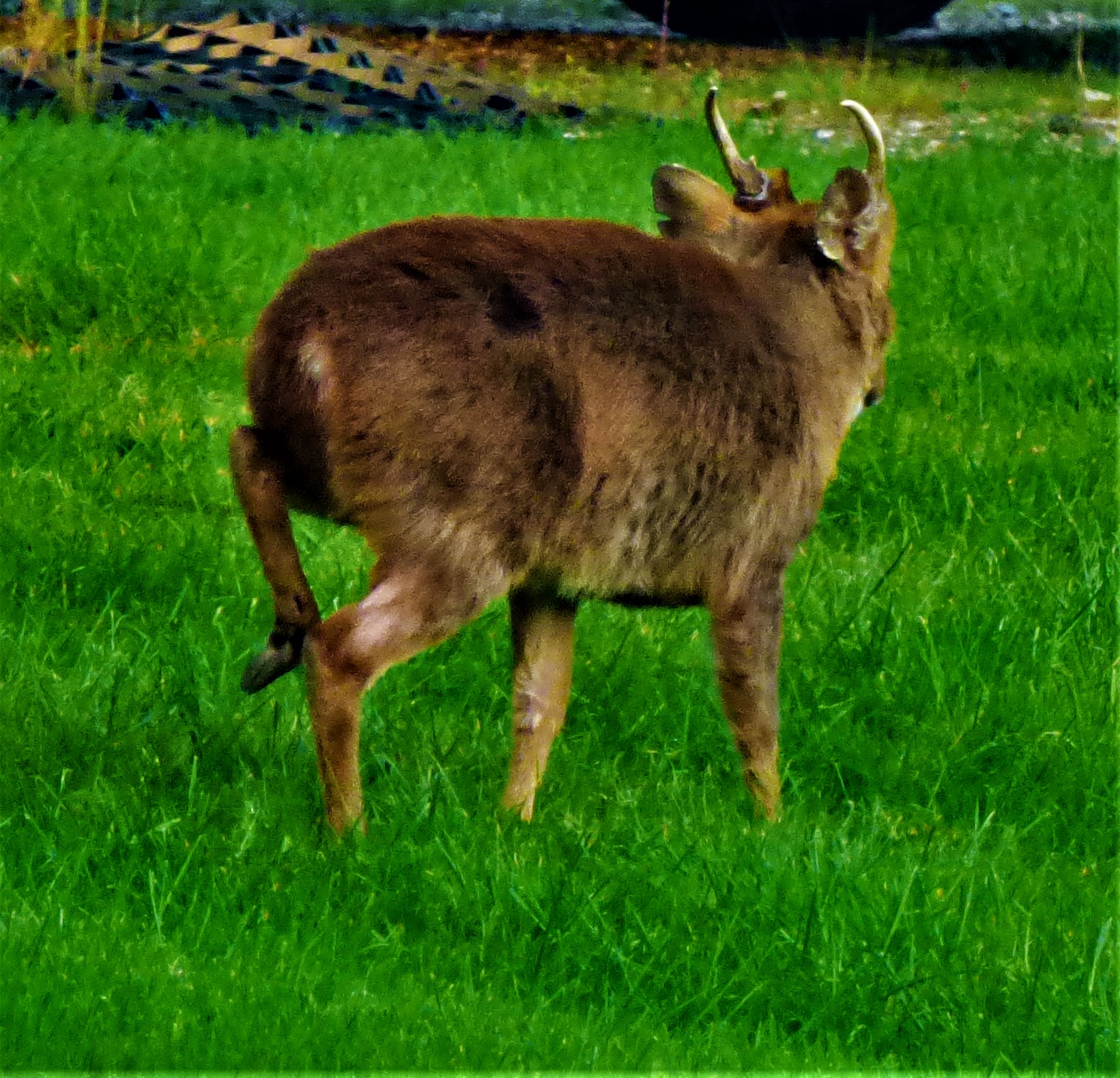
This muntjace put in an appearance last night – more pics in tomorrows post, as I had a surplus.

P1320419 (2)P1320420 (2)P1320421 (2)P1320422 (2)P1320423 (2)P1320424 (2)P1320426 (2)P1320448 (2)No Surname v All Surname