
Rain Reduces Afghanistan Qualification Hopes

A look at developments in the Champions Trophy, and at the battle for qualification between Afghanistan and South Africa (Australia are through after today, and England were confirmed as out two days ago). Also a photo gallery.

Yesterday’s match between Pakistan and Bangladesh at the Champions Trophy was washed out without a ball bowled, meaning the only team in the tournament without a point are now England. Today saw Afghanistan and Australia face off in Lahore in a match that would see the winners progress and the losers eliminated, unless rain struck again…

Afghanistan were saved from disaster by two contrasting innings. Sediqullah Atal held the early part of the innings together with a solid 85 (95), before Azmatullah Omarzai produced another impressive performance, scoring 67 off 63 balls. Afghanistan were all out off the last ball of their innings, for 273. Ben Dwarshuis with 3-47 from nine overs was Australia’s top wicket taker, while Spencer Johnson with 2-49 from his full 10 was the economical. Rashid Khan would have noted rival leg spinner Adam Zampa finishing with 2-48 from eight overs.

Australia started like a bullet from a gun, helped by some poor bowling and worse fielding from Afghanistan (three ‘dolly’ catches went begging). However, with Australia 109-1 after just 12.5 overs, Head 59* (40), Smith 19* (22), the heavens opened in almost Noachian fashion. The field at the Qaddafi Stadium soon resembled a lake, and although the rain eventually stopped, the ground remained sodden. There was an inspection at 8:45PM local time (3:45PM UK time), but that was merely to officially confirm that there was no way the game could resume on time even for the 7.1 overs that Afghanistan would have had to bowl for there to be an official result to happen. This means that Australia have four points and are qualified, Afghanistan have three points and need England to absolutely thrash South Africa in the sole remaining fixture in this group for the Proteas net run rate to drop below theirs (if England bat first and the game is a full 50 over per side affair England would need to win by 207 runs or more for Afghanistan to qualify, while if South Africa bat first then effectively Afghanistan’s fate is sealed, since the least unrealistic scenario involving an England chase is if South Africa are all out for 125, when England would then need to knock the runs off in 12 overs or less to get Afghanistan through. This match has been confirmed in the course of today as Buttler’s last as England white ball skipper (officially he has resigned the role, which I suspect means he just beat England management to the punch – there was no way after a third straight elimination at the first stage of a tournament that has captaincy remained tenable). The likely semi-finalists at this tournament are, in alphabetical order: Australia, India, New Zealand and South Africa. As to who England’s new white ball captain will be (or if that will remain the split – India have Rohit Sharma captaining the test and ODI teams and Suryakumar Yadav captaining the T20 side, reflective of the fact that actually for all that the latter two are played with the same colour ball the difference between ODIs and T20s is much greater than that between tests and ODIs) I am unsure. The conventional choice would be Harry Brook, but it has been known for sides in real trouble, as England are now, to opt to really draw a line under the past by bringing in a brand new captain from outside the squad.

My usual sign off…

England’s Champions Trophy Hopes Hang by a Thread

England are currently playing Afghanistan in a match in which the defeated side definitely goes out of the tournament. Each side will have one match left. If England win they will then need to beat South Africa to qualify, while if Afghanistan emerge victorious they will need to beat Australia to qualify. In the event of the winner of today’s match losing their final game Australia and South Africa (whose match yesterday was rained out without a ball being bowled) would both qualify. This post looks at developments in today’s match so far.

Afghanistan won the toss and chose to bat first. The injured Brydon Carse was replaced in the England line up by Jamie Overton. The match started well for England, with Afghanistan being 39-3 at one point. However, a combination of an injury to Mark Wood, Jos Buttler’s stubborn refusal to recognize until far too late that Wood couldn’t bowl his full allocation, the questionable balance of the England line up, reliant as it is on Livingstone and Root to bowl the fifth allocation of ten overs, and a magnificent innings by Ibrahim Zadran created a dramatic turnaround in events. Zadran had three principal assistants from his own side in addition to Wood’s injury and Buttler’s bad captaincy. The revival began with Zadran and Hashmatullah Shahidi putting on 103 for the fourth wicket in 19.4 overs, the latter contributing a solid 40. Revival began to become genuine counter attack with the next partnership, with Azmatullah Omarzai which yielded 72 in 10.3 overs, Omarzai scoring 41 off 31 balls. Then came the truly explosive partnership, 40 year old Mohammad Nabi exactly matching his age years in runs off his own bat, from just 24 balls, while Zadran now utterly dominant turned what was already a very high class innings into one of unquestioned greatness. His previous best ODI score was 162, and he passed both that and Ben Duckett’s Champions Trophy record set just a few days ago of 165 with a single blow that took him from 160 to 166. By the time he fell, in the final over of the innings, bowled due to a combination of the injury and Buttler’s mismanagement of his bowlers by Liam Livingstone, he had scored 177 off 146 balls with 12 fours and six sixes the score had reached 323, the sixth wicket stand worth 111 in 9.1 overs, which included 20 off one Archer over and 23 in the 47th over of the innings, bowled by Root, who when Wood’s departure from the field finally forced Buttler to extend the allocation he gave his fifth bowler duo. During the middle overs Livingstone and Root had bowled a combined 10-0-50-0, but neither are remotely suited to bowling at the death, and the danger of Wood not being able to bowl his full ten overs was blatantly apparent from quite early in the innings. A couple of balls after Zadran’s dismissal Nabi was also out to make to 324-7. A further single accrued to end the innings at 325-7. Livingstone, given the 50th over of the innings in desperation had final figures of 5-0-28-2, the sole England bowled to go at under a run a ball.

Salt went for 12 early on in the reply, bowled by Omarzai’s medium pace. Jamie Smith charged at Nabi’s first ball of the innings and was caught by Omarzai for 9 to make it 30-2. Duckett and Root put on 68 together before Rashid Khan trapped Duckett LBW for 38 to make it 98-3. Brook looked reasonable impressive, but got himself out with the job barely started, hitting one straight back to Omarzai for 25 off 21 balls. That was 133-4 (these last two wickets have fallen while I have been working on this post, making the thread of the title more than a little frayed) with Buttler coming in to join Root. The advocates of immense batting firepower will point out that England still have Livingstone to come, and that Jamie Overton is not the worst number eight. To this I respond that if England had a better bowling line up Afghanistan may well not have been able to fight back from the depths of 37-3. For my money this match is as good as over already. If this proves correct I hope that the first decision England make in the aftermath of this tournament is to axe Buttler as captain. They also need to realize sharpish that four proper bowlers backed up by Livingstone and Root is not good enough. England with the Livingstone/ Root combination have statistically the worst fifth bowling option of any of the eight sides at this tournament.

There is a Tesla dealership practically next door to Park Royal station (Piccadilly line), and on March the 8th at 11AM there will a protest there directed at Elon Musk. Click here to sign up.

My usual sign off…

Australia v England

A look at yesterday’s Champions Trophy match between Australia and England. Also a photo gallery.

Yesterday the Champions Trophy saw Australia take on England. This post looks at what has been thus far the match of the tournament (and today’s match, between another pair of fierce rivals, India and Pakistan is not looking like rivalling it right now).

Phil Salt and Jamie Smith were both out fairly early for England, but then Ben Duckett and Joe Root had a splendid partnership for the third wicket. There were stages when a total not far short of 400 looked possible. Duckett, often fairly criticized for not being willing to give himself time to get settled in, played an absolute blinder of an innings. Even in ‘restrained’ ODI mode he scored rapidly, eventually falling late on in the innings for 165 off 143 balls. Buttler got himself out in the 43rd over, and in the end England amassed 351-8. Even on a good pitch and a fast outfield that looked fairly impressive…

At one stage Australia were 136-4, and it looked like England were in control, though they had gone batting heavy – the fifth bowling allocation was in the hands of Livingstone and Root. In the event it was the three specialist pacers, Archer, Carse and Wood who proved shockingly expensive. Buttler demonstrated again what a poor captain he is, giving Root and Livingstone just one over more than the minimum he needed from them, though they were faring less badly than the quicks. The sole England bowler to fare really well was 37 year old Adil Rashid who recorded 10-1-47-1. The Australian comeback began with Inglis and Carey putting on 146 for the fifth wicket in 19.2 overs. The last ball of the 38th over was the moment the match swung decisively – Archer dropped a very easy chance offered by Carey, which would have had Australia 248-5, needing 104 off the last 12 overs with only five wickets left. By the time Carey was dismissed, the ask was down to 70 off 8.2 overs, not normally considered difficult these days, and Australia made it look very easy in the end. There were 2.3 overs to go when Inglis finished it in style with a six, the sixth of his innings. Inglis had 120* from 86 balls. The three fast bowlers had combined figures of 26.3-0-226-3, an average of 75.33, a strike rate of a wicket every 53 balls and an economy rate of 8.53. Livingstone and Root had 11-0-73-1, an average of 73.00, a striker rate of a wicket every 66 balls and an economy rate of 6.64 per over – below the required rate, and 1.89 runs per over less than the quicks went at. England now need to win both their remaining games, the first of which is against Afghanistan.

My usual sign off…

The ICC Champions Trophy So Far

A look at the early stages of the Champions Trophy, currently taking place in Pakistan. Also a large and varied photo gallery.

The 2025 ICC Champions Trophy got underway on Wednesday. This tournament features the top eight sides in the ICC world rankings, which at present means there are several countries missing who might be expected to be there – none of Sri Lanka, West Indies or Zimbabwe made the cut for example. The format of the tournament (round one seeing the eight split into two groups of four, with the top two from each group moving into the semi-finals) means that even early on teams can find themselves in serious jeopardy.

Today’s match, between Afghanistan and South Africa, was the third of the tournament, with the only two teams yet to see action being Australia and England who play each other tomorrow. The tournament is officially being staged in Pakistan, but India’s matches are taking place in the UAE as they refuse to travel to Pakistan, and their power in the cricket world is such that they get away with this sort of behaviour whenever they choose to indulge in it.

The tournament opened with Pakistan hosting New Zealand in Karachi. New Zealand batted first and compiled 320, which looked substantial, and was soon made to look even more so by a combination of good New Zealand bowling and some poor batting from Pakistan. Babar Azam scored 60, but took 93 balls to get there, which when your side has been set to score at 6.4 per over is simply not acceptable. Of the first 141 balls of the Pakistan innings exactly 100 were dot balls.

I did not catch any of the game between Bangladesh and India yesterday due to work. I gather that India won comfortably, though not as comfortably as they might – Rohit Sharma dropped an easy chance which would have given Axar Patel a hat trick, the first ever in the Champions Trophy, and the reprieved batter than took part in a huge partnership which gave Bangladesh something to attempt to defend.

Today’s match had strong echoes of Pakistan v New Zealand. South Africa won the toss and batted first, and with Ryan Rickelton scoring a fine century, Bavuma helping to set a platform for them with 58 and then van der Dussen and Markram scoring quicker 50s later on the in the innings (each made 52, off respectively 46 and 36 balls) South Africa emerged with 315-6 from their 50 overs, which looked more than enough. Probably the most disappointed of the Afghans would have been Rashid Khan whose figures of 10-0-59-0 continue a very poor showing in ODI tournament matches (he now has 17 wickets in 19 such matches at an average of over 50 a piece, though his economy rate is acceptable, largely because he is so good that opposition sides will happily settle for blanking his wickets column. Noor Ahmad, the young left arm wrist spinner, was frankly poor, recording 9-0-65-1. In reply Afghanistan never got into the hunt. Rahmat Shah played a fine knock but found no significant support. Other than his 90, the next highest scores were 18s from Azmatullah Omarzai and Rashid Khan. When Shah was last out, nicking one from Rabada through to Rickelton South Africa had won by 107 runs, a result which has probably already confirmed that Afghanistan will be making an early exit from the tournament. Rickelton’s century and solid keeping performance (two catches taken, only two byes let through) earned him the Player of the Match award, though Rabada’s 3-36, with Azmatullah Omarzai the least regarded batter of the trio, must have come into the reckoning.

Australia are in a weakened state – tomorrow will be the first time in nine years that they take the field without any of Cummins, Hazlewood or Starc, and so makeshift is their squad that they are captained by the sandpaper tarnished Steve Smith. England have been in poor form, and much will come down to how they approach their batting. New Zealand and South Africa have played it right, building a base and then upping the tempo in the later stages. Pakistan were far too conservative in the first half of their chase against New Zealand, dropping irretrievably behind the required rate. England have a tendency to treat 50 over innings as extended versions of 20 over innings, which is how they might well come a cropper. The extra length of the innings means that there are times when consolidation is necessary – though not to the extreme of allowing 100 of the first 141 balls of your team’s innings to be dots!

My usual sign off…

An Auction Purchase

A detailed look at my latest auction purchase, one which I am inclined to regard as a spectacular bargain. This is even my standards a very image heavy post.

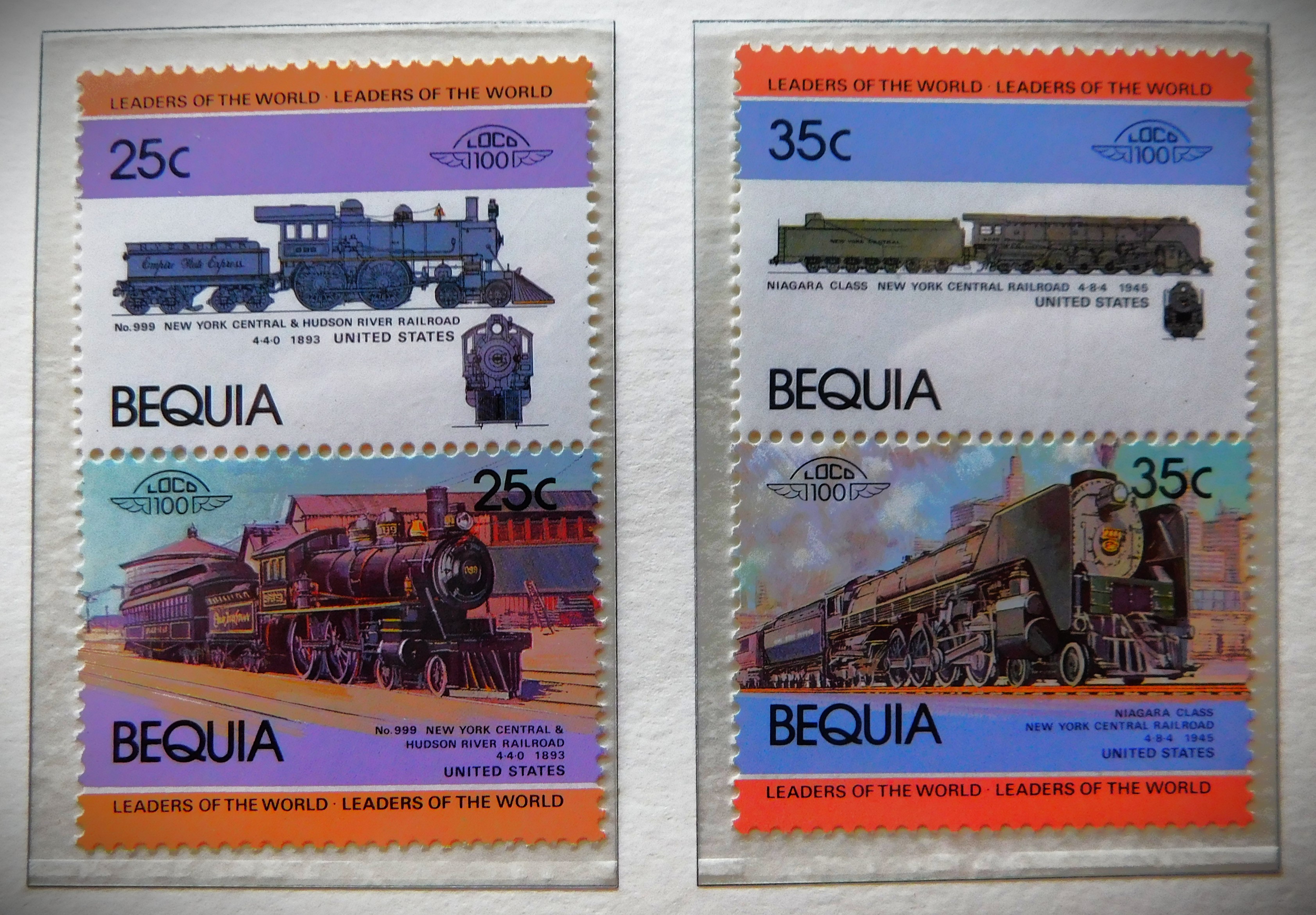
After the travails detailed in my last two blog posts, both created of necessity on library computers I am now fully back up and running at home. Yesterday the February auction of James and Sons took place. I am not in a position to describe much of the proceedings, since I was one floor above where the auction was taking place, imaging items for the March sale. However, this post is devoted to one particular lot from that February sale.

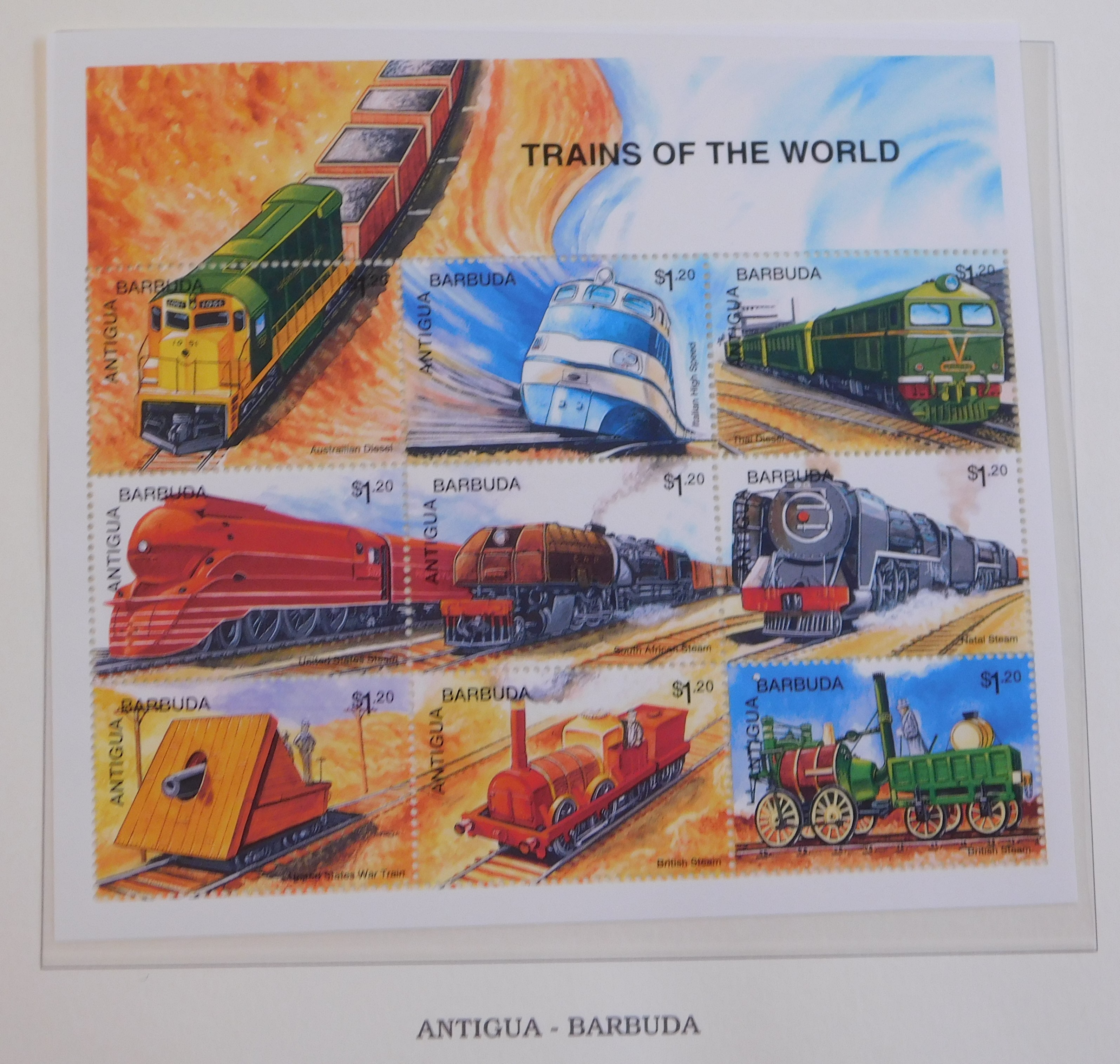
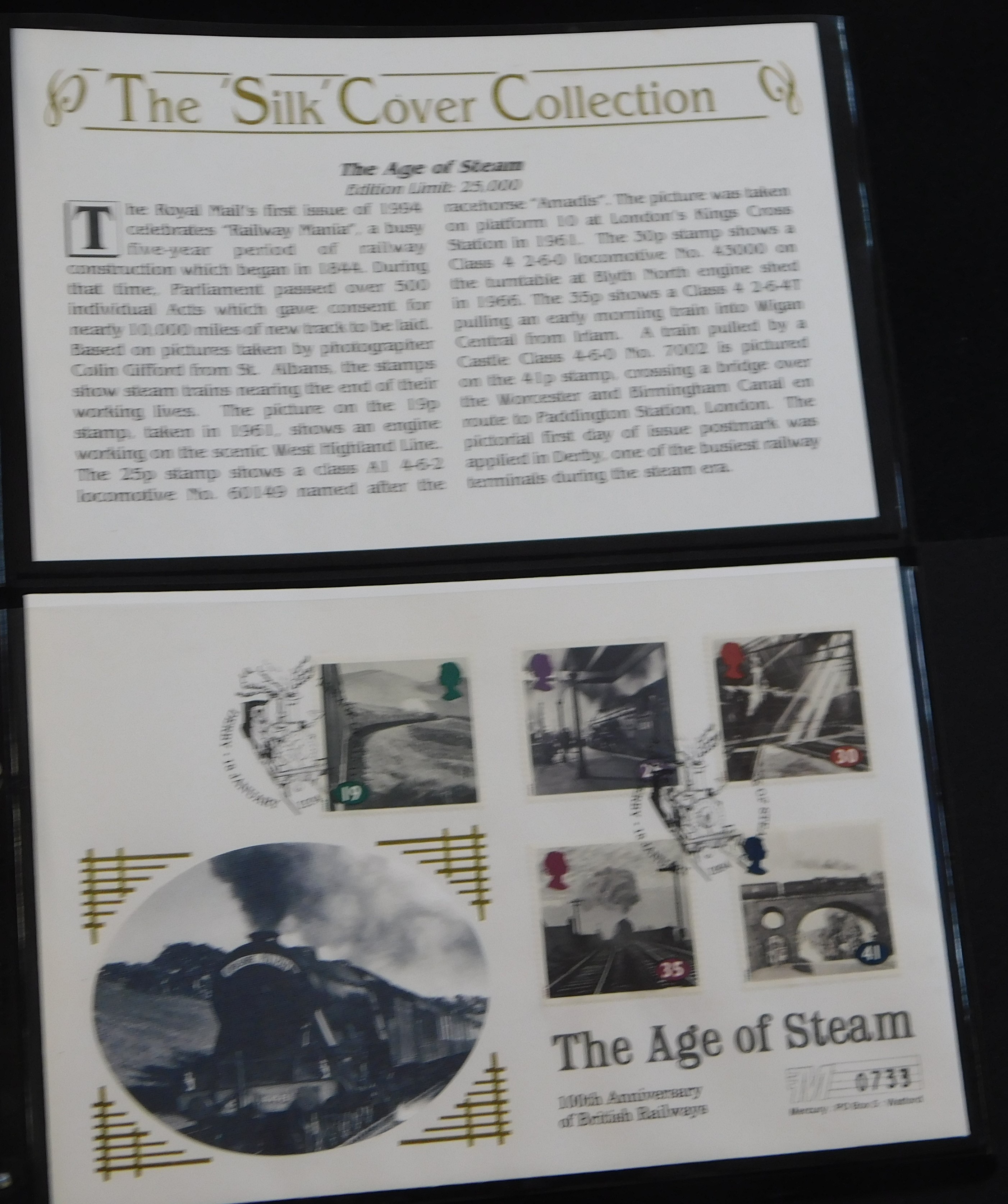
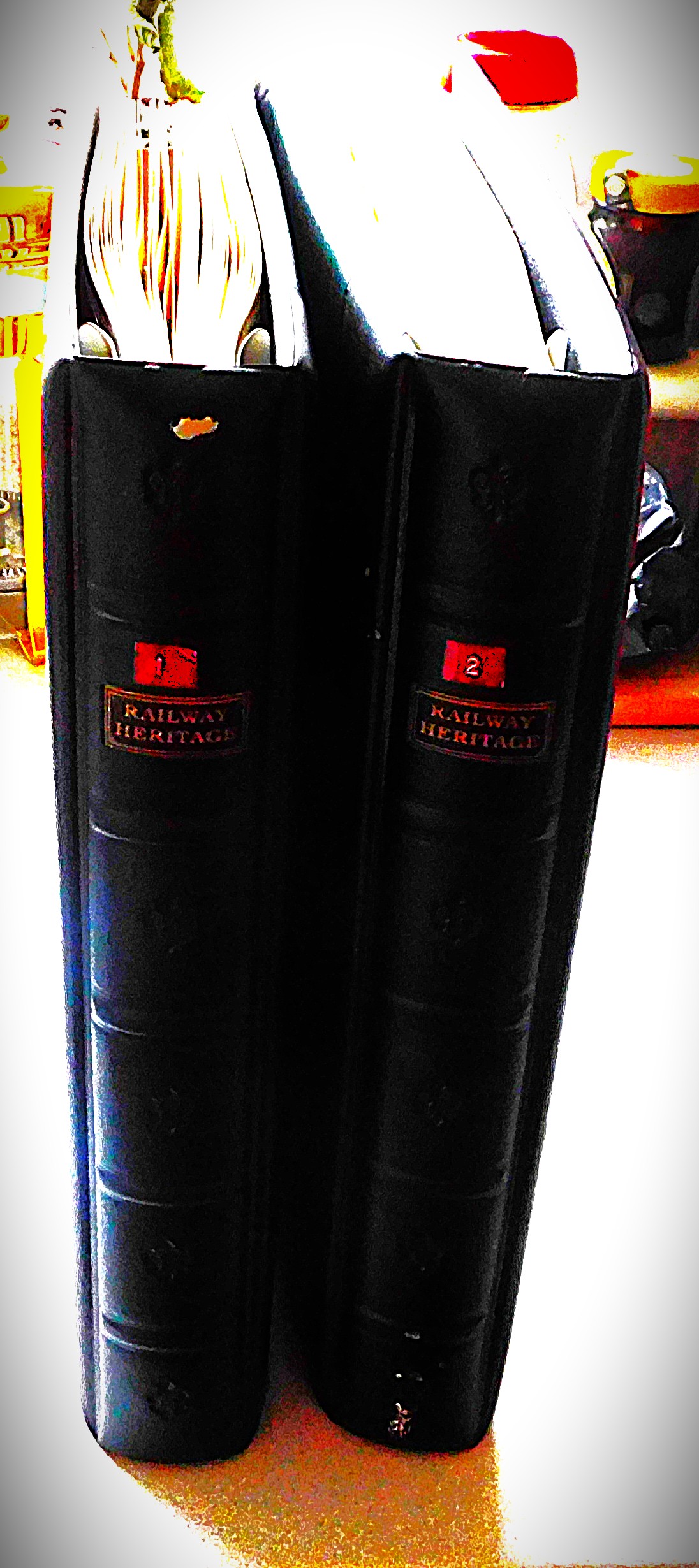
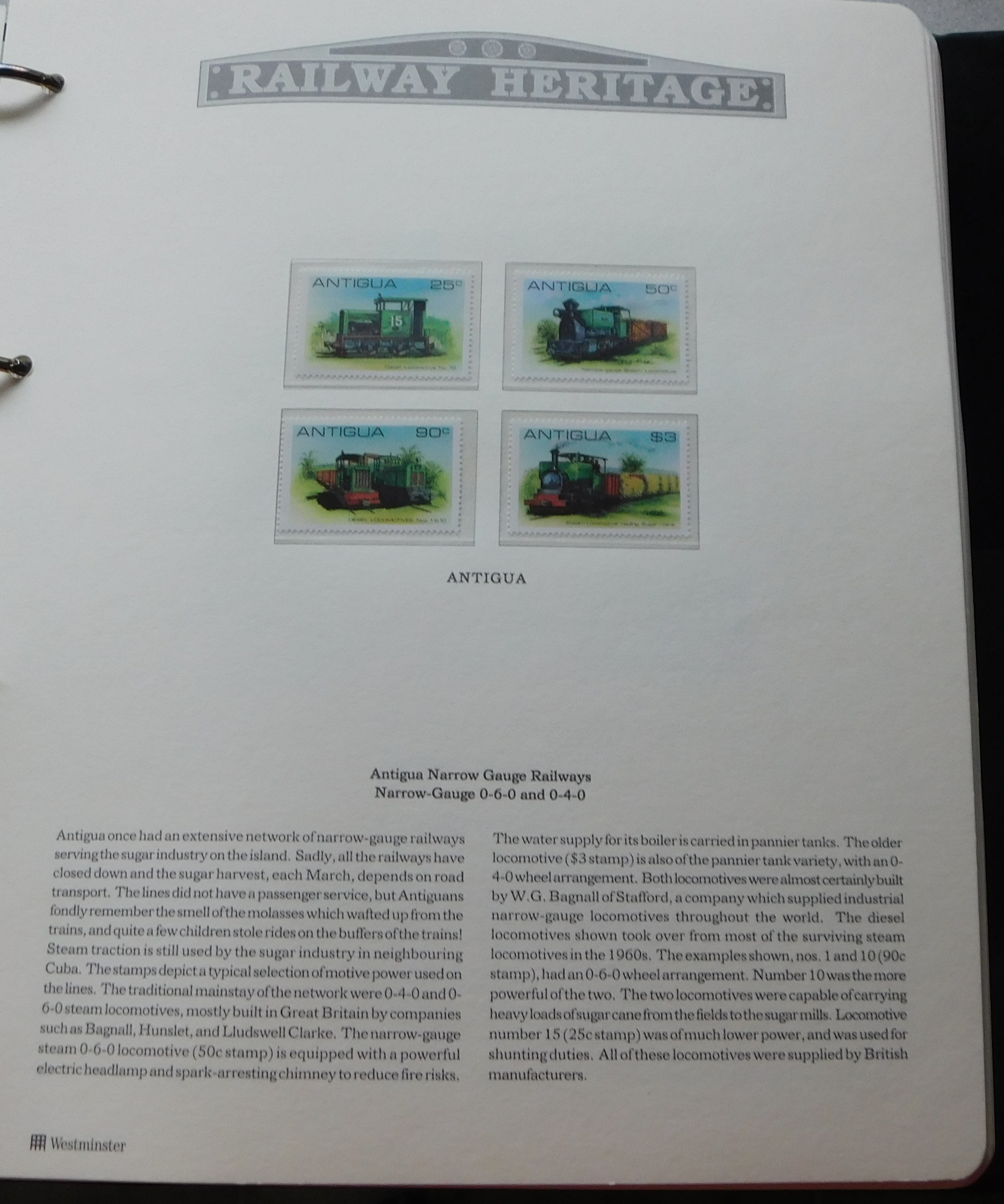
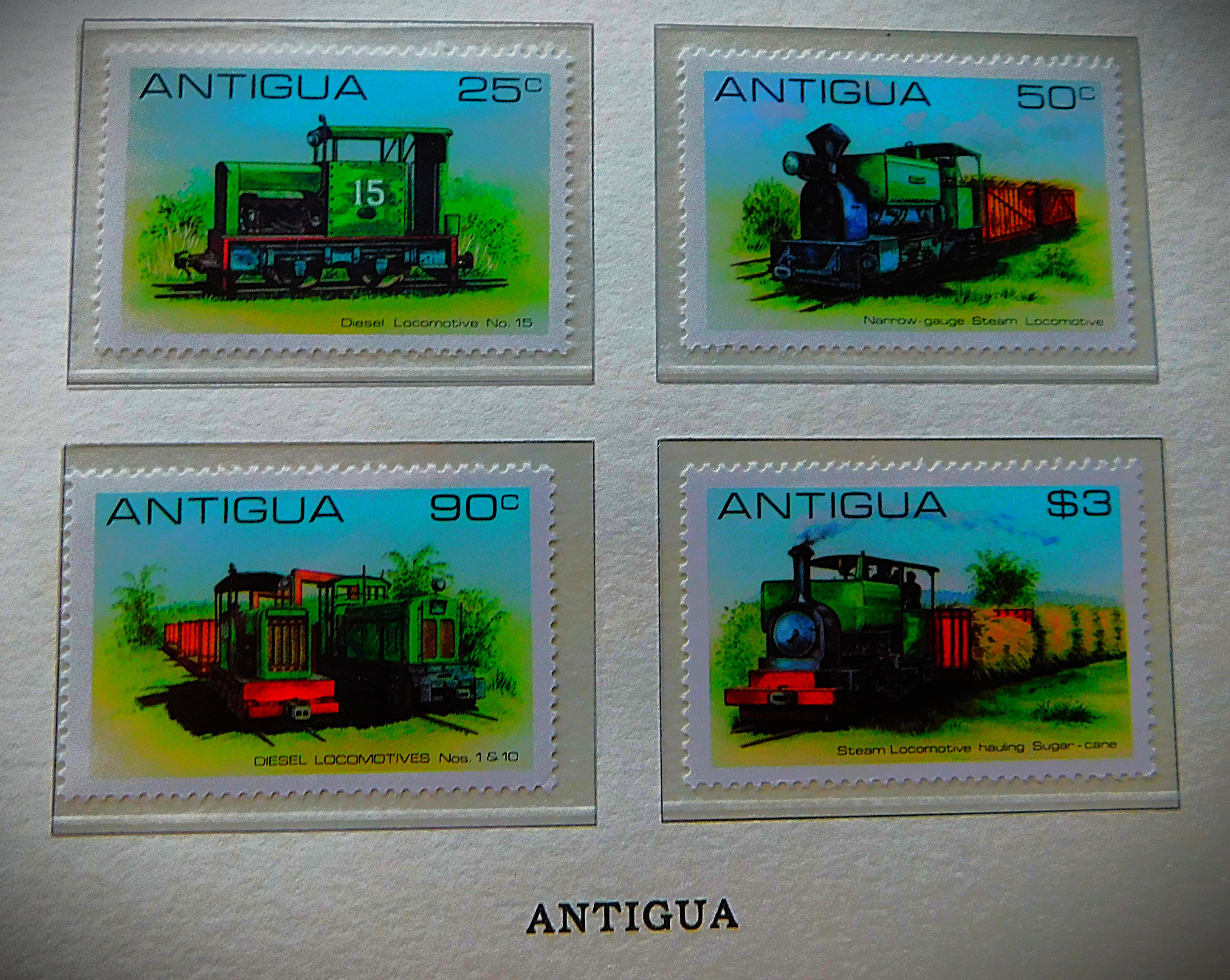
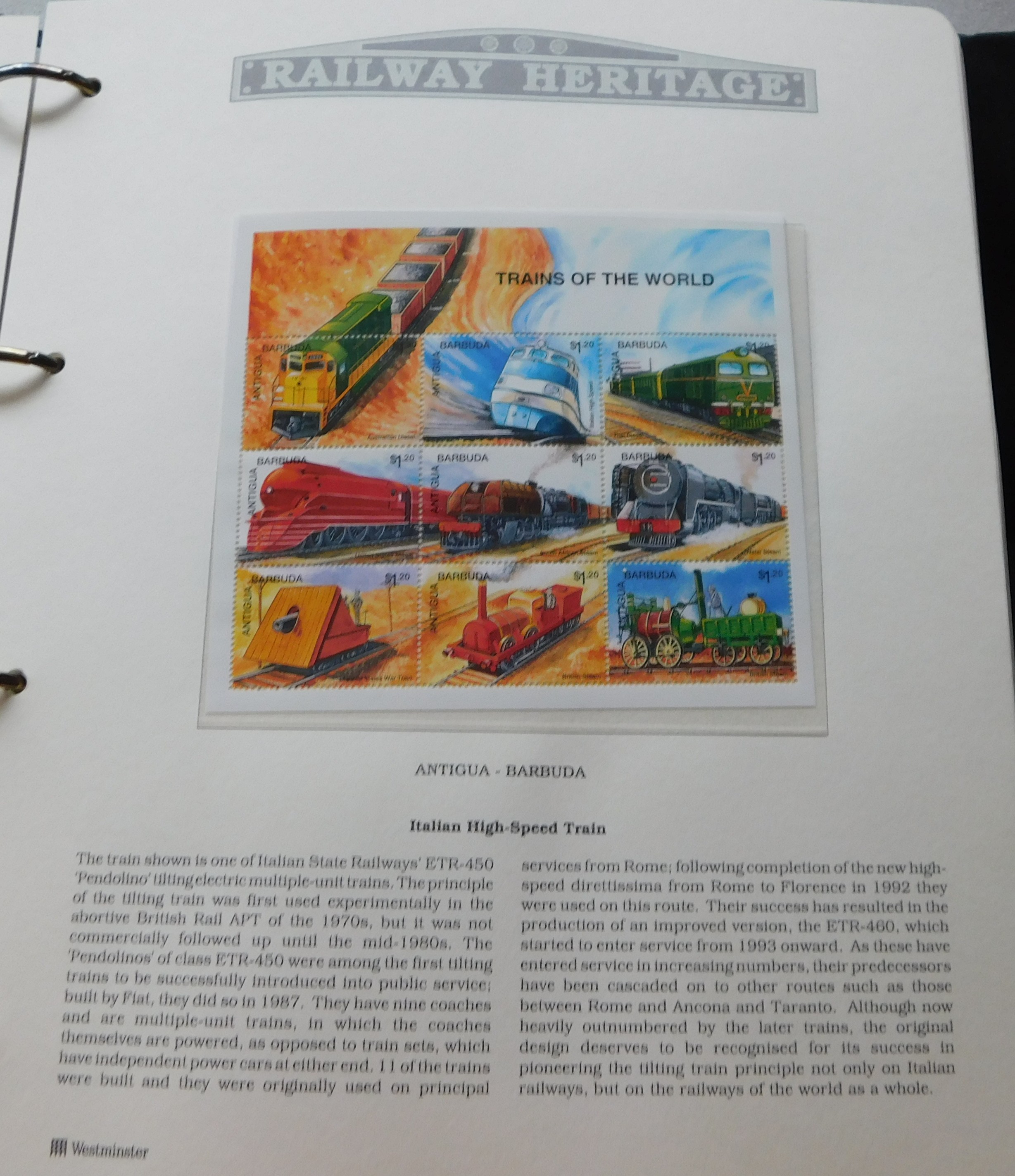
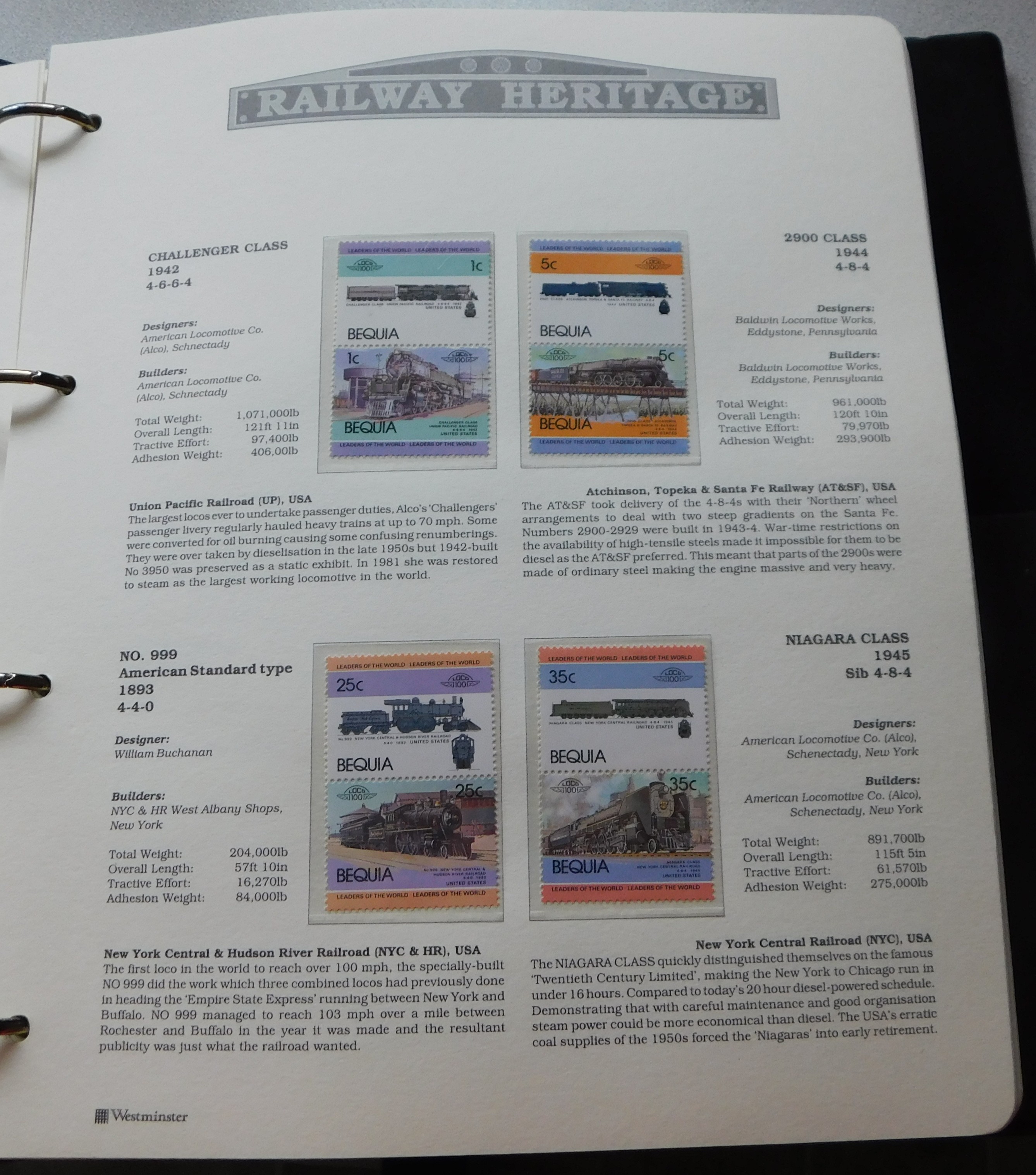
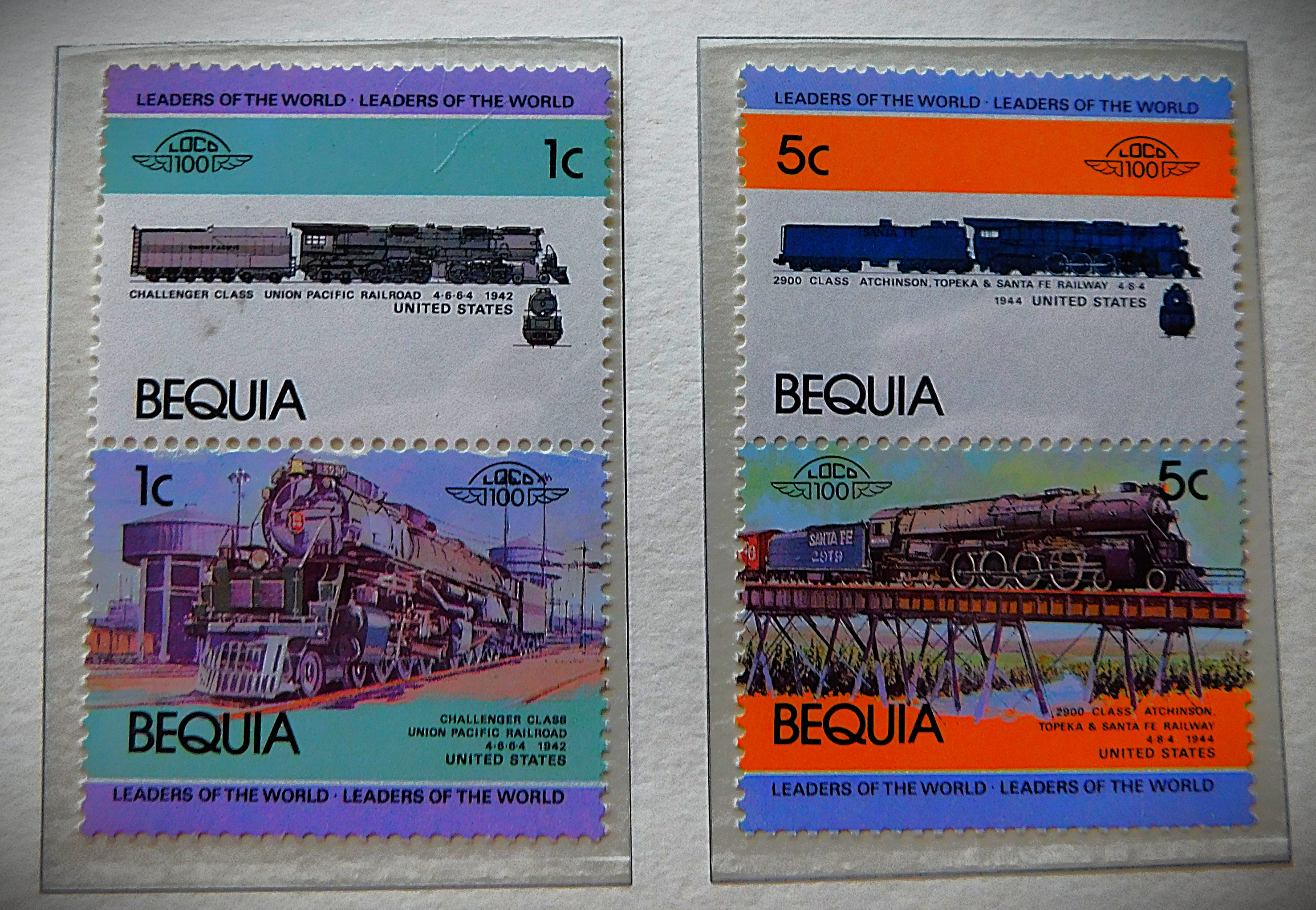
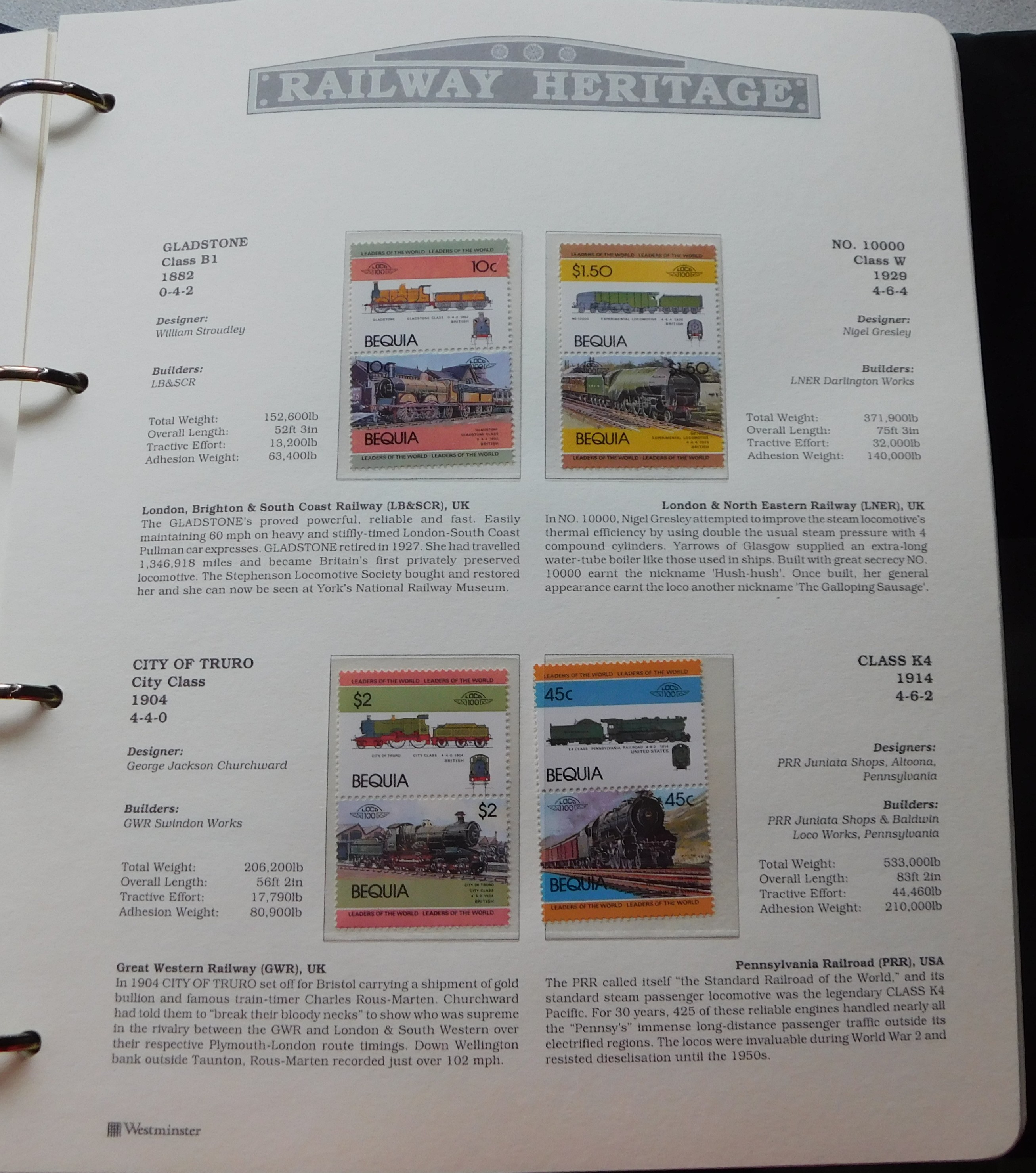
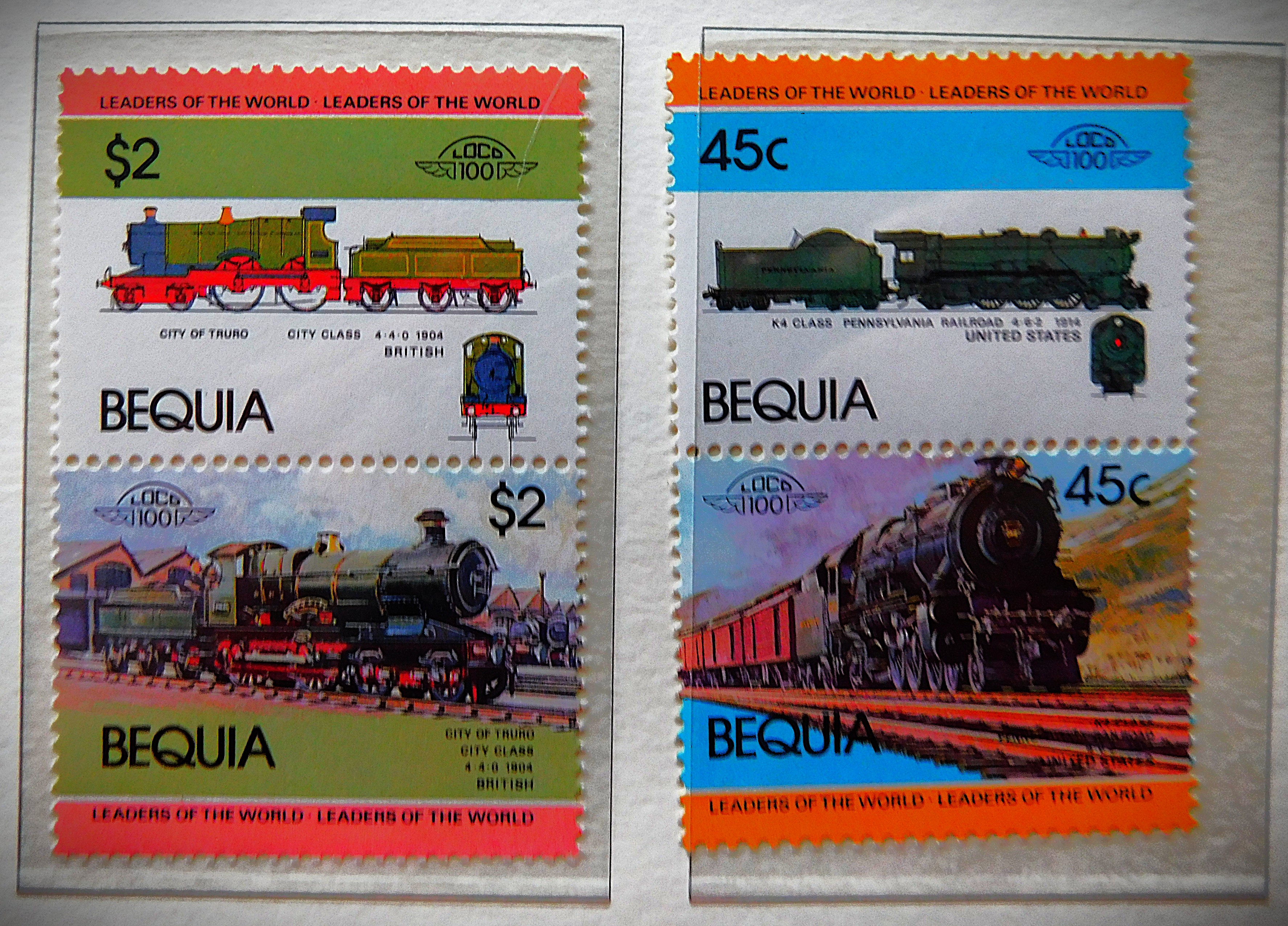
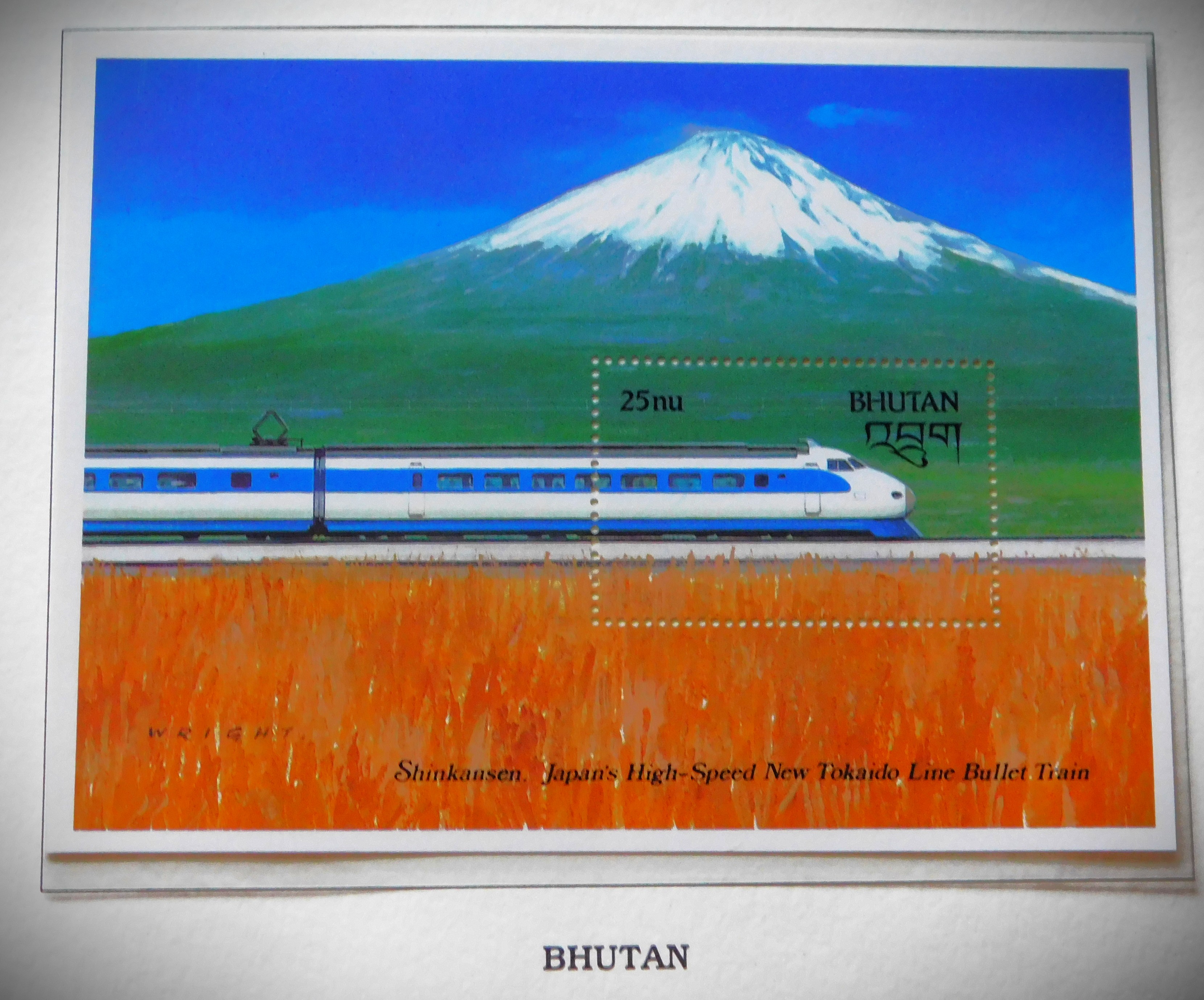
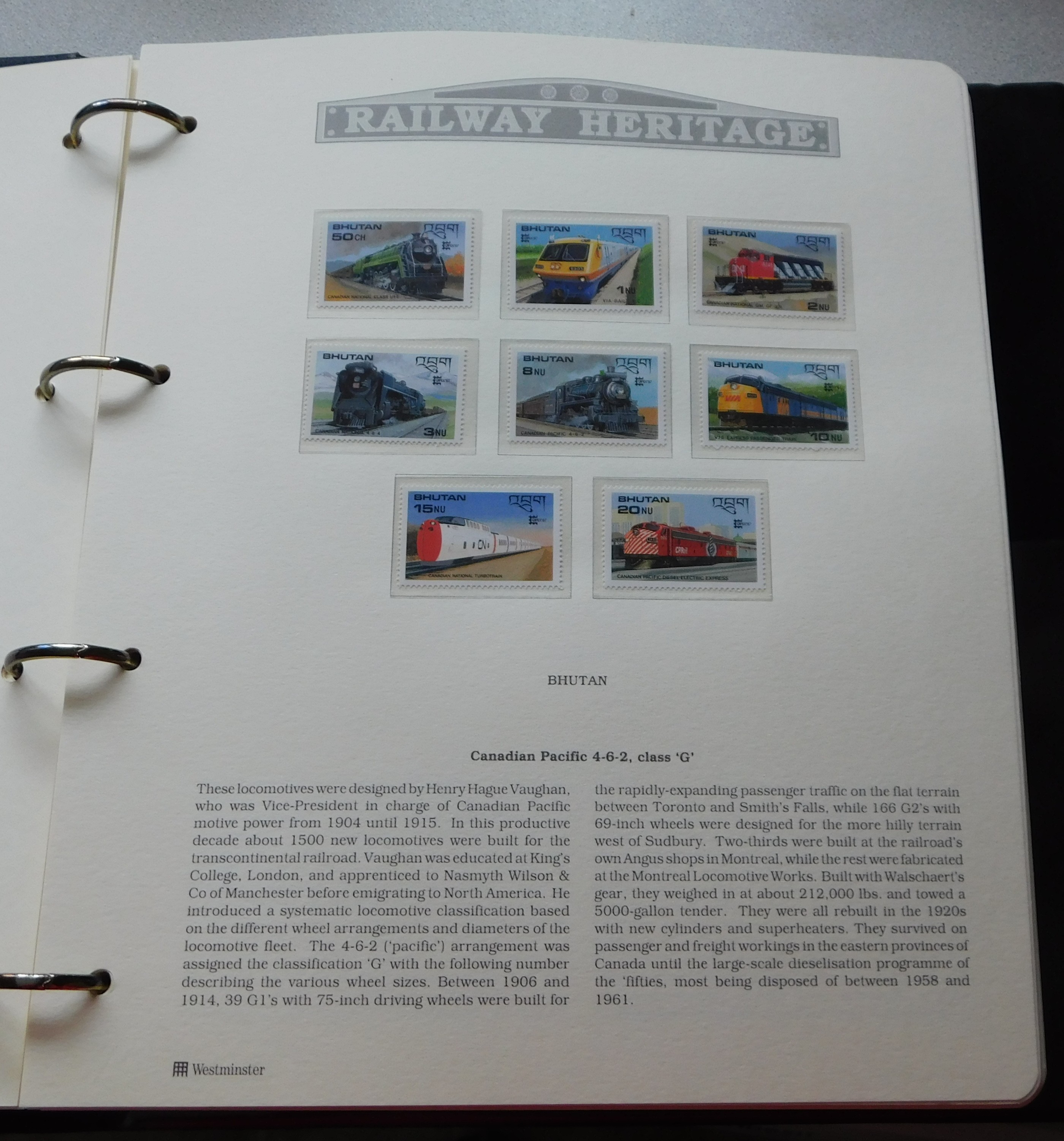
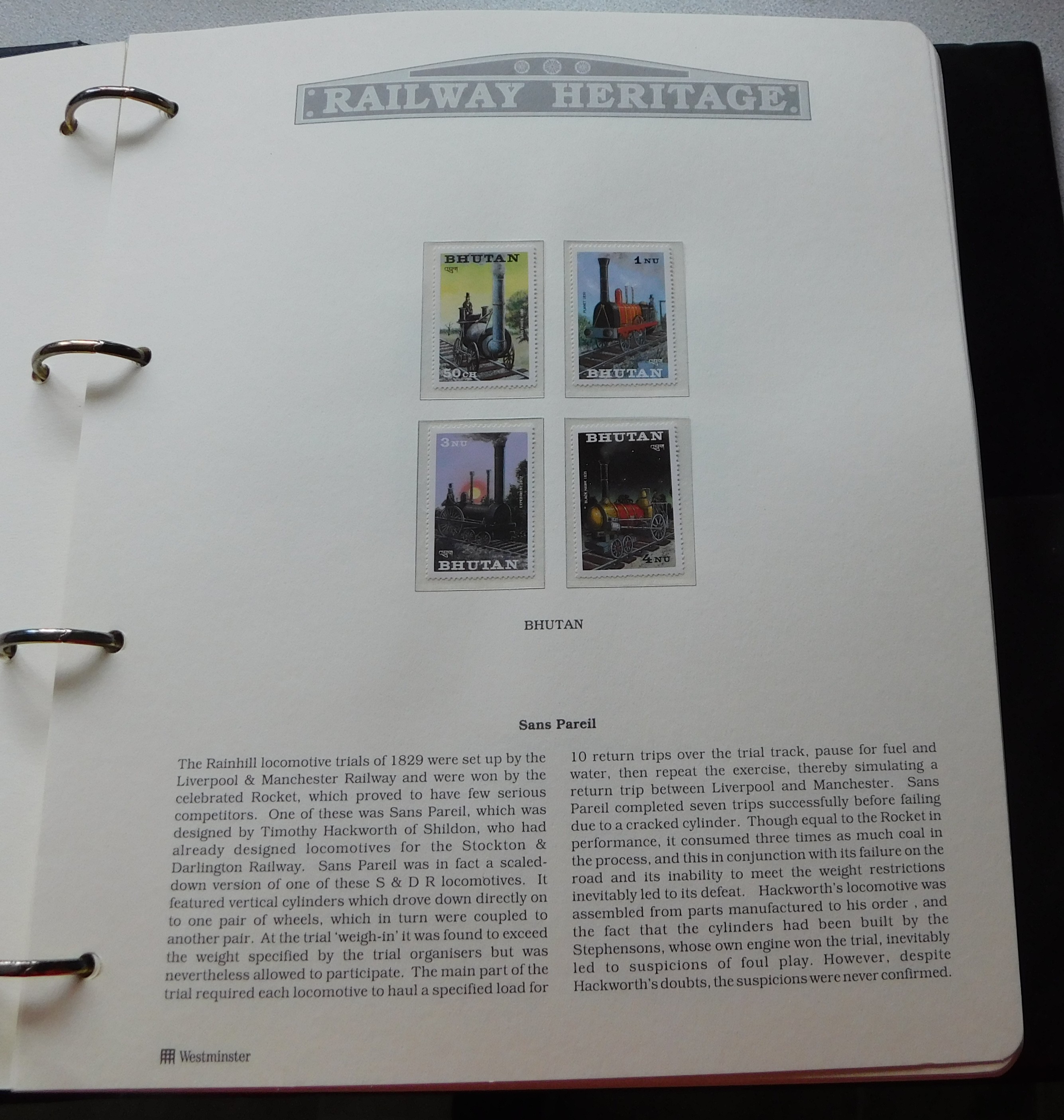
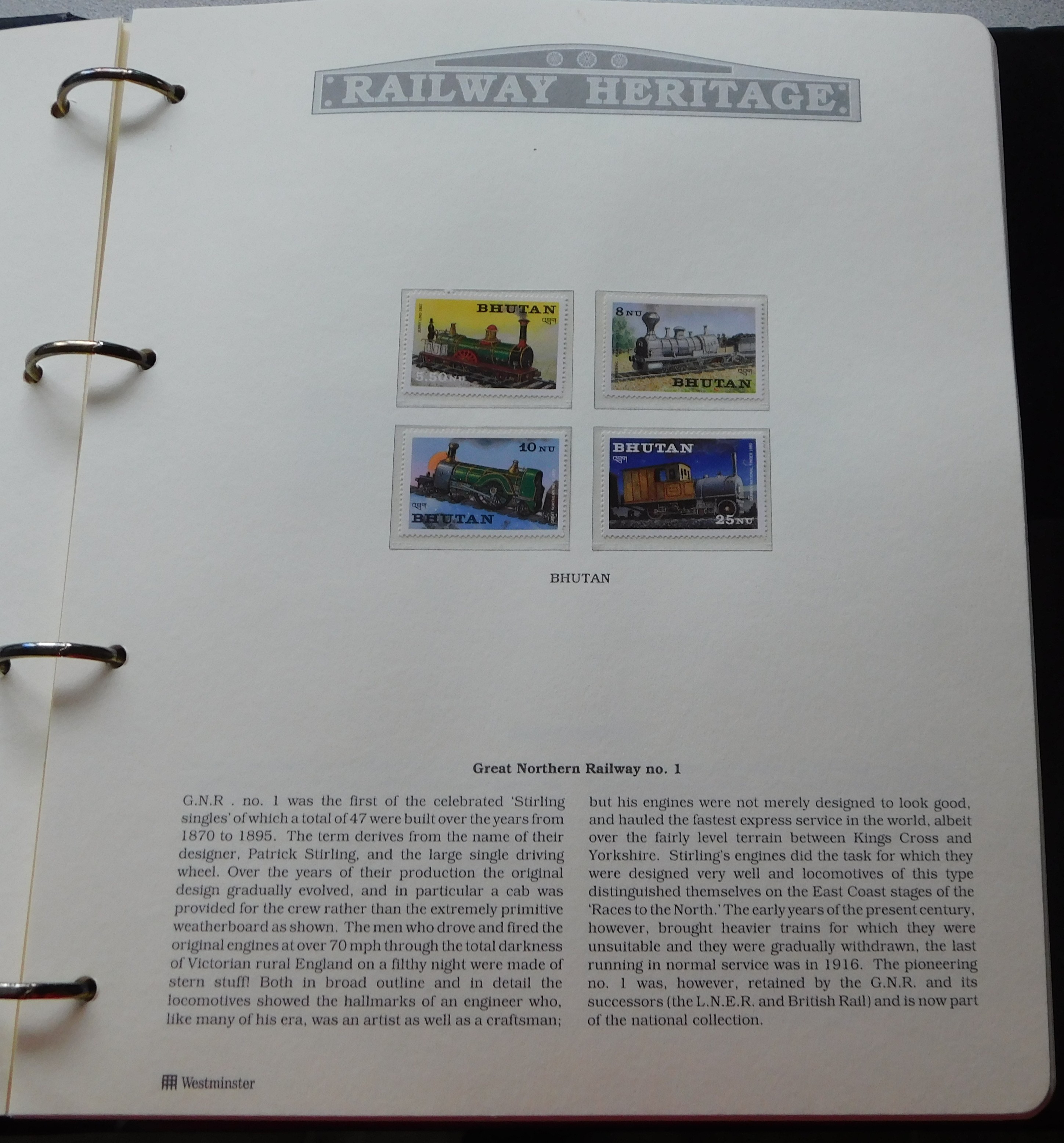
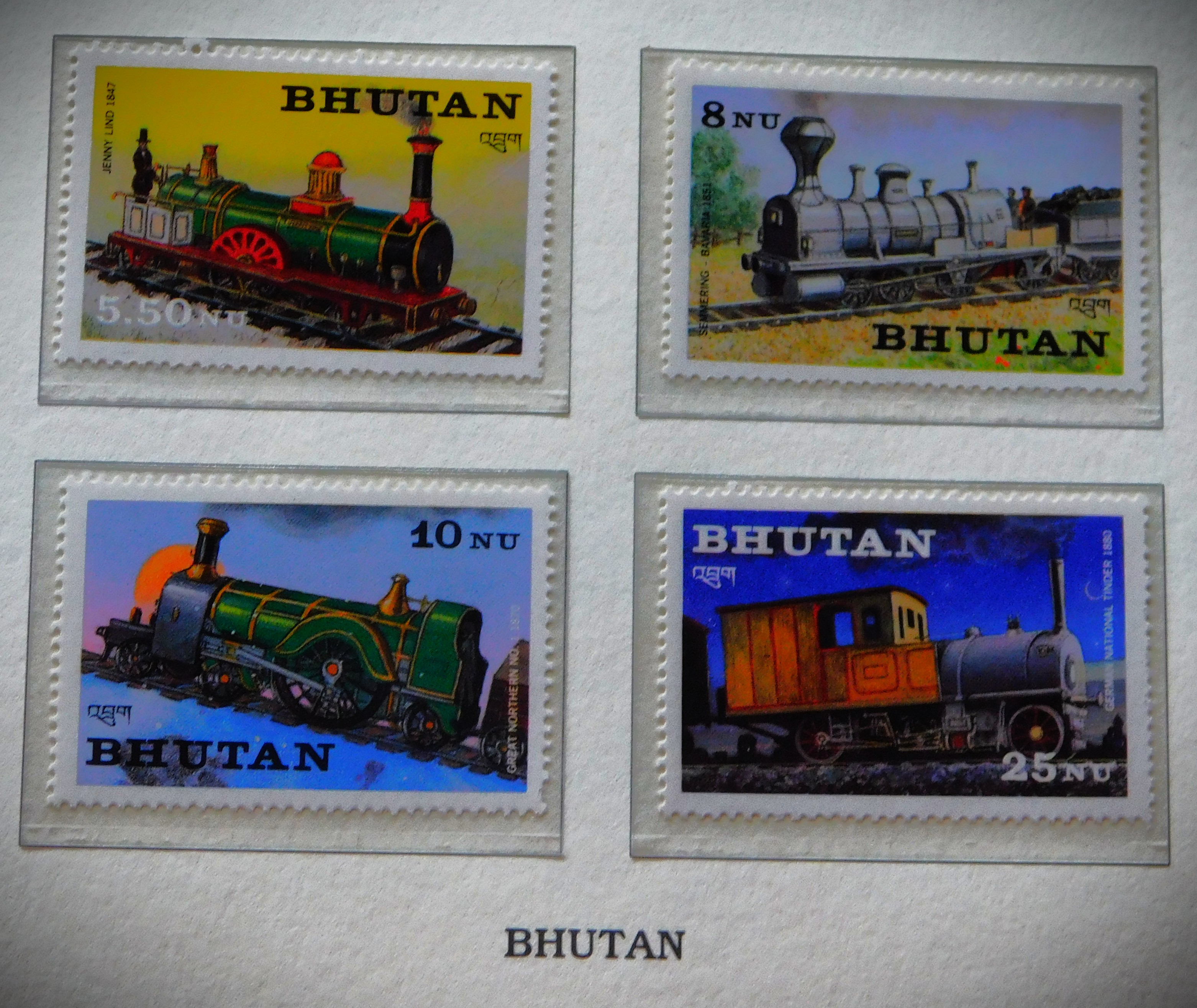
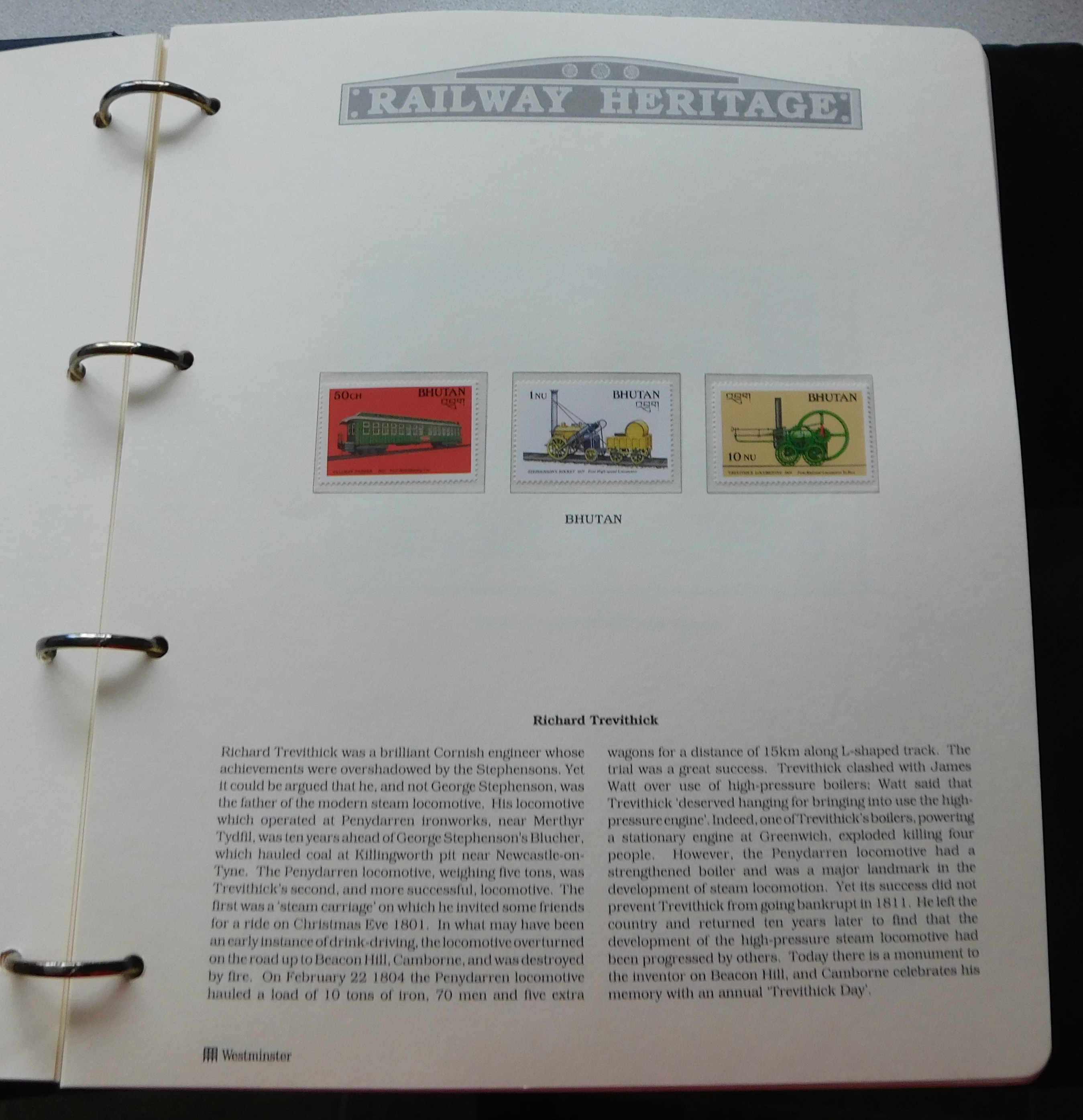
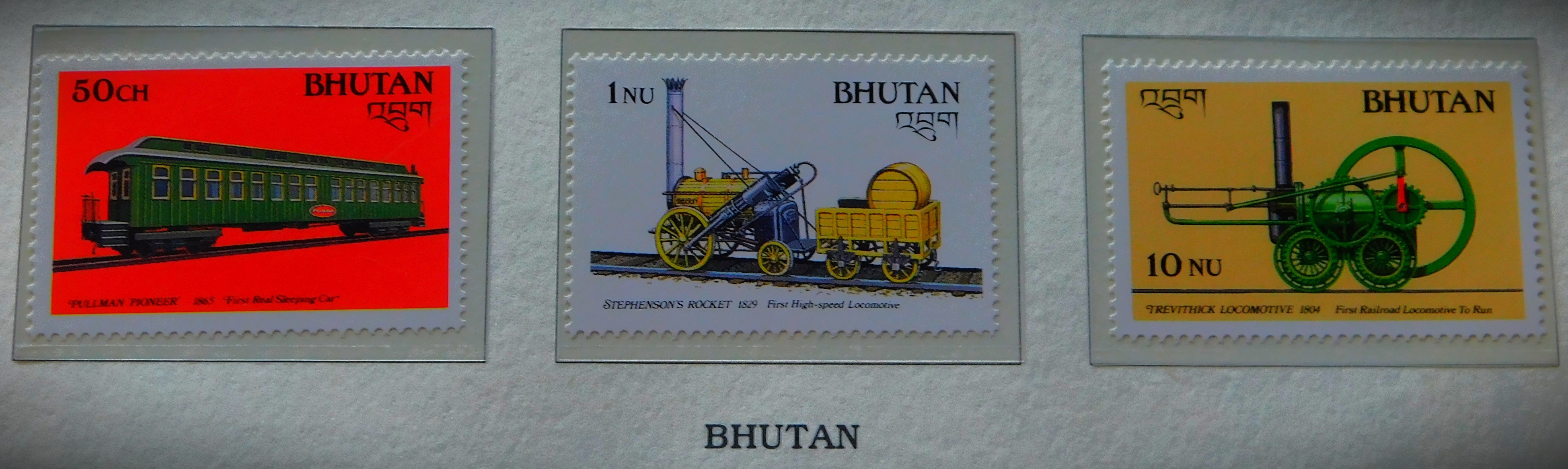
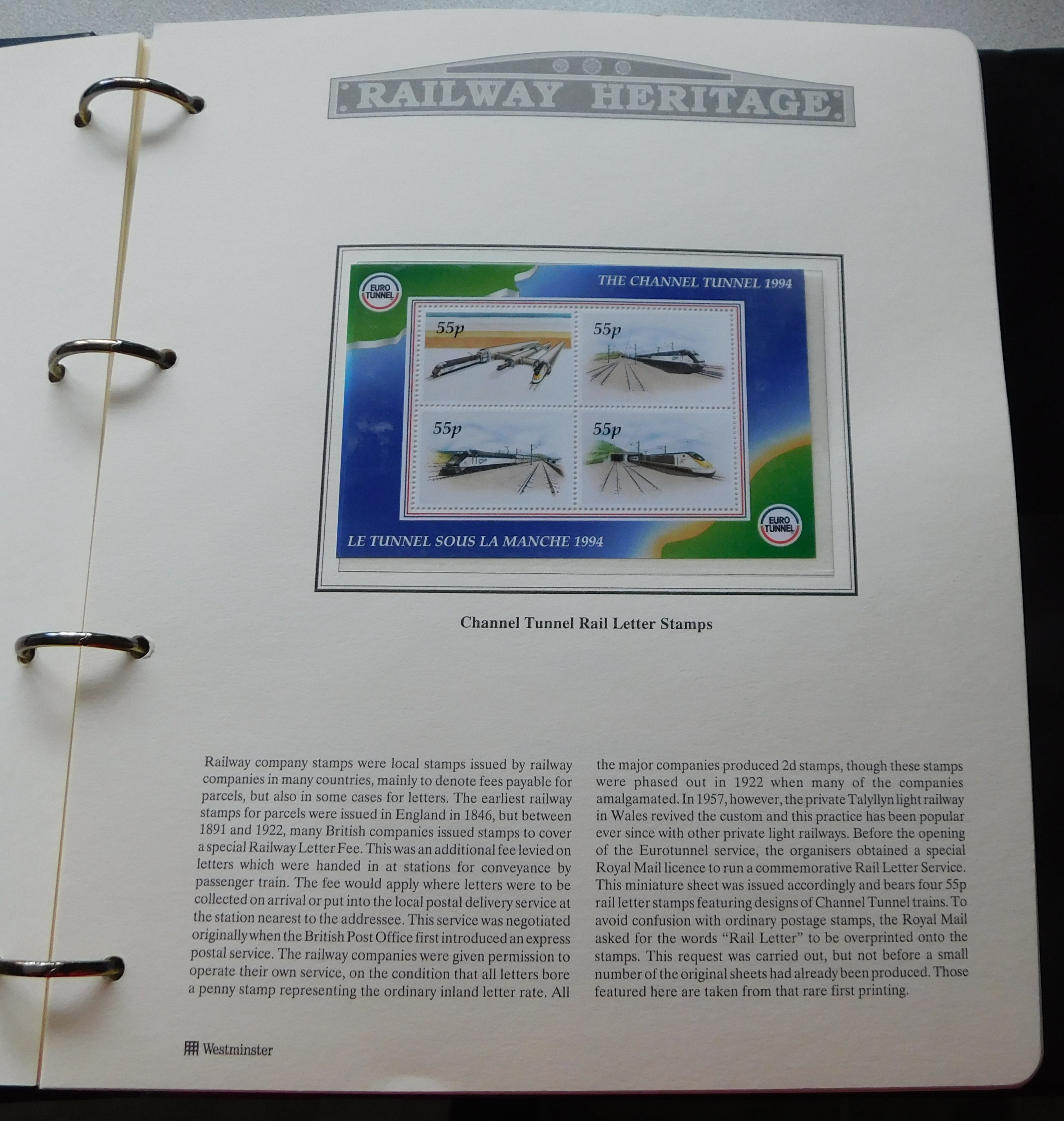
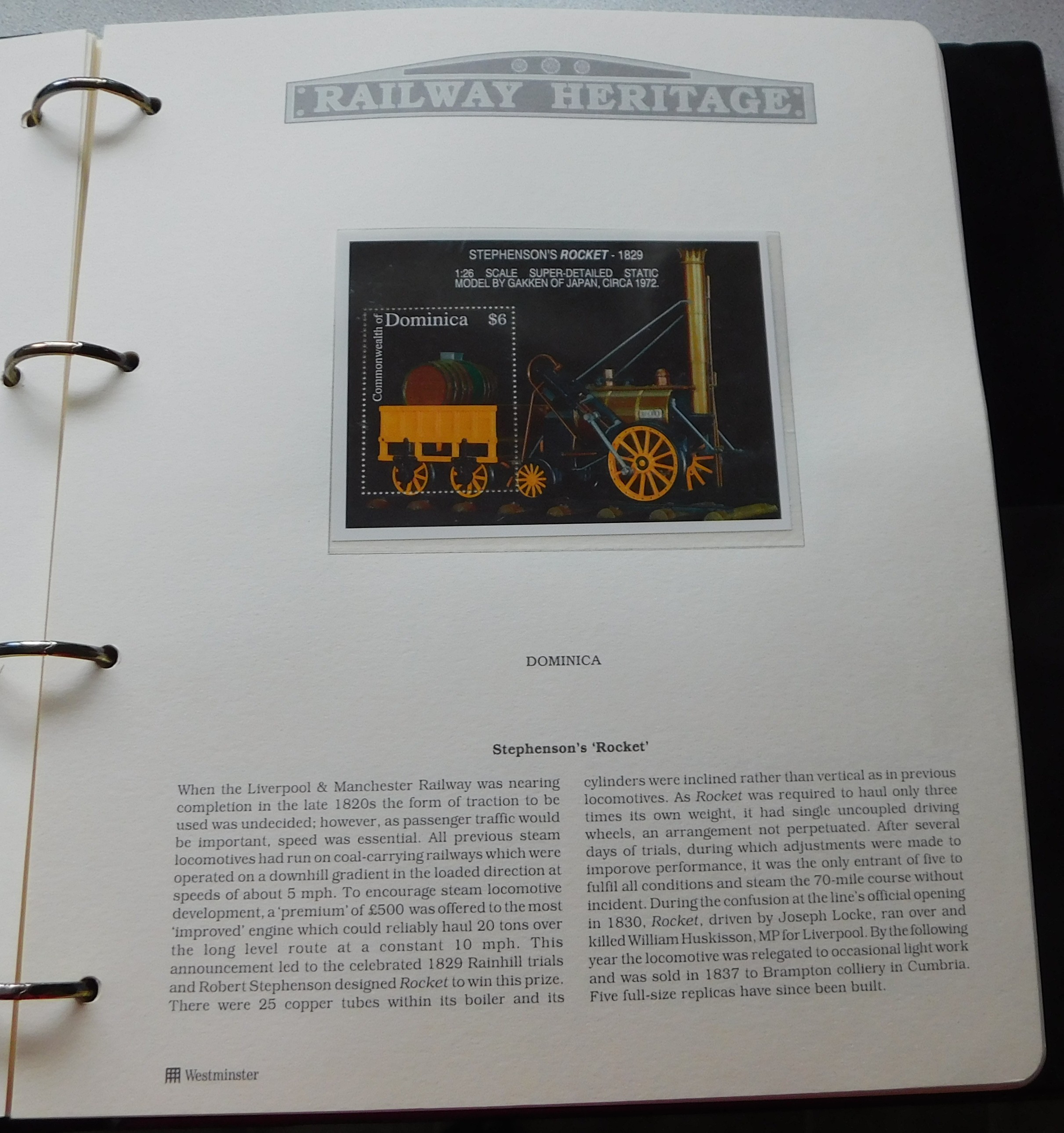
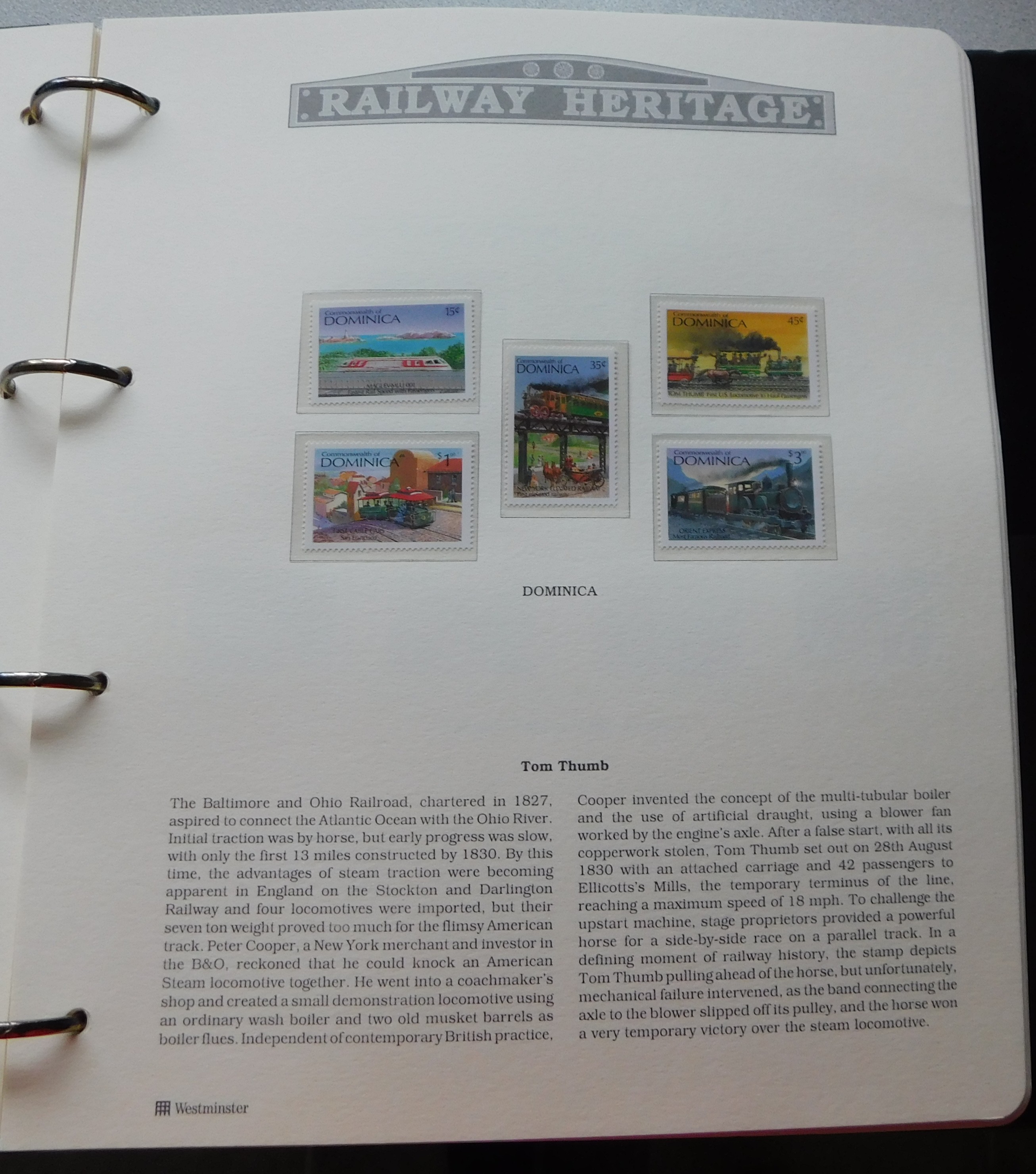
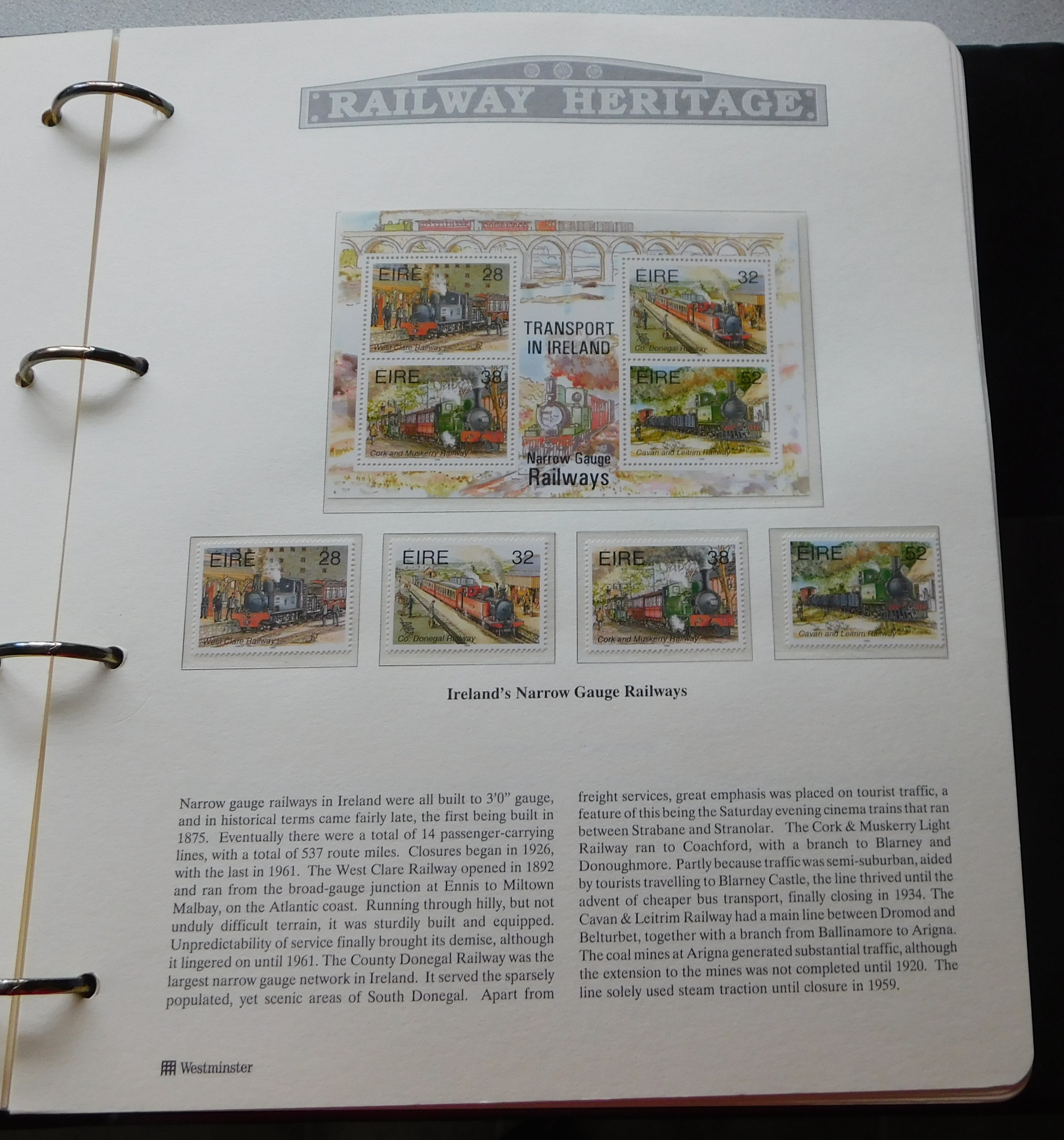
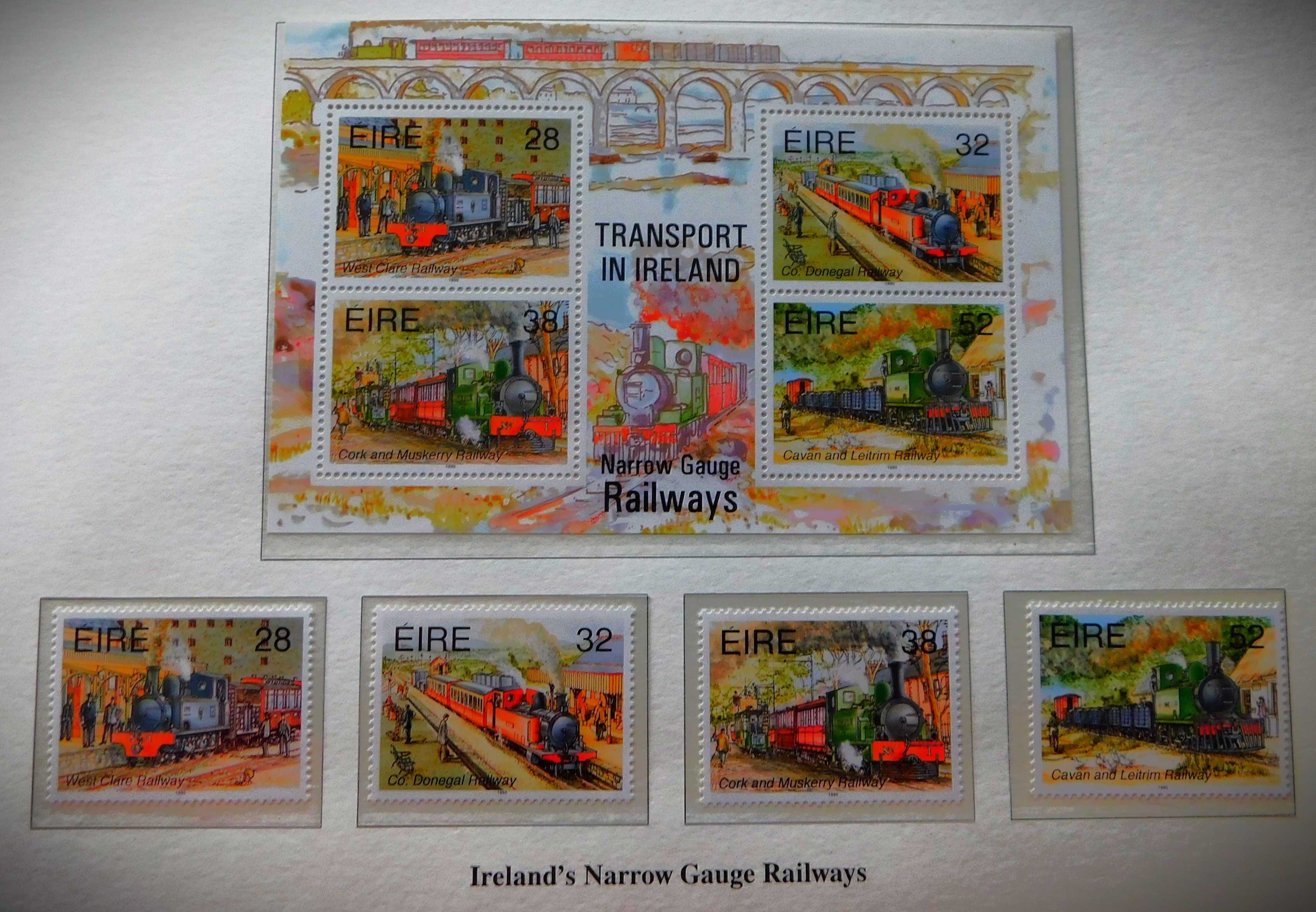
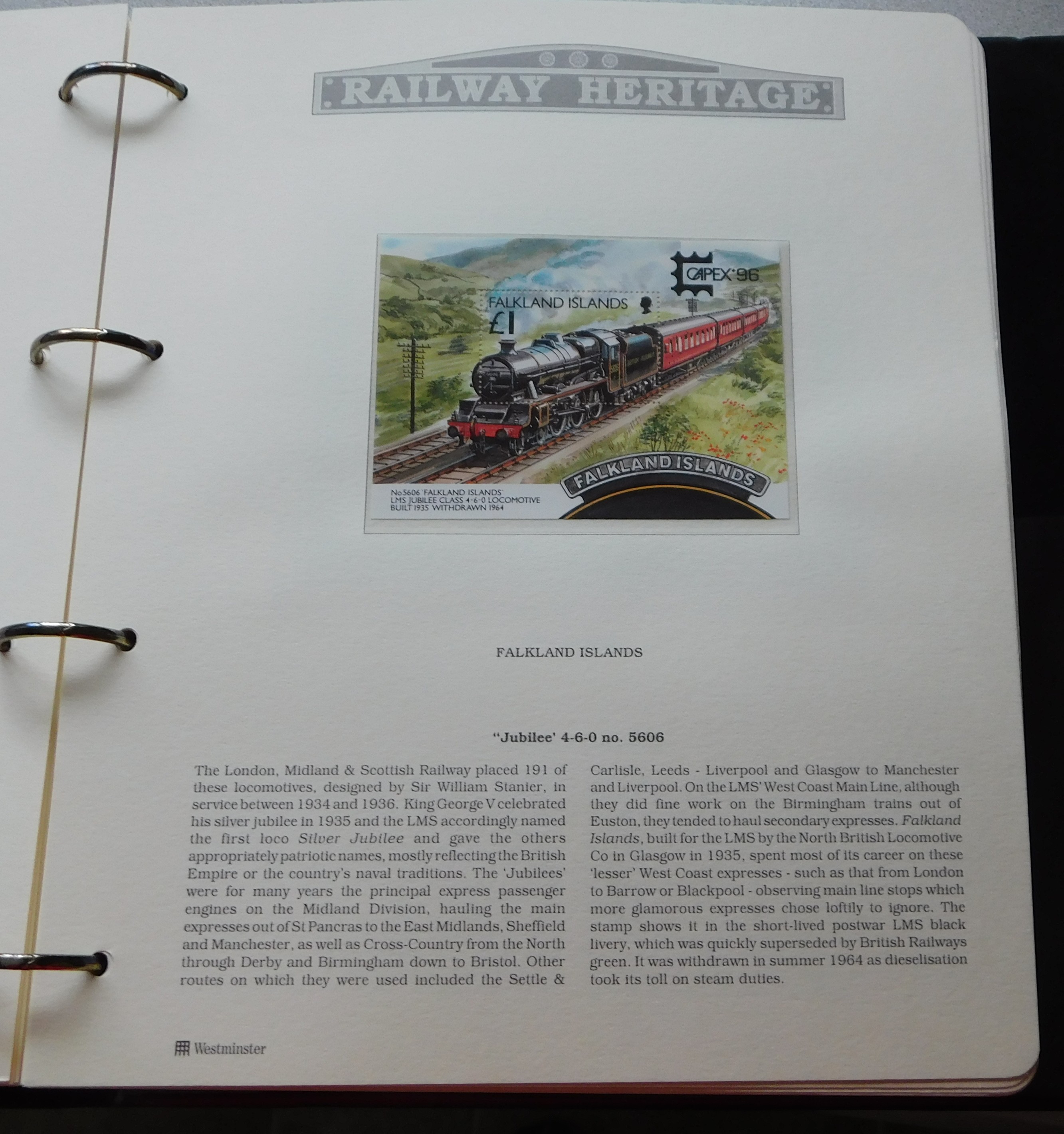
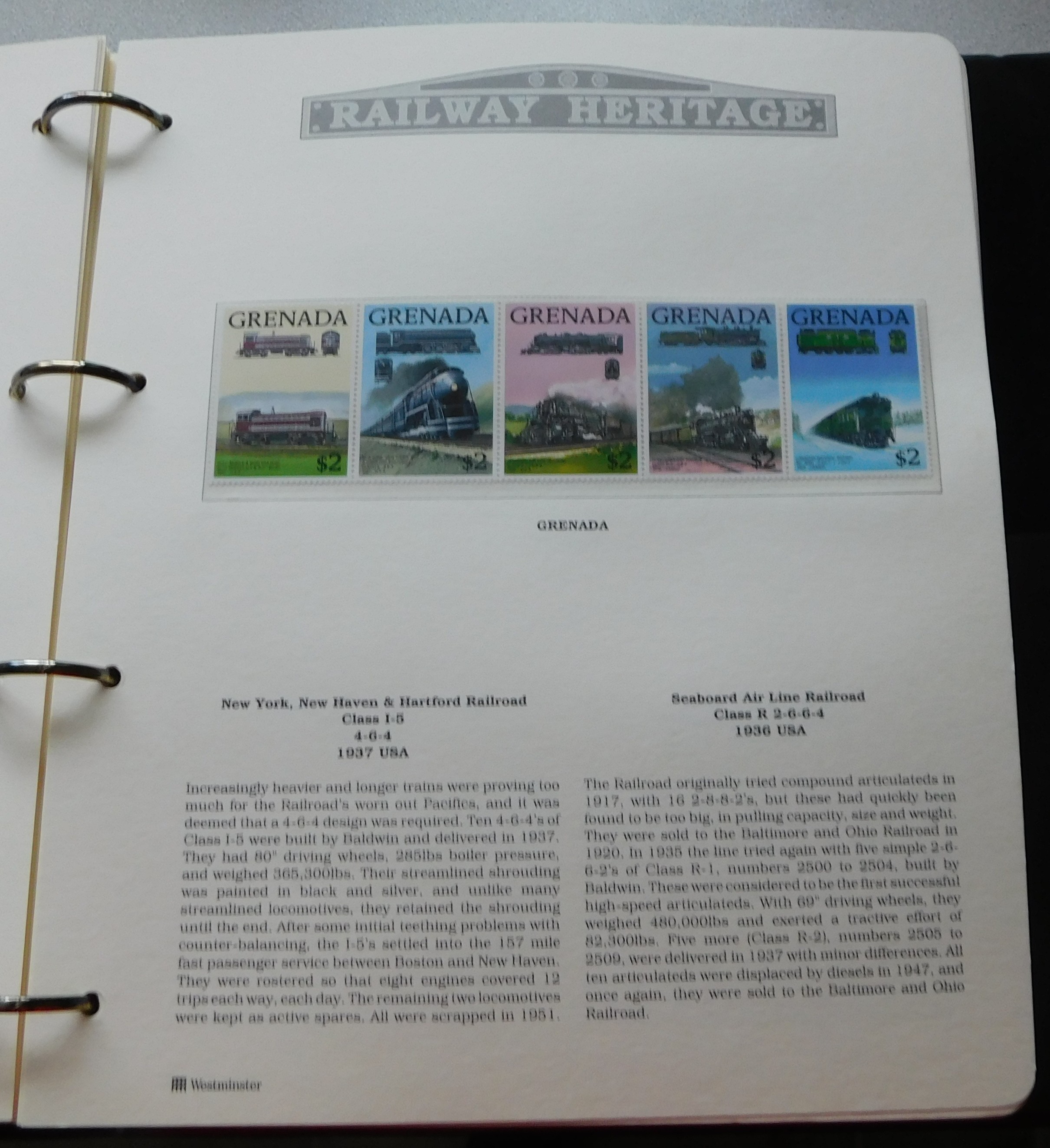
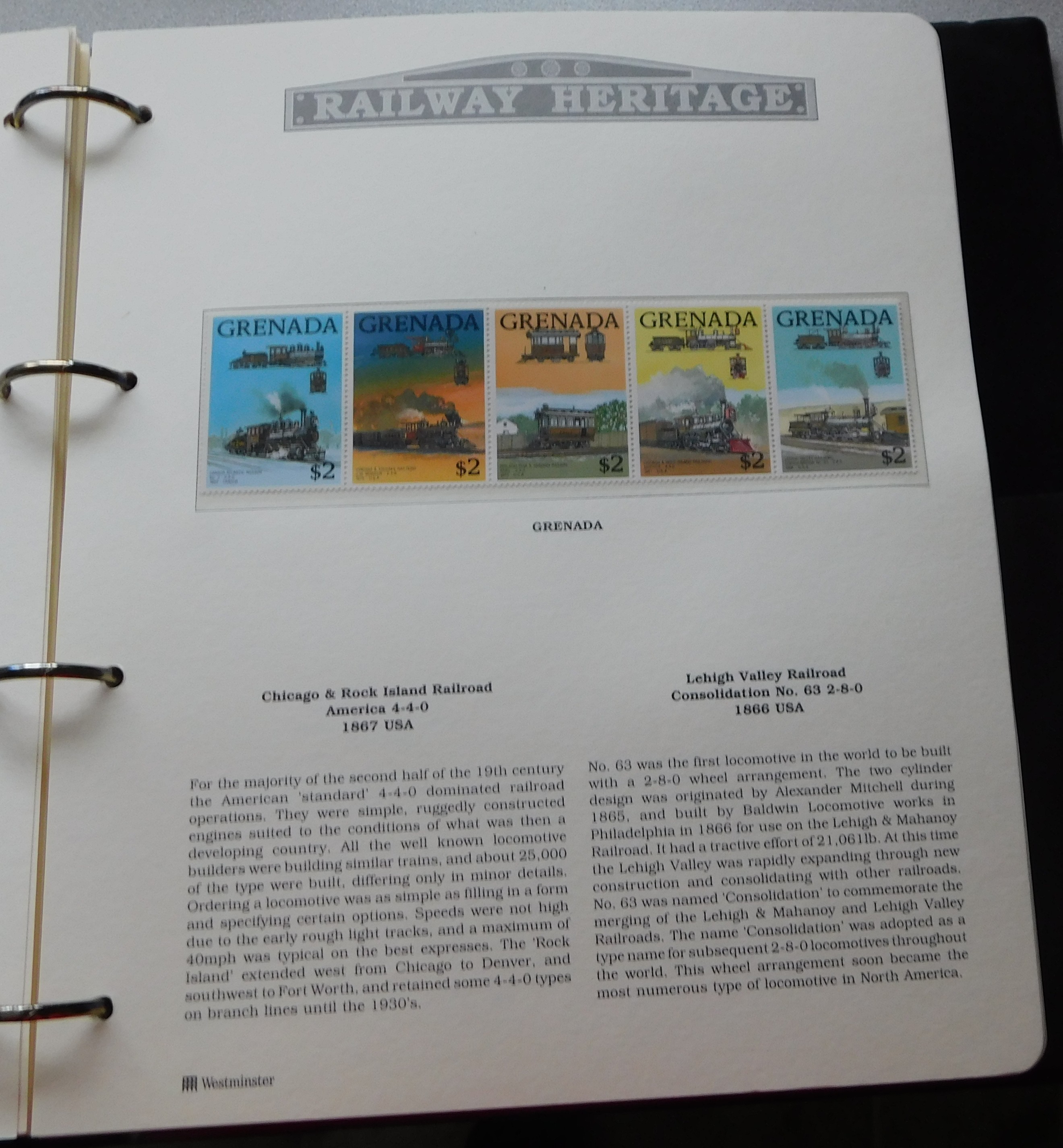
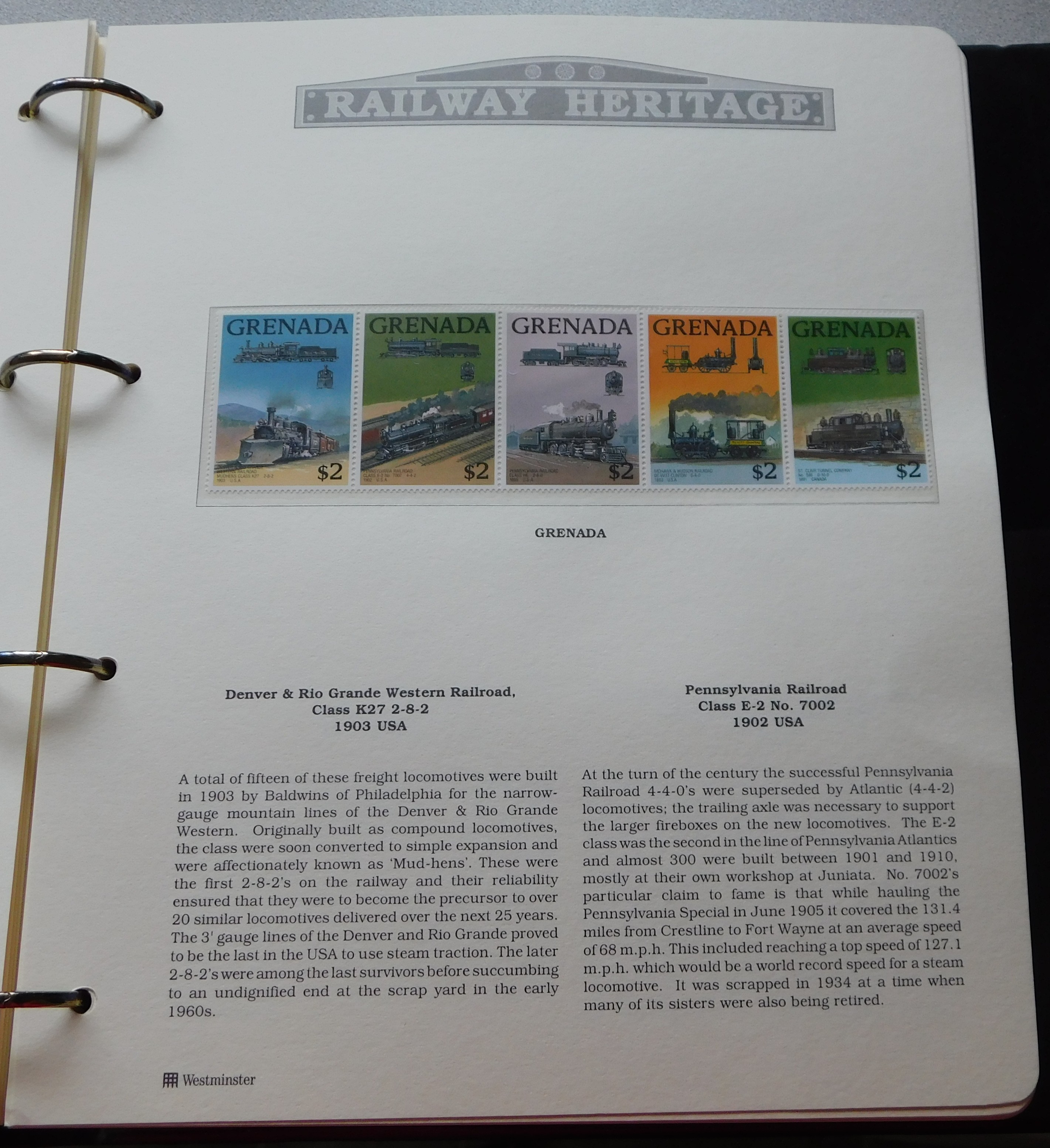
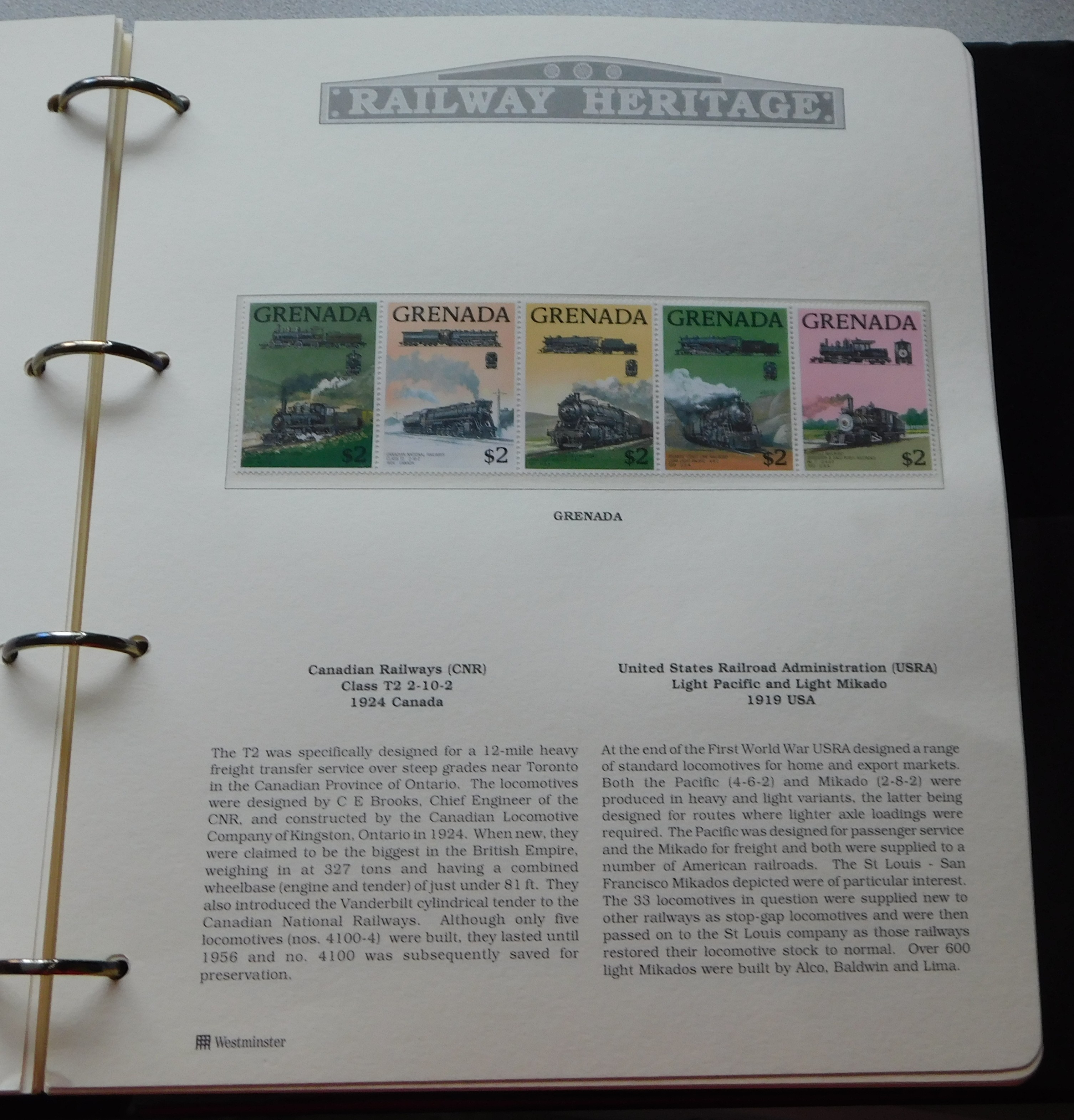
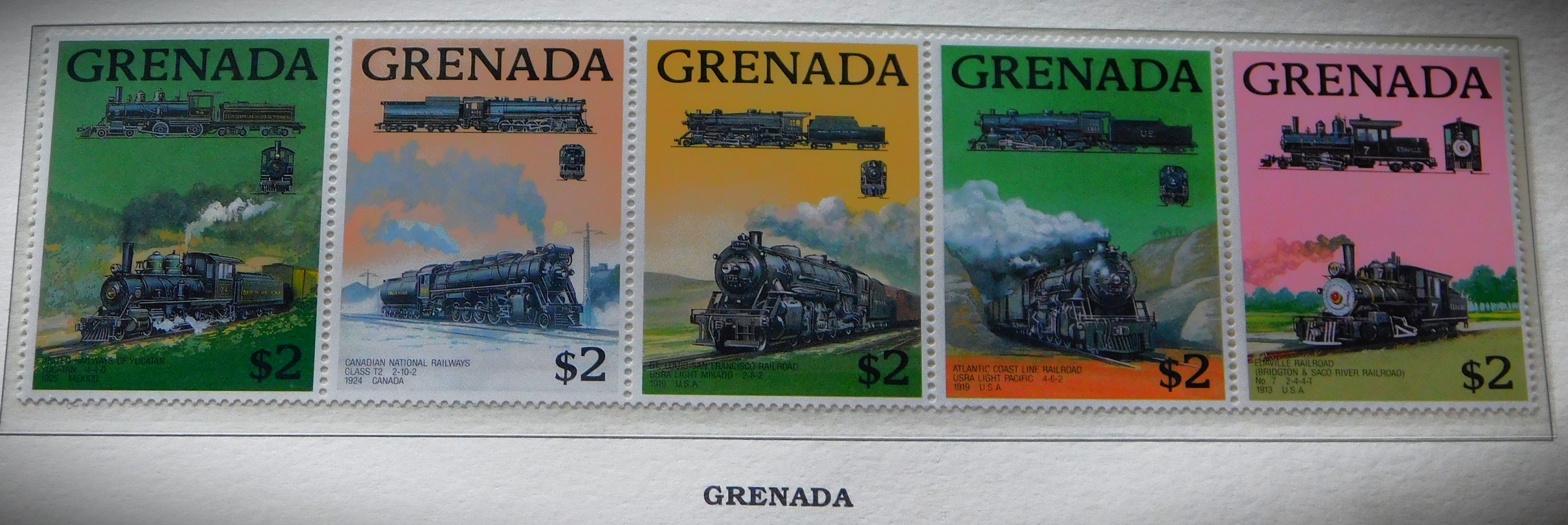
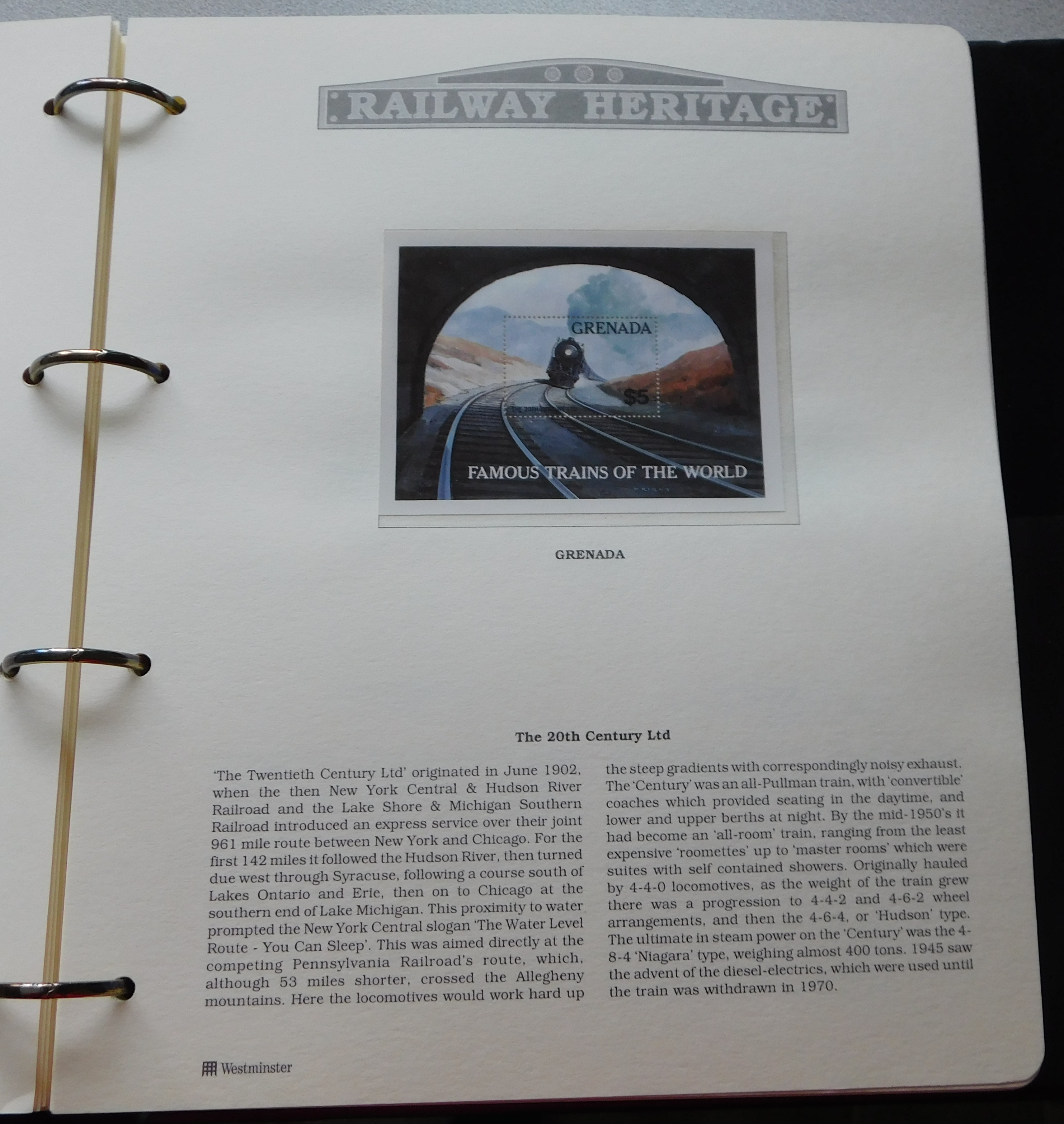
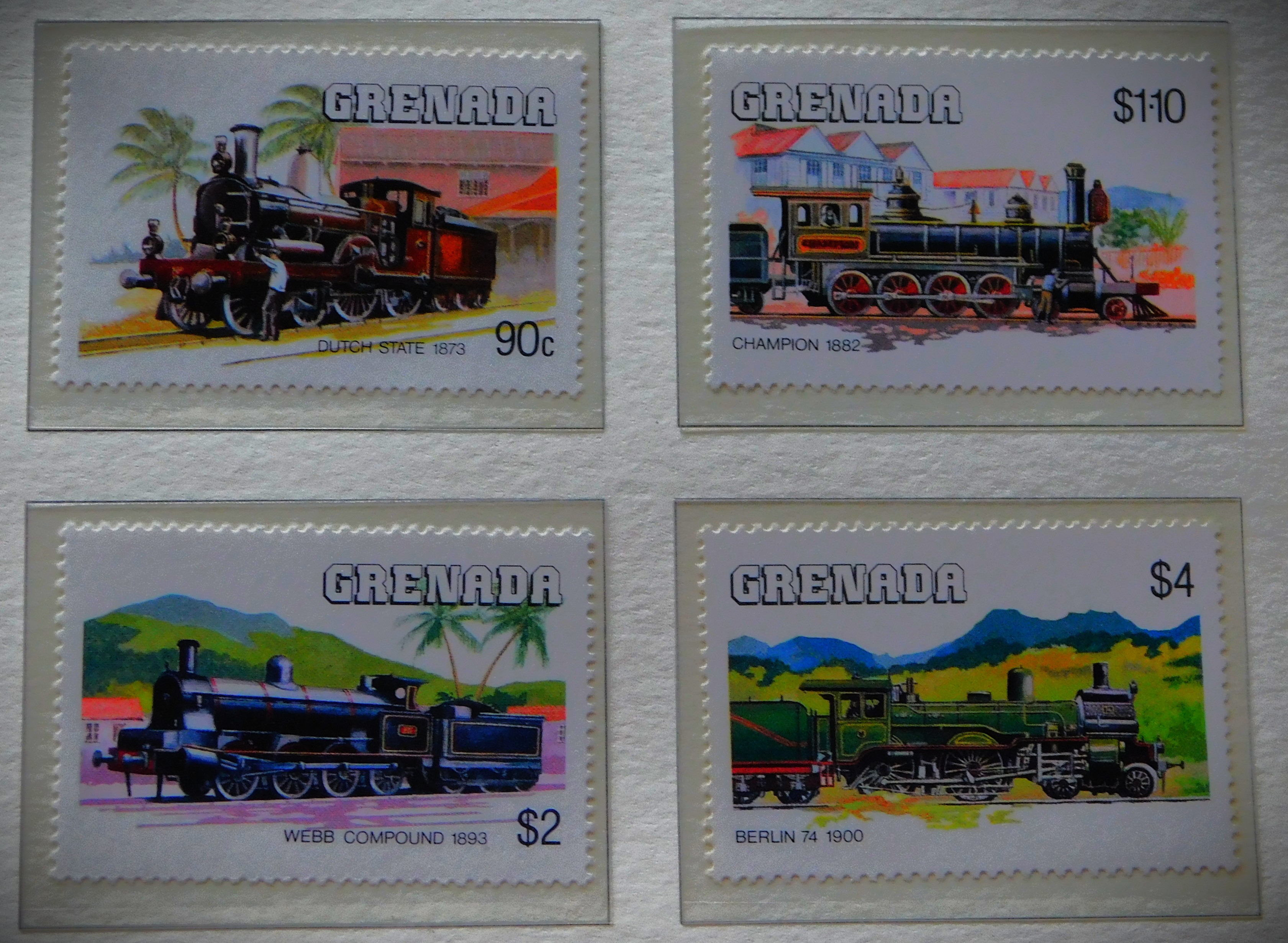
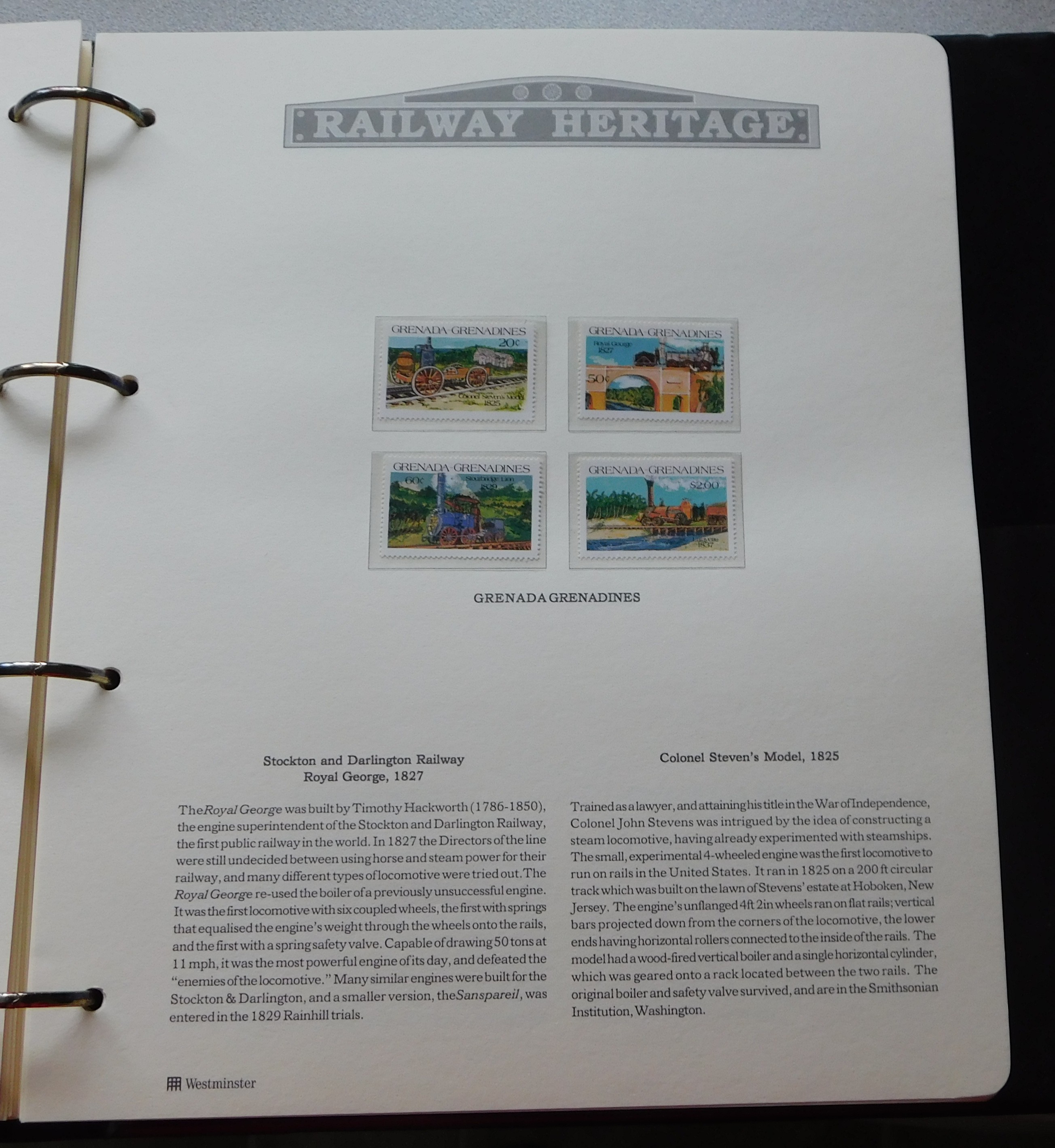
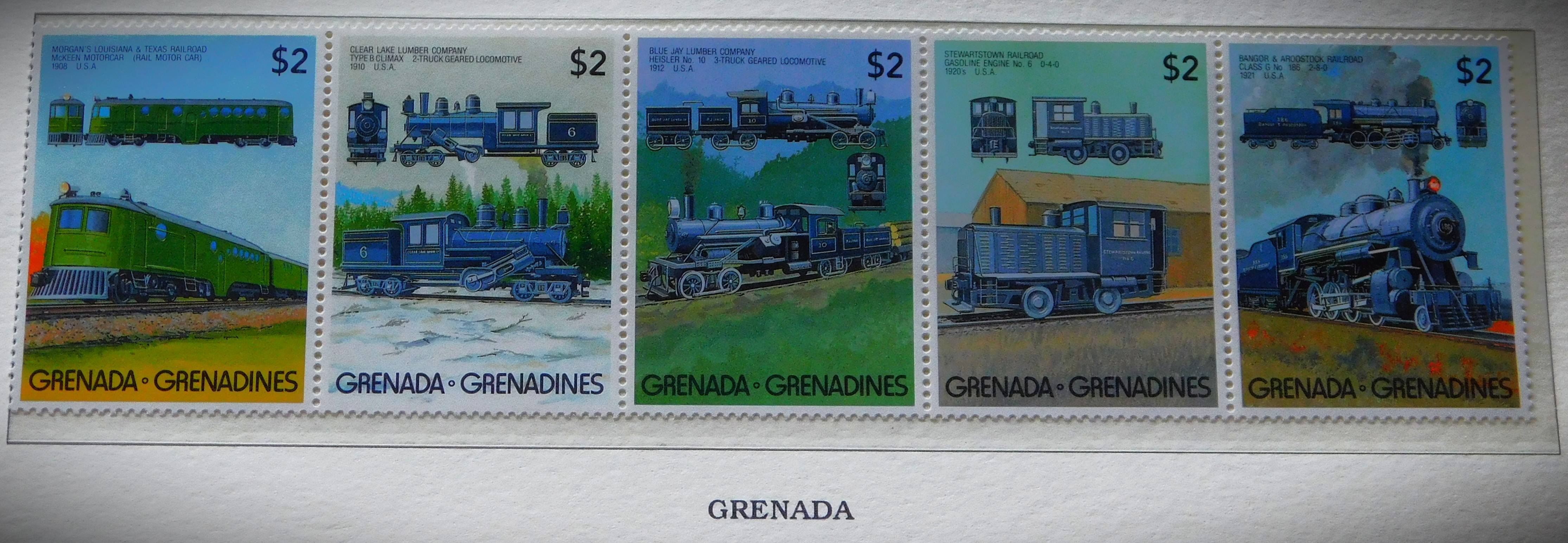
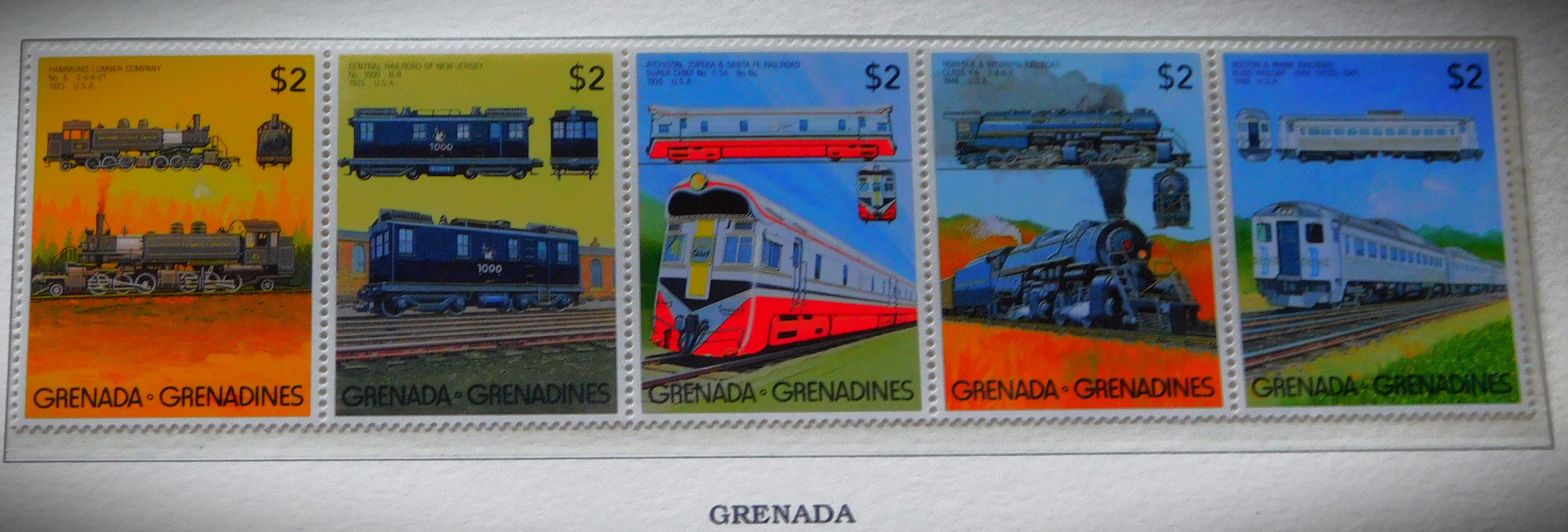
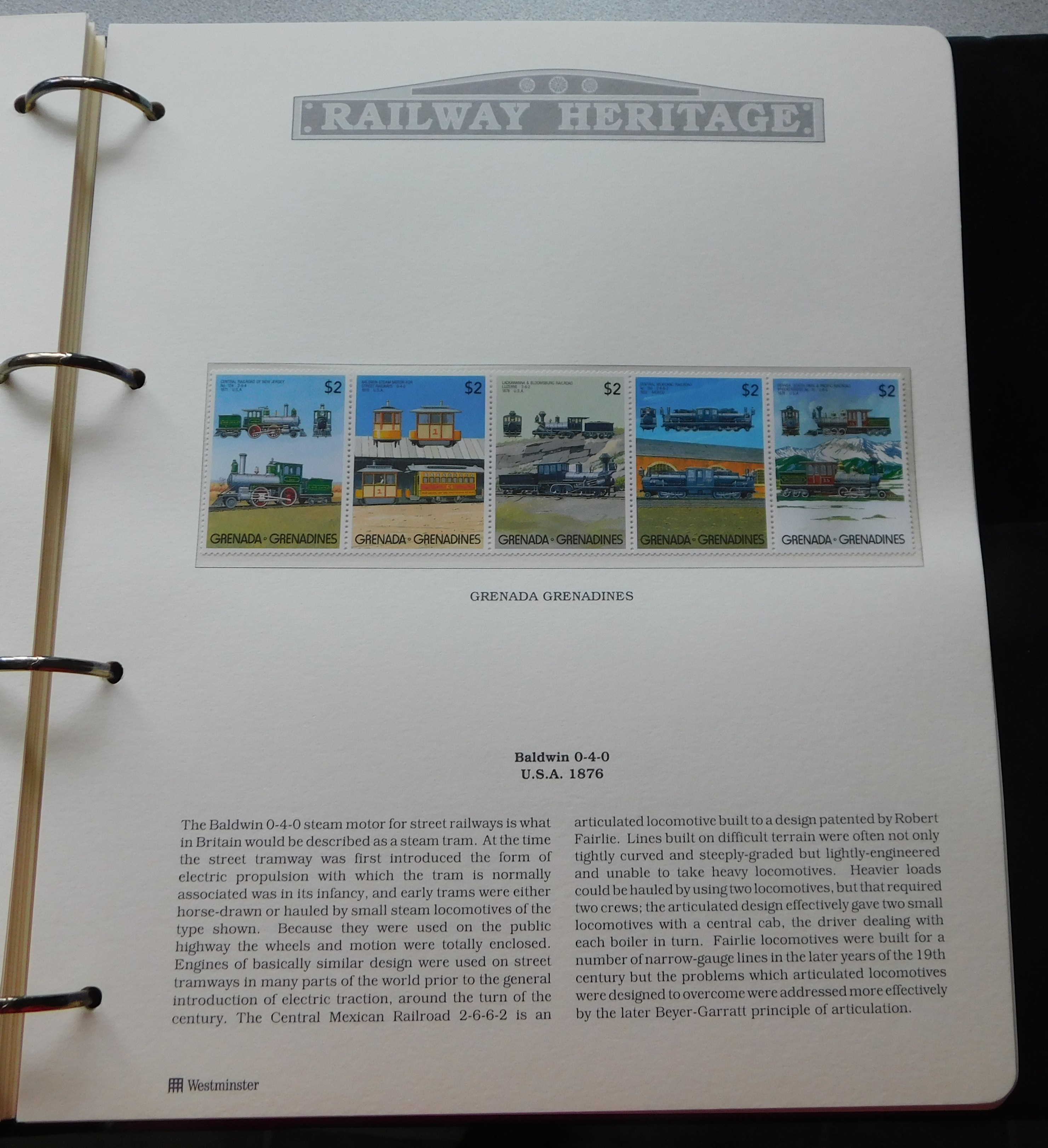
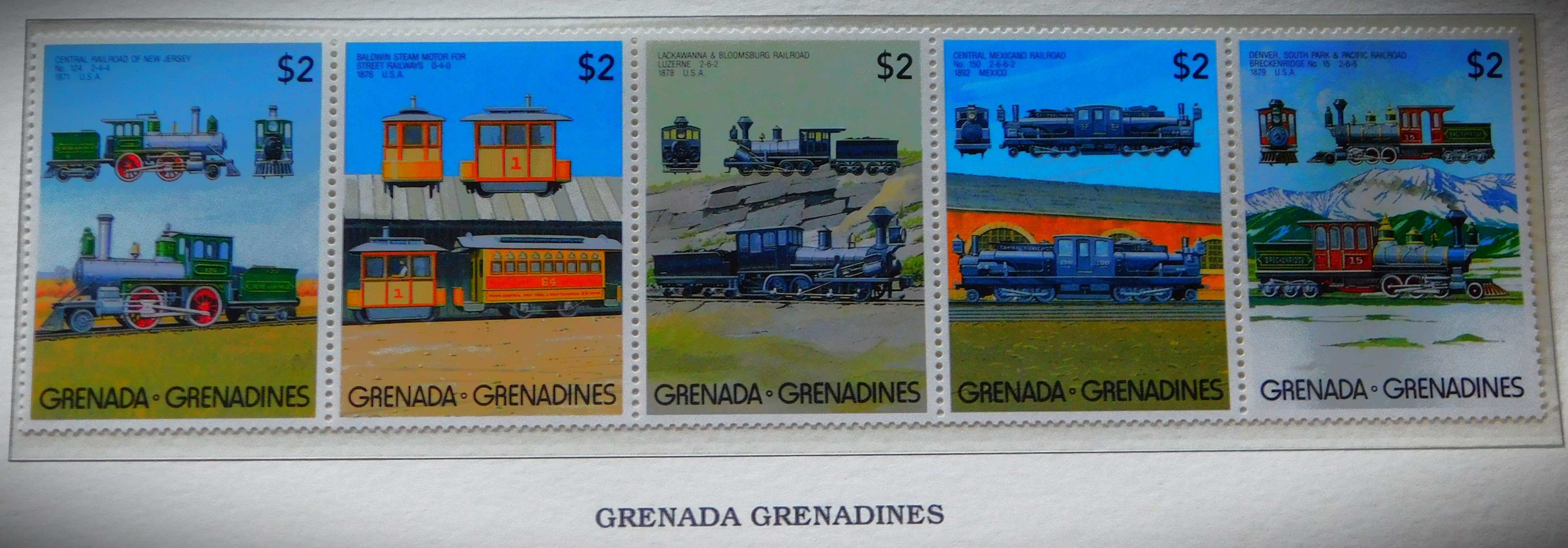
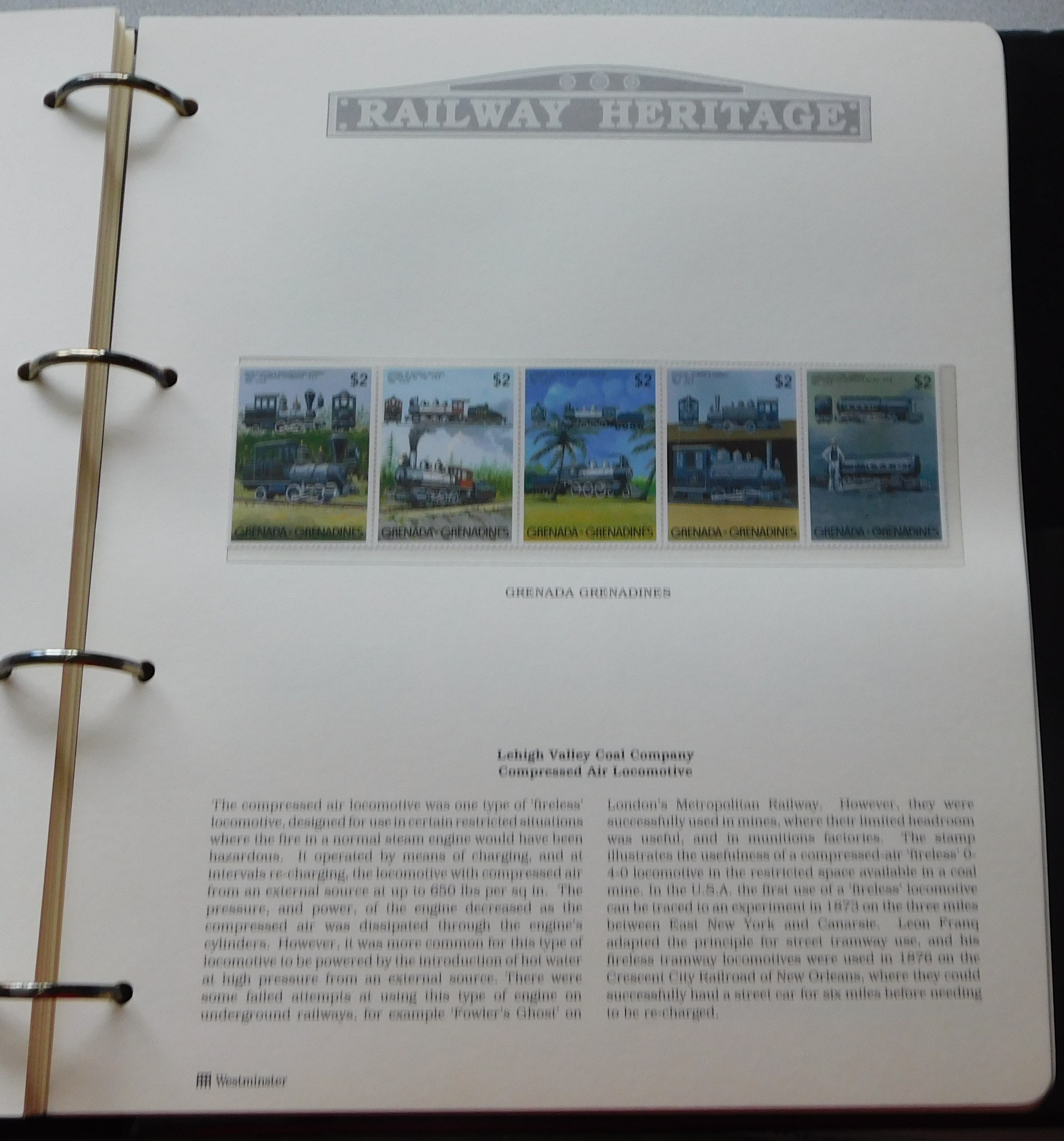
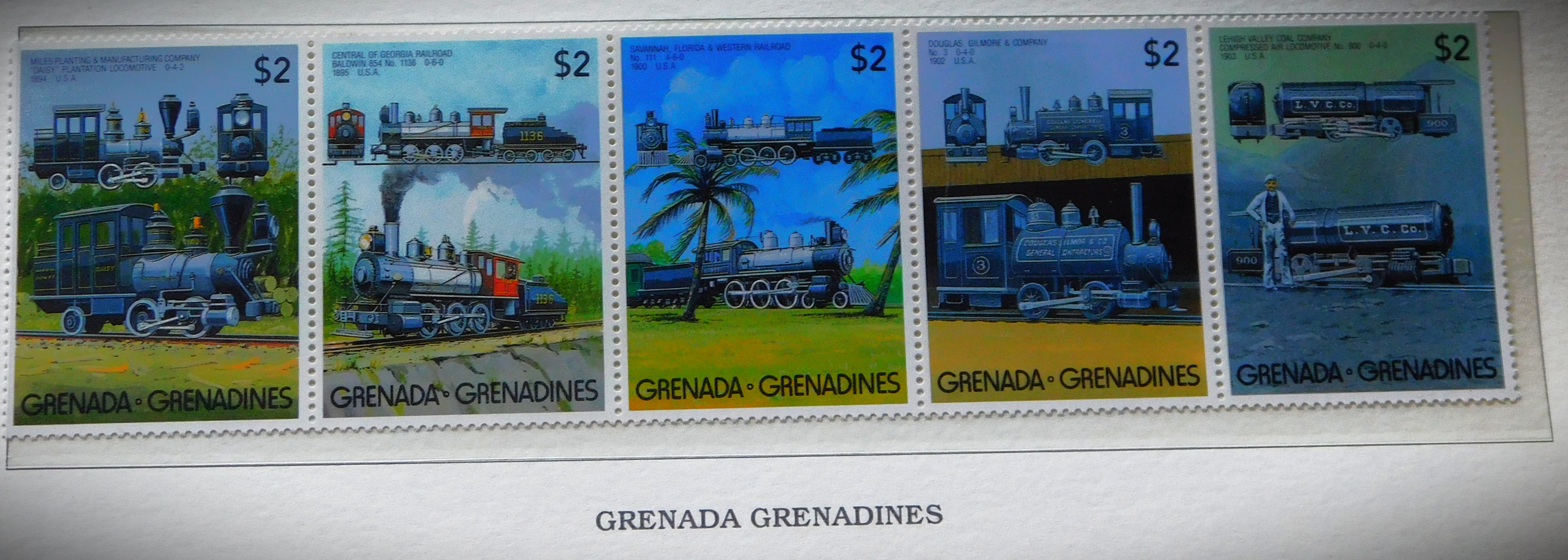
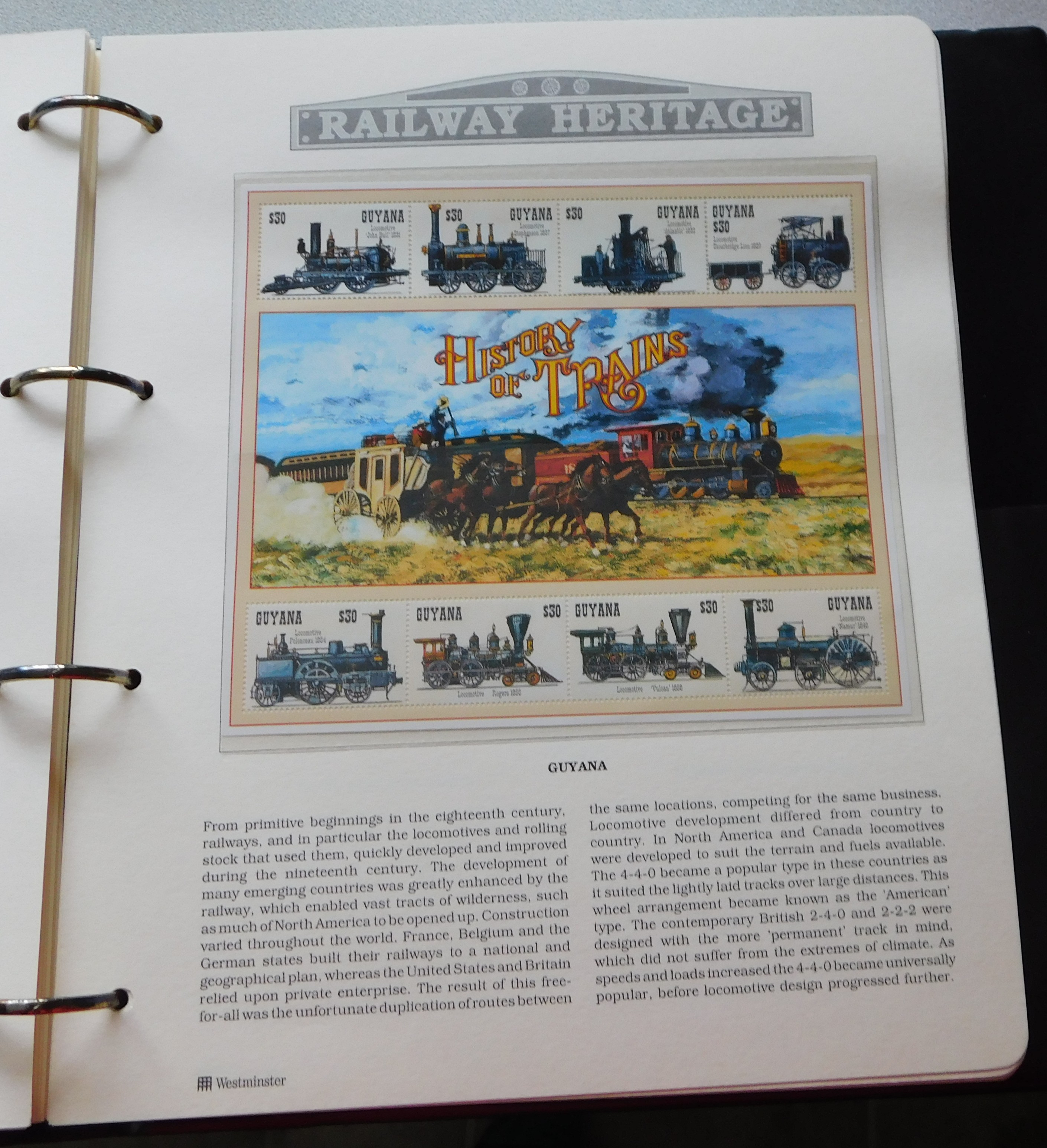
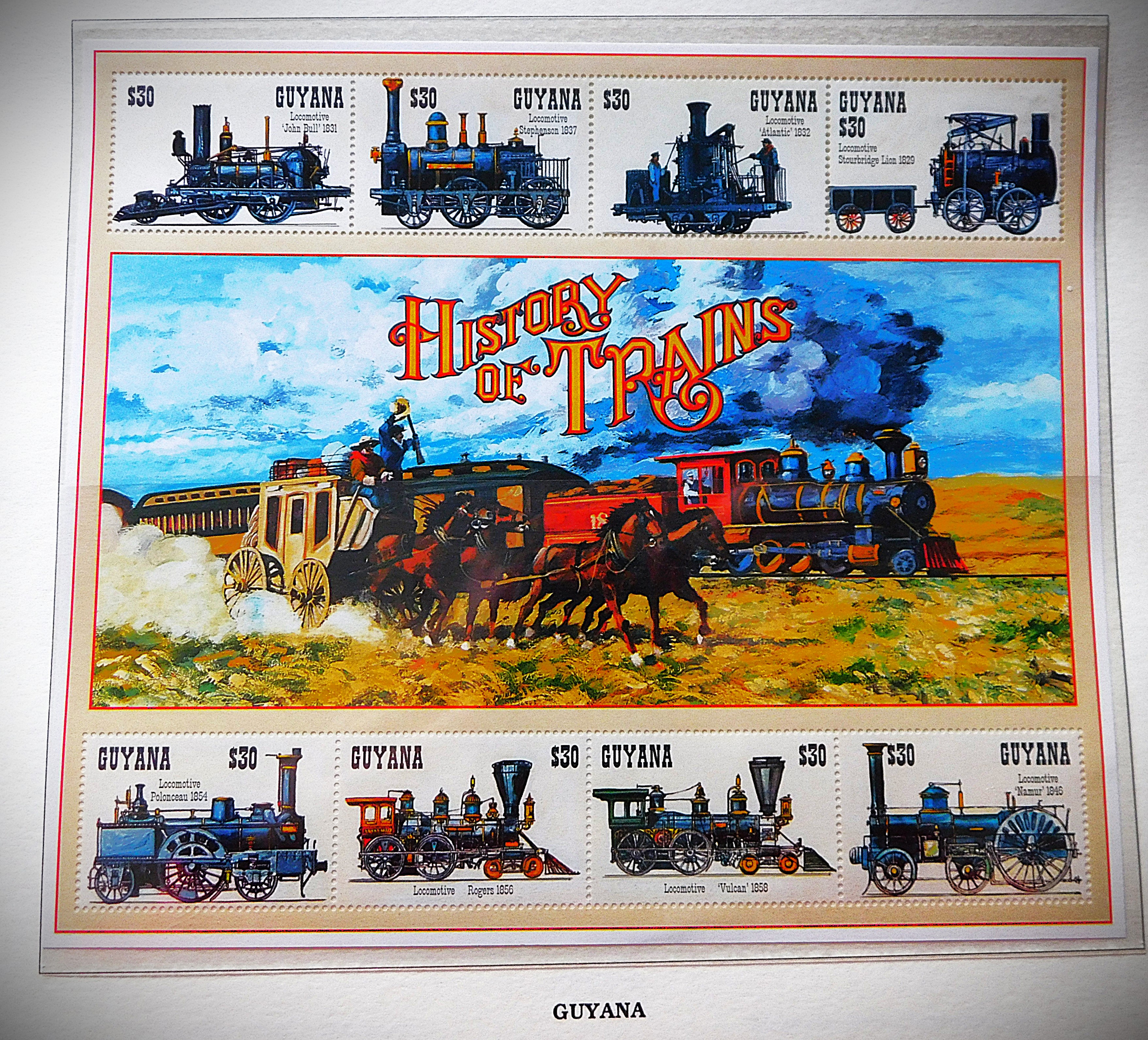
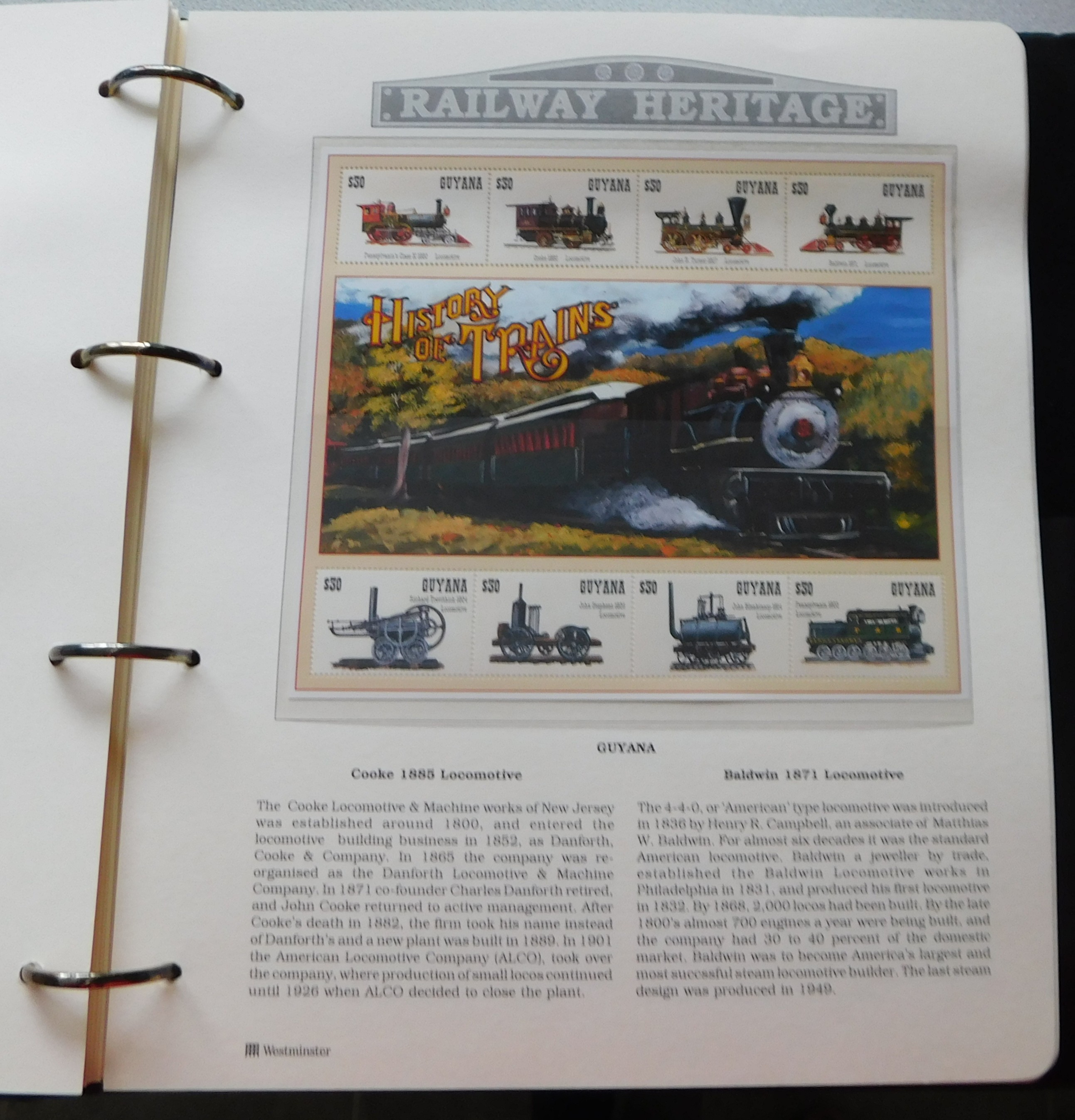
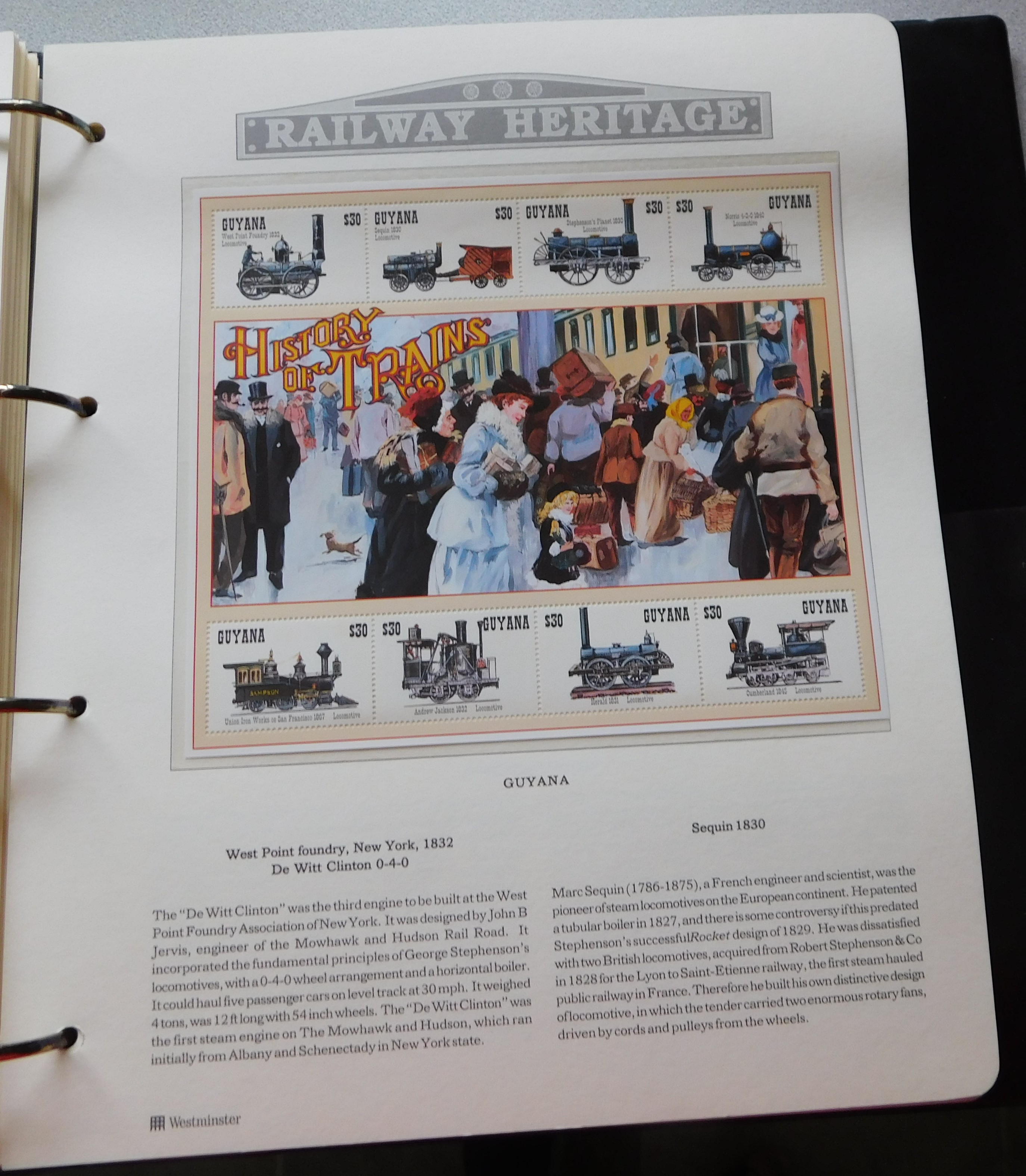
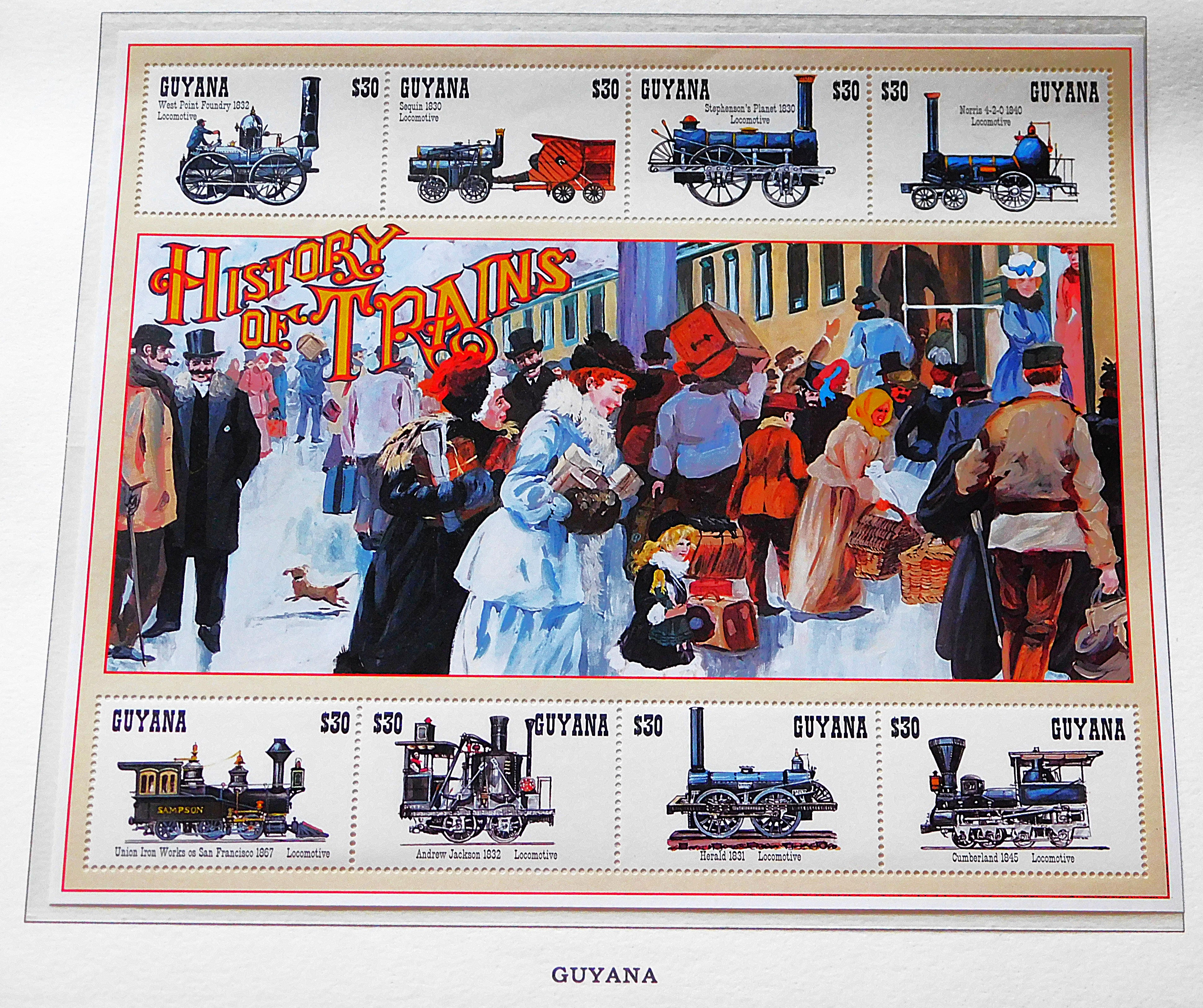
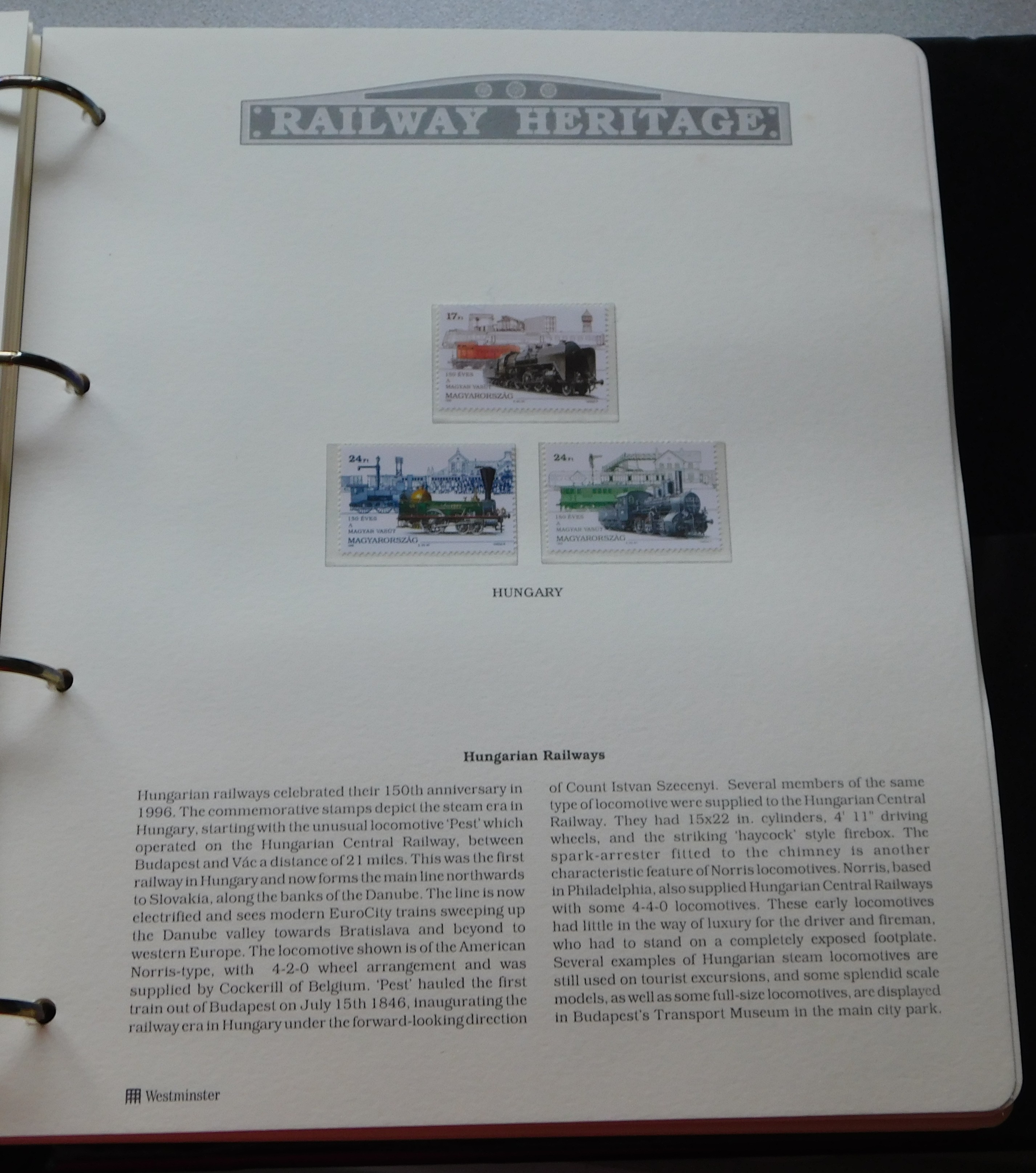
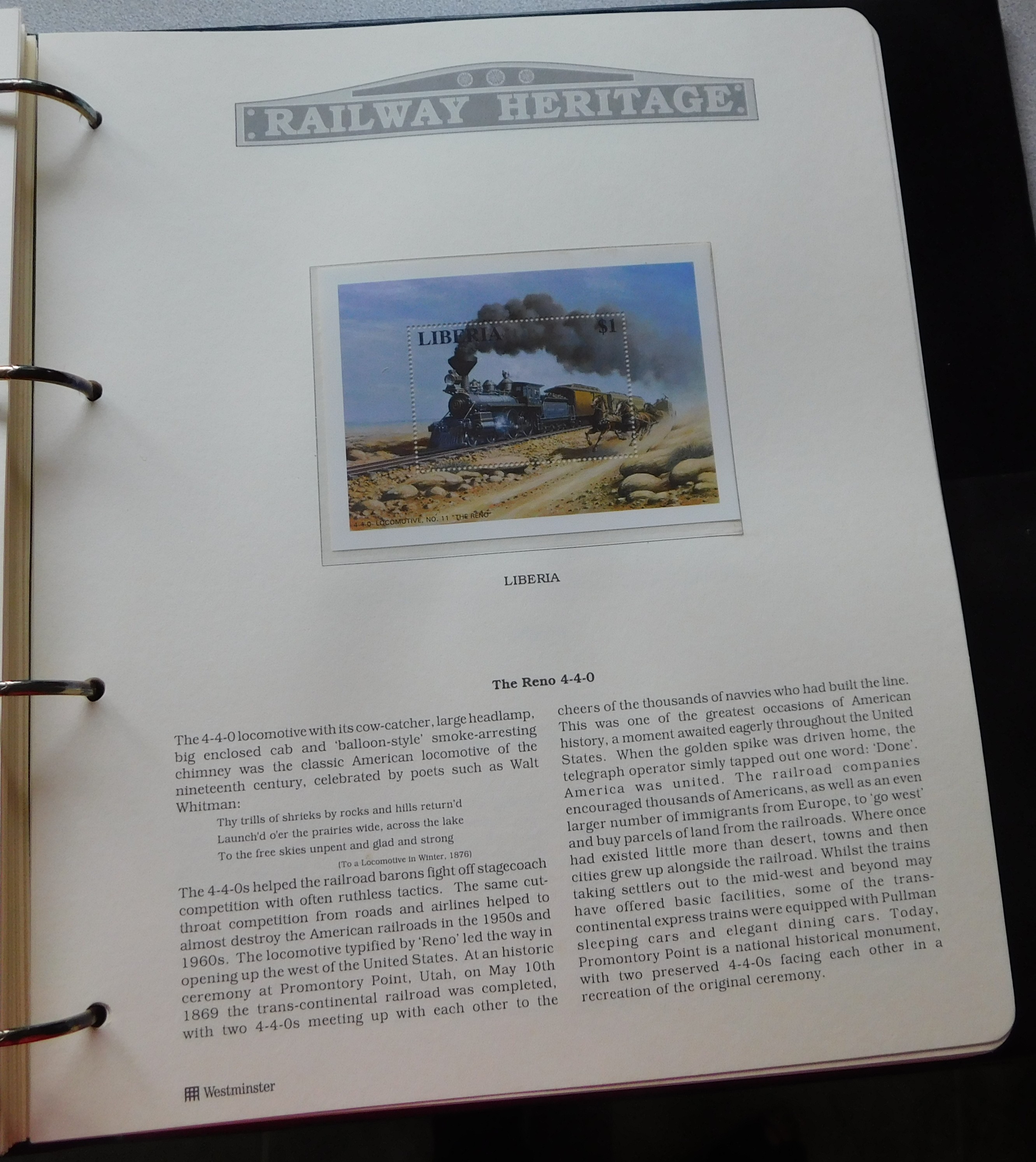
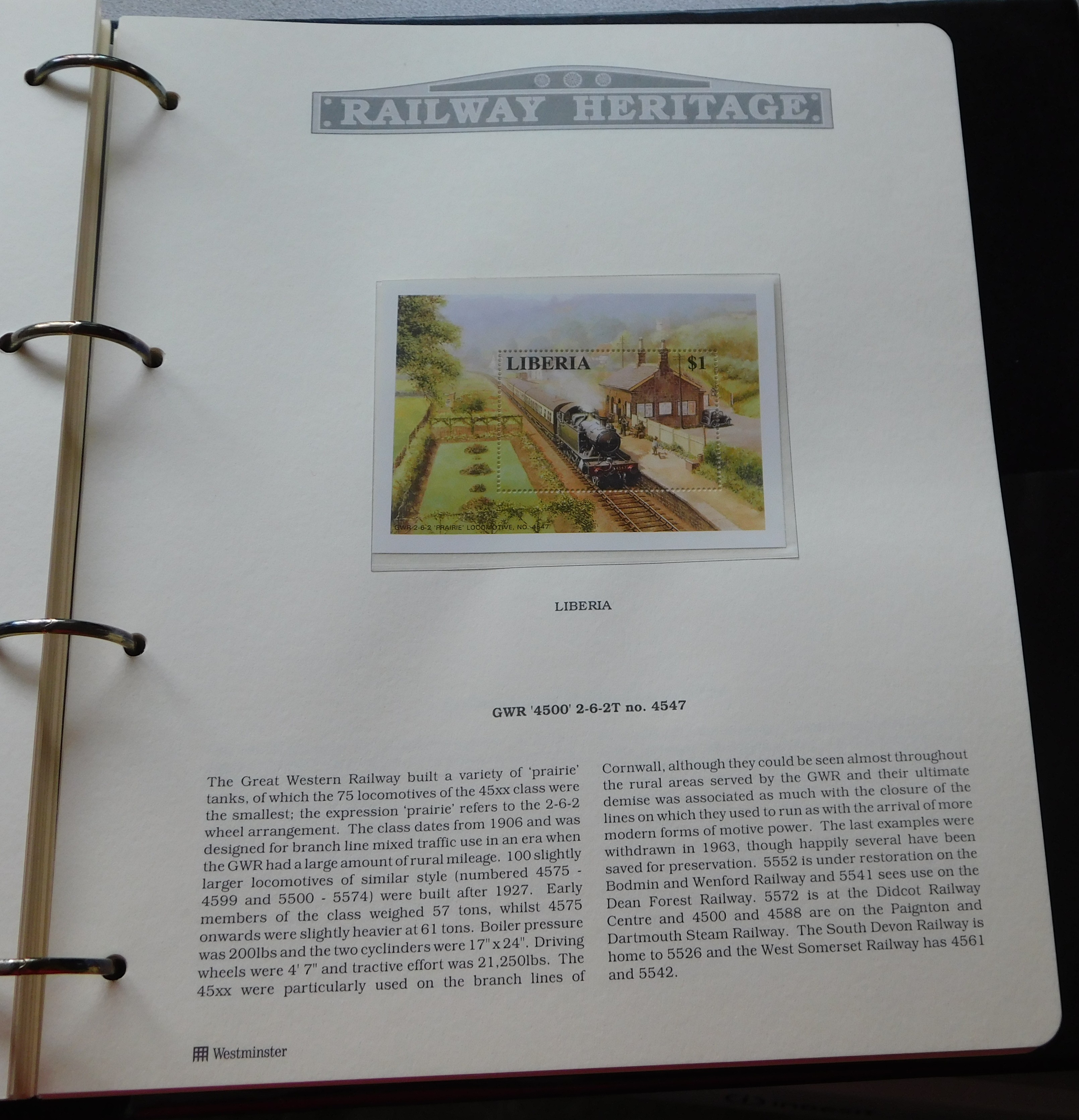
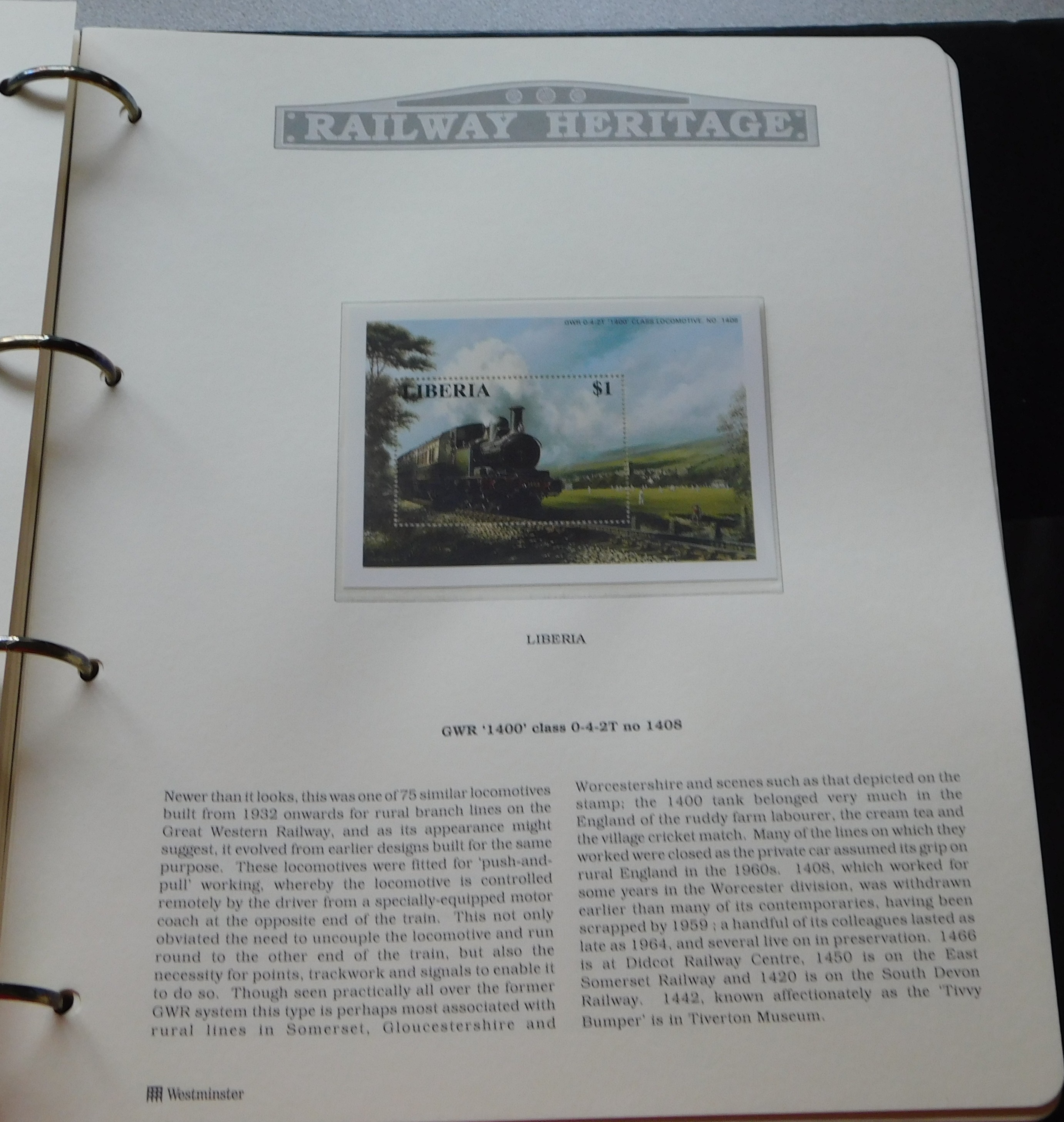
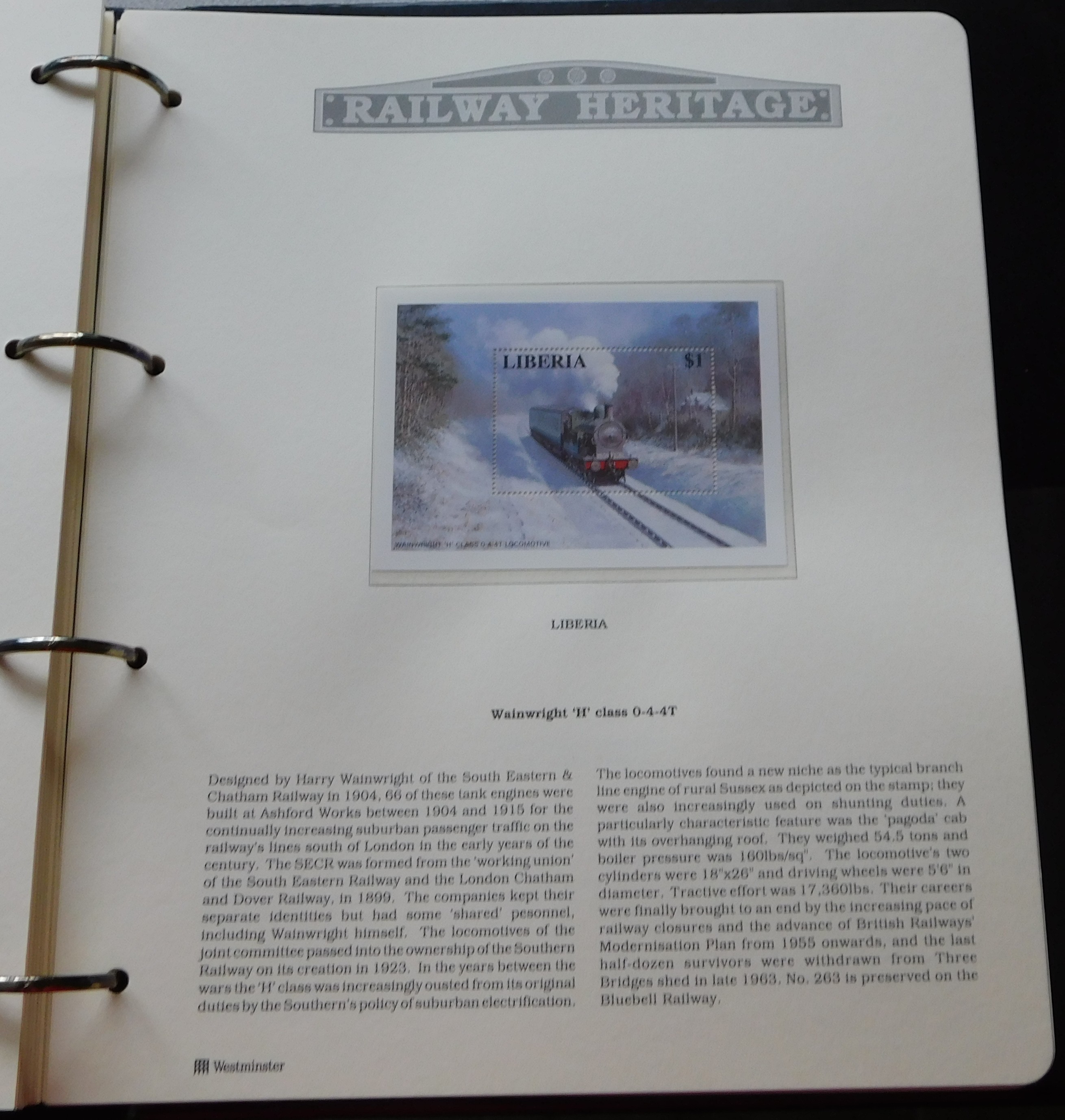
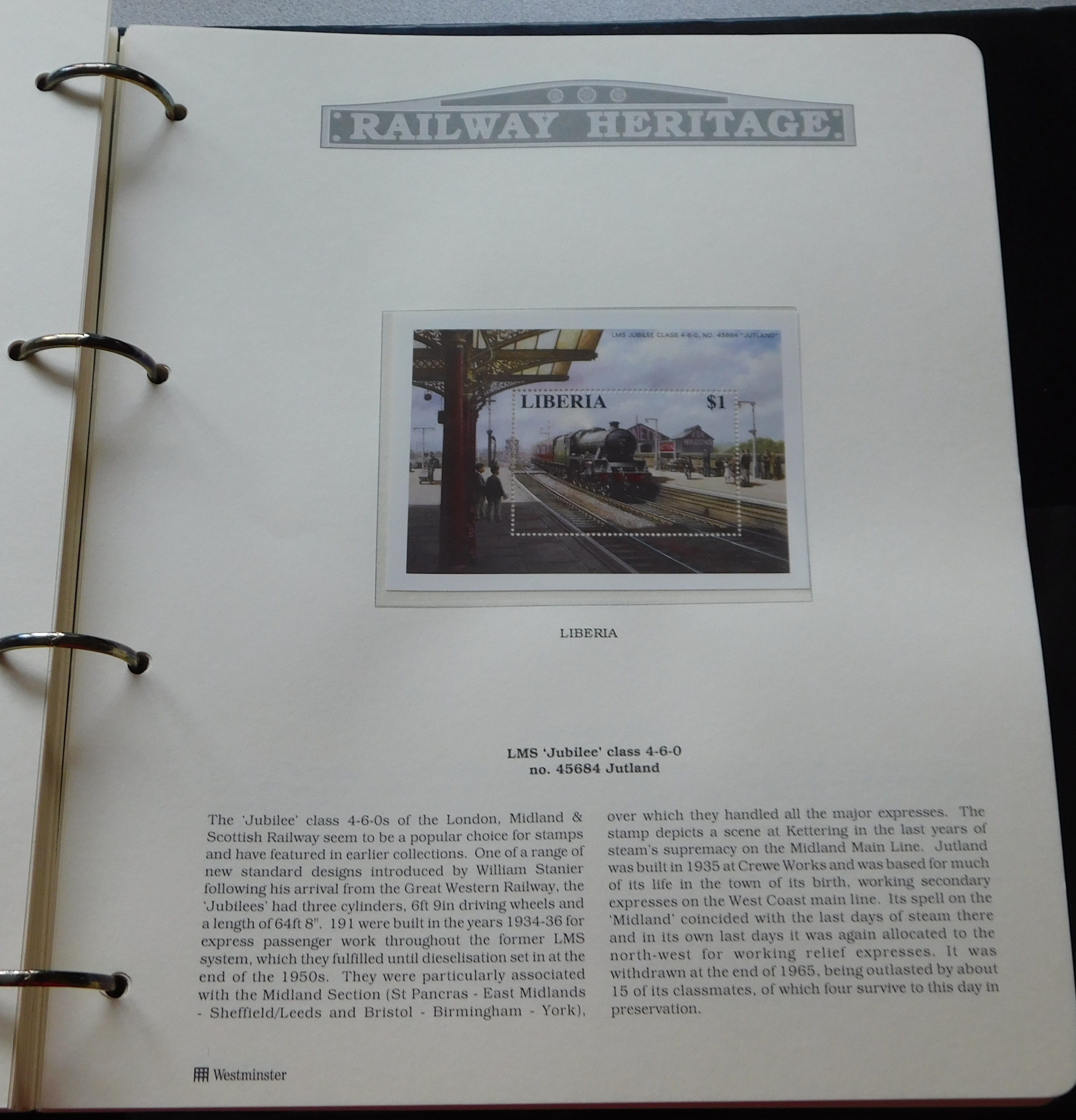
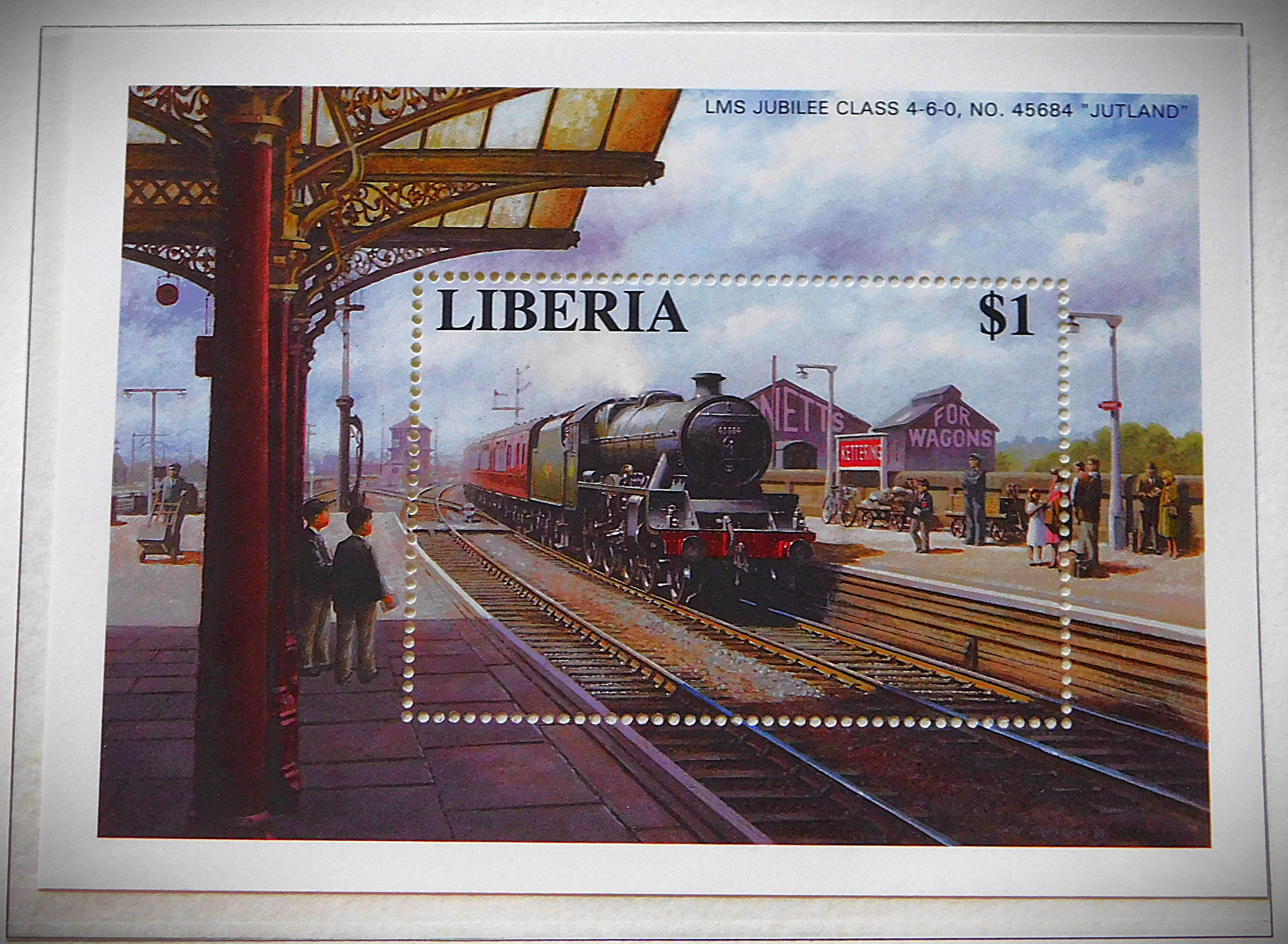
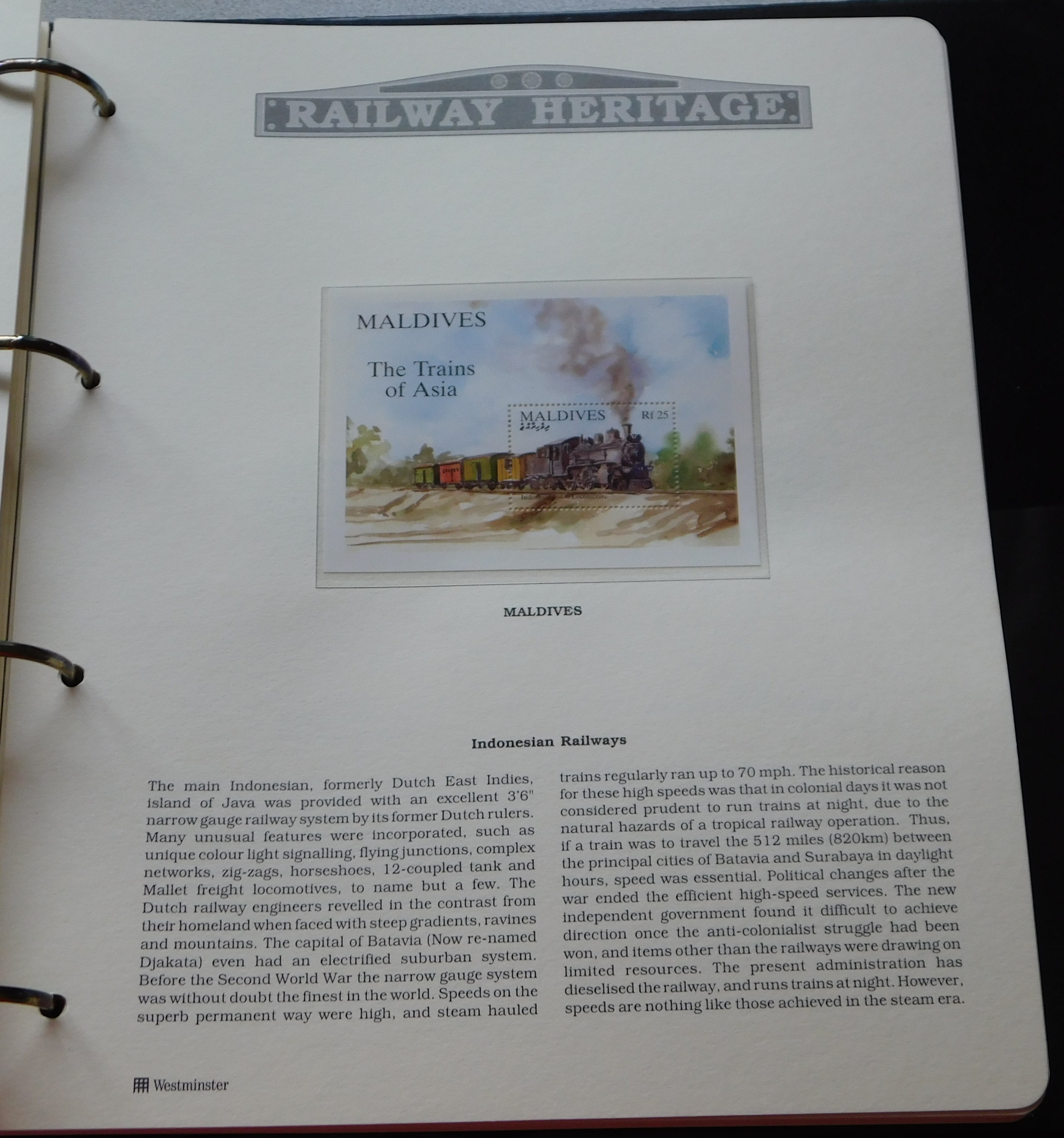
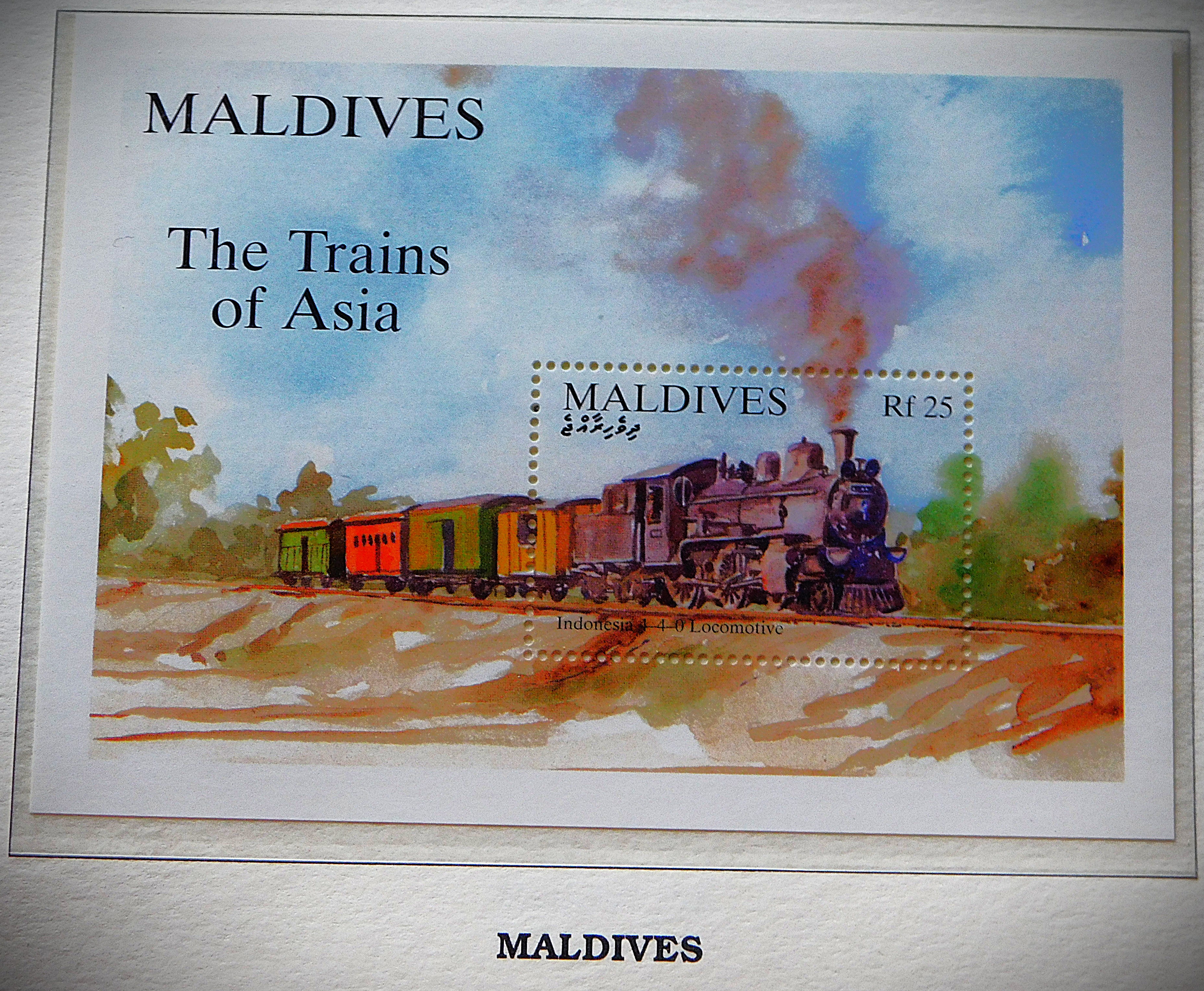
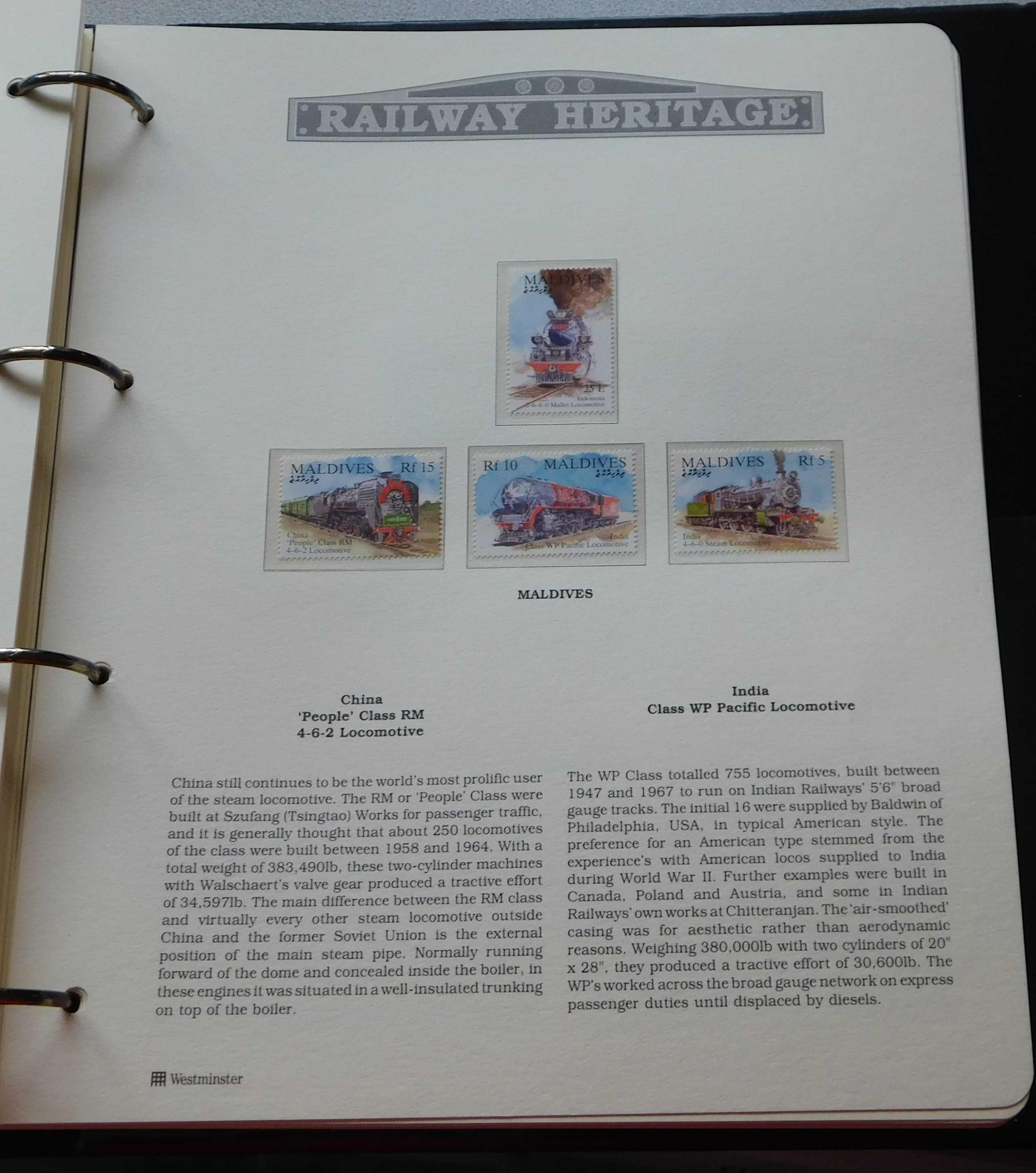
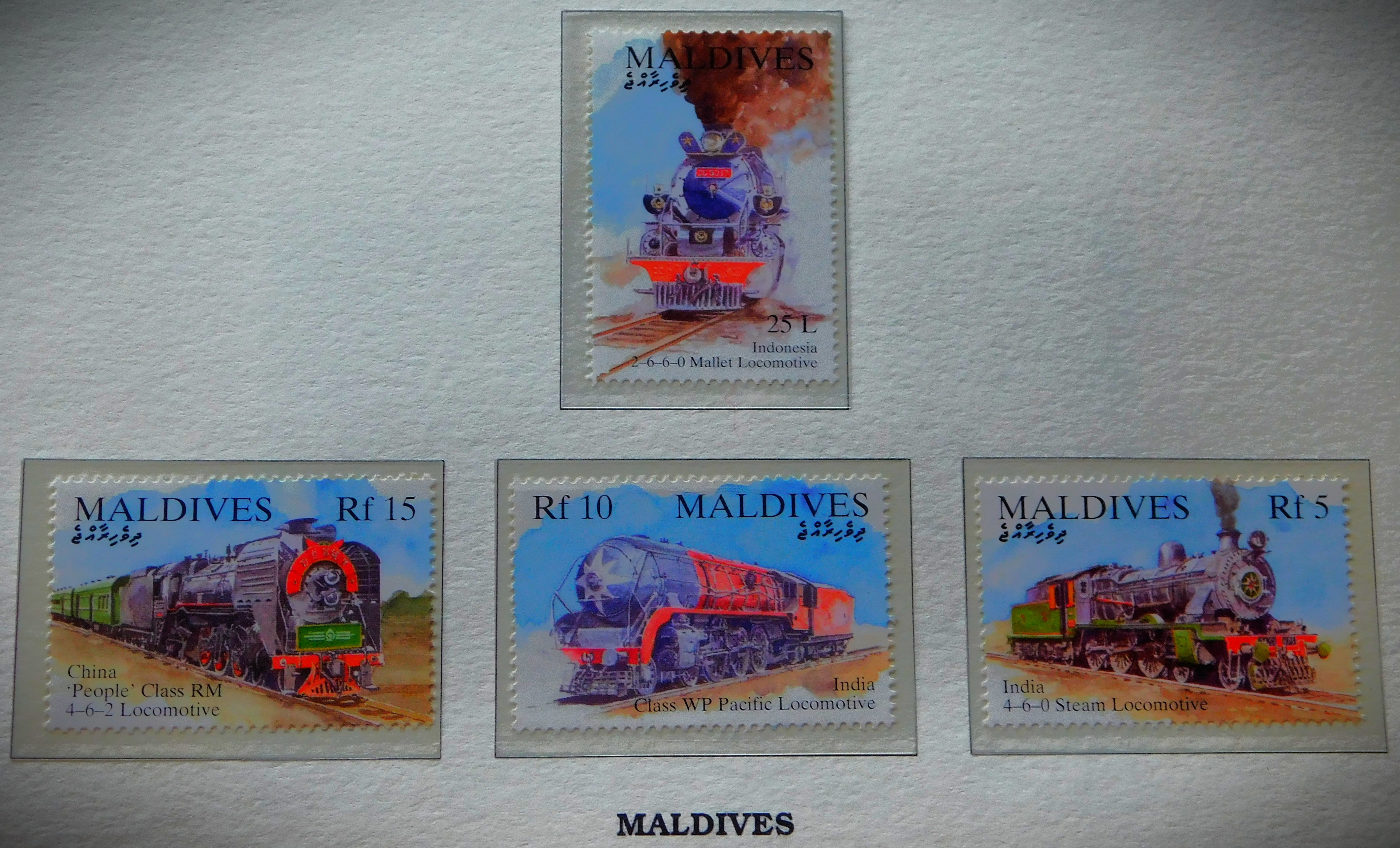
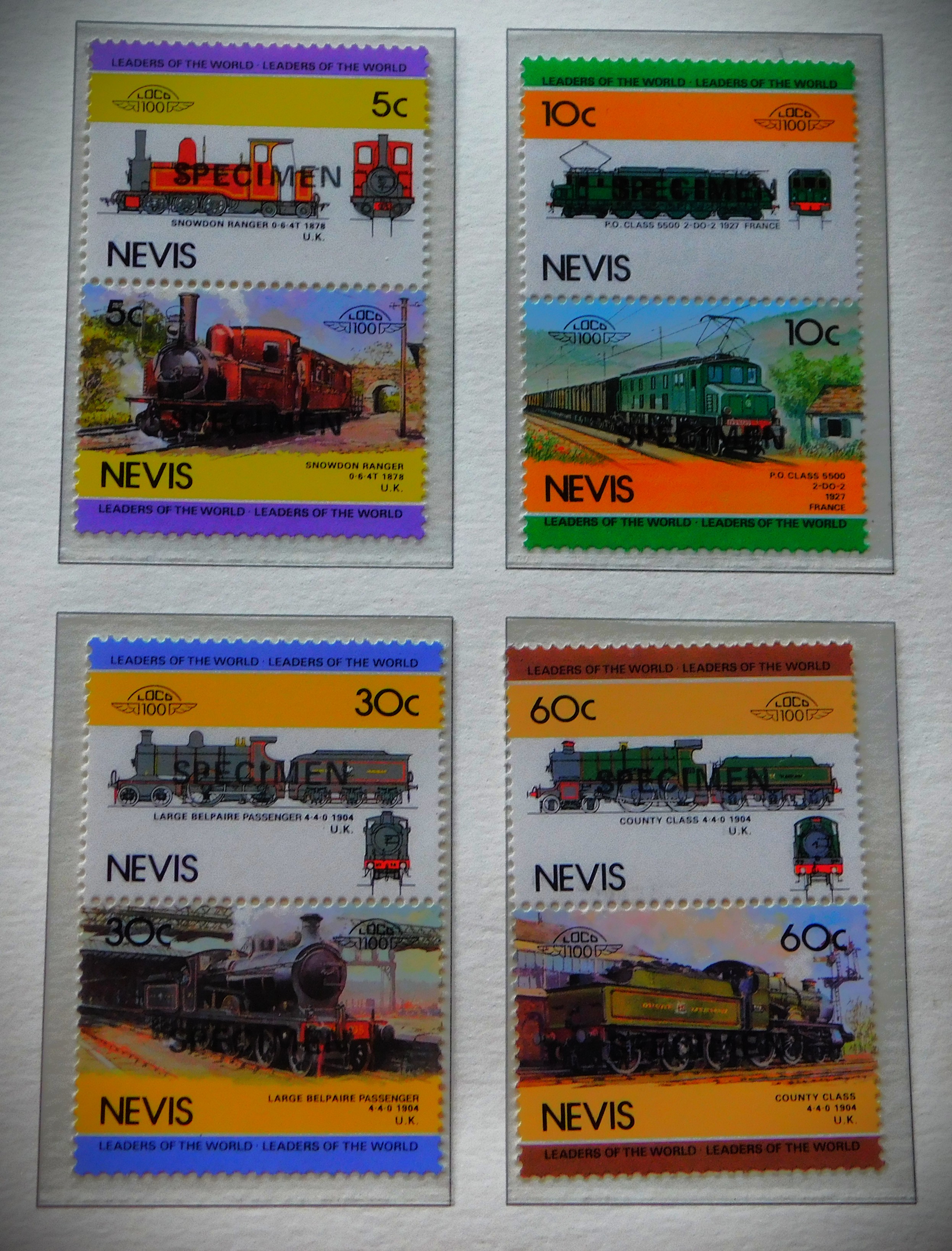
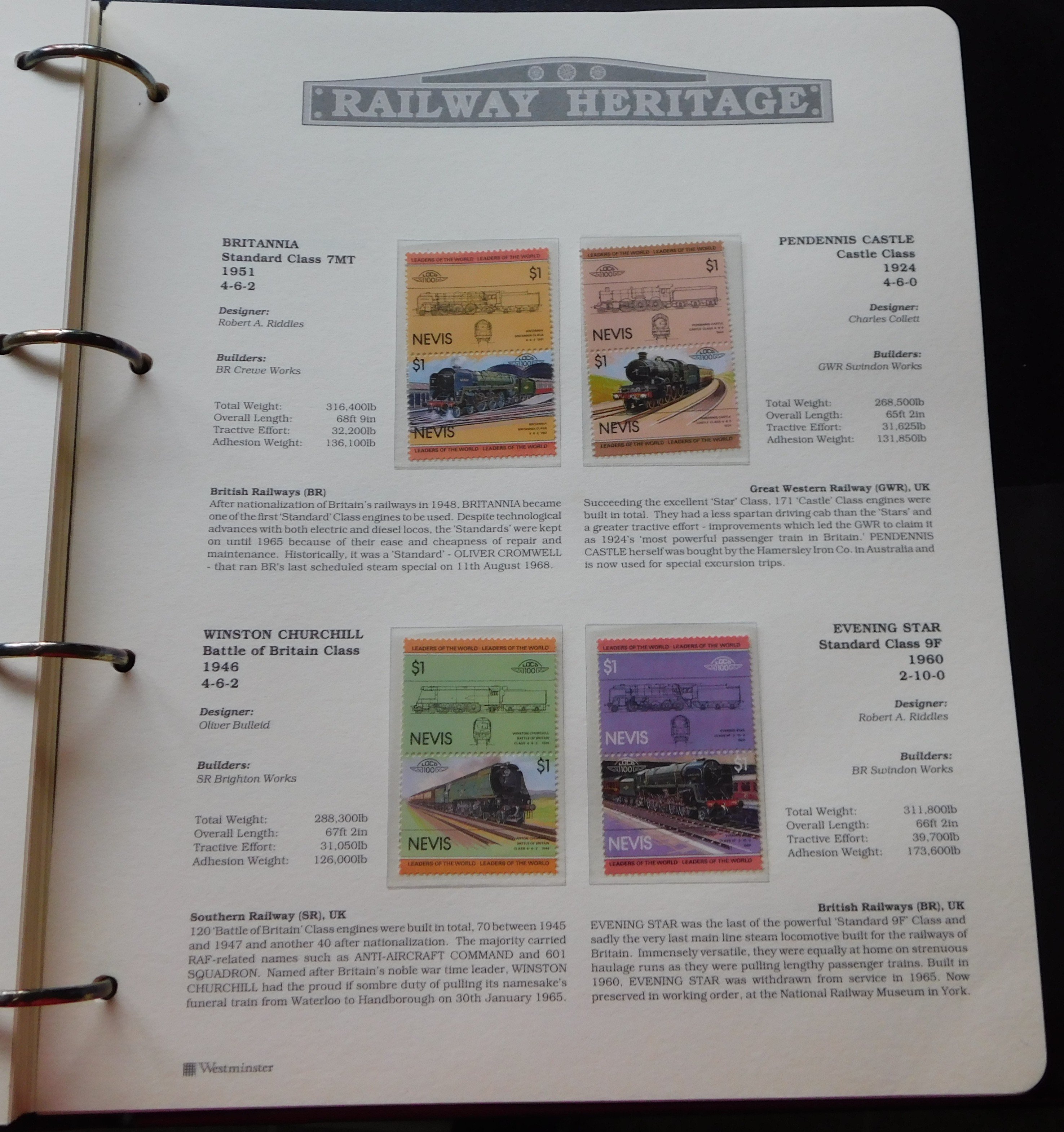
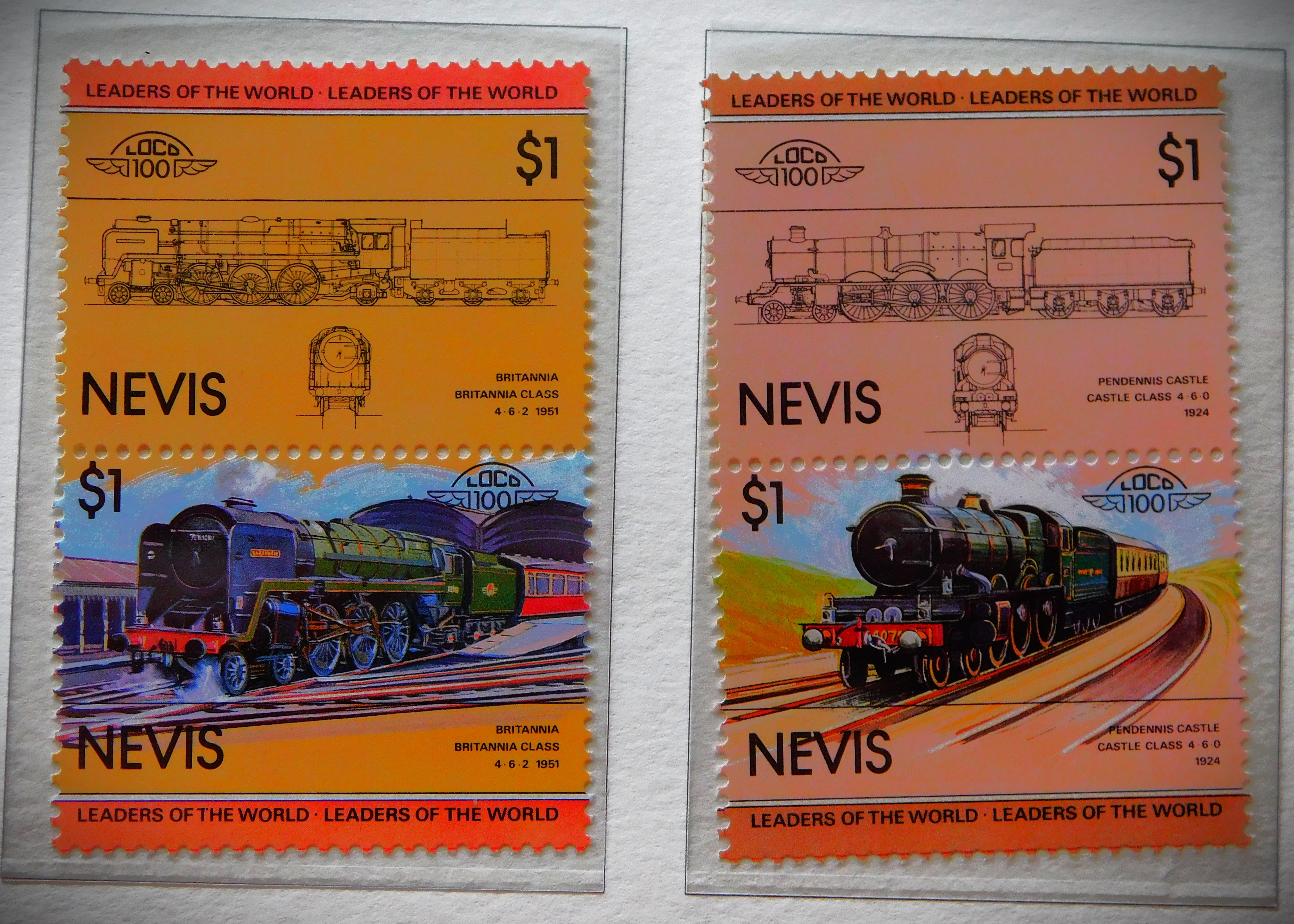
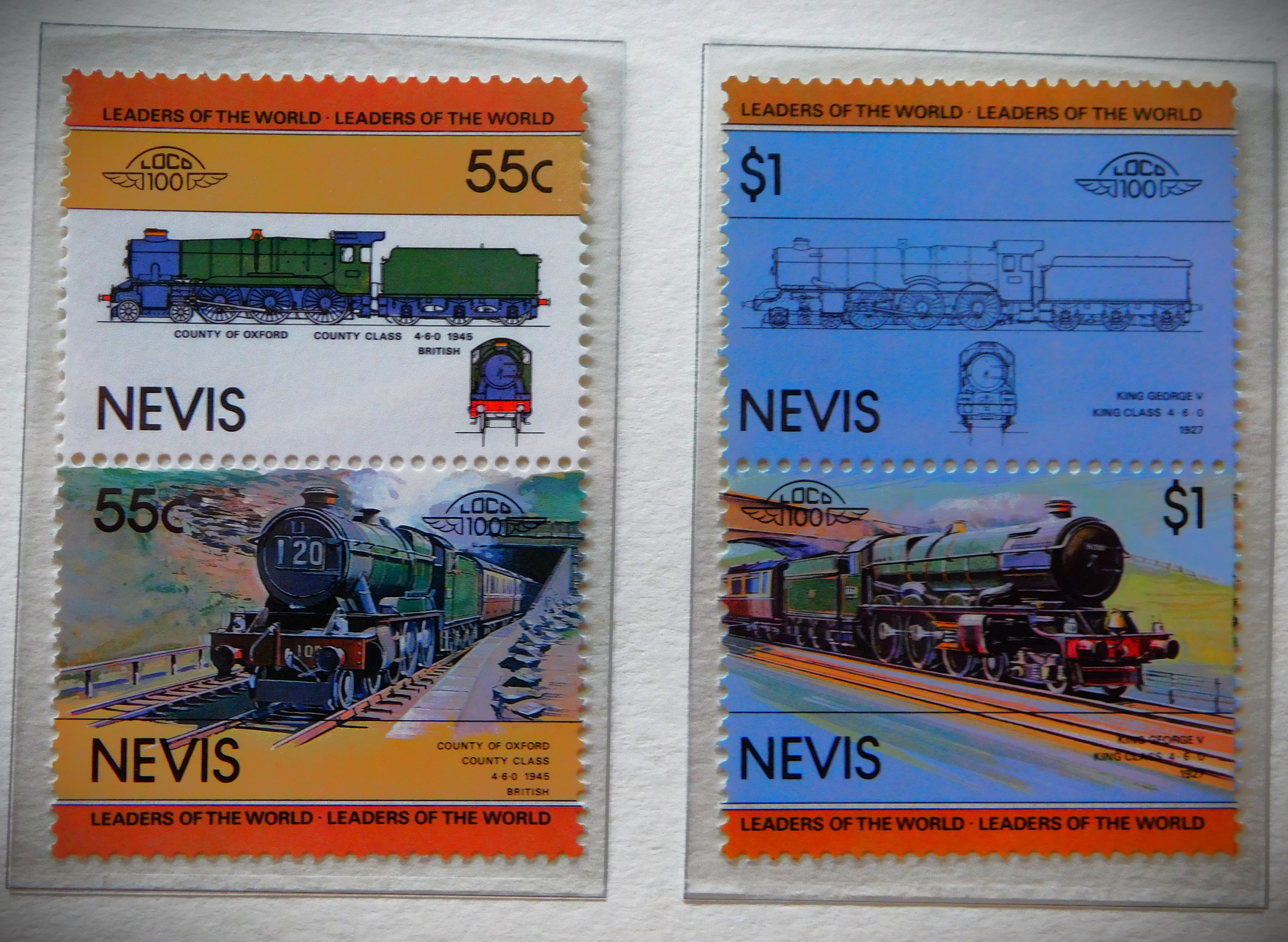
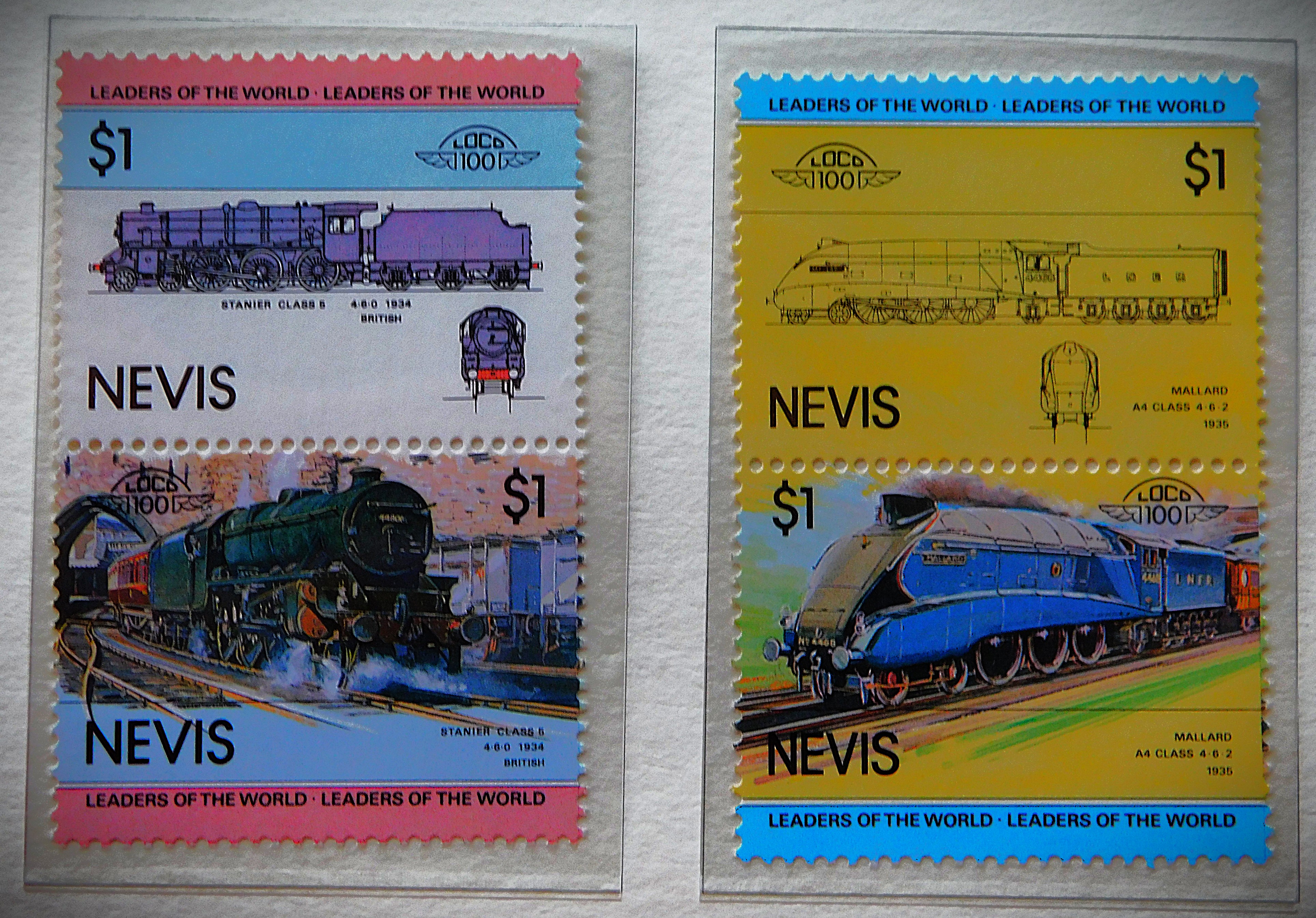
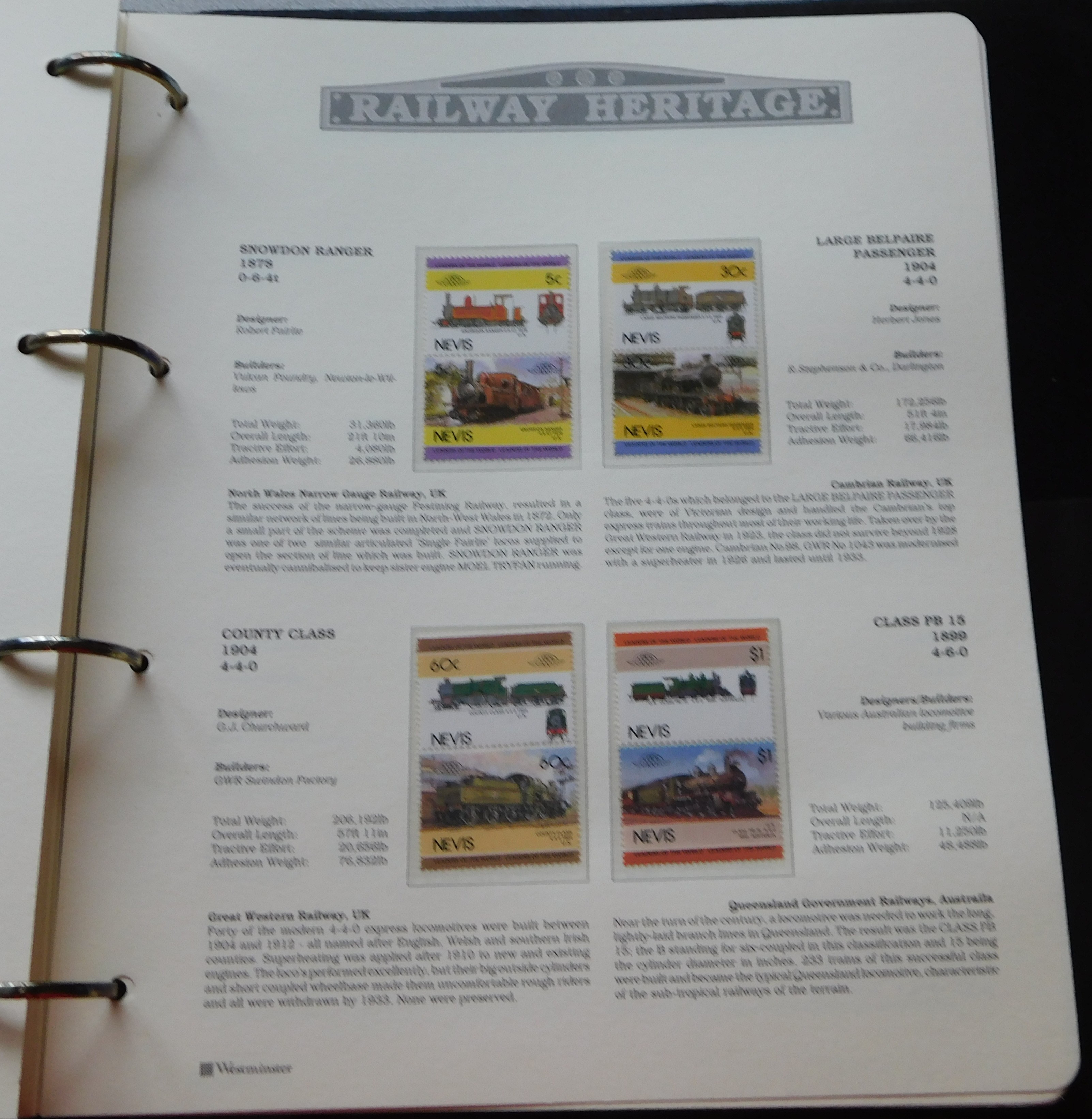
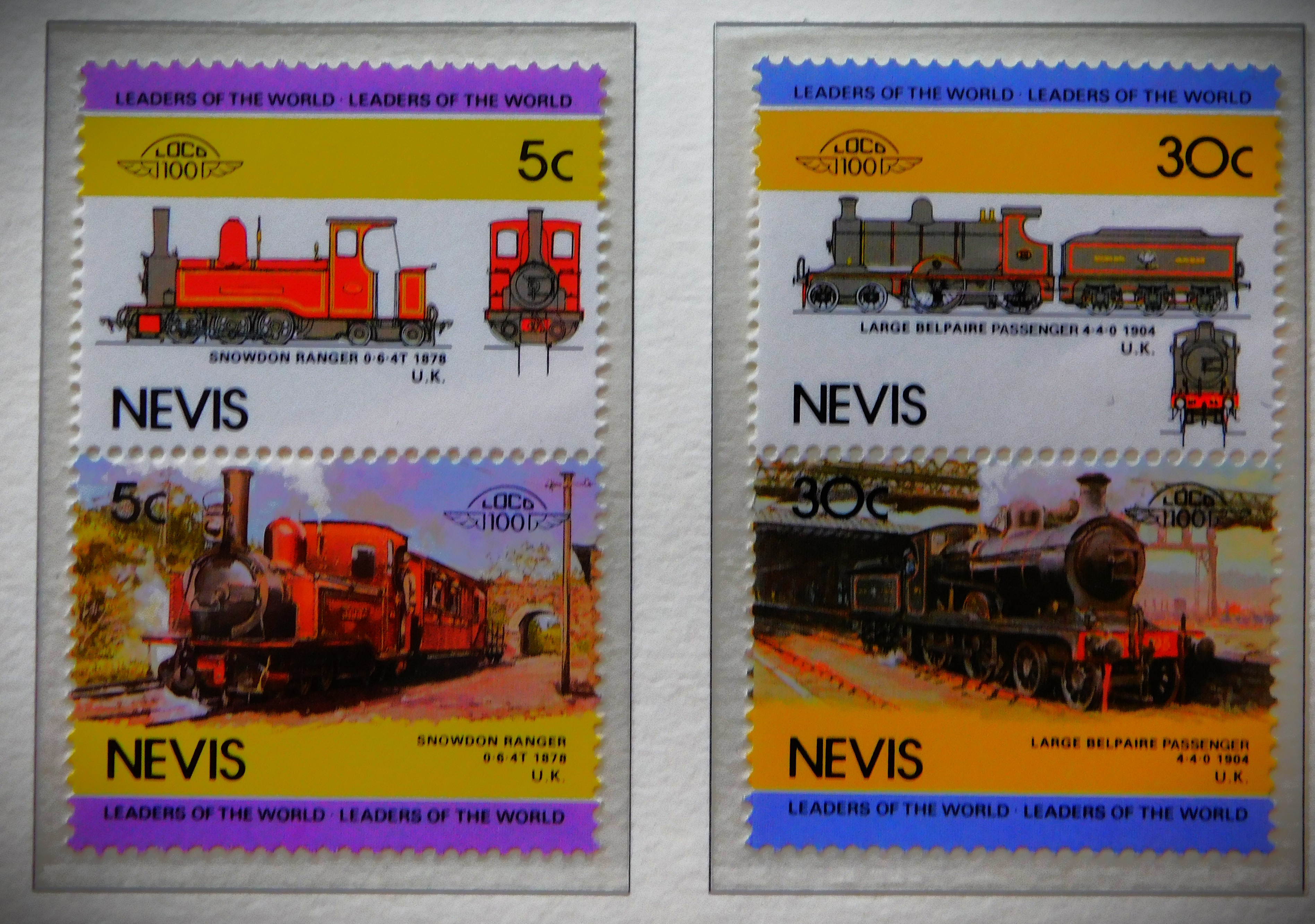
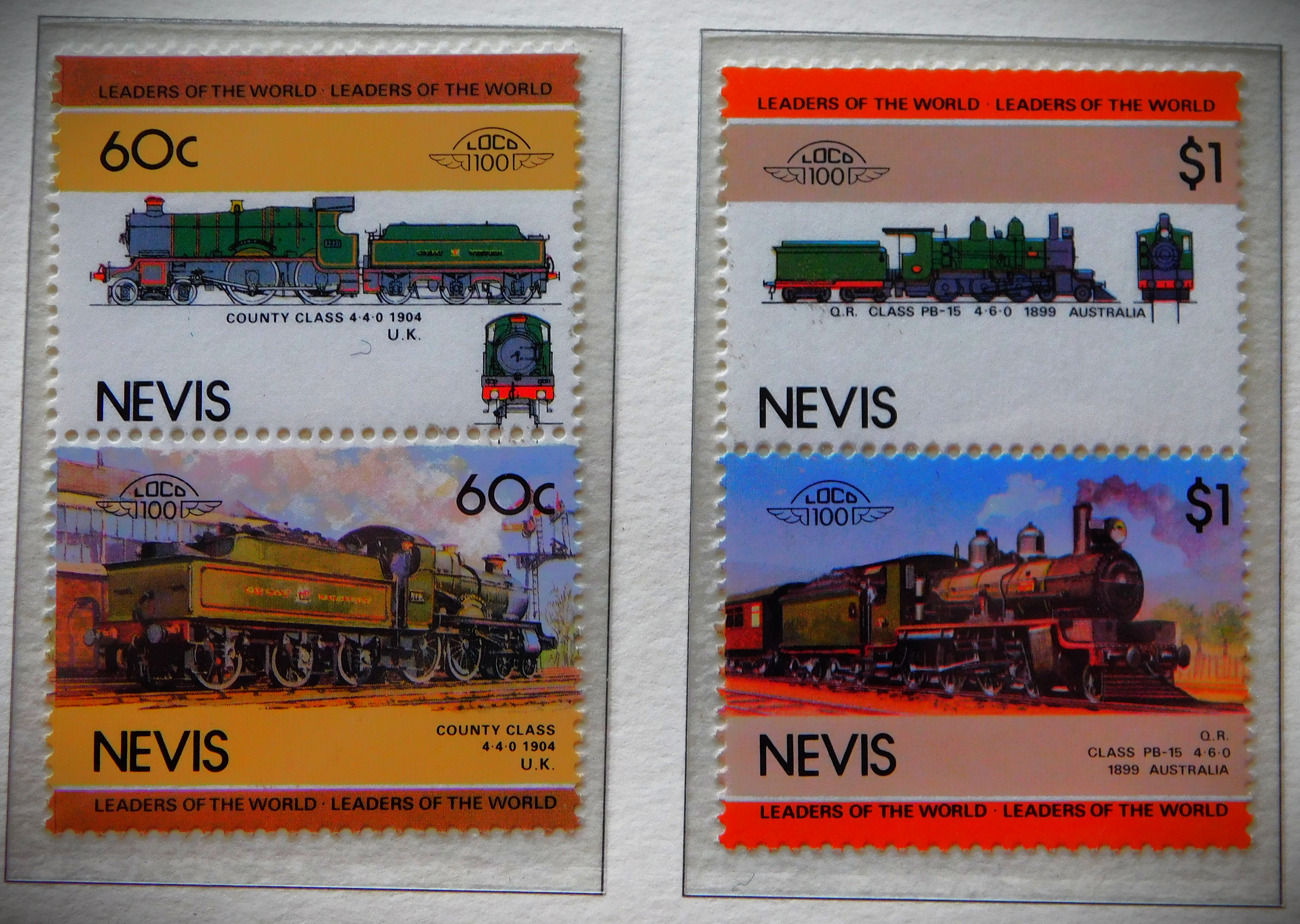
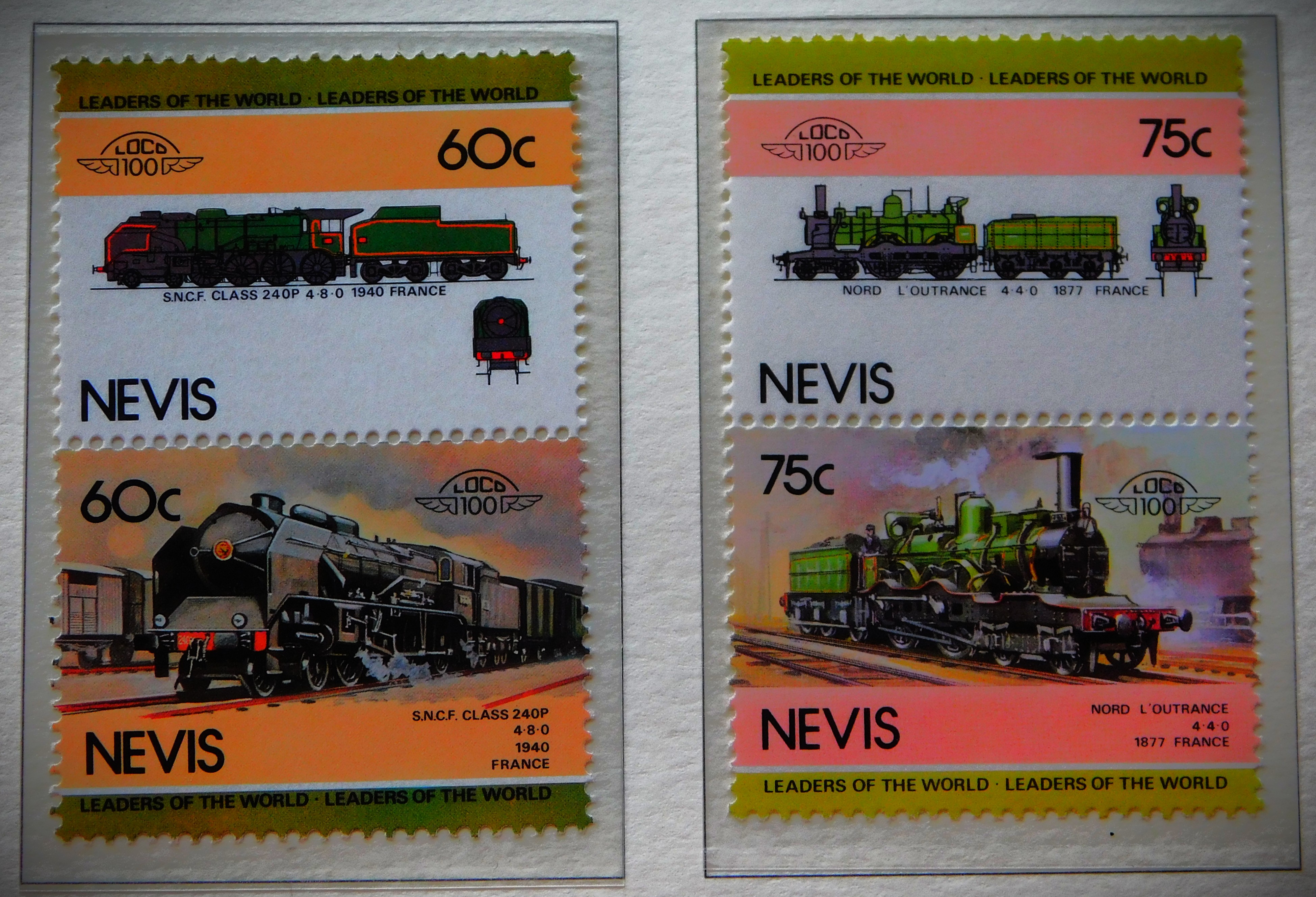
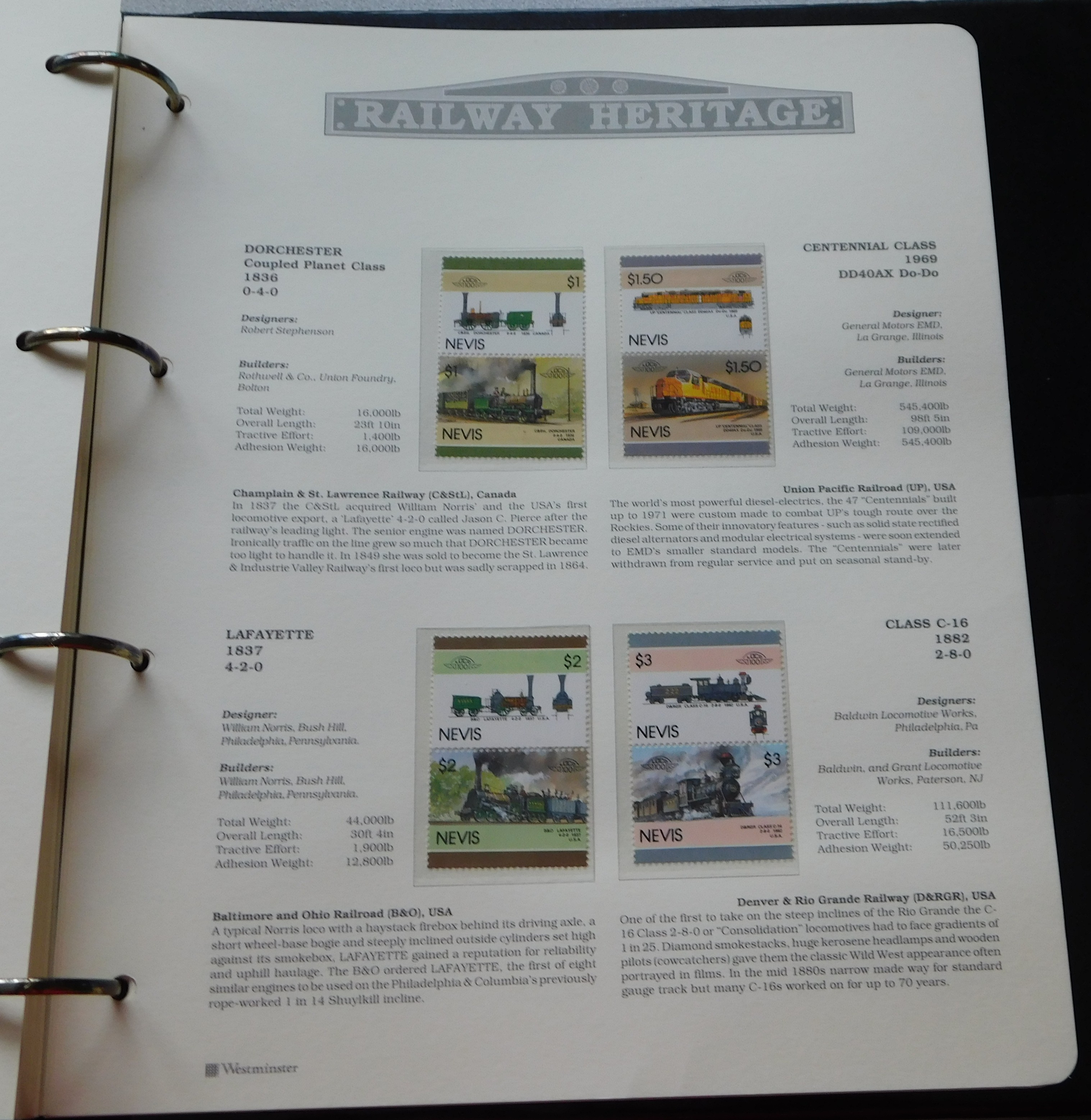
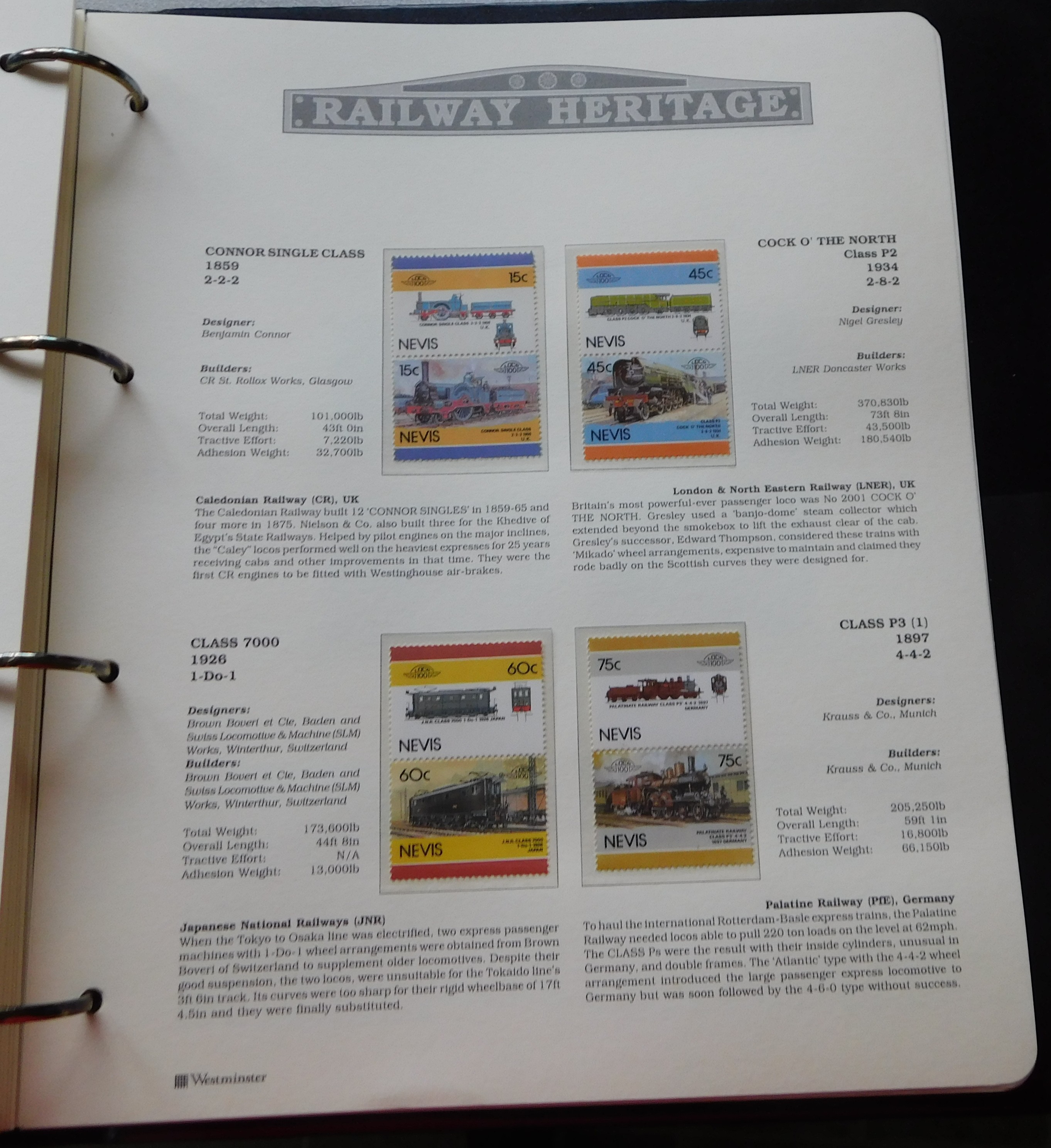
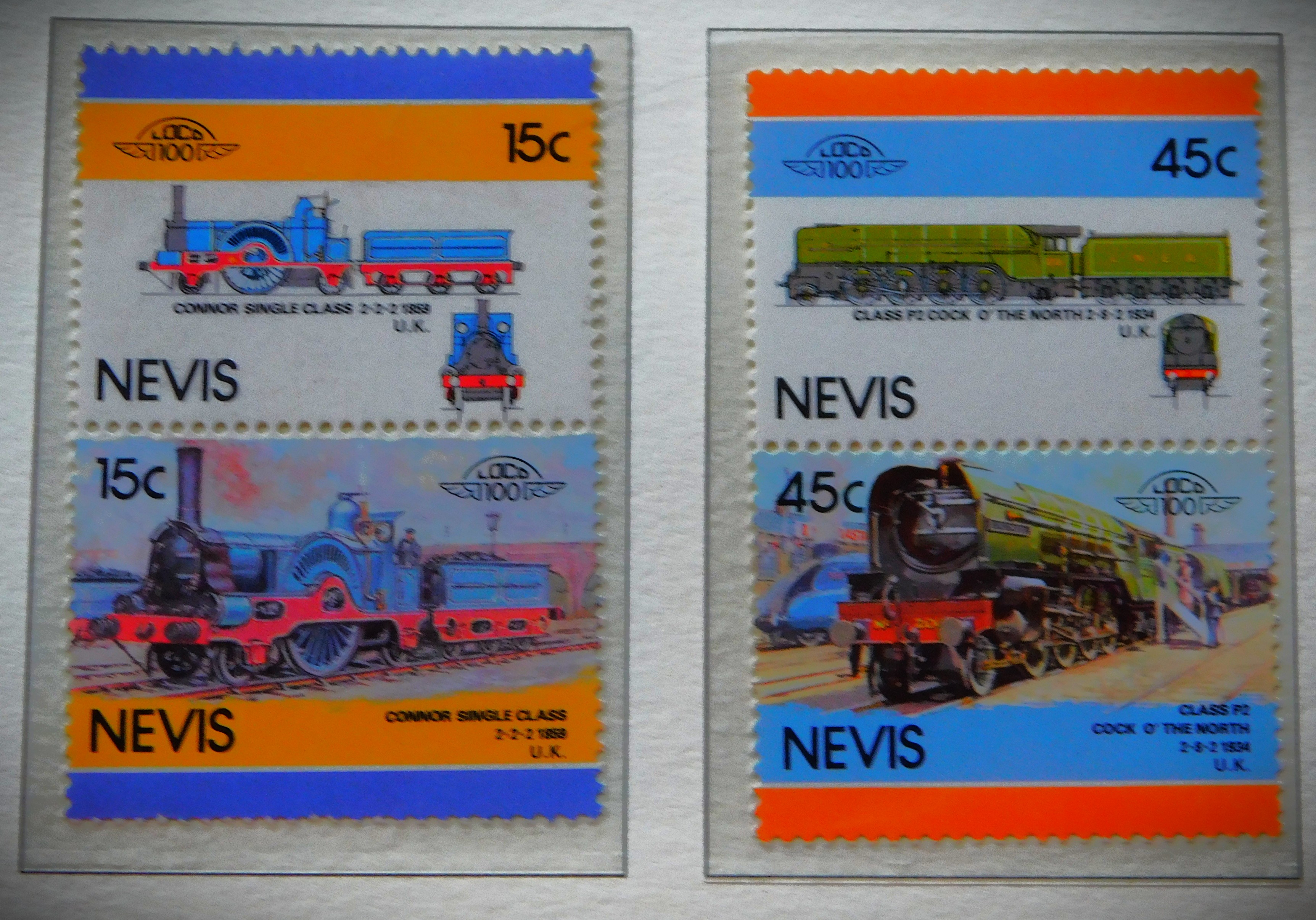
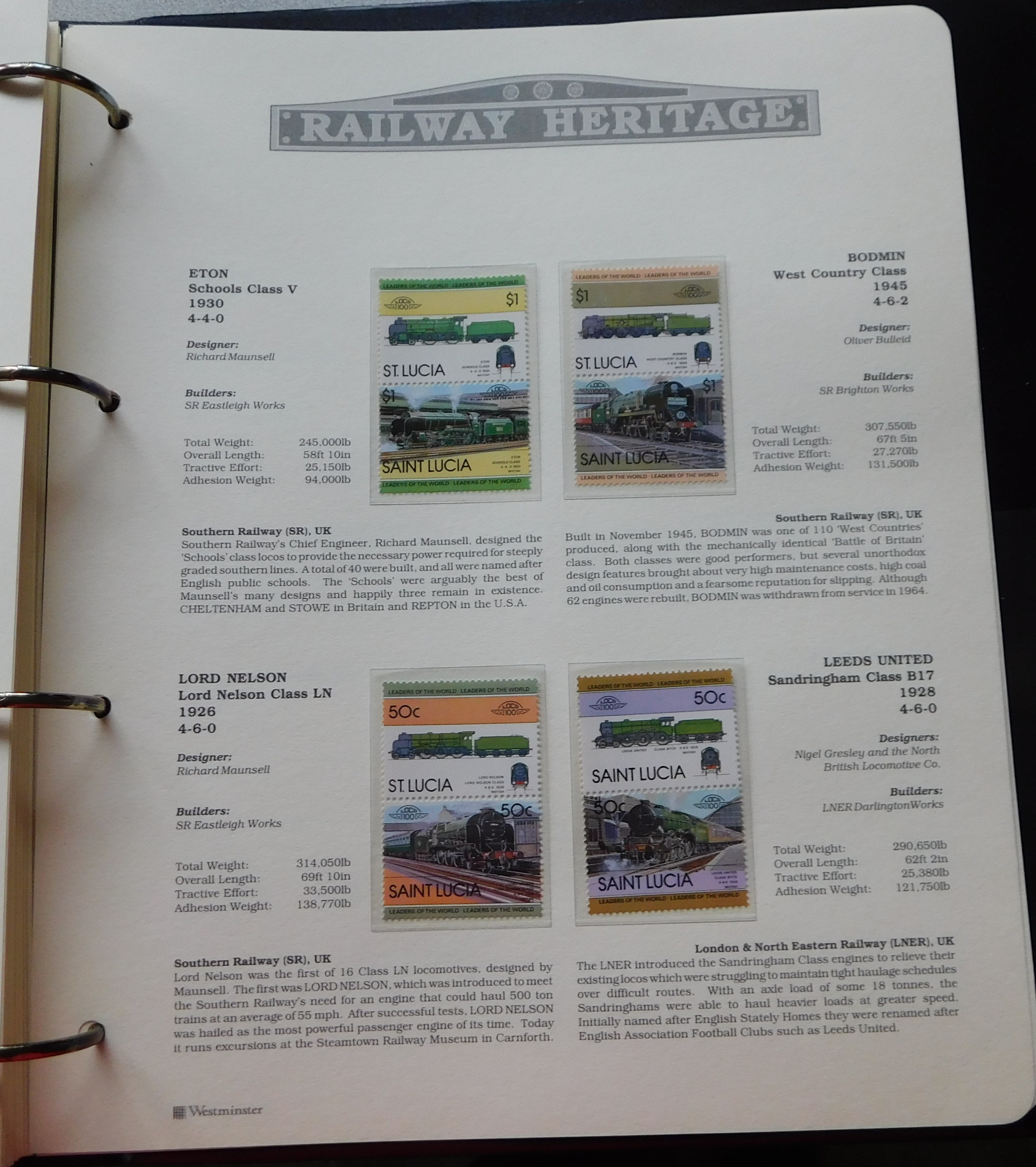
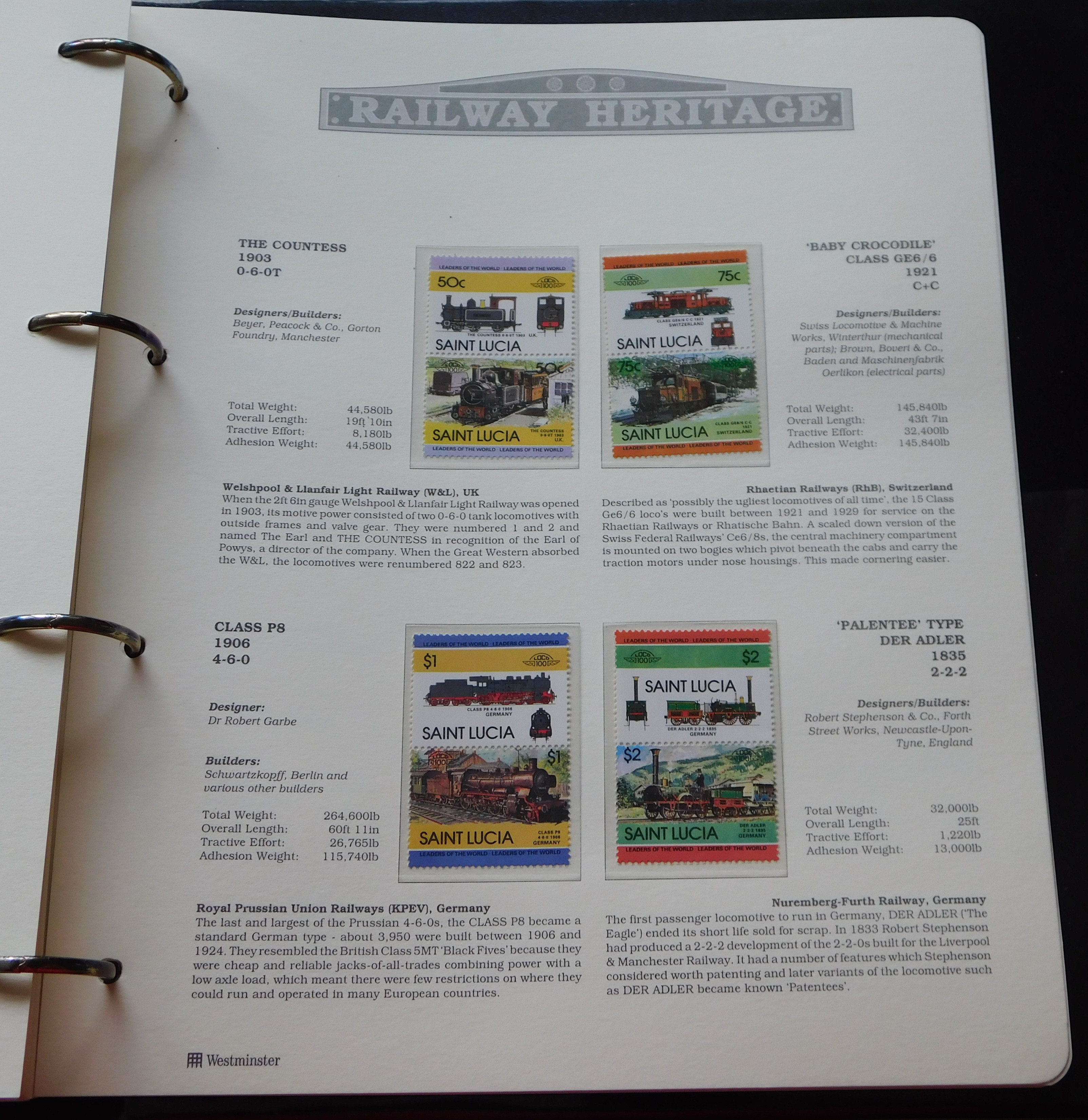
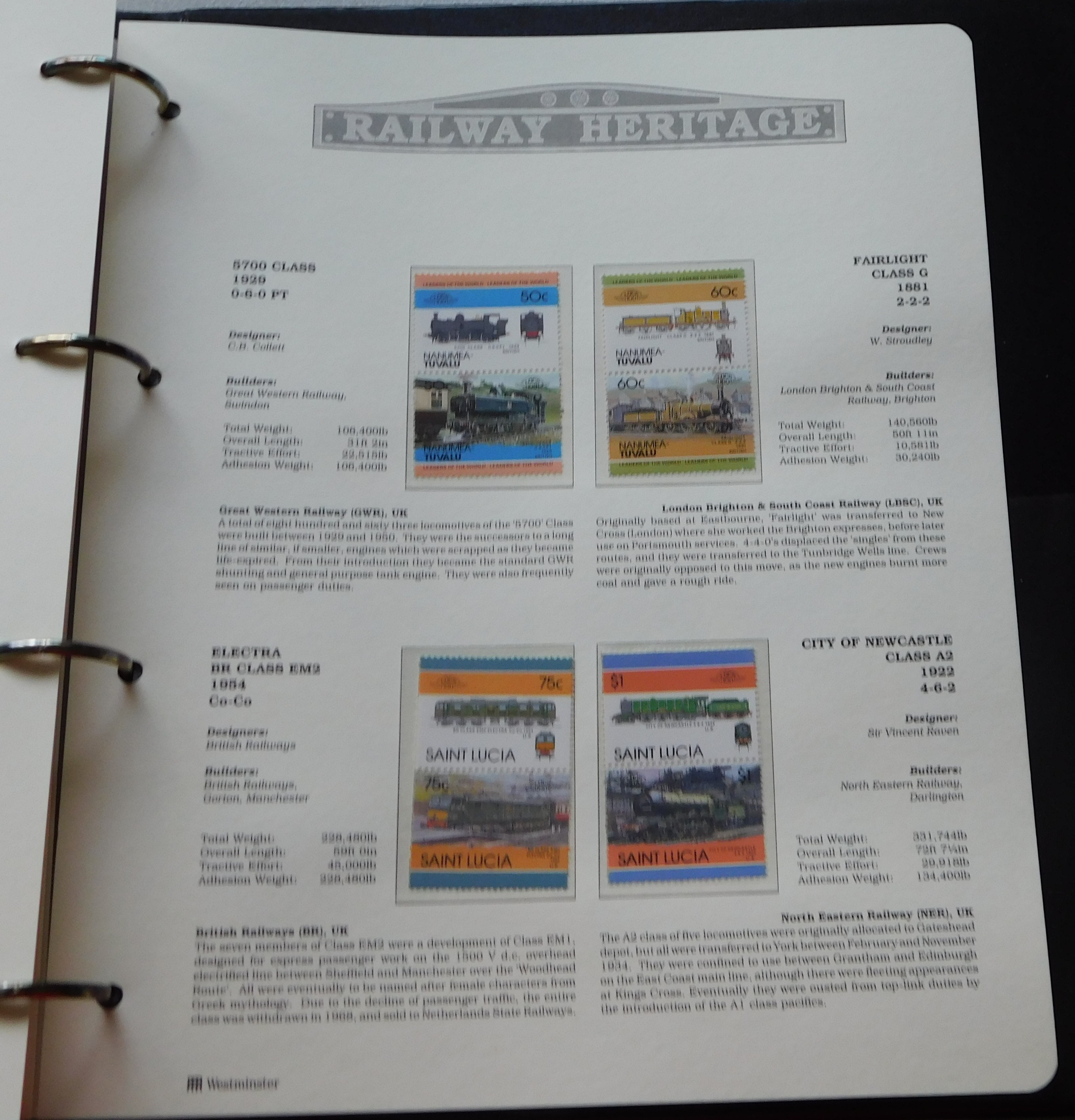
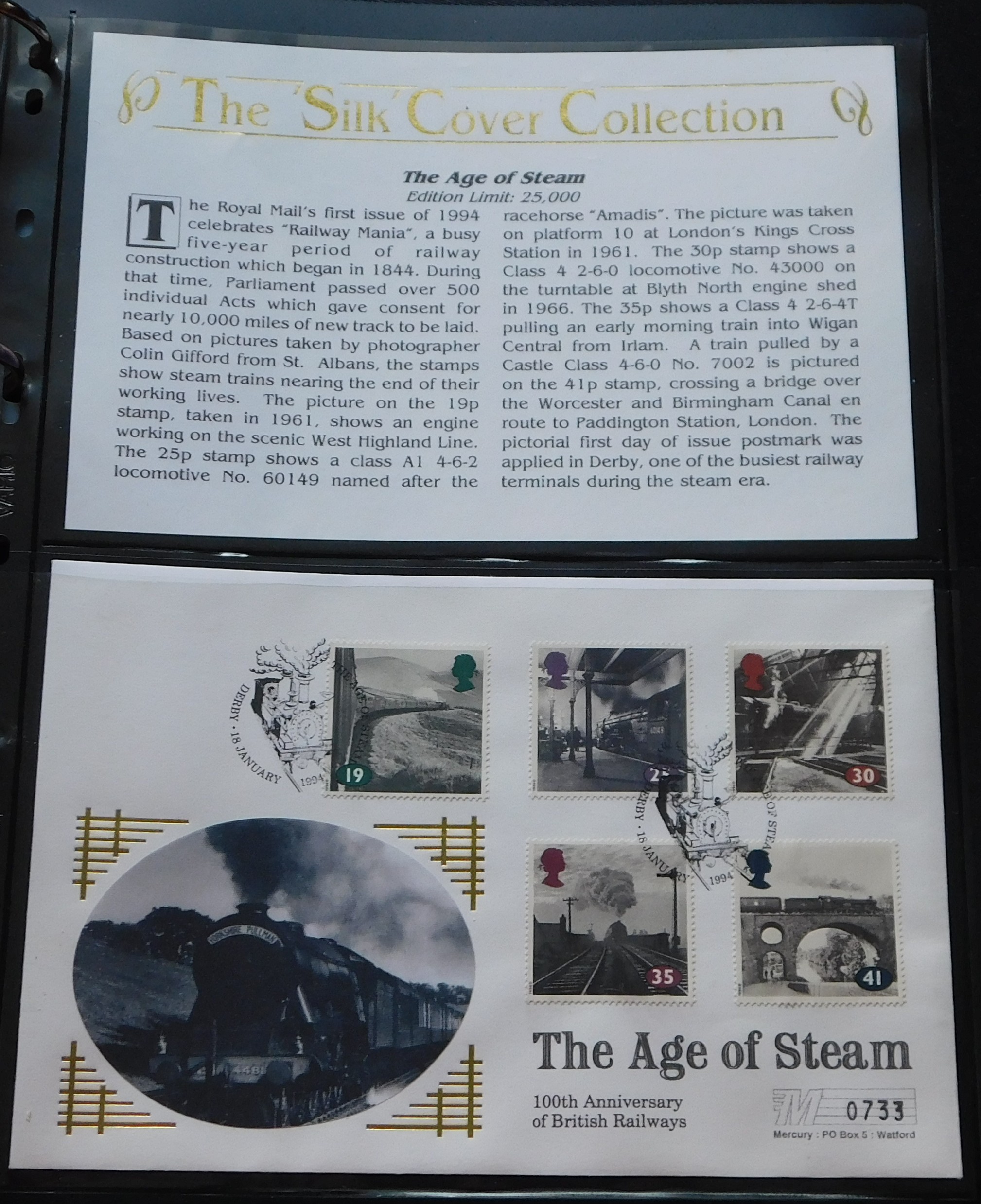
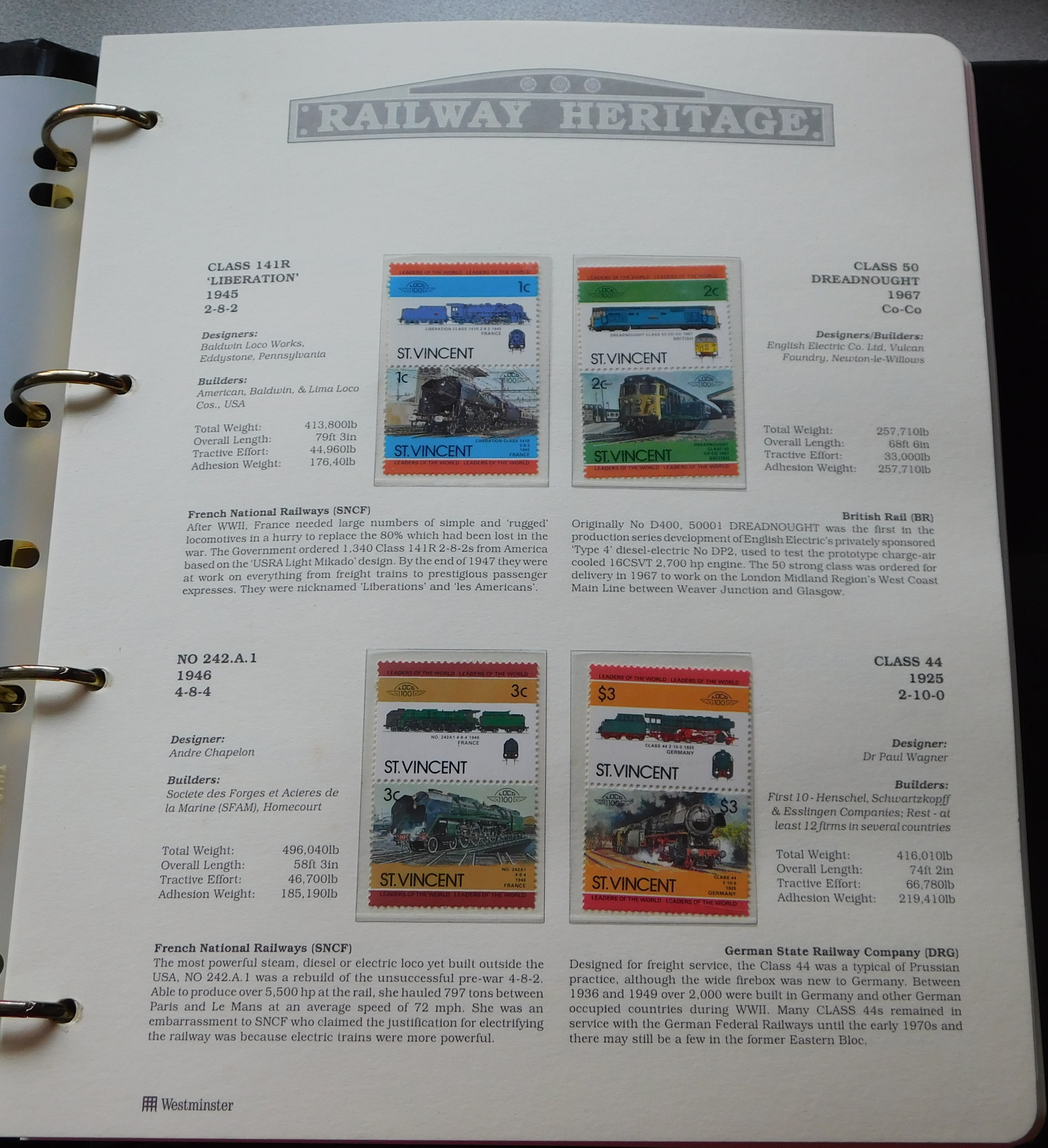
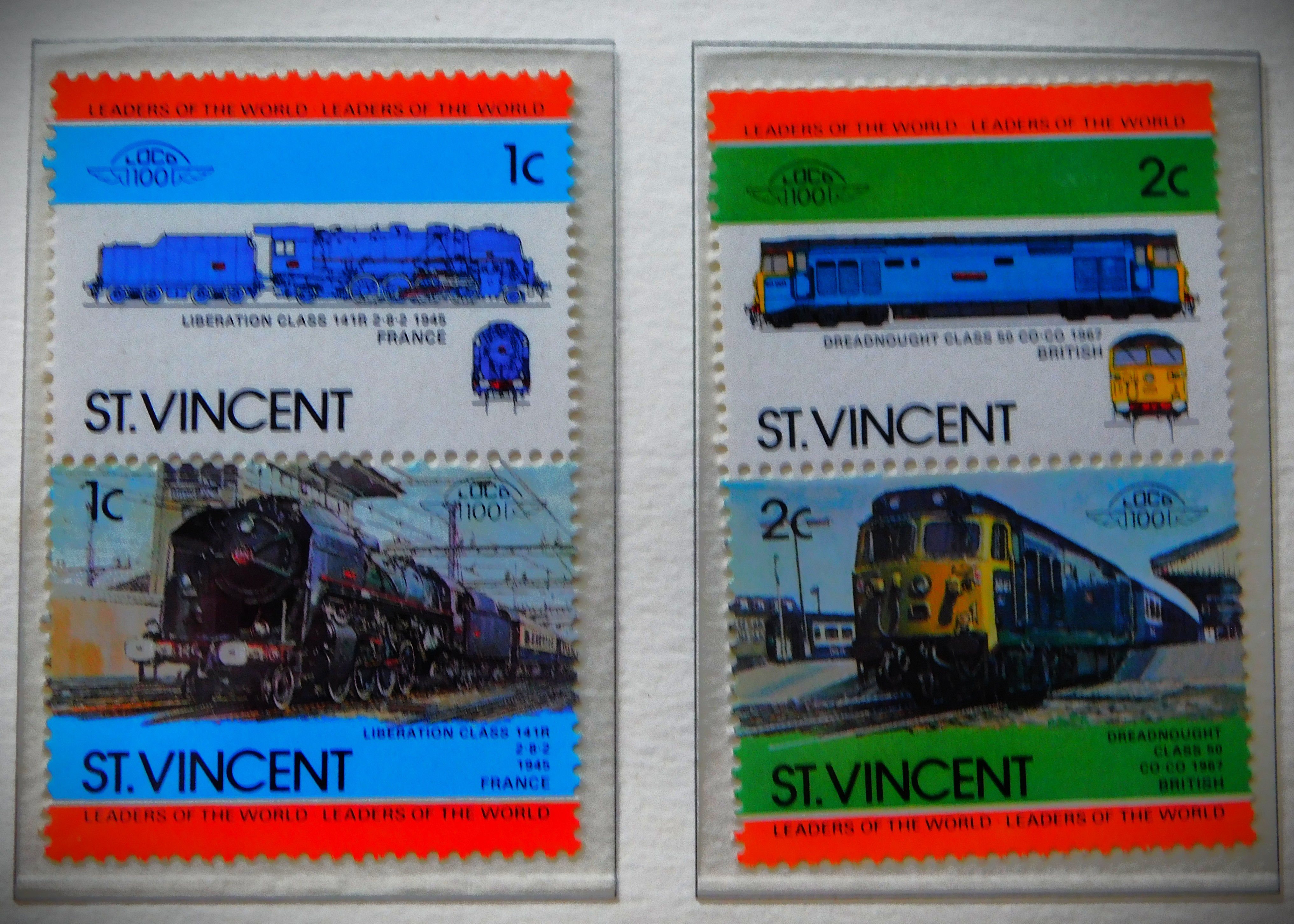
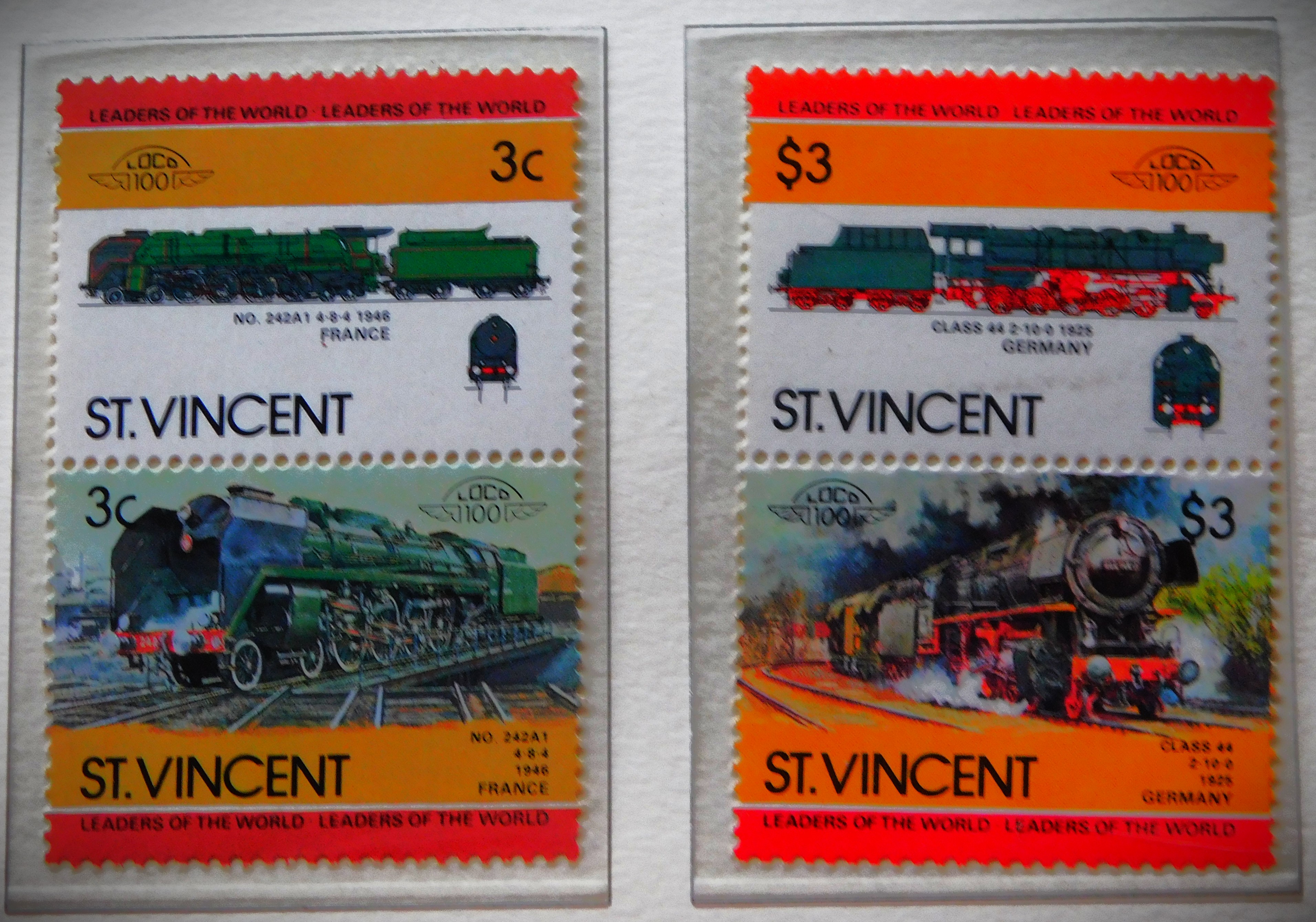
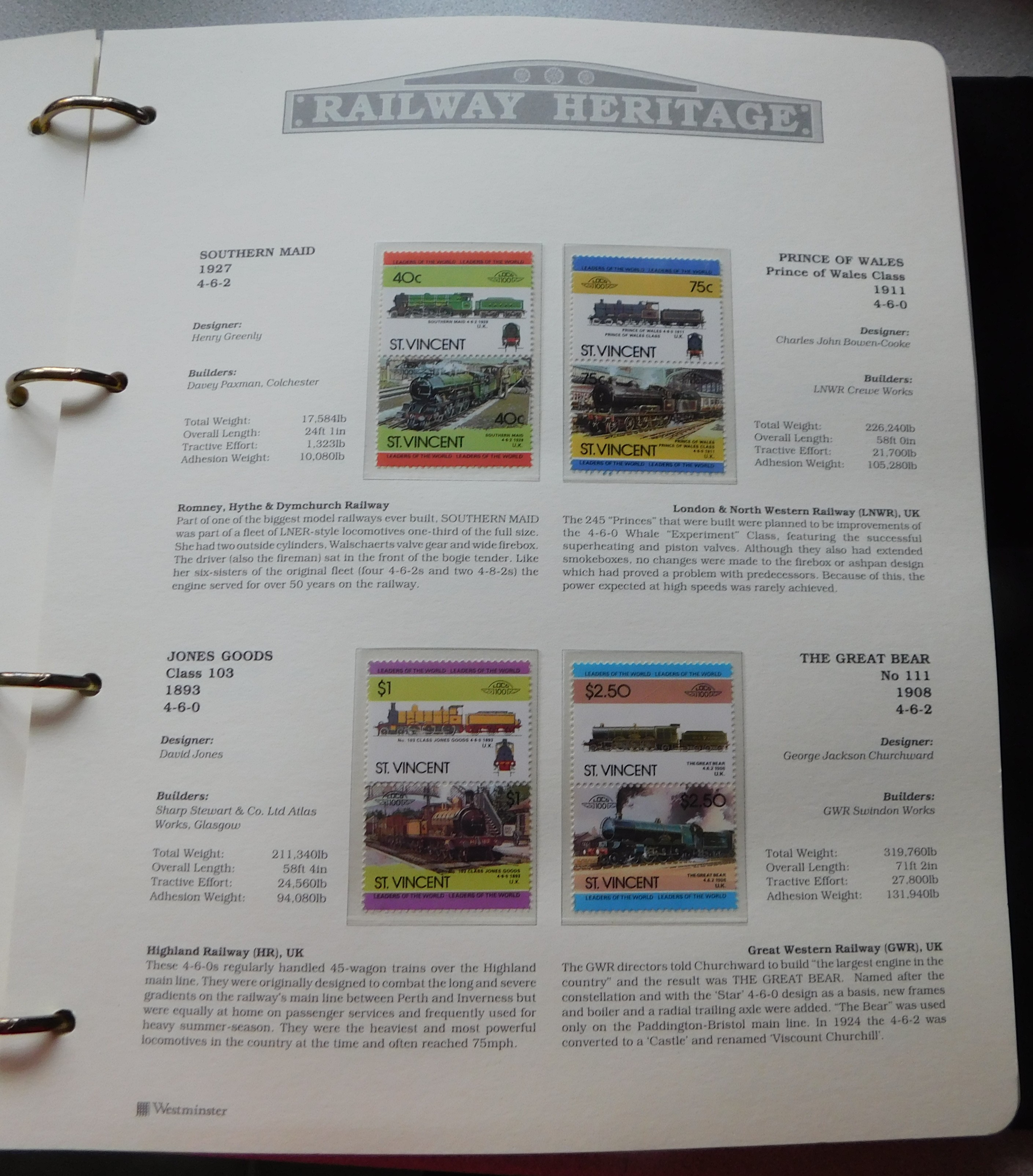
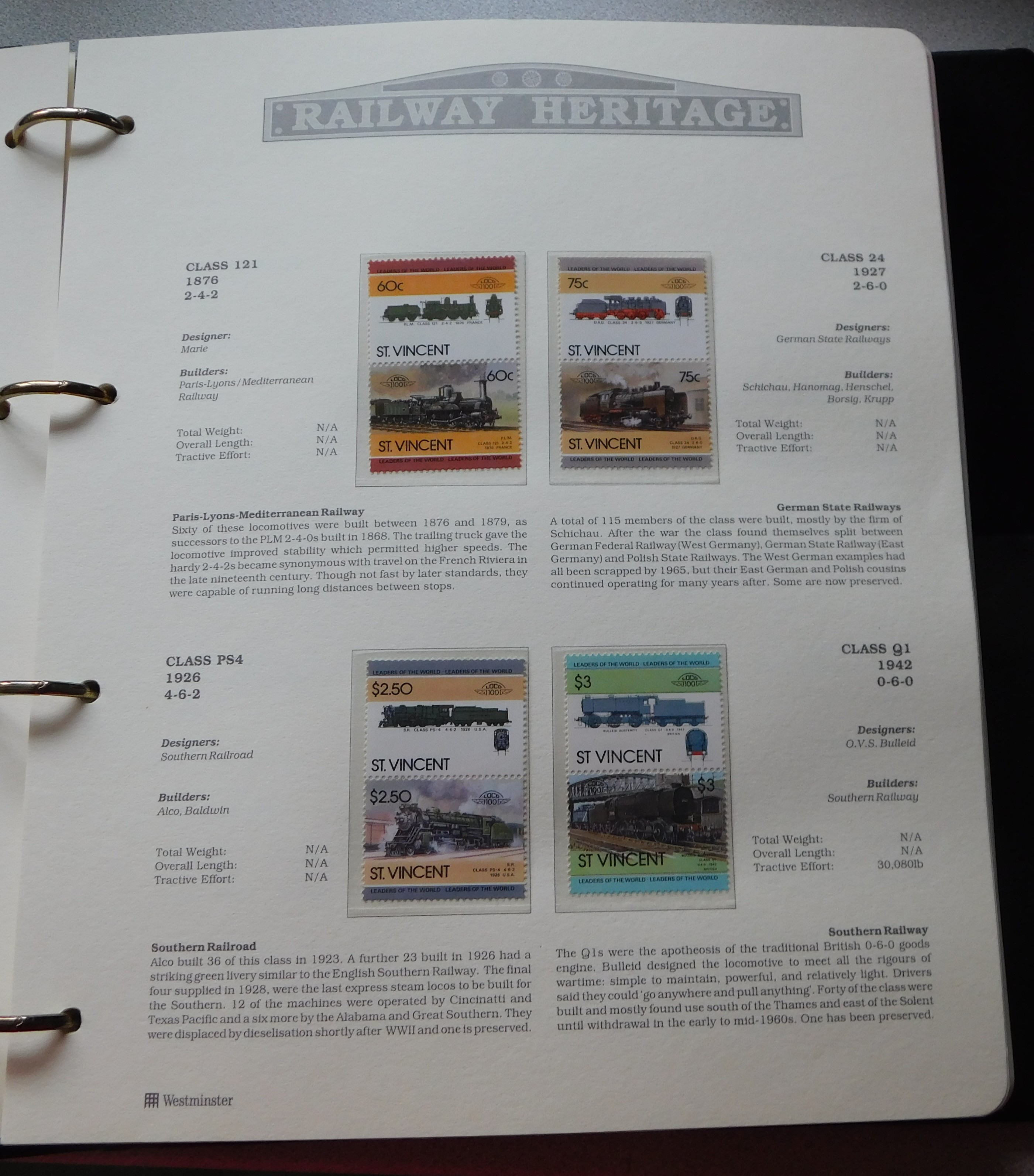
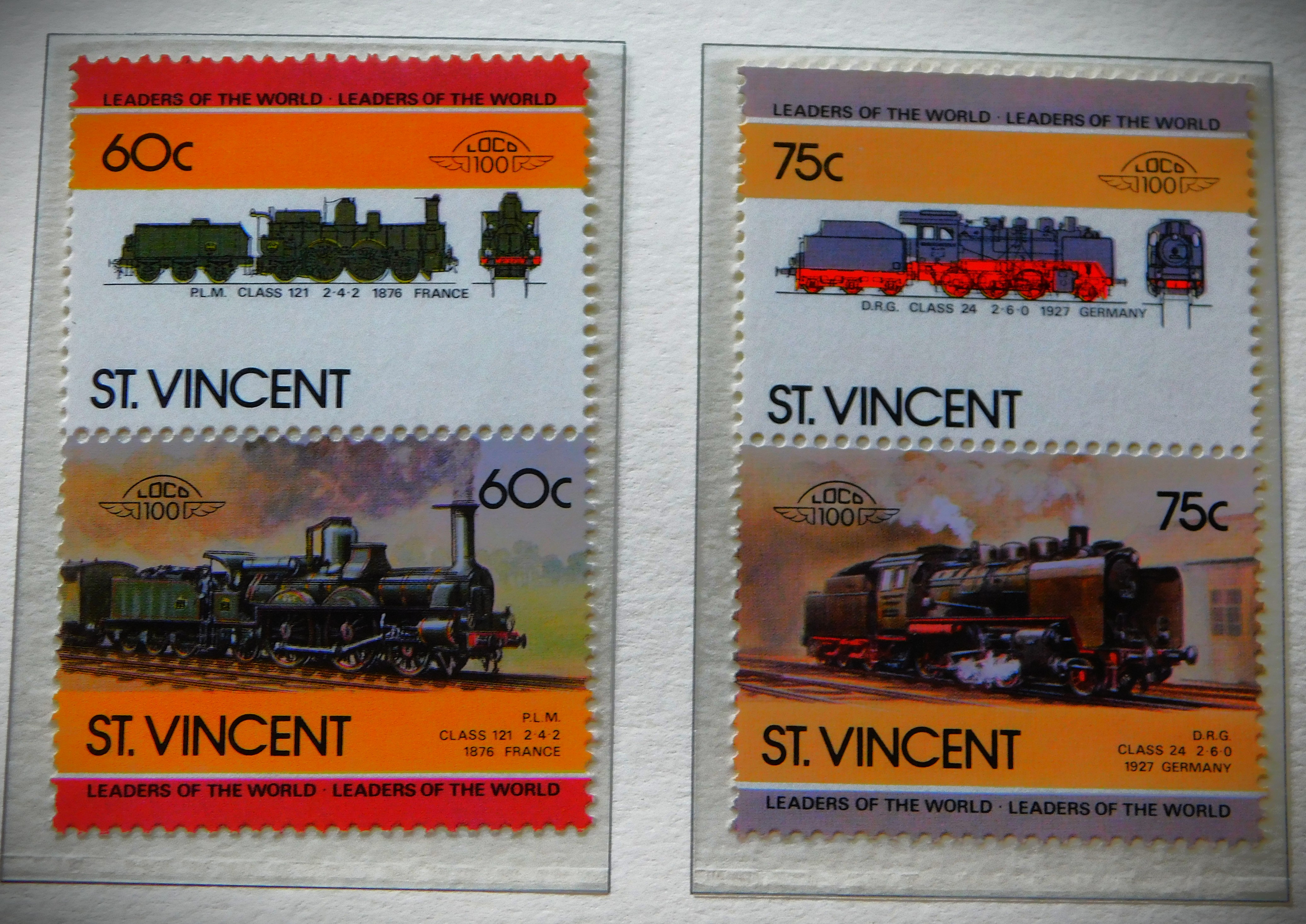
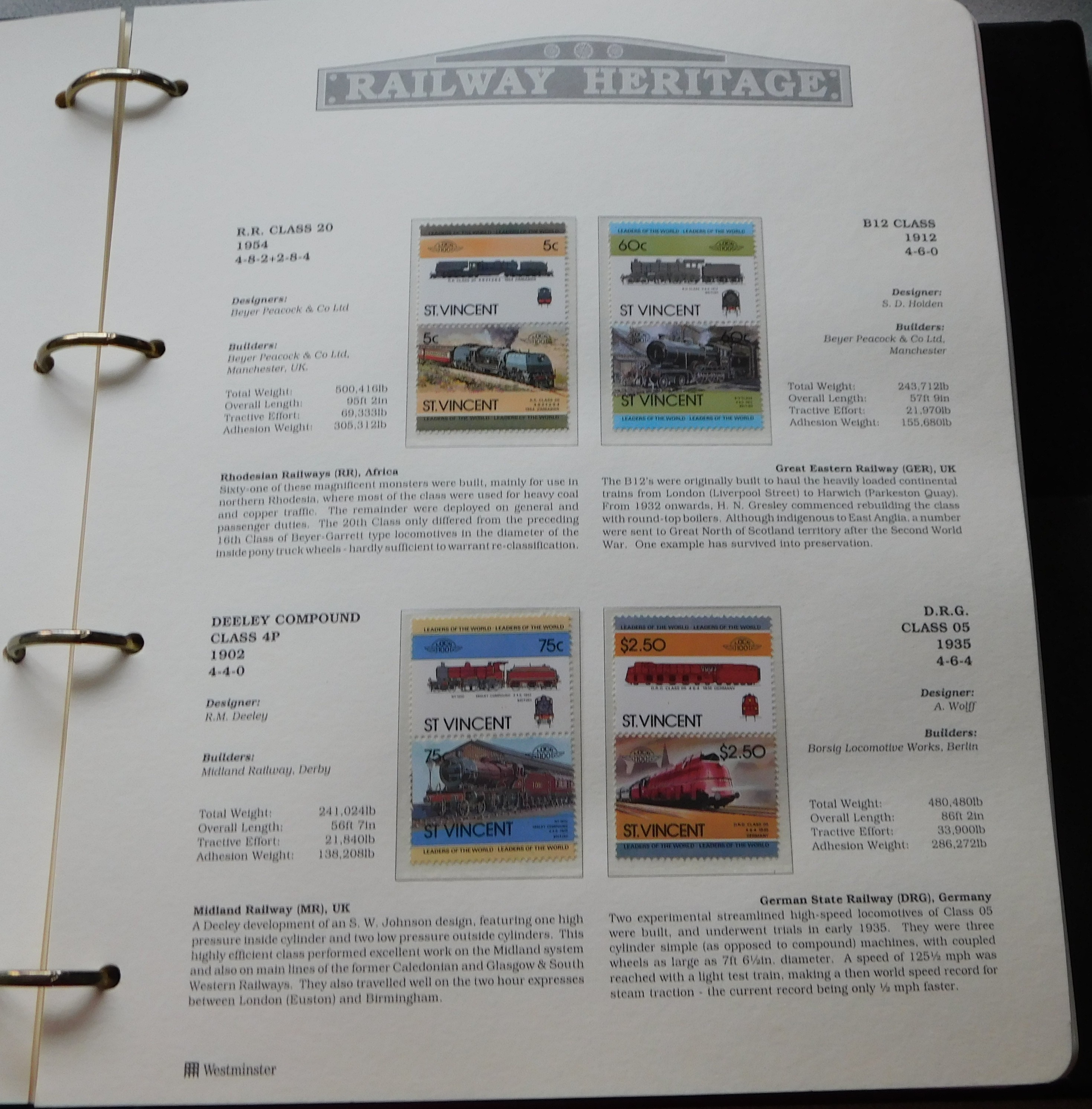
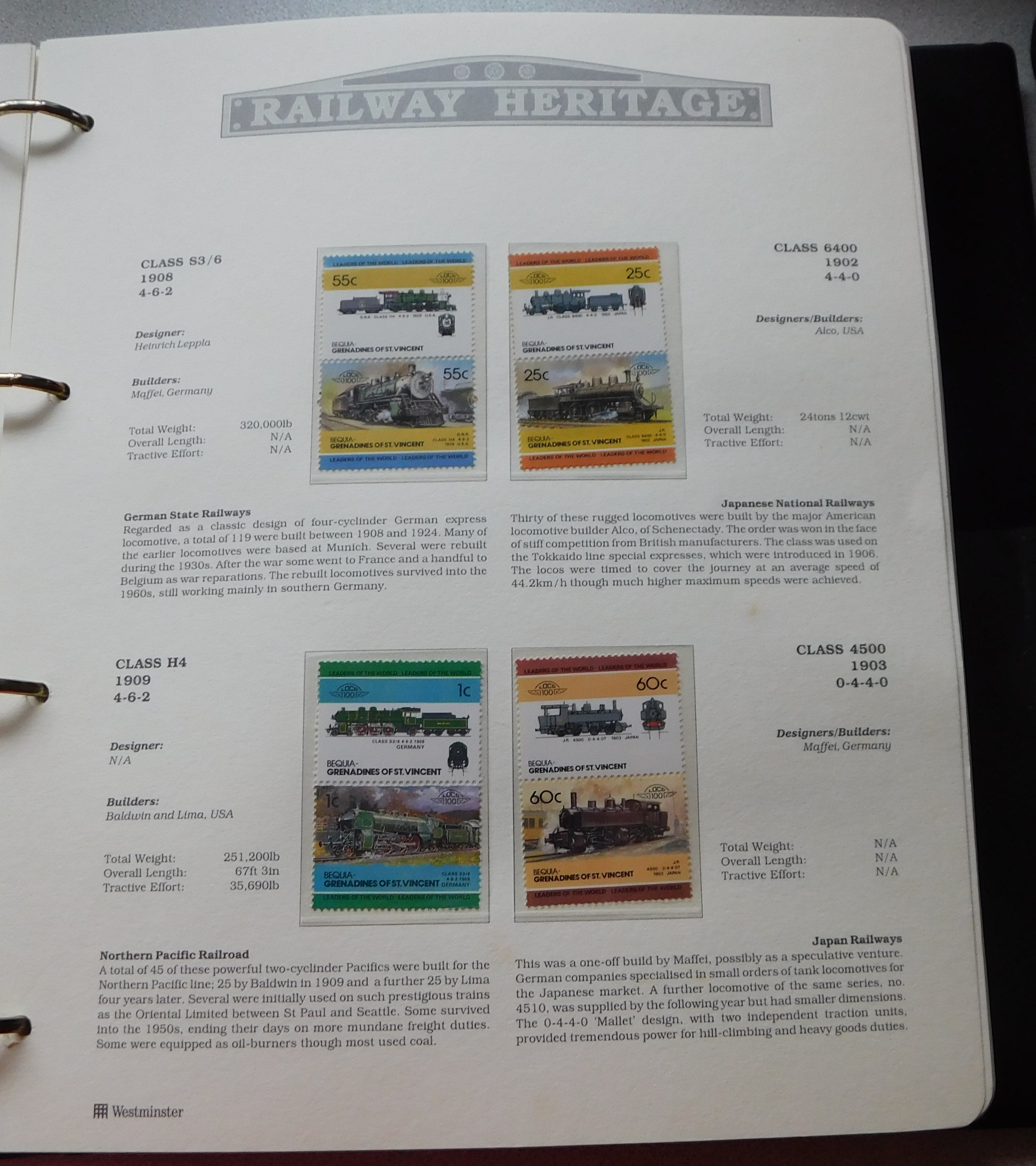
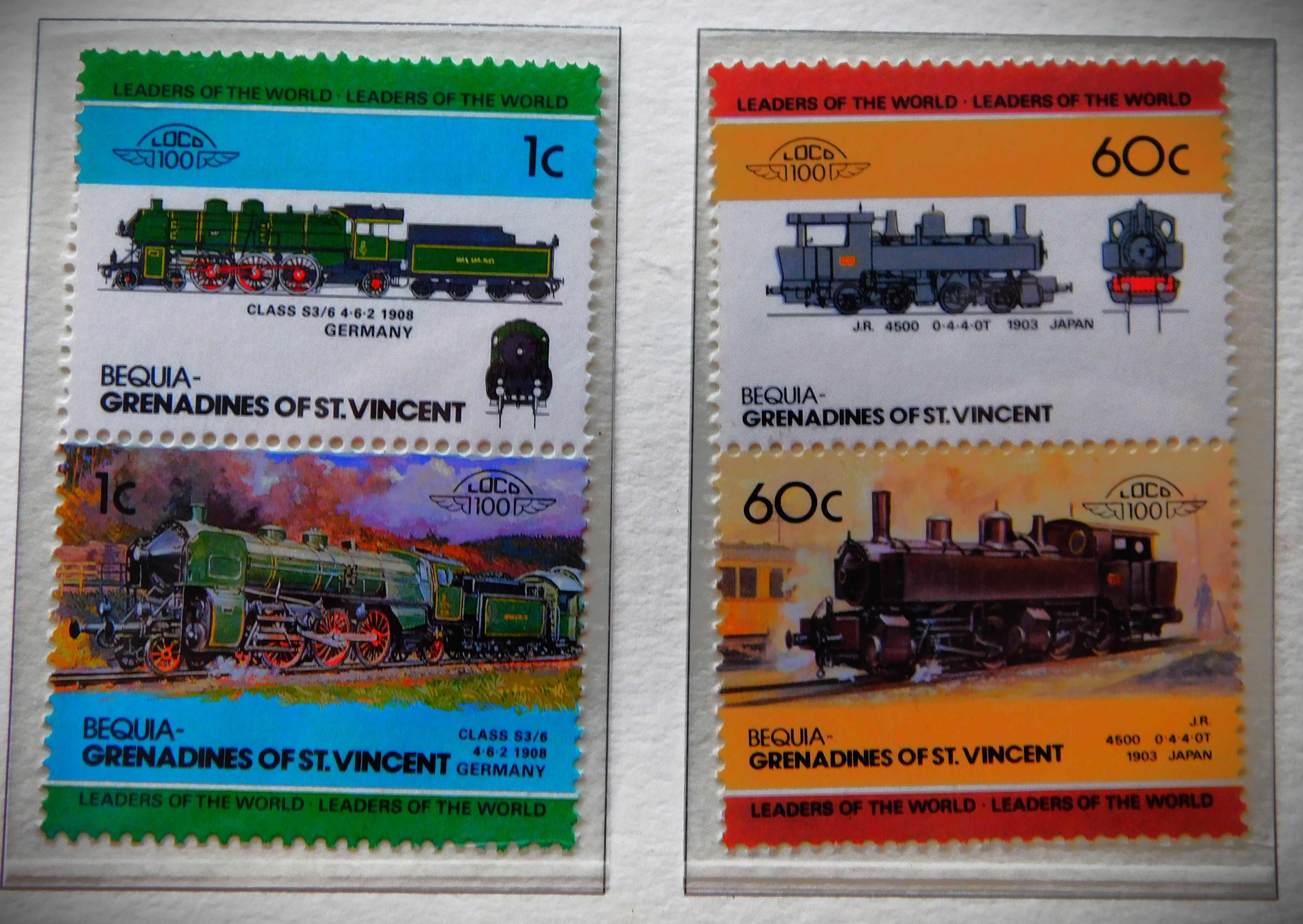
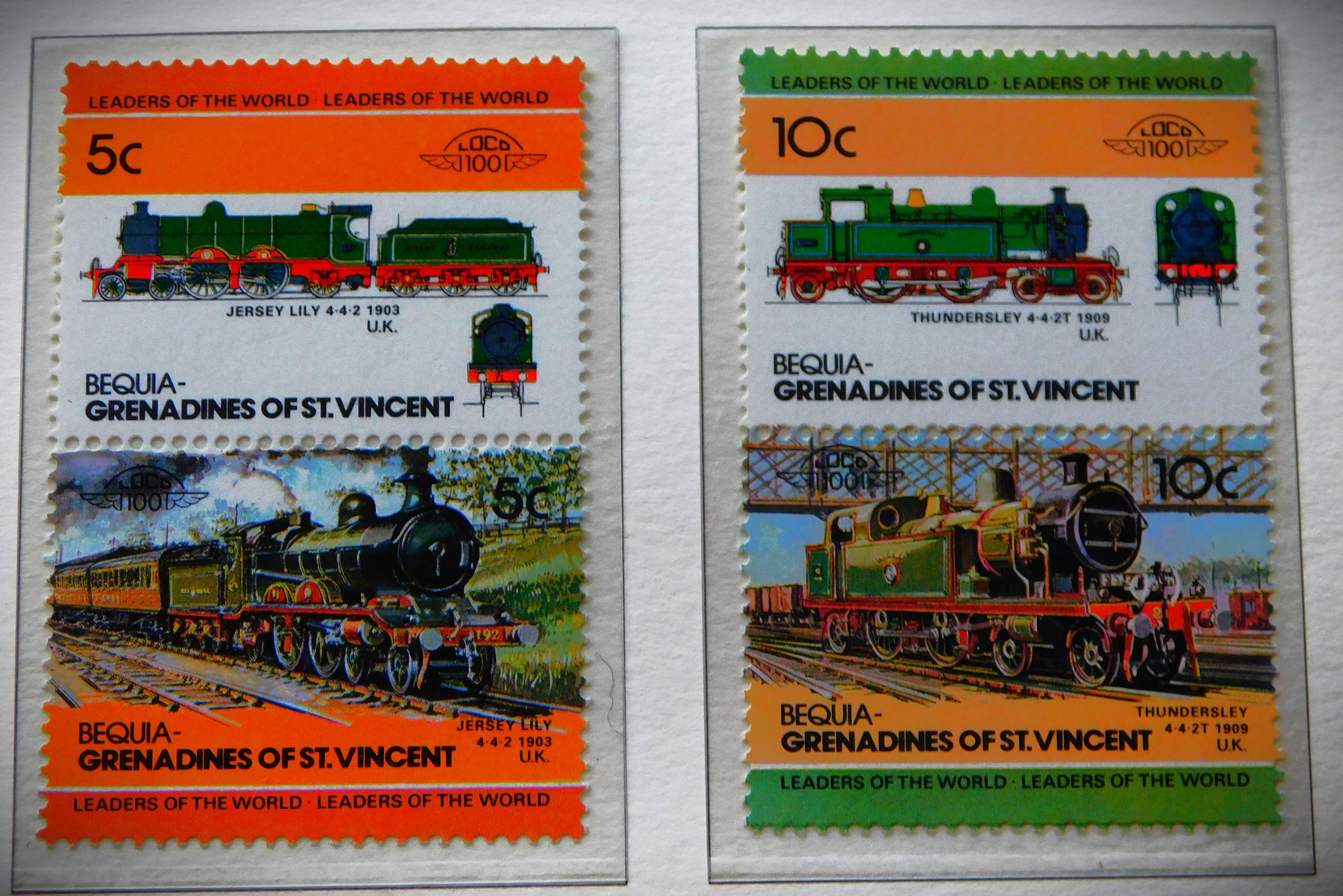
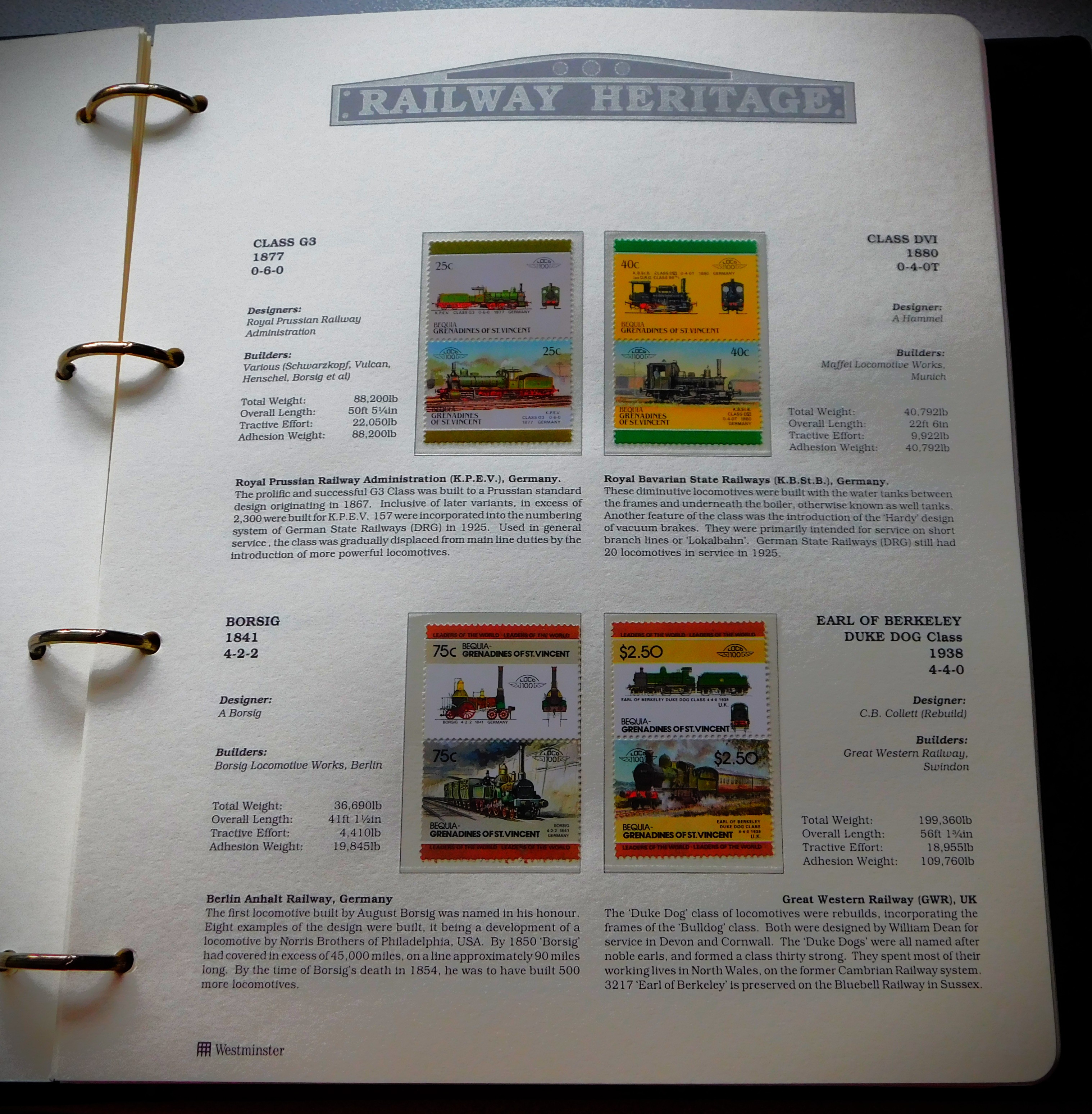
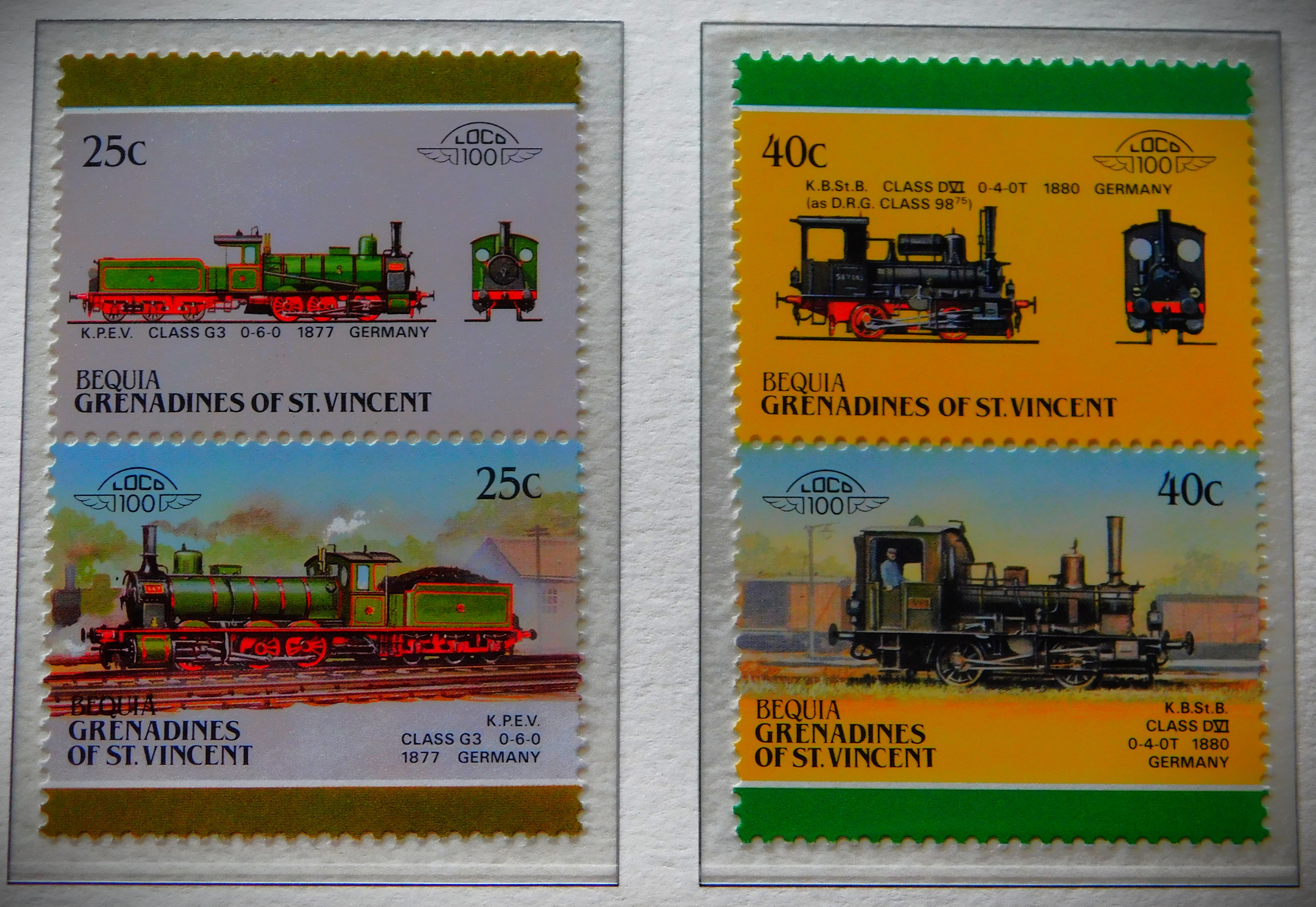
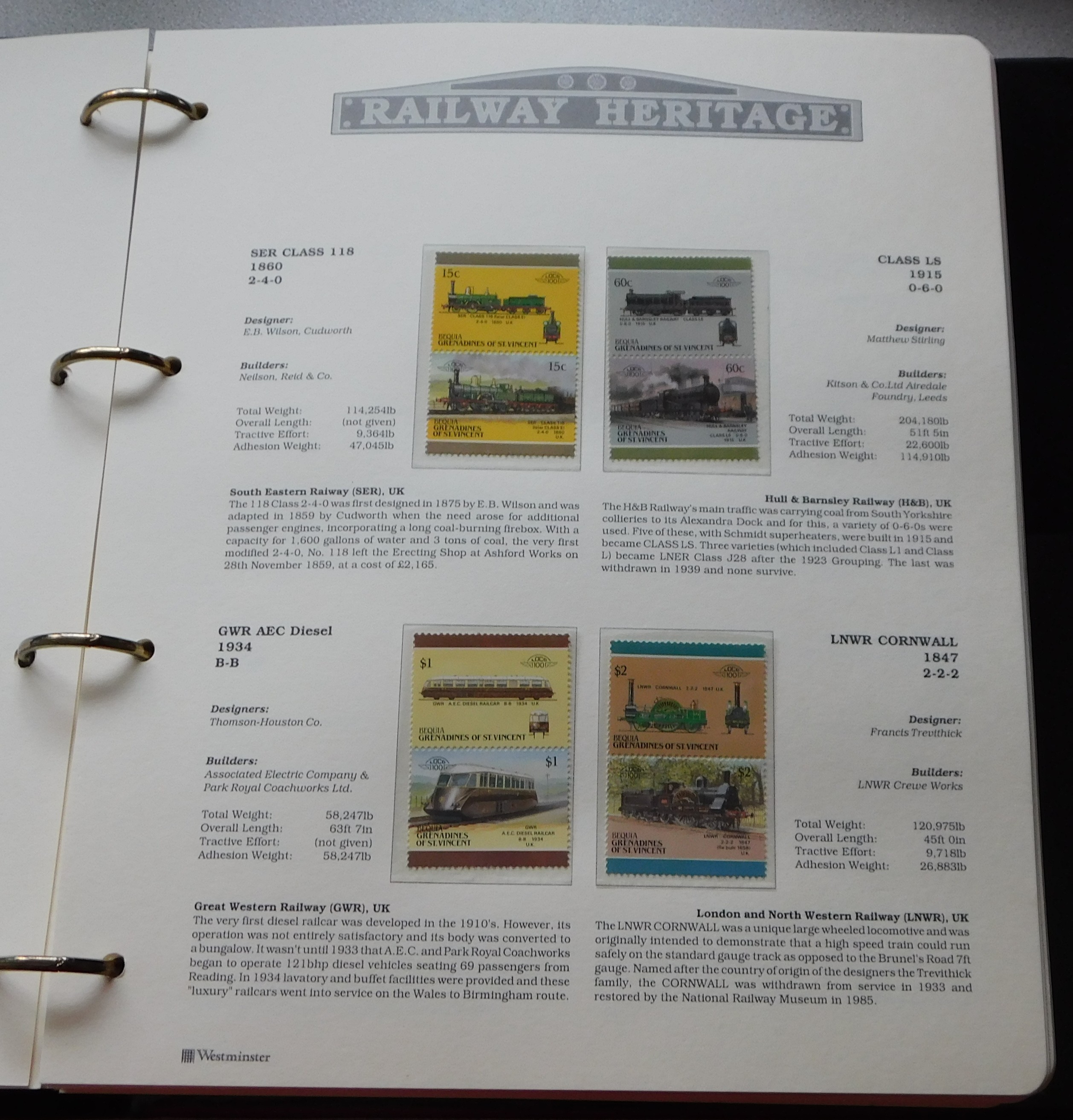
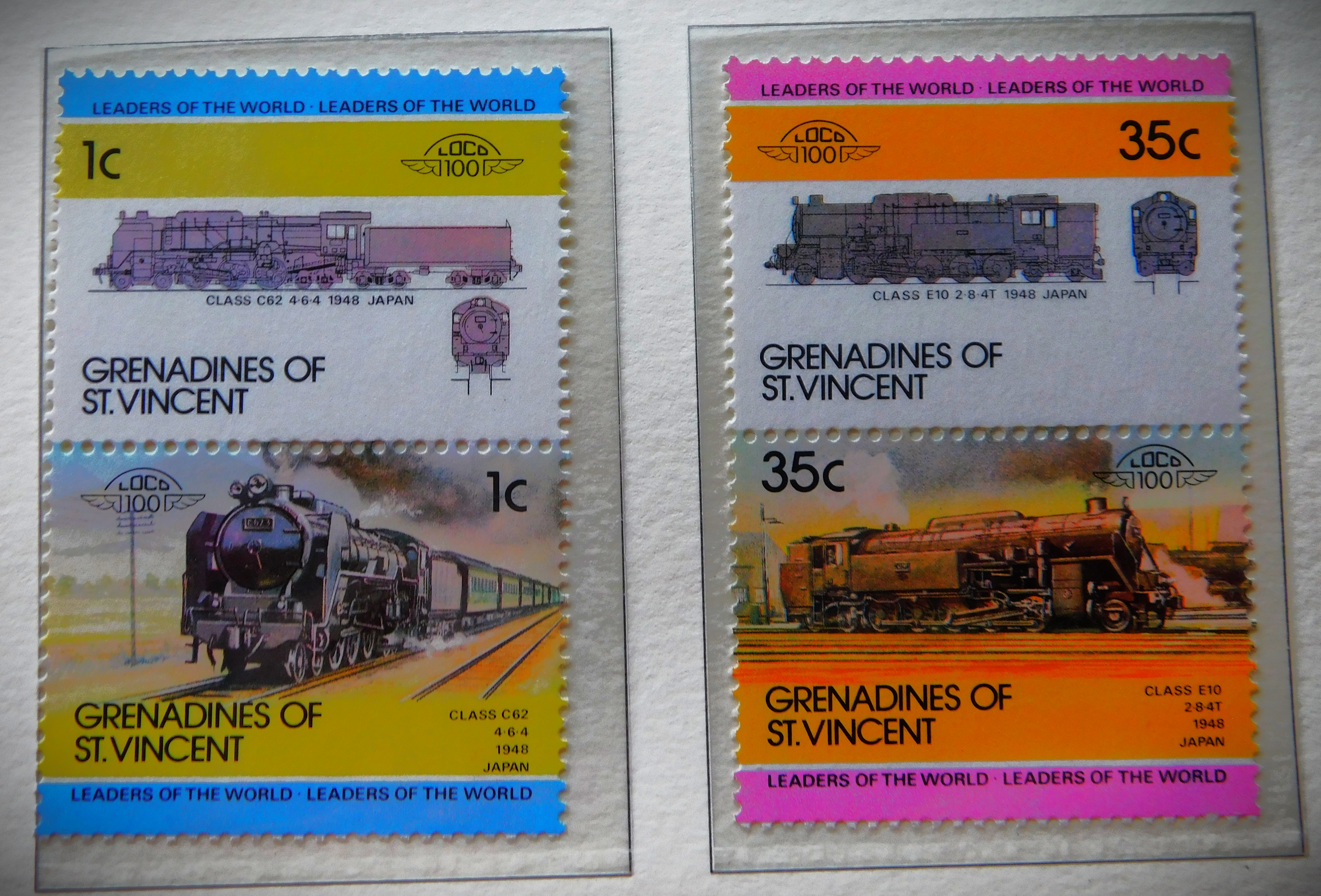
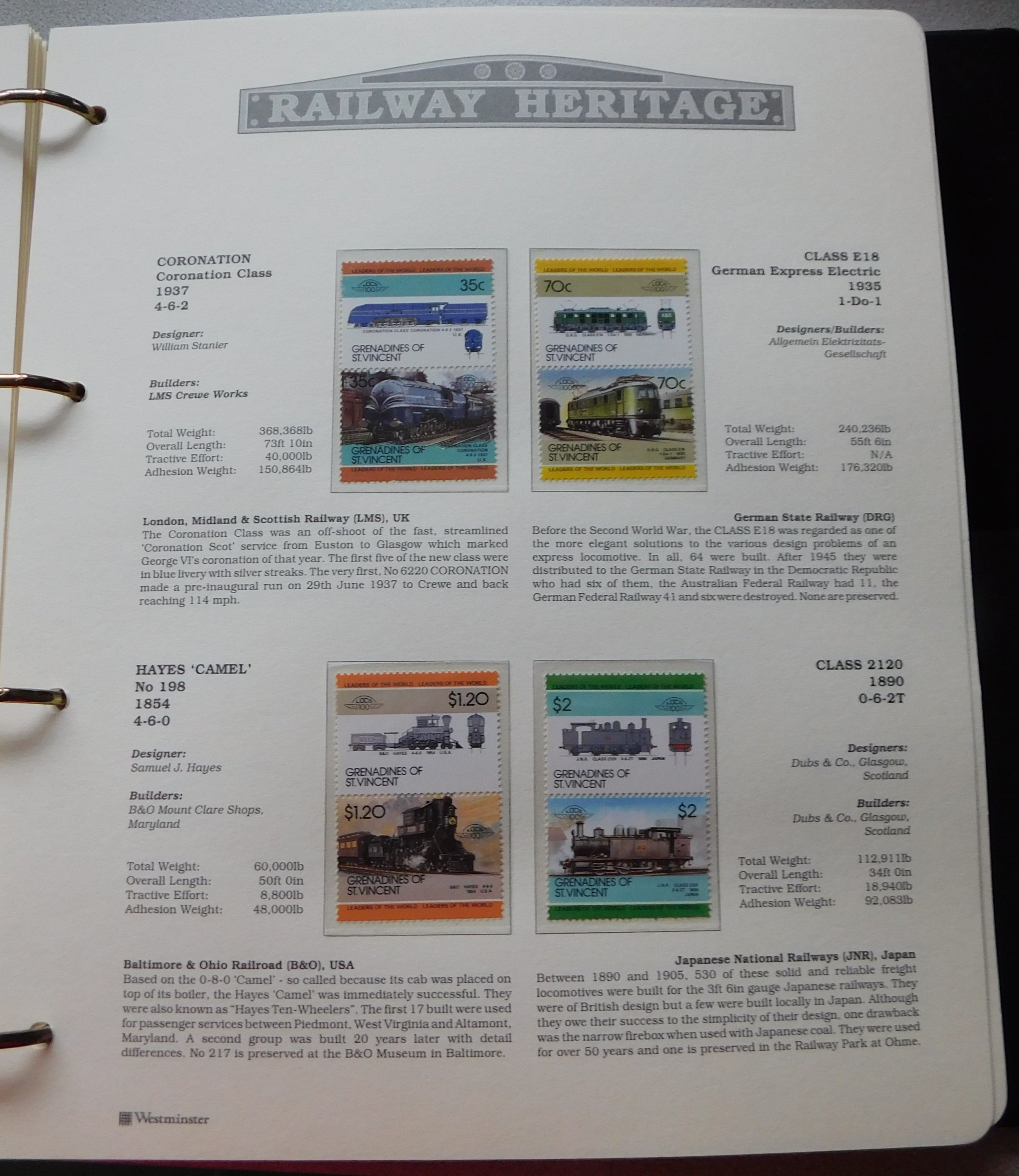
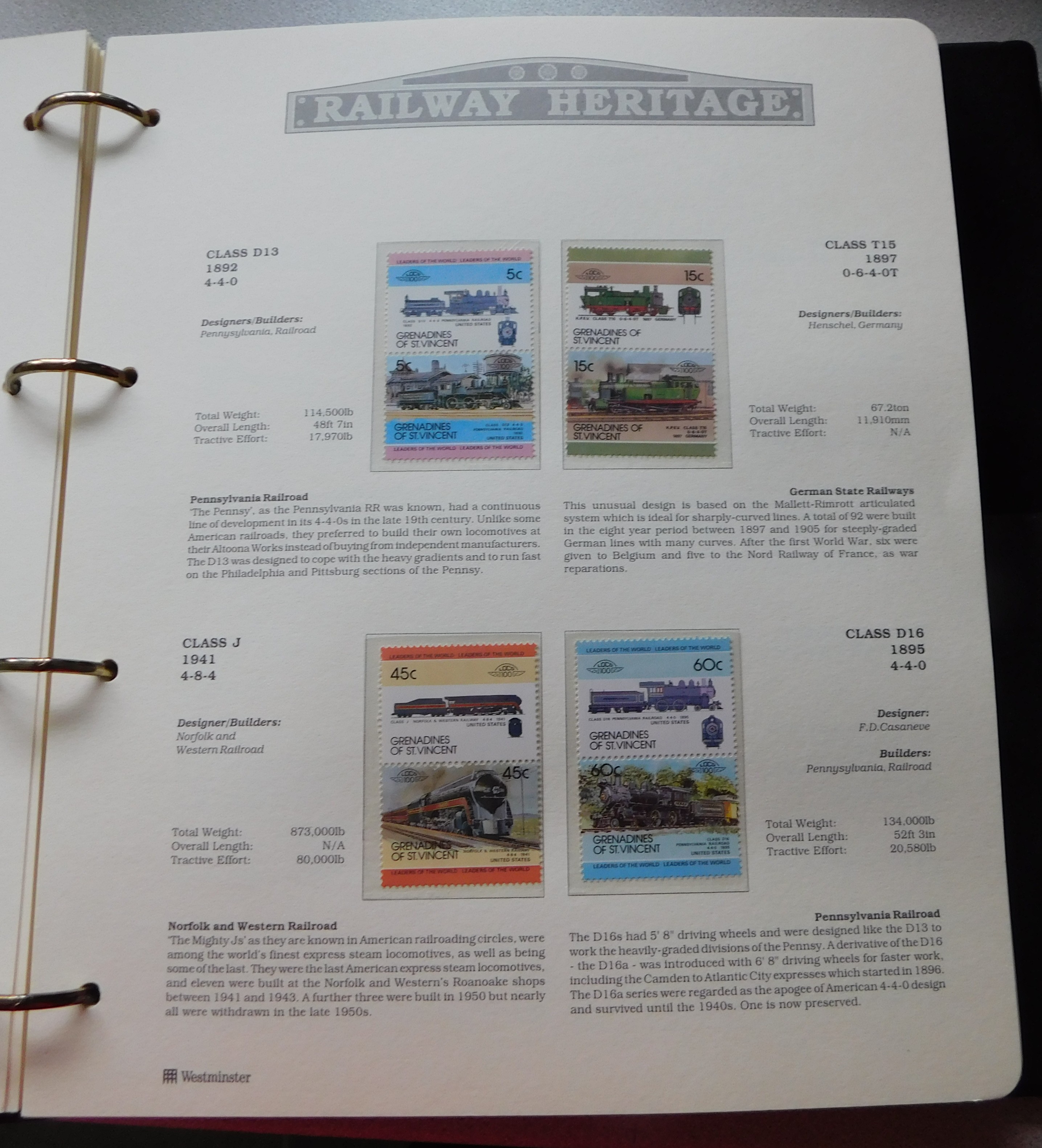
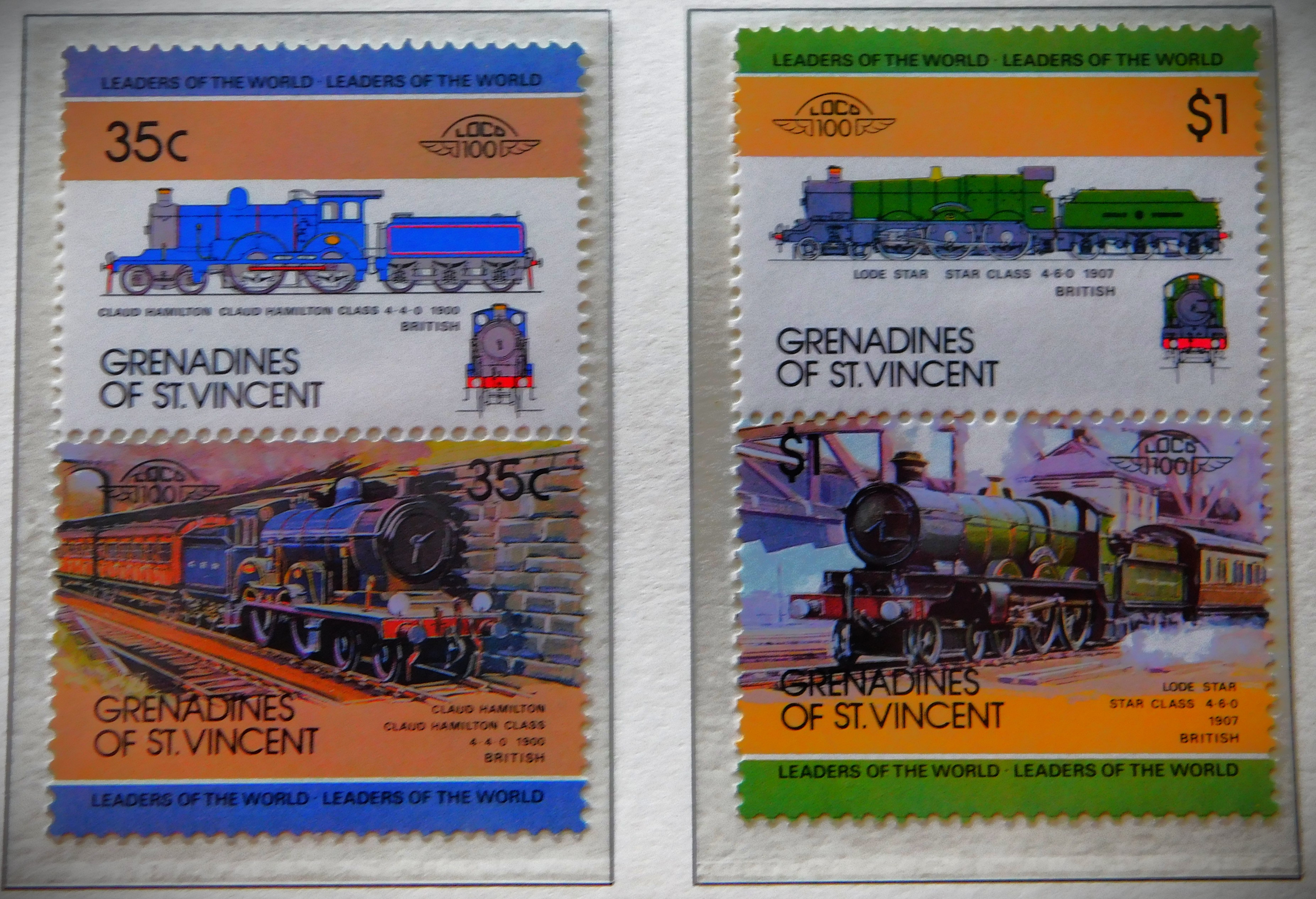
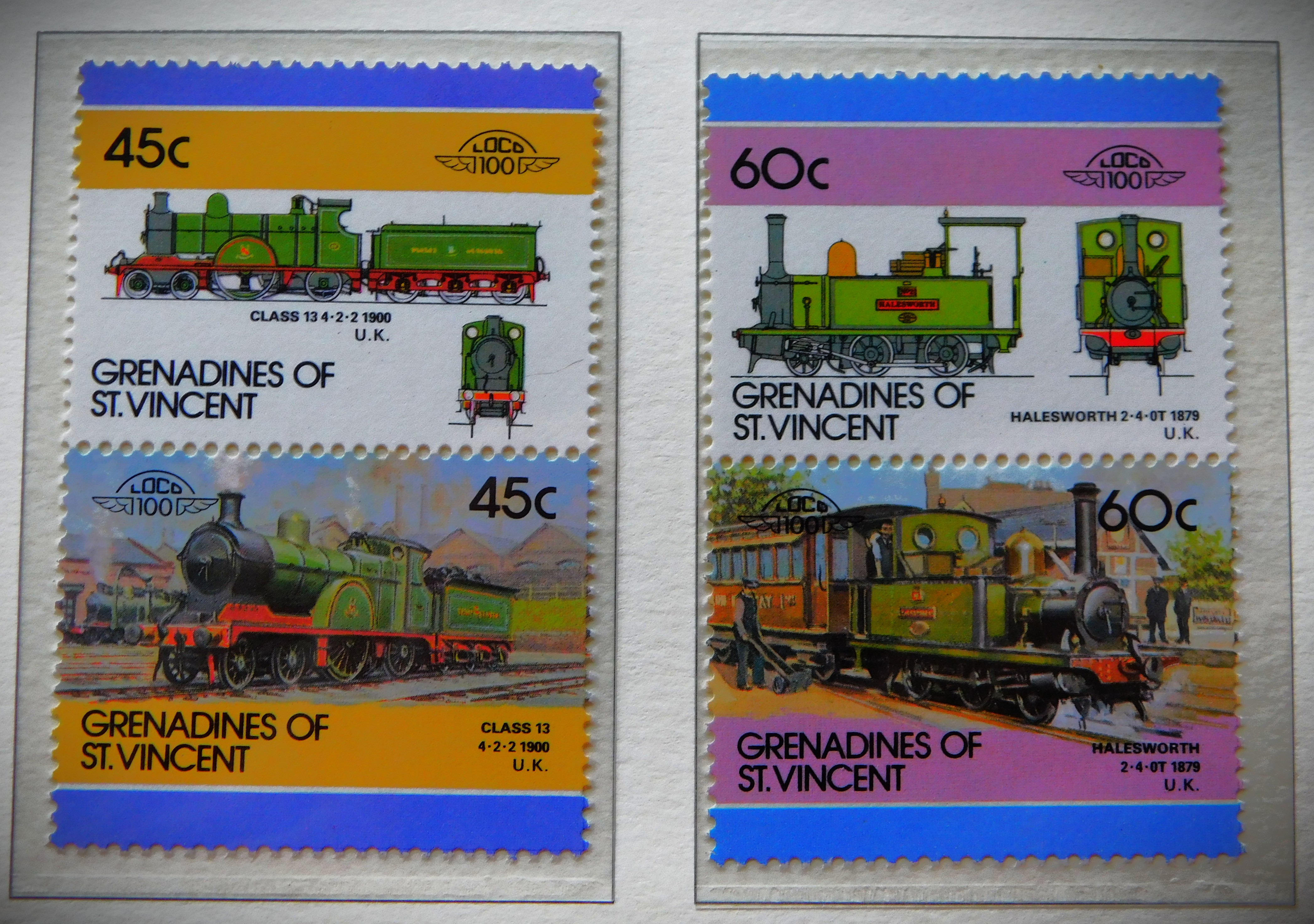
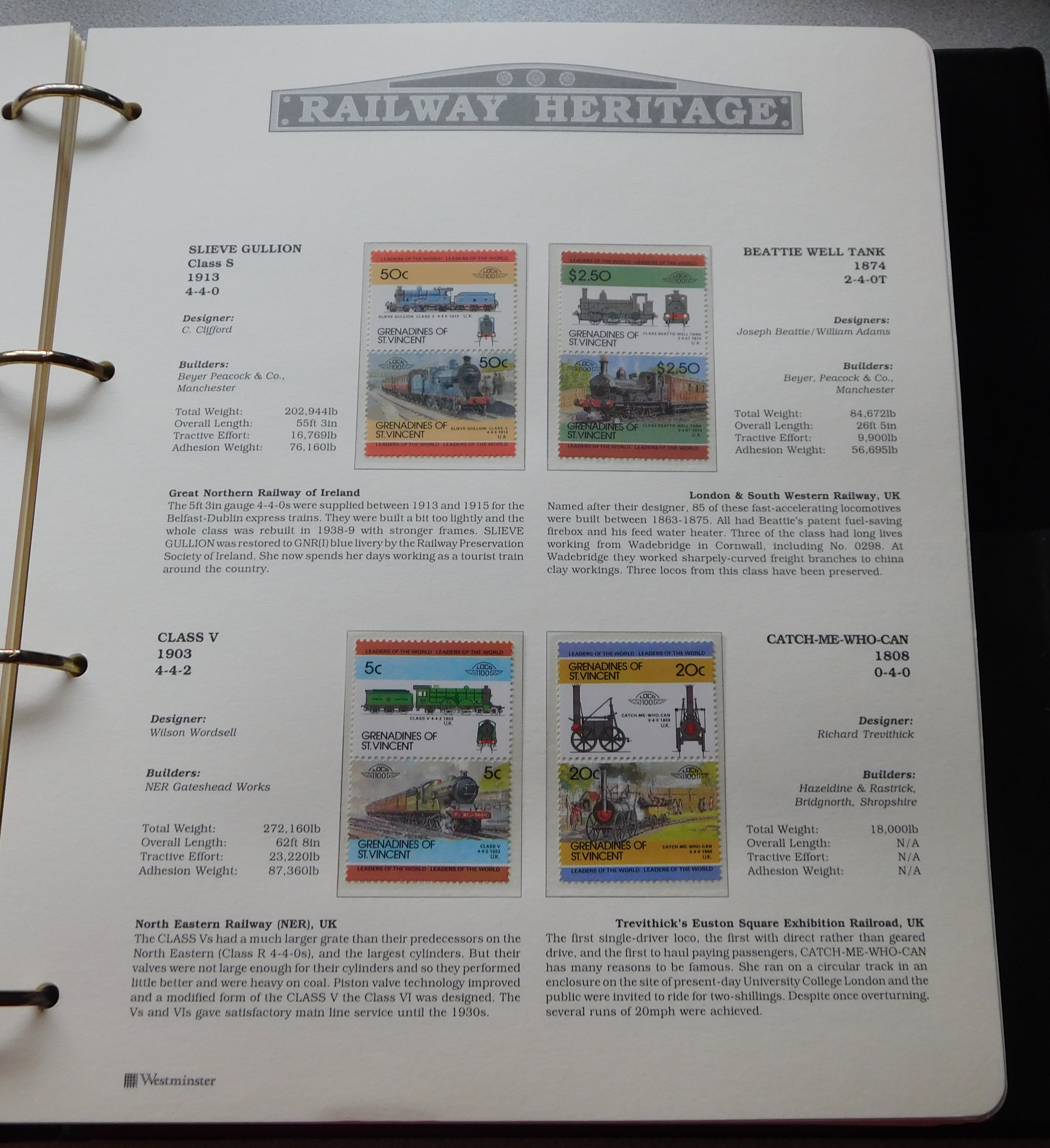
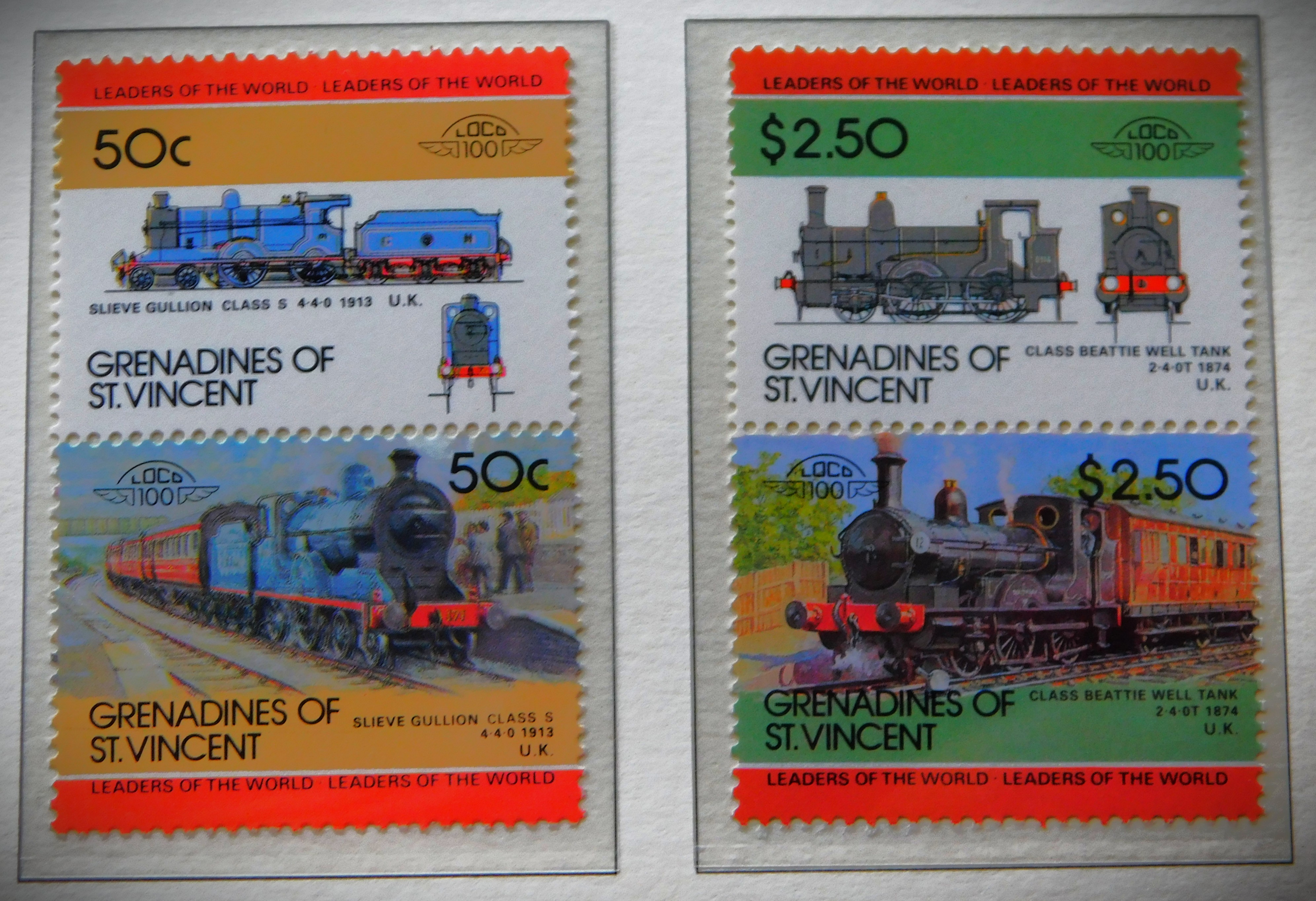
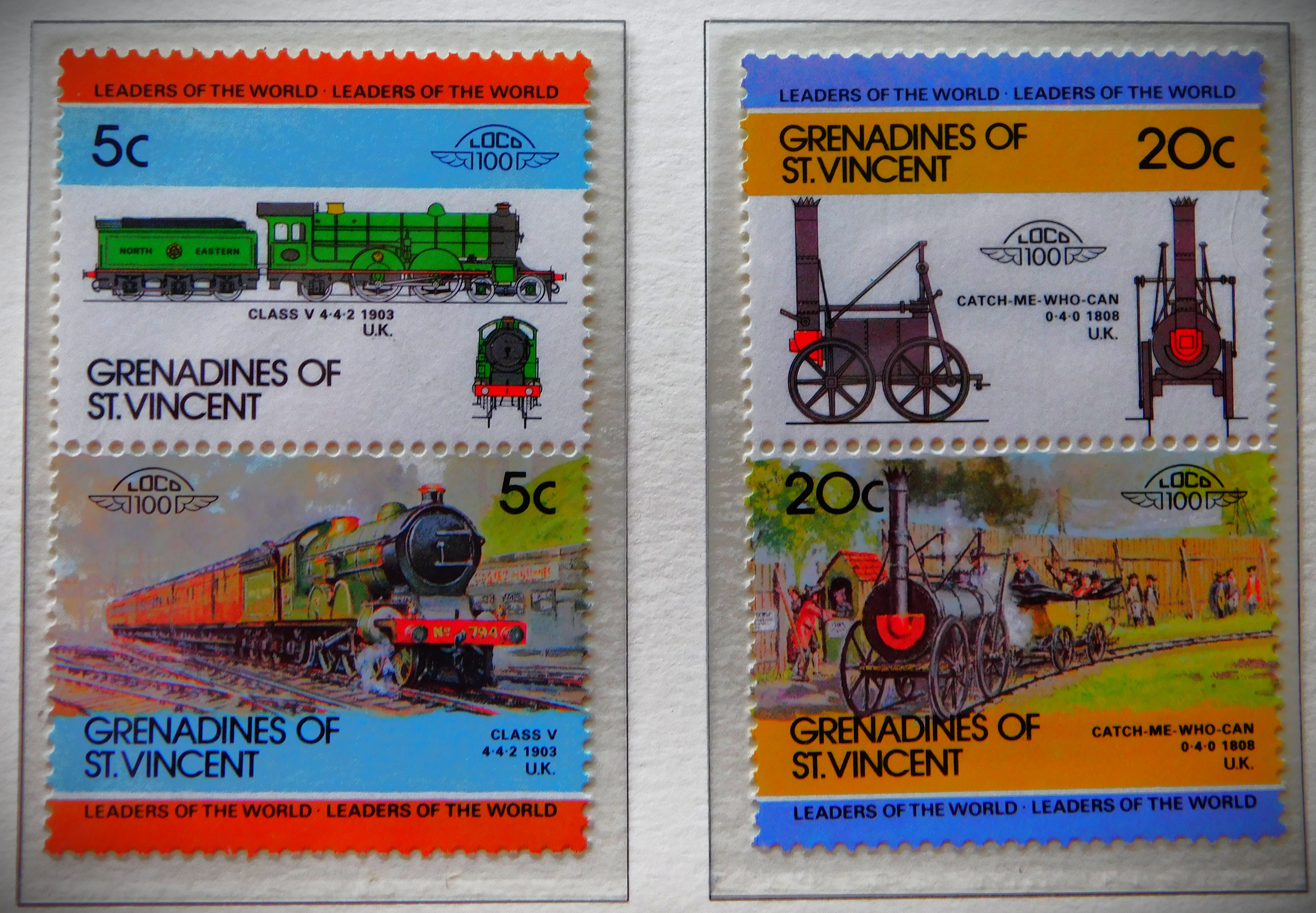
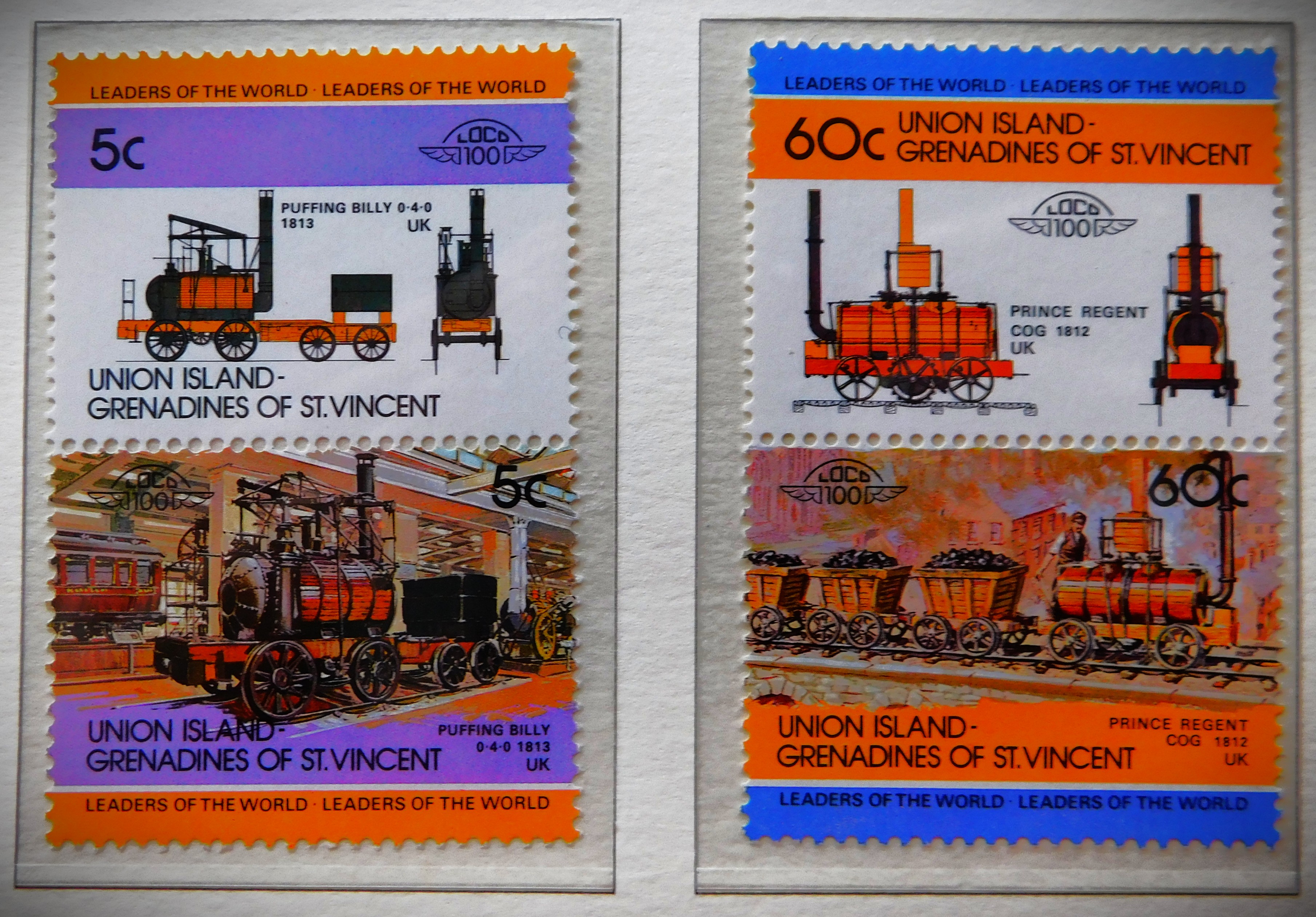
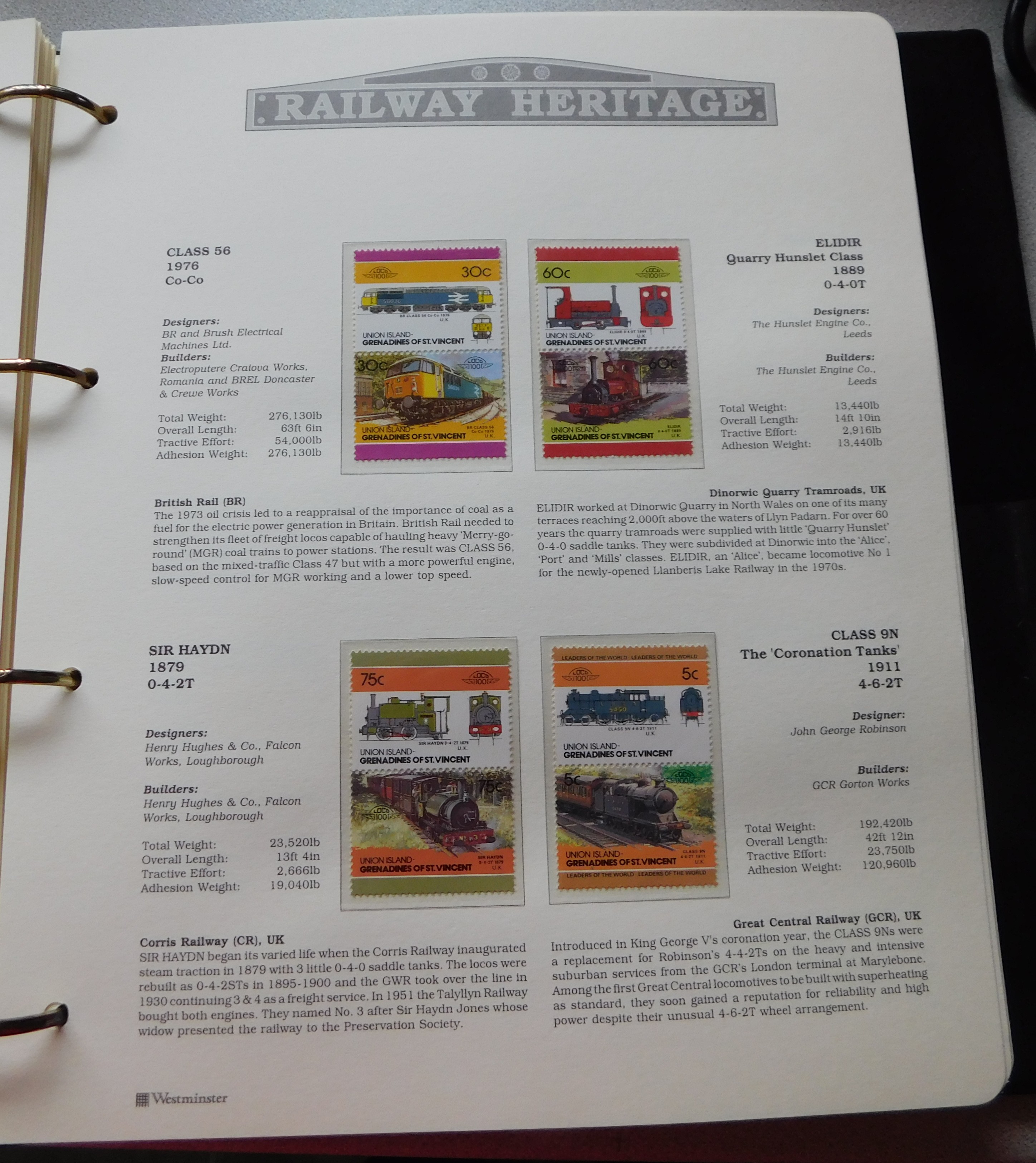
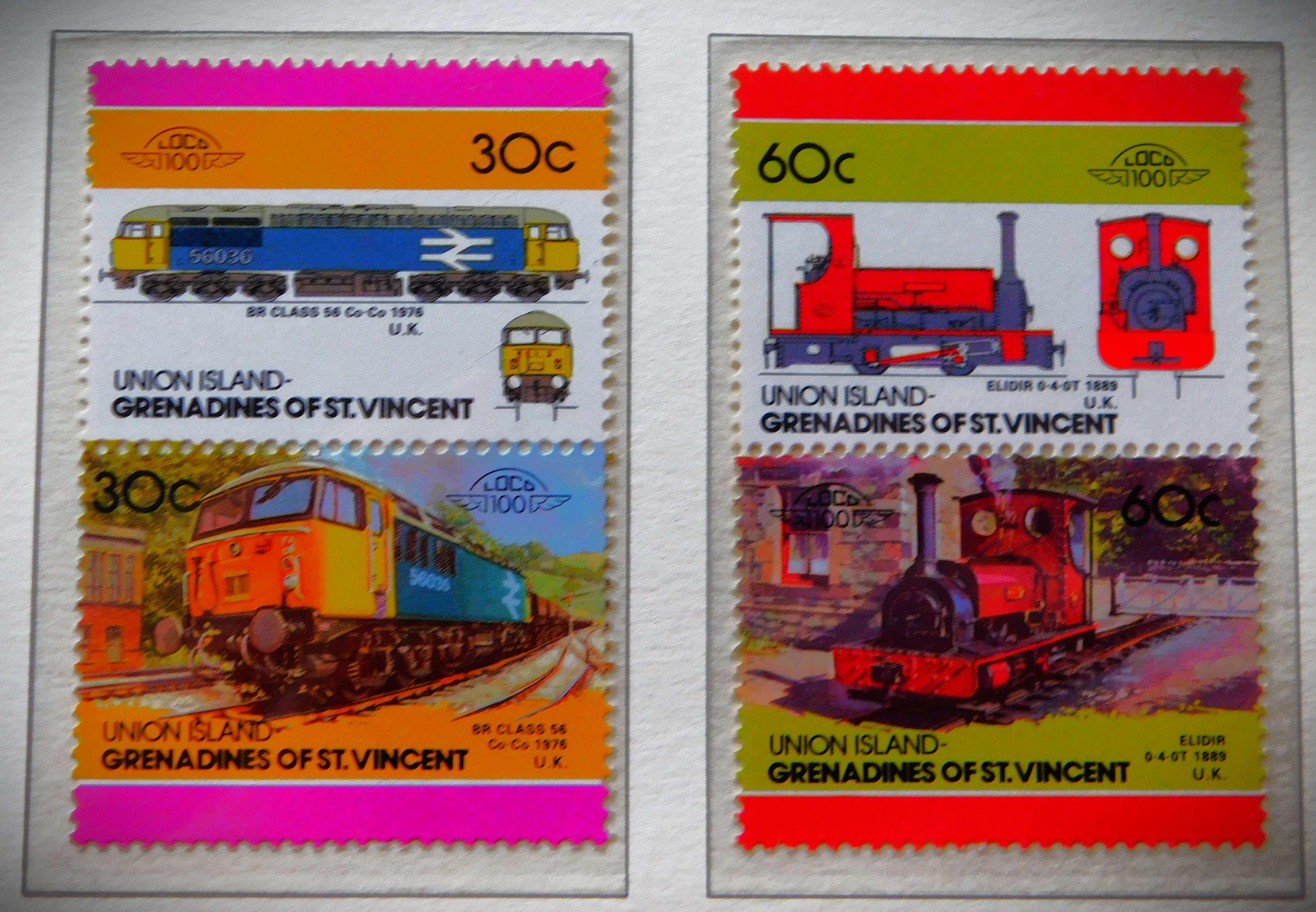
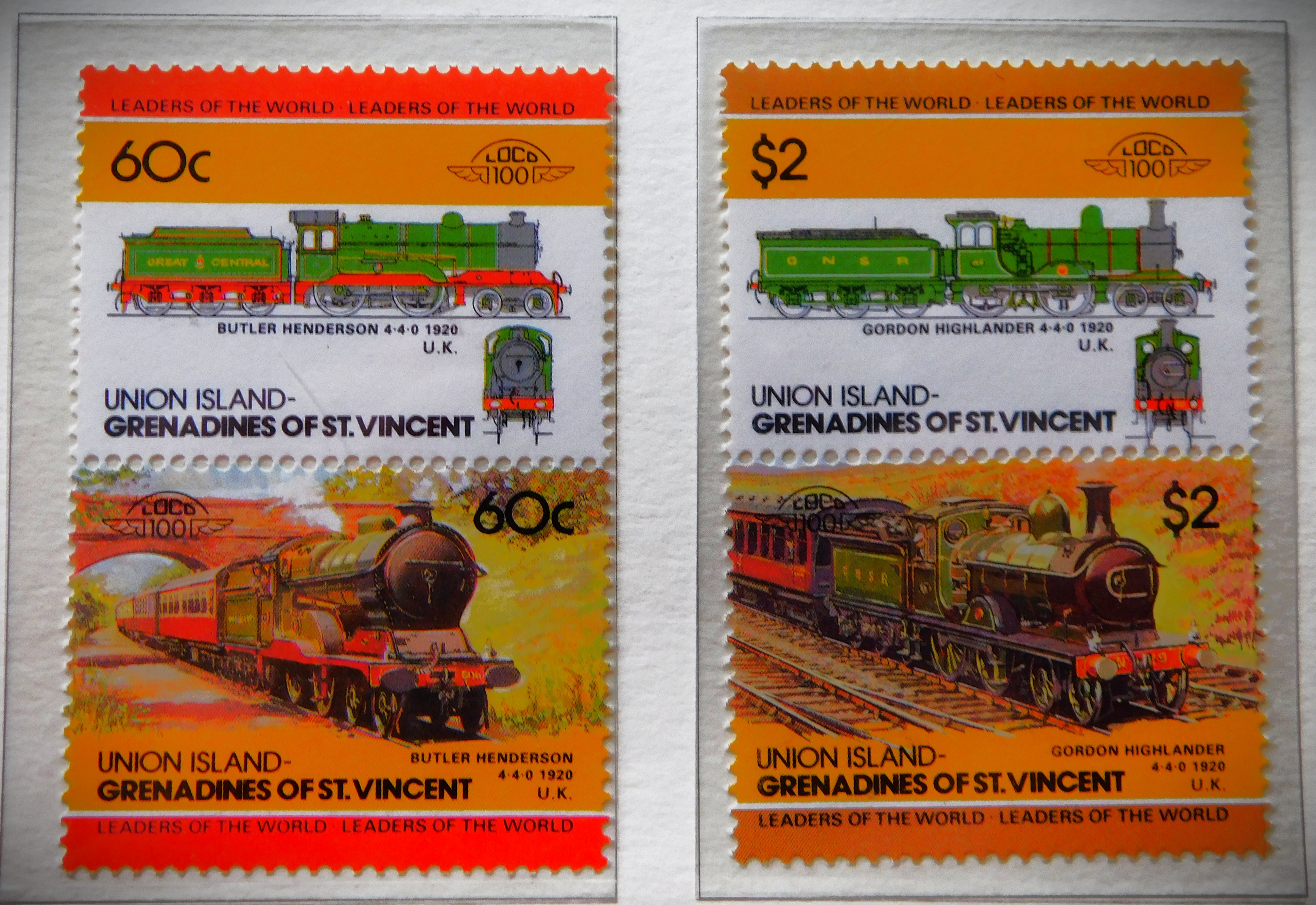
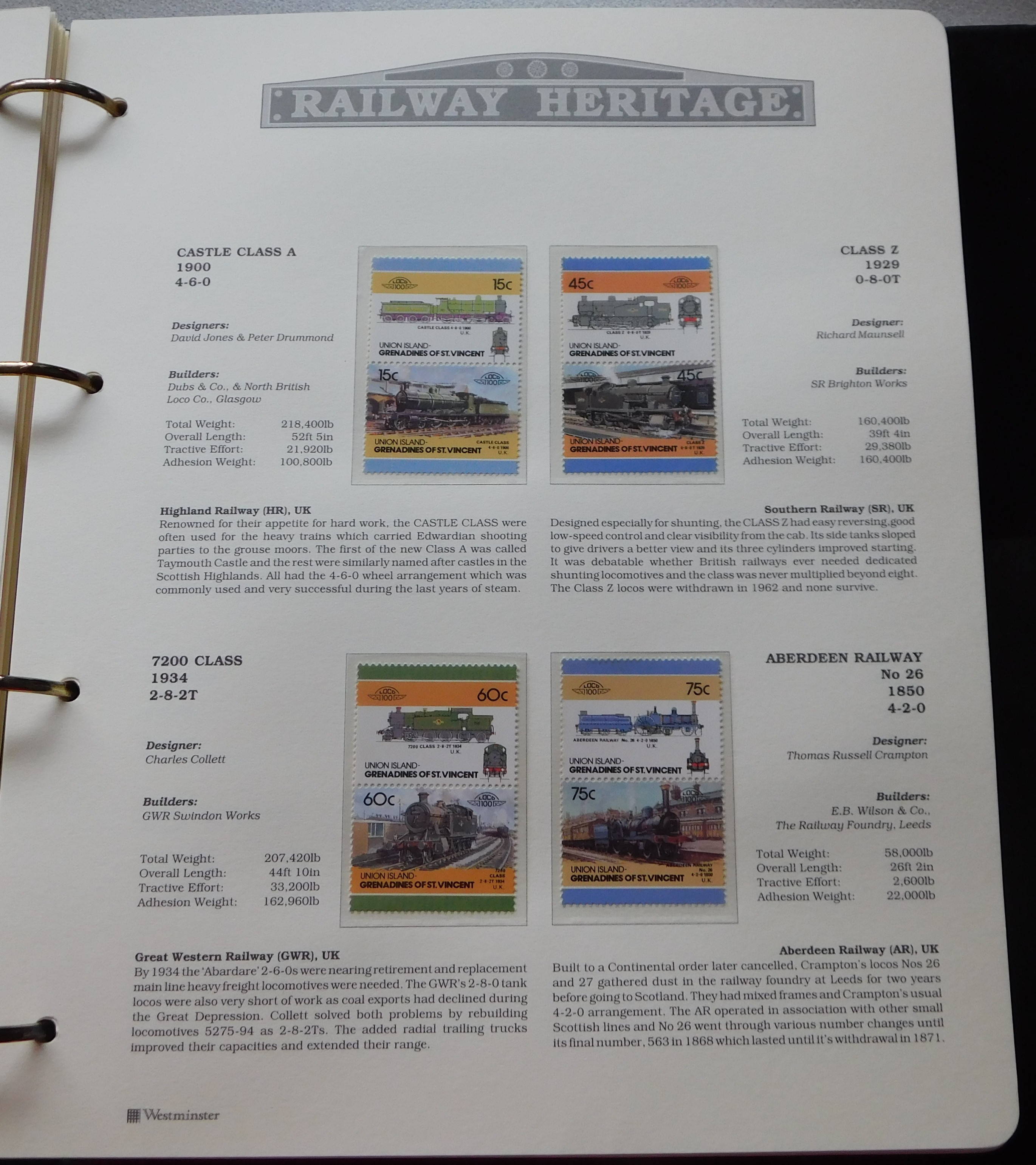
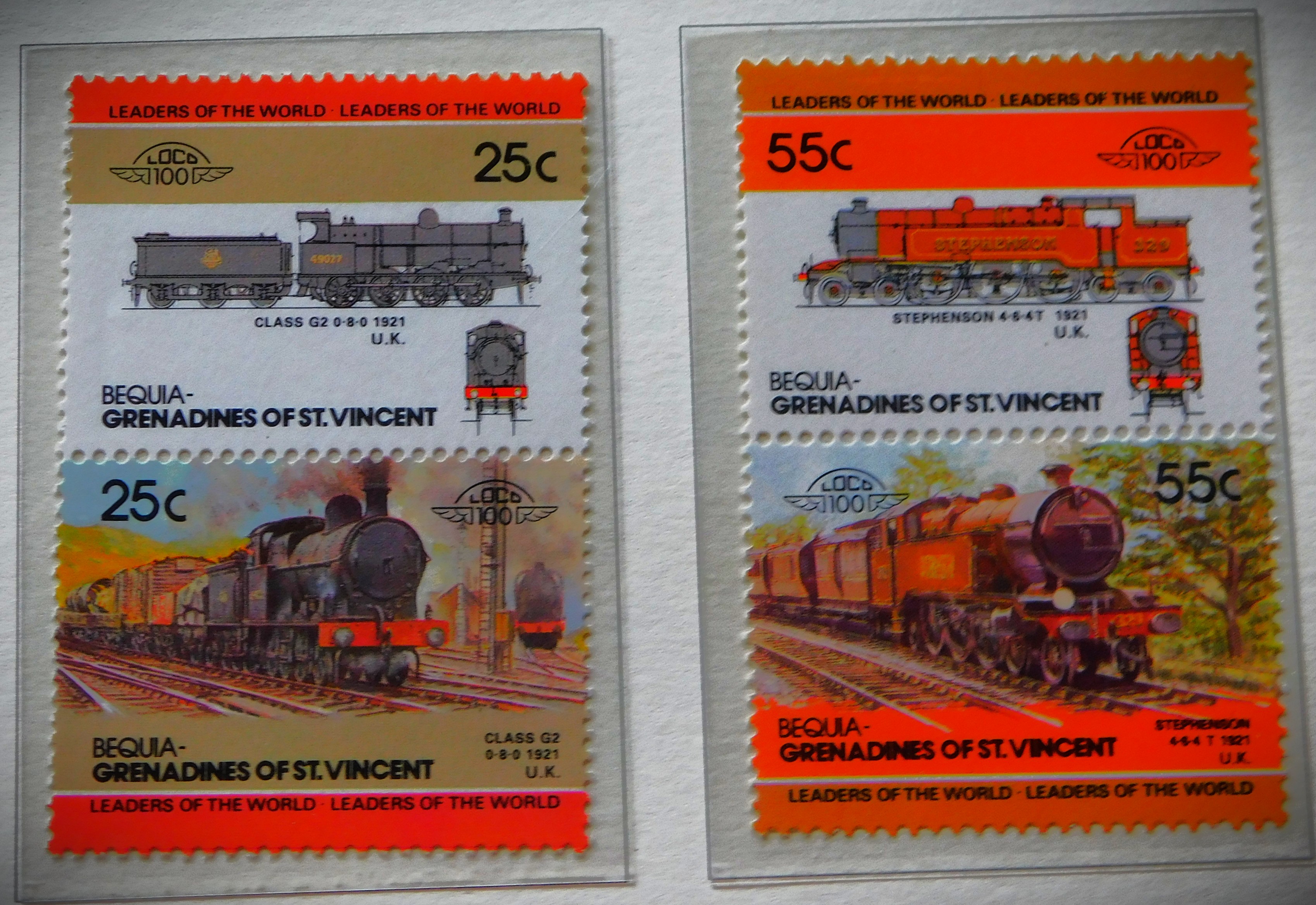
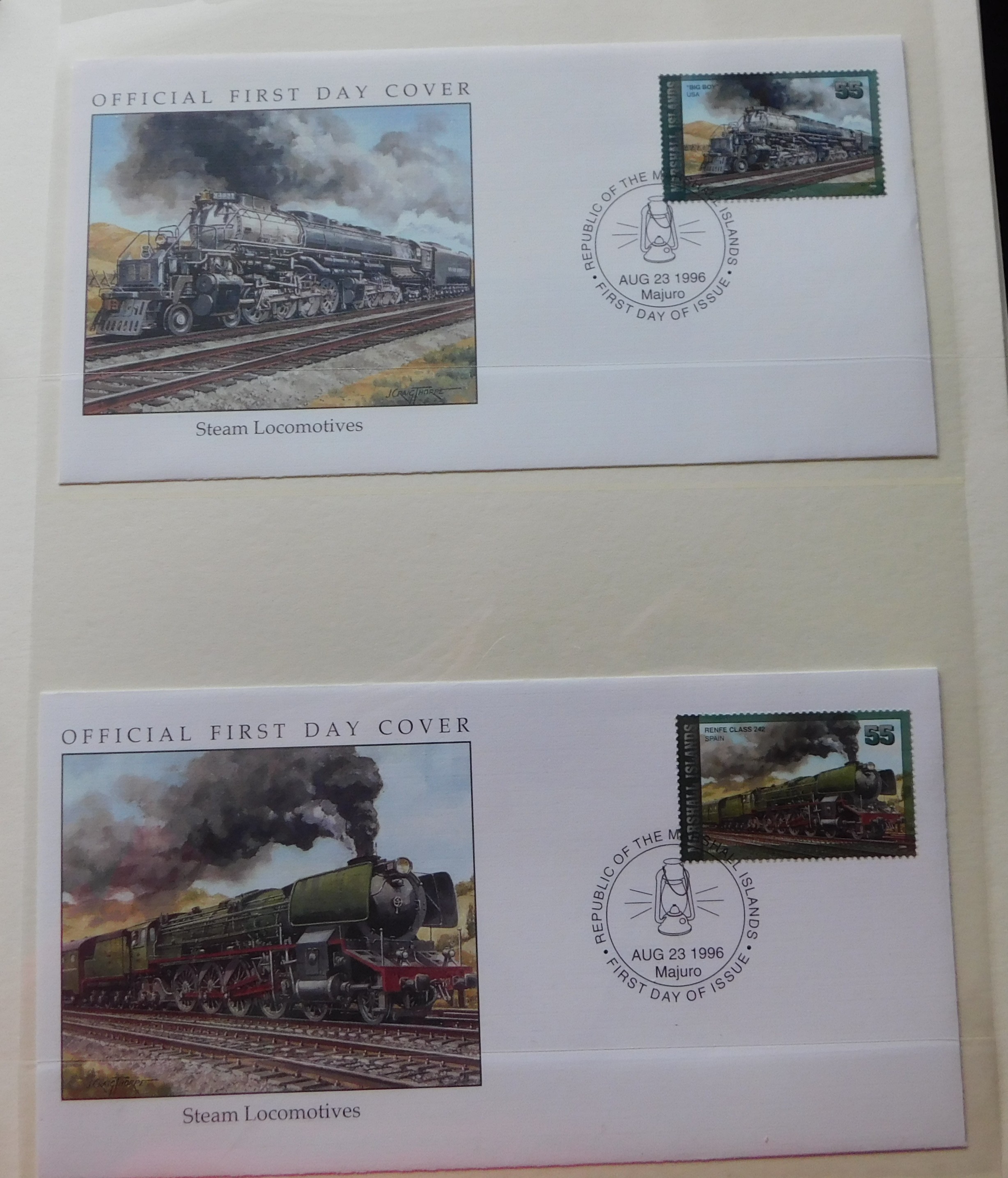
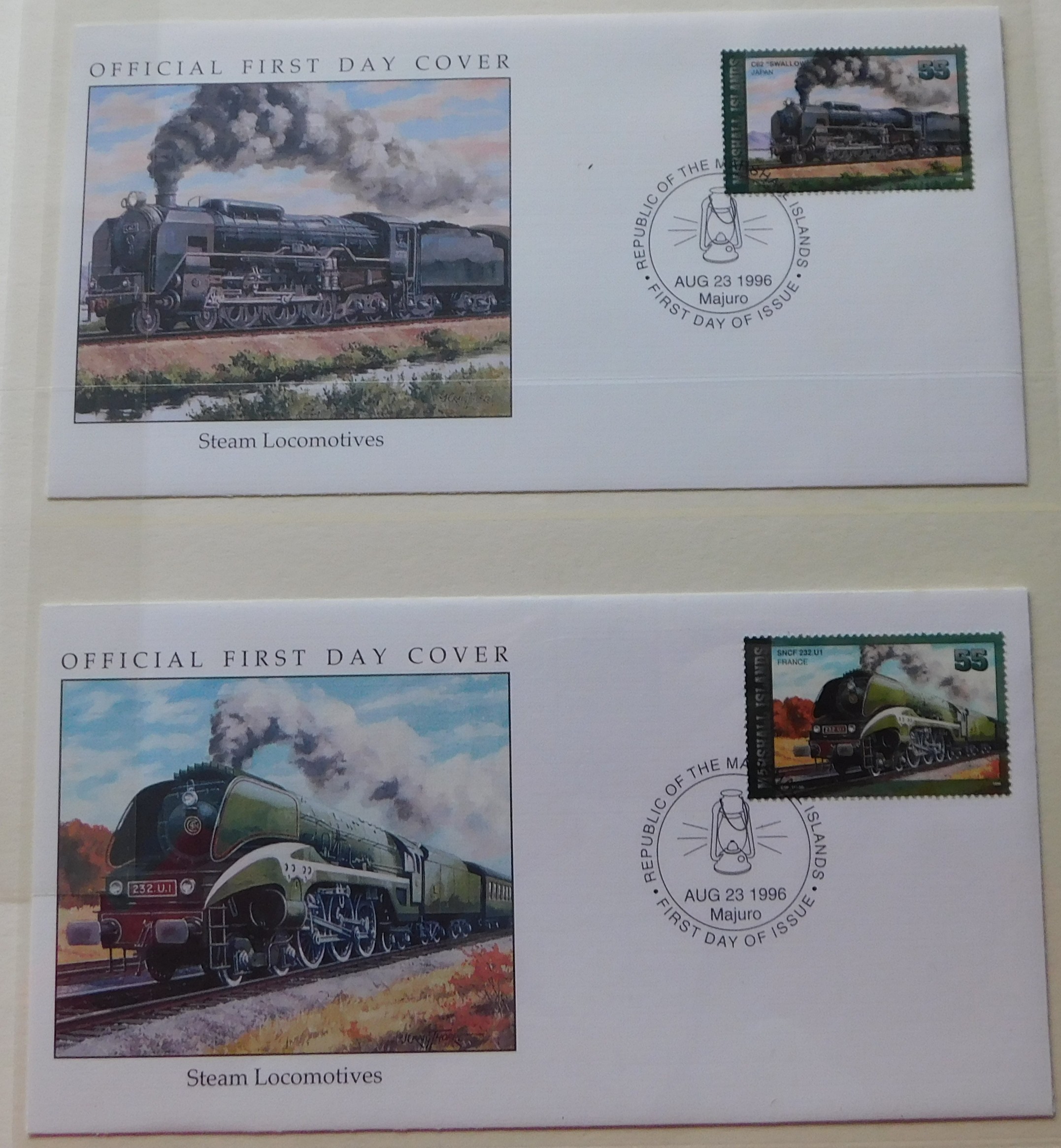
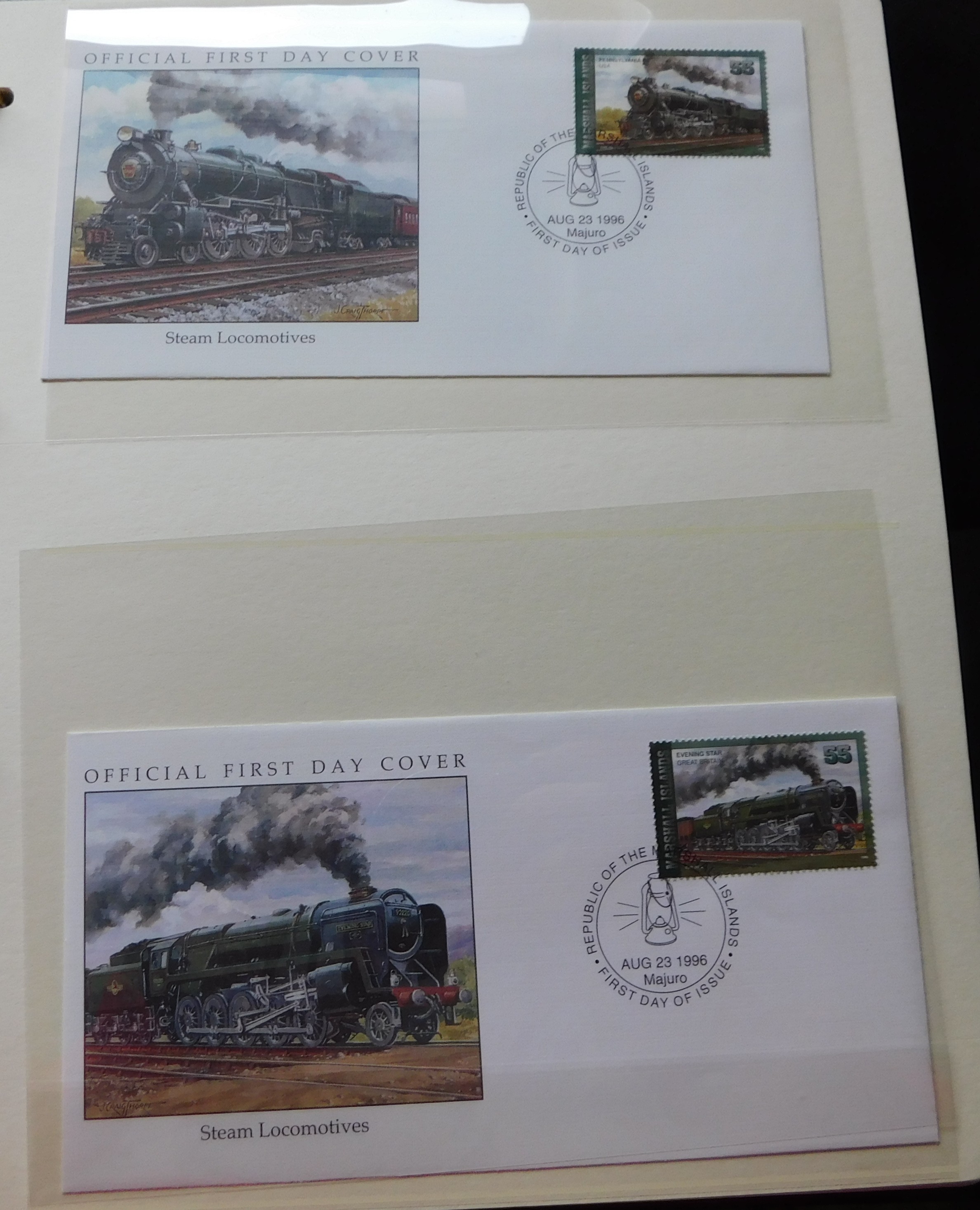
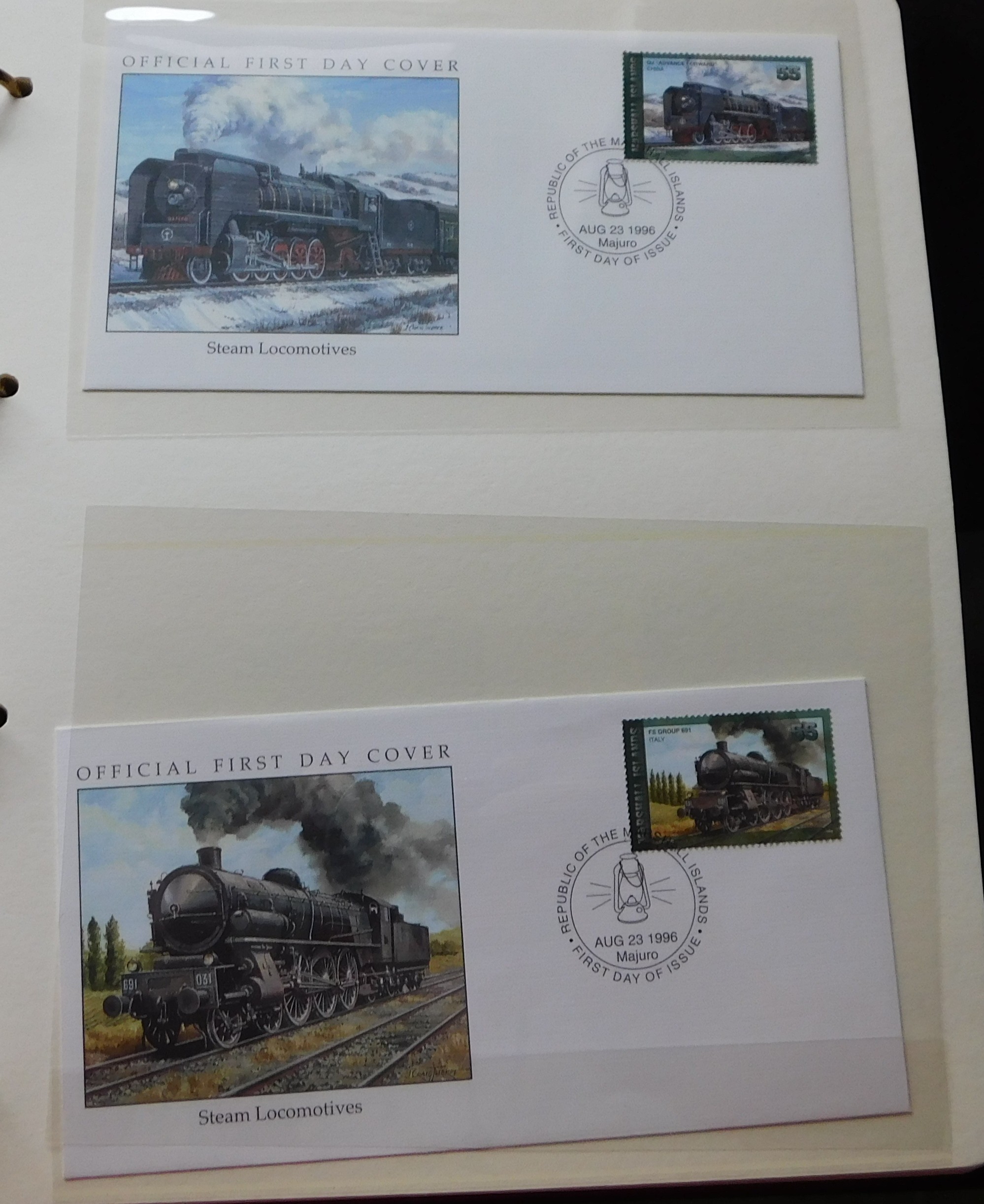
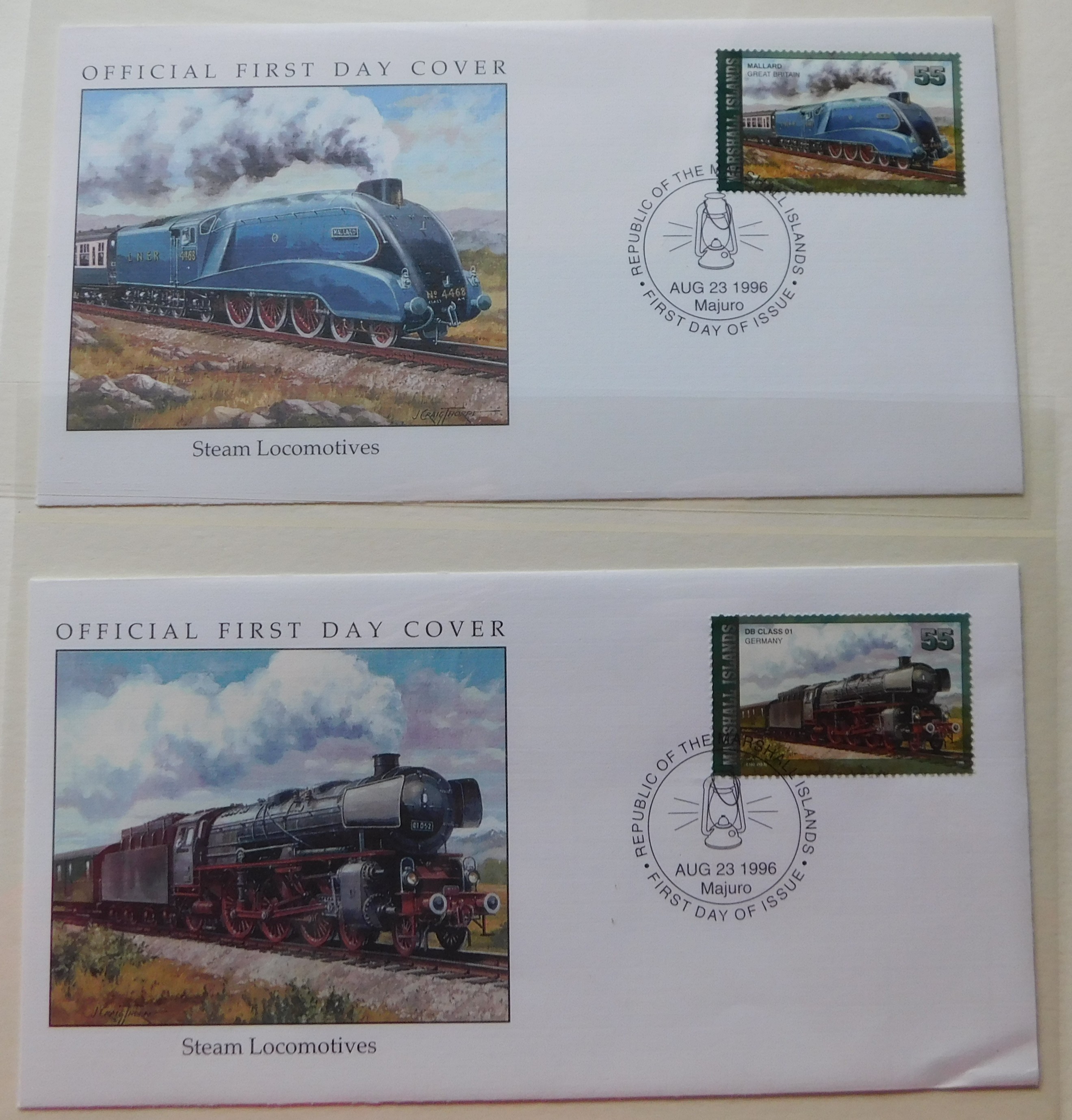
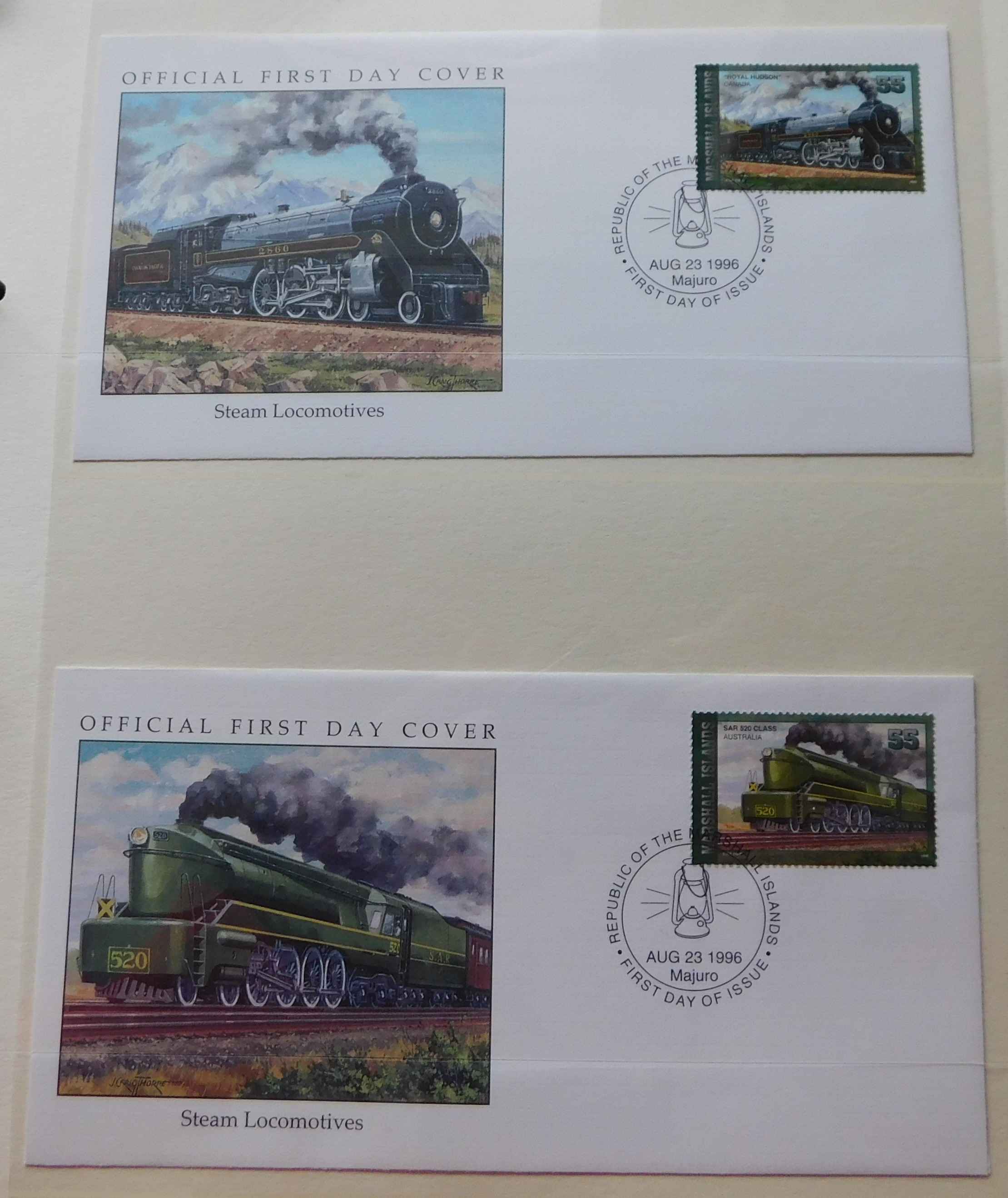
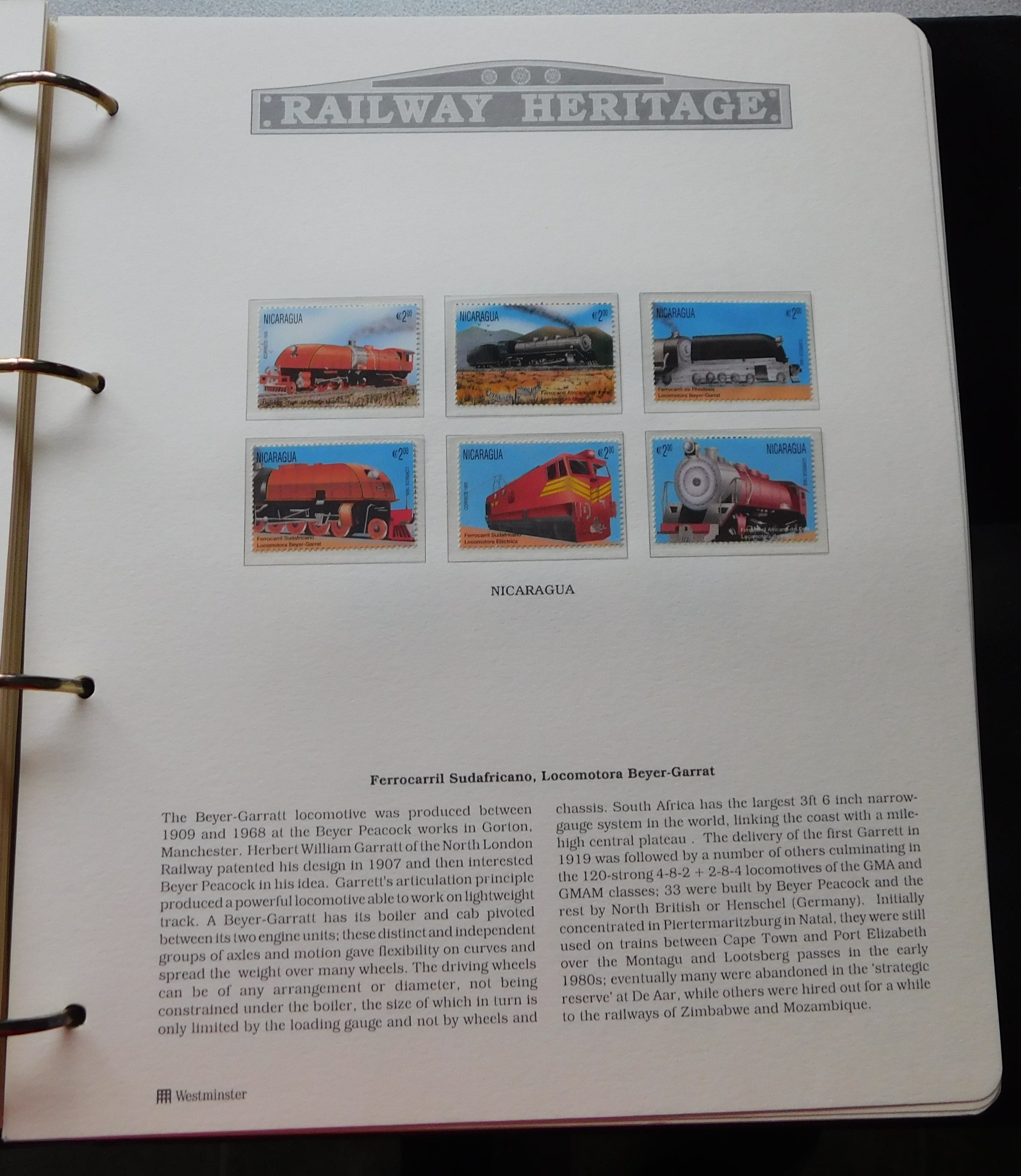
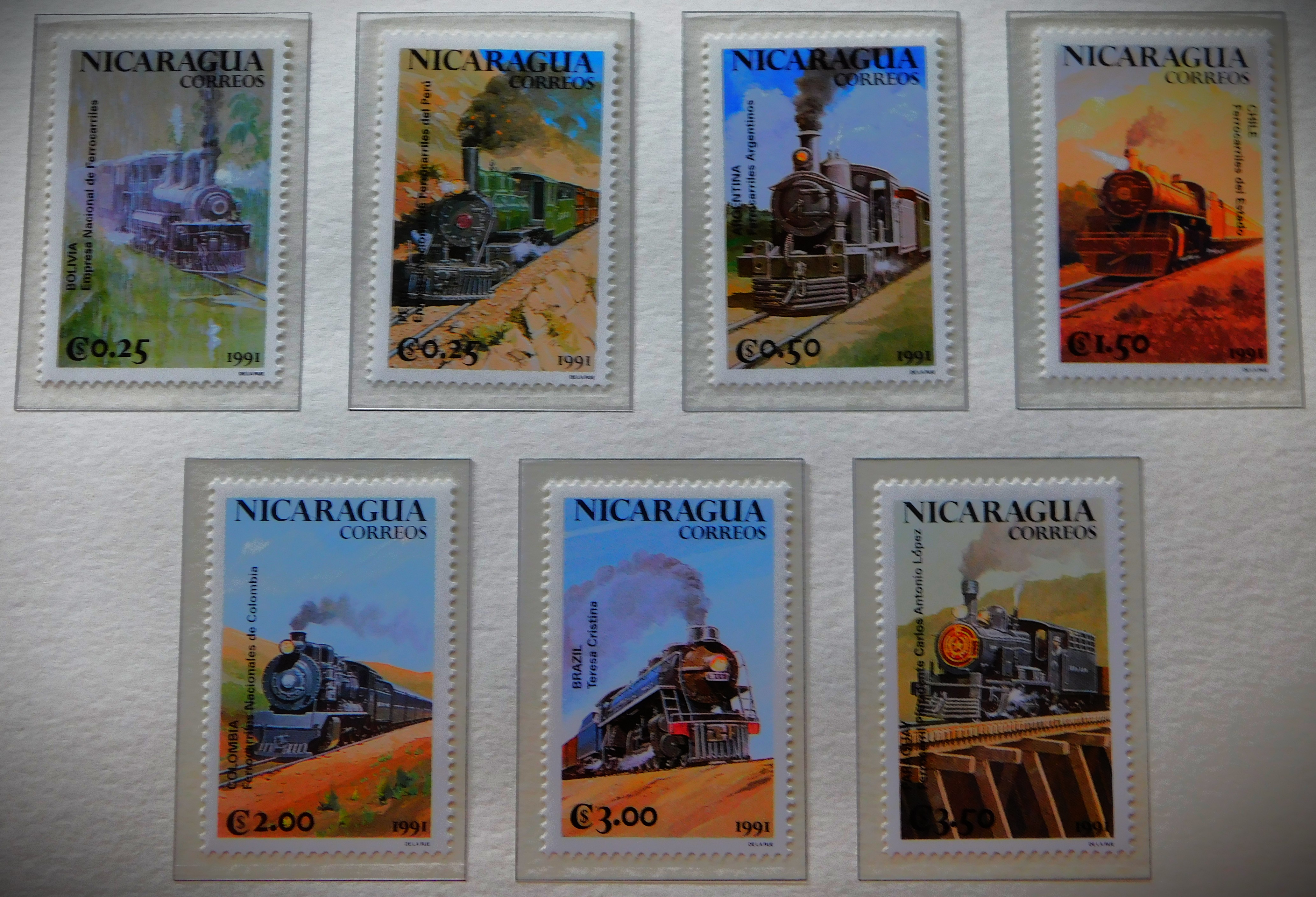
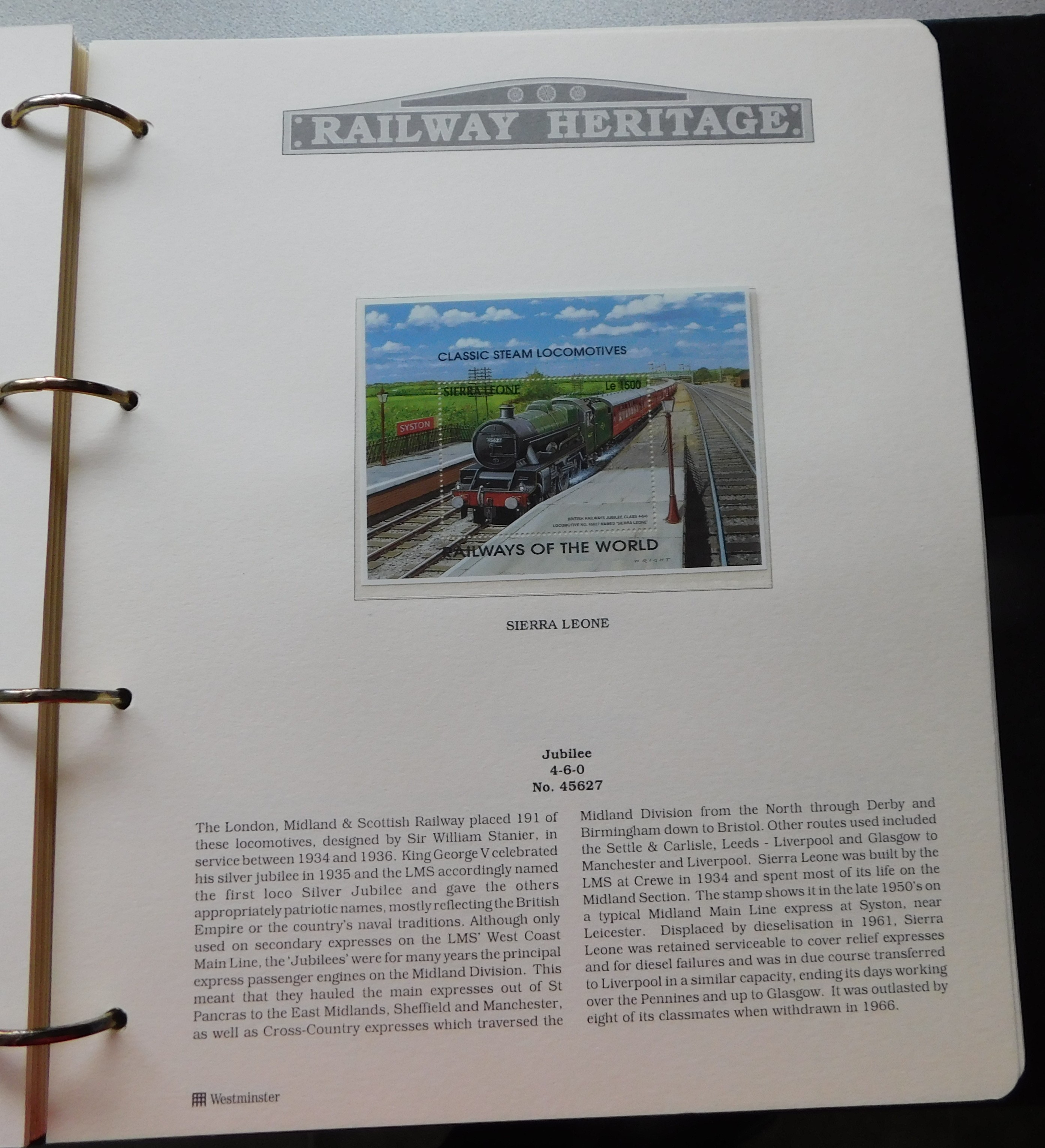
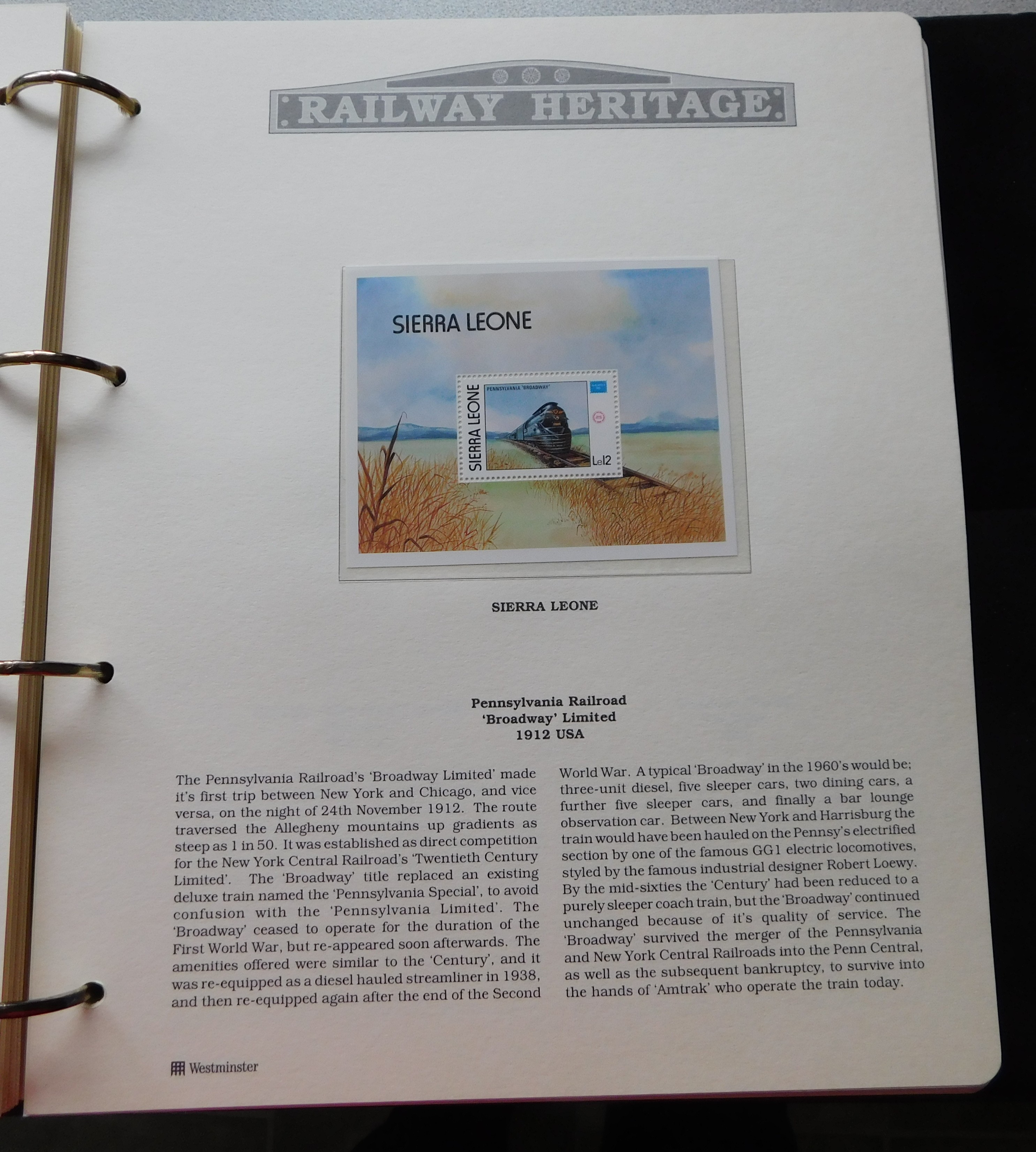
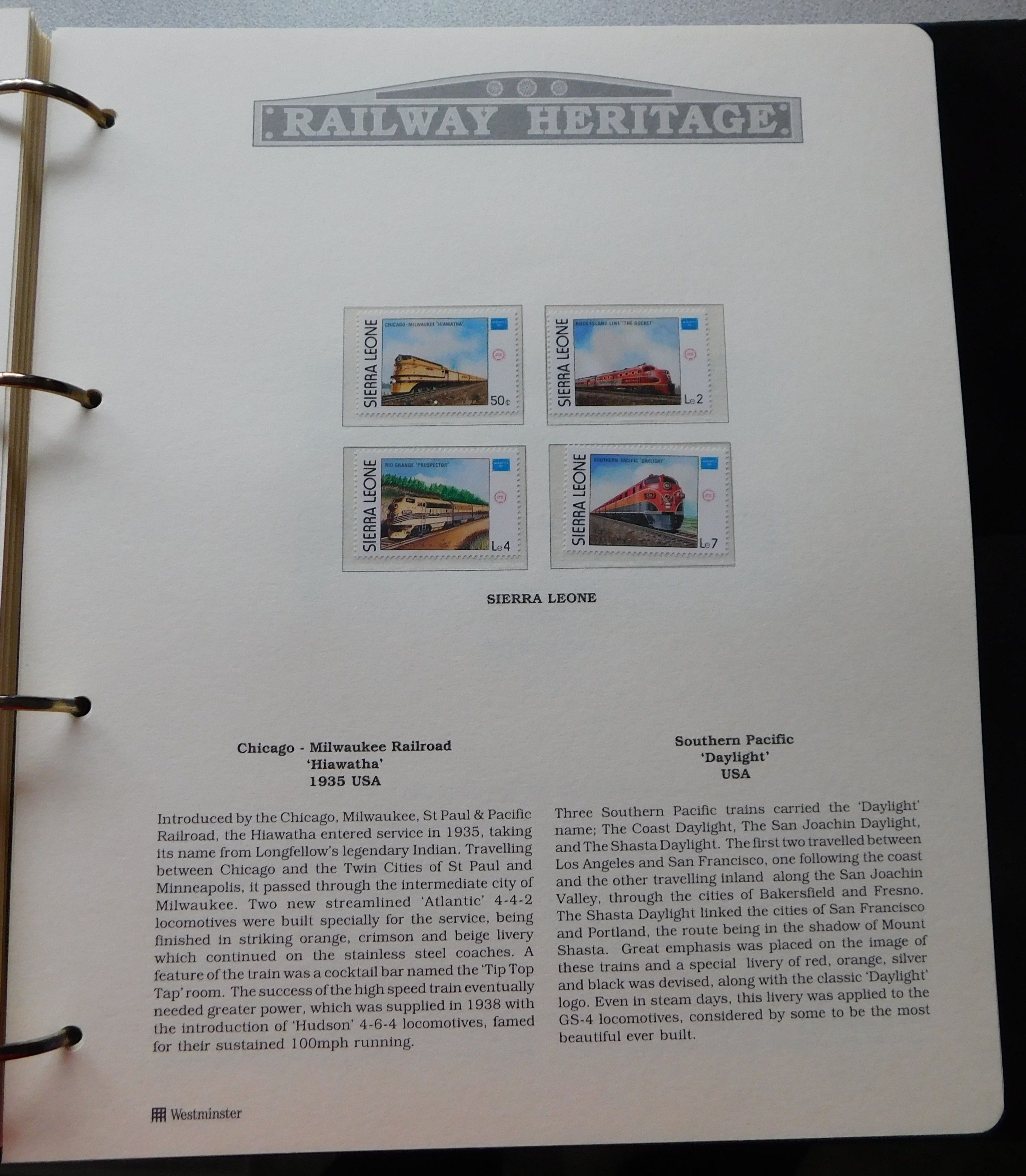
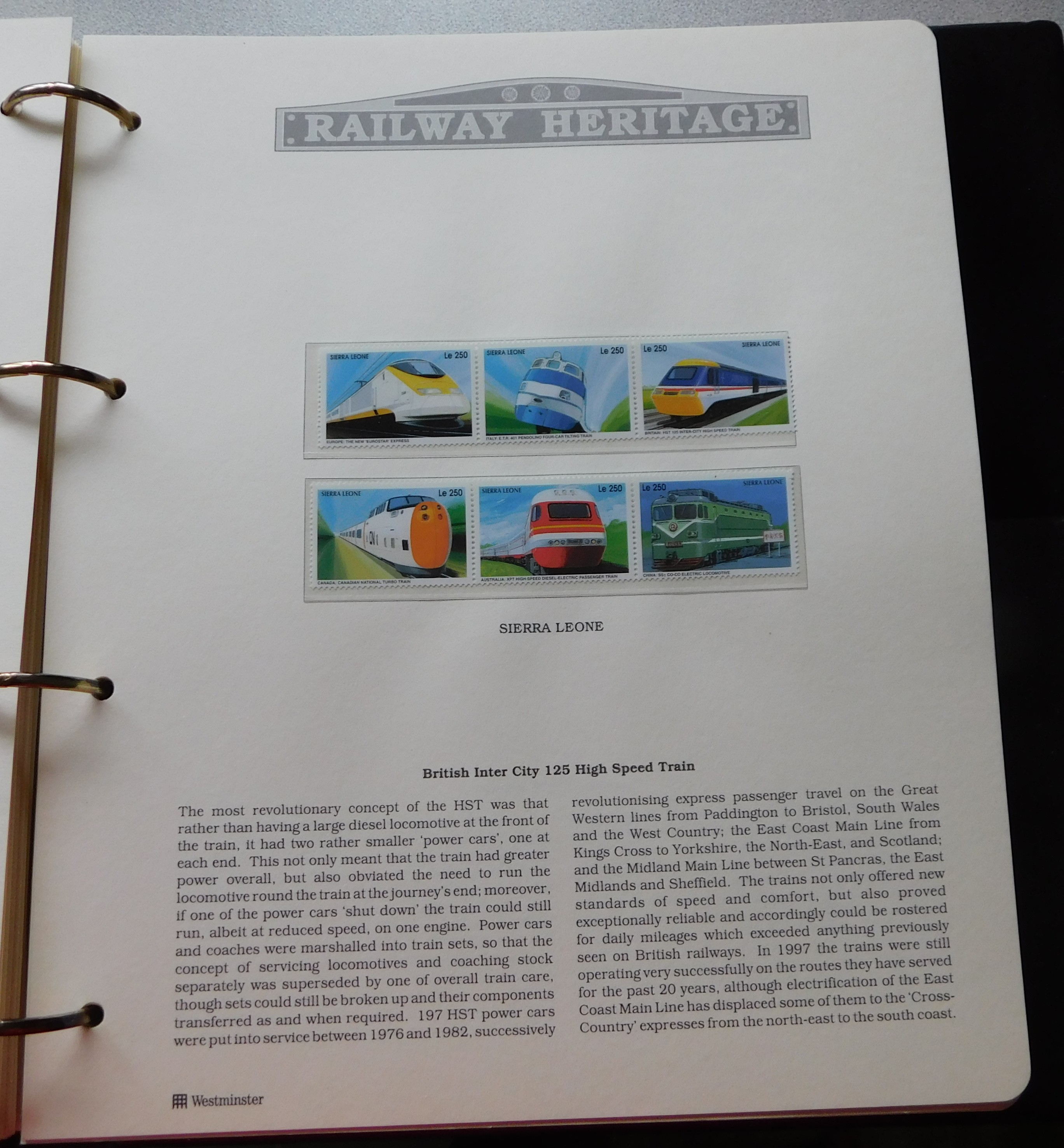
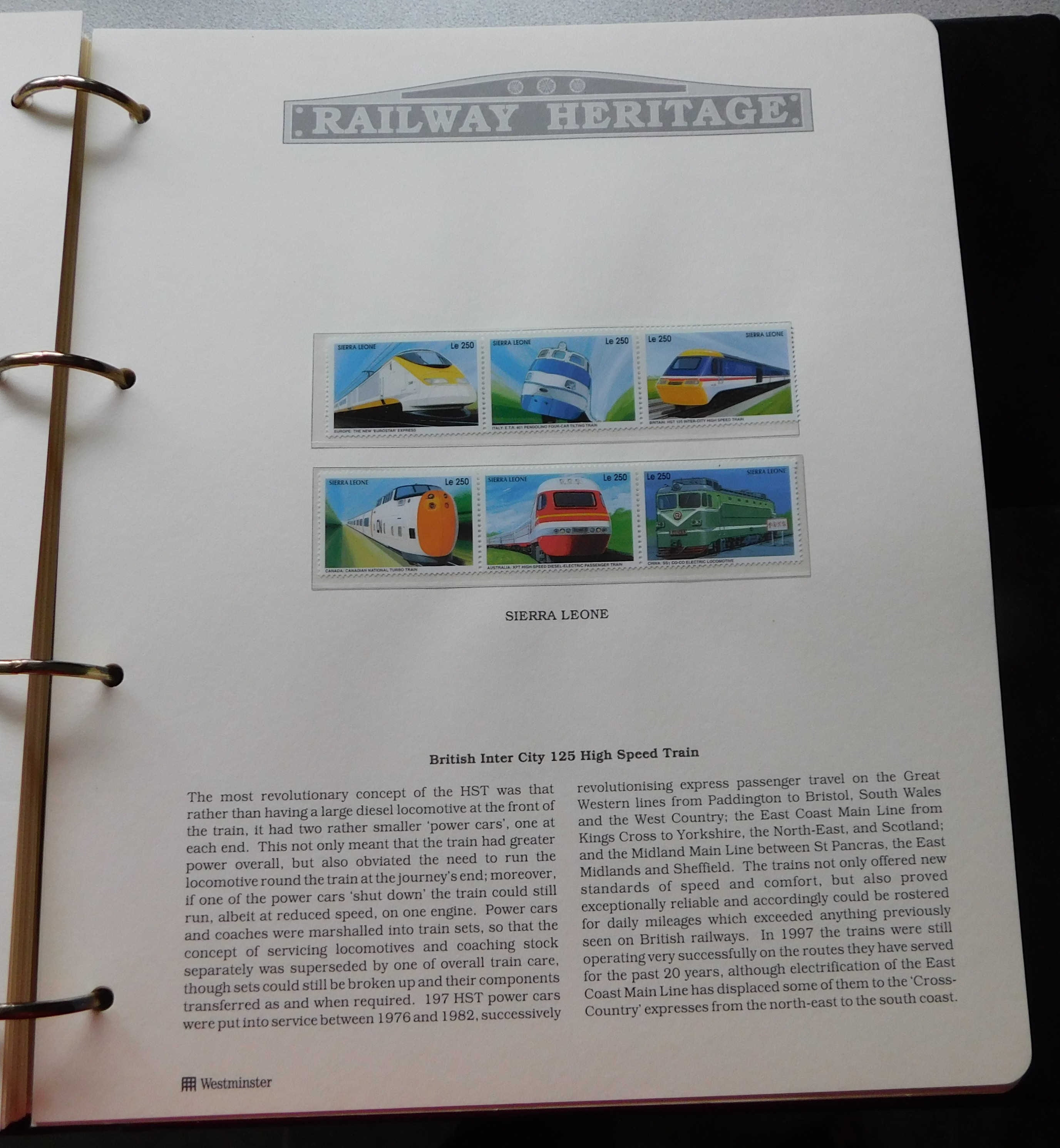
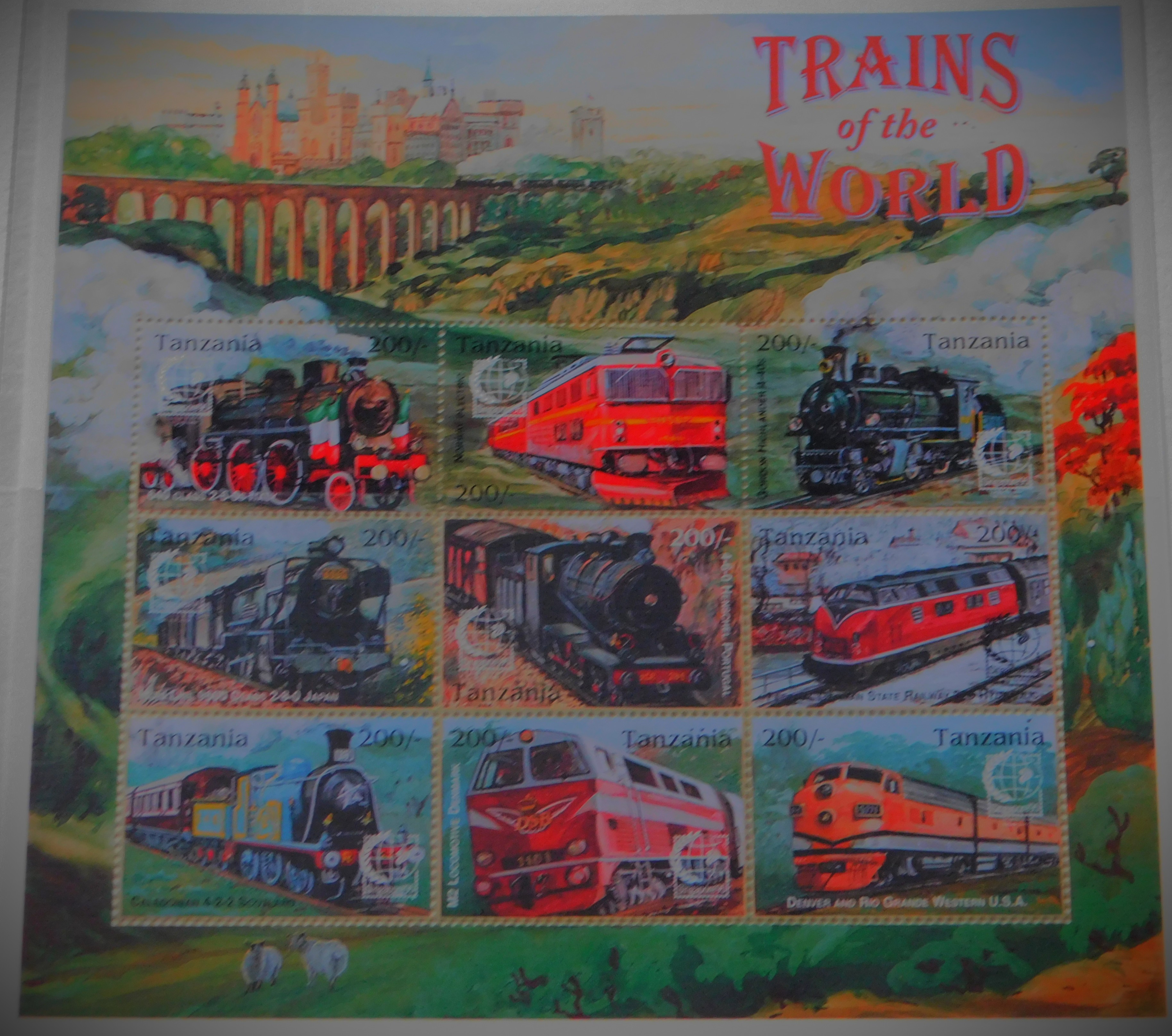
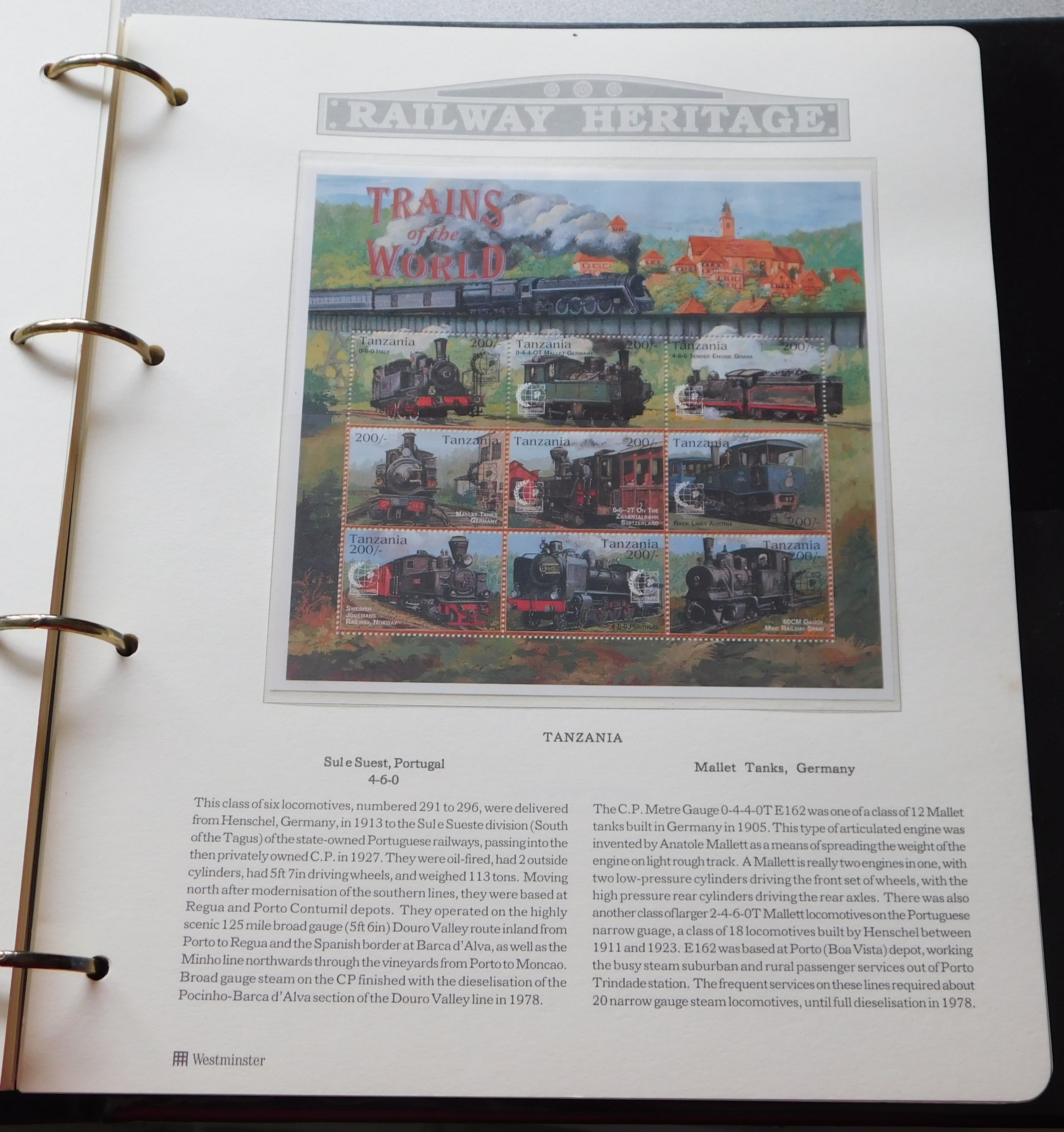
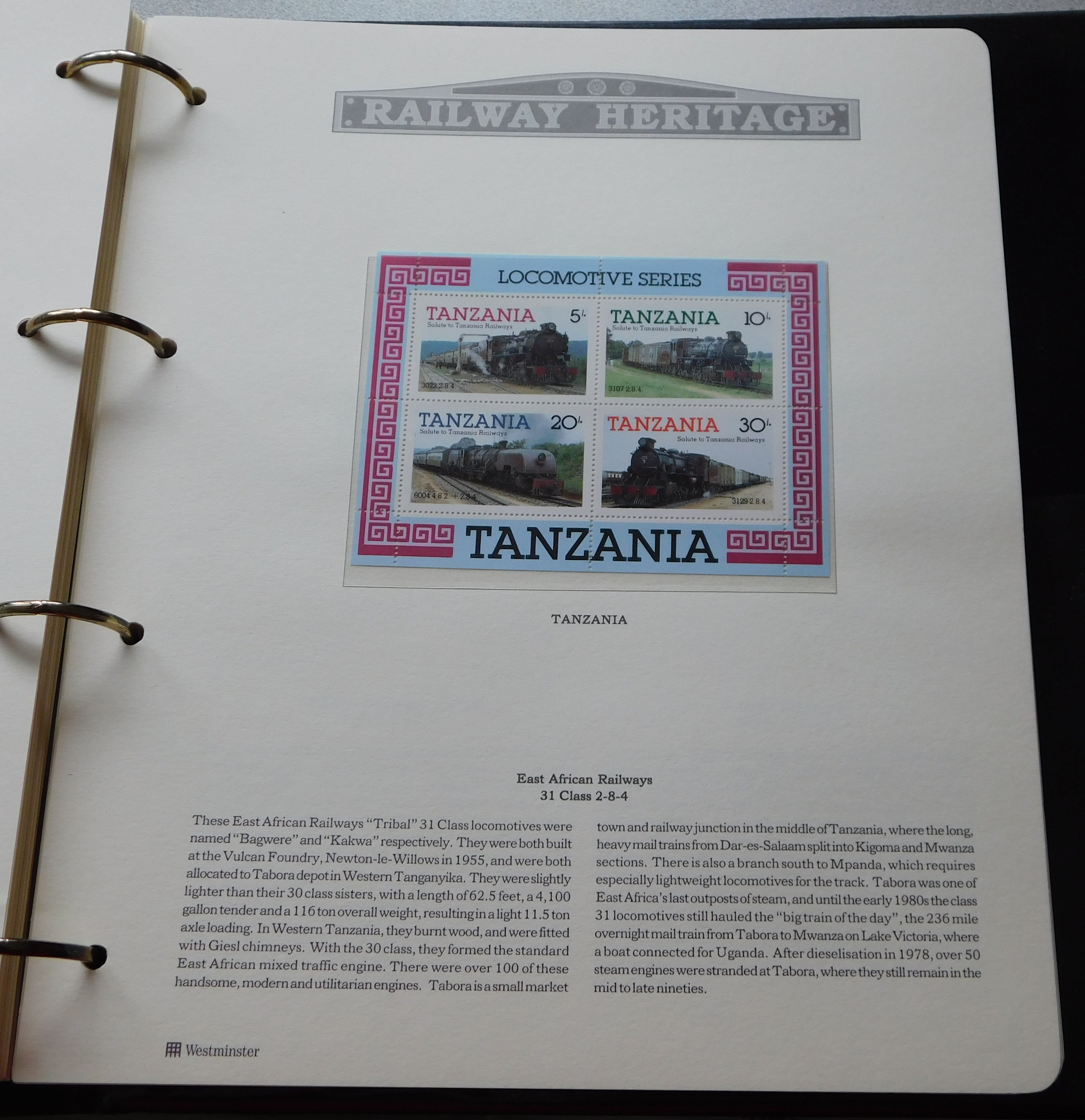
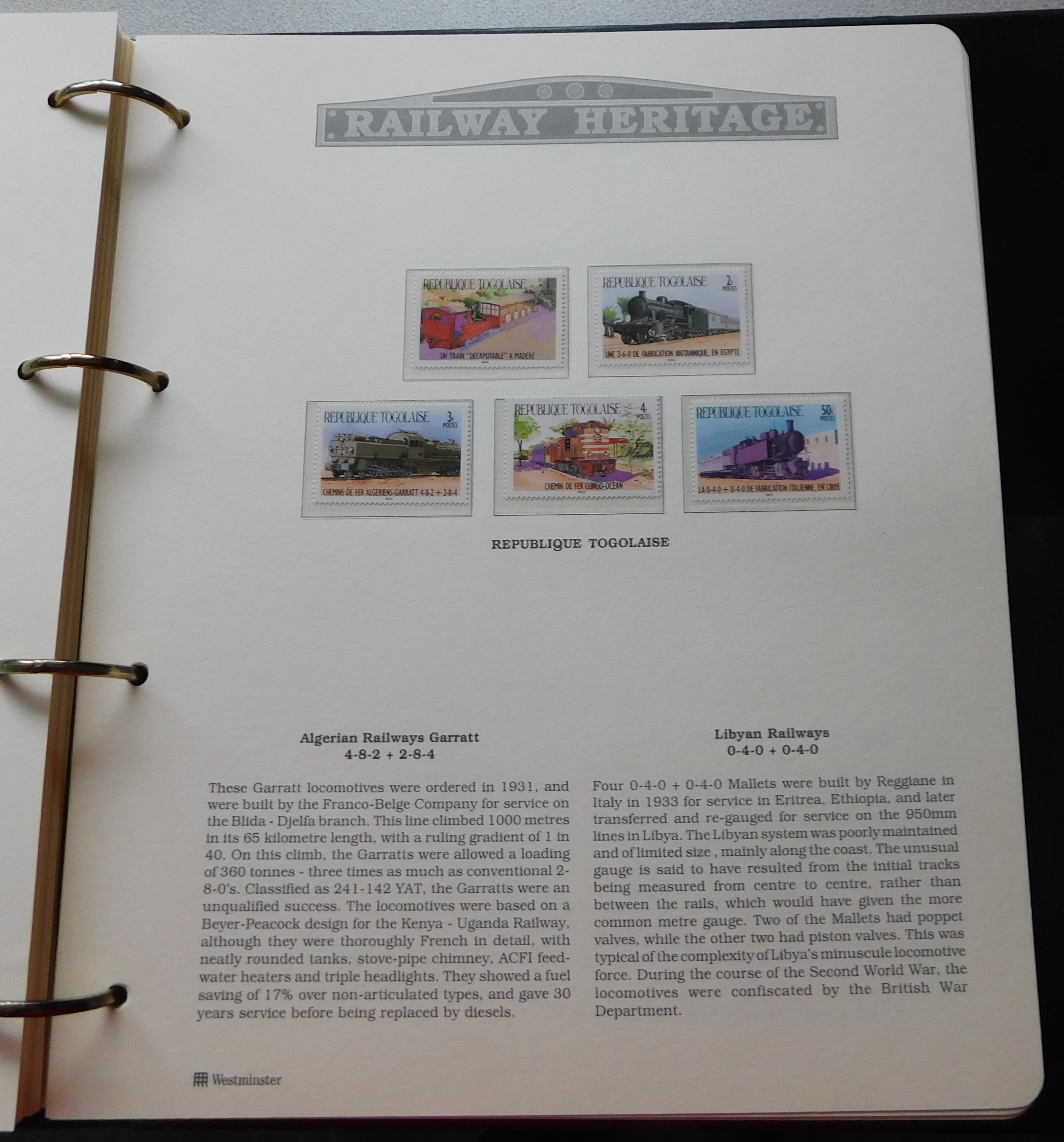
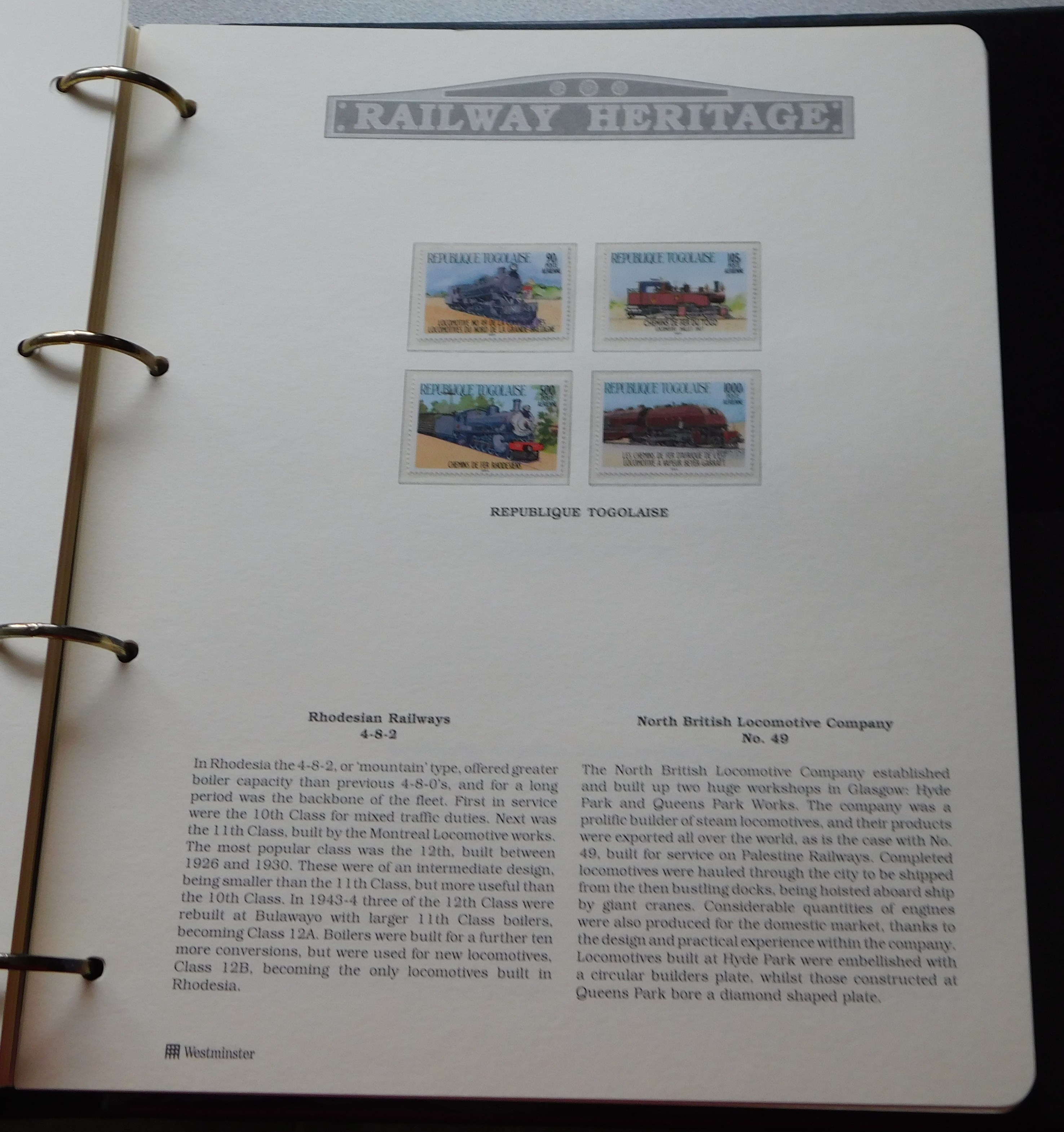
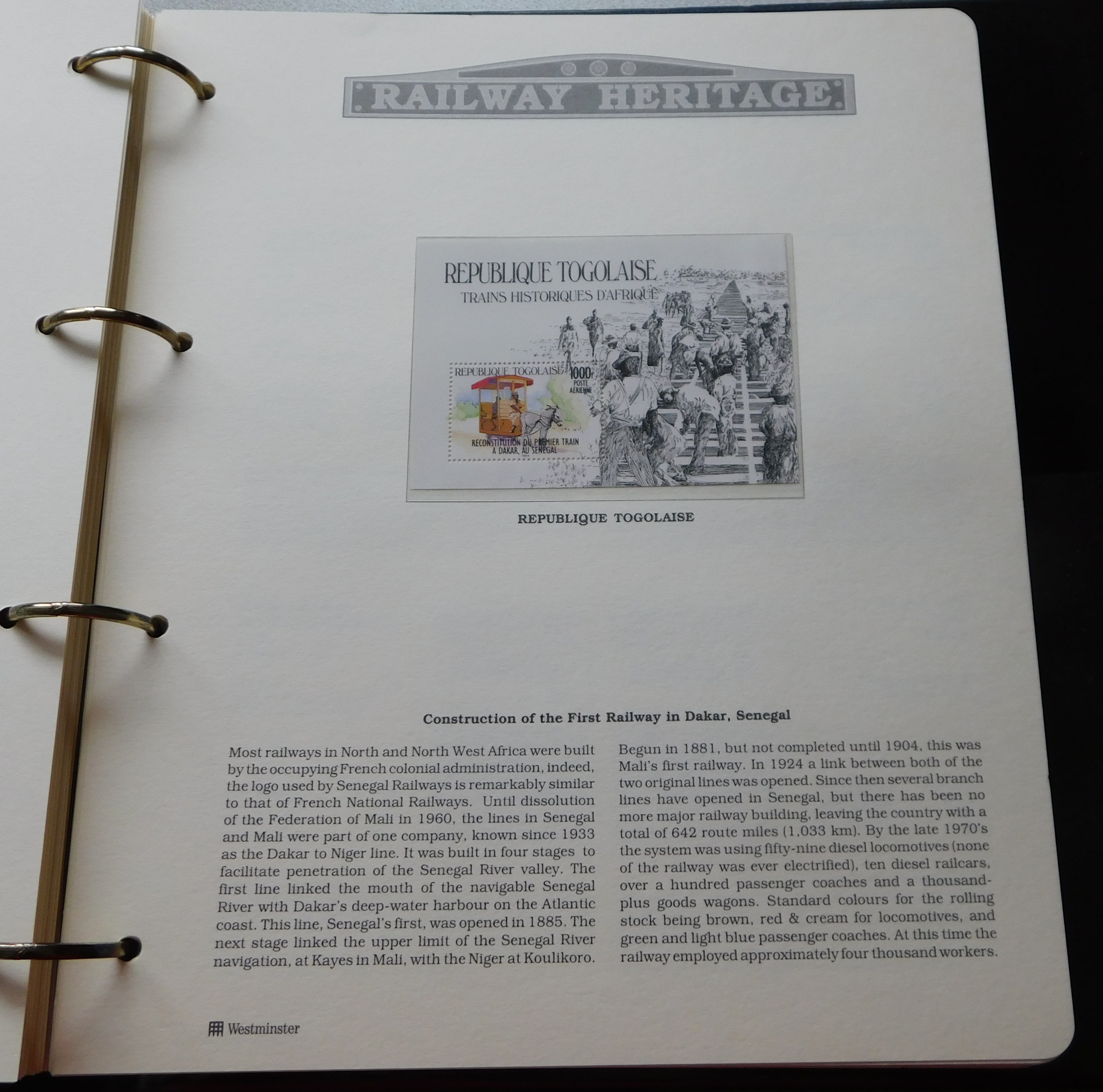
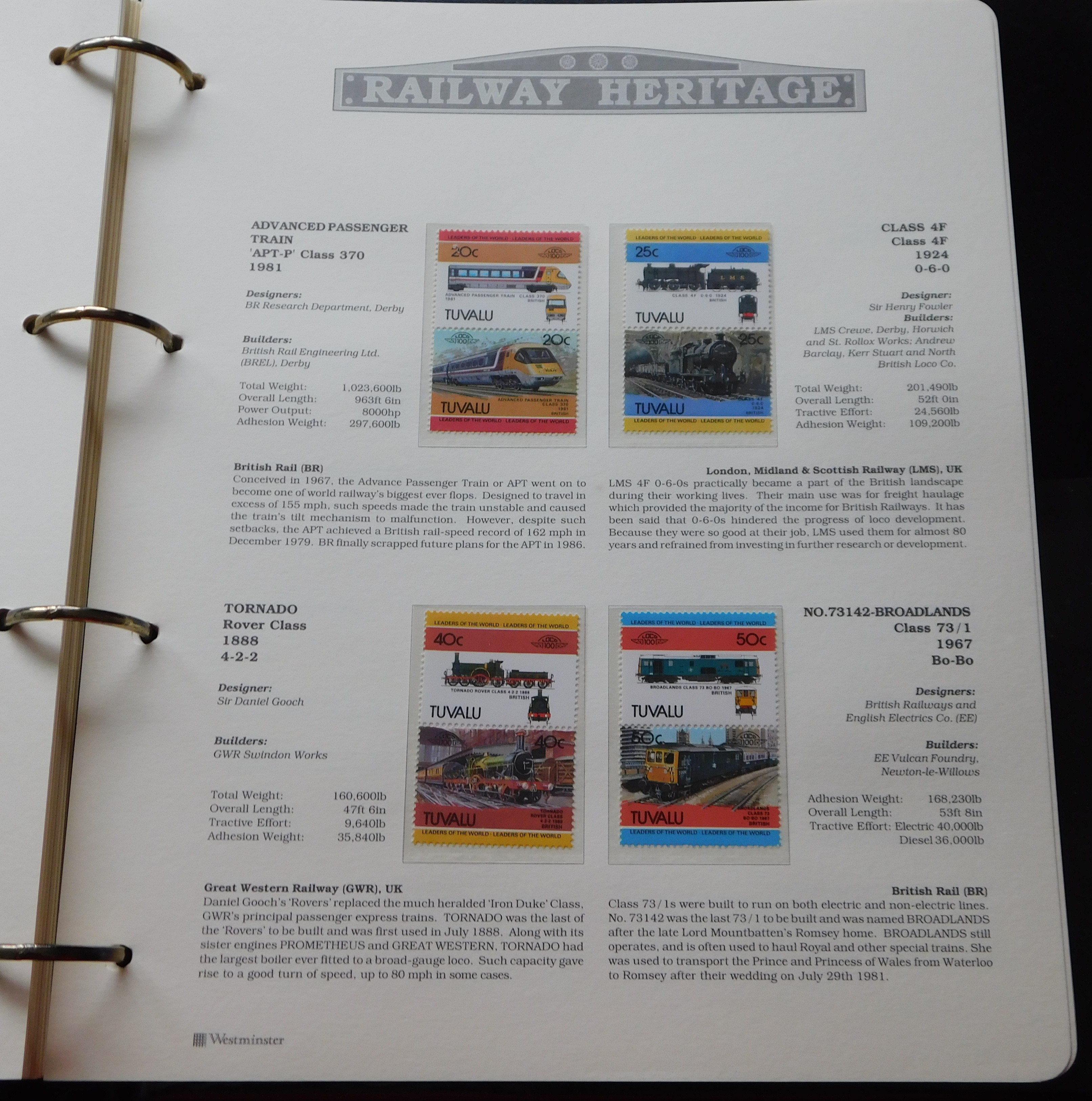
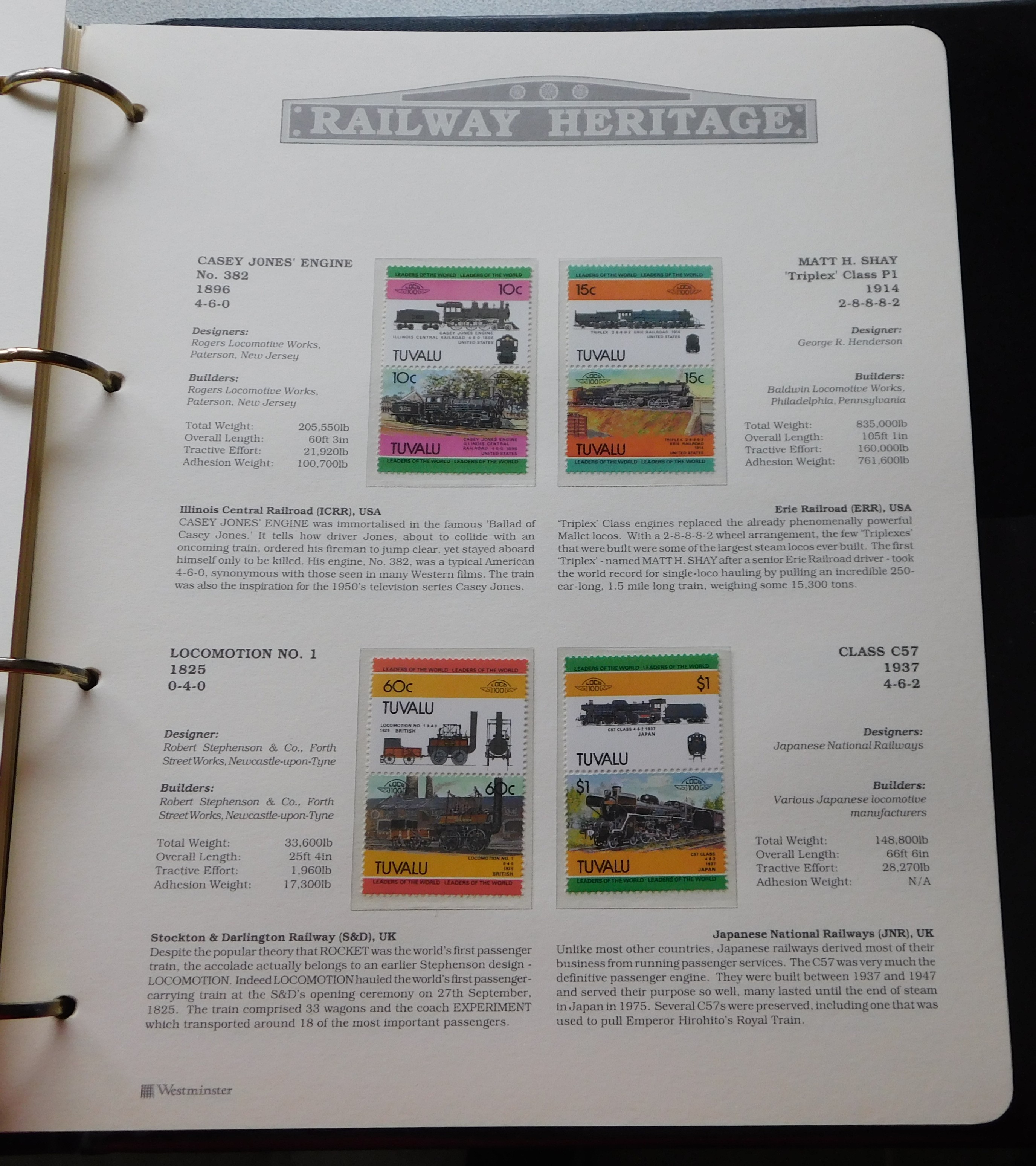
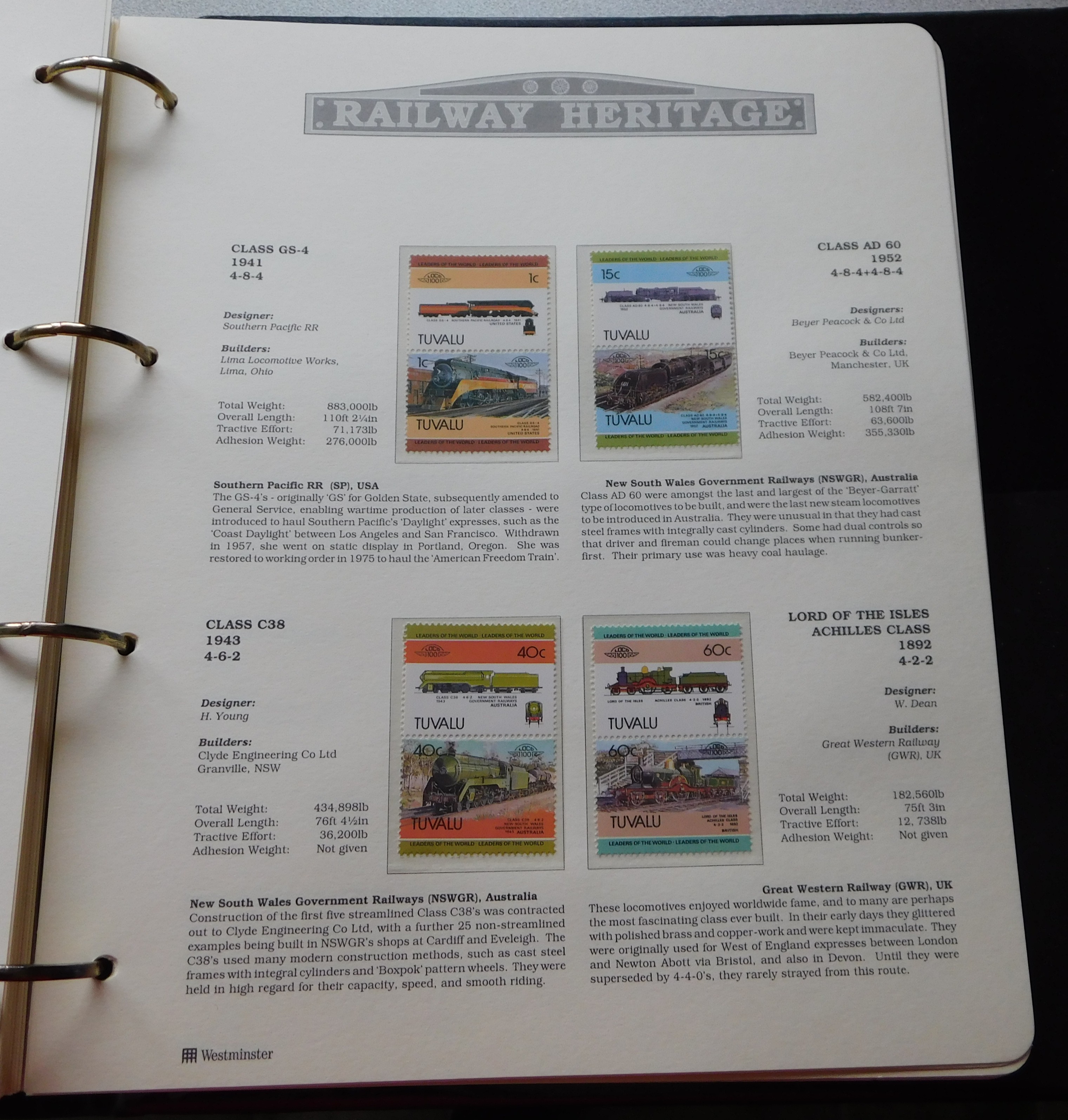
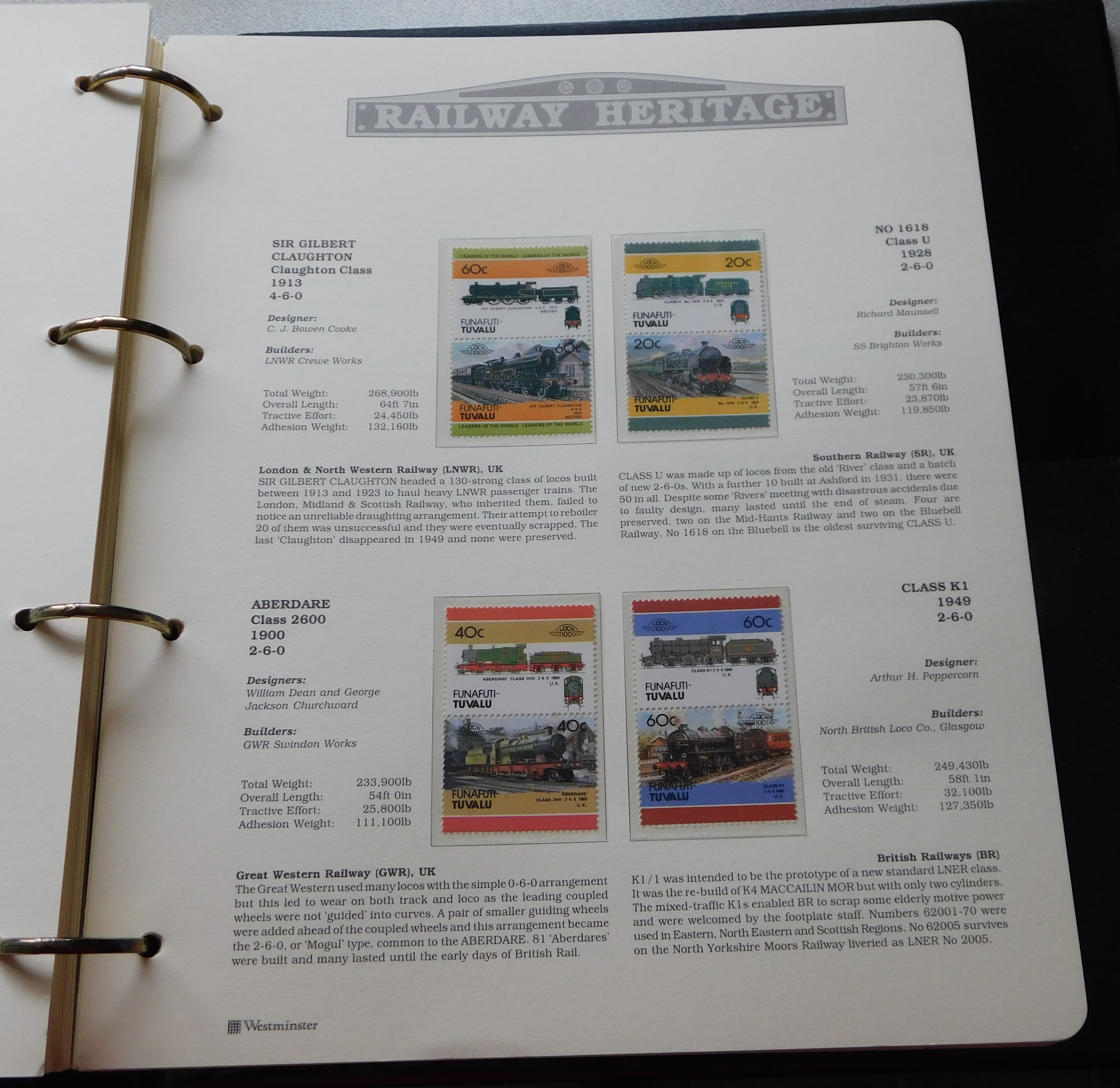
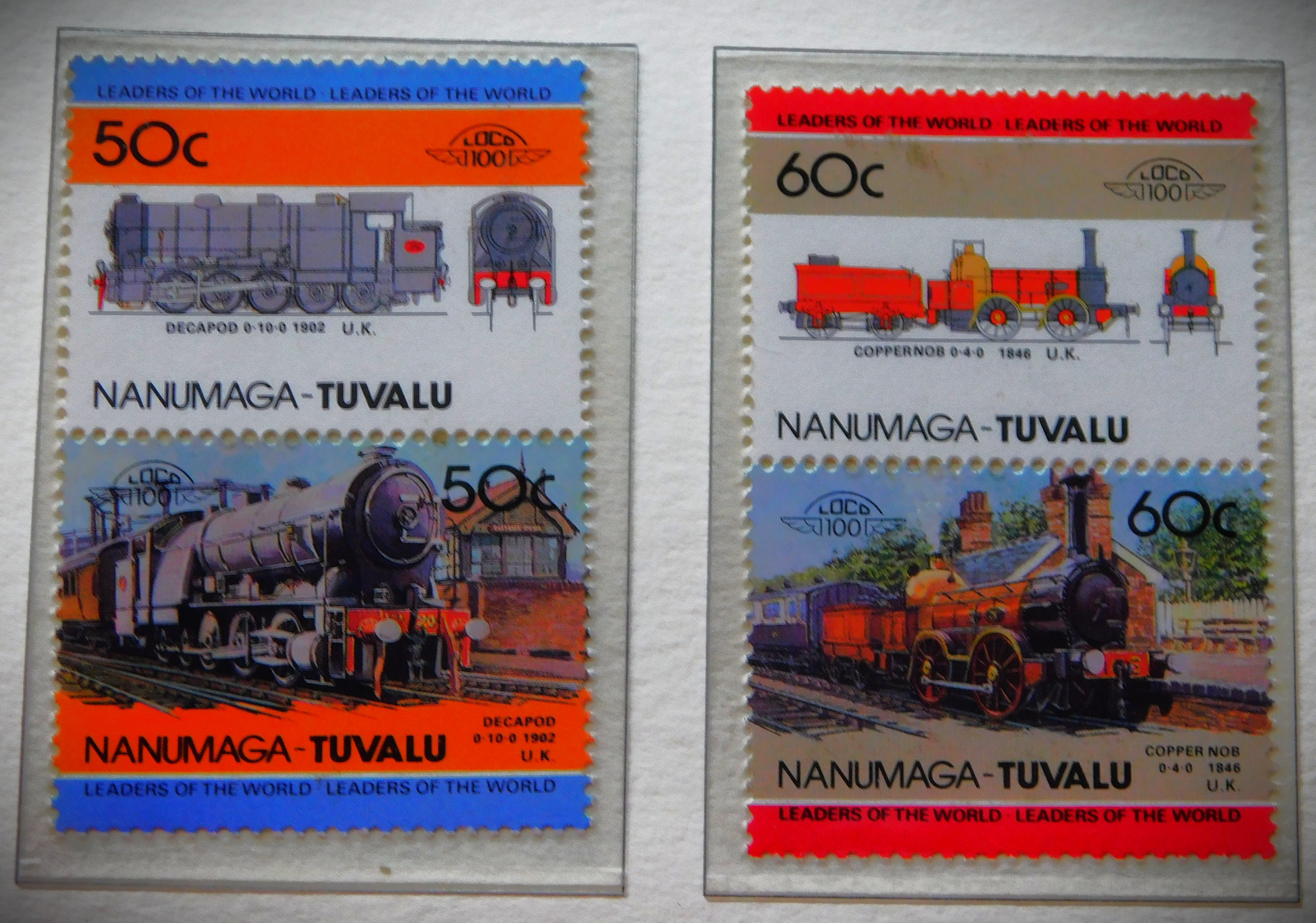
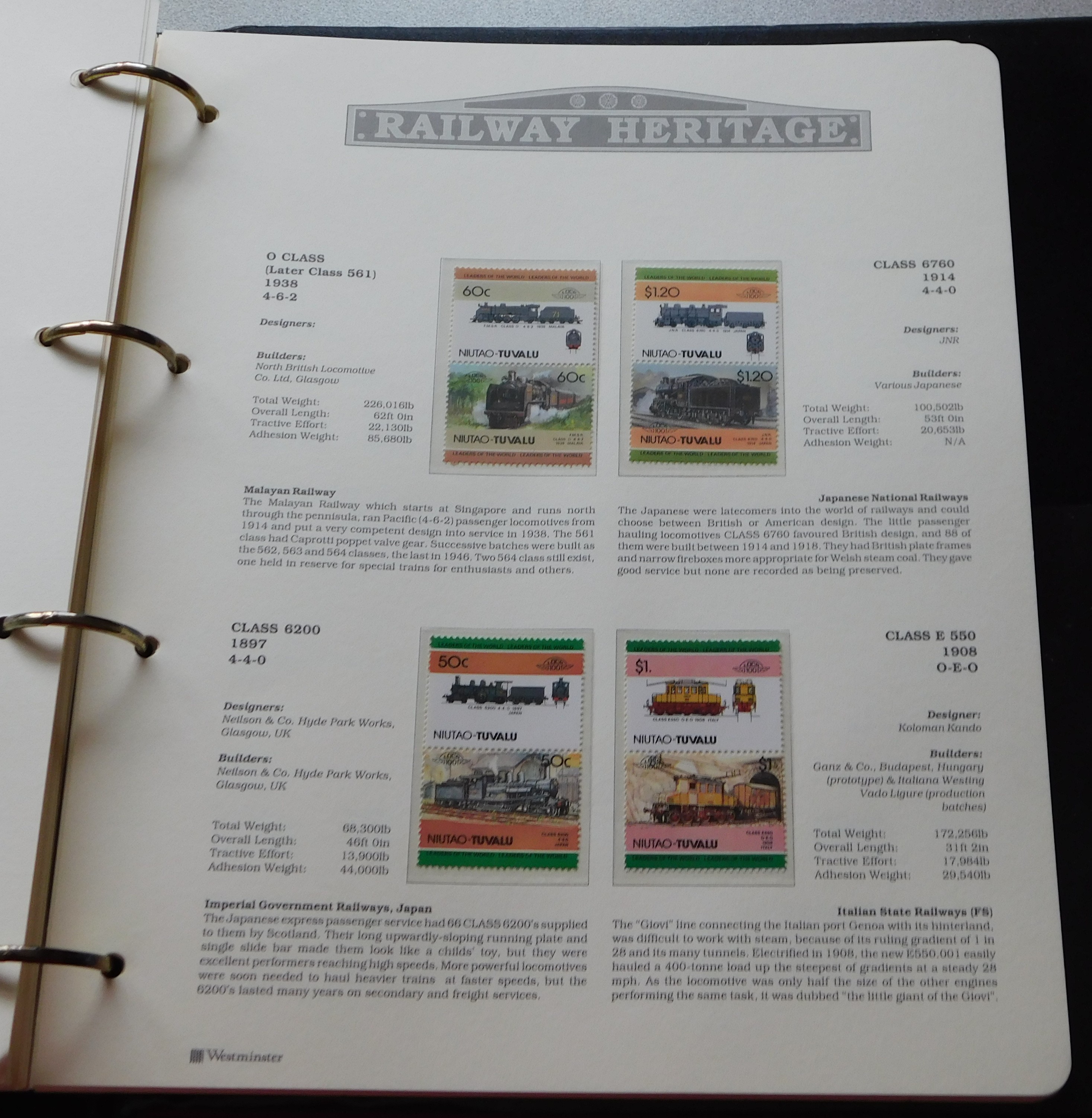
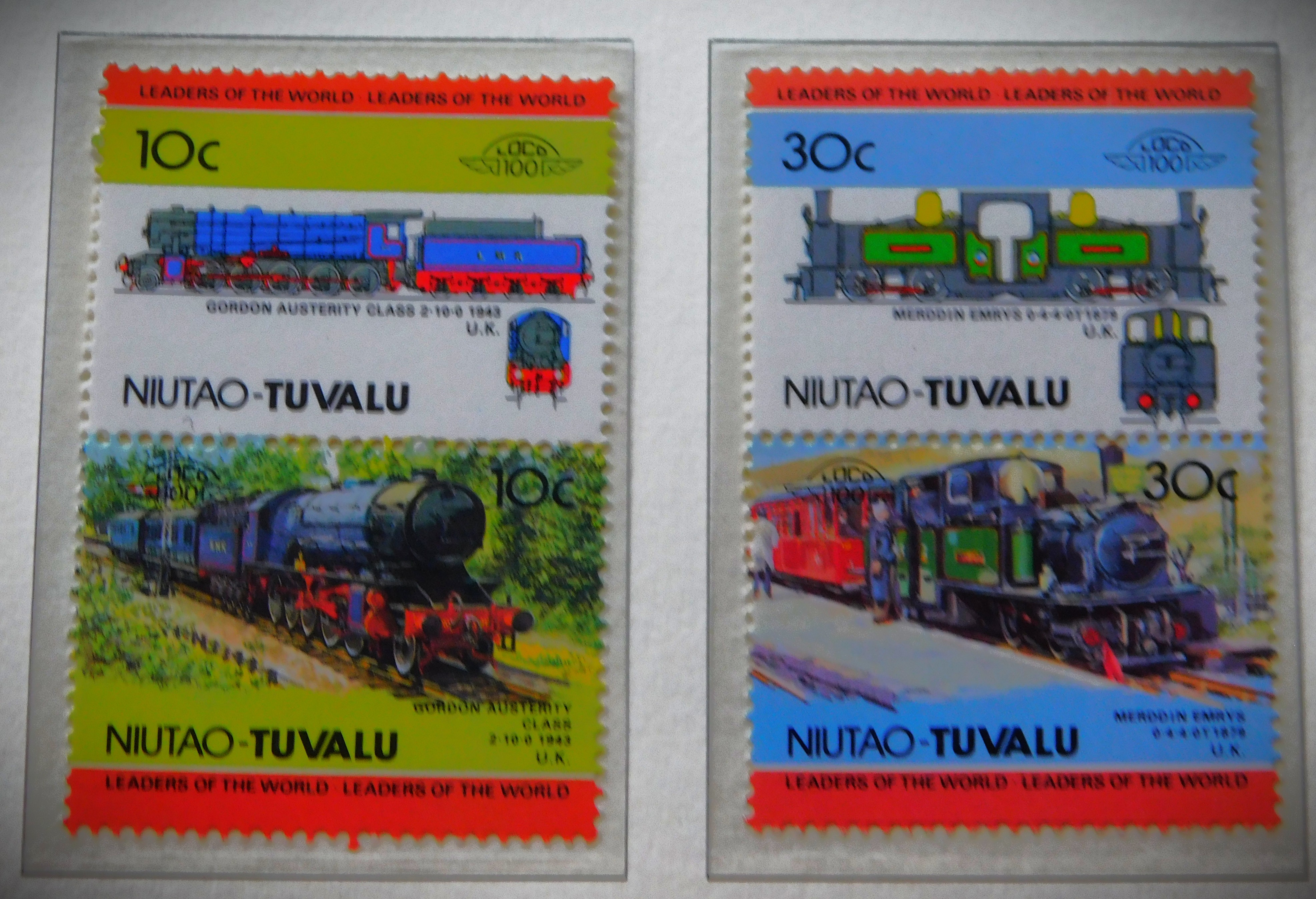
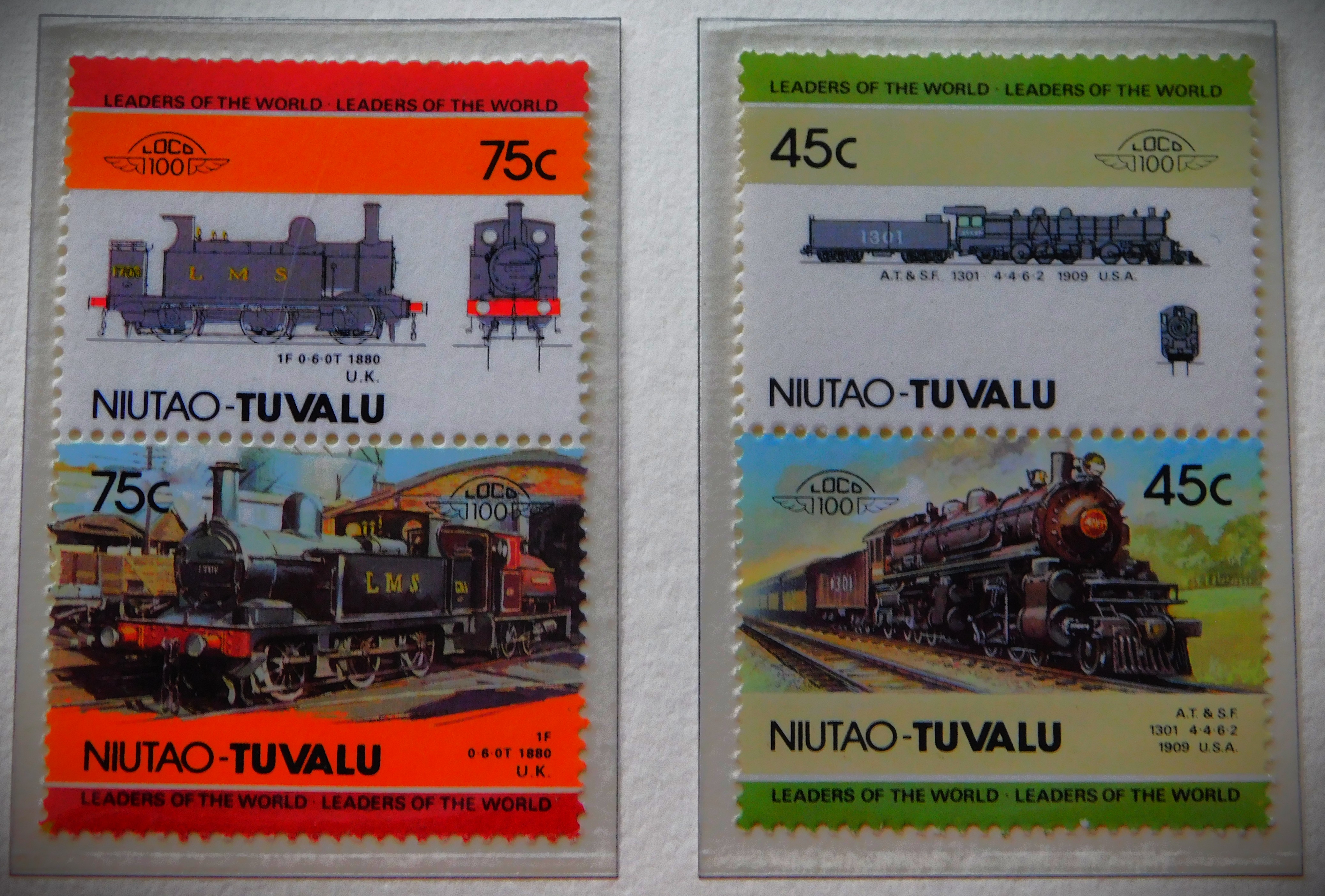
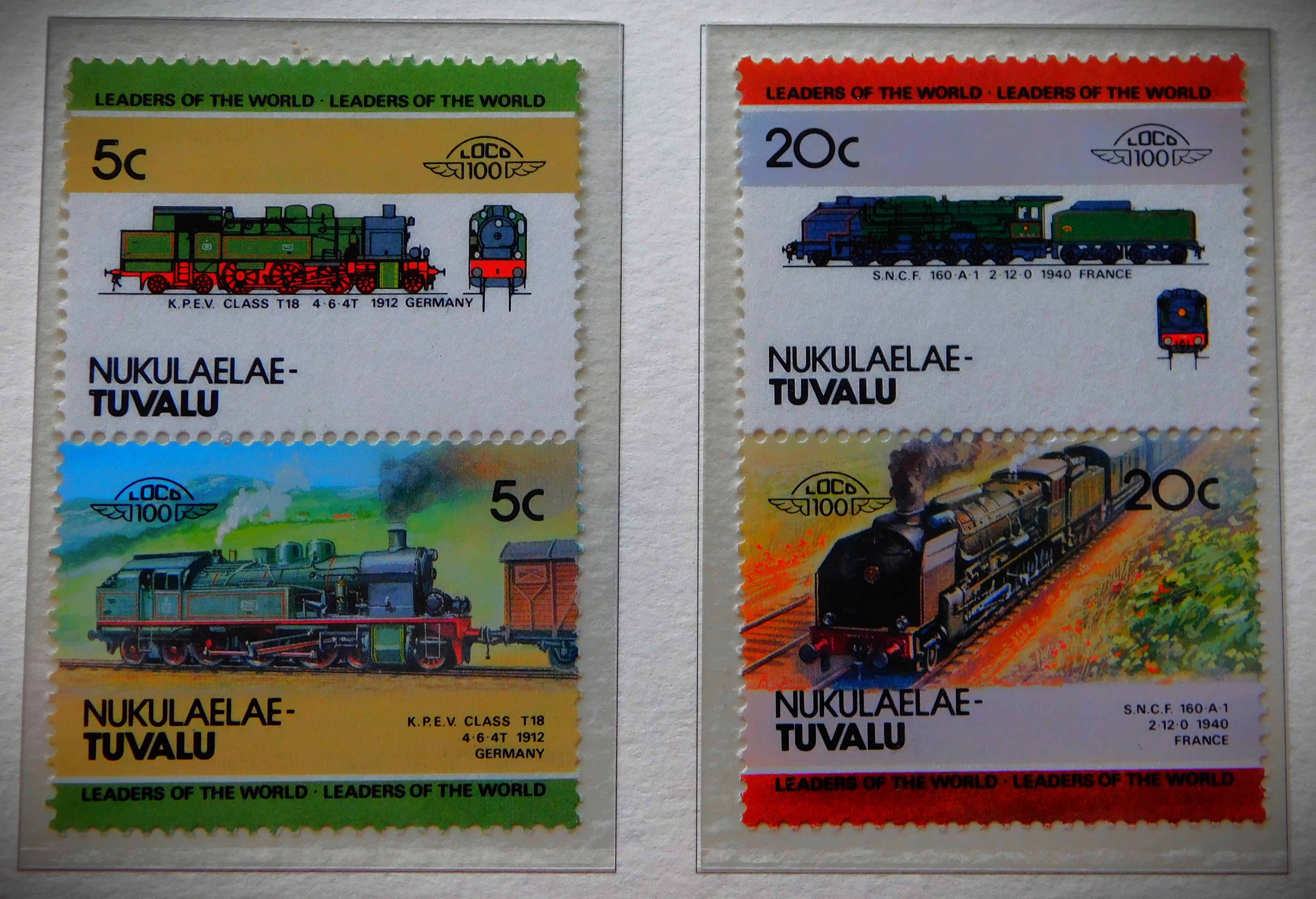
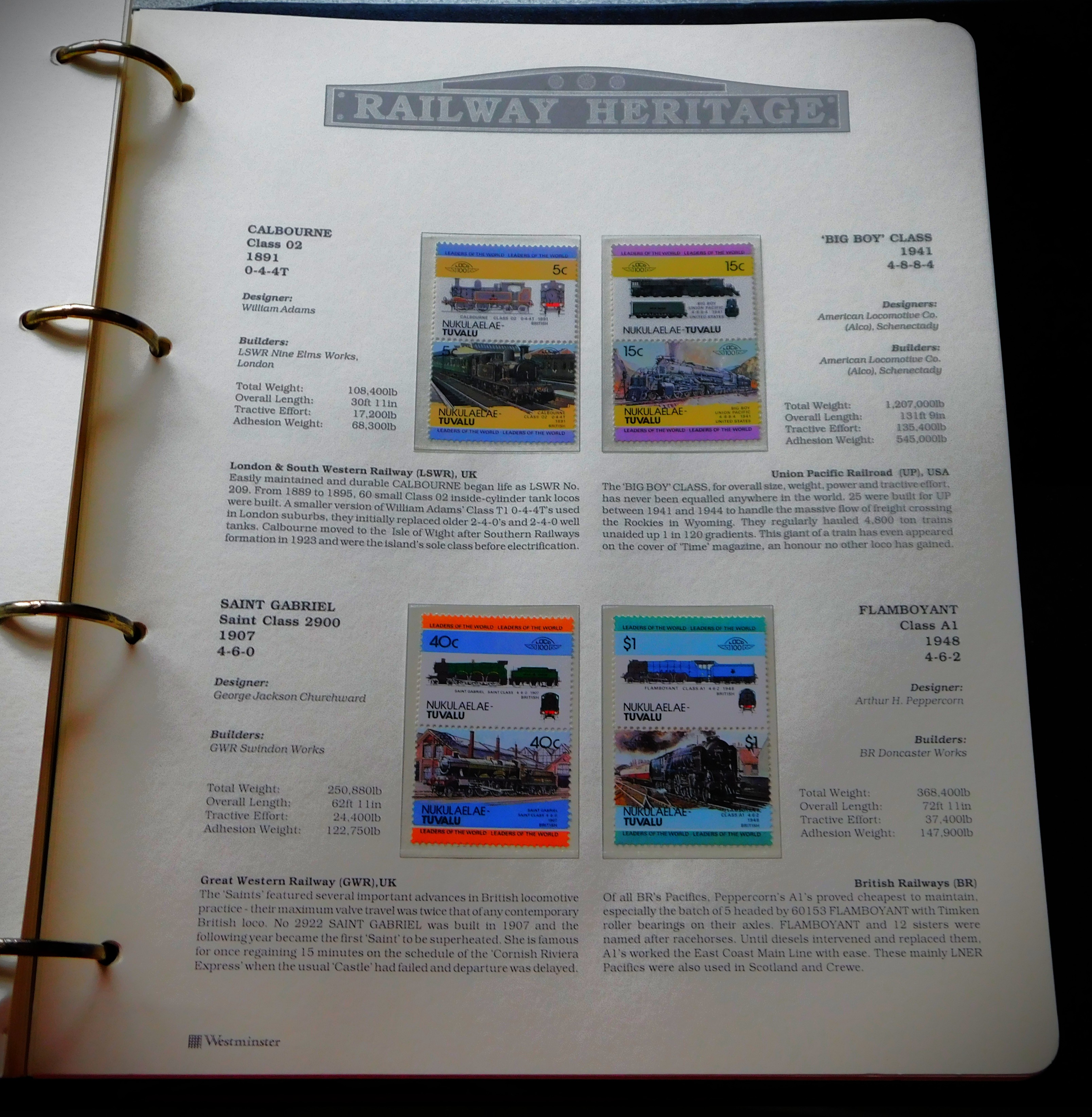
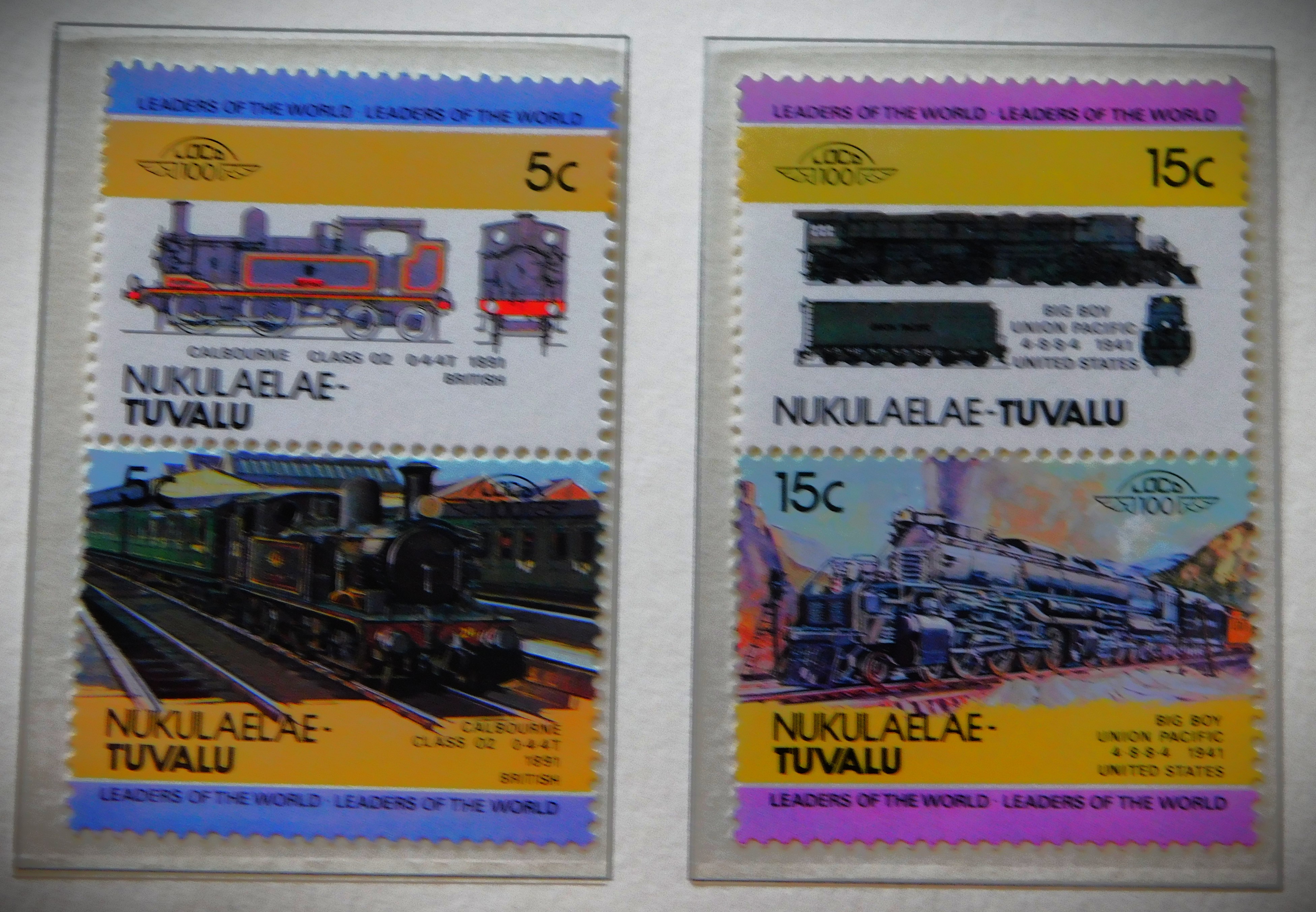
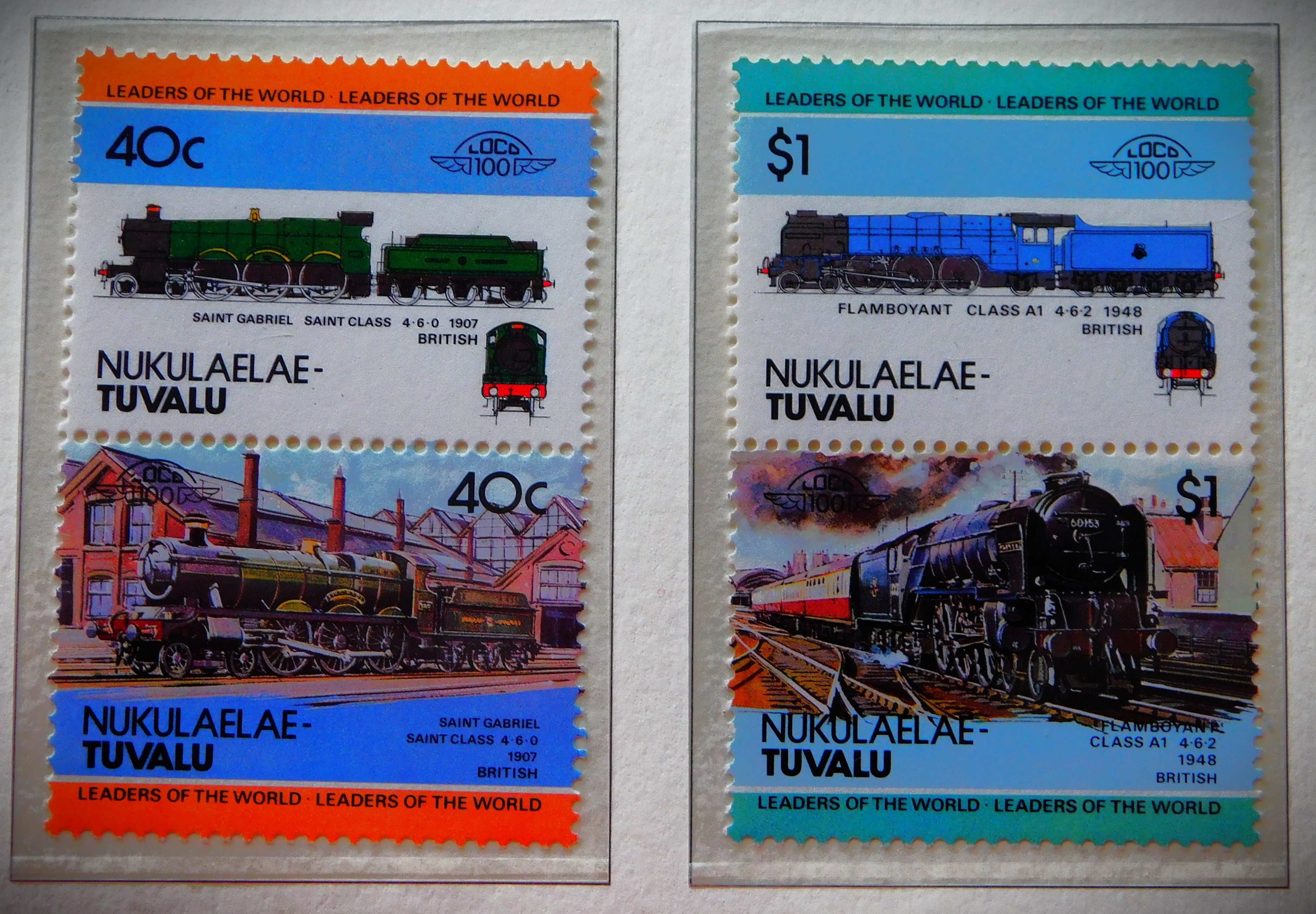
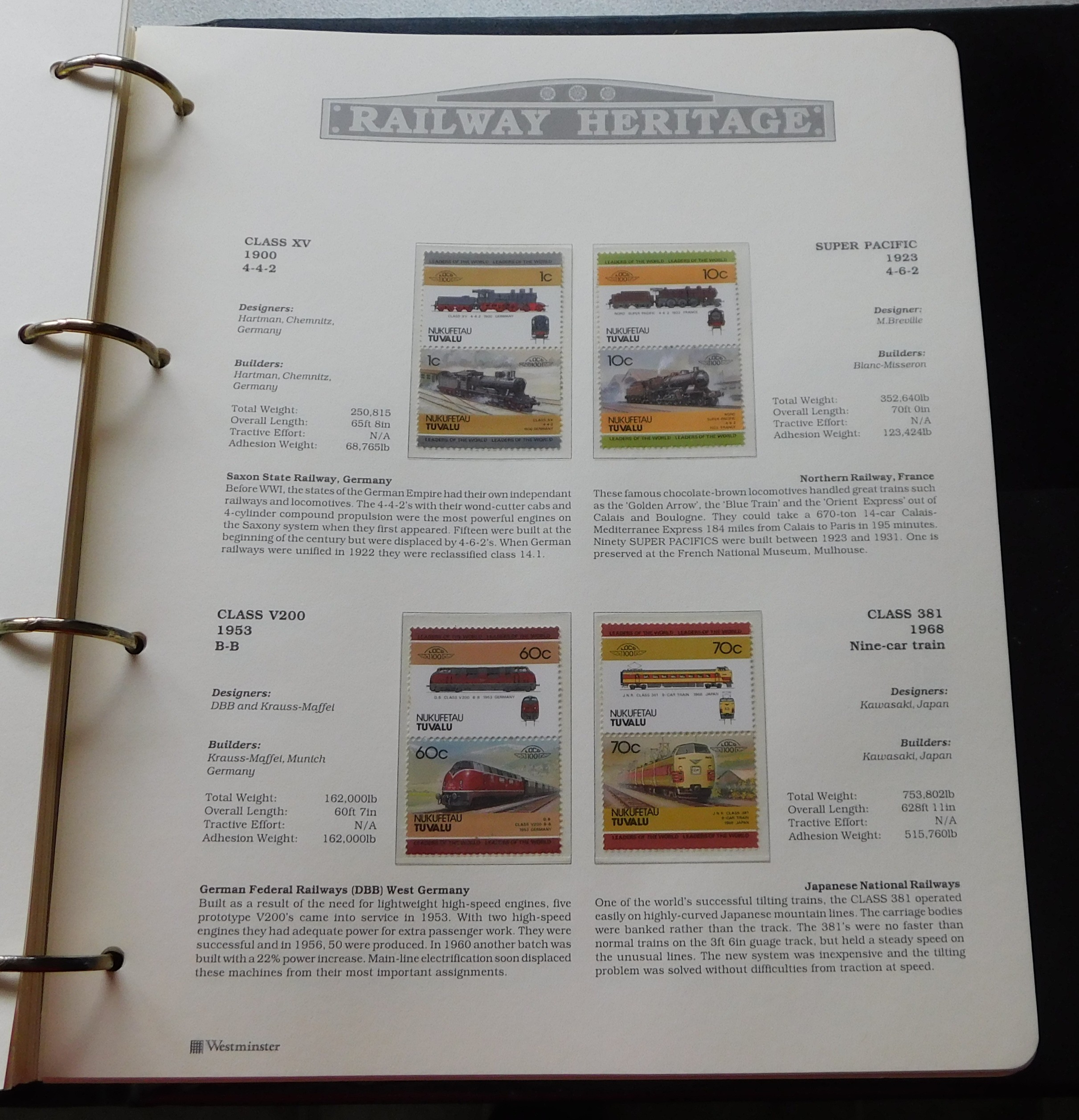
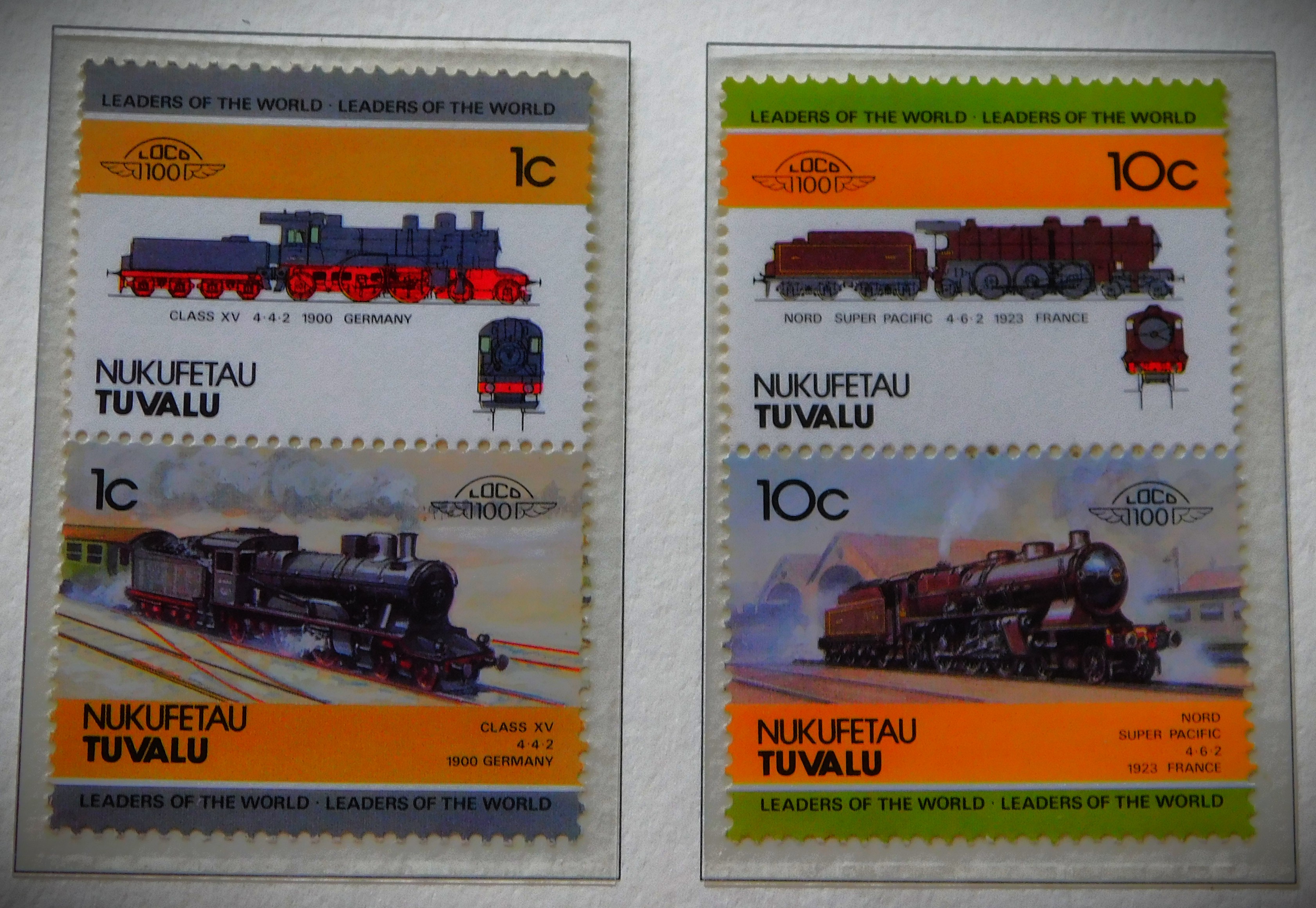
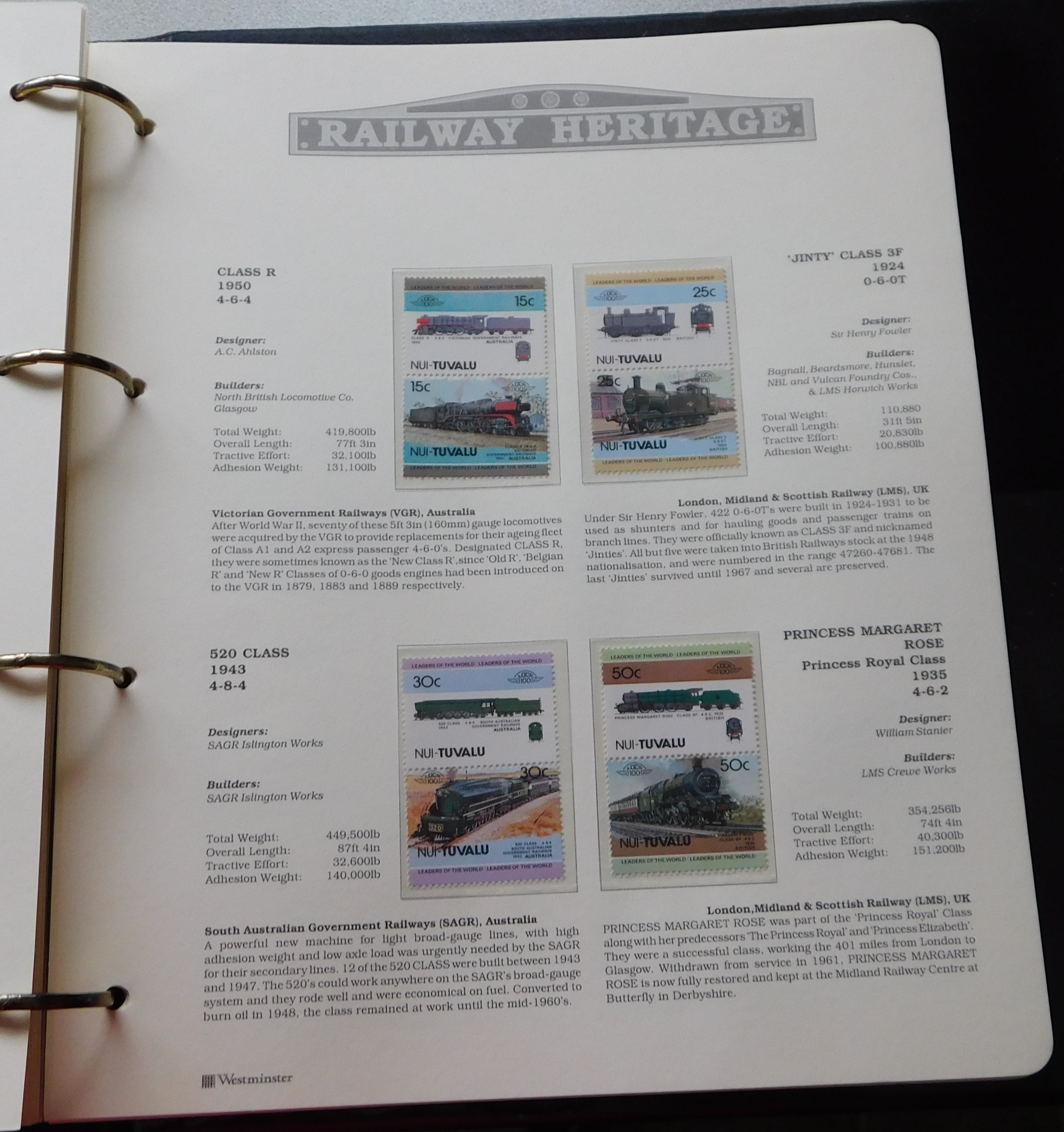
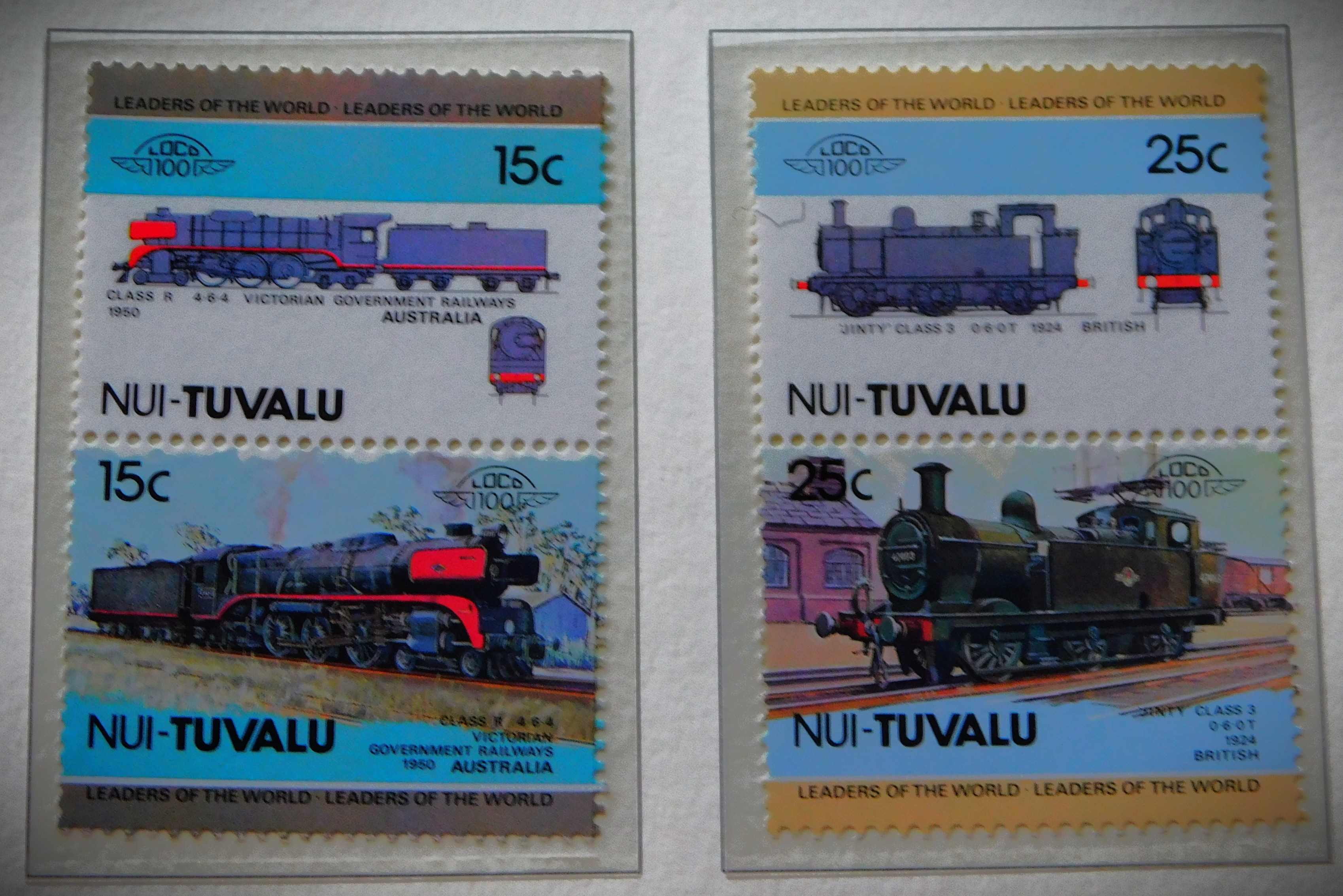
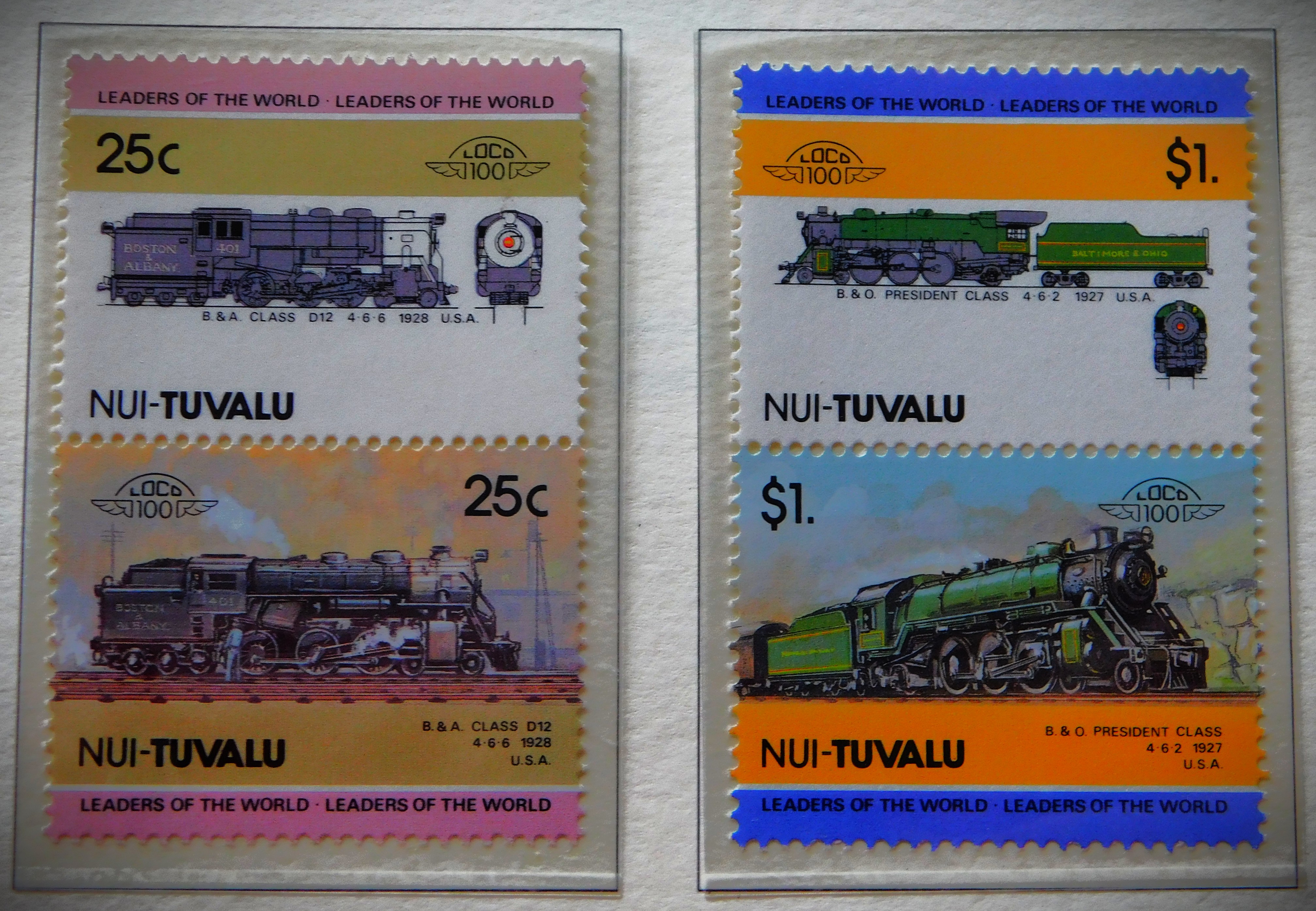
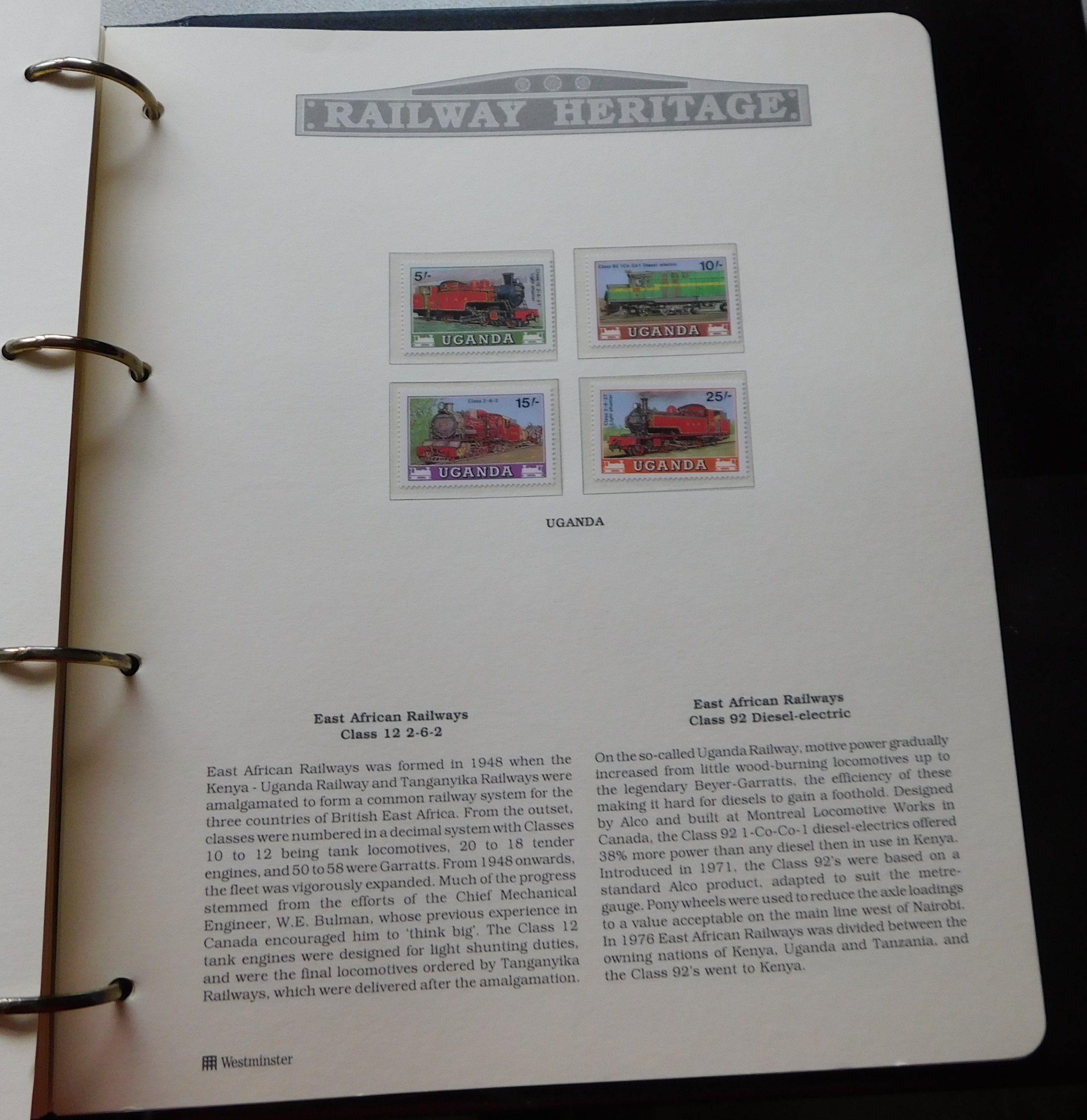
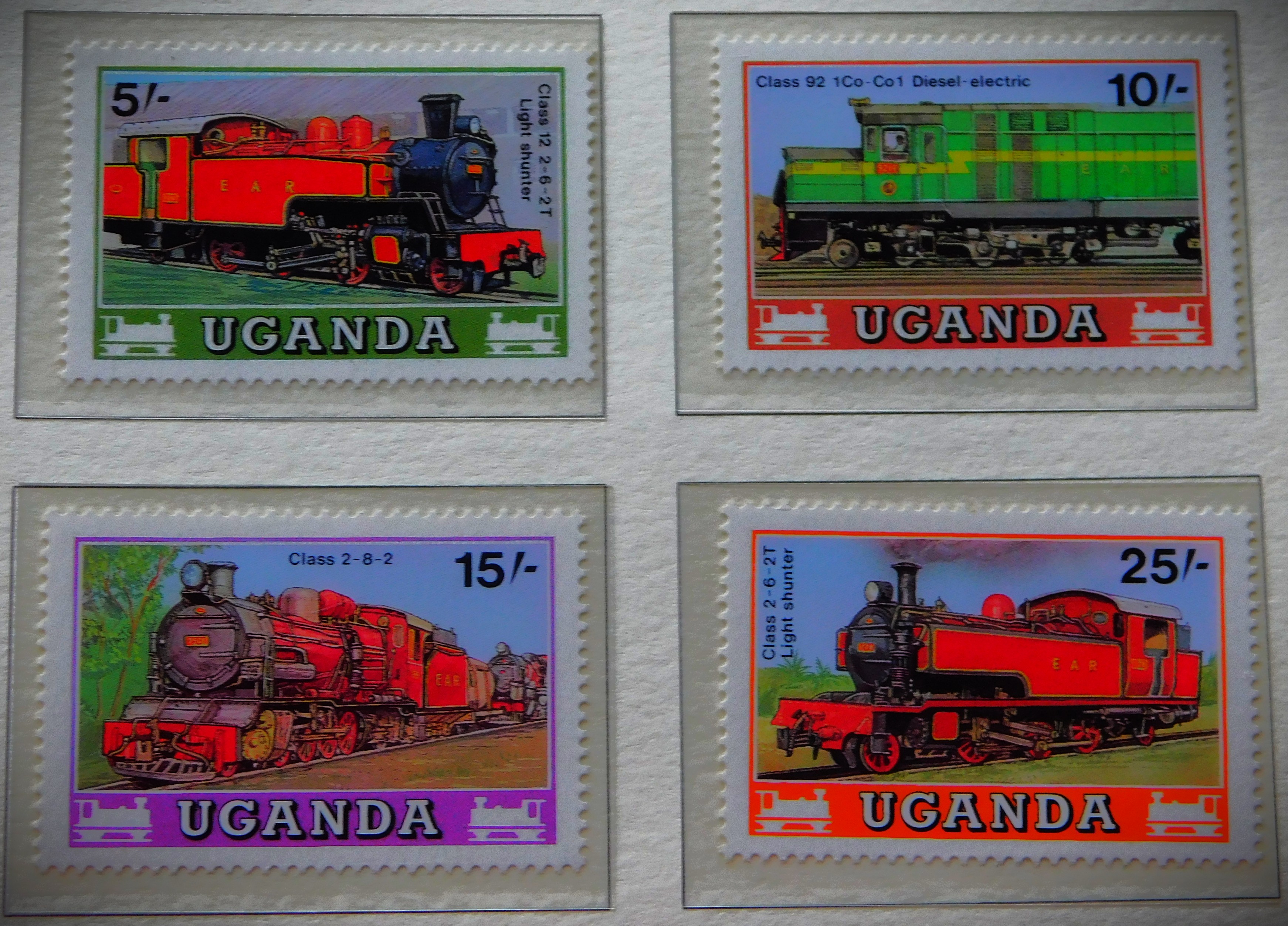
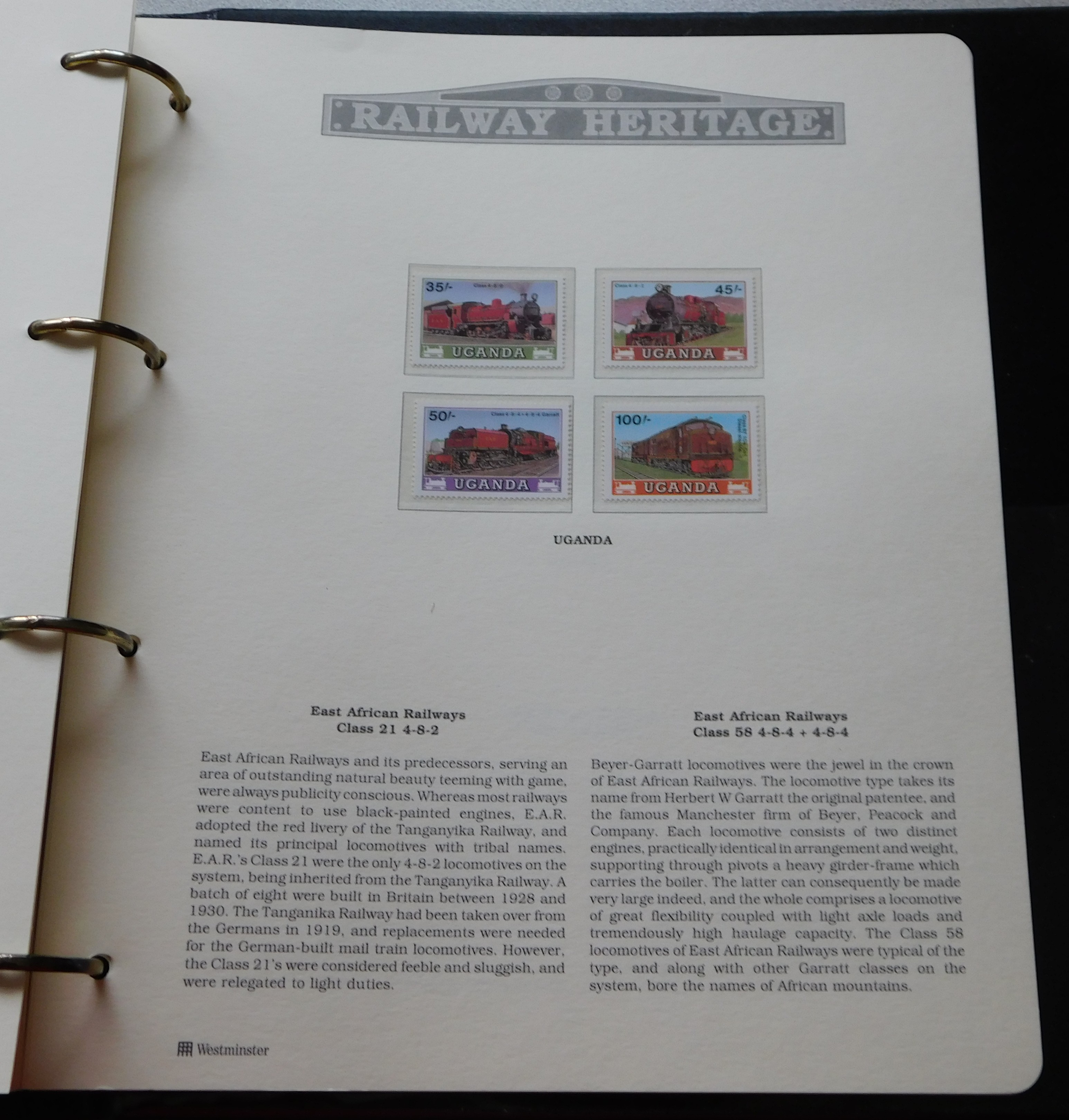
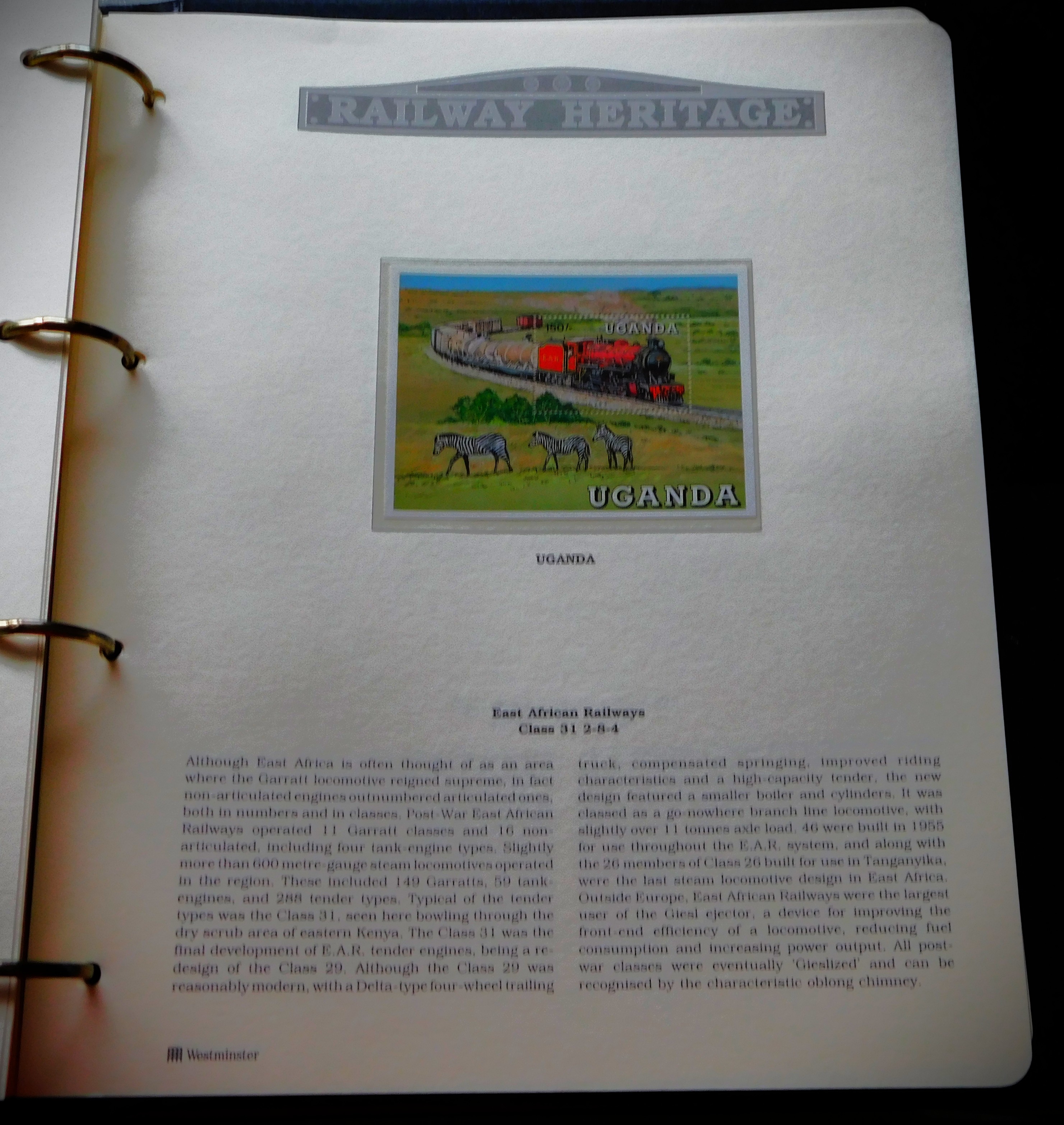
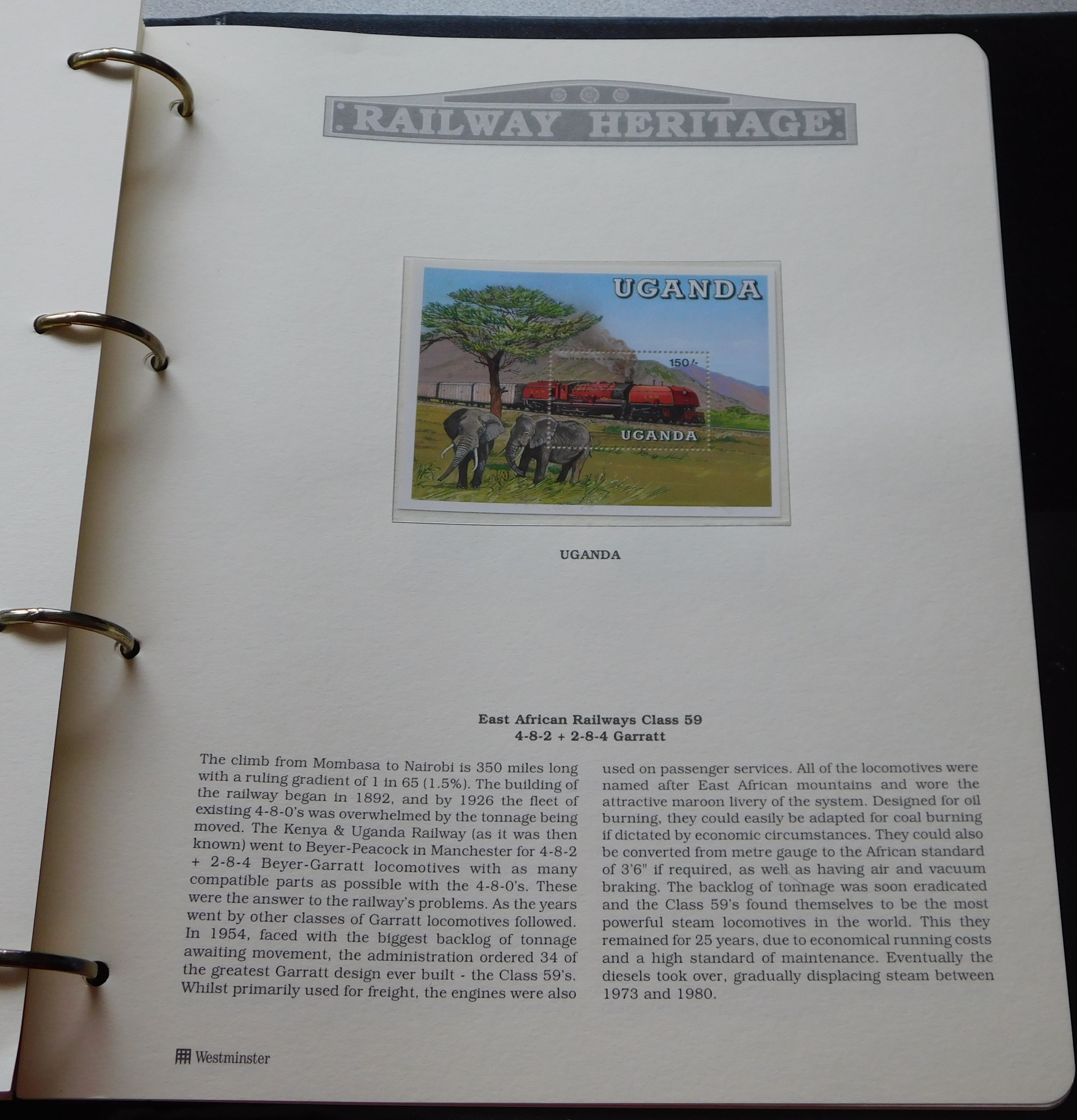
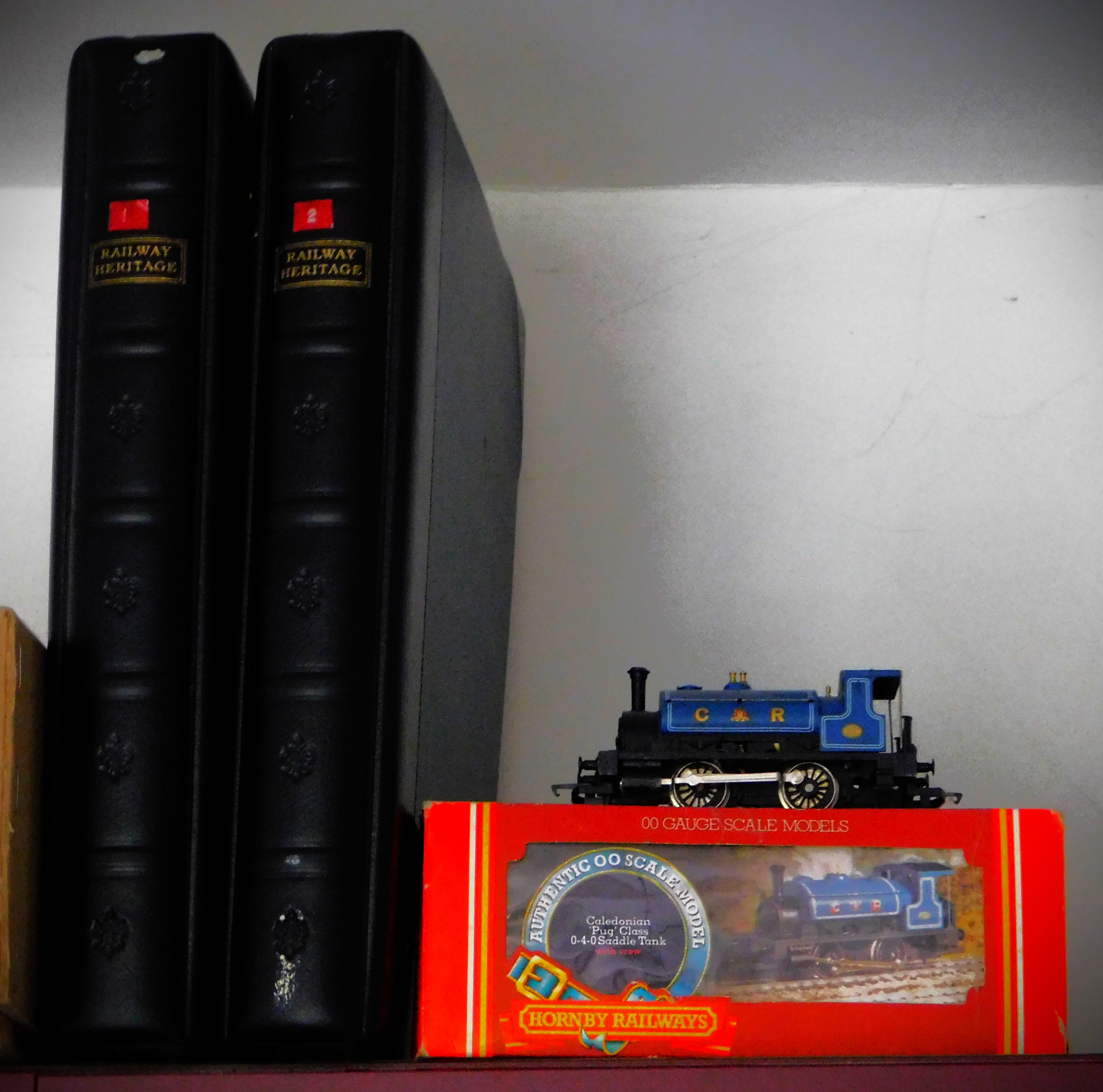
The sale was entirely devoted to stamps/ postal history. From lot 551 there were about 70 lots in albums, and one of these was lot 575, a two album collection of ‘Railway Heritage’. Some of the items within these albums had been flagged for imaging, and I added a couple (but only a couple) of choices of my own to those flagged. The gallery that was available for this lot was thus:

Not unnaturally given my tastes I was quite eager to get my hands on this lot. I therefore placed a bid on Easylive, one of the two online platforms James and Sons use, for the maximum I could afford to part with, since I knew that work would prevent me from bidding live.

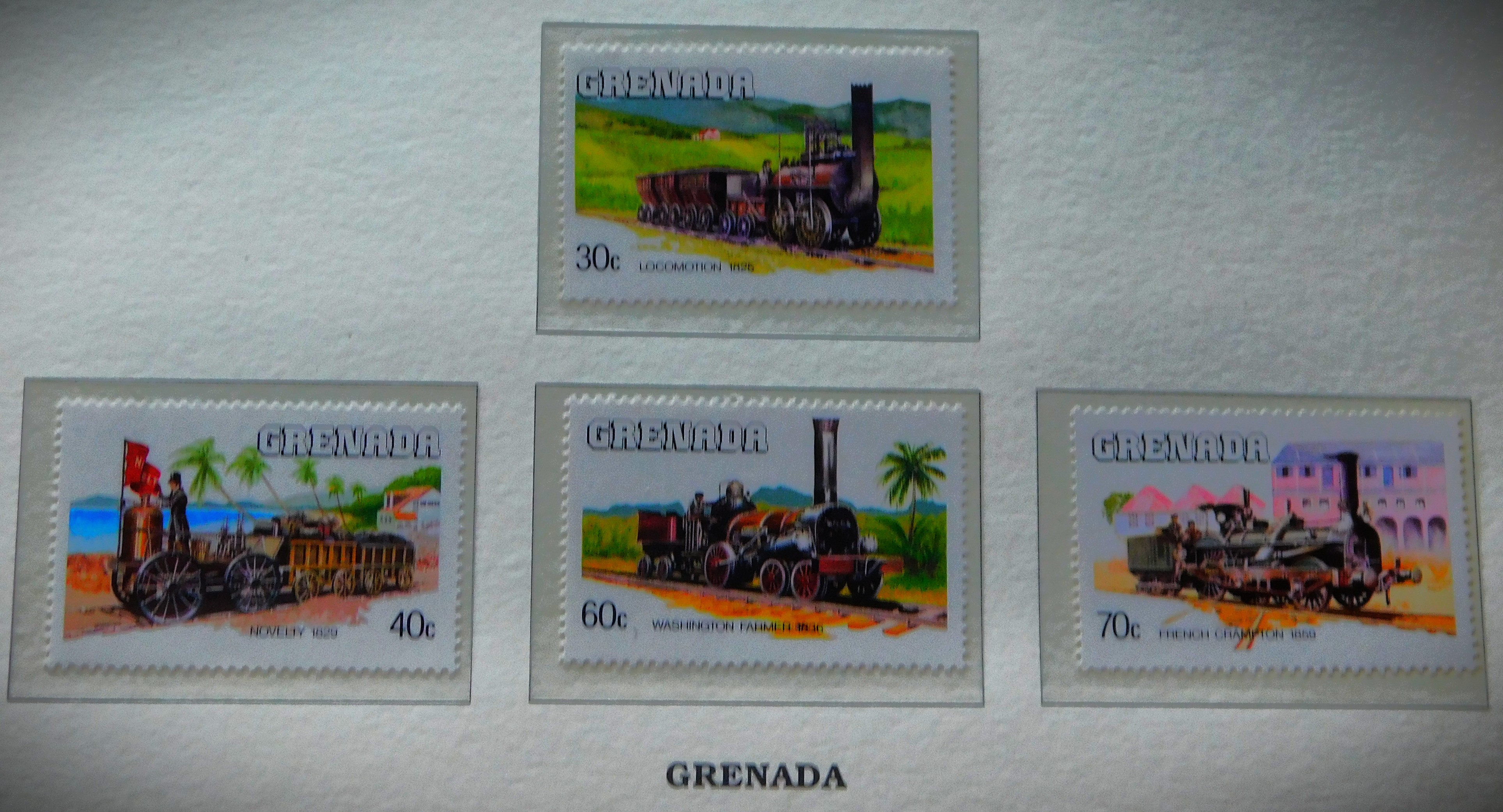
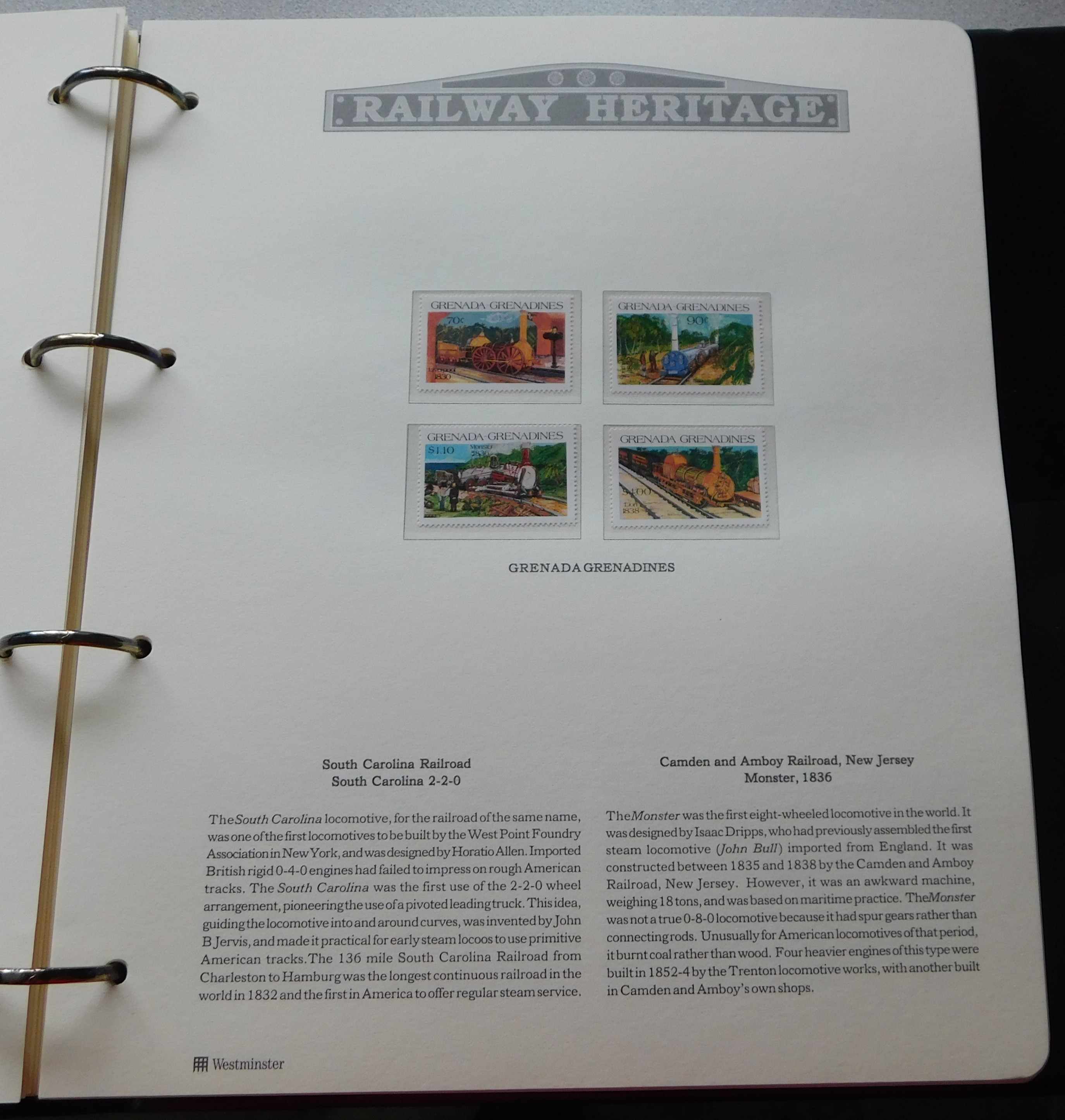
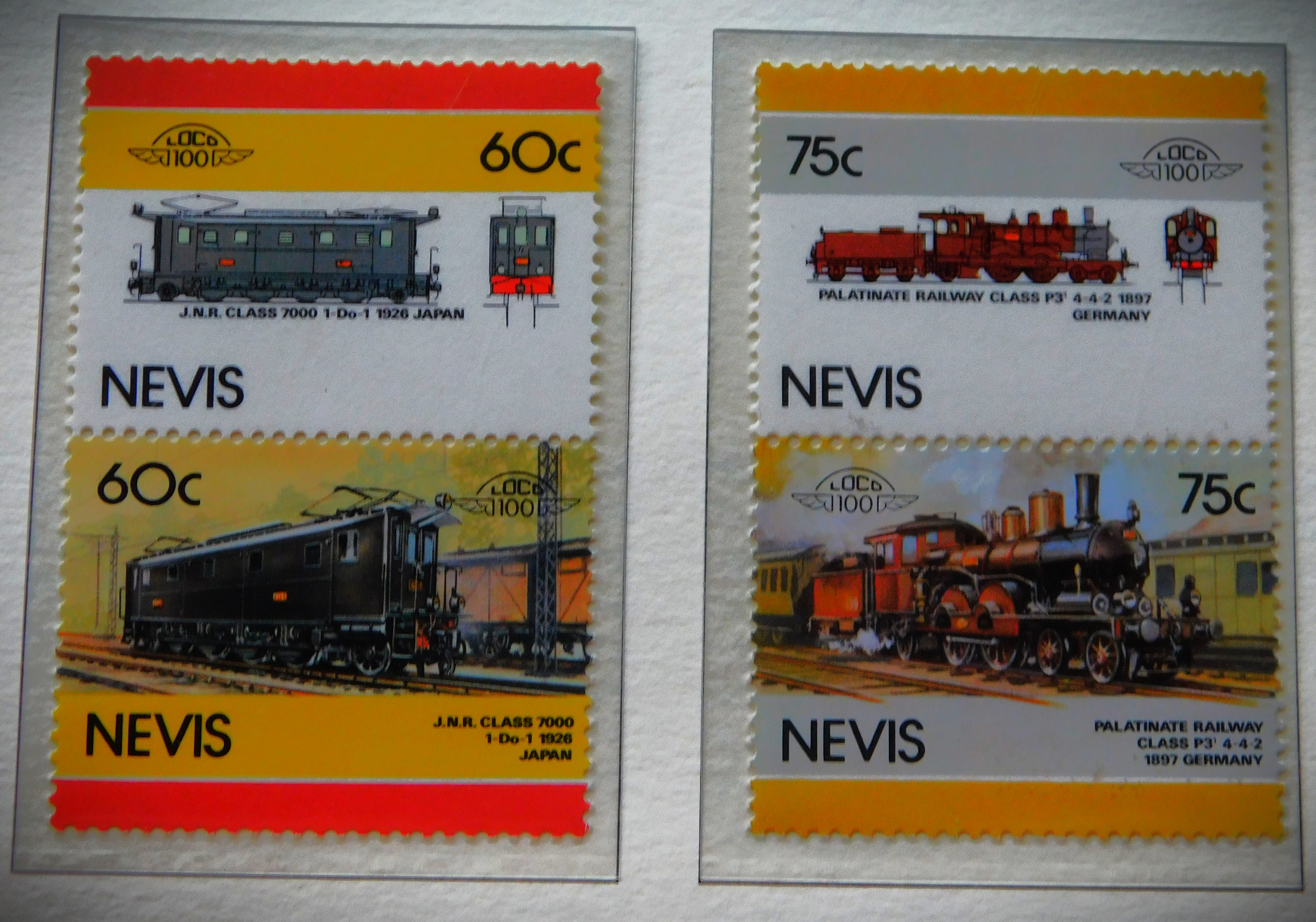
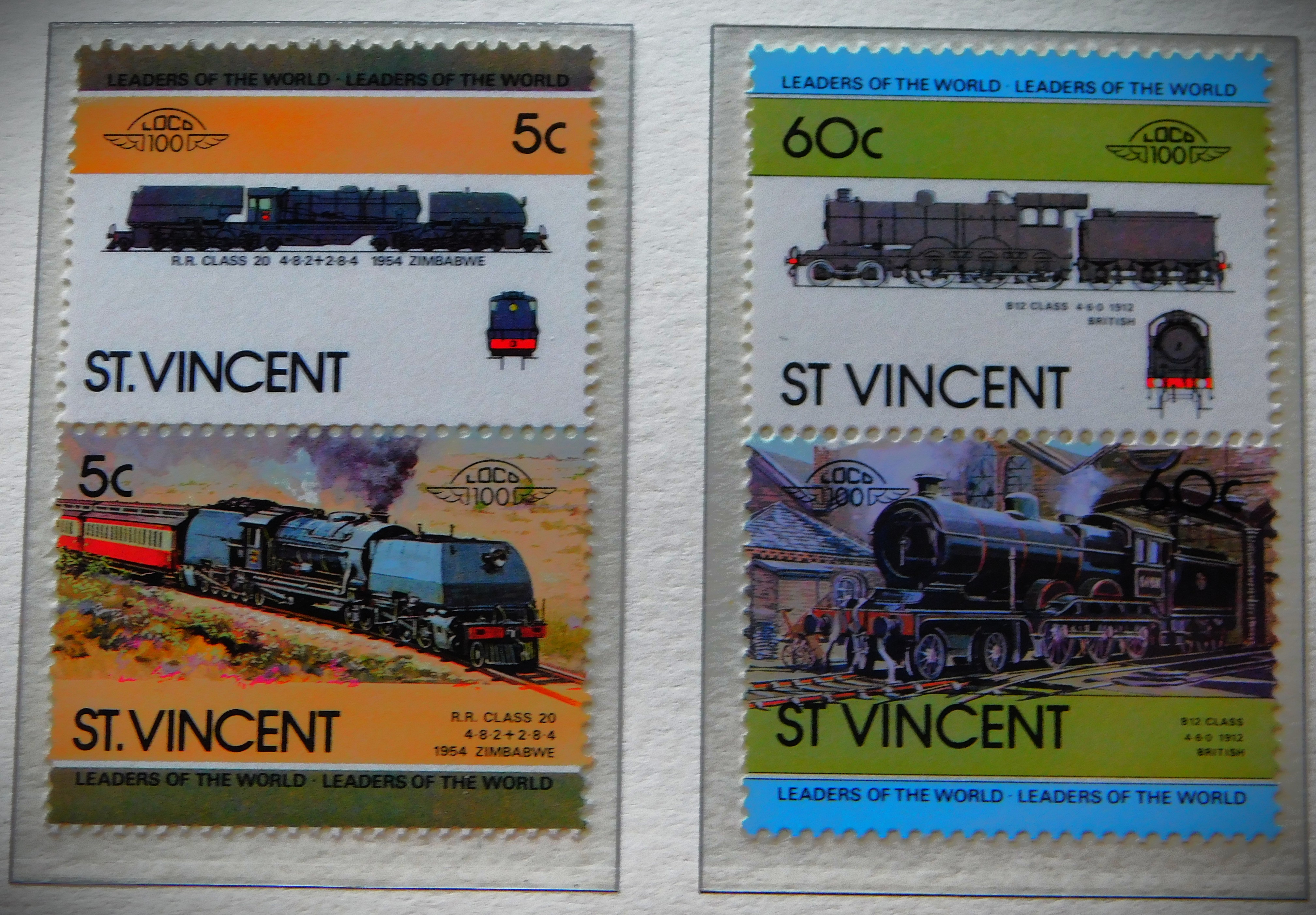
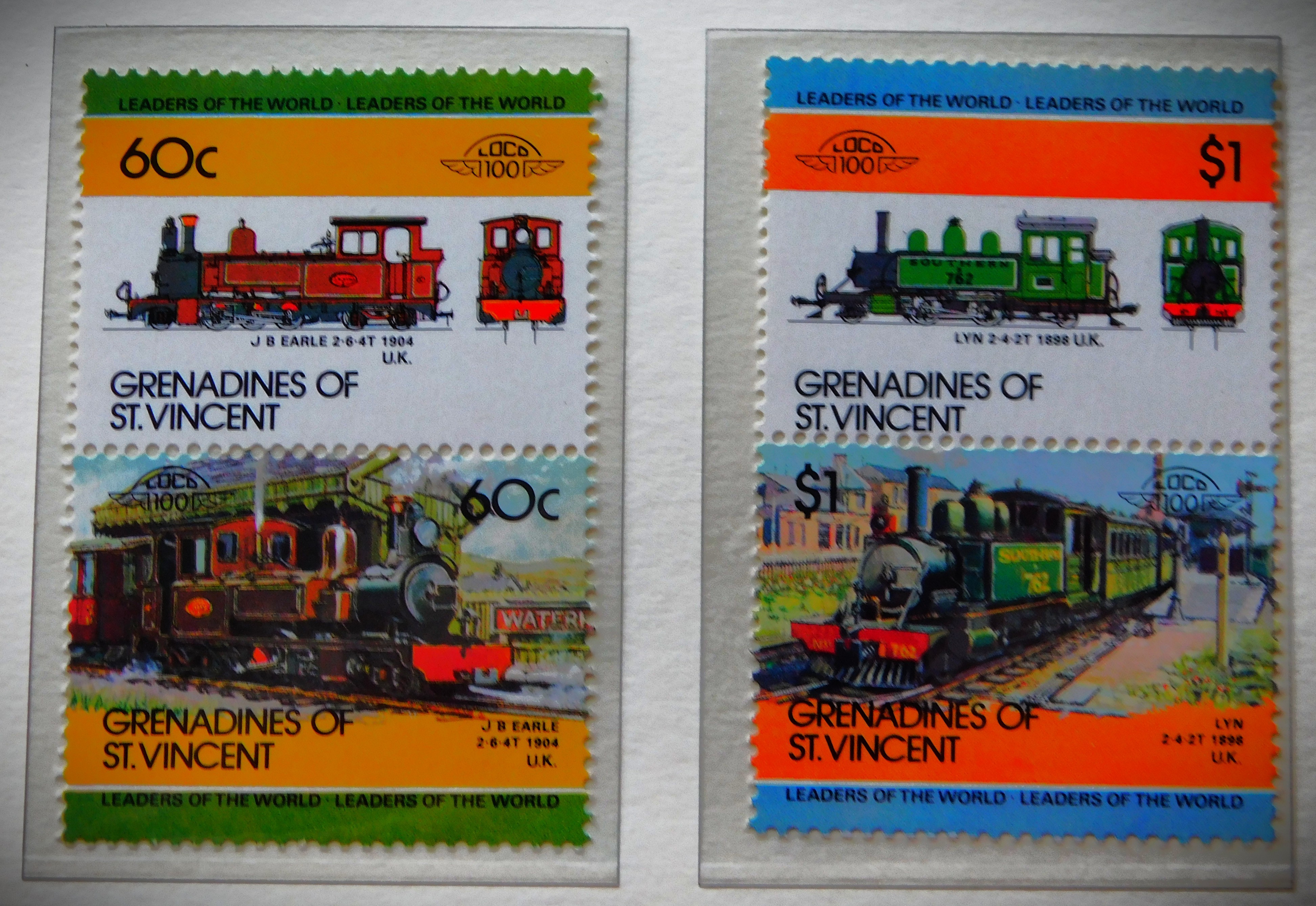
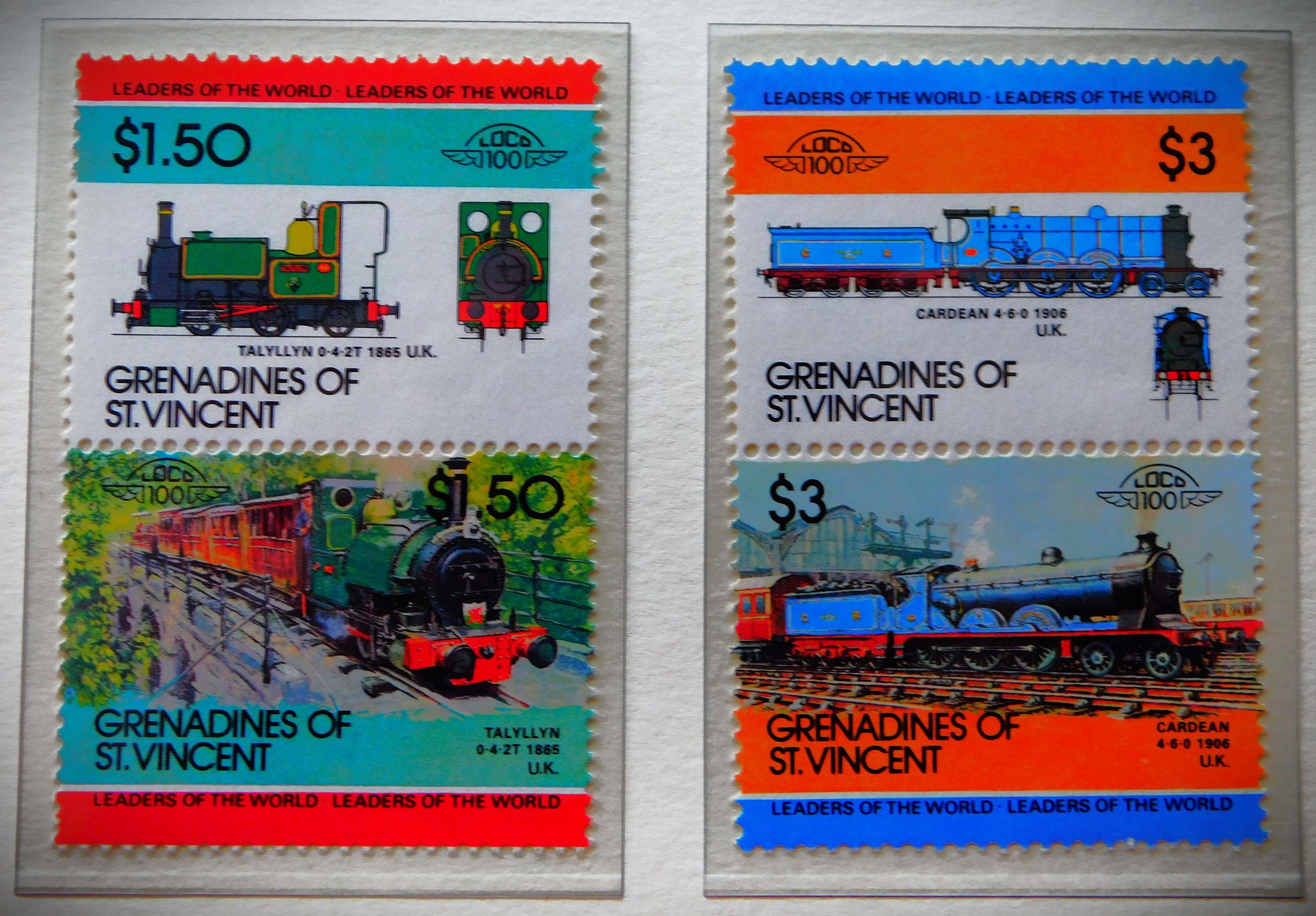
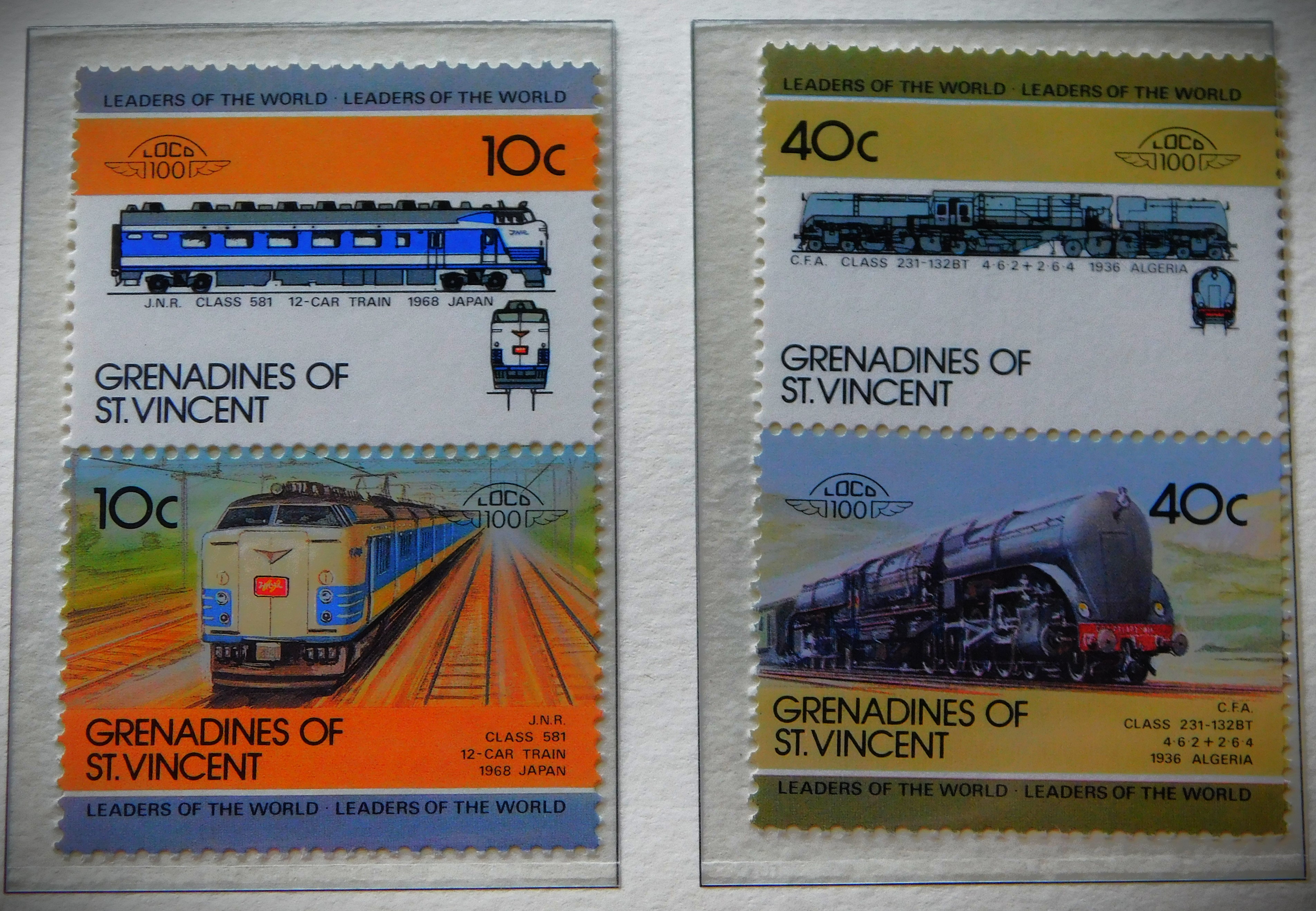
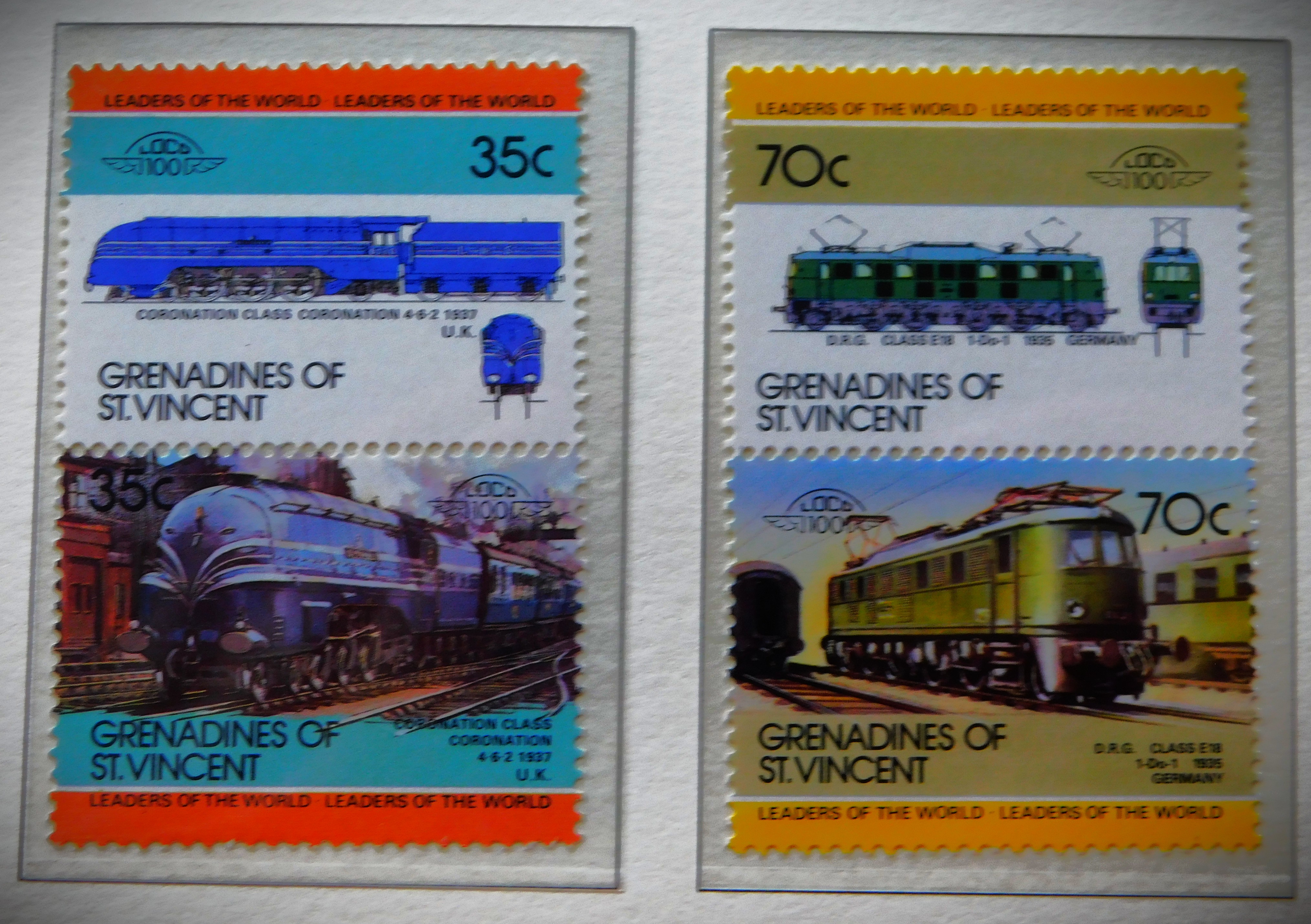
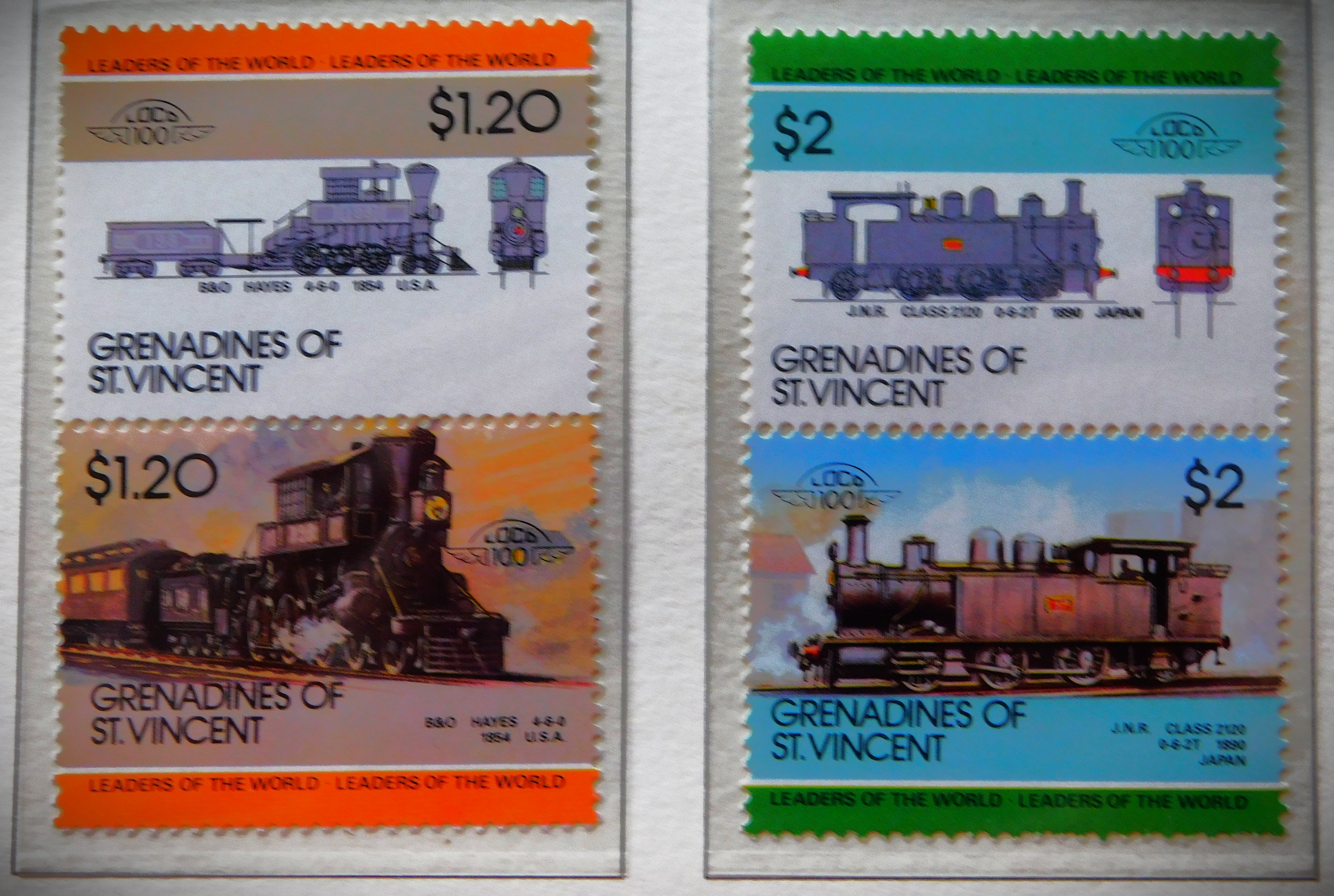
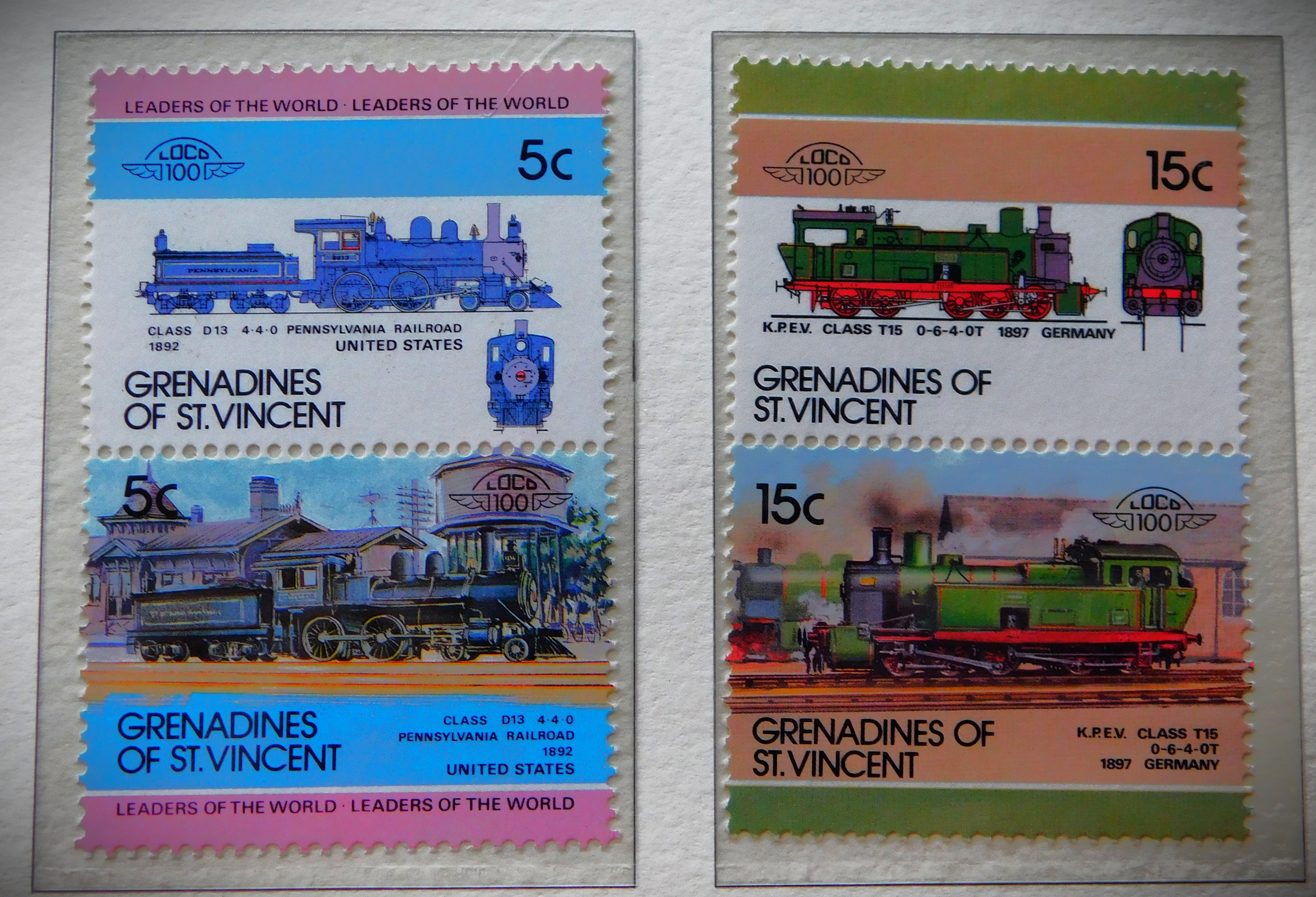
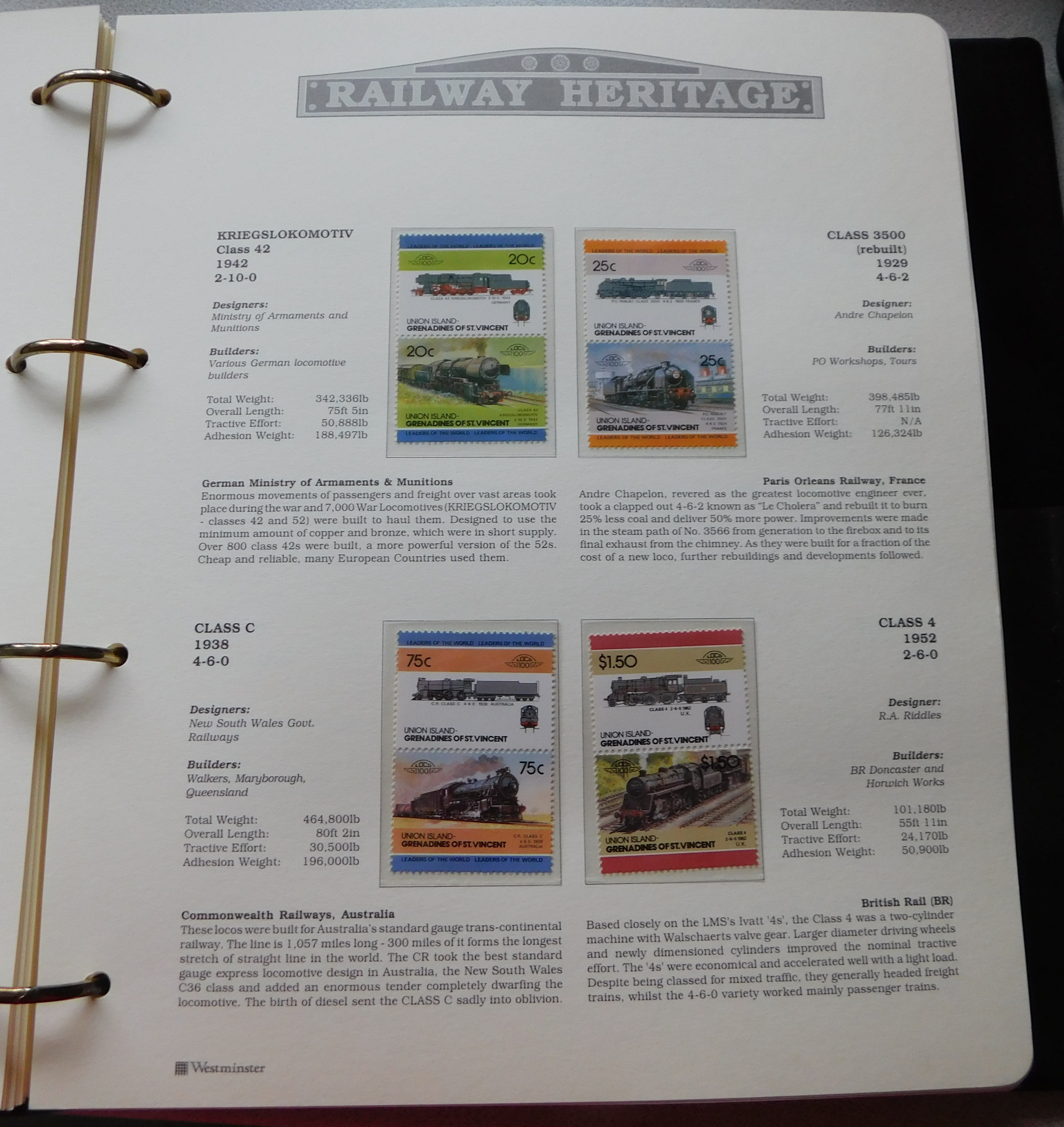
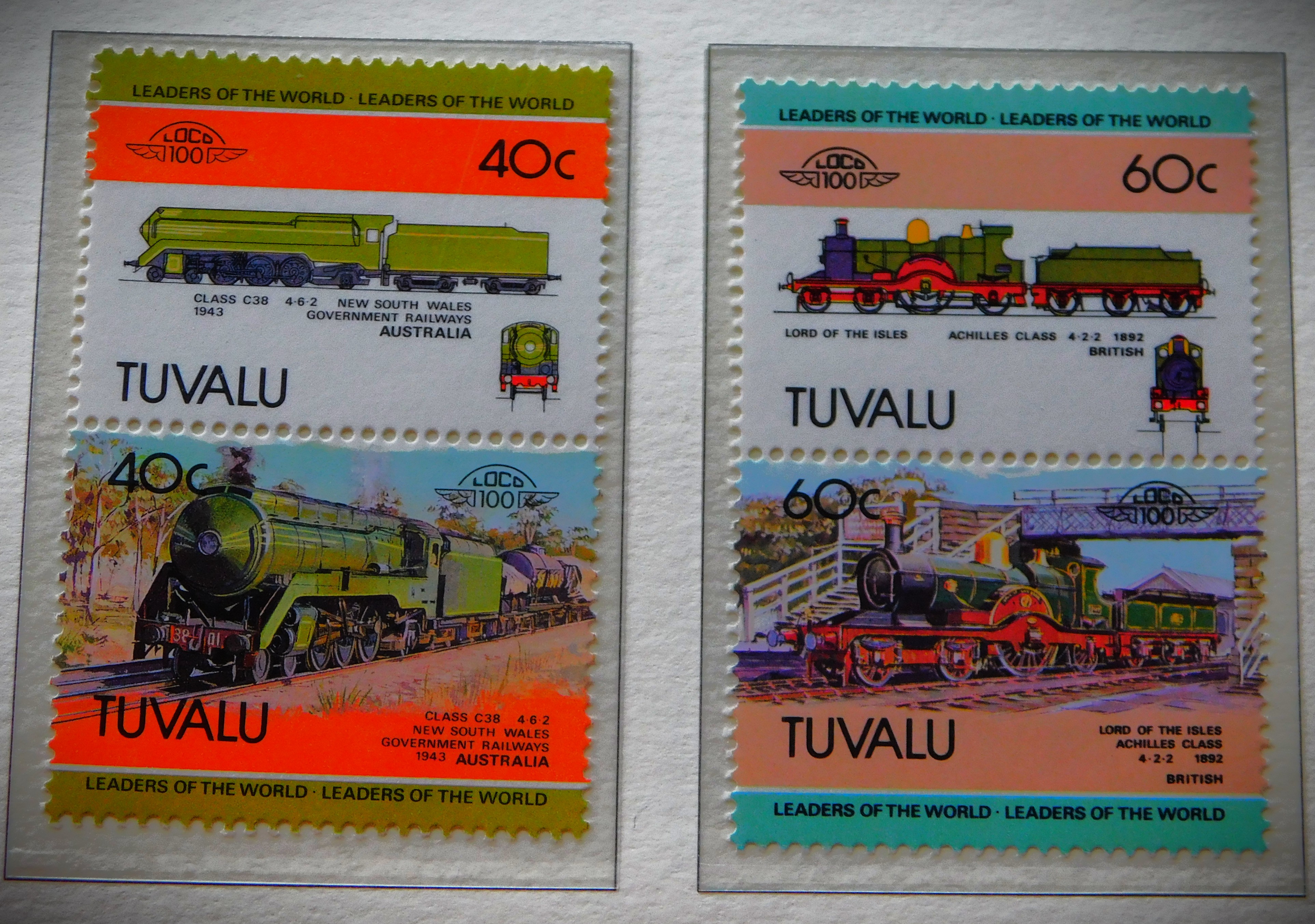
It was about 1:30PM when I got official confirmation that I had won the lot, and as it happens for less than I was willing to pay. I paid my dues, and was able to take the two albums home with me on the day. Much of today has been dedicated to photographing my new possession and then editing those photos (with a backdrop of the opening match of the ICC Champions Trophy, Pakistan v New Zealand, won comfortably by New Zealand). I end this section with the pictures from the first album…

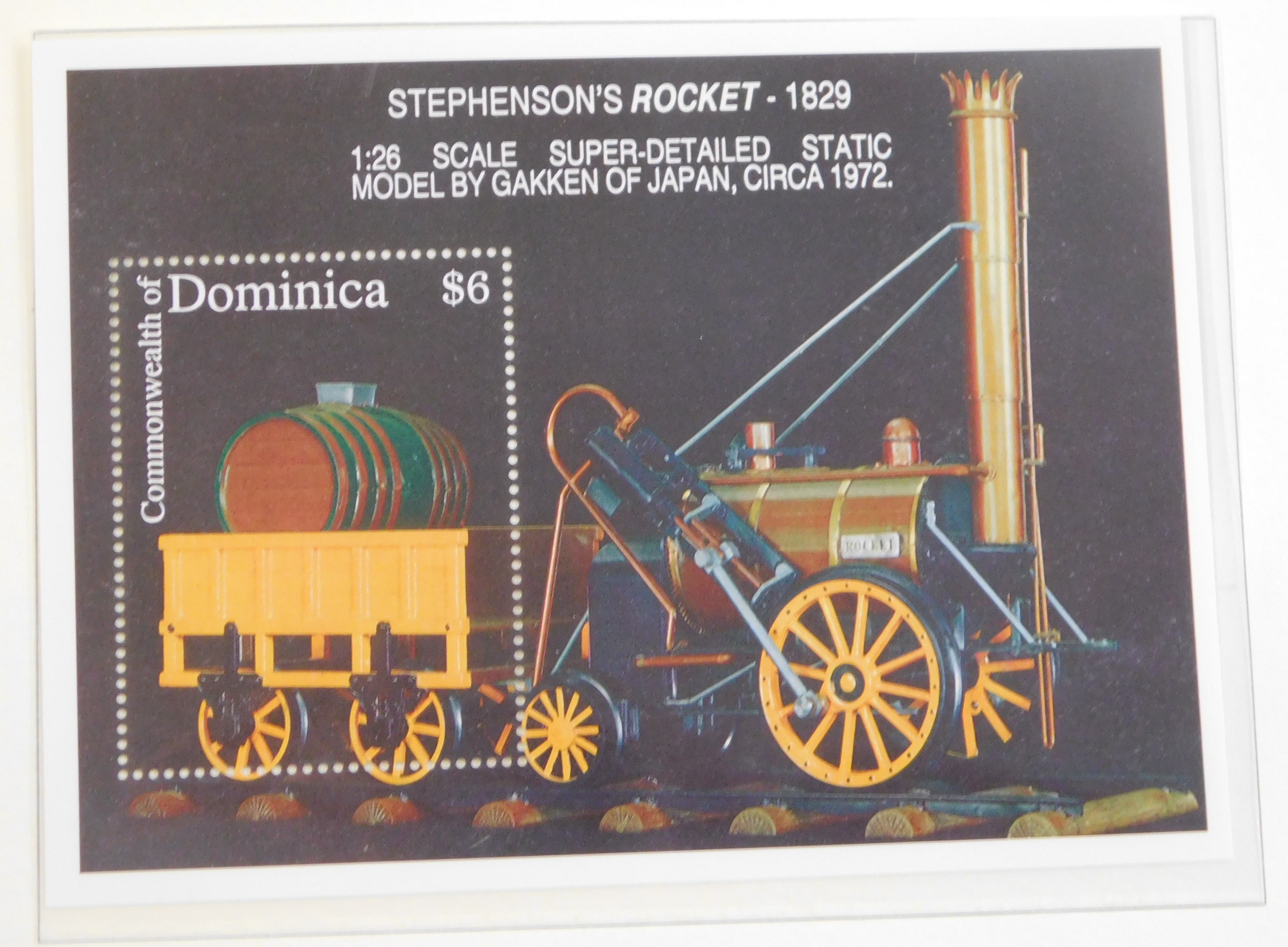
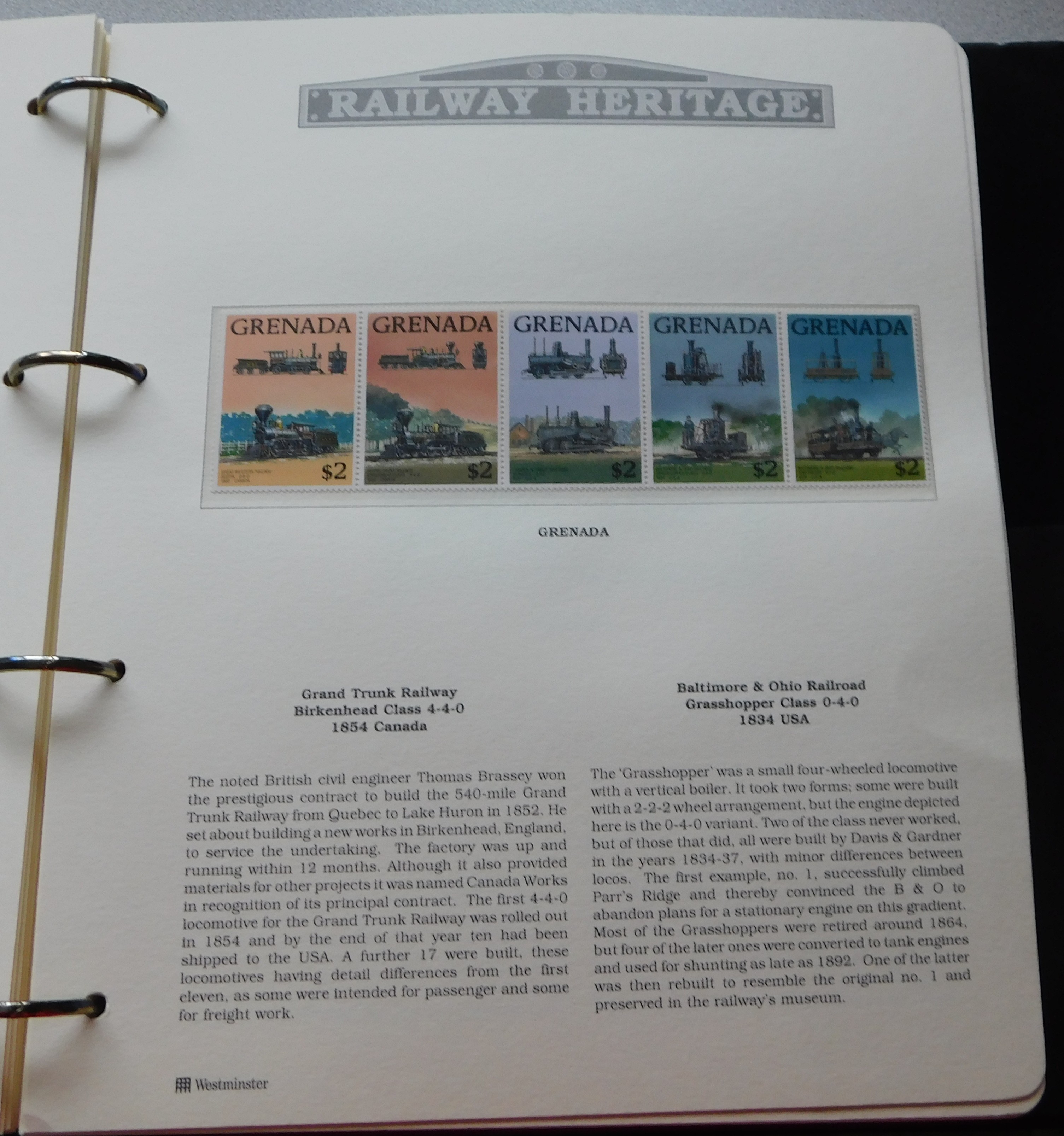
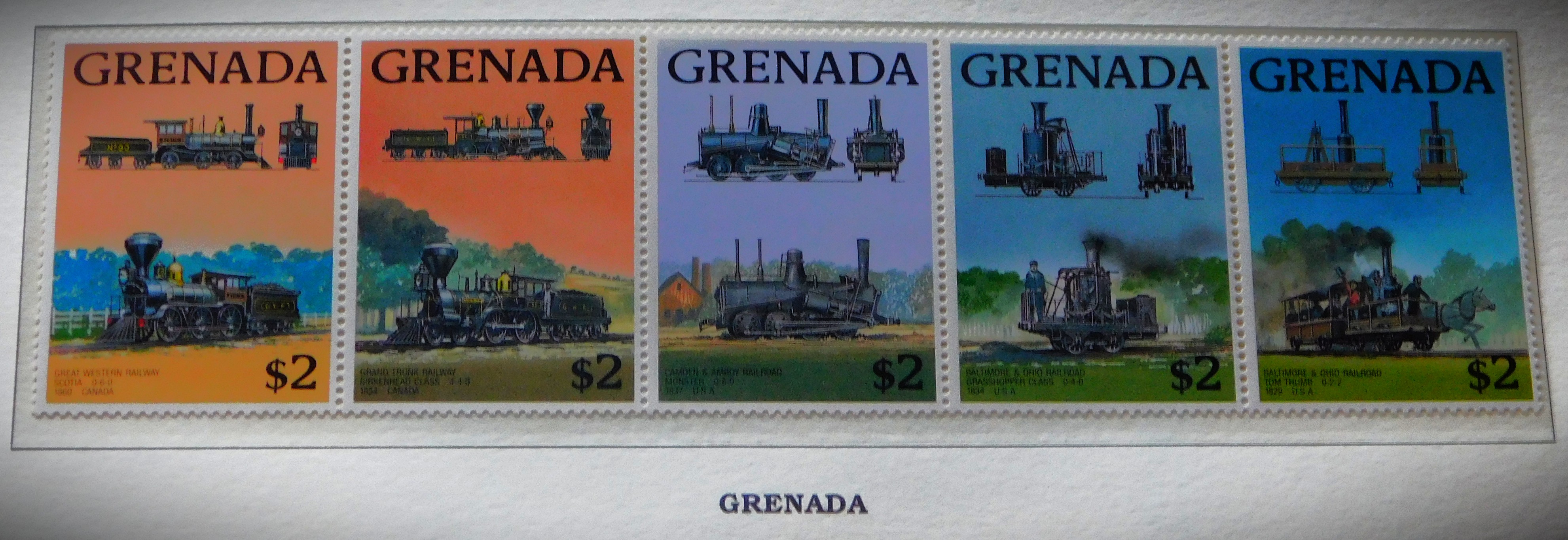
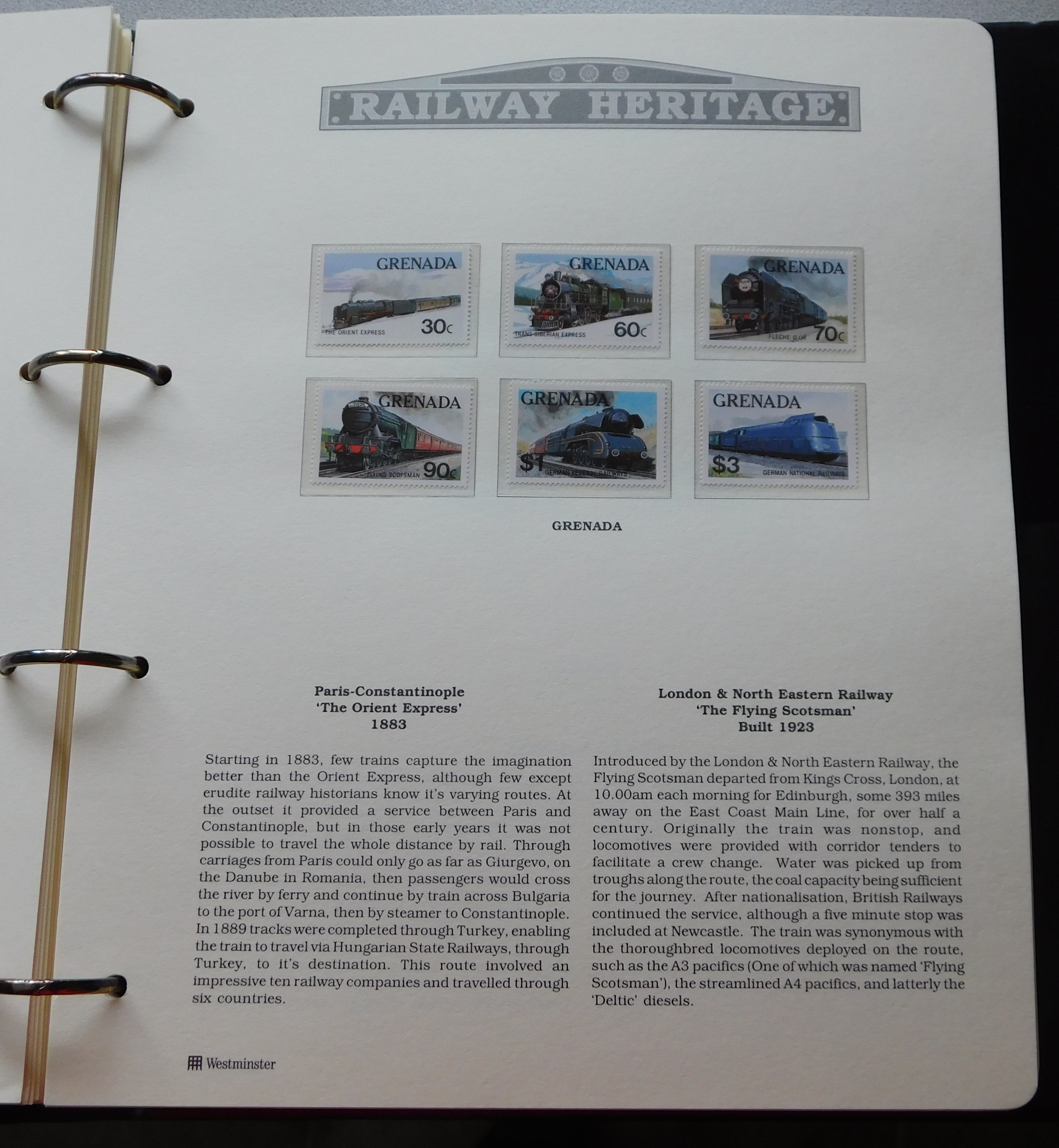
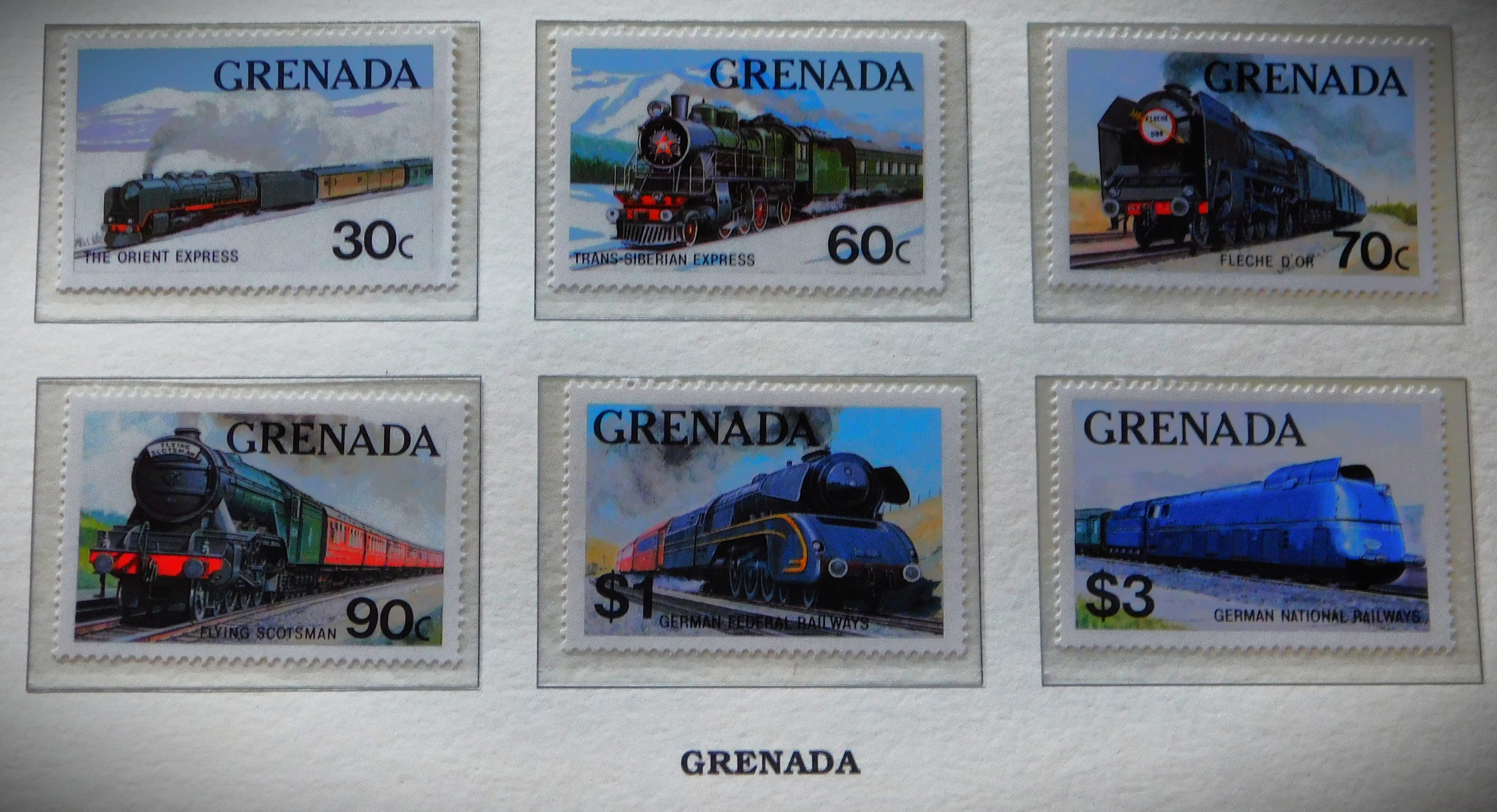
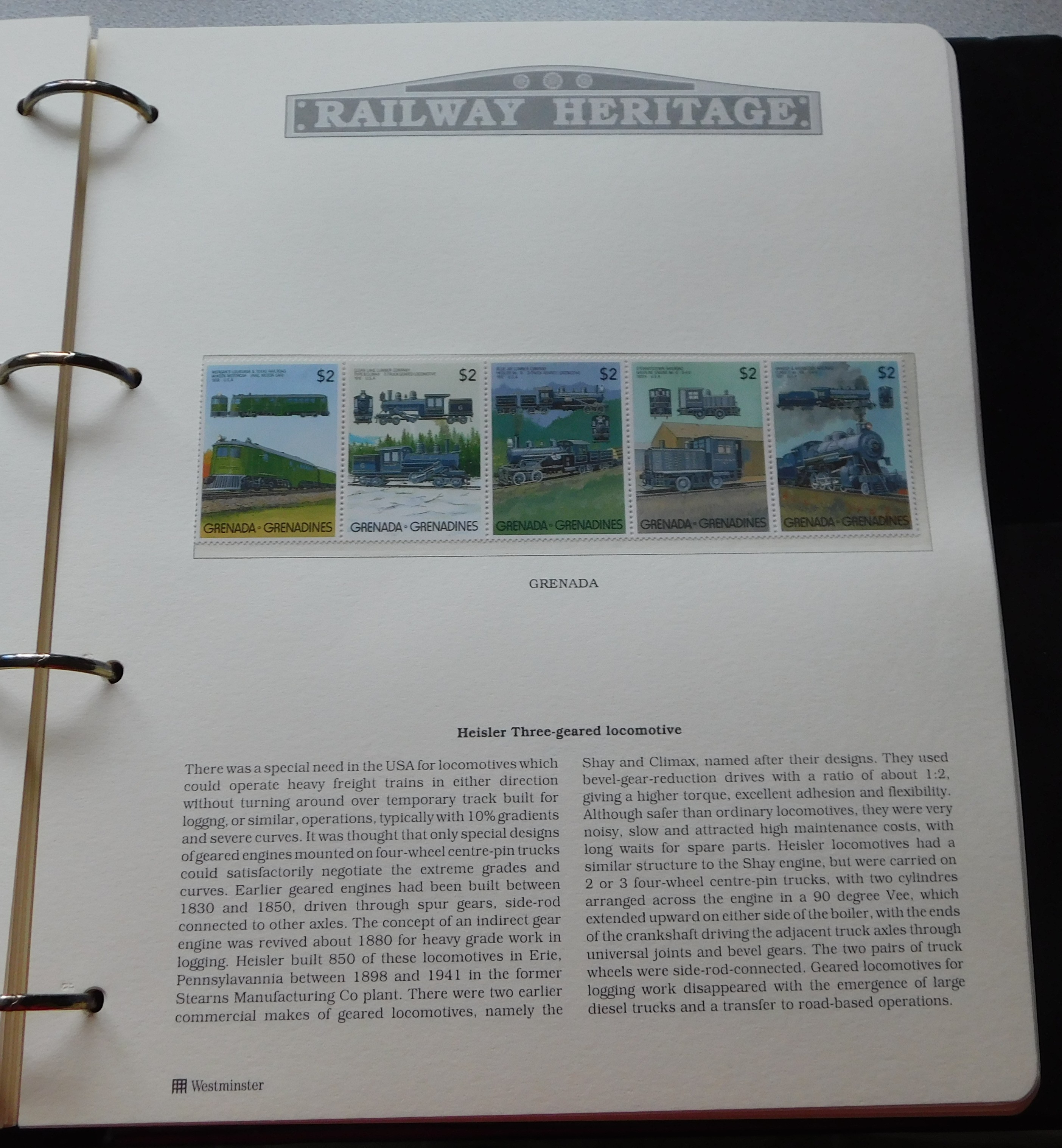
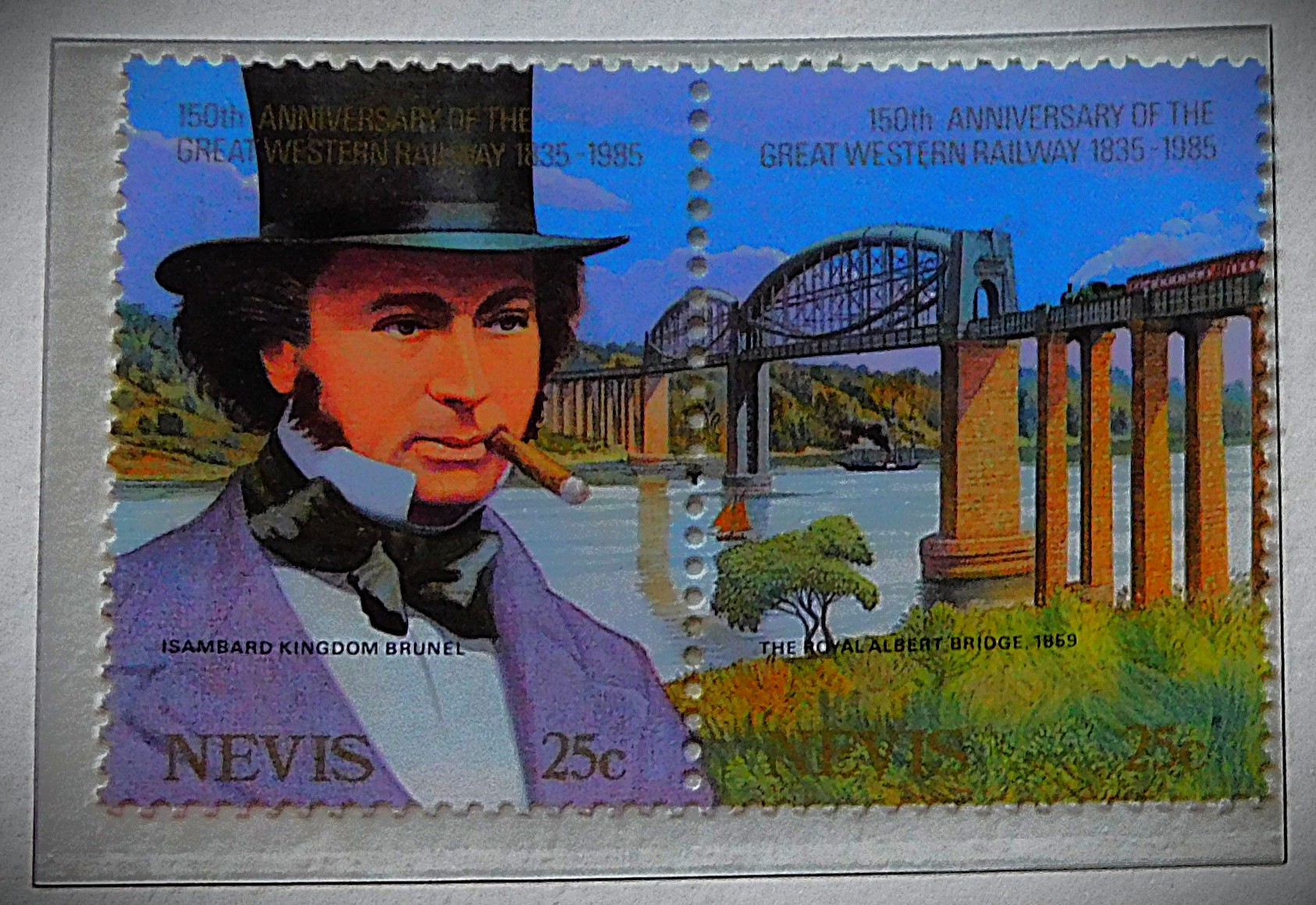
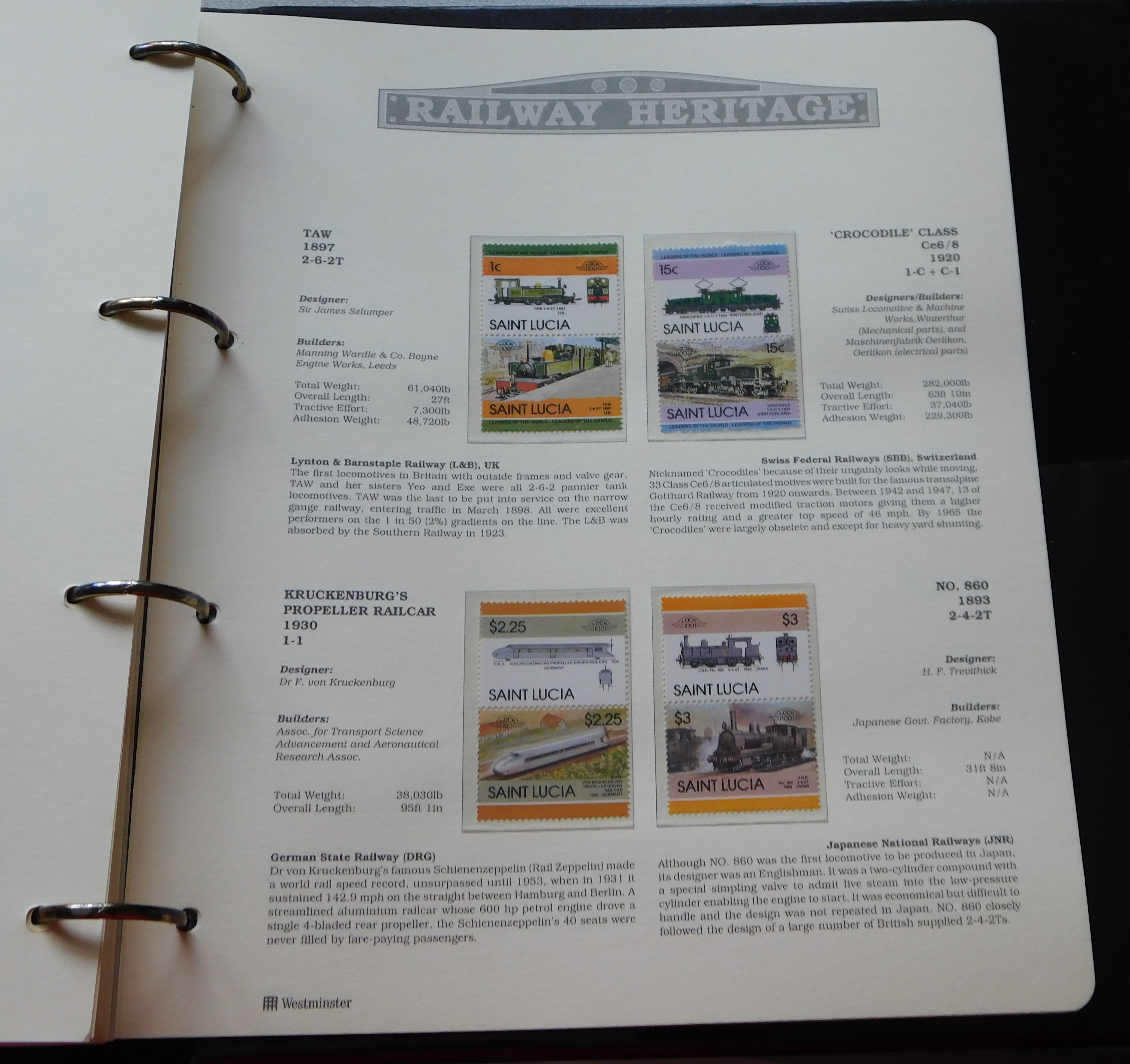
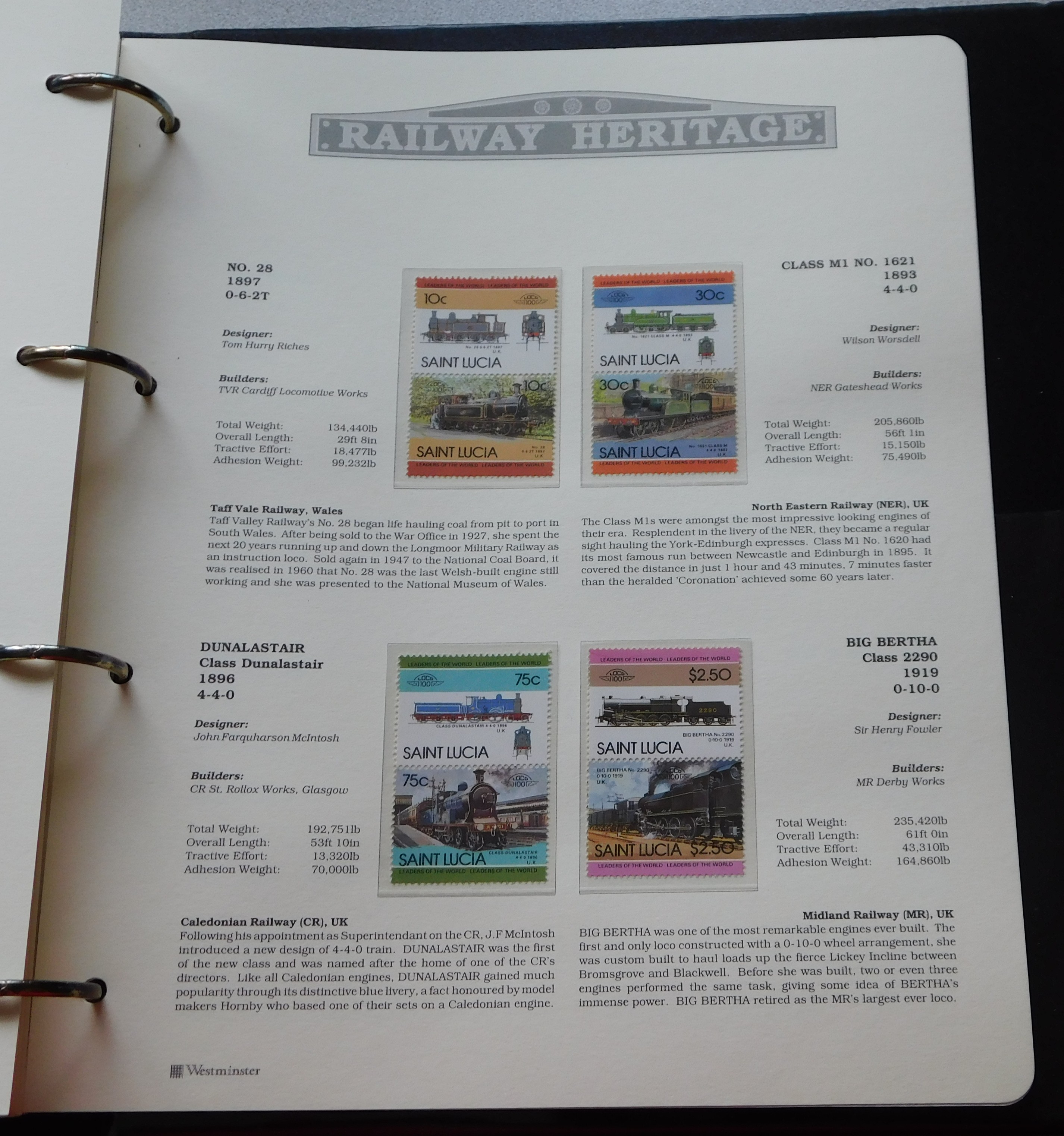
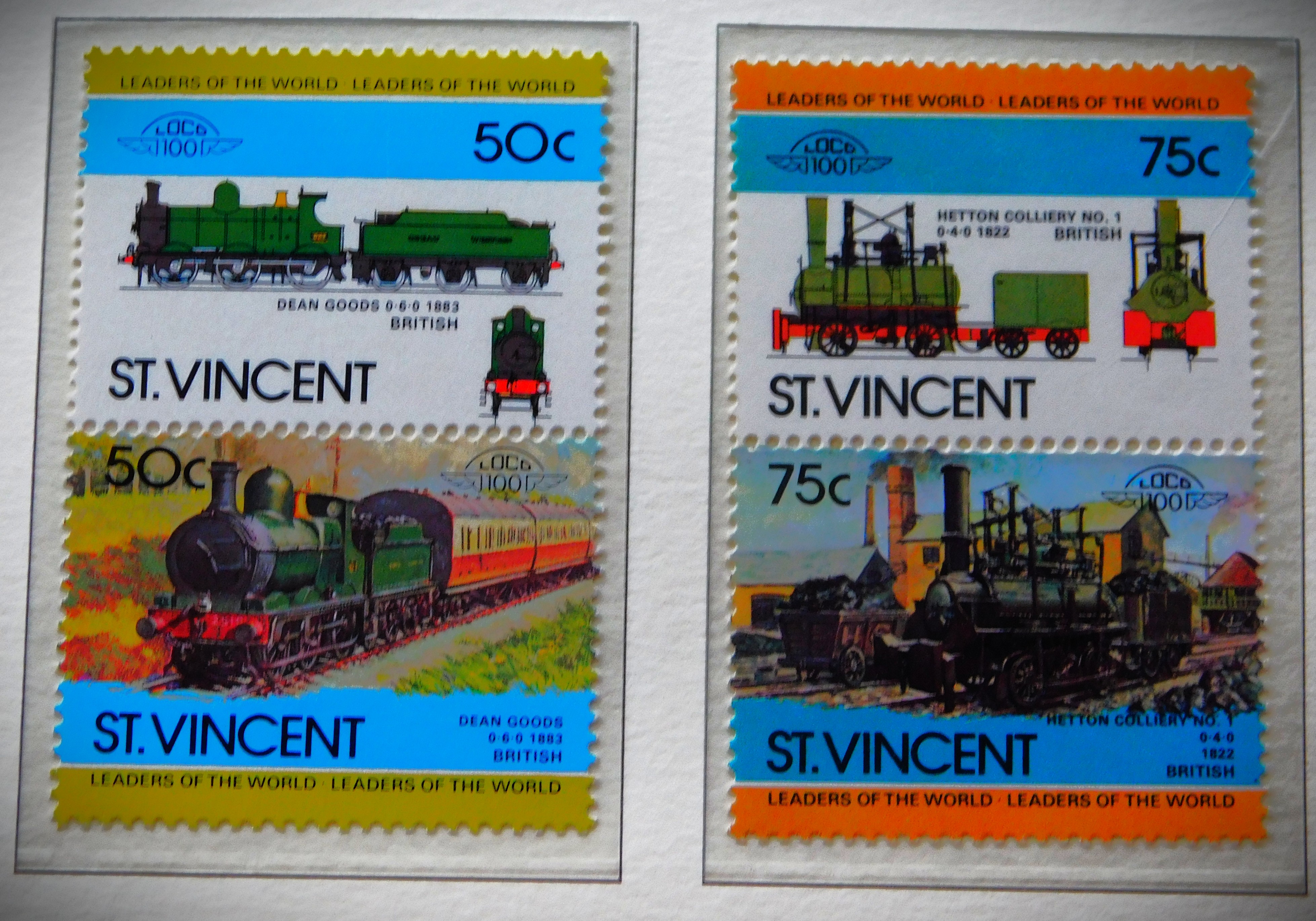
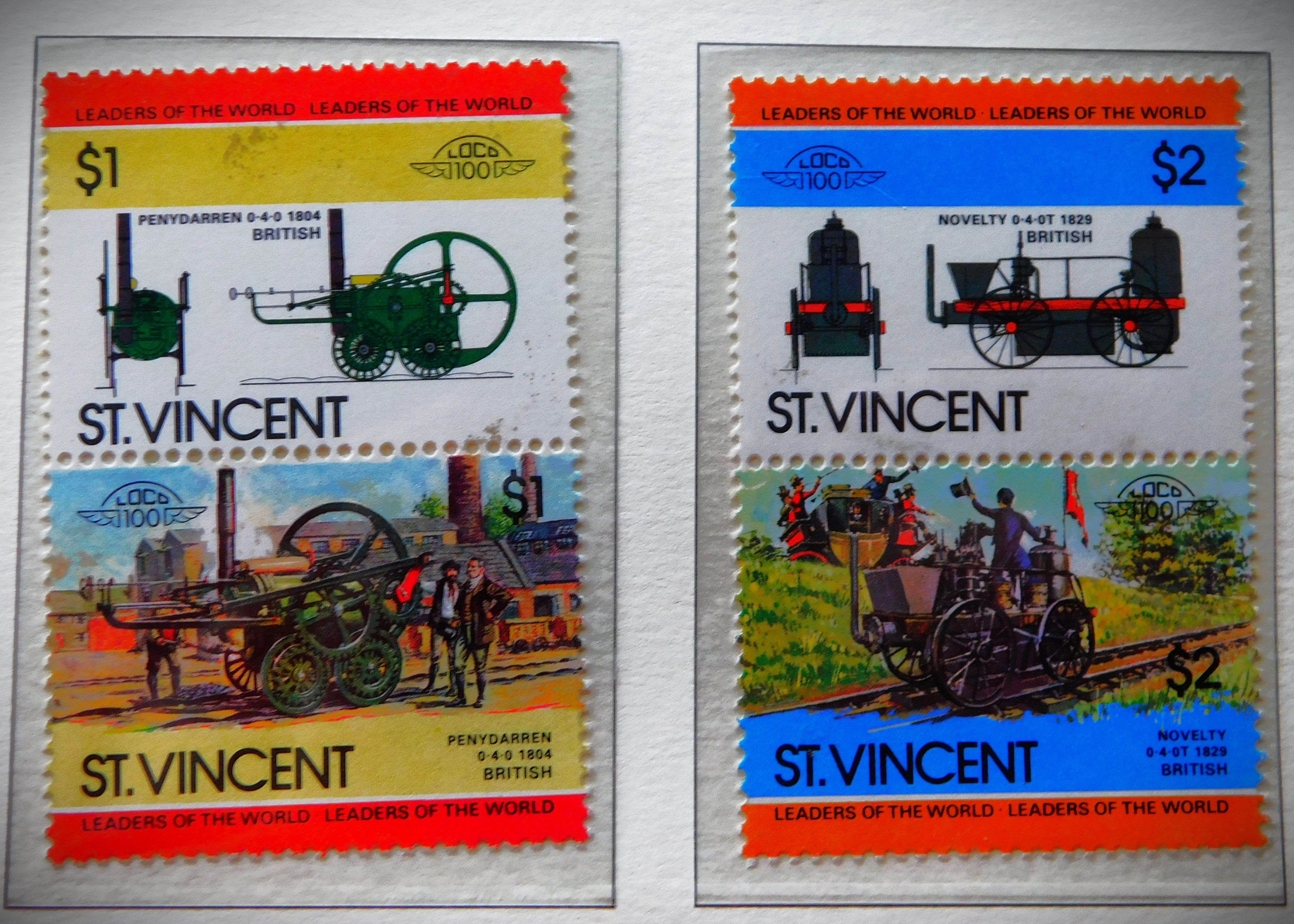
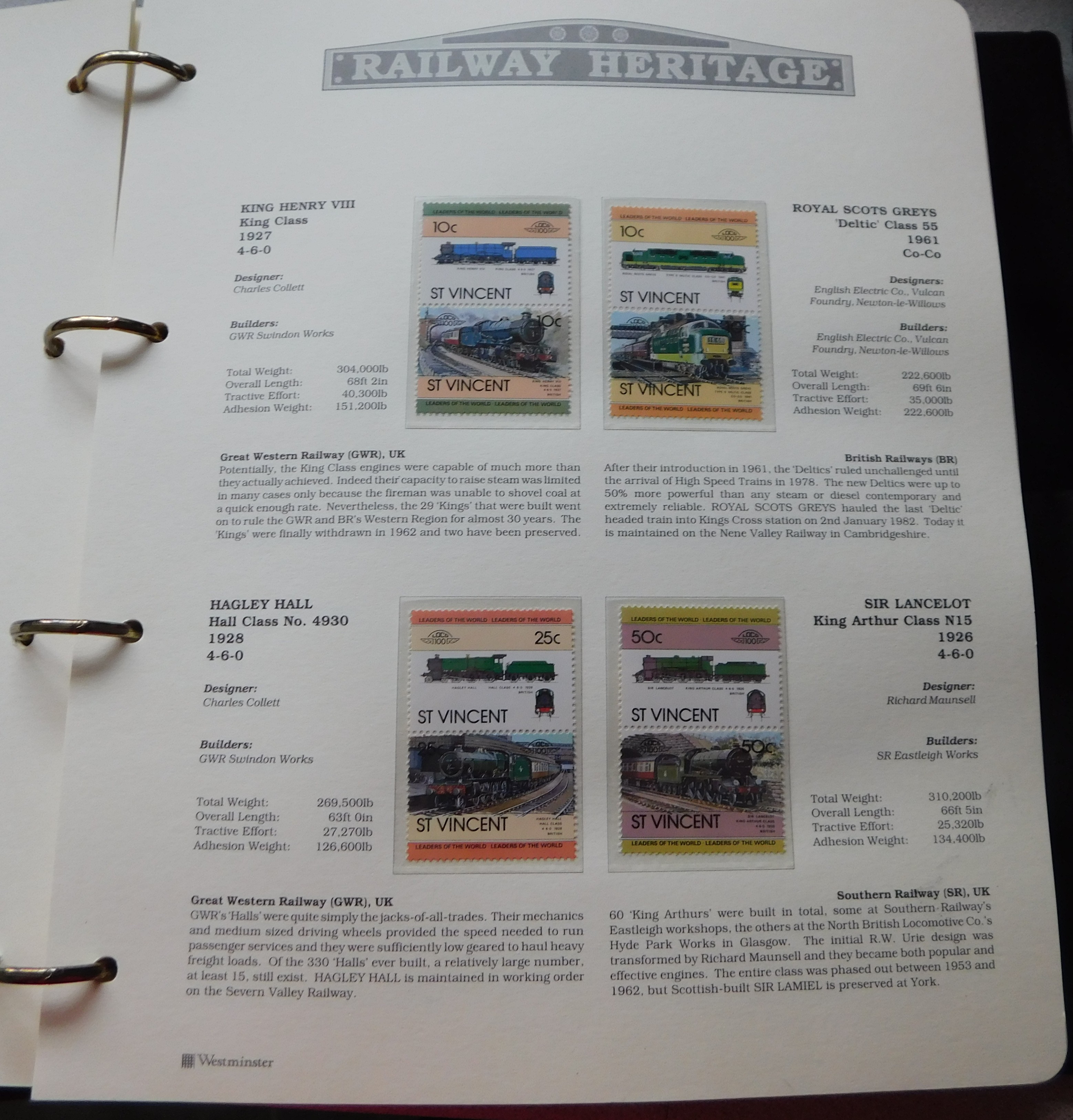
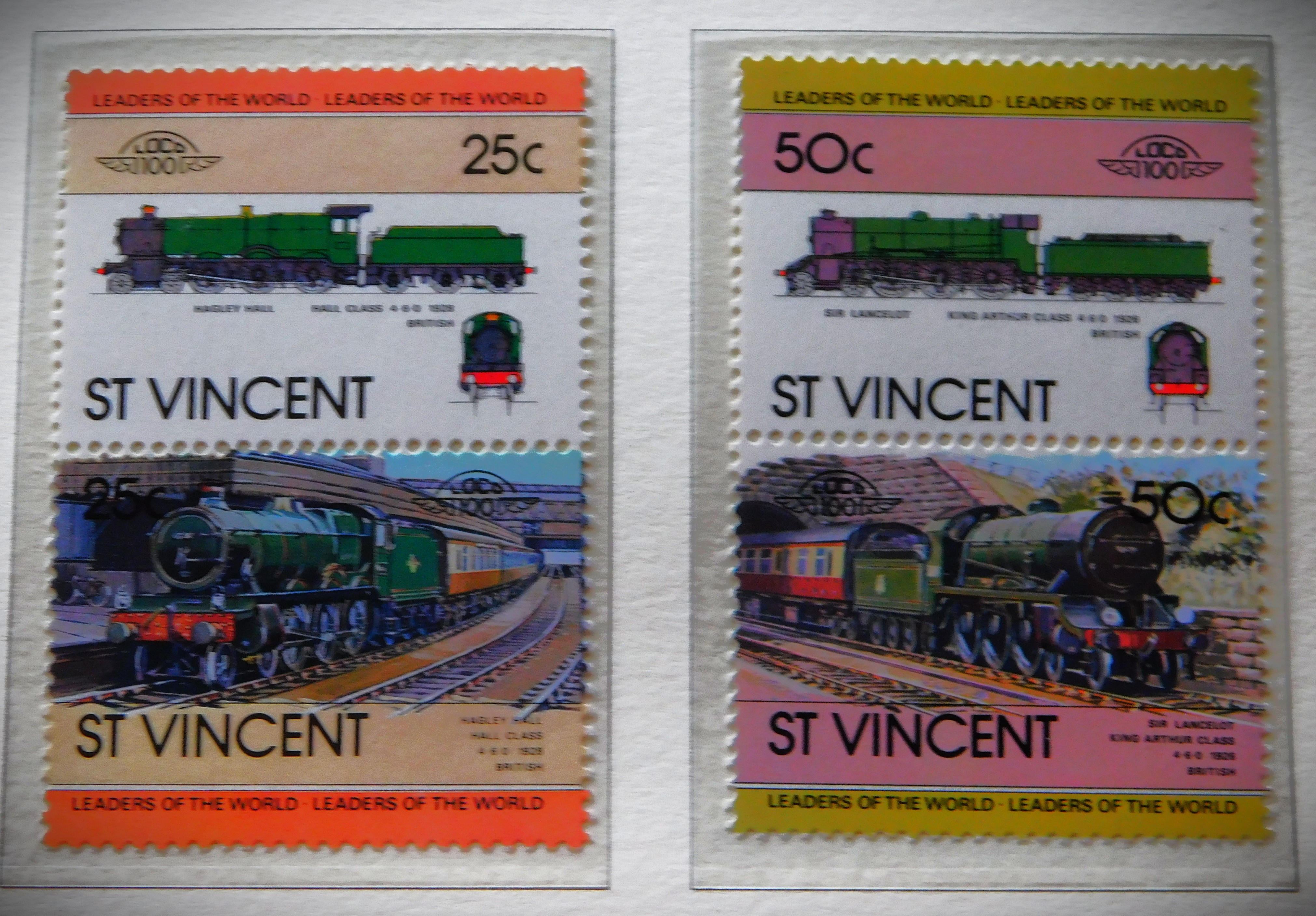
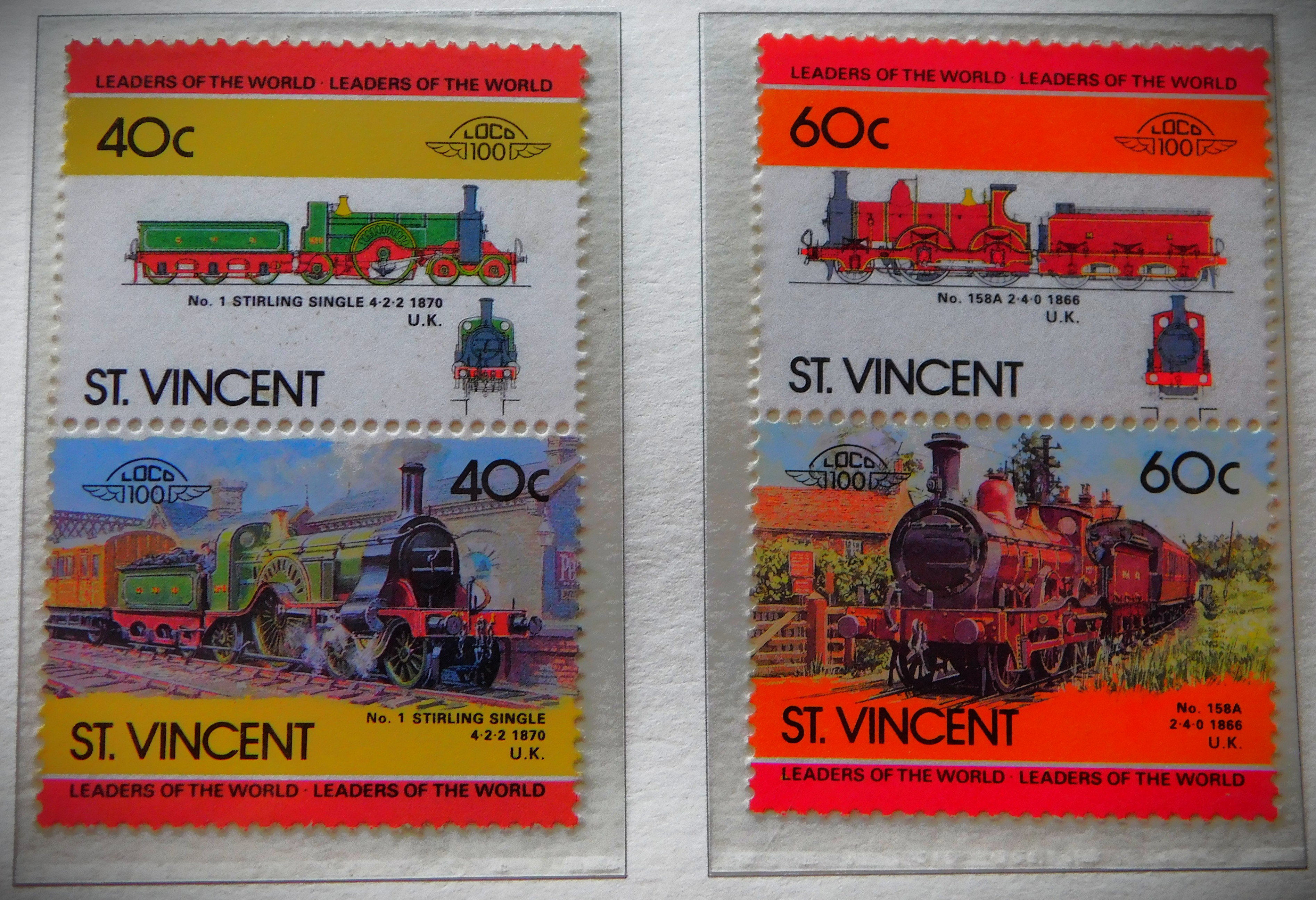
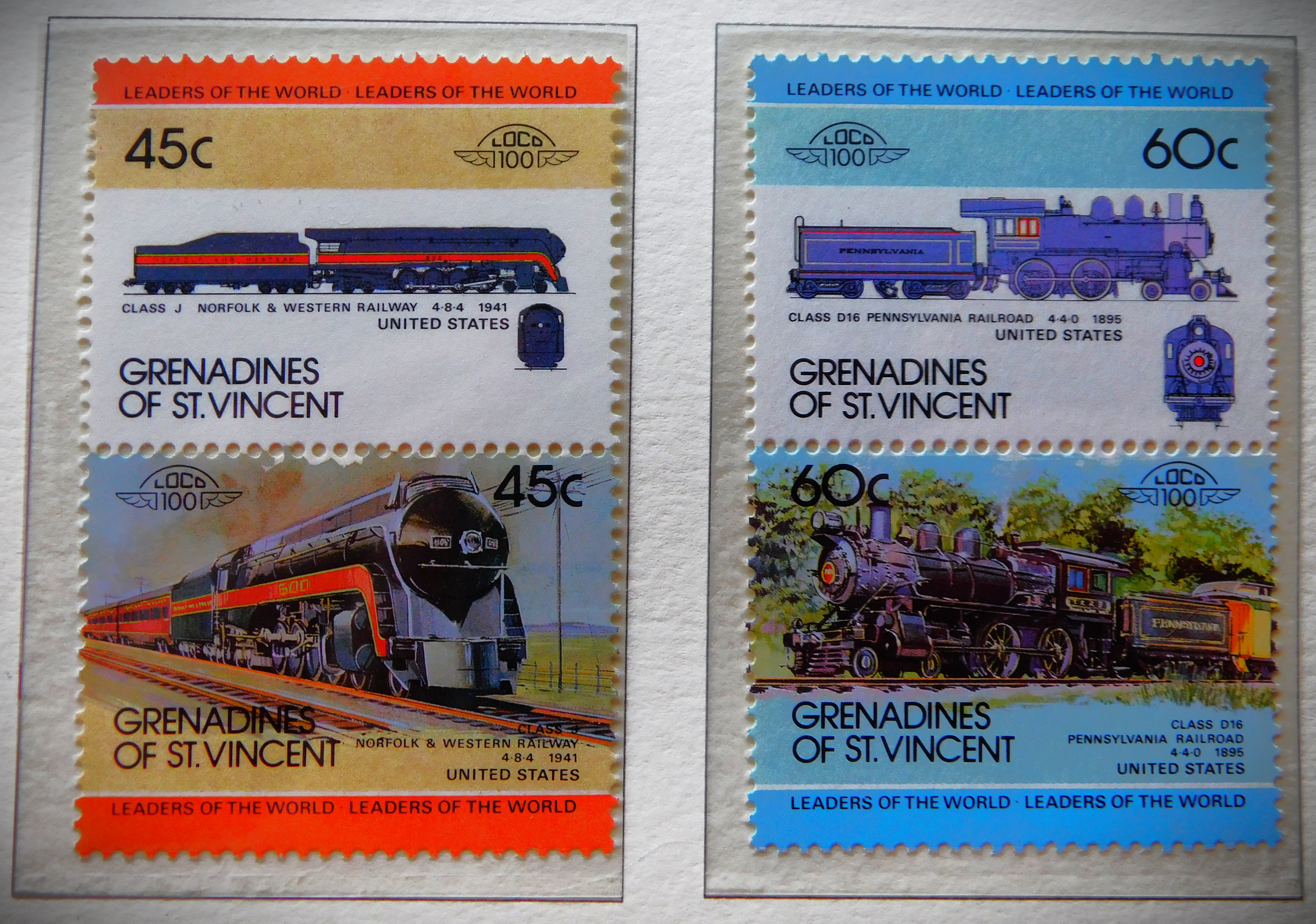
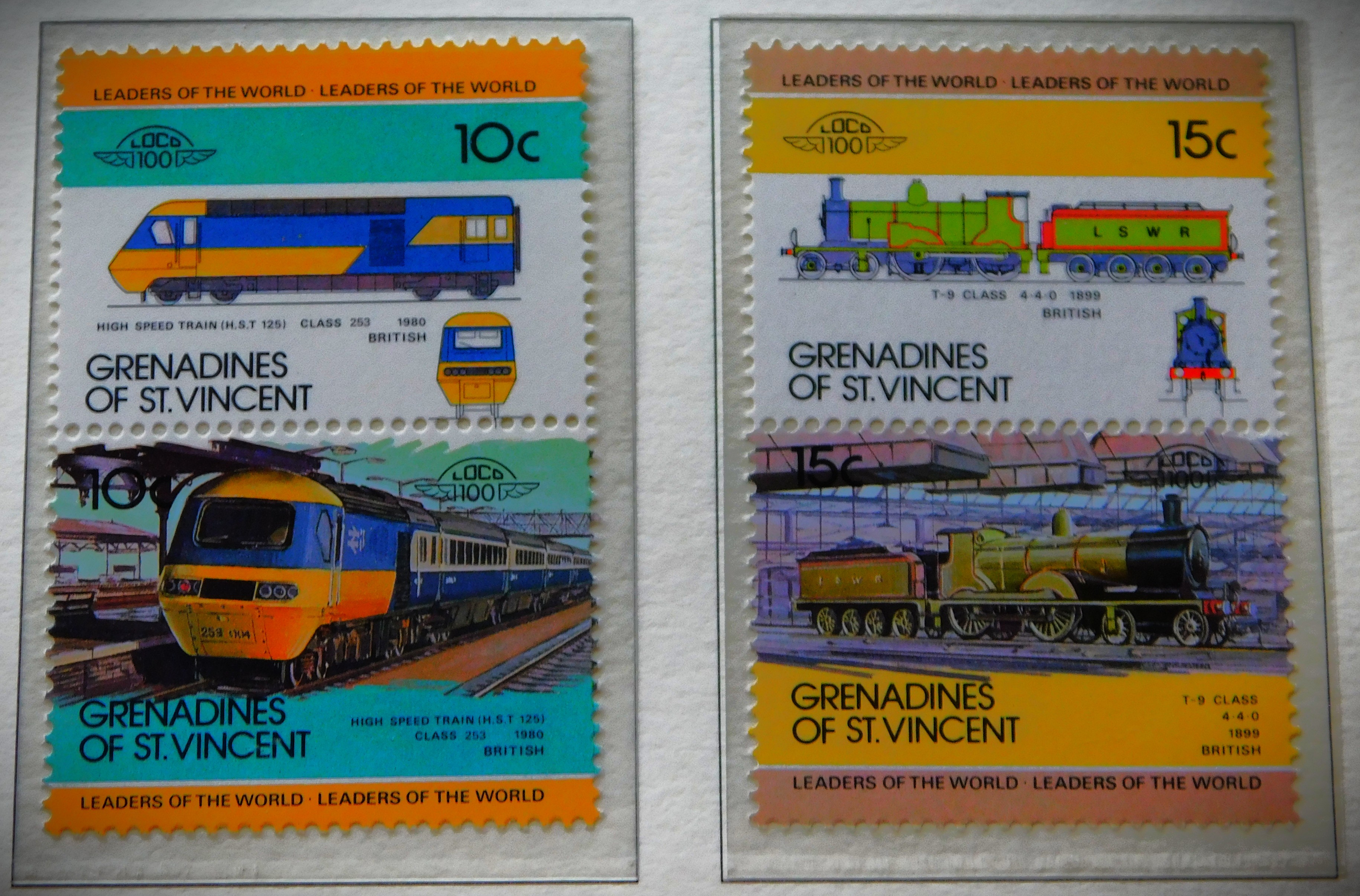
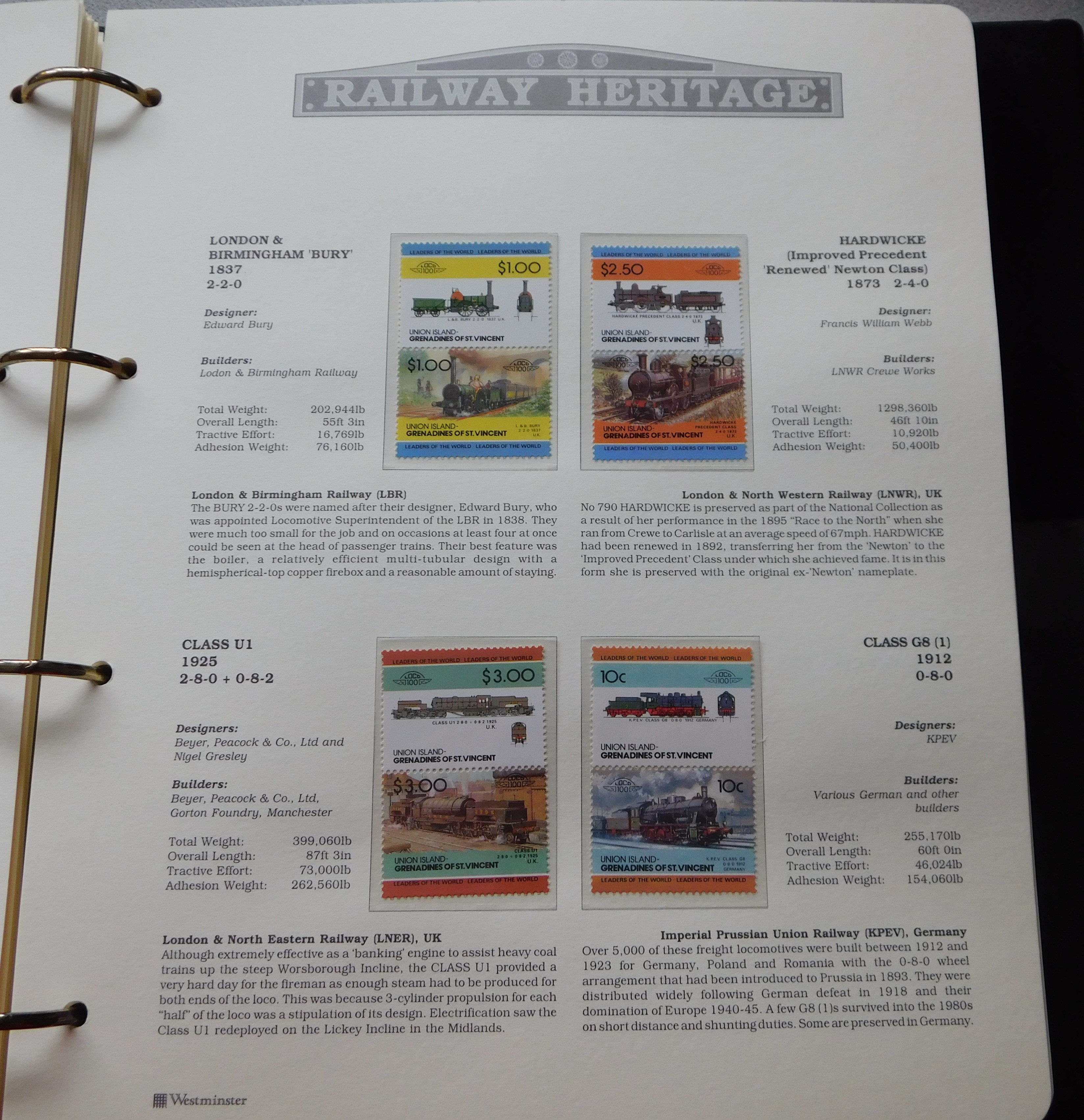
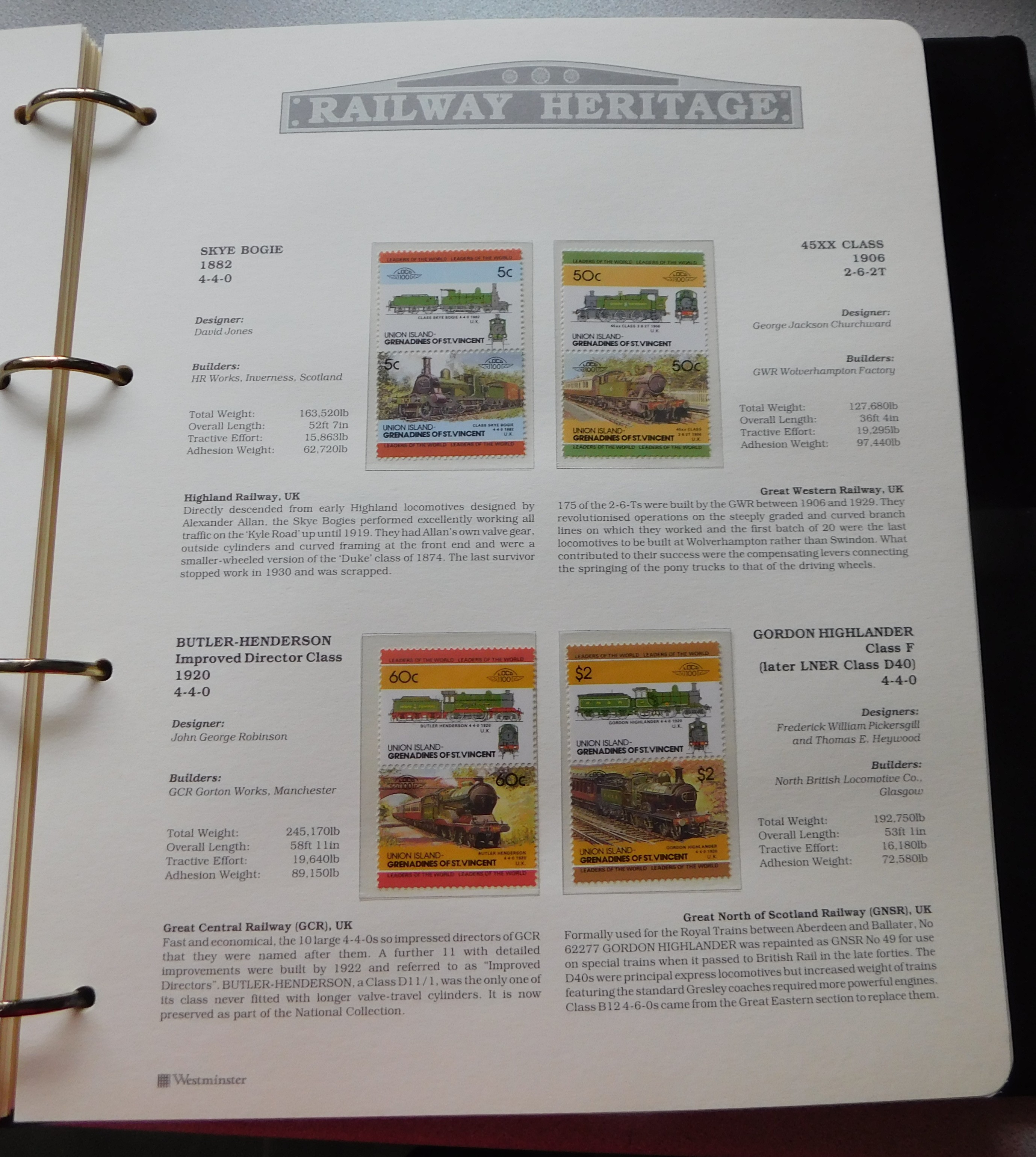
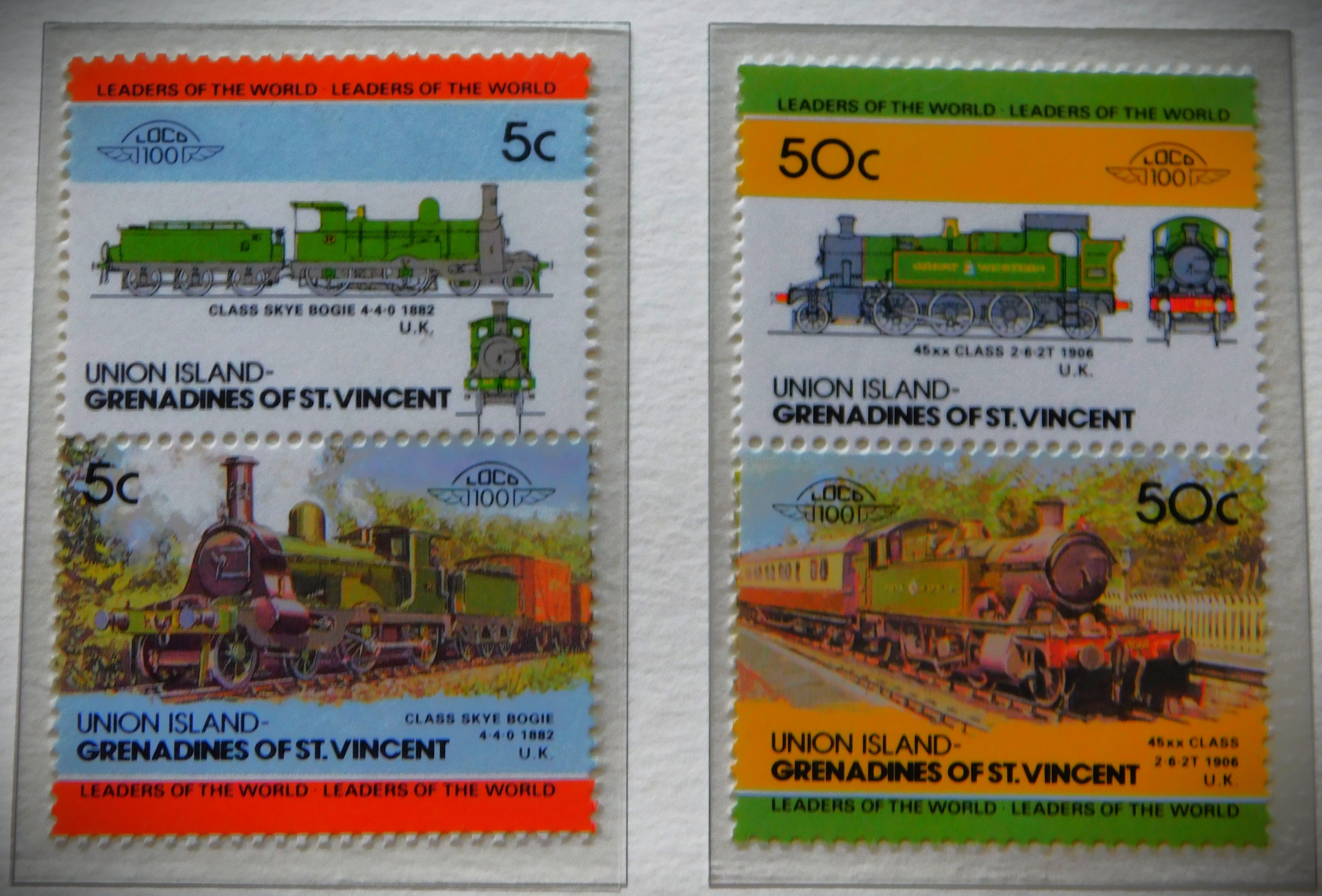
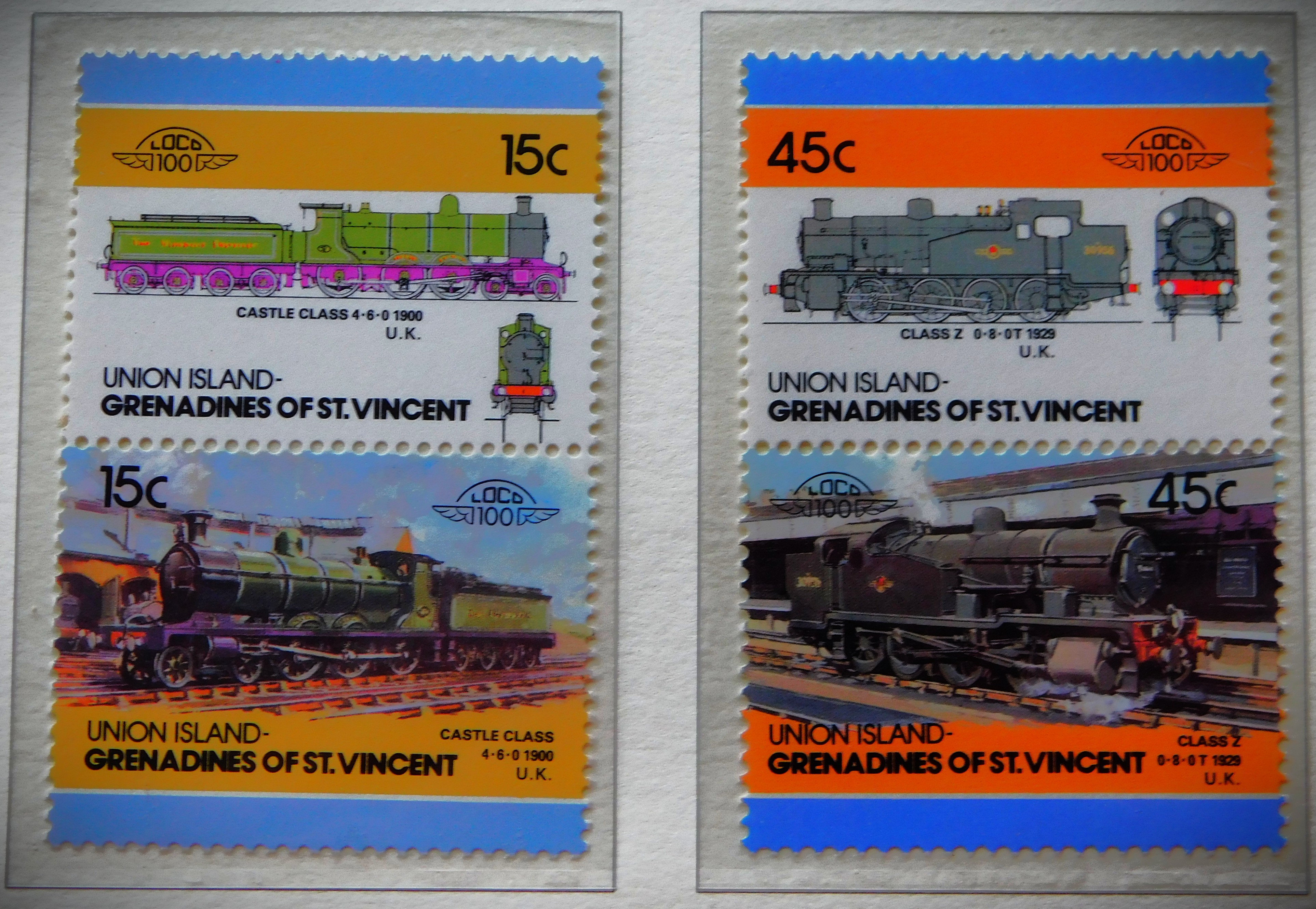
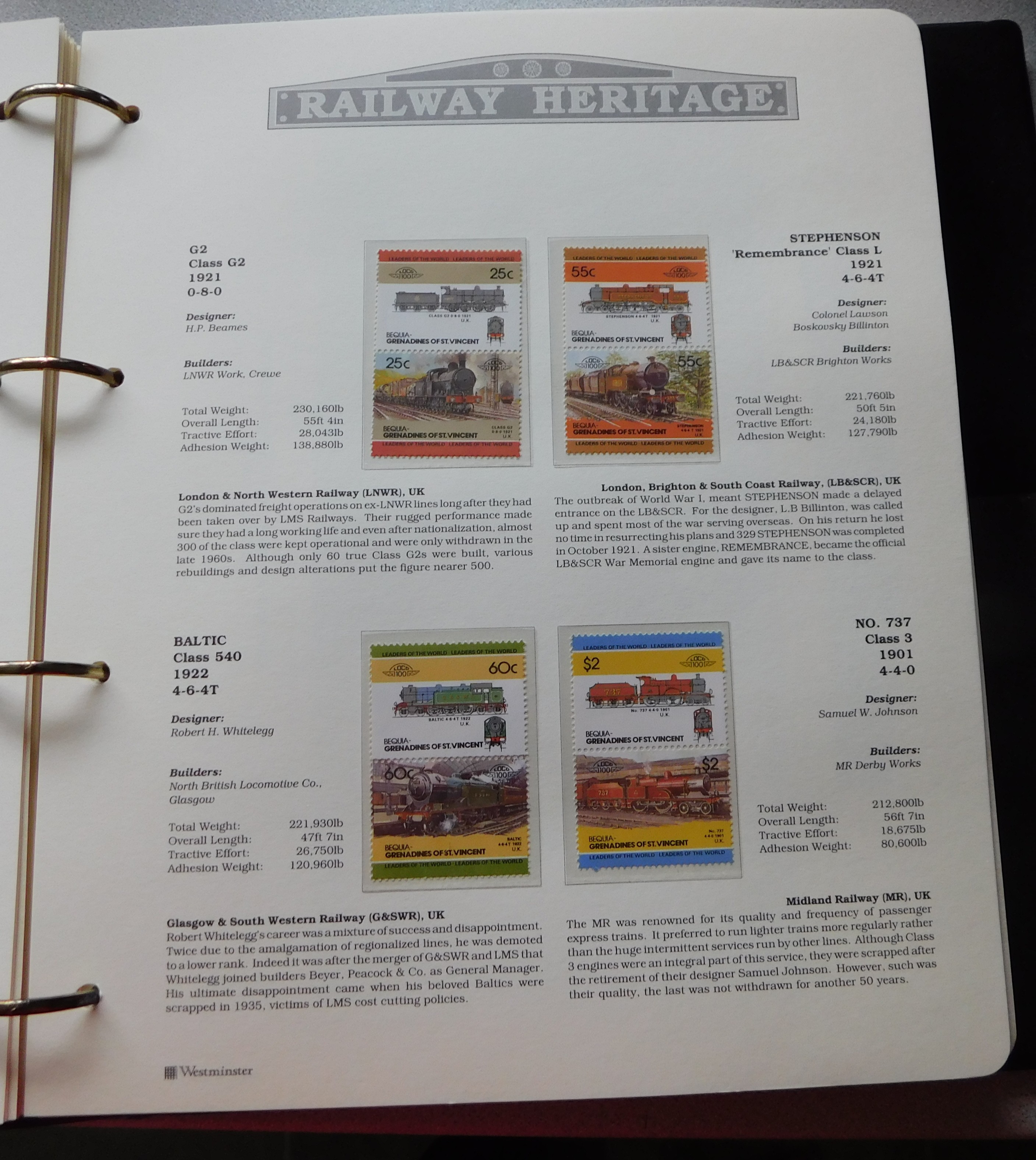
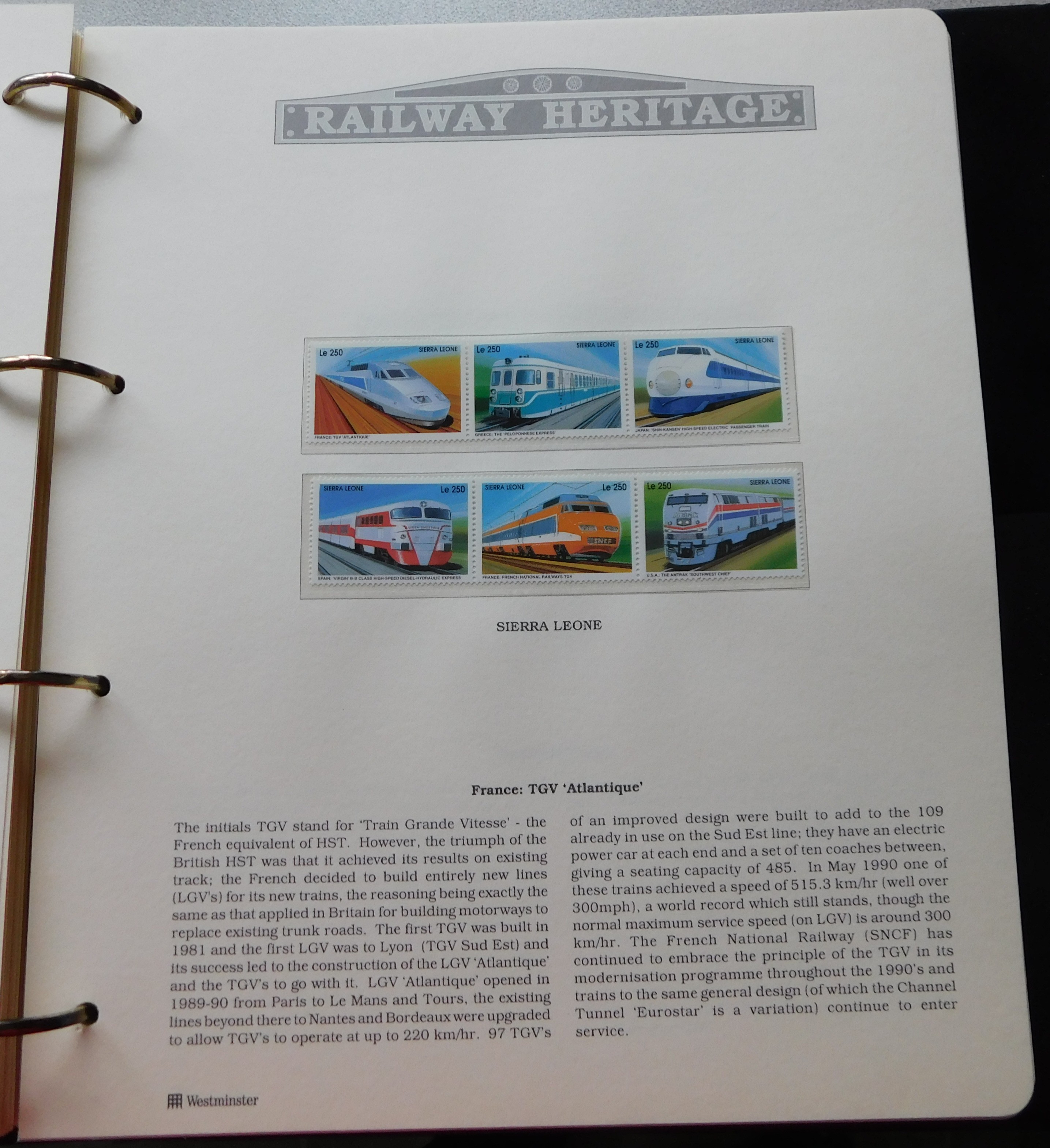
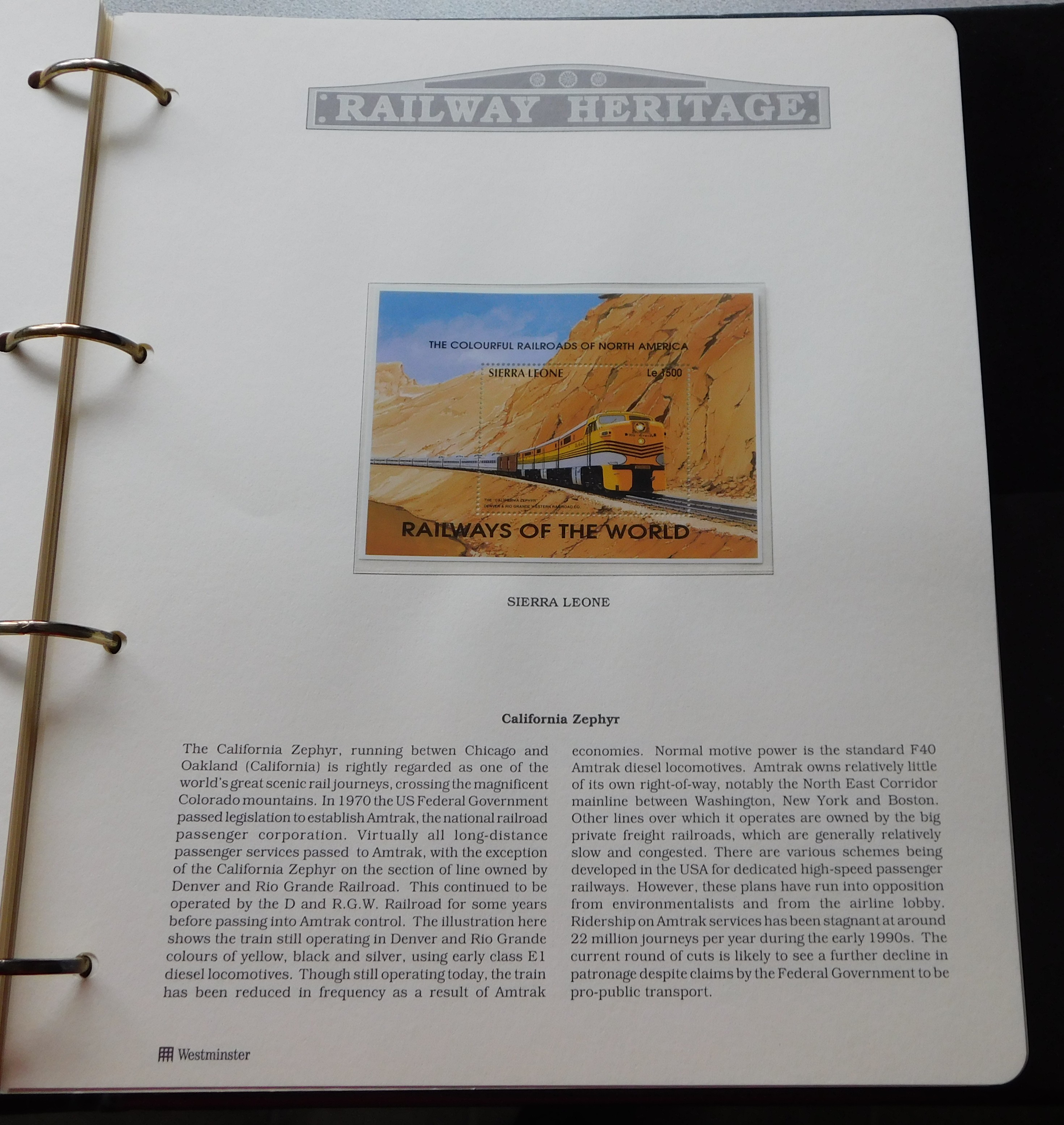
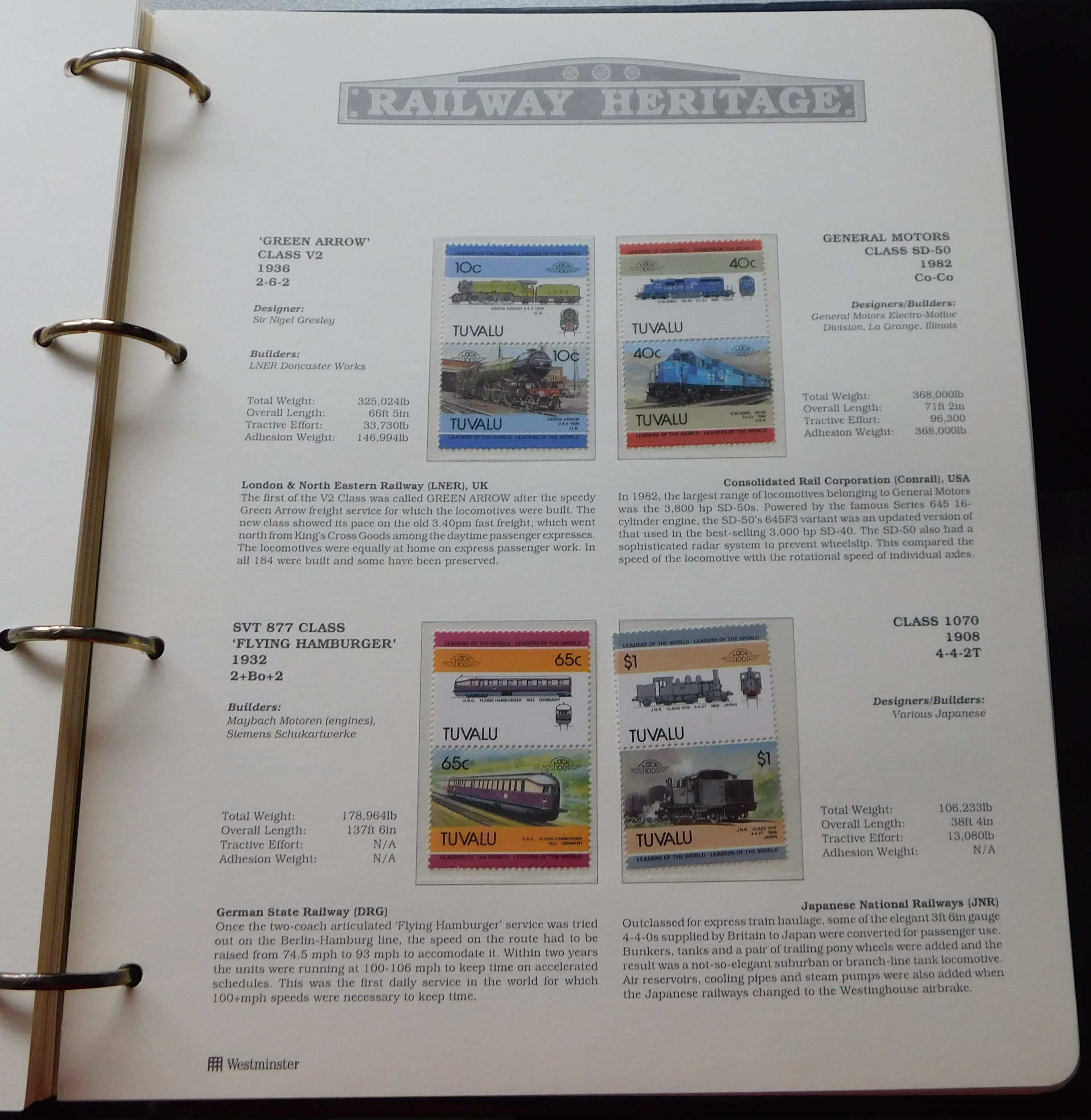
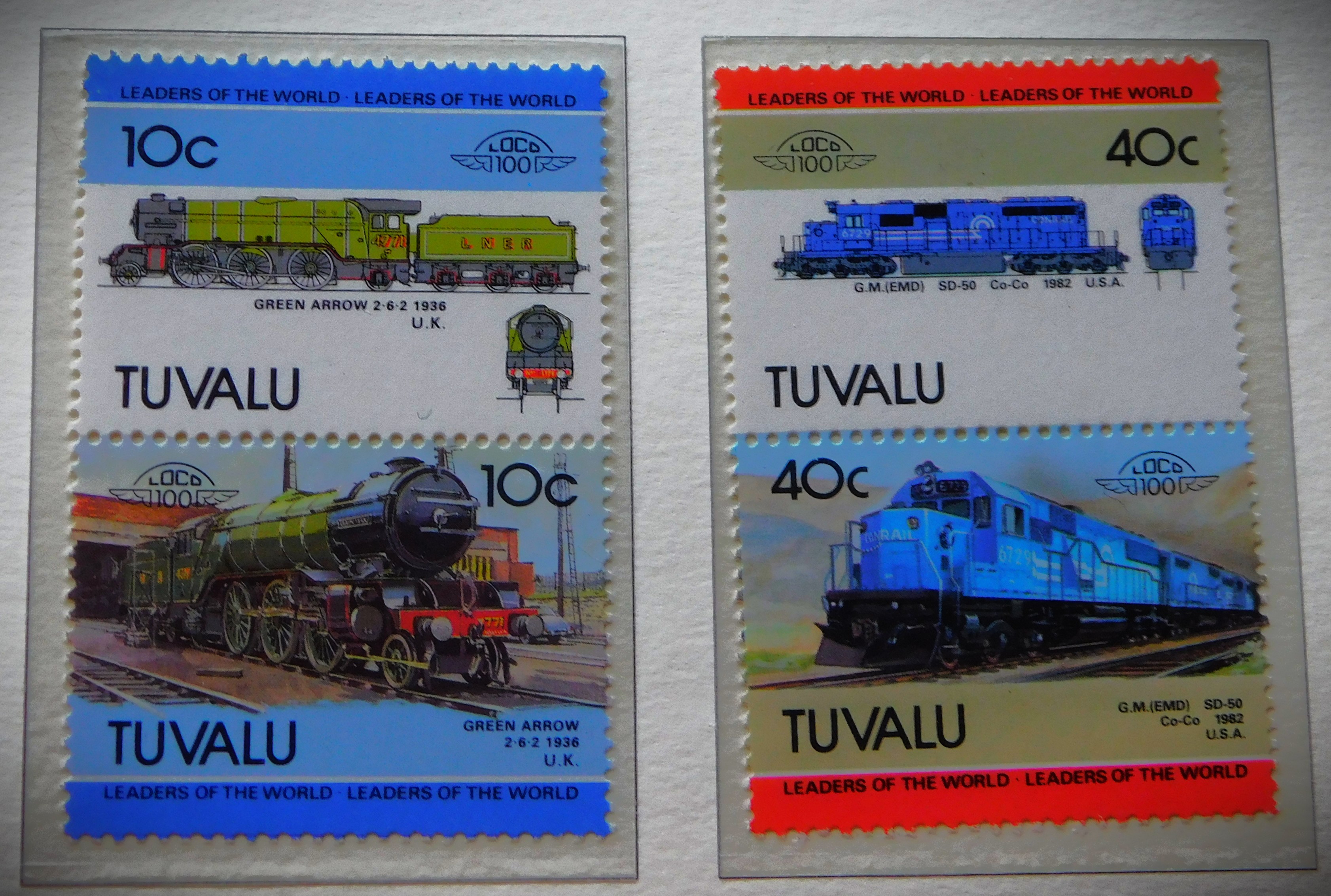
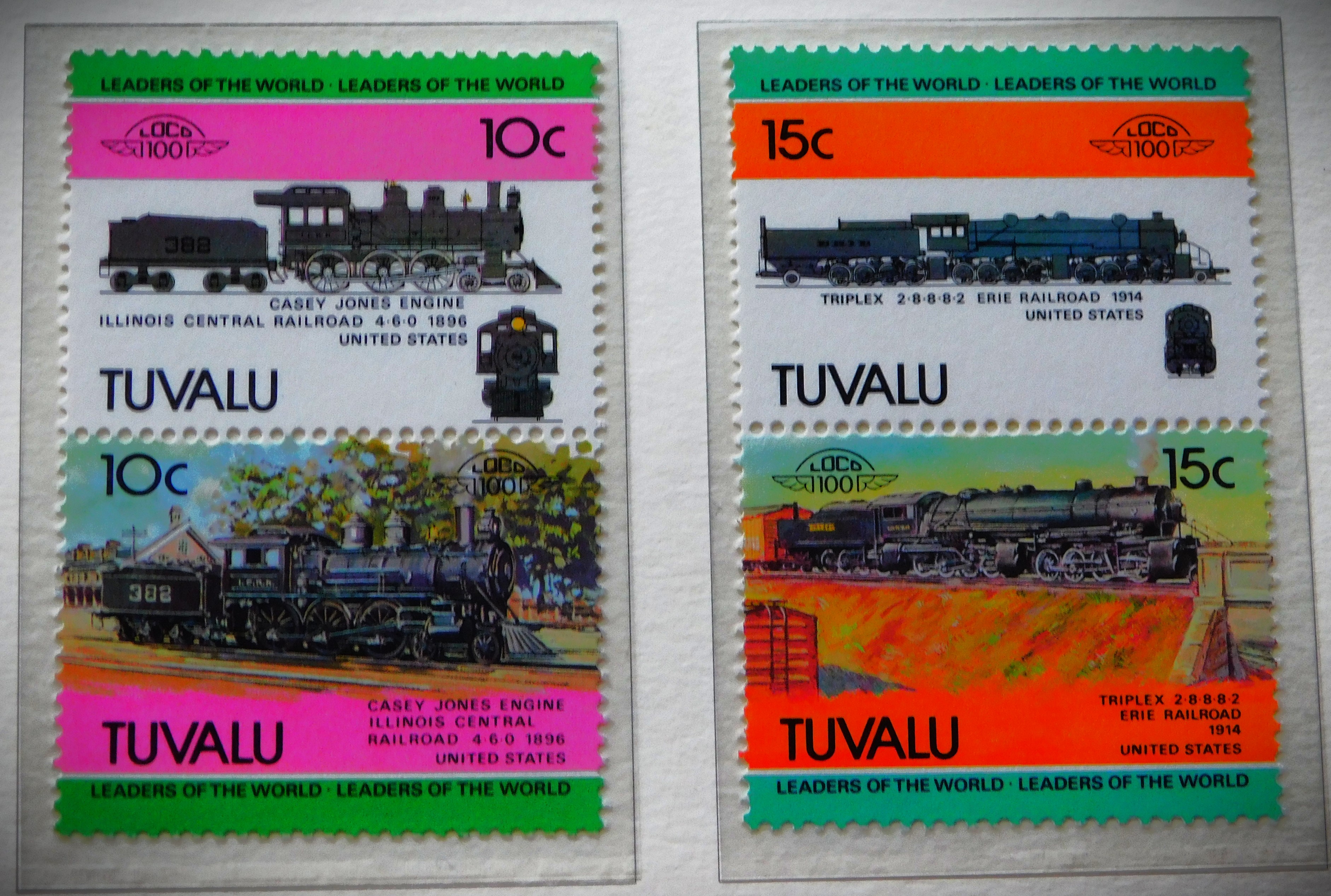
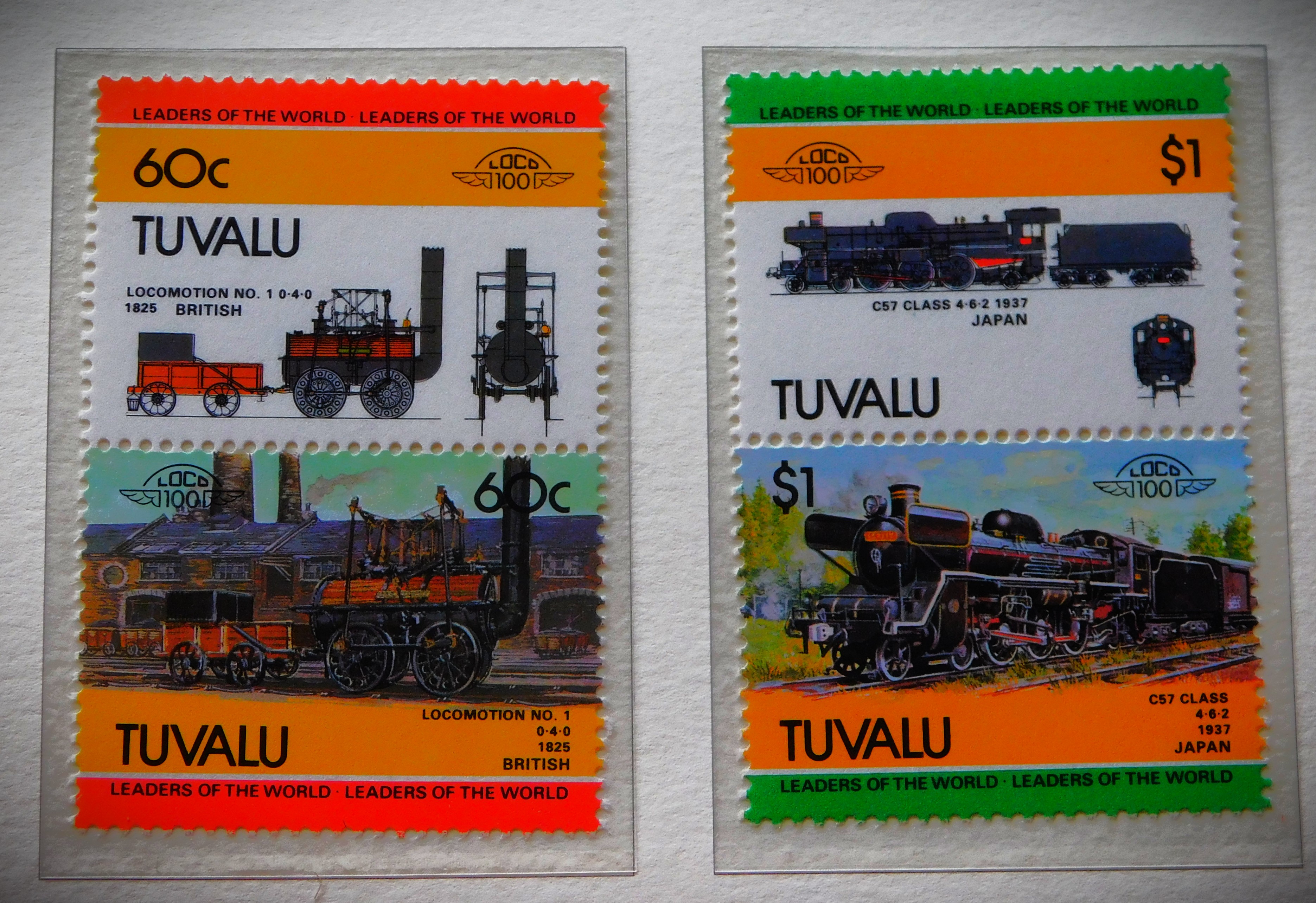
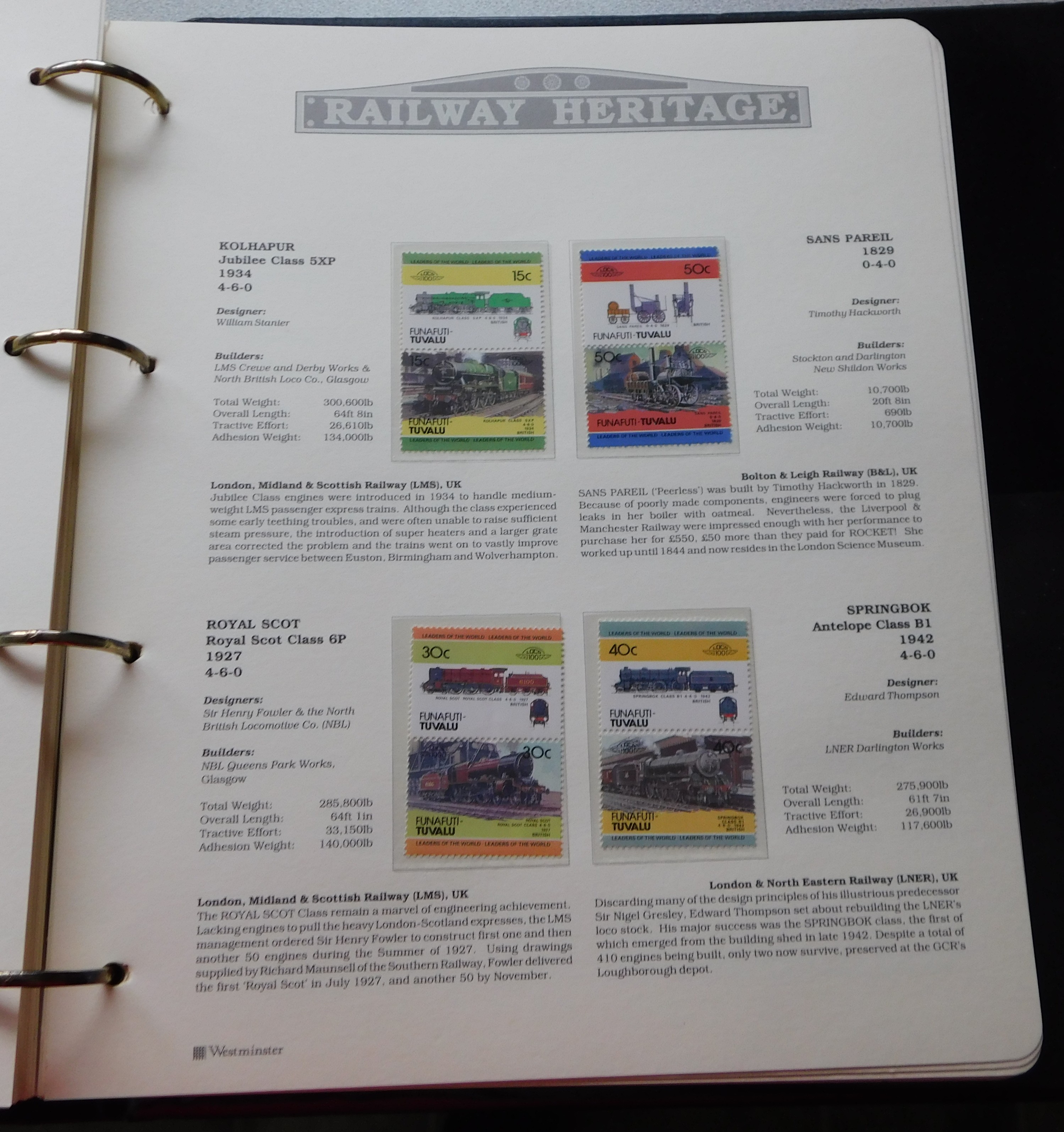
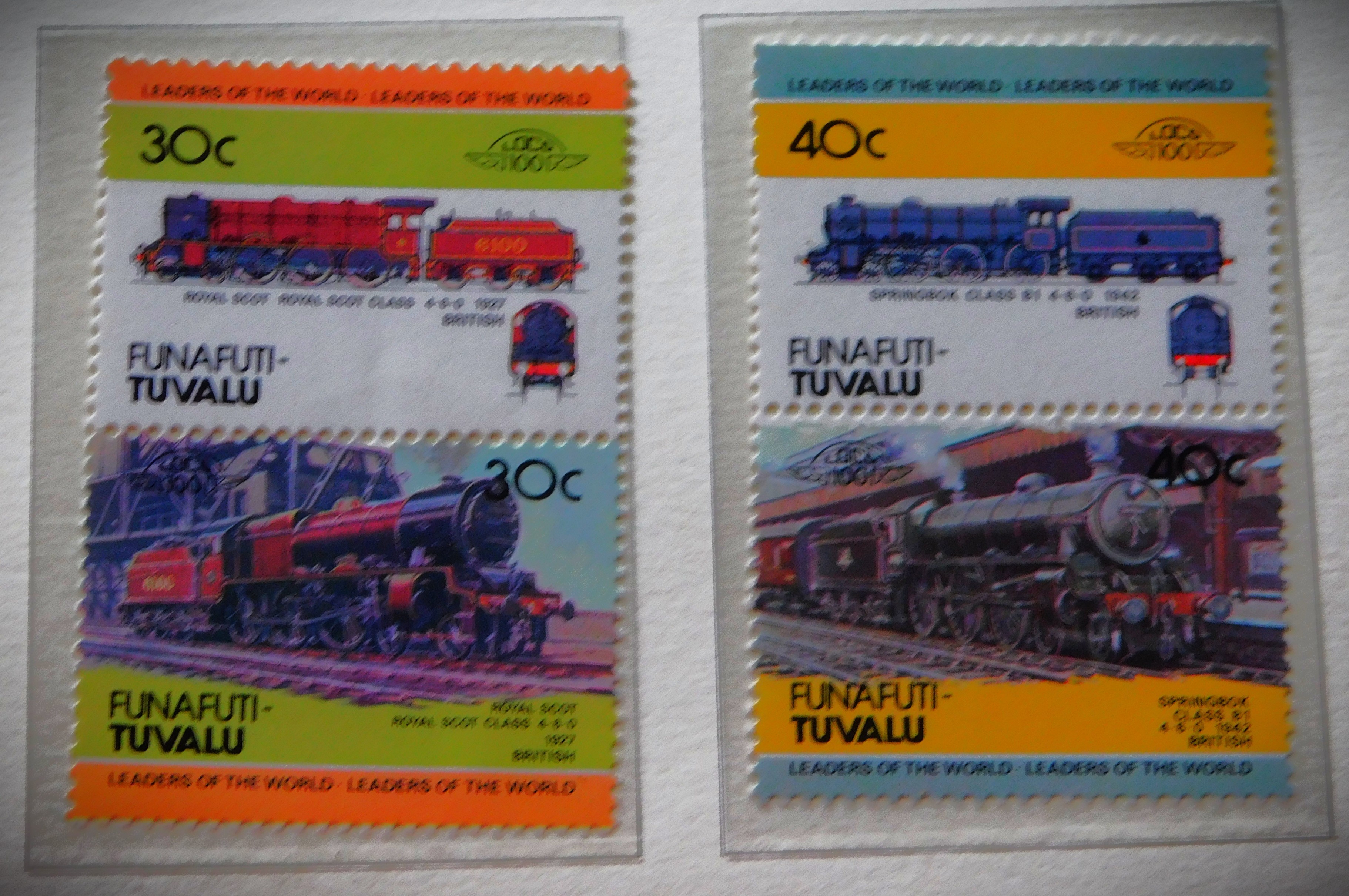
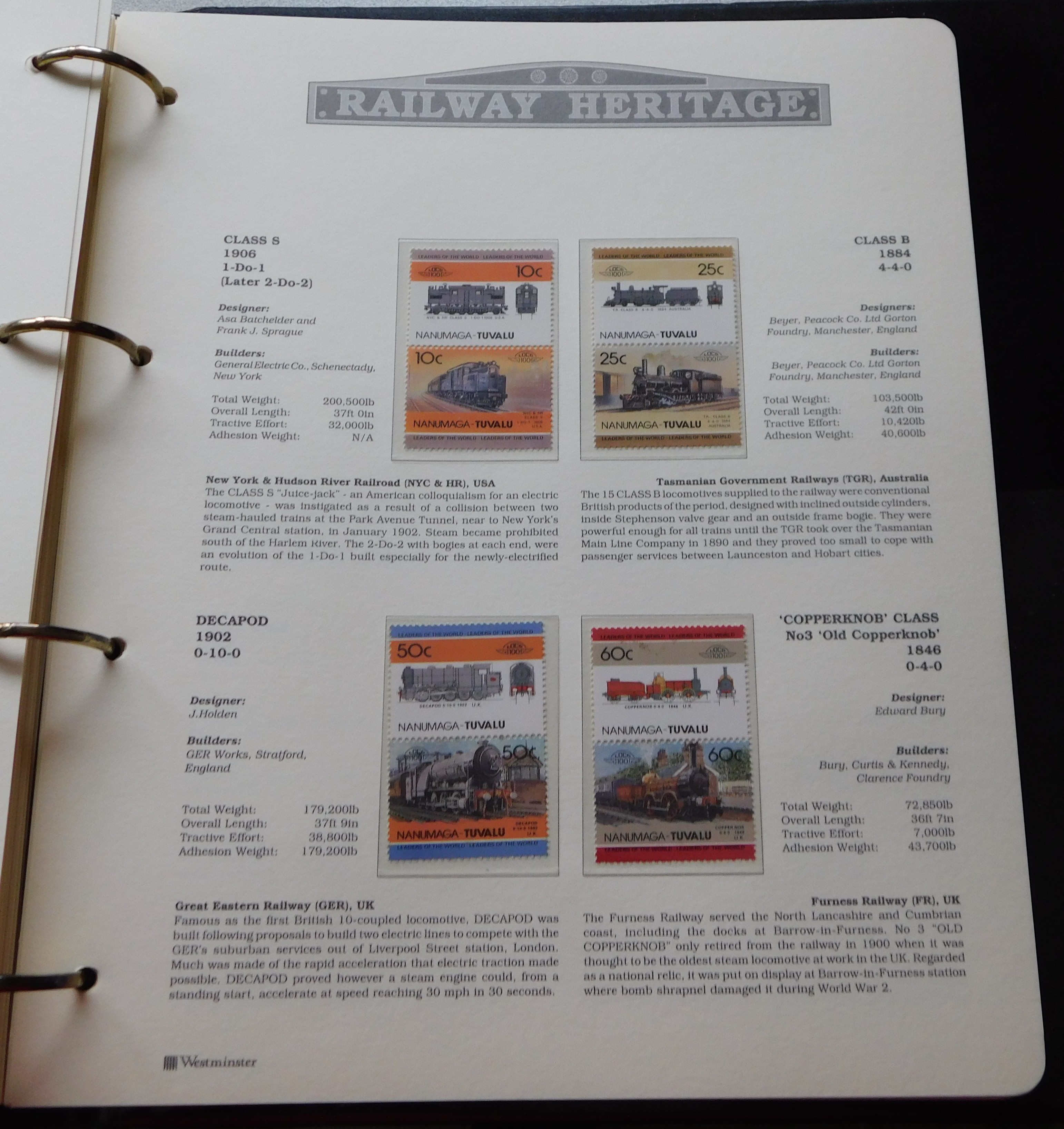
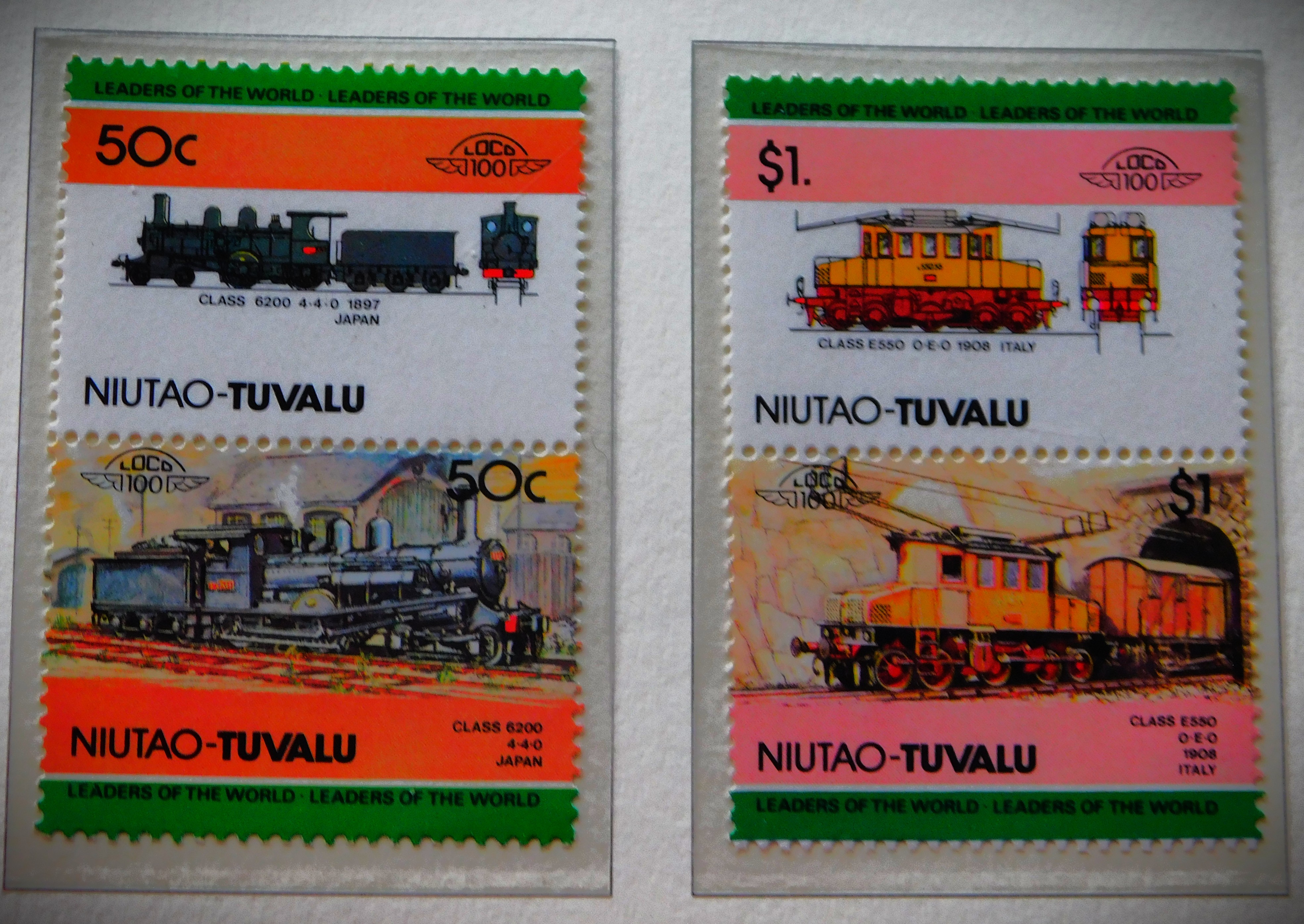
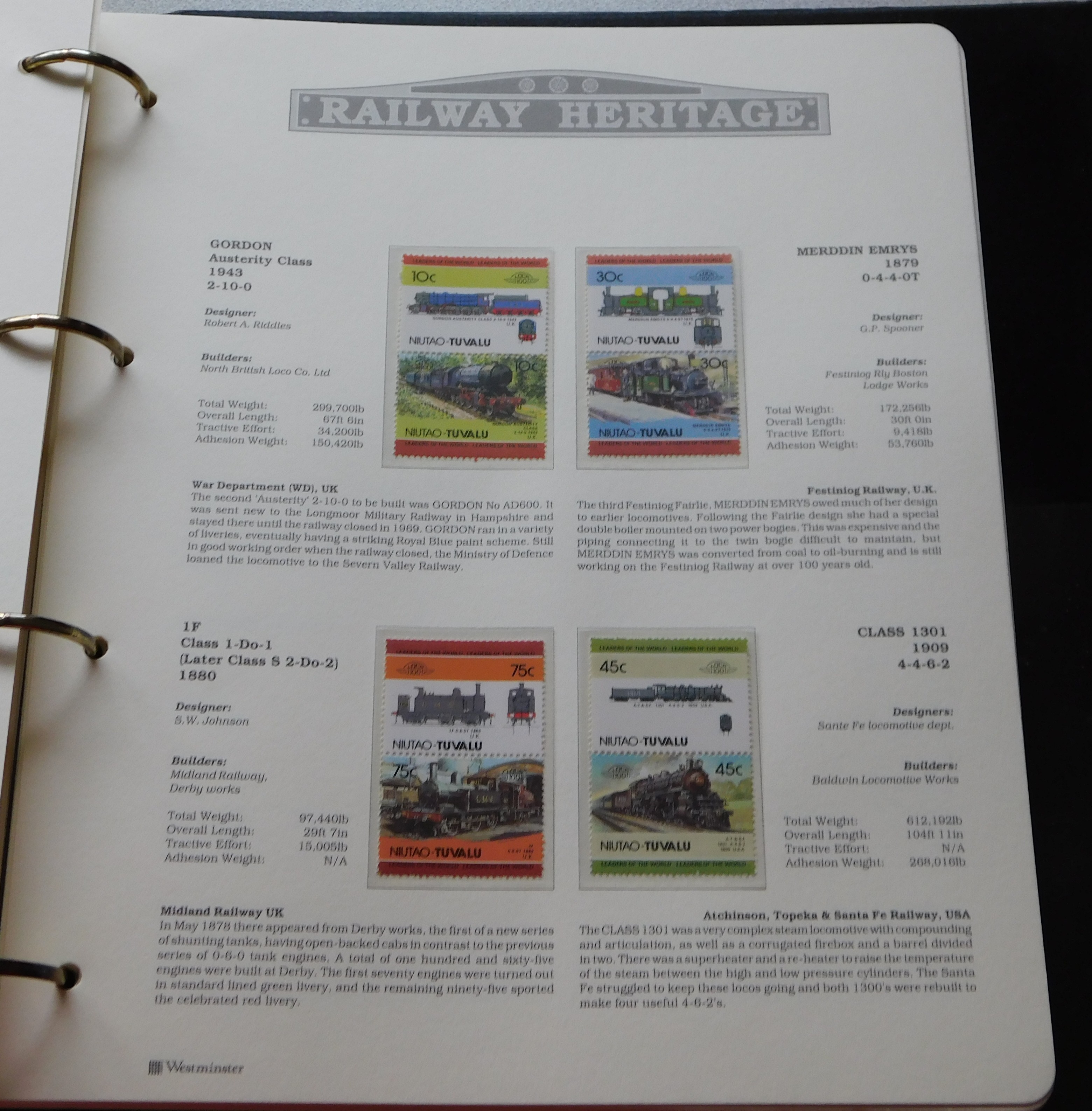
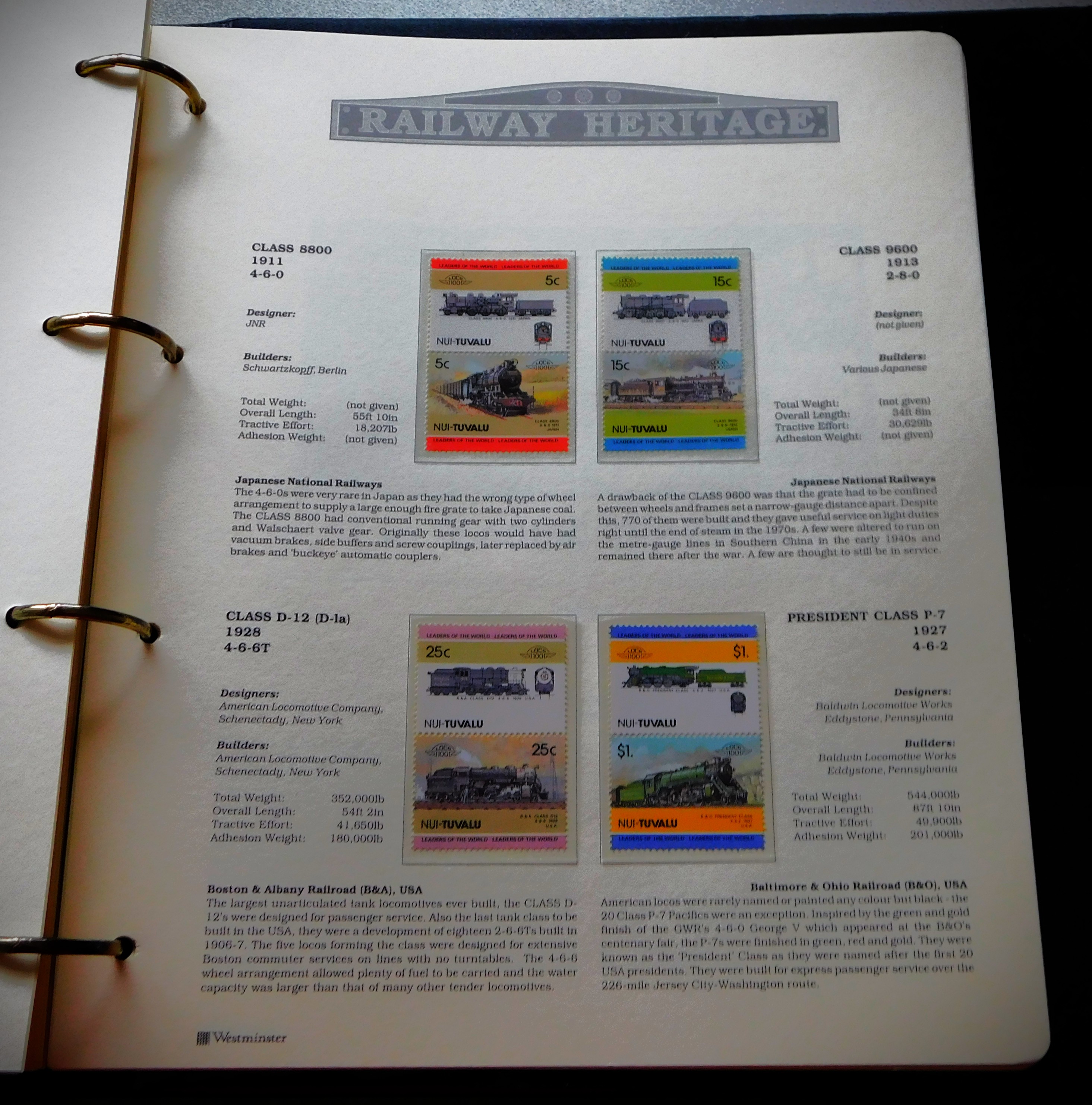
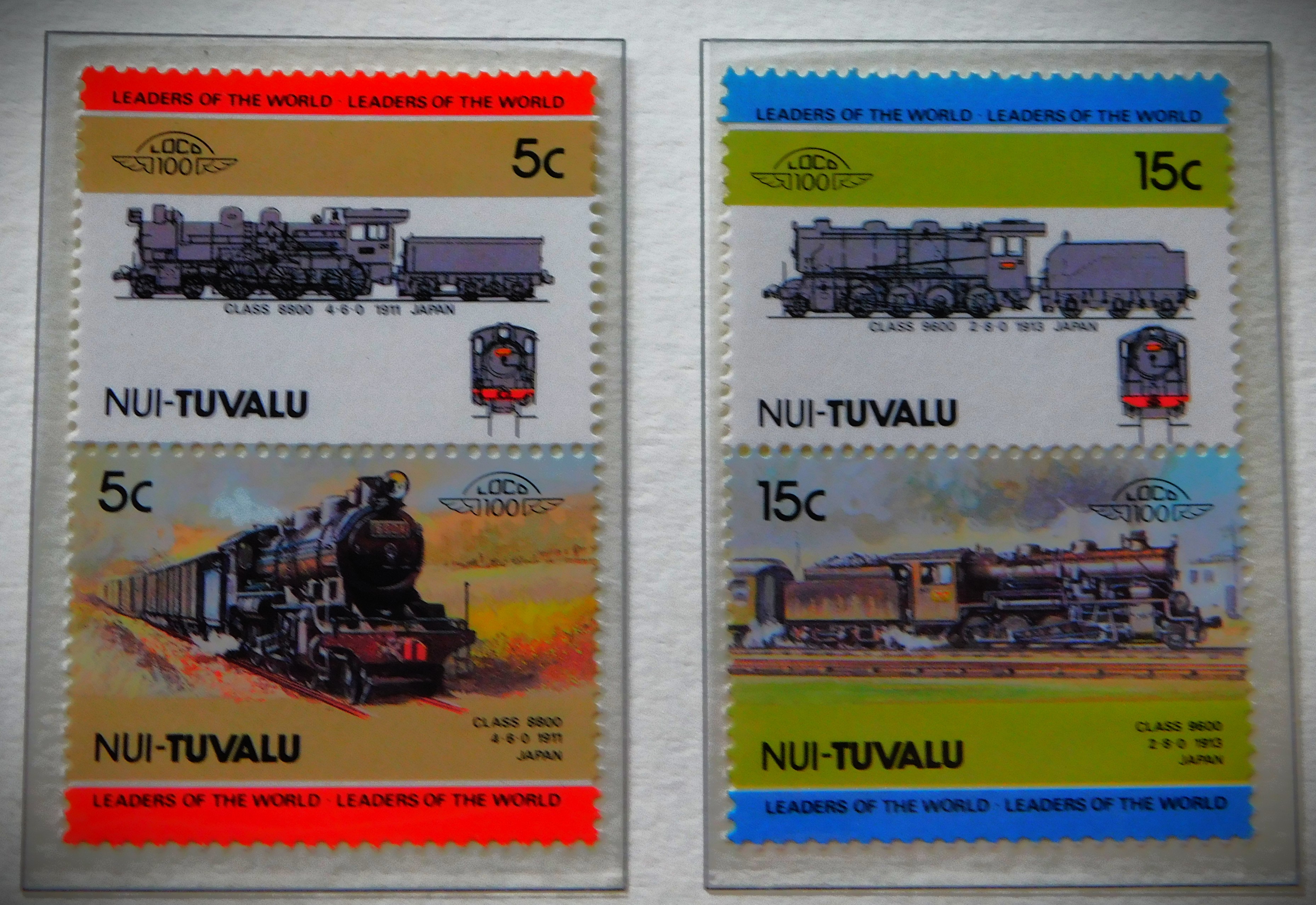
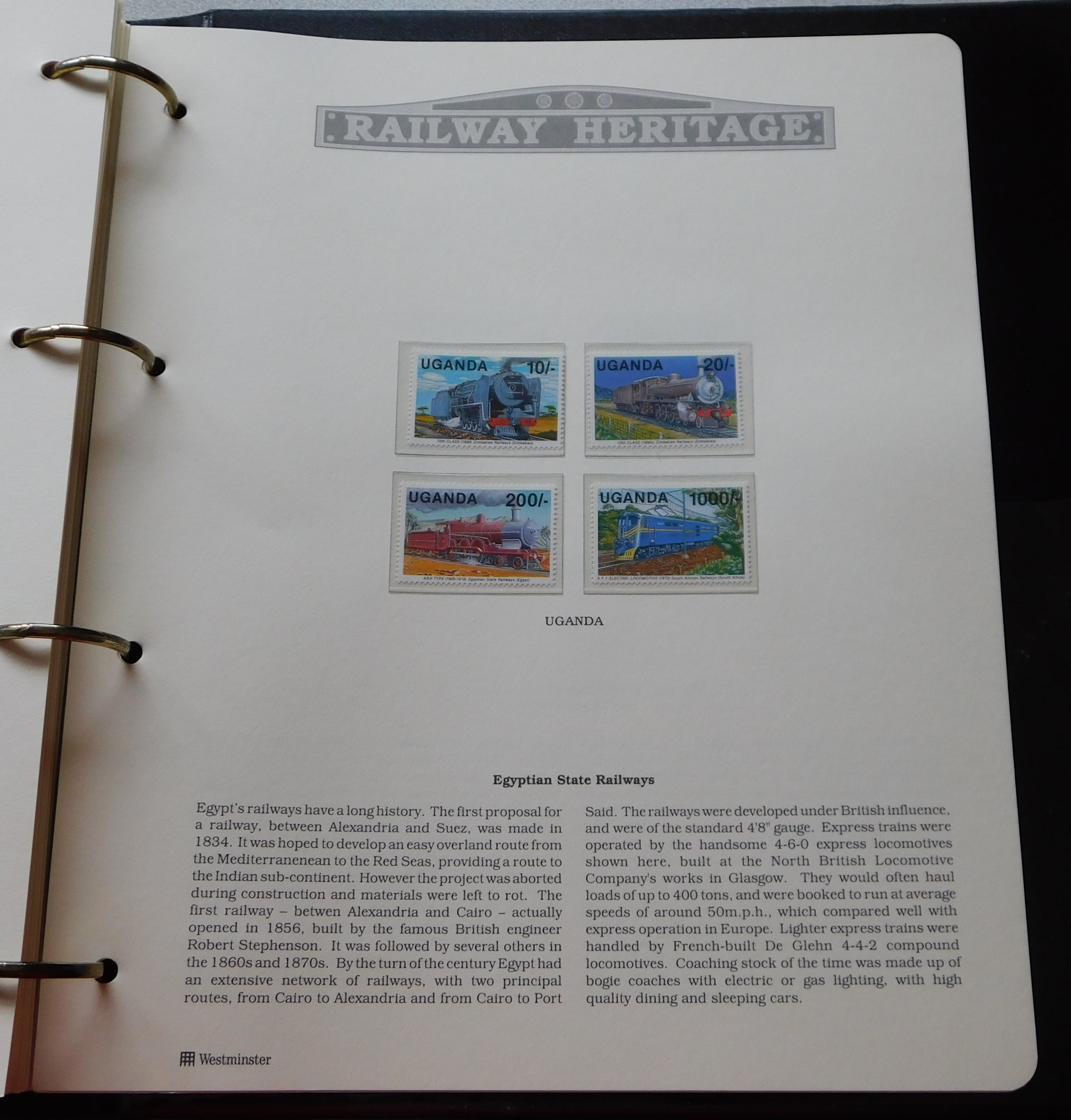
The second album was just as treasure laden as the first had been, and by the time I had finished photographing everything therein and editing the pictures I was in do doubt whatsoever that this has to rank as my finest ever auction purchase. Here to finish off this post are the pictures from the second album…

Picking an All Time ODI XI

An attempt at selecting an all-time ODI XI, with mentions of a few players from before the ODI era who I might have considered had I not decided to stick to actual ODI players. Also a photo gallery.

I am writing this from King’s Lynn library (it has limited opening on Sundays, to those wh0 are ‘Open Library’ members). This topic was raised by the talksport2 commentary team in an ODI between India and England, and between the distractions of having my entire heating system replaced and my home broadband malfunctioning I have not previously got round to posting my own version.

I will be picking only people who have ODI experience, though I will then append a short subsection on who might have been considered had I opted not to thus restrict myself. The number six slot will feature two possibilities, as explained more fully when I get there. I will not include an honourable mentions section as to do justice to those it would have to be far too long. If you fancy suggesting alternatives you are most welcome, though I urge you to consider the effect of your choices on the overall balance of the side.

  1. +Adam Gilchrist (Australia, left handed opening batter, wicket keeper). This man changed ideas as to what could be expected of the wicket keeper with the bat. Some subsequent attempts to find a version of him have neglected to pay sufficient attention to the keeping skills of the player concerned, but he was top notch in that department as well as with the bat.
  2. Rohit Sharma (India, right handed opening batter). He holds the highest ever ODI score, 264, and has also scored two other ODI double centuries, the only player to have as many as three to his name. Overall he has some 11,000 ODI runs to his name, and his century tally is third on the all-time list.
  3. Viv Richards (West Indies, right handed batter, occasional off spinner). The first player to really master the art of ODI batting. The 189* he scored in a total of 272-9 at Old Trafford in 1984 was for a long time the highest ever ODI score.
  4. Virat Kohli (India, right handed batter). Has to rank as the all time number one ODI batter. I could not accommodate both him and Sachin Tendulkar in this XI, and in ODI terms Kohli is ahead of his predecessor. Kohli’s century making rate of better than one every six ODI innings puts him way ahead of the competition.
  5. AB de Villers (South Africa, right handed batter, occasional wicket keeper, occasional right arm medium pacer). Known as ‘Mr 36o’ for his ability to score runs to literally any part of the field he was epoch making batter, a competent keeper and had occasional successes bowling medium pace.
  6. *Imran Khan (Pakistan, right handed batter, right arm fast bowler, captain). One of the greatest of all all rounders. He came out of retirement to lead Pakistan to victory in the 1992 world cup. In the event of the pitch warranting a spin bowling all rounder rather than a pace bowling one Shakib Al-Hasan of Bangladesh would take his slot and the captaincy.
  7. Wasim Akram (Pakistan, left arm fast bowler, left handed batter). A record that speaks for itself.
  8. Joel Garner (West Indies, right arm fast bowler, right handed batter). The most economical bowler in ODI history, and achiever of the highest ever ODI ranking points total.
  9. Muthiah Muralidaran (Sri Lanka, off spinner, right handed batter). When Sri Lanka won the 1996 world cup their bowling was so dominated by spin that the new ball pair of Vaas and Wickramasinghe often bowled only their opening spells, not being recalled later in the innings. The leader of the Sri Lankan spin unit that won them the world cup that year was Muralidaran.
  10. Adam Zampa (Australia, leg spinner, right handed batter). Shane Warne was not quite the force with a white ball that he was with a red one, though of course he was capable being the matchwinner with a white one, but for my money with the white ball and only with the white ball Zampa outranks his fellow Aussie, which is why I pick him here.
  11. Glenn McGrath (Australia, right arm fast bowler, right handed batter). The key bowler in Australia’s most dominant period in men’s white ball cricket, during which they won three straight world cups (1999, 2003 and 2007).

This side features a very powerful top five, all rounders at six and seven and four great bowlers. Yes, with Garner as high as eight the tail starts quite early, but I am not expecting them to be called on to bat with massive frequency. I also reckon that the bowling unit, with two tall, lethally accurate, right arm pacers, an all time great left arm pacer, two great specialist spinners and either a fourth fast bowler or a third, different (SLA, as opposed to OS and LS already there) spin option will be quite capable of defending even an under par total. With regards to the balance of the side I have followed my usual principle of giving the bowling unit primary importance – history is well stocked with winning sides who had great bowling but comparatively modest batting, while there have been very few whose balance has been the other way round.

I consider three players from before ODI cricket was a thing to have strong cases for consideration:

Garry Sobers (West Indies, left handed batter, left arm bowler of every type known to cricket). Accommodating him in place of any of that top five would be extremely hard, but the most complete player the game has ever known, and one whose approach to batting was very attack minded would have to at least be considered.

Frank Woolley (England, left handed batter, left arm orthodox spin bowler). Given his outstanding FC record and his attacking approach he would replace Shakib Al-Hasan as my alternative selection to Imran Khan on spinning surfaces, and may even straight out replace Imran on any surface. The prejudices of his era stopped from getting regular captaincy experience, but I think he would have done the job well given proper opportunities.

Gilbert Jessop (England, right handed batter, right arm fast bowler). He is also a potential replacement for Imran. His feats of rapid scoring are legendary, he once bowled unchanged through an FC innings while conceding only three (Northamptonshire 12 all out, Dennett 8-9 with his left arm spin, Jessop 2-3 at the other end) runs and his fielding was the stuff of legend.

My usual sign off…
That Was The Week That Was

Explaining why I have not been able to post much of late.

For reasons that will become obvious as this post develops I am creating it from a machine in King’s Lynn library. It is by way of explaining why I have hardly been online of late.

The powers that be at Freebridge decided that my house needed its entire heating system replacing in full. Thus on Monday morning engineers from Gaswise turned up to begin the process which I discovered later that day was scheduled to run over three days (yes, even in an abode as humble as mine a full replacement of a heating system takes that long). The second of those days was a work day, so I spoke to the engineers, and equipped with them the spare key (giving them the key safe number was further than I was willing to go) and instructions to lock up when they finished and post the key through the front door. I arrived back that evening and was satisfied with the progress that had been made in my absence. However it was then that another problem surfaced: my broadband was down. I managed to get an engineer’s visit scheduled for this morning, and the external faults are all fixed, but it turns out that I need a new router, which I hope will be fitted on Monday, though I may have to cancel work on Tuesday. This means that I am without internet access from home at present. As for the heating system replacement that was indeed completed as scheduled on Wednesday.

My usual sign off…

England Win In Six Nations

A brief account of England’s last gasp win over France in the Six Nations rugby, a mention of the West Norfolk Autism Group including photos of our office spacr, and a large photo gallery.

There have been two Six Nations rugby matches today. In the first Wales’ recent miseries continued as Italy beat them, meaning that this Welsh side are now holders of an unwanted record – no other Welsh side has ever lost 14 consecutive matches as this one now has. The second game, which ended just a few minutes ago saw England facing France.

Having been beaten by Ireland last time out England needed to win this match, while France had hammered Wales in their first game of the tournament. France were not at their best at any stage of this match, but heading towards the end of the match it looked like they had done enough. There were 79 minutes gone (Rugby Union matches are supposed to last 80 minutes), with France ahead by 25 points to 19 when Elliot Daly received an excellent pass from Fin Smith and scored close to the posts. Smith then added the conversion to make it England 26 France 25. There were some nervy moments even then in the very closing stages, but England held on and secured the win. England have lately been struggling to close out games, but this time it was their opponents who suffered the late reverse.

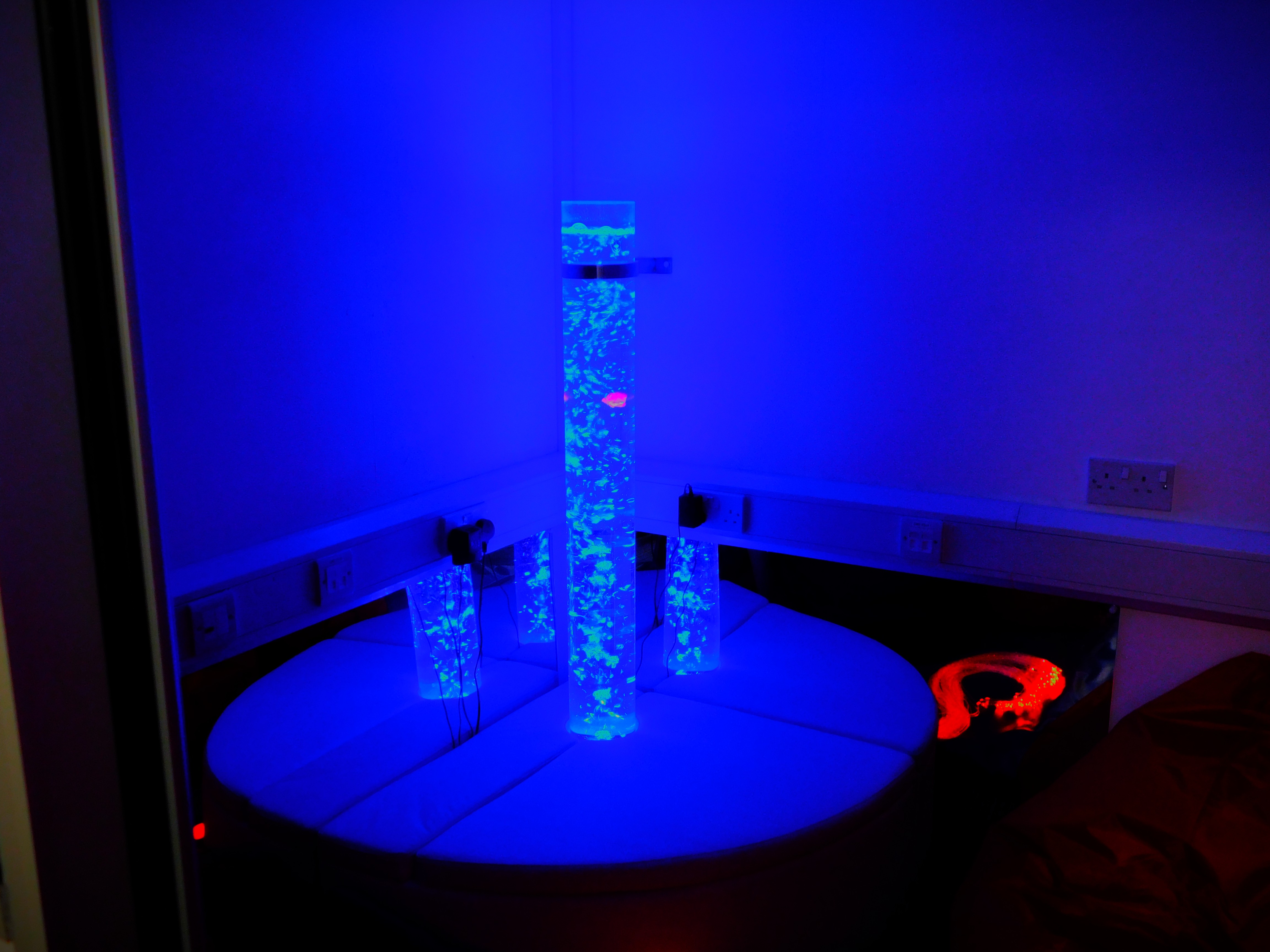
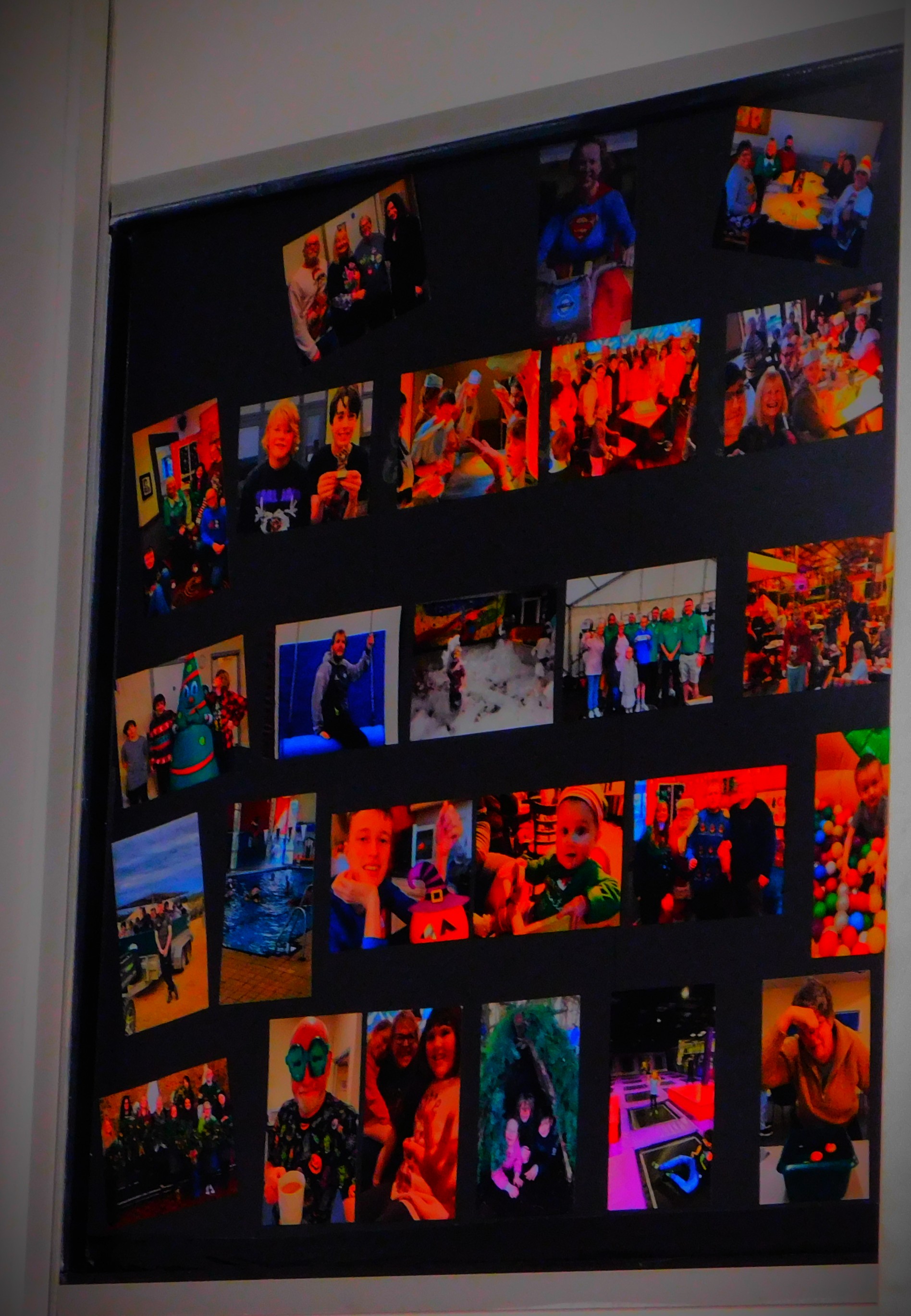
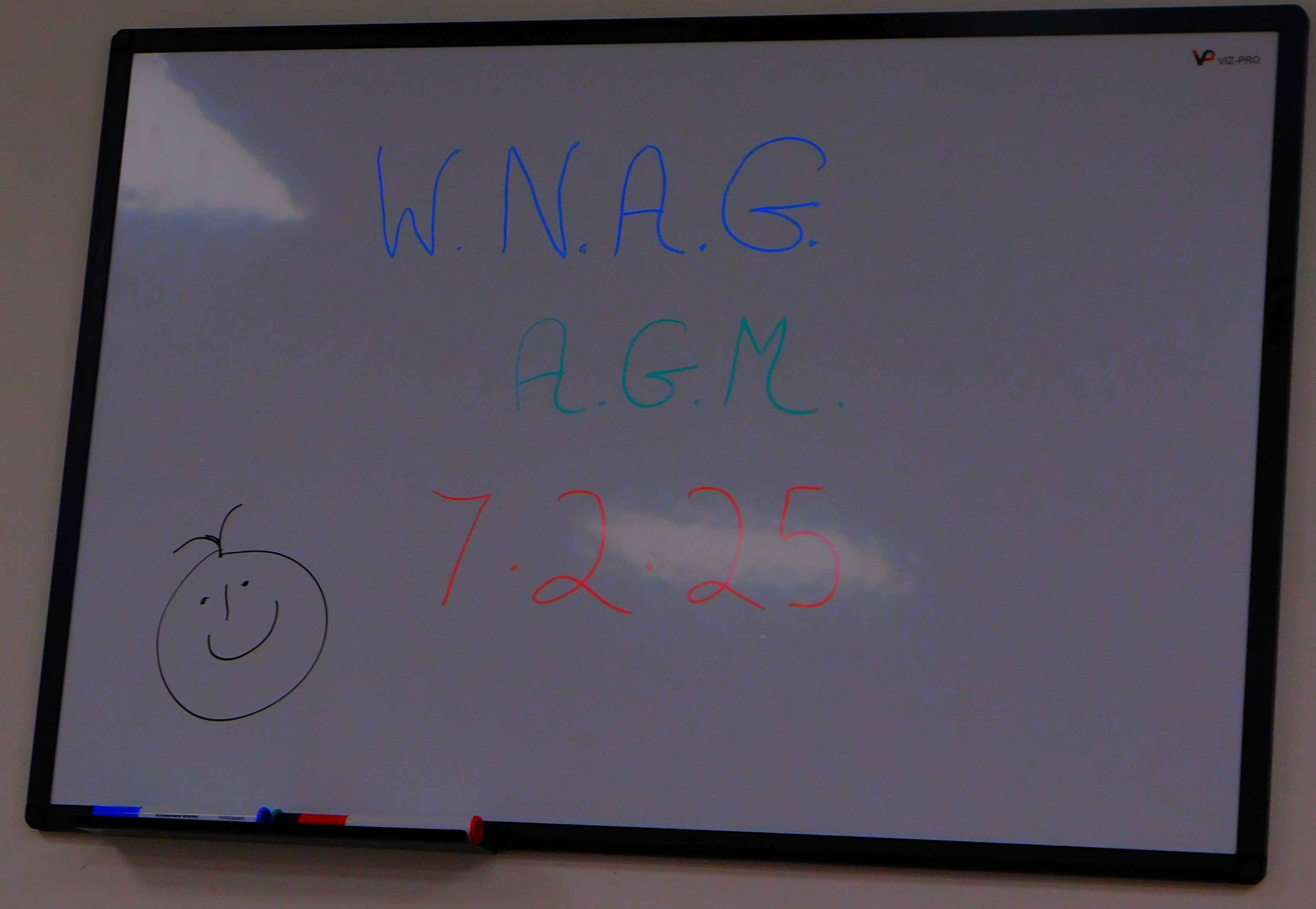
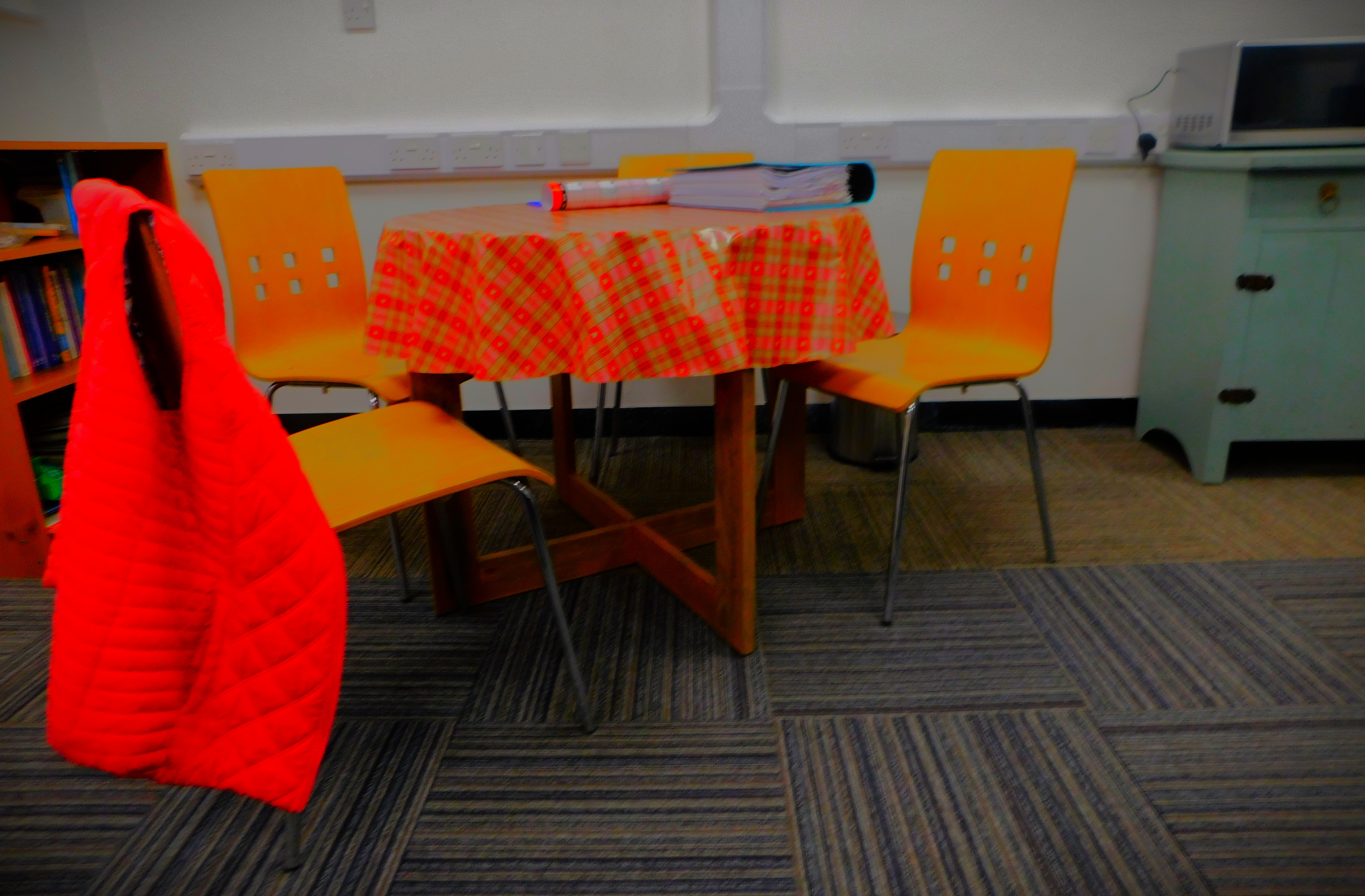
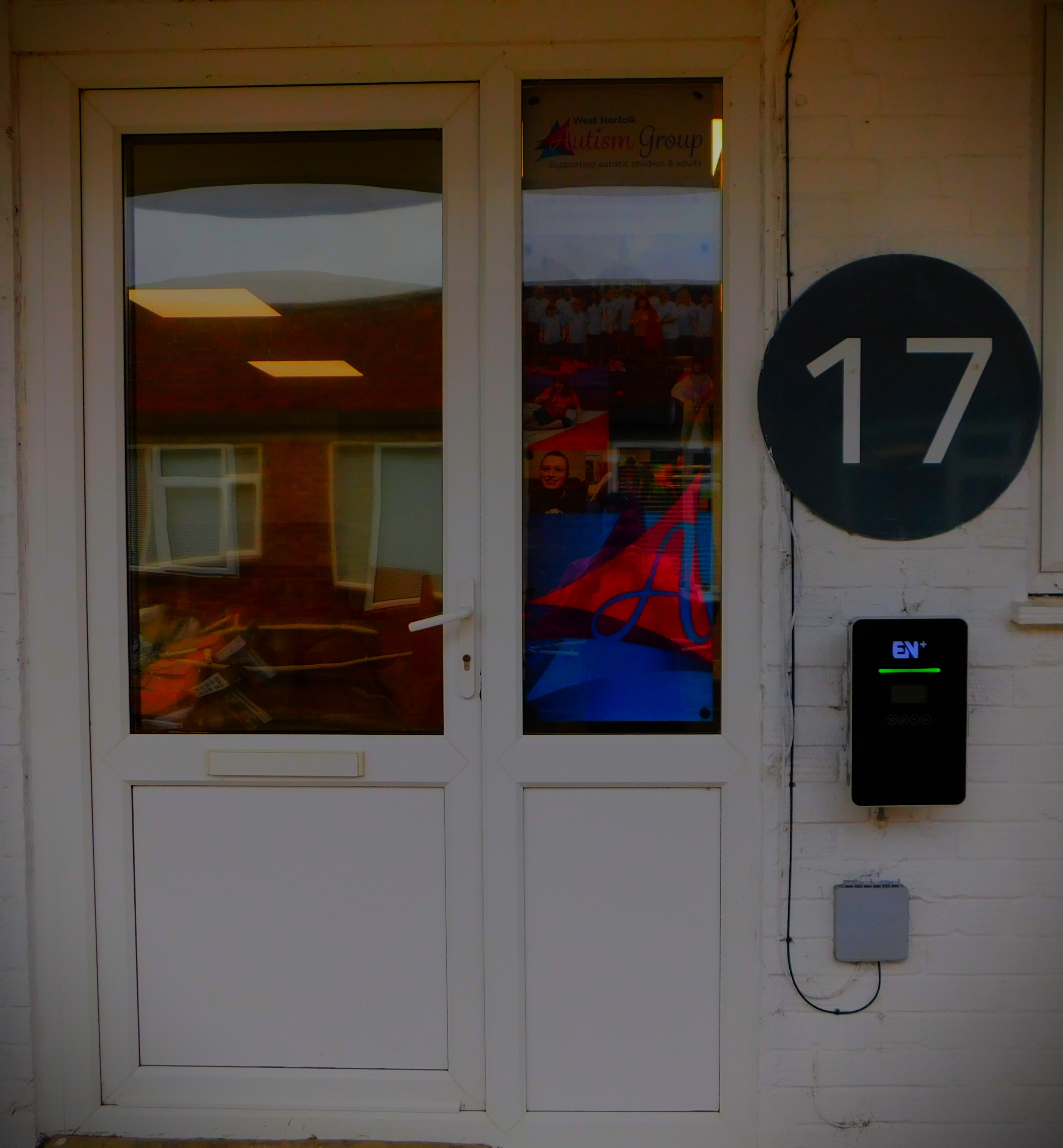
Before I get to the main gallery, Friday was the AGM of the West Norfolk Autism Group, and our office space in West Lynn is now fully functional…

Now for my regular gallery…

A Morning Spent on Foot

An account of a long morning walk, which was planned for a specific purpose. Includes a photo gallery.

I have an important meeting to attend on Friday at a location just beyond the western end of the road bridge across the Great Ouse, and with the weather much less brutal than it was a month ago I am of a mind to walk to and from the venue, although it is a fair walk from my home in North Lynn. It was with a view to that that I planned this morning’s excursion.

I had 14 library books out this morning, only one fewer than the permitted maximum for a single borrower, which made the library an essential port of call. Of course having returned the books I had out I naturally had a scout for new ones to take out. I found two by a recent find whose work I am really enjoying, Helen Cox. Her series based in and around York features a librarian who doubles up as a private enquiry agent. I also found a trio of north west Norfolk based crime novels by someone named Andrea Bramhall which I am looking forward to reading. This part of the walk was accomplished largely without recourse to main roads, save for a short stretch of London Road, from the end of The Walks to the library.

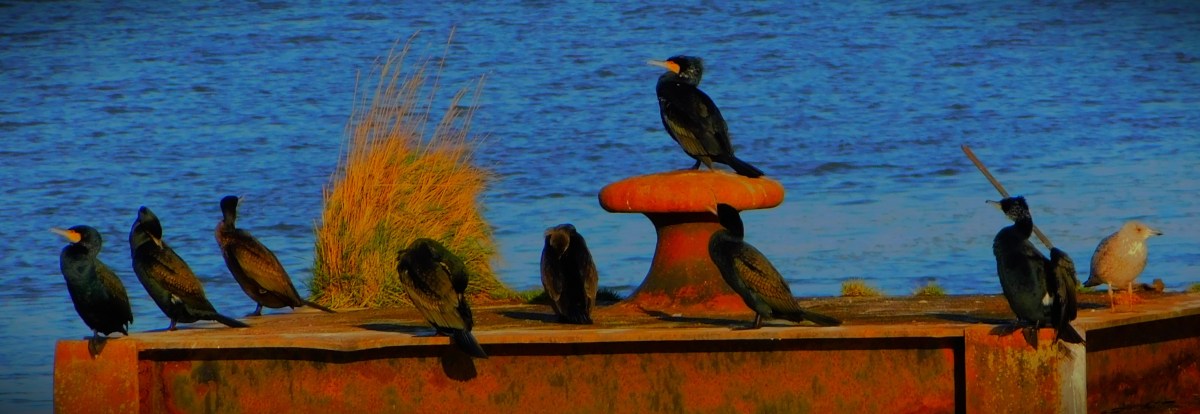
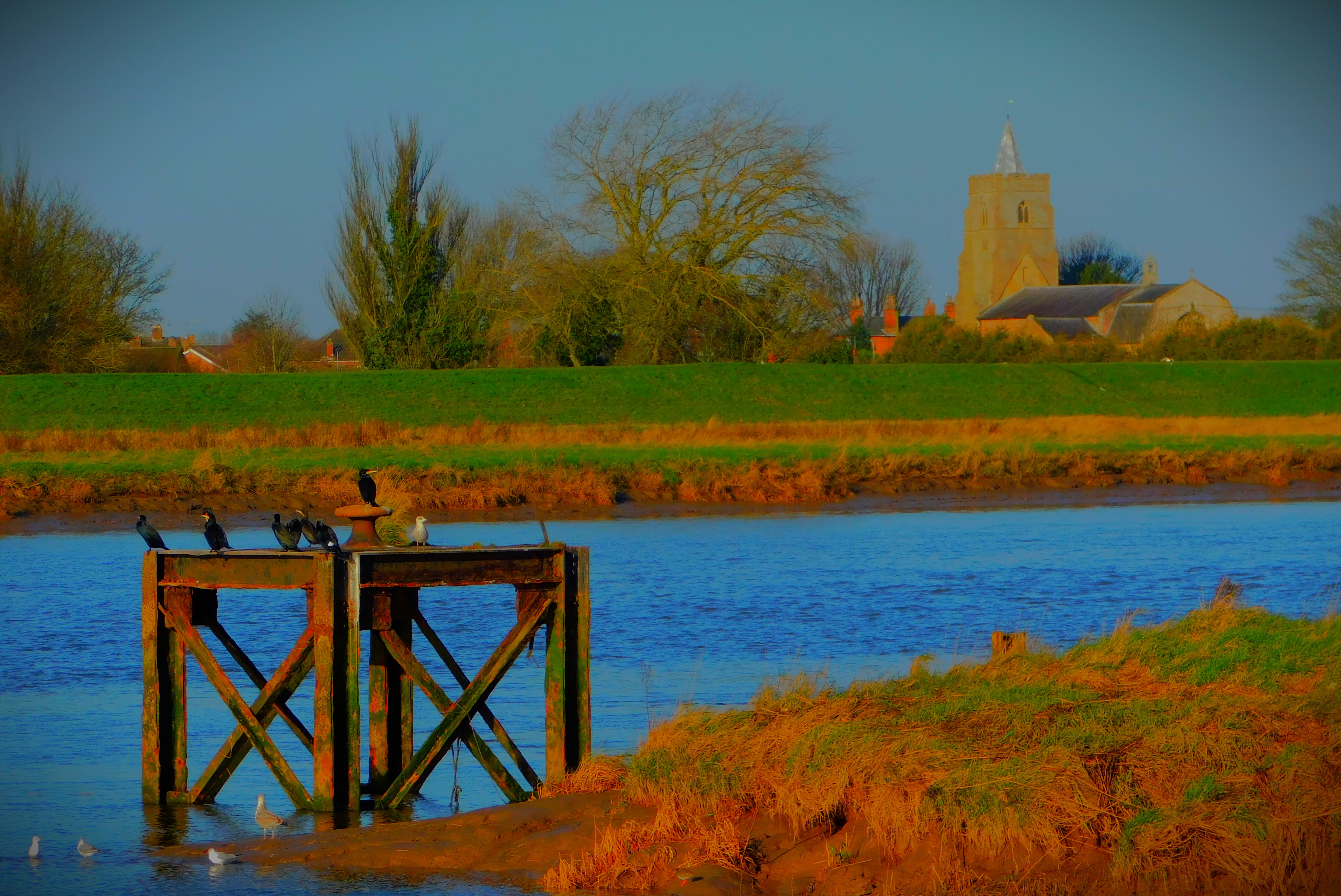
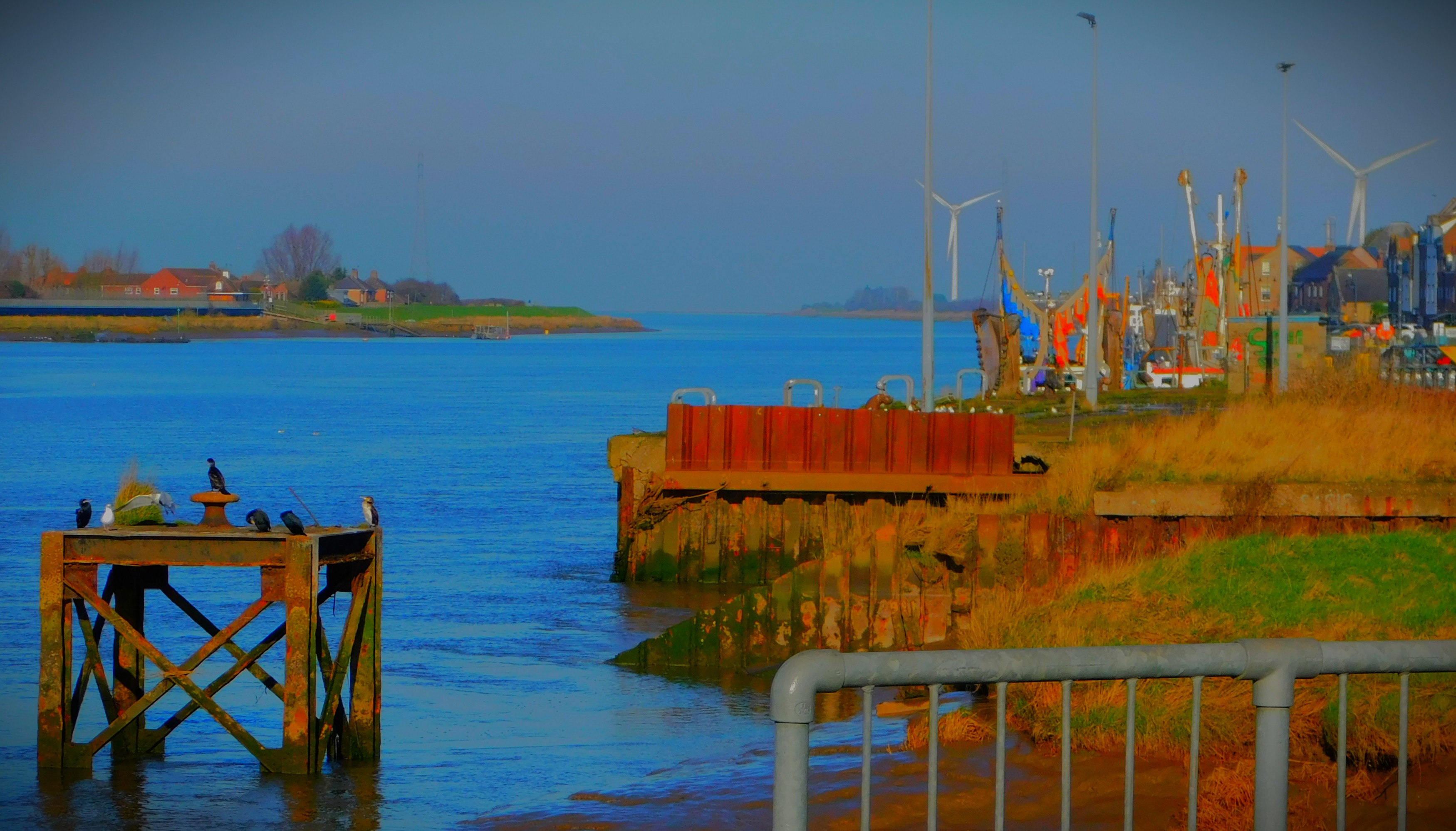
From the library I headed through Hillington Square and down to the Great Ouse, reaching the river front a few hundred metres before the Nar outflow and the structure I have dubbed ‘Cormorant Platform’. which as you will see more than lived up to my name for it on this occasion.

The bright, sunny weather helped to maintain my resolve to extend my walk to the industrial estate on which WNAG’s meeting room/ office space is located, and I duly did so, ensuring that on Friday morning, when I will need to arrive in good time, there will be no mishaps.

My route home followed my route out in reverse as far as All Saints Church, at which point I diverted slightly, away from the crossing of Millfleet and towards London Road instead. I crossed London Road, and left it by way of the Broadwalk, then looping round by way of the Vancouver Garden and the path out of it to St John’s Walk. I got to Morrison’s, did the little bit of food shopping that had to be done today and then headed home. I had been out for about two and a half hours. My bag will be lighter on Friday, and I will have the duration of the meeting to recover from the outbound leg, so I am now confident that walking is the way to go for this meeting.

This gallery features exclusively pictures taken this morning.

Parts of it Were Excellent

A mention of the start of the Six Nations rugby tournament and a large photo gallery.

The title of this post borrows the tactful response of a curate served a bad egg by his vicar. It refers to England’s first match in this year’s Six Nations rugby union, which was against Ireland in Dublin yesterday.

Ireland won both the 2023 and 2024 tournaments and are bidding to become the first side to win this tournament three times in a row. France had hammered Wales in Paris on Friday evening, and Scotland had beaten Italy earlier yesterday. England played very well in the first half and had a handy lead at the interval. In the second half Ireland found their mojo, and England wilted under increased pressure from their hosts. In the end only a late try scored long after the result was settled secured England a losing bonus point. Ireland are thus off to a winning start, while England must regroup, though the latter do have the advantage of having three home matches to play.

Today has been bright and sunny, albeit still cold (there was an overnight frost which hadn’t completely cleared when I went out for the first time, and I have a fine photo gallery to share…