I am a founder member and currently secretary of the West Norfolk Autism Group and am autistic myself. I am a very keen photographer and almost every blog post I produce will feature some of my own photographs. I am an avidly keen cricket fan and often post about that sport.
A look at how the Big Bash League is panning out and a photo gallery.
The Big Bash League is well underway. This edition of the tournament features only 10 group matches per side rather than 14 and also sensibly only allows the top four sides to qualify for the knockout stages as opposed to the ludicrously overgenerous situation previously whereby fifth was good enough.
HOBART HURRICANES v MELBOURNE RENEGADES
There was radio commentary on this match today for UK listeners. Renegades batted first and helped by a rare example of a reasonably well timed Power Surge (overs 16 and 17, making it a kick starter into the death overs rather than actually being part of the death overs, still an over or so later than I would like but the best timed one in any of the radio commentaries I have listened to so far) which they capitalized on, taking the two overs for a total of 34 runs, tallied an eminently respectable looking 185-5 from their 20 overs.
Unfortunately for them they bowled like drains, which in combination with some excellent Hurricanes batting, especially from Matthew Wade and Macallister Wright, saw the hosts home by six wickets with an over to spare.
HOW THE TABLE IS LOOKING
Three sides, Brisbane Heat, Sydney Sixers and Perth Scorchers, are looking very likely to progress. Another three, Adelaide Strikers, Sydney Thunder and Hobart Hurricanes would appear to be fighting for the fourth qualification slot, while the two Melbourne sides, as happened in the women’s version of this tournament, look like propping up the table.
POWER SURGE THOUGHTS
In the BBL the initial Power Play lasts for four overs rather than the usual six and the batting side then has a two over Power Surge which they have to take in the second half of their innings (this is to stop sides lazily using it for overs 5 and 6 and thereby having a standard Power Play). My feeling based on the games I have listened to so far this season is that most sides are very overcautious about taking the Power Surge which means it often happens later than it should. Personally the latest I would countenance those overs being taken is for overs 16 and 17 as happened today, but I would want to go earlier if possible. In one of the other games I listened to the side batting first had two well set batters together at the end of 12th over and still together at the end of the 13th, but they refused to take these golden opportunities to use the Power Surge, and lost a wicket in the 14th. They ended up using the Power Surge in the 18th and 19th overs of their innings, which I regard as plumb crazy. It depends on exact situations but I would always want to go fairly early. If the openers happened still to be together at the end of the 10th over I would seriously consider taking the Power Surge for overs 11 and 12 as a launch pad for the second half of the innings. The other time I might go that early as if a number of wickets have fallen and I want to use the surge while I still have two front line batters to capitalize on it. I would say that in intermediate situations between the two I have outlined above I would look at overs 13-14, overs 14-15, overs 15-16 and at the very outside overs 16-17 and would never allow the surge to unused going into the death overs.
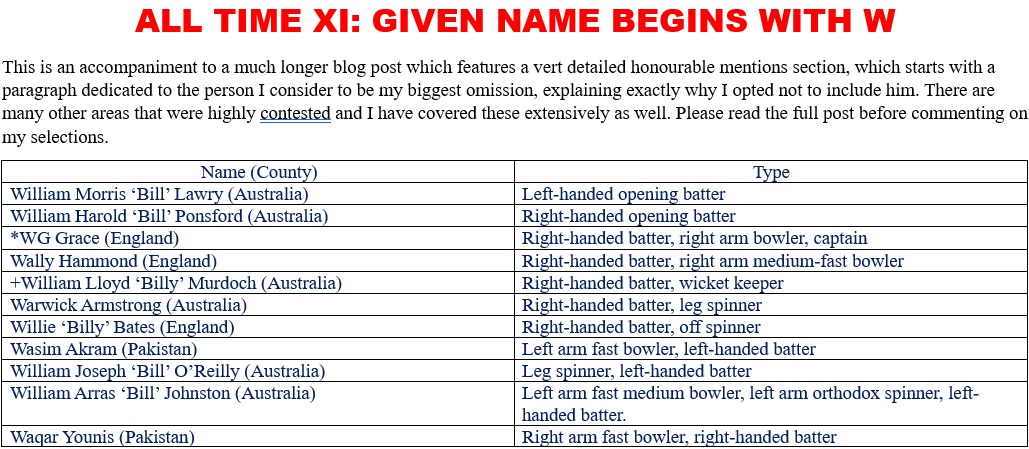
An all time XI of players whose given names begin with W, a very detailed honourable mentions section and a photo gallery.
Today I present an all time XI of players whose given names begin with W and a detailed honourable mentions section, as well as my usual photo gallery.
THE XI IN BATTING ORDER
William Morris ‘Bill’ Lawry (Australia, left handed opening batter). He averaged 47 with the bat in test cricket.
William Harold ‘Bill’ Ponsford (Australia, right handed opening batter). Until Brian Lara came along only one player had achieved two first class scores in excess of 400, Ponsford, with 429 against Tasmania in 1922 and 437 against Queensland in 1927. In December of 1927 he became the only player ever to score 1,000 first class runs in a calendar month outside of England, with a sequence of 1,146 runs in five innings. His test record was not quite so outstanding, but even at that level he averaged 48, which included centuries in each of his first two test matches and centuries in each of his last two.
*WG Grace (England, right handed batter, right arm bowler of various styles, captain). Cricket’s first superstar, and in his best decade, the 1870s, he averaged 49 with the bat at a time when the best of the rest were just about managing 25. Only one other person in cricket history ever sustained being twice as prolific as the best of the rest over a long period – Bradman.
Wally Hammond (England, right handed batter, right arm medium-fast bowler). He scored 7,249 runs at 58.45, including 905 at 113.125 in the 1928-9 Ashes.
+William Lloyd ‘Billy’ Murdoch (Australia, right handed batter, wicket keeper). Australia’s best batter in the earliest years of test cricket, and a fine enough keeper that FR Spofforth missed the first ever test match because he initially didn’t believe that any keeper other than Murdoch could handle his bowling.
Warwick Armstrong (Australia, right handed batter, leg spinner). A fine all round cricketer whose feats included scoring over 2,000 runs and taking over 100 wickets in first class matches on the 1905 tour of England. 16 years later he almost captained an undefeated side, the only loss they sustained on the tour coming at the hands of ‘an England XI’ assembled by AC MacLaren.
Willie ‘Billy’ Bates (England, right handed batter, off spinner). The first England bowler ever to take a test hat trick, part of a match performance in which he scored a 50 and took seven wickets in each Australian innings.
Wasim Akram (Pakistan, left arm fast bowler, left handed batter). One of the greatest ever.
William Joseph ‘Bill’ O’Reilly (Australia, leg spinner, left handed batter). Only one batter among those he came up against in the course of his career could truly claim to have his measure: Don Bradman.
William Arras ‘Bill’ Johnston (Australia, left arm fast medium bowler, left arm orthodox spinner, left handed batter). The third essential member of Australia’s immediate post WWII bowling attack after Lindwall and Miller, as well as being two types of bowler in one he was possessed of great stamina – it was not unknown for him to go straight from spinning the old ball to swinging the new one. Three times he was Australia’s leading wicket taker in Ashes series. In England in 1953, with the active connivance of some his team mates, who got themselves out in some of the later matches to help engineer the outcome, he became only the second player to average 100+ for an English first class season (17 innings, 16 not outs, 102 runs, average 102.00) after Bradman in 1938 (the Don achieved his average of 115.66 for that season without any such shenanigans going on).
Waqar Younis (Pakistan, right arm fast bowler, right handed batter). A superb practitioner, and one who regularly shared the new ball with Wasim Akram.
This side has a powerful batting line up, and a wealth of bowling options. The only regular type of bowling that is not featured is left arm wrist spin. The front five of Younis, Akram, Johnston, O’Reilly and Bates are formidable in their own right, and in the unlikely event that they prove insufficient there are Armstrong, Grace and Hammond as back up options.
HONOURABLE MENTIONS
I start this section with a paragraph devoted to my most notable omission…
WILFRED RHODES
One of the most extraordinary performers in the history of cricket, with a remarkable five-phase playing career – specialist left arm spinner, all rounder, specialist batter, all rounder, specialist left arm spinner. The trouble is that brilliant as he was as an all rounder at county level his England career was almost exclusively spent either as specialist bowler (early and late periods) or as a specialist batter (in the run up to WWI). His batting would not warrant selection as a specialist and if I pick him as a specialist bowler I would have to leave out Johnston, who offers me two bowling options in one and had an outstanding test record.
OTHER HONOURABLE MENTIONS
The opening slots were rich in potential candidates. Lawry’s only rival for the left handed openers slot was Warren Bardsley, the first batter ever to score twin centuries in a test match and possessor of a fine overall test record, as well as being Australia’s leading scorer of first class centuries until Bradman came along, more than half of those tons having come in England.
Ponsford was rivalled for the right handers opening slot by two other Williams who were generally known as Bill, WA Brown and WM Woodfull. Woodfull in particular is unlucky to miss out, while Brown also had a fine record.
I regard WG Grace as an essential pick and my reckoning is that he could handle first drop, though he did prefer to open. Two regular number threes who thus miss out are William Gunn, the Gunn of Gunn & Moore, whose test record did not live up to his superb first class record and William Scotton, also of Nottinghamshire, whose ability to bat for long periods of time came at the expense of run scoring. William John ‘Bill’ Edrich was another who might have had this slot, averaging 40 in test cricket in spite of losing six prime years to WWII. WG ‘Billy’ Quaife had a splendid record for Warwickshire but his seven tests were disappointing. Wajahatullah Wasti of Pakistan once scored twin tons in a test match but did little else at that level. William Yardley has a place in the record books – in 1870 he became the first player ever to score a century in the Varsity Match.
Among the all rounders I could not accommodate were Wasim Raja, WE ‘Bill’ Alley, Wanindu Hasaranga de Silva, Wilf Flowers and William ‘Billy’ Barnes.
My decision to entrust the gloves to Murdoch meant that three very accomplished keepers, Wriddhiman Saha of India, Wasim Bari of Pakistan, and Arthur Theodore Wallace ‘Wally’ Grout of Australia missed out.
WH ‘Bill’ Lockwood was a fine bowling all rounder, and possibly the pioneer of the slower ball, but not a serious rival to Akram for the number eight slot. A number of Williams, all known as Bill, were fine quick bowlers: Whitty, Voce, Bowes, Copson, Andrews and Bestwick among them. Two Williams known by their full first names, Lillywhite and Mycroft, were both great bowlers kept out by the immense strength in depth available for this squad. Wes Hall and Wayne Daniel were two of the many superb quicks to come from the coral island of Barbados, and both can be considered unlucky to miss out. Walter Mead, a bowler of mixed spin for Essex who claimed a 17 wicket match haul against the 1893 Australians and had a magnificent first class record was the biggest miss in the spin bowling department.
In a few years time there may be a second WG in the line up – WG Jacks of England, an attacking batter and a capable off spinner who is in the process of establishing himself in international cricket.
An all time XIU of players whose given names begin with V, some honourable mentions and a photo gallery.
Today I present an all time XI of players whose given names begin with V, plus some honourable mentions, including two players given whole paragraphs to themselves. I also have a photo gallery which includes pictures taken while travelling to and from Cambridge today. I am not going to publish an XI of players whose given names begin with U because such an XI owes more to cricinfo than it does to me, and is also far from great.
THE XI IN BATTING ORDER
Victor Trumper (Australia, right handed opening batter, occasional medium pacer). A great player and according to all available reports a great human being as well. His finest hours came on the 1902 tour of England, in an exceptionally wet season on uncovered pitches. In first class matches on that tour he scored 2,570 runs including 11 centuries. The highlight of this procession round England came in the fourth test match of the series at Old Trafford, when with England on a mission to ‘keep Victor quiet before lunch’ he proceeded to become the first player ever to reach a test ton on the first morning of the match.
Vijay Merchant (India, right handed opening batter). Only ten test matches, spread over 18 years for him, in which he recorded a career batting average of 47. In all first class cricket he averaged 71.22, a figure which places him second only to Bradman among those who played enough matches to qualify (another Australian, Norman Calloway, played a solitary a first class match, scoring 207 in his only innings at that level, before going off to fight in WWI, where he was killed in action).
Viv Richards (West Indies, right handed batter, occasional off spinner). One of the greatest of all time.
Virat Kohli (India, right handed batter). Across formats the best batter of the current era.
Vijay Hazare (India, right handed batter, right arm medium pacer). At a time when few Indians had great test records he averaged 47 with the bat at that level. In first class cricket he once scored 309 in a total of 387 all out, the lowest FC innings total to include a triple century.
Vyell Walker (England, right handed batter, right arm slow bowler). One of only two players to have scored a century and taken all ten wickets an in innings of the same first class match, WG Grace being the other.
Vallance Jupp (England, right handed batter, off spinner). Achieved the double of 1,000 runs and 100 wickets in first class matches in each of eight successive English seasons in the 1920s. In all he scored 23,296 first class runs at 29.41 and took 1,658 first class wickets at 23.01.
+Victoria Lind (New Zealand, wicket keeper, right handed batter). Finding a wicket keeper for this XI was difficult, and I have selected someone who did not actually have the gloves when I saw her in action (she was playing as a specialist batter, with Katey Martin keeping wicket), but who was a recognized keeper.
Vanburn Holder (West Indies, right arm fast medium bowler, right handed batter). Was part of the first WI pace quartet in 1976.
Vernon Philander (South Africa, right arm fast medium bowler, right handed batter). In test cricket he claimed 224 wickets at 22.32 a piece, enough to underwrite his claim for a place in this XI.
Vince van der Bijl (South Africa, right arm fast medium bowler, right handed batter). His entire career happened while South Africa were banned from the international arena, but 767 FC wickets at 16.54, taken at a rate of fractionally below five per match and the universally high opinion of all who encountered him are good enough for me.
This side has a powerful top five, two genuine all rounders of different style, a keeper who could bat and three excellent specialist bowlers. The bowling attack should be able to capture 20 opposition wickets in most conditions.
HONOURABLE MENTIONS
First of all…
THE VERY VERY SPECIAL ONE
Vangipurappu Venkata Sai Laxman, universally known by his initials VVS, had a test average of only just over a run per innings less than that of Hazare, and maintained over larger number of matches. That fine career record included a thunderous 281, at the time the individual record score for an Indian in test cricket, against the mighty Aussies in 2001. However my feeling was that Hazare offered a back up bowling option as well as his batting, and was part of a less strong batting order than Laxman had the luxury of belonging to. Had Laxman been a left hander, of whom there are none in this order, he would have had the nod, but I felt Hazare had the edge and selected accordingly.
VIRENDER SEHWAG
Virender Sehwag was the first Indian ever to score a test triple century, and achieved that feat twice, but he did not do much outside Asia, and especially he did not do much against the swinging or seaming ball, whereas the attacking opener I did select, Trumper, was at his very finest on an overseas tour in conditions that would have been massively alien to a Sydneysider – one of the wettest English summers ever.
OTHER HONOURABLE MENTIONS
Vernon Ransford was the best left handed batting option available for this squad. Vic Wilson, the only other left hander worth mentioning was even further adrift, though he could be named as designated fielding substitute. With Richards and Kohli absolutely certain selections he could only have been accommodated at the expense of Hazare, and my feeling is that getting a left hander in isn’t worth sacrificing an average of ten runs per innings for. Vic Richardson, a legendary all round sportsperson and grandfather of two Aussie skippers, did not have a good enough record at test level to merit inclusion. Vikram Solanki was a good county batter, but such international success as came his way did so in limited overs cricket. Vic Jackson, an Aussie who bowled both medium pace and off spin, and played for Leicestershire as well as his native NSW was in the mix for an all rounders slot. Varun Aaron was a quicker bowler than any of three specialists I selected, but he was also much more erratic, and 18 test wickets at 52.61 hardly constitutes a strong basis for a challenge. Vinod Kambli was hugely talented, and was probably cast aside too soon by the Indian selectors, but unfortunately when up against Richards, Kohli and Hazare, with Laxman also deserving a mention a player who only gained 17 test caps, even one who averaged 54 with the bat at that level cannot be included.
PHOTOGRAPHS
My usual sign off…
Cambridge station, as viewed from where Hills Road crosses the railway line.A giant Christmas bauble near Cambridge station.Ely Cathedral
An all time XI of players whose given names begin with T, including an honourable mentions section which pays particular attention to four specific areas, and a photo gallery.
Today I look at great players with given names beginning with the letter T. This was a particularly tough XI to select, and I will be starting the honourable mentions section with four disputed areas in this team. Incidentally I offer wholehearted congratulations to India Women on their all time record test victory over England Women. Their star was Deepti Sharma, who scored runs in both innings and was the chief destroyer with the ball as well, claiming 5-7 in the first England innings and 4-32 second time round.
THE XI IN BATTING ORDER
Tom Hayward (England, right handed opening batter, right arm medium pacer). In 1900 he passed his 1,000 FC runs for the season before the end of May, only the second ever to do so after WG Grace, all though the good Doctor scored all his runs actually in May, whereas Hayward’s tally included runs in April. 14 years later Hayward brought up the career landmark of 100 first class hundreds, again second ever to do so after WG. In 1906 he scored 3,518 first class runs in the season, a tally that stood as a record for 41 years, before Denis Compton and Bill Edrich both beat it in the same season. He also ushered on to the scene a fellow native of Cambridge named John Berry Hobbs.
Tamim Iqbal (Bangladesh, left handed opening batter). An attack minded left hander to go with the more conservatively minded right hander Hayward, and one with a test average of close to 40.
*Tom Abell (England, right handed batter, right arm medium pacer, captain). I needed a captain for this side, and this was my solution.
Tom Graveney (England, right handed batter, occasional leg spinner). A stylish batter, with a test record of very considerable substance as well.
Travis Head (Australia, left handed batter, occasional off spinner). It has taken a while for him to really establish himself at the very highest level but he is now one of the best batters in the world.
Trevor Goddard (South Africa, left handed batter, left arm medium pacer). A genuine, but massively under-appreciated all rounder, I go into more detail about this slot in the next section of the post. For the moment, suffice it to note that he averaged 34 with the bat and 26 with the ball at test level.
+Tom Blundell (New Zealand, wicket keeper, right handed batter). An accomplished keeper/ batter for New Zealand, his record demands that he be included.
Tom Emmett (England, left arm fast bowler, left handed batter). By the time test cricket was a thing he was past his absolute prime, but his FC averages were the right way around, 14.84 with the bat and 13.55 with the ball, which convert using my usual metric to 22.26 with the bat and 20.23 with the ball in the modern era.
Tom Richardson (England, right arm fast bowler, right handed batter). His 14 test appearances yielded 88 wickets. His achievements for Surrey were staggering as well. Between 1894 and 1897 inclusive (four English seasons and one tour of Australia), Richardson claimed 1,005 first class wickets.
Tom Goddard (England, off spinner, right handed batter). He started as a fast bowler, but following advice from Gloucestershire team mate Charlie Parker, who had noted the size of Goddard’s hands and the strength of his fingers he went away and remodelled himself as a spinner, and in that capacity he was one of the greats, ending a very long career (forced because of an attack of pleurisy) as the fifth leading first class wicket taker of all time, with 2,979 scalps at 19.84 each.
Taijul Islam (Bangladesh, left arm orthodox spinner, left handed batter). 44 test appearances have yielded him 192 wickets, sufficient to earn him his place in this XI.
This side is strong in batting, even with the 9, 10, 11 being old style tail enders, and has lots of bowling, with Emmett, Richardson, Tom Goddard, Islam and Trevor Goddard as the main attack and Hayward, Abell and Head all capable of providing support if needed.
HONOURABLE MENTIONS
I will start with four particularly contentious areas, in batting order:
First, the number three slot. Technically I should have given this to Tom Latham of New Zealand, but I decided it was worth possibly sacrificing a few runs per innings to have Abell’s captaincy available.
Second, the all rounder position. Many would have opted for Trevor Bailey, but Goddard actually had better records in both departments than the other Trevor. Bailey averaged 29.74 with the bat and 29.21 with the ball at test level, Trevor Goddard 34.46 with the bat and 26.22 with the ball. Goddard also had a better wicket taking rate than Bailey, claiming an average of exactly three per test whereas Bailey averaged just 2.16 per test. Thomas Odoyo of Kenya would be a contender for a limited overs side.
Third, the wicket keeper’s slot. Taslim Arif had an amazing record with the bat for Pakistan in the few tests he got selected for, but he was never first choice keeper. Tim Ambrose of England was a quality keeper and a useful batter, but not quite good enough to displace Blundell. Tom Box, an legendary keeper of the mid 19th century also merits a mention.
Fourth, the new ball pairing. I opted for a pair of outstanding practitioners he never overlapped, rather than a pair with respectable records who bowled in tandem a considerable number of times at the highest level, Trent Boult (LFM) and Tim Southee (RFM), both of New Zealand. My feeling is that Emmett and Richardson were so great as individuals that I am prepared not to pick the established pairing, but I acknowledge that there is a good case for picking the Kiwis.
Thilan Samaraweera of Sri Lanka was a fine batter on flat subcontinental pitches, but did little outside of Asia.
Two quality English seamers who missed out were Tom Cartwright and Tim Bresnan. Tom Wass of Nottinghamshire, a bowler of both fast medium and leg spin who took 1,666 first class wickets at 20 without ever getting an England call up was a challenger for the place I gave to Taijul Islam. Tymal Mills would be in the mix for a T20 side, but concerns over his back have led him to restrict himself to cricket in which he never has to bowl more than four overs at a stretch.
Tim May of Australia was a fine off spinner, but not fine enough to dislodge the fifth leading wicket taker in FC history. Tommy Mitchell of Derbyshire was a good leg spinner, who claimed three wickets at 20 each in his sole test appearance, which came during the 1932-3 Ashes in the one match for which England deemed two specialist spinners necessary.
Tom Walker of Hambledon does not have a complete enough career record to be selected, but needs mention for historic reasons – he was the first to attempt round arm bowling, and also pioneered lob bowling. Thomas Lord, a native of Thirsk, was a negligible cricketer, but the third of the three grounds he arranged for the Marylebone Cricket Club, which opened for business in 1814 is one of the most famous cricketing venues in the world.
Finally, while picking a fictional character is too much even for me to consider, Tom Spedegue of “Spedegue’s Dropper” would certainly have given the bowling extra variety.
PHOTOGRAPHS
My usual sign off…
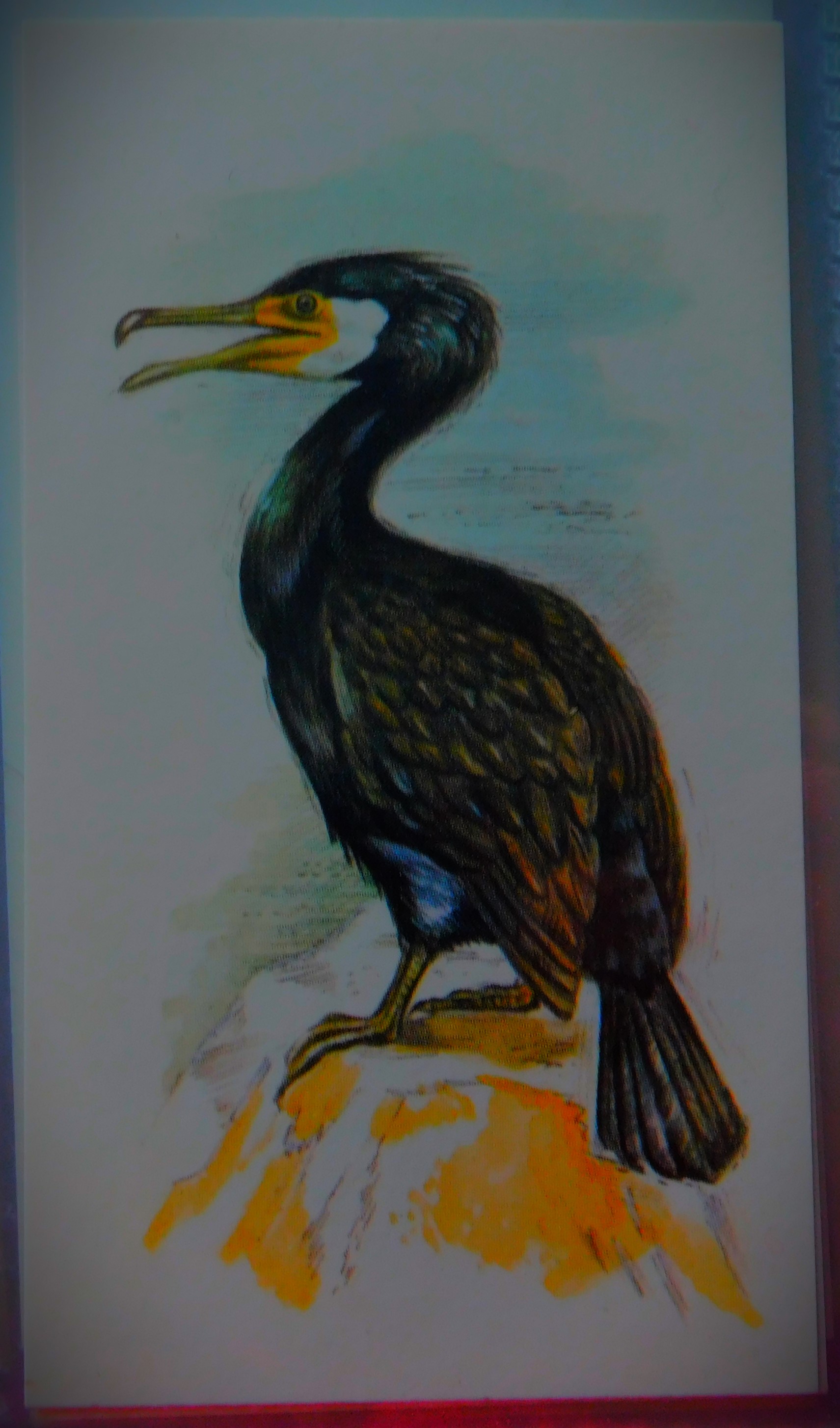
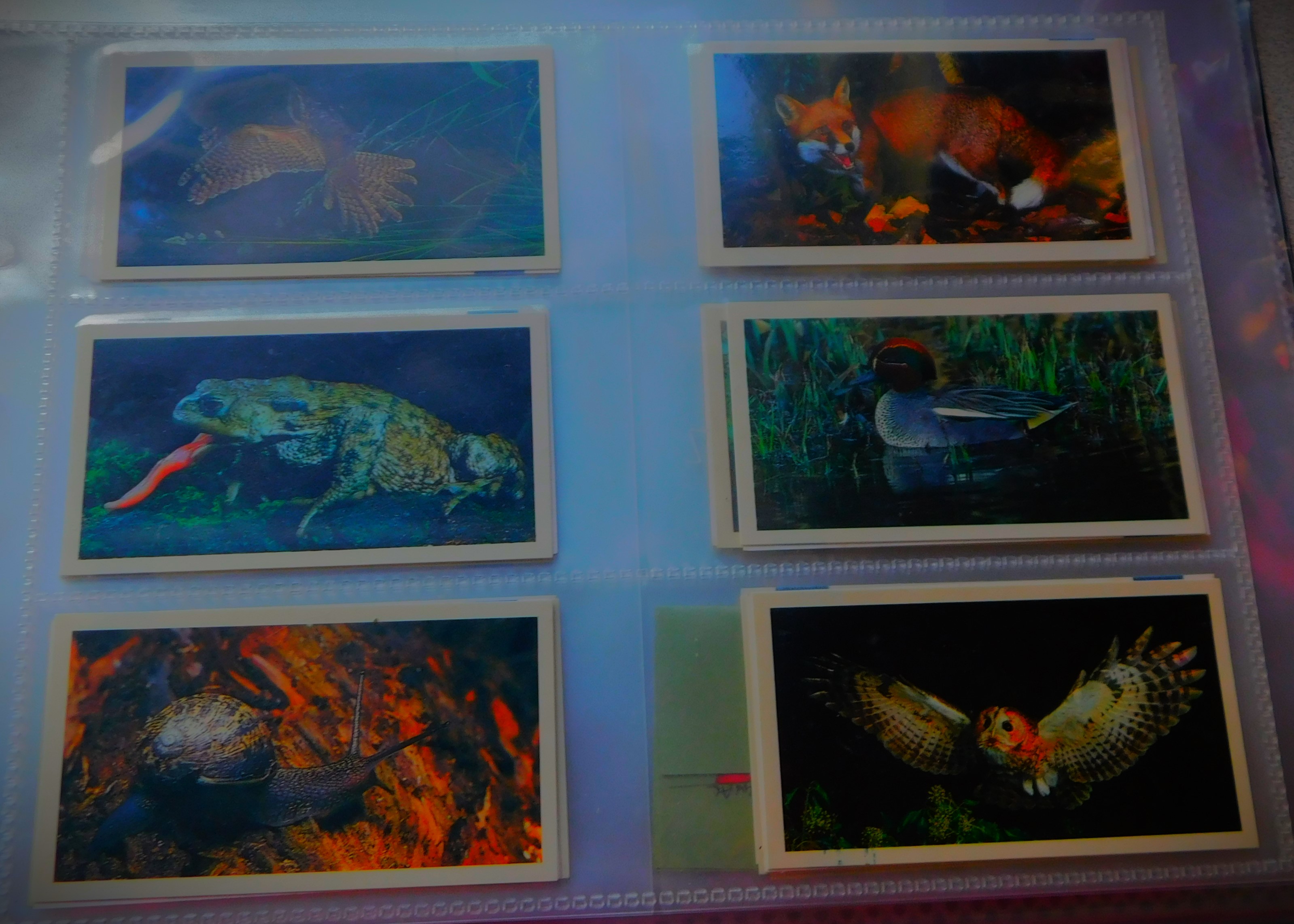
The dates for the next year’s Autism Acceptance just a cuppa sessions at King’s Lynn libraryLego architecture, at today’s Autism Acceptance just a cuppa (six pics)A cormorant swimming in the Gaywood River near Kettlewell Lane was an unexpected sight (features in a number of pics).A title page for my wildlife themed cigarette cards, using one of my own photos.
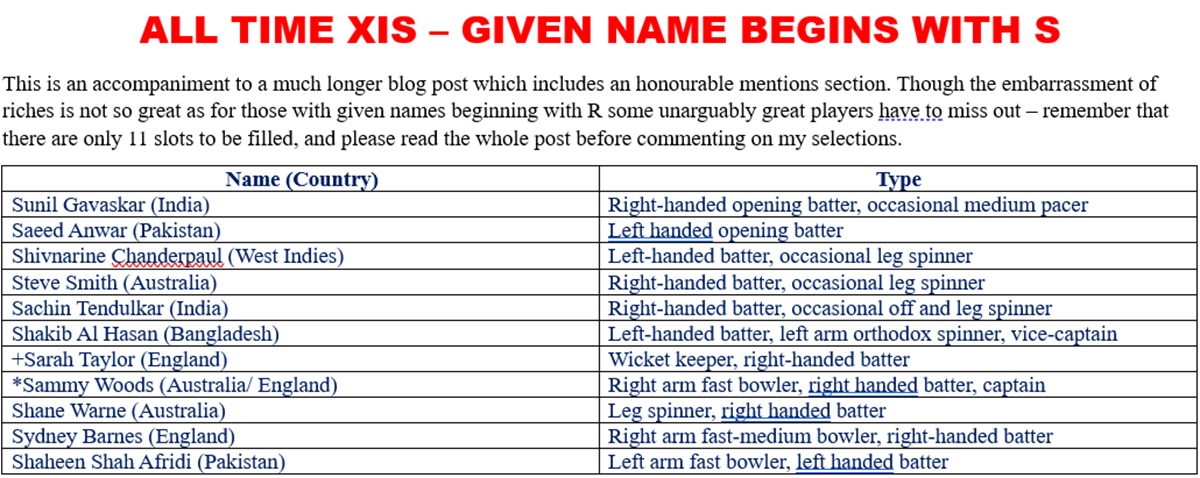
An all time XI of players whose given names begin with the letter S, including a detailed honourable mentions section which features some serious players. Also a photo gallery.
Today I run the rule over players whose given names begin with the letter S. My chosen XI contains players who match all the words in my title and more besides. Also, while the embarrassment of riches is not on the same scale as two days ago when I looked at given names beginning with R, there are some indubitable greats who have received no more than an honourable mention.
THE XI IN BATTING ORDER
Sunil Gavaskar (India, right handed opening batter, occasional medium pacer). He was the first to reach the career milestone of 10,000 test runs. At the time of his retirement his career tally of 34 test centuries was also an all comers record.
Saeed Anwar (Pakistan, left handed opening batter). With a defensively minded right hander locking down one of the opening berths the ideal would be to fill the remaining place with an attack minded left handed, and fortunately I have available someone who was just that and was also good enough to have a test average of 45.
Shivnarine Chanderpaul (West Indies, left handed batter, occasional leg spinner). He first came to general attention when he scored a double century for West Indies U19s against England U19s, and was promptly fast tracked into the test side (unlike England’s own double centurion in that U19s series, whose achievement was ignored by England management). He went on to establish a magnificent test record in a side that was went into freefall around him.
Steve Smith (Australia, right handed batter, occasional leg spinner). Probably the second best batter ever to come out of Australia behind the mighty Don Bradman.
Sachin Tendulkar (India, right handed batter, occasional off/ leg spinner). Most test runs, most test hundreds, most test appearances, only player to have scored 100 or more centuries across international formats. Probably the biggest compliment ever paid him was by Don Bradman, who was watching television coverage of one of his innings when he thought he spotted something familiar about Tendulkar and called his wife to check, and she confirmed that there were indeed similarities in batting style between the two of them.+
Shakib Al Hasan (Bangladesh, left handed batter, left arm orthodox spinner, vice-captain). A genuine all rounder. Sometimes controversial, many were critical of his role when Angelo Mathews made history as the first person ever to be given Timed Out in an international match, though in truth the Bangladeshi was in the right, and Mathews’ reaction to falling victim to such an unusual dismissal was what really deserved censure.
+Sarah Taylor (England, wicket keeper, right handed batter). A superb keeper and a fine batter as well.
*Sammy Woods (Australia, England, right arm fast bowler, right handed batter, captain). Born in Sydney, but spent most of his career playing for and captaining Somerset. Somerset rarely if ever had the luxury of a settled side in his day, but his achievements as a captain were still impressive, including leading his county to victories over Yorkshire in three successive seasons when the northern county were generally ruling the roost.
Shane Warne (Australia, leg spinner, right handed batter). One of the all time greats of the game, his case for inclusion needs no further amplification.
Syd Barnes (England, right arm fast medium bowler, right handed batter). That official ‘right arm fast medium’ tells a tiny fraction of the story of Barnes’ methods. His signature weapon was a leg break delivered at fast medium pace, and 189 wickets at 16.43 each in just 27 tests (yes, an average of seven wickets per match at test level) is testament to just how good he was.
Shaheen Shah Afridi (Pakistan, left arm fast bowler, left handed batter). He is still in the fairly early stages of his career, but 105 wickets at 25.58 in 27 test matches is a very fine start at the highest level.
This side has an excellent and contrasting opening pair, a mighty engine room of Chanderpaul, S Smith and Tendulkar, a genuine all rounder, a great keeper/ batter, a bowling all rounder and three superb specialist bowlers. The bowling, with Afridi, Barnes and Woods to attend to the pace and Warne and Al Hasan to bowl spin is also superb, and it is hard to see any conditions in which this attack would struggle.
HONOURABLE MENTIONS
The opening pair both had ironclad cases for inclusion. If I were picking for limited overs then I would settle for two left handed openers, with Sanath Jayasuriya replacing Gavaskar whose record in limited overs was not great, but in long form there is no contest. The trouble comes in the number four and five slots, where in addition to the two I opted for, there were two other outstanding candidates, who are very unlucky that their given names begin with this letter, which keeps them out: Steve Waugh and Stan McCabe both of Australia. Also, Saud Shakeel has had an amazing start to his test career, and may yet force his way in, but with the top five I have plus the two reserves I have already mentioned selecting someone on the basis of seven test matches, however outstandingly he has done in them would be unwarrantable. Finally for this area of the order, Stephen Fleming had a respectable rather than truly outstanding record for New Zealand, and could only have commanded a place had I been dire need of a captain, which I was not.
Shakib Al Hasan had no challengers at six, not least because with Warne inked into the side Shahid Afridi’s leg spin was unlikely to add much to the bowling attack. In a limited overs side, Sikandar Raza of Zimbabwe, an off spinning all rounder, would come into the mix – with Jayasuriya opening he increases the bowling variation available. However, his long form record is not special.
There were at a push four serious challengers to my actual choice for the wicket keeping role: Steve Marsh, who was fine keeper/ batter for Kent without ever getting the England job, Steve Rhodes who did do the England job, but was not IMO in Taylor’s bracket in either department, Sadanand Viswanath, a talented Indian keeper who didn’t fully deliver on his talents and Steve Rixon, understudy to Rod Marsh on at least one Ashes tour for Australia.
In the fast bowling department two England bowlers missed out for differing reasons: Steve Harmison was devastating when it was his day, but it was rather too frequently not his day for him to be classed as a genuine great. Had Simon Jones been able to keep himself in one piece he would have been a shoo-in, but injuries ruined his career. Schofield Haigh had a magnificent record for Yorkshire for many years, but never accomplished much for England. Sarfraz Nawaz, right arm fast medium for Pakistan, merits a mention, but no way could he dislodge either Barnes or his countryman Afridi. There is an extra reason for backing Shaheen Afridi in this area, which is that Barnes’ finest Ashes series, in 1911-2, came when he shared the new ball with a left arm pacer, Frank Foster.
Three off spinners have to be mentioned, though I had no way of accommodation them in the XI: Simon Harmer, unlucky to have played as little international cricket as he has, Saqlain Mushtaq, a genuine great, but not good enough to displace Warne, and Srinivas Venkataraghavan, one of the Indian spin quartet of the 1970s. The truth is that the other three spinners in question, Bedi, Chandrasekhar and Prasanna were all a distinct cut above Venkataraghavan, who sometimes got the nod because he offered extra batting compared to the other three. The quartet only once played in the same XI, on which occasion Prasanna, the other off spinner, was the most successful of the four. However, Venkataraghavan definitely qualifies for an umpiring gig, and his on-field colleague can be Sadanand Viswanath.
PHOTOGRAPHS
I start this section with a single picture and a reminder that you can view those in the gallery the follows at a larger size by clicking on any picture that attracts your attention.
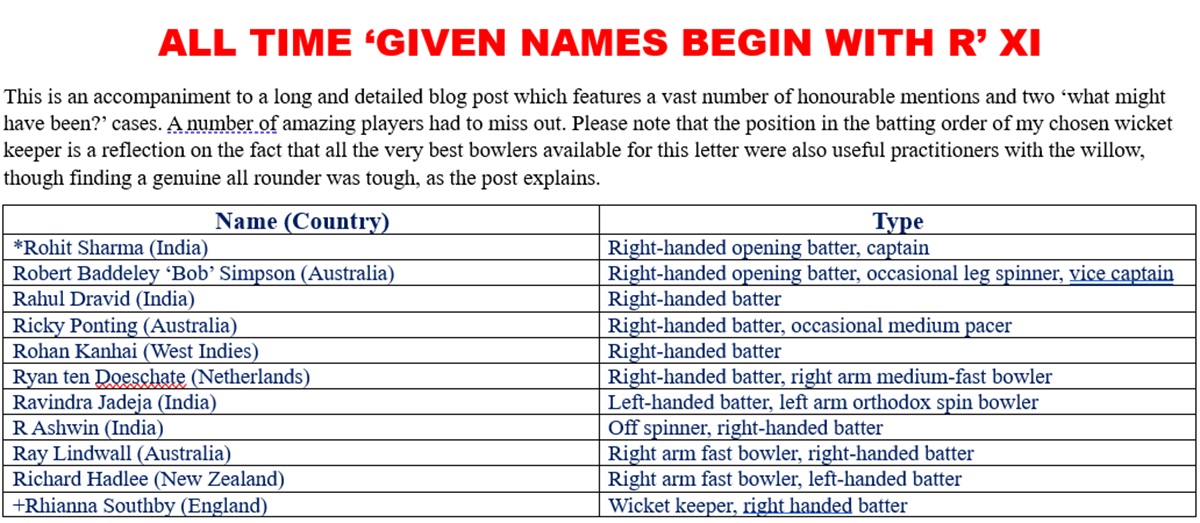
An all time XI of players whose given names begin with R, a particularly important and detailed honourable mentions section and a multi-part photo gallery.
I continue my tour of cricketing given names with a look at the letter R, skipping over Q on the grounds of insufficient candidates being available for that letter. R offers a very different kind of challenge – there are huge numbers of players with overlapping skills sets and only 11 can make the final cut. I hope that the honourable mentions section, in which offer an alternative team formation that I elected not to go with will clarify these issues.
THE XI IN BATTING ORDER
*Rohit Sharma (India, right handed opening batter, captain). A naturally aggressive batter, his test record is eminently respectable even if he is better known for his exploits in limited overs cricket. As both opener and captain he can be expected to lead from the front.
Robert Baddeley ‘Bob’ Simpson (Australia, right handed opening batter, occasional leg spinner, vice captain). Although both my chosen openers are right handers it would be harder to find a more contrasting pair in terms of approach. At Old Trafford in 1964, the same ground where Ian Johnson’s side had spectacularly come to grief eight years earlier, Australia went into the match one up in the series and needing only a draw to ensure retention of The Ashes. The groundsman at Old Trafford produced one of the flattest pitches ever seen, and Simpson ensured that Australia would keep the Ashes, quite literally off his own bat – he won the toss, chose to bat first and was only dismissed on the third morning of the match, for 311. England responded in kind, and there was barely time for the second Australian innings to begin before the umpires called time – such bowling as was required in this third innings of a scheduled four was done by Titmus and Barrington with an old ball. In addition to his impressive test batting record Simpson’s leg spin was good enough that he enjoyed some success with it even at test level, and he was an outstanding slip fielder. I have named him as vice captain as a nod to his leadership qualities.
Rahul Dravid (India, right handed batter). A test record that speaks for itself.
Ricky Ponting (Australia, right handed batter, occasional medium pacer). One place down from his usual slot as I feel he would handle the lower position better than Dravid, though if Sharma were first out I might send him in to avoid having Simpson and Dravid bat together.
Rohan Kanhai (West Indies, right handed batter). The Guyanese was rated a genius by CLR James, and almost 7,000 test runs at 47 provide some solid achievement to back up that assessment.
Ryan ten Doeschate (Netherlands, right handed batter, right arm medium fast bowler). The Dutchman established a superb record in limited overs international (his country are not a test playing nation as yet), and his record in FC cricket, mainly over the course of a long and distinguished association with Essex is eminently respectable.
Ravindra Jadeja (India, left handed batter, left arm orthodox spinner, outstanding fielder). A magnificent all round cricketer.
R Ashwin (India, off spinner, right handed batter). Over 400 test wickets, and a batting record that includes five test match centuries.
Ray Lindwall (Australia, right arm fast bowler, right handed batter). One of the best fast bowlers ever seen in the game, and good enough with the bat to have scored two test centuries along the way.
Richard Hadlee (New Zealand, right arm fast bowler, left handed batter). The best bowler of any type ever to play for New Zealand, and a handy lower order batter, though the first in this line up to have had a test career and not scored a century at that level.
+Rhianna Southby (England, wicket keeper, right handed batter). The most controversial pick of all my XI, but although there were many options for this letter I wanted to showcase one of the very best of contemporary wicket keepers. Her position in this order is less a reflection on her batting than an acknowledgement of the fact that all of my chosen bowlers were also talented in that department.
This XI is very strong in batting, keeping and spin bowling, with the seam/ pace element of the attack a little light, since the only pace/seam support for the Anzac new pall pairing of Lindwall and Hadlee would come from ten Doeschate.
HONOURABLE MENTIONS
This will be a multi-faceted section and I start with…
THE WICKET KEEPER/ ALL ROUNDER CONUNDRUM
Although there is one absolutely genuine all rounder in Jadeja available for this letter, there was no one available for the number six slot. Ron Archer of Australia might have become the perfect fit for that slot had he not suffered a freak injury when Australia visited Pakistan on their way home from the 1956 Ashes. The injury occurred at Karachi, where Archer caught his studs in a piece of matting and wrenched a knee, and it ended his bowling career at the age of 23, though he played one more season for Queensland as a specialist batter. Had he not suffered that injury he might have gone to become the replacement for Keith Miller that Australia were hoping he would, in which case selecting this side would have been a lot easier. There were three potential alternatives to Southby for the wicket keeper’s slot: Robert William ‘Bob’ Taylor, who made more FC dismissals than any other wicket keeper in history, Rod Marsh, holder of the record for test career dismissals at the time of his retirement, and Rishabh Pant of India. A possible alternative to my chosen line up which addresses the seam/ pace bowling potential issue would be to pick Pant in place of ten Doeschate and Robert George Dylan ‘Bob’ Willis in place of Southby at number 11, giving an XI of *RG Sharma, RB Simpson, RS Dravid, RT Ponting, RB Kanhai, +R Pant, R Jadeja, R Ashwin, RR Lindwall, RJ Hadlee, RGD Willis.
OTHER HONOURABLE MENTIONS
Robert William ‘Bob’ Barber had his moments as a left handed attacking opener for England, including scoring 185 against Australia in an innings win in Australia, but his career record lacks the overall heft to displace Sharma. Richard Barlow who played for England in the 1880s, and remains the only person ever selected for an England men’s test team on the understanding that he was going to open both the batting and the bowling was another potential candidate, and his left arm seam bowling would have added variation to the attack, but if I apply my usual conversion method to his career averages his record adjusts to an average of 34.08 with the bat and 33.83 with the ball, not really good enough in either department. Roy Park was highly rated by some of his Australian contemporaries, including Warwick Armstrong, but his sole test innings lasted precisely one ball. Robert ‘Bobby’ Abel, the first England batter to carry his bat through a test innings, was clearly a very fine right handed opener of the more cautious type, and a case could be made for him getting Simpson’s slot.
The unluckiest middle order batters of those to miss out were a pair of West Indians with fine test records, Richie Richardson and Ramnaresh Sarwan. Neither of the individuals concerned would be out of place in the number five slot I awarded to Kanhai. Robin Smith was a fine number three for England, but he is a mere candle to the Alexandrian lighthouses of Dravid and Ponting.
Ryan Higgins, now re-ensconced at Middlesex after a few years away at Gloucestershire, has a fine county record, but he has not yet been picked for England. Rikki Clarke had a very fine FC record, but did not make the most of such chances as he got at international level. Rich Pyrah of Yorkshire was a very fine limited overs player but his record in long form cricket was no more than respectable. Rehan Ahmed, the young England leg spinning all rounder, may well force his way in in due course, but at the moment, especially with Simpson able to bowl a bit of leg spin if needed, he has to wait. Robert ‘Bob’ Relf of Sussex was a good enough county all rounder to deserve a mention. Robert ‘Bobby’ Peel of Yorkshire and England was a great left arm spin bowler who could bat, but not good enough to dislodge Jadeja. Similarly, Ray Illingworth was a fine cricketer, but no one is convincing me that he comes particularly close to challenging R Ashwin for that slot. Richie Benaud was a high quality leg spinning all rounder, and would have been captain had I been able to accommodate him in the XI. Since I cannot do that, he would be the ONLY candidate to head up the TV commentary team. Roy Kilner, with 14,000 Fc runs at 30 and 1,000 FC wickets at 18 was unlucky to be up against Jadeja for a slot. Given the galaxy of talent already covered, for all her unique status as an international captain who has turned out for The Metronomes there can be no place for the Brazilian all rounder Roberta Moretti Avery.
Rashid Khan, the Afghan leg spinner, was probably the best of the bowlers I could find no place for. Rangana Herath of Sri Lanka was a very fine left arm spinner, but like Peel and Kilner mentioned in the all rounders section suffered due to the overlap with Jadeja.
Richard Peter Borgnis as he appears in the record books (his actual full name was Richard Peter Hammond-Chambers-Borgnis) had an astonishing first class career – one match in which he scored a century and took a three-for.
Rahmanullah Gurbaz of Afghanistan would be in the mix were I picking with limited overs cricket in mind, but he is as yet unproven in long form cricket.
PHOTOGRAPHS
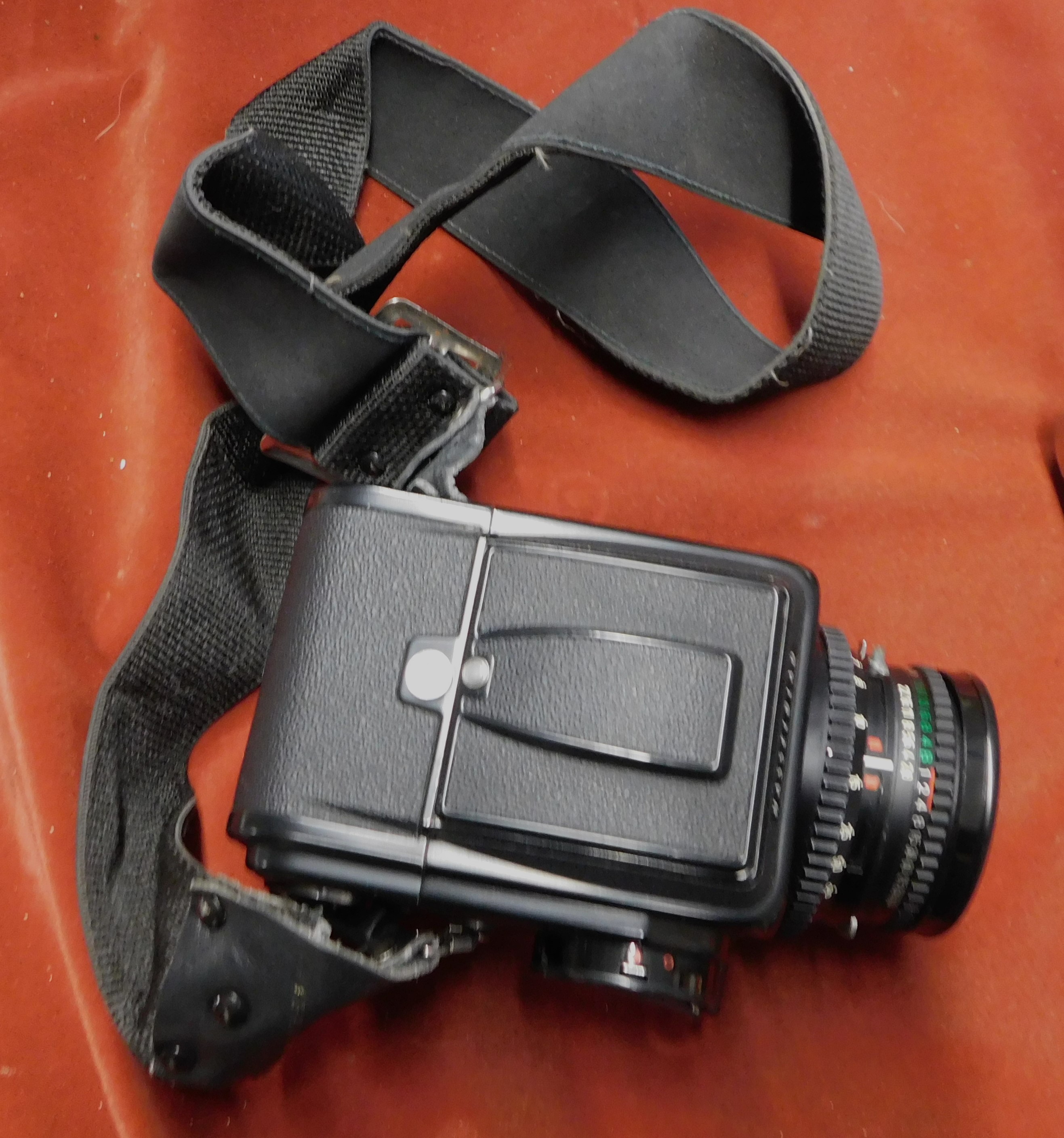
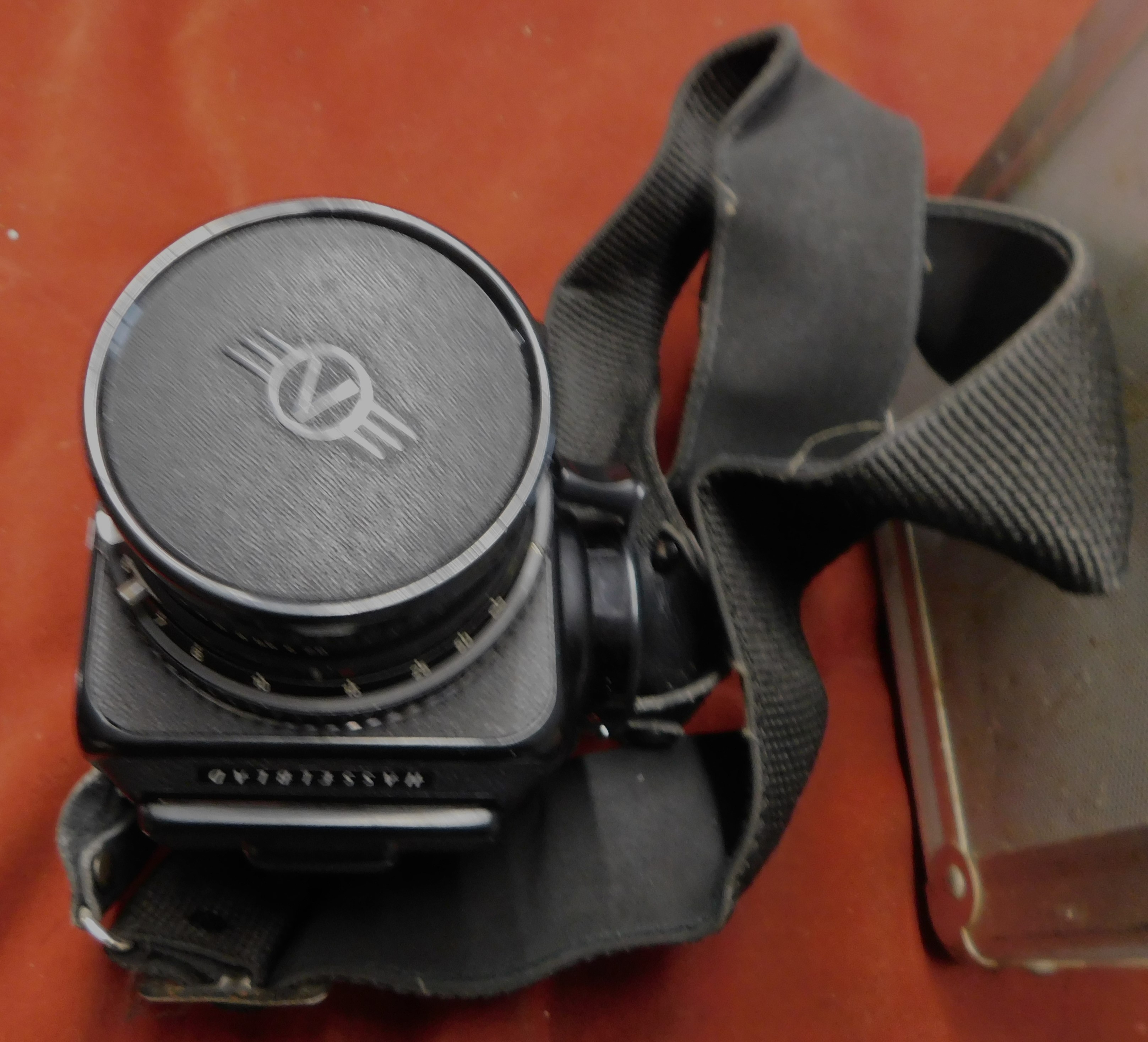
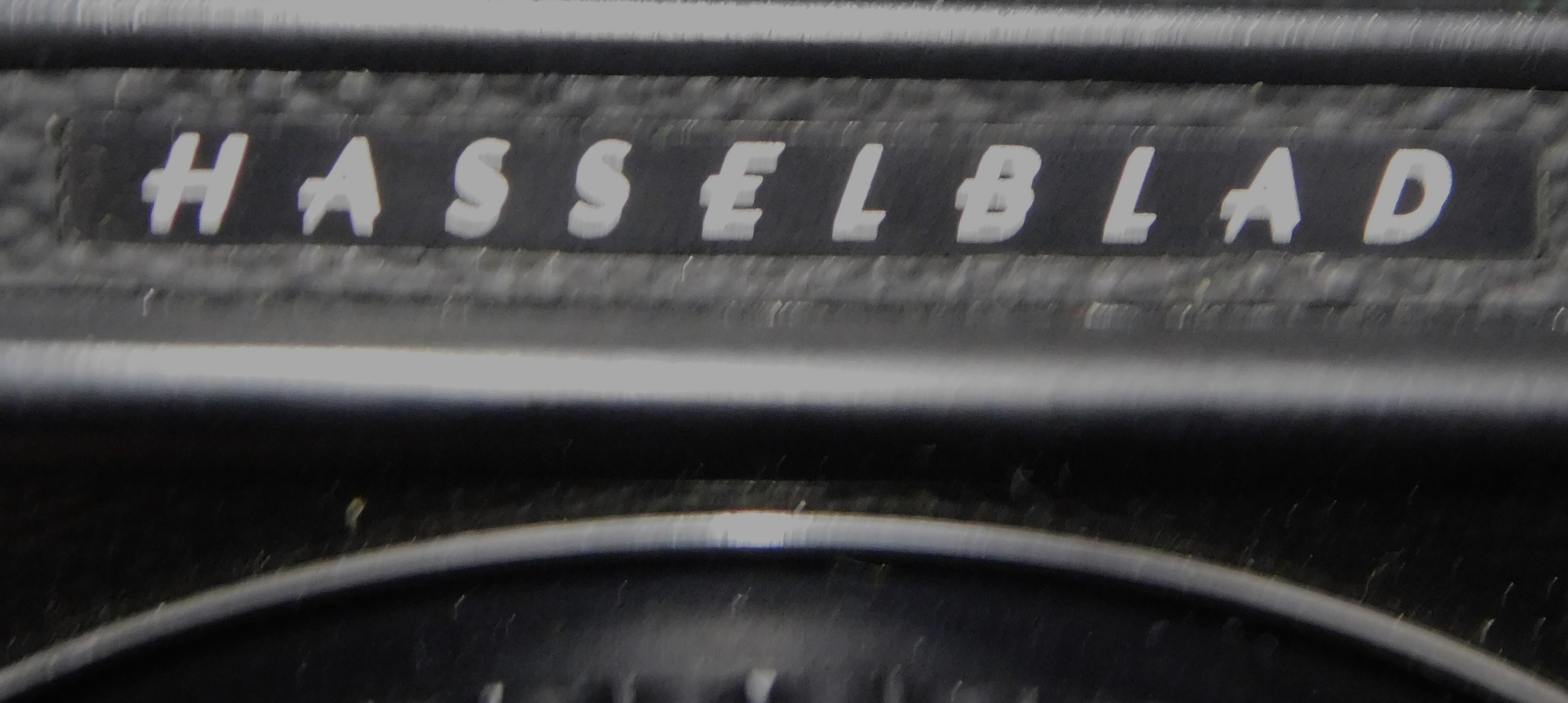
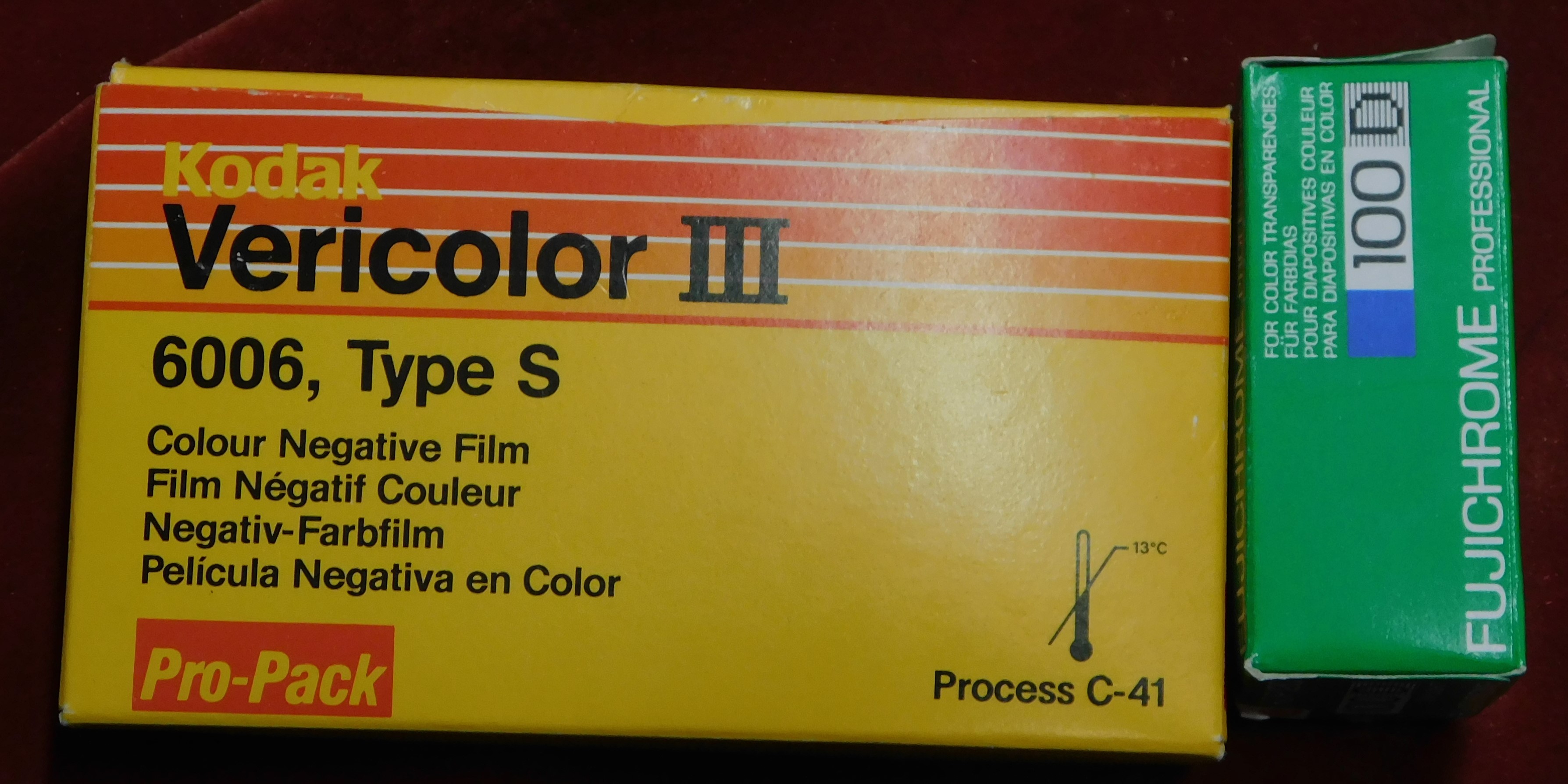
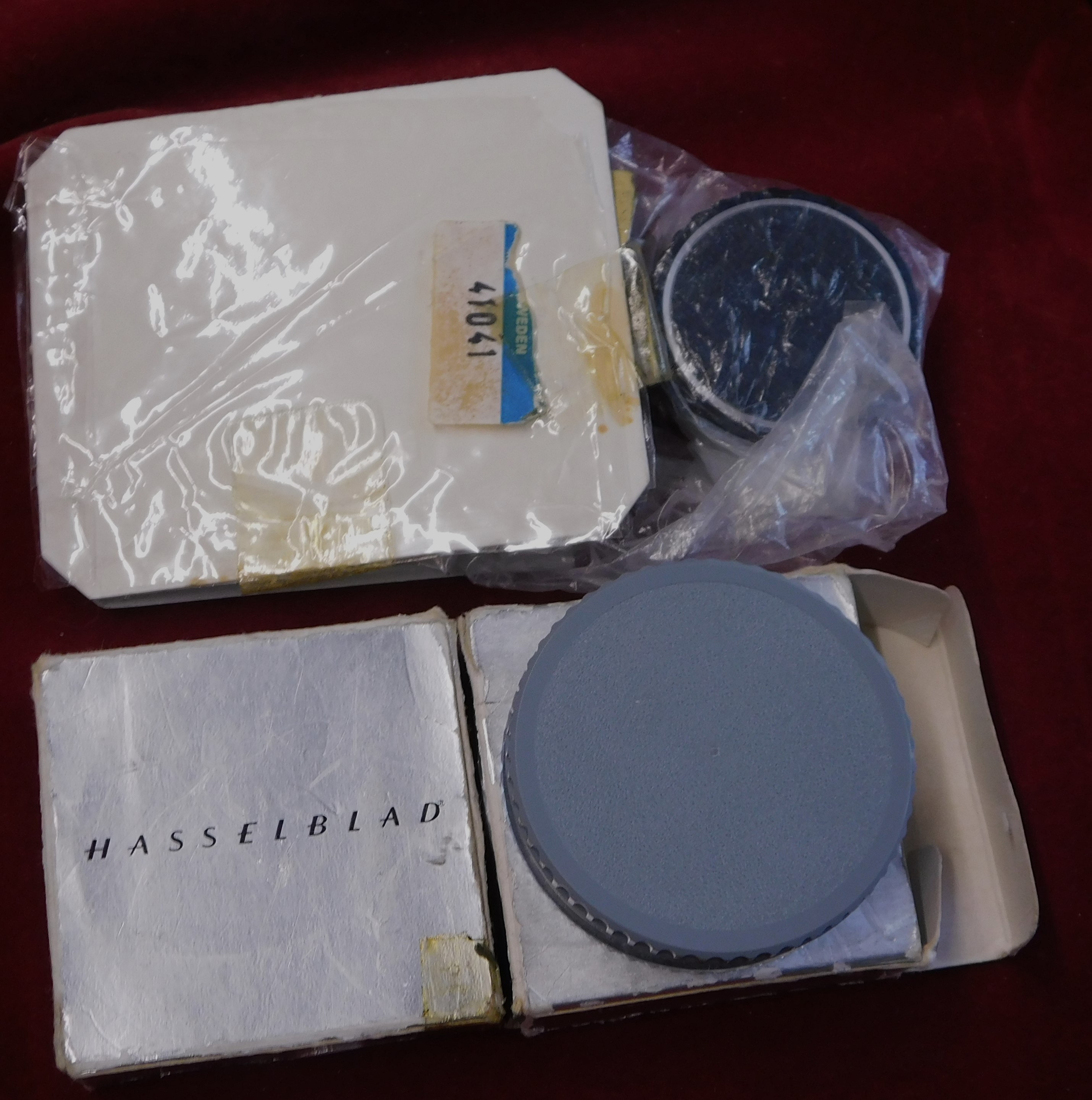
A multi-part photo gallery today. James and Sons had an auction this week, and I focus on two lots. Lot 304 was a Hassalblad camera in an aluminium case with a lot of extra bits and pieces and attracted considerable interest. I produced an extended gallery for it in order to deal with queries that were coming in, and the result was very pleasing – it sold for £1,000.
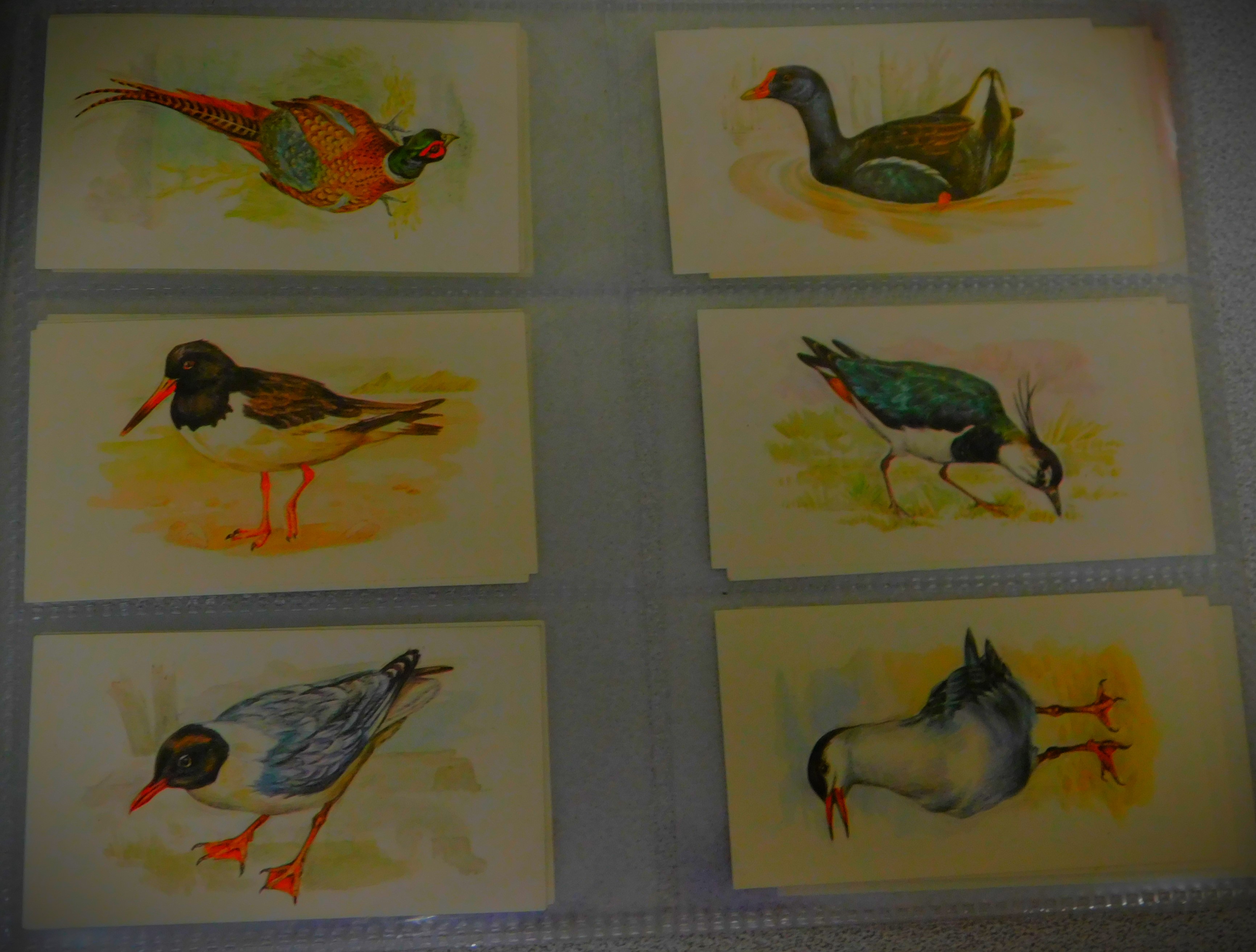
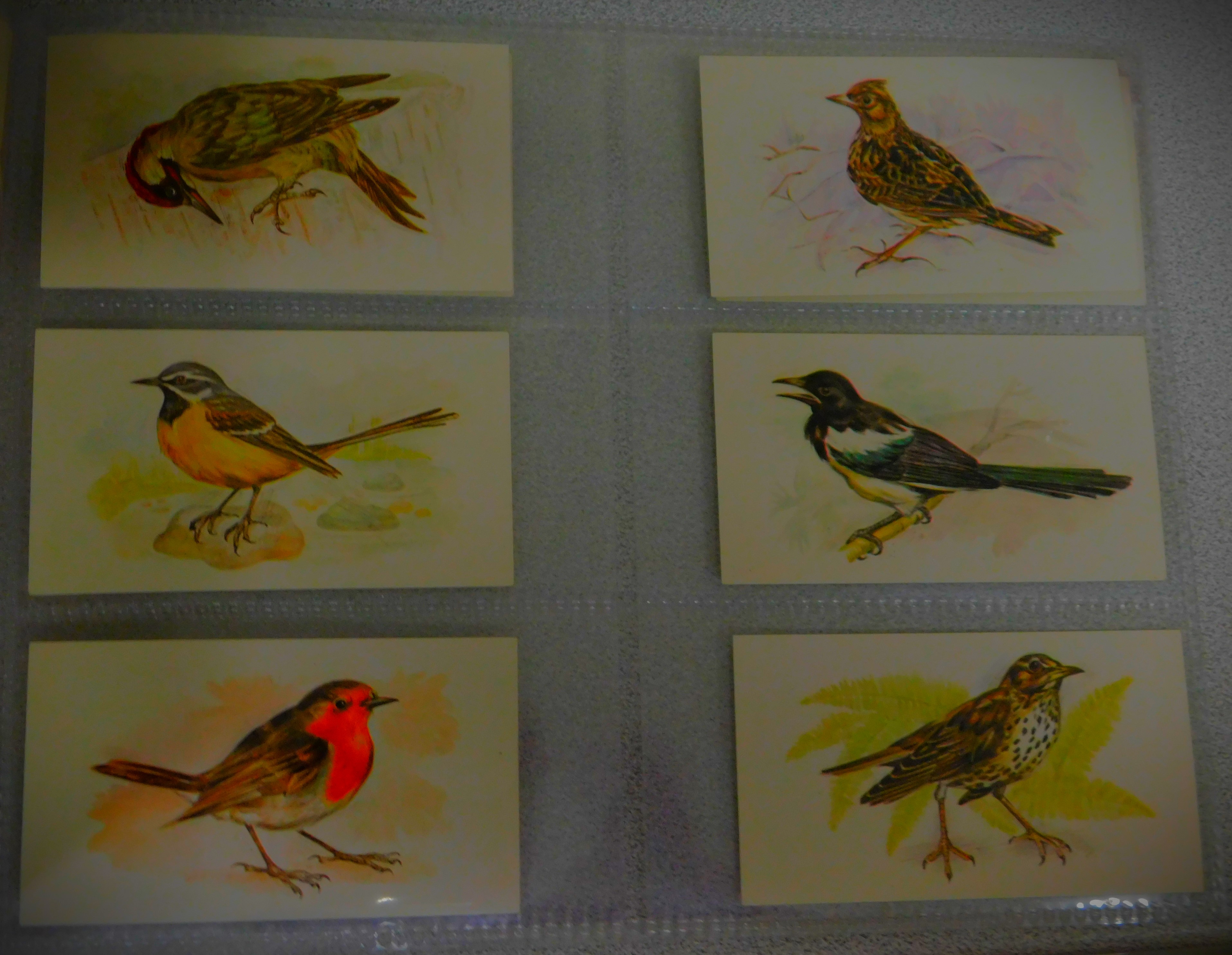
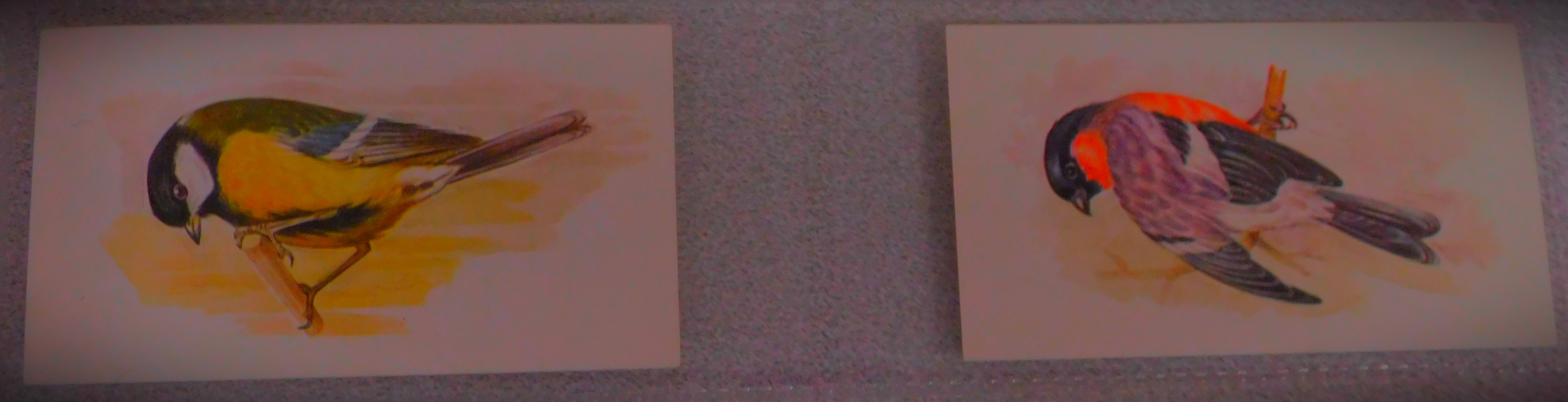
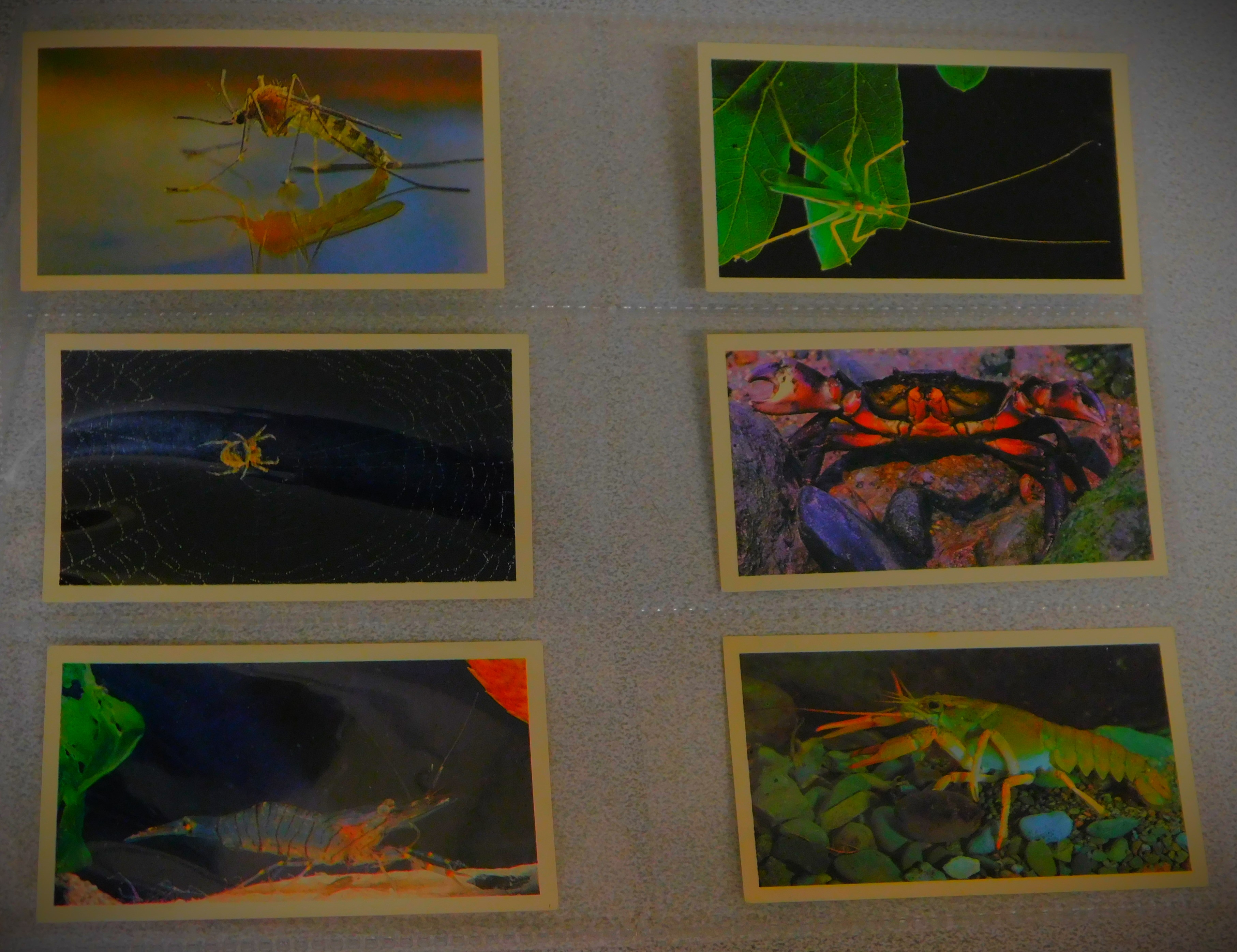
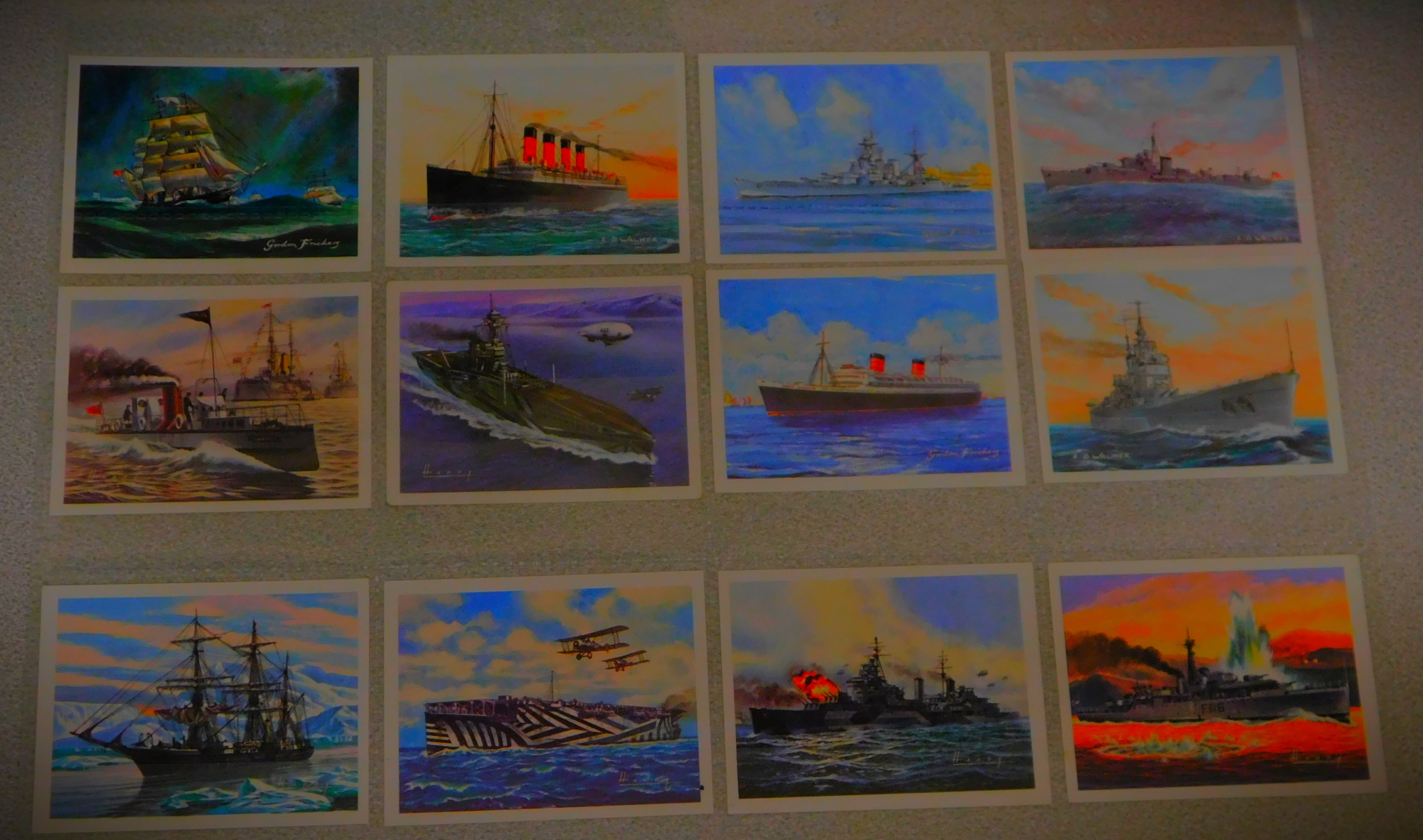
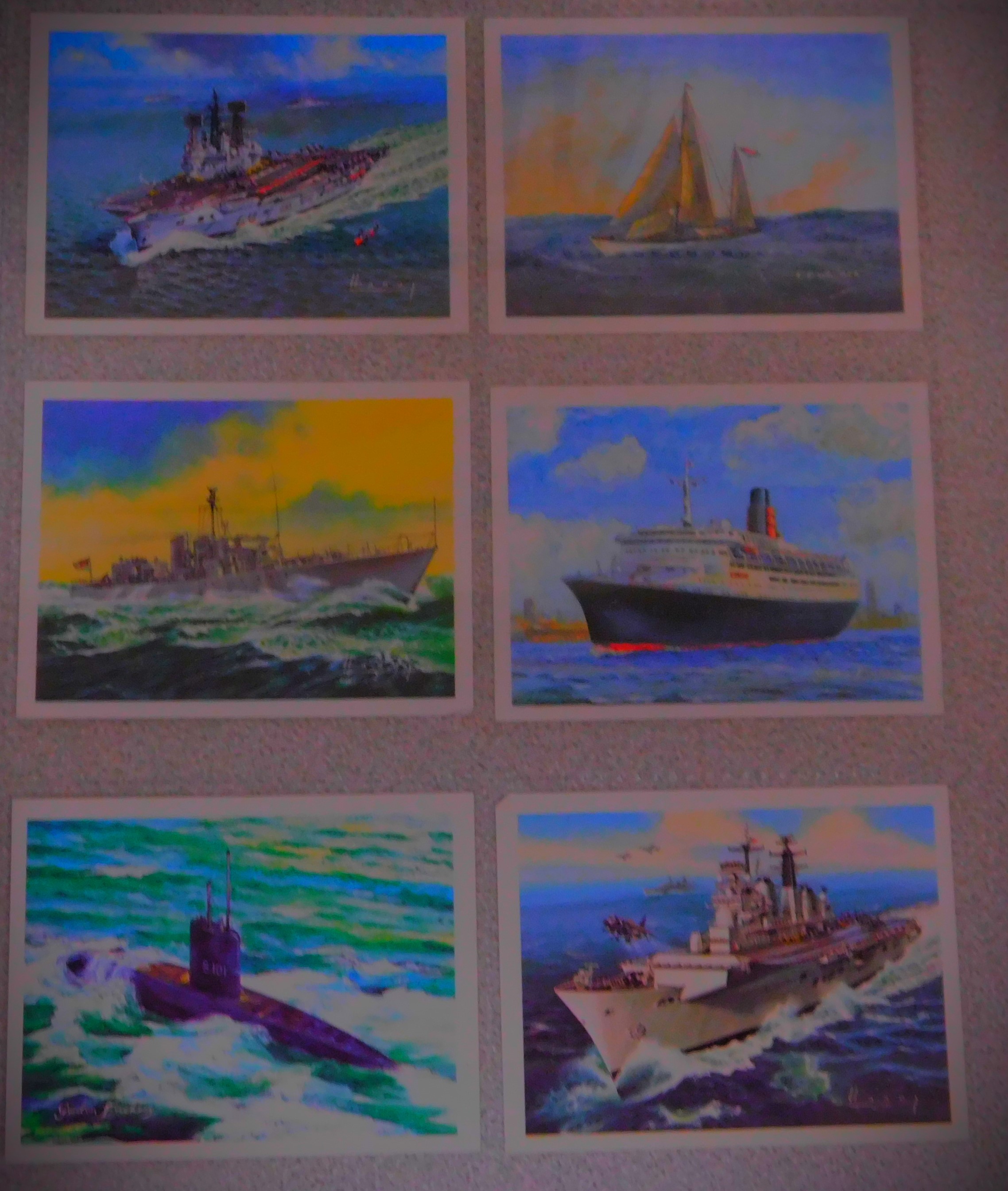
The second lot I focus on was number 574. This lot, a collection of cigarette/ trade cards, was knocked down to me for £10. I produced a good gallery for it…
Having taken possession of it I have been through it in much more detail than imaging for auction allows…
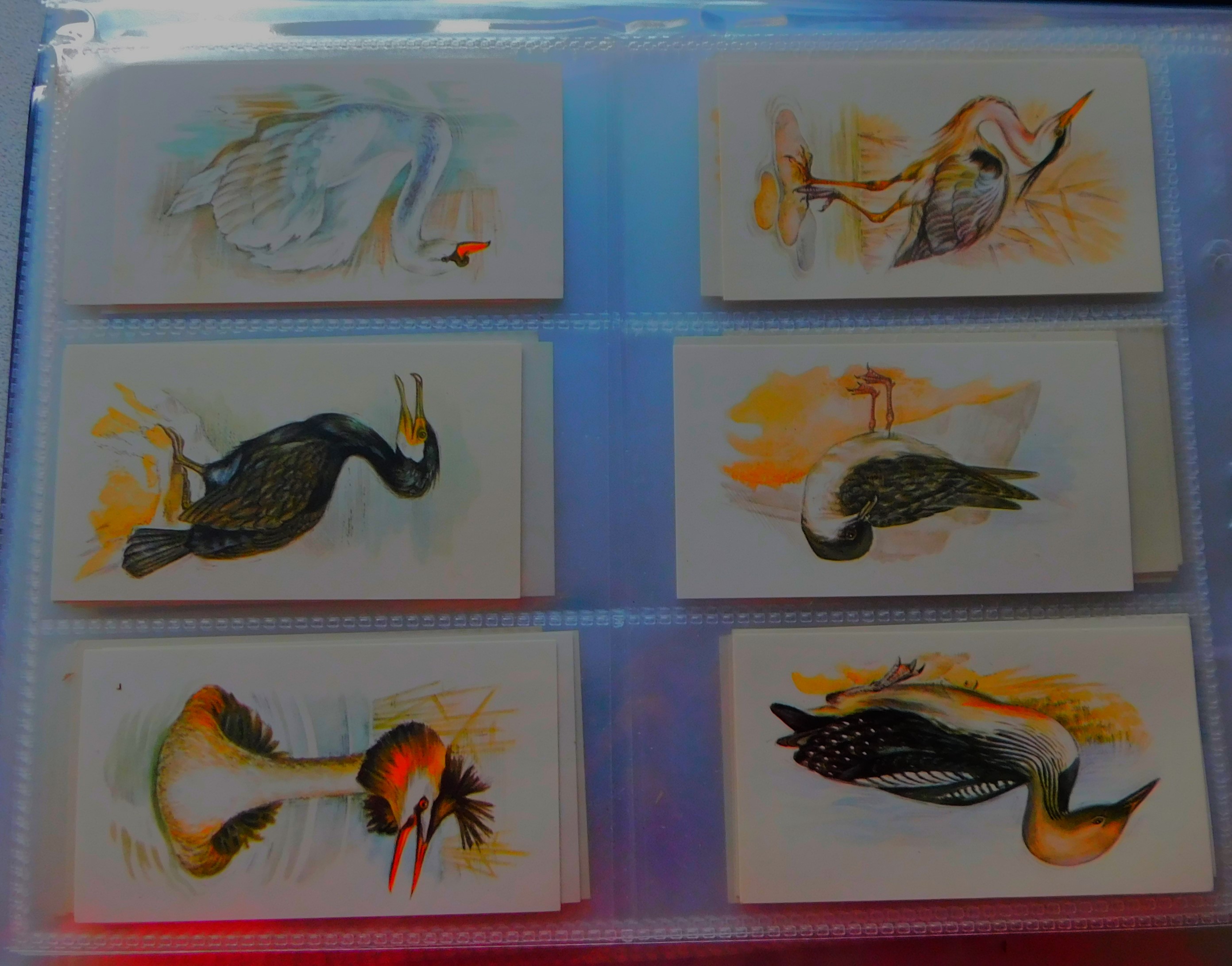
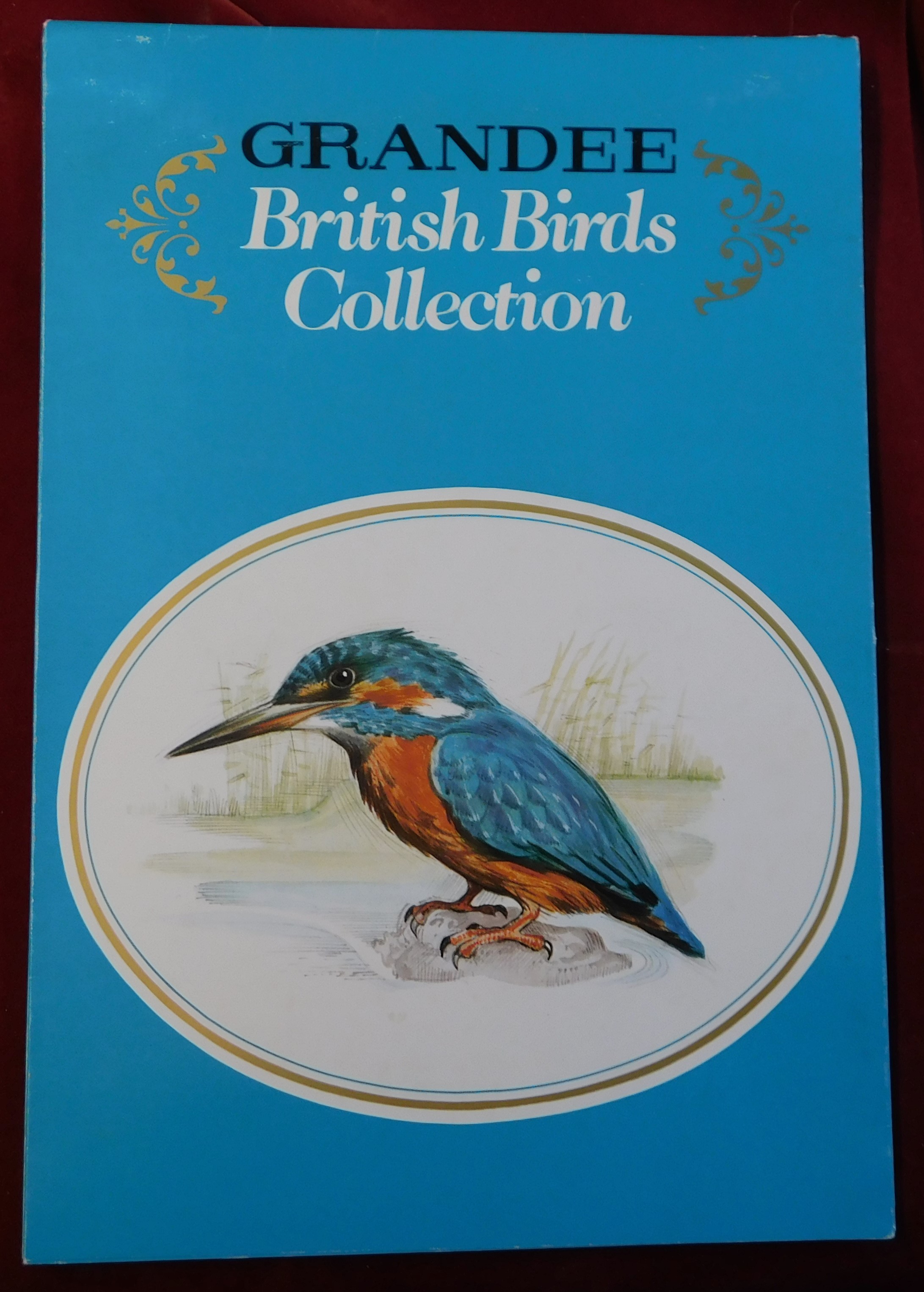
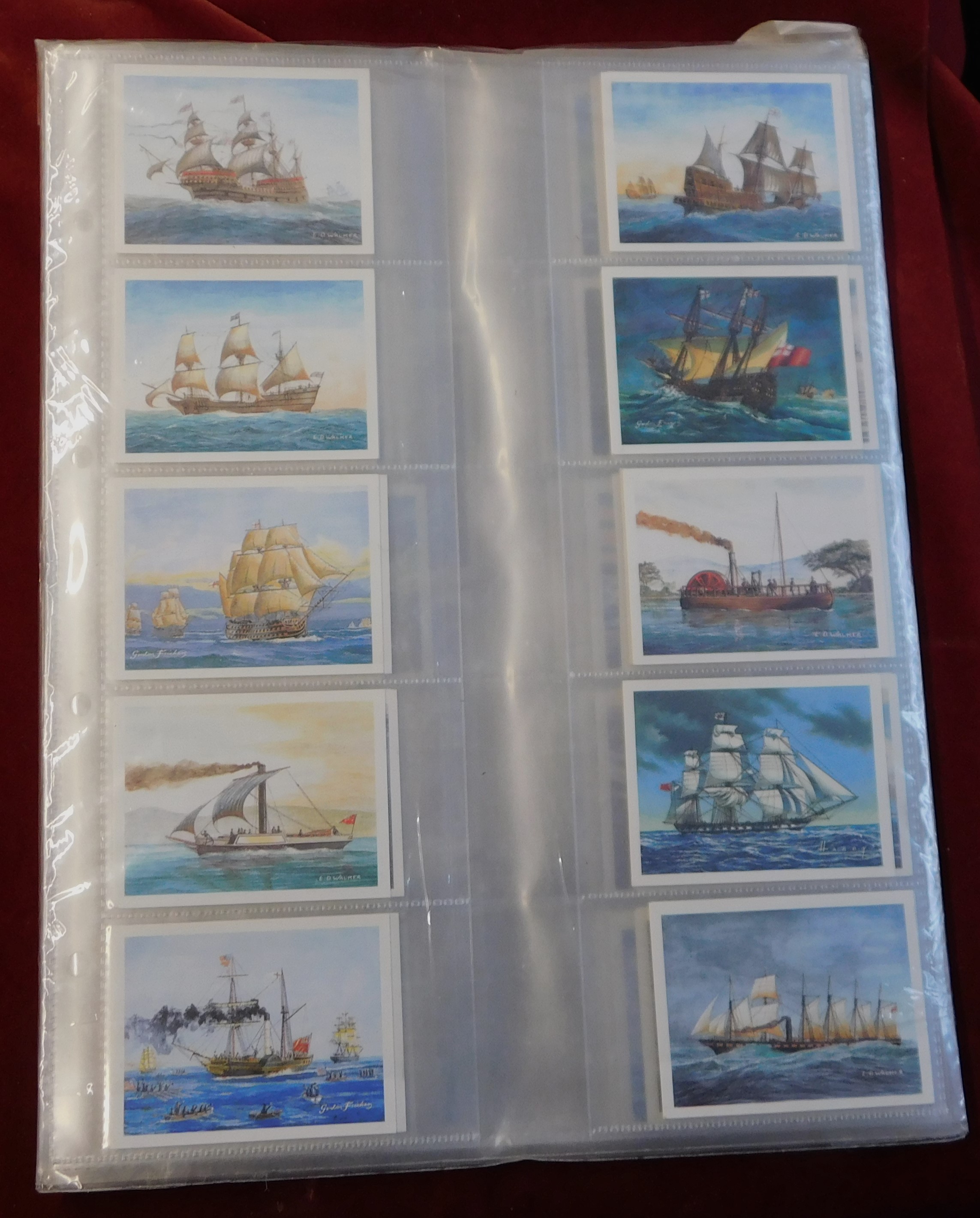
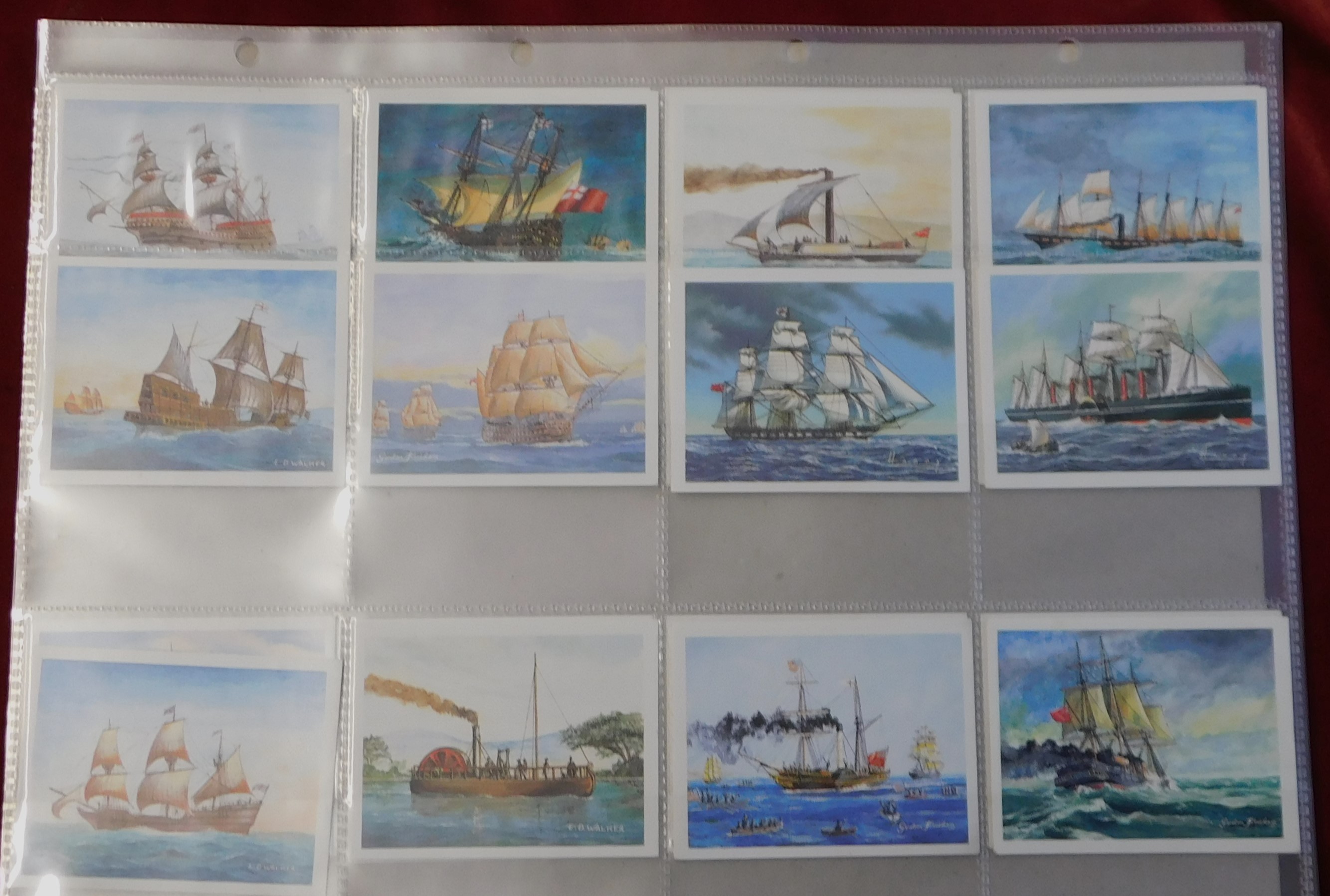
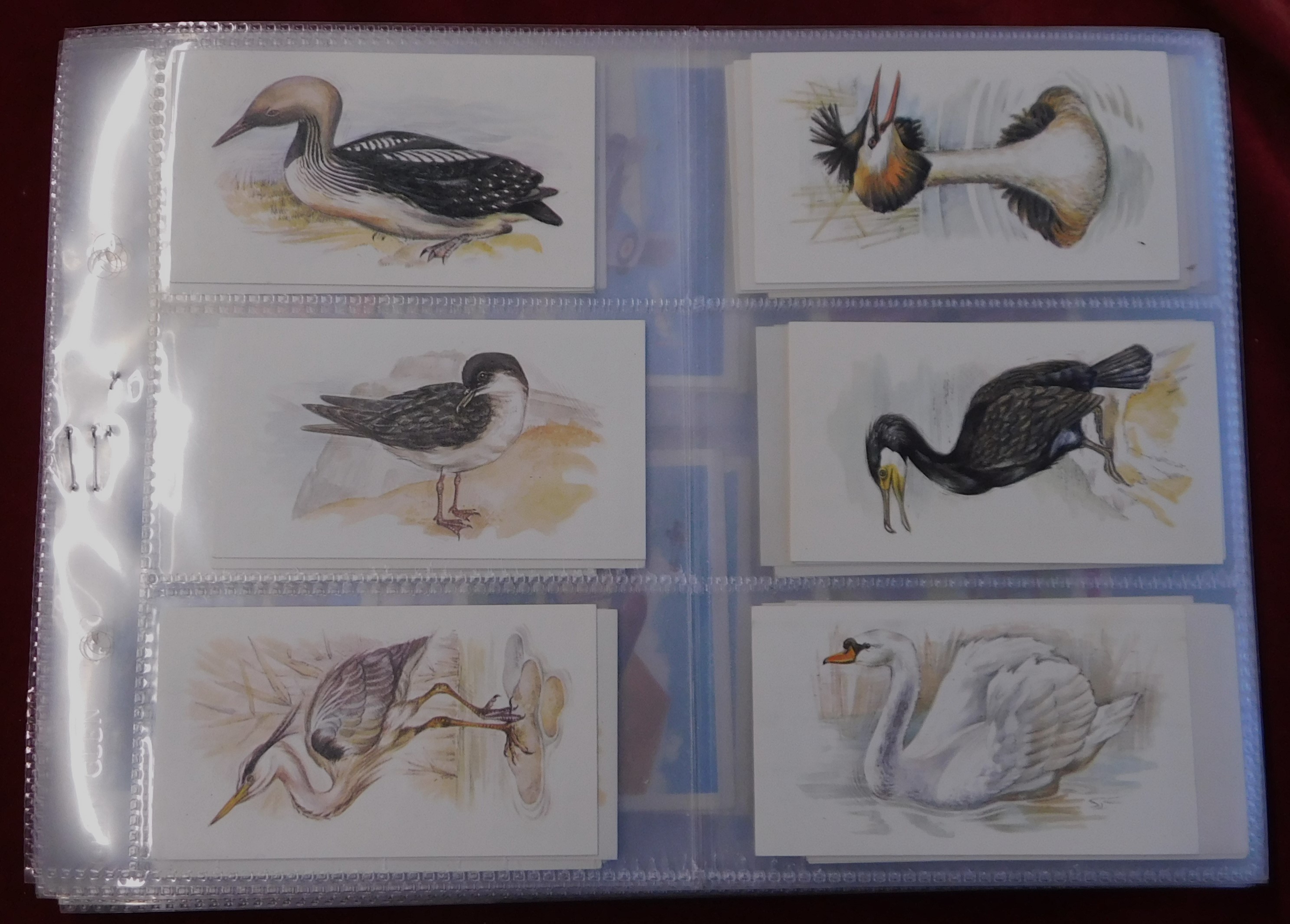
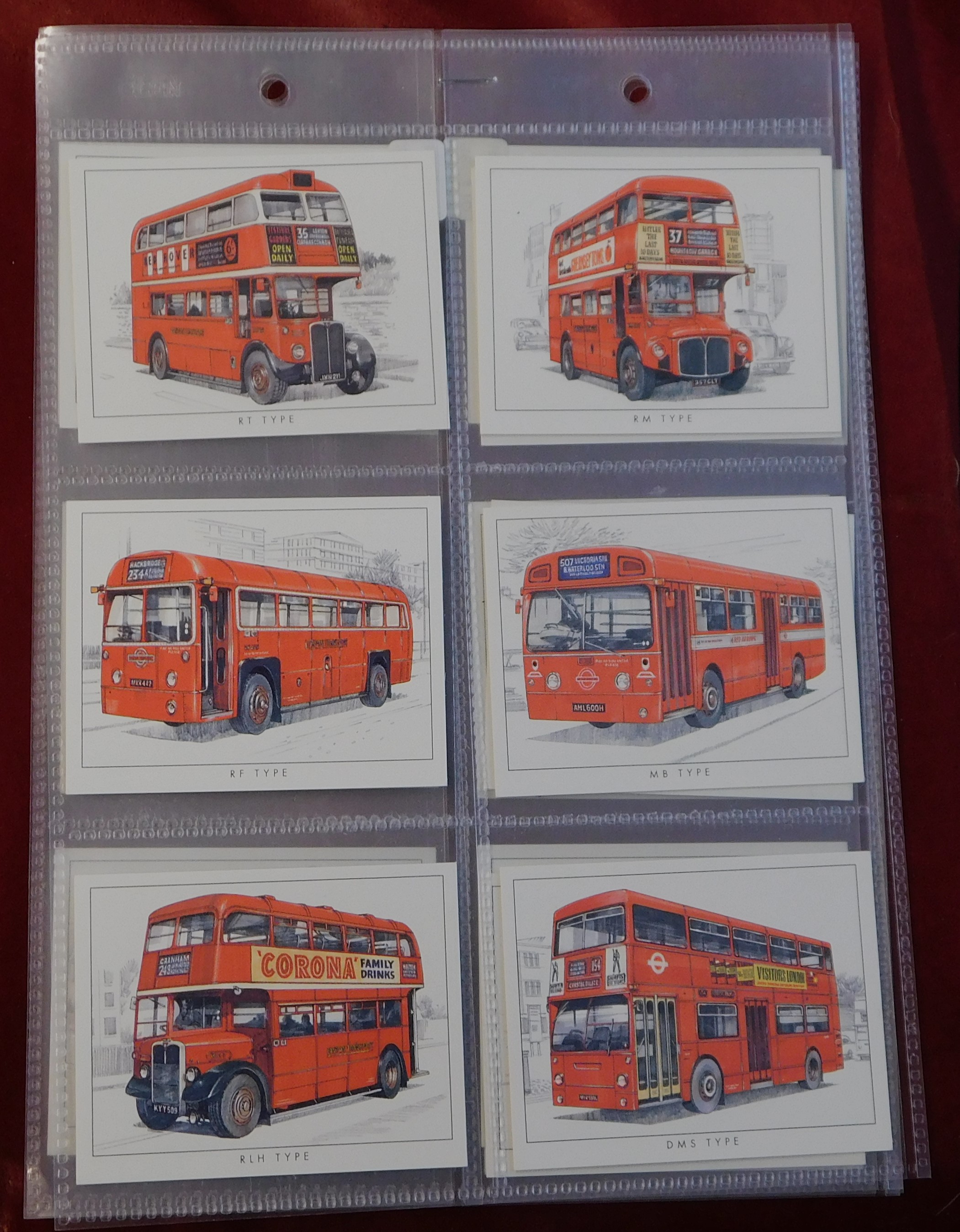
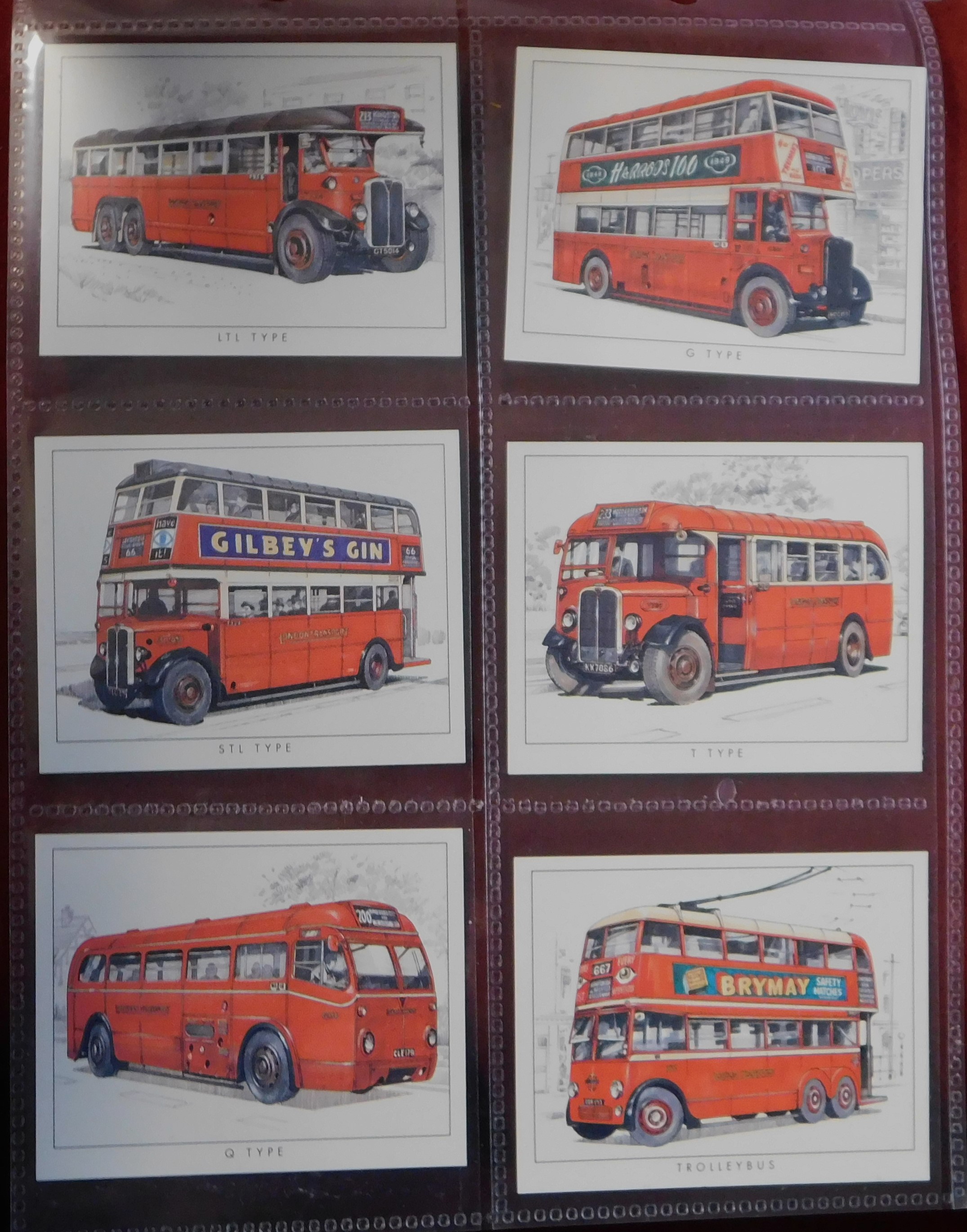
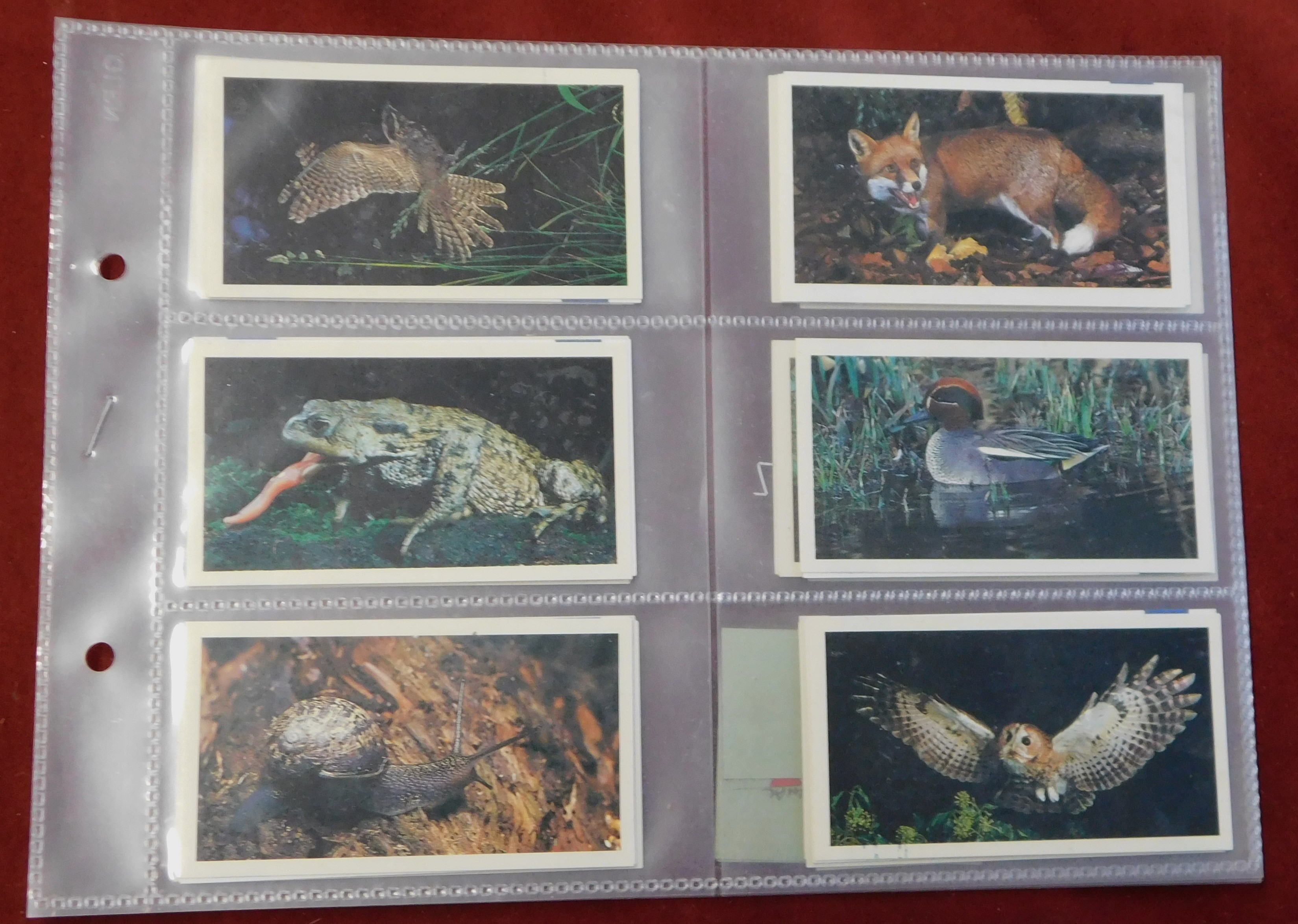
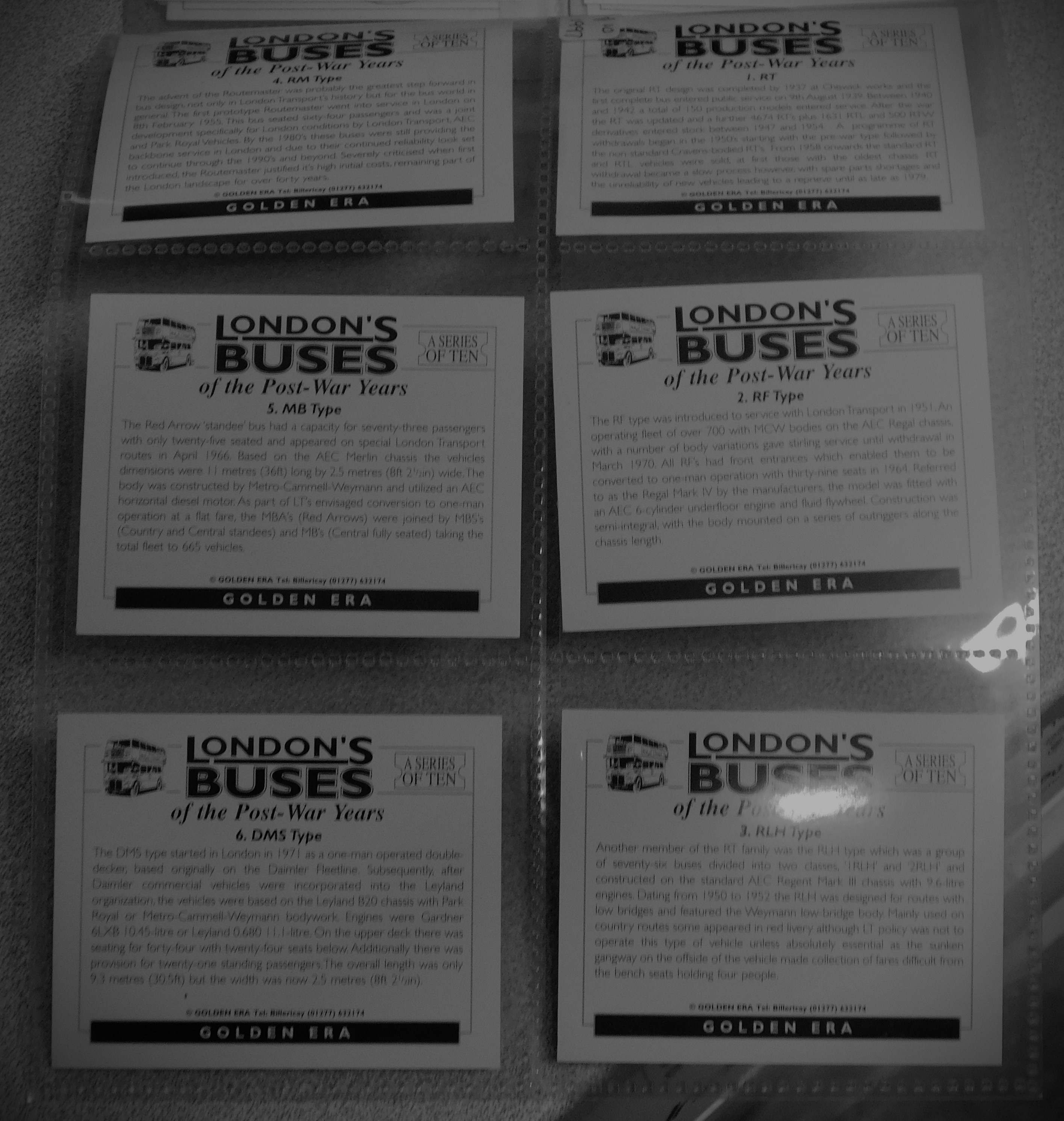
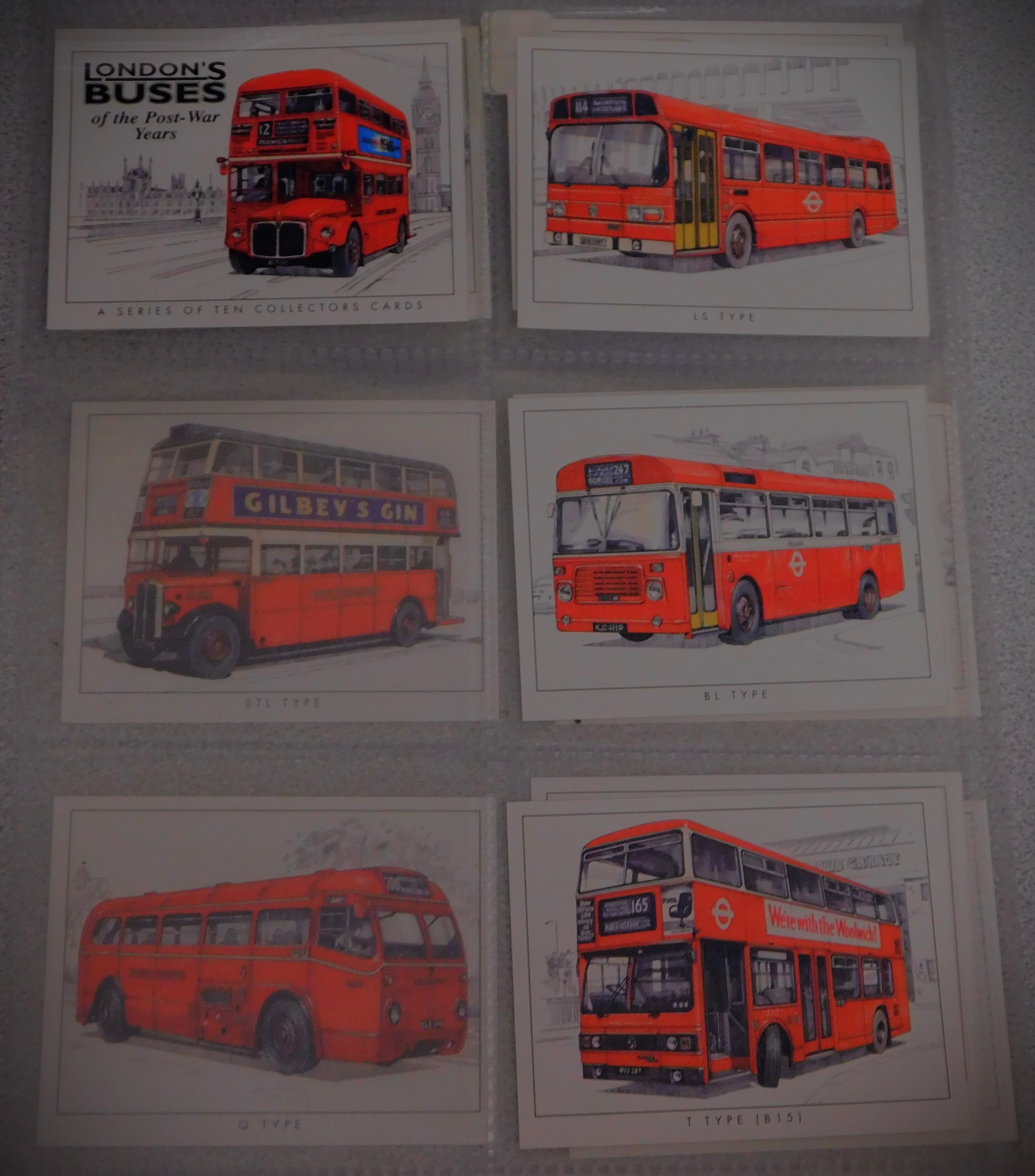
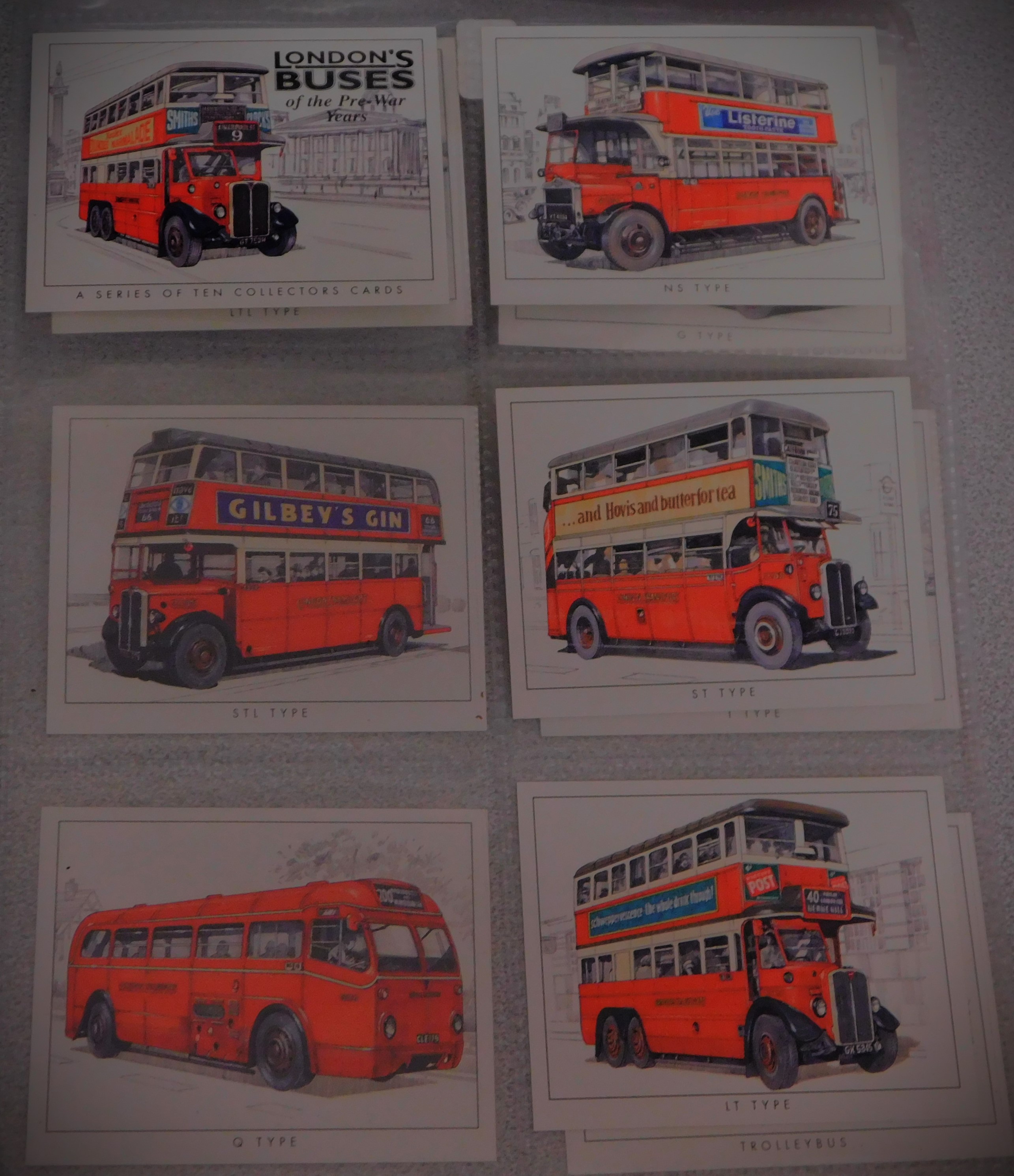
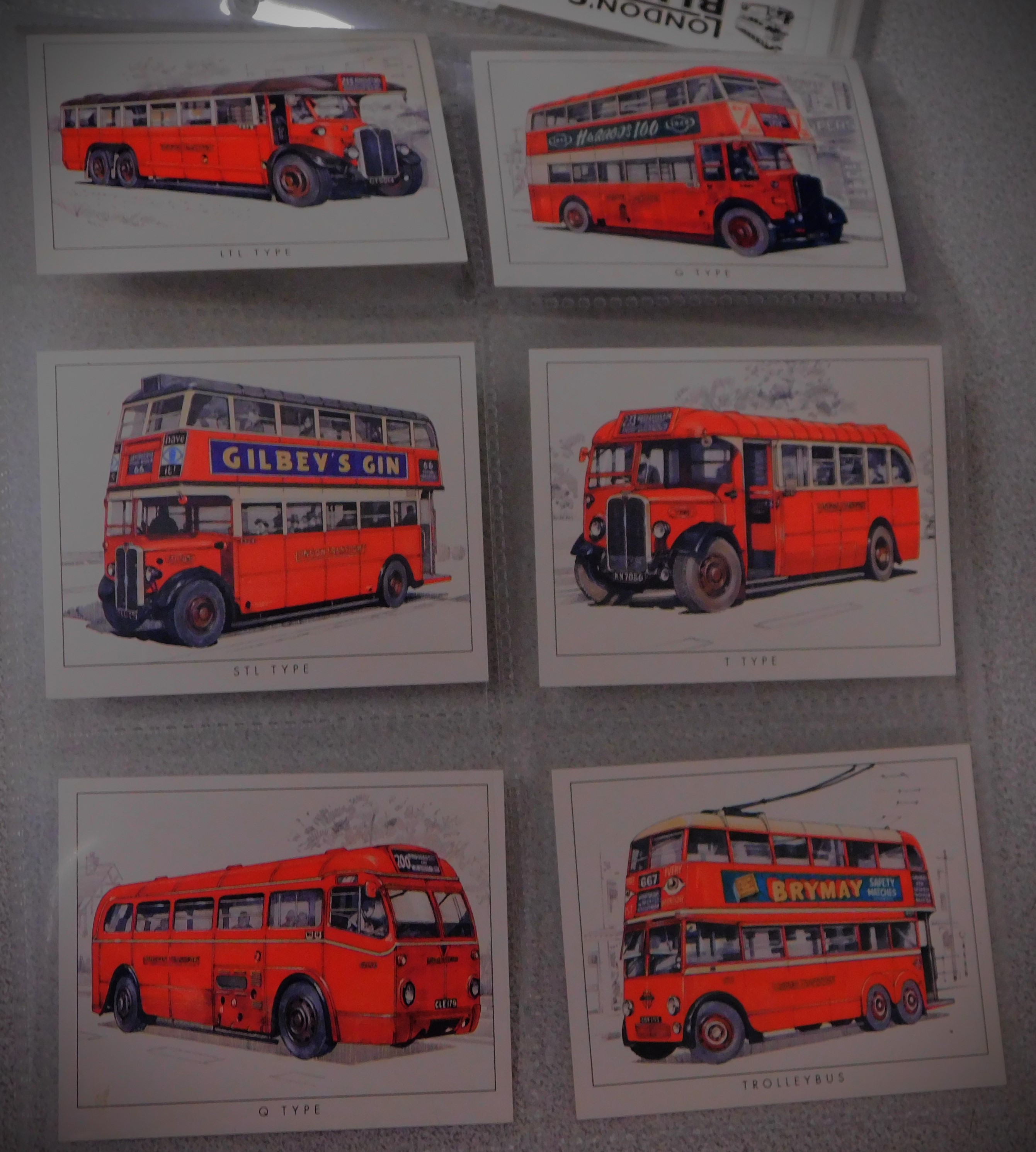
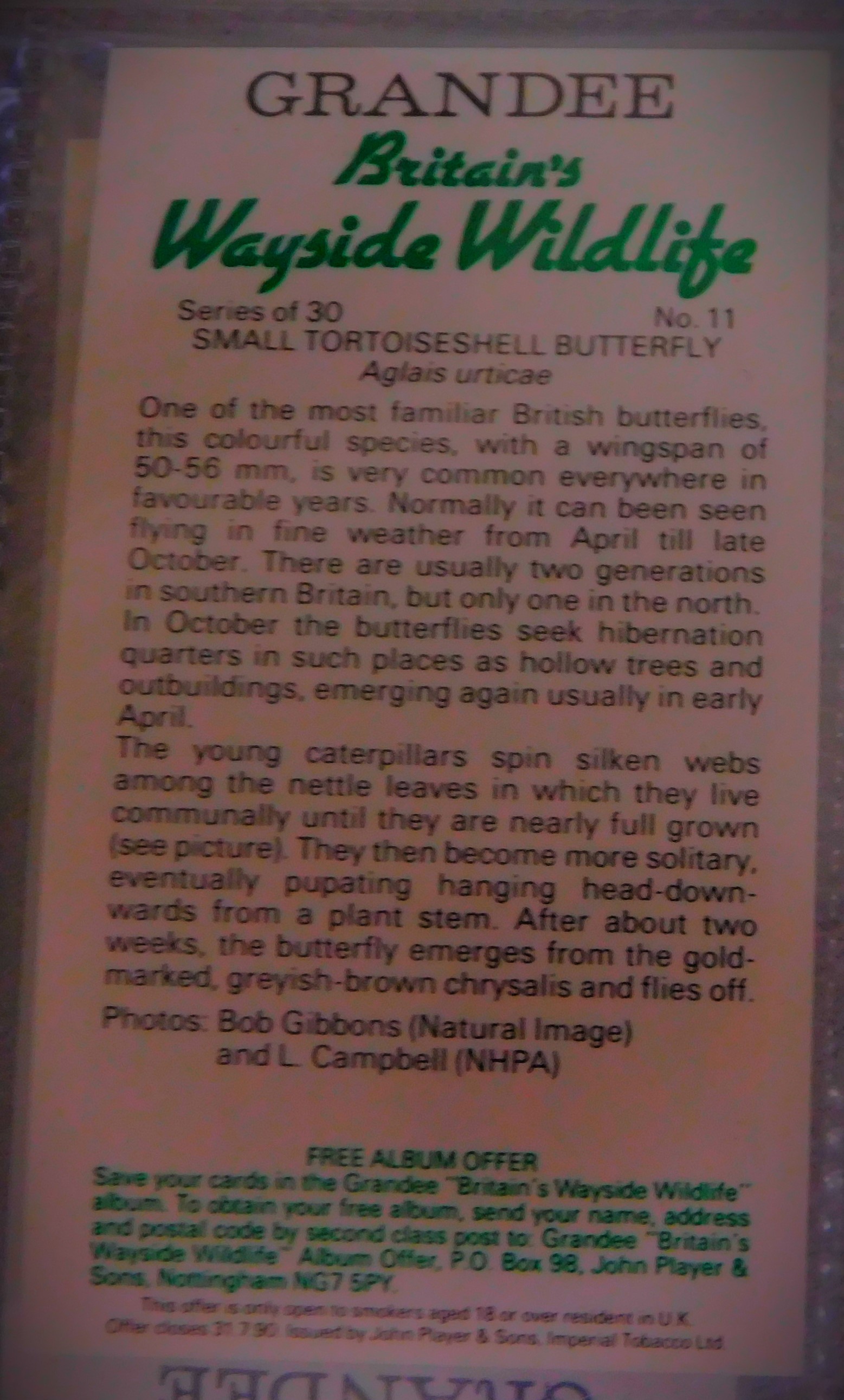
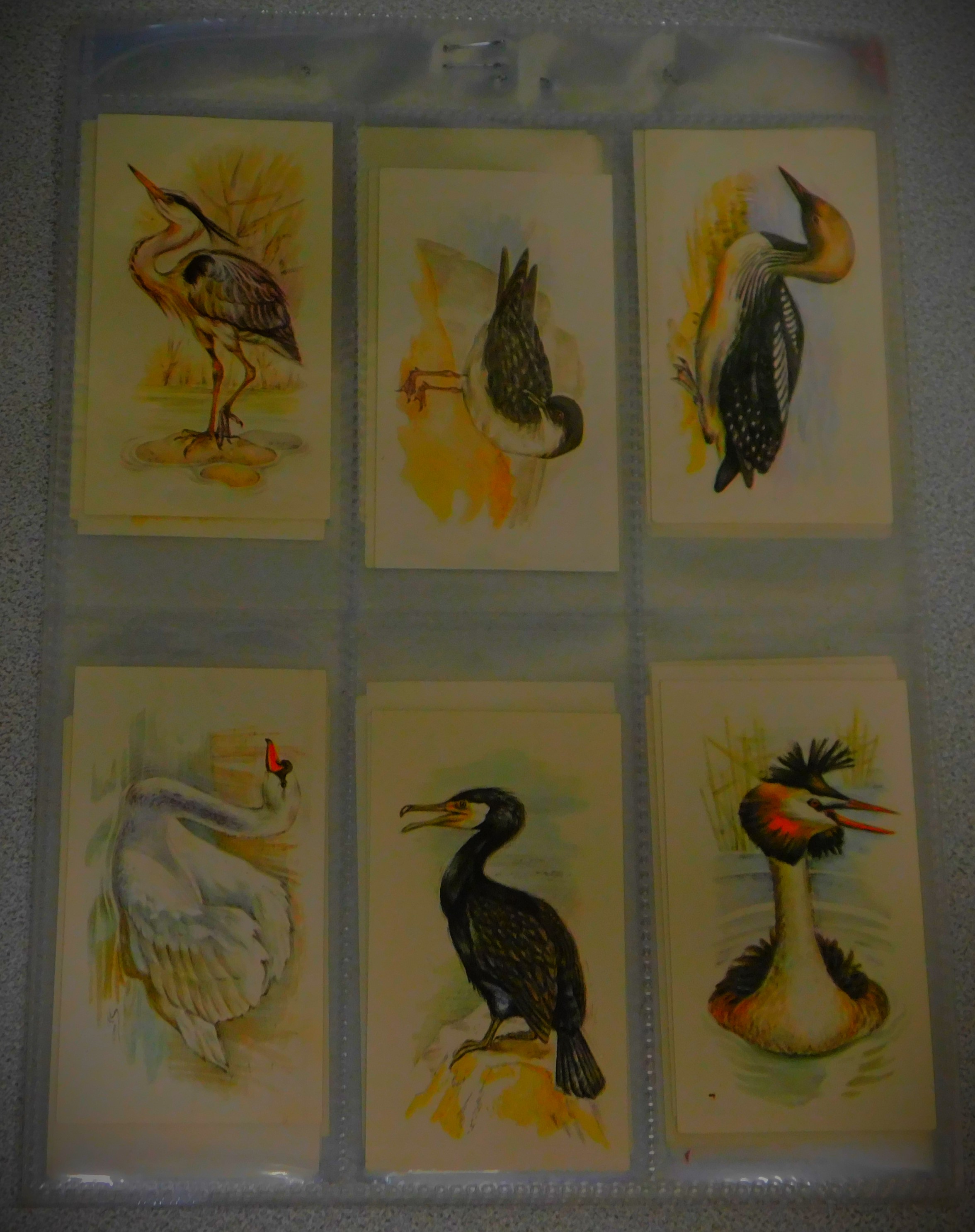
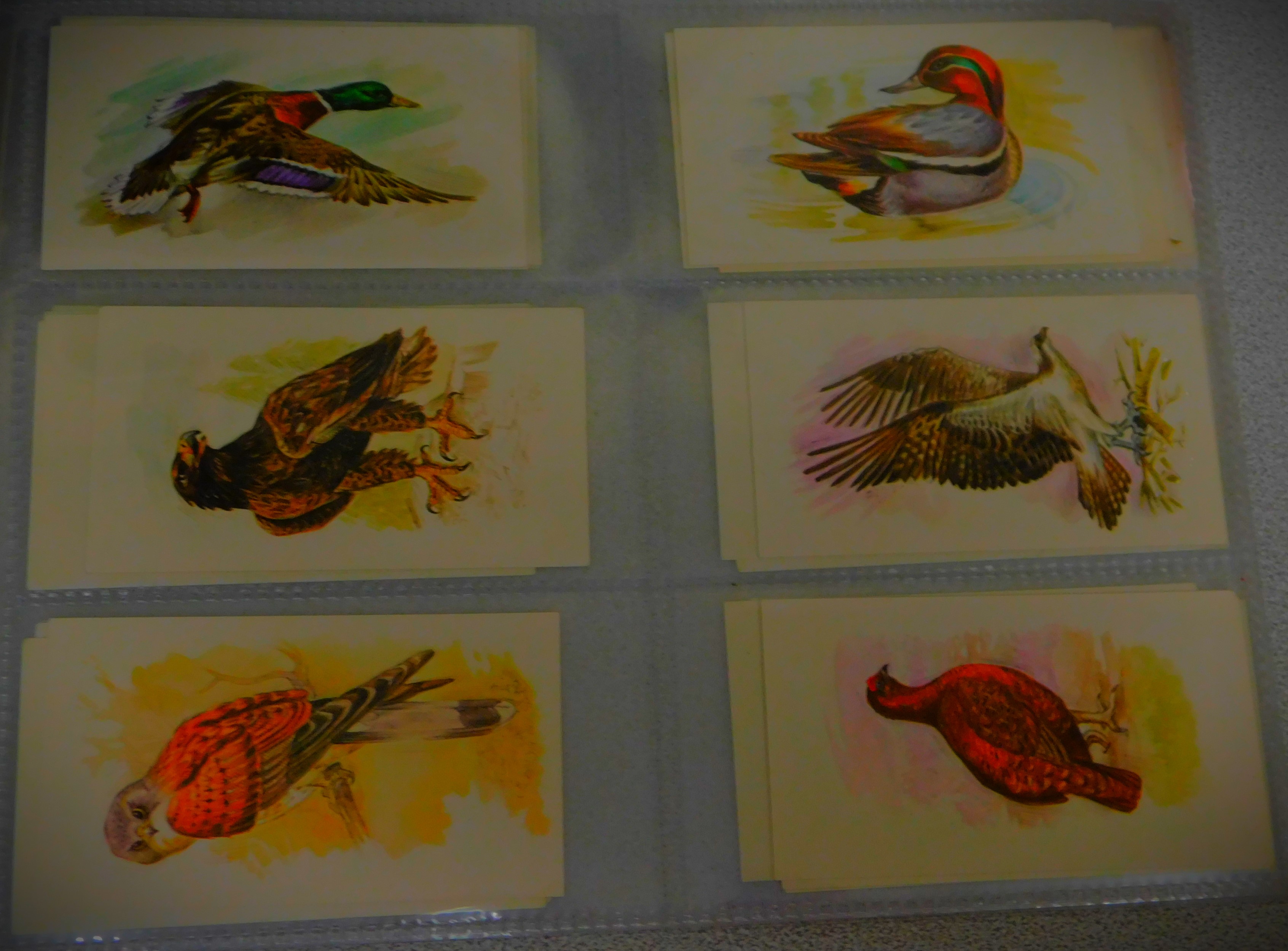
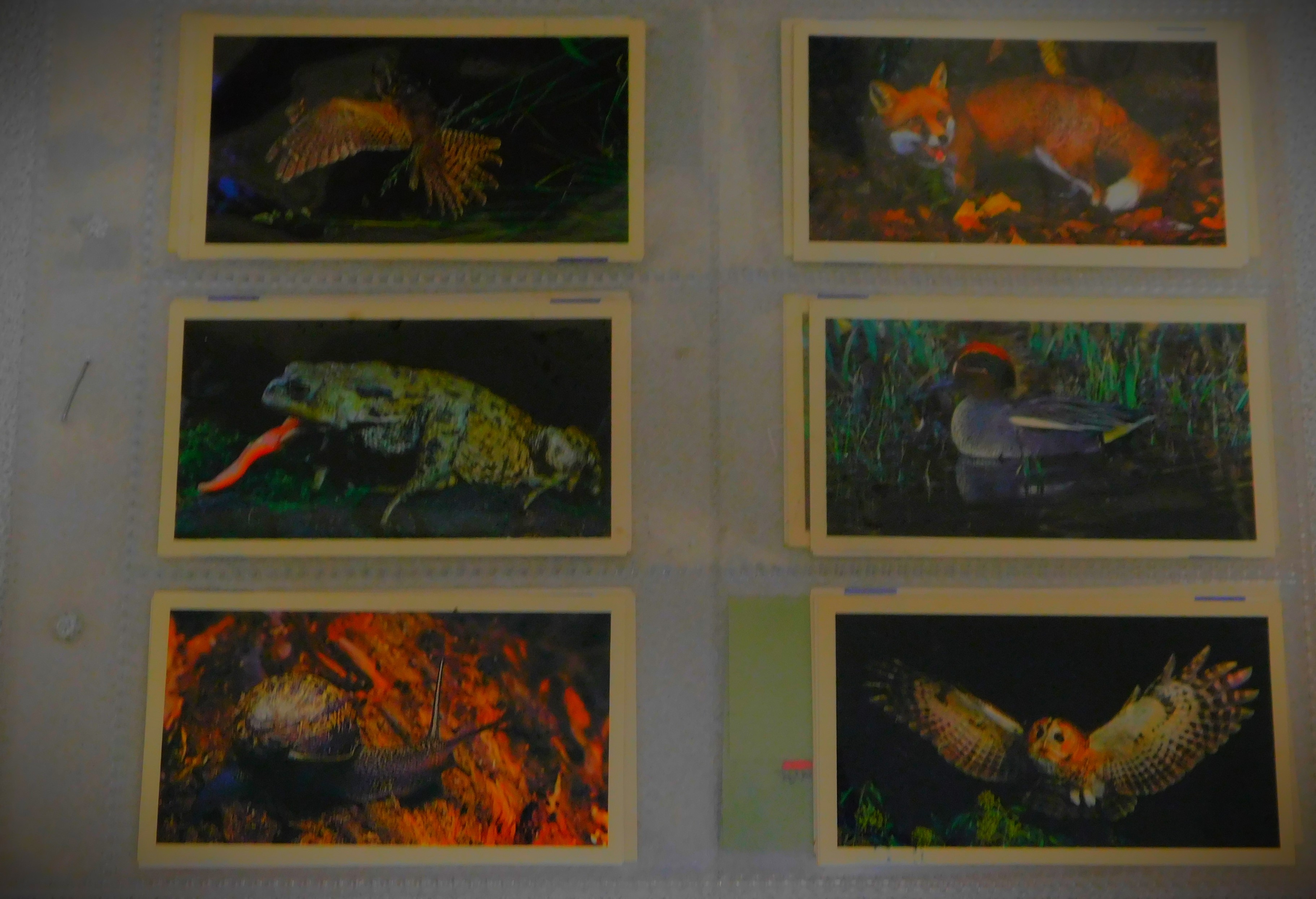
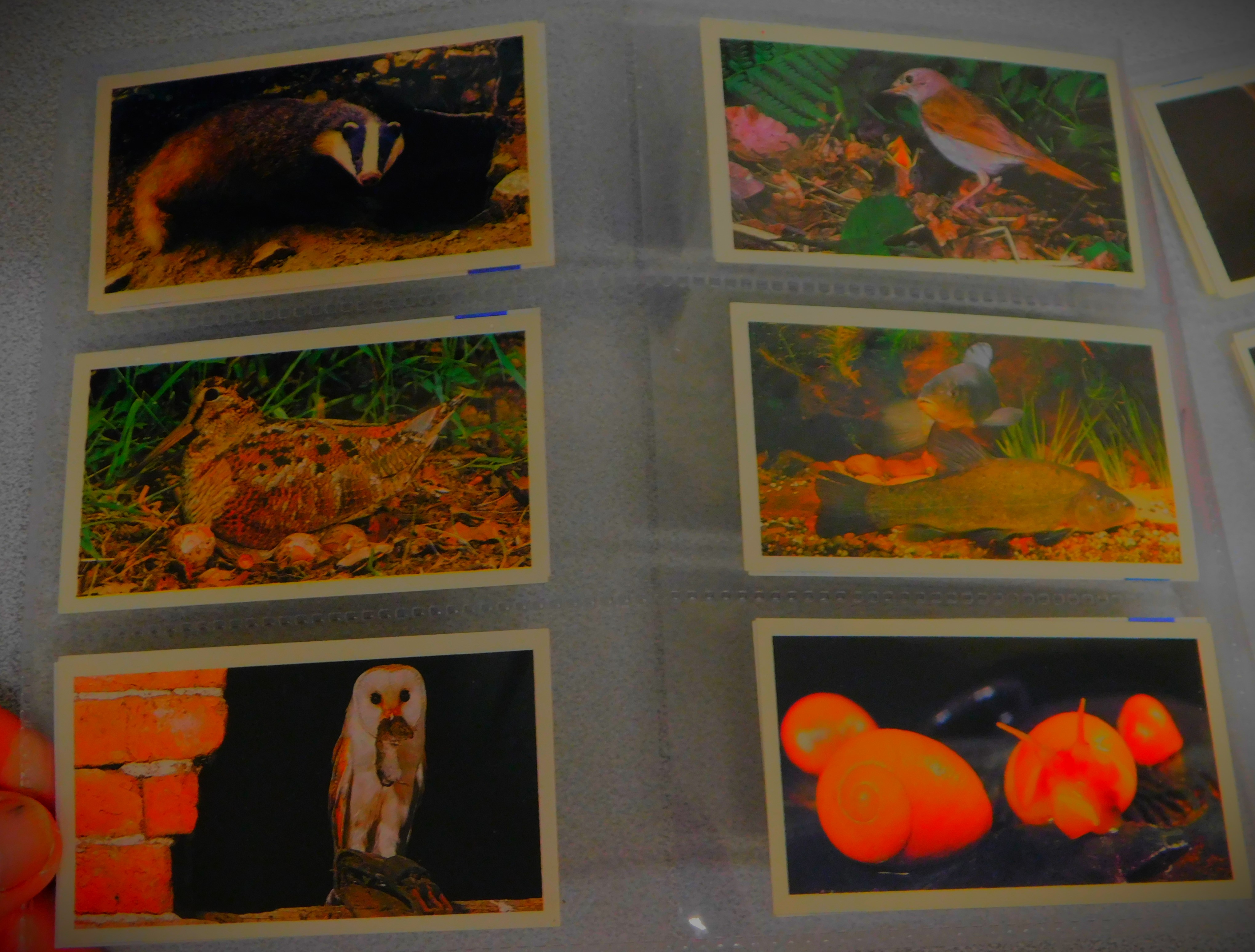
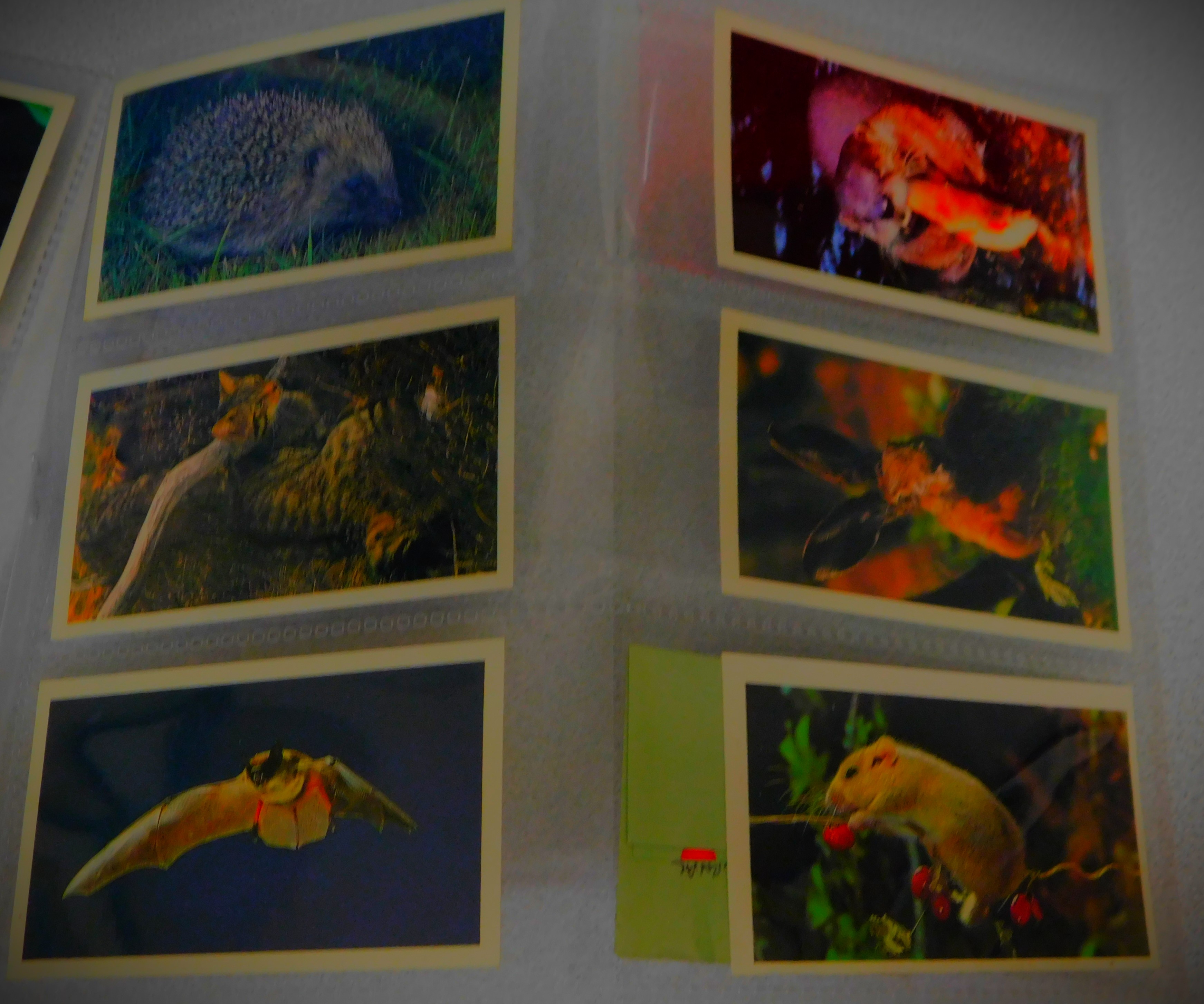
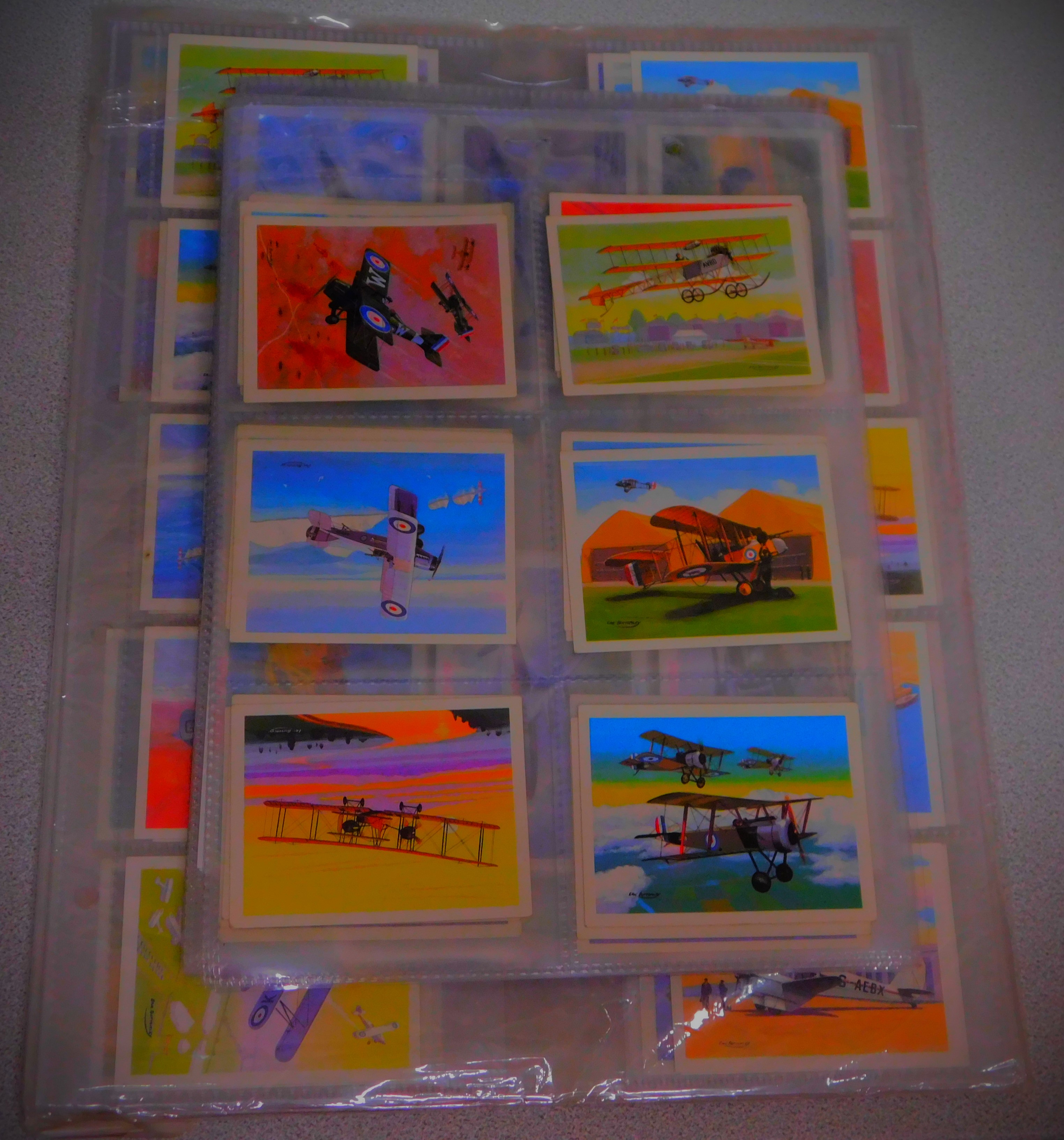
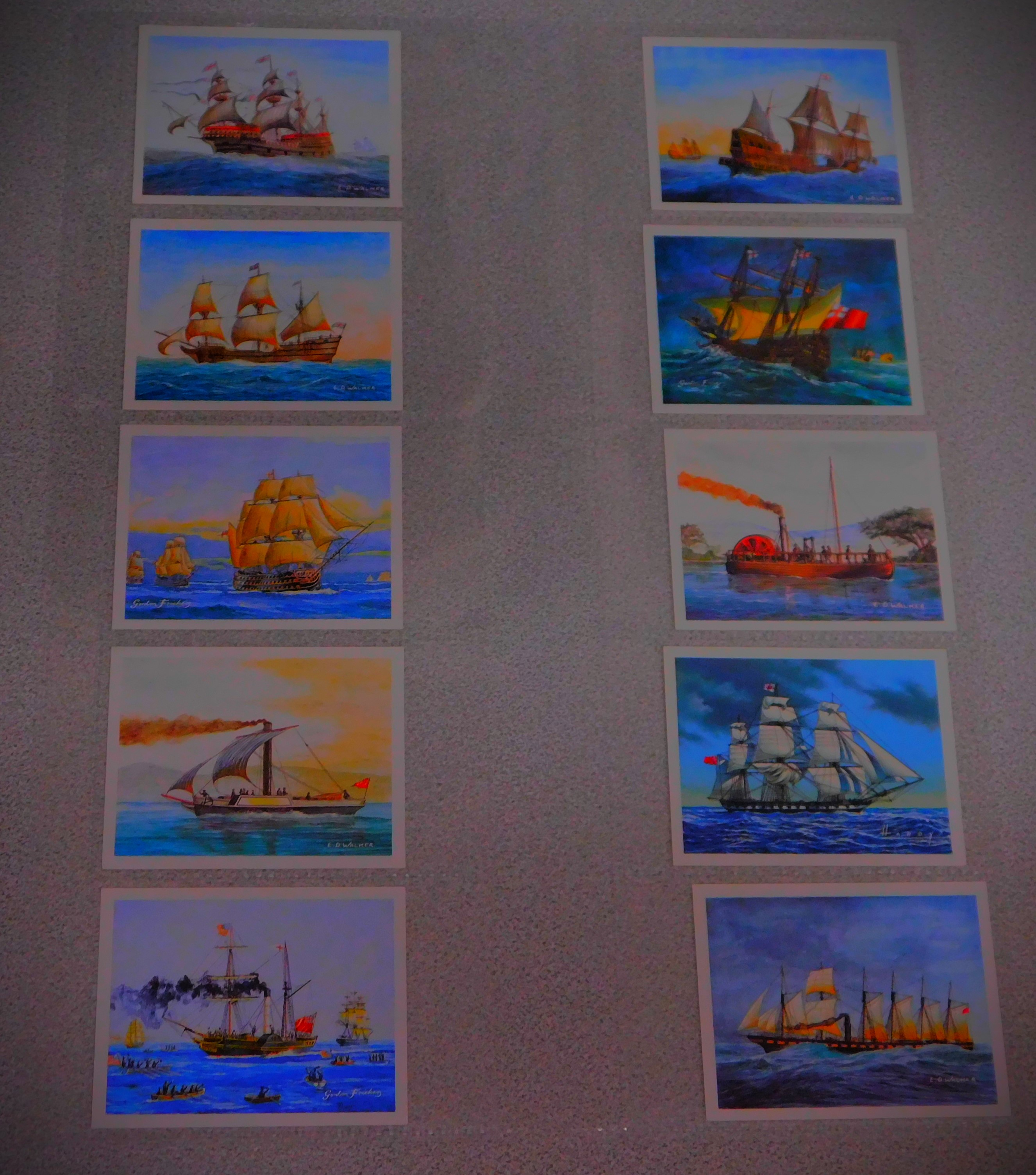
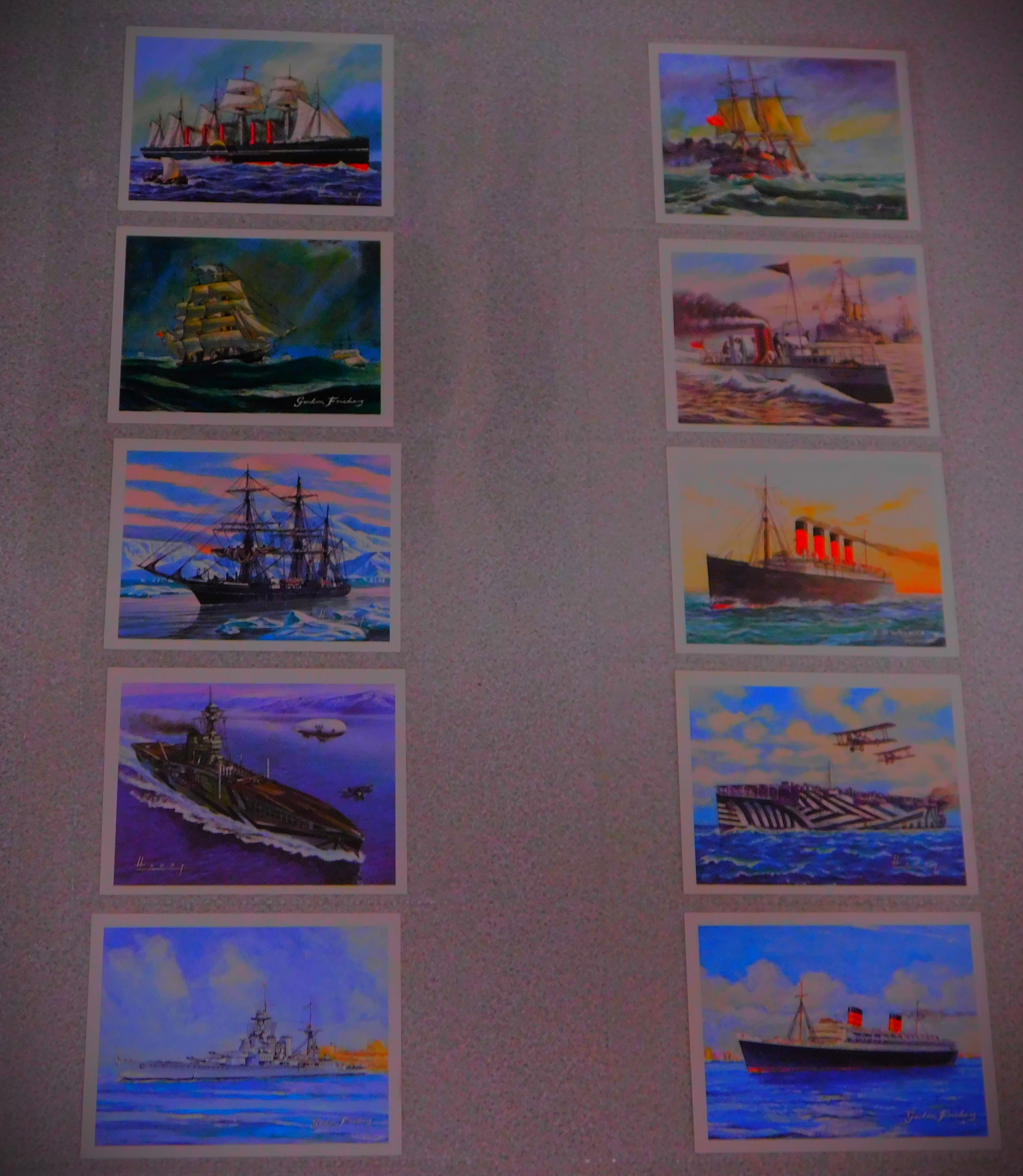
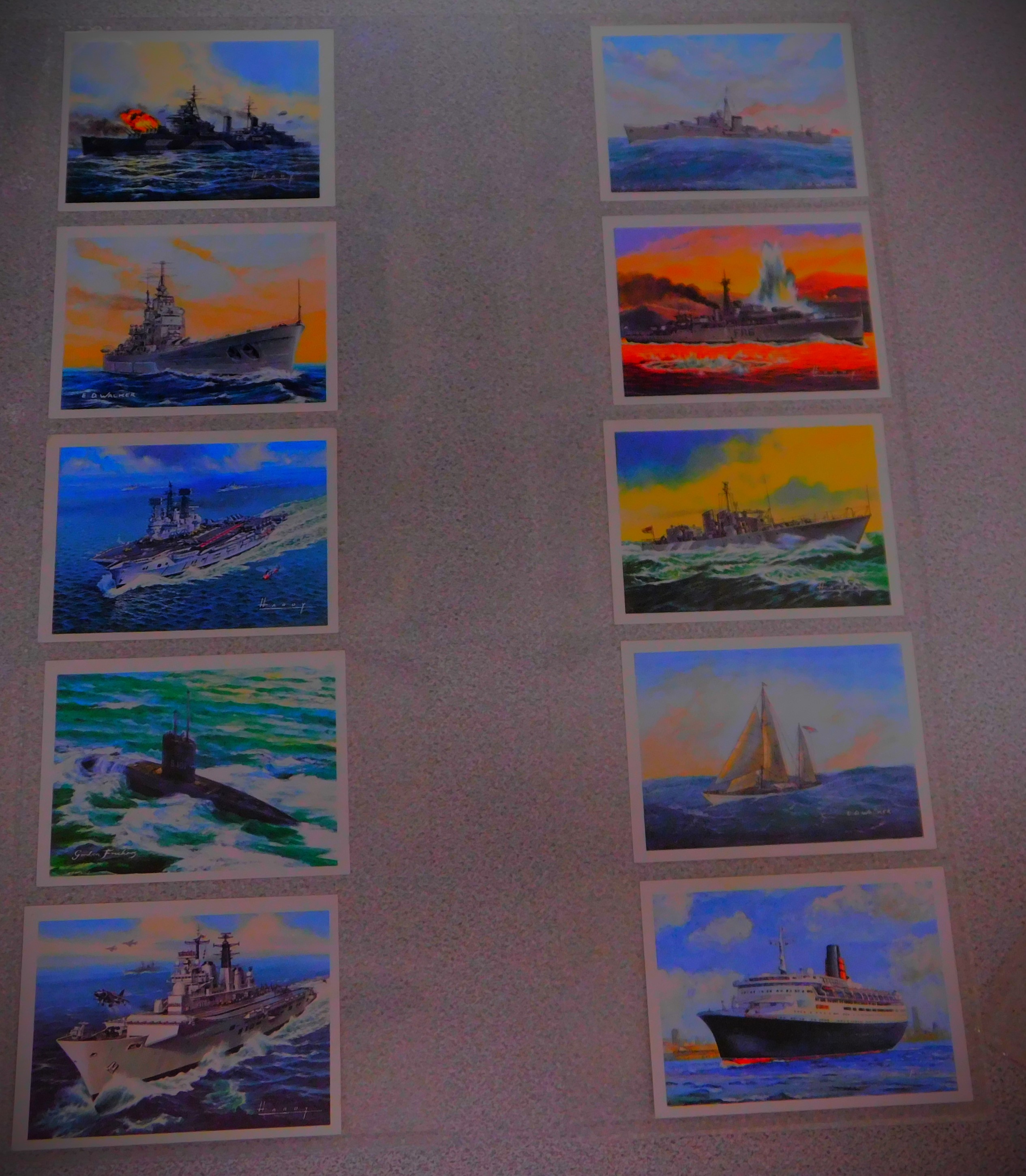
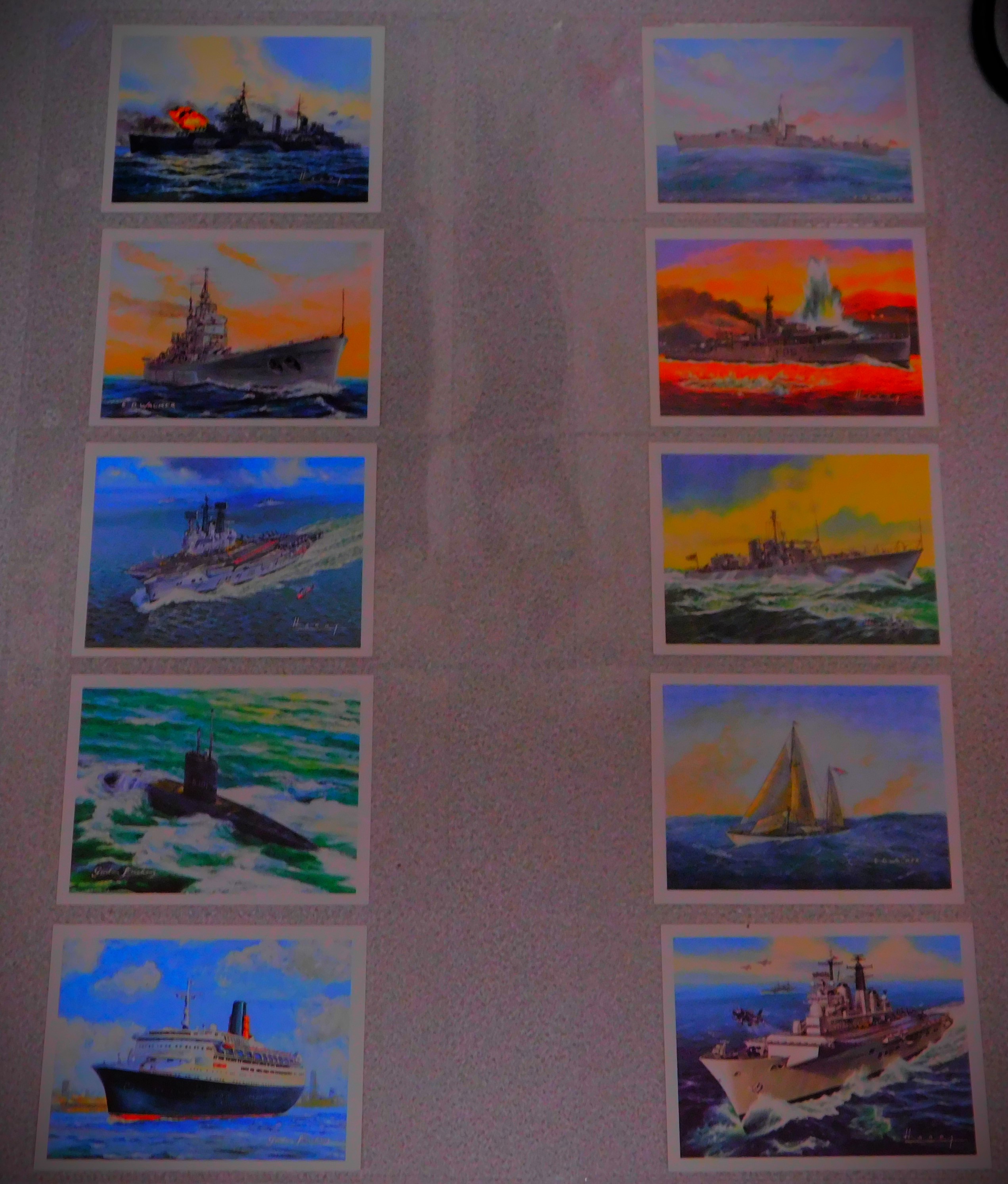
It was natural to start with London Buses that had been my main reason for buying the lot.The Route Master, London’s most iconic bus.These grandee cards featuring wildlife of various kinds were a welcome bonus.These cards featuring birds are splendid.More wildlife themed cards.These aeroplanes were not of particular interest to me.The ships however were.
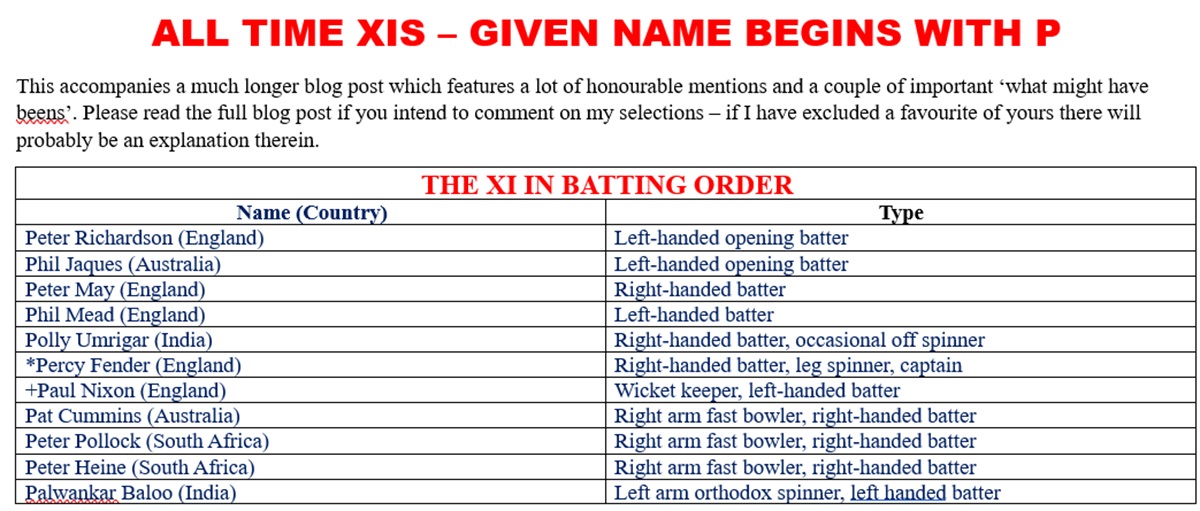
An all time XI of players whose given names begin with P, an important honourable mentions section which starts with two ‘what might have beens’ and a photo gallery.
In this post I select an all time XI of players whose given names begin with the letter P. There is an extensive and important honourable mentions section as well, and some photographs to end.
THE XI IN BATTING ORDER
Peter Richardson (England, left handed opening batter). Had a fine test record in a generally low scoring decade, the 1950s. He also lacked a regular opening partner at England level, which makes his achievements in the role even more creditable.
Phil Jaques (Australia, left handed opening batter). One of the many fine players to miss out on opportunities because Australia had a dominant and settled line up at the time. His performances in the nine test matches he got to play were excellent, and his first class record over a long career speaks for itself.
Peter May (England, right handed batter). An outstanding career record, averaging 46 in test cricket’s lowest, slowest scoring decade.
Phil Mead (England, left handed batter). A fine test record, and an outstanding first class one. His Hampshire tallies of 48,809 runs and 138 centuries are both records for a single first class team, while his overall career tallies place him fourth all time in both runs scored and centuries made.
Polly Umrigar (India, right handed batter, occasional off spinner). He overcame a traumatic start to his test career, mainly at the hands of Fred Trueman, to end it as the holder of India career records for most runs and most centuries at test level, and with an average of 42 at that level. His India career records all stood as such until Sunil Gavaskar came along and didn’t so much raise the bar as blast it into the stratosphere.
*Percy Fender (England, right handed batter, leg spinner, captain). Perhaps one place higher than would be absolutely ideal, but this side has a strong top five, and there is a very handy keeper/ batter to come. A fine all rounder, and an even finer captain, a role that Peter May’s presence not withstanding I have no hesitation in awarding him in this side.
+Paul Nixon (England, wicket keeper, left handed batter). He was never picked by England for a test match, though he did play some limited overs internationals, but he was very fine wicket keeper, and good enough with the bat to average 35 in first class cricket.
Pat Cummins (Australia, right arm fast bowler, right handed batter). One of the best contemporary fast bowlers.
Peter Pollock (South Africa, right arm fast bowler, right handed batter). The spearhead of the South African bowling attack in the last years of their first incarnation as a test nation, he first developed his bowling in the backyard of the family home, where if he wanted a bat he had first to dismiss his younger brother, and since said younger brother was Graeme Pollock that, as many another bowler learned over the years, took quite a lot of doing.
Peter Heine (South Africa, right arm fast bowler, right handed batter). Formed an excellent and nasty new ball pairing with Neil Adcock, who should probably have been in the Ns XI in the years immediately before Pollock.
Palwankar Baloo (India, left arm orthodox spin bowler, left handed batter). India were not a test nation in his playing days, and since rather than being a Jam Saheb or a Nawab he was a humble member of a low caste he did not have the opportunity of going to England to play. 33 first class matches yielded him 179 wickets at 15.09 a piece, an astounding record, especially given the caste prejudice he faced while assembling it.
This side has a powerful top five, a fine all rounder who was also a very astute captain, an excellent keeper/ batter and four high quality specialist bowlers. Cummins, Pollock, Heine, Baloo and Fender, with Umrigar available as sixth bowler are unlikely to struggle to take 20 opposition wickets.
HONOURABLE MENTIONS
I begin this section, for reasons that I hope will become apparent, with…
WHAT MIGHT HAVE BEEN? (X2)
My first what might have been, and the one that some would be gunning for me over my failure to include him is Phillip Hughes, a left handed opening batter who died after being hit on the back of the head by a bouncer in 2014, at the age of just 26. Hughes’ tragic demise does not change basic facts: in this case he had not done enough to earn his place in this XI, with a test average of under 33, including the 2010-11 Ashes when he looked decidedly ordinary. There is no way of knowing how his career would have developed, and I can only go on actual facts, therefore he misses out.
The second person to feature in this section is another Aussie. Some 40 years before Glenn McGrath was born there Dubbo, New South Wales had come very close to producing a champion fast bowler: Pat Crawford. His career came to a premature end after a horrible injury. In four test matches he took seven wickets at 15.28, while 37 first class matches yielded him 110 scalps at 21.02. In view of the achievements of Cummins, Pollock and Heine, plus one or two others who had to miss out I felt that while his figures did suggest a truly great performer I could not include him.
REGULAR HONOURABLE MENTIONS
Two other openers whose test records definitely make them worthy of consideration were Paul Gibb and Peter Parfitt, the former of whom could also have been named as keeper. Pravin Amre of India started his first class career looking like he was going to shred the record books, but ultimately did not do so, though his records at both first class and test level were excellent by mosr reckonings. Pathum Nissanka of Sri Lanka has an outstanding first class batting record and a very respectable test one, and may ultimately claim a place in this XI, but at the moment he is not quite there. Peter Burge of Australia was also in the mix for a middle order batting slot, but although he definitively won one test match for his country (an innings of 160 that was largely responsible for what looked a substantial first innings deficit becoming a substantial first innings lead) his overall record was respectable rather than great. Paul Collingwood was a candidate for the place I gave to Umrigar, and would also be a candidate for being the designated substitute fielder, though he has a rival for that slot in Paul Parker. Phil Sharpe was a gritty batter who averaged 40 at test level and an outstanding slip fielder. Parthiv Patel, Paul Downton and Peter Nevill were the three wicket keepers closest to challenging Nixon. The fastest bowler to miss out was unquestionably Patrick Patterson, but he was nearly as erratic as he was quick, which is why his record falls short of greatness. Peter Siddle and Pat Trimborn were both quality practitioners of right arm fast medium bowling. Pedro Collins was another test match pacer not quite good enough for this XI. The spin options were thinner on the ground, though Pat Pocock, who once took seven wickets in 11 balls for Surrey against Sussex deserves a mention, and two contrasting left armers, Philippe-Henri Edmonds and Paul Adams of the ‘frog in a blender’ action would both have their advocates. Pat Symcox, a fine off spinner for South Africa, would also have his advocates. Peter Hatzoglou (leg spin) and Patrick Dooley (left arm wrist spin) would be candidates for a limited overs side. Australian left hander Phoebe Litchfield would also be a candidate for a batting slot in a limited overs XI.
A look back at last night’s ODI series decider between West Indies and England, an all time XI with given names beginning with O as its theme and a photo gallery.
Last night saw the deciding ODI of the series between West Indies and England. That and an all time XI of players where the main focus is having a given name beginning with O form the bulk of today’s post.
WEST INDIES V ENGLAND DECIDER
As you will see it is more than usually appropriate that the heading of this section of the blog is in maroon, the colour of the West Indies.
Rain delayed the start significantly, and the by the time of the toss the match was reduced to 43 overs per side instead of 50. West Indies won the toss and put England into bat. Matthew Forde made an international debut in place of Oshane Thomas for West Indies and Matt Potts replaced Brydon Carse for England.
Ford bowled outstandingly with the new ball and was rewarded with three very quick wickets. Alzarri Joseph then struck twice, though he only got officially credited for one – a brilliant piece of fielding off his own bowling that in conjunction with a hesitation between the batters led to a run out was the one for which he got no credit, a terrible shot that led to a first ball duck for skipper Buttler was the one that he did get credit for. At that point England were reeling at 49-5. Liam Livingstone and Ben Duckett then shared a big partnership, and it looked like England’s early collapse might not be terminal.
England’s spinners bowled well, and the West Indies looked like failing in the chase on several occasions. Then, at the crucial moment, with the run rate definitely looking challenging for WI, and on a pitch on which extra pace had been at best a dubious asset (Forde, so successful for WI, is a medium pacer, and WI’s next best bowlers were their own spinners Motie and Cariah) Buttler entrusted Atkinson with an over. Atkinson immediately started trying for yorkers, and served up two delicious full tosses which both went for sixes. In total this over yielded 24 runs, and the result was no longer in doubt. WI duly won by four wickets and took the series.
There have been signs of promise from England this series, with Jacks and Salt looking like a decent opening pair, Jacks bowling well yesterday, Livingstone faring decently as an all rounder and Duckett’s innings yesterday, but there are also obvious problems, the biggest of them being Buttler’s inadequacy as skipper. West Indies bowl better than they bat (which as anyone familiar with my blog knows is the way round I would prefer things if I had to have a side that was stronger in one department than the other), with Forde a hugely promising new comer, Alzarri Joseph and Oshane Thomas both good pacers and Cariah and Motie good spinners. The batting is a trifle too dependent on Shai Hope for comfort, but they did the job yesterday without him making a huge score.
ORCHESTRATING AN ALL TIME XI
Today pick an all time XI with the theme being players whose given names begin with the letter O. I have had to resort to a couple of cheat picks to complete the XI, but nine of my players do indeed have given names beginning with O.
THE XI IN BATTING ORDER
Octavius Radcliffe (England, right handed opening batter, occasional off spinner). A west country based amateur of the late 19th century (born and died in Wiltshire, turned out for both Gloucestershire and Somerset, the former of which helped get him a place on the 1891-2 Ashes tour, skippered by WG Grace), and his record compares reasonably with those of a similar vintage.
Felix Organ (Hampshire, right handed opening batter, off spinner). One of my ‘cheat picks’, and picked more on potential than actual achievement. He does have a name beginning with O, but not his given name.
Ollie Pope (England, right handed batter, occasional wicket keeper). An excellent FC record and a respectable test record which he is well capable of improving. Number three has been his best position for England.
Owais Shah (England, right handed batter, occasional off spinner). In common with many an English player of vintage he has a good domestic record while having done little of note at international level.
O’Neill Gordon ‘Collie’ Smith (West Indies, right handed batter, occasional off spinner). He was killed in a car crash while in the process of establishing himself. He had done enough to earn his place in this XI.
Azmatullah Omarzai (Afghanistan, right handed batter, right arm medium fast bowler). My second ‘cheat pick’, he has shown himself to be a fine player, and I expect him to improve further.
+Oliver George Robinson (Kent, Durham, Wicket keeper, right handed batter). For me he should second choice for England men’s test wicket keeper right now behind Ben Stokes. He has recently moved from Kent to Durham, and the move north has not adversely affected his batting average, proof positive that he is genuinely skilled in that department, not merely a beneficiary of southern climes and pitches.
Omar Henry (South Africa, left arm orthodox spinner, left handed batter). The first non-white cricketer ever picked for an official South Africa XI, though that came too late in his career to for him to really benefit, 443 Fc wickets at 25.17 and 4,566 FC runs at 27.34 with five centuries and an HS of 125 show him to have been a fine cricketer when in his prime.
Oliver Edward Robinson (England, right arm fast medium bowler, right handed batter). When fully fit he is a formidable bowler. It is the necessity of that caveat that is problematic.
Odean Brown (West Indies, leg spinner, right handed batter). Yet to play international cricket, but 255 FC wickets at 23.00 is a respectable record.
Olly Stone (England, right arm fast bowler, right handed batter). Has been plagued by injuries, but when fit he is a devastating bowler.
I cannot pretend that this is a great XI, but it has a functional opening pair, a respectable 3,4,5, a hugely promising all rounder at six, a class keeper/ batter and four decent front line bowlers, though two of those would be injury worries.
HONOURABLE MENTIONS
Most of these are players who would merit consideration for a limited overs XI but not for a long form one. There are three exceptions: Ossie Wheatley and Oliver Hannon-Dalby established fine records bowling right arm fast medium at county level, and if worried about having both OE Robinson and Stone in the XI one of these two could replace OE Robinson, though it must be noted of Wheatley that he was a genuine liability except when actually bowling. Aussie Women’s leg spinner of the 1990s Olivia Magno was also a genuine candidate for the slot I gave to Odean Brown. Oliver Rayner, an off spin bowling all rounder, had to be overlooked due to the number of front line batters in this XI who could bowl off spin if needed. Four West Indians would in the mix if not on the team sheet if I were selecting with limited overs in mind: Obed McCoy (left arm seamer), Odean Smith (right arm seam bowling all rounder), Omari Banks (off spinner who could bat) and Oshane Thomas (right arm fast bowler, excellent in limited overs, but has an awful record in long form matches).
PHOTOGRAPHS
My usual sign off…
“Red sky in the morning, shepherd’s warning” – not really needed in an English December, but accurate.A pair of Canada Geese in the Great Ouse (six pictures total)Lapwings enjoying the exposed mudflat at a bend in the Great Ouse (several pictures)Four Lynx buses parked up at Lynn InterchangeAn Excel Bus awaiting passengers.
An all time XI of players whose given names begin with N, some honourable mentions and a two part photo gallery.
Today I pick an all time XI of players whose given names begin with the letter N. I also have some photos to share with you.
THE XI IN BATTING ORDER
Nazar Mohammad (Pakistan, right handed opening batter). He only played a handful of test matches but fared respectably in those, and his domestic record was very good.
Neil McKenzie (South Africa, right handed opening batter). An adhesive opener with a good test record.
*Nasser Hussain (England, right handed batter, captain). As a batter he started badly at international level but recovered to finish with a very respectable career record. As a captain it was he who began to drag England back from the nadir of 1999 when they were dumped out of their own world cup in the group stages and dropped to the bottom of the world test rankings.
Neil Harvey (Australia, left handed batter). One of the greatest of all left handers, and at the time of his retirement he ranked second only to Bradman among Australian test batters.
Norman O’Neill (Australia, right handed batter). He made his debut at Brisbane in 1958, one of the slowest scoring test matches ever played, but one person proved that it was possible to score at a reasonable rate on that surface: Norman O’Neill, whose 73 not out to win the match for his side in the final innings took less than two and a half hours.
Natalie Sciver-Brunt (England, right handed batter, right arm medium pacer). A contemporary great.
+Niall O’Brien (Ireland, wicket keeper, left handed batter). He was of the generation who helped get Ireland elevated to full member status but for whom that elevation came too late. Over 9,000 FC runs at 35 and over 500 dismissals as a keeper provide solid credentials for his place here.
Norbert Philip (West Indies, right arm fast medium bowler, right handed batter). A fine bowling all rounder who was not quite good enough for West Indies at their greatest – he played some test matches during the Packer years, but never got picked when WI were at full strength. He was an overseas player for Essex for a period and in 1983 he combined with Neil Foster (doubly not qualified, through having gone on a rebel tour of Apartheid South Africa and not having been good enough in any case) to dismiss Surrey for 14, the lowest all out total in first class cricket since before WWII.
Neville Knox (England, right arm fast bowler, right handed batter). He got called up for England against South Africa in 1907, though in a wet season on uncovered pitches, with the spinners making merry he was little more than a passenger. Unfortunately knee problems got the better of him at the end of this season, and his career ended prematurely. However his performances in 1906 and 1907 (England had no home series that season and no away tour in 1906-7) were outstanding.
Noor Ahmad (Afghanistan, left arm wrist spin bowler, right handed batter). One of a phalanx of high quality spinners being produced by Afghanistan at the moment.
Nathan Lyon (Australia, off spinner, right handed batter). In red ball cricket Australia has produced exactly one top class spinner since Warne’s retirement – Nathan Lyon.
Given names beginning with N does not give me a treasure chest of talent to work with, but I think this unit, with a strong top five, an all rounder at six, a keeper who can bat, a good new ball pairing and two good spinners is a pretty solid looking team.
HONOURABLE MENTIONS
Nick Compton was the only serious challenger for an opening berth. Neil Johnson of Zimbabwe would be in a limited overs XI, but his record in long form cricket was very ordinary. Nari Contractor and Neil Fairbrother both did well at first class level but did not deliver at test level, though the latter would be a candidate for a limited overs side. Nicholas Pooran would be candidate for both a batting slot and the gauntlets in a limited overs side, but not in long form cricket. Nigel Haig was a decent county all rounder, but did little in his five test matches and did not have the x-factor of Neville Knox. Neil Mallender was a good county seamer, and did well enough in his two test appearances. Norman Cowans once took a six-for against Australia in a test match, but his overall record was not great. Natasha ‘Tash’ Farrant was the only left arm seam option I could think of, and it would have been stretch even for me to include her in this XI. Nathan Hauritz was several cuts below Lyon as an off spinner. Narendra Hirwani rewrote the record books on his test debut, but his performances thereafter were ordinary.
PHOTOGRAPHS
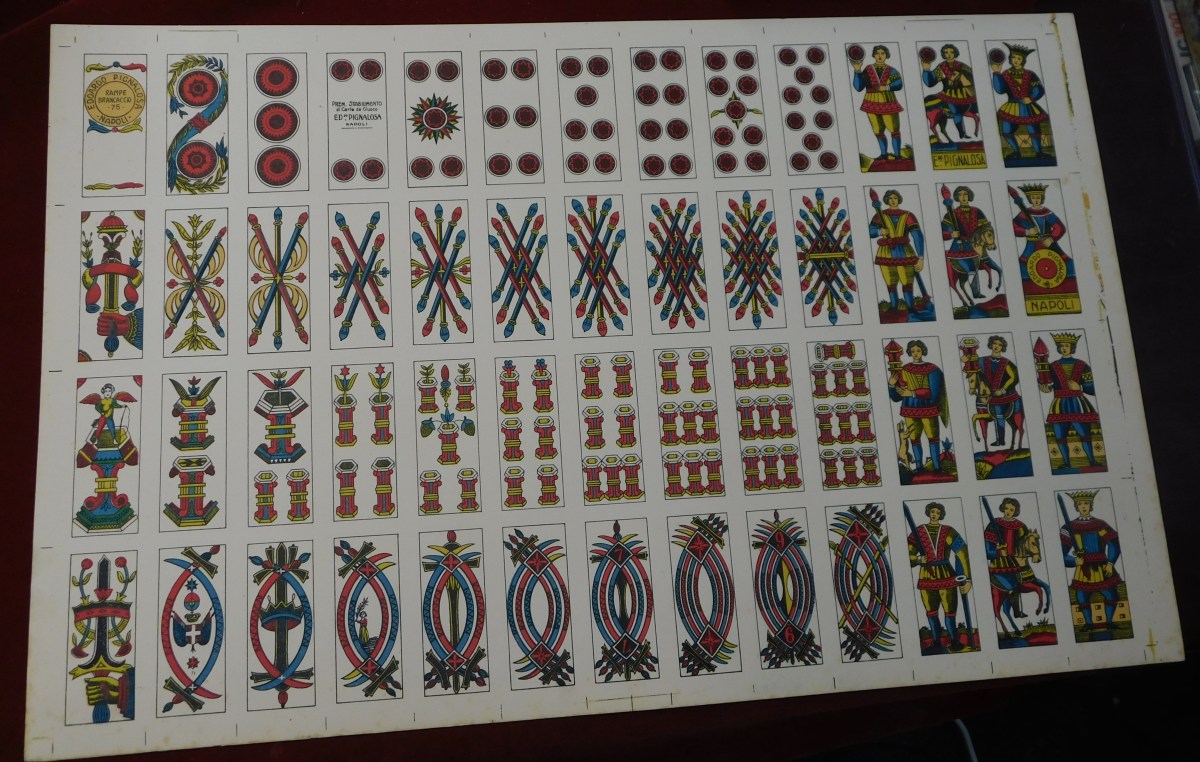
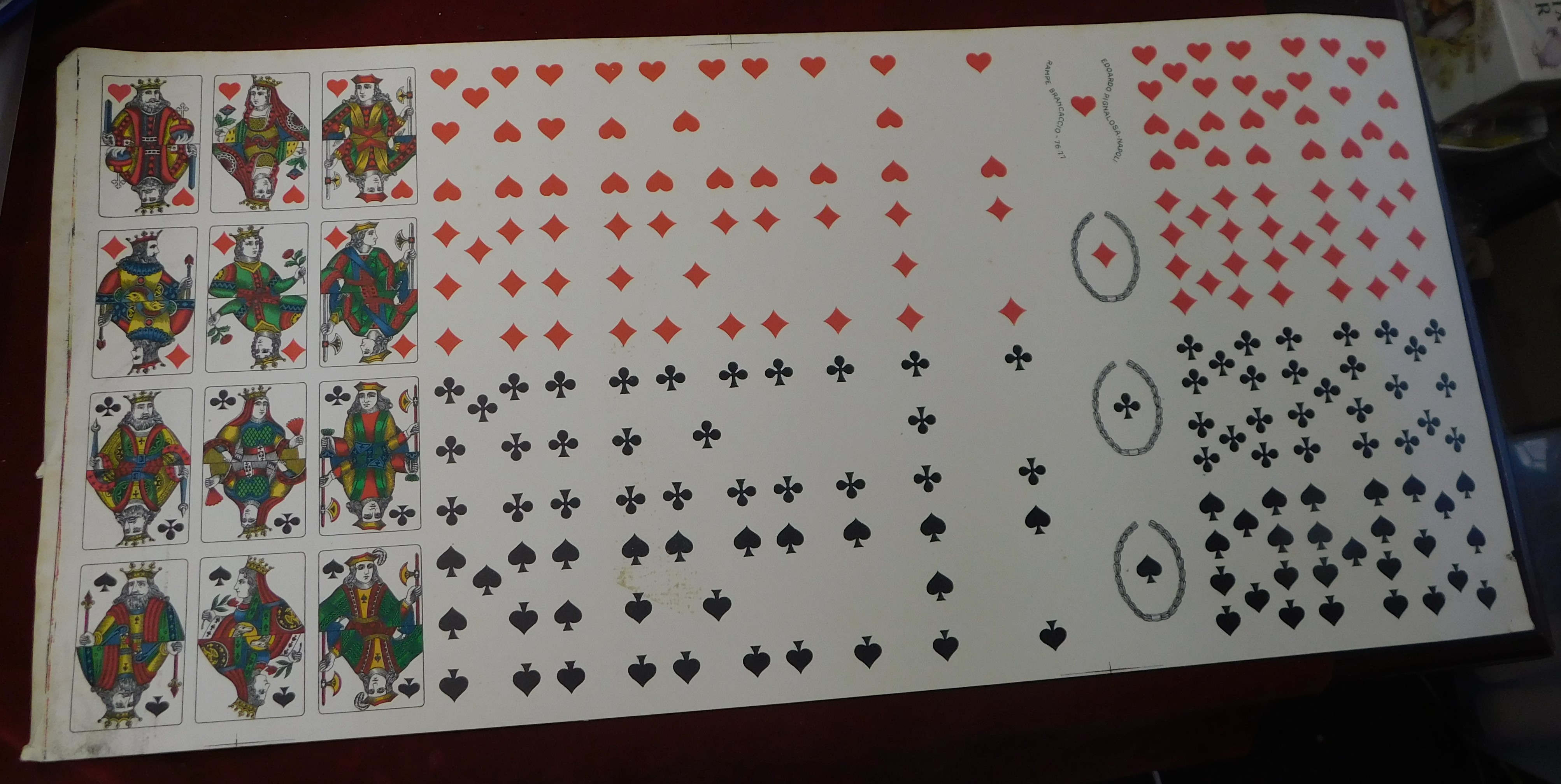
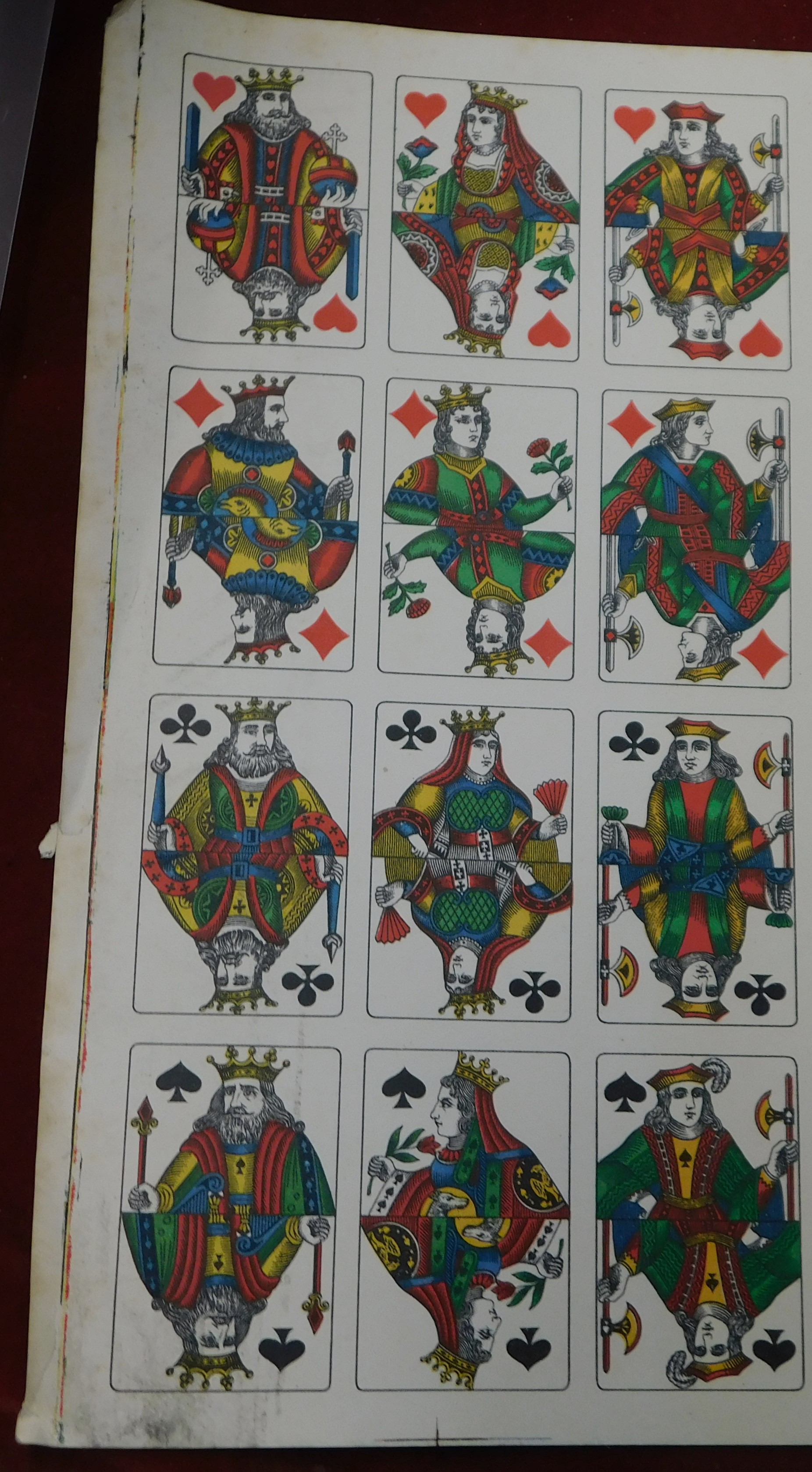
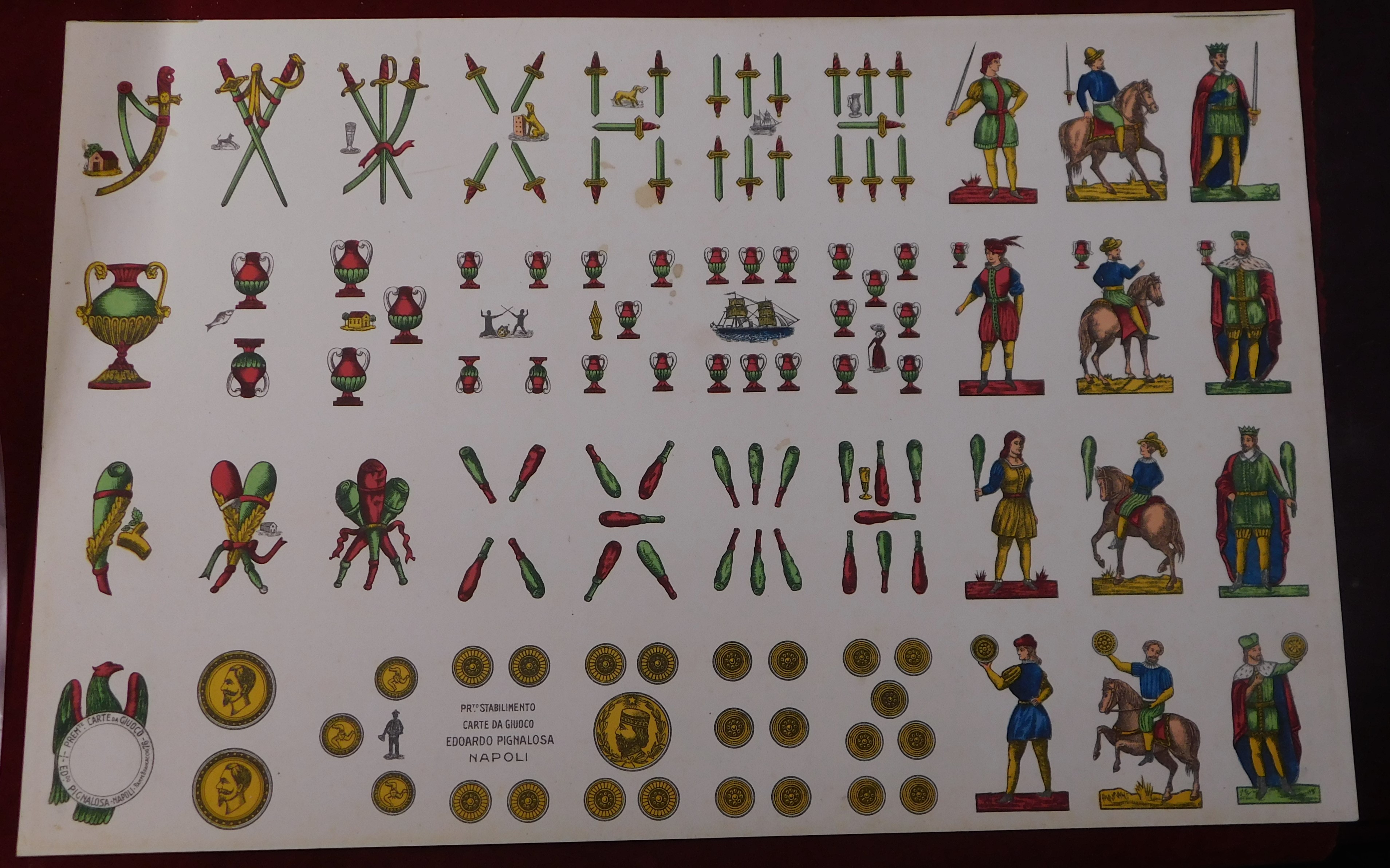
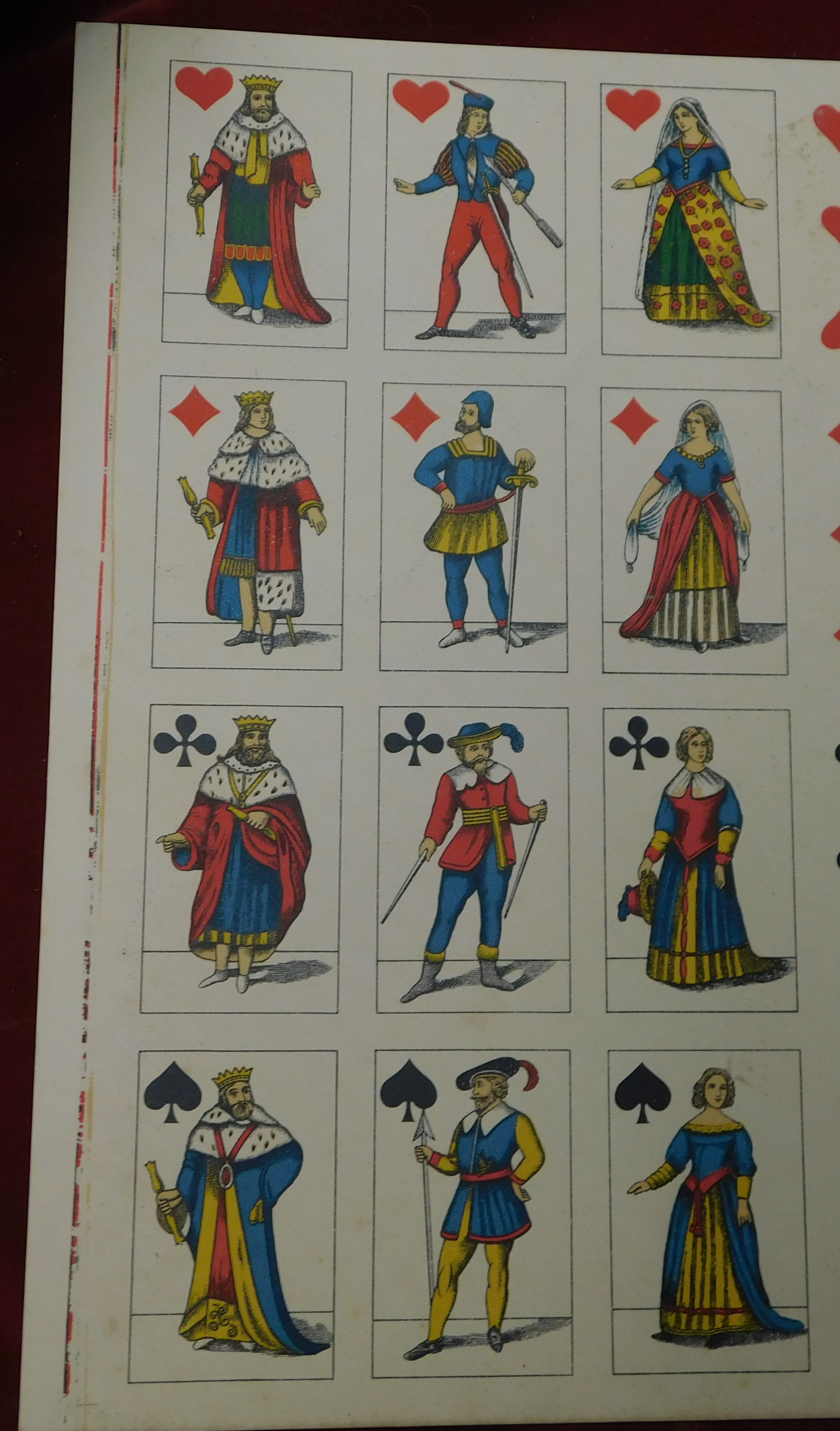
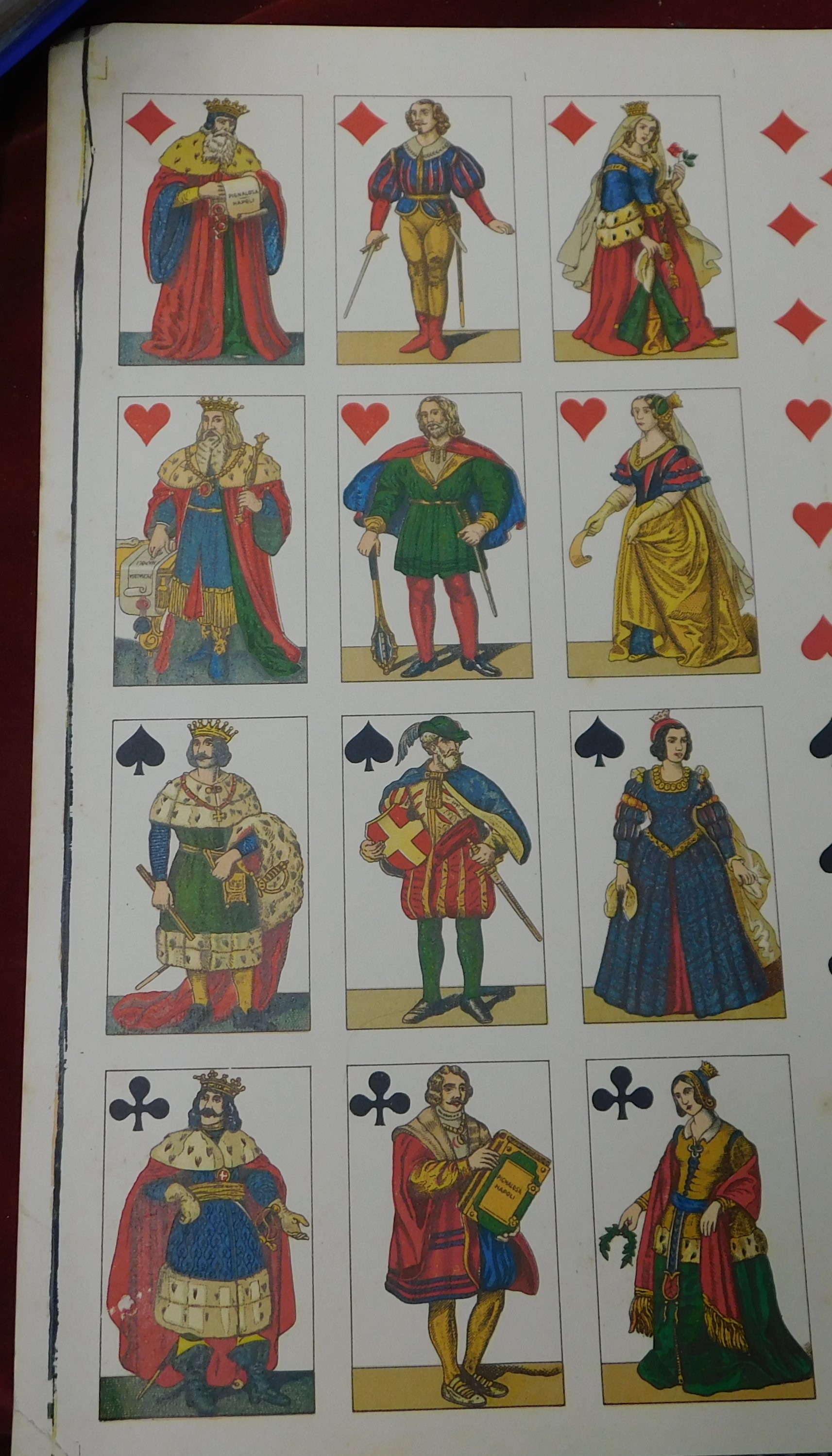
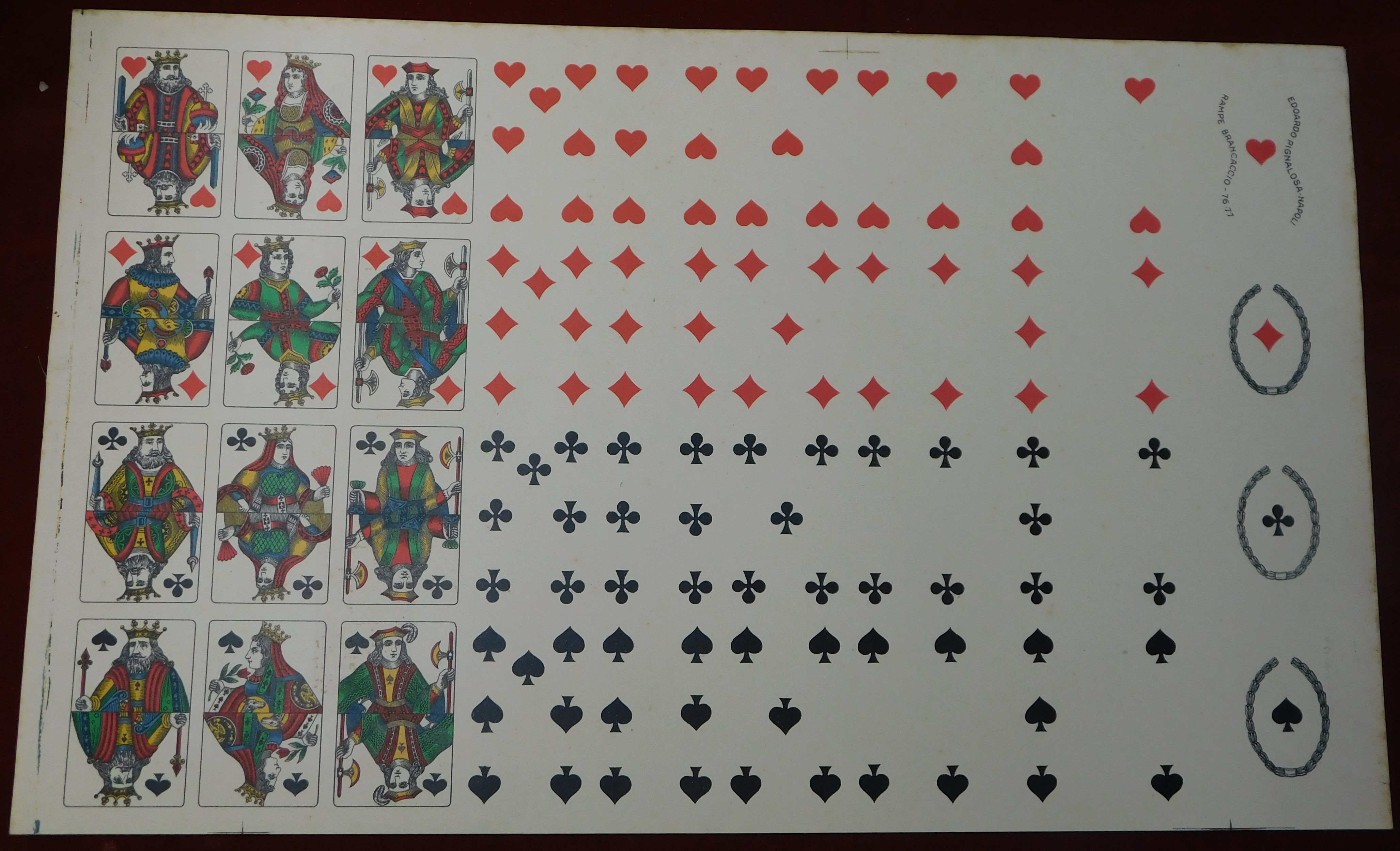
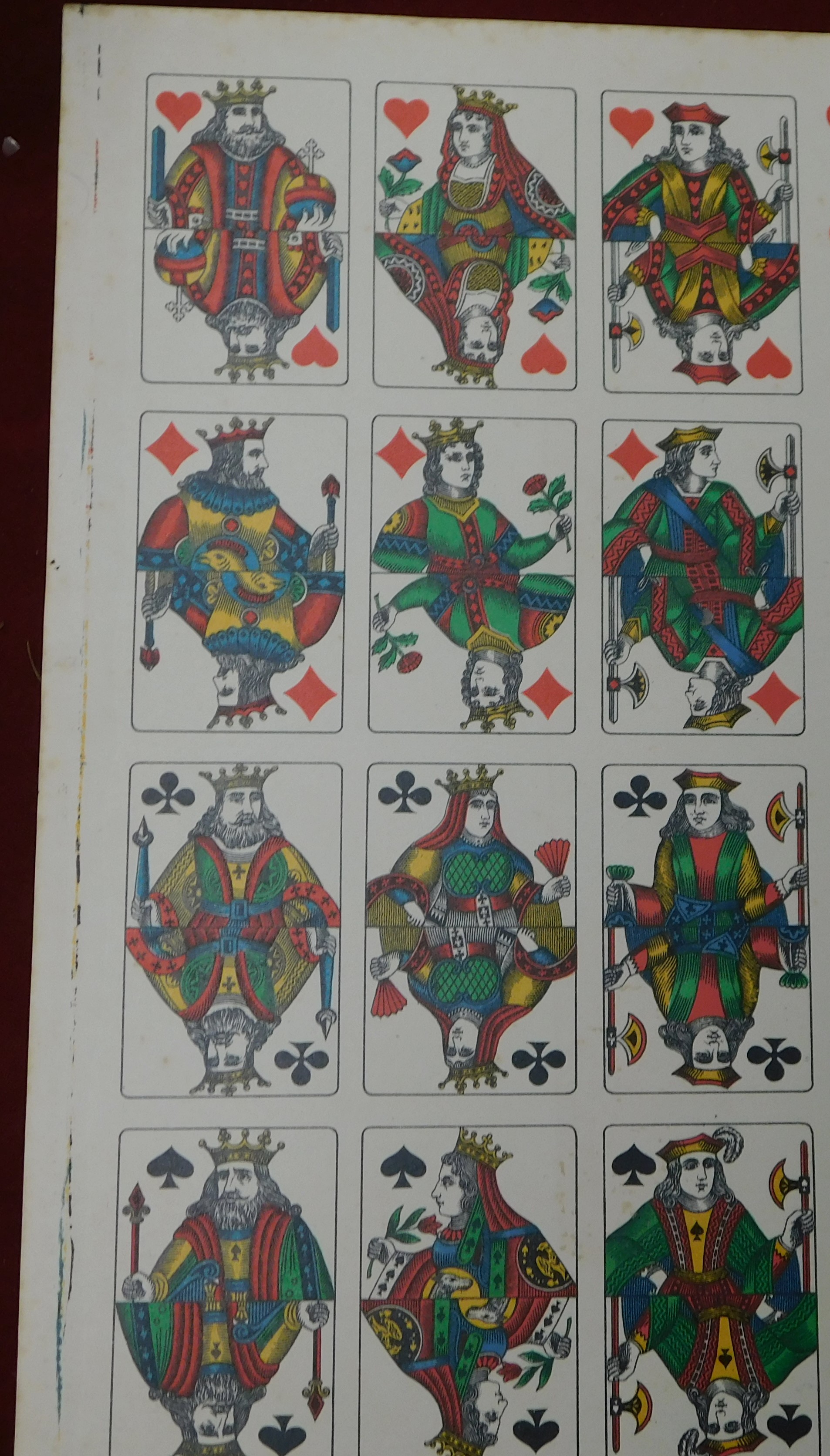
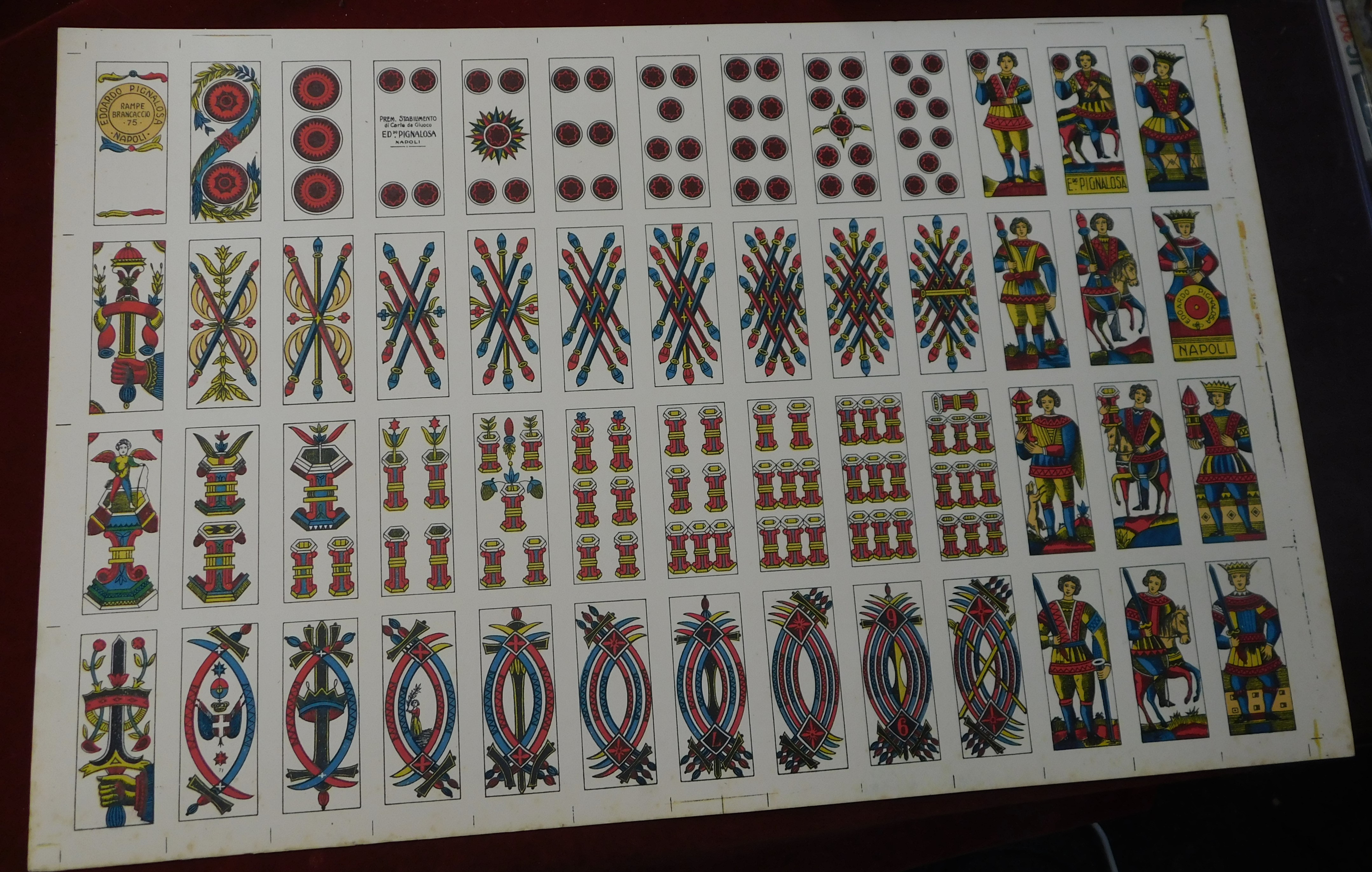
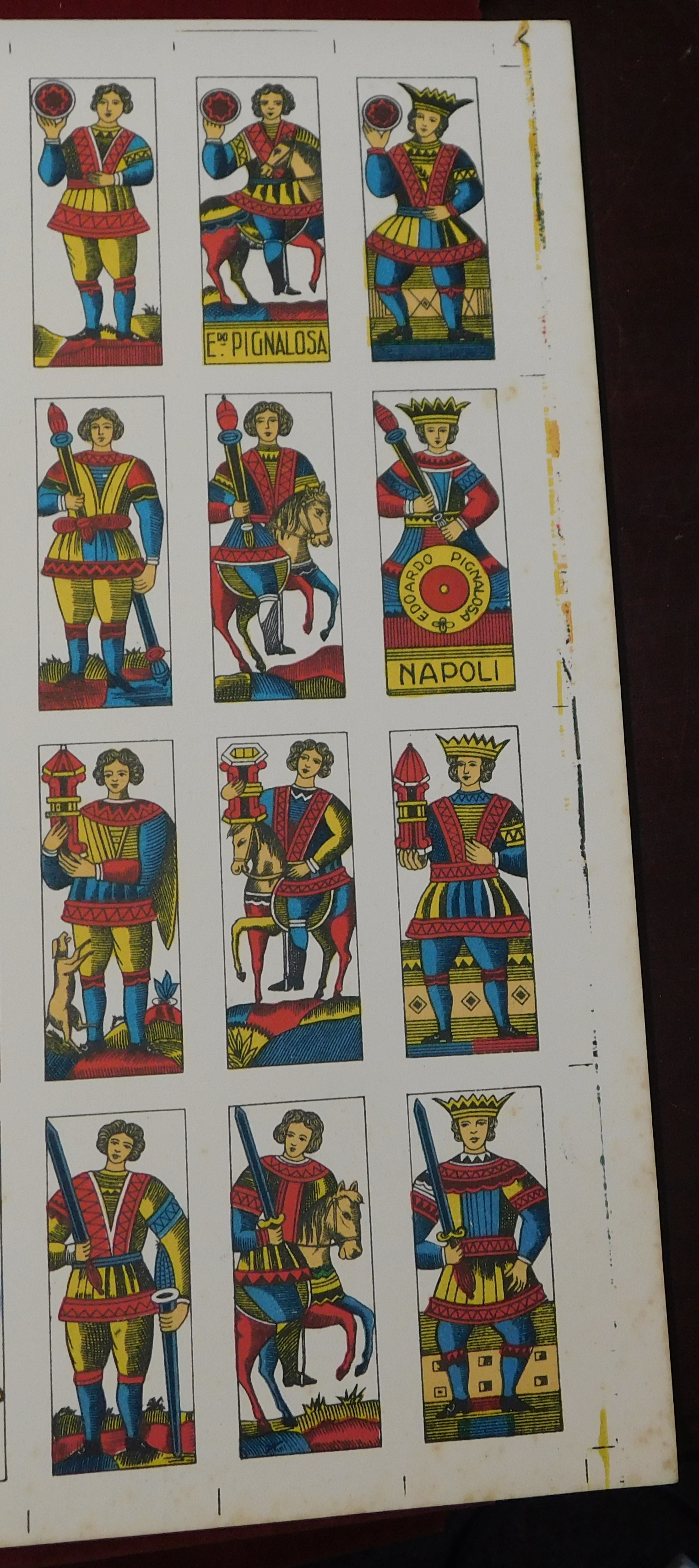
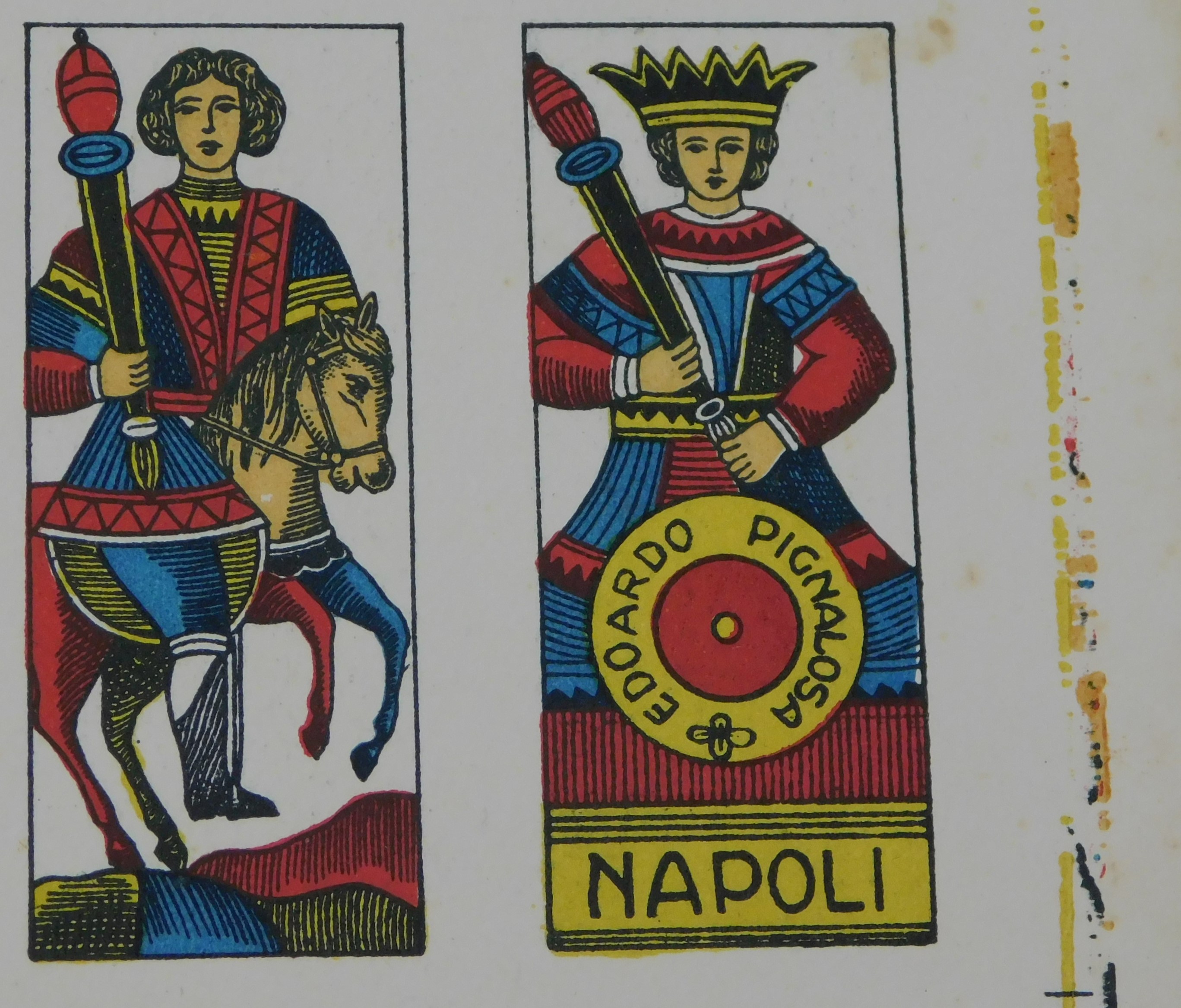
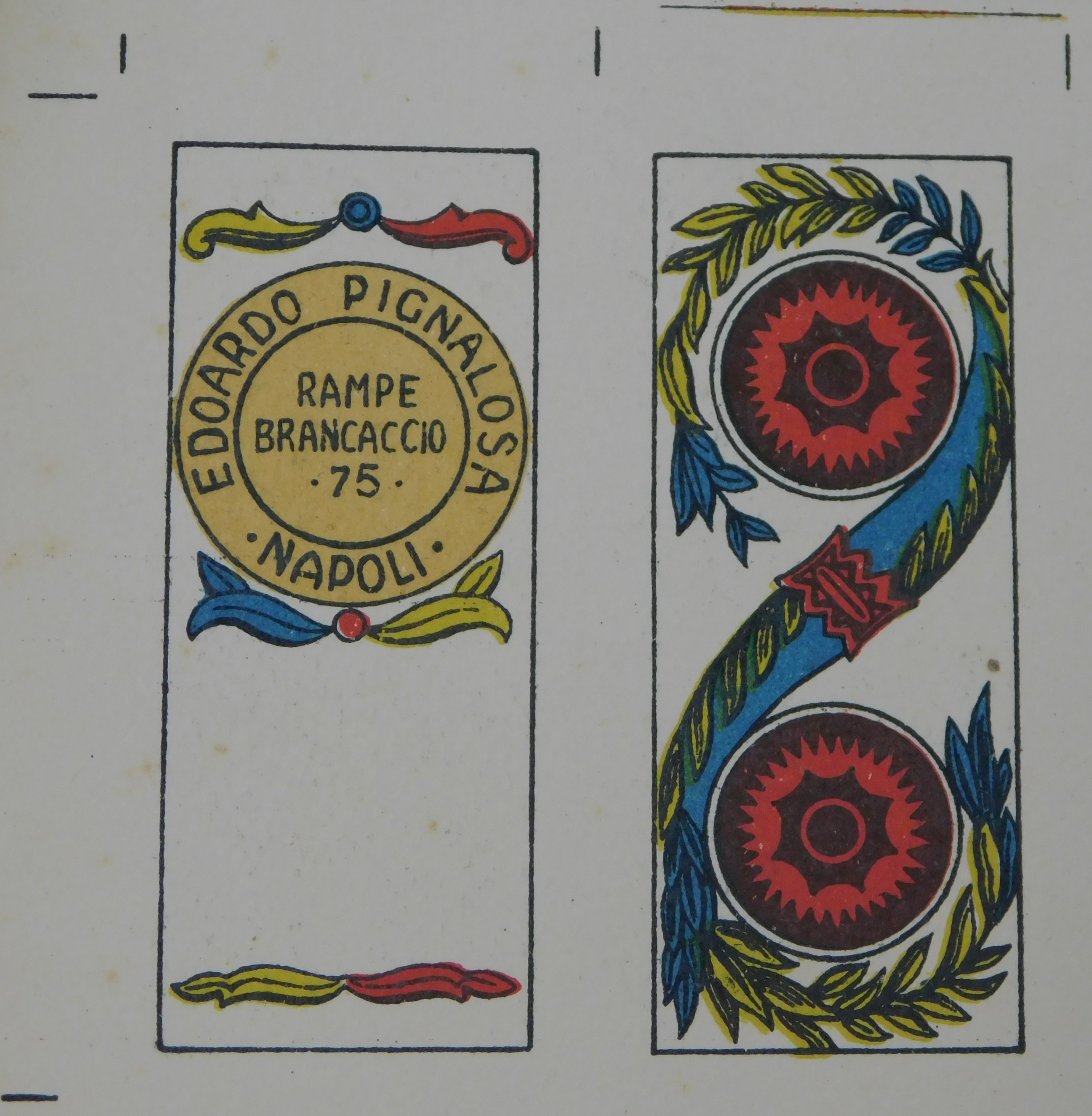
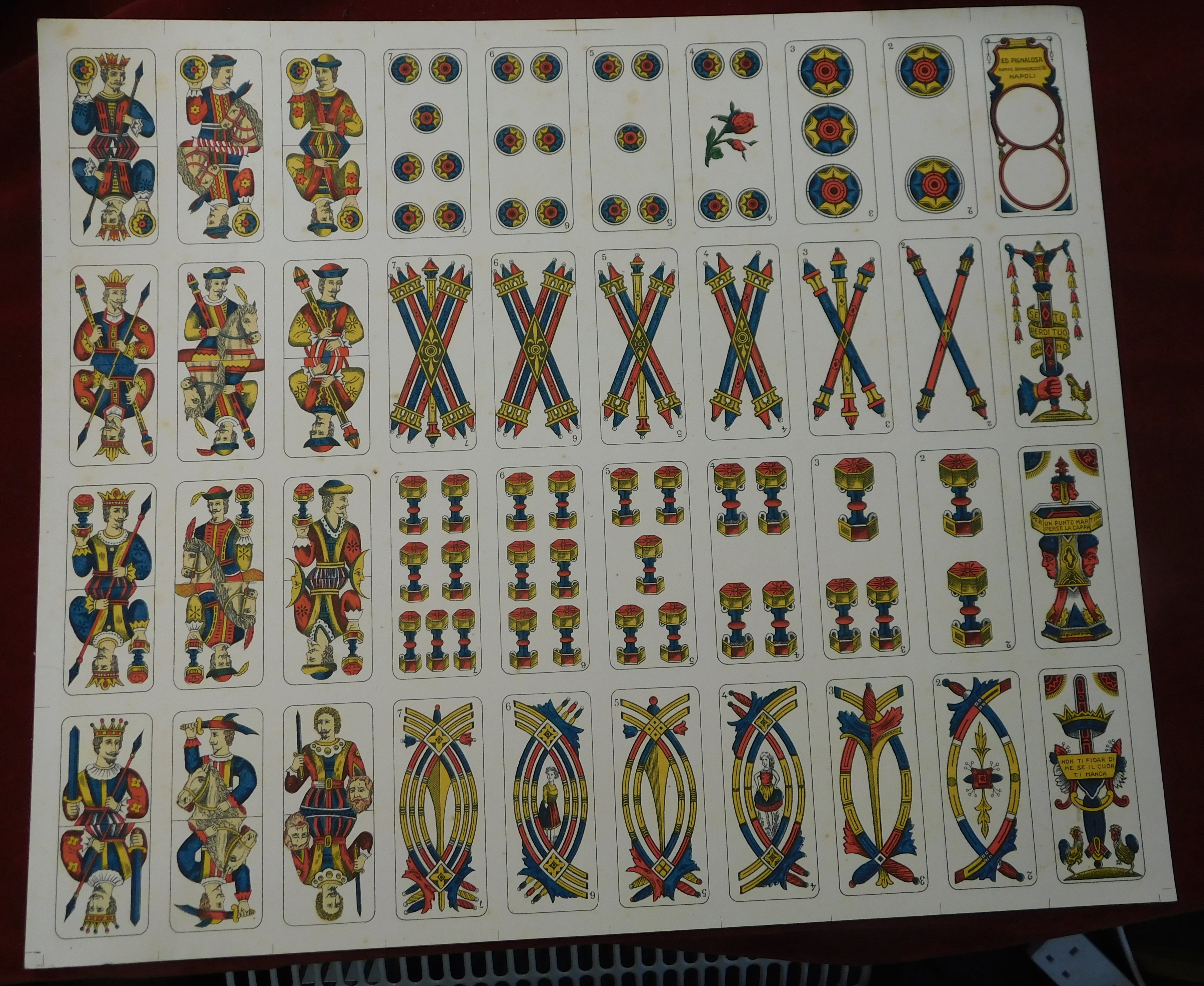
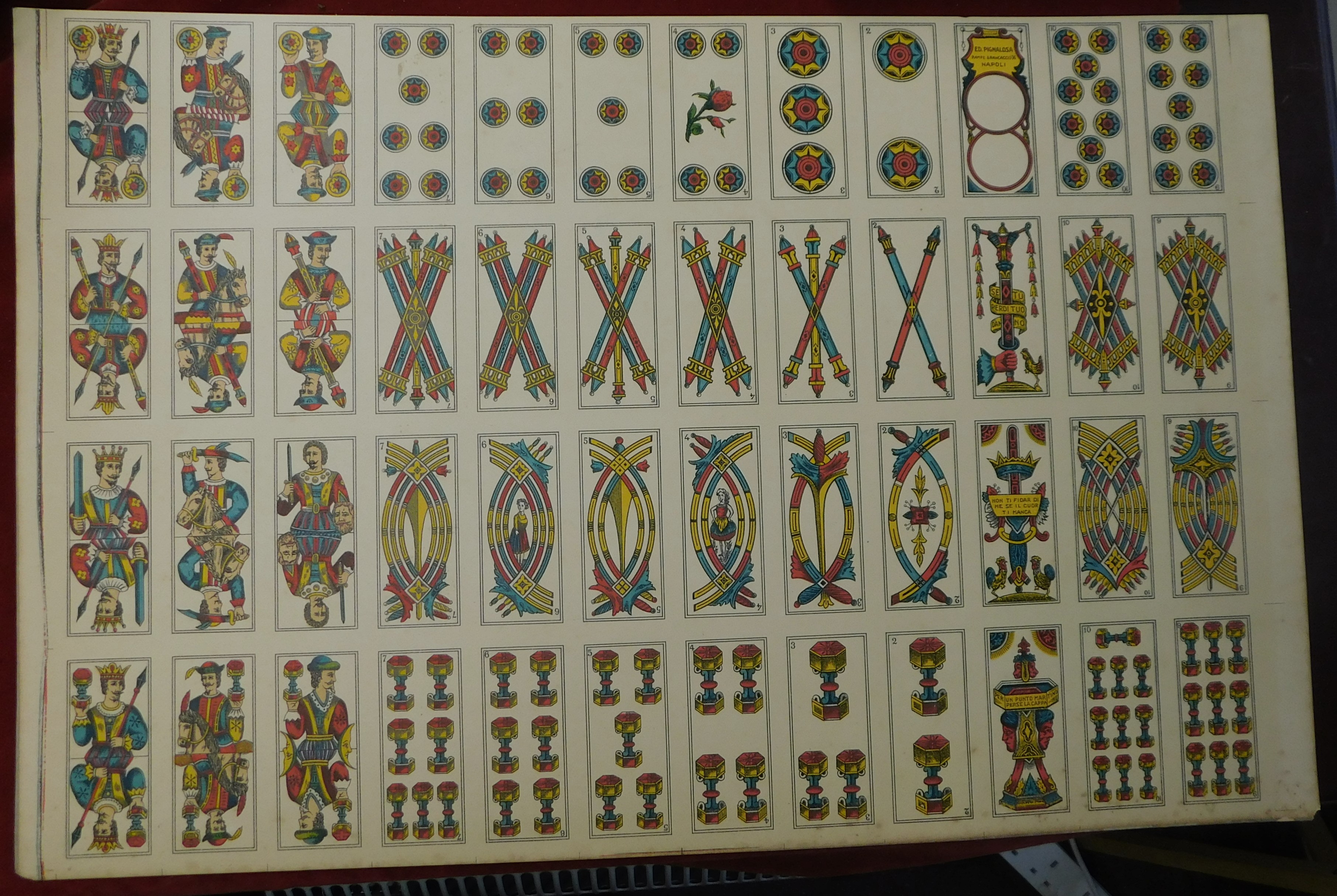
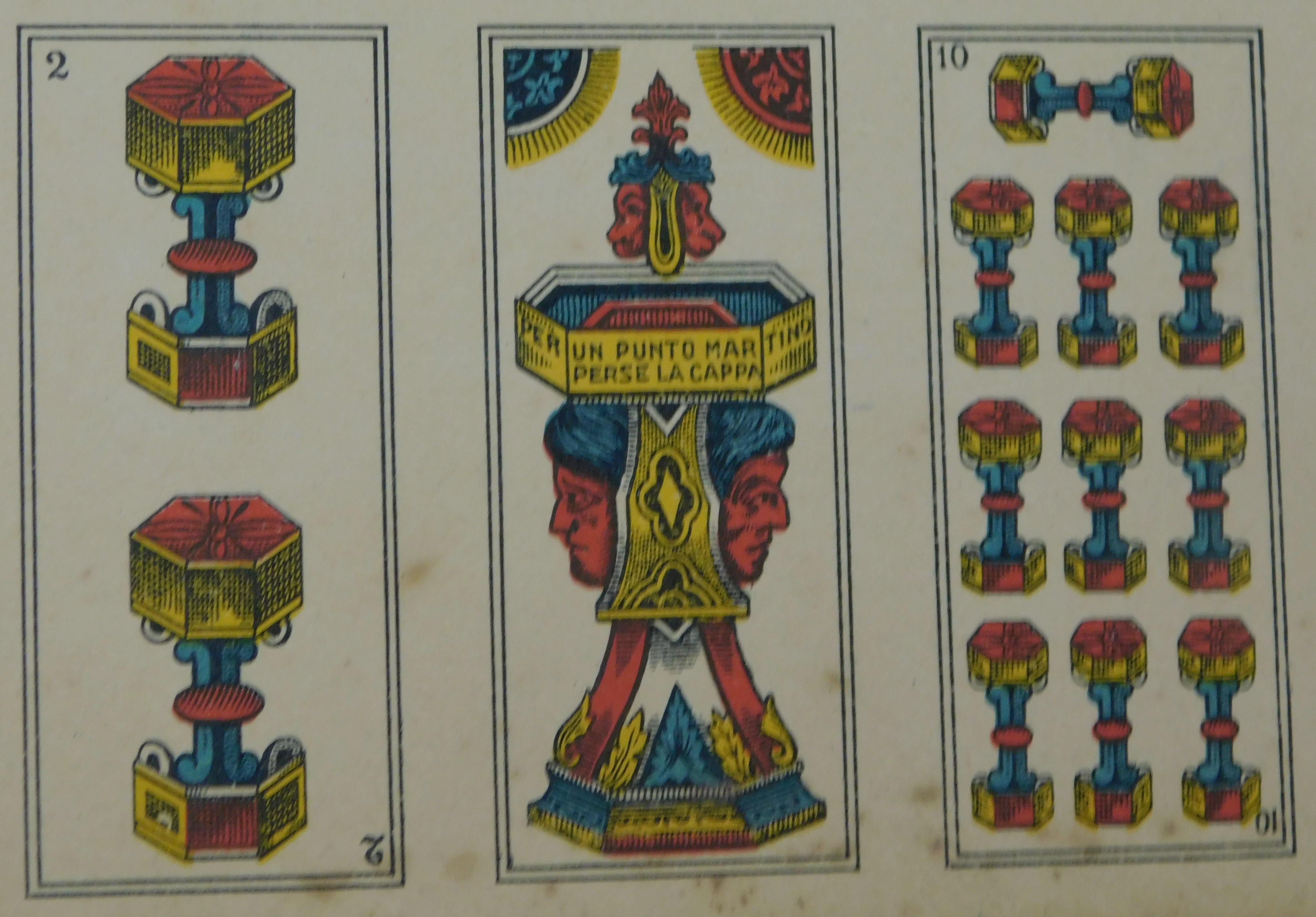
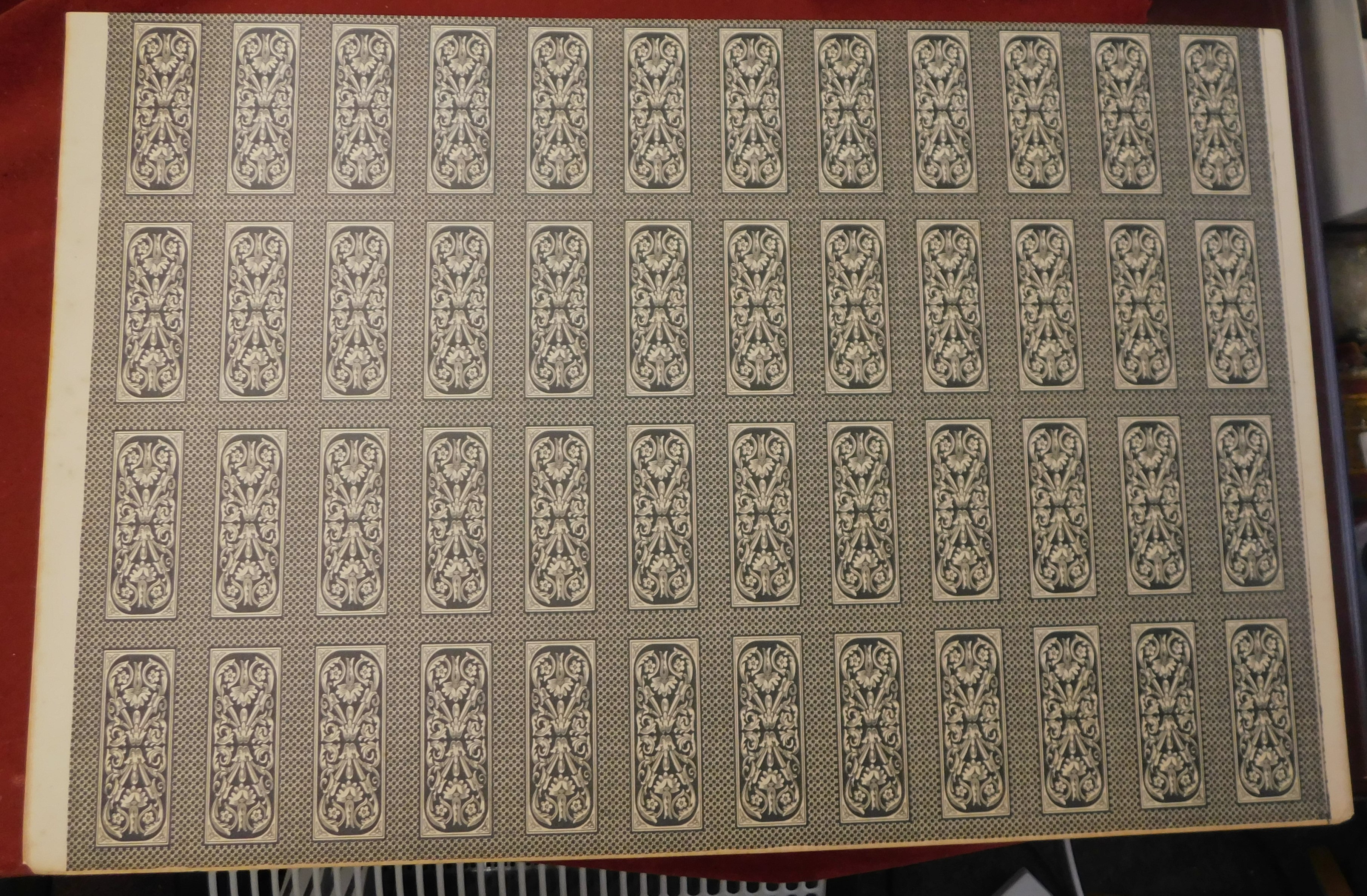
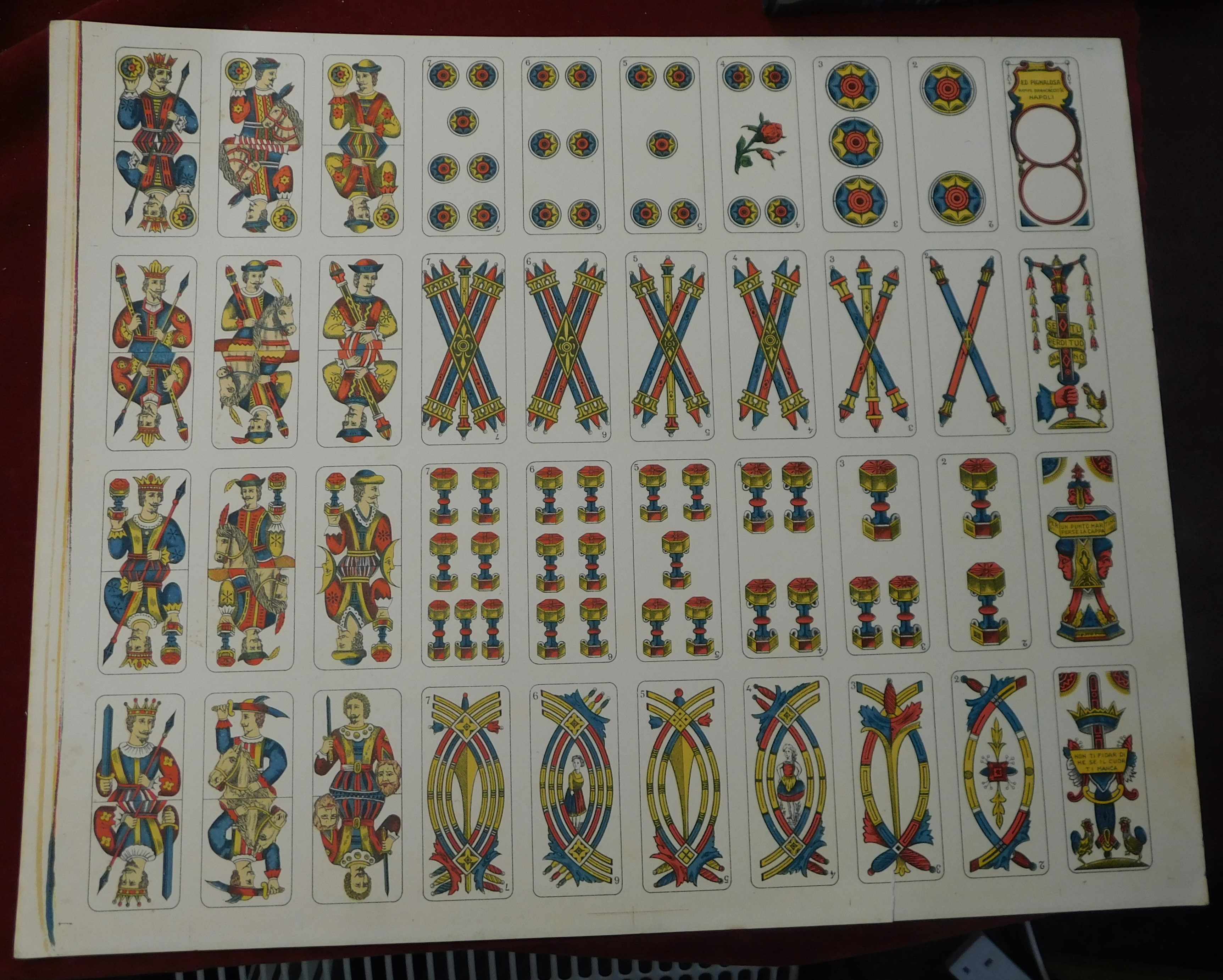
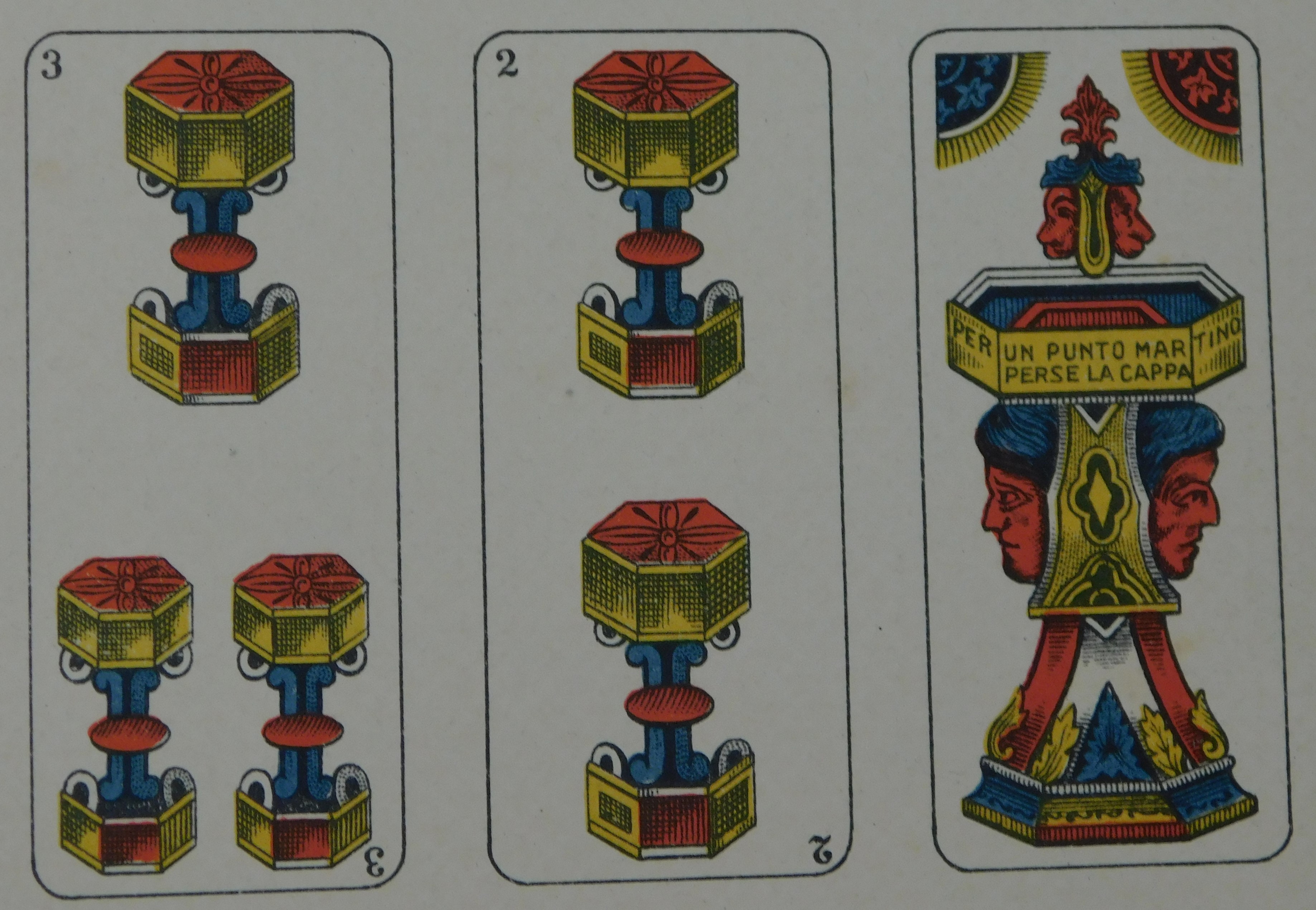
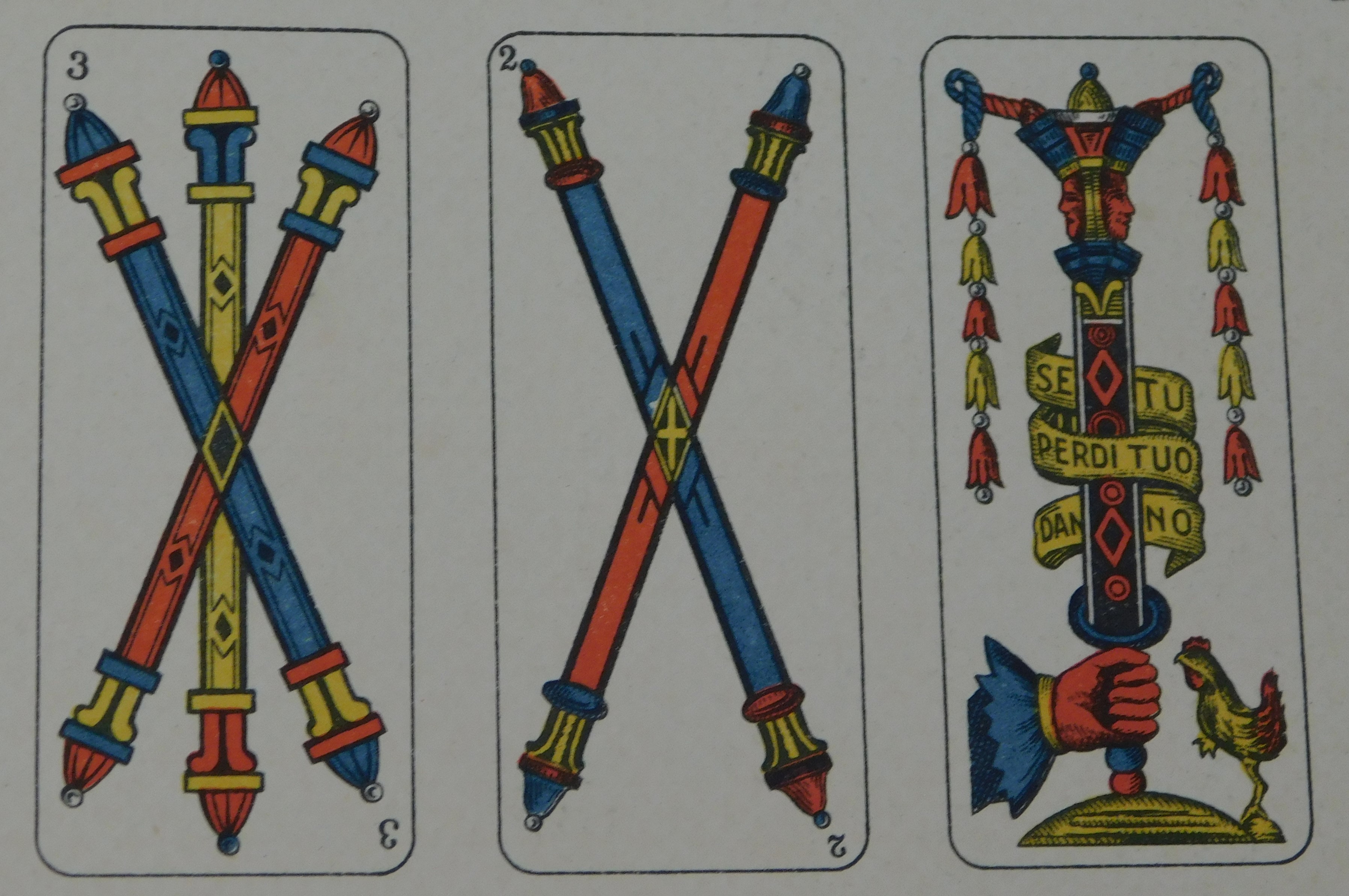
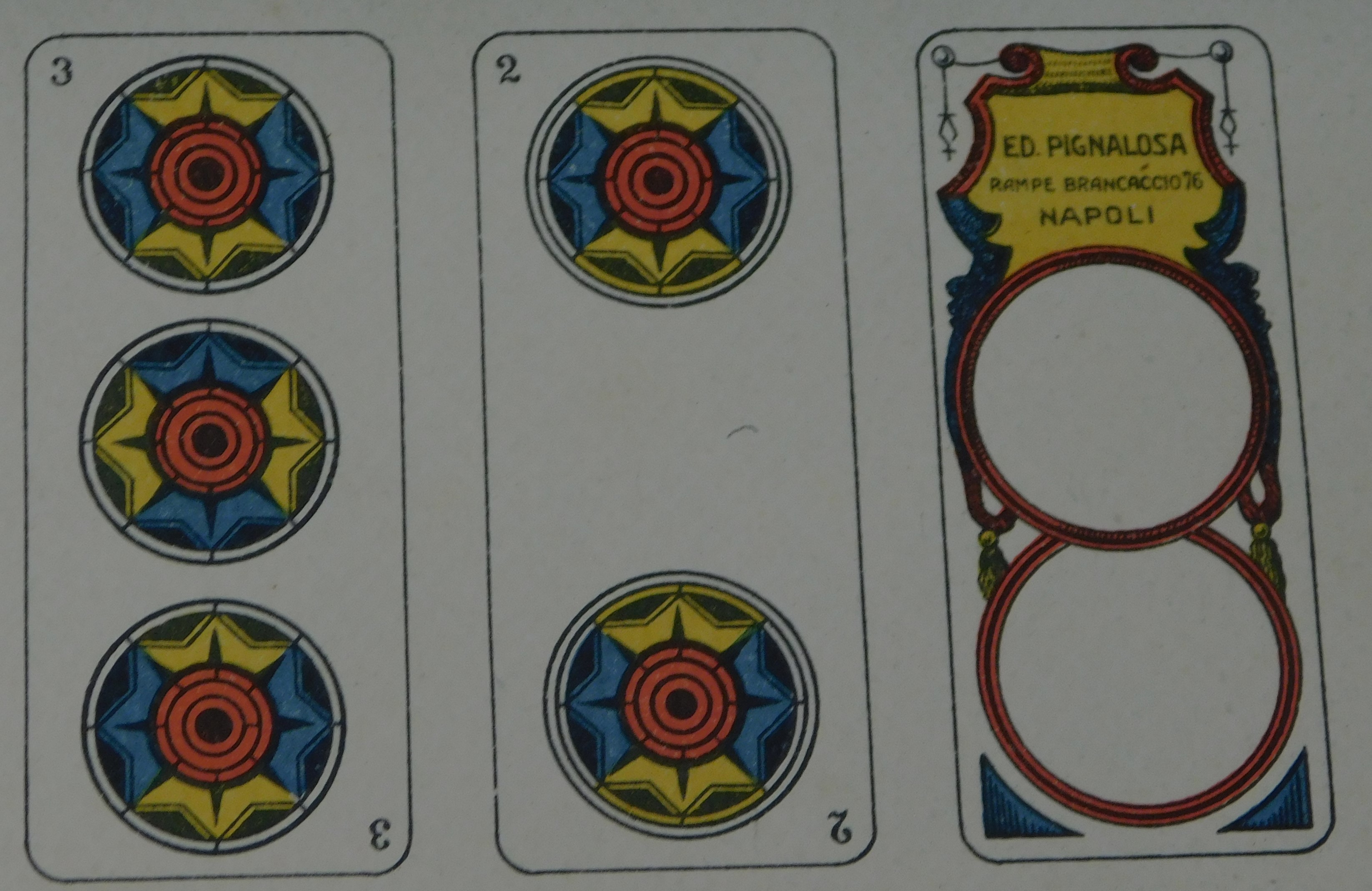
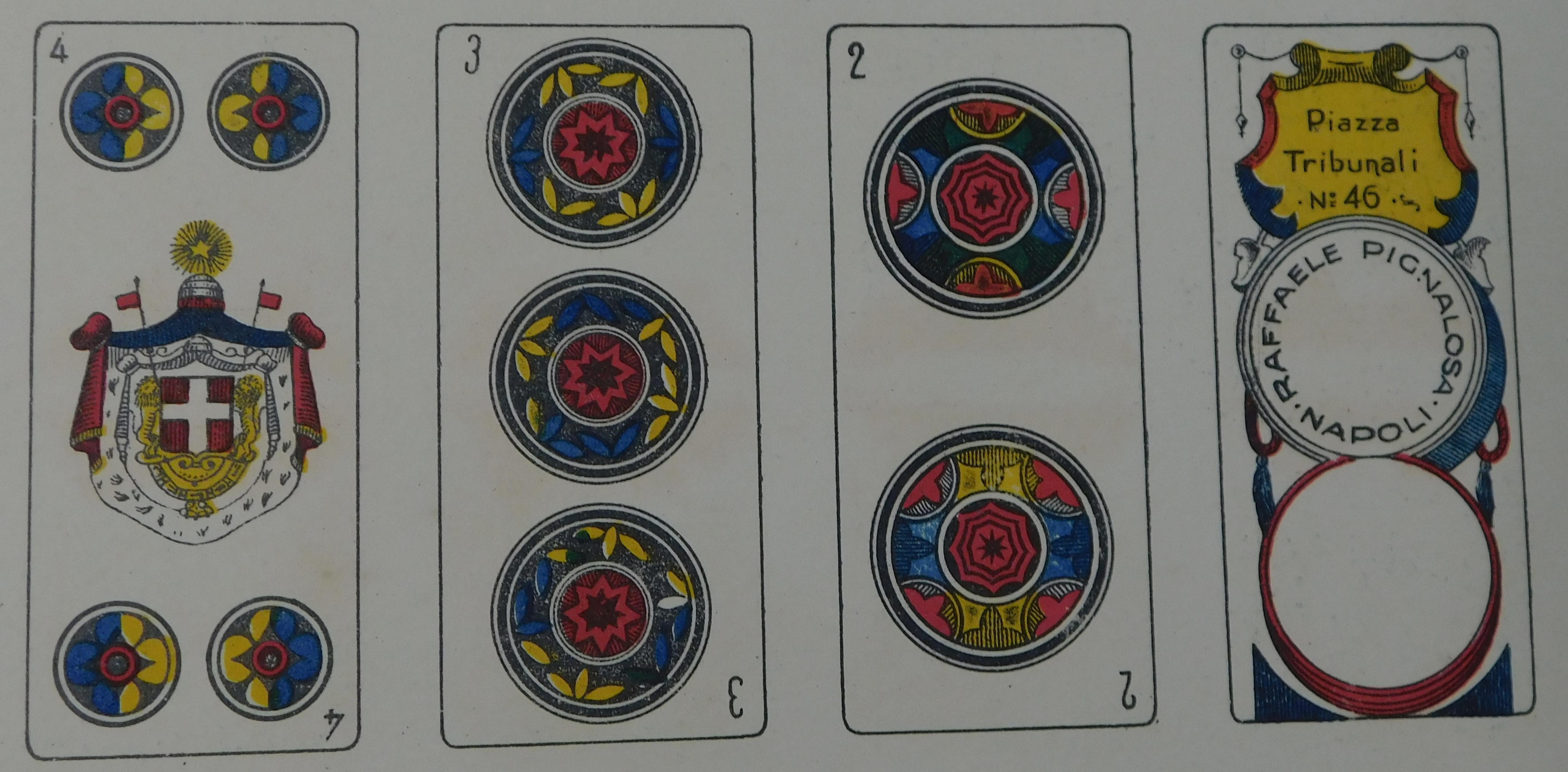
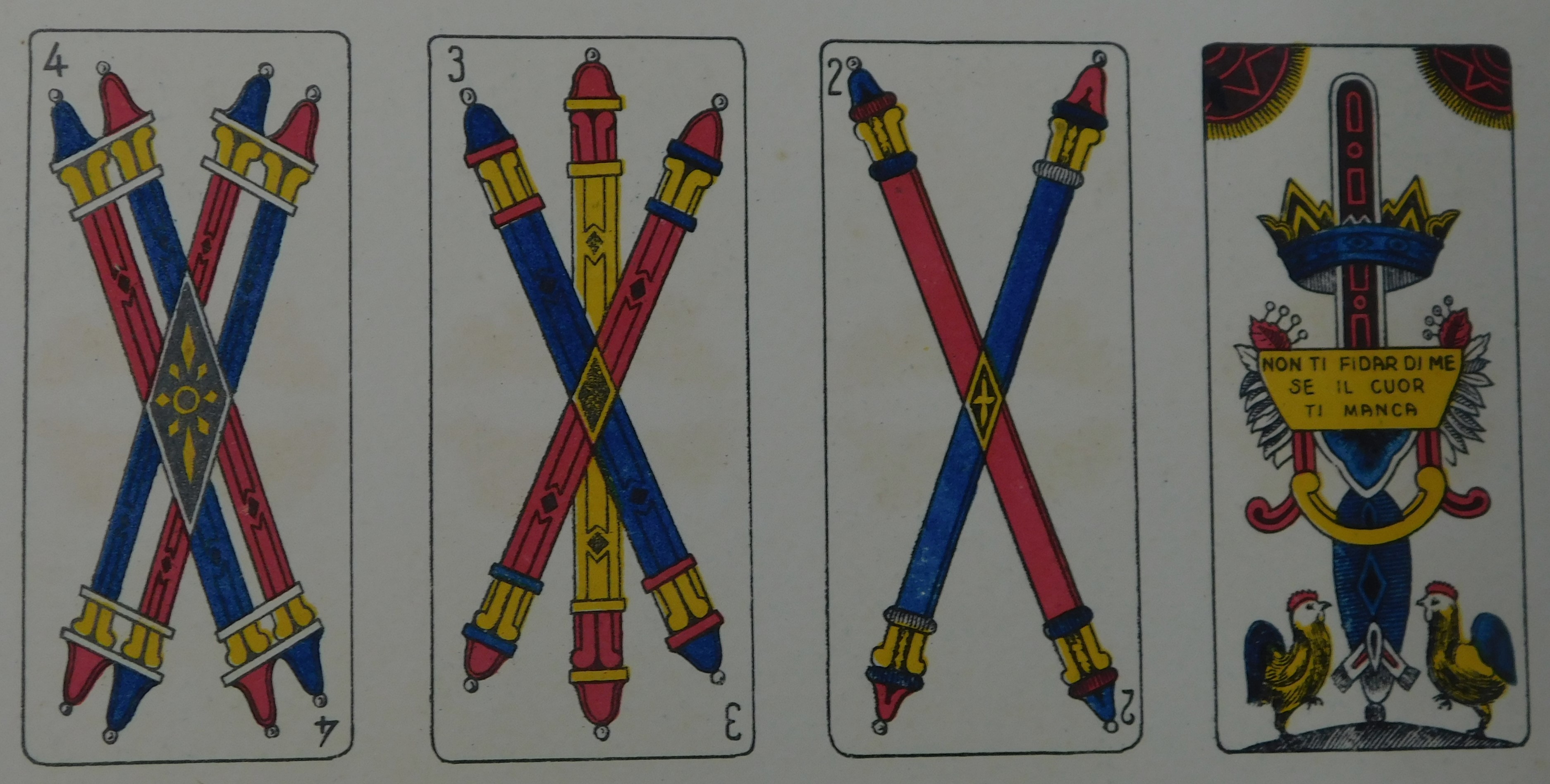
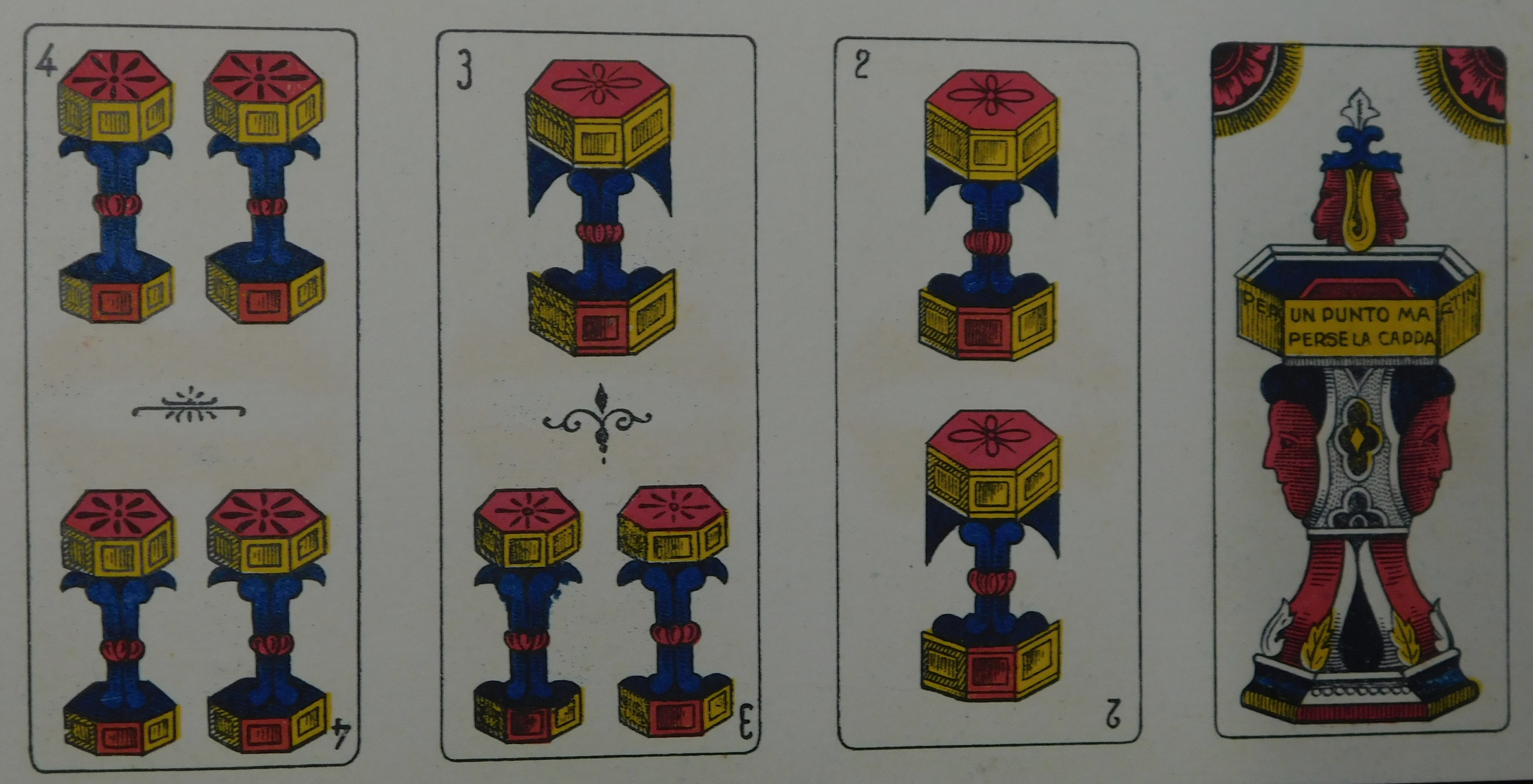
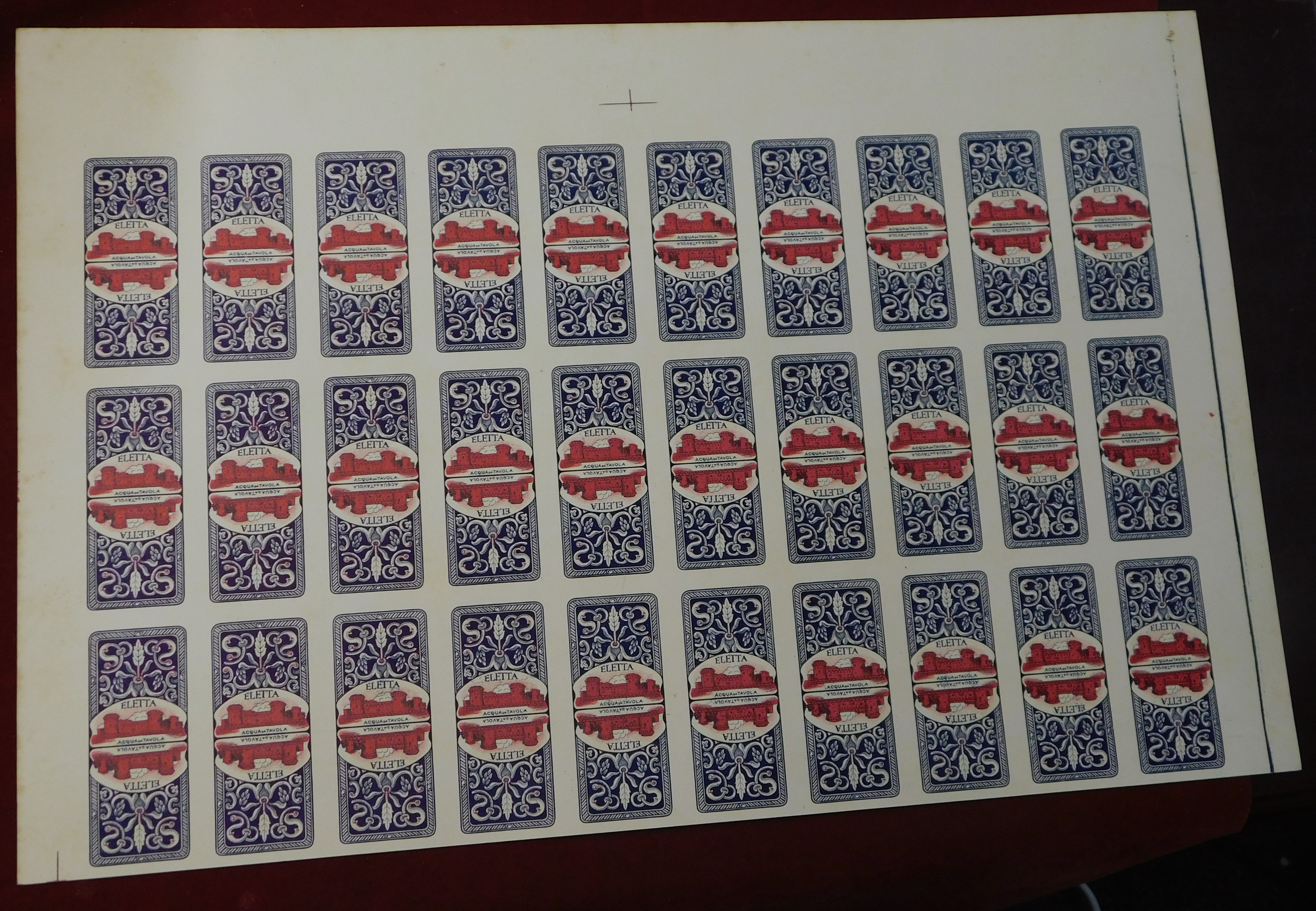
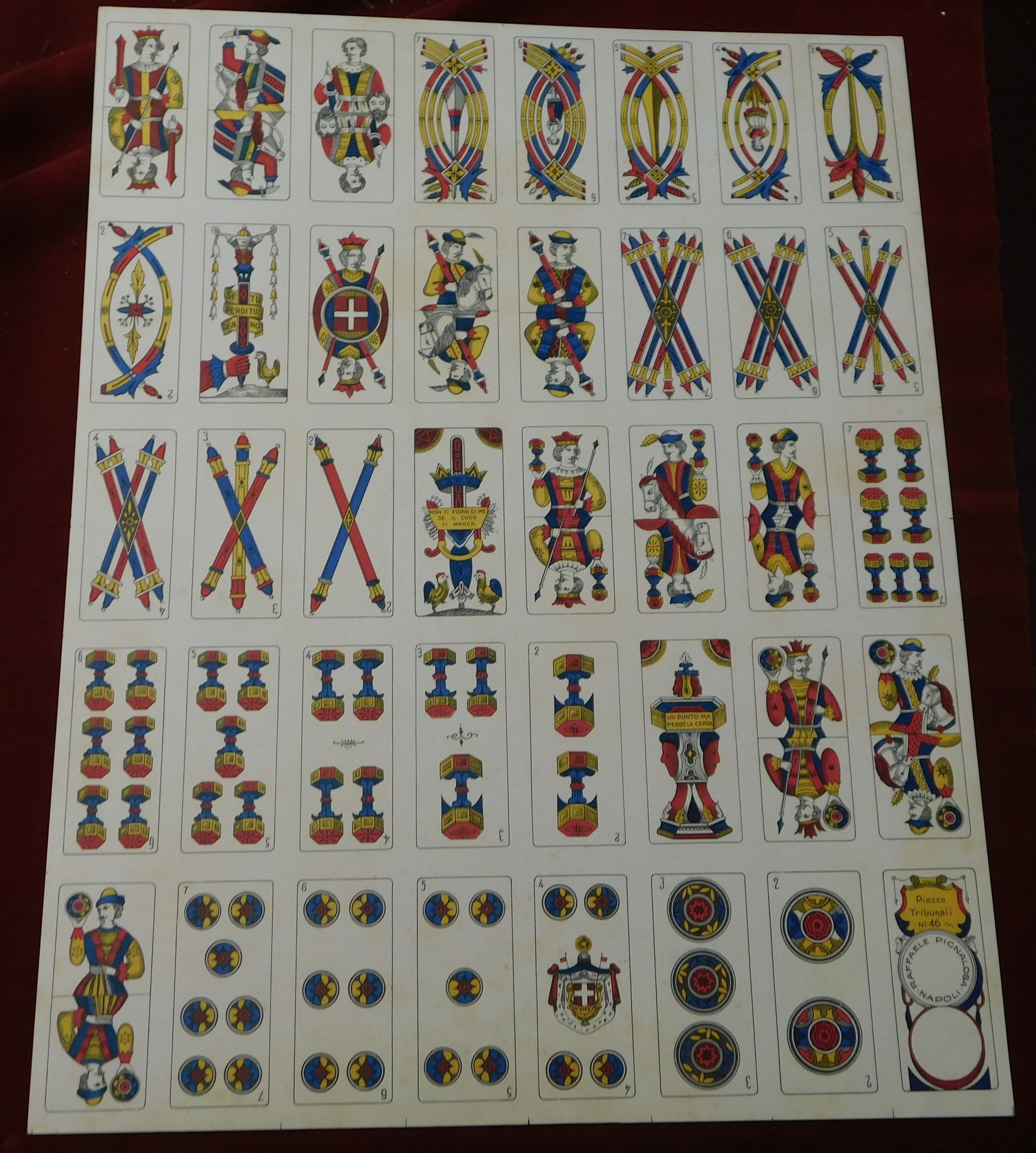
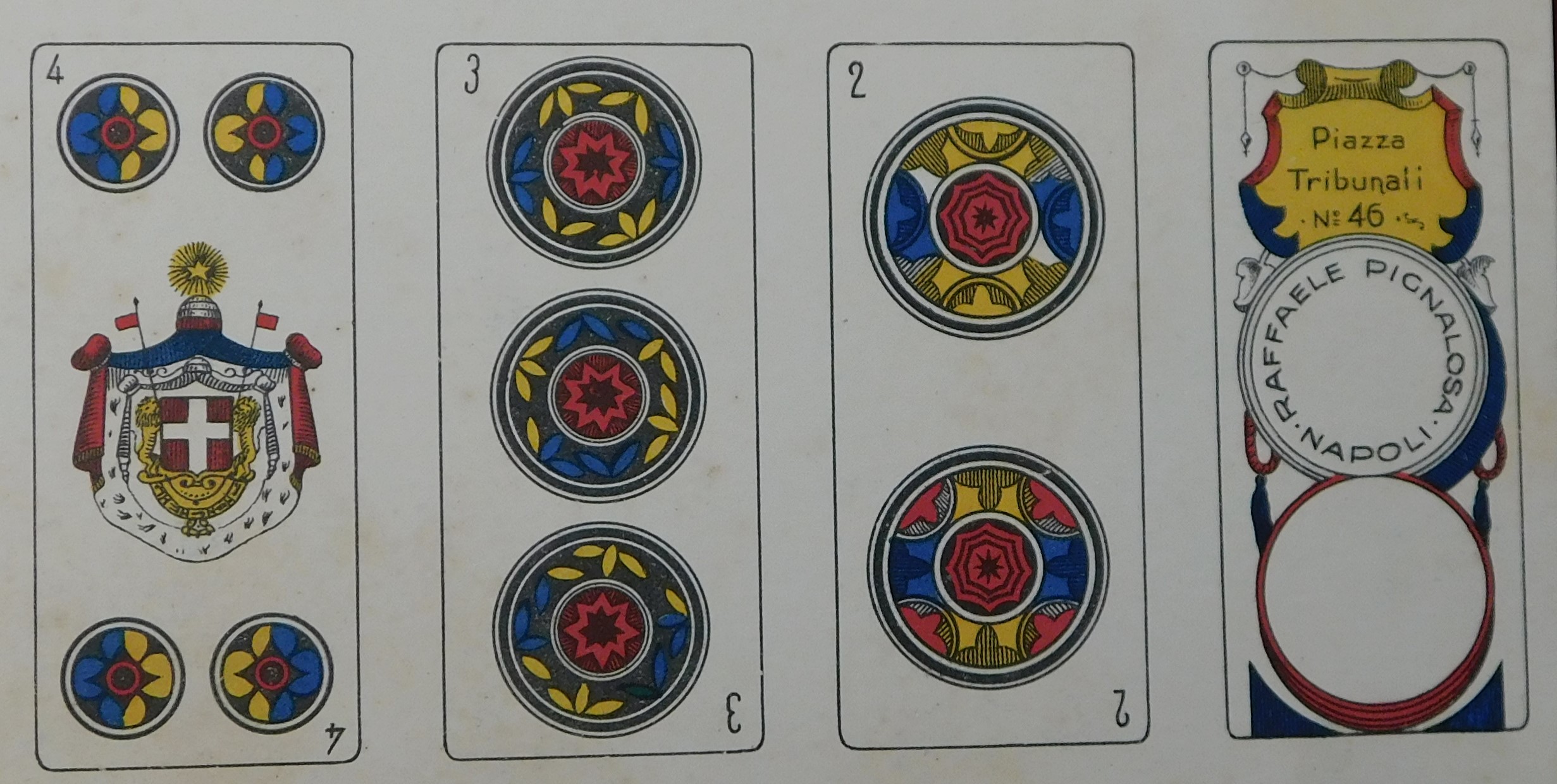
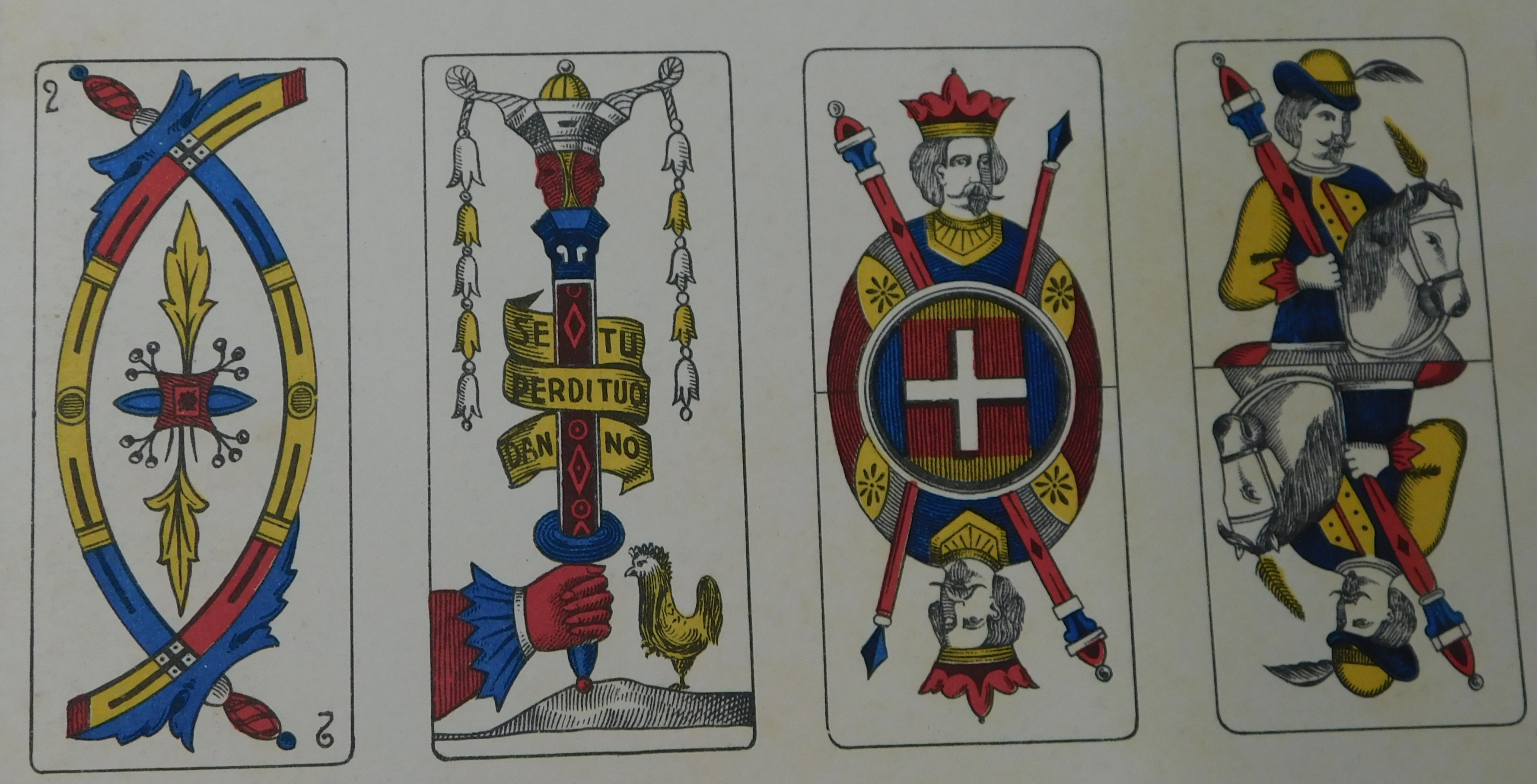
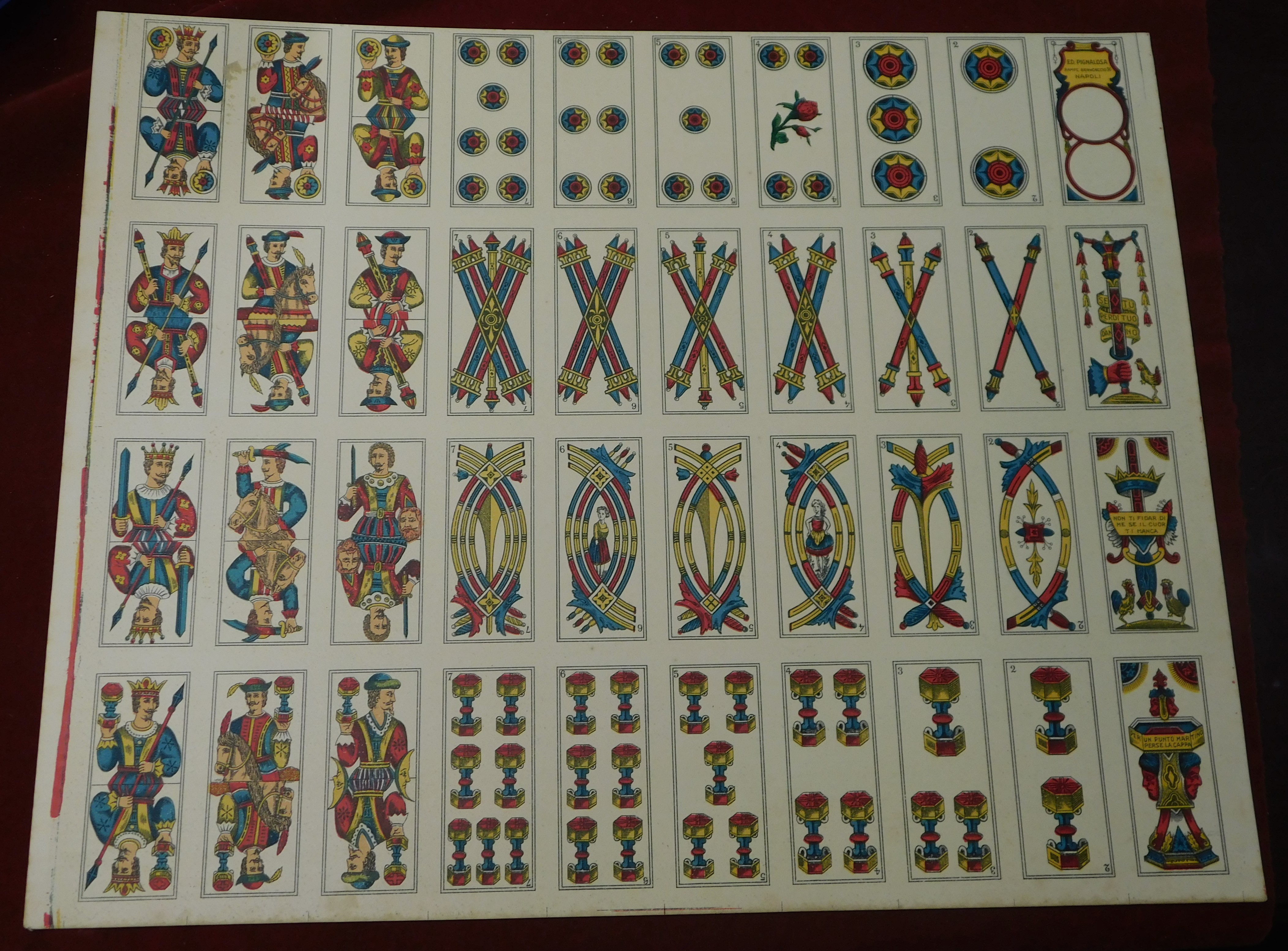
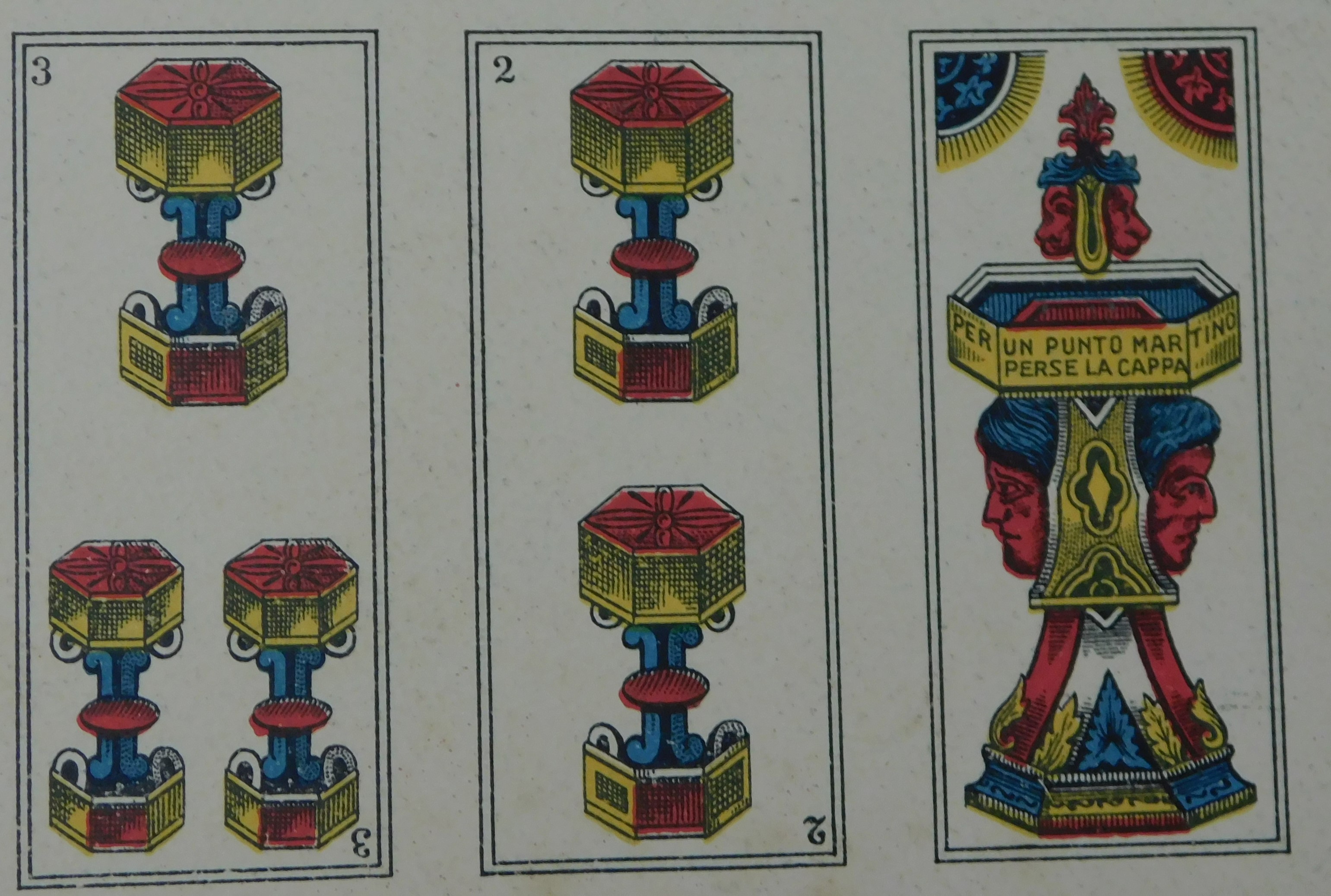
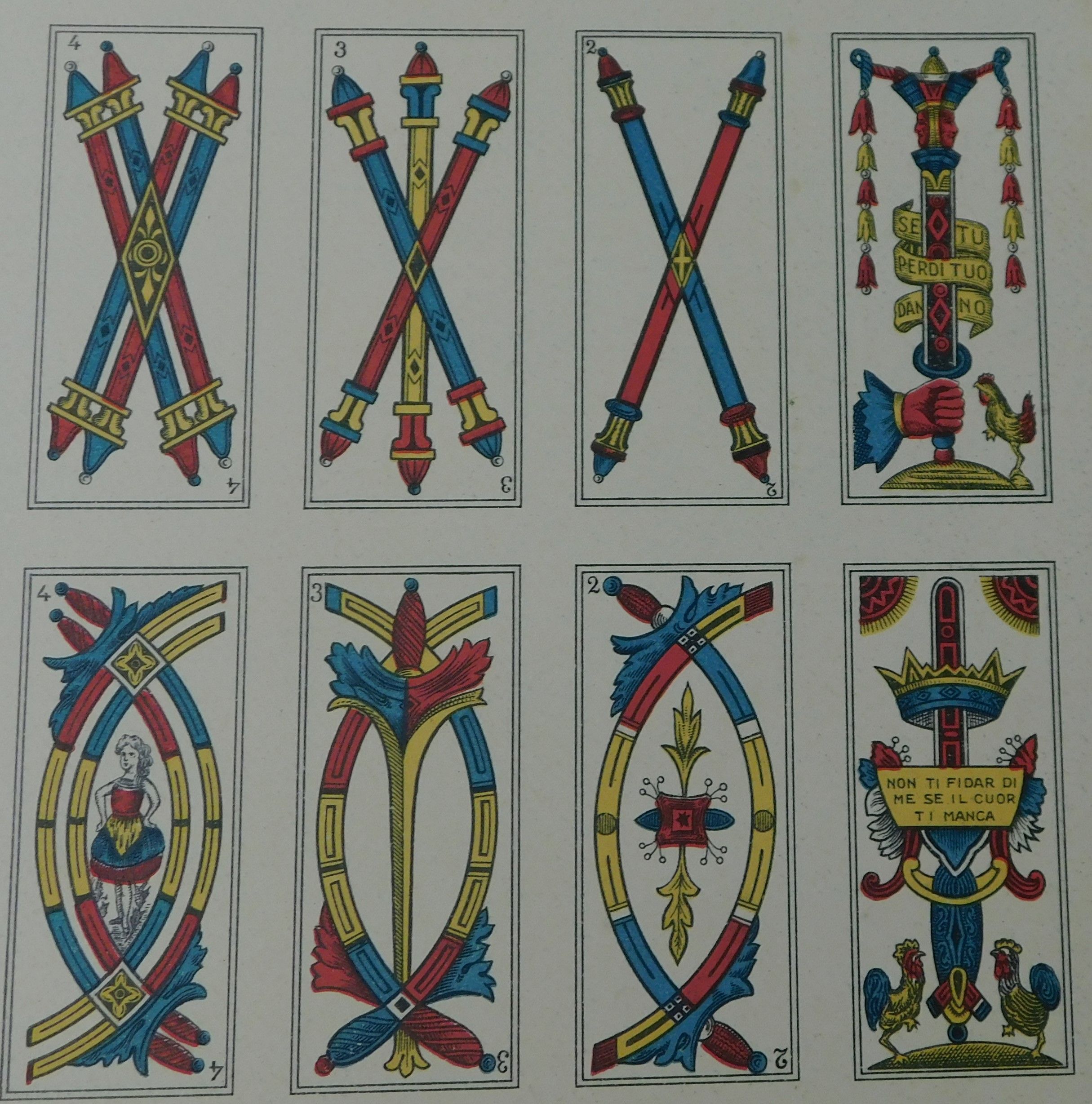
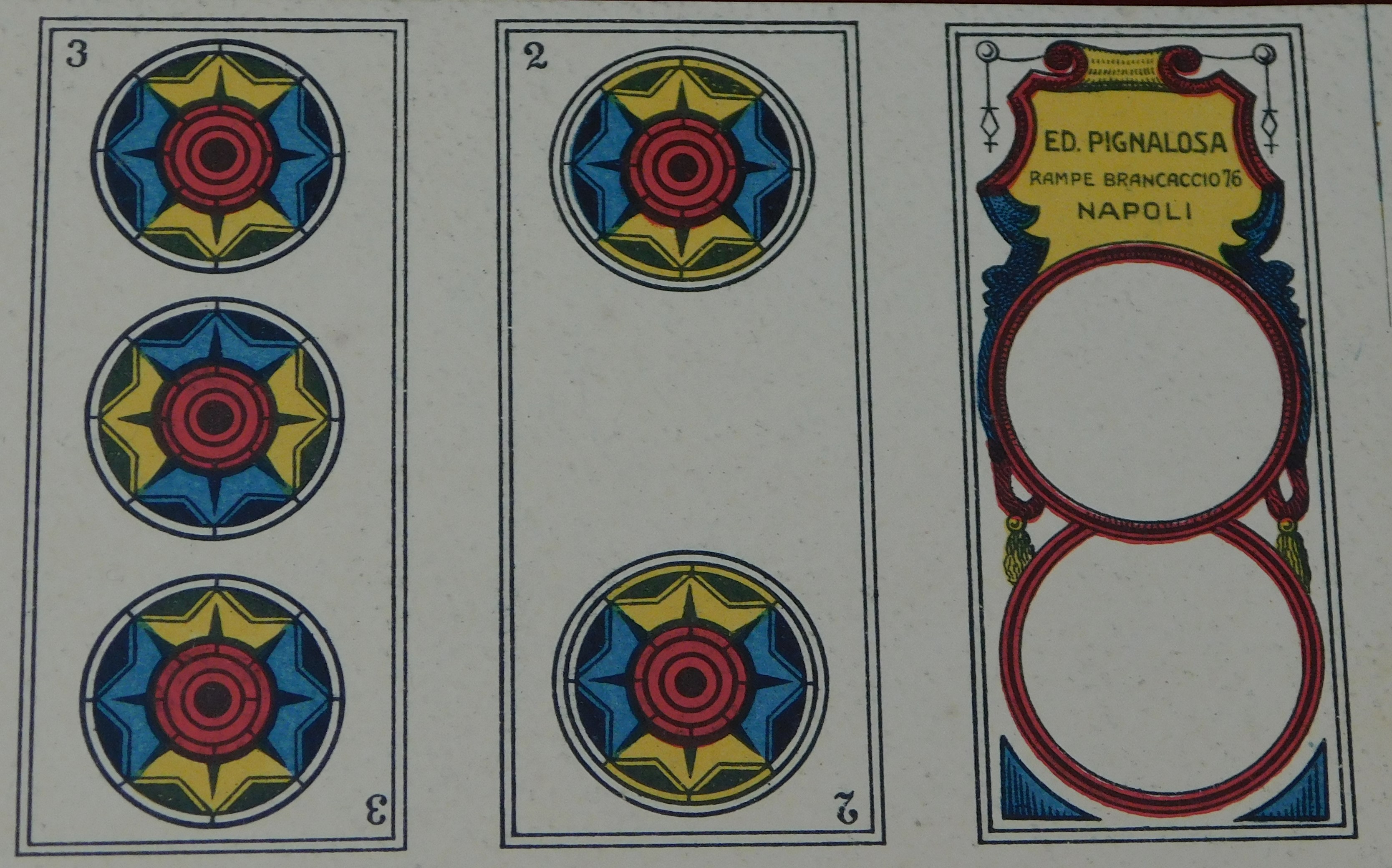
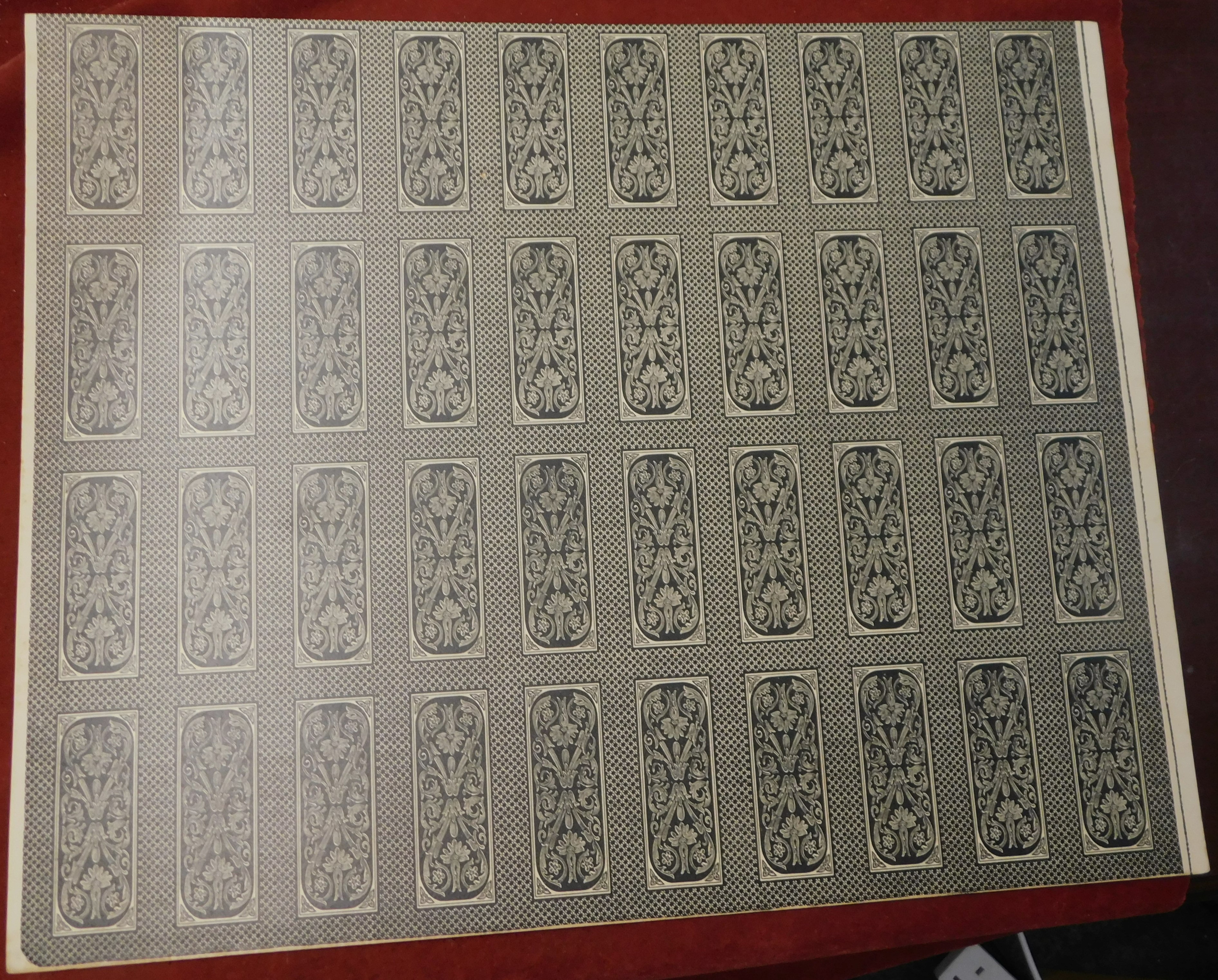
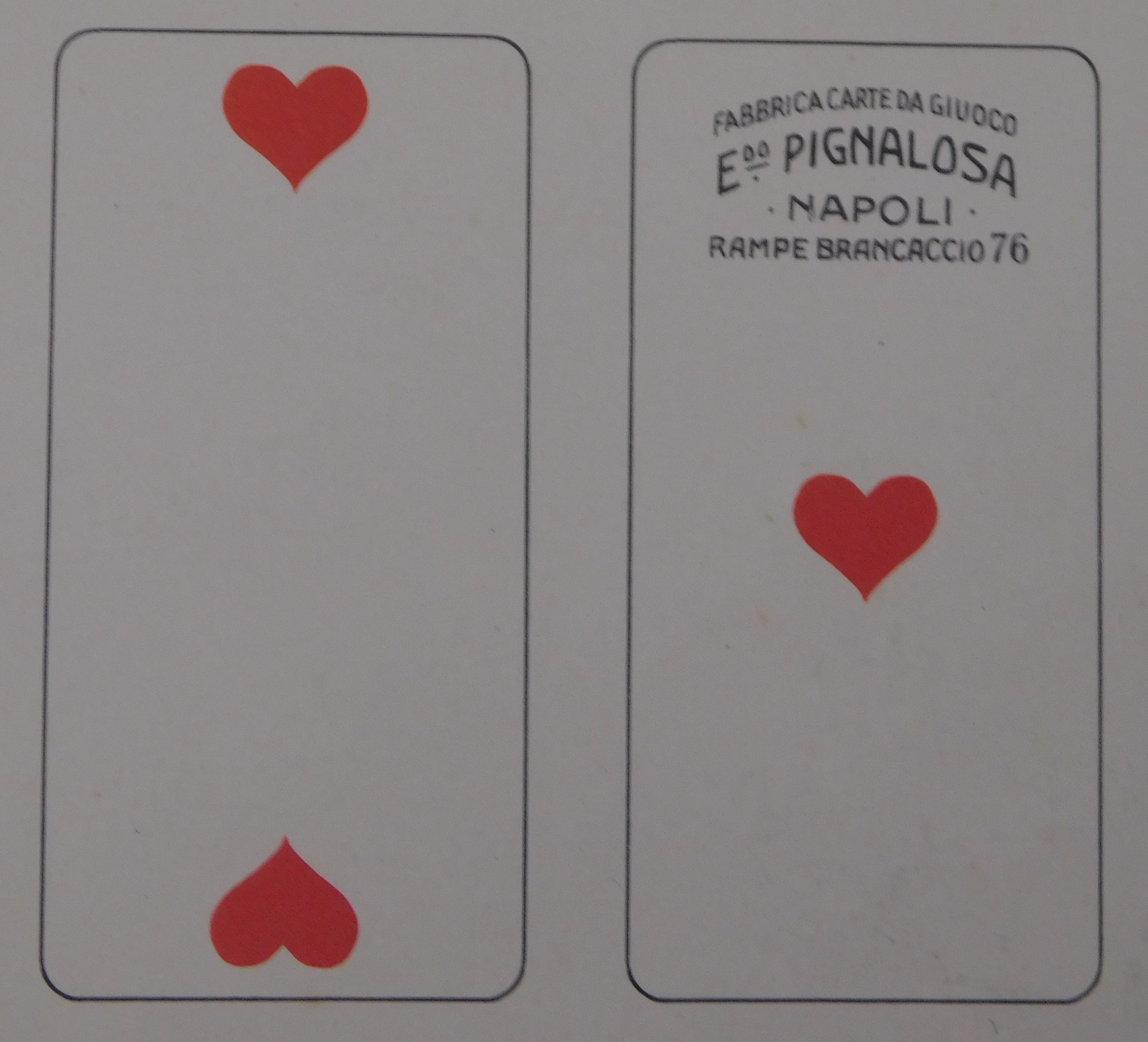
Another two part photo section. Today has not been a day to offer vast opportunities to a photographer, so I also include some interesting stuff from work – lots 1-14 in what will be a small auction on January 23rd, printed but as yet uncut Italian playing cards…
An all time XI of players whose given names begin with the letter M, a more than usually important honourable mentions section, which deals with several areas of controversy and a two part photo gallery.
Today I present an all time XI of cricketers whose given names all begin with the letter M, and an honourable mentions section of more than usual importance. I also have plenty of photos to share.
THE XI IN BATTING ORDER
*Mark Taylor (Australia, left handed opening batter, captain). The second in a sequence of extraordinarily successful Aussie skippers, in that role he consolidated the achievements of Border who had taken over a team of also rans and passed his successor a team of champions and was succeeded by Steve Waugh. The wheels eventually came off the Aussie juggernaut under Waugh’s successor as skipper, Ricky Ponting, who suffered three Ashes series defeats, the last of which featured Australia on the wrong end of three innings defeats. His status as a batter was first shown in 1989 when he scored 839 runs in that year’s Ashes, a series tally beaten by only one Australian (Don Bradman, 974 in 1930), and bested by only Hammond among England players (905 in 1928-9). Probably his most famous moment came when he declared with himself on 334*, at the time a joint record individual score for an Australian with Don Bradman.
Michael Slater (Australia, right handed opening batter). An attack minded opener who once scored 123* in a total of 184 all out, a performance that almost certainly won his side the match in question.
Mahela Jayawardene (Sri Lanka, right handed batter). One of his country’s finest ever batters. He once scored 374 against South Africa, a test record for a right handed batter, in the course of which he shared a third wicket stand of 624, a first class record for any wicket, with Kumar Sangakkara. Almost 12,000 test runs at 49 show that he was far from being the Colombo specialist he was sometimes labelled.
Martin Crowe (New Zealand, right handed batter). With the greatest of respect to Kane Williamson who has been part of a much stronger batting line up, he was probably the greatest batter his country has produced to date. His maiden test century, against England in the 1983-4 series between the two countries inspired his team mates to save a game in which they looked well beaten for most of the duration. This result in turn helped New Zealand to win a series against England for the first time ever, a feat they then repeated in England two and a half years later.
Martin Donnelly (New Zealand, left handed batter). When he was in his prime cricket in New Zealand was almost entirely amateur, a fact that caused him to leave the game early, taking up a post as marketing manager at Courtauld’s of Sydney. In his brief career he became one of only two players to score Lord’s centuries in a Varsity match, a Gentlemen versus Players match and a test match. The last of this trio was an innings of 206. Also in a now legendary match between England and the Dominions, again at Lord’s, he was one of two Dominions players along with Keith Miller to score centuries, while a banquet of batting was completed by Hammond who scored twin tons for England.
Mulvantrai Himmatlal ‘Vinoo’ Mankad (India, right handed batter, left arm orthodox spin bowler). This is probably the most controversial selection of my XI, but this guy was a lot more than the first to run out a non-striker for stealing ground in a test match – he completed the double of 1,000 runs and 100 wickets in his 23rd test match, a mark bettered only by Ian Botham (21 matches) ever since. His batting highlights included four double centuries, while his best test innings figures were an eight-for.
+Mark Boucher (wicket keeper, right handed batter). Over 500 test match dismissals in the course of his very long career, and good enough with the bat to average 30 at test level.
Malcolm Marshall (West Indies, right arm fast bowler, right handed batter). For my money the greatest fast bowler of the golden age of West Indies fast bowling, and therefore by definition among the greatest of all time. He was also a useful lower order batter.
Mitchell Johnson (Australia, left arm fast bowler, left handed batter). This was another close call, the other candidate for the left arm fast bowler’s slot also being an Australian with the given name Mitchell, but my reckoning is that Johnson had a higher ceiling than Starc, and for that reason he gets the nod.
Michael Holding (West Indies, right arm fast bowler, right handed batter). “Whispering Death” first gained legendary status at The Oval in 1976, when he conjured 14-149 (8-92 and 6-57) out of one of the flattest pitches imaginable, a surface on which every other bowler in the match took exactly as many wickets between them as he managed on his own, and he never lost the status he gained then for the rest of his playing career, also going on to a successful commentary career once his playing days were done.
Muthiah Muralidaran (Sri Lanka, off spinner, right handed batter). More test wickets than any other bowler, 800 in 133 appearances at that level. In 1998 at The Oval, on a pitch that was flat to begin with and never turned truly spiteful he collected 16 English wickets across the two innings, a performance that separated the sides.
This side has a strong top five, a great and often underrated all rounder st six, one of the finest of all keeper/ batters and four mighty specialist bowlers, of whom three are definitely capable of chipping in with the bat as well. A bowling attack of Marshall, Holding, Johnson, Muralidaran and Mankad should never struggle unduly to take 20 opposition wickets.
HONOURABLE MENTIONS
I will deal with some obvious controversies first, starting with…
THE NUMBER SIX SLOT
Two big names missed out here. Mike Procter, the South African genius whose international career was cut short by the enforced isolation of his country would be the choice of many, but I wanted a spin bowling all rounder, given the pace bowlers who were already inked in further down the order, and although Procter did have spin in his locker it was off spin, and I had an off spinner marked for inclusion as well. Mushtaq Mohammed, the Pakistan leg spinning all rounder who made his test debut at the age of 15 was another possibility, and I would not argue with anyone who picks him ahead of Mankad – my verdict went to the Indian who deserves better than to remembered for his association with one particular mode of dismissal.
NUMBERS FOUR AND FIVE
Martin Donnelly’s left handedness secured him the number five slot for reasons of balance. This left a big call to made at number four between two antipodeans who both graced that slot at test level, and Mark ‘Afghan’ Waugh missed out in favour of Martin Crowe. Again, this was a very close and possibly controversial decision, and I accept that those who favour ‘Afghan’ have a valid point of view.
THE OPENERS
The fact that I wanted Mark Taylor to captain the side dictated the selection of the left handed opener, and I like a left/ right opening combo if possible, which led to the selection of Slater as Taylor’s opening partner, a role he actually played. Matthew Hayden had a serious claim on the left handed openers slot but for the need for a captain, and Marcus Trescothick was also in the frame.
OTHER HONOURABLE MENTIONS
Michael Vaughan was another candidate for captain, but his natural slot in the order would be number three and that would mean dropping Mahela Jayawardene. Misbah-ul-Haq would also have his advocates for the captaincy role, but the only player I could have dropped to make way for him would have been Martin Crowe. Mansoor Akhtar had a good record in domestic cricket in Pakistan, but never delivered in international cricket. Mitchell Marsh of Australia would be one of the first names on the team sheet for a limited overs XI, but his test record is nothing special. Madhusudan Rege had his moments in Indian domestic cricket, but played at a time when conditions in that country were preposterously favourable to batting, and was a one=cap wonder at test level. Marizanne Kapp came closest among female players to challenging for a place in this XI. Mushfiqur Rahim, who recently made history as the first Bangladeshi given out for handling the ball (a dismissal along with the former ‘hit ball twice’ now lumped in under Obstructing the Field) was a potential rival to Boucher for the gauntlets, but I rate the Saffa as the finer keeper and reckon that this side is strong enough batting wise that the extra five runs or so per innings that Rahim might be worth would be unlikely to make a lot of difference. Mushtaq Ahmed, the Pakistan leg spinner of the 1990s and early 2000s, came very close, and if the match were being played at the Narendra Modi stadium I might drop Holding and go in with just Marshall and Johnson to bowl pace and spin trio of Muralidaran, Ahmed and Mankad. Moeen Ali would merit consideration for a limited overs XI, but does not qualify for an XI picked with long form cricket in mind – the notion that the extra batting he offers might even come close to compensating for the gulf in class between him and Muralidaran as bowlers is frankly risible as far as I am concerned.
PHOTOGRAPHS
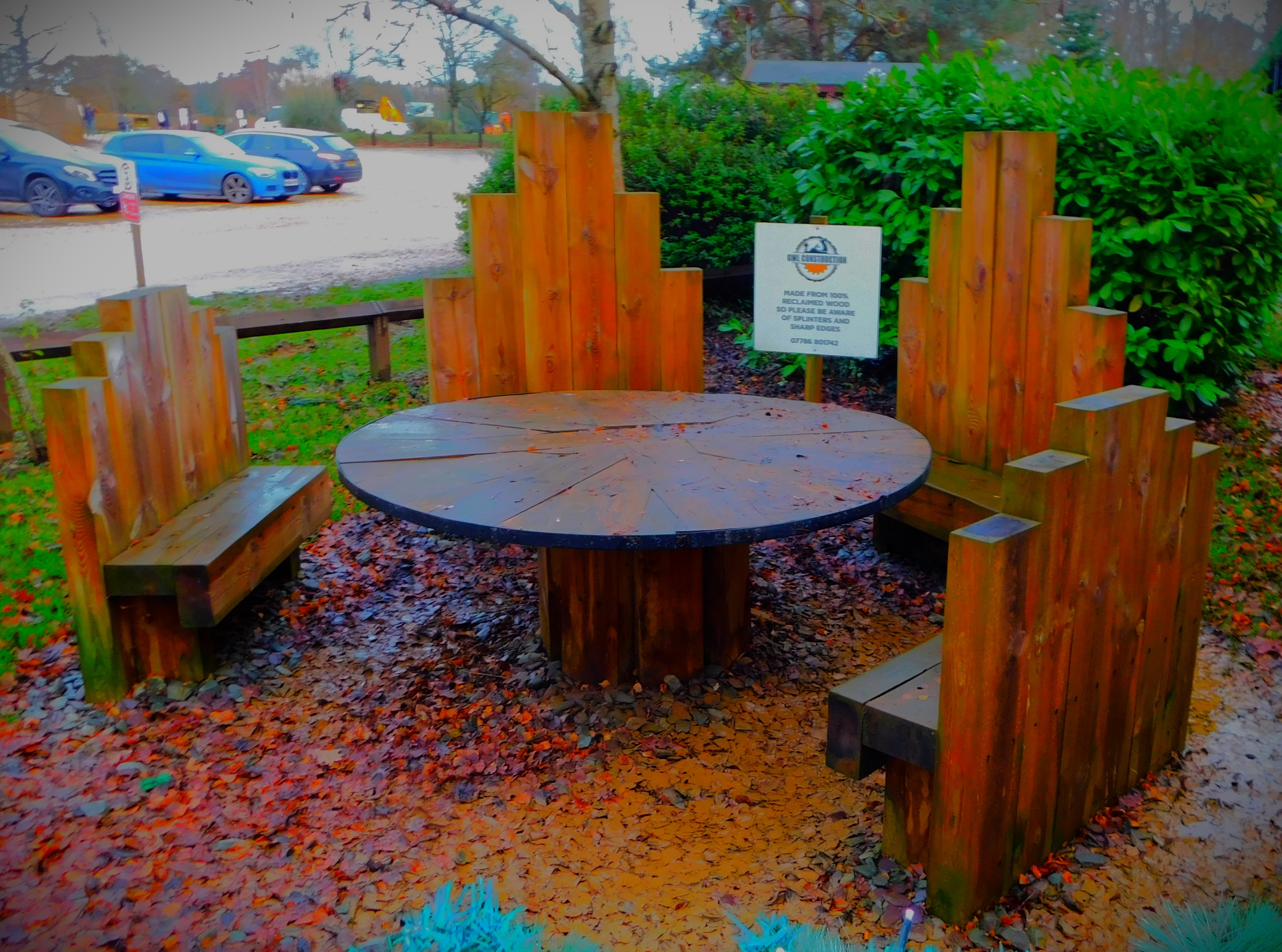
Today’s photo gallery comes in two parts. First we have some pictures from the place where the West Norfolk Autism Group committee had their Christmas meal earlier today…












































































































































































































































































































































































































































































































































 aspiblog