One L Of An XI

An all time XI of players whose given names begin with L, a number of honourable mentions and a large photo gallery.

Today, with England Women in the process of thrashing India Women in a T20I and with England Men getting underway in the second ODI against West Indies Men at 5:30PM UK time we meet an all time XI all of whose given names begin with the letter L, and a few honourable mentions.

  1. Laurie Fishlock (England, left handed opening batter). Unsuccessful at the very highest level, partly due to World War II, which coincided with what should have been his best years as a player, his FC record was excellent.
  2. Len Hutton (England, right handed opening batter). One of the greatest openers there has ever been, and all the more remarkable given the effects of WWII – not just an enforced six year absence from playing, but also a training accident that left one arm shorter than the other.
  3. Laura Wolvaardt (South Africa Women, right handed batter). An average of 45.69 in ODIs is a fine achievement, and that it is way ahead of her T20I average suggests that longer formats suit her.
  4. *Lindsay Hassett (Australia, right handed batter, captain). His career was disrupted by WWII, but he still emerged with an excellent test record. Although Hutton won the only series in which he and Hassett were opposed as skippers I have noted that the only two of the first four matches which got close enough to completion to enable one to form a view were both heading Australia’s way when time ran out. Hassett had also got the better of Freddie Brown in 1950-1 down under, especially in the first match, when rain created a vicious sticky, Brown attempted to redress the balance by declaring at 68-7 to get Australia in on the treacherous surface, Hassett countered with a declaration of his own at 32-7, and England made such a hash of surviving the remainder of this hectic day that they closed on 30-6, including McIntyre being run out coming back for a fourth.
  5. Len Braund (England, right handed batter, leg spinner). A fine county all rounder who had his moments at test level. His batting was better than his record might suggest – almost the whole of his career happened before WWI, and he encountered a lot of poor pitches, and often didn’t have much support from the rest of the Somerset batting line up, which was notoriously brittle.
  6. +Les Ames (England, wicket keeper, right handed batter). The first test match keeper to also be a genuinely front line batter, his career highlights included 120 against Australia in an innings victory at Lord’s in 1934, a score which remained an Ashes record for a keeper until Alan Knott scored 135 at Trent Bridge in 1977.
  7. Liam Dawson (England, right handed batter, left arm orthodox spinner). He was called up for England before he was really ready for elevation and has been overlooked ever since (though with a test tour of India looming that may change), but he has been improving, and his all round skills played a large part in Hampshire faring well in the 2023 season.
  8. Learie Constantine (West Indies, right arm fast bowler, right handed batter) An explosive all round cricketer who had some great moments for the West Indies and became a legend in the Lancashire League for Nelson.
  9. Lance Cairns (New Zealand, right arm fast medium bowler, right handed batter). A fine bowler and a big hitting lower order batter.
  10. Lasith Malinga (Sri Lanka, right arm fast bowler, right handed batter). His career highlights include taking four wickets in four balls in each of two international formats.
  11. Lance Gibbs (West Indies, off spinner, right handed batter). He briefly held the record for career test wickets, going past Fred Trueman’s 307, ending with 309, which stood until Dennis Lillee went past it.

This XI has good batting depth, with a strong top seven and explosive bowling all rounders at eight and nine. The presence of so many multi-dimensional players, including the keeper Ames, enables the side to have an enviably balanced and well varied attack, with Malinga, Constantine and Cairns attending to pace/swing/seam and Gibbs, Dawson and Braund covering the spin department nicely.

I nearly went for an all-Yorkshire opening pair, with Louis Hall joining Hutton at the top, but Fishlock’s left handedness swung the verdict his way. Les Berry of Leicestershire and Lionel Palairet of Somerset were also potential openers. In the middle order Lala Amarnath, Hilary Angelo ‘Larry’ Gomes (the latter could have had the number three slot that I gave to Wolvaardt, giving me a second left hander) and another South African, Lizelle Lee, were all potential picks in this area. Lahiru Thirimanne of Sri Lanka was talented but ultimately failed to deliver on that talent. Liam Livingstone would at one stage have seemed a candidate, but his red ball form his been non-existent for some time, and in white ball cricket England seem to be treating him as a bowling all rounder, with his batting now considered of secondary importance. Lance ‘Zulu’ Klusener just missed out on an all rounders slot. A few years ago I would have expected Lewis Gregory to be worth a place in this XI but his career his flatlined. Len Hopwood, a left arm seamer and right handed batter for Lancashire, would have been a candidate for the number eight slot except that he failed absolutely in both of his test appearances. Len Coldwell spearheaded the Worcestershire bowling attack when that county when two championships in the 1960s but was found wanting at international level. Len Muncer of Middlesex and Glamorgan could spin the ball both ways, and played a significant role in the latter county winning its first championship in 1948, but he never played at international level. Laxman Sivaramakrishnan bowled leg spin for India in the 1980s, but not well enough to merit a place in this XI. Lisle Nagel, a tall right arm seamer in the 1930s once took an eight-for against a visiting England side in a tour match, but did little at international level. Two contemporary pacers, Lockie Ferguson of New Zealand, and Lance Morris, on the fringes of the Australian test side, would both have their advocates. Ferguson is a limited overs specialist, and if I were picking an XI for limited overs he would get the nod. Morris may yet force his way in to the reckoning, but at the moment he is unproven. Lebrun Constantine, father of Learie, was a fine wicket keeper but not fine enough to displace Ames.

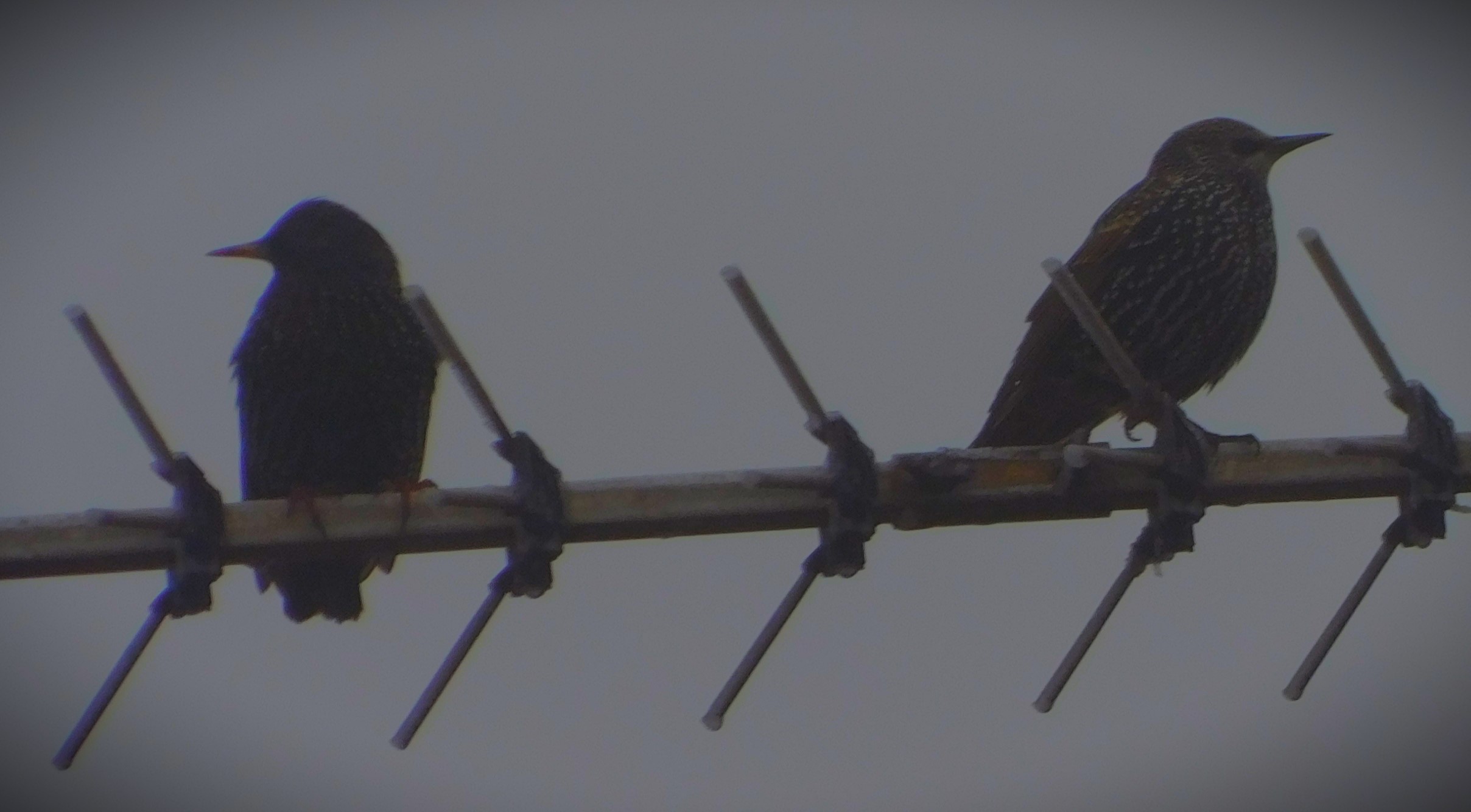
I have a fine photo gallery to end with…

England Women have won their match against India Women, by 38 runs, which is a huge margin in a T20. Nat Sciver-Brunt scored 77 with the bat, and Sophie Ecclestone took 3-15 in her full four overs with the ball.

England’s Brave New Era and the Special Ks

An acknowledgement of a major omission in yesterday’s post, a look back at yesterday’s west Indies v England ODI, an all time XI of players with given names beginning with K and a photo gallery.

This is a two-in-one post – yesterday saw the start of England’s new era in ODI cricket after the disaster of the world cup, and I look back at that match. I also parade an all time XI of players whose given names begin with K. Before getting into either of the main features I have on other thing to do…

I noted yesterday when I covered cricketers whose given names began with J that I was dealing with an embarrassment riches. So much was the case that I entirely missed someone with a claim to place in the XI and to whom I should certainly have given at the least an honourable mention: Joel ‘Big Bird’ Garner the extra tall West Indies quick bowler of the 1970s and 80s. Note that I make no effort to perform the blogging equivalent of burying this rectification in 6 point type in the middle of page 27.

Yesterday saw the first match of a three match ODI series between the West Indies and England. The former had failed to even qualify for the recent ODI world cup, while the latter had an unmitigated disaster of a tournament.

After their world cup nightmare the England team showed a number of changes. Unfortunately Jos Buttler was allowed to retain the captaincy, a mistake which was to prove costly. Another poor call was the selection of left arm medium pacer Sam Curran who had proven valueless at the world cup. On the credit side a new look opening pair of Phil Salt and Will Jacks looked like a step in the right direction, as did the selection of young leg spinner Rehan Ahmed. Liam Livingstone was also in the XI, being treated as a bowling all rounder, scheduled to come in at seven and expected to bowl a full allocation of 10 overs. The West Indies had selected two frontline spinners as well, Gudakesh Motie (left arm orthodox) and Yannic Cariah (leg spin). Buttler won the toss and decided that England would bat, a correct call in my opinion.

Salt and Jacks made a blazing start, and were going at ten an over at one point, but both got out with the job half done, which was representative of the England innings as a whole. In the end, with the assistance of a late flurry from Sam Curran and Brydon Carse, England tallied 325 from their 50 overs. Gudakesh Motie had 2-49 from his ten overs, and Yannic Cariah 2-62 from his.

This was a tale of good spin bowling, good pace bowling from Gus Atkinson, dire pace/ seam bowling from Carse and Curran and terrible captaincy by Buttler, with Shai Hope playing a great innings, Romario Shepherd a spectacular one, and Sherfane Rutherford a brief but supremely eventful one.

Bizarrely, on a pitch that was helping spin, and with two of England’s designated pace options taking a hammering, Buttler chose not to deploy sixth bowler, off spinner Will Jacks. This piece of captaincy, curious at best, downright dreadful at worst, would cost England the match.

All seemed to be going pretty well for a time, and at one point the West Indies required run rate was close to 11 an over. However, once Rehan Ahmed (an exemplary display of leg spin bowling earning him 2-40 from his 10 overs) was finished, no one else was quite as good, though both Livingstone and Atkinson conceded runs at a respectable rate. The problem was the bowling of Curran and Carse, and the stubborn refusal of Buttler to deploy Jacks. Shepherd and Hope combined to take 23 off one Curran over, which made the ask manageable for the West Indies. After 48 of their 50 overs, with all of Ahmed, Livingstone and Atkinson bowled through and it having long since become too late to introduce Jacks the West Indies needed 19. Buttler opted to entrust the 49th over to Sam Curran, who had leaked 79 from eight overs up to that point. Five balls later, three of which had been dispatched into the stands Curran’s figures stood at 9.5-0-98-0 and West Indies had won the game with seven balls to spare. Shai Hope after a cautious start necessitated by circumstances had finished in glorious style, taking his score to 109* off 83 balls, his 16th ODI century, an innings in the course of which he passed 5,000 career ODI runs. Shepherd had hit 48 off 28 balls, Rutherford 6 off three, each ball being a genuine event – he hit his first ball in ODI cricket for six, was given out to his second but had the decision overturned, and then holed out off his third. Also worthy of mention was opener Alick Athenaze, whose 66 prevented his side from being sunk without trace. Hope was deservedly Player of the Match. Had England managed to win, Rehan Ahmed would have been an equally deserving recipient of the award for his bowling, but the incompetence of Curran and Carse and the poor captaincy of Buttler meant that Ahmed’s great effort was ultimately in vain and England’s brave new era of ODI cricket had started with a defeat. England need a new ODI skipper as a matter of urgency. Personally, with no absolute stand out candidate I would gamble on Jacks – slow bowling all rounders often make good skippers, and albeit on a small sample size, England historically fare well when captained by someone with first two initials WG – eight wins out of 14 matches under such a captain to date.

  1. Kraigg Brathwaite (West Indies, right handed opening batter). Opening batters with given names beginning with K were hard to find, but the West Indian is noted for being able to bat time and has a respectable record in what has been a problematic area for his side ever since the Greenidge/ Haynes pairing broke up.
  2. Krishnamachari Srikkanth (India, right handed opening batter). With a blocker in the number one slot I wanted my other opener to be more aggressively inclined. His career highlights include being the top individual scorer in a world cup final that his side won.
  3. Ken Barrington (England, right handed batter, occasional leg spinner). One of the least appreciated of test cricket’s super stackers, his average of almost 59 an innings over the course of a long career puts him right up among the all time greats.
  4. Kumar Sangakkara (Sri Lanka, left handed batter, wicket keeper). Few would seriously dispute his claim to be regarded as his country’s best ever test match batter.
  5. Kane Williamson (New Zealand, right handed batter). Another modern great, the third element of an extremely powerful engine room for this XI.
  6. *Keith Miller (Australia, right handed batter, right arm fast bowler, captain). One of the greatest all rounders ever to play the game, and reckoned by everyone who played under him to have been a superb captain as well.
  7. +Kyle Verreynne (South Africa, wicket keeper, right handed batter). Yet to fully establish himself at international level, but his domestic record is excellent.
  8. Kapil Dev (India, right arm fast medium bowler, right handed batter). An extraordinary record for his country, even more so given that he was often the only member of the attacks of which he was part who was actually capable of bowling a ball at above medium pace.
  9. Kagiso Rabada (South Africa, right arm fast bowler, right handed batter). An indisputably great fast bowler.
  10. Katie Levick (England, leg spinner, right handed batter). The only non-international I have picked, she has a splendid record in domestic cricket, and a little like George Dennett (see this post) she has been unlucky that her career has happened at a time when England women have been exceptionally well served by spinners. With Miller capable of turning his hand to off spin it seemed sensible to select a specialist spinner of a different type.
  11. Ken Farnes (England, right arm fast bowler, right handed batter). A promising career was nipped in the bud by the outbreak of WWII, but by then he had done enough to earn his place in this XI.

This XI has an opening pair who should combine well, a very powerful 3,4,5 combination, an ATG all rounder, a quality keeper-batter, a great bowling all rounder and three high quality specialist bowlers. Farnes, Rabada, Miller, Kapil Dev and Levick is by an reckoning a powerful bowling unit.

Kevin Pietersen is probably the standout name among those I could not find space for in the XI. The only way to get him in would be to use him as an opener, presumably in place of Srikkanth, and that was never a role he relished. Two Indian princes, the uncle and nephew KS Ranjitsinhji and KS Duleepsinhji were also unlucky to miss out on middle order slots. Kim Hughes had talent to burn but ended with a record that was not weighty enough to merit inclusion. Ken Rutherford recovered from a dreadful start at test level to become a highly respected middle order batter, but someway short of qualifying for inclusion in this XIs middle order. Karen Rolton, who has a cricket ground named after her in her native Australia, was s superb batter who deserves at least this mention. Kusal Mendis of Sri Lanka is a fine player, but not quite fine enough in my view. Ken ‘Slasher’ Mackay, a left handed blocker and right arm medium pacer, was also on the fringes. KL Rahul would have been in as keeper had I been picking with ODIs in mind. Karun Nair did once score a test match triple century, but that innings accounted for four fifths of his career tally at that level. Ken Wadsworth and Kiran More were both challengers for the keepers slot, while Keith Andrew was a top quality keeper, but a bunny with the bat. Keith Piper, keeper-batter in Warwickshire’s mighty unit of the mid 1990s also deserves a mention. Keith Barker, a left arm pacer and a useful lower order batter, was a candidate for the number eight slot, but I felt that Kapil Dev’s international pedigree had to tell in that instance. Kyle Abbott was a candidate for a seam bowling slot, but with Kapil Dev already inked in I preferred the fire and brimstone of Farnes. Kuldeep Yadav was the other candidate for the specialist spinner’s slot. Krom Hendricks, the first non-white South African cricketer to have been a documented victim of discrimination based on the colour of his skin, does not have a detailed enough career record to be selected, but warrants an honourable mention.

My usual sign off…

The J Team

An all time XI all of whom have given names beginning with J. There was a massive embarrassment of riches available for this letter, so the honourable mentions section is large. There is also a photo gallery of course.

Today, in a post the will feature a huge list of honourable mentions, our XI are linked by having given names beginning with J.

  1. Jack Hobbs (England, right handed opening batter, occasional right arm medium pacer). One of the greatest ever to play the game, unchallengeable for this spot.
  2. John Edrich (England, left handed opening batter). A member of the ‘hundred hundreds’ club and someone with a superb test record. Scores of 310* v New Zealand and 175 & 164 v Australia show his ability to really cash in on a good start.
  3. Javed Miandad (Pakistan, right handed batter, occasional leg spinner). In the whole of his long test career his average never dipped below 50. Many would still name him as his country’s all time number one batter.
  4. Joe Root (England, right handed batter, occasional off/ leg spinner). Undoubtedly one of the greatest batters England has ever produced.
  5. Jacques Kallis (South Africa, right handed batter, right arm fast medium bowler). An absolute champion cricketer. Garry Sobers mastered a greater range of skills, one could argue that the likes of Aubrey Faulkner, Keith Miller and Imran Khan were truer all rounders, and one can list batters (though not very many) who were better and a greater number of bowlers who were better, but it would be brave person to state unequivocally that anyone has been a better cricketer than the South African.
  6. James Langridge (England, left handed batter, left arm orthodox spinner). He got few opportunities at test level due to overlapping with Hedley Verity, though he did take a seven-for on debut at that level. In a long and distinguished first class career he averaged 35 with the bat and 21 with the ball.

  7. +James Foster (England, wicket keeper, right handed batter). The most heavily contested slot in the entire XI, as you will see when we look at the honourable mentions, but the person I have chosen was a magnificent keeper, a good middle order batter and was badly treated by the England selectors of his day.
  8. *Jason Holder (West Indies, right arm medium fast bowler, right handed batter, captain). An impressive captain, in spite of never having had the luxury of having a really strong side under his command, and his averages are the right way round.
  9. Jim Laker (England, off spinner, right handed batter). One of the greatest off spinners ever to play the game. In 46 test appearances he took 193 wickets at 21.24 each, which included the best innings and match figures in test history, 10-53 and 19-90, at Old Trafford in 1956 against the oldest enemy.
  10. James Anderson (England, right arm fast medium bowler, left handed batter). England’s all time leading test wicket taker, more test wickets than any other non-spinner, and still going in his 40s.
  11. Jasprit Bumrah (India, right arm fast bowler, right handed batter). One of the leading contemporary pace bowlers, and probably the best pace bowler his country has ever produced.

This side has an awesomely strong top five, a genuine all rounder, a keeper who was also a good batter, a bowling all rounder and three all time great specialist bowlers. The bowling, with Bumrah, Anderson and Holder to bowl pace, Laker and Langridge to bowl spin, Kallis as sixth bowler and in the unlikely event of them being needed Hobbs, Miandad and Root available as back up options is both strong and well varied, and should have little trouble taking 20 opposition wickets on even the flattest of pitches.

Jack Robertson is the only obvious challenger for an opening role. The middle order was studded with options: Johnny Tyldesley, Joe Darling, Jack Ryder and Jesse Ryder being the four most obvious to miss out. James Hildreth had a magnificent record for Somerset but never got picked for England. I would expect James Rew to avoid Hildreth’s fate, but at the moment he is one for the future. James H Parks and James M Parks would both also have their advocates. The two legendary Hambledonians James Aylward and John Small have to be relegated to the honourable mentions due to lack of sufficient detail about the career records.

Jack Gregory might have had the slot I gave to Jason Holder but I wanted the latter’s captaincy as well as his playing skills. Jacob Oram of New Zealand was a fine all rounder, but I wanted a spinning all rounder, given that Kallis’ selection was set in stone and I also wanted Holder in the number eight slot. Johnny Douglas, both an England cricket captain and an Olympic gold medallist at middleweight boxing, cannot be completely ignored.

There was a logjam of keepers to consider, even after disqualifying Robert Charles ‘Jack’ Russell and Clifton James ‘Jack’ Richards is in neither case was Jack either their given name or derived from John. John Murray, Jackie Hendriks, Jeff Dujon, Junior Murray, Jack Blackham, Jimmy Binks and Jim Kelly are the seven most obvious potential keepers that I had to overlook.

There was if anything an even greater wealth of seam/ pace bowling talent. Josh Hazlewood is probably the most obvious miss to a contemporary audience, but two other Aussies, Jeff Thomson and Jason Gillespie were also formidable in this department. Jack Cowie, probably New Zealand’s best pre-Hadlee quick, also merits a mention. John Wisden has to be mentioned for historical significance, and a later Sussex pacer, John Snow also had a fine test record. Javagal Srinath, the first genuinely fast Indian bowler I ever saw in action, was another candidate. James Broadbridge was one half of the first truly great bowling partnership in cricket history, along with William Lillywhite, but it was the latter who was the greater bowler.

James Lillywhite Jnr, England’s first ever test skipper, was one of the spinners I had to overlook. Jason Krejza once took 12 wickets in a test for Australia, but he conceded 358 runs while doing so. Jim Sims was a good enough leg spinner to be selected for England and a useful lower order batter. Jemma Barsby, who bowls both off spin and left arm orthodox spin, and has recently helped the Adelaide Strikers to win a second successive WBBL title was another I considered. Jack Noreiga remains in a club of one as a West Indian to have test match nine-for. Jim Higgs had some successes as a leg spinner for Australia. Jack Saunders, who bowled left arm spin and seam for Australia in the early 20th century had a fine record as well. Two left arm spinners, Johnny Briggs and Johnny Wardle, both had excellent test records. Jimmy Matthews once took a hat trick in each innings of a test match, but those six scalps were almost half his career tally of test wickets and he never took more than four in an innings at that level.

I have doubtless missed a few.

My usual sign off…

There is no I in Team

A mention of Adelaide Strikers WBBL triumph, an XI of players whose given names begin with I, and a photo gallery.

Today I select an all-time XI all of whose given names begin with I. Before getting to the main meat of the post I also acknowledge Adelaide Strikers winning a second consecutive Women’s Big Bash League title, which they did earlier today, beating Brisbane Heat by three runs in a superb final that illustrated yet again how utterly compelling low scoring matches can be – Strikers managed 125-5 from their 20 overs, and then bowled like demons to restrict Heat to 122-8 in their innings. A full scorecard can be viewed here.

  1. Ibrahim Zadran (Afghanistan, right handed opening batter). Has a respectable record in his fledgling test career and an outstanding one in ODI cricket.
  2. Ian Redpath (Australia, right handed opening batter). Averaged 43 in test cricket.
  3. Ian Chappell (Australia, right handed batter, vice captain). I only occasionally name vice captains of these XIs and have done so on this occasion because this team has two outstanding leaders among its number, and one of those could not be named as captain. He had a very good test record.
  4. Inzamam-ul-Haq (Pakistan, right handed batter). One of his country’s all time great batters, though somewhat marred by not being the best runner between the wickets.
  5. Ian Bell (England, right handed batter). It took him a few years to overcome an early reputation for softness, but by the time his career ended he was one of the most respected of all middle order batters, with a record whose weight of achievement matched the stylishness of its accomplishment.
  6. *Imran Khan (right handed batter, right arm fast bowler, captain). One of the greatest all rounders ever to play the game and an outstanding captain to boot.
  7. +Ian Healy (Australia, wicket keeper, right handed batter). An outstanding keeper, and a very tough competitor – all four of his first class centuries came in the test arena.
  8. Irfan Pathan (India, left arm medium fast bowler, left handed batter). At test level, the ultimate benchmark, his averages were just the right way round, with the bowling average just on the right side of 30 per wicket.
  9. Ian Bishop (West Indies, right arm fast bowler, right handed batter). Injuries spoiled his career, which at one stage seemed certain to see him claim a place among the all time greats of the game. As it was, 161 test wickets at 24.27 each from 43 matches still amounted to a very fine record. He has recently established himself as an excellent commentator, always being well prepared for any match he is covering.
  10. Ian Peebles (England, leg spinner, right handed batter). Only 13 test appearances for the Scottish born spinner, which yielded him 45 wickets at 30.91 each. In first class cricket he managed 951 wickets at 21.38 each.
  11. Ishant Sharma (India, right arm fast medium, right handed batter). His average of 32.40 per wicket looks expensive, but he was a bowler who improved massively later on in his career, and in many ways the current era of India being well equipped in the seam/ pace department began with him.

This side has a solid looking opening pair, a powerful engine room of Chapelli, Inzamam-ul-Haq and Bell, an ATG all rounder, an ATG keeper and a bowling attack that is probably better than their respective career averages suggest. Bishop, Sharma, Pathan, Peebles and Imran Khan an attack that should claim 20 opposition wickets without undue difficulty on most surfaces.

The biggest miss by far is Ian Terrence Botham. There were two candidates for the all rounders slot, and my feeling is that outstanding is Botham was between 1977 and 1982, his subsequent protracted decline gives the verdict to Imran. Also, Botham and Chappelli in the same dressing room might be problematic.

There is no left handed front line batter, but the nearest claimant, Ian Blackwell, never established himself as an international player, and averaged less than 40 in FC cricket. Imam-ul-Haq likewise falls short, though he merits a mention.

Ian Healy has three challengers for the gloves: Imtiaz Ahmed (Pakistan), Ian Smith (New Zealand) and Ikram Alikhil (Afghanistan), the last named of whom may eventually depose him from this XI.

I considered Issy Wong for the number eight slot, but felt that Irfan Pathan’s left arm offered more than the youngster’s right.

There were three spinners challenging for inclusion: Imran Tahir (South Africa), Ish Sodhi (New Zealand) and Intikhab Alam (Pakistan).

Iain O’Brien (New Zealand) was closest among the quicks I did not select to displacing any of my choices.

Subzero temperatures and mist, both currently afflicting west Norfolk, do not provide the best of opportunities for photographers, but I do have a gallery to share with you…

All Time XIs – Given Names Begin With H

An all time XI of players whose given names begin with H, a number of honourable mentions and a large photo gallery.

Today I introduce an all time XI of players whose given names begin with the letter H, and sundry honourable mentions. By and large the difficulties with this one were caused by an embarrassment of riches. There is one exception as to this rule of which more later.

  1. Herbie Taylor (South Africa, right handed opening batter). This guy averaged 40 opening the batting in test cricket, with WWI disrupting his career and often having little support from the rest of the order. In the last test series contested prior to WWI, with Sydney Barnes running amok, claiming 49 wickets at 10 a piece in four matches before missing the final match due to a dispute over terms and conditions, Taylor scored 509 runs in the series at 50.90. In one innings that series he made 109 in a total of 182 all out, a performance that inspired a piece that appears in “The Faber Book of Cricket” under the title “Herbie Taylor Masters Barnes”, the last two words constituting a claim never made about any other batter.
  2. Herbert Sutcliffe (England, right handed opening batter). The ultimate in big occasion players, as demonstrated by the progression of his averages – 52.02 in FC cricket, 60.73 in test cricket and 66.85 in the cauldron of The Ashes.
  3. Hashim Amla (South Africa, right handed batter). One of the greatest ever – a team comprising players who have represented his country since its readmission to international cricket in the early 1990s would undoubtedly feature him at number three.
  4. Harry Brook (England, right handed batter). Currently has a sensational test record, averaging 62 at that level to date.
  5. *Herbie Collins (Australia, right handed batter, captain). Had a fine test record with the bat, captained successfully at home in 1924-5 and unsuccessfully away in 1926.
  6. Hardik Pandya (India, right handed batter, right arm medium fast bowler). This one was the problem position, and I have filled with a guy whose limited overs record is better than his long form record, though his averages in test cricket are just the right way round.
  7. Heath Streak (Zimbabwe, right arm fast medium bowler, right handed batter). This is probably one place too high in the order for him, but nevertheless, as you will see this XI can hardly be accused of having a long tail.
  8. Hugh Trumble (Australia, right handed batter, off spinner). His tally of 141 wickets in Anglo-Australian tests stood as a record for such contests for 77 years until Dennis Lillee overhauled it. He was also a useful batter, good enough to achieve the double of 1,000 runs and 100 wickets in first class matches on the 1899 tour of England.
  9. Harold Larwood (England, right arm fast bowler, right handed batter). One of only three English fast bowlers to put the wind up the Aussies in their own backyard, along with Tyson in 1954-5 and Snow in 1970-1, and good enough with the bat that he had Ashes scores of 98 and 70 in the course of his career.
  10. Hedley Verity (England, left arm orthodox spinner, right handed batter). 1,956 first class wickets at 14.90, including the cheapest ever first class all-ten, 10-10 v Nottinghamshire in 1932. 144 test wickets at 24.37 in a decade of doped pitches and Bradman’s batting. He averaged over 20 with the bat at test level and 18 at first class level.
  11. +Herbert Strudwick (wicket keeper, right handed batter). Only two wicket keepers made more first class dismissals than him, Bob Taylor and John Murray.

This XI contains a powerful top five, an all rounder, four high quality bowlers all of whom had some level of competence with the bat and an all time great keeper. A team with Larwood, Streak and Pandya to bowl pace/ seam and Verity and Trumble to bowl spin would have little difficulty in taking 20 opposition wickets.

There is no left handed batter, which is very unusual for me. The trouble is that the best left hander to have a given name beginning with H, Henry Nicholls of New Zealand, averages under 40 at test level, and could only be accommodated by dropping one of my top five, or reducing the bowling options by dropping Pandya.

Besides my chosen pair of openers, whose claims I regard as ironclad, Hanif Mohammad of Pakistan, Herschelle Gibbs of South Africa and Harold Gimblett of England would have their advocates, with Gibbs definitely getting in the limited overs XI. Huw Morris of Glamorgan was a fine county opener, and in common with many associated with that particular county was badly treated by the England selectors of his day. In the middle order Hashan Tillekaratne of Sri Lanka deserves a mention. In a limited overs XI Harmanpreet Kaur of India Women would be a shoo-in for a middle order slot. Heinrich Klaasen is another who would feature in a limited overs XI.

Only two other wicket keepers besides Strudwick merit mentions, Hylton Philipson and Harry Wood both of England. Neither were in the same class as Strudwick.

The biggest miss among the bowlers was Harbhajan Singh of India, an off spinner who might have had the slot I opted to give to Trumble. Hugh Tayfield of South Africa was also in the mix for that slot. Among the seamers who had to miss out were Hasan Ali of Pakistan, Hines Johnson of the West Indies and Harry Boyle of Australia. Herbert’Ranji’ Hordern, Australia’s first regular user of the googly merits an honourable mention. Haris Rauf of Pakistan would merit consideration for a T20 XI, but not even for a 50 over squad would he enter the equation, never mind long form. Harold Butler of Nottinghamshire and England was a fine county seamer, but his test appearances were restricted to two.

We end with my usual sign off…

Grand Finale Revisited

A year ago yesterday I reached the end of a surname based cricketing journey through the alphabet. The post that wrapped up that series was a substantial one in its own right, and followed on from 26 selectorial posts – one for each letter of the alphabet – and 65 match up posts analysing how the various XIs fared against one another. The post which I have reblogged tied everything together.

All Time XIs – G for Glory

An all time XI of players whose given names begin with G, a massive honourable mentions section which includes mention of today’s WBBL Challenger match, and a photo gallery.

Today I choose an all time XI of players whose given names begin with Gs. This letter poses particular challenges which I will explain in the course of the post, and there are a vast number of honourable mentions.

  1. *Graeme Smith (South Africa, left handed opening batter, captain). A superb playing record and an outstanding captain.
  2. Gordon Greenidge (West Indies, right handed opening batter). One half of the West Indies greatest ever opening pair. His highlights include twin tons on the most difficult surface of the 1976 series, two contrasting double centuries against England in 1984, one a brutal match winning knock at Lord’s after England had the temerity to declare their second innings closed on the final morning (and some reckoned they should have done so earlier), and the other a ten hour marathon innings which put his side fully in control of the match at Old Trafford.
  3. George Headley (West Indies, right handed batter). Nicknamed ‘Atlas’ because he seemed to carry his side on his shoulders, he is among the select few to have played over 20 test matches and have an average of above 60 – 60.83.
  4. Graeme Pollock (South Africa, left handed batter). Another member of the select club referred to above. In what proved to be South Africa’s last series before isolation he set an individual scoring record for that country with 274 against Australia. That score has been beaten by four players since South Africa’s readmission – Daryll Cullinan, Gary Kirsten, Graeme Smith and Hashim Amla.
  5. Greg Chappell (Australia, right handed batter, occasional medium pacer, occasional leg spinner). A superb batter, one of the safest slip fielders the game ever saw and a part time bowler of two types.
  6. Garry Sobers (West Indies, left handed batter, left arm bowler of every type known to cricket). The most complete player the game has ever seen, and therefore, as always when he is eligible for selection, the first name on the team sheet for this XI.
  7. Gilbert Jessop (England, right handed batter, right arm fast bowler). The ultimate X-factor player, with an approach to batting ideally suited to someone coming at number seven in a strong side.
  8. +George Duckworth (England, wicket keeper, right handed batter). A great wicket keeper, and in a side with the batting guns possessed by this one I am not worried about his limited skill in the latter department.
  9. George Lohmann (England, right arm medium fast bowler, right handed batter). Of bowlers to have taken at least 100 wickets he has the best average by some way, a barely believable 10.75, and also the best strike rate – a wicket every five and a half overs on average.
  10. George Dennett (Gloucestershire, left arm orthodox spinner, left handed batter). Never capped for England, but 2,151 FC scalps at 19.82 a piece. England were exceptionally well served by left arm spinners in his playing days – Rhodes, Blythe, the all round skills of Frank Woolley and Roy Kilner etc.
  11. Glenn McGrath (Australia, right arm fast bowler, right handed batter). We have our ‘enforcer’, one of the greatest of all time.

This side has a stellar top six, including the most complete player the game has ever known, the ultimate in x-factor players at number seven, a great keeper and three great specialist bowlers. The bowling does not have quite the dazzling array of options possessed by some of my sides, but I do not think that McGrath, Lohmann, Dennett, Jessop and Sobers would be likely to find capturing 20 opposition wickets beyond them on any surface.

This will require a systematic approach, so I shall work my way down the order…

Glenn Turner, the only New Zealander ever to score 100 first class hundreds is the biggest miss here, but Gautam Gambhir of India would also have his advocates, Gary Kirsten of South Africa deserves a mention (and can have the head coach job that England infamously refused to give him allegedly because his power point presentation wasn’t good enough) and George Gunn, who played for England many years ago, and absolutely did things his way also deserves a name check.

These guys missed out because of the stellar cast available to fill these slots. Geoff Howarth of New Zealand, Gundappa Viswanath of India and Gilbert Parkhouse of England would all have merited serious consideration for a letter less well stocked with world beating batters, but none can get in here.

The presence of five of the greatest ever specialist batters and Sobers limited the scope for the inclusion of all rounders. Luminaries such as George Giffen (Australia, right handed batter, off spinner), George Hirst (England, right handed batter, left arm fast medium) and two leg spinning all rounders, Greville Stevens (England) and Garnet Lee (Nottinghamshire, Derbyshire) all missed out. Had I been picking with limited overs in mind Glenn Maxwell of Australia would have been one of the first names on the team sheet, but I preferred Jessop at seven, and the only one of the top six who I could even have contemplated not picking was Greg Chappell. George Pope of Derbyshire and England was a good enough all rounder to merit a mention as well. George Ulyett, who played for England in their very early days and had an HS of 149 and a BB of 7-36 was also unlucky.

Godfrey Evans was the nearest challenger to Duckworth, wkith Graham Manou, a fine keeper who was scurvily treated by the Aussie selectors of his day and Gil Langley of Australia also in the mix.

George Simpson-Hayward, the last underarm bowler to make a serious impression at test level (over 20 wickets in his only test series, against South Africa in South Africa) was close to dislodging Dennett. George Macaulay of Yorkshire and England never managed much at test level.

It is in this category that we meet the greatest number of top cricketers to miss out for this letter. Garth Le Roux, the giant South African quick of the 1970s and 80s never got to play test cricket, otherwise he might well have had a slot. Graham McKenzie, the best Aussie pacer between the retirement of Davidson and the rise of Lillee was also close. George John was rated by CLR James as the finest of the early West Indian fast bowlers, but he was finished before they started playing test cricket. Gideon Elliott who had a very brief but freakishly successful fast bowling career in the late 1850s and early 1860s (48 wickets at less than 5 a piece, including innings figures of 9-2) deserves a mention. George “Tear ’em” Tarrant was a hugely successful fast bowler in the era immediately before the rise of WG Grace, but the way the good Doctor quelled those who before he came along had intimidated by dint of sheer pace on often treacherous pitches explains why I overlooked him. Had I not had Sobers to perform the role, two candidates for the role of left arm pacer would have been Gary Gilmour (Australia) and a gamble on George Garton, yet to establish himself as an England player. George Freeman, whose 288 FC scalps came at less than 10 a piece was another in the mix. George Geary might have had the slot I gave to Lohmann, but my feeling is that the difference between their test records is too great to be put down solely to the flat pitches on which Geary had to operate at that level. Glenn Chapple of Lancashire is a what might have been – injuries prevented him from gaining international recognition, and as fine a player as he was in domestic cricket I cannot justify dropping either Lohmann or the other Glenn to make way for him.

I was not able to include a female in this XI, but the Challenger in the Women’s BBL took place today, and Grace Harris with a superb innings, Georgia Redmayne with a great display of wicket keeping, and Georgia Voll with a stellar bowling performance all had big days out in a superb win for Brisbane Heat over Perth Scorchers, while Georgia Adams, a spin bowling all rounder, is also making a name for herself. Of the players I have named the most likely to earn a place in this squad in years to come is Redmayne, who if she continues to keep the way she did today could challenge Duckworth.

I have doubtless missed some of the riches available for this XI, though I do remind people wishing to comment that I have declared a policy of not selecting anyone who made rebel tours of Apartheid South Africa. Please feel free to make suggestions, so long as you examine the effect they would have on the balance of the side. With five batters and a batting all rounder having ironclad cases for inclusion fitting in enough bowling is a challenge for this letter.

My usual sign off…

All Time XIs – Given Names Begin With F

An all time XI of players whose given names begin with F and a photo gallery.

Today’s post sees an all time XI of players whose given names begin with F make their appearance. There will be plenty of honourable mentions as well.

  1. Frank Woolley (England, left handed batter, left arm orthodox spin bowler). The only player ever to complete the career triple of 10,000 runs, 1,000 wickets and 1,000 catches in first class matches.
  2. *Frank Worrell (West Indies, right handed batter, left arm medium fast bowler, captain). One of the finest captains in the game’s history and a test batting average of 49 as well.
  3. Frank Tarrant (Middlesex, left handed batter, left arm slow medium bowler). A habitual opener for Middlesex, and a very fine bowler as well.
  4. Fawad Alam (Pakistan, left handed batter). Someone who when he gets in takes a lot of getting out – five of the seven 50+ scores he amassed at test level were centuries, a Bradmanesque conversion rate.
  5. Francois ‘Faf’ du Plessis (South Africa, right handed batter). Just over 4,000 test runs at an average of 40.
  6. +Farokh Engineer (India, wicket keeper, right handed batter). An attacking batter and an excellent keeper. He once scored 94 runs in a morning session of a test match.
  7. Frank Foster (England, left arm fast medium bowler, right handed batter). Though I have listed his bowling first among his attributes he was a genuine all rounder, good enough with the willow to be Warwickshire’s first ever triple century maker. Even at test level his averages are the right way round – 23.57 with the bat and 20.57 with the ball.

  8. Fred Titmus (England, off spinner, right handed batter). A fine off spinner and plenty good enough with the willow to come in at number eight.
  9. Fred Trueman (England, right arm fast bowler, right handed batter). The first ever to capture 300 test wickets. His 307 test scalps came in 67 matches, and at an average of 21.57 each. He was not entirely without merit as a batter either, amassing three first class centuries over the years.
  10. Frederick Spofforth (Australia, right arm fast medium bowler, right handed batter). In 1878 pace alone sufficed for him to destroy a strong MCC batting line up at Lords (MCC 33 and 19 all out in their two innings, Spofforth 10-20 in the match). Four years later at The Oval he helped to inaugurate The Ashes by taking 14 wickets in the match with a mixture of pace and guile as England lost a low scoring match by seven runs. WG Grace, whose 32 in the final innings was one of only two 30+ individual scores in the whole match was fourth out with a mere 32 further runs needed, but a combination of English nerves and the sheer relentlessness of “the Demon” proved sufficient to put this beyond them.
  11. Fazal Mahmood (Pakistan, right arm fast medium bowler, right handed batter). Pakistan’s first great test match bowler, star of their win at The Oval in 1954. His great weapon was the leg cutter, which led to comparisons with England’s Alec Bedser, who deployed the same weapon to great effect.

This side has decent batting strength, with a strong top five, Engineer and Foster both definitely counting as all rounders, and Titmus a capable number eight. It also boasts a stellar bowling line up, with Spofforth, Trueman, Fazal Mahmood and Foster a fine pace/seam/swing/cut quartet, Titmus and Woolley to provide orthodox spin and Tarrant’s slow medium also available as an extra variation. Fazal Mahmood, given his expert usage of the leg cutter, can also be said to attend to the leg spinner’s angle of attack.

Had I been picking with limited overs cricket in mind Fakhar Zaman would have been one of the first names on the team sheet. In long form cricket he would be a more dubious asset and therefore I have omitted him. Faoud Bacchus of the West Indies was a possible for a batting slot, but although he did score a test match 250 that was his only three figure score at that level. Francis Ford had a decent first class batting record by late 19th century standards, but at test level he was an unequivocal failure, with a best score at that level of a mere 48. Fred Grace was among the leading batters of the 1870s, but his death at the age of 29 after one England appearance meant that there is no way of assessing his test capabilities. Frank Chester seemed destined for the top before a war time injury ended his playing career. He would certainly by one of the umpires, having stood in a then record 48 tests in the course of his second cricket career, and his colleague would be Frank Lee. Freddie Calthorpe was a decent county all rounder, but save for having the embarrassment of leaving what was supposed to be a ‘timeless test’ with a draw in a match his side had bossed (he deemed a first innings advantage of 563 insufficient to enforce the follow on, and a combination of two days of rain and the timing of England’s boat home punished him for his timidity) he did little of note at international level. Another Freddie, Brown of Surrey and Northants, was similarly not quite good enough as a player, though he handled himself better as a captain than did Calthorpe. There are cartloads of seam/ pace bowlers who were in the mix: Frank Farrands, a fine fast bowler of the 1870s, Frank Laver, one of the first great swing bowlers, Fanie de Villiers (good record for South Africa in the 1990s, but loses points for provoking Devon Malcolm into producing that 9-57 at The Oval in 1994) and current Afghanistan bowler Fazalhaq Farooqi who would be a strong candidate for a limited overs side being the most obvious. Feroze Khushi, a talented young middle order batter for Essex, is not there yet, but there are promising signs, and he may force his way in in due course.

It has not been an ideal day for photography. to put it mildly, but I do have enough for my usual sign off…

All Time XIs – Given Names Beginning With E

An all time XI of cricketers whose given names begin with the letter E and a large photo gallery.

Today I pick an all time XI of players whose given names begin with the letter E. A couple of selections may well raise eyebrows but I reckon all are well justified. There will be an honourable mentions section.

  1. Eric Rowan (South Africa, right handed opening batter). At a time when South Africa weren’t the strongest he managed to record a test average of 43.66. His highest score was 236, which at the time was the highest individual score for South Africa, beaten by Graeme Pollock in the last series of South Africa’s first incarnation as a test nation. There was a famous occasion when notified while a match was in progress that he had been dropped for the next one he proceeded to show the selectors what they were missing by scoring a match saving 156* in the final innings, batting right through the final day.
  2. EM Grace (England, right handed opening batter, lob bowler). He was the first member of his family to be an acknowledged cricket marvel (his eldest brother Henry first developed the family’s ruling passion, and his love for the game led to their father and an uncle, Alfred Pocock, coaching the whole family). His bowling achieved some great successes as well – on one occasion he accounted for the famously hard to shift Harry ‘Not at Dorking’ Jupp with a steepling lob that landed exactly on top of the stumps, dislodging a bail.
  3. Everton Weekes (West Indies, right handed batter). One of the greatest batters ever to play the game.
  4. Eddie Paynter (England, left handed batter). The highest career average of any left hander to have played 20 or more tests, 59.23. That included double centuries against both Australia and South Africa. His most famous innings was an 83 in stifling heat at Brisbane, when he was suffering severe tonsilitis and rose from his hospital bed in England’s hour of need, which helped England secure the victory that confirmed them as winners of the 1932-3 Ashes.
  5. Elias ‘Patsy’ Hendren (England, right handed batter). Only Hobbs scored more than his 170 first class hundreds, and only Hobbs and Woolley exceeded his 57,610 first class runs. One record which remains his is most FC centuries at a single ground, 74 of his having come at Lord’s.
  6. *Eddie Barlow (South Africa, right handed batter, right arm medium pace bowler, captain). He averaged 45 with the bat at test level, and while his bowling was not much used at that level his FC bowling figures stack up well. He was an inspiring captain, in the 1970s he invigorated a Derbyshire side who had grown used to propping up the championship table and led them to some very respectable finishes.
  7. +Eleanor Threlkeld (England, wicket keeper, right handed batter). One of the best contemporary wicket keepers, and a fine batter as well, as evidenced by the match winning hundred she scored for Thunder against Storm in the Rachael Heyhoe-Flint Trophy (50 overs per side, the longest non-test match format played by women) on September 16 this year.
  8. Ernie Robson (Somerset, right arm medium fast bowler, right handed batter). An excellent bowling all rounder. His outswing was rated by Jack Hobbs, aka The Master, as the most difficult bowling he ever faced.
  9. Ernest Jones (Australia, right arm fast bowler, right handed batter). One of the fastest bowlers of the 1890s, he once famously sent a ball through WG’s beard.
  10. Erapalli Prasanna (India, off spinner, right handed batter). One of four spinners to regularly play for India in the 1970s (he, Bedi and Chandrasekhar were indisputably world class practitioners, the fourth member of the quartet, Srinisvaraghavan Venkataraghavan was a cut below the rest).
  11. Eric Hollies (England, leg spinner, right handed batter). Possessor of the all time worst wrong way round disparity between runs scored and wickets taken in FC cricket (1,673 FC runs at 5.00, boosted by 282 not outs in 616 innings, and 2,323 Fc wickets taken at 20.94 each). Also the man who stopped Bradman from recording a final test average in three figures, bowling him for a duck in his last test innings, which turned 6,996 runs at 101.39 into 6,996 at 99.94.

This side has a powerful top five, a quality all rounder, a quality keeper who can bat, a fine bowling all rounder and three splendid and contrasting specialist bowlers. A bowling attack that has Jones, Robson and Barlow to bowl pace/ seam, Hollies and Prasanna to bowl spin, and EM Grace as a wildcard has both depth and variety.

The opening batters had few challengers – Eve Jones’ left handedness bringing her into the picture, but not being sufficient to dislodge either of my choices. On a spinning pitch Eddie Barlow would give way to Enid Bakewell, an all rounder whose bowling stock in trade was left arm orthodox spin, with EM Grace taking the captaincy. Ernest Tyldesley was the best batter to miss out, a member of the 100 FC hundreds club and possessor of a very respectable test record. Two Eds, Joyce (Ireland/ England/ Ireland) and Smith (England) were respectable rather than outstanding. The main keeping rivals to Threlkeld were EFS Tylecote who as a schoolboy in 1868 took advantage of the batting friendly conditions of Clifton College to score the first recorded quadruple century in any form of cricket, 404* in a house match (31 years later another schoolboy, AEJ Collins, scored 628* in a house match at the same ground), and going on to keep wicket for England, Edward Pooley who should have been England’s first ever keeper but was cooling his heels in a New Zealand prison when the appointed time arrived and EJ ‘Tiger’ Smith of Warwickshire and England. Ernie McCormick was fast but erratic, and his 1938 tour of England was ruined by no-ball problems. Ernest Toshack had his moments as a left arm medium pacer, including taking 5-2 in an innings against England but did not have a weighty enough record to garner more than an honourable mention. Eiulf Peter ‘Buster’ Nupen, the only test cricketer to date to have been born in Norway, would be in the mix if the match was to be played on a matting wicket, but not otherwise. Edwin Tyler, a left arm orthodox spinner, once took an all-ten for Somerset, but falls short overall. Edward Wainwright of Yotrkshire and England had a good record as an off spinning all rounder in FC cricket, but failed to take a wicket in any of his five test appearances, finding the Australian pitches of 1897-8 unresponsive to his type of bowling, setting a trend that has continued to the present day when it comes to English off spinners in Australia. Ellyse Perry is a magnificent cricketer, but for this exercise she could only be picked if her batting was good enough on its own, and given the strength of the upper and middle order of this side I do not think it is. I end with a ‘what might have been’ – Edwin Boaler Alletson (Nottinghamshire). At Hove in 1911 he reached lunch on the final day on 47* from 50 minutes, which appeared to be merely delaying the inevitable. 40 minutes after the resumption he holed out in the deep – for 189! Those last 142 came out of a last wicket stand of 152 with Bill Riley, which left Sussex grateful to emerge with a draw after they lost a few early wickets in their second innings. This was Alletson’s maiden ton, and it ended up being a first and only for him. Had that innings given his career the boost it should he might well have had the slot I gave to Ernie Robson, but it proved a flash in the pan, and nor was his bowling that impressive overall.

My usual sign off…

All Time XIs – Given Names Beginning With D

A look at some of the greatest cricketers to have given names beginning with D and a large photo gallery.

Today I select an all time XI of players whose given names begin with D. There will be quite a few honourable mentions.

  1. David Warner (Australia, left handed opening batter). Few openers with given names beginning with D make a really strong case for inclusion, and in spite of various question marks (lack of runs in spin friendly India and Sri Lanka, ditto in swing and seam friendly England and New Zealand) about him this guy has to have the number one slot in this XI.
  2. Desmond Haynes (West Indies, right handed opening batter). His test record is excellent, and he habitually opened with a more attack minded partner in Gordon Greenidge. He would be an excellent foil to Warner.
  3. *Donald Bradman (Australia, handed batter, captain). Indisputably the best test batter there has ever been, and a splendid captain into the bargain.
  4. David Gower (England, left handed batter). A stylish left hander who also had enough steel to score 8,000 test runs at an average of 44.
  5. Denis Compton (England, right handed batter, left arm wrist spinner). Lost six years to WWII, was dogged for most of his post-war career by knee troubles and still had a superb record at the highest level.
  6. Dane van Niekerk (South Africa, right handed batter, leg spinner). The most controversial selection I have yet made in this latest blogging venture. She has not had the opportunity to play a test match, but her record in ODIs is better than her record in T20Is, which suggests that longer formats suit her. She is an attacking batter and a big spinner of the ball.

  7. +Don Tallon (Australia, wicket keeper, right handed batter). One of the greatest keepers ever to play the game and a more than adequate middle order batter. My chosen captain would be the first to endorse my choice of wicket keeper, since he rated Tallon the best he ever saw in action.
  8. Daniel Vettori (New Zealand, left handed batter, left arm orthodox spinner). New Zealand has not produced vast numbers of quality spin bowlers, but he was one of them. In 1999 as a youngster he played a huge role in consigning England to the home series loss that put them at the bottom of the world test rankings.
  9. Dennis Lillee (Australia, right arm fast bowler, right handed batter). One of the greatest fast bowlers ever to play the game.
  10. Dale Steyn (South Africa, right arm fast bowler, right handed batter). Even South Africa, which has produced a wealth of quality pacers, has had precious few to match Dale Steyn.
  11. David Harris (Hambledon, right arm fast bowler, right handed batter). The game’s first unarguably great bowler, largely responsible for the fact that catches are now credited to the bowler (simply because he showed precisely how bowlers can bowl with the specific intention of generating catches in mind). He would need a law change to be able to bowl in the style that he did back then, a matter I have covered in previous blog posts. My final word on this selection refers to the latter stages of his career: he was crippled by gout, but was so important to his team that they used to bring an armchair on to the field so that he could rest his feet when not actually bowling.

This side has strong batting, and with Lillee, Steyn and Harris to bowl pace and two contrasting front line spinners in Vettori and van Niekerk plus Compton as back up it is also well served in the spin department. Add to this a great captain and an outstanding keeper and you see a side with all bases covered.

Before I go into general honourable mentions there is a particular slot to be given special treatment…

There is of course someone who regularly batted at number six for Australia with distinction and whose given name begins with D: Doug Walters. The reason for my omission of Walters is down to the balance of the side – Walters was a batter who bowled, while I wanted an all rounder, and a spin bowling all rounder for preference. Within the brief of ‘spin bowling all rounder’ the main rival to van Niekerk was David Holford of the West Indies, but he did not really measure up in either department. Dattu Phadkar of India, a middle order batter and a bowler of fast medium or off spin according to circumstances had a fine FC record, but his international record was decidedly ordinary. Deandra Dottin of the West Indies was a seam bowling all rounder, and there was a significant decline between her records at T20I and ODI cricket, which suggests that genuinely long form cricket would not suit her at all. My contention here is a simple one: of all those I could have selected for this slot Dane van Niekerk most closely meets the specific requirements of this XI.
Don Kenyon was a fine opener for Worcestershire, but a failure for England. Deep Dasgupta once scored a century for India against England as an opener, but his presence in that role said more about the nature of the pitches and of the fact that the best Indian batters of the time disliked opening than it did about his skills. His wicket keeping is a red herring in this context since he ranks several miles below Tallon in that department. Two other Aussie batters besides Walters who had to be overlooked were Dean Jones and Darren Lehmann. Dilip Vengsarkar of India had a good test record, and was among the few of his day who fared better against the West Indies than he did overall, but no way could he displace Compton. Daryl Cullinan of South Africa was another who was unlucky to miss out. Duleep Mendis of Sri Lanka did enough to earn a mention here but not enough to force his way in. Daryl Mitchell of New Zealand is a fine middle order batter. Douglas Jardine was a good player and a great captain. Denis Lindsay of South Africa had one great series with the bat against Australia, but that was not enough to displace Tallon as keeper. Derek Shackleton was a superbly reliable and consistent medium pacer, taking 100 or more FC wickets in each of 20 successive English seasons, and would get the nod for the third seamer’s slot if I were to be debarred from selecting Harris. Devon Malcolm was fast, and on his day, as when he took 9-57 against South Africa he could be unplayable, but when it wasn’t his day he could also go round the park. Doug Wright, the Kent and England leg spinner of the immediate post war era was too erratic – in between the moments of devastation, which included taking a record seven first class hat tricks he could leak runs at an alarming rate. Doug Bollinger had some good moments, but his performance at Adelaide in 2010 when he could barely raise a gallop sent my estimation of him through the floor. Dushmantha Chameera of Sri Lanka is as yet unproven, but may force his way in eventually, as may Dilshan Madushanka. David ‘Butch’ White of Hampshire had some great moments while not quite meriting selection.

My usual sign off…