A brief look at the Museum Detective novels of Jim Eldridge and a photo gallery.
This is a series of novels by Jim Eldridge. There are ten books so far in the series.
THE DETECTIVES
Daniel Wilson is a former Scotland Yard detective, sergeant under inspector Abberline during the investigation into the ripper murders. Abigail Fenton (later in the series Mrs Wilson) is a Cambridge educated archaelogist specialising in ancient Egypt. This partnership investigate crimes at various museums, hence their and the series’ title. Often, though not always, they are working in parallel with Scotland Yard. Superintendent Armstrong, a bully of such unpleasantness as to make Edward Marston’s superintendent Tallis look saintly by comparison (and lacking Tallis’ great virtue of actually being good at the job), does not like the pair at all, though inspector John Feather gets on well with them, recognising unlike Armstrong that they have a common goal.
THE CASES
Daniel and Abigail first overlap at the Fitzwilliam Museum in Cambridge, and other non-London venues to feature are The Ashmolean, The Manchester Museum and the Louvre, in which last case Abigail finds herself a suspect at first. The London museums to feature are in chronological order The British Museum, The Natural History Museum, Madame Tussauds, The Victoria and Albert Museum, The National Gallery and the Tower of London (yes, among its many guises the Tower is London’s oldest museum). Sometimes the crimes involve museum personnel and sometimes not, but invariably the scope of the investigation widens beyond just the museum. Abigail is a fan of the then fledgling underground system, and they often use the Inner Circle (we are talking about the 1890s, so only the Metropolitan, District and their central combination, then known as the Inner Circle, and the City and South London Railway, then serving a mere six stations and unconnected to the others, are in existence, though the Metropolitan has already reached the furthest from Central London that any of the lines that became London Underground ever will -Brill in Buckinghamshire, 51 miles from Baker Street). Nevertheless, with the Wilson’s living within walking distance of Euston Square, Scotland Yard being near Embankment and one or too other useful locations appearing opportunities arise. In “Murder at The Tower of London” they have to chase up a witness in Loughton, then served by the Great Eastern Railway (this branch is now the eastern end of the Central line, but that development was almost half a century away when the action in the book was happening). The books are all splendid reads.
A look at Tim Sullivan’s DS Cross novels and a large photo gallery.
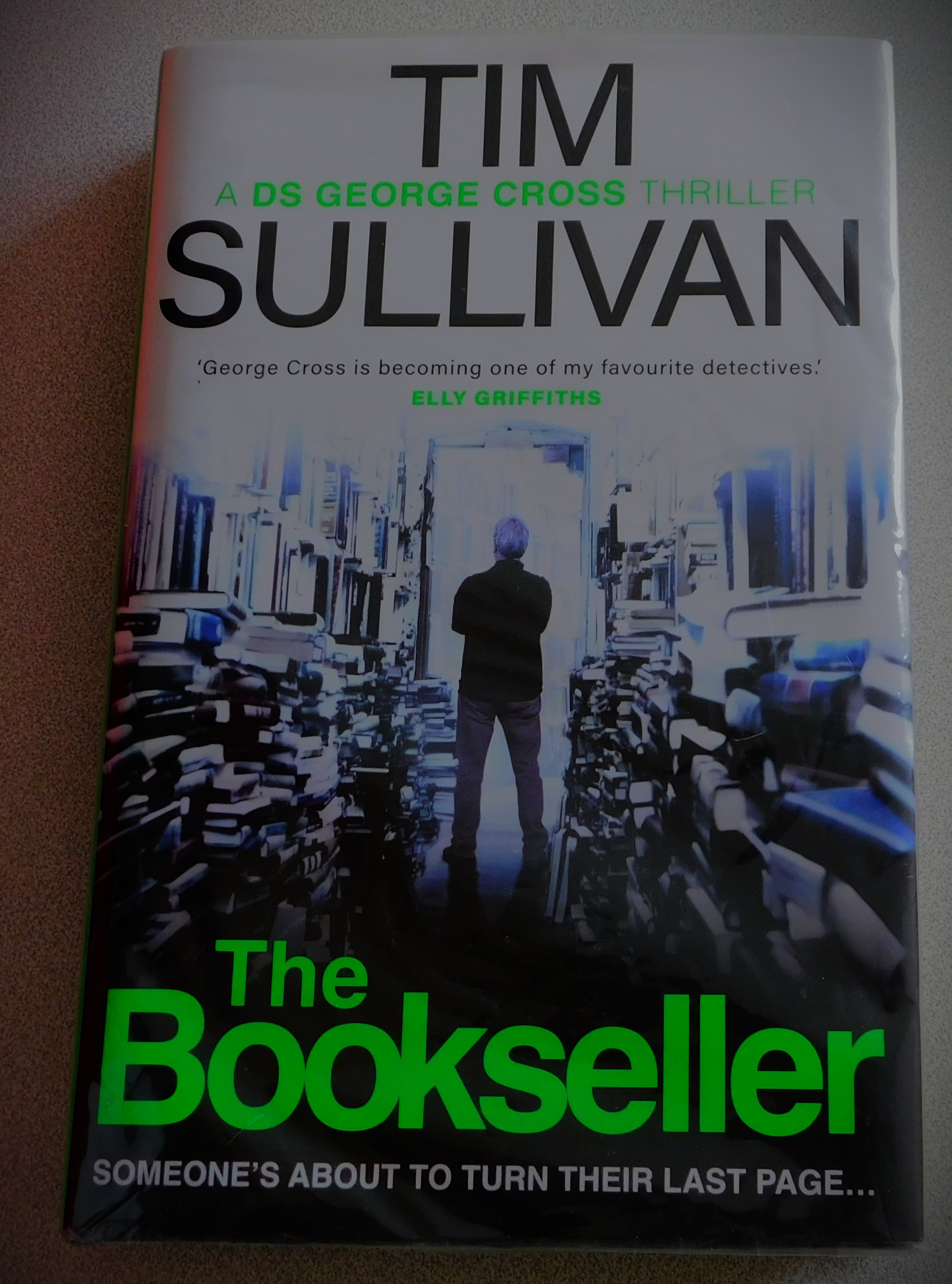
These are among my more recent and successful library finds. The first one I borrowed was “The Teacher” (they all have two word titles referring to the murder victim), and I have subsequently also read “The Patient”, “The Cyclist”, “The Monk”, “The Politician” and just recently “The Bookseller”. The one title in the series I have yet to read is “The Dentist”. This post looks at these novels.
DS GEORGE CROSS
The main focus of the novels is Detective Sergeant George Cross, who is autistic, often difficult to work with but has the best conviction rate in the force by a good margin. Though just as prone to exasperation at Cross as anyone else his boss at the Bristol Major Crimes Unit, Detective Superintendent Ben Carson, knows that Cross’s detective skills are unmatched, and makes allowances from him that some don’t approve of. Cross’s regular partner while investigating cases is Josie Ottey, who in the most recent offering, “The Bookseller” has just been promoted to DI, so she technically outranks Cross, which of course changes the dynamic between the pair, though Ottey tries to minimize the extent to which this happens. We also learn a fair bit about Cross’s family along the way, and about his regular organ practice.
THE CRIMES
The crimes generally look quite straightforward on the surface and various people are eager for quick arrests (except in “The Patient” where by way of variation the common reaction to the case is to dismiss it as one of death by accidental drug overdose), but developments soon reveal that all is not as it seems. The solution eventually emerges. There are invariably side stories as well. In “The Bookseller” the case of former DI Robert Warner, a deeply unpleasant character who has perpetrated at least three rapes and one attempt thereat, generally of female work colleagues, is finally resolved, with his conviction for these offences. Warner’s connection with Cross’s unit as that he was briefly seconded there to help with an investigation. It was there that his crime spree ended and he was finally arrested. His would-be victim there not only pressed charges for the attempted rape but persuaded two of the earlier victims to join her in pressing charges. Near the end of the latest offering in the series Cross submits his resignation because he wants to be able to take care of his seriously ill father, though his father does not want him to resign. My suspicion, given that Cross had been persuaded to think further about that resignation, is that he is not done just yet, and I look forward to reading about more adventures of his.
PHOTOGRAPHS
My usual sign off…
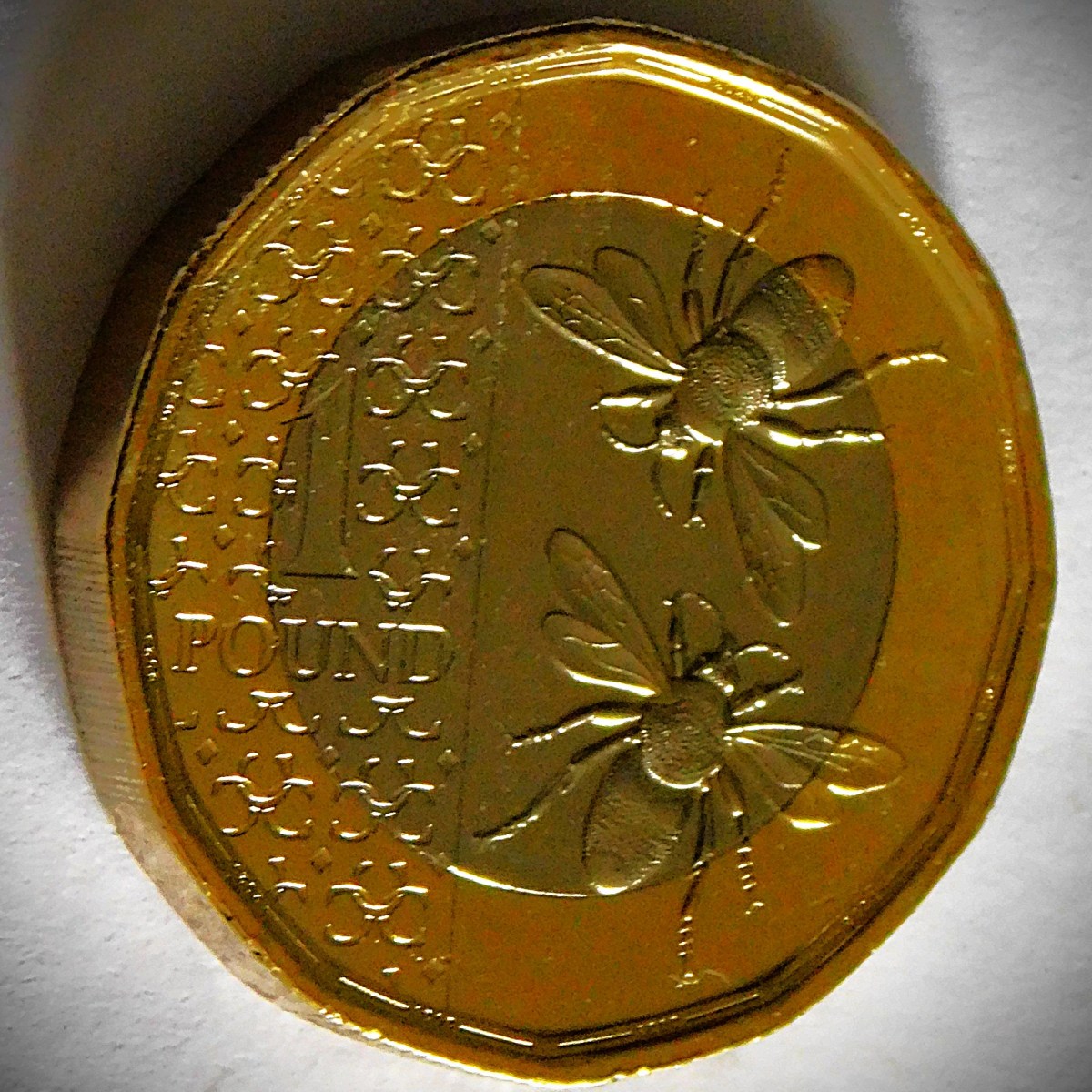
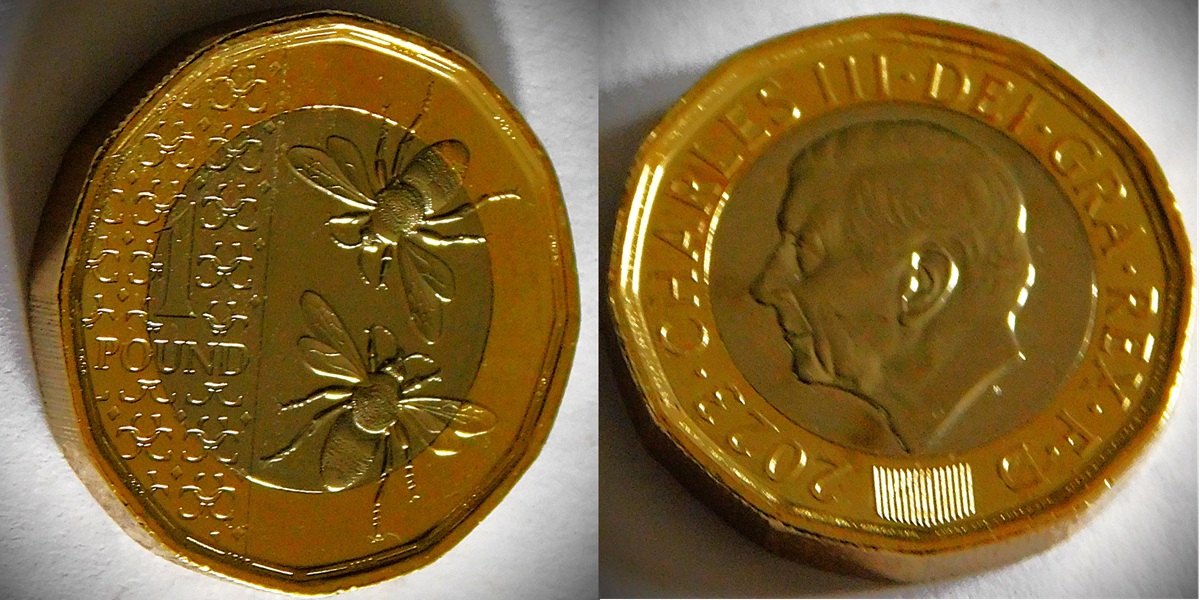
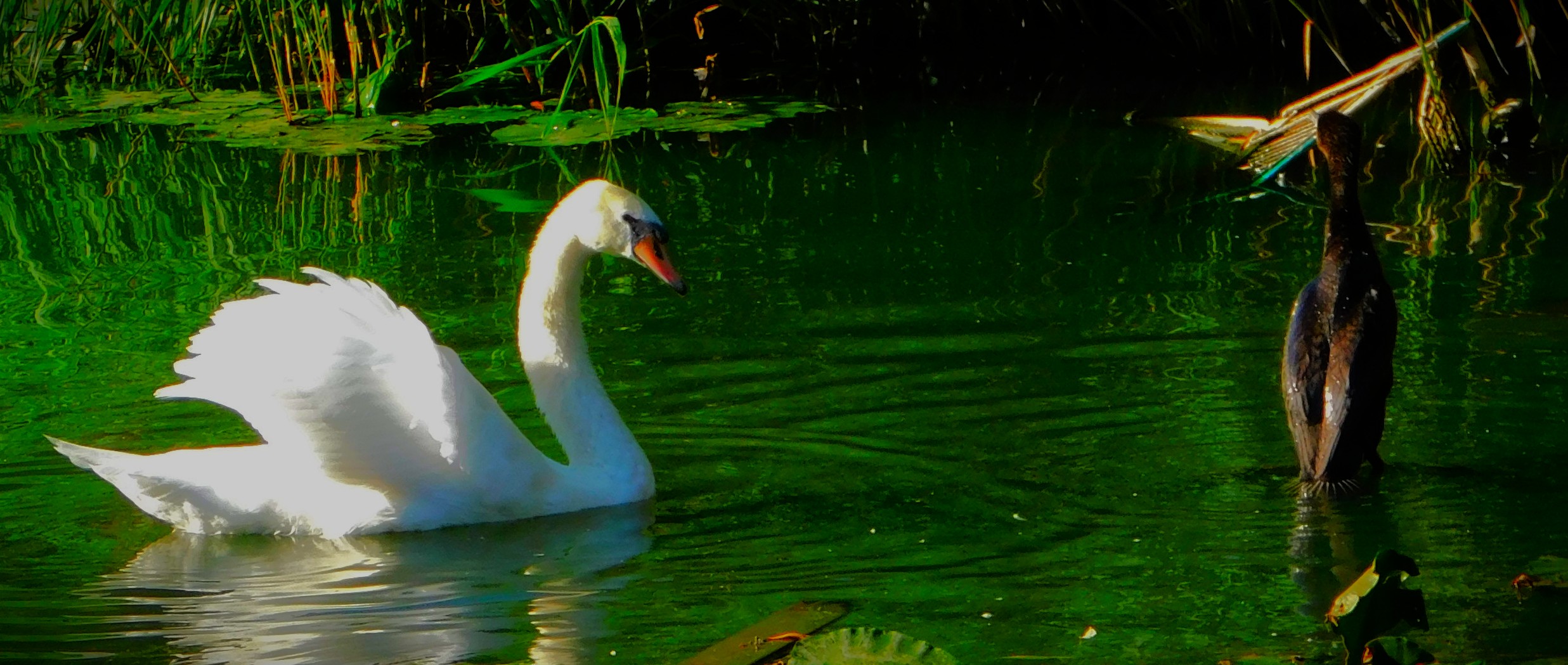
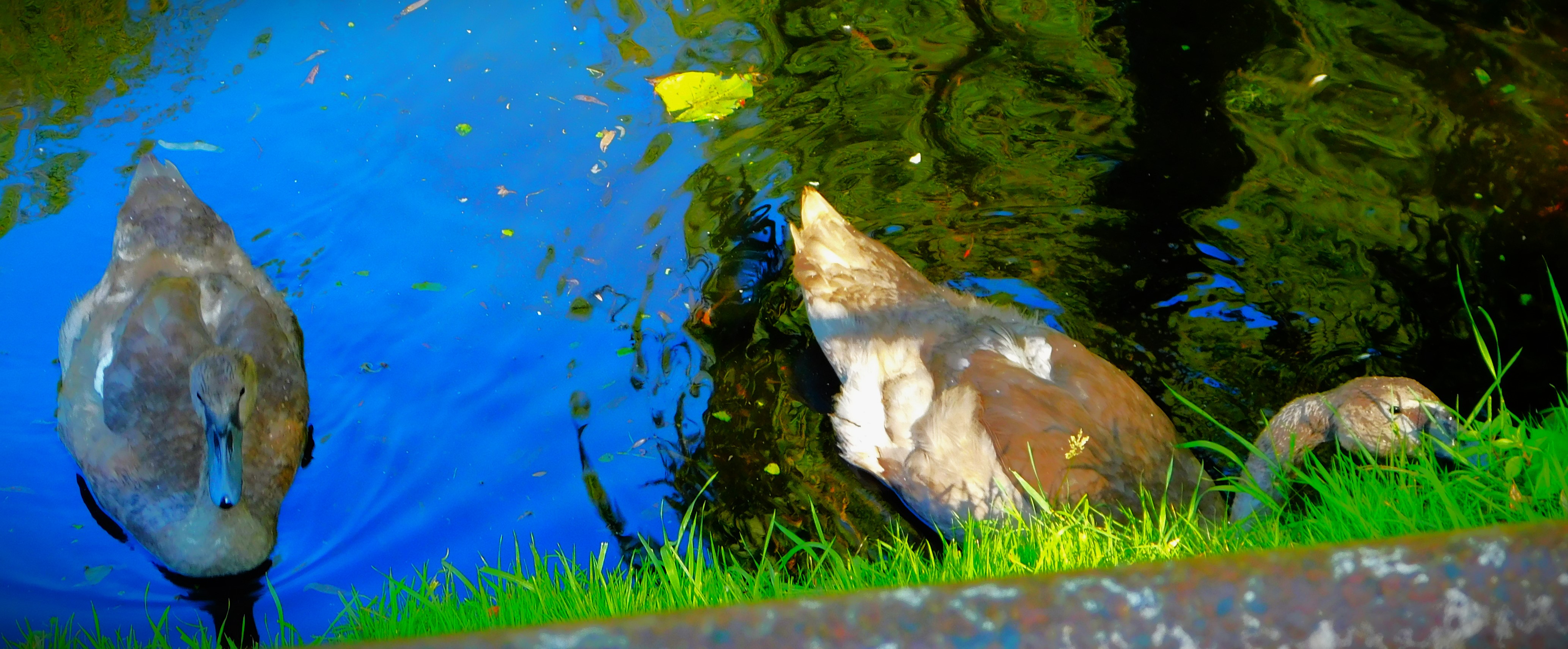
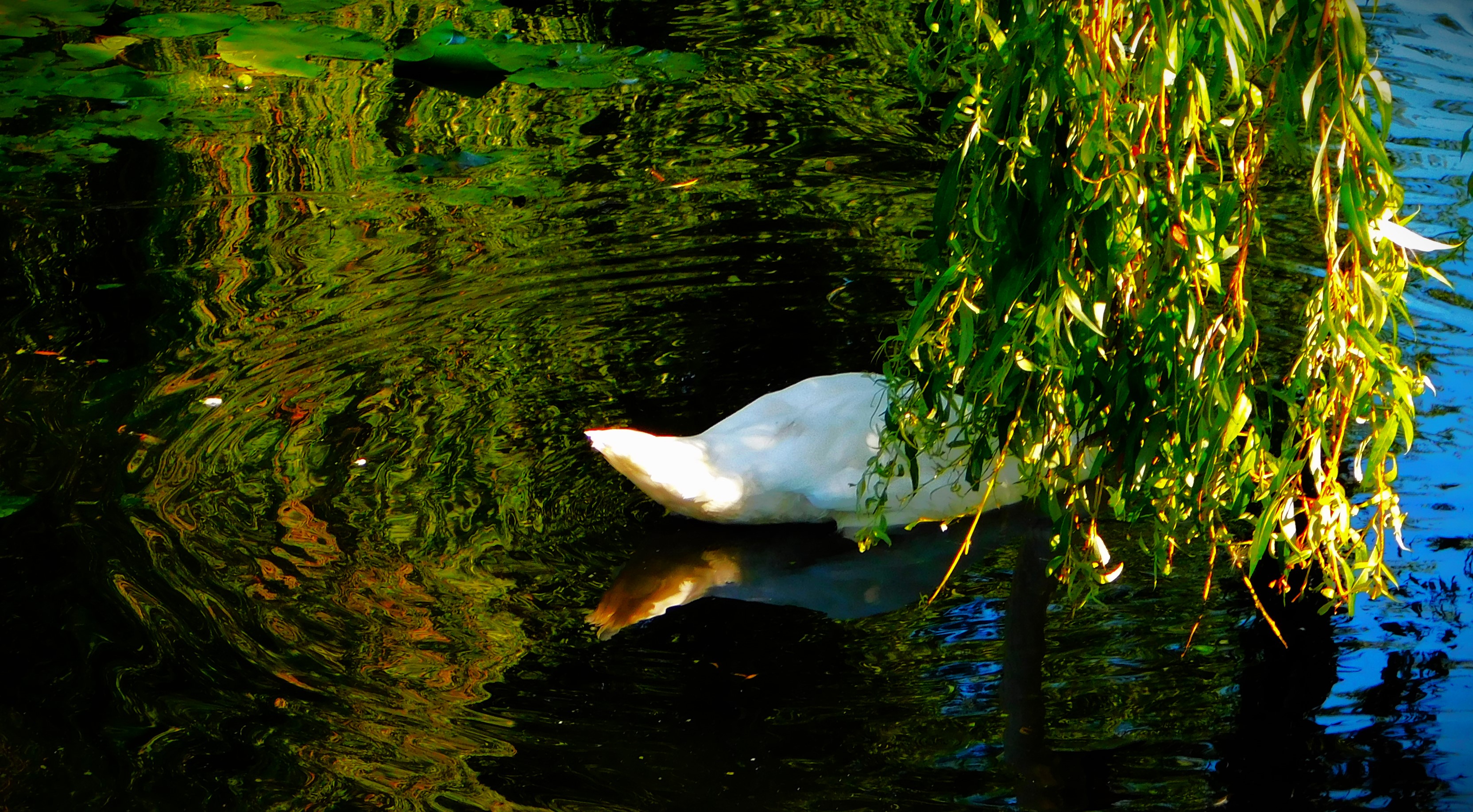
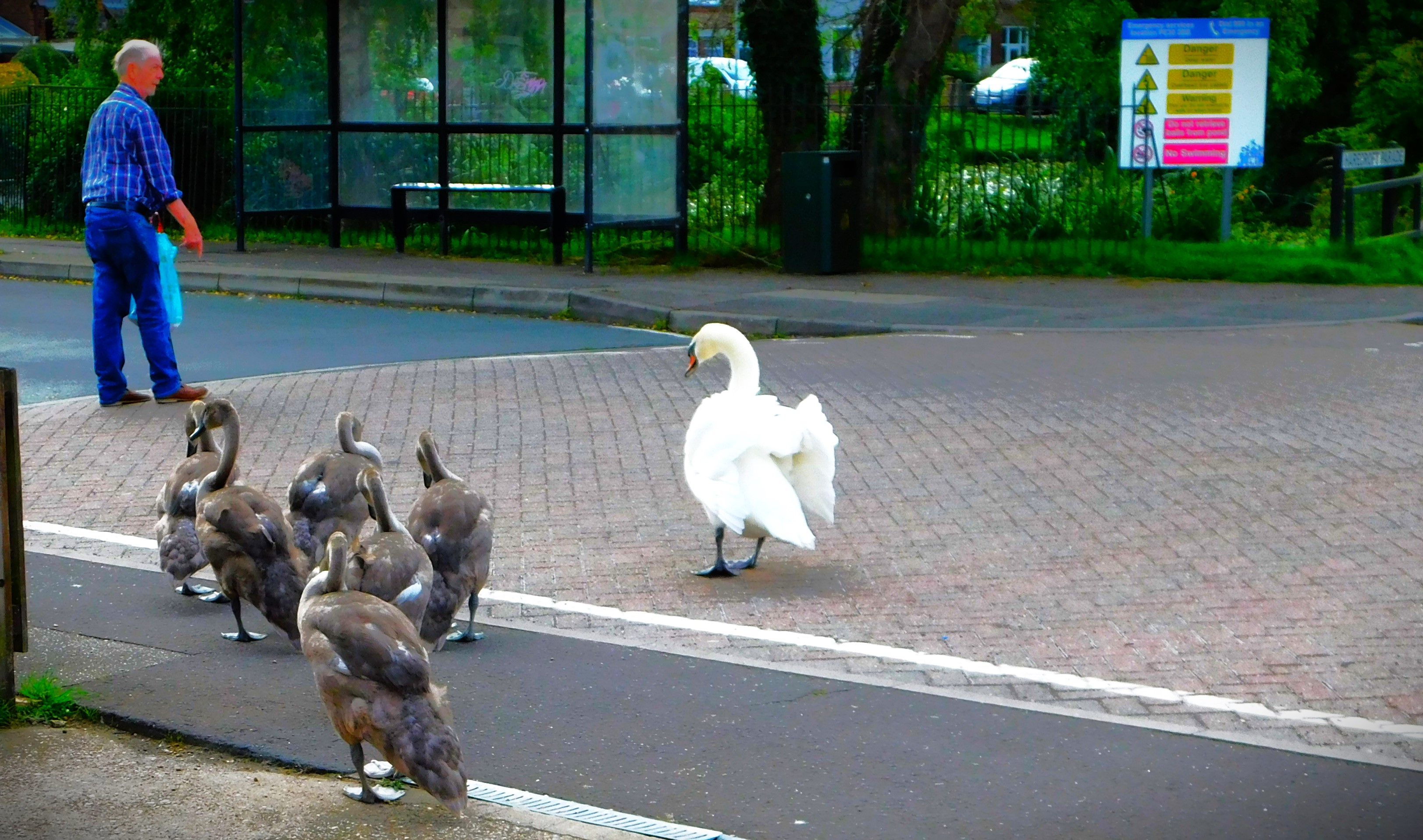
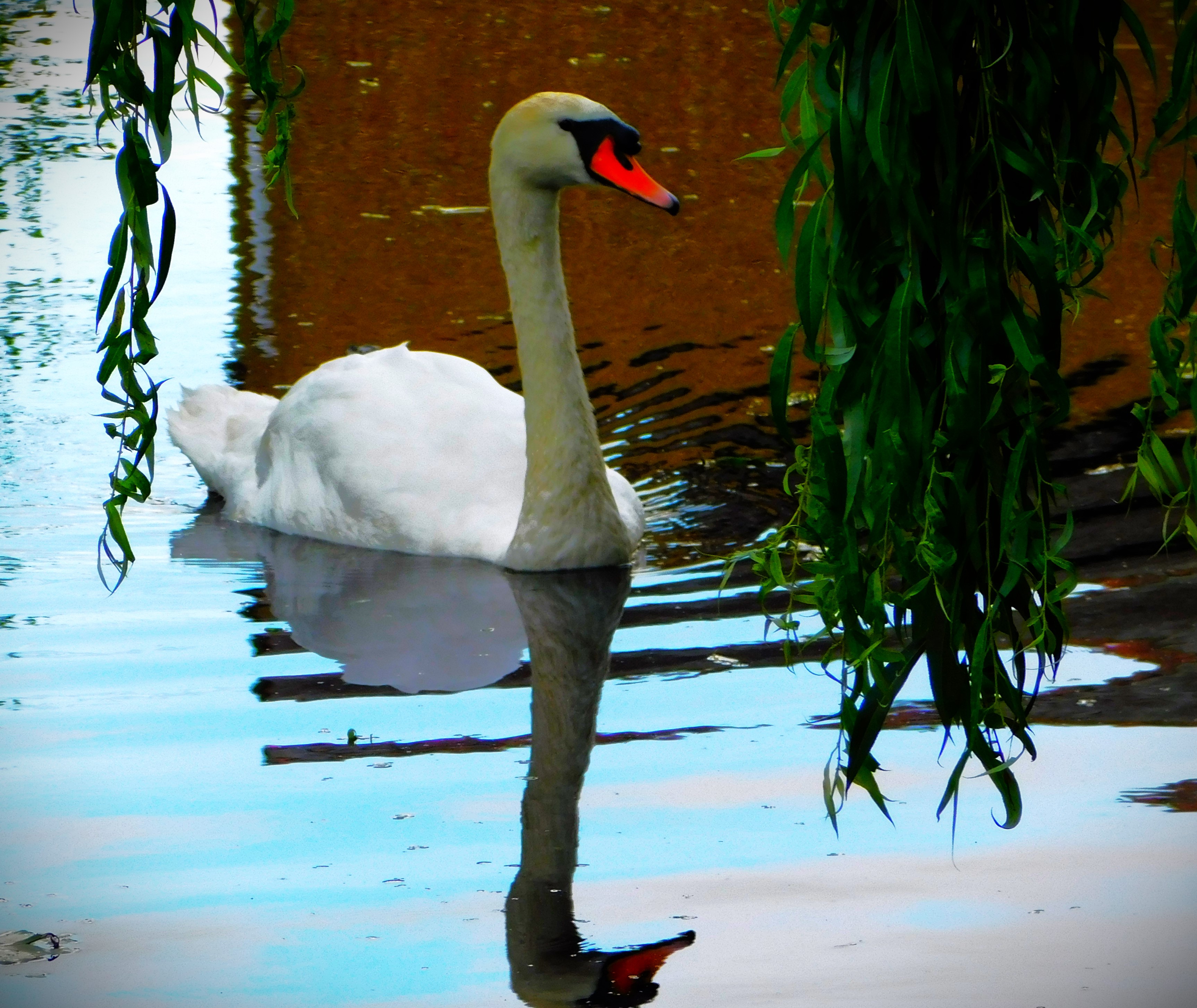
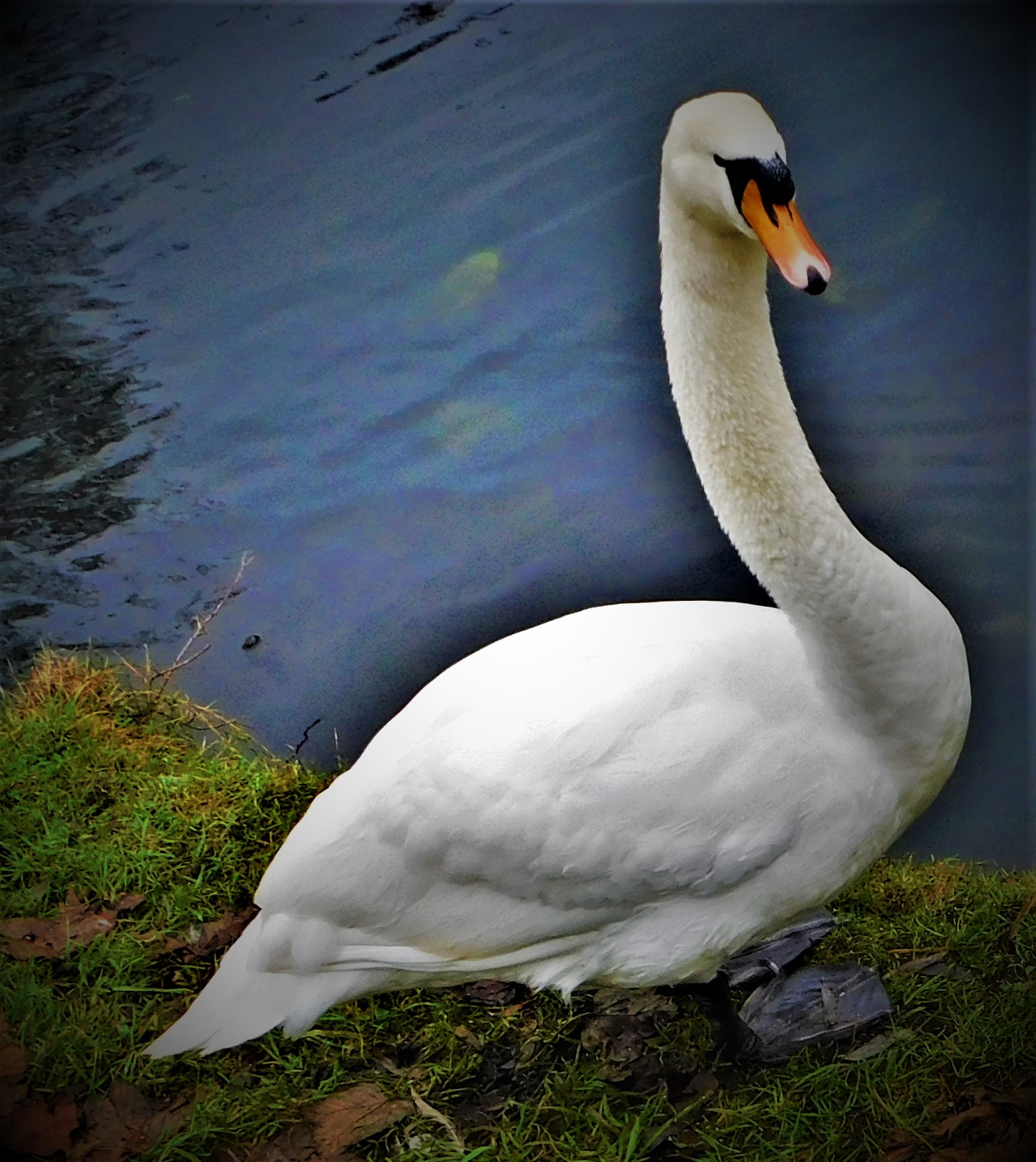
A Charles III £1 coin – not especially the splendid reverse. The individual pictures from which this composite was made appear later in the gallery.An unusual juxtaposition – a mute swan, a freshwater bird, and a cormorant, more usually a sea bird, side by side in a pond in North Lynn.This swimming rodent was moving too fast for me to capture it, though I tried.The reverse of the £1 coinThe obverse of the £1 coin.
A look at a category of book I have enjoyed discovering during 2024 – modern retellings of mythology. Also a large photo gallery.
It is no secret to readers of this blog that I am a voracious reader. One oeuvre that I have discovered in 2024 is modern retellings of mythology. This post looks at some of those books.
THE STARTING POINT
I have had an interest in mythology for virtually as long as I have been capable of reading. Thus when I saw “Daughters of Sparta” by Clare Heywood on the shelves of King’s Lynn library it was pretty much automatic for me to select it as one to borrow. This retelling of the stories of Helen and Clytemnestra from their own perspectives proved to be even better than I had dared to expect, and I soon found myself keeping an eye out at all three of the libraries I regularly visit for similar books.
MY EXPLORATIONS OF THIS THEME SINCE THEN
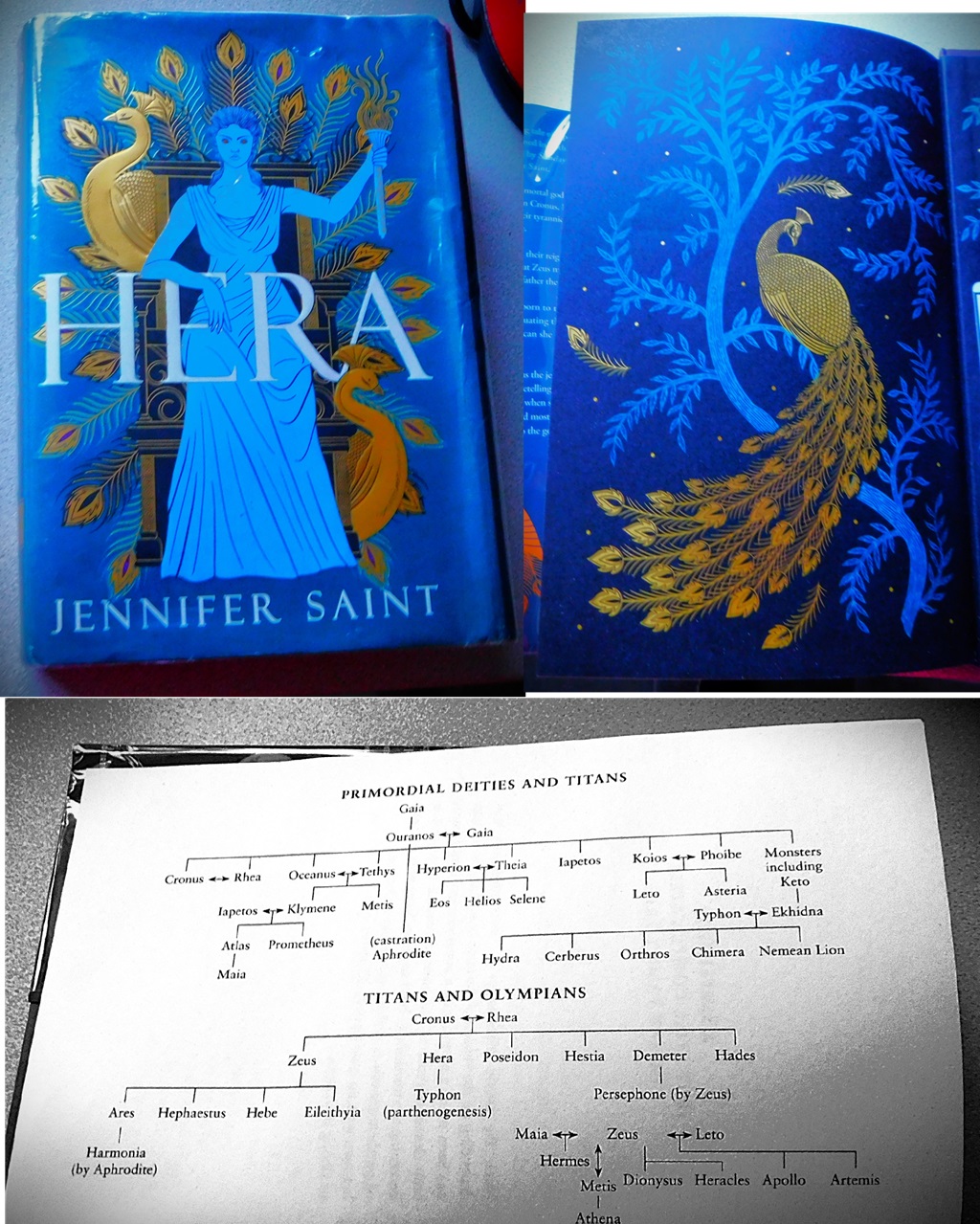
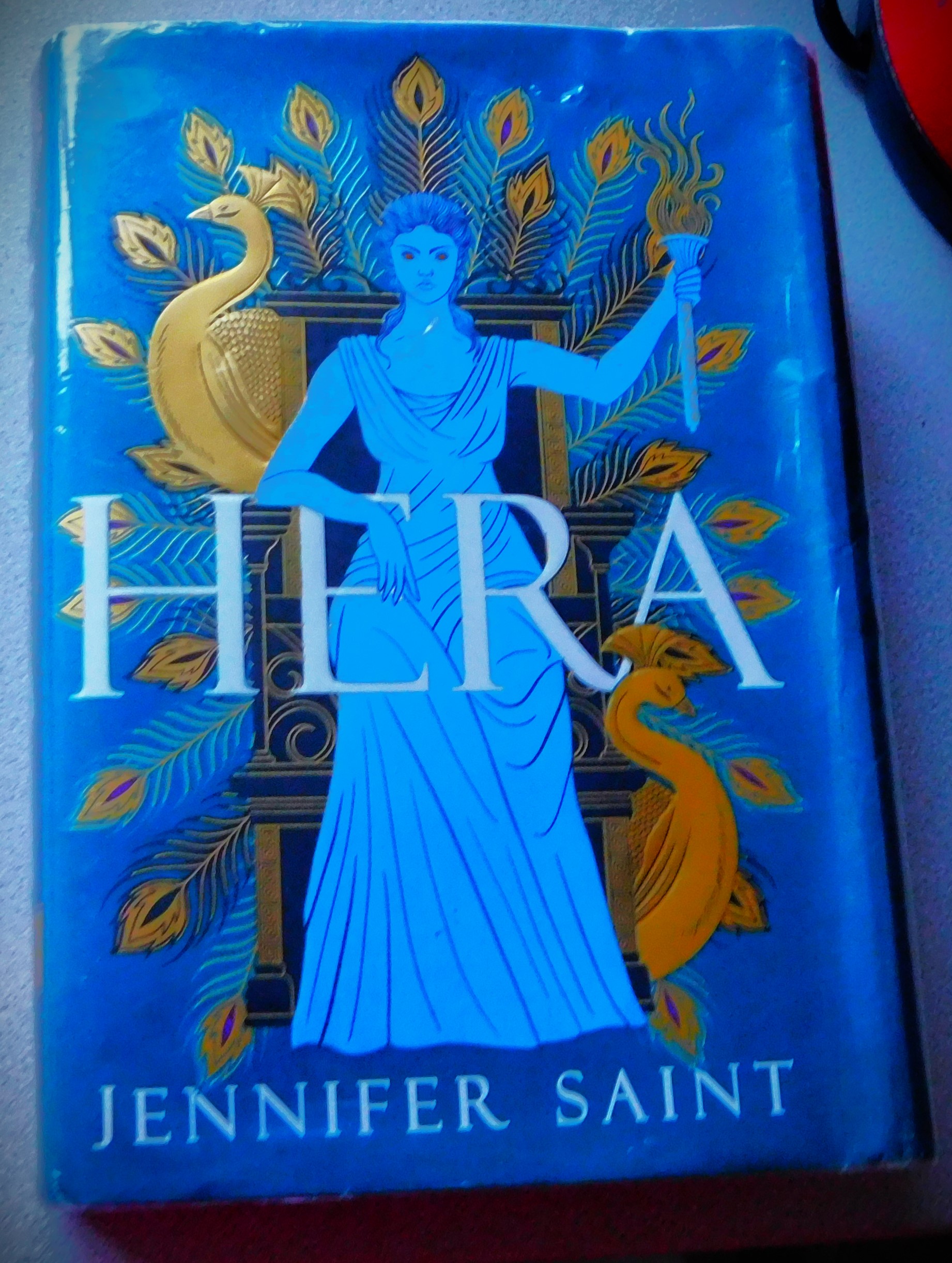
That was the start of an ongoing exploration of retellings of these myths which has gone to encompass Natalie Haynes (“A Thousand Ships”, “Children of Jocasta” and “Stone Blind” (Medusa’s story from her own perspective, rather than that of Perseus), Jennifer Saint (“Ariadne”, “Elektra”, “Atalanta” and just recently “Hera”, which provides the feature image for this post, Madeline Miller (“Circe” and “A Song of Achilles”), Laura Shepperson (“Heir of Venus”), Phoenicia Rogerson (“Herc” – the story of Heracles/ Hercules told from the perspective of everyone except the hero himself), Pat Barker (“Women of Troy”), Lauren JA Bear (“Medusa’s Sisters), Claire North (“Ithaca”, “The House of Odysseus” and presumably a third volume to come, telling the story of Odysseus from Penelope’s perspective), and from a different oeuvre of mythology Sophie Keetch (“Morgan is my Name”, “Le Fay”, and I know there is a third volume to come in this series). All of these books have been very enjoyable to read, and I cannot pick a favourite.
PHOTOGRAPHS
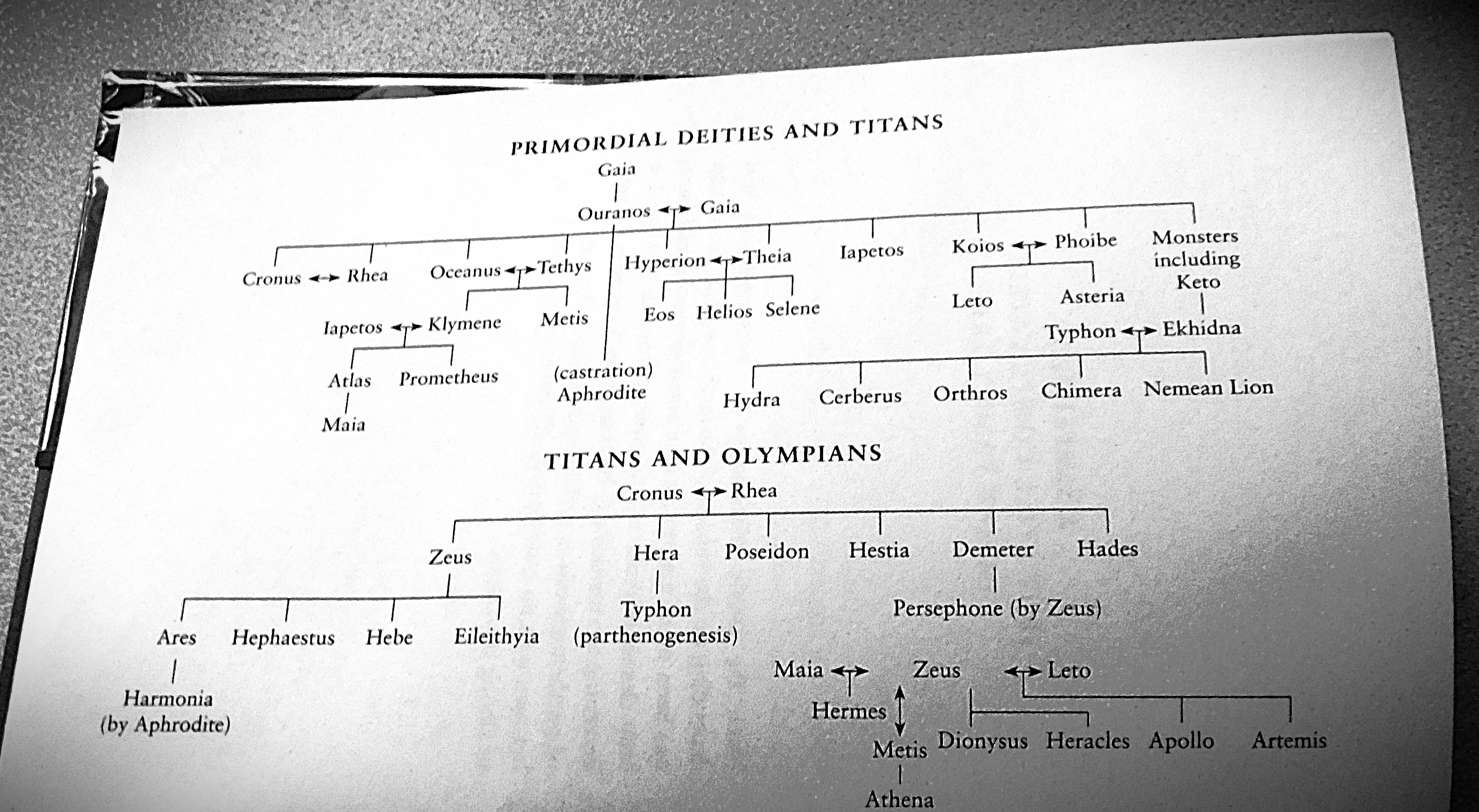
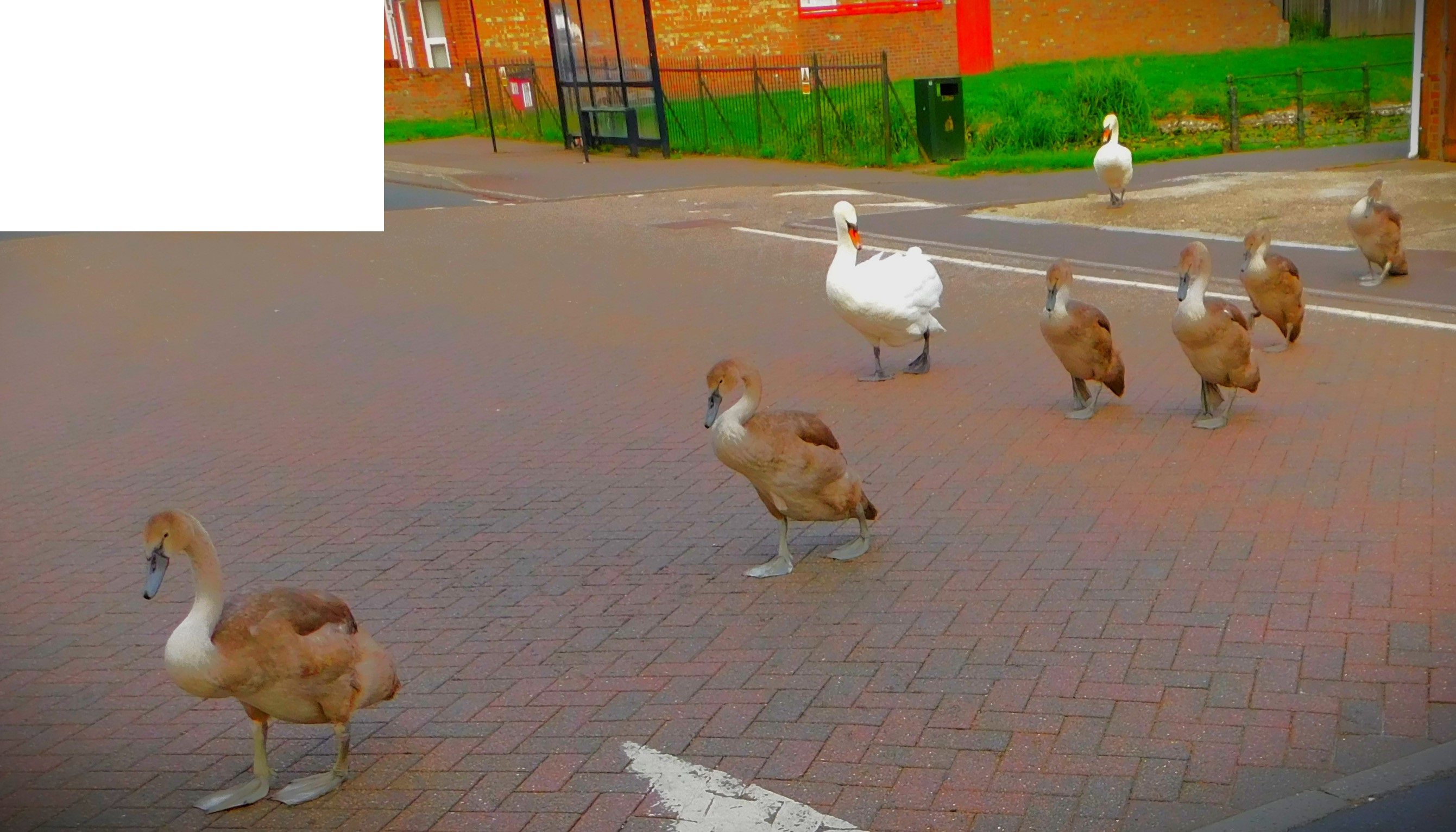
This gallery does not include the feature image, but does include all three elements of that composite image. Remember that all pictures can be viewed at larger size by clicking on them…
An all time XI of players whose given names begin with C with a lot of honourable mentions, a mention of my recent auction purchases, a brief book review and my usual photo gallery to end.
In addition to the main feature this post has a couple of bonus features before the usual sign off. Today we look at cricketers whose given names begin with C, and we will have a huge number of honourable mentions after the main XI have been introduced.
THE XI IN BATTING ORDER
Chris Gayle (West Indies, left handed batter, occasional off spinner). Better known for his exploits in limited overs cricket, Chris Gayle still had a very fine test record, including two triple centuries at that level. I was at the Adelaide Oval when he scored an incredible 167 against Australia that should have set up a classic finish. Unfortunately Australian skipper Ponting took the cowards option when faced with an ask of 330 off 81 overs against a less than formidable attack and settled for the draw, Australia making no effort at any stage to get on terms with the required rate.
Cyril Washbrook (England, right handed batter). He averaged 42.81 over a career that spanned 37 test matches spread over 19 years, slightly up on his overall FC average of 42.67. The 359 that he and Len Hutton put on together at Ellis Park, Johannesburg remains England’s record opening partnership three quarters of a century on.
Colin Cowdrey (England, right handed batter, occasional leg spinner). The first player ever to be awarded 100 test caps, and holder at one time of the England record tally of test career runs with 7,624.
Clyde Walcott (West Indies, right handed batter, occasional wicket keeper, occasional medium pacer). Averaged over 56 at test level.
*Clive Lloyd (West Indies, left handed batter, captain). A world class batter, and one of the most successful of all test captains.
Clive Rice (Nottinghamshire, right handed batter, right arm fast medium bowler). His native South Africa being banned from international cricket for almost his entire career meant that he never got to play test cricket, but I have decided to give him the benefit of the doubt on this occasion and select him in the all rounders slot based on his great FC record.
+Chris Read (England, wicket keeper, right handed batter). A great keeper and a useful middle order batter, scandalously treated by the England selectors of his day.
Curtly Ambrose (West indies, right arm fast bowler, left handed batter). One half of a legendary new ball duo who are both in this XI.
Colin Blythe (England, left arm orthodox spinner, right handed batter). One of the greatest bowlers of his type ever to play the game. In the years running up to WWI Kent won four championships, largely propelled there by a contrasting opening bowling pair of Blythe and the right arm fast bowler Arthur Fielder. In 1907 Blythe destroyed Northamptonshire with match figures of 17-48, only beaten in FC cricket by Jim Laker’s 19-90 at Old Trafford in 1956, and according to team mate Frank Woolley in “King of Games” Blythe was within an ace of taking all-20 that match.
Courtney Walsh (West Indies, right arm fast bowler, right handed batter). Curtly Ambrose’s regular new ball partner, and during their long association he became the first ever to claim 500 test wickets, finishing with 519.
Clarrie Grimmett (Australia, leg spinner, right handed batter). A man who had to leave his native land and then cross two state boundaries in his adopted country to find cricketing fulfilment and still became the first to take 200 test wickets, finishing with 216 scalps from just 37 appearances. In the last full Sheffield Shield season before WWII, with his 50th birthday not far distant, he claimed a competition record 73 scalps. The Flipper, now considered an essential part of any wrist spinner’s armoury, was very largely his creation.
This side has a stellar top six including a genuine all rounder, a keeper who can bat and four great and well varied specialist bowlers. The proven new-ball combo of Ambrose and Walsh has Rice to offer pace back up, and the spin pairing were two of the best such ever to play the game. On any surface I would back this side to take 20 wickets without any great trouble.
HONOURABLE MENTIONS
This will be a long section. First, to address cricket’s largest fan base, I must acknowledge the sterling performances of Cheteshwar Pujara as a number three. However, as good as he has been in that role both for India and in domestic cricket I do not believe that he dislodges the first player ever to play 100 test matches.
Among the openers who challenged for inclusion without in my view quite being good enough were Charles Bannerman, CB Fry, Cyril Walters, Chris Rogers and Charlotte Edwards, with the last name being naturally a shoo-in for the head coach’s position. Some might mention Chris Broad in this context, but I take a dim view of those who chose to sign up for rebel tours of Apartheid South Africa. Had I been picking with limited overs in mind Chamari Athapaththu would have merited consideration as well.
Claire Taylor had a magnificent record for England Women, averaging over 40 in both tests and ODIs. Two Colins, de Grandhomme of New Zealand and Bland of South Africa were fine middle order batters, and the latter is this side’s designated fielding sub. Clem Hill was at one time the all time leading scorer of test runs, until Jack Hobbs overhauled his tally, but he cannot displace Clive Lloyd. Charith Asalanka of Sri Lanka may eventually force his way in, but he is not there yet. Chloe Tryon, the big hitting South African who bowls a bit of left arm spin, would merit consideration were I picking with limited overs in mind. Two West Indians, Carl Hooper and Carlisle Best, both missed out due to not having enough substance to go with their style.
Among those who missed out on the gauntlets due to the presence of Read were Colin Metson, Carlton Baugh and Carla Rudd.
Charles Townsend, a left handed batter and a leg spin bowler, missed out on the all rounders slot because I preferred to pick a pacer for that slot and include Grimmett in the XI. Chris Woakes and Chris Cairns were both a little short of the necessary batting credentials to take the slot. On a really raging turner CK Nayudu, the Indian off spinning all rounder might take Rice’s place. The abrasive Cecil Pepper was another leg spinning all rounder who could not be accommodated, though he gets an umpiring gig.
Among the specialist seam/ pace bowlers to miss out were Craig McDermott, Chris Tremlett, Chris Old, Chaminda Vaas, Craig Matthews and Carl Rackemann (he like Bruce Reid mentioned a couple of days ago was rarely fit for long enough to build up a record of much substance). Charles ‘The Terror’ Turner had a sensational record, but 1880s pitches were generally much more favourable to bowlers than they became later.
Cecil Parkin and Charlie Dean rank as the two finest specialist off spinners to have had given names beginning with C. For a limited overs side Collins Obuya, the Kenyan off spinner, would merit consideration.
AUCTION PURCHASES
It was auction week at James and Sons, and I had placed advance bids on three items which looked likely to go cheap and were of interest to me. In the event I secured all three for very little, and an opportunistic bid on a fourth item was also successful.
LOT 685 – BEHIND THE FACADE
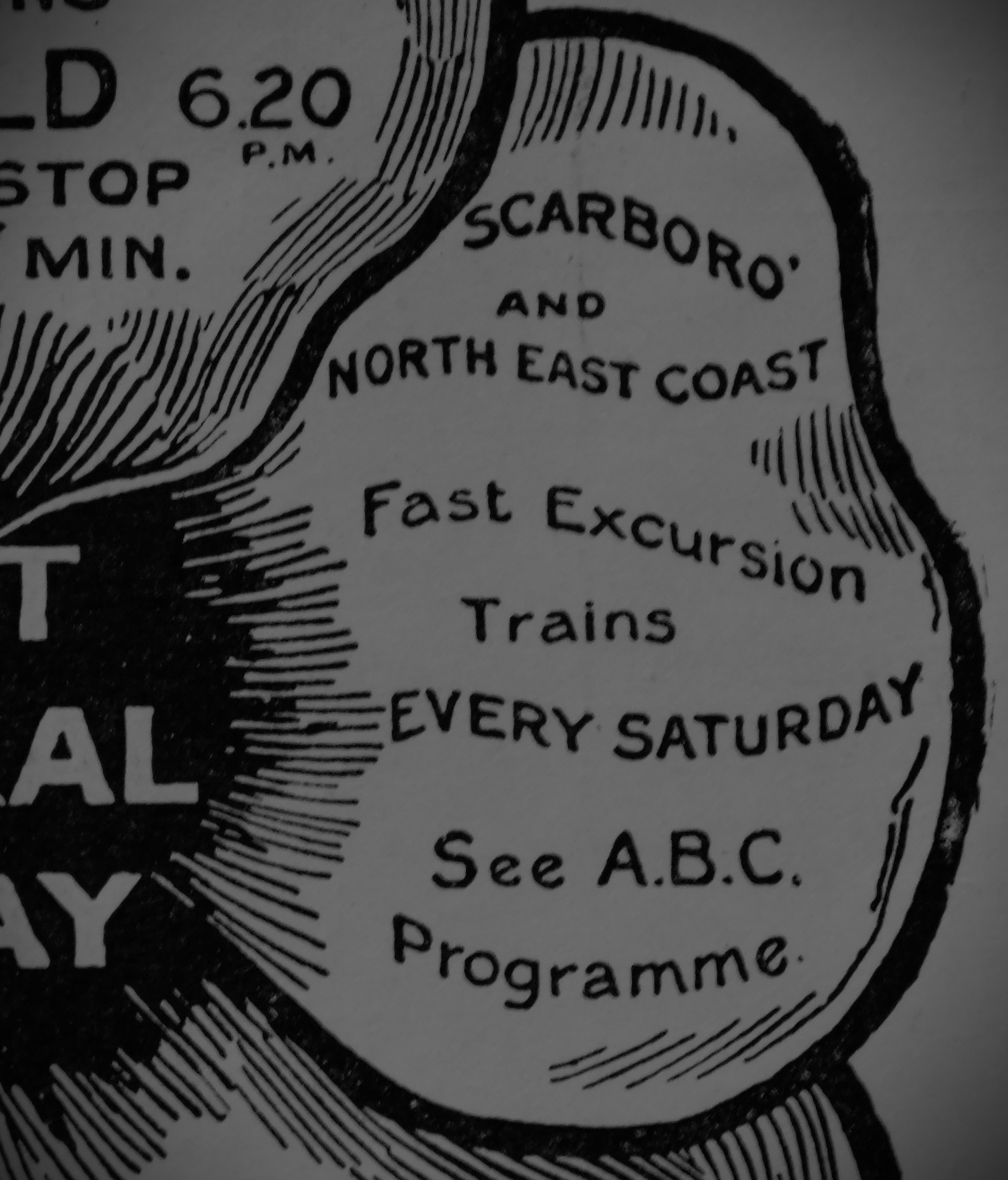
Had I not been the one to image this item it would have been unsold, because anyone else imaging it would have imaged only the bit described in the catalogue listing. Fortunately, I looked and imaged more closely. The images available to online bidders were as follows:
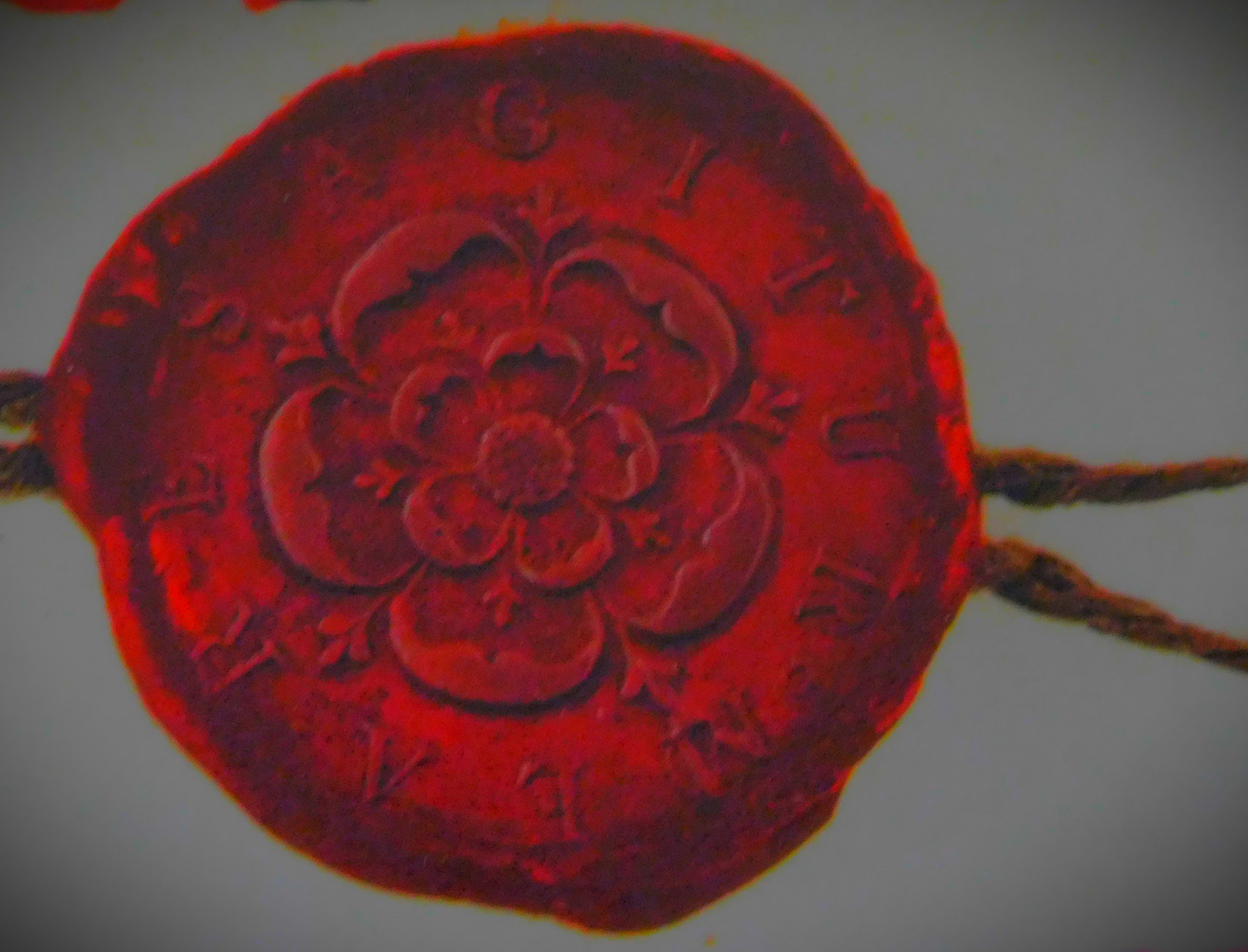
The supposed element of interest (three images)……and the reverse side of the sheet, including……this rose shaped piece of PR for the Great Central Railway.
My interest in the Great Central Railway advert was the only interest of any kind shown in this lot, which was duly knocked down to me. My treatment of the item since taking possession of it reflects my reason for buying it, as shown by the following pictures…
I have mounted the advert together with the publication title and the date on black card.Here are a series of close up shots bringing out extra detail.Due to the size and subject matter of the new item I have elected to treat it as equivalent to a railway FDC.
LOTS 802 AND 978 – ORTHODOXY
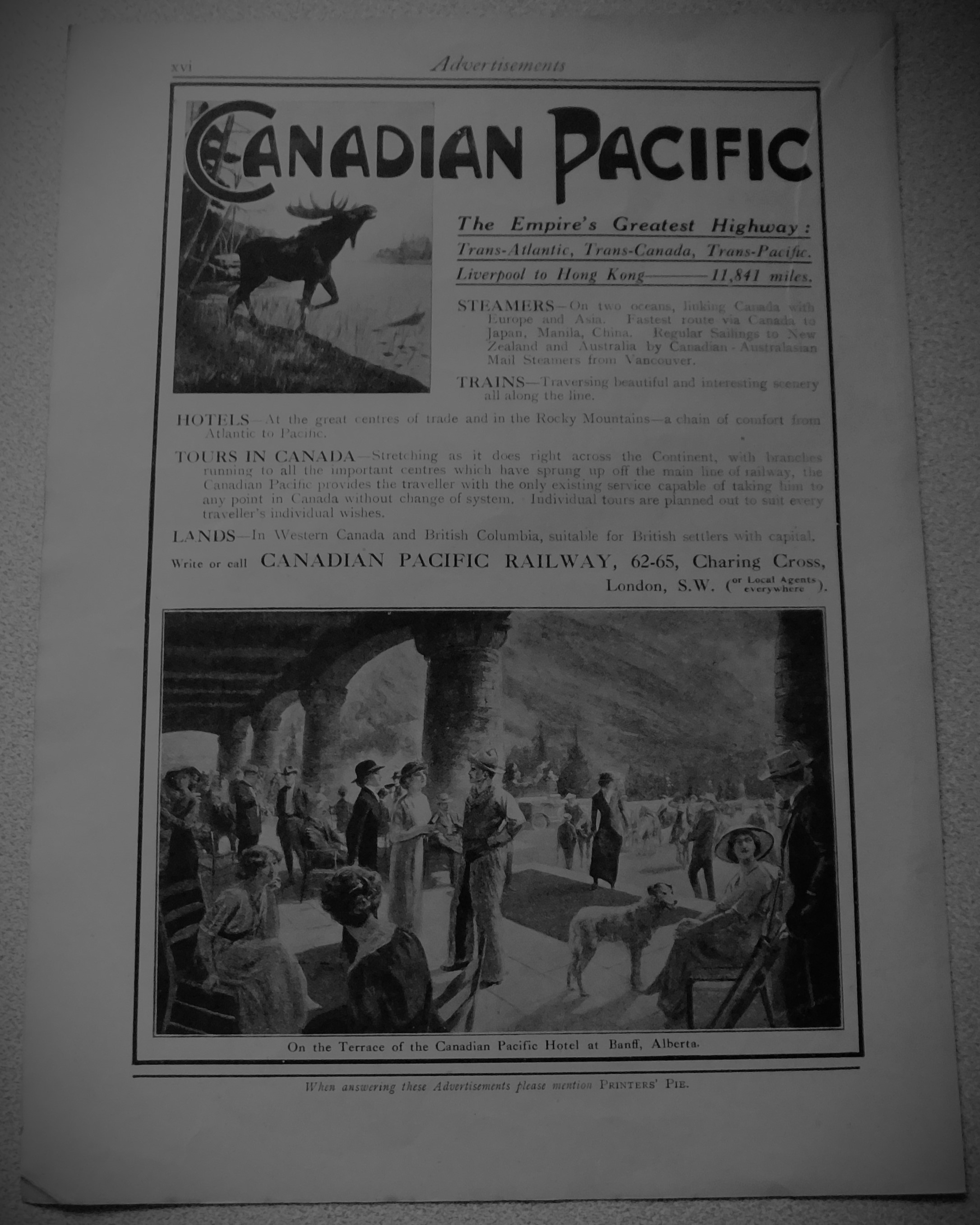
These two items are both PR sheets for the Canadian Pacific Railway with other adverts on the back.
LOT 981 – ANOTHER CASE OF BEHIND THE FACADE
This item was allegedly of interest for the cigarette advertisement featured on one side of it. However, it was what was on the reverse side that caught the attention of the only person to show interest in it:
The cigaratte ad, duly awarded pride of place in the official image gallery for the lot.The reverse side.
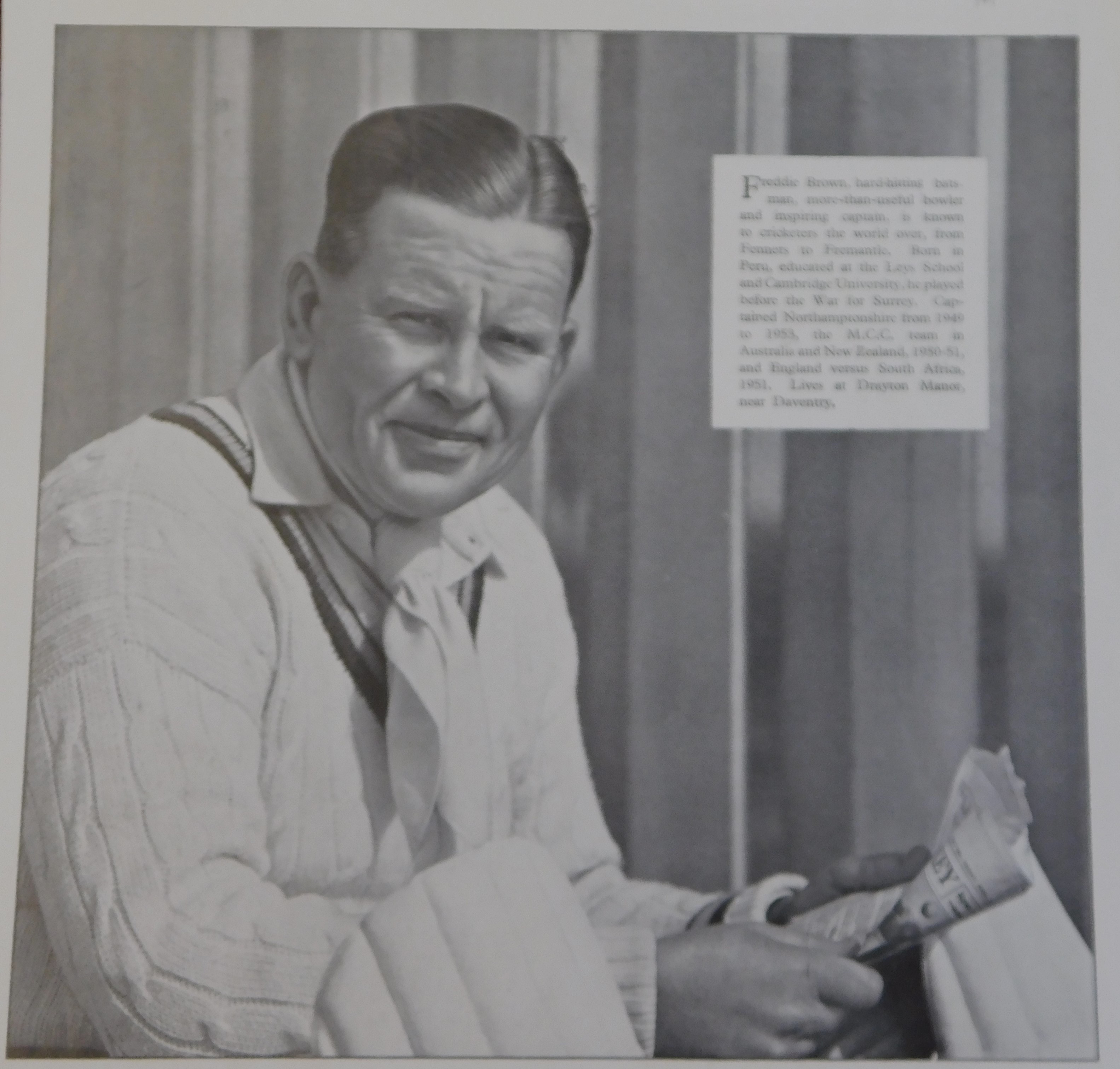
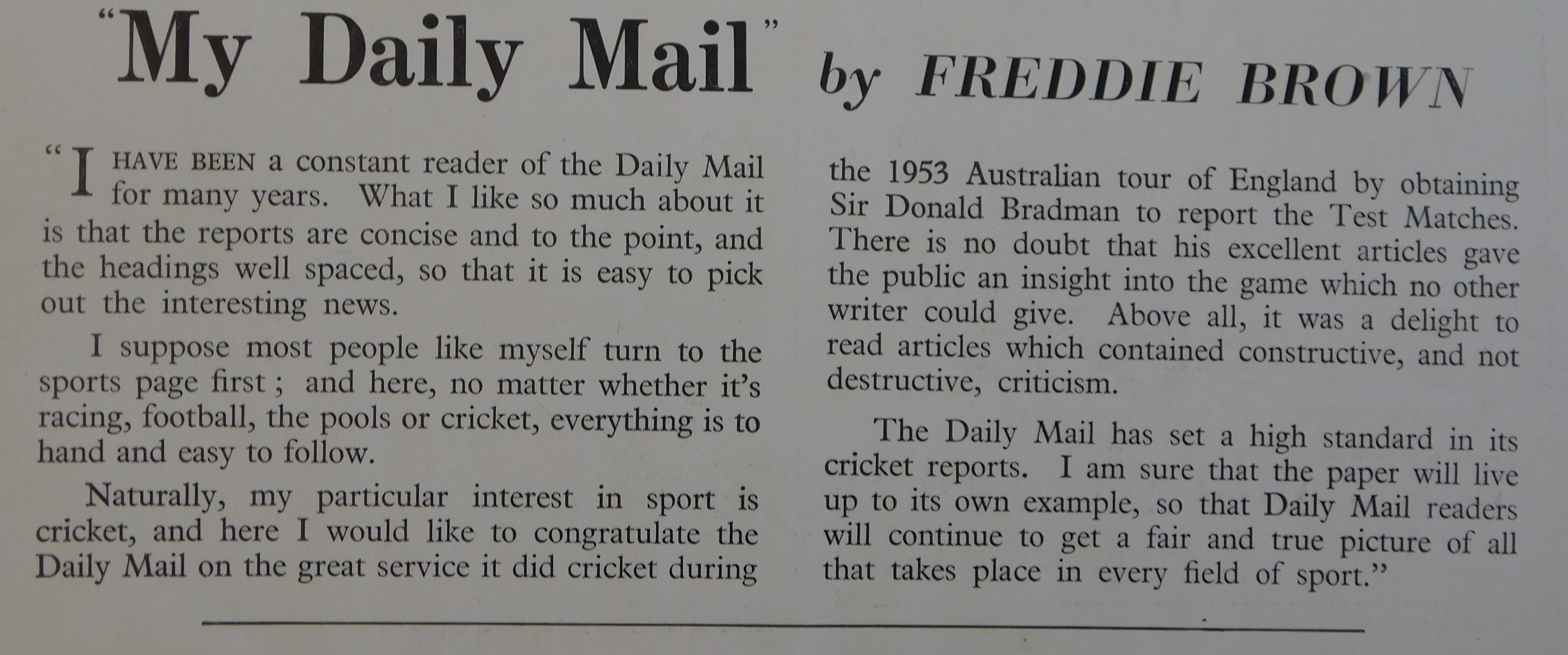
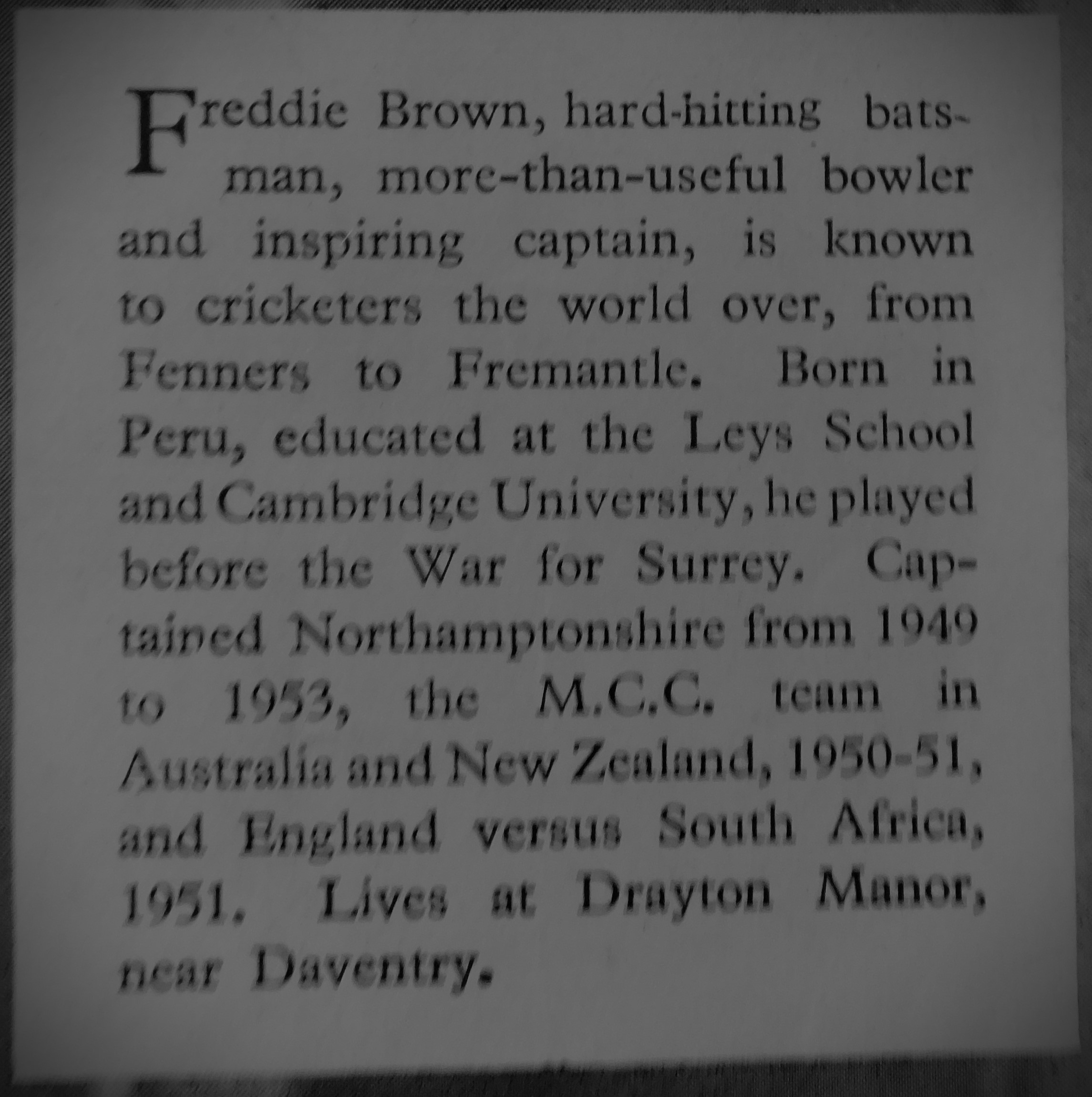
This one did not require radical treatment as had number 685 to fit my interests, just a bit of folding to make it fit in a display folder and display what I wanted – the stuff about Freddie Brown minus him spruiking a filthy far rate hate rag…
Interestingly by the time this was published in 1955 Freddie Brown had not featured for England in two years – Lord’s 1953 was his last test appearance, and his last appearance of note came in May 1956 when he played for Free Foresters against Oxford University, doing little with the bat, but claiming 11 wickets including a first innings haul of 8-60 – yet the far right hate rag of “Hurrah For The Blackshirts” infamy still thought him good PR for them.
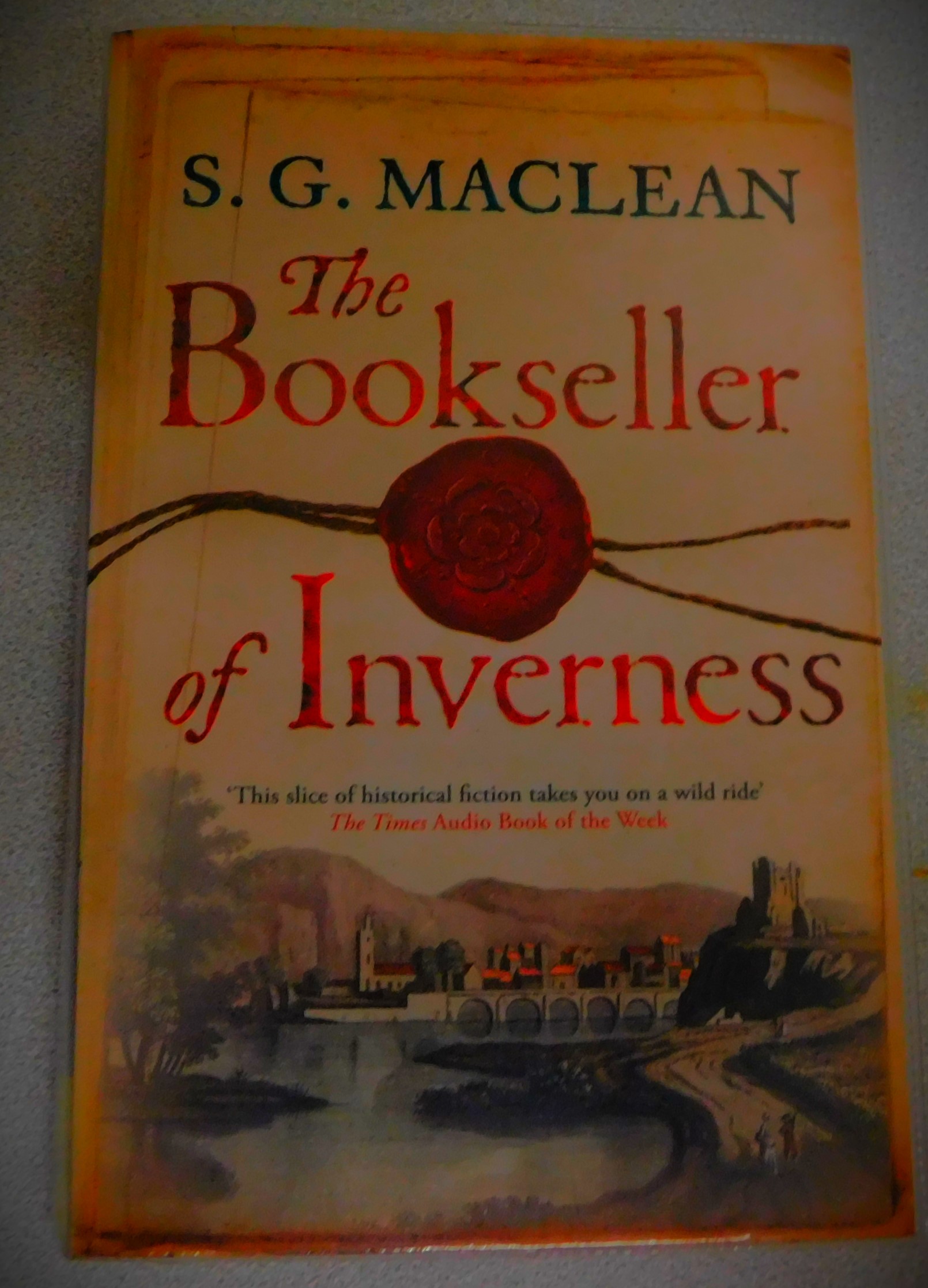
THE BOOKSELLER OF INVERNESS BY SG MACLEAN
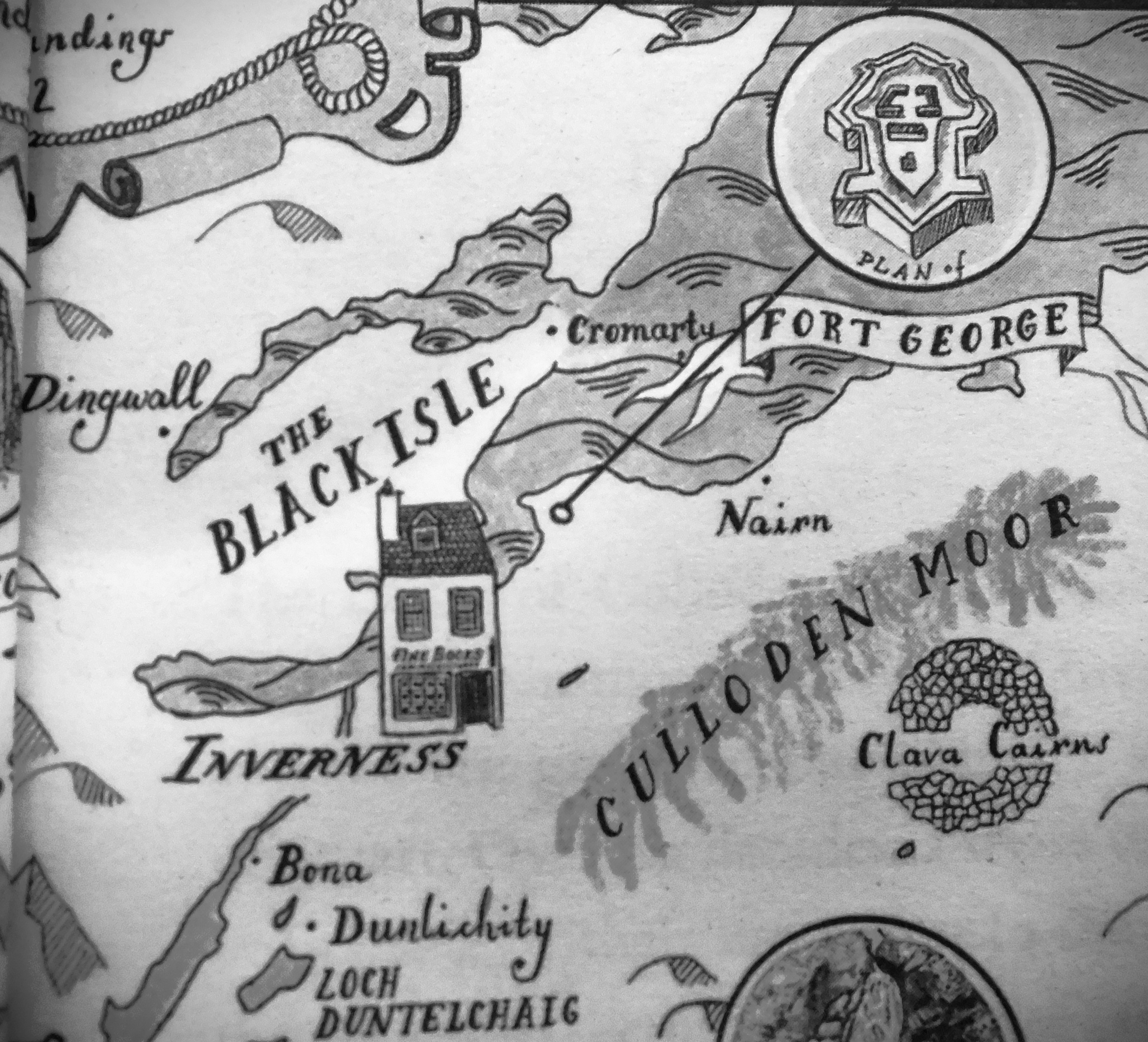
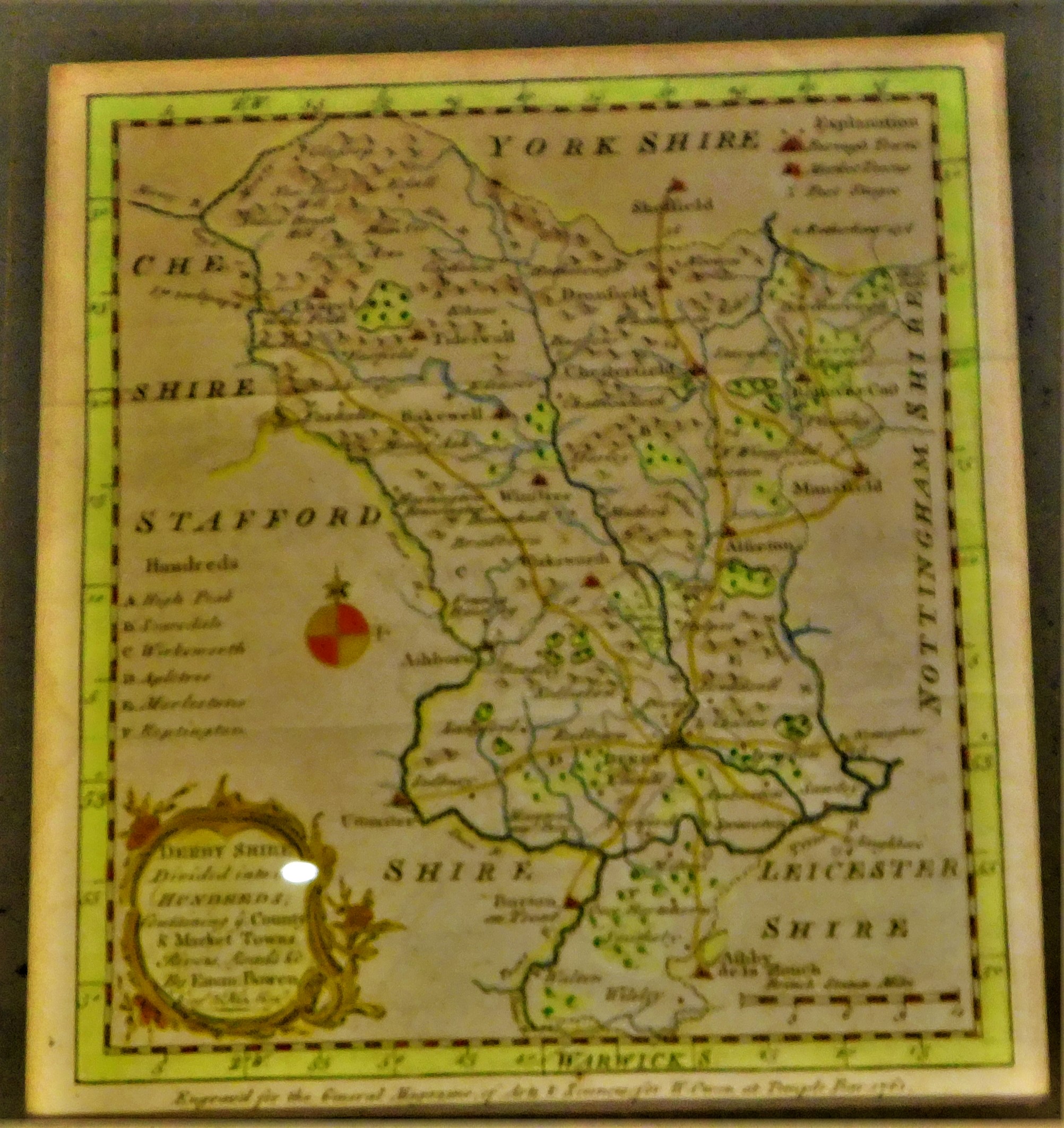
Set in the turbulent years of the 1750s, when attempts to restore the Stewarts (James Edward Stewart, based in Rome at this time, and his son Charles Edward Stewart a.k.a Bonnie Prince Charlie) to the throne were still in vogue, this book is a thoroughly gripping, indeed enthralling read. It also has a special feature of particular appeal to me, a very intricate map of the area in which most of the action takes place. Not only do I highly recommend this book, I will be looking of the author’s name on future library visits.
A review of a truly wonderful book, some cricketing sidelights, including speculation about a debutant with a (from a cricketing viewpoint) very interesting name, and a large photo gallery.
I have some cricketing content as usual, but the main focus of this blog is a book I have just finished reading (finished it on the bus back from work yesterday to be exact), and I start with…
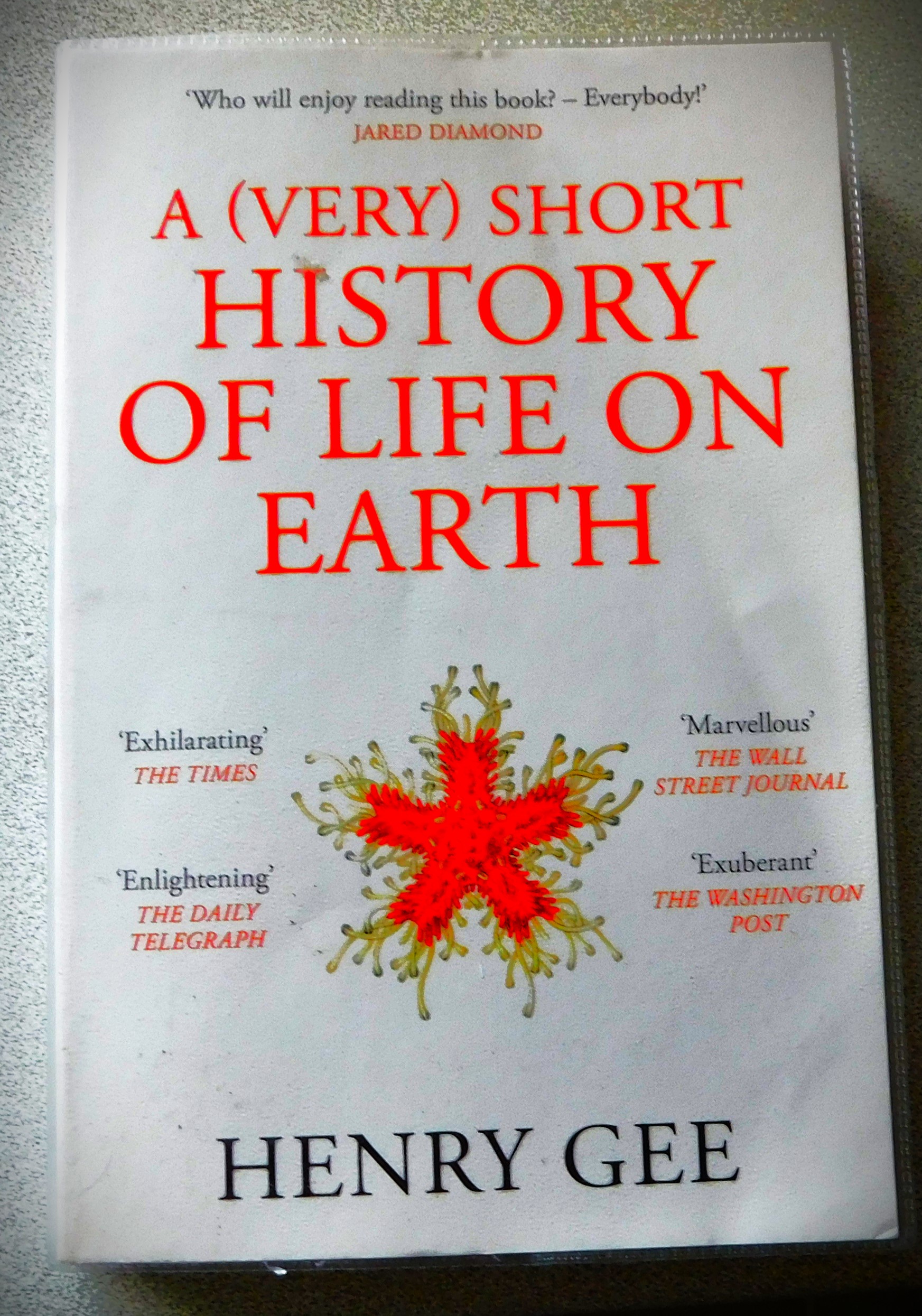
A (VERY) SHORT HISTORY OF LIFE ON EARTH
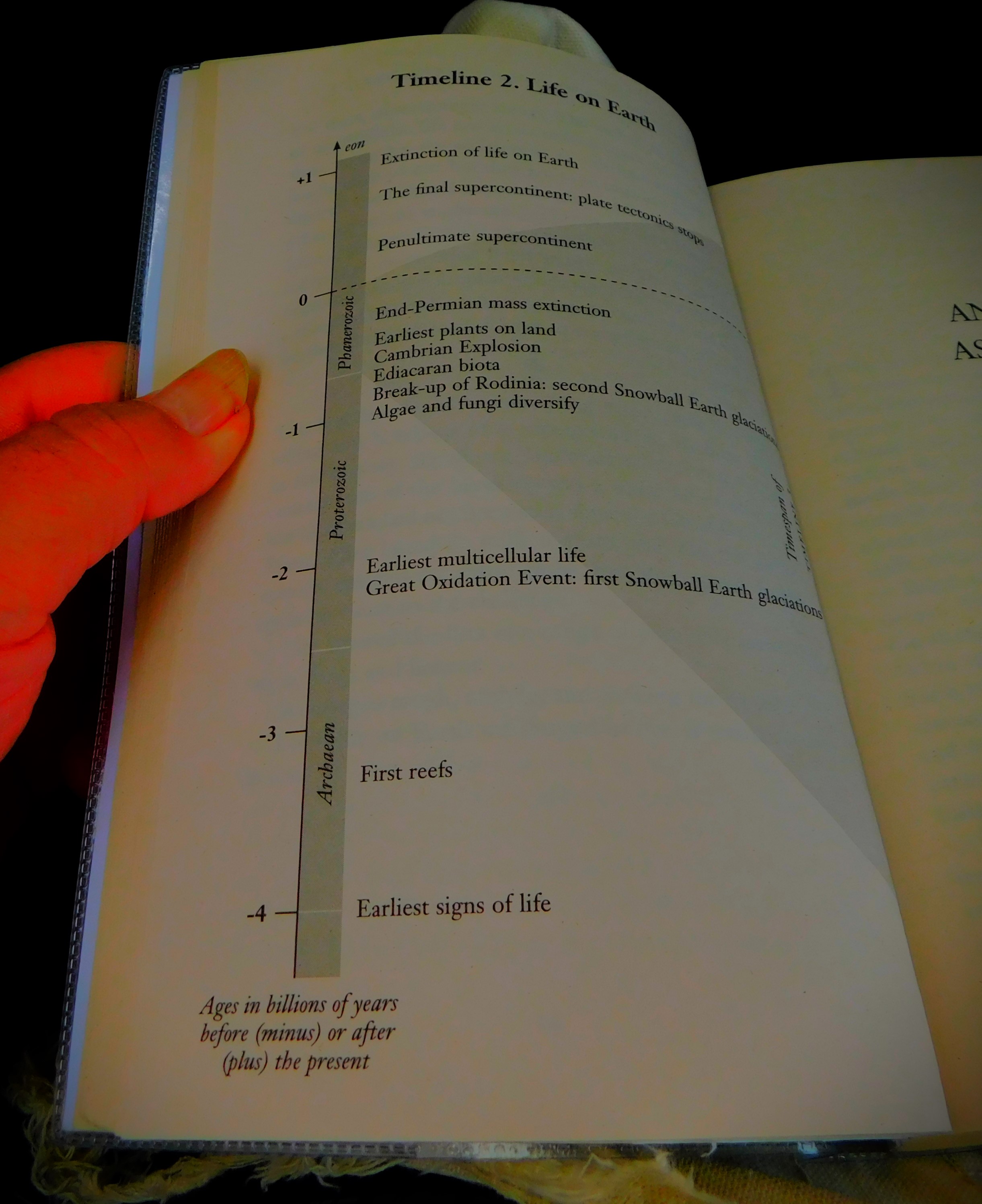
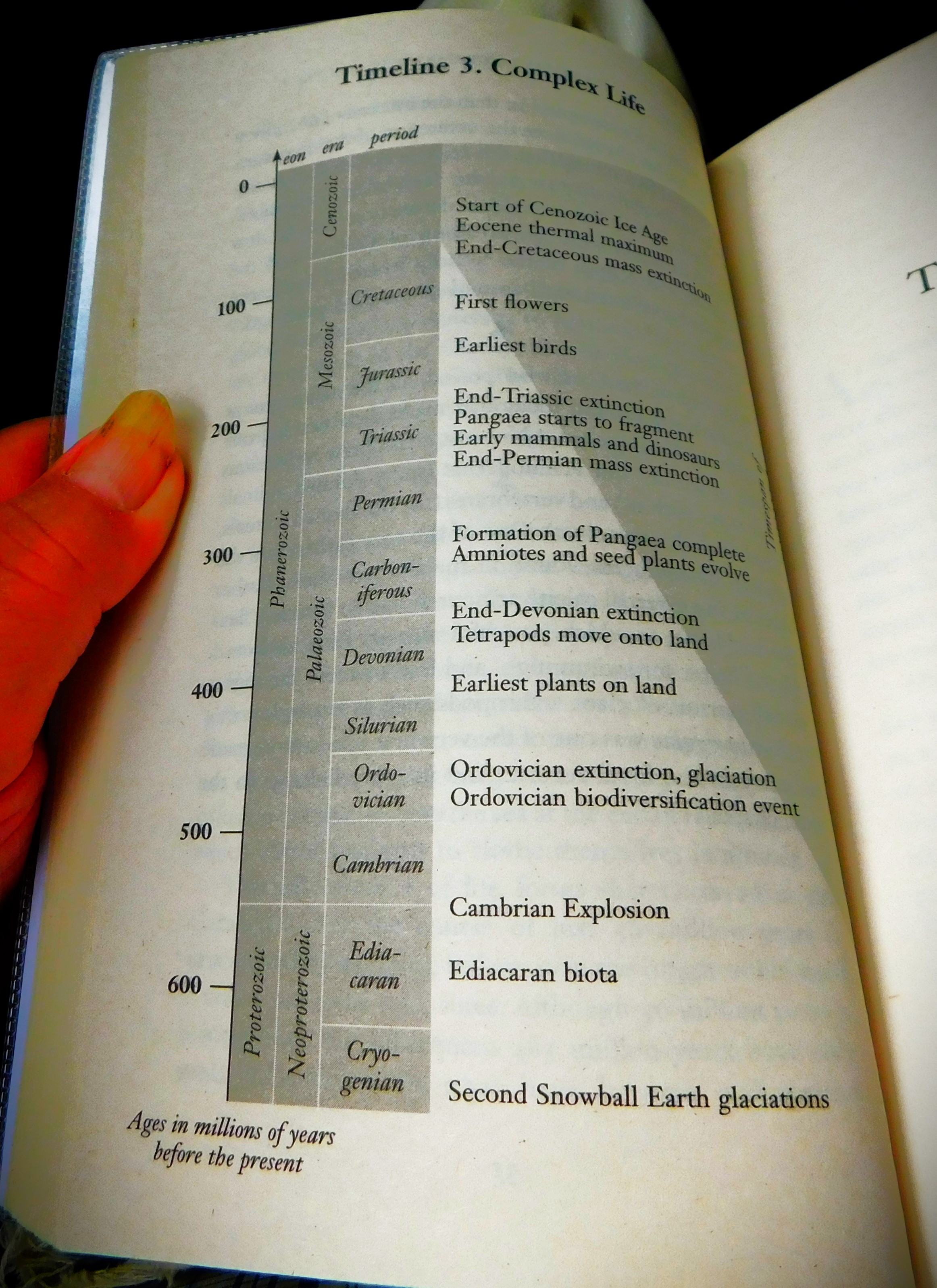
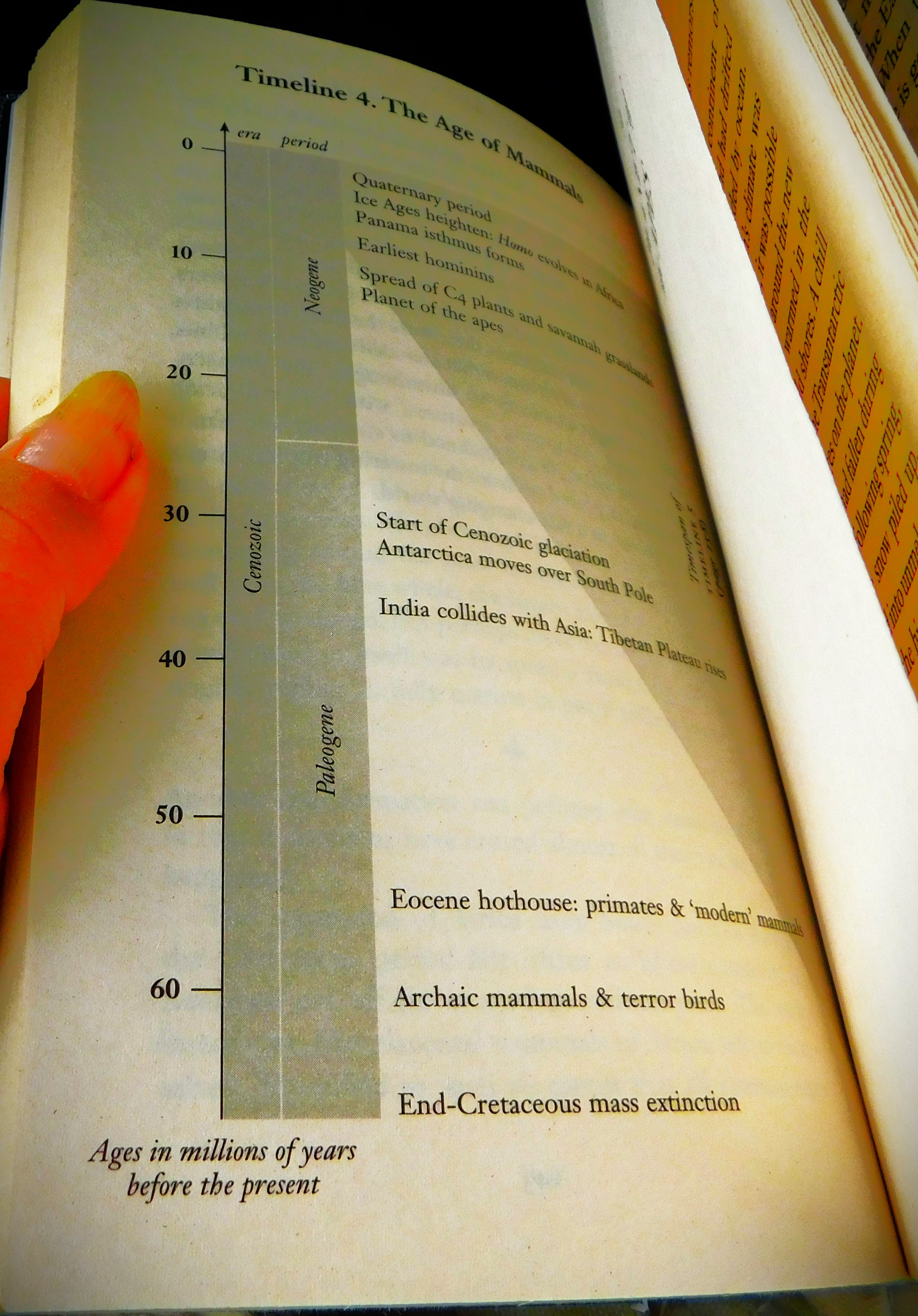
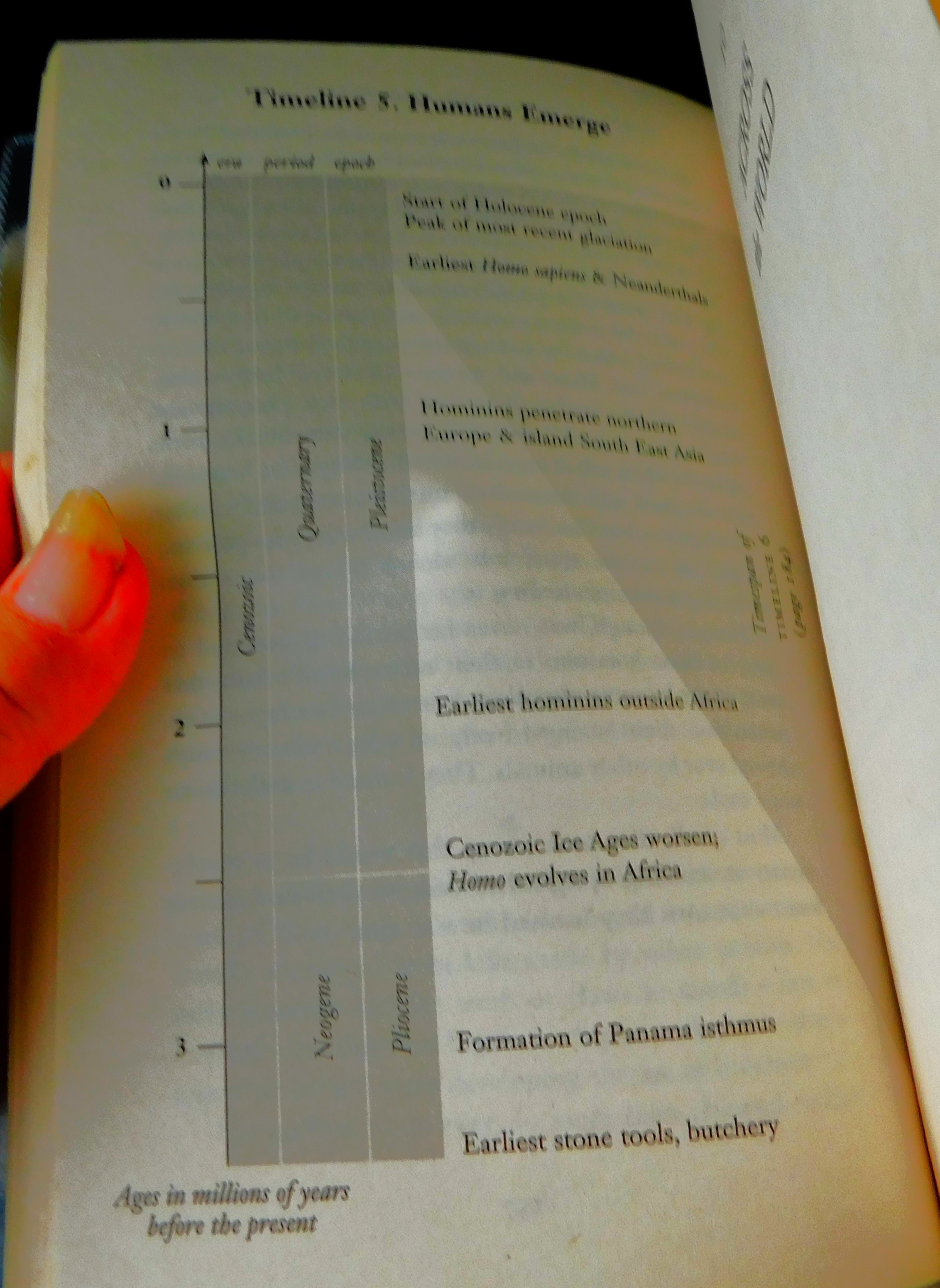
Regular followers will know that I am an avid reader and that my interests include a number of science subjects. This book, written by Henry Gee, covers the history of life on Earth starting from before Earth existed and looking almost a billion years into the future to when Earth will no longer be able to sustain life of any sort. There are six timelines studded through the book, which I have reproduced in image form. This is a superb book, extremely fun to read and very informative. I would recommend anyone to read it. If I was going to offer a starter pack of books touching on this theme I would add in Richard Fortey’s books “Earth” and “Life: An Unauthorised Biography”, Thomas Halliday’s “Otherlands”, Richard Dawkins’ “The Ancestor’s Tale” and for an imaginative look at the future Dougal Dixon’s “After Man: A Zoology of the Future”, all of which adorn my shelves. This book has a broader scope than any of those. The book plus acknowledgements runs to 241 pages, with a further 60 pages of end notes, hardly an intimidating length (and as I said it reads easily – it took me about two hours to read).
INTERESTING DEBUTANTS IN THE ONE DAY CUP
Two of the One Day Cup matches taking place today, Surrey v Kent and Somerset v Sussex feature debutants whose names were decidedly familiar to me. Making his first team debut for Kent at the age of 17 was Jaydn Denly, a left arm orthodox spinner and left handed batter, and nephew of Joe Denly (unfortunately for connoisseurs of such things uncle Joe is out injured so no case of uncle and nephew playing in the same match today). The name to conjure with on the Somerset team sheet originally appeared on cricinfo as JT Langridge, which immediately brought the brothers John and James Langridge, Sussex stalwarts of many years ago, to my mind. Cricinfo’s information has now extended to the fact that the initials stand for James Thomas, and that like the original James Langridge this one both bats and bowls with his left hand (John and the original James both featured in my all time Sussex XI, and James got the all rounders slot in my all time Ls XI), Sussex have a history of cricketing families, including one that encompassed a second county, the Parkses (HW, JH, JM and Bobby, who played for Hampshire), while another multi-generational multi-county family are the Tremletts (Maurice, Somerset, Tim, Hampshire, and Chris, Hampshire and Surrey), and Langridge is not one of the commonest of surnames. Jaydn Denly faced the last ball of the Kent innings and hit it for four, while the 21st century James Langridge opened the bowling for Somerset and currently has one wicket to his name (the Sussex innings is in progress). I am currently listening to commentary on Northern Superchargers v Oval Invincibles in The Hundred (women’s) while monitoring the One Day Cup games via cricinfo.
I end this section with two further links: I missed the first anniversary of the post in which I created my all time XI of players whose names begin with N, while the O post was created on this day last year so:
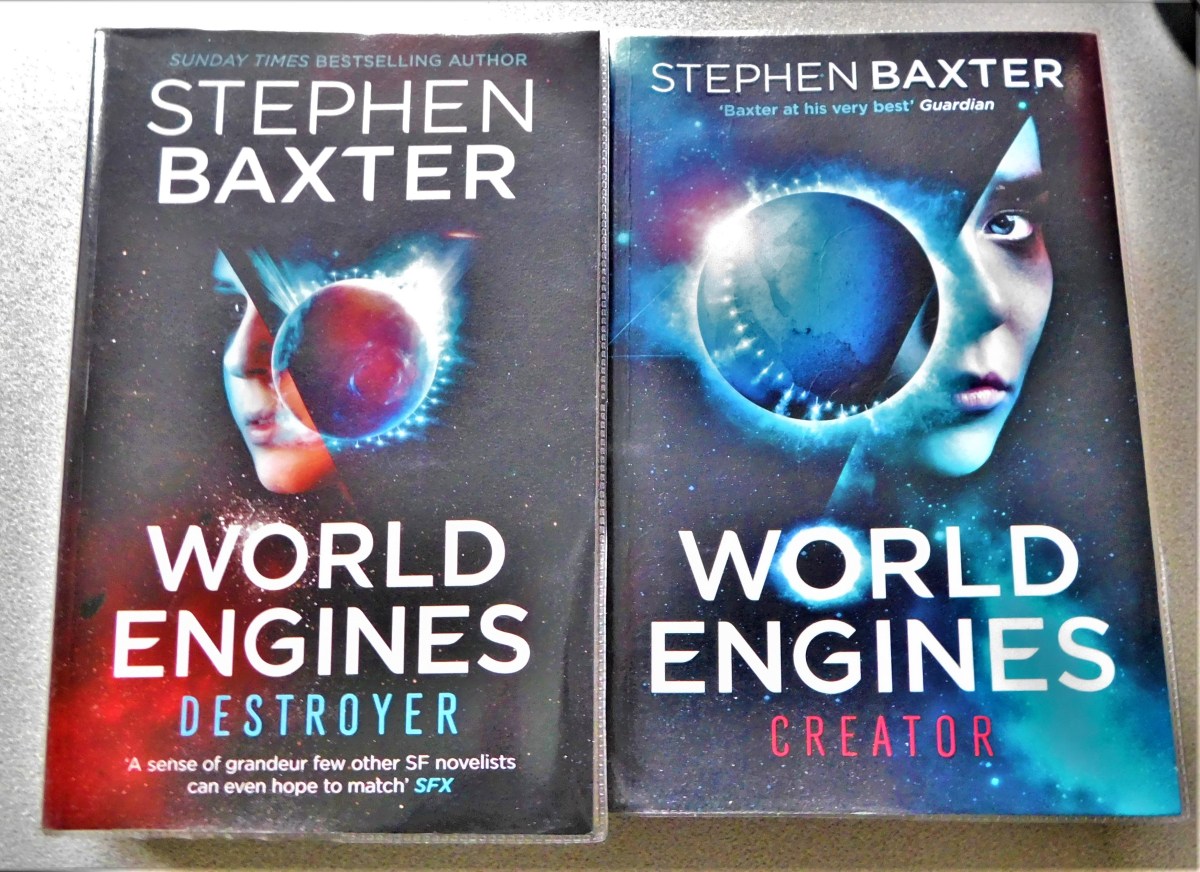
A look at Stephen Baxter’s ‘World Engines’ series, also some of my photographs.
My final blog post of 2022 focusses on some recent reading matter. This is a two novel mini-series and both books are utterly compulsive reading.
DESTROYER
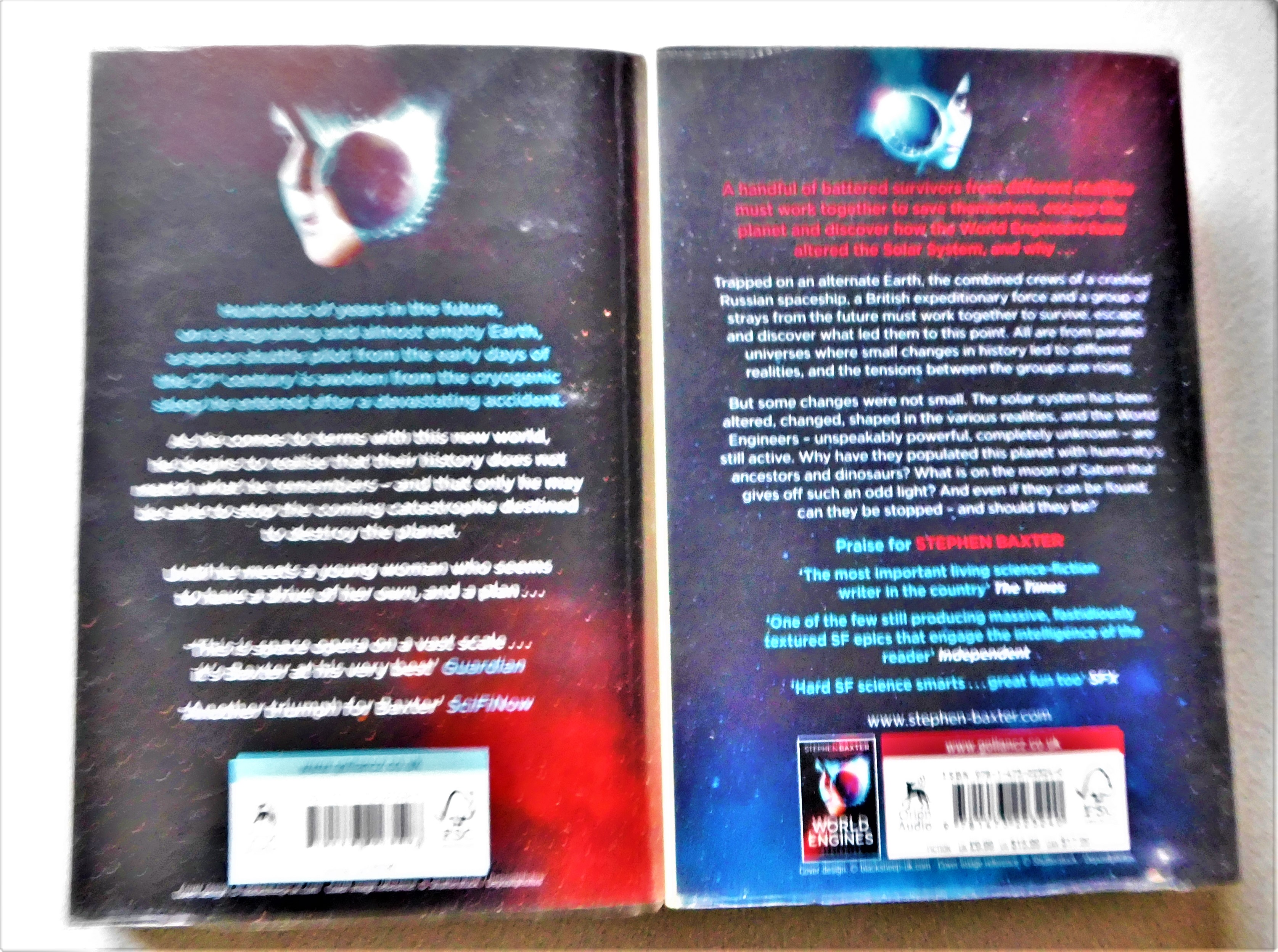
The action begins on an Earth 500 years in the future which is facing imminent destruction by a rogue planet. Most of the population of this Earth ignore their approaching doom, but there is one among them, 17 year old Greggson Deirdra, refuses to accept her fate. She causes Reid Malenfant, placed in deep freeze after an accident centuries previously, to be reawakened. It turns out that this version of Earth is actually a different one from the one on which Malenfant’s accident happened. Shiva, the approaching destroyer planet is not the only new object in this iteration of the solar system – there is also a new ‘super earth’ called Persephone, in the Kuiper belt. Phobos, one of Mars’ two moons turns out to be a portal between various iterations of the solar system. This first volume ends with Malenfant, versions of Nicola Mott and Emma Stoney, both important people in Malenfant’s life and Deirdra as passengers on a spaceship commanded by Geoff Lighthill, in whose own iteration of the solar system the British empire remains the dominant world power, in a different iteration of the solar system in which Persephone is now much closer to the sun, though further out than Earth by some way. Mars has no moons in this version of the solar system but Venus has two. The crew other than Lighthill are preparing to land on Persephone II.
CREATOR
The second volume of the series starts with a crash landing on PersephoneII and a meeting with a Russian crew from yet another alternate reality. Nicola Mott and Emma Stoney die during the landing, but Malenfant, Deirdra, Josh Morris (a subordinate of Lighthill’s) and Bartholomew, an android whose job is to look after Deirdra, all survive. Eventually between them they figure out a way to escape PersephoneII – and Lighthill completes the rescue. While the others were on Persephone Lighthill was making discoveries about this iteration of the solar system. Persephone itself is home to a massive variety of living things, while Earth has been kept as preserve of the archaea, and there is a moon of Saturn (a ringless planet in this iteration) that is far warmer than it should be. Lighthill’s ship finds its way through a portal into yet another iteration of the solar system. In this version Persephone is in Mars’ orbital position and Mars has become a moon of Persephone and is known as Demeter, while there is a mysterious second moon of Persephone named Zeus. This solar system has an advanced Earth, and there is a colony on ‘Demeter’, which is being run by a version of Nicola Mott. While most of those on Lighthill’s ship prepare to land on ‘Demeter’ and a to take a trip to PersephoneIII, a landing craft is improvised to send Deirdra and Bartholomew down to ‘Zeus’. It soon becomes clear that ‘Zeus’ is an entirely artificial creation, and Bartholomew plunges right into the heart of this creation. This leads to an encounter with a being known as “Michael”, speaking to them from a very, very distant future referred to as ‘the far downstream’. Deirdra decides to journey on to the ‘far downstream’ and to help these future beings avoid some of the worst things they did. The books being principally Deirdra’s story they end at this point.
A look at a remarkable series of novels by Matthew Reilly.
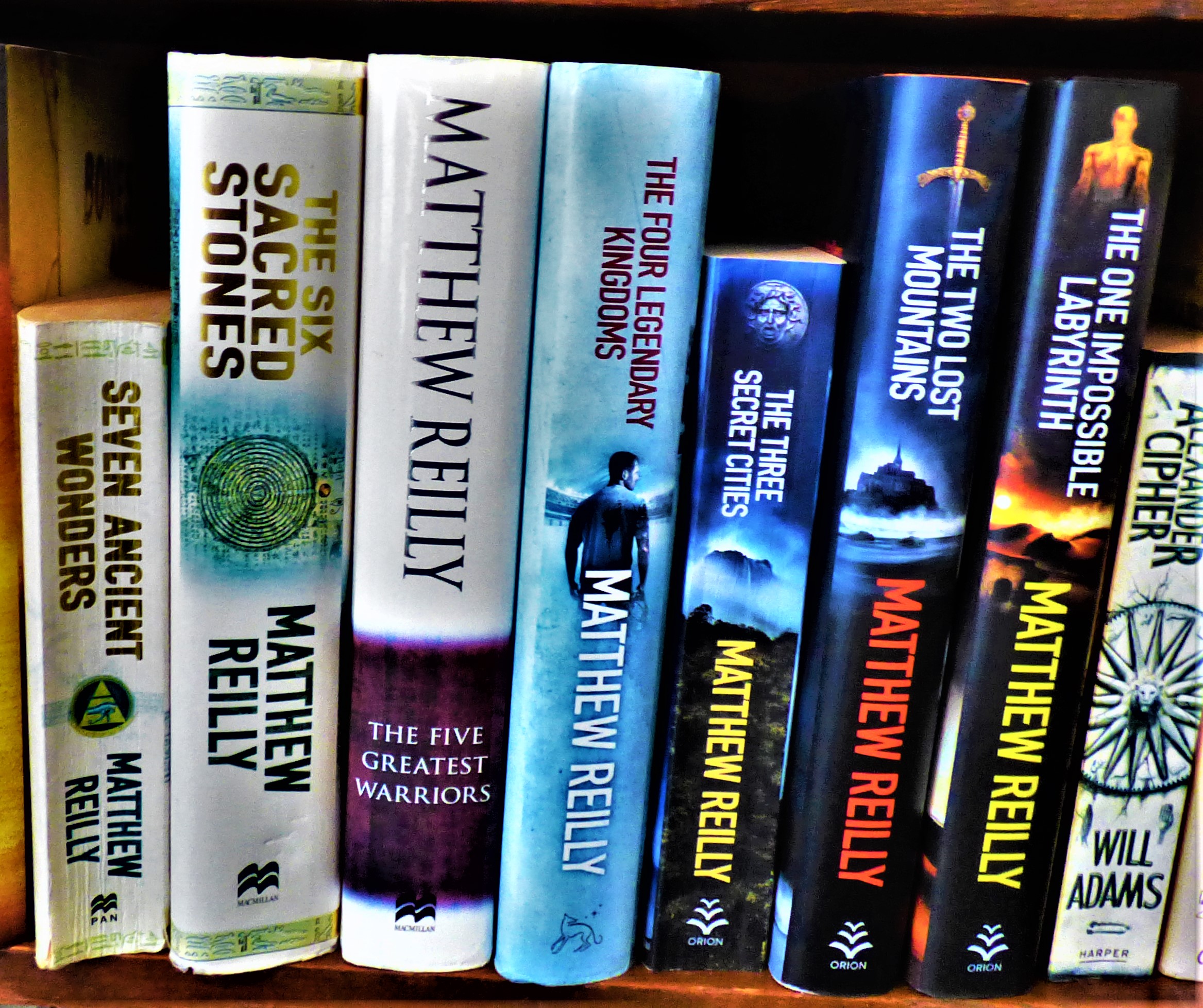
It has been a while since I last blogged. I hope to return with a bang. Five and a half years ago I wrote a post covering the whole of Matthew Reilly’s oeuvre as it then stood. Two days ago my copy of The One Impossible Labyrinth (pre-ordered so I got as soon after publication as possible) arrived, and by the end of yesterday I had finished reading it for the first time. This book completes the Jack West series to which this post is dedicated.
SEVEN ANCIENT WONDERS
This is where it all started, with Jack West’s small crack team, made up of individuals from minor nations up against much larger and better armed opposition forces from the USA and Europe. An event called the Tartarus Rotation was due, and to prevent it the golden capstone of the Great Pyramid of Khufu had to be re-erected and a special ceremony conducted. West’s team had two aims: either to ensure that the ritual of peace rather than the ritual of power was performed or to prevent the ceremony altogether.
In the event it did not work as planned, and the ritual of power was performed by a notorious Saudi terrorist, Mullah Mustapha Zaeed. However, West had substituted soil from his native land for that of Zaeed’s, so Australia had the power, and West planned to keep that as secret as possible. The story could have been left there with no cause for complaint…
THE SIX SACRED STONES & THE FIVE GREATEST WARRIORS
A group of Japanese fanatics who want the world to end undo the Tartarus ceremony, and now the world is in a high stakes race against time to save itself from the Dark Sun, to do which six pillars need to be placed at six different temple shrines around the world at specific times. All the pillars need to be cleansed before they can be set in place, and some are in unknown locations.
By the end of The Six Sacred Stones two of the pillars have been placed, and West is plunging down an effectively bottomless pit locked in battle with a traitor whose Japanese heritage had counted for more than his American heritage.
The Five Greatest Warriors features a multi-faceted struggle between Old Europe (The Deus Rex), The Caldwell Group (USA, but no longer on the same wavelength as their government), Japan, and West’s team. Old Europe and the Caldwell Group are both hunting for absolute power, Japan want the world to end and West’s team are trying to keep the world turning and prevent anyone from gaining absolute power. In addition to these major players, China is also involved, as are Saudi Arabia. Jack West’s adopted daughter Lily, a Siwan Oracle, places the final pillar at its site underneath Easter Island, and at the very end Jack West then kicks the charged pillar into the abyss to ensure that his wicked father, Jack West senior cannot use it to rule the world as a dictator. West the elder dies in the final scene. This, like the end of the first book could have been the end of the story, and for some years it seemed like it would, but after a lapse of eight years the series changed course in a big way, starting with…
THE FOUR LEGENDARY KINGDOMS
This book, and with it the second half of the series, starts with West being abducted and forced to take part in the Great Games of the Hydra, which will decide the fate of the universe. This book reveals the existence of four ‘shadow Kingdoms’ which in reality rule the entire world. West is fighting on behalf of the Kingdom of Land, with the other three being the Kingdom of the Sea, the Kingdom of the Sky and the Underworld. At the semi-final of the games West finds himself in a duel to the death with Shane Schofield, also known as The Scarecrow. Scarecrow, knowing that West is more important than him, and also remembering the circumstances of Caesar Russell in one of his own previous adventures puts on a show but has every intention of being seen to be killed by West, and is. West duly wins, then wins the final as well, and finally correctly works out how to handle Cerberus to win the Great Games. West then manages to save Scarecrow as well. Also West sets the scene for the events of the last three novels by refusing to countenance one person ruling the world as dictator.
THE THREE SECRET CITIES & THE TWO LOST MOUNTAINS
These two books build up for the finale. Aloysius Knight rescues West from incarceration in the world’s most secure jail, Erebus. Also escaping at the same time is Rastor, a Serbian general who wants the world to end, while various groupings associated with the shadow kingdoms and with the catholic church are also still very much involved. By the end of The Two Lost Mountains we are entering the final labyrinth, and four major players with differing goals are all still very much in the game.
THE ONE IMPOSSIBLE LABYRINTH
The final installment begins with West’s team in three parts, one in quest of the bell which will reawaken those sent to sleep by the siren bells (very large numbers, part of Hardin Lancaster’s scheme to remake the world with himself in sole power), one keeping tabs on those shadow royals not directly involved in the quest, and one in the labyrinth. At times it seems like most of West’s team have been killed, but they survive somehow. The book and the series ends with a lengthy epilogue which takes things to a point from which everyone can be expected to live happily after. This is a fantastic series, and I have enjoyed seeing it change and develop, one from one book, to three, to a final seven.
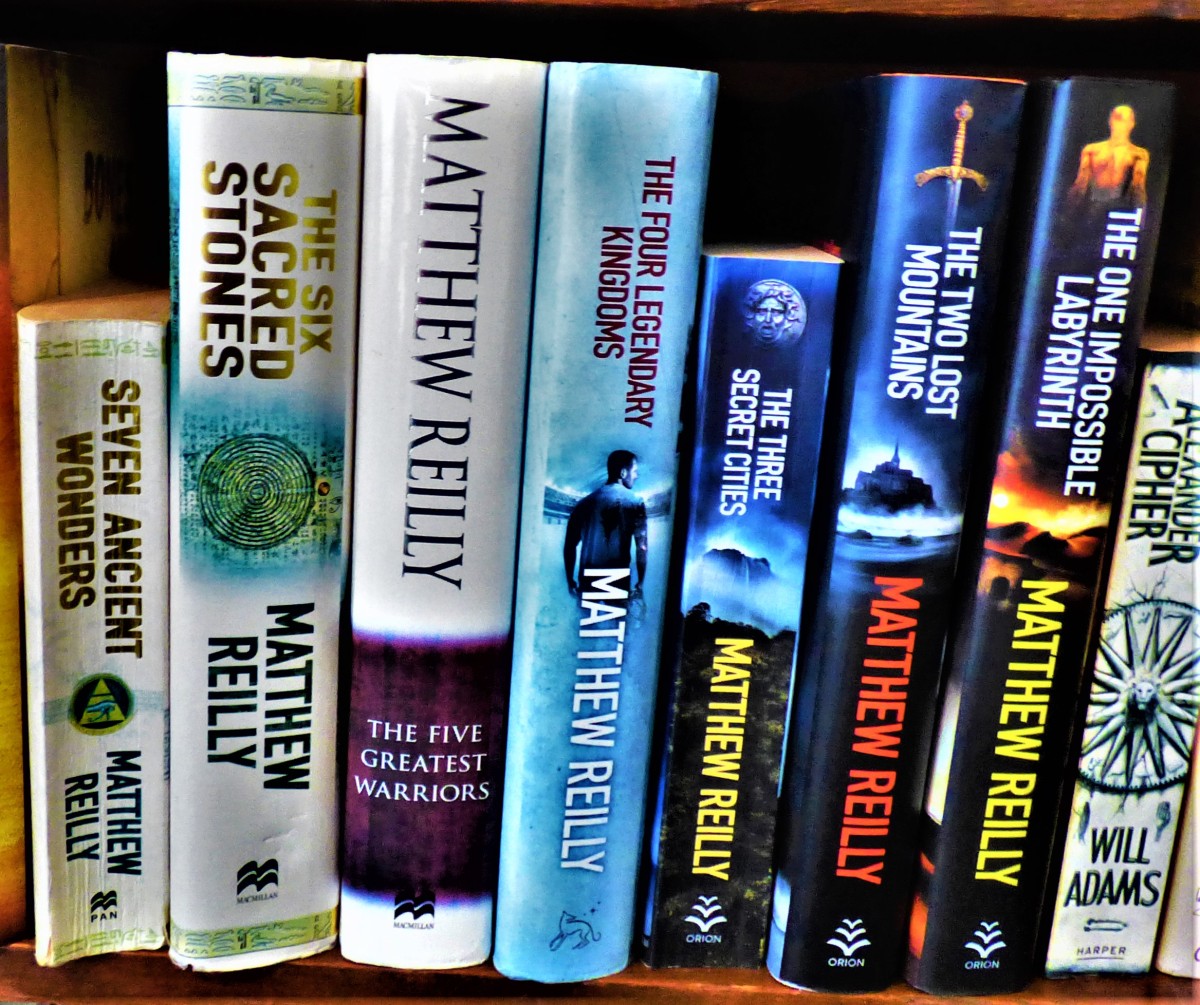
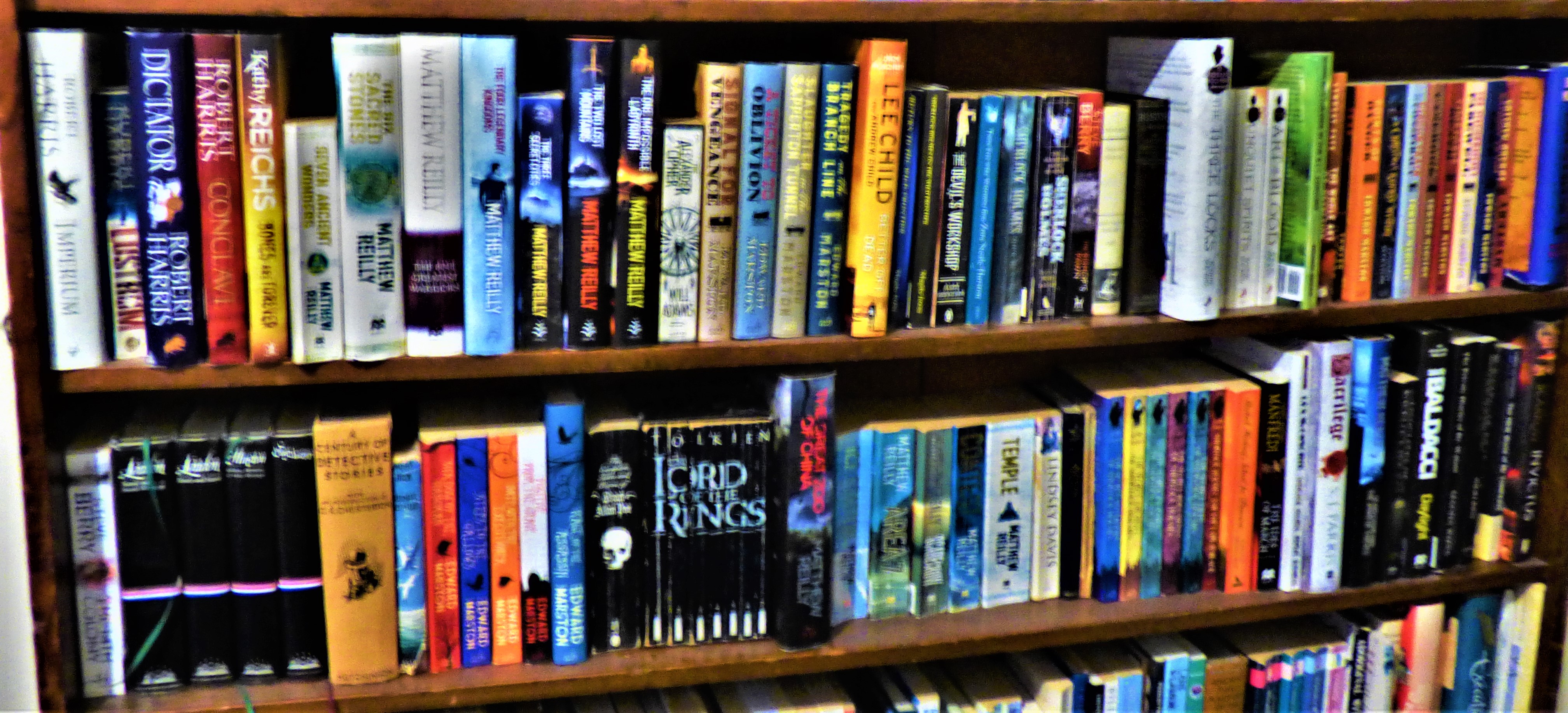
An excerpt from my shelves showing the whole series.Close up of the seven volumes, in reading order from seven down to one.
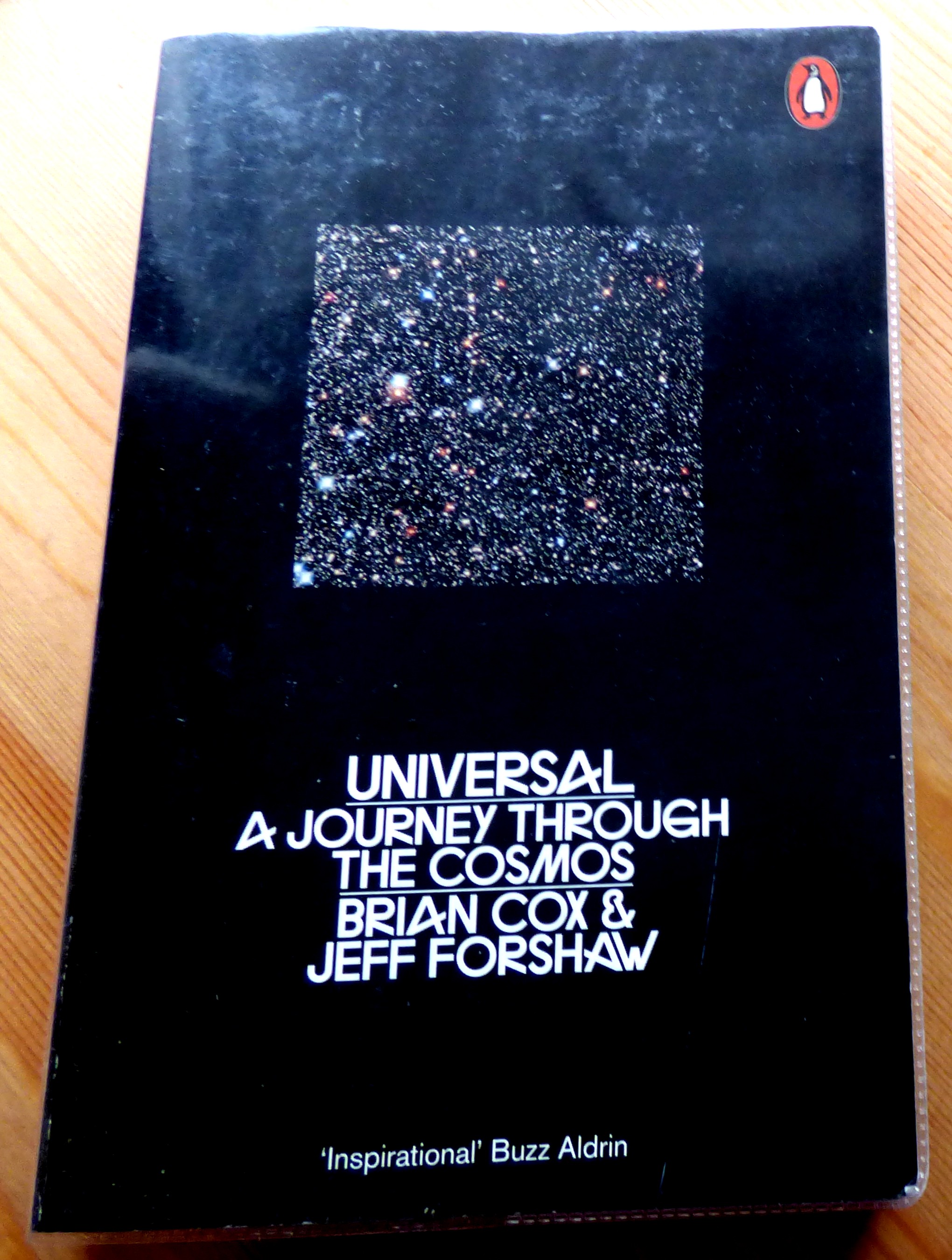
A brief review of Universal: A Journey Thtpugh The Cosmos
INTRODUCTION
I found a copy of this book, by Brian Cox and Jeff Forshaw when the mobile library called near my bungalow.
A WHISTLESTOP TOUR OF THE COSMOS
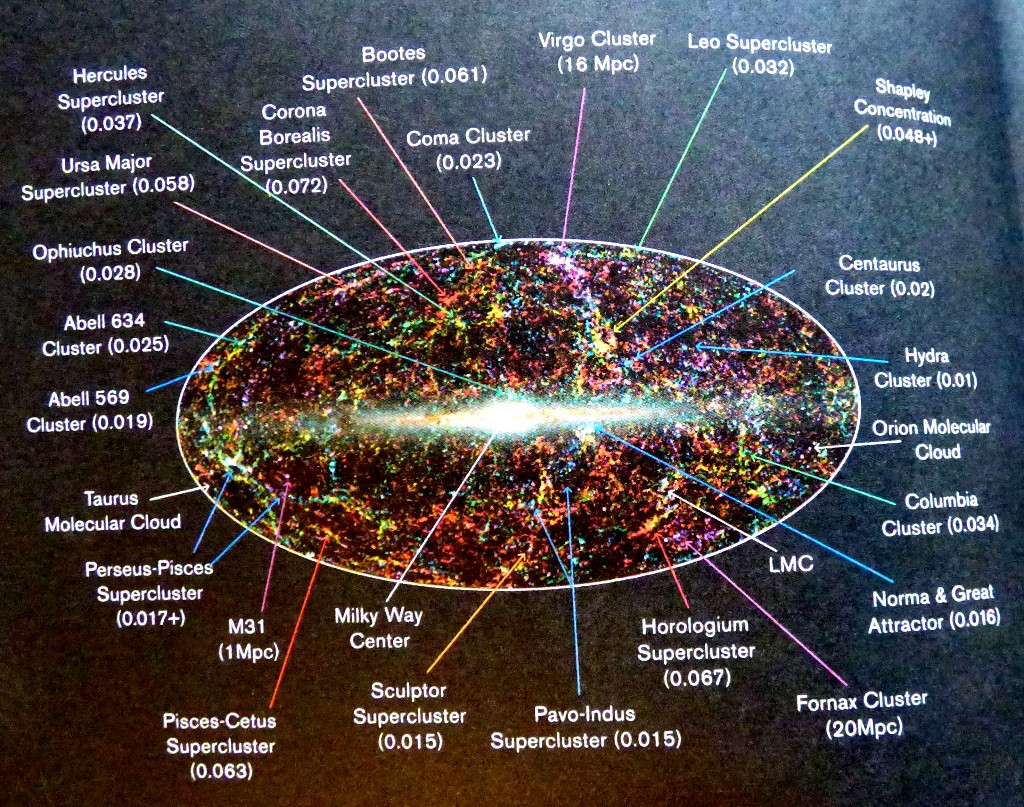
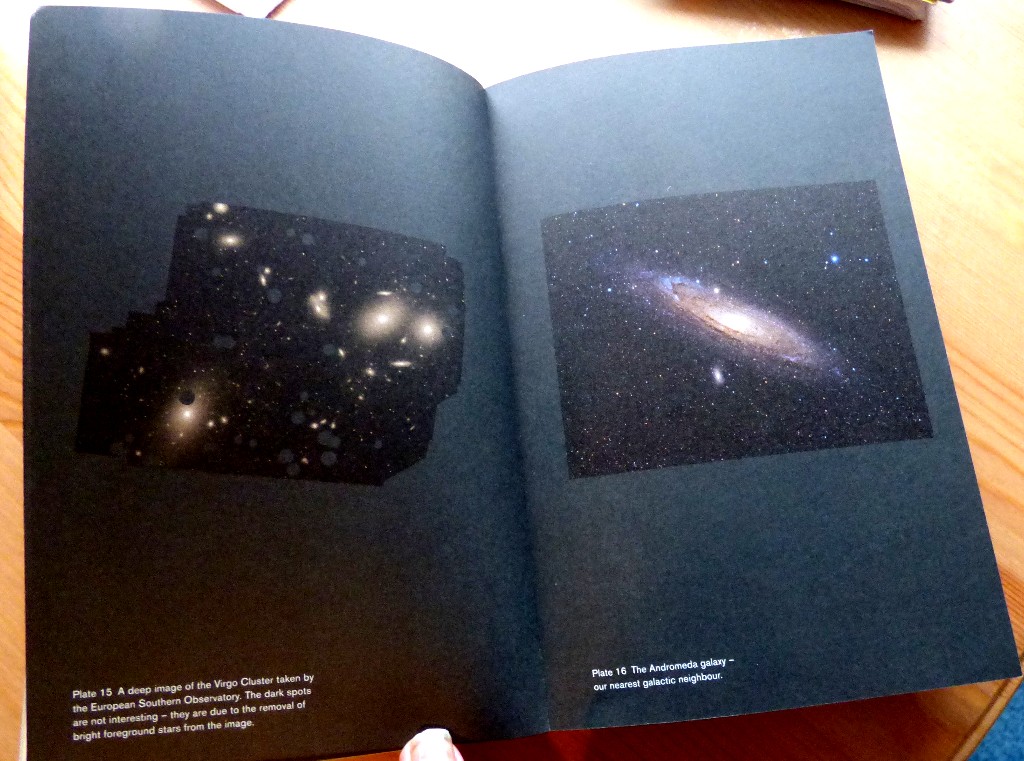
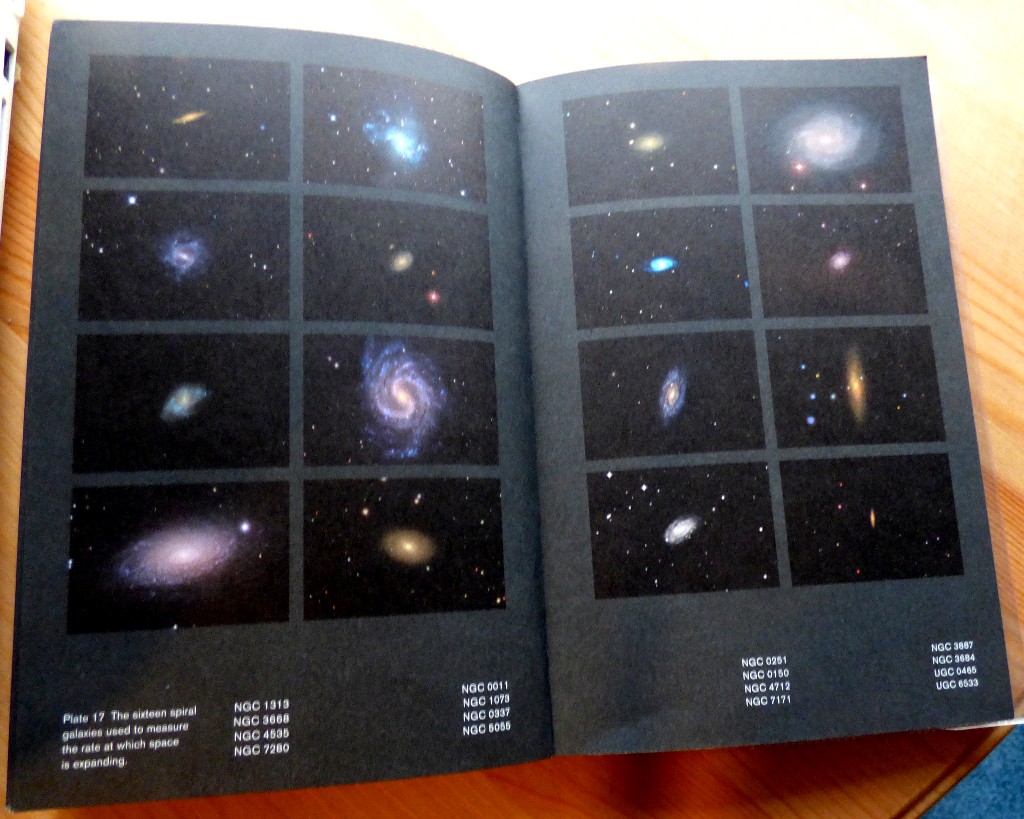
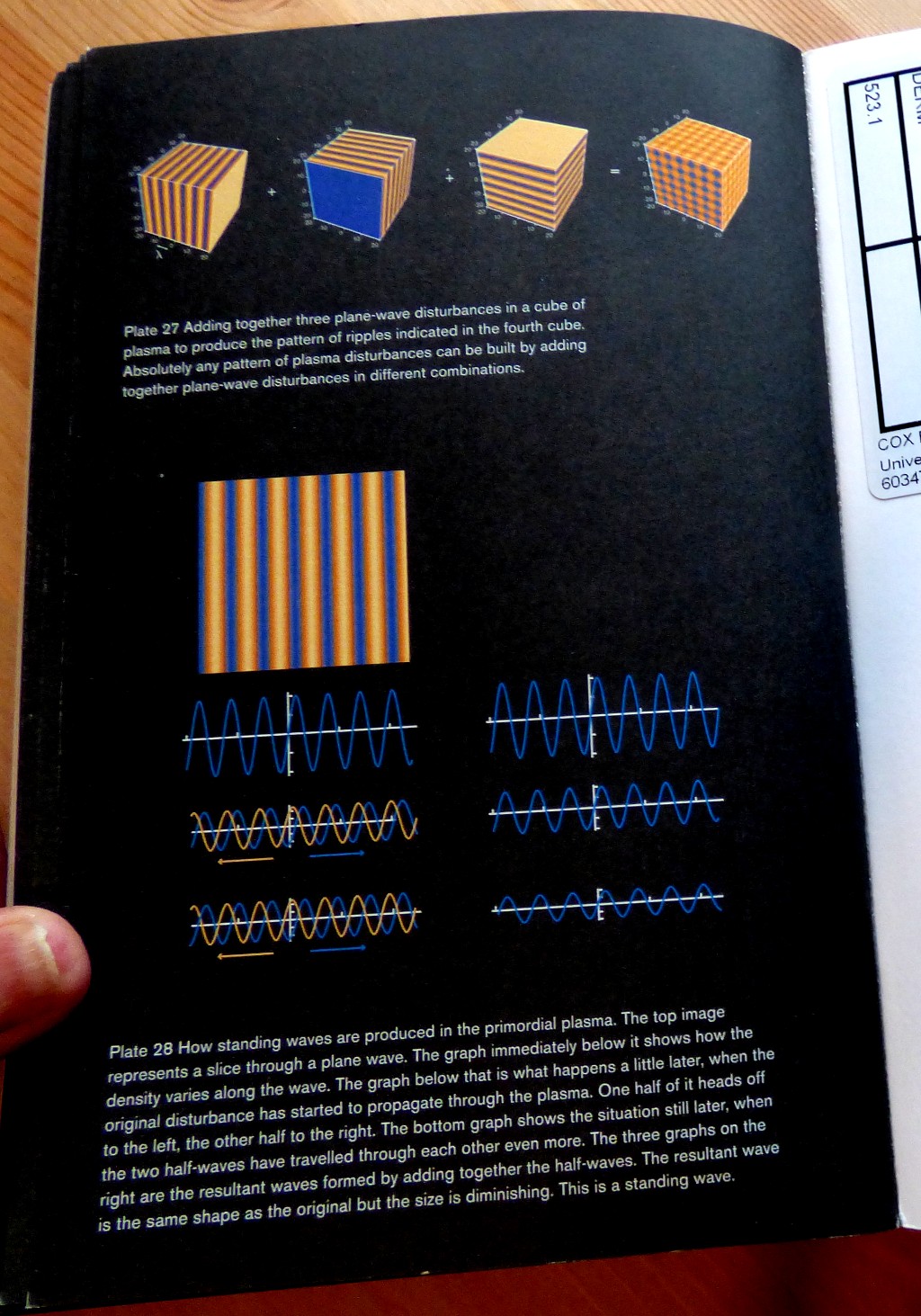
I found this book a thoroughly excellent read. It manages to be stimulating and intellectually challenging without ever making one feel out of ones depth. The material is beautifully laid out, and for me the ambition of covering 13.7 billion years of history in one smallish volume is achieved.
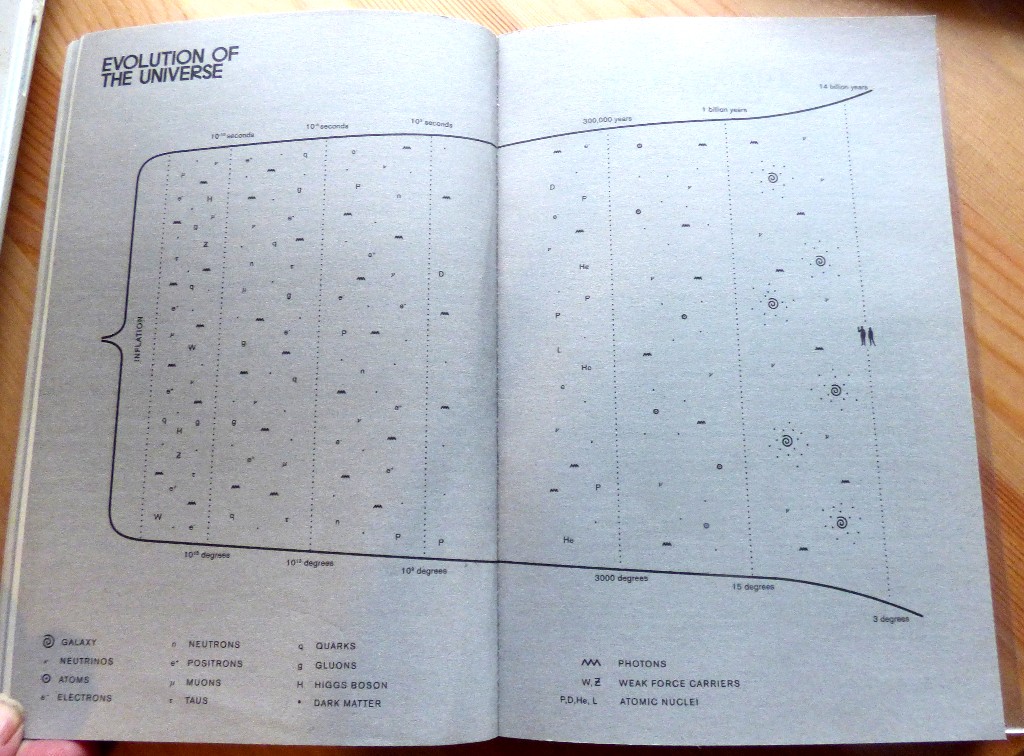
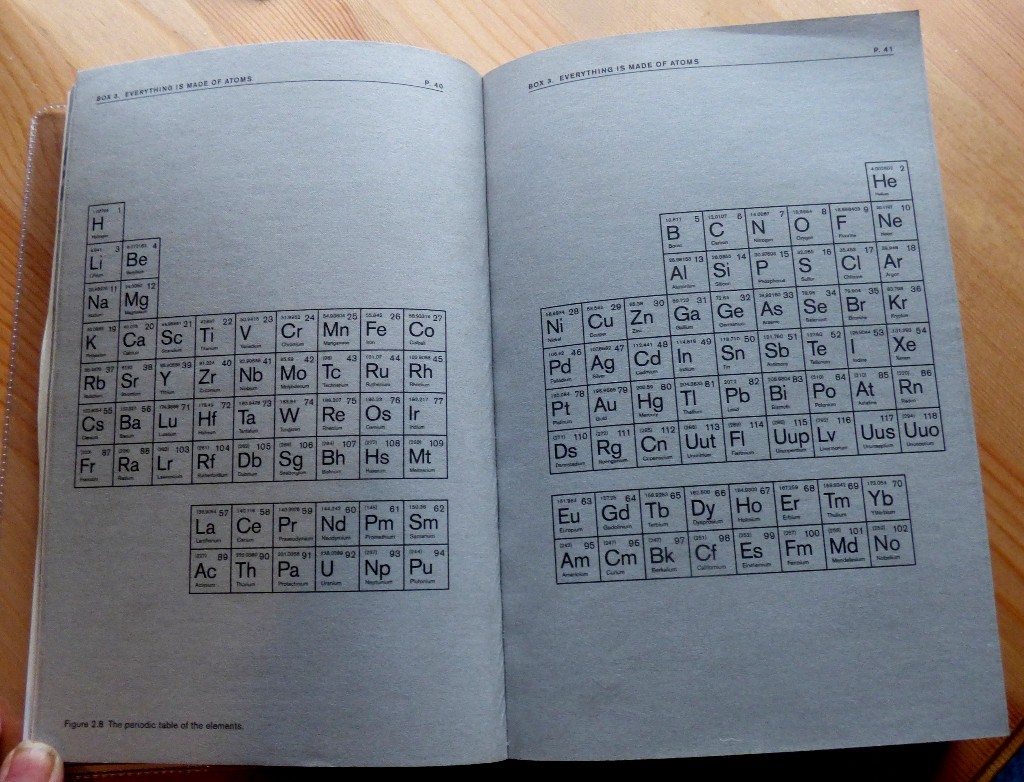
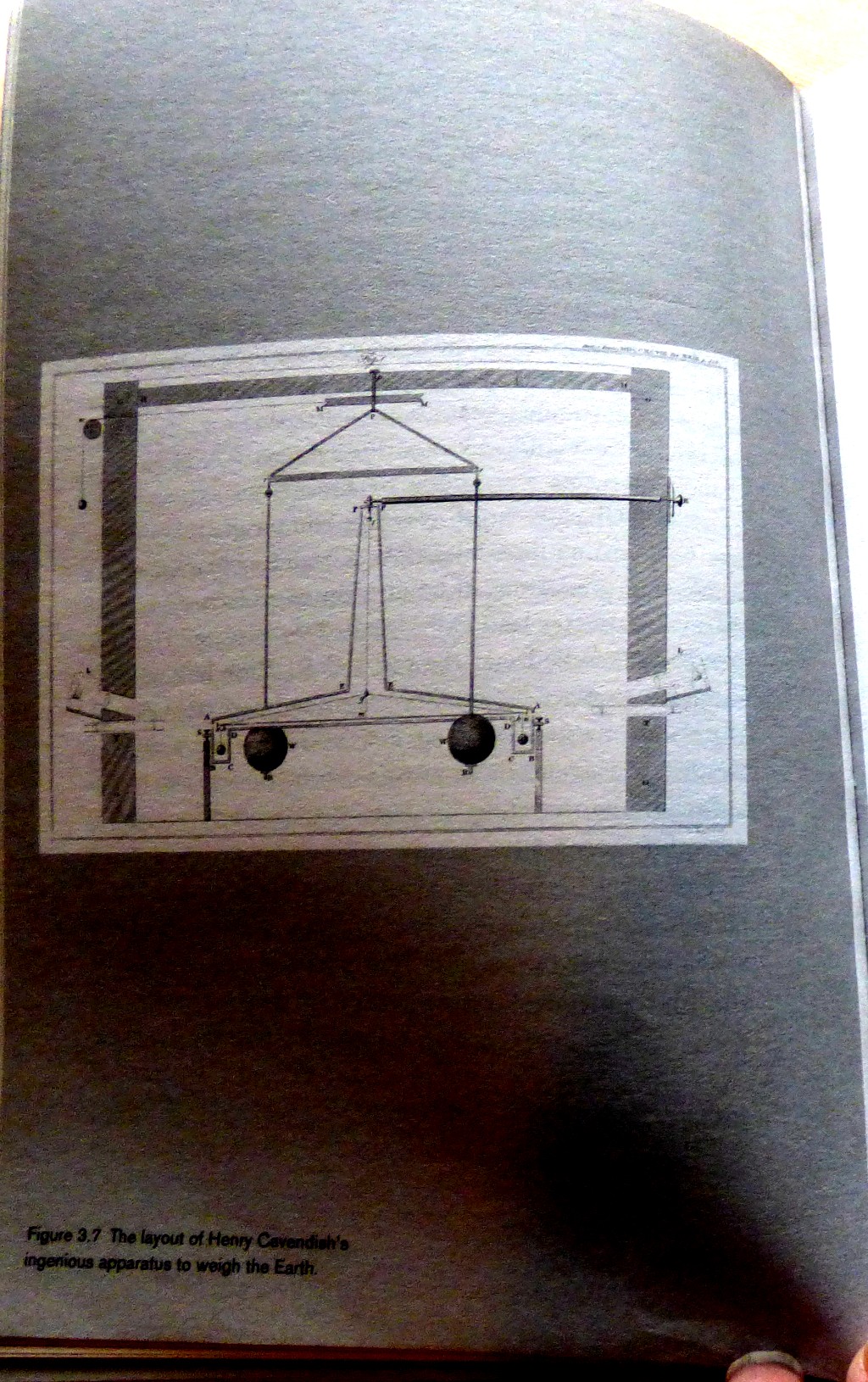
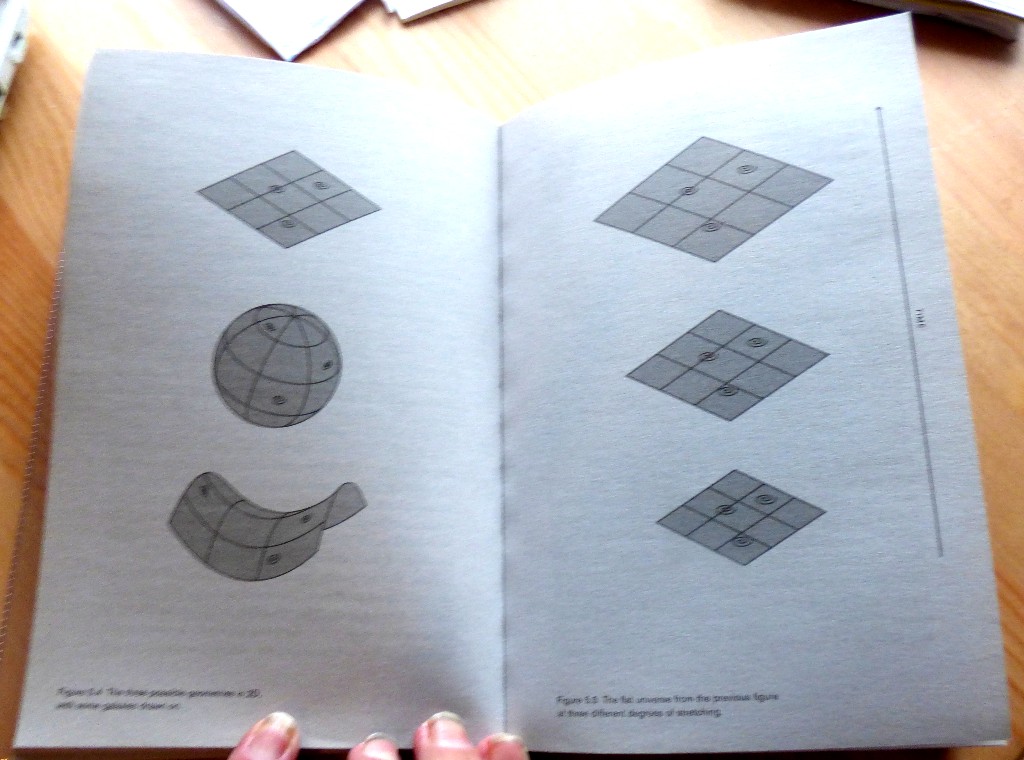
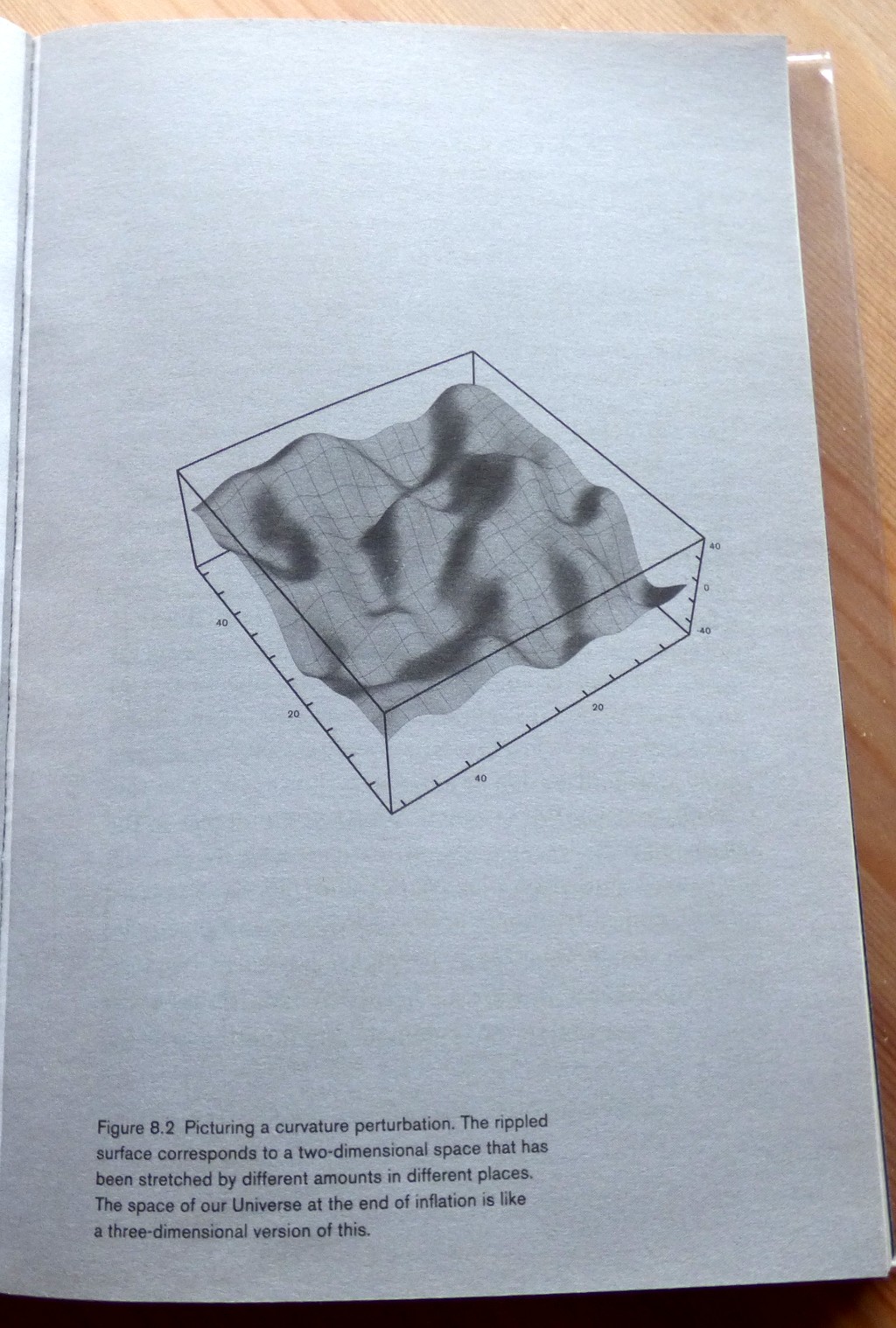
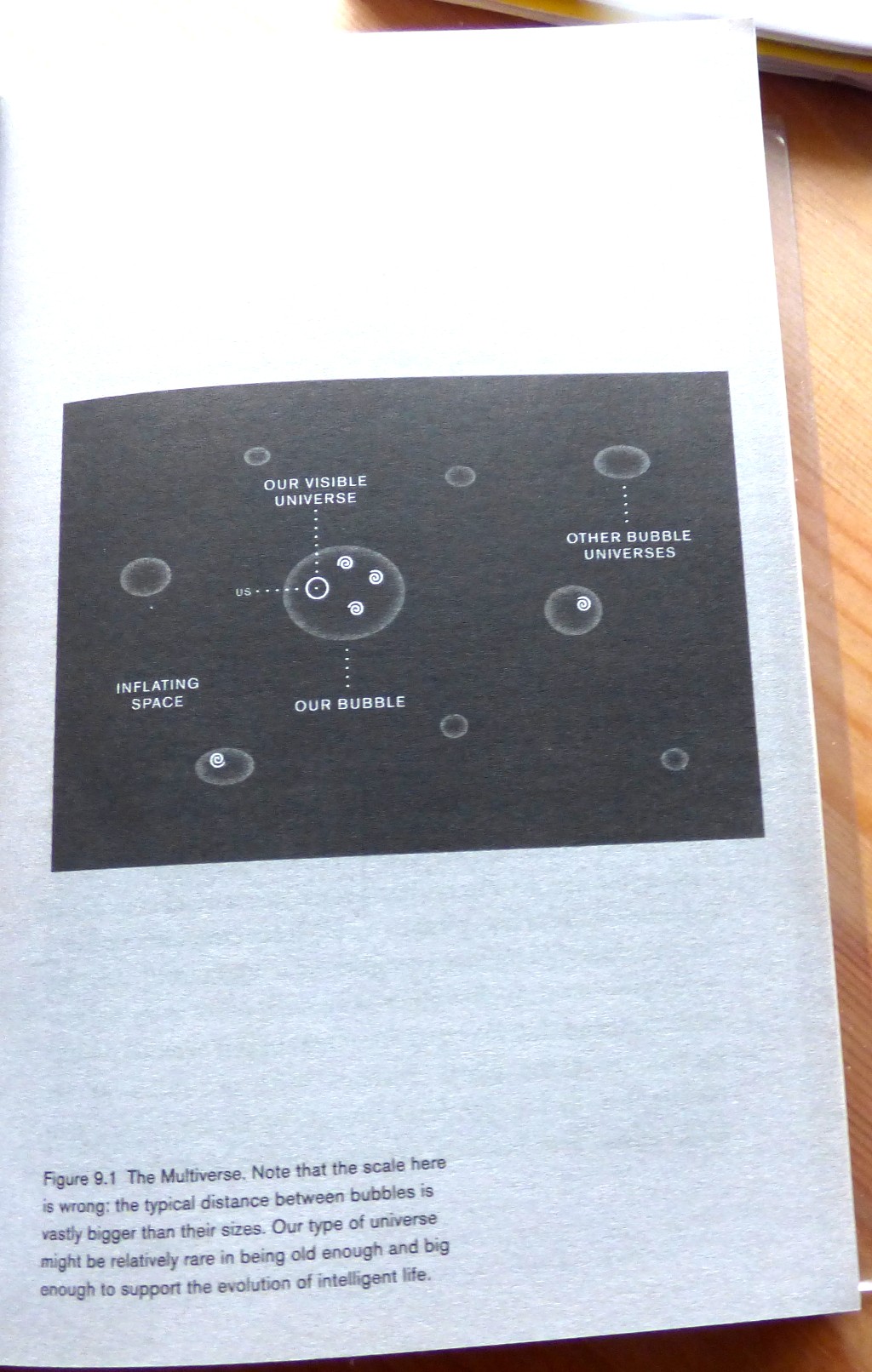
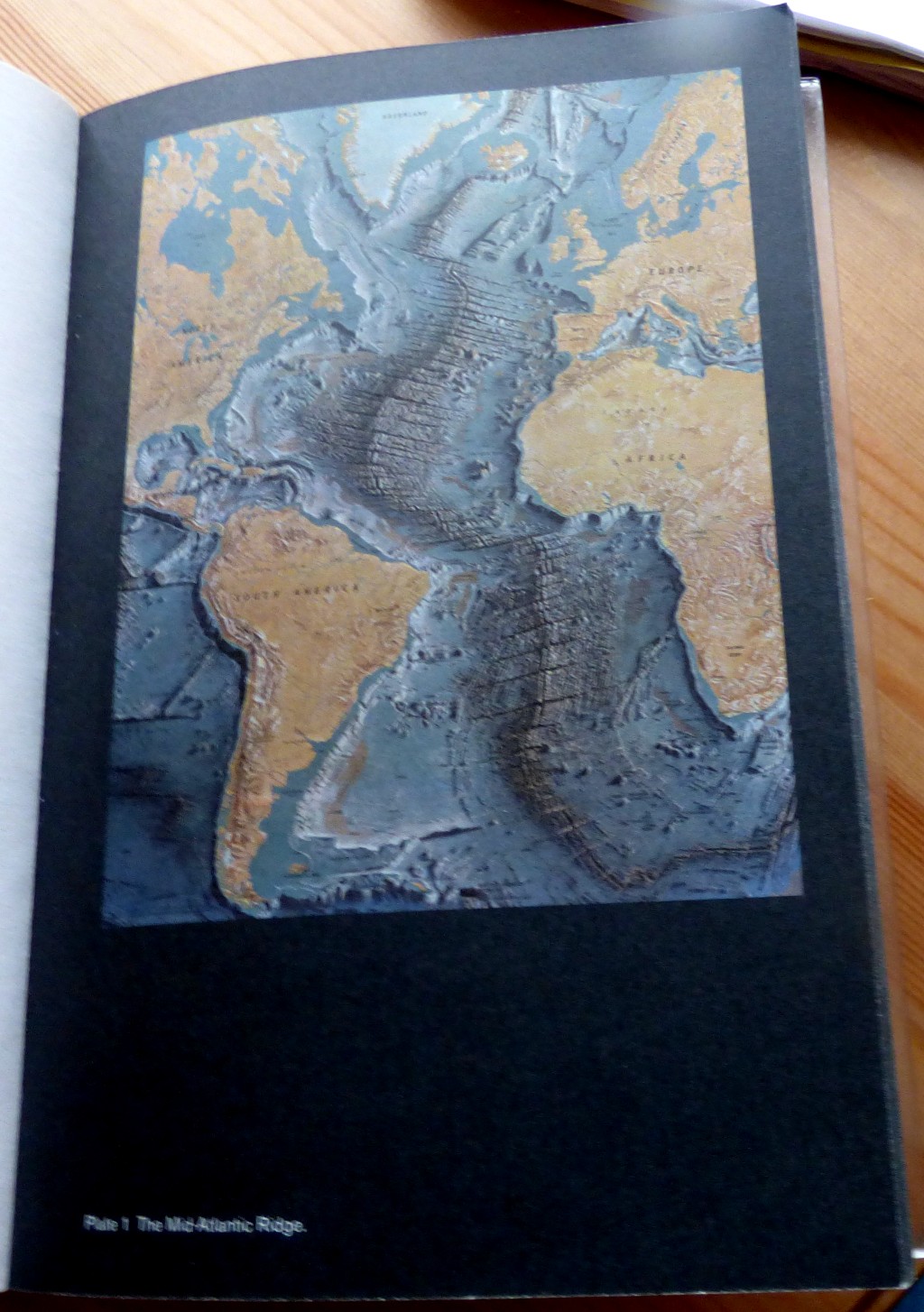
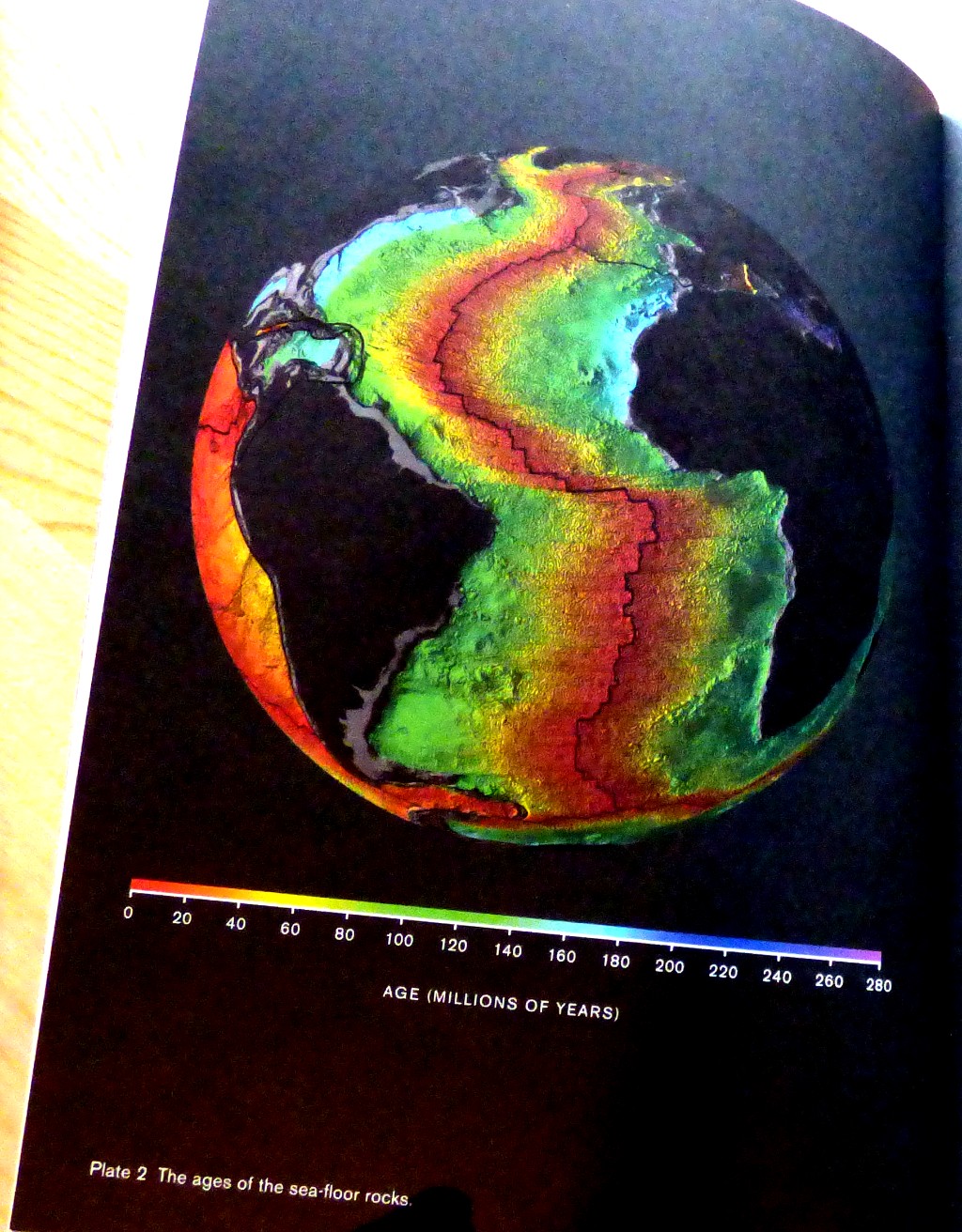
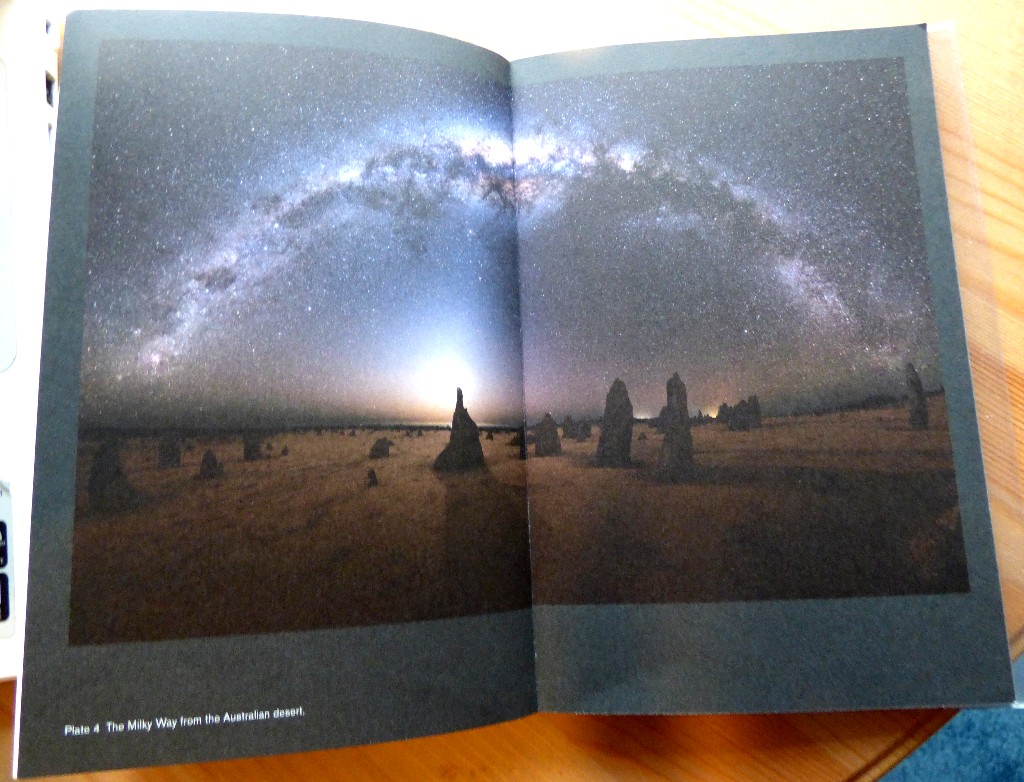
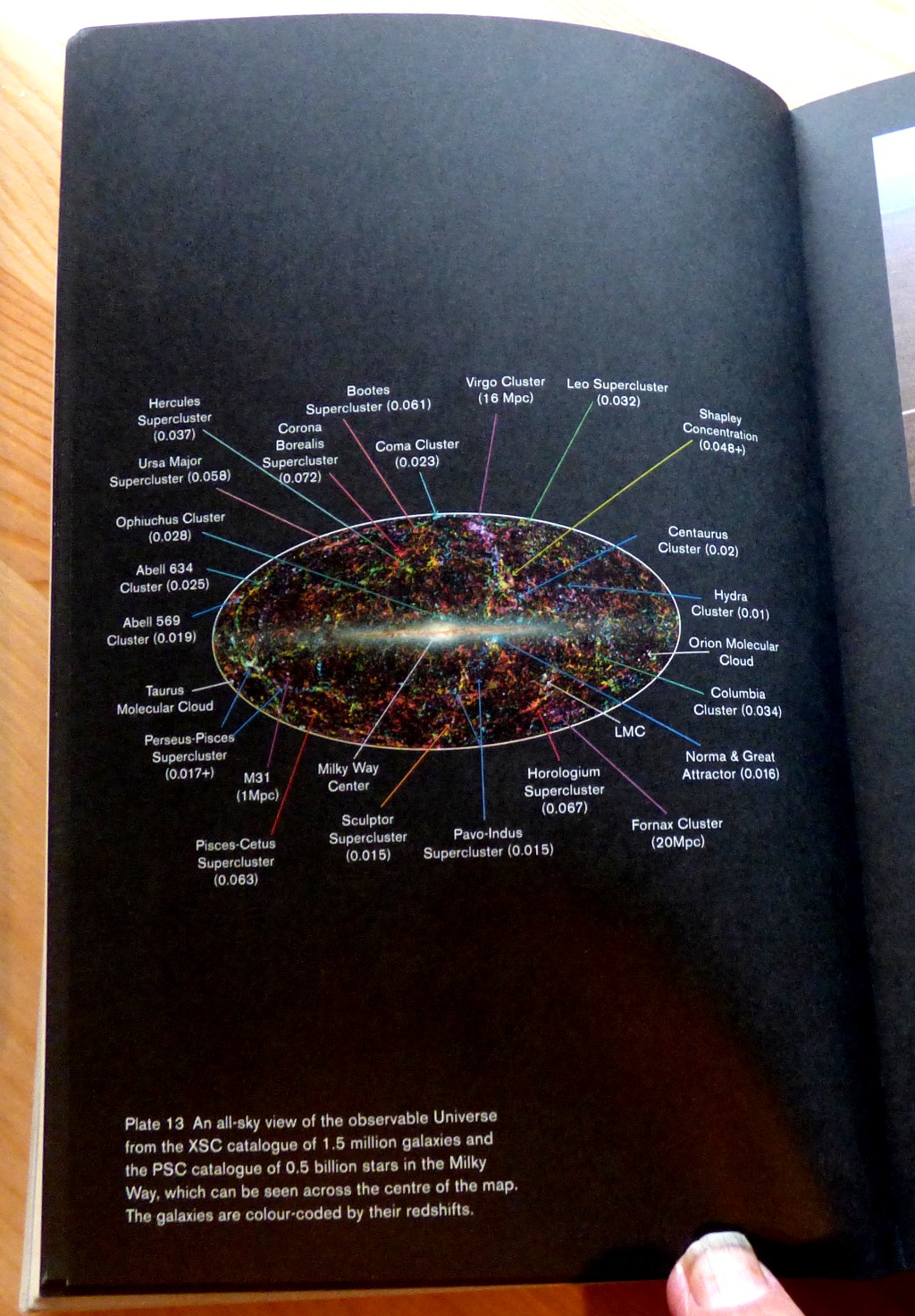
The book is also superbly illustrated, with the colour plates at the back particularly worth seeing. I have photographed a number of the illustrations and the colour plates but not all – after all I think that you should read the book and look at the pictures yourself.
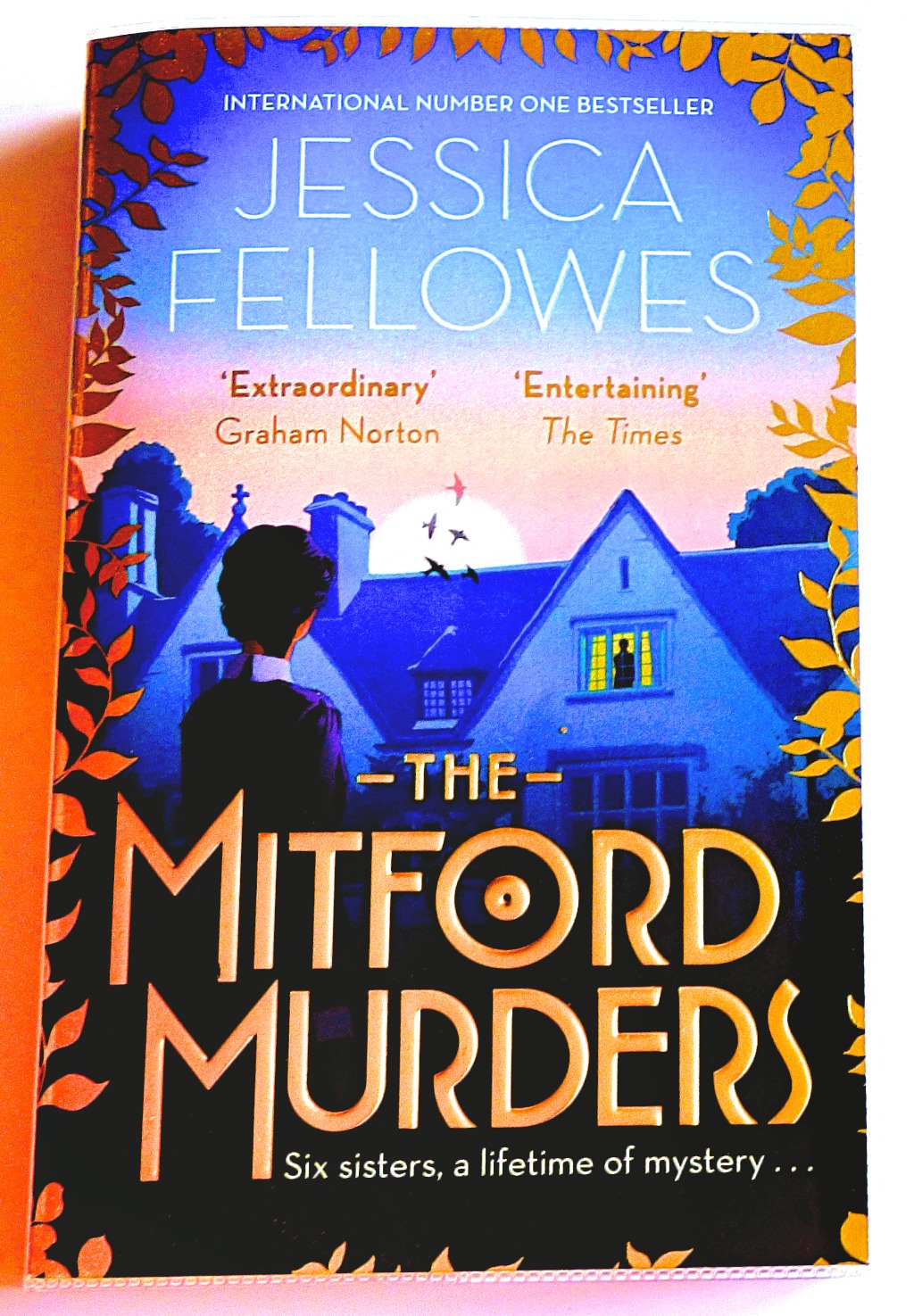
A review of “The Mitford Murders” by Jessica Fellowes.
INTRODUCTION
I was in King’s Lynn Library on Friday when I saw a copy of this book, by Jessica Fellowes, on the shelves and decided to take a punt. The fact that today is the following Monday and I am posting this review gives a clue as to what I made of the book.
THE SETUP OF THE BOOK
This book is based on a real life murder, that of Florence Nightingale Shore, god-daughter of “The lady with the lamp” and like her famous godmother a war-time nurse. At the heart of the story is a fictionalised account of goings on in the aristocratic Mitford Family. The heroine is Louisa, who takes a job in the household helping to look after the children. Crucial to the development of the story is the friendship she forms with Nancy, the eldest of the Mitford children (16 when the story opens to Louisa’s 18).
Spanning just over two years, and taking in two countries the story is developed with expert touch, and the revelation of the true murderer is a gobsmacker.
This is a splendid story, combining its other merits with giving a panoramic view of immediate post WW1 life, covering the full range of society.
CLOSING THOUGHTS
I understand that a second book in the series is due soon, and I say “Bring it on”. I follow that by saying that if you see a book with Jessica Fellowes’ name on the cover you should definitely pick it up. Rating *****.
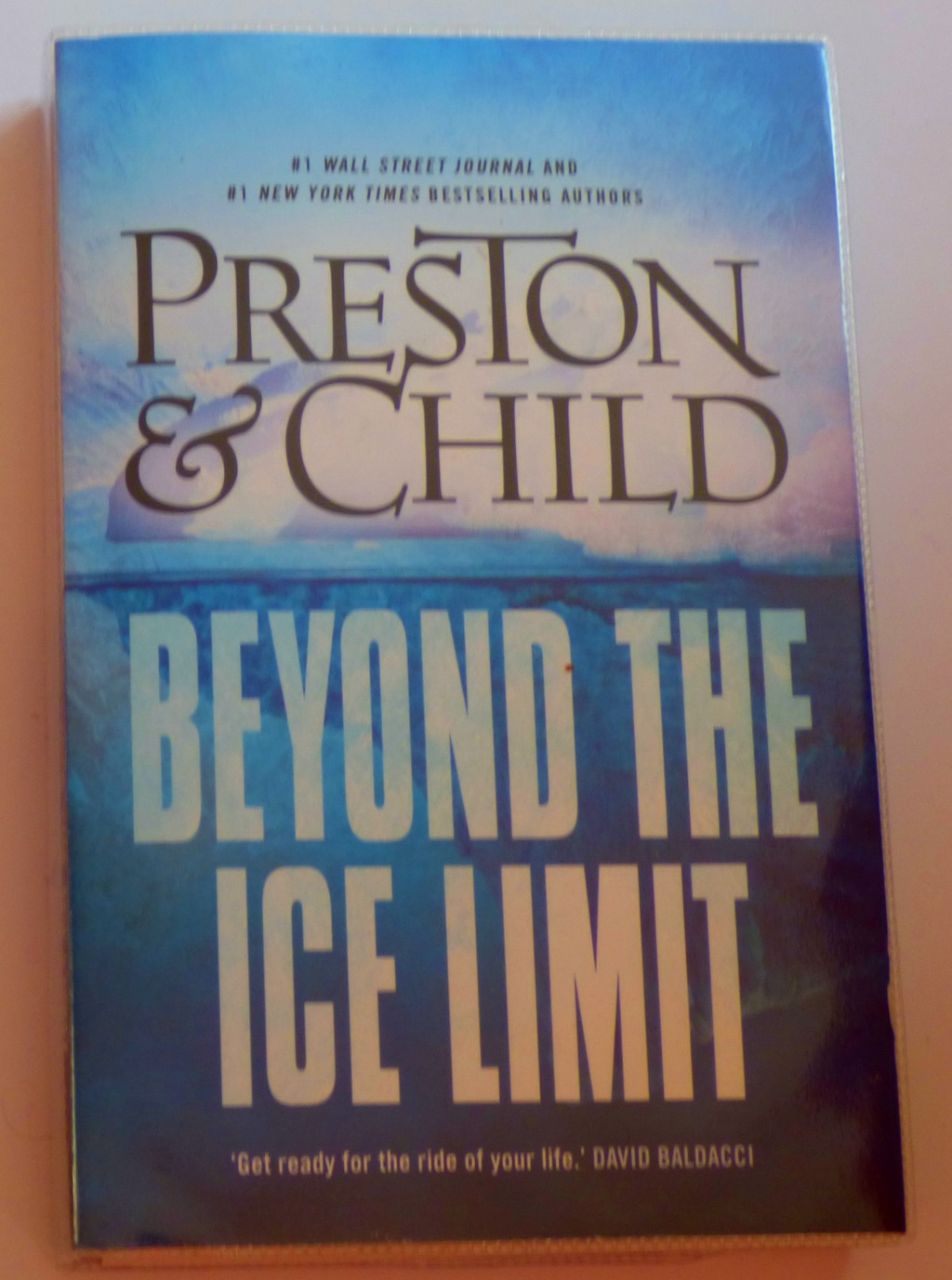
A review of Douglas preston and Lincoln Child’s “Beyond The Ice Limit” – an example of the best kind of science fiction.
INTRODUCTION
Welcome to my review of this recent book by the team of Douglas Preston and Lincoln Child. As so often with books reviewed here I found it courtesy of a library (in this case Fakenham library, which is a couple of minutes walk from where I work).
PUTTING THE BOOK IN CONTEXT
Beyond The Ice Limit is a sequel to the The Ice Limit, and also an addition to the Gideon Crew series, but has also been carefully crafted by its authors to work as a stand alone novel.
The phrase ‘ice limit’ refers to those latitudes in which there is sea ice all year round (at least until climate change renders it meaningless).
As this story starts, an alien life form has been slowly developing on the floor of the Southern Ocean for a period of five years, and Eli Glinn, who was inadvertently resonsible for the alien life form taking root, is now leading a mission to kill it before it can destroy the world. One of those who he ropes in is Gideon Crew, who has only a few months left to live.
Glinn and his team head south on a huge research vessel with a two-part plan – first find out whatever they can about the alien life form, and then use that knowledge to destroy it. The reason for this approach is because the ‘seed’ from which this alien emerged was actually a huge meteorite, weighing 25,000 tons, and there is only one such ‘seeds’ could be dispersed into space – by the destruction of the host planet (yes, this alien is the ultimate parasite).
Among their equipment are the components for a nuclear weapon (the explanation for how they have acquired such is that in certain former satellite states anything is for sale if you have sufficient money).
Since the creature is living two miles below the surface of the sea they also have four DSVs (Deep Sea Vehicles – more sophisticated versions of the bathyscaphe) for carrying out research. These for DSVs are painted yellow on the outside, and hence have been named George, Paul, John and Ringo.
Eventually they discover that the alien, dubbed The Baobab, has no brain of its own, but instead commandeers the brains of others (the first clue comes when they decode messages put out in the form of blue whale calls, which translate as “kill me” – a message that the current brain being used by the Baobab manages to put out). They also discover that deep below the sea floor are six egg-like structures which at their centers appear to have human brains. Five of these they can account for, because three headless bodies were discovered in the wreck of the Rolvaag, the ship that was carrying the meteorite when it broke open, and two of their own people have been taken by the Baobab, and an autopsy of one revealed that her brain had been extracted.
Gideon Crew gets launched on what he fully expects to be a suicide mission, to trigger the nuclear device directly above the Rolvaag in order to cause enough of an explosion to destroy the Baobab in its entirety, just before infected crew members (the Baobab sends out parasitic worms which take up residence in the brains of those they infect, causing them work for the Baobab) seize control of the ship.
Unfortunately another infected crew member is in the only intact DSV other than the one Gideon is piloting, and so Gideon prevented from carrying out his intended plan, but the nuclear device ends up on the Rolvaag, and the explosion is (apparently) sufficient to kill the Baobab.
With the Baobab dead, the parasitic worms also die, and the brain of the alien that it had commandeered is finally released, and sends a thank you message to the people of who have released it before it too dies.
SPECULATIONS
While the manner of its arrival and emergence makes it clear that the Baobab is a product of a process that has destroyed at least one planet already (by breaking it up so the ‘seeds’ can be dispersed) there is a question of whether this parasitic system has accounted for even more planets (either because the planet from one of whose inhabitants the Baobab commandeered a brain was not the first to have been subjected to this process, or because some of other ‘seeds’ from that occasion did hatch and destroy their new host planets). The second part of the question is clearly unanswerable, but I would incline to the Baobab being a ‘second generation’ of its type because there are a couple of things that would have made it even better at what it seeks to do than it is:
Although it is somehow able to commandeer brains to make up for its own lack of such it is not able to completely subdue said brains to its requirements – remember the message that the alien brain manages to get to the team.
Although the worms work perfectly in terms of getting everyone they infect to act on behalf of the Baobab they have no capacity for identifying the significance of those they infect – had their first victims been Eli Glinn and Gideon Crew then the mission would almost certainly have been doomed to failure.
FINAL THOUGHTS
This book represents the very best of science fiction: there is nothing that definitely flouts any laws of science, and none of the events are impossible to believe. The story is never less than compelling (I have actually read it twice in the space of a week, and the second reading was at least as satisfying as the first, and with a memory like mine there could have been nothing new in that second reading), and the actual scientific theories that come for discussion are well and interestingly presented. I believe that given its component parts this book could not have been improved on, and hence were I permitted to review in the place where reviews carry a star rating (I am not because the copy I read was not purchased through them) I would unquestionably give it the full five stars.




















































































































































































































































































































































































 aspiblog