All Time XIs – Before the County Championship

A look at the best players from before the official inauguration of the county championship, some comments on the selection of England test squad for the one off match against Ireland and a large photo gallery.

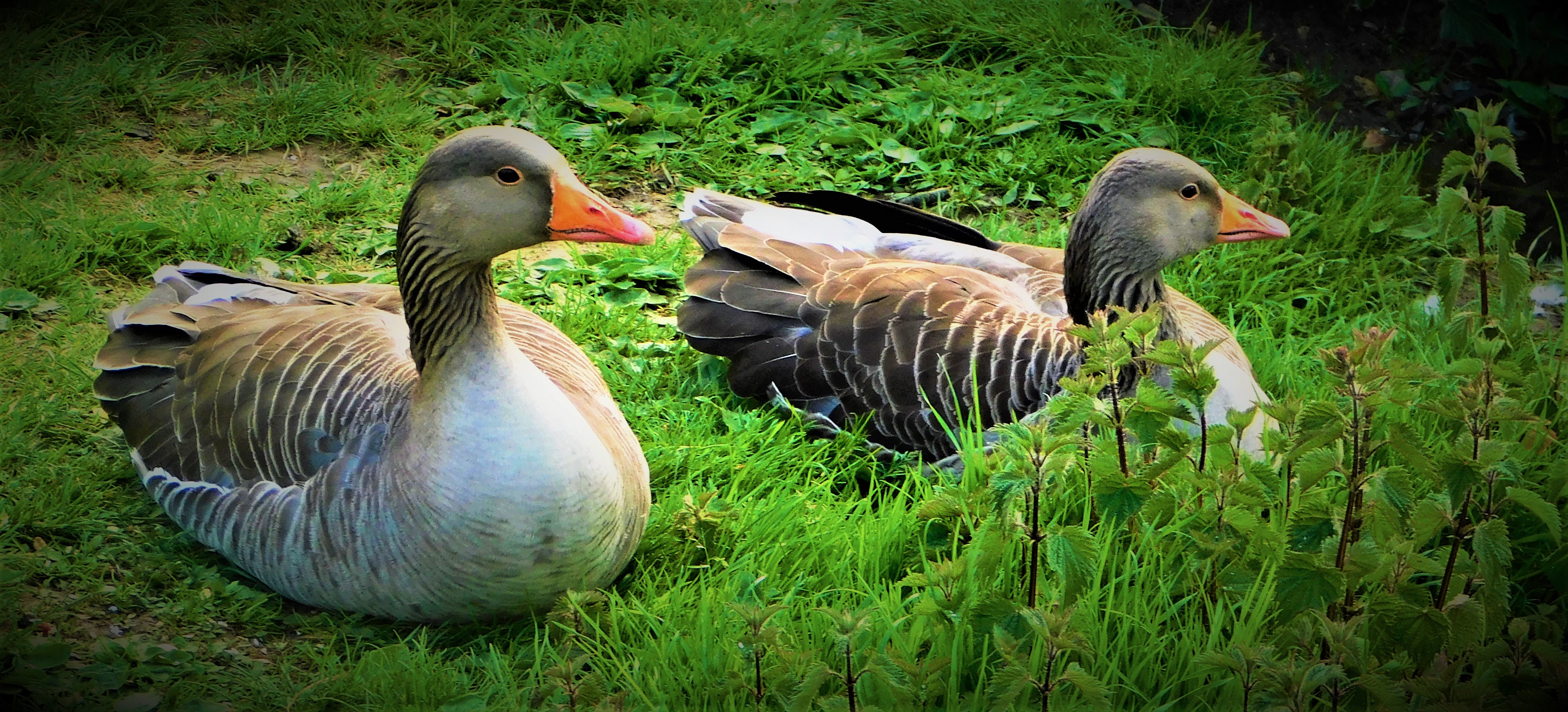
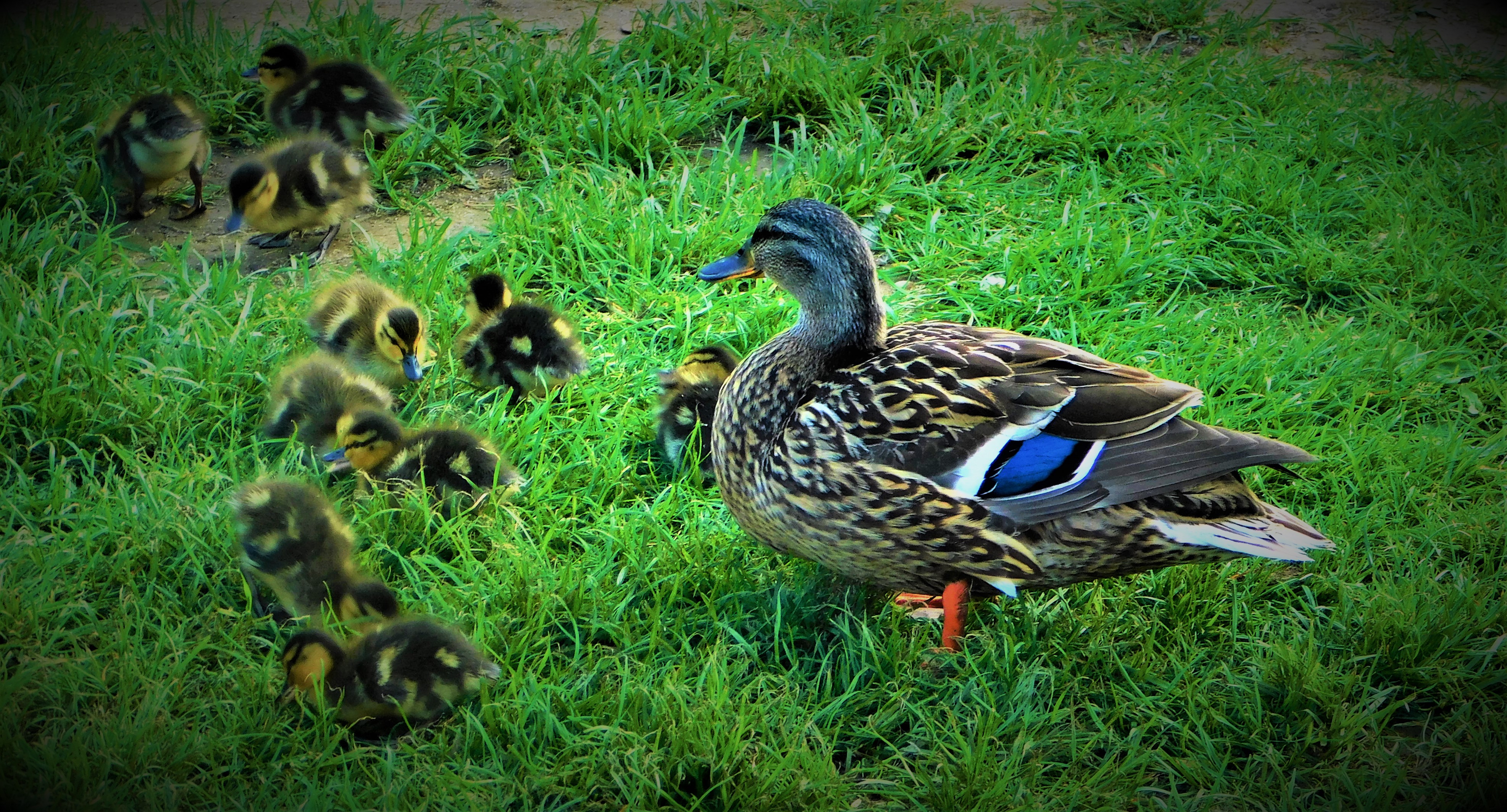
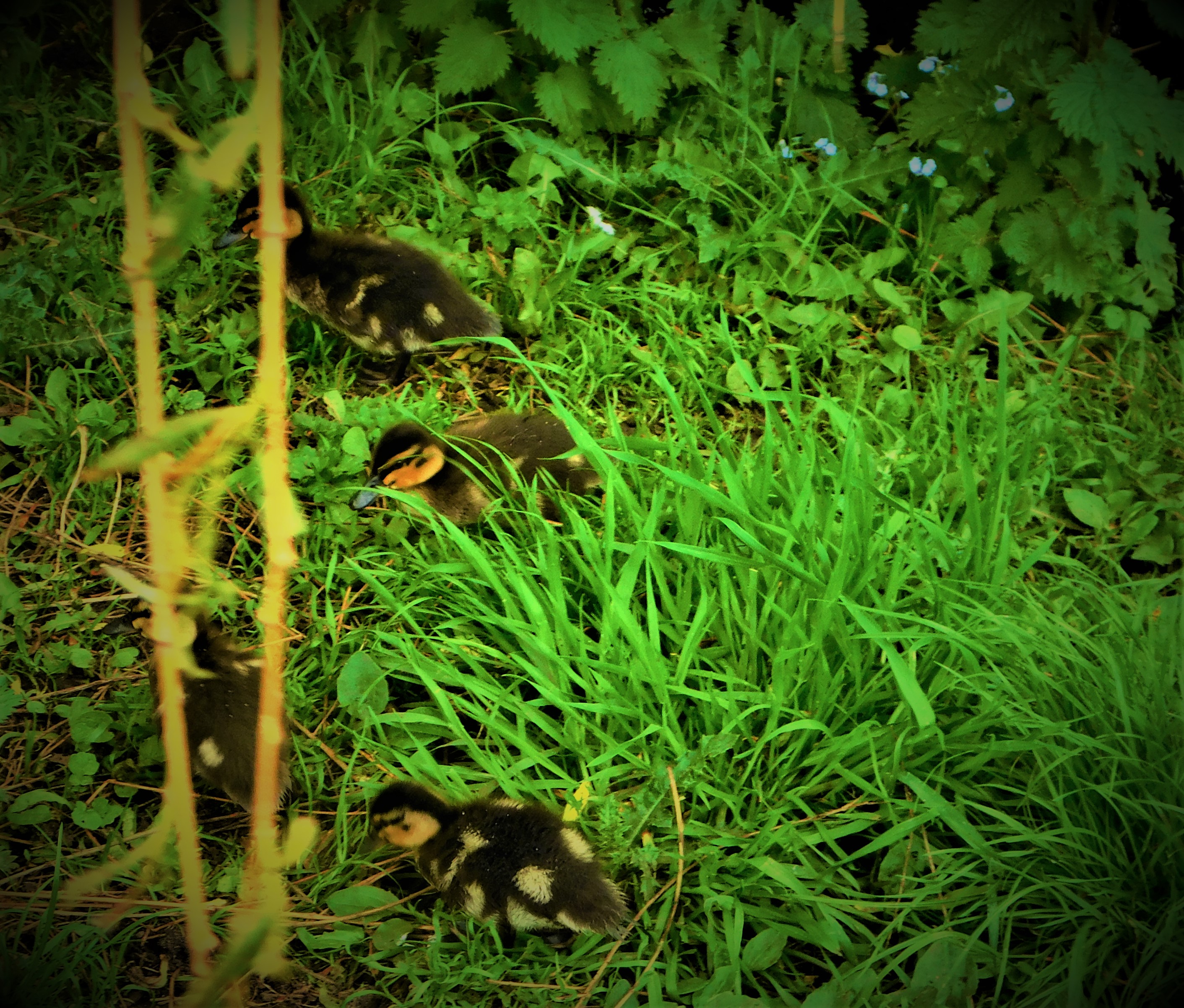
Today I create an XI of the best players most or all of whose careers took place before there was a county championship. Incidentally, there is a page from which all my posts about Saturday’s excursion to Pensthorpe can be accessed. Before I get into the main business of today’s post there is a brief section about…

ENGLAND TEST SELECTORS BLUNDER BIG TIME

The squad for the first test match of the home season, against Ireland is now out, and there are three areas of concern, two selections and an omission. Zak Crawley, a proven failure at test level, retains his slot at the top of the order. Far worse, Ben Foakes has been dropped to make way for the return to test action of Jonathan Bairstow. There may be a case for picking Bairstow, though in a test career which stretches back to 2012 he has blown hot and cold, and more often cold than hot, but there is not even the shadow of a case for dropping Foakes, the best current keeper by far, and someone who has been scoring big runs for Surrey in the championship this season, including a century at better than a run a ball when Surrey were looking for a declaration. Many people have posed this as being a challenge about how to accommodate Bairstow, and I have two options, listed in order of preference:

  1. Opt for what C Auguste Dupin would call “the sagacious and comprehensive expedient of making no attempt to accommodate Bairstow”. England are coming off a very successful winter without Bairstow, and Bairstow’s overall test record is that of a mediocre middle order batter, certainly not sufficient to warrant discarding Foakes.
  2. Have Bairstow open the innings as he does in white ball cricket and drop the proven failure Crawley (I would prefer to see a proper opener such as Ben Compton or Ali Orr picked in Crawley’s case, but at least Bairstow would probably be an improvement were he coming in in place of Crawley).

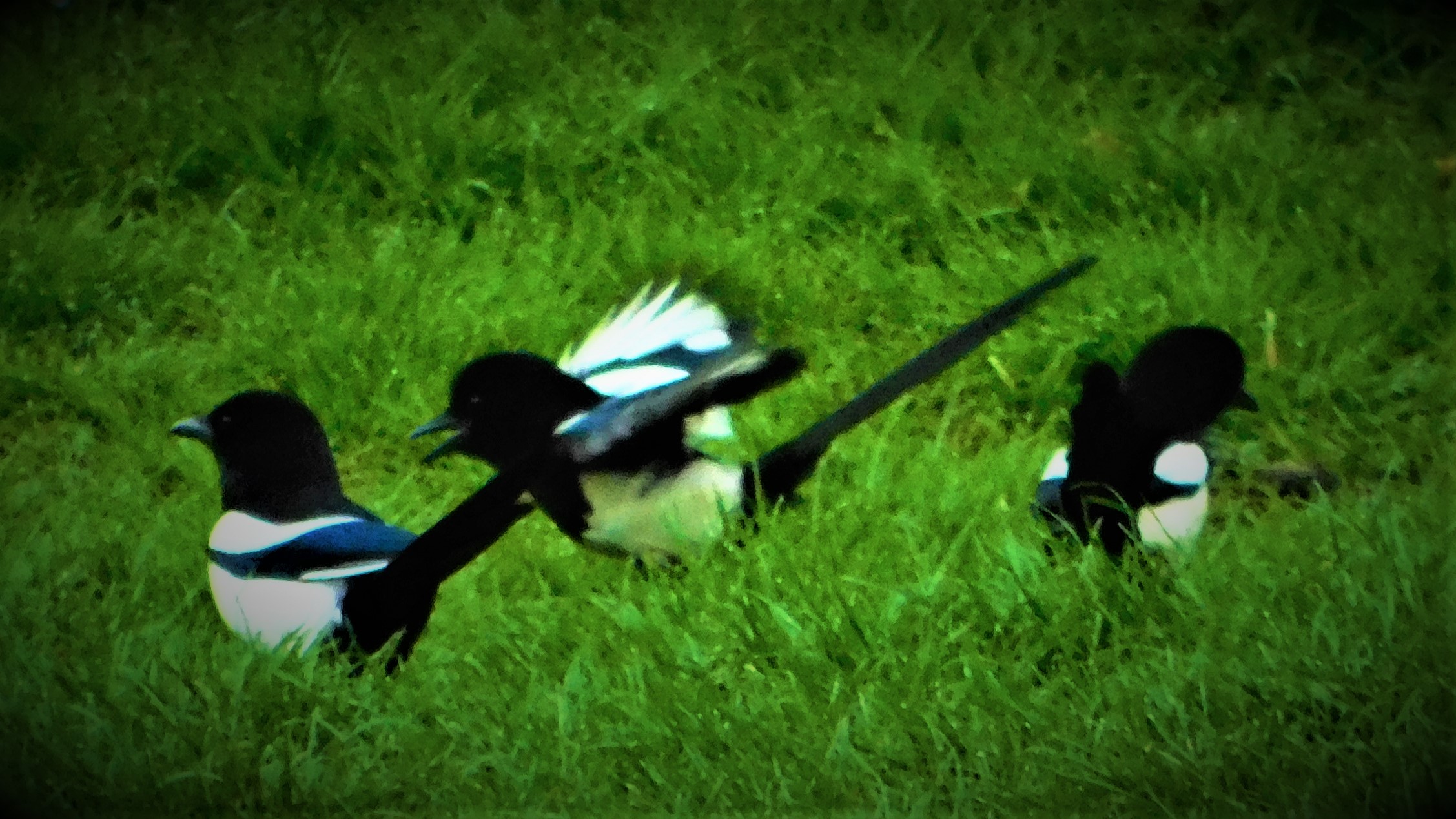
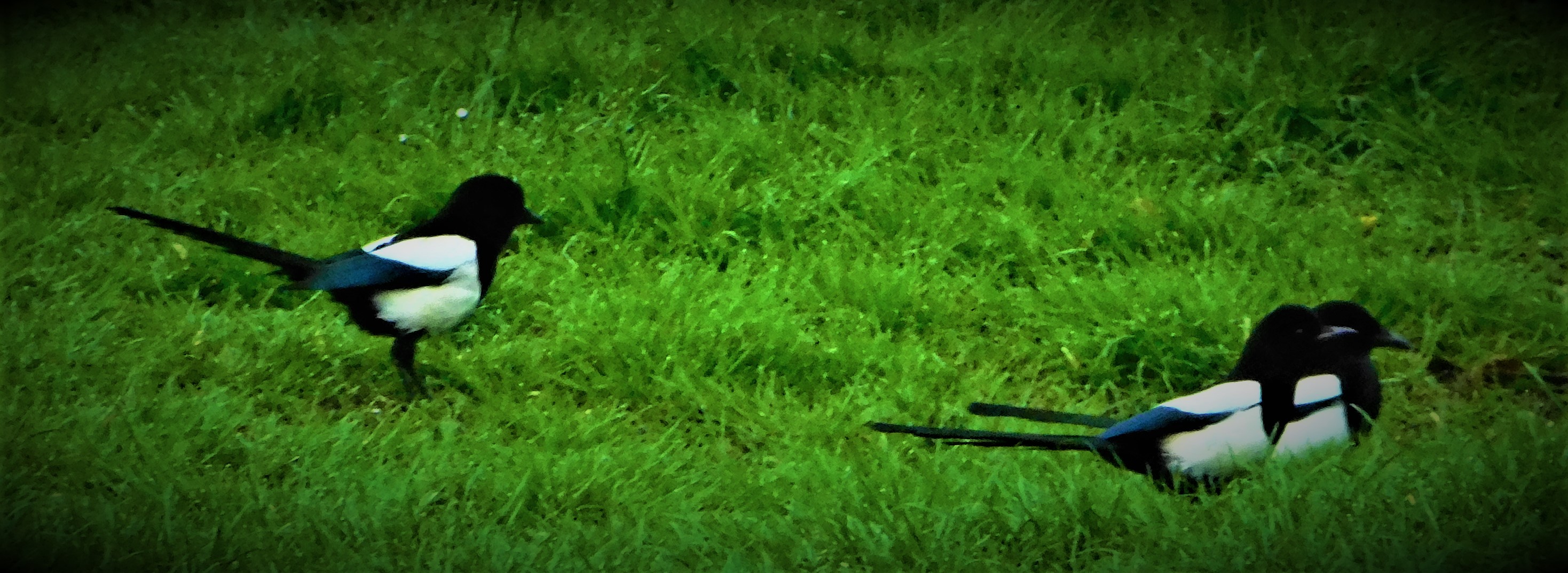
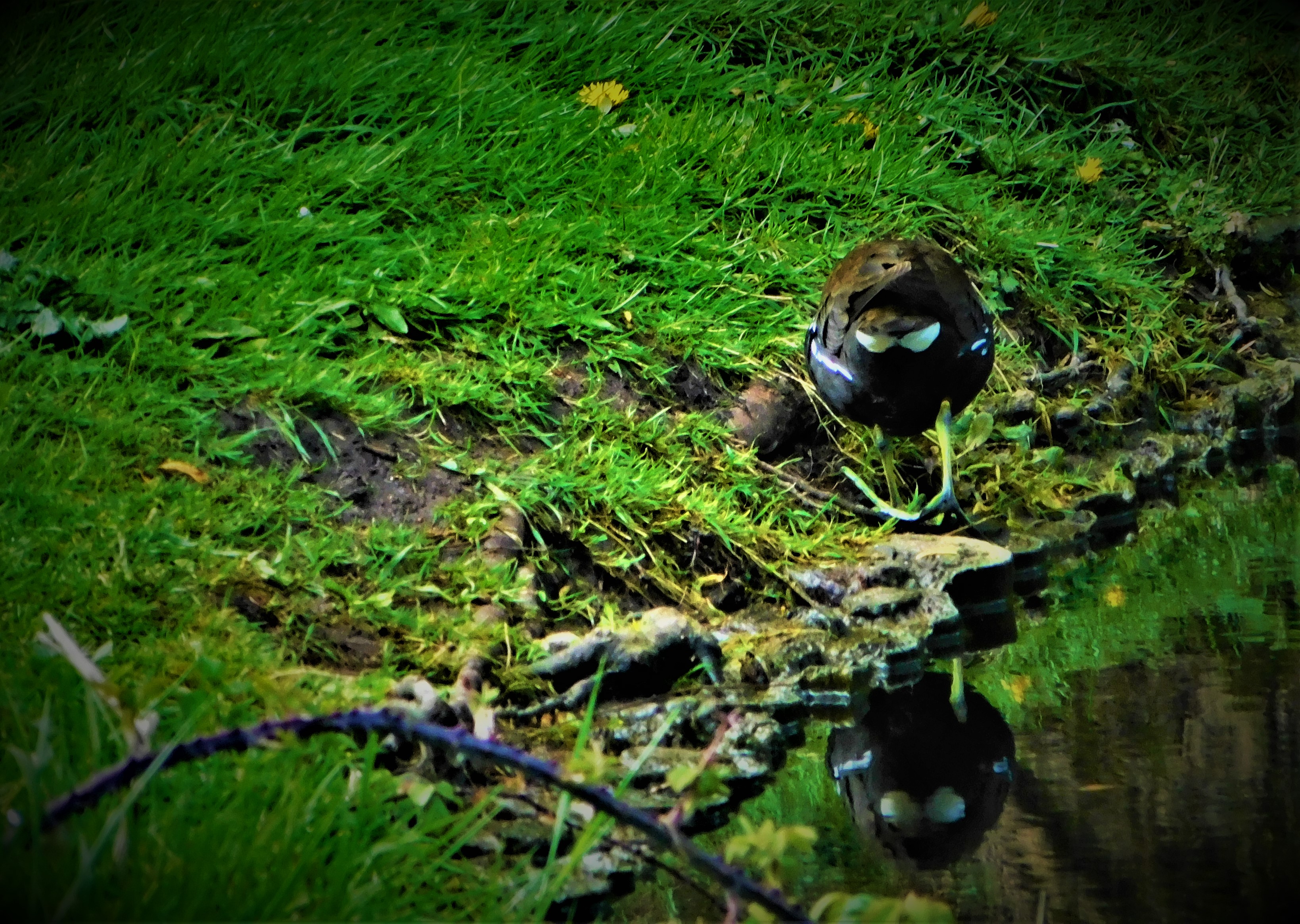
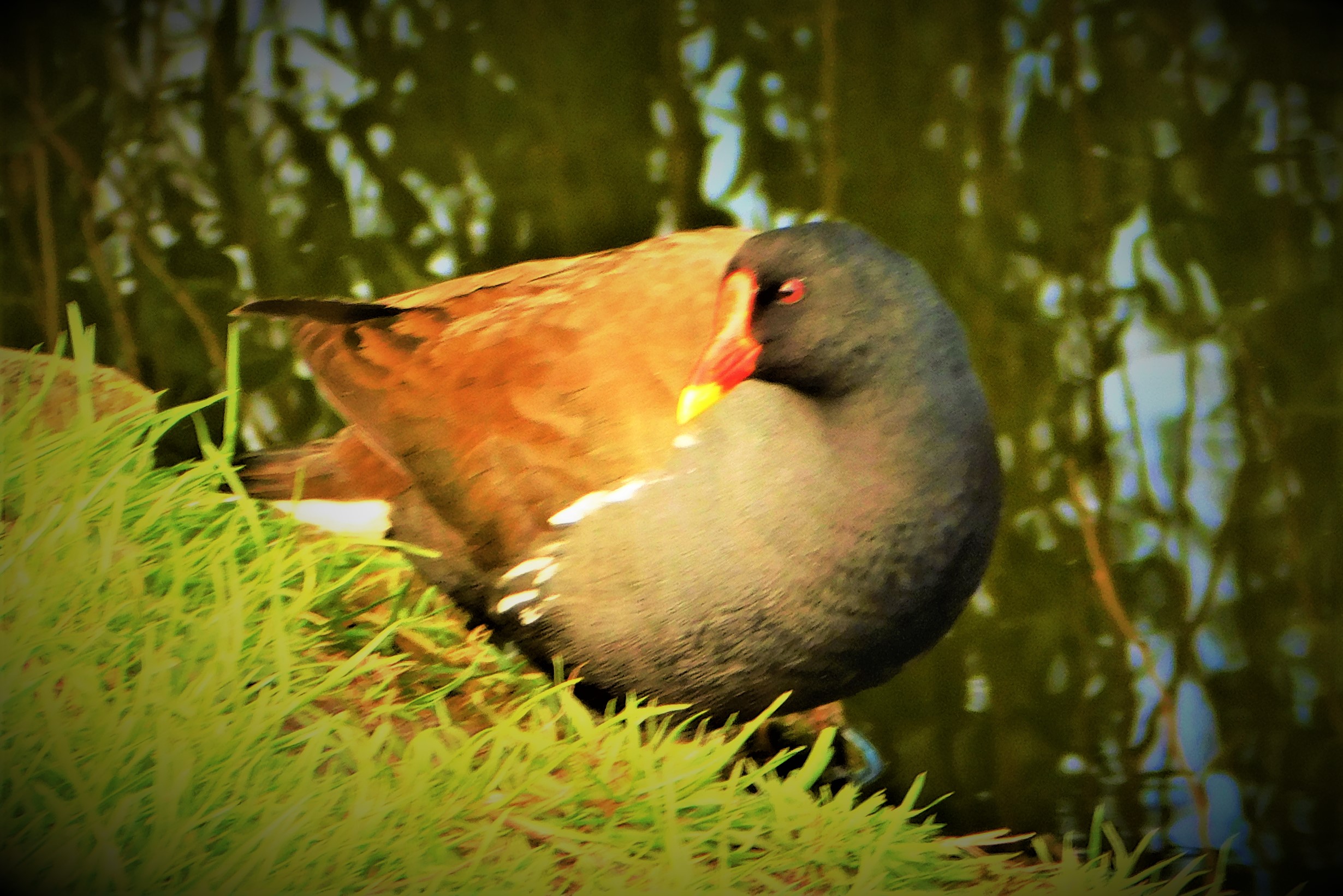
It is now time to get back to the main meat of the post…

THE XI IN BATTING ORDER

  1. *WG Grace (right handed opening batter, right arm bowler of various types through his career, captain). Had a quarter of a century of first class experience by the time of the first official county championship, so even though he played his last first class game as late as 1908 he qualifies.
  2. Arthur Shrewsbury (right handed opening batter). The man WG rated as the second best batter around (himself obviously no1), and since he played 15 years of FC before the inauguration of the Championship and 12 afterwards he just qualifies.
  3. James Aylward (left handed batter). In 1777, just eight years after John Minshull had scored the first recorded century in any form of cricket, he hit the Hambledon record score of 167, which remained an all comers record for 43 years.
  4. William ‘Silver Billy’ Beldham (right handed batter). In an era when centuries of any kind were rare he hit three in matches of indisputably first class status.
  5. Fuller Pilch (right handed batter). Acknowledged as the best batter of the 1830s and 1840s, a period when scoring was very low.
  6. Alfred Mynn (right handed batter, right arm fast bowler). “The Lion of Kent”, an absolute man mountain, and a great all rounder. He was quick enough that on one occasion someone fielding at long stop (directly behind the keeper) to his bowling once had to be hospitalized after being hit in the chest by several of his deliveries.
  7. Vyell Walker (right handed batter, right arm slow underarm bowler). One of only two cricketers to have scored a century and taken an all-10 in the same first class fixture (the other, WG, is also in this XI). As an underarm bowler any turn he got would have been the equivalent of an overarm bowler bowling leg spin, which makes him a good slow bowling partner for the next guy in the order…
  8. Billy Bates (right handed batter, off spinner). A massively impressive career record, probably equating in the modern era to averaging 32 with the bat and 25 the ball (actual averages were 21 and 17). He was even better in his brief test career, averaging 27 with bat and 16 with the ball, which probably equates to 41 and 24 in the modern era.
  9. +Tom Box (wicket keeper, right handed batter). He appeared in every fixture that Sussex played for an unbroken 24 year period, and although his batting average looks very low to modern eyes it is about 60% of that of Fuller Pilch, rated the best batter of the era.
  10. William Lillywhite (right arm fast roundarm bowler, right handed lower order batter). Rated the best bowler of his era (he was referred to as ‘the Nonpareil’, one half of my envisaged new ball pairing.
  11. William Mycroft (left arm fast bowler, right handed tail end batter). 800 first class wickets at 12 a piece.

This side has a powerful batting line up, with everyone down to Bates at number eight definitely capable of playing a match winning innings. The bowling, with Mycroft, Lillywhite and Mynn to bowl pace, and Bates and Walker two contrasting types of slow bowler, plus of course the redoubtable WG is magnificent, having both depth and variety.

HONOURABLE MENTIONS

The two chief rivals to Shrewsbury for the position of Grace’s opening partner were John Small of Hambledon and EM Grace. Lambert, scorer of twin centuries in a match in 1817, a feat which stood alone for half a century until WG Grace emulated it might have had a middle order slot. George Osbaldeston was a fine fast bowling all rounder, but not I reckon the equal of Mynn. Had I been going to pick an overseas player it would have been Dr ME Pavri (India), who visited England in the 1890s and achieved remarkable things as a pace bowling all rounder (once in his native land he decided in advance that team mates weren’t needed, took on an XI on his unaided own, and beat them). Among the great bowlers who missed out were David Harris (Hambledon), the Notts duo of Alfred Shaw and Fred Morley, James Broadbridge and John Wisden both of Sussex and two Yorkshire speedsters, Tom Emmett (left arm) and George Freeman (right arm). Sam Redgate, John Jackson and George Tarrant would all also have their advocates.

PHOTOGRAPHS

My usual sign off…

All Time XIs: Consistent Come Rain or Shine

An all time XI of cricketers who achieved on a massively consistent basis in the county championship.

This is a sort of follow up to the post I have just published – I pick a team of players who were consistently great in the county championship over very long periods, with one single exception – a kind of wild card pick I allowed myself, which I will tackle more fully when I come to him. This is an all-English XI.

THE XI IN BATTING ORDER

  1. Jack Hobbs (right handed opening batter, outstanding cover fielder, occasional medium pacer). The scorer of more first class runs and more first class hundreds than anyone else in history.
  2. Herbert Sutcliffe (right handed opening batter). Although he was even better at test level than at county level he still has a case to be regarded as the greatest of all county championship batters, as I argued in the previous post.
  3. Walter Hammond (right handed batter, ace slip fielder, right arm medium fast bowler). The third leading scorer of first class hundreds, and one of seven players to have scored over 50,000 runs in first class cricket.
  4. Phil Mead (left handed batter). The fourth leading scorer of first class runs and first class hundreds.
  5. Patsy Hendren (right handed batter, outstanding fielder). The second leading scorer of first class hundreds, the third leading scorer of first class runs.
  6. George Hirst (right handed batter, left arm fast medium bowler, outstanding fielder). Rated by his skipper Lord Hawke as the finest of all county cricketers, he achieved the season’s double of 1,000 runs and 100 wickets on 14 occasions, including the only ever ‘double double’ of 2,000 runs and 200 wickets. 10 of those 14 doubles were achieved in successive seasons, the greatest display of all round consistency in the history of cricket.
  7. Vallance Jupp (right handed batter, off spinner). He achieved the double eight times in succession in the 1920s, second only Hirst’s great sequence mentioned above.
  8. +Bob Taylor (wicket keeper, right handed batter). More dismissals than any other keeper in first class history.
  9. Frank Tyson (right arm fast bowler, right handed lower order batter). The wildcard pick, probably the fastest bowler England has ever produced, and a few brief years he did brilliantly, including blitzing the Aussies in their own backyard in 1954-5.
  10. *Wilfred Rhodes (left arm orthodox spinner, right handed lower order batter). Rhodes had an amazing career comprising at least five distinct phases – specialist bowler, all rounder, specialist batter, all rounder, specialist bowler – but it his bowling that this side needs, and it as the taker of more first class wickets than anyone else that I have selected him. I have also named him as captain, reckoning that he would be an outstanding skipper had he had the chance. He once said of an England skipper “aye ‘ee wor a good un – he allus did what me and Jack (Hobbs) telt him”.
  11. Derek Shackleton (right arm medium fast bowler, right handed lower order batter). Only one bowler managed to take 100 or more first class wickets in each of 20 successive seasons, and it was him. Rhodes achieved the feat 23 times in all in his astonishing career.

This side has a super powerful top five, two outstanding all rounders at six and seven, a great keeper who was a better bat than he was often given credit for being and a well varied trio of great bowlers to round out the order. A bowling attack that has Tyson, Shackleton and Hirst to bowl seam, Rhodes and Jupp to bowl spin and Hammond as sixth bowler is more than amply equipped to claim 20 wickets.

HONOURABLE MENTIONS

This section has multiple subsections, starting with:

WG GRACE – AN EXPLANATION

This post is about cricketers who were in their prime when the championship was on an organized footing, and as mentioned in the previous post WG was past his prime by 1890.

SPECIAL MENTION: FRANK WOOLLEY

Frank Woolley had a truly outstanding record, and I would not argue against selecting him. It was a coin toss between him and Mead and I went for Mead.

ACKNOWLEDGEMENT: SIR LEONARD HUTTON

A very great batter, but I felt the Hobbs/ Sutcliffe combo, the greatest opening pair in history, had to be kept together.

ANTI-ACKNOWLEDGEMENT: GEOFFREY BOYCOTT

While his record with the bat was outstanding, it was too often not accompanied by success for his team, and for that reason he had to be disqualified.

TICH FREEMAN

The second leading wicket taker in first class history, the only bowler to take three first class all-tens, the only bowler to take 300 first class wickets in a season. However, while he habitually destroyed the ‘rest’ there was a notable falling off in his record even against the strongest counties – he paid over twice as much for his Surrey and Lancashire wickets as he did for his Northamptonshire and Somerset ones.

OTHERS

Had I been going to pick a specialist captain I would have gone with Stuart Surridge, who captained Surrey for five seasons and won five county championships, but I felt I could not accommodate a specialist skipper in this XI. Had I not decided to allow myself the wildcard pick of Frank Tyson I would have had two choices for a fast bowler who had a very long and consistent career: Tom Richardson or Fred Trueman. Maurice Tate might be considered unlucky to miss out, and everyone will have their favourites who they feel I have neglected.

PHOTOGRAPHS

My usual sign off…

What Makes A Great County Championship Batter?

This post, the first of two related posts I shall be producing today, was prompted by a piece I saw via social media about just who was the greatest of all county championship batters. I was not satisfied with the methodology used in that piece, so decided to do my own version.

SETTING SOME BASIC CRITERIA

The first requirement is obviously to have a great record over a long period of time. Secondly, the County Championship was only put on an official footing in 1890, so we are looking at careers after that year only. Thirdly, cricket is a team game, so runs that contribute to championships count for more than other runs.

ELIMINATING POTENTIAL CANDIDATES

Although he had an outstanding season in 1895 and a very good one in 1896 WG Grace’s greatest days were done by the time there was actually a county championship, so he is not eligible.

Geoffrey Boycott twice averaged over 100 for an English season, but both these tall scoring years have a massive asterisk against them – on each Yorkshire fared worse in those seasons than they had done the year before when Boycott was less prolific – a nine place drop from 4th to 13th in the first of them, and a smaller drop from 4th to 7th in the second.

Jack Hobbs had an outstanding record, but Surrey didn’t win many championships during his playing career.

Walter Hammond never won a county championship for all his great record with the bat, and his poor captaincy was partly to blame for that.

Phil Mead of Hampshire likewise never helped his side to win a championship, though he holds the records for most runs and most centuries for a single first class team.

MY NOMINEE

Herbert Sutcliffe had his entry into first class cricket delayed by one world war and his first class career terminated by the outbreak of the other. In the 20 years he did play he was a consistent, huge run scorer, more often than not top of the Yorkshire batting averages, although as I have pointed out elsewhere his test record was better than his overall first class record, and his Ashes record was better still. In keeping with this ‘big occasion’ temperament, nine of his championship centuries came at the expense of bitter rivals Lancashire. Also, if we turn to the element of contributing to championship success, Yorkshire were champions in 1919, won four successive titles in the 1920s, and won the championship a further seven times in the course of the 1930s, giving Sutcliffe a playing role in the winning of 12 county championships. I end this section with one example of Sutcliffe scoring runs that altered the outcome of the match. The match in question was against Kent, whose bowling was dominated at that time by leg spinner Tich Freeman. In the final innings of a low scoring affair Yorkshire needed 192 on a pitch that had not previously allowed a total that high. Yorkshire won by two wickets, and 110 of those 192 came from the bat of Herbert Sutcliffe, with the only other innings of significance coming from skipper Sellers (34 not out at the death).

OTHER GREATS

Leonard Hutton, who shared some of Sutcliffe’s triumphs in the 1930s and was the best English batter of the immediate post-war era was probably the closest rival to Sutcliffe, though Peter May scores well when it comes to helping his side win titles. Most overseas players would not qualify due to not playing enough, although three who did were Roy Marshall and Barry Richards (both Hampshire) and Mike Hussey (several counties in the recent past). Most of the best present-day English batters would be unlikely to qualify because international commitments restrict them to only a few championship appearances in any given season.

PHOTOGRAPHS

Even with two blog posts to cater for I have a big photo gallery (please note I will out for most of tomorrow, on a West Norfolk Autism Group outing to Pensthorpe, where I expect to get some particularly impressive photos).

Watching The Metronomes In Action

An account of a day trip top Broxbourne to watch the Metronomes in action.

On Sunday the Metronomes, a cricket club who raise funds for charity and who I follow on twitter, were playing at Broxbourne and since that is close enough to me that I can get there and back in a day, even on the Sunday before a bank holiday Monday I decided to go and watch. This post describes the day from my point of view.

GETTING THERE

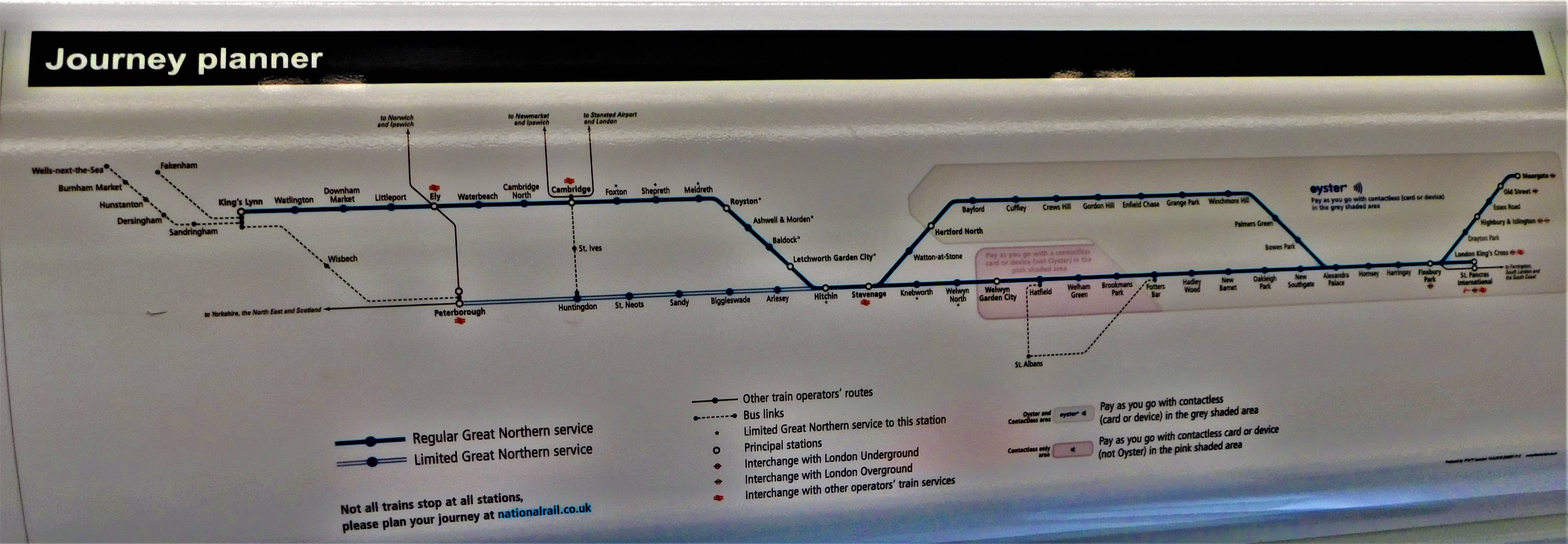
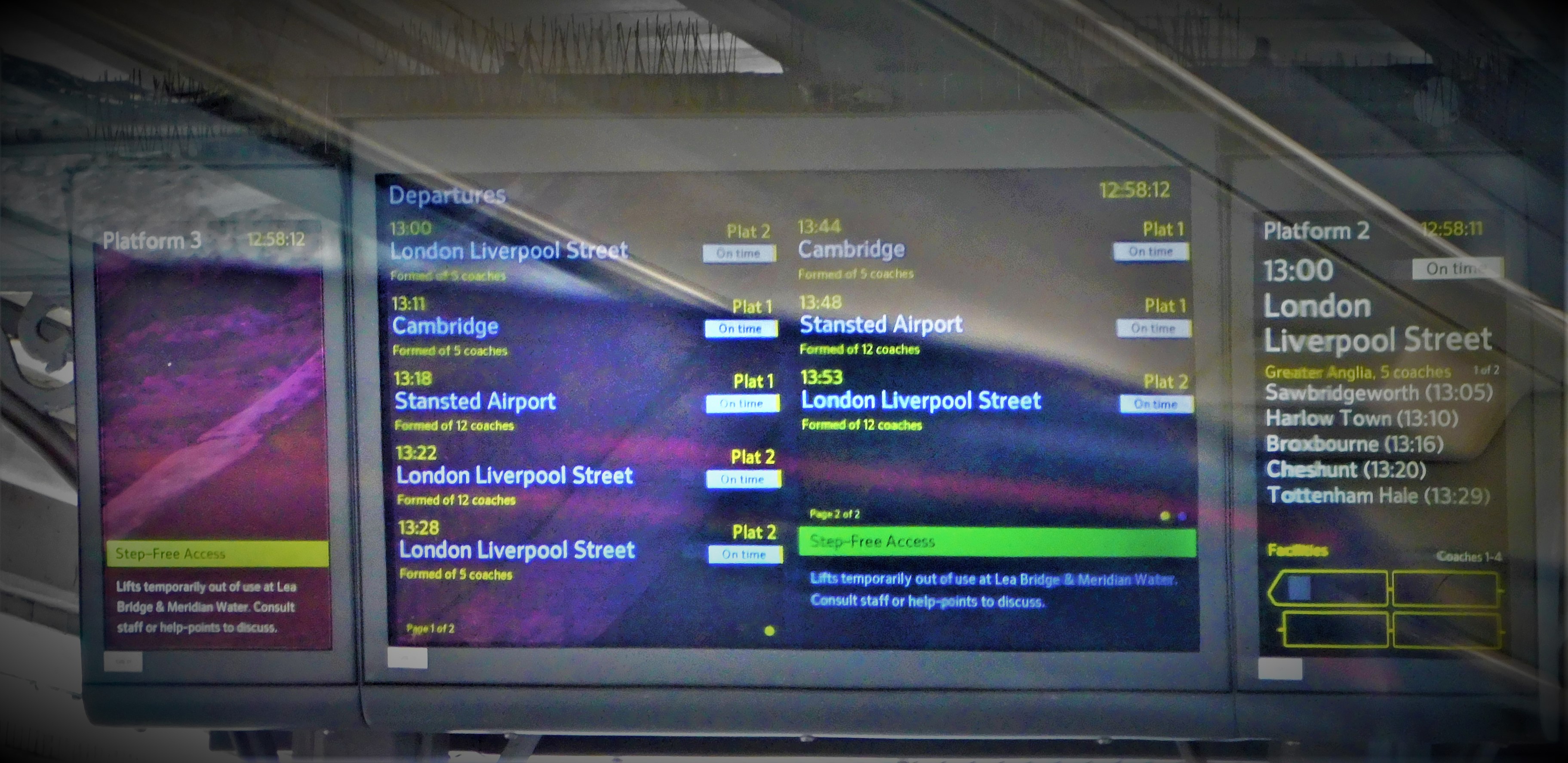
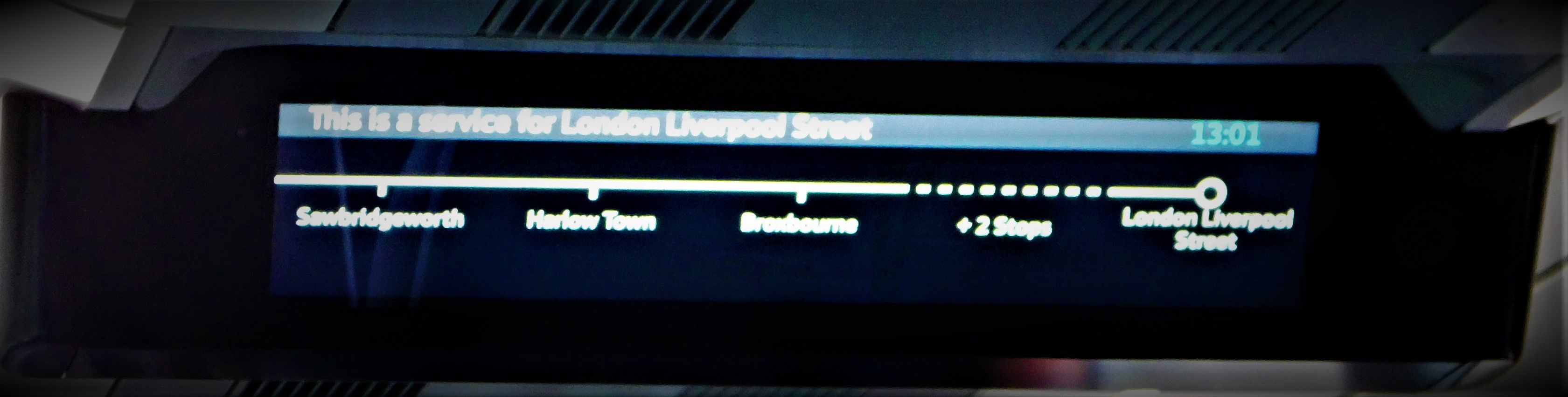
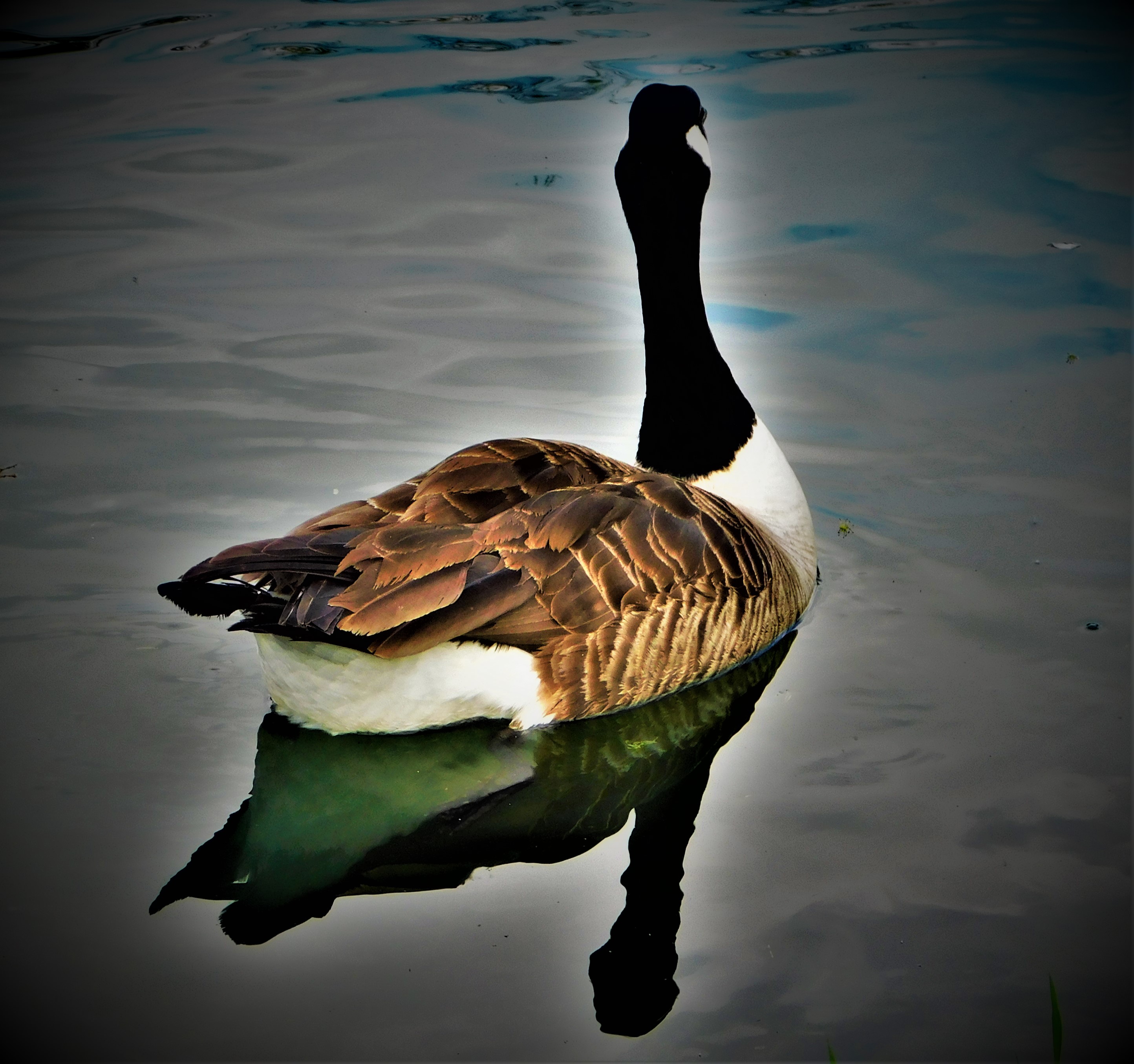
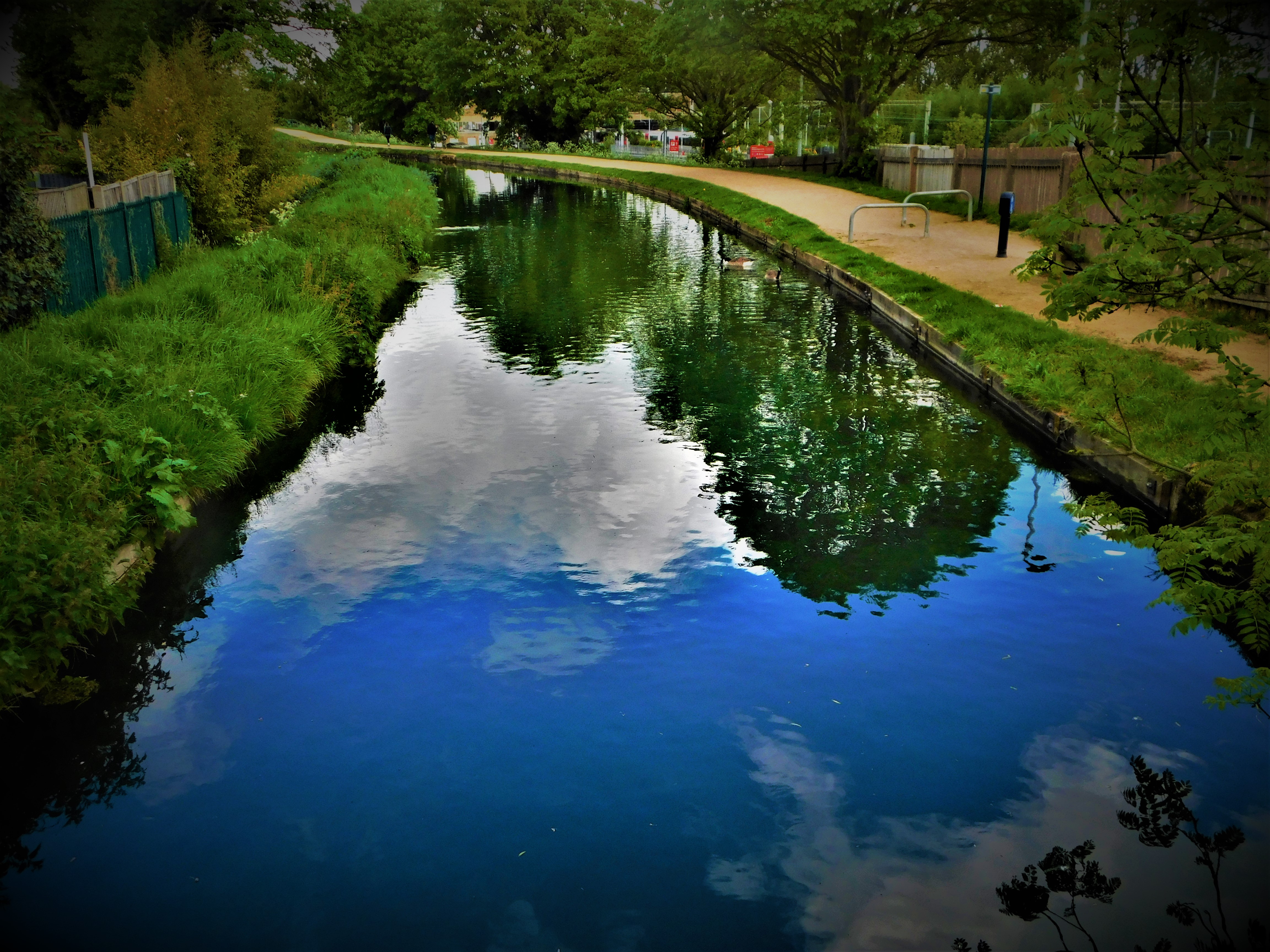
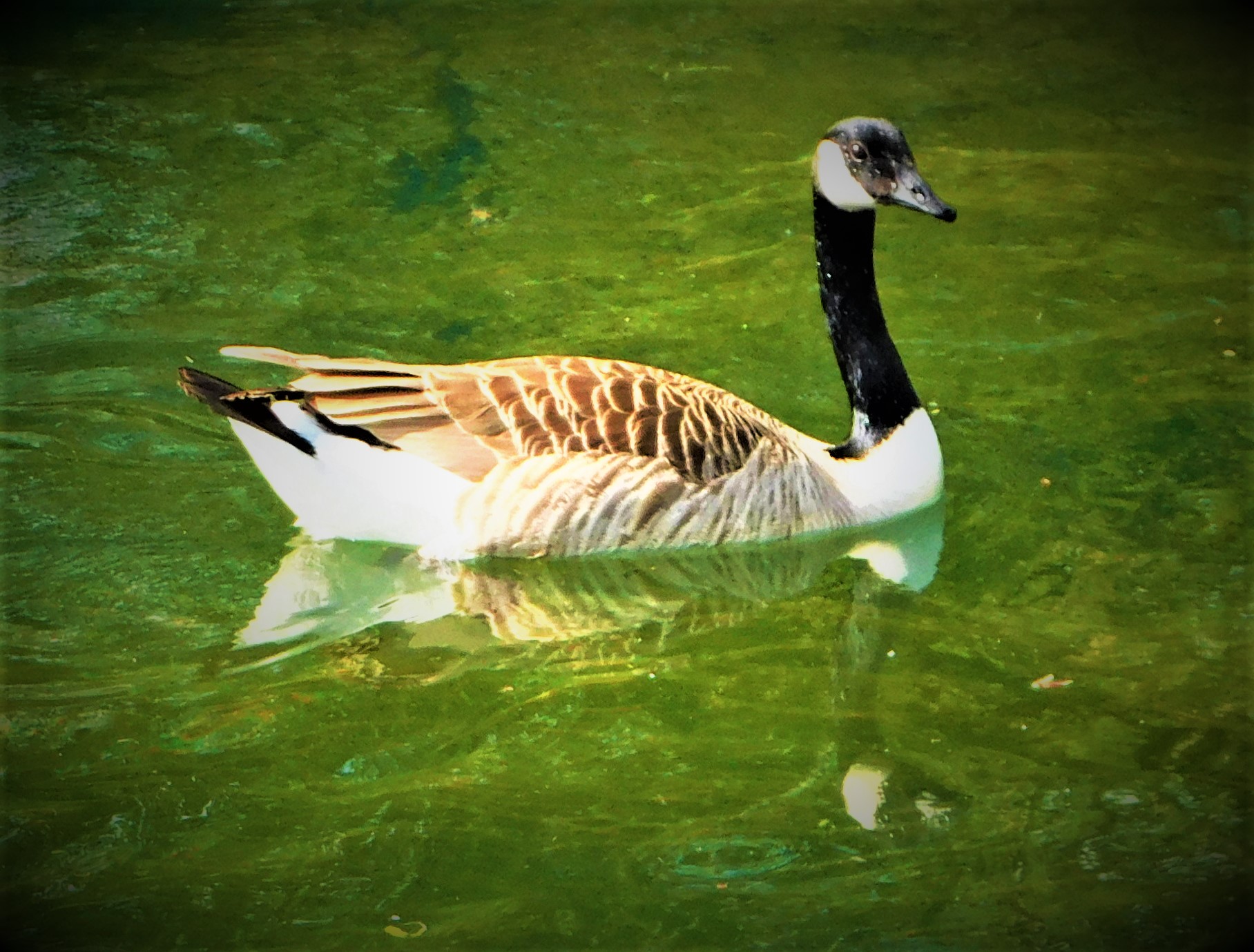
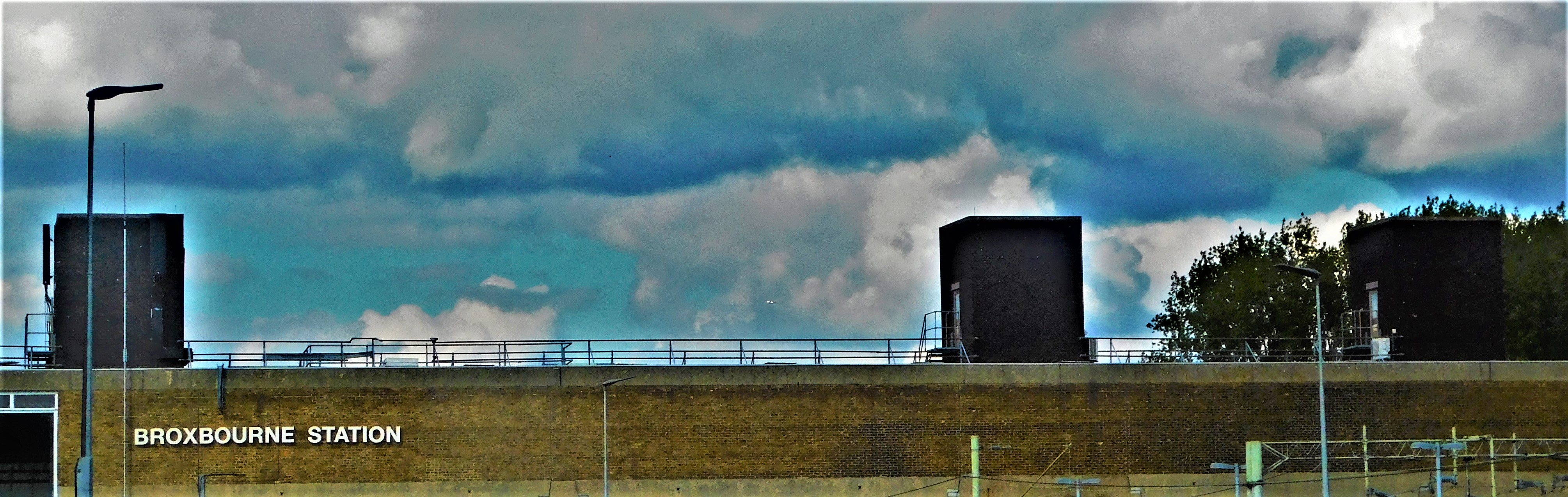
I arrived at King’s Lynn station in good time for the train I intended to catch, noting immediately that it was terminating at Ely, which meant a replacement bus service would be operating between Ely and Cambridge. Fortunately this did not materially affect the outward journey, and I arrived at Broxbourne at 13:16. The walk from the station to Broxbourne cricket club is short and scenic, much of it being within sight of the river Lea. Among the highlights were Canada Geese.

AT THE MATCH

I found a seat with a decent view of the action, and ate my lunch and drank my bottle of water. Later I bought a good but seriously overpriced pint of beer. The opposition, the Three Graces batted first, and they did not fare especially well. During the innings break Mark Puttick, a keen statistician and part of the Metronomes introduced himself. Later, during the Metronomes response, their founder, Bex Coleman, also introduced herself. Mark had expressed his belief that Metronomes could chase down the total without needing him to bat, and that proved to be the case – a superb opening stand set them up, and there only ever looked like being one outcome. I left shortly after the handshakes, to ensure that I could get home at a sensible time.

THE JOURNEY HOME

The train from Broxbourne to Cambridge stopped at every station along the way, and I had a bit of a wait for the onward bus connection to Ely, and then a substantial wait at Ely for the train to King’s Lynn (fortunately the weather was very pleasant – Ely is a nice station, but in bad weather it is a horrible place to have to wait – the wind can be vicious in East Anglia and Ely is very exposed. I got home just before eight o’clock.

All Time XIs – “Bazball”

An all time XI picked to play in the style of Ben Stokes’ England test team and a large photo gallery, including a new bird sighting.

Welcome to my latest offering. I am studiously avoiding paying any attention whatsoever to events in London today, and this sentence will be the only hint of anything to do with those events you get in this blog. Today I select an all time XI that I would trust to play cricket with the same approach as Ben Stokes’ current England test side. I am following my “county” rules in terms of selection – one overseas player allowed, the rest English.

THE XI IN BATTING ORDER

  1. *WG Grace (right handed opening batter, right arm bowler of various types through his career, captain). A batter who always looked to score runs and scored huge numbers of them, his approach to captaincy was also fundamentally attacking.
  2. Lionel Palairet (right handed opening batter). A dashing opening batter who scored 10o+ runs in a morning session on five separate occasions in 1901, one of them against that years champions Yorkshire when Somerset trailed by 238 on first innings and came back to win by 279 runs.
  3. Frank Woolley (left handed batter, left arm orthodox spinner, ace slip fielder). The only cricketer ever to score 10,000+ FC runs, take 1,000+ FC wickets and pouch 1,000+ FC catches, and noted for feats of fast scoring with the bat.
  4. Denis Compton (right handed batter, occasional left arm wrist spinner). A top drawer entertainer with a magnificent record.
  5. Garry Sobers (left handed batter, left arm bowler of every type known to cricket, ace fielder). There was really only one candidate for the overseas player in an XI of this nature – the most complete player there has ever been, and very attacking by inclination.
  6. +Les Ames (right handed batter, wicket keeper). He won the Lawrence trophy for the fastest first class century of the season twice in the first three years of its existence.
  7. Gilbert Jessop (right handed batter, right arm fast bowler, ace fielder). He scored 53 first class hundreds, yet only once did he bat for more than three hours in a single innings, for a score of 240. He still has the record for the fastest test century by an England batter, though there have been several recent challenges.
  8. Arthur Wellard (right arm fast medium bowler, right handed lower middle order batter). In 1935 he hit 66 sixes in the first class season, a record that stood for half a century. A quarter of his 12,000 FC runs came in sixes, and he was a good enough bowler to set the Somerset record for most first class wickets in a season.
  9. Jim Laker (off spinner, right handed lower order batter). With Woolley, Sobers and Compton able to cover every variety of left arm spin and the next player in the order famed for bowling what was effectively a quick leg break I felt that an off spinner was called for, and Laker was clearly the answer.
  10. Syd Barnes (right arm fast medium bowler, right handed lower order batter). Probably the greatest bowler there has ever been, a must pick.
  11. William Mycroft (left arm fast bowler, right handed tail end batter). My envisaged new ball partner for Barnes, he just missed out on the start of test cricket, being 35 years old when the inaugural such match was played, though he had had a fine season in 1876. He took over 800 first class wickets at 12 a piece.

This squad has a powerful batting line up, with all of the top seven save Palairet (two caps in 1902) test match regulars, and the only non-bowlers are keeper Ames and Palairet, though Compton would be unlikely to be called on for many overs in this line up. The bowling attack is richly varied, and that Barnes was well suited to sharing the new ball with a left arm pacer is proven by the great success he had in the 1911-12 Ashes when opening the bowling with Frank Foster, just such a bowler. I would expect this side to score big totals at a rapid rate and not to have any problems taking 20 opposition wickets.

HONOURABLE MENTIONS

Of course there are hundreds of potential qualifiers for this XI. My biggest regret was not being able to accommodate an under arm bowler – there were three outstanding candidates, David Harris, the first authentically great bowler, Digby Jephson who might have had Wellard’s slot and George Simpson-Hayward, the last of the breed to play at test level. If you want to suggest other players go ahead – as I have said there are many possibles, but do consider how your choices would affect the balance of the side.

PHOTOGRAPHS

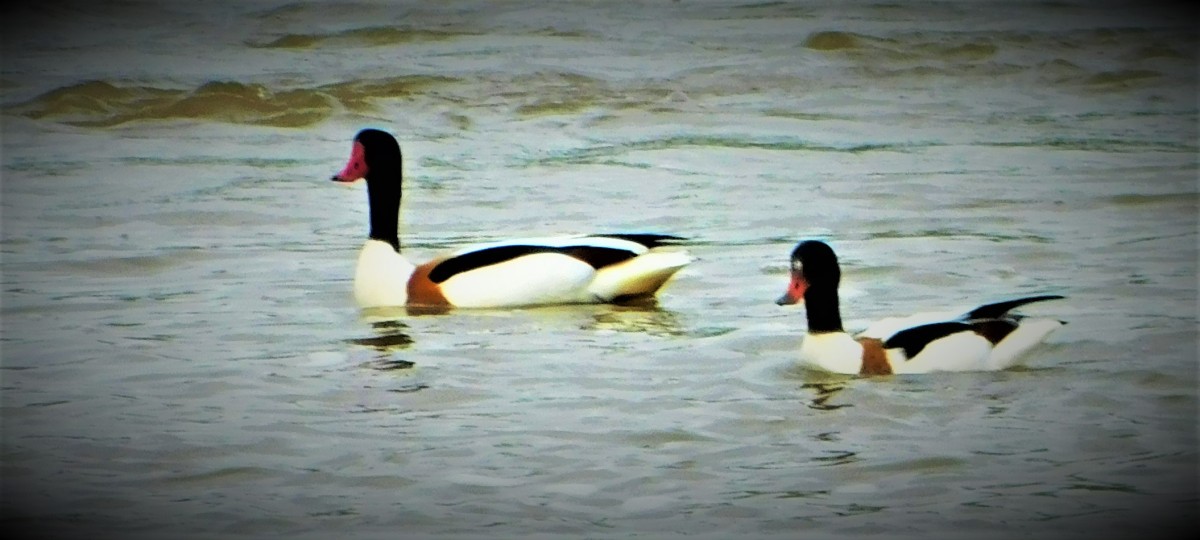
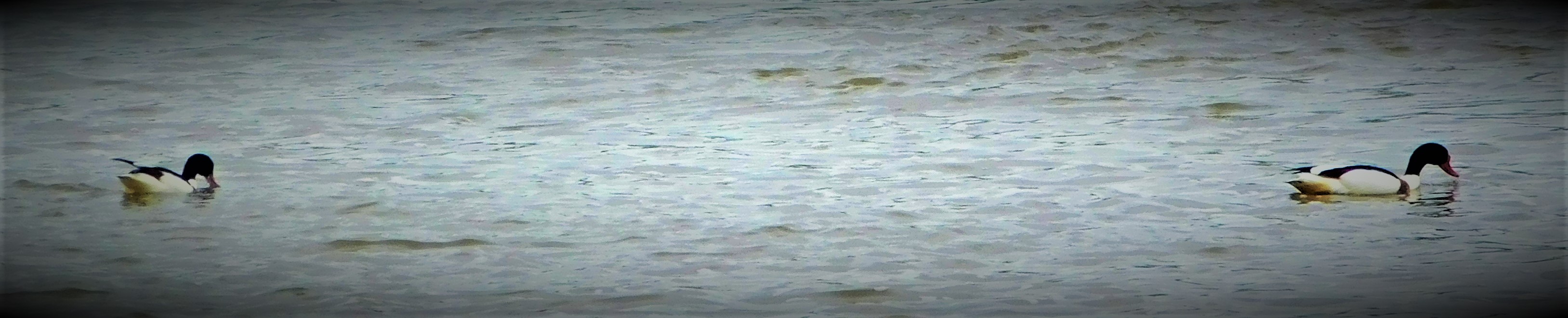
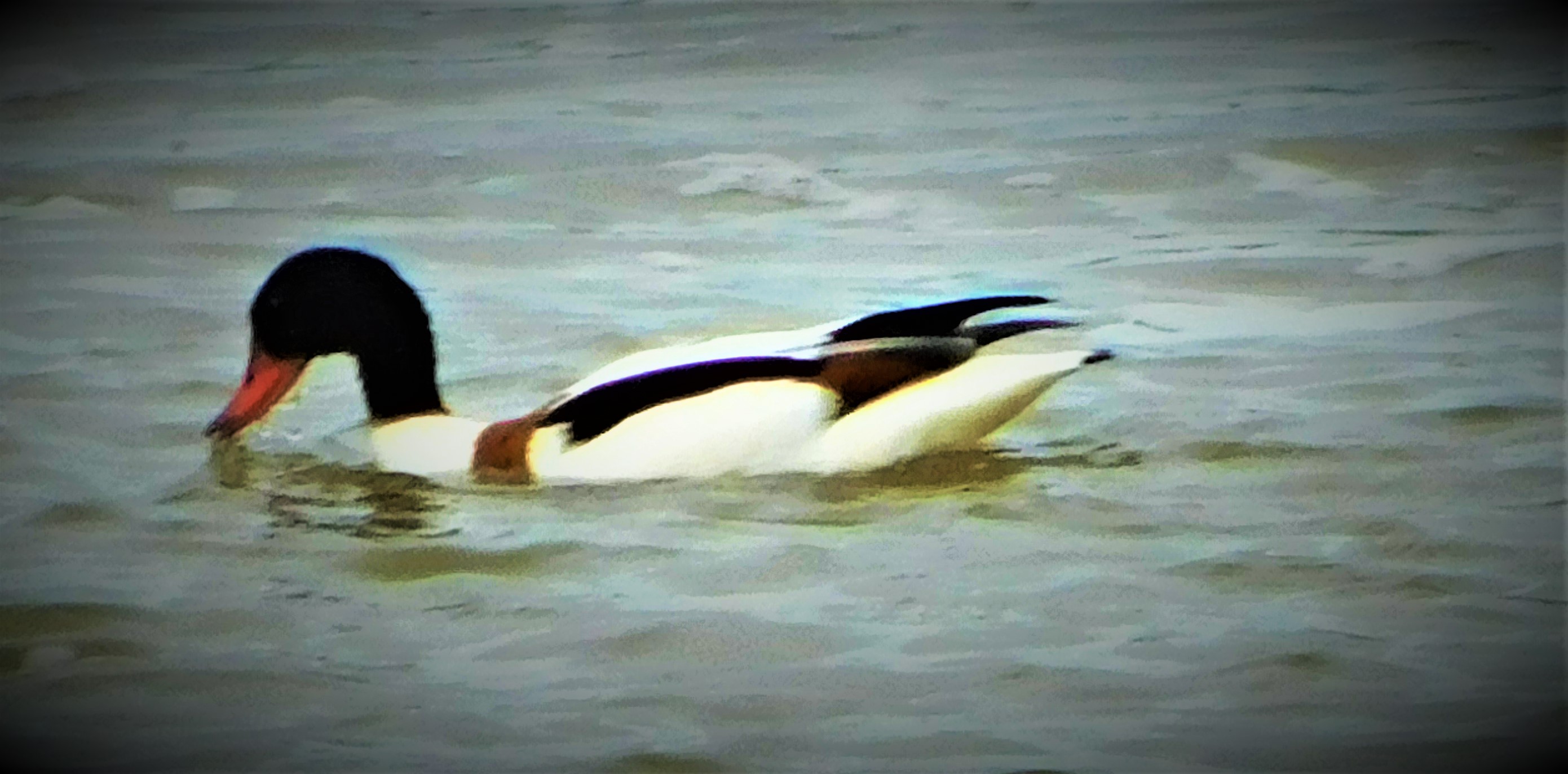
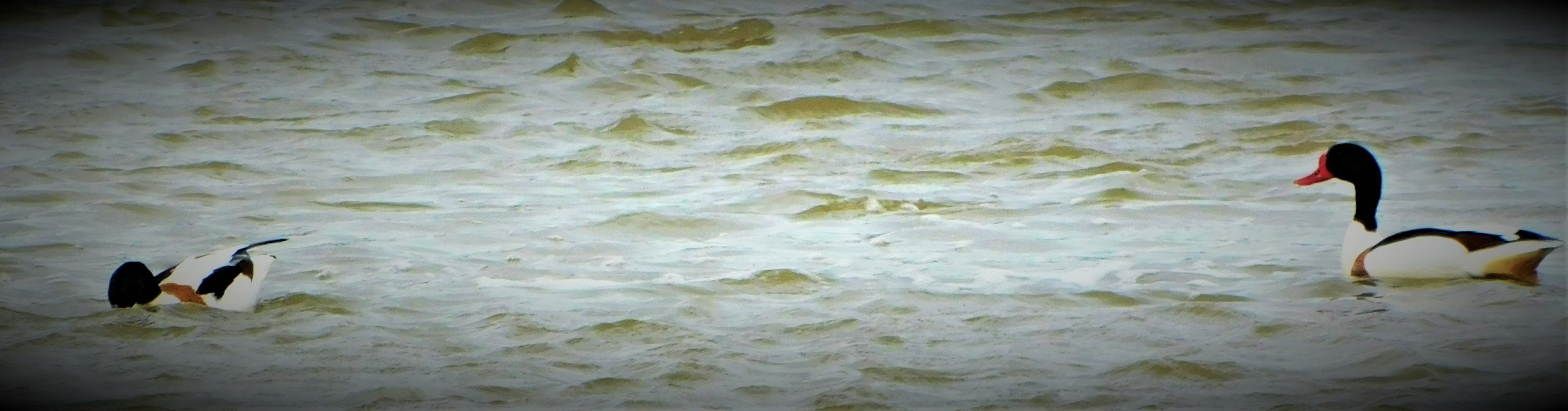
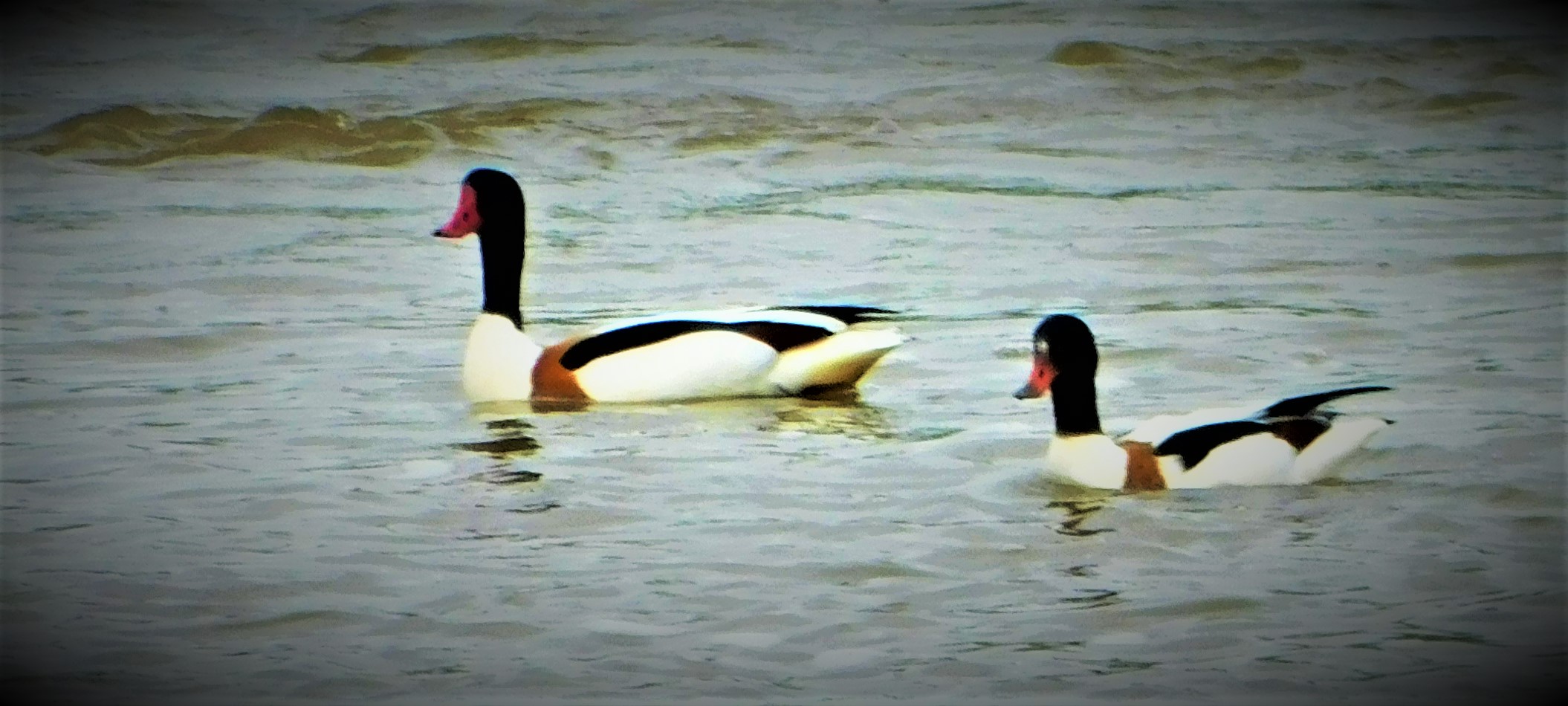
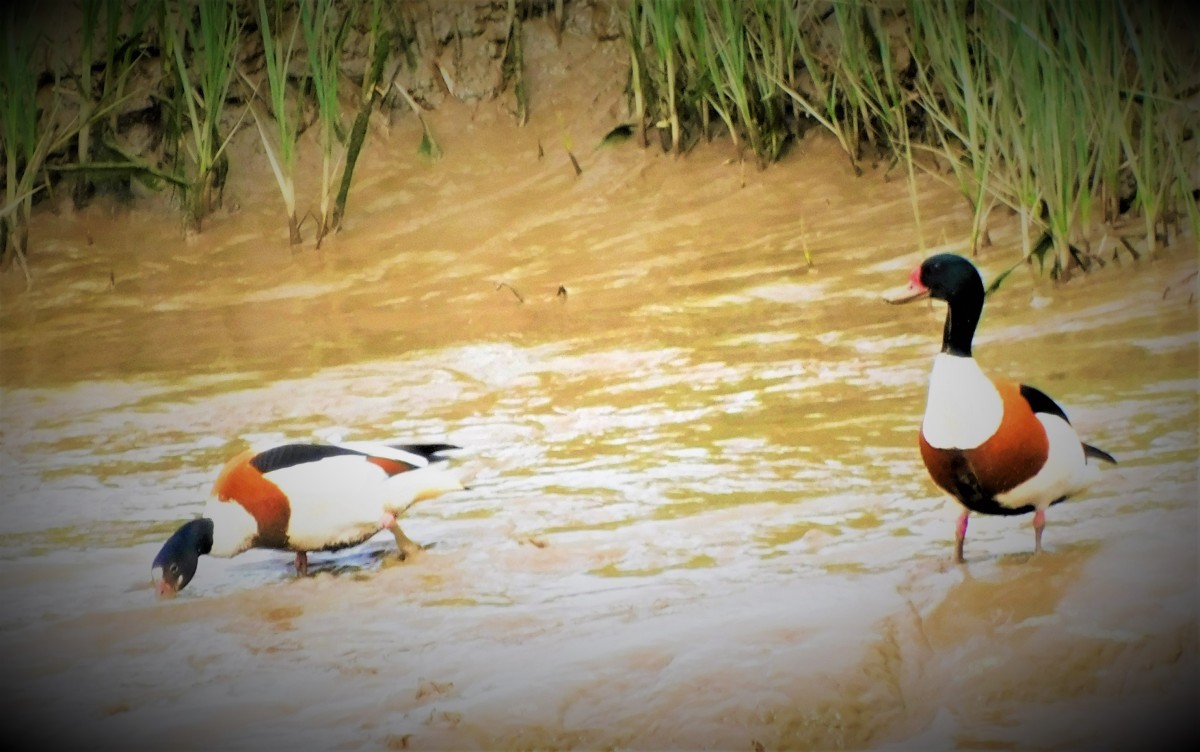
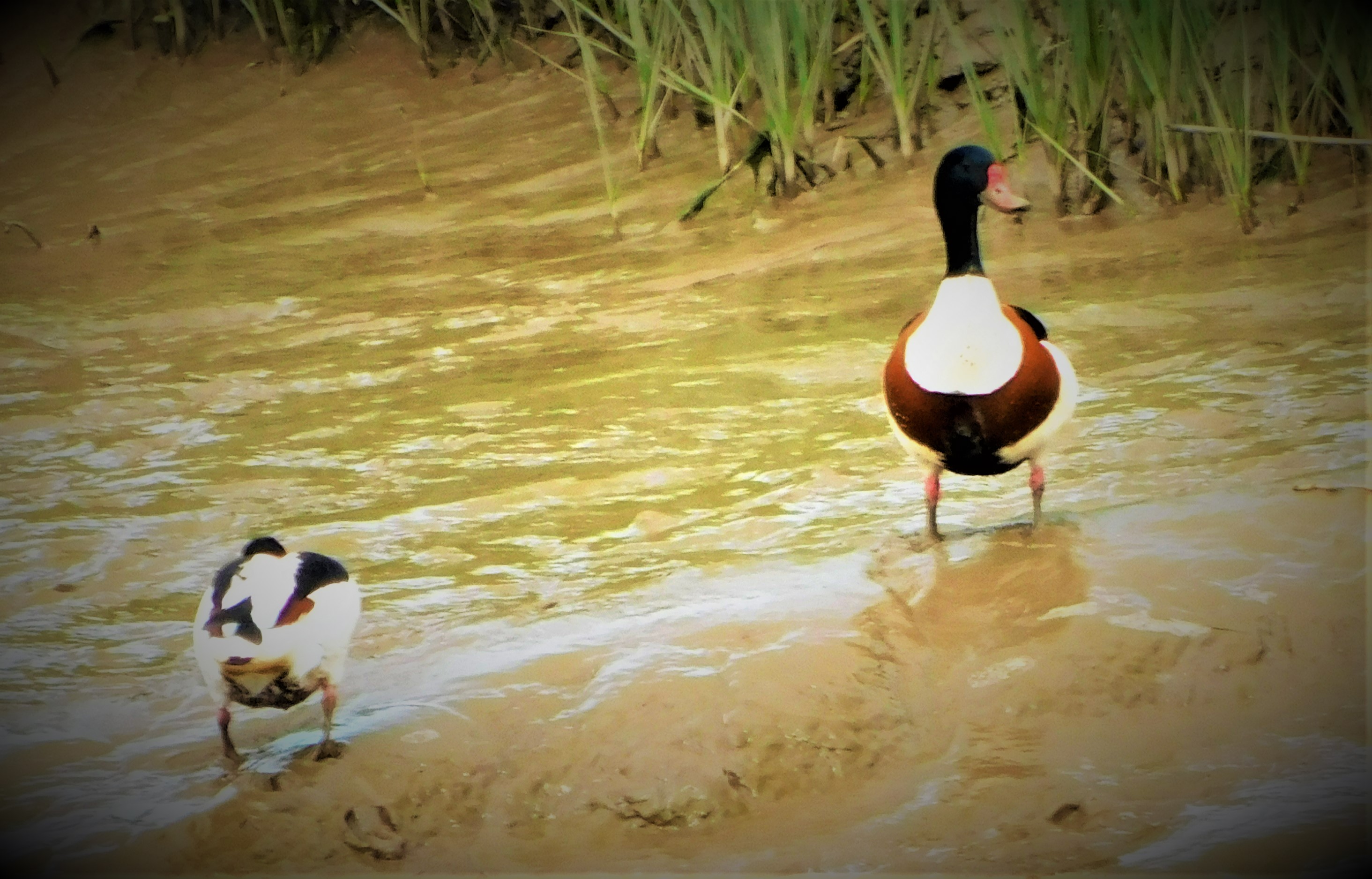
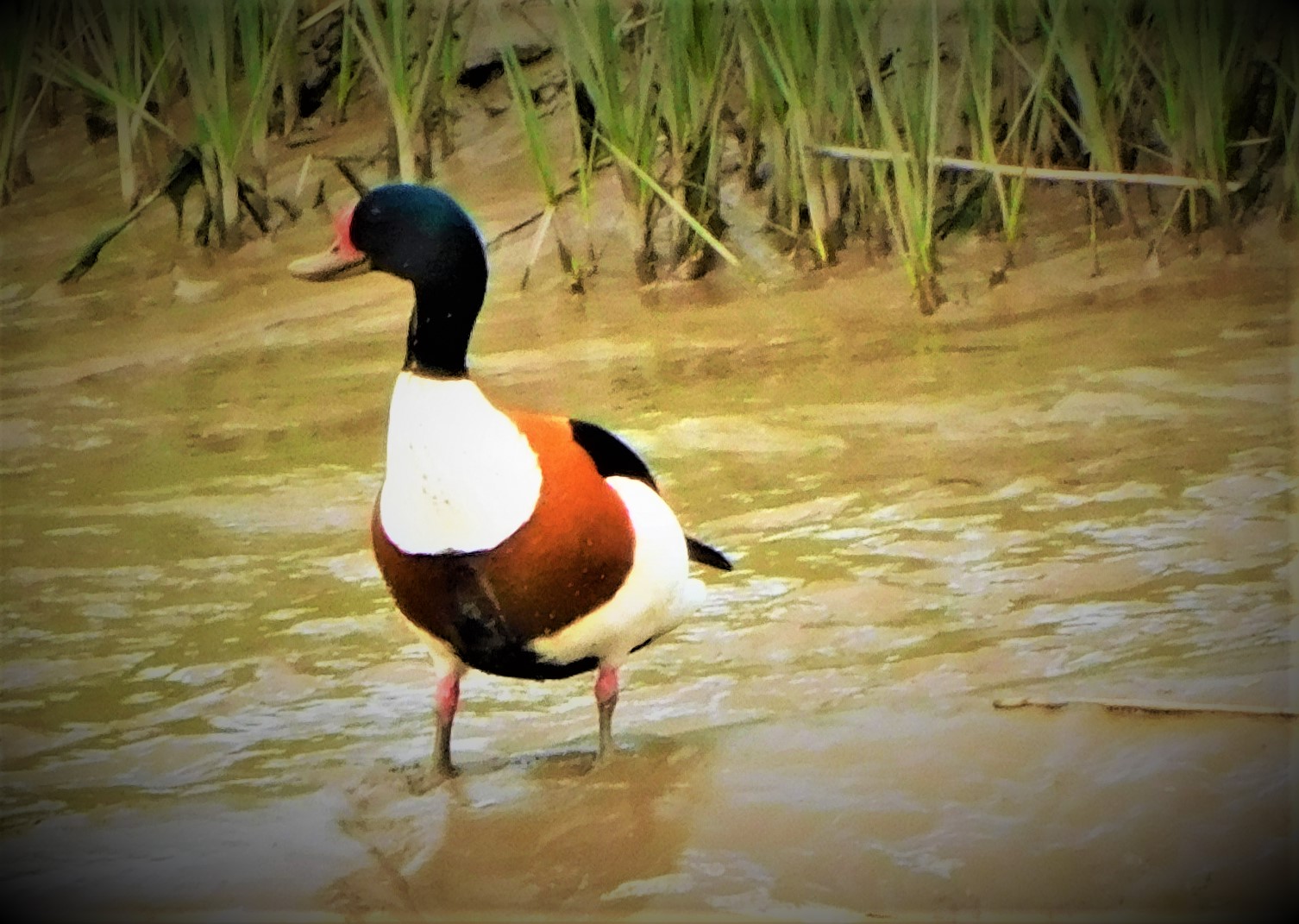
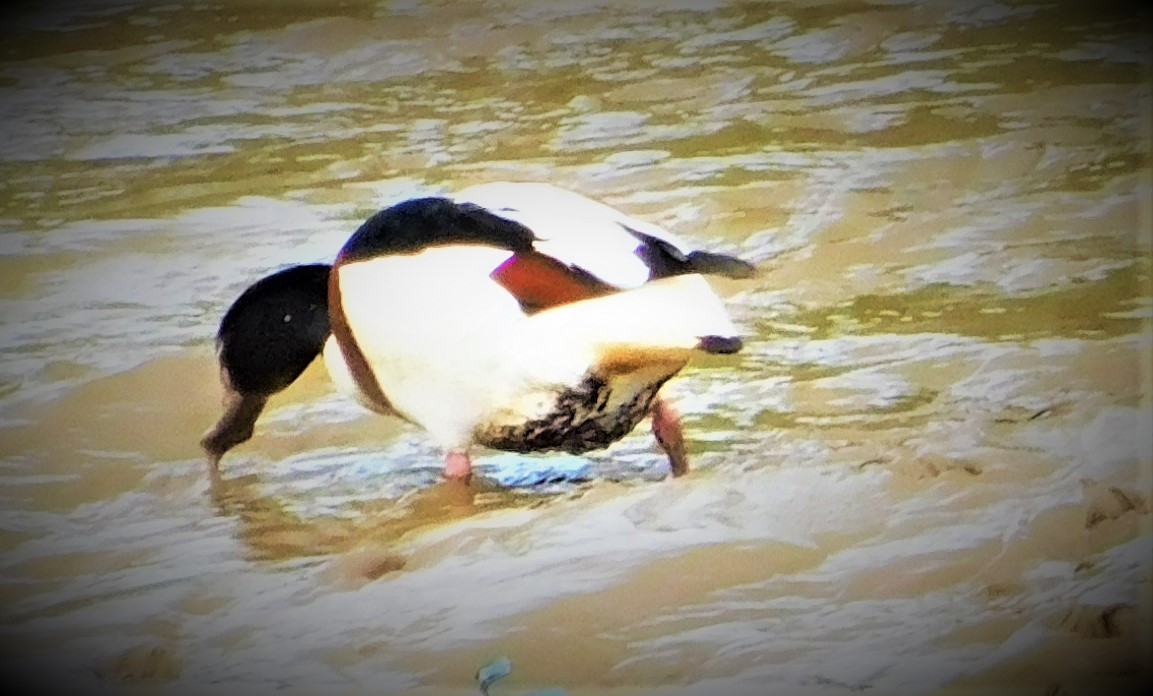
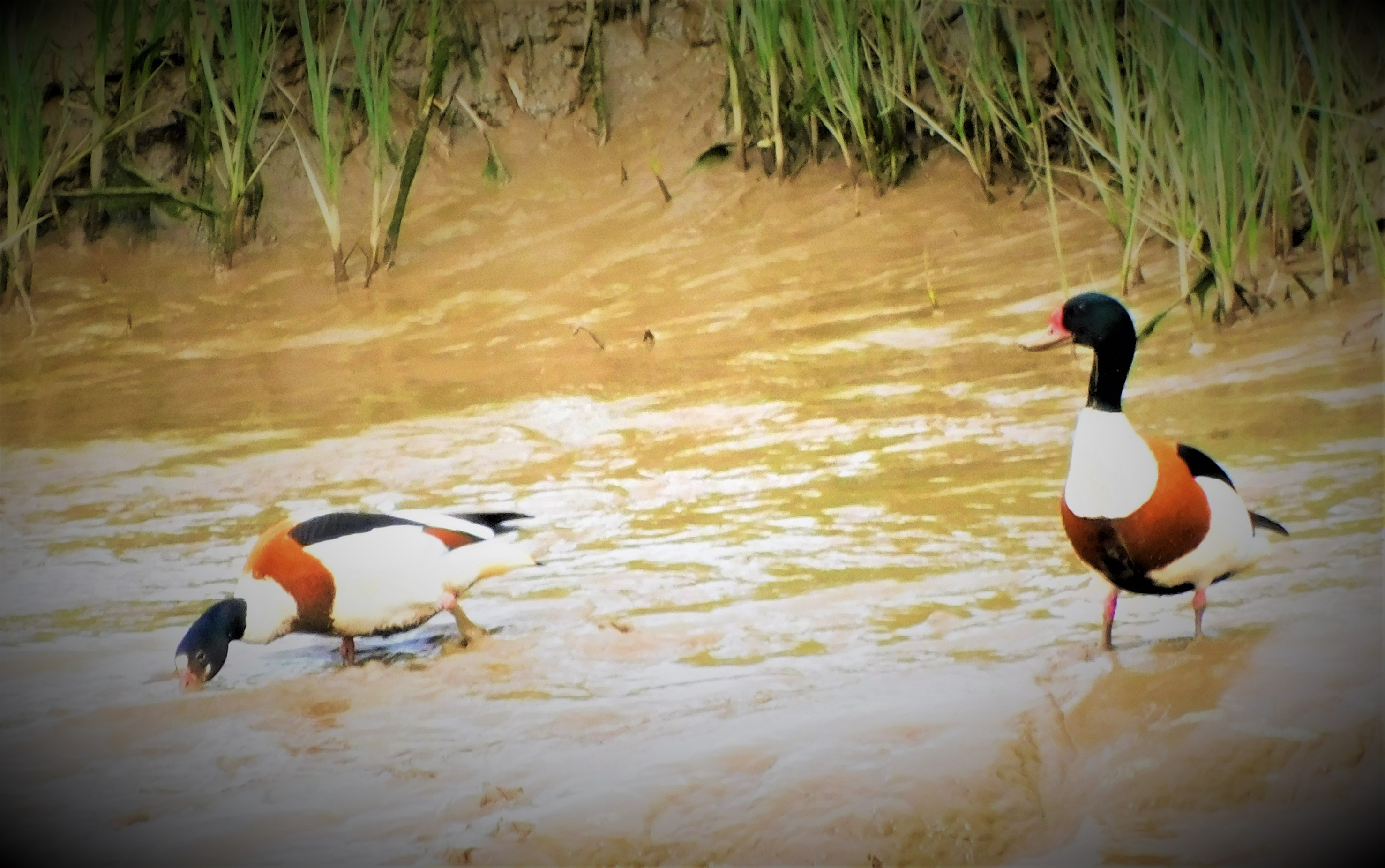
I have a fine photo gallery, including a new bird sighting – I saw a pair of shelduck where the Nar flows into the Great Ouse while out walking this morning. Also, I will probably not get a post up tomorrow as I will be out for most of the day since the Metronomes are playing at Broxbourne. Now for those photos…

Western Storm v South Eastern Stars

A look back at a remarkable match in the Rachael Heyhoe-Flint Trophy on Monday, plus a bumper photo gallery.

This post is an account of a Rachael Heyhoe-Flint Trophy match that took place on Monday. Coverage was via youtube, which was one reason I didn’t blog on Monday. The Rachael-Heyhoe Flint Trophy is a 50 overs per side competition.

SOUTH EASTERN STARS MAKE A TERRIBLE START

Western Storm won the toss and put their opponents in, questionable on a pitch that was already a little worn having previously been used for the men’s County Championship match between Gloucestershire and Sussex (drawn, Sussex skipper Cheteshwar Pujara finally accepting this result with four overs left to be played and Gloucestershire having six second innings wickets standing). At first all went well for Storm, with two batters (Kira Chathli and Alice Capsey) collecting ducks very early on, and a third also going cheaply. At that point 16 year old Jemima Spence joined Stars skipper Bryony Smith. Although the youngster never achieved any degree of fluency her long innings supporting first Smith who made a good 50 before holing out down the ground and then Paige Scholfield played a crucial part in swinging the match back towards the Stars.

THE RECOVERY

By the time Spence was fifth out Scholfield was already firmly established at the crease and playing some lovely strokes. A sixth wicket followed fairly quickly, but then Tash Farrant, a left arm medium pacer who is also a useful batter down the order joined Scholfield in the stand that virtually settled the outcome of the match. Farrant scored at better than a ball, but was nevertheless overshadowed by the sheer brilliance of Scholfield. Farrant scored 45, in a seventh wicket stand that yielded 127. Eight further runs accrued after Farrant’s dismissal, giving Stars a final total of 296-7, with Scholfield 134* off 109 balls. The best bowlers for Storm were the opening pair of Lauren Filer and Dani Gibson who each took three wickets, but even they suffered some damage from the Scholfield blitz. The young Irish all rounder Orla Prendergast had a particular nightmare with the ball.

STORM IN A SPIN

Western Storm got into the 30s without losing a wicket, but then two off spinners, Bryony Smith and Alice Capsey, the latter looking to avenge her first ball duck, came into the attack. Not only could the Storm batters not get them away, they lost wickets with ridiculous frequency. Smith took three wickets, a fine follow up to her 50 with the bat, but it was Capsey who was the real destroyer. She had never previously had a five wicket haul in a list A match, but this was her day with the ball, and by the time she claimed the last two wickets in the space of four balls she had 6-28. Western Storm had managed a beggarly 89 all out, beaten by 207 runs. Prendergast and Alex Griffiths each got into the 20s, but neither scored with any speed – note that Spence’s slow scoring occurred with first Smith and then Scholfield going great guns at the other end, so Stars had never had both batters scoring slowly at the same time.

PHOTOGRAPHS

I have a huge photo gallery (in fact I have so many photos taken since Monday morning that I have held some back for my next post)…

All Time XIs: Gloucestershire and Sussex Combined

A combined Gloucestershire/ Sussex all time XI and a bumper photo gallery.

It is the final day of another round of county championship matches and so I am picking a combined all time XI for the two teams involved in the game I am focussing on. In this case with only two matches still in progress and the game between Glamorgan and Leicestershire a stone-cold certainty to end in draw that means Gloucestershire and Sussex (also highly likely to end in a draw but there is an outside chance of a Sussex win). I also have a splendid photo gallery to share with you.

THE XI IN BATTING ORDER

  1. *WG Grace (Gloucestershire, right handed opening batter, right arm bowler of various types, captain). An absolute must, both as player and as captain.
  2. CB Fry (Sussex, right handed opening batter). Managing to average 50 with the bat over the course of a very long first class career and scoring 94 FC centuries is all the more remarkable given how much else he did besides playing cricket – he never visited Australia as a player, and general reckoning is that he would have been an even bigger scorer there than he was at home. He and WG opened together for England in what turned out to be WG’s last test match, the first of the 1899 Ashes.
  3. Wally Hammond (Gloucestershire, right handed batter, right arm medium fast bowler, ace slip fielder). A truly amazing career record, especially given that he lost a season to bureaucratic malice (on the part of the ignoble Lord Harris who had discovered that by birth Hammond belonged to Harris’ own Kent), another to illness and six to WWII. He still scored over 50,000 FC runs including the third most FC tons of anyone, 167.
  4. KS Ranjitsinhji (Sussex, right handed batter). The first of two members of the ruling family of Nawanagar to feature in this line up. He was the first ever to score 3,000 runs in first class matches in a single season.
  5. KS Duleepsinhji (Sussex, right handed batter). Nephew of ‘Ranji’ and according some an even finer batter than his uncle had been. For many years he held the Sussex scoring record with 333.
  6. Mike Procter (Gloucestershire, right handed batter, right arm fast bowler). One of the greatest of all all rounders and my choice for the overseas slot.
  7. Gilbert Jessop (Gloucestershire, right handed batter, right arm fast bowler, outstanding fielder). His approach to batting makes him a perfect fit for number seven in a very strong line up.
  8. +Jack Russell (Gloucestershire, wicket keeper, left handed batter). One of the greatest of all wicket keepers and a decent batter to boot.
  9. Maurice Tate (Sussex, right arm fast medium, right handed batter). One of the greatest of all seamers and a good enough bat to have achieved the season’s double of 1,000 runs and 200 wickets in first class matches three times in a row (the only other examples of this type of double being Albert Trott’s two and George Hirst’s double double of 1906).
  10. Tom Goddard (Gloucestershire, off spinner, right handed tail end batter). The fifth leading wicket taker in first class cricket, with 2,979 scalps, all the more remarkable given that he started as a fast bowler and took time out to remodel his action and come back as spinner, and his retirement was hastened by an attack of pleurisy.
  11. Charlie Parker (Gloucestershire, left arm orthodox spinner, left handed tail end batter). The third leading wicket taker in first class history with 3,278 scalps, yet he only got to play one test match. In his benefit match he hit the stumps with each of five successive deliveries, but the second of them was called a no-ball.

This side has an incredibly powerful batting line up, and a superb bowling line up as well – I reckon that between Parker, Goddard, Tate, Grace, Jessop, Procter and Hammond there are about 15,000 FC wickets, and save for the absence of an accredited leg spinner they have all bases covered.

HONOURABLE MENTIONS

I had two great fast bowling all rounders available for the overseas slot, Imran Khan of Sussex being the other. John Langridge was a candidate for the second openers slot that I gave to Fry, while selecting Joe Vine in that position while somewhat weakening the batting would have given me a leg spin option.

Ted Dexter of Sussex was a fine number three, and like my actual choice Hammond, was also a useful bowler at somewhat quicker than medium pace, but there is no serious question as to who was the better batter.

Another way to have got a leg spinner in would have been to give Charles Townsend of Gloucestershire, the second cricketer after WG Grace to achieve the 2,000 runs/ 100 wickets double in a first class season, the number seven slot that I assigned to Jessop, but I felt that Jessop’s claim was the stronger.

The best home grown fast bowler I left out was John Snow of Sussex, but I wanted the two spinners and felt Tate offered more variation in the attack than Snow did. Also Snow was not exactly enthusiastic about county cricket, rarely stirring himself to bowl at above medium pace at that level – he needed the buzz of test cricket to really get the juices flowing. Courtney Walsh of Gloucestershire was great fast bowler and utterly whole hearted in county cricket, but I felt that a fast bowling all rounder was a better choice as overseas player than a specialist (and I am pretty sure that not even Walsh himself would put him anywhere other than number 11 in the order). Oliver Edward Robinson (Sussex), a tall right arm fast medium bowler, is establishing himself as one of the finest of contemporary English bowlers, but at the moment he does not dislodge Tate.

The two spinners picked themselves, leaving another great left armer, George Dennett of Gloucestershire, yet again unlucky to miss out. With the batting strength available to me I had no need to compromise at all on keeping standards, so neither James M Parks nor Matt Prior, both of Sussex, were ever candidates in my mind.

PHOTOGRAPHS

Today’s photo gallery is a really fine one…

Picking an all time Asian Test XI

Constructing an all time Asian XI, also sharing a petition and as usual including a photo gallery.

This post is my extended response to a tweet from Tanmay:

What would be your All Time Asian Test XI?

🇮🇳 • 🇵🇰 • 🇱🇰 • 🇧🇩

— TANMAY 🤡 (@spear_93) April 13, 2023

https://platform.twitter.com/widgets.js

I gave a brief twitter friendly answer yesterday, and I am now using this post to expand my thoughts and look at the architecture of an all time XI.

THE BRIEF

I have taken Tanmay’s question as referring specifically to players who played for Asian nations as opposed to players of Asian heritage who played for other nations. I also decided that for the purposes of this post only players with genuinely weighty test records should be considered – there have been players who have been brilliant at lower levels and struggled at the summit, and there have been players who have made incredible starts at test level and then fizzled out (look up Narendra Hirwani in the context of this specific post). I also require that any XI I name be well balanced and obviously capable of functioning as a unit, so I try to select varied players.

BUILDING OUR XI

We start with the openers. Here there is one candidate who overshadows all others, Sunil Gavaskar with over 10,000 test runs at an average above 50. Gavaskar’s partner should ideally pose a contrast, so I want a more attacking player, and preferably a left handed one. For me the person who fits the bill best in terms of Asian test players is Saeed Anwar of Pakistan.

The number three slot is non-negotiable in my opinion – Rahul Sharad Dravid with 13,288 test runs at an average of 53 is a lock for this slot

There would be more candidates for the number four slot but for the presence of Sachin Ramesh Tendulkar who preferred this slot in test matches.

At number five I want a left hander given that numbers three and four are right handers, and again there is one commanding candidate: Kumar Sangakkara, the second most prolific of all test match left handers behind Alastair Cook, and with a better batting average than the former England opener.

At number six I want an all rounder, and there is once again a clear cut candidate, who also happens to have been an outstanding captain, Imran Khan.

A wicket keeper who can make major contributions with the bat is a major asset to any side, and Mushfiqur Rahim, a fine keeper and one of the most consistent test batters Bangladesh has yet produced fits the bill nicely.

A number eight should be primarily a bowler, but ideally you want them to be reasonably capable with the bat as well, and Wasim Akram, one of the greatest of all left arm fast bowlers and possessor of a test match double century to boot would seem the ideal candidate.

Numbers 9, 10 and 11 are bowling slots, and we want at least one more fast bowler and at least one spinner. Waqar Younis of Pakistan and Muthiah Muralidaran of Sri Lanka answer these descriptions – the former a genuinely great right arm fast bowler and regular bowling partner of Wasim Akram as well and the latter an off spinner and holder of the record for career test scalps – 800 in 133 matches. For the number nine slot my preference is for a second spinner and one who does something different to Murali, and I opt for leg spinner Anil Kumble, fourth in the list of all time test wicket takers and a big contrast to Murali.

Thus we have constructed our XI and in batting order it reads:

Sunil Gavaskar
Saeed Anwar
Rahul Dravid
Sachin Tendulkar
Kumar Sangakkara
*Imran Khan
+Mushfiqur Rahim
Wasim Akram
Anil Kumble
Waqar Younis
Muthiah Muralidaran

This gives us a very powerful top five, one of the greatest of all all rounders, a quality keeper who is also a very good bat and four top line bowlers of great quality and variety. The bowling with three fast bowlers, one of whom bowls left arm for extra variation and two of the greatest spinners ever to play has both depth and variety as well. I hesitate to say that this side could beat an ROW all time XI because the latter, something like: JB Hobbs, H Sutcliffe (the best ever test match opening pair), *DG Bradman, SPD Smith, G St A Sobers, AW Greig, +AC Gilchrist, AK Davidson, MD Marshall, SK Warne, GD McGrath has arguably even stronger batting and definitely greater depth and variety in the bowling – between Sobers and Davidson any type of delivery that a left arm bowler can produce is covered, while Marshall, McGrath, Warne and Greig do likewise for right arm bowlers, but this Asian XI would be able to give even such formidable opposition as this a genuine contest.

THE MISSING

In an exercise of this nature many legendary cricketers are bound to miss out and probably no two people would pick the same XI. I would not argue against the likes of Virat Kohli, Javed Miandad or any of a fistful of left arm spinners: three all rounders, ‘Vinoo’ Mankad, Ravindra Jadeja and Shakib al Hasan and at least two specialists in the craft, Bishan Singh Bedi and Rangana Herath would all have their advocates, merely in favour of my own choices. Two contemporary greats who I decided did not yet have the weight of achievement at test level to merit selection but who I may well include should I revisit this in a few years were Rishabh Pant (who may very well displace Mushfiqur Rahim) and Rashid Khan (who faces an even more formidable obstacle in the form of Kumble).

PHOTOGRAPHS

Just before my usual sign off I have a petition to share: The Academy in Brixton is in danger and there is a petition on change.org to save it. I grew up in southwest London, close enough to Brixton that when I temped there for a period in 1997 I walked to and from work. Finally we come to the photographs…

All Time XIs: 11 Countries, no England or Australia

Today I select an all time XI where every player comes from a different country and the first two test match protagonists, England and Australia, are excluded. Also features an extensive photo gallery.

I set myself a tough challenge today: could I name an international XI where each player came from a different nation and neither of the two original test protagonists, England and Australia were included. This meant a degree of compromise, and some huge names missing out because accommodating them would have left me insoluble problems elsewhere. I think the end result is a fairly impressive looking side.

THE XI IN BATTING ORDER

  1. Sunil Gavaskar (India, right handed opening batter). His credentials are unarguable, but of course selecting him meant no place for Tendulkar, Kohli or any of the great spinners India have had down the years.
  2. George Headley (West Indies, right handed opening batter). A magnificent test record, and has a genuine claim to have been WI’s best ever. Filling the opening slots was the single toughest job involved in selecting this side.
  3. Graeme Pollock (South Africa, left handed batter). Another all time great, at least ensuring that the batting well get off to a decent start.
  4. Steve Tikolo (Kenya, right handed batter). His country’s best ever, and an FC average of 48 underlines his credentials
  5. Sikandar Raza (Zimbabwe, right handed batter, off spinner). Number five was too low in the order for Andrew Flower, and the latter was not good enough to dislodge any of top three, so I made the compromise selection of a batting all rounder for this slot.
  6. *Imran Khan (right handed batter, right arm fast bowler, captain). An excellent captain and among the greatest of all all rounders, ideal for this side.
  7. +Mushfiqur Rahim (Bangladesh, right handed batter, wicket keeper). A top quality keeper, and a fine batter as well.
  8. Richard Hadlee (New Zealand, right arm fast bowler, left handed lower middle order batter). Other than perhaps Clarrie Grimmett, who had to cross one national and two state boundaries to find cricketing fulfillment, disqualifying himself for this XI in the process, there is no case for anyone else being regarded as New Zealand’s finest ever bowler.
  9. Bart King (United States of America, right arm fast bowler, right handed lower middle order batter). Just over 400 FC wickets at 15 a piece, mainly for the Philadelphians in the course of four tours of England and good enough with the willow to average 20 in that department. As a ‘minor nation’ representative of indisputable top class he helped make the task of this post possible.
  10. Rashid Khan (Afghanistan, leg spinner, right handed lower order batter). A superb leg spinner, and his position at number ten in this order notwithstanding far from a mug with the bat as well.
  11. Muthiah Muralidaran (Sri Lanka, off spinner, right handed lower order batter). More test wickets than any other bowler in history – 800 of them. Some have suggested that his record is unduly boosted by cheap Bangladeshi and Zimbabwean scalps, but even against the more highly regarded nations he took 624 wickets at 24 – a cheaper average than Shane Warne’s against all comers (176 wickets at 15 against the two ‘minnows’).

This XI has a very powerful top four, a batting all rounder at five, one of the all time great genuine all rounders at six, a keeper who is also a top drawer batter and four of the greatest bowlers in history, three of whom can bat to varying degrees – Hadlee and King being close to all rounders and Rashid Khan definitely a ‘bowler who bats’. I do not see a bowling unit that has Hadlee, King and I Khan to bowl pace, Murali and R Khan to bowl spin and Raza as sixth option struggling to claim 20 wickets on any surface.

ALTERNATIVES

Obviously many great names missed out, but if you want to press the case for your favourites consider a) who misses out to get them in, b) how does that affect the balance of the side. Remember for example that if you want Tendulkar or Kohli to bat at four, Gavaskar has to be replaced as opener by a non-Indian, and unless you can find an opener from Kenya (Tikolo’s country) or a country not covered in my original selections that will in turn mean that someone else from down the order having to be replaced. One possibility that I could see for changing my XI would be to replace Rahim as keeper with Titendu Taibu (Zimbabwe), and then bring left arm spin bowling all rounder Shakib Al Hasan (Bangladesh) in in place of Raza, leaving the other nine positions unaffected and slightly improving the depth and variety of the bowling by increasing the range of spin coverage. However my view is that Rahim outranks Taibu in both departments, and that Al Hasan is not enough of an improvement on Raza to justify the swap.

PHOTOGRAPHS

The weather is very changeable here in Norfolk at the moment, but there has been enough of the good, or at least decent, variety that I have a large photo gallery to share…

All Time XIs: England Record Setters

Today I pick an England XI each of whom have their place or places in the record books. Several excellent candidates missed out because I could only accommodate 11 players, but I think my XI has a good mix of quirkiness and class.

THE XI IN BATTING ORDER

  1. Herbert Sutcliffe (right handed opening batter). Not just an England record, an all comers record: the only player to have played 20 or more test matches and never had a batting average below 60 at that level. I have previously mentioned how the progression of his averages shows him to have been the ultimate big game player.
  2. Alastair Cook (left handed opening batter). His feat of scoring a 50 and a century on test debut and finishing his career in the same way 12 years later is one of multiple ways in which he qualifies: England’s leading run scorer, England’s leading century maker, scorer of more runs from number two than any other England player.
  3. Walter Hammond (right handed batter, ace slip fielder, right arm medium fast bowler). More runs from number three than any other England batter, most runs in a series for England (905 at 113.125 in the 1928-9 Ashes), unique sequence of over 700 runs in the space of four test innings (101 and 75* in the last test of the 1932-3 Ashes, 227 and 336* in the two innings he played in New Zealand on the way home from that tour), twice scorer of back to back test double centuries (251 and 200 in the 1928-9 Ashes as well as the NZ runfest already detailed).
  4. Joe Root (right handed batter, occasional off spinner). Leading run scorer among current England batters, by a long way, leading career aggregate for any England right hander.
  5. Eddie Paynter (left handed batter). Has the best average of any left hander to have played 20 or more test matches for England – 59.23. His record includes double centuries against Australia and South Africa, but his most famous innings was 83 at Brisbane in the 1932-3 Ashes when he defied nurses advice and rose from his sick bed to bail England out of a crisis.
  6. +Les Ames (right handed batter, wicket keeper). Uniquely in this line up, because I required a keeper who was also a top class batter, I have used first class records to get him – more career stumpings than anyone else in history, three of the four “keeper’s doubles” (1,000 runs and 100 dismissals in first clas matches in the same season) stand to his credit.
  7. *Aubrey Smith (right arm fast medium bowler, right handed batter, captain). The only player to captain England in his only test, and since England won the match comfortably a rare England skipper with a 100% winning record in the job.
  8. Jim Laker (off spinner, right handed lower order batter). Most wickets in an Ashes series (46 in 1956, a haul that included a first class record 19 in the match at Old Trafford).
  9. Syd Barnes (right arm fast medium, right handed lower order batter). 189 wickets in just 27 tests for an average of seven per match. Two thirds of those wickets came overseas – 77 in 13 matches in Australia and 49 in just four matches in South Africa (in the last series before WWI).
  10. James Anderson (right arm fast medium, left handed lower order batter). England’s all time leading wicket taker, closing on 700 test scalps.
  11. Charles ‘Father’ Marriott (leg spinner, right handed tail end batter). 11 wickets in his only test appearance, the most by any one cap wonder. One of the select club of players to have taken more first class wickets than he scored runs.

This XI contains a very powerful top six, and although Smith and Laker are both probably a place too high in the order both could handle a bat – the latter had a test best of 63. Also a bowling attack that has Anderson, Barnes and Smith as front line seam/swing/pace options plus Hammond as fourth seamer if needed and Marriott and Laker as a contrasting spin pairing is not going to need as many runs behind it as some attacks would.

HONOURABLE MENTIONS

There are quite a few of these, so I am going to divide them up into categories.

Opening batters: Len Hutton (test record score for England, 364 at The Oval in 1938), Jack Hobbs (a record 12 centuries for England against Australia), John Edrich (highest score by an England left hander, 310* v NZ) and Graham Gooch (most runs by an batter in a single test match – 456 (333 and 123 v India at Lord’s in 1990) are all definite candidates, and some would also include WG Grace, the only player to twice hold the England record score (152 and 170, both v Australia, at The Oval in 1880 and 1886).

Middle order batters: RE Foster (highest ever score by a debutant and still the highest for England in Australia, 287 at Sydney in 1903), and the only player to captain England men’s teams at cricket and football and KS Ranjitsinhji (150+ scores on debut in two countries – 154* at Old Trafford in 1896 and 175 at Sydney in 1897) are the most obvious.

All rounders: Ian Botham reached the double of 1,000 runs and 100 wickets in an all comers record 21 matches, and 2,000 and 200 in 42 matches before falling away later in his career. Billy Bates took England’s first hat trick, part of a performance that saw him become the first ever to score a 50 and take 10 wickets in the same test match.

Pace bowlers: George Lohmann has the cheapest career average of any bowler to have taken 100 or more test wickets – 10.75. Frank Tyson is the only post WWII England bowler to finish a test career of more than 10 matches with a bowling average below 20 – 18.56. Kent left arm quick Fred ‘Nutty’ Martin still has the record for most wickets by an England debutant – 12.

Other bowlers: Derek Underwood took the most test wickets of any England bowler of below medium pace – 297 with his left arm slow medium. Graham Swann was the leading career wicket taker among England off spinners.

PHOTOGRAPHS

My usual sign off…