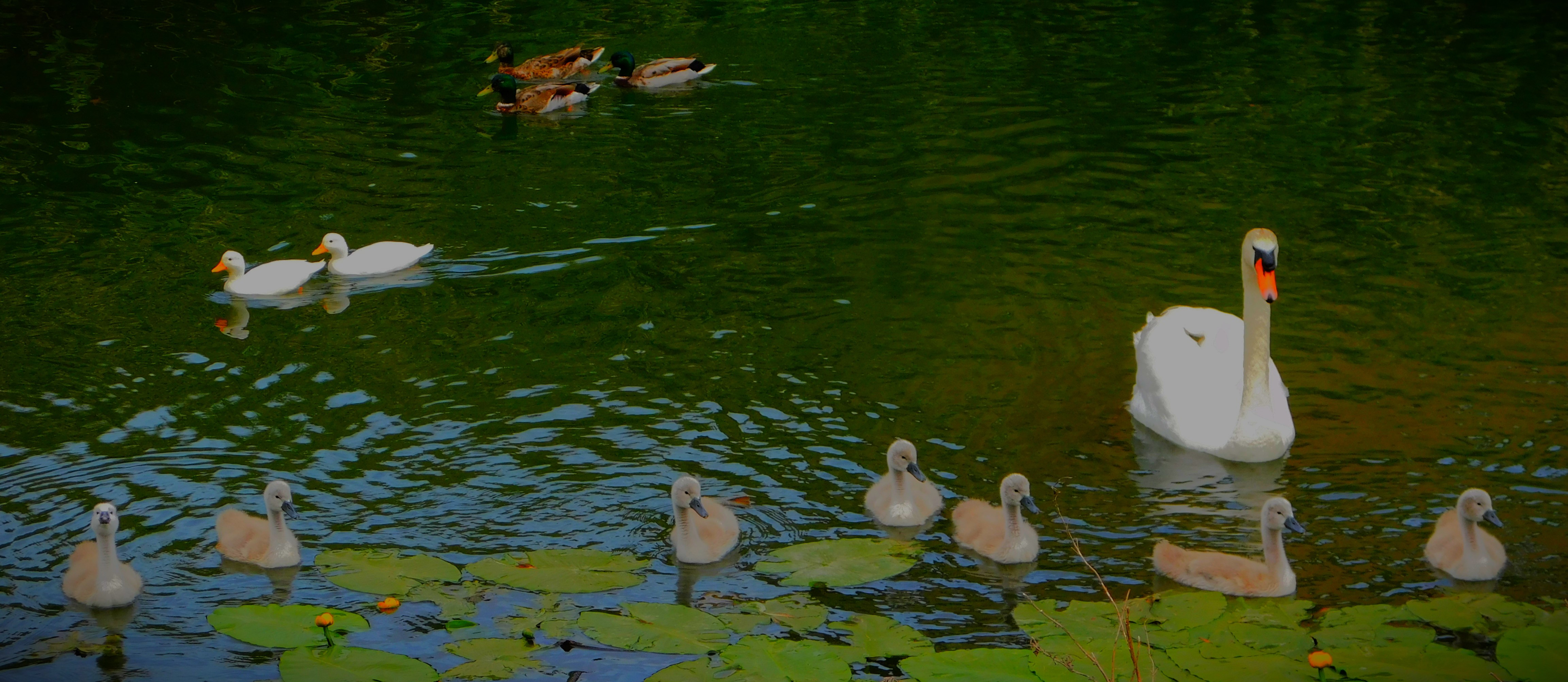
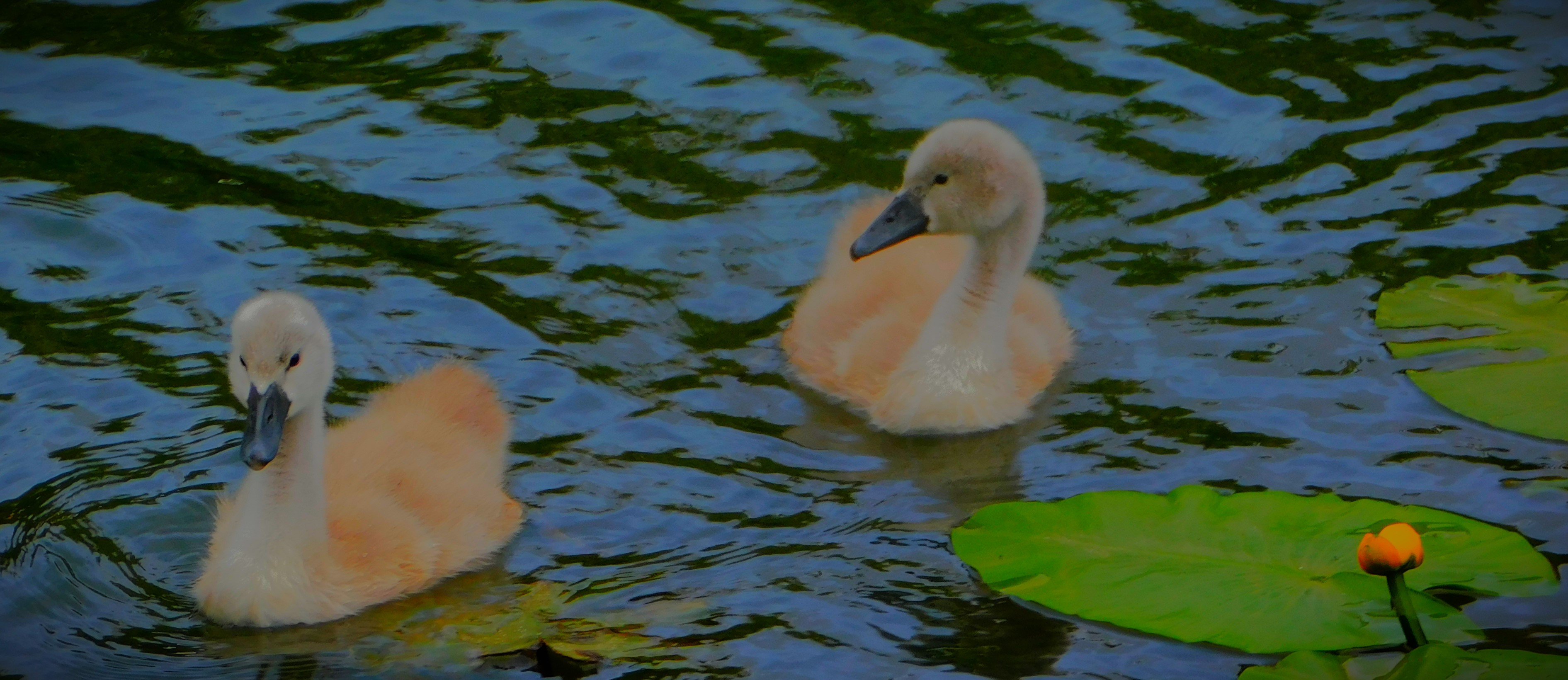
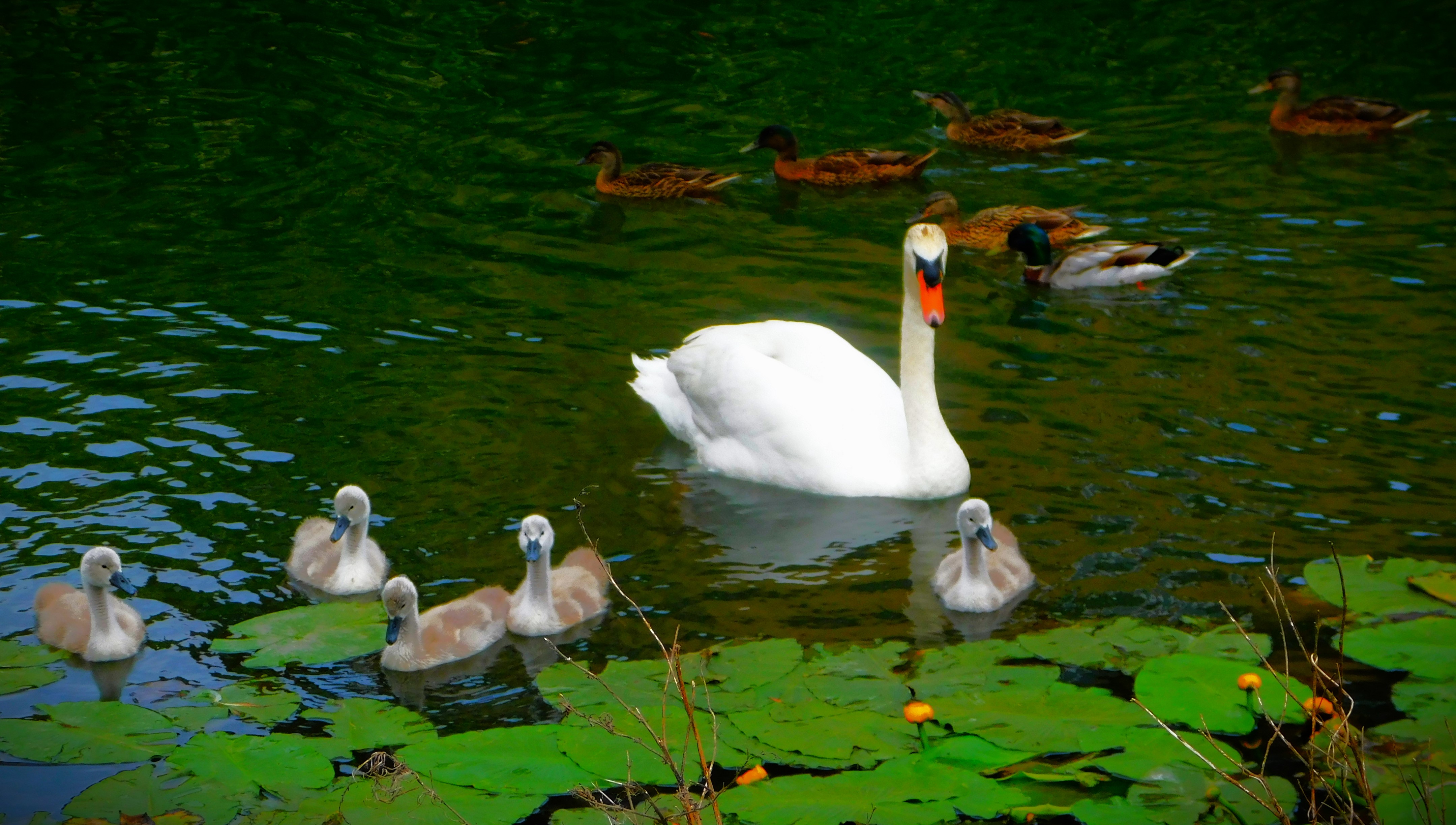
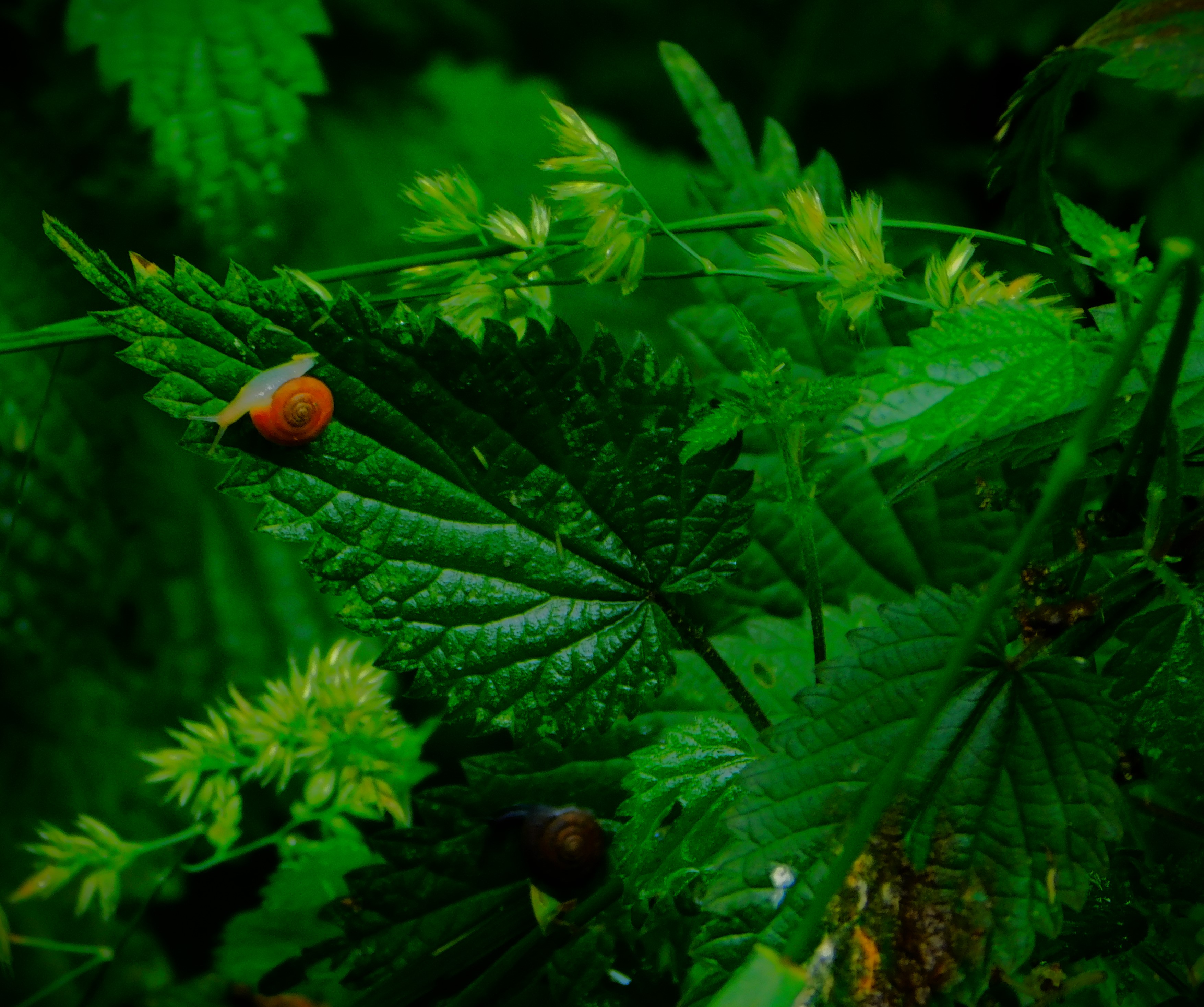
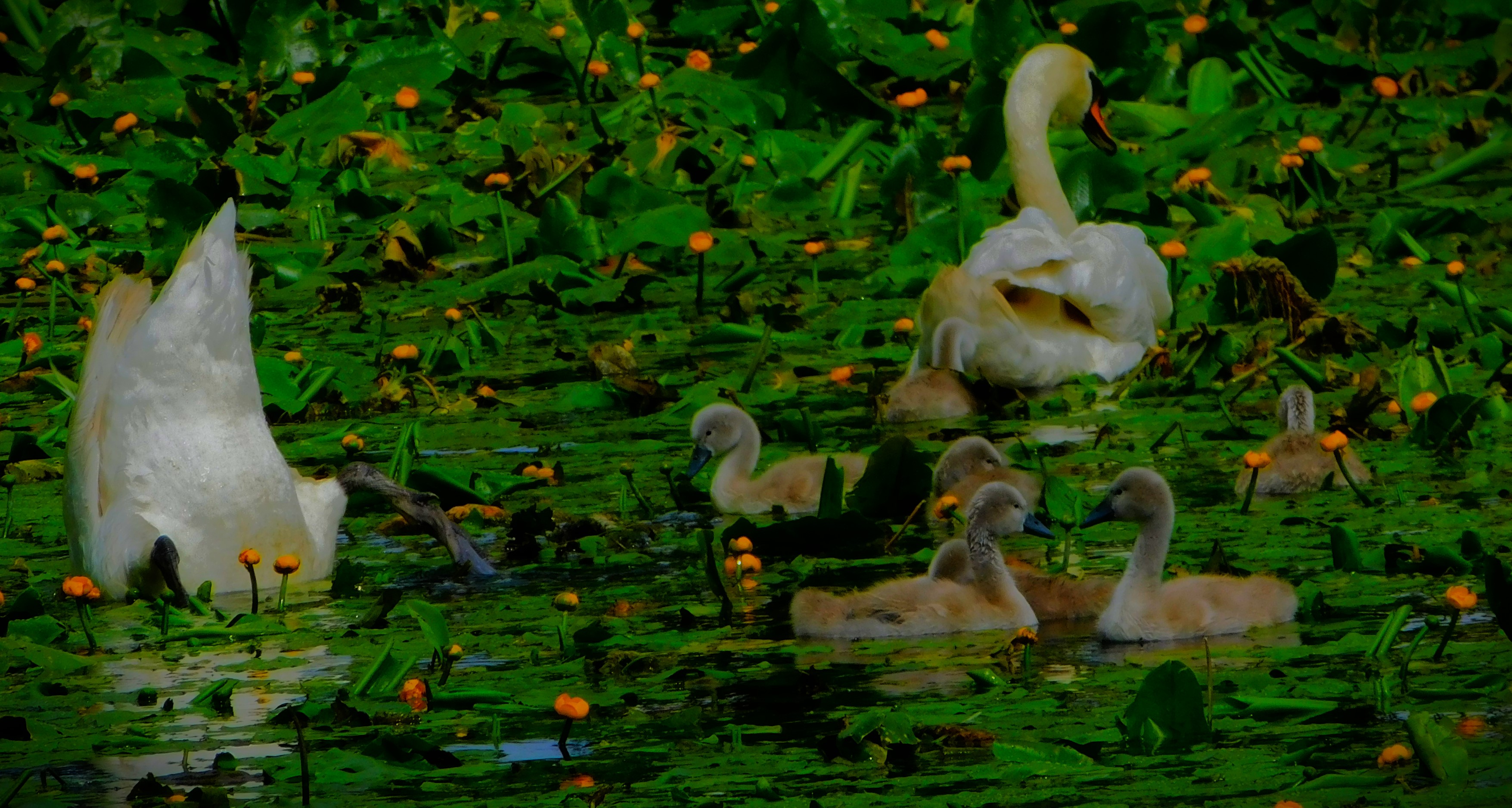
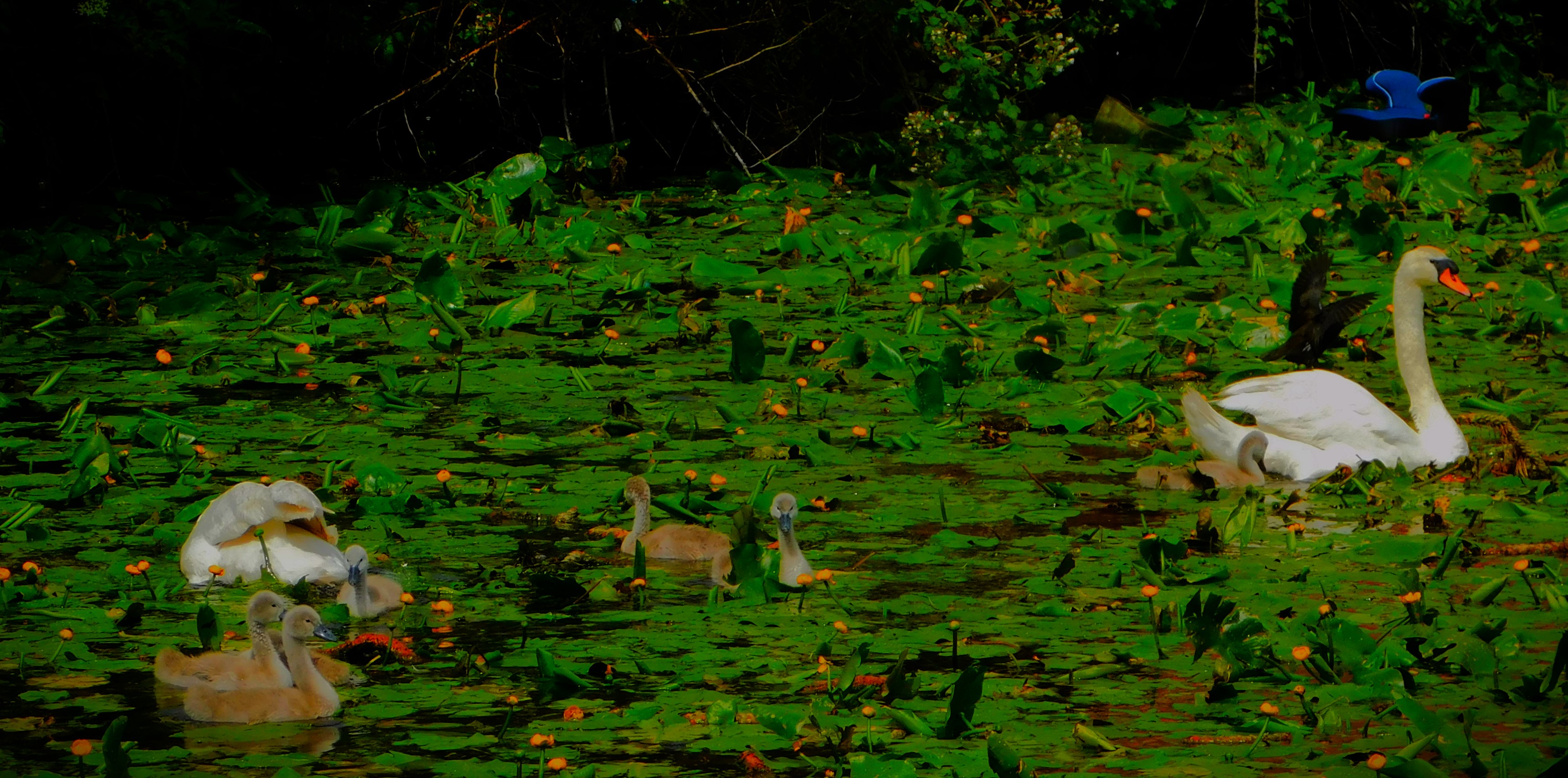
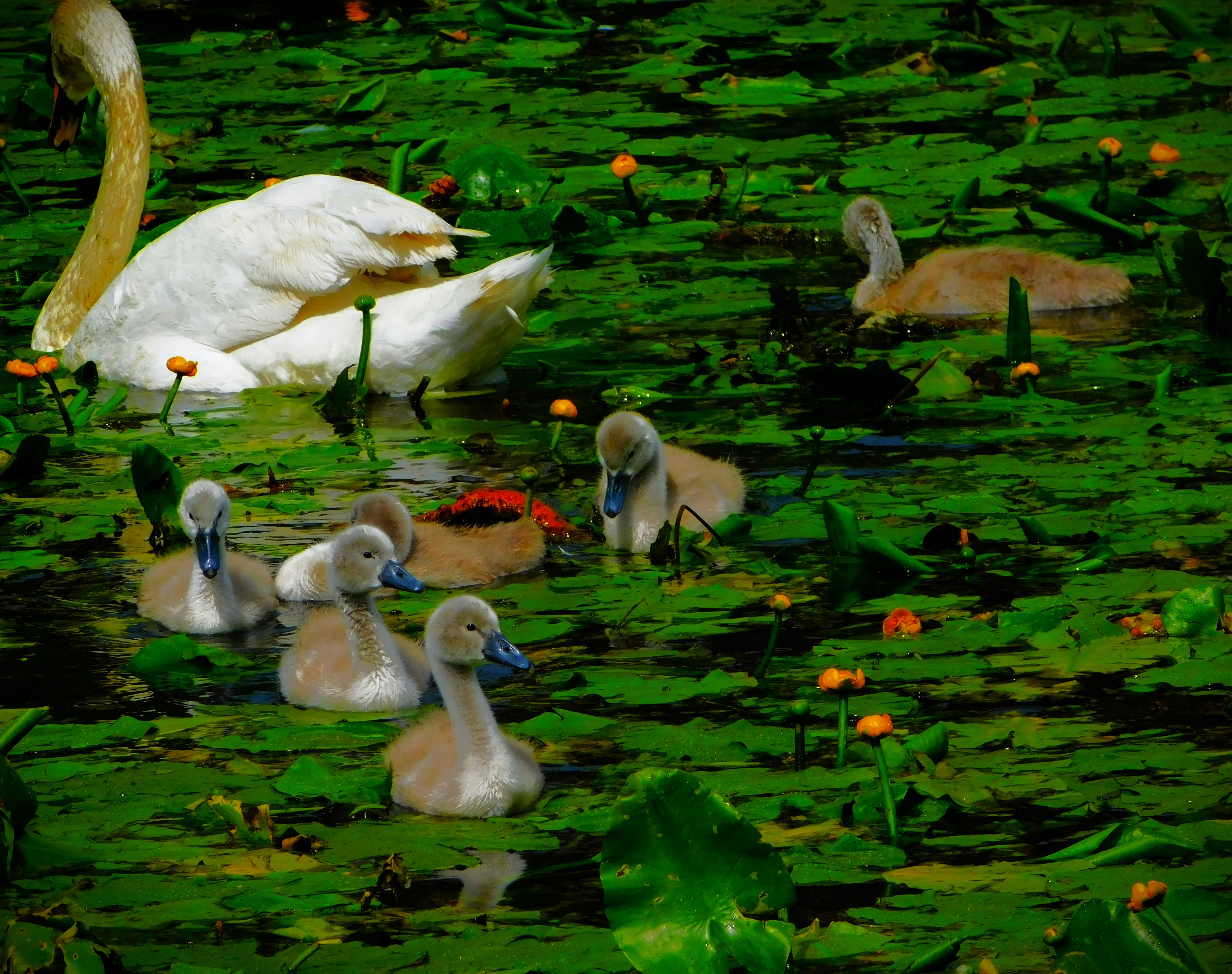
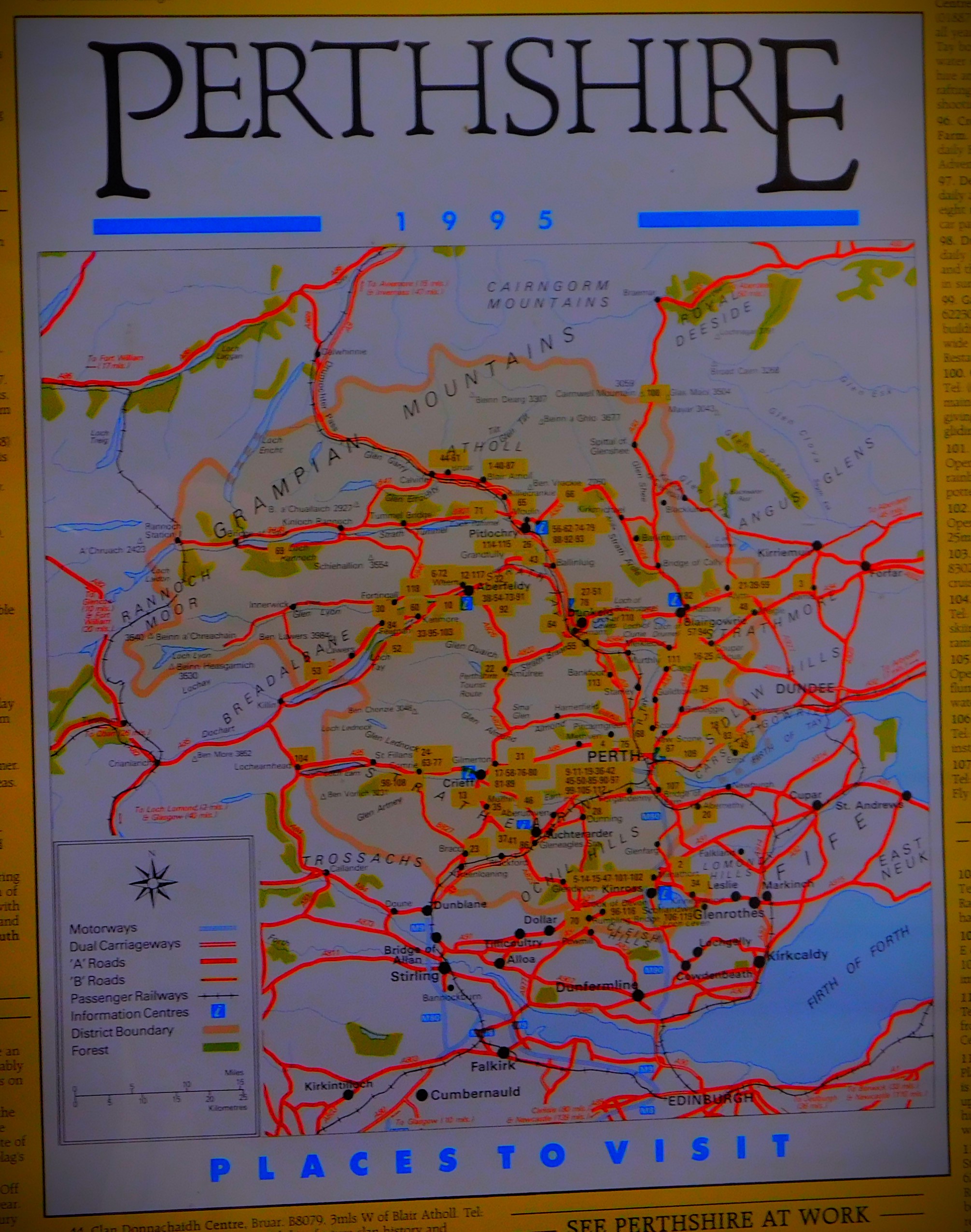
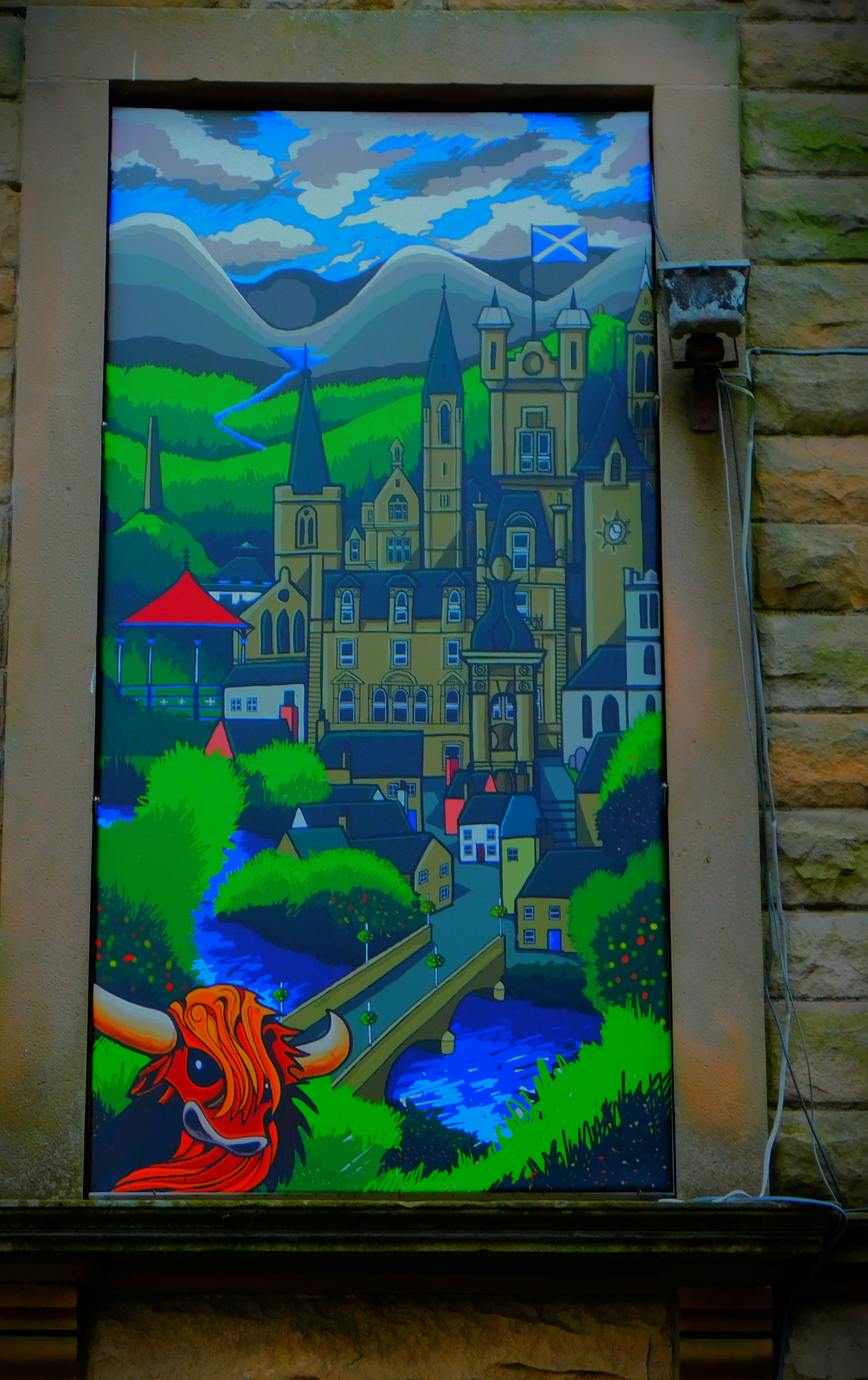
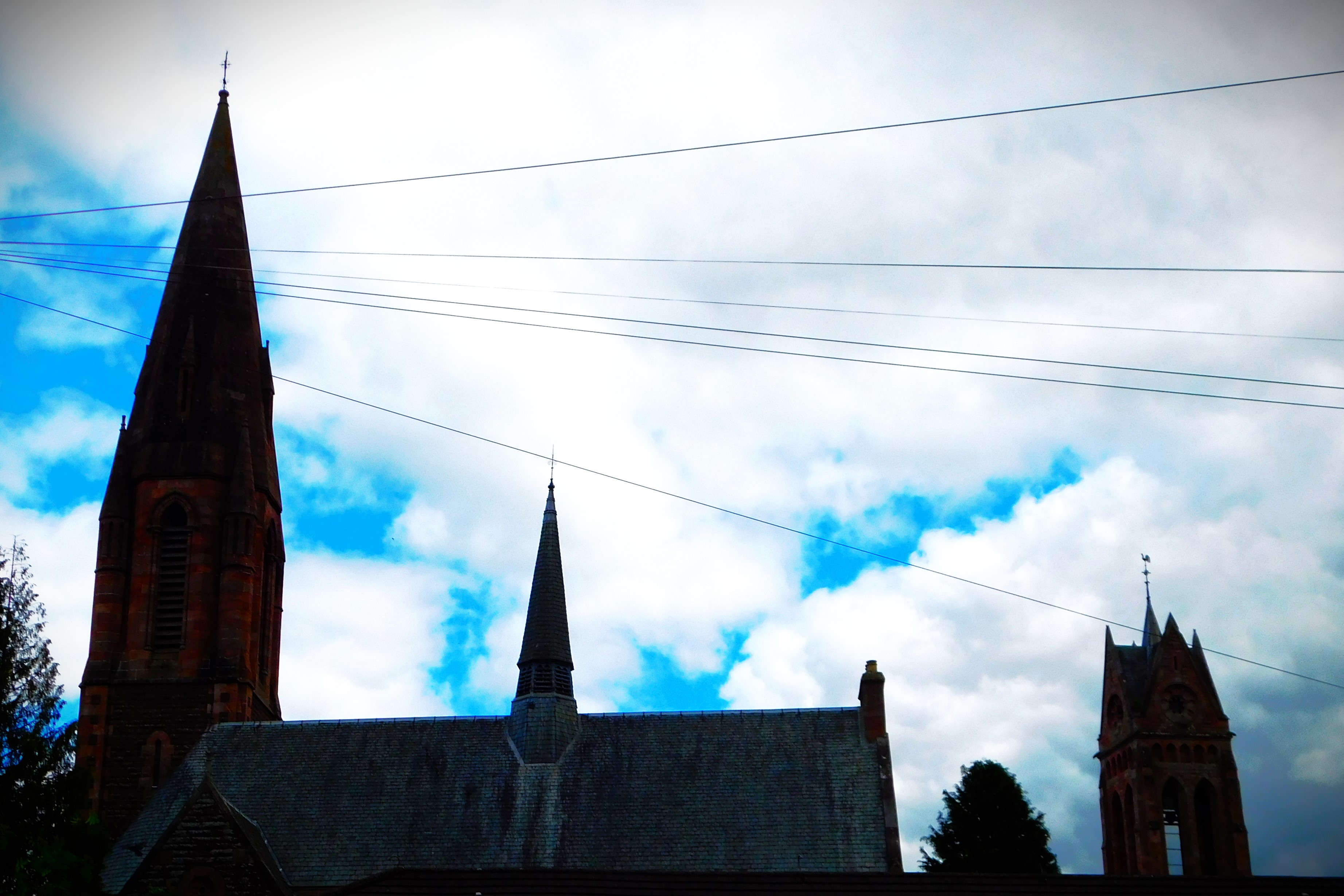
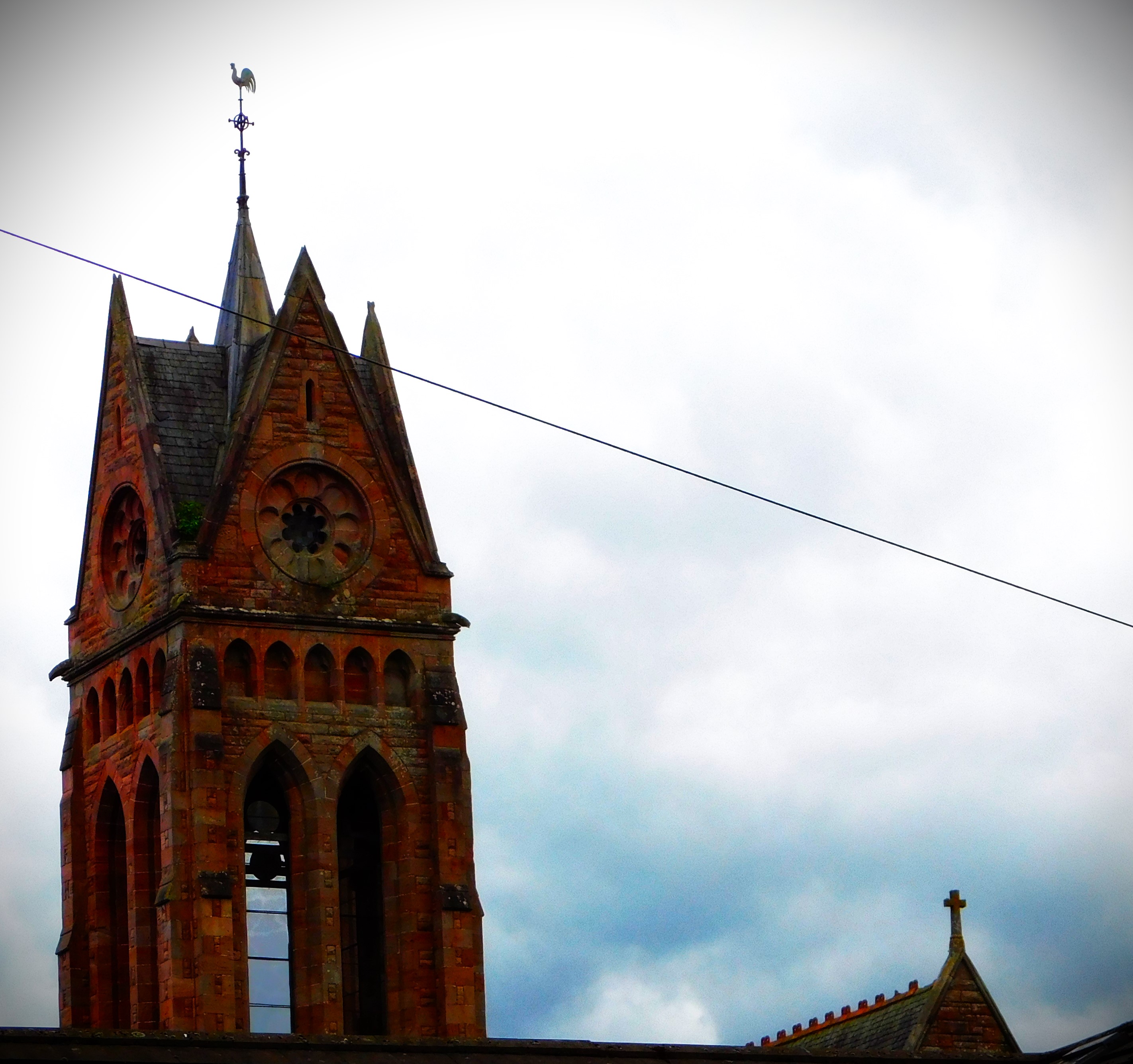
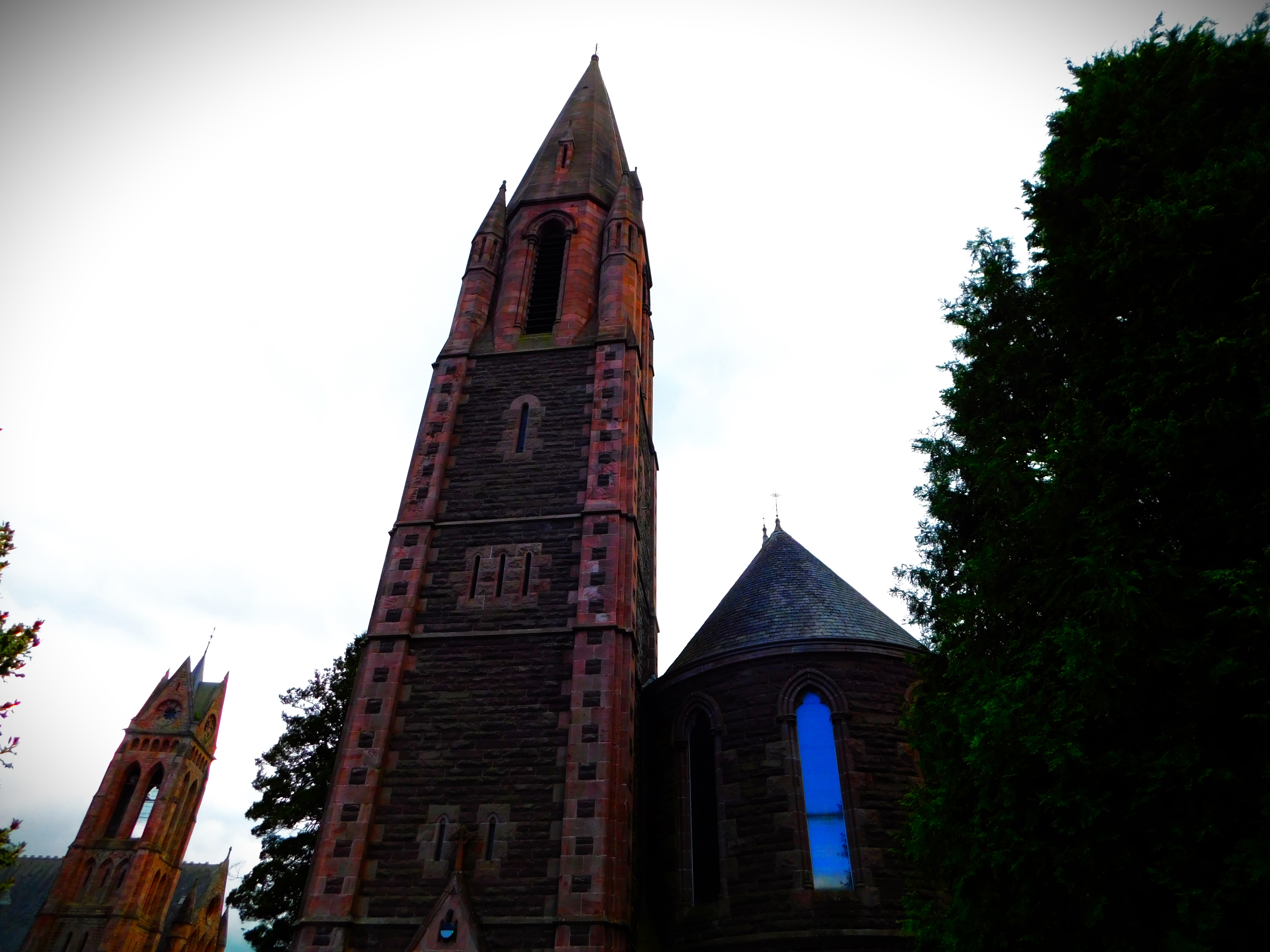
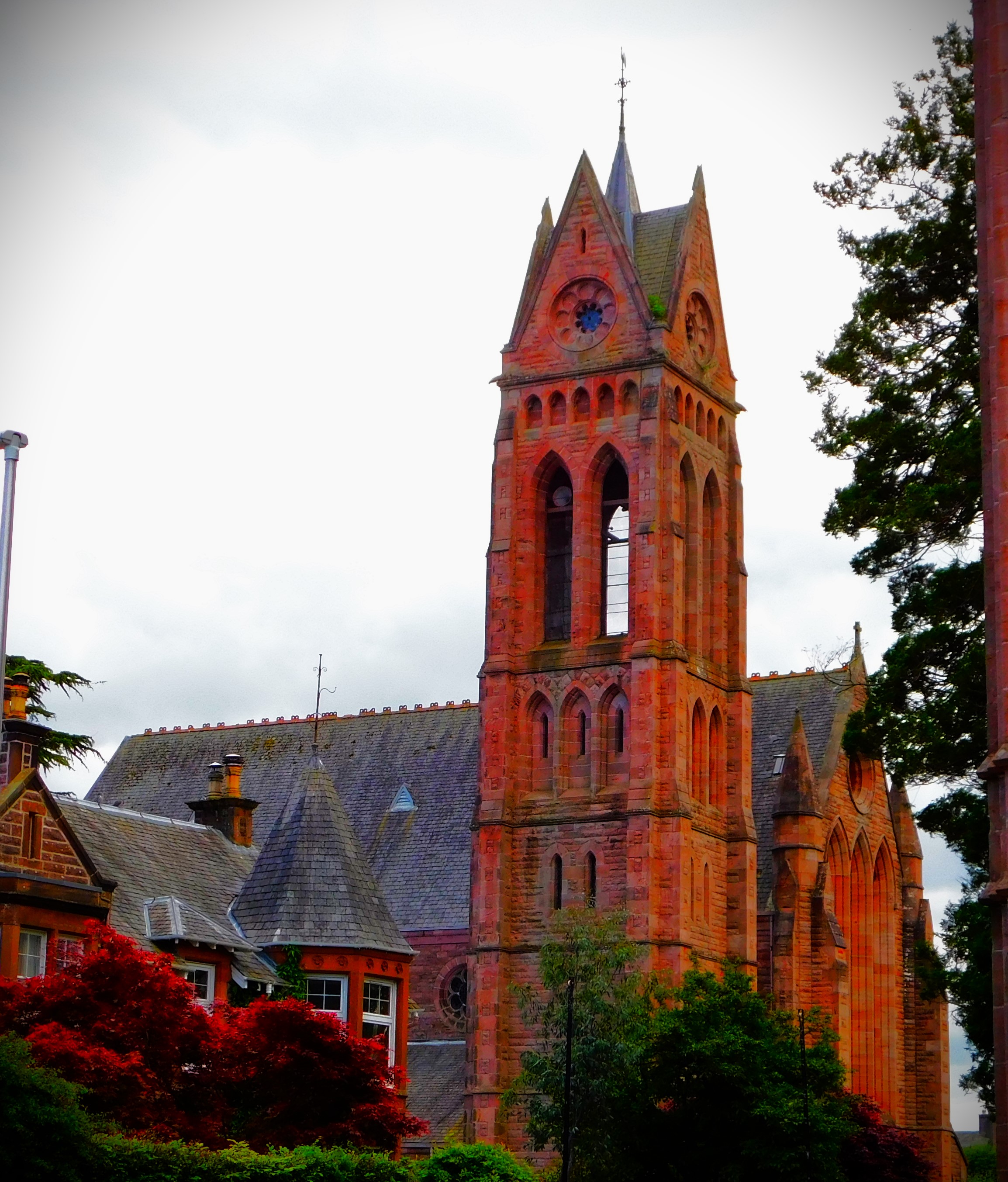
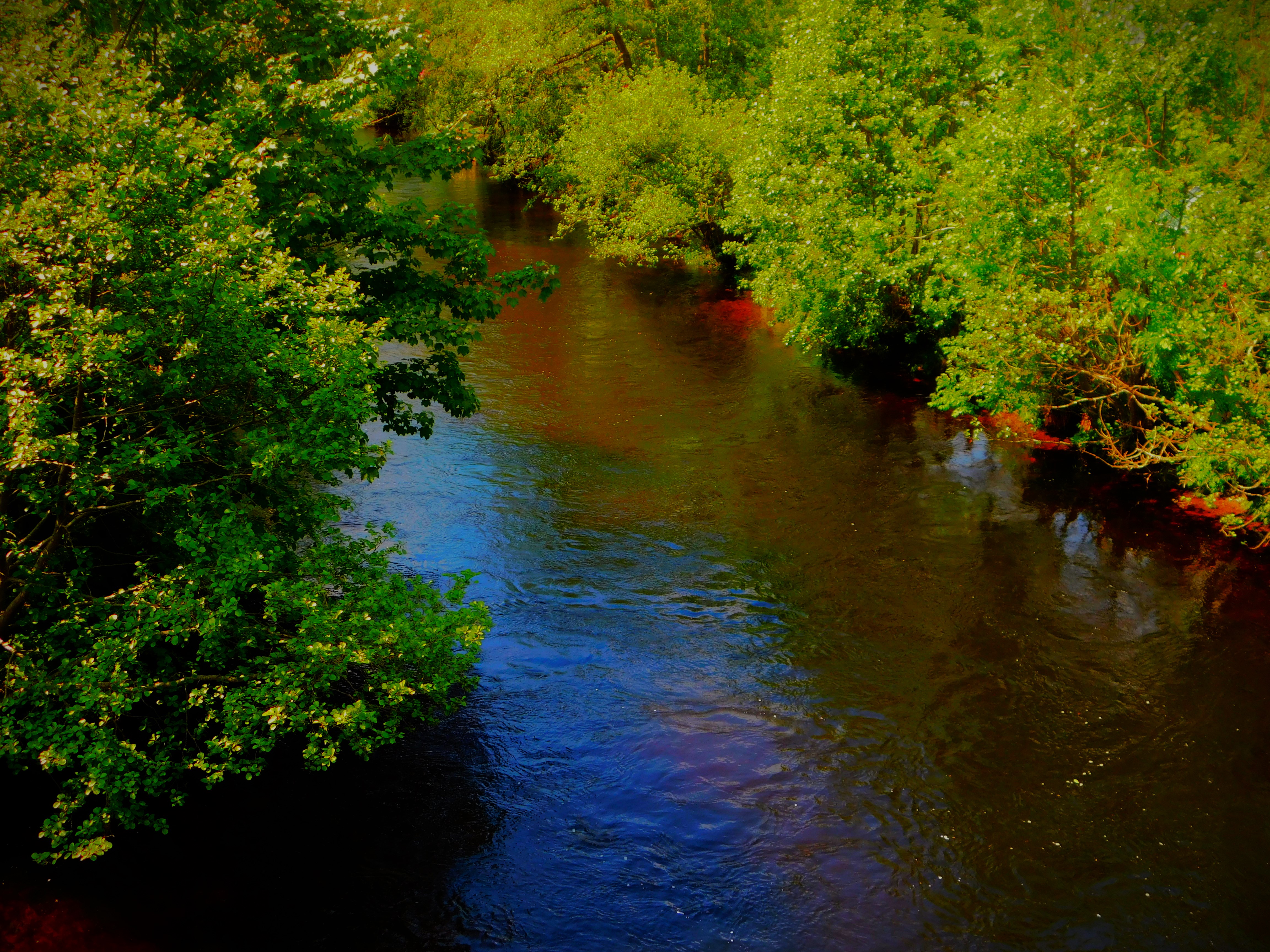
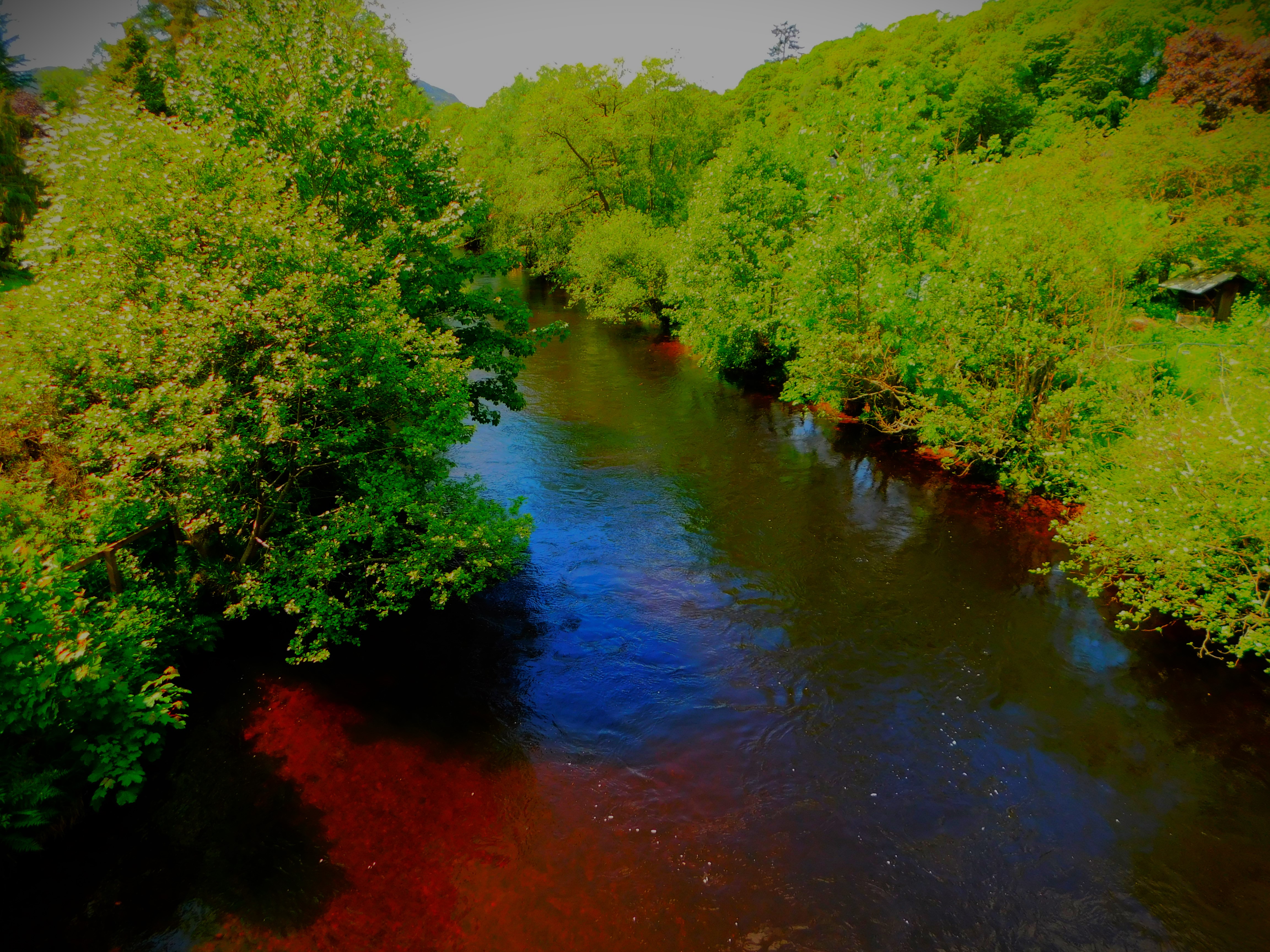
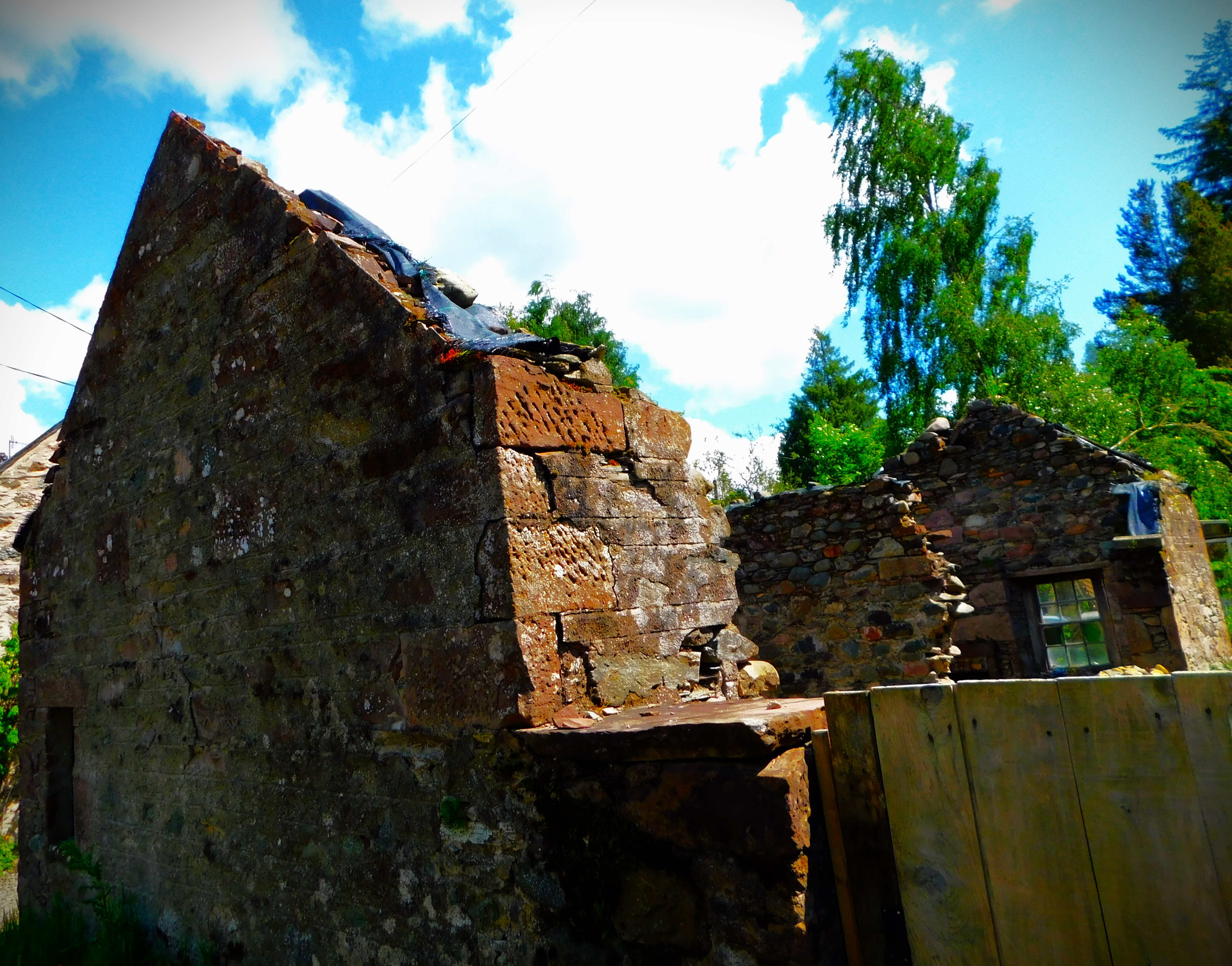
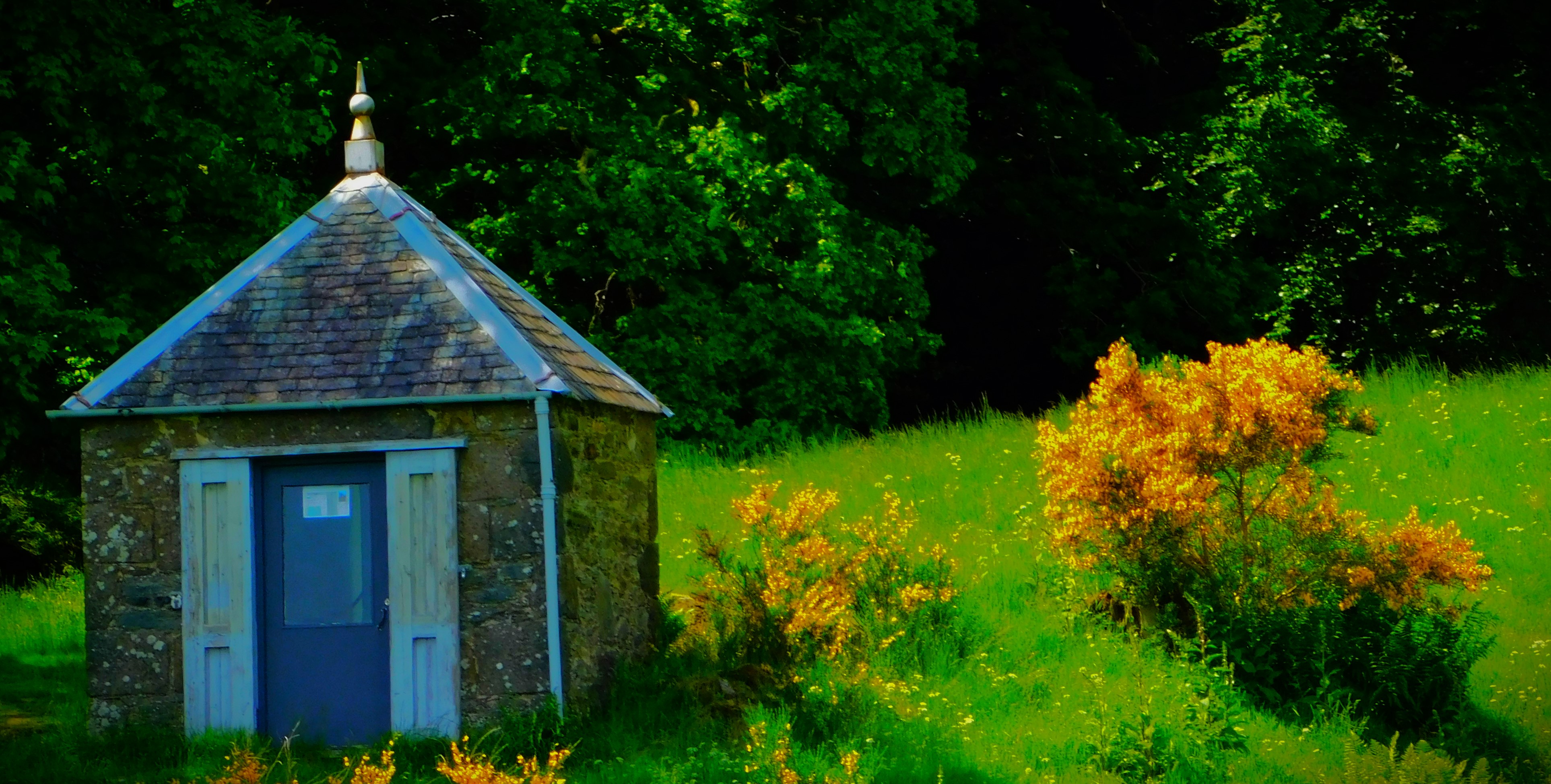
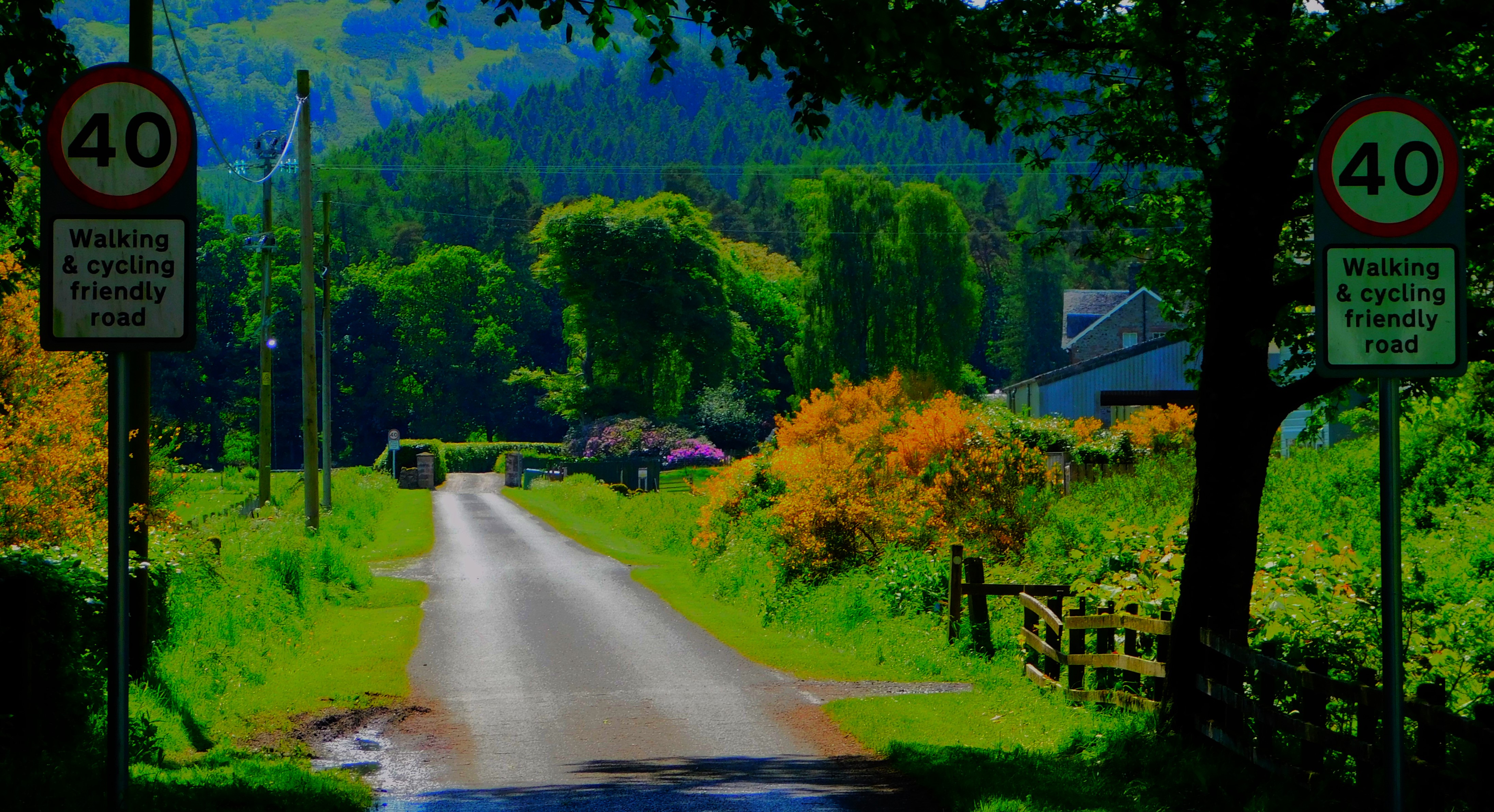
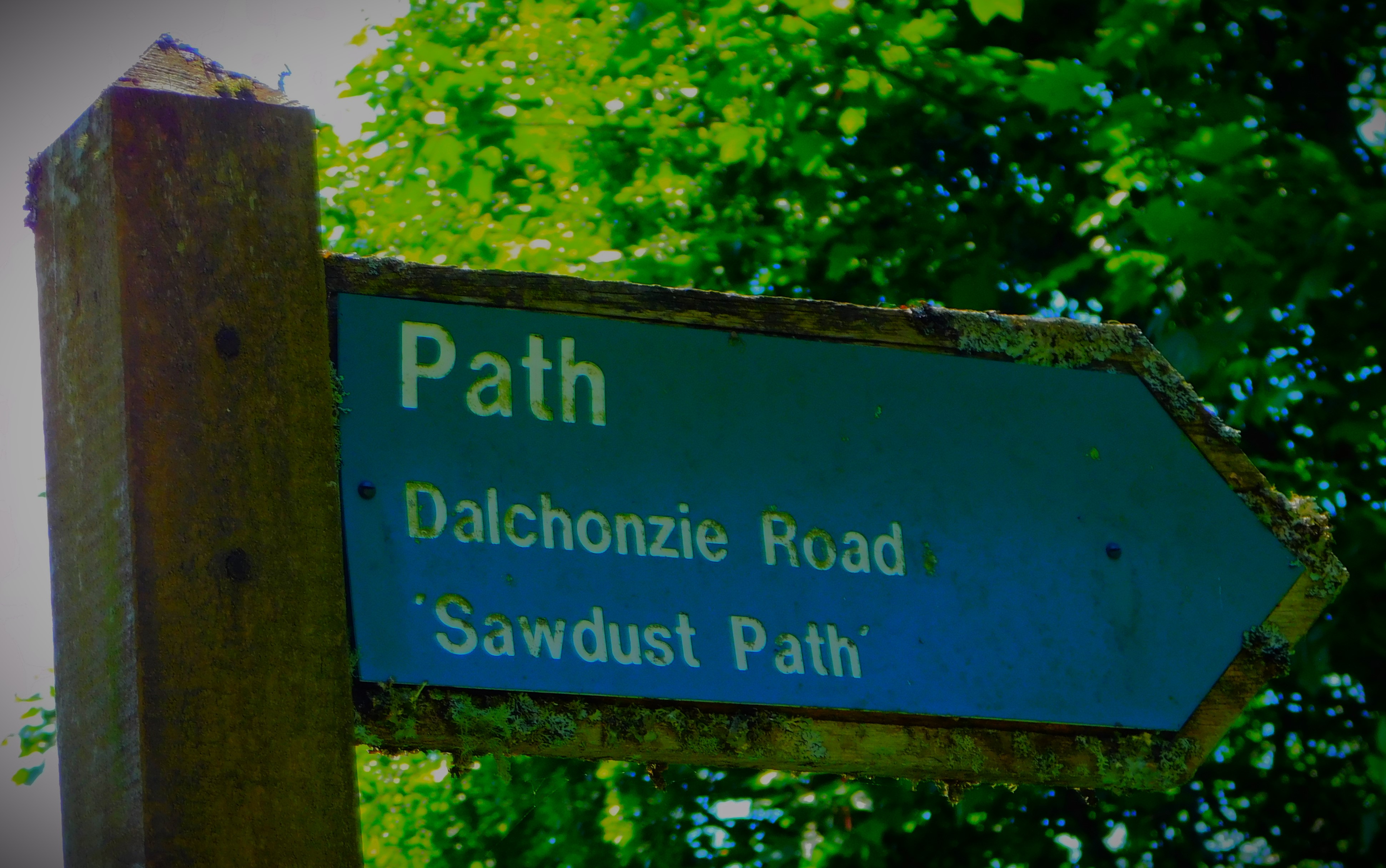
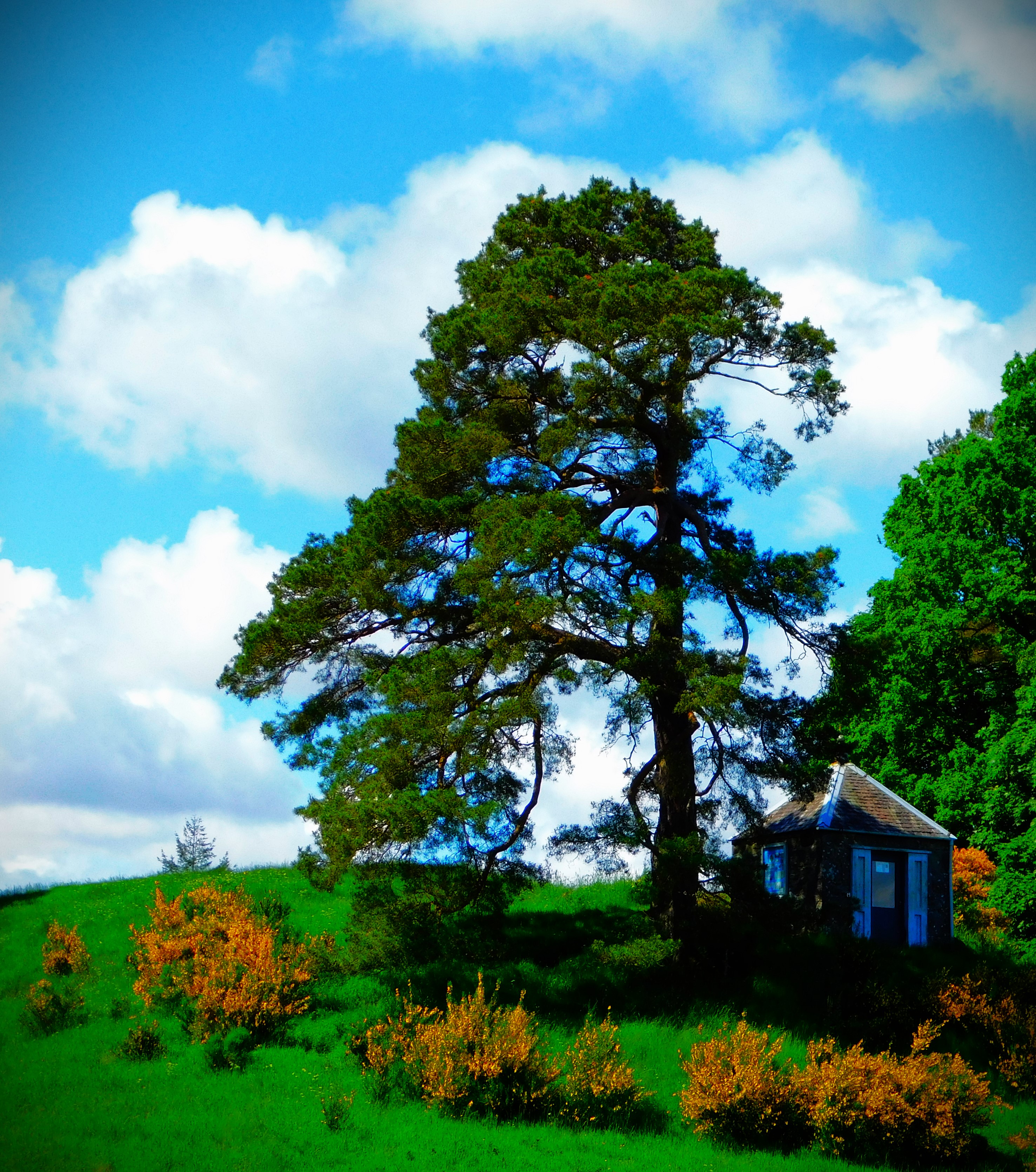
Concluding my account of my Scottish holiday with the return journey.
This will be the final post in my series about my Scottish holiday (28-31 May inclusive. I will briefly mention the birthday festivities which took place a day early – the day itself (May 31) was to be a day of travelling home, before covering the return journey.
THE BIRTHDAY MEAL
One of the shops Comrie possesses is a butcher, and the centrepiece of the meal was three large rib eye steaks purchased from that establishment. We also had Jersey Royals and locally grown asparagus, while there were locally grown raspberries for pudding. There was sparkling wine before the meal, and still wine with it.
THE RETURN JOURNEY
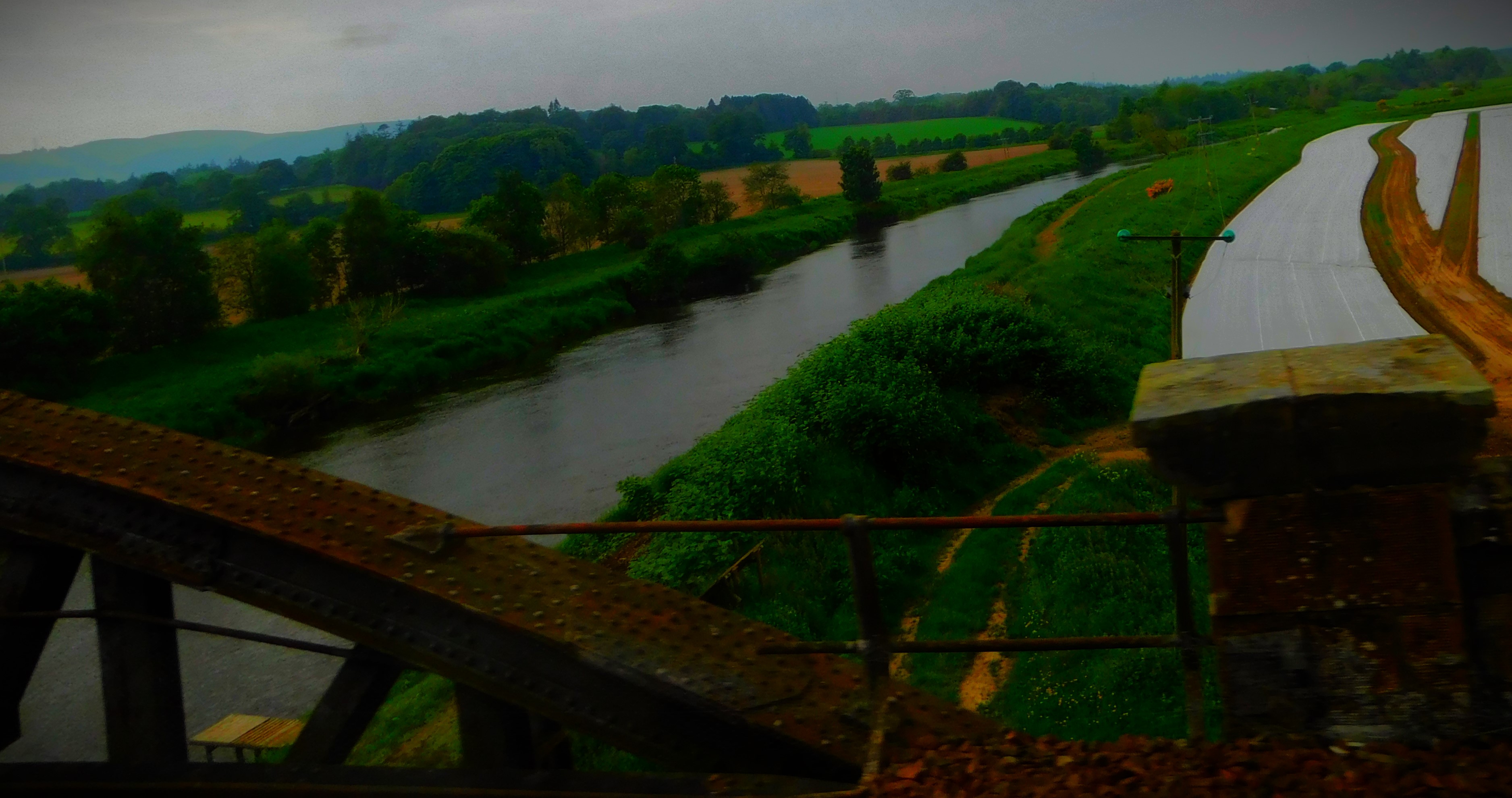
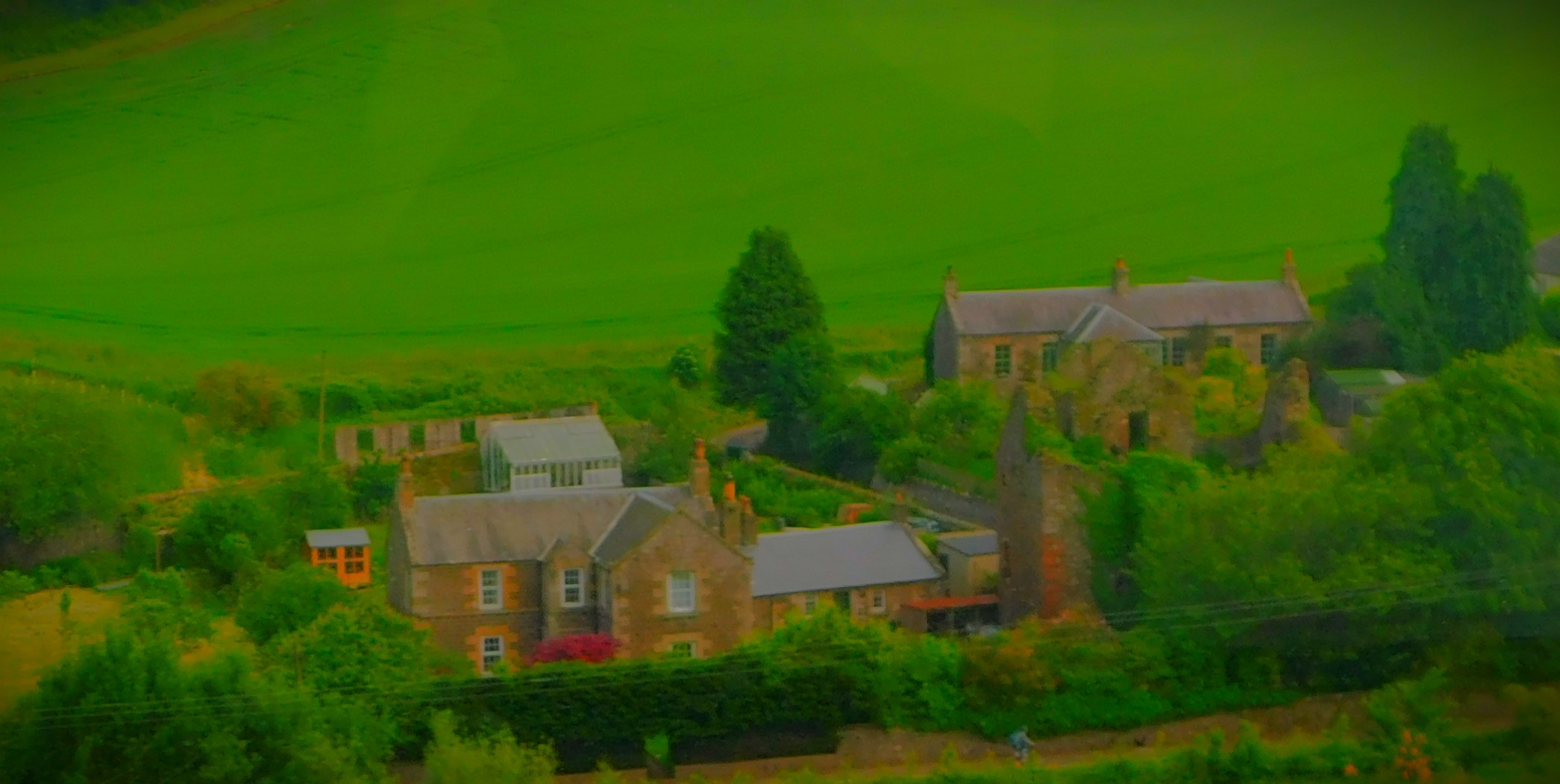
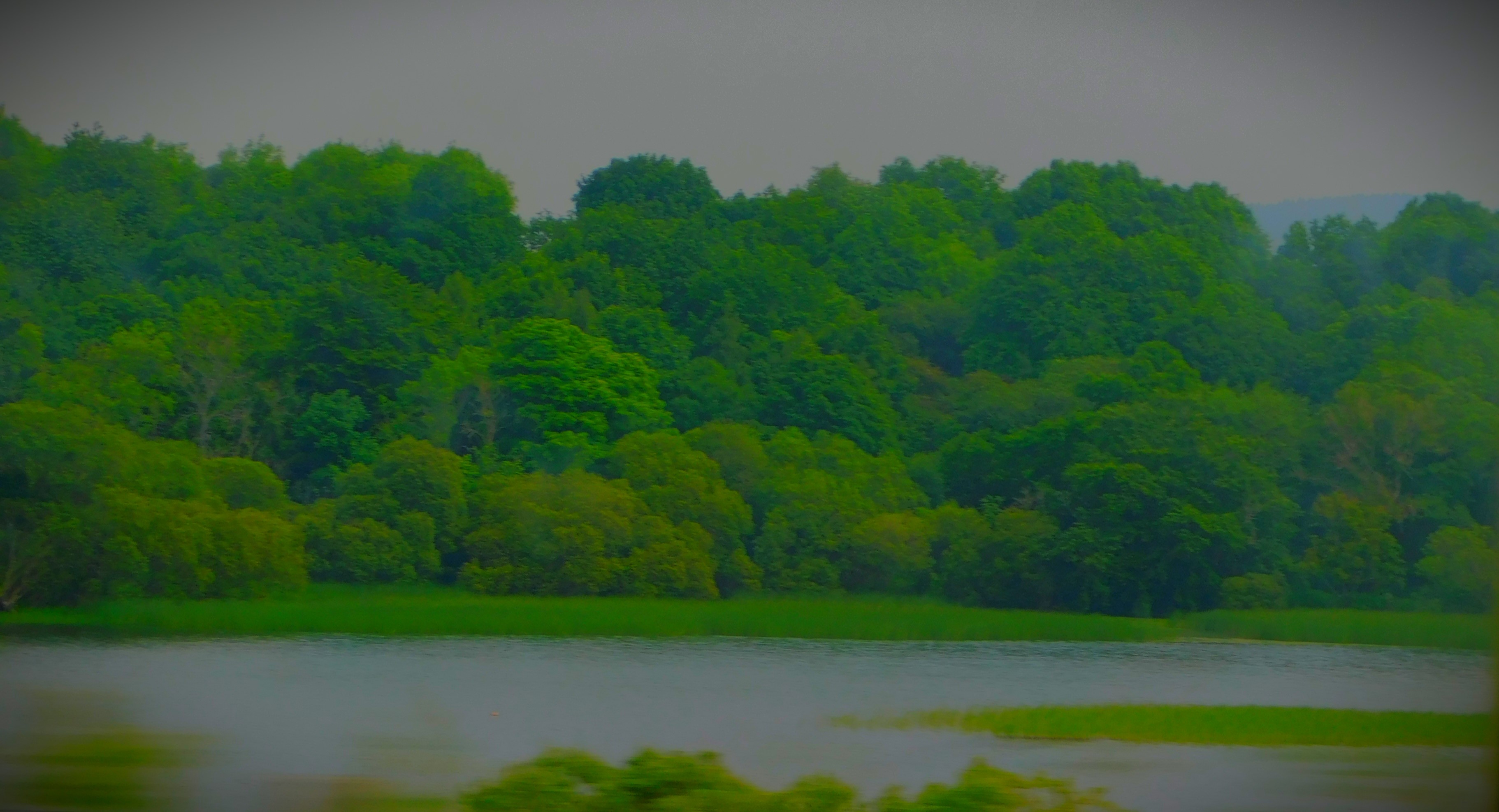
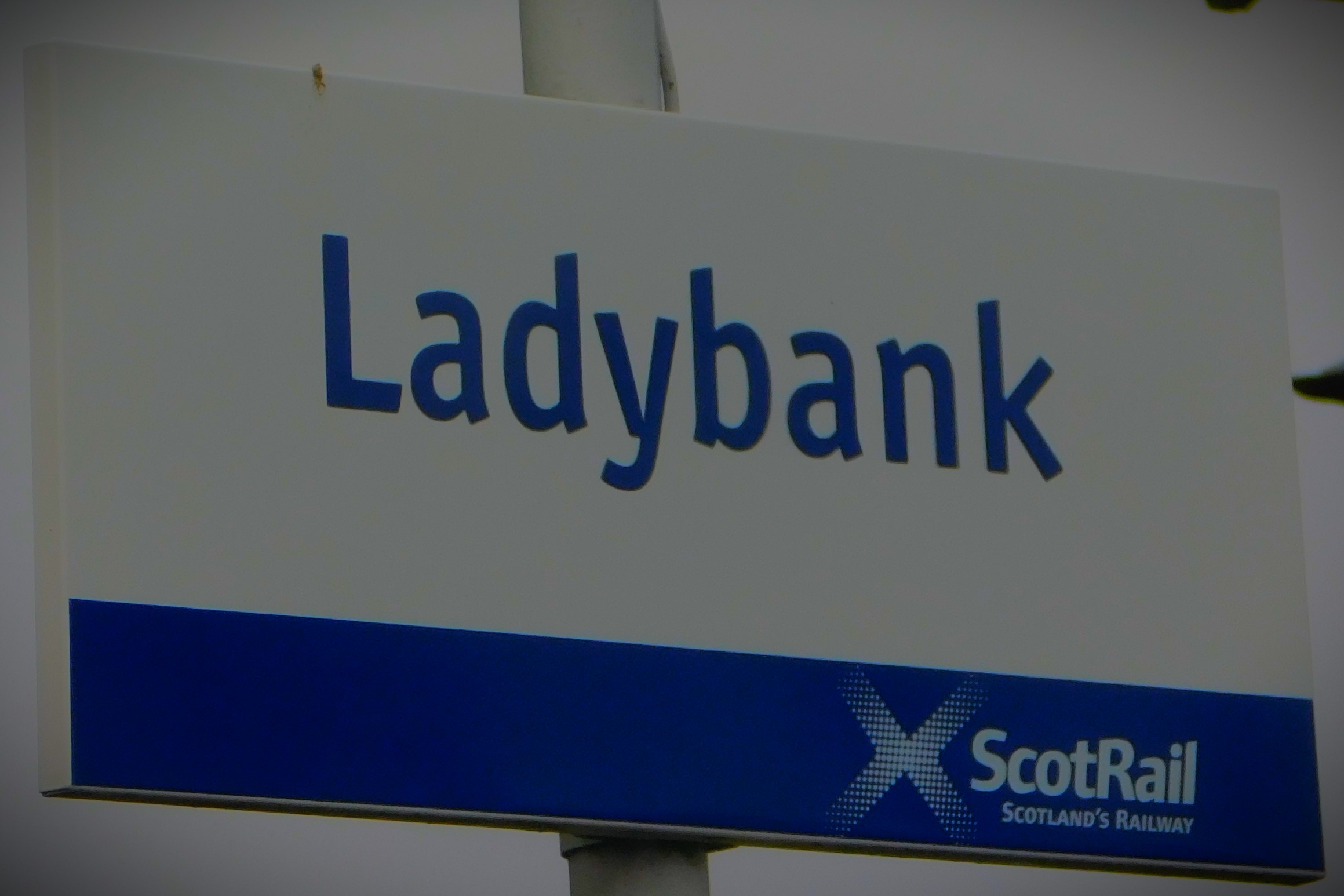
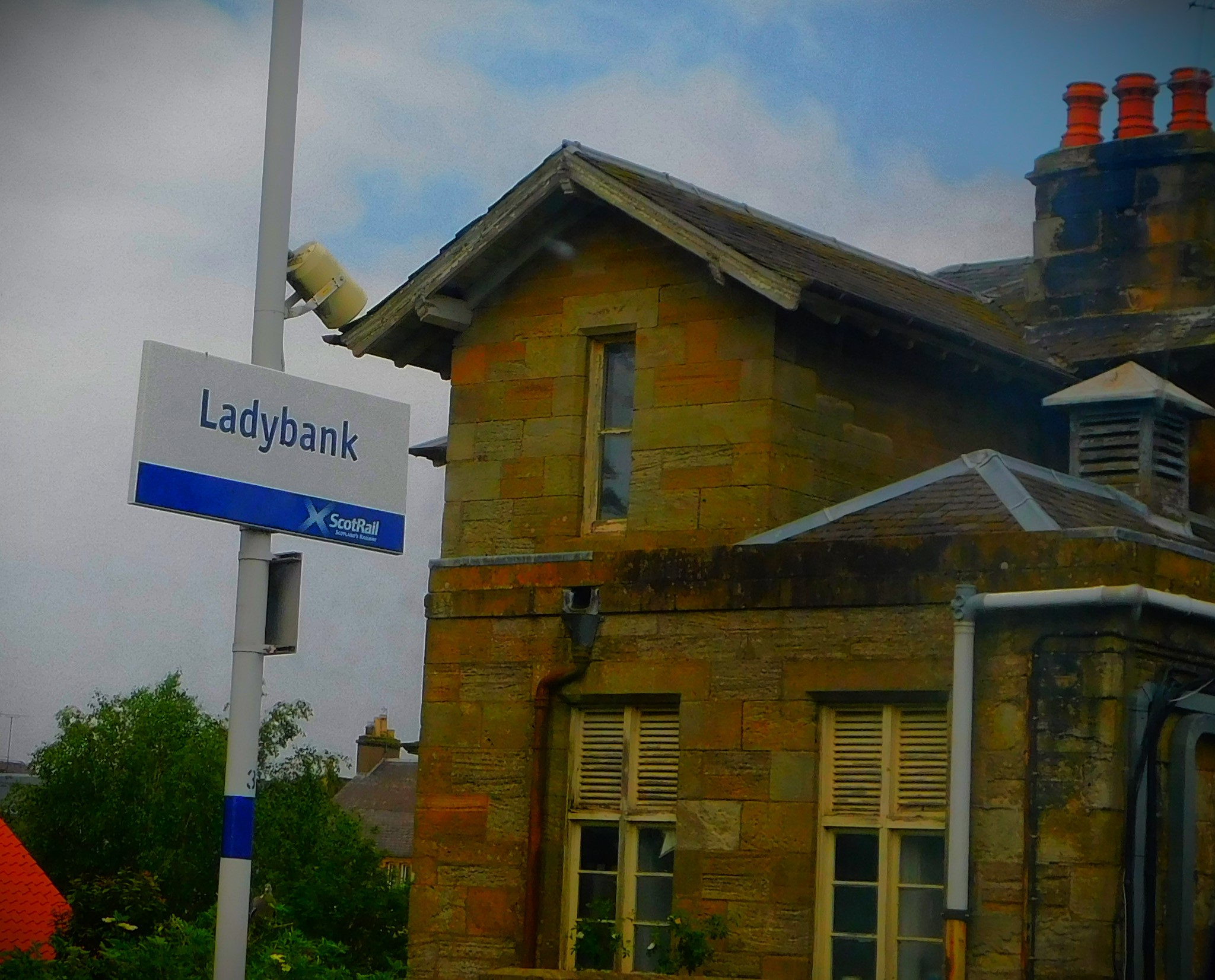
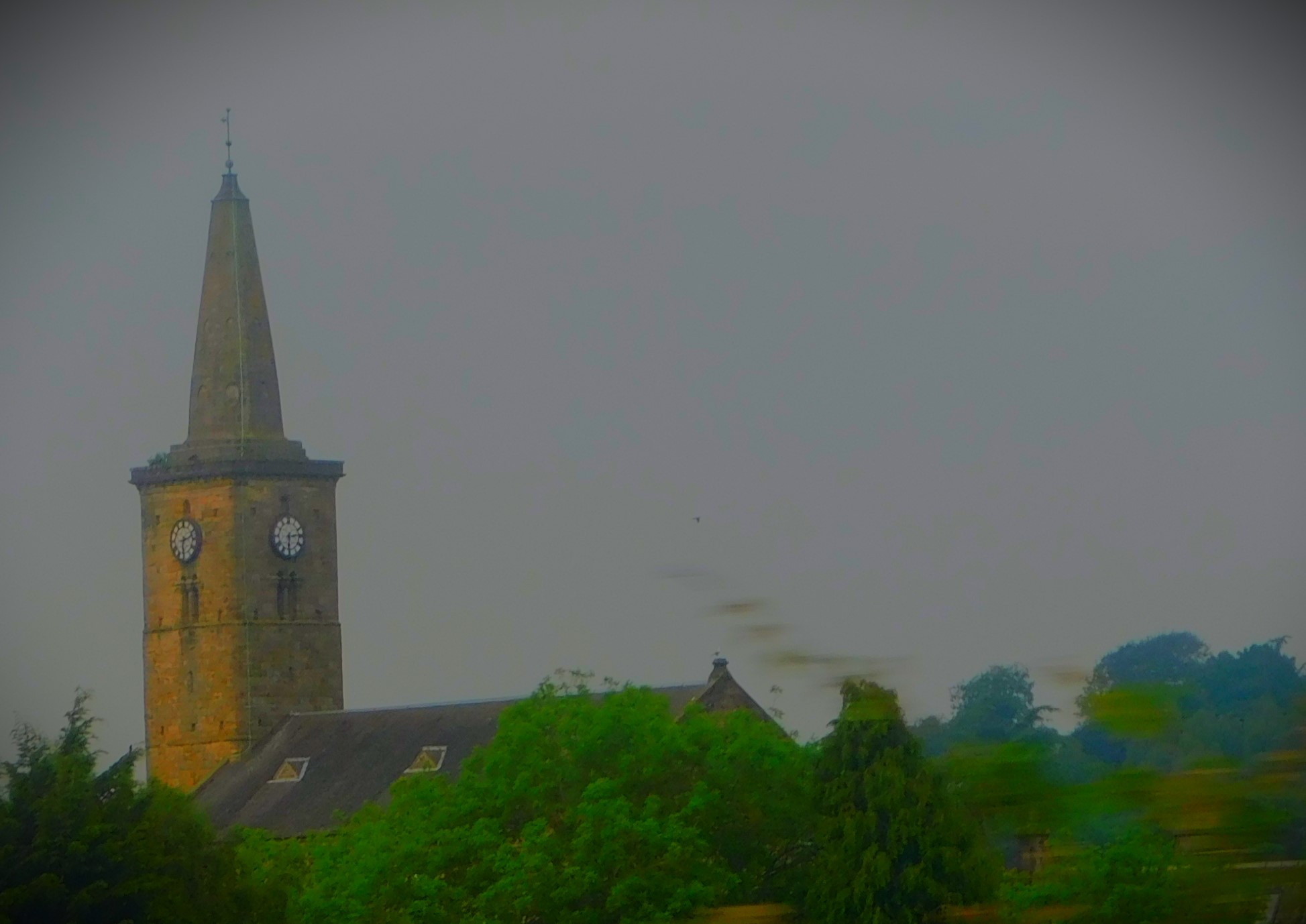
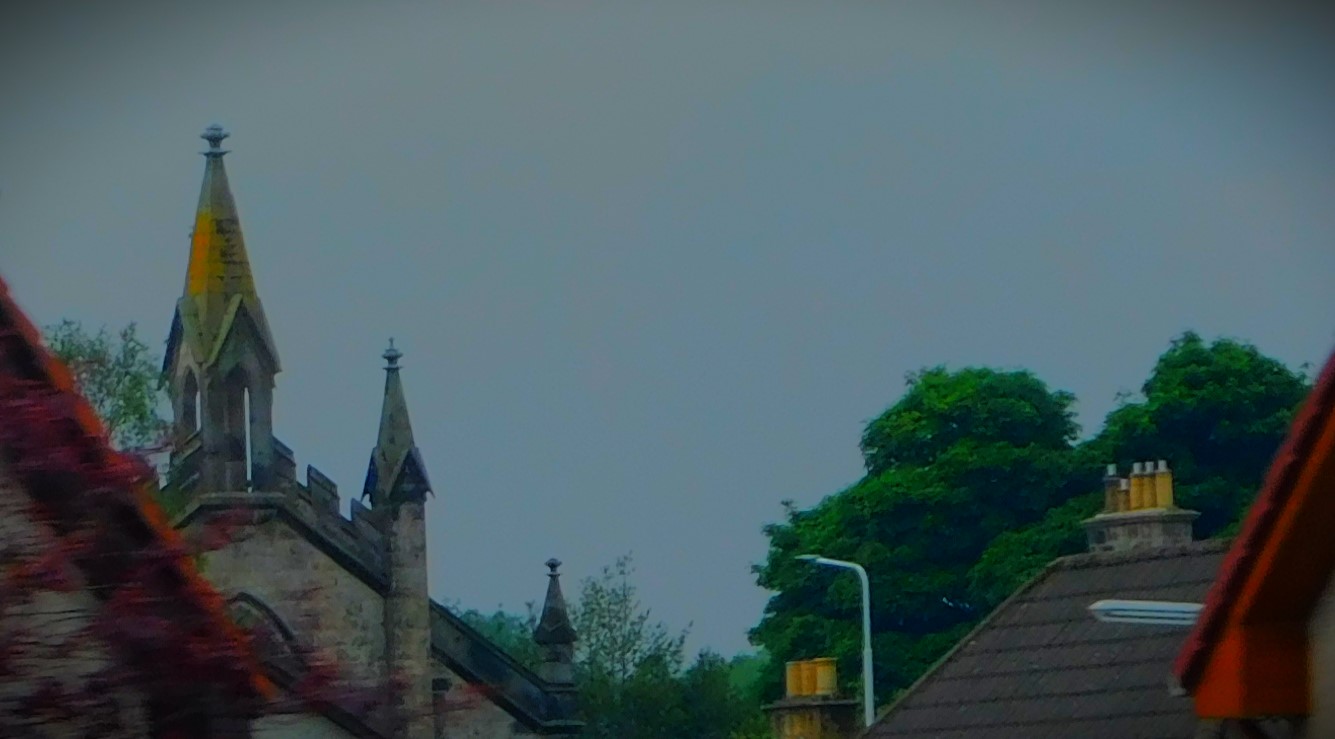
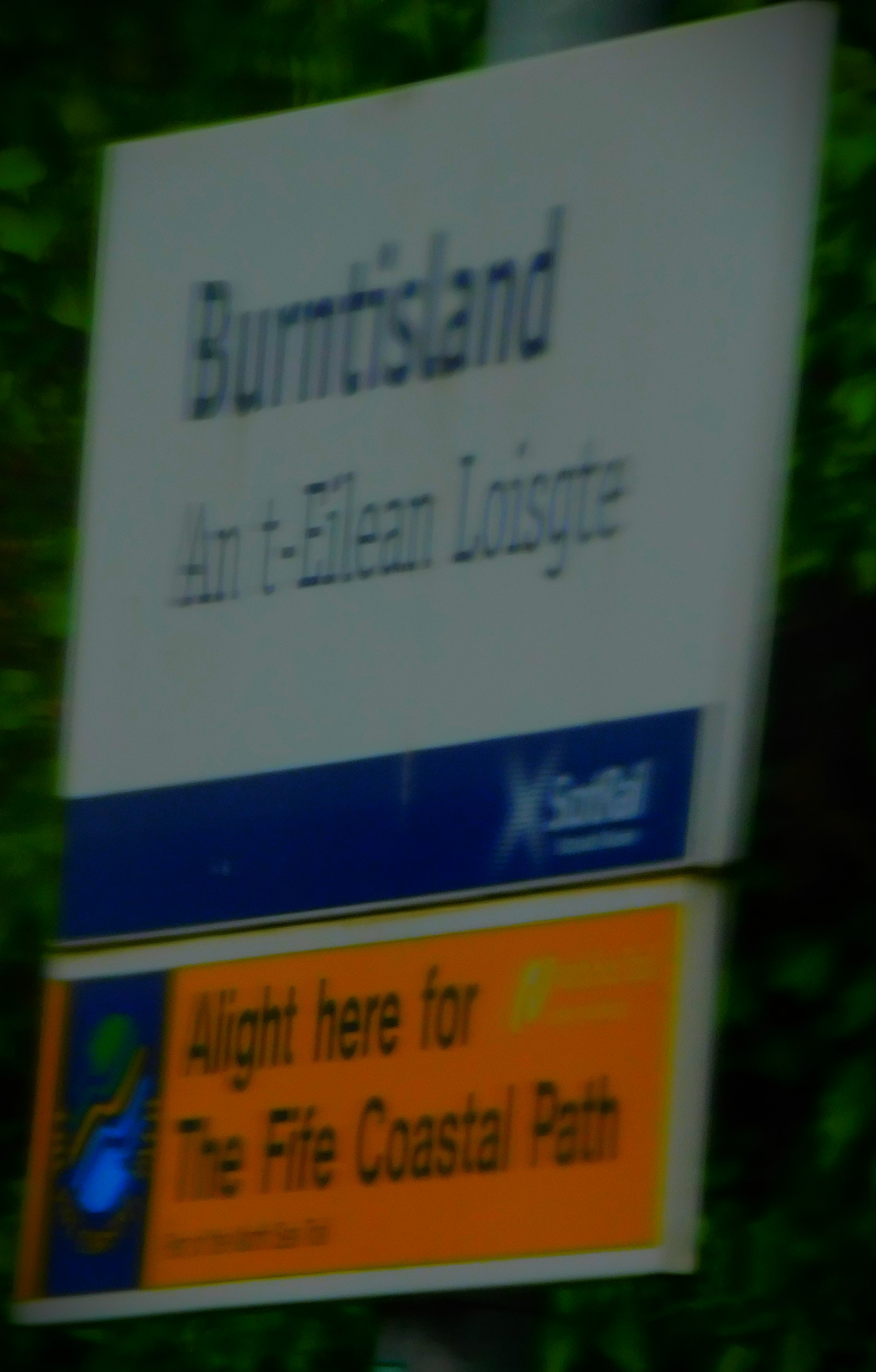
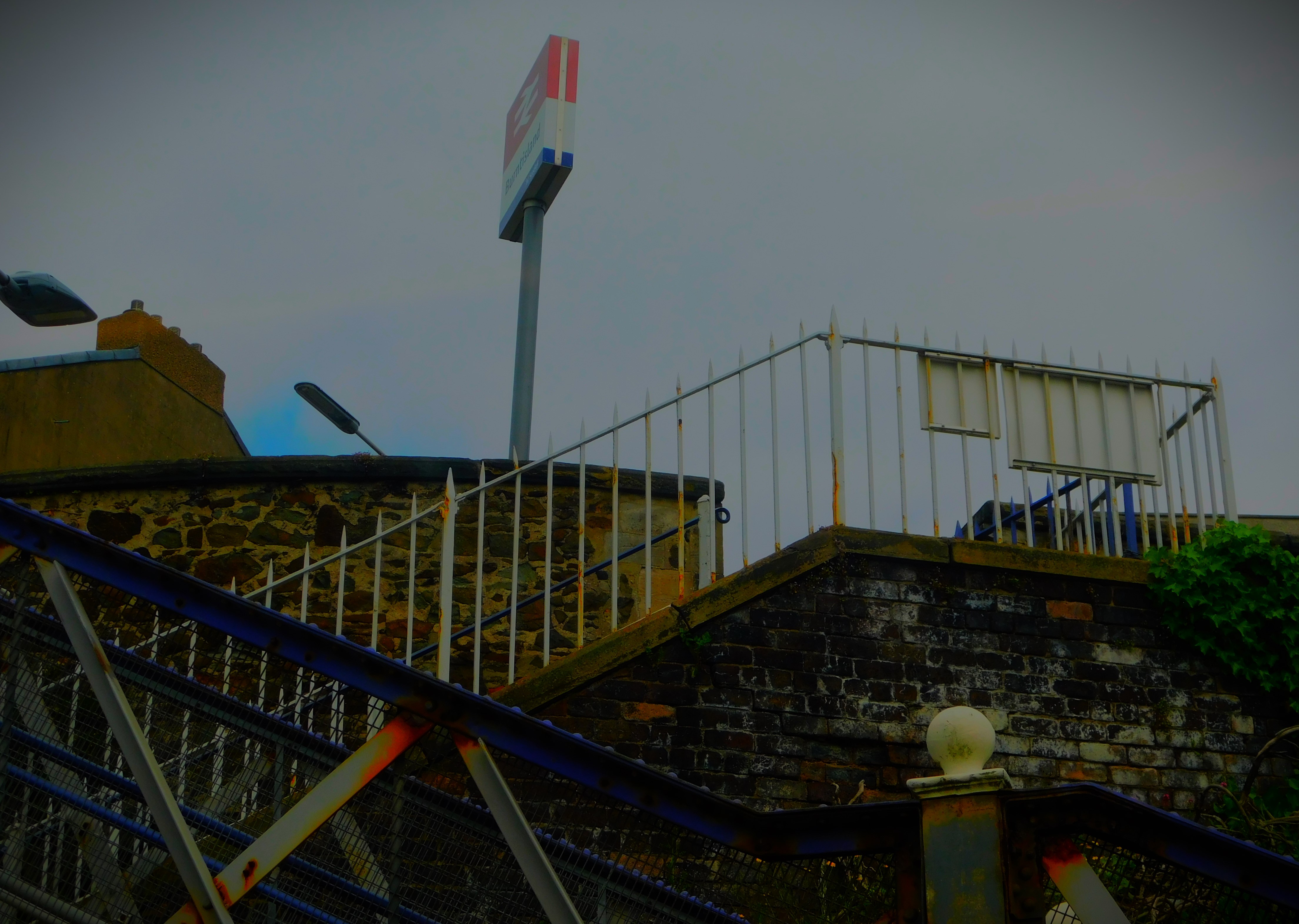
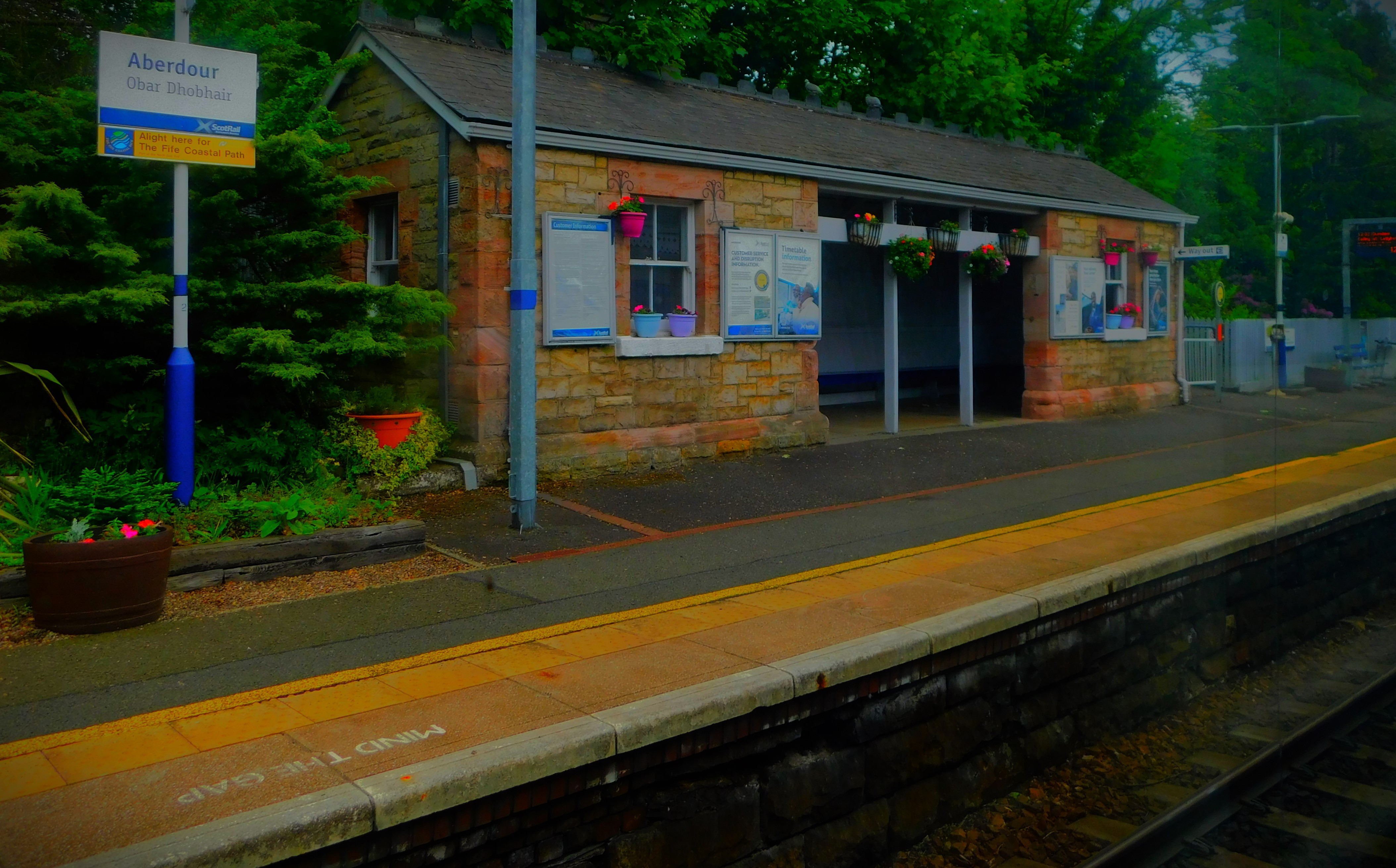
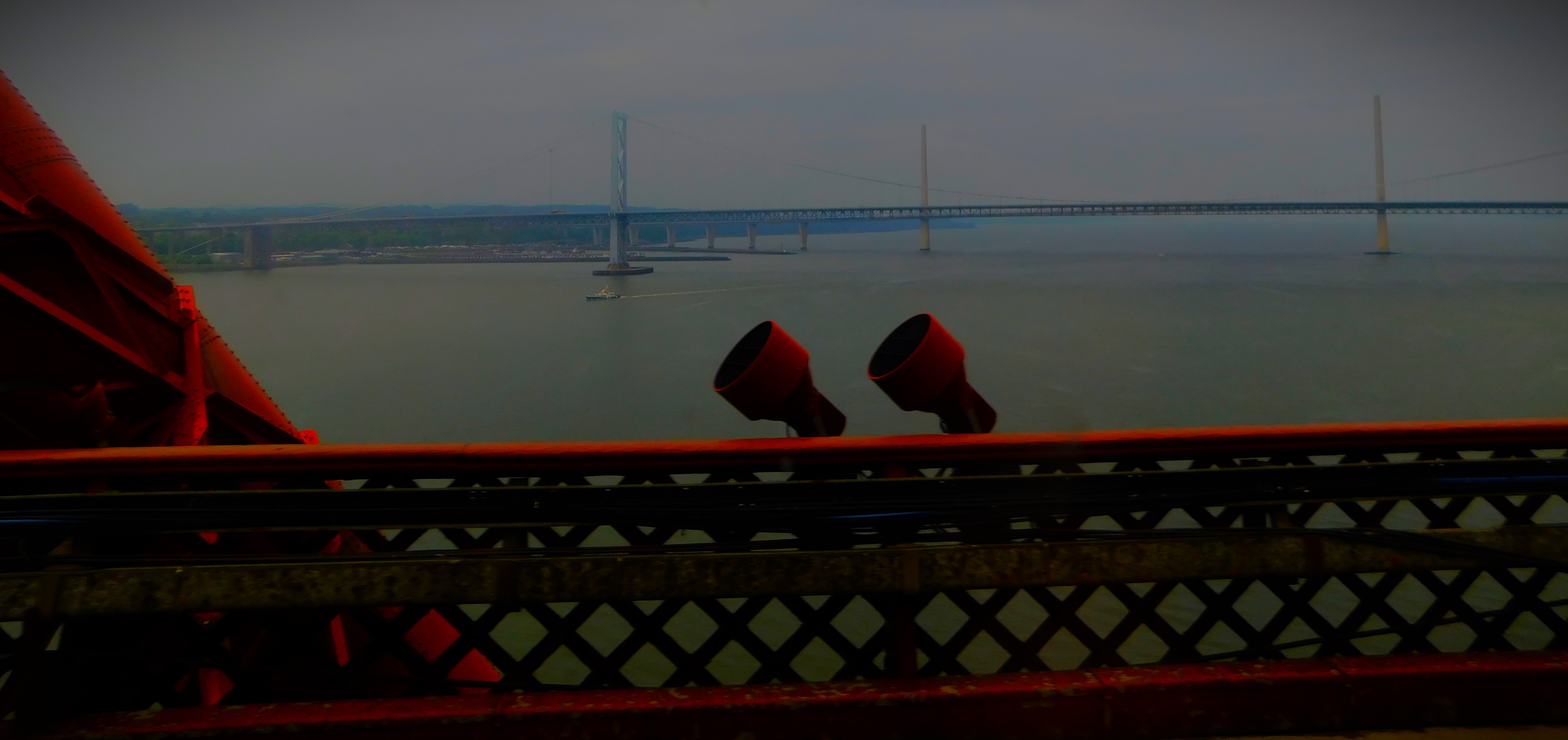
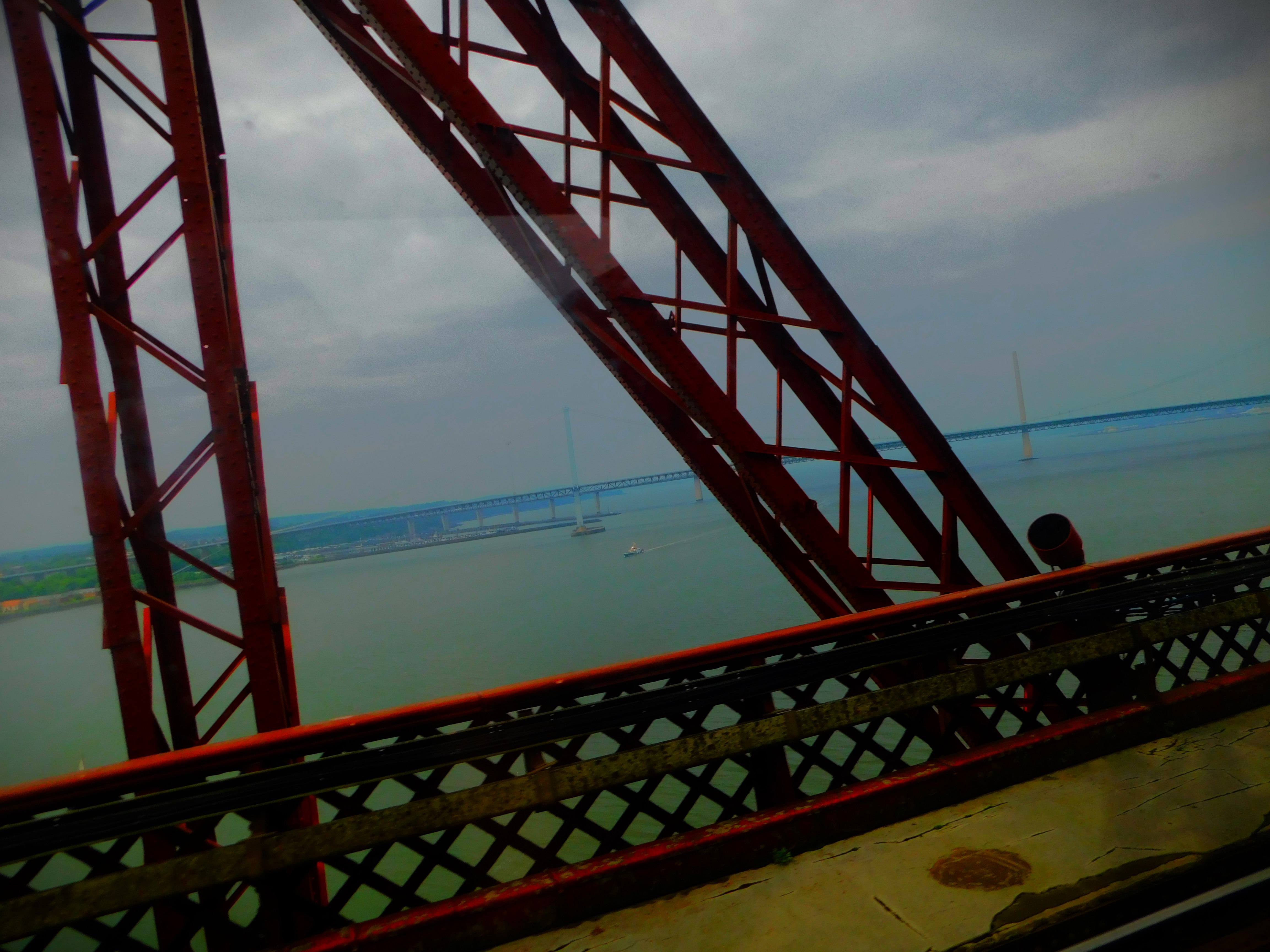
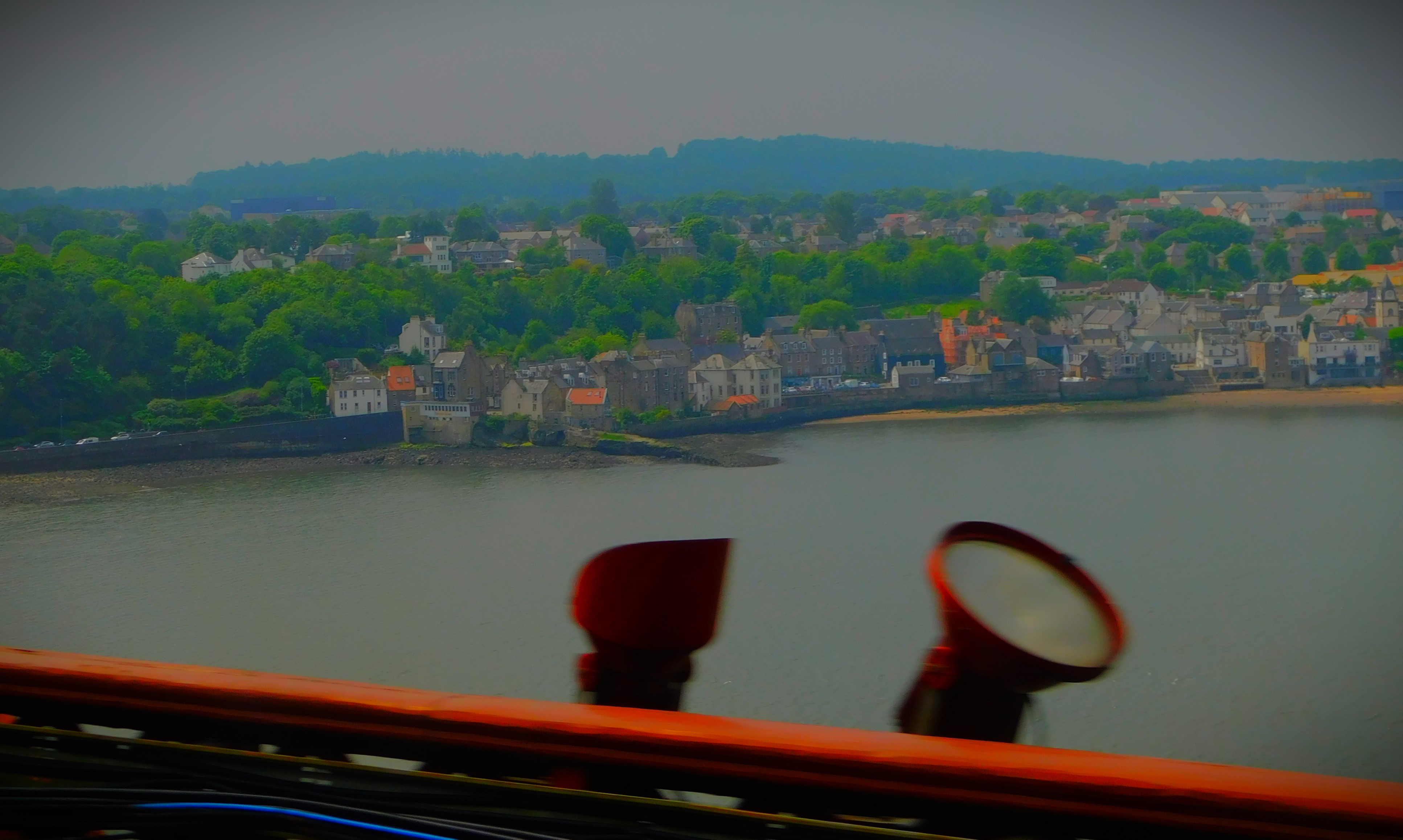
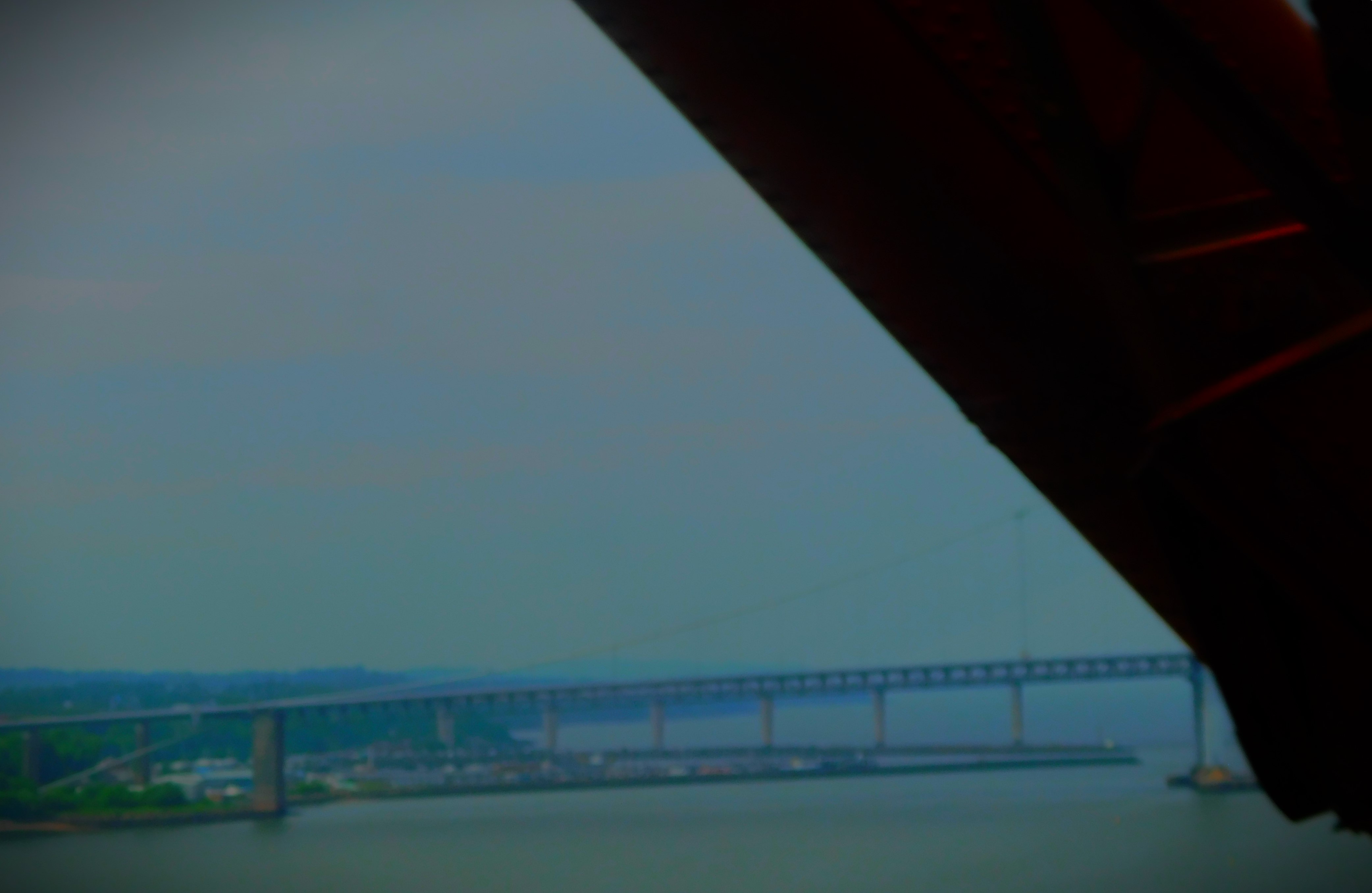
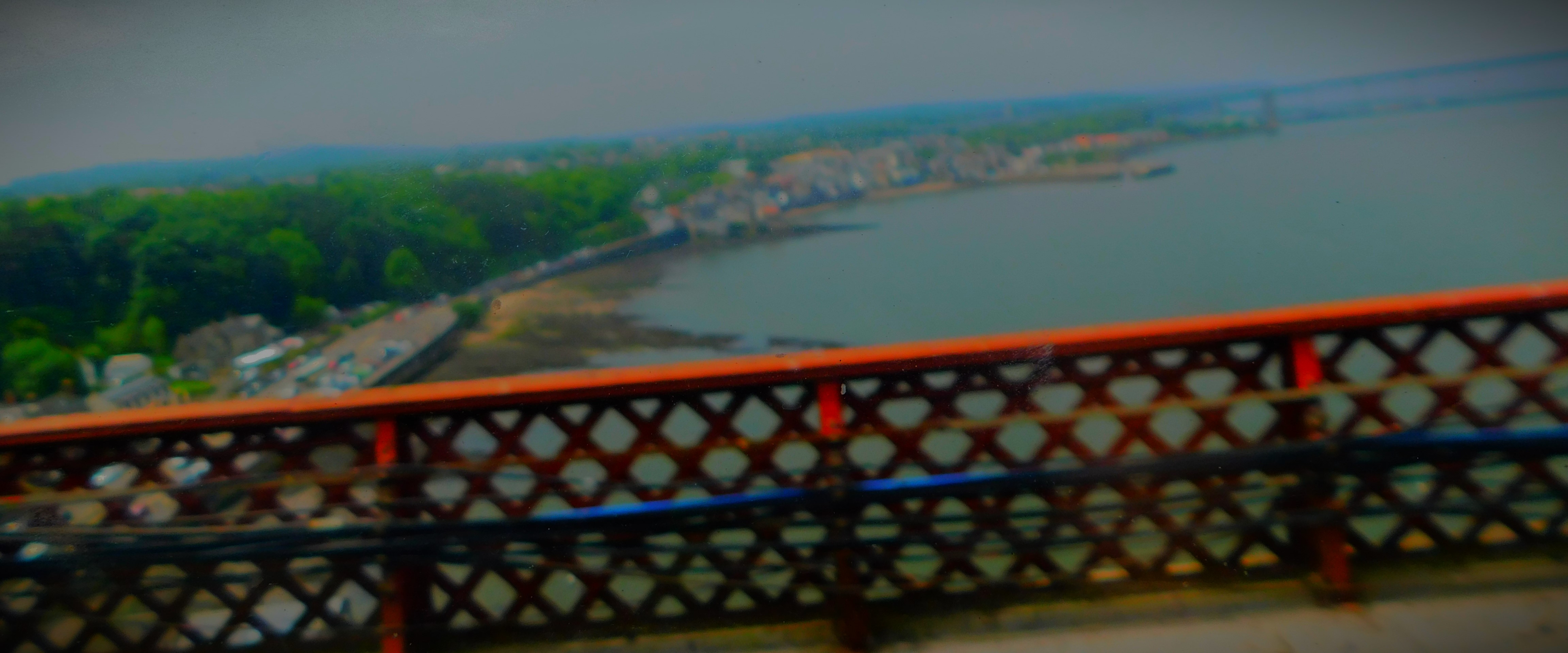
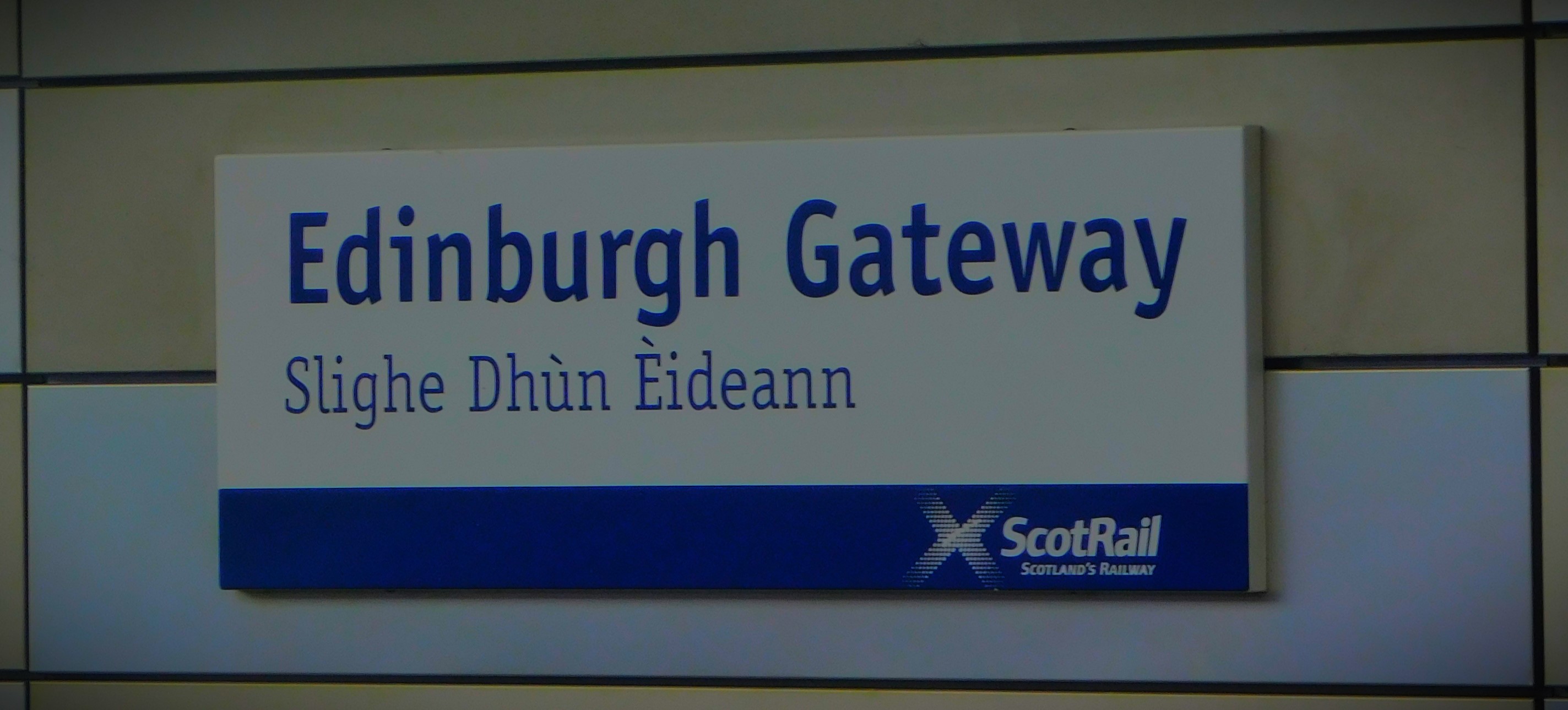
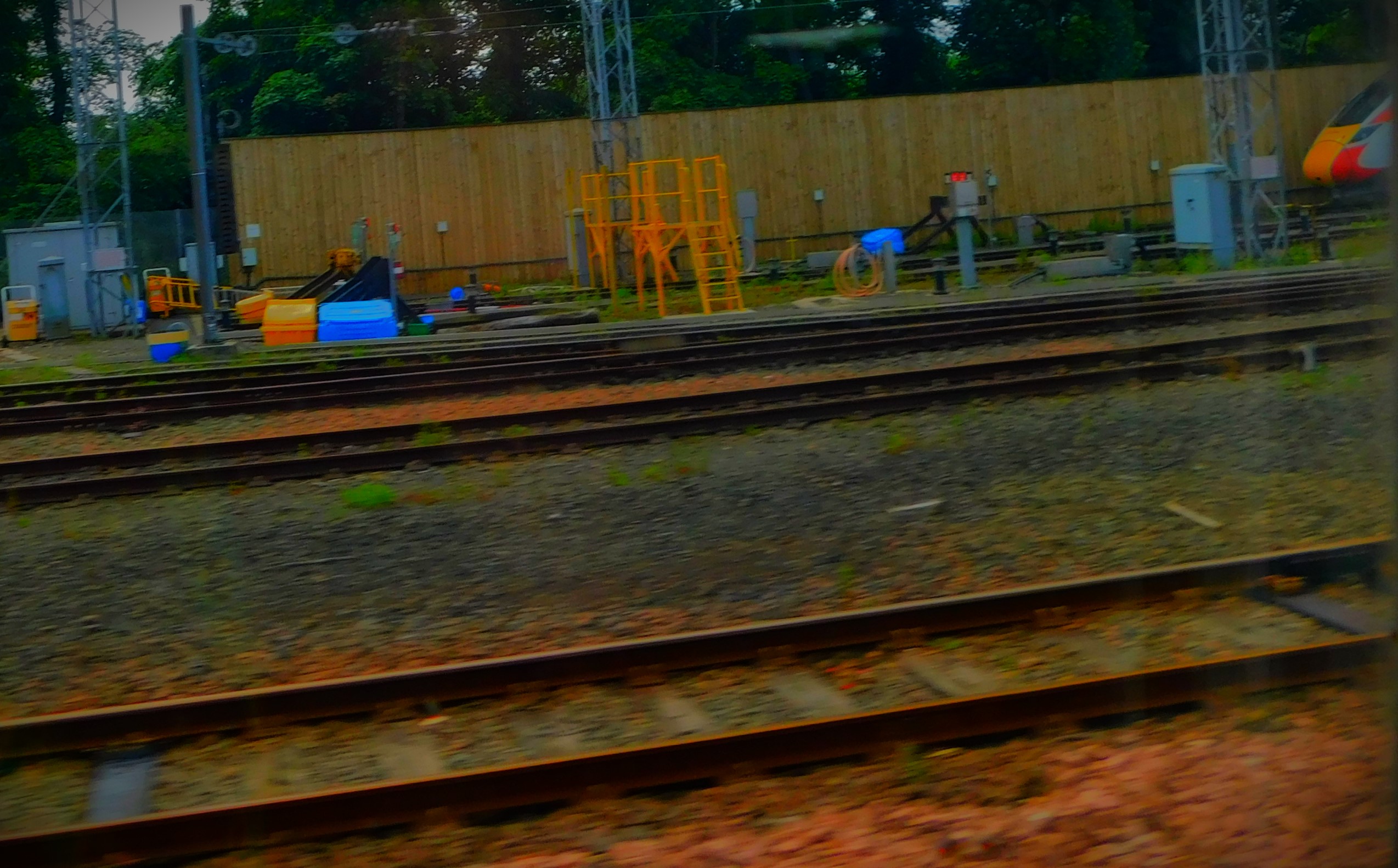
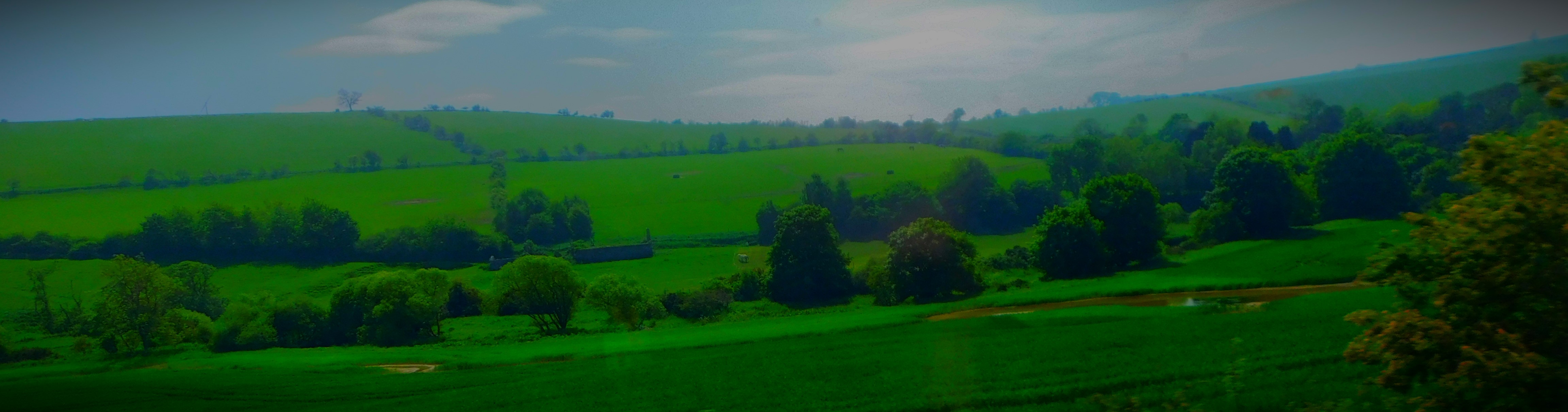
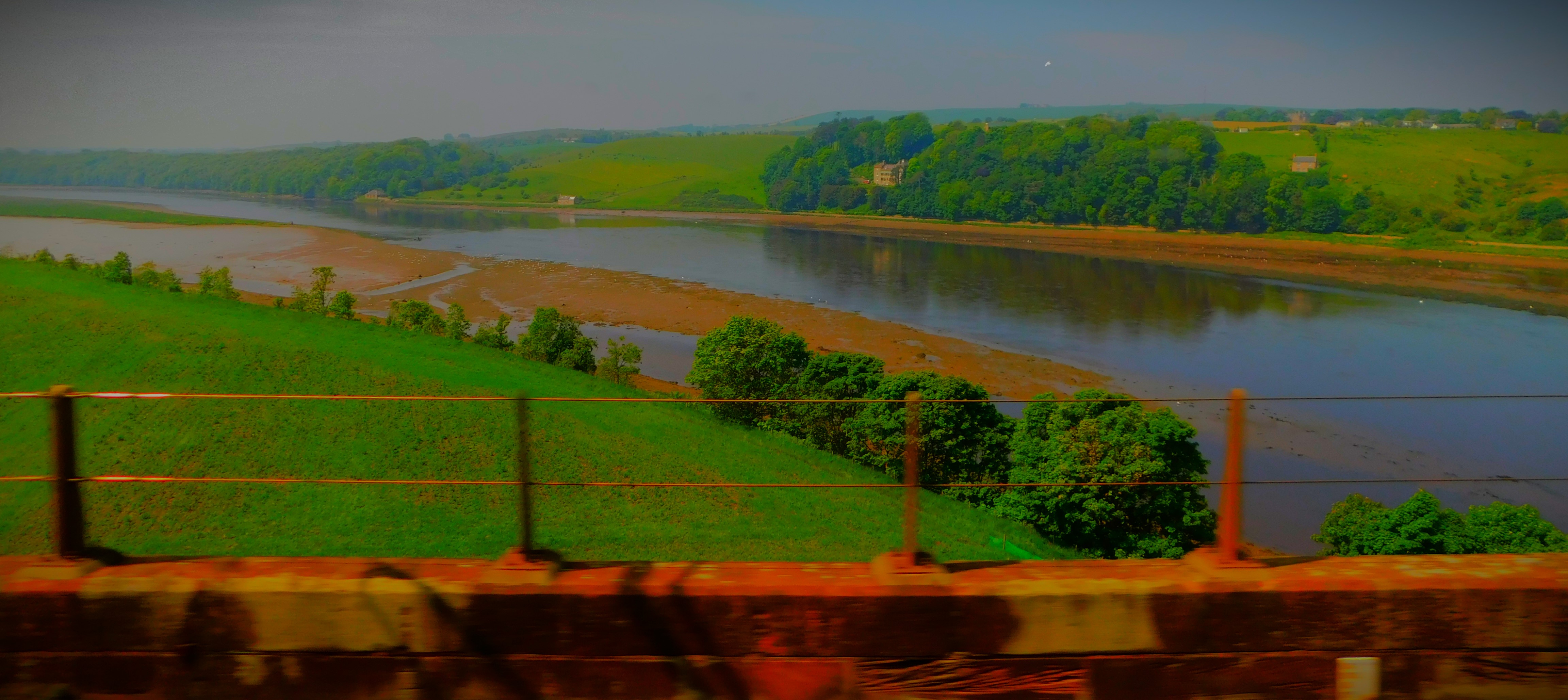
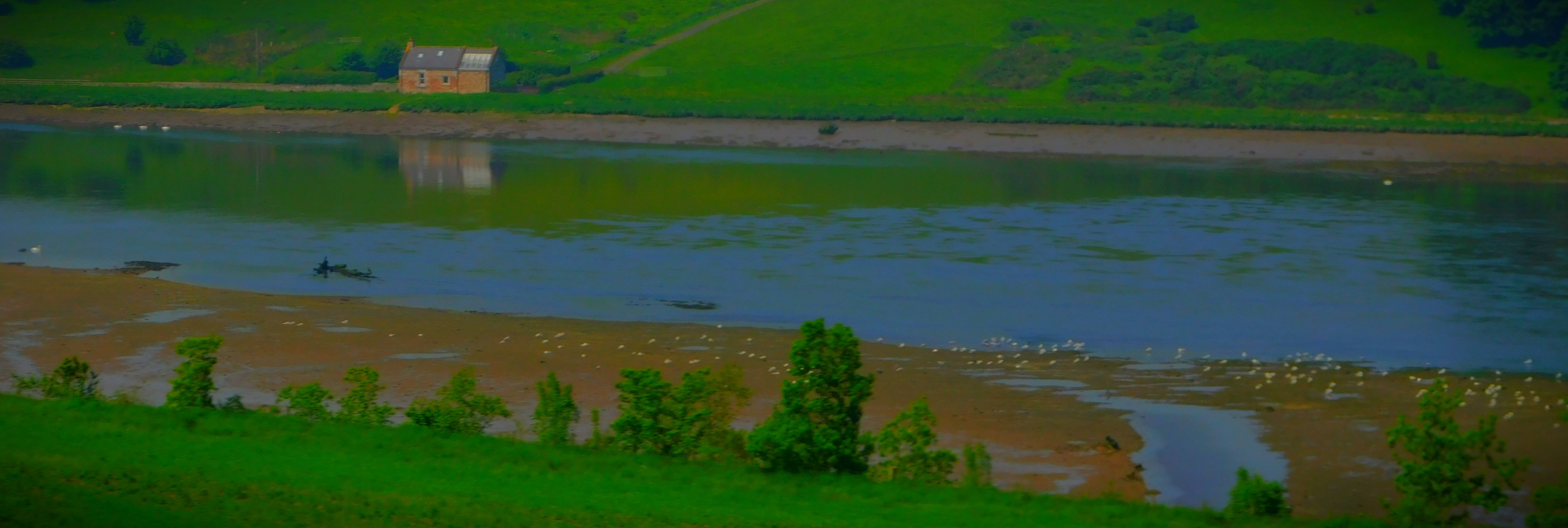
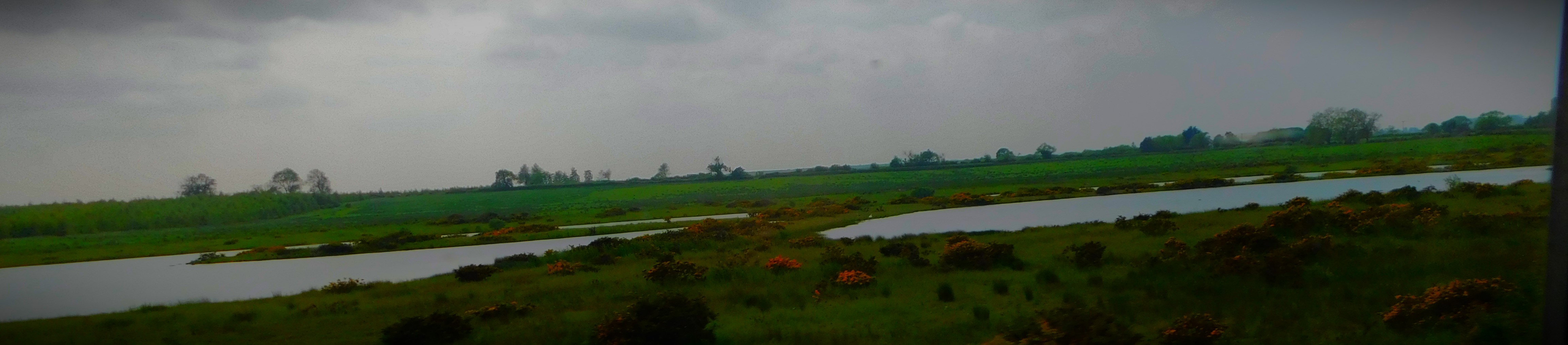
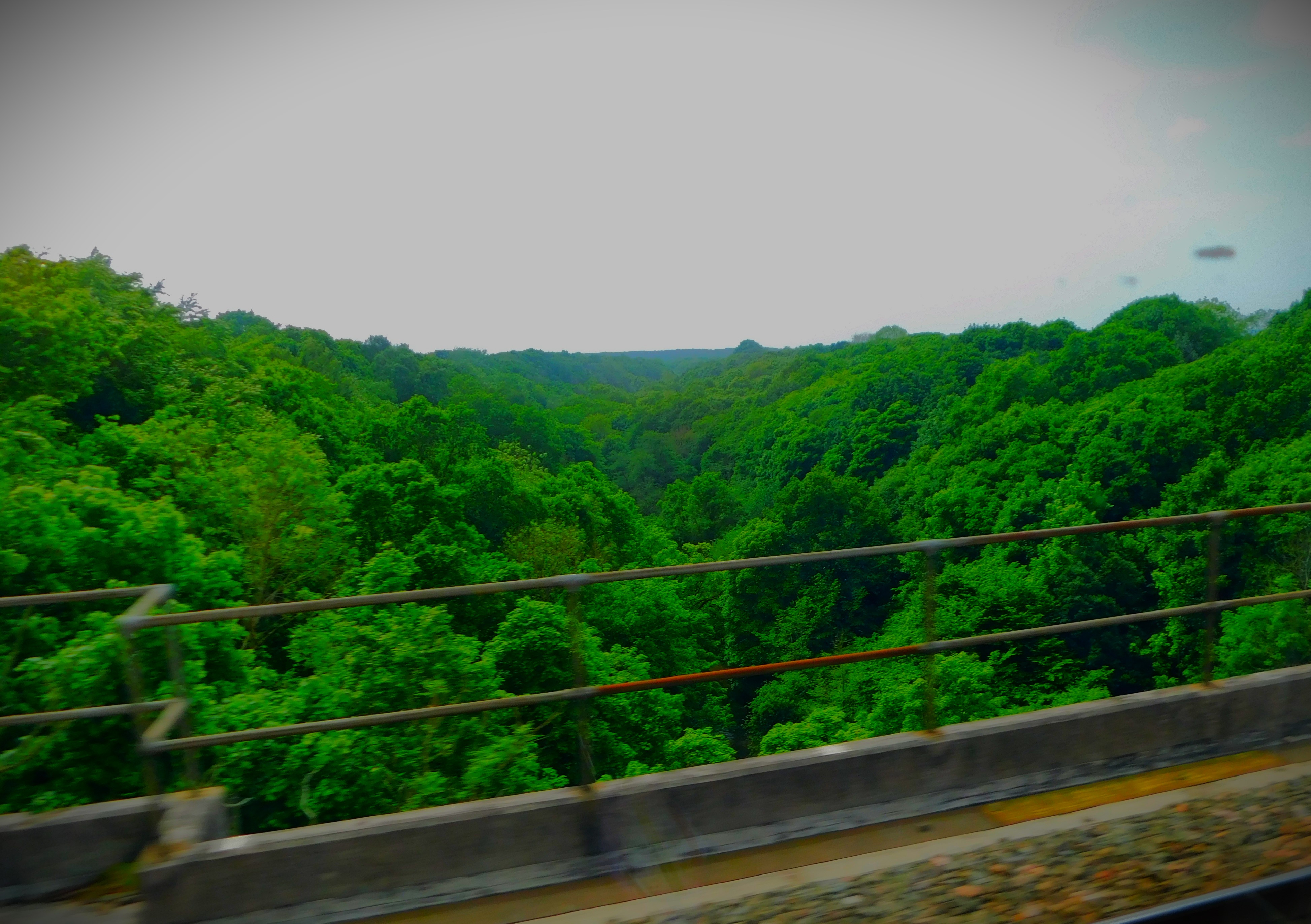
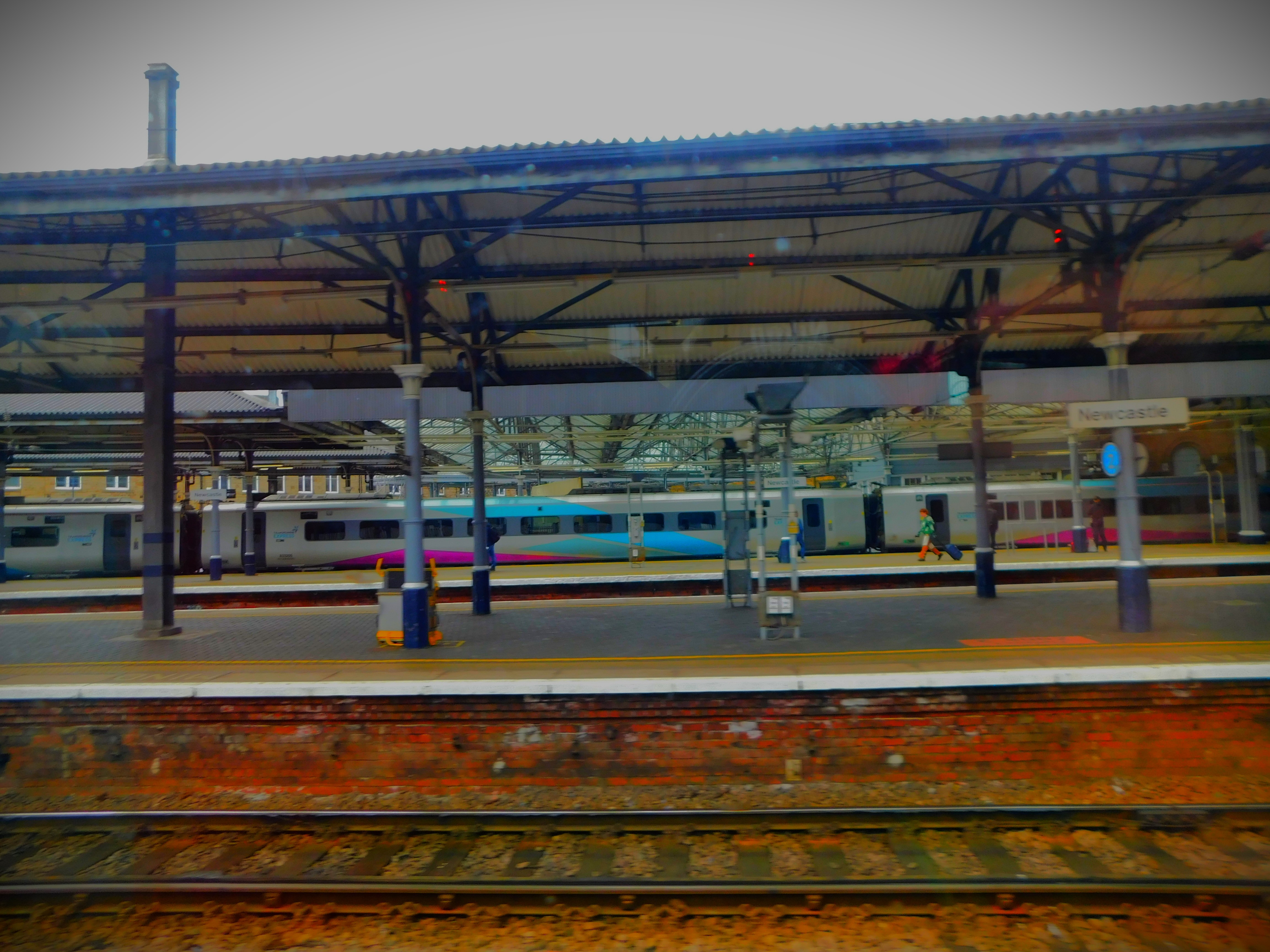
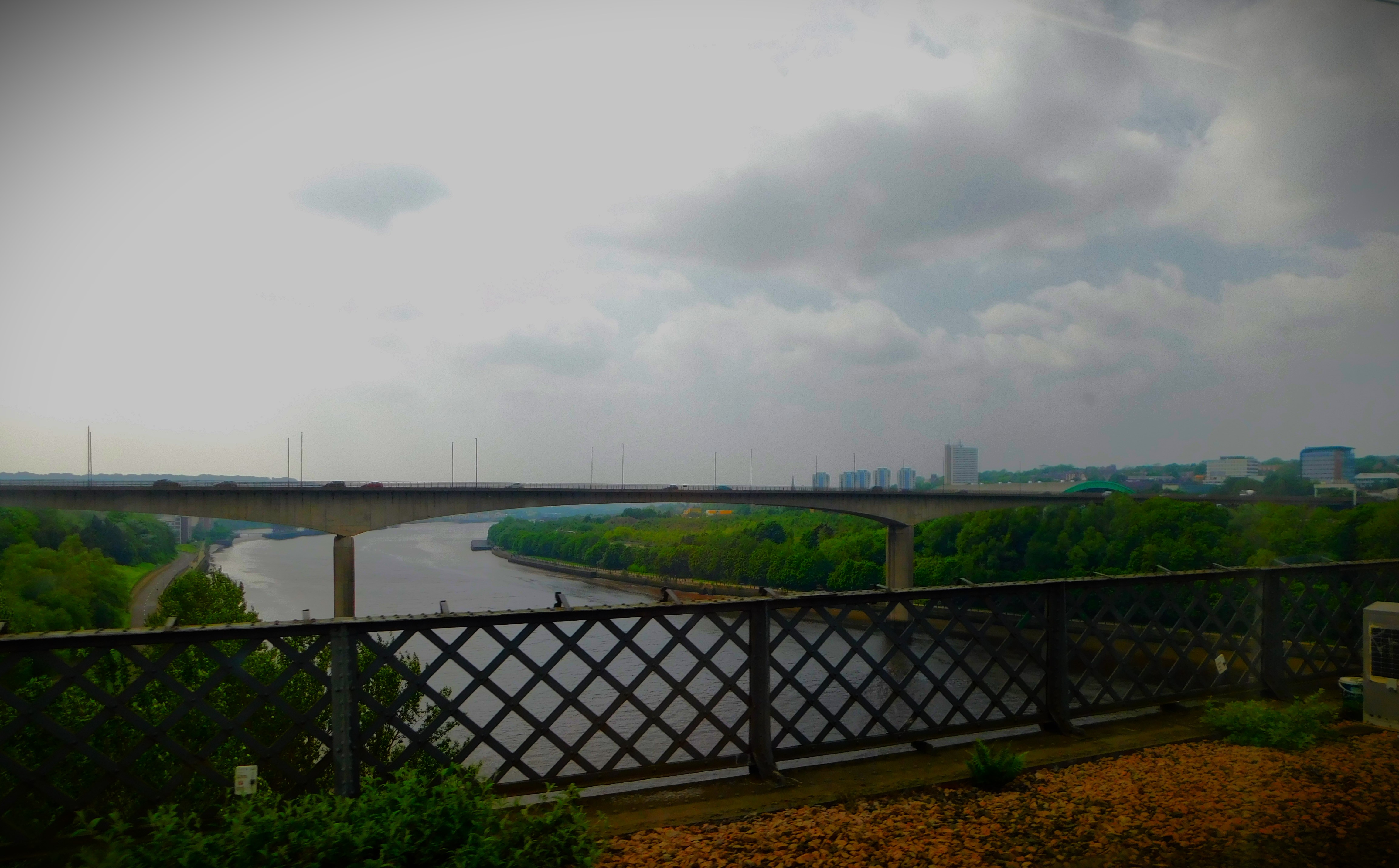
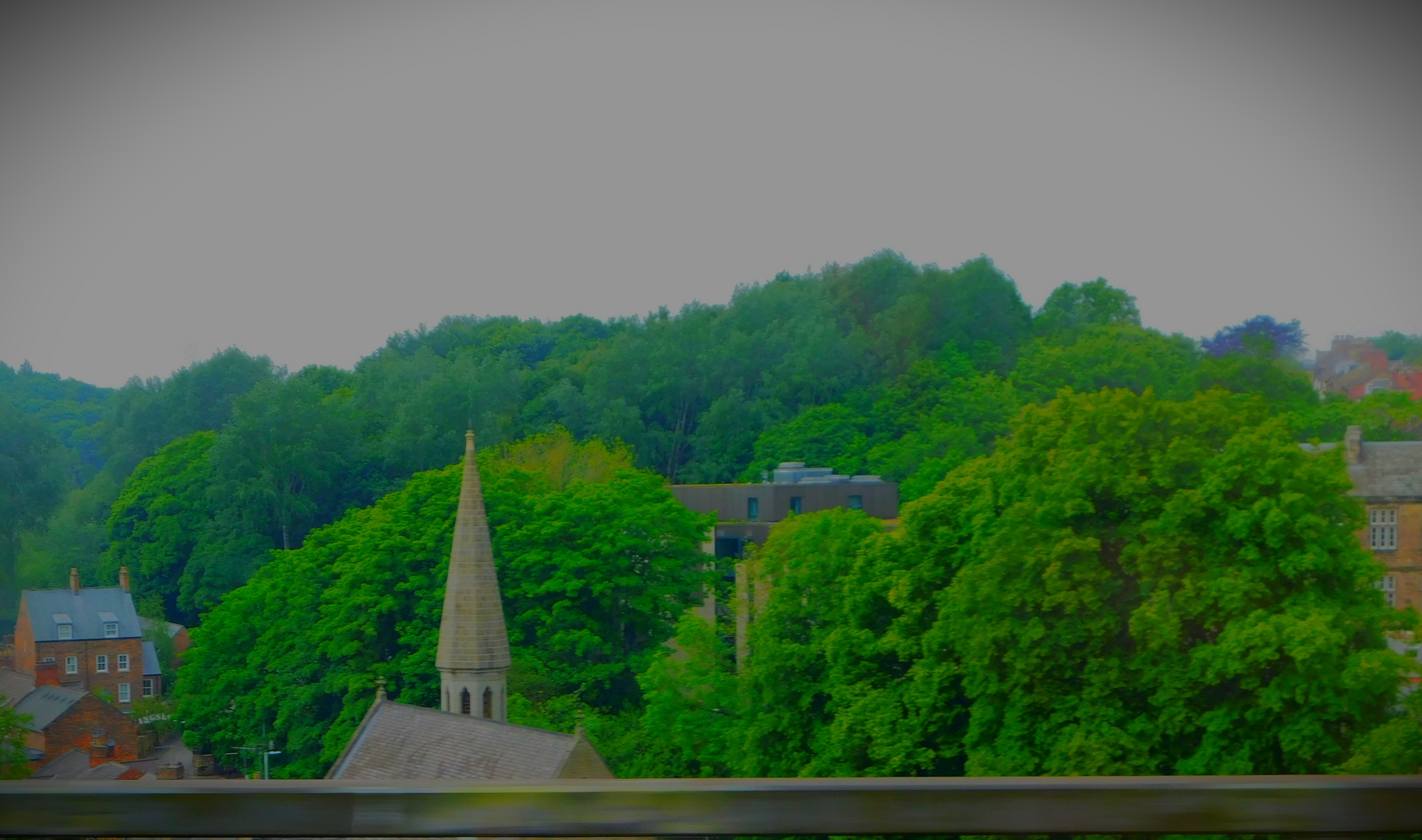
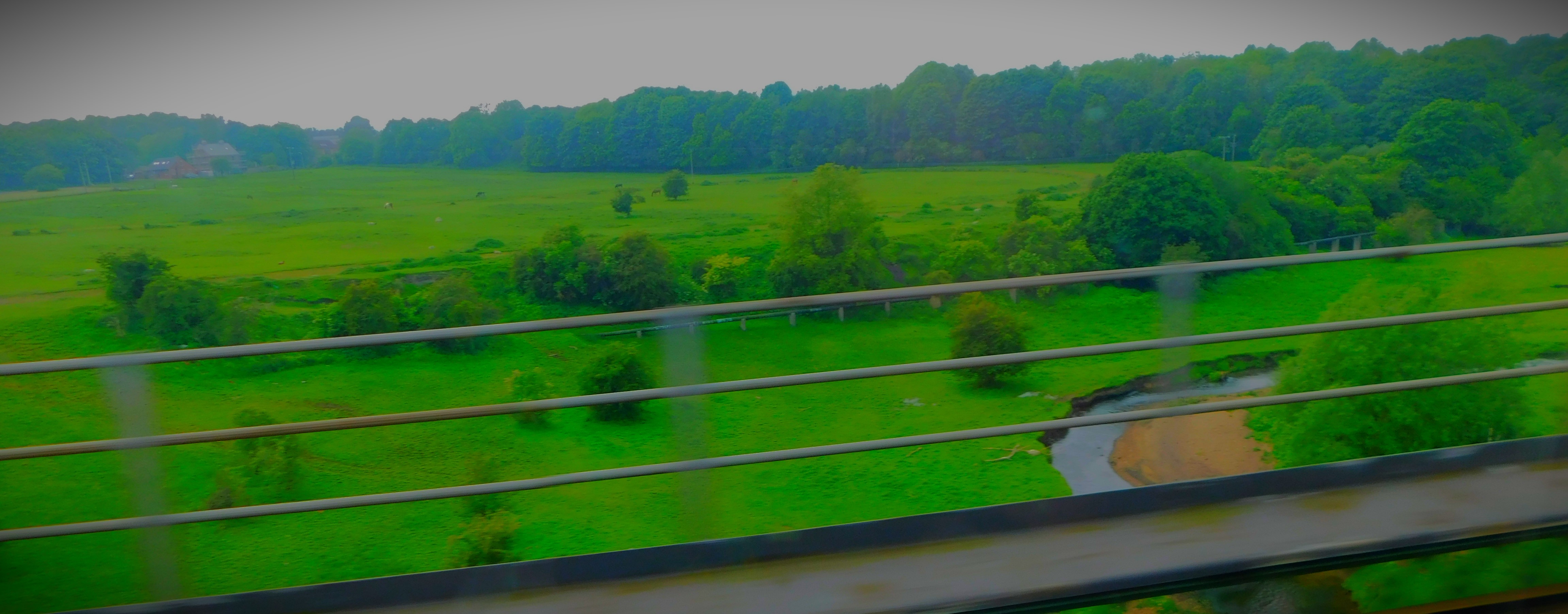
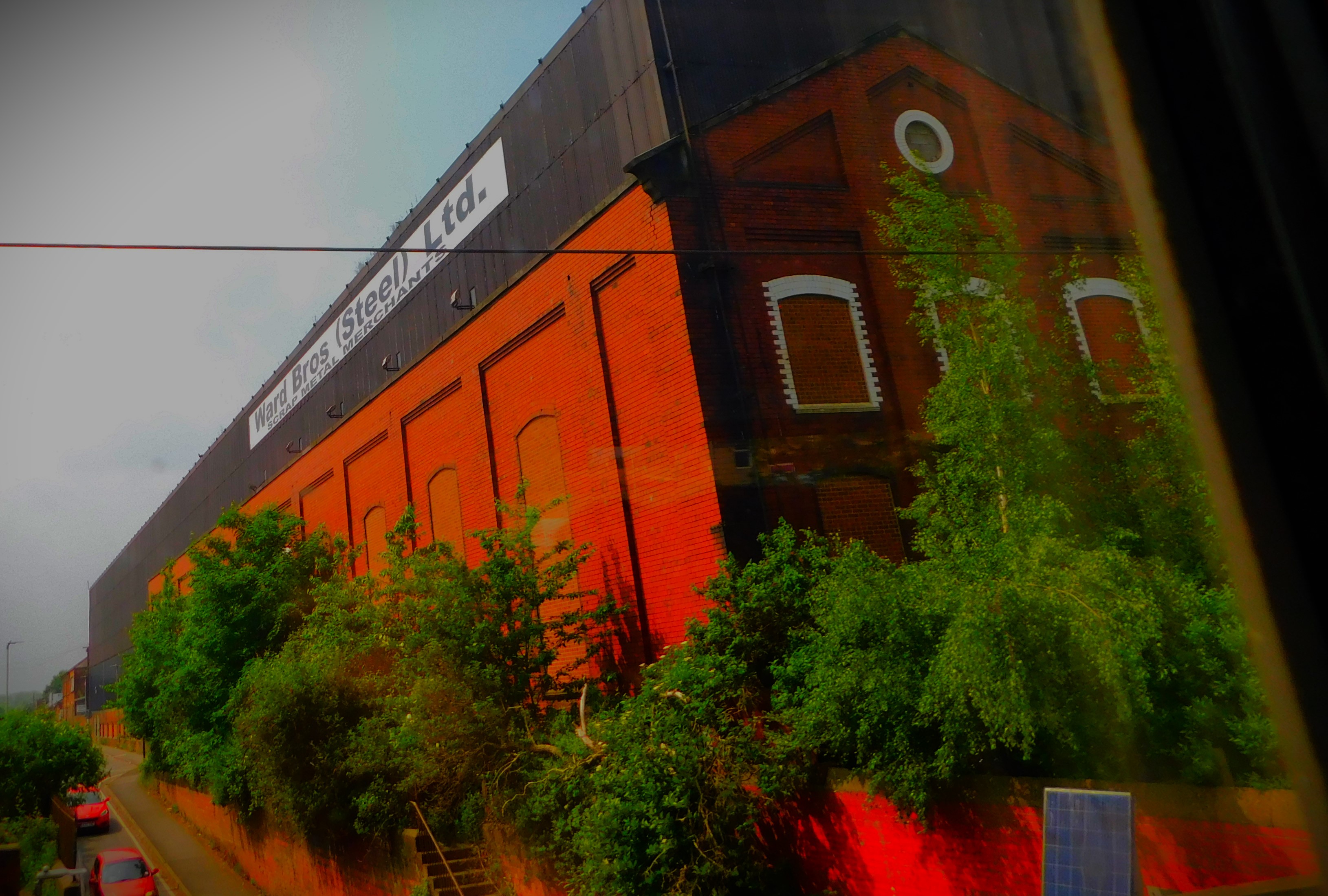
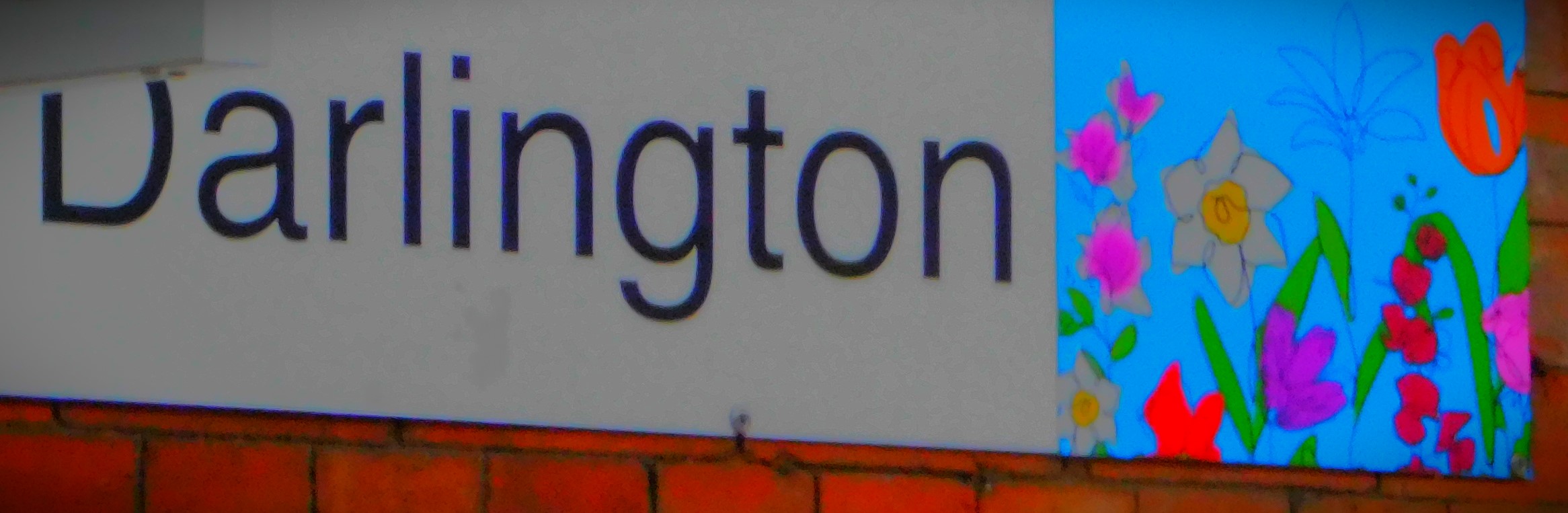
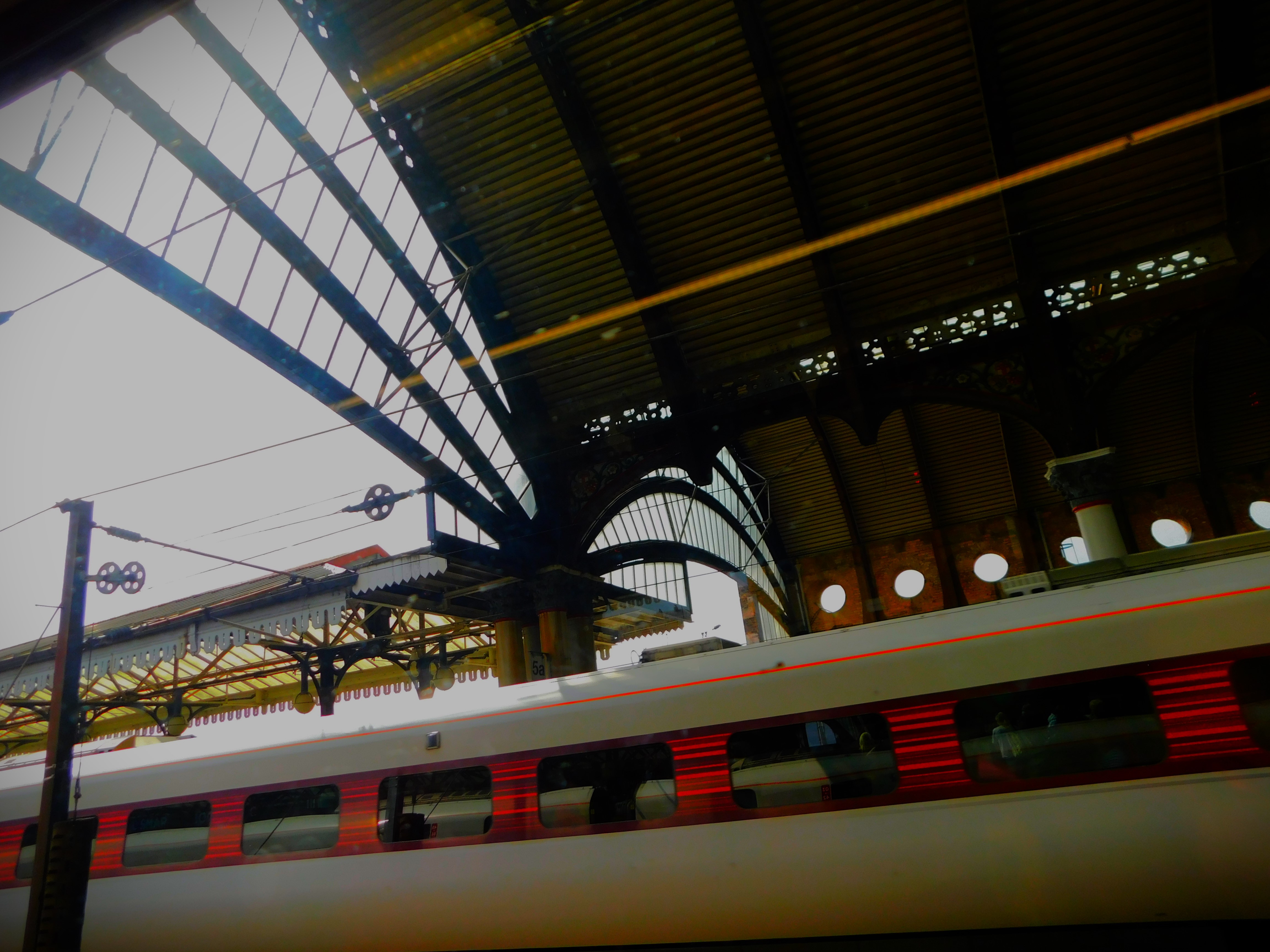
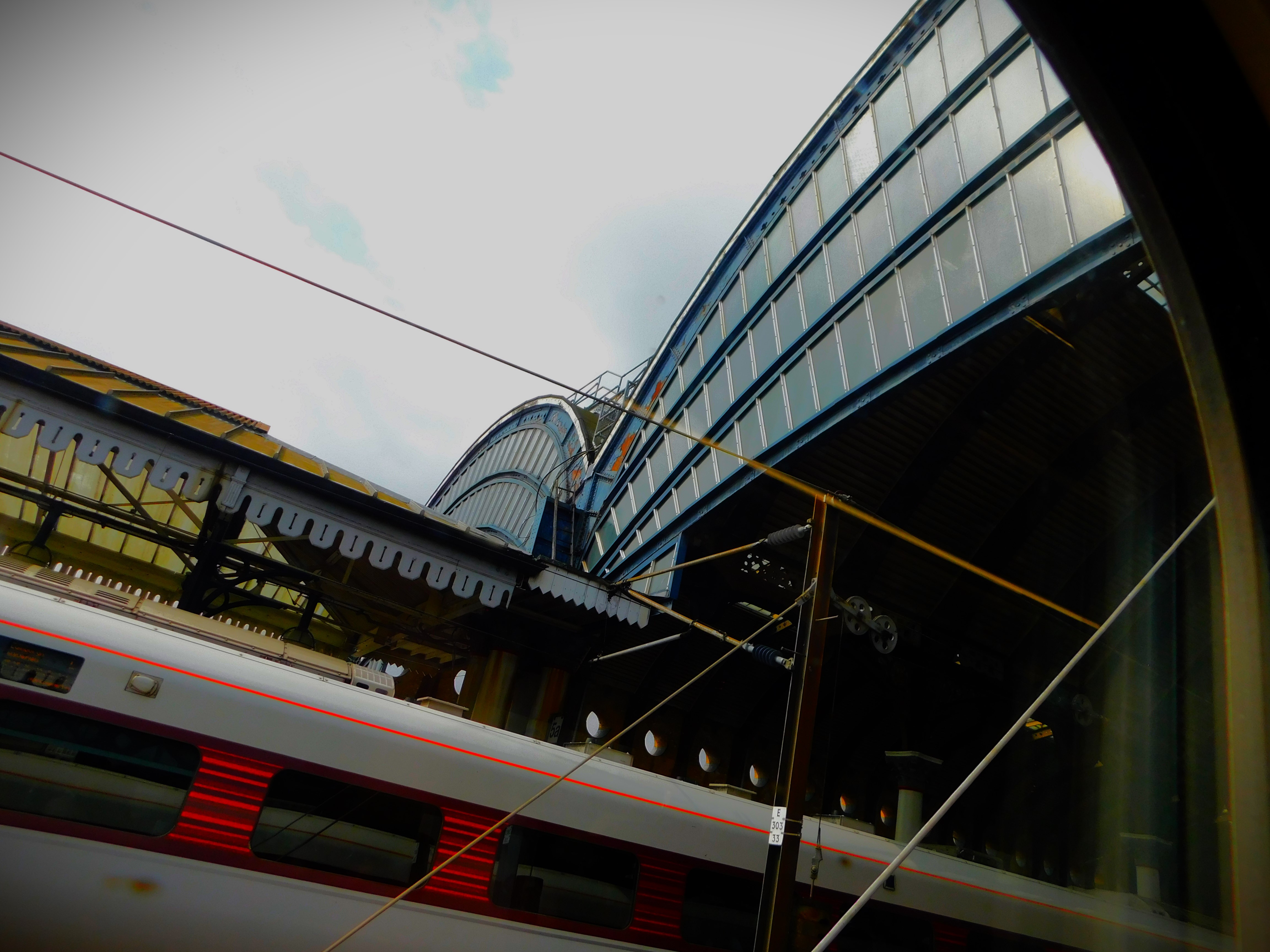
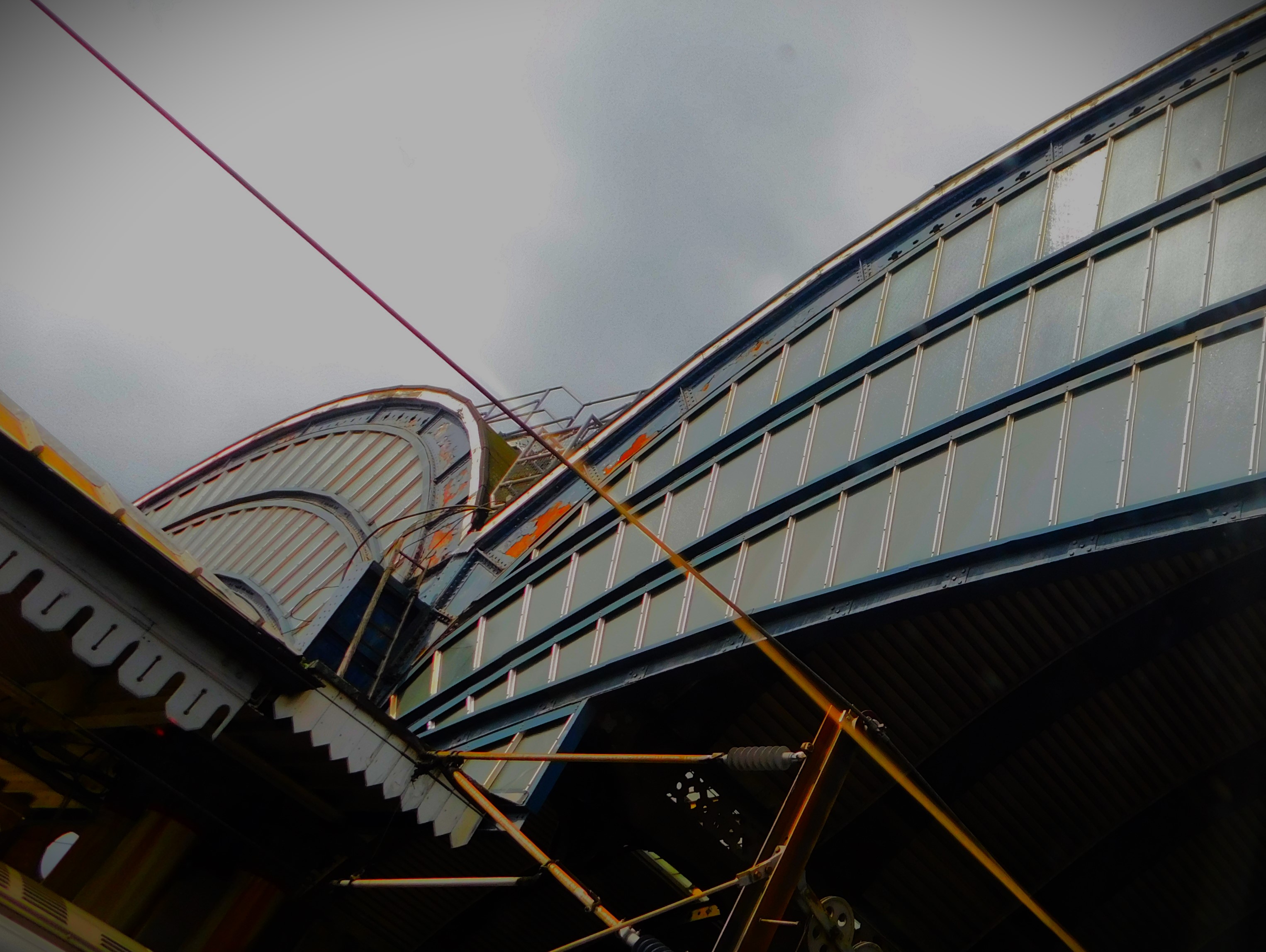
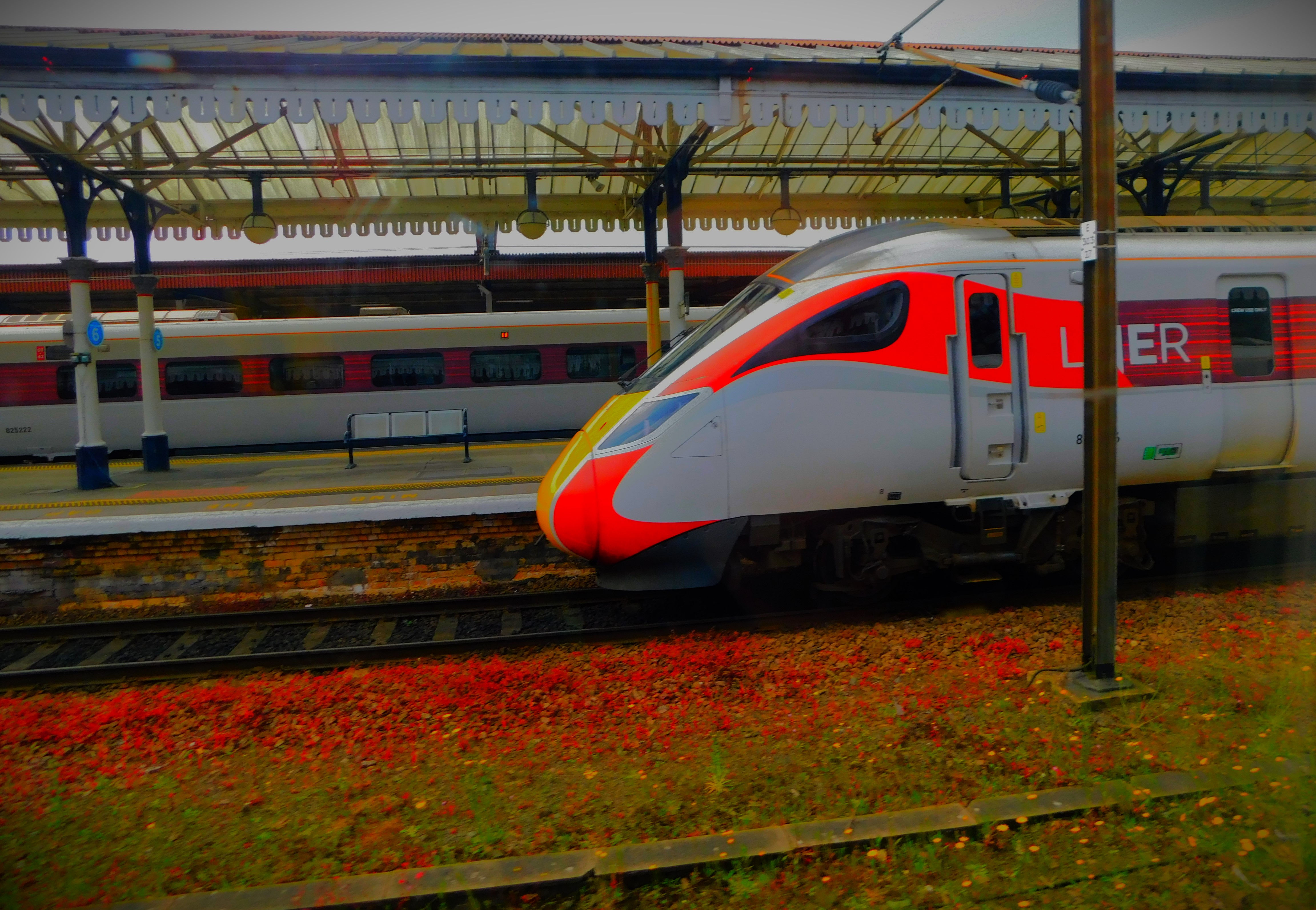
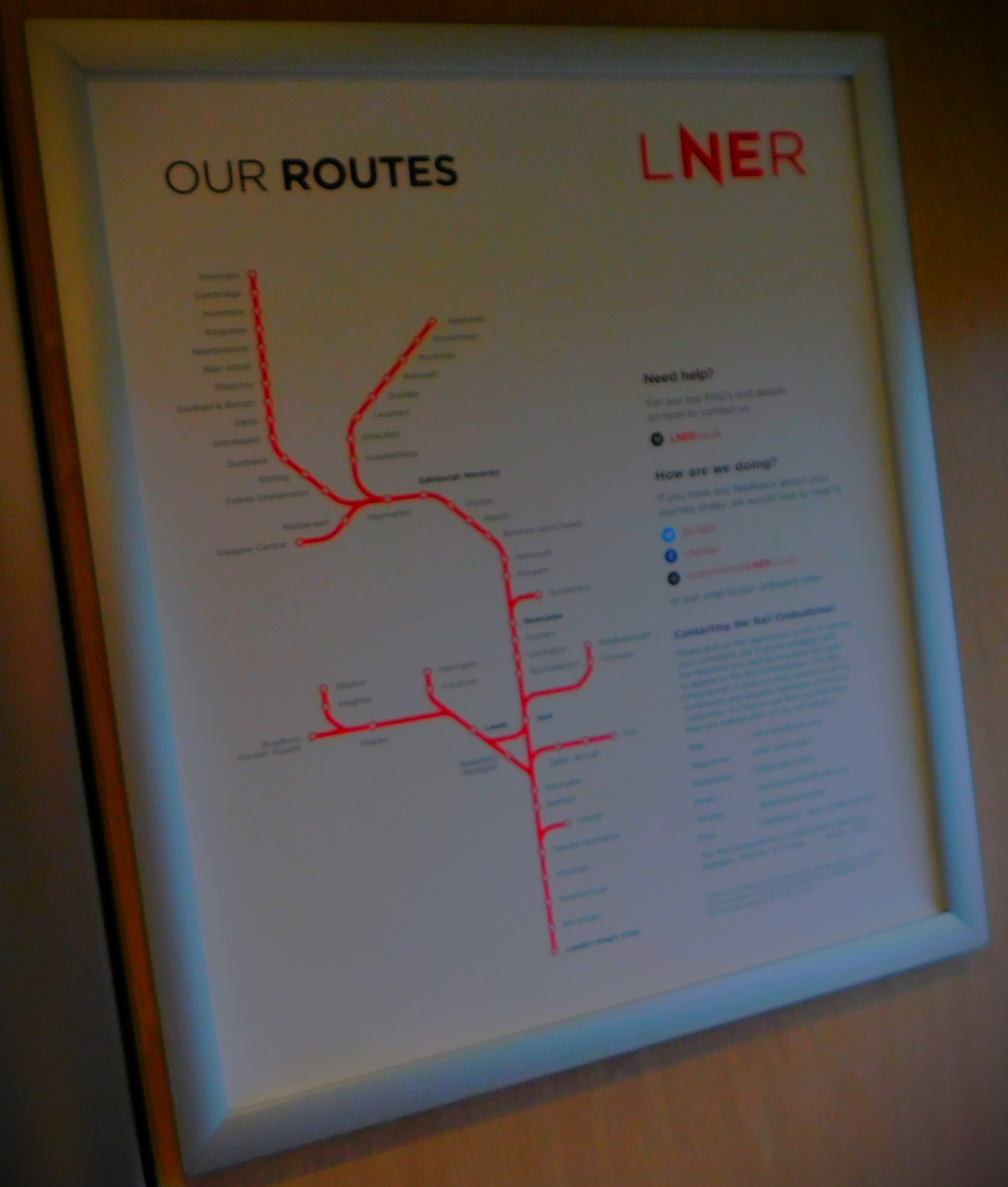
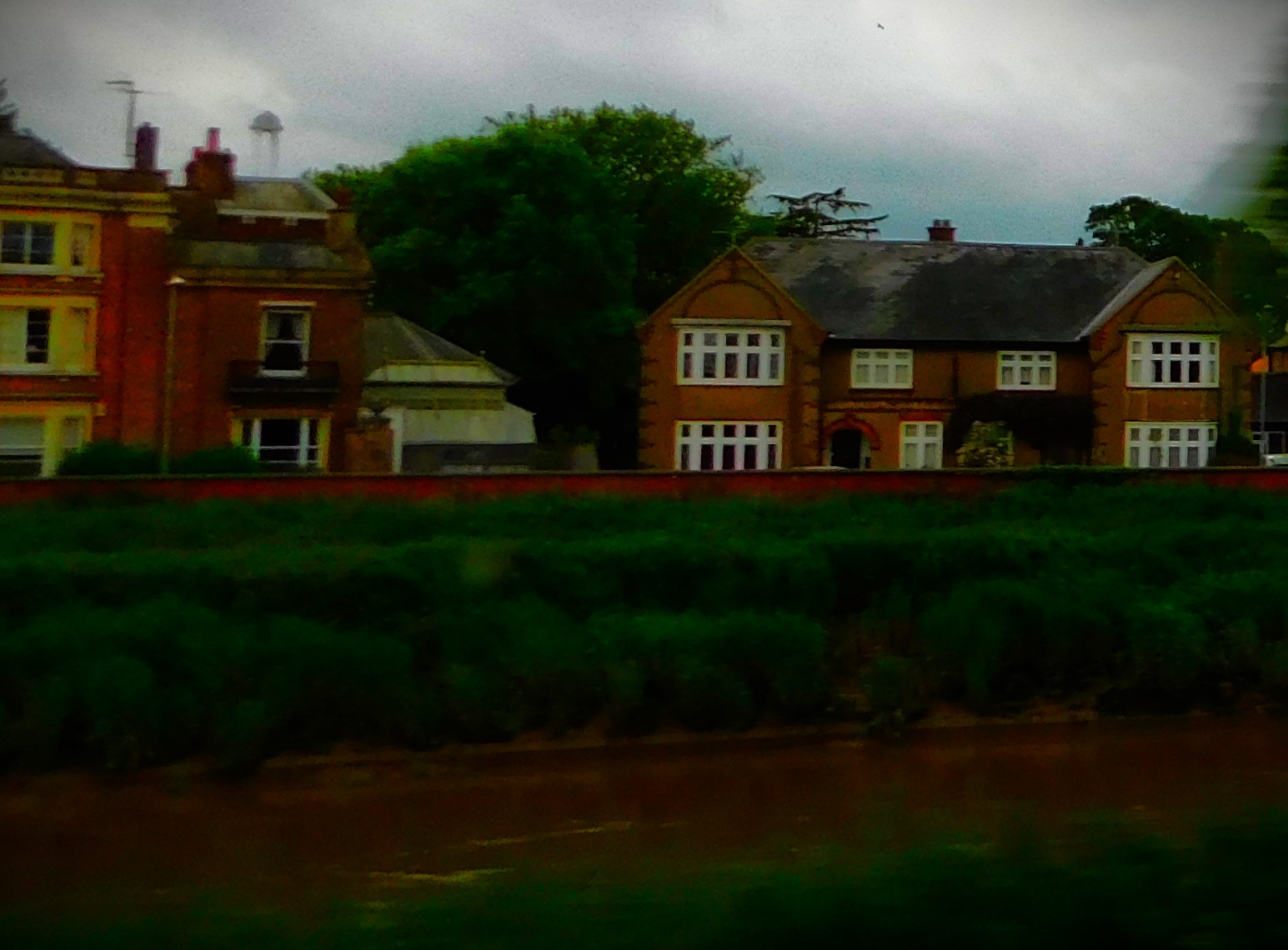
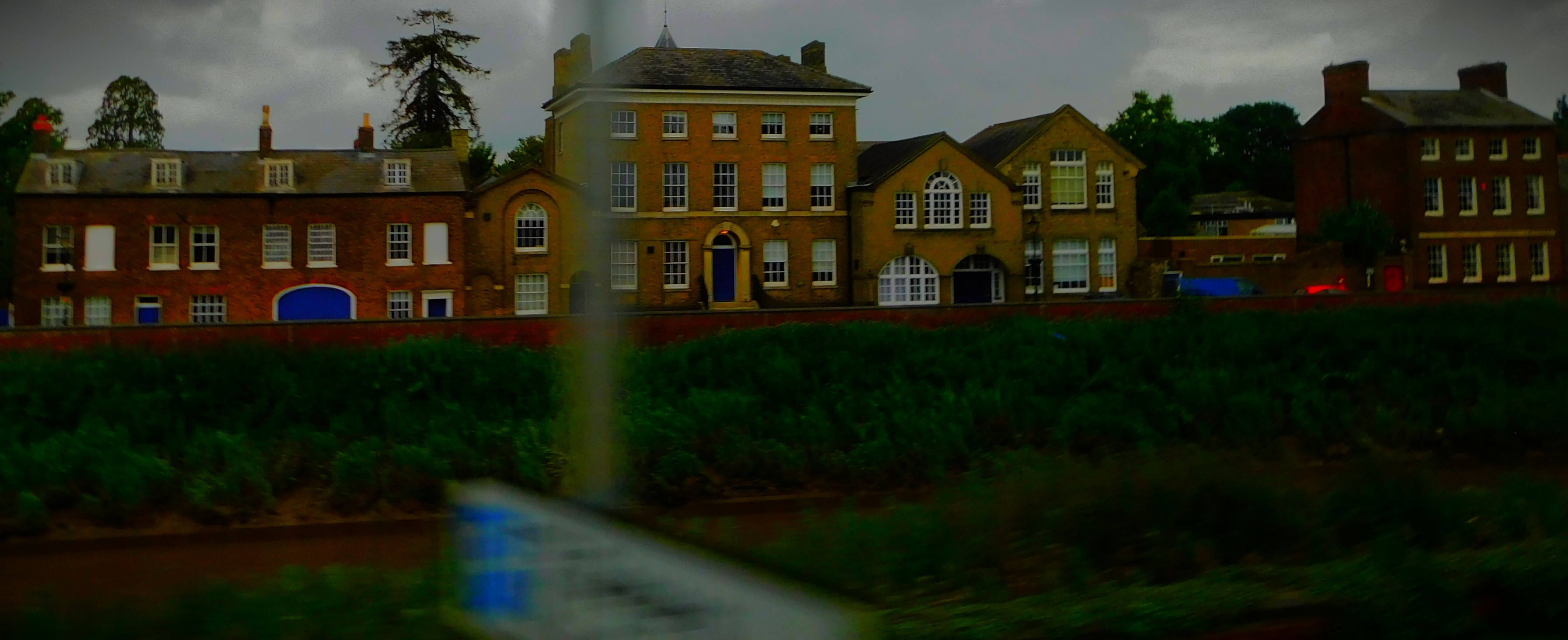
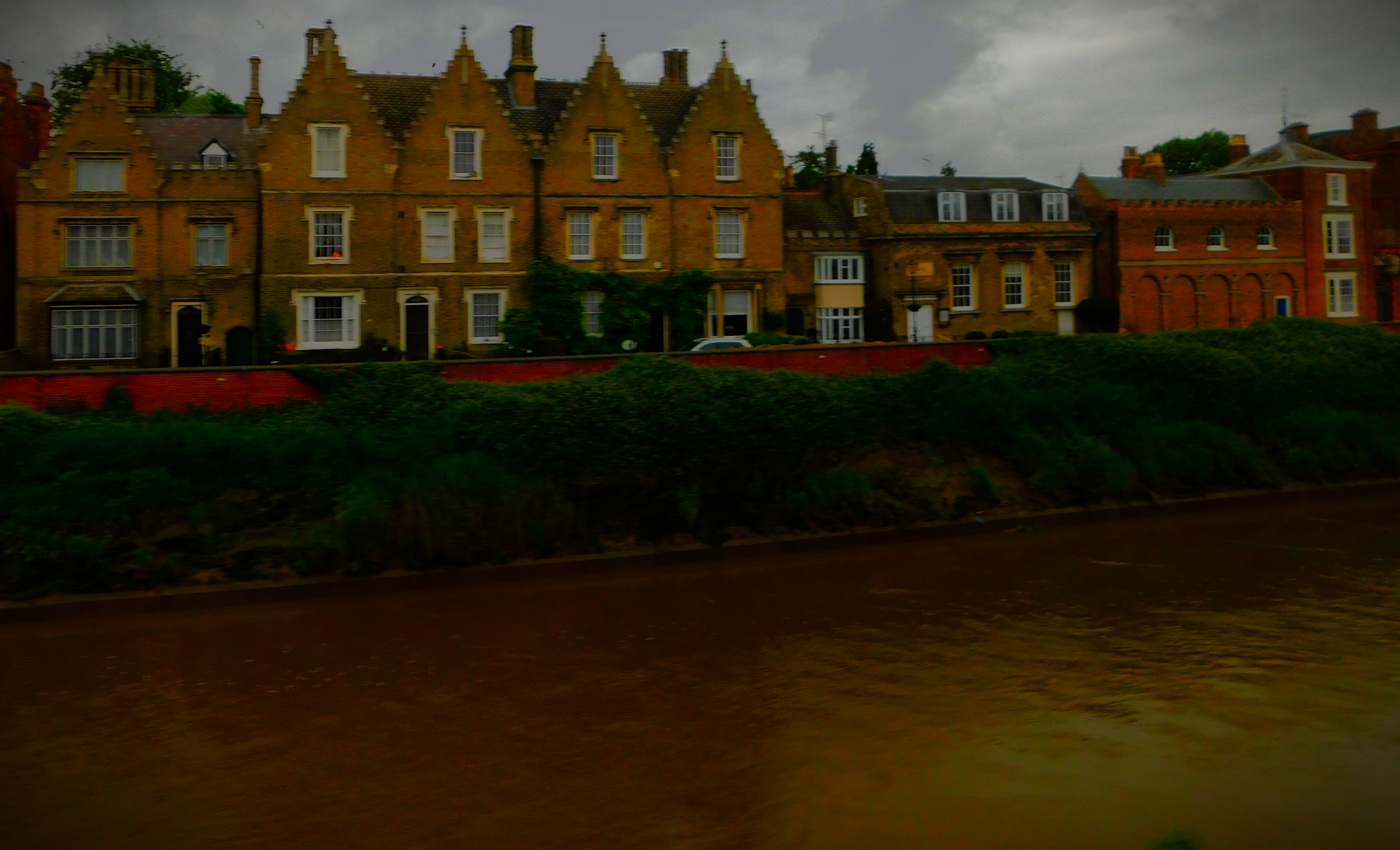
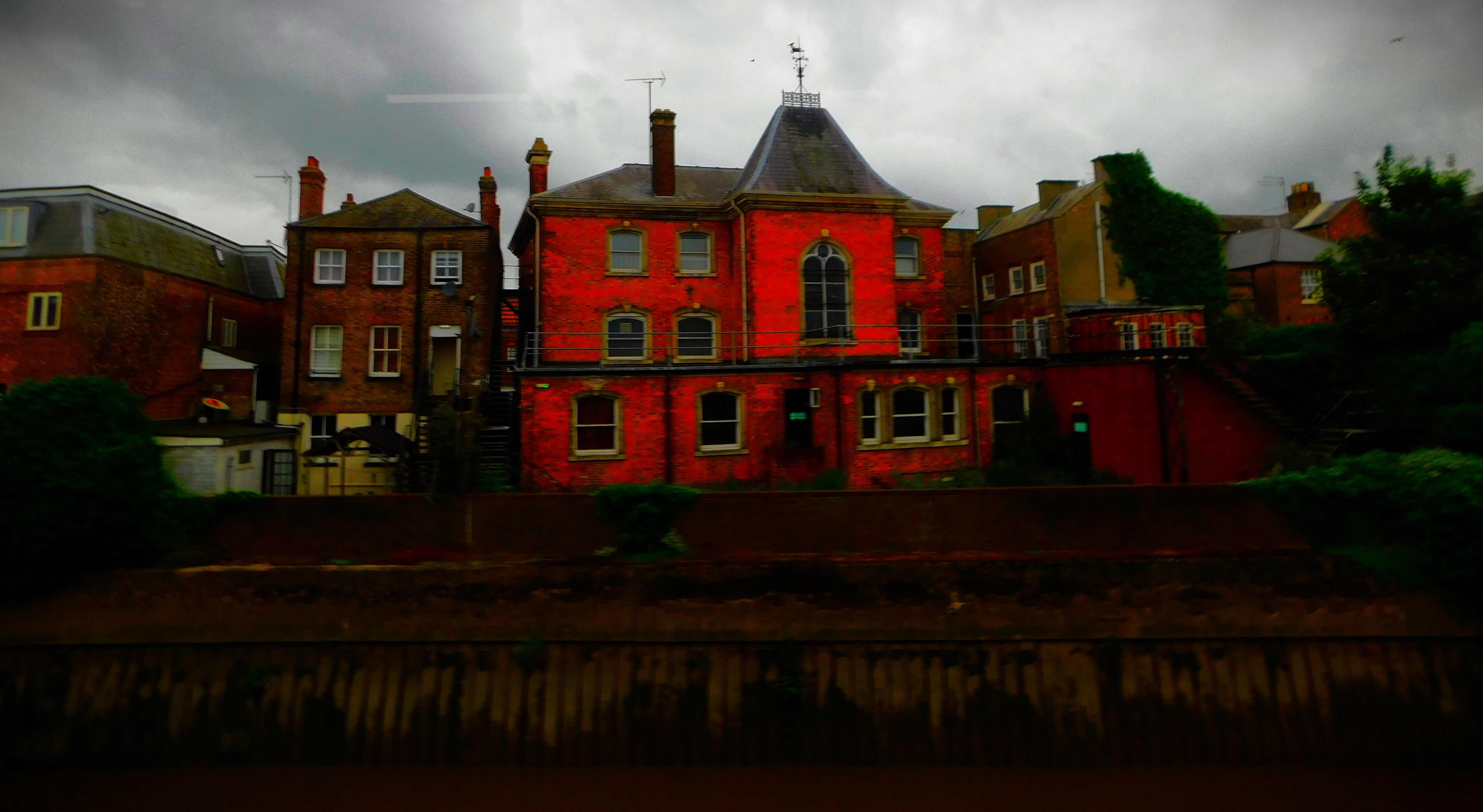
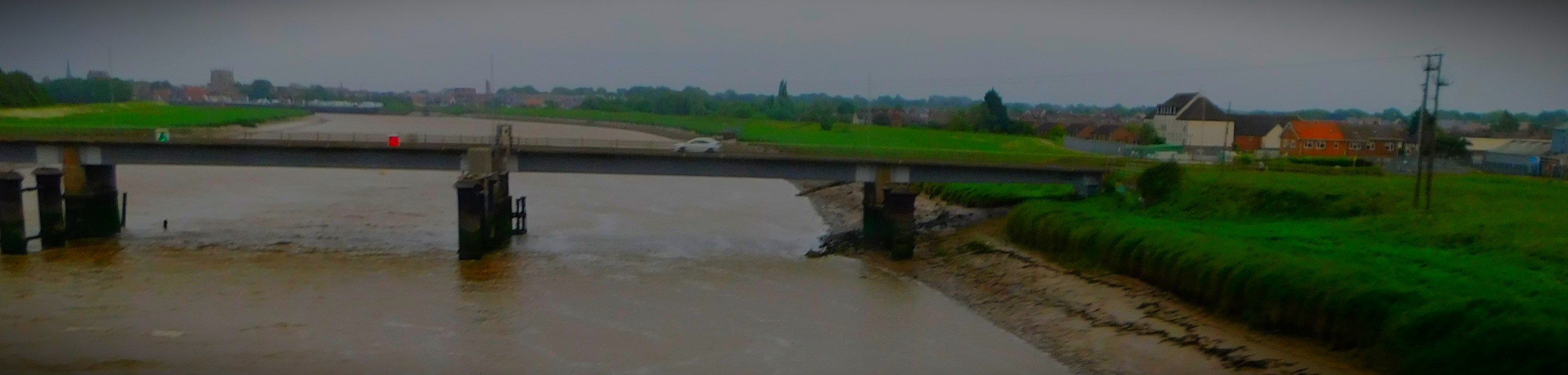
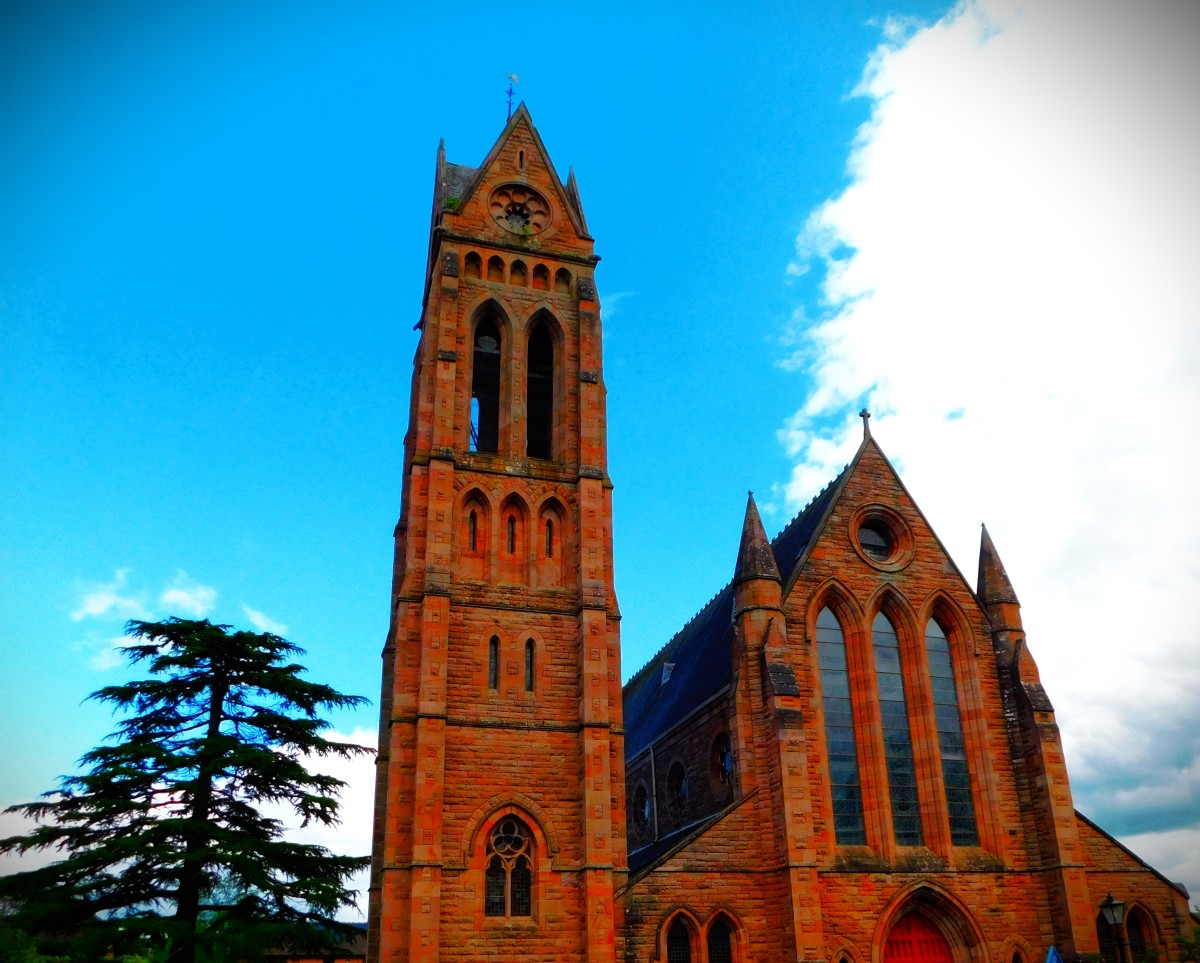
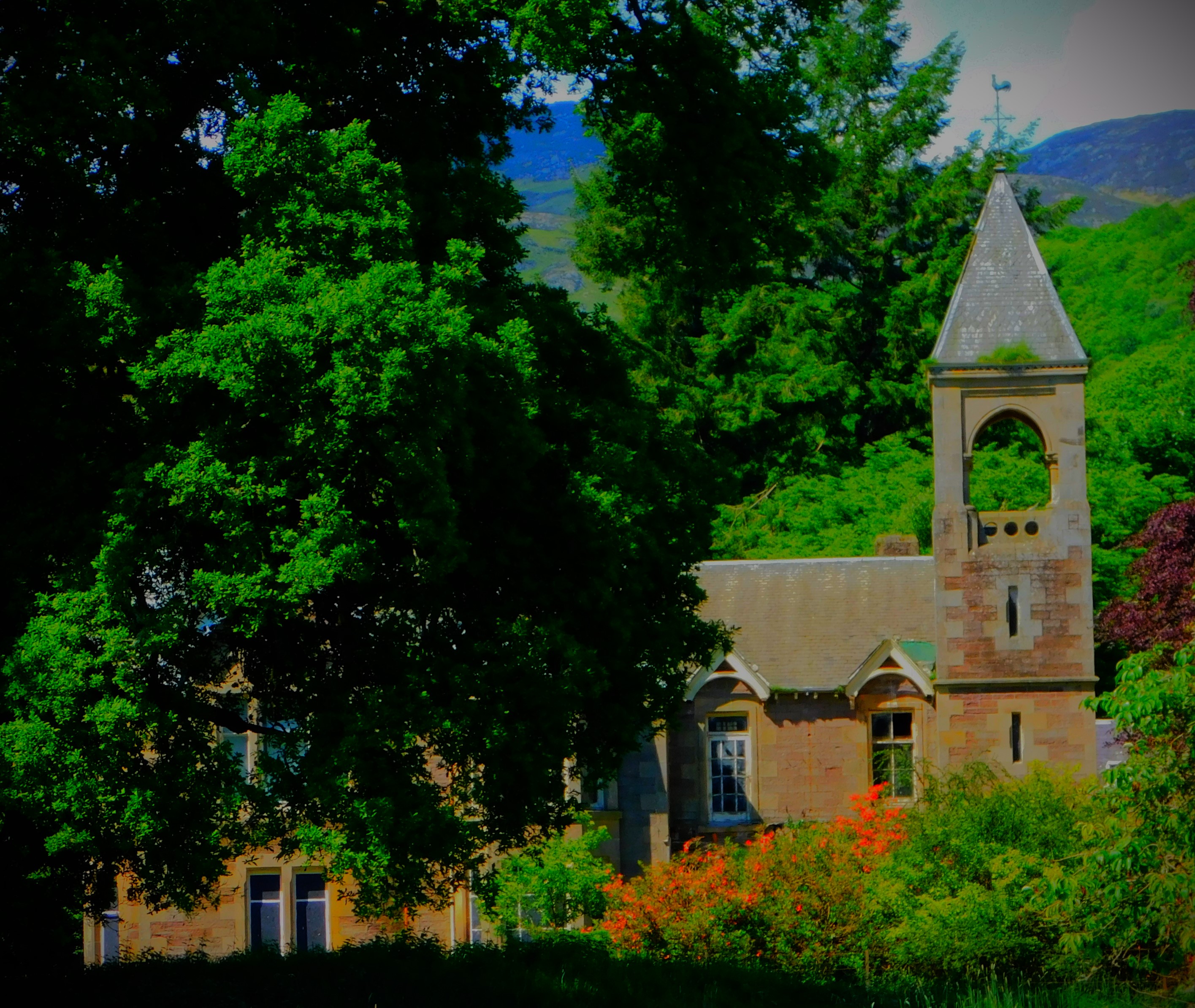
I was due to leave Perth at 11:15AM on May 31st, a time which was tailored to the fact that we had to be out of the building in Comrie by 10 at the latest – it was late enough not hurry our departure and early enough that the wait at Perth station would not be too long. This train was running a Perth to Edinburgh route and stopped at a number of places. There were some fine views, although I had put myself on the less good side of the train. I was worrying at one point as it ran late, and indeed I had only eight minutes to make the connection at Edinburgh, but I was never actually in any danger of missing that connection. The train from Edinburgh to Peterborough ran smoothly, though my reserved seat was on the less good side of the train for photography. At Peterborough I had a wait of about 20 minutes for the bus to King’s Lynn. This part of the journey also ran smoothly, and I arrived at the bus station a little before 6:40PM, and was home just before 7PM.
PHOTOGRAPHS
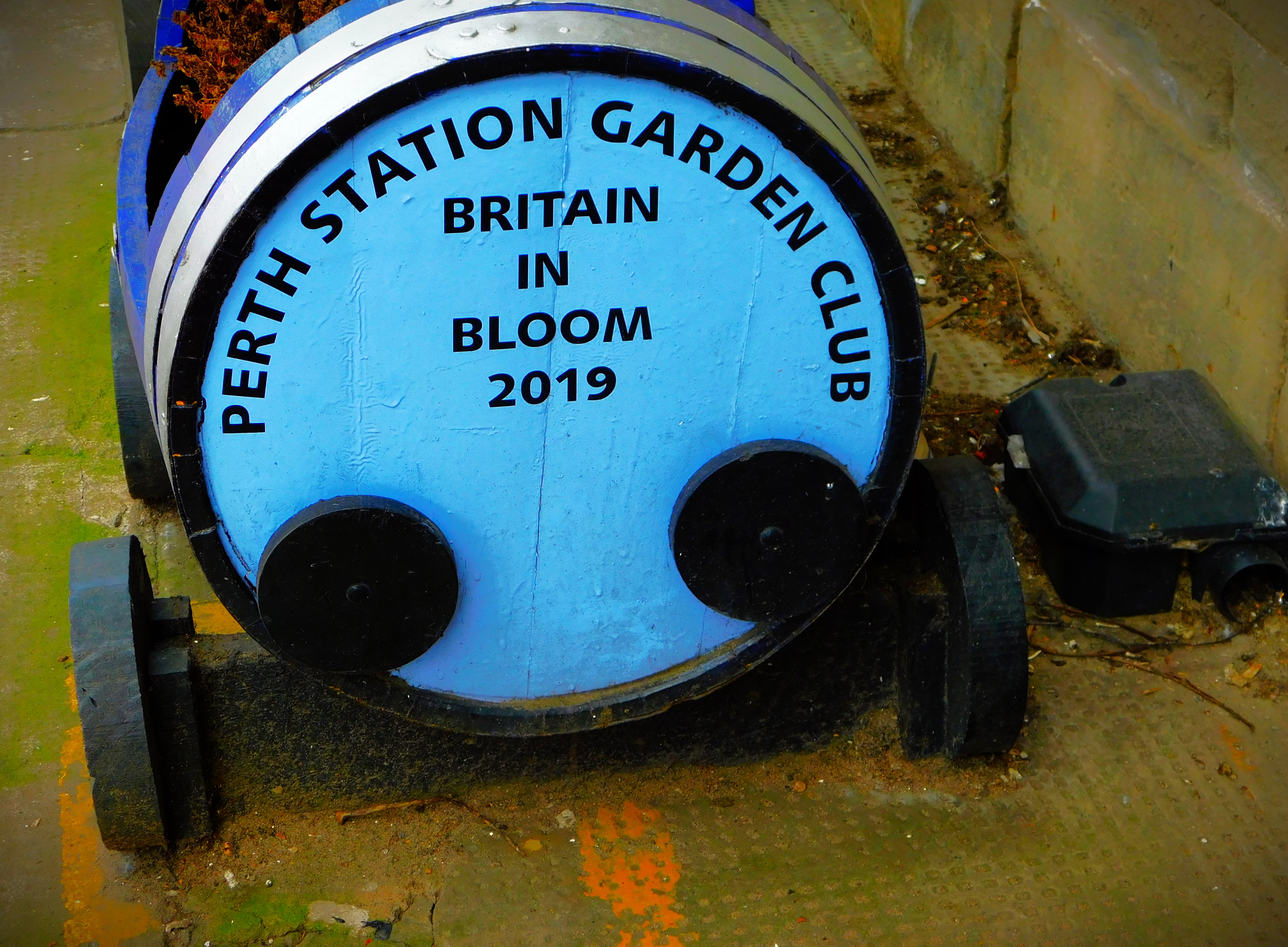
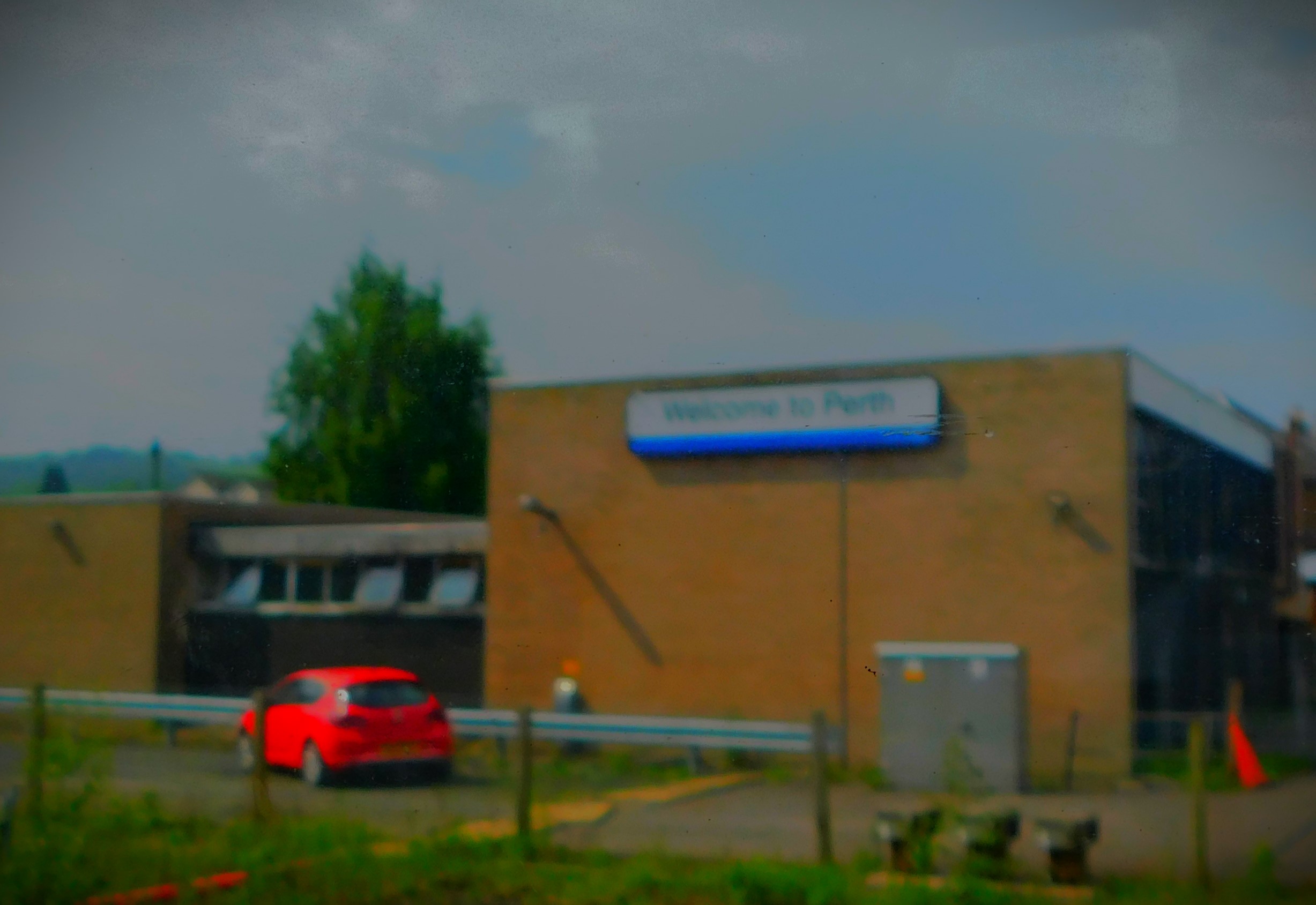
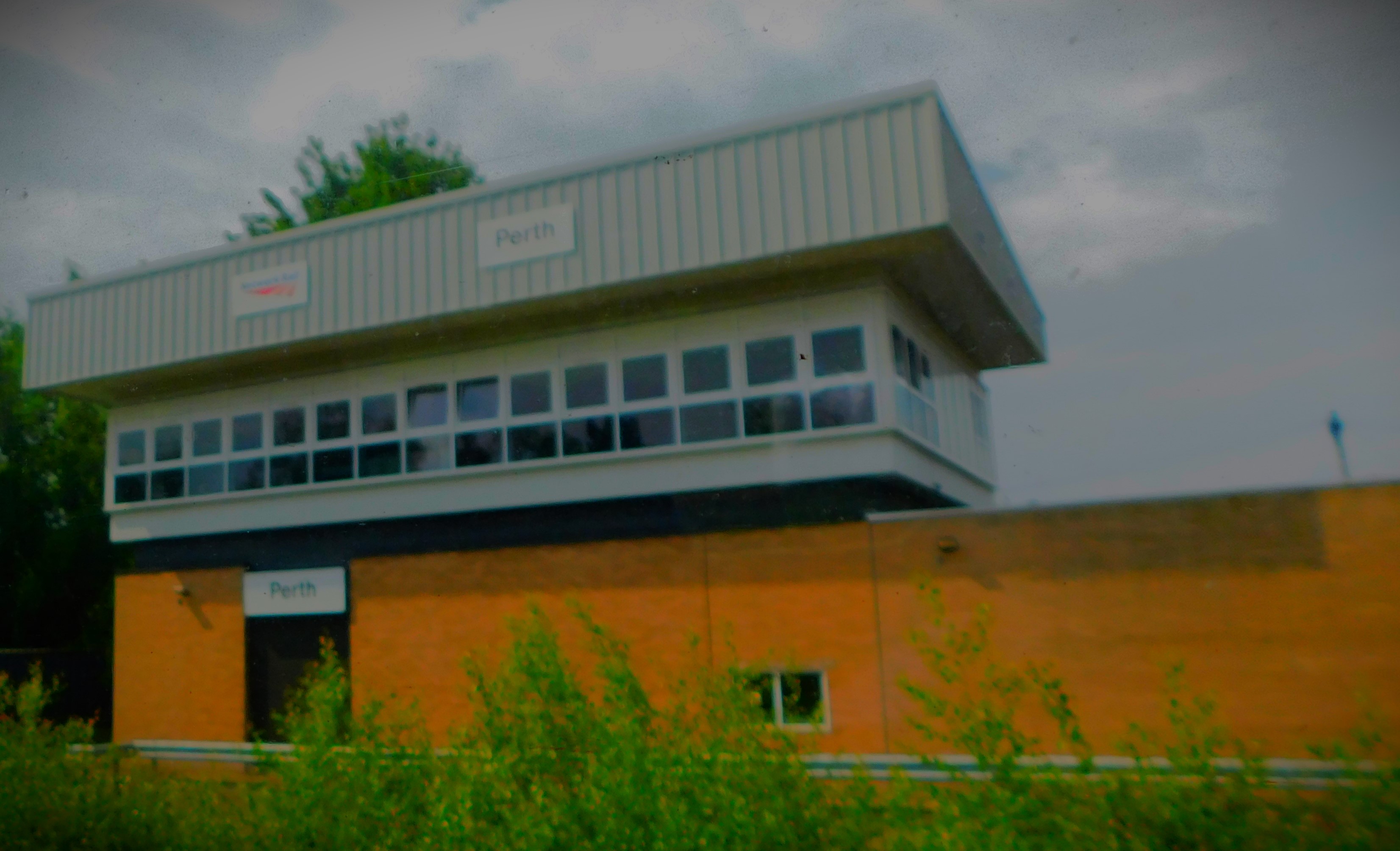
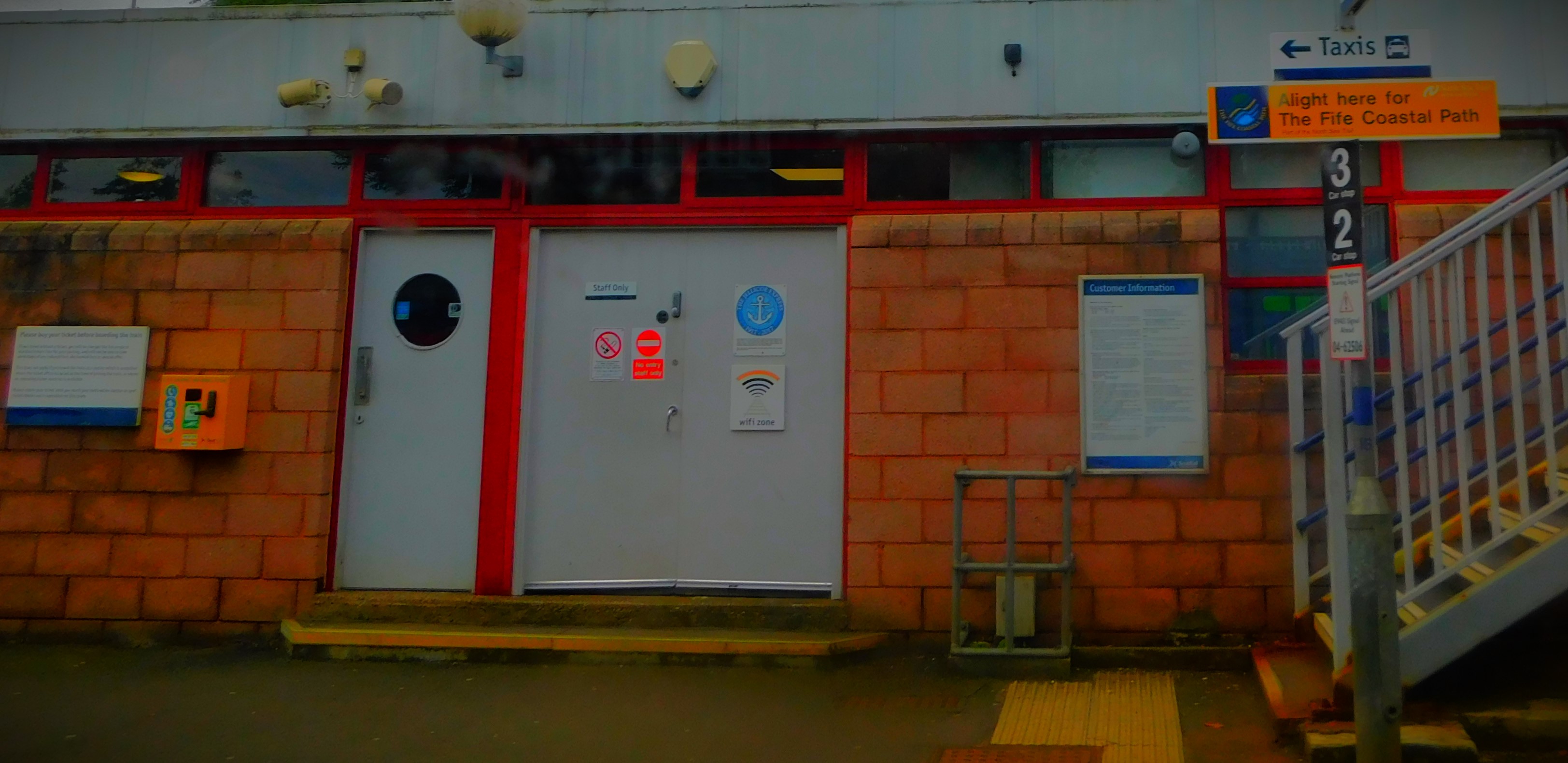
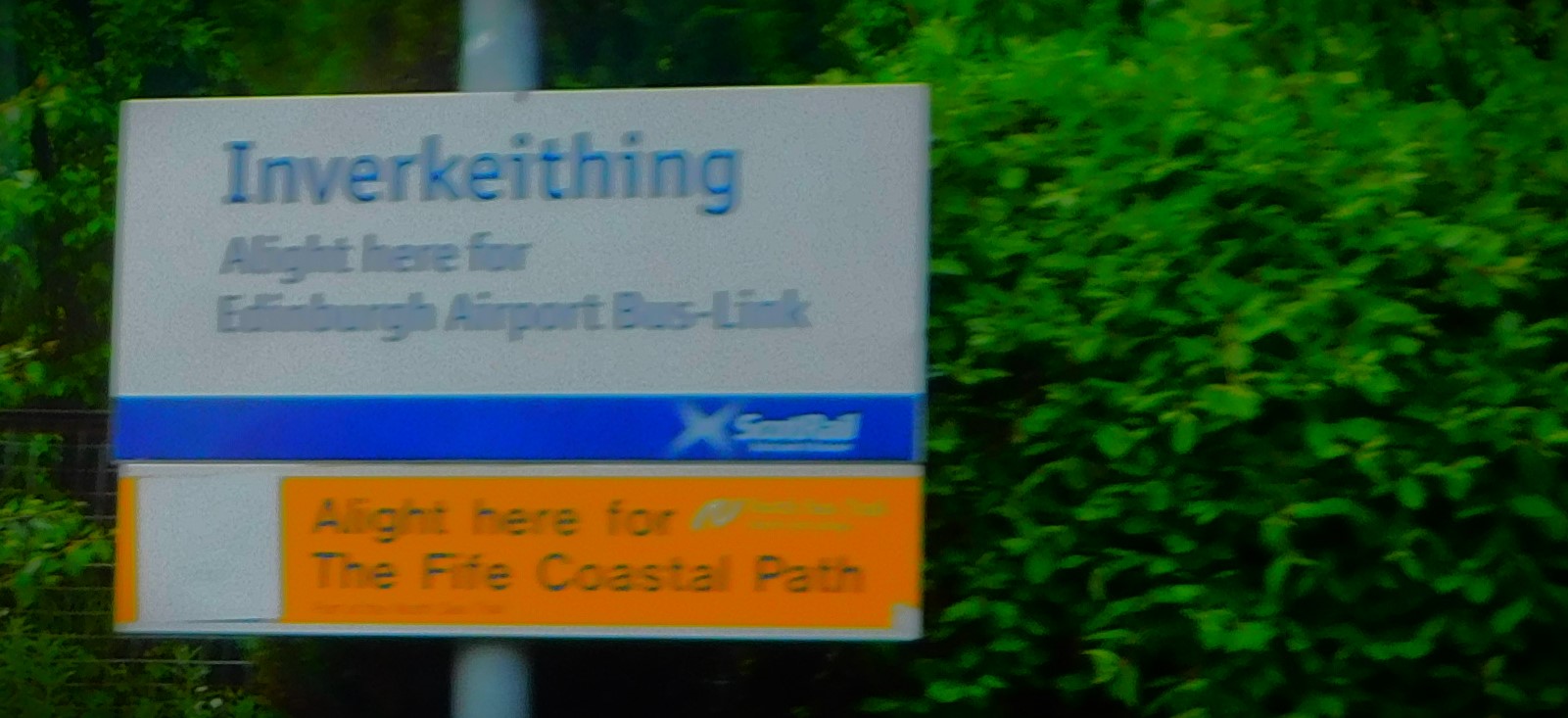
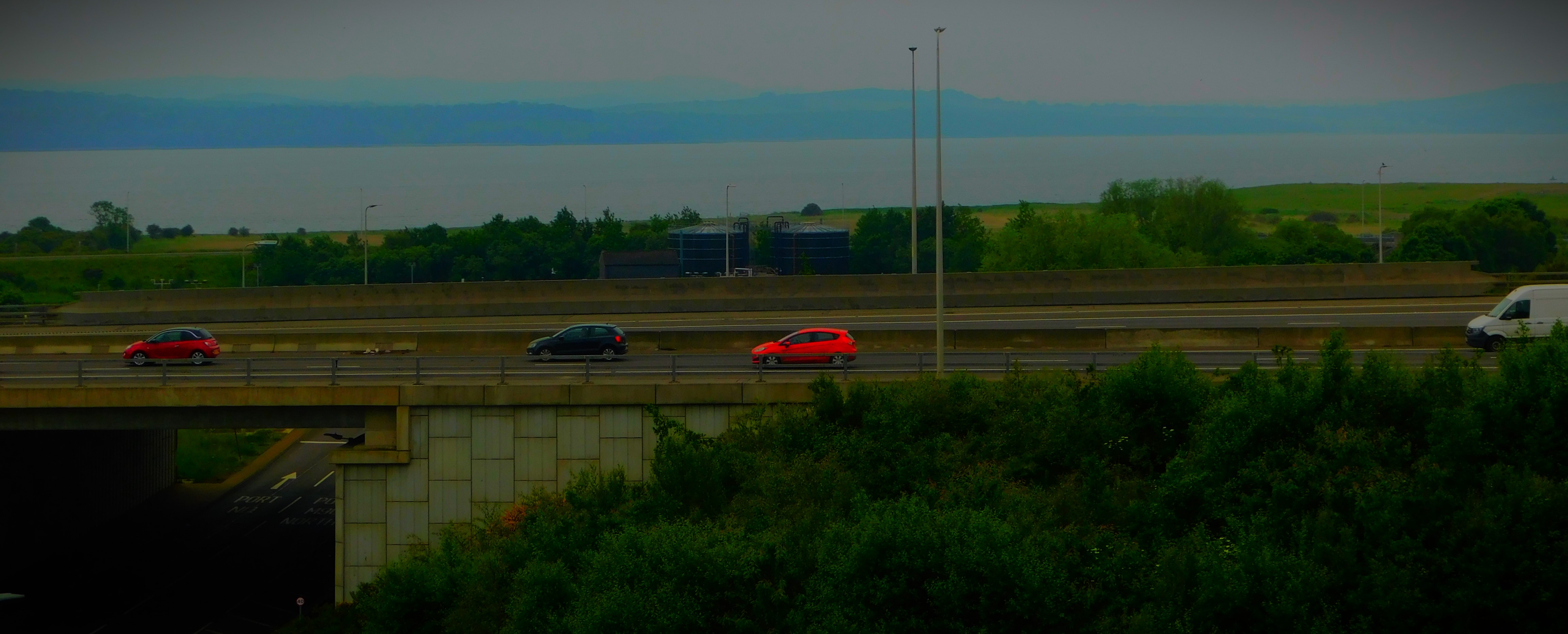
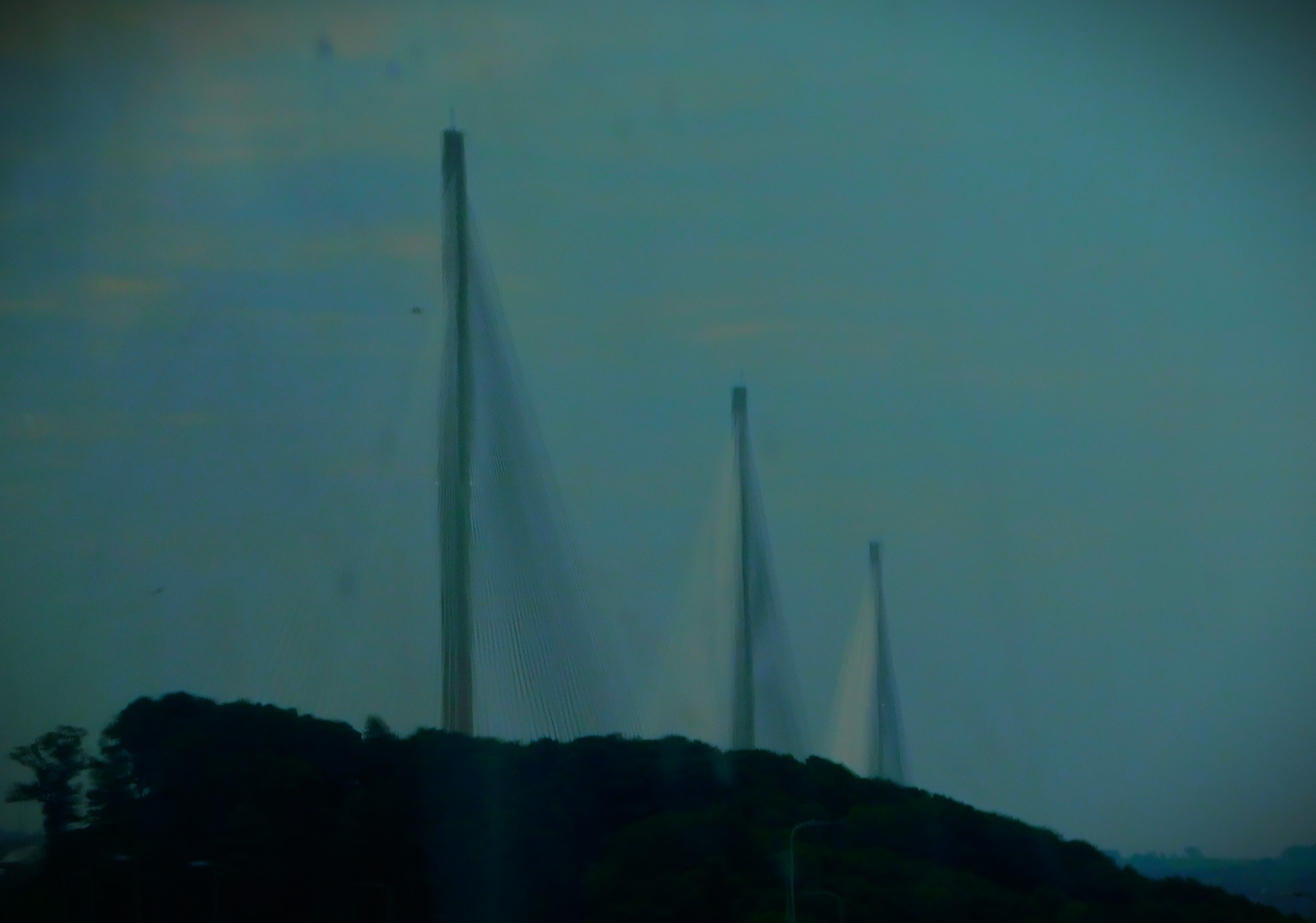
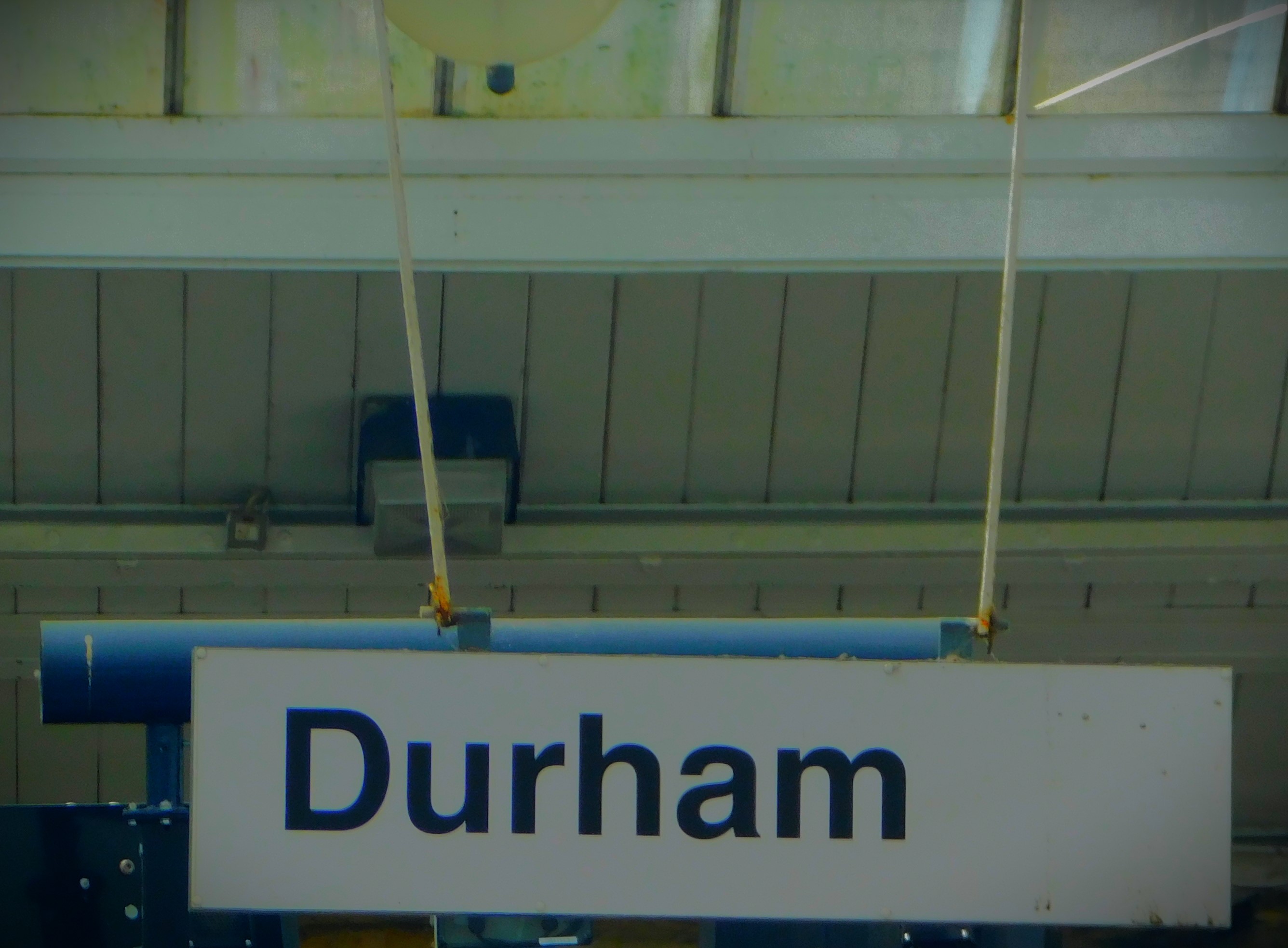
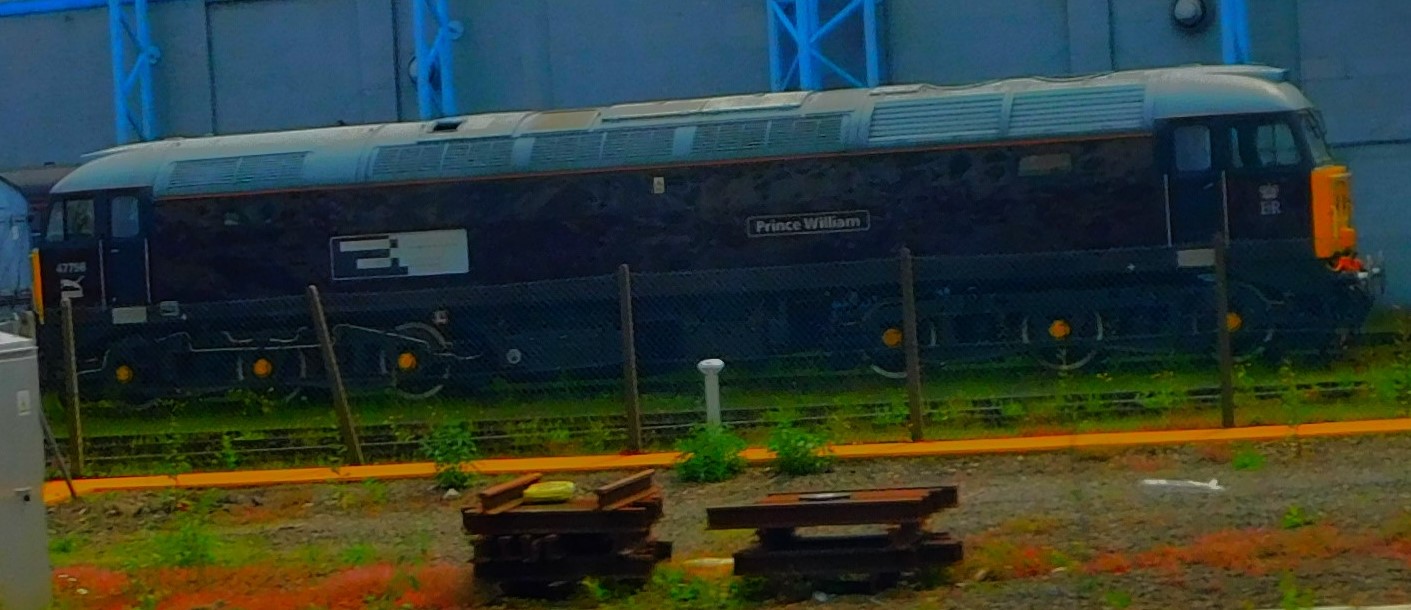
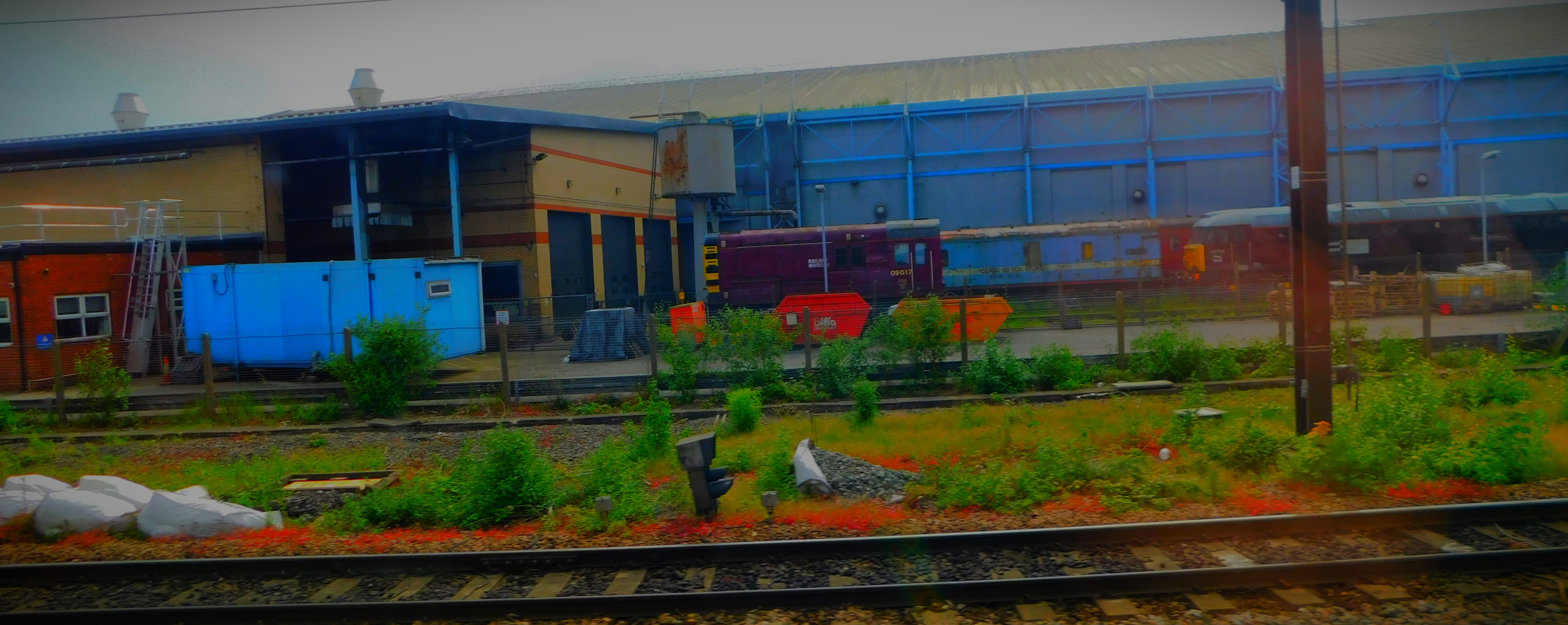
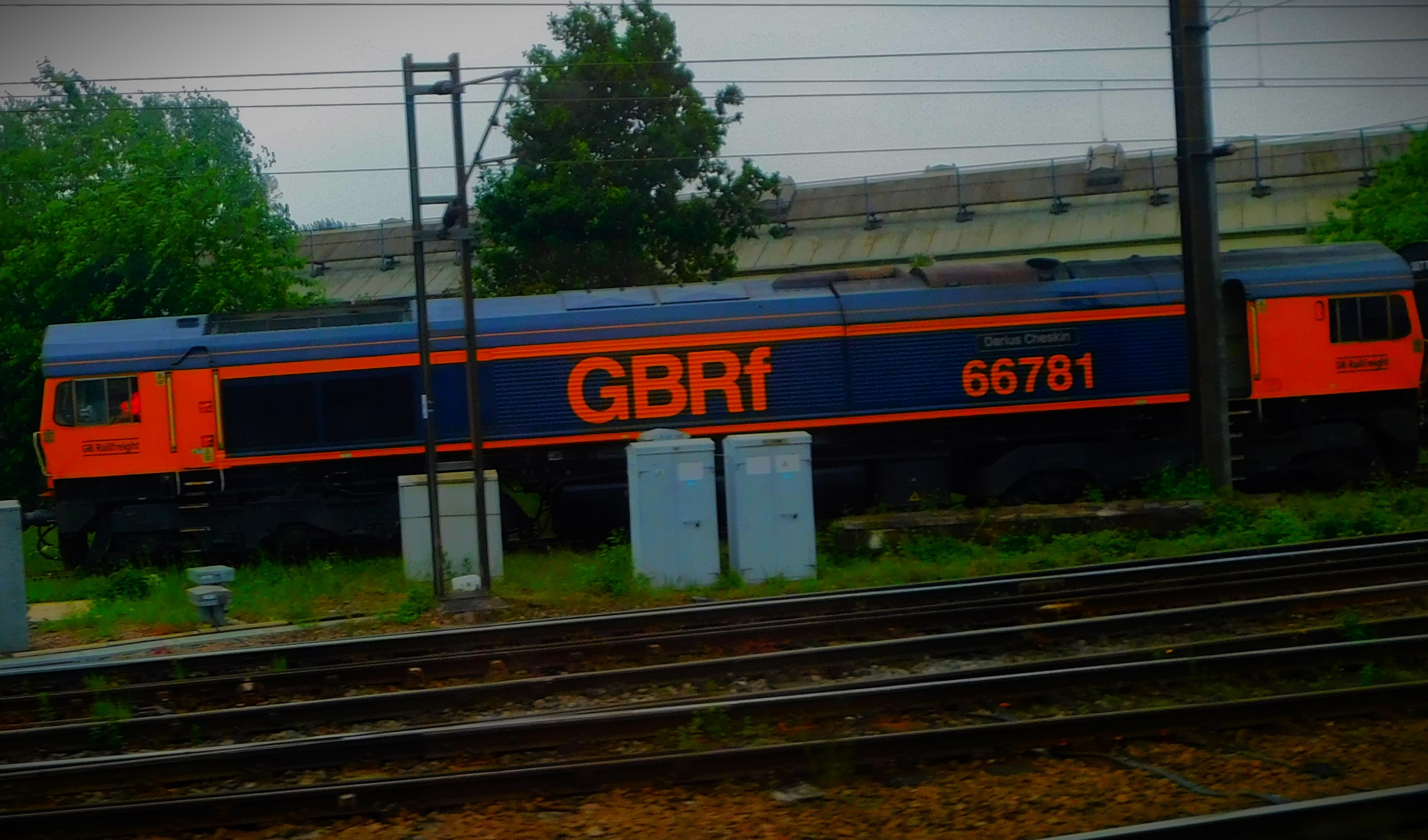
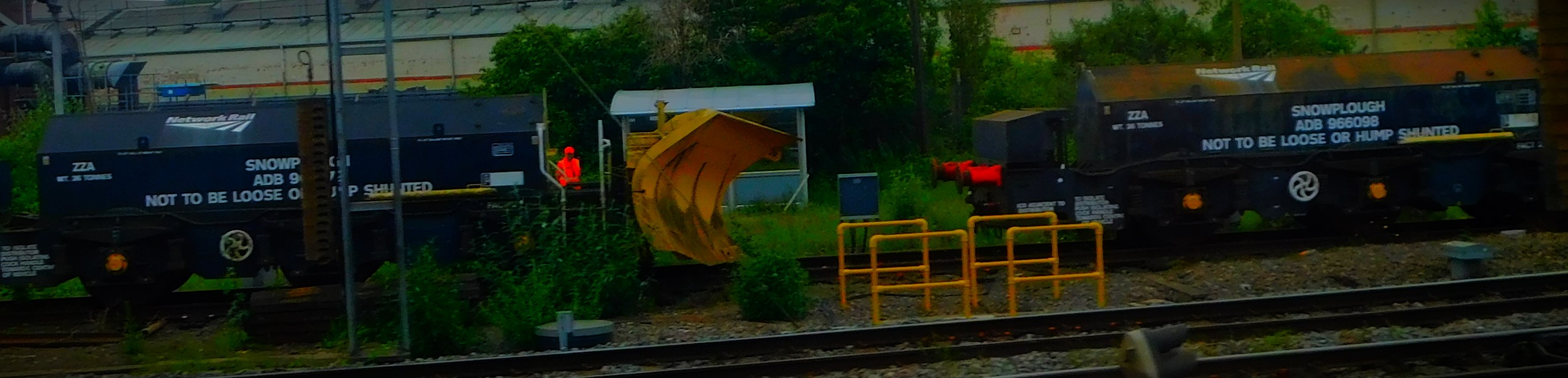
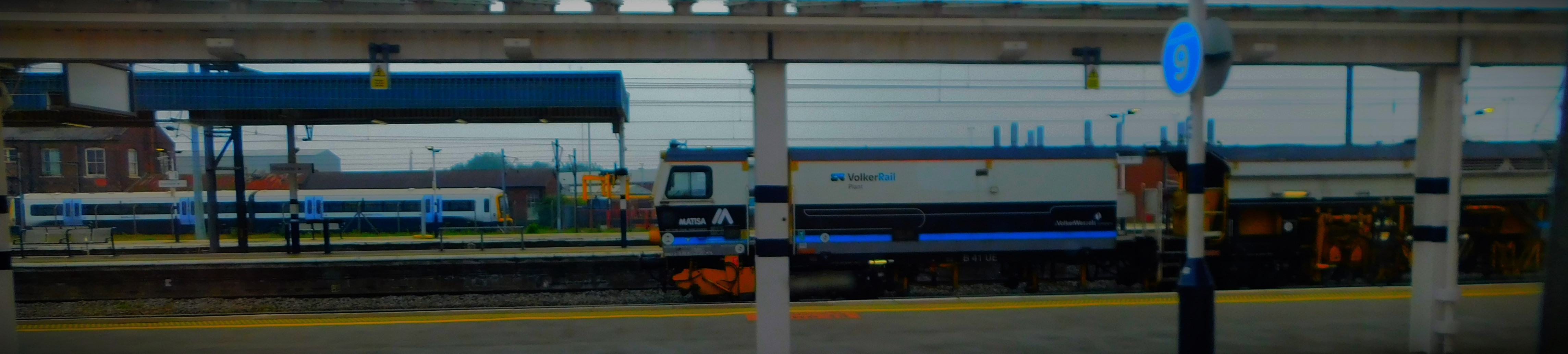
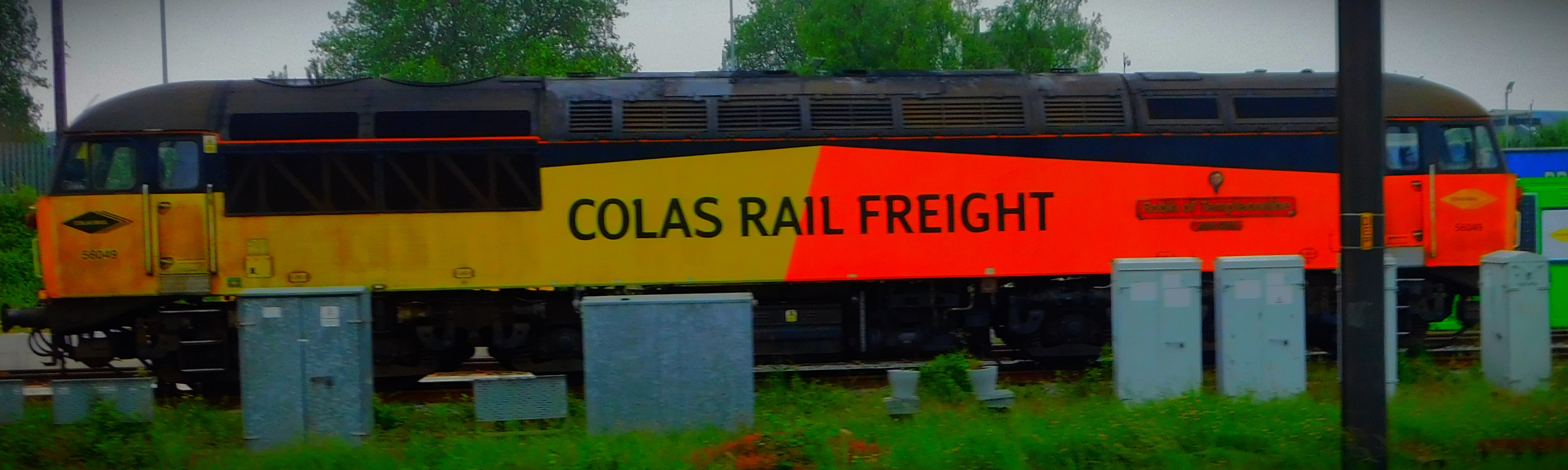
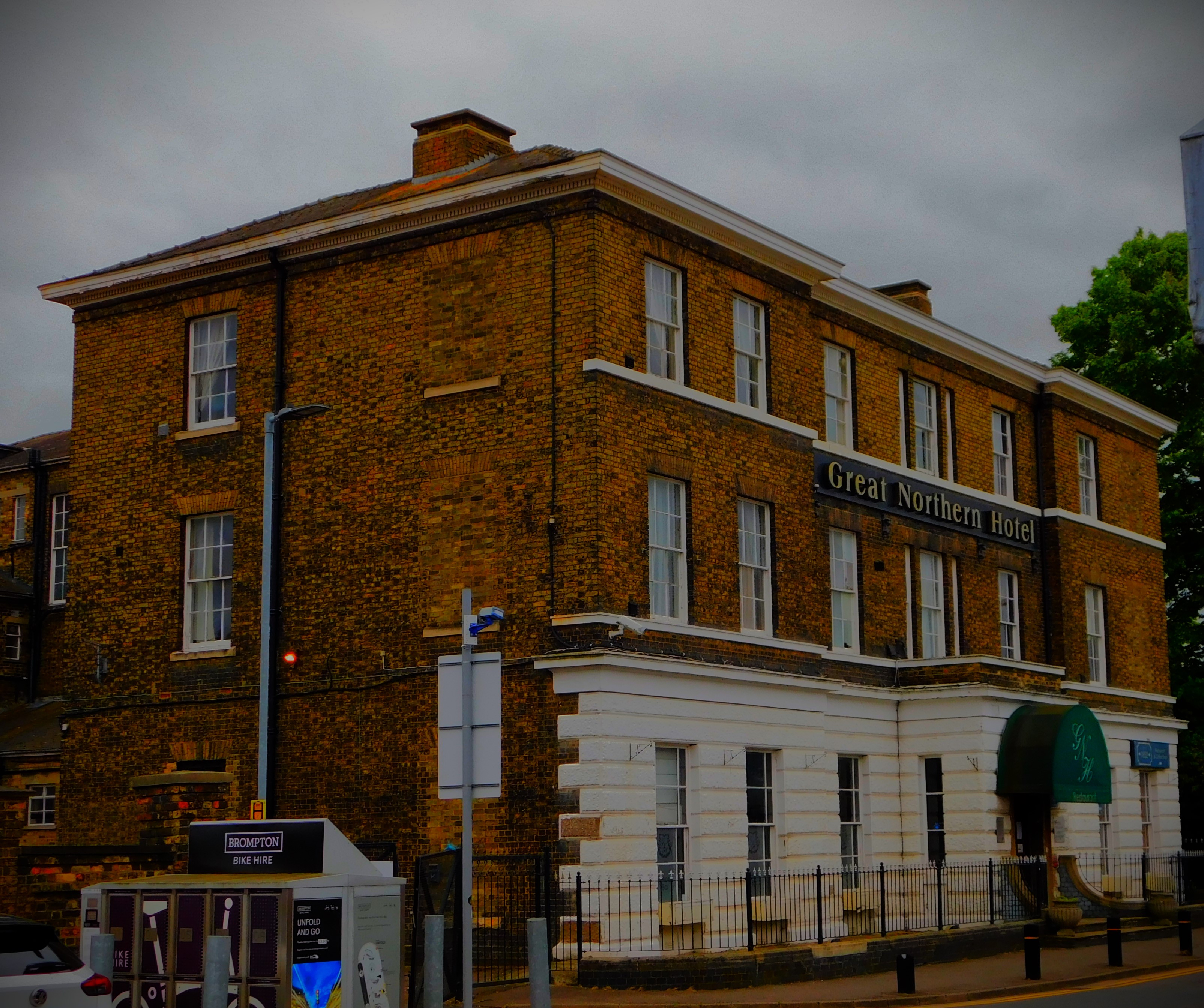
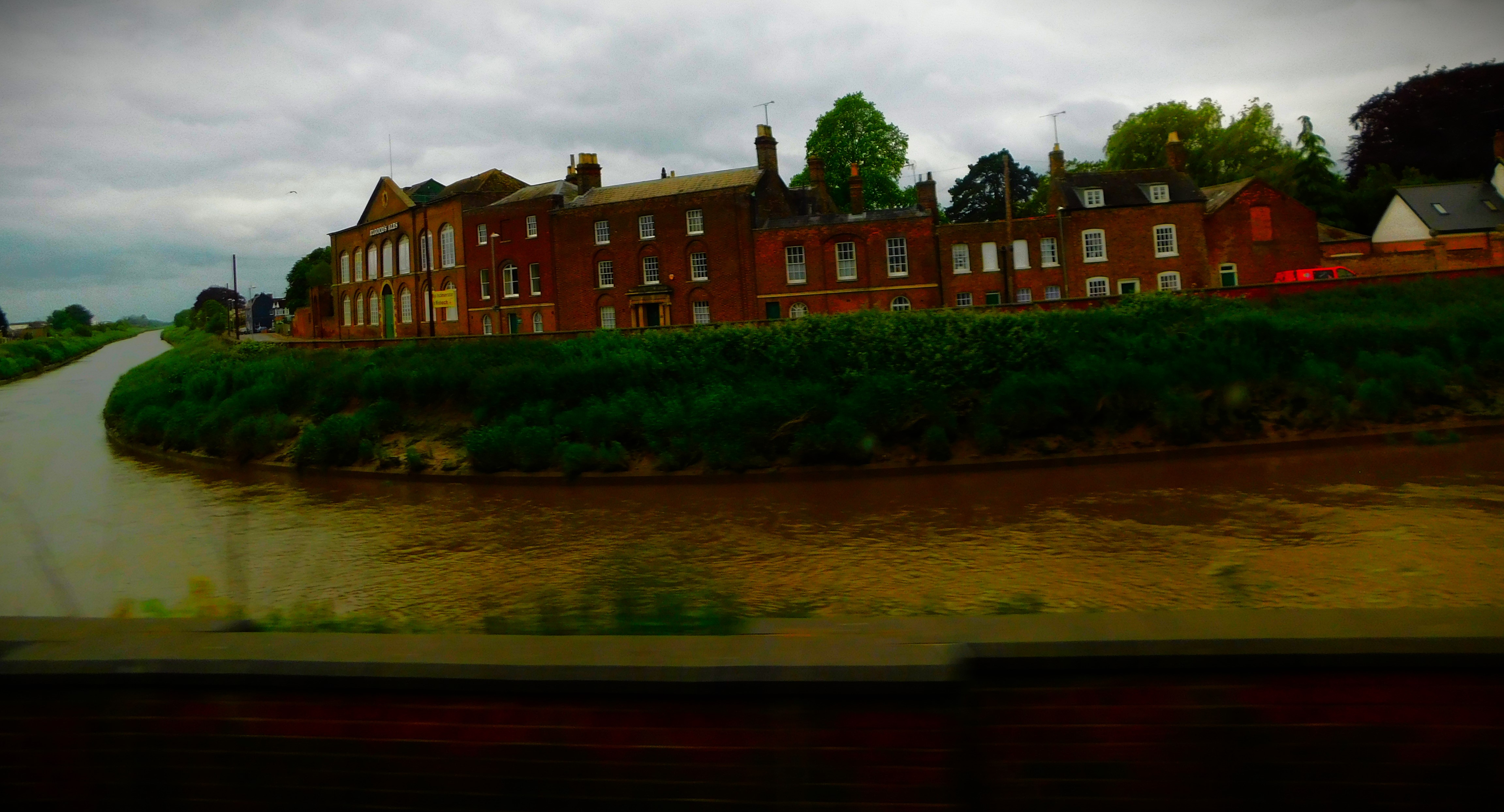
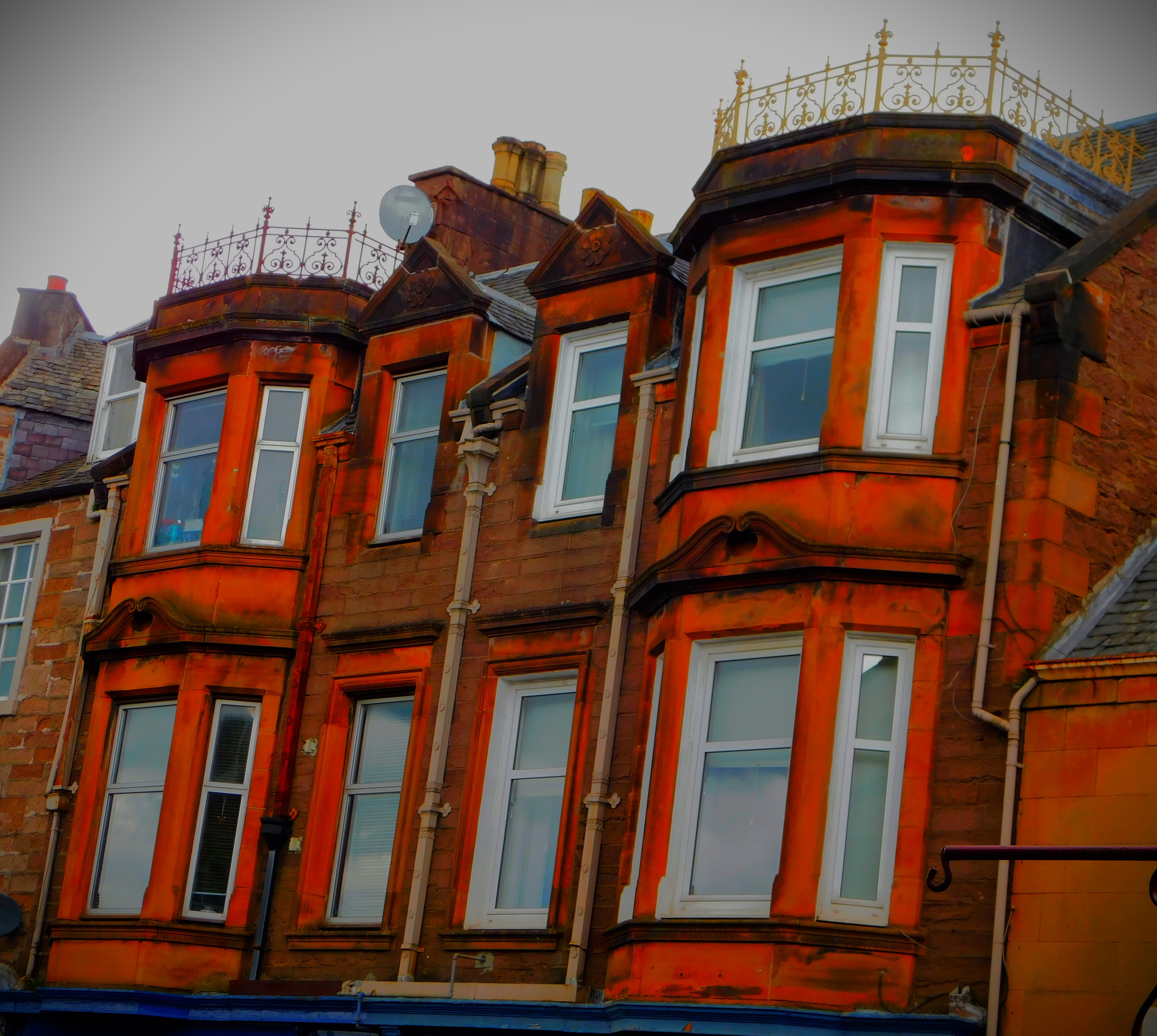
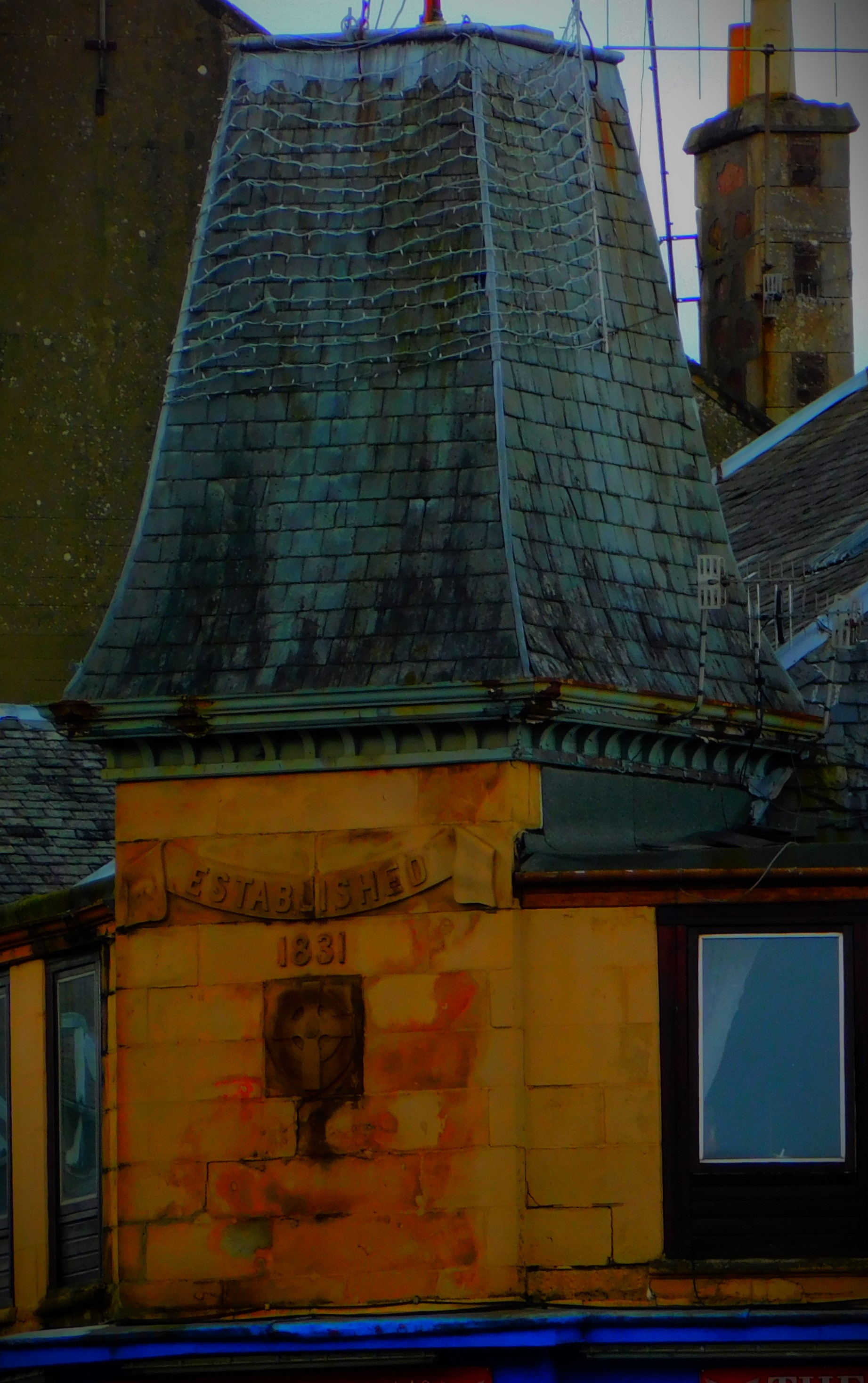
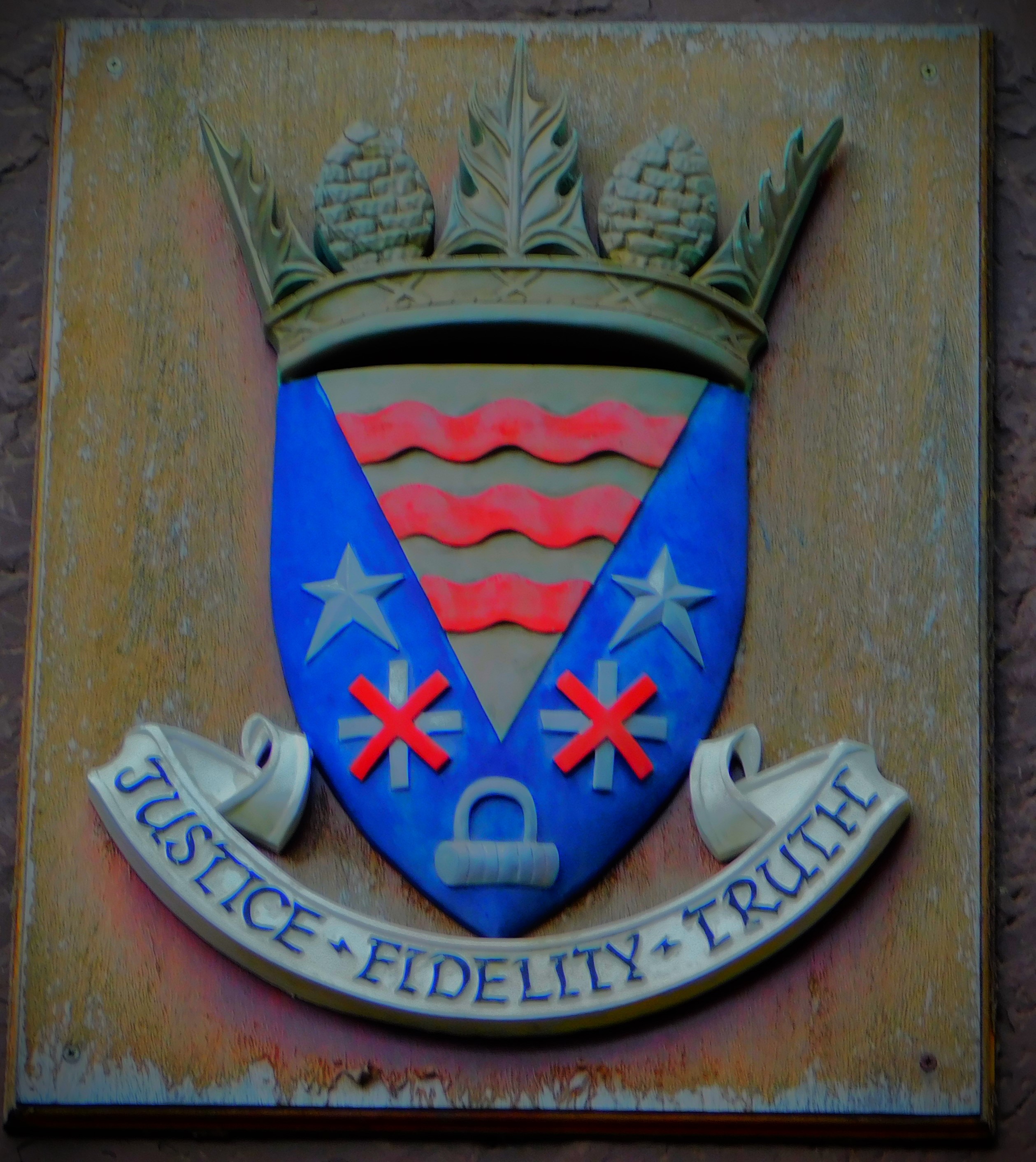
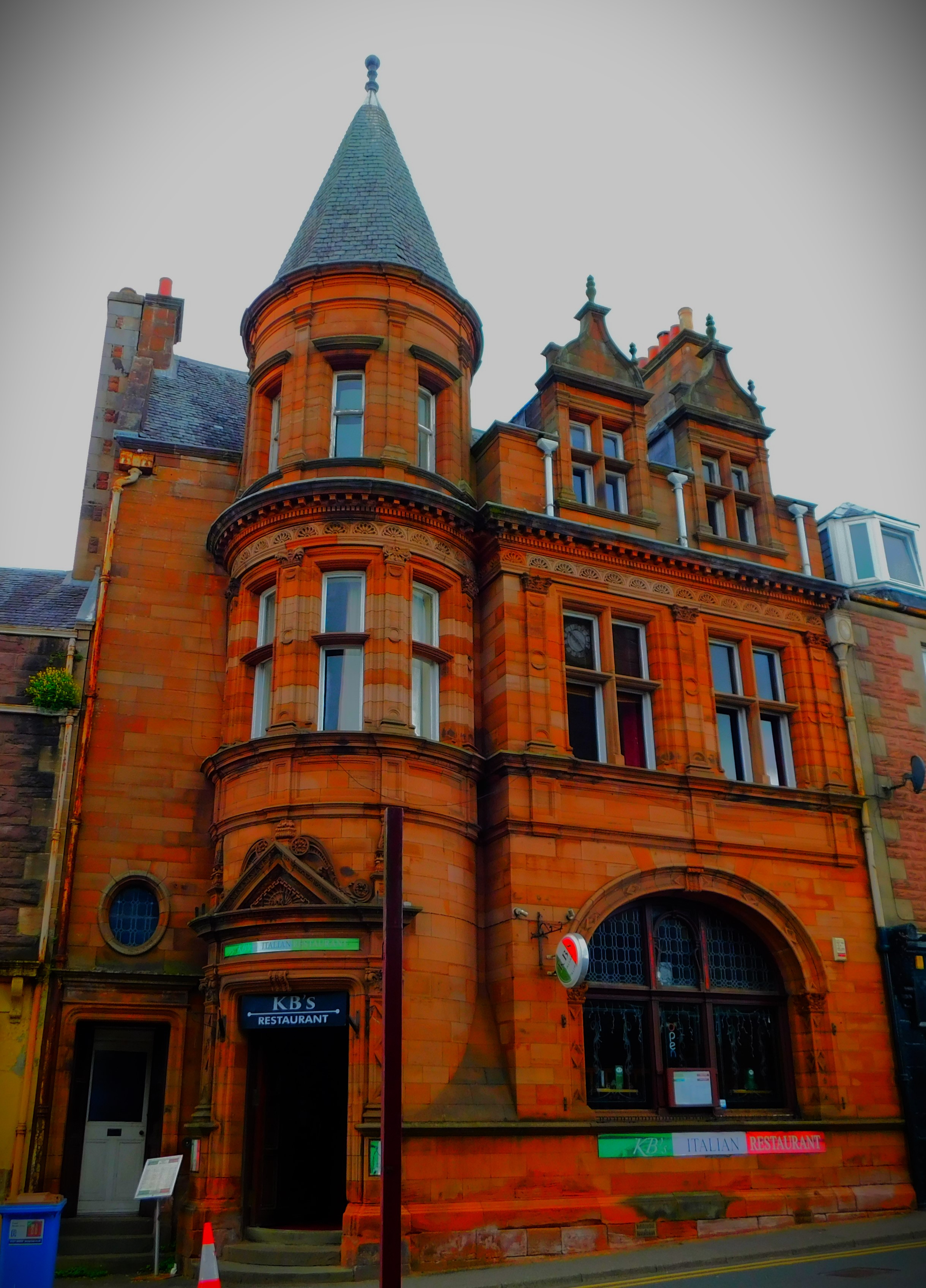
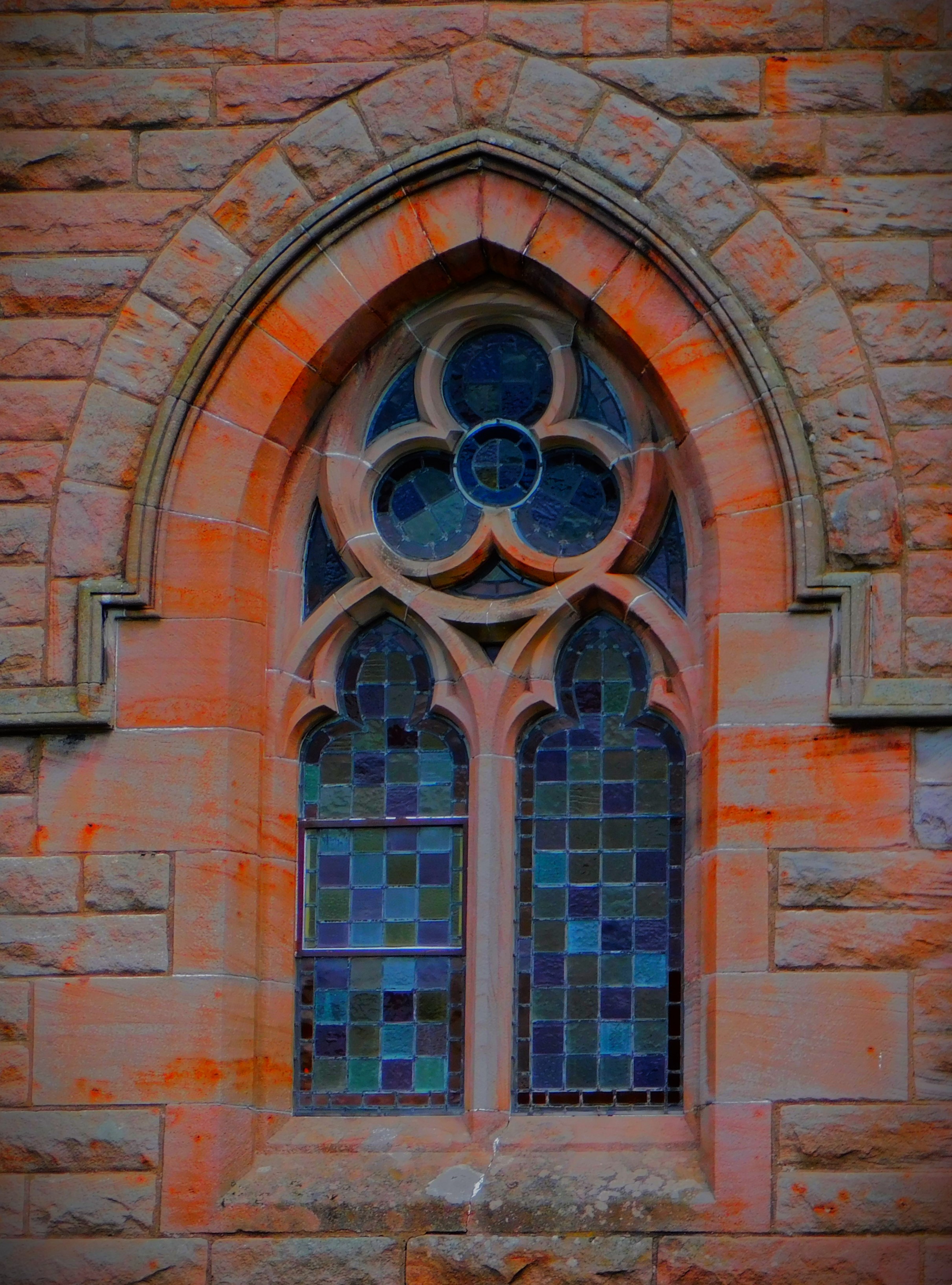
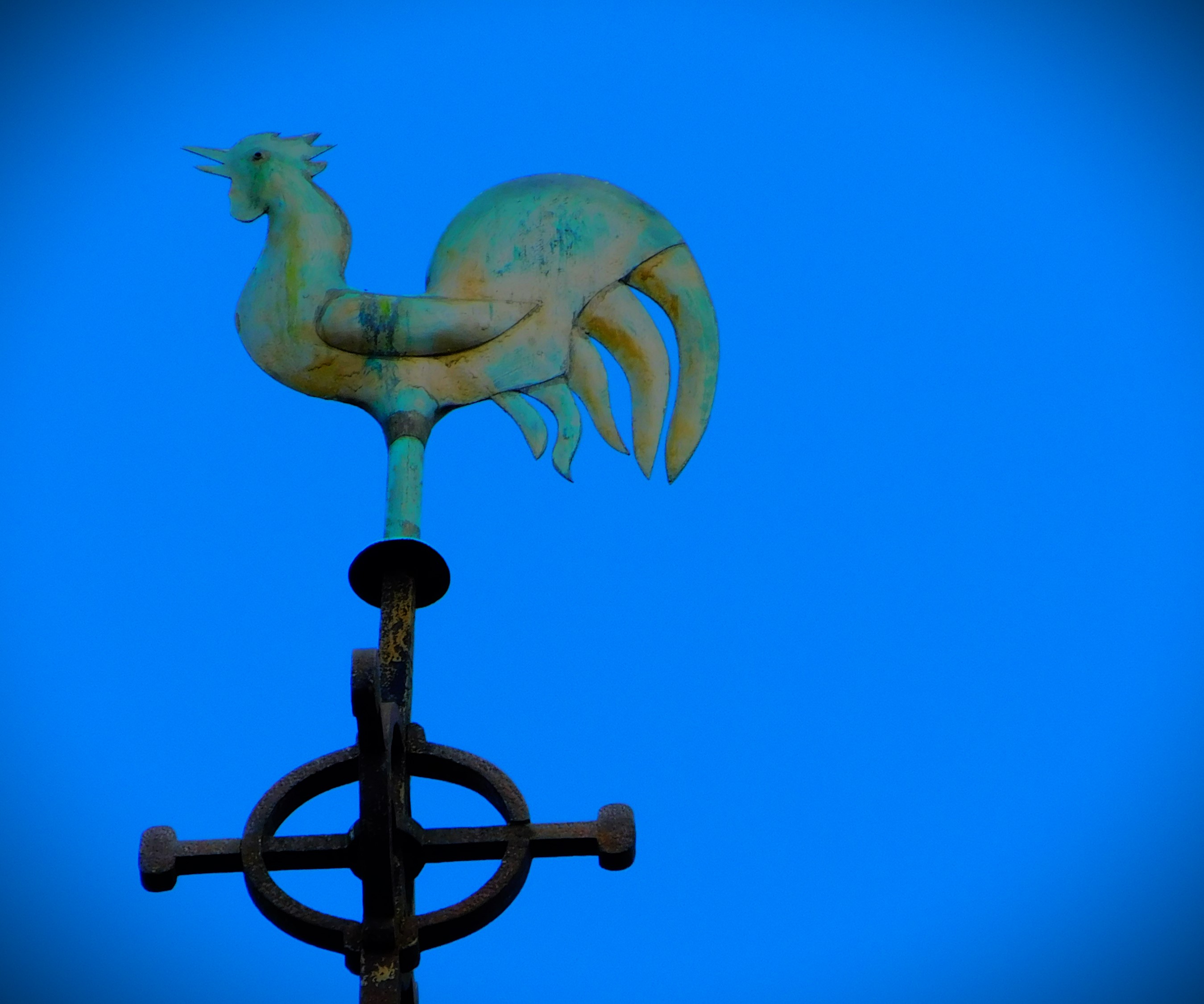
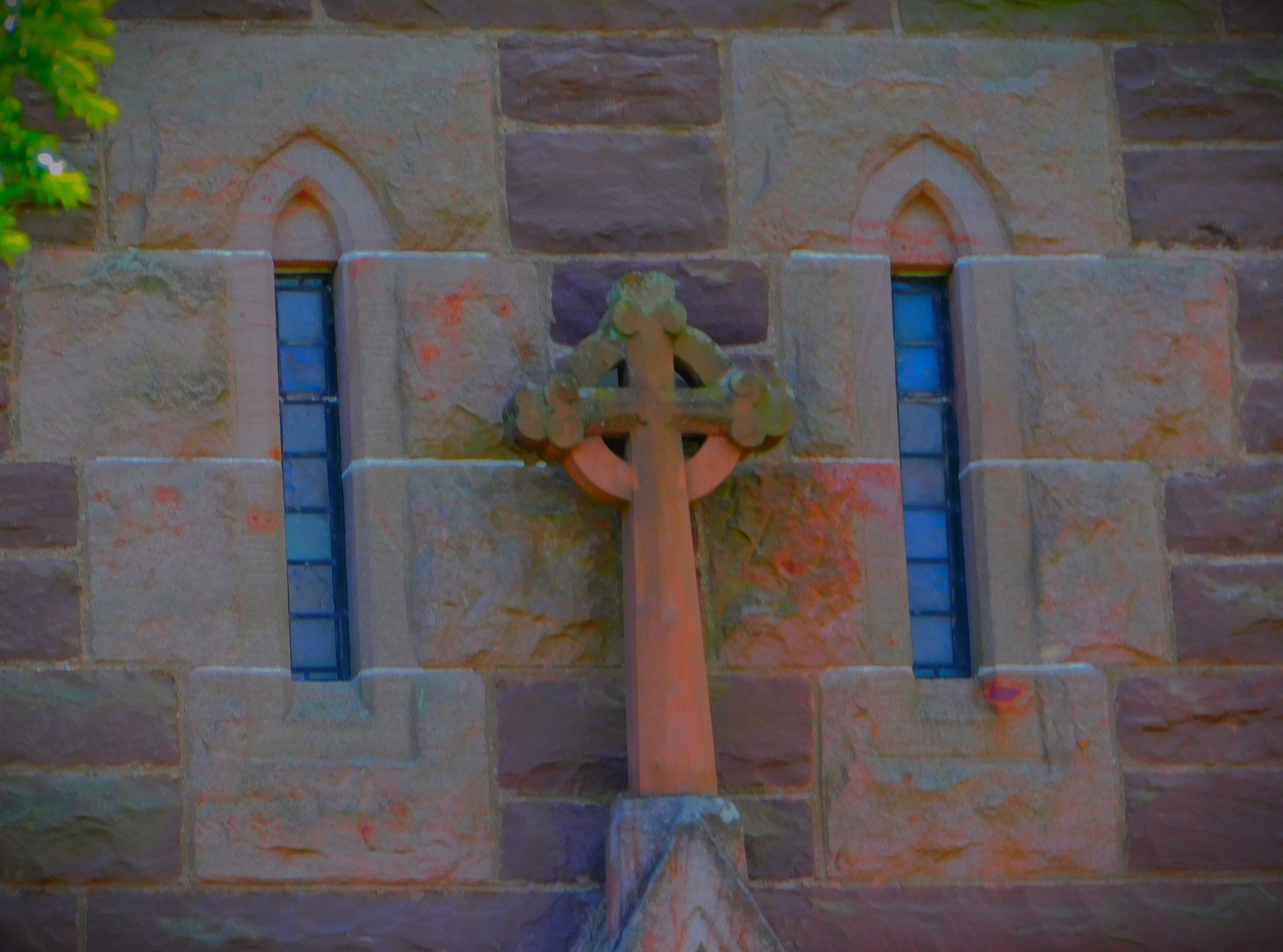
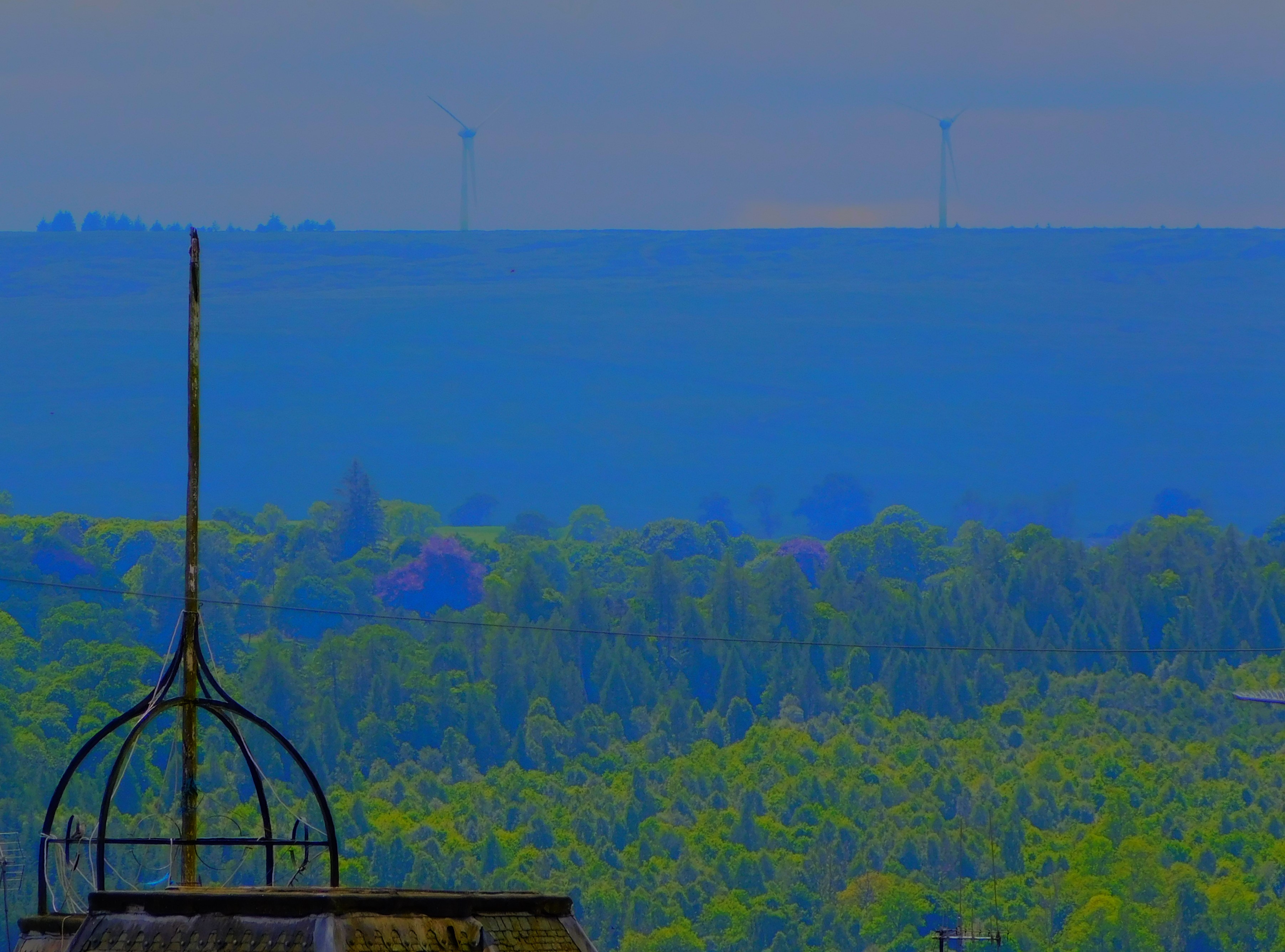
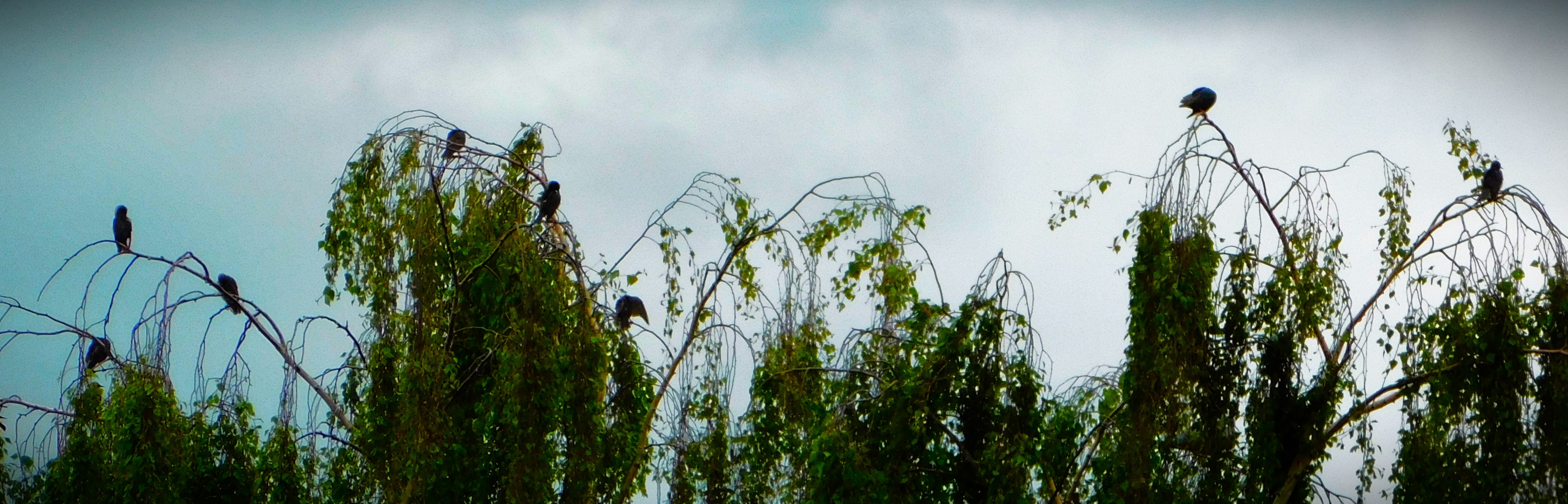
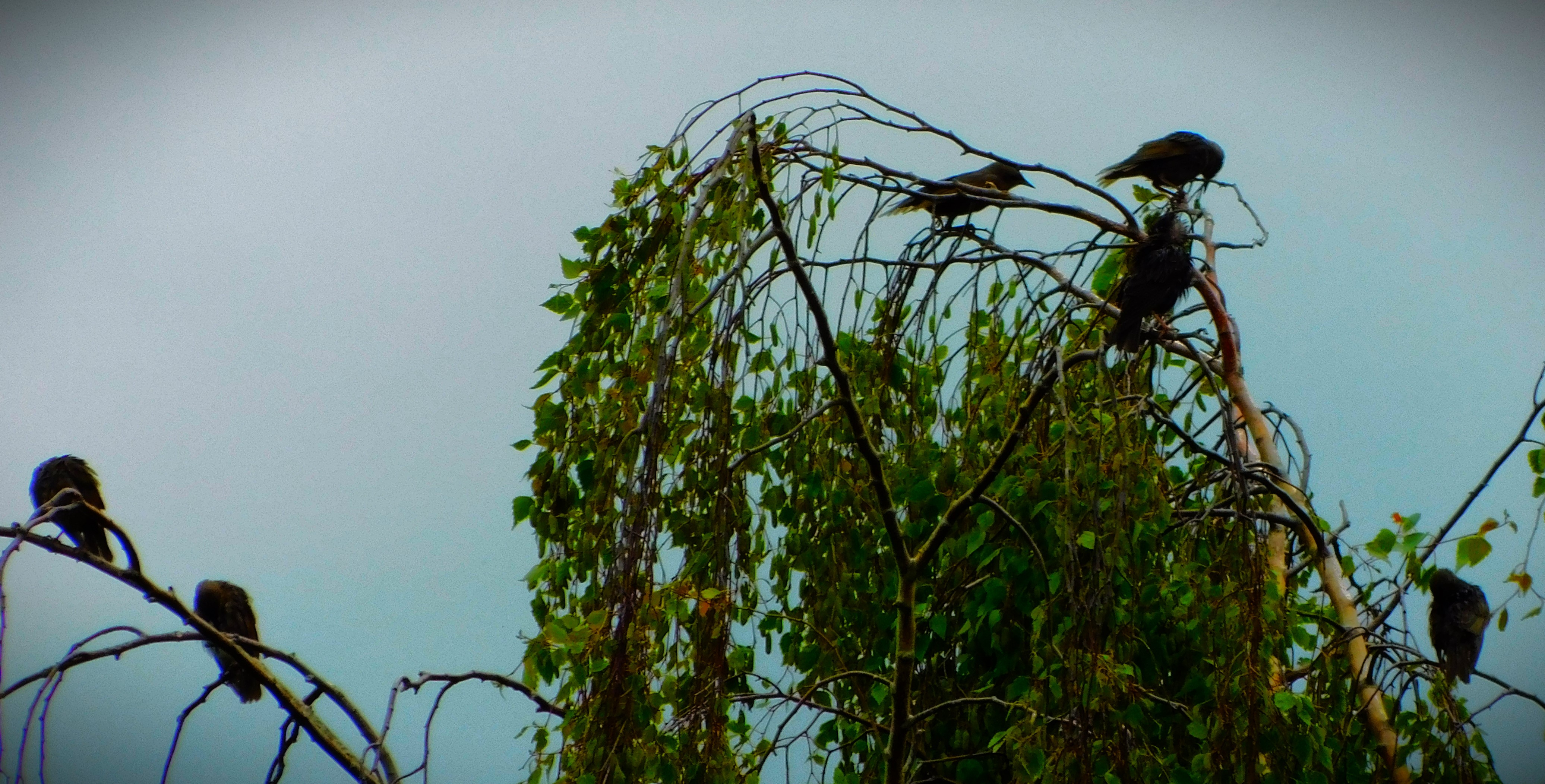
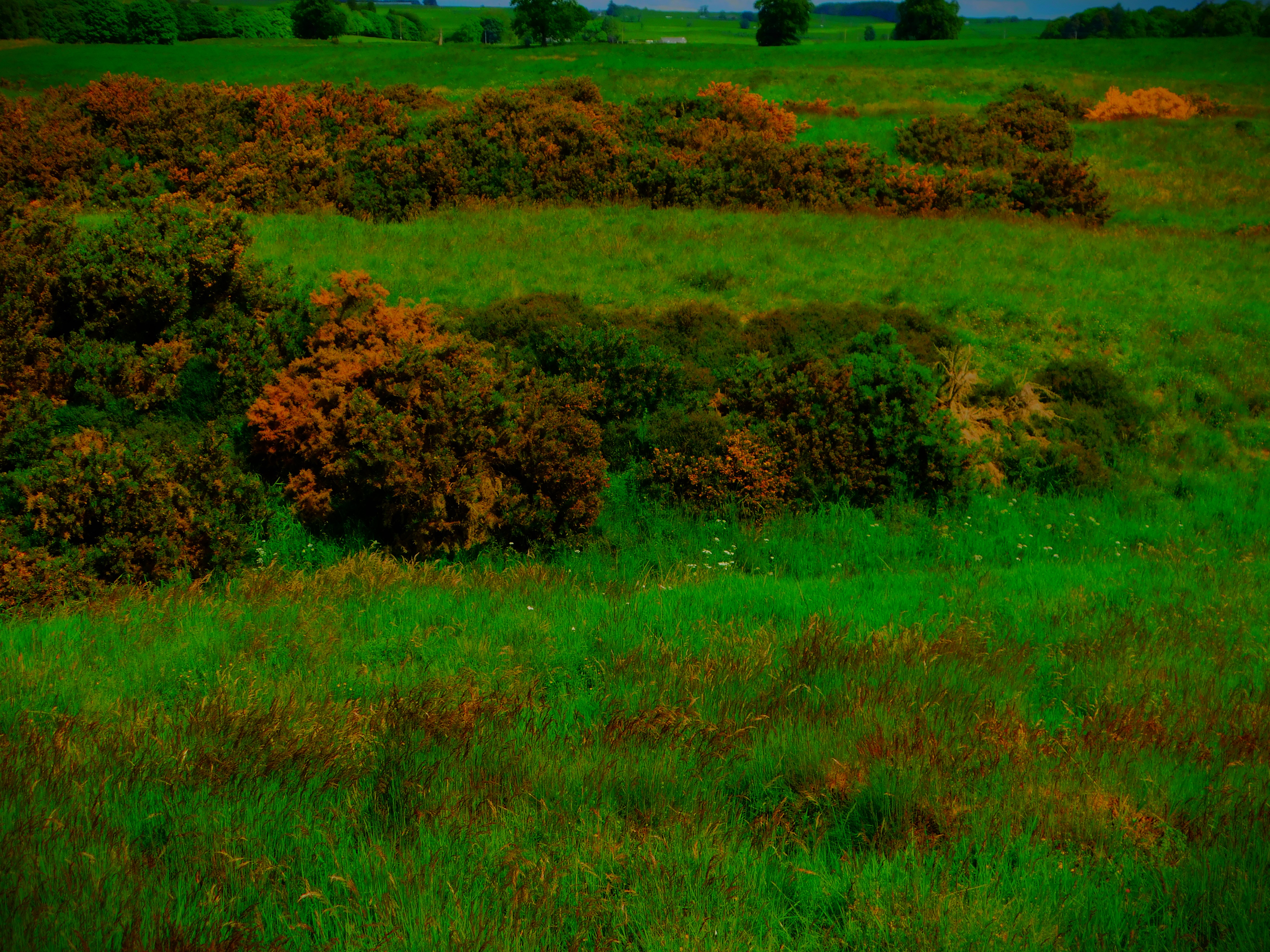
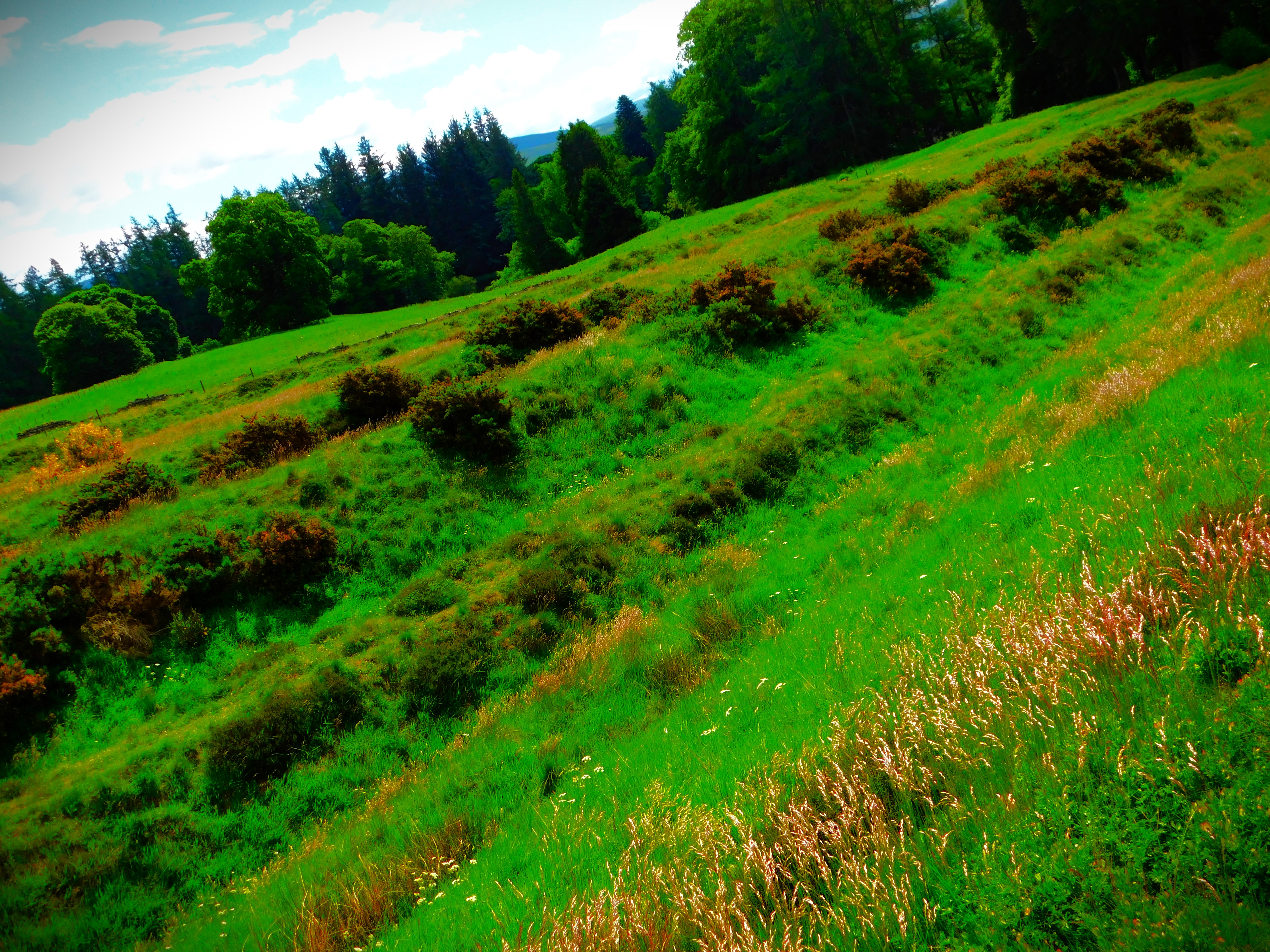
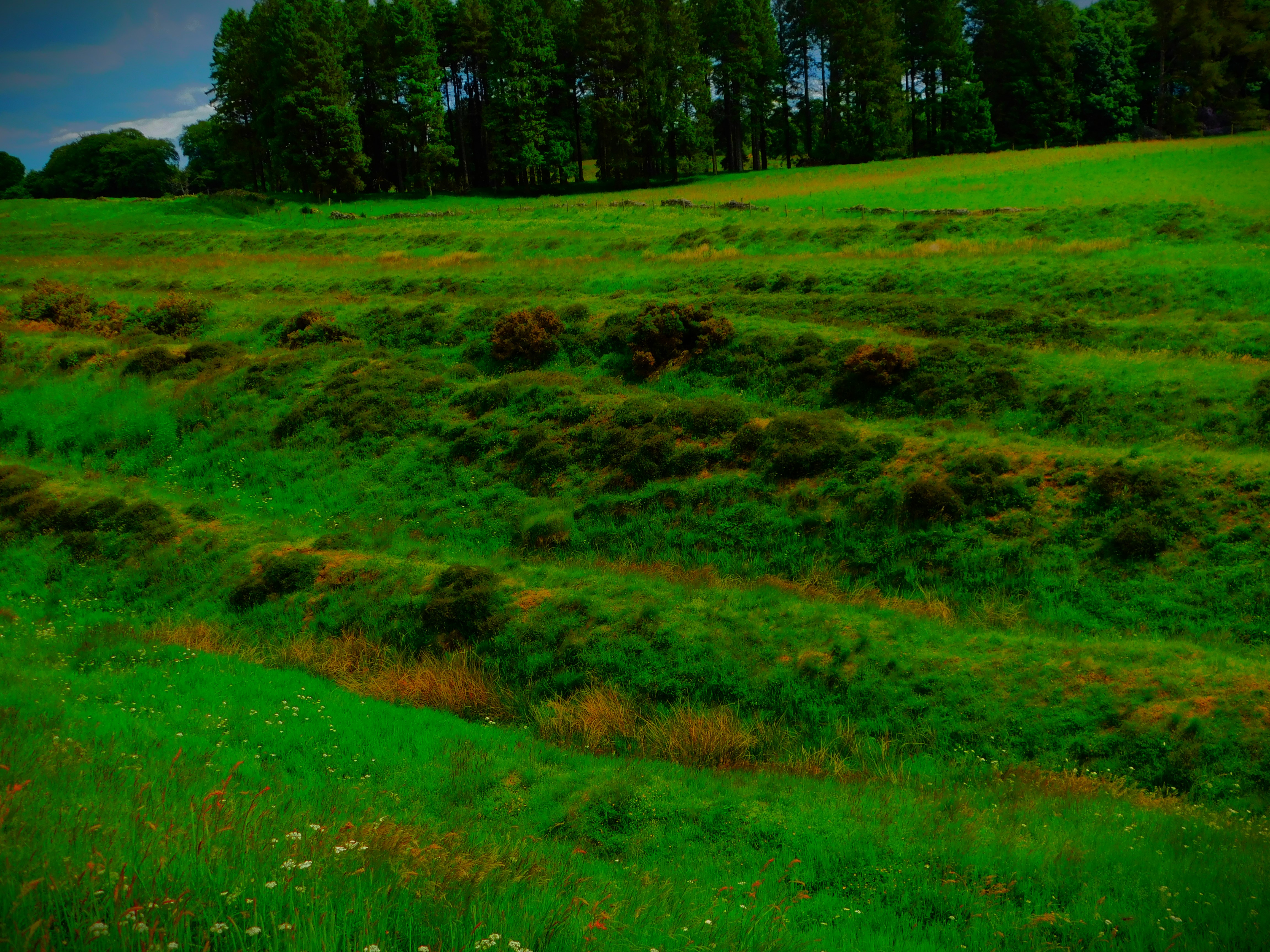
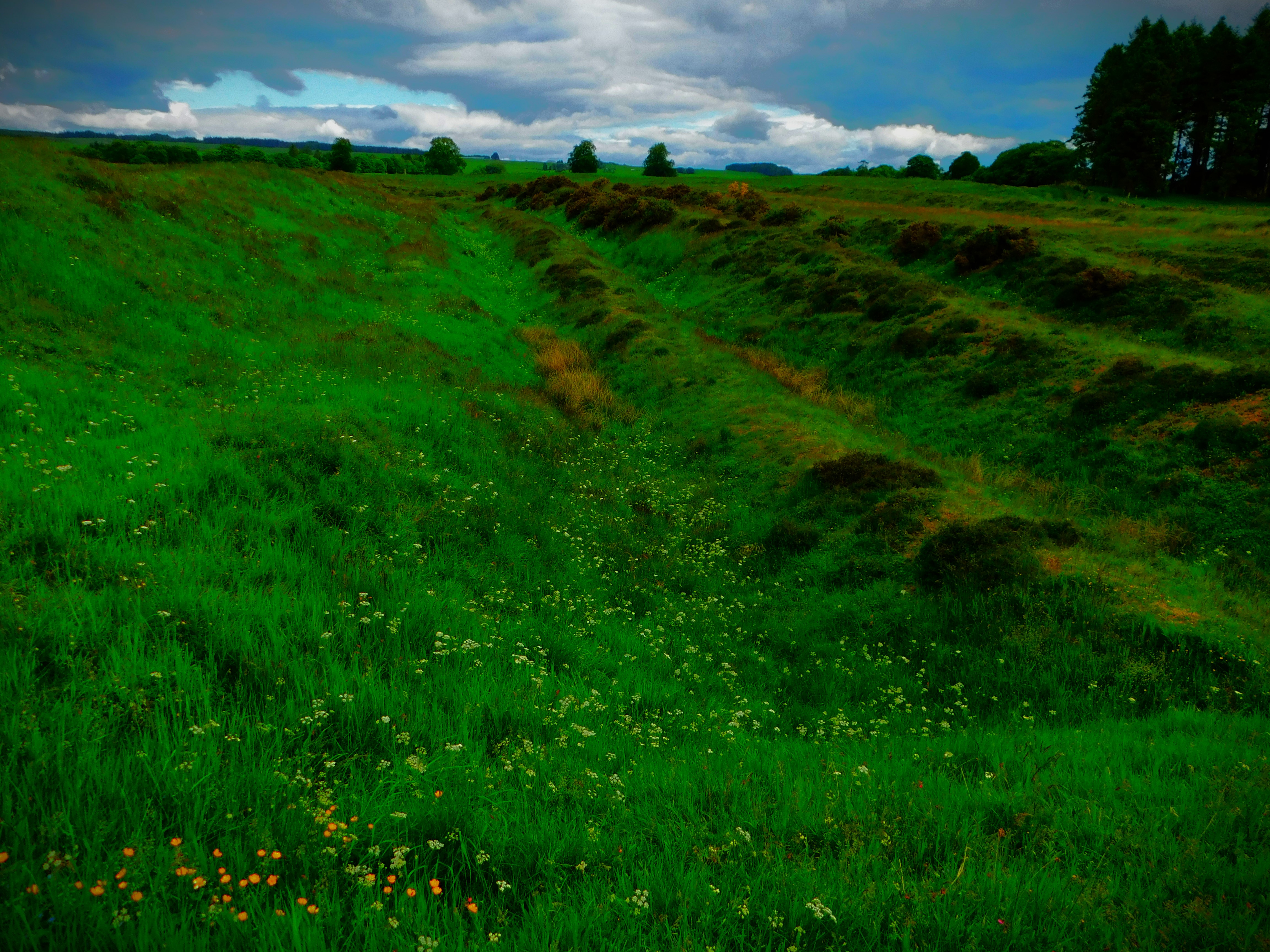
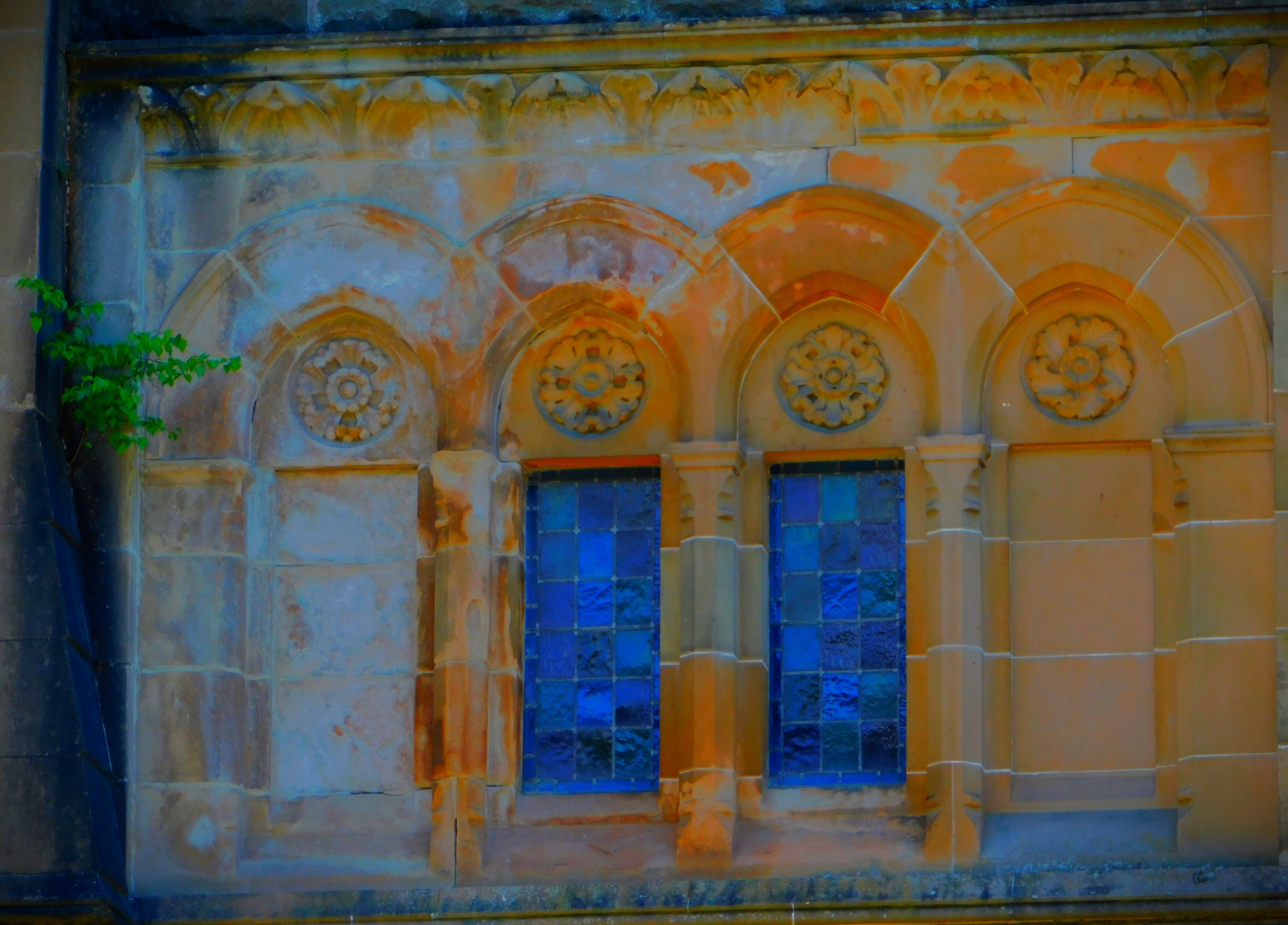
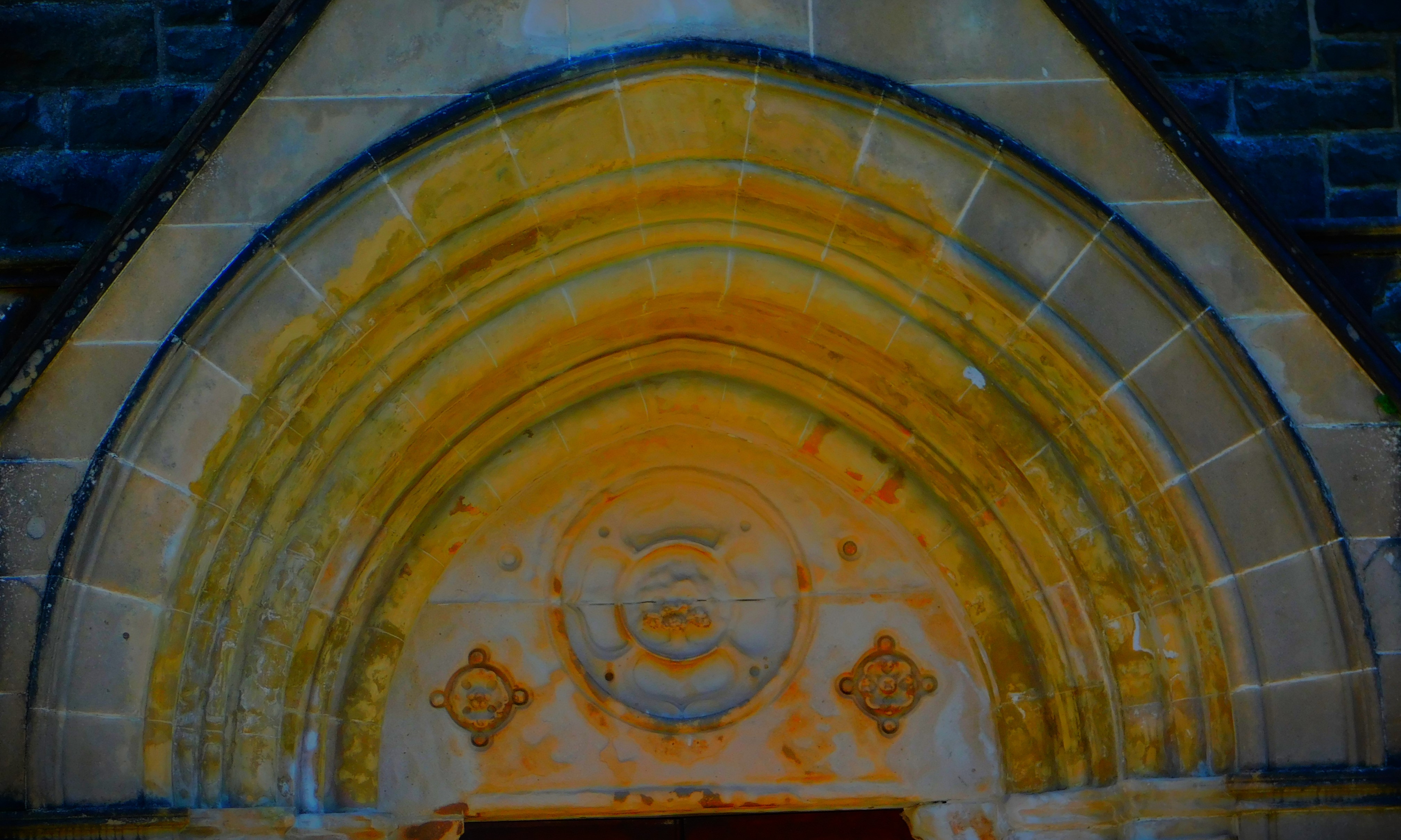
Here are my photographs from the return journey..,
The train for the Perth-Edinburgh leg of the journey.
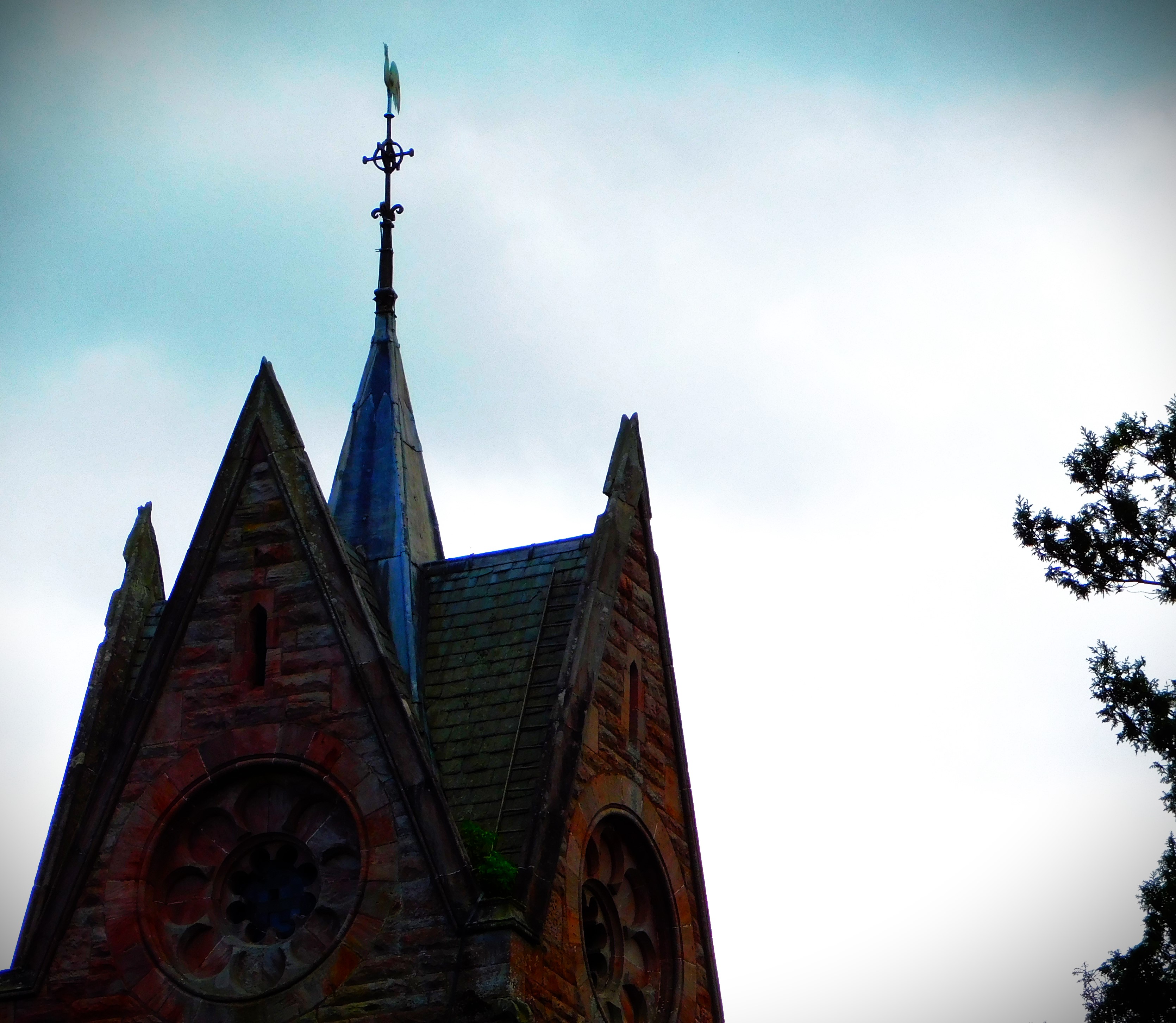
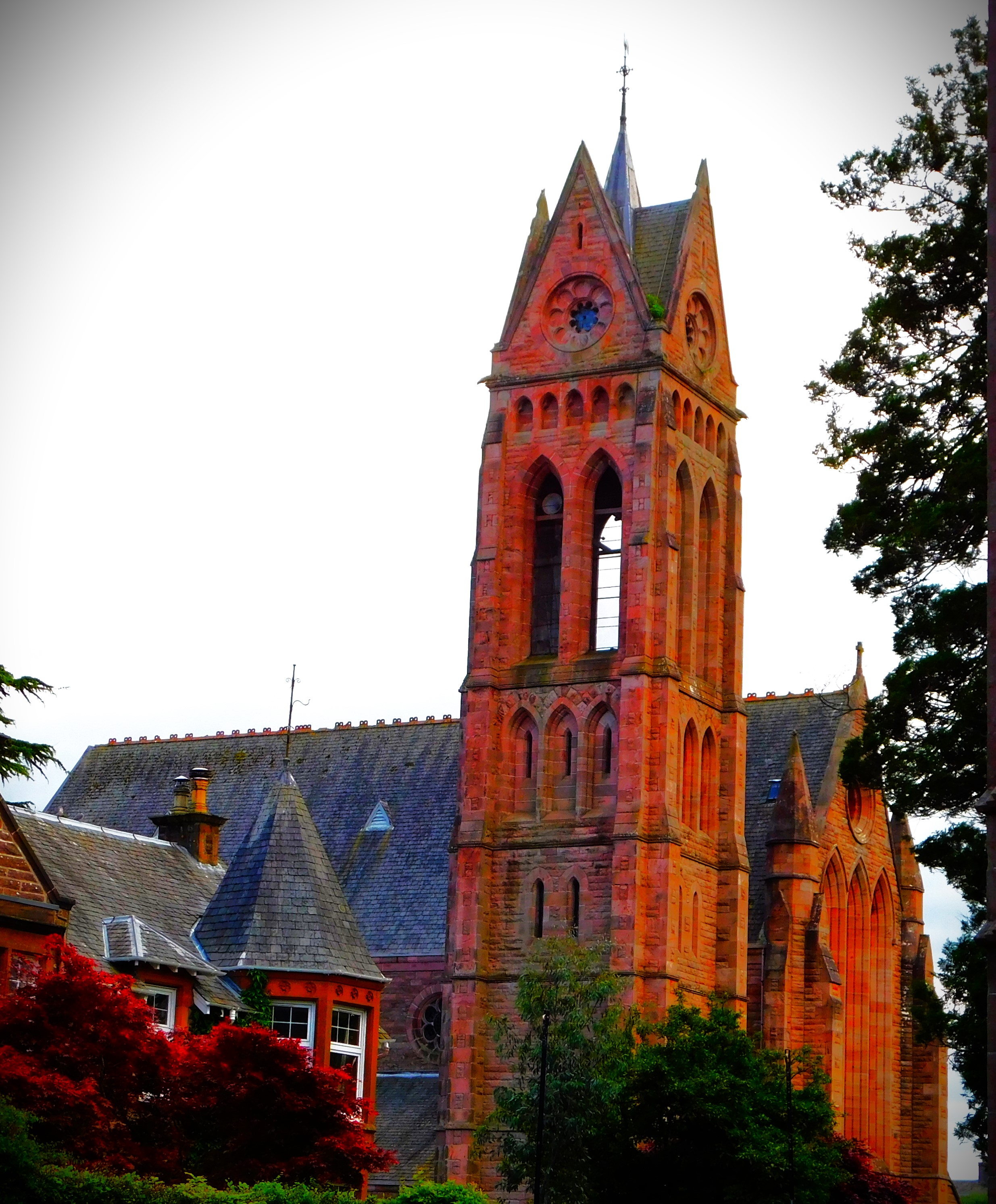
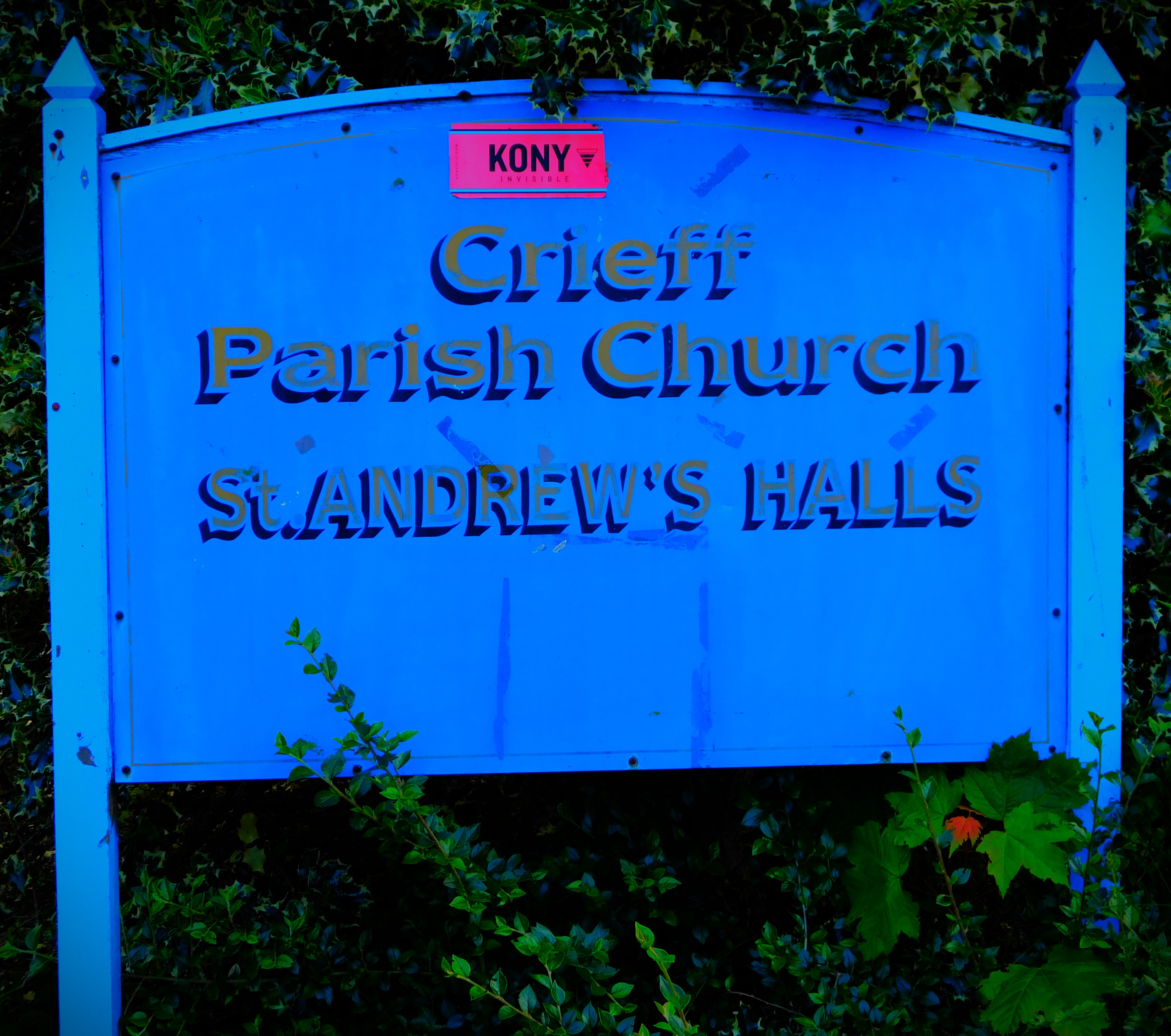
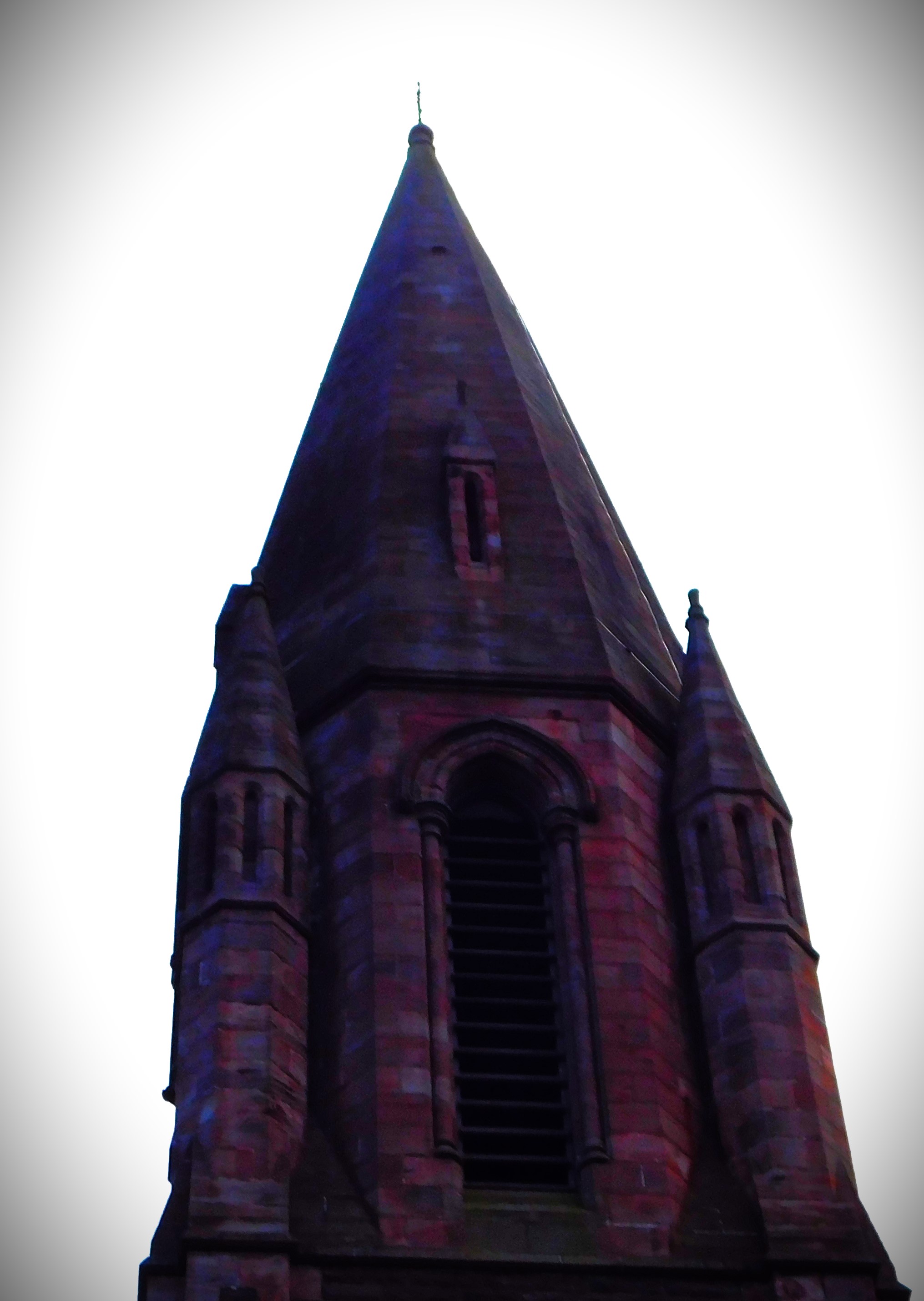
Continuing my account of my Scottish holiday with a look at Crieff.
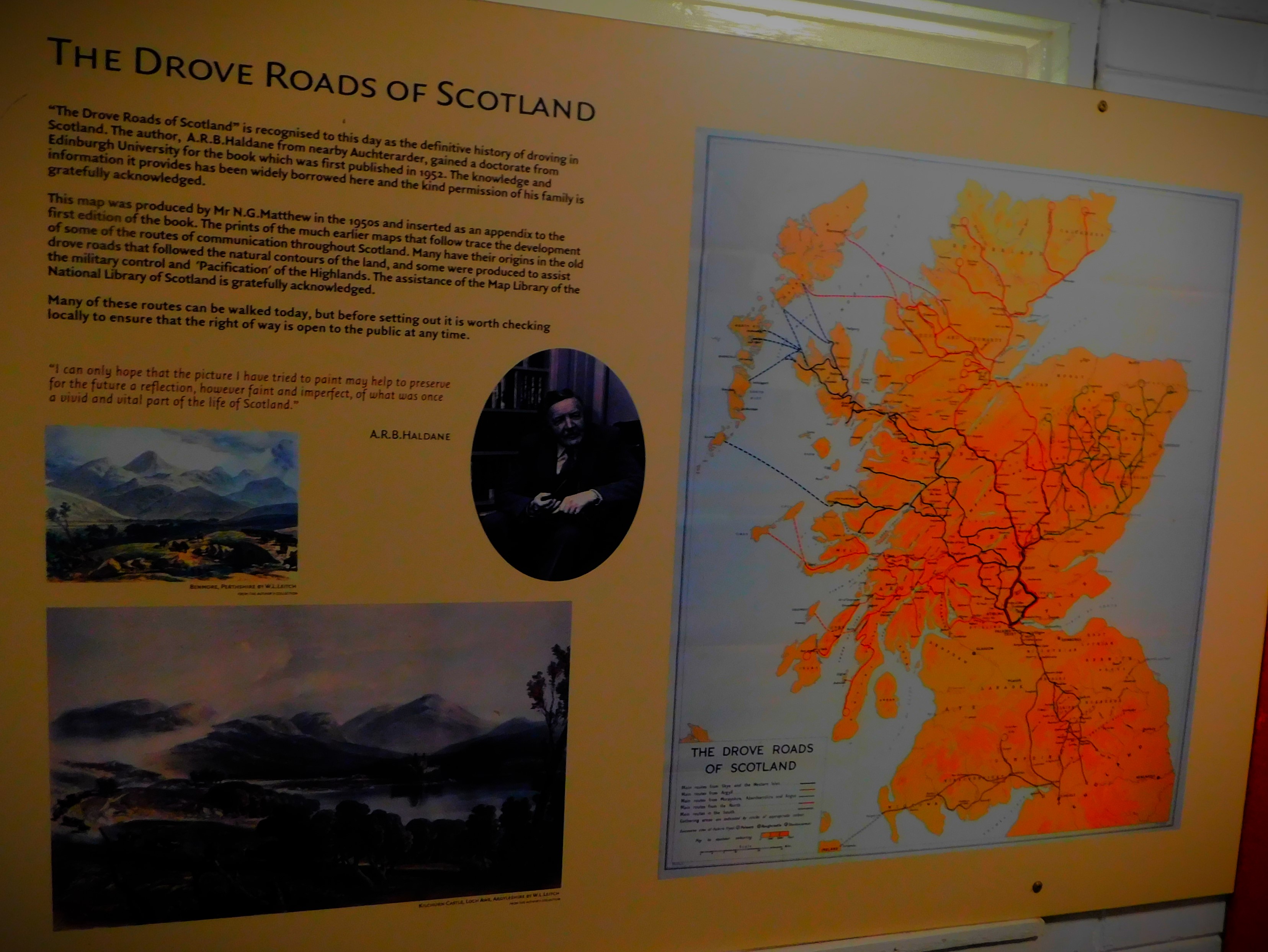
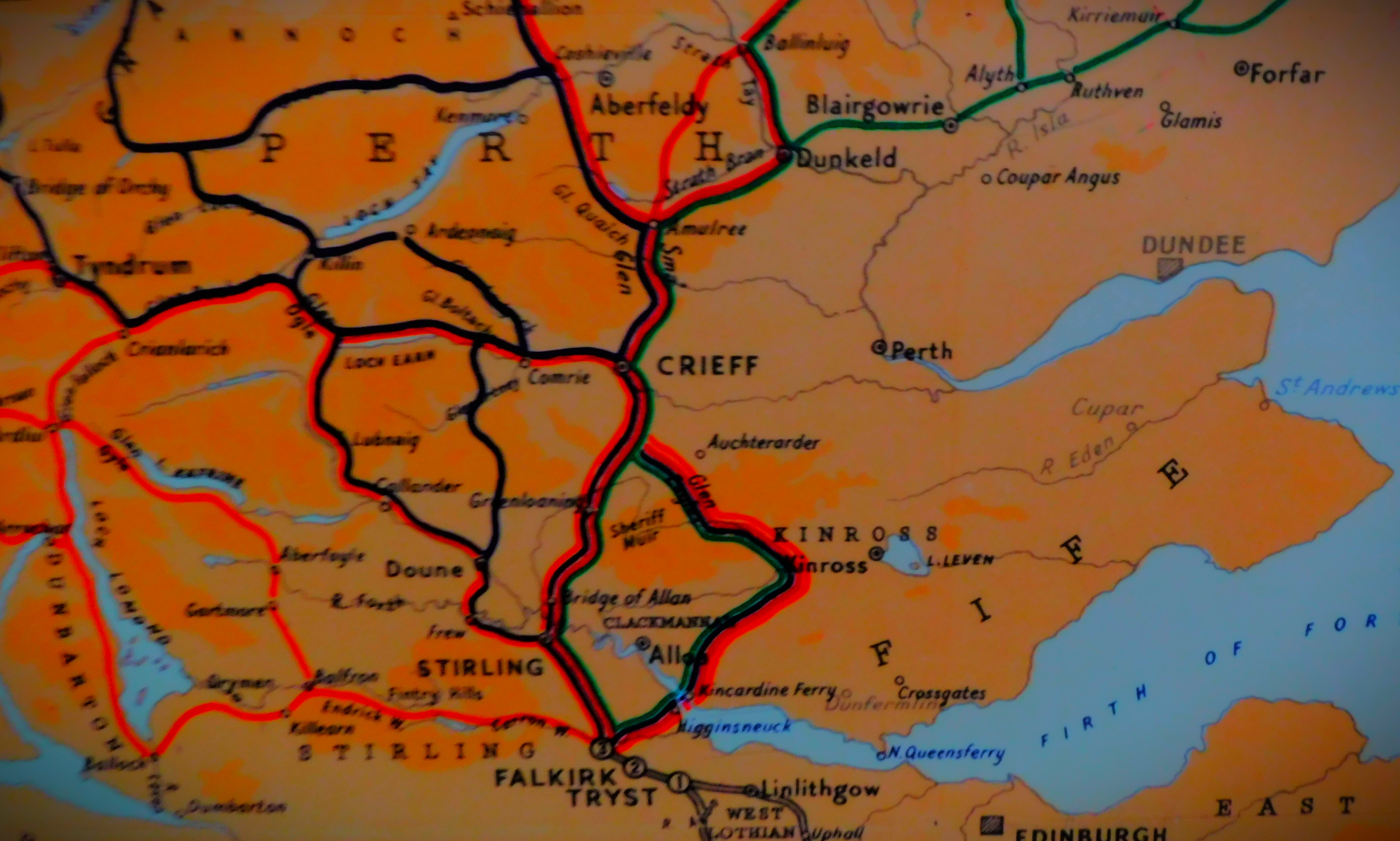
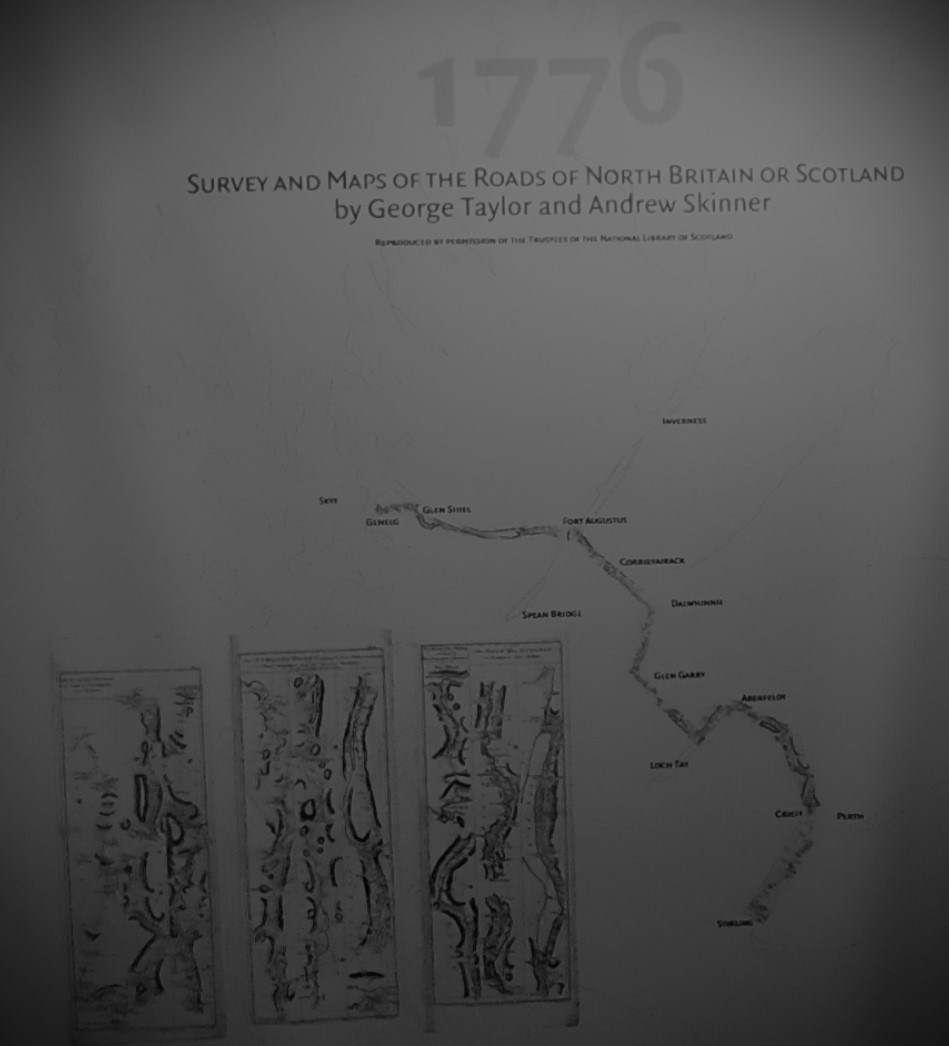
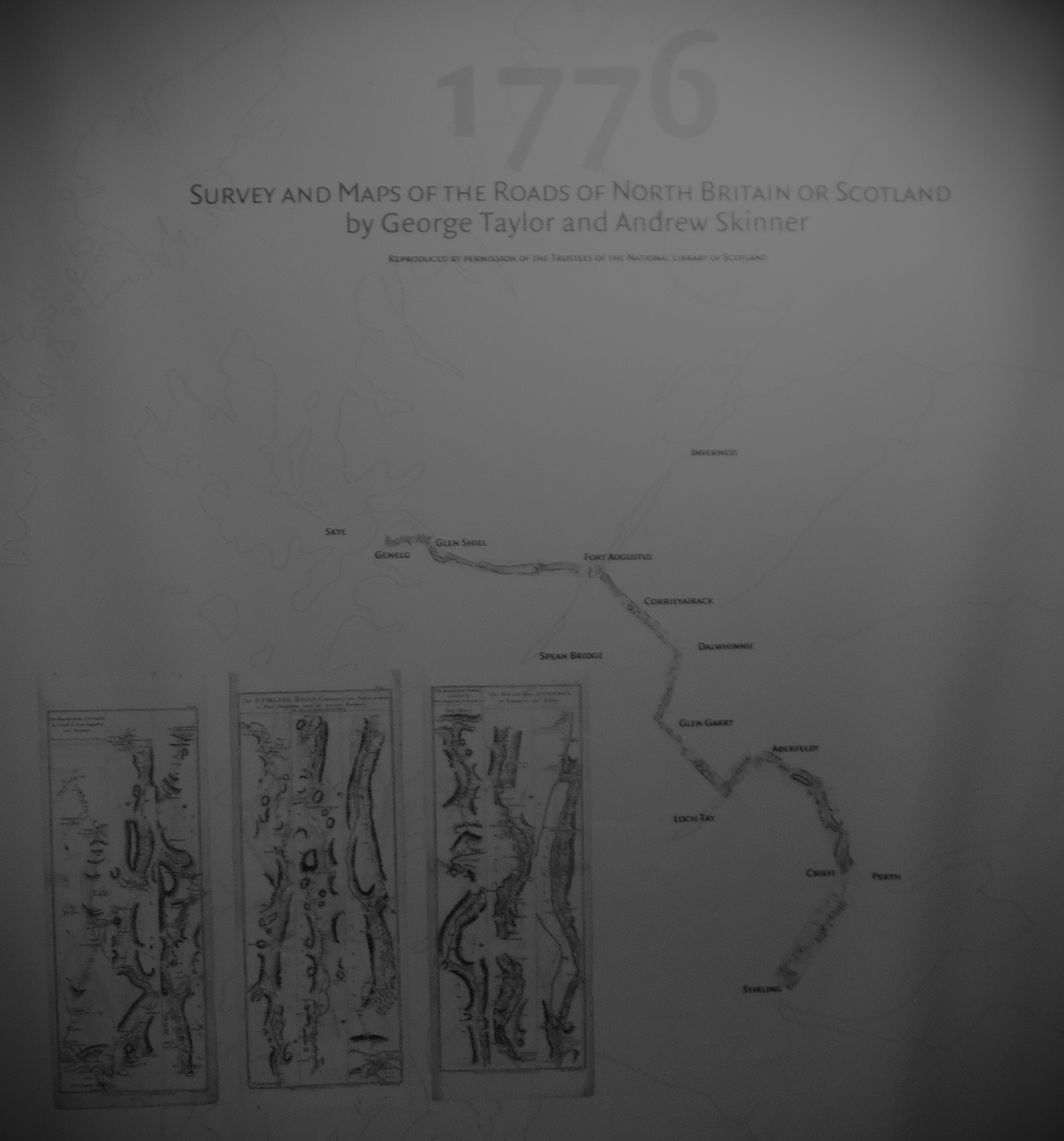
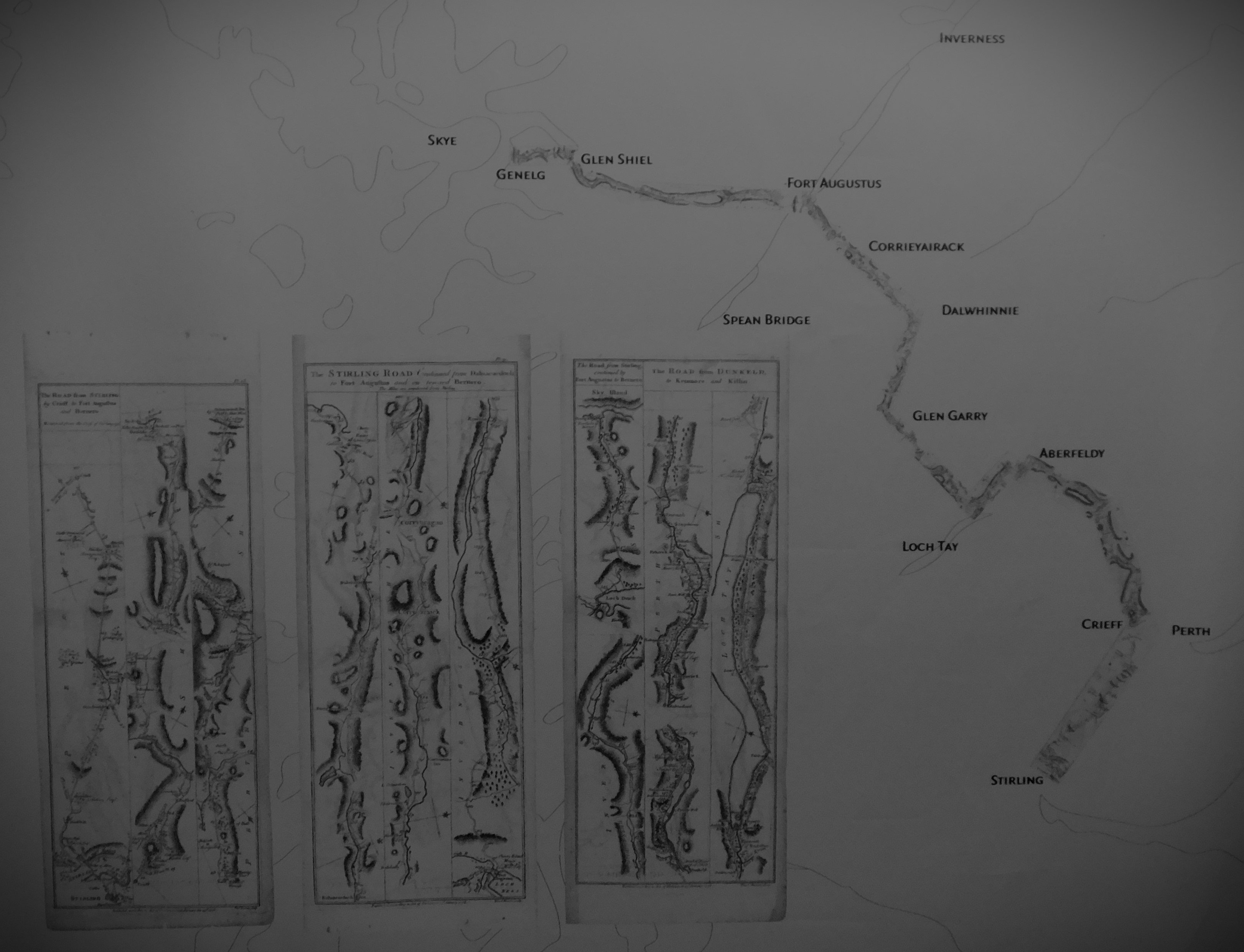
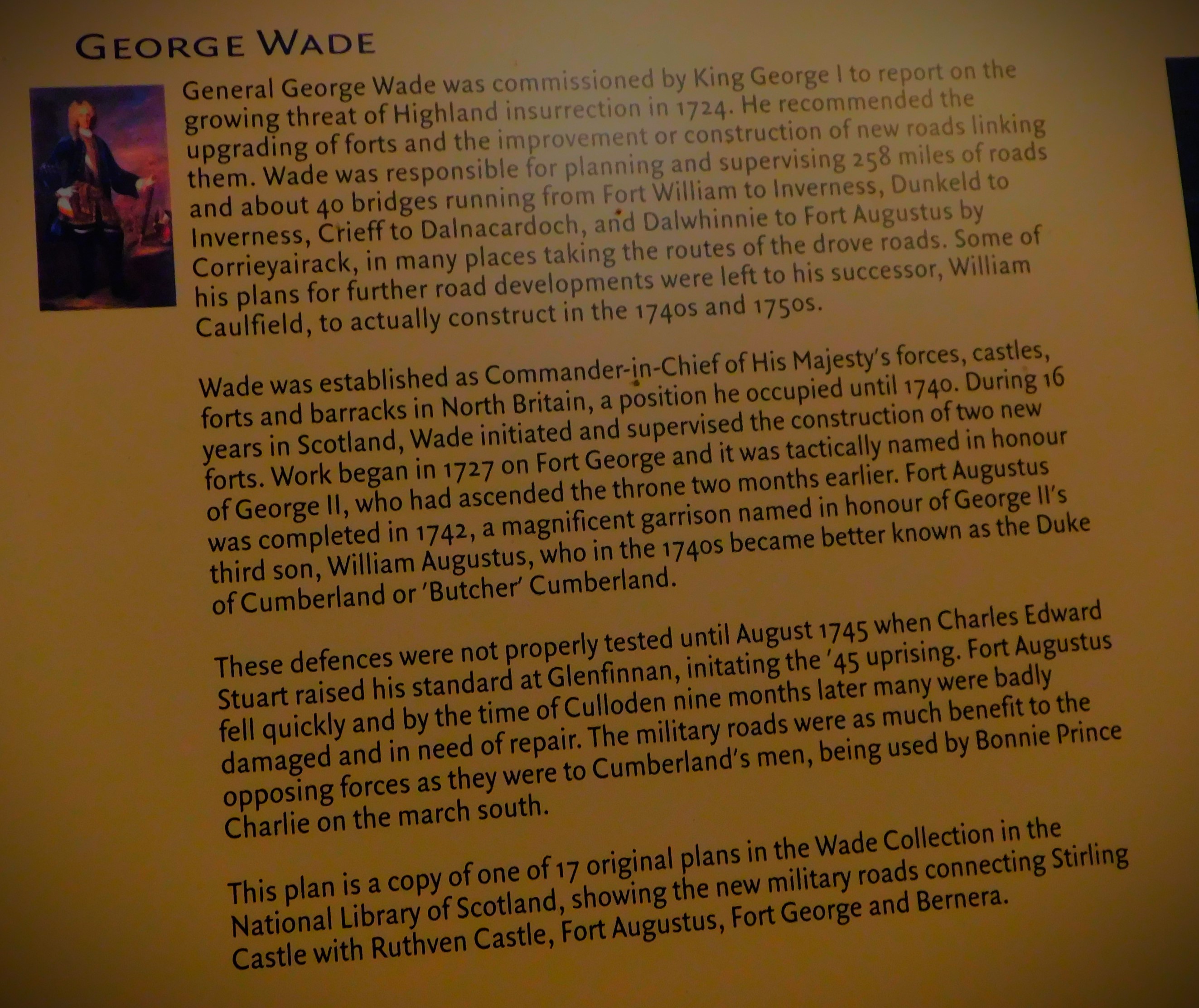
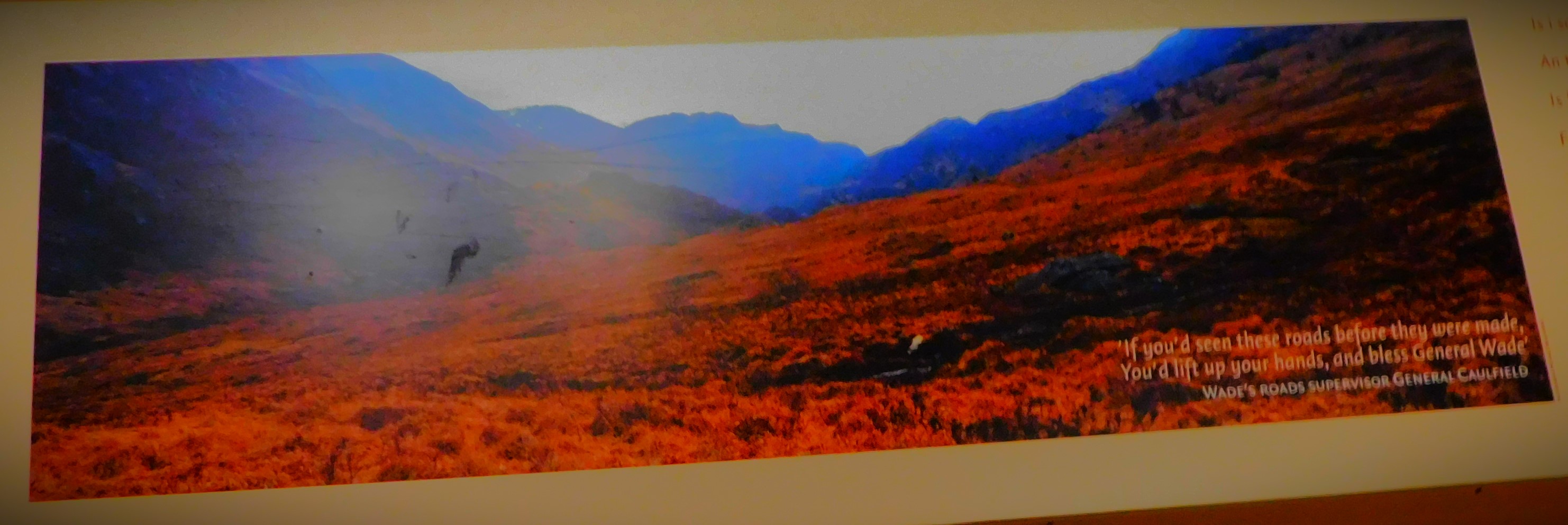
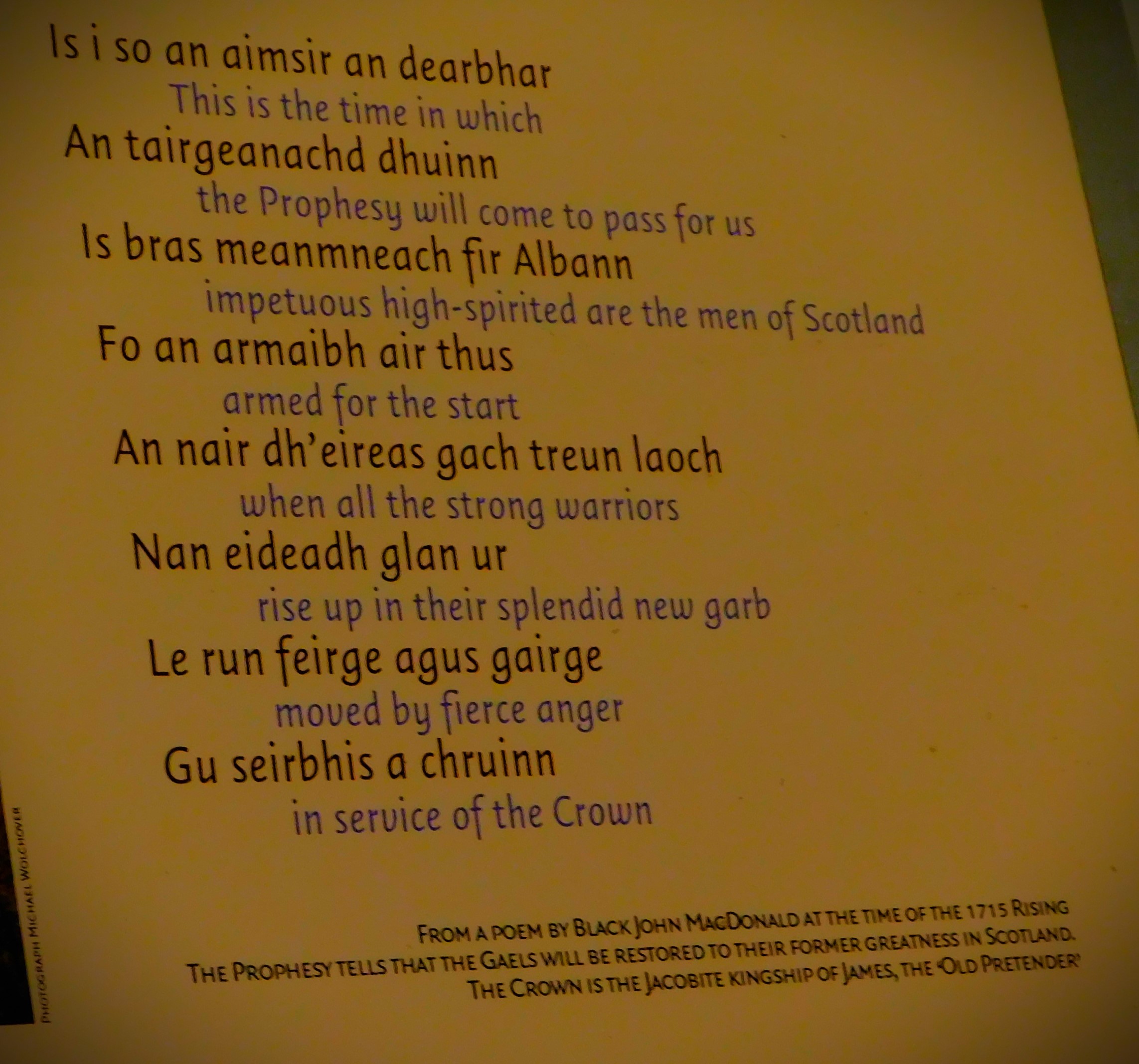
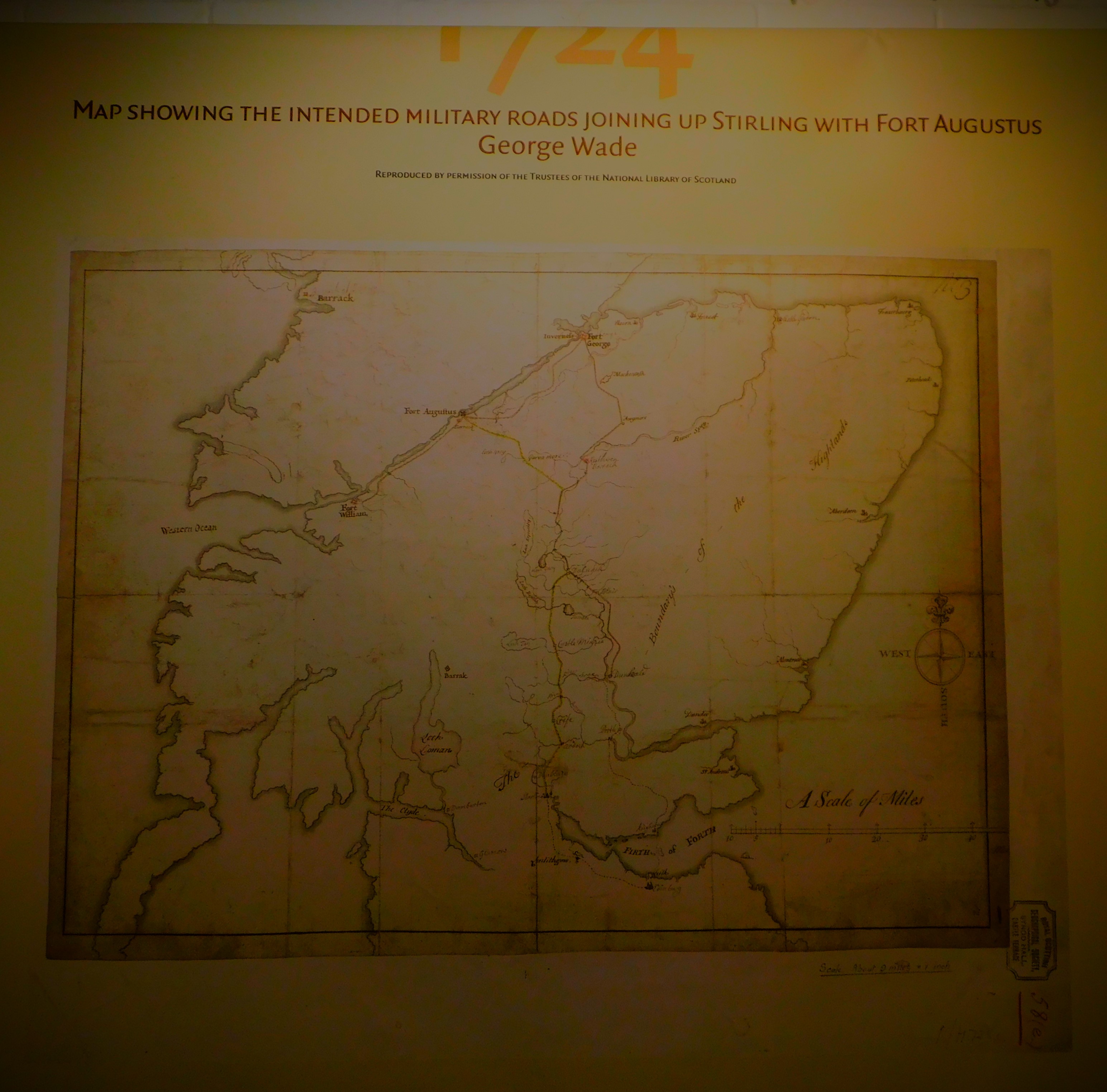
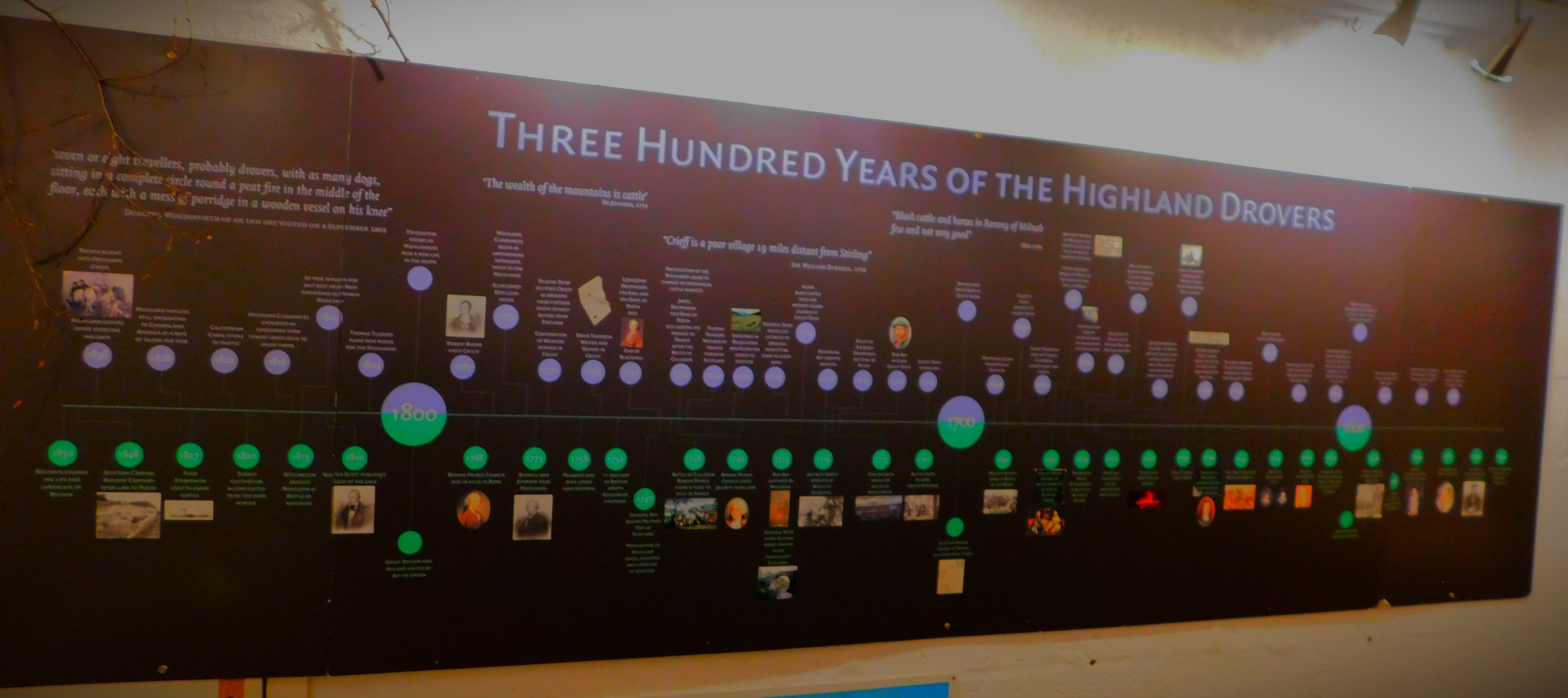
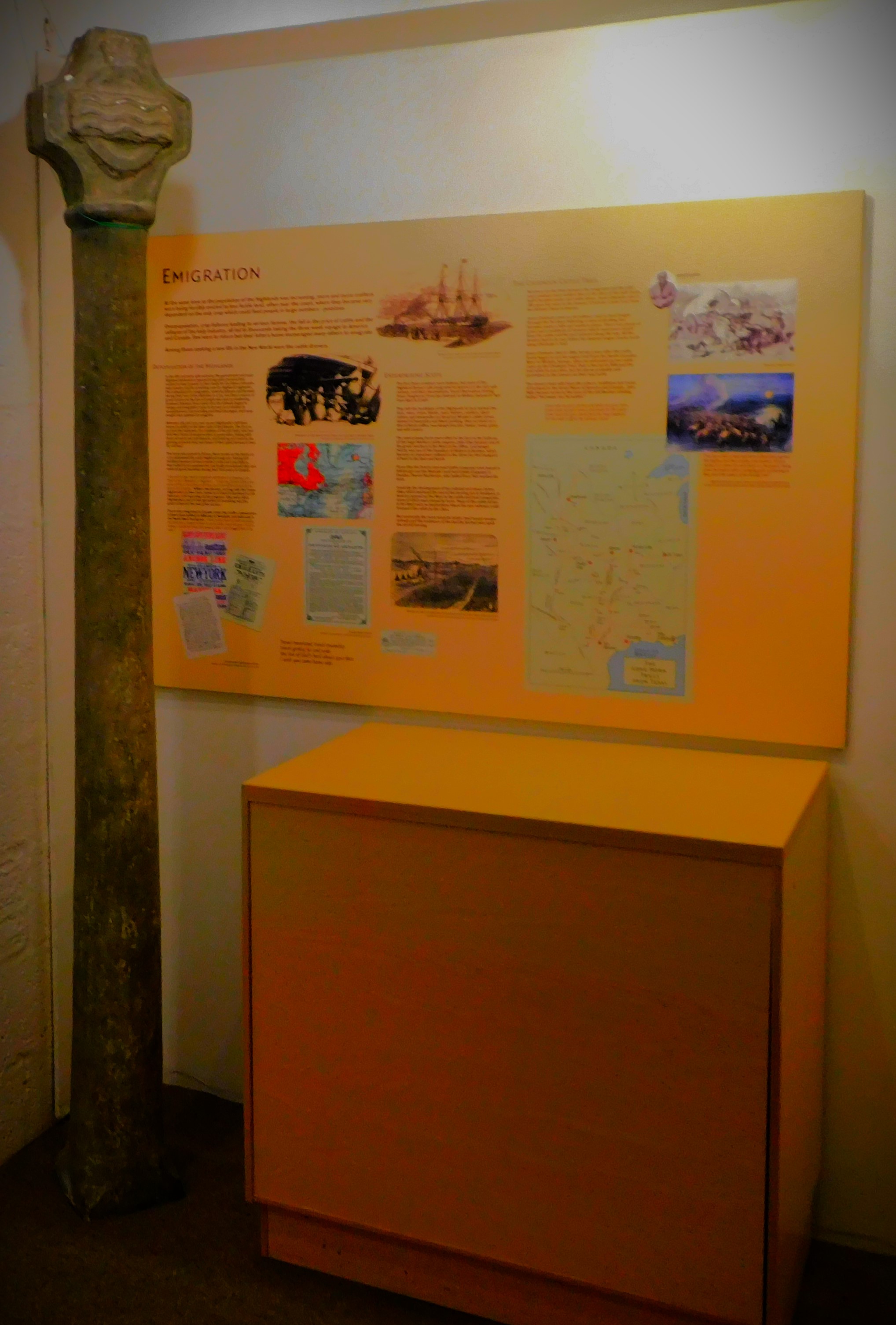
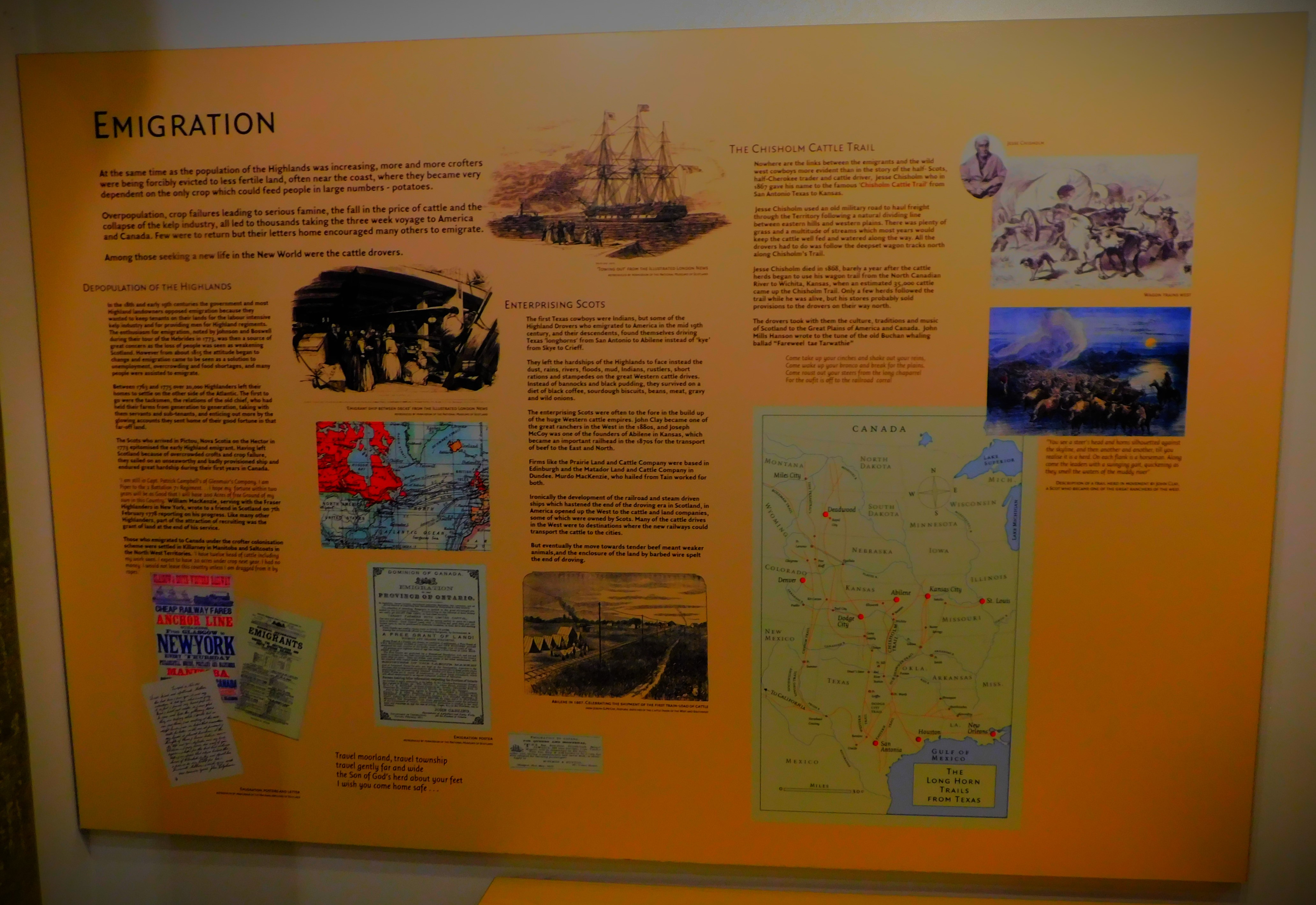
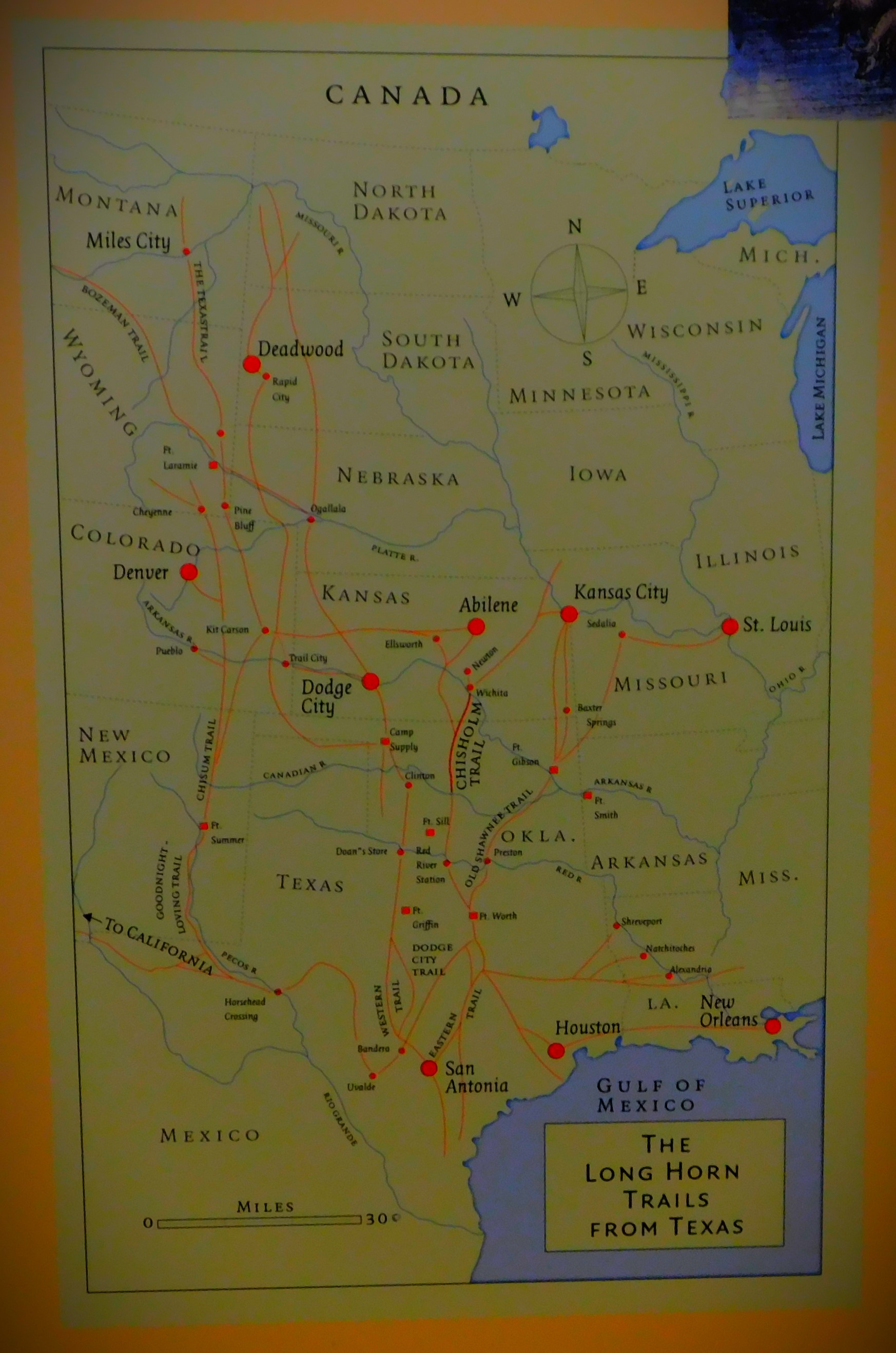
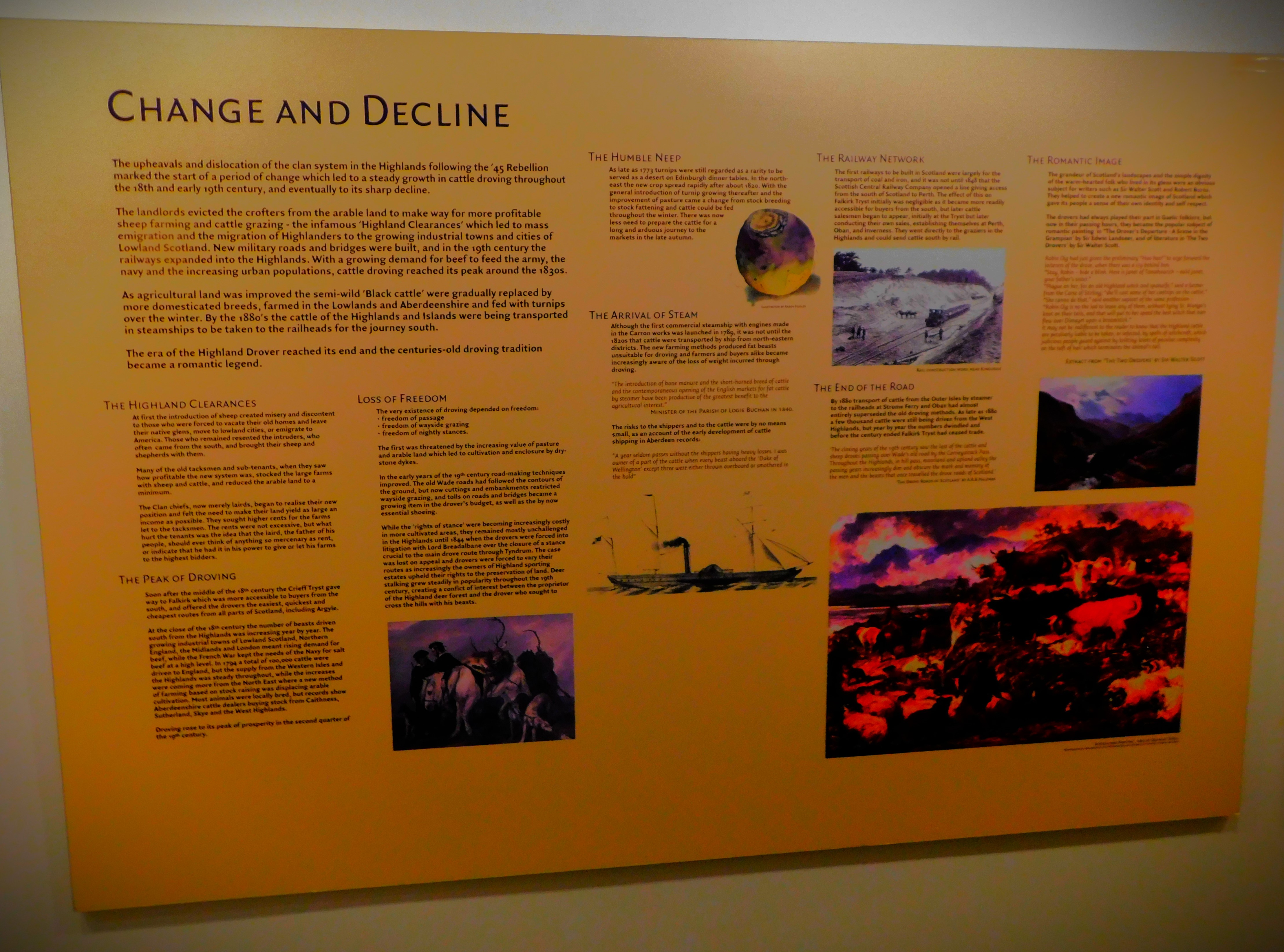
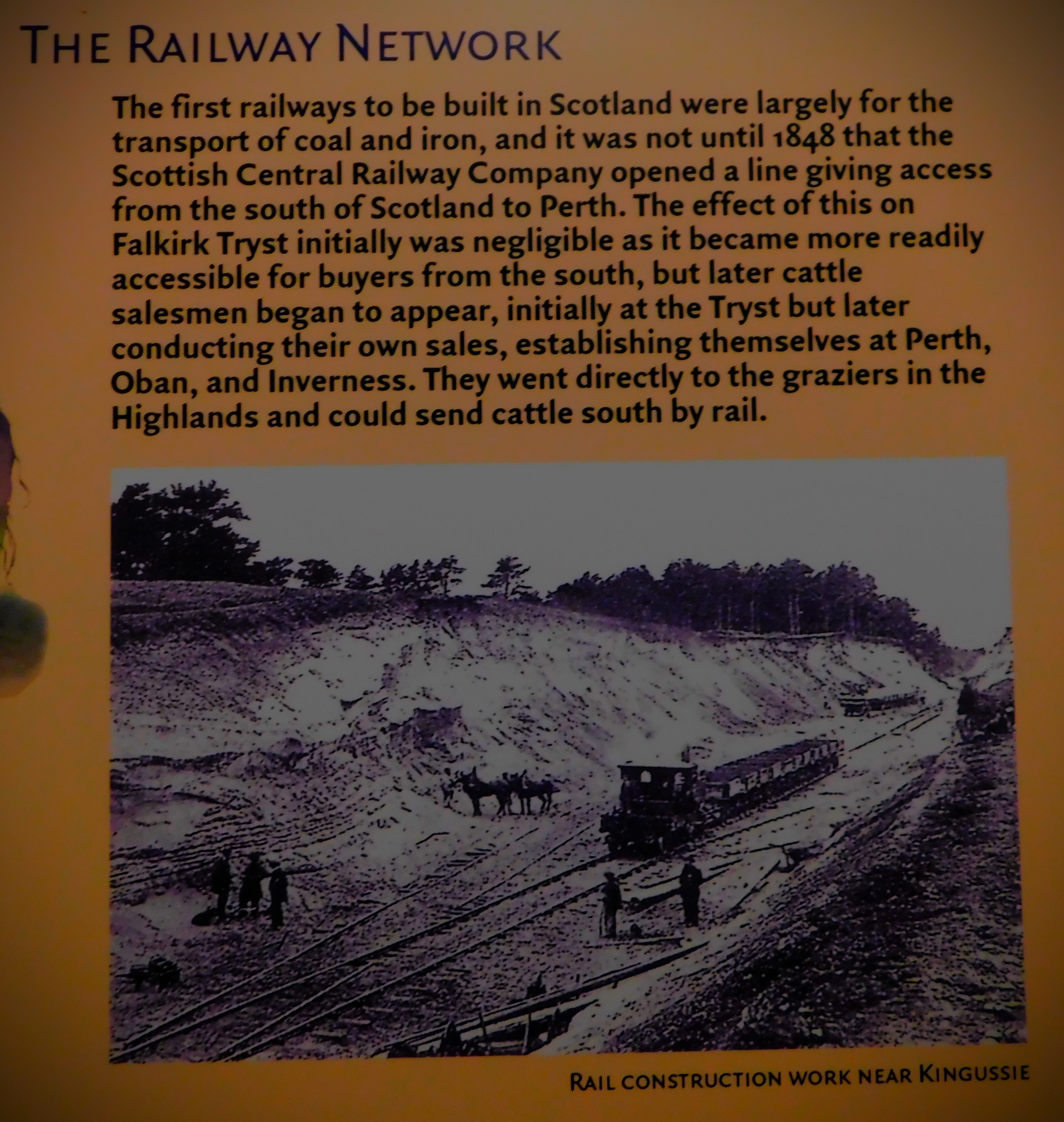
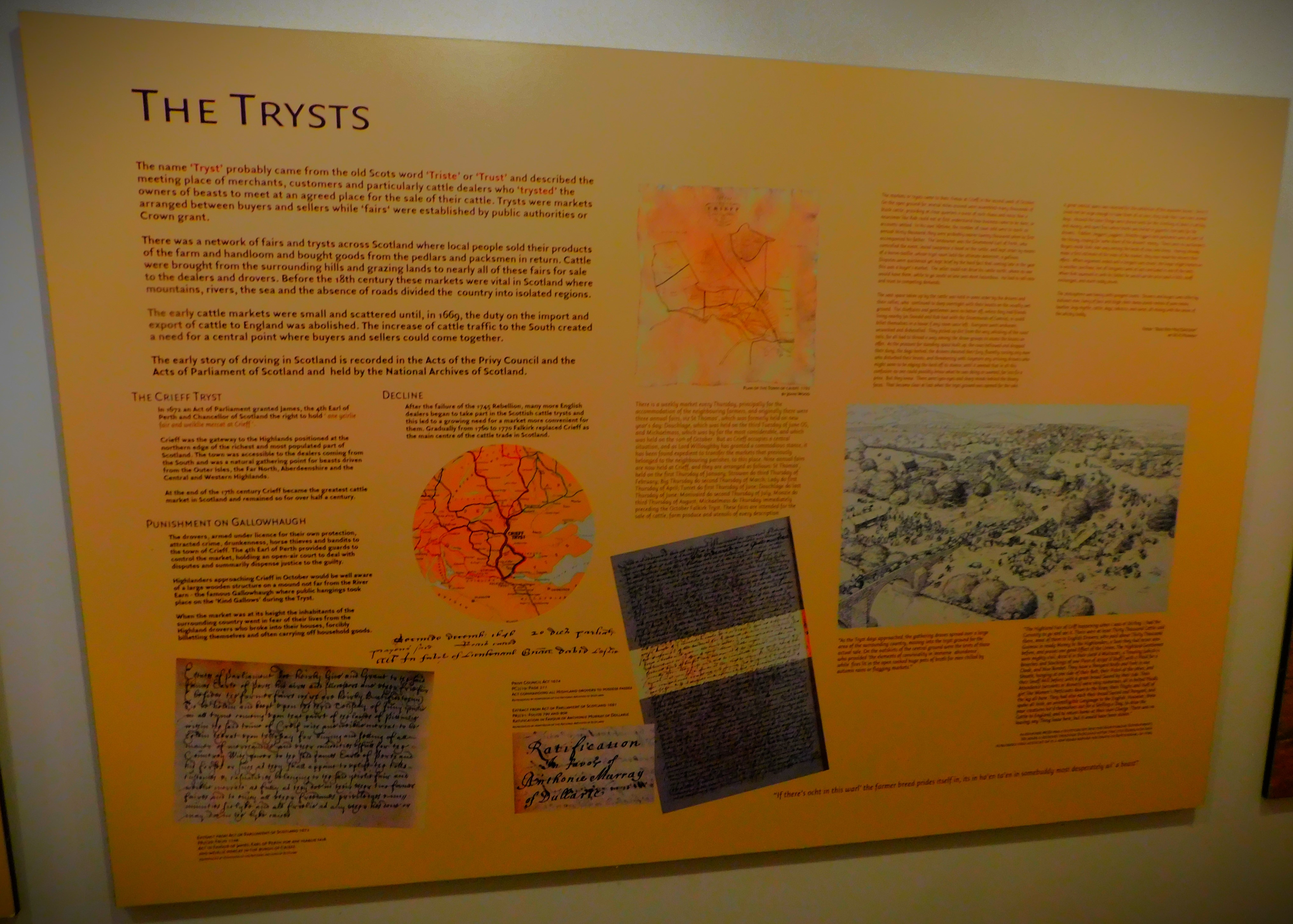
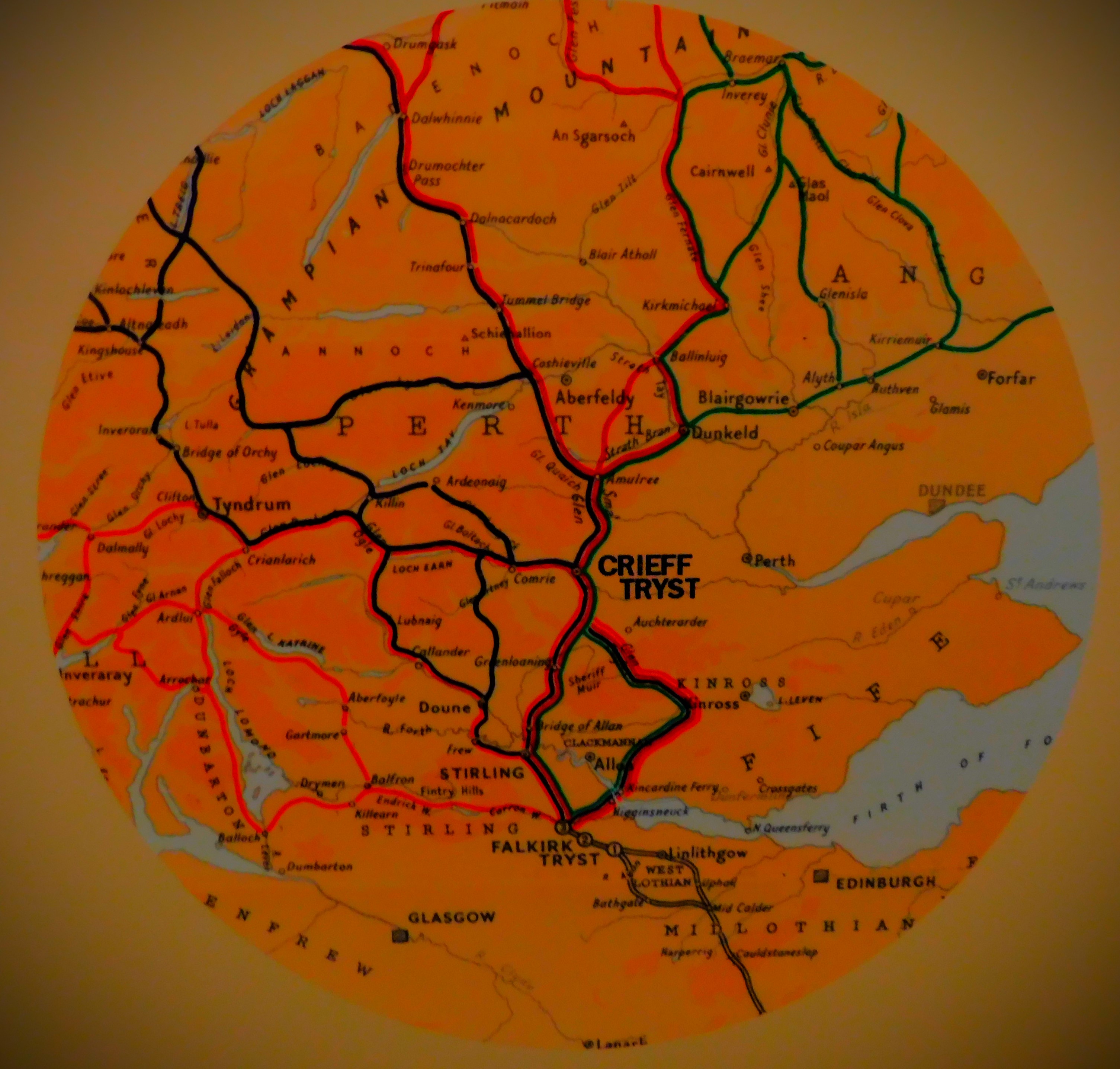
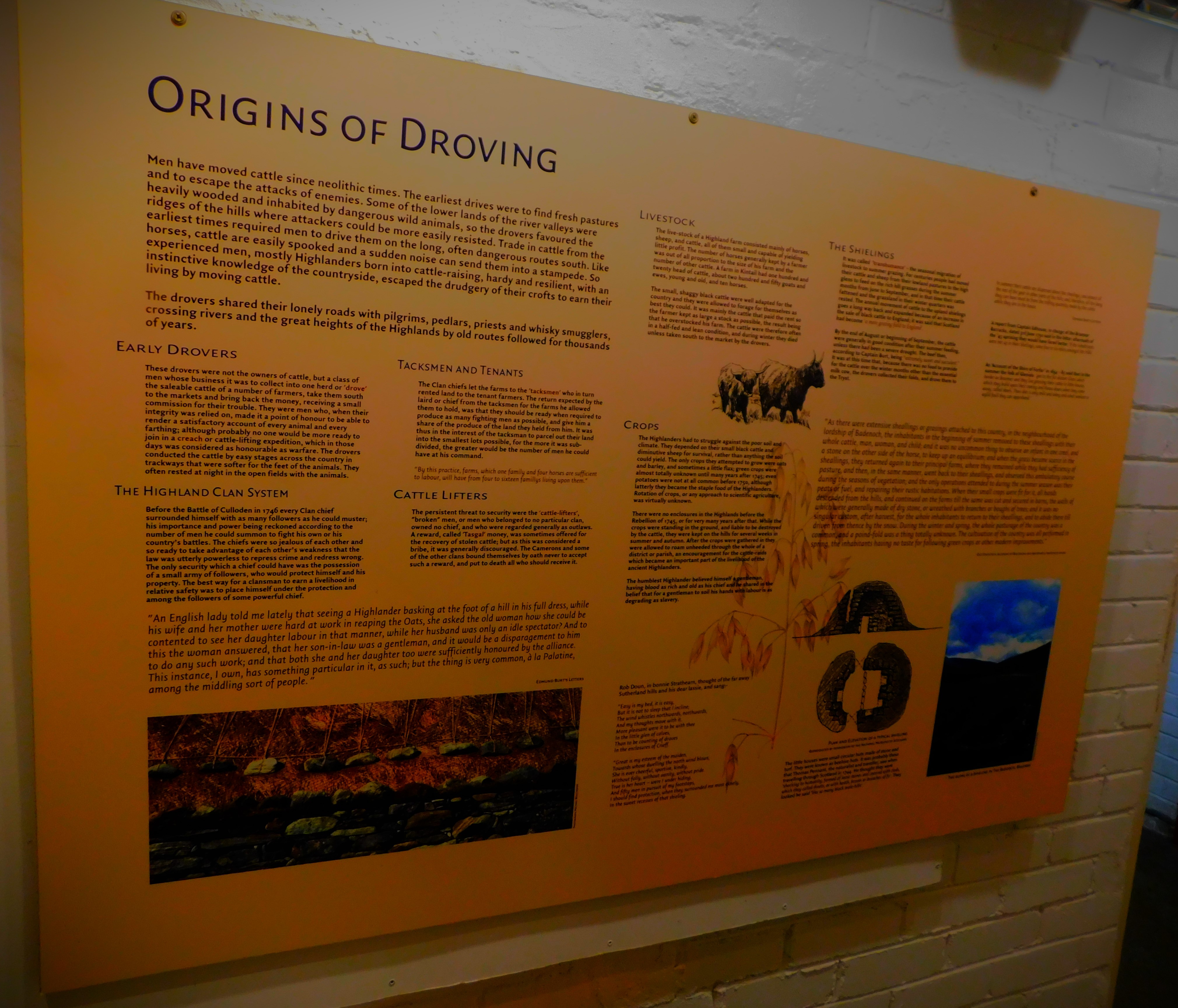
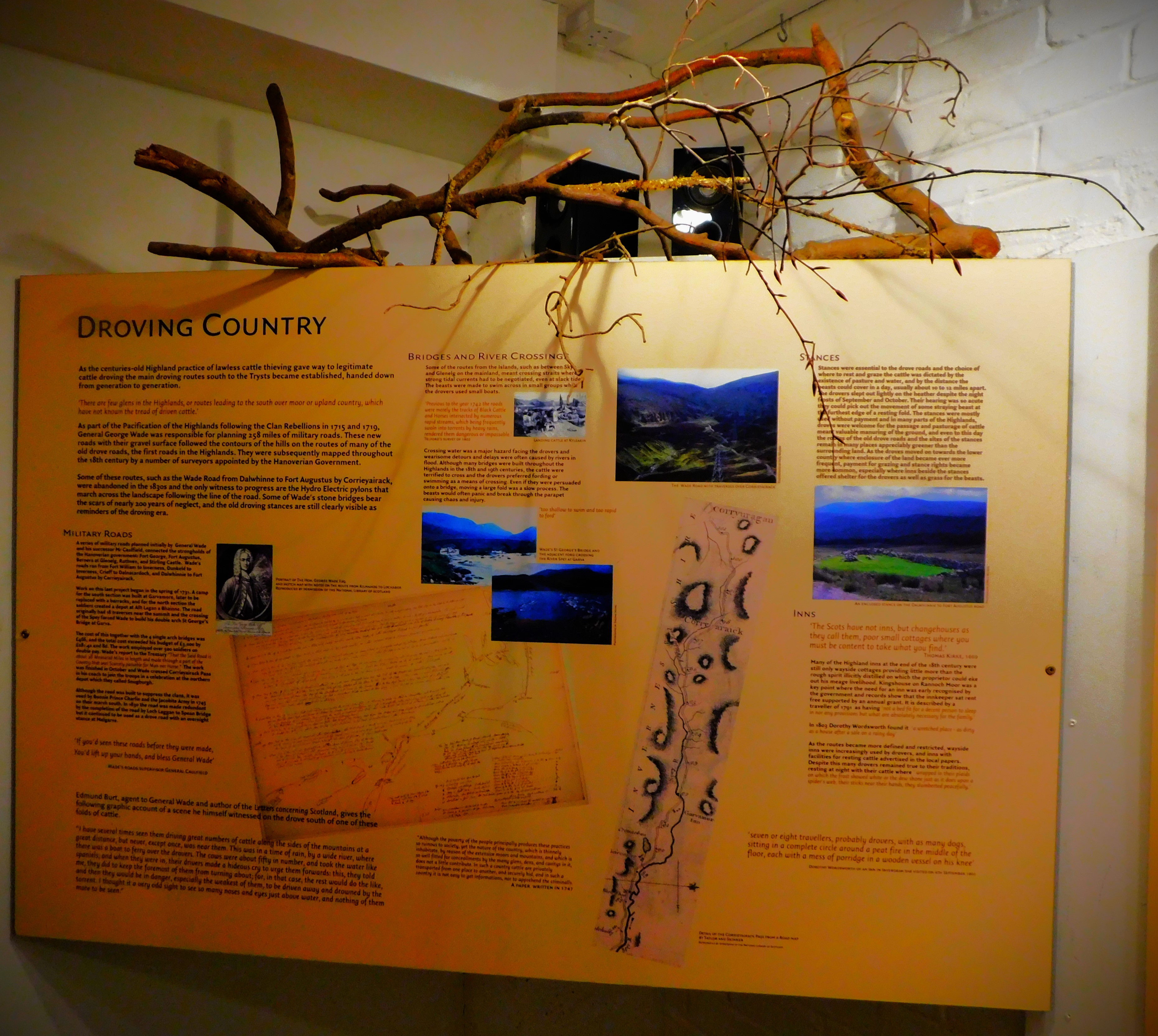
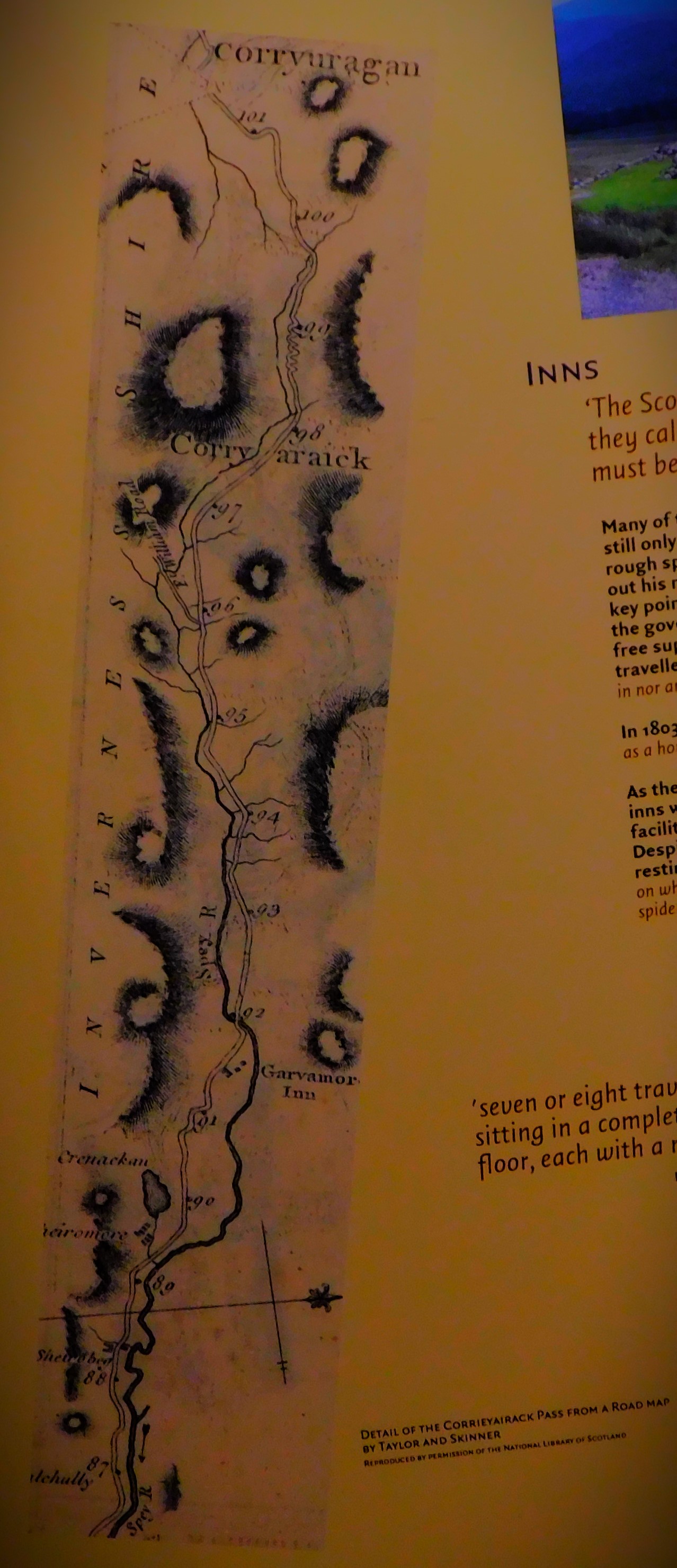
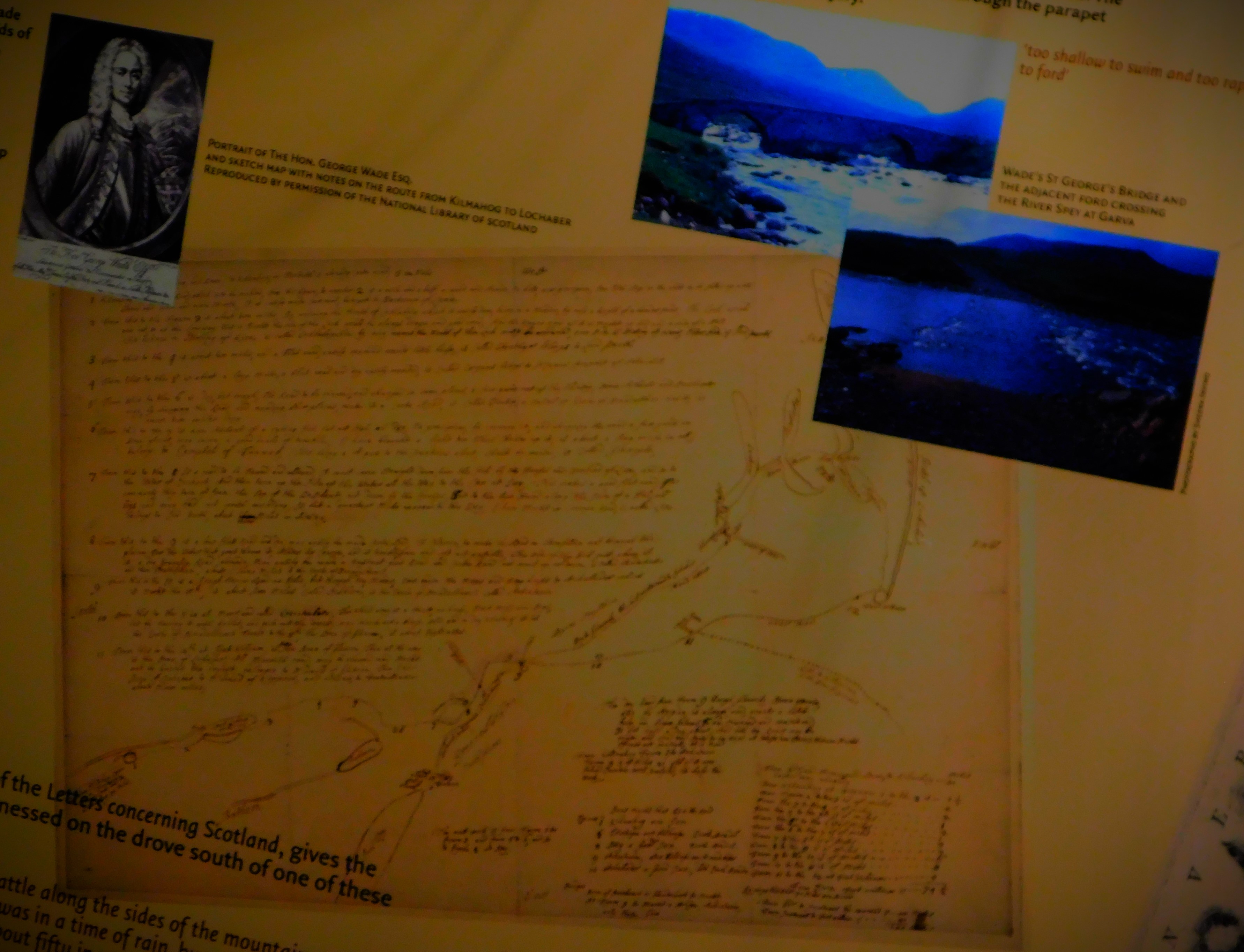
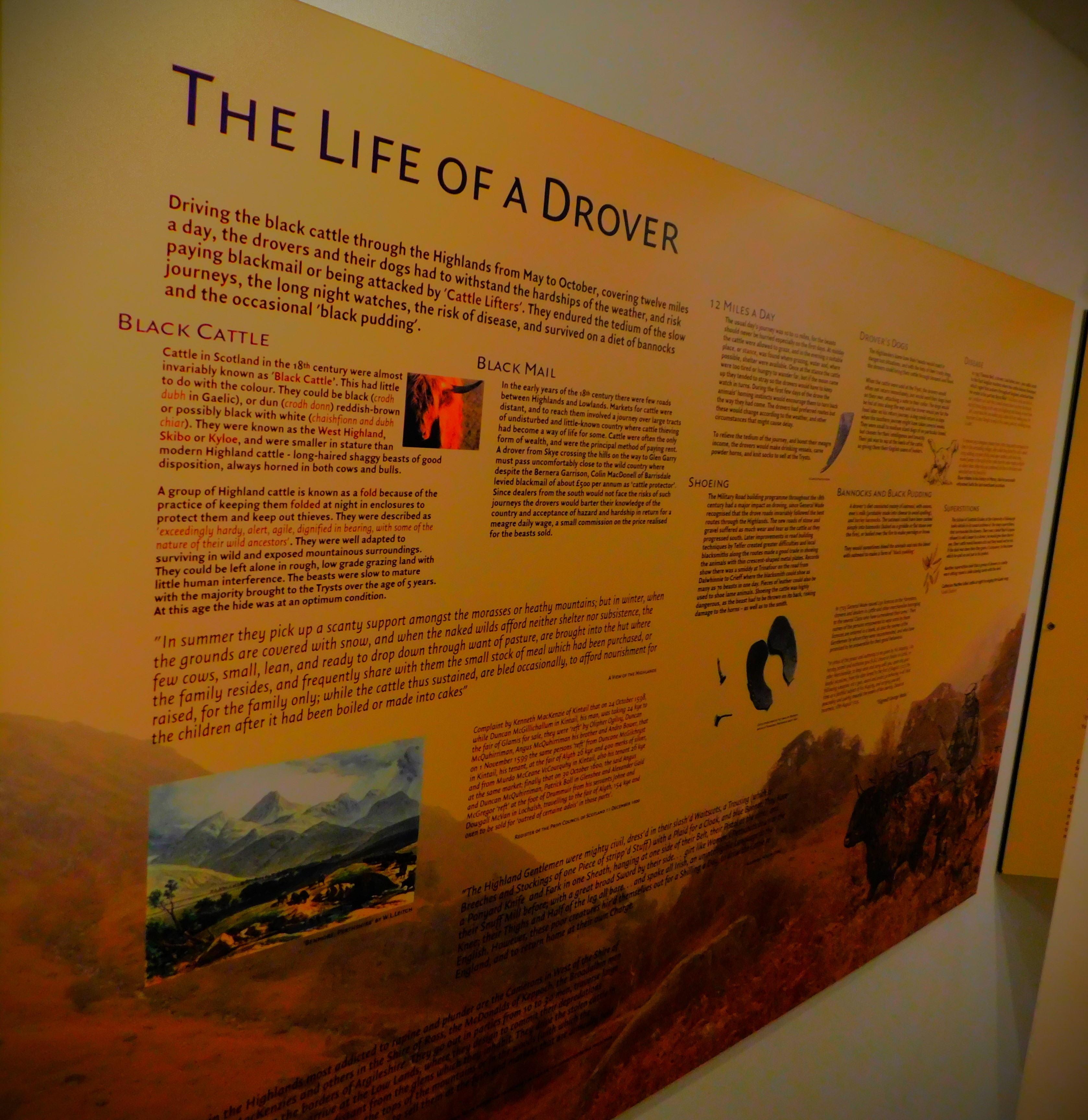
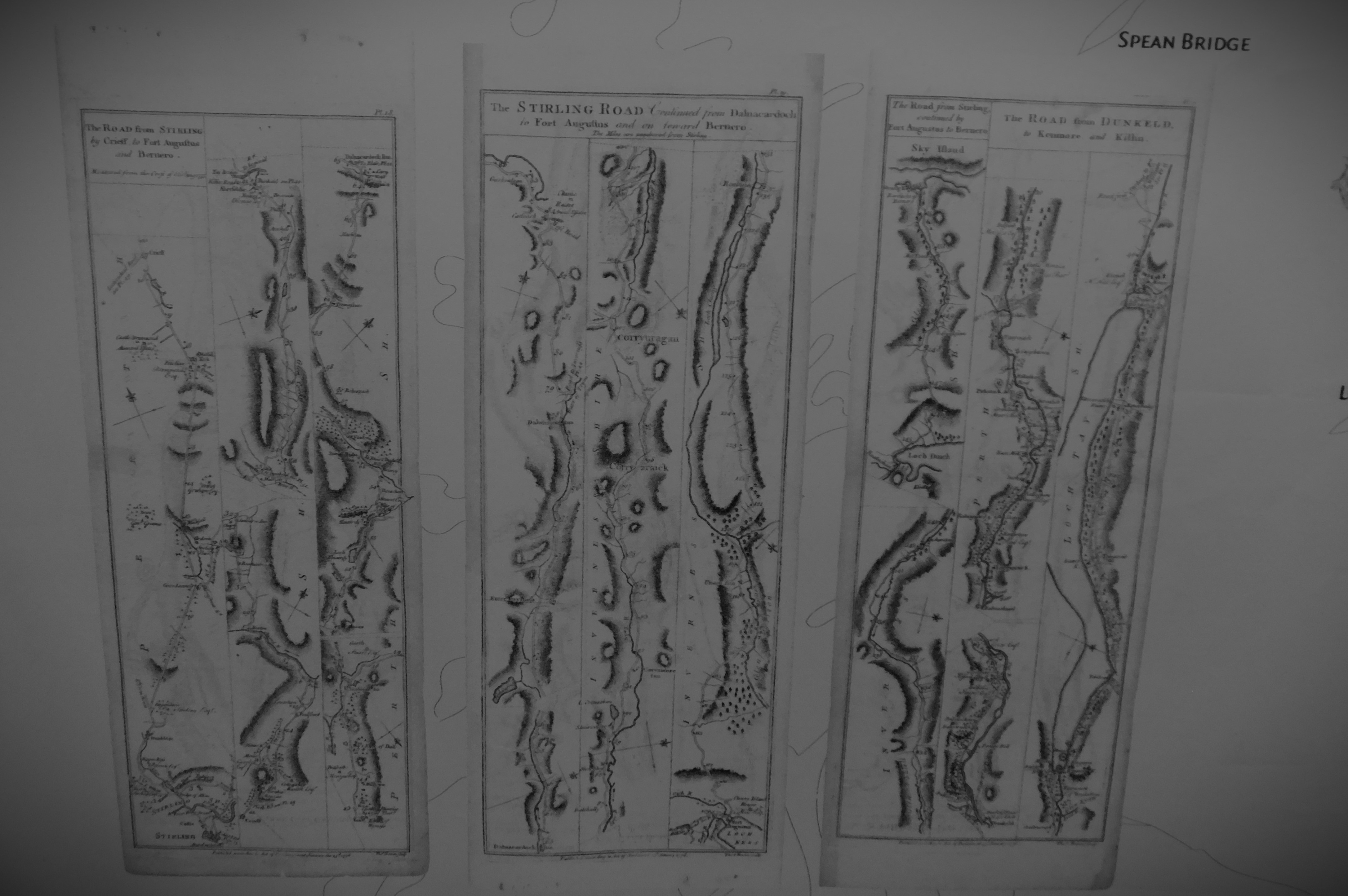
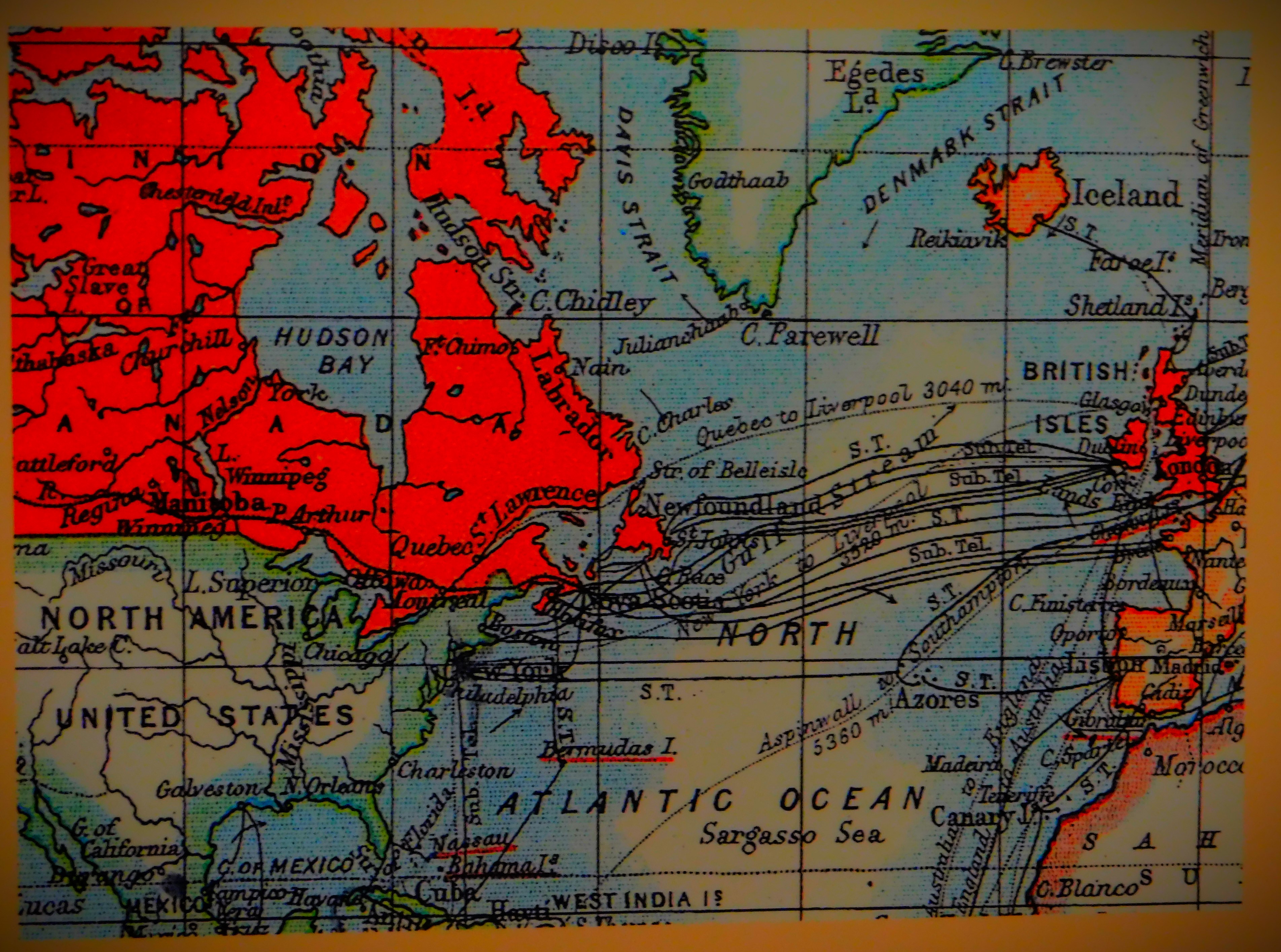
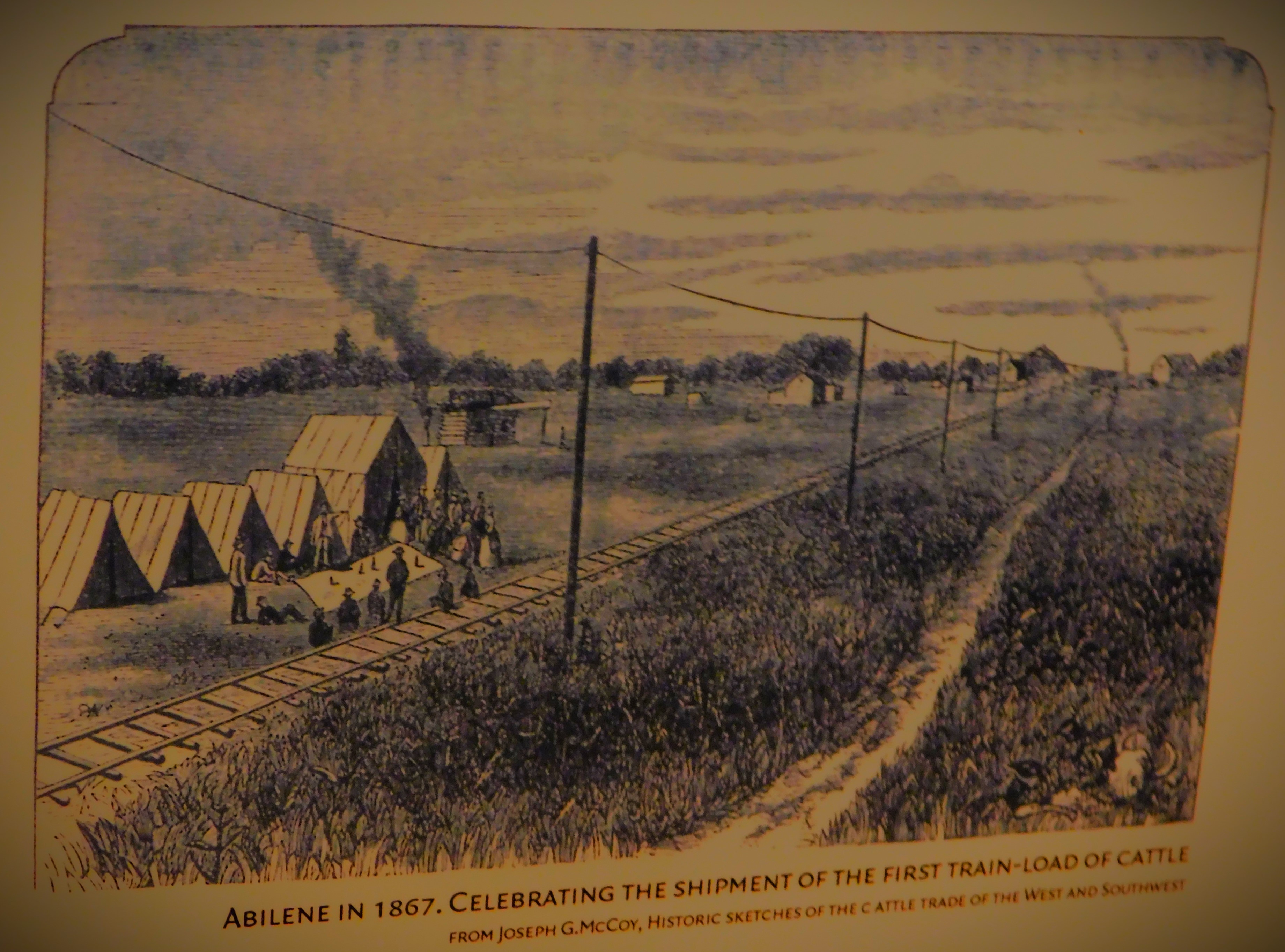
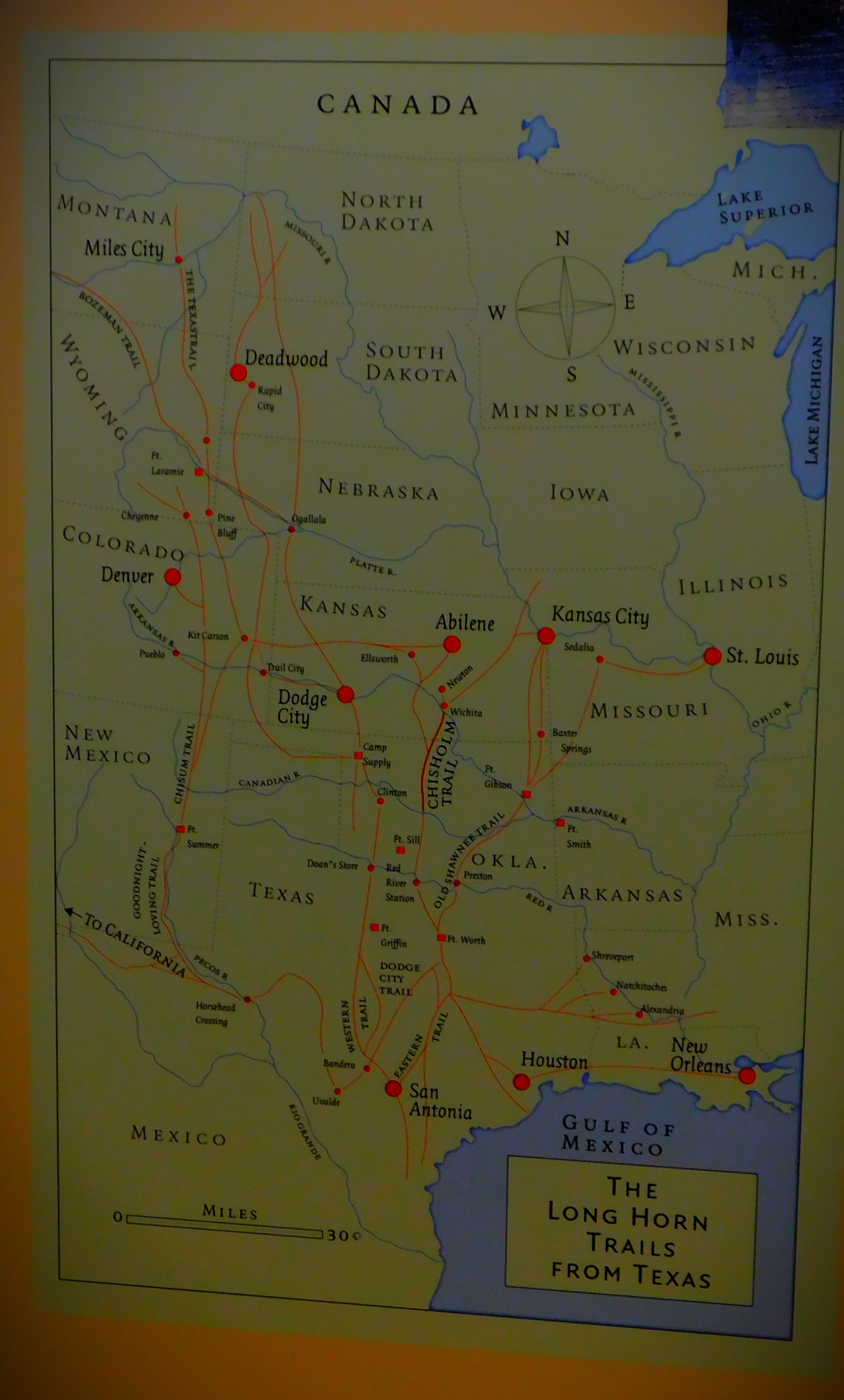
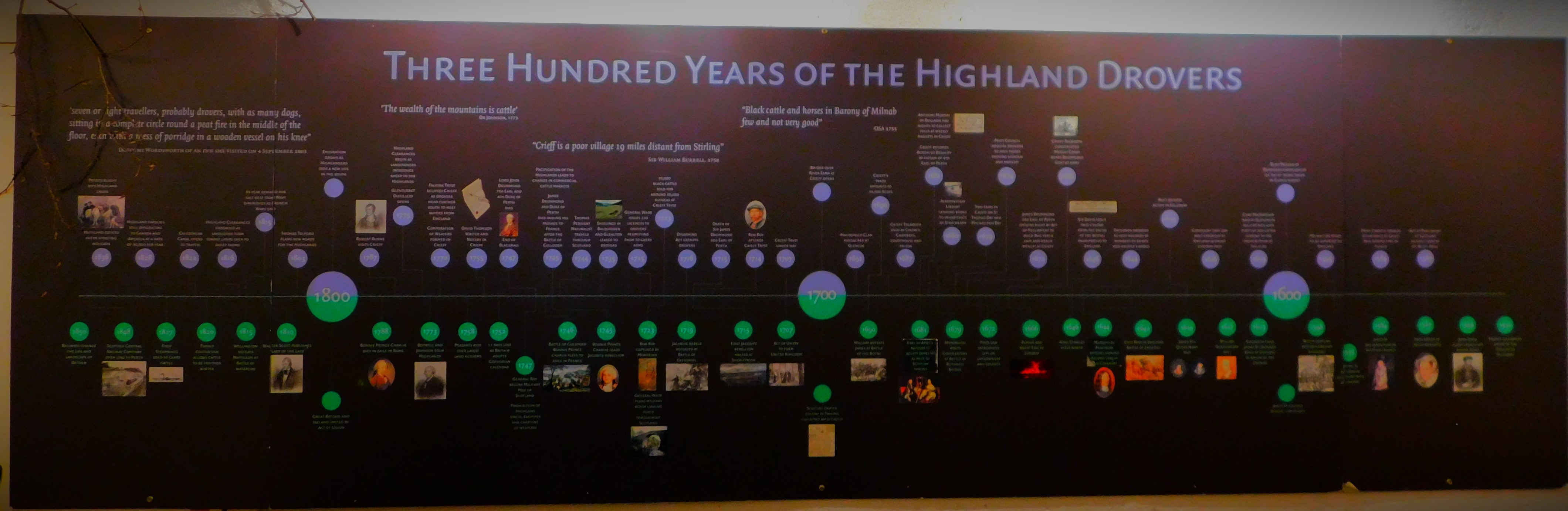
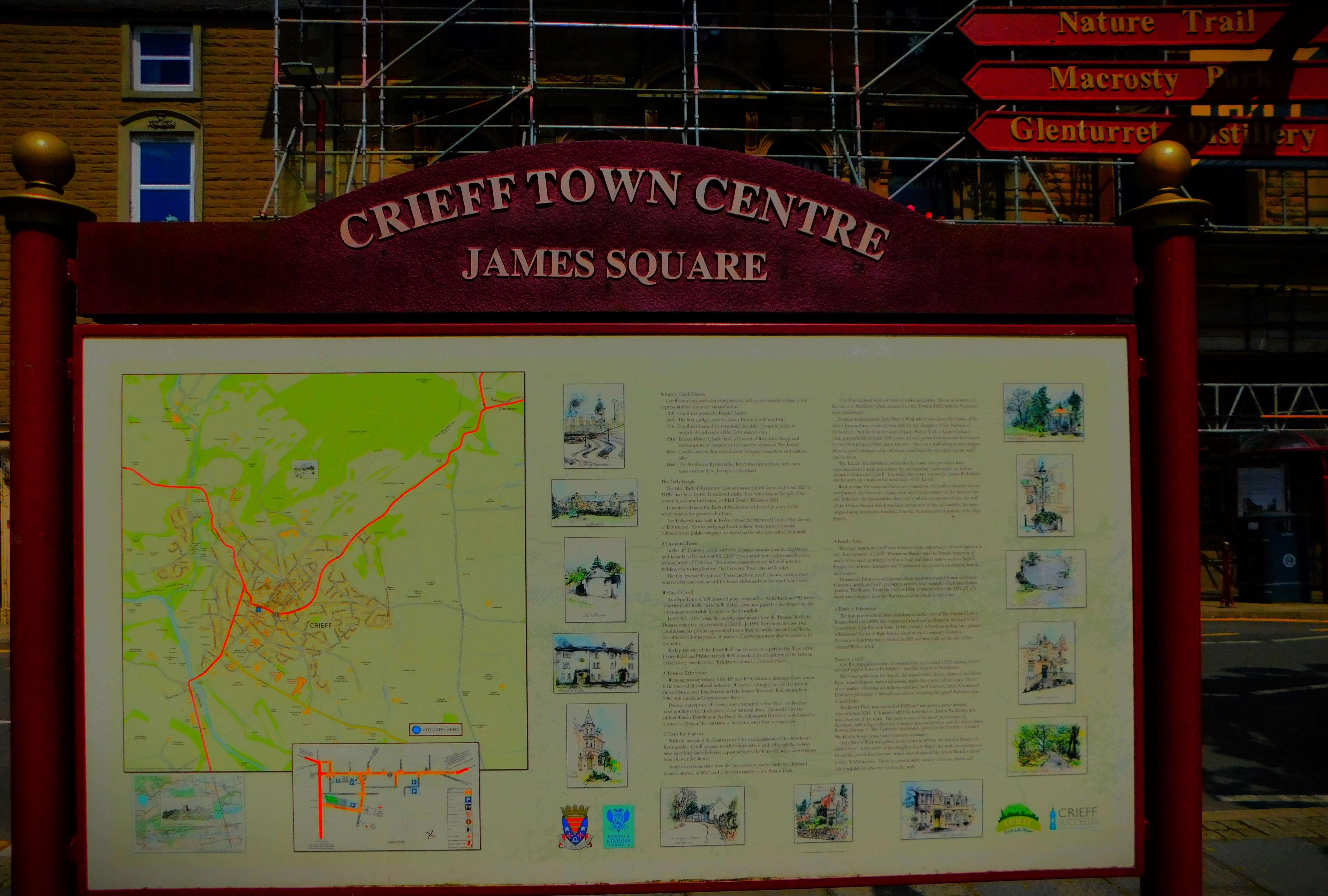
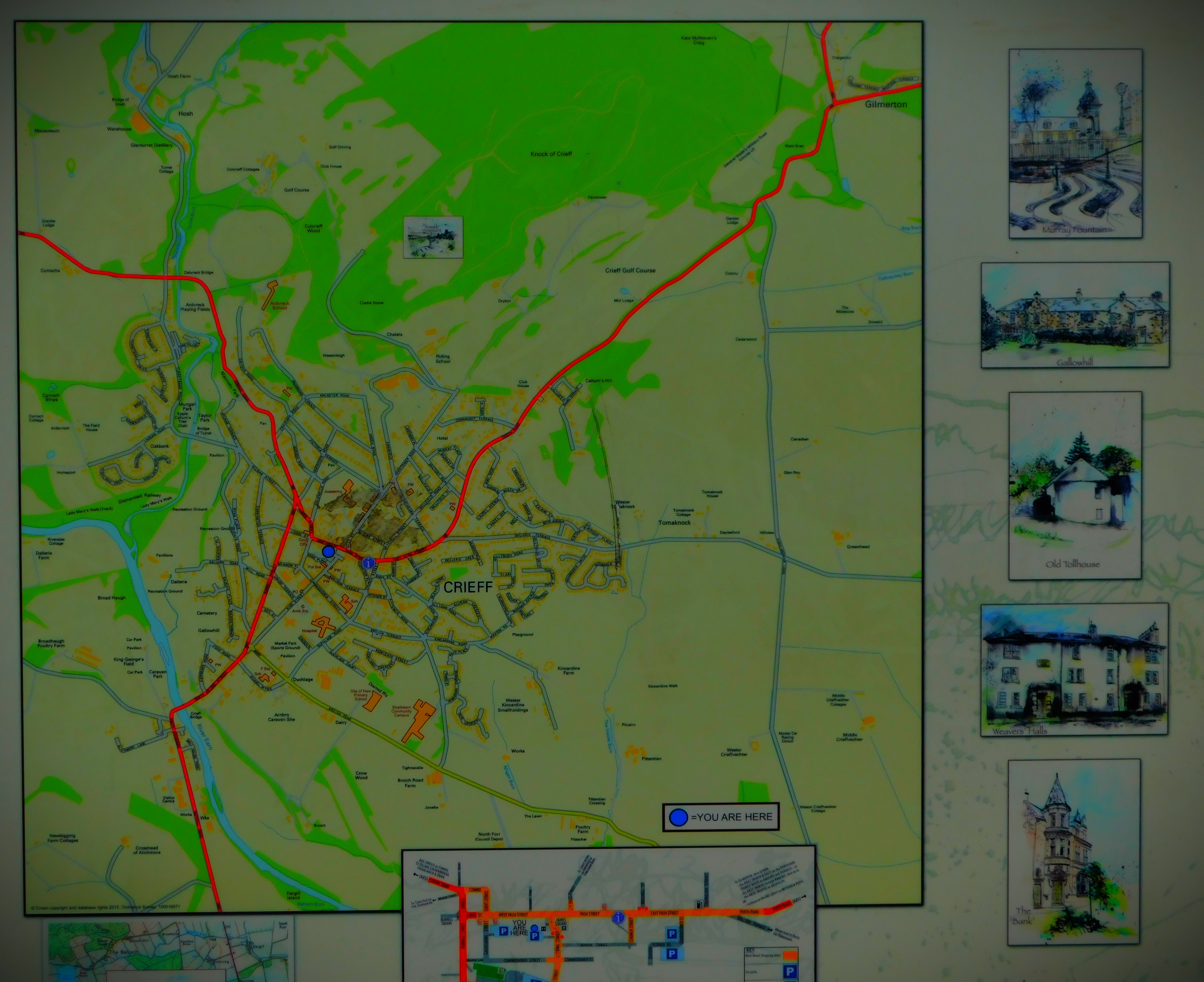
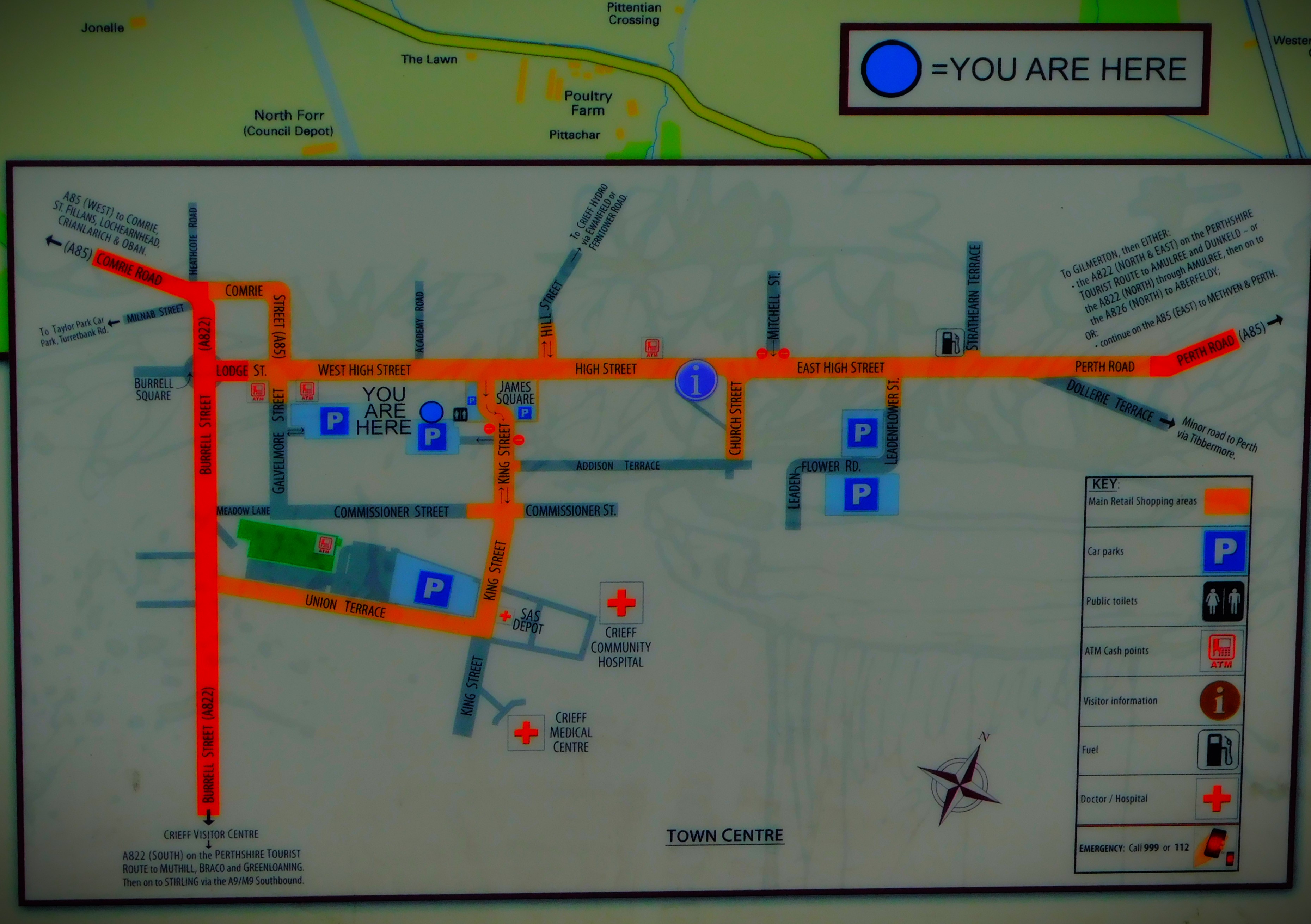
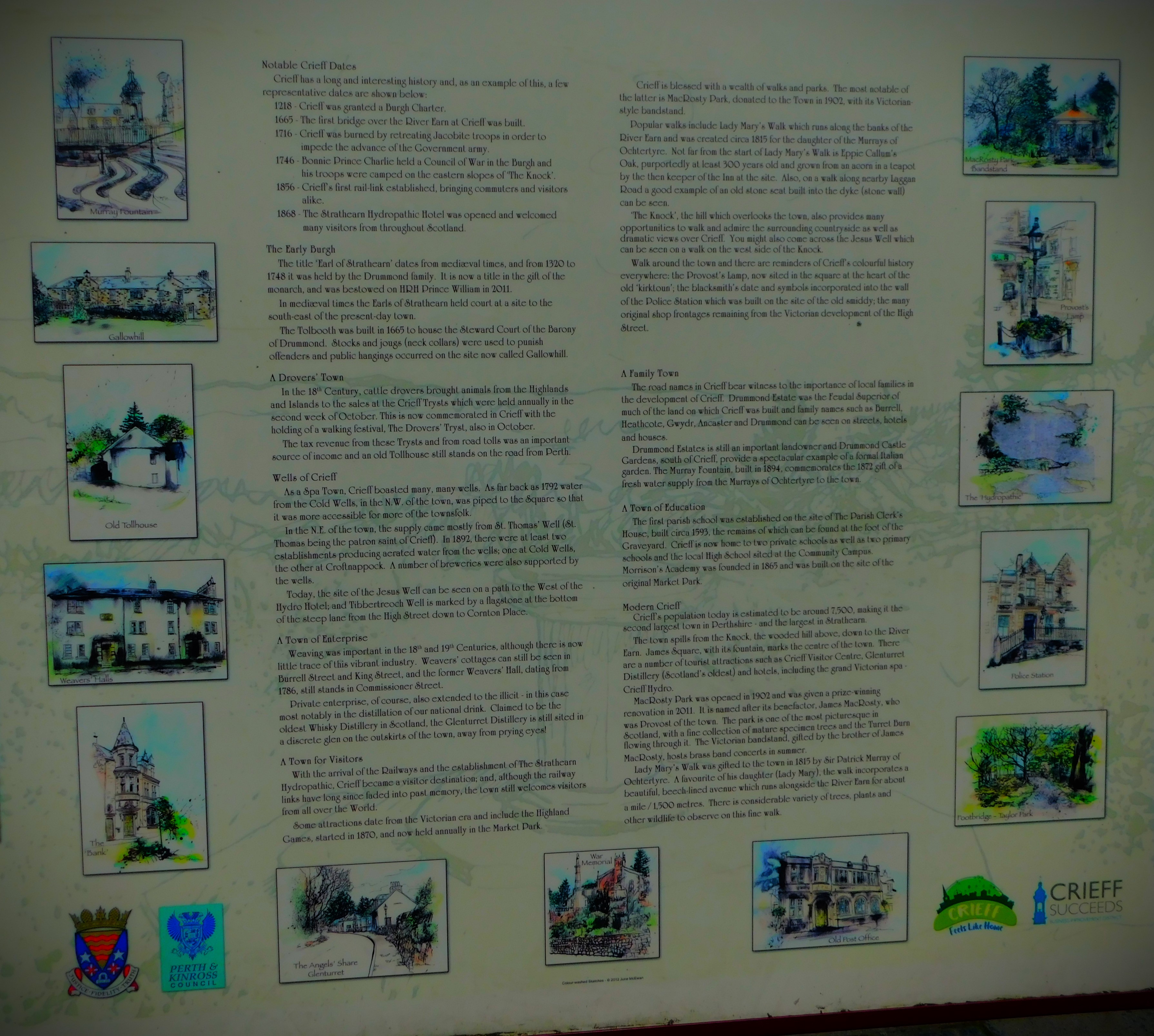
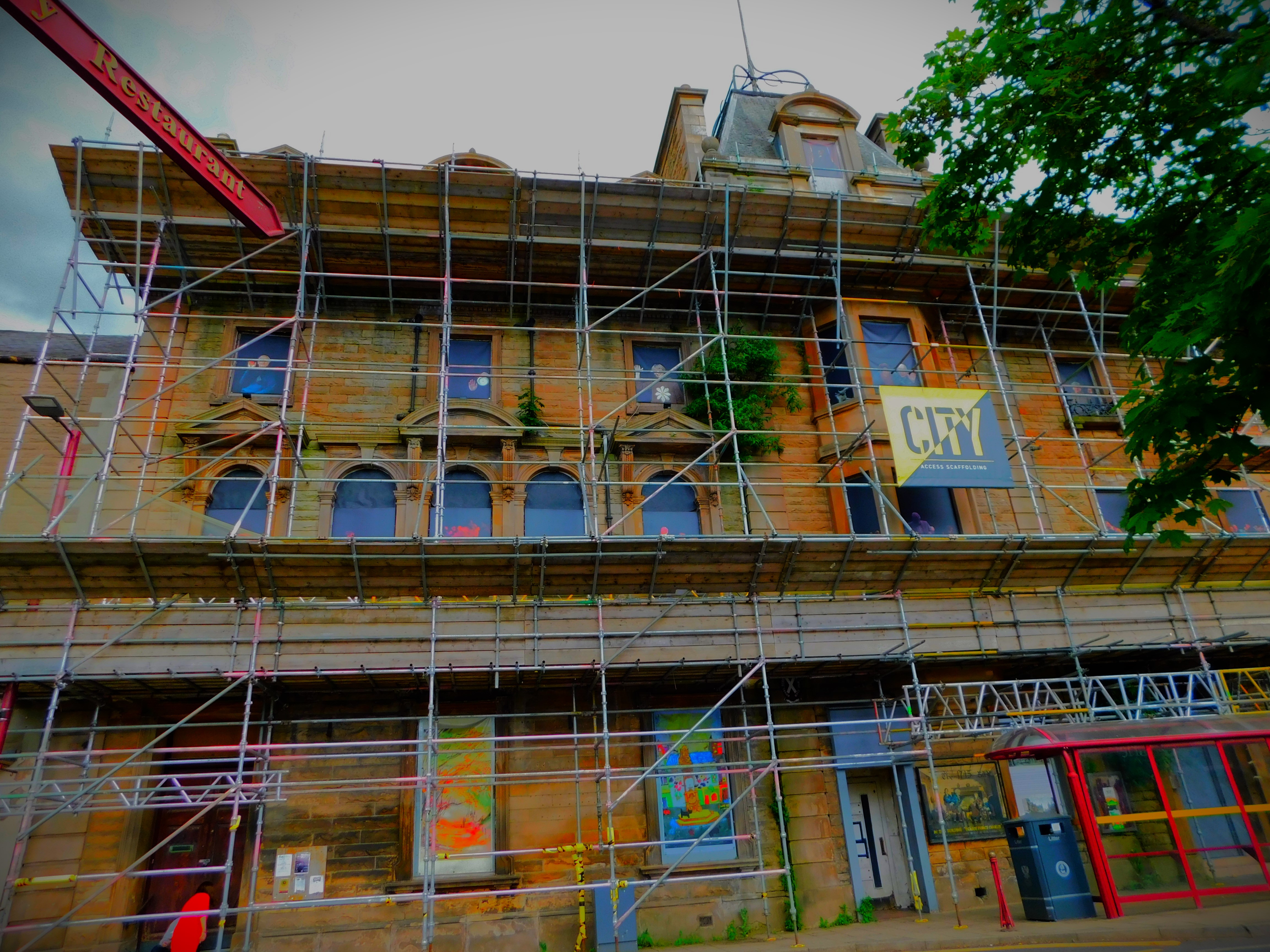
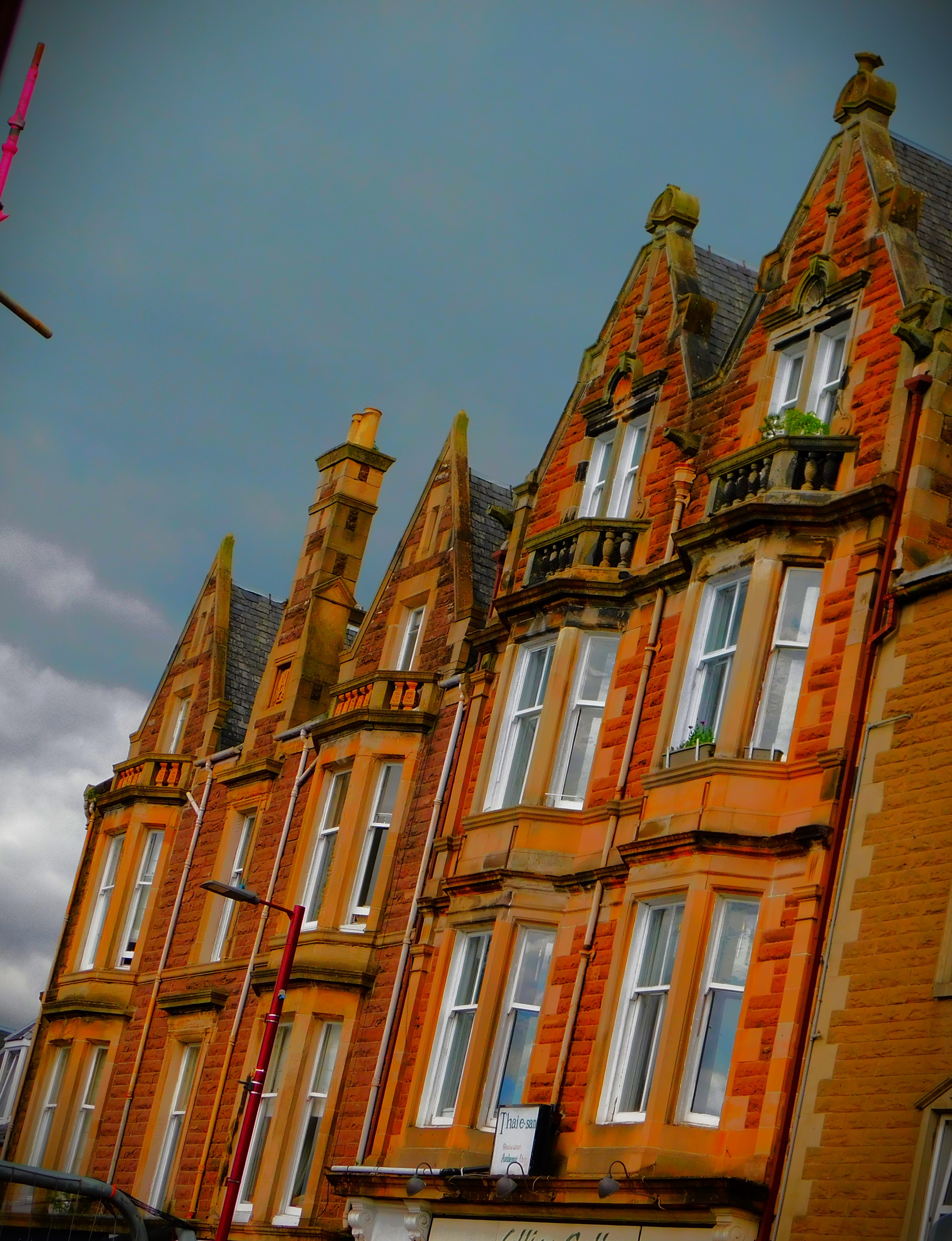
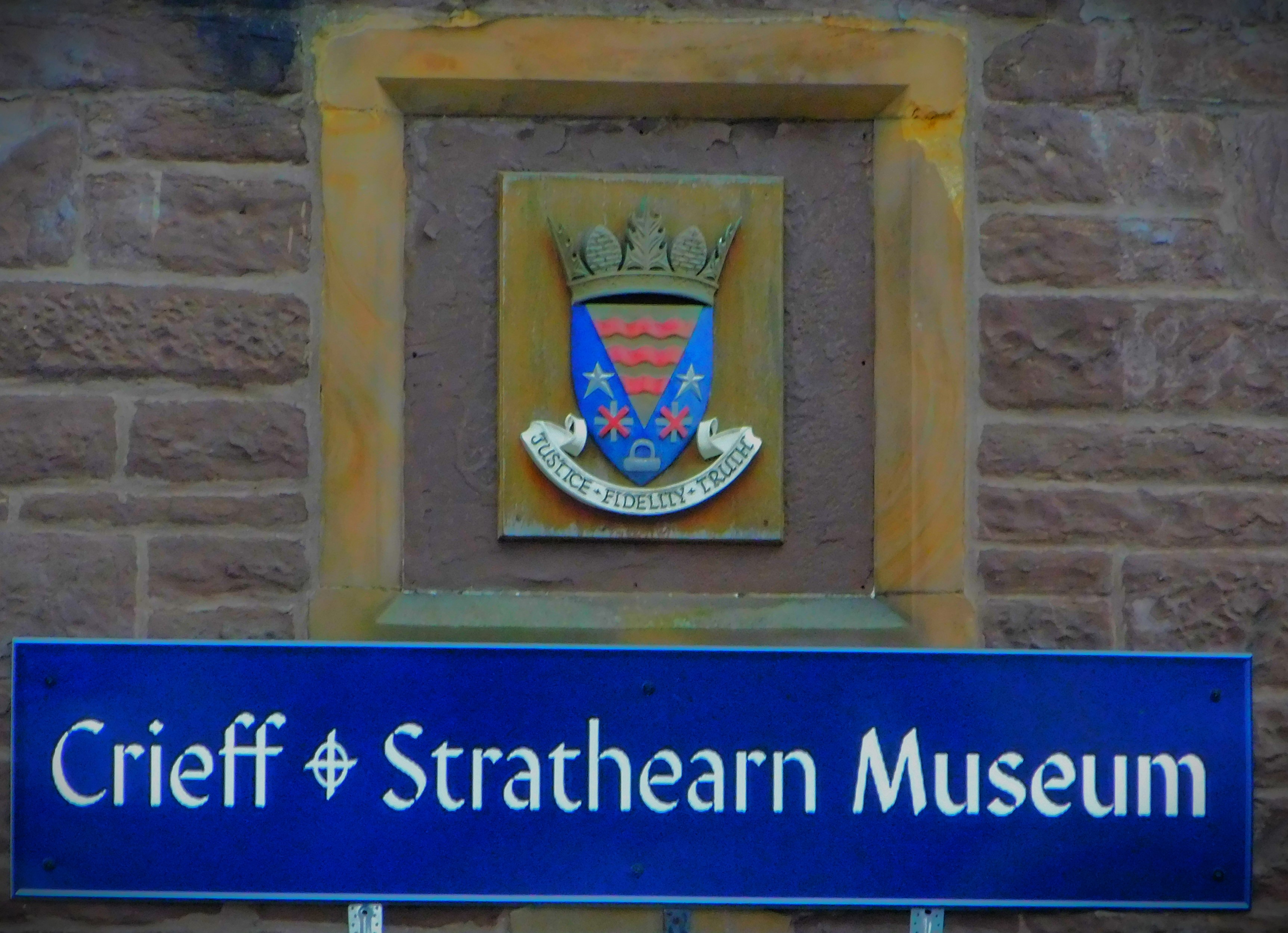
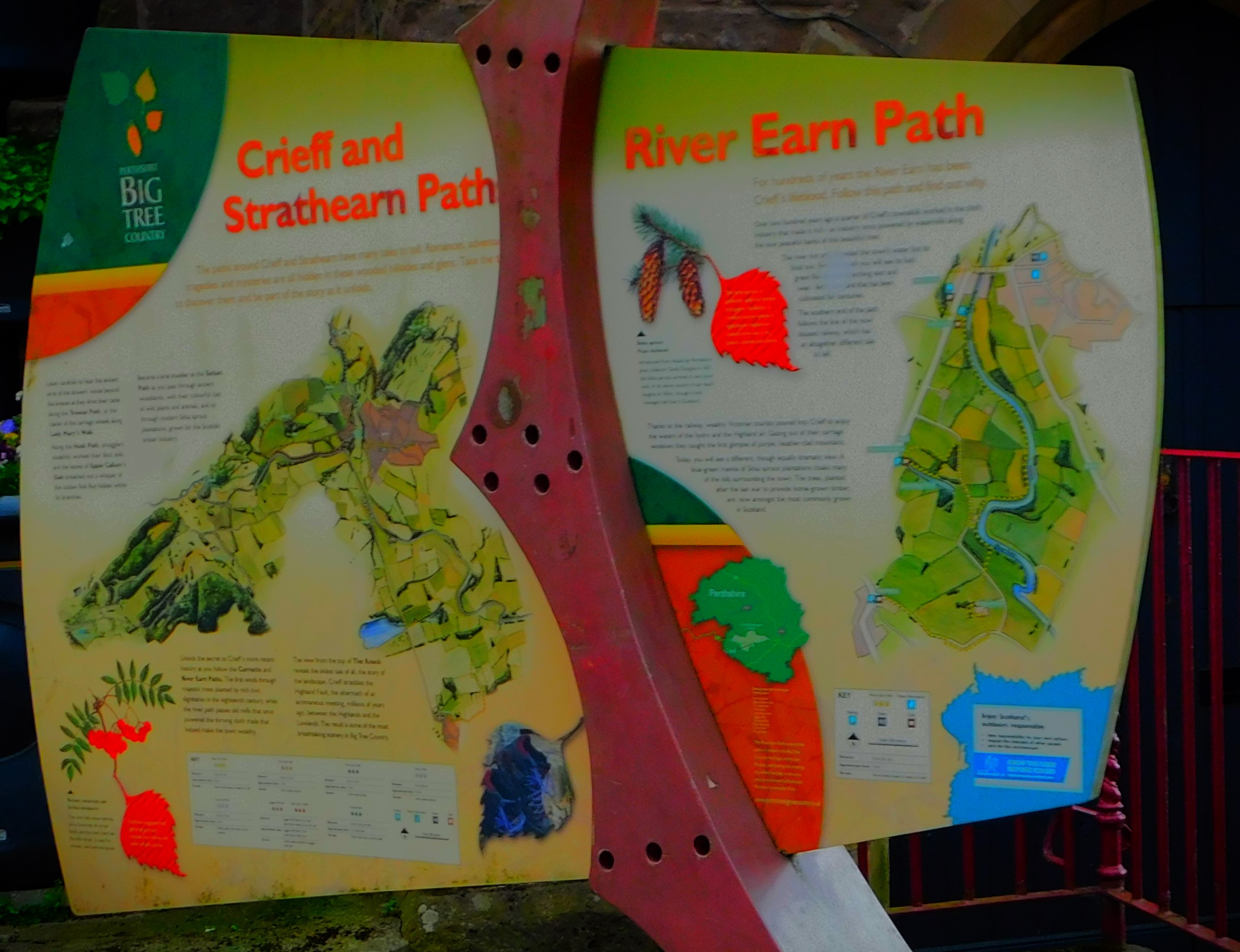
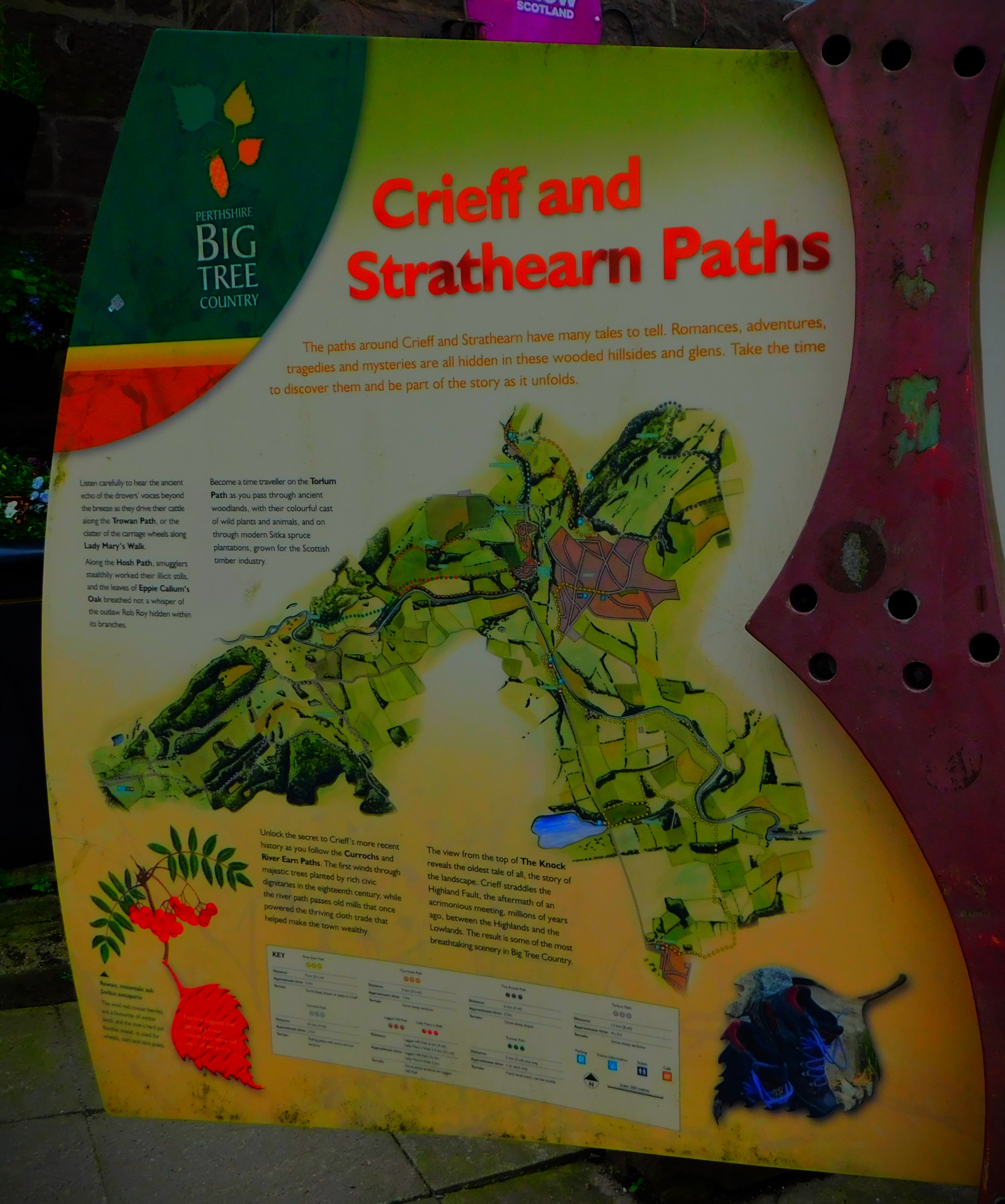
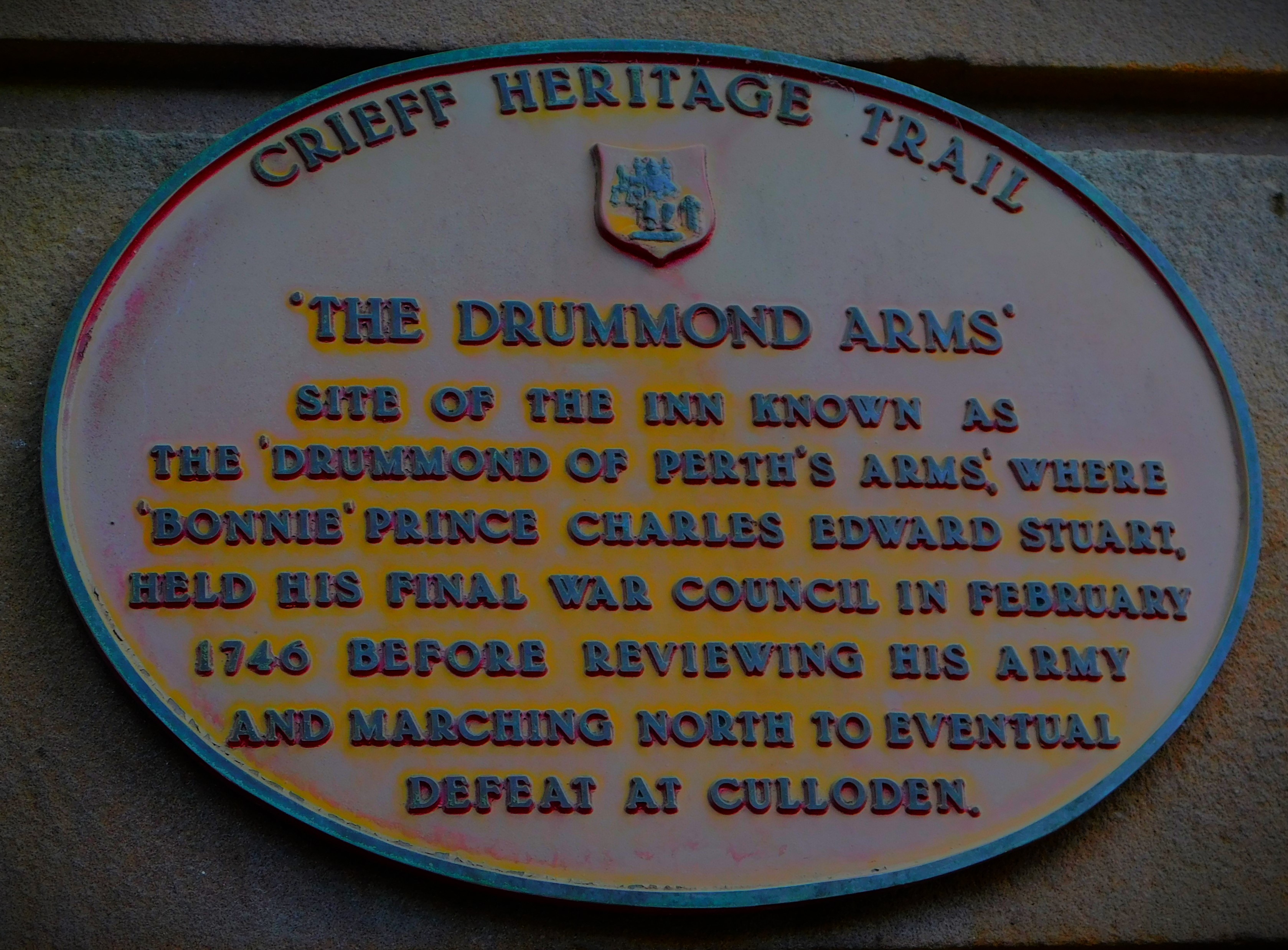
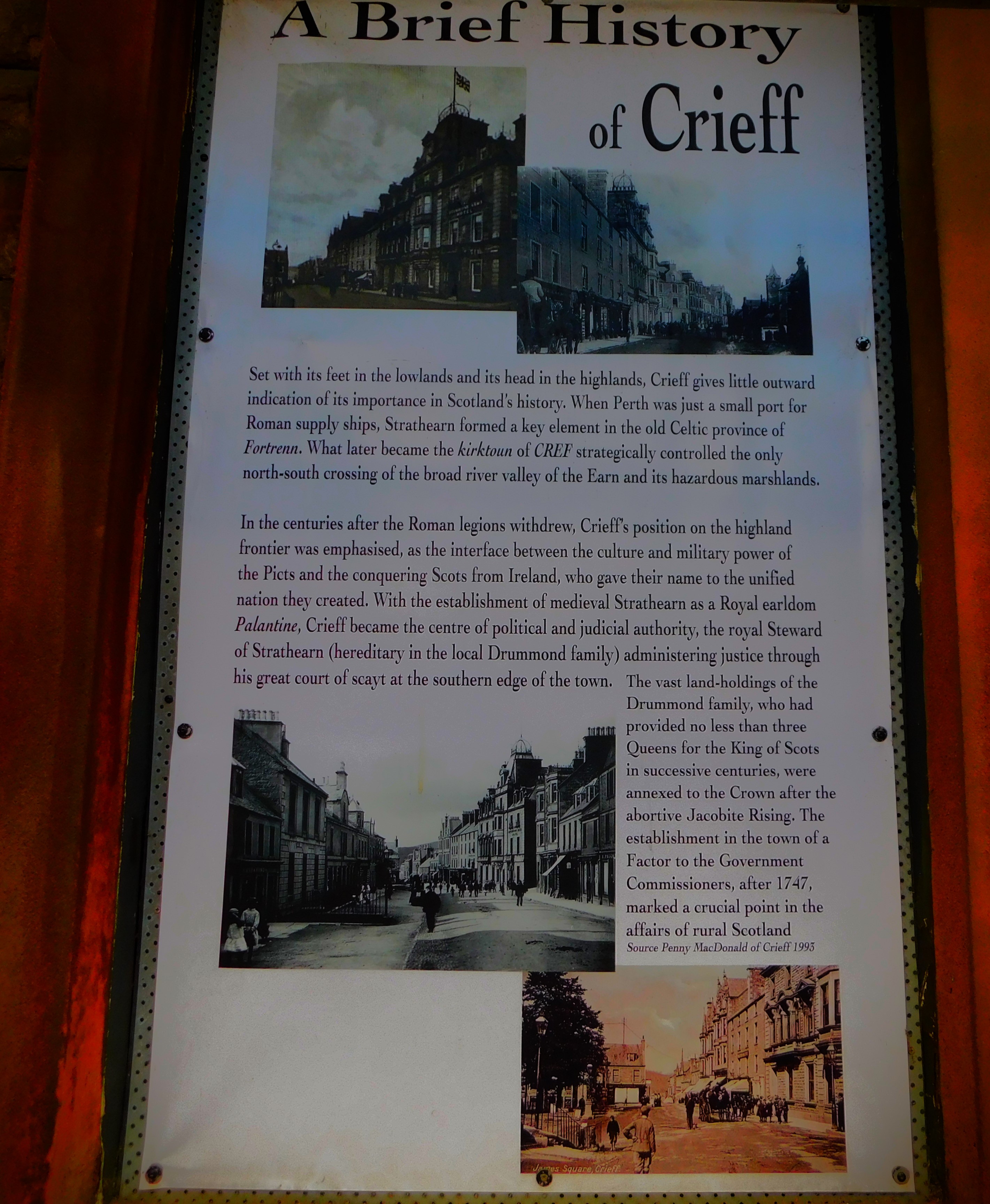
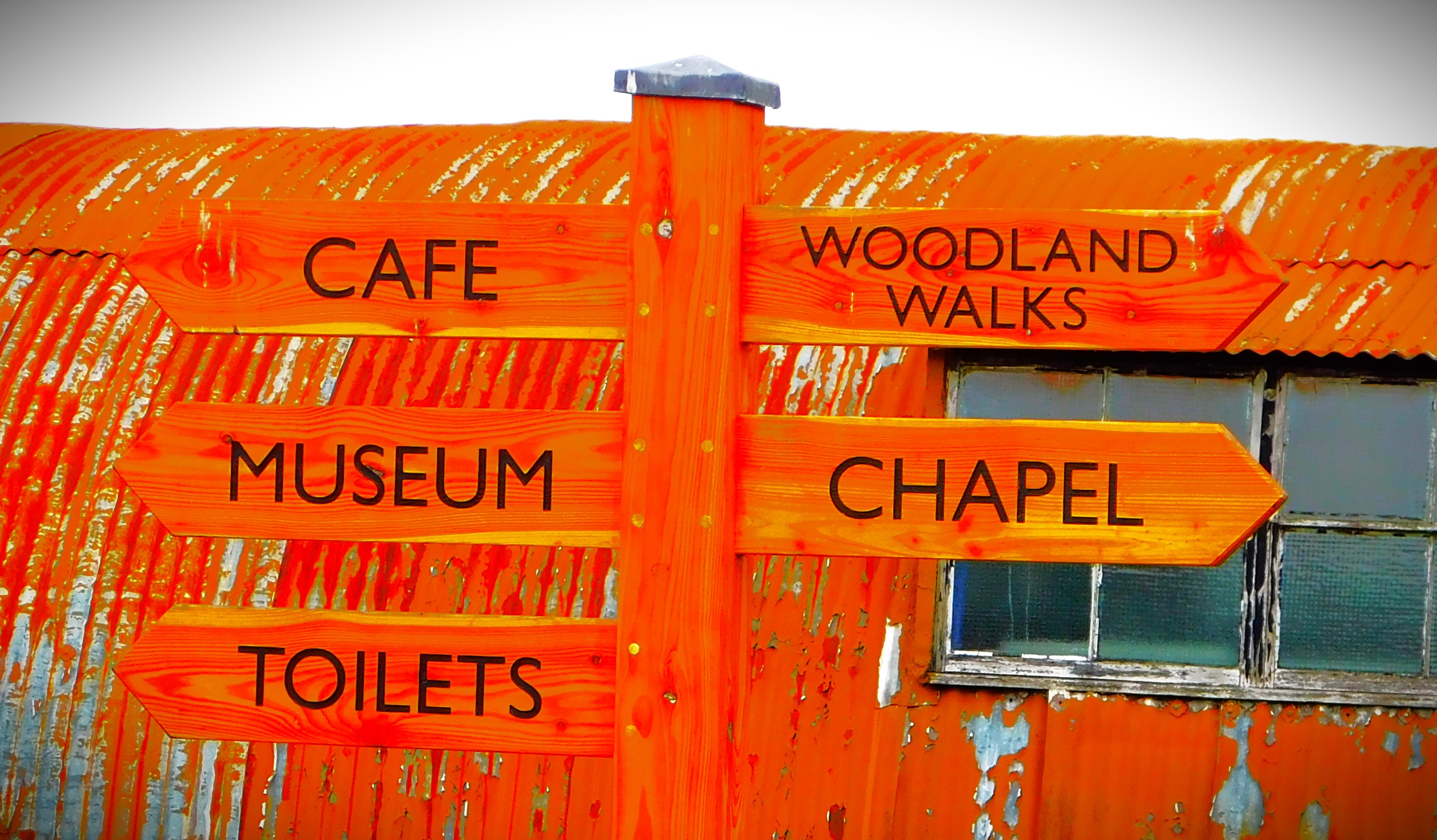
This is the penultimate post in my series about my recent holiday in Scotland. After Cultybraggan Camp and Ardoch Roman Fort we headed for Crieff. There is an excellent visitor centre, with a small museum about the cattle drovers who back in the day travelled from the far west of Scotland to Stirling with their cattle, with Crieff being an important staging post on the route. In the 19th century some of these people migrated to the US and Canada in search of better lives, and this was also covered in the museum. Crieff is home to some very fine buildings but time constraints limited our exploration of the town itself.
My view on USA’s amazing victory over Pakistan in the T20 World Cup. Also a large photo gallery.
Yesterday the Men’s T20 World Cup being co-hosted by the United States of America and the West indies got a massive story, which could just end up being very important indeed in cricket history. This post looks back at an extraordinary match.
THE USA v PAKISTAN
The USA were taking part in a world cup tournament for the first time, while Pakistan have played every world cup, and are former winners, and they would certainly have come to this tournament with hopes of adding to their list of successes. The USA had won the opening match of the tournament, against neighbours Canada, in a reprise of the first ever international cricket match, played in 1844, but this time they were facing opponents of much greater stature. I missed the start of the match because yesterday was a work day for me. I joined the coverage with Pakistan endeavouring to recover from a poor start. They did so to the extent of reaching 159 -7 from their 20 overs. Nothush Kenjige had figures of 3-30 for the USA, Saurabh Netravalkar a remarkable 2-18 from his four overs. He will reappear later in this story. Babar Azam top scored for Pakistan with 44, but took 43 balls to score them – an ODI type innings in a T20I, not for the first time in his career. Shadab Khan had 40 off 25 balls, a better innings in this type of match. Still Pakistan’s bowling is their greatest strength, and 159 should have been enough for them defend. However the USA came out fighting, and were never out of the running. Pakistan had their best period with the ball from overs 12-19 of the USA innings. USA needed 16 when the final over began and got 15 of them, levelling the scores and causing the match to go to a super over. The USA batted first for this, and sensibly sent Aaron Jones, their most explosive batter, in, accompanied by the left handed Harmeet Singh. Pakistan chose Mohammad Amir to bowl the over – which turned out to be a very poor choice – he was all over the place, bowling nine deliveries in total to get through the over, and all three of the wides yielded extra runs. Helped by this the USA tallied 18 from the over, a stiff ask for Pakistan. Pakistan correctly sent Ifitkhar Ahmed and Fakhar Zaman in to bat for them, while Saurabh Netravalkar who had been so economical earlier was trusted with the ball for the USA. Pakistan were 5-0 after two balls, but then Iftikhar was caught off the third, and suddenly the target was 14 off the last three balls. The first two of those balls yielded seven, including a wide, and Pakistan needed six off the final ball to force a second super over. This was too big an ask, and the greatest upset in men’s international cricket had happened. Monank Patel, scorer of a 35 ball 50 for the USA, was named Player of the Match. This win for the USA over one of the top sides in the world should give the game there a massive boost. With two wins out of two they are now well placed to qualify, while Pakistan are in serious jeopardy. A full scorecard of the match is available here.
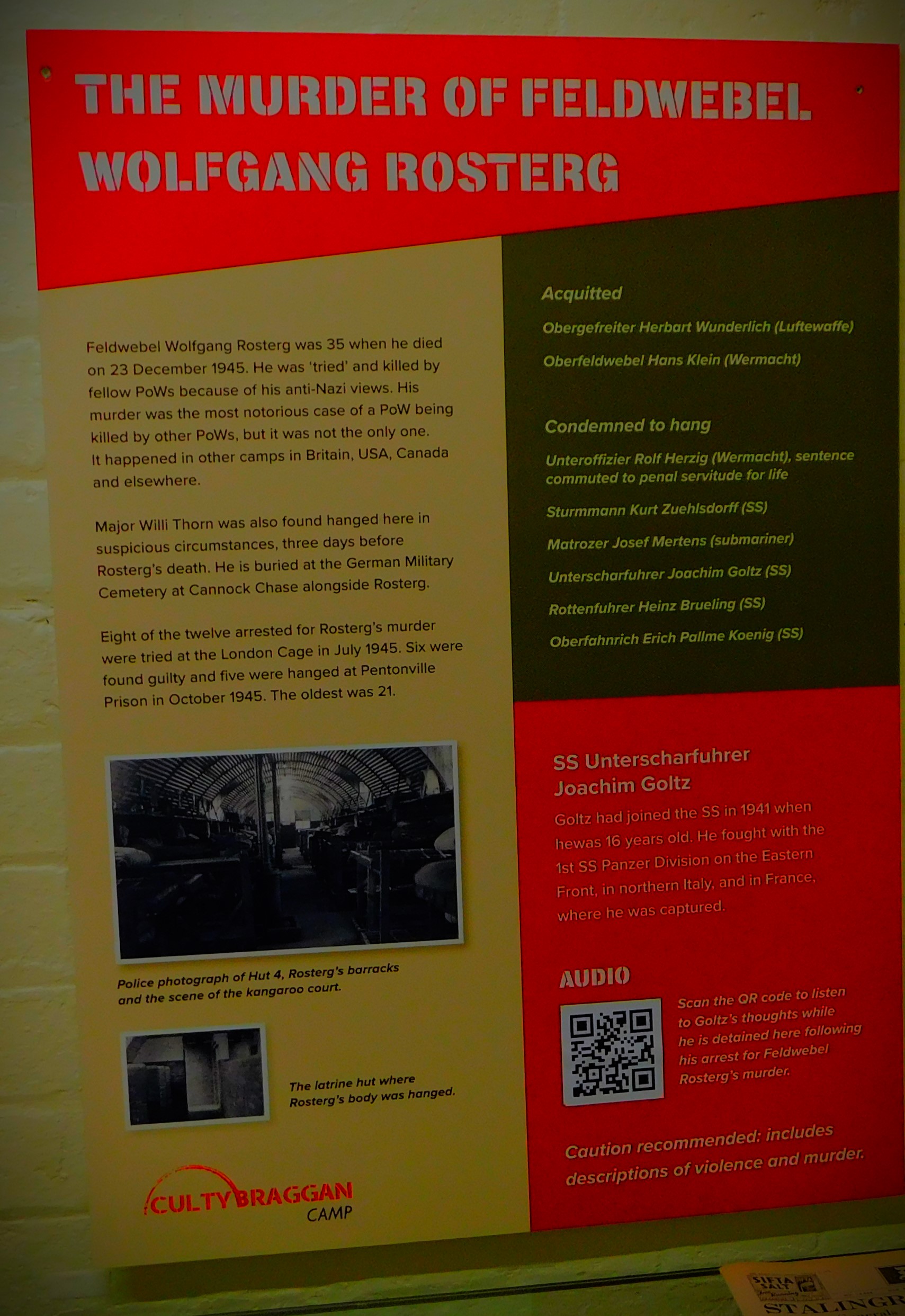
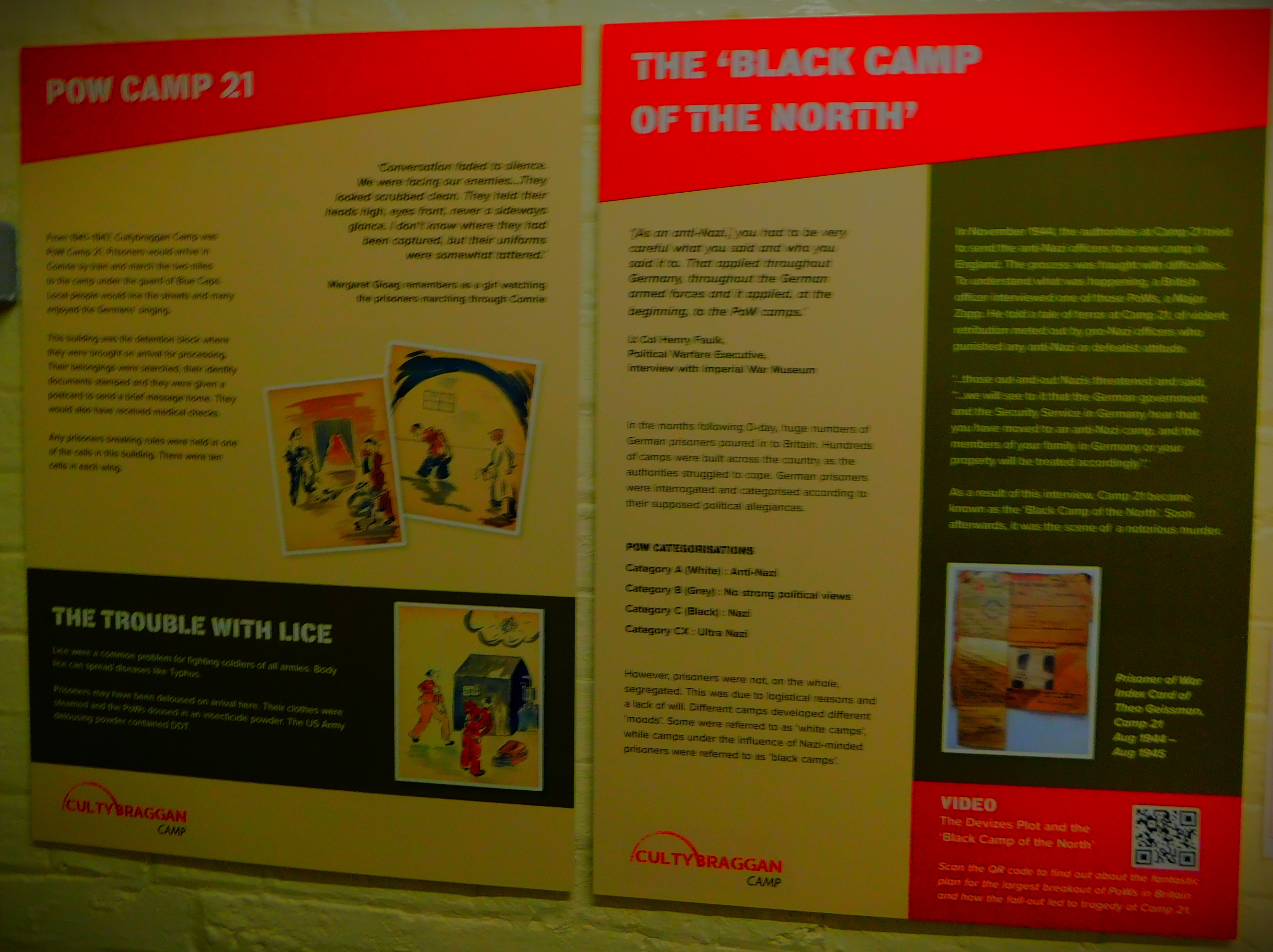
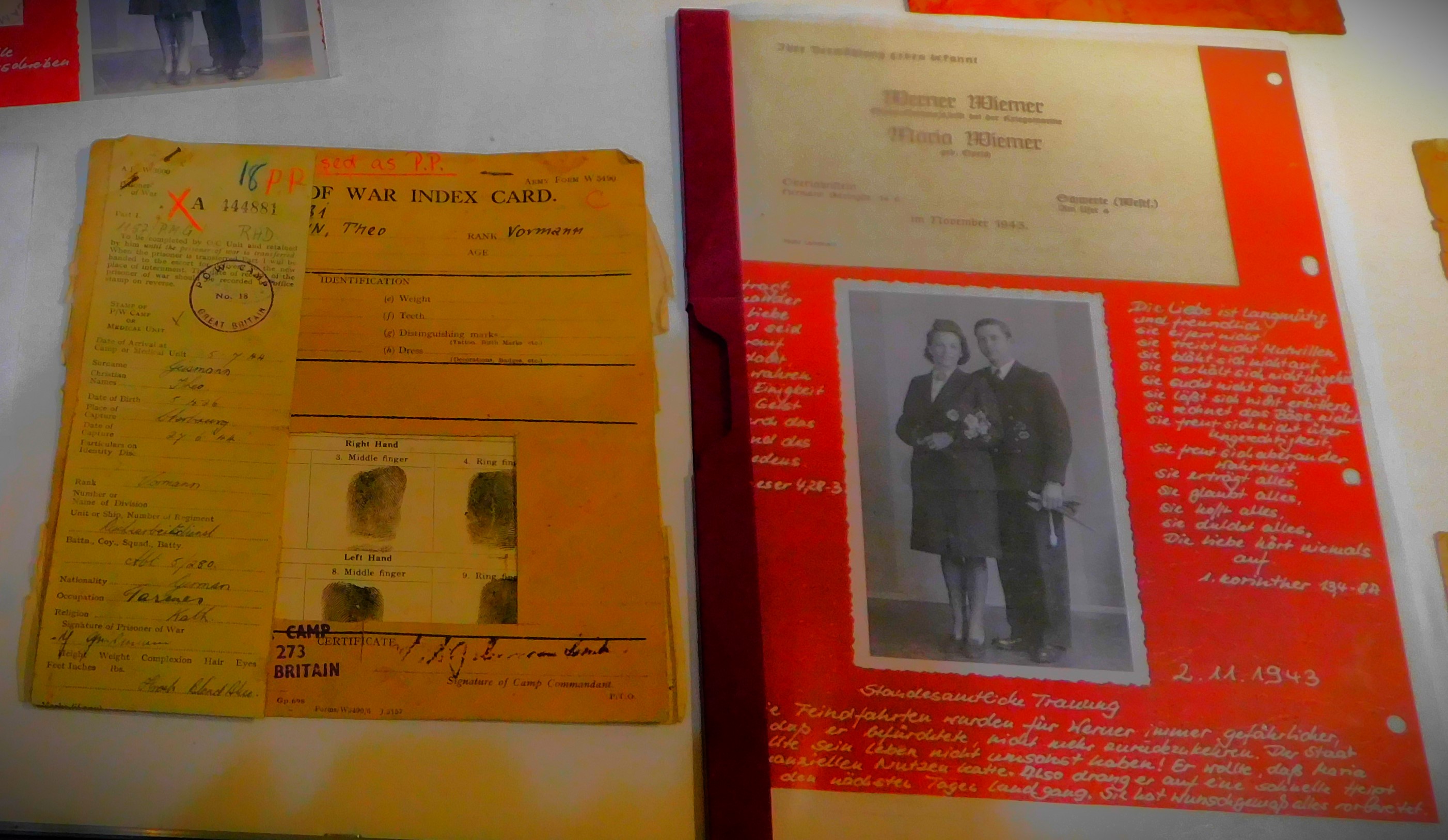
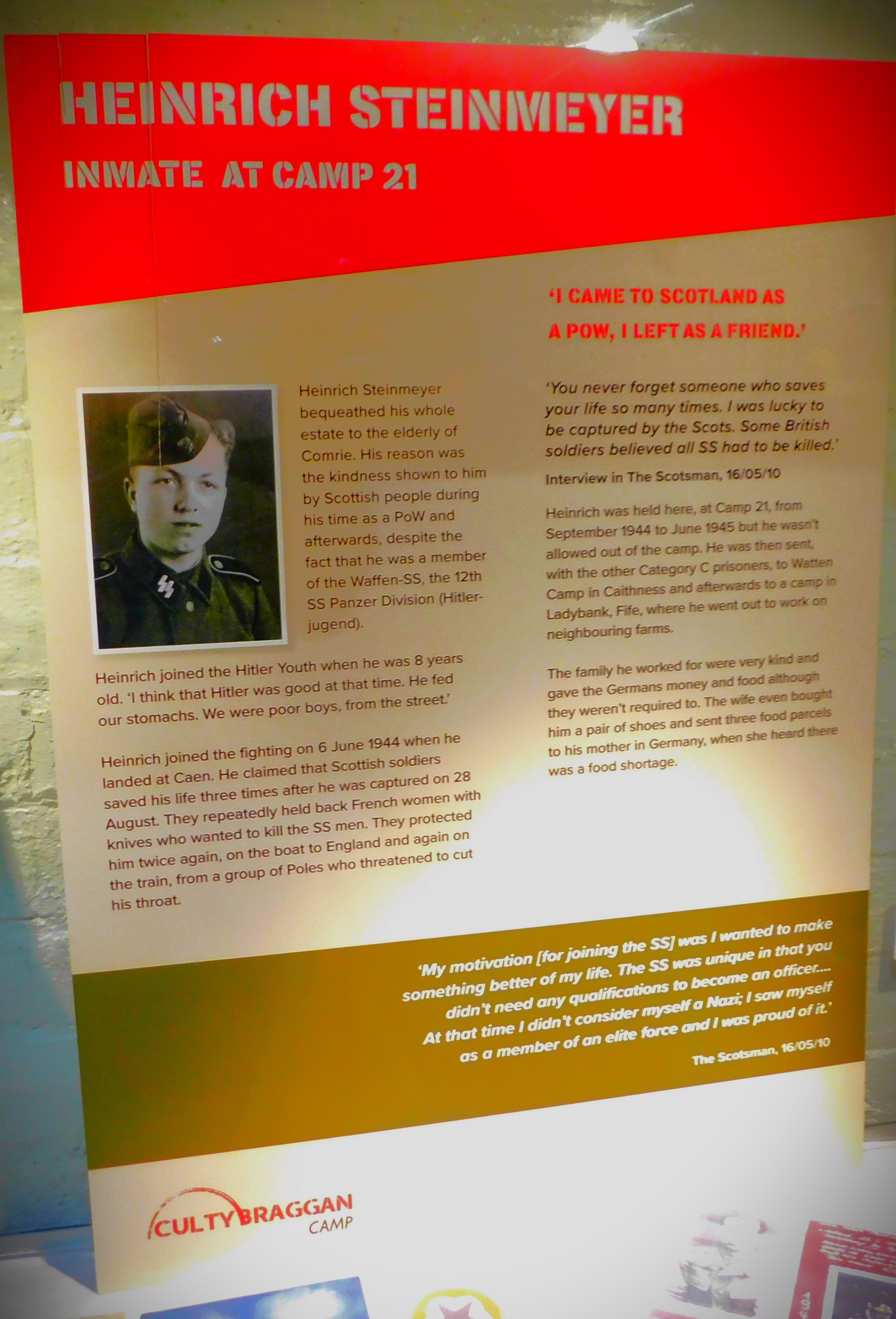
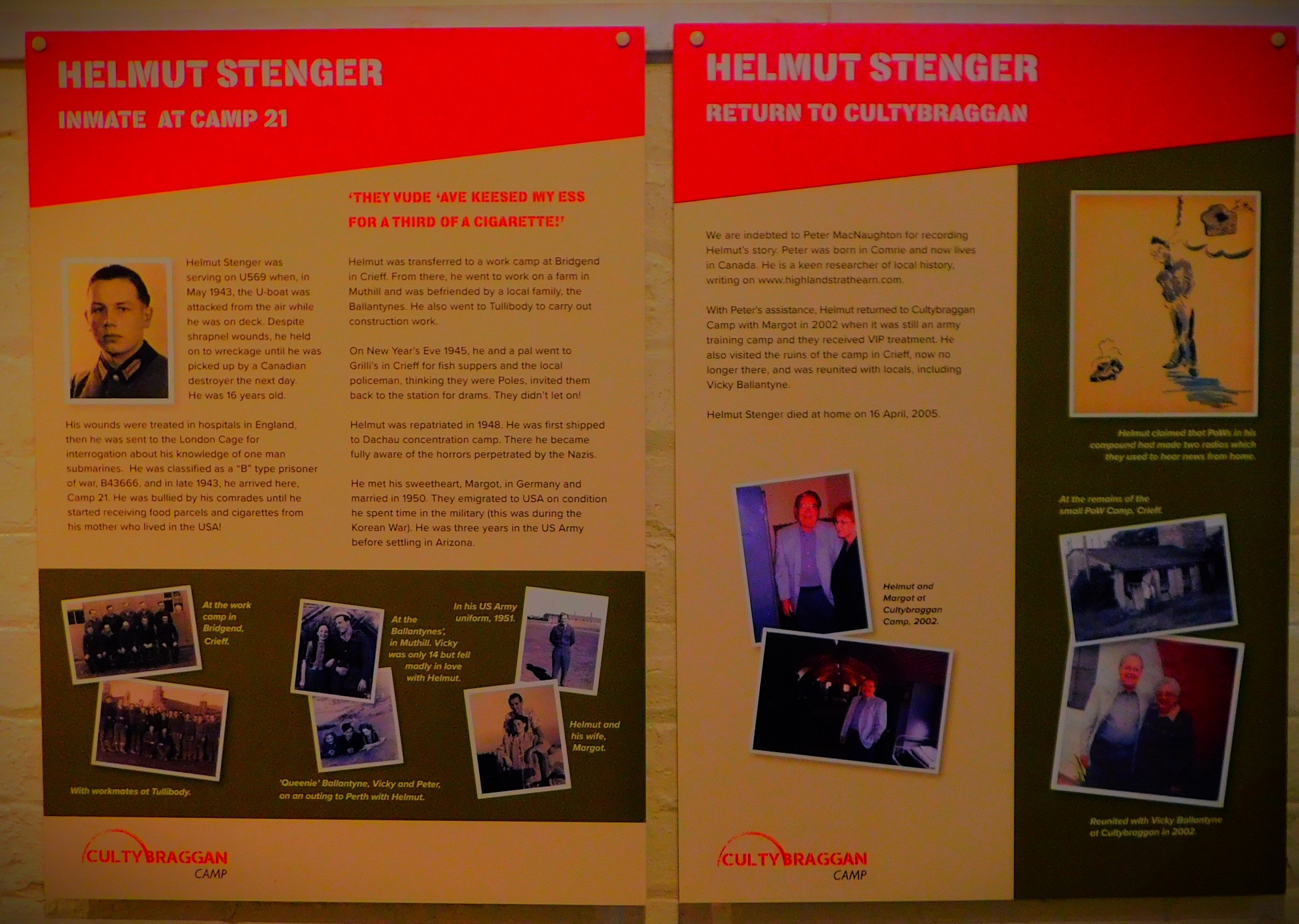
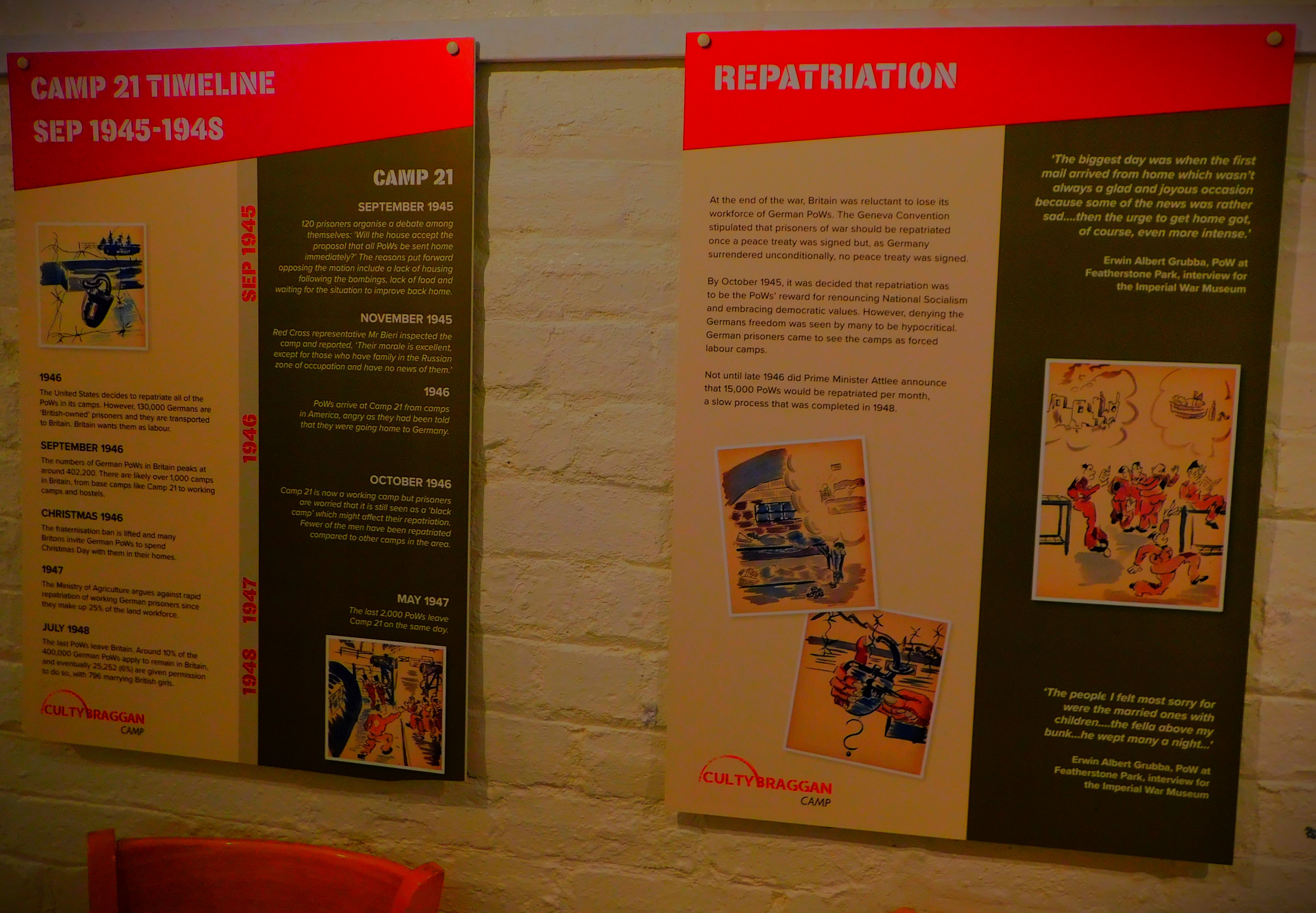
Continuing my account of my Scottish holiday with a look back at Cultybraggan Camp, Ardoch Roman Fort and the stone packhorse bridge over the river Earn.
Welcome to the latest post in my series about my recent Scottish holiday. In this post I look at the visit to Cultybraggan Camp and also a Roman fort in the area.
CULTYBRAGGAN
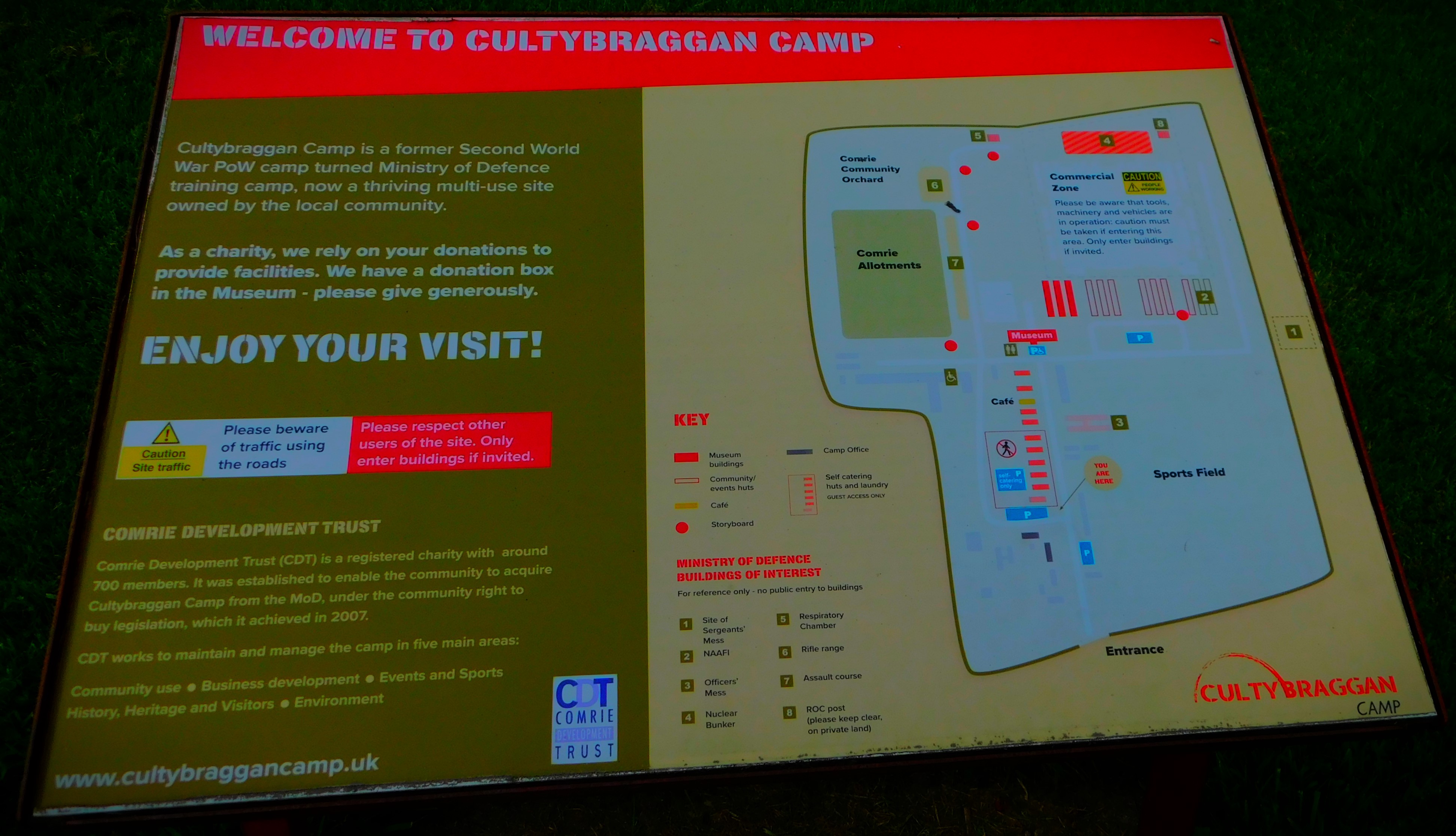
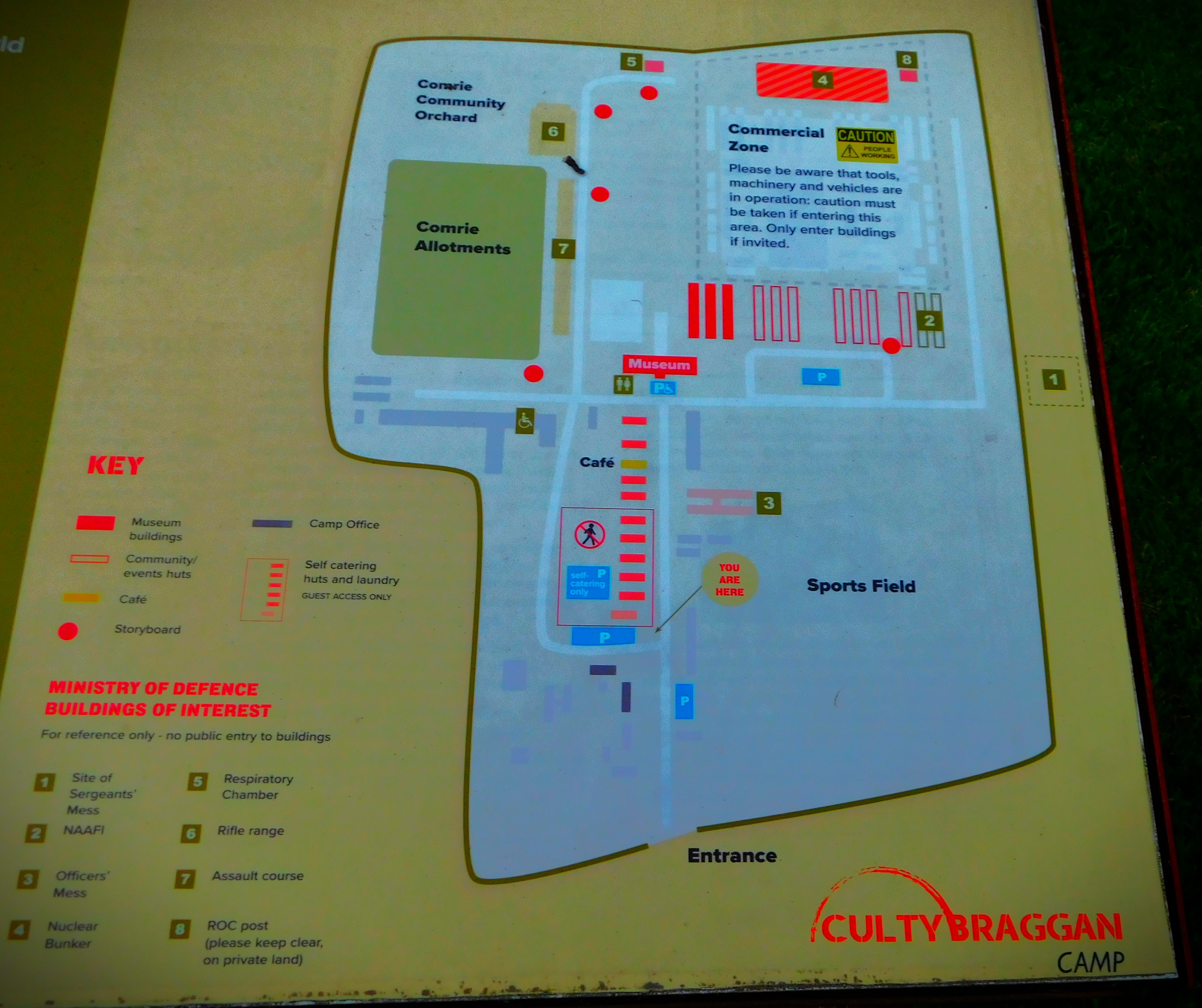
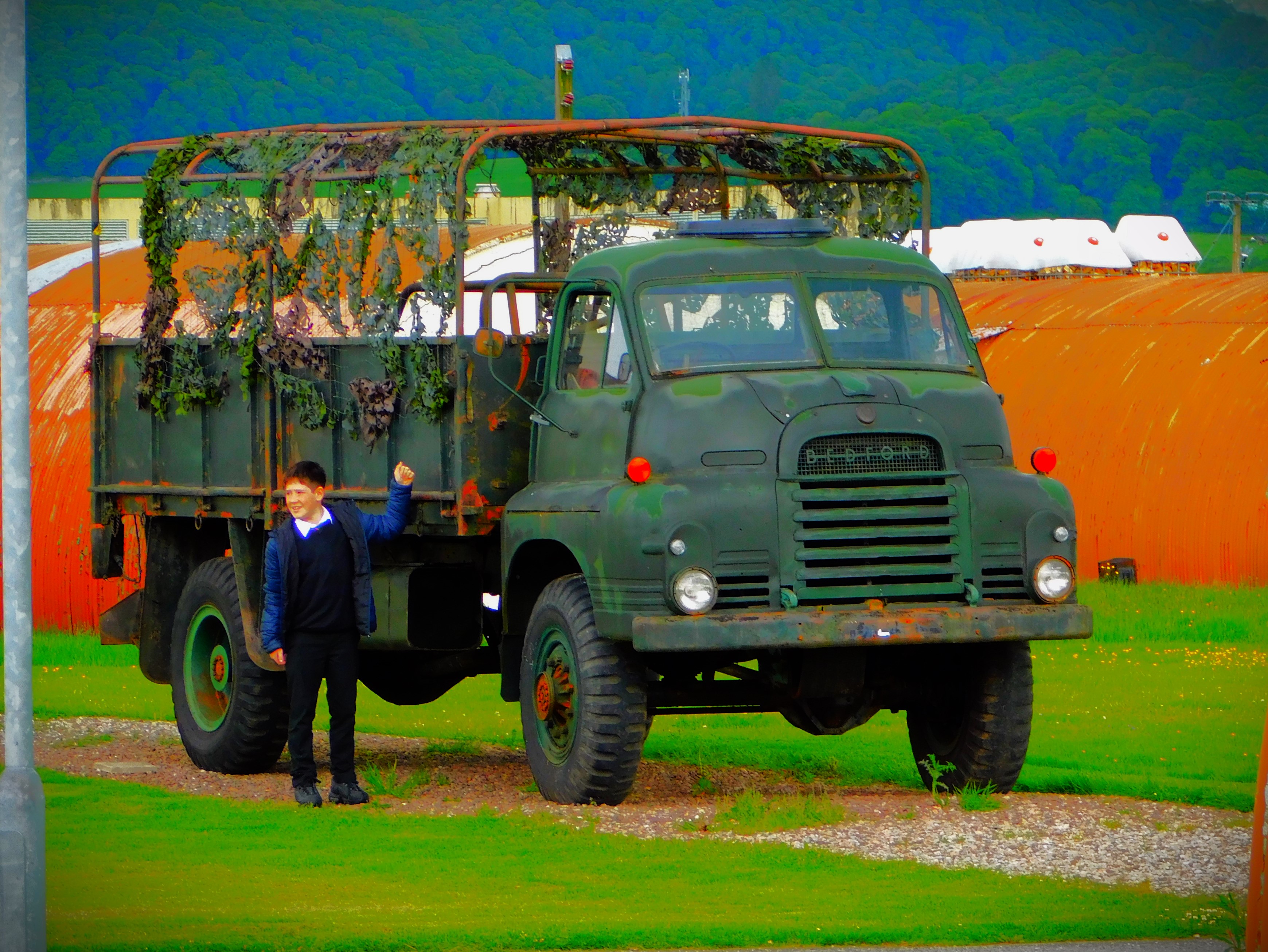
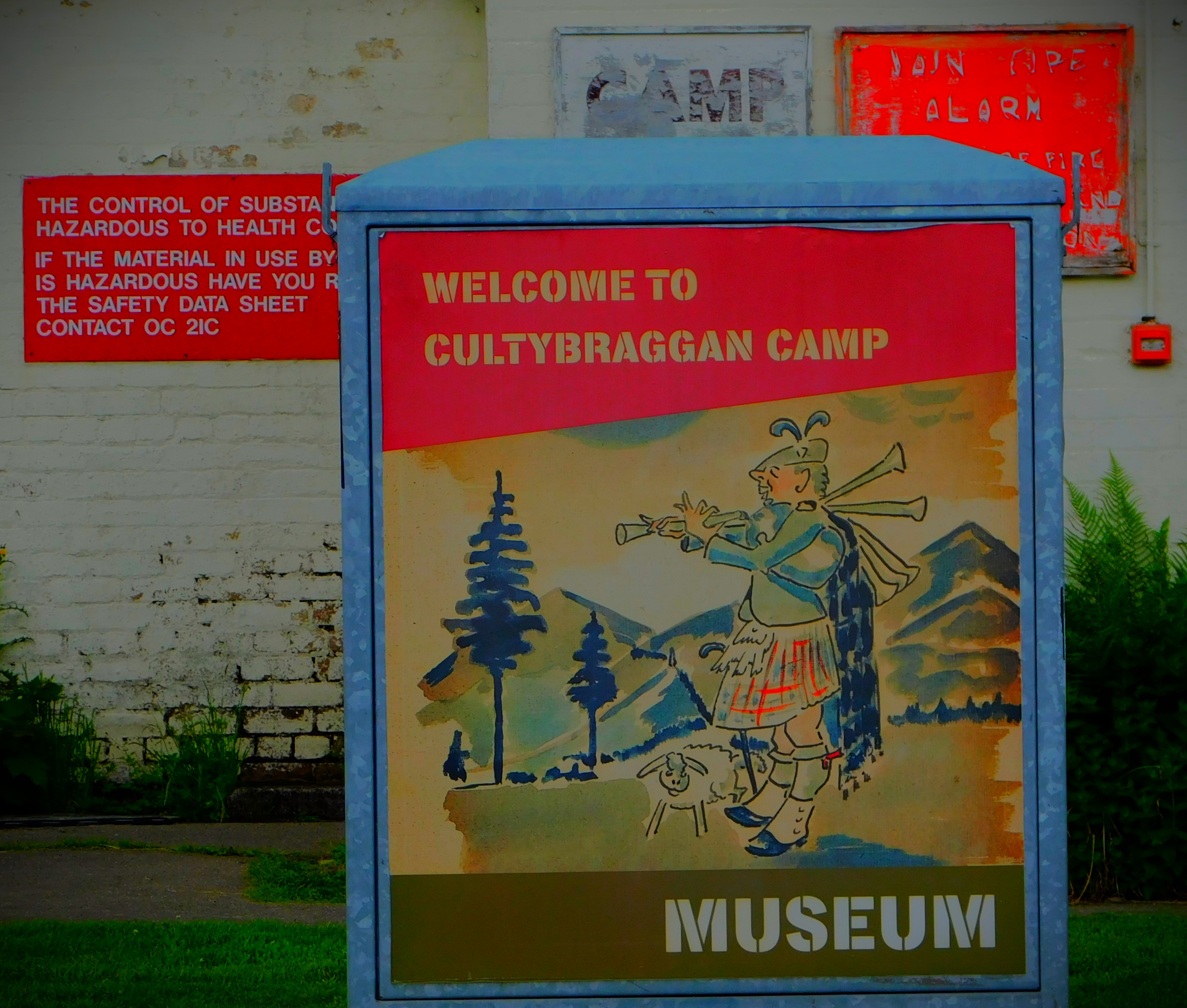
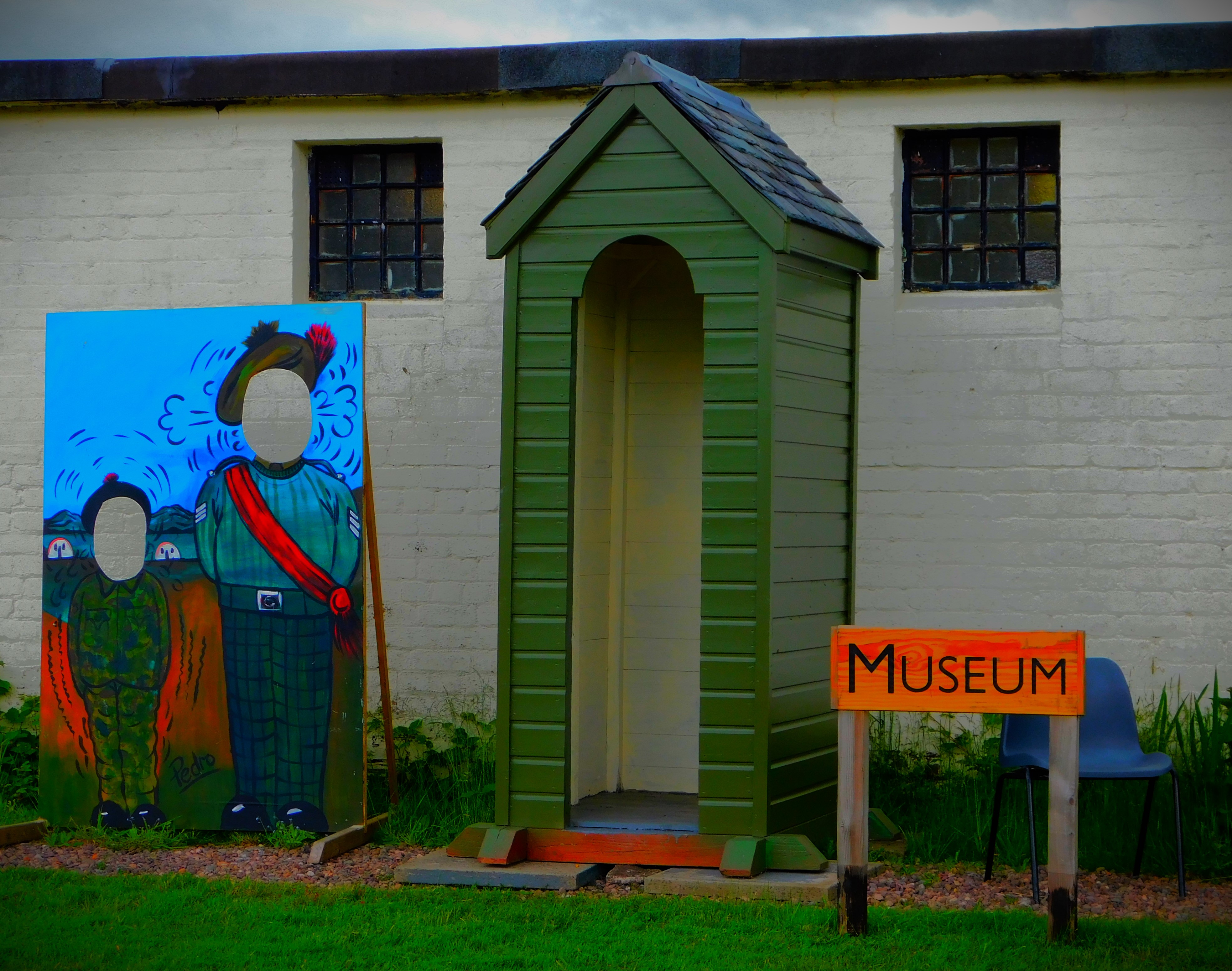
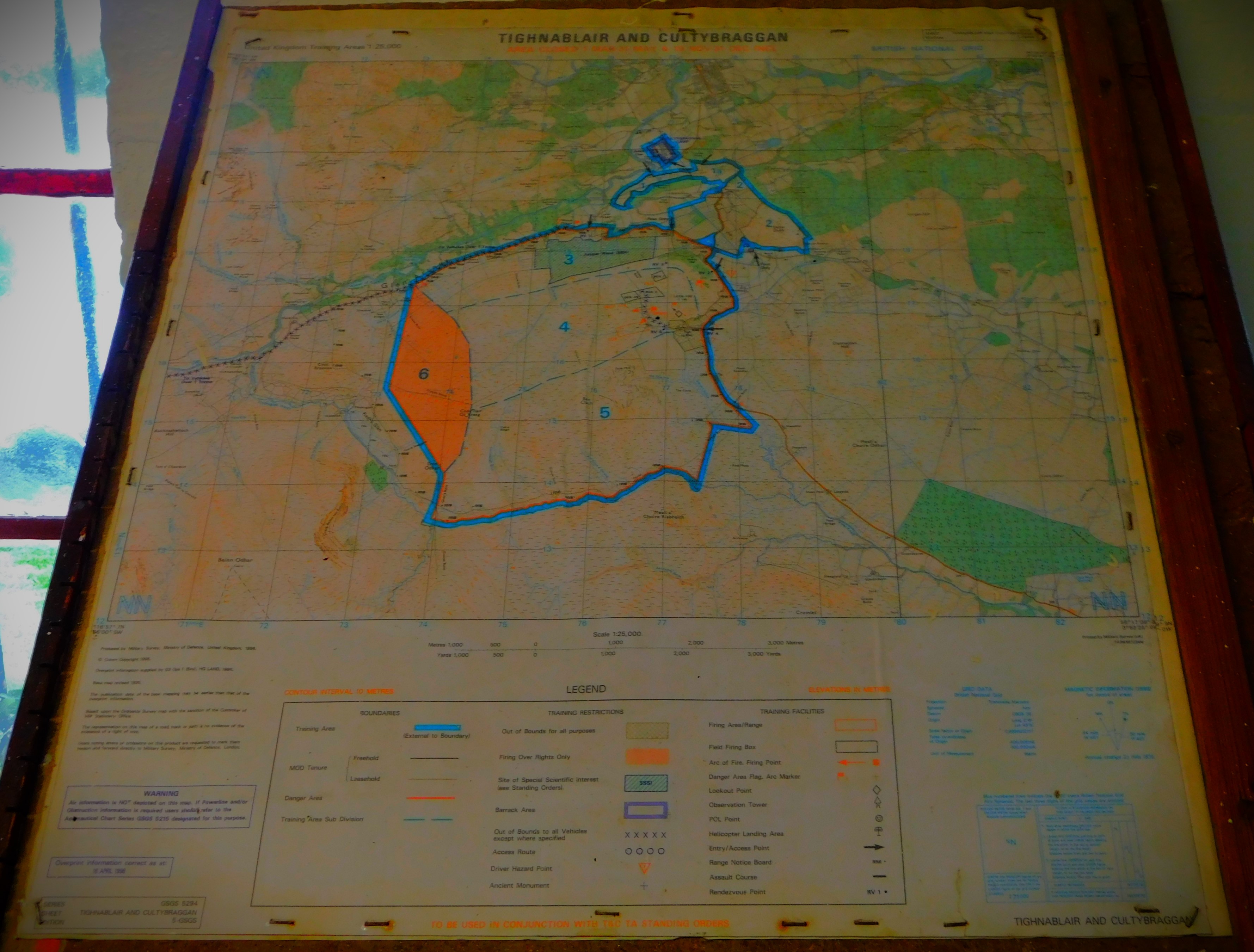
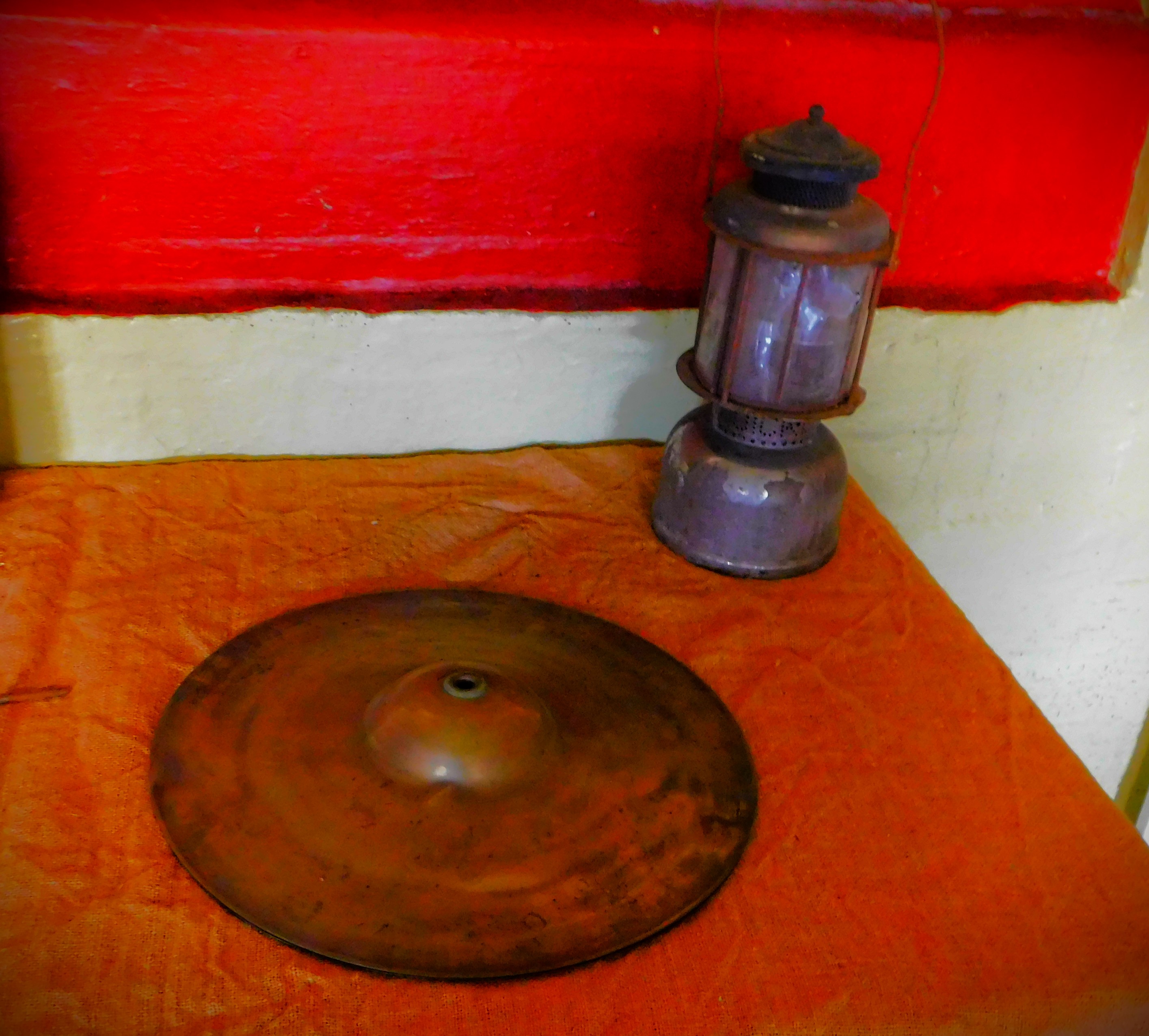
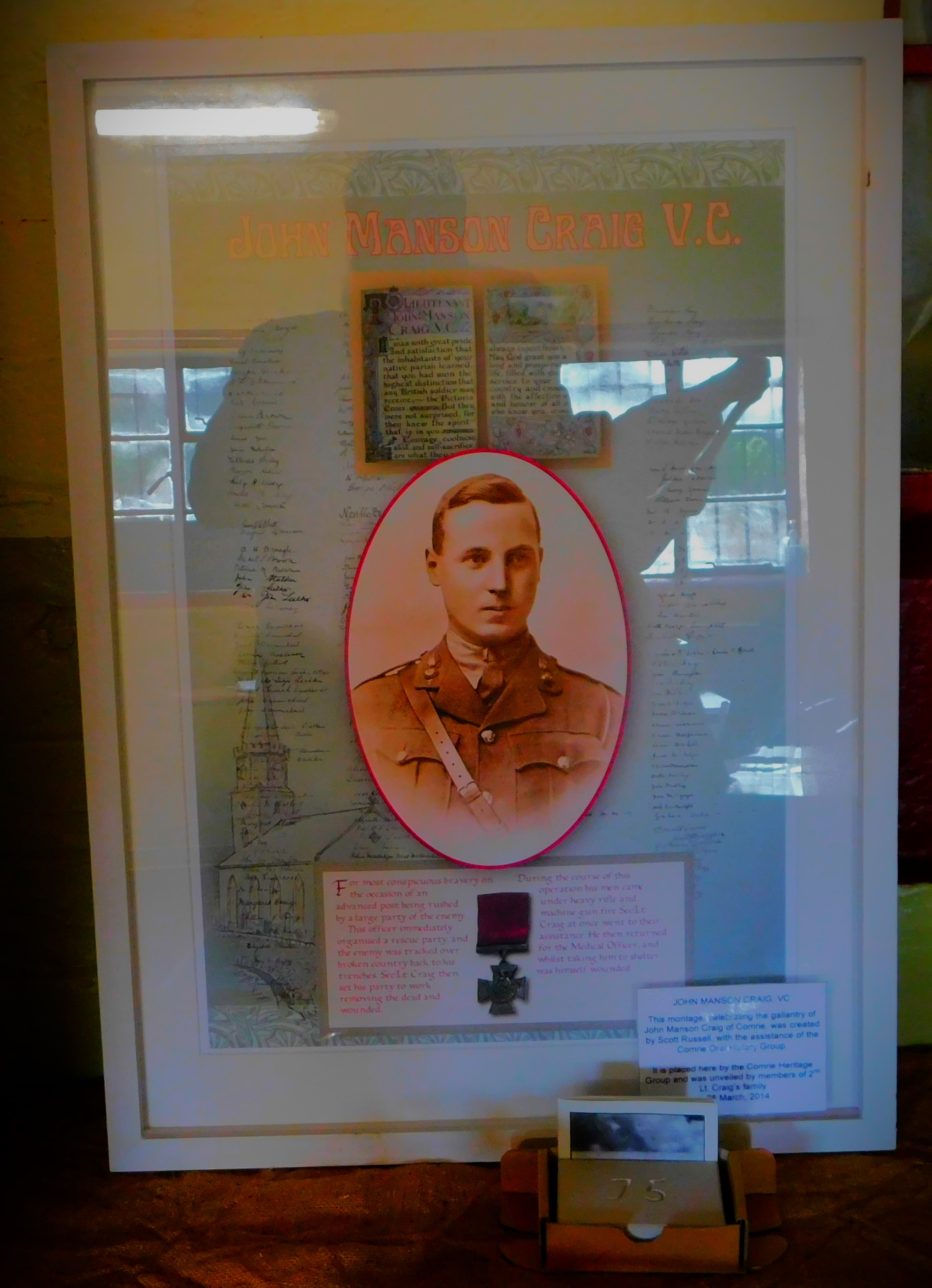
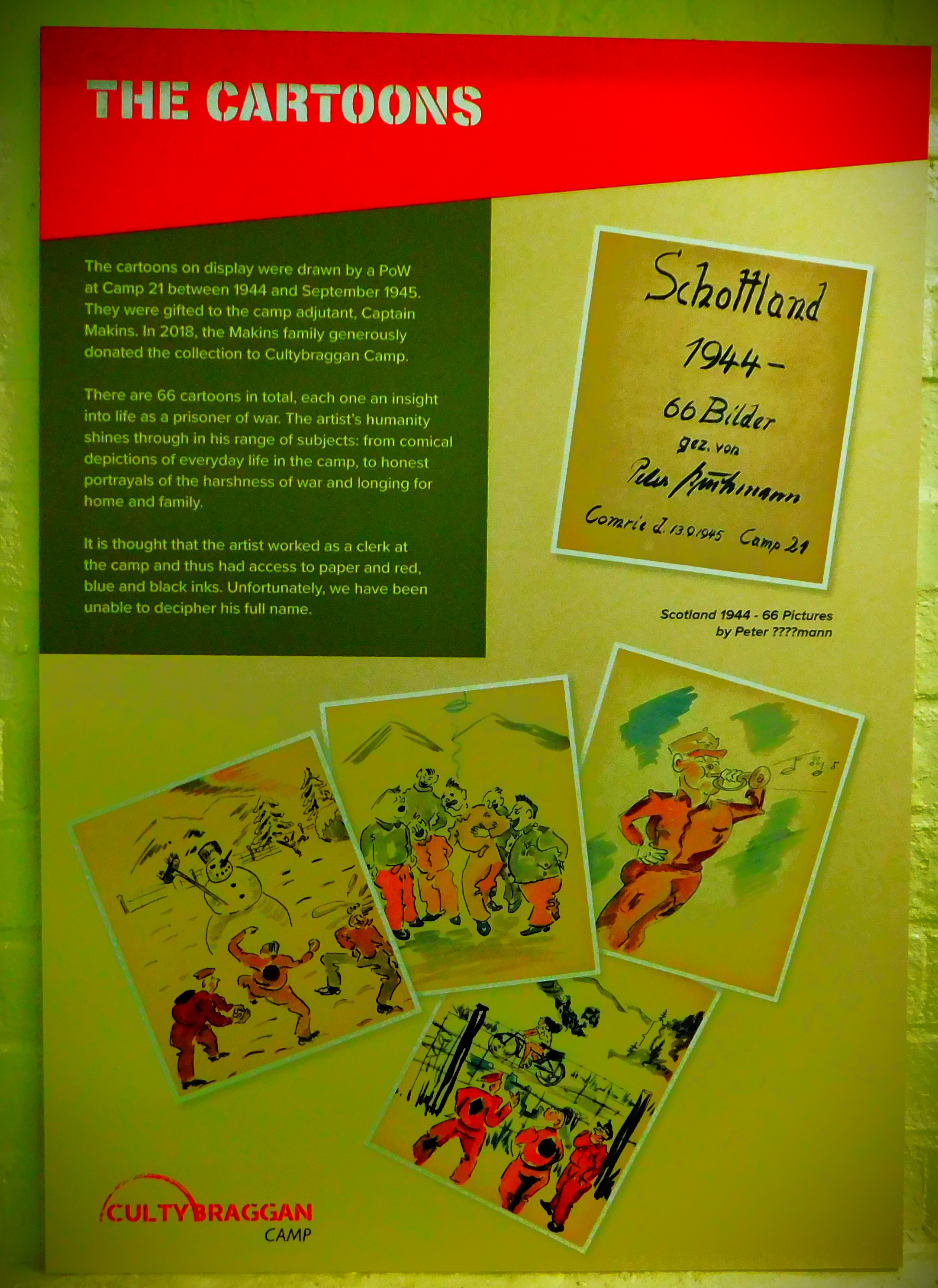
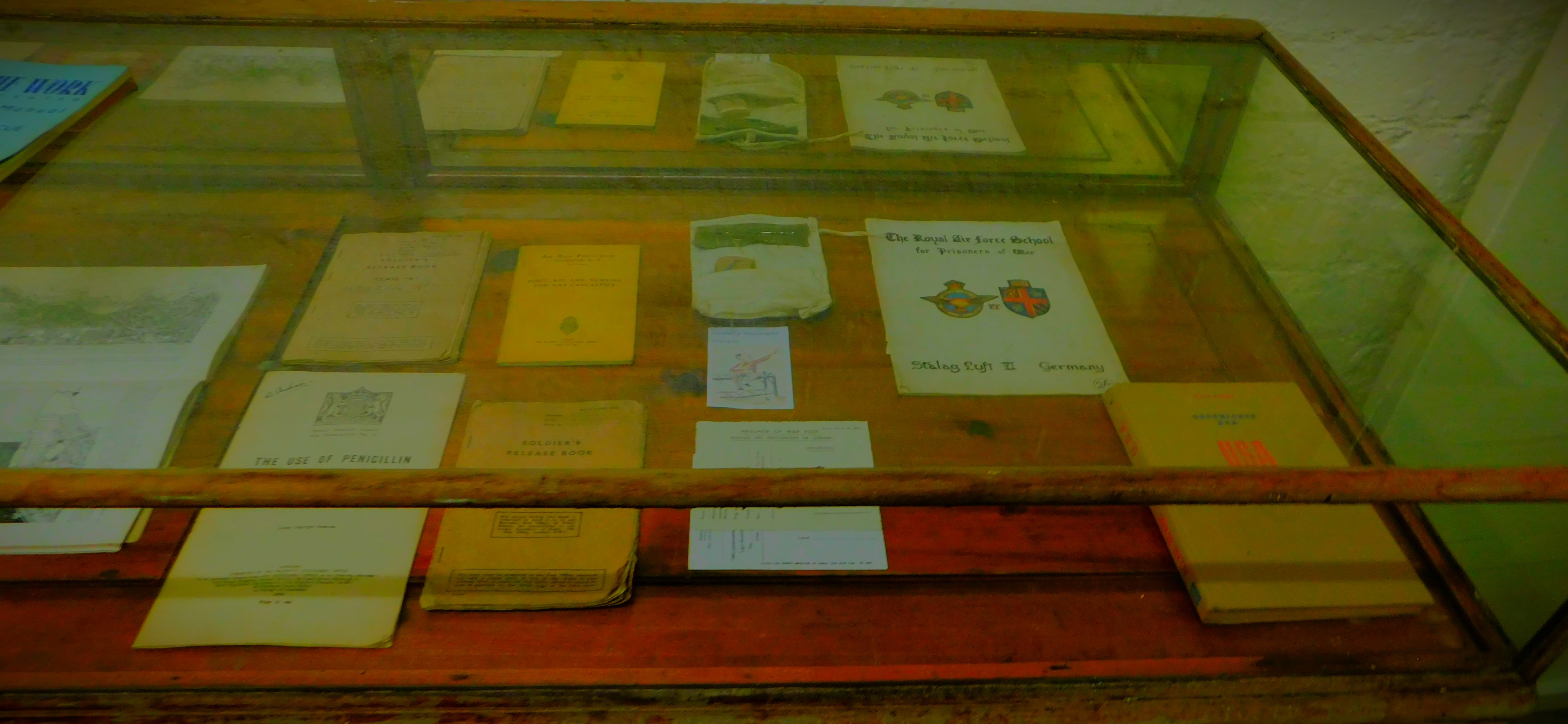
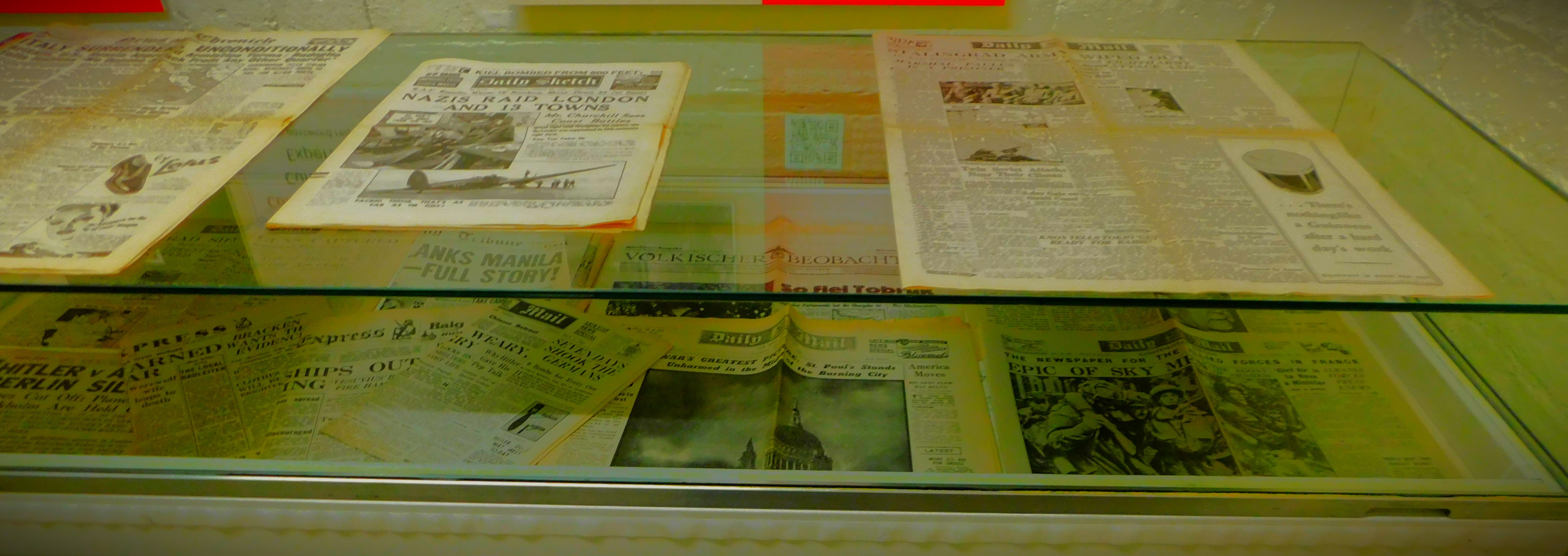
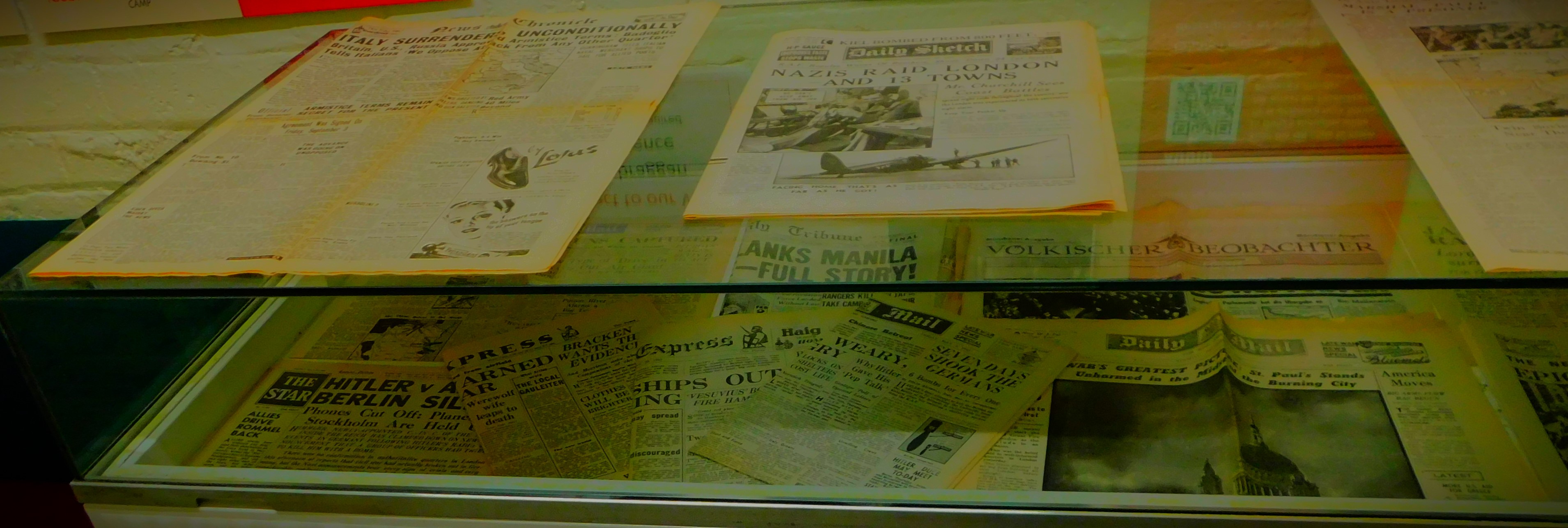
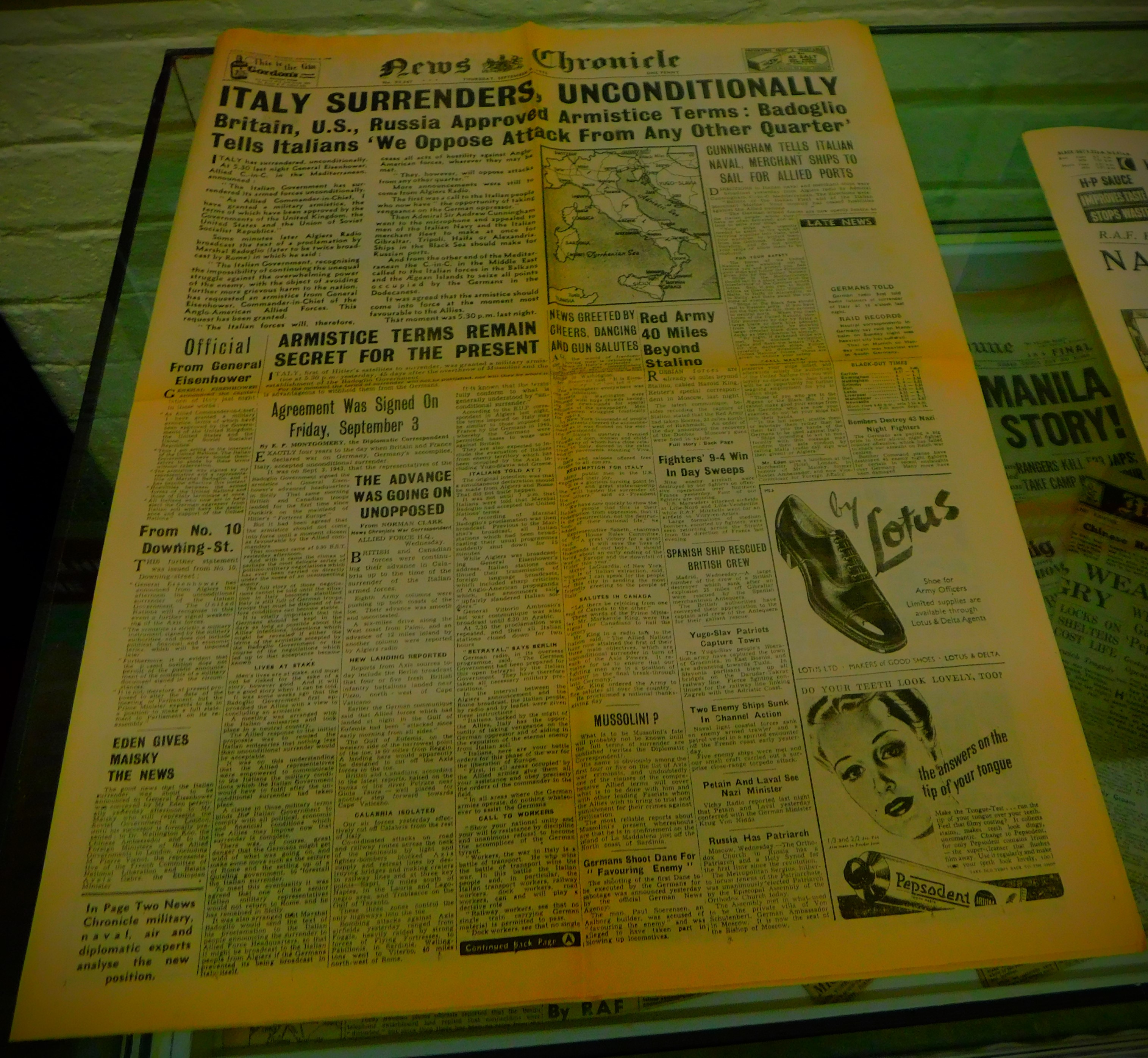
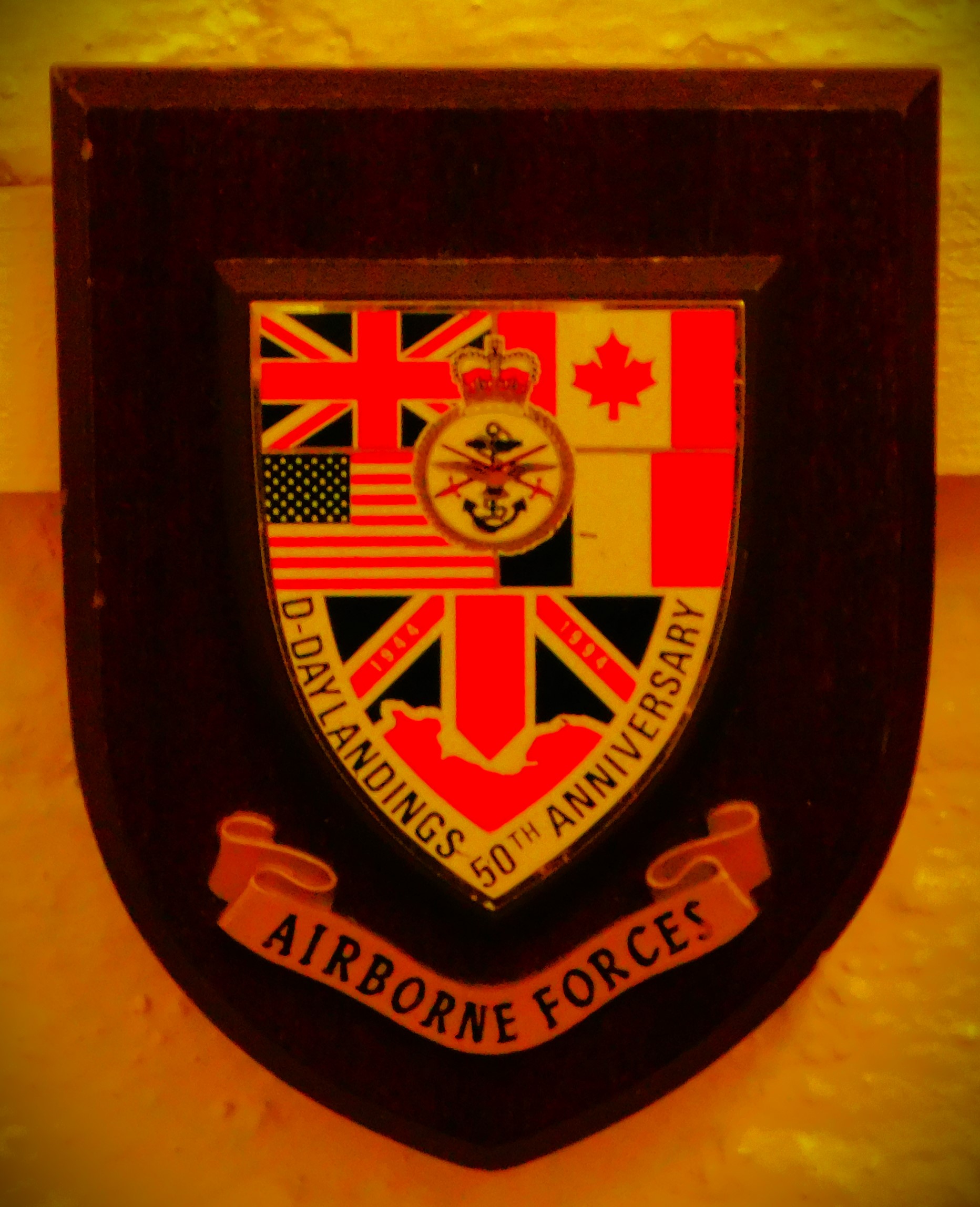
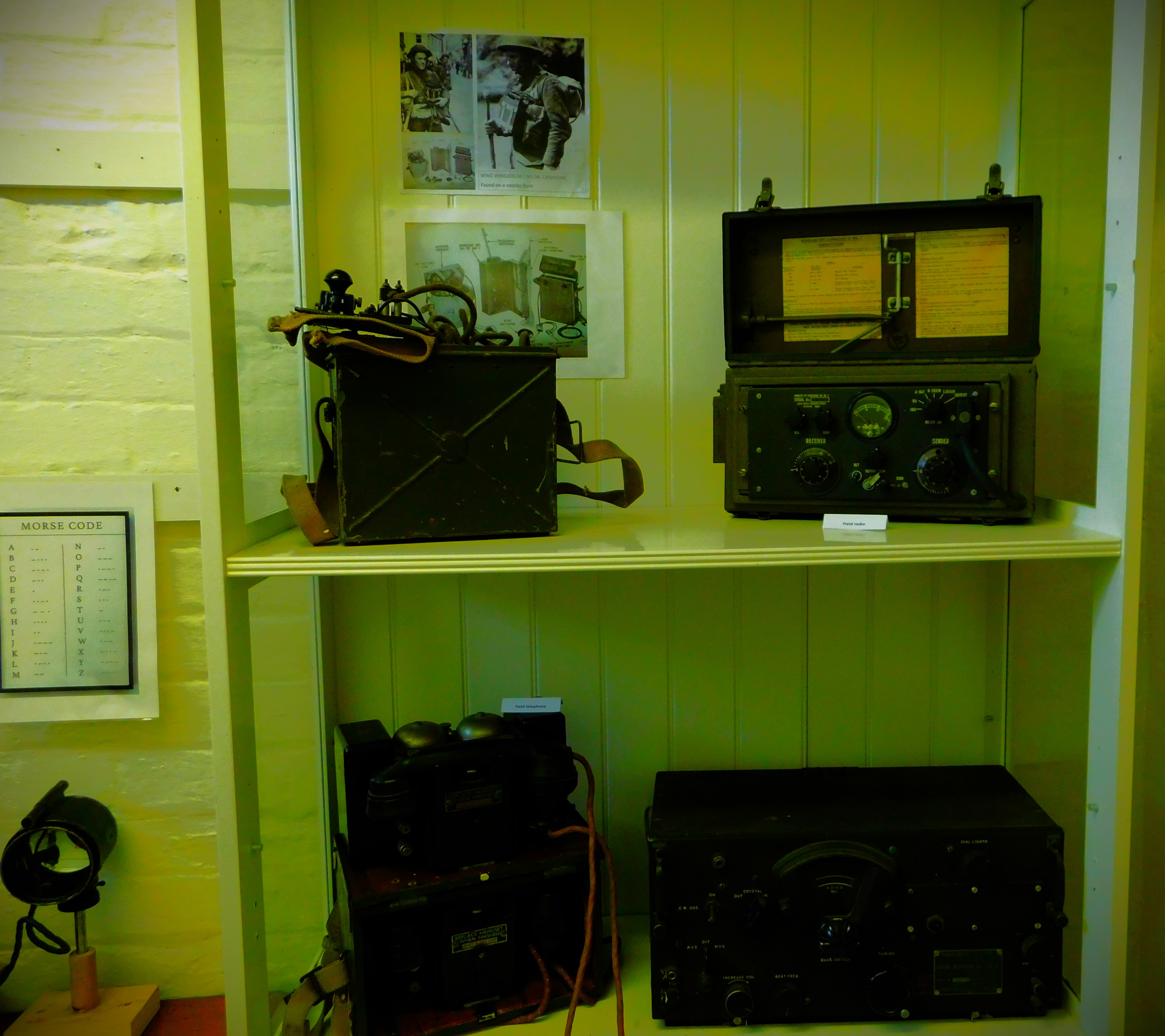
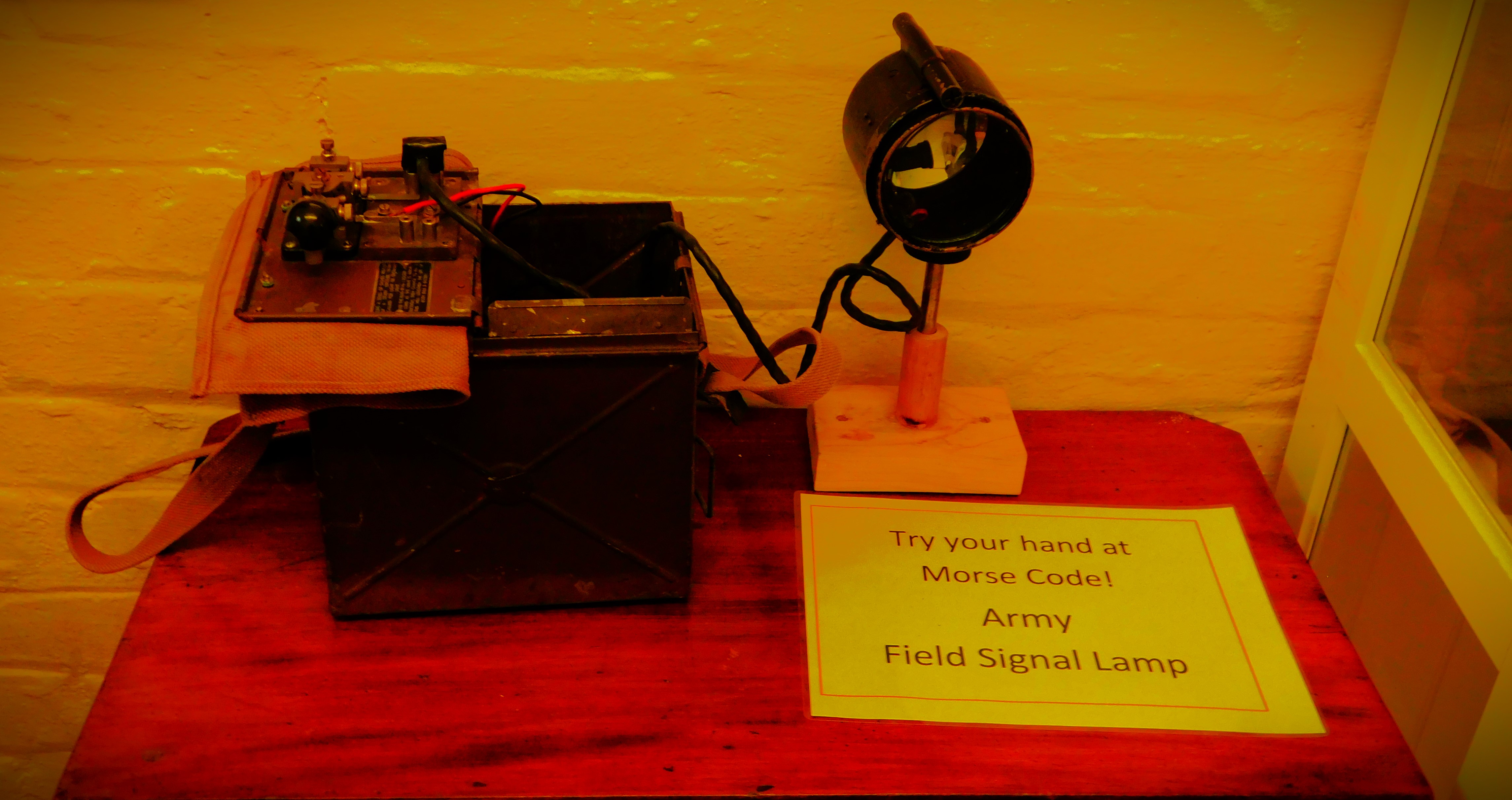
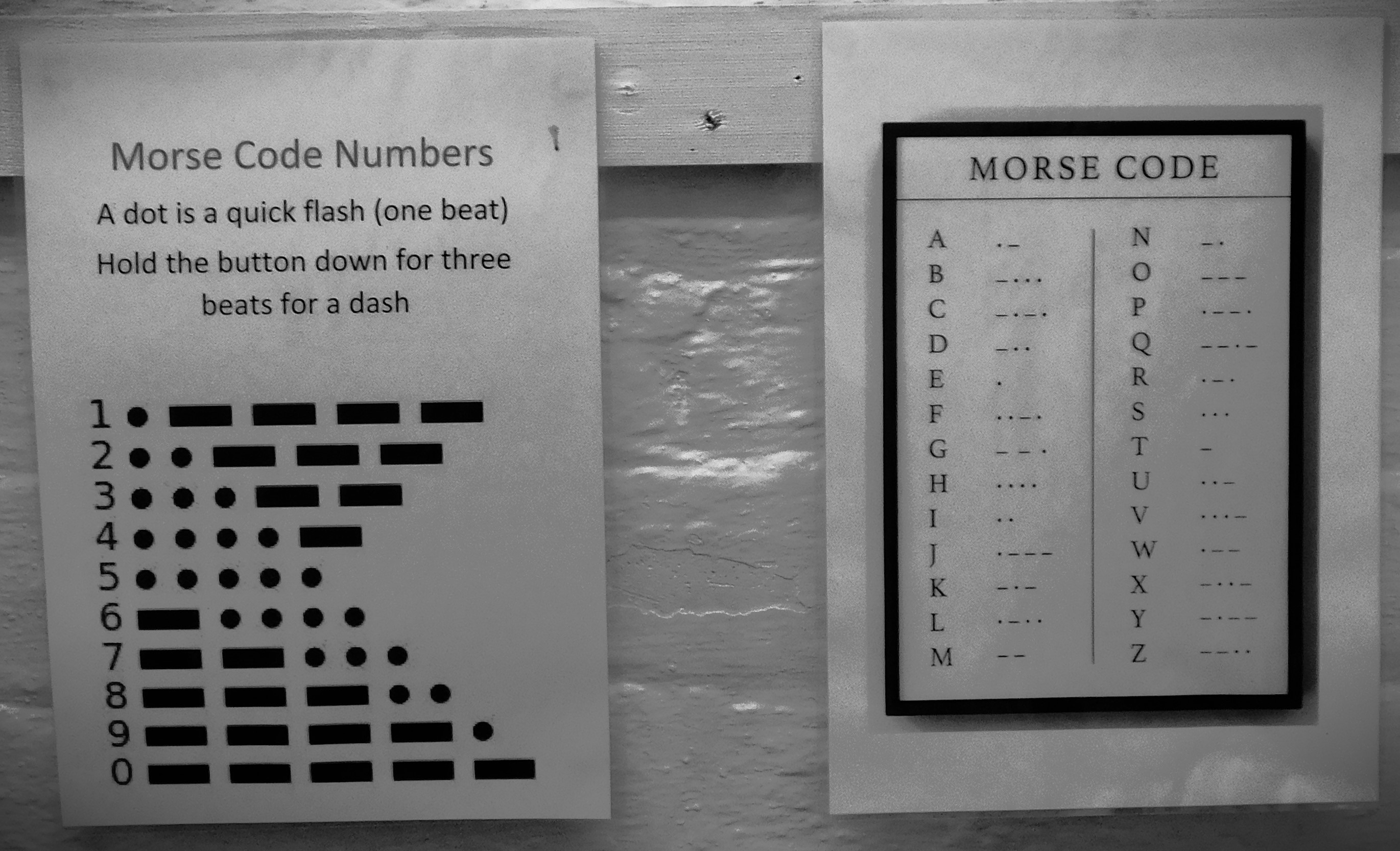
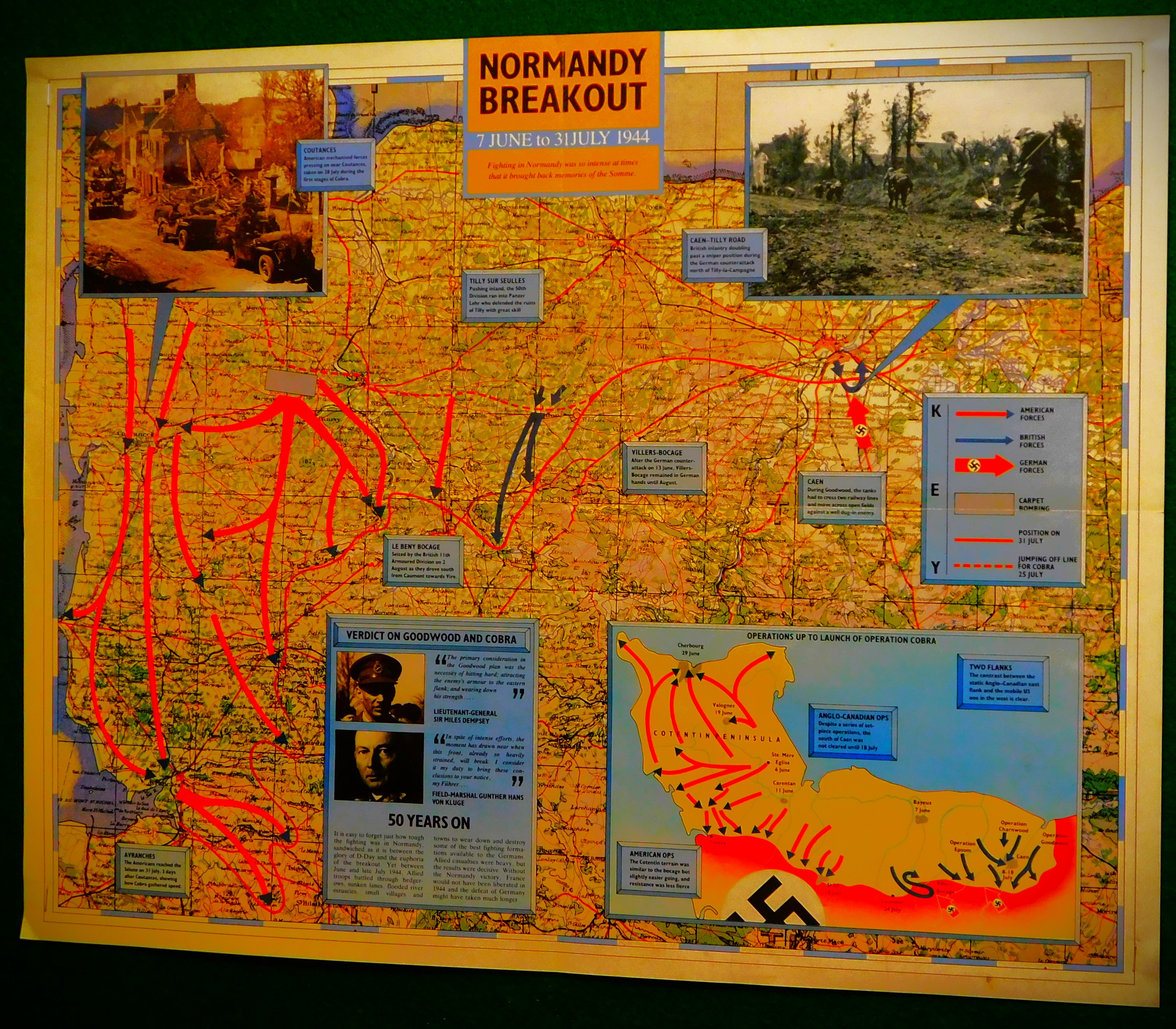
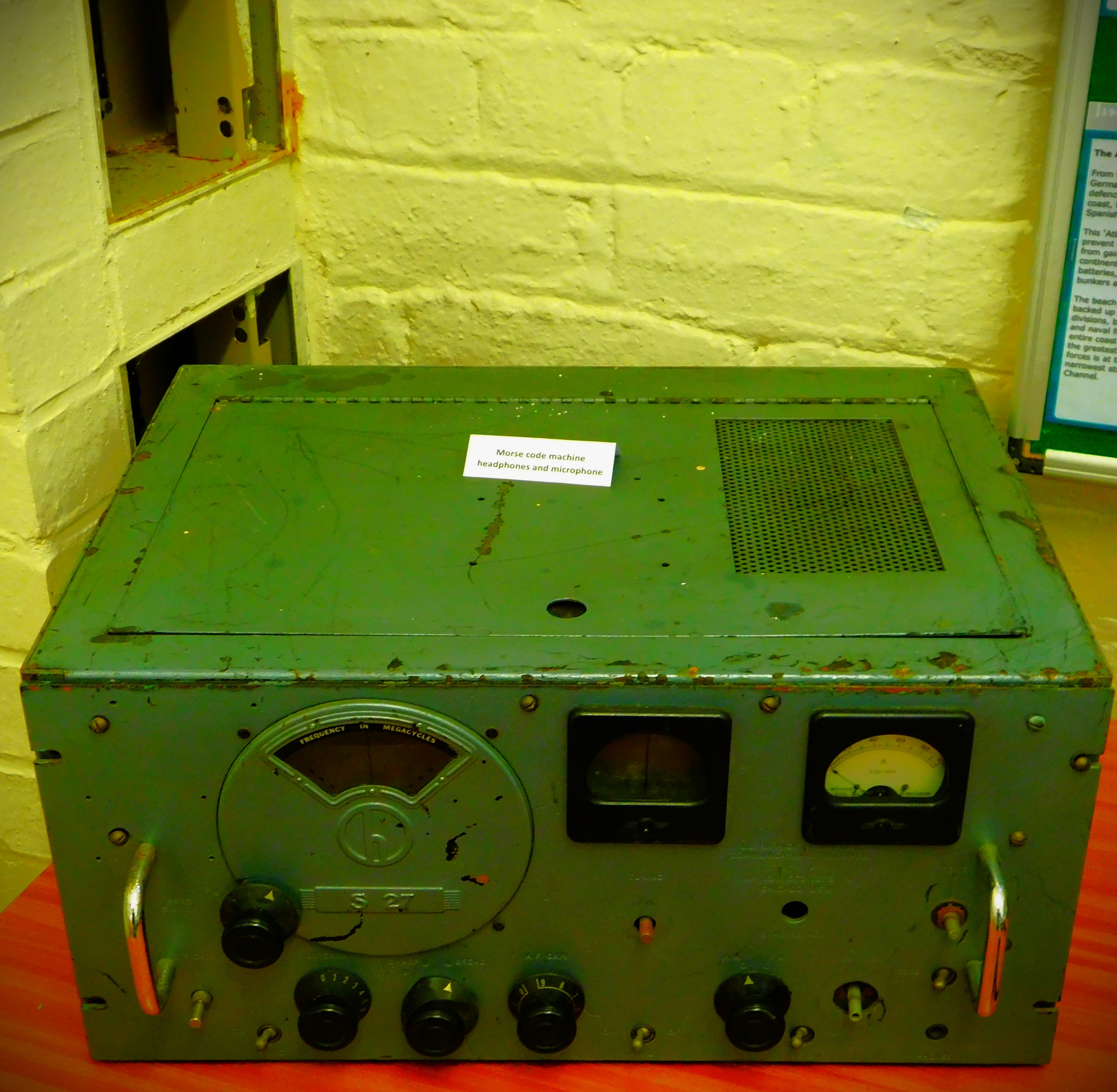
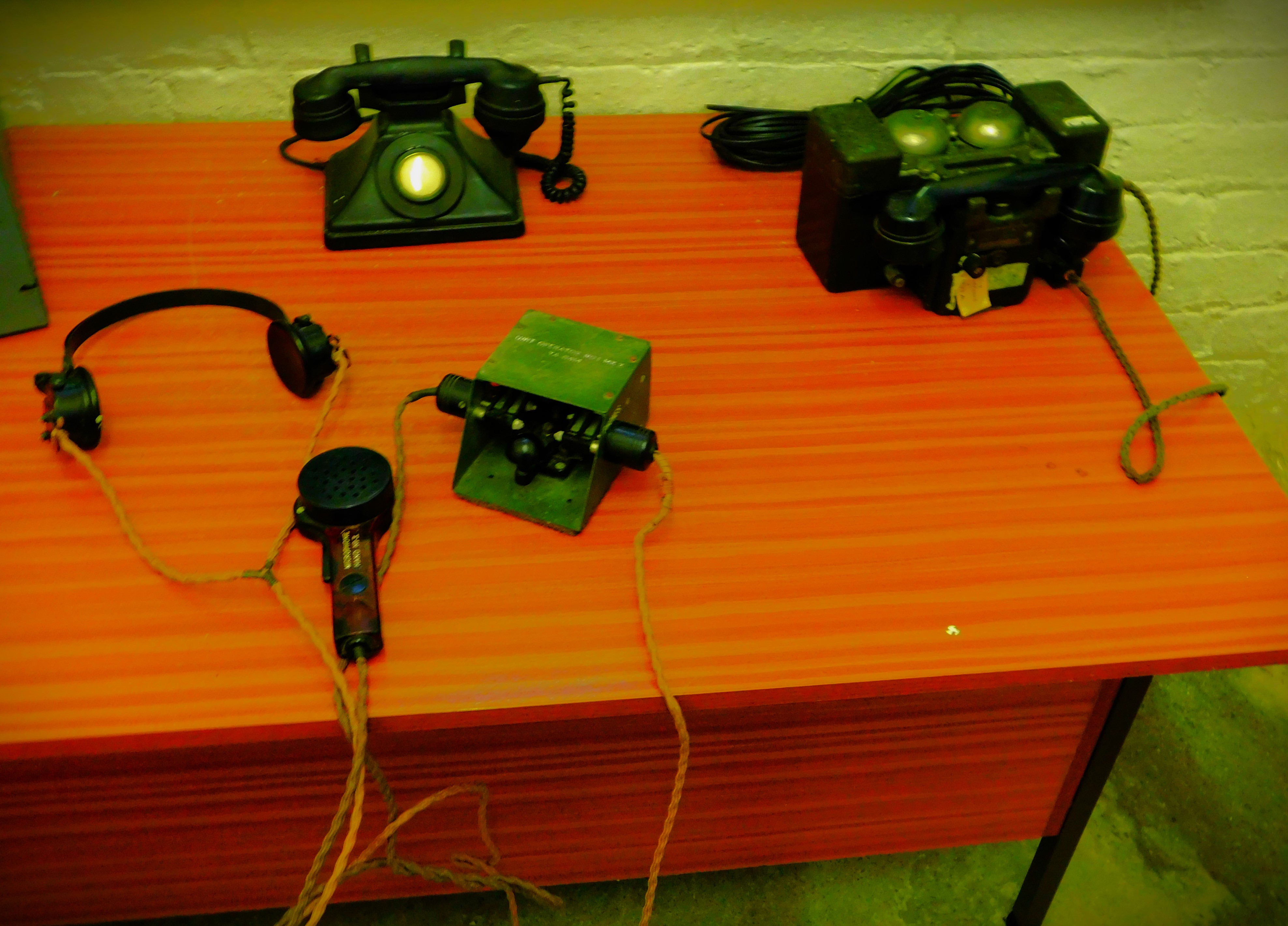
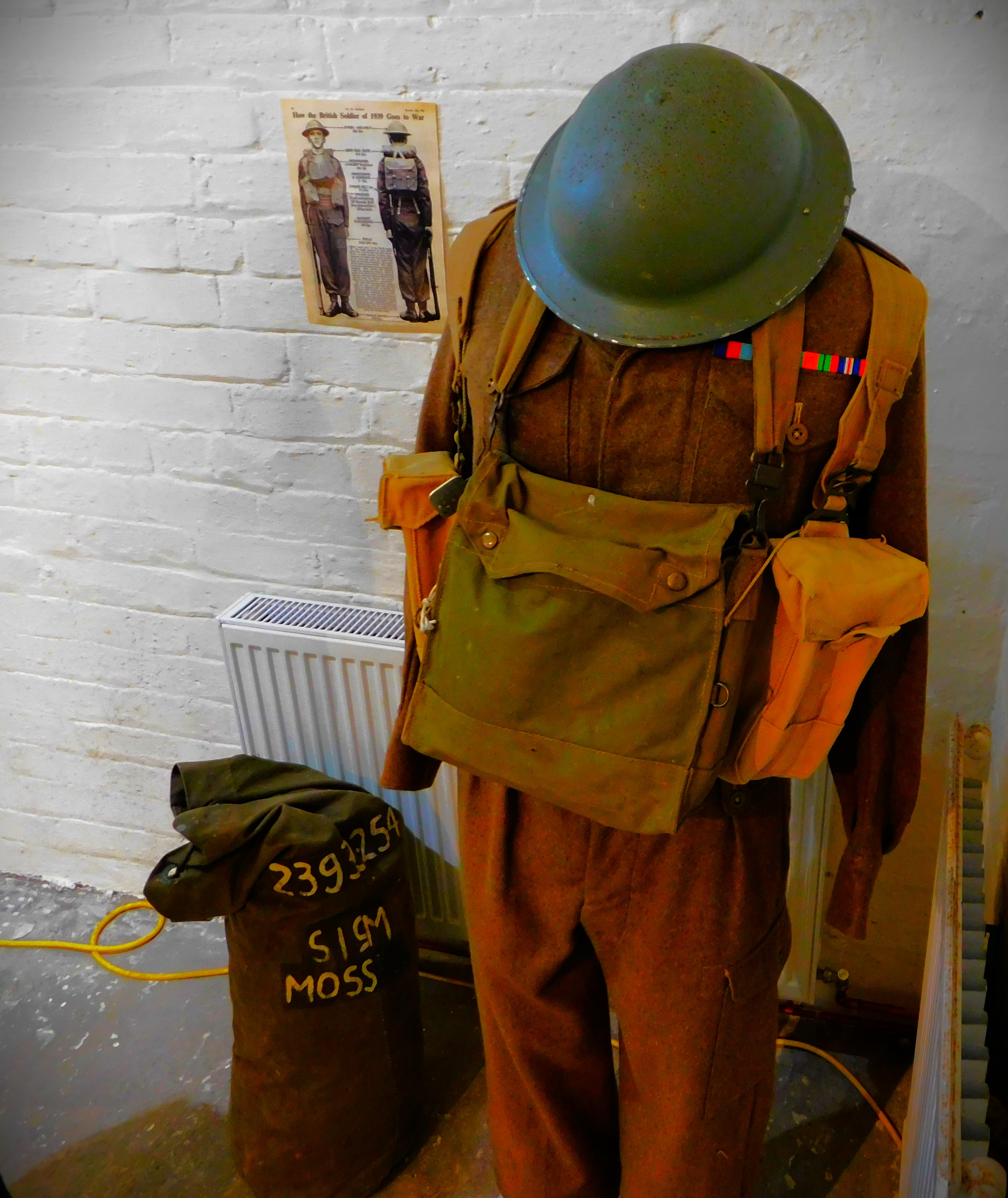
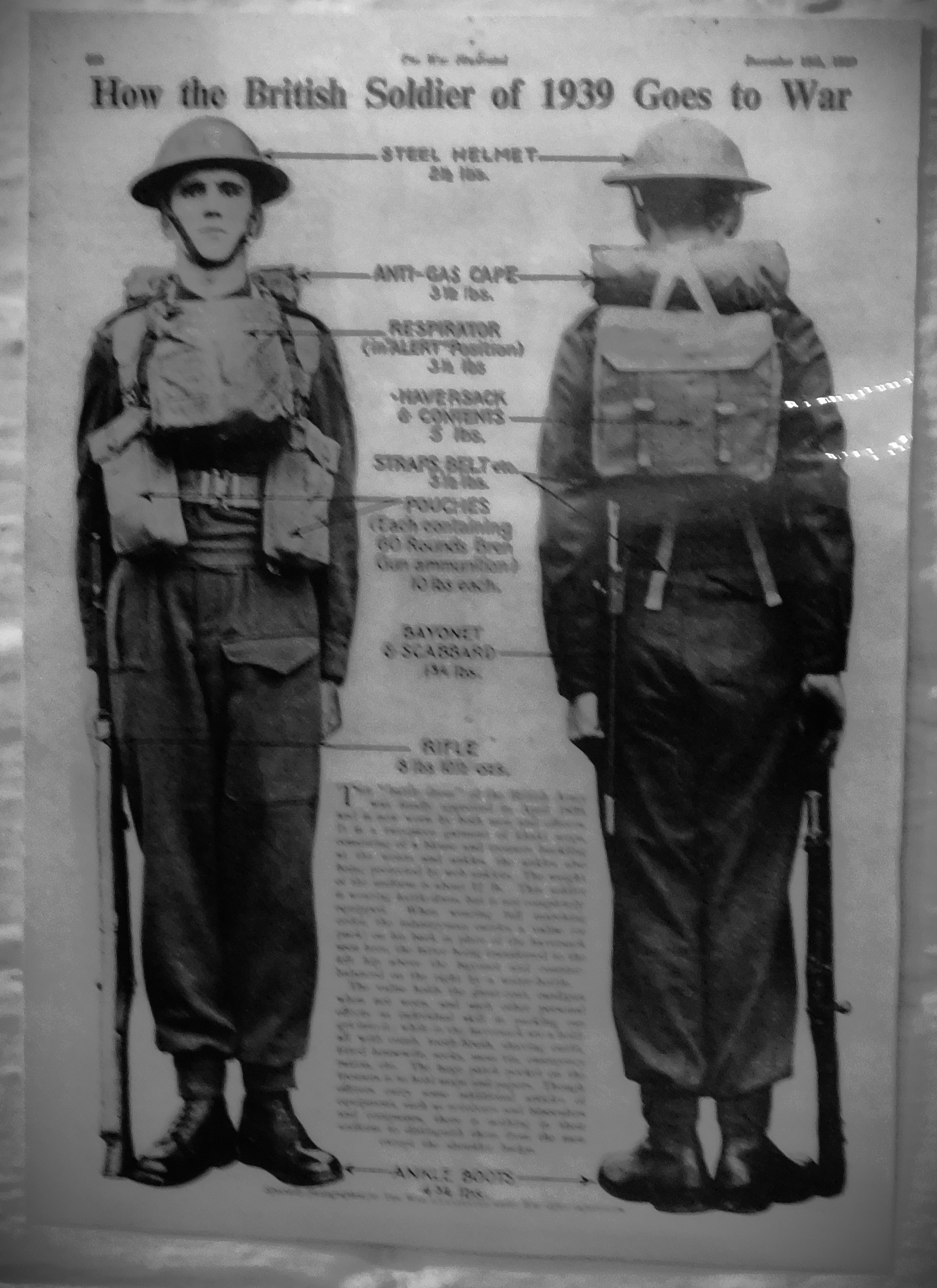
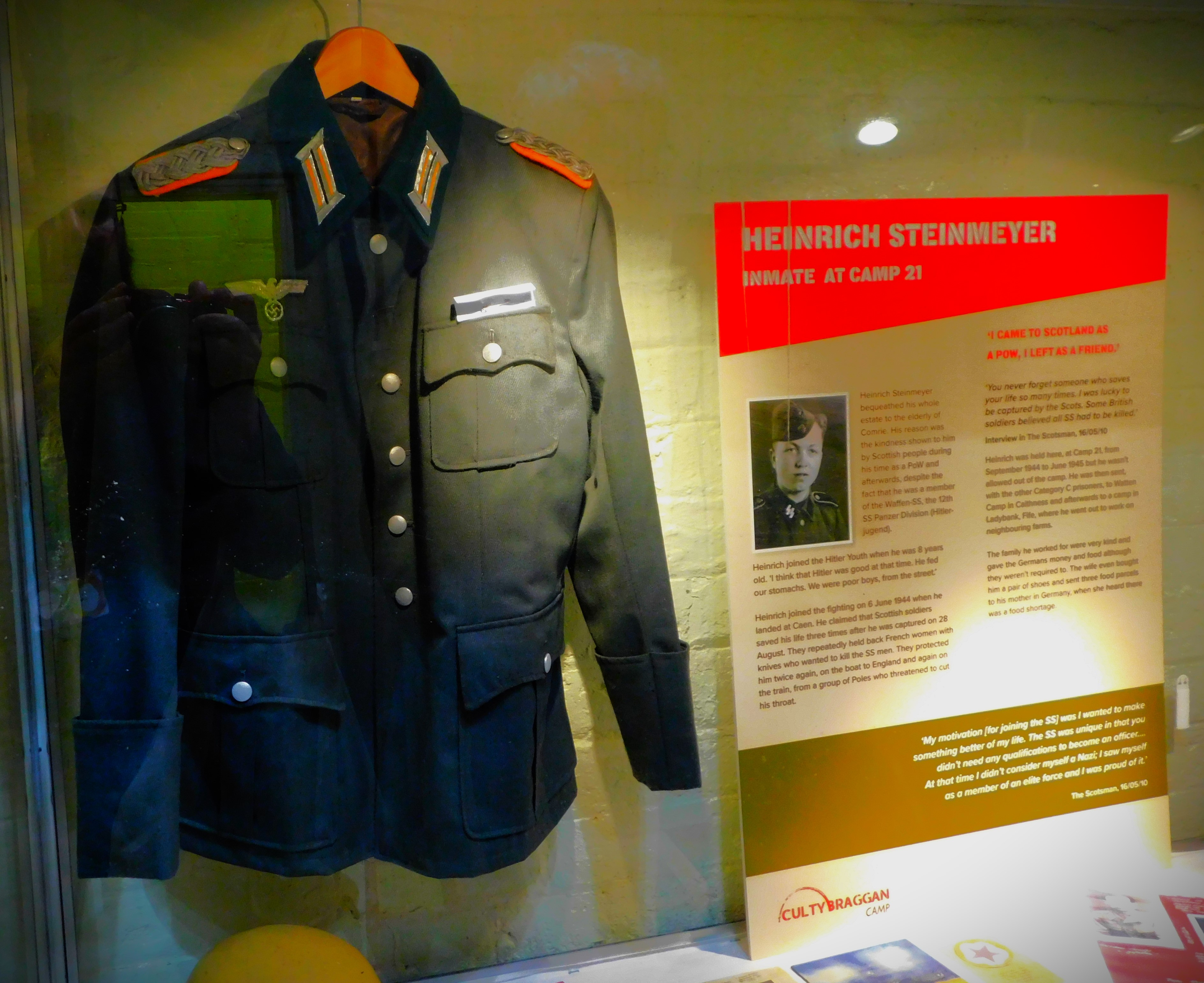
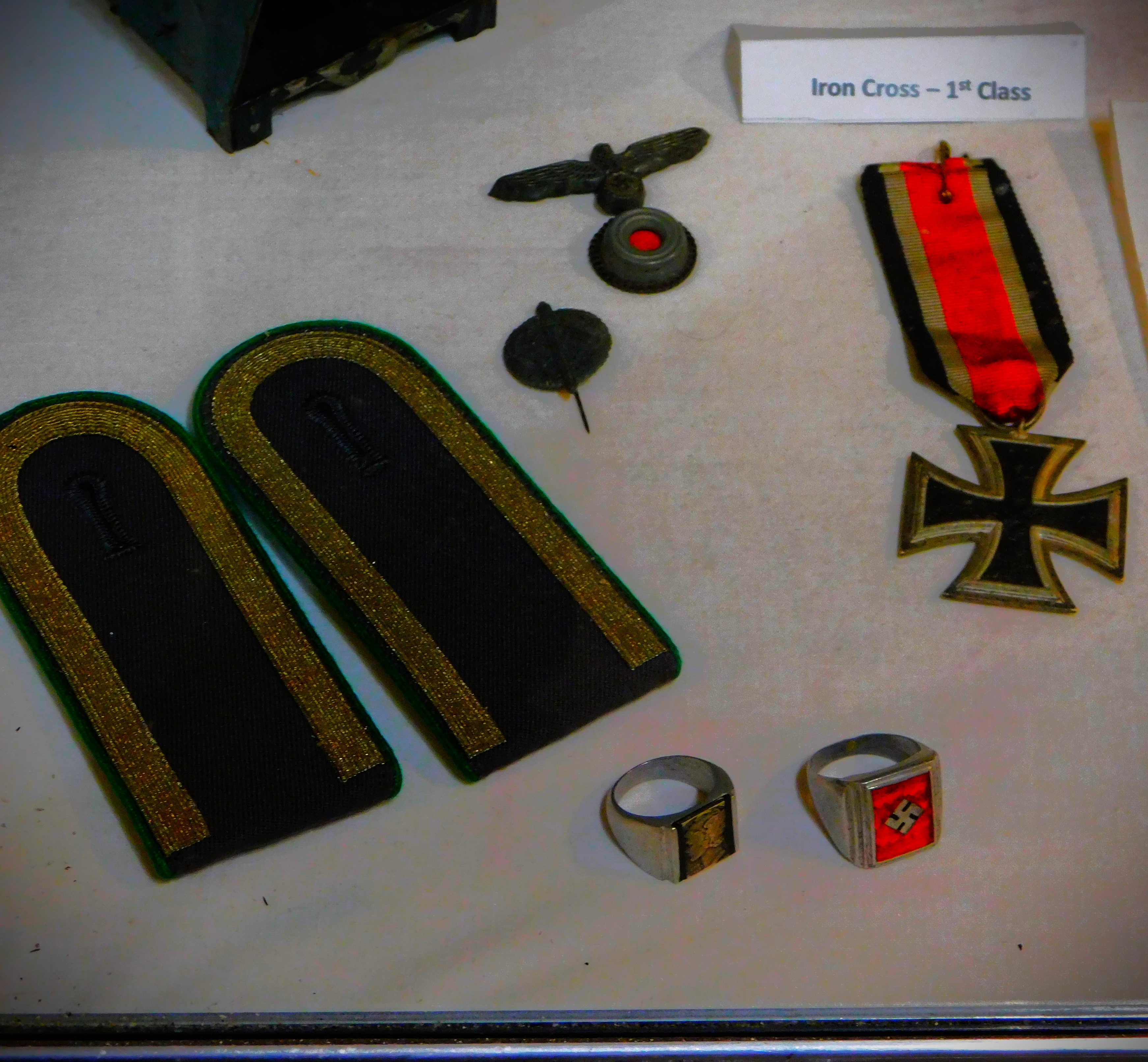
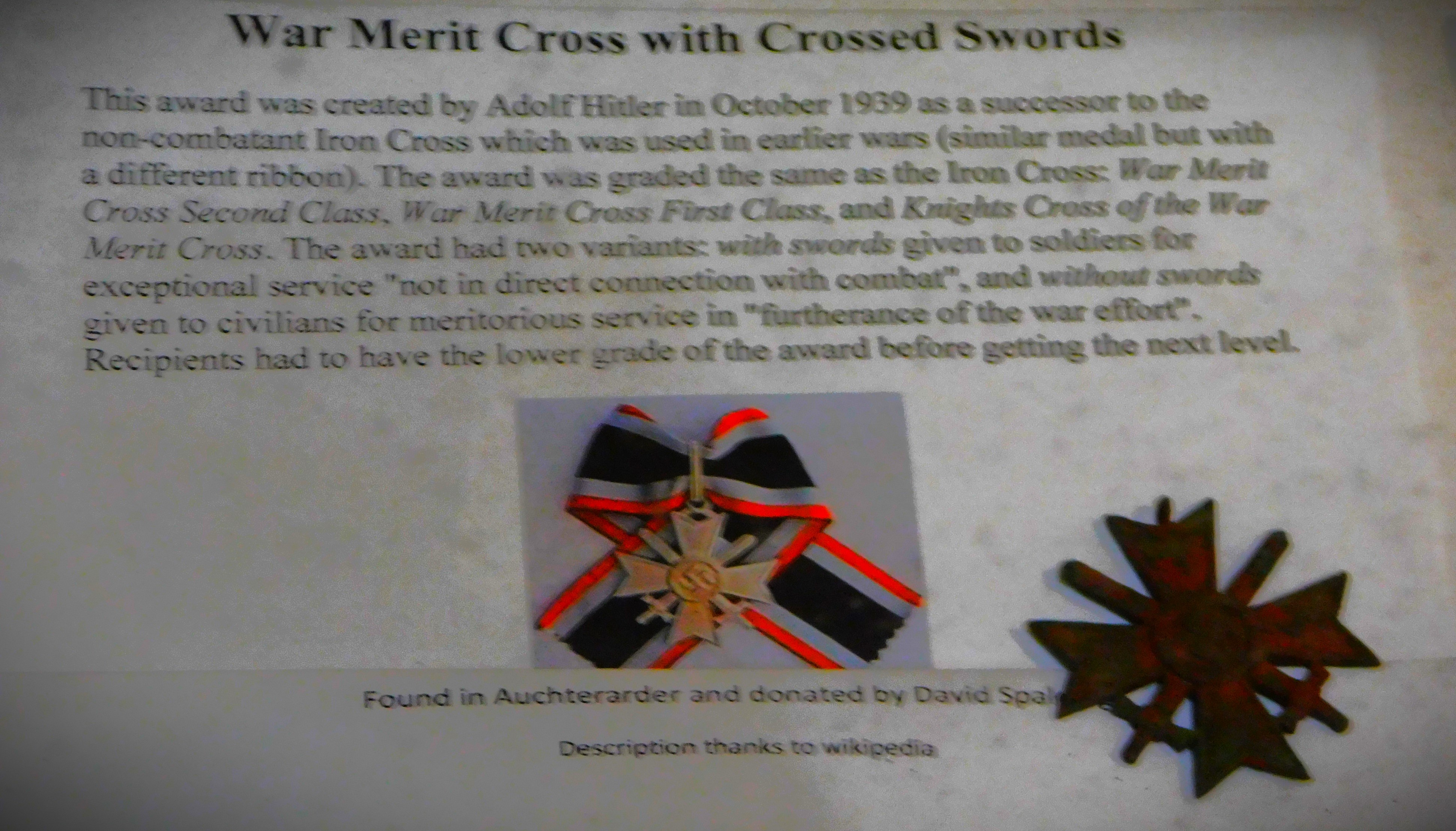
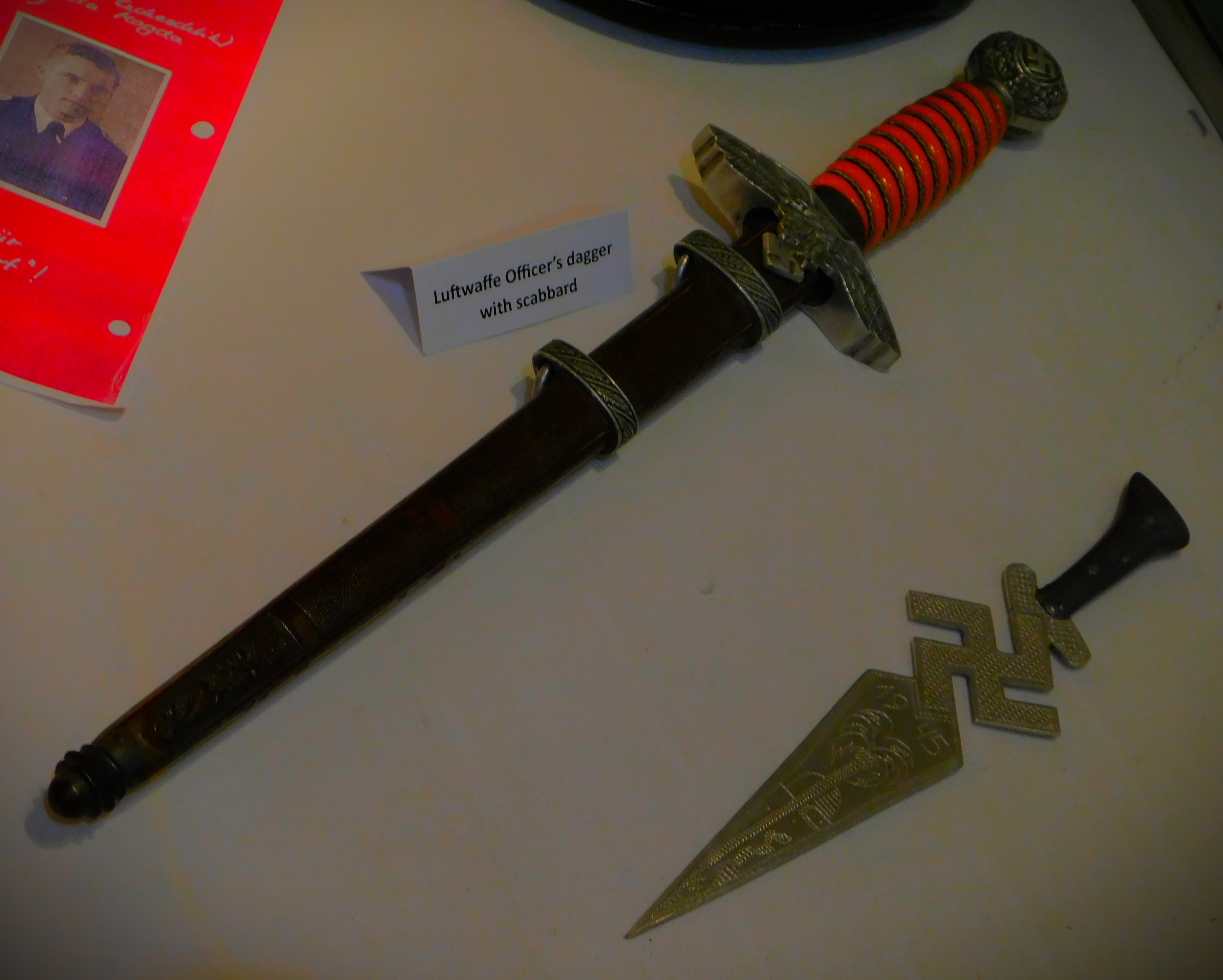
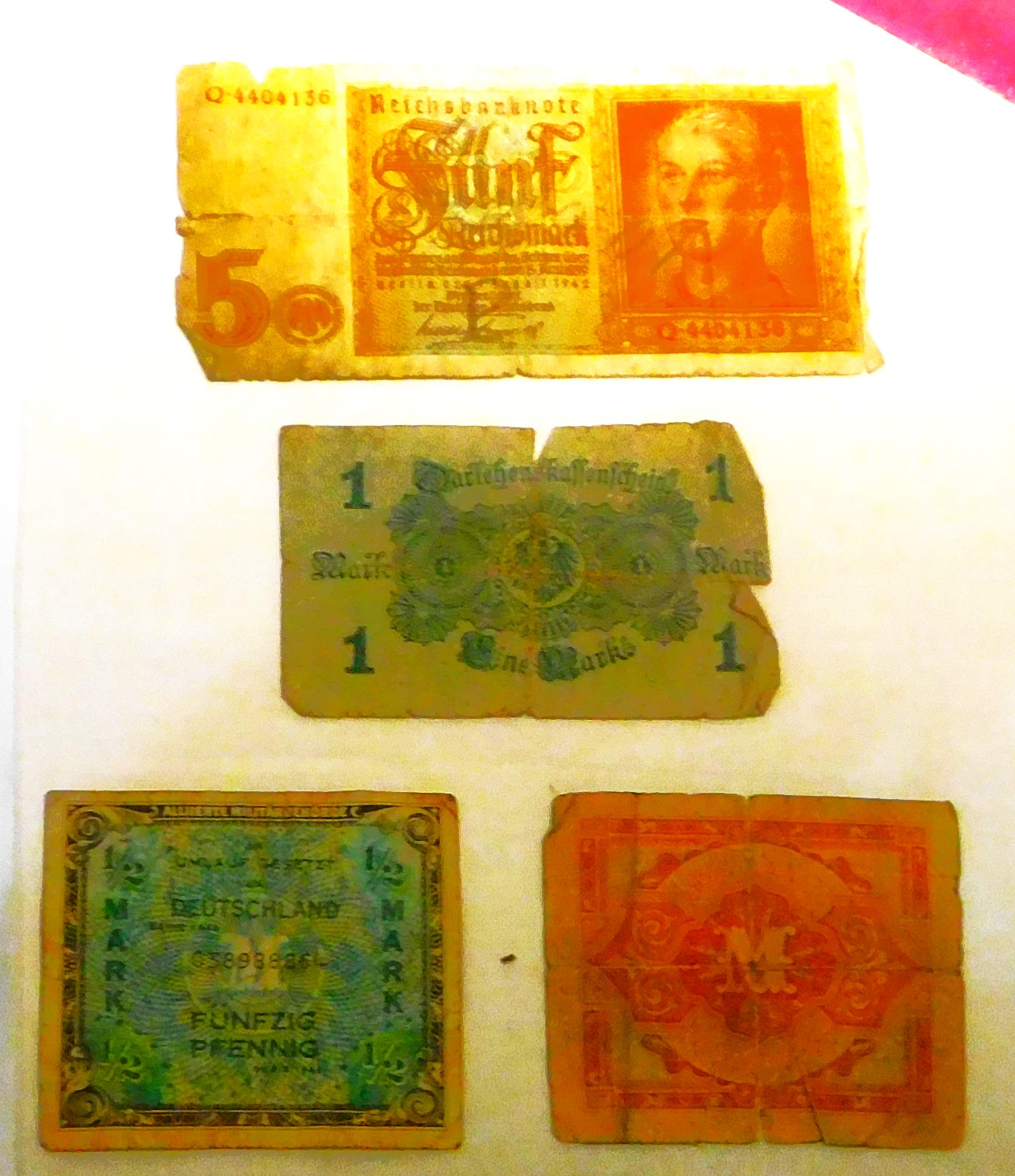
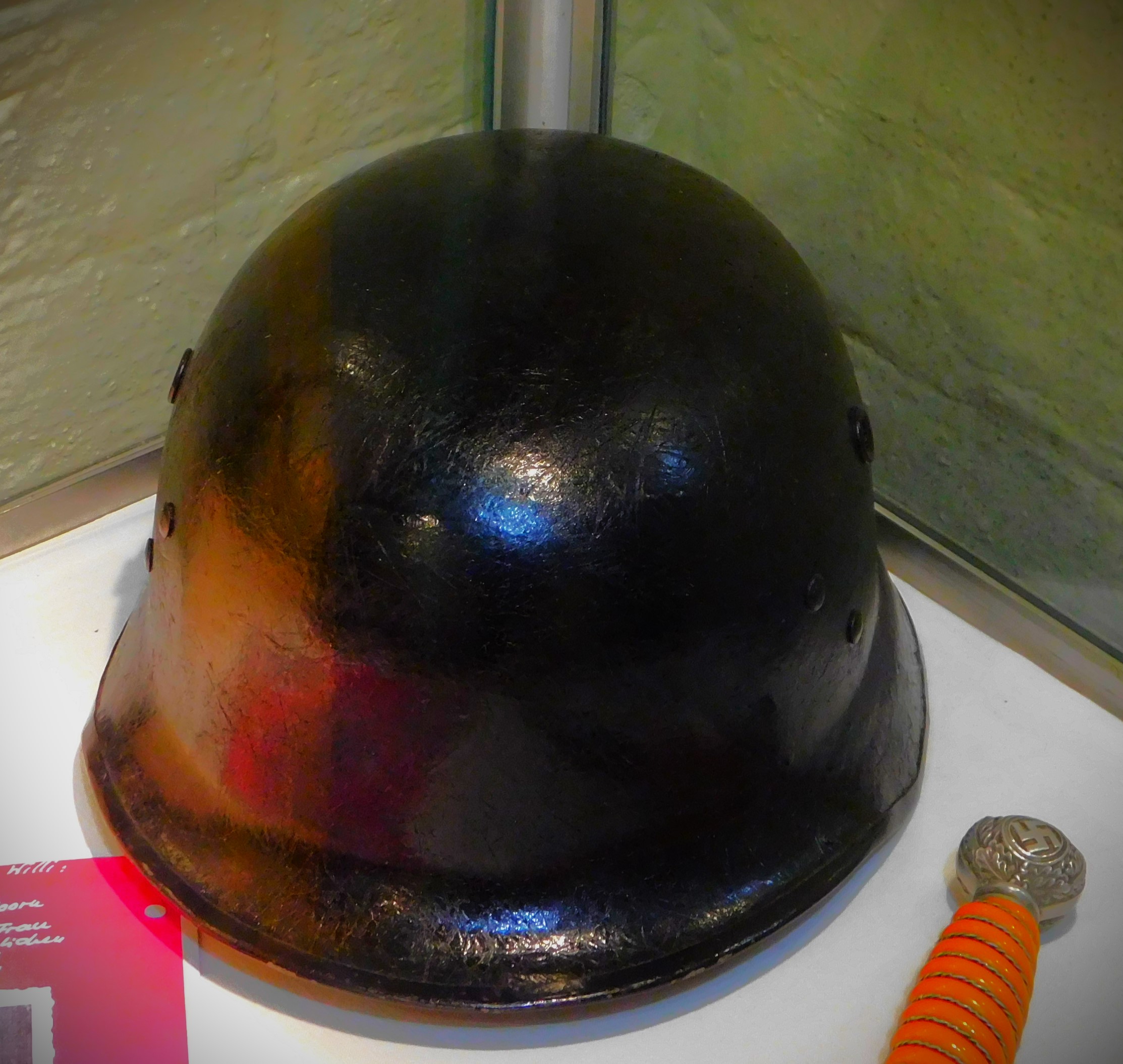
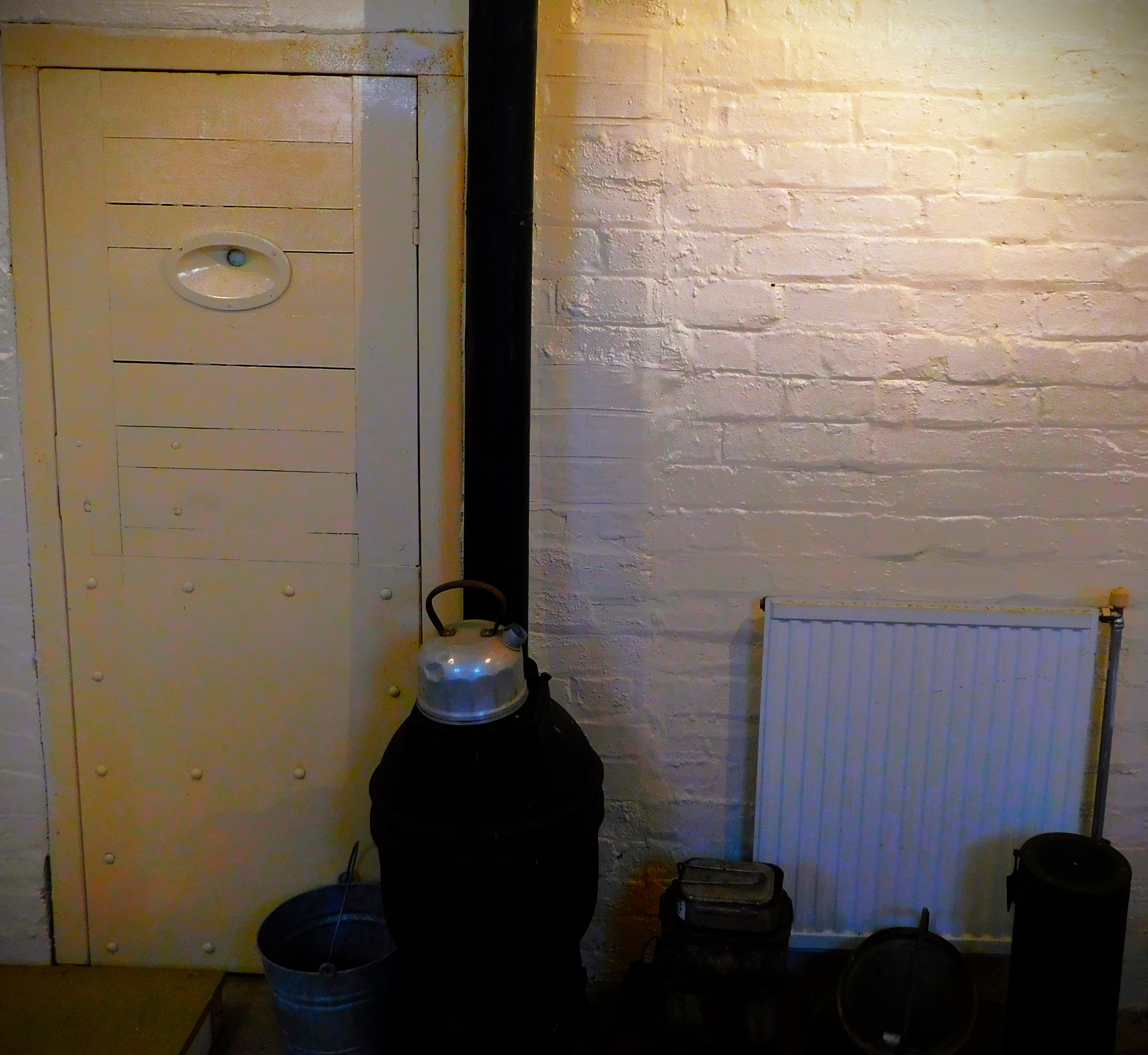
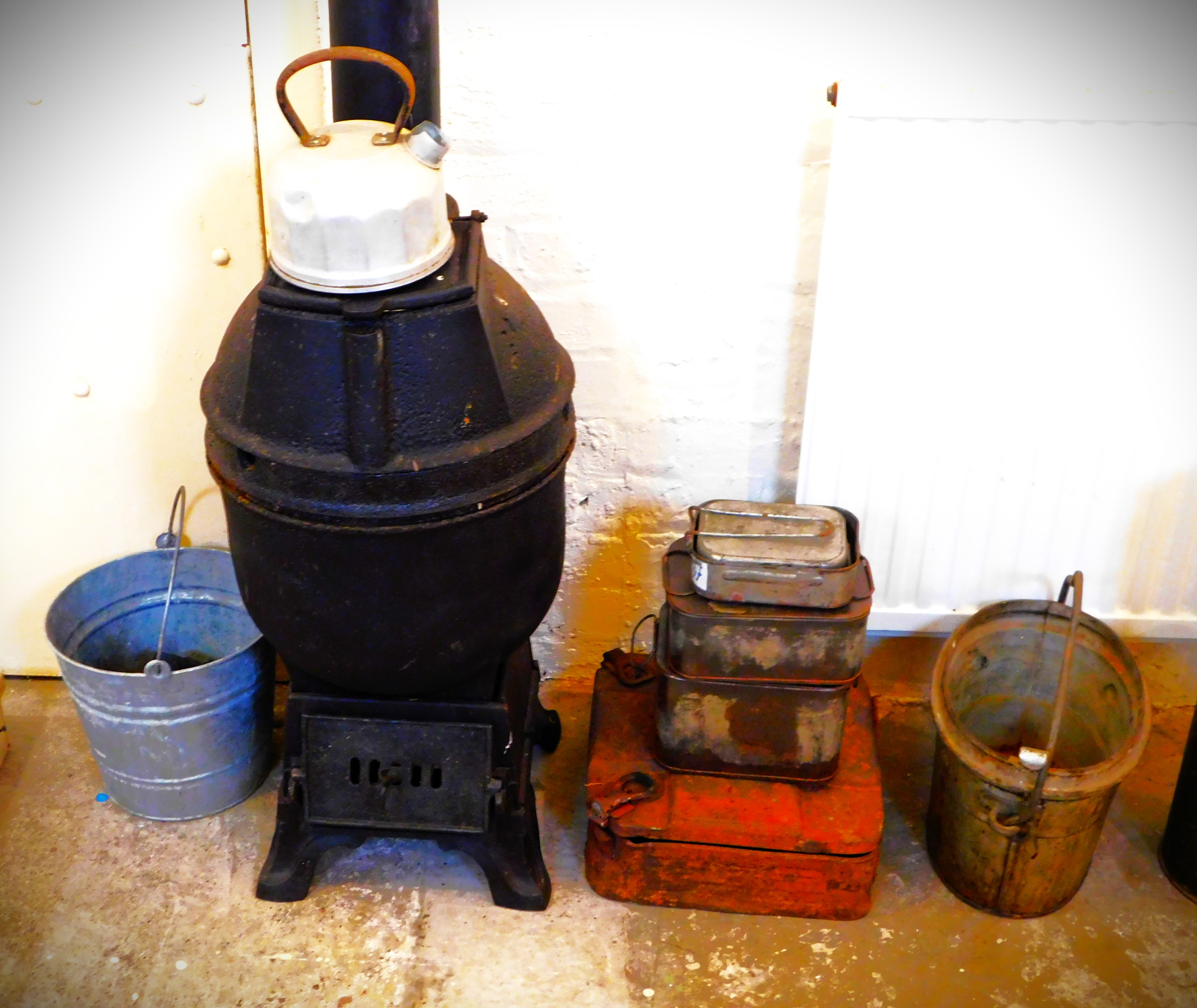
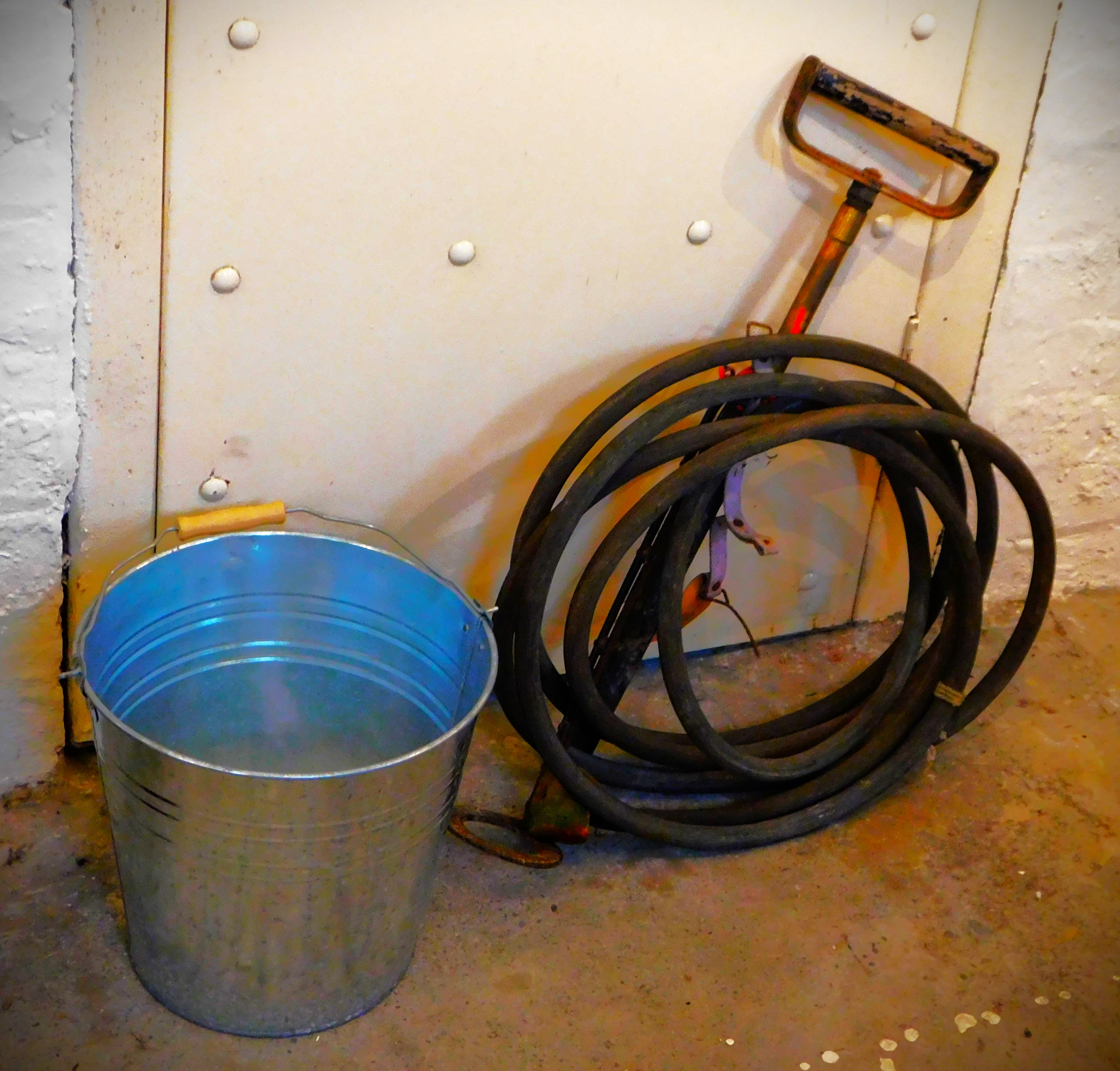
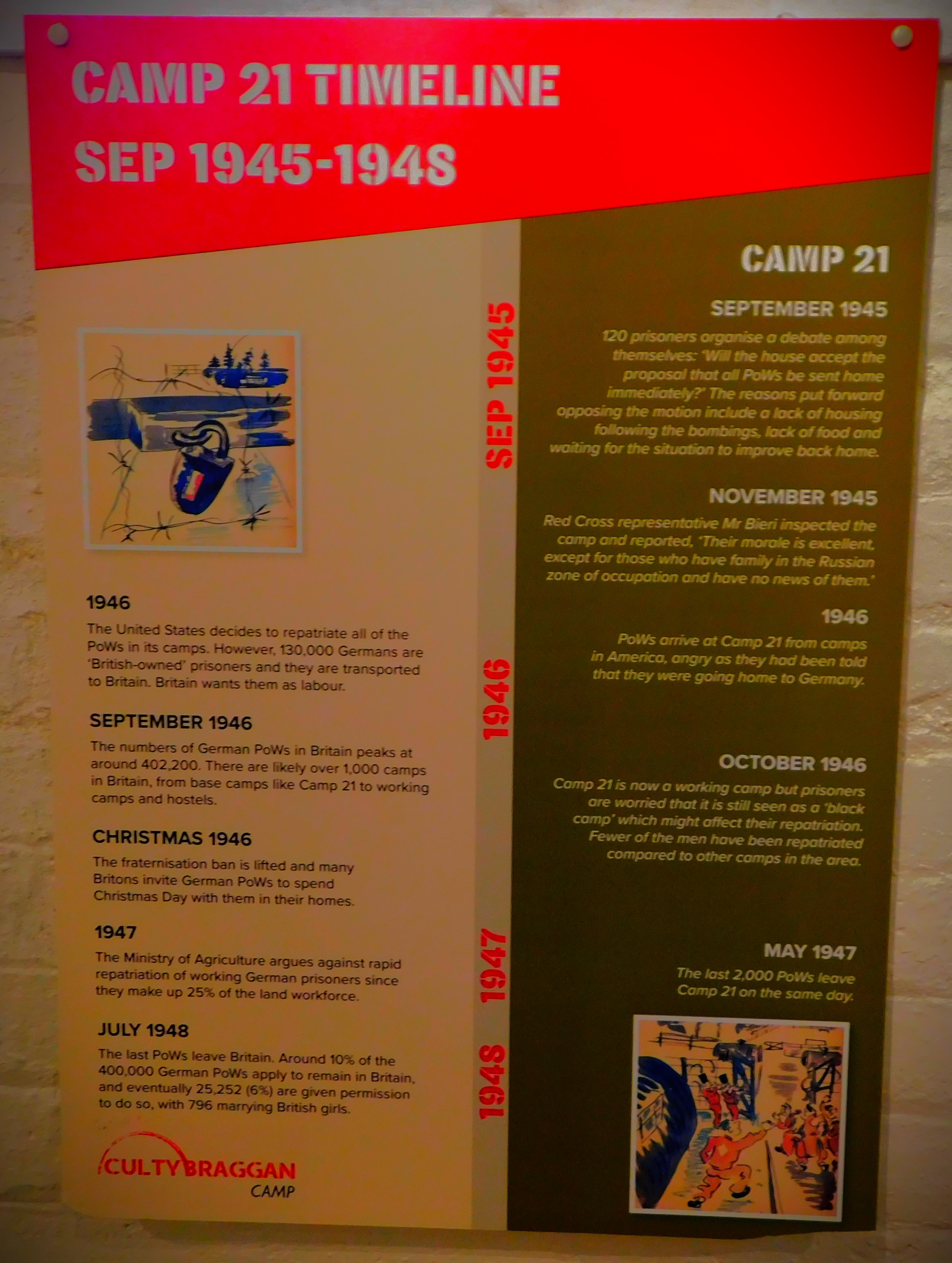
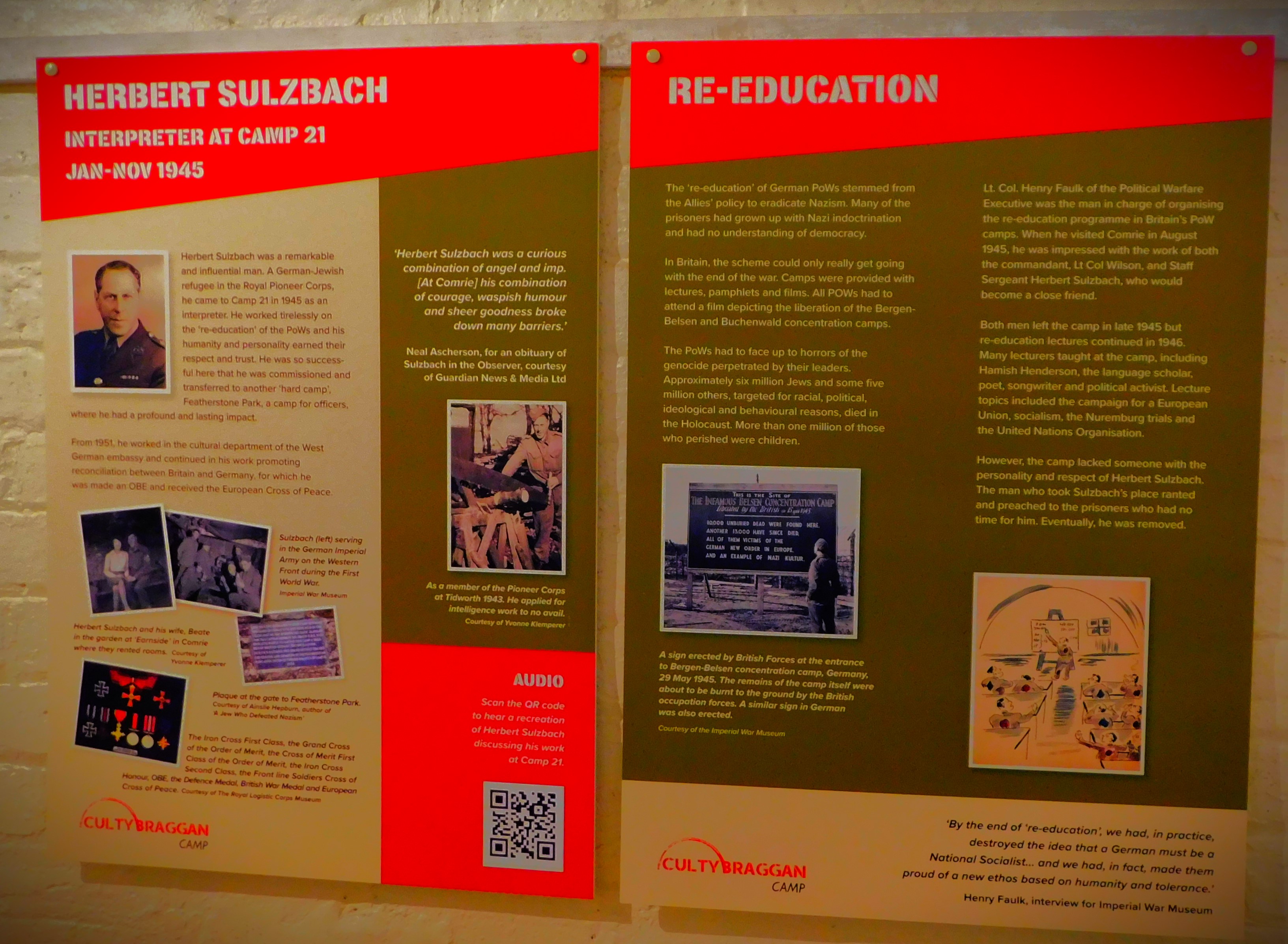
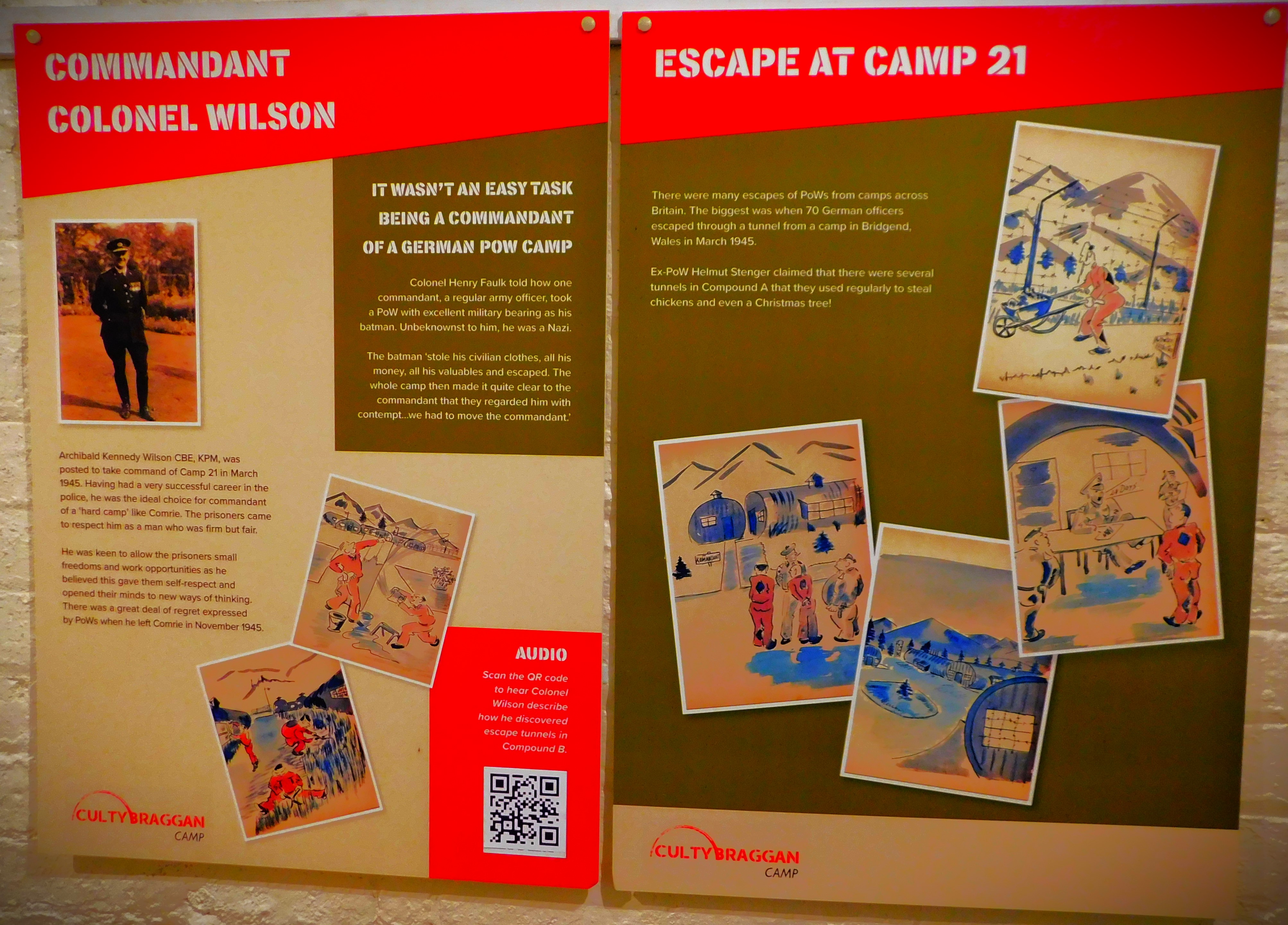
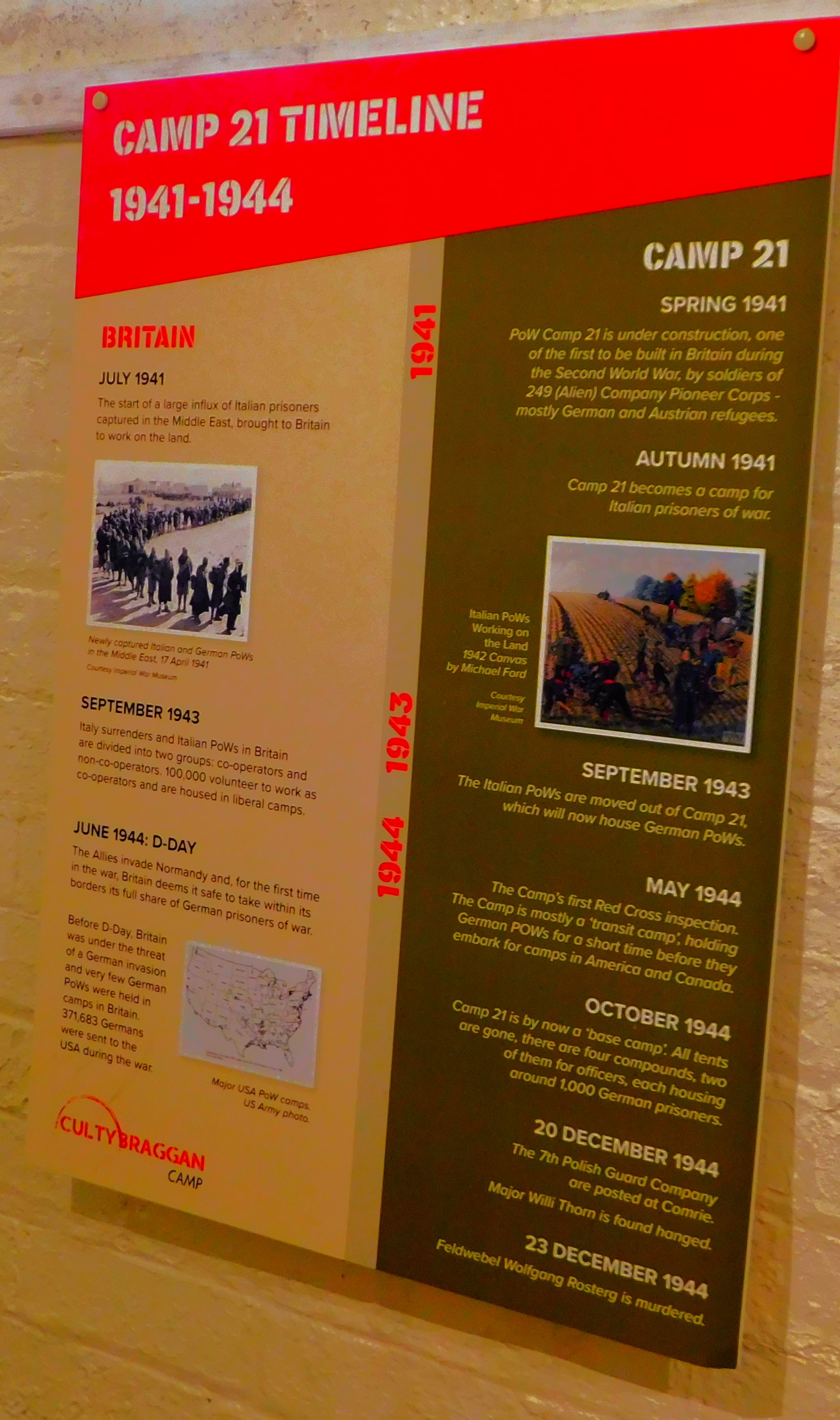
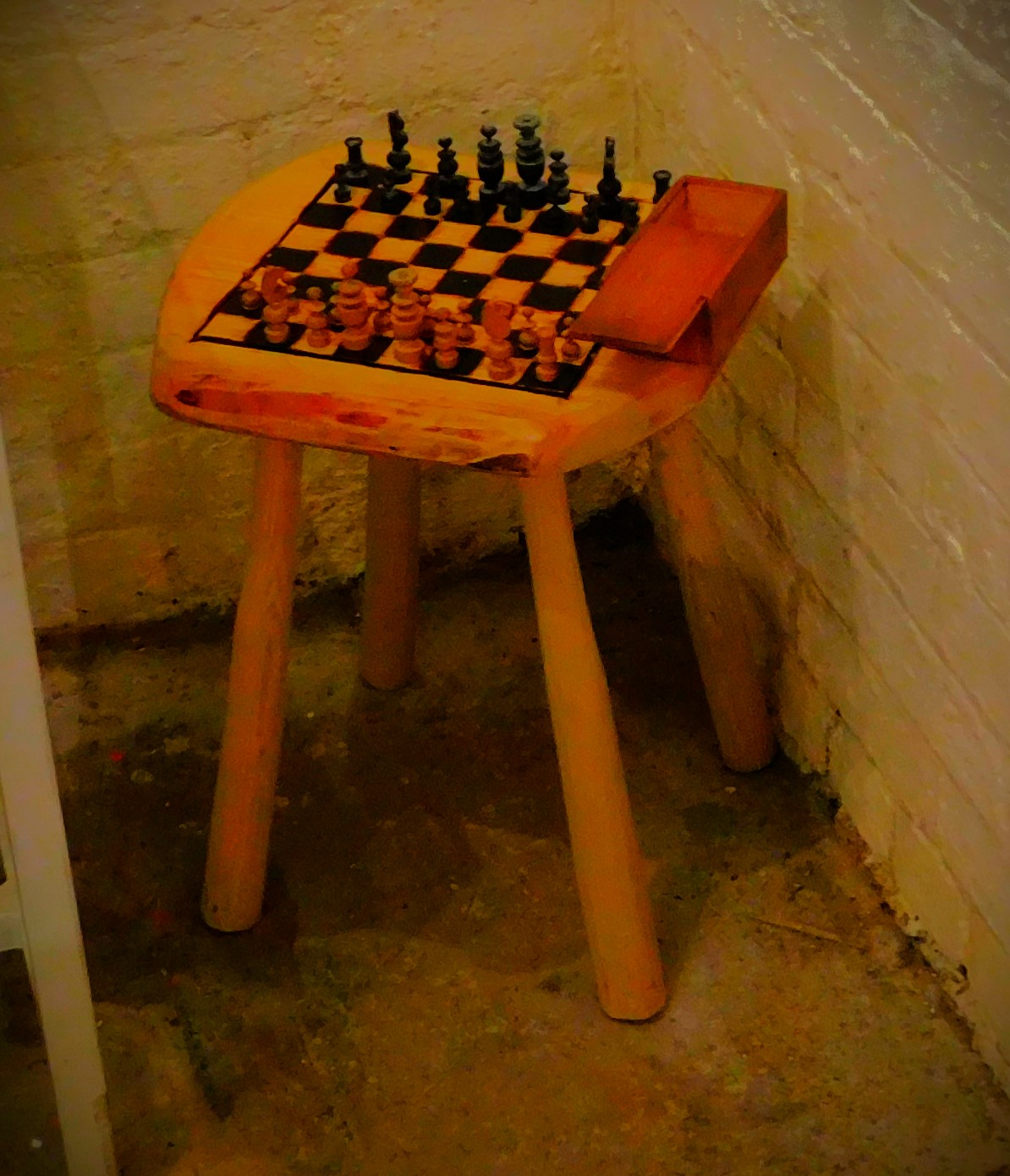
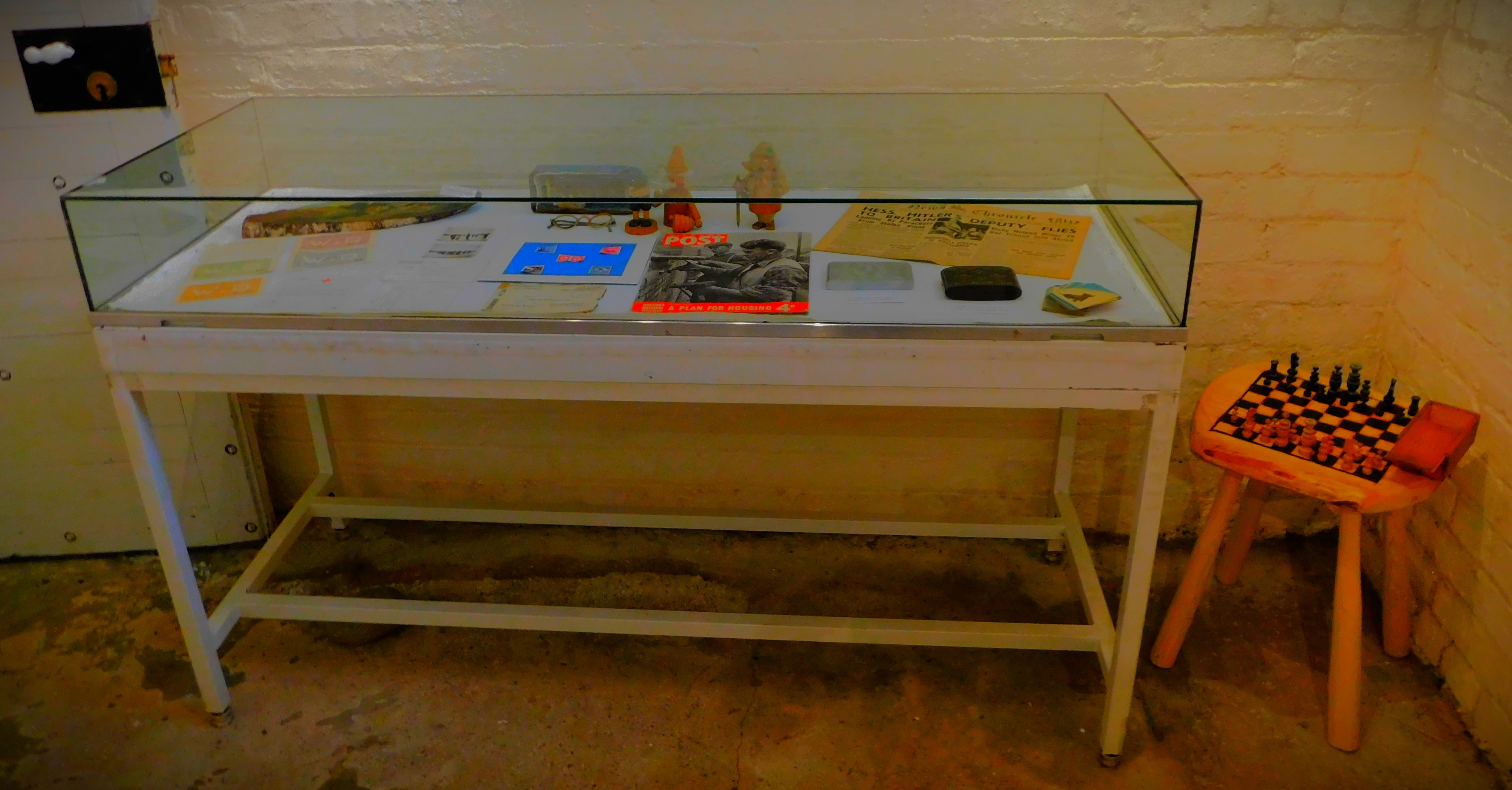
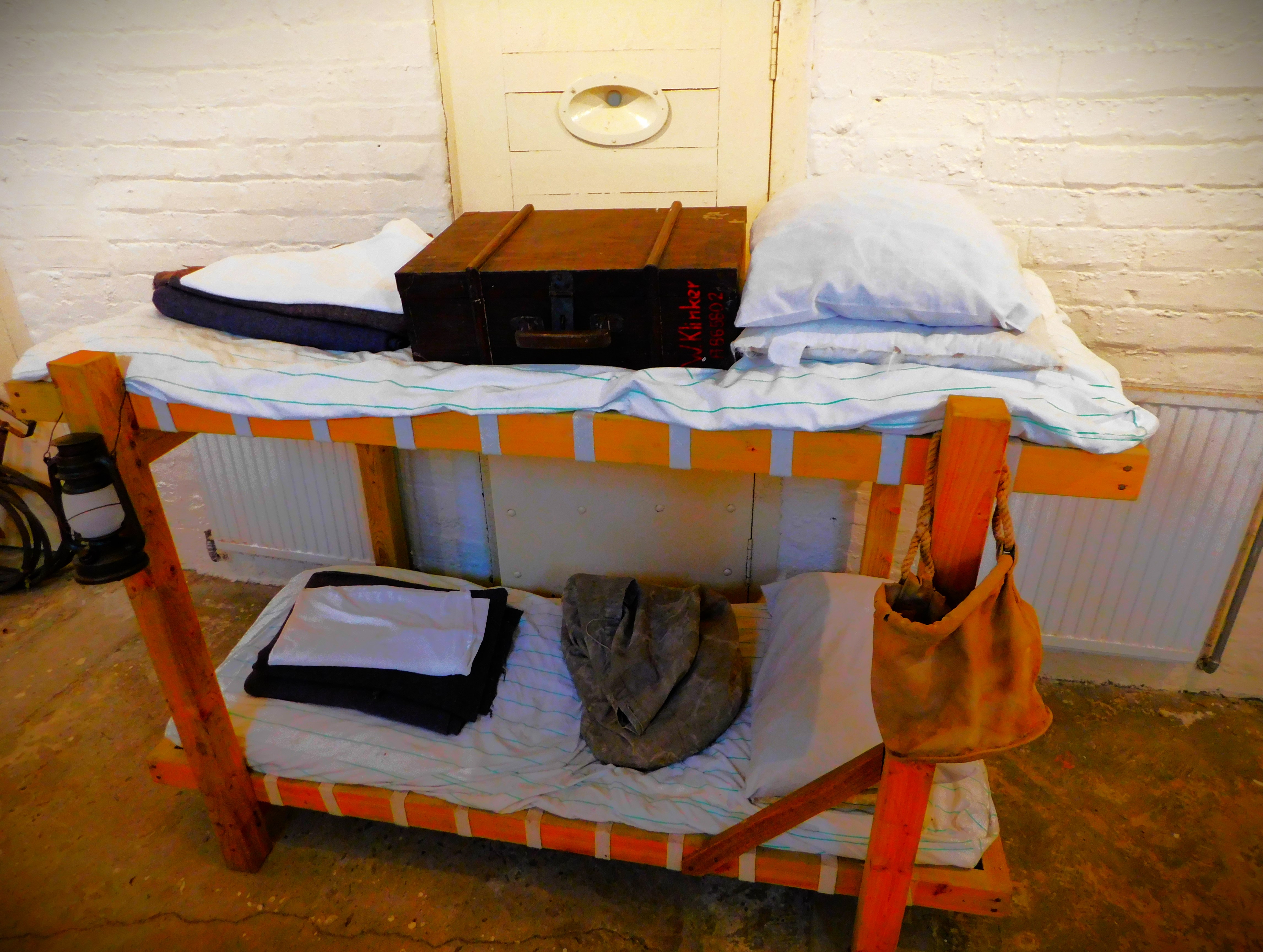
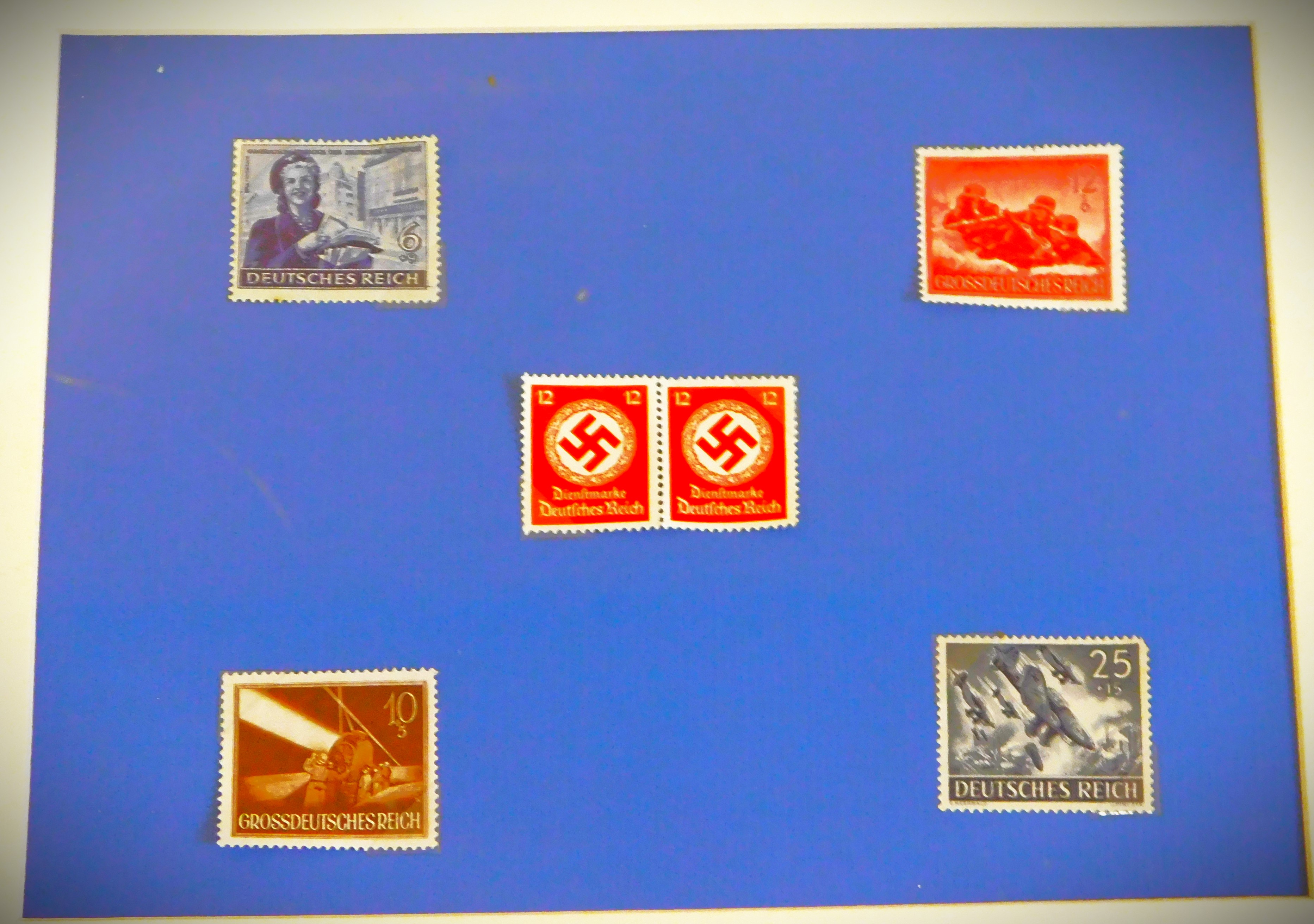
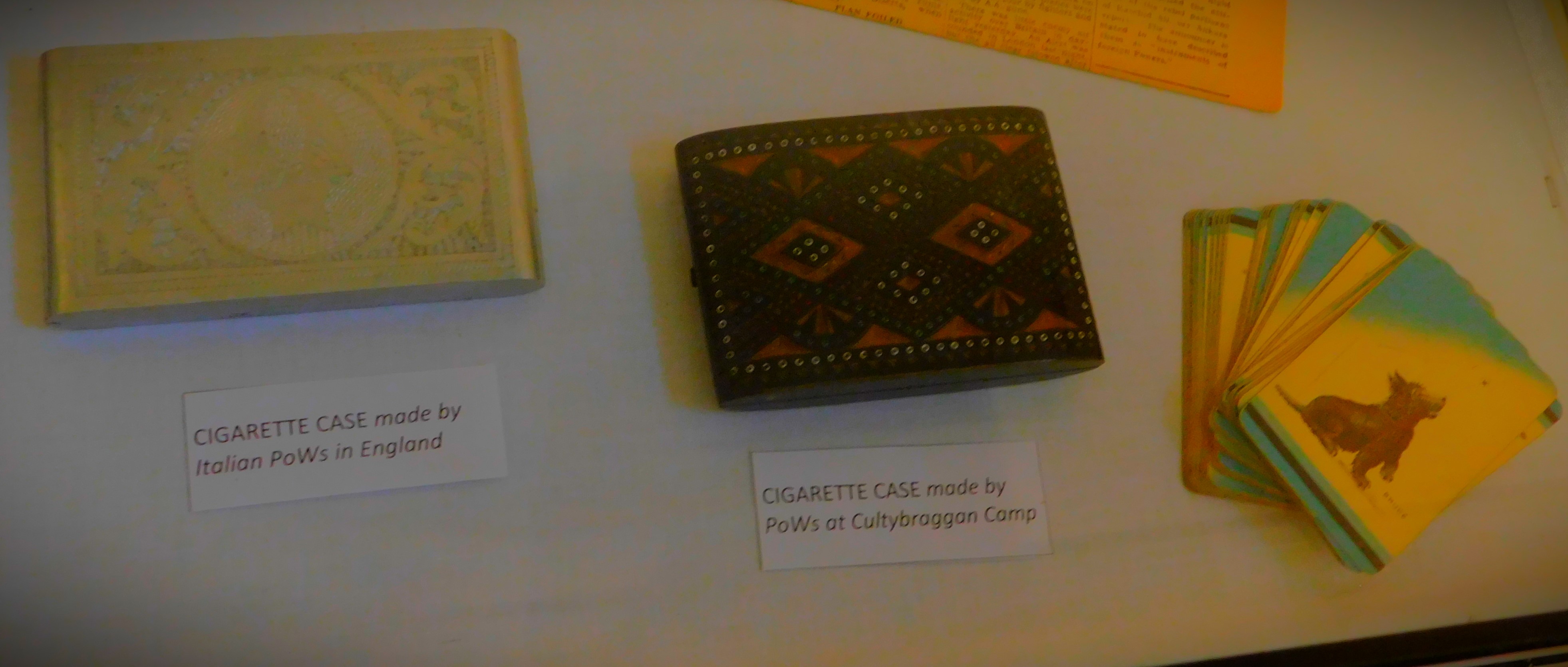
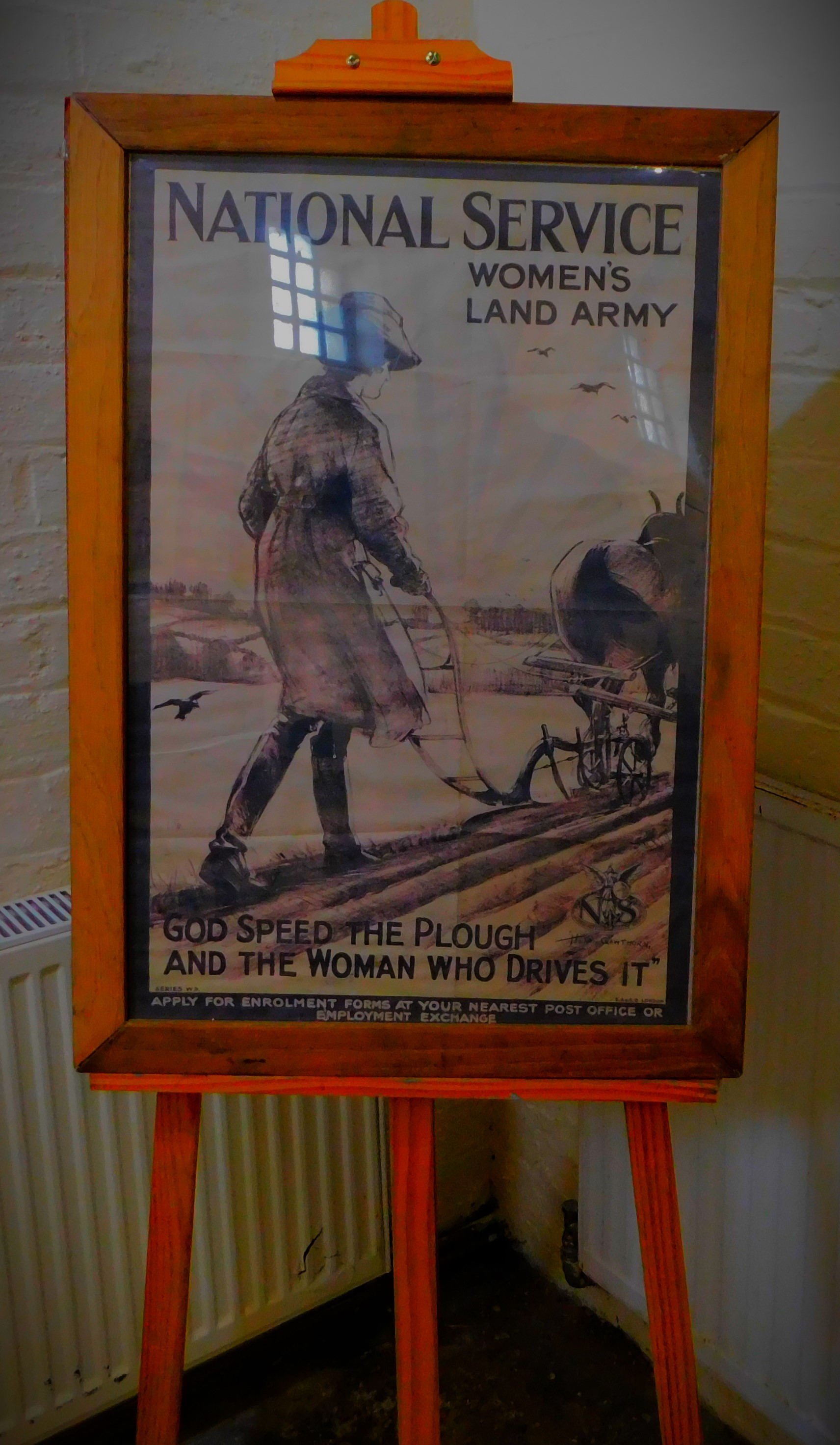
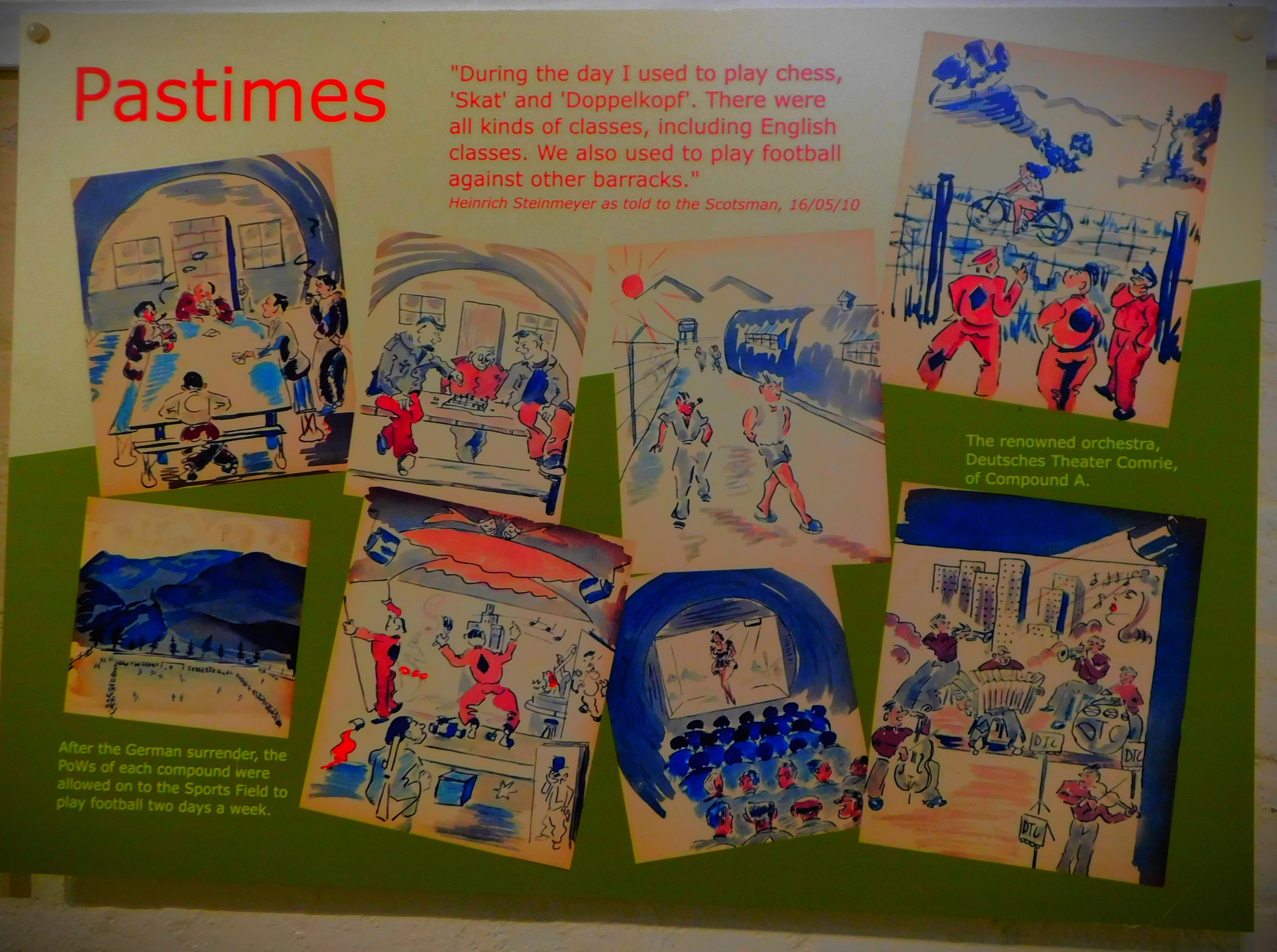
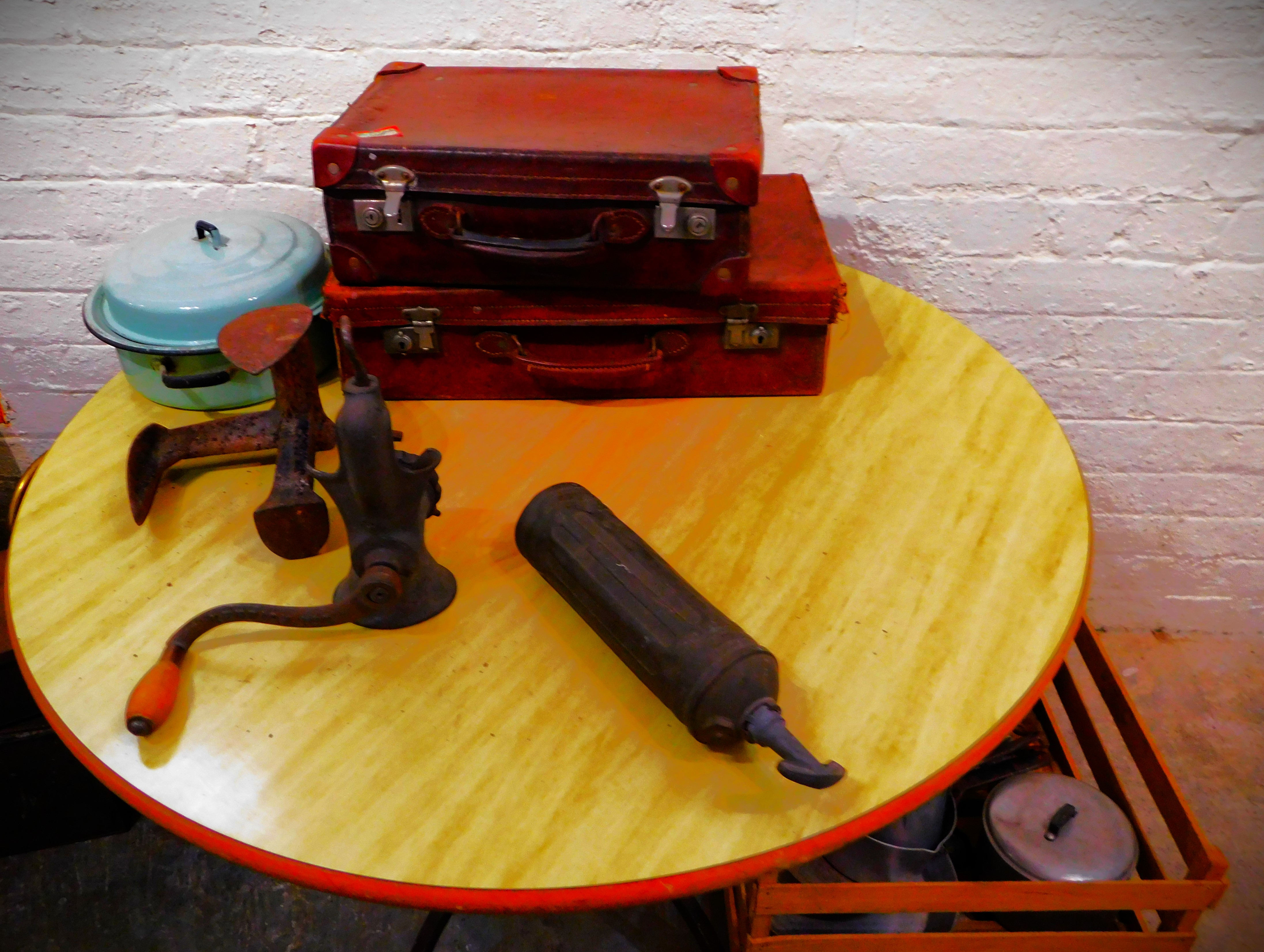
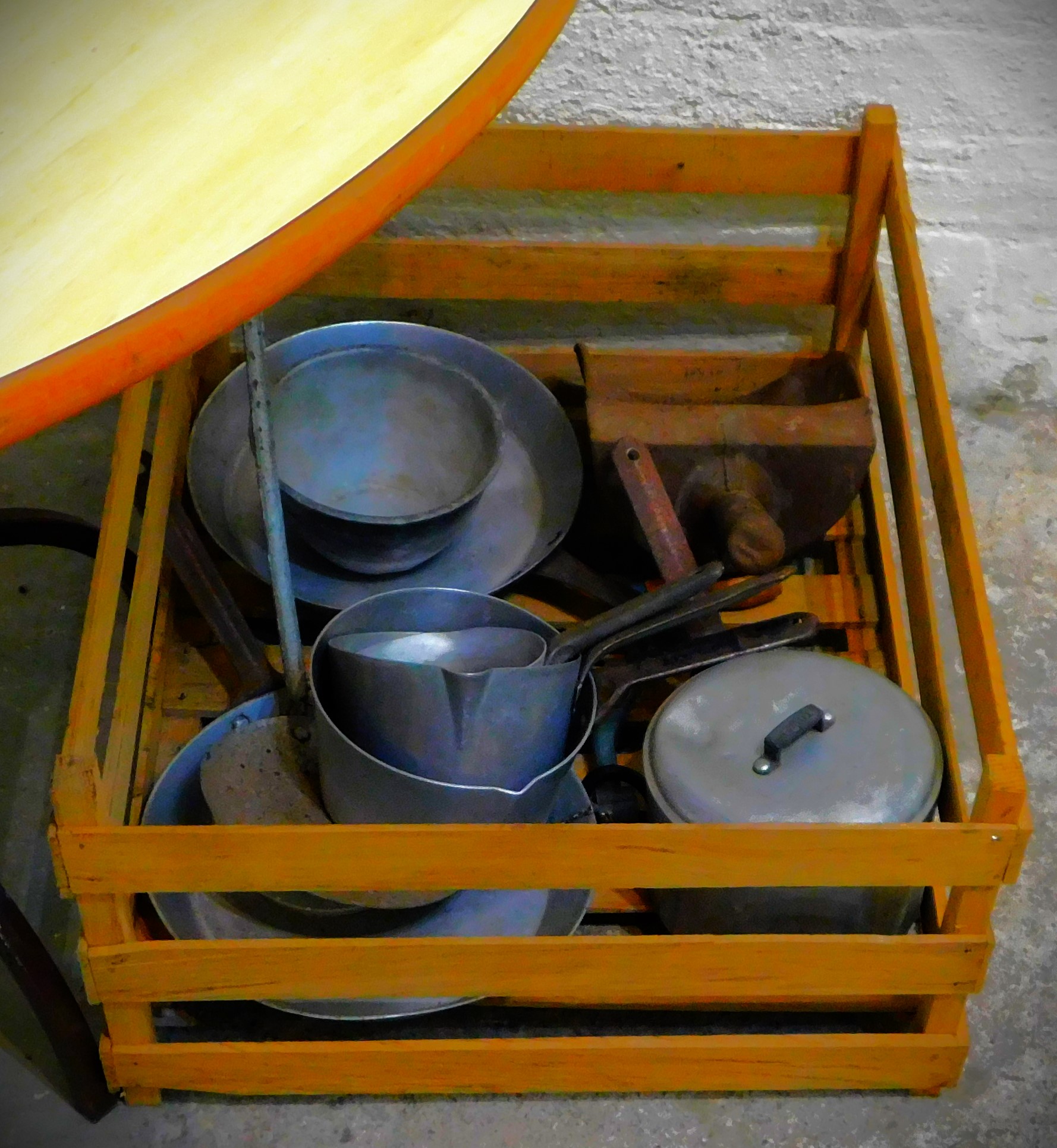
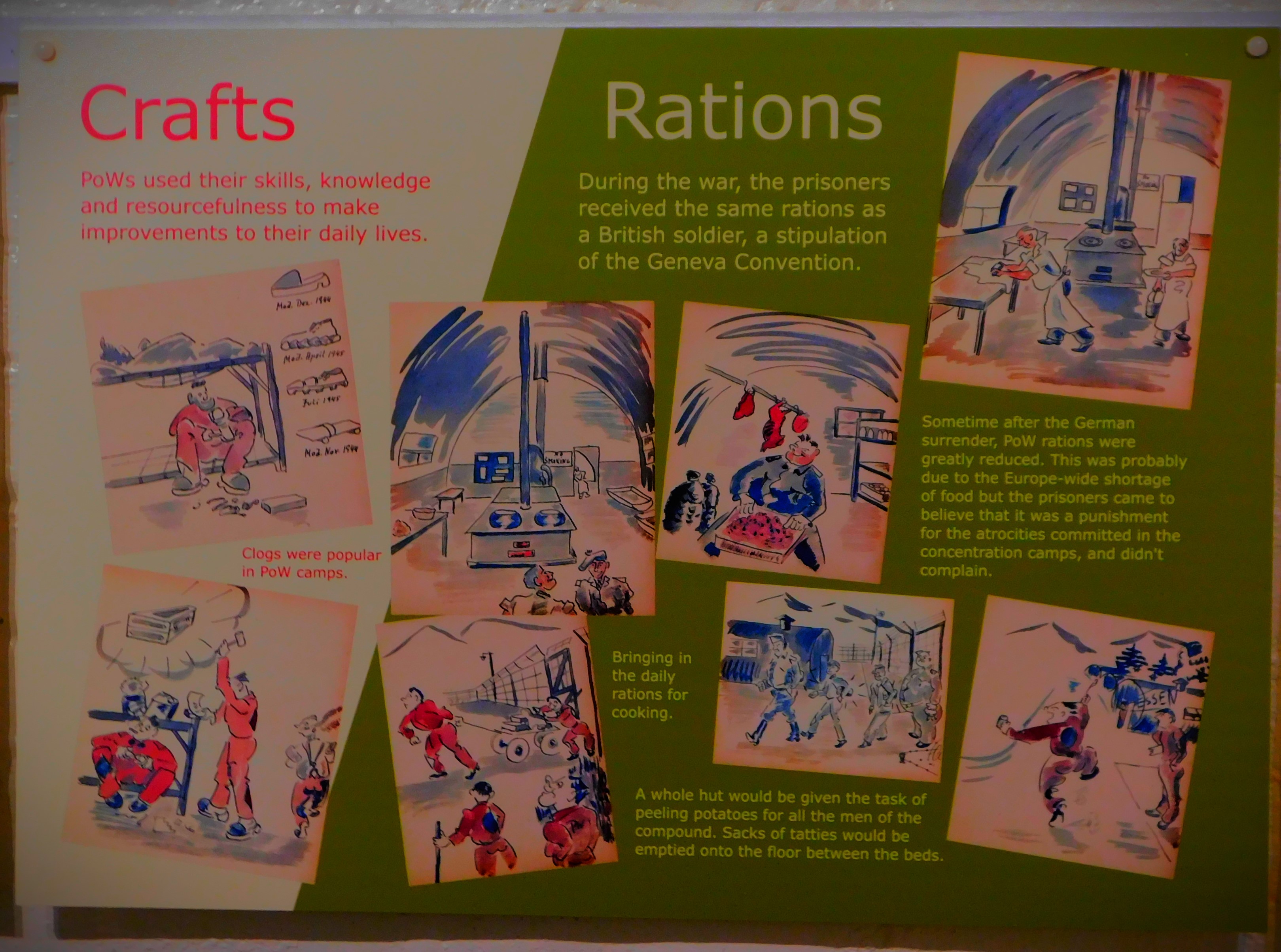
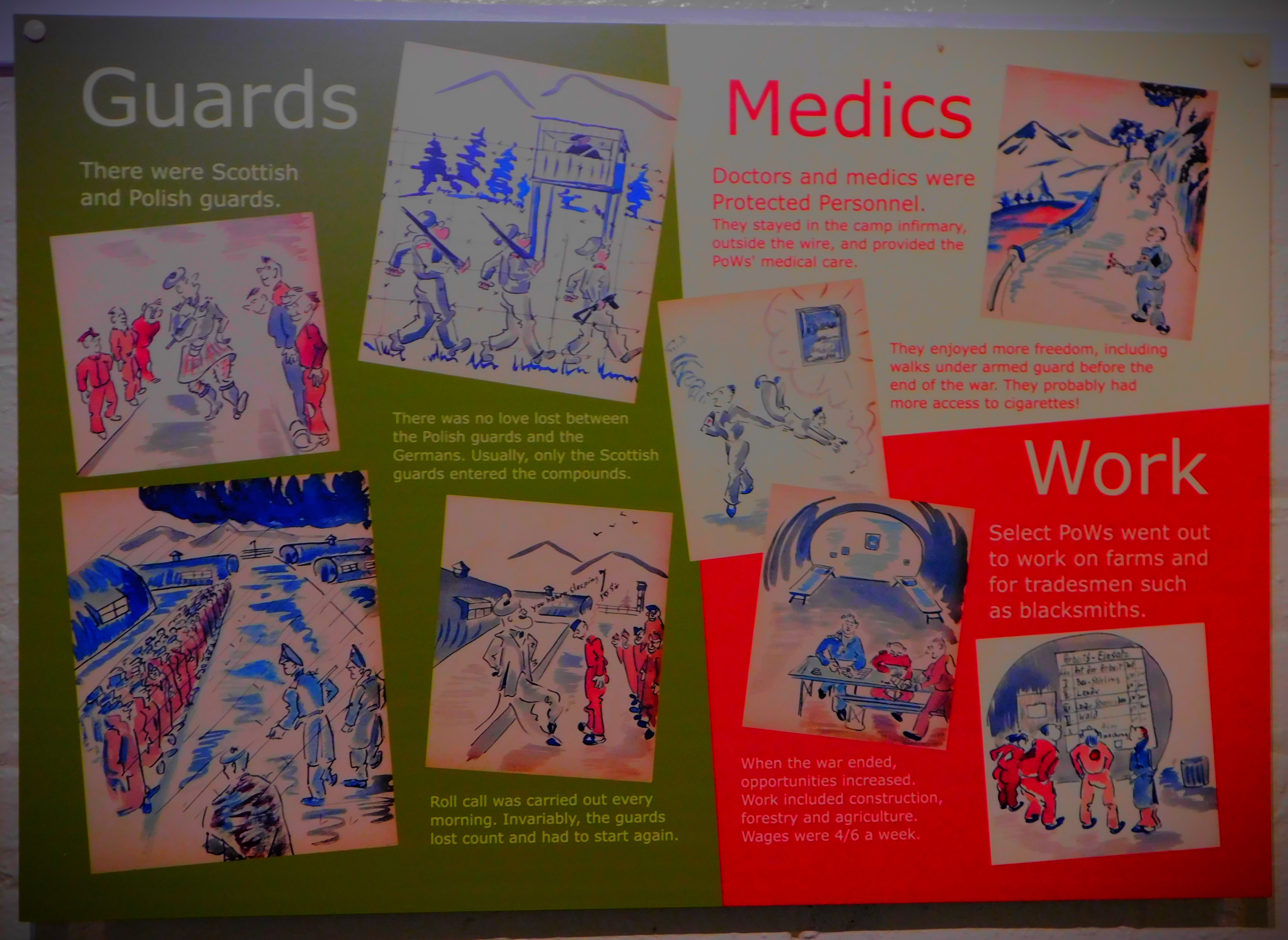
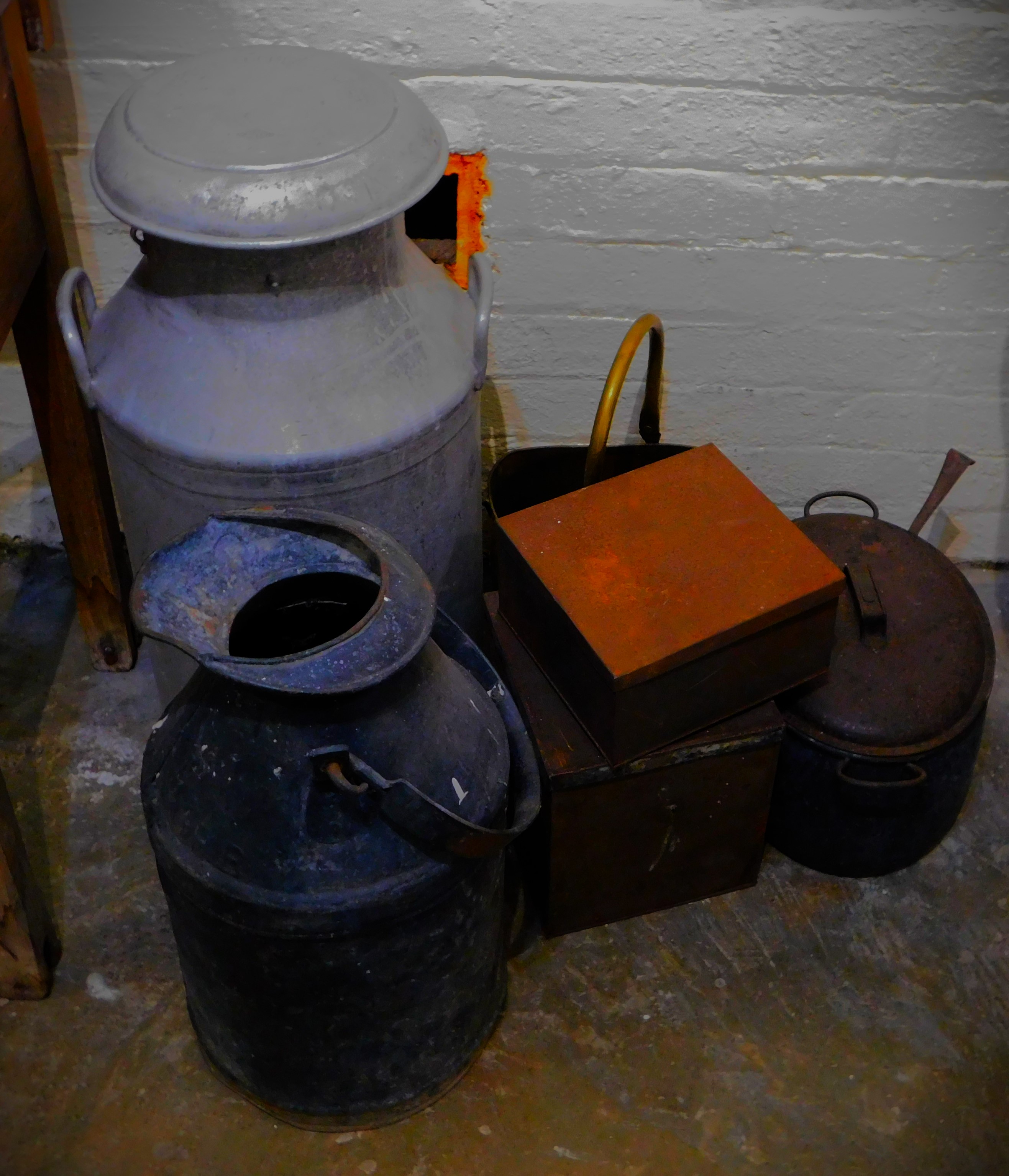
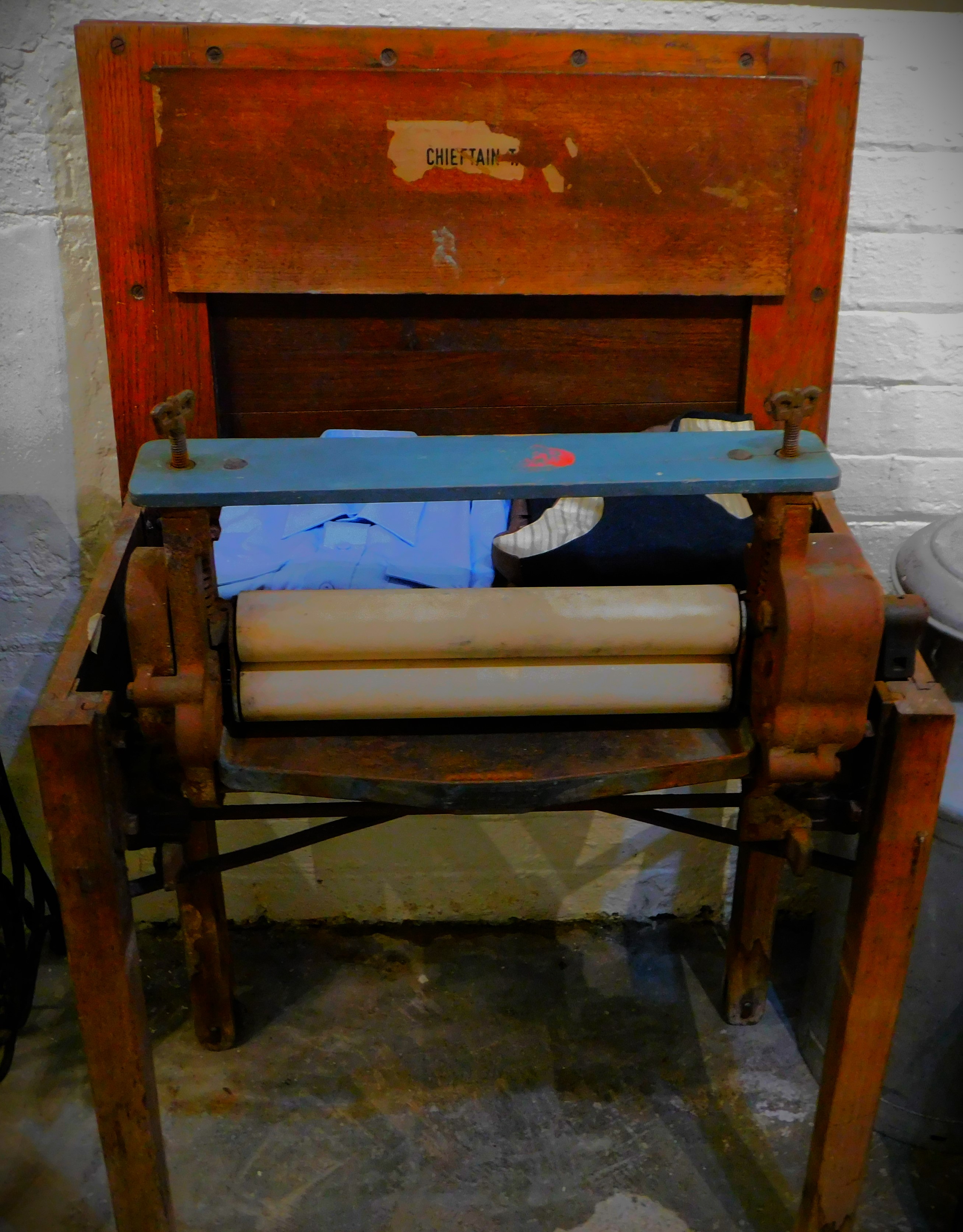
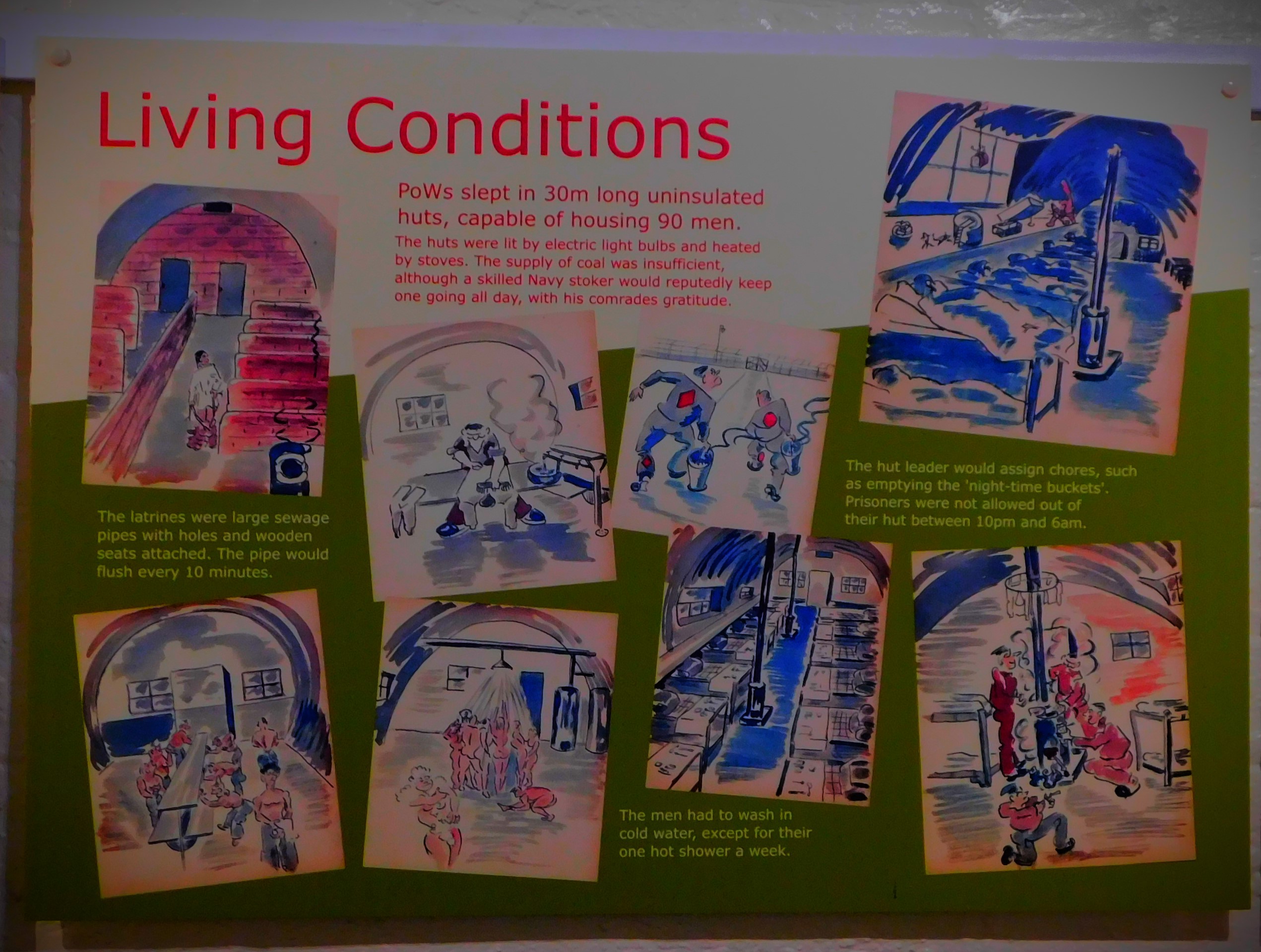
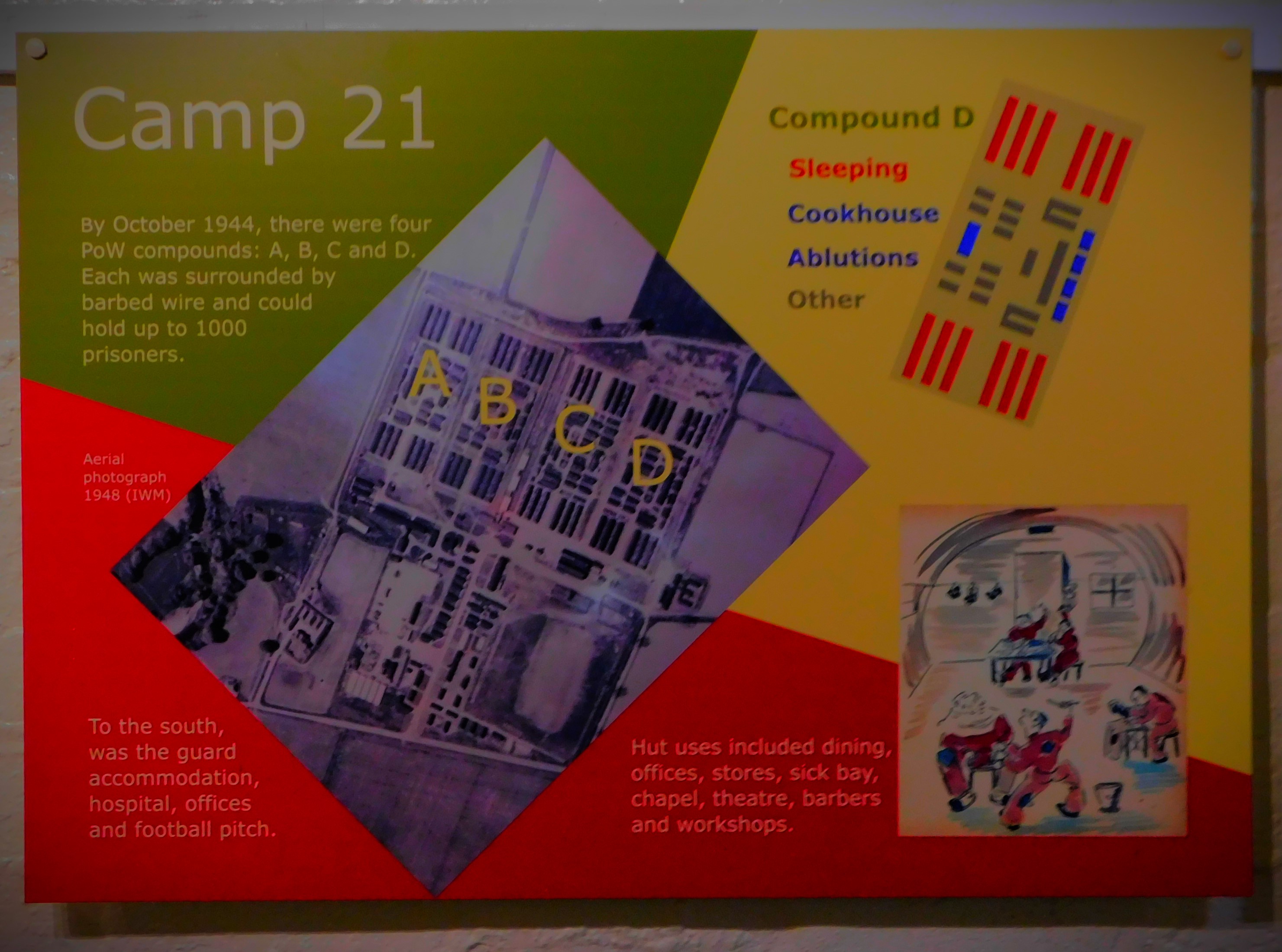
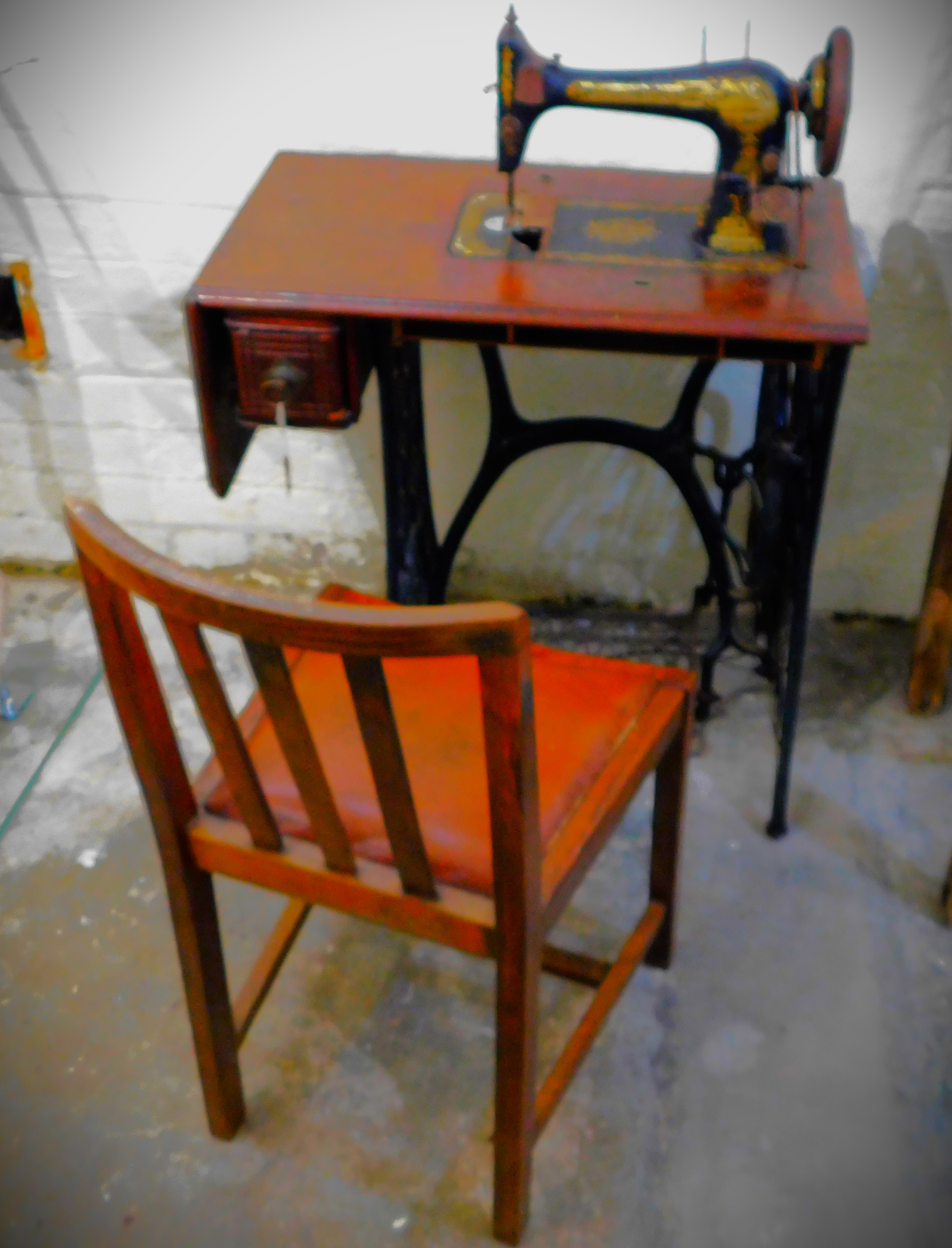
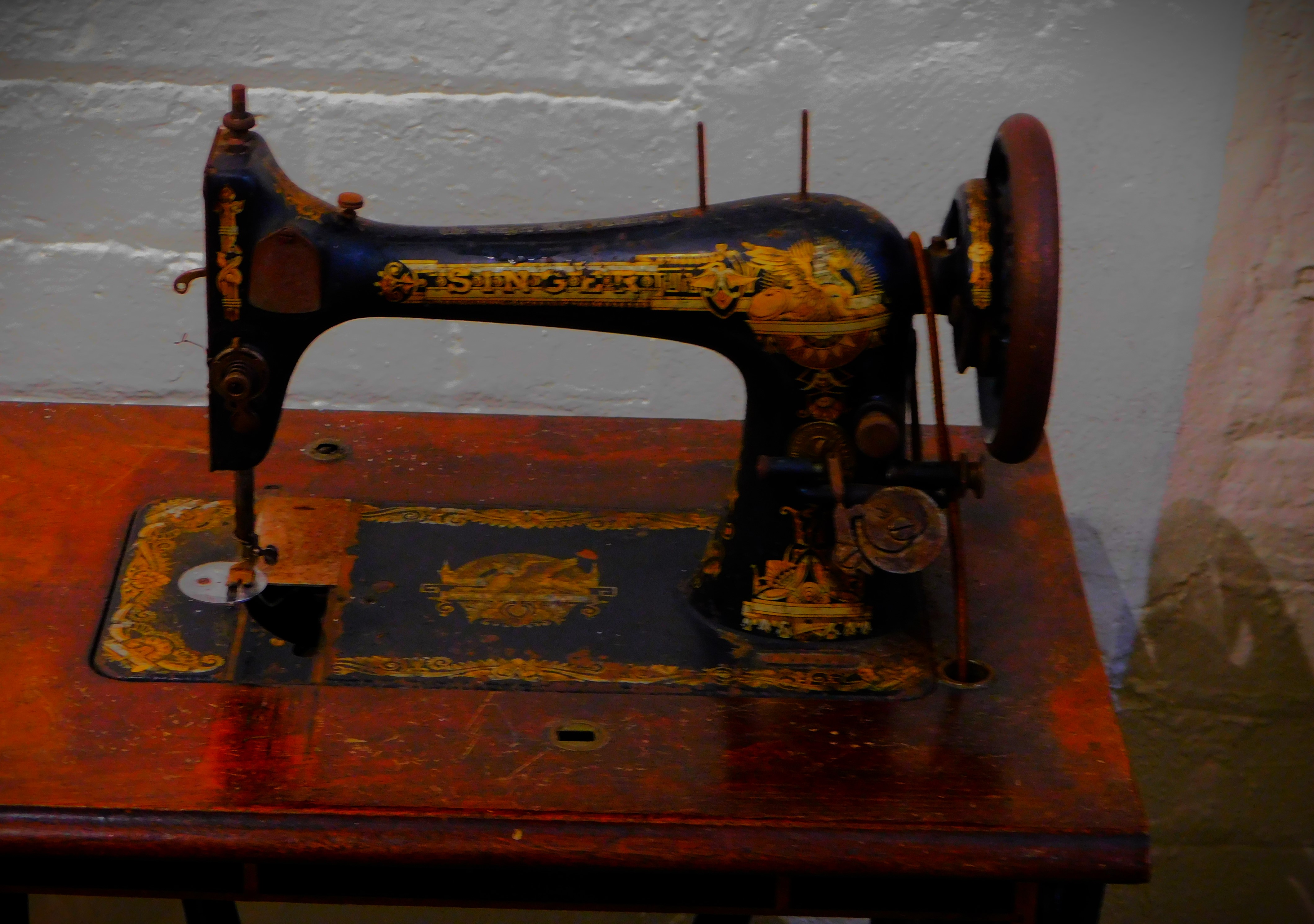
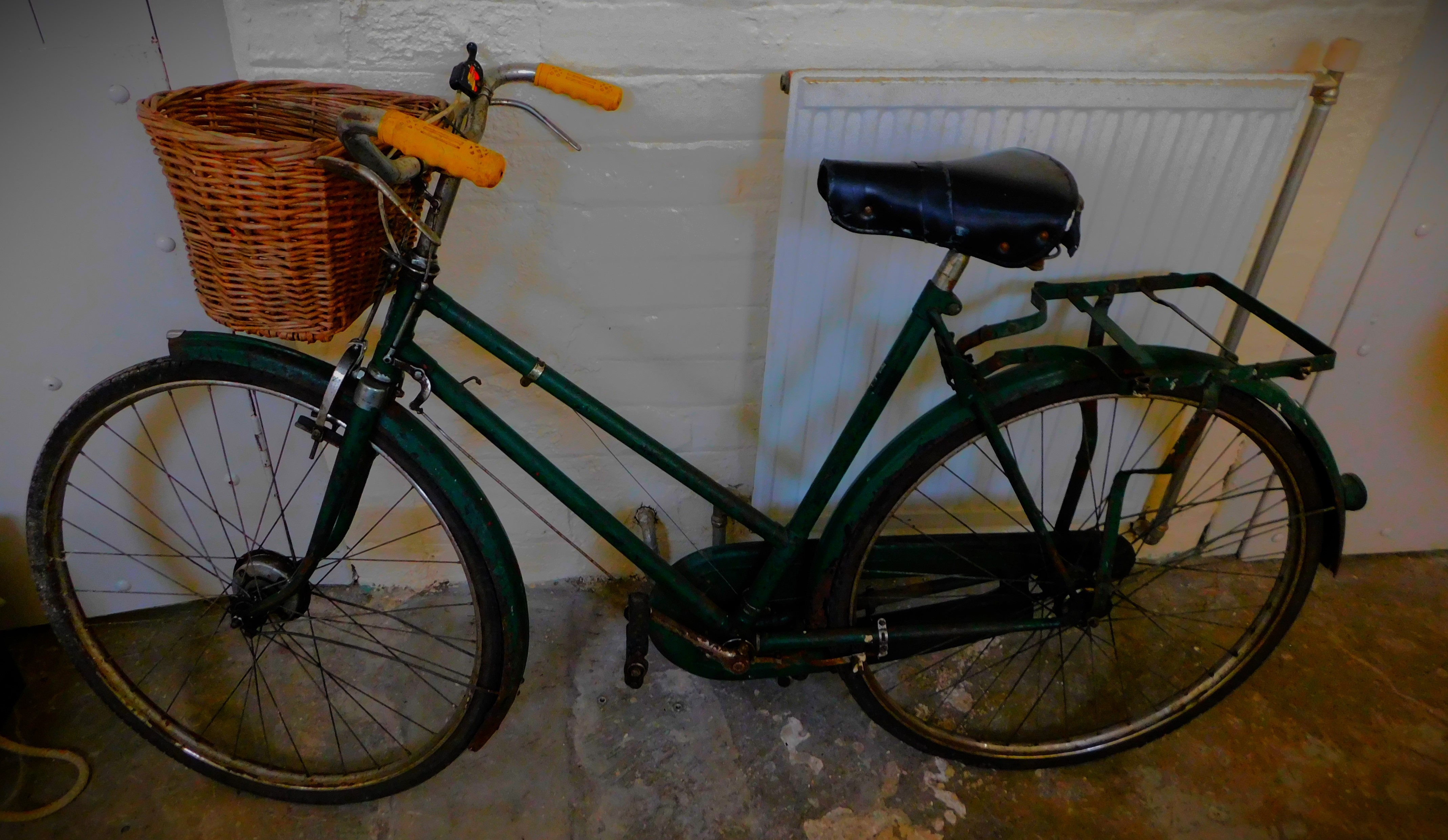
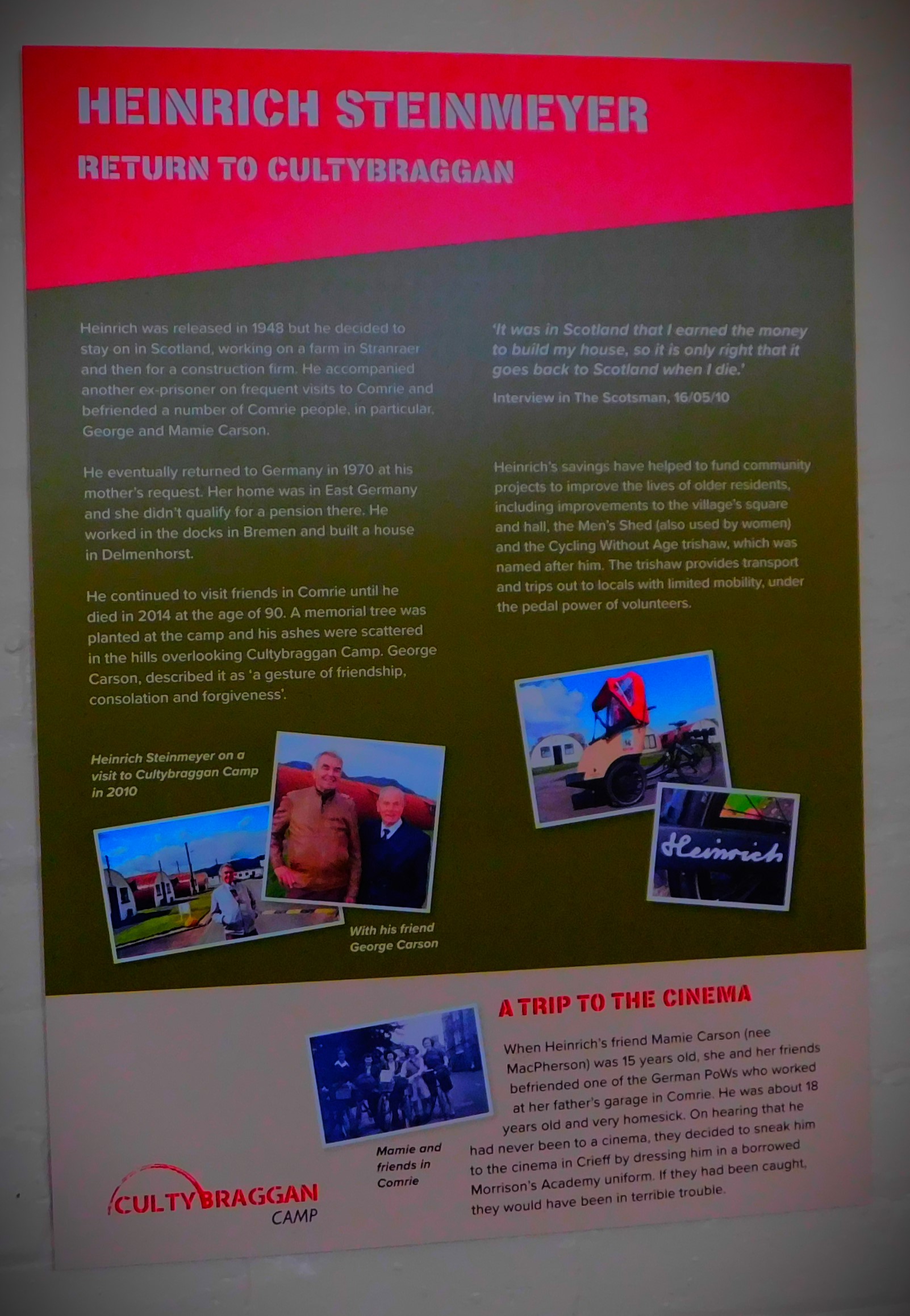
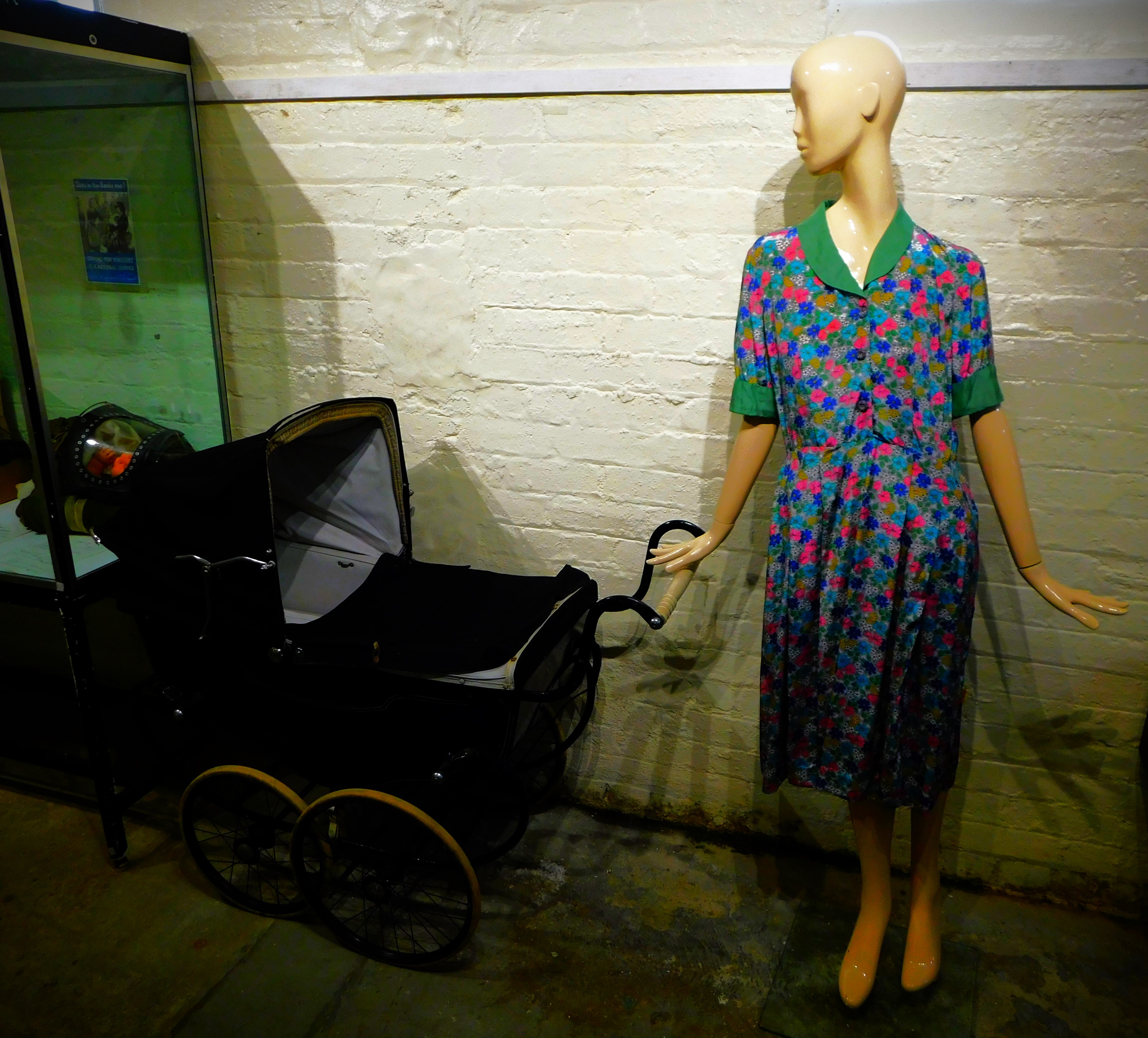
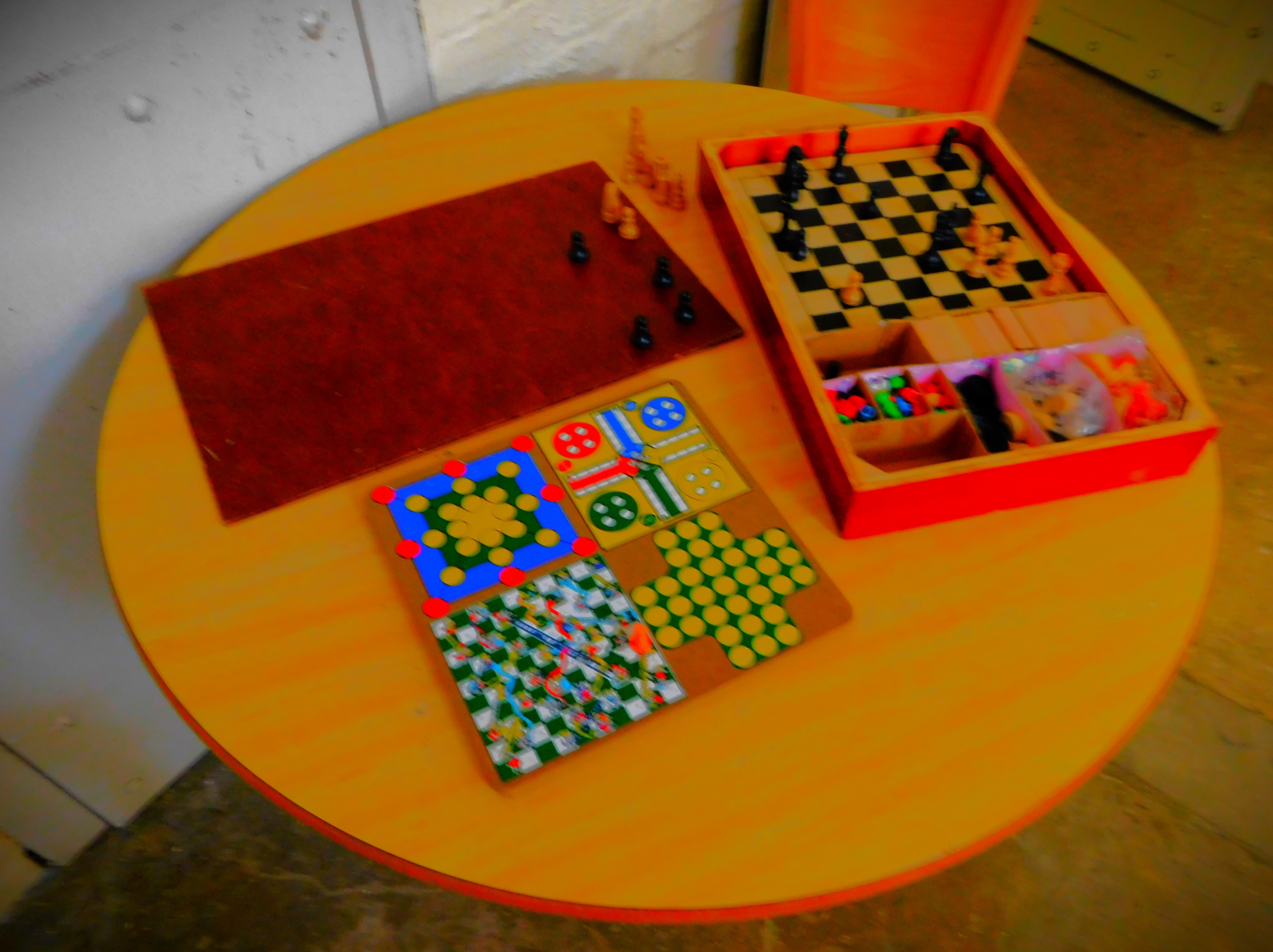
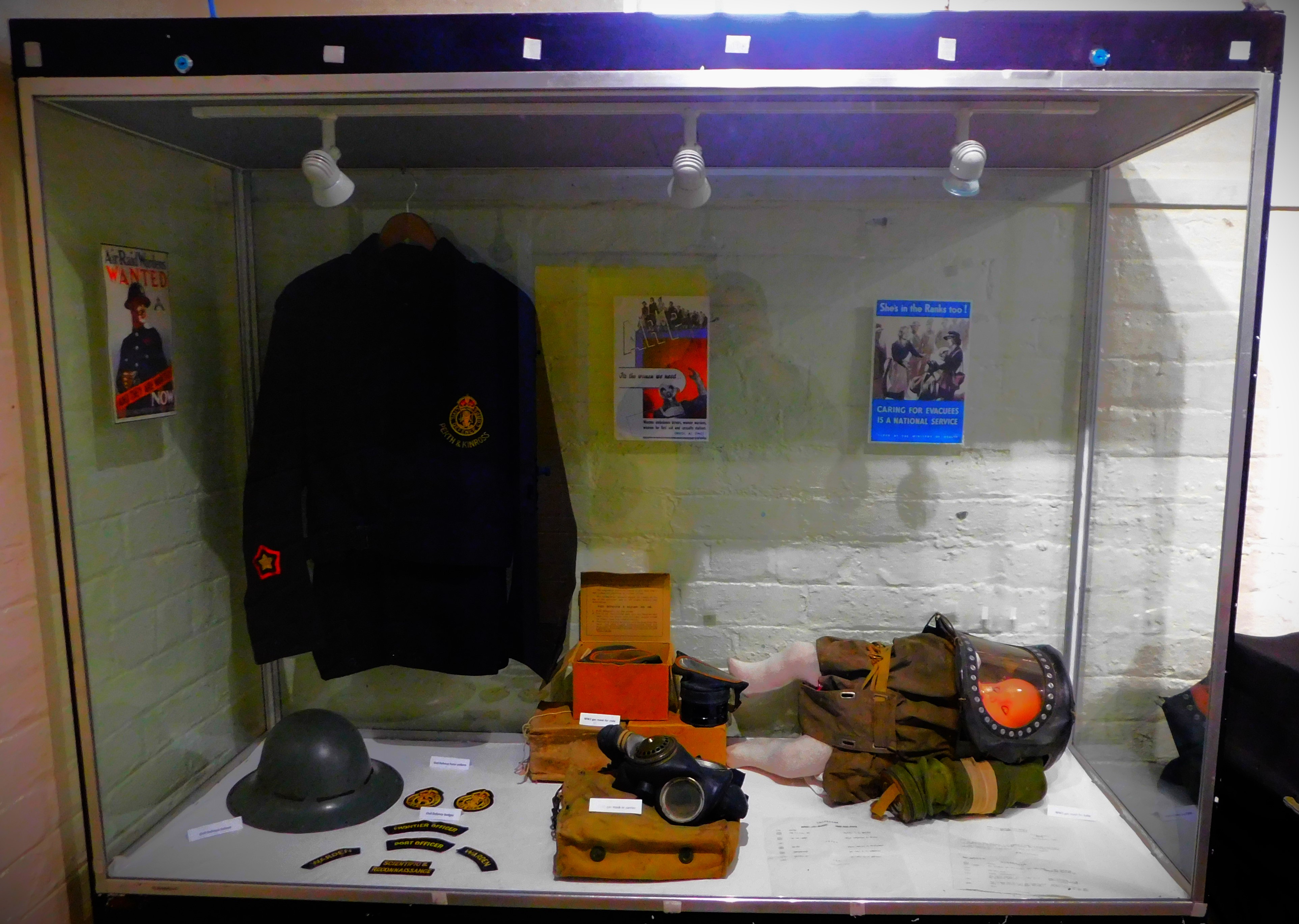
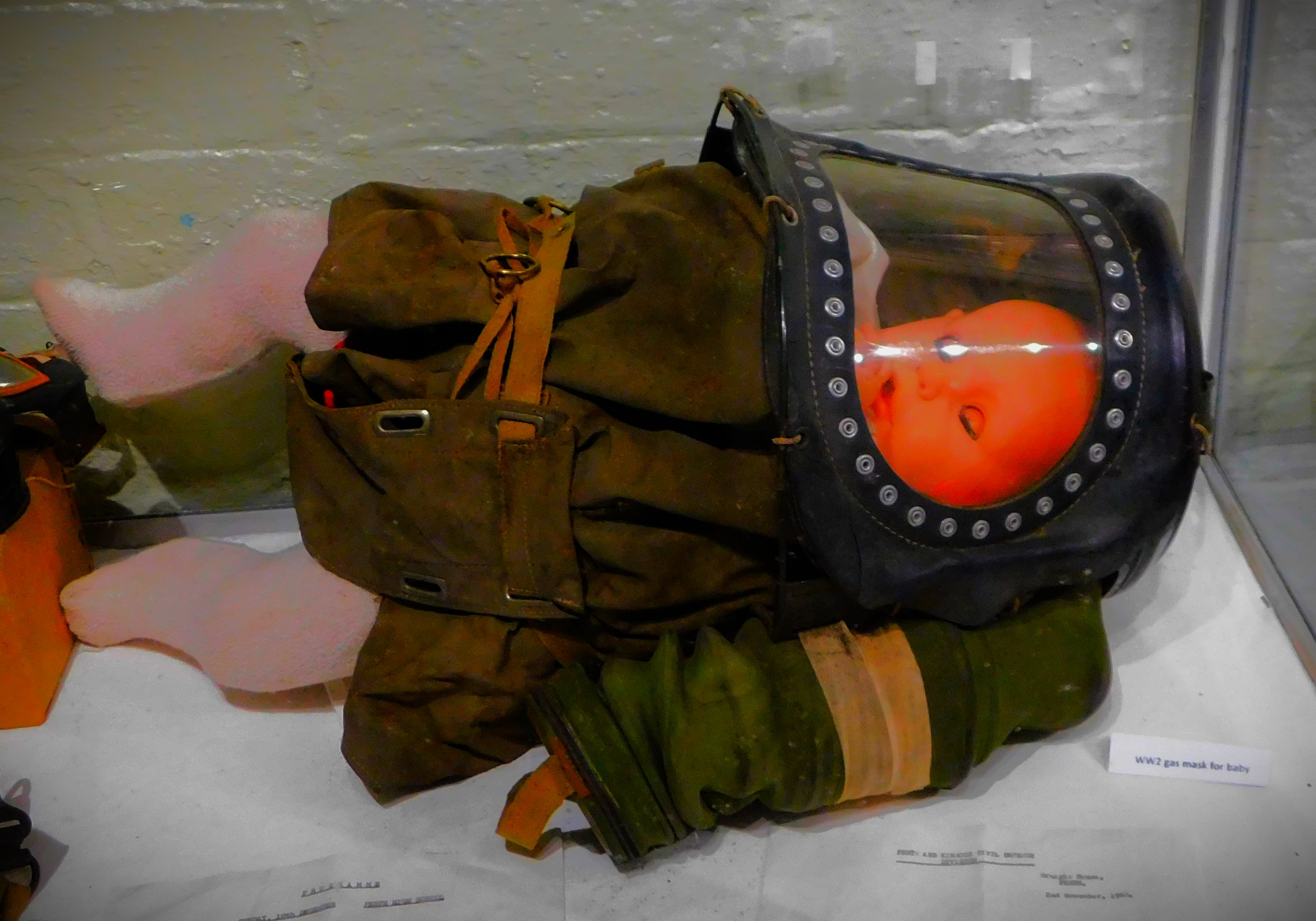
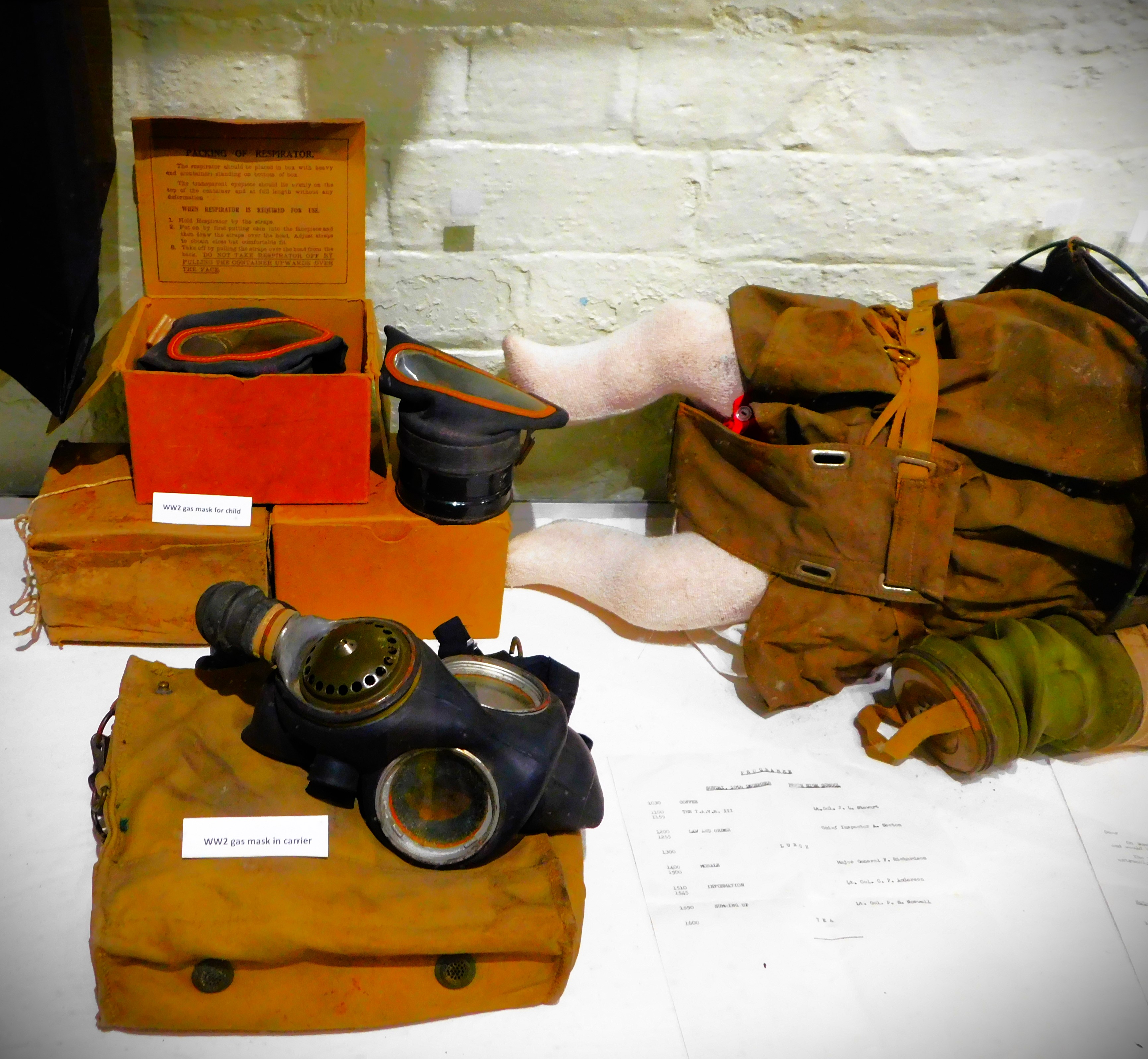
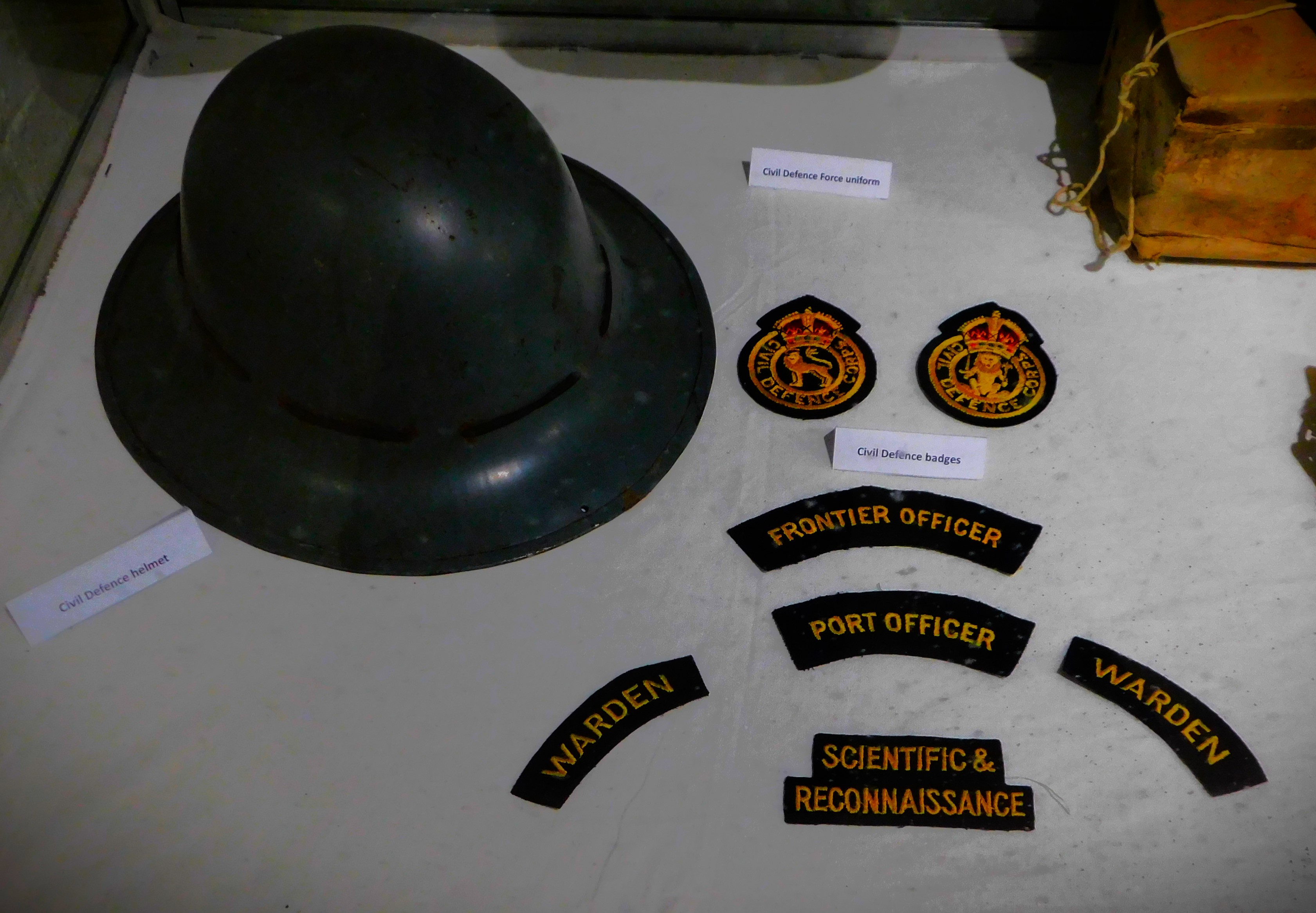
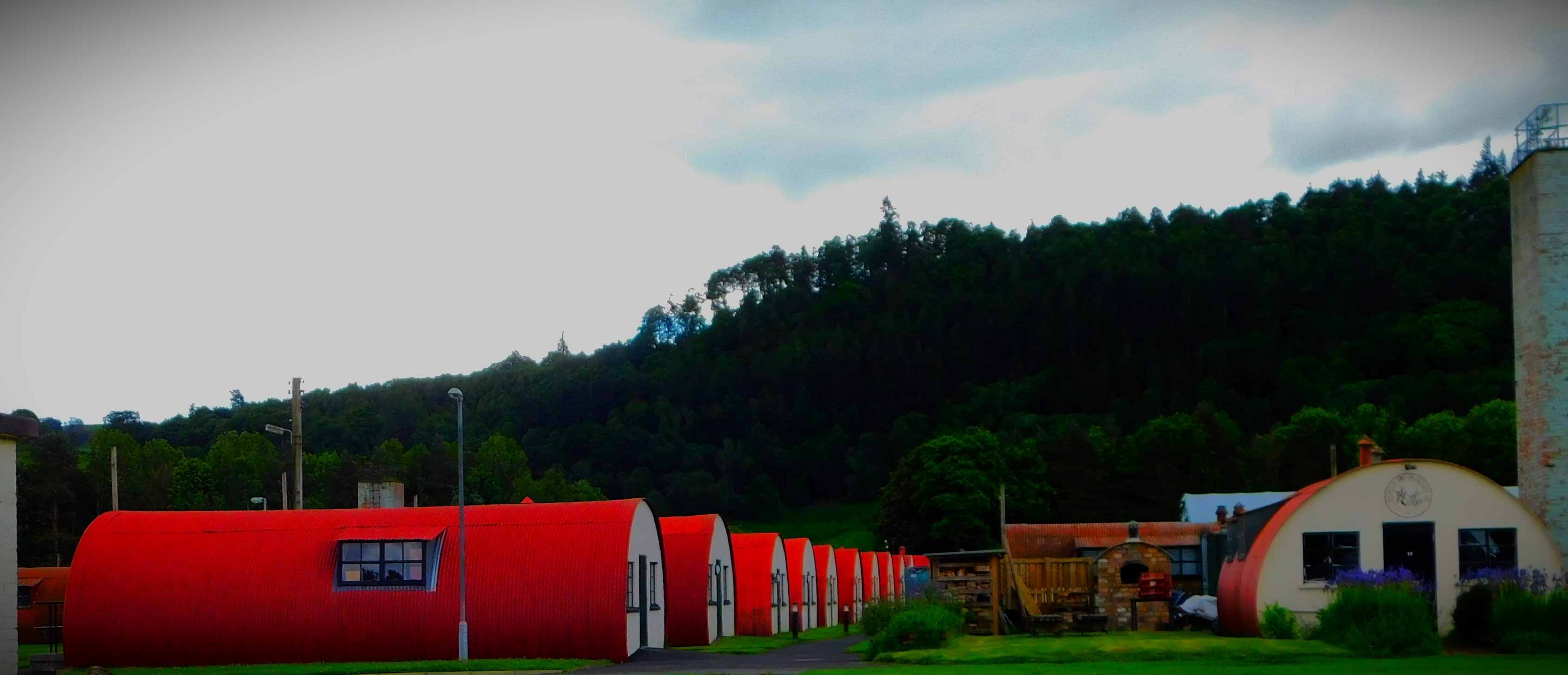
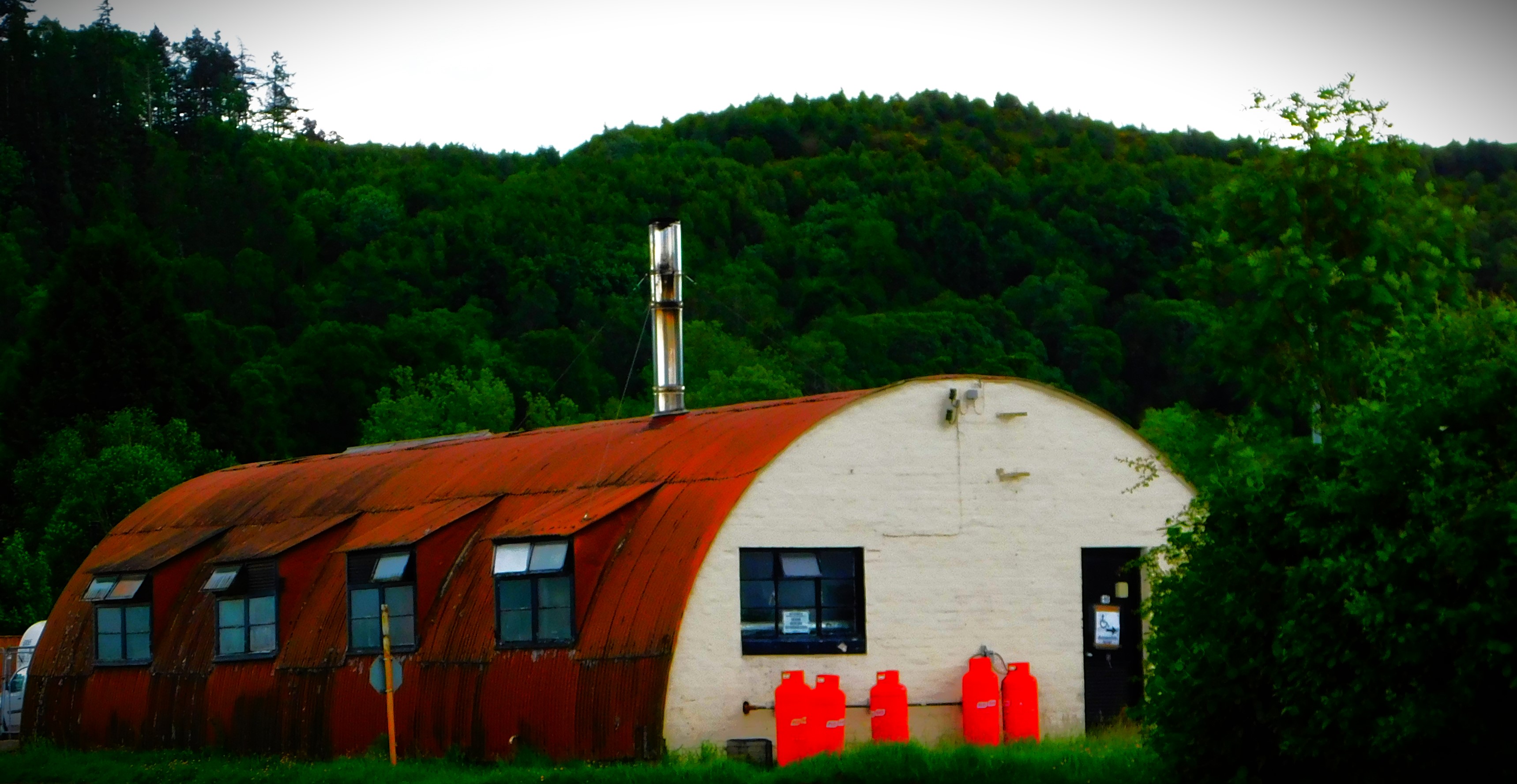
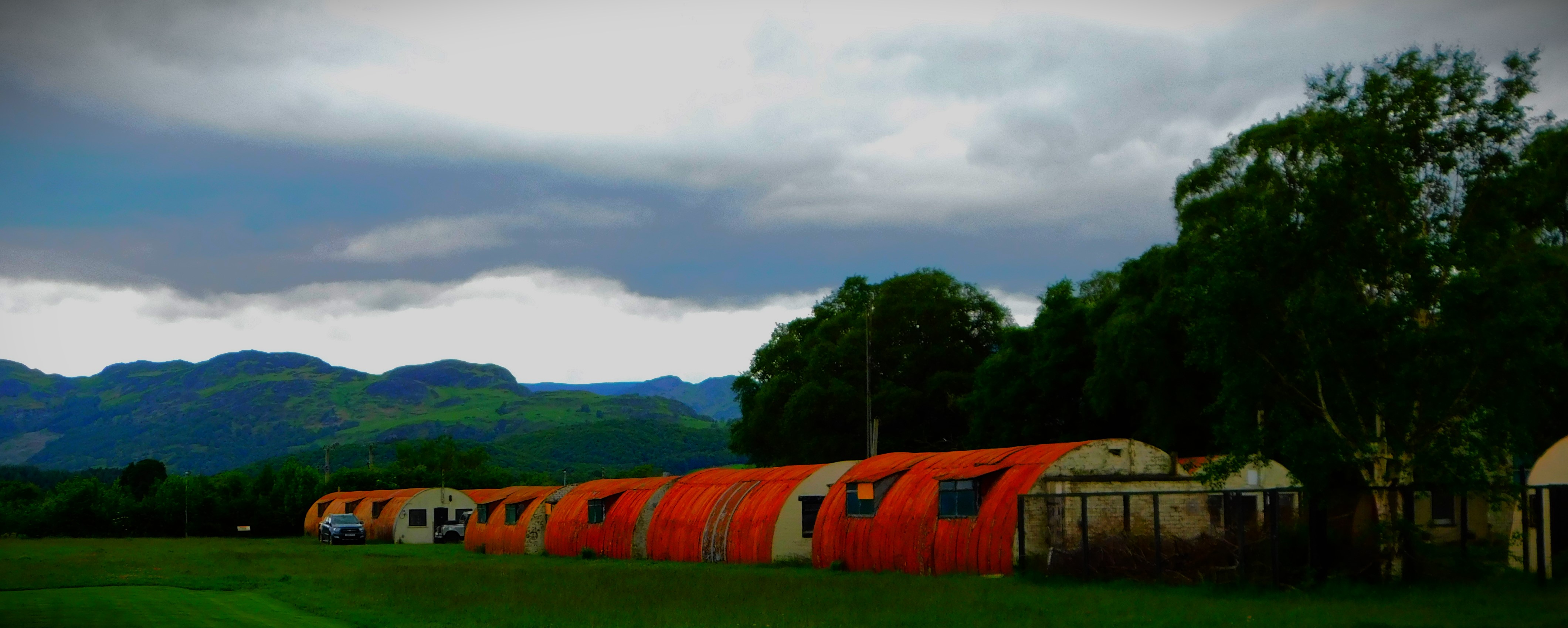
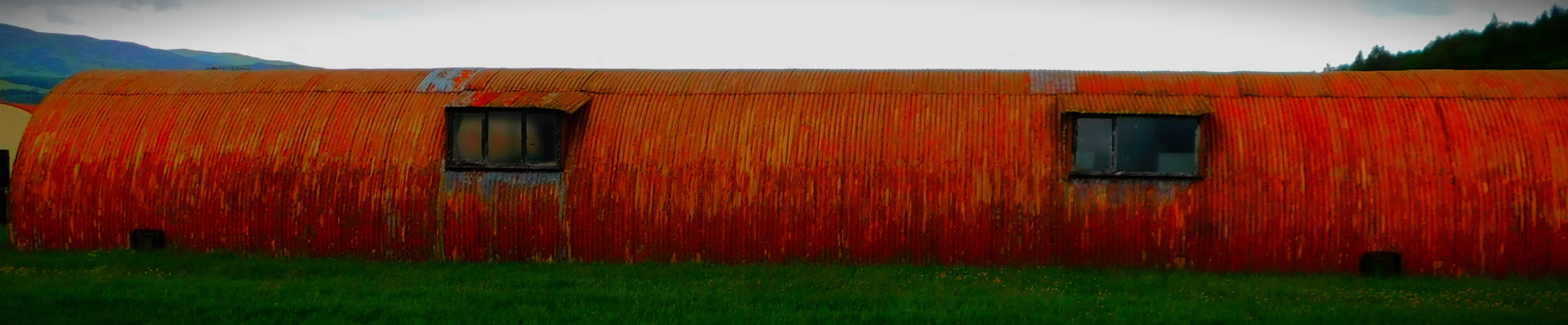
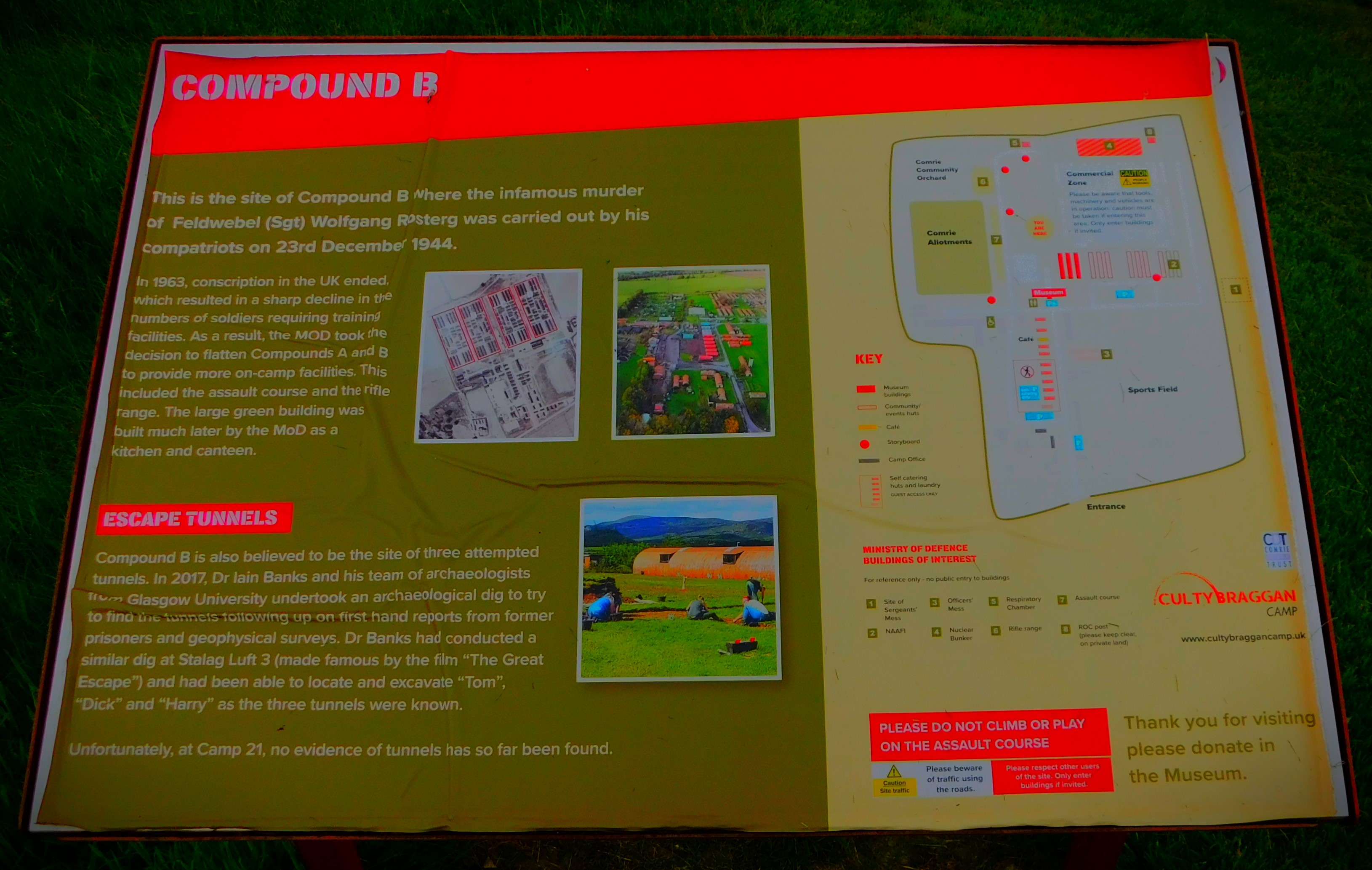
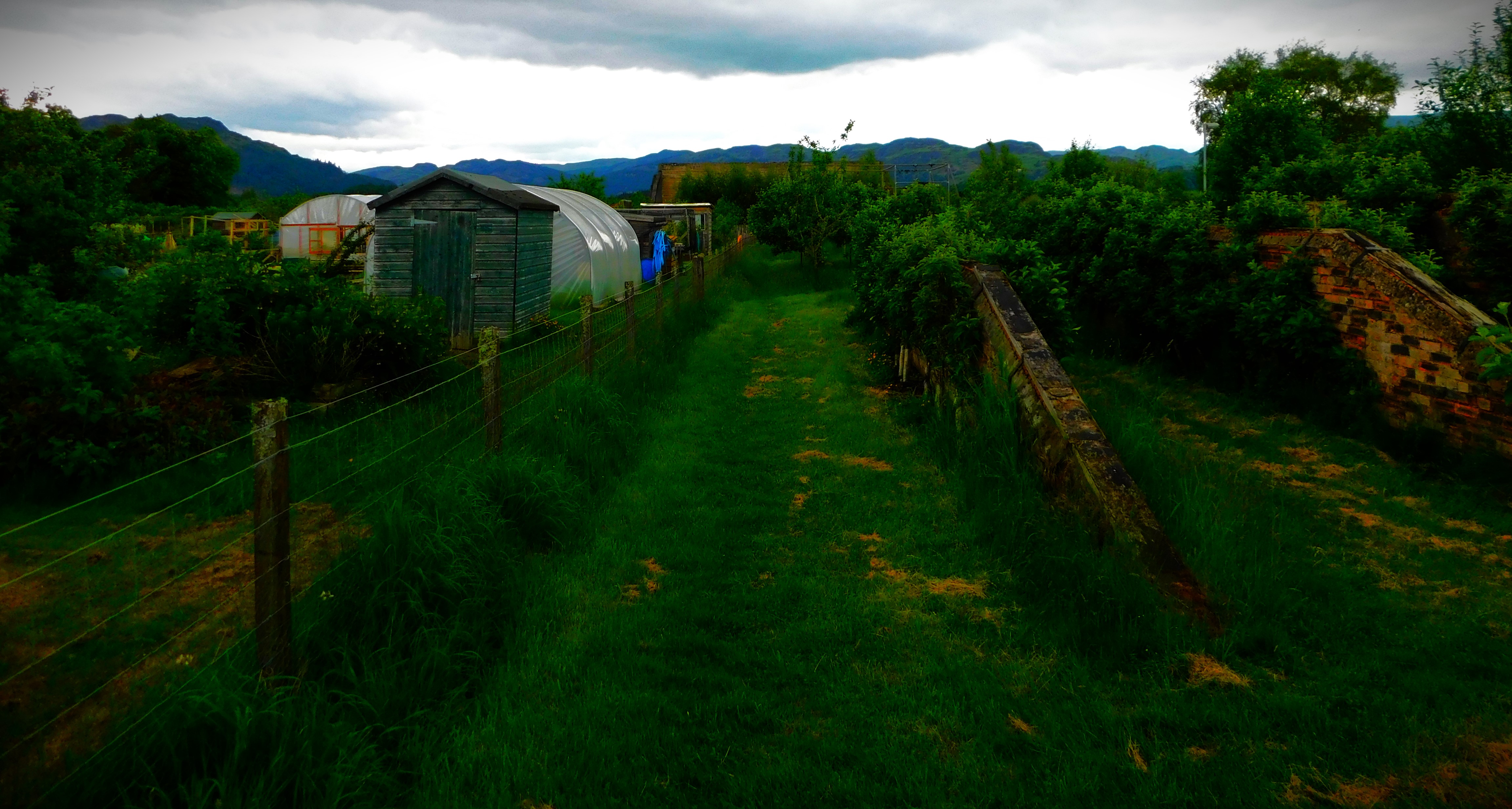
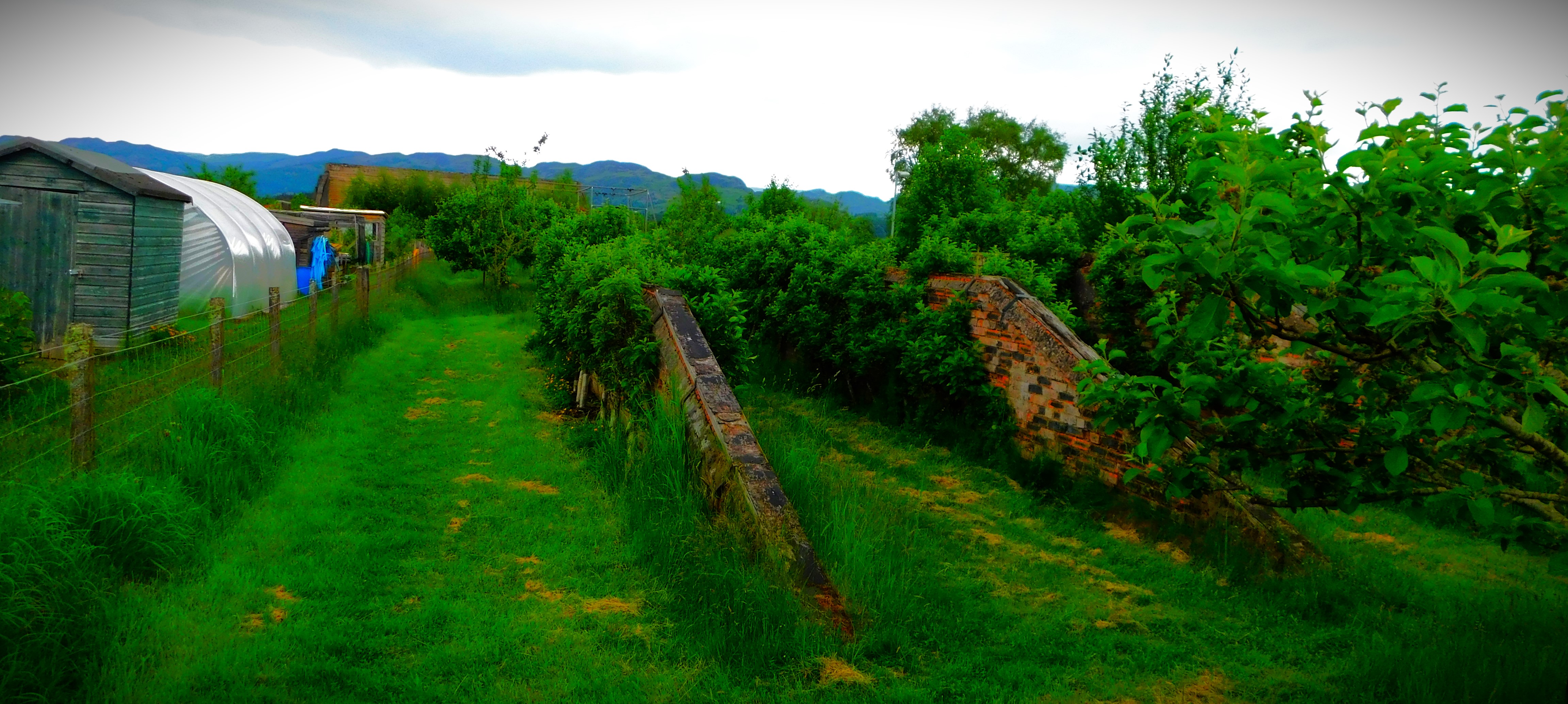
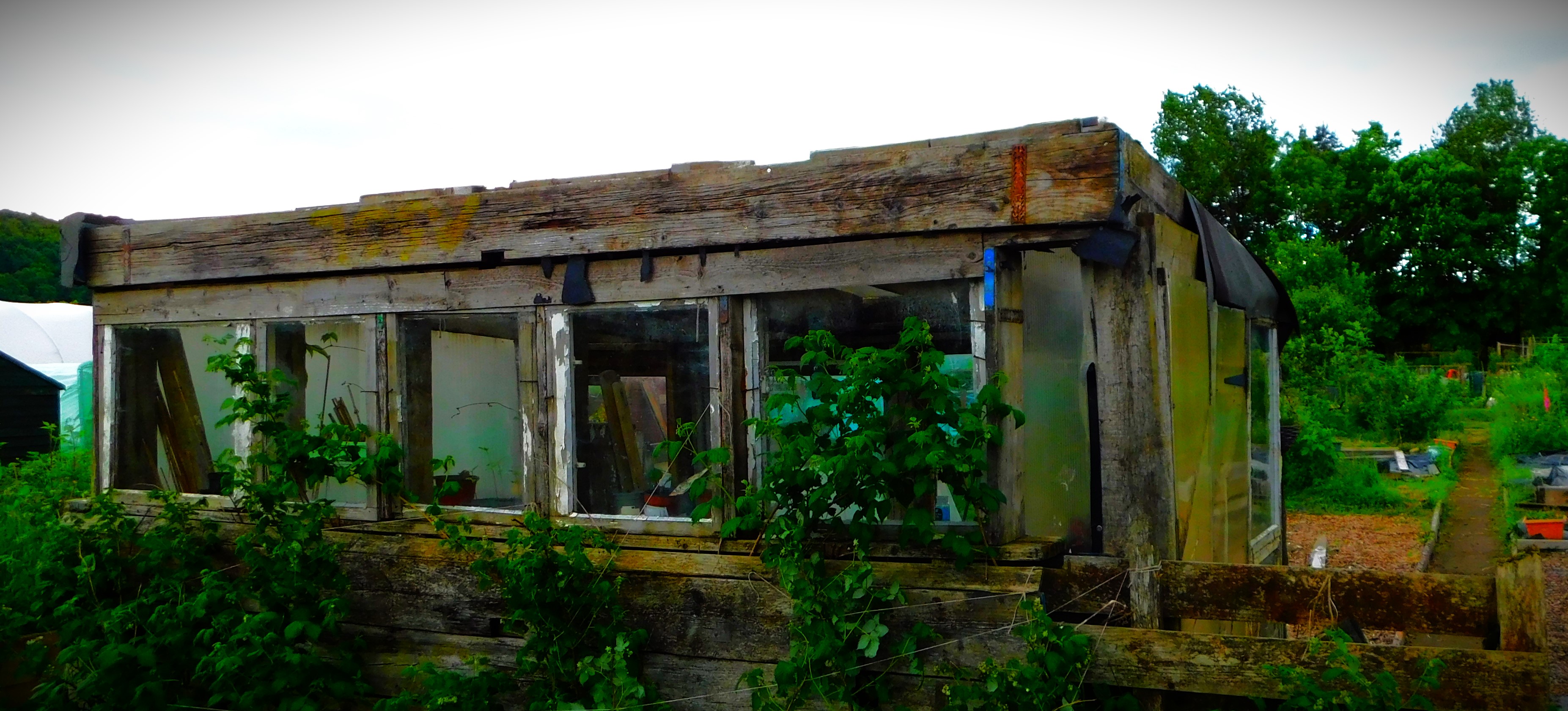
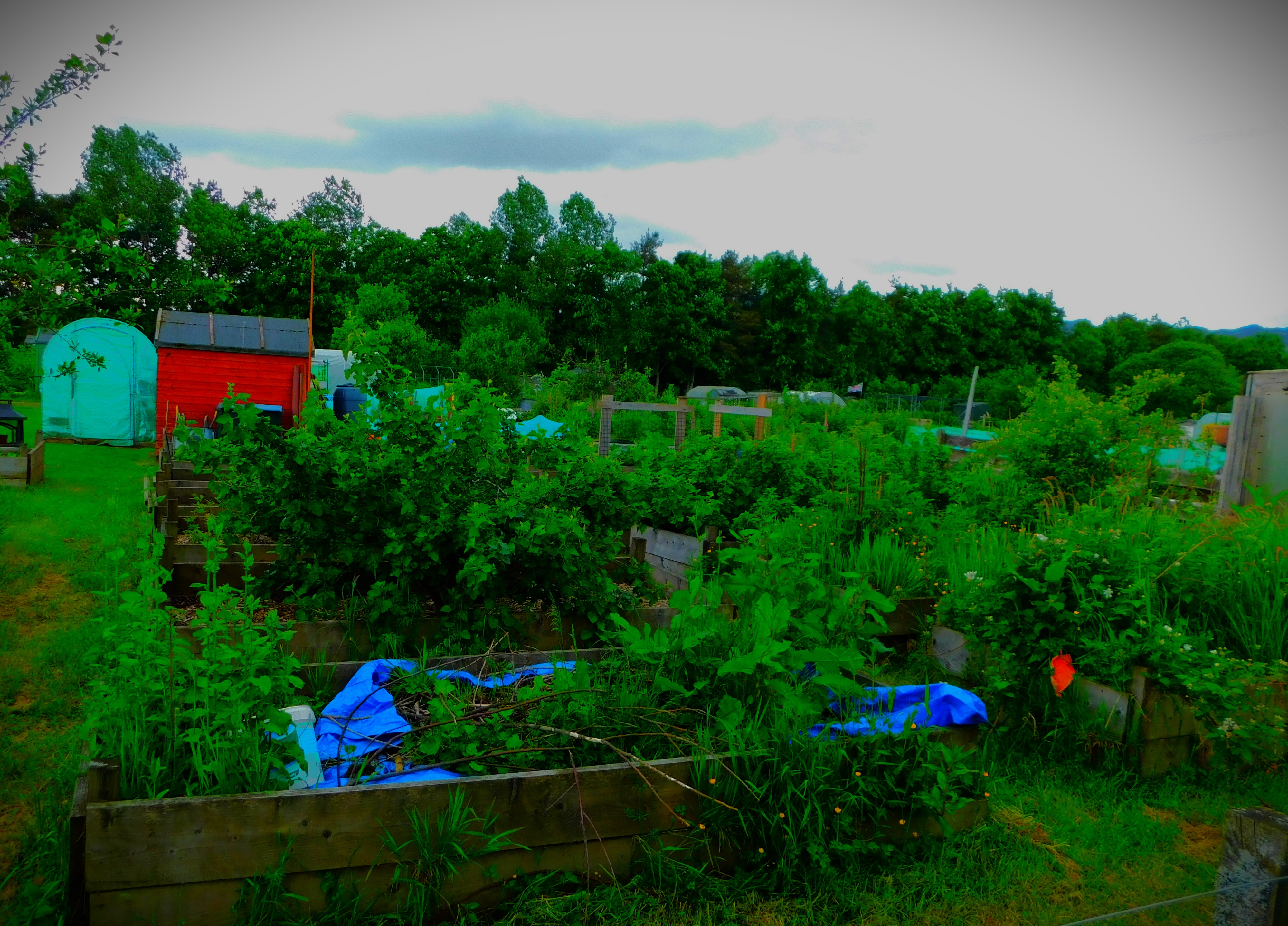
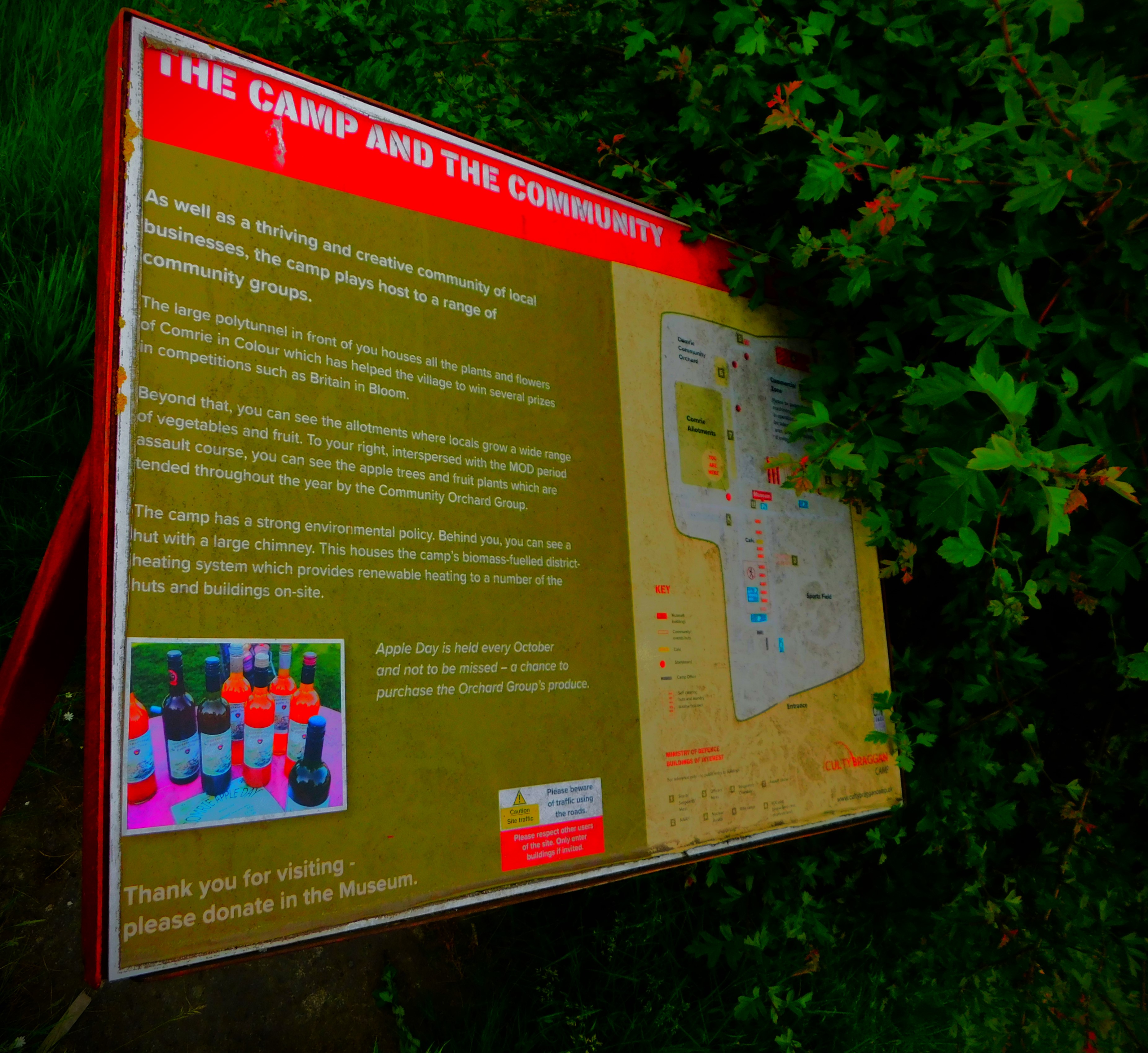
This is a perfectly preserved WWII camp. There is a museum which contains a large amount of memorabilia from the 1940s. Some of the Nissen huts that made up the camp have been modernized and are now rented out as holiday apartments, and some house businesses or parts thereof. There are also allotments.
THE ROMAN FORT
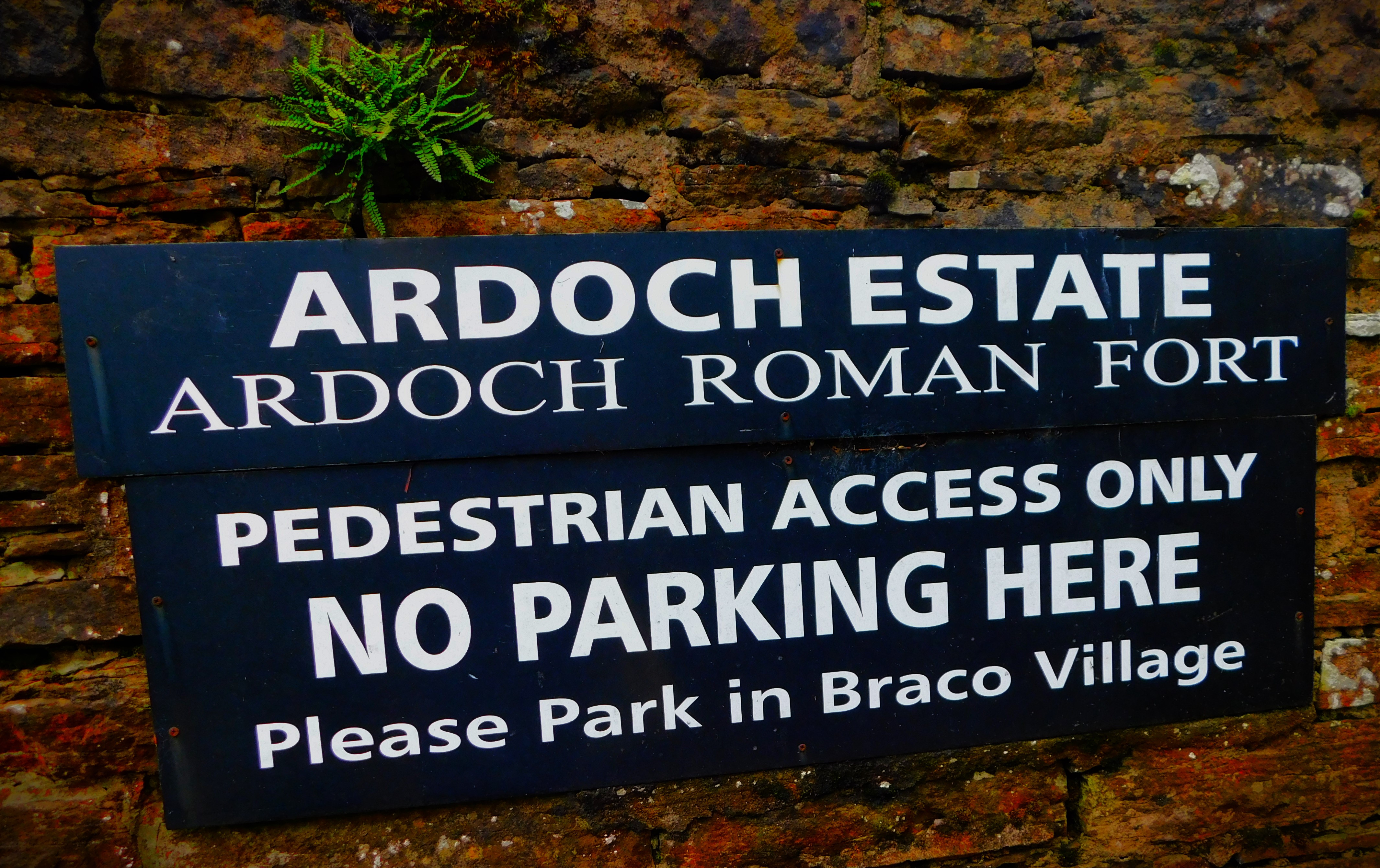
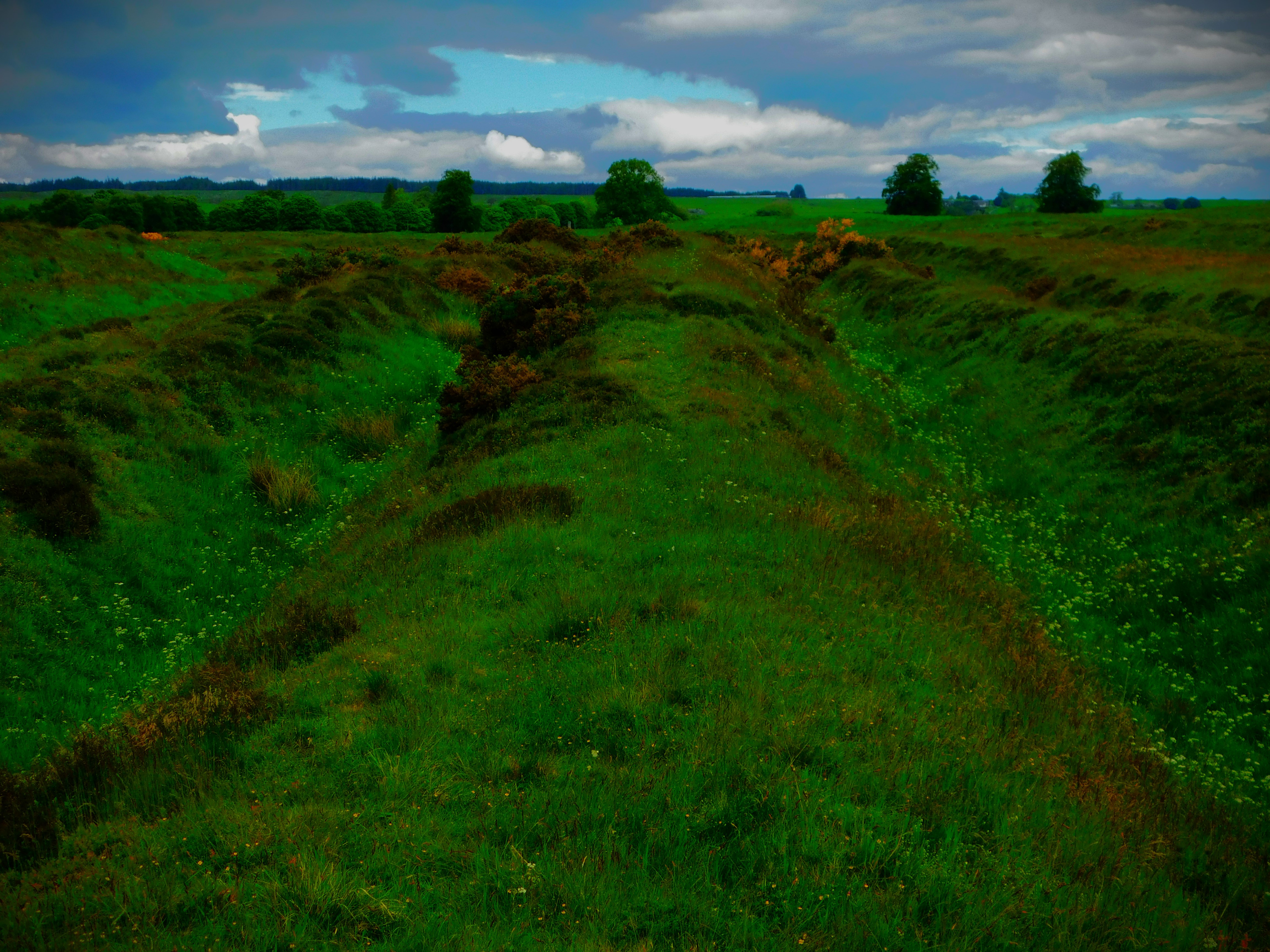
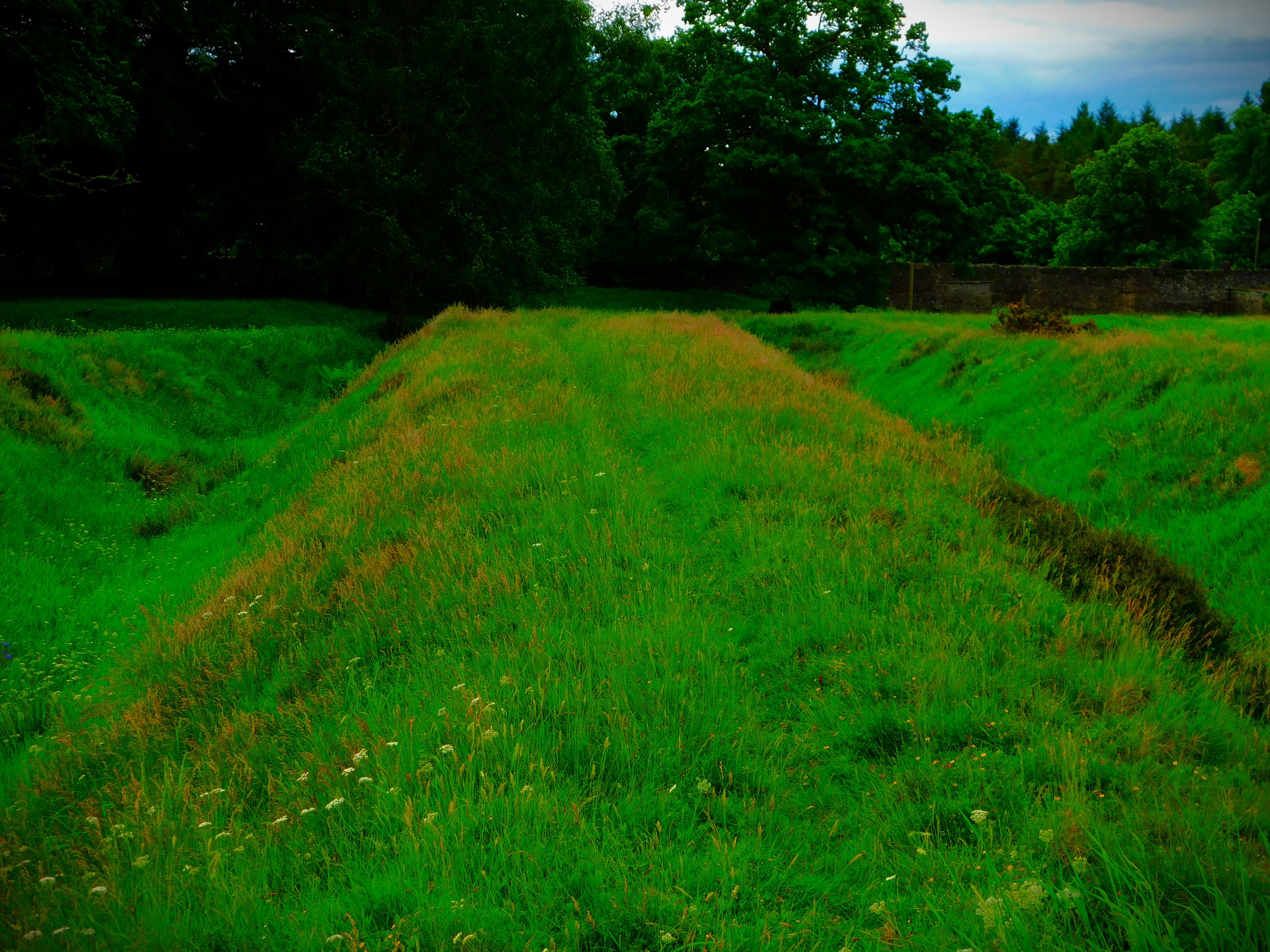
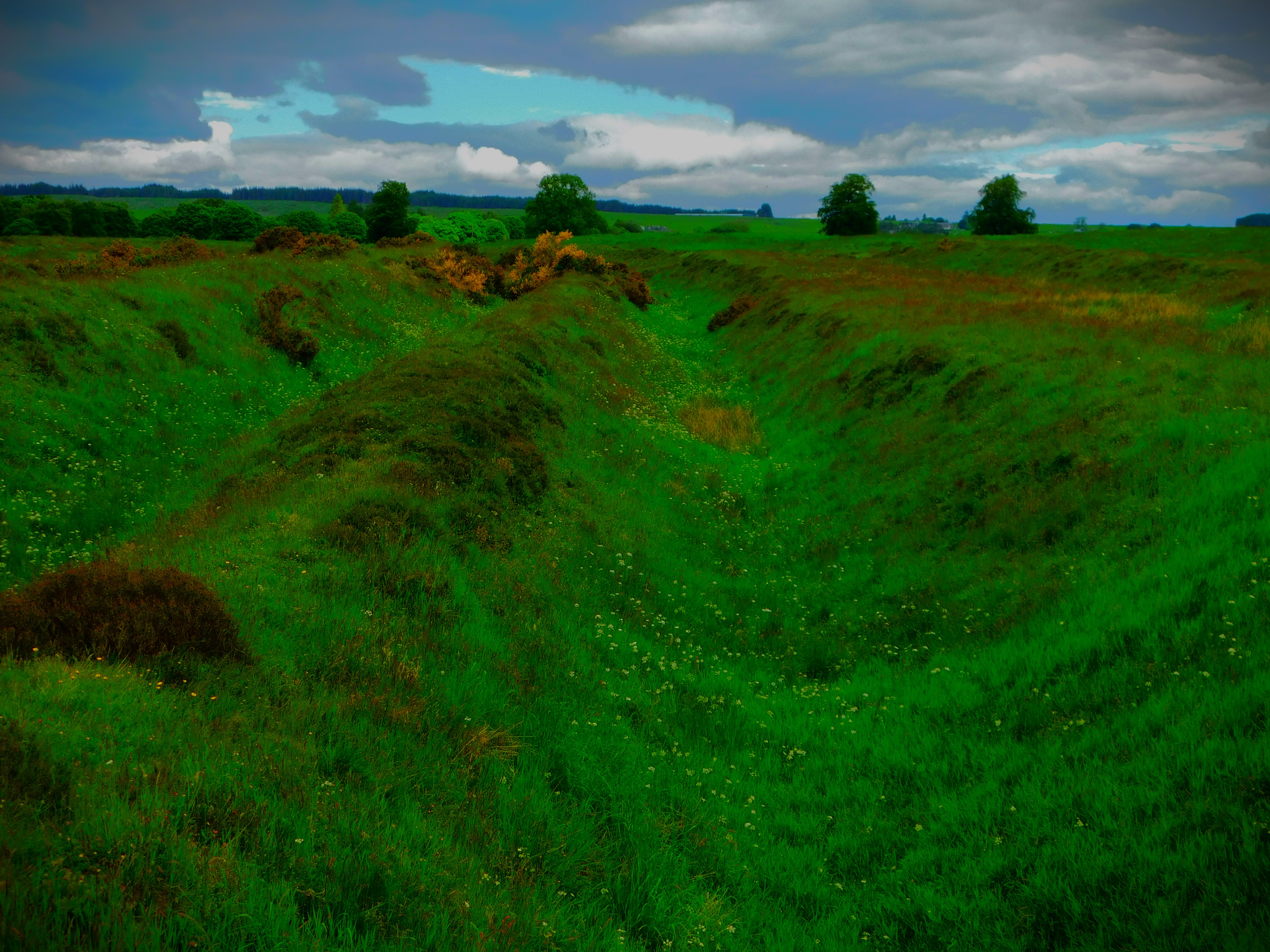
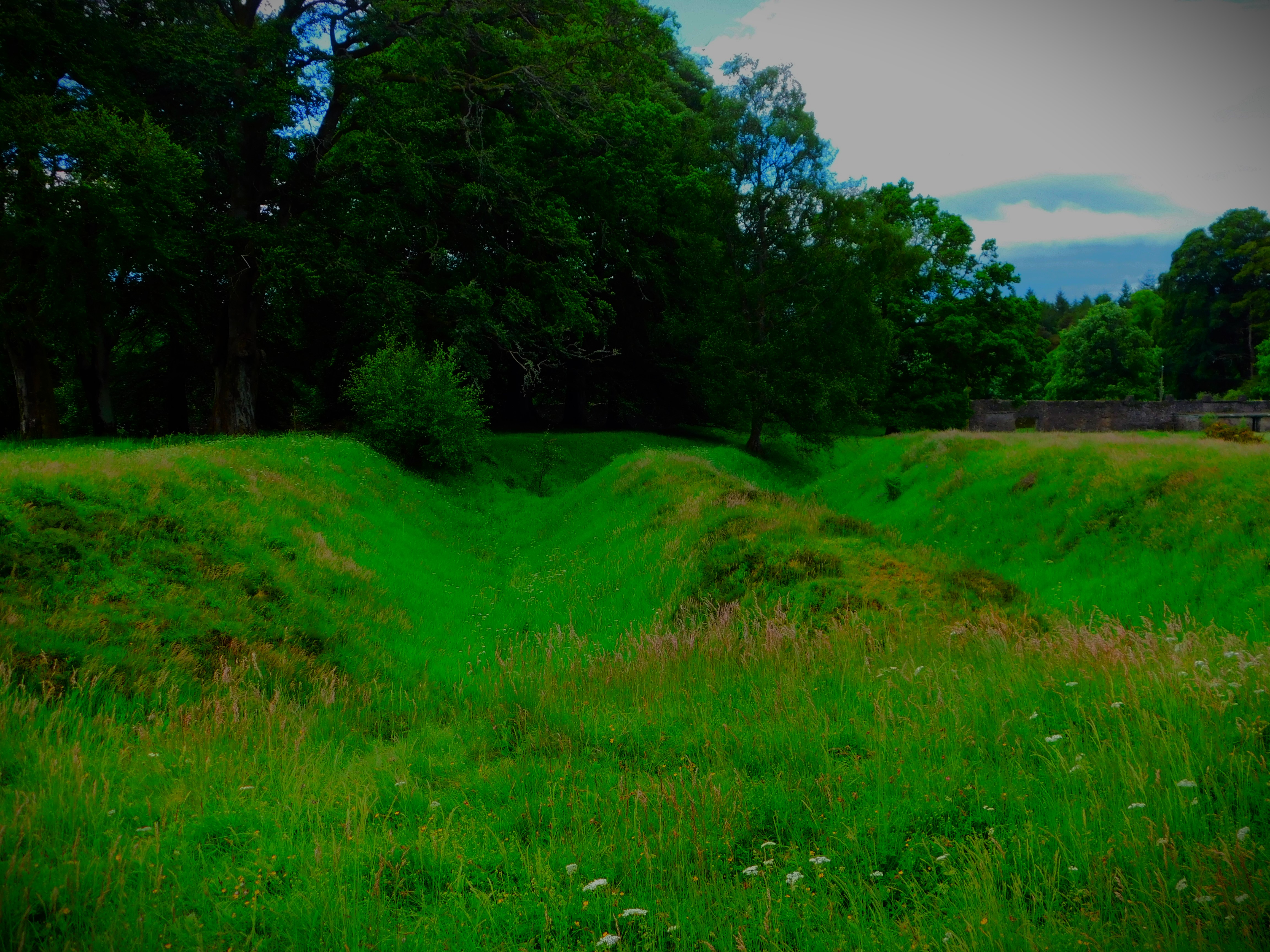
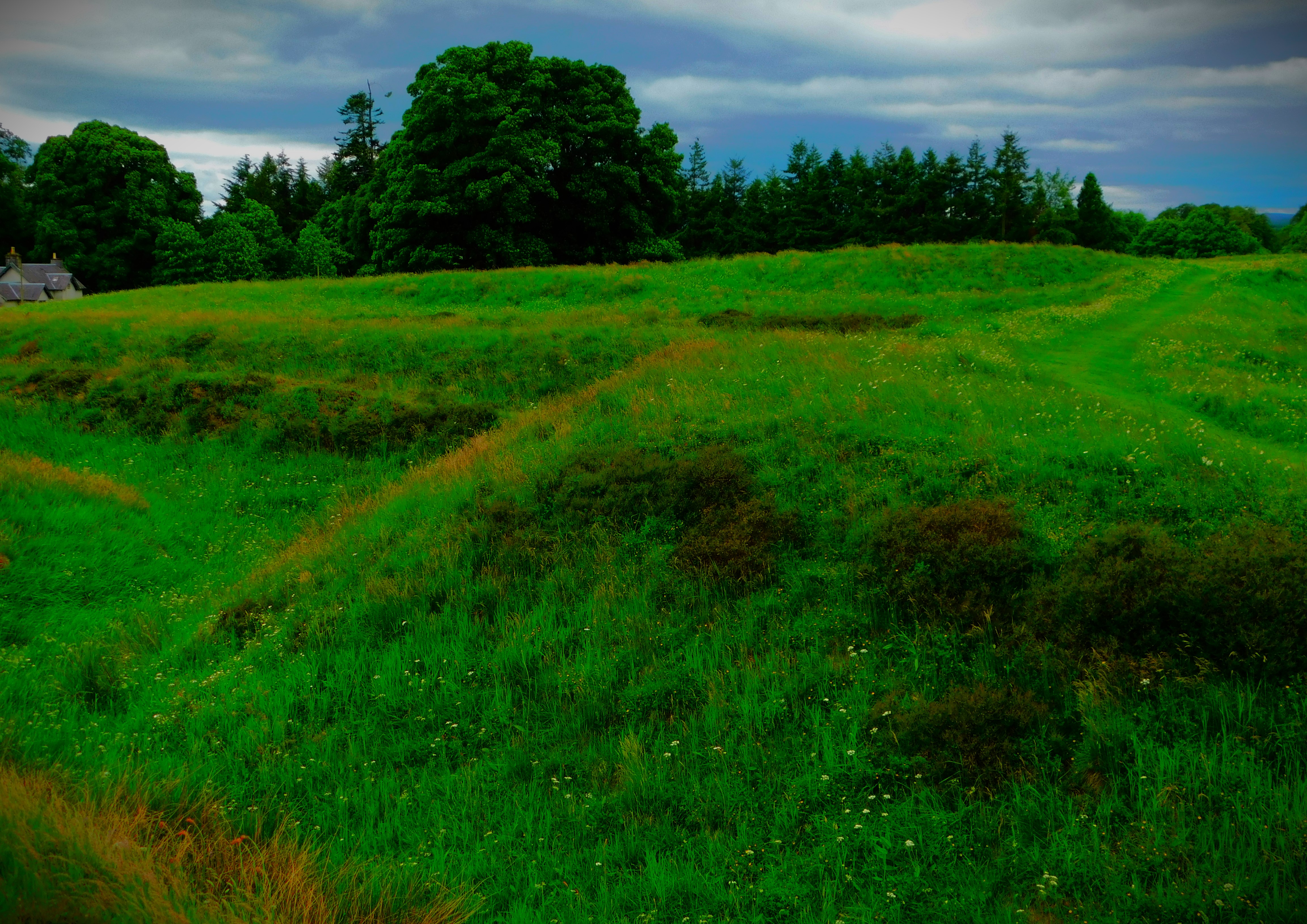
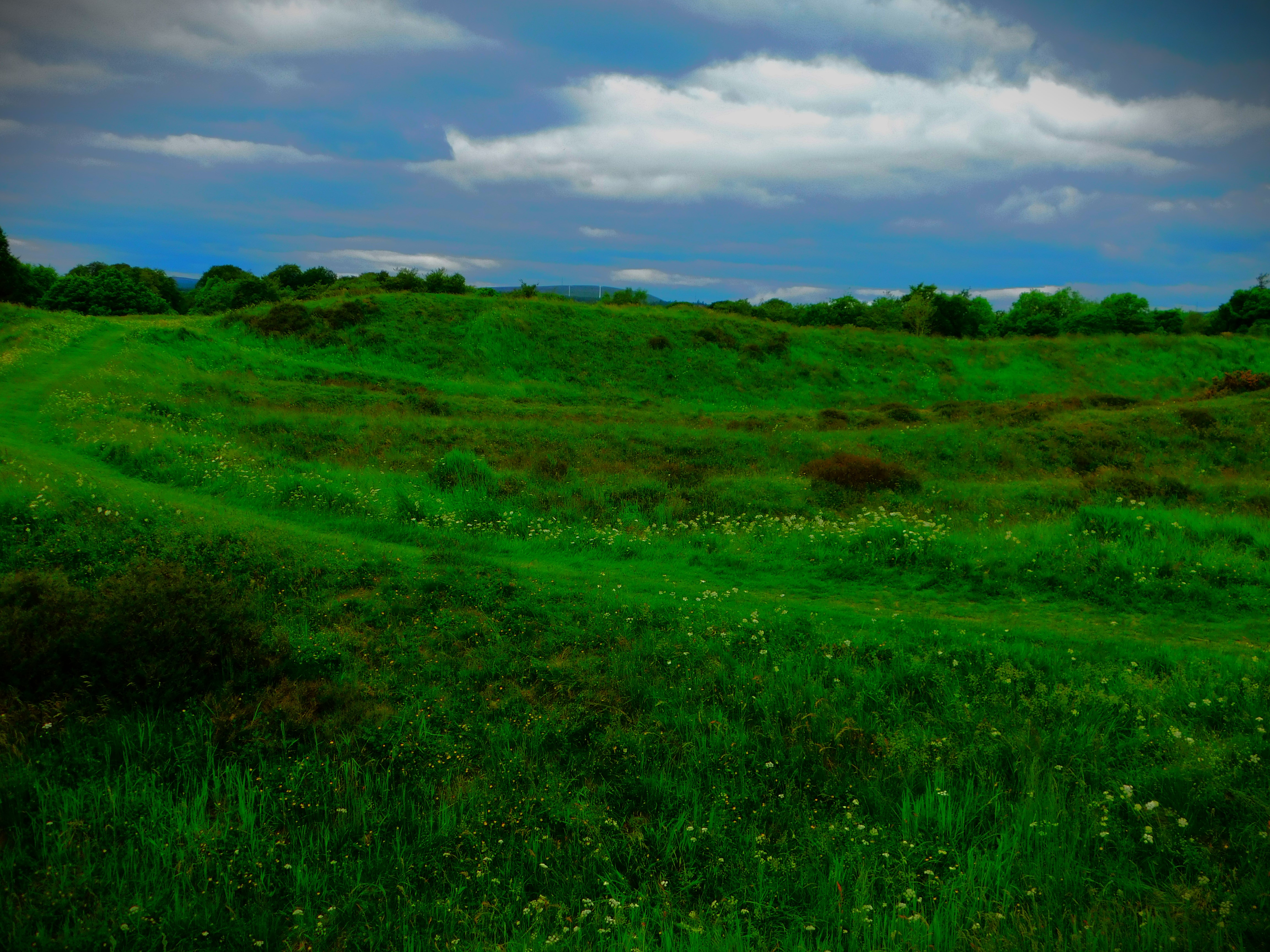
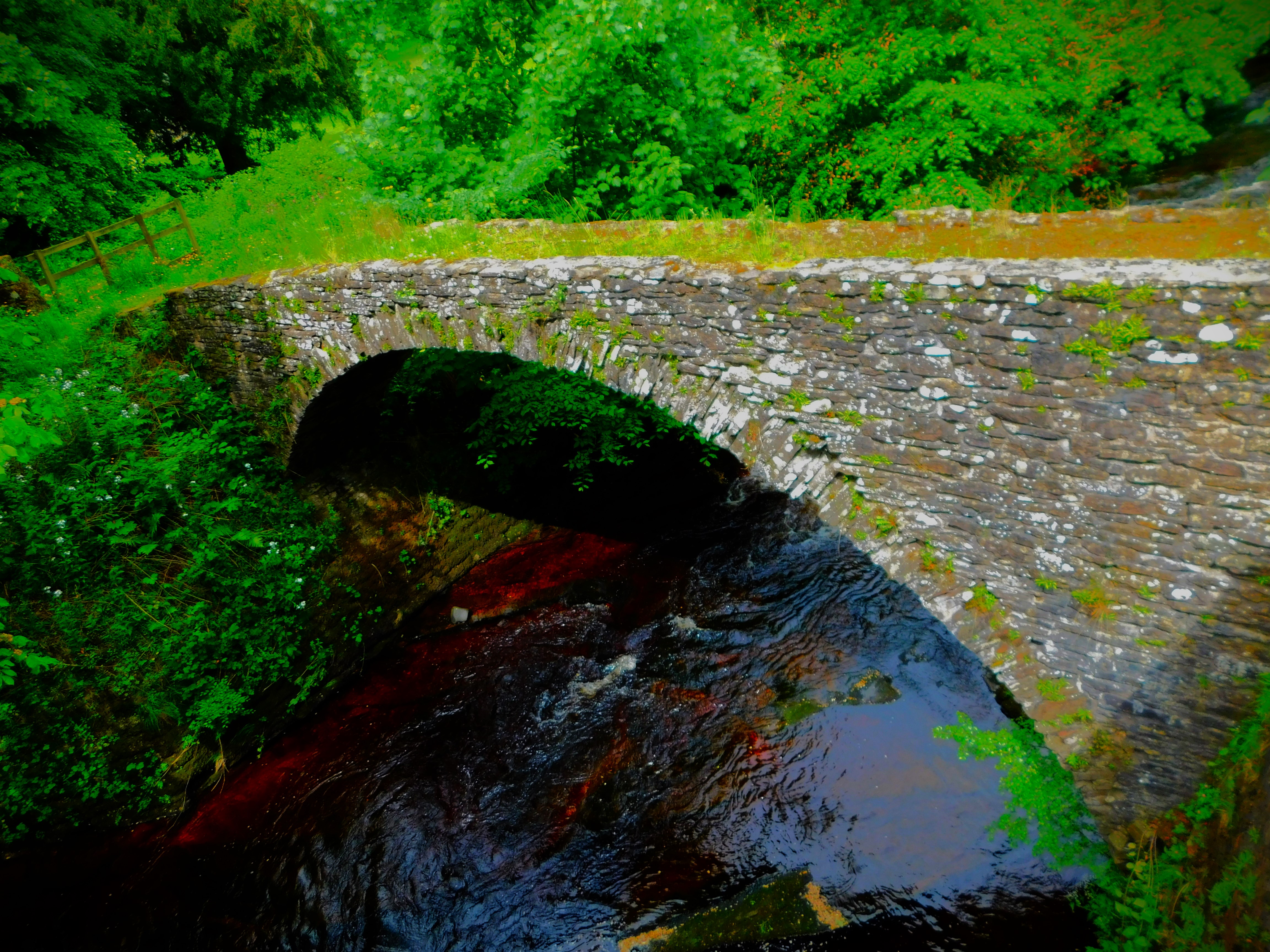
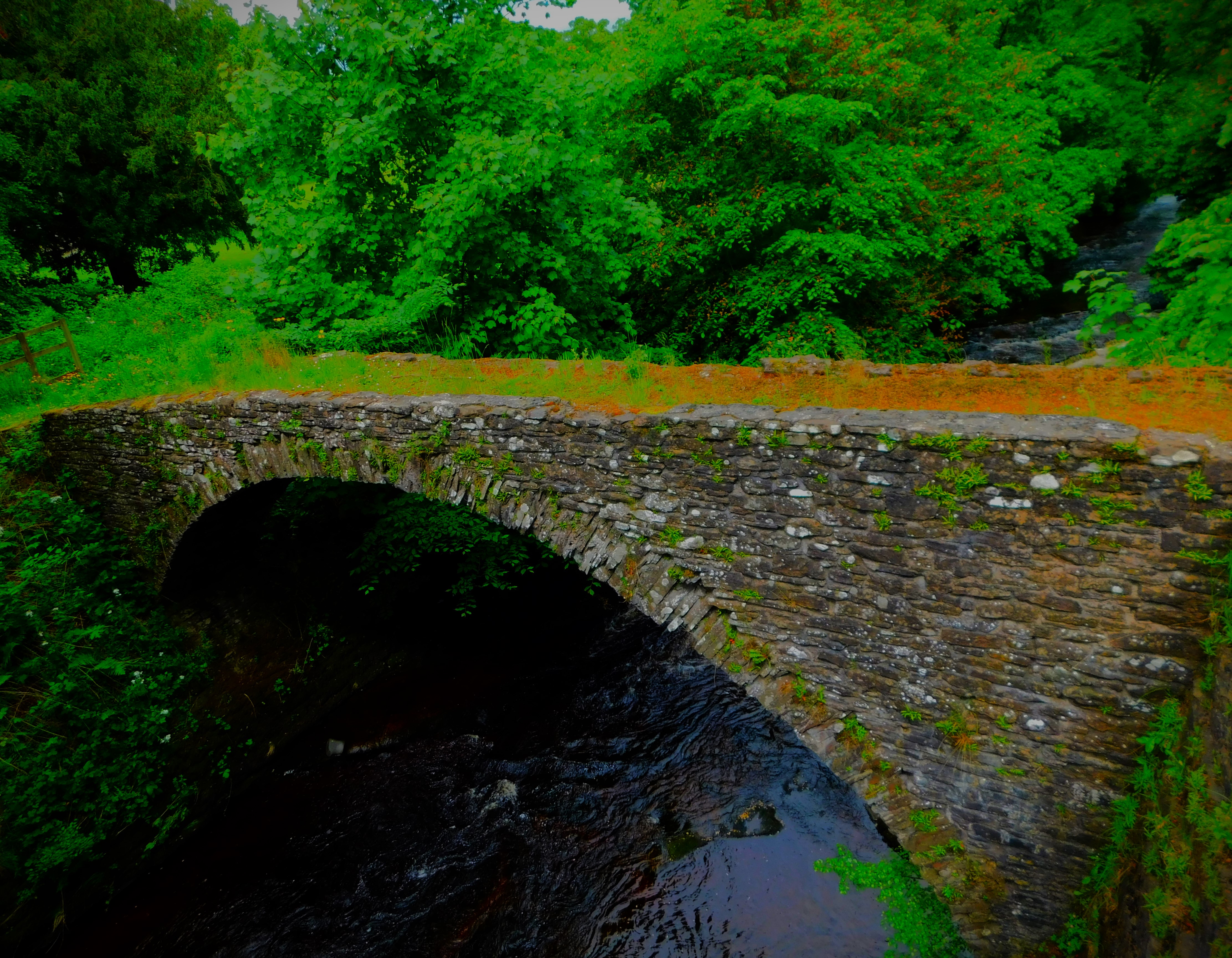
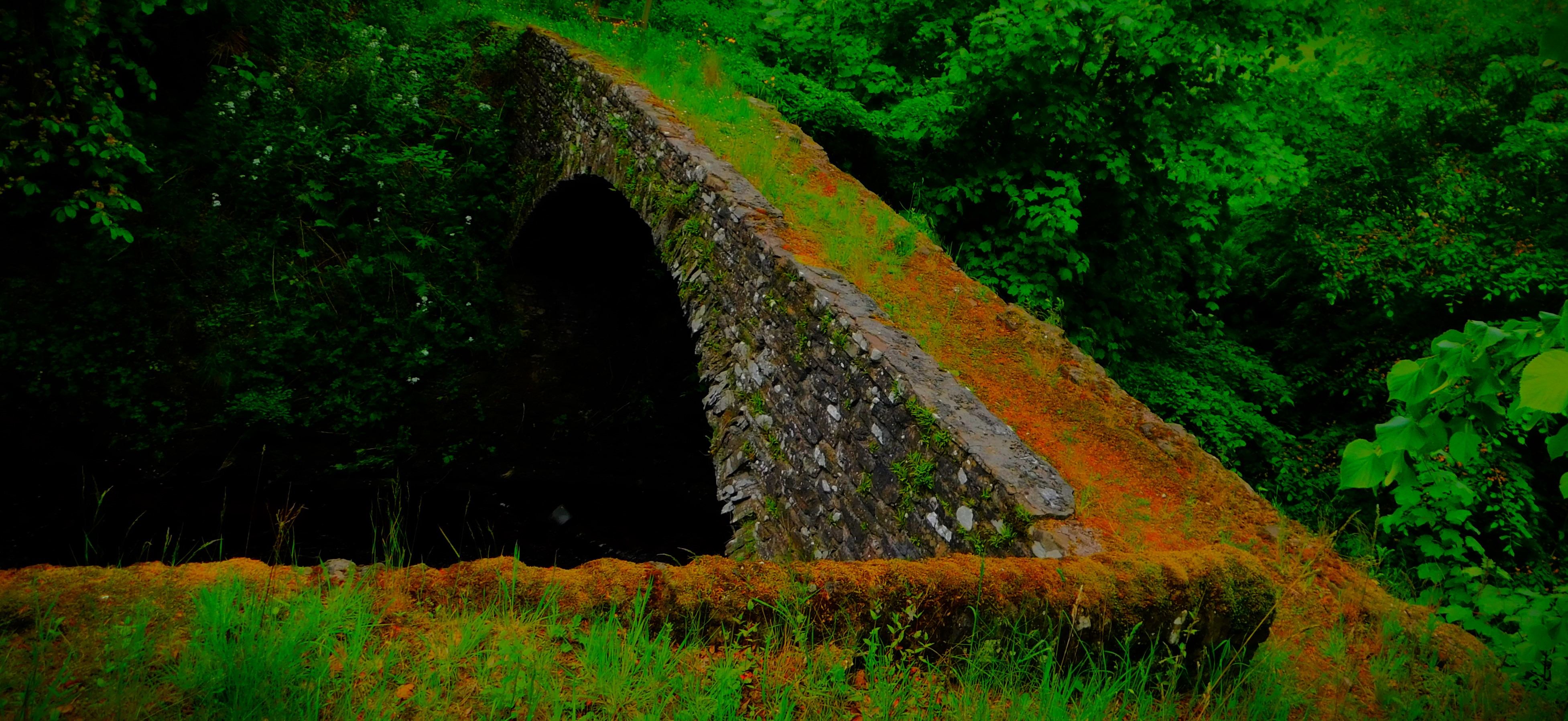
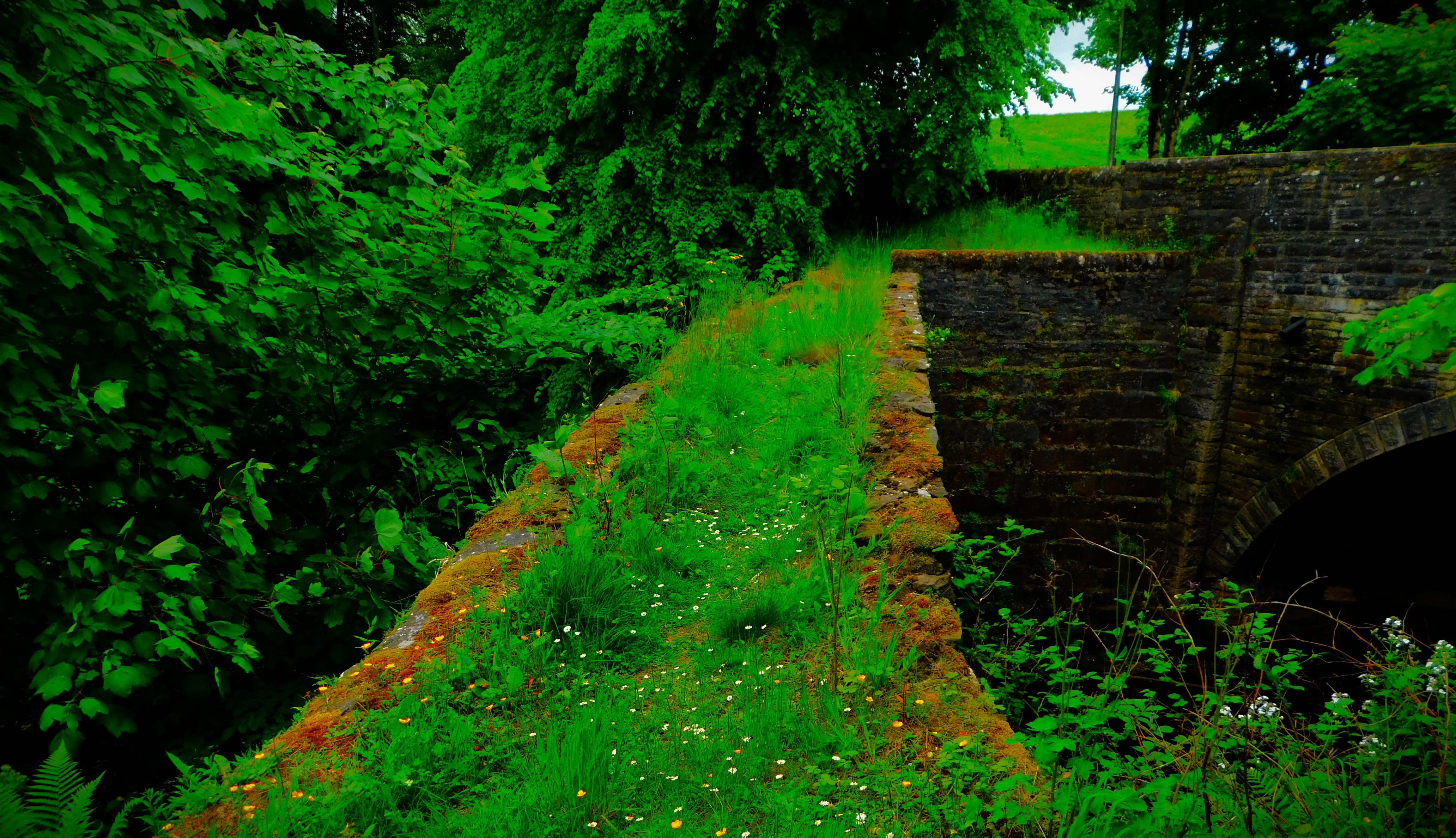
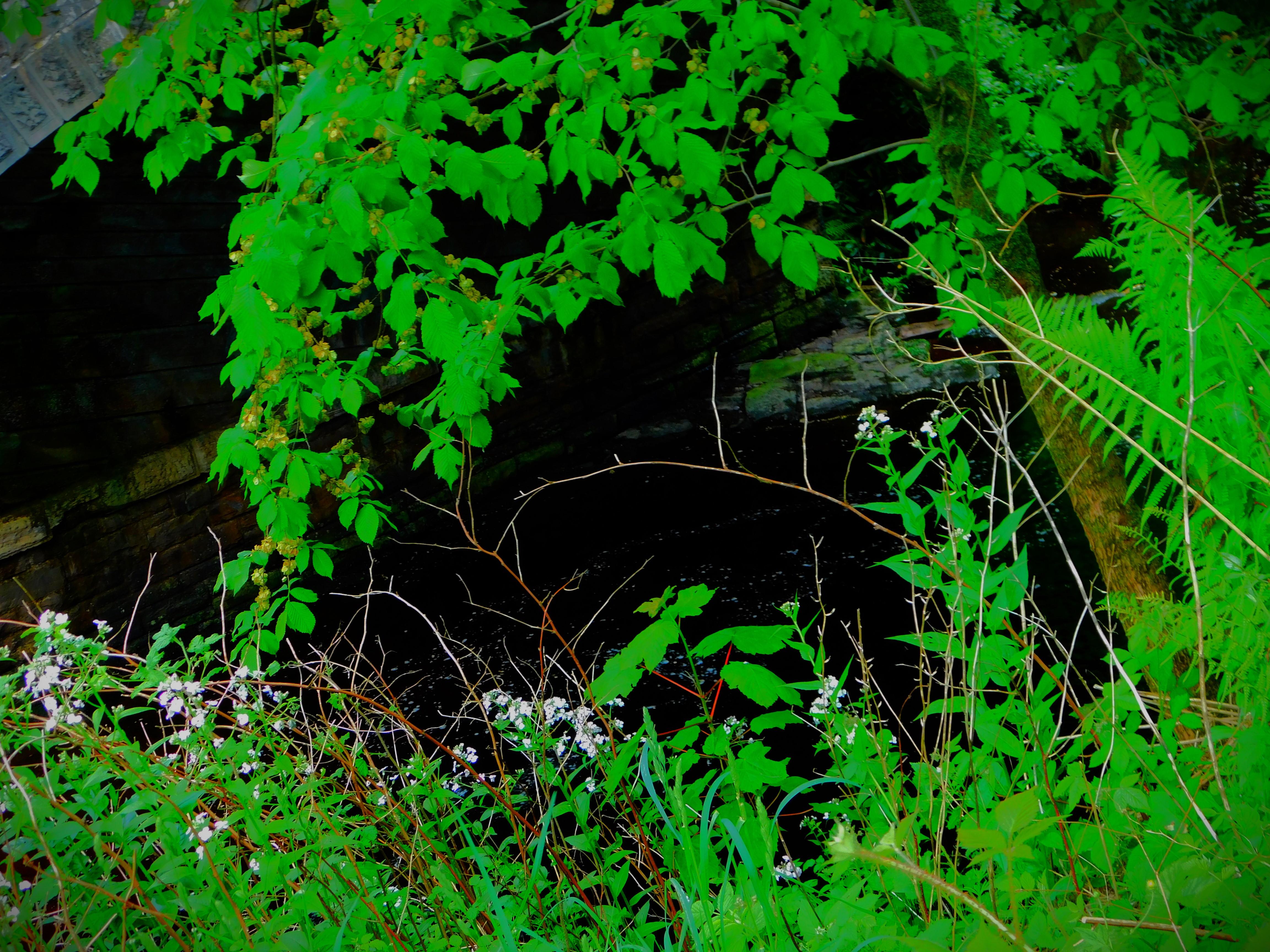
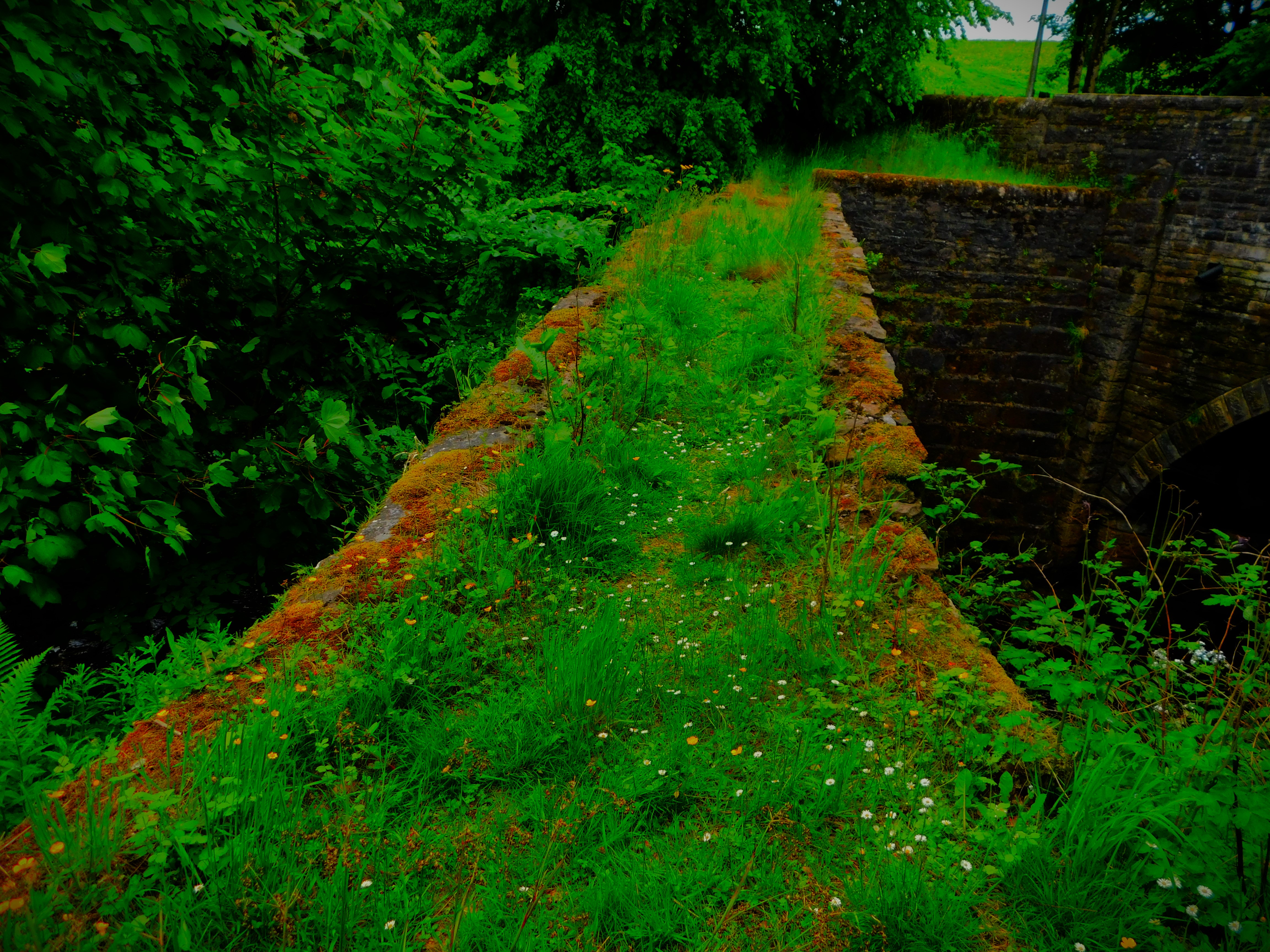
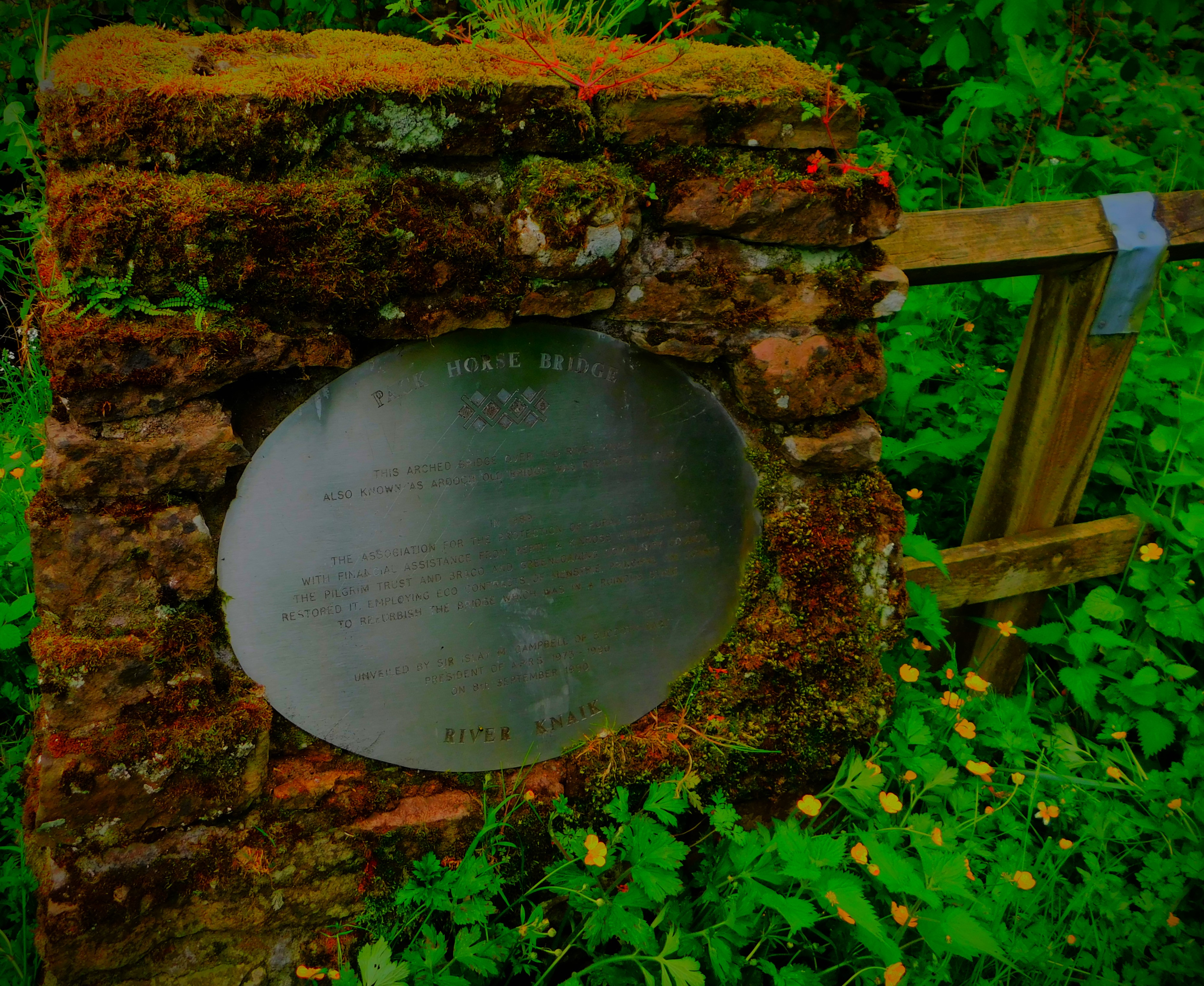
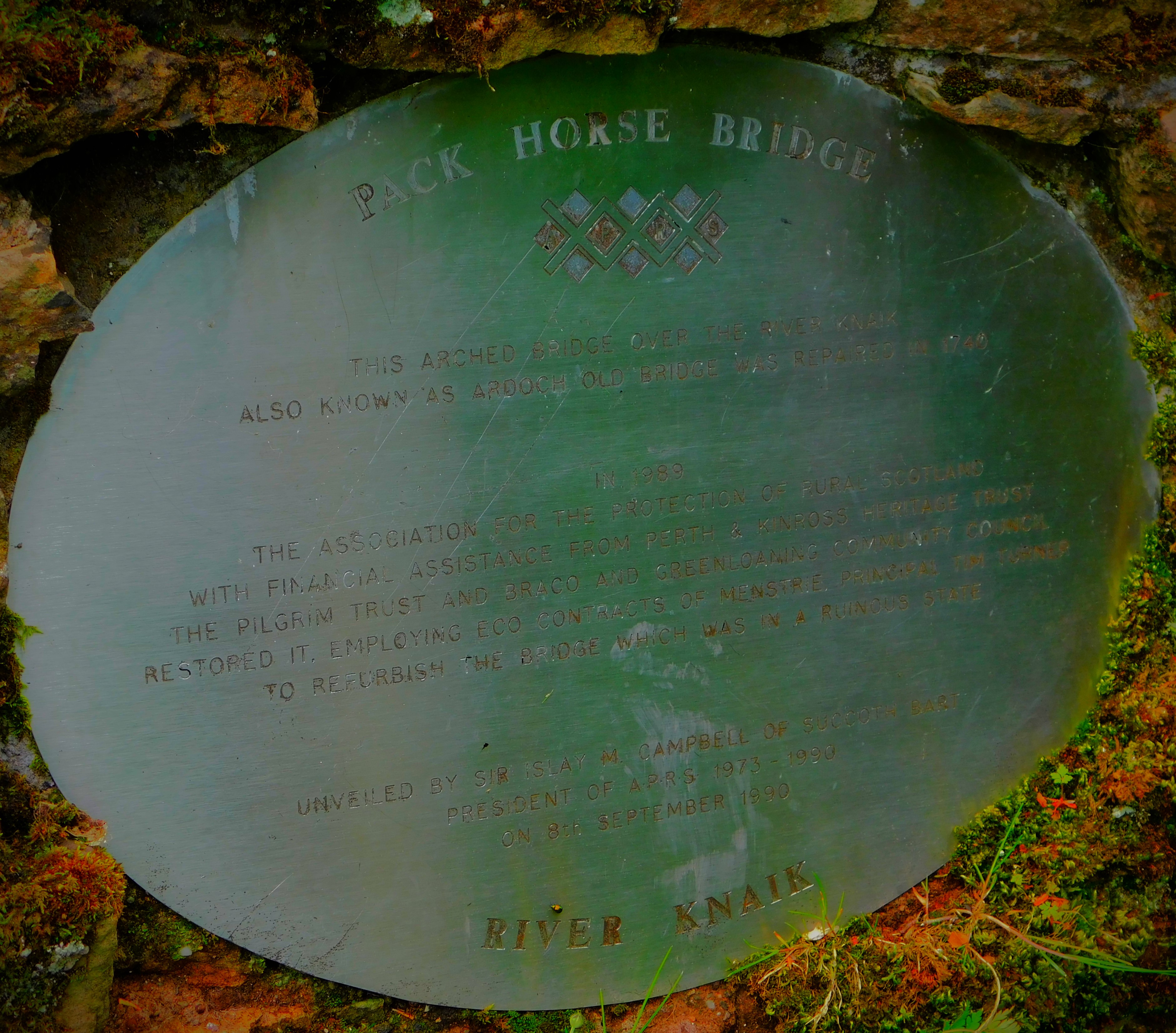
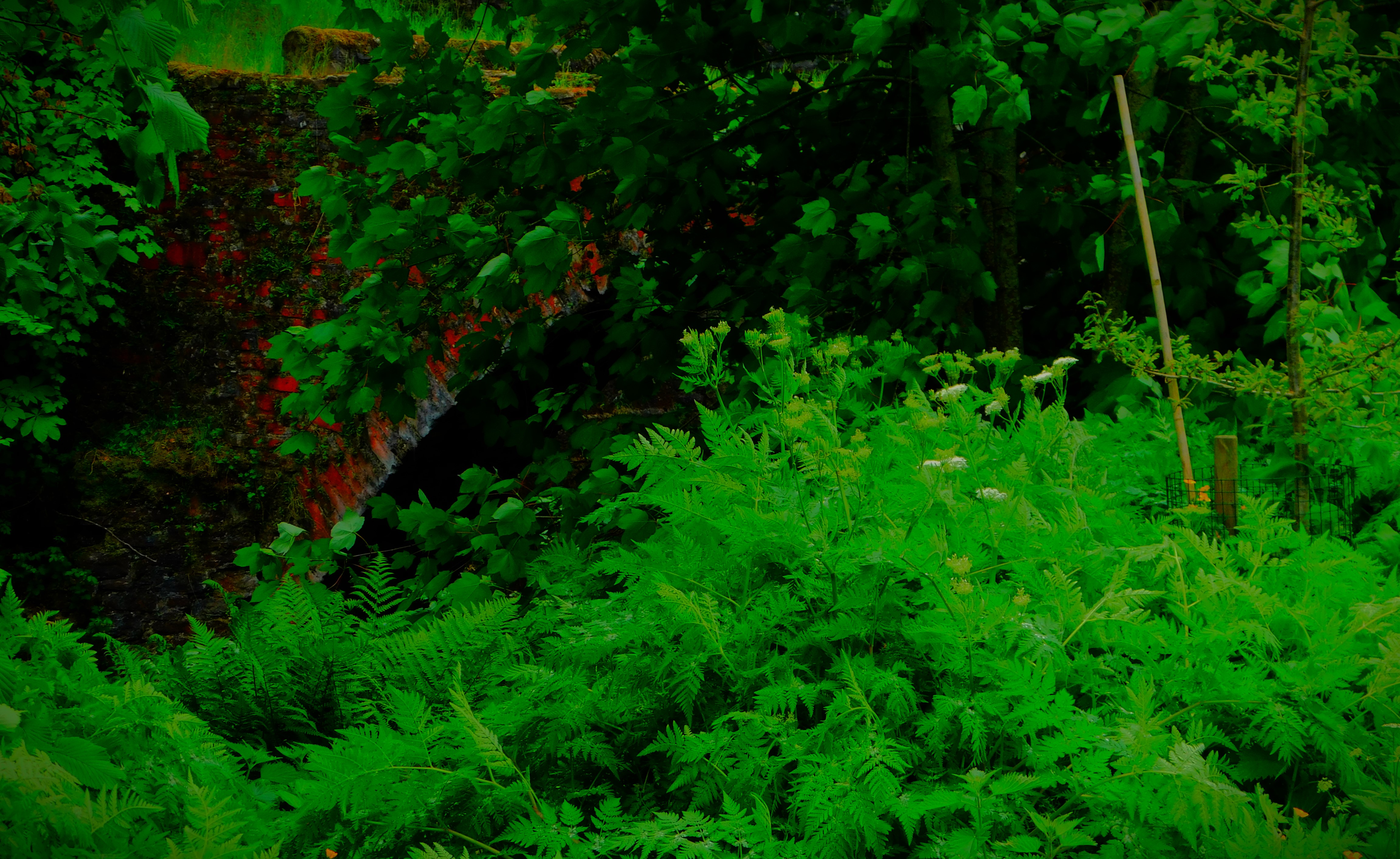
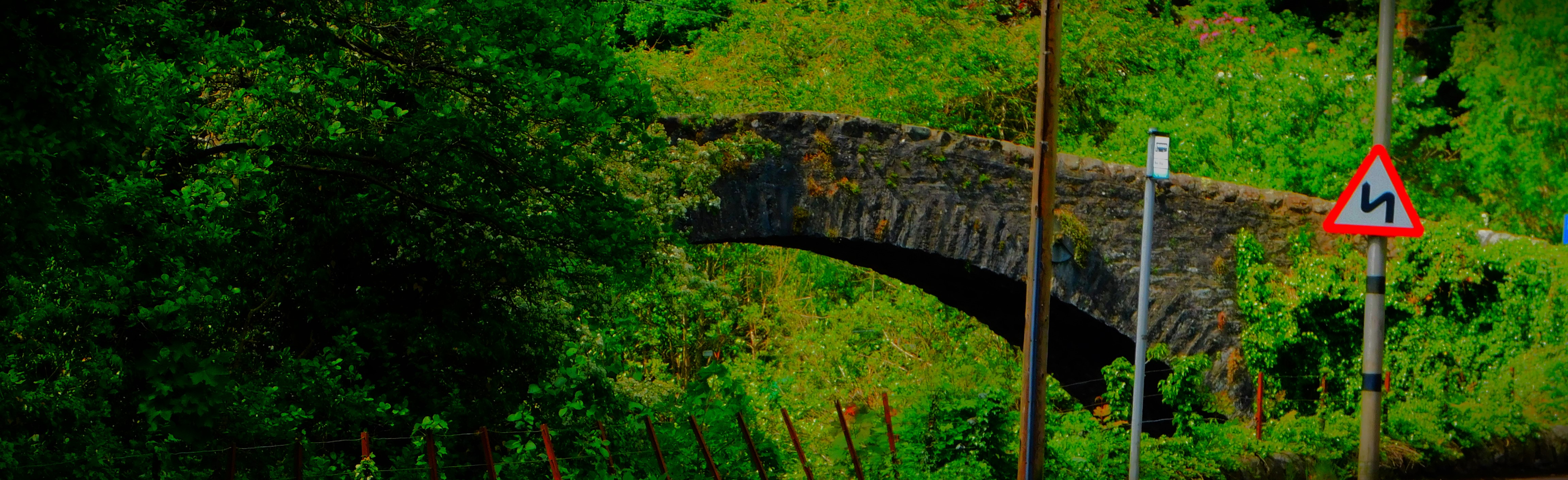
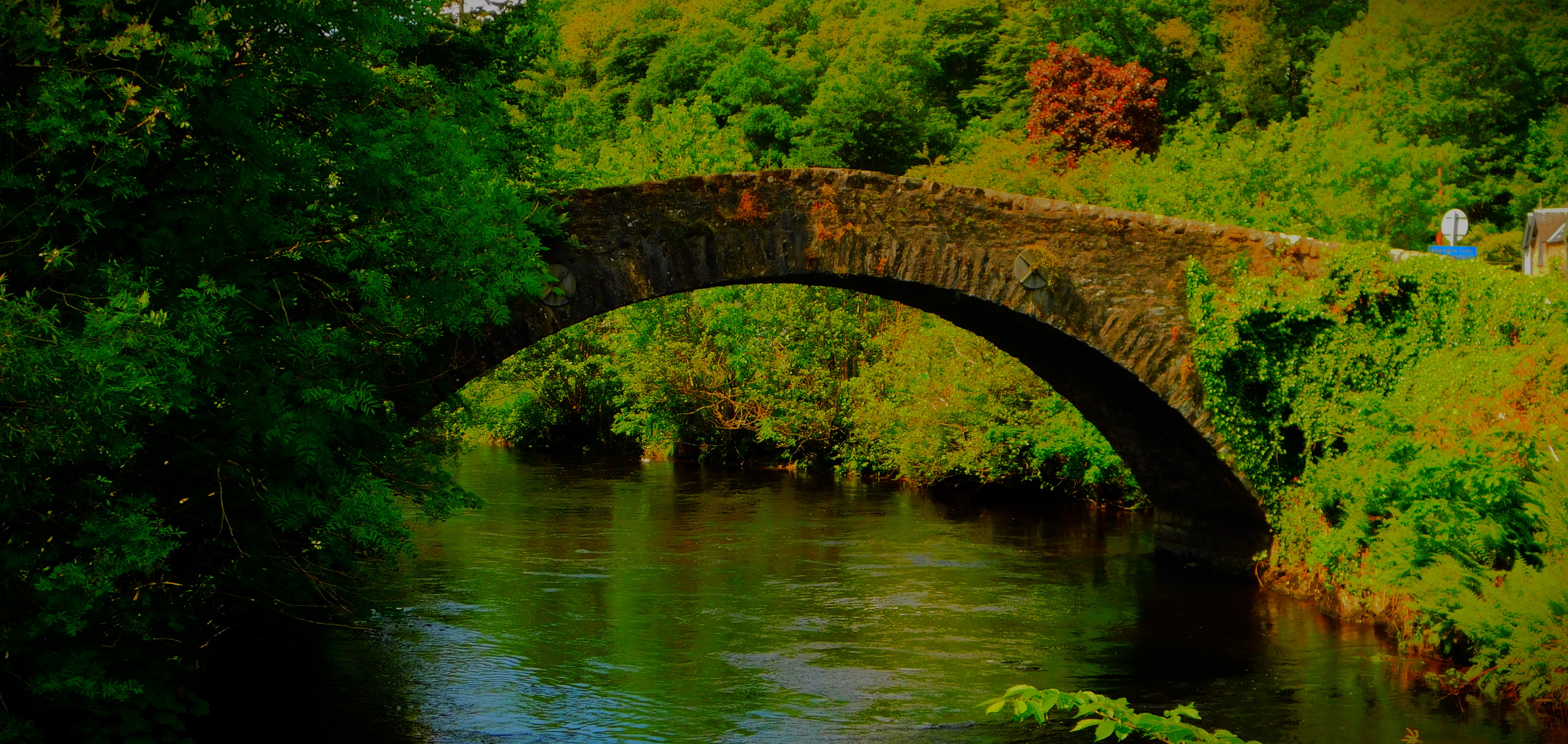
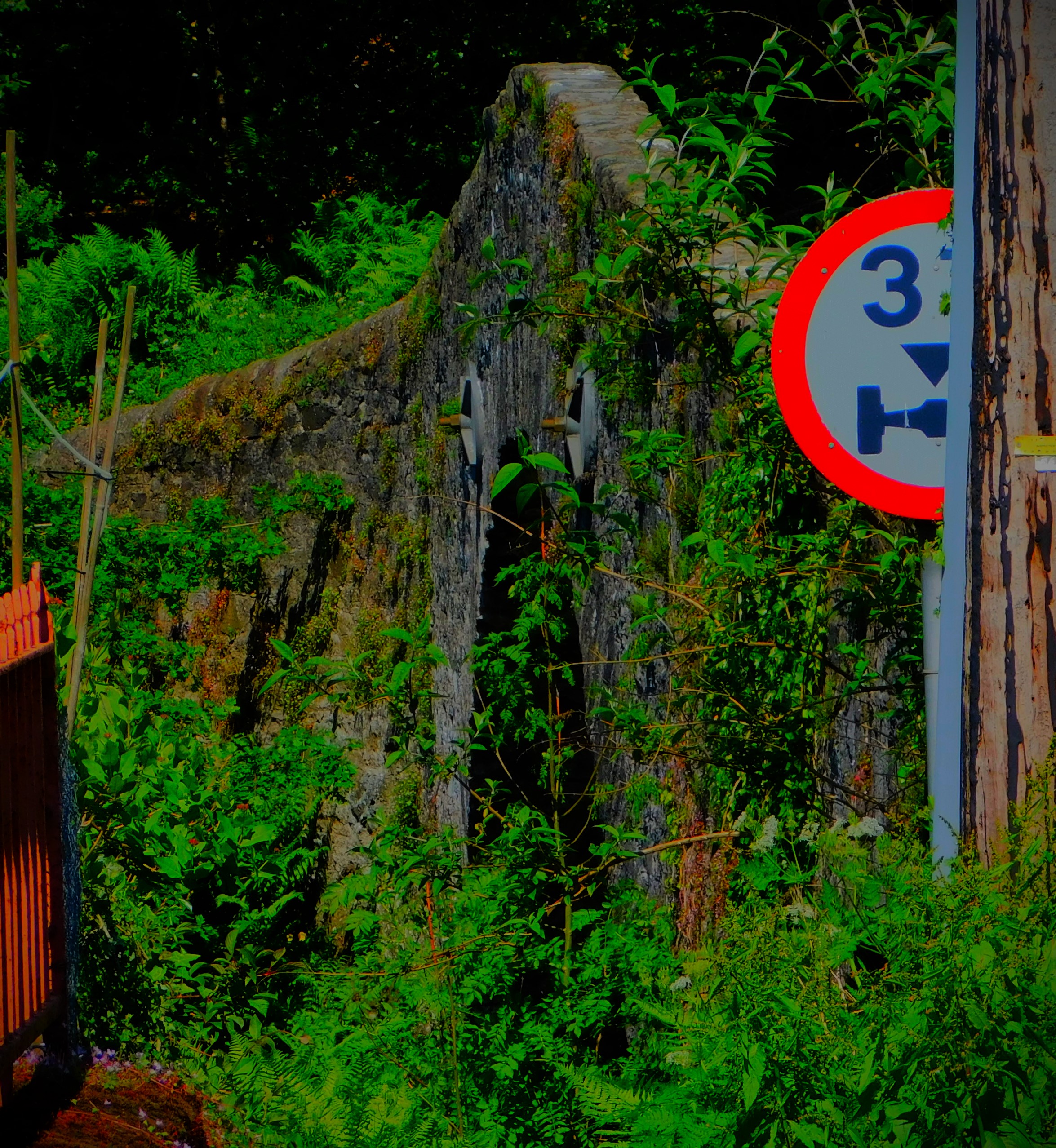
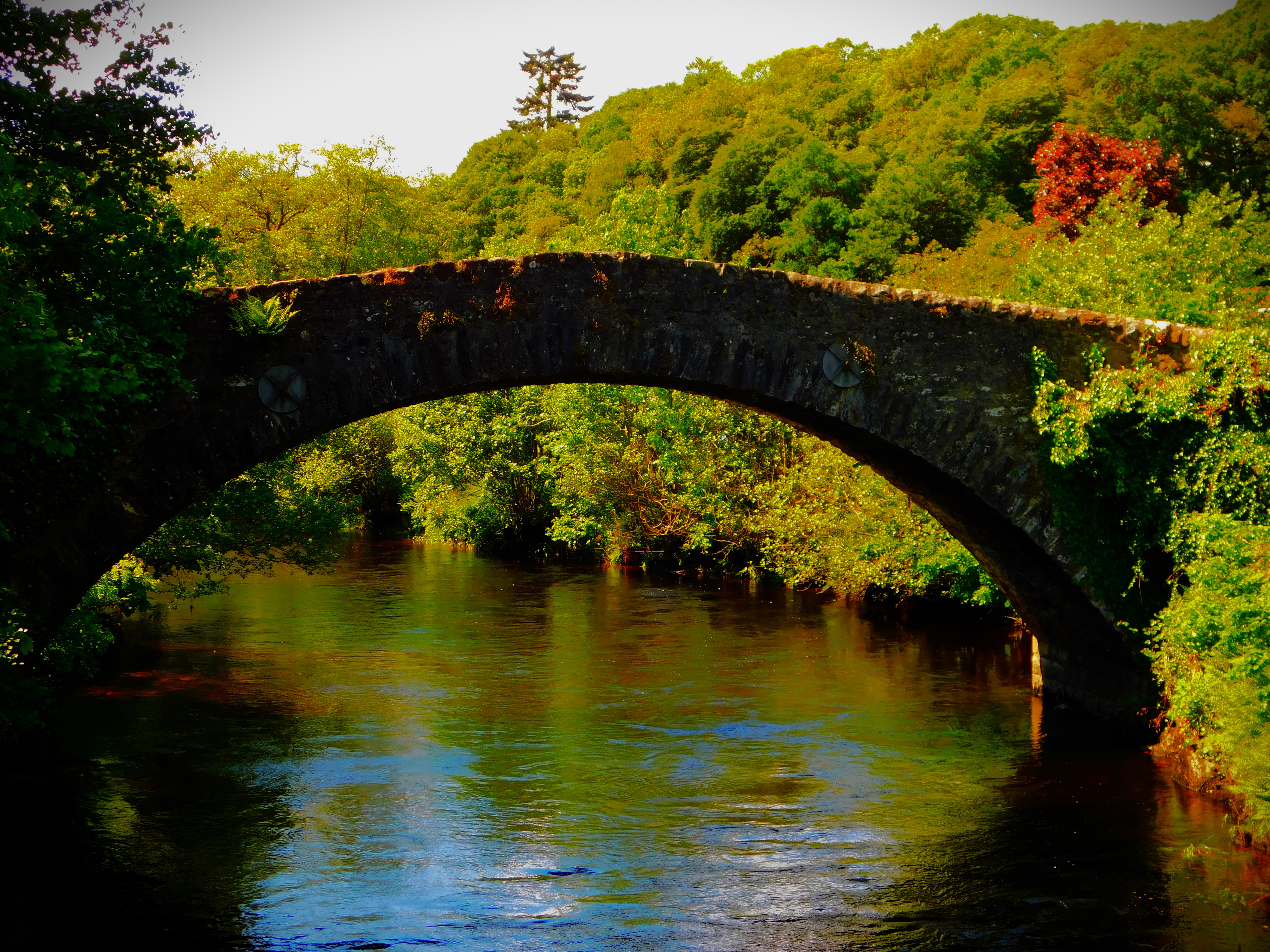
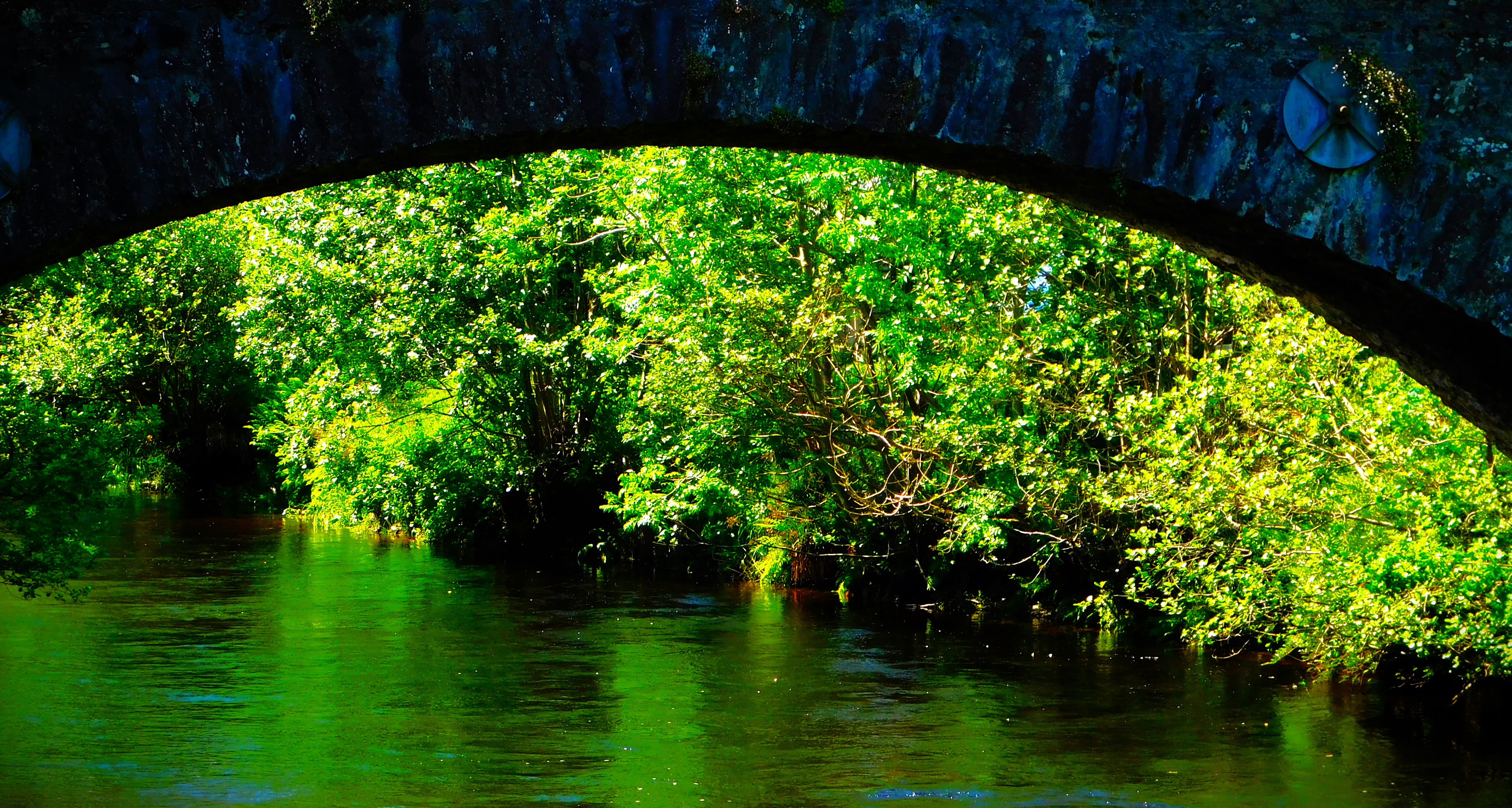
There were actually two forts built in the same area but at different alignments – the first by Julius Agricola, governor of Britain late in the reign of Vespasian, who had served in Britain as a young man and took more interest in it than most Roman emperors, and the second some 60 years later in the reign of Antoninus Pius. There are in consequence of this history a number of walls and ditches that nowadays overlap one another. There is also a medieval era stone packhorse bridge across the river Earn located close to the fort, which we got a look at after we had finished at the fort.
Continuing my account of my recent holiday in Scotland with an account of the earthquake walk.
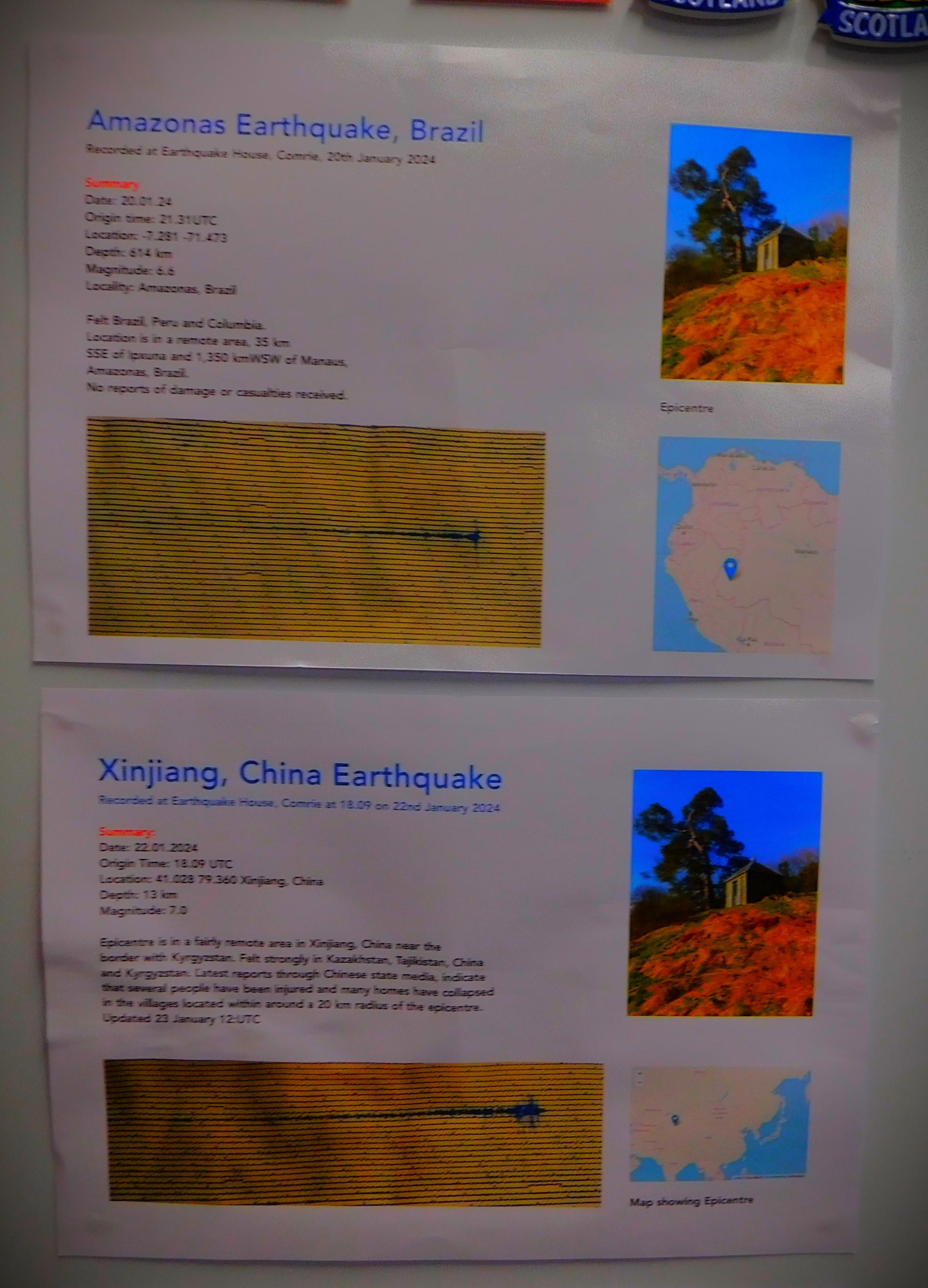
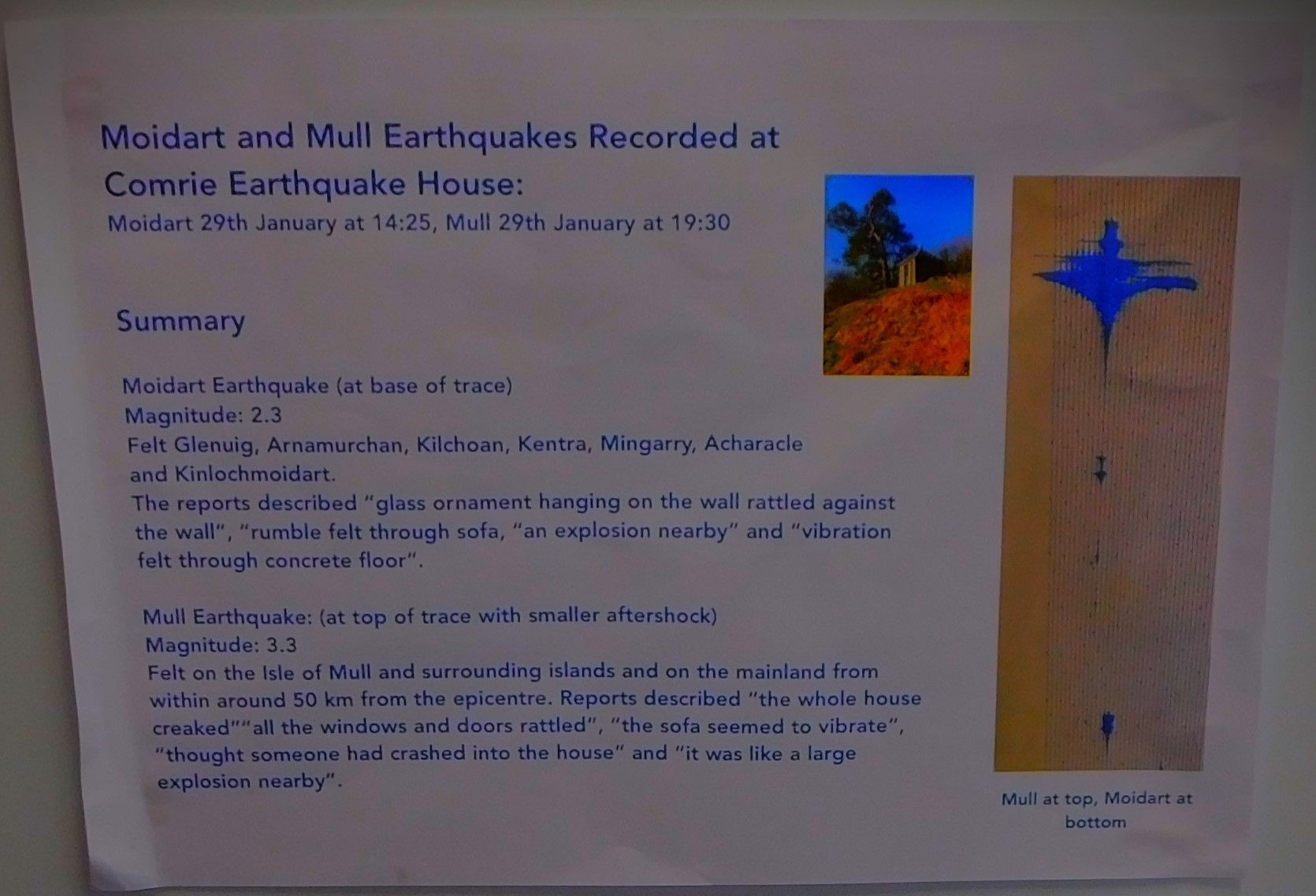
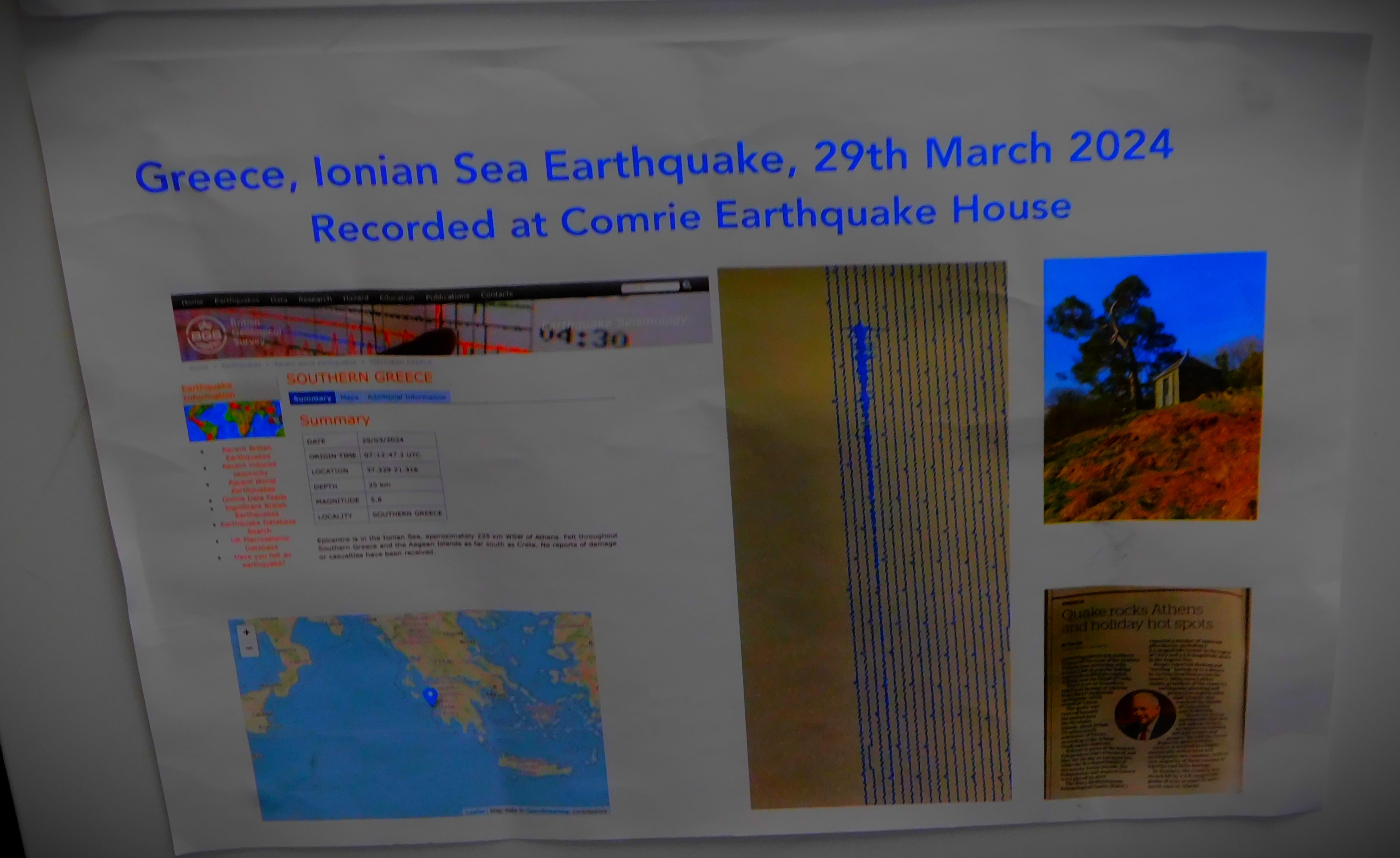
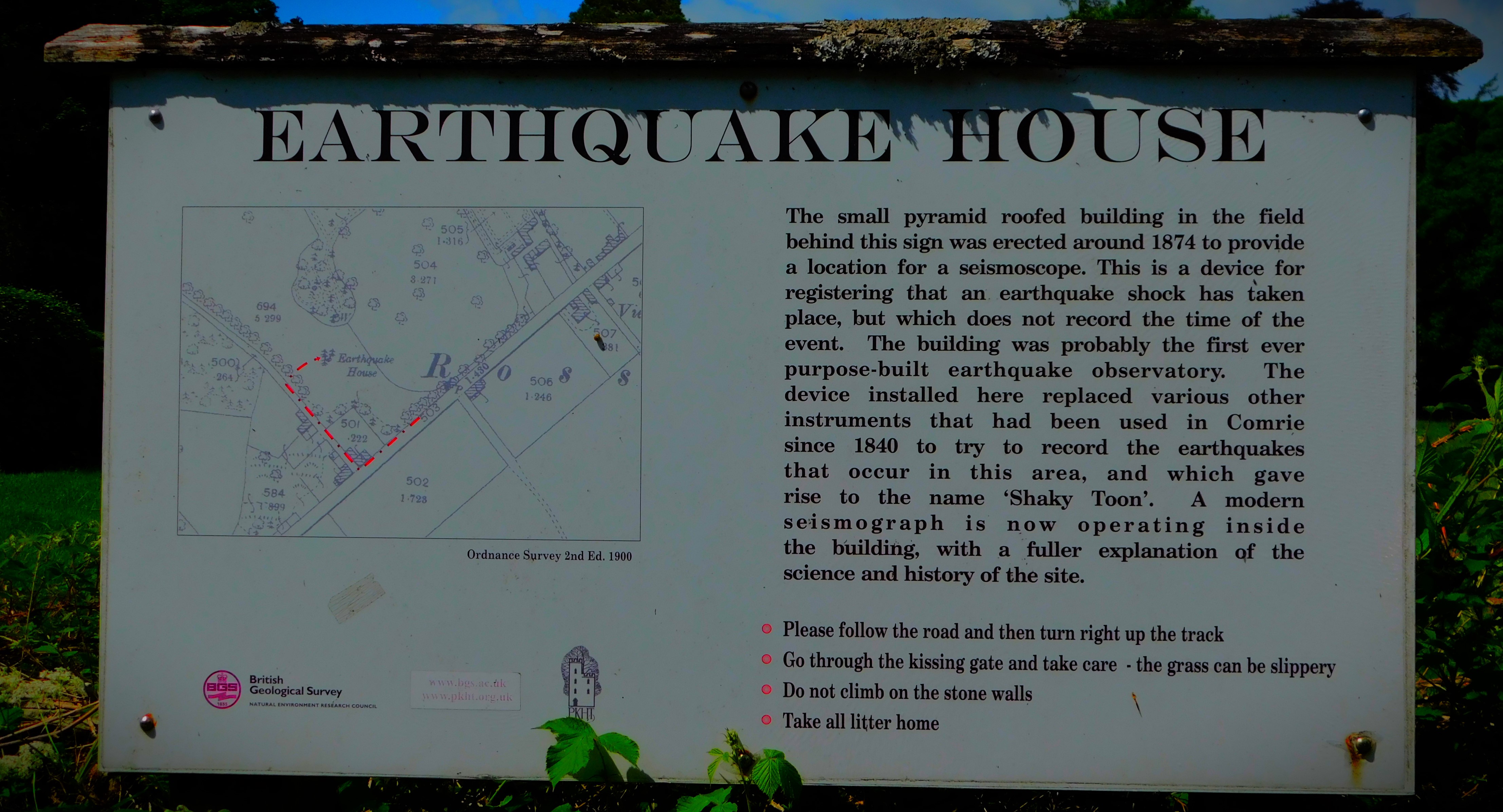
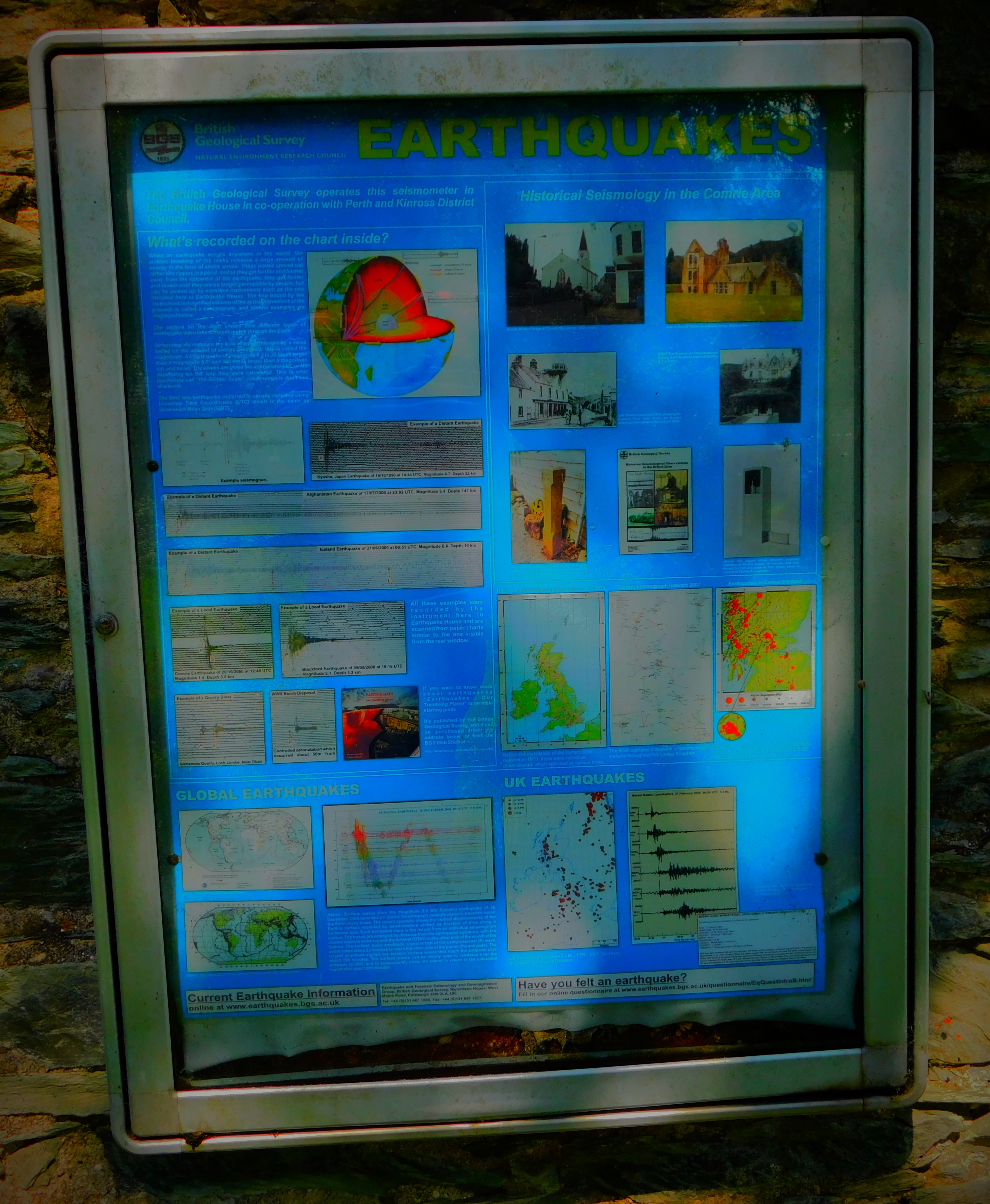
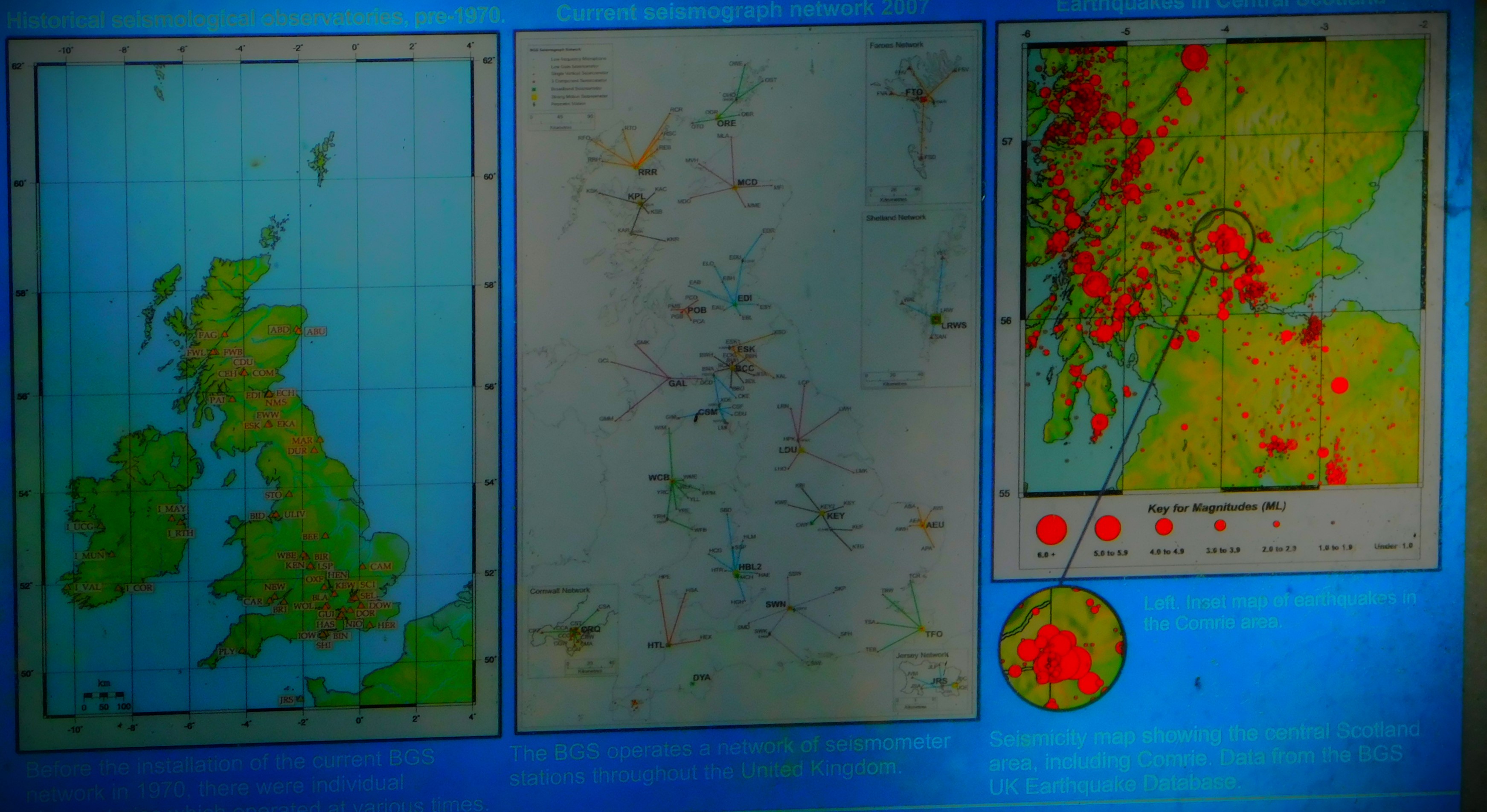
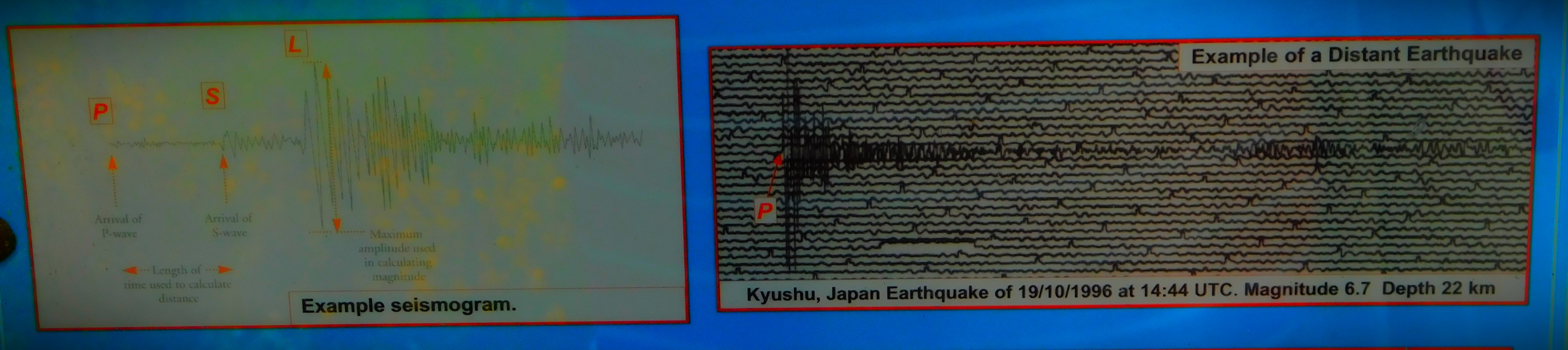
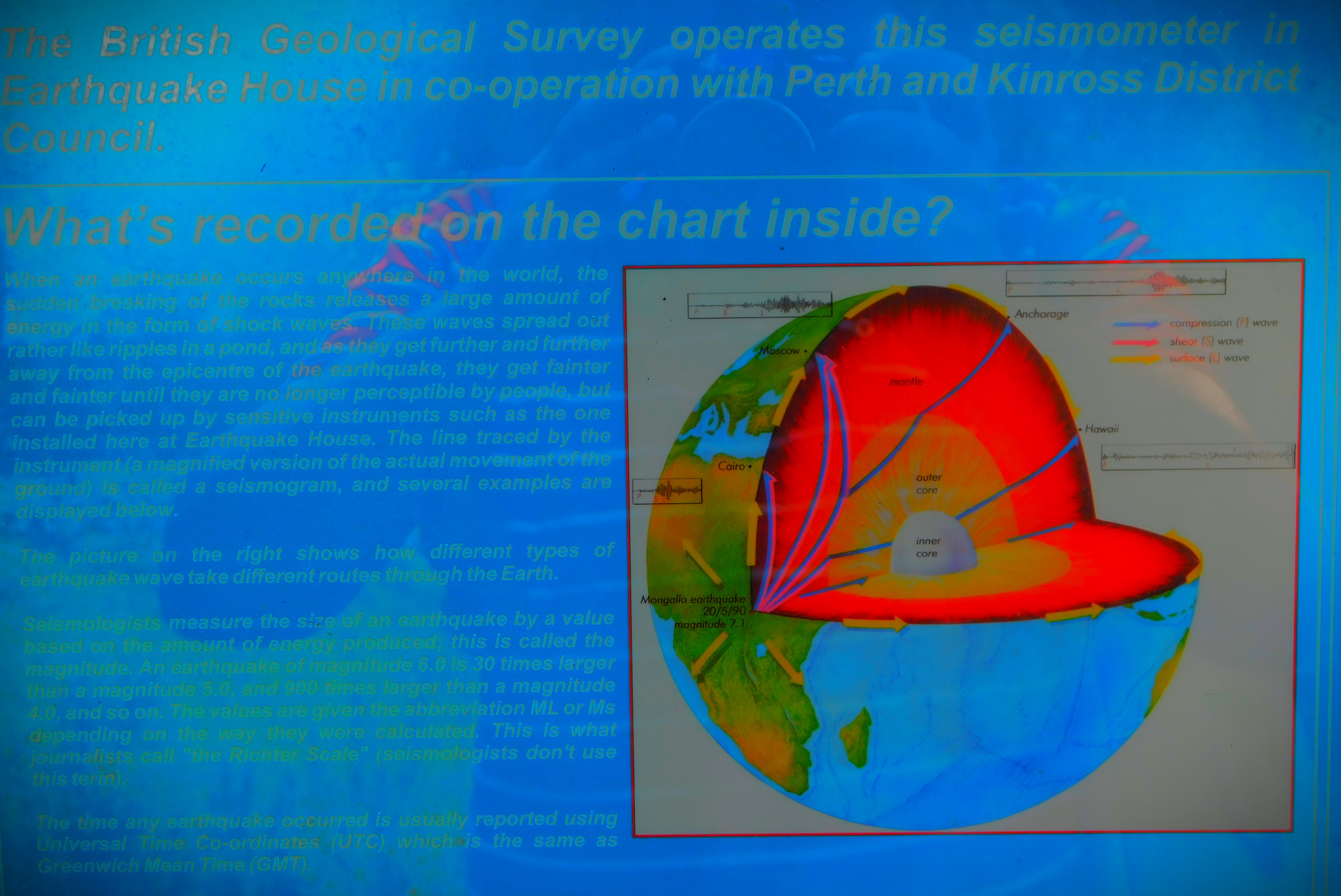
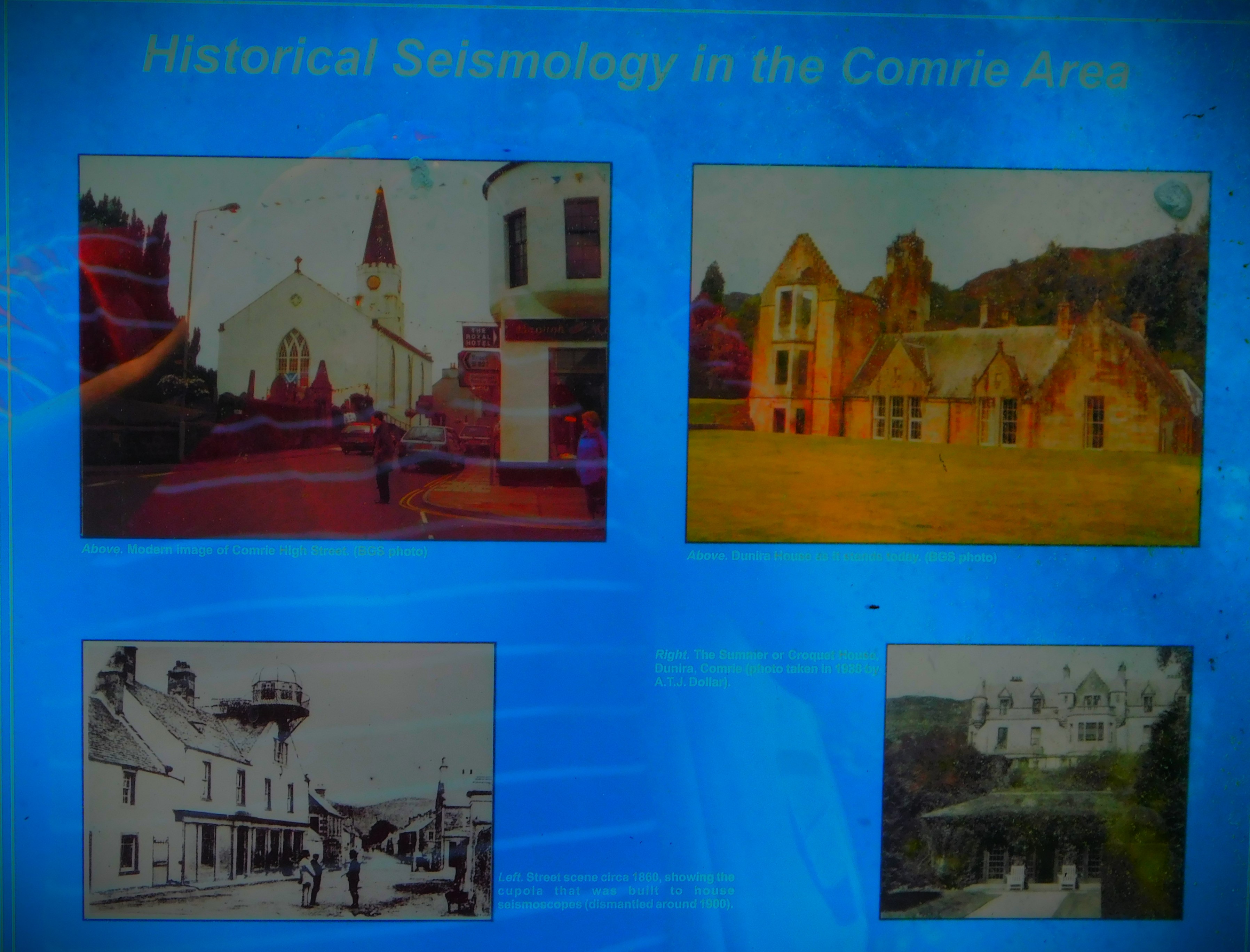
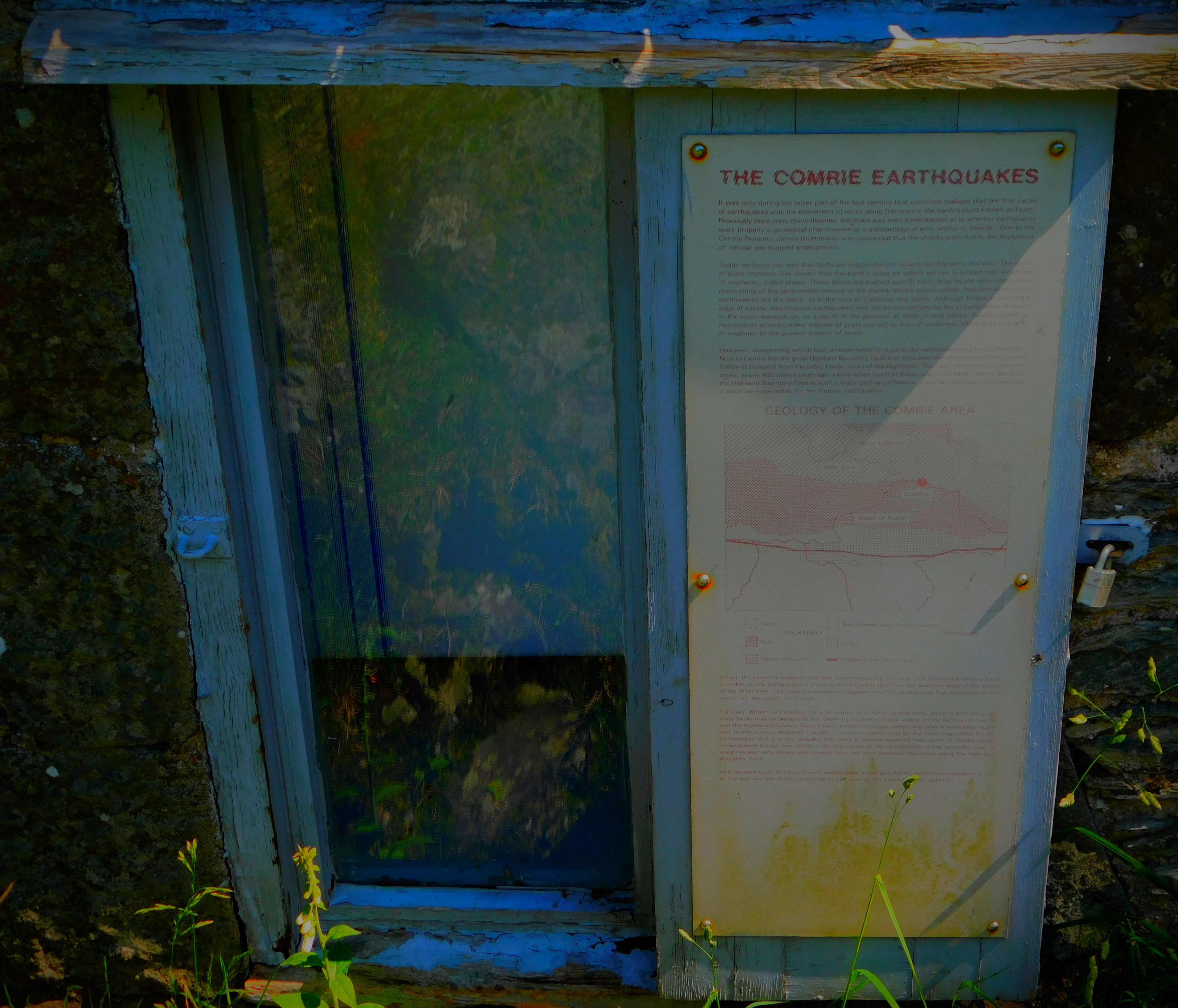
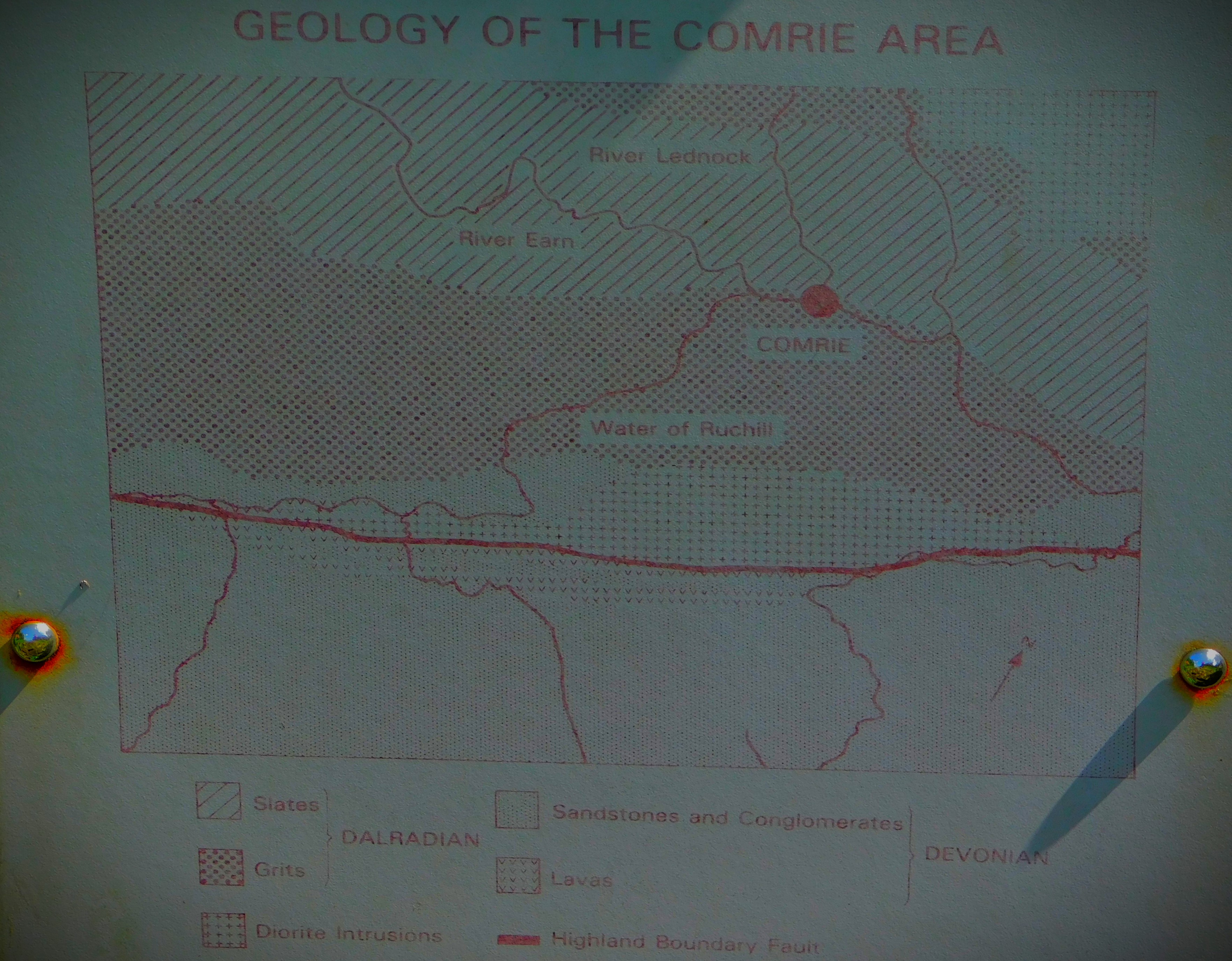
Comrie lies close to a fault line, and at one time was known as the ‘shaky toon’ because of this. It had earthquake recording equipment as early as the 18th century, and the building that housed that equipment still stands, and contains a more modern piece of recording equipment – a seismoscope, which records earthquakes and their intensity but not the times at which they occur. This post looks at our walk that took in that house, and features some information about earthquakes as well.
FIRST PORT OF CALL: COMRIE POST OFFICE
Comrie Post Office has some information about earthquakes on display. Apparently the post office itself shook when an earthquake hit Greece in March of this year.
THE WALK PROPER
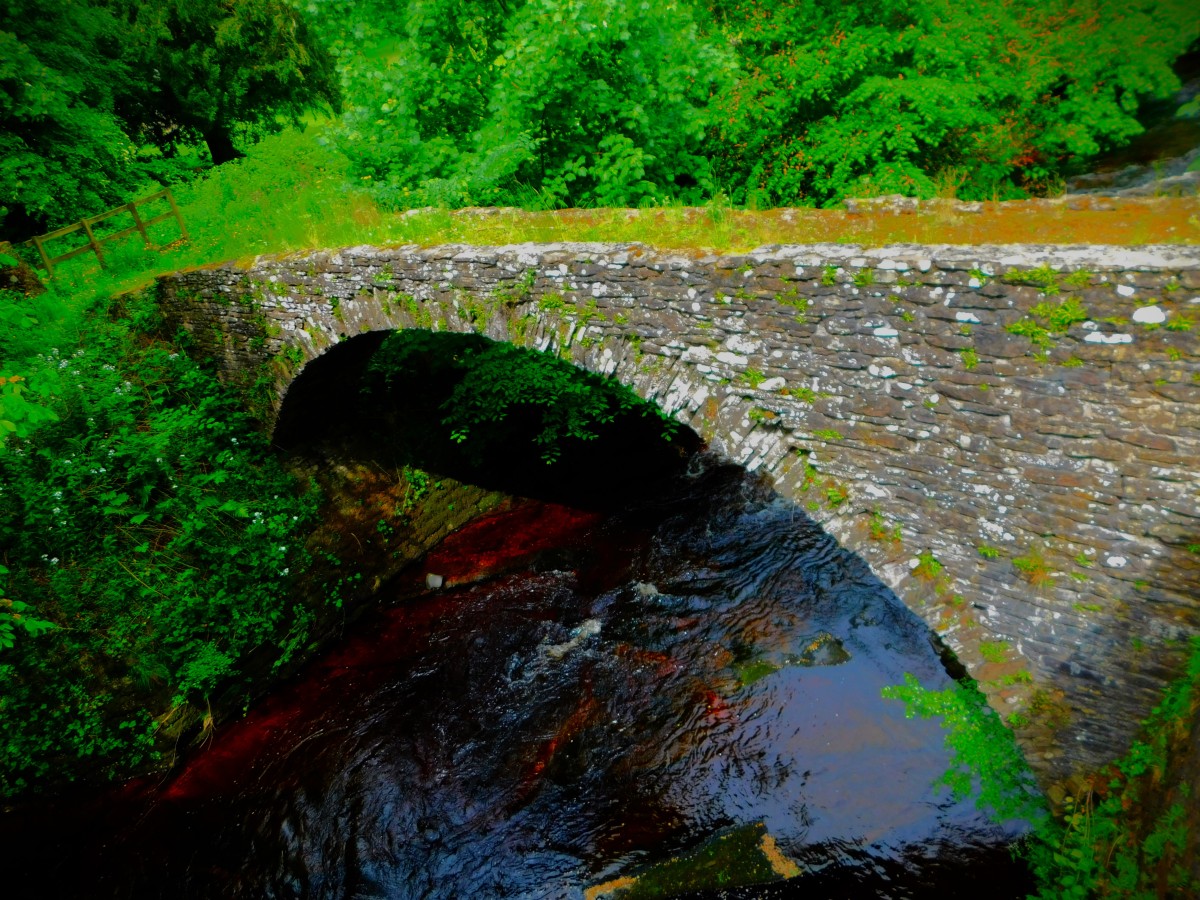
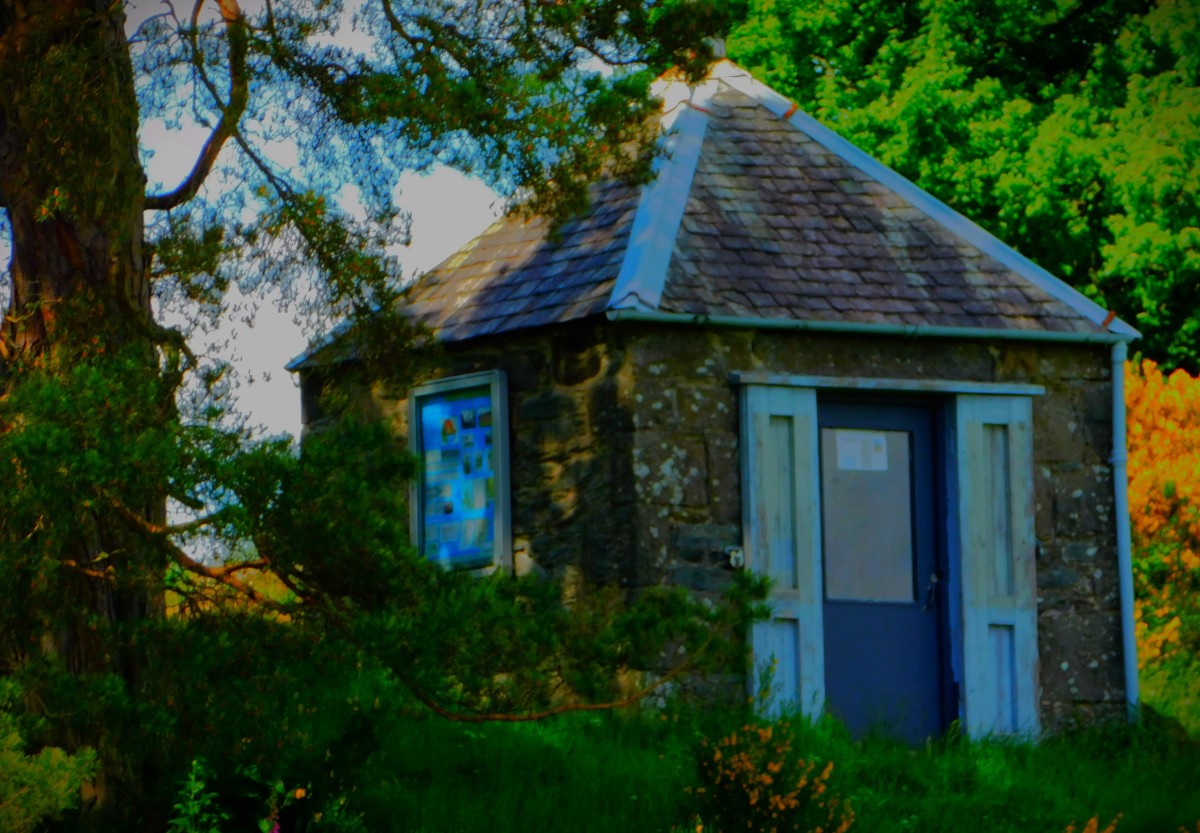
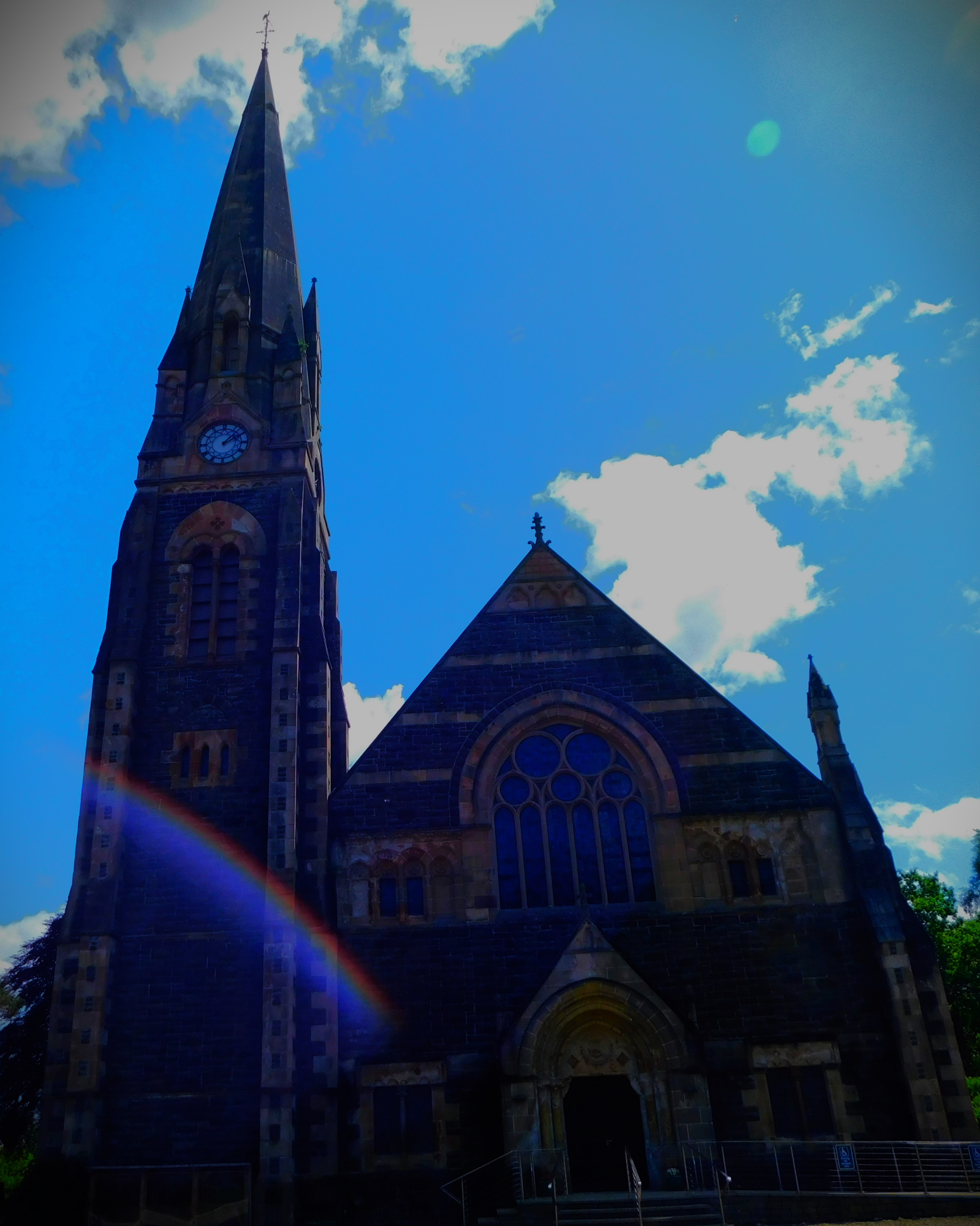
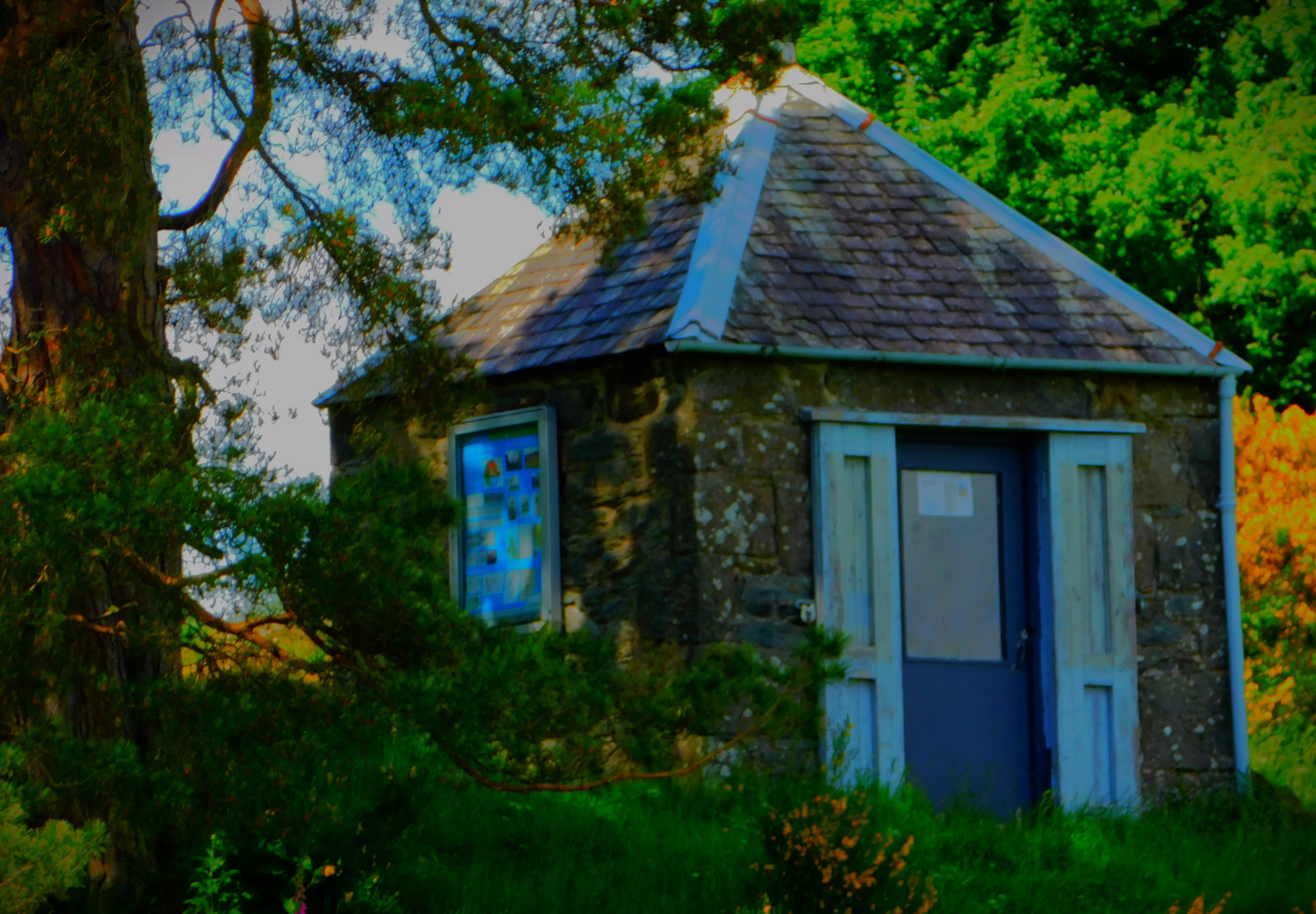
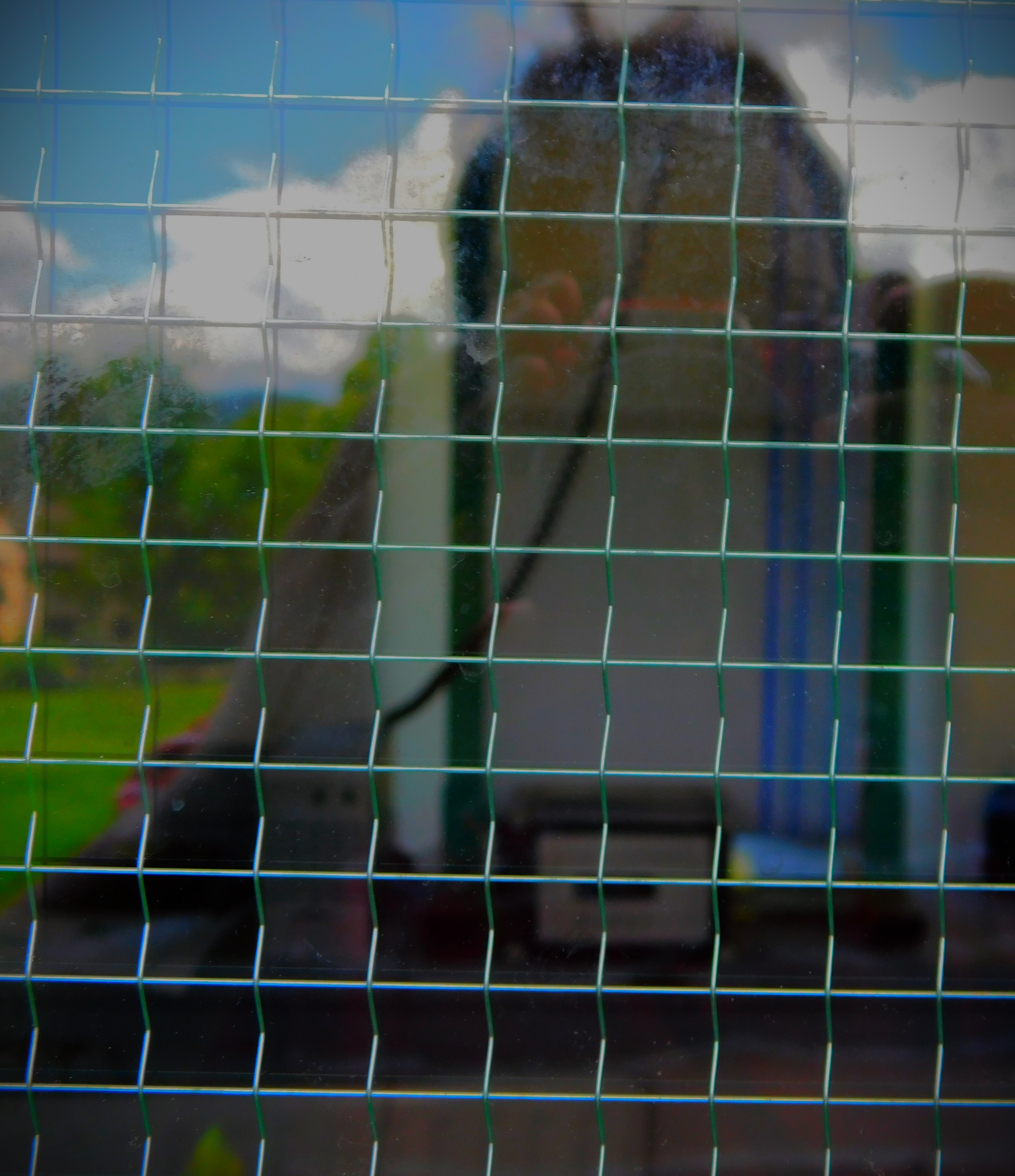
The walk begins by heading past the church and on to the road that passed the frontage of the church – heading at this point in the direction of Crianlarich. The first noteworthy point after the church is a magnificent stone bridge across the river Earn. The ‘Earthquake House’ itself stands alone in a field, and is accessed by a path which leads off a side road – the gate from the main road into that field is very firmly locked. The house has plenty of information, and although one cannot go in one can look through the window and get a decent view of the seismoscope, though the window is reinforced in a way that renders photographing the seismoscope a virtual impossibility – I tried.
We hoped to walk along a bit of disused railway – the former Lochearnhead, St Fillans and Comrie Railway, a route that was in operation between 1901 and 1951 when it was closed – but a small spring was bubbling on to the path rendering too wet and muddy to be walking, so we saw only the start of it. Thus in the end we went back the way we had come.
PHOTOGRAPHS
Here are my photographs from this walk…
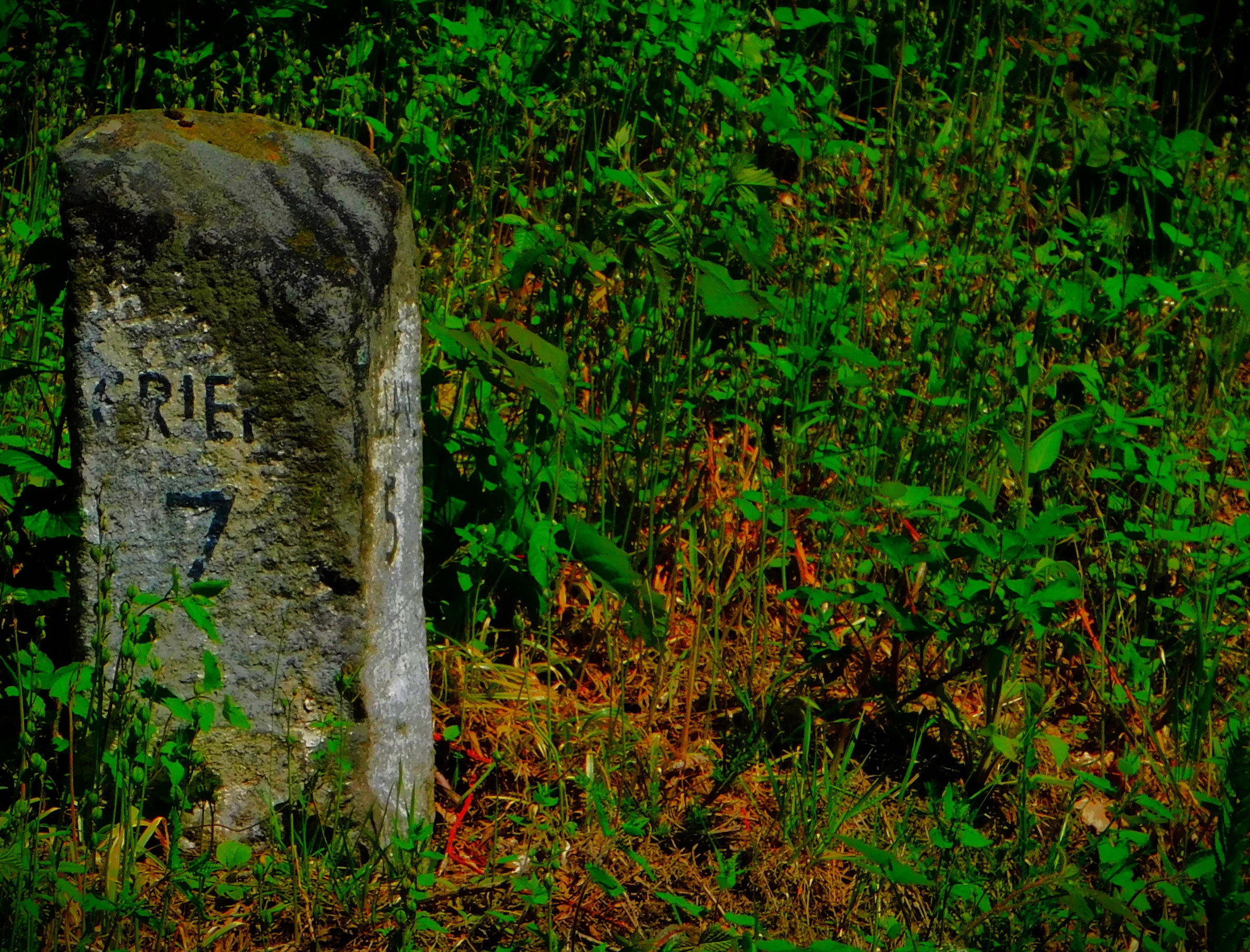
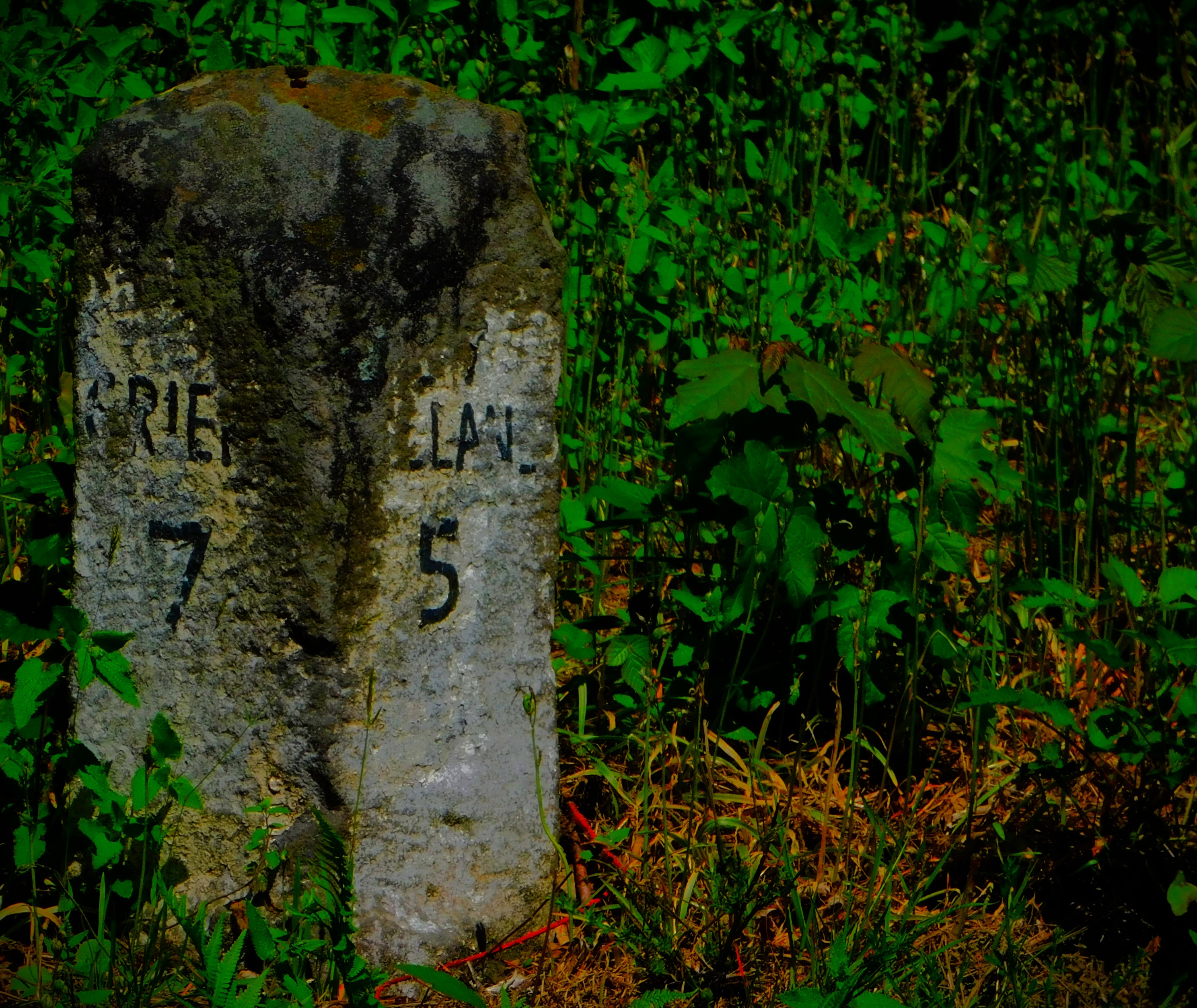
The stone bridge across the Earn.The Earthquake HouseI kept two of my attempts at photographing through the window to illustrate the problems.A mile post showing the distances to Crieff in one direction and St Fillnas in the other.
Continuing my account of my Scottish holiday with a look at the Deil’s Caldron walk.
I continue my account of my recent Scottish holiday with a post about the Deil’s Caldron walk. In Comrie Village there is a restaurant called The Deil’s Caldron, about which I cannot comment further as it was closed while i was there so I had no opportunity to sample it. The restaurant is named after a natural landmark.
THE WALK
Just out of Comrie (literally yards past a sign indicating the end of the speed limit) is a path that is signposted to the Deil’s Caldron. It is a very well maintained path, in better shape than most English paths, and the walk at this time of year is not a challenging one. One hears the caldron before seeing it, and there is a superb viewing area overlooking it, which we made full use of. We did not continue onwards to make a circular walk of it, but went back the way we came.
PHOTOGRAPHS
Here are the pictures from this walk…
The Deil’s Caldron restaurant.Officially this is classed as a villa.
A look at the Charles Rennie Mackintosh building, the village of Comrie and the river Earn. Also a waterfall video.
Welcome to the next post in my series about my holiday in Scotland. This post looks at the house itself and the the village of Comrie including the river Earn. It is in the nature of clearing the decks for the more specific posts that will follow. This is an outside view of the house itself:
This is the outside view of our accommodation. The sitting room includes the turret, although there is an internal ceiling which means we don’t get to see the whole of the inside of the turret.
THE SETTING OF THE HOUSE
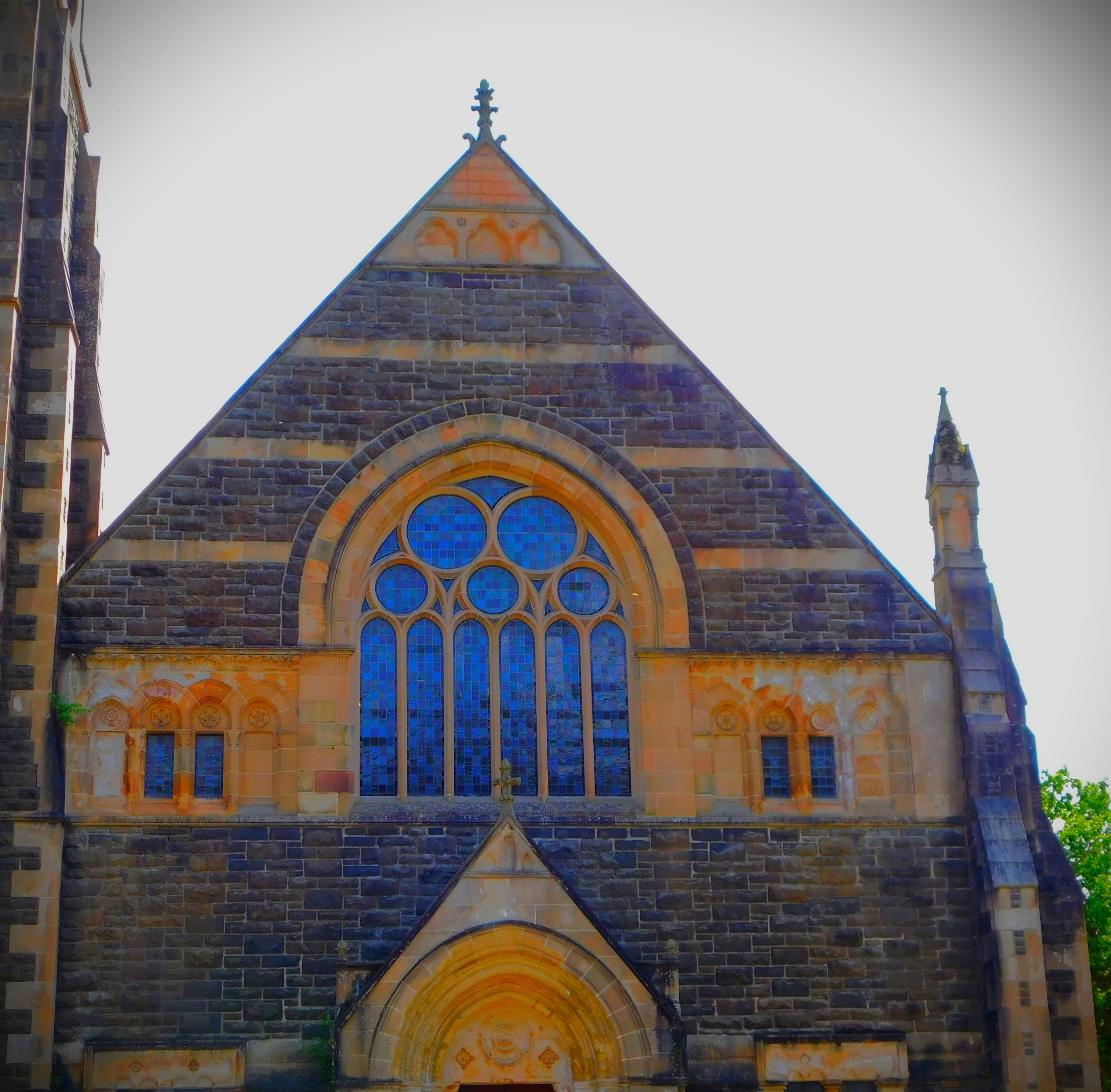
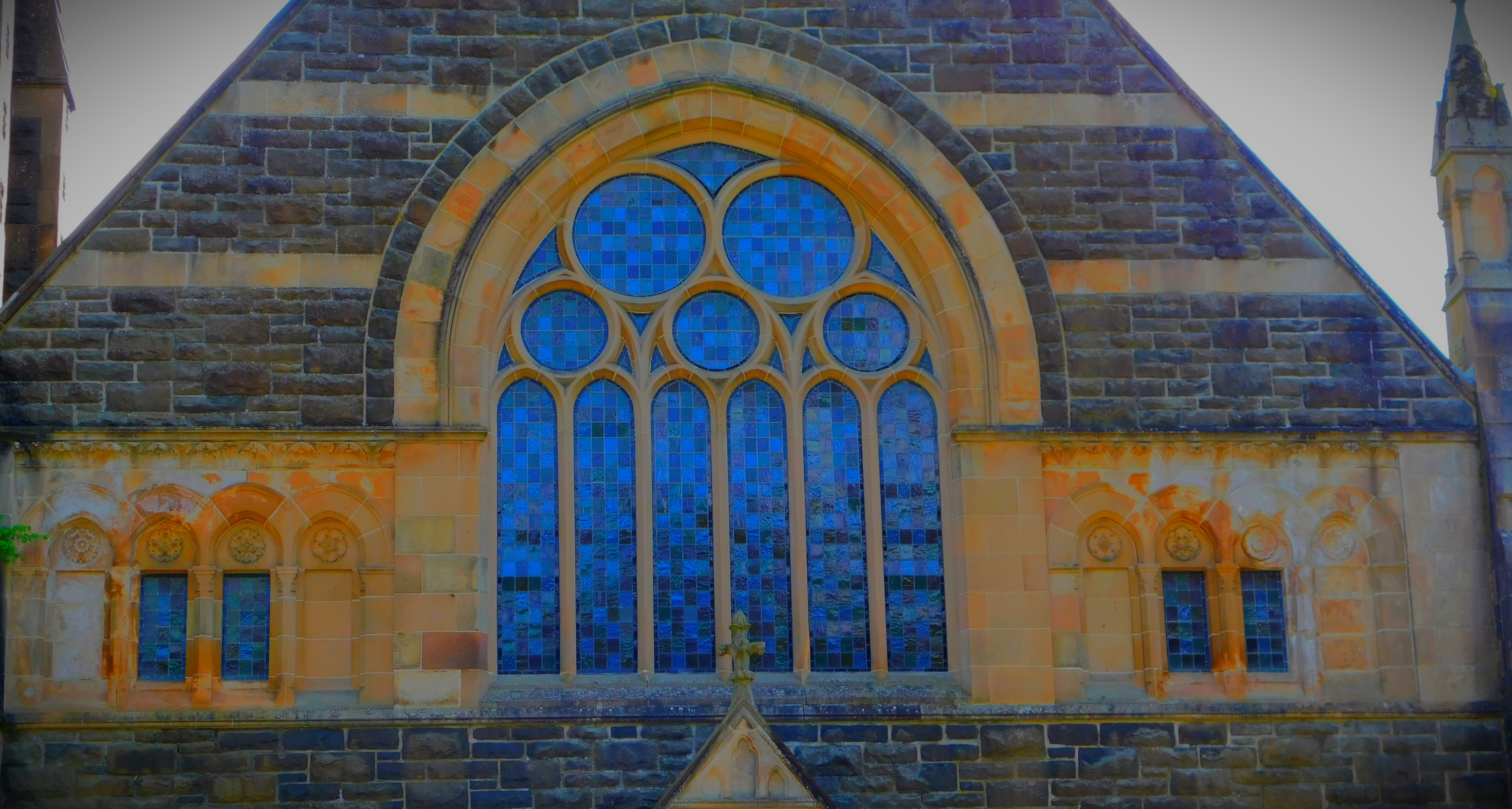
The house is directly opposite Comrie Community Centre, a building that looks remarkably like a church but is not (though it clearly used to be) – Comrie Church is about a five minute walk away. Next door it in one direction is an estate agent housed in what clearly used to be a local bank in the dim and distant days when such things existed while on the other side is a pet shop. Down one side of the house is a path that provides pedestrian access to the car parking area. There is a small shopping area, while the river, not quite visible from the house, is just the other side of the community centre from it.
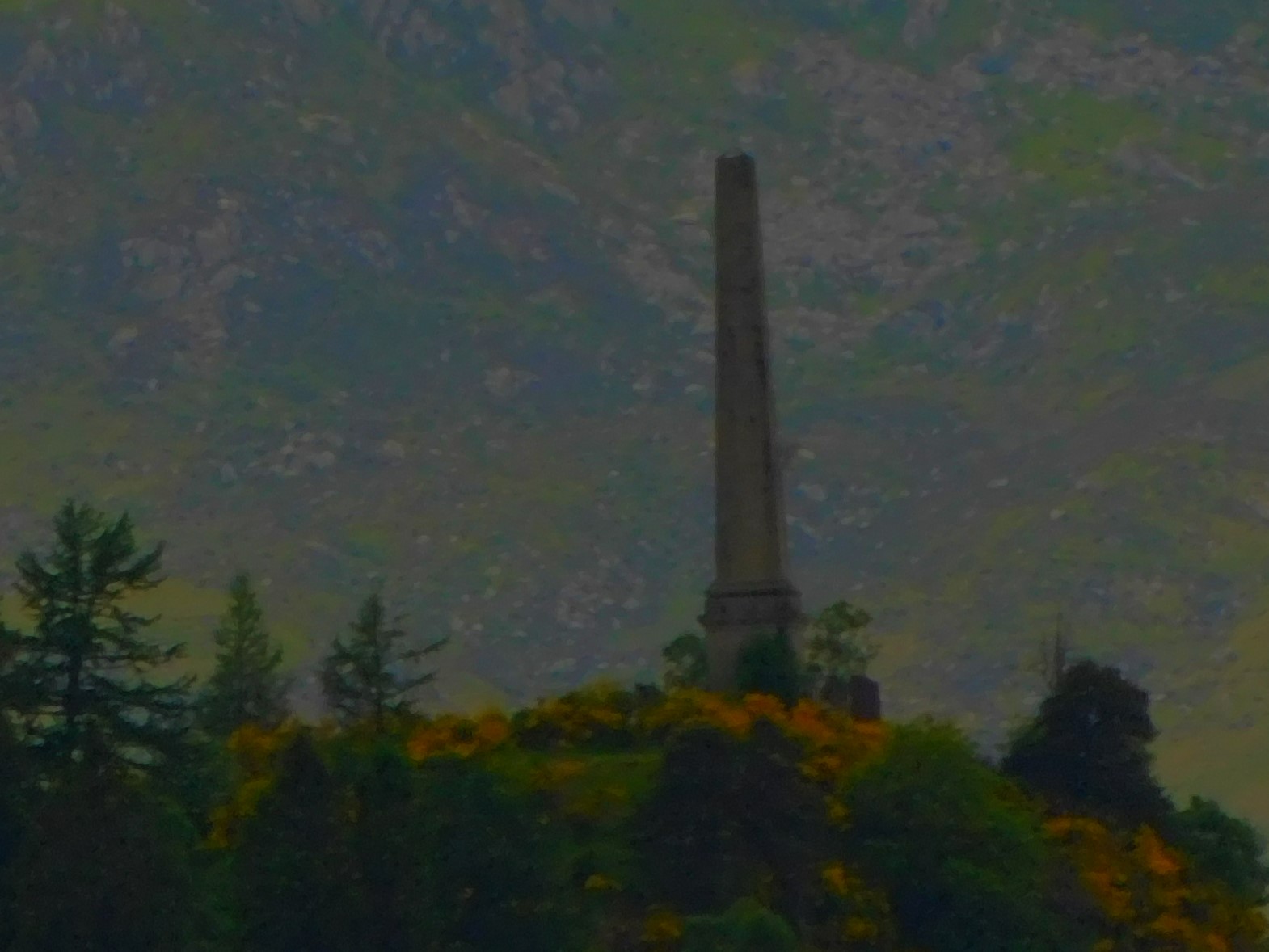
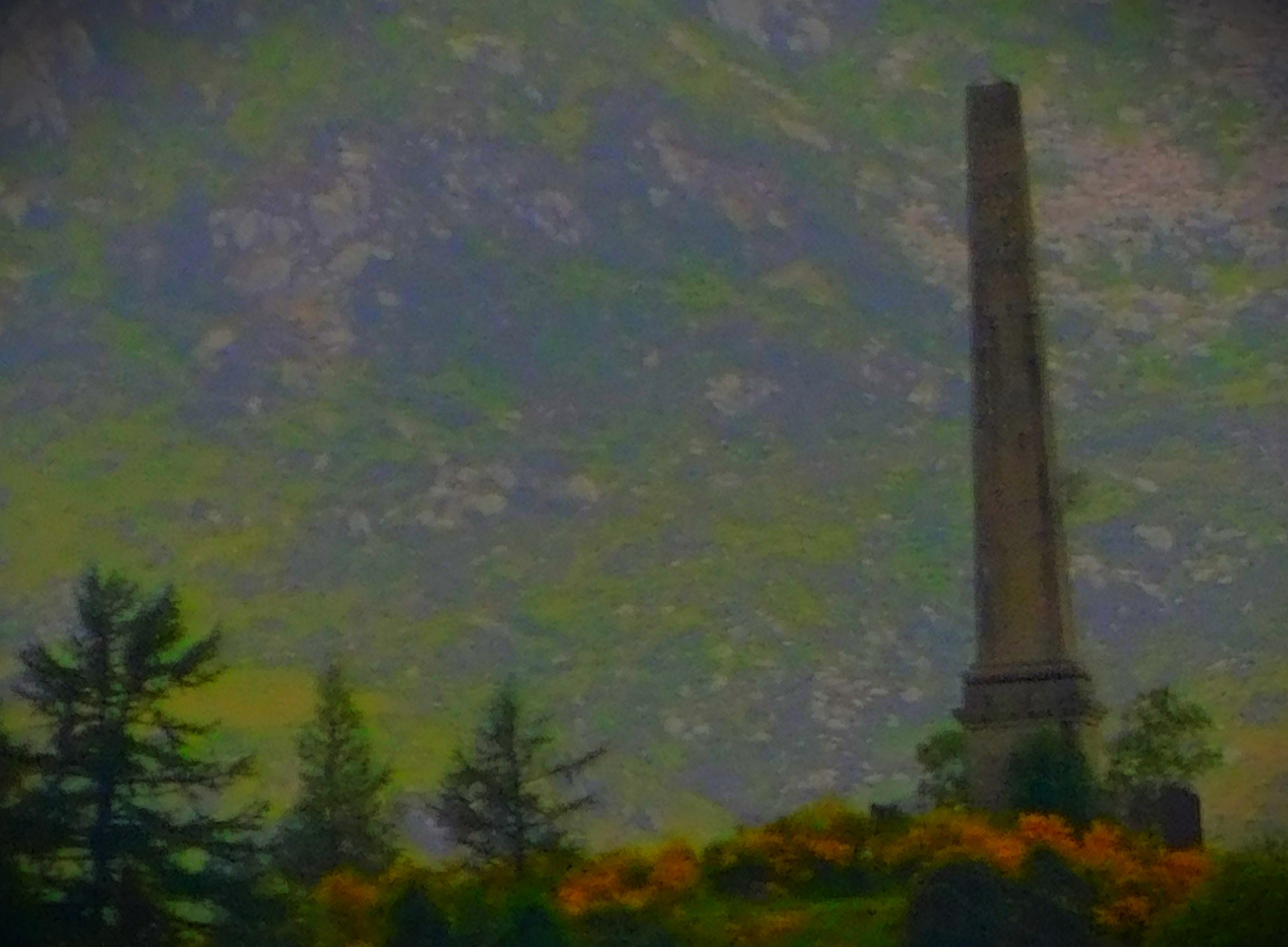
On the Wednesday morning I explored the river a little way in each direction. One way is a path that leads to Cultybraggan. In the other direction I got as far as Legion Park. From certain locations a hill top monument is visible – I photographed it more than once.
PHOTOGRAPHS
Here are the pictures for this post…
A community centre that looks like a church.The sitting room, showing the inside of the turret.
For those who made it to this point, here is the first of a series of waterfall videos which will feature in this series:
Setting the scene for a series about my recent holiday in Scotland.
I usually have a short holiday around the time of my birthday. This year, due to the place my mother was able to organize for us to stay at only being available for a few days I had the main celebration yesterday and have spent most of today travelling. This post sets the scene for what will be a series of blog posts about my brief sojourn in Scotland.
GETTING THERE
We were staying at the Charles Rennie Mackintosh building in Comrie, which was one of that worthy’s earliest design projects. I arranged to travel by public transport between King’s Lynn and Perth, the nearest major town to Comrie. The public transport element of my outbound journey consisted of four stages: King’s Lynn to Peterborough by bus, Peterborough to Edinburgh Waverley by rail (an Azuma train, the new stock being used by LNER, with a very streamlined front), a Scotrail stopping train from Edinburgh Waverley to Stirling (ultimate destination Dunblane) and then a Scotrail intercity train from Stirling to Perth. By the time I reached Perth, where my parents were meeting me by car for the rest of the journey to Comrie I had been underway for just over eight hours, and another hour would pass before we reached our destination. I will be covering the public transport element of the journey in fuller detail in a later blog post but for the moment here is sampler gallery…
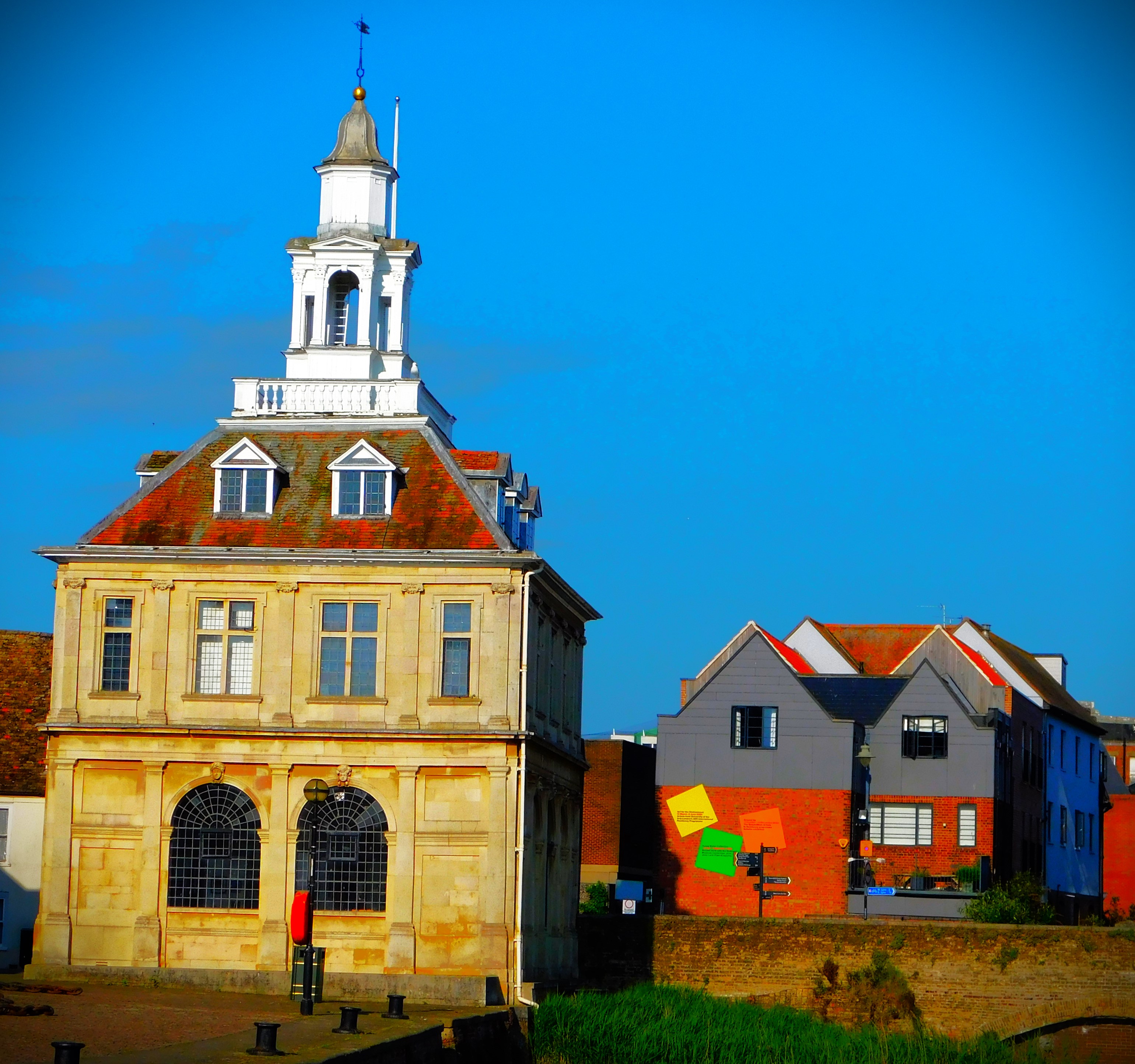
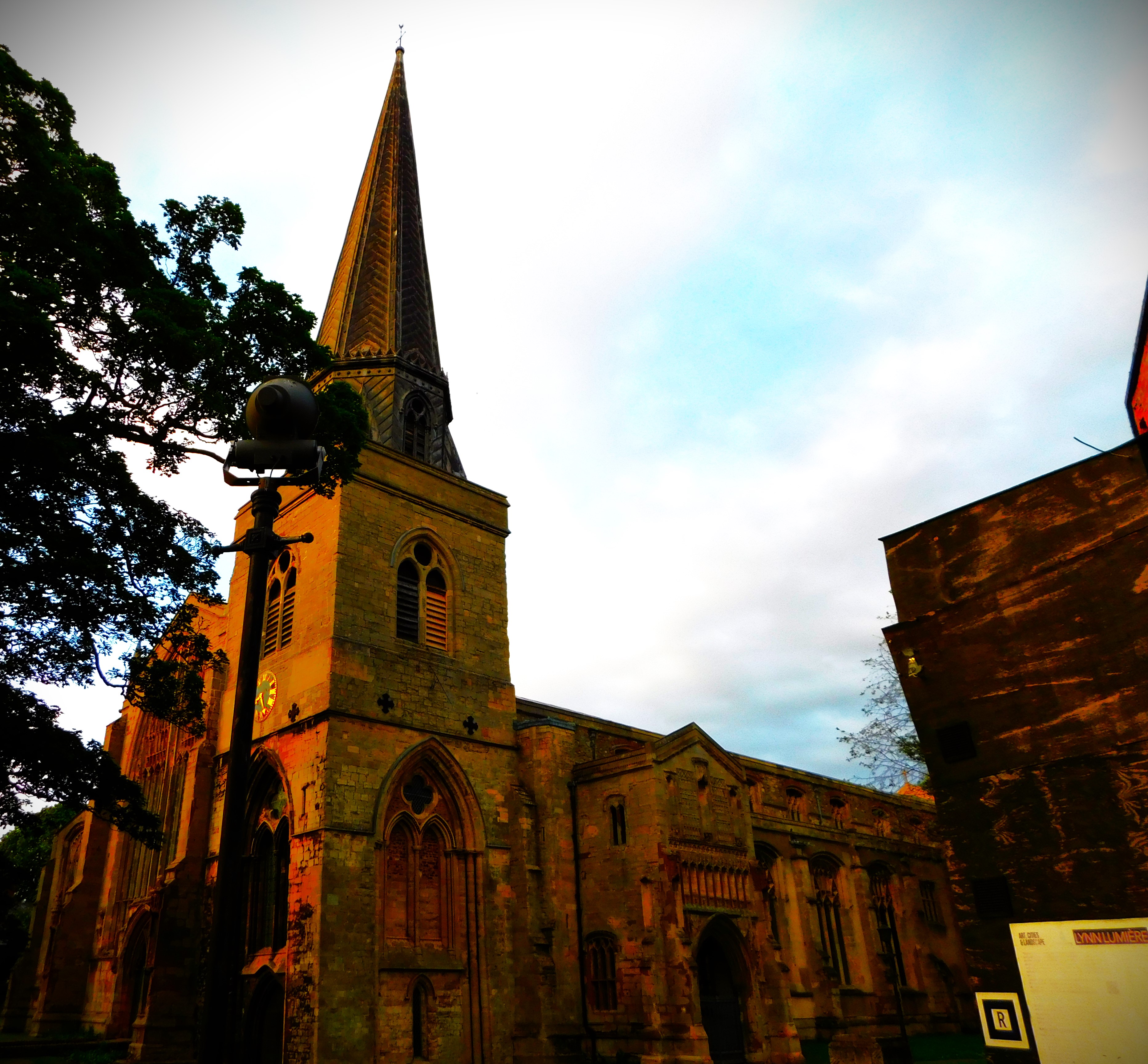
This frontage is in Wisbech, near the start of my journey.Durham, in the middle of the journey (two pics)NewcastleLeaving England and heading into Scotland (this is Berwick, where the train did not stop)This tower with the gold coloured ornamentation is near Linlithgow, nearing the end of the Edinburgh-Stirling leg of the journey.
THE HOUSE
I will be covering the house and its immediate surrounds in more detail later, but here are a few pictures to whet the appetite…
Everything in these three pictures is Mackintosh designed.
ACTIVITIES
As you might imagine the Tuesday evening was pretty much a dead loss as far as activities were concerned, but Wednesday and Thursday were well filled. I explored along the river Earn on the Wednesday morning, and we all walked up to the Deil’s Caldron just before lunch that day, before doing some of the Earthquake Walk in the afternoon (Comrie used to be known as the ‘shaky toon’ because of its proximity to a fault line, and was possibly the first place in the world to have earthquake recording equipment, with the house in which that equipment lived, and where there is a still a functioning seismoscope, being the centrepiece of the walk). On Thursday we visited a WWII POW camp at Cultybraggan, also had a look at an old Roman fort, and near the latter we also saw a much younger but still impressively old stone packhorse bridge across the Earn and also paid a visit to Crieff, once an important staging post on an epic cattle droving route that began in the extreme west of Scotland and ended in Stirling. The birthday meal was Thursday evening. Here is a sample gallery from some of these activities…
Three shots of the Caldron (the colour of the water is down to dissolved peat from the uplands – water in Scotland is not in the hands of greedy privateers).A couple of items at Cultybraggan and the packhorse bridge.
THE RETURN JOURNEY
The public transport element of my return journey started with a journey from Perth to Edinburgh Waverley, not by way of Stirling, then the fast journey from Edinburgh Waverley to Peterborough and finally a bus from Peterborough to King’s Lynn. The train from Perth ran late, and there were moments of worry about making the interchange at Edinburgh (the train from Perth arrived only eight minutes before my second train, to Peterborough, was due to depart, but I hustled myself between platforms and in the end reached my seat with six of those eight minutes to spare. I haven’t yet edited the photos from I took en route. I end with a mini-gallery from earlier in the stay…
A stone bridge over the Earn, which we crossed on our way to the Earthquake House.the Earthquake House from the road.
A look back at two matches that in different ways link back to WG Grace and a very large photo gallery.
Today is the fourth and final day of a round of county championship matches. I am following Essex’s attempt to beat Kent, which at the moment seems to be going their way. Yesterday two matches saw events that in different ways harked back to WG Grace. This post looks at both matches, one of which I listened to and one of which I heard about.
HAMPSHIRE V SURREY
Surrey won the county championship in 2022 and 2023, and are well placed to make it three in a row this year. However, even the strongest sides occasionally get things badly wrong, and at Southampton over the three days that the match lasted Surrey most certainly did. Surrey won the toss and chose to bat. A poor morning with the bat for Surrey was immediately followed by a devastating post-lunch burst from Kyle Abbott which yielded him a five-for in next to no time, and Surrey had mustered a measly 127. By the close of day one Hampshire were 102-1, Fletcha Middleton gone for 35, and Toby Albert and Nick Gubbins looking solid though not scoring with any great pace. Both completed centuries on the second day, Albert’s being his maiden first class ton. With this solid base to build on the later batting was more aggressive, and by the end of day two Hampshire were 495-4, with Ben Brown 99* and Liam Dawson 74*. The only question by then was whether Surrey could save the match. Brown completed his hundred and went rapidly on to a career best 165*. Dawson was out for 81, while James Fuller helped Hampshire towards their declaration with 34* off 27 balls. Hampshire’s declaration came at 608-6, leaving Surrey just over five sessions to bat to save the game. Burns was out early, and a good catch by Albert off Organ removed Sibley for 28 (86). Thereafter only Foakes showed the necessary application to bat for a long time. Lawrence scored 42 off 50 balls, a most inappropriate innings for the circumstances, while Steel, Clark, Sean Abbott and Atkinson managed 21 between them. With the result settled Surrey number 11 Dan Worrall emerged as top scorer for them, hitting his way to 48, with his dismissal leaving Foakes undefeated on 19 having survived 107 balls. The margin was an innings and 278 runs, the worst defeat Surrey had ever suffered in a county championship match, though the 1948 Australians beat Surrey by an innings and 296, as did an England XI in 1866, the match in which WG Grace scored his maiden first class century, a then ground record 224*. Full scorecard here.
GLOUCESTERSHIRE V DERBYSHIRE
This match is a ridiculous run fest and will end in a draw. However when Gloucestershire were 131-4 in reply to Derbyshire’s 526 it might have got interesting. At that point James Bracey and Graeme van Buuren came together for Gloucestershire, and their fifth wicket stand ended up producing 277, an all time Gloucestershire record for that wicket, breaking one of the oldest county records, set by WG Grace and William Moberly in 1876 (Moberly was also an excellent rugby player, captaining Oxford University to victory in the first ever varsity rugby match and appearing for England against Scotland in 1872). In the run up to lunch today Gloucestershire had a clatter of wickets fall, but Aussie import Beau Webster smashed a rapid 76 to take them into a first innings lead – 530 against 526.
PHOTOGRAPHS
I have a large photo gallery to share. My next gallery will be a bit different as early tomorrow morning I head north for a brief holiday in Scotland, near Perth to be precise (a journey accomplished by means of fast bus to Peterborough and trains from Peterborough to Perth). Here is today’s offering…
An explanation of the effect that the weather has had on today’s cricket schedules and a quick look back at yesterdays T20I between the England and Pakistan men’s teams.
The second ODI between the England and Pakistan women’s teams should be in full swing at the moment, but the weather has intervened in no uncertain terms and the radio people have delivered their verdict on the likelihood of their being any resumption of play by switching over to the IPL final between Sunrisers Hyderabad and the Kolkata Knight Riders. Yesterday the England and Pakistan men’s sides contested a T20I and I will look back at that. While I have been typing this post and then preparing it for publication news has come through that the match in Taunton has been abandoned.
A COMFORTABLE WIN
For much of their innings England looked set to score over 200 from their 20 overs, but a poor last five overs prevented that. They ended with 183 to defend, an innings built around a blistering 84 from Jos Buttler. Moeen Ali bowled four of the first nine overs of the Pakistan reply, and collected 2-26, a splendid effort, especially given that the second of those wickets was that of Babar Azam, Pakistan’s best batter. Pakistan never got on terms with the target, and the final margin was 23 runs. Jofra Archer returned to action, and was very impressive and indubitably fully fit for action. If there is a problem with this England line up it is that the only front line batter who bats left handed is Moeen Ali, which means that England either have to send six successive right handers to the crease, or promote him up the order to break the sequence.
PHOTOGRAPHS
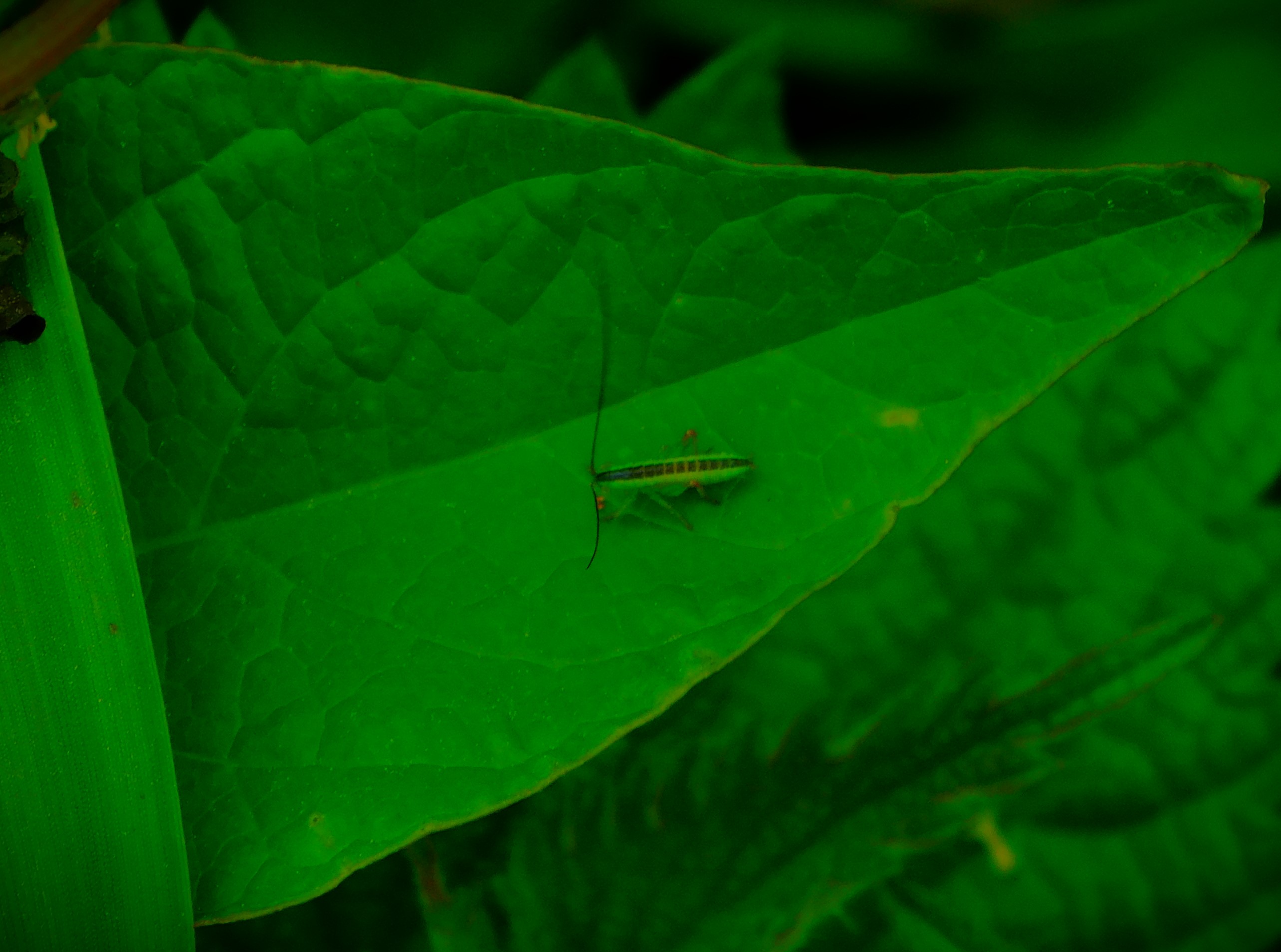
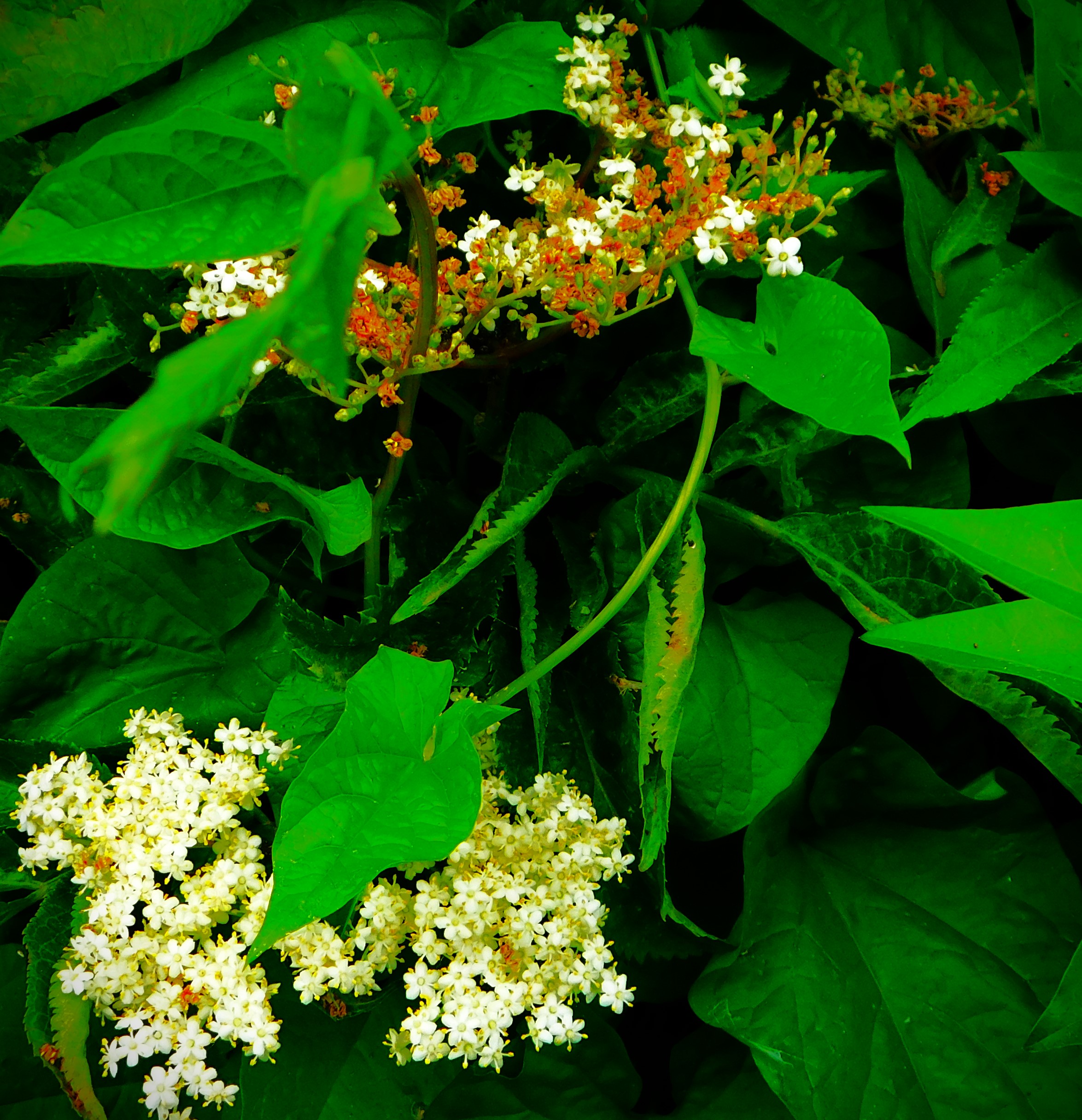
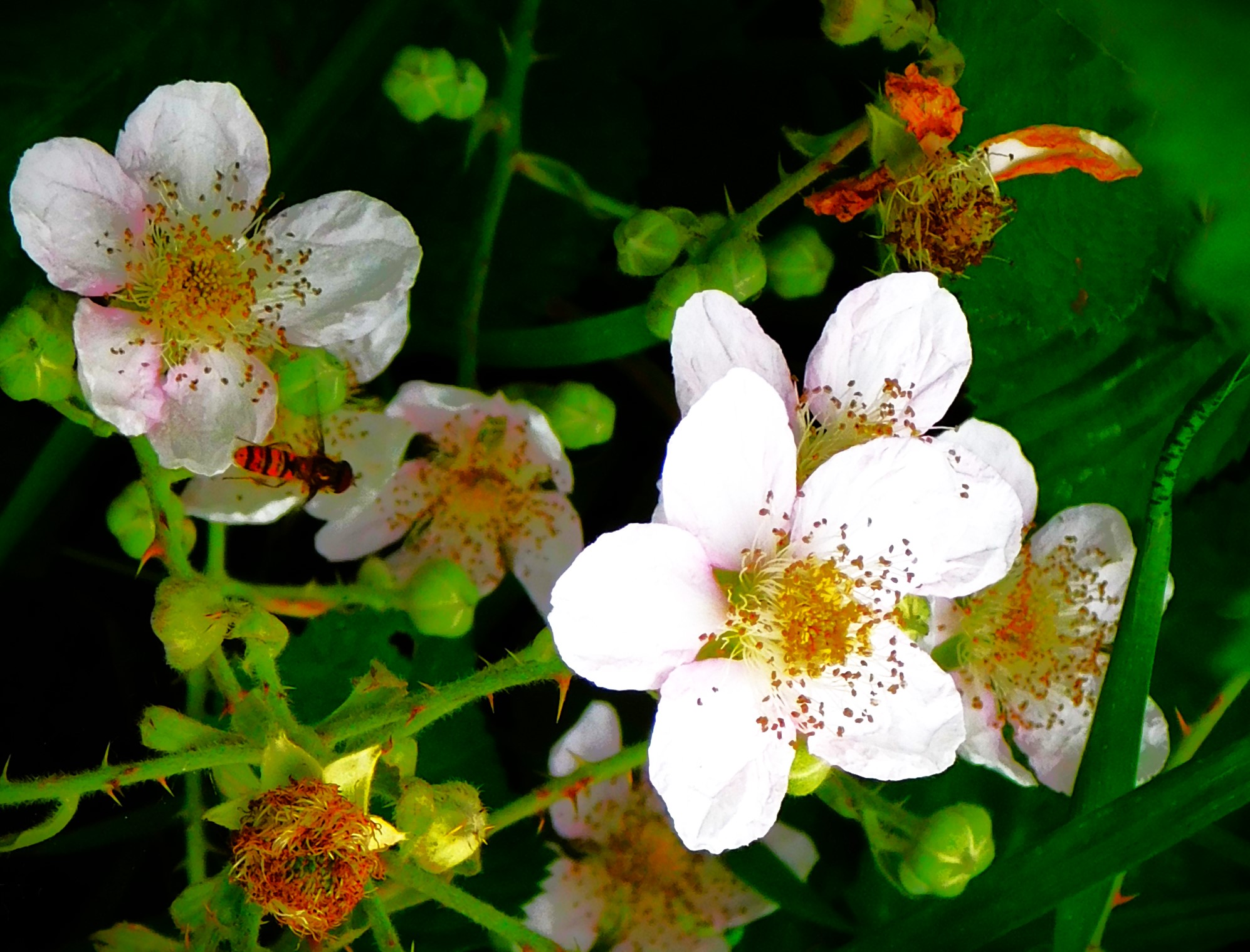
It has not been the best weather for photography recently, but I do have a gallery to share…