Trent Rockets Women Keep Qualification Hopes Alive

A look at Trent Rockets v Southern Brave in The Hundred (women’s) and a few other bits, including a photo gallery.

Today has been a ‘double double header’ day in The Hundred, though I have missed a fair amount of the action due having another commitment (it was worth it, as you will be seeing tomorrow). However I got enough of the Women’s match in the earlier double header between Trent Rockets and Southern Brave to feel able to comment (I am currently listening to the closing stages of the women’s match in the second double header, between Welsh Fire and Birmingham Phoenix.

Brave won the toss and elected to field first. Rockets responded excellently to the challenge. The three most significant contributions for them were Natalie Sciver-Brunt, a brilliant 60* (37), Grace Scrivens, 36 (24), and Katie George at the death, whose 8 (3) – four, four, out from the 98th, 99th and 100th balls boosted Rockets past the 150 mark to 155-7. Lauren Bell had three wickets, continuing an excellent campaign for her in that regard, though she would have been disappointed at conceding as many as 36 runs from her 20 balls. Another Lauren, Cheatle, was by the far most economical Brave bowler with 1-13 from her 20 balls. Chloe Tryon and Georgia Adams were the other wicket takers, with one a piece, though both were very expensive.

Although there was over a third of this innings remaining when I had to leave the final outcome was already highly likely, especially with Smriti Mandhana having lost her wicket for a fine 42 (27). Tryon did her best to make a match of it, scoring 47* (31), but the only other double figure score outside these two biggies was from skipper Georgia Adams whose 27 soaked up 29 balls, which meant that in effect the rest were in the position of chasing 180 rather than the already formidable 155 actually on the board against them. Alexa Stonehouse was the standout Rockets bowler, taking 2-10 from 15 balls. Sciver-Brunt’s batting secured her the Player of the Match award.

Yesterday a 19 year old named Ollie Sykes, born in Wandsworth, playing only his second ever professional innings hit 87* from just 56 balls to boost Surrey past the 300 mark in their Metrobank One Day Cup match against Essex. Surrey defended this total successfully. I hope he is able to build on this fine start. For completeness of detail he is a left handed batter and bowls right arm medium pace.

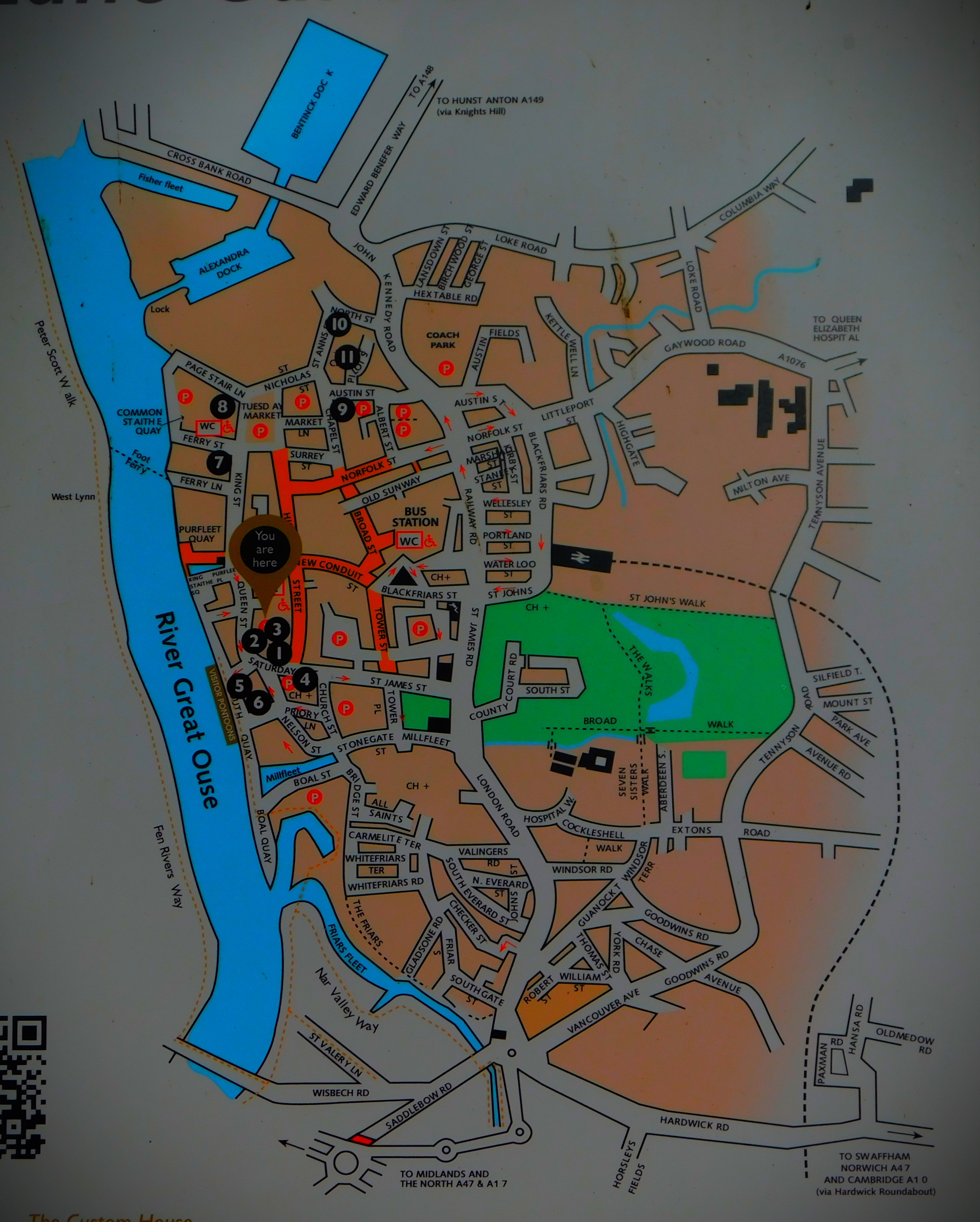
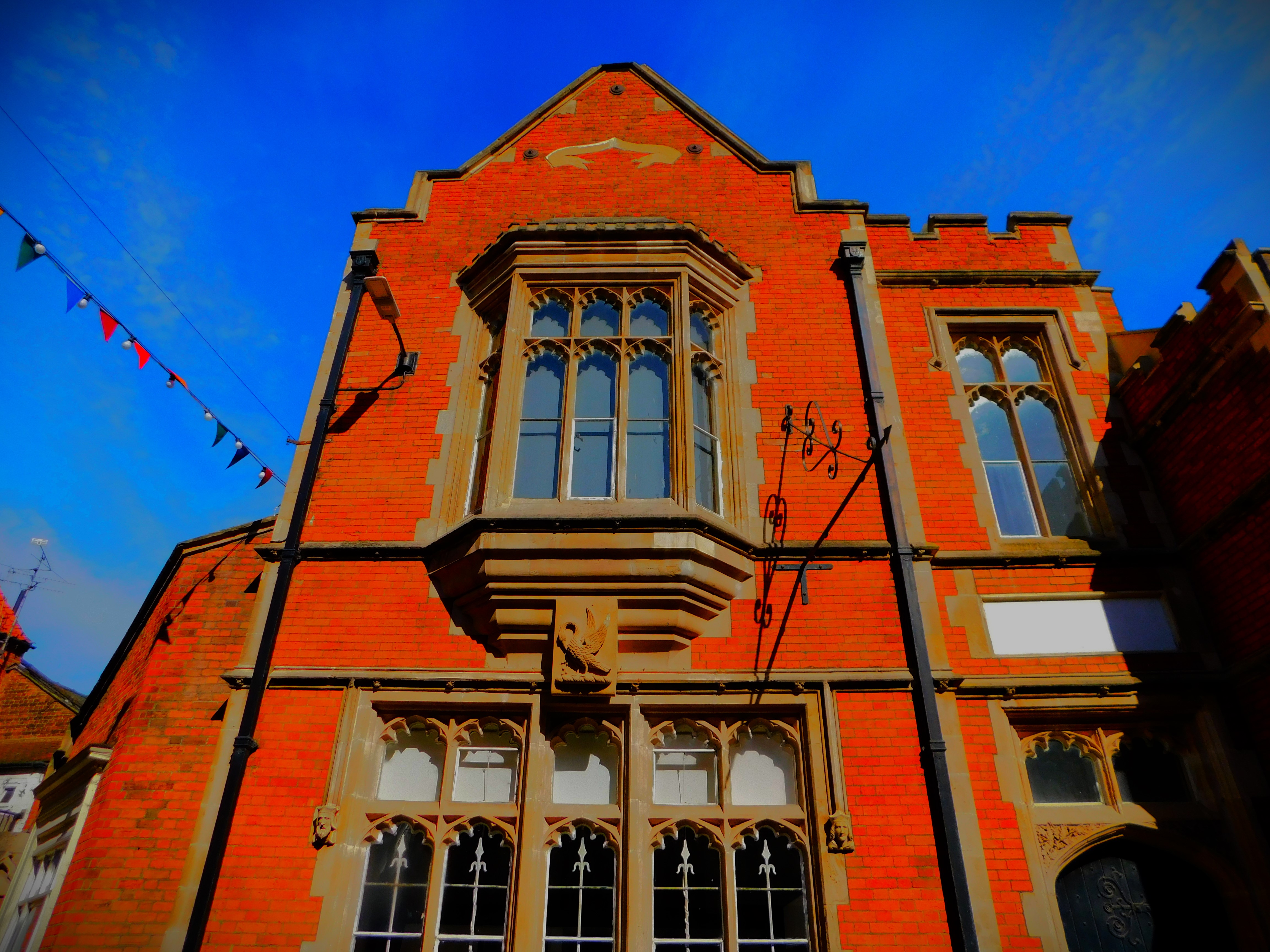
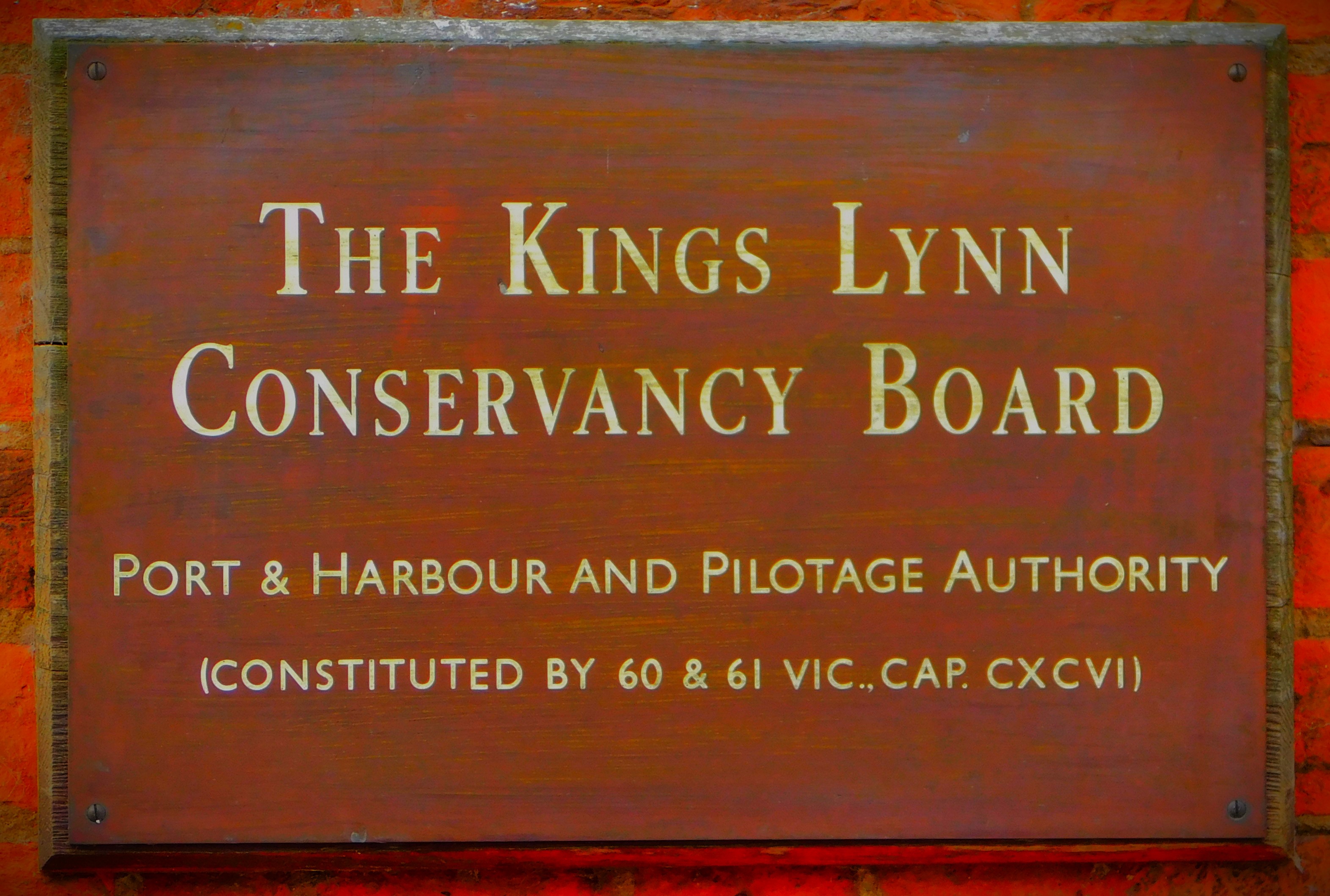
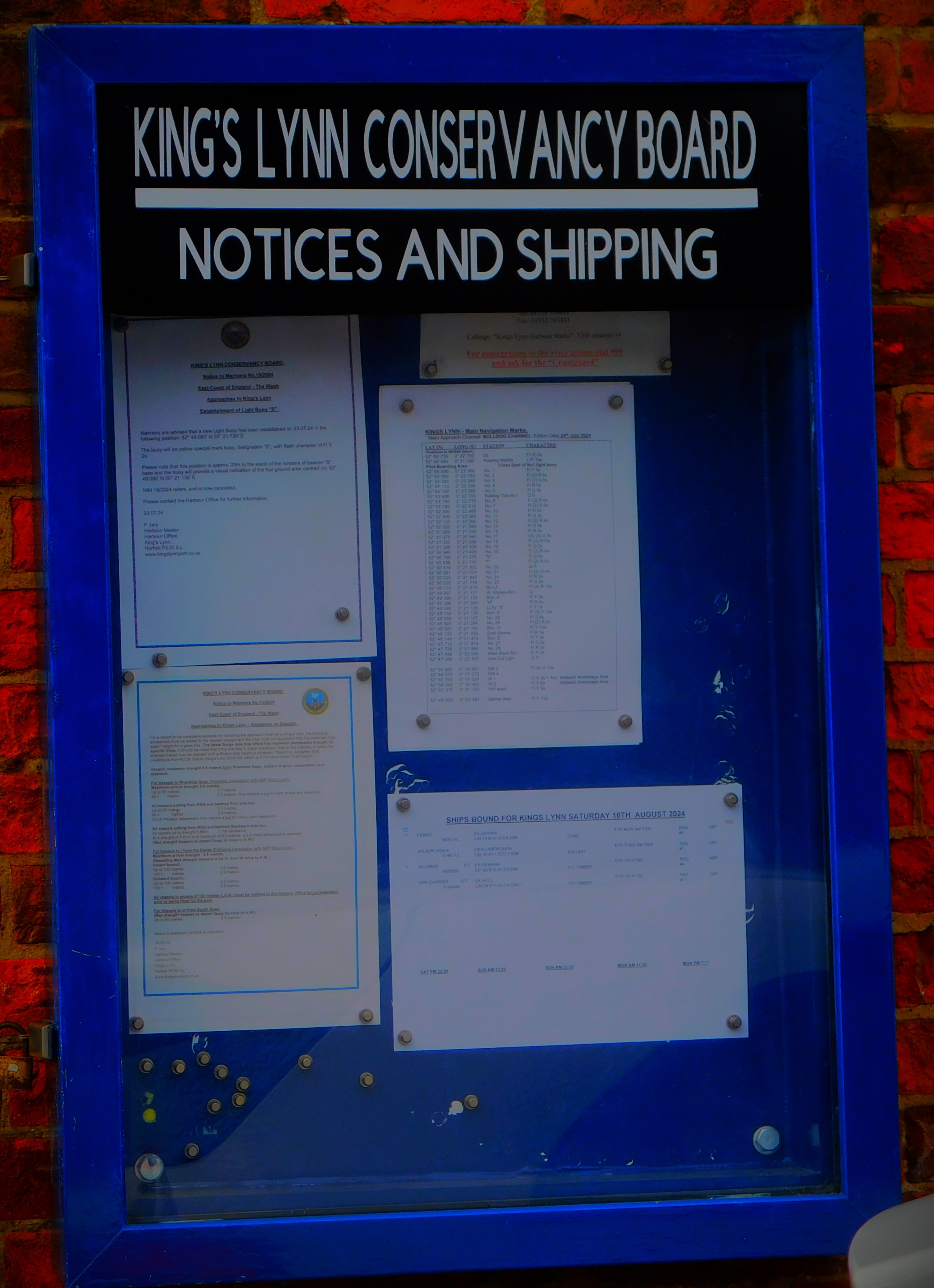
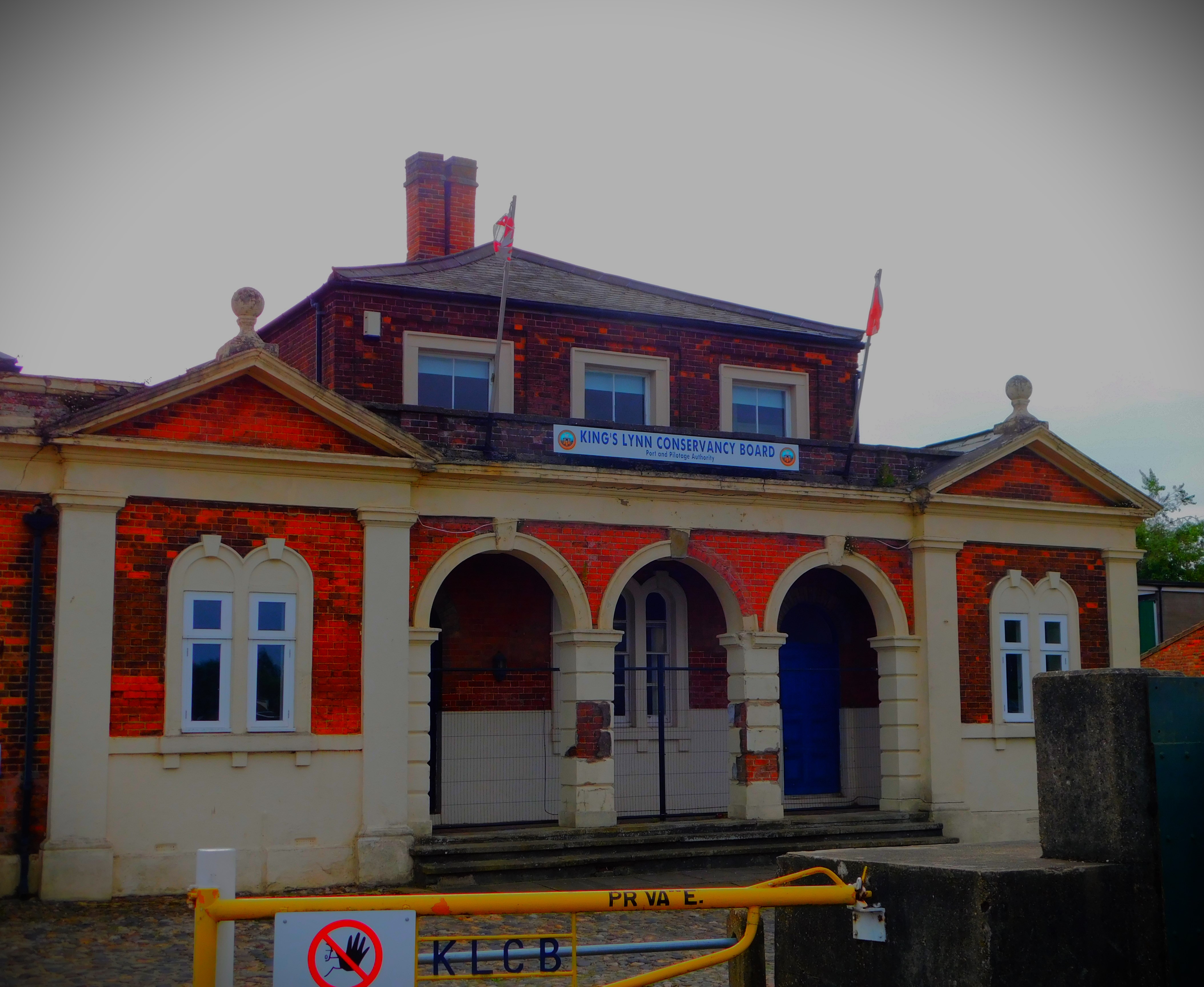
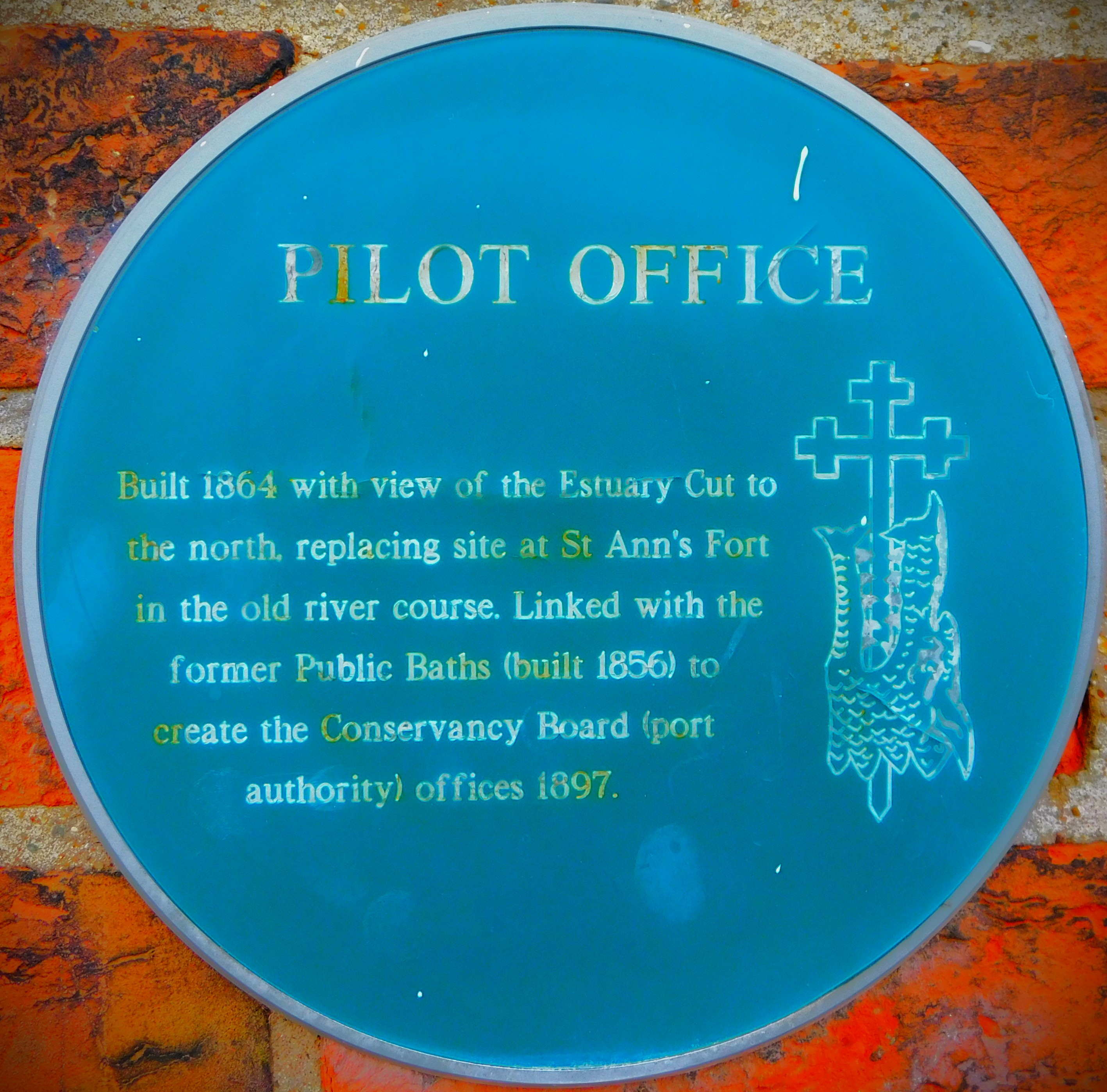
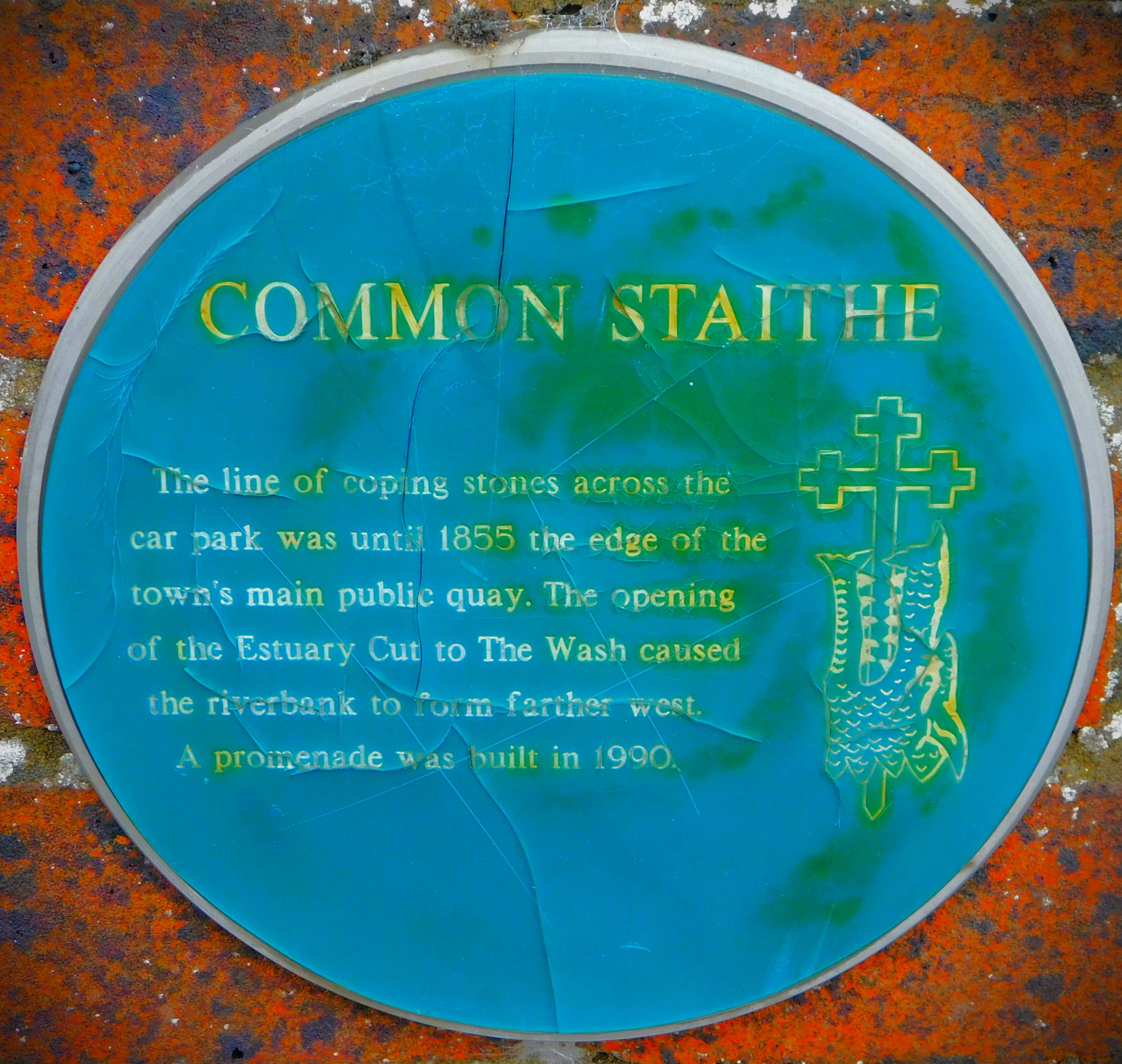
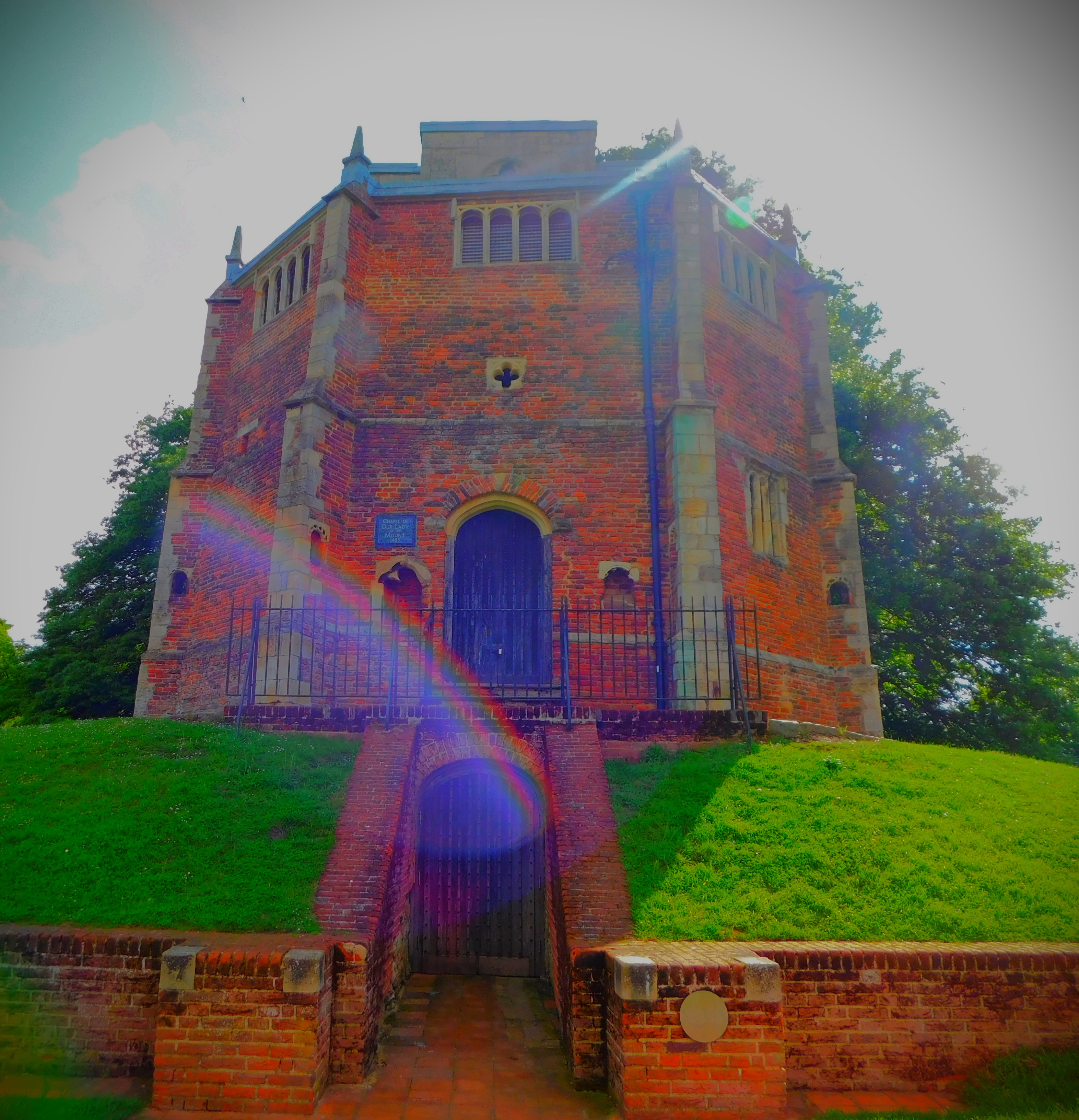
I received details of the building I will be stewarding at on Heritage Open Day (Sunday 8th September), and it is the Pilot’s Office on Common Staithe Square (relocated there in 1864 having previously been at St Ann’s Fort which is about 200 yards from St Nicholas Chapel). Common Staithe Quay was at the time the town’s main quay, and the new Pilot’s Office was added to the building which at the time housed King’s Lynn’s public baths. The complex is very impressive, and the key feature of the Pilot’s Office is the octagonal tower, which is four storeys high, with topmost storey ringed by windows so that at night it was like a giant lantern. Here is a picture…

A photograph from the quay showing the entire complex.

My usual sign off…

The T20 World Cup Semi-finals

A look back at the T20 World Cup semi-finals and a photo gallery.

Yesterday was semi-finals day at the T20 World Cup. This post looks back at the two matches.

This match was played in Trinidad, starting at 1:30AM Thursday UK time (8:30PM Wednesday Trinidad time). Unfortunately it was ruined by the fact that the ground staff had failed miserably to produce a surface that was fit for cricket. Some of the pitches in New York in the early part of the tournament were difficult to bat on, but the difficulties while some moaned about them were fundamentally fair. The pitch at Trinidad for this important match was blatantly unfair, with extremely variable bounce (swing, seam movement or spin can be countered, and they do not put batters personal safety at risk, variable bounce does, and it is impossible to get in the right position to play your shots because there is no means of knowing what the right position will be). Afghanistan in the face of South Africa’s powerful pace attack subsided to 56 all out, which South Africa chased down for the loss of only one wicket. Obviously Afghanistan were well short of a defensible total, but on that track I reckon another 40 runs for them would have had South Africa sweating. For Afghanistan it was a sad end to what has been a great tournament for them. They have a good bowling unit and two batters who are indisputably of the highest class in Rahmanullah Gurbaz and Ibrahim Zadran. There is a suspicion of a soft underbelly to the batting – almost all their significant scores have featured major contributions from one or other of the top two. For South Africa this was the end of a miserable run of losses in semi-finals of global competitions – they had reached seven previous semi-finals across formats and never won one.

This match was scheduled to start at 3:30PM at Providence, Guyana. This would have meant that I missed a lot of it with Thursday being a work day. However the start wads delayed by rain, and there was a second rain delay part way through the Indian innings. This match did not have a reserve day, but with a 10:30AM local time start they had a lot of leeway on the one available day – 250 minutes of spare time was allotted for weather interruptions (these morning starts were chosen with little regard for local fans because they fit with peak TV viewing times in India). India put up a decent total that soon looked very impressive as England mad an absolute hash of attempting to chase it. An overly zealous devotion to the concept of ‘match ups’ led to left handers Moeen Ali and Sam Curran being promoted up the order, the problem with this being that neither is actually a good enough batter to belong high in the order. Liam Livingstone who had bowled well with his mixed spin (he can bowl both off breaks and leg breaks and varies them according to who is facing) was England’s last serious hope with the bat, but Jofra Archer failed to respond to his call, resulting in a run out that left England miles adrift and with only bowlers left. India thus won very comfortably and will face of against South Africa in Barbados tomorrow.

My usual sign off…

Two Contrasting Routes to Victory

A look back at the first two matches I followed in this round of County Championship matches – Surrey outclassing Worcestershire and Essex beating Warwickshire after Alex Davies ushered them back into the game by refusing to enforce the follow-on.

The current round of county championship fixtures is nearing its conclusion (I am now tuned into Somerset v Kent, which will shortly resume after an innings break, with Somerset needing 189 to win in 54 overs) and in this post I look back at the first two matches to command my attention since play started on Friday morning.

Worcestershire won the toss and put Surrey in. Initially it looked like working very nicely for them, when Surrey tumbled to 15-4, but Jamie Smith and Dan Lawrence righted the ship well enough (Lawrence’s 84 was especially impressive) that with the addition of a late flourish by Jordan Clark (42*) they managed to top 200. By the end of an action packed opening day Worcestershire were already seven down in their own first innings, and they managed a mere 128 all out by the end of it, Dan Worrall claiming six cheap wickets. Burns, Sibley, Smith, Lawrence and Clark all demonstrated that batting was not impossible on this surface. Lawrence made 87, and Clark got within sight a century, Surrey eventually being all out for 427, a lead of 512. Surrey themselves chased down a target of over 500 against Kent last season, but such targets are rarely successfully chased, especially against a seam attack of Roach, Worrall, Atkinson and Clark on a pitch offering them a bit of assistance. Although there was some late hitting from Nathan Smith (60 from number 8) and Ben Gibbon (75 from number 10) Worcestershire’s fate was sealed by then – even with this late flourish they reached only 231, which meant Surrey won by 281 runs. Dan Worrall followed his first innings 6-22 with 4-35 at the second time of asking. About the only genuine bright spot for Worcestershire was provided by first class debutant Yadvinder Singh (a product of the South Asian Cricket Academy), who claimed four wickets in Surrey’s second innings to give a hint of his potential. For those wondering about the pitch, it was never a death trap, but Surrey undoubtedly prepared a ‘result’ pitch, believing that they were more likely to benefit from such than the visitors, and they were right – they had the bowling to make full use of whatever was there for them and Worcestershire didn’t. Scorecard here.

The match above concluded on the third evening, and I followed various other games for the remainder of that day, but had noticed an interesting scenario unfolding at Chelmsford and resolved to follow that game to its conclusion today. Essex started today 224-4 chasing 330 for victory. However it was the story of how that situation arose that made the scenario particularly interesting. Warwickshire had scored 397 batting first and Essex were rolled for 162. At this point, with whoever batted next facing an awkward mini-session before the close, and the Essex batters probably not in the best of spirits after failing once already that day Warwickshire skipper Alex Davies made a bizarre decision not enforce the follow-on with that lead of 235, thereby exposing his own side to that awkward mini-session of batting. Warwickshire were five down by the close of day, and the Essex bowlers finished the job on day three with Warwickshire mustering a beggarly 94 all out. Warwickshire needed early wickets on the fourth morning and did not get them – the target was down to 42 before they finally struck, Jordan Cox holing out for splendid 112, his second first class hundred for his new county. Pepper, the new batter, fell early to make it 293-6, but Simon Harmer, fear of whose off spin in the final innings may have influenced Davies’ fateful decision not to put Essex back in when he had the chance, batted nicely, while Matt Critchley was playing a splendid innings and richly deserved to join Cox with a three figure score. Unfortunately he was denied this, being on 99* when a boundary to Harmer gave Essex a four wicket win. When it comes to enforcing the follow-on there should be no ‘always’ and no ‘never’ – each case should be assessed on its merits, and my strong view here is that Davies messed up – with an advantage of 235 and whoever batted next facing an awkward mini-session before the close (which also meant his bowler’s would have a nights rest to break up their labours) it was clear cut to enforce it, and his decision to inflict that awkward mini-session of batting on his own side ultimately cost him and them the match. Full scorecard here.

My usual sign off…

Loddon Wrap Up

This is my third and final post about a big family gathering over a long weekend in honour of an aunt’s 70th birthday.

On Saturday evening it was the party itself, which was professionally catered. The food was absolutely delicious as was the drinks, and the presents went down well with the recipient. The main course was lamb tagine, and there was pavlova for pudding. There was a large quantity of champagne, and other fine liquids.

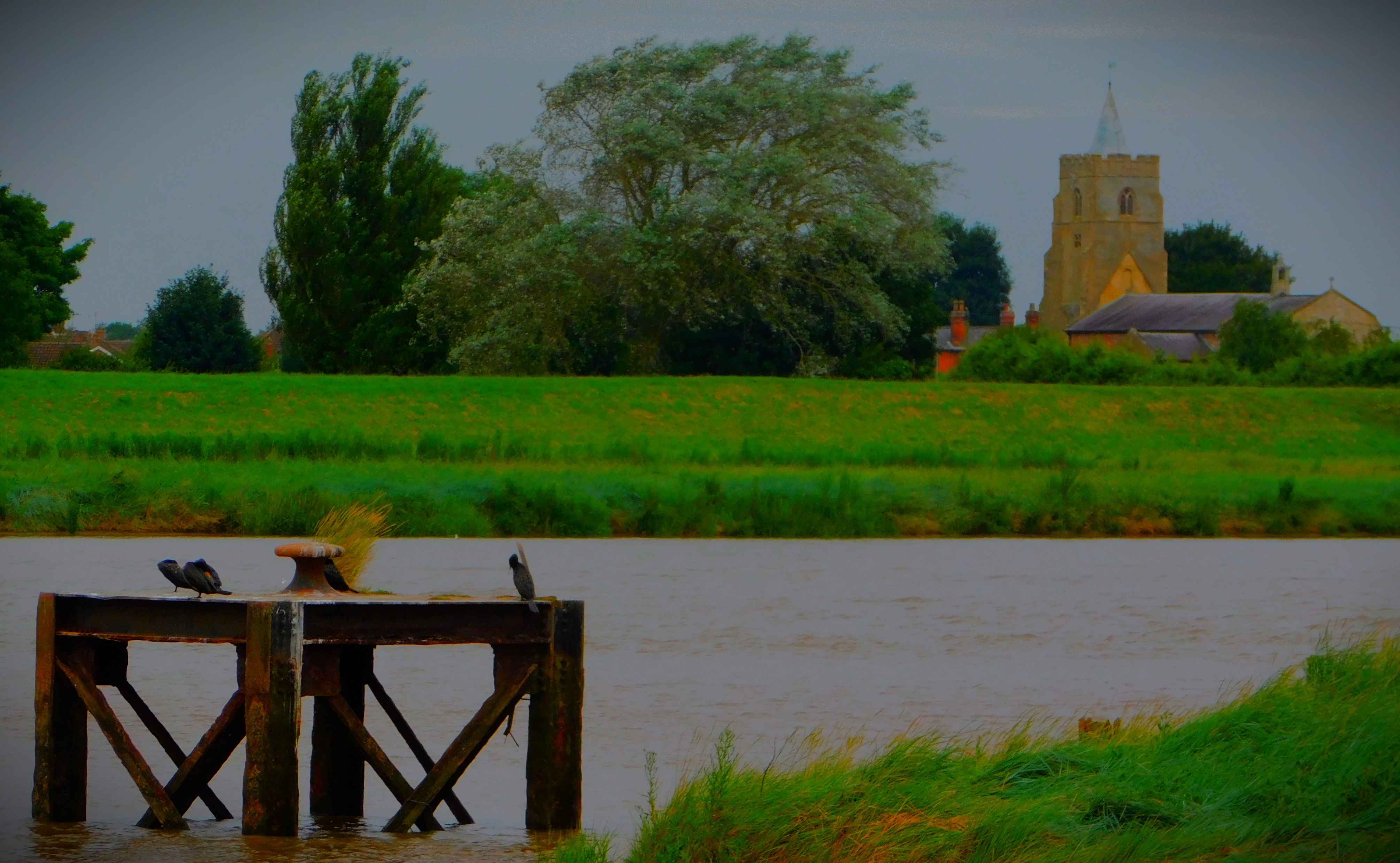
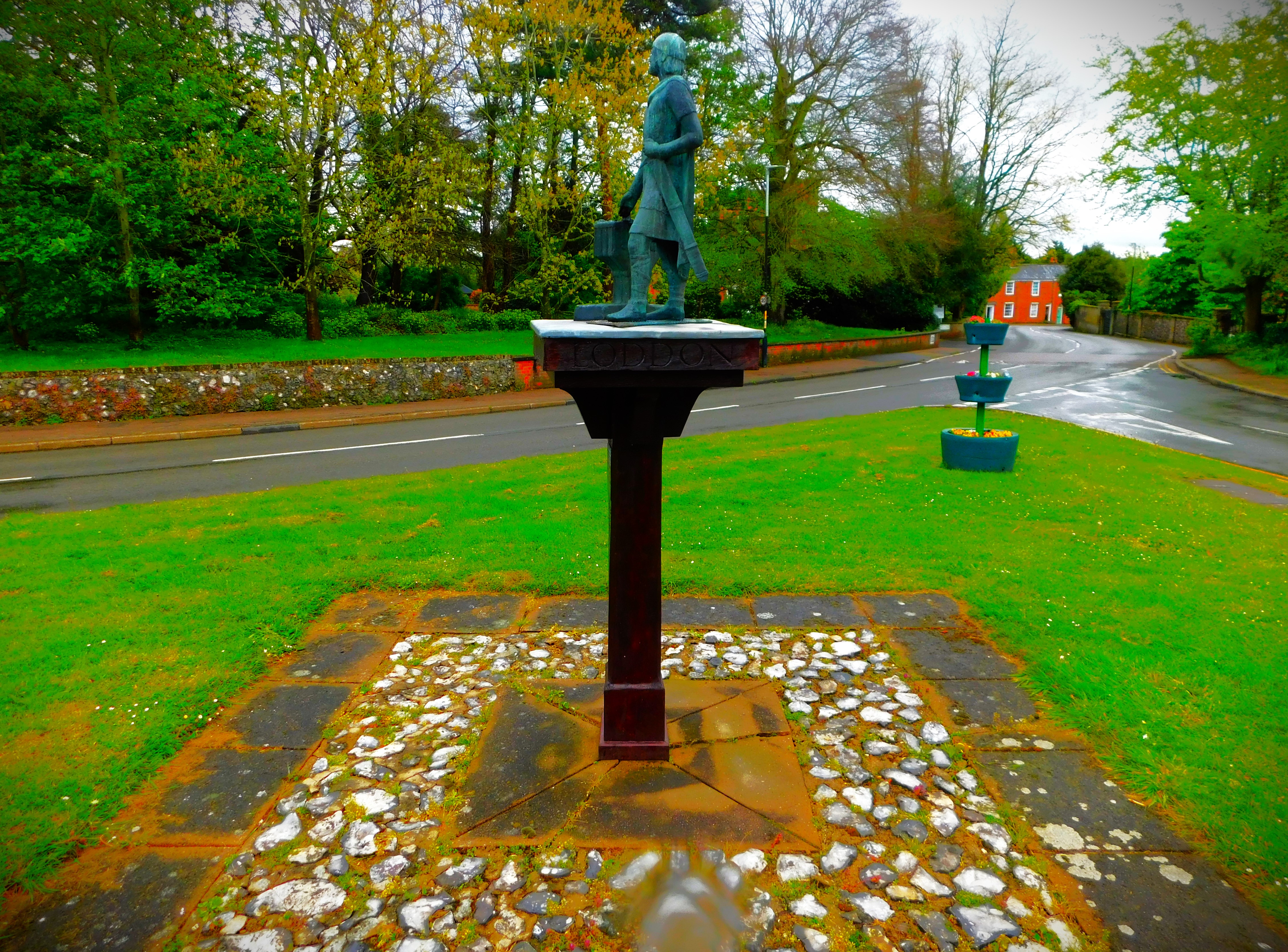
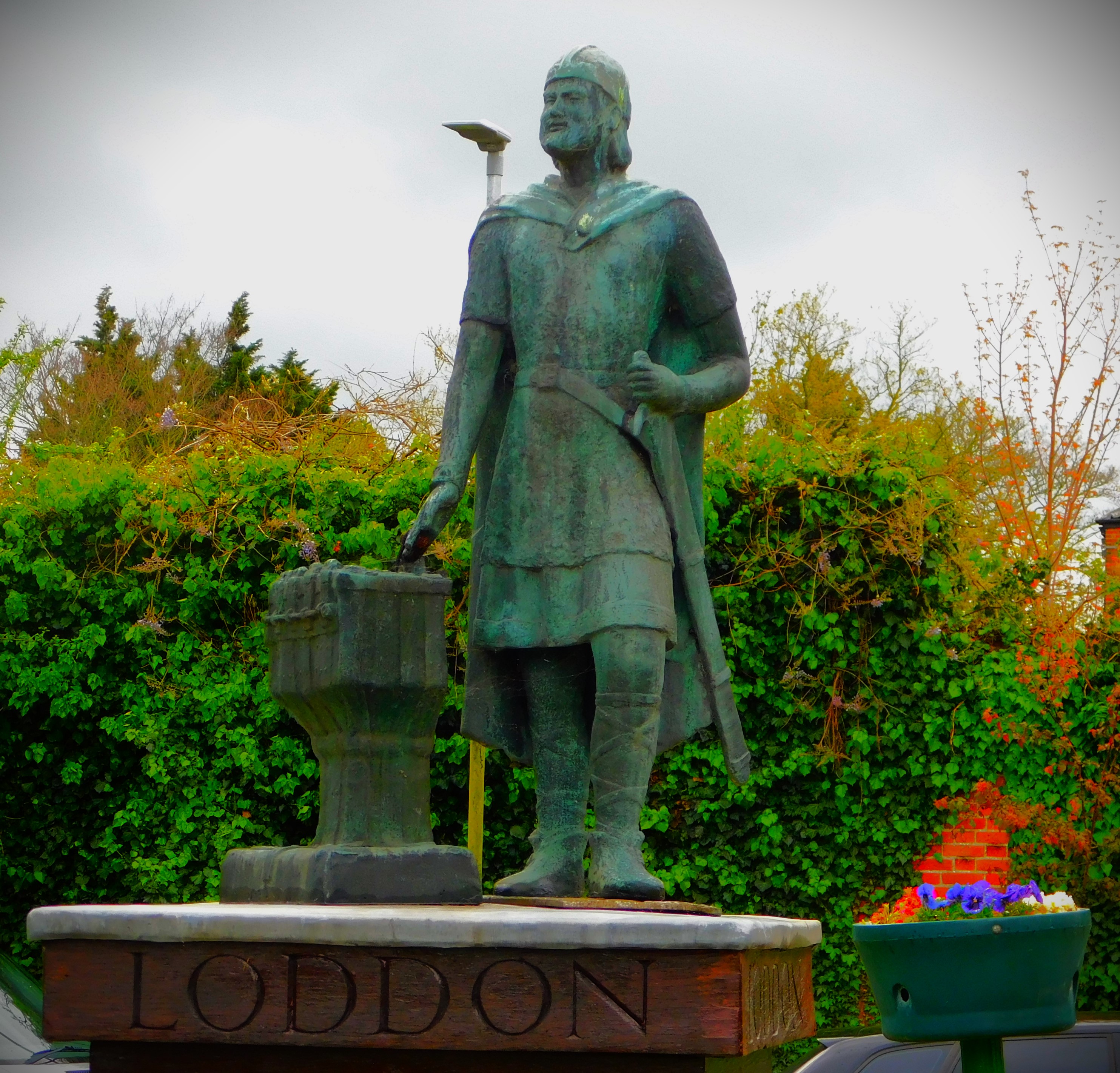
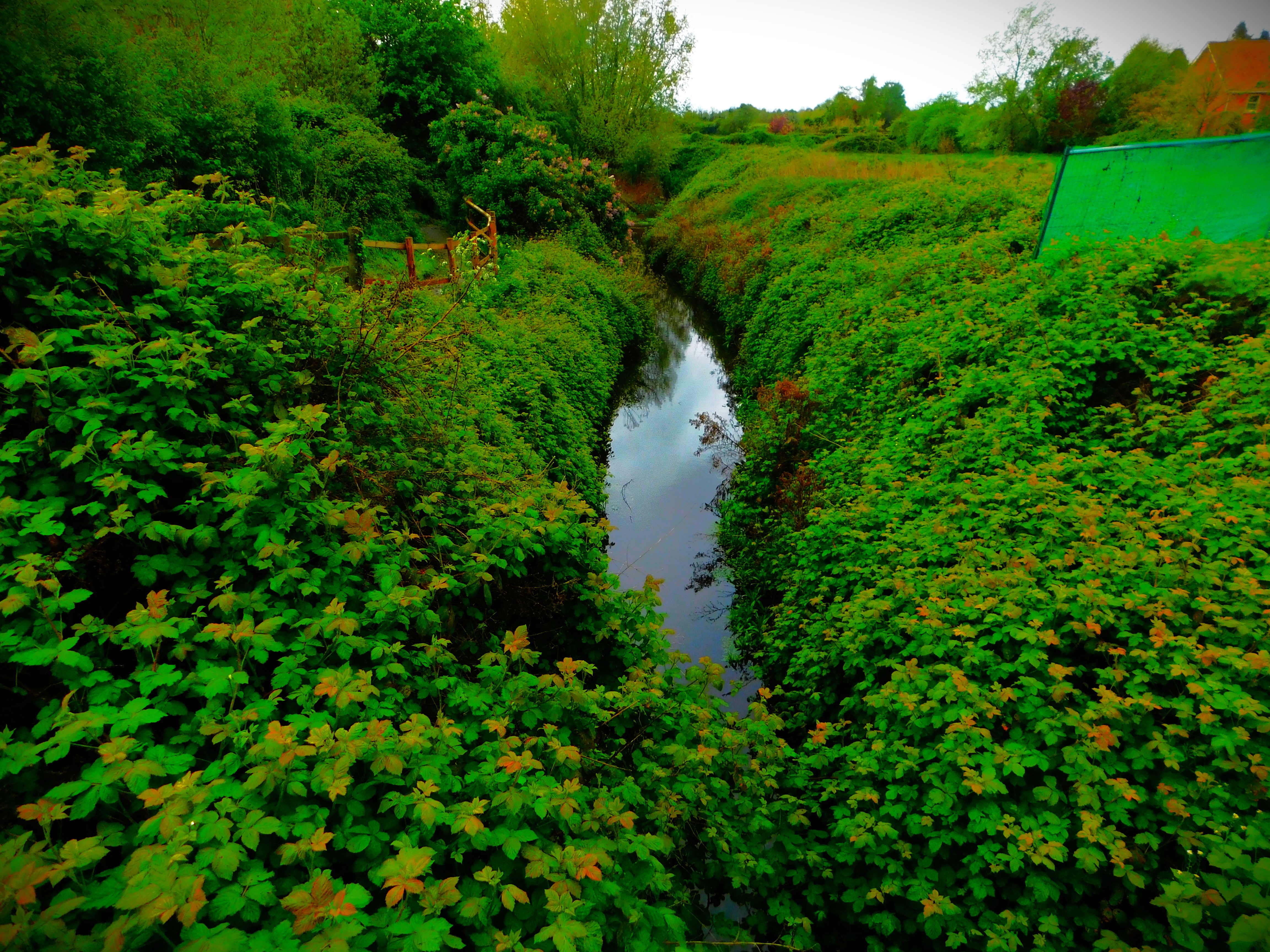
After the events of Saturday the Sunday was unsurprisingly a quiet day. Many of the guests went home that day. I got out for a walk in the middle of the day, exploring beyond the church and getting a couple of glimpses of the local river, which is a very small one. On Sunday evening I took part in a game called Seven Wonders of the World, which was a bit of fun.

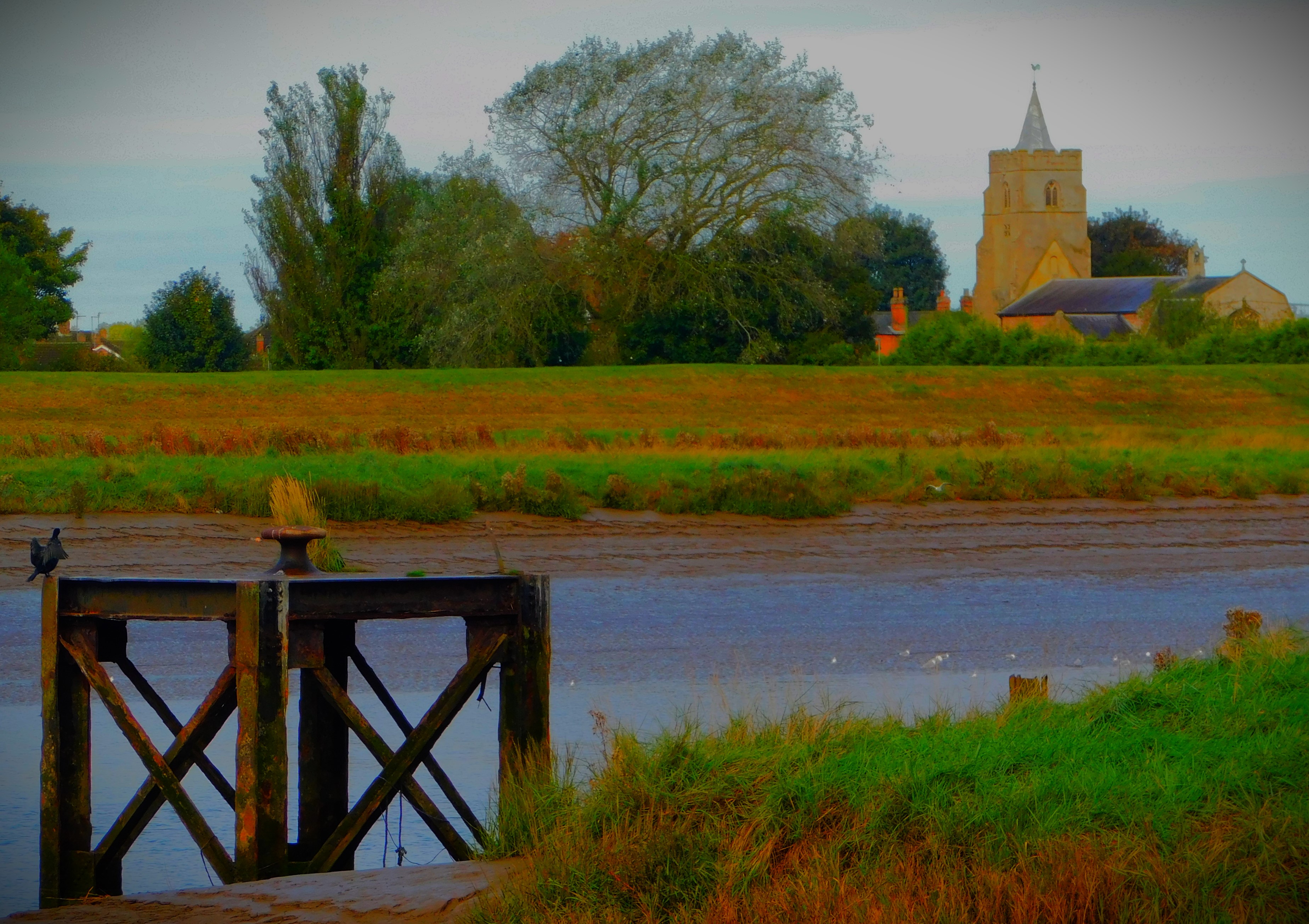
I had taken advantage of people leaving on Sunday to move into a room of my own, with rather more space than I had previously had. I was awake bright and early and packed up my stuff ready for the journey back. Just before the journey back to King’s Lynn I managed to go for a very brief walk in the morning sun and got some decent photographs. The journey back to King’s Lynn was largely uneventful, and I got back to my bungalow in north Lynn just after the start of play on day four of the fourth round of the county championship.

Here are the photographs I took from Sunday morning onwards…

Team of the 1912 Triangular Tournament

The Team of the 1912 Triangular Tournament, plus a generous photograph gallery.

I am currently rereading Patrick Ferriday’s excellent book about the 1912 Triangular Tournament, “Before the Lights Went Out”. In this post I pick a team of that tournament.

The Triangular Tournament was an attempt to have the then three test playing nations in action in the same season. A combination of a wet summer, the fact that South Africa proved much weaker than expected and that Australia were missing six first team regulars due to a dispute between the players and the fairly newly formed board robbed the event of a lot of potential interest and it would 61 years before international cricket matches (in the form of the women’s ODI World Cup) took place at neutral venues again, and over 80 years before any further tests were held at neutral events. For all that the tournament was a flop there were some great players on show.

  1. Warren Bardsley (Australia, left handed opening batter). Even in conditions that would have been particularly alien to an Australian he had a very good tour, with the major highlight a knock of 164 against South Africa at Lord’s.
  2. Jack Hobbs (England, right handed opening batter). He came into the 1912 season already established as the best batter in the world and probably also the best cover point fielder in the game, and nothing happened to change that assessment of his position in the cricket world.
  3. Wilfred Rhodes (England, right handed batter). A decade earlier Rhodes, then a specialist left arm spinner who batted at number 11, scored 67 runs at 67.00 in the 1902 Ashes series. In the intervening years he had worked his way up the order, and towards the end of the period had pretty much let his bowling lapse, and on the 1911-12 Ashes tour he had been England’s number two batter in both averages and position in the order. After WWI, in response to Yorkshire’s needs he would once again become an all rounder, before eyesight problems forced him back down to the bottom of the order, though his bowling still kept him in the Yorkshire side until the emergence of Hedley Verity.
  4. Frank Woolley (England, left handed batter, left arm orthodox spin bowler). Woolley played some fine innings in the course of the tournament, and in the final match at The Oval, decreed by the powers that be to be a ‘winner takes all’ match that would be played until a result was achieved, he took five cheap wickets in each Australian innings, supported by Barnes in the first and Harry Dean, a left arm seamer, in the second.
  5. Charlie Macartney (Australia, right handed batter, left arm orthodox spinner). Featured prominently in both batting and bowling averages for the season, and if not quite the thing of beauty it became noted as being post WWI his batting was also apparently exceedingly watchable even then.
  6. Aubrey Faulkner (South Africa, right handed batter, leg spinner). South Africa overall had a tournament to forget, but Faulkner had moments with both bat and ball.
  7. *Frank Foster (England, right handed batter, left arm fast medium bowler). In 1911 he captained Warwickshire to their first ever County Championship, then in the 1911-2 Ashes he was one half of the most penetrative new ball pairing England had yet established alongside SF Barnes, and this duo carried on taking test wickets back home in England in 1912. He was good enough with the bat to have scored Warwickshire’s first ever first class triple century.
  8. Jimmy Matthews (Australia, leg spinner, right handed batter). He gets selected for an amazing bowling feat in the first test match of this tournament, when in the space of 90 minutes he took not one, but two test match hat tricks. Those were his only six wickets of the match, and none needed the assistance of a fielder. South Africa’s wicket keeper, Tommy Ward, was the hat trick victim both times, the second time somewhat bizarrely after being promoted ahead of Rolland Beaumont, who was allegedly a specialist batter, but spent most of this tour (when picked) batting low in the order.
  9. Syd Barnes (England, right arm fast medium bowler, right handed batter). He was firmly established as the best bowler of any type in the world by the time of this tournament, and even more firmly established as such by the time it ended.
  10. Bill Whitty (Australia, left arm fast medium bowler, right handed batter). He had an excellent season.
  11. +EJ ‘Tiger’ Smith (England, wicket keeper, right handed batter). Neither Australia nor South Africa had great keepers this series – South Africa had taken along two specialist keepers, but resorted to Louis Stricker, selected in the party for his batting, before the tour was done, because neither specialist keeper fared at all well, and Ward of course had the traumatic experience on test debut referred to above. Smith was an excellent keeper, though inclined to be cussed (he was apparently wont to say that he would bat at number one or number 11 but nowhere in between, so I have given him his second choice), and as a Warwickshire team mate of Frank Foster he was well used to keeping to the left armer, which some could find challenging.

This side has a powerful top six, a genuine all rounder at seven, three contrasting specialist bowlers and a quality keeper. Even with Rhodes not bowling at that stage of his career this side is well stocked with bowling options as well – Barnes, Foster, Whitty, Matthews, Faulkner, Woolley and Macartney are seven authentic options, and in one match of this tournament Hobbs’ occasional medium pace was pressed into service, and while unthreatening he managed to bowl 11 economical overs.

Gerry Hazlitt of Australia fared well with the ball, ‘young Jack’ Hearne was a candidate for the slot I awarded to Faulkner, while Sydney Pegler was the only South African bowler to really come to terms with English conditions. Arthur William ‘Dave’ Nourse, back in the land of his birth (as was South Africa captain Frank Mitchell) fared respectably enough to earn a mention.

My usual sign off…

Grand Finale Revisited

A year ago yesterday I reached the end of a surname based cricketing journey through the alphabet. The post that wrapped up that series was a substantial one in its own right, and followed on from 26 selectorial posts – one for each letter of the alphabet – and 65 match up posts analysing how the various XIs fared against one another. The post which I have reblogged tied everything together.

India Poised For Big Win Over Afghanistan

A look at recent developments in the 2023 ODI Cricket world cup, with emphasis on today’s match, between Afghanistan and India. Also a large photo gallery – even when grey as it is today this October has been much warmer than is normal for an English October.

Yesterday was a work day, so I did not get to follow much of the action in the two cricket world cup matches that took place – I got some but not all of England’s innings against Bangladesh and the last few overs of Pakistan v Sri Lanka, with the latter completing the largest successful run chase in World Cup history with just under two overs and six wickets to spare. Today India are playing Afghanistan and the rest of the post is about that match.

Afghanistan won the toss and have chosen to bat, and in spite of the likely outcome of this match I think they made the correct decision. I also reckon that their score of 272-8 from their 50 overs to be an important one, not because it was enough on a pitch as good for batting as this one, but because it was an undeniably respectable total against top tier opposition and crucially it was made in spite of the fact that both of Afghanistan’s biggest batting guns, Rahmanullah Gurbaz and Ibrahim Zadran, failed to fire. The major contributions came from Hashmatullah Shahidi (80) and Azmatullah Omarzai (62), who shared a century stand together for the fourth wicket. Most of the Indian bowlers did respectably, with the exception of Mohammad Siraj who bowled seven overs for 55 runs. Jasprit Bumrah was the most impressive by a long way, finishing with 4-39 on a track offering no bowler the slightest hint of assistance.

The big story of India’s innings so far has been Rohit Sharma. The Indian opener has been rewriting the record books – most sixes in international cricket across formats, overhauling Chris Gayle’s 553, most runs out of a team’s first 100 in a world cup match – 76, fastest world cup century by an Indian. He has been dismissed, for 131 off 84 balls, bowled by Rashid Khan, but the outcome of the match is as good as settled – India are 231-2 in the 29th over, needing just 42 more to win. India will be giving an already good net run rate a boost.

I have a splendid photo gallery to share with you…

While I have been prepping this post for publication India have advanced to 255-2 from 33 overs, needing a mere 18 more to complete their victory.

The Closing Stages of the County Championship Season

We are about to go into the final session of play of the County Championship season of 2023. Surrey are already confirmed as champions – although they lost a hard fought match against Hampshire their only rivals Essex had already crumbled to an innings defeat at the hands of already relegated Northamptonshire. Durham and Worcestershire are the promoted sides, which leaves only the question of whether Kent or Middlesex are the other side to go down.

This match, the one I am currently listening to is between two sides who have both had poor seasons. Derbyshire are winless, and due to their craven cowardice in delaying their declaration today until the target stood at 384 in 70 overs, nowhere near a tempting enough carrot to lure Glamorgan, whose position is already settled, into going for the target, and thus almost certainly guaranteeing the draw. Derbyshire will finish at worst second from bottom, but that is only because Yorkshire were hit with a punitive points deduction, which has been enough to guarantee them last place in the table.

Another match involving a declaration on the final day, but Middlesex, knowing that a draw was effectively valueless to them in their quest to stay up did dangle a carrot, and Nottinghamshire are making the chase look quite easy at present. Kent and Lancashire are pretty much certain to draw – Lancashire are still batting in their second innings and are 181 ahead of Kent, which means that unless Middlesex can scramble nine wickets from somewhere in less than a full session they will go down.

Those who have studied my all time county XIs will have noted that on those occasions on which I named an overseas player (and I never picked more than one) I nearly always opted for a bowler. The use Surrey have made this season of Sean Abbott, Daniel Worrall and Kemar Roach underlines the value of high quality overseas bowlers. On the other side of the scale I would put Sussex, third in division two, in spite of losing only one match all season – they have had 10 draws in 14 matches. Their main overseas star has been Cheteshwar Pujara, a pure batter, and for a few matches, a side that was struggling to take 20 wickets was further skewed in favour of batting when they opted to allow Steve Smith to have some pre-Ashes batting practice. Pujara may have been justifiable, but signing a second overseas pure batter when struggling for wickets was on any reckoning misjudged.

England’s next test tour is to India, a place where spin bowling is important. The best specialist spinner in England is Jack Leach, and Rehan Ahmed is very promising young cricketer. In addition to these two I would draw attention to the man whose 800 runs and 40 wickets has helped Hampshire to third place in division one, Liam Dawson. If England go on a test tour of India without Dawson in the form he is currently enjoying their selectors will be guilty of dereliction of duty, as they will also be if anyone other than Foakes is named as keeper.

My usual sign off…