Sharing a large quantity of photographs taken in the last two days in and around King’s Lynn.
I did two walks during the daytime yesterday, visited my sister and nephew for supper in the evening. I have also done a very long walk this morning, taking full advantage of weather that was genuinely pleasant by December standards – it started to rain lightly near the end of the walk, but I got over two hours worth of dry weather before the rain came.
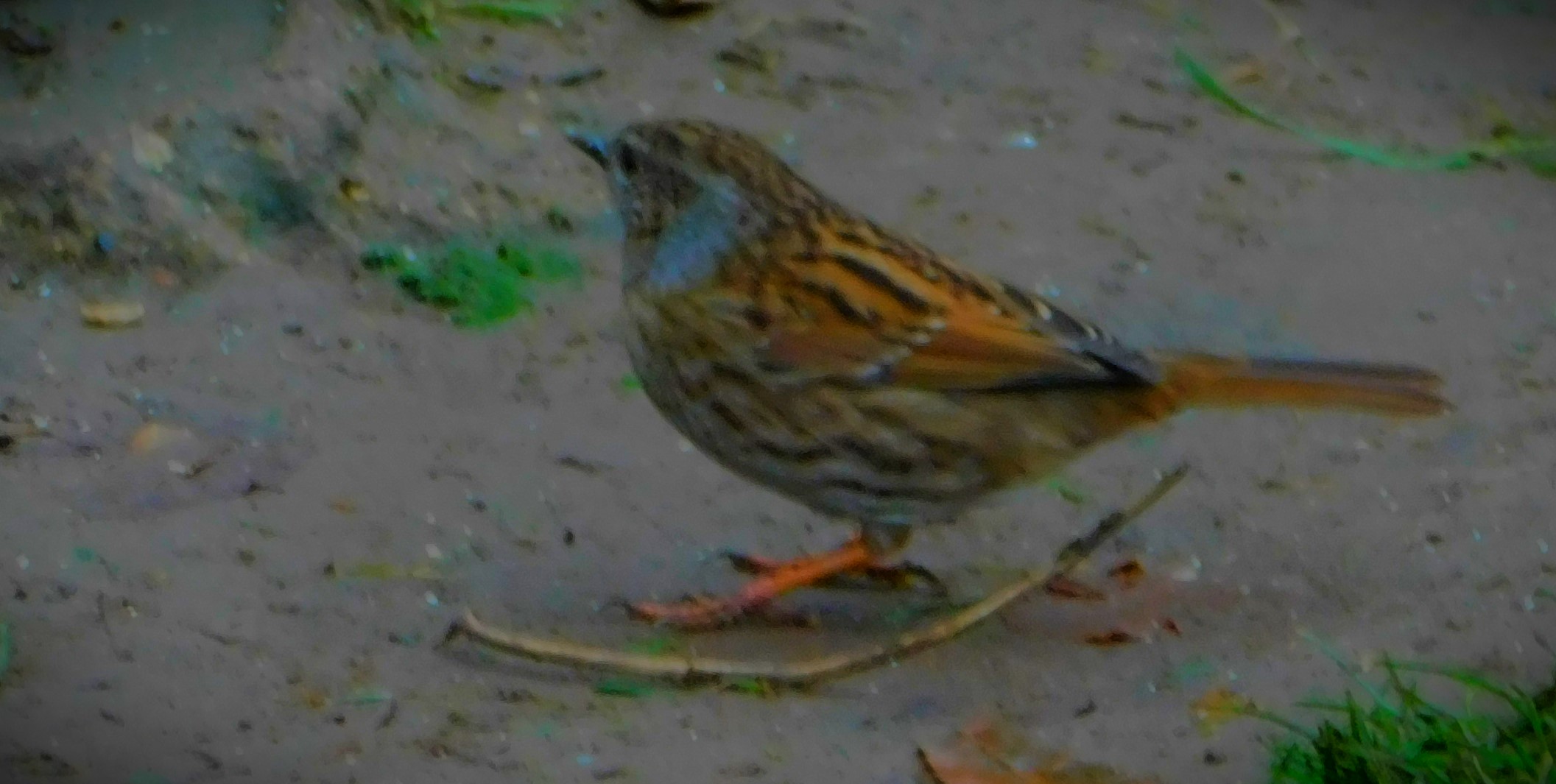
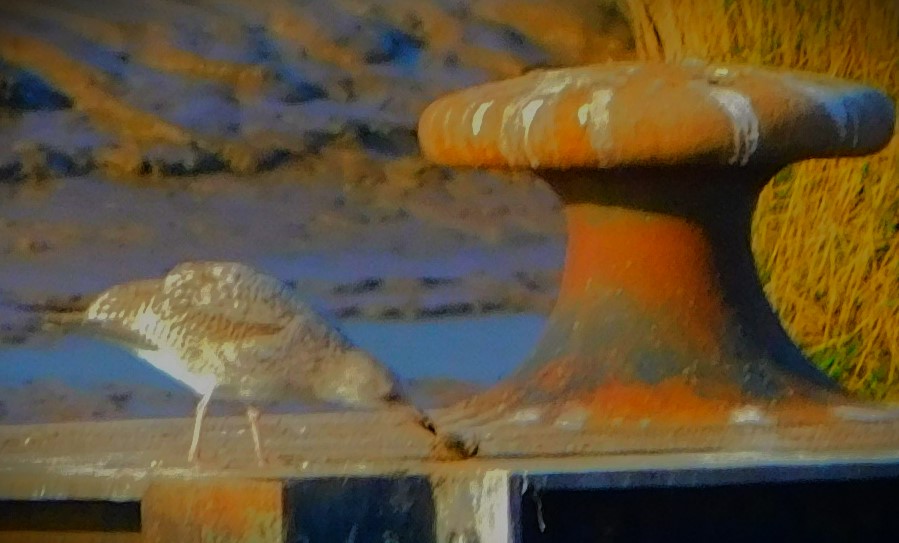
These excursions provided me with a very large photo gallery – once I had finished the editing process there were 150 pictures there. As well as pretty much all the regular bird sightings I managed to get pictures of a dunnock and a common sandpiper (the latter was near the mouth of the Nar this morning).
This afternoon has been unyieldingly grim, and this being December even at 4PM the such daylight as there was is already beginning to fade.
Enjoy a bumper gallery (and don’t forget to click to view pictures at larger size)…
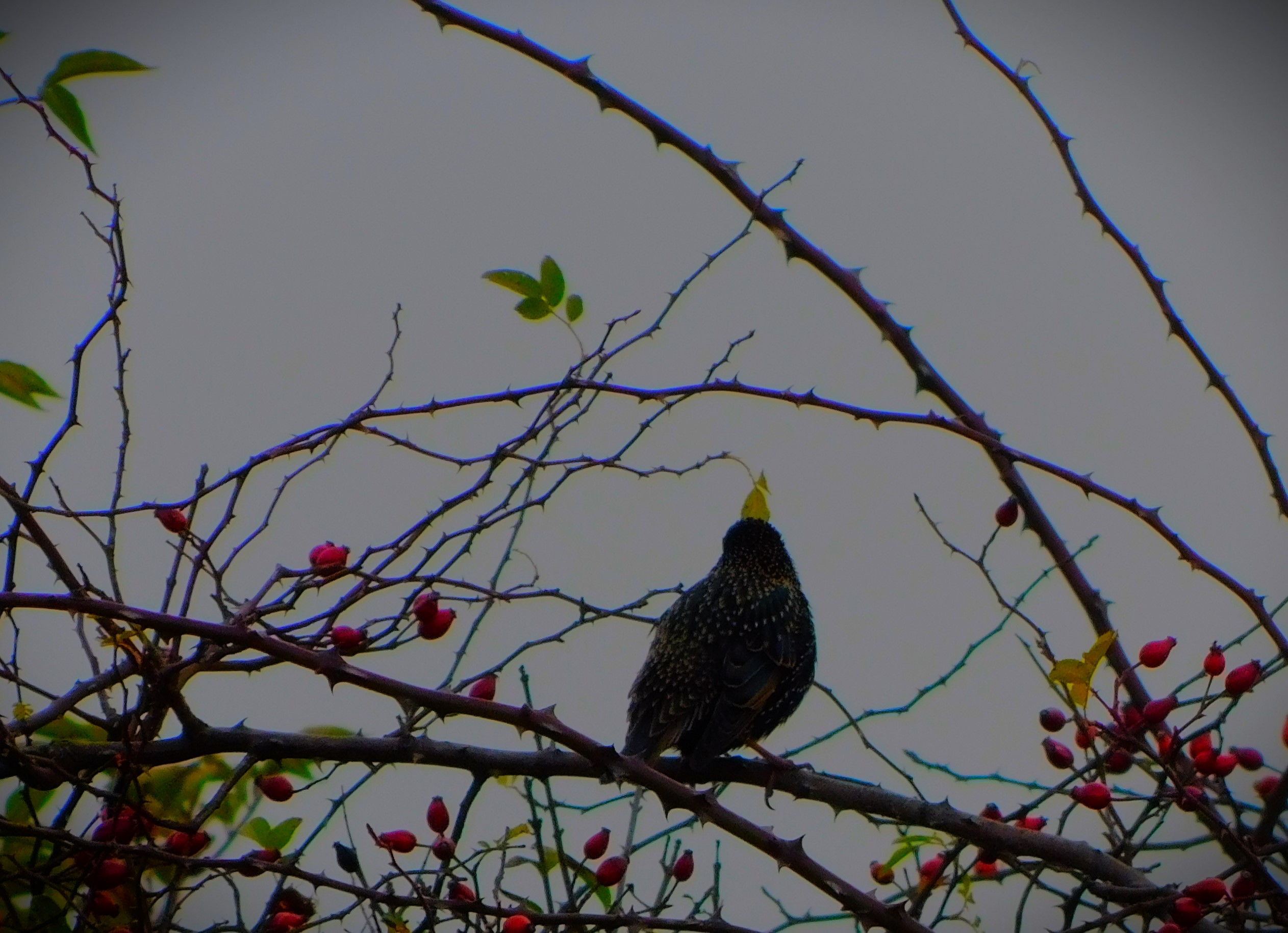
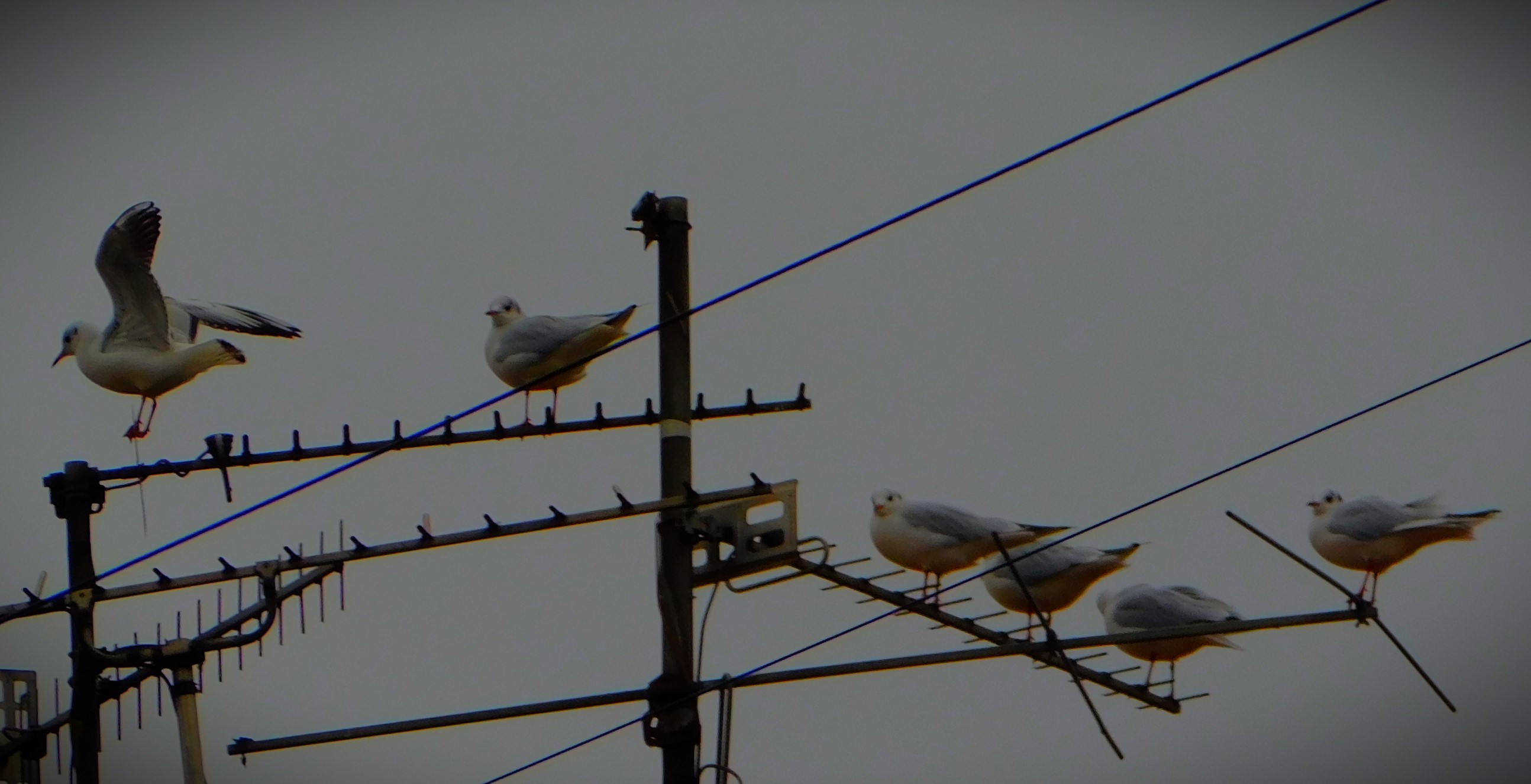
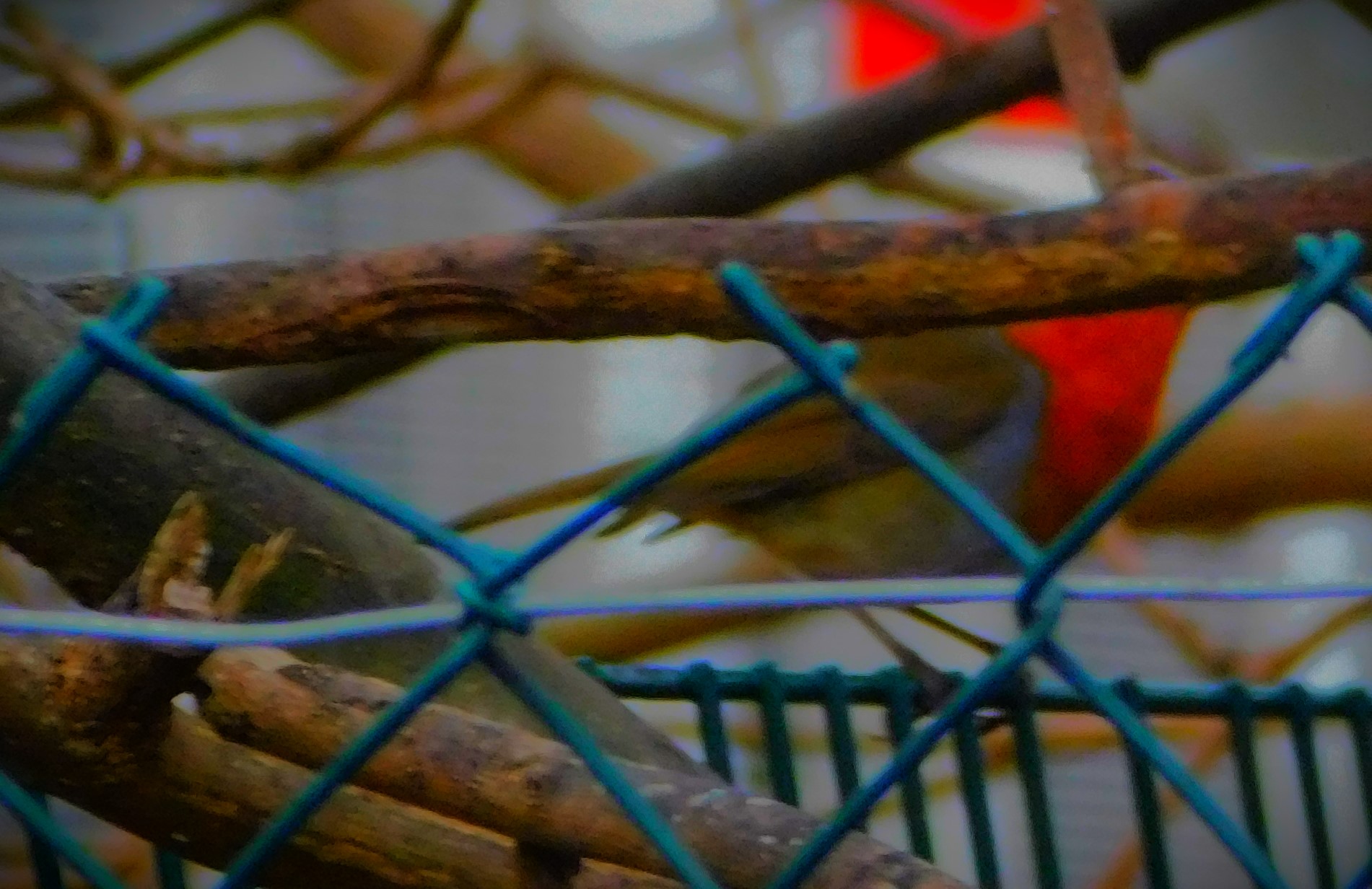
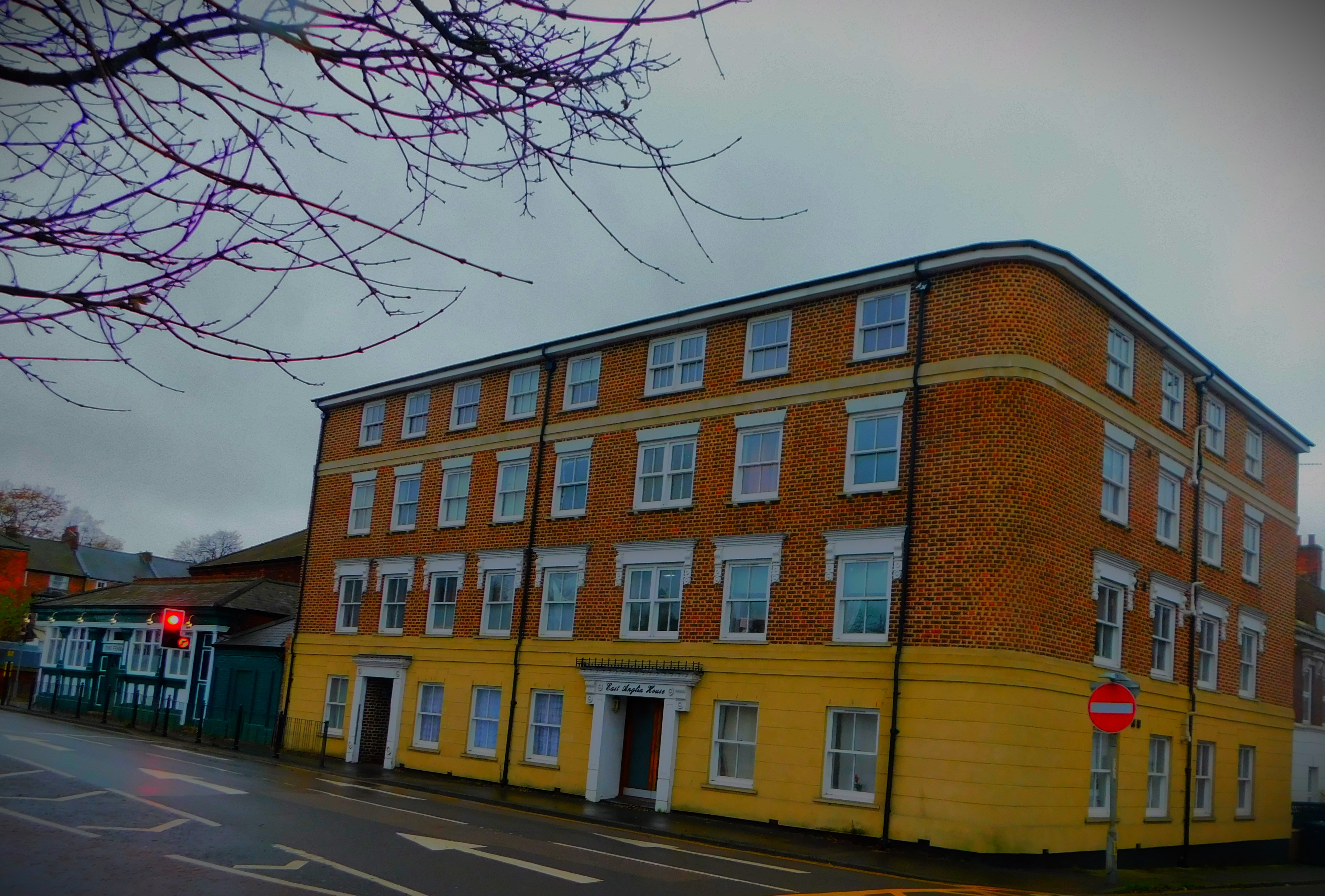
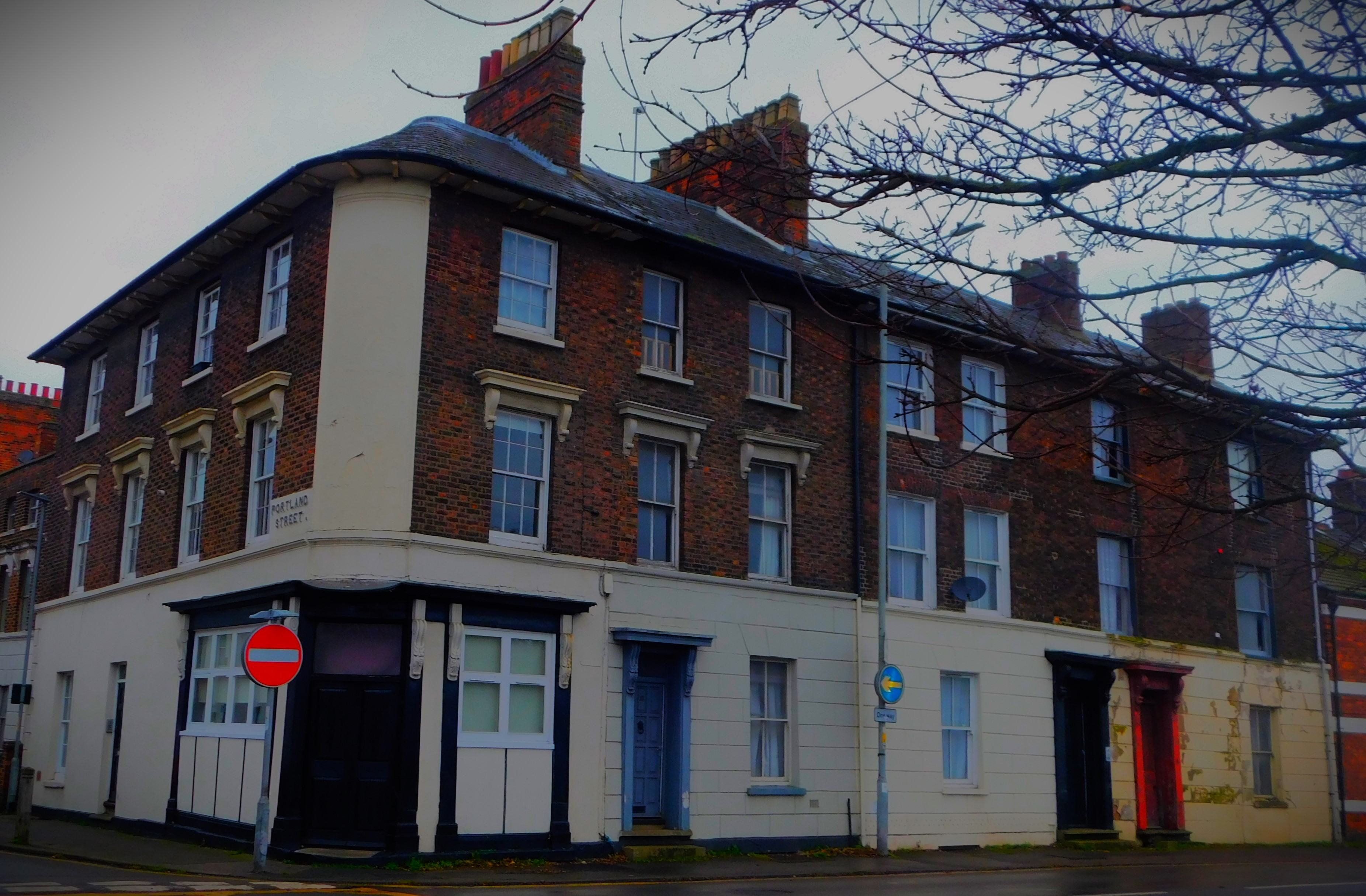
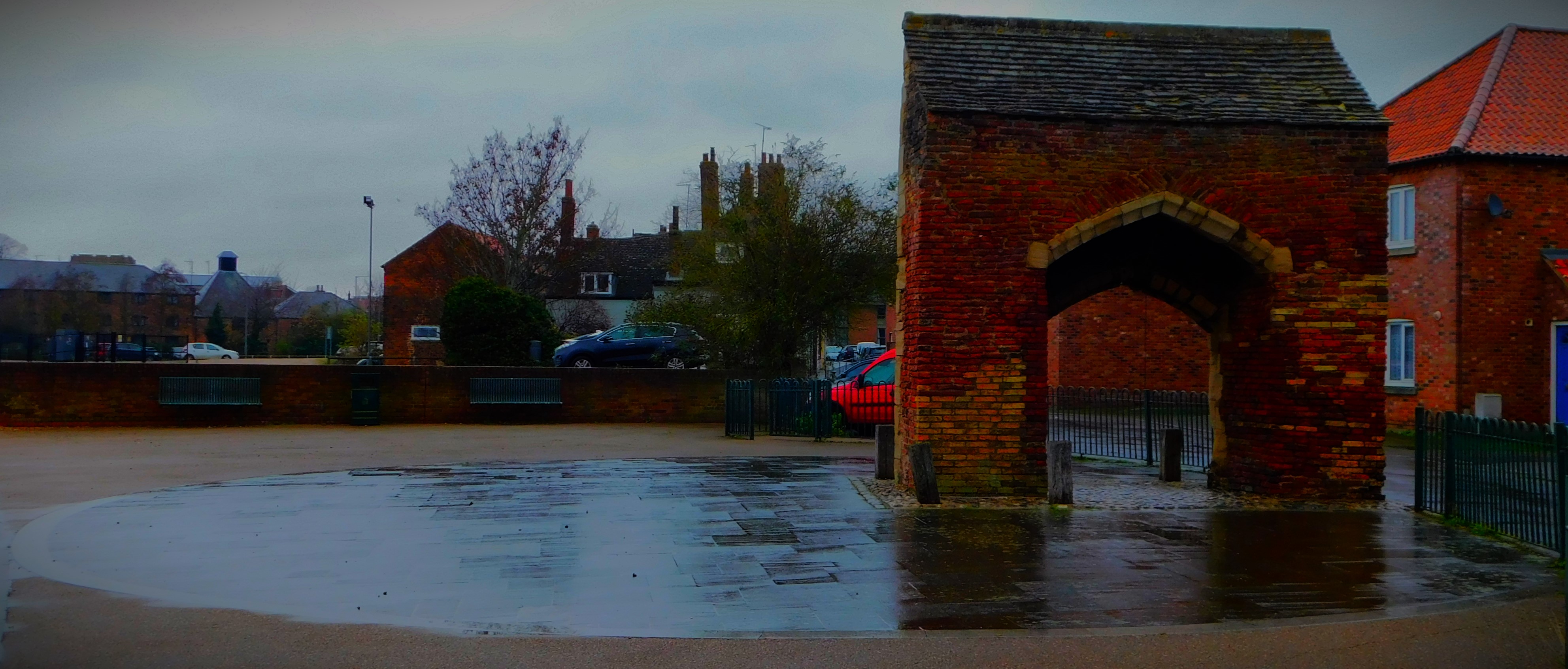
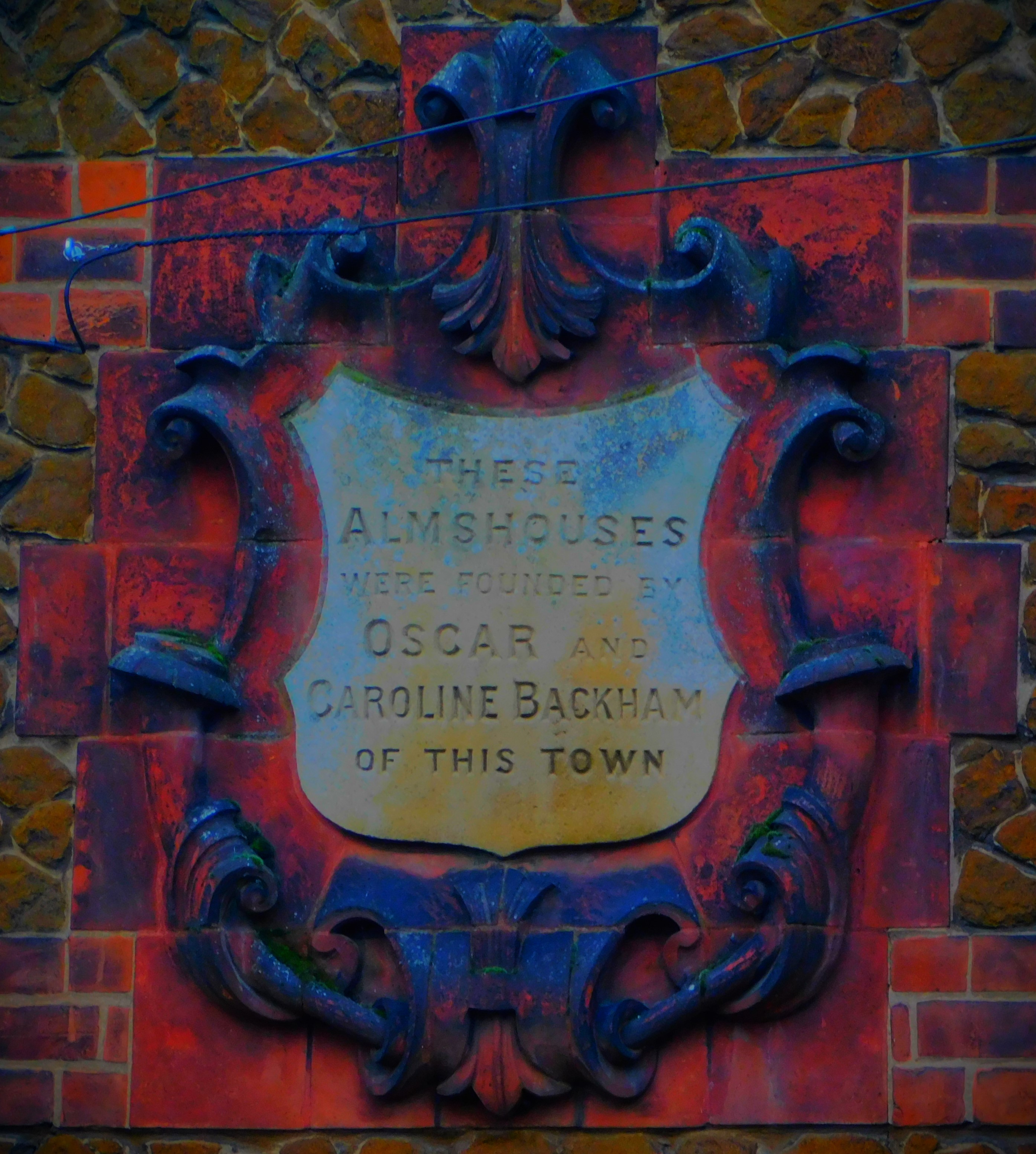
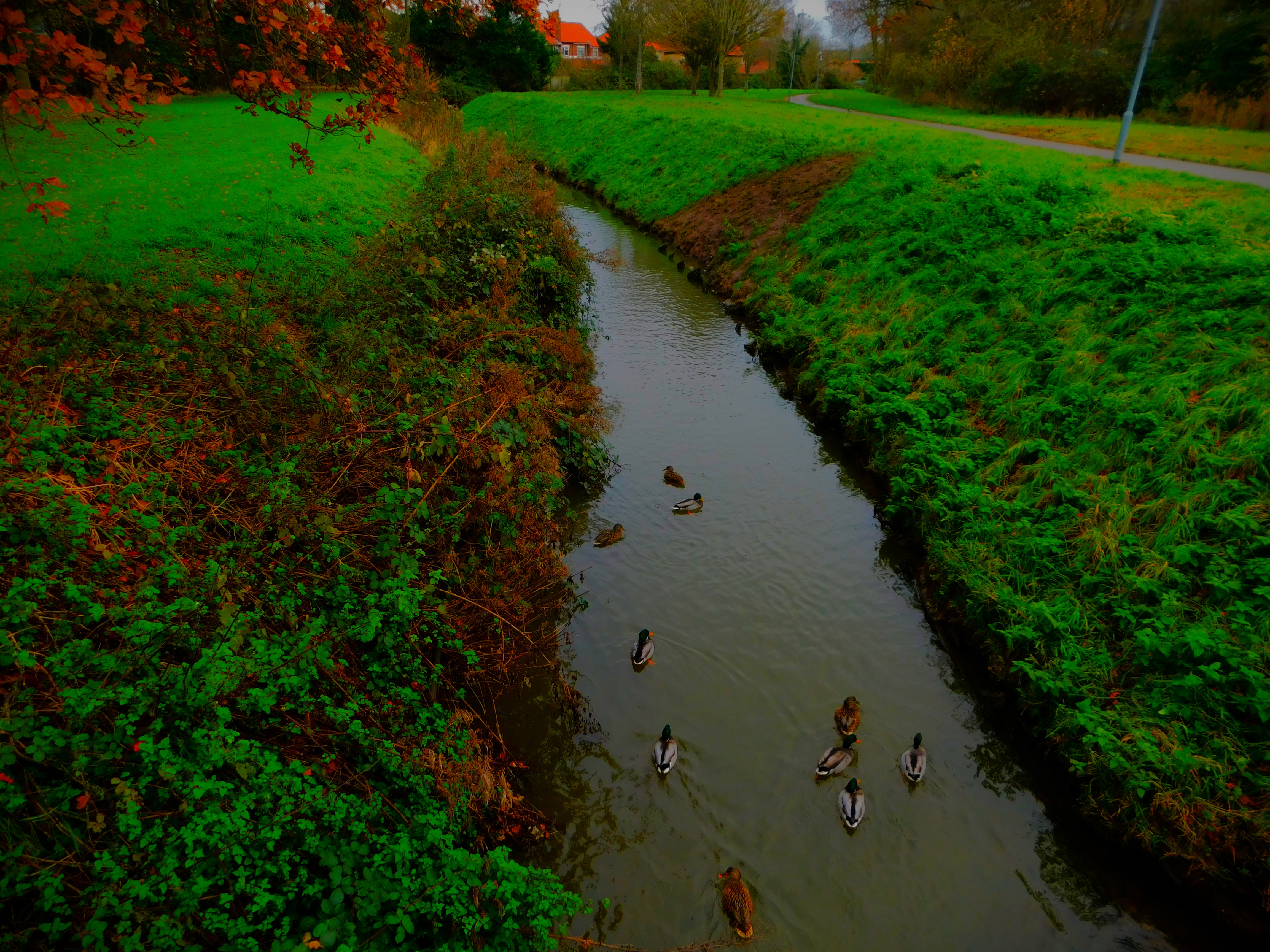
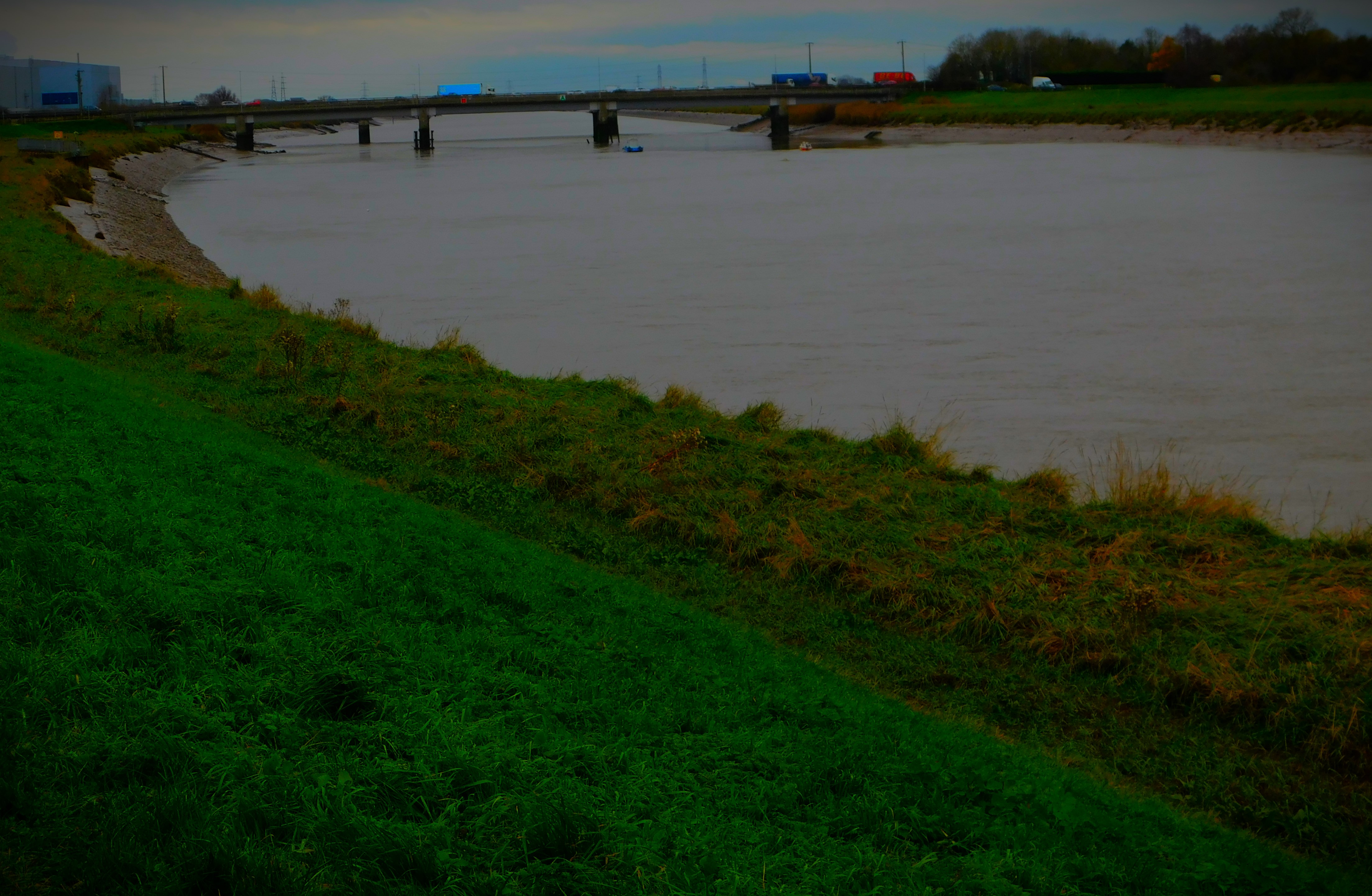
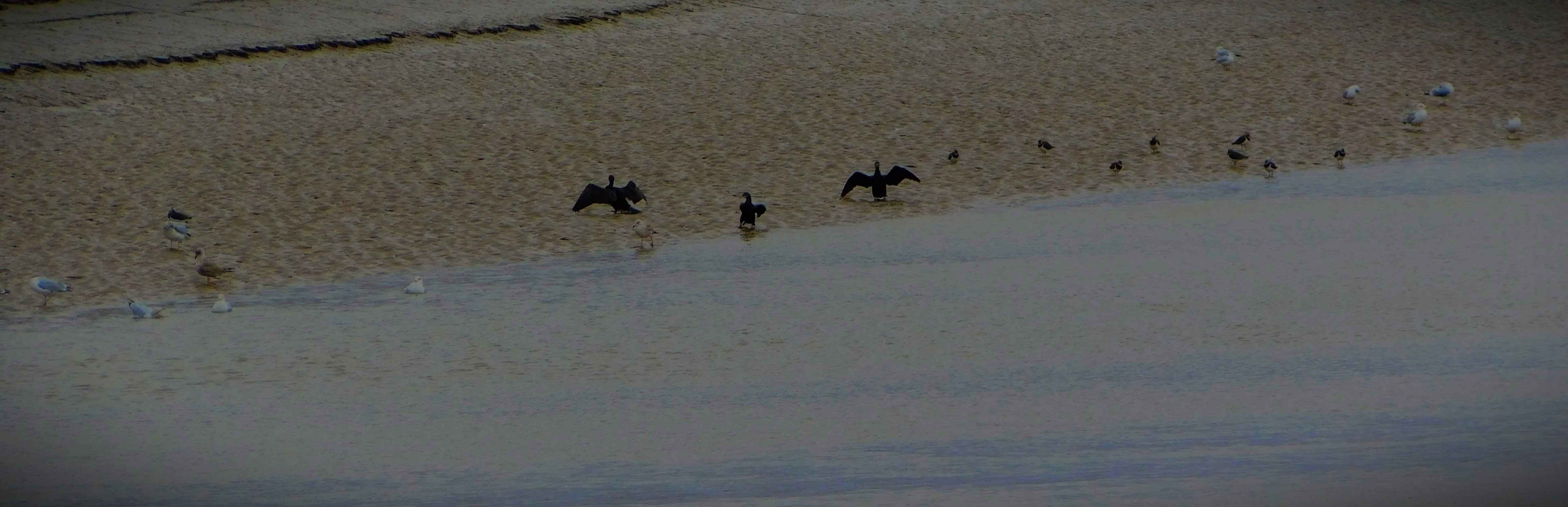
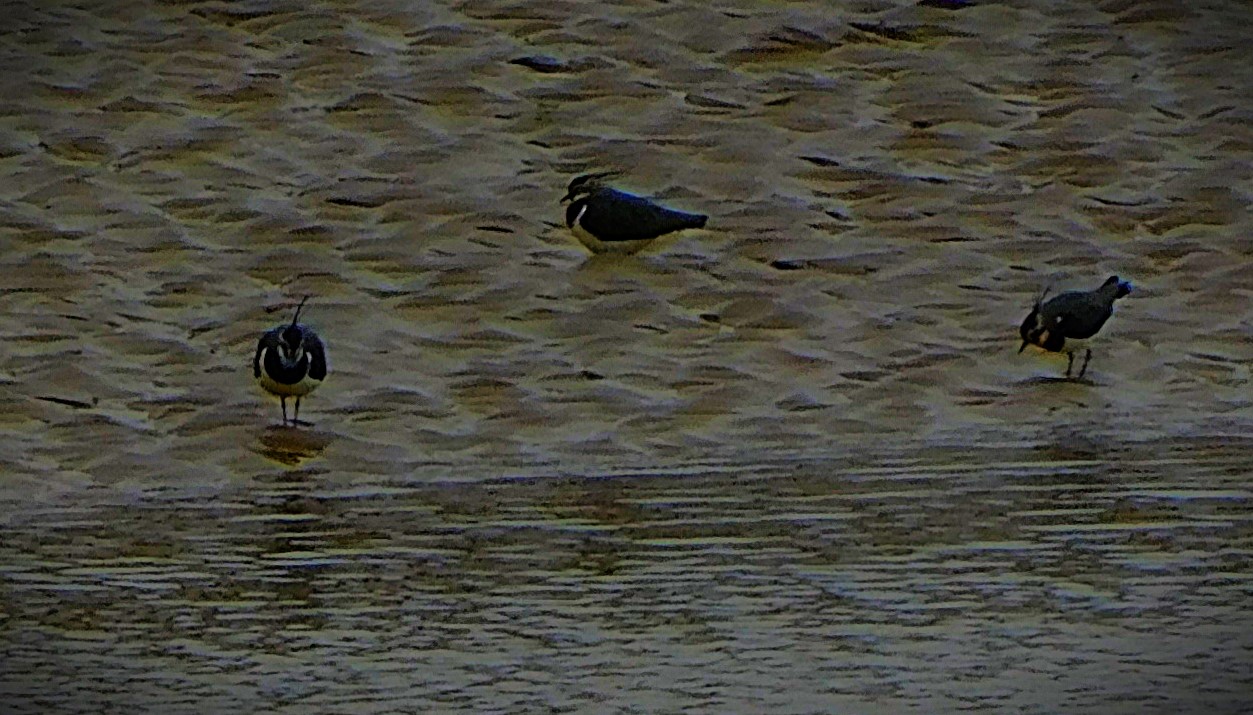
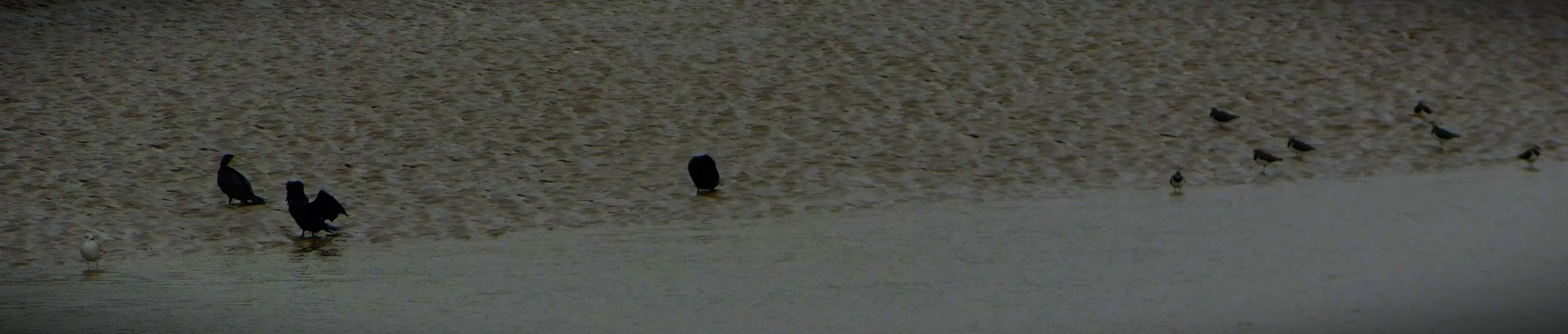
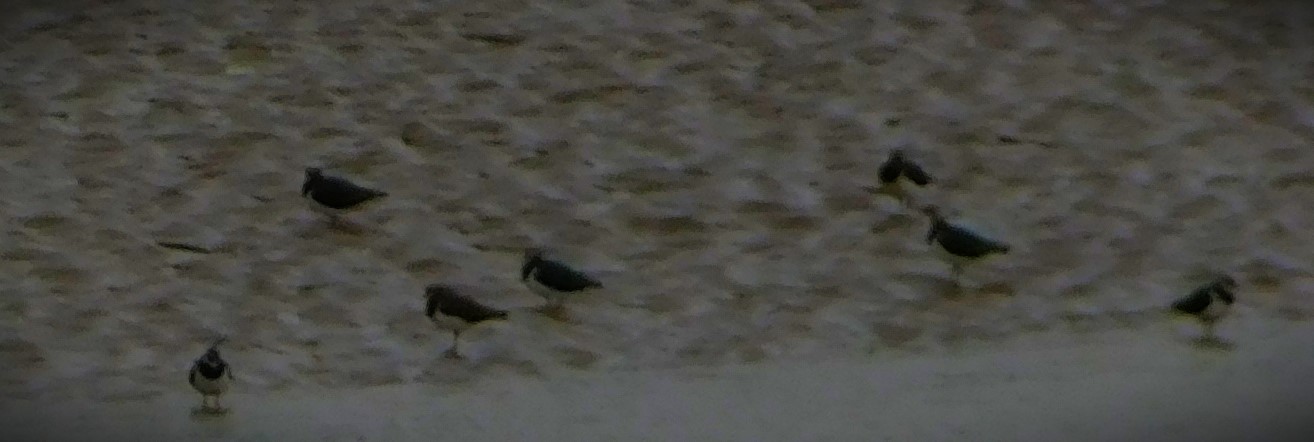
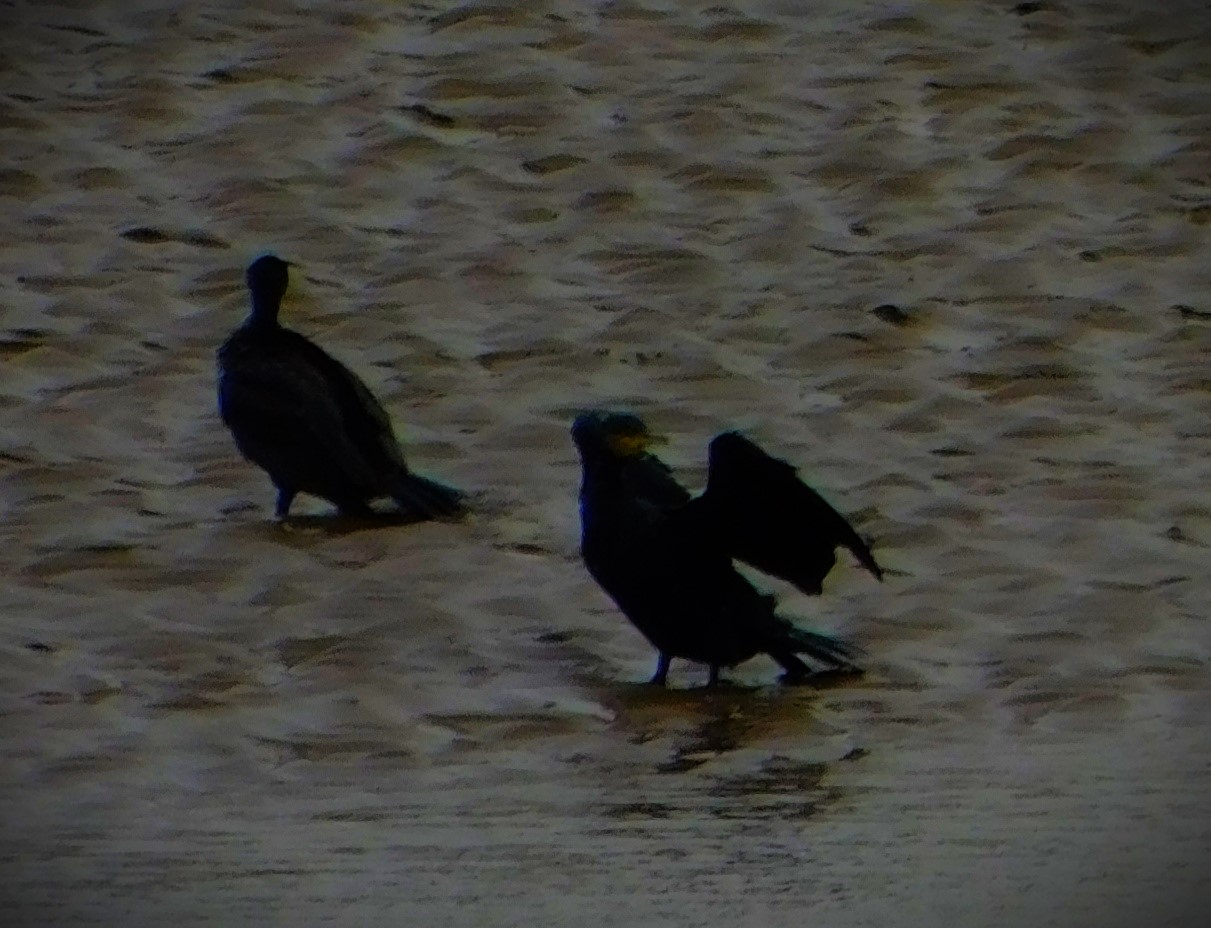
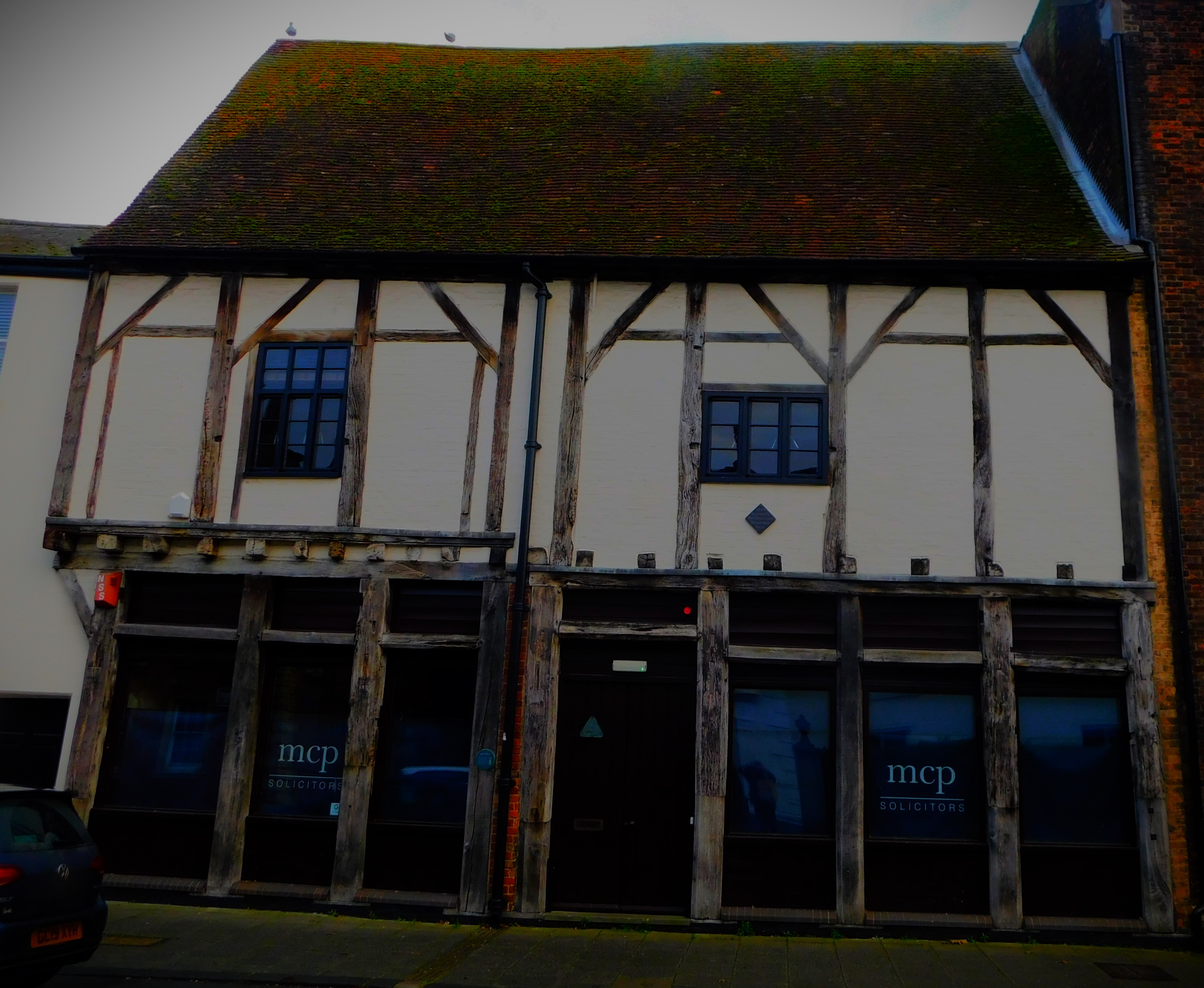
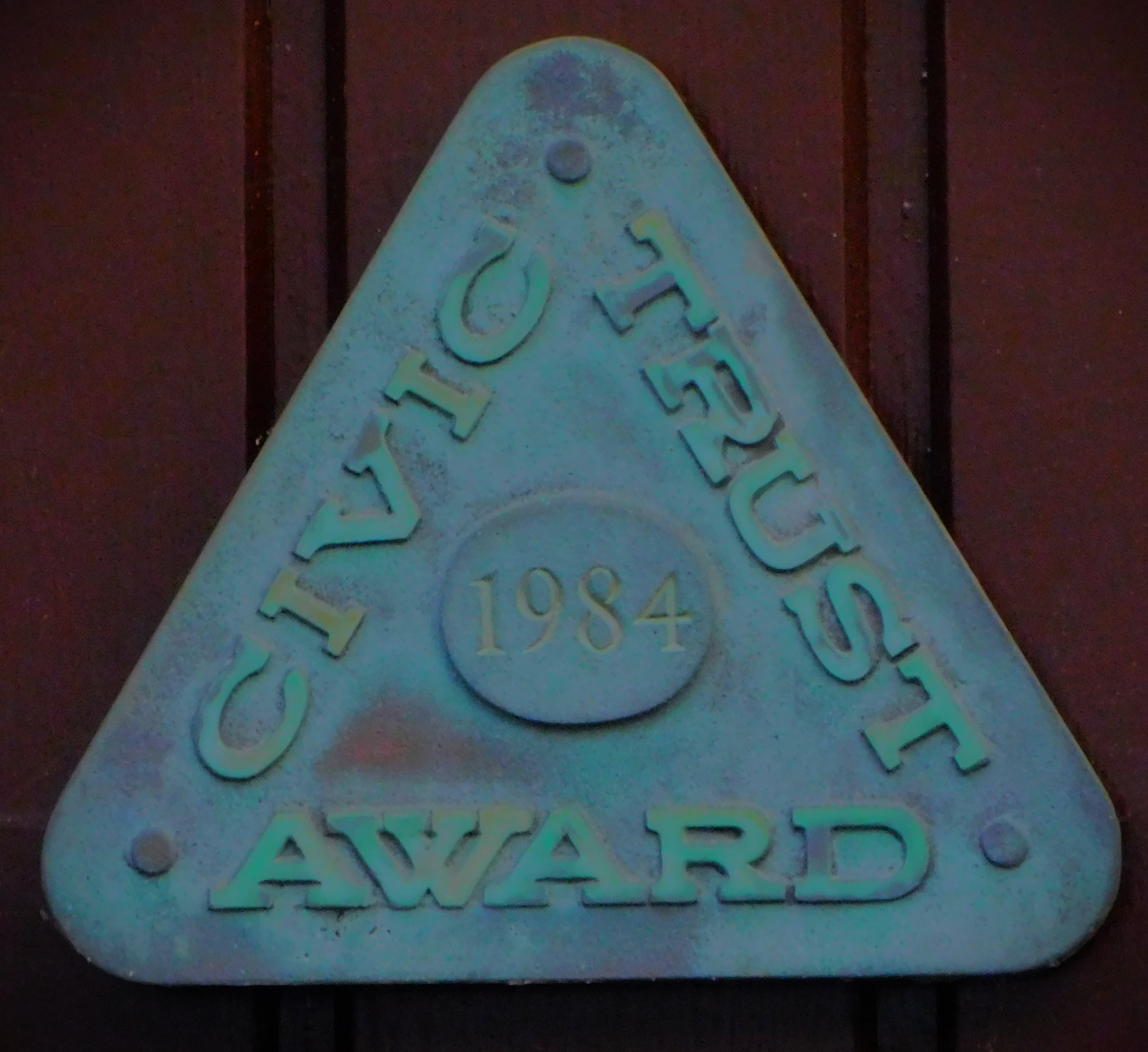
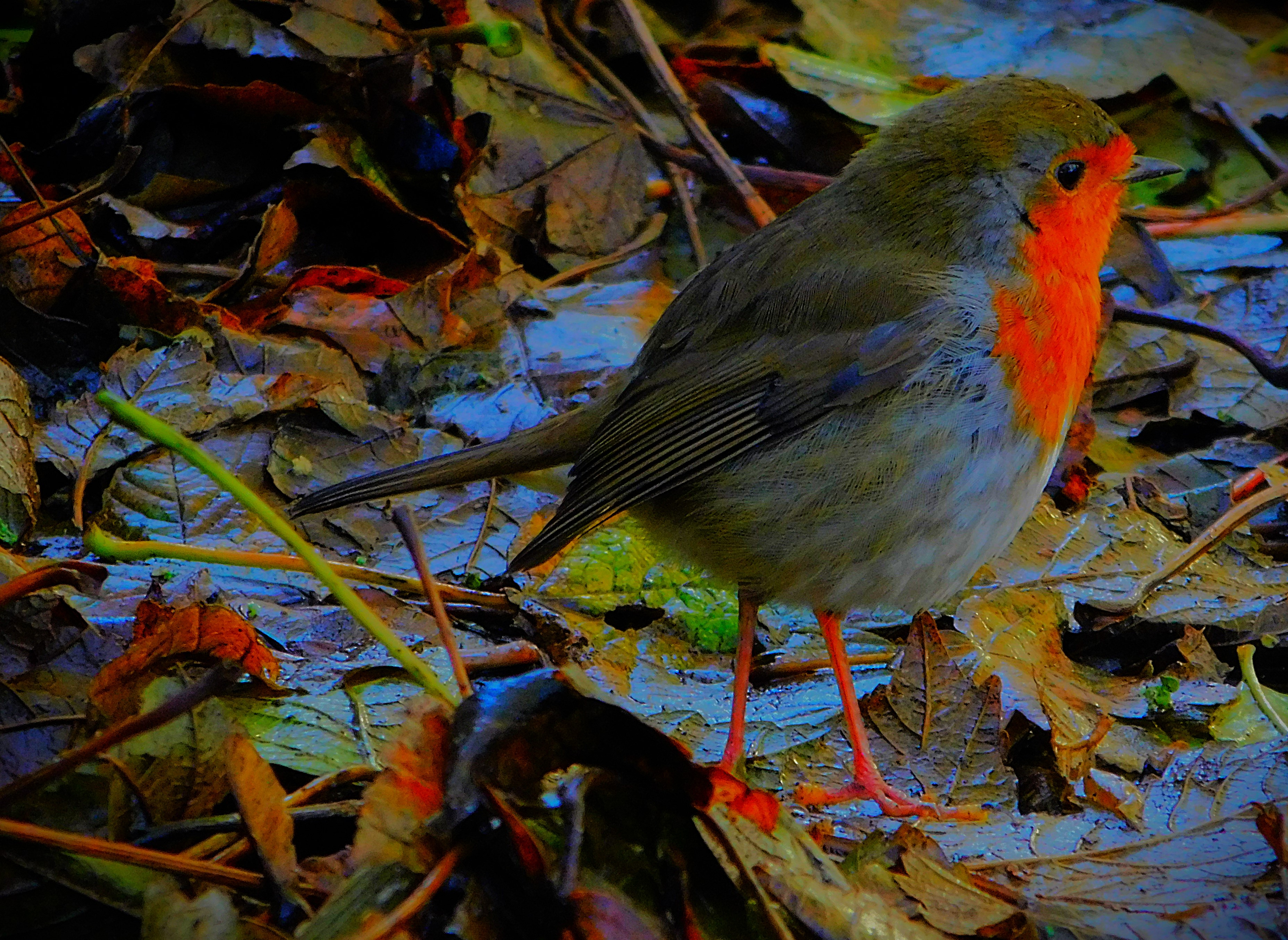
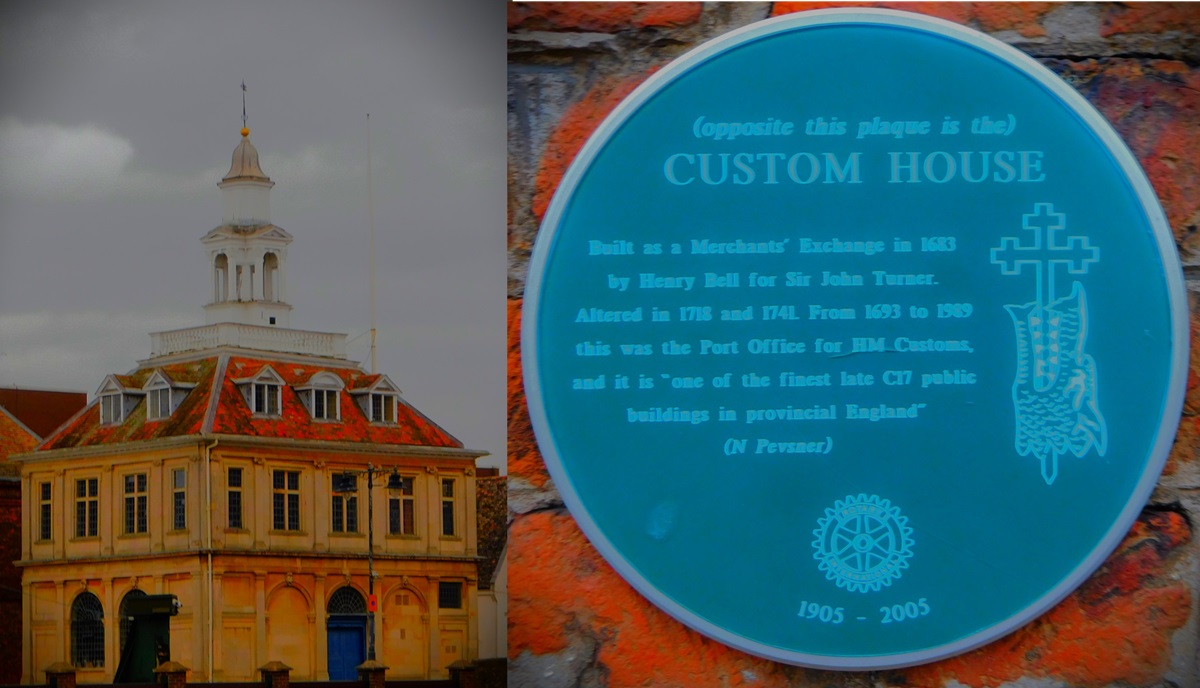
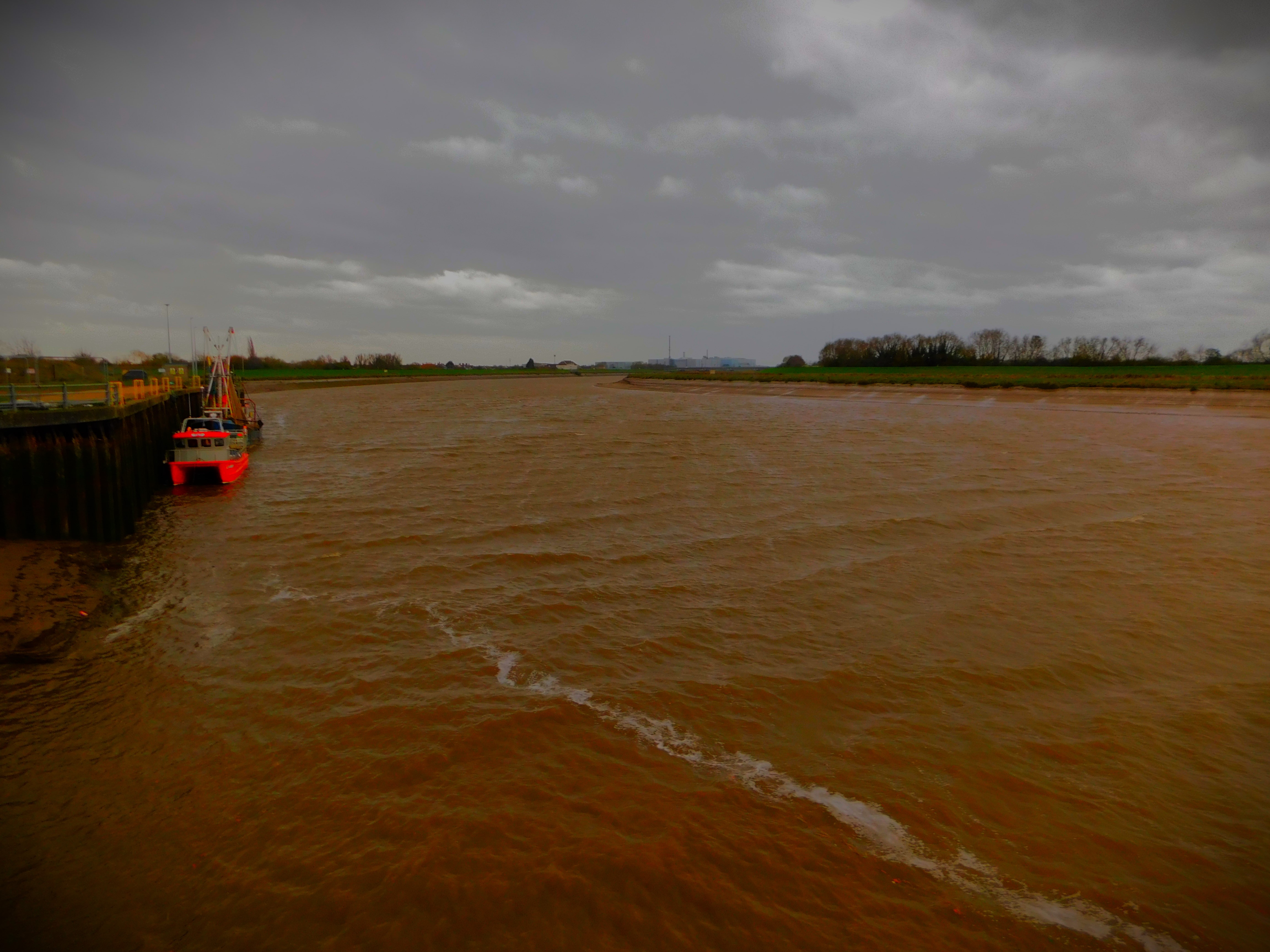
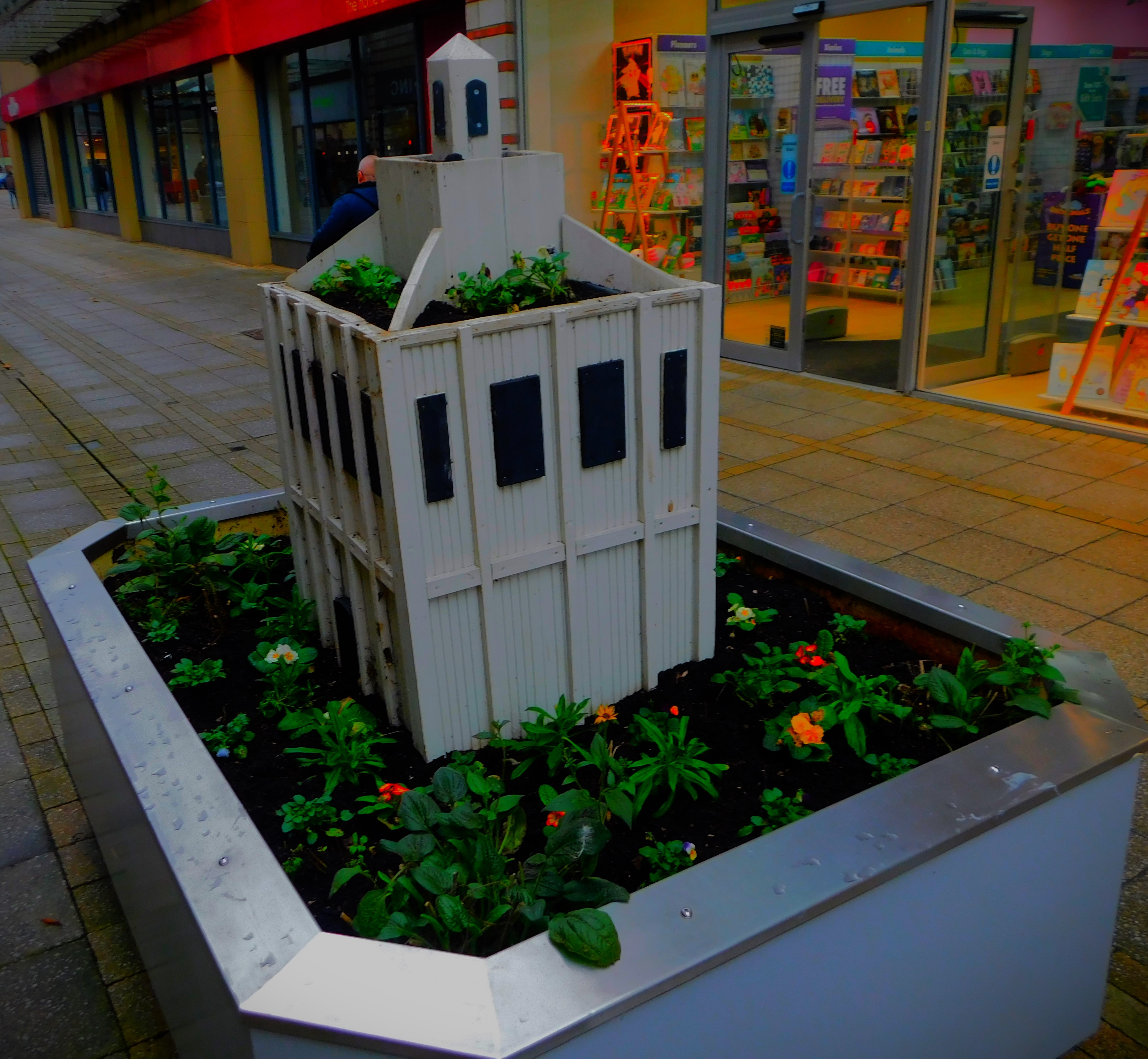
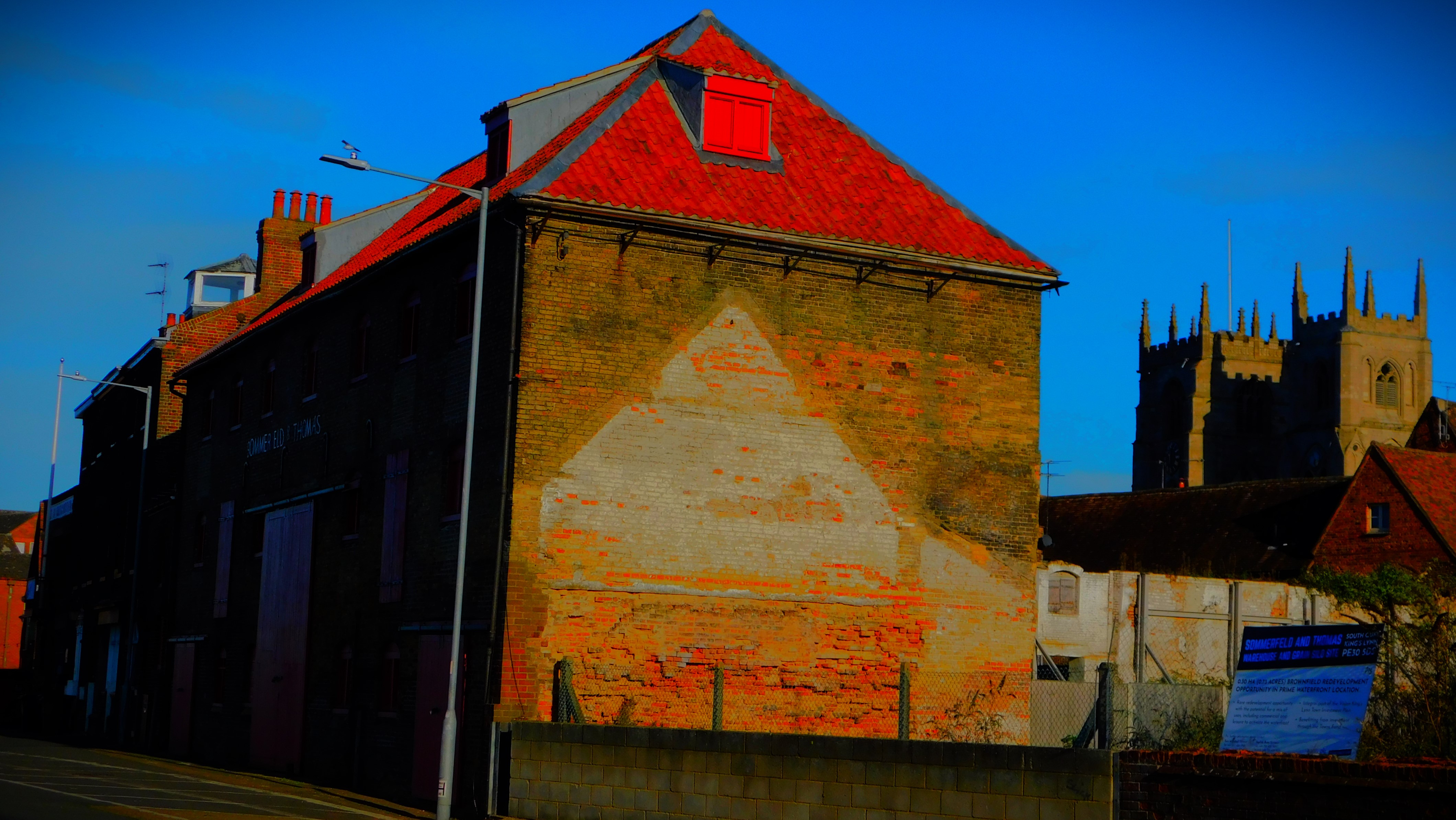
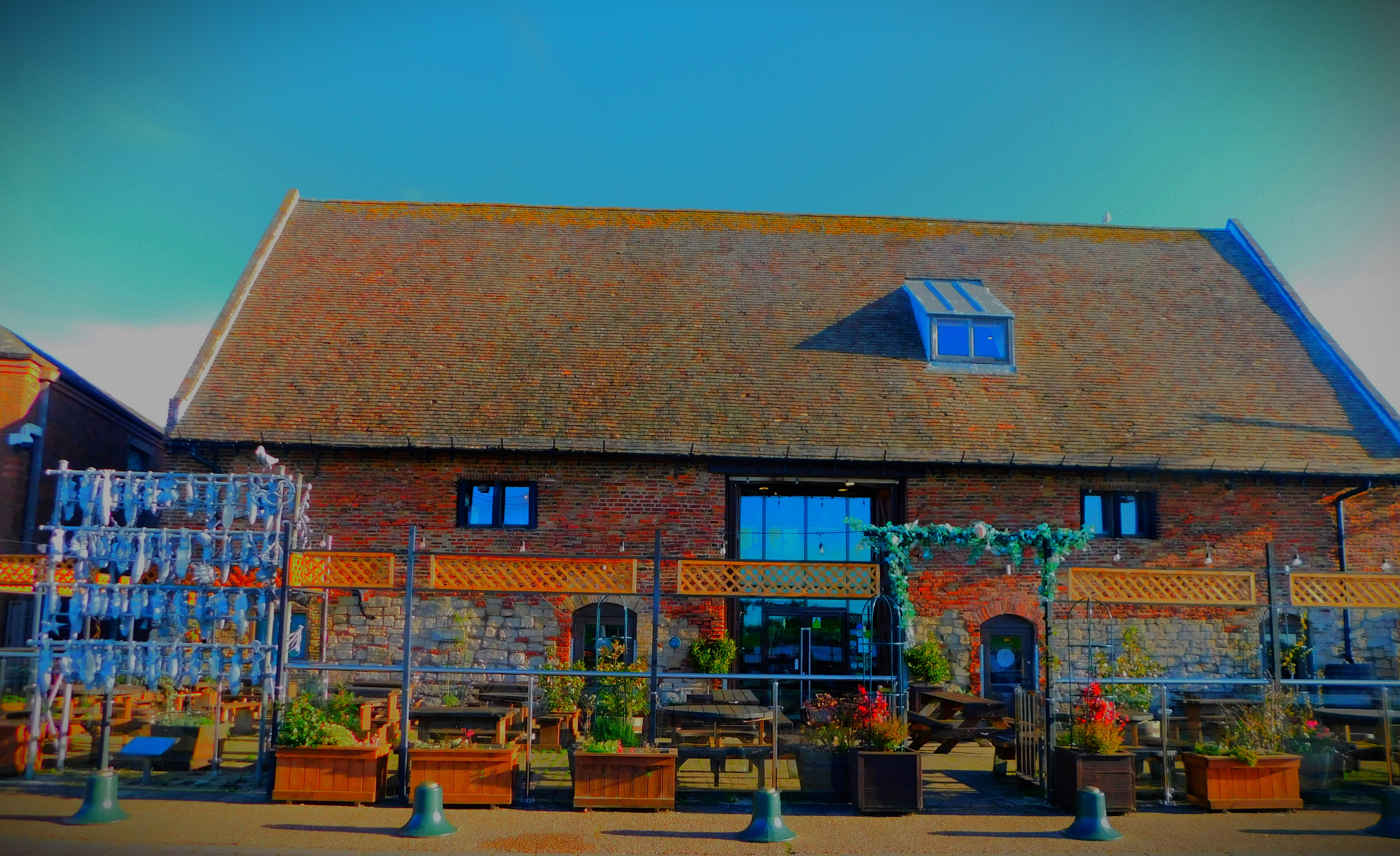
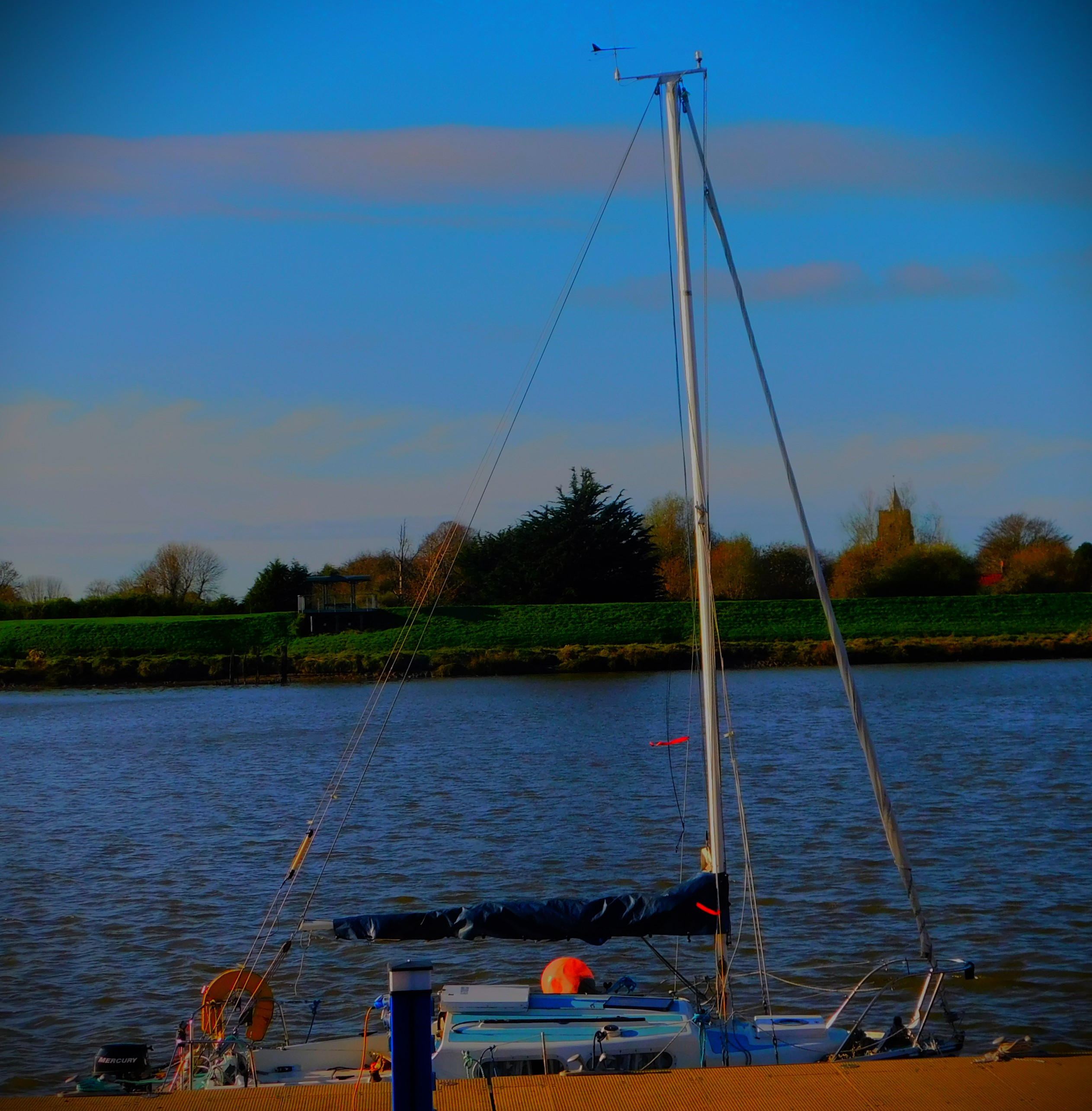
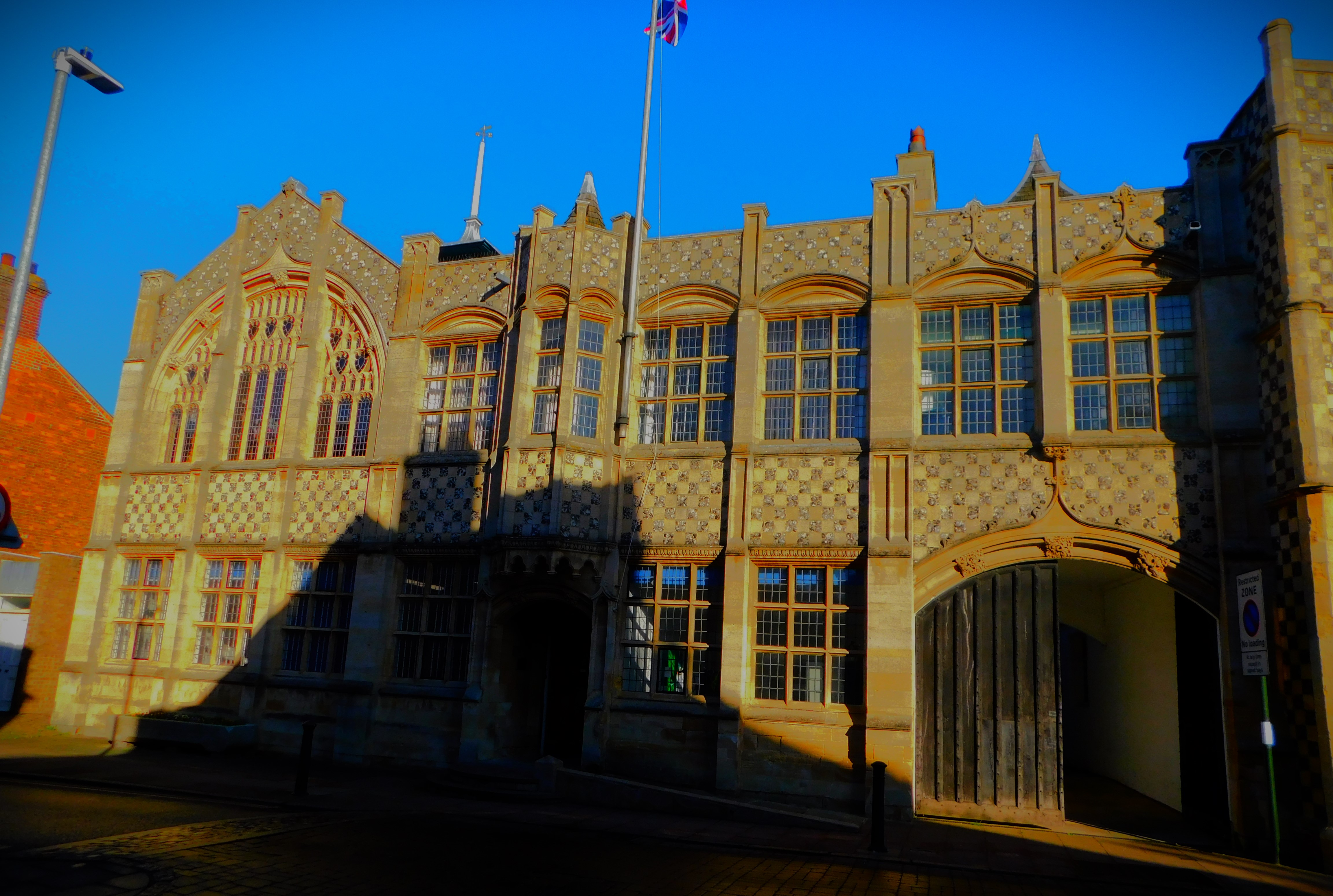
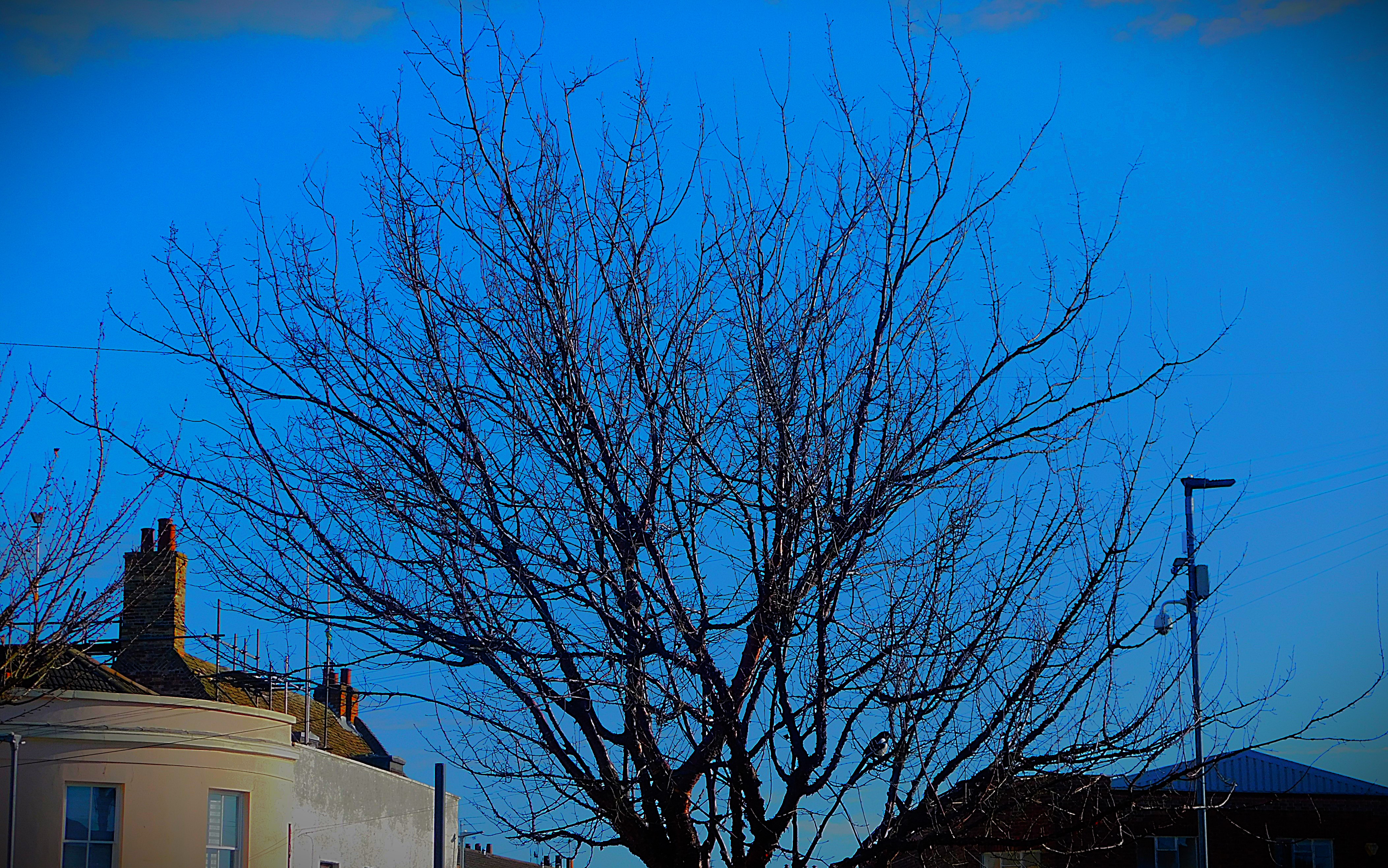
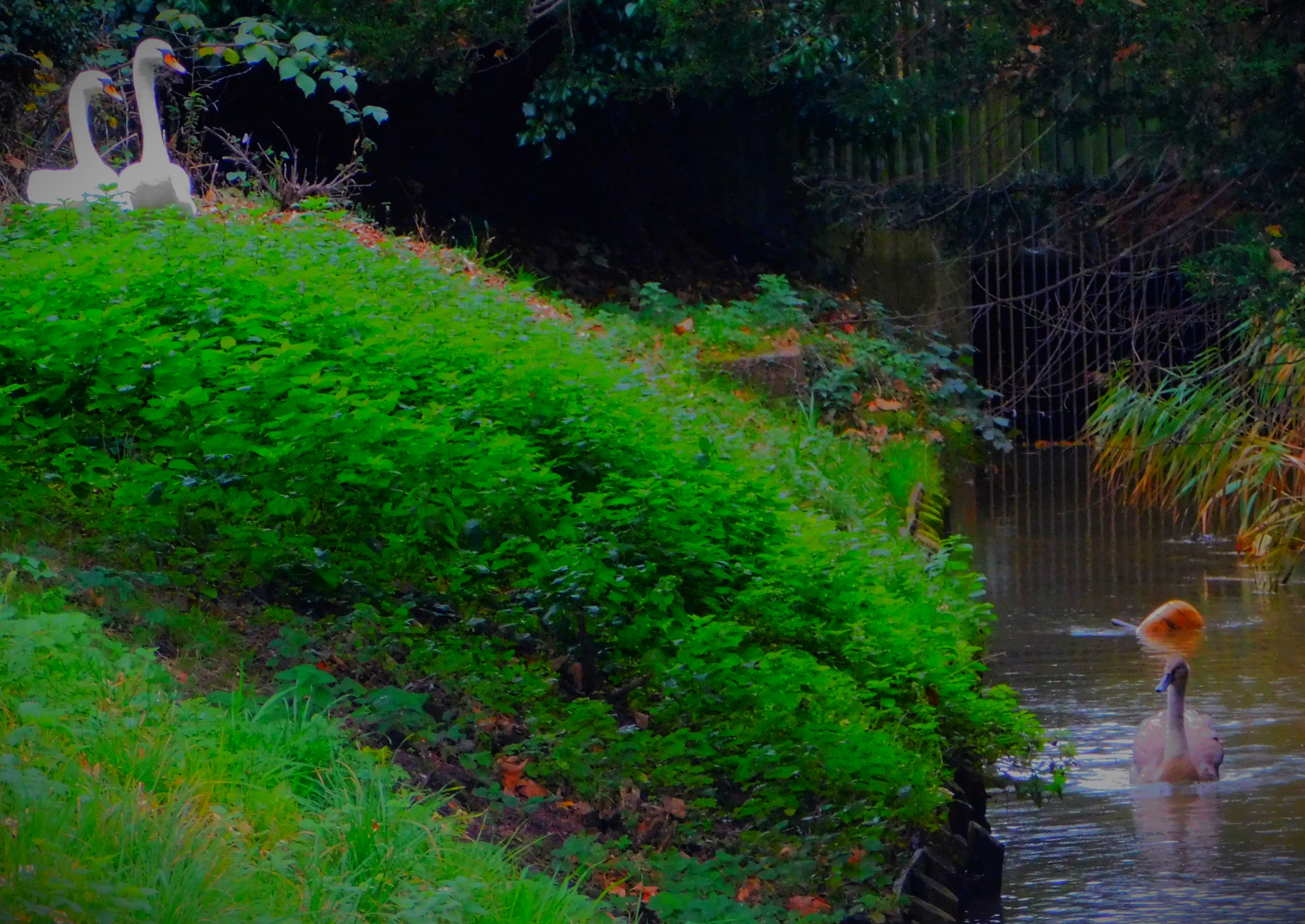
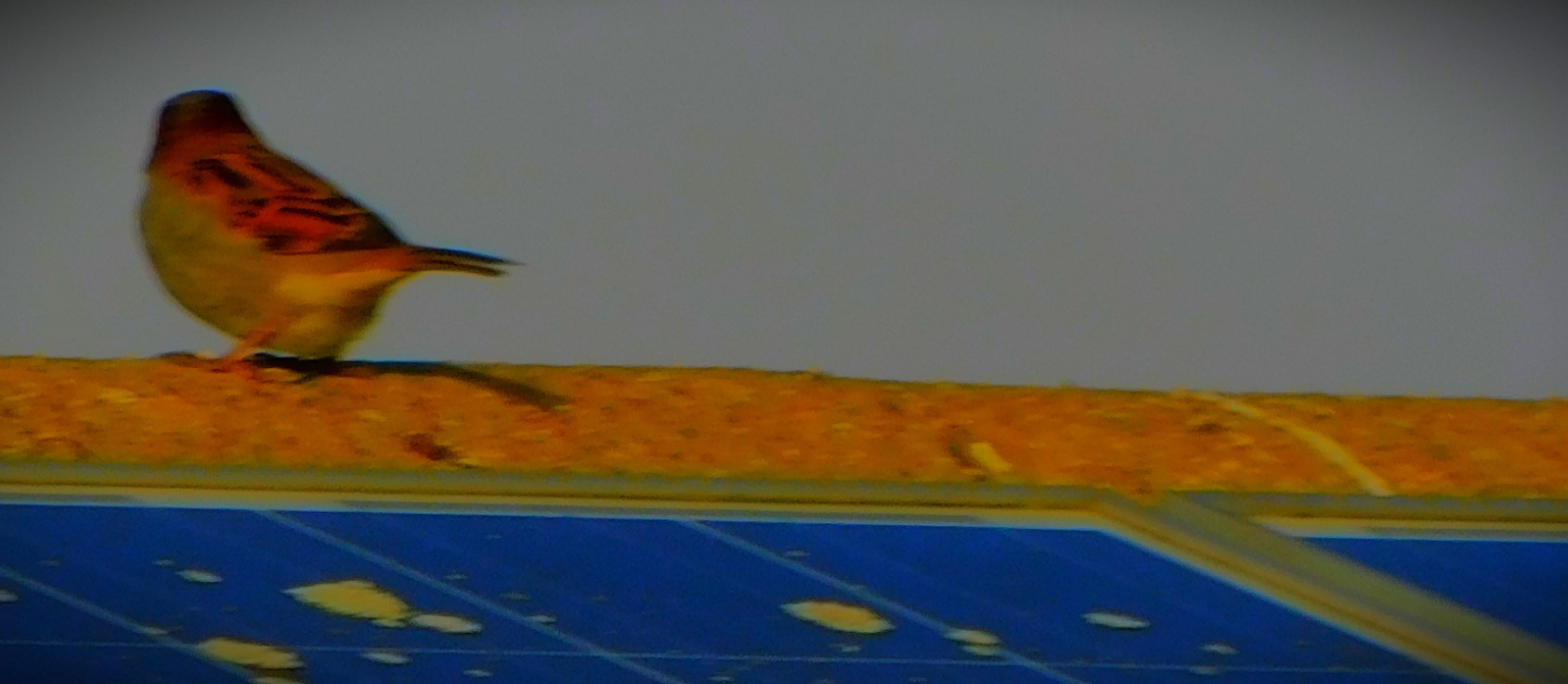
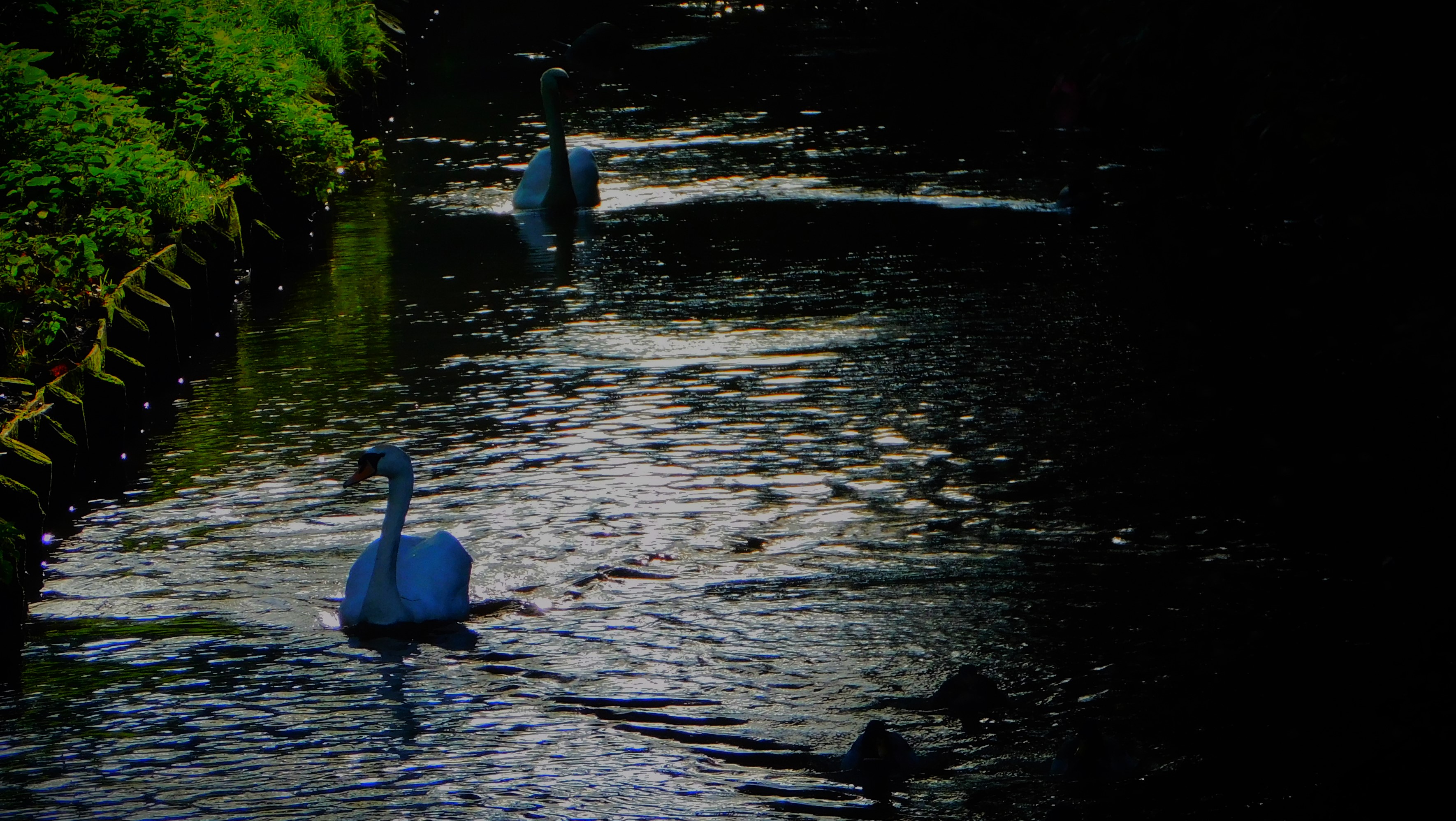
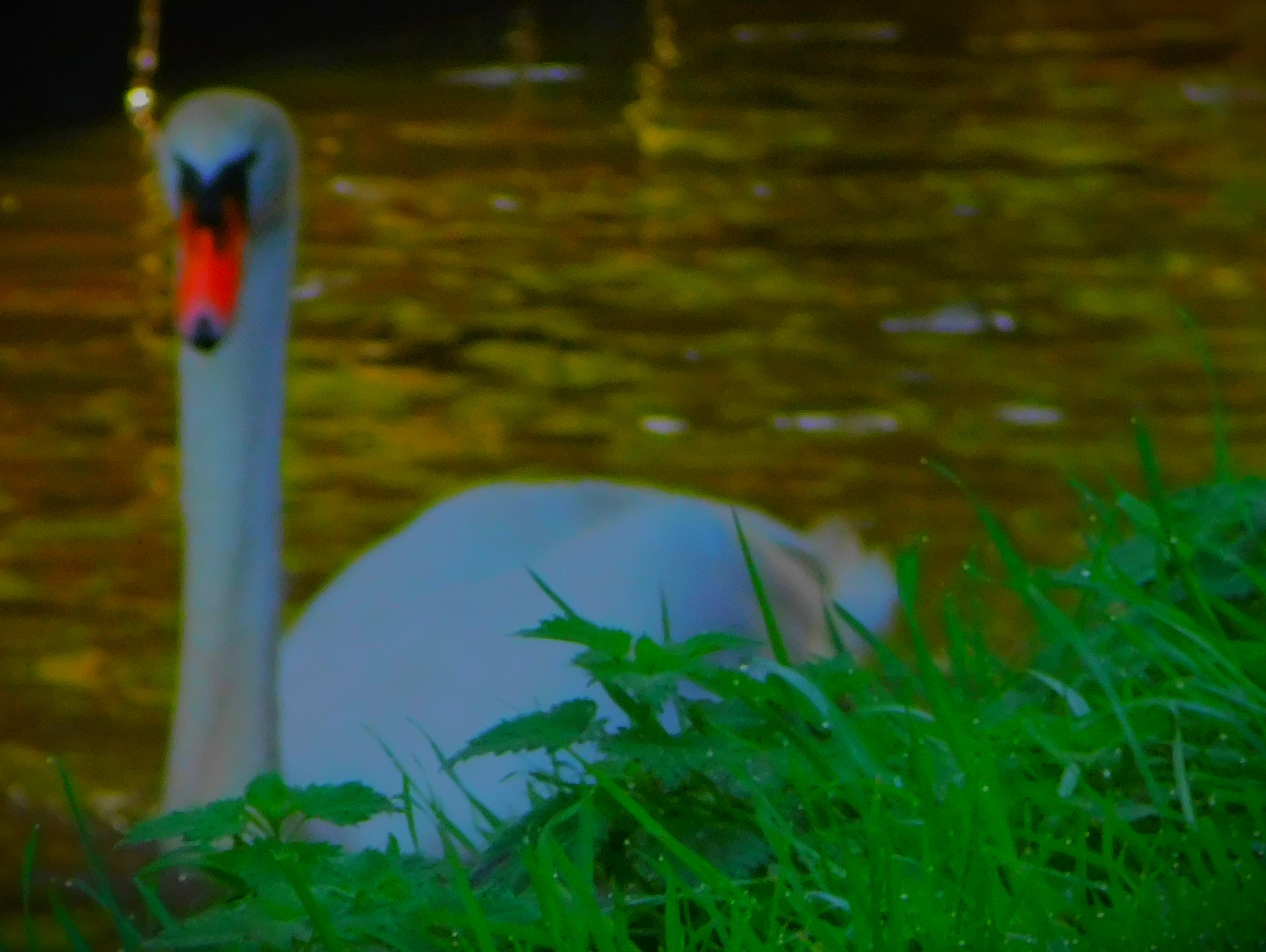
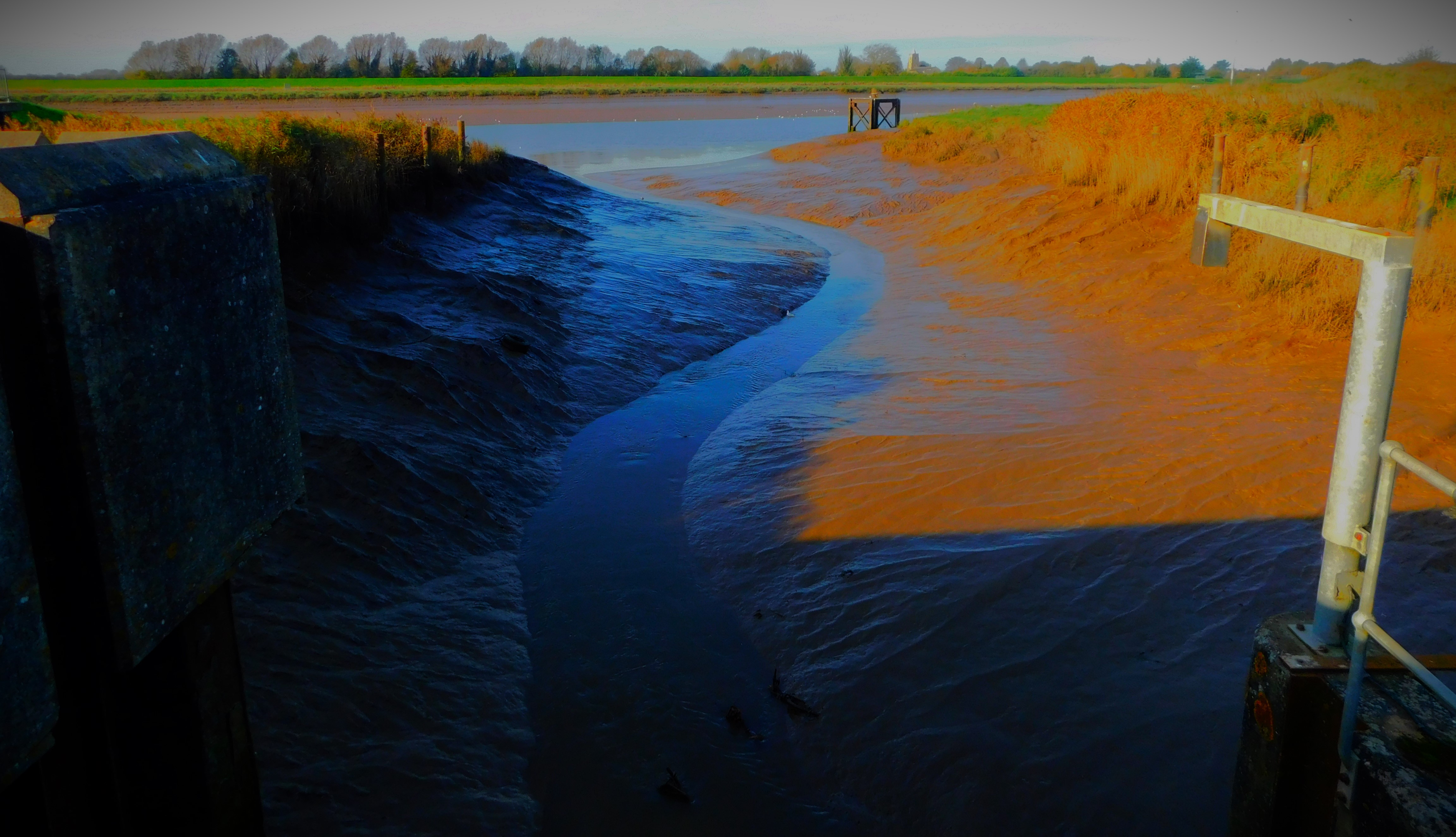
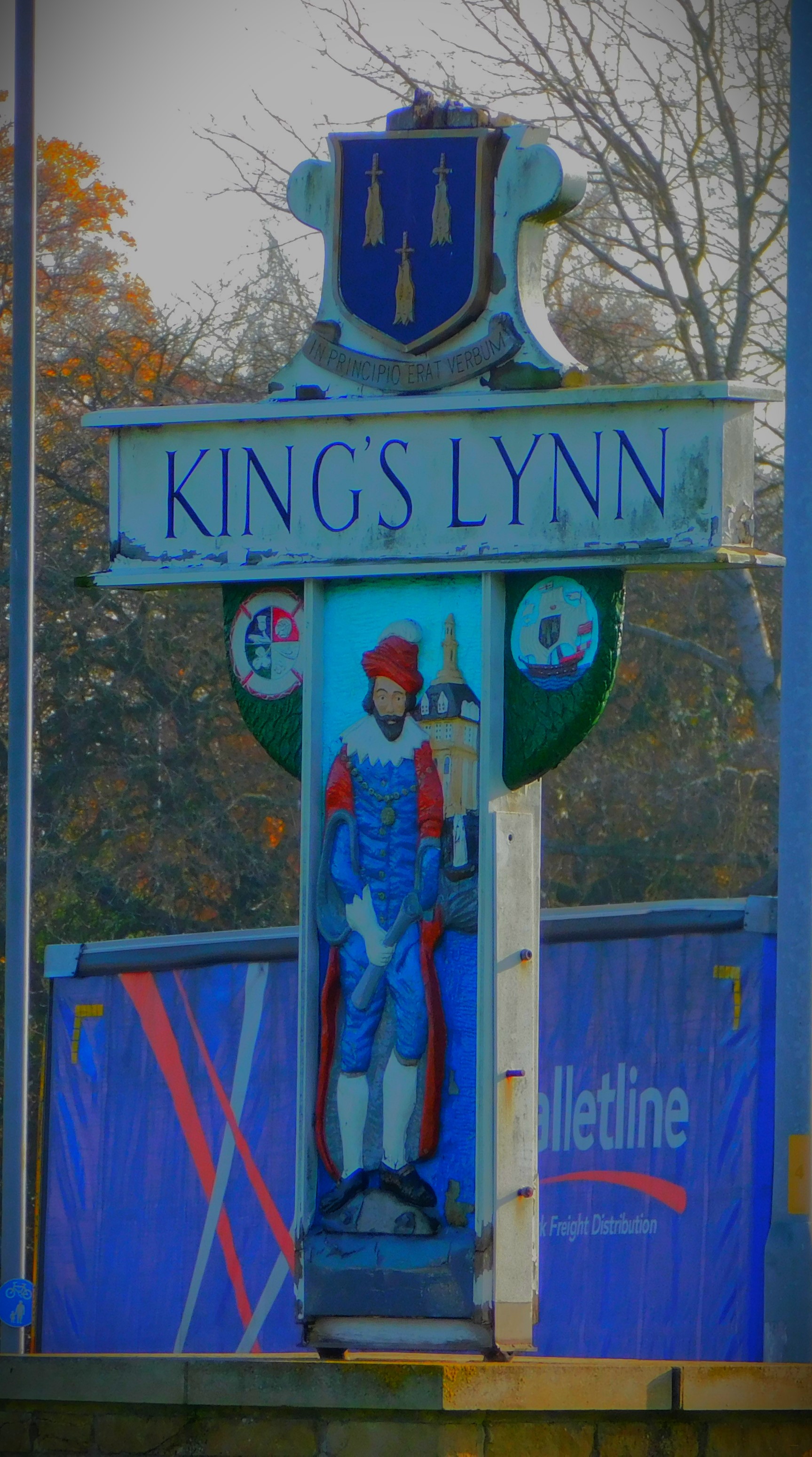
Sunday morning pics…The dunnock. In size and build it is not dissimilar to a sparrow, but the colouring is very different.Sunday afternoon pictures…This new building……was inspired by this much older one opposite it.Sunday night pics.I got a picture of the train fully lit up at the third attempt.Todays pictures start here.The official start of King’s Lynn coming in from the southeast of the town.In olden times this was the southern edge of the town.A stretch of the Nar – this river has its source near the town of East Dereham, close to the centre of Norfolk.Two cormorants with wings outstretched simultaneously.Lapwings in triangular formation at the waters edge (the far side of the Great Ouse from me).The common sandpiper, which features in five images in total.The feature image.
A look back at two women’s T20 matches which have taken place in the last 24 hours – South Africa v England and Melbourne Renegades v Brisbane Heat, the final of WBBL10. Also a substantial photo gallery.
Two important women’s T20 matches took place in the space of the last 24 hours. This post looks at both.
POMS PUMMEL PROTEAS
A multi-format series between the South African and England women’s teams is in progress. Yesterday saw the third of three T20Is that started the series off. England had already won the first two matches, and South Africa had weakened side for this match. South Africa batted first and had a horrible start. Lauren Filer, the quickest bowler on either side in this series (the absence of Shabnim Ismail from SA ranks ends all debate on this subject) clean bowled Anneke Bosch with the second ball of the match. In the second over another Lauren, the 6’1″ seamer Bell had Faye Tunnicliffe caught by Bouchier and it was 3-2. Annerie Dercksen got to 19 but then holed to Nat Sciver-Brunt off Bell to make it 25-3. Sune Luus and Chloe Tryon tried to revive things, but the last ball of the sixth over, off spinner Charlie Dean’s first, saw Luus caught by Knight. Eight balls and a mere three runs later Tryon also fell to the Knight/ Dean combo. Nadine de Klerk and Nondumiso Shangase shared a good stand until Shangase was stumped by Amy Jones off the bowling of left arm medium pacer Freya Kemp to make it 97-6. South Africa eventually reached 124, their last wicket falling to the final ball of the innings, with number 11 Ayanda Hlubi run out for 7 to end it. Charlie Dean had 3-26 from her four overs, while the other spinner Sophie Ecclestone had 1-16 from her four, the wicket being that of Eliz-Mari Marx, bowled by an absolute ripper of a delivery. This total looked modest on a pitch with a good deal of bounce (Centurion pitches tend to have this attribute) but little in the way of actual mischief. England soon made it look downright risible. Maia Bouchier and Danni Wyatt-Hodge got things going with a stand of 56 in 5.4 overs before Bouchier was out for 35 (21). That brought Sophia Dunkley out to join Wyatt-Hodge. Dunkley hit one massive six, but it was Wyatt-Hodge who was leading the charge by this stage. There were still 8.3 overs scheduled to be bowled when Wyatt-Hodge hit the four, her tenth to go with one six, that took her to 53* (31) and England to a nine-wicket win. Dunkley had scored 24* off 17 balls, and South Africa had damaged their own cause by conceding 16 extras. I will draw a veil over their bowling figures. A full scorecard can be seen here.
FROM ZEROS TO HEROS
In the ninth edition of the Women’s Big Bash League, last year, the Melbourne Renegades were an absolute laughing stock of an outfit, taking the wooden spoon and never really looking like doing anything else all the way through.
In the small hours of this morning UK time they completed a remarkable transformation, with some assistance from the Duckworth-Lewis-Stern (DLS) method, winning the final against Brisbane Heat to lift the trophy.
Brisbane Heat won the toss, and with weather interruptions threatening opted to bowl first. DLS recalculations frequently do benefit chasing sides. Renegades were less than impressive in totalling 141-9 from their 20 overs, for which they were indebted to Hayley Matthews, already confirmed as Player of the Tournament, who held things together for them with an innings of 69. Charli Knott took three wickets and Grace Parsons two, but the most impressive bowling performance for Heat came from 18 year old Lucy Hamilton who capped a memorable first WBBL tournament of her career by producing figures of 4-0-19-1.
Heat were 19-2 after 3.2 overs when the rain came. The adjusted target once play could resume was 98 off 12 overs, meaning that Heat needed 79 off 8.4 overs from the resumption to win the match. Renegades could bowl two bowlers for three overs each if they so desired but otherwise two overs per bowler was the new limit. Heat never came close to getting on terms with the chase, and it was only a by then irrelevant six from Nicola Hancock off the final ball of the match reduced the margin to seven runs. Hayley Matthews had 2-24 to put alongside her 69 and was the clear-cut Player of the Match. Matthews this tournament has scored 324 runs at an average of 40.50 and a strike rate of 130.64 runs per 100 balls, and taken 14 wickets at 17.78 a piece, with an economy rate of 6.98 and taking a wicket every 15.2 balls on average.
The DLS recalculation undoubtedly worked against Heat because they had lost those two early wickets when the rain came, but I do not believe that it changed the outcome of this match – Heat were not favourites by the time the rain started, and were somewhat more clearly second favourites after the adjusted target was issued.
PHOTOGRAPHS
These pictures were all taken yesterday, in the course of two walks – yesterday morning was dull but not cold, yesterday afternoon was genuinely pleasant. Here are the photographs, plus a reminder that they can be viewed at a larger size by clicking on them…
A look ahead to the final of WBBL10 and a large photo gallery.
We now know who the contending teams will be in the final of the Women’s Big Bash League 2024, which takes place early tomorrow morning UK time. This post looks at those two sides and their routes to the final.
MELBOURNE RENEGADES
This is a story of remarkable turnaround in the space of a single year. Last year the Renegades were something of a joke franchise, whereas this year they have taken the most direct route to the final – they won the league stage outright, thereby not only qualifying directly for the final but getting to play that match at home, which since it is the final means at the Melbourne Cricket Ground (MCG, or for locals ‘The G’ for short). Renegades have never previously made a final, and were wooden spoonists last year (an unwanted distinction that stays in Melbourne, with Melbourne Stars this years wooden spoonists). Renegades have a history of being overly conservative, and one huge reason that no longer applies is the presence of Deandra Dottin, who had not played a professional match in over a year when the Renegades signed her but has been excellent this tournament. Dottin is one of two West Indies aces in the Renegades line up, along with opening batter cum off spinner Hayley Matthews. Wicket keeper Nicole Faltum has also been a crucial cog, scoring important runs as well as doing her main job.
BRISBANE HEAT
Brisbane Heat brushed Sydney Thunder aside as dismissively as an Aussie in summer brushes flies aside, winning the Challenger match by nine wickets with 4.4 overs to spare. This was Heat’s sixth successive match win. They had finished second in the league stage which meant they were at home for the Challenger match. Heat look be peaking at precisely the right time, and as part of that opening batter/ keeper Georgia Redmayne produced her best batting form of the tournament in the Challenger match. A minor concern is an injury to Indian star Jemimah Rodrigues who who had to retire hurt with a left wrist injury, sustained initially in the field and aggravated while batting in that chase. The biggest stories of Heat’s tournament which could see them become the first ever three-time champions of this competition have been two youngsters. Heat lost the services of a pacer and of leg spinning all rounder Amelia Kerr. A like for like replacement for Kerr does not exist, and in the event Heat filled both gaps by promoting youngsters to first team status. Lucy Hamilton, a left arm pacer, and Grace Parsons, a leg spinner have both bowled superbly this tournament, while veteran Indian seamer Shikha Pandey has also been notably economical. Hamilton, an 18 year old from the sugar town of Bundaberg, has taken 11 wickets at 16.54, with an ER of 6.50, and her best figures are a barely credible 5-8 from a full four overs. Parsons, 21 years old, has taken 10 wickets at 21.80, with an ER of 6.81 and a best of 3-10. 35 year old Pandey, the third bowler I mentioned, has taken 12 wickets at 22.00 with an ER of 6.76 and a best of 2-14. Her experience and consistency has helped to ease the path for the two youngsters. Heat have the form, Renegades have the status as winners of the league stage, and there is a third factor – the weather forecast for Melbourne is not good, though there is a reserve day available for the final.
PHOTOGRAPHS
I have not posted since Wednesday, with Thursday being a work day and yesterday being the day of the WNAG committee Christmas meal, so even though the weather has not always been good for photography in the period concerned I have a decent sized gallery…
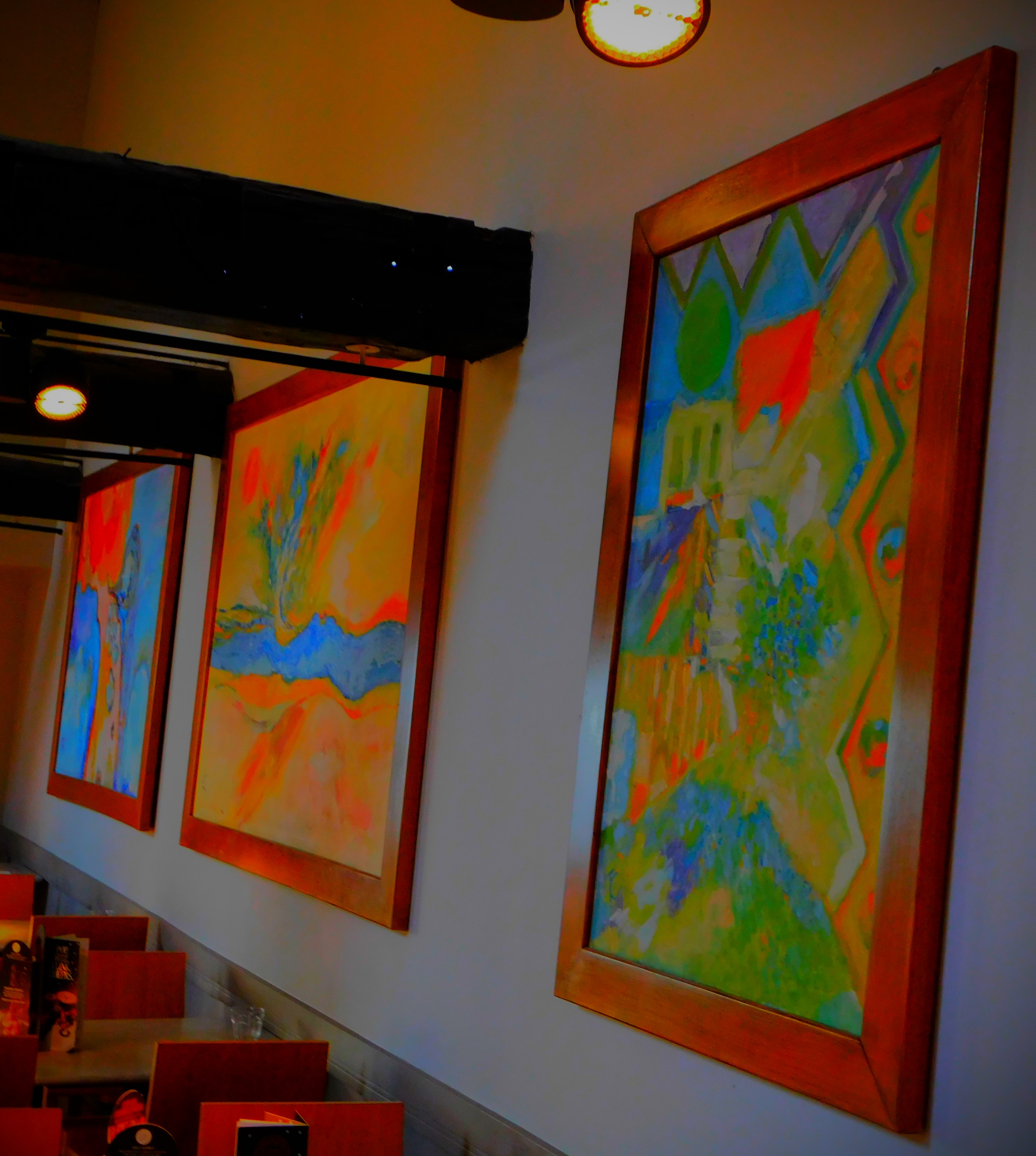
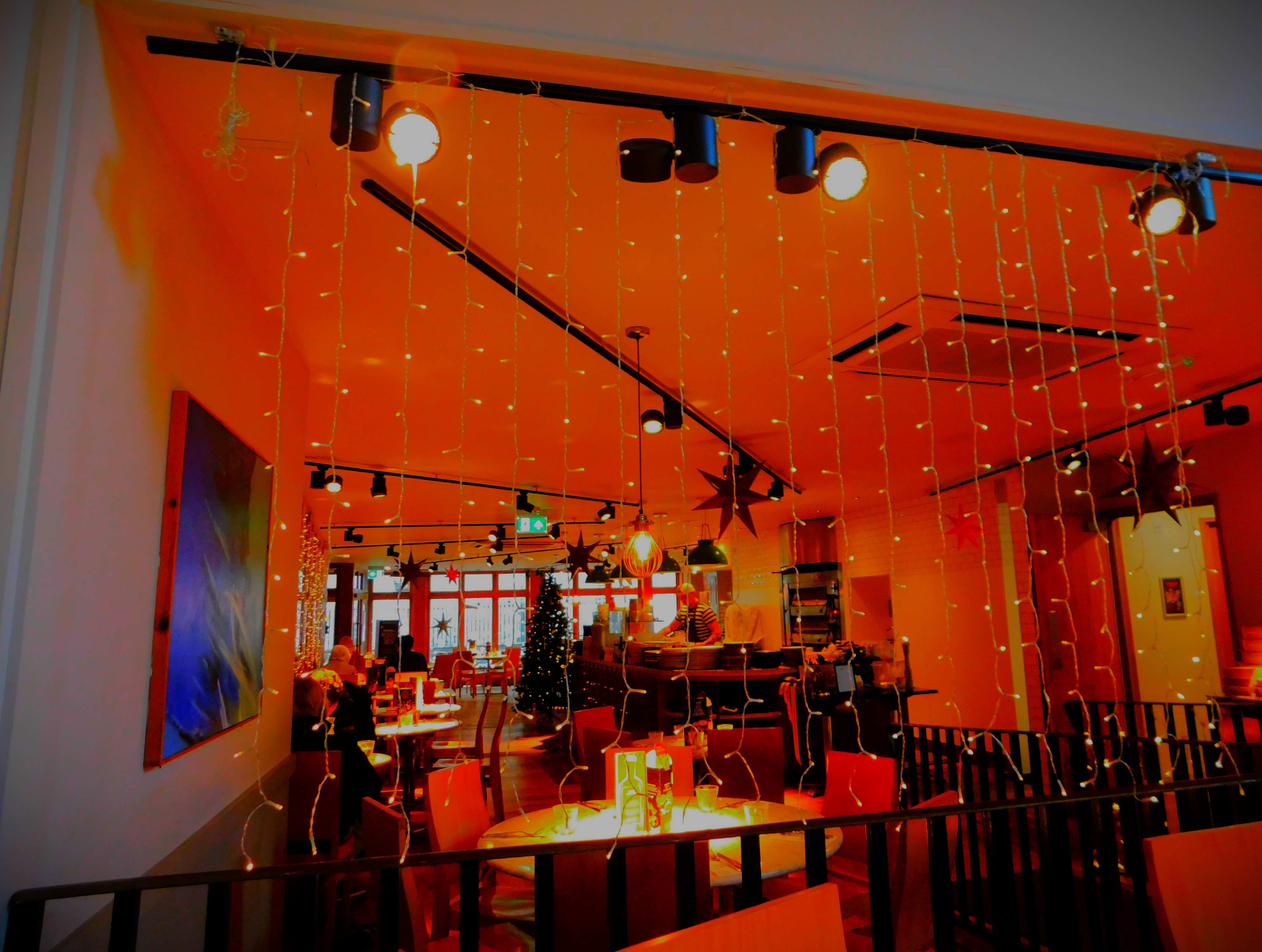
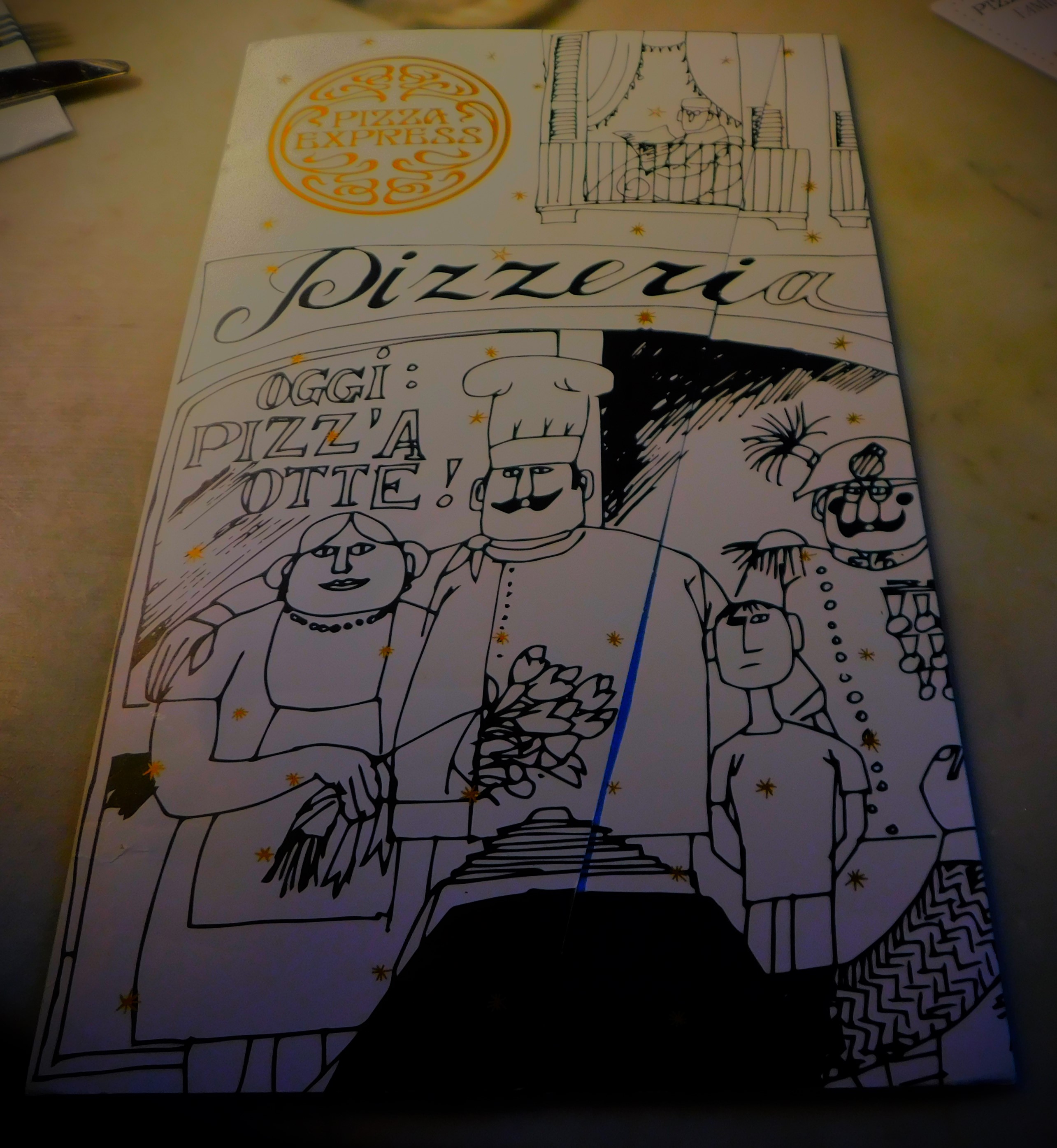
Possibly the thinnest crescent moon I have ever seen.The meal was at Pizza Express in the town centre.The menu was intriguingly shaped – rectangular when close, parallelogram when open.
A look at goings on in the WBBL as that tournament approaches its climax. There are now only three teams left in the tournament. Also a huge photo gallery.
This morning saw the first of the knockout matches in the WBBL, between Sydney Thunder and Hobart Hurricanes, at the former’s home ground, the Drummoyne Oval, six kilometres or thereabouts west of Sydney city centre. This post looks at what happened today and how the KOs work in this tournament.
HOW THE KNOCKOUTS WORK IN THE WBBL
Four teams out of eight qualify for the knockout stages of the WBBL, and the system then works thus: third place take on fourth in what is termed the Knockout match, with third place having home advantage. The winners of this match then play away against the team who finished second, in what is called the Eliminator match, and finally the winners of that face up to the winners of the league stage at the latter’s home ground. In this edition of the tournament Melbourne Renegades and Brisbane Heat had 14 points each from their 10 group games, with the Renegades ahead on net run rate, while Sydney Thunder had 13, the single point coming from a washed out local derby against the Sydney Sixers, and Hobart Hurricanes had 10 points – five wins and five losses. They qualified with this modest tally through a combination of the top three all having such excellent records and the fact that having four teams in an eight team league qualify for knockout stages is over-generous (though less bad than the men’s equivalent where FIVE of the eight sides qualify, which means that there is a genuine chance of a team with an overall losing record making the KOs, which is plumb crazy).
TODAY’S MATCH
Hobart Hurricanes won the toss and chose to bat first. They did not perform well. When Heather Graham was out to the last ball of the 10th over they were languishing at 47-4 halfway through their innings. They did pick things up in the second half of their innings, with Elyse Villani ending unbeaten on 49 from 42 balls, Suzie Bates managing 17 off 17 balls, and Kathryn Bryce with 10 off 6 and Lauren Smith with 6 not out off three balls giving things a late boost. A total of 126 still looked inadequate.
For a long time however, it looked as though Hurricanes might be defending it successfully. With three overs to go Thunder needed 26 to win, and although Litchfield was batting well Anika Learoyd was, as many had on both sides, progressing very slowly. The 18th over, bowled by Heather Graham, which was also the second of the Thunder’s Power Surge, turned the course of the match – 16 runs came from it, including three boundaries, one from Litchfield, and two, off the last two balls of it, from Learoyd. Litchfield then hit the first ball of the 19th over for six. The second and fourth balls yielded singles. The off the fifth ball Litchfield was bowled, which brought Georgia Adams to the crease with two runs needed for the win. Adams cut the only ball she faced for four runs to seal victory for the Thunder with an over to spare and send them on to Allan Border Field on Friday to do battle with Brisbane Heat for the right to face Melbourne Renegades. Litchfield’s 46 off 36 in a match in which few had struck at above 100 and three catches secured her Player of the Match. Molly Strano, one of the most successful bowlers in the WBBL’s history, had figures of 4-0-8-1 for the Hurricanes, unavailing in the end, but the joint most economical figures ever in the knockout stages of a WBBL tournament. A full scorecard of this match canb be seen here.
In many ways justice was done today, although Thunder were not convincing winners by any means. They were much better than the Hurricanes in the group stages, and it is right that the winner of this tournament should come from one of the top three – for Hurricanes to have emerged victorious after qualifying for the knockouts on 10 points would have left a bad taste in the mouth – and yes this is a pom criticizing an Aussie tournament for having overly soft qualification rules, and I stick by every comment I have made along these lines.
PHOTOGRAPHS
I have a very large gallery, due to not having posted on Monday. Monday and yesterday were both sunny although cold, while today has not been sunny and is still cold…
A look back at the first three days of the first test of a five match series between Australia and India, taking place in Perth.
The opening test of a five match series between the Australia and India men’s teams is under way in Perth, contested for the Border-Gavaskar Trophy. This post looks back at the action from the first three days of that match.
THE PRELIMINARIES
This series had one very unusual feature – both captains, Pat Cummins, who is Australia’s regular incumbent, and Jasprit Bumrah who is standing in for the unavailable Rohit Sharma are specialist fast bowlers. Australia had a controversial debutant in Nathan McSweeney. McSweeney has a fine batting record at state level, but his most productive positions in the order are numbers four and five, and at number three he averages a very modest 30, while he has never opened in professional cricket, and that was the job he was being selected to do in a test match. India won the toss and chose to bat first.
DAY ONE – BOWLERS ON TOP
At lunch on day one India’s decision to bat first was looking questionable – they were four wickets down, and no one had looked remotely good for them. Two further wickets shortly after the interval and it was looking like India were handling Perth no better than most visiting sides. Rishabh Pant, returning to test ranks after a long layoff due to injuries sustained in a car crash, and Nitish Kumar Reddy making his test debut. staged something of a revival for India, getting the total to 150 all out, which did not seem enough for a side choosing to bat first.
Jasprit Bumrah had other ideas. The captain and star bowler for India was soon getting busy among the Australian batters. His first victim was McSweeney for 10, pinned absolutely plumb in front of the stumps. Then he had the other opener Khawaja caught by Kohli for 8 and with his very next ball pinned Steve Smith plumb in front to make it 19-3. Labuschagne dug in, but simply could not get the ball away, and wickets fell at the other end from him with great frequency. Travis Head was clean bowled to become the first victim of the second of India’s test debutants, Harshit Rana., having scored 11. That was 31-4, and when Siraj had Mitchell Marsh caught behind for 6. Siraj struck again nine runs later, putting Labsuchagne out of his misery by pinning him LBW for 2, scored off 52 balls. For a slower innings of 2 by an Australian one has to go back to the 1960s and Bill ‘Phant’ Lawry who once took 55 balls over a score of 2. Australia were 47-6. There was still one wicket to come on this eventful day, one that symbolised the respective positions of the sides by then as Indian skipper Bumrah had his opposite number Cummins caught behind to make it 59-7. By the close Australia were 67-7. The pitch had pace and bounce, but no real mischief – the bounce was consistent and reliable, and there was nothing in the way of extravagant sideways movement. Bumrah ended his first day as Indian test skipper with figures of 4-12 from seven overs.
DAY TWO – CONSOLIDATION
Jasprit Bumrah completed his five-for by dismissing Alex Carey, caught behind for 21. That was 70-8. When Harshit Rana had Lyon caught by KL Rahul it was 79-9. The final Australian pairing of Starc and Hazlewood added 25 to this score, Starc becoming along the way top scorer of the innings, in itself a devastating statistic for Australia. Starc had scored 26, and had faced 112 balls to do so. Bumrah’s final figures were 5-30, while Rana had 3-48 and Mohammed Siraj 2-20.
Australia needed wickets, and quickly if the match wasn’t to get away from them. Yashavsi Jaiswal and KL Rahul realized this, and batted superbly for the situation. They batted through the 57 overs that Australia managed by stumps (over rates have been dire in this match from both sides), leaving India in complete control on 172-0, an overall advantage of 218. Jaiswal had 90*, Rahul 62* and 20 extras had been donated by Australia.
DAY THREE: RIPLEY’S BELIEVE IT OR NOT
If you had asked Jasprit Bumrah to script the third day of this match I don’t think he would have dared to make it as favourable for India as it actually was. India spent the first two sessions building their advantage steadily, Jaiswal advancing his score to 161, his fourth test century, and all four scores have ended up crossing 150. Only one other person in test history has a similar distinction, Graeme Smith of South Africa, also an opening batter. Although India had a minor blip, a high water mark of 275-1 becoming 321-5, Kohli, supported first by Washington Sundar and then by Nitish Kumar Reddy steadied the ship, and then in the final stages of the Indian innings attacked as a declaration loomed. Kohli reached his hundred off 143 balls, at which point India declared, with Reddy 38 not our from 27 balls at the other end. Australia needed 534 to win and had about 20 minutes plus two full days to bat. With the fourth ball of the innings Bumrah pinned McSweeney LBW for a duck to end a miserable debut for the ersatz opener. McSweeney’s efforts here, and those of Daniel Lawrence when asked by England to open the batting for the first time in his professional career in a test match constitute fairly damning evidence about how doing this works in practice, i.e. it doesn’t. Cummins now made what I consider a ‘right wrong call’ – he wrongly deemed this a sensible situation in which to use a nightwatch, but having made that error at least assumed responsibility for playing that role himself, rather than sacrificing one of his fellow bowlers. Siraj got Cummins, caught by Kohli for 2 to make it 9-2. Then just to put the cherry on top of this most one-sided of days, Bumrah pinned Labuschagne, the guy Cummins had tried to protect, LBW with what turned out to be the last ball of the day – there were four balls still to come in the over but were past the official close, so the umpires correctly called stumps (slow over rates have been around long enough that the Laws of Cricket have this contingency of a wicket falling after the scheduled close covered). That left Australia 12-3, and Bumrah with figures of 2-1. This means that Bumrah currently has 180 test wickets at 19.94 a piece. The last person to finish a test career with over 150 wickets at under 20 was Syd Barnes, with 189 wickets at 16.43, and the last of his 27 test appearances was in 1914. Australia with two whole days to come need 522 more runs to win and have seven wickets standing. India had won all three days outright, and on session scores I make it 7.5-1.5 – Australia had the better of the morning session on the opening day with those four wickets, the afternoon session was about even, the evening session of that day was overwhelmingly India’s, and days two and three belonged entirely to India, with Australia’s one decent passage of play on those days, when they reduced India from 275-1 to 321-5 being too insignificant in the scheme of things to matter – India were so utterly in command by then that even the wicket taking had continued and India had been say 350 all out it would have made no difference to the final result. With it also being IPL auction time, the commentators raised a question about their four expert summarisers, Sunil Gavaskar, Darren Lehmann, Glenn McGrath and Tom Moody: if all were available and in their pomp but you could sign only one for an IPL who it be? My answer is McGrath – I reckon I am getting four cheap overs, and wickets into the bargain, in pretty much every match. Moody’s all round skills make him second choice in my view, with Lehmann a poor third, and Gavaskar due to his approach to batting not even worth considering in this context.
PHOTOGRAPHS
My usual sign off…
The photos in this gallery were taken on three different days, Friday which was sunny but very cold……Saturday which was just plain horrible……and today, grey but dry, and much warmer (indeed so warm that I deemed a coat unnecessary)
An account of the extraordinary match between Perth Scorchers and Sydney Sixers in the WBBL, which was tied after 20 overs per side, and still tied after a Super Over. Also two photo galleries, one devoted to two recent auction purchases and located between the match and the super over, and one my usual sign off gallery.
Early yesterday morning UK time the Perth Scorchers took on the Sydney Sixers at Hobart, supposedly a warm=up act for the match between the local Hobart Hurricanes and the Melbourne Renegades. I was in the position of being able to listen to the whole of the first match and the early stages of the second. The match I got to hear the whole of was one of the most remarkable it has been my privilege to follow, and this post looks back at it.
THE FIRST INNINGS
The Scorchers batted first, and at 95-1, with Brooke Halliday and Beth Mooney both into the 40s they looked set for a fine score. However, they failed to take the two over Power Surge while this pair were in residence, and when both fell in quick succession and it was getting late in the innings they ended up taking the Surge with two new batters at the crease, albeit one of them was Sophie Devine, one of the biggest hitters in the women’s game.
The first over of the Power Surge and the 15th of the innings was bowled by off spinner Ashleigh Gardner, and it was a superb over. With the second ball of it she clean bowled Mikayla Hinkley, and with the final ball of it she did the same to Indian star Dayalan Hemalatha. She also conceded only three runs in the over, putting the gloss on a great bowling performance, turning an already very good 3-0-18-2 into a sensational 4-0-21-4. Scorchers were five down, and although Devine and Carly Leeson added eight runs to the score before the next wicket fell both were out very close together and Scorchers were 114-7. The skids were now well and truly under the Scorchers innings, and they ended up failing to bat the full 20 overs, being all out for 126 after 19.2 overs. The last nine wickets had crashed for just 31 runs, and at the halfway stage the Sixers would have been heavy favourites.
THE REPLY
Sixers started steadily, with the general reckoning being that Scorchers had to take ten wickets to avoid losing. Elsa Hunter, a 19 year old who already has considerable international experience, having made her debut for Malaysia Women as a 13 year old, opened the innings with Ellyse Perry, and struggled to score. Perry hit form from the get go and looked a class apart from every other batter in this match. Hunter fell for an 18 ball 9, caught by Hemalatha off the leg spin of Alana King. Amelia Kerr managed just a single before a catch by Ebony Hoskin off Chloe Ainsworth disposed of her. Ashleigh Gardner was the first Sixers player other than Perry to strike at above 100, scoring 17 off 15 balls and helping the third wicket to add 32 runs. Hollie Armitage, in at number five, found run scoring hard but gave Perry good support, although the required rate crept up, hitting eight an over with five overs left in the innings. The 16th and 17th overs both yielded this exact number of runs. In the 18th over Alana King had Perry caught by Ainsworth, and then Maitlan Brown, regarded more as bowler than a batter, but not having bowled at all this tournament, was pinned LBW first ball. When Scottish wicket keeper Sarah Bryce was caught by Ainsworth off Leeson the Scorchers would have been feeling confident. Mathilda Carmichael joined Hollie Armitage, and at the end of the 19th over the score was 115-6, 12 needed off the final over.
There followed one of the most extraordinary six ball sequences I have ever seen. There are many ways to handle a chase of two runs per ball in the last over, but few if any other batters would have done what Mathilda Carmichael did. She ran twos of each of the first five balls of the over. Off the sixth she got through for one, but was well short coming back for the second as Mooney collected King’s throw and took the bails off to execute the run out. Sixers thus ended on 126-7, exactly level with Scorchers 126 all out. In the WBBL when scores are level at the end of a match a Super Over is played. Each side nominates one bowler to bowl their over and three players who will bat (two out constitutes all out in a super over). In the WBBL specifically if a Super Over is tied that is then the end of the matter, and the points are split. Before I cover the Super Over I have decided to break things up a little…
GALLERY ONE: TWO AUCTION LOTS
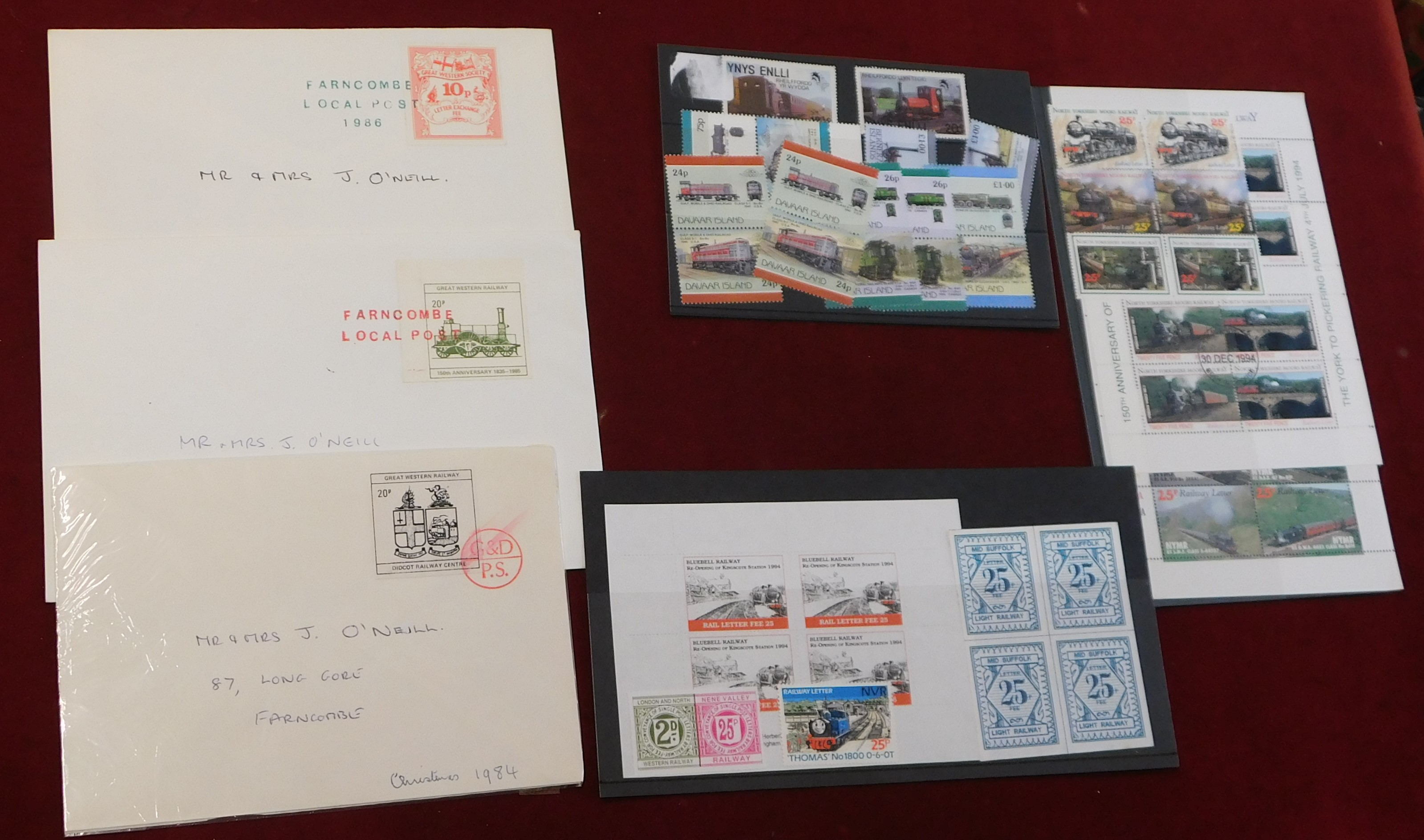
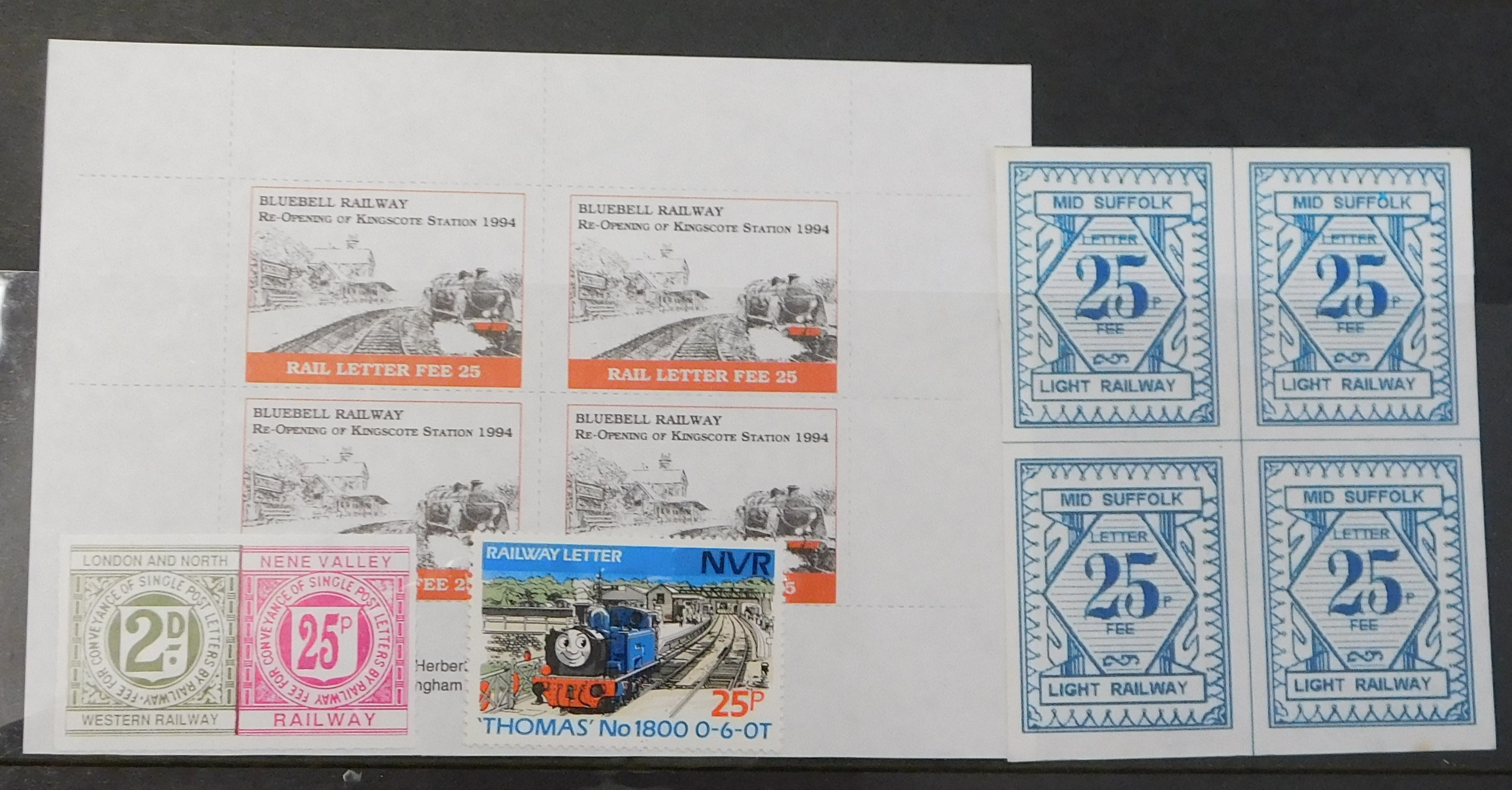
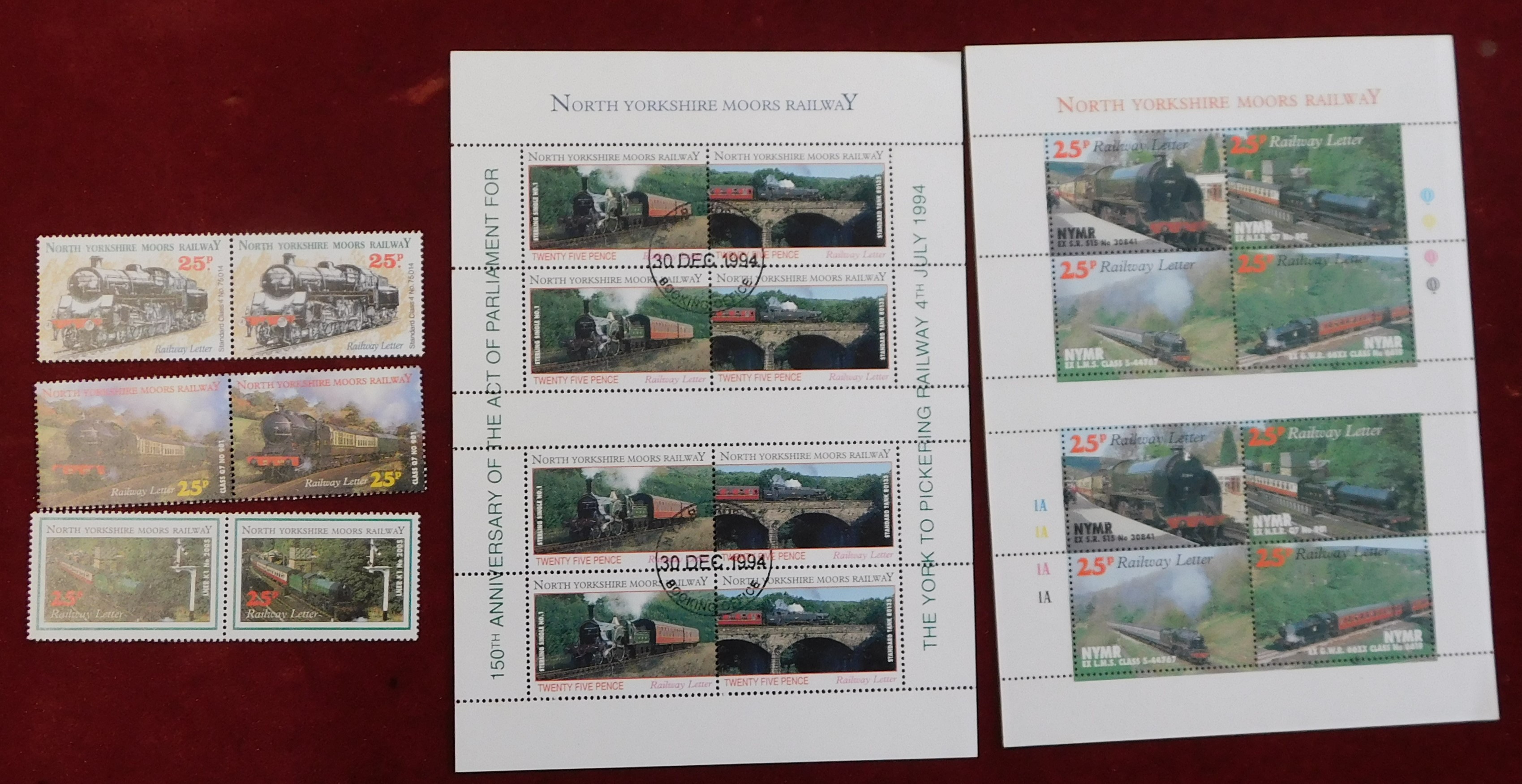
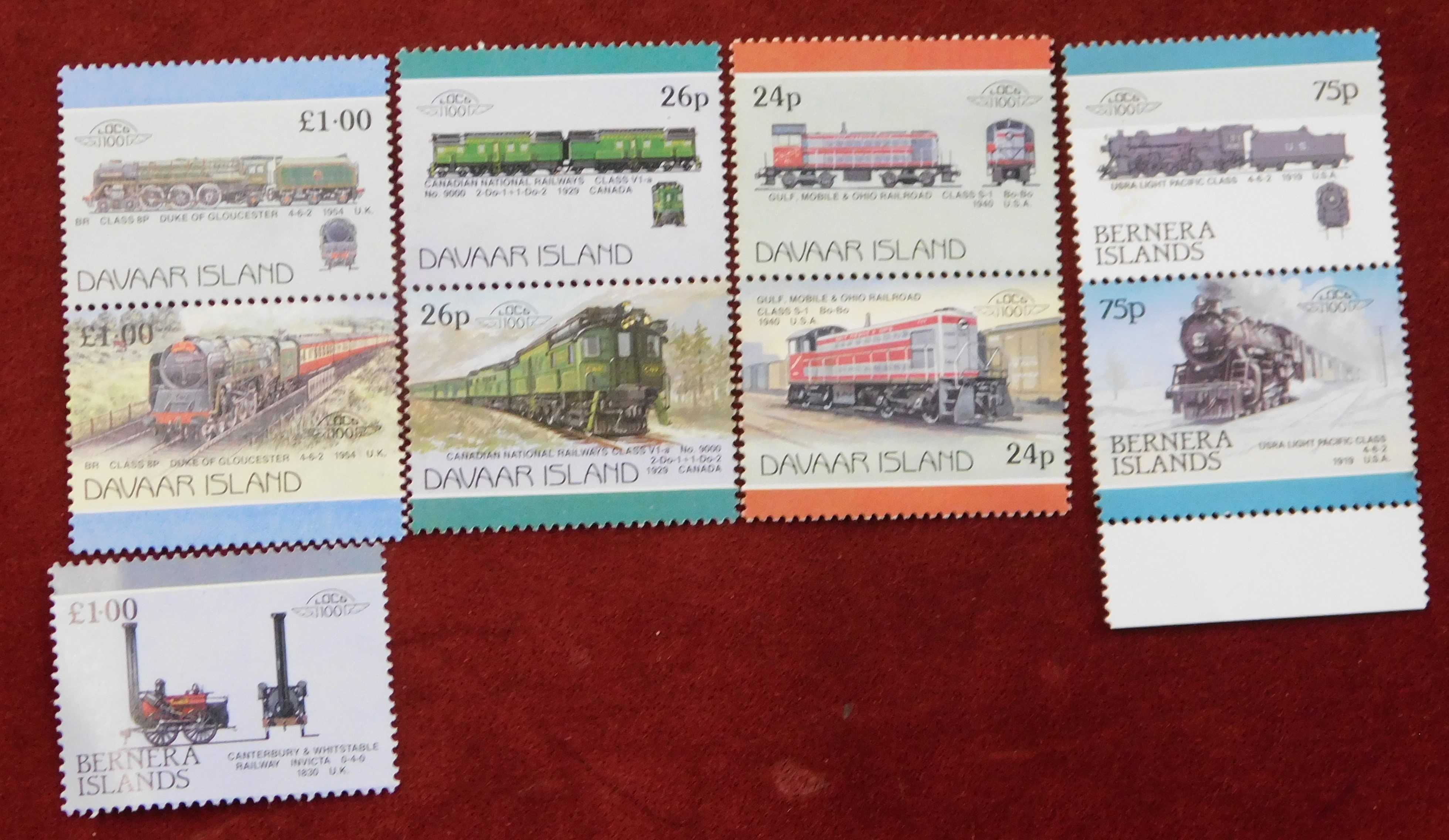
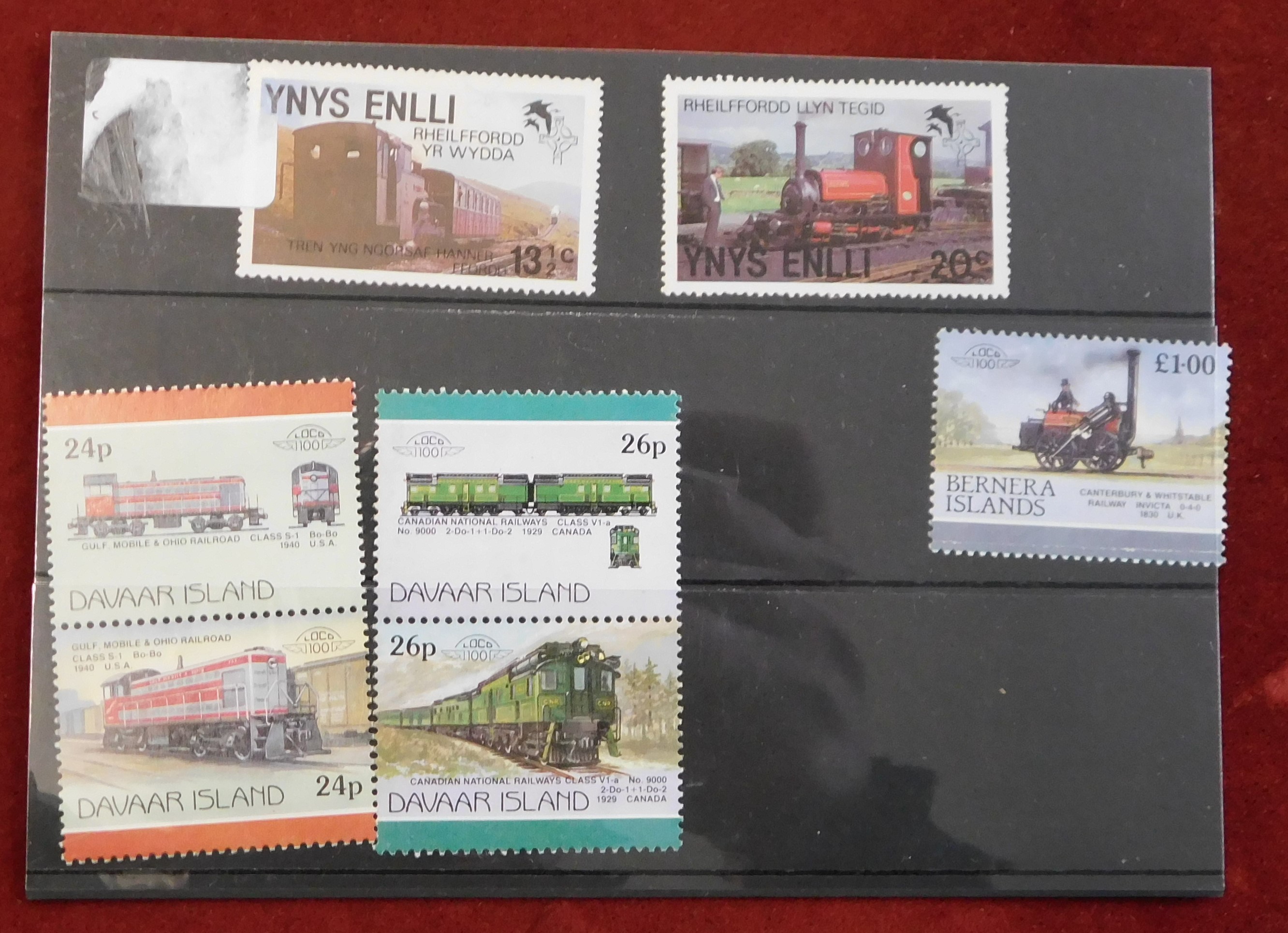
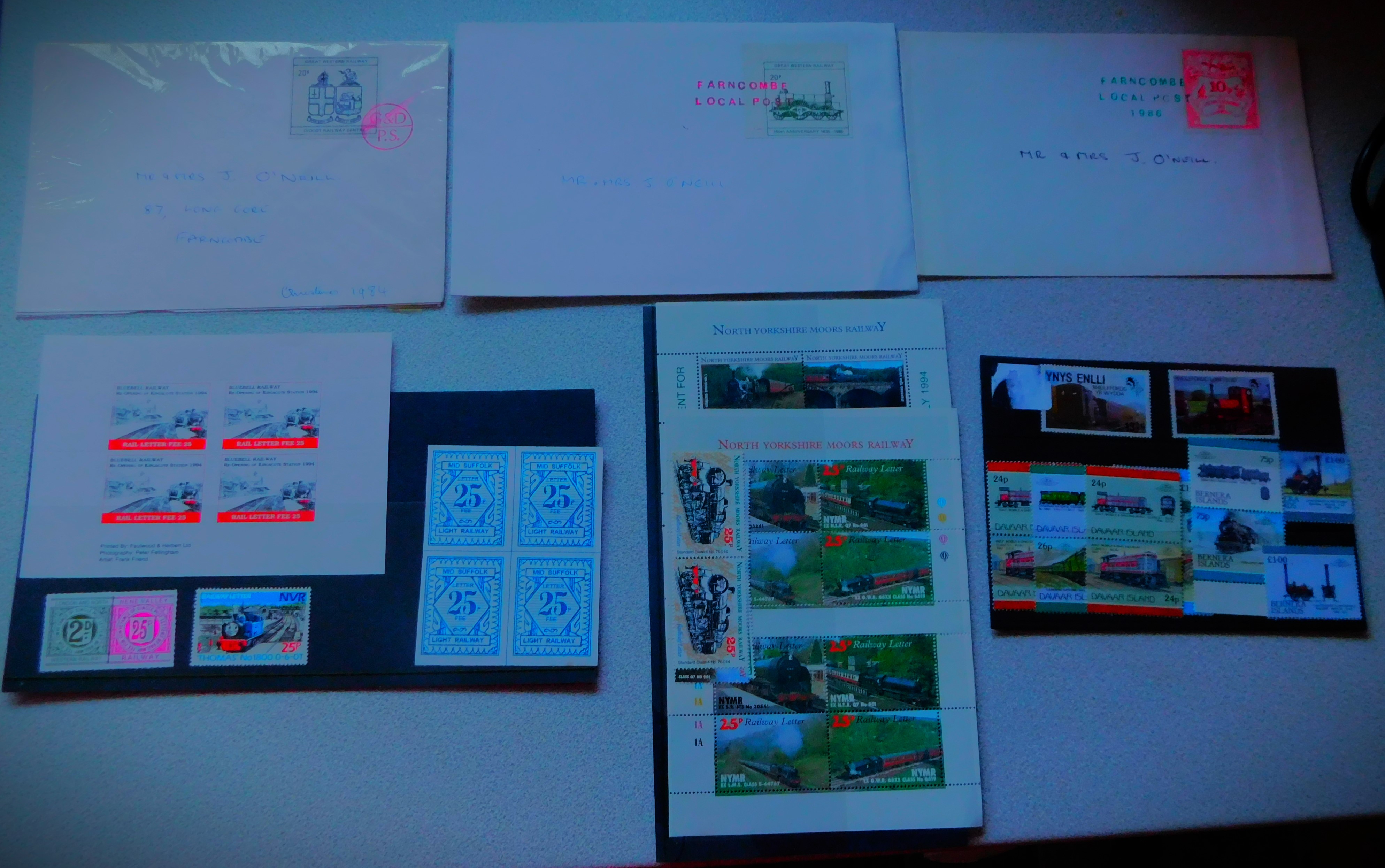
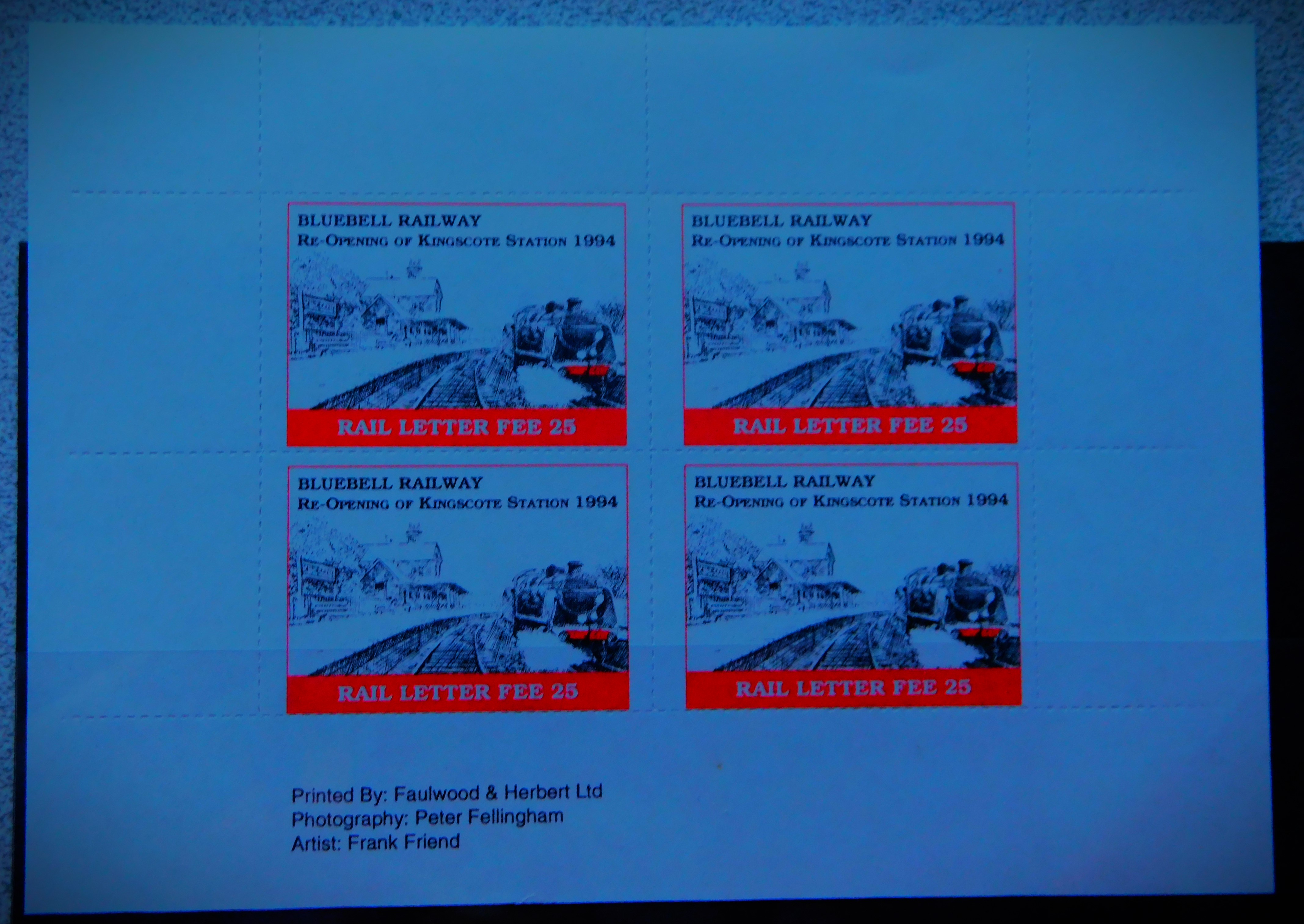
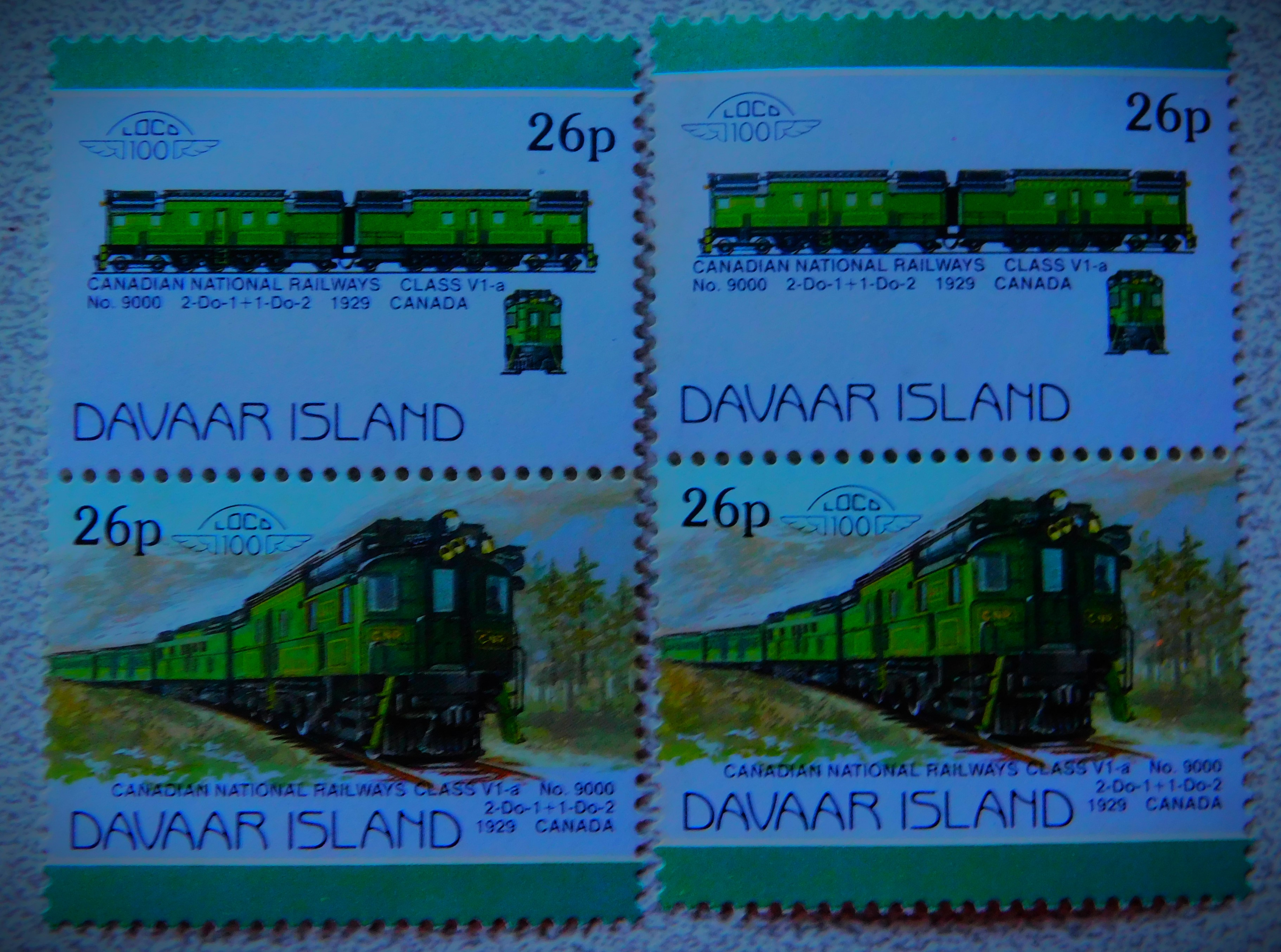
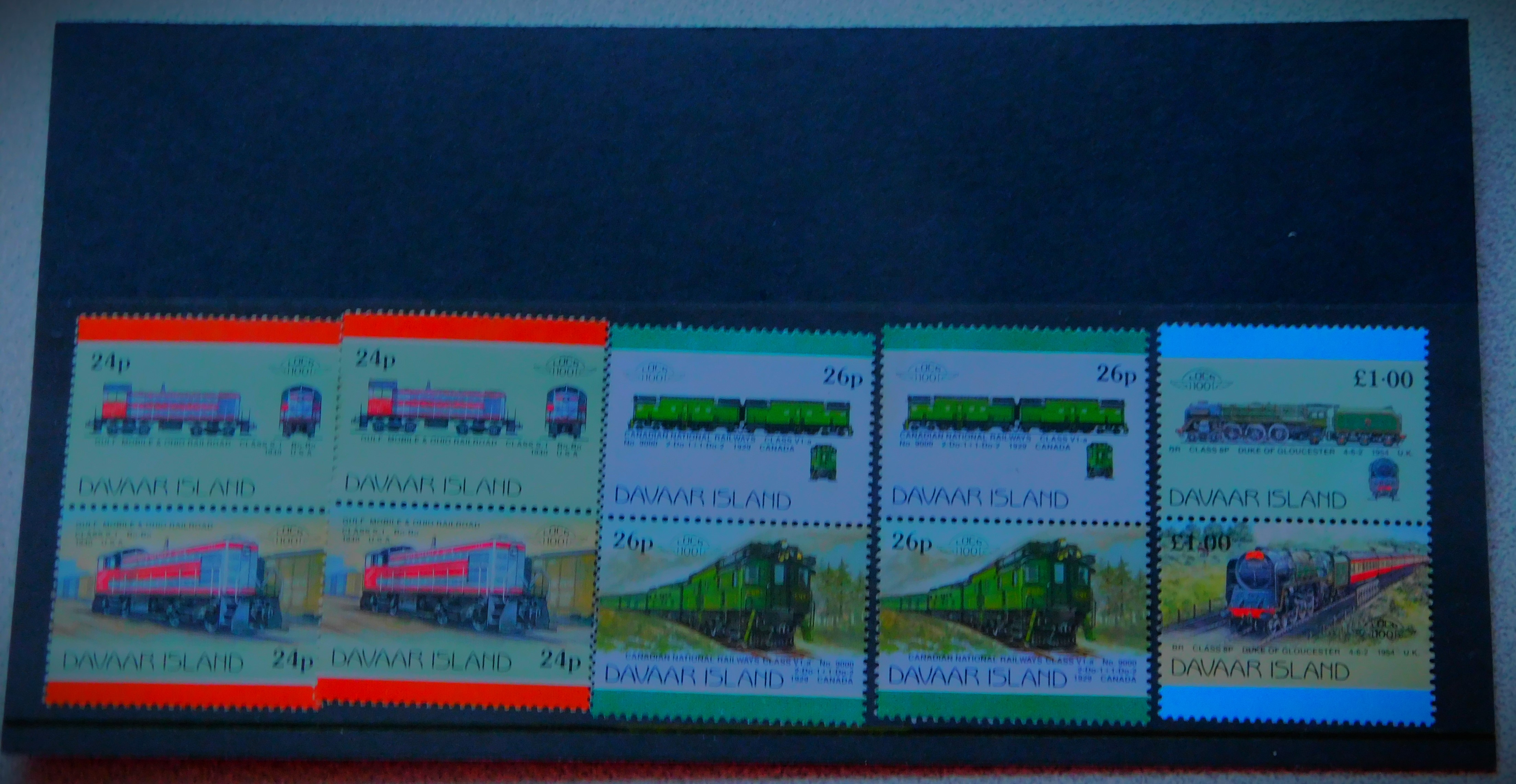
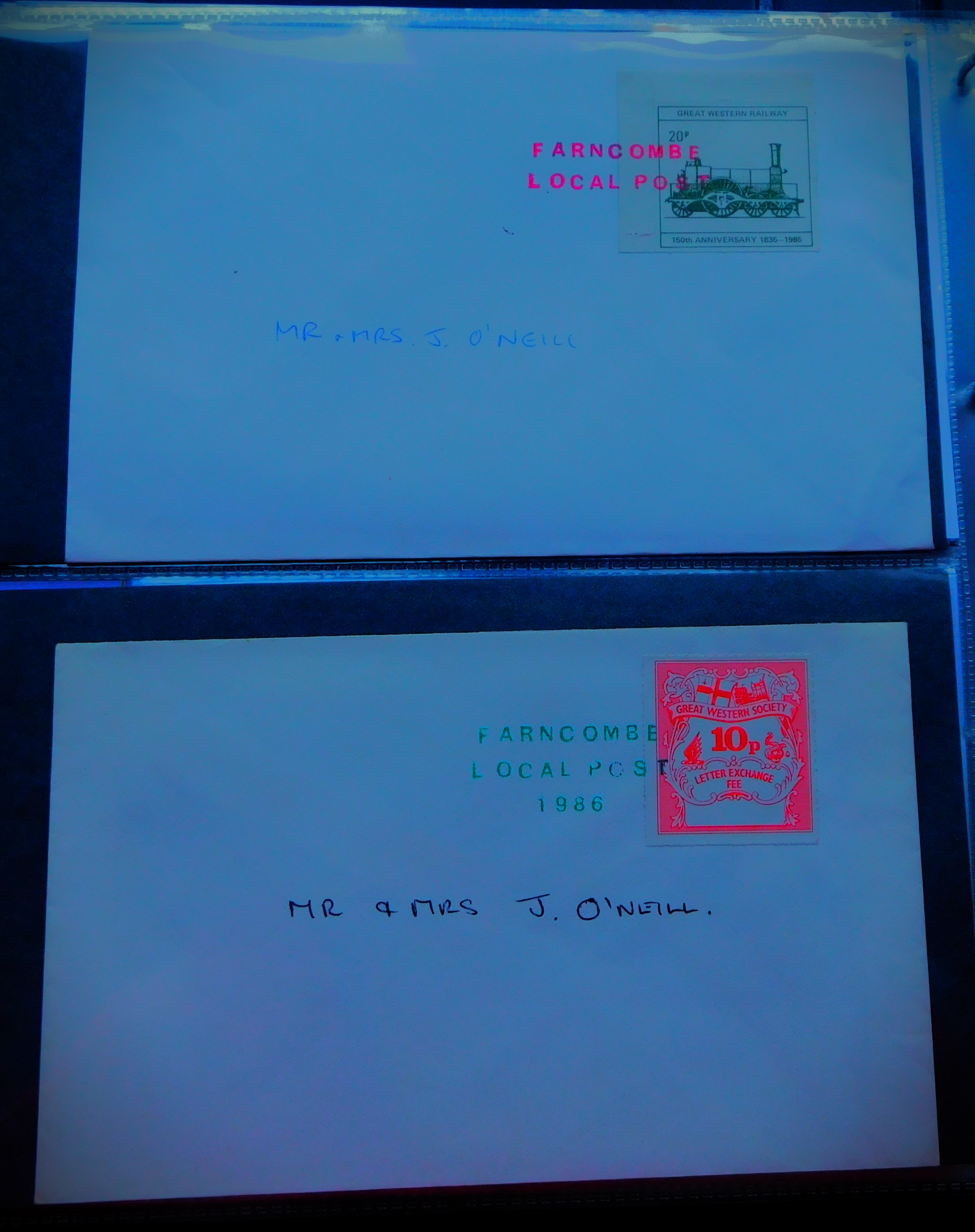
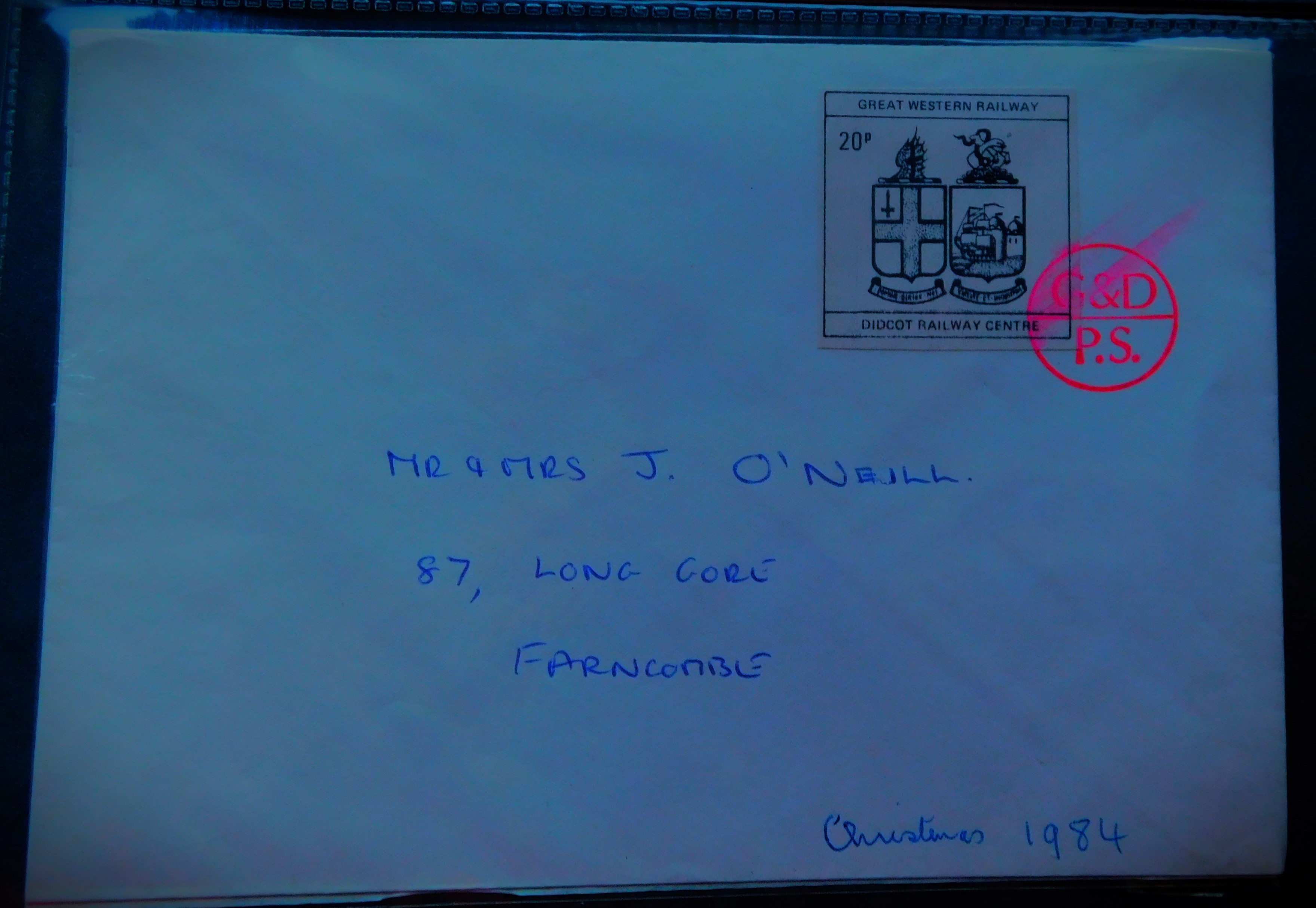
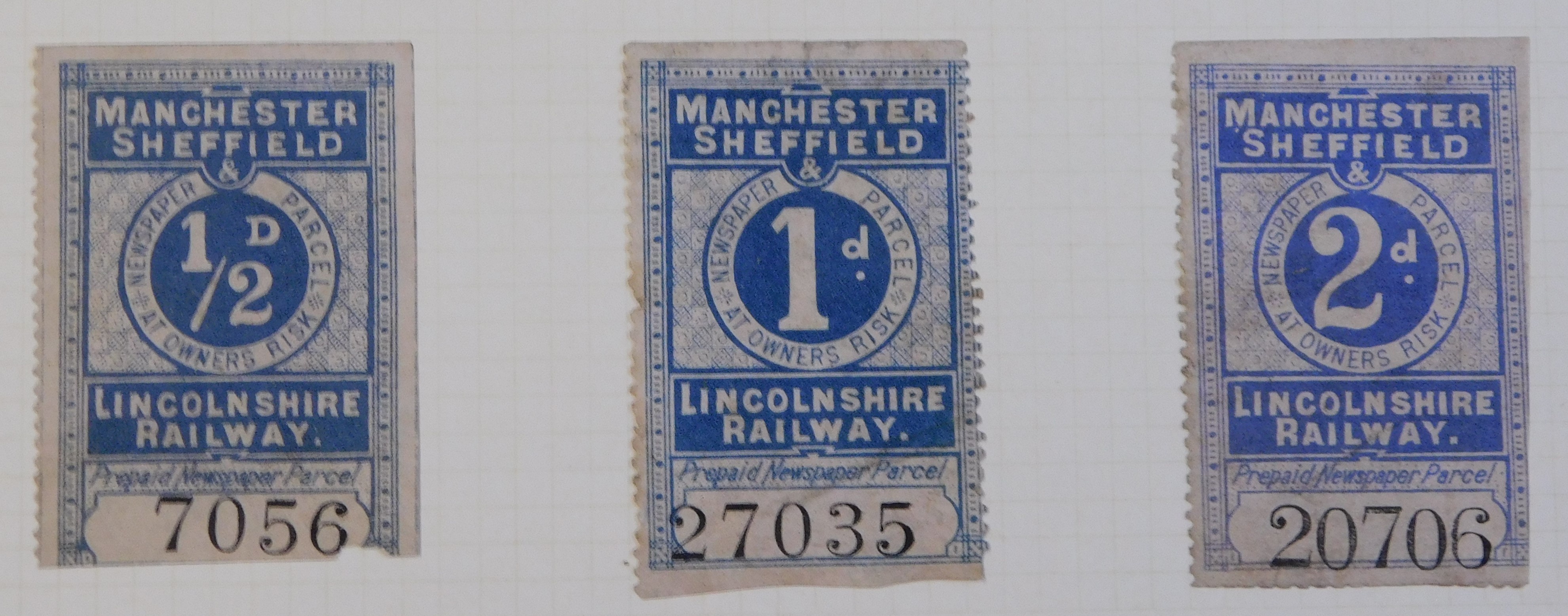
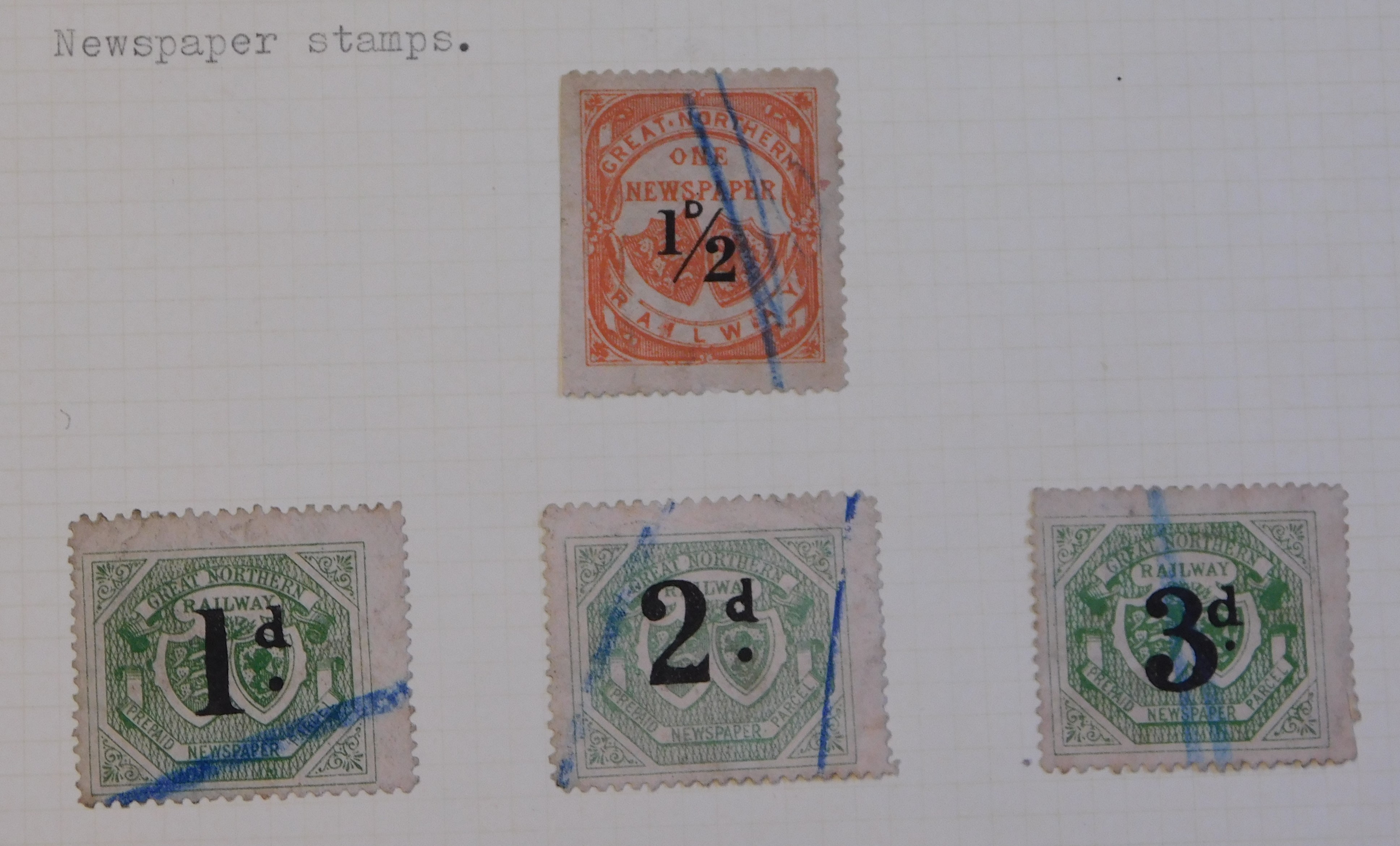
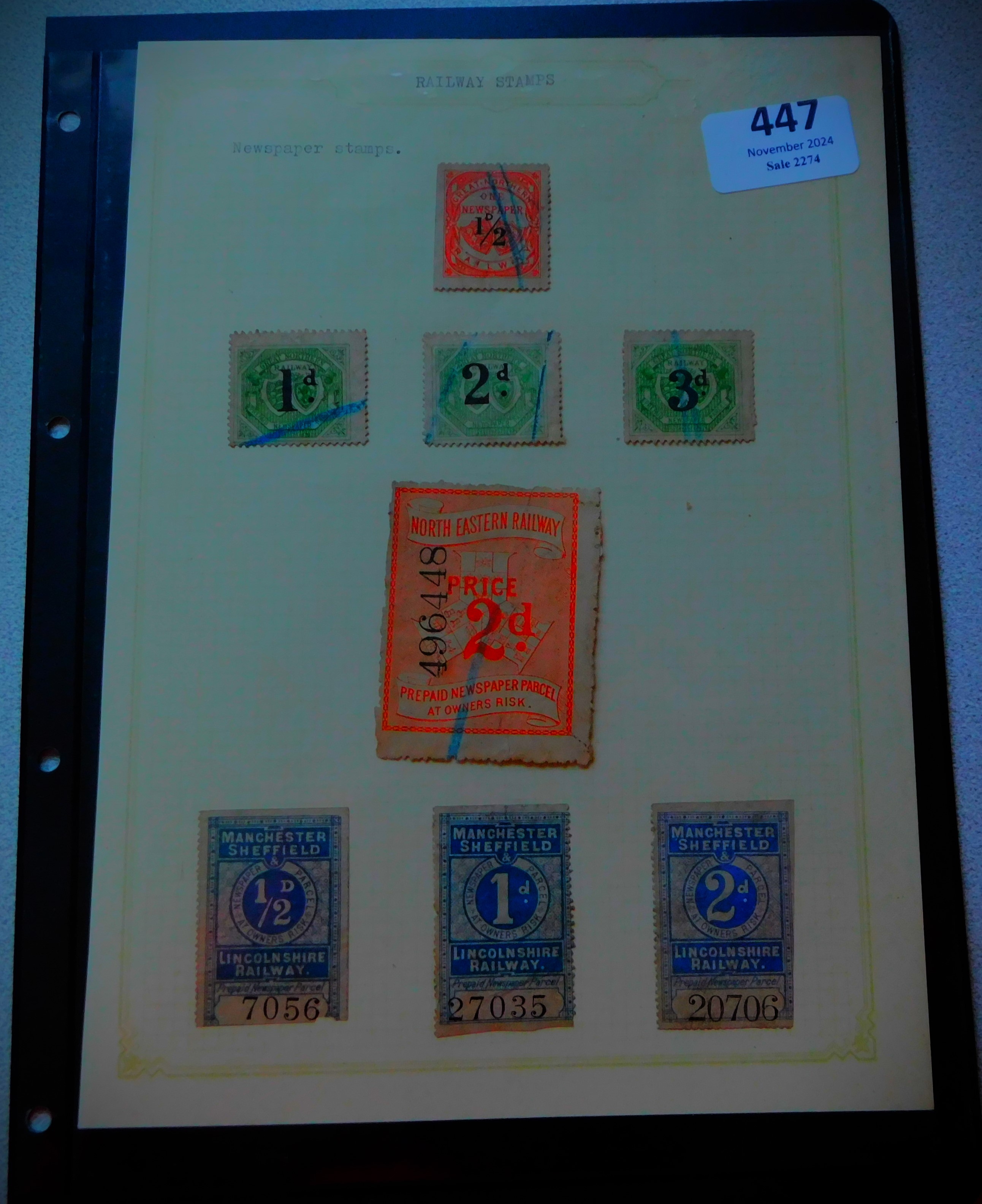
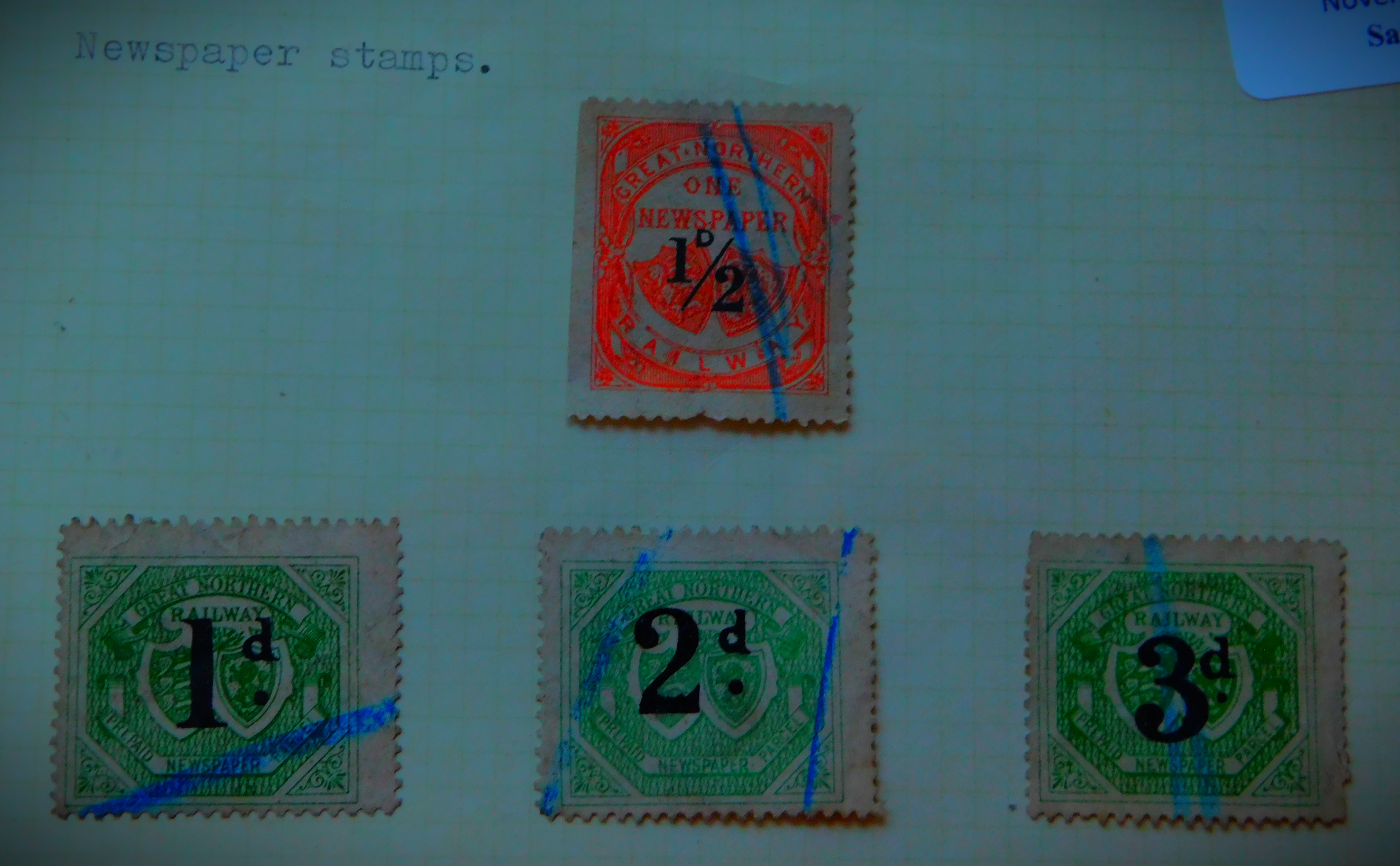
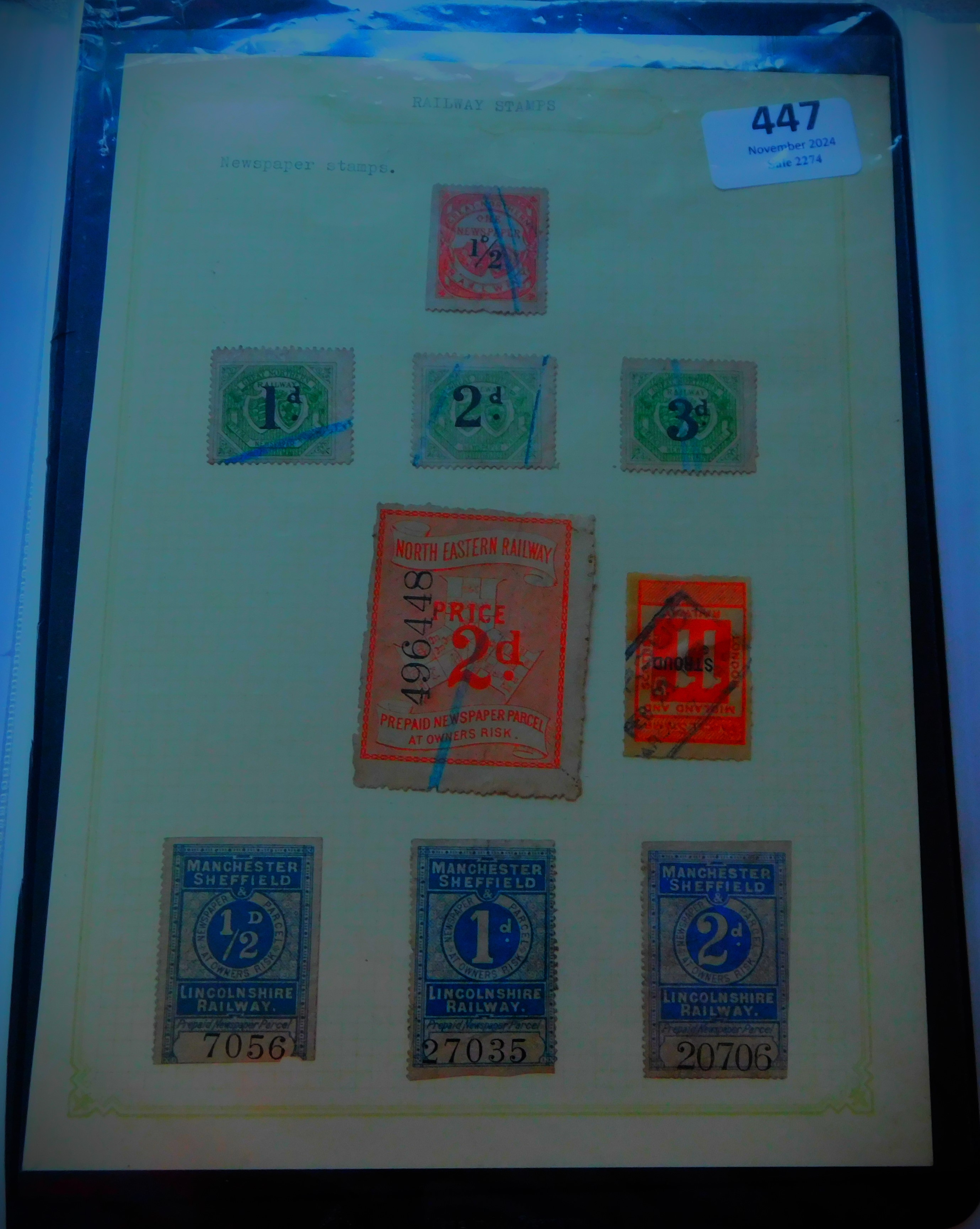
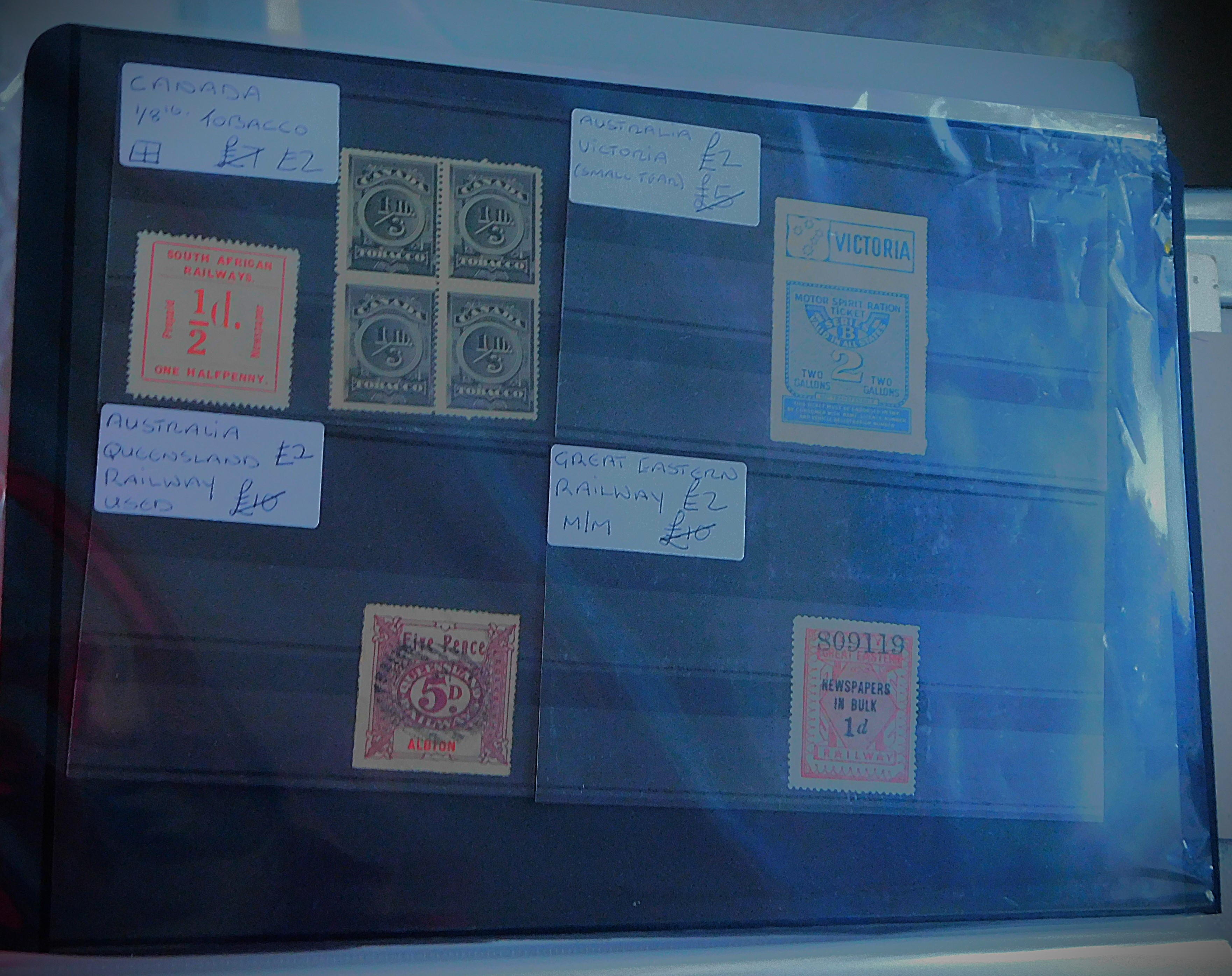
On Tuesday and Wednesday of this week James and Sons had their November auction. On Tuesday I had no bids in, but on Wednesday I had put in advance bids on two lots, numbers 438 and 447. I was not able to follow the auction live, as while it was on I was involved in an online session (via Teams) on safeguarding in my capacity as WNAG secretary. As it happened my two modest bids were both successful, and these two lots form my first picture gallery of this post…
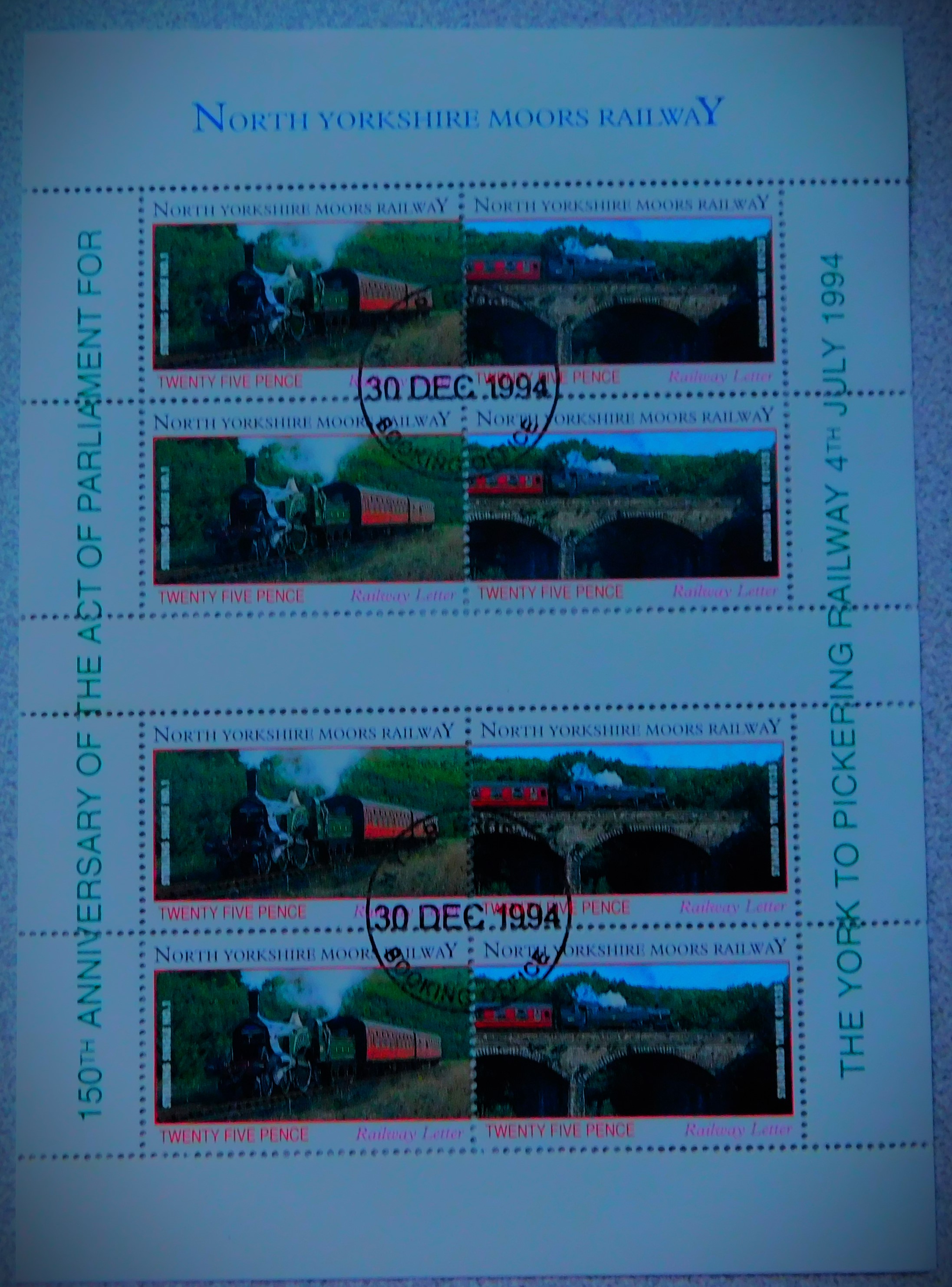
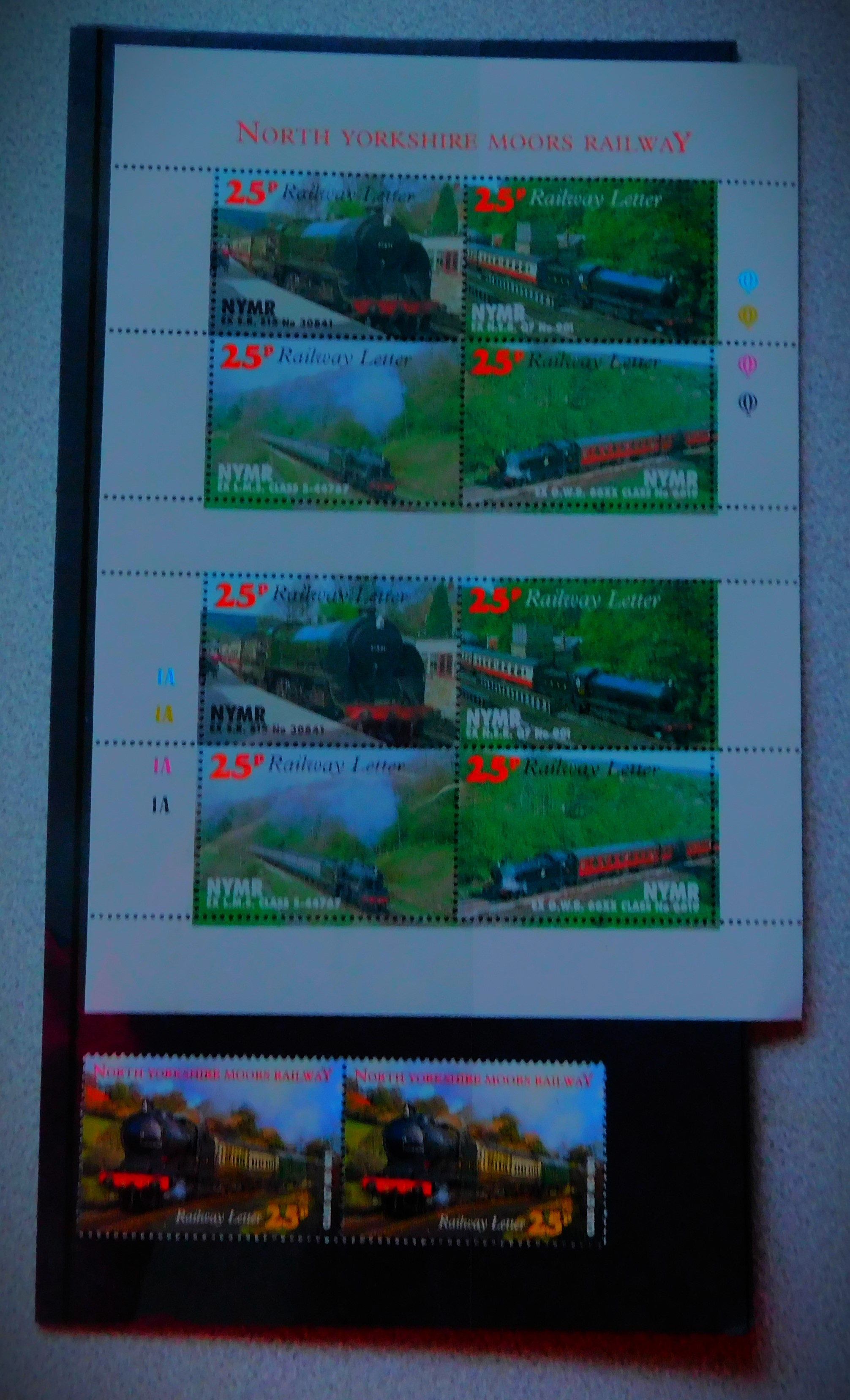
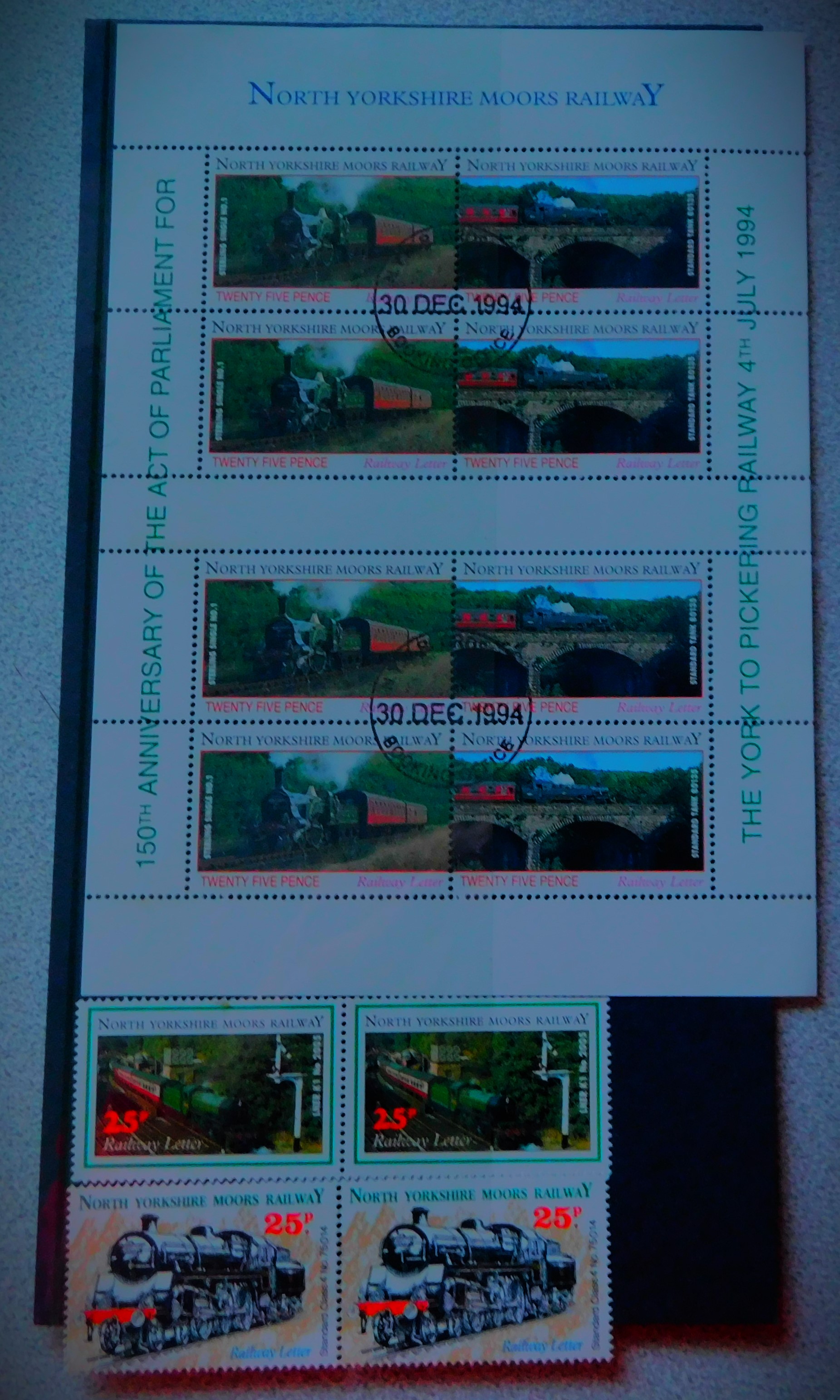
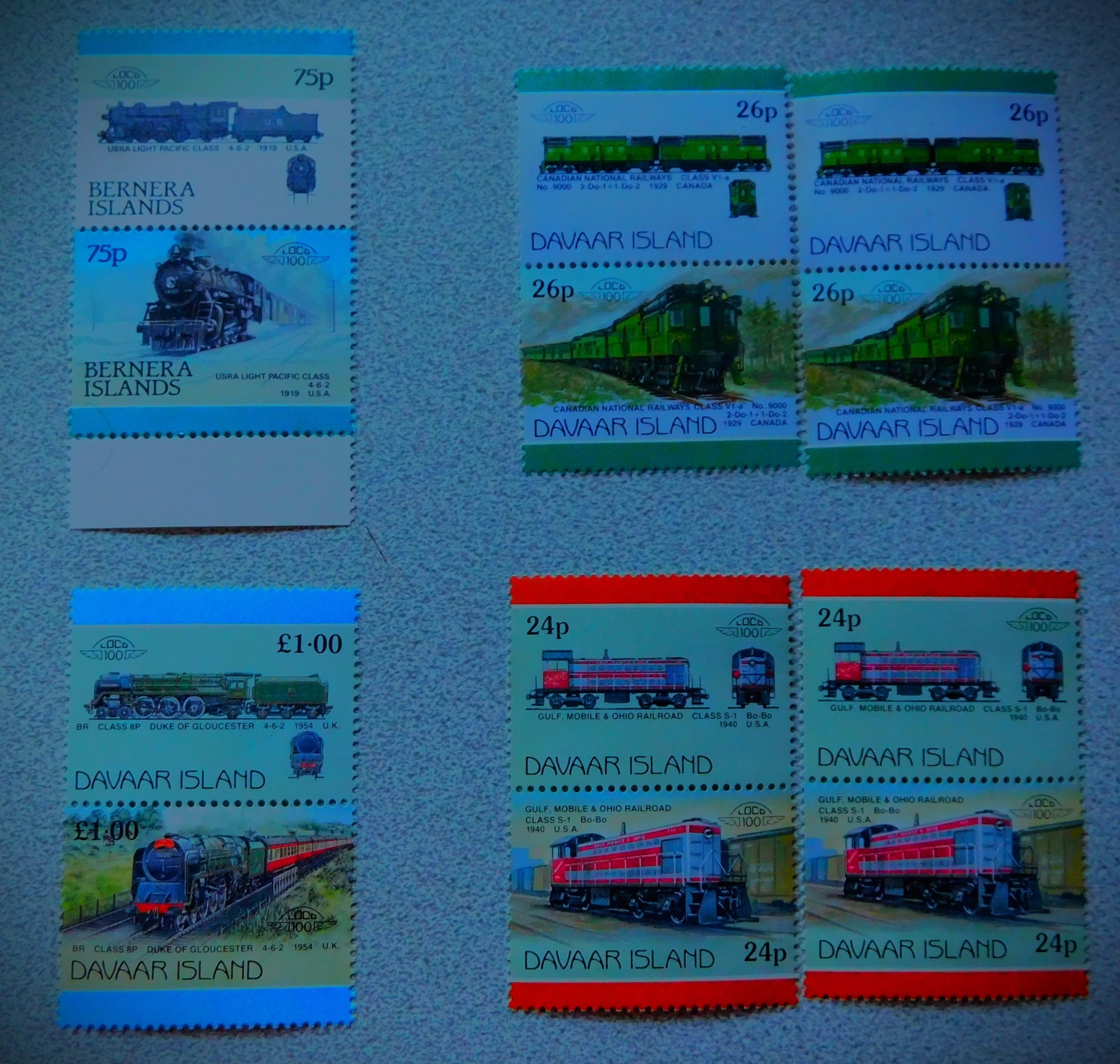
The first seven images are the gallery I produced for potential bidders to see – while I did not have time to image the lot in full detail I had to to go into some detail given that I was considering bidding myself.The lot on display in my kitchen – as you will see from the rest of the gallery I had fun photographing this and did some considerable rearranging.Bernera is part of the Outer Hebrides.Davaar Island is located just of the coast from Campbelltown, near the Mull of Kintyre.Just a four image gallery for the auction this time as this was a much smaller lot.Amalgamation one, adding a railway stamp I already had to this sheet.Amlgamation 2a, some foreign railway stamps to go on the reverse side.Amalgamation 2b, adding one further foreign railway stamp to that side. The new amalgamated lot is in a display folder with a number of other items including most of lot 438.
THE SUPER OVER
Sixers having batted second in the match had to bat first in the Super Over. Scorchers surprised many people by selecting Amy Edgar to bowl, while Sixers to no great surprise opted for Perry and Gardner as their first two batters. Alana King had been their best bowler in the match, and many would have expected her to bowl the super over. Edgar bowled a wide, and 14 came off the bat in the over, 12 to Perry and 2 to Gardner. Sixers thus scored 15-0 from their Super Over.
Sophie Devine was obviously going to bat for the Scorchers, and the question was who else they would use. In the event they went for the left handed Beth Mooney, and Mikayla Hinkley was their third batter. Unsurprisingly after her efforts earlier in the day Gardner was Sixers choice to bowl the over. Devine got a single off the first ball, then Mooney was out to the second and Sixers looked favourite. Hinkley scored two off the third ball, meaning that 13 were needed off the final three balls, or 12 to tie. Hinkley had now found her range, and struck the fourth and fifth balls for fours to reduce the ask to five off one ball or four to tie. Gardner did her best, but Hinkley hit a third successive four to level the scores, and split the points. I have only previously followed one match in which the teams ended tied after a super over, and on that occasion a tie-splitting procedure was in place, as the side who benefitted from that procedure, England, have never been allowed to forget by fans of certain other sides. Scorchers now have nine points and sit fourth on their own, three points behind Brisbane Heat and Melbourne Renegades, with Sydney Thunder a point ahead after their derby against the Sixers at Drummoyne was washed out leading to a split of the points there. Sixers, on eight points are in sixth, behind Hobart Hurricanes on net run rate, and ahead of Adelaide Strikers and Melbourne Stars. A full scorecard of both match and super over can been seen by clicking here.
PHOTOGRAPHS
These photos come from Wednesday afternoon (cold), Thursday (brutally cold) and today (bright and sunny, and less cold than either previous day, reaching the giddy heights of four degrees Celsius (yesterday was below freezing the whole way through, and as low as minus four at one point)…
An account of a walk in and around King’s Lynn. This particular variation on a favourite walking theme of mine took place yesterday late morning. There are plenty of photographs.
It is no secret to followers of this blog that I do a lot of walking, and that I go nowhere without my camera. This post looks in detail at a recent walk.
WALKING IN AND AROUND KING’S LYNN
One of my favourite themes around which to construct walking routes in and around King’s Lynn is what I call the ‘three rivers’. The three rivers of that title are the Gaywood, multiple sections of which are encompassed, the Nar, which is crossed twice at different points, and Great Ouse, the main river in this part of the world, alongside which some of the walk takes place. The particular walk that this post uses for detail took place yesterday, when the weather was bright and sunny but cold.
THE WALK
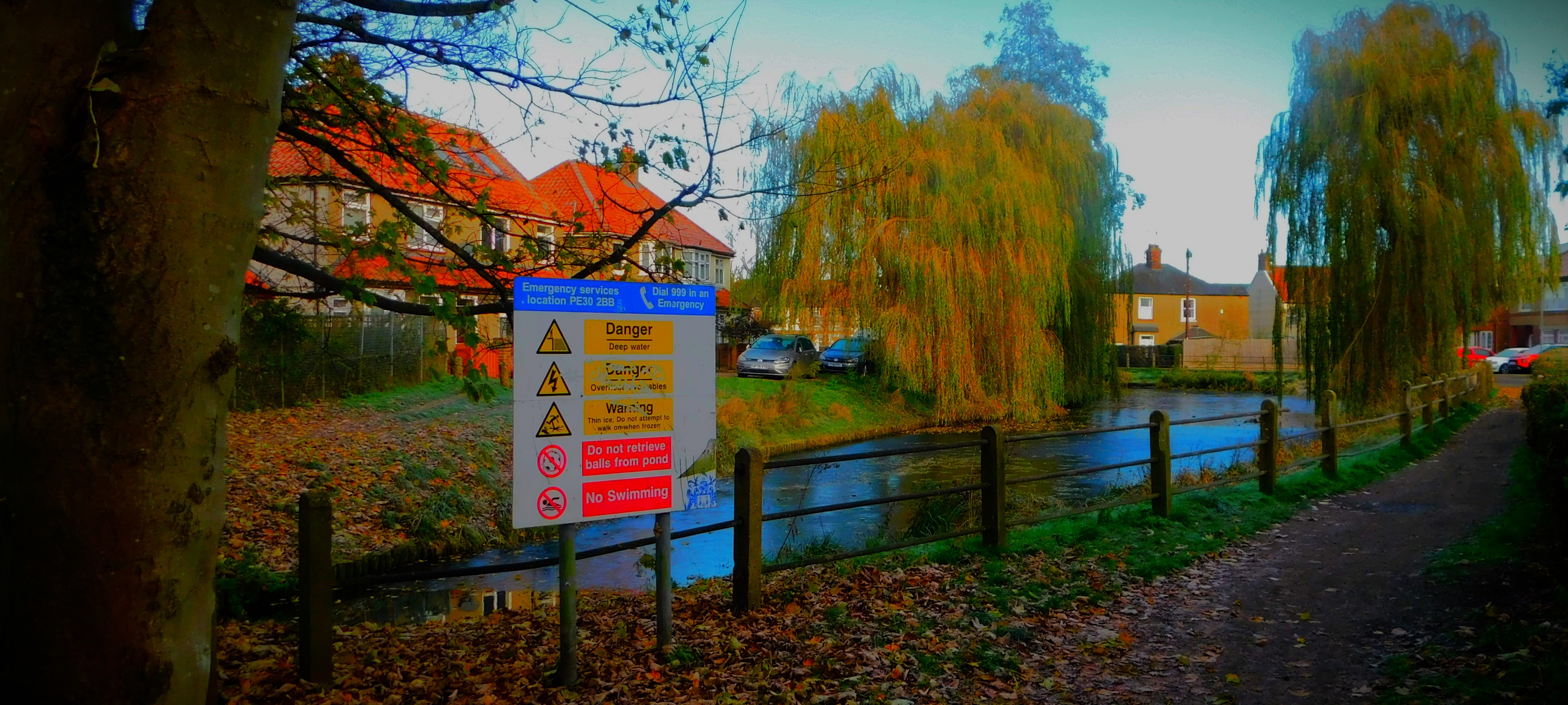
I started by leaving my house by the back door, as I was heading at first in the general direction of the town centre. The road that runs behind the row of houses in which I live is a private road and is unnamed. It disgorges on to Raby Avenue, which I crossed, and then headed down Townshend Terrace, a side road which forms a right angle, running from Raby Avenue to a pond at which point it swings 90 degrees and disgorges onto another road. However, as you will see I was not going that way. The pond usually yields pictures, and it did so this day as well…
While Townshend Terrace goes on way, a footpath leads in the opposite direction, through to Loke Road. On the far side of Loke Road, almost directly across from this footpath is a side road called Harewood Parade, which leads round the side of a second pond, until it terminates and is replaced by footpath which heads into a section of greenery flanked on one side by a section of the Gaywood River and on the other by Kettlewell Lane. Although the second pond did not yield anything for the camera on this occasion, the rest of this segment of the walk did…
Kettlewell Lane leads out on to what at that stage is Littleport Street, though a little way north it becomes Gaywood Road. By this stage one is very close to the town centre, but one is not committed to main roads. I crossed Littleport Street at the light controlled crossing on Eastgate Bridge, and headed down Highgate, past a little patch of greenery that sometimes yields pictures though not on this occasion, and down a little side passage that leads to a small bridge back over the Gaywood to the town side and another little section of greenery, which I exited on to Wyatt Street at the other side. I then crossed Wyatt Street, and took a footpath that runs alongside Eastgate primary school before coming out on Blackfriars Road, the road that runs past King’s Lynn station. At this point, for a brief period there are no further options for main road avoidance, so I followed the road round past the station, and shortly after the station headed into the park called The Walks. I headed alongside another section of the Gaywood (heavily sculpted at this stage of its route) until I reached the white metal bridge that leads in to the Vancouver Garden wherein is located the bandstand. I exited the Vancouver Garden by the other bridge from it, crossed the Broadwalk, and headed for the Seven Sisters exit. This section did not yield many pictures, but there were a few…
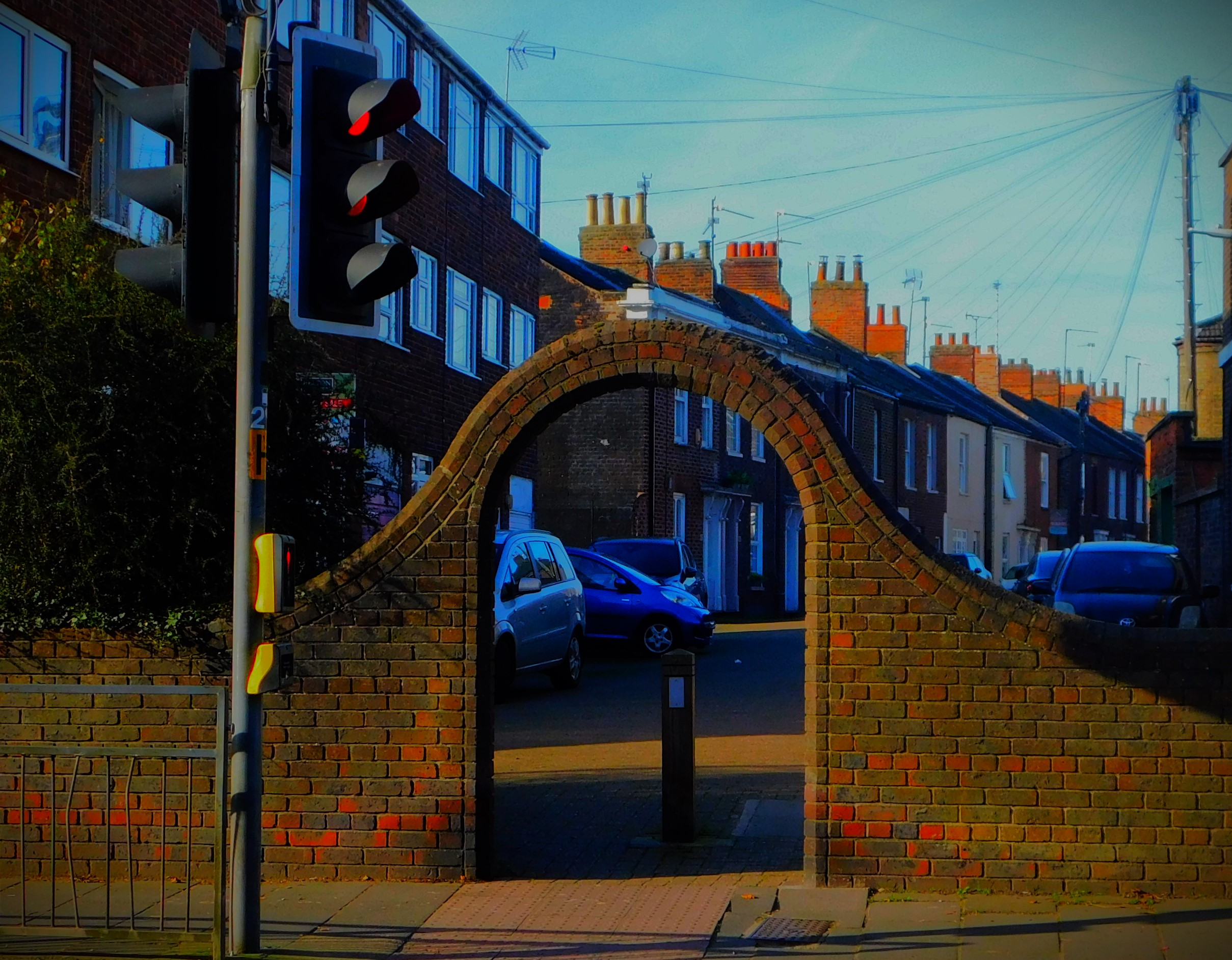
The Guanock Gate
From the Seven Sisters exit I headed to where a passage leads through to London Road, joining that road at a light controlled crossing, which I availed myself of. I then headed away from town, passing the South Gate and then turning down the road that crosses the Nar, which I exited on to Hardings Way before taking a footpath through Hardings Pits to the Great Ouse at a point south of the town.
The South Gate (town side)The South Gate (out of town side).The only picture I got in Hardings PitsLapwings and Gulls at the far edge of the Great OuseKing’s Lynn viewed from the river bank on leaving Hardings Pits/A gathering of birds.
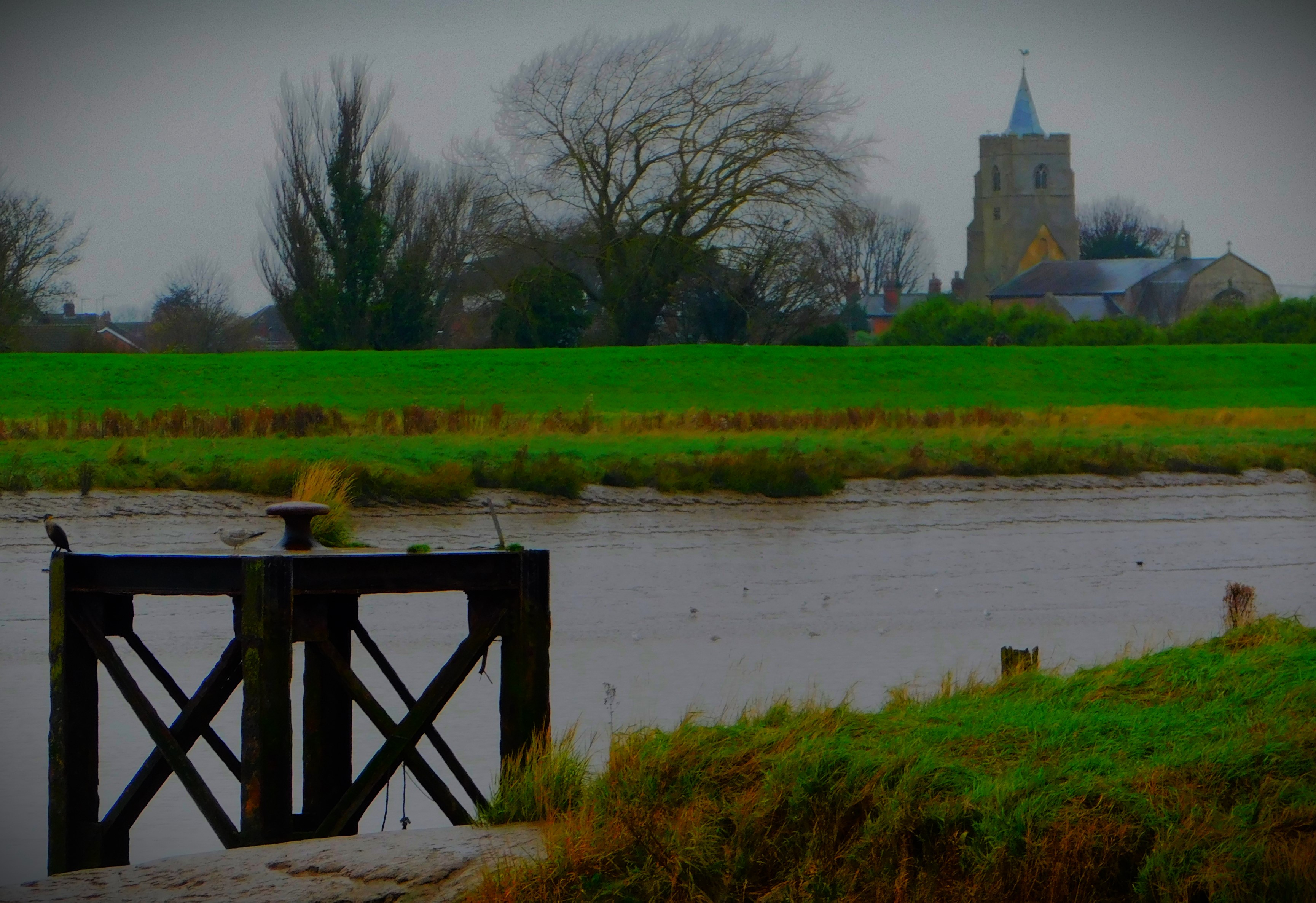
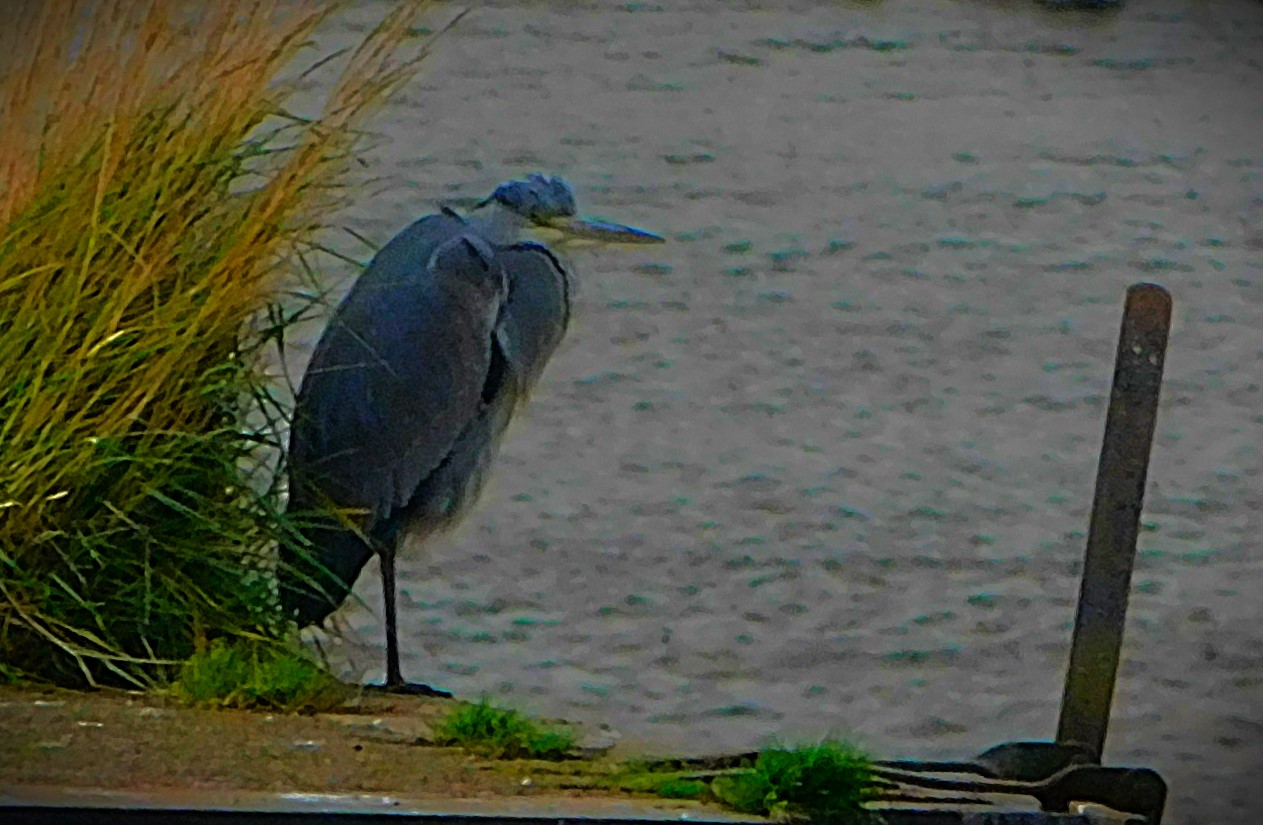
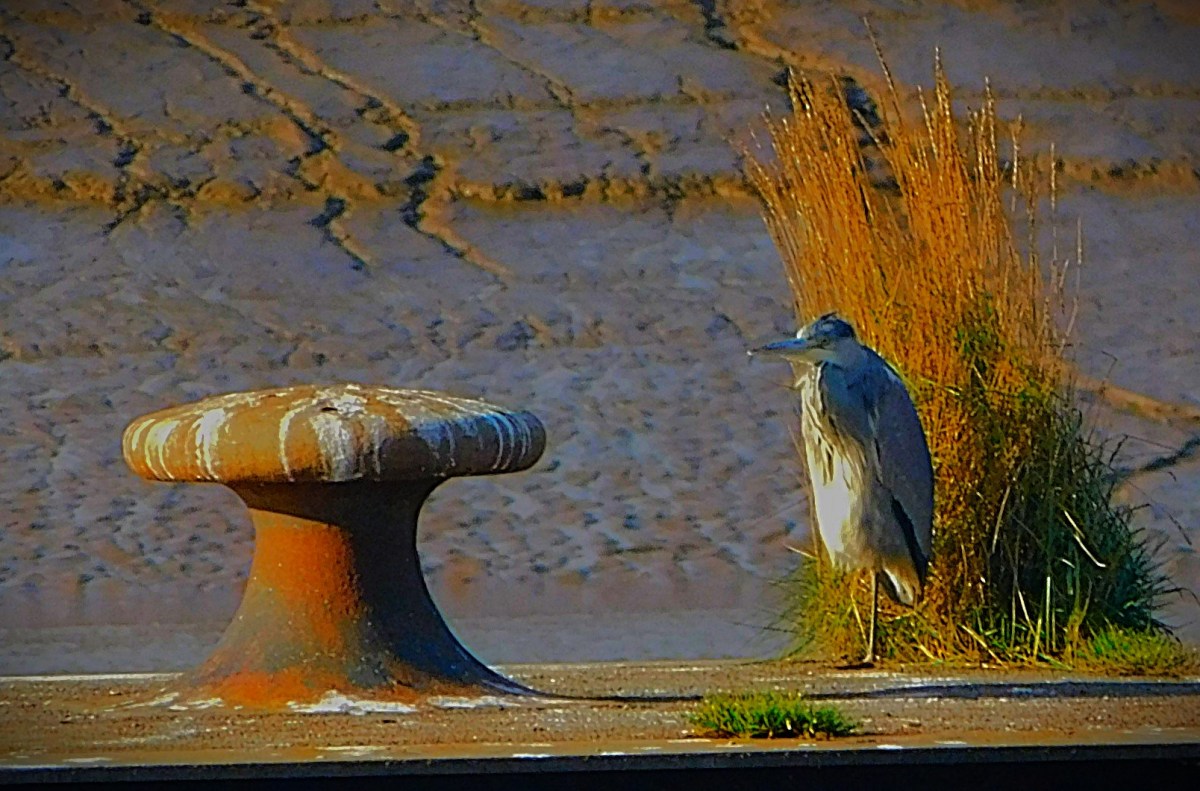
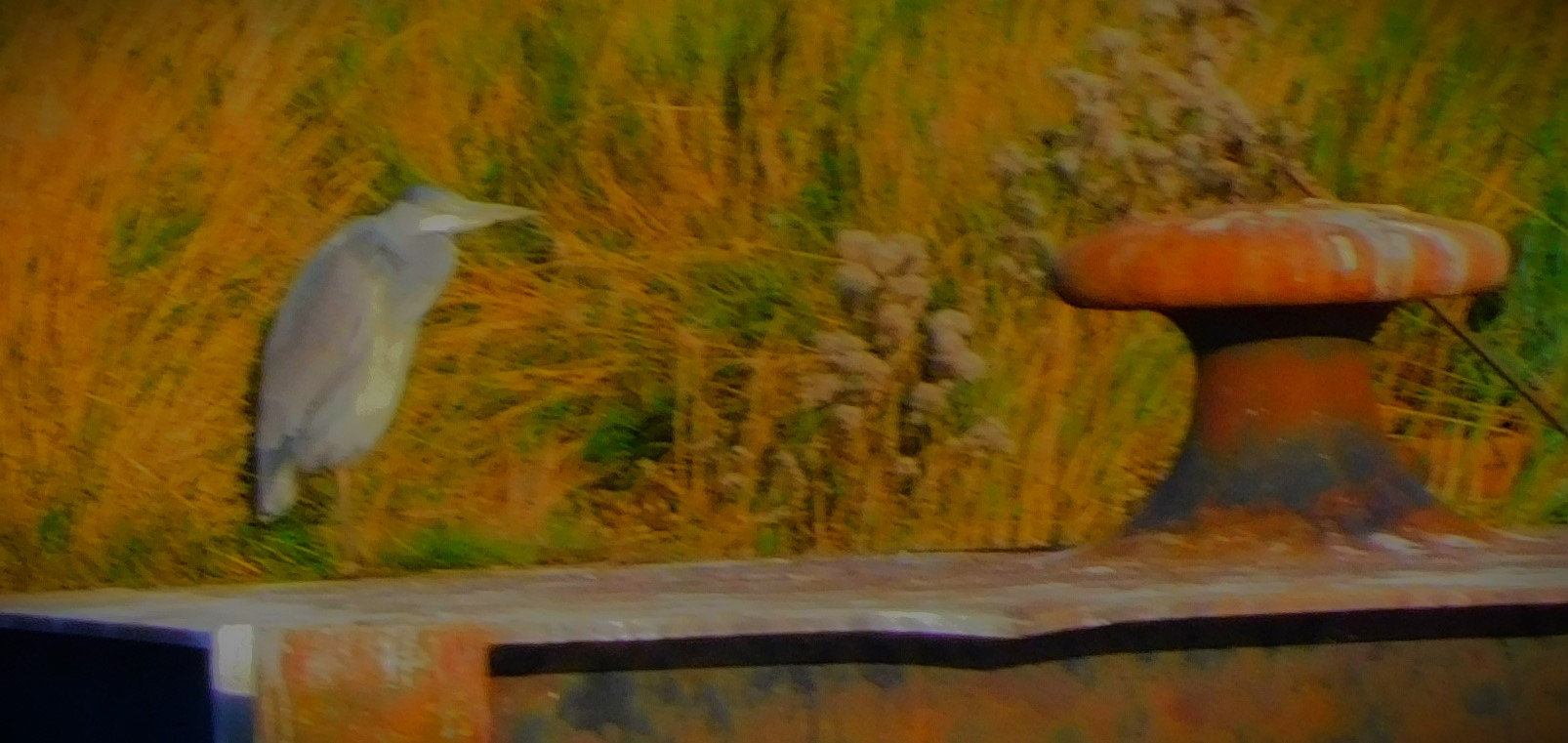
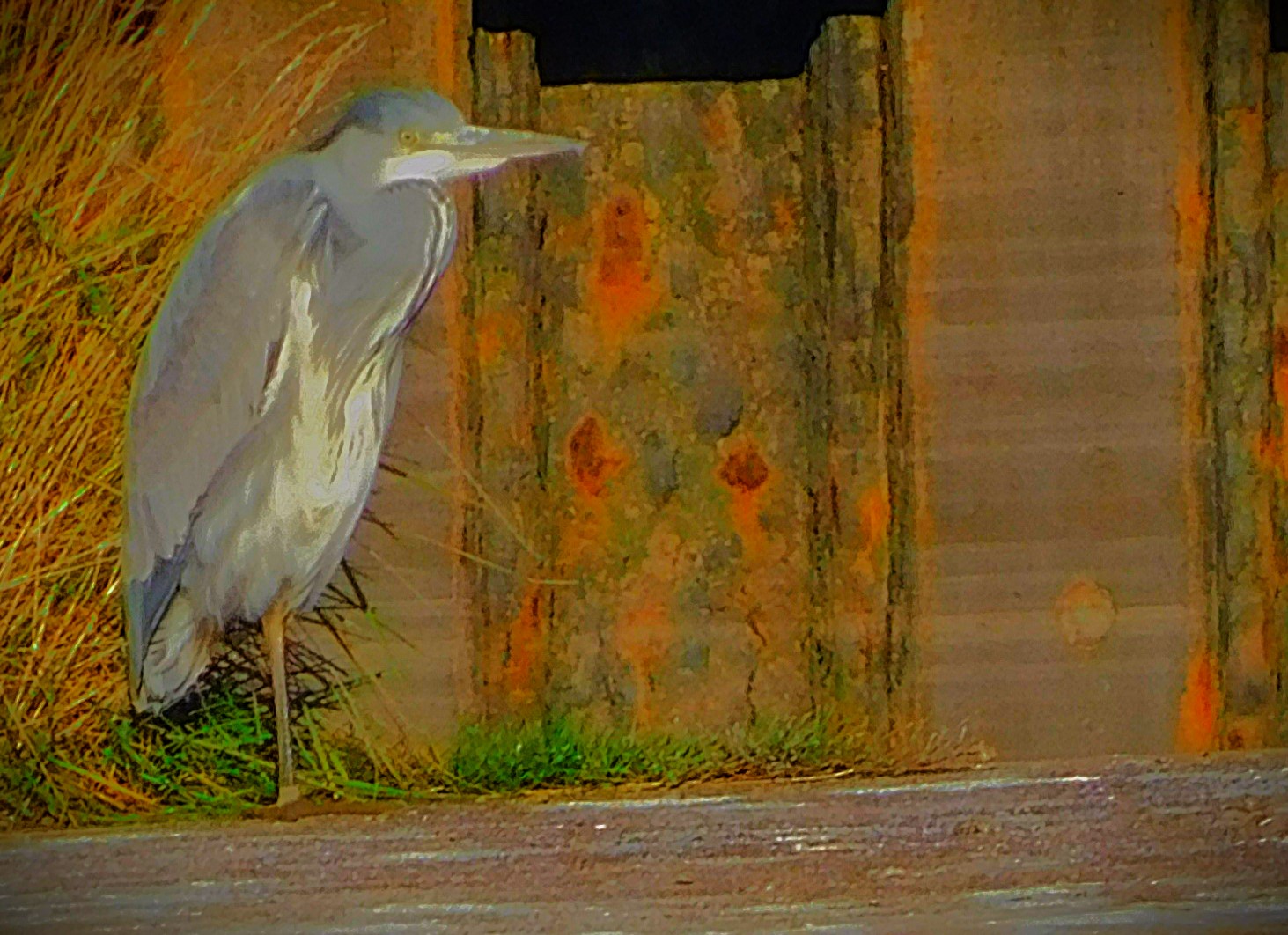
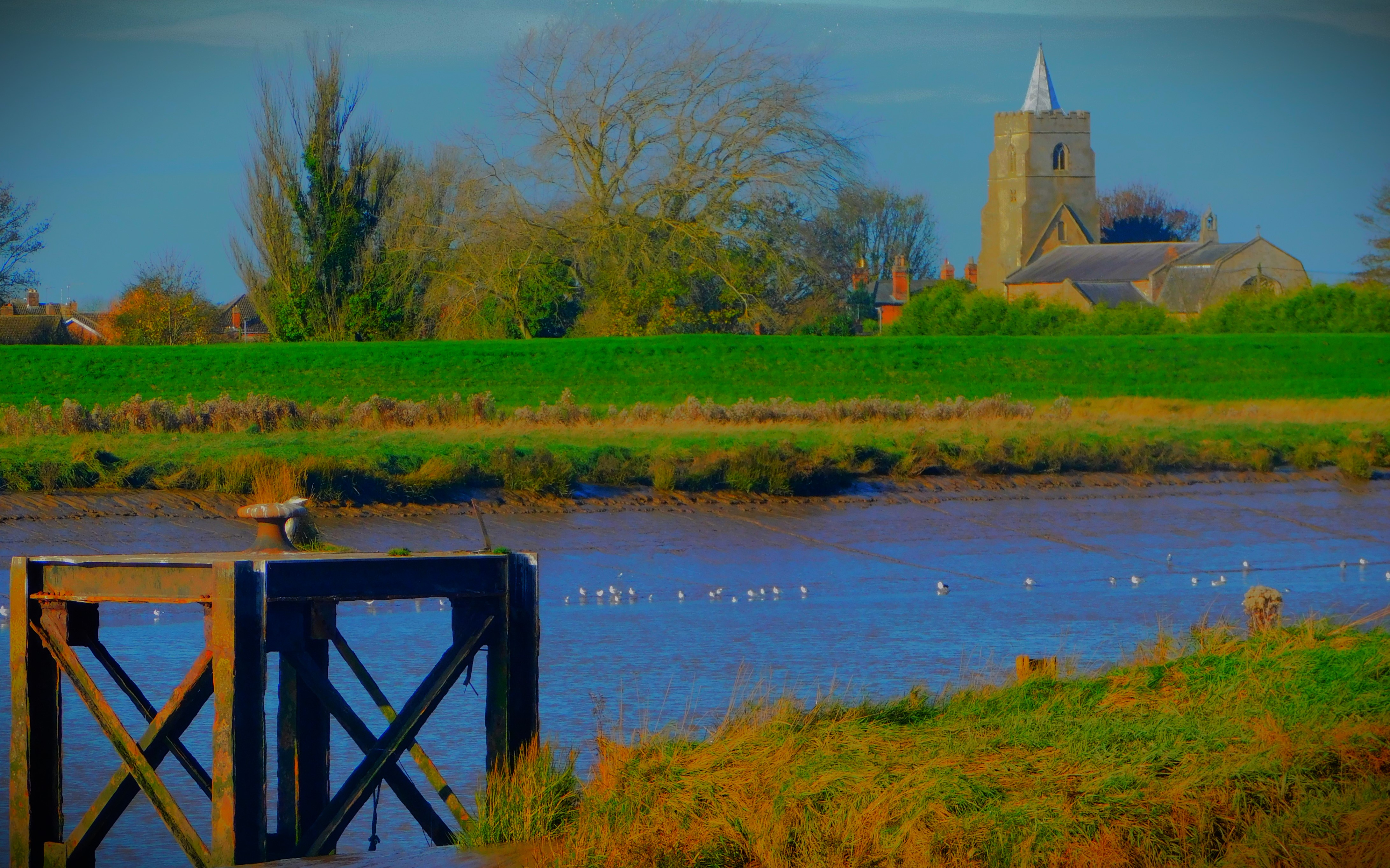
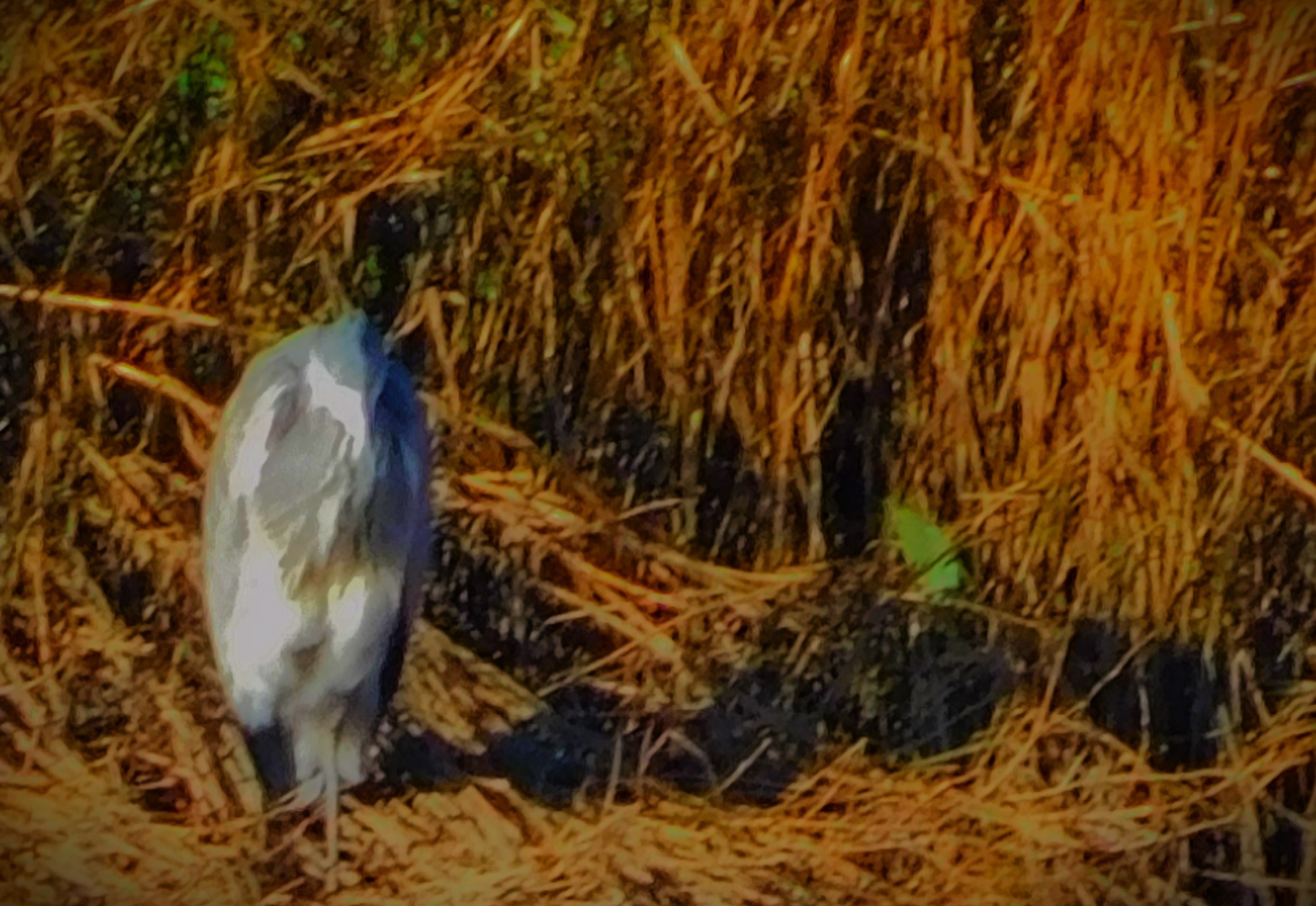
The next port of call was ‘Cormorant Platform’, although none of the birds that led me to give it that name were present on this occasion. There was a heron there however…
The heron and platform in the foreground, West Lynn church in the background.
From here I headed on to a dike which can be muddy, but as we have had little rain of late I knew would be fine, and followed it until the path bifurcated – one route led to more of the Great Ouse, and the possibility of following that river as far as Purfleet Quay, but on this occasion i took the other, heading across another part of Hardings Way, through a gateway and down a side road which leads to play area that is at the meeting point of several roads, one of which leads to All Saints Church, reckoned to be the oldest church in King’s Lynn and then by way of Hillington Square to Millfleet.
I crossed Millfleet at a light controlled crossing, headed up past the library, though on this occasion I did not visit that establishment as I already had a number of books out. I then went past the war memorial and Greyfriars Tower, before heading on to Tower Street and thence to the bus station, though I was merely passing through, not intending to catch a bus. From the bus station I headed along Railway Road, crossed at a light controlled crossing and walked along the northernmost section of Norfolk Street to arrived a triangular road crossing that invariably involves two waits if you are a pedestrian, followed Littleport Street until the junction with Kettlewell Lane, passing through the greenery to the second of the two ponds mentioned earlier in this piece, but I now did not entirely duplicated the starting route, instead heading along Loke Road, on to Columbia Way, and then availed myself of a recently opened cut through to the private road behind my house and thus got home.
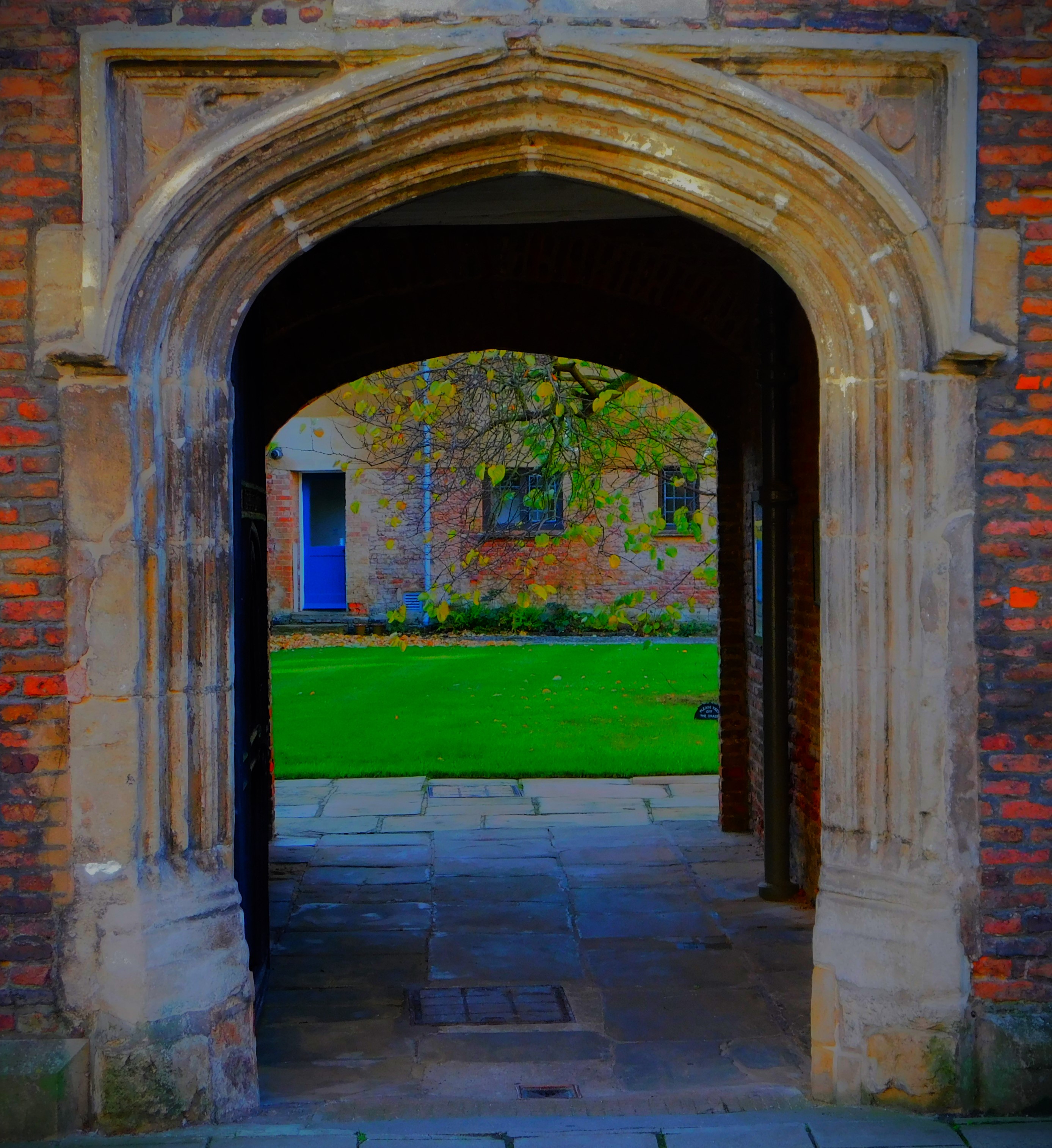
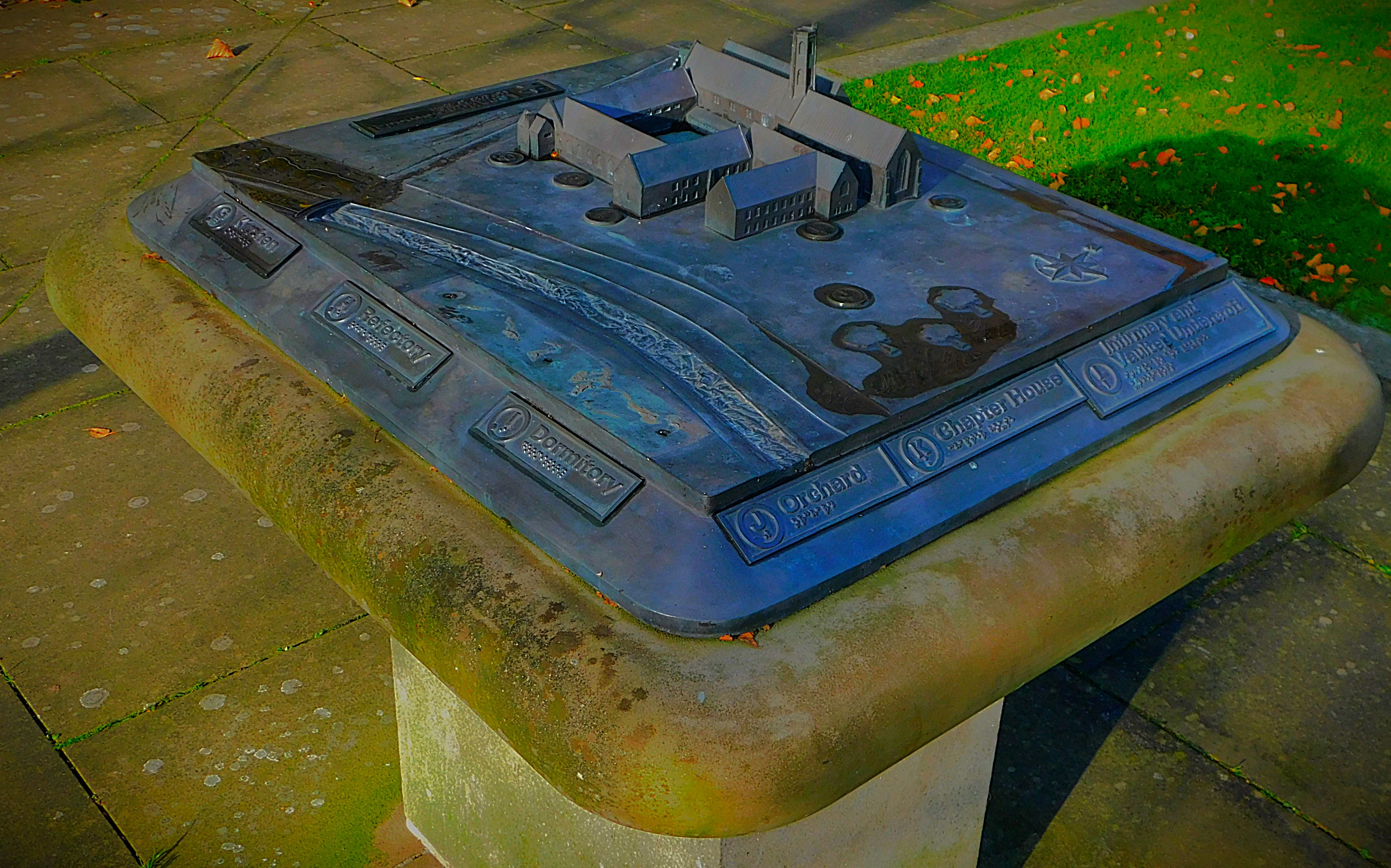
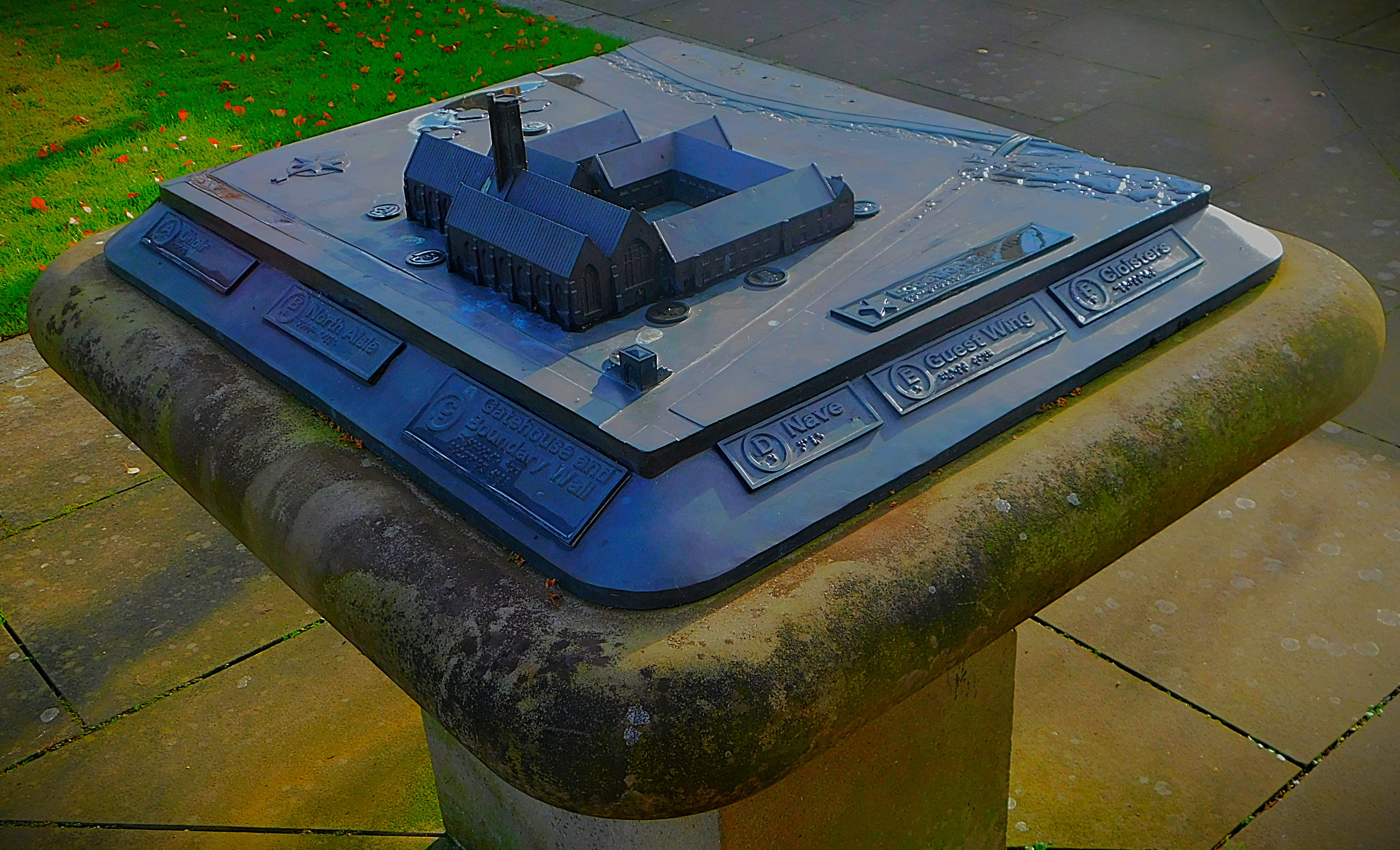
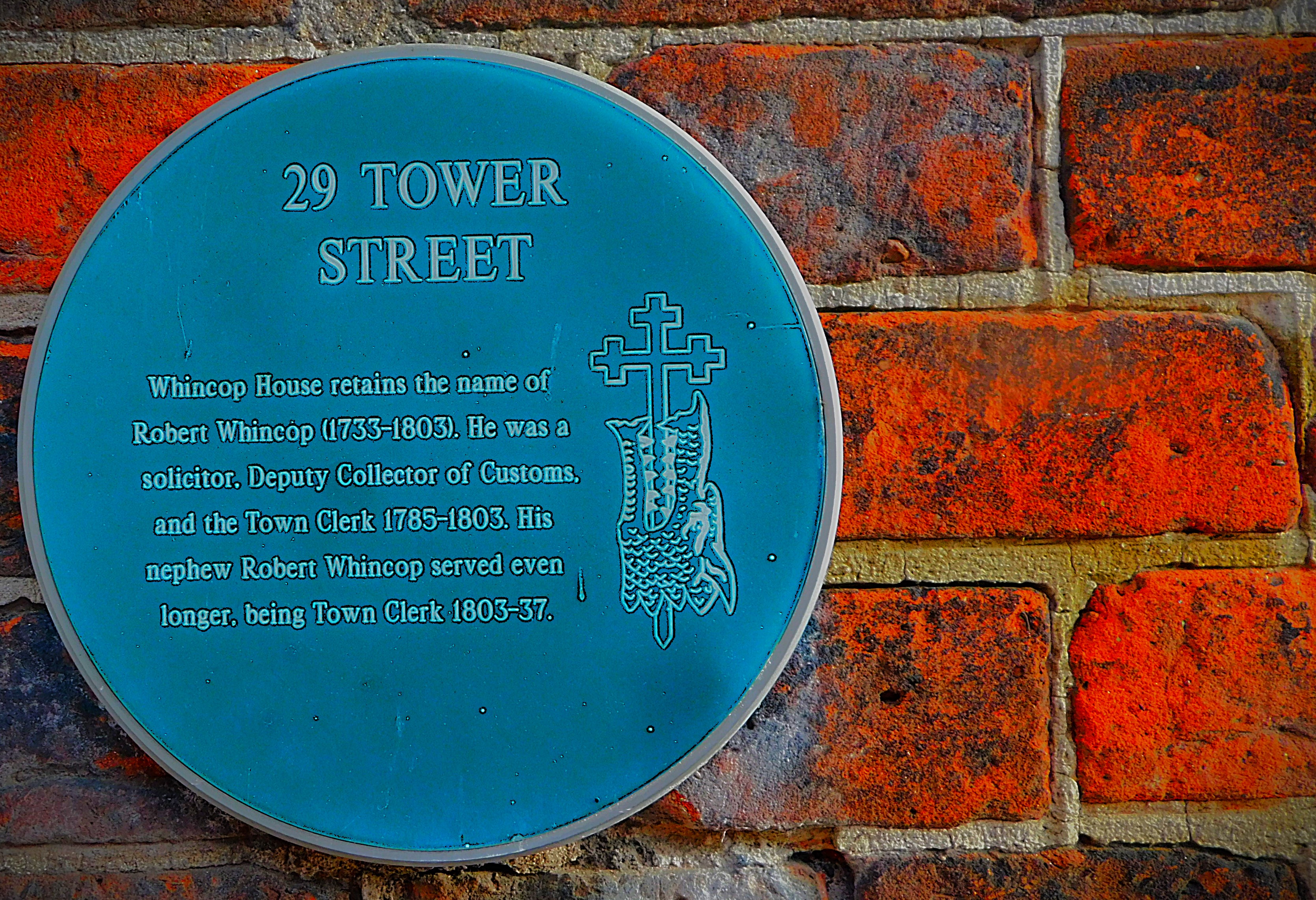
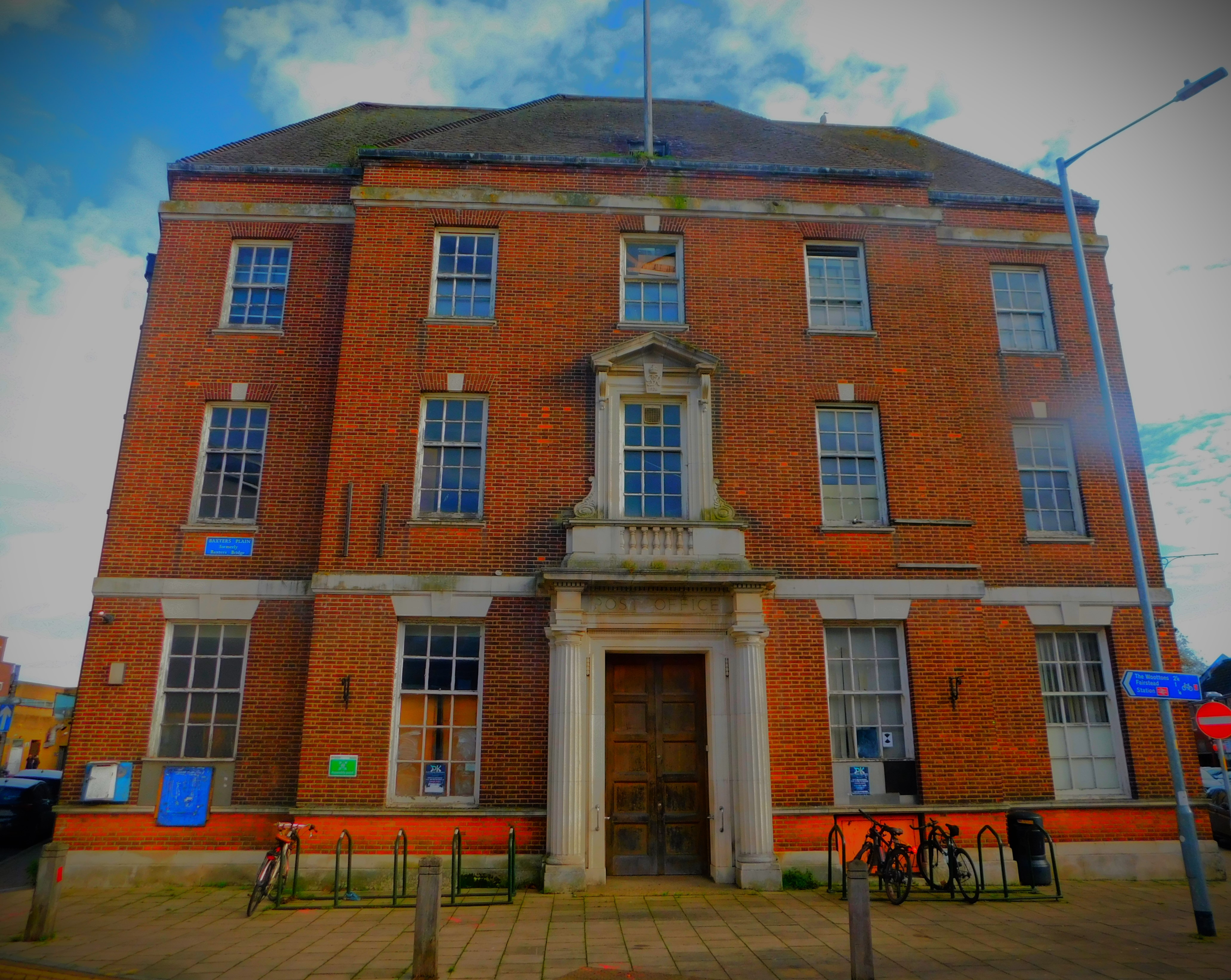
King’s Lynn library.The war memorial and Greyfriars Tower.Two images of a scale model showing what the Franciscan Friary would have been like in its 13th/ 14th century heyday.An arched doorway on Tower StreetThis used to be Argos, and when work on it is finished it will be a Library and community hub for King’s Lynn. The old building will remain fully accessible to the public whatever use it may be put to.Once upon a time, when such things still existed, this was King’s Lynn Main Post Office.
I hope you have enjoyed this account of a variation on one of my favourite walking themes, that of the three rivers.
A look back at the latest WBBL action, including the spectacular emergence of an 18 year old fast bowler, and a large photo gallery.
Starting very early this morning UK time there was a double header in the WBBL. As the schedulers planned it the warm up act was a game between Brisbane Heat and Melbourne Stars, while the main event was the ‘Sydney Smash’ – Sydney Sixers against Sydney Thunder. This post looks at what actually eventuated.
HEAT v STARS
I was ready for the start of this game, but there was a never-explained problem with the BBC hook up to the Aussie commentary, so I missed a massive chunk of the first innings, but due to another circumstance of which more later I got hear everything I had missed later on. Stars batted first, and Yastika Bhatia and Annabel Sutherland led off with a stand of 31 in 4.2 overs before Lucy Hamilton, an 18 year old left arm fast bowler, made her first mark on the match by bowling Bhatia. One run later Sutherland was also on her way back, caught by Shikha Pandey off Hamilton. Meg Lanning and Marizanne Kapp took Stars past 50, but then came a double body blow for the Stars. Off the last ball of the eighth over Kapp edged one from leg spinner Grace Parsons through to Redmayne to make it 53-3. Then off the first ball of the ninth over Hamilton secured her third scalp, inducing an edge from Lanning which Redmayne snaffled to make it 53-4. Tess Flintoff has something of a reputation for big hitting, but there was little sign of that this innings. Having had one piece of luck when a risky shot off Hamilton went just too high for Heat skipper Jess Jonassen to reach Flintoff proceeded to pick out Jonassen off the very next ball to fall for 7 (10) and make it 67-5, and four wickets to Hamilton, at a cost of just eight runs, and she still had an over to come. Rhys McKenna and Deepti Sharma were now together. They added 14 together before McKenna was run out, which brought Kim Garth into join Sharma. The score had risen to 89 by the start of the 15th over, Hamilton’s fourth. After four successive dot balls Sharma was pinned LBW to give Hamilton her first ever WBBL five-for, and the first five-for by a pacer in this year’s tournament. Sasha Moloney survived the last ball of the over, but it was another dot, meaning that Hamilton had finished her allocation with a wicket maiden, and the barely credible figures of 4-1-8-5 (reads more like a PIN than a genuine bowling analysis!), with Stars reeling at 96-8. The ninth wicket pair, helped by Hamilton being finished, produced the best Stars partnership other than the opening effort, putting on 28 together before Shikha Pandey got Maisy Gibson with the aid of a catch by Charli Knott. Sophie Day provided further support for Kim Garth, and the last pair added a further 14 before Day was run out off the last ball of the innings. Kim Garth had top scored with 31 not out from number eight in the order, with only Sutherland (21) and McKenna (20) of the others in the line up reaching 20.
Grace Harris was out cheaply for Heat, but a good partnership between Georgia Redmayne and Jemimah Rodrigues took them past 50 at a good rate. Rodrigues and Charli Knott then put on 50 more together for the third wicket. Laura Harris contributed a rapid 10, and then skipper Jess Jonasses joined Knott and this pair were still in residence when Heat crossed the finish line with 2.3 overs and six wickets to spare. Heat thus moved up to 10 points and third in the table, while Stars joined Adelaide Strikers as a team known to be eliminated from the tournament. Hamilton, whose bowling had wrecked the Stars innings was named Player of the Match. Scorecard here.
THE SYDNEY SMASH
Sixers won the bat flip, and in spite of their shocking record as a chasing side Perry decided to put Thunder in to bat. Perry’s reason for doing this was a reckoning that DLS would intervene and that if that happened it would gacour the side that batted second.
Thunder never really got going with the bat, though Georgia Voll, fresh from a match winning effort, scored 29 off 21 balls. Phoebe Litchfield scored 28 off 25 balls. The only other double figure scores were 19 off 26 balls by Georgia Adams and 14 off 16 balls by Sammy-Jo Johnson. The biggest disappointment was Sri Lankan star Chamari Athapaththu who took 17 balls to amass a score of 7. Thunder were 121 all out from 19.5 overs, with the last two wickets run outs, the victim of the latter, Samantha Bates, not even getting to face a ball. Amelia Kerr, star of the recent Women’s T20 World Cup, had 3-16 from her four overs and also pouched three catches.
Sixers would have felt confident of chasing such a modest score, but the weather gods intervened rather more decisively than even Ellyse Perry had budgeted for. Two overs into the Sixers reply with the score at 9-1, Bates having just had Perry caught by Voll, the left arm spinner’s 17th scalp of the tournament, number three Ashleigh Gardner having negotiated the final two balls of the second over, the heavens opened. The rain didn’t relent, and eventually, with lightning in the area creating extra safety concerns, the match was abandoned, meaning that each side took one point. For Thunder that moved them at least temporarily to the top of the table on 11 points. For Sixers, on seven points with two group games to go it leaves them drinking in the last chance saloon. 11 Points would qualify them, 10 would give them a chance (another washout and a win), but nine or fewer would definitely mean curtains for them. The Sixers have a stellar collection of players on their books, but somehow seem to end up adding up to much less than the sum of their parts. Scorecard here.
PHOTOGRAPHS
These photographs come from yesterday. I have a second post coming to showcase todays photographs.
An account of the match that confirmed Adelaide Strikers’ elimination from the WBBL and an explanation of why I am turning my back on twitter after ten years. Also a huge photo gallery.
The main subject of this post is today’s WBBL match, which featured Hobart Hurricanes and Adelaide Strikers. However, before I get onto that I have one other thing to do first…
A FINAL PARTING OF WAYS
After just over ten years of being on there I have finally made the decision to end my involvement with twitter. Today will be my last day on there, and I will deactivate my account today. This decision has been over a year in the making. The final provocation came yesterday morning when I saw that from November 15th (Friday) twitter posts will be used to train AI with staying on twitter being taken as automatic consent to do so. I may or may not have agreed for this happen with my own posts had it been broached in proper consultative fashion, with people being given the option to refuse, but the high handed decision to force this on all of us means that as a matter of principle I am dissenting in the only way left to me by Elon the Execrable: by leaving twitter. For those of my followers on here who are also interested in social media, I am on Mastodon, and will be posting there regularly: https://mas.to/@autisticphotographer
HOW THE STRIKERS LOST
Adelaide Strikers arrived in Hobart for what is officially their ‘derby’ fixture (Melbourne, the closest city on mainland Australia to Tasmania, has two teams, so that is their derby) with just one win in six matches. The Hobart Hurricanes were far better placed, having won three of their six games. Strikers had been thrashed after batting first in their previous match, so when they won the toss they opted to bowl in the hope of faring better chasing than they had setting.
Megan Schutt was her usual reliable self with the ball, but Orla Prendergast, given the new ball alongside her, had an absolute shocker of an evening. Strikers also dropped several catches, two off Lizelle Lee, fresh from a record breaking 150*, along the way. Lee cashed in on the reprieves, becoming the first ever to score back to back centuries in the WBBL. Her dismissal for 103 off 57 balls was something of a freak – her partner Nicola Carey essayed a fierce drive and the bowler, ambidextrous spinner Jemma Barsby, deflected the ball into the stumps with Lee out of her ground. Carey was now joined by Elyse Villani, and they maintained the tempo of the innings pretty well. With two overs left they had reached 174-2 and a score of 200 looked within the realms of possibility. Schutt put paid to that, conceding a mere five from the 19th over, meaning that in an otherwise very fast scoring innings she had 4-0-21-1. The only other wicket was the Lee run out, so with 12 coming from the final over to boost Hurricanes tally to 191-2 the other bowlers had taken 0-170 from 16 overs.
A target of 192 was daunting – had Strikers been successful it would have been their highest ever winning chase. While Smriti Mandhana was there, timing the ball with absolute precision and scoring at an incredible rate it looked a possibility – Strikers were ahead of the rate of their four over opening Power Play. It was the arrival of Amy and Lauren Smith and the easing of field restrictions after four overs that slowed Strikers progress. Mandhana completed a splendid 50 off 31 balls, but then immediately got out, caught by Chloe Tryon off Lauren Smith to make it 67-1 in the eighth over. Amy Smith had bowled a superbly tight seventh over, and Lauren Smith was continuing the good work in the eighth. Laura Wolvaardt joined Katie Mack. Mack never got going at any stage of her innings, and her dismissal for 14 off 20, caught by Carey off Amy Smith to make it 83-2 in the 11th over was not necessarily bad news for the Strikers. Tahlia McGrath, the Strikers captain, was in next, and she too struggled, managing just four before her eighth ball was caught by Callie Wilson off Molly Strano to make it 93-3 after 12.4 overs. With 99 needed off 44 balls big things needed to happen, and Bridget Patterson the new batter had some form behind her. However, Wolvaardt and Patterson dropped further and further behind the rate, even though the Hurricanes fielders started dropping catches during their stand. Eventually midway through the 19th over the asking rate became greater than six runs per ball. At this point, far too late, Wolvaardt finally really got going. It was into the 20th over that she completed her 50, a landmark greeted with a smattering of in my opinion undeserved applause. She finished the match with a flurry of meaningless boundaries – having reached 50 off 37 balls she ended on 63* from 40. The margin was still 28 runs, and in any case because of the position they were in coming into this match anything less than a win was useless for them. They now have two points from seven matches, and are guaranteed to end up with an overall losing record, which even with four teams out of eight progressing to the knockouts will ensure that they do not qualify. Hurricanes sit top of the table for the moment, though they are there only on net run rate, and the teams in second and third both have a game in hand on them.
PHOTOGRAPHS
My usual sign off…
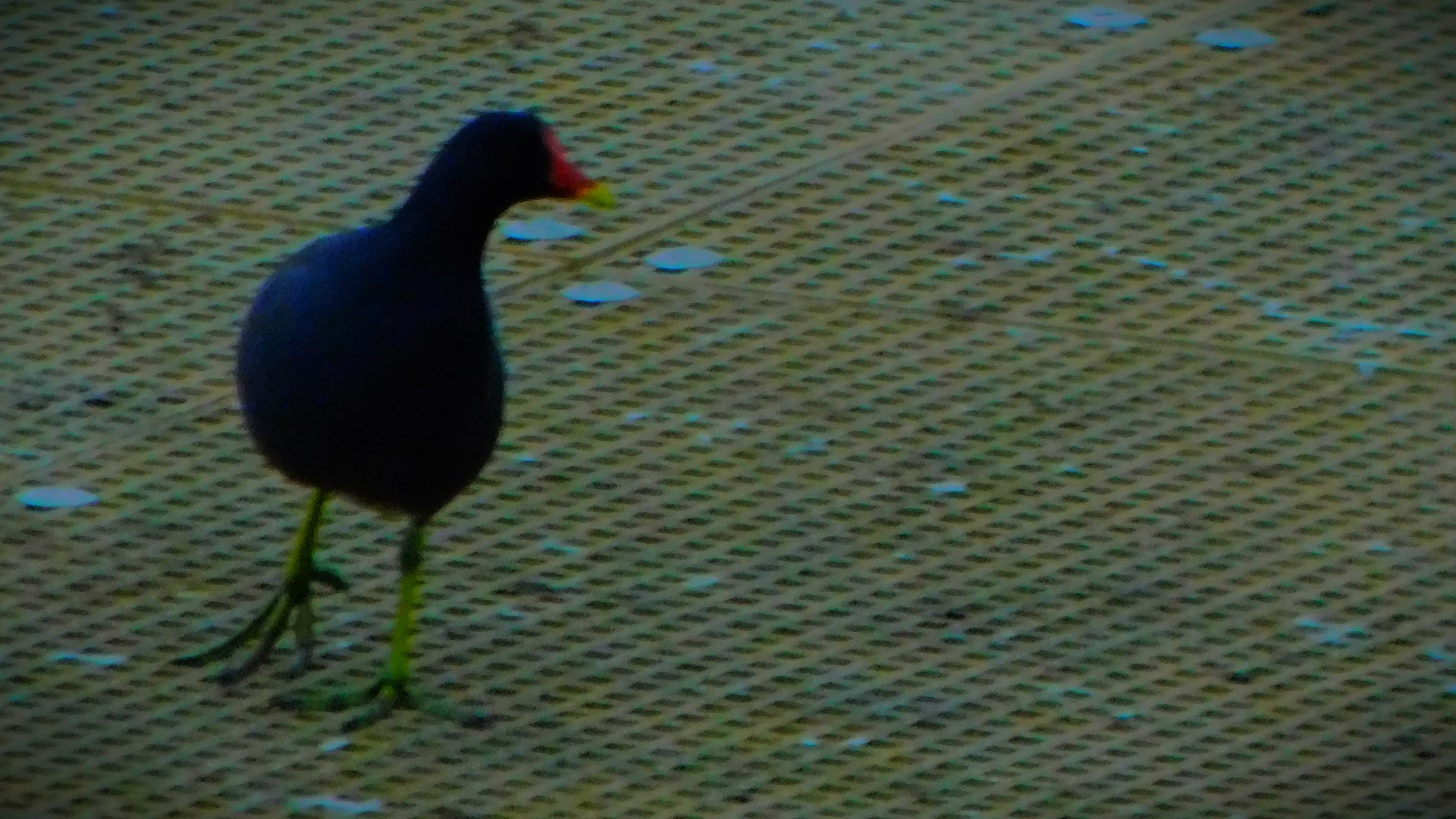
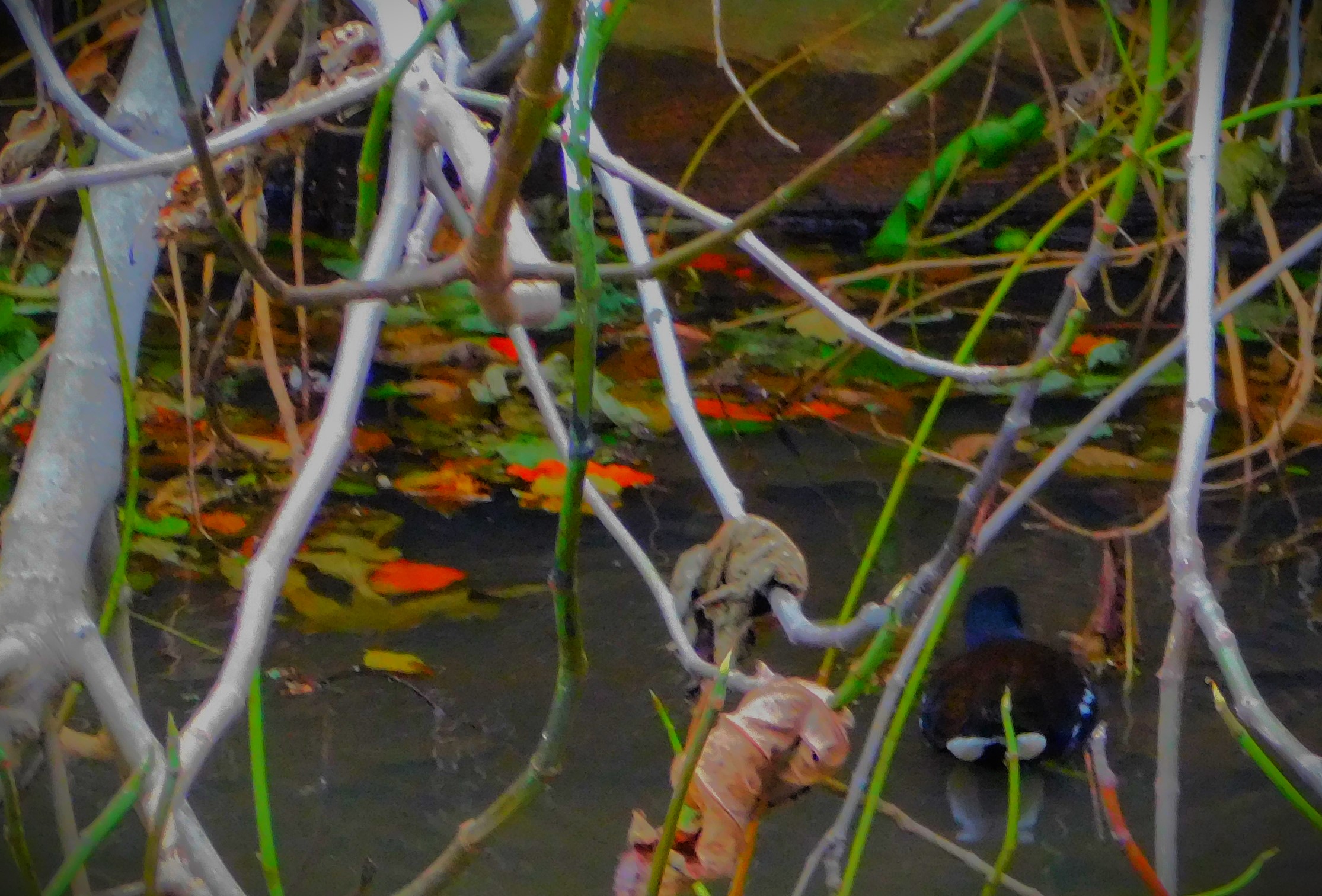
We start with some pictures from Monday afternoon.Then a few pictures from yesterday, either side of work.Finally we have pictures from this morning, a splendid day to be out walking.No cormorants on ‘Cormorant Platform’ today….…but there were some a little further upstream, near the path through Hardings Pits.However even they were topped by this Little Egret in the shallows (The Great Ouse was at very low tide – these rocks are not normally visible).My last picture before leaving the Great Ouse was these lapwings.
An account of today’s WBBL fixture, between Adelaide Strikers and Melbourne Renegades. Also a large photo gallery.
Today the WBBL saw Adelaide Strikers take on Melbourne Renegades at the Karen Rolton Oval. Strikers, winners of both the previous two editions of the WBBL had won only one of their five games, so they knew that defeat would effectively end their qualification hopes. The Renegades, wooden spooners last year, were looking to put themselves right in the mix near the top of table. This post looks back at the match.
THE STRIKERS INNINGS
Major scores from Tahlia McGrath, 49 off 24 balls, and Smriti Mandhana, 40 off 25 balls were supported by Laura Wolvaardt, 27 off 26 balls and Katie Mack 19 off 19 balls. At times it seemed likely that Strikers would top the 200 mark, which even at a ground as batting friendly as the Rolton Oval would have been a formidable total. However they lost wickets in the later stages of their innings, and in the end it took a wonderful cameo of 24 off 12 balls from the young Irishwoman Orla Prendergast to get Strikers to their final total of 185-8. Prendergast was run out off the last ball of the innings, correctly going for the extra run. .
Hayley Matthews, of whom there will be a lot more later, had 2-28 from four overs, and Sarah Coyte 1-19 from three overs.
THE RENEGADES CHASE
Hayley Matthews and Courtney Webb scored well, though at a little less than the required rate. Webb retired hurt for 37, with the Renegades score on 90. The first actual wicket was that of Capsey, who replaced Webb at the crease, and scored 4 before being caught by Prendergast off Darcie Brown to make it 101-1. That brought Deandra Dottin in to join fellow West Indian Matthews. This pair took complete control of proceedings. At one stage it looked like a century was a possibility for Matthews, but then a blitz by Dottin killed that possibility but brough the possibility of a 50 for her into the equation. Matthews ended the chase off the first ball of the 18th over, the boundary she hit taking to 85* off 54 balls, while Dottin had 46* off just 18 balls. Megan Schutt bowled three overs for 21 amidst the carnage. Madeline Penna, brought on as a white flag gesture with the game well and truly lost, has I suspect set a new record for the worst ER in a WBBL innings – her first delivery was a wide which did not go to the boundary, but off which Matthews and Dottin ran two extra runs, to make the damage three, and her second was the match winning boundary, meaning that her official figures read 0.1-0-7-0 for an ER of 42.00. Matthews was unsurprisingly named Player of the Match for her magnificent performance.
This hammering leaves Strikers adrift at the foot of the table on two points from six matches. Even if they win every remaining match they will have an exactly even win/loss record, and given how bad their net RR is, even with four teams qualifying for the KOs they are unlikely to make it. Anything less than four straight wins from here will definitely confirm their elimination. I consider having four teams out of eight qualify for KOs a trifle generous, but it is not as ludicrous as the men’s equivalent tournament, where five teams out of eight qualify, which means that you genuinely can make it through with an overall losing record. Renegades meanwhile are up into second place for the present, and are highly likely to qualify for the knockouts. Scorecard here.
PHOTOGRAPHS
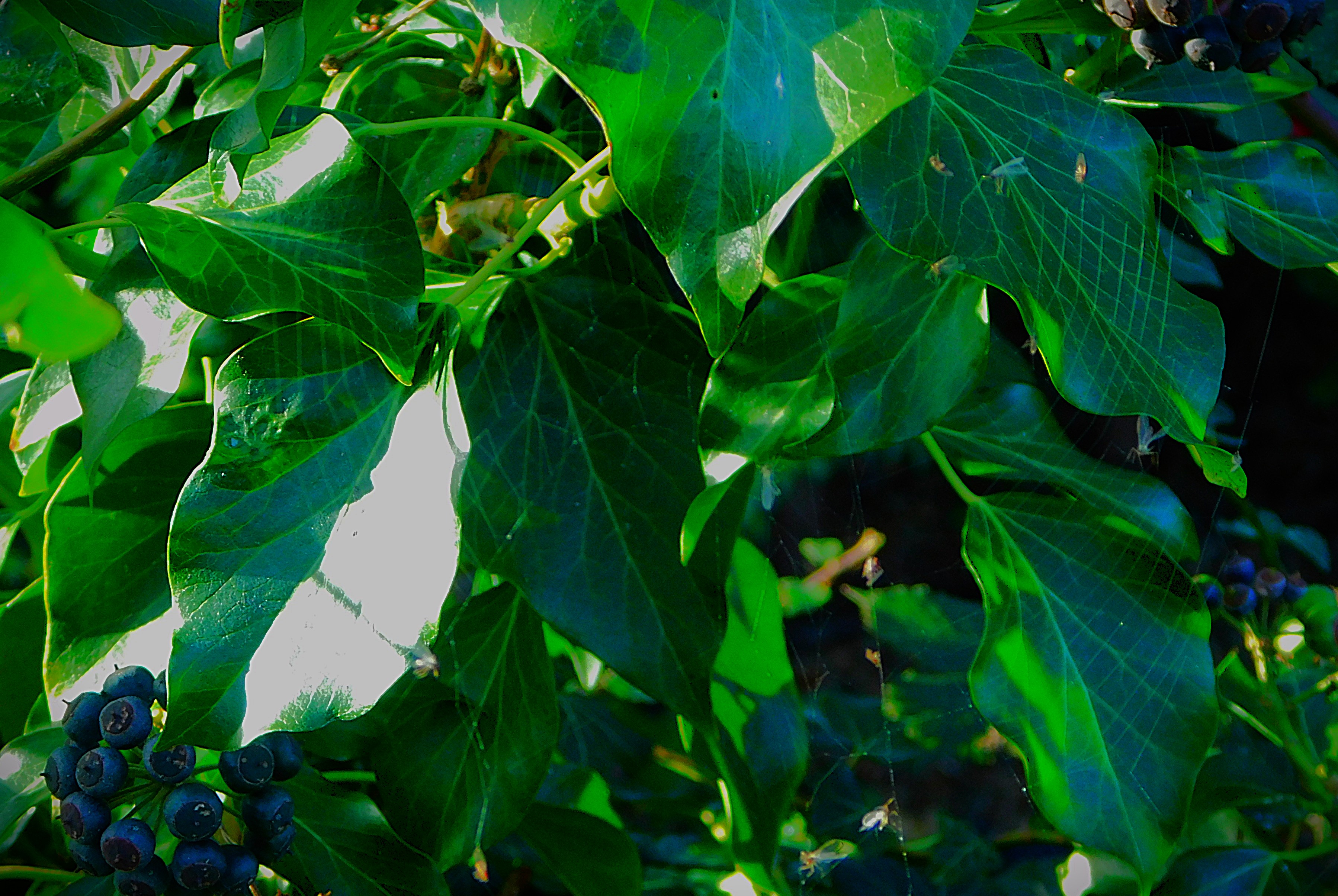
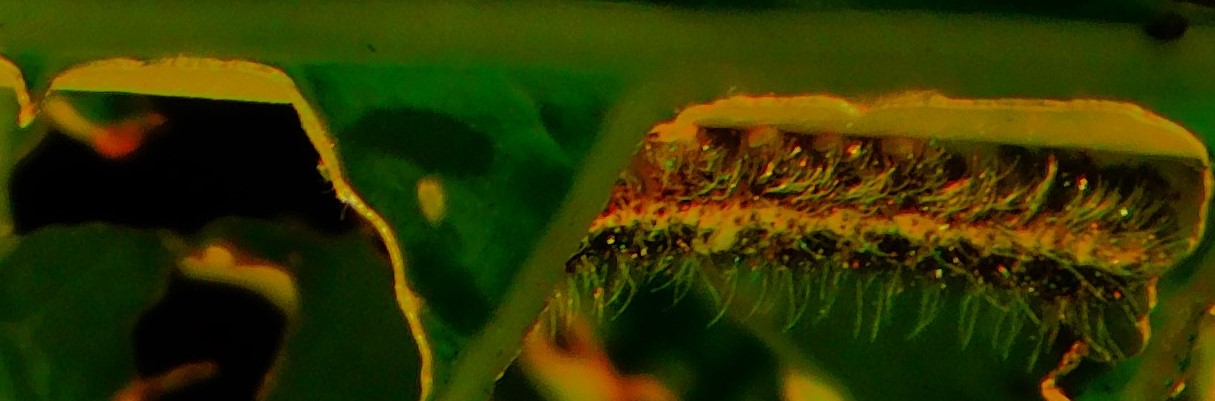
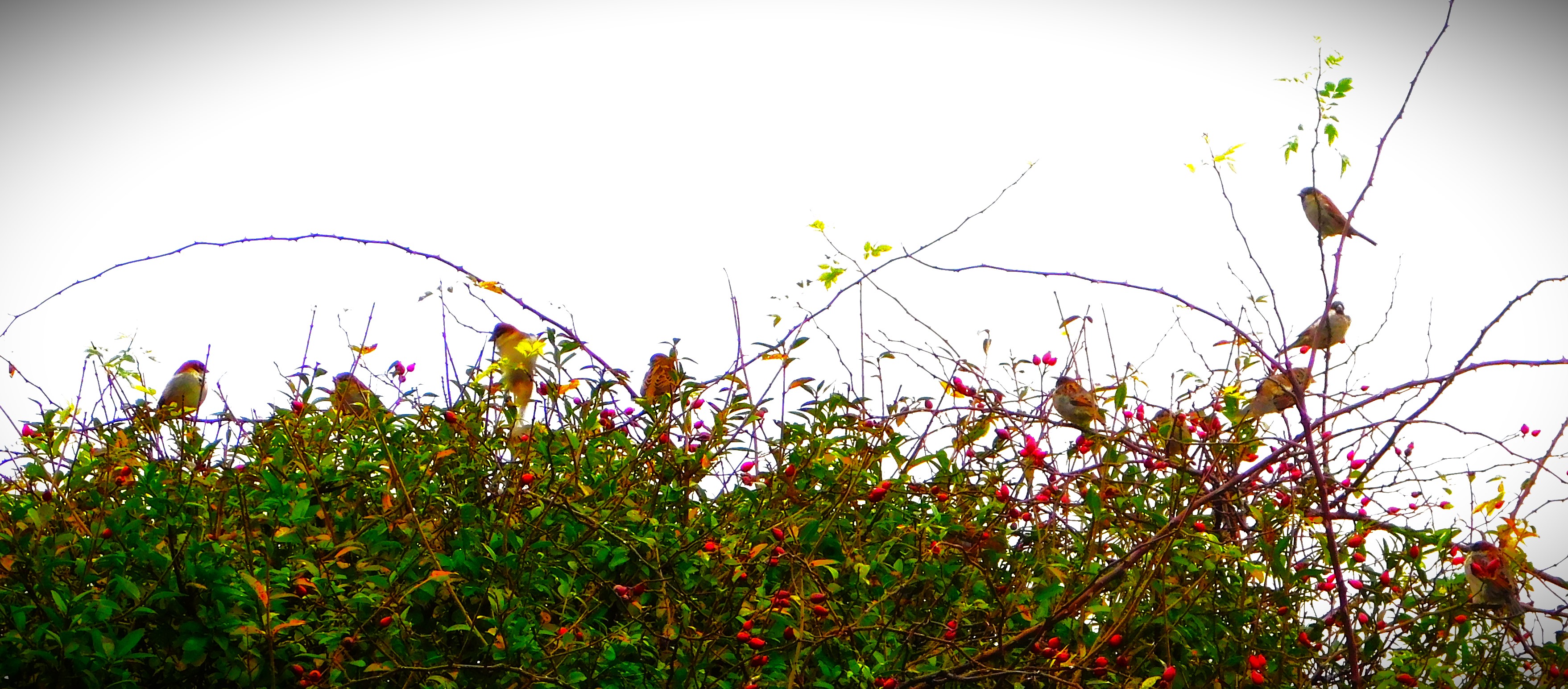
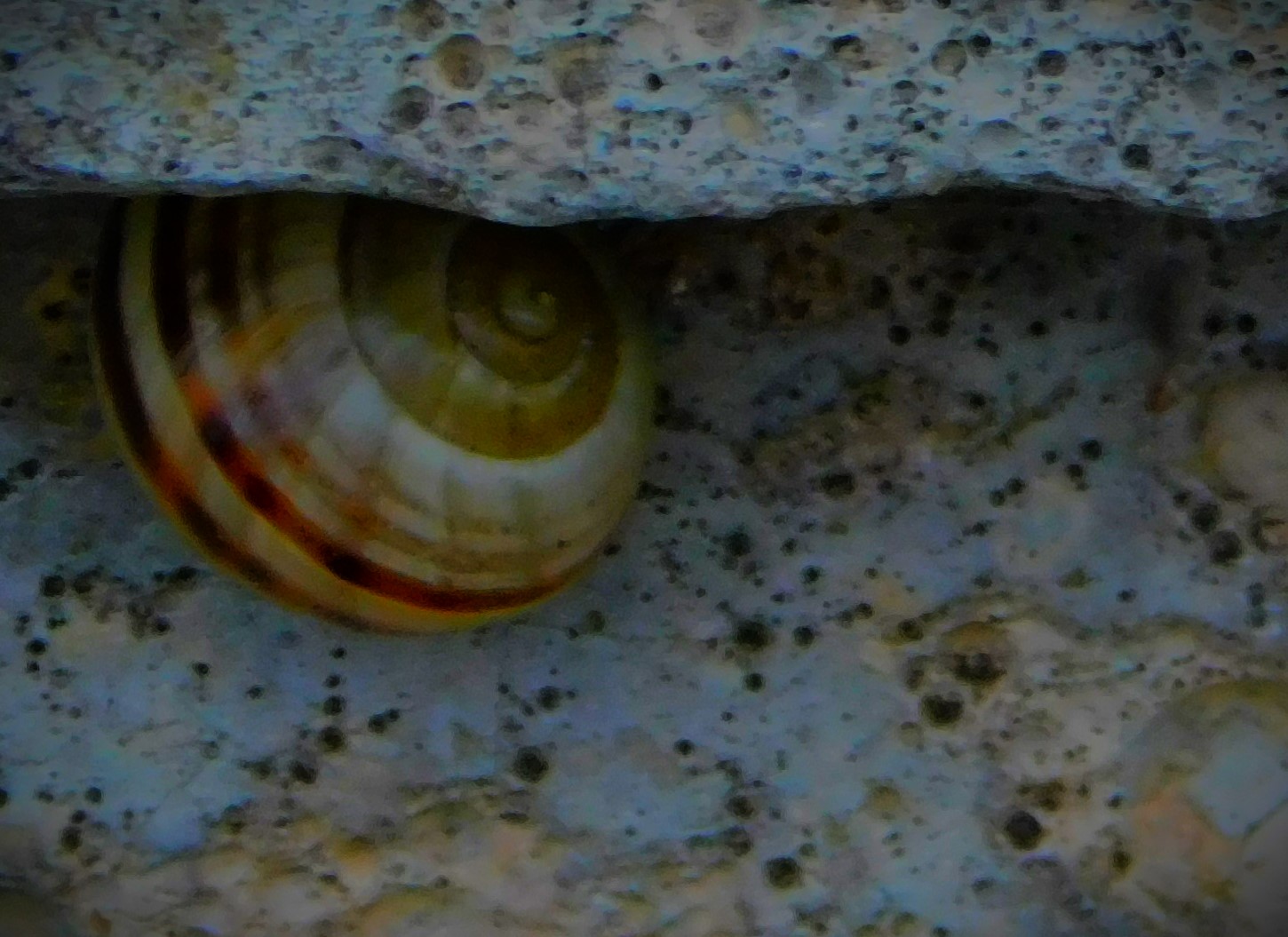
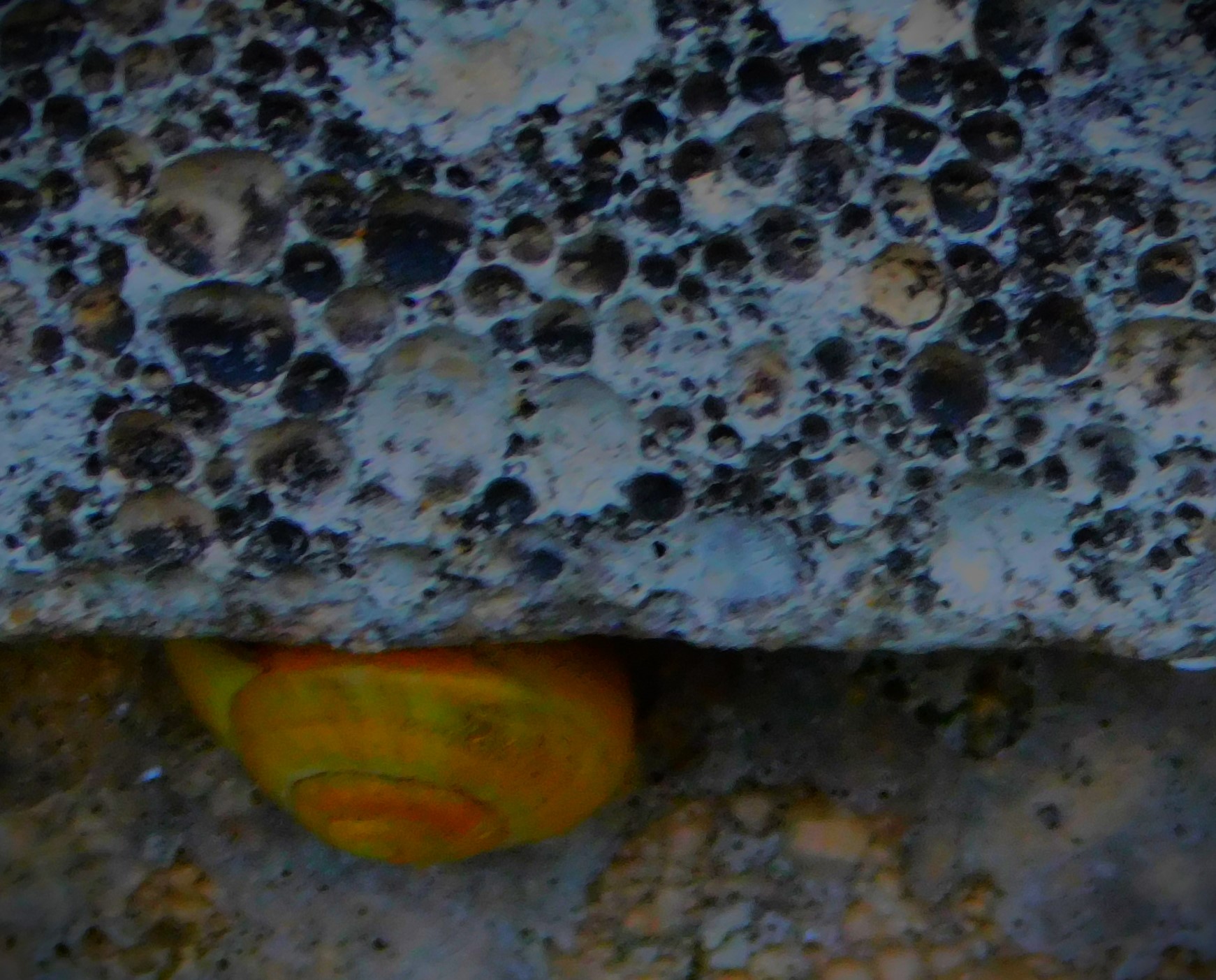
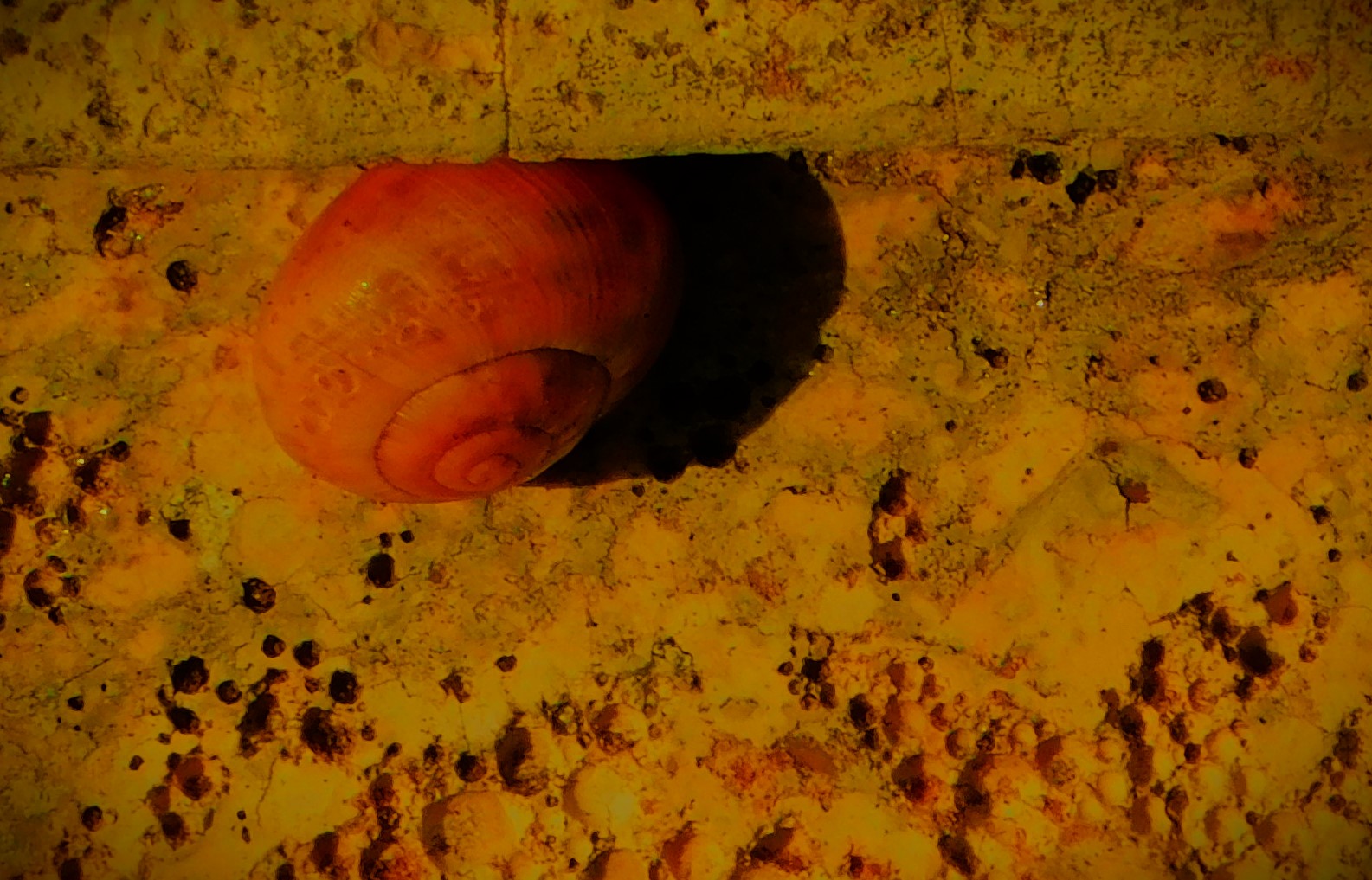
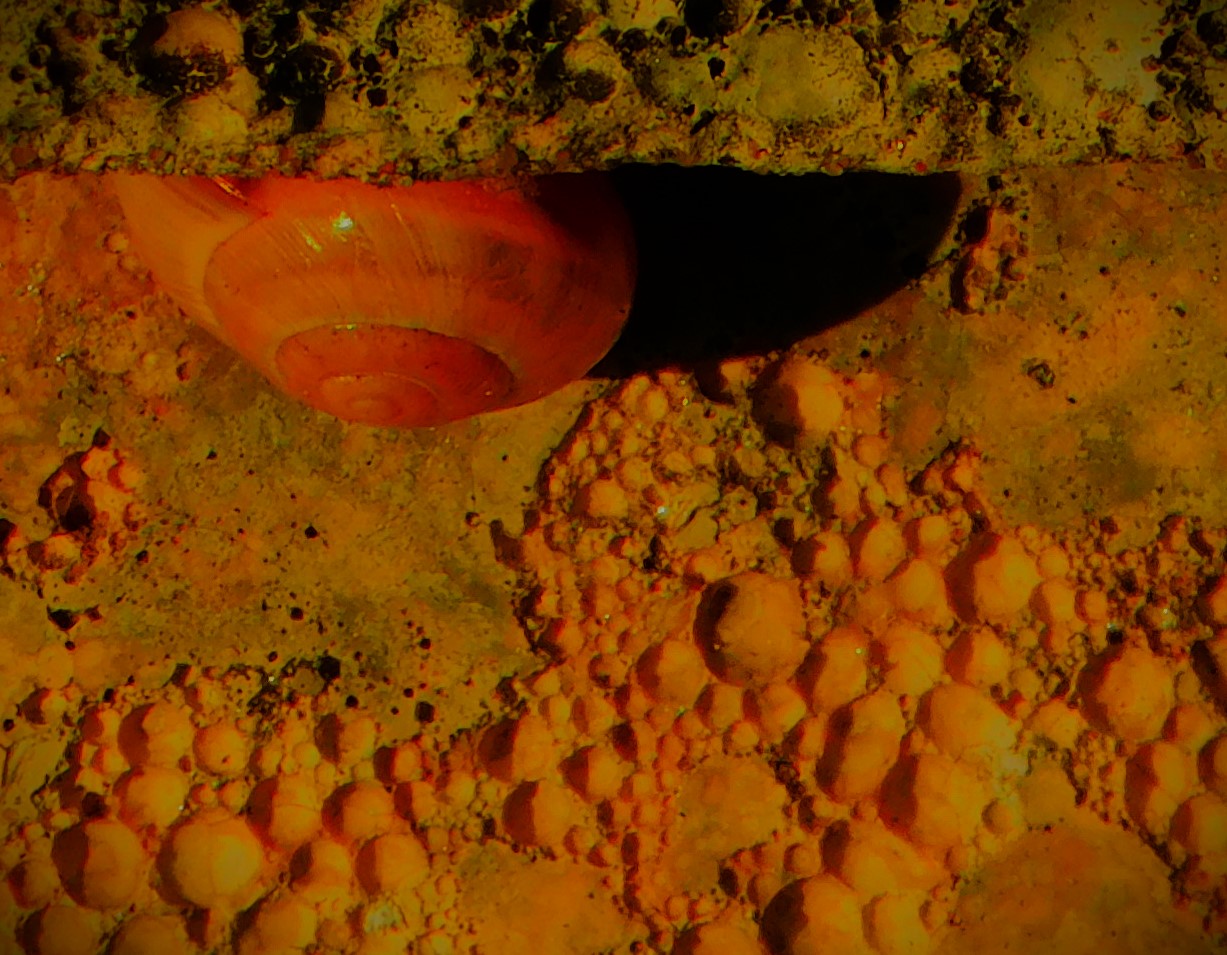
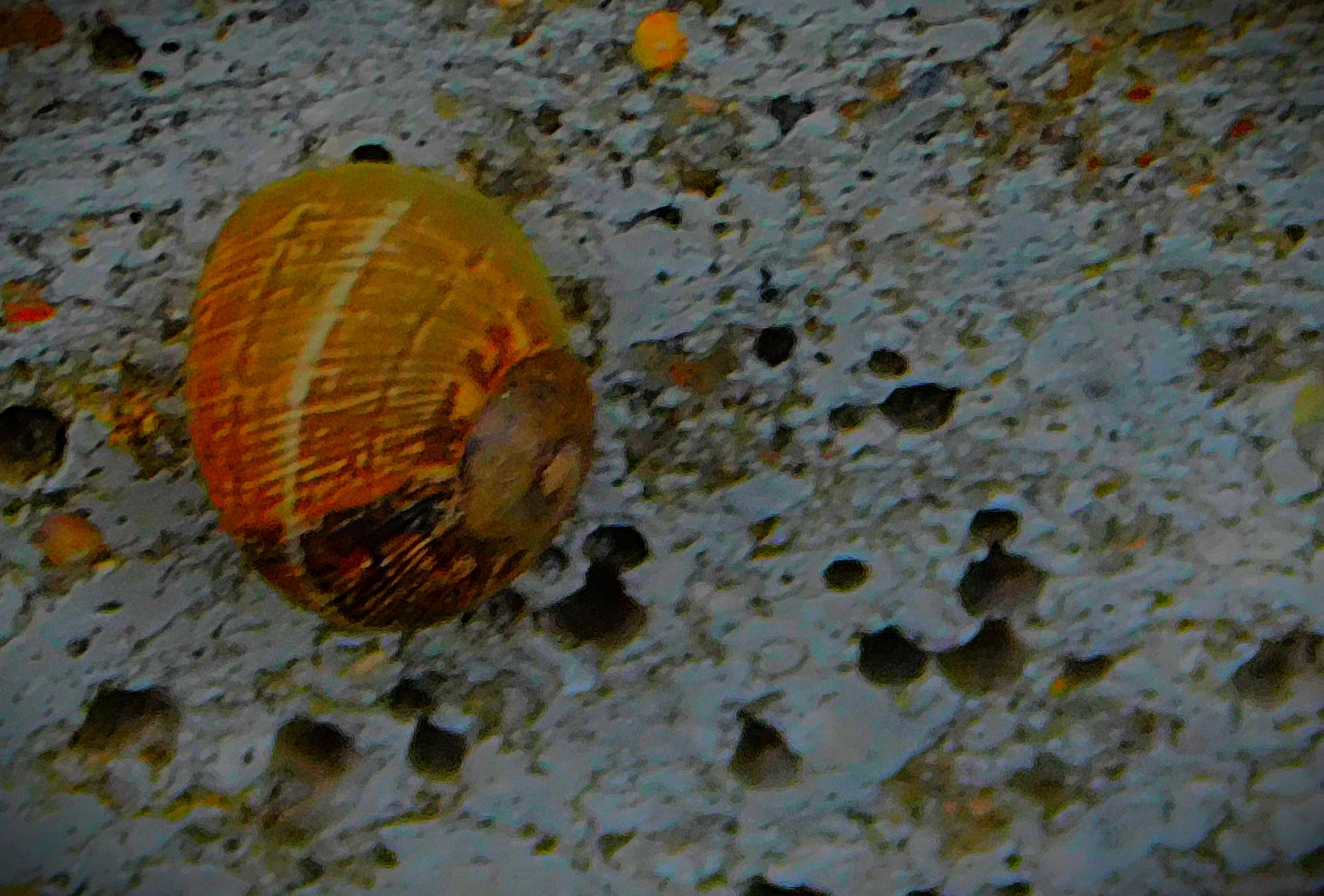
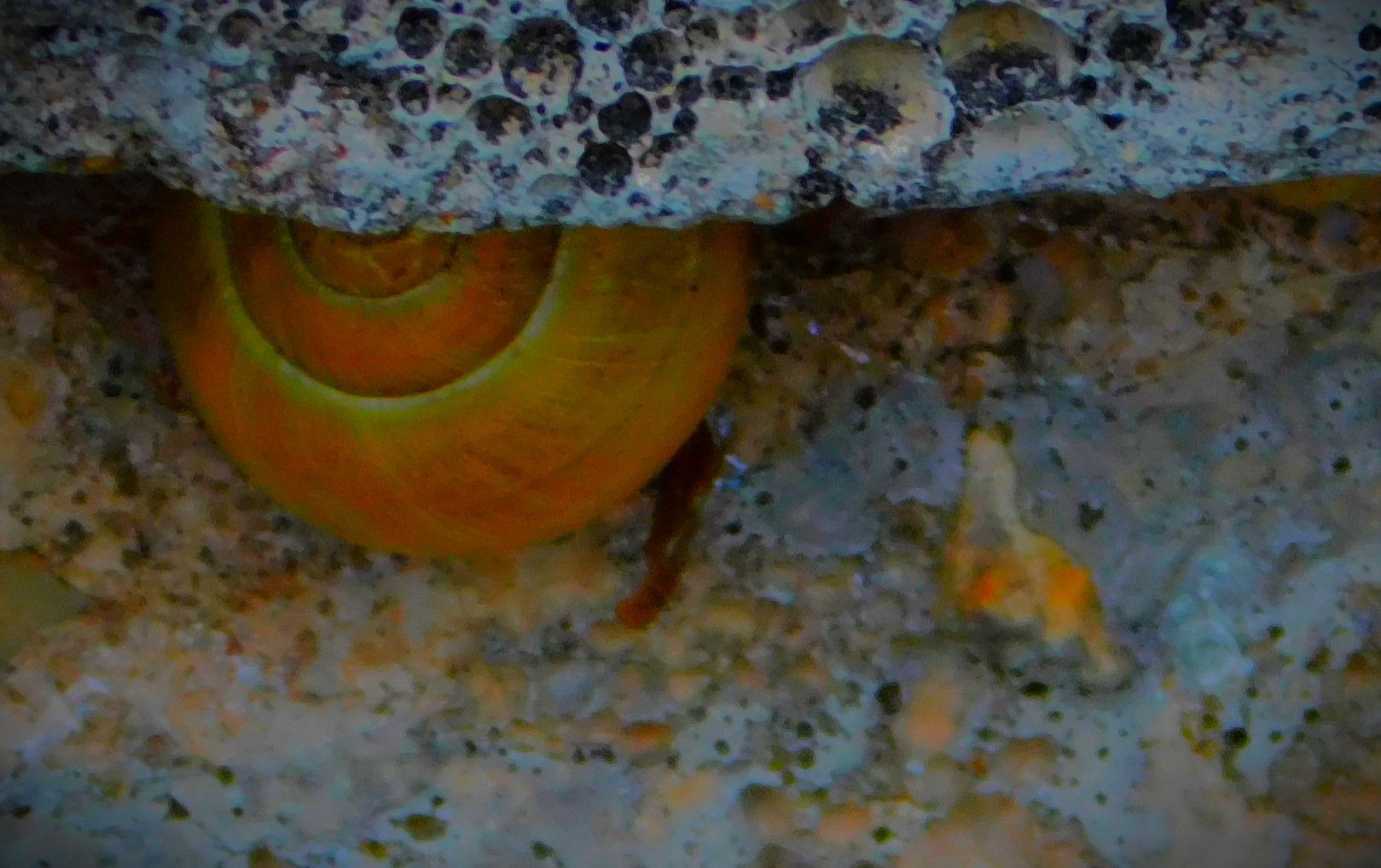
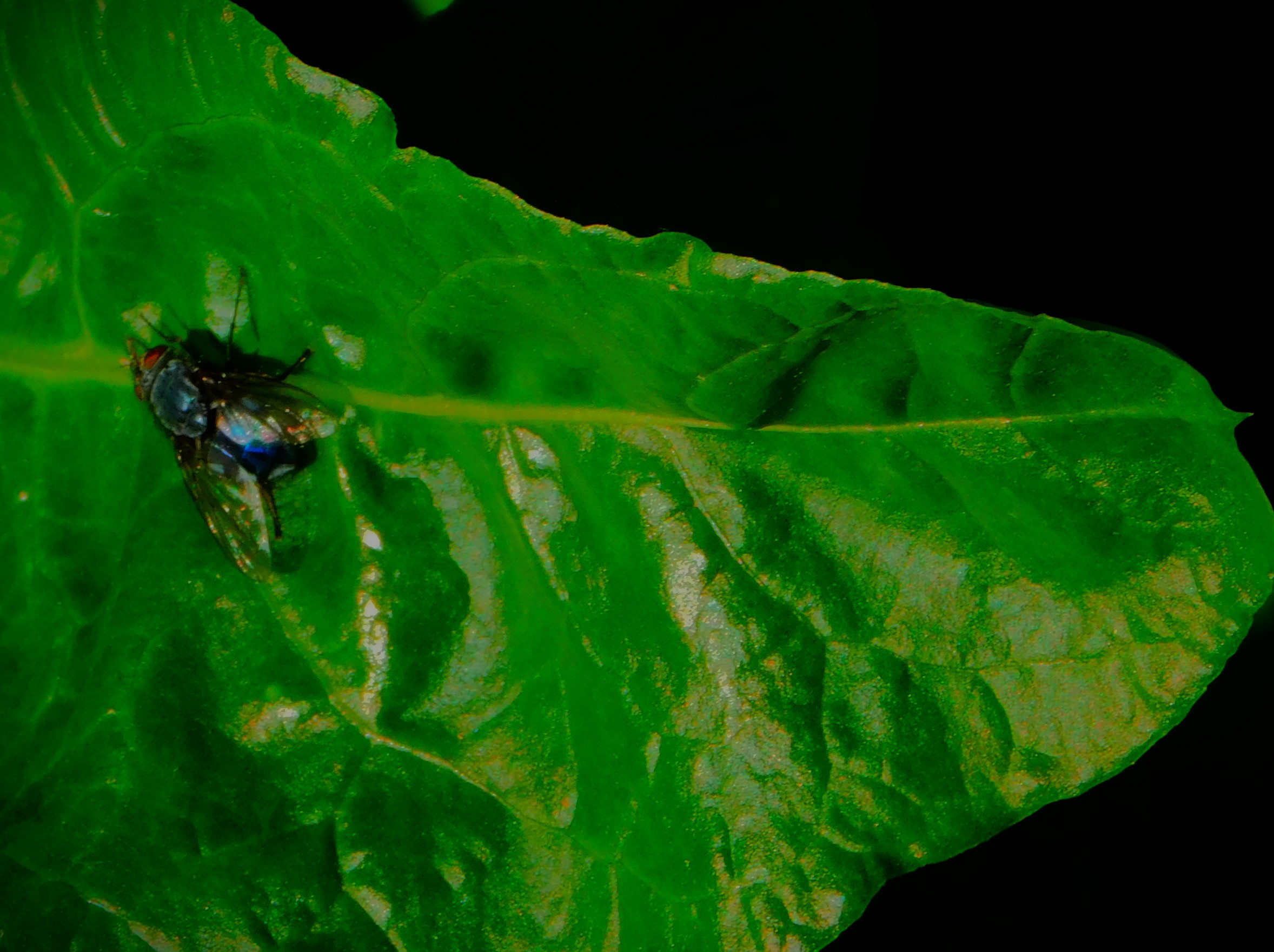
Today has been a sunny day, and as a result the insects have been out in force…











































































































































































































































































































































































































































































































































































































































































































































































































































 aspiblog