A look at day four at the SCG, a link and a photo gallery.
This post deals with day four of the final test match of the Ashes series, at the SCG.
A NEW TALENT ANNOUNCES ITSELF
Play resumed on day four with Australia 518-7, already 134 runs ahead of England on first innings. The last three Australian wickets boosted that total to 567, an overall lead of 183. England were further handicapped as they prepared for their second innings by a muscle strain suffered by Ben Stokes. Ben Duckett contributed 42, his highest score of the series. There was also a score of 42 from Harry Brook. Will Jacks, who as I have said elsewhere is actually more batter than bowler failed horrifically to take advantage of a promotion to number six, Stokes having decided to bat later in the order, playing a horrible shot to his second ball to give Cameron Green a catch off the bowling of Beau Webster. First to go had been Zak Crawley, LBW to Starc for 1. That meant that Jacob Bethell, batting at number three in spite of never having scored a first class hundred had to come in right at the start of the innings. He rose to the challenge brilliantly, playing a proper test match innings, showing skill, technique and the right temperament for the job in hand. It was during the stand with Brook that he reached that maiden first class century (while it is not commonplace for this to happen in a test match it is not super rare either – Charles Bannerman’s 165 in the first ever test match was his maiden FC century, and there is another member of the current England setup to have done the same thing, Gus Atkinson). Even after Brook’s dismissal and the Jacks howler referred to earlier he went on unperturbed, finding some support from Jamie Smith. Brydon Carse helped the eighth wicket to advance the score by 30, and at the end Matthew Potts was supporting Bethell, who ended the day unbeaten on 142, having faced 232 balls and hit 15 fours, with England 302-8, 119 to the good. Bethell’s innings was England’s third three figure score of the series, and both the previous two were scored by Joe Root, a universally acknowledged master of test match batting technique. I am not yet fully prepared to renounce my scepticism regarding Bethell’s selection, but I see no reason for this century not to be the first of many, and if he continues to deliver the goods as he did this day I will acknowledge that fact.
PHOTOGRAPHS
First I have a link to share, from science.org, to this article about how multi-cellular life may have come about. It is an appropriate share since my gallery includes pictures from all three of the multi-cellular or eukaryotic kingdoms. Now for my usual sign off…
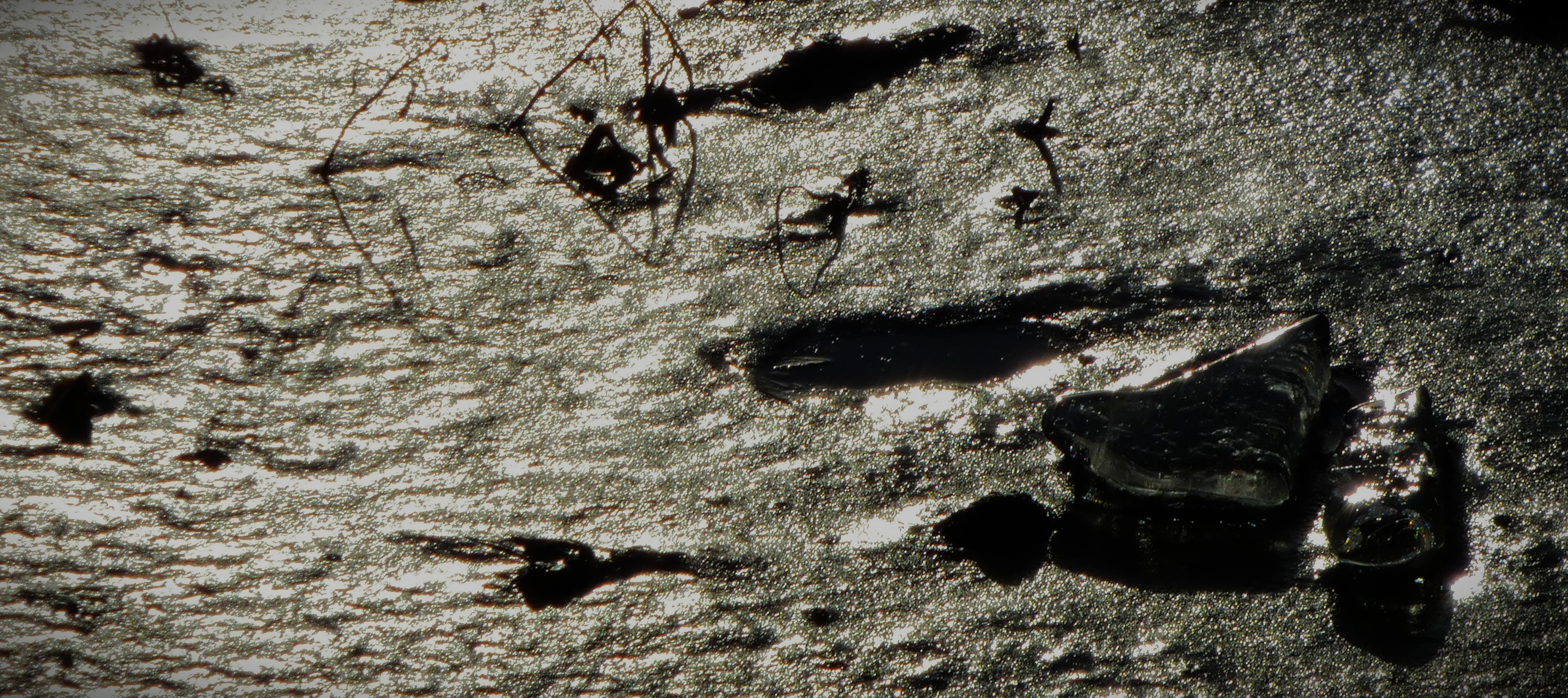
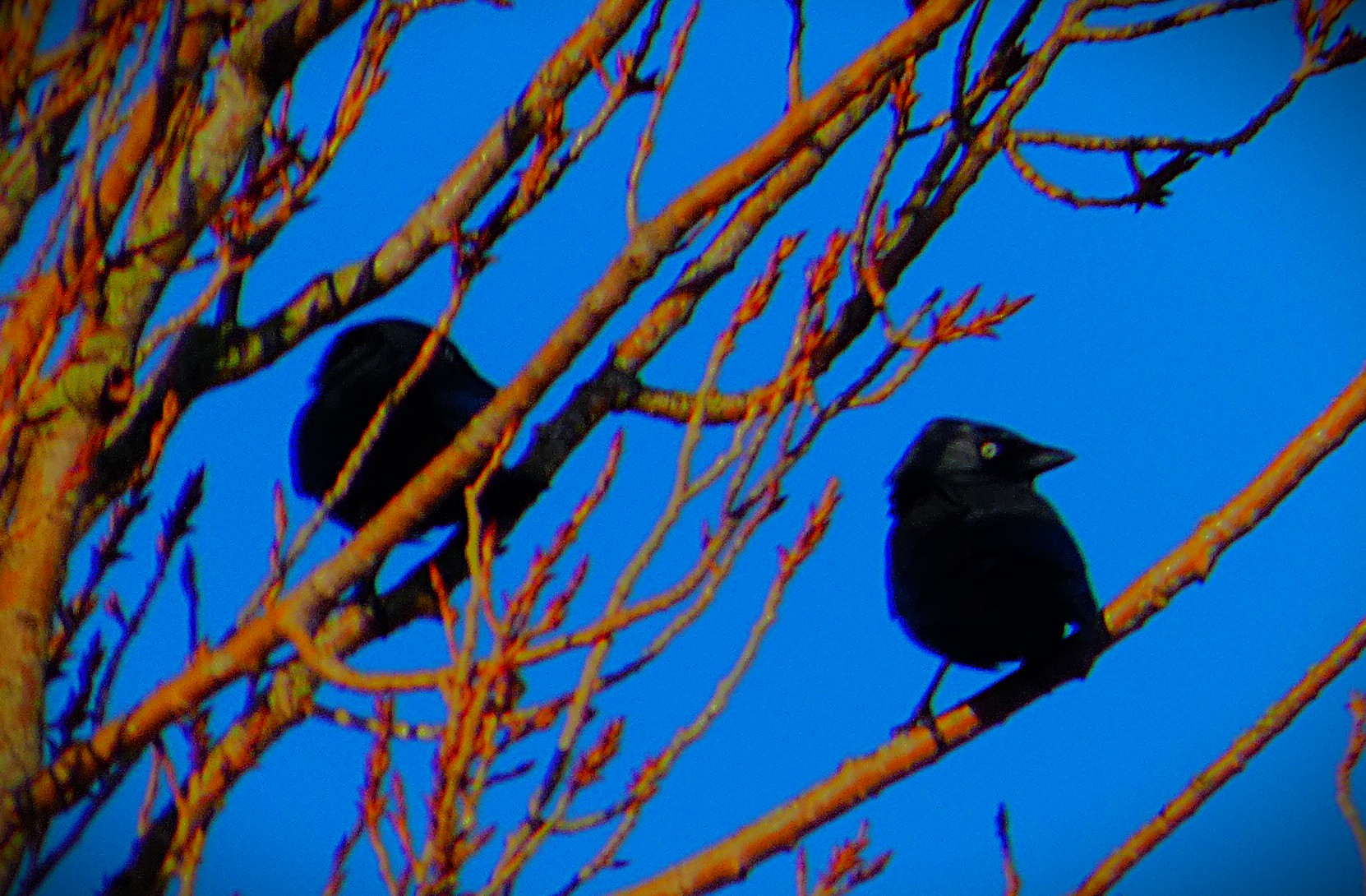
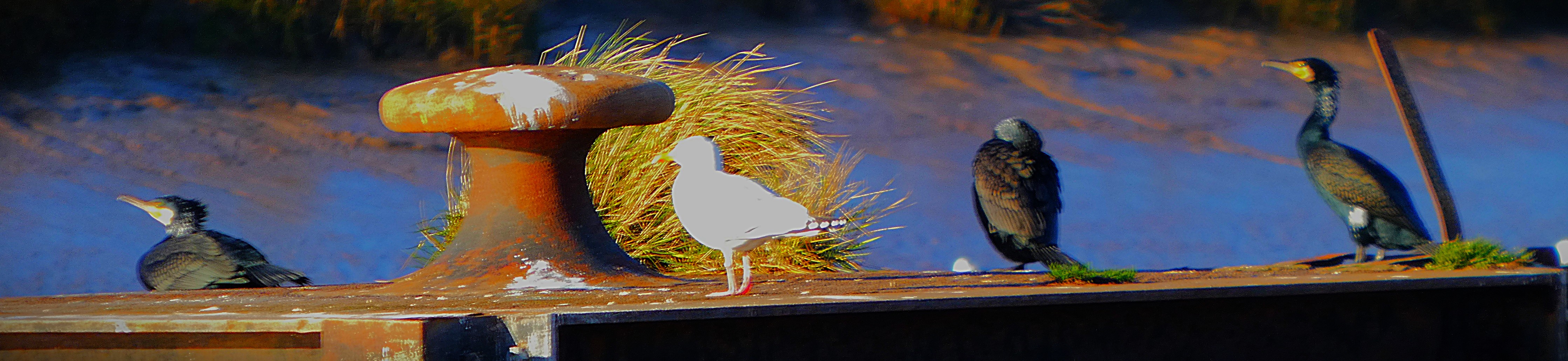
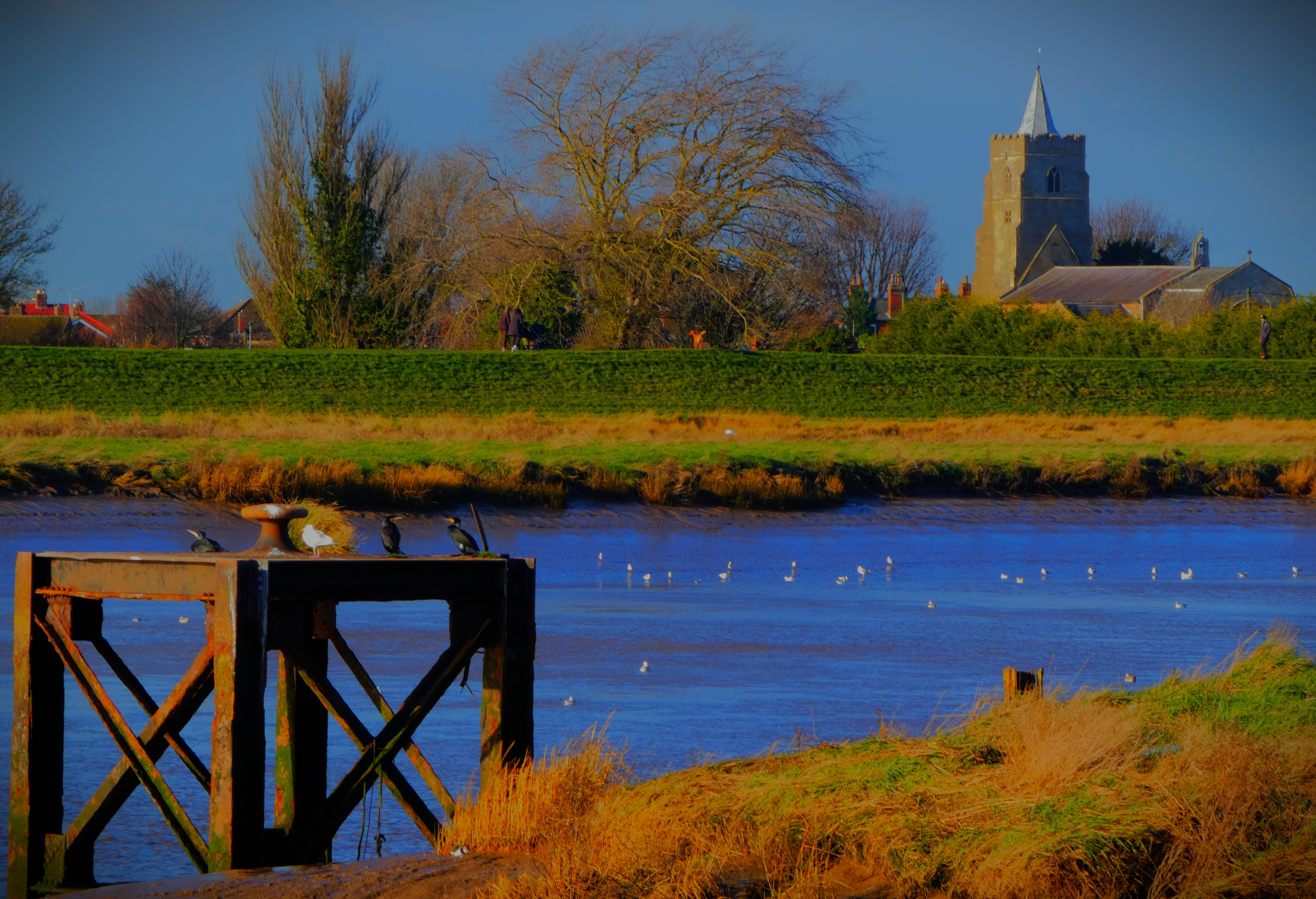
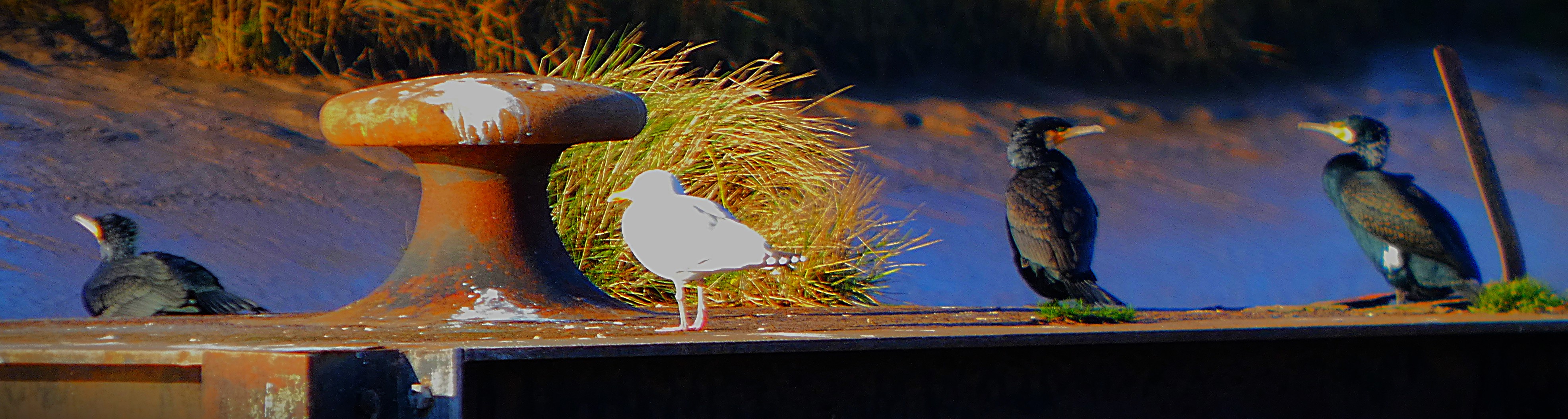
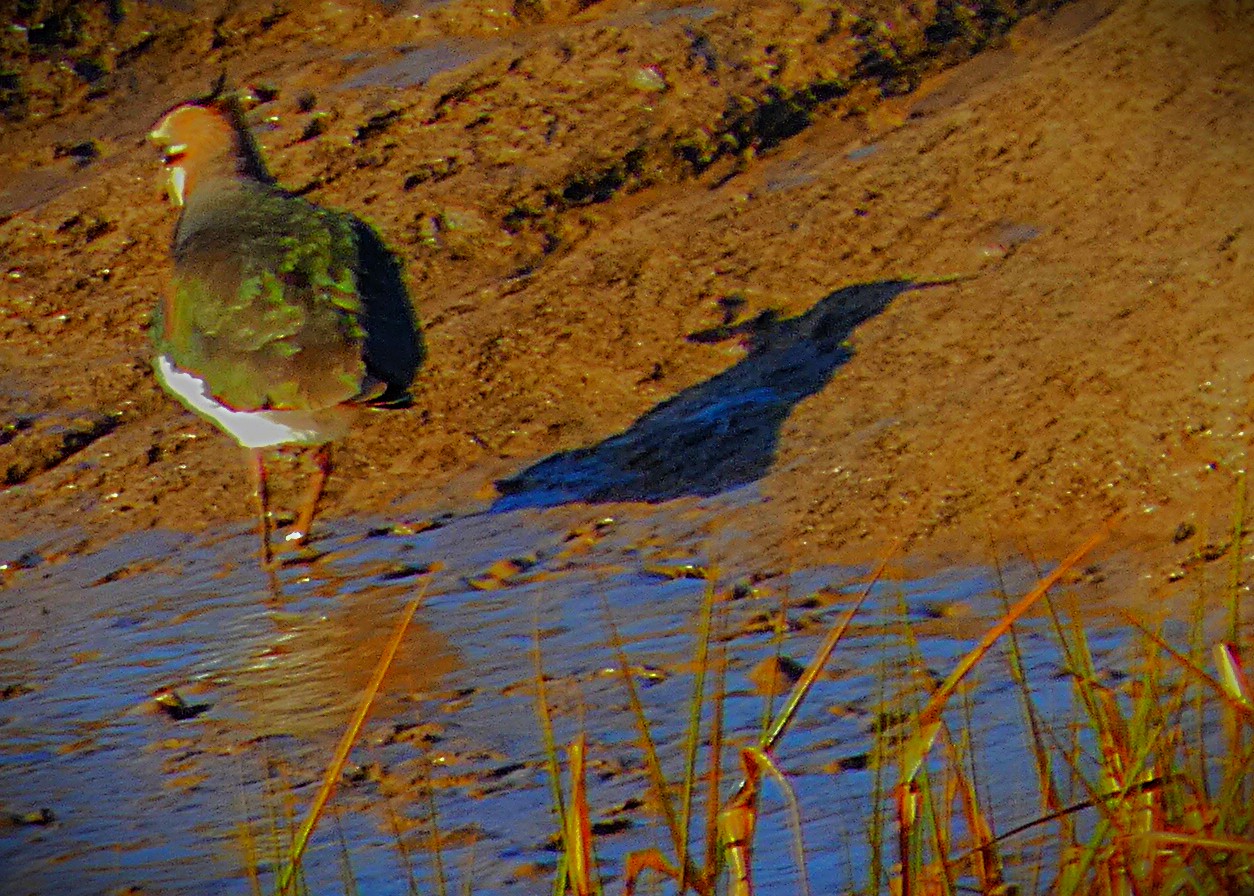
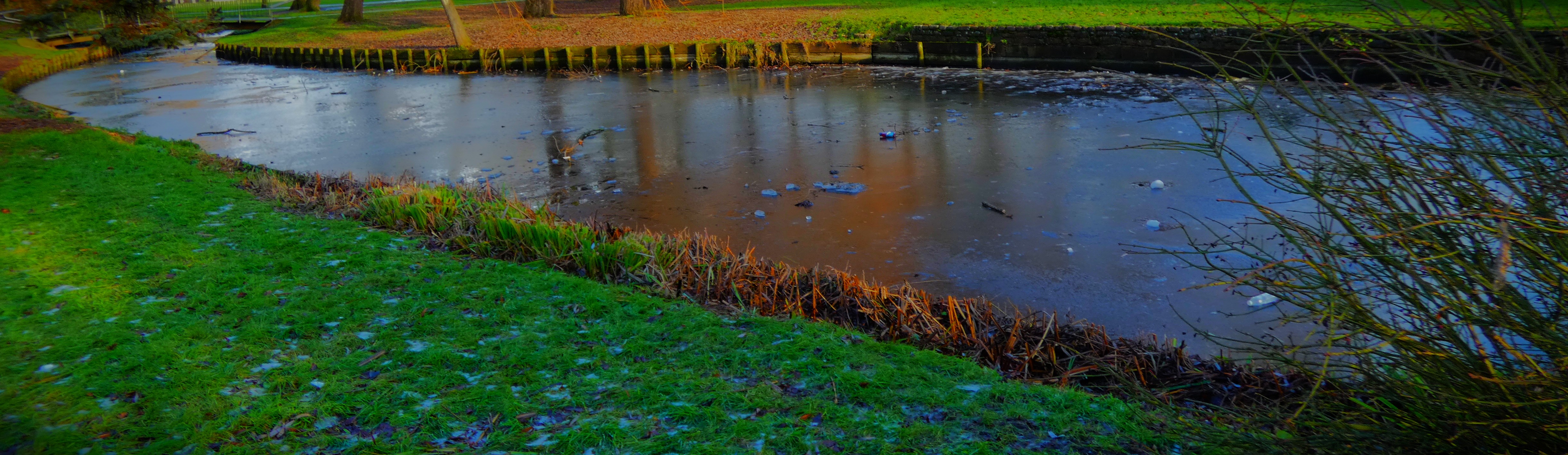
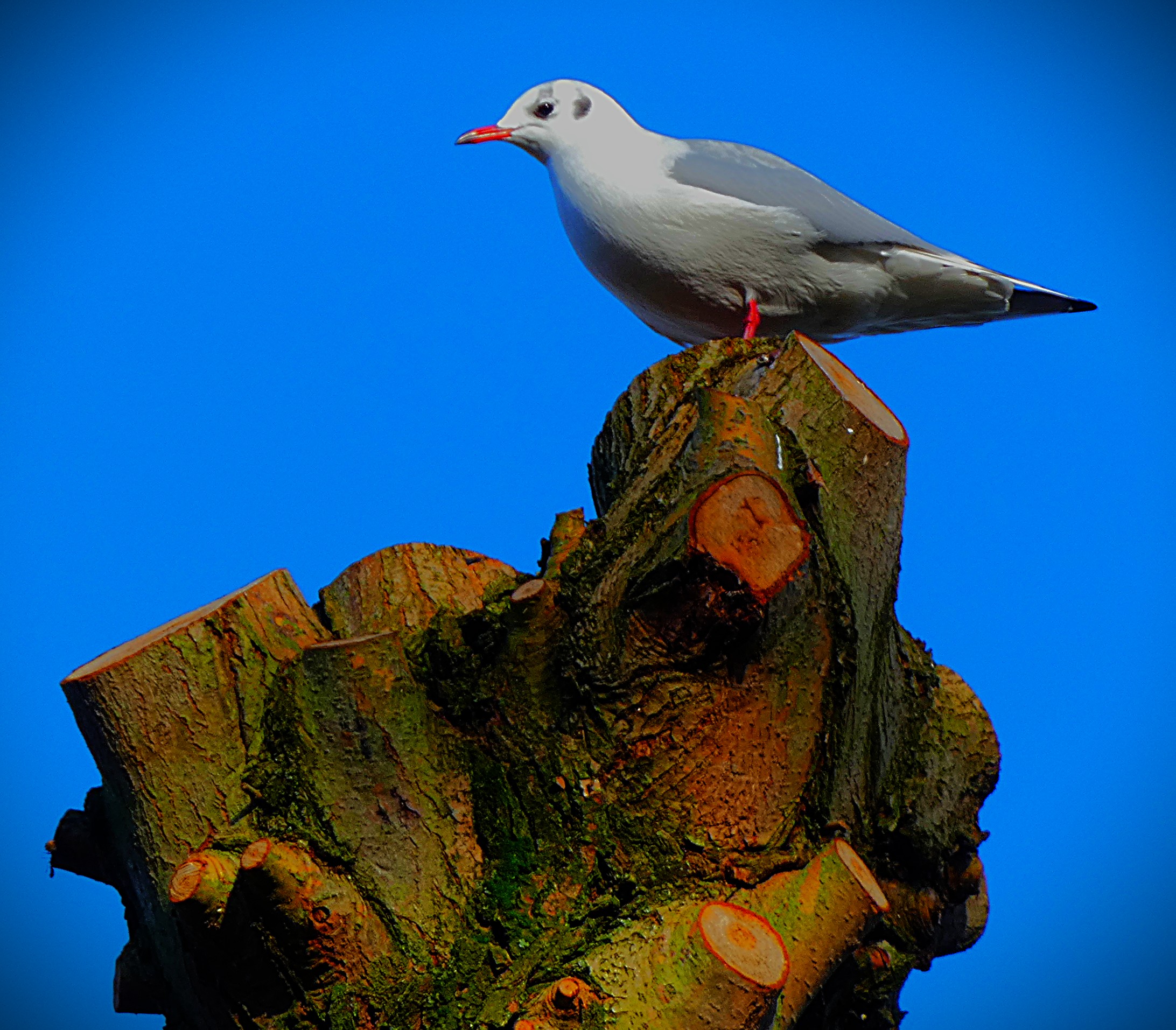
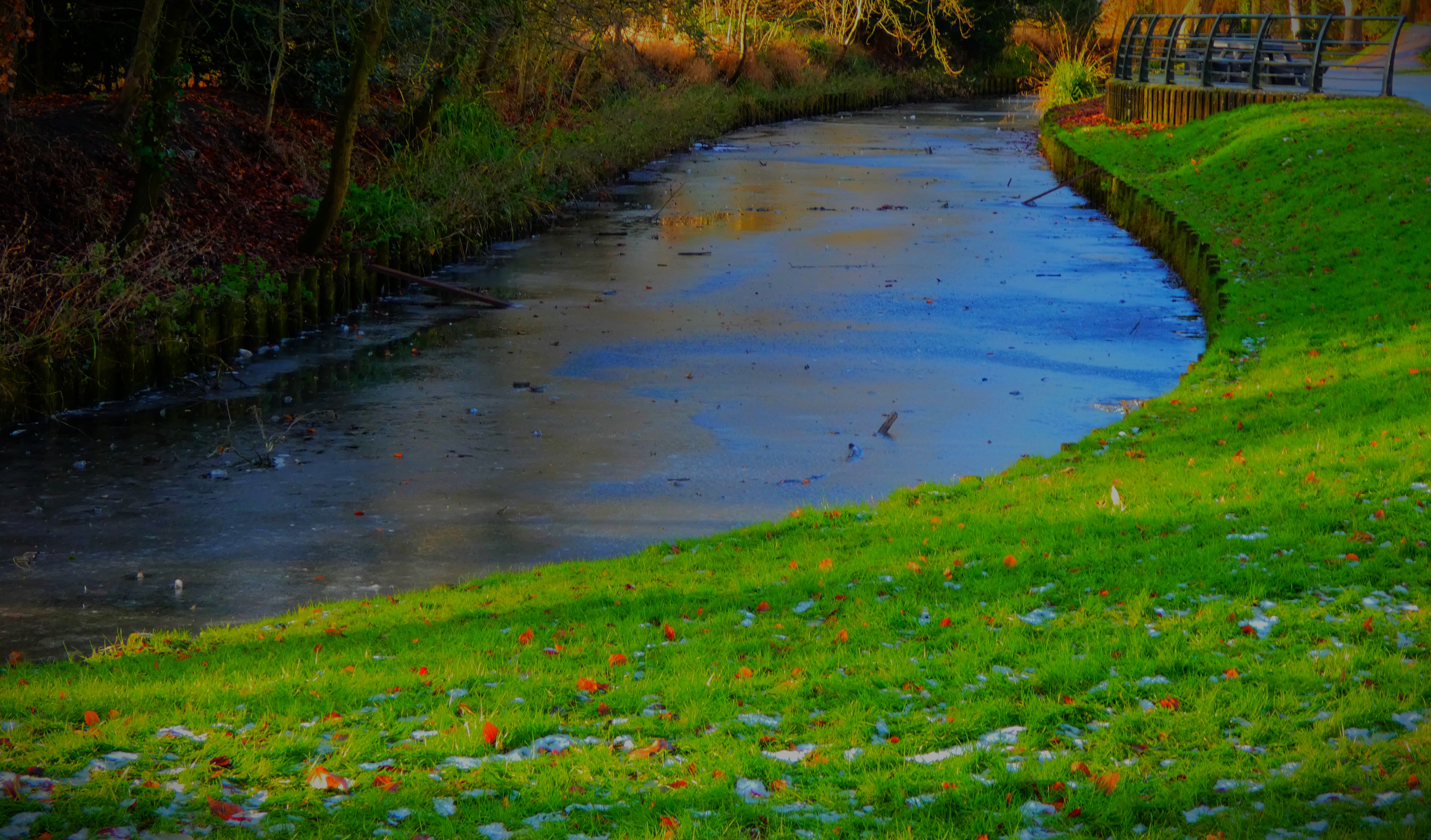
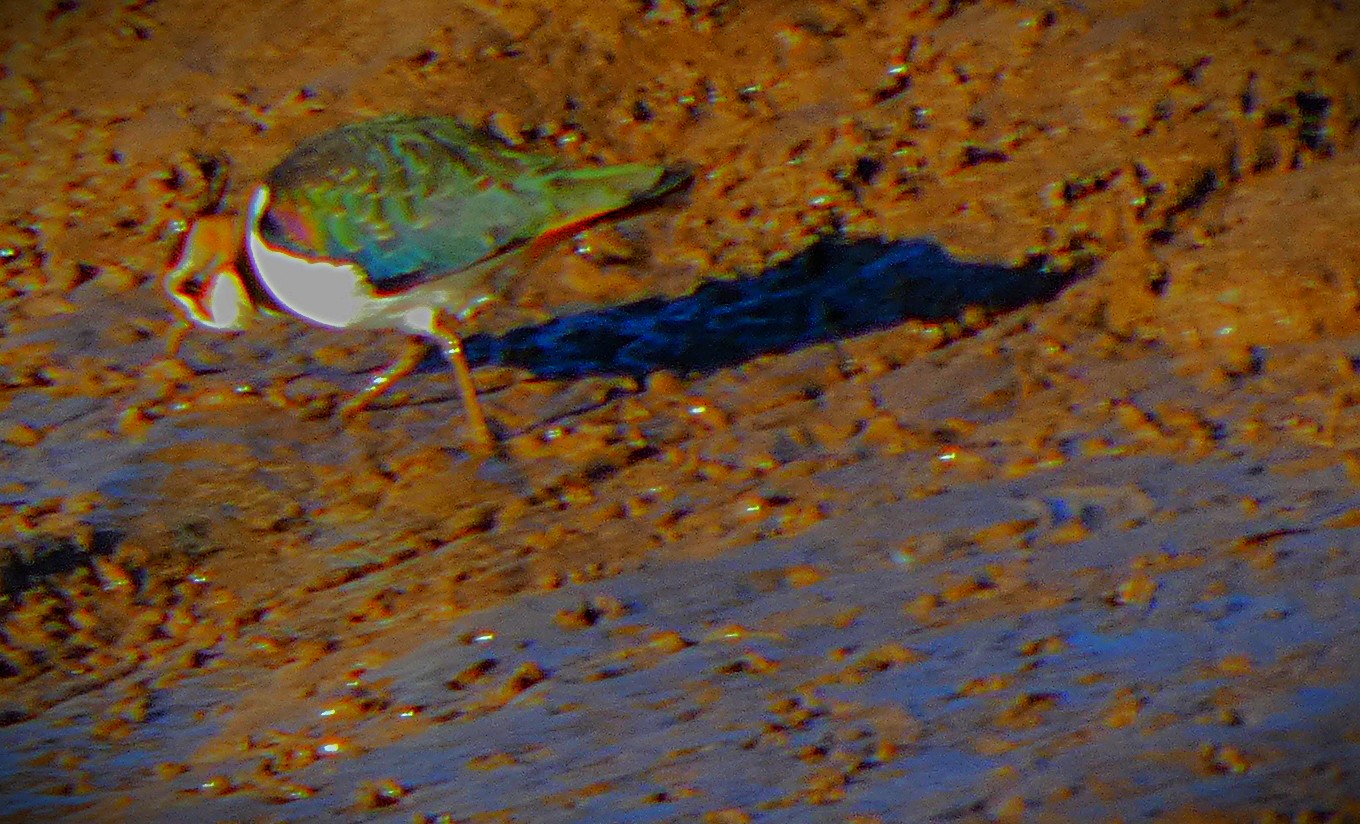
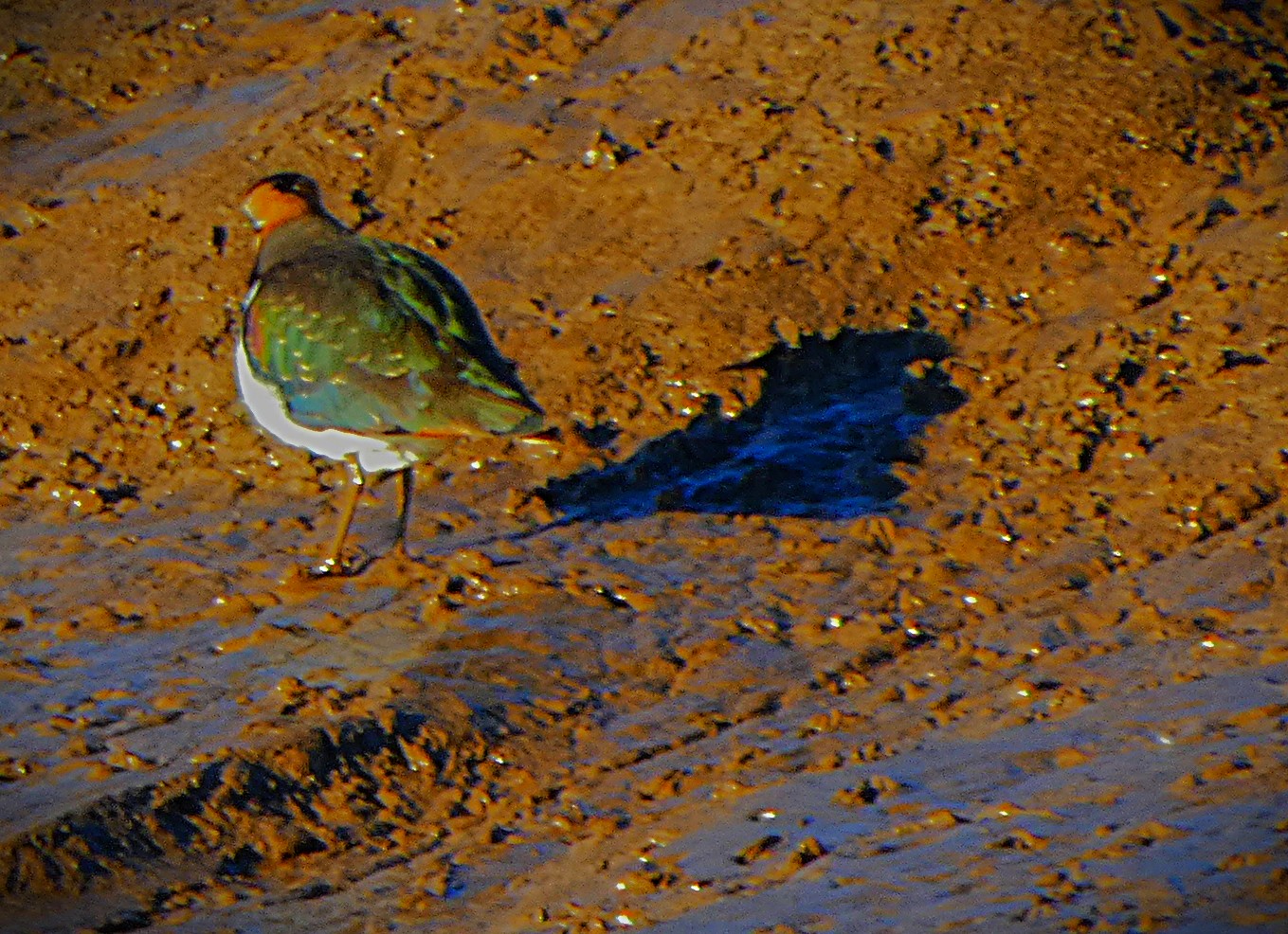
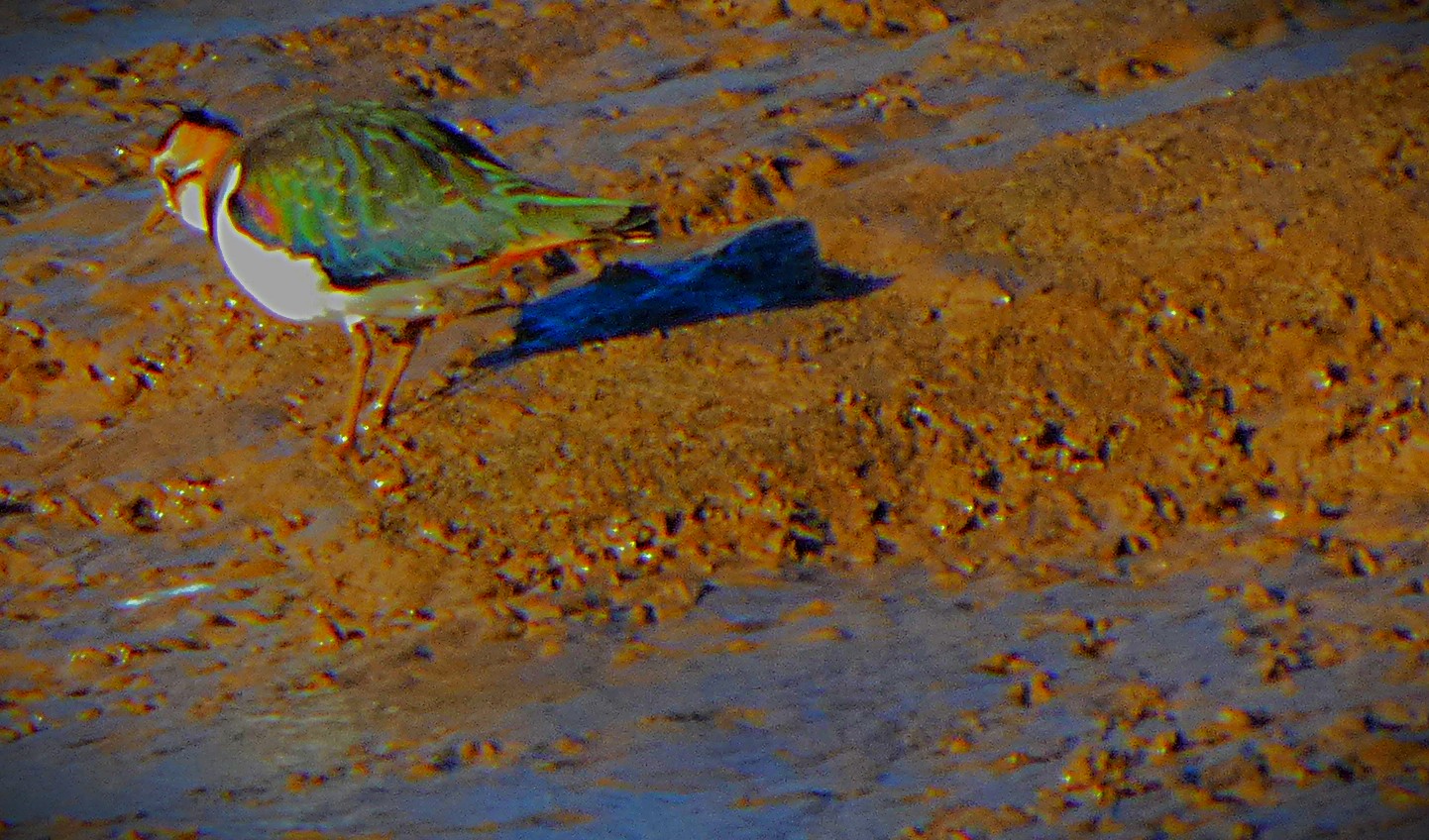
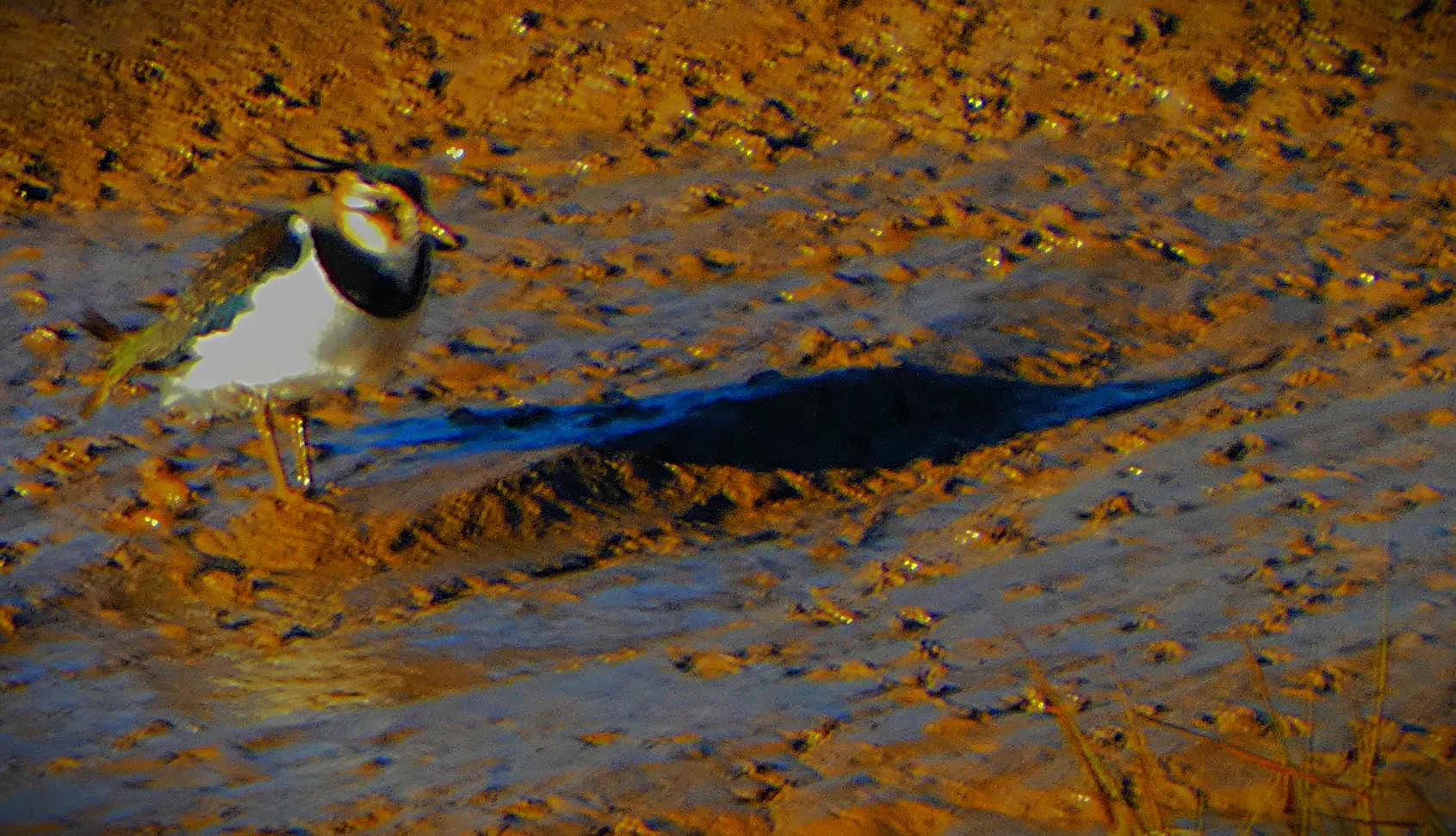
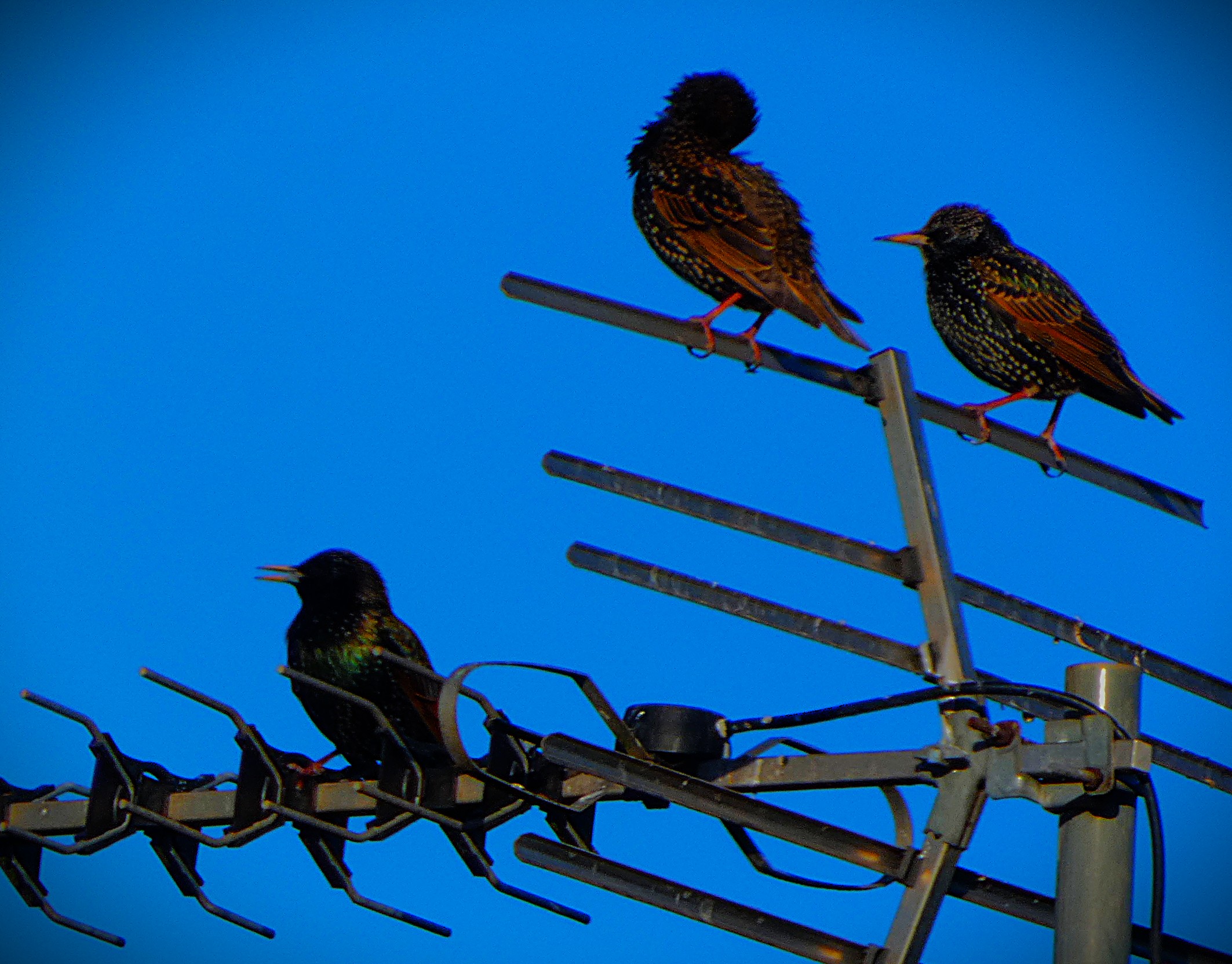
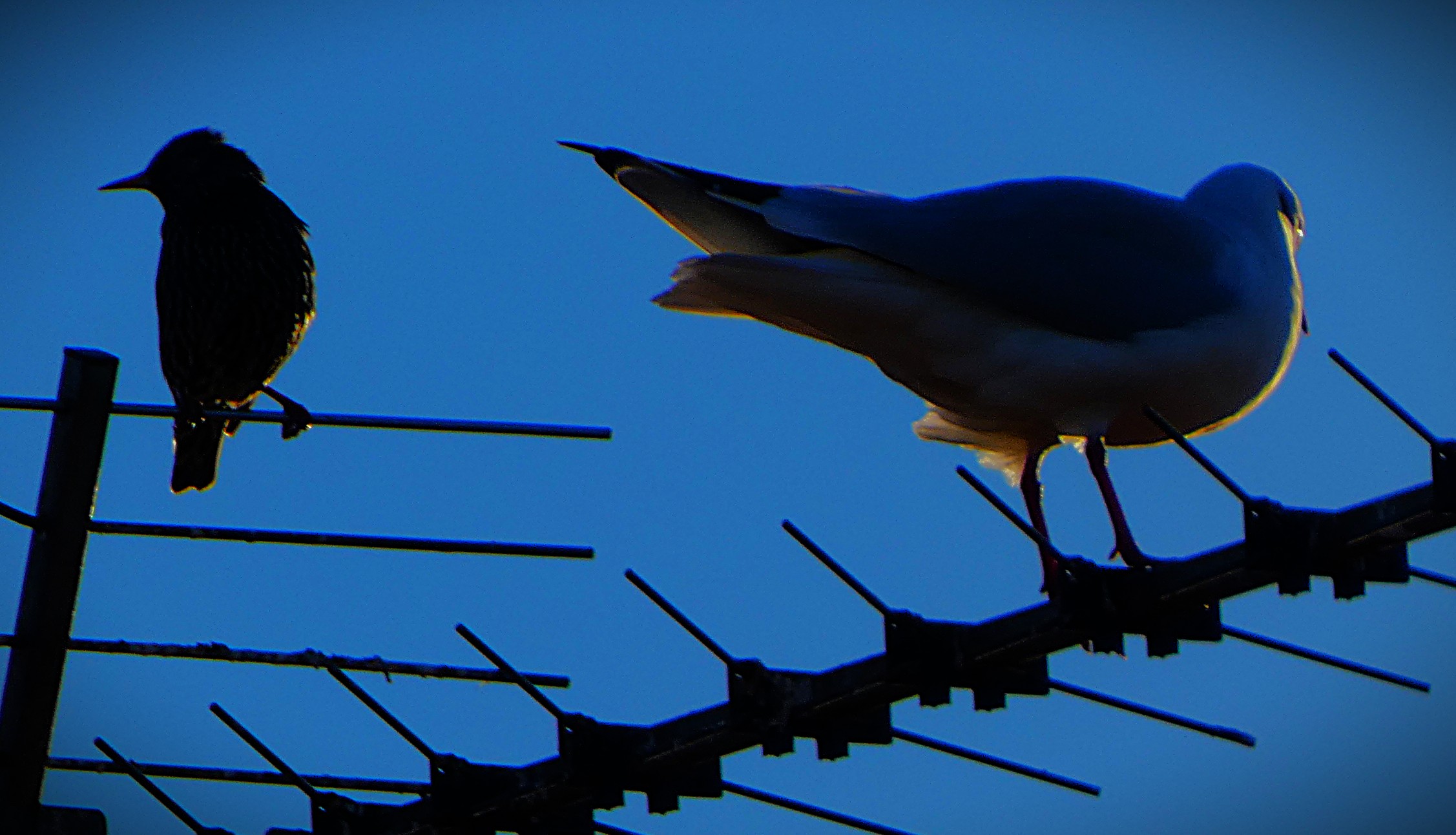
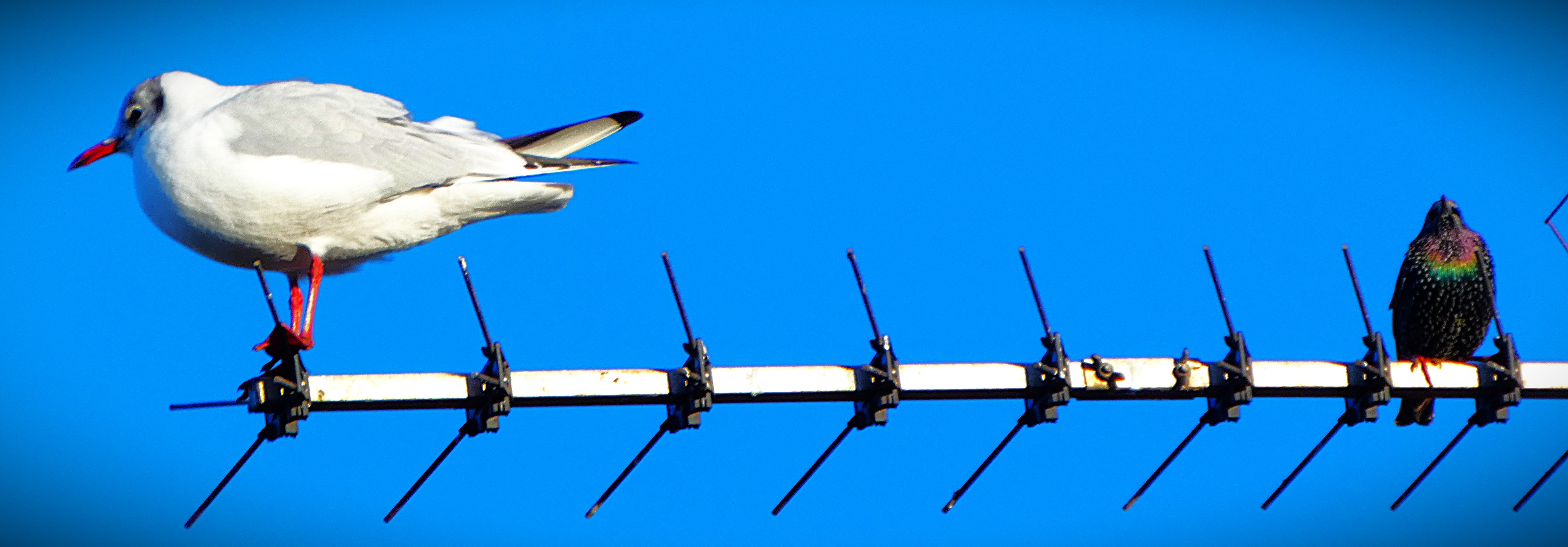
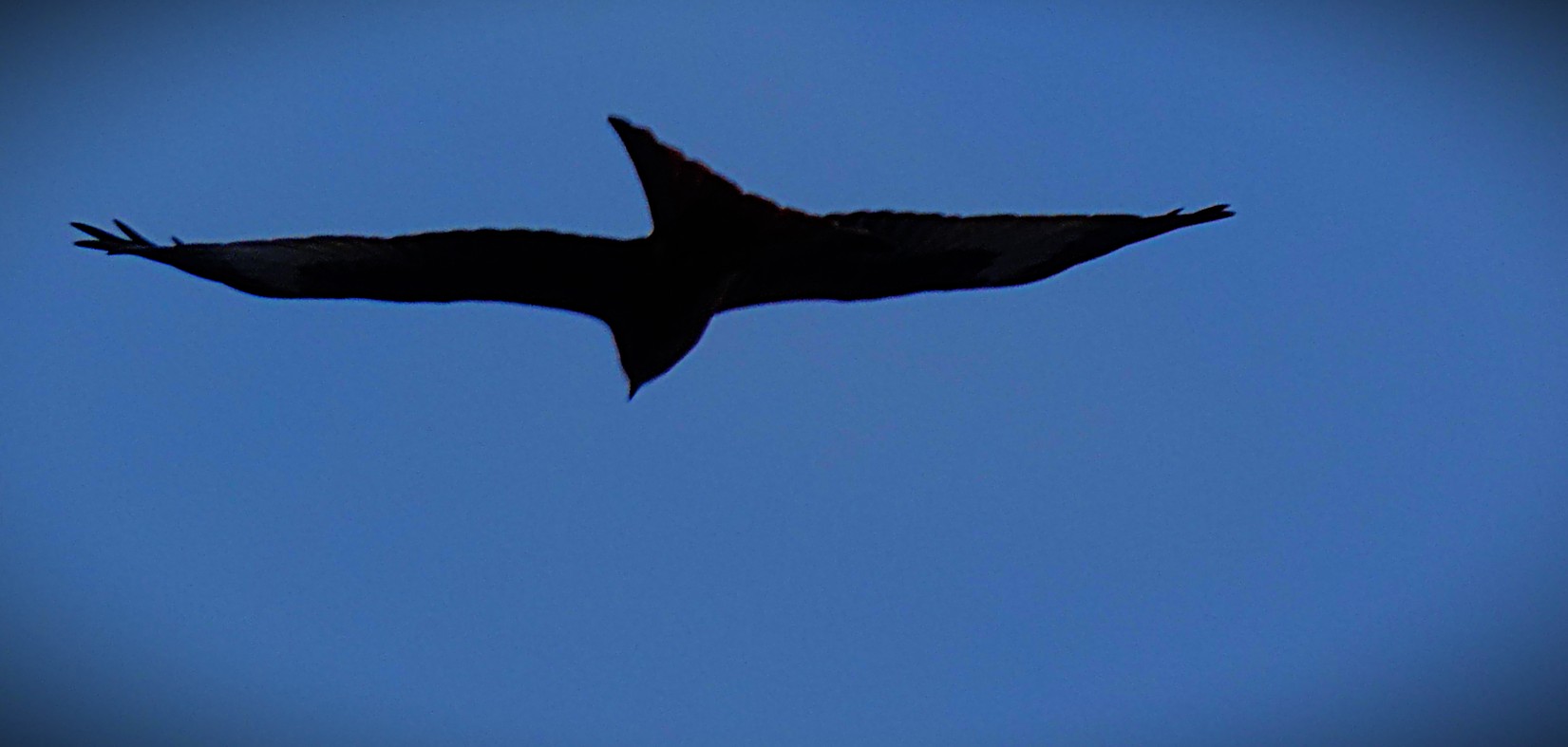
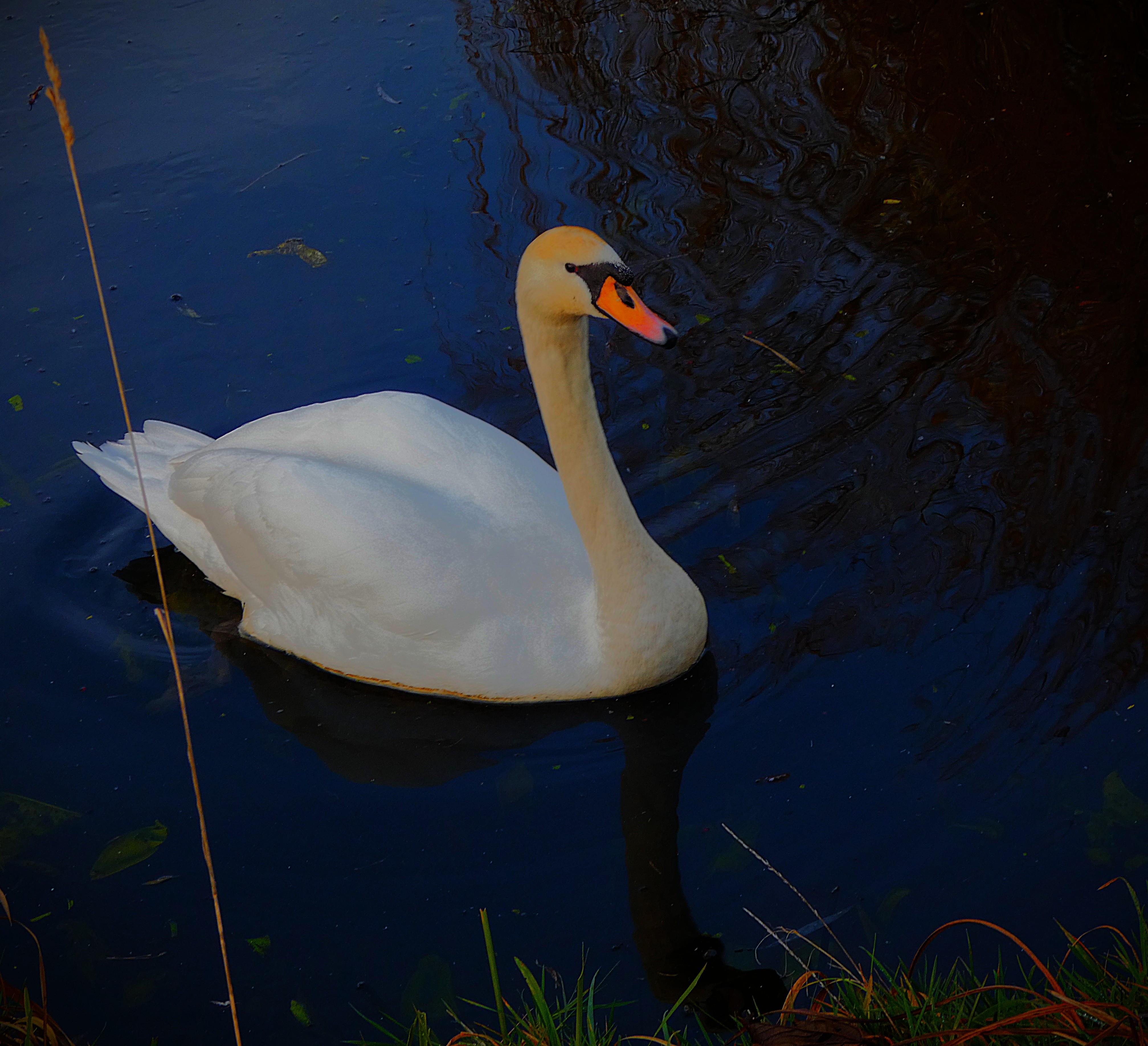
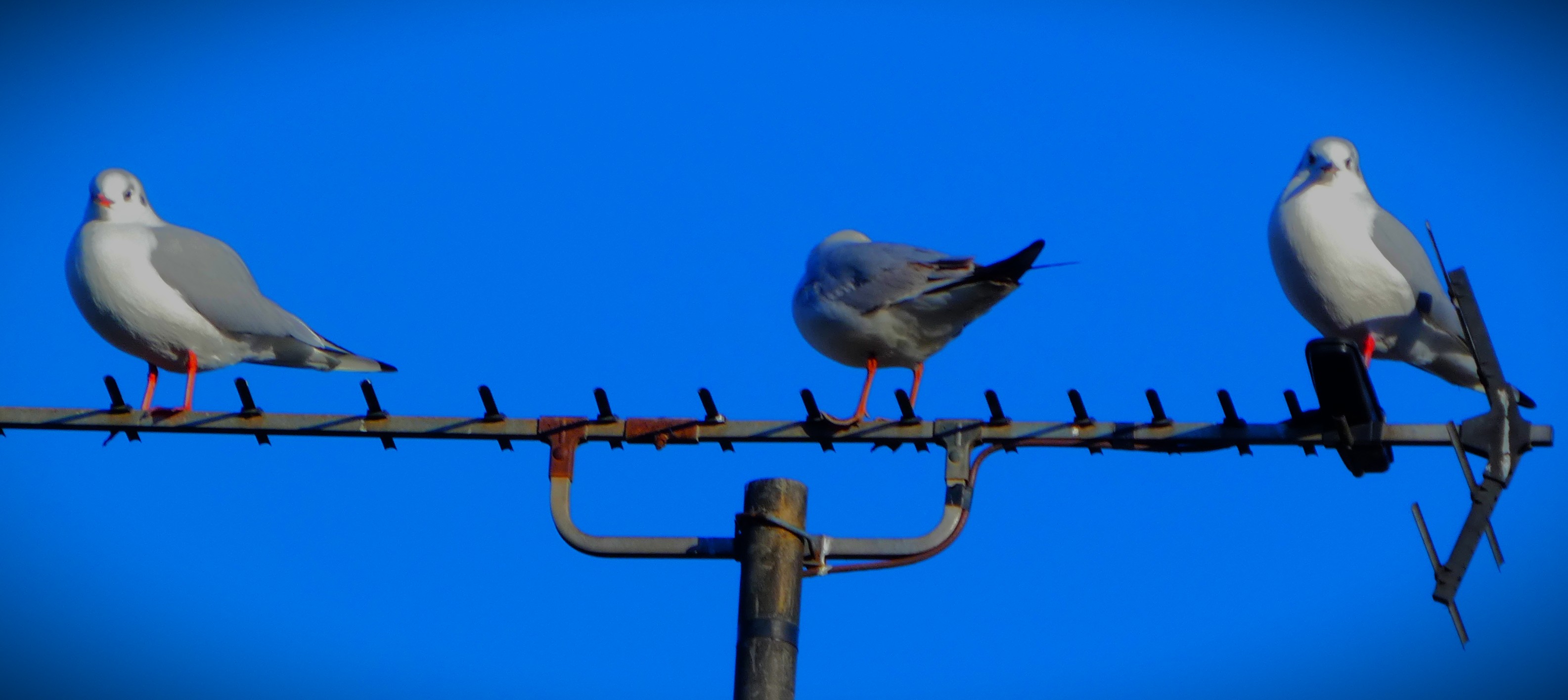
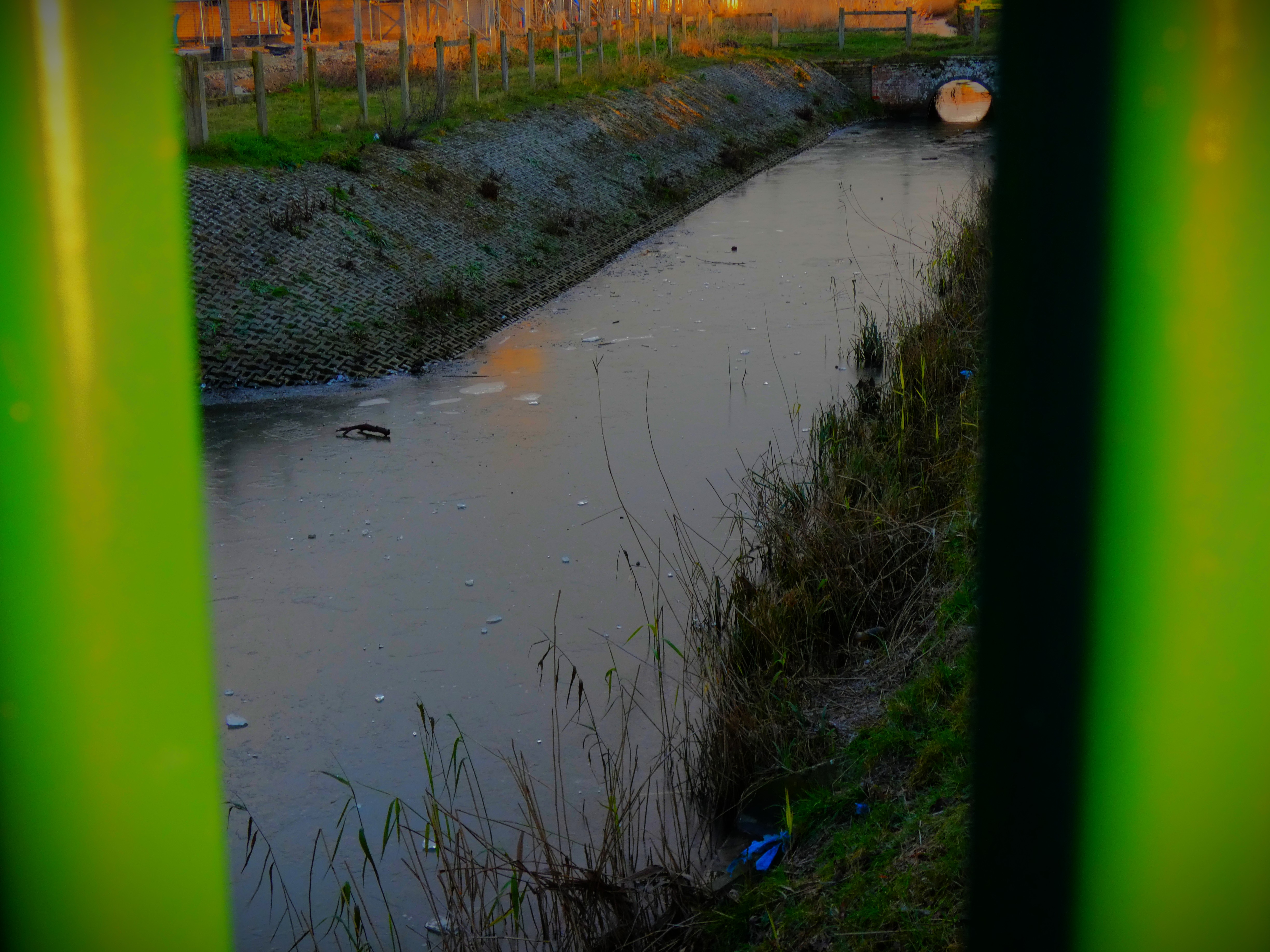
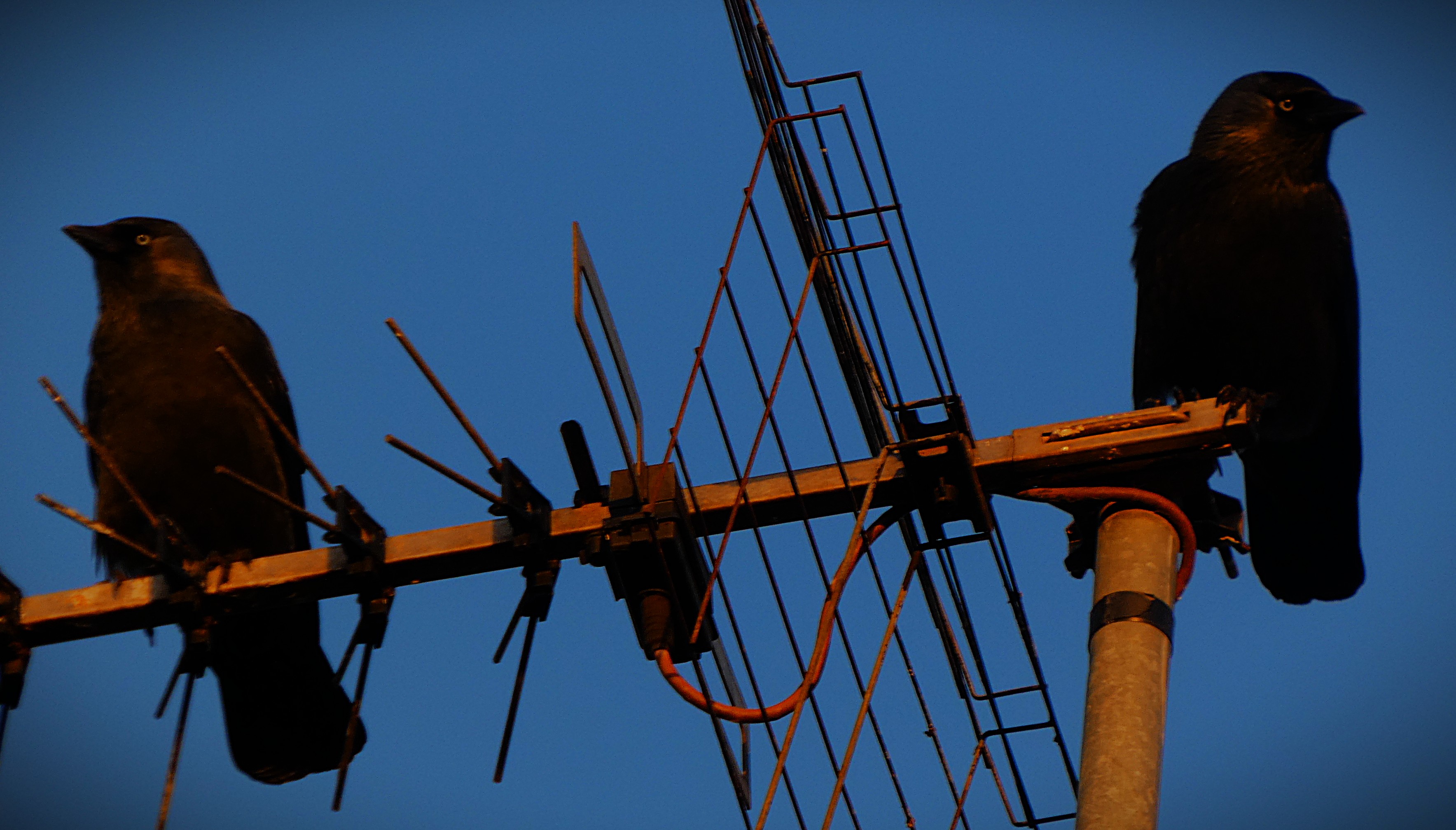
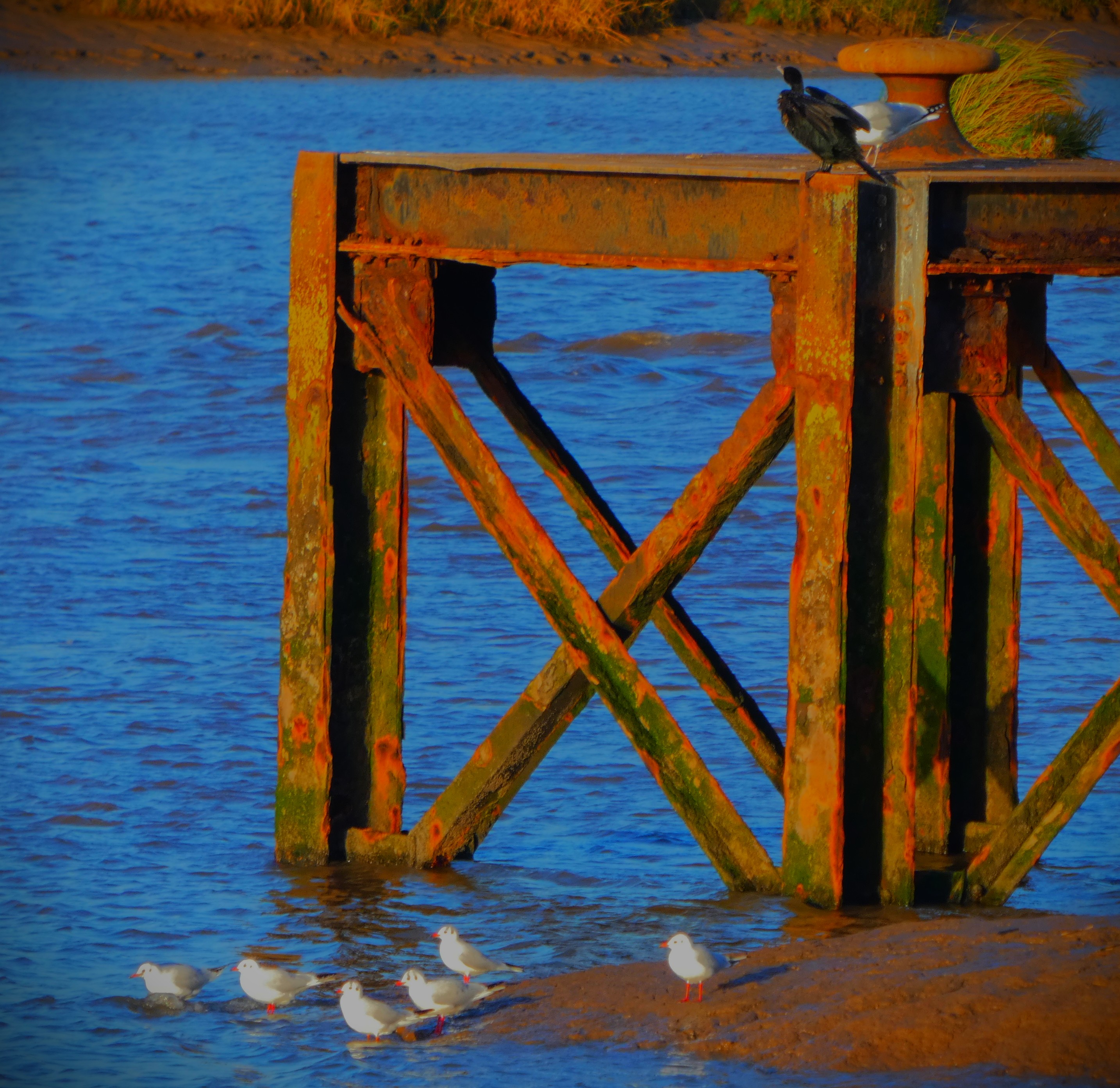
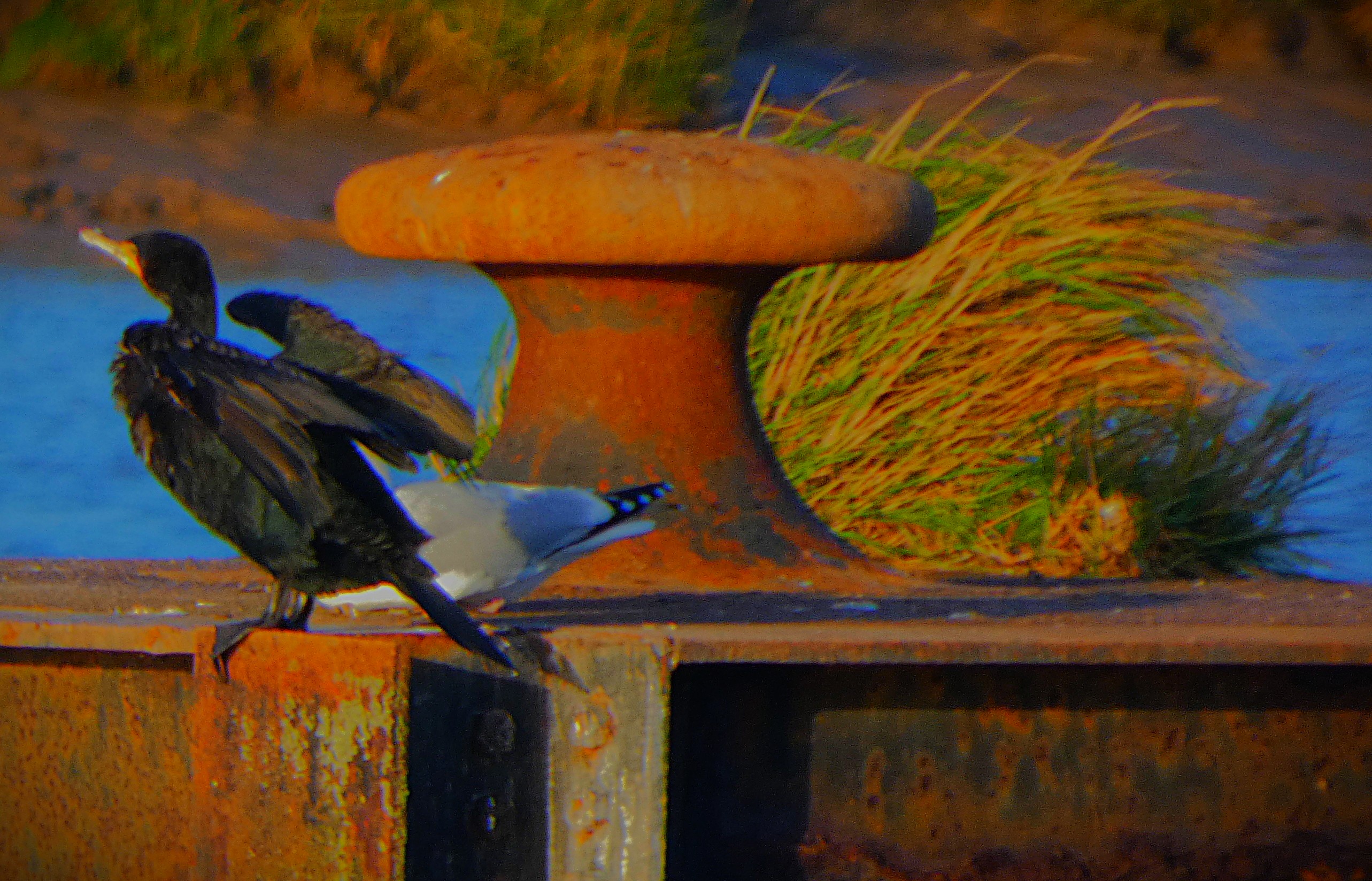
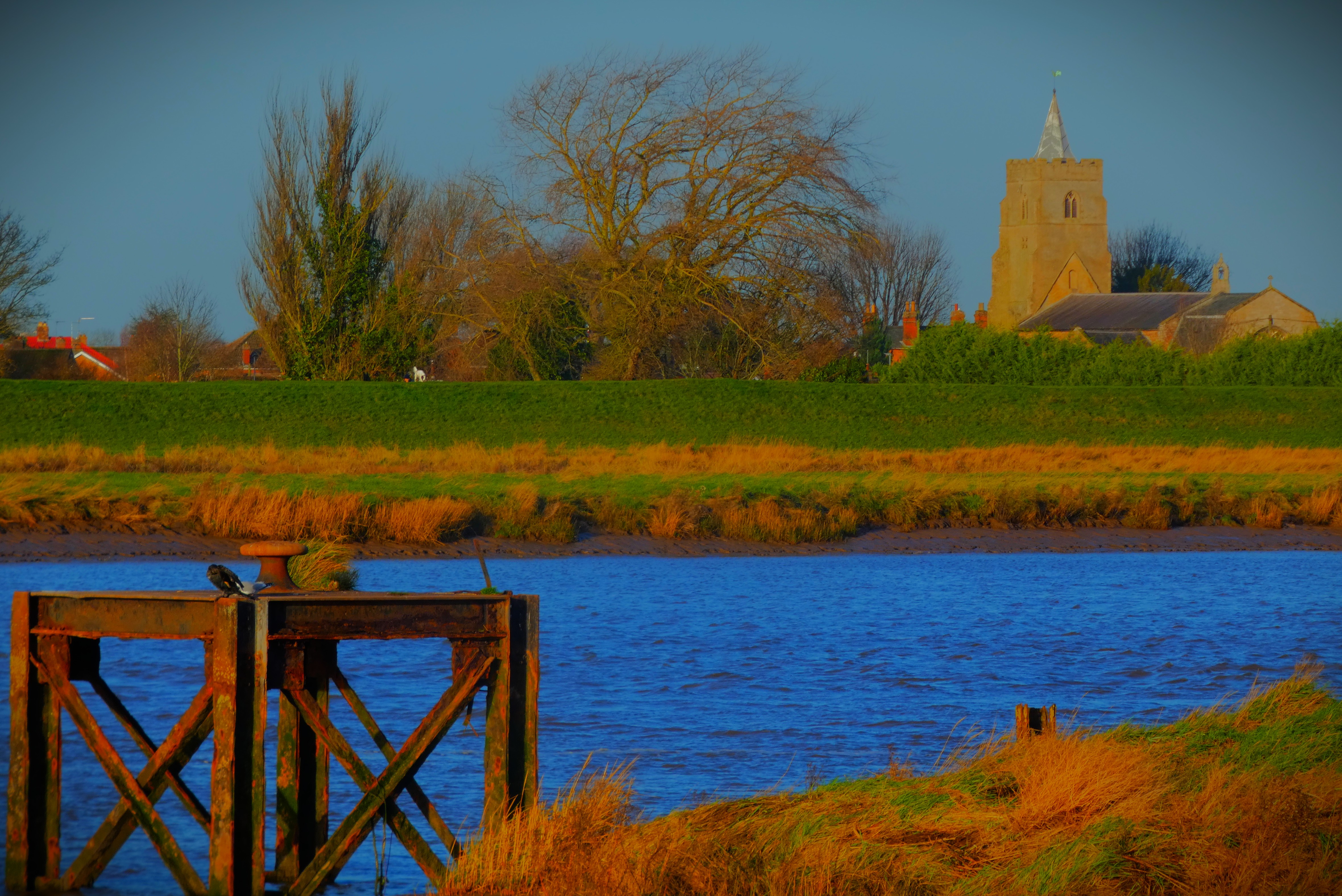
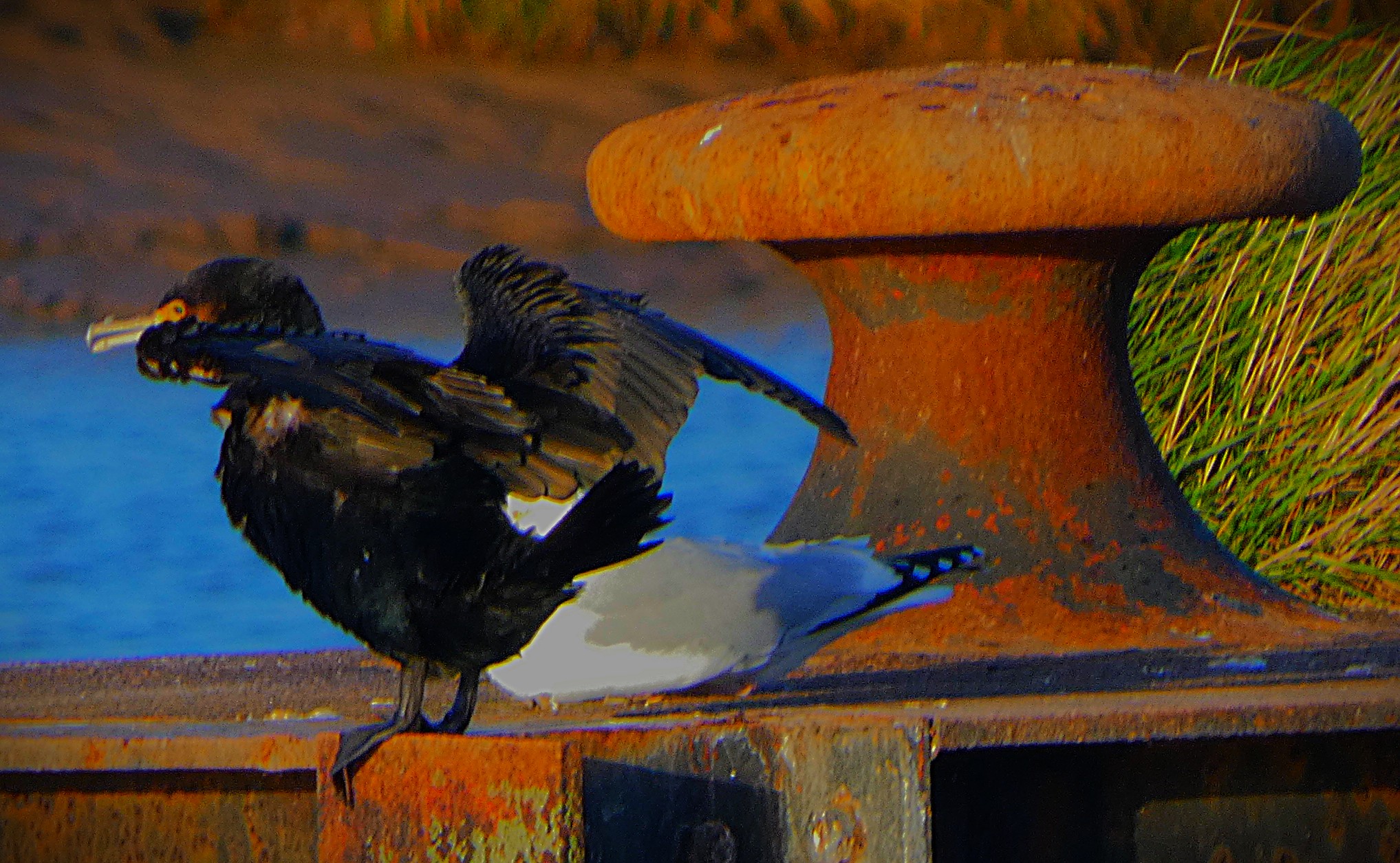
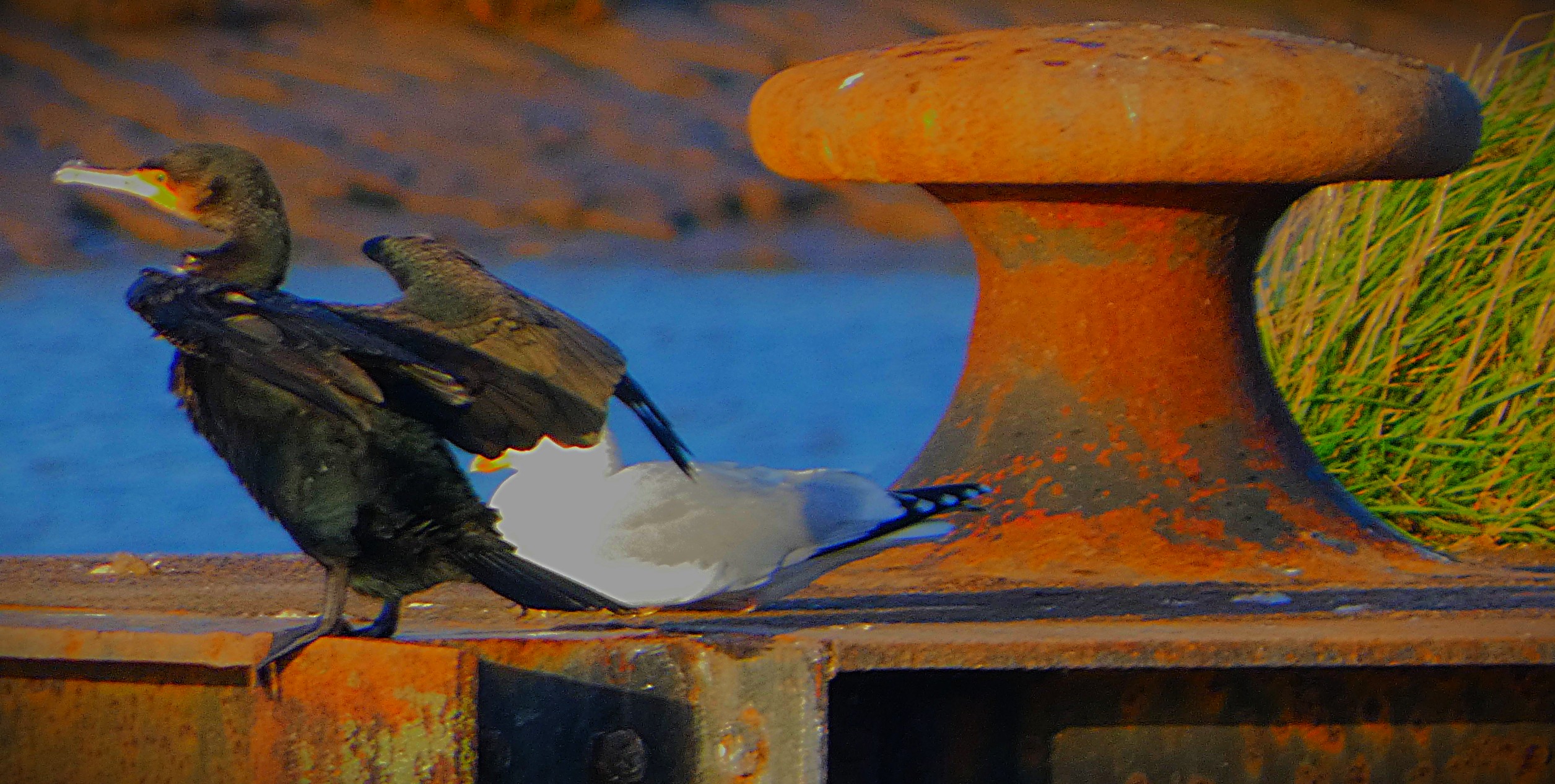
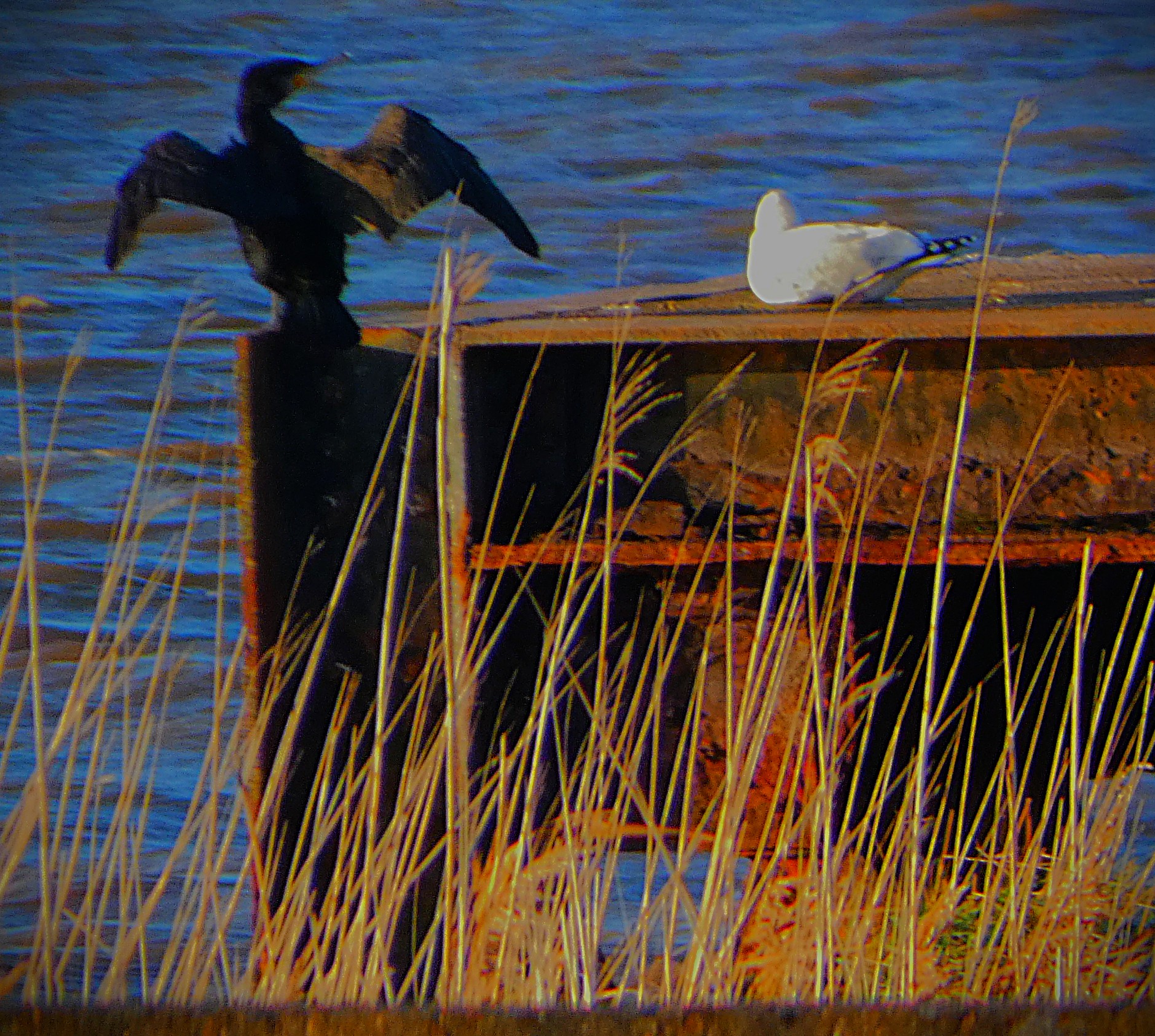
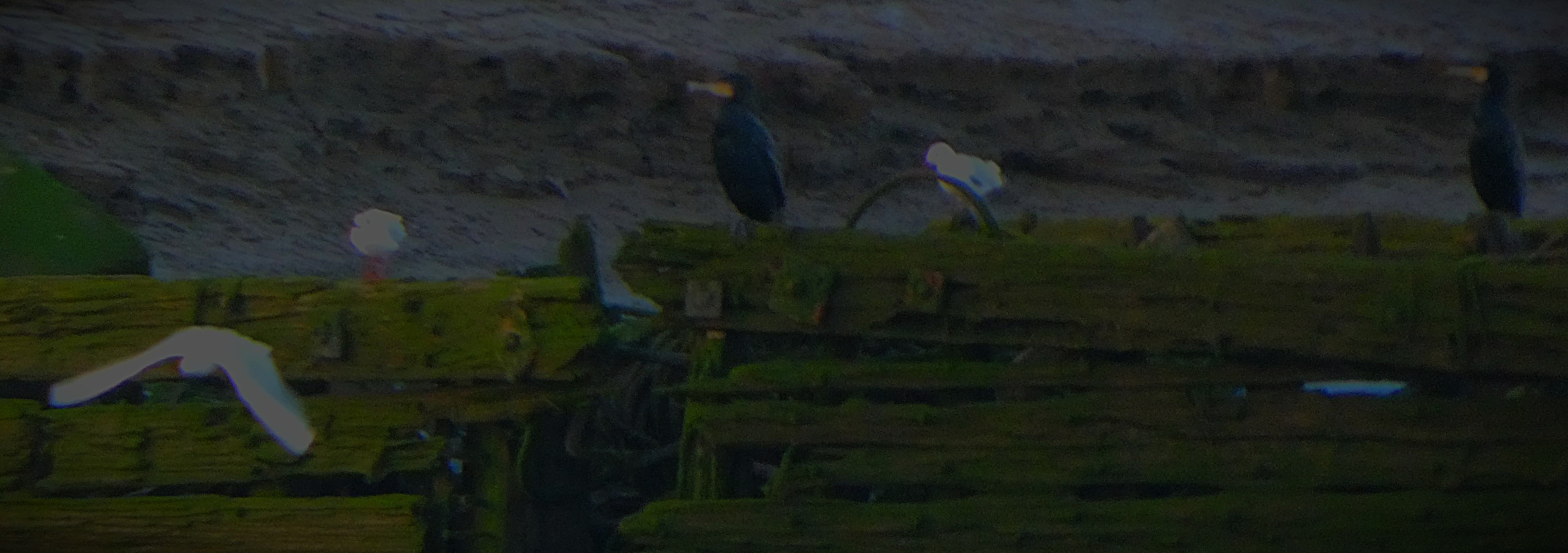
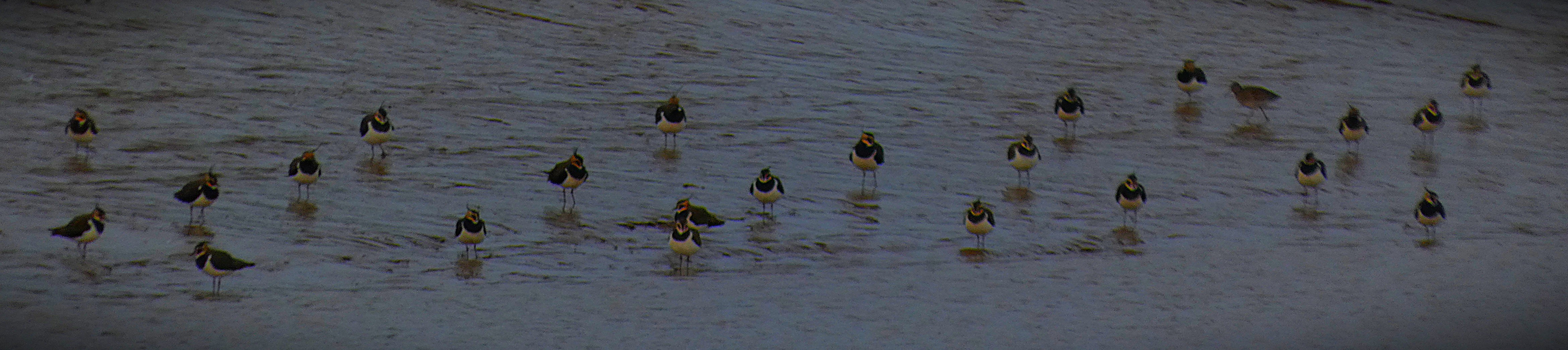
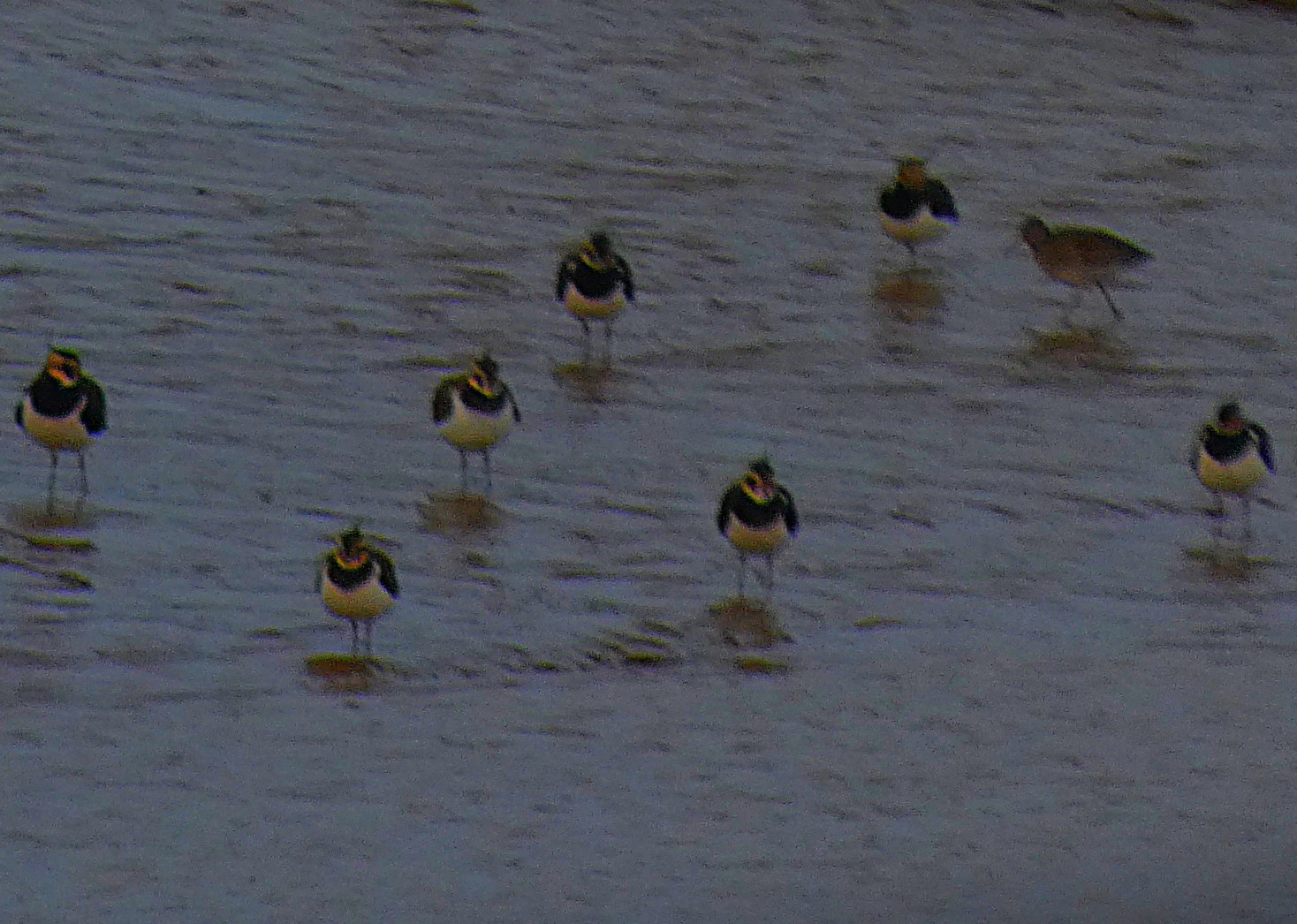
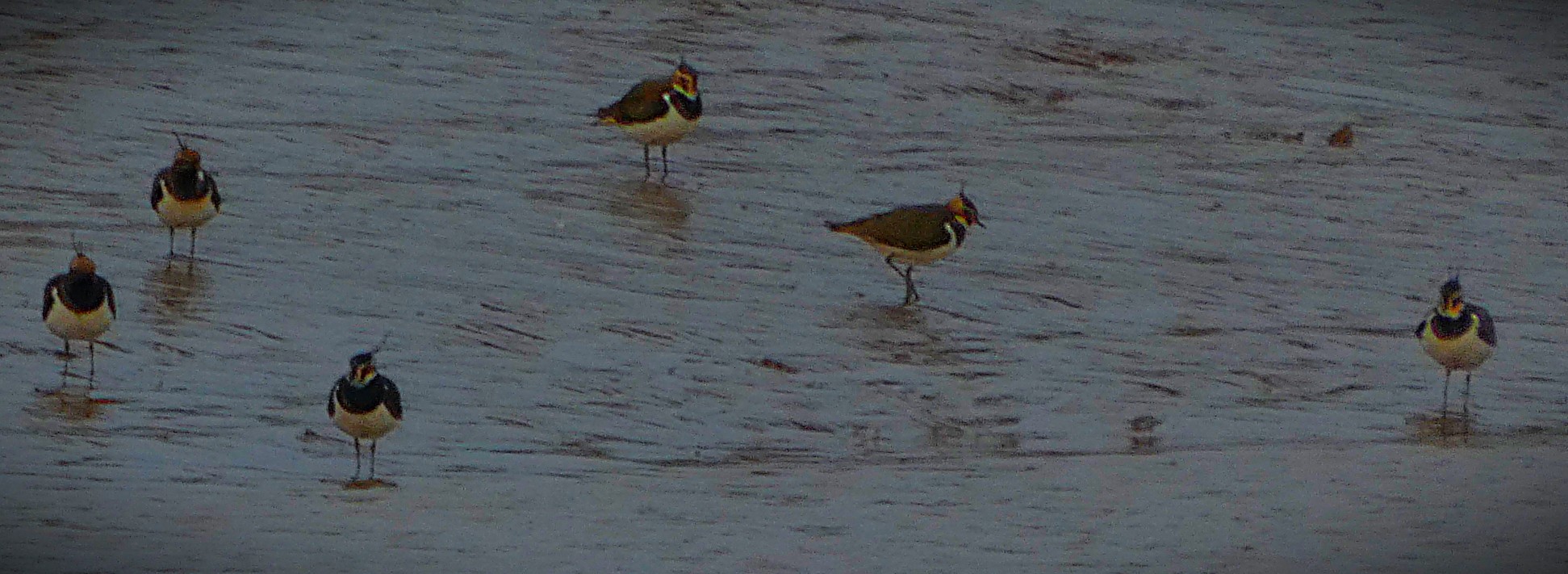
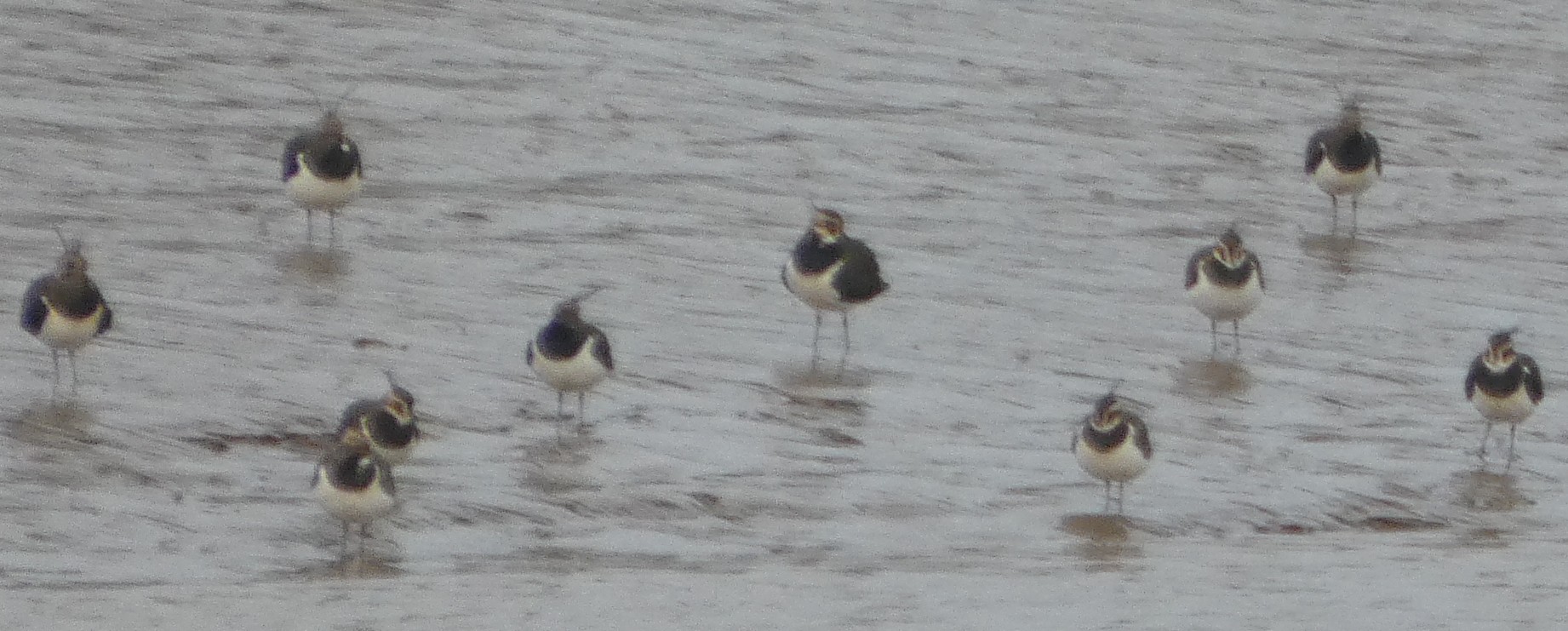
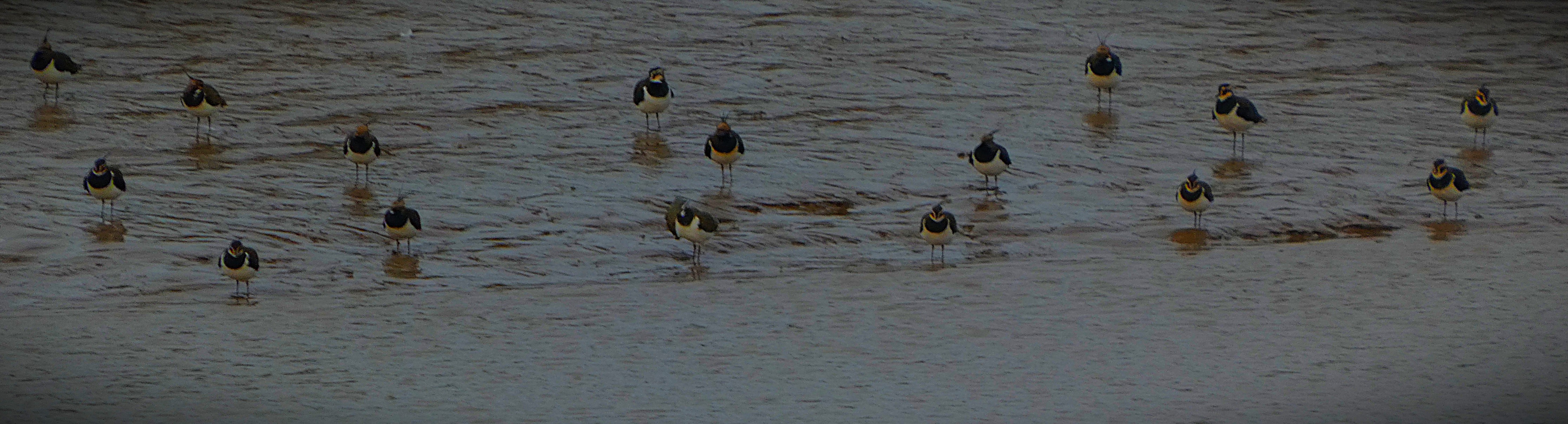
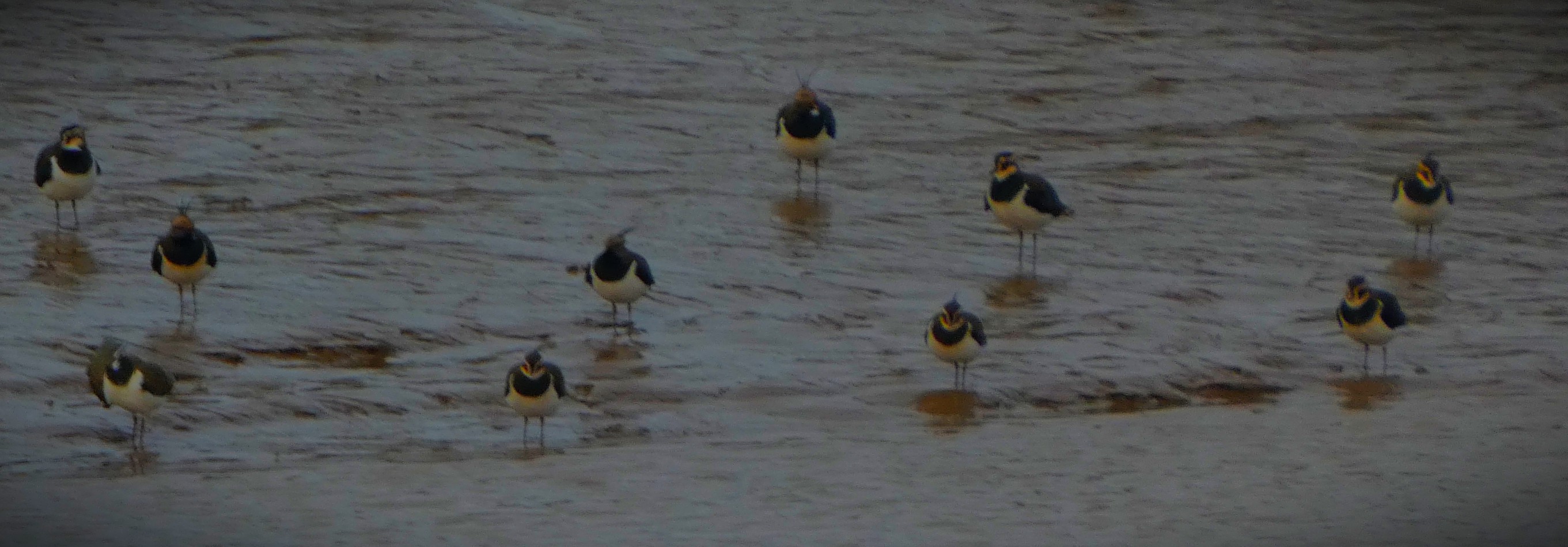
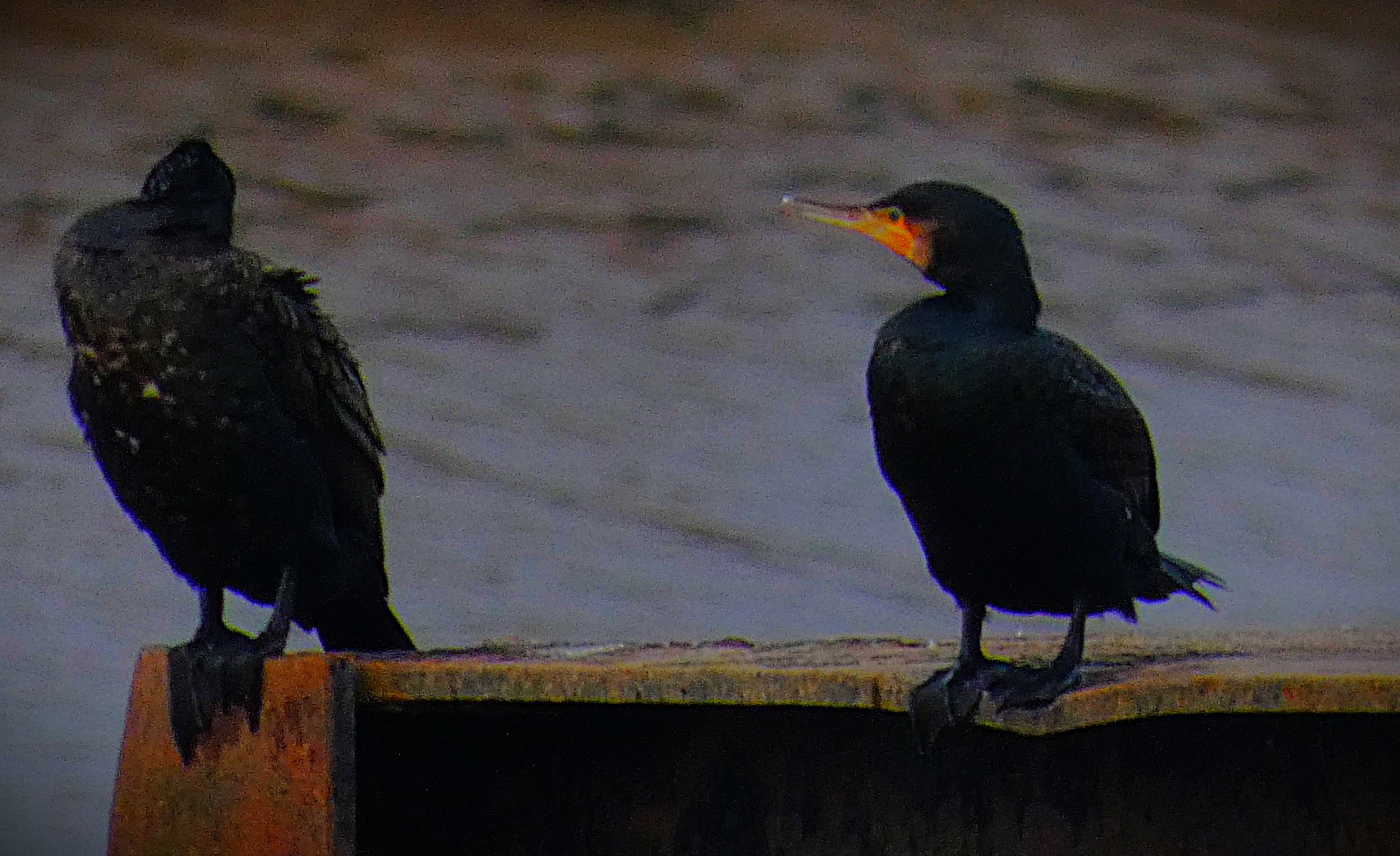
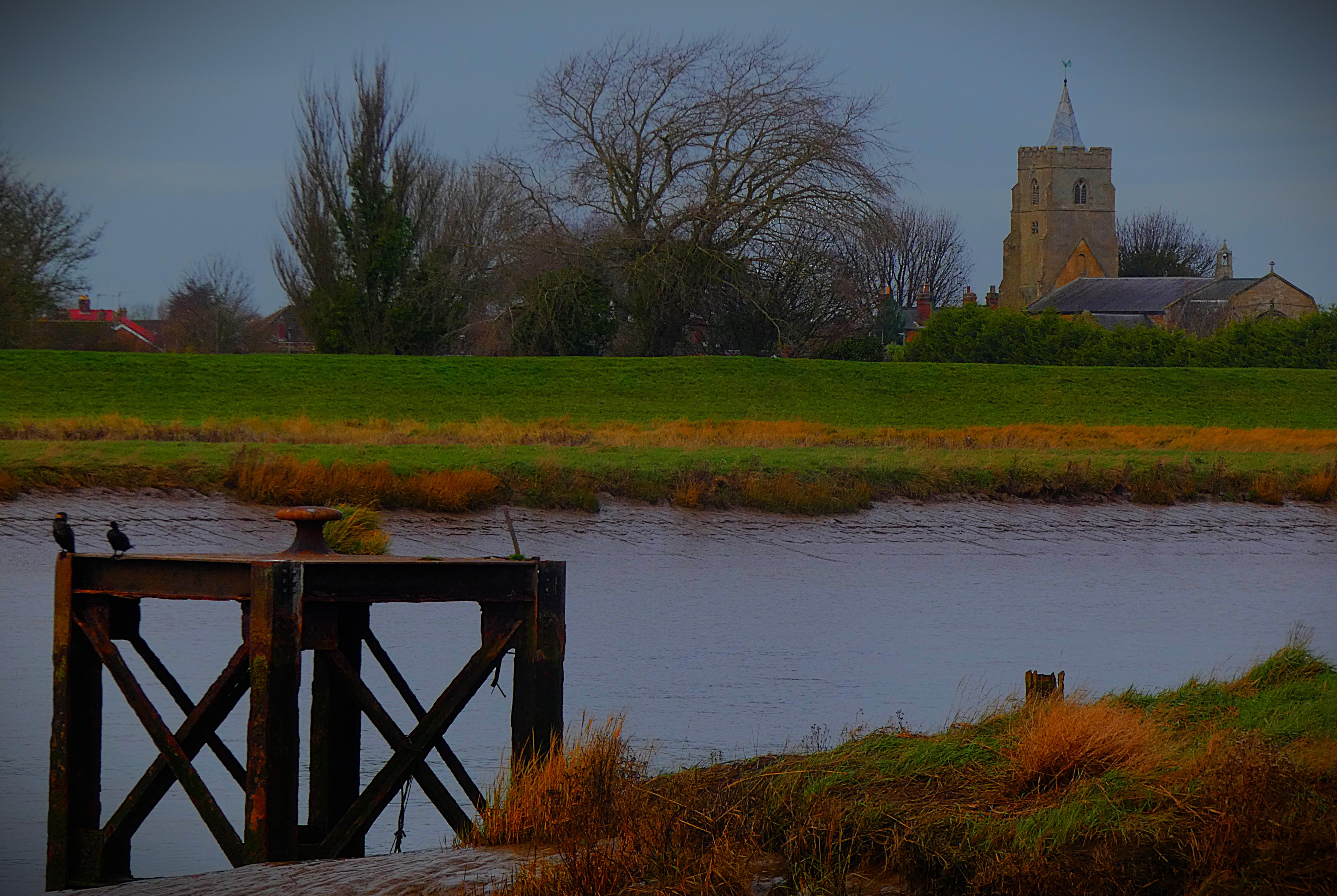
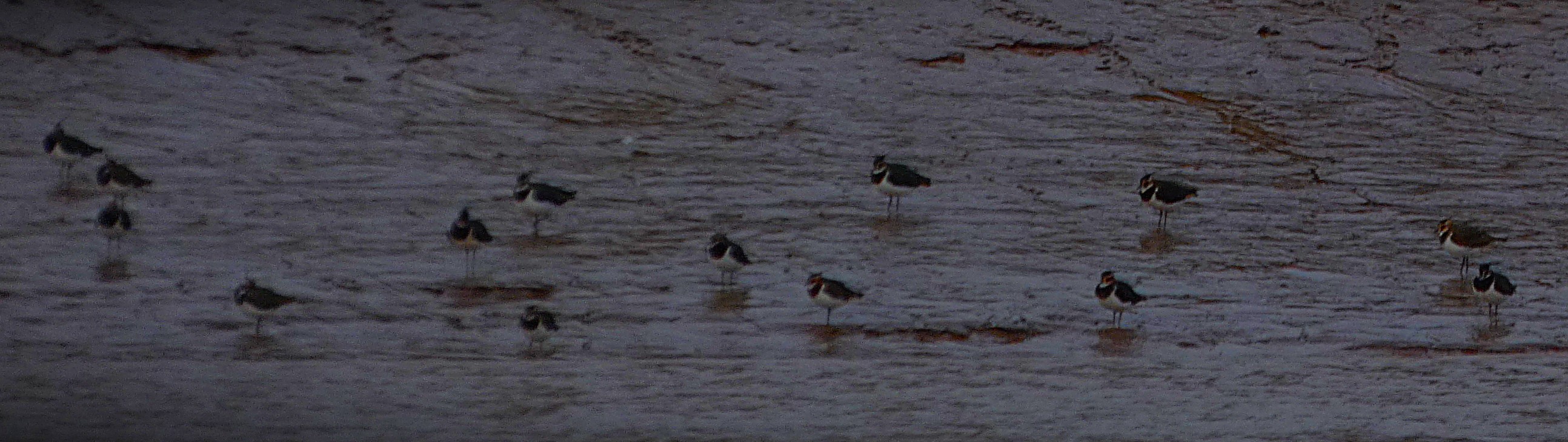
A pair of swans on the Gaywood RiverA purely plant picture – a leaf lying on grass.Three cormorants perched on the structure I have named in their honour, with a large gull in among them.A Little Egret just far enough into the Nar to be reflected back by the water.And just a tad later on the wing.A lapwing at the edge of the Nar.A bracket fungus of some sort fairly high up a big tree. The sculpted sections of the Gaywood, in The Walks, clearly did freeze to some extent (and bear in mind that today has been less cold than Monday or Tuesday and that there was rain overnight).A kite flying above Bawsey drain.
A look back at days two and three at the SCG and a photo gallery.
Before I get into the main meat of this post, the events of days two and three in the fifth Ashes test in Sydney I have some important news from today. On Christmas morning my computer started failing to recognize the existence of WIFI networks, and today I was finally able to take it to a friend in Fakenham who is a professional fixer of computers, and it is once again fully functioning.
AN ENGLAND INNINGS WITH A FAMILIAR PATTERN
England resumed on the second day on 211-3. For much of that second day things looked to be continuing to go their way. Although Jamie Smith suffered the daftest dismissal of the series (even in this series, where that particular field is highly contested it stood out like a sore thumb) just before lunch, slapping a long hop from part timer Marnus Labuschagne straight into deep extra cover’s hands most of the rest of the news for England was good. At 375-6 a very big total looked on, but the last four wickets tumbled for a mere nine further runs. It was still England’s best first innings effort of the series, and what made the whole pattern of this innings so familiar was that it was undergirded by a huge score from Joseph Edward Root. Root’s 160 was his second hundred of the series, and the 41st of his test career.
POOR BOWLING FROM ENGLAND
Having batted reasonably well England proceeded to bowl like drains. By the end of day two Australia were 166-2, with Travis Head in sight of his third century of the series. Matthew Potts, playing his first match since the game in Canberra against the Prime Minister’s XI, and his first first class match since the end of the English season was especially poor, conceding runs rapidly and not looking threatening.
ONE WAY TRAFFIC ON DAY THREE
Travis Head powered on to 163 in the early part of the day. By the close a much more experienced cricketer, Steve Smith, had also cruised past three figures, and Beau Webster, batting at number nine through a combination of a batter heavy original selection and the use of a night watcher the previous evening, supported him impressively in the closing stages, against a tiring bowling unit. Australia closed on 518-7, already 134 to the good, having scored 352-5 on the day. Potts had 0-141 from 25 overs, Carse had claimed three wickets but had also been very expensive. Tongue and Stokes each went at about three an over, and even part time spinners Jacks and Bethell were far less expensive than the two Durham bowlers who had shared the new ball. At their high water mark of 375-6 on the second afternoon England looked well placed, a day and a half later they have every appearance of being deep in a Kimberley diamond mine sized hole.
PHOTOGRAPHS
My usual sign off…
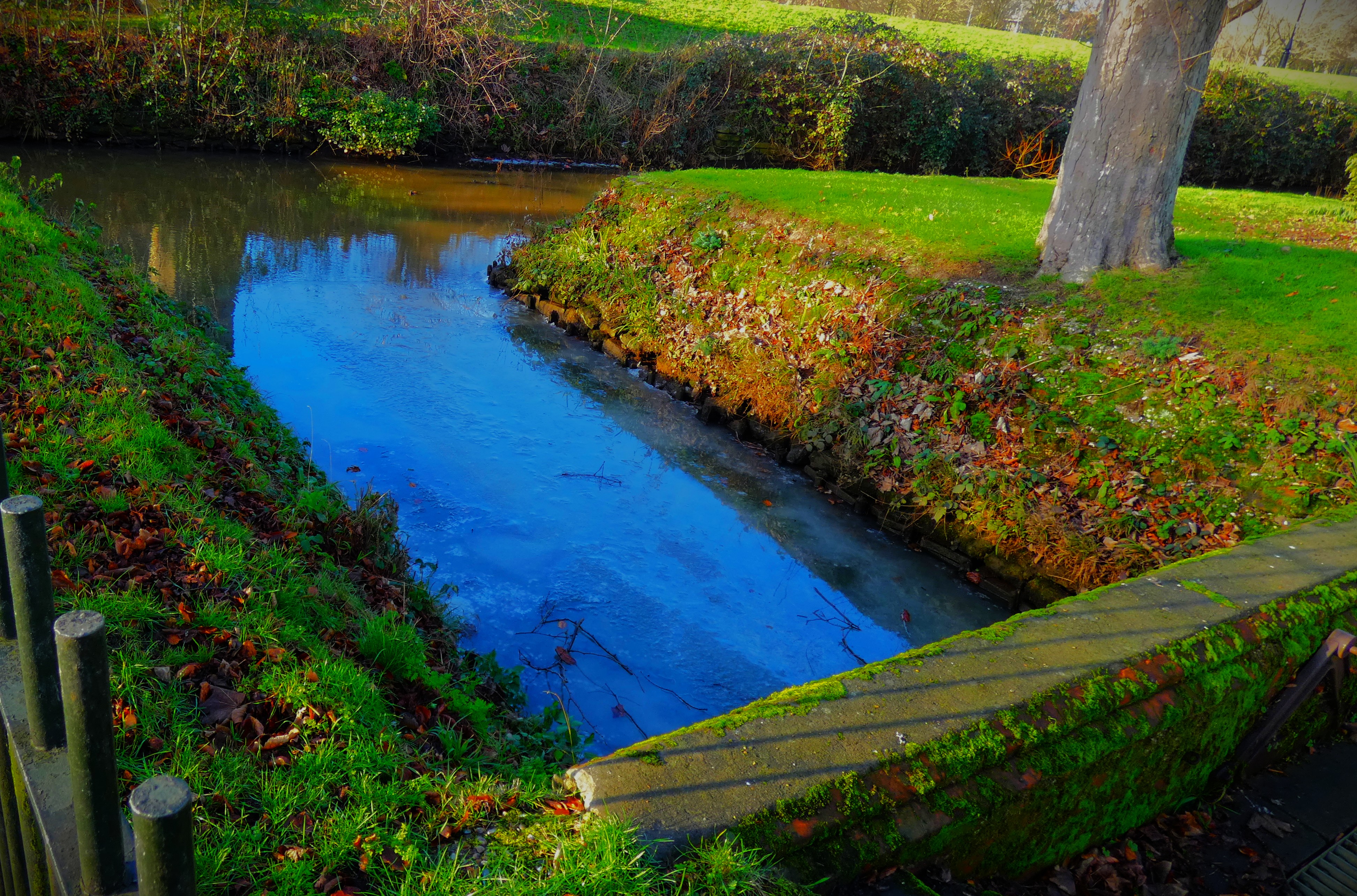
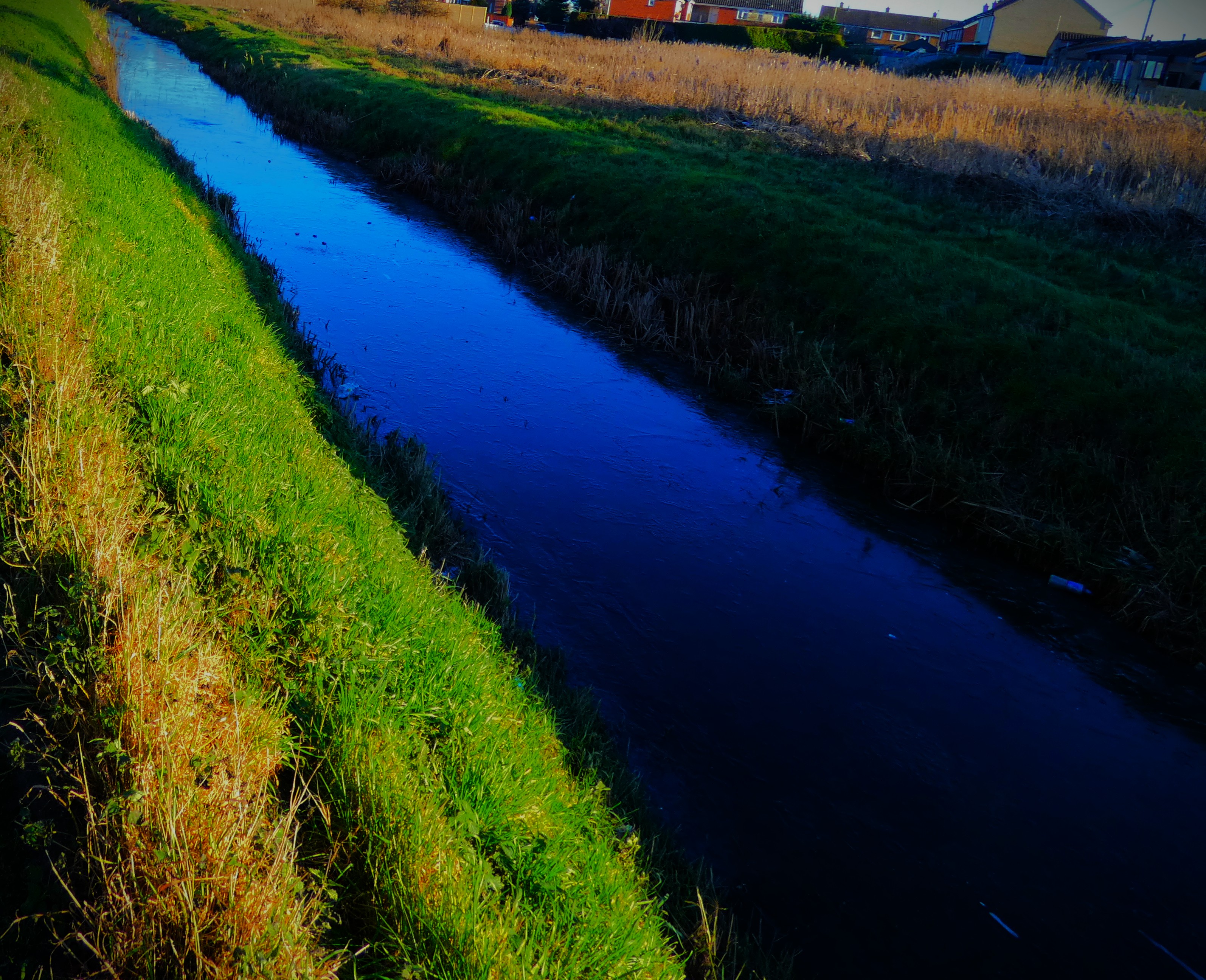
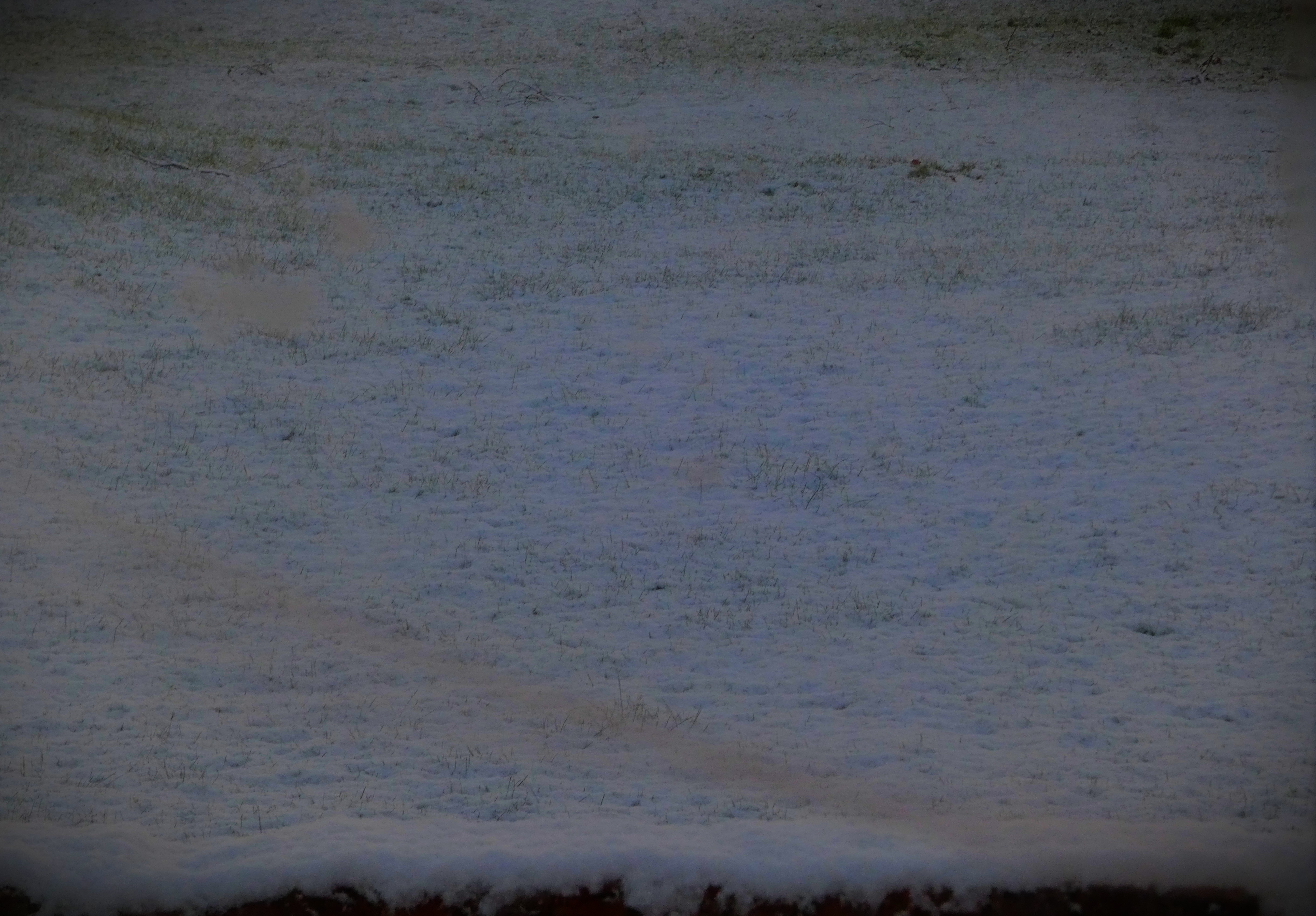
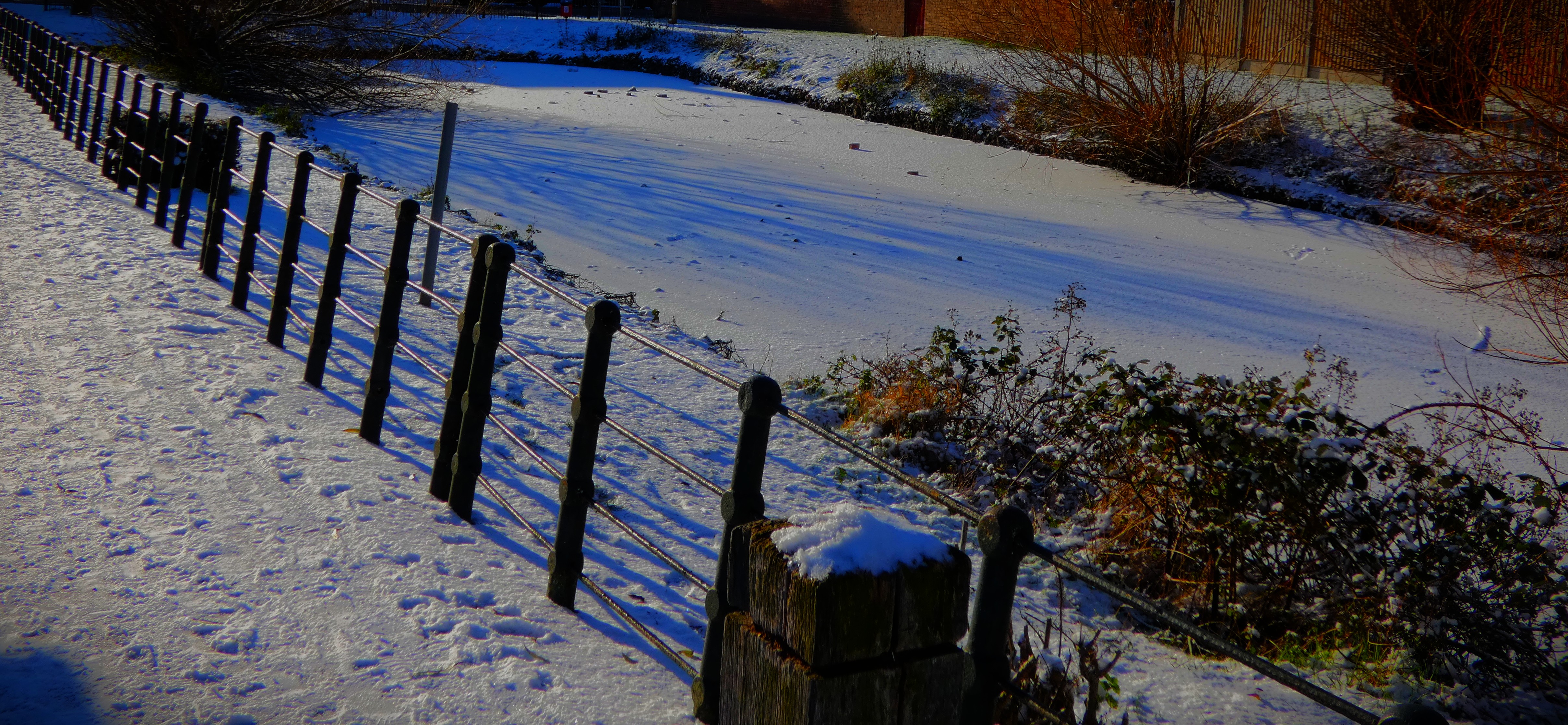
Ice on the surface of a frozen pond (lest the blue skies and evidence of sunshine fool you regarding the weather this January in England).A section of Bawsey Drain, frozen over (the faster flowing Gaywood river has not frozen over, and the Great Ouse is an even less likely candidate for doing so).This snow fell during Sunday night/ early Monday morning, and although there has been no new snow since then it has yet to disappear.A footprint (mine) in the snow.
A look back at the opening day of the final test match of the 2025-6 Ashes at the SCG and a photo gallery.
Late last night UK time the fifth and final test match of the 2025-6 Ashes series got underway at the Sydney Cricket Ground. This post looks back at the day.
THE PRELIMINARIES
Gus Atkinson was unavailable for England due to injury, and Matthew Potts was named as his replacement. This was England’s only change from the side that had won the Boxing Day test match in Melbourne, which meant that Shoaib Bashir, fast tracked into the England ranks due to the fact that his height would enable him to generate extra bounce, an asset that should make itself especially felt on Australian surfaces, would end up not playing a match in the entire series. Ben Stokes won the toss and opted to bat first.
THE GOOD, THE BAD AND THE FRUSTRATING
The bad element of the day came first, with England losing three wickets, Duckett (who has had a wretched series) for 27, Crawley for 16 and Bethell for 10. That was 57-3. and brought the two Yorkshiremen, Joe Root and Harry Brook together. This pair proceeded to bat beautifully until just before tea when it rained, sending the players in. In the event there was no further cricket in the day, though the commentators were absolutely adamant that there could and therefore should have been – it was dry for most of the evening session. Possibly, with most matches so far this series having not gone the distance, and two having finished in two days each the home side wanted as many days play as possible in Sydney and the local ground staff did not exactly bust a gut to get play back underway. The score at the end of a truncated day was 211-3, Brook 78 not out, Root 72 not out, and a wicket a piece for Starc, Neser and Boland.
PHOTOGRAPHS
My usual sign off…
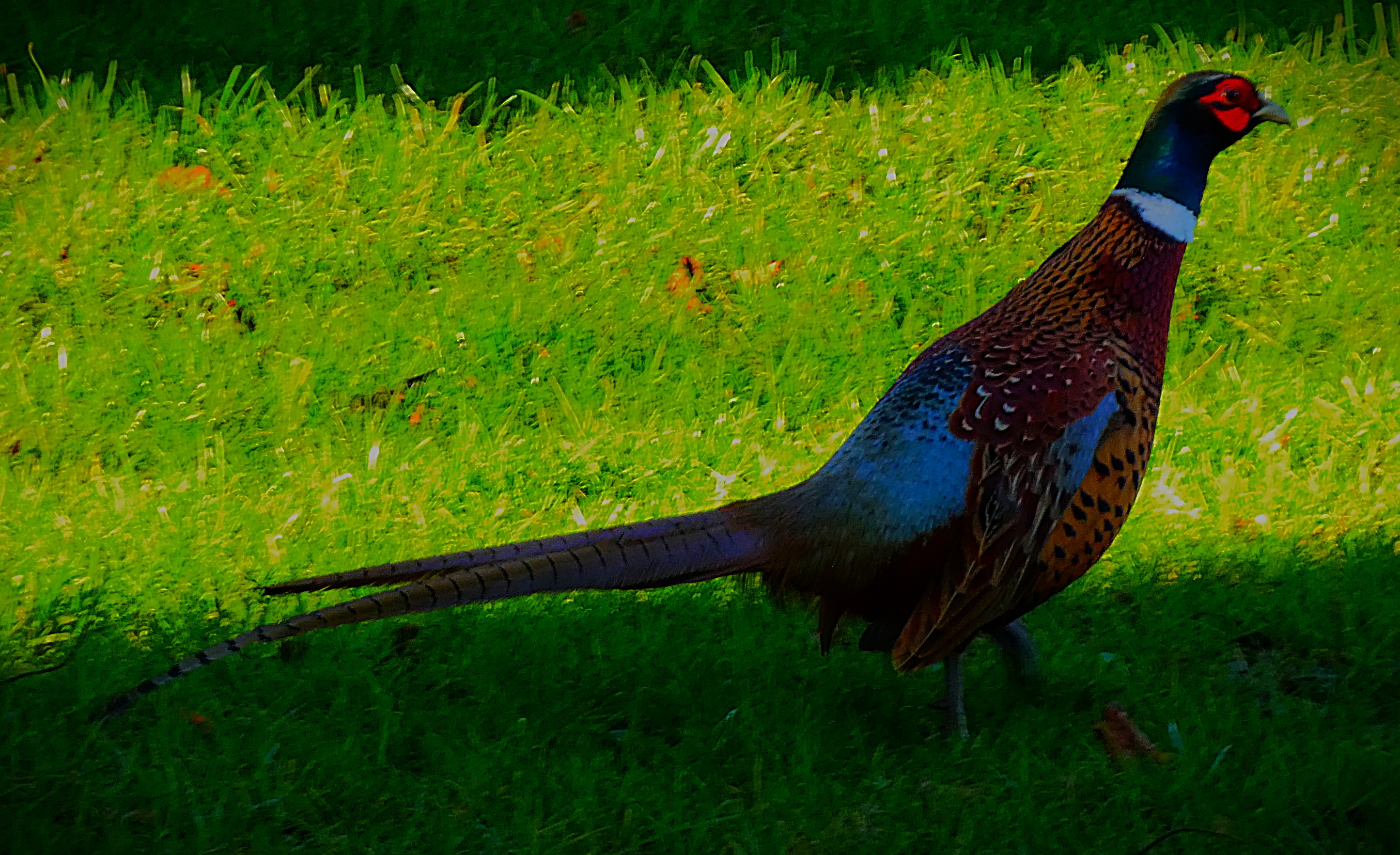
Not a common sight for a town centre location – a pheasant outside St Nicholas Chapel
A look back at days two and three of the test match in Brisbane, some comments regarding the makeup of the England side, and a photo gallery.
This post looks back at days two and three of the test match in Adelaide that is currently in progress.
DAY 2
England took far too long to dispose of the last two Australian wickets, allowing them to boost the total to 371. Australia then did what England had signally failed to do: bowl properly. The best one can say about England’s efforts in the face of a very good bowling performance from Australia is that at least on this occasion they were in general got out rather than giving their wickets away. The chief exception was Ollie Pope, whose shot against Nathan Lyon was gruesomeness personified. The bowler, returning after missing Brisbane, an omission about which he was in his own words “filthy” could not be sure how things would go for him. Pope hit the veteran off spinner’s very first ball straight to midwicket to depart for 3. That brought Lyon level with McGrath on 563 scalps, and a few moments later he was alone as Australia’s second most prolific test wicket taker ever behind Warne when he bowled Ben Duckett. Brook batted with greater responsibility than he had shown in the first two matches (it would have been hard for him to show less) to accrue 45, at a still reasonable speed. Stoked dug in for the long haul, and before the close of this day, Archer, a five-for already to his name found himself in action with the bat. England ended on 213-8, 158 adrift.
DAY THREE
England began well, staging a significant batting revival of their own, with Archer clocking up a maiden test 50 and Stokes battling on to 83. They managed 286, a deficit of 85. Sadly that was the last good news for England. The rest of the day was dominated by Travis Head, scoring his second ton of the series (England have one such score between them, from Root in Brisbane, for this series). Australia soon realized that other than Archer the England bowling contained zero threat. Will Jacks, again used as a stock spinner, ended the day with 1-107 from 19 overs (for comparison Lyon, a genuine bowler, had 2-70 from 28 overs in England’s innings, which is what proper stock bowling looks like). This is not an attack on Jacks, a fine cricketer but not, repeat not, a front line spinner. He is a good batter and an occasional bowler, and England sticking him in at number eight as a supposed front line bowler was a poor call – and it is England against whom my ire is directed. In the first innings Jacks had 2-105 from 20 overs. The last bowler to concede 100 or more in each innings of an Ashes match before this was Shane Warne, in a game in which he captured 12 wickets, and the last English bowler to do so was Ian Botham at The Oval in 1981, when he took 11 wickets. Jacks at the moment has 3-212 for the match. Usman Khawaja scored 40, but Head’s best support came from Alex Carey who followed his first century by reaching 52 not out. Australia were 271-4 at the close, 356 ahead, with Head 142 not out.
LOOKING AHEAD
After the close of play England’s spin bowling coach Jeetan Patel acted as spokesperson for the team. In a moment that brought to mind (at least to my mind) the ‘many worlds‘ view espoused by certain cosmologists Patel told those listening that Jacks had not bowled badly today. There may indeed be an alternate universe in which Jacks did not bowl badly (possibly even one in which he actually bowled well), but in the universe in which this match was played and in which I was listening his 1-107 from 19 overs was not an unfair reflection on his bowling. It is not Jacks’ fault – he was put in to a job that he does not do even at domestic level, which is the fault of those making that call, but Jeetan Patel did himself no favours by producing such a blatant porky. Unless miracles happen on days four and five England will move on to the Boxing Day test having already surrendered both Ashes and series. Two players who cannot be allowed to keep their places based on the evidence so far available are Pope and Carse. I would replace Carse with Matt Potts, a crafty fast-medium in place of a brainless pacer. As for Pope I would use the necessity of dropping him to change the balance of the side, by bringing in Bashir. The number three slot could go either to Jacks, a top order batter for Surrey, or Stokes could move up and take on that crucial position himself. To win a test match in general you need to take 20 wickets. At Perth and Brisbane England managed 12 wickets each time. They have taken 14 so far here, but the only way they will make it to all 20 is if Australia decide that there is so much time left in the match they need not bother to declare.
PHOTOGRAPHS
My usual sign off…
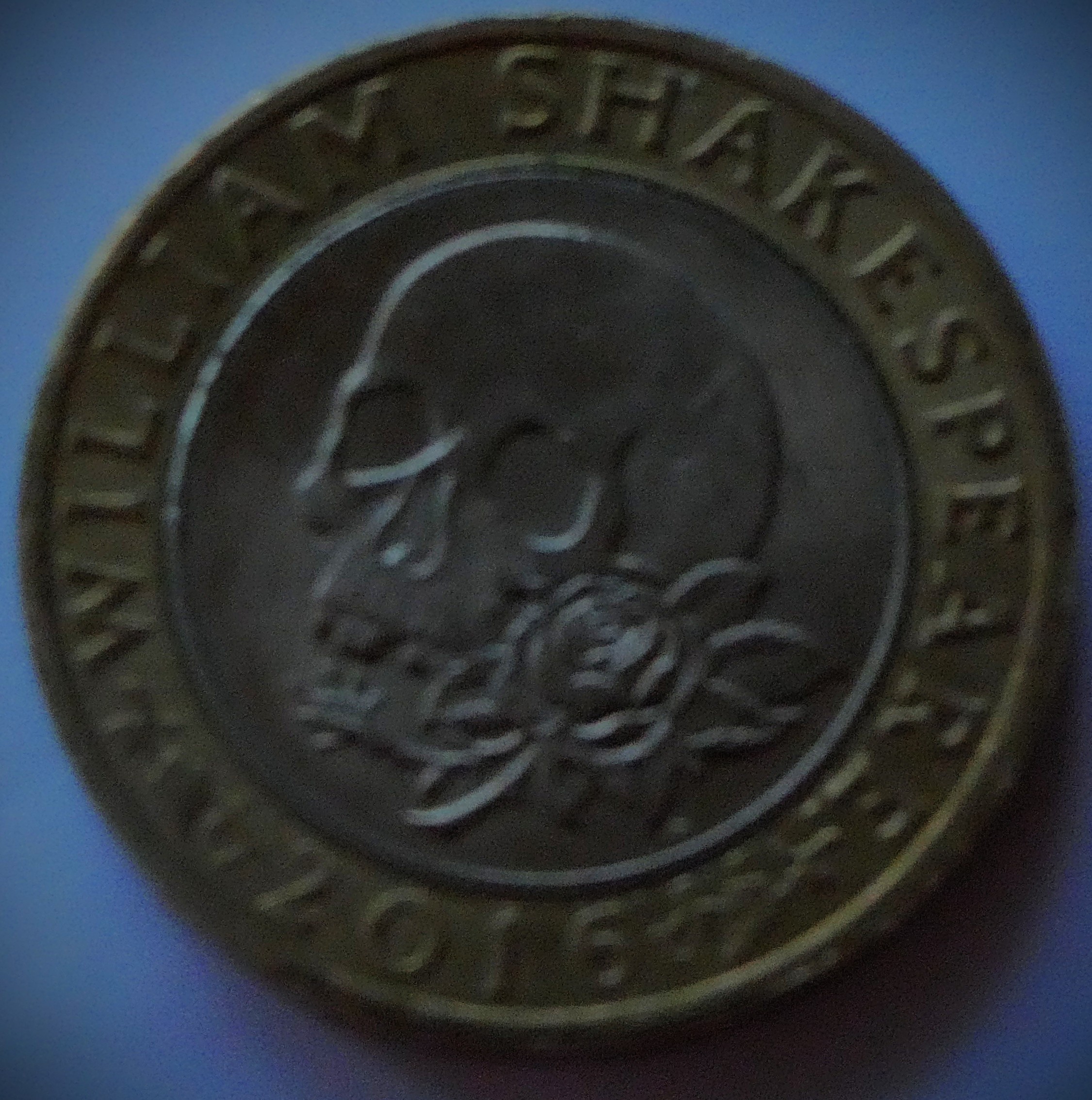
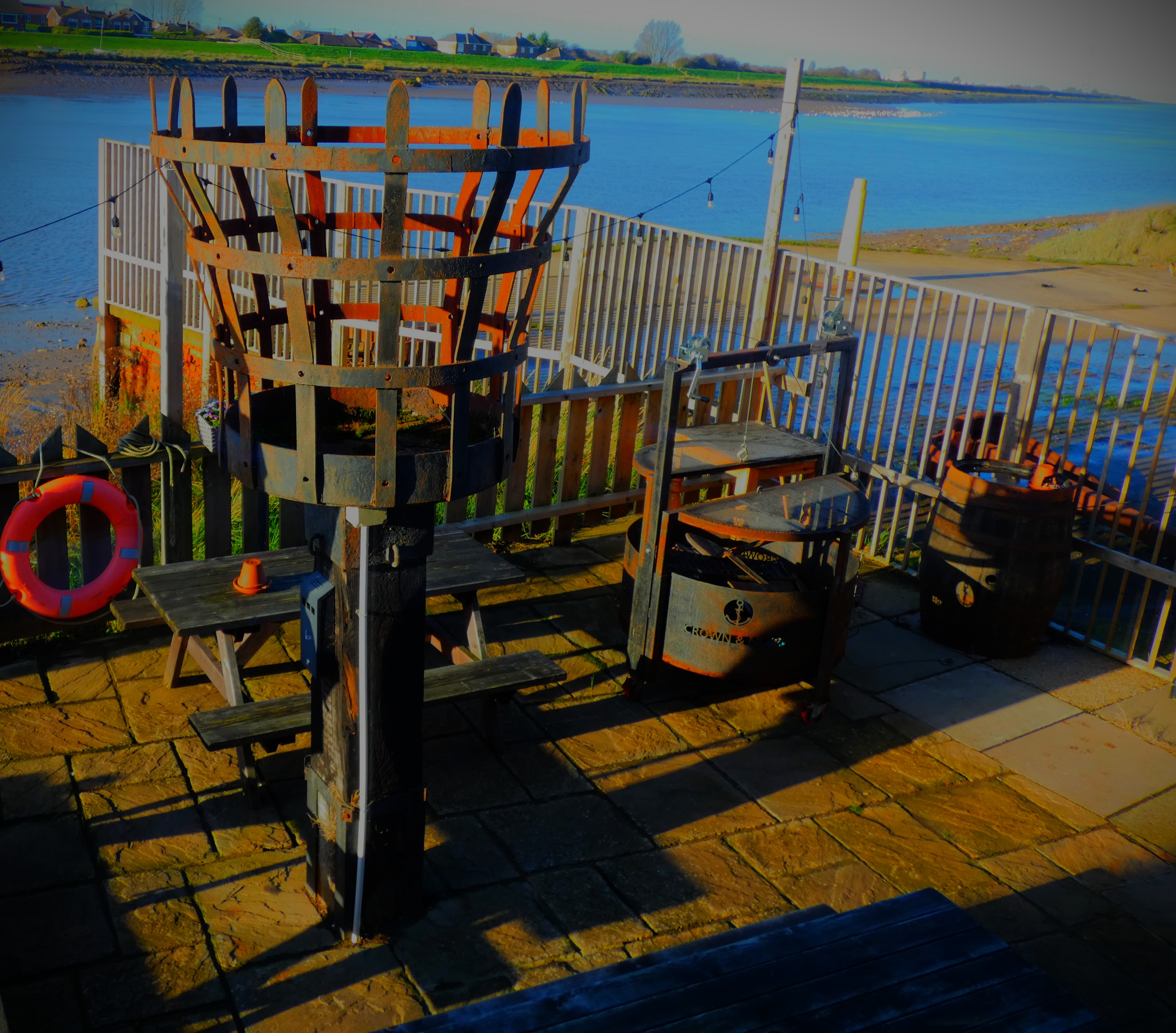
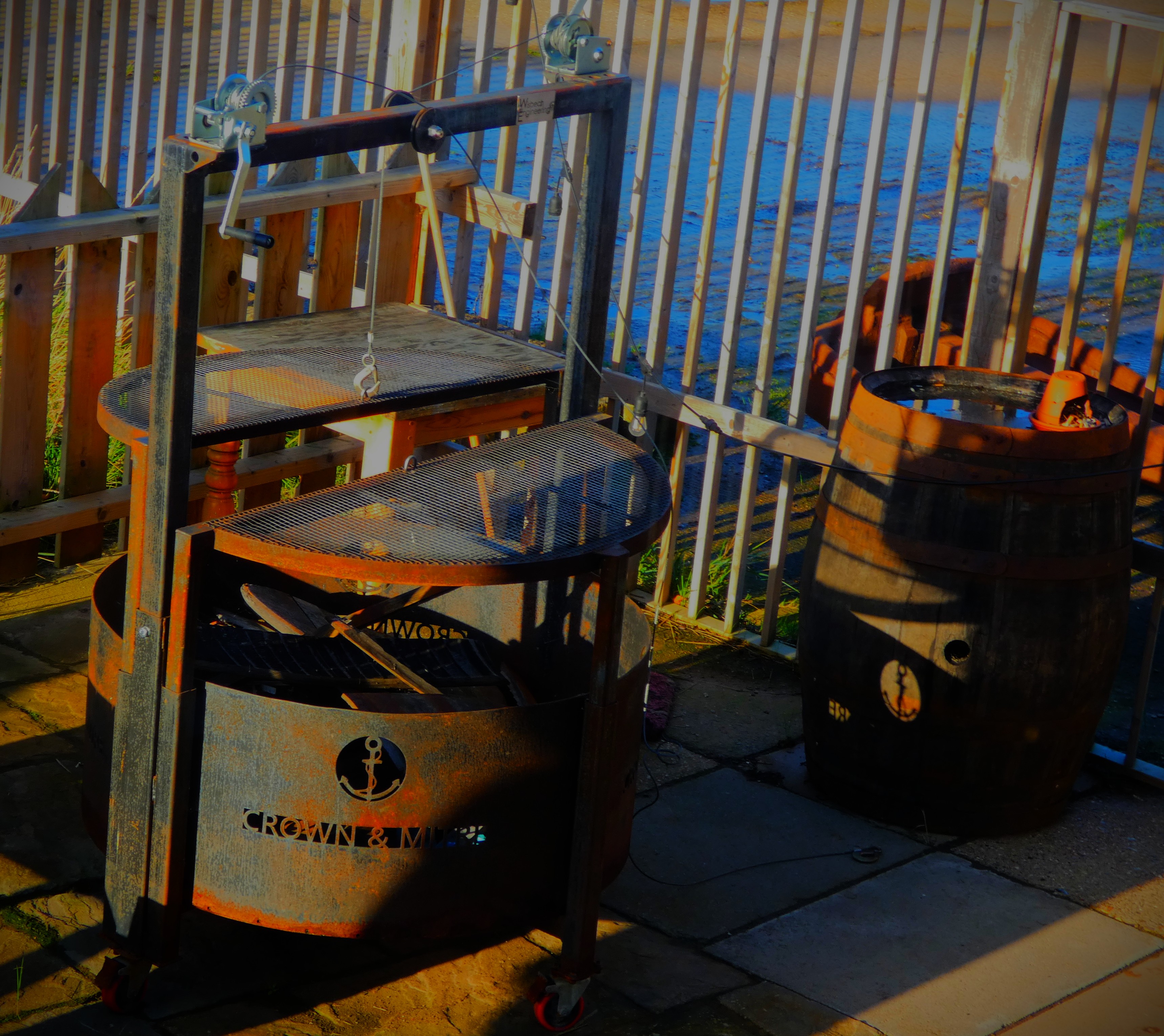
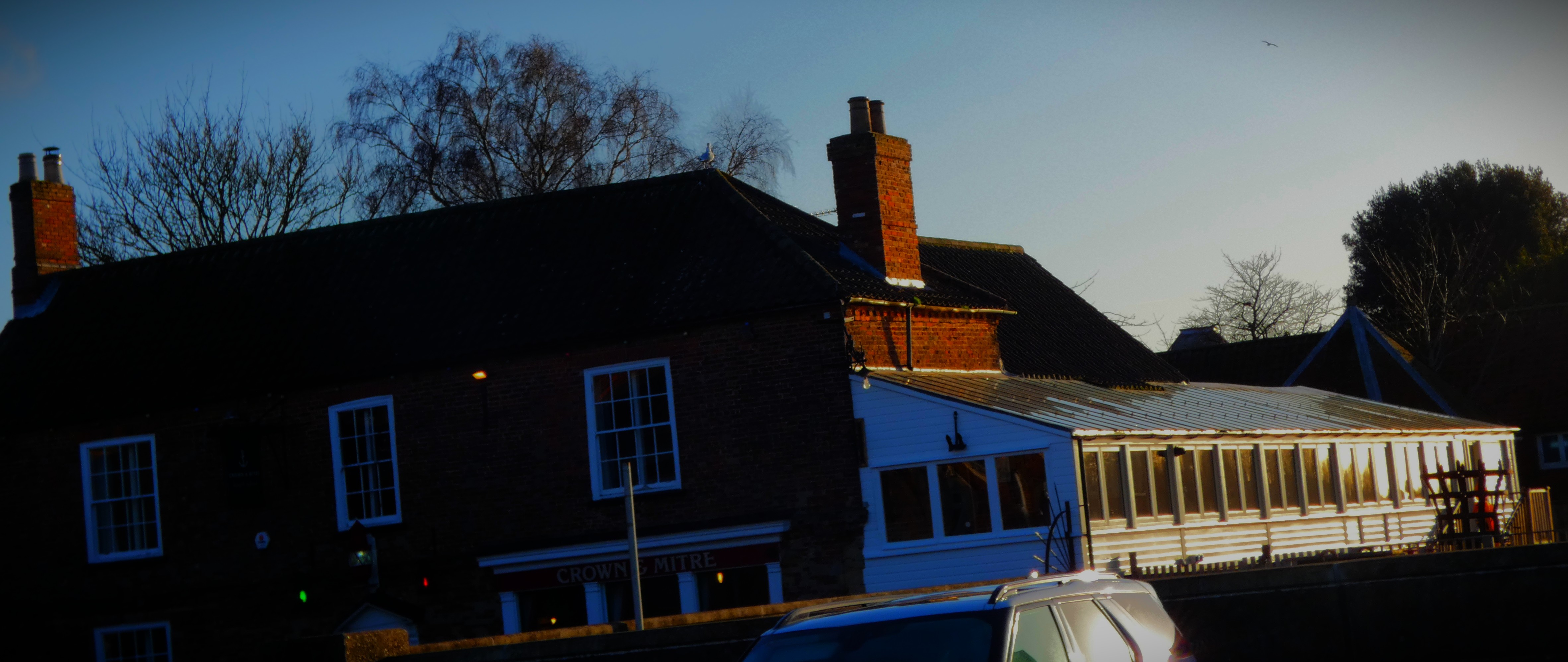
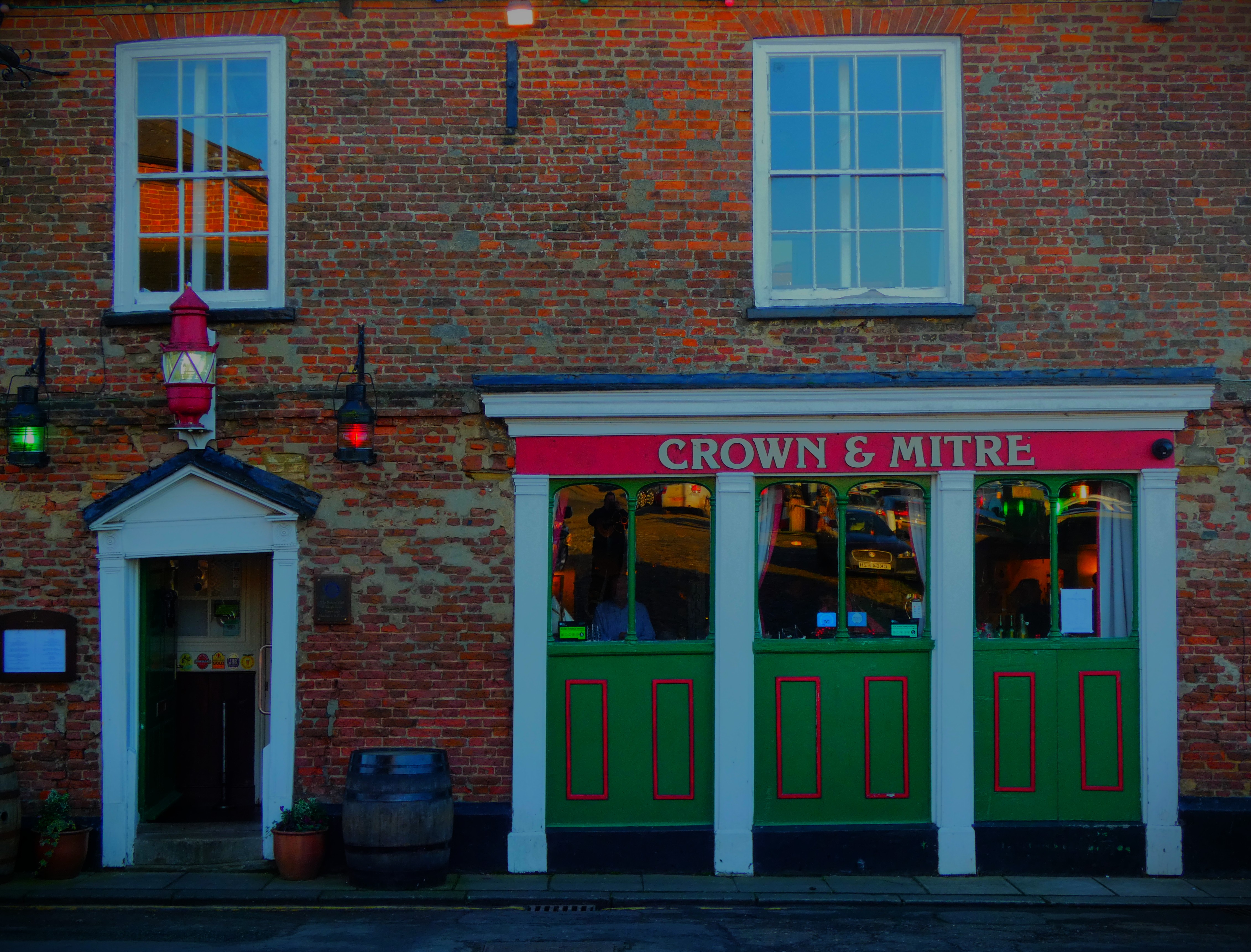
An unusual £2 coin I got in change recently. Given who it is commemorating the skull is obviously that of Yorick.The West Norfolk Autism Group committee Christmas lunch took place at the Crown & Mitre today.We were in the room (effectively a large lean-to greenhouse) overlooking the Great Ouse. There is an outside seating area beyond this room if you are there in summer.This picture of the outside of the Crown & Mitre shows the room we were in – the white structure bottom right.The street frontage.
With England down but not yet officially out in the current Ashes series I have delved into some previous Ashes series where sides have rebounded from difficult positions. Also a photo gallery.
With England currently 0-2 down in an Ashes series this post looks at sides who have started Ashes series badly and rebounded.
1894-5
This one did not quite come off, but England won the first two matches of the series, Australia won matches three and four, and England needed almost 300 in the final innings of the series. A magnificent 140 by Jack Brown was chiefly responsible for England winning by six wickets.
1911-12
England lost the opening match of this series partly because Johnny Douglas, captaining due to Pelham Warner being struck down by illness gave himself the new ball ahead of Syd Barnes. Subsequently Douglas visited Warner in hospital and Warner told Douglas that he must give the new ball to Barnes. Douglas listened, and England won all four of the remaining matches. Barnes took 34 wickets in the series and the other new ball bowler, Frank Foster a further 32.
1936-7
This is at the moment the only ever instance of a side coming from 0-2 down to win a five-match series. Don Bradman made huge scores in each of the last three test matches, the first of them after he had outwitted England skipper Gubby Allen. Allen declared with England a long way behind to get Australia back in on a spiteful pitch, Bradman countered by sending tail enders in to play and miss, and by the time Bradman emerged at number seven to join Jack Fingleton the pitch was playing easier, and this sixth wicket pairing of a regular opener and a regular number three put on 346 together to effectively seal the result.
1954-5
England were routed in Brisbane by an innings and 160 runs, and young fast bowler Frank Tyson was among the most severely punished of their bowlers when Australia responded to being inserted by Hutton by racking up 601-8 declared. Tyson reduced the length of his run after that match by way of an adaptation to Australian conditions, and he was virtually unstoppable for the rest of the series, as England won the second, third and fourth matches to retain the Ashes won in 1953, and then had the better of a rain ruined draw in the final match.
1981
England lost the series opener at Trent Bridge, the second match at Lord’s was drawn, and its aftermath Ian Botham resigned the England captaincy, just beating the selectors, who had also concluded that change was necessary, to the punch. In the third match of this six match series, at Headingley, Australia scored 401-9 declared, bowled England out for 174 and enforced the follow-on (it was vanishingly rare for captains who had the opportunity to do so to forego it in those days), and at low water mark England were 135-7, still 92 short of avoiding the innings defeat. Ian Botham and Graham Dilley then put on 117 in 80 minutes for the eighth wicket, Chris Old helped the ninth wicket to add a further 67, and even Bob Willis stayed while 37 more runs were accrued. That gave England a lead of 129. Ian Botham at this point had in order contributed 6-95 with the ball, 50 with the bat and then 149 not out with the bat. At first wickets were slow to come in the Australian second innings, but just before lunch on the final day Brearley put Willis on at the Kirkstall Lane end for a last chance to revive a test career that seemed over. In the run up to the interval Willis struck three times, removing Trevor Chappell to make it 56-2, and then Kim Hughes and Graham Yallop to catches by Botham and Gatting respectively with the score at 58. Suddenly, England had the momentum, and Australia had 40 minutes to stew over the realisation that the job might not be done just yet. It was Chris Old who struck first in the afternoon session, bowling Allan Border to make it 65-5. Then Dyson took on a short ball from Willis and gloved it through to keeper Bob Taylor to make it 68-6. Rod Marsh tried to go big against another short ball, and Dilley at deep fine leg did well to complete the catch and stay inside the boundary. That was 74-7, and one run later Geoff Lawson was caught behind. Lillee and Bright added 35 together in just four overs, before Lillee miscued a drive and Gatting took a diving catch to dismiss him. Chris Old dropped two chances at third slip off Botham, but Willis produced a perfect yorker to castle Bright and give England the win by 18 runs. Willis had 8-43 from 15.1 overs and his test career was back on track. There were moments at both Edgbaston and Old Trafford, the next two matches, when Australia seemed to have chances, but another fourth innings batting collapse cost them at Edgbaston, and a spectacular innings by Botham slammed the door on a potential recovery at Old Trafford, so in a few weeks England went from staring down the barrel of a 0-2 deficit after three matches to an unassailable 3-1 lead after five.
2005
England lost the series opener at Lord’s. At Edgbaston Glenn McGrath trod on a stray ball and crocked an ankle, Ricky Ponting refused to change his plan to bowl first even though he had just lost the man most likely to make such a plan work and had in his ranks the best fourth innings bowler in the world. Brett Lee and Michael Kasprowicz nearly saved Ponting’s blushes on the final day with a last wicket stand that took Australia to within touching distance of victory, but England won by two runs. The next match at Old Trafford was drawn with Australia nine down, and a recovered McGrath at the crease with Lee as Australia just hung on. They then made the mistake of allowing themselves to be seen celebrating having escaped with a draw. At Trent Bridge Simon Jones destroyed the Australian first innings with 6-53, enabling England to enforce the follow-on. Jones then suffered an injury which saw him sent to hospital for x-rays. Gary Pratt of Durham, not even sure of his place in his county first XI, stood in as substitute fielder, and produced a direct hit throw that ran out Ricky Ponting, who had an epic meltdown on his way back to the pavilion (for the record Jones, then in hospital, would as it happened never play for England again). England in the end needed 129 to take a 2-1 lead, and made very heavy weather of this target. Ashley Giles and Matthew Hoggard eventually saw England to a three-wicket win and a 2-1 lead in the series with one match to play. At The Oval there were several weather interventions, and it was Kevin Pietersen, whose debut had been in the first match of the series, who ensured that England would retain the Ashes, scoring 158 on the final day to leave Australia a chase that would have been impossible even had the weather not intervened once again.
A look at the events in Brisbane today, Player Ratings and a some suggestions for Adelaide. Also a photo gallery.
When play started on day four in Brisbane England were in as big a man-made hole as you could find outside Kimberley, South Africa. This post looks at their efforts to escape, makes suggestions for changes for Adelaide and provides player ratings for both sides.
THE REST OF THE ENGLAND INNINGS
England resumed on 134-6, 43 short of making Australia bat a second time. Many were probably not betting on the game being in progress even until the first interval, but in the event England did not lose a wicket in the whole session, Ben Stokes and Will Jacks knuckling down and batting sensibly, marking a welcome change of policy from England. The pair kept going after the interval, and it took a brilliant piece of fielding by Steve Smith to break the partnership, catching Jacks for 41 off Michael Neser. Stokes reached 50 before Neser also got him, with a good ball that produced an edge to Carey. Gus Atkinson’s dismissal was disappointing, taking on a hook shot with seven fielders stationed on the leg side. Unsurprisingly he picked one of them out. Carse and Archer added a few runs before Carse became Neser’s fifth victim of the innings, caught by Steve Smith who passed Rahul Dravid’s all time record for test catches as a fielder (Dravid’s overall tally is still ahead of Smith’s because he played a few matches as wicket keeper). England had reached 241, an advantage 20 runs less than had ever been successfully defended in a test match fourth innings (The Oval 1882, the match that led to the creation of The Ashes, when England were 77 all out to lose by seven runs), but rather better than had looked possible when wickets were being thrown away willy-nilly yesterday.
THE AUSTRALIAN CHASE
Gus Atkinson managed to account for Head and Labuschagne before the inevitable happened. Steve Smith played an explosive cameo at the death, recording 23 not out from nine balls to finish the job for Australia. Jofra Archer was the other bowler used by England, and while quick he was not terribly effective. He also got into a verbal tussle with Steve Smith, which given how the match had gone can only be considered to be as ill-judged as it was unappealing.
PLAYER RATINGS
Zak Crawley – 6. Two decent contributions, but two poor dismissals, and for a test match opener 76 and 44 cannot be considered stellar.
Ben Duckett – 2. Two poor scores, two chances dropped in the field but he was the only one of the six English batters dismissed yesterday to get a good ball rather than tossing his wicket away.
Ollie Pope – 3. A duck in the first innings, 26 in the second, both dismissals quite appalling, and the second triggered a batting collapse in which 90-1 (immediately before he was out) became 128-6.
Joe Root – 8.5. A magnificent undefeated century in the first innings seemed to have given England real hope, but he gets debited for being part of the collapse in the second innings.
Harry Brook – 3. He scored 31 in the first innings and 15 in the second, but both his dismissals were disgraceful.
Ben Stokes – 6. He was England’s best bowler in the first Australian innings and scored a gritty 50 in the second to salvage a measure of respectability after the collapse. On the debit side his captaincy did not merely fail to prevent the Australian first innings from getting away from England, it actually contributed to it doing so.
Jamie Smith – 3. Failed twice with the bat, and though he performed competently with the gauntlets he was quite clearly and obviously the second best keeper in this match.
Will Jacks – 5. Failed in the first innings, his bowling was of little relevance to England, but he battled hard in the second innings after many of those above him had thrown their wickets away.
Gus Atkinson – 4. Did not bowl well in the first dig, his second innings dismissal was a disgrace, even for someone who is primarily a bowler, but he did take two wickets in the final innings, and was good value for them.
Brydon Carse – 3. Emerged from a dire first innings bowling performance with a largely undeserved four-for. At one stage he was leaking runs at a rate that would have been unacceptable in T20 cricket, and though he was tighter later in the innings that is partly because the Aussies at that stage were playing for time, wanting the England second innings to begin under lights.
Jofra Archer 4. Although he was impressively quick in the final innings the best thing he achieved all match was his cameo with the bat in the first innings.
Travis Head – 4. Scores of 33 and 22 cannot be considered good work for an opener.
Jake Weatherald 6. He scored 89 runs for once out in the match (72 and 17*).
Marnus Labuschagne 5. One of many Aussies to score well in the first innings (65) but failed in the second.
Steve Smith 6. A match aggregate of 84 (61 and 23*) and some excellent fielding, but his spat with Archer in the closing stages reduces his score slightly.
Cameron Green 5. Scored 45 in the first innings, but was a bit part player with the ball.
Alex Carey 8. Batted very well for his 63, and was excellent with the gloves.
Josh Inglis 3. Selected as a specialist batter rather than a keeper, he managed 23 from number 7 before being bowled by Stokes.
Michael Neser 7. Five second innings scalps, and a solid bowling performance in the first dig as well.
Mitchell Starc 9. Eight wickets in the match, and the highest individual Australian score, 77. Given the extent to which his side bossed the match there was only one candidate for Player of the Match. He, along with the entire England batting line up for their poor play in both innings in Perth and for much of the second innings here, is the chief reason Australia head to Adelaide 2-0 up and in the box seat.
Scott Boland 7. Bowled better than his figures suggest.
Brendan Doggett 7. In statistical terms the least impressive of Australia’s specialist seamers, but he was asked on several occasions to pound the ball in short which is not the approach that won him his baggy green, and I have marked him generously in consequence.
SUGGESTED CHANGES
Ollie Pope has to go – he averages 18 against Australia, and his batting this match can only have been the product of a scrambled mind. In Adelaide extra bowling will be needed, so I would suggest that Stokes promote himself to number three. The other candidate for that slot is Jacob Bethell, but it is a big ask for a youngster to make his Ashes debut in that pivotal slot. I also cannot see how Carse can play in Adelaide, and would bring in Matthew Potts – a skilled fast-medium in support of outright quicks Archer and Atkinson, with Bashir in as spinner, and Jacks probably at six, possibly at seven with Smith moving up to six – England do not have an official reserve keeper on this tour, so he cannot be dropped. Thus my probable XI for Adelaide would be Z Crawley, BM Duckett, *BA Stokes, JE Root, HC Brook, WG Jacks, +J Smith, AAP Atkinson, M Potts, JC Archer, S Bashir. England have a huge mountain to climb – only one side has ever won a five match test series from 0-2 down, Australia in 1936-7, when Donald Bradman came up trumps in spectacular fashion, scoring 270 not out in the third match, 212 in the fourth and 169 in the fifth.
PHOTOGRAPHY
My usual sign off…
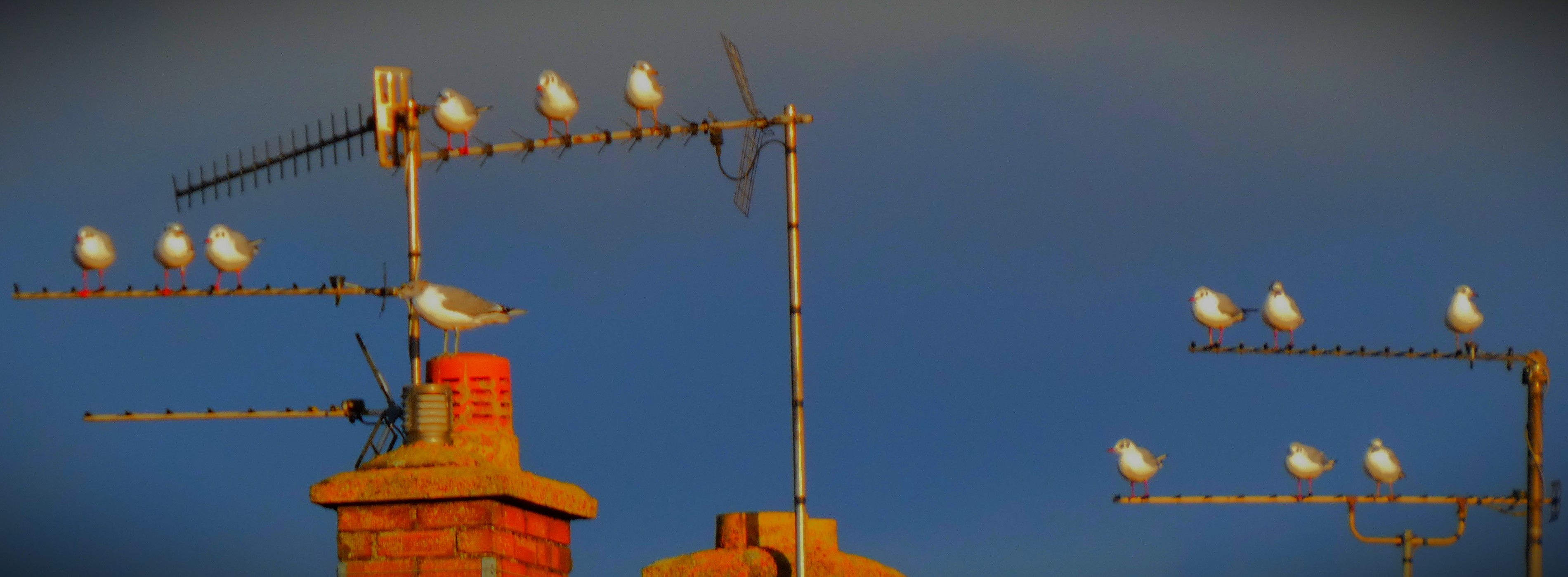
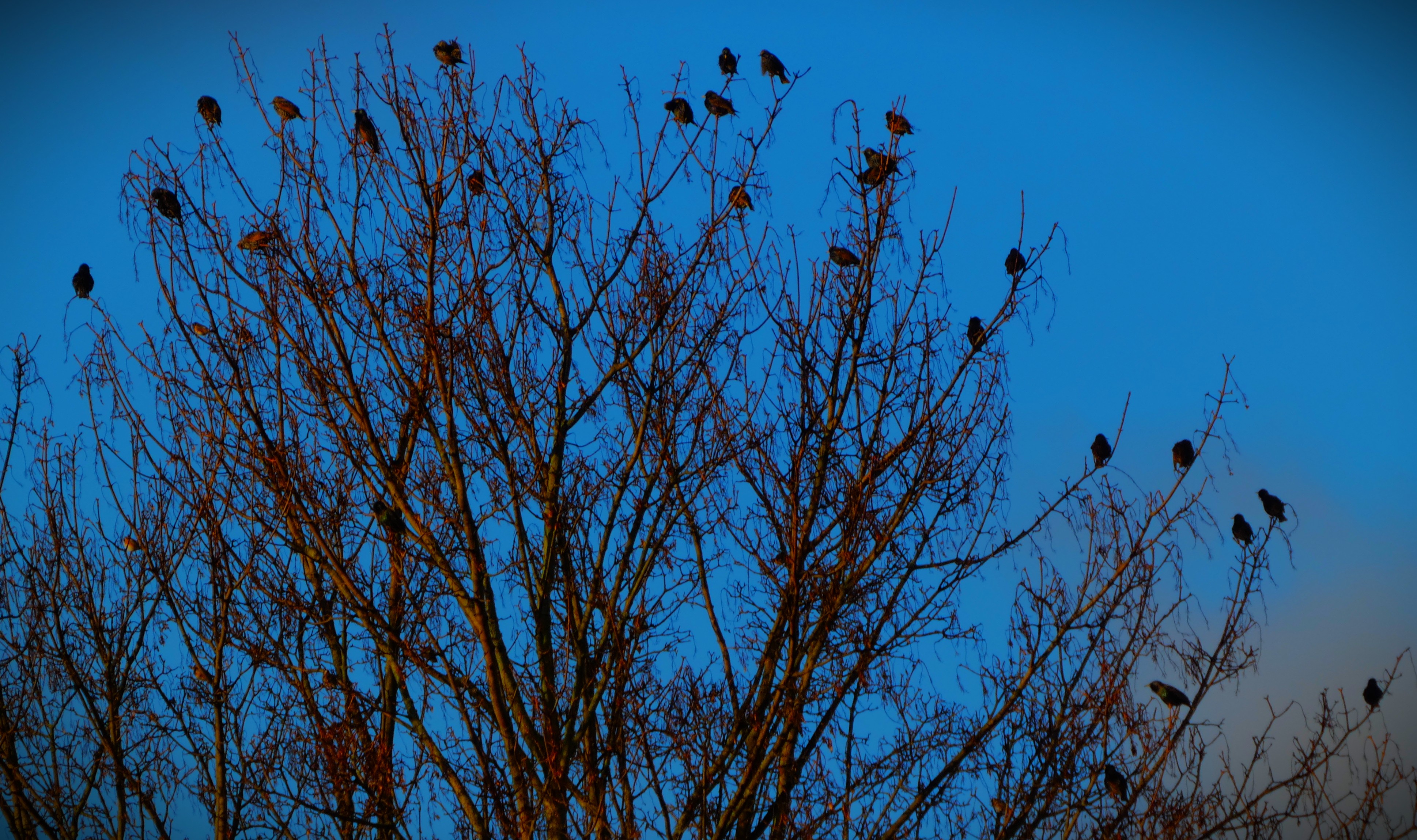
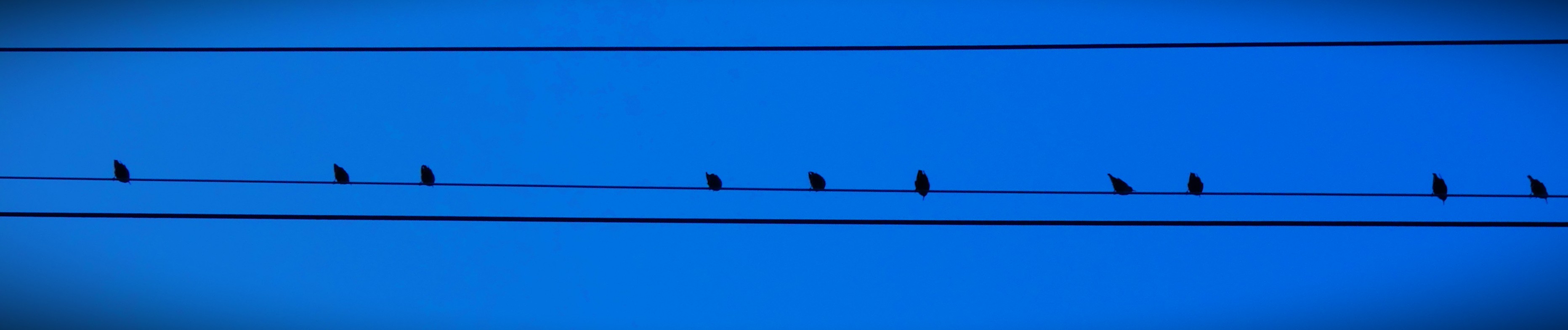
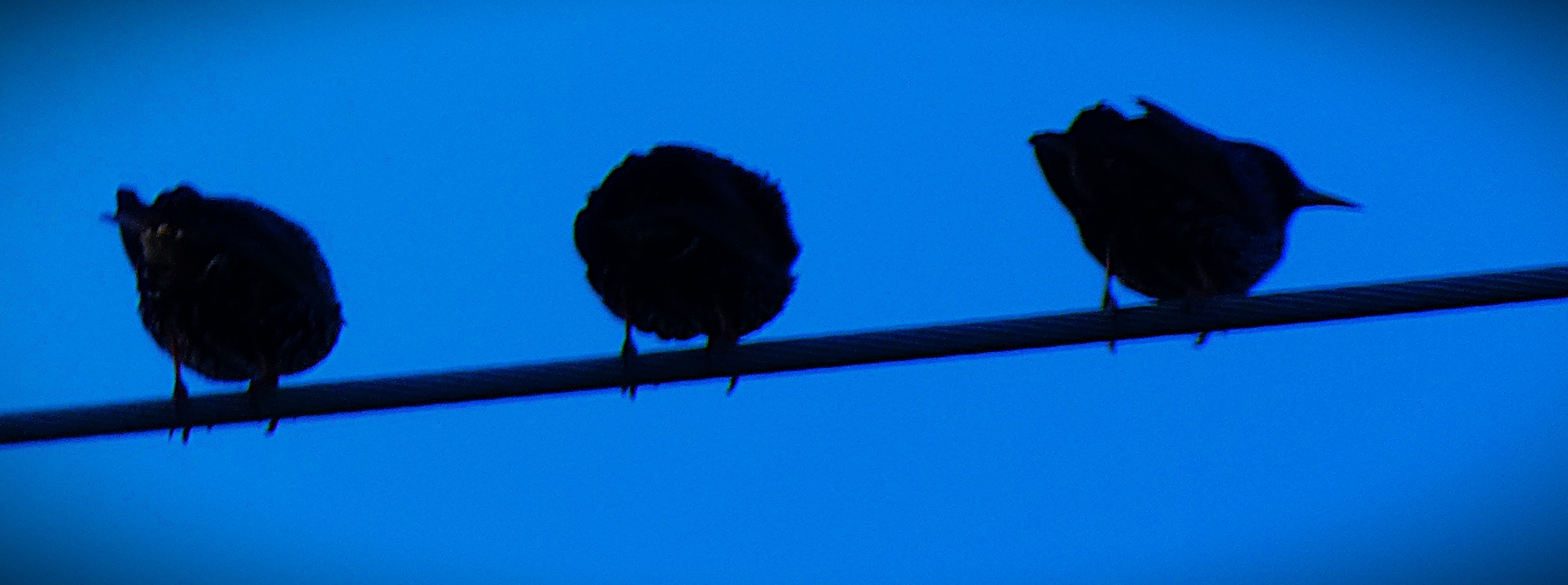
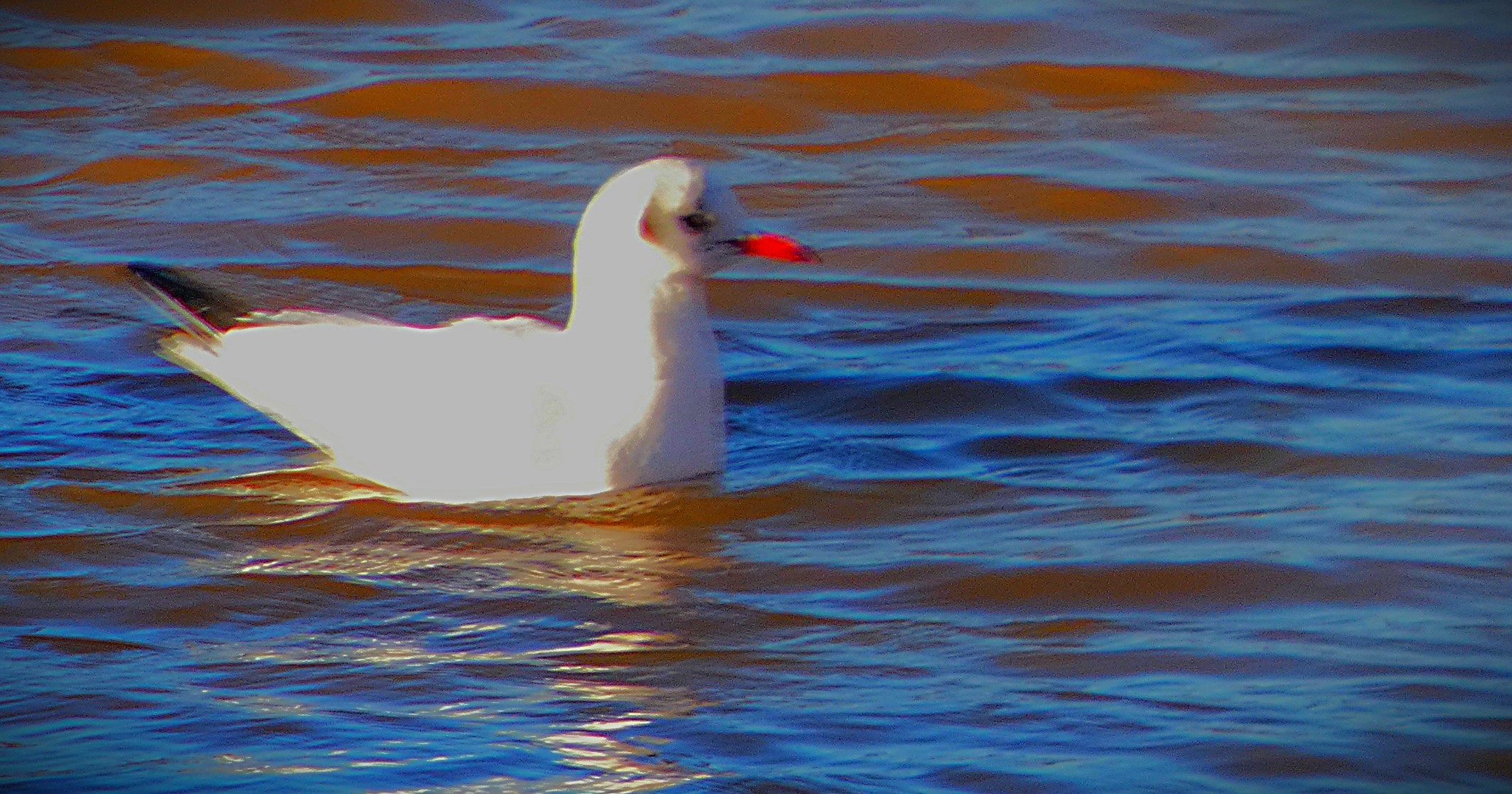
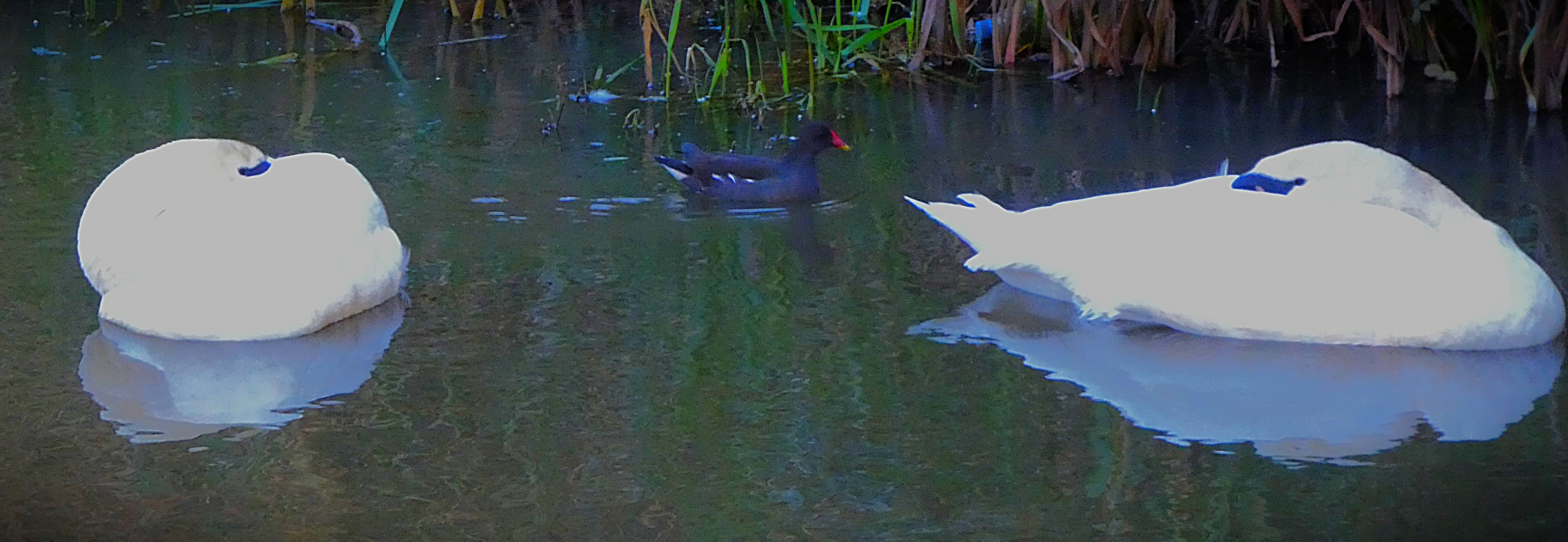
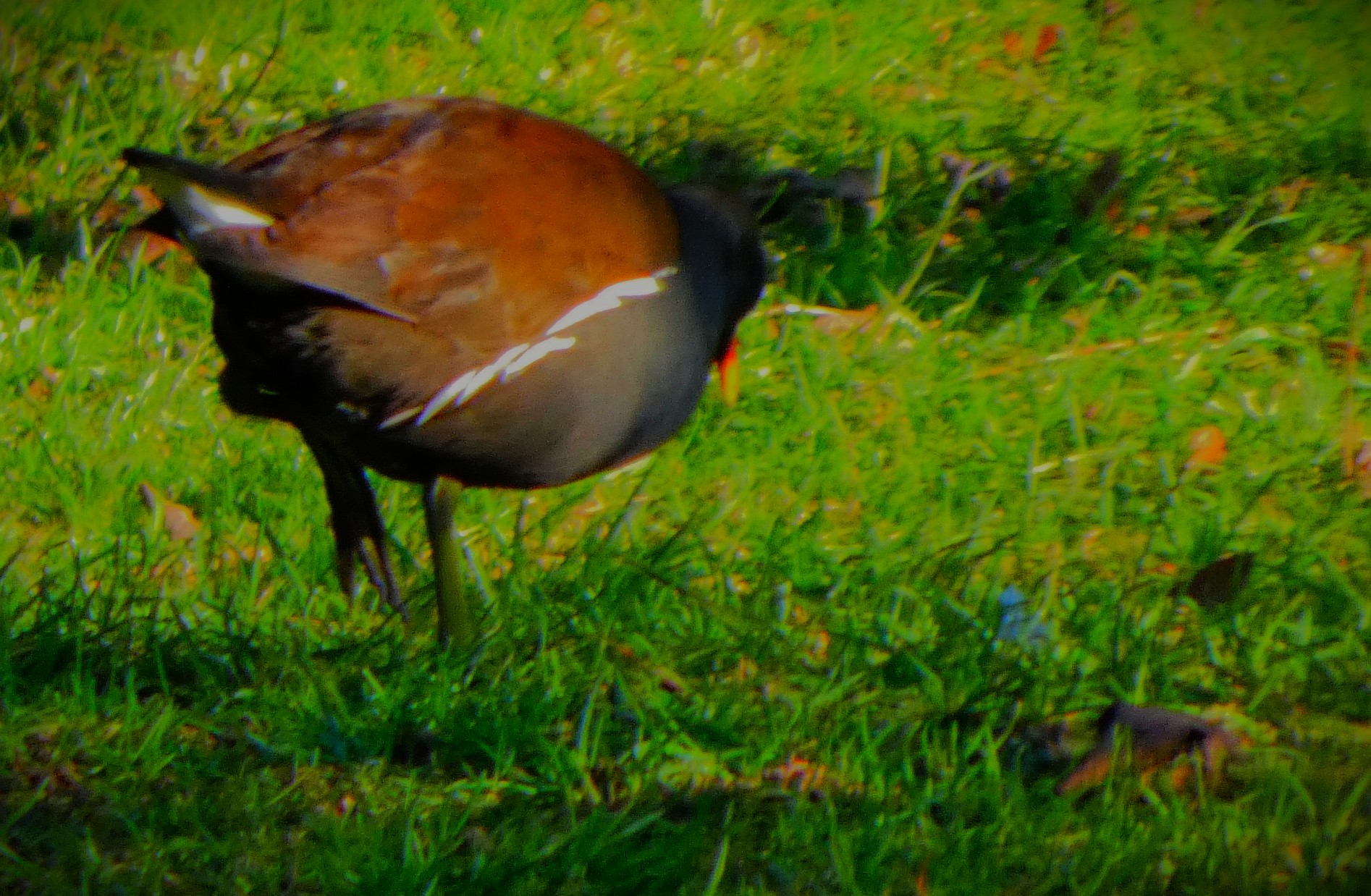
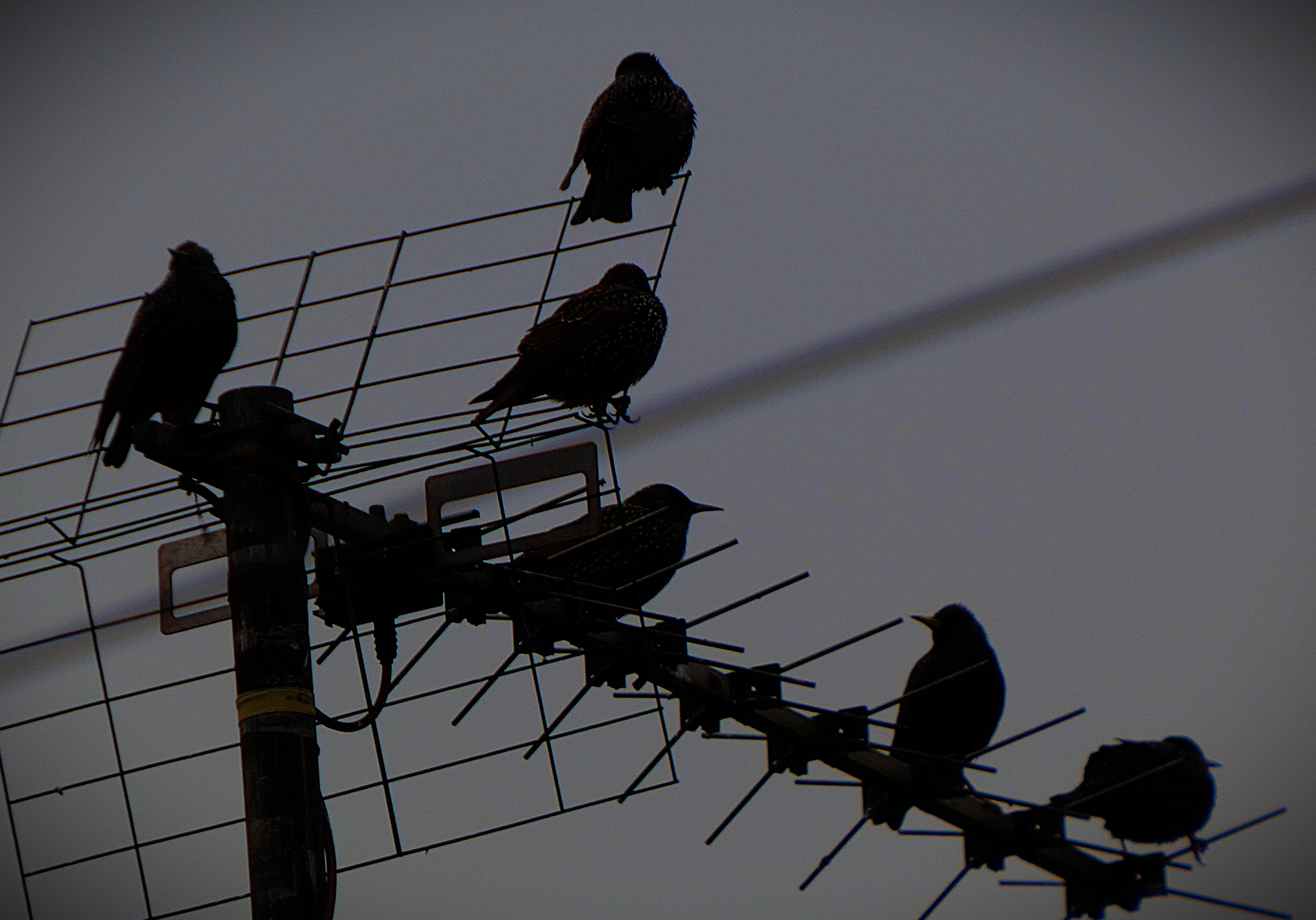
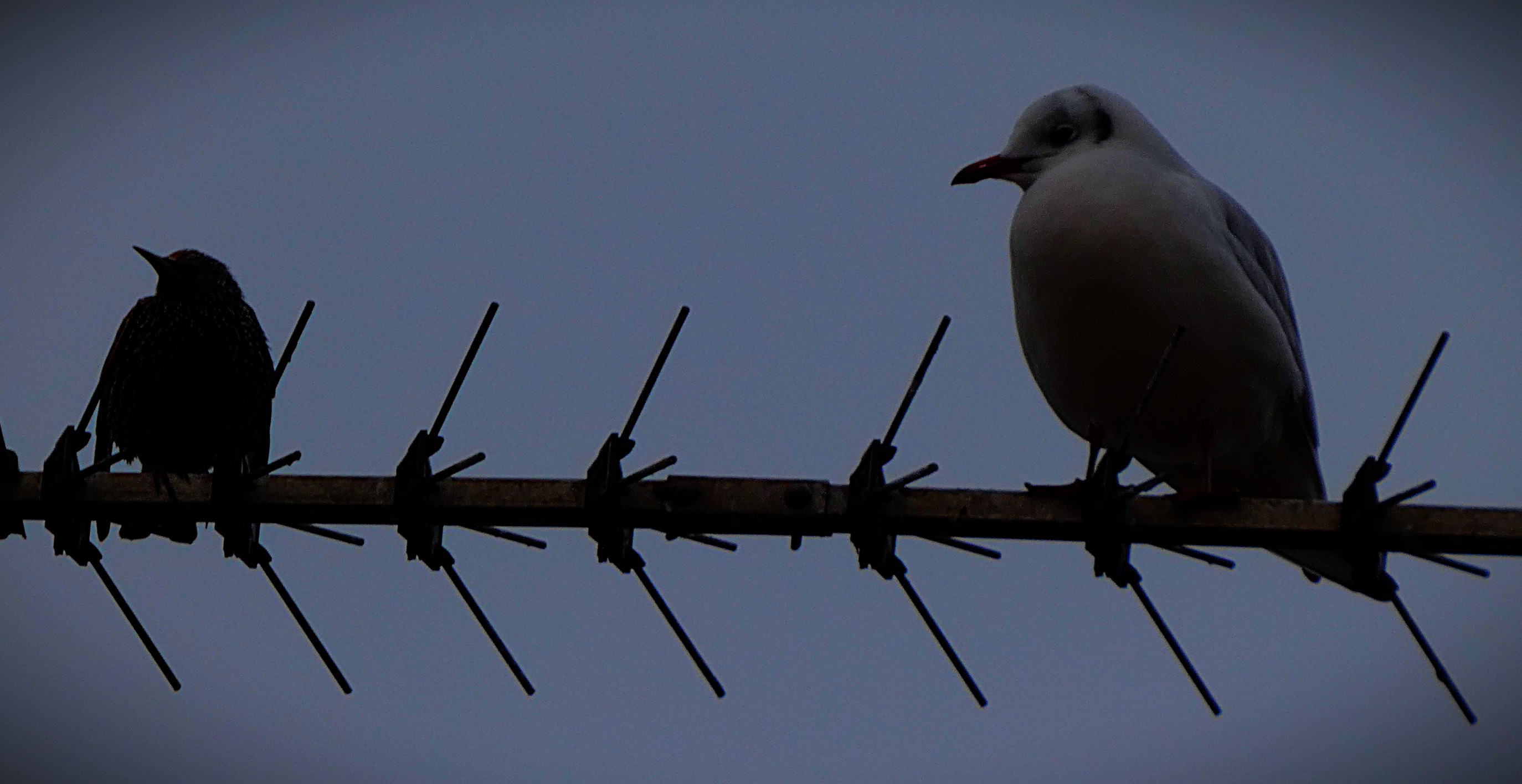
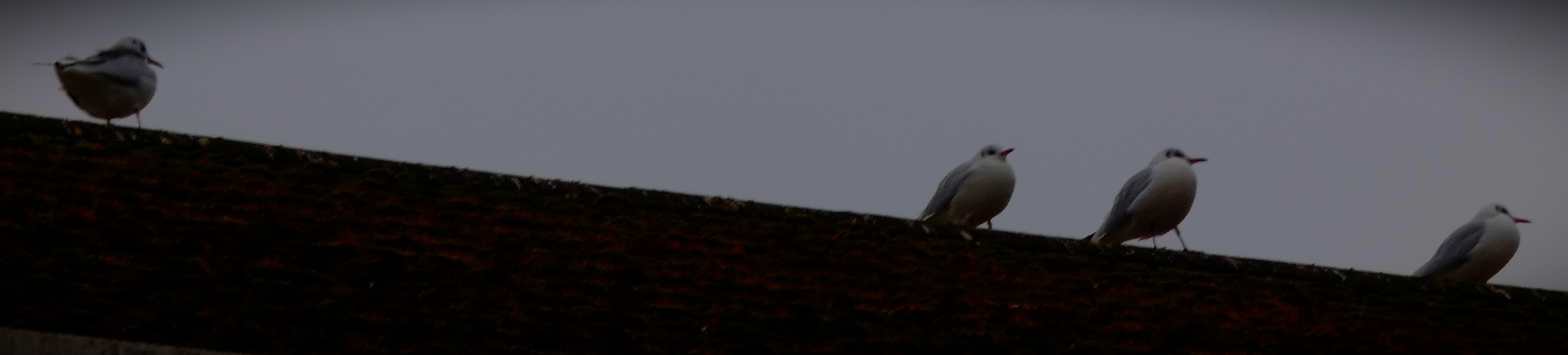
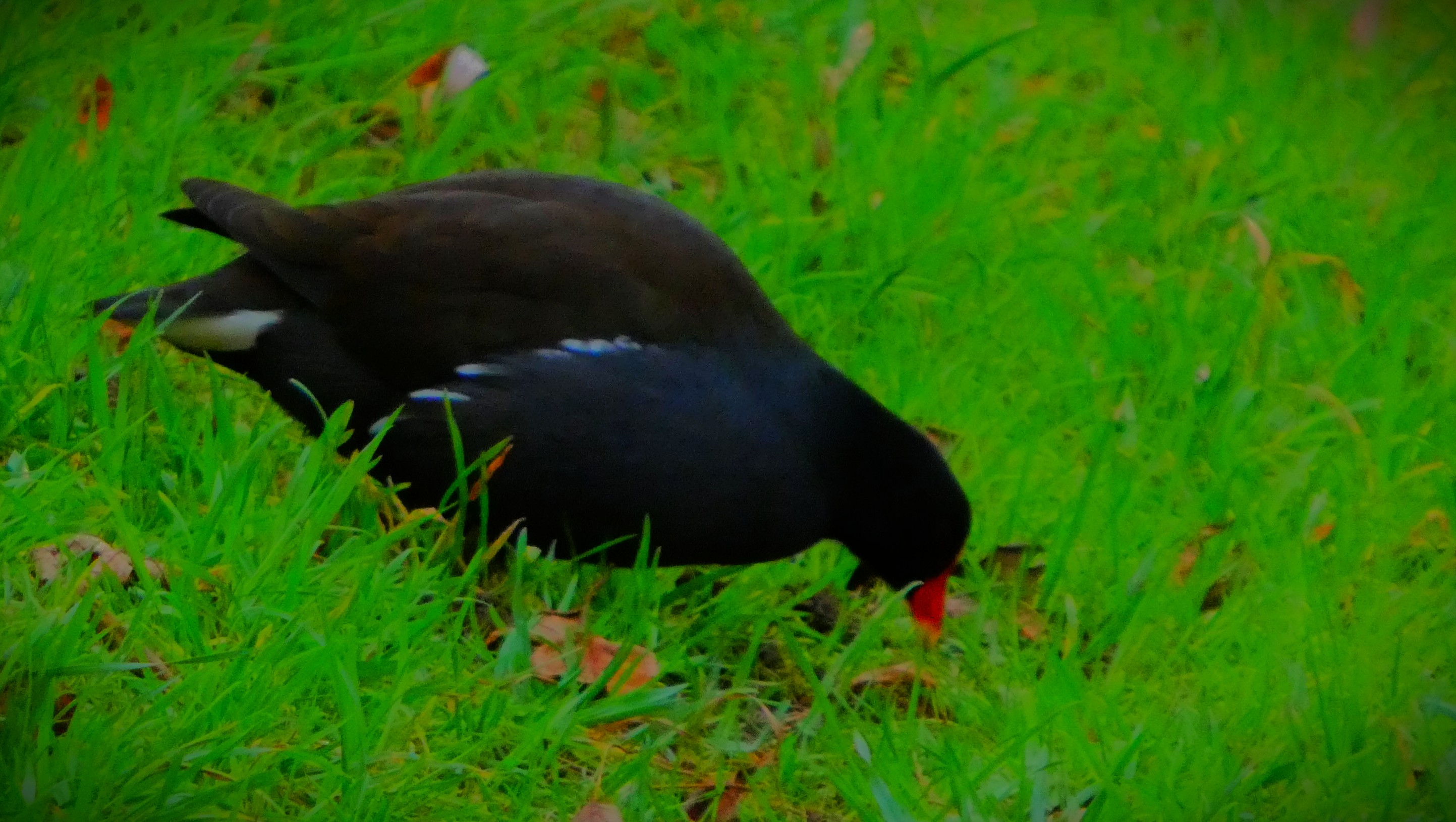
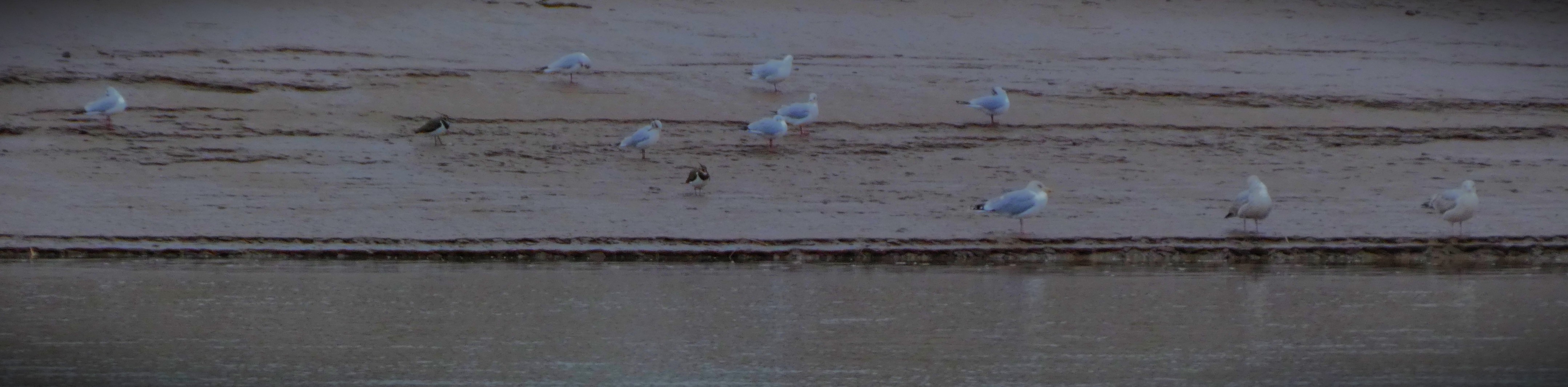
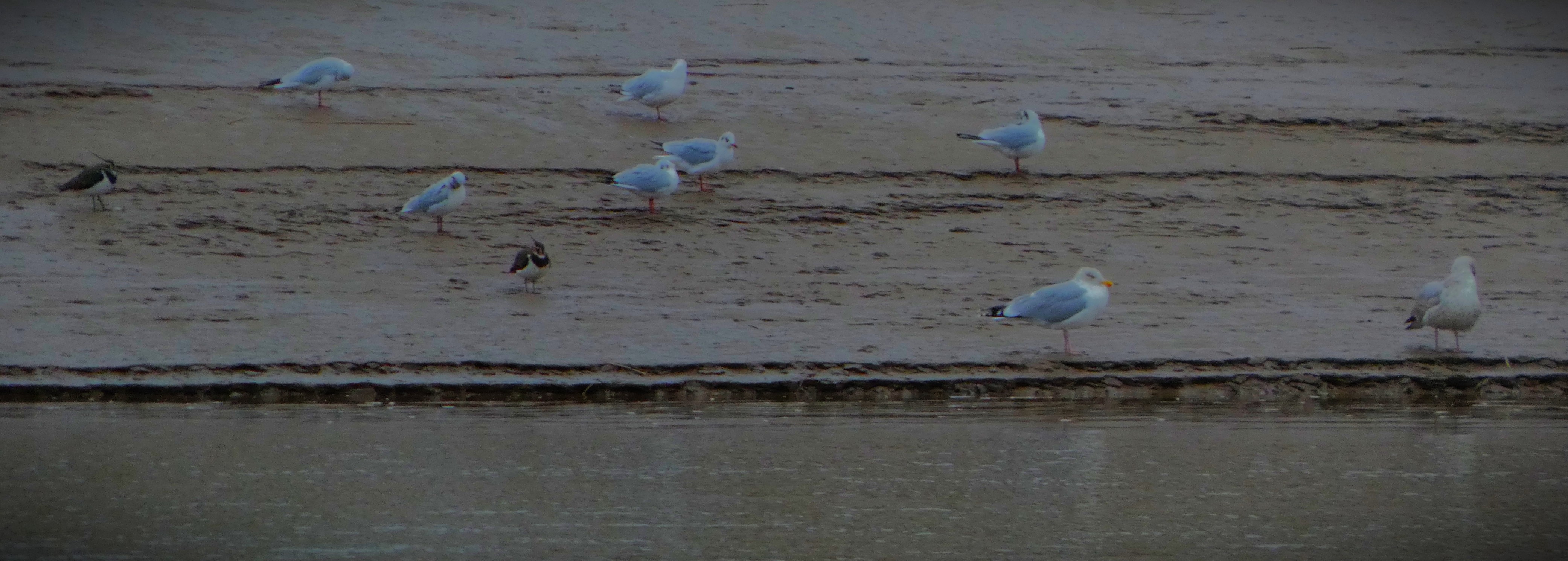
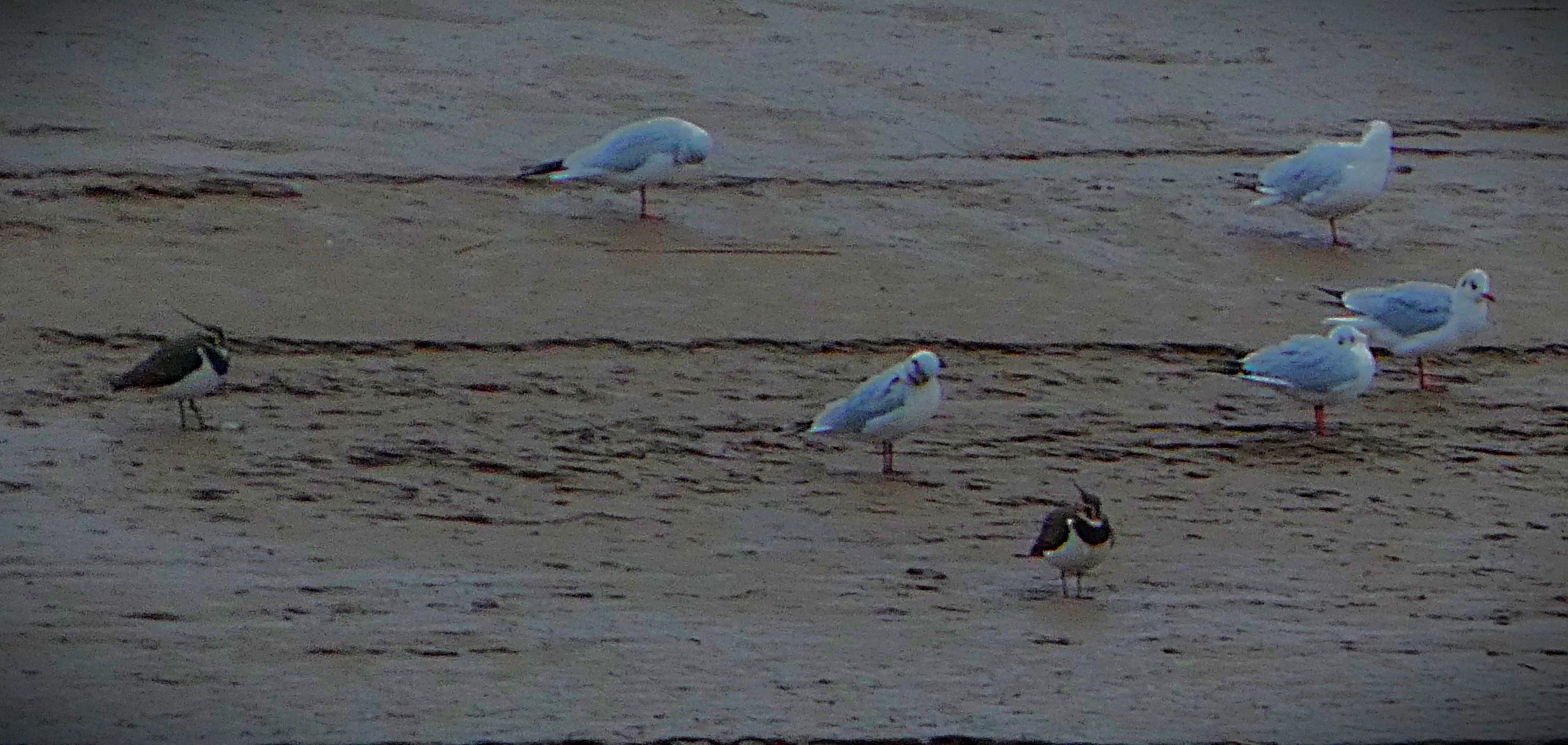
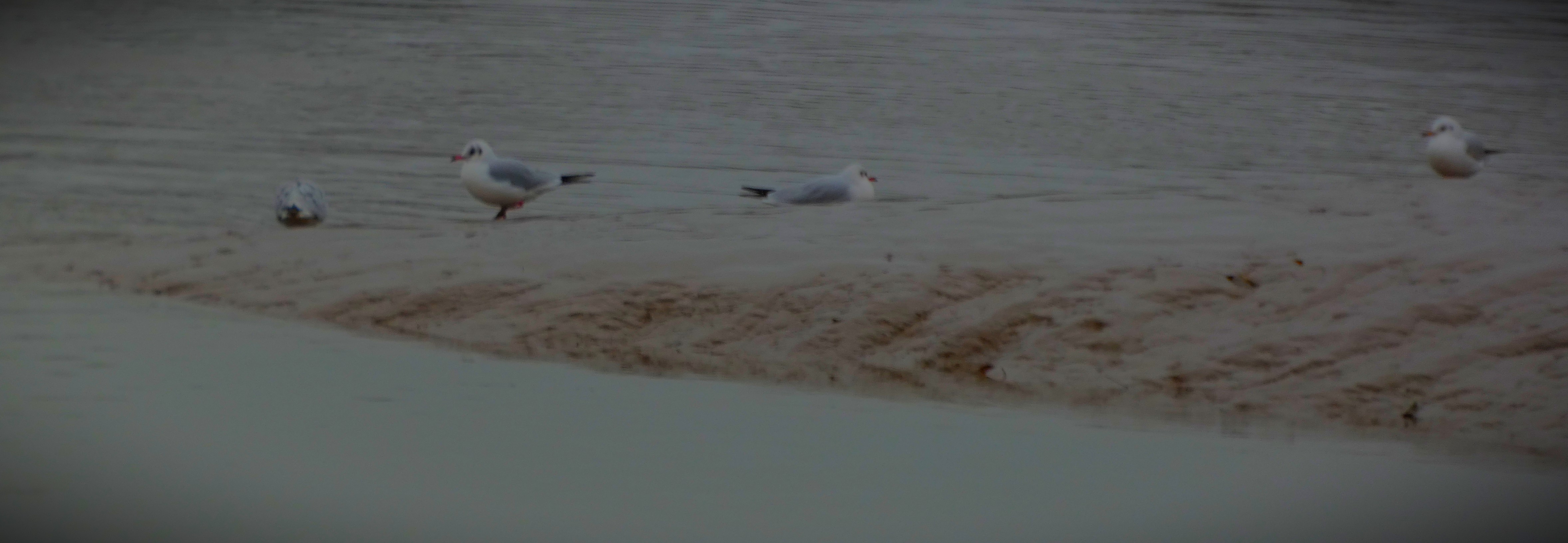
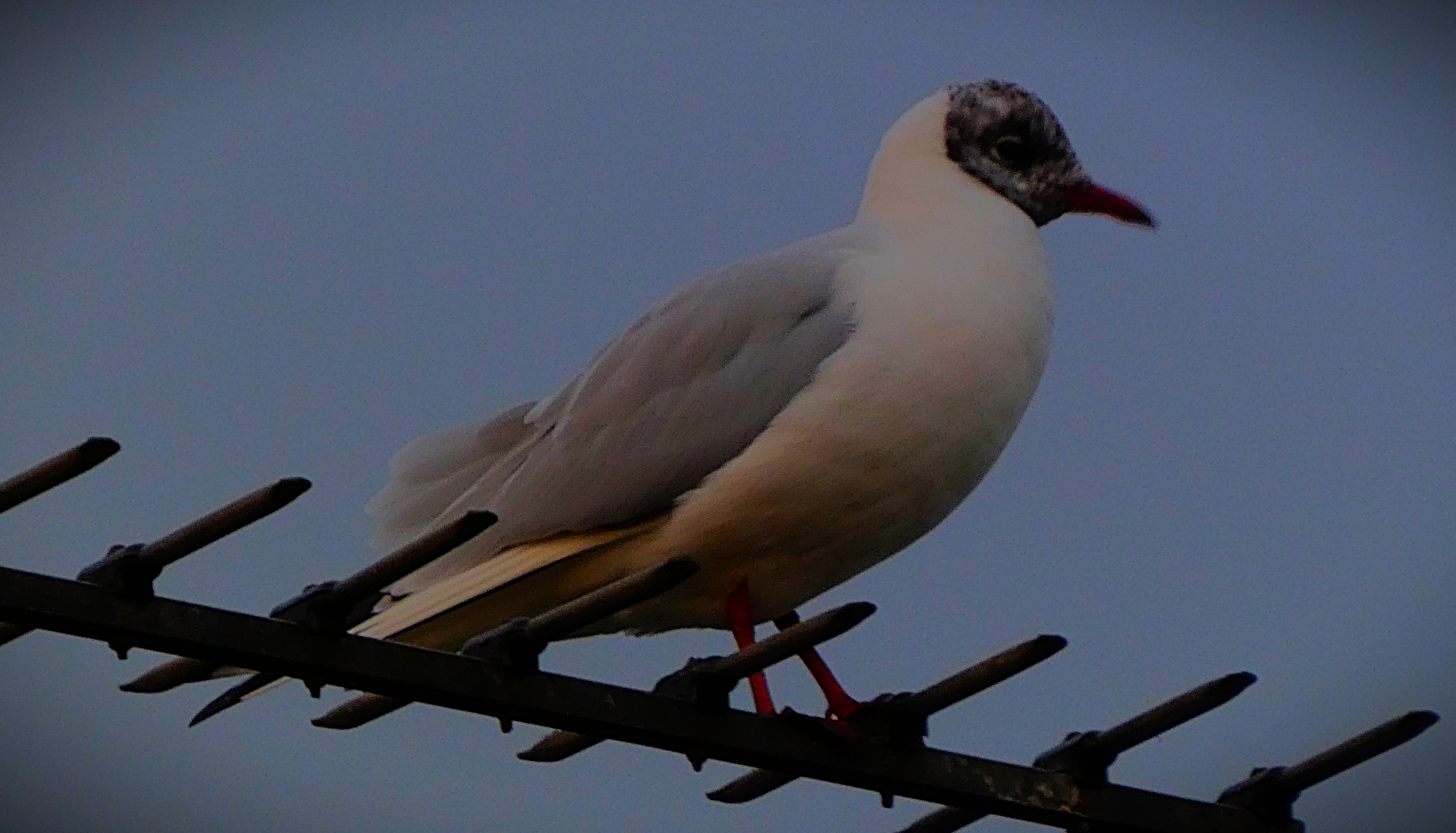
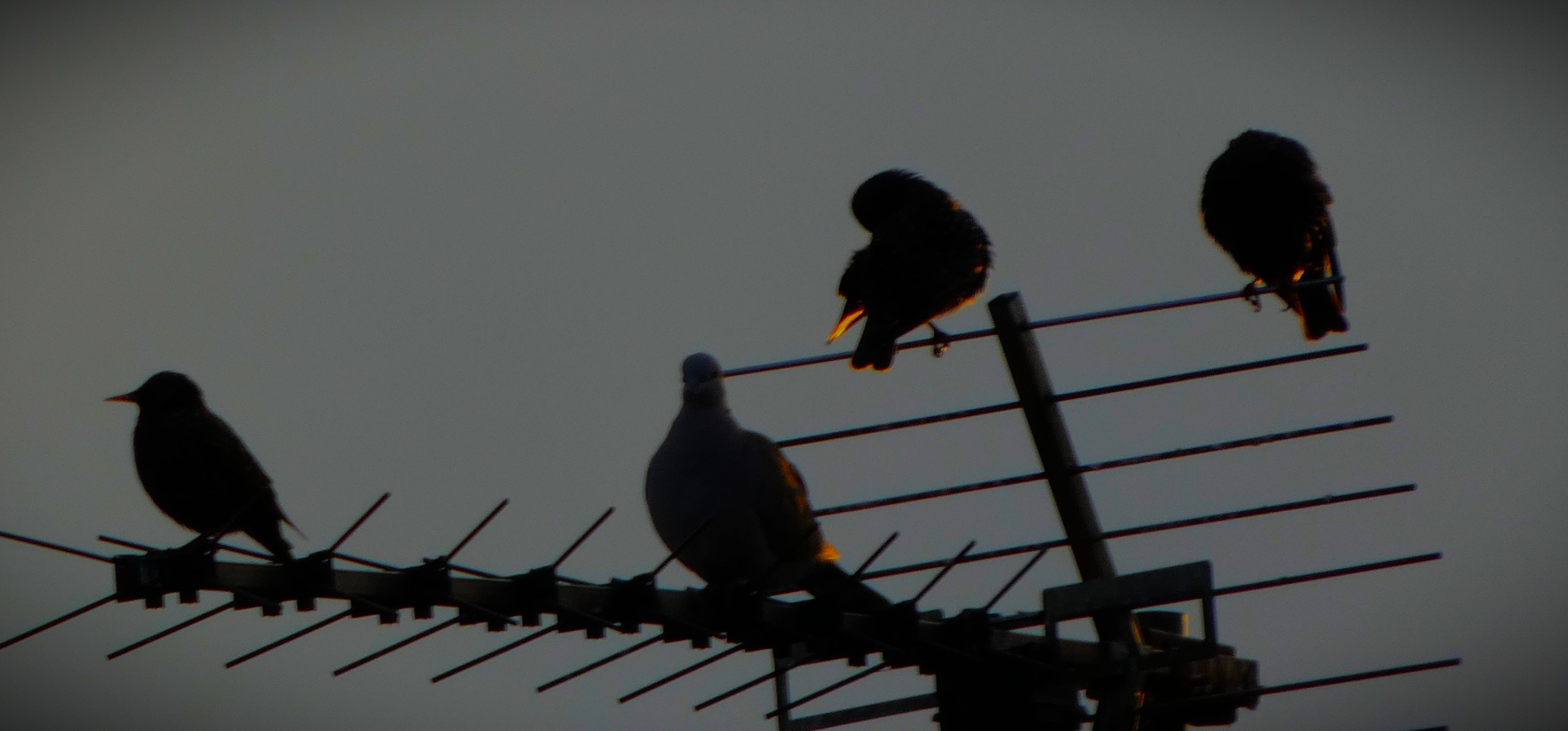
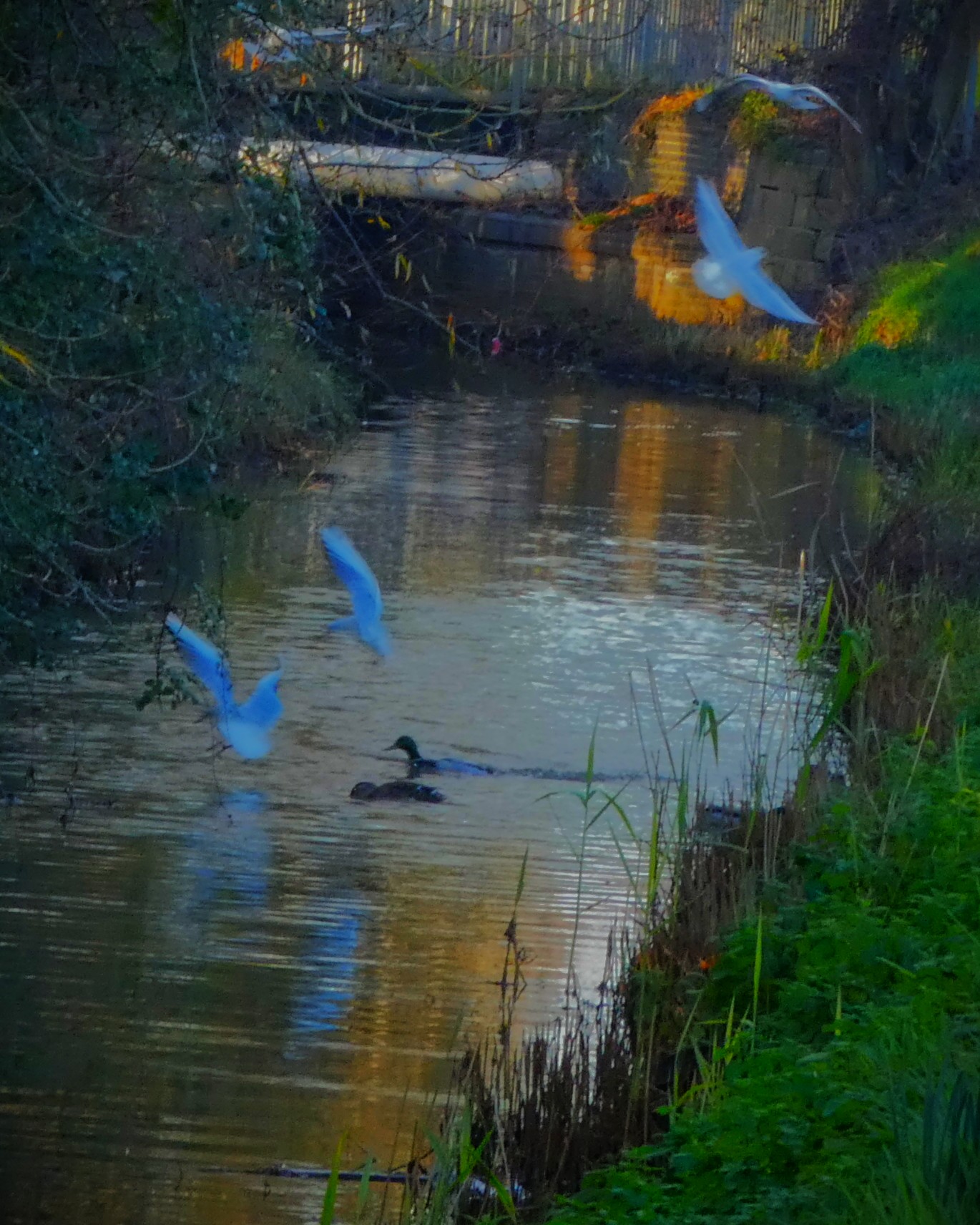
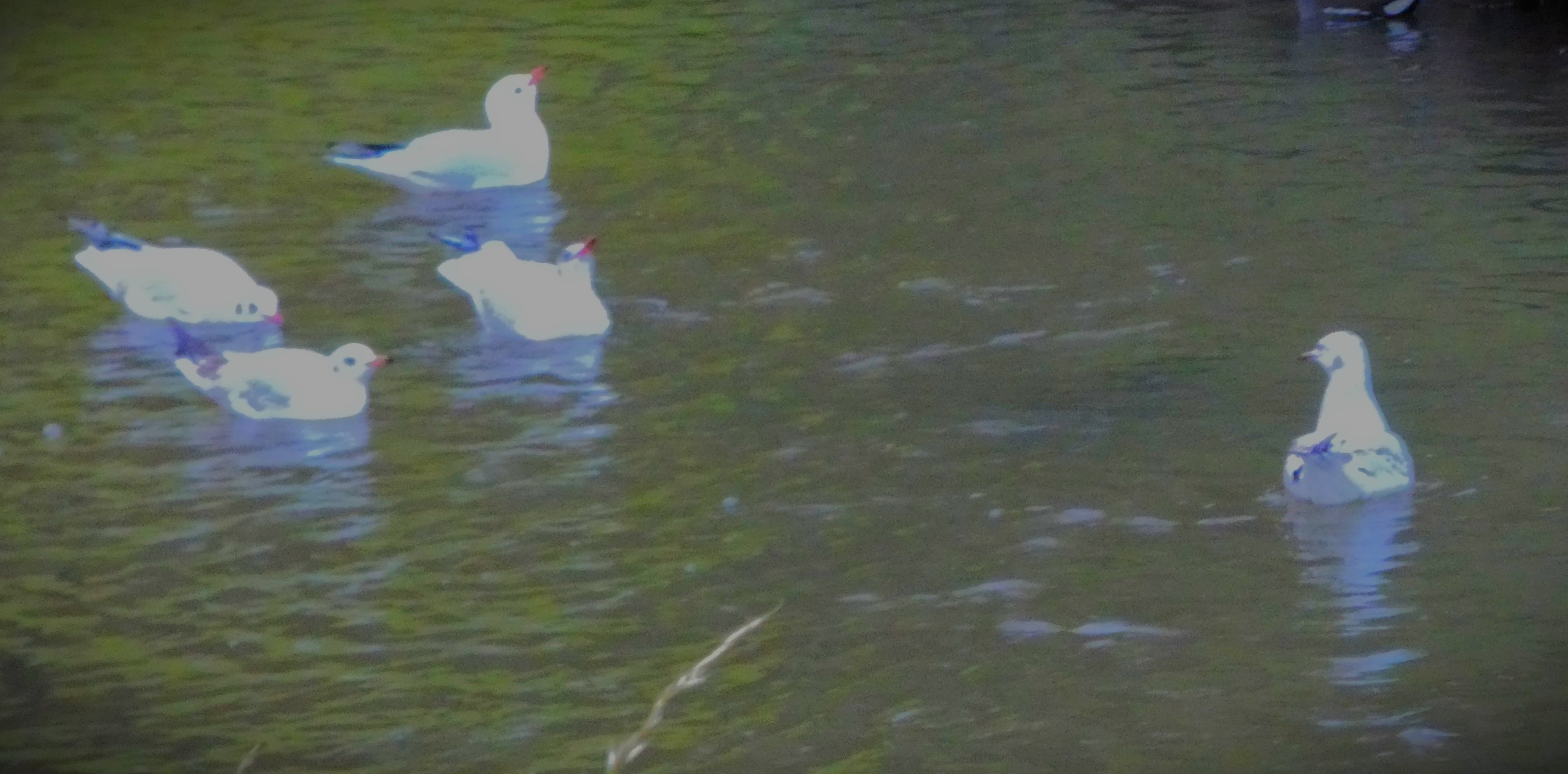
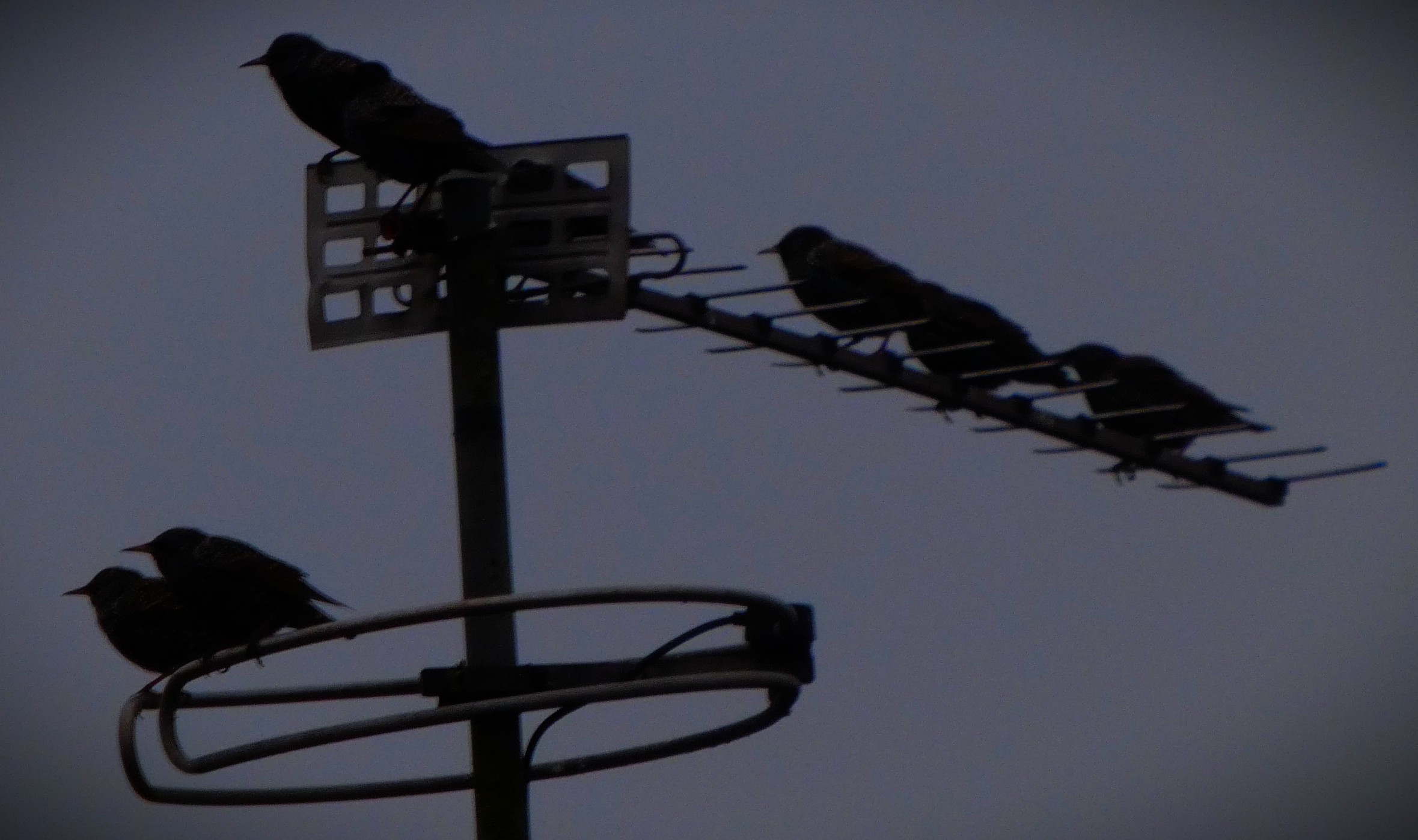
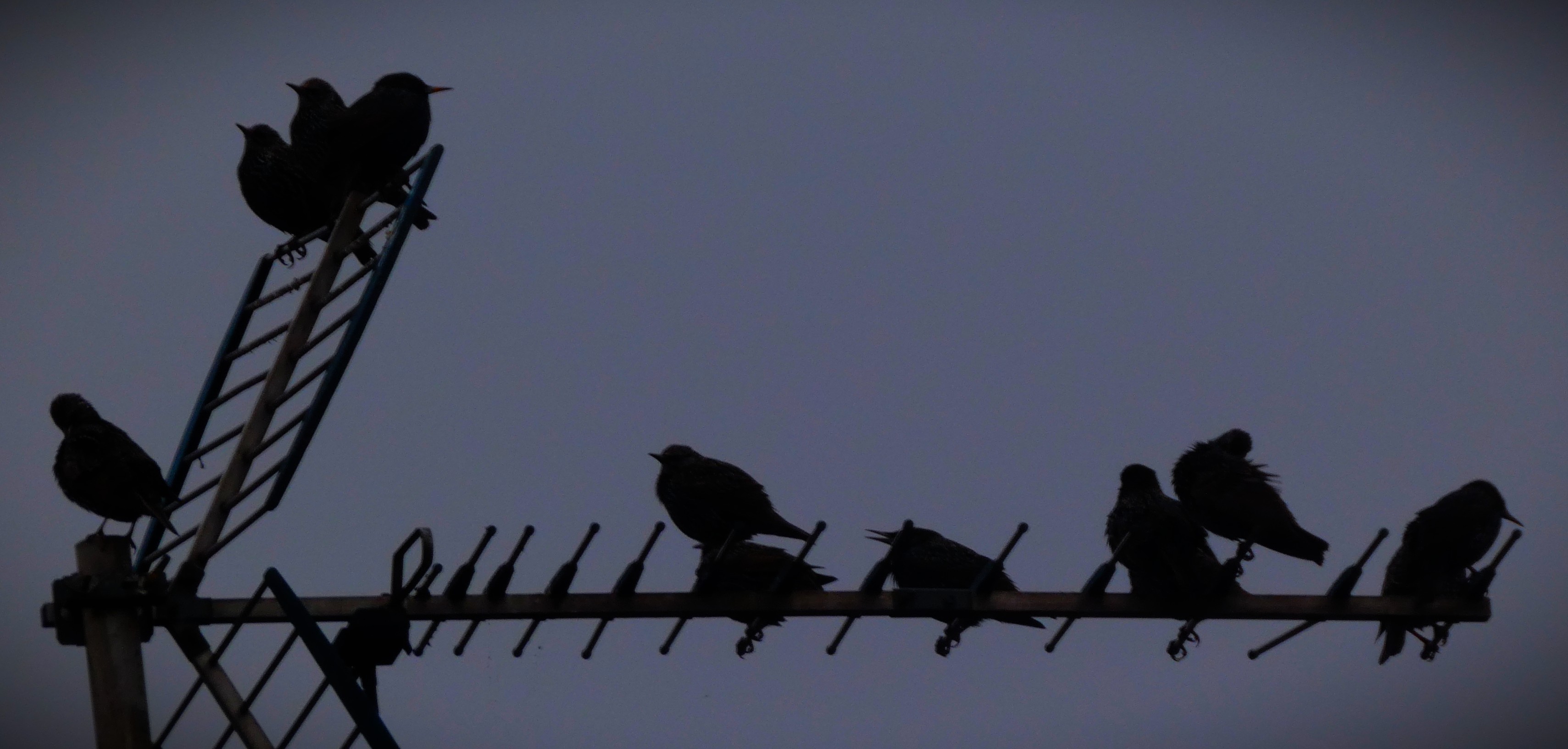
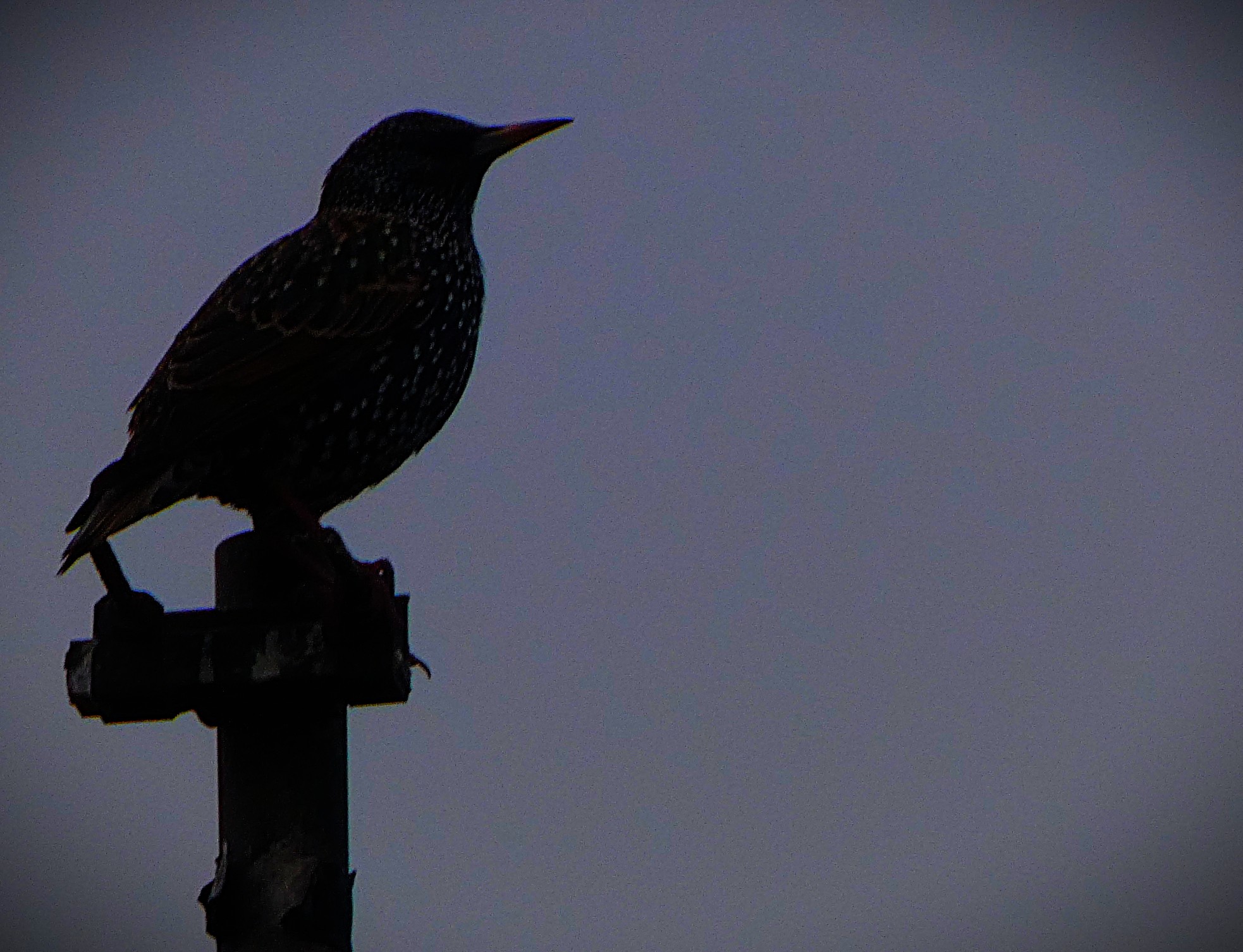
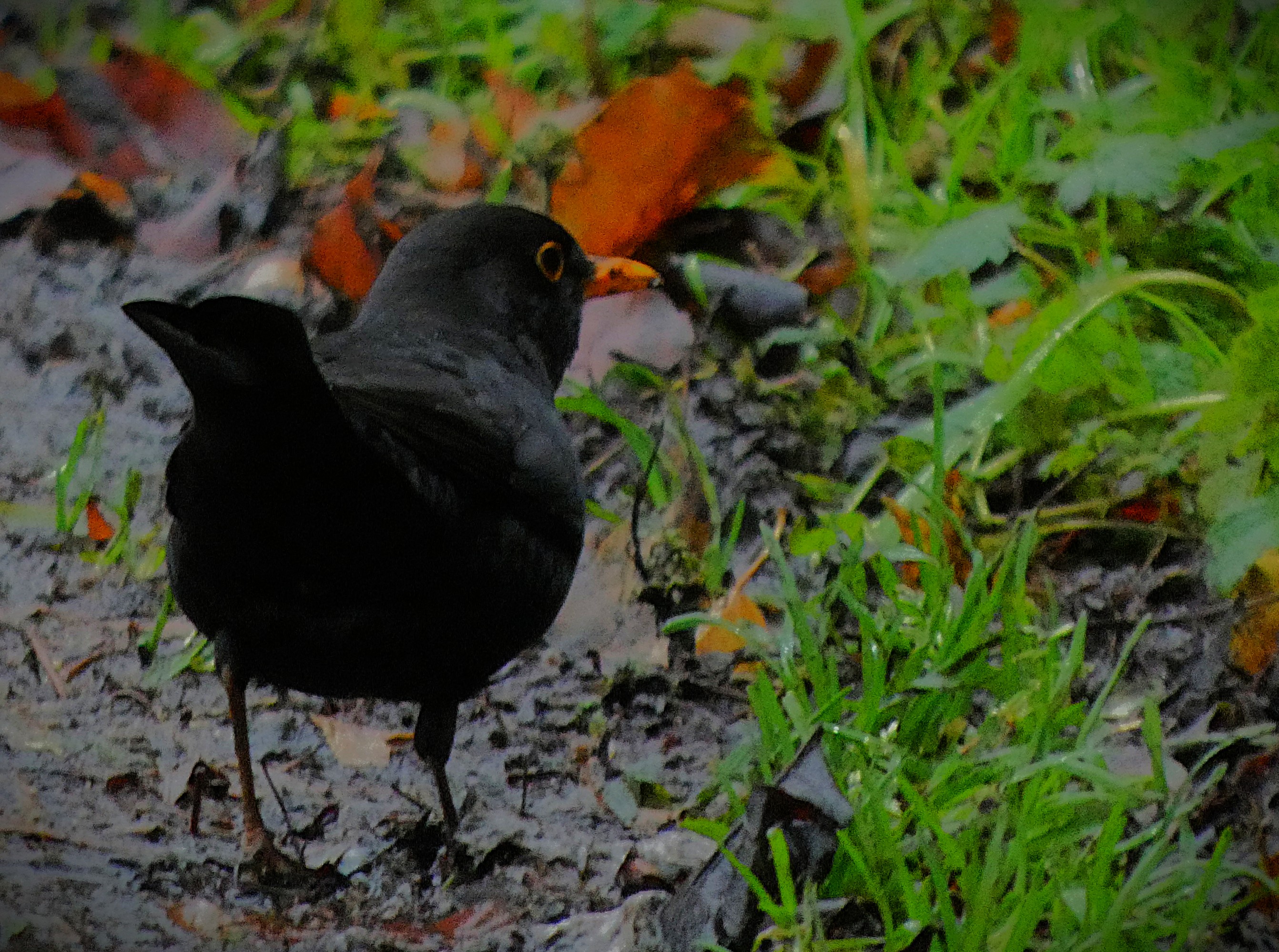
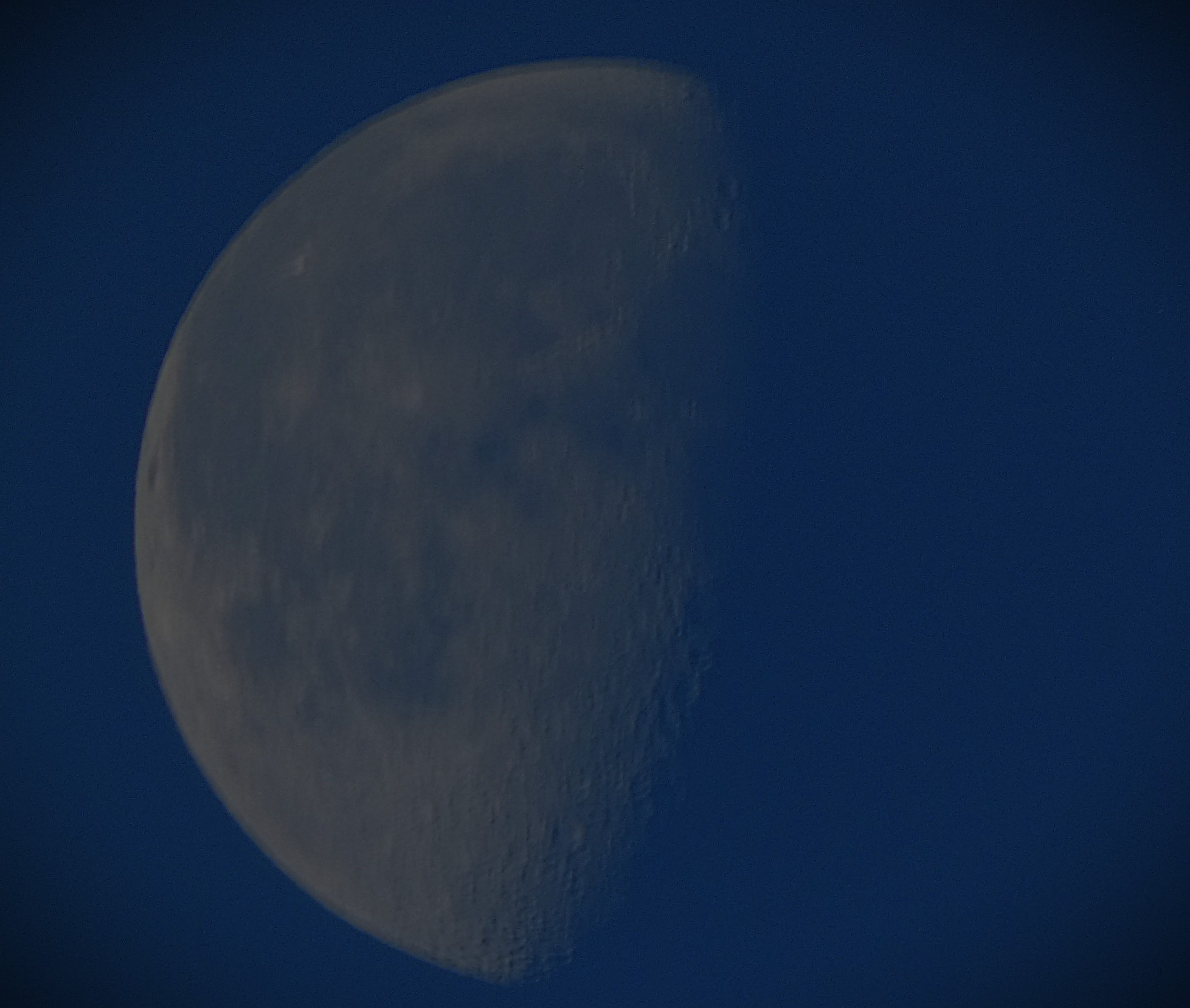
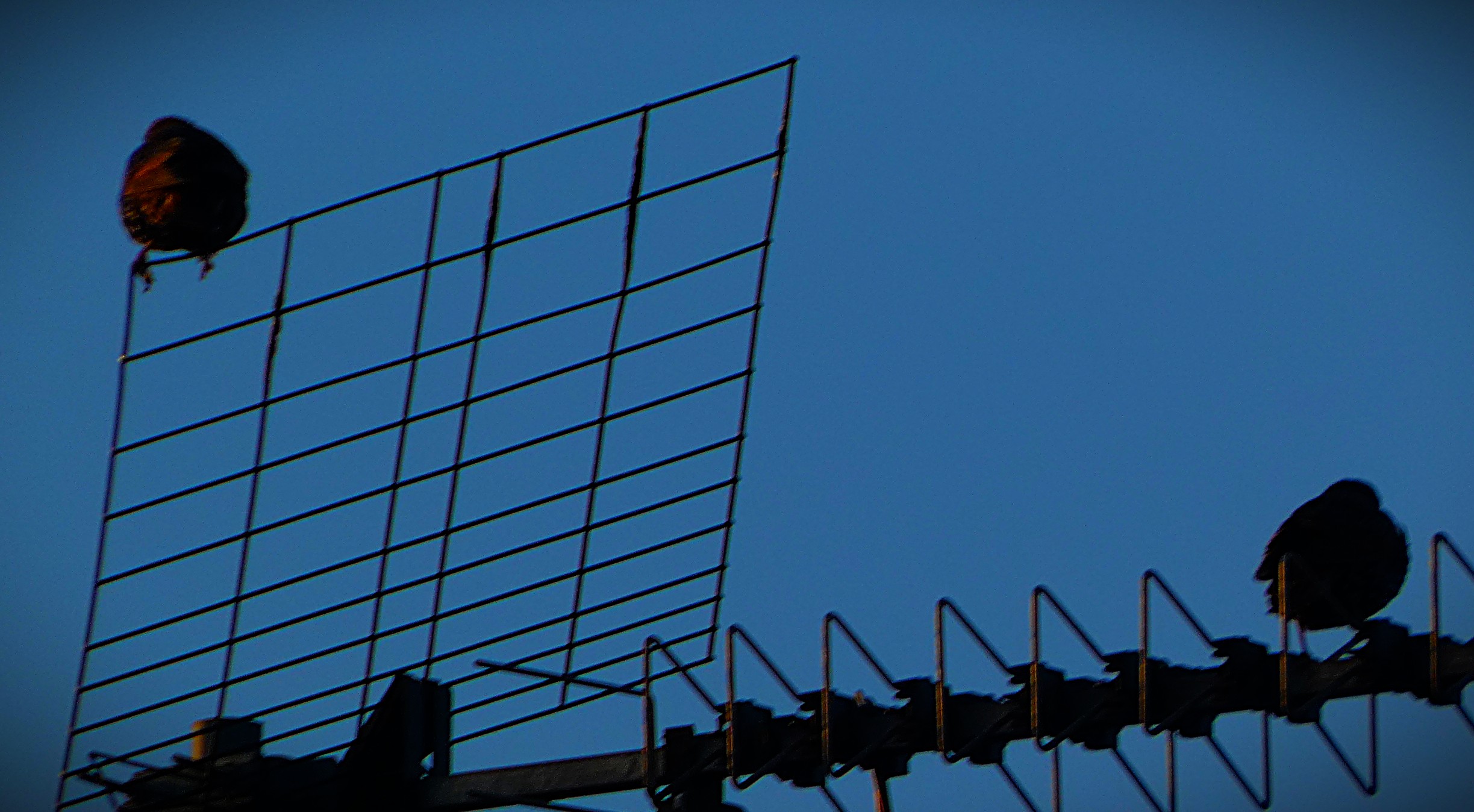
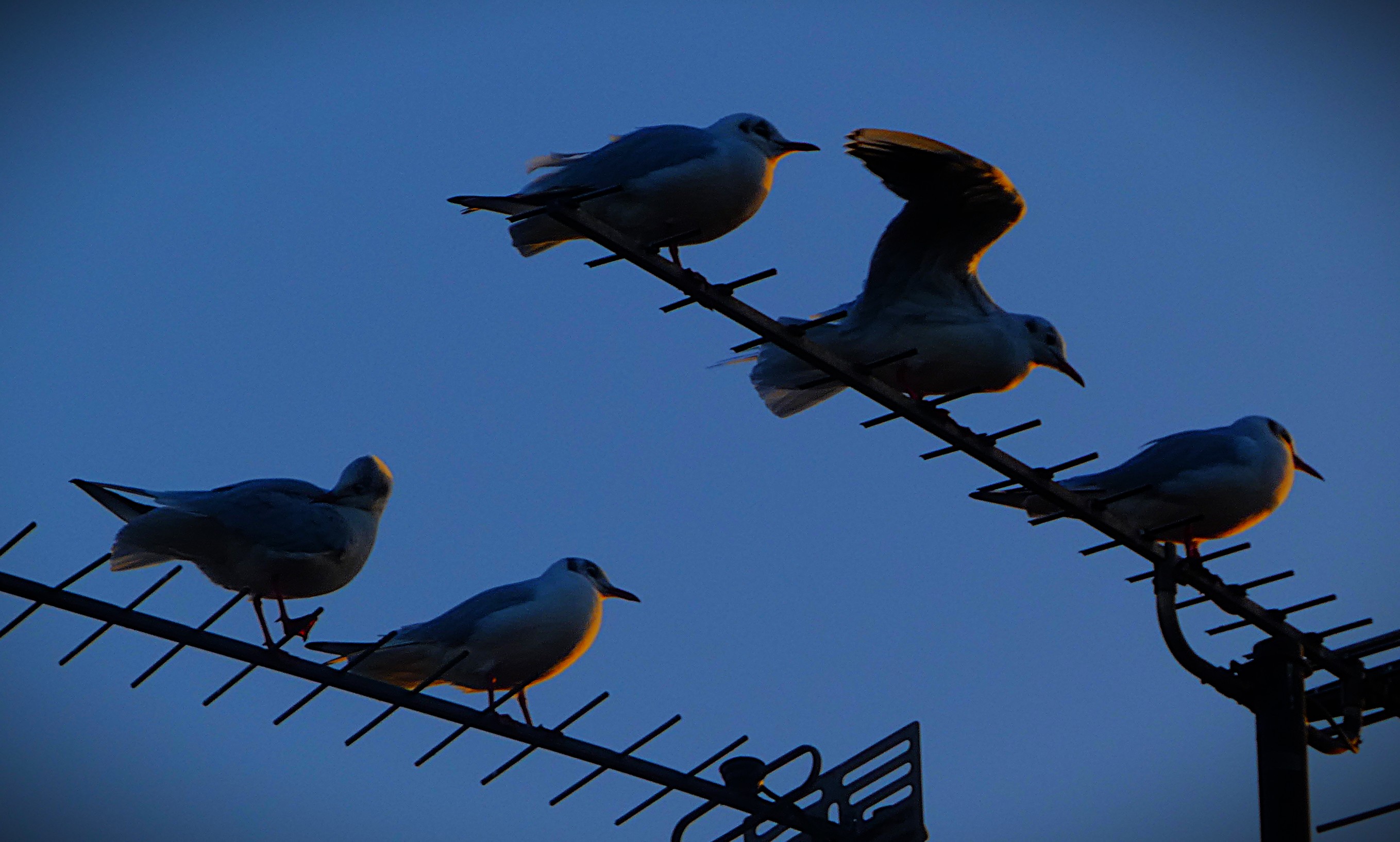
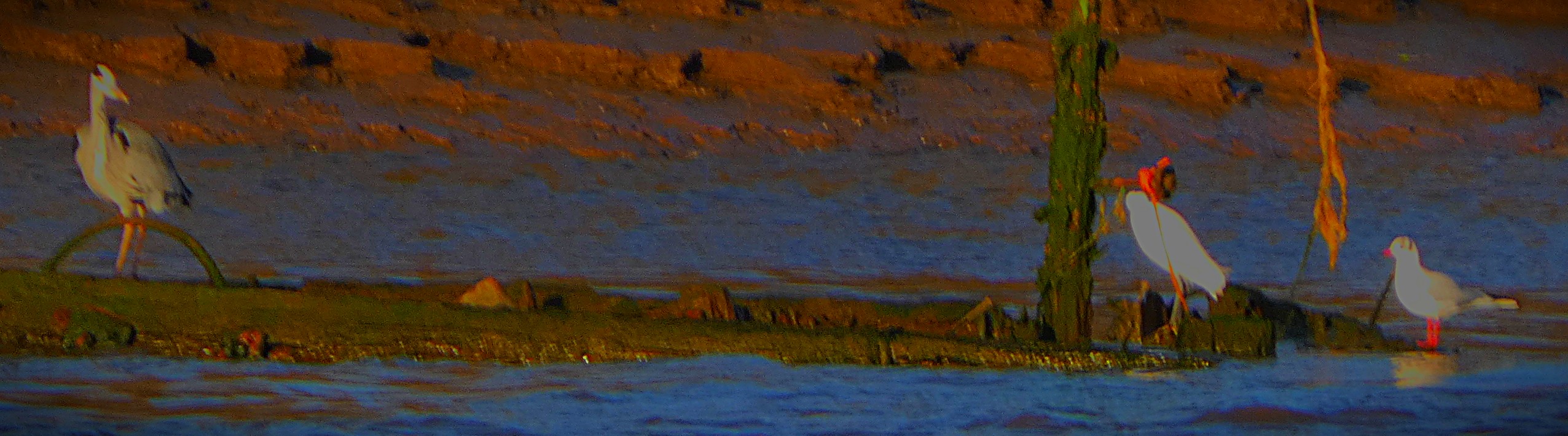
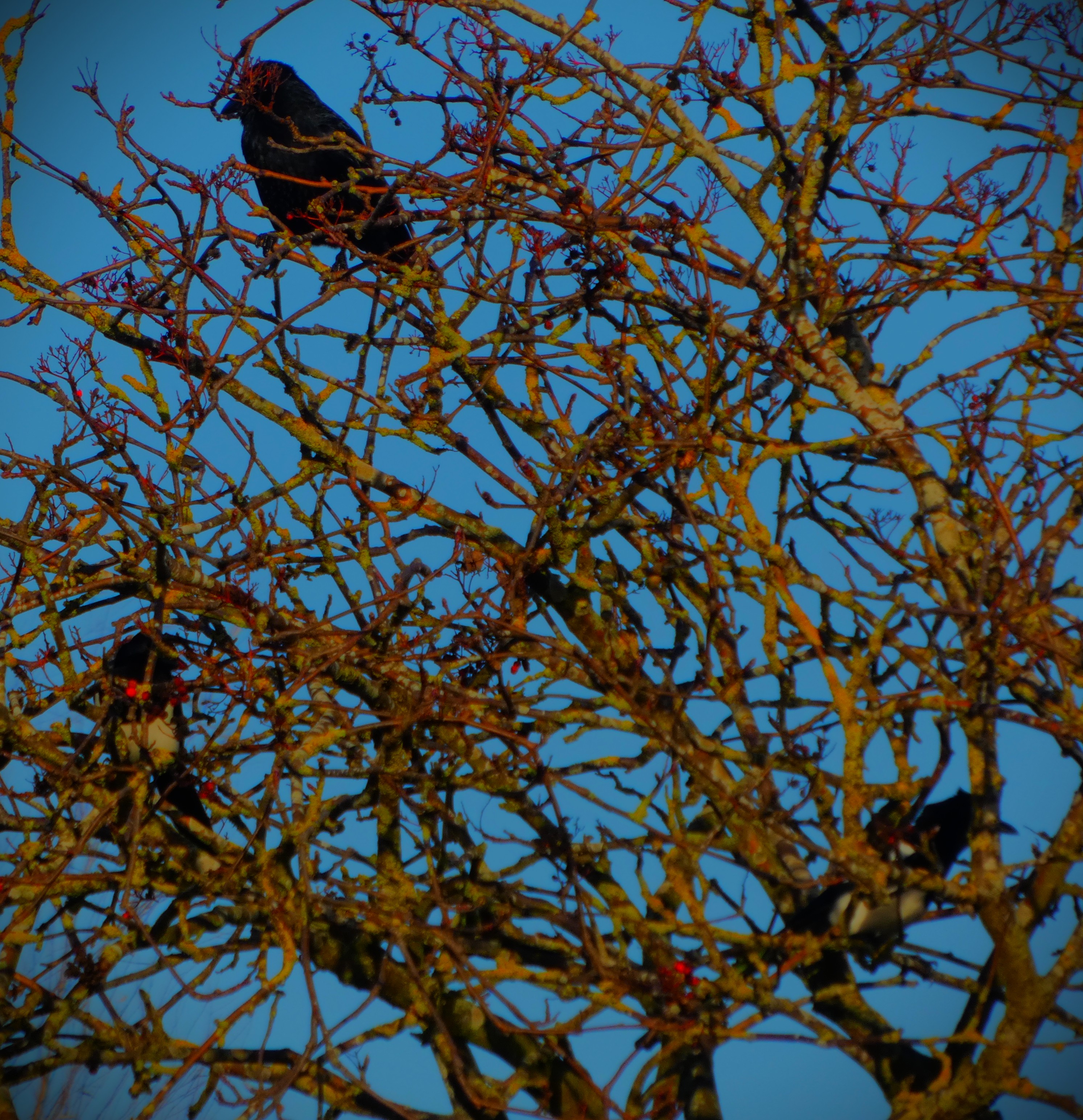
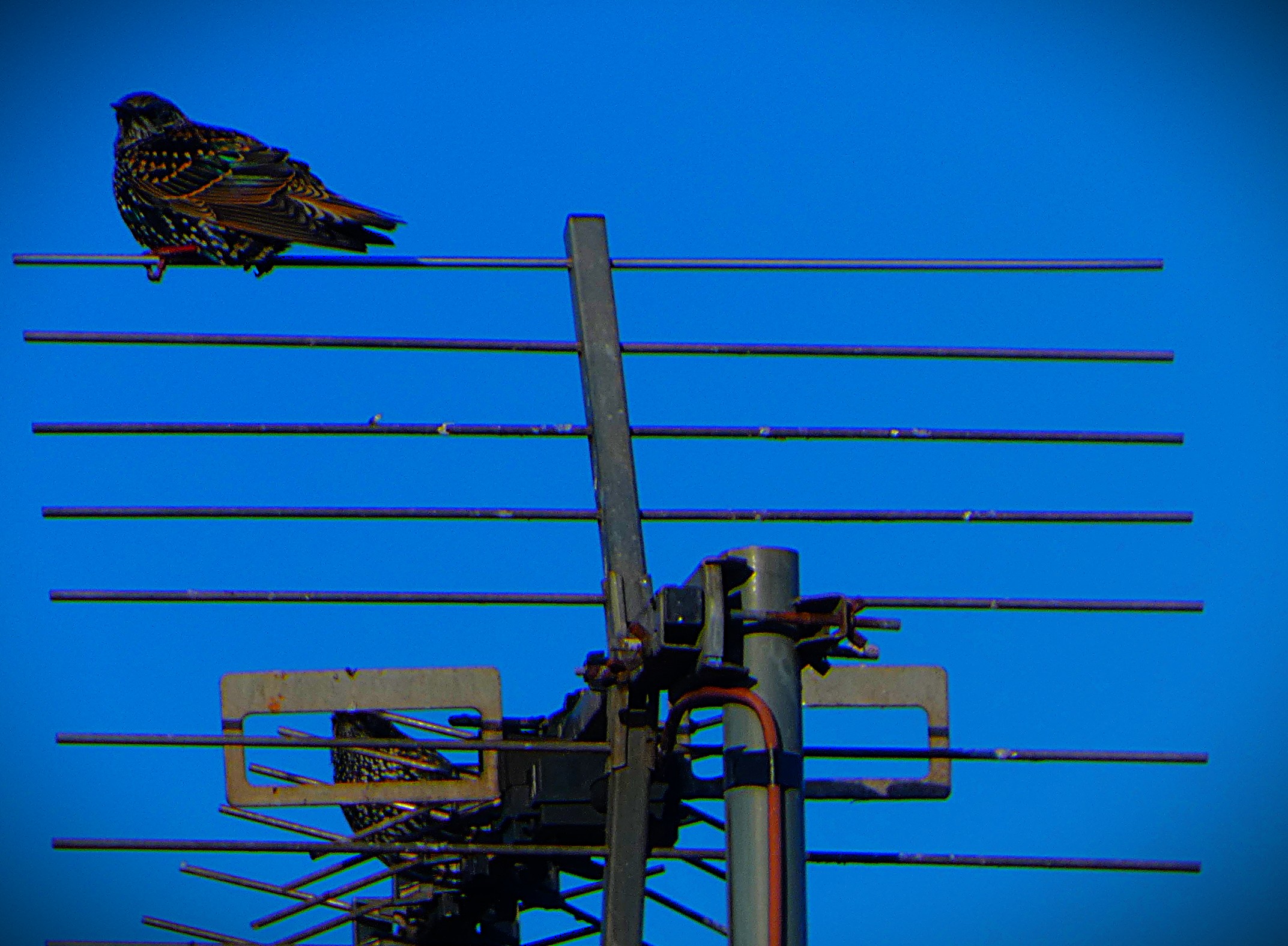
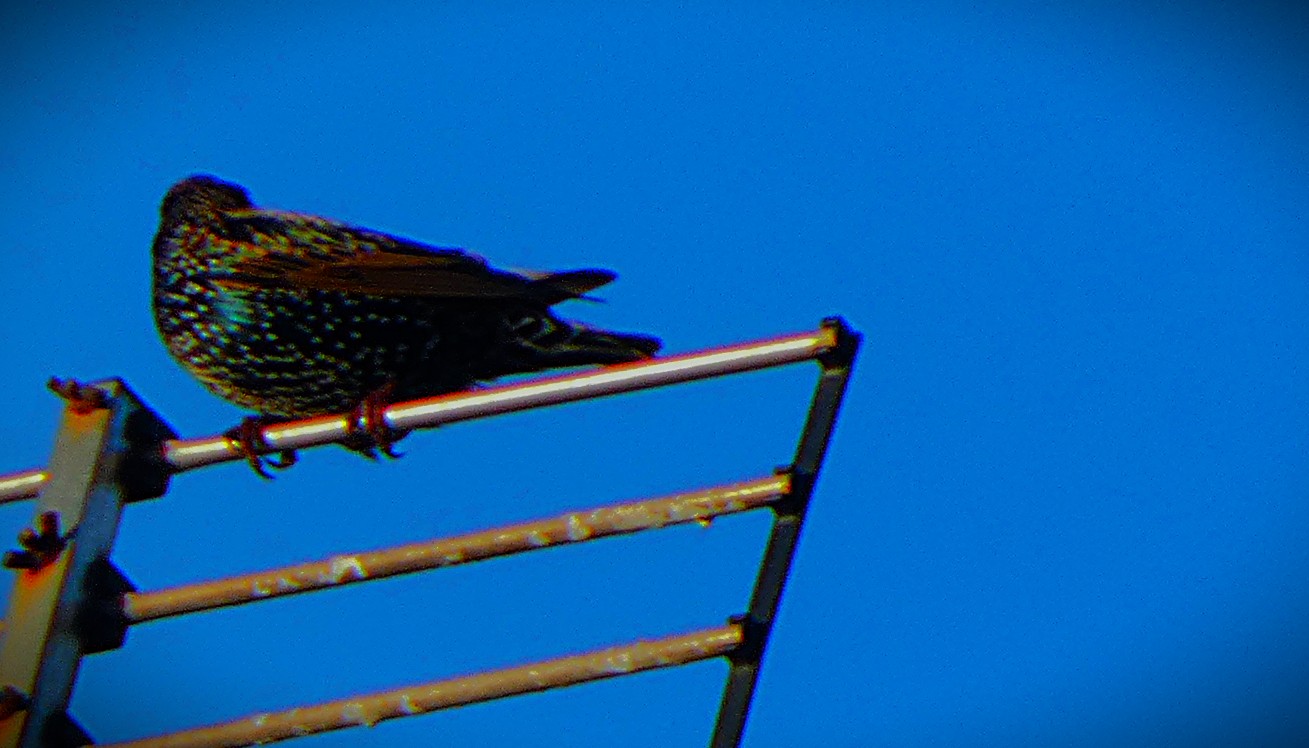
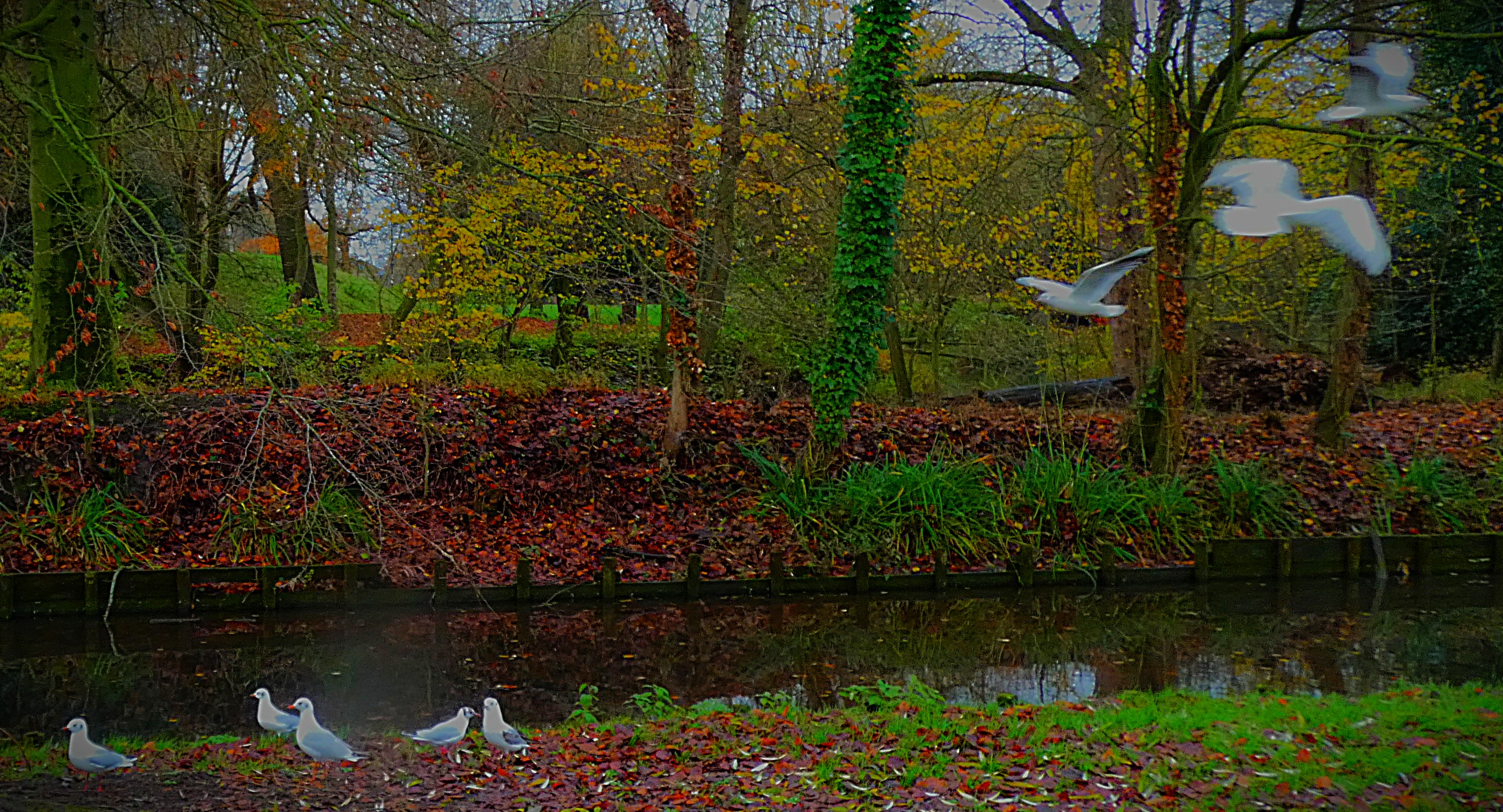
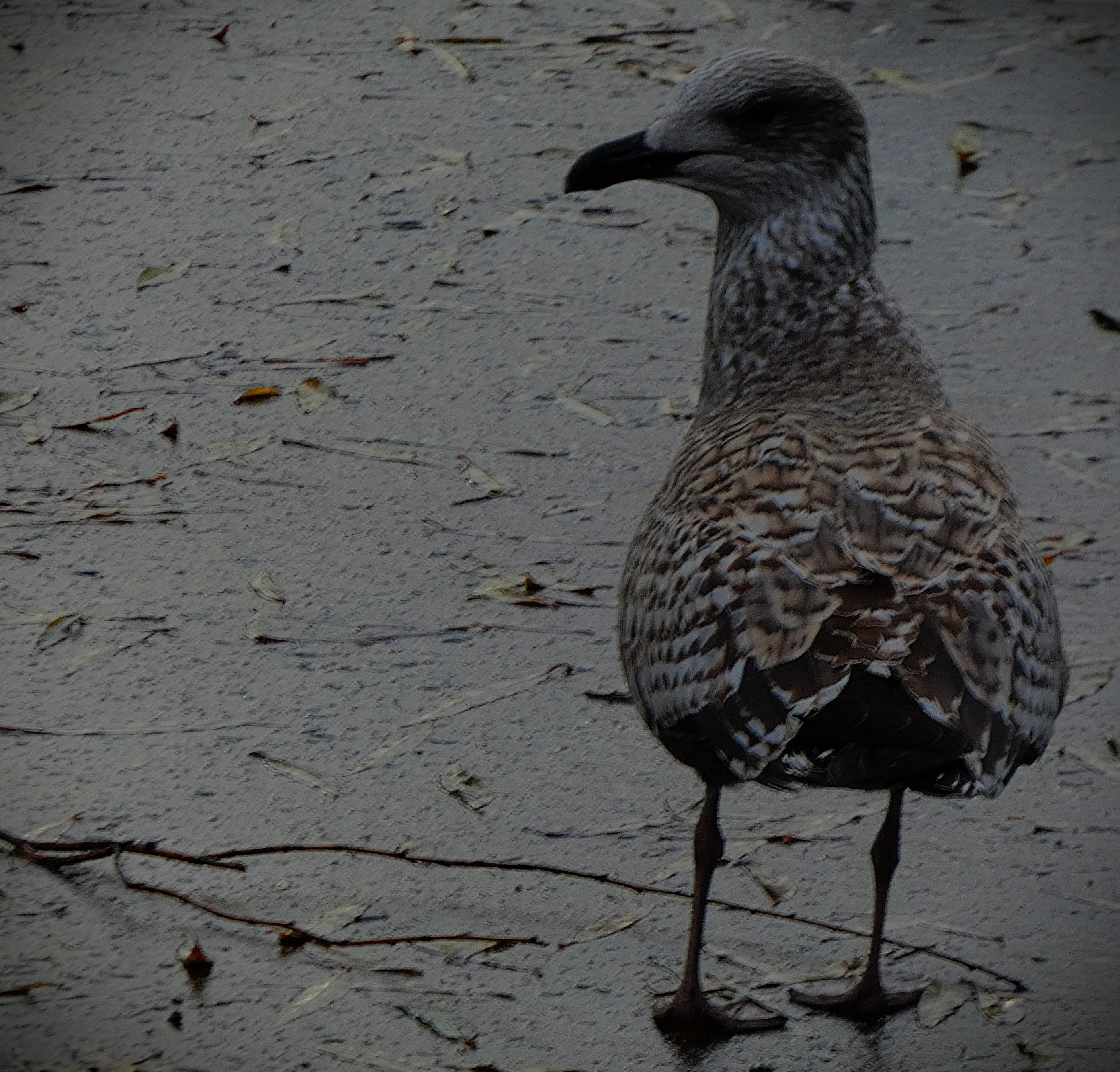
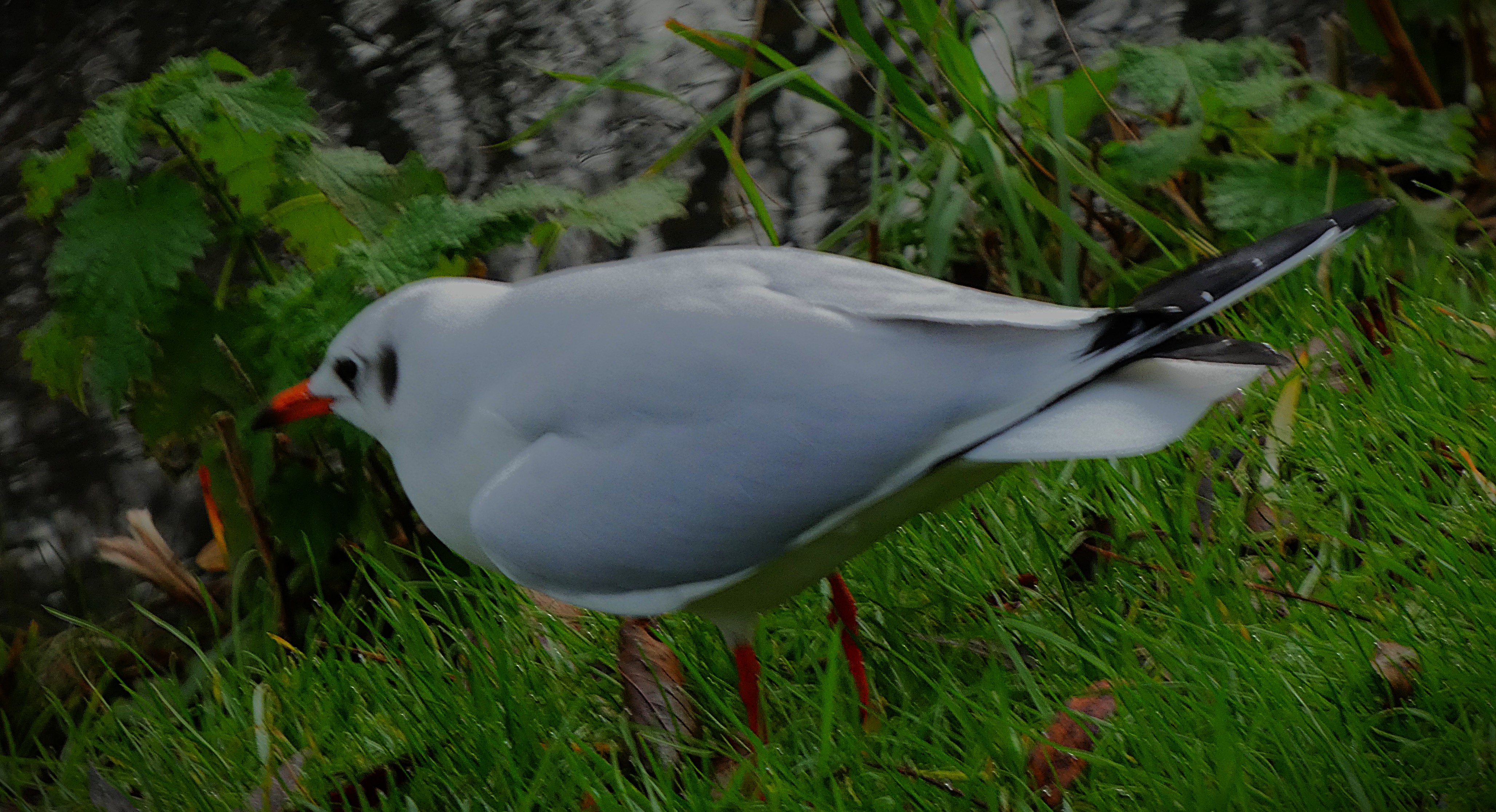
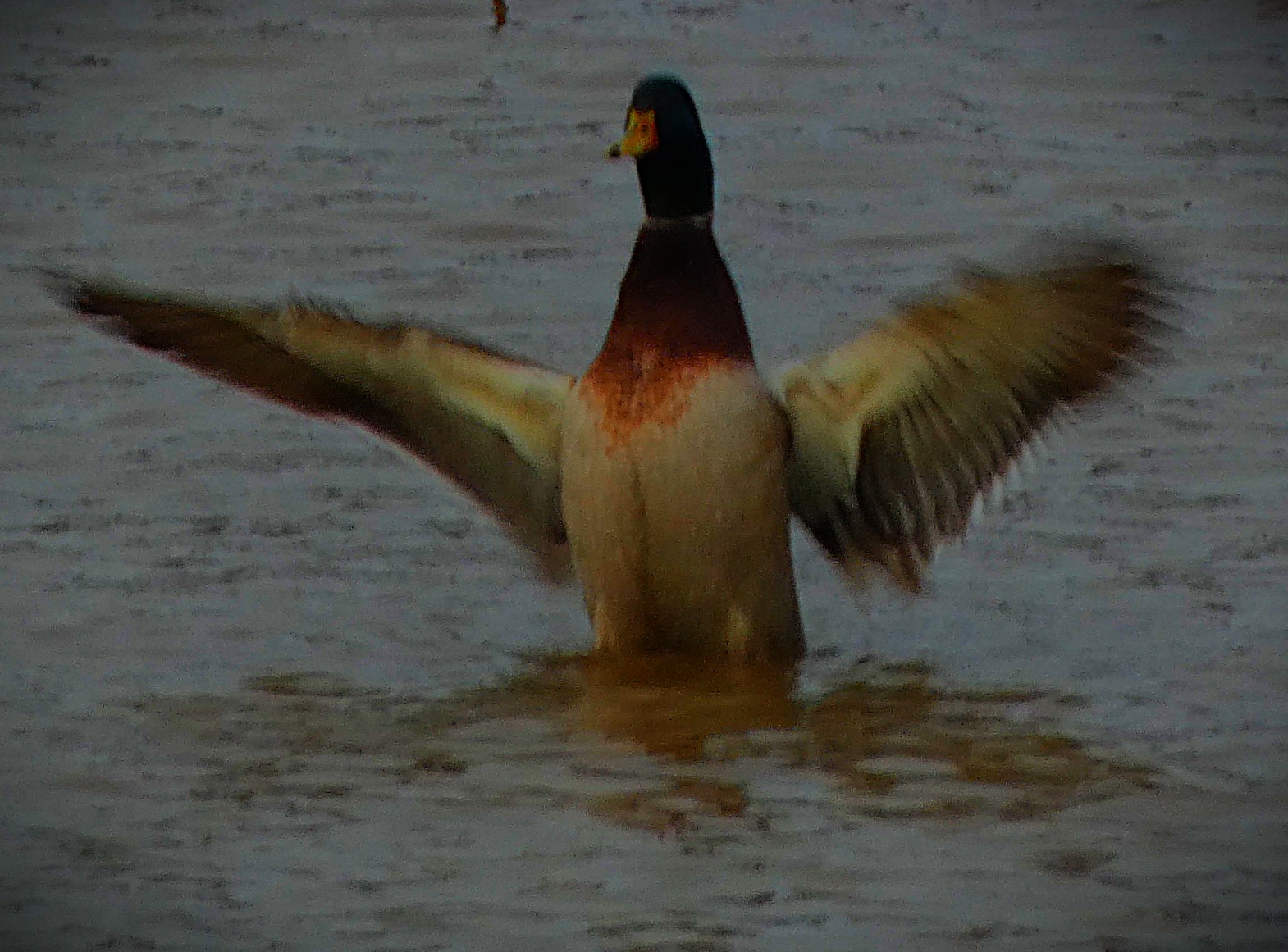
A squirrel with an item of food in its mouth.A mallard drake extends its wings, cormorant fashion.A small gull demonstrates the size of its gape.










































































































































































































































































































 aspiblog