A look at developments in the women’s test match at Trent Bridge and a photo gallery.
The Women’s Ashes test match at Trent Bridge is hotting up, as England bowlers get in among the wickets. This post looks at developments since yesterday.
THE REST OF YESTERDAY
During yesterday’s post I noted that Tammy Beaumont was hunting down records. She did break the Betty Snowball England record score that had stood since 1935, and she did complete her double century. She was finally last out for 208, the fifth highest score ever by a women’s test cricketer. England had tallied 463, a deficit of 10 on first innings. By the close Australia were 82-0 and it looked like they were in a very strong position.
TODAY
England bowled much better today, but Mooney and Litchfield pushed their opening stand up to 99 before the breakthrough occurred. Australia still looked in a very strong position at 178-3, but England have claimed four wickets in very quick time, and Australia are 198-7 with Alyssa Healy and Alana King batting together. For England Ecclestone has three wickets so far, giving her eight in the match, with veteran seamer Cross and young speedster Filer each claiming two scalps.
A look at developments so far in the women’s Ashes and a substantial photo gallery.
Yesterday morning the Women’s Ashes got underway with day one of a five day test match (this move being not before time – see here). This post looks at the action so far.
THE PRELIMINARIES
The warm up matches (England v Australia A and England A v Australia) both went better for England than Australia. England’s chosen XI included an international debutant in Lauren Filer and a test debutant in Danni Wyatt. Filer was part of seam/ pace trio alongside veteran Kate Cross and the tall swing bowler Lauren Bell, while the front line spinner was inevitably Sophie Ecclestone. In addition to these Natalie Sciver-Brunt’s medium pace, Sophia Dunkley’s leg spin and Heather Knight’s off spin were also available as back up options. Australia’s side included Ellyse Perry, adding to her many entries in the record books by taking part in a tenth Women’s Ashes series. They opted for two front line spinner, Ashleigh Gardner and Alana King. They also had such strength in the batting department that Annabel Sutherland, a regular number three in Australian domestic cricket and coming off the back of a century in her warm up game was at number eight (she is a seam bowling all rounder, and has a better record at the age of 21 than Perry did when she was that age. Australia won the toss and chose to bat.
DAY ONE
Yesterday was a work day for me, so I missed a lot of the action, but tuned in just in time to catch Sophie Ecclestone’s second wicket. Two balls later Aussie skipper Alyssa Healy was out for duck and it was 226-5. That was as good as it got for England, and by the end of the day Australia were 328-7, with Sutherland going well.
DAY TWO
The second morning definitely belonged to Australia. Bell claimed the wicket of Alana King, but Kim Garth has providing staunch support for the brilliant Sutherland since then. Australia have just reached 450, with Sutherland now on 121. Ecclestone has been by far the best of the England bowlers, and now has figures of 44-9-115-3, with the rest of the attack going at closer to five an over than four – rather a contrast to the men’s test, when England’s supposed front line spinner was the one getting smacked around while the seamers were significantly more economical (on a side note, the England men’s selectors seem to have realized that persisting with Ali is not on – Rehan Ahmed has just been added to their squad). Although Australia are in a very strong position England are themselves a powerful batting side, with an opener, Beaumont, coming off a double century in her warm up match and a few others in good form. As I type this Garth has just been given LBW to Ecclestone, though she has reviewed it, it has been confirmed as out and Australia are 457-9, Ecclestone has 4-120 in her 45th over of the innings. Darcie Brown, the sole member of this Aussie XI with no batting pedigree has joined Sutherland at the crease.
PHOTOGRAPHS
The first four pictures in today’s gallery were taken a few days earlier than any of the others, which all date from the last couple of days. To view a photo at full size just click on it.
A look at the amazing test match the ended at 7:20PM yesterday and a substantial photo gallery.
This post looks back at a test match that had everything. From the moment Zak Crawley creamed the first ball of the match for four through to 7:20PM yesterday when Pat Cummins struck a four to third man to settle things the fortunes of war swayed hither and thither. I will be producing a detailed set of player ratings and a look at who England might pick to deal with obvious problems revealed in this match.
THE CLOSING STAGES
I was at work yesterday, but a rain delay at Edgbaston meant that I got to witness the closing stages of the match by way of Test Match Special and cricinfo. On a last day pitch definitely favouring spinners supposed front line spinner Moeen Ali had the indignity of being outbowled by part timer Joe Root. Stokes, injured knee and all, bowled with great determination. Broad and Robinson were both excellent, though Anderson did little. Stokes declined to take the new ball when it first became available, and when Root got Carey to make it 227-8, 54 still needed, it looked like the move had paid off. However Stokes persisted with the old ball, and Cummins and Lyon gradually settled in. Finally, with the deficit halved England took the new ball, but although Broad and Robinson bowled well they simply could not break through. In truth I had been rooting for what would have been only test cricket’s third ever tie, because each side had at least one player who did not deserve a loss – Khawaja for Australia and Root for England being the standouts. A tie clearly outranks a draw, as it is a result in keeping with the Stokes ethos. However, I have no complaints about the end result, and certainly none whatsoever about the final stages of the match.
ENGLAND’S MAIN PROBLEMS
I am going to start this post by stating firmly one thing that did not cause England to lose: Stokes’ declaration on the first evening has been the subject of much comment, a good deal of it hostile. The truth is the problems lay elsewhere than that decision:
‘samey’ main bowlers: as splendid as they all are at what they do Anderson, Broad and Robinson are too similar as bowlers for England to accommodate all three of them in the XI.
Wrong choice of main spinner: it should not have surprised anyone that an ageing player who has not played red ball for a couple of years struggled with the extra workload entailed in bowling in the long form of the game, nor that someone coming into the match with a bowling average against Australia of 65 did not pose very much of a threat.
Wrong choice of wicket keeper: for my money Bairstow’s three definite missed chances (two catches and one stumping), plus the potential chance he didn’t go for, leaving the ball to pass between him and Root for four more than neutralized his contribution with the bat. Last summer Bairstow played as a specialist batter, with Foakes behind the stumps, and if Bairstow has a role in the side it is as a batter, not a keeper/batter.
Players getting in and getting themselves out. : in the second England innings three players got to 40, and not one of them went on to 50. At least one of those three should have gone on to a genuinely major innings.
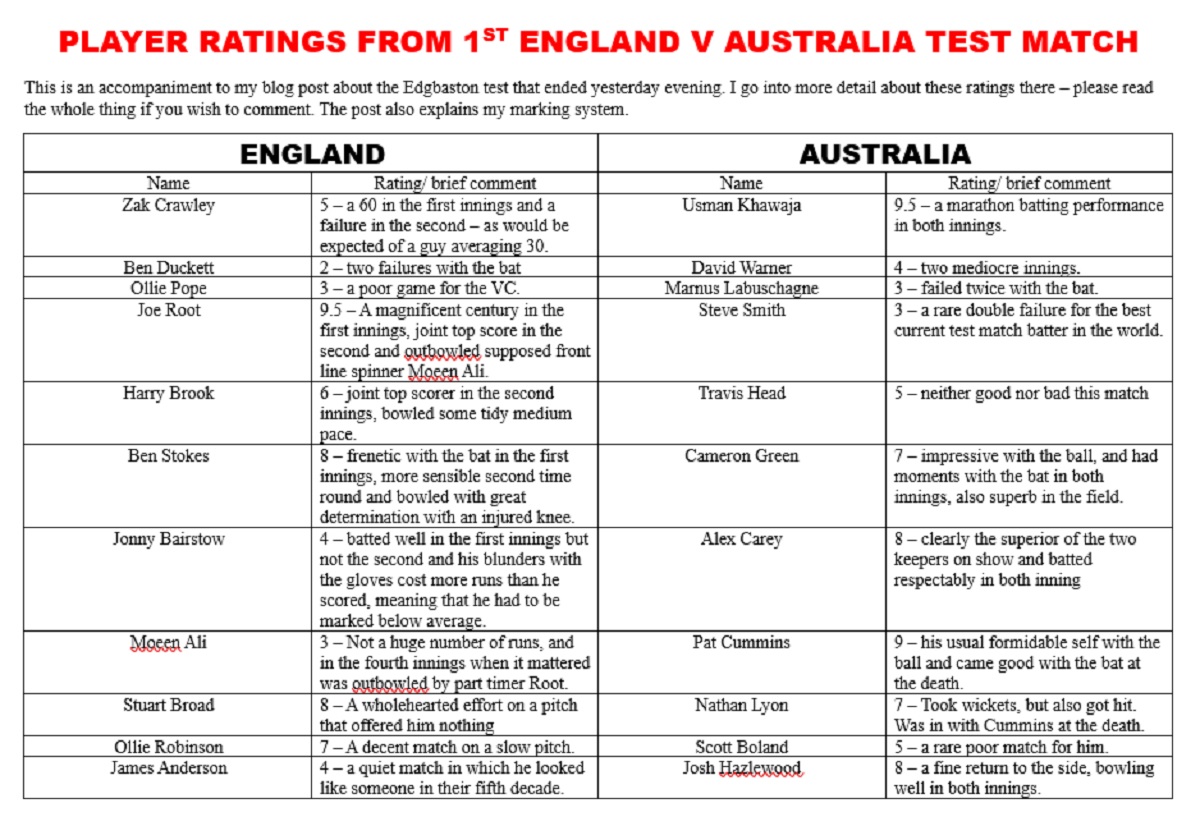
PLAYER RATINGS
I will be going through each team in official batting order, using a scale of 0 (did nothing of value at all) through to 10 (perfection). Please note that when using such scales I use the whole scale – no courtesy marks just for turning up.
ENGLAND
Zak Crawley: 5. A dead average performance from someone who is in truth a dead average player – 61 in the first innings and a failure in the second is nothing special for an opener.
Ben Duckett: 2. Two failures with the bat this time, but he surely has credit in the bank from Pakistan and New Zealand to retain his slot.
Ollie Pope: 3. A promising start in the first innings, and his dismissal was somewhat unfortunate, but a skittish performance in the second in which he never looked like getting settled. Not one of the vice-captain’s finest outings.
Joe Root: 9.5. A glorious hundred in the first innings, joint top scorer in the second and out-bowled the ‘front line spinner’. Although this was a performance that underlined his status as one of the greatest cricketers his country has ever produced I dock him half a point for getting out on 46 in the second innings.
Harry Brook: 6. He was joint top scorer in the second innings, and bowled some tidy medium pace along the way.
Ben Stokes: 8. An overly frenetic batting performance in the first innings, but a much better effort second time round, and a determined bowling performance in spite of having knee trouble.
Jonny Bairstow: 4. The most controversial mark I am giving, but as I stated earlier in this piece I reckon that the chances he either missed or simply didn’t go for cost more runs (remember as well as the extra runs scored by the reprieved batters you have to factor in extra runs scored at the opposite end in the same period) than he contributed with the bat, and his second innings demonstrated another point about Bairstow the keeper/batter – he rarely scores well after a keeping performance. Since I have have him in net debit for the match I have to give him a below average score to reflect what was overall a below average performance, and on a scale of 0-10, 5 is average.
Moeen Ali: 3. Did not do a lot with the bat, and had a poor game with the ball, to the extent that on a final day pitch which was helping spinners he had the indignity of being out-bowled by part time Joe Root.
Stuart Broad: 8. A wholehearted bowling effort on a pitch that offered him absolutely nothing.
Ollie Robinson: 7. A solid bowling effort in unfavourable conditions, and some lower order runs in the second innings. His reaction to dismissing Khawaja in the first Australian innings attracted a lot of condemnation, but frankly given the way their bowlers have been known to treat opposition batters Aussies are the last to have any right to complain about this kind of thing
James Anderson: 4. Did little in the match, and I for one would not be terribly surprised if he missed Lord’s.
AUSTRALIA
Usman Khawaja: 9.5. A marathon effort with the bat in both innings. The only blot on his copybook is that he did not quite see the job through in the final innings.
David Warner: 4. Not absolute failure, but two moderate scores.
Marnus Labuschagne: 3. Failed twice with the bat.
Steve Smith: 3. The best current test batter in the world suffered a rare double failure in that department.
Travis Head: 5. Could not duplicate his brilliance against India in the WTC final, but not an outright poor performance.
Cameron Green: 7. Impressive with the bat, albeit assisted by Bairstow in the first innings, respectable with the ball, and fielded superbly.
Alex Carey: 8. Clearly the superior of the two keepers on show, and batted well, albeit with two assists from his opposite number in the first innings.
Pat Cummins: 9. His usual formidable self with the ball and batted well in both innings, getting Australia over the line in the second.
Nathan Lyon: 7. He took wickets in both innings, but also took some punishment. He was batting with Cummins when the winning runs were scored.
Scott Boland: 5. A poor match with the ball, but given how close it was his 20 as nightwatch in the fourth innings redeemed him somewhat.
Josh Hazlewood: 8. Bowled well on his return to the side from injury.
Foakes has to return to the side as keeper. I would personally achieve this by dropping Crawley, and having someone else open the innings. Ali cannot be retained, and I would say genuine possibilities are: Rehan Ahmed, Liam Dawson, Dan Moriarty (not a Surrey regular alas, but always bowls well when given the opportunity, as an FC bowling average of 27 suggests), Jack Carson, or the ultra-radical option of asking Sophie Ecclestone if she is up for playing alongside the men. Also, I would rest Anderson and bring in Wood to give the seam attack a point of difference. Chris Woakes has a splendid record at Lord’s, and playing him at number eight and relying on Root for spin is another option.
PHOTOGRAPHS
This has been a long post, but for those of you who made it to the finish this is my usual sign off…
An account of changing computers by way of explaining a few days of not blogging.
I am finally able to blog again after a few days without a computer on which I could do so. This post describes the trials and tribulations of the last few days.
RIP OLD COMPUTER
My old computer gave warning signs of trouble on Sunday, and on Monday morning it became very obvious that it was no longer usable. As a temporary measure to maintain some degree of connectivity I dug my even older computer out, and fortunately it proved still just about usable, although I could not do much on it. On Wednesday morning I went to PC World to check out new computers and find one that would do what I needed and was not too extortionately priced (my mother was willing to cover the cost, for which I am very grateful. My local PC World is on an industrial estate just to the south of King’s Lynn proper, while I live just to the north of King Lynn’s proper. This gave me, as a non-driver, two options: two buses, into and then out of town, or a longish walk. It being spring, and the weather actually being springlike I opted without hesitation for the latter. I found a suitable machine at a not extortionate price and made the necessary arrangements, and left it with the store for them to set it up for me, which they said would take a couple of days. Today, wanting the machine in my possession for my upcoming trip to the lake district I went back to PC World to collect, and eventually was able to do so.
NEW COMPUTER SETUP
I connected to my new computer, while keeping the very old one connected as well for a few moments in case I needed to check emails on it to access my email account from the new device. Once I was sure I would not need to use it further I returned to it is old resting place in case of emergency. The photo editing software on the new machine is somewhat different from that on the old machine and I am still coming to terms with it.
PHOTOGRAPHS
The photographs in this section were edited on three different machines – my very old laptop, a computer at King’s Lynn library and my new laptop…
The above were edited on my very old laptop…
Some of the images I have edited on my new laptop…
The third section of the gallery are the pictures I edited at the library on Monday.
Continuing my account of my visit to Pensthorpe with a look at the discovery centre and at the sculptures dotted around the place.
This is my third post in a mini-series about my part in a West Norfolk Autism Group excursion to Pensthorpe which took place on Saturday. It is a two part post, and represents the mid-point of the series – there will be two further posts afterwards.
PART ONE: DISCOVERY CENTRE
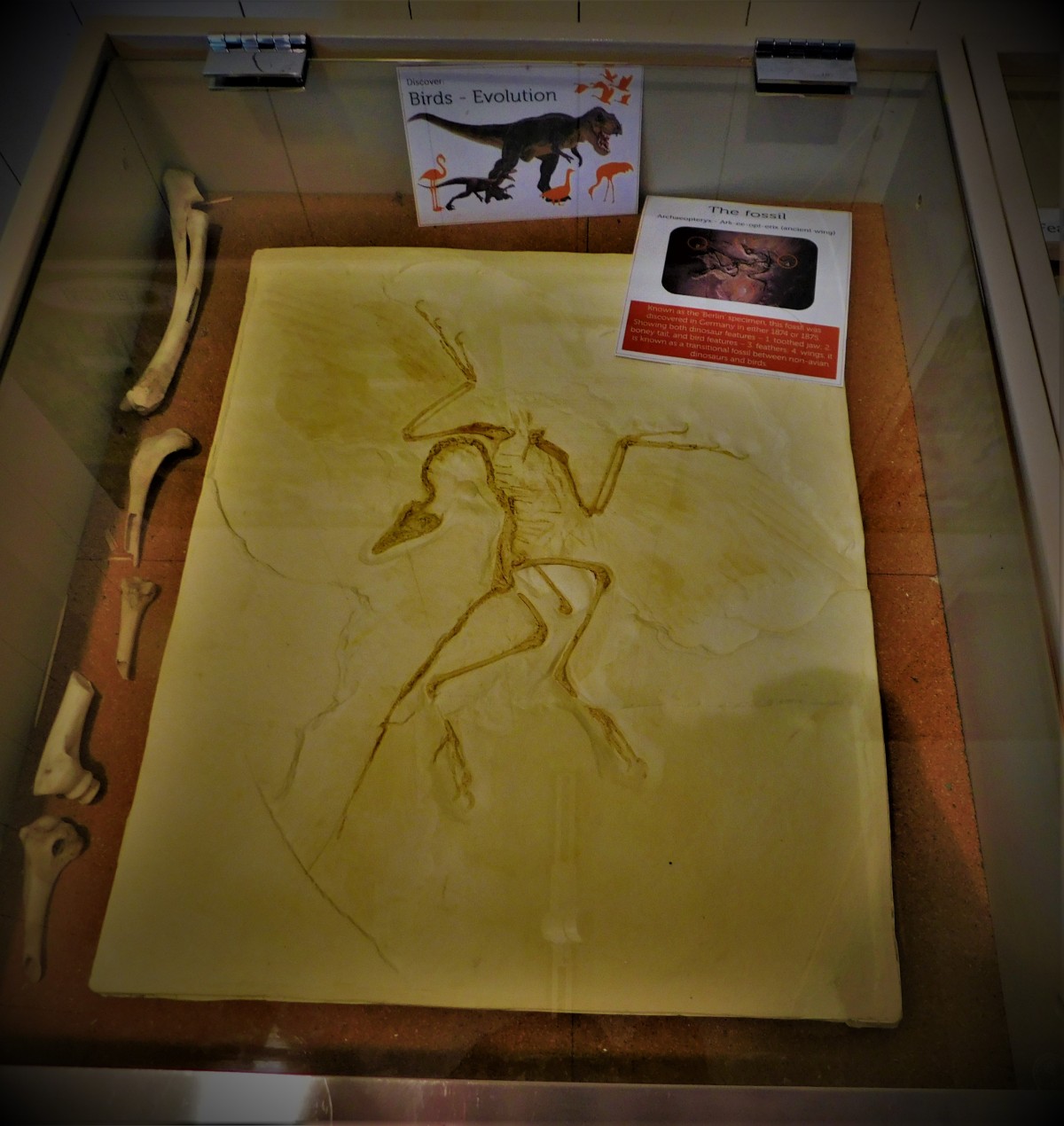
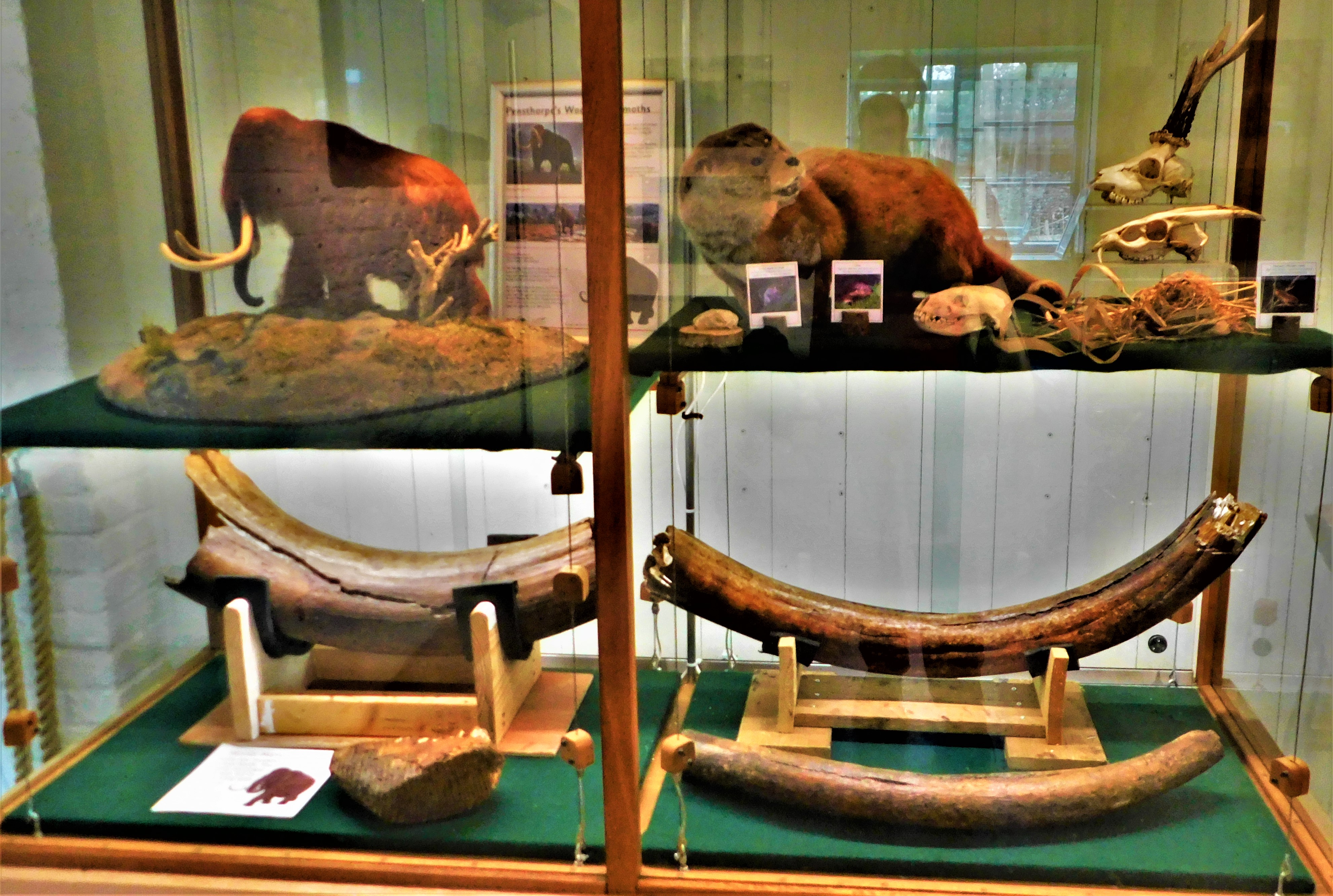
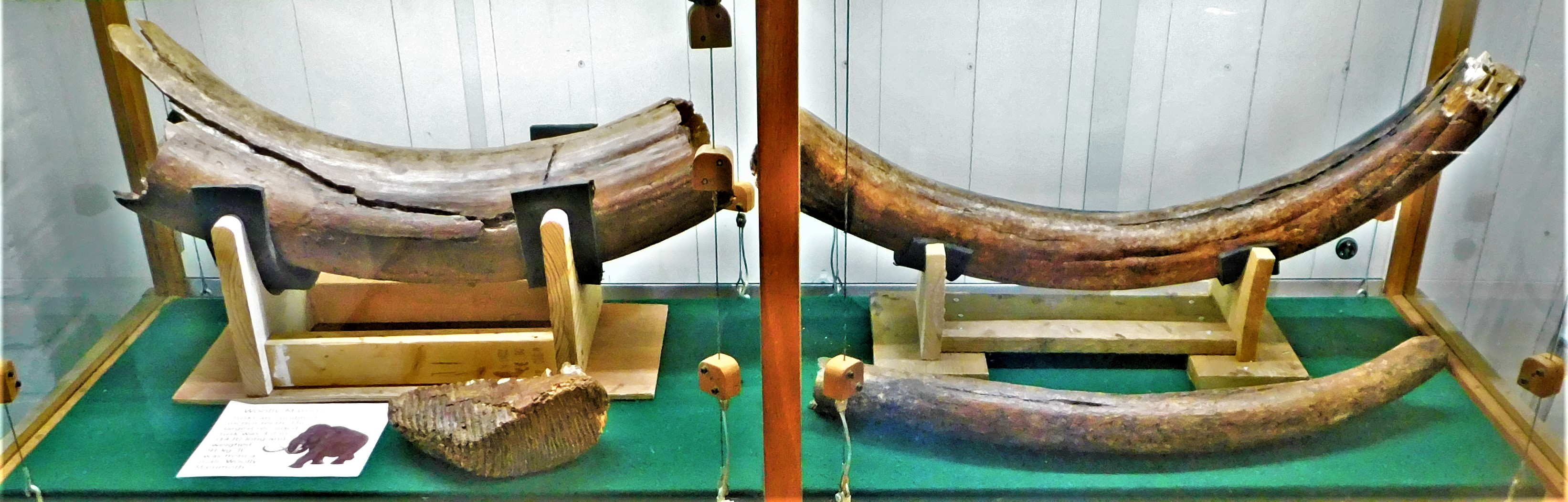
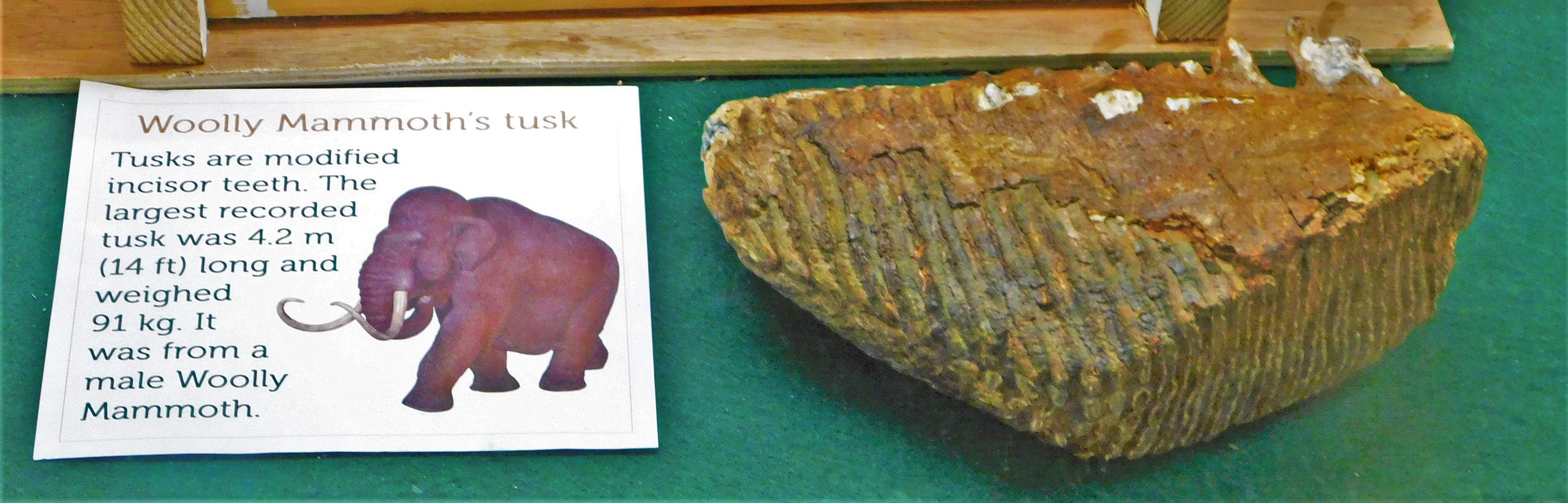
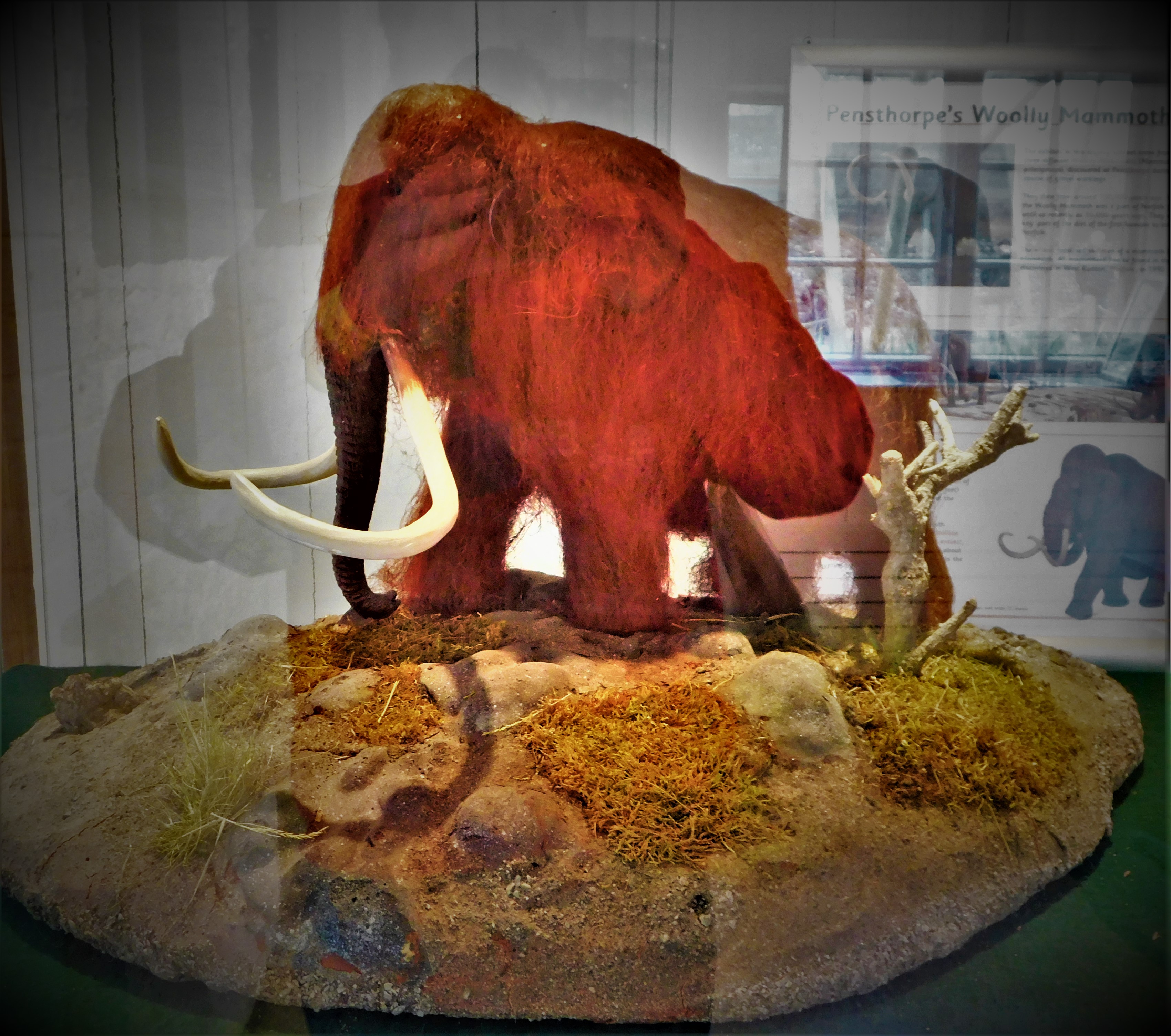
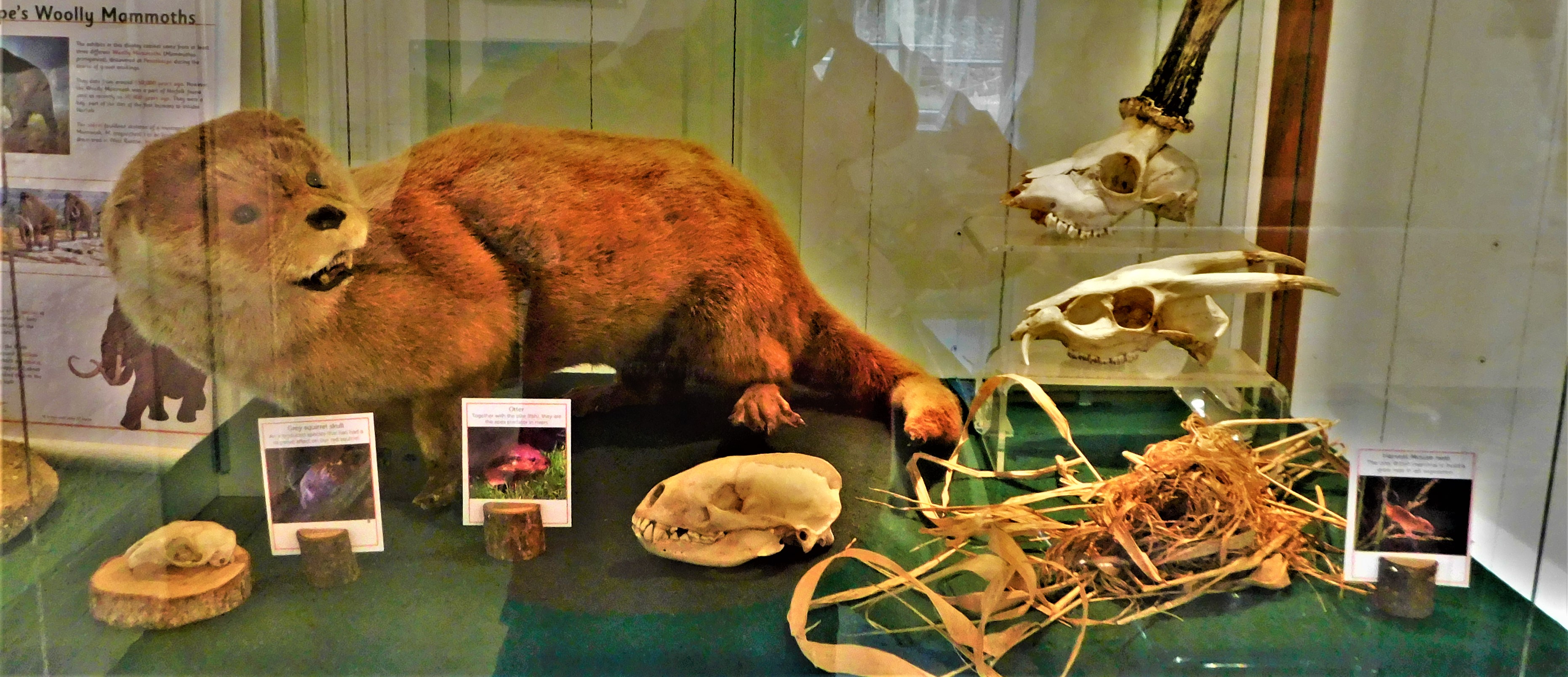
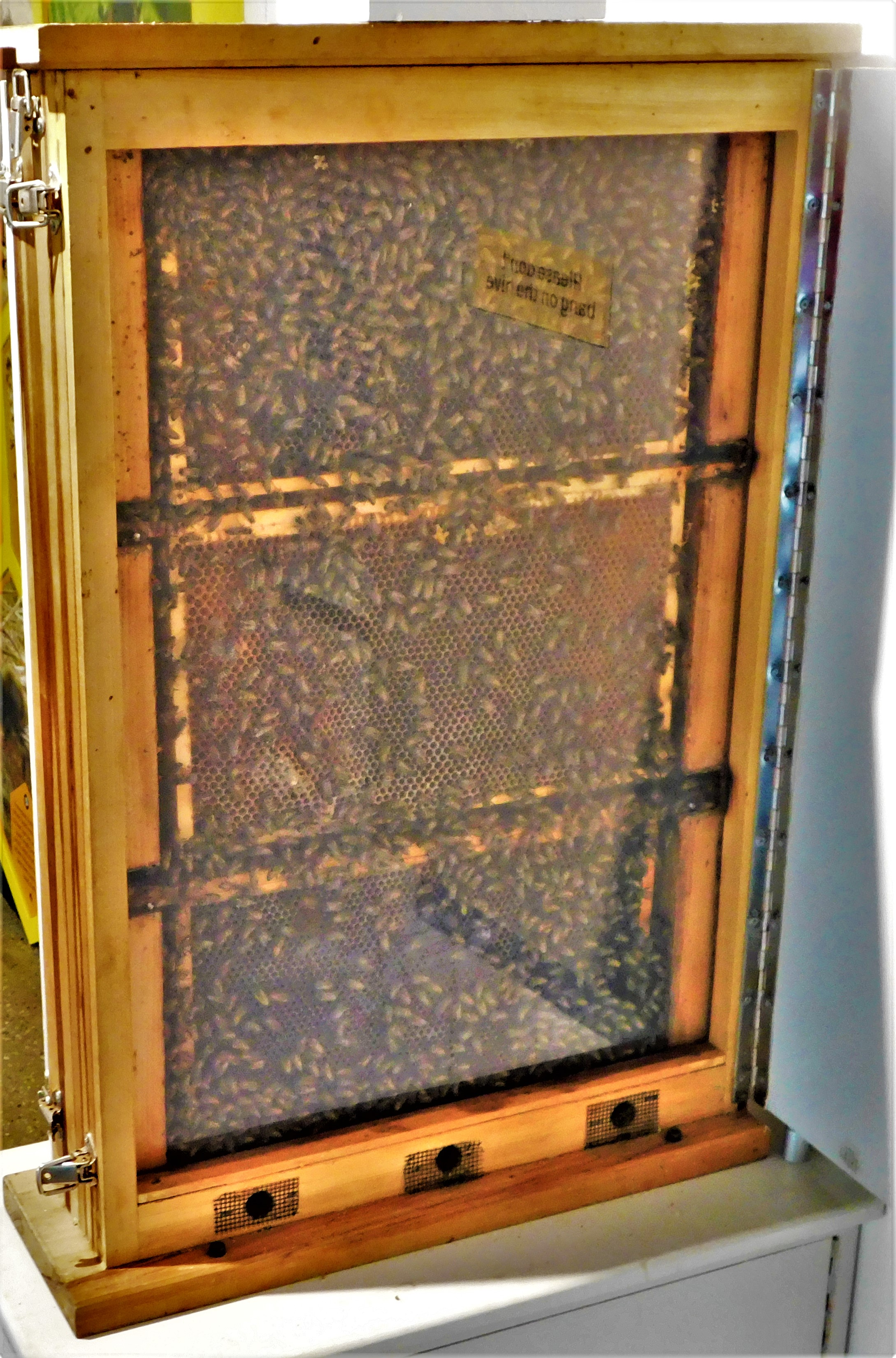
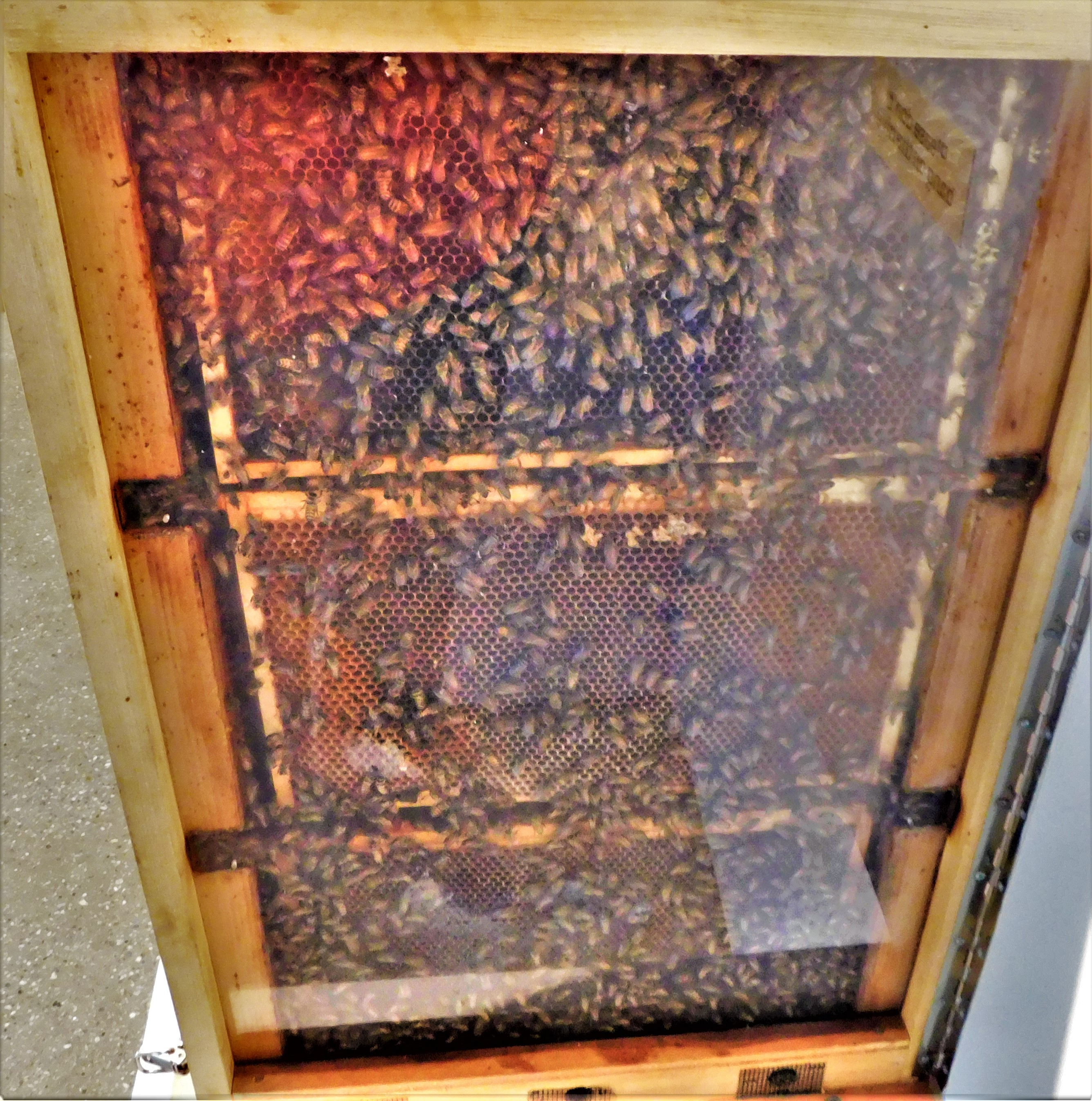
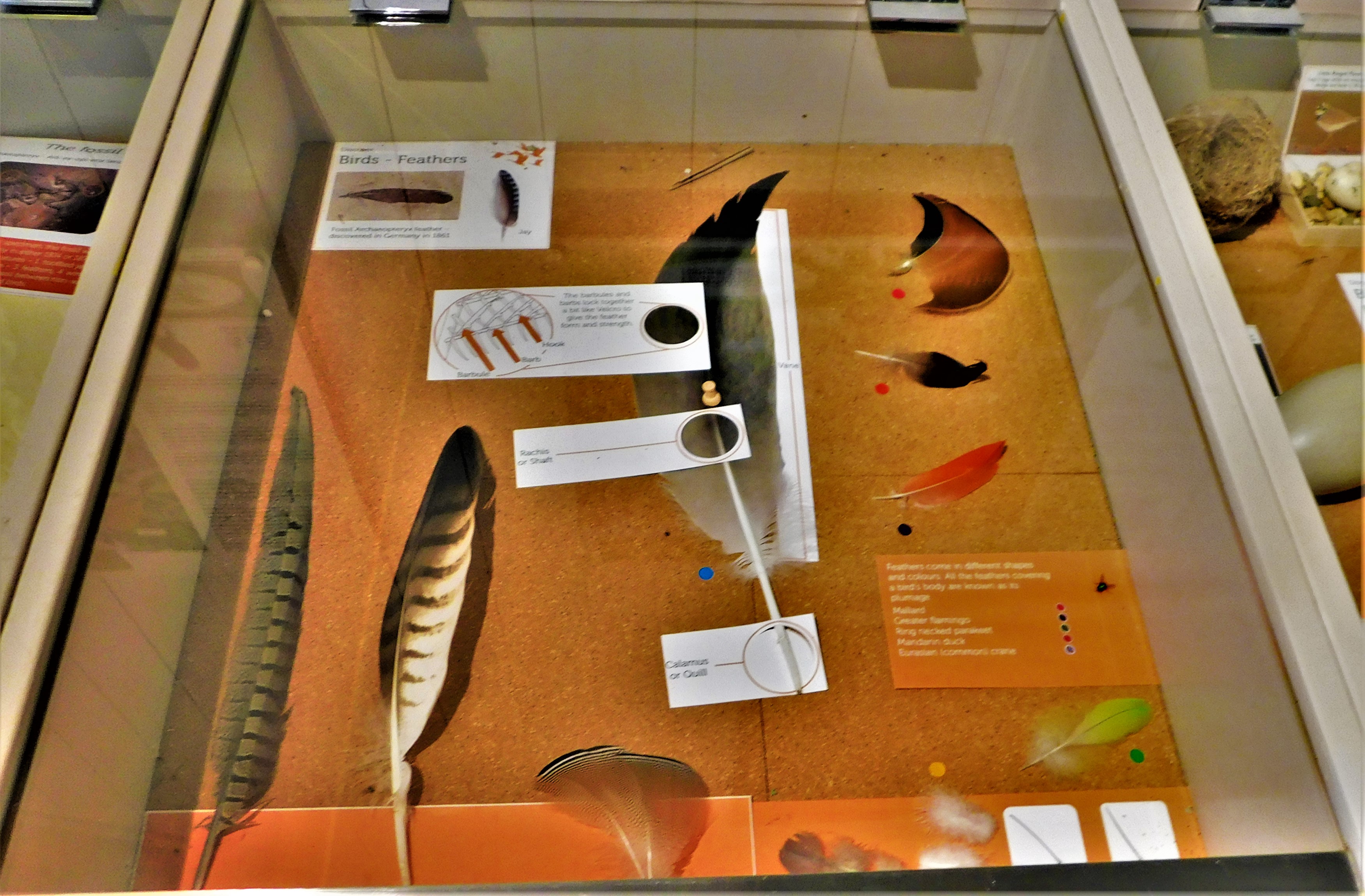
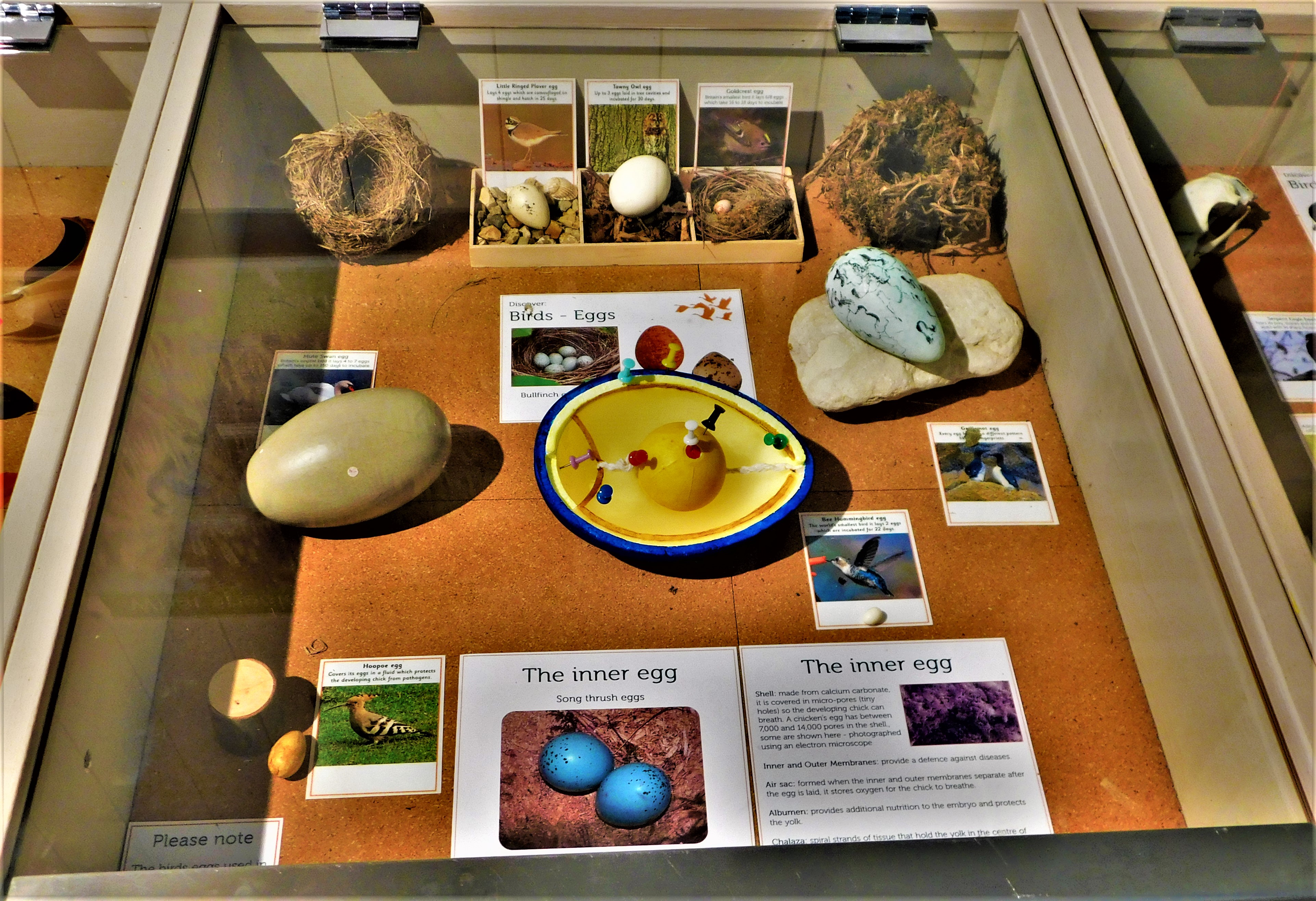
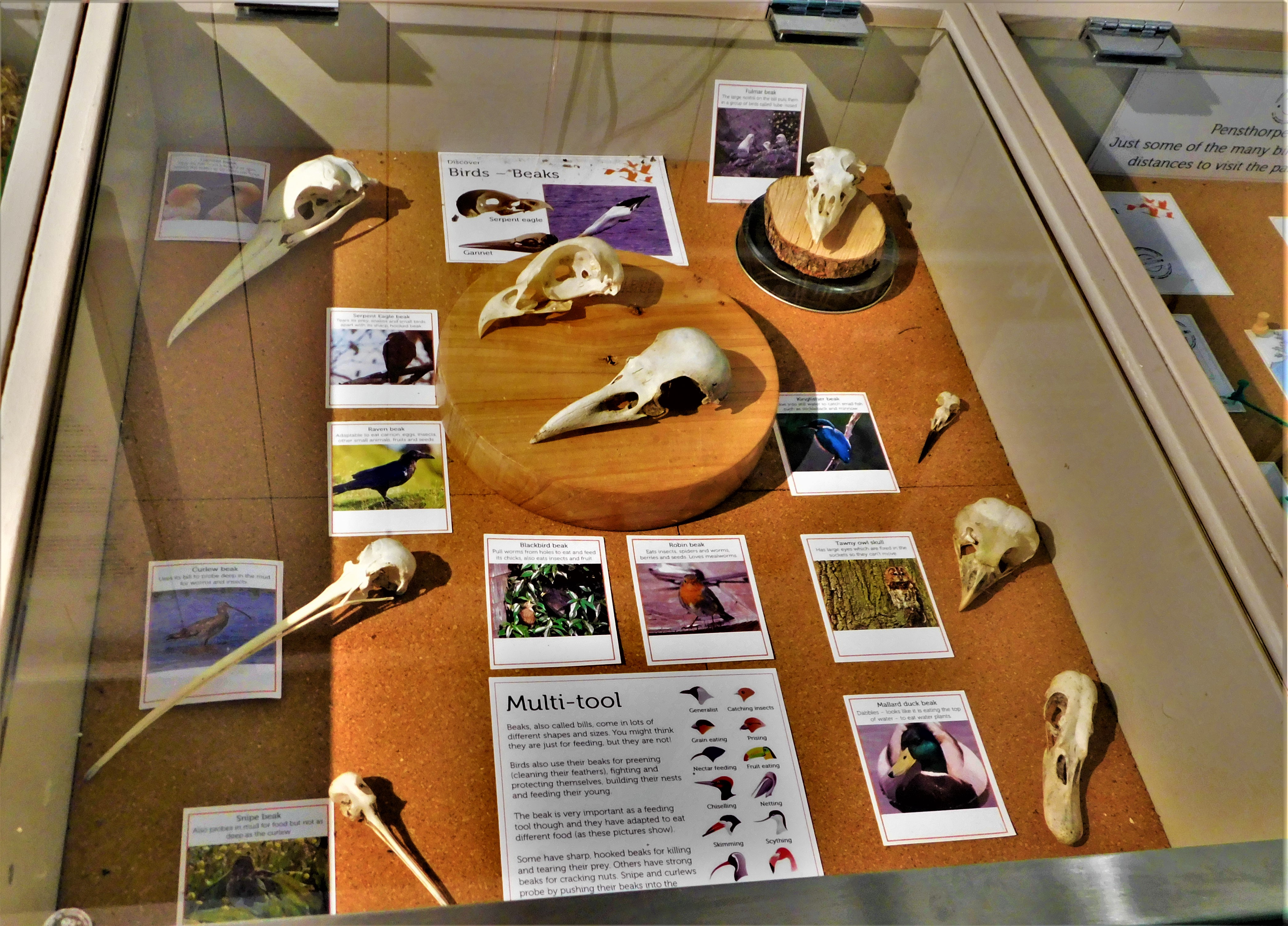
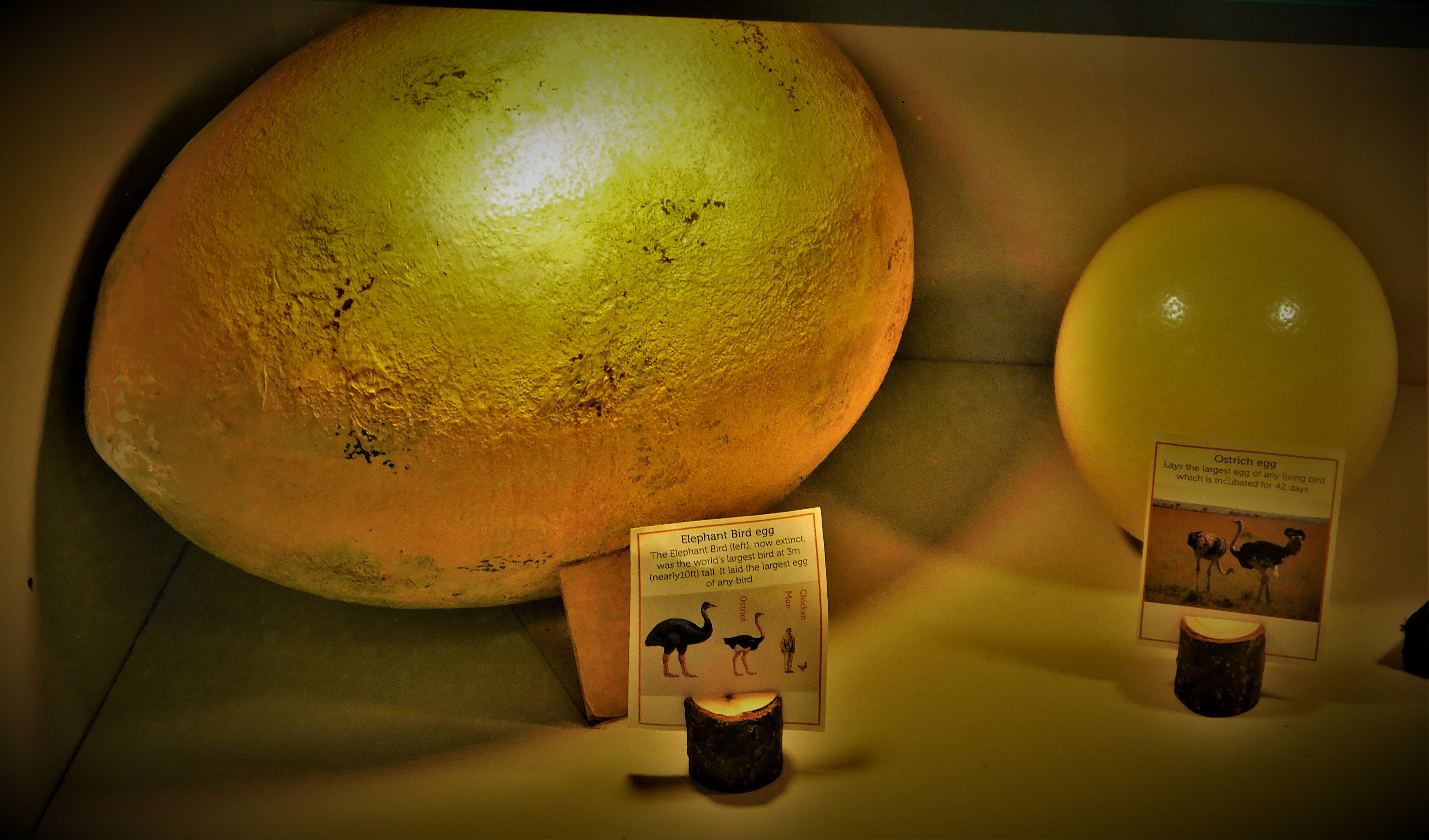
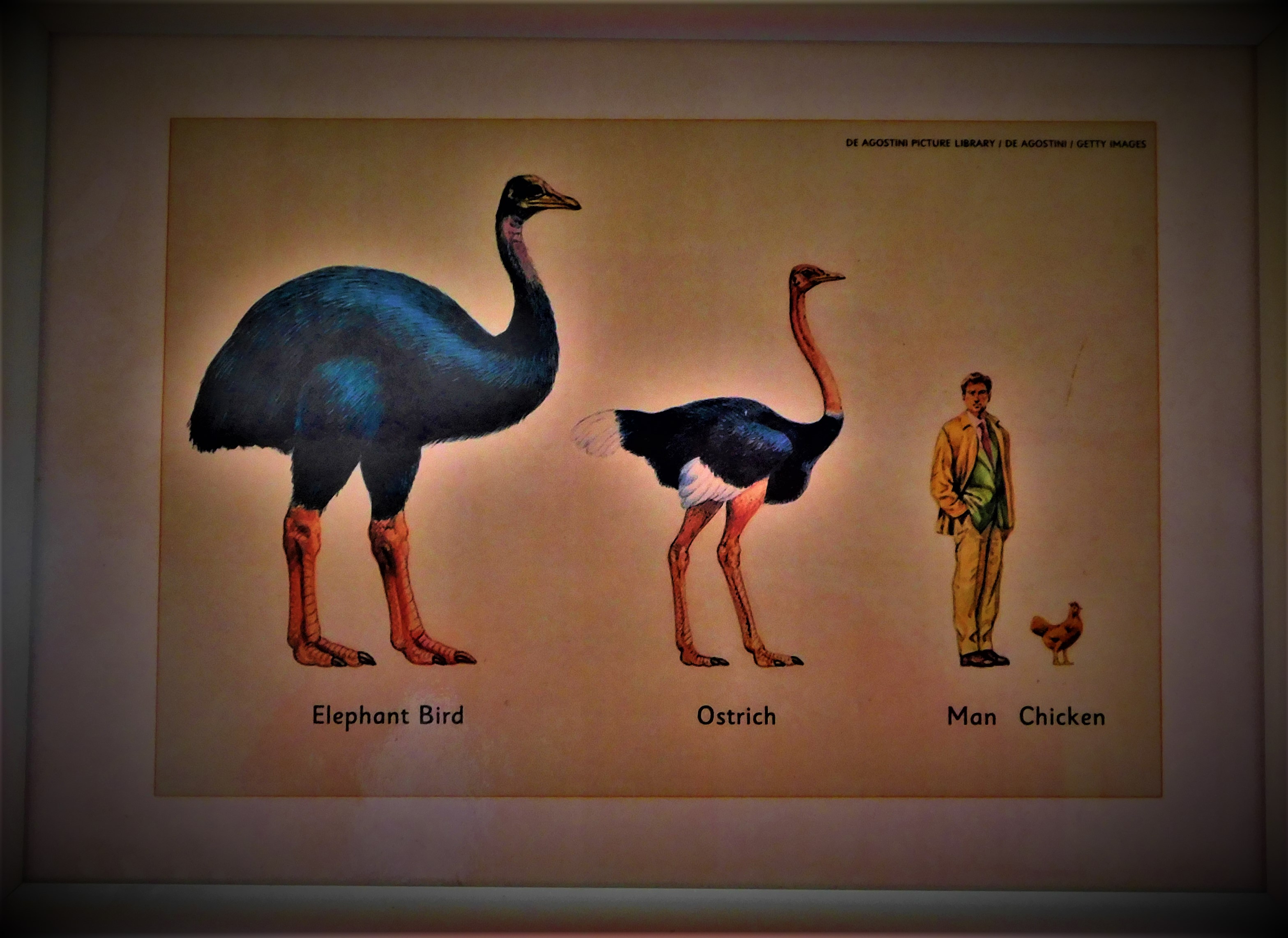
The discovery centre at Pensthorpe contains many features of interest, including a harvest mouse, a glass fronted beehive, a tank containing small water creatures, exhibits about bird evolution and giant birds, some woolly mammoth remains, dating back approximately 10,500 years to a time when Norfolk was at the southern edge of a massive ice sheet extending all the way from the north pole, and other stuff. It is also inside, which on day like Saturday gave it extra value – I made a total of three visits…
A rare occasion on which the harvest mouse made itself visible.
THE SCULPTURES
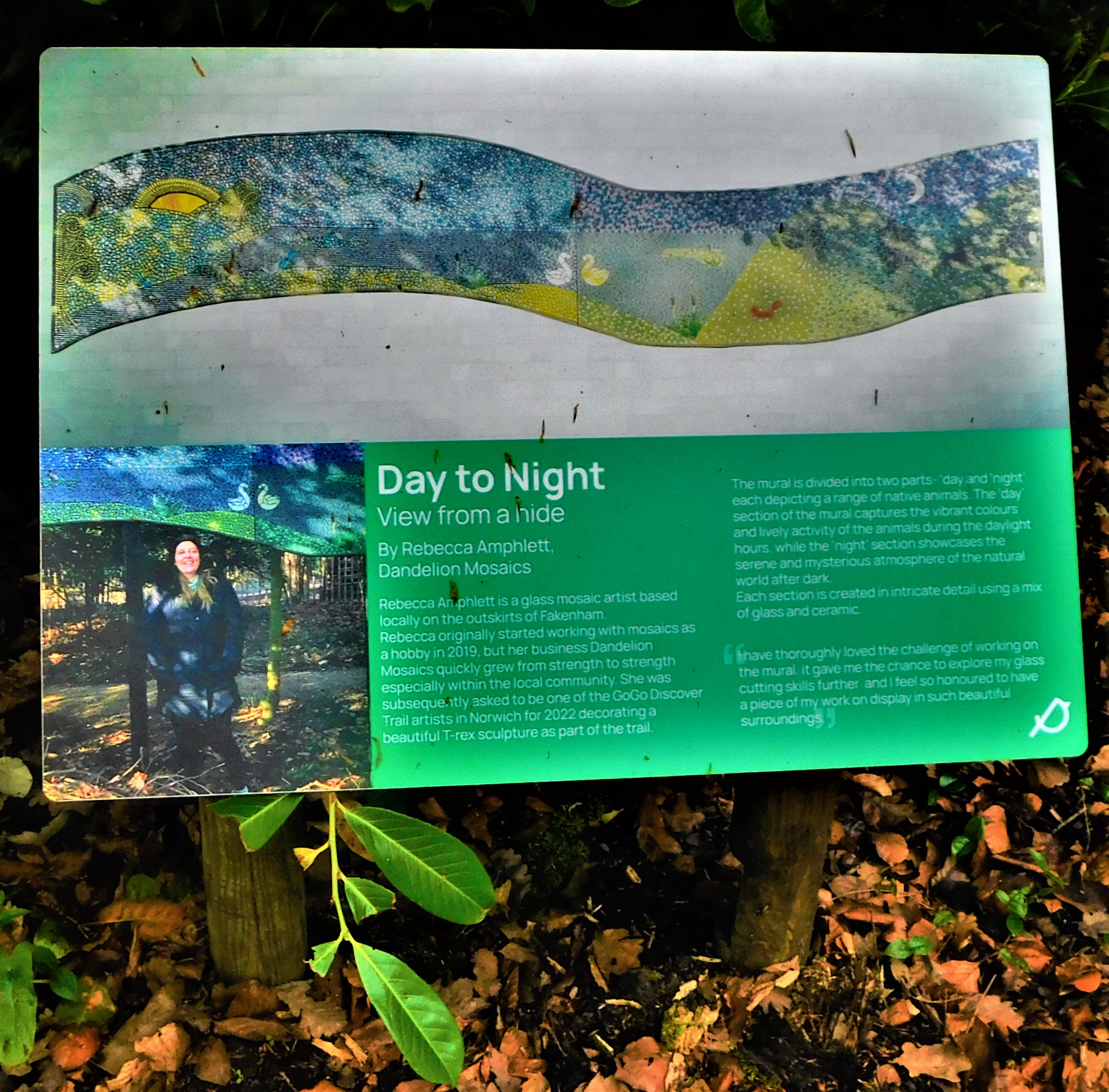
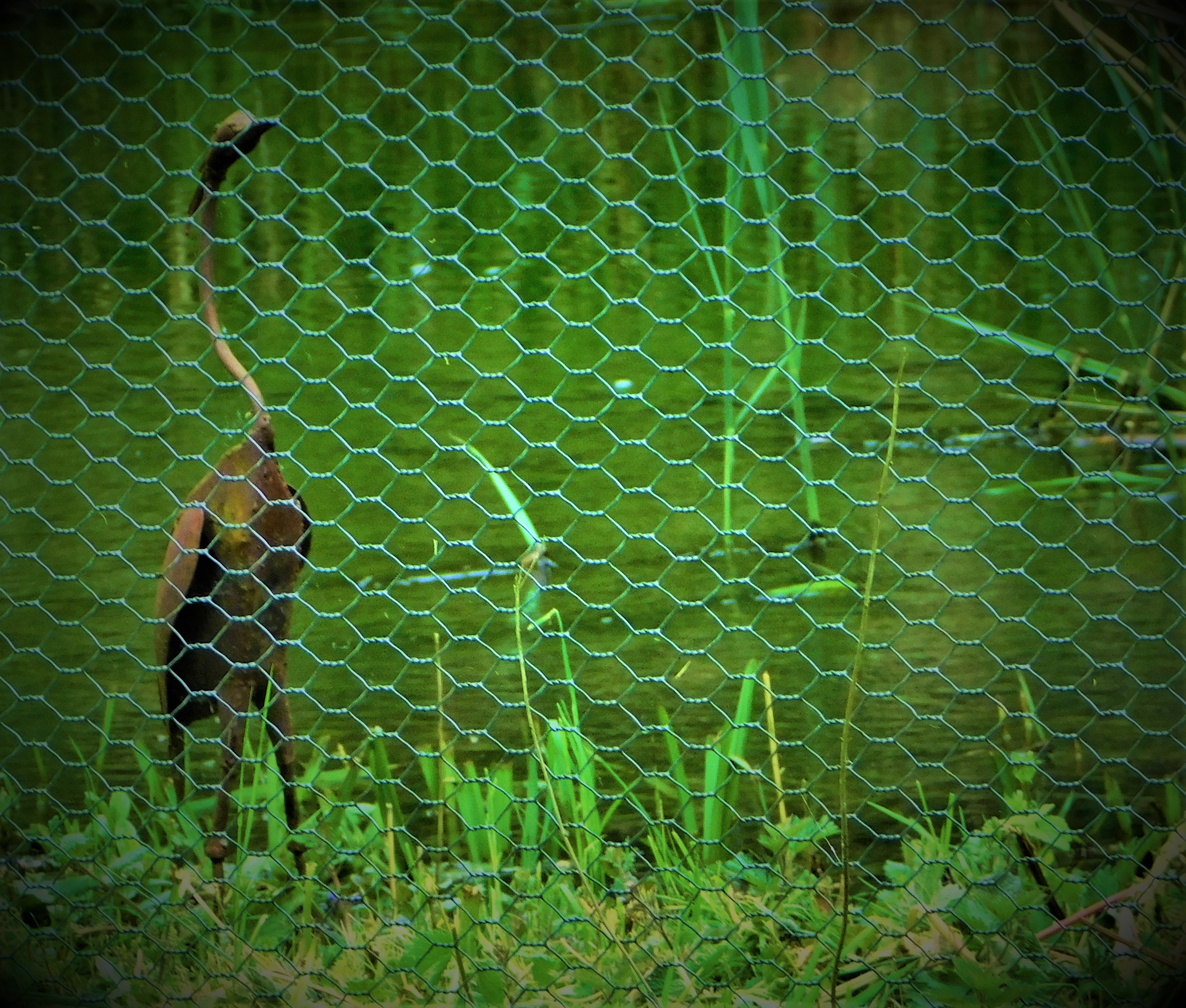
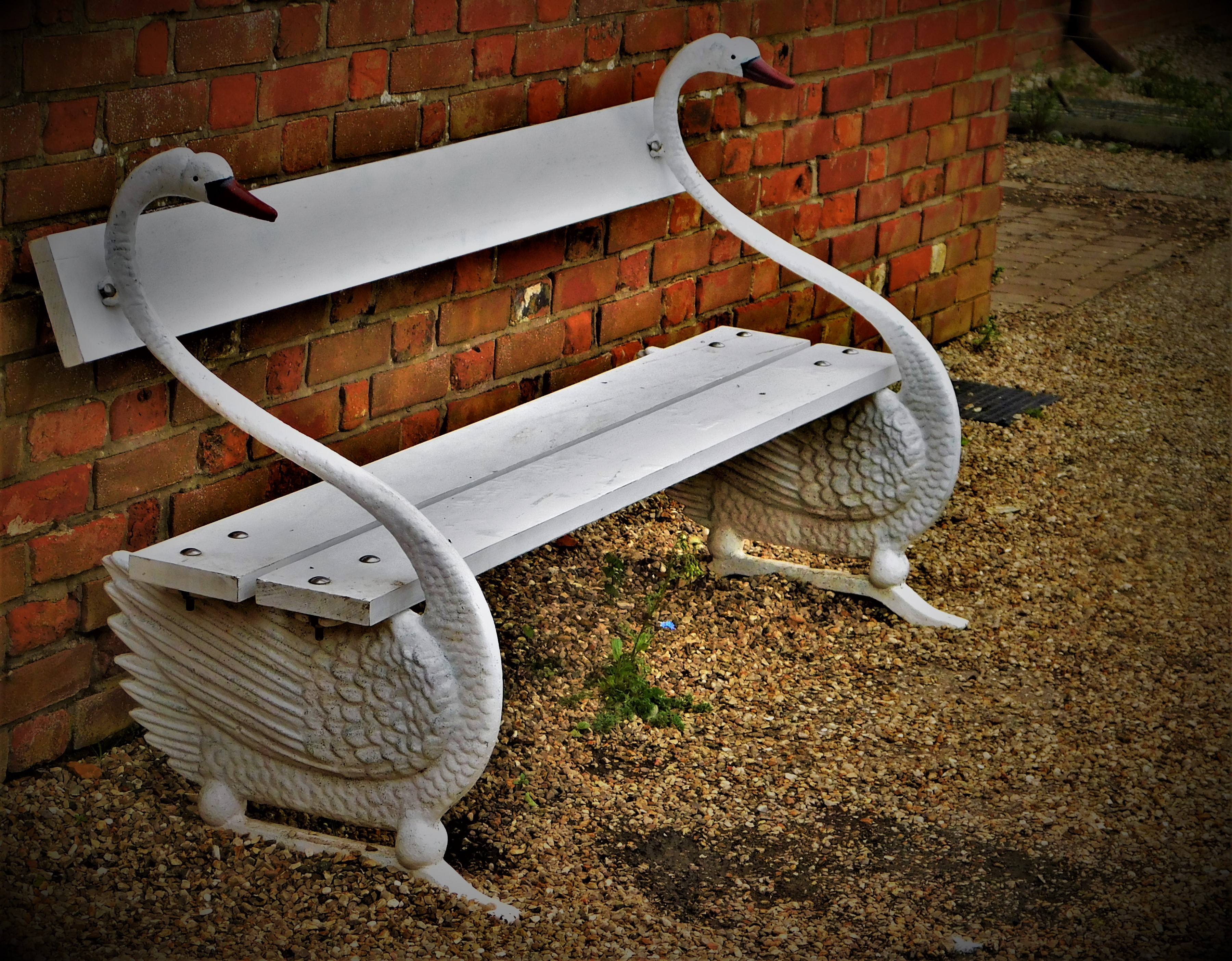
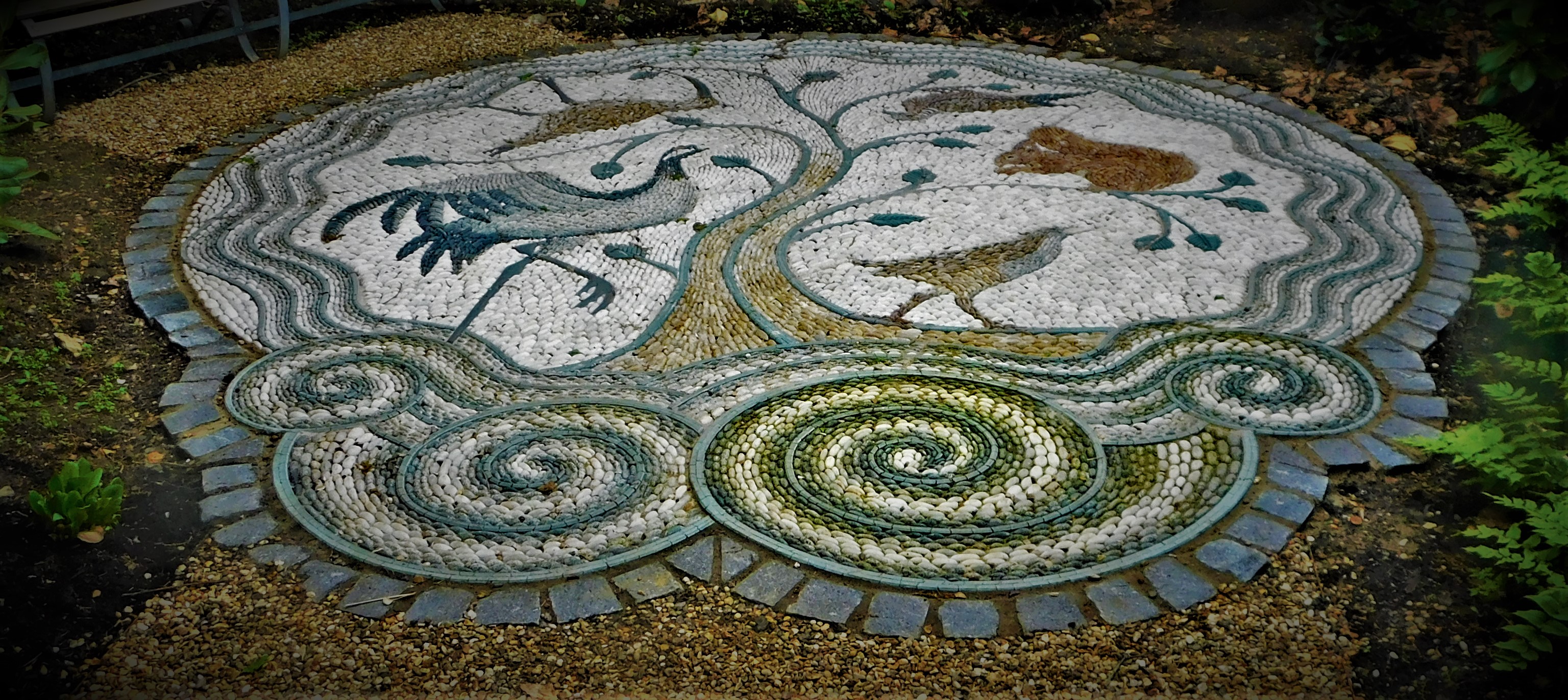
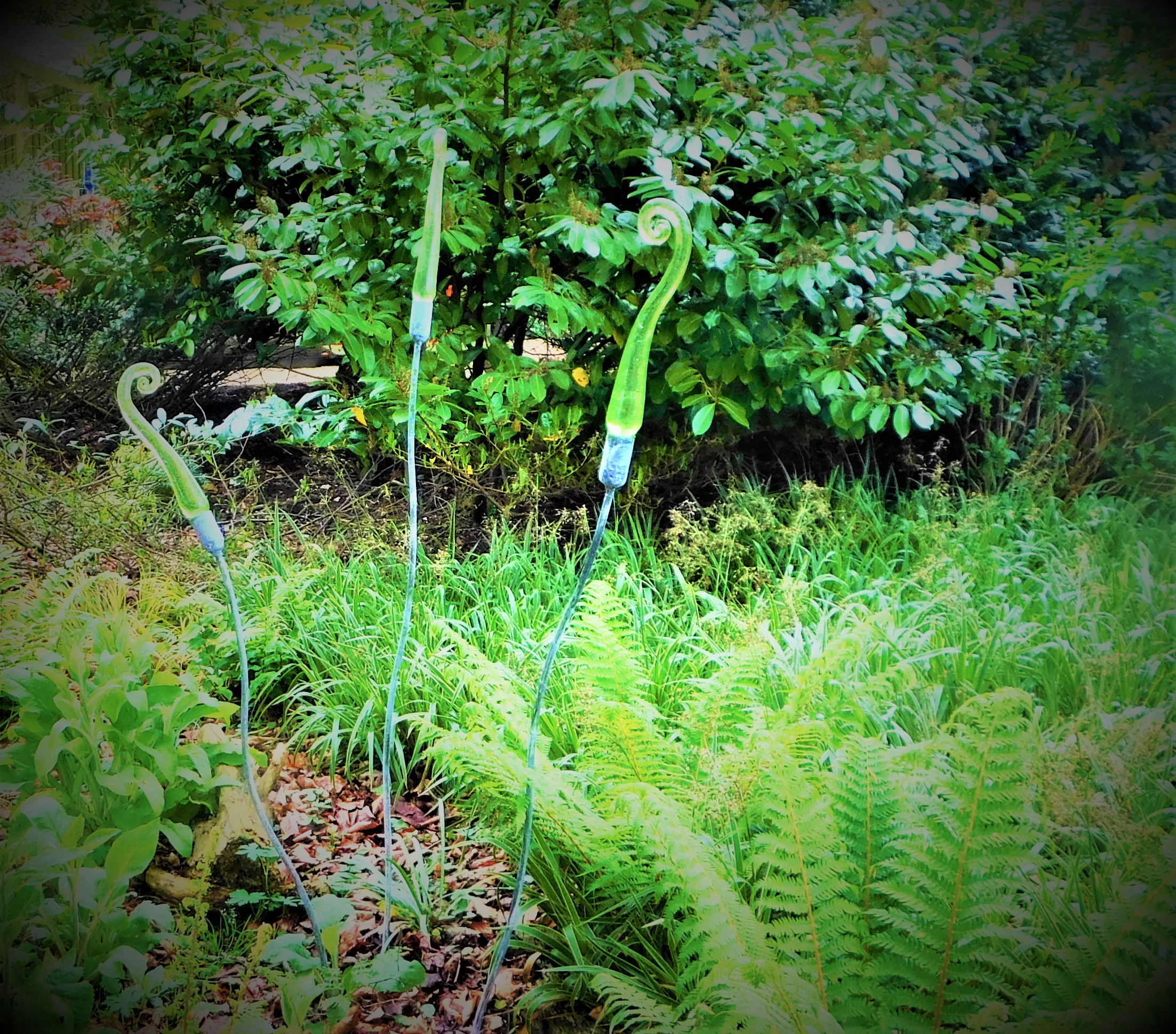
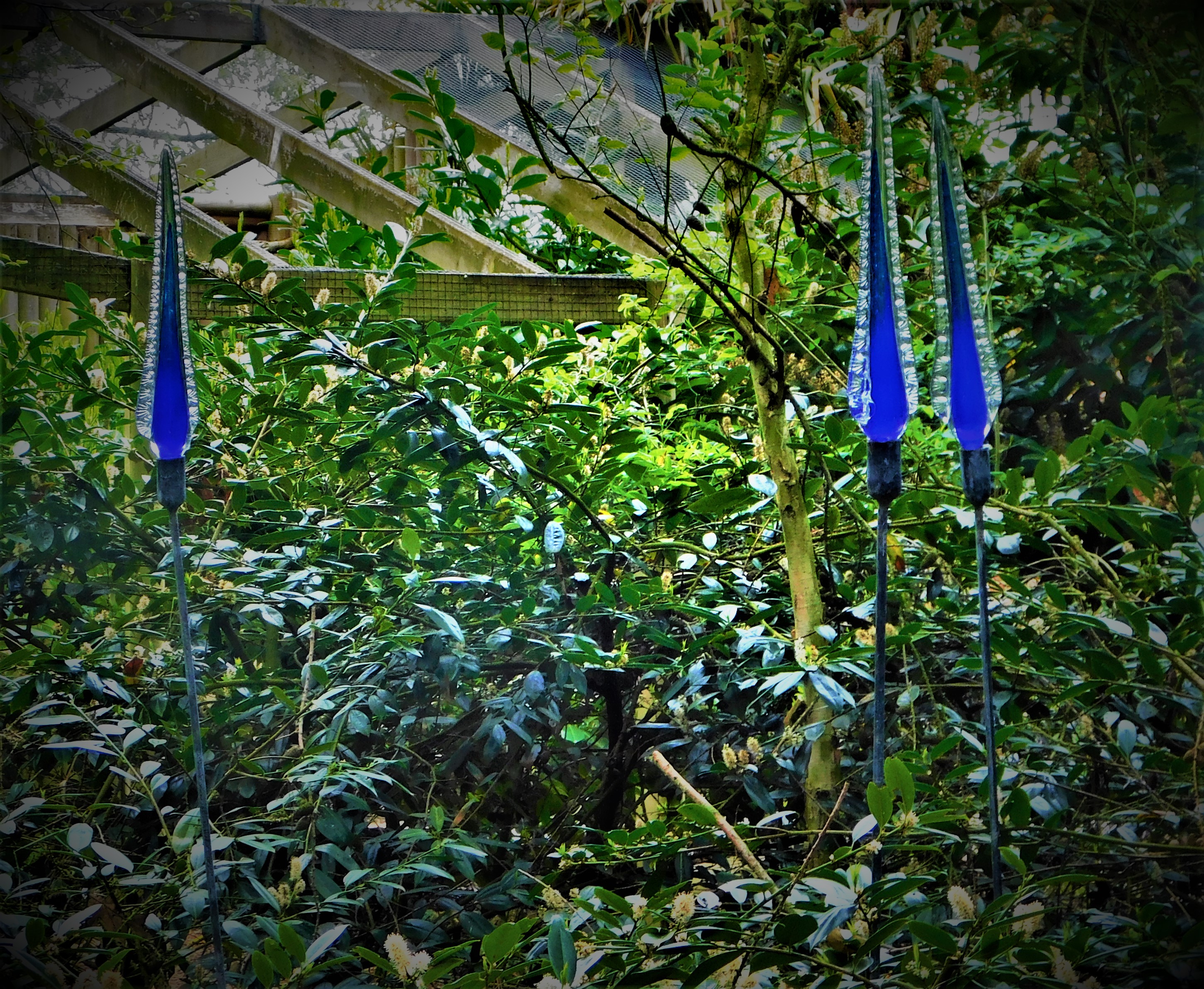
There are sculptures dotted around Pensthorpe, and they definitely enhance the experience. I have slightly extended the range of objects that would usually be described as sculptures by including a bench and also a mosaic. I did not specifically set myself a task of finding and imaging sculptures, I just imaged them when I happened to find them, but one could undoubtedly plan to identify and photograph every sculpture at Pensthorpe. I favour a freestyle approach to somewhere like Pensthorpe but some may prefer to be more regimented/ organized.
A look at Australia in the period 1946-62 and some photographs.
Today’s post looks at Australia immediately after WWII (for the significance of 1962 as a dividing year check this post). Please note that in this XI positions 7-10 in the order are flexible – Australia in this era was well equipped with bowlers and keepers who could bat well in the middle and lower order. Australia have not had so many multi-dimensional test players in later eras, and the mighty side of the late 1990s and early 2000s tended to rely on six specialist batters, a keeper and four specialist bowlers.
THE XI IN BATTING ORDER
Arthur Morris (left handed opening batter). Picked by Don Bradman as the left handed opening batter in his all time world XI. His peak series came in England in 1948 when he scored 696 runs at 87.00.
Sidney George Barnes (right handed opener). Like his English near namesake of an earlier era, Sydney Francis Barnes, he often failed to see eye to eye with authority figures, which along with WWII was one reason his appearances at the highest level were limited. In the few appearances he did get to make art the top level he averaged 63 with the bat, with a highest score of 234 at Sydney in 1946.
Don Bradman (right handed batter). Not quite the overwhelming force with the bat that he had been before WWII, but still the best around, albeit he benefitted from a controversial call in the first match of the 1946-7 Ashes when he sent a shoulder high catch to Jack Ikin at second slip, stood his ground and was given not out.
Neil Harvey (left handed batter). The only 1940s test cricketer still alive (95 years old as I write this), he was part of the Invincibles of 1948, on which tour he scored his maiden test century. He scored over 6,000 test and averaged 48 in his career.
Norman O’Neill (right handed batter, occasional leg spinner). His debut was in the Brisbane 1958 snoozefest. In the final innings of that match, immediately after Trevor Bailey had snailed his way to 68 in 458 minutes (428 balls faced, of which 388 were dots) he scored 71* in less than two and a half hours to see Australia to victory. He would average 46 overall in test cricket, and he retained his commitment to playing his shots throughout his career.
Keith Miller (right handed batter, right arm fast bowler, occasional right arm off spinner). A superlative all round cricketer and possibly the best captain Australia never had (Rod Marsh and Shane Warne of later eras are also in the mix for this one).
Ray Lindwall (right arm fast bowler, right handed batter). One of the greatest of all fast bowlers, and in an example of how cricket transcends national boundaries he modelled his run up and action on Harold Larwood, Australia’s nemesis in the 1932-3 Ashes.
Alan Davidson (left arm fast bowler, left handed batter, occasional left arm spinner). His greatest match performance came in the first ever tied test match at Brisbane in 1960: 5-135, 44, 6-87, 80, becoming the first male test cricketer to score 100 runs and take 10 wickets in the same match. 186 wickets at 20.53 places him among the greatest ever masters of his type of bowling, and he was also a superb fielder, referred to as ‘the claw’ for his habit of grabbing unlikely catches.
*Richie Benaud (leg spinner, right handed batter, captain). In the first phase of one of the most outstanding careers connected with cricket he was the first player to achieve the test career of 2,000 runs and 200 wickets, and the time of his retirement he was Australia’s leading wicket taker at that level with 248 scalps. He was also a superb skipper, hence why I gave him that job, rather than Bradman who had it for the interwar team. He went on once his playing days were done to establish himself as ‘the Bradman of TV Commentators’ (yes, that far ahead of the rest IMO).
+Don Tallon (wicket keeper, right handed batter). Named by Bradman as keeper in his all time world XI. A combination of selectorial politicking which denied him a place on the 1938 tour of England and WWII meant that he was past his very best by the time he got the opportunity at test level, but his only rival as a keeper in that era was Godfrey Evans of England.
Bill Johnston (left arm fast medium bowler, left arm orthodox spinner, left handed tail end batter). Australia’s leading wicket taker in three series immediately postwar, when he was very effective at sweeping up after Lindwall and Miller had made early inroads. He was injured on the 1953 tour of England, but with the connivance of some his team mates (who when they realized the possibility was there got themselves out to preserve his average) he became only the second person to average over 100 with the bat for a full season in England (102.00, with 16 of his 17 innings being not outs), after Don Bradman’s 115.66 in 1938.
This XI is awesomely strong in batting, with a powerful top five, one of the all time great all rounders at six, and a collection of players in slots 7-10 who while batting was the second string to their bows were all capable of match winning knocks on their day. The bowling has two great right arm fast bowlers, one of the greatest of all left arm fast bowlers, a left armer who could bowl seam or spin according to team necessity, a great leg spinner, and Miller could turn his hand to off spin if needed. This side ticks every box and would take a lot of beating, especially with Benaud captaining them.
HONOURABLE MENTIONS
Colin McDonald was a gritty right handed opener in the 1950s, and Bobby Simpson made his debut near the end of the era in question. Most of the bowlers who bowled Australia to a 4-0 series win in 1958-9 had dodgy actions, being either throwers, draggers or both of the foregoing, ruling them out of serious consideration. Ernie Toshack did a useful job as a fill-in bowler while Lindwall and Miller were resting in the immediate postwar era. Australia had three other fine keepers besides Tallon in this era: Gil Langley, Len Maddocks and Wally Grout. Ken ‘Slasher’ Mackay, a left handed blocker and workaday medium pacer had a respectable test record but was hardly a challenger to any of those I included. Ron Archer might have become a great fast bowling all rounder, but he suffered a career ending injury in Pakistan in 1956-7 at a very young age.
A look at the best England players of 1963-83, including a mention of the rebel tour of Apartheid SA in 1982, since I refused to pick any of the players involved in that for my XI. A large photo gallery.
I continue my mini-series looking at England men’s players through the ages with a post covering 1963-83. This will end this series as I from that point on we are dealing with cricketers from my time following the game, and I covered that era here. Also, this post will be regarded as very controversial in some quarters – the first rebel tour to Apartheid South Africa happened in 1982, and I refuse to select any of the participants in that disgraceful venture.
THE XI IN BATTING ORDER
John Edrich (left handed opening batter). Had a fine test record, with a best of 310* vs New Zealand and scores of 175 and 164 against the old enemy among his other successes.
*Mike Brearley (right handed opening batter, captain). Has the least impressive playing record of anyone selected in one of these XIs, but he was a splendid captain, and three of the best England openers to play in this period were involved in the rebel tour mentioned in the introduction (Amiss, Boycott and Gooch) which means that this slot was going to go someone not quite in the top bracket as a batter, so I might as well secure an excellent captain.
Ted Dexter (right handed batter, right arm medium fast bowler). A fine attacking batter and one at home in a slot that has often caused England problems over the years.
Ken Barrington (right handed batter, occasional leg spinner). Statistically one of England’s best ever, with an average of almost 59 for 6,800 test runs. His highest test score was 256 at Old Trafford in 1964.
David Gower – left handed batter. When he first started, before a long term shoulder problem made itself felt, he was one of England’s finest fielders as well. He scored 58 on test debut, racked up hist test century later that same summer, scored his maiden Ashes century at Perth on that winter’s tour, hit 200* v India at Edgbaston in 1979 and confirmed his arrival among the great with a match saving 154* at Jamaica in 1981 against the most powerful bowling unit in the world at that time, that of Clive Lloyd’s West Indies. He played on for another nine years after the end of the period under discussion and might well have gone on a good while longer had the England selectors of the early 1990s treated him decently.
Tony Greig (right handed batter, right arm medium fast bowler and right arm off spinner). He averaged 40 with the bat and 32 with the ball in test cricket, and the fact that he could bowl spin as well as seam got him this slot over the alternative candidate.
Ian Botham (right handed batter, right arm fast medium bowler). The period under discussion includes the earliest and best years of his international career, either side of an ill-starred spell as captain. The Ian Botham of 1977-83 was unequivocally one of the greatest cricketers ever to play the game. Thereafter he had occasional great moments but was largely a fading force.
+Bob Taylor (wicket keeper, right handed batter). Made more dismissals than any other wicket keeper though his test appearances were limited by the presence of Alan Knott (who went on that rebel tour and who I therefore regarded as unavailable). He was also a much better batter than he was often credited with being, with his 97 at Adelaide in the 1978-9 Ashes a clearly defined match winning knock.
Philippe-Henri Edmonds (left arm orthodox spinner, left handed lower order batter). With Greig able to bowl off spin (and England’s best specialist off spinner of the period ineligible as a rebel tourist) I wanted my specialist spinner to turn the ball the other way, and England had no class leg spinners in the period under discussion and the best left armer, Underwood, was another rebel tourist. Therefore Edmonds, whose test record places him next in line gets the slot.
John Snow (right arm fast bowler, right handed lower order batter). A fine overall test record, highlighted by his stellar performance on the 1970-1 tour of Australia, when he joined Larwood (1932-3) and Tyson (1954-5) in the select club of England quicks to have blitzed Australia on their own pitches.
Bob Willis (right arm fast bowler). A man whose career nearly ended in 1981 but who became England captain in 1982 such was the extent to which he revived his cricketing fortunes. The key moment came at Headingley in 1981, when with Australia seemingly cruising to a victory target of 130 Brearley brought him on at the Kirkstall Lane end, with an early breakthrough required to save his career. By lunch, courtesy of a sharp bouncer that accounted for Trevor Chappell (a misguided selection – he resembled a proper test match number three in name only), a slip catch by Botham that got skipper Hughes and a catch at short leg by Gatting to account for Yallop had turned 56-1 into 58-4 and suddenly the match was revitalized. Australia continued to implode after the interval, and one stage they were 75-8, before Lillee and Bright added 35 in four overs, but then Lillee miscued a drive and was well caught by Gatting and Willis found a yorker to polish off Bright. England had won by 18 runs and Willis had taken eight of the last nine wickets to fall giving him innings figures of 8-43.
This side features one great opener, one ordinary one who compensates by being an extraordinary captain, a powerful 3-5, a batting all rounder at six, a bowling all rounder at seven, a great keeper who was better with the bat than he was given credit for being, a left arm spinner who could bat a bit and two fine fast bowlers to round out the order. A bowling unit of Snow, Willis, Edmonds, Botham, Greig (either as fourth seamer or second spinner depending on conditions) plus Dexter and Barrington as back up options if needed should not struggle to take 20 wickets either.
HONOURABLE MENTIONS
Firstly there is a person who merits a paragraph to himself:
BASIL D’OLIVEIRA
Had he been able to play international cricket for his native land when in his mid 20s instead of finally getting the opportunity in his mid-thirties after moving halfway round the world to find cricketing fulfillment I have little doubt that he would have been one of the game’s all time greats. As it was he averaged 40 with the bat and had moments as a medium pacer without doing enough in that department to be classed as a test all rounder (which is why Greig got the number six slot).
OTHER HONOURABLE MENTIONS
Colin Cowdrey played a lot of his cricket in the period under discussion, but having included him in the XI for the earlier period I felt able to leave him out, and as you will have noted, even with the rebel tour creating problems there was no shortage of batting options available to me. Tom Cartwright and Geoff Arnold, two very fine seamers who played in this period would have their advocates. Had I need an off spinner the only option of sufficient class not rendered ineligible by rebel touring was Ray Illingworth (Geoff Miller’s record looks respectable at first glance, but he only took an average of two wickets per match, which counts against him). Derek Randall had his moments for England, especially against folks in baggy greens, but his overall test record falls short of the required standard. Allan Lamb who became eligible for England near the end of the period under discussion made a fine start to his test career, but he was never comfortable against spin, and for all his southern hemisphere birthplace he never delivered away from home. Mike Hendrick and Chris Old were stalwarts for England in the late 1970s and early 1980s but while acknowledging their qualities I preferred the extra pace of Snow and Willis for my specialists.
A brief look at the four teams in the semi-finals of the Womens Under 19 World Cup, and a substantial photo gallery.
The semi-finalists of the Womens T20 World Cup are now established, as are the timings of their matches. Tomorrow when I shall be at work Australia face India, while on Friday England take on the hosts South Africa. This post looks at the four sides and their passage to the semi-finals.
AUSTRALIA
They came into this tournament as heavy favourites and there is no great reason to alter that assessment. They have disposed of everyone in their path to date. They still have two tough contests ahead of them, but all available evidence suggests that they are thoroughly capable of adding yet more silverware to the best stocked trophy cabinet in international cricket.
ENGLAND
England are also unbeaten, and finished their group stage with a flourish (a game I know about only at second hand due to work commitments), beating Pakistan by 114 runs (213-5 plays 99). They should have what it takes to get past South Africa in the semi-final, but unless India produce something beyond anything they have shown thus far in the tournament the women in green and gold will be waiting in the final, and England will need to be at their absolute best and probably have a bit of luck in addition to win that contest. England have been strong in all areas, with their least effective player of the tournament so far being the veteran Katherine Sciver-Brunt whose last ICC tournament this is.
INDIA
Other than suffering a narrow defeat at England’s hands India did everything right in their group. They should also be buoyed by the recent success of their juniors in the Womens U19 T20 World Cup, the first world cup win by any Indian women’s team, and the upcoming Womens Premier League (female equivalent of the IPL) will act as a spur to ensure that they produce their best on the biggest stage, but they face a mighty obstacle in the semi-finals in the form of the Aussies.
SOUTH AFRICA
The hosts left ir right to the last gasp to ensure their own qualification. They entered the last match of the group stage, against Bangladesh, needing a win (nothing else – net RR was not an issue) to qualify. South African teams have been known to fail to close out such deals, notably the South African men, who in the last men’s T20 World Cup were in the identical position against even less significant opposition, The Netherlands, and suffered a humiliating defeat and consequent early exit. SA were less impressive than their final winning margin of 10 wickets with 2.1 overs to spare suggests – Bangladesh batted poorly, and failed to capitalize on a number of opportunities they were given in the field. Although sometimes teams who only just sneak in at the last moment end up winning because they are the ones in form I don’t think even the most one-eyed of South Africa fans would dispute that they rank as fourth out of the teams to qualify for the semi-finals.
A visit to St Anne, as I continue my account of my recent office.
As I continue my account of my holiday (18th-27th March), this is the first post solely dedicated to Alderney.
EXPLORING ST ANNE
On our first full day on Alderney, the Tuesday, we set out to visit St Anne, the only town on the island. Our departure was delayed by the necessity of waiting for a high tide to go down. As was the case through this holiday we were blessed with excellent weather.
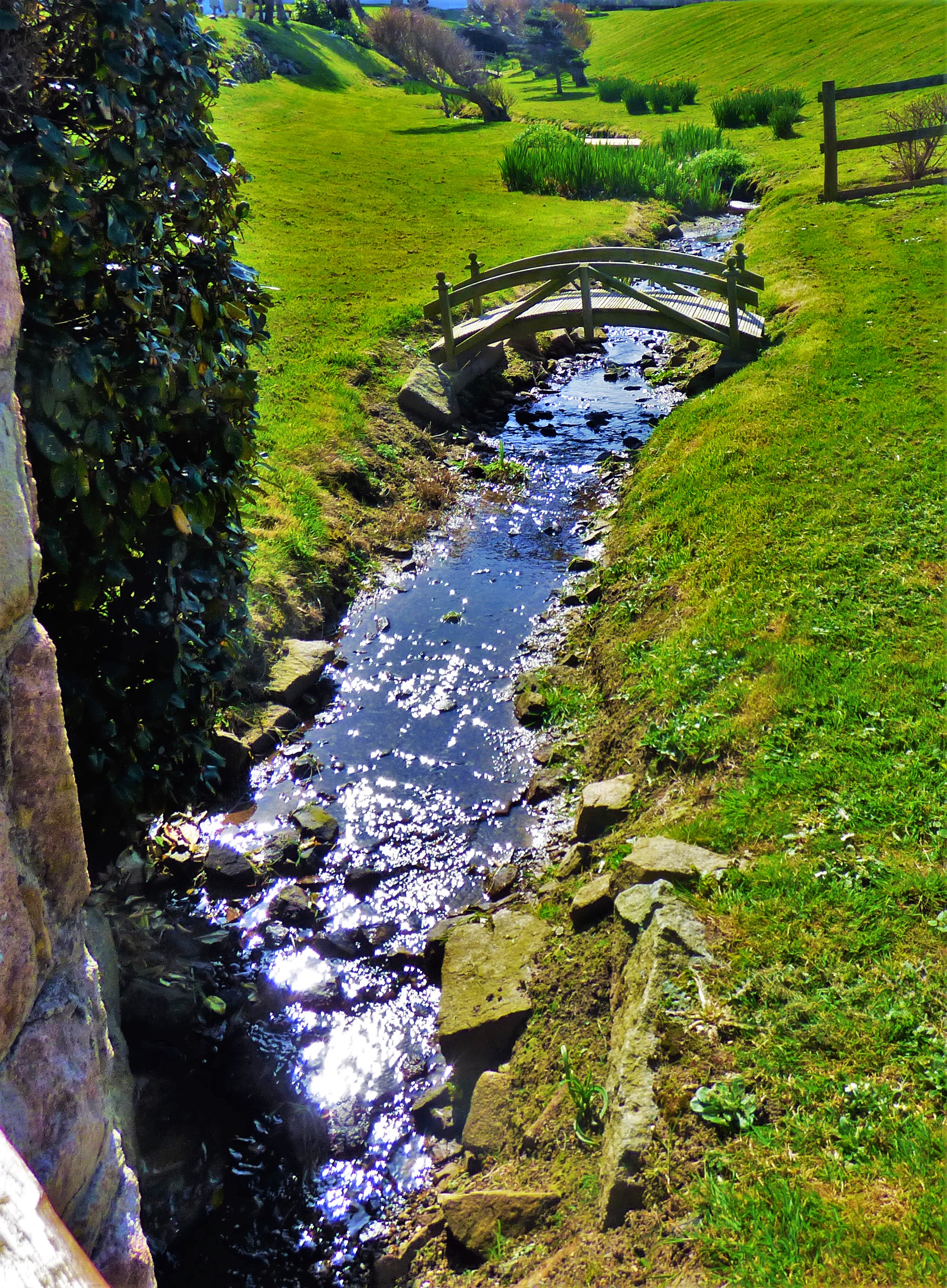
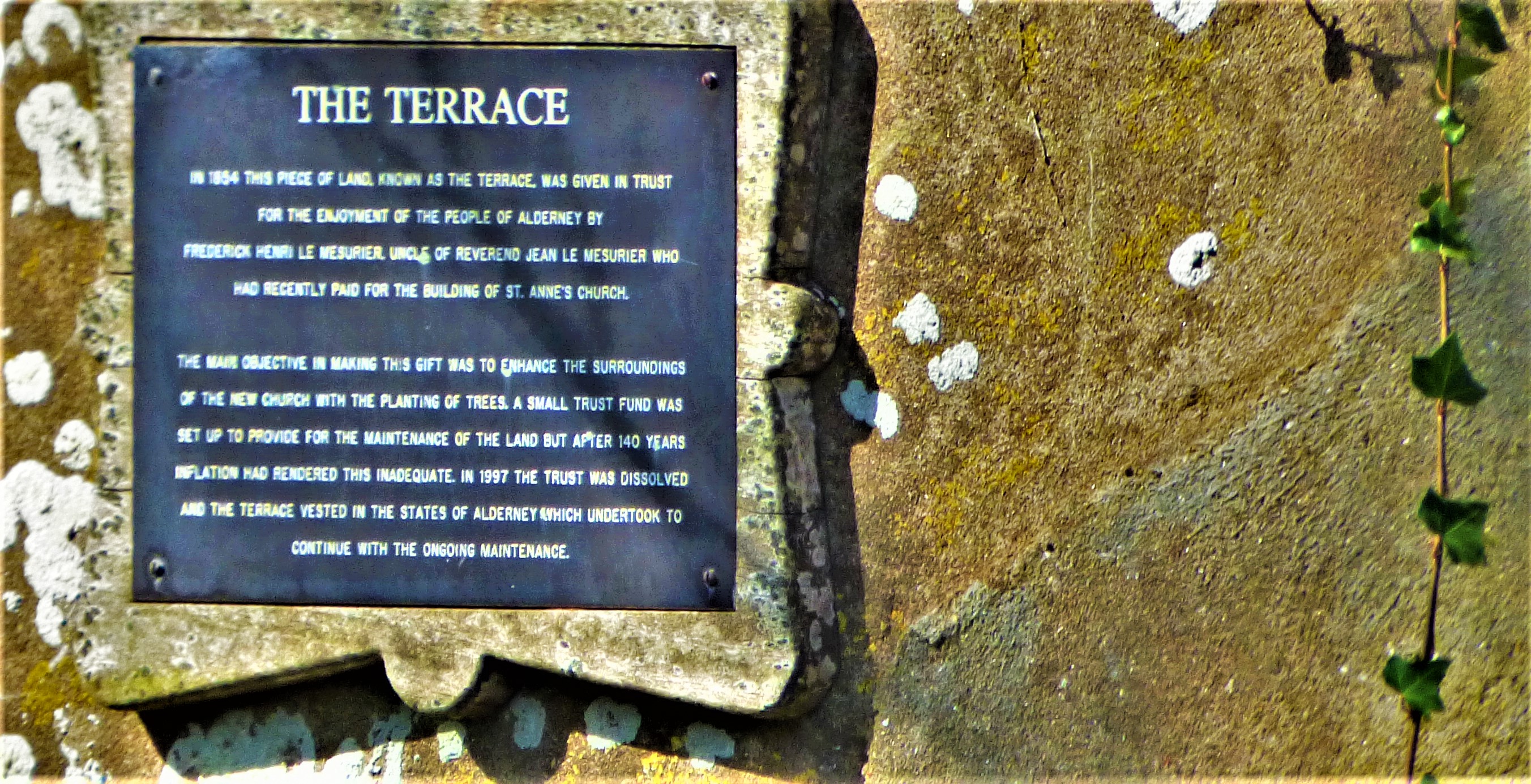
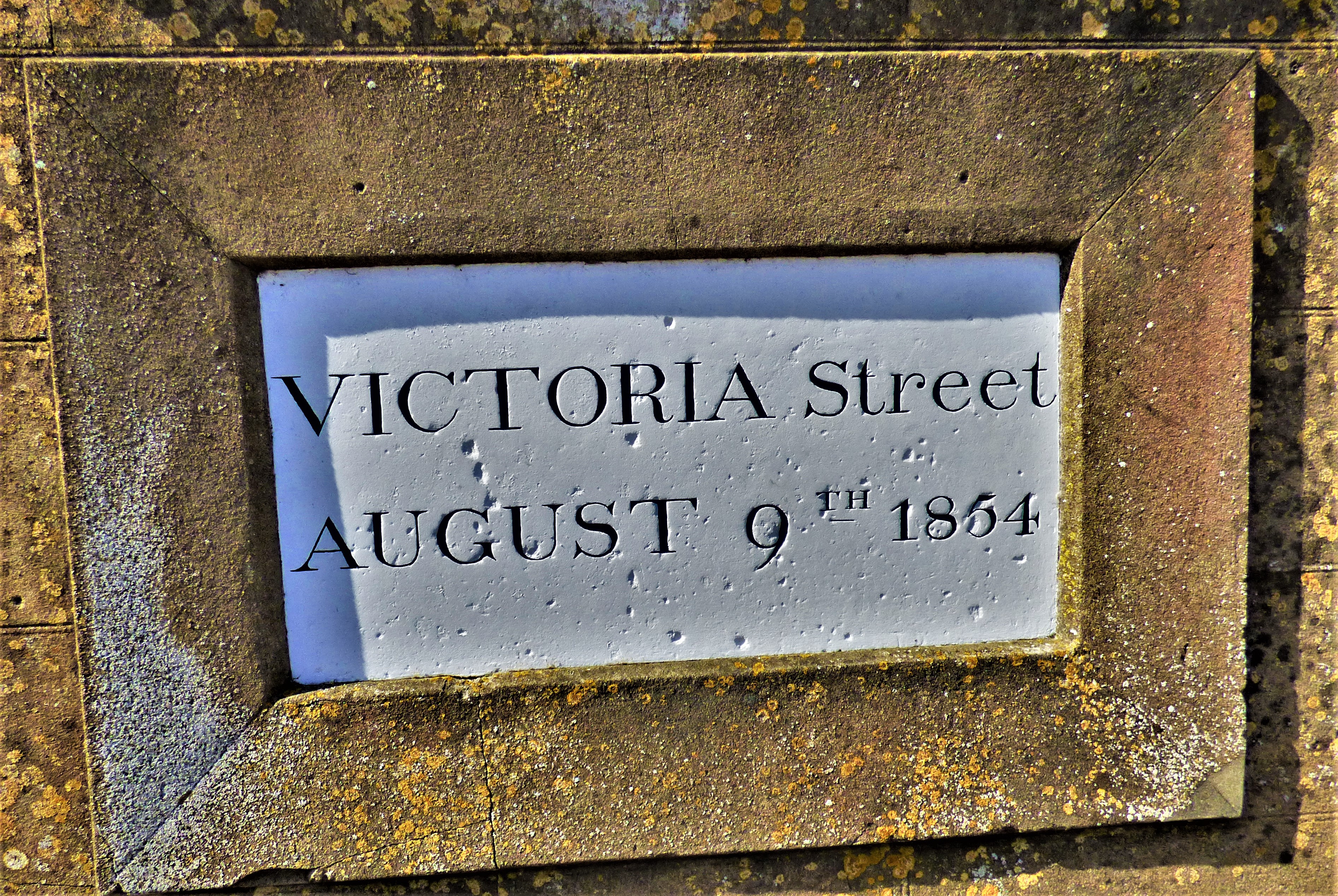
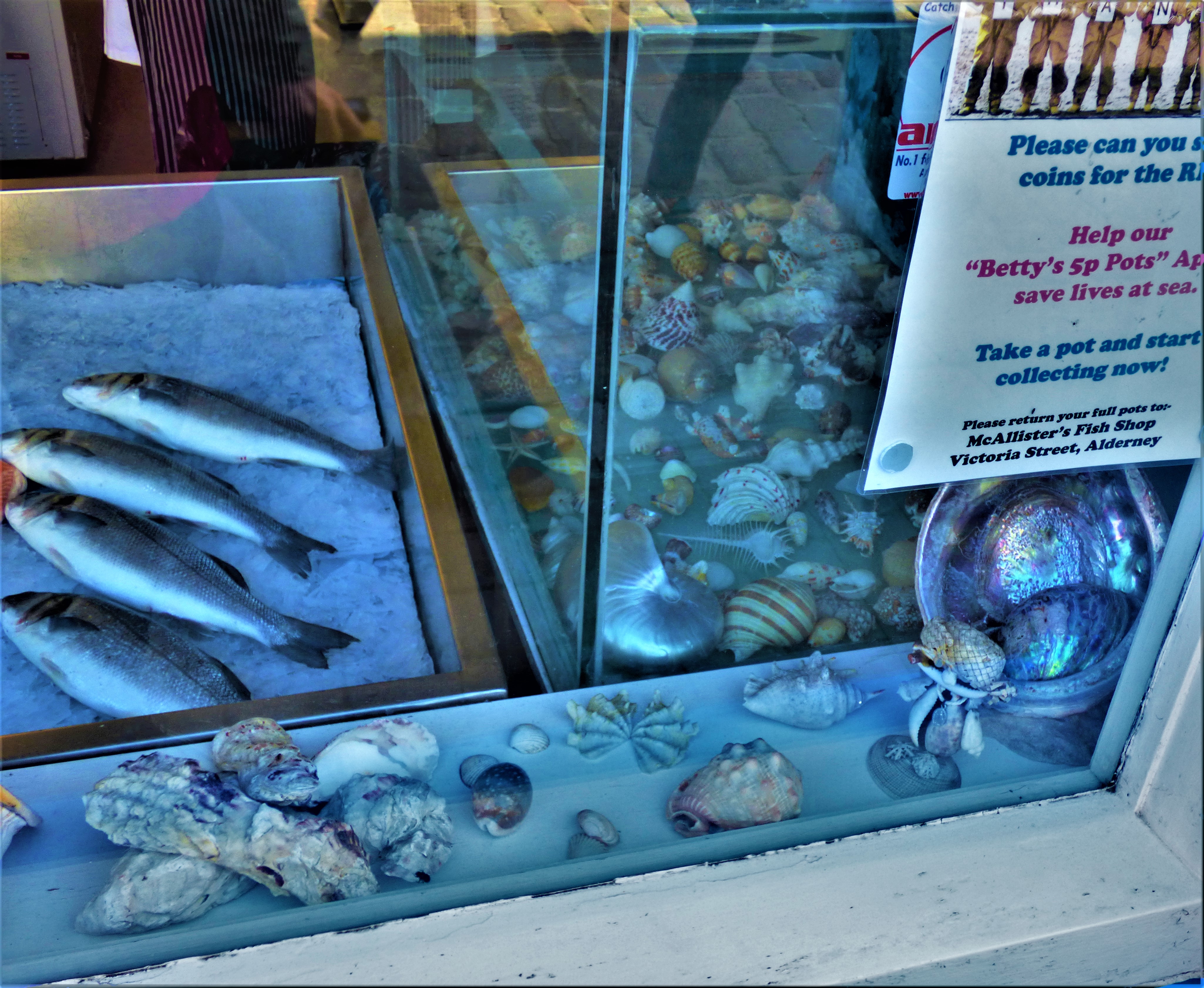
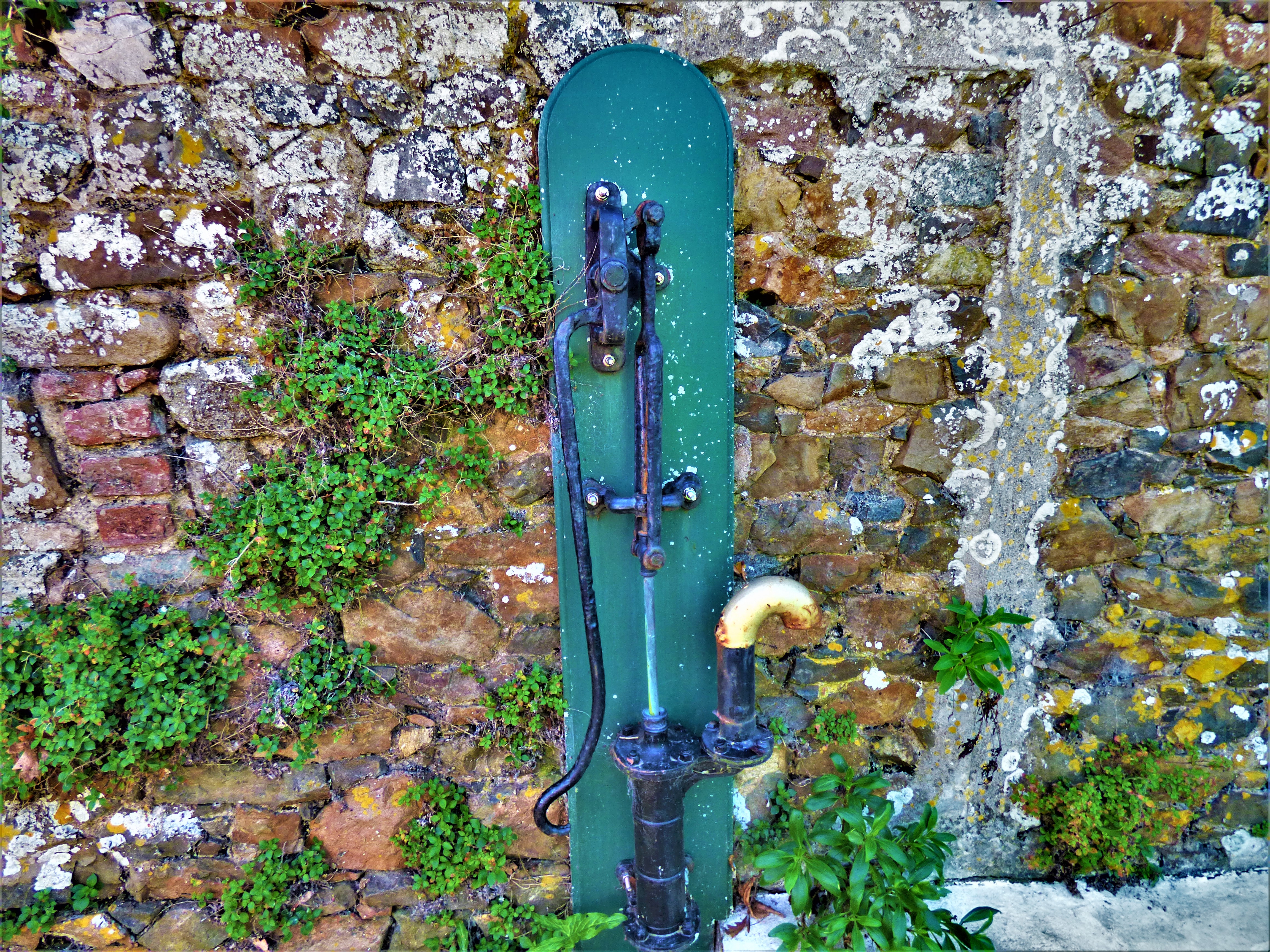
There was much to see on the way to the town:
The town itself was quite an interesting place, and the information office was very useful.
We walked back the same way we had come.
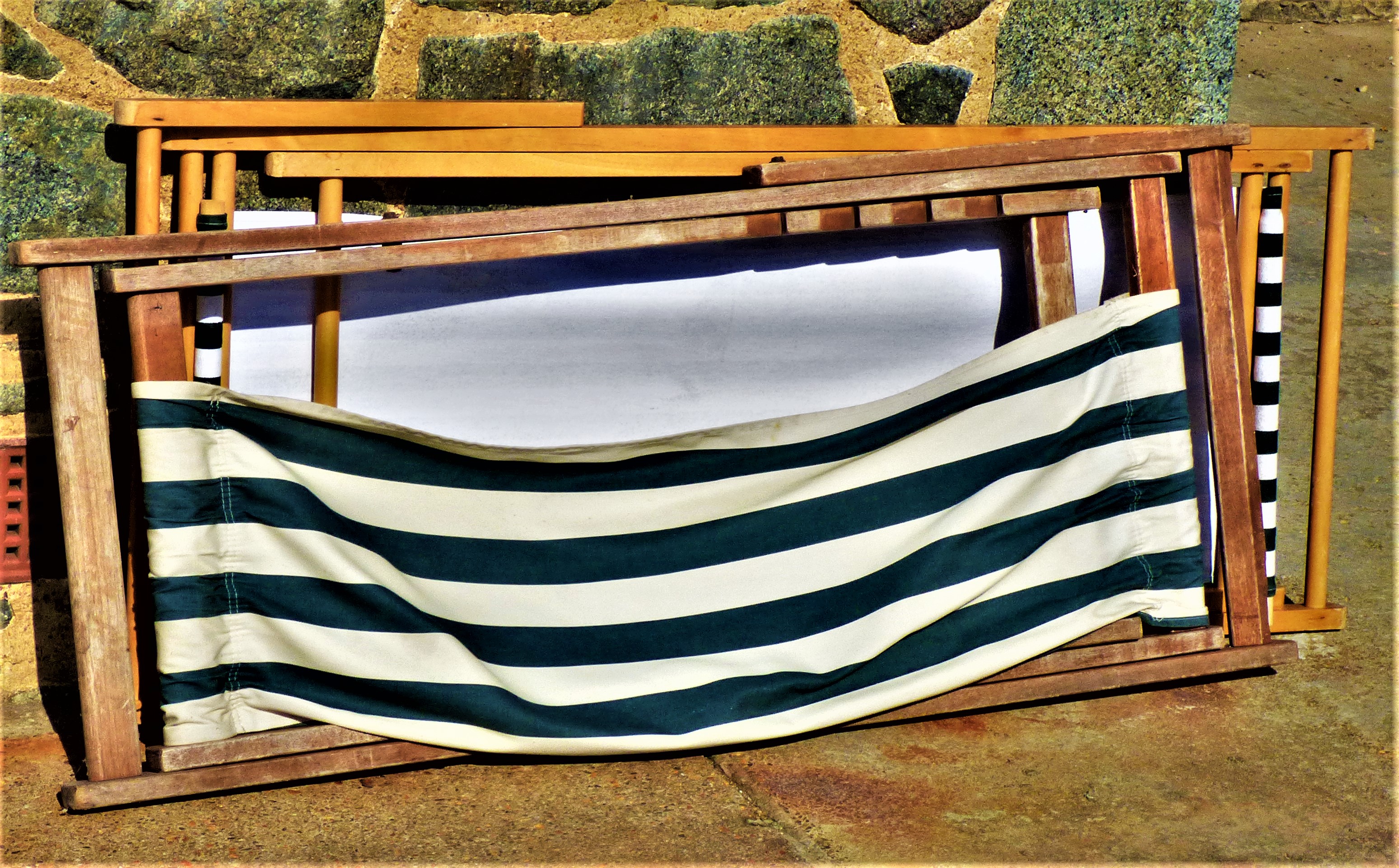
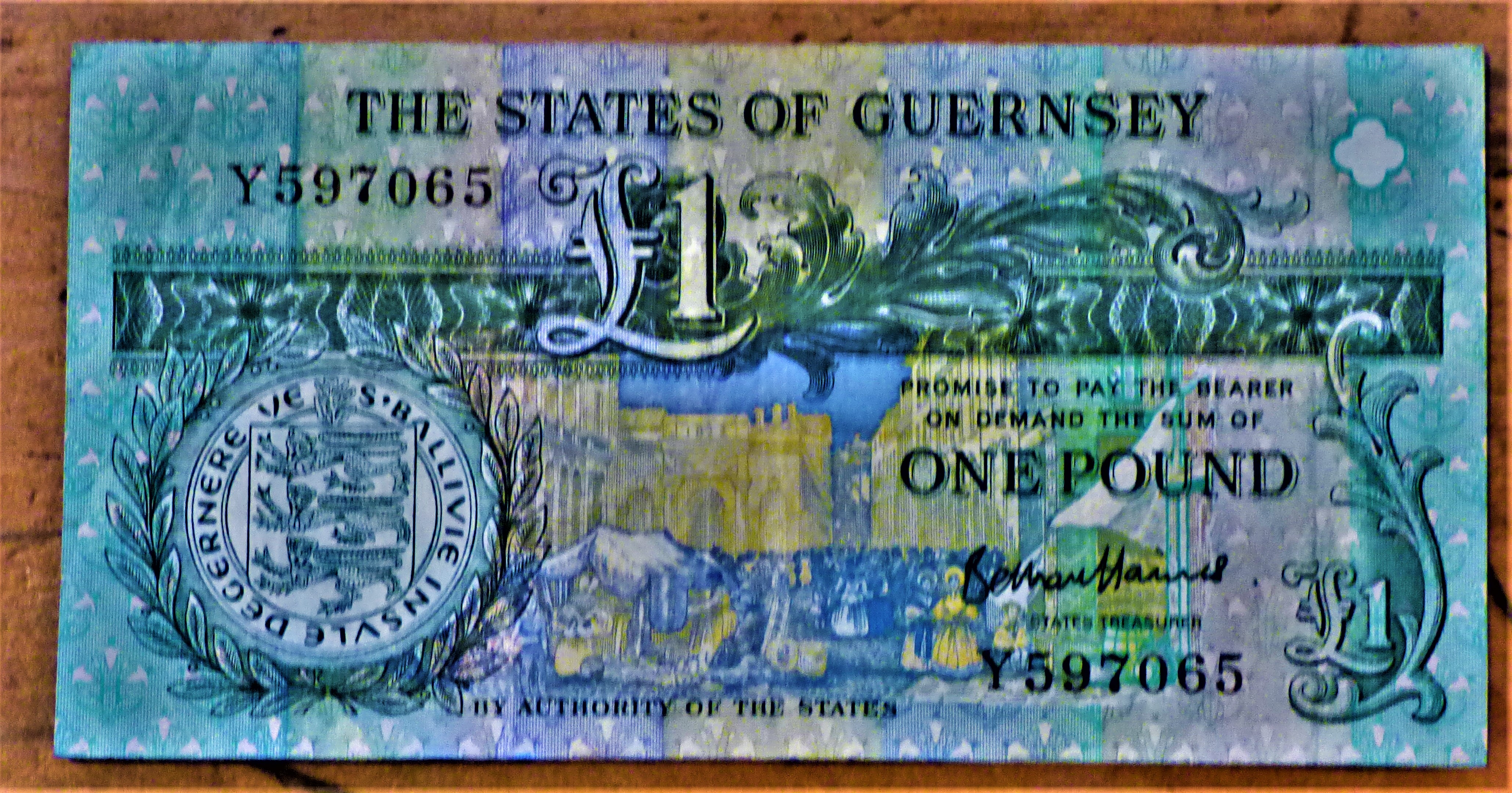
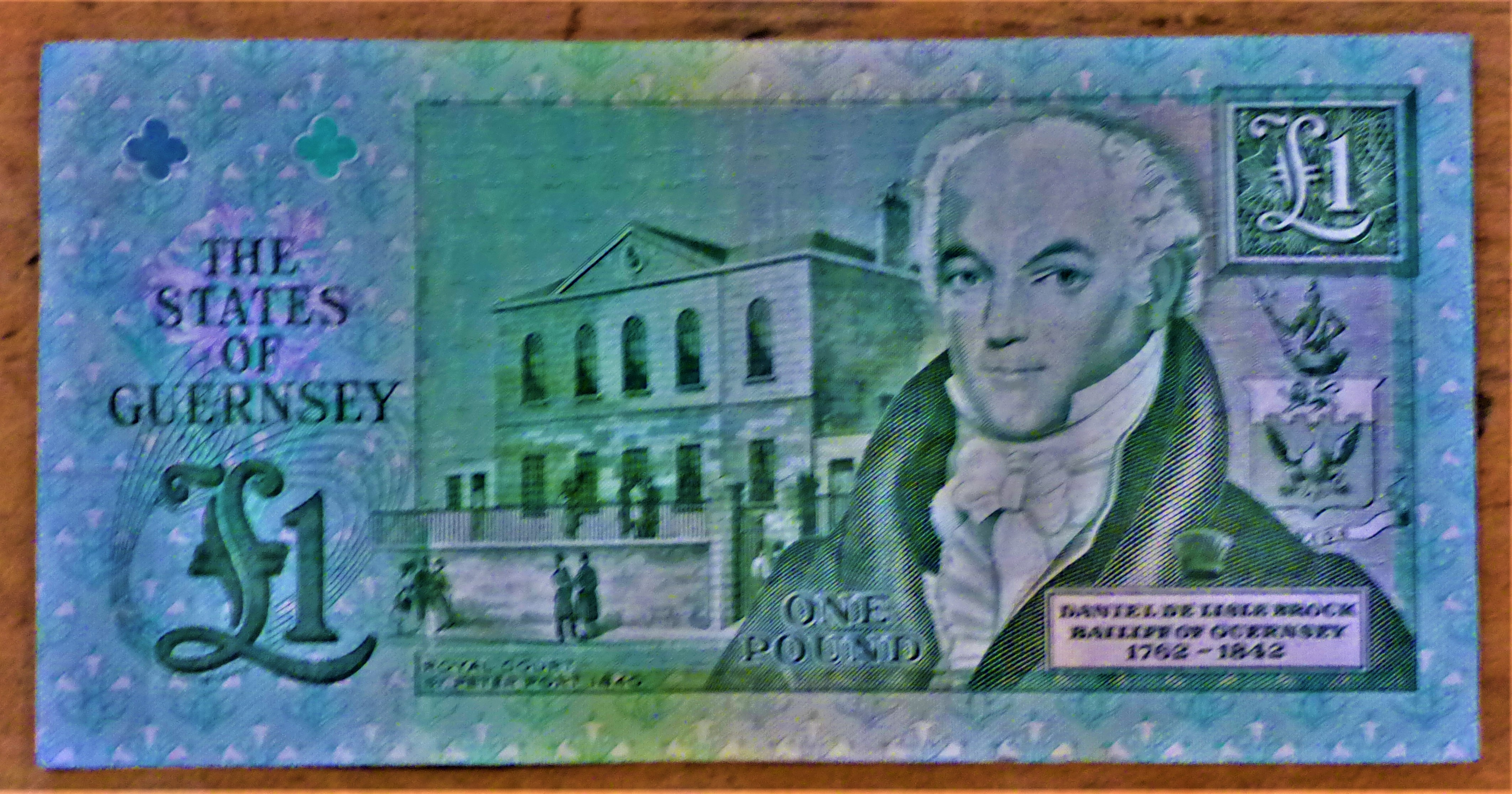
It was even pleasant enough to eat outside.Guernsey (and hence Alderney) still uses £1 notes.
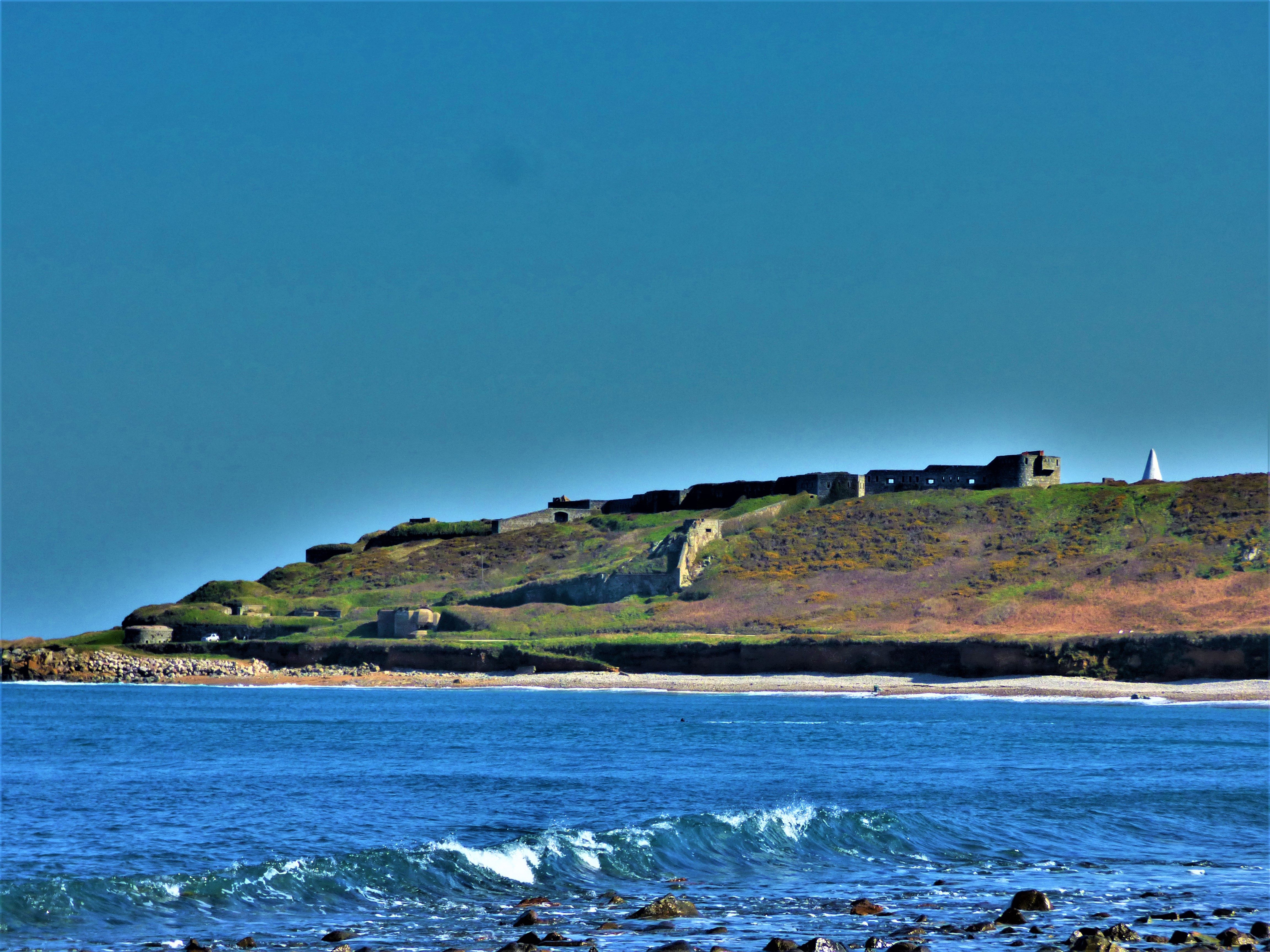
All photographs in this post can be seen at full size by clicking on them, but we end with a view of the fort:
A brief look back at the opening day of the county cricket season and some photographs.
Today saw the first day of play in the county championship and the weather thankfully did not pay a huge part in the action.
A TENSE DAY AT LORD’S
I opted to follow the action in Middlesex v Somerset at Lord’s. Somerset won the toss and decided to bowl. A combination of ordinary fielding (at least four chances went begging) and Sam Robson who cashed in on some of the former to rack up 165 gave the opening day honours to Middlesex, but not by much. The close of play score was 293-8, Lewis Gregory taking four wickets, while Jack Leach did an excellent job as a spinner on day one in England, keeping things very tight (he bowled 22 overs and had 1-43 to his name).
Elsewhere there was some vintage stat padding by James Vince at the expense of Leicestershire, Oliver Graham Robinson the Kent wicket keeper scored a fifty and Oliver Edward Robinson the Sussex fast medium bowler and useful lower order batter did likewise.
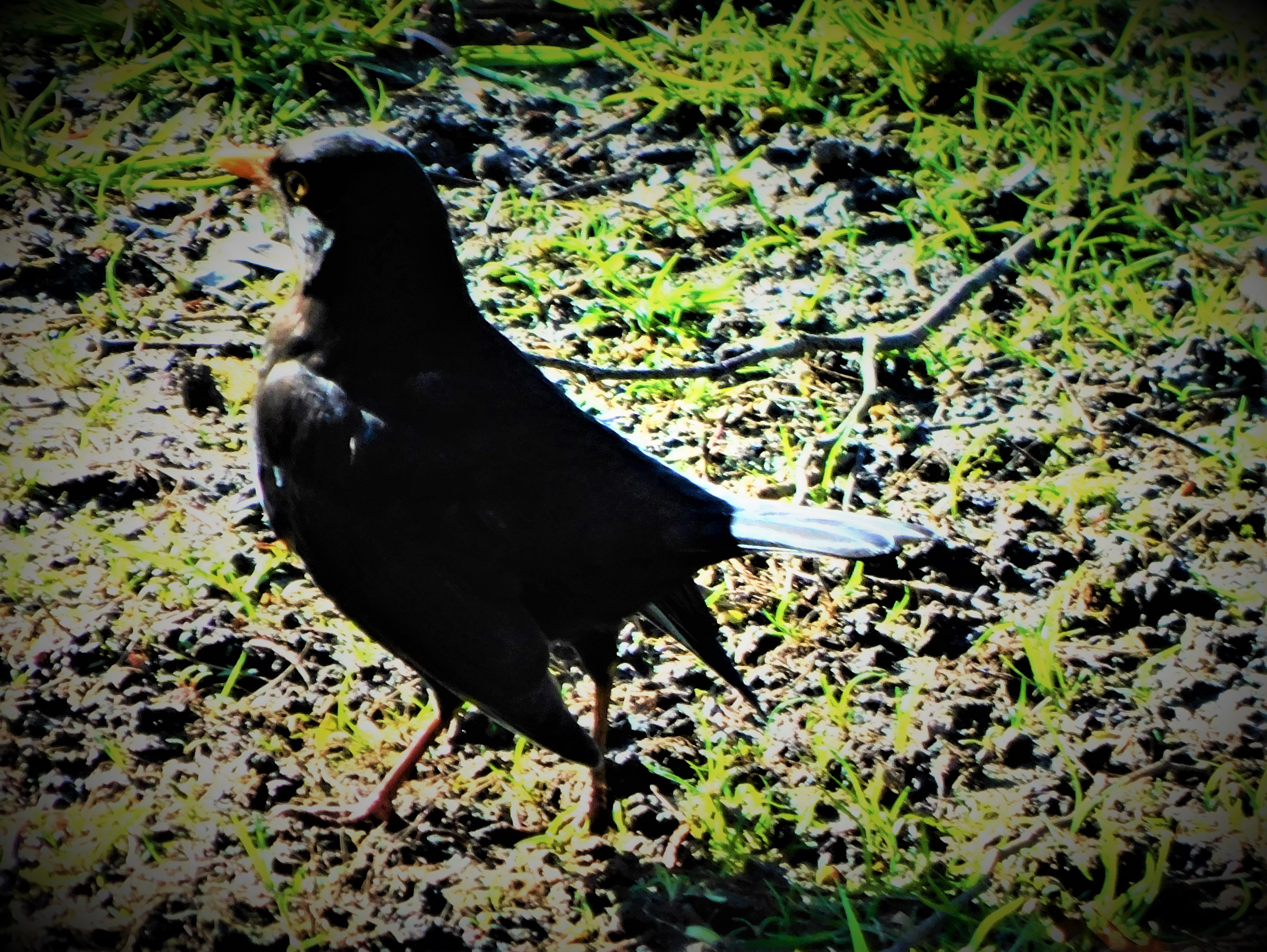
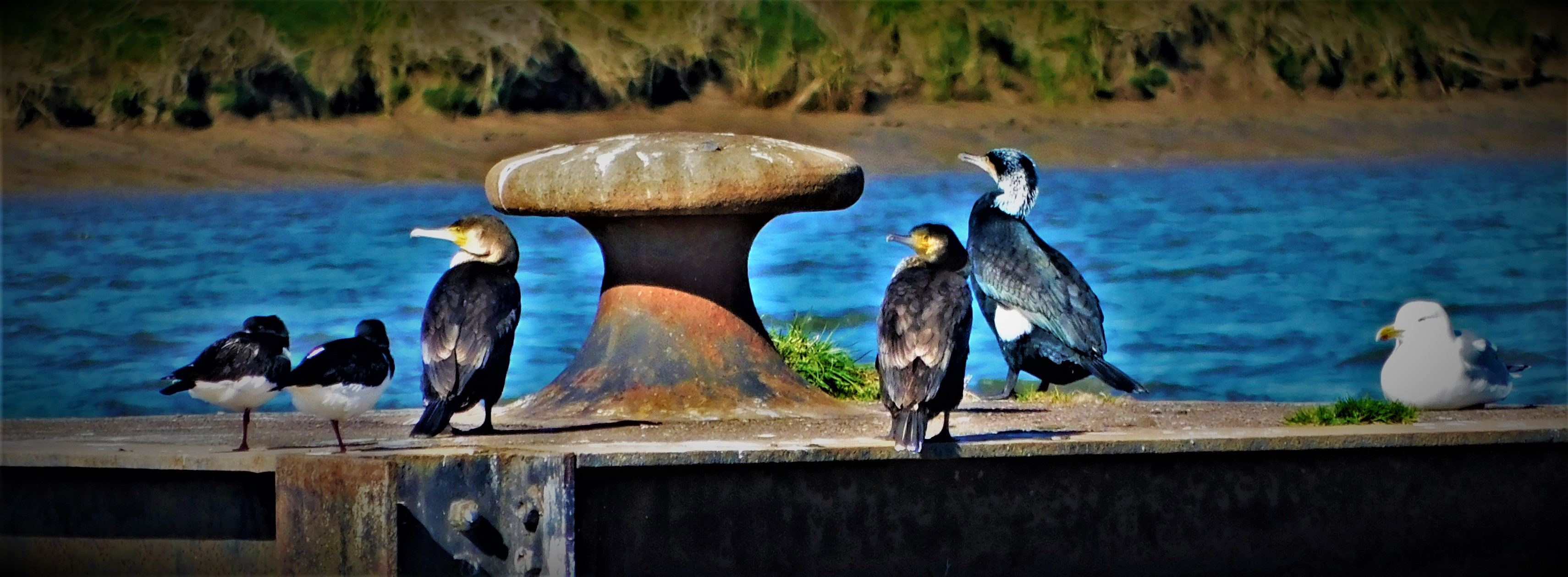
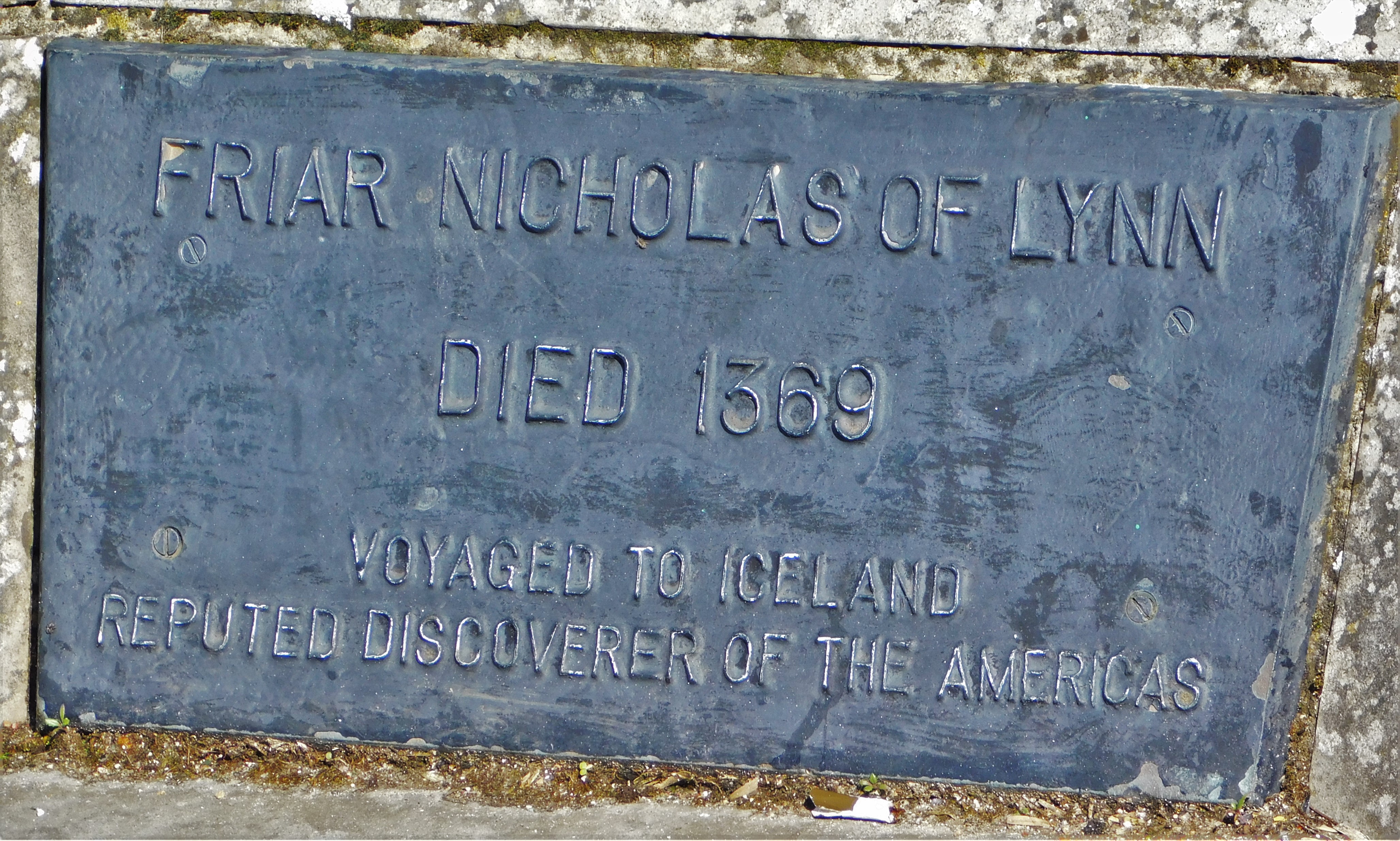
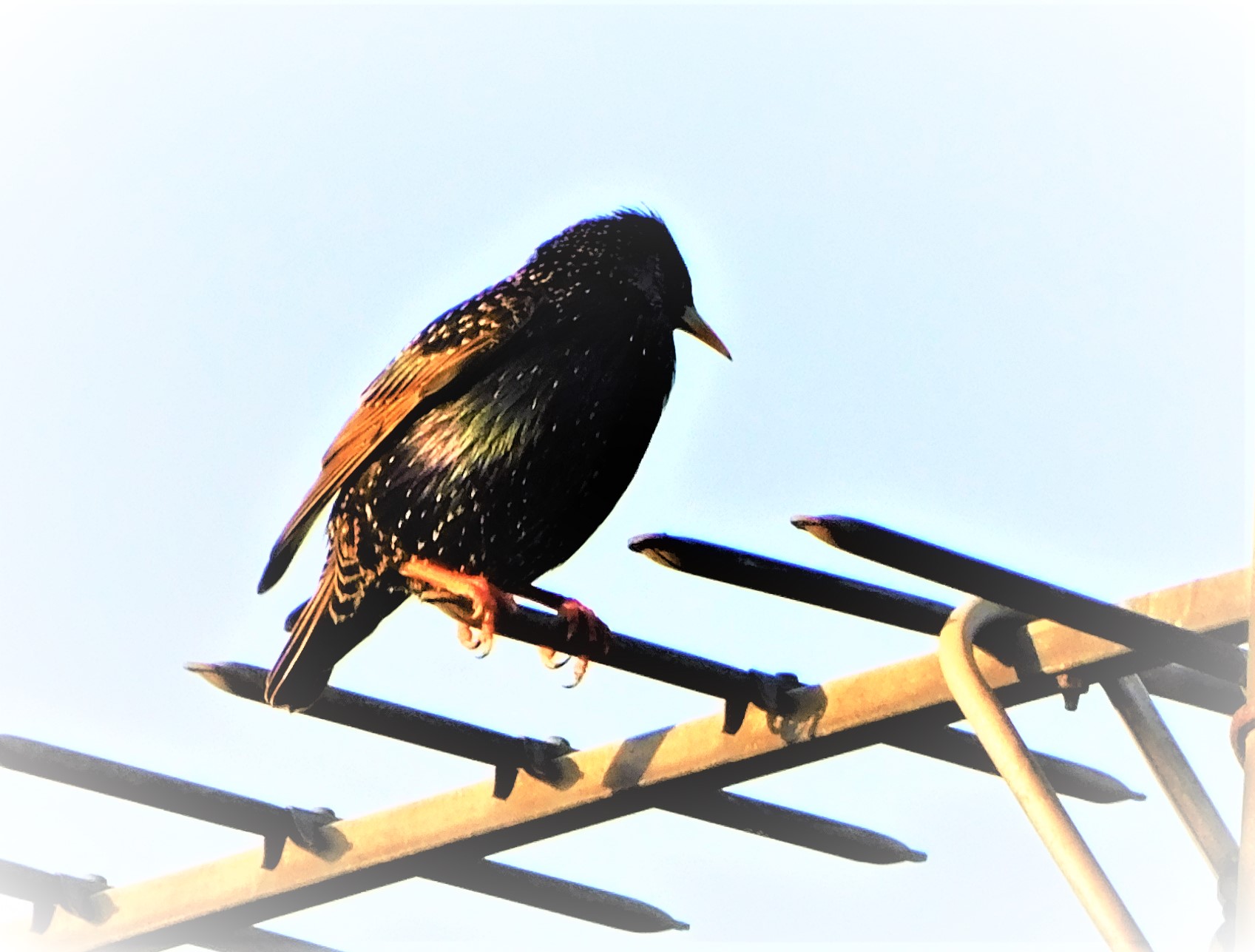
PHOTOGRAPHS
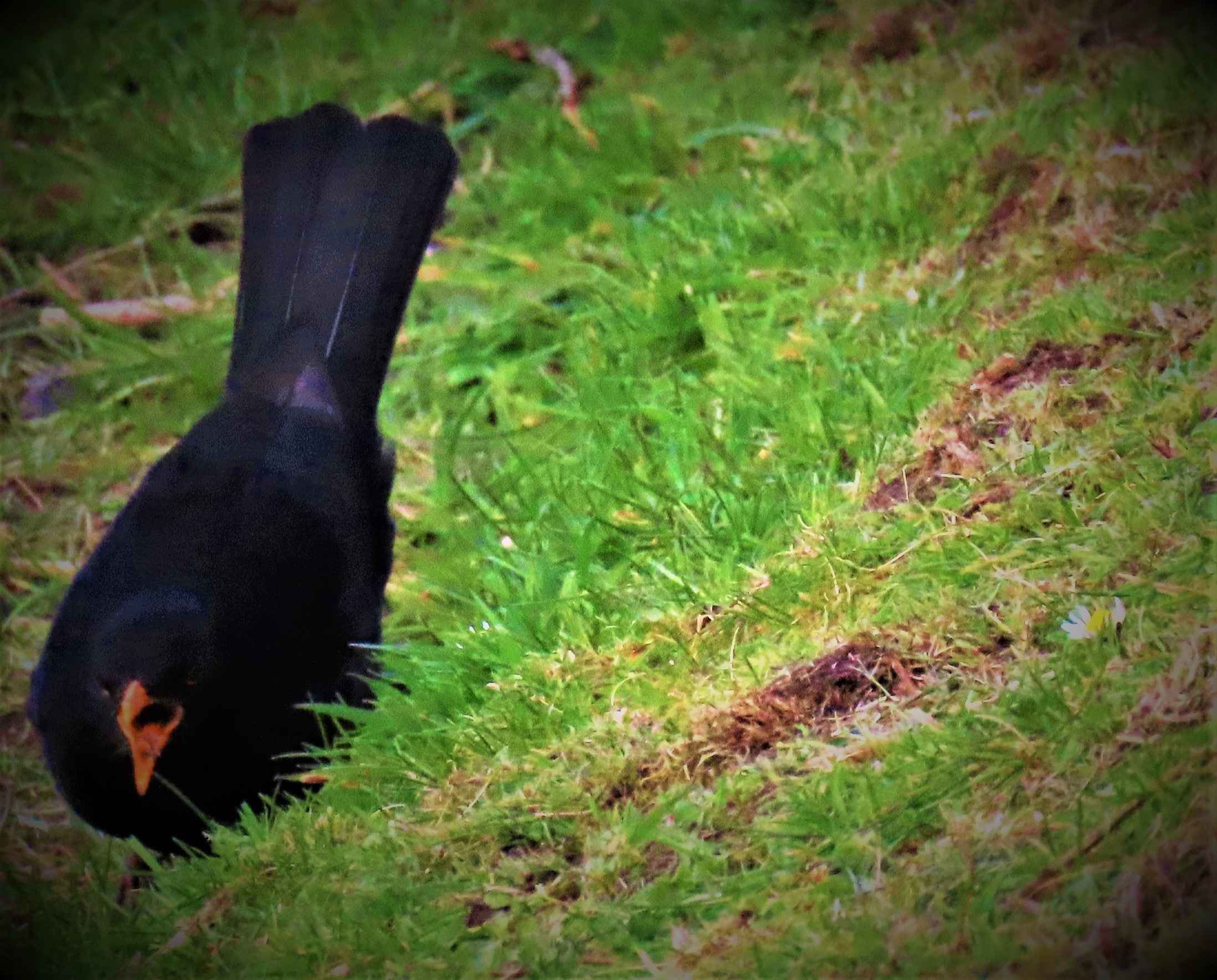
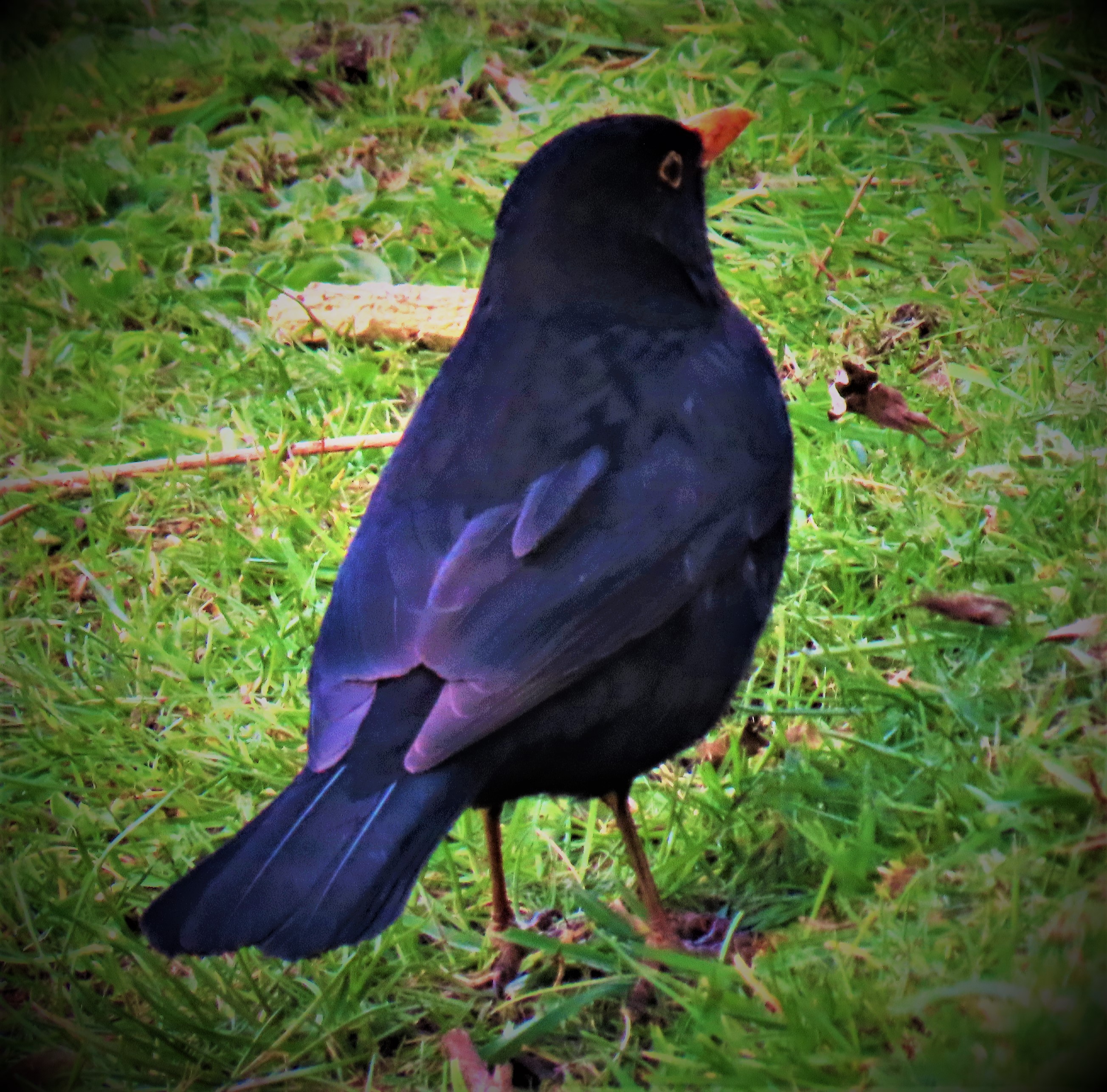
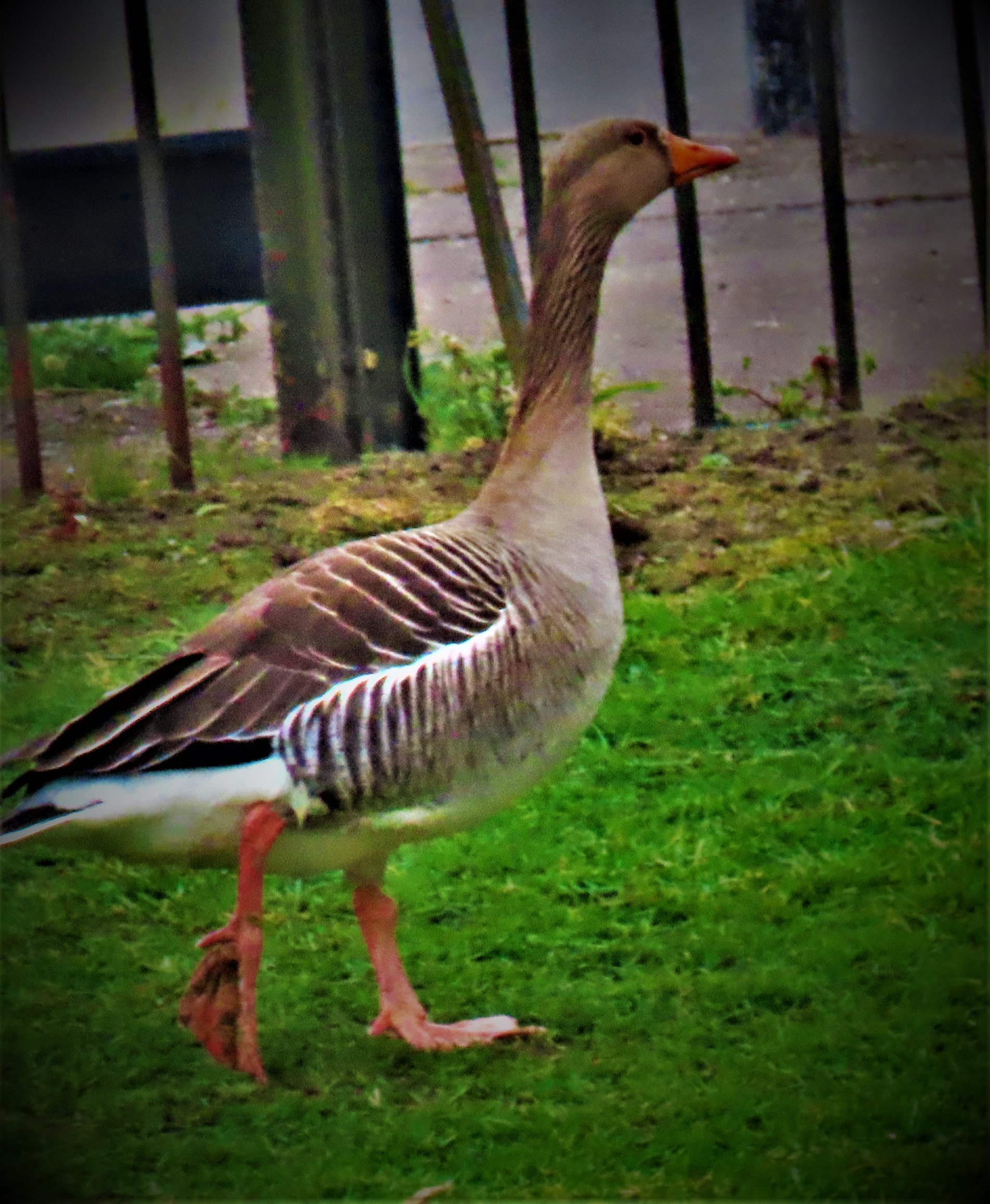
My usual sign off…
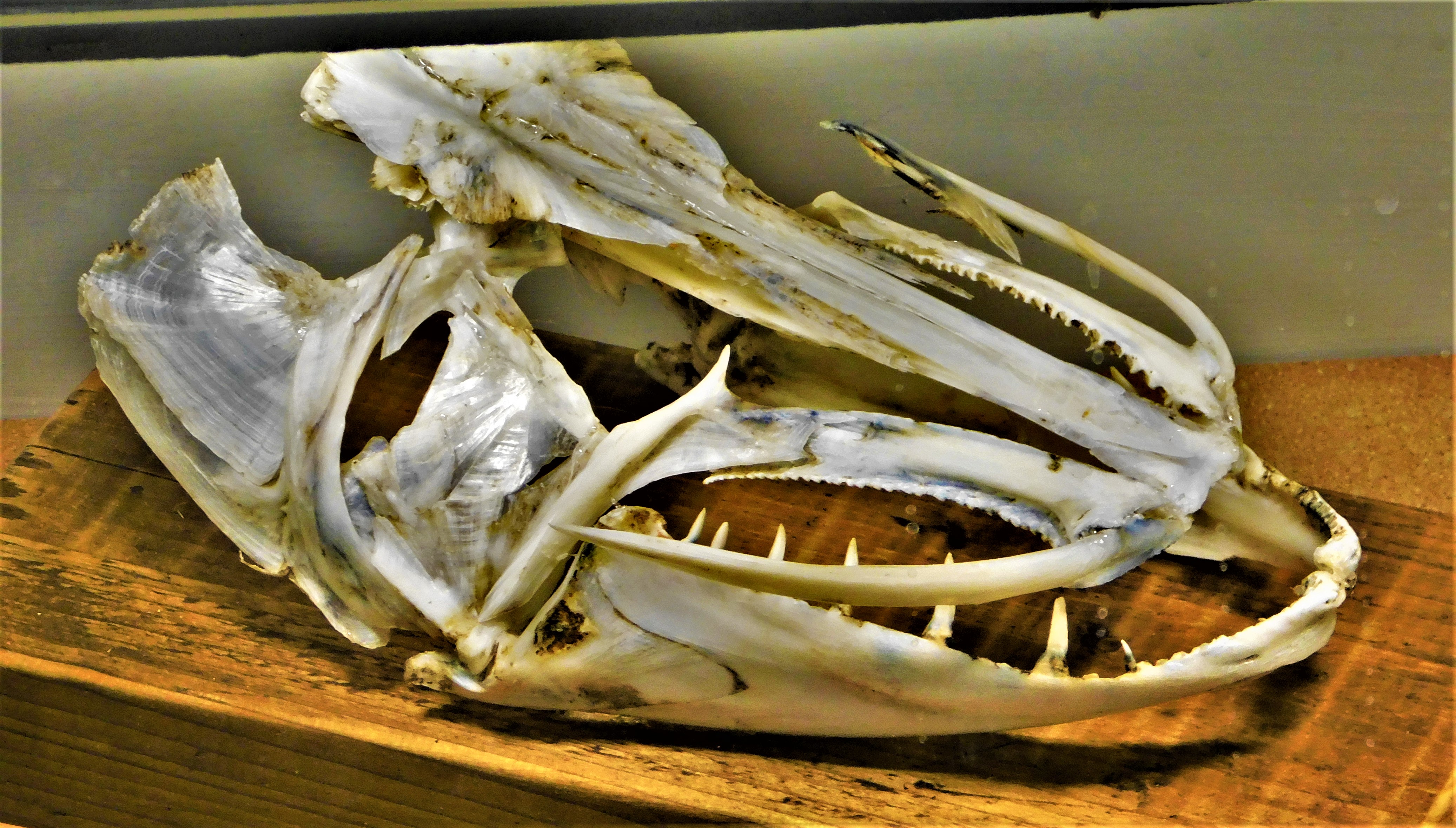
This gigantic bee (two pics) got itself stuck in my bungalow temporarily – I managed to get a window open wide and usher it back out into the outside world where it belongs.





























































































































































































































































































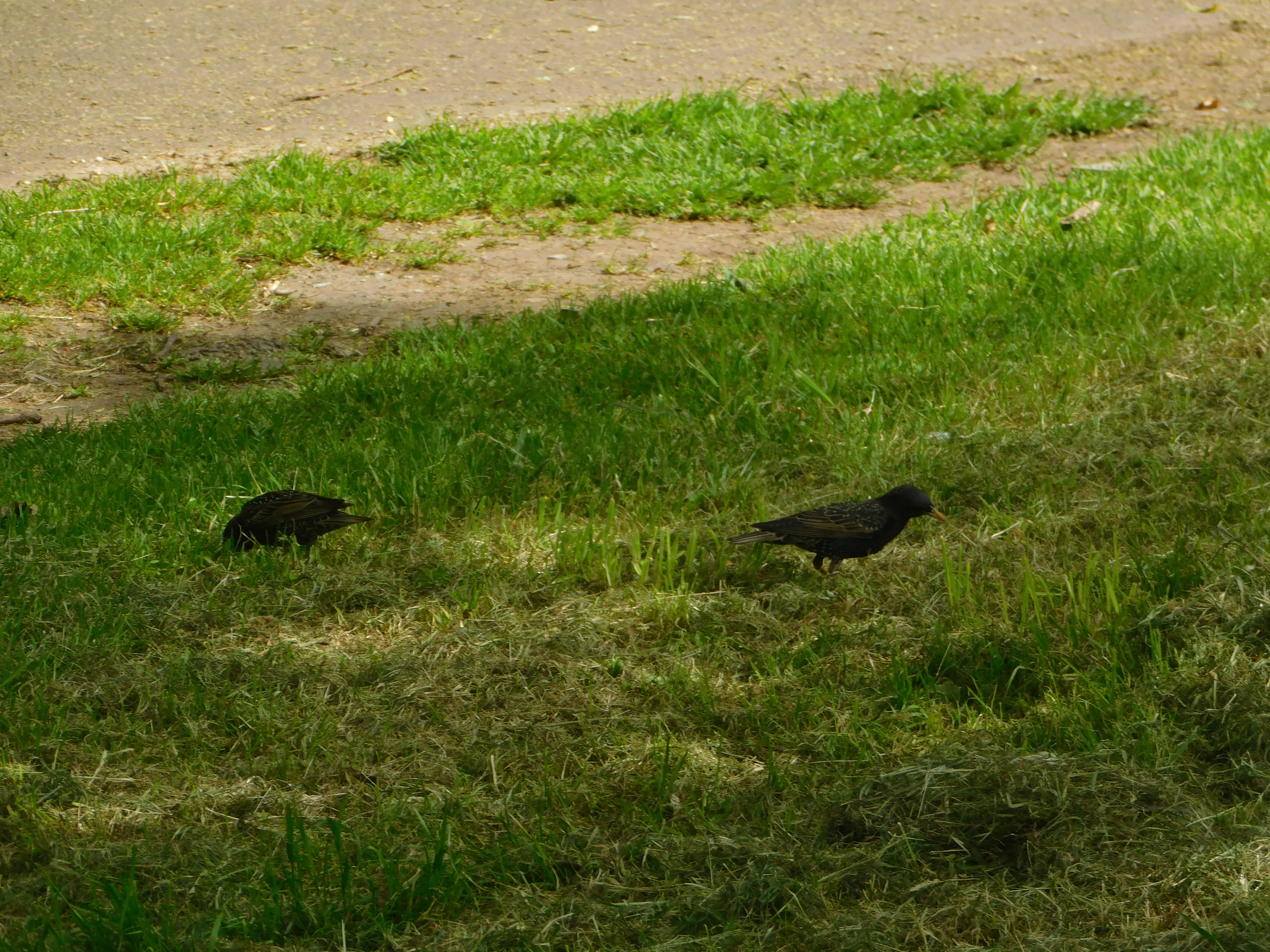






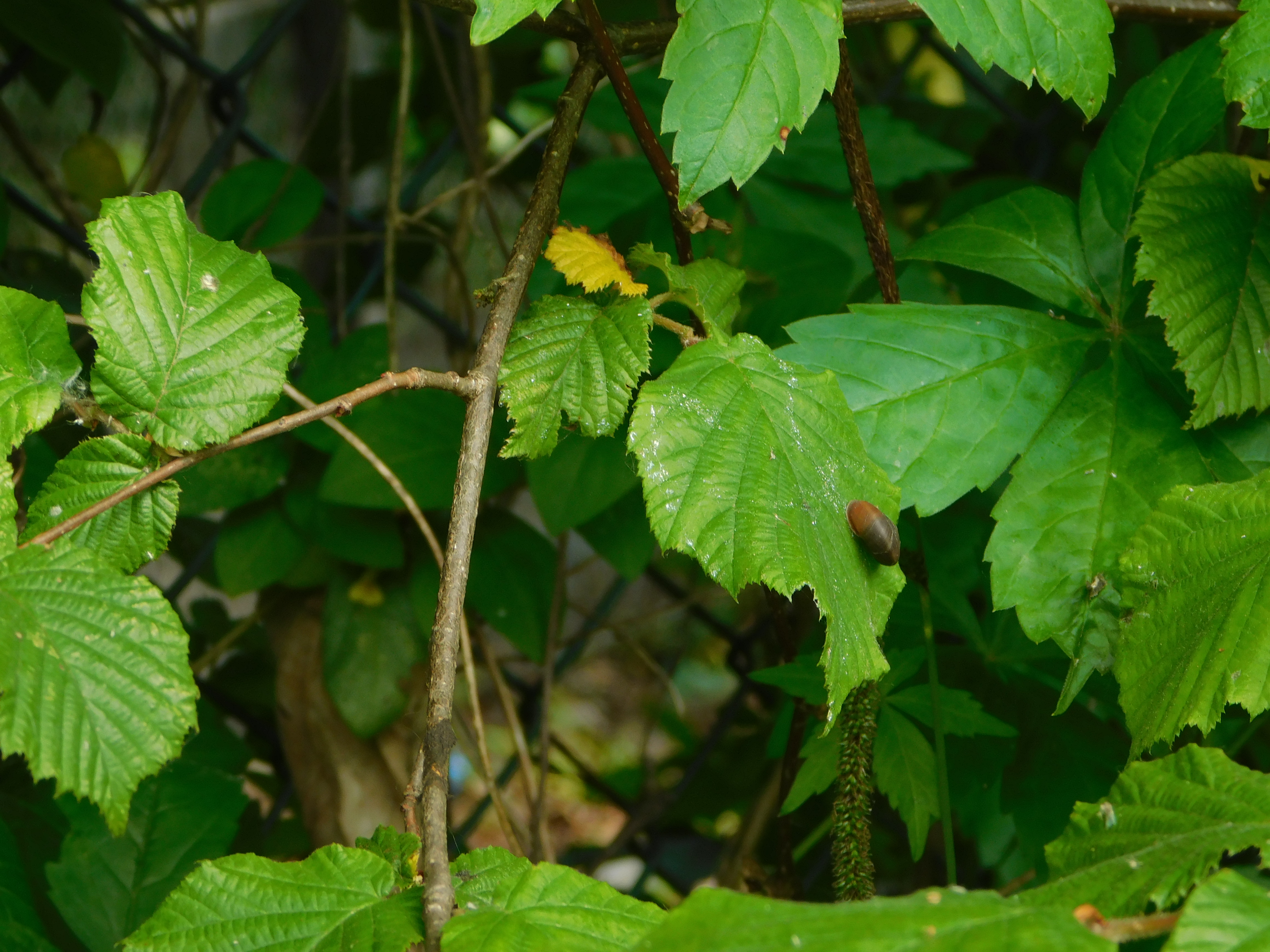





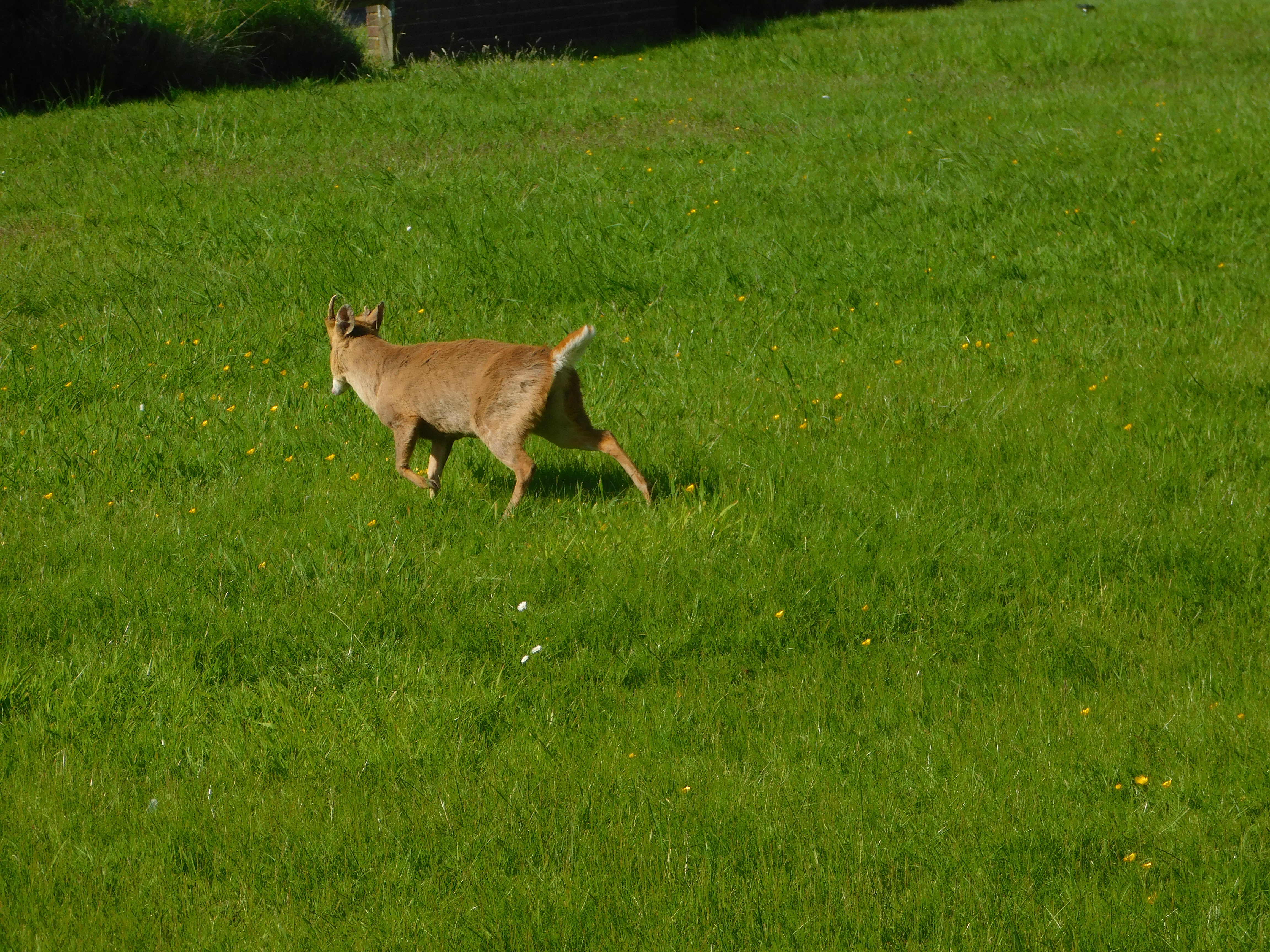








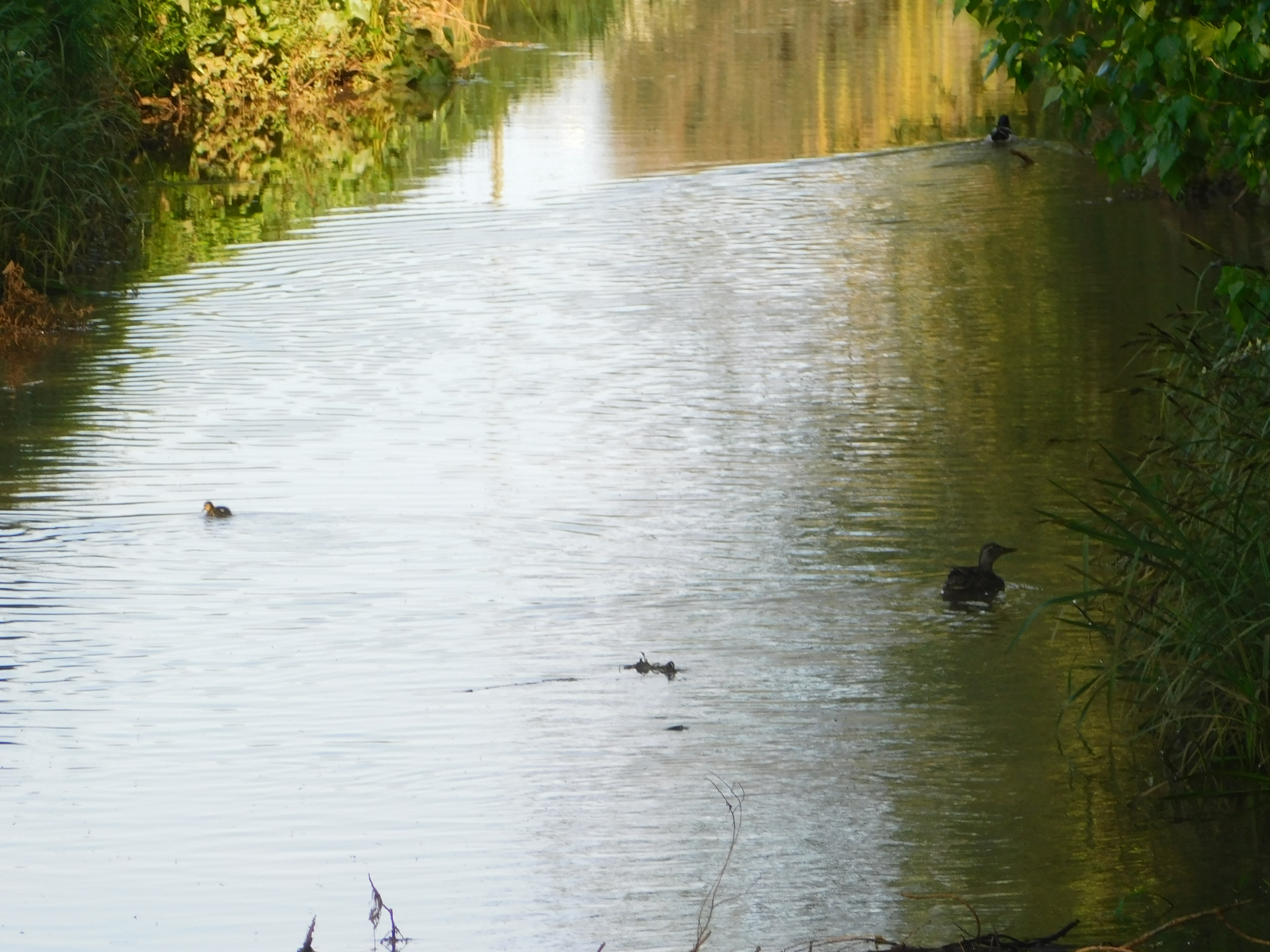
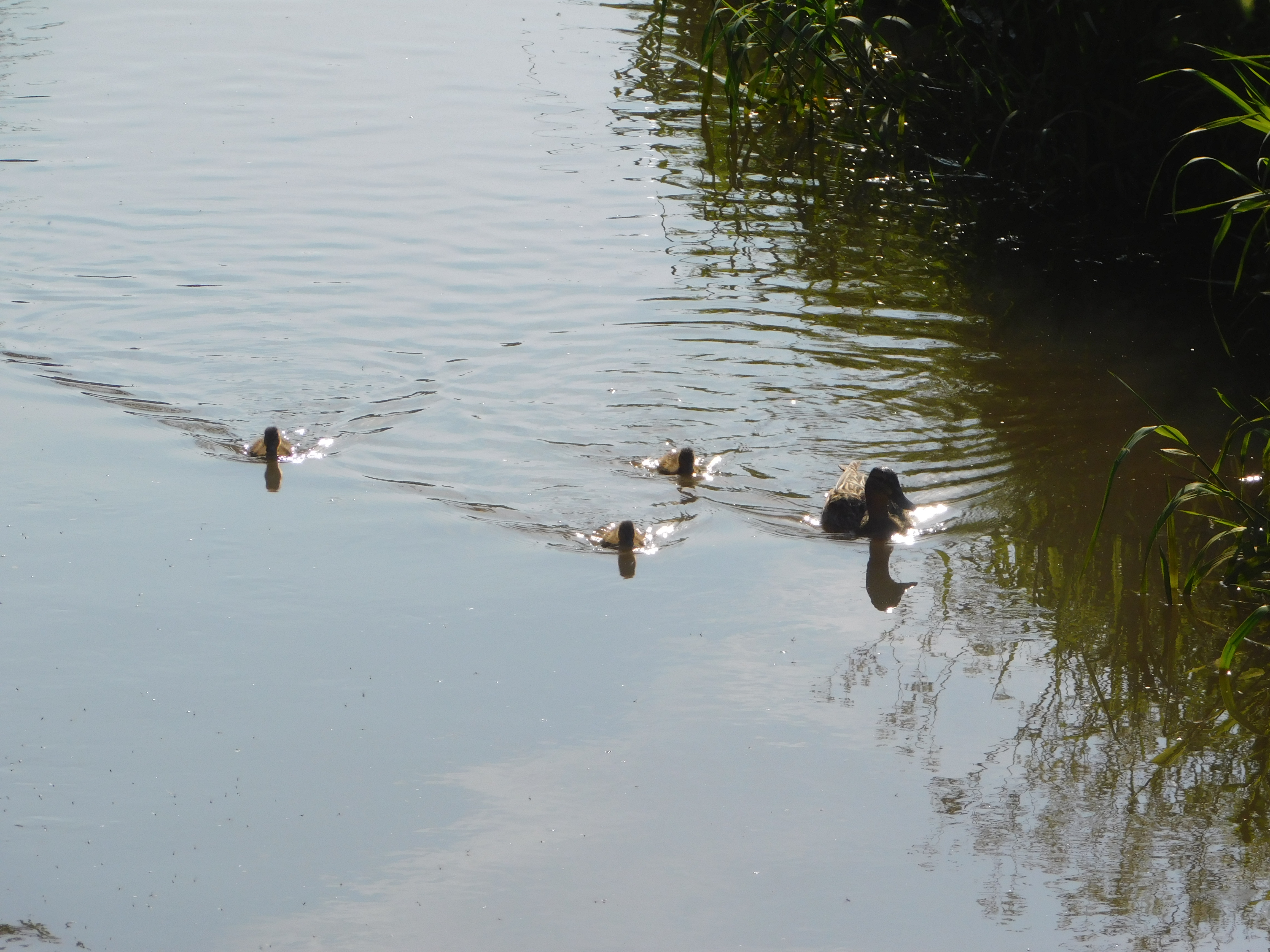

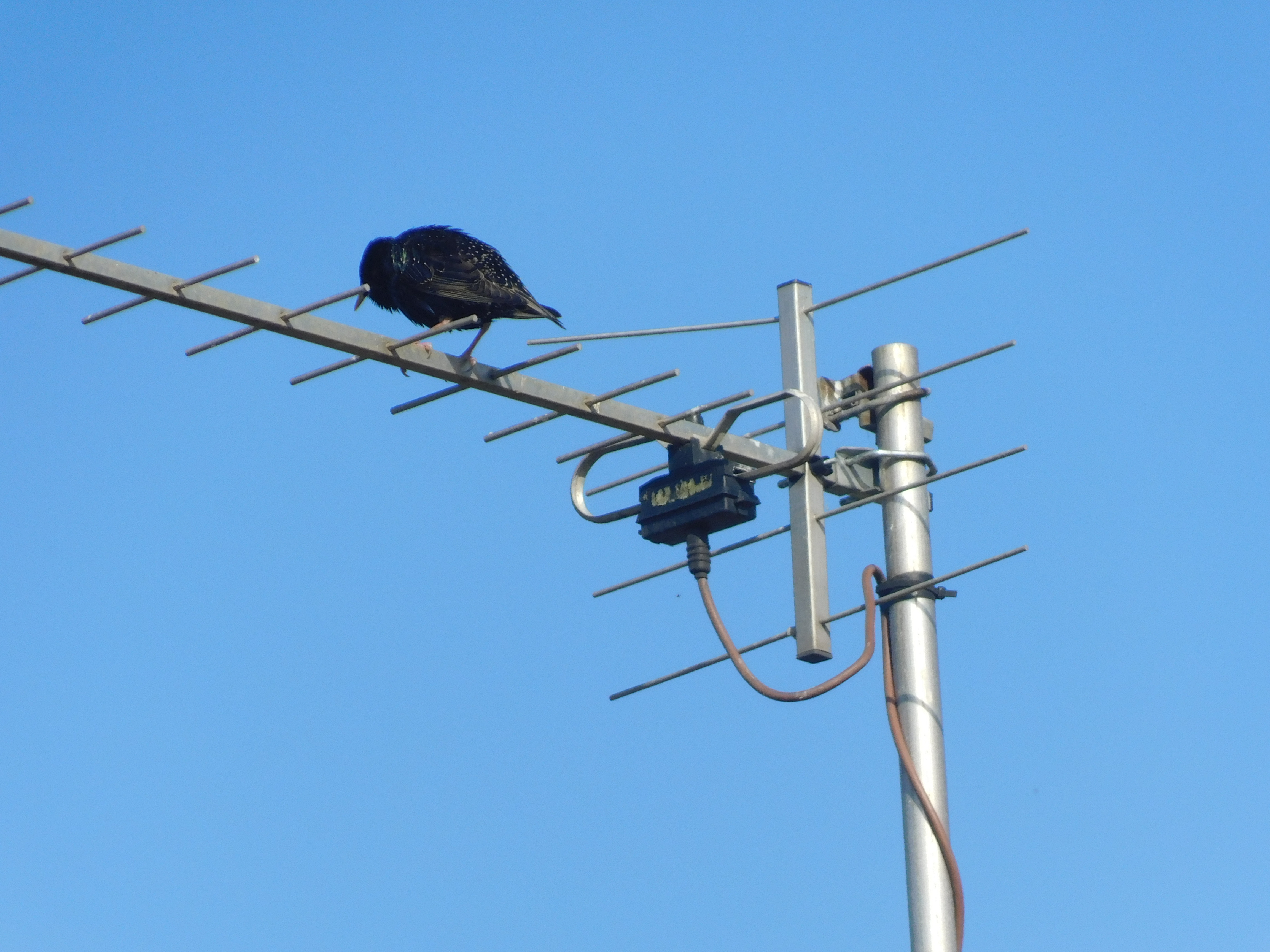








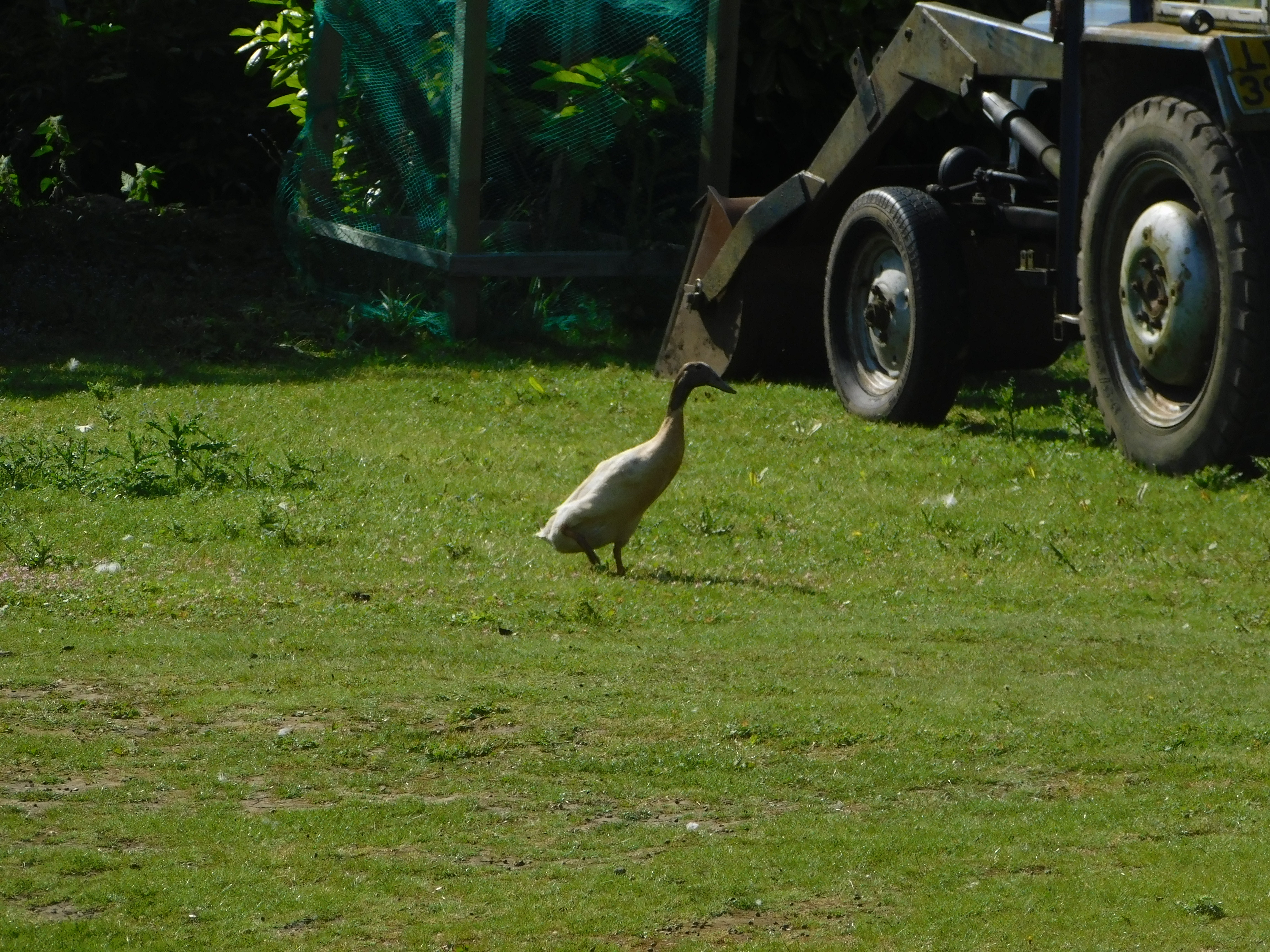

























































































































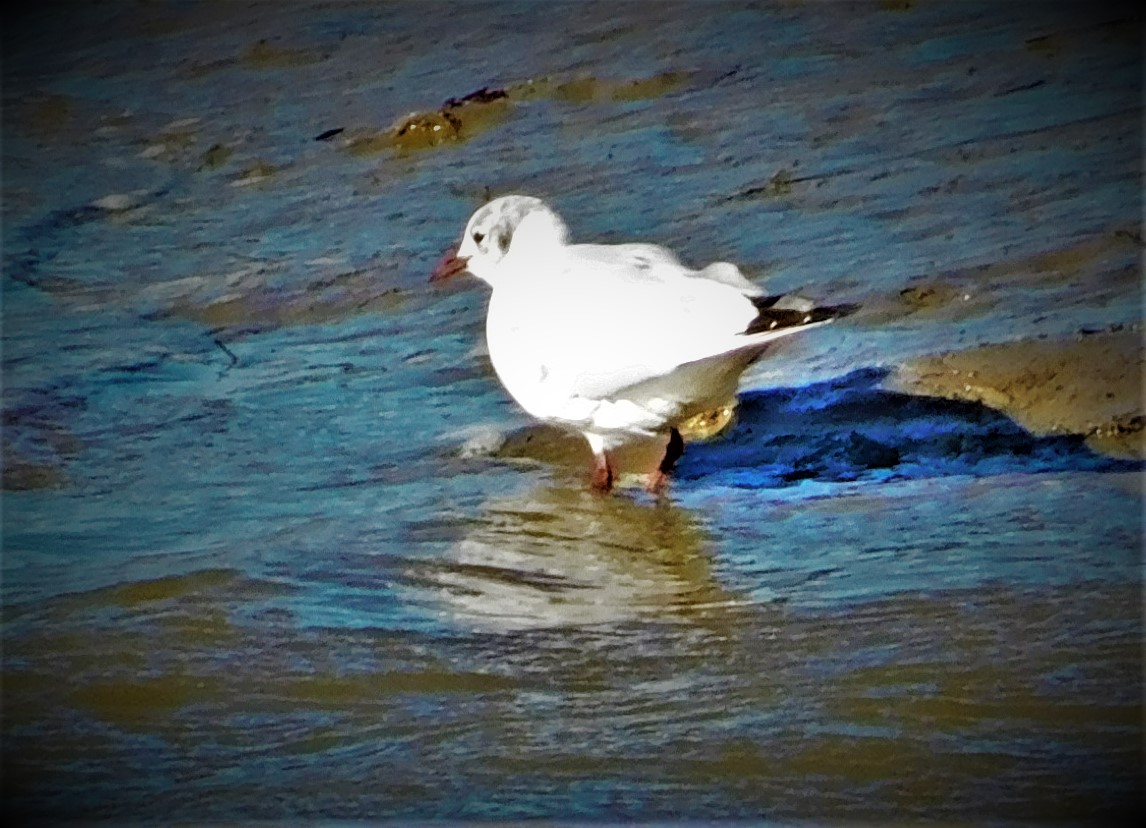






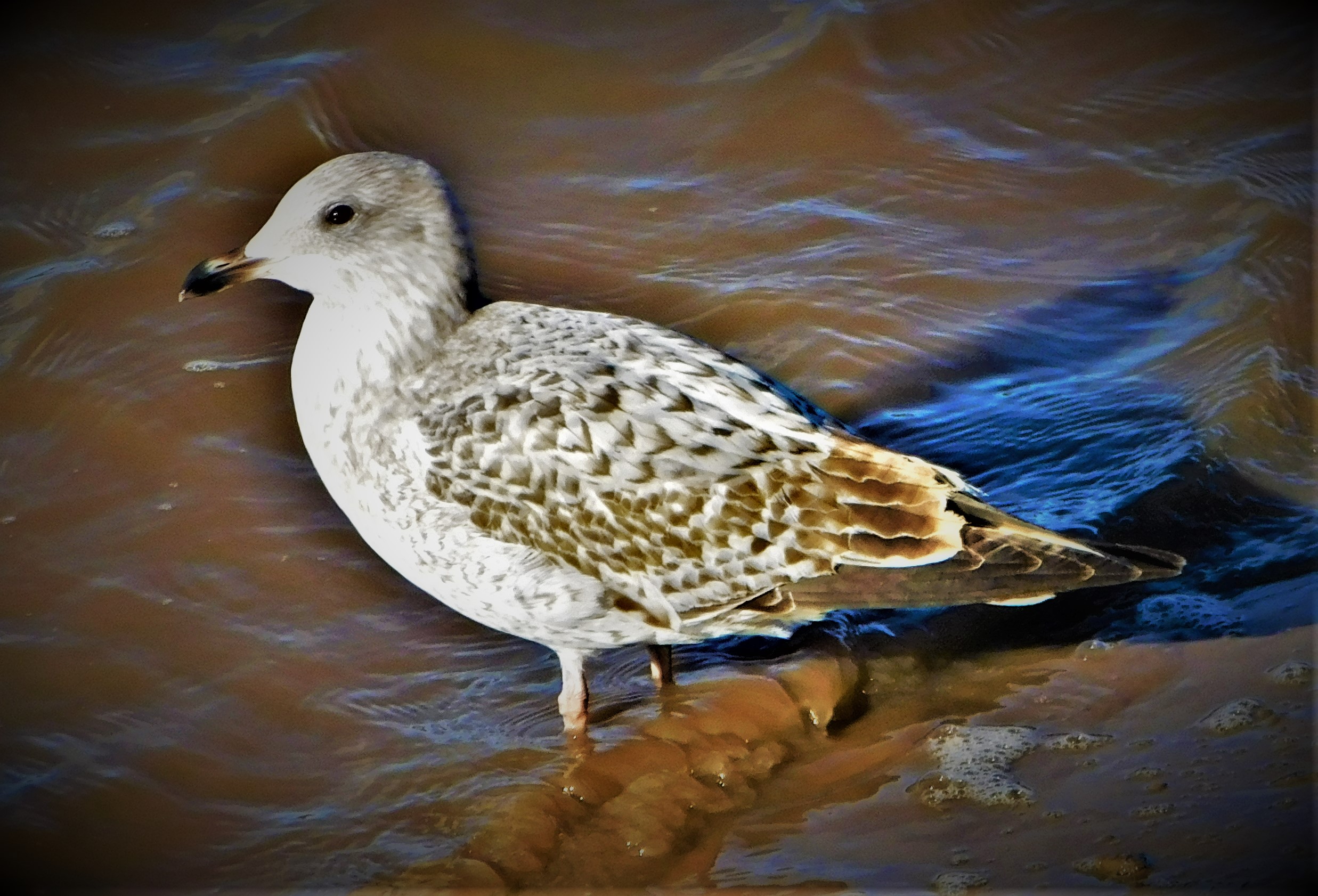







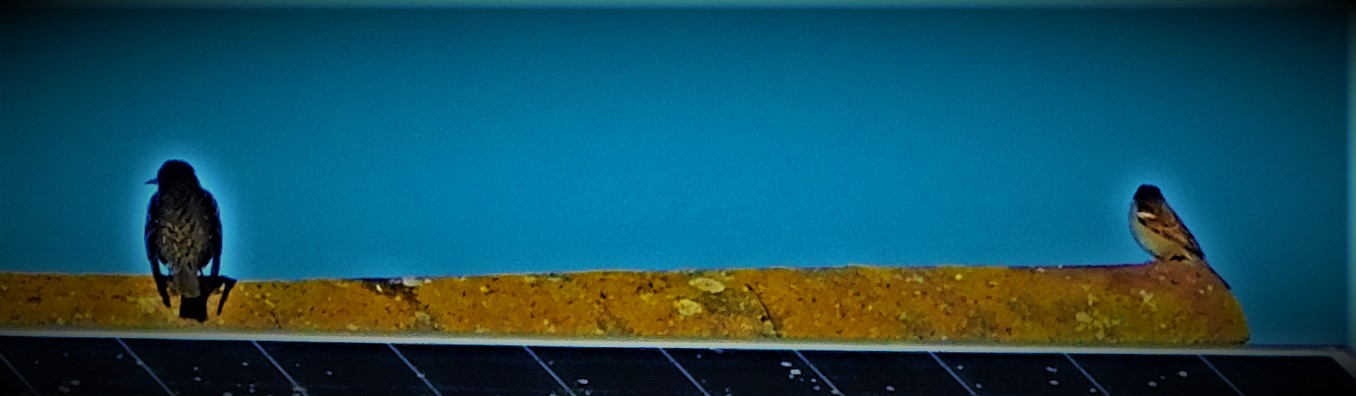
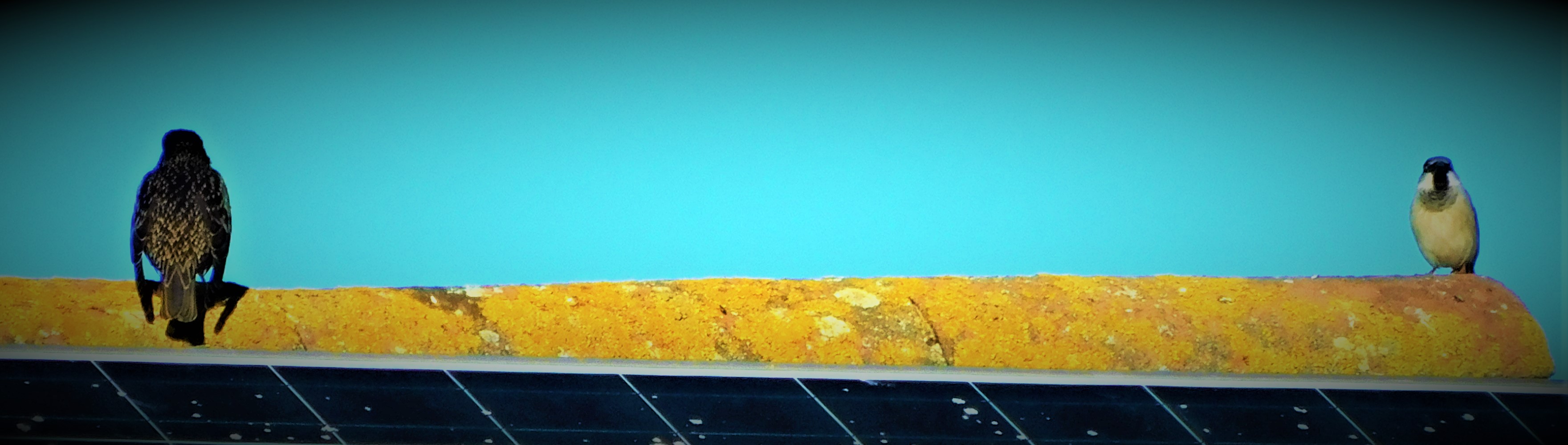
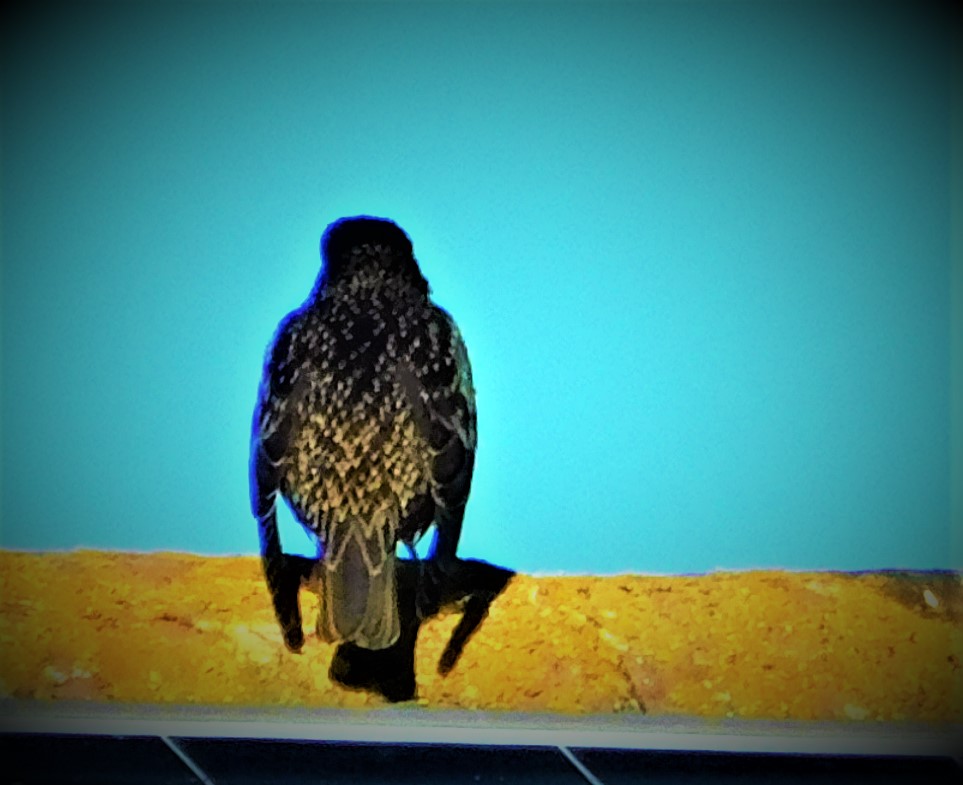
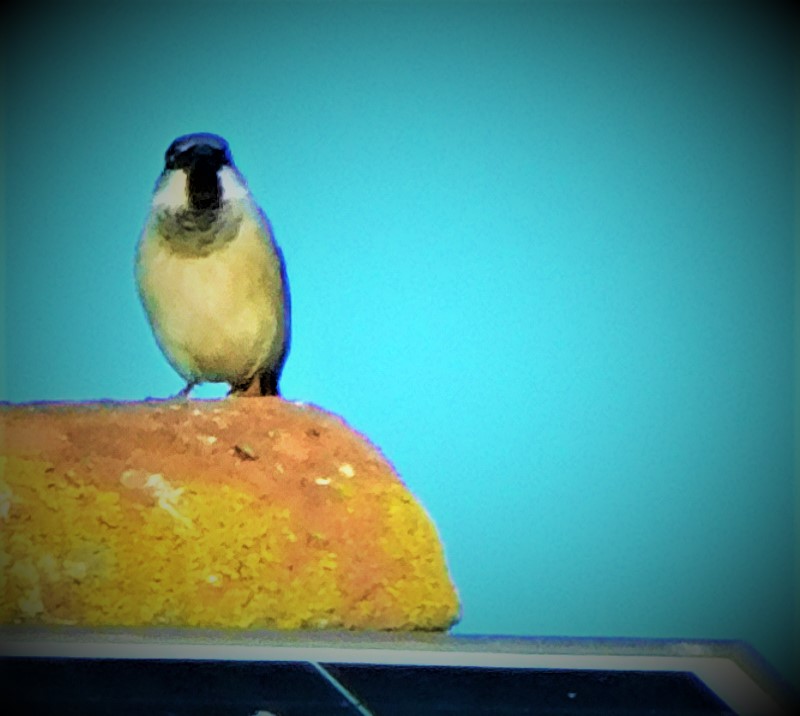































































 aspiblog