An Epic Sydney Smash

An account of today’s Sydney Smash (Sydney Sixers v Sydney Thunder) match in the Big Bash League, and a photo gallery, highlighted by a particularly fine Little Egret at the meeting point of Nar and Great Ouse.

The Sydney Smash (as mentioned in my previous post) is the name given to the derby between the two Sydney outfits in the Big Bash League. This post looks at today’s instalment which was an absolute classic.

The match was of a good standard without promising the spectacular developments that came in its final quarter. Sydney Sixers won the bat flip and put Sydney Thunder in to bat. The Thunder innings was dominated by an 88=run stand for the third wicket between Cameron Bancroft and Oliver Davies. Bancroft scored 70 off 52 balls, and Oliver Davies 47 off 34 balls. Joel Davies, Oliver’s brother, was in the Sixers line up and had a poor day, recording 3-0-36-0. His allocation was completed by Todd Murphy, which proved a poor decision by the Sixers, as Murphy’s sole over went for 20. Akeal Hosein (West Indies, left arm spin) had 2-23 from his four overs, and Ben Dwarshuis (Australia, left arm fast medium, left handed bat), of whom there will be more later had 2-26 from his four overs. Thunder had 163-5 from their 20 overs, respectable but not invincible. The first 10 overs of the Sixers response looked a classic case of laying the groundwork – without doing anything special Sixers were 79-2 at the halfway point of the chase, just a fraction behind the required rate but with eight wickets standing and a two over Power Surge to come. Many would have concurred with my own opinion expressed at the time on mastodon (my social media platform of choice) that Sixers were favourites…

A combination of some disciplined bowling by Thunder and a horror show from Moises Henriques (he is of Portuguese descent for those wondering about the name). First of all Henriques barbecued his third wicket partner Jack Edwards who was going superbly at the time, by setting off for a very optimistic single with Edwards going to the danger end. A direct hit throw had Edwards sufficiently short of his ground that he did not wait for the TV replay before turning for the pavilion. Having handed Thunder an opening, Henriques helped to make it a wider one by becoming badly bogged down. By the end of the 15th over Sixers were 107-3, needing 57 off the last five overs to win…

Jordan Silk had struggled to get going, and when Henriques fell to the second ball of the 16th, with the Power Surge just taken, it was 108-4, 56 needed off 4.4 overs, which works out at exactly two per ball. Lachlan Shaw now joined Silk, and immediately hit his first ball for four. The first Power Surge over yielded 10 runs and that wicket of Henriques (for 17 off 22 balls). The second, entrusted to Nathan McAndrew, reignited the chase, Silk at last finding his touch. In total 17 came from it and no wicket, which meant that 30 were needed off the last three overs. Daniel Sams, vastly experienced, bowled the 18th over, and for five balls looked to be winning it for his side. The sixth ball went for four, which reduced the ask to 24 off the final two overs, but even with the four only six had come from the over. Ferguson, the New Zealand quick, was given the 19th in the hope that he could kill the chase before the final over. When he shattered Shaw’s stumps with the first ball thereof it looked a good call. Dwarshuis hit the second ball of the over for a massive six to start his innings in emphatic style, but only three further runs accrued from the rest of the over. Sixers needed 15 off the last over, and Thunder would have been the happier side at that point. However gambling on Ferguson for the 19th over meant that the final over was in the hands of off spinner Chris Green. When just five came off the first three balls (2,2,1) it still looked good for Thunder. However Green now lost his bearings and sent down two consecutive wides to reduce the ask to eight. A single of the next delivery brought Dwarshuis on to strike with seven needed off two balls. Green bowled a juicy full toss, just a fraction outside off and Dwarshuis, for all that he is more bowler than batter, was plenty good enough to dispatch it way, way over wide long on for six to level the scores. The final delivery was just short of a length and in line with middle and leg stumps, and Dwarshuis coolly turned into the onside for the winning single. Dwarshuis ended with 20* (8), Silk with 36* (25). Dwarshuis’ late blitz in conjunction with his bowling efforts secured him the Player of the Match award. A full scorecard of this classic contest can be seen here.

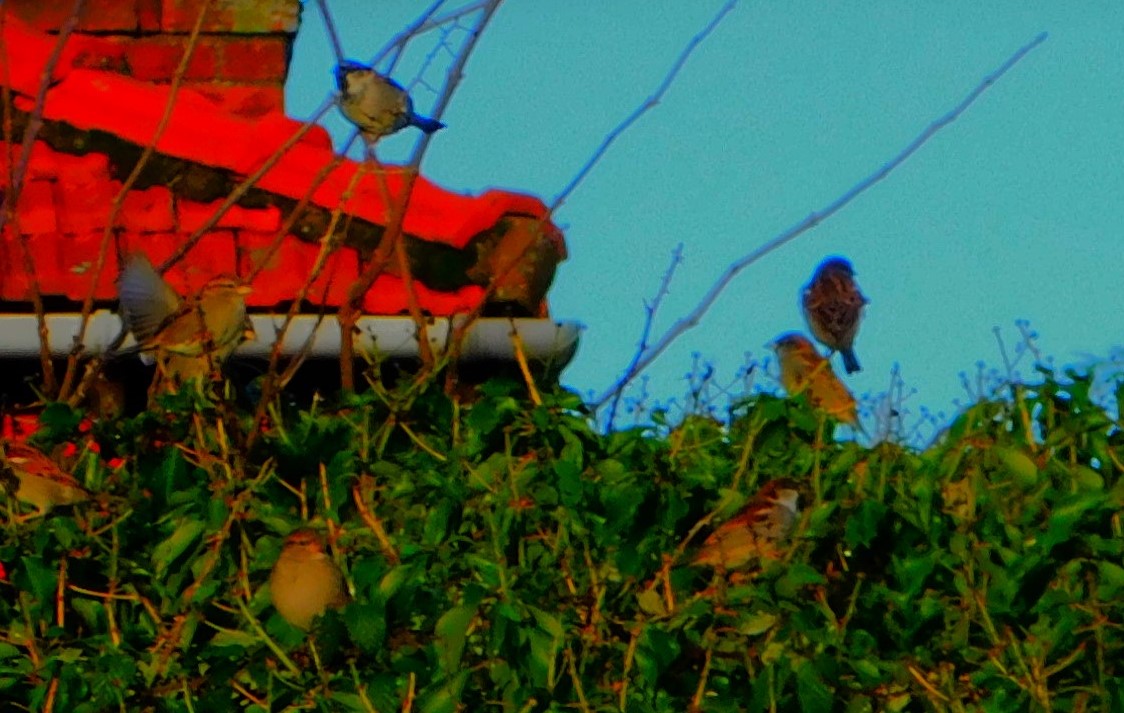
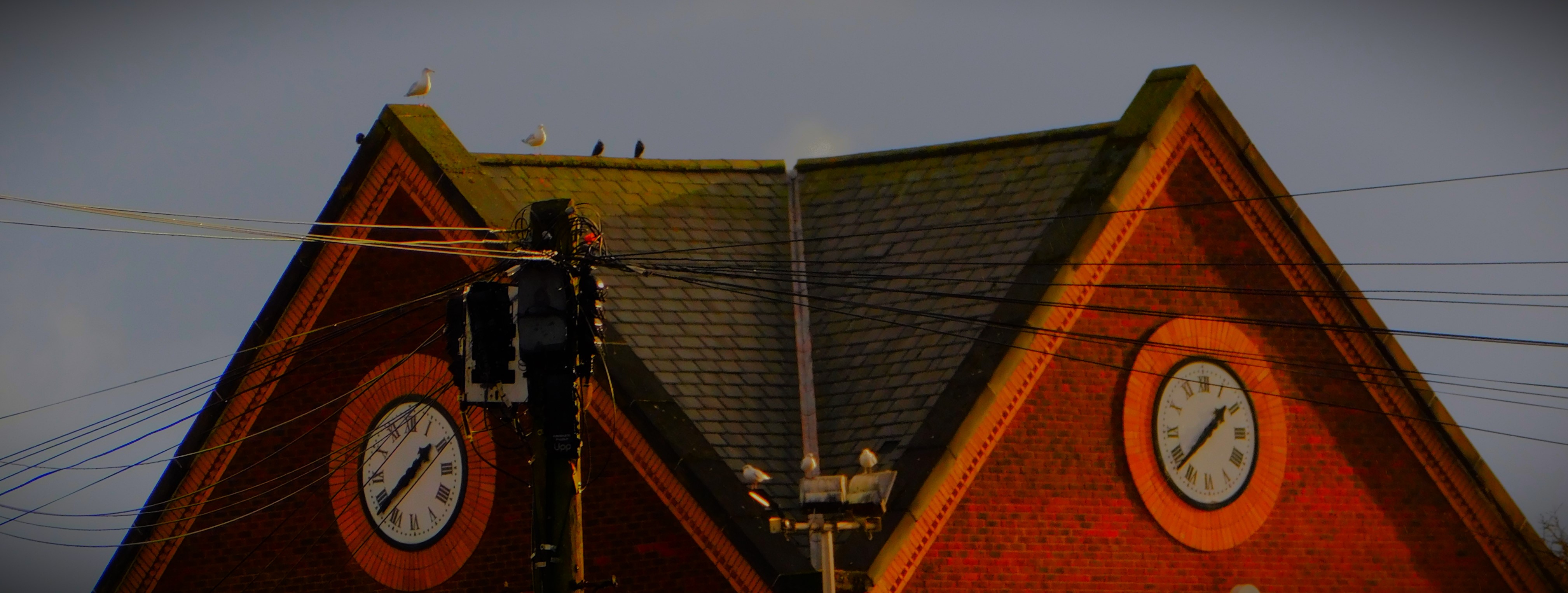
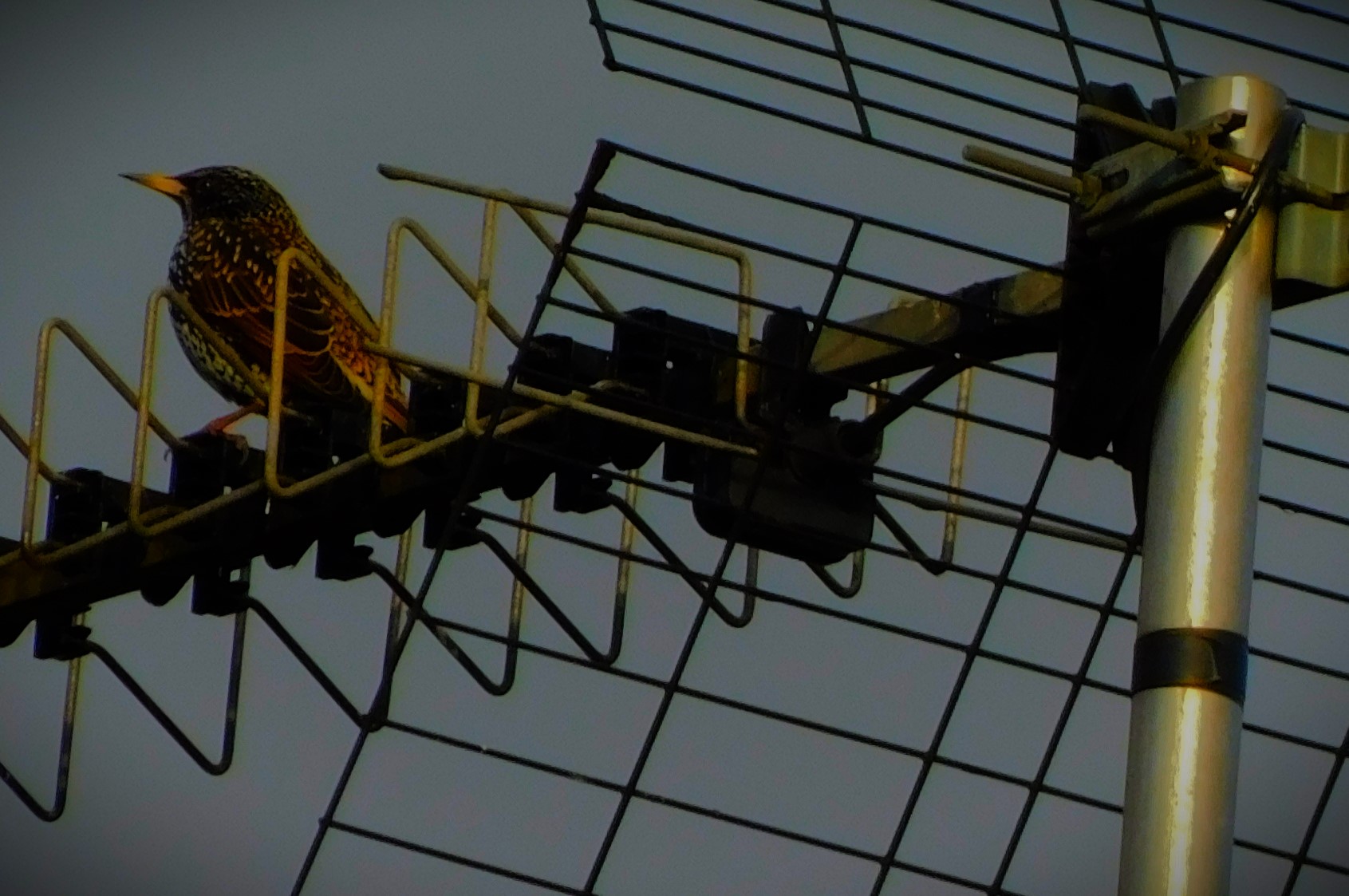
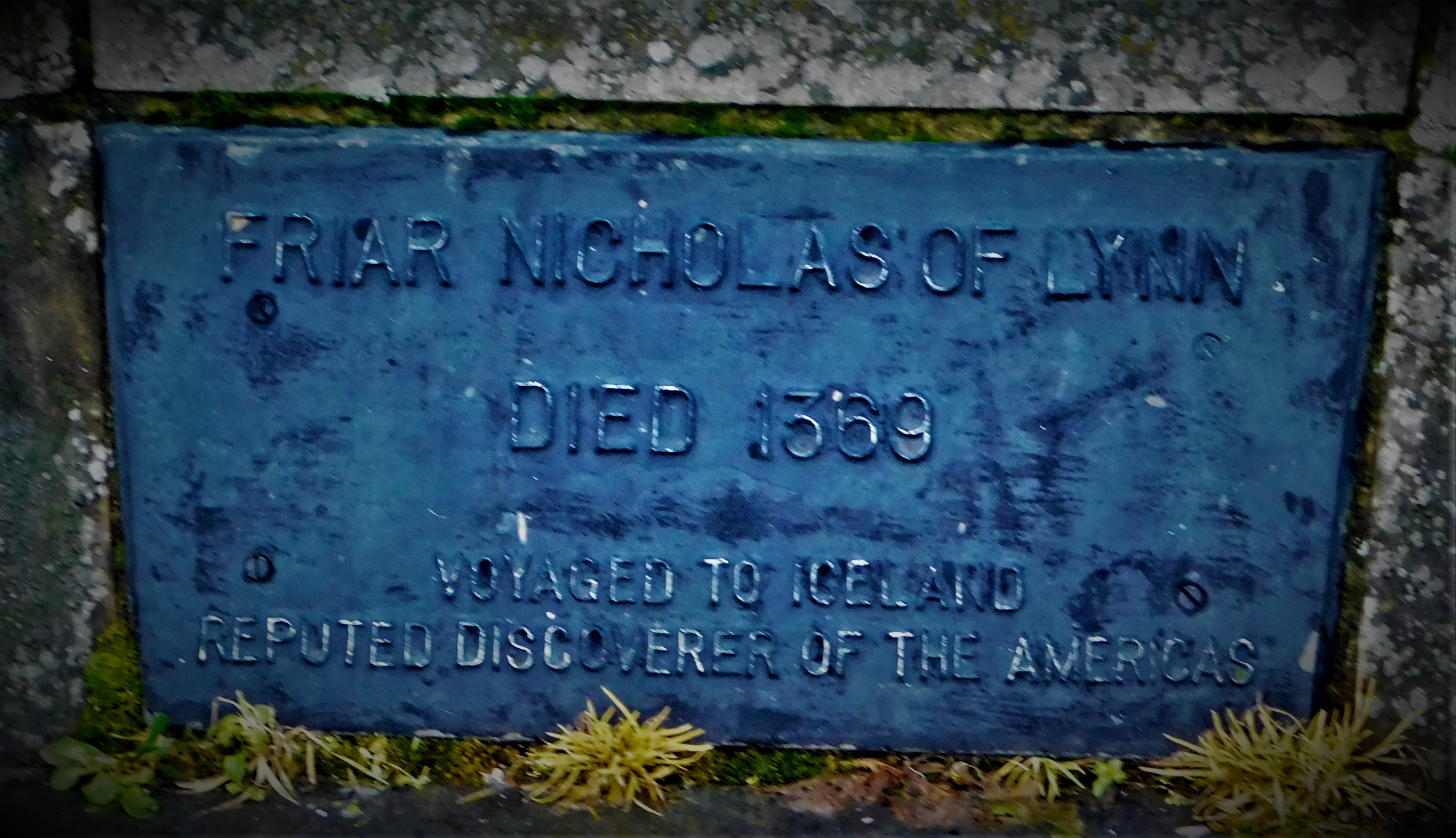
Today’s gallery starts with lots 638 and 641 from what will be the March 2025 auction at James and Sons, but the rest of the pictures are from yesterday afternoon and today…

Woeful Webster

A look at the BBL match between Melbourne Stars and Hobart Hurricanes, with particular focus on one of the worst major T20 innings ever played by anyone, an effort from Beau Webster than unquestionably cost his side the match. Also a photo gallery.

While listening to commentary from the Australian Open tennis this morning I had a cricinfo tab open to enable myself to keep an eye on goings on in the BBL match between Melbourne Stars and Hobart Hurricanes to decide fifth and six spots in the table.

Ben McDermott and Matthew Wade led the way for the Hurricanes after Melbourne Stars put them in to bat. A late flurry from Nathan Ellis, 16 off five balls including two sixes gave Hurricanes 187 to defend, a good but not invincible total.

Glenn Maxwell (32 off 18), Marcus Stoinis (48 off 32) and Hilton Cartwright (14* off eight) all batted well for the Stars, yet in spite of these three doing what is required when chasing a big target Stars never at any stage of the chase looked like favourites. The reason for this was the innings played by Beau Webster. Even with a six off the last ball of the match, by when it was already lost, Webster only boosted his score to 55* off 43 balls. For the majority of his innings his SR was actually less than 100. The result of this piece of stat padding by Mr Webster was that although only four Stars wickets fell in the course of their 20 overs they were beaten by seven runs, to end up sixth in the table. Nathan Ellis, whose late cameo had given the Hurricanes total what proved to be a vital boost, was also the pick of the bowlers, taking 2-29 from his four overs, and was deservedly named Player of the Match. Webster meanwhile has to be regarded as the antithesis of the Player of the Match – his innings cost his side the match. A full scorecard of the match can be viewed here.

My usual sign off…

Dog in the Manger at the Melbourne Derby

A look back at the Melbourne derby in the Big Bash League, and a bumper crop of photos.

This morning UK time saw the Melbourne Derby in the Big Bash League. The Renegades were already eliminated from the tournament, while Stars knew that if they won both their remaining matches they would progress to the final. It was also Aaron Finch’s final game as a professional cricketer, since that worthy had decided that a Melbourne derby was a fitter stage for his last bow than an entirely meaningless game in Sydney, which is where Renegades’ campaign will finish.

Stars never really got going at any stage, with only Glenn Maxwell, 20 off 10 balls, ever looking truly in command. Beau Webster took 34 balls to score 29, which is never acceptable in a T20, Hilton Cartwright was less unimpressive, but 38 off 30 is no great shakes in T20. Opening batter Thomas Rogers managed 23 off 17. Kane Richardson (right arm fast) managed 2-17, Akeal Hosein (left arm orthodox spin) 2-18. Stars had managed 137-8, which looked inadequate.

Aaron Finch ended a long and distinguished professional career with a highlu unimpressive duck, but Shaun Marsh, another oldster, and Jake Fraser-McGurk had an excellent stand for the second wicket. They were still together at the halfway stage, and had moved their side into control. They took the Power Surge for overs 11 and 12, the earliest point at which it can be taken, with a view to killing the game there and then. Those two overs yielded 19 runs but also three wickets, those of Fraser-McGurk, Jordan Cox and Will Sutherland. However, they were well ahead of the required rate, and after Sutherland was out the experienced Jonathan Wells joined Shaun Marsh, and these two veterans never looked in any hint of trouble, as Renegades coasted home with six wickets and 2.4 overs to spare. This means that Stars are no longer in control of their own destiny – if Adelaide Strikers win their final group match they will qualify and Stars will be eliminated.

My usual sign off. Today was by January standards quite pleasant – dry, and the odd hint of sun poking through, and yielded a bumper crop of photos, including a grey heron, a large group of lapwings, cormorants in two very different locations, starlings, blackbirds and five squirrels (they were close enough together that there are two pictures featuring all five)…

The Sandpaper Derby

An account of today’s clash between the Sydney Sixers and the Sydney Thunder, “The Sandpaper Derby” ads I have dubbed it because of some of the personnel involved. Also a photo gallery.

Today’s Big Bash League match was between the two Sydney sides, the Sixers and the Thunder. I have dubbed it the sandpaper derby because Steve Smith was playing for the Sixers and David Warner and Cameron Bancroft were both in the Stars XI. A win would ensure Sixers a place in the knockout stages and definitively end the Stars hopes, while a win for the Stars would have created a logjam in the middle of the table.

It was recently confirmed that Steve Smith would be moving up to open the batting for Australia in test matches following the retirement of David Warner. Unfortunately for those looking for omens, Smith was out to the very first ball of this match and Sixers were 0-1 after one ball. They fought back from that early blow, and at 88-3 after 12 overs were looking reasonably placed. However they not only failed to take the Power Surge at that point, they also failed to do so an over later when they were still only three down. Then in the next over Josh Philippe was out, and the opportunity to take the Power Surge with two set batters together had been squandered. Sixers then completed a display of poor decision making by taking the Power Surge at an obviously bad time. It was only a late flourish that got them to the semi-respectability of 151-7 from their 20 overs.

Thunder set off like a train in pursuit of this seemingly moderate total, and were 44-0 at the end of their four over initial Power Play, 17 runs and one wicket better than Sixers at the same stage. However, veteran left arm spinner Steve O’Keefe bowled the fifth over, and he produced one that scooted through low to bowl Alex Hales for a fluent 28. Four balls later Bancroft, the Thunder number three, was on his way back, and five overs into the reply Thunder were 46-2. Warner and Kohler-Cadmore stopped the haemorrhage of wickets, but neither batted with any fluency, and in the tenth over Kohler-Cadmore holed out to Moises Henriques off the bowling of Hayden Kerr to make it 63-3, Kohler-Cadmore’s share 6 off 12 balls. The new batter was Oliver Davies, and he also failed even to strike at a run a ball, making 15 (18) before he was caught by Jack Edwards of Sean Abbott to make it 87-4. Daniel Sams, in at number six, proceeded to edge one from Ben Dwarshuis and it was 88-5 in the 15th. Two runs later Chris Green fell to a catch by Vince off Edwards to make it 90-6. With one ball of the 17th over remaining Warner became O’Keefe’s third victim, ending one of the worst T20 innings ever played, considering the circumstances and Warner’s vast experience (this was his 357th T20 match as a professional), 37 off 39 balls, with two sixes and a four early on, so that ex-boundaries he managed a measly 21 off 36. That was 101-7, and Thunder were pretty much done for. A late flurry from number 10 Liam Hatcher (20 off 10 with the game well and truly lost, a knock which should have had some of his supposed betters squirming with embarrassment) got Thunder to 132 when they were all out with one ball left of their allocation, defeat by 19 runs. O’Keefe, whose wickets of Hales and Bancroft started the turning of the tide, and who also accounted for Warner, and finished with 4-0-13-3, was deservedly named Player of the Match. Full scorecard here.

My usual sign off…

Brisbane Heat Guaranteed to Top the Big Bash League

A look at how Brisbane Heat secured top spot in the Big Bash League earlier today and a large photo gallery.

Today’s Big Bash League Match saw Brisbane Heat take on Perth Scorchers. Heat came into the game knowing that a win would guarantee them a first place finish, while Scorchers knew that a win would ensure them qualification. I missed the Heat innings due to a morning commitment in town, but I listened to the Scorchers chase after I got back.

At the halfway stage of the chase Scorchers were 80-3 chasing Heat’s total of 191, some way behind the required rate, but with Laurie Evans just starting his innings. Two overs later they were 103-3 and looking much better placed. It was at this point that they took their Power Surge, which was always likely to have a major impact on the outcome. I believe they were right to do so, with two batters both going well at the crease together. However, having picked a good moment to take the Power Surge you then have to make good use of it, and Scorchers did not. Spencer Johnson bowled the first over, and his six legal deliveries were good, but he also bowled three wides along the way, and was probably fortunate that a couple of others weren’t called. The second Power Surge over was better for Scorchers, and with six overs to go they were 122-4, needing 70 to win. Evans played a fine knock, reaching a half century off 28 balls, but no one else did enough (Ashton Agar who came in at number seven was especially culpable, scoring slowly and almost being run out when arguing with Evans over the merits of taking a single early in an over). Evans won the argument, and fortunately for Agar the bowler, Spencer Johnson, foozled the run out attempt. The next two balls after the spurned single saw Evans hit a four and then score three off the next, illustrating why he had not wanted to give up the strike so early in the over. Scorchers fell further and further behind, and by the time the 20th over came round they needed 30 from it to win with two tailenders together. The final margin was 23 runs, and Michael Neser secured Player of the Match, having placed a vital innings with the bat, fielded superbly and claimed two wickets with the ball.

My usual sign off…

Brisbane Heat v Hobart Hurricanes

An account of a thrilling BBL encounter between Brisbane Heat and Hobart Hurricanes, plus a photo gallery.

At 8:15 this morning UK time the Big Bash League encounter between Brisbane Heat and Hobart Hurricanes got underway. This post looks back at the match.

Hobart Hurricanes won the bat flip and put Brisbane Heat into bat. Josh Brown and Colin Munro opened the batting for Heat, while Riley Meredith took the new ball for Hobart Hurricanes. A very fine over was marred by the last delivery, which was hit for four to make Heat 6-0. Corey Anderson bowled the second over, and it was a poor one – he bowled two wides, and conceded nine runs in total, four of them off the eighth delivery, necessitated by the bowling of the wides. Nathan Ellis, the Hurricanes captain, and veteran medium pacer Chris Jordan bowled the fourth over of the opening Power Play. Both bowled well, especially Jordan, and Heat were 22-0 after four overs. The fifth over, bowled by left arm wrist spinner Patrick Dooley, should have produced the first wicket but Tim David dropped an absolute sitter. Hurricanes continued to ring the changes, with the sixth over being bowled by a sixth different bowler, Nikhil Chaudhary. This over yielded eight runs including a four, but also a wicket of the sixth ball, Josh Brown, caught by Macallister Wright to make it 35-1. The seventh over finally saw someone bowl a second over, Riley Meredith. This over yielded a mere four runs and Heat were 39-1. Chaudhary bowled the eighth over, and it seemed to have ignited the Heat innings, Munro taking 20 from it, including two sixes and a four, 59-1. Dooley bowled the ninth over, and after five excellent deliveries he conceded a four off the last ball of it to make it 67-1. Ellis bowled the tenth over, conceding seven runs, but also trapping Heat’s number three, McSweeney, LBW. Heat were 74-2 at the halfway stage of their innings. Heat messed up the second half of their innings. They were overcautious about the Power Surge, and lost Munro for a well made half century before they got round to taking it. They then panicked and took it with two new batters together at the crease and made an utter hash of it, scoring 8-1 from those two overs. That left them at 112-5 from 17 overs. The last three overs were bowled by Jordan, Ellis, and then Jordan, and although Paul Walter made a brave effort to increase the total the two experienced bowlers restricted the damage from this last three overs to 20 runs, while two wickets fell. Ellis had 2-23 from his four overs, Jordan 3-19 from his four, and the most economical of all had been Meredith, conceding just 15 from his four.

With such a poor total to defend Heat needed early wickets to have any chance of success, and they got them, Michael Neser claiming one in the first over, and then Xavier Bartlett striking three times in quick succession to account for Wright, Sam Hain and Anderson. Hurricanes ended their four overs of Power Play reeling at 25-4. After 4.4 overs, two balls short of constituting a match, rain came down and the players left the field. The interruption was not a massive one, but enough to reduce the length of the Hurricanes innings to 16 overs, their target to 118 and their Power Surge from two overs to one. Hurricanes fought hard, with Chaudhary and David batting well. They like Heat were guilty of overcaution about the Power Surge, but fortune favoured them, and Chaudhary and David were still together when they finally took it. They may have mistimed taking it, but once they did take it they made decent use of their Power Surge, taking 12 runs off it. This left them needing 20 off the last two overs. In the next over David was dismissed, but Chaudhary did manage to get on strike for the start of the final over, with 13 needed to win. Paul Walter, the tall left arm medium pacer from Essex, bowled this over. Chaudhary hit the first ball for six to bring up a fine fifty, and when he added two more off the second ball the target was down to five off four balls. However, just when it seemed like he was set to be the matchwinner for his side Chaudhary then edged the next delivery through to Billings, and it was five needed off three balls with only tailenders left. Singles came off the next two deliveries, and Hurricanes needed three off one ball to win. They managed only one, with Dooley being run out going for a second. This meant that Heat had hung on to win by one run on the DLS method. Xavier Bartlett, whose three early wickets had given Heat the chance to defend a very modest total, was named Player of the Match, quite correctly in my view. Full scorecard here.

Neither side distinguished themselves when it came to the use of the Power Surge – Heat had two got opportunities to take it with Munro at the crease and going well and neglected both, allowing the perfect to be the enemy of the good, and ending up having to use those overs without Munro to exploit them, while Hurricanes left it at least one, possibly two overs longer than they should to claim theirs, and were rather fortunate after delaying like that to still have both Chaudhary and David at the crease to use it. Hurricanes dropped two easy chances in the field, and Chaudhary panicked just when it seemed that he was winning them the match. Heat finding a way to defend such a low total illustrated why they are ensconced at the top of the table.

My usual sign off…

Stars v Sixers

An account of today’s BBL match between Melbourne Stars and Sydney Sixers. Also a photo gallery.

This morning UK time Melbourne Stars hosted Sydney Sixers in the Big Bash League. This post looks back at the match.

Glenn Maxwell scored 31 off 14 balls, but no one else in the Stars line up came close to firing on all cylinders. Off spinner Todd Murphy bowled superbly and was rewarded with 2-15 from his four overs. Sean Abbott, the leading wicket taker in BBL history, would have been extremely disappointed to record 4-0-36-0 in a moderate opposition total. Stars finished with 156-4, the kind of total no team should ever record in a T20 innings – to bat through the whole 20 overs losing only four wickets and finish with a run rate of under eight an over is unacceptable, and I fully expected this total not to pose any great threat. Cricinfo’s ‘Win Predictor’ tool was slightly less scathing in its assessment than me, giving Sixers an initial 61% chance of a successful chase to Stars 39% chance of a successful defence.

Sixers started fairly slowly, but safely. The loss of Philippe to the penultimate ball of the opening Power Play made it 29-1, at which point Daniel Hughes joined James Vince. By the halfway point this pair were still together, though the required run rate had climbed to 8.90 per over. The 11th and 12th overs started to swing things firmly in Sixers favour, and then, with Vince and Hughes still together they took their Power Surge, very well timed in my estimation. Of course taking those two overs of Power Surge at a sensible time is only half the equation – you then still have to make full use of them. Sixers did exactly that, scoring 29-0 from the two overs in question, to be 122-1 after 14 overs. This meant that the RRR was below six an over, with the CRR up at 8.71, and barring a spectacular crash of wickets the game was as good as done – Sixers might conceivably have lost it from there, but Stars could not win it without the assistance of their opponents. In the event Sixers were icy cool, and by the time Vince was out for a superb 79 the target was down to 18 off 3.4 overs with seven wickets left. There were still seven wickets standing when Jordan Silk calmly turned the first ball of the 19th over into the leg side for the winning runs. A single would have been enough as scores were level by then, but the ball actually ran away for four. The only stage at which Sixers looked like they were other than in total control of the situation was when Maxwell was going well early in the Stars innings – even when they were significantly behind the required rate at the halfway stage of their innings they had nine wickets standing. The timing and use of the Power Surge were exemplary, realizing that they were superbly placed to take it at the end of the 12th over and not delaying in the hope of being even better placed later. Wickets can be lost in the Power Surge, but I have also seen wickets fall when a team delays the Power Surge and I would always prefer a team to be overbold about taking it than overcautious. Sixers are now very well placed to qualify for the KO stages, while Stars are very unlikely to do so – they would need to win all their remaining games and have a few other results go their way into the bargain. One other small point: in spite of the fact that most of the problems in both innings were caused by slower bowlers Stars opted to give Jonathan Merlo (right arm medium fast) his first over in this season’s competition, which worked out horrendously, costing 13 runs. Since Merlo was officially scheduled to bat at number nine, the fact that he hardly bowls, which today’s effort made only too easy to understand, this raised the question of just what he was doing in the XI.

My usual sign off…

The BBL So Far

A look at how the Big Bash League is panning out and a photo gallery.

The Big Bash League is well underway. This edition of the tournament features only 10 group matches per side rather than 14 and also sensibly only allows the top four sides to qualify for the knockout stages as opposed to the ludicrously overgenerous situation previously whereby fifth was good enough.

There was radio commentary on this match today for UK listeners. Renegades batted first and helped by a rare example of a reasonably well timed Power Surge (overs 16 and 17, making it a kick starter into the death overs rather than actually being part of the death overs, still an over or so later than I would like but the best timed one in any of the radio commentaries I have listened to so far) which they capitalized on, taking the two overs for a total of 34 runs, tallied an eminently respectable looking 185-5 from their 20 overs.

Unfortunately for them they bowled like drains, which in combination with some excellent Hurricanes batting, especially from Matthew Wade and Macallister Wright, saw the hosts home by six wickets with an over to spare.

Three sides, Brisbane Heat, Sydney Sixers and Perth Scorchers, are looking very likely to progress. Another three, Adelaide Strikers, Sydney Thunder and Hobart Hurricanes would appear to be fighting for the fourth qualification slot, while the two Melbourne sides, as happened in the women’s version of this tournament, look like propping up the table.

In the BBL the initial Power Play lasts for four overs rather than the usual six and the batting side then has a two over Power Surge which they have to take in the second half of their innings (this is to stop sides lazily using it for overs 5 and 6 and thereby having a standard Power Play). My feeling based on the games I have listened to so far this season is that most sides are very overcautious about taking the Power Surge which means it often happens later than it should. Personally the latest I would countenance those overs being taken is for overs 16 and 17 as happened today, but I would want to go earlier if possible. In one of the other games I listened to the side batting first had two well set batters together at the end of 12th over and still together at the end of the 13th, but they refused to take these golden opportunities to use the Power Surge, and lost a wicket in the 14th. They ended up using the Power Surge in the 18th and 19th overs of their innings, which I regard as plumb crazy. It depends on exact situations but I would always want to go fairly early. If the openers happened still to be together at the end of the 10th over I would seriously consider taking the Power Surge for overs 11 and 12 as a launch pad for the second half of the innings. The other time I might go that early as if a number of wickets have fallen and I want to use the surge while I still have two front line batters to capitalize on it. I would say that in intermediate situations between the two I have outlined above I would look at overs 13-14, overs 14-15, overs 15-16 and at the very outside overs 16-17 and would never allow the surge to unused going into the death overs.

My usual sign off…

Heat’s Horror Day

A look at today#s BBL game, and how Brisbane Heat got absolutely blown apart by the team who came into today bottom of the table.

Today in the Big Bash League Brisbane Heat took on Sydney Thunder, with both sides desperate for a win.

THE HEAT INNINGS

Jimmy Peirson won the toss for Brisbane Heat and decided that they would bat first. This was the first and only thing that went right for them all match.

After six overs they were limping at 26-3. Peirson joined Munro for a rebuilding act at that point, and the pair were still together at the end of the 14th over, and the scoring rate was still below six an over. Time for the Power Surge you would think, but Peirson bottled taking it. A few balls into the 15th over Peirson was out and the chance of taking the Surge with two well set batters together had gone. In the end Peirson’s cowardice resulted in Heat’s Power Surge being the last two overs of their innings, with six wickets down. Unsurprisingly in those circumstances they did little with it, and ended with a final total of 121-6. In a T20, even on a pitch that is not particularly batter friendly that kind of score should never be enough…

THE THUNDER INNINGS

…Sydney Thunder’s openers, Gilkes and Hales, immediately put Heat’s pathetic effort in to proper context. By the halfway stage of the innings they were 87-0, needing just 35 more to win. A brutal onslaught against Swepson in the 11th over reduced that target to 10 off nine overs, and three fours in four balls by Hales off Steketee in the next over completed a ten wicket win for Thunder with 50 balls to spare. Gilkes, Sydney Thunder’s keeper as well as one of their opening batters, was named Player of the Match, having scored 56* (34) to Hales’ 59* (36). Sydney Thunder won so comprehensively that Peirson bungling the timing of Brisbane Heat’s Power Surge probably did no more than increase the severity of the beating that Heat took, but nevertheless it was terrible captaincy by him. I personally thought he should have called it at the end of the 12th by when he and Munro had been together six overs, and not calling it at the end of the 13th or the end of the 14th, when the pair were still together was beyond stupid. It is hard to see how Heat pick themselves up from this blasting at the hands of the team who came into today bottom of the table, and it is hard to see how Peirson can be allowed to remain captain. Scorecard here.

PHOTOGRAPHS

My usual sign off…

Strikers and Renegades lose unbeaten records in successive days

A look at developments in the Big Bash League, including yet another example of a Power Surge blunder.

Today Hobart Hurricanes beat Melbourne Renegades by eight runs, a result that means every team in the Big Bash League has won at least one match and suffered at least one defeat. However as I was only able to follow that game by way of cricinfo and therefore have only a fragmentary picture of it I shall say nothing further about it. Yesterday’s match, between Adelaide Strikers and Brisbane Heat, in which the former lost their own unbeaten record is a different matter, as there was radio commentary on that one.

THE BRISBANE HEAT INNINGS

Having won the toss and decided to bat Heat did not start well, but Sam Billings played a superb knock. They also took their two over Power Surge (see here for my thoughts on this) at a sensible time. They reached 166-7 in the end, with Billings scoring 79.

ANOTHER POWER SURGE MESS UP

Strikers were behind the rate right through the chase, but would probably have won had they taken any of three opportunities to claim the Power Surge with Colin de Grandhomme and Thomas Kelly at the crease. These opportunities would have been claiming the Surge for overs 13-14, 14-15 or 15-16. Failure to take it for the first was semi-defensible, the second failure was crazy and the third downright criminal. Strikers’ exceedingly experienced skipper Peter Siddle should have got a message out to the two batters instructing them to take the Power Surge once they had twice failed to do so. In the event Kelly fell in the 15th over, De Grandhomme in the 16th, with the Surge still unused, which left only lower order batters for the Strikers. Strikers never did get on terms with the required run rate, and it was only Siddle hitting the last ball of the match for six, with the result already settled, that kept the margin to six runs. Michael Neser bowled an excellent 19th over for the Heat, basically closing out the match for them, and finishing with 2-23 from his four overs. Mark Steketee took four wickets but was also expensive. However, batters usually get favoured when there is competition for the Player of the Match award, and so unsurprisingly it went to Billings for his knock. This was the third time in as many days that a team being over cautious about going for the Power Surge were punished by losing the match. In the situation the Strikers were in it was essential to take the Surge when De Grandhomme and Kelly were together. I would have preferred an out and out throw down of the gauntlet, taking it for overs 11 and 12 to the actual over-caution shown by the players. Only Peter Siddle, as experienced as he is, will know why when they weren’t claiming it for themselves he did not attempt to get a message out to the two batters telling them that they needed to do so.

PHOTOGRAPHS

My usual sign off…