England XIs: WWII – 1962

A look at the best England men’s cricketers of the immediate post war era and a large photo gallery.

I continue my look at the England men’s cricket team through the ages with a look at the immediate postwar era. I have chosen 1962 as the endpoint because the 1963 season was notable on two grounds: it was the first season in which players were not divided between amateurs and professionals (or “Gentlemen” and “Players”) and it also saw the first staging of the first professional limited overs tournament, the Gillette Cup, and from these beginnings limited overs cricket, and subsequently very limited overs cricket in the form of T20 would come to play an ever increasing role in professional cricket.

THE XI IN BATTING ORDER

  1. *Leonard Hutton (right handed opening batter, captain). In 1938 at Trent Bridge Walter Hammond became the first officially appointed England captain to have played cricket as a professional. In the very first England XI he led out on to the field was the man who would become the first to be appointed official England captain while still playing as a professional, Leonard Hutton. Hutton was comfortably England’s best batter of the immediate postwar years (the only remotely credible challenger, Denis Compton, actually wrote in one of hs books that Hutton was the greater batter of the two). What makes Hutton’s performances between 1946 and 1955, which stand among the greatest of anyone in the game’s history in any case, even more extraordinary is that as well as having lost six years of cricketing development to the war he had suffered a training accident which left him with one arm shorter than the other.
  2. Cyril Washbrook (right handed opening batter). The best of Hutton’s various opening partners. In 1956 after Hutton had retired, Washbrook, then a 41 year old selector, was chosen for the third test of the series against Australia and scored a crucial 98, paving the way for further successful recalls for David Sheppard (4th test, century from number three) then Bishop of Woolwich and Compton (5th test, having had his right kneecap surgically removed and fought his way back to fitness, 94).
  3. Colin Cowdrey (right handed batter, ace slip fielder, occasional leg spinner). The first cricketer to earn 100 test caps and by the end of his career scorer of 22 test centuries, at the time a joint England record with Hammond.
  4. Denis Compton (right handed batter, occasional left arm wrist spinner). Even with a long term knee injury, ultimately necessitating the removal of the kneecap he achieved some outstanding performances for England, including a century in each innings at Adelaide in the 1946-7 Ashes, four centuries against the visiting South Africans in 1947, two against Bradman’s 1948 Invincibles and a 278 against Pakistan at Trent Bridge in 1954.
  5. Peter May (right handed batter). In test cricket’s slowest scoring decade this naturally aggressive batter averaged 46.77, including a 285 not out that effectively terminated Sonny Ramadhin as an effective bowling force (Ramadhin ended up toiling through 98 overs in that innings, as West Indies, having led by 288 on first innings ended up clinging on for a draw with seven wickets down in their second innings).
  6. Trevor Bailey (right handed batter, right arm fast medium bowler). A genuine all rounder.
  7. +Godfrey Evans (wicket keeper, right handed batter). One of the greatest keepers of all time and a good enough batter to have scored two test centuries.
  8. Jim Laker (off spinner, right handed lower order batter). 193 wickets at 21 a piece in 46 test appearances. In 1956 he claimed 46 wickets in the Ashes series at 9.6 a piece, including the best match haul in first class history, 19-90 at Old Trafford (9-37 in the first innings, 10-53 second time round).
  9. Johnny Wardle (left arm orthodox spinner, left arm wrist spinner, left handed lower order batter). 102 test wickets at 20.39. He was often passed over in favour of Tony Lock, and his career came to a premature end after he expressed forceful opinions about Yorkshire’s choice of captain in 1958. His robust late order hitting was also of value to England more than once.
  10. Fred Trueman (right arm fast bowler, right handed lower order batter). The first bowler of any type to claim as many as 300 test scalps, 307 in 67 matches.
  11. Brian Statham (right arm fast bowler, right handed lower order batter). 252 test scalps at 24 a piece, most of them bowling from the less favourable end as either Trueman or Frank Tyson (in the 1954-5 Ashes) had first choice of which end to bowl from.

This XI has a powerful top five, a genuine all rounder at six, a legendary keeper, two of the greatest spinners of all time and two great fast bowlers who were moreover a regular combination at test level.

HONOURABLE MENTIONS

I start this section with two name checks as the players concerned deserve more than a standard honourable mention:

BILL EDRICH

A fine right handed batter and a useful right arm fast medium bowler. However I could only accommodate him in one of two ways: play him as an opener in place of Washbrook, or class him as an all rounder and give him Bailey’s slot, and neither of those seemed right to me.

ALEC BEDSER

For the first few years after the war he carried England’s bowling almost single handed, and at the time of his retirement he was test cricket’s leading wicket taker with 236 scalps. However I wanted two spinners, and considered the claims of the fast bowlers Trueman and Statham to be unanswerable, so I could not accommodate him.

OTHER HONOURABLE MENTIONS

Although Ken Barrington and Ted Dexter both played for England during this period I considered them to belong more properly to the next. No other keeper of this period was close to Evans with the gloves, though the more determined members of the “look at the batting first” school of thought might opt for James M Parks (his father James H Parks, a batting all rounder, also played for Sussex and England), a quality batter, but several classes below Evans with the gloves.

The brilliant but meteoric Frank Tyson might have had a fast bowling slot. Tony Lock’s bowling action for most of his England career was to put politely of dubious legality, and he could bowl only finger spin, whereas Wardle could also bowl wrist spin. Leg spinner Doug Wright could be devastating on his day (he claimed a record seven first class hat tricks), but when things weren’t going his way he was often very expensive. I end this section with one of cricket’s ultimate ‘might have beens’: Maurice Tremlett of Somerset (father of Tim, grandfather of Chris) who had a dream first class debut, claiming eight wickets in the match and then playing a splendid cameo innings to see his side over the line by one wicket against the team who would be that season’s champions, Middlesex. Unfortunately he fell victim to well meaning coaches who tried to turn a fast-medium who liked to give the ball a wallop into a genuine fast bowler and succeeded in destroying his confidence and interest in bowling, and within a few years he was playing for Somerset as an exciting middle order batter who was occasionally used as a partnership breaker with the ball.

PHOTOGRAPHS

My usual sign off…

England Interwar Years XI

A look at England’s best cricketers of the interwar years, a piece of railwayana and a large photo gallery.

Last time out I created an XI of England cricketers from before WWI. Now I look at the next period – the interwar years, well covered by Gerald Howat in “Cricket’s Second Golden Age”. In this period England had immense batting strength with the result that some huge names miss out. The bowling was by no means weak either.

THE XI IN BATTING ORDER

  1. Jack Hobbs (right handed opening batter). The Master. At Melbourne in 1929 he became the oldest ever test centurion at the age of 46 – the last his 12 Ashes centuries.
  2. Herbert Sutcliffe (right handed opening batter). His entry into first class cricket was delayed by WWI (he was already 24 when that conflict ended in November 1918) while the outbreak of WWII in 1939 marked the end of his FC career (his test career had ended in 1935, but his performance in FC cricket in 1939 was excellent even at the age of 44). He was the ultimate big occasion player as shown by the progression of his averages: 52.02 in all FC cricket, 60.73 in all test cricket and 66.85 in the cauldron of The Ashes. He and Jack Hobbs were the greatest of all test match opening combinations, averaging 87.81 per partnership.
  3. Walter Hammond (right handed batter, ace slip fielder, useful right arm medium fast bowler). Had Hammond like the older Sutcliffe allowed WWII to end his career he would have bowed out with a test batting average of 61.75 (6,883 runs), but he attempted a comeback post war, which dragged his average below 60.
  4. Eddie Paynter (left handed batter). Going by career batting averages England’s most successful ever left hander, averaging 59.23 at test level, including double centuries against Australia and South Africa. His career was truncated at both ends, by the immense strength of Lancashire’s batting when he first started to come through and by the outbreak of WWII.
  5. Patsy Hendren (right handed batter). Only Hobbs scored more FC centuries than Hendren’s 170, and his test record was also impressive.
  6. *Frank Woolley (left handed batter, left arm orthodox spinner, excellent fielder and my chosen skipper). At Lord’s in 1921 when everyone else was helpless in the face of Jack Gregory and Ted McDonald he scored 95 and 93. I have named him as skipper even though as a professional of that era he never actually had the job because I believe his tactical nous, illustrated in his book “King of Games”, would have served him well in the role, and Hammond, the conventional choice of captain for this XI, appears to have not actually been even a good skipper.
  7. +Les Ames (right handed batter, wicket keeper). The first wicket keeper to average over 40 with the bat at test level and a destructive stroke maker, he is the ideal number seven for a side like this.
  8. Maurice Tate (right arm fast medium bowler, useful lower order batter). In the ill-fated 1924-5 Ashes series he claimed 38 wickets for a well beaten side. In 1926 he was one of the stars of a successful Ashes campaign, and he was involved in both the 1928-9 and 1932-3 tours when England won 4-1 each time.
  9. Harold Larwood (right arm fast bowler, useful lower order batter). In the 1932-3 Ashes he was unplayable, claiming 33 wickets before hobbling off injured in the final match (made to wait until Bradman was out by skipper Jardine).
  10. Hedley Verity (left arm orthodox spinner, useful lower order batter). In a career that lasted less than a decade he took 1,956 wickets at 14.90 a piece. At test level, where he encountered Bradman, he was less devastating, but 144 wickets at 24 is still a fine record, and I defer to the judgement of the Don himself who only acknowledged facing one bowler as an equal: Hedley Verity.
  11. Bill Voce (left arm fast medium bowler, lower order batter). This slot was the toughest to fill, but I opted to give Larwood his most regular bowling partner and rely on two other left armers, Verity and Woolley for the spin.

This side has a formidably deep batting line up, and Larwood, Voce, Tate, Verity, Woolley and Hammond can hardly be considered a weak bowling combination.

HONOURABLE MENTIONS

Although Denis Compton and Bill Edrich had both played for England by the time WWII broke out both played their best cricket after the war, so I held them back for then. Leonard Hutton scored his England record 364 in 1938, but that Oval pitch was a featherbed, Australia were short of bowling, and I felt that the proven Hobbs/ Sutcliffe combination at the top was a better bet in any case. Hutton, like the Middlesex “twins” will feature in the post-war version of this post. Phil Mead missed out – one of he or Paynter had to be unlucky and I preferred the Lancastrian. Ernest Tyldesley was another casualty of England’s immense batting strength in this period. Maurice Leyland of Yorkshire was another unlucky one in this regard. Several fine wicket keepers missed out – Herbert Strudwick, EJ “Tiger” Smith and George Duckworth being the most notable, while advocates of batter-keepers might have considered Paul Gibb. Vallance Jupp did the double eight times in successive seasons in the 1920s, but his England appearances were sporadic, so the off spinning all rounder missed out. Ted ‘Nobby’ Clark, a left arm fast bowler, was a candidate for the slot I gave to Voce. Three leg spinners, ‘Tich’ Freeman, Ian Peebles and Tommy Mitchell all had moments at the highest level but not substantial enough records at that level to claim a place. Two right arm medium-fast bowlers who were unlucky to be squeezed out were George Geary and Alec Kennedy, both outstanding at FC level and in Geary’s case also proven in test cricket. Tom Goddard, the best off spinner of the interwar years, was as he often was in real life, unlucky – the only way to include him would have been in place of Tate, relying on Hammond as third seamer. Finally, although Verity’s selection is incontrovertible several notable left arm tweakers missed out in consequence: Charlie Parker (treated scurvily by the selectors of his era, to end up as a one-cap wonder at test level while taking over 3,000 FC wickets), JC ‘Farmer’ White and Roy Kilner.

PHOTOGRAPHS

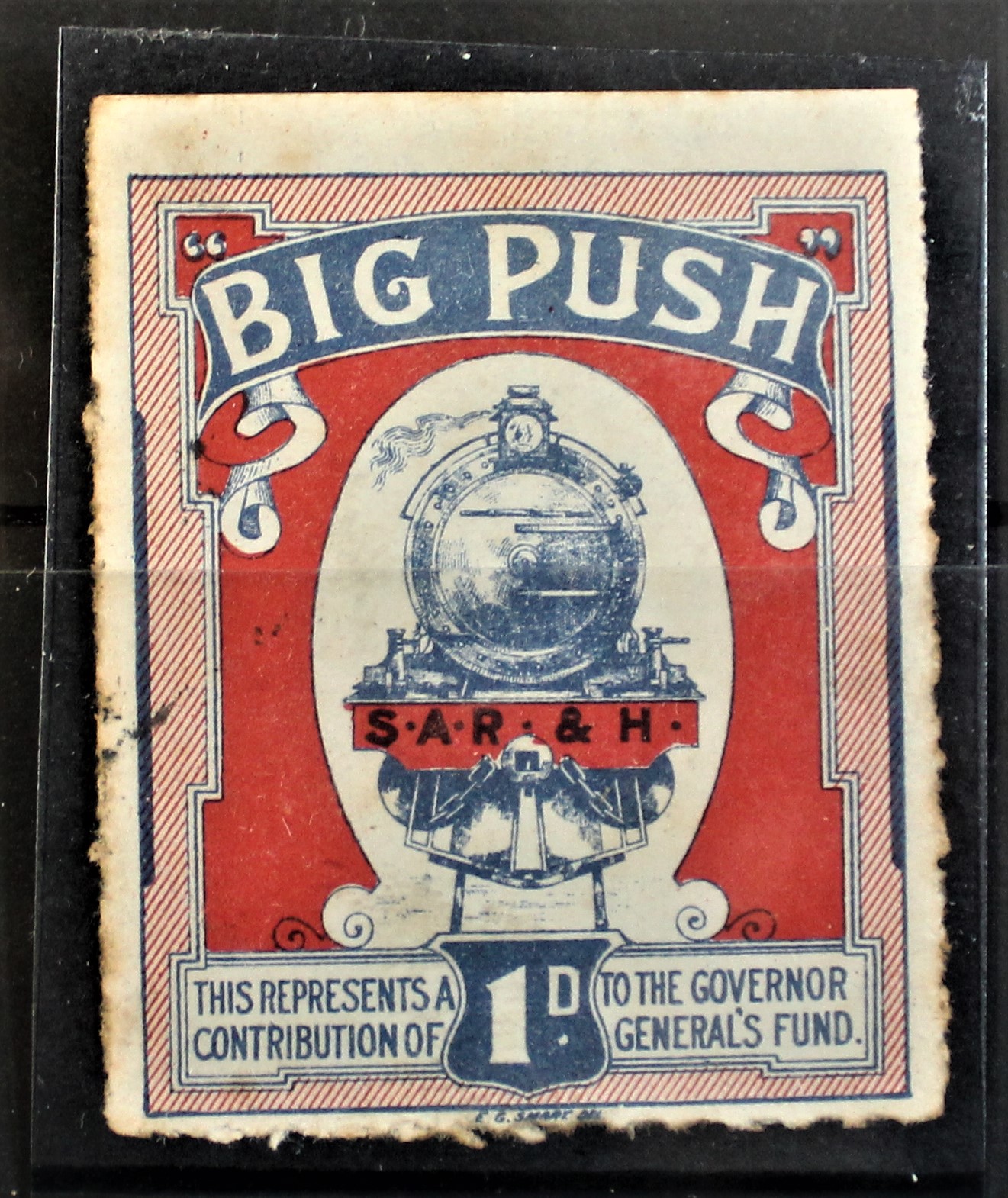
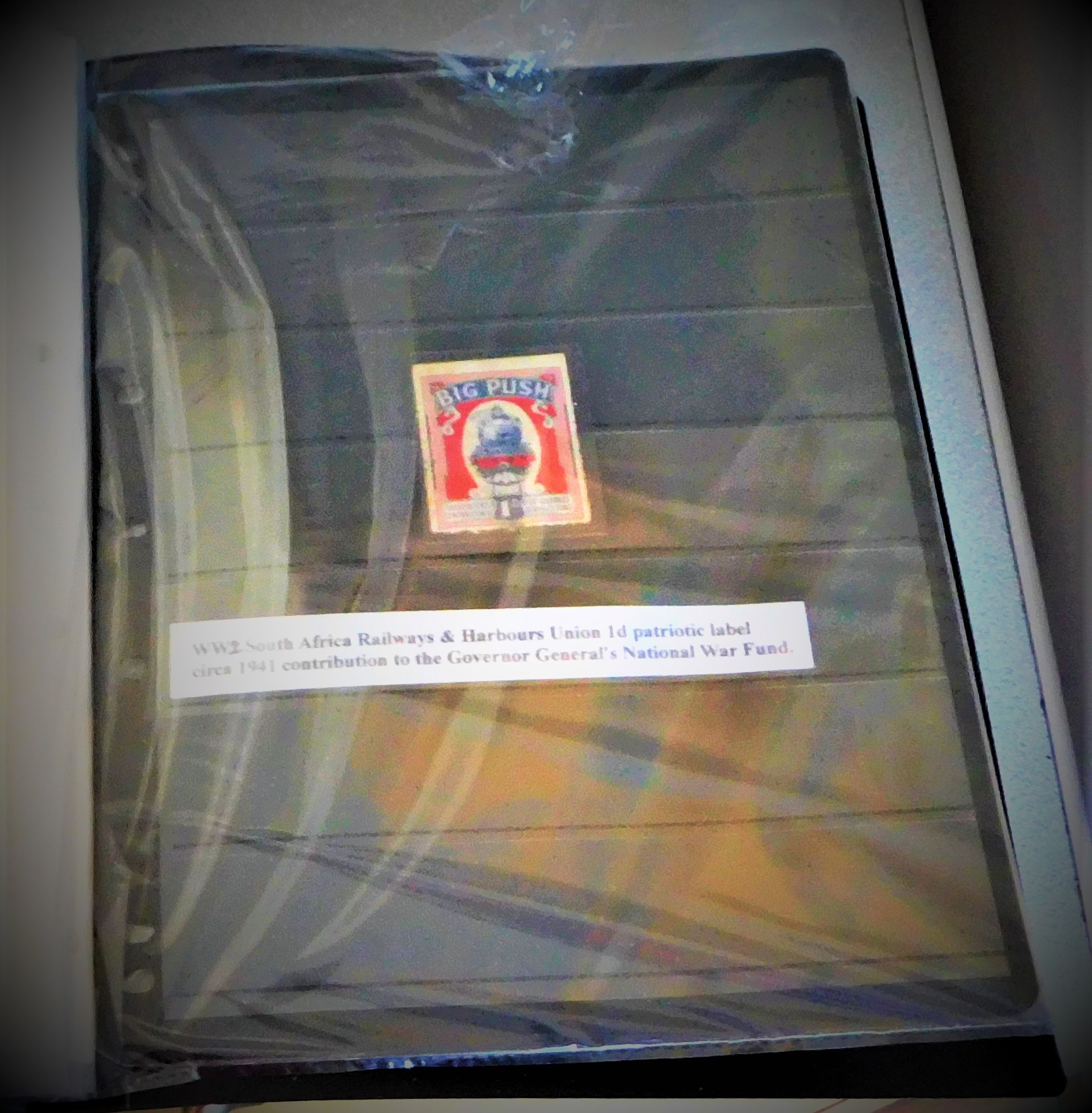
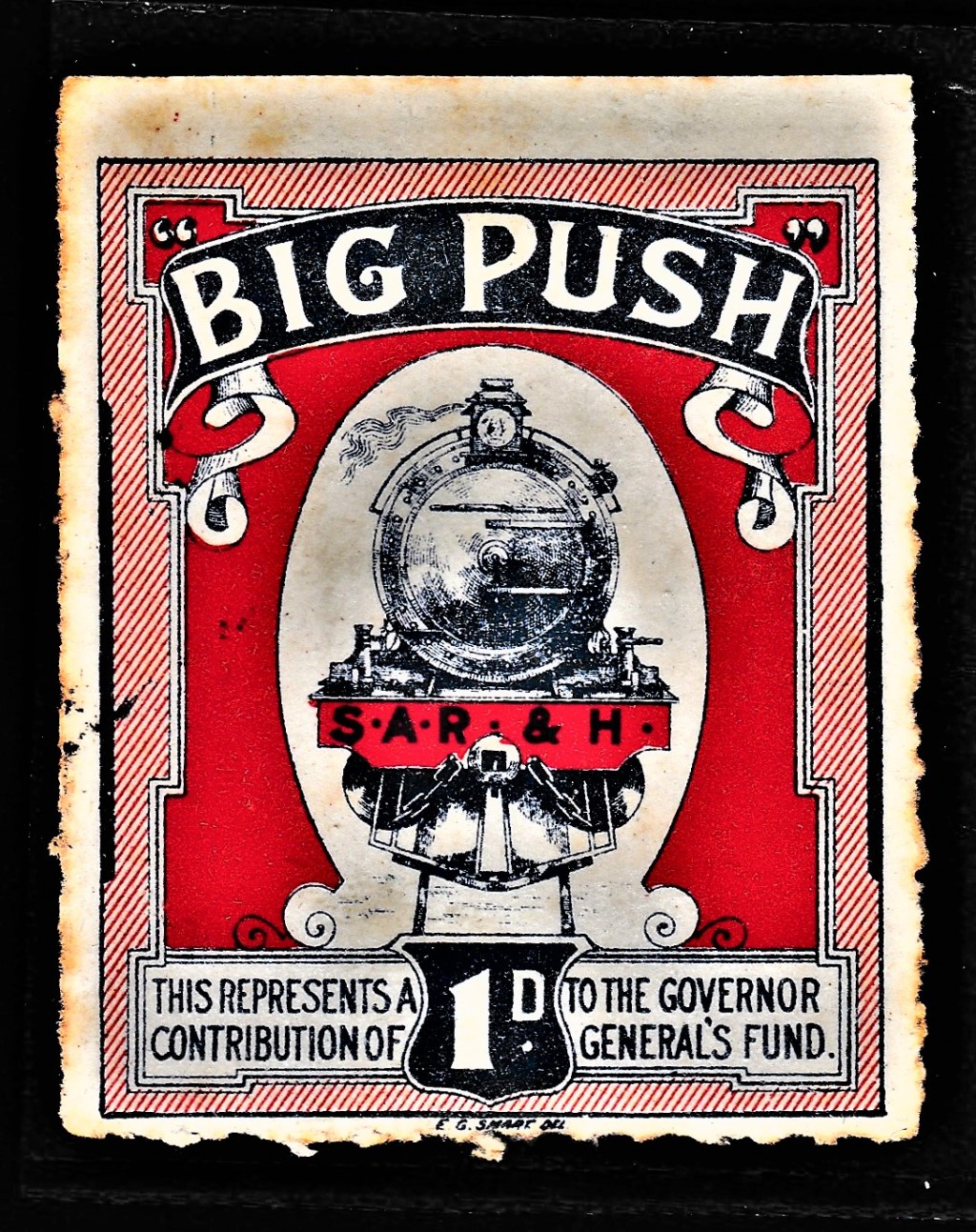
Before moving on to the main photo gallery, James and Sons’ March auction took place on Tuesday and Wednesday of this week, and was a considerable success. In amongst the stuff going for big money I secured an interesting little piece of South African railwayana for a modest £12 – it was featured on the back cover of the printed catalogue, and online bidders saw these two images:

and…

Here are some images of the item taken since I took possession of it…

I also took a high resolution scan of the item itself…

The scan before editing.

The scan after cropping and editing.

Now for my regular photo gallery…

Ireland’s Grand Slam

A brief look at Ireland’s achievement in the 2023 Six Nations.

Early yesterday evening the final curtain came down on the 2023 Six Nations rugby tournament. Ireland won a clear victory over England to complete a grand slam.

IRELAND’S DOMINANCE

Ireland did not merely beat all of their opponents this tournament, they won every match by double figure margins. What may lend Ireland’s extraordinary performance extra significance is that 2023 is a world cup year. Although the big beasts of the southern hemisphere, Australia, New Zealand and current holders South Africa will all represent formidable obstacles to Ireland’s ambitions I for one would not count the Irish out – especially given that the legendary Jonny Sexton will be well aware that if he is to add the world cup to his list of wins this will be his last chance to do so – he will not still be an international force by 2027.

PHOTOGRAPHS

This photo gallery features two new bird sightings for 2023, both from today – a Mistle Thrush in The Walks and a Redshank at the mouth of the Nar…

Changing the Politcal Landscape

A bit about leafleting for the Green Party and a photo gallery.

There are local elections coming up in May. As a member of the Green Party I am delighted that they have two excellent candidates standing in the centre of my town, officially known as St Margaret and St Nicholas Ward (King’s Lynn Minster was St Margaret’s Church before its promotion to being a Minster, while St Nicholas Chapel is it’s North End counterpart). I am helping with the leafleting – I did some yesterday and plan to do more tomorrow. The northern boundary of the ward is marked by a railway spur only a few minutes walk from my house, which means that my leafleting area is all within easy walking range.

GETTING STARTED

I got an email about upcoming campaigns on Thursday evening, noted that one of them was for Rob Archer, a former railway worker who was only just short of being elected first time round, and emailed him to say that I would be round on Saturday morning. Having established that his home was somewhat closer to the South Gate than to the town centre, and with a stated start time of 10:00 I set off at 9:30, duly arrived at 10, and was entrusted with a pile of leaflets and a map of the northern part of the ward, at which point I set off. I did two streets, Wyatt Street (too old to have been named after Danielle Wyatt, but there could be a connection to former Warwickshire and England skipper Bob Wyatt) and Kettlewell Lane on my way home, then I took a short break, and set forth again, polishing off Archdale Street (another with possible cricket connections – England Women’s first ever skipper Betty Archdale, and Somerset keeper the reverend Archdale Palmer Wickham), Eagle Yard, Eastgate Street and their side of Gaywood Road.

THE LEAFLET

The current leaflet, a double sided A4 sheet in the form of a newsletter (which means it has to be folded to fit through almost all letterboxes) is highly impressive:

PHOTOGRAPHS

Yesterday’s activity contributed to a splendid photo gallery, and this morning’s walk augmented it. These pictures both showcase some of the natural sights that King’s Lynn has to offer, and in some cases further illustrate why more Green councillors are badly needed:

The Womens Premier League So Far

A look at developments in the inaugural WPL and a large photo gallery.

In this post I run my eye over the doings of the five franchises in the competition to date.

RCB Women

The Royal Challengers Bangalore men are the Cinderella club of the IPL – they are one of the founding franchises but have never won the competition. The women’s side have had a horror start in the inaugural competition, with four defeats in four games, the last confirmed just now, with their opponents having 10 wickets and exactly seven overs to spare.

GUJURAT GIANTS

Not in quite as desperate a position as RCB, they have one win and two losses from their three games, but they also have a massive negative net RR, which could well stymie any attempt to move up the table – wins are no longer enough for them – they need to win big for it really count.

UPW

Their huge win against RCB today puts them third in the table, behind second place on net run rate. Their three front line slow bowlers, Ecclestone (4-13), Deepti Sharma (3-26) and Rajeshwari Gayakwad (1-26) proved too much RCB’s batting. Although I don’t think it made a difference today, given the sheer margin of superiority enjoyed by UPW, RCB’s habit of using Heather Knight at number five has proved costly in at least two of their defeats, when she played excellent cameo innings too late to influence the result. In today’s match, Alyssa Healy scored 96* off 47 balls, making RCB’s modest 138 look positively risible, while Devika Vaidya played the support role with 36* (31) at the other end.

DELHI CAPITALS

Like UPW they have two wins and one loss from three matches. They have a somewhat better net run rate.

MUMBAI INDIANS

They have hit the ground running, with three wins from three games, and they have all been very comfortable wins as well. It is at the moment hard to look beyond them for the inaugural WPL champions. I would actually be more inclined to back UPW to spring a surprise in this regard than DC for all that the latter are currently second.

PHOTOGRAPHS

My usual sign off…

The Women’s Premier League

A look at the opening salvos of the Women’s Premier League, a petition and a large photo gallery.

The inaugural Women’s Premier League kicked off yesterday, and as I type this the second of today’s matches is in progress. This is currently a five team franchise tournament, with expansion likely in the future. In this post I look at developments so far (unfortunately there has been no live radio commentary for me to listen to – men in fast cars are more important to five live sports extra than pioneering female cricketers, so all of this is second hand, by way of cricinfo and twitter).

GAME 1: MUMBAI INDIANS PUT DOWN A MARKER

The opening game of the tournament featured Mumbai Indians against Gujurat Giants. Mumbai Indians absolutely dominated the match, with Harmanpreet Kaur scoring the first 50 of the tournament and Amelia Kerr blazing her way to 45* in the closing stages of the innings. With over 200 to chase Gujurat Giants needed a good start with the bat and they actually had a catalogue of disasters, being 23-7 at low water mark, with Kerr having bowled a double wicket maiden along the way. They made a bit of a fight back, but the ninth wicket fell at 64, and the injured Beth Mooney did not resume her innings, so the match ended at that point. Mooney does not feature in the current match in which Gujurat Giants are playing Uttar Pradesh Warriorz (that ‘z’ is not a typo – they really spell the name this way).

GAME 2: DELHI CAPITALS DOMINATE

The first match of today featured Delhi Capitals and Royal Challengers Bangalore. Delhi posted a massive 223-2 with Meg Lanning and Shafali Verma both in top form. RCB could do no better than 163-8 in response. The only player from an Associate nation to be involved in the tournament, USian Tara Norris wrote her name into the record books as the taker of the first five wicket haul in the competition. The US has only produced one authentically great cricketer in the past, Bart King, the original ‘King of Swing’.

UTTAR PRADESH ENTER THE FRAY

Gujurat Giants had a fast start to their innings and have had a big finish, but they were a little slow in the middle, with the result that they have a good but by no means unassailable total. Sophie Ecclestone made her first mark on the tournament with 2-20 from her four overs.

PHOTOGRAPHS

I have a link to share before my usual sign off: Flight Free UK have a petition going on change.org calling on the BBC to stop awarding prizes that include flights. Please click here to sign and share the petition. Today’s photos were mostly taken in the course of a long walk this morning:

The Knockout Stages of the Womens World T20 Cup

A look back at the closing stages of the women’s T20 world cup and a photo gallery.

In this post I look at the semi-finals and final of the Women’s World T20 Cup in South Africa.

AUSTRALIA V INDIA

I was at work when this match was played, so my knowledge of it is entirely second/ third hand. Australia won by five runs, and there appear to have been two key moments in the chase – Harmanpreet Kaur being run out due to a failure to ground her bat properly when coming back for a second and a brilliant piece of fielding by Ellyse Perry which saved a seemingly certain boundary.

SOUTH AFRICA V ENGLAND

No South African side, male or female, had ever reached a world cup final in either T20 or ODI cricket. England were unbeaten in the tournament and have plentiful experience of finals. SA posted a very respectable score. Katherine Sciver-Brunt playing her last ICC tournament had a terrible time in the field. After viciously upbraiding several of her team mates for perceived lapses she had a horror time bowling the 20th over, conceding 18 from it, which lifted SA into the 160s. This did not seem to matter when Dunkley and Wyatt made a blazing start to the chase, putting England ahead of the required rate, but the fall of wickets and a quiet spell spanning overs 9-15 inclusive turned the game South Africa’s way, and although England fought back hard in the closing stages South Africa won by six runs and thus claimed a place in the final.

SOUTH AFRICA V AUSTRALIA

With the hosts in the final Newlands was absolutely jam packed. Unsurprisingly both teams picked the same XIs that had won their respective semi-finals. Australia won the toss and batted. SA bowled well, but not quite well enough, and aided by a big final over Australia posted 156 from their 20 overs. SA started slowly and although Laura Wolvaardt (who overtook Natalie Sciver-Brunt to become the tournament’s leading run scorer in the course of her 61 off 48 balls) and Chloe Tryon staged a mid-innings revival that briefly hinted at making a serious challenge for the runs, Australia were just too good. In the end the margin was 19 runs. This was a sixth T20 World Cup for the Australian women, a 13th global trophy in all for them, and the fifth time that Meg Lanning had captained a side to a world cup victory (no one else of either sex has achieved this feat more than twice). South Africa had fought hard, and to the credit of the fans Newlands remained full right to the end even though the result was obvious some way before it was officially confirmed. Much more will be heard of this South African squad in the future, and it took the most dominant cricket team on the planet (either sex) to stop them in their tracks this time round.

PHOTOGRAPHS

My usual sign off…

England On Top In New Zealand

A look at goings on the second test between New Zealand and England and a large photo gallery.

I am writing this as Australia and South Africa do battle in the final of the Womens’ World T20 Cup in front of a packed house crowd at Newlands, Cape Town – I will cover the closing stages of this tournament tomorrow. In this post I look at the first three days play in Wellington, where England are poised to win the test series against New Zealand.

THE ENGLAND FIRST INNINGS

I missed the first day’s play entirely – this being in New Zealand it is happening overnight my time. England were 21-3 at one point, but Harry Brook (184* by the close) and Joe Root (101* by the close) put on an unbroken 294 in what was left of the day – rain called a halt after 65 overs.

Brook was out early on the second day, but Root kept going, and when he reached his 150 Stokes declared. England had amassed 435-8. Root, the greatest English test batter of the 21st century and his heir apparent Brook had scored 339 of those for once out between them (Brook 186, Root 153*).

THE NEW ZEALAND FIRST INNINGS

By the end of day two, again hastened by bad weather, NZ were 135-7 and in all kinds of bother. A blitz by Southee, who ended with 73 off 48 balls, got NZ passed 200, but at 209 all out they had not quite done enough to dodge the follow-on. Anderson, currently the world no1 ranked test bowler at the age of 40, had three wickets as did Broad, and Leach outdid both of them with four. The next question was what Stokes would do – most current test skippers would not have enforced the follow-on, but as Stokes demonstrated at Rawalpindi not so long ago he is emphatically not most current test skippers…

THE NEW ZEALAND SECOND INNINGS

Stokes did enforce the follow-on, correctly in my view, given that this was day three and the weather was not to be relied on. New Zealand batted better second time round and reached the close on 202-3, still 24 runs in arrears. Kane Williamson and Henry Nicholls committed absolutely to defence in the latter stages of the day, which is why NZ are still in debit. If New Zealand can bat through day four they may be in a position to cause England trouble, but at the moment England are heavy favourites, and a couple of early strikes to start day four would underline that status.

PHOTOGRAPHS

My usual sign off…
A Great Auction

An account of James and Sons February Auction and a regular photo gallery at the end.

This post looks back at James & Sons’ February auction, which took place on Wednesday. It was a general sale, albeit with posters predominating.

EARLY PROMISE

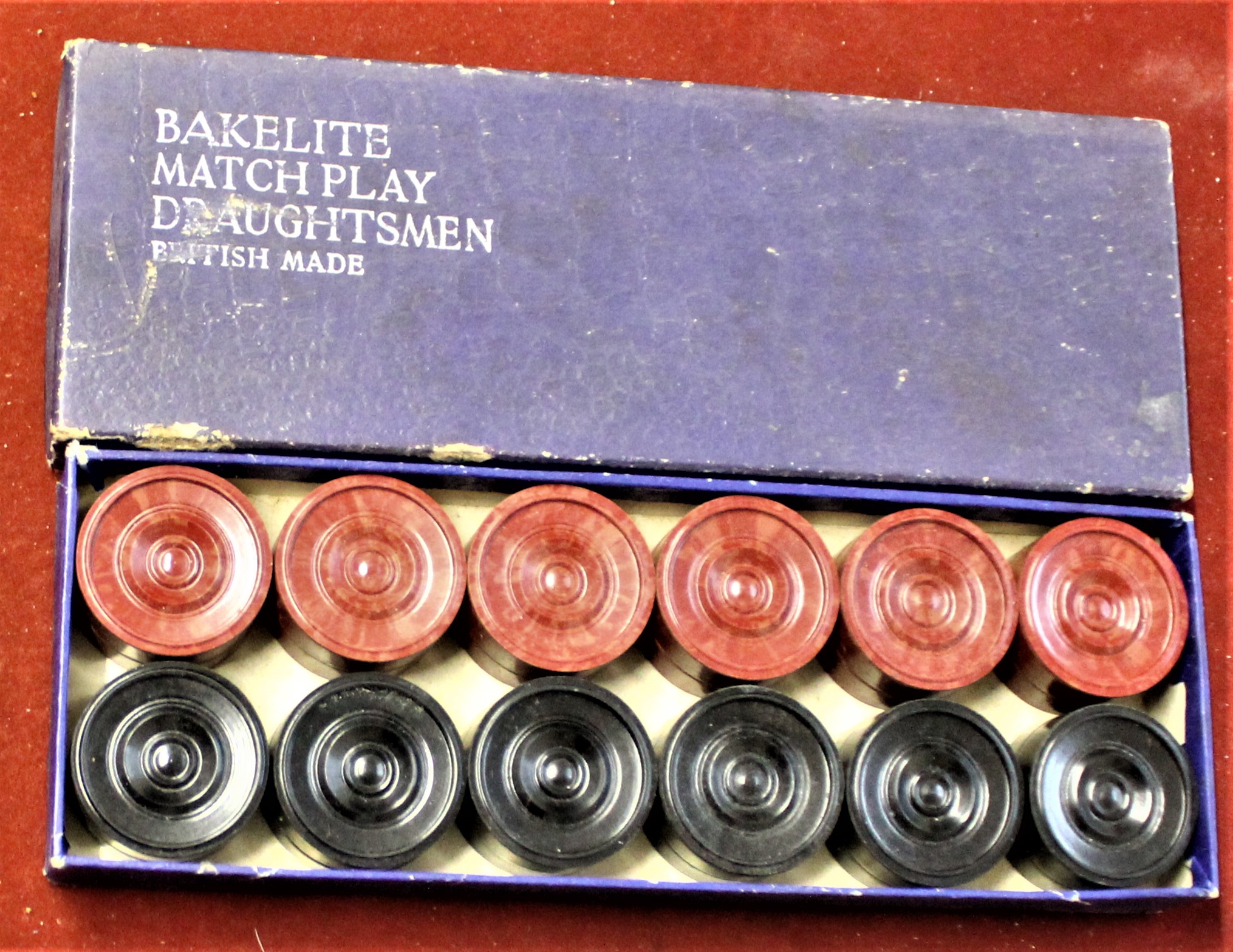
When lot seven attracted a bidding battle that pushed the price up to £180 it looked like a promising sign. There were a few other good signs among the early lots, and lot 114, a set of bakelite Draughts pieces, fetched £70, remarkable given that it had held no great promise of success – £10 would have been an acceptable selling price as far as we were concerned.

Lot 114, a remarkable overachiever at auction.

CAMERAS HIT THE HEIGHTS

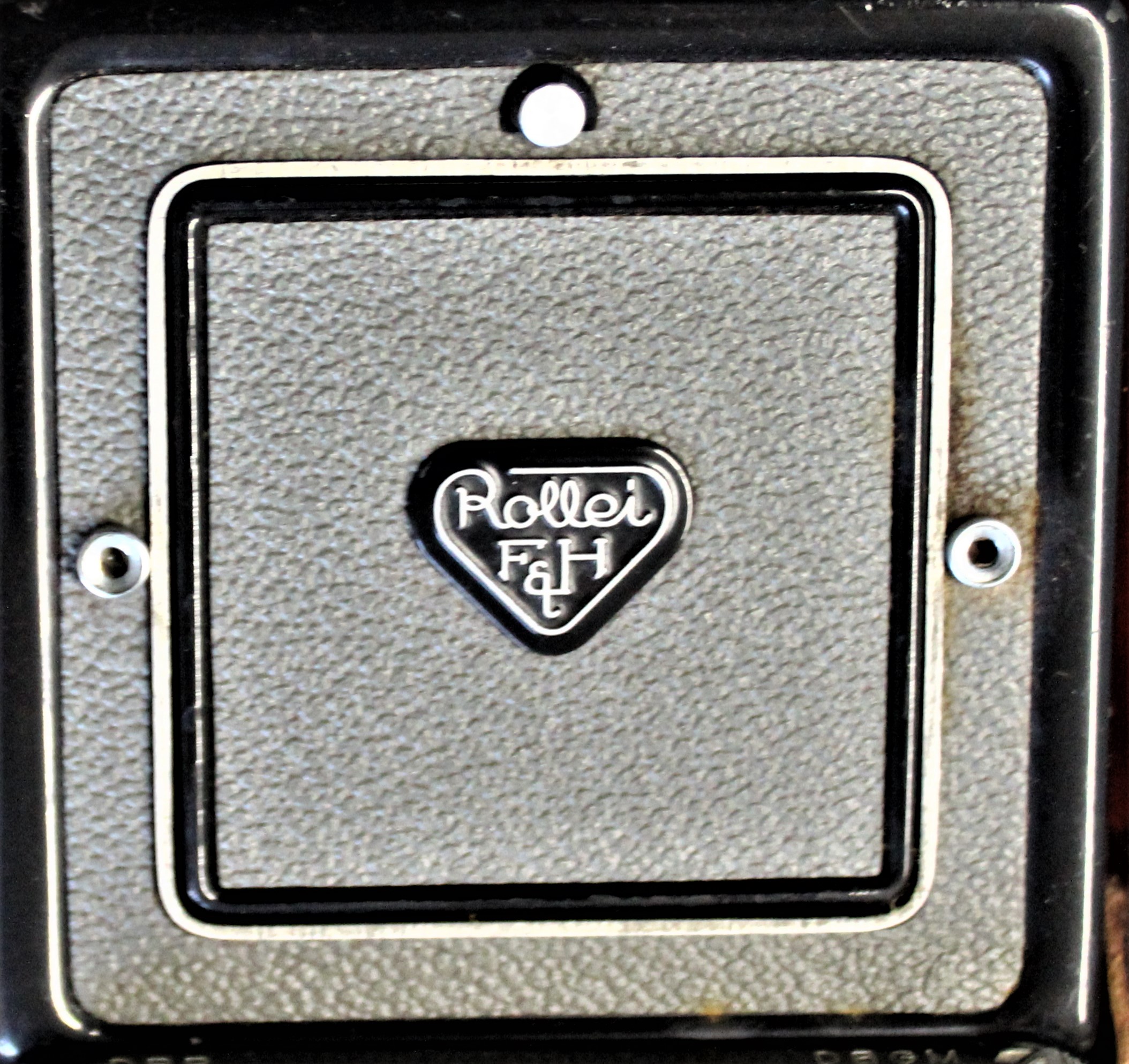
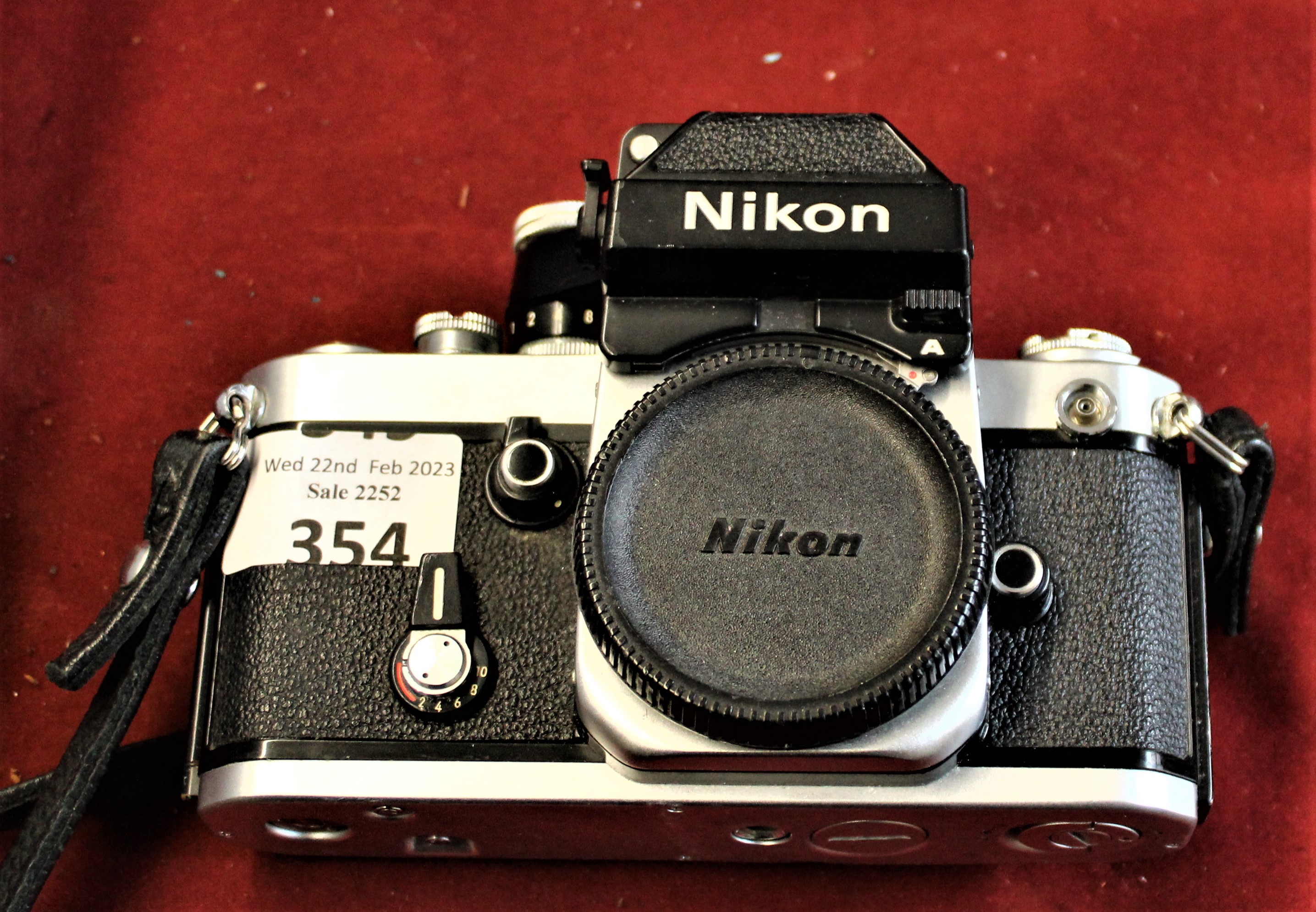
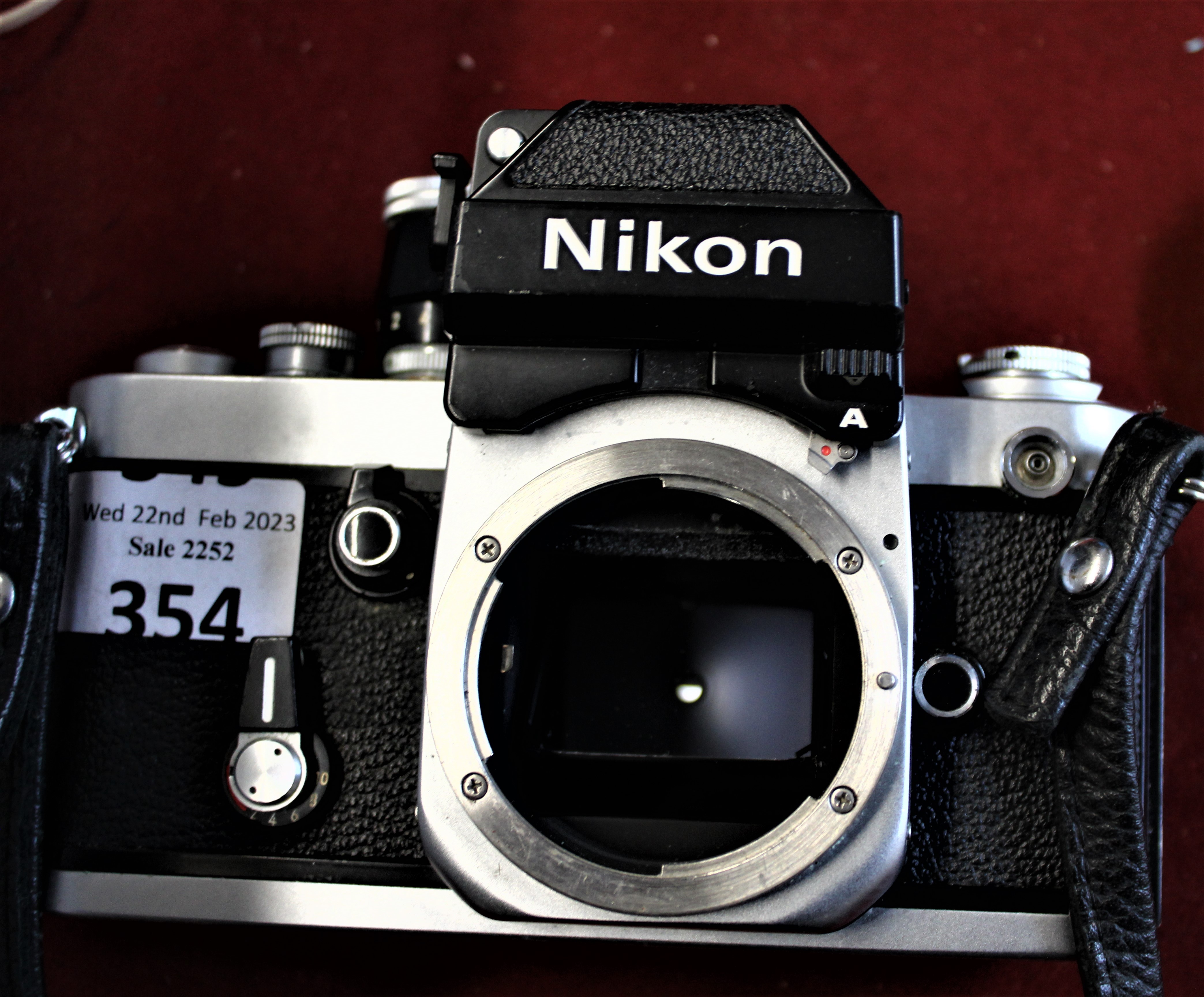
We had some cameras and photographic equipment in the auction, and these lots really got the bidders going. Four lots fetched over £150 a piece, lot 352 reaching the dizzy heights of £330. Two other lots in this category, nos 364 and 368, went for bigger than expected prices, £65 and £45 respectively.

Lots 351, 352 and 354 – selling prices £160, ££330 and £250.

BOOK SUCCESSES

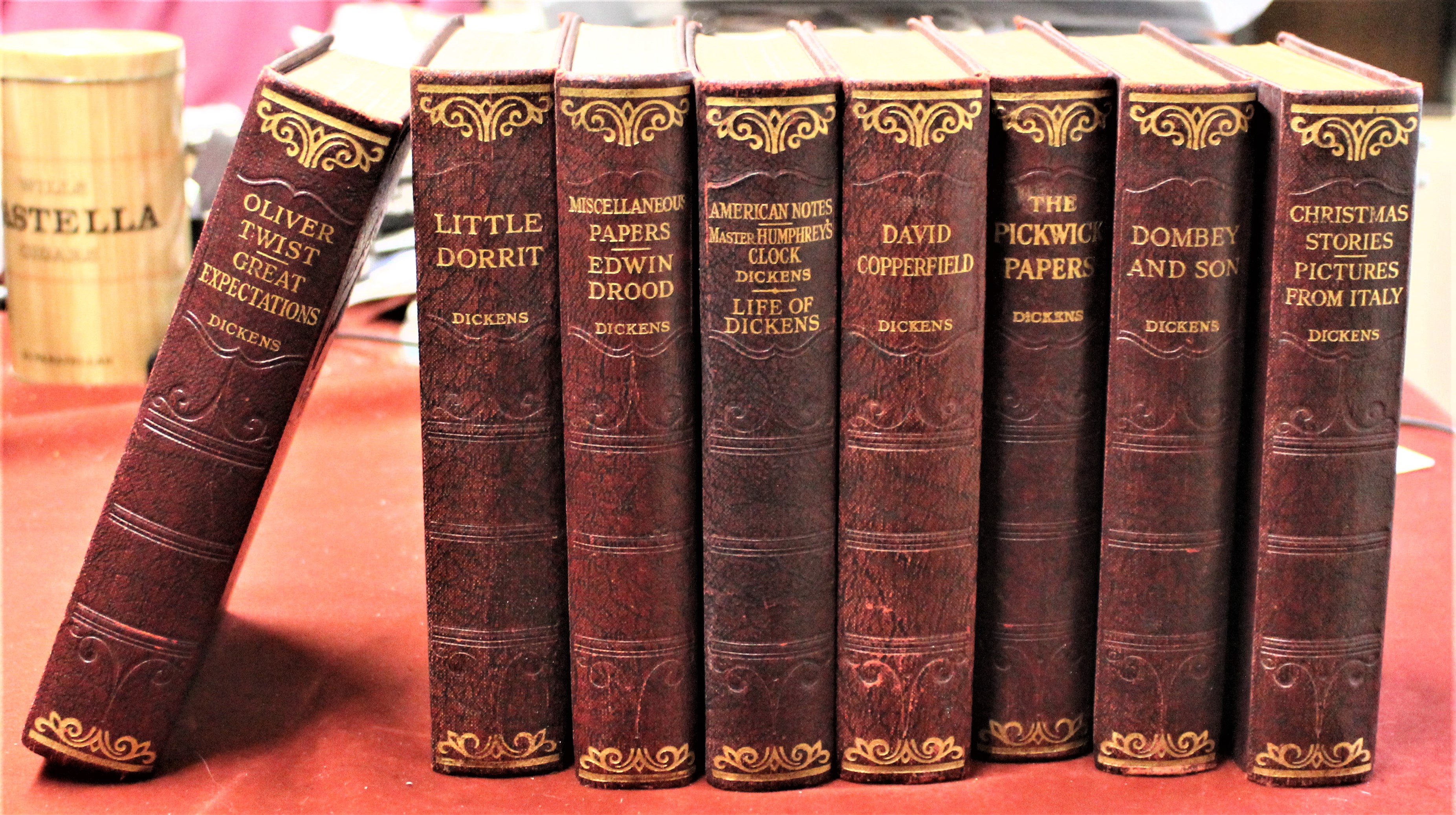
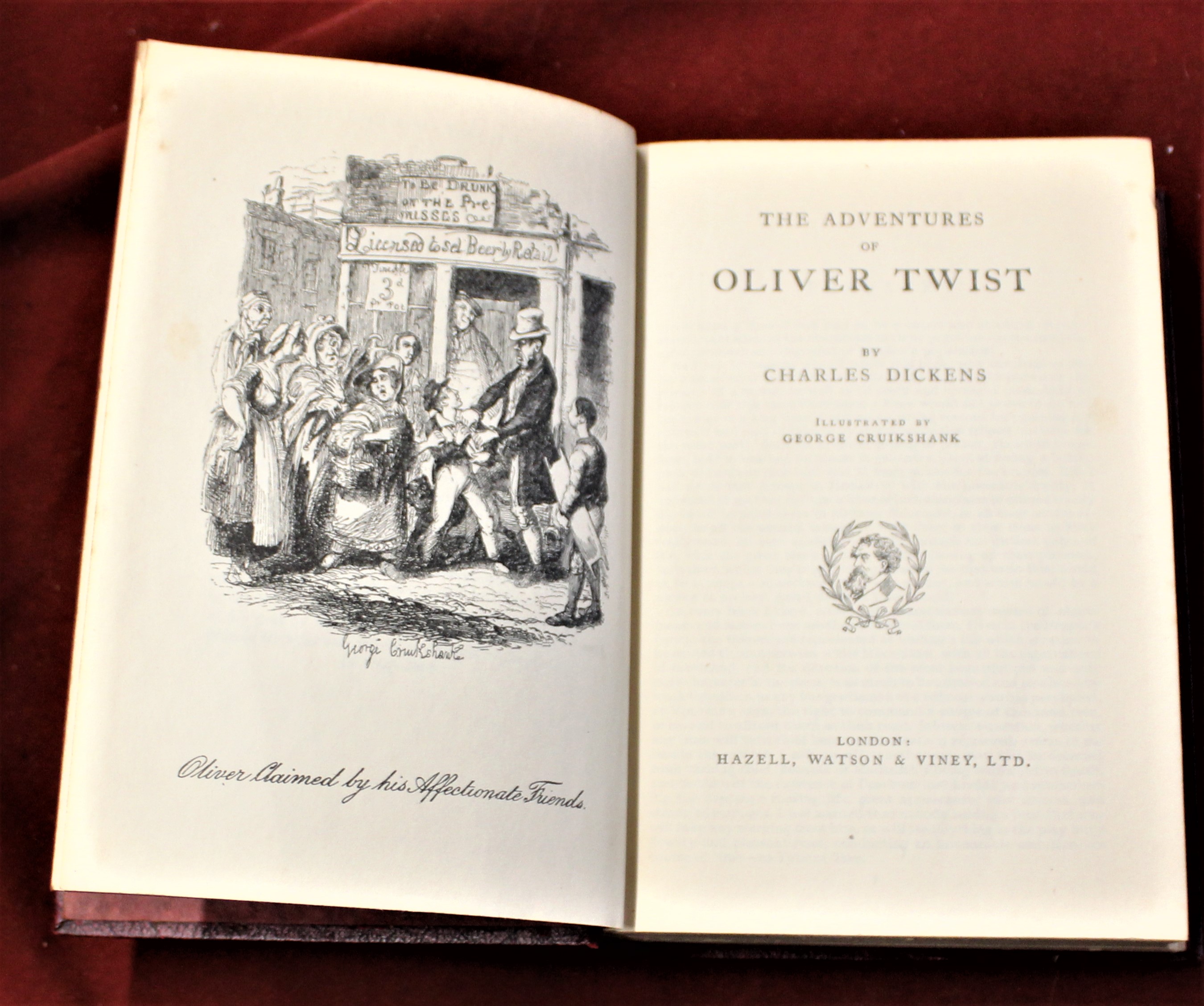
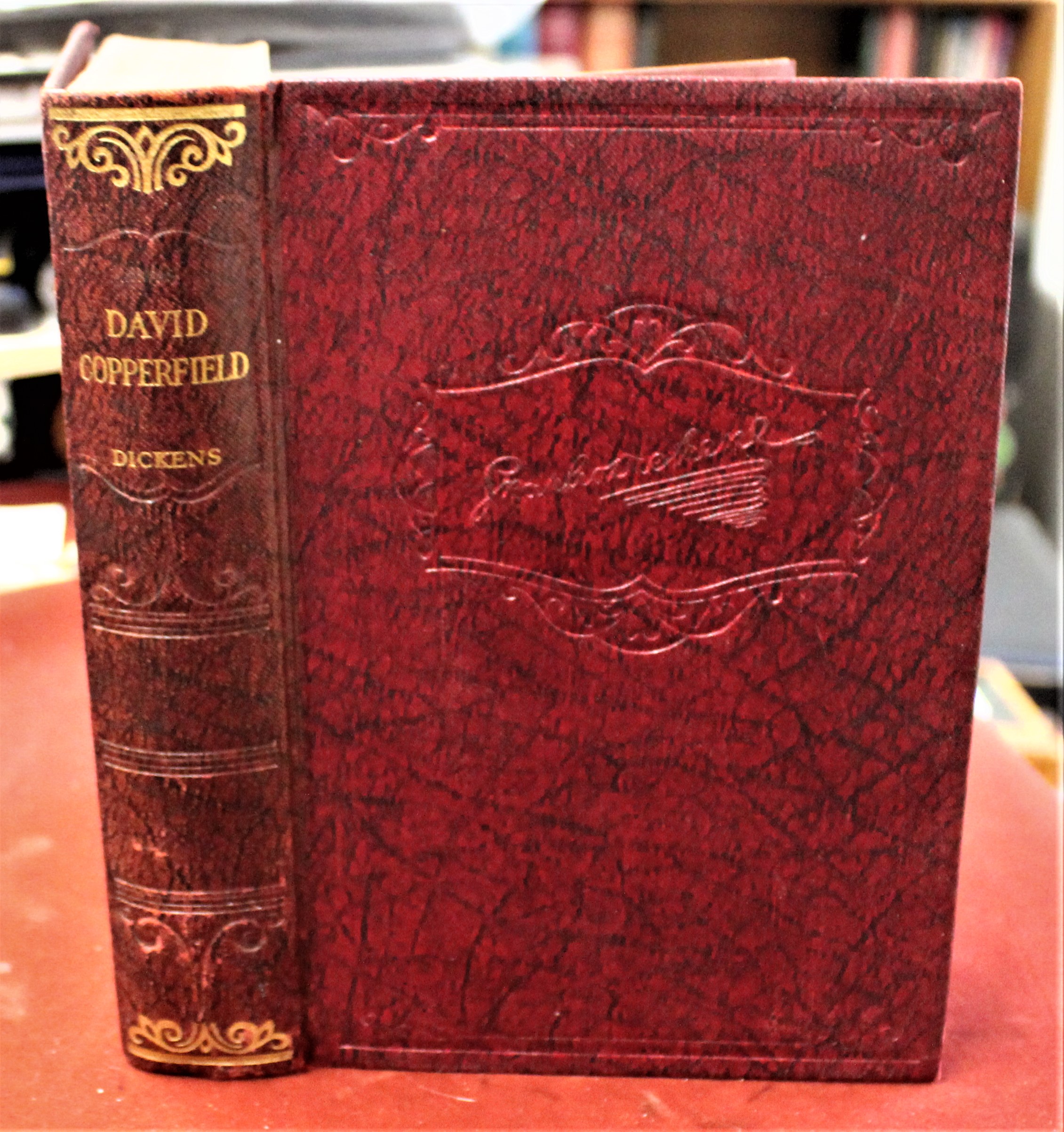
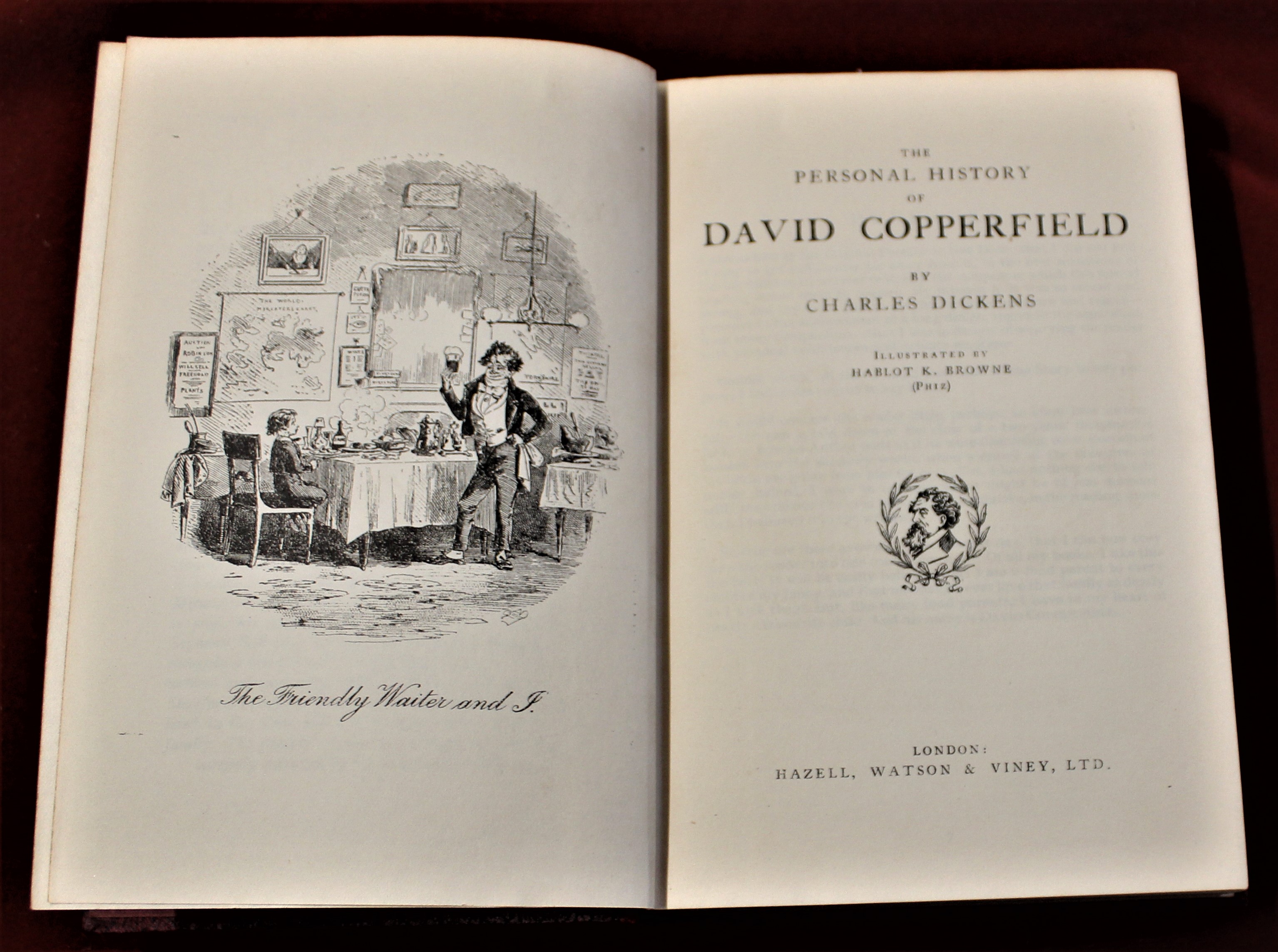
My general opinion of trying to sell books for anything approaching significant money in these days of internet searches is that 99% of the time it won’t happen. I was therefore modestly satisfied that an 1898 hardback edition of Oscar Wilde’s “Ballad of Reading Gaol” sold for £800, minimum estimate. This particular edition is fairly rare, though not the rarest (the latter would have fetched several thousand), and the copy we were selling was in good condition. I had helped to value it, conducting an internet search and establishing that was indeed a rare and special edition and worth decent money. It was also on my advice that we ‘lowballed’ our own estimate in the hope of attracting attention. Lot 427, a selection of Dickens books in nice, though not special, bindings went over estimate as well.

Lot 427.

The Tail End

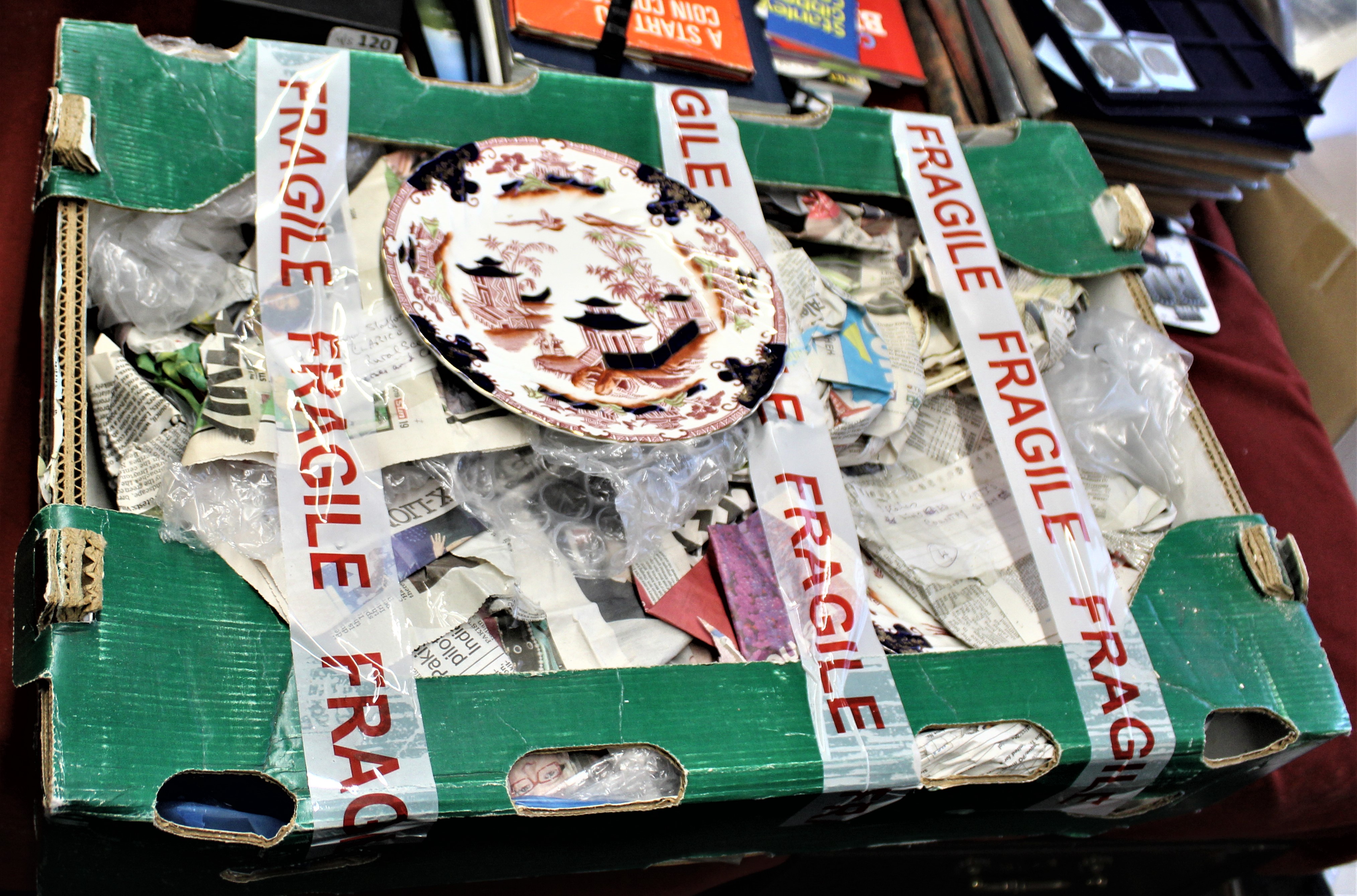
Lot 460, a collection of antique and collectable plates found some eager bidders, and went well beyond our expectations…

Lot 460.

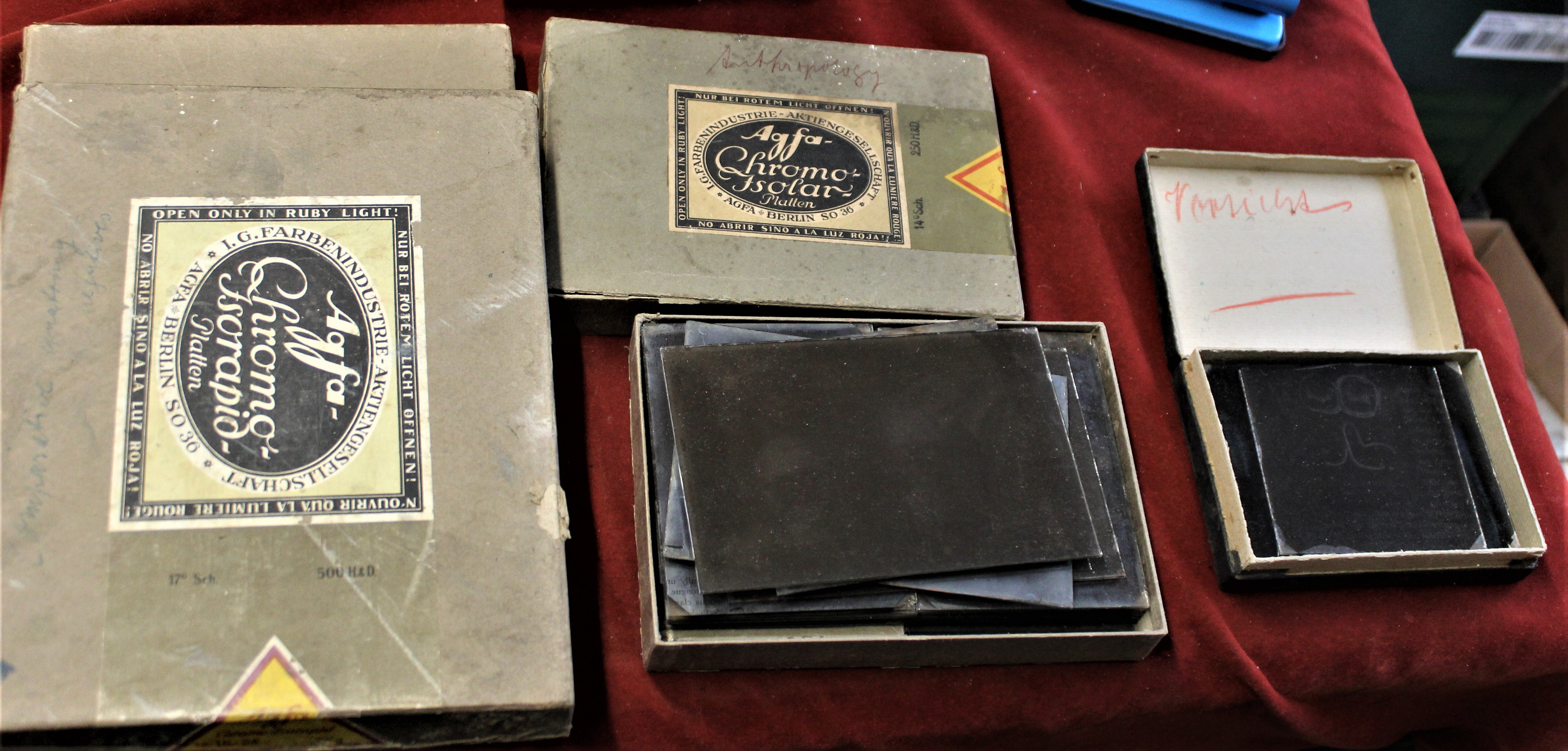
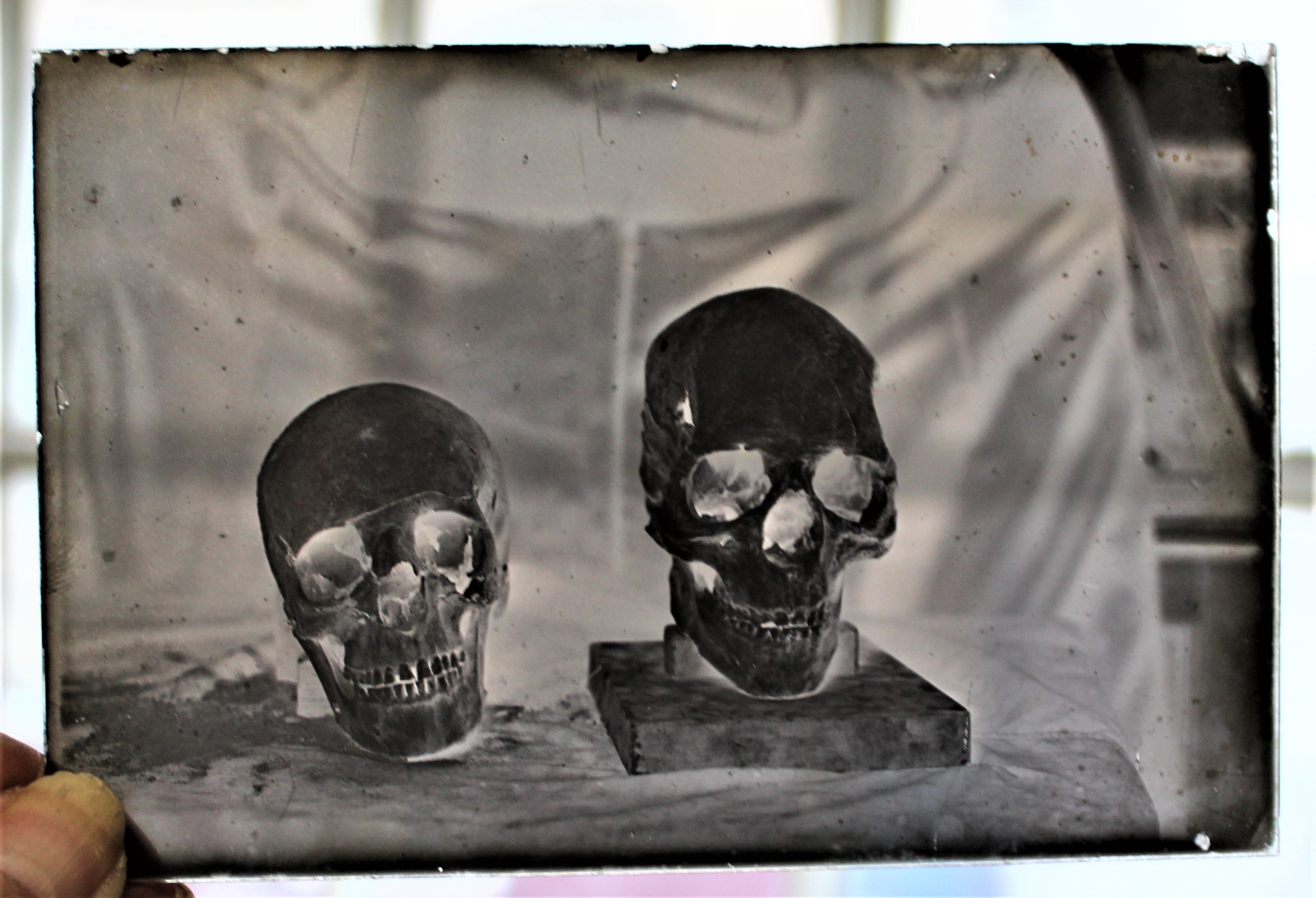
Lot 498, some German anthropological slides, got the bidders going in a major way – the bidding finally ended at £290, about ten times as much as we had expected it to go for.

Lot 498 – the full collection (left), and a sample slide (right).

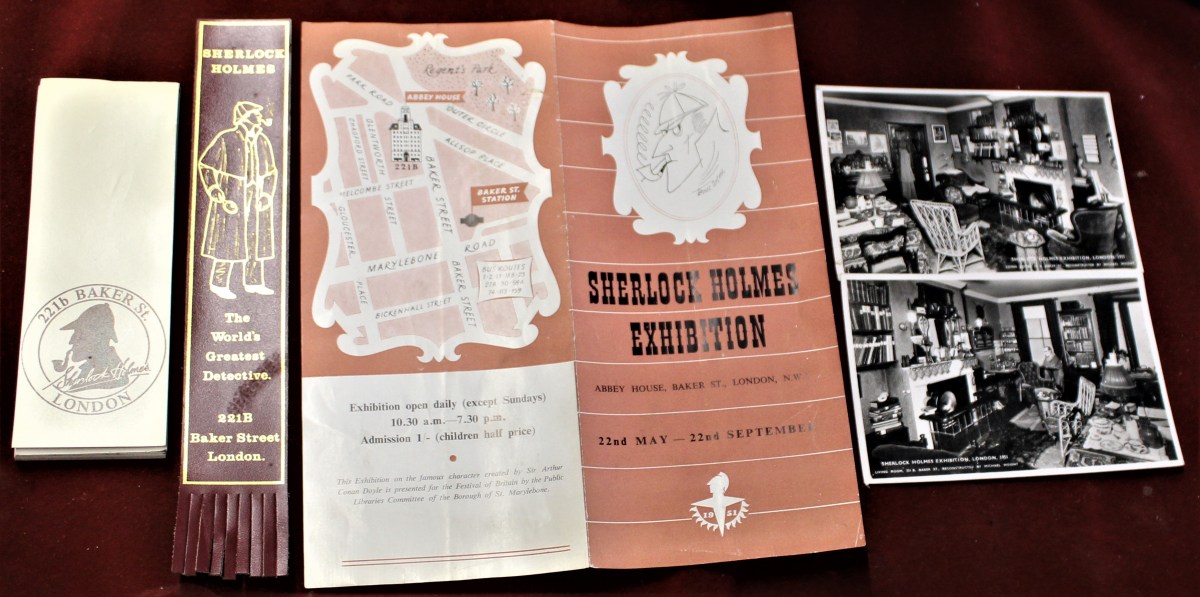
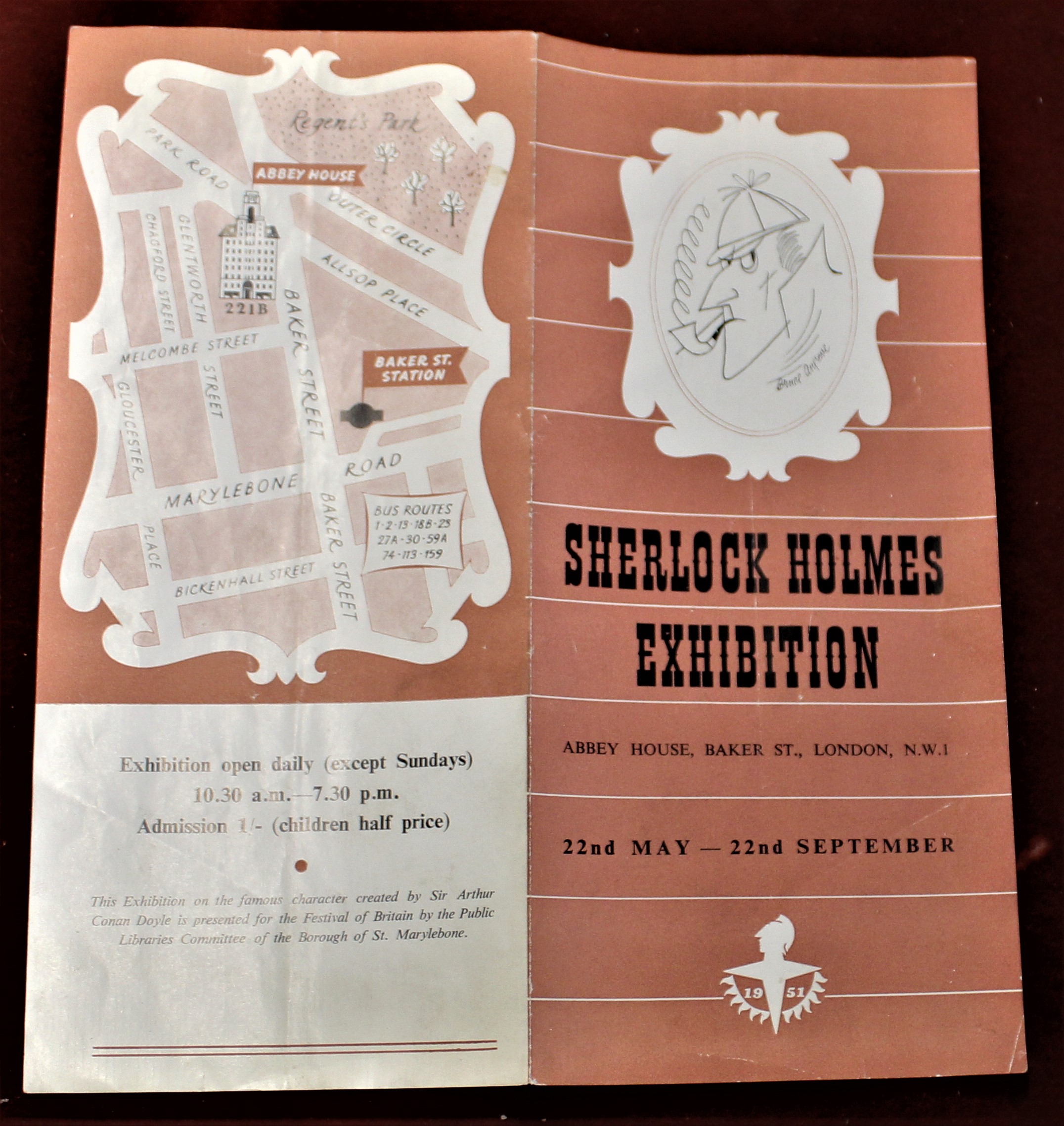
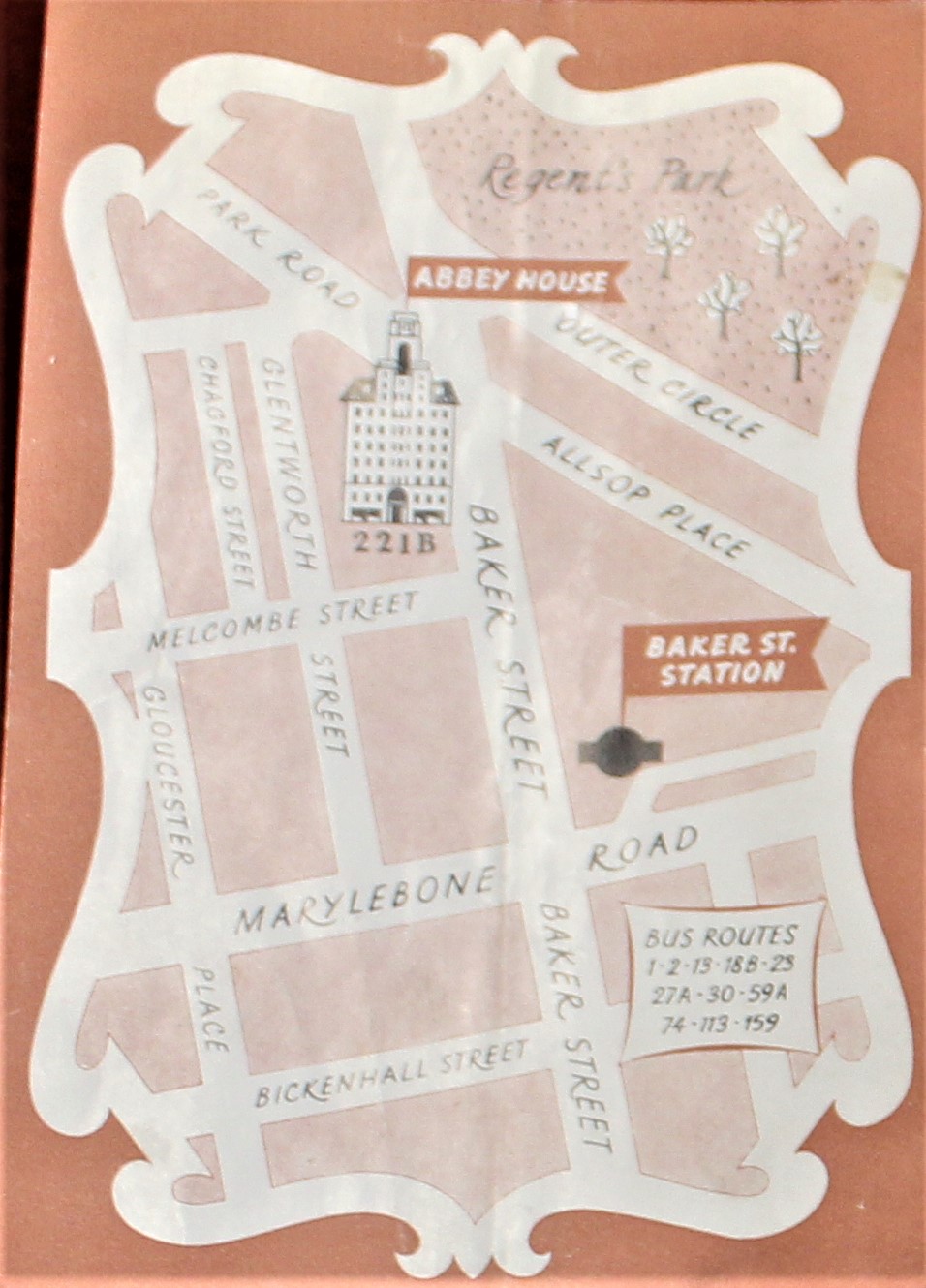
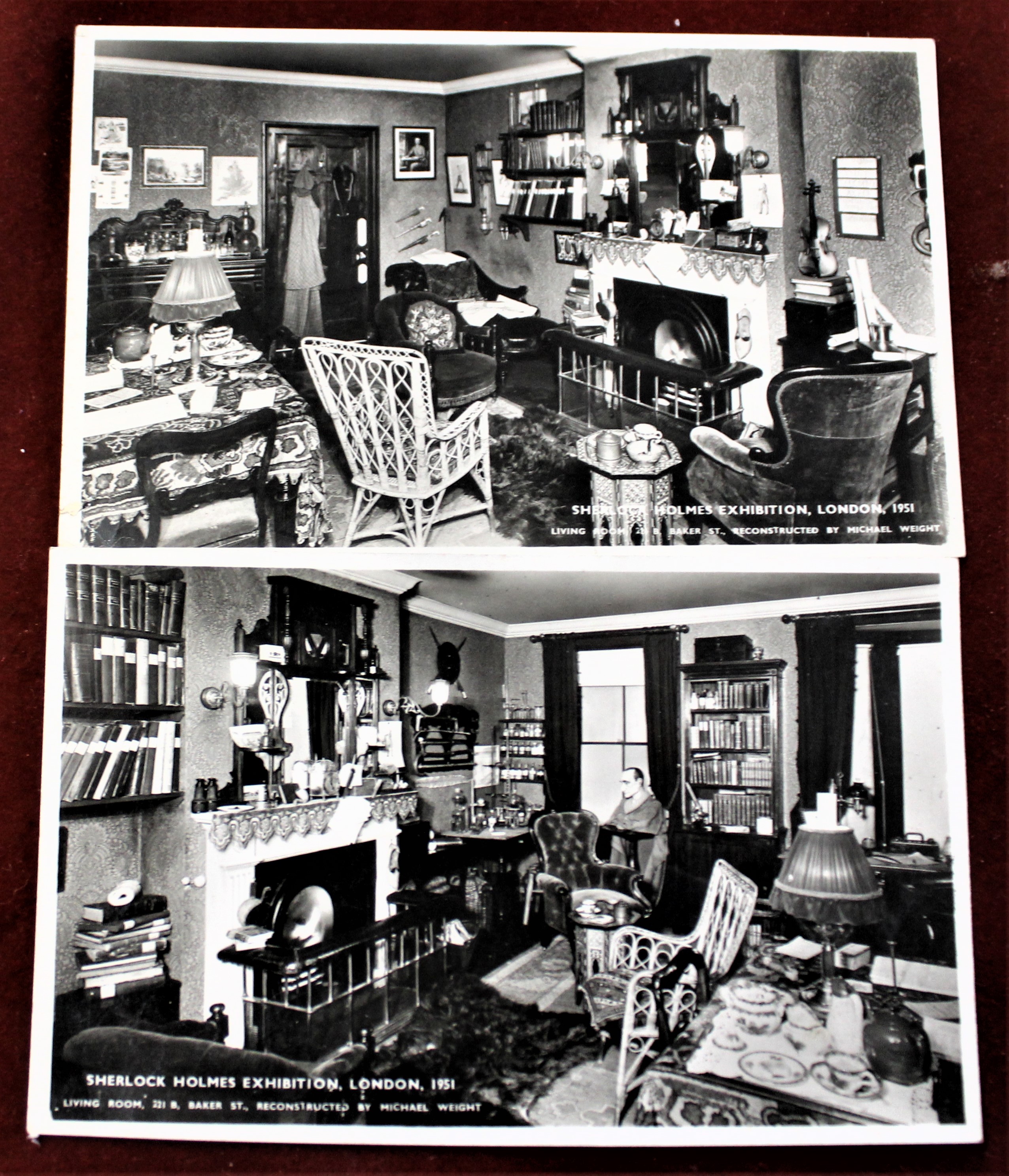
There was one final flourish – lot 510, a minor piece of Sherlockiana, did better than expected.

THREE OPPORTUNIST BIDS

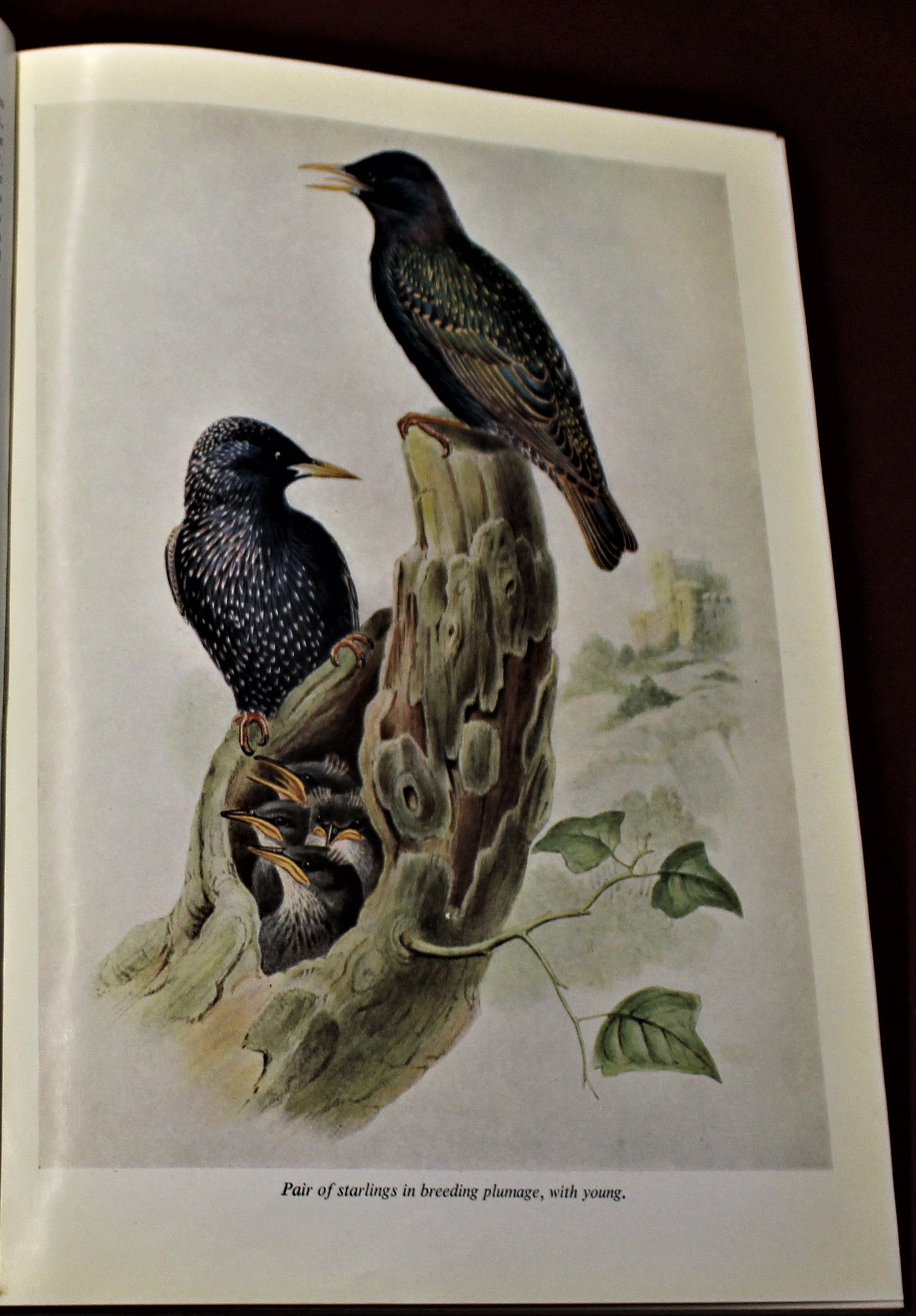
I secured three lots at bargain prices (£5 a piece to be exact). First lot 338:

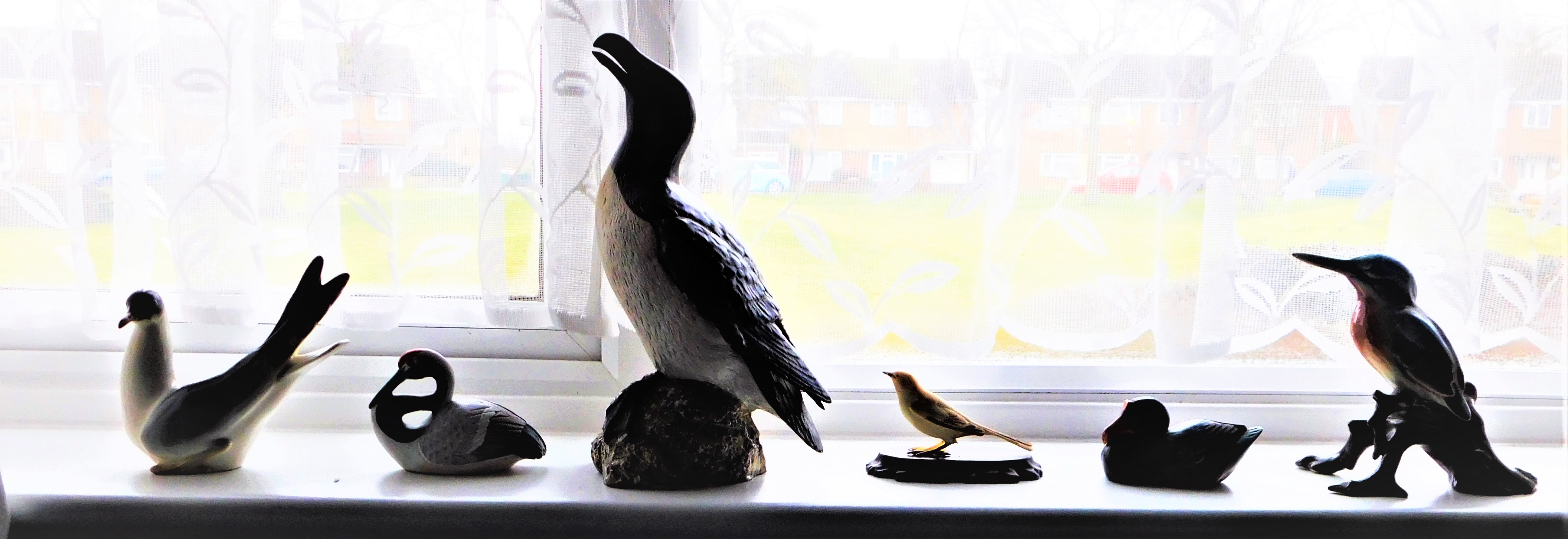
Lot 492 was also bird themed – figurines of birds, some ceramic and some wood – and at 83.33p per bird definitely a bargain…

Lot 492 in its new location, my bedroom window ledge.

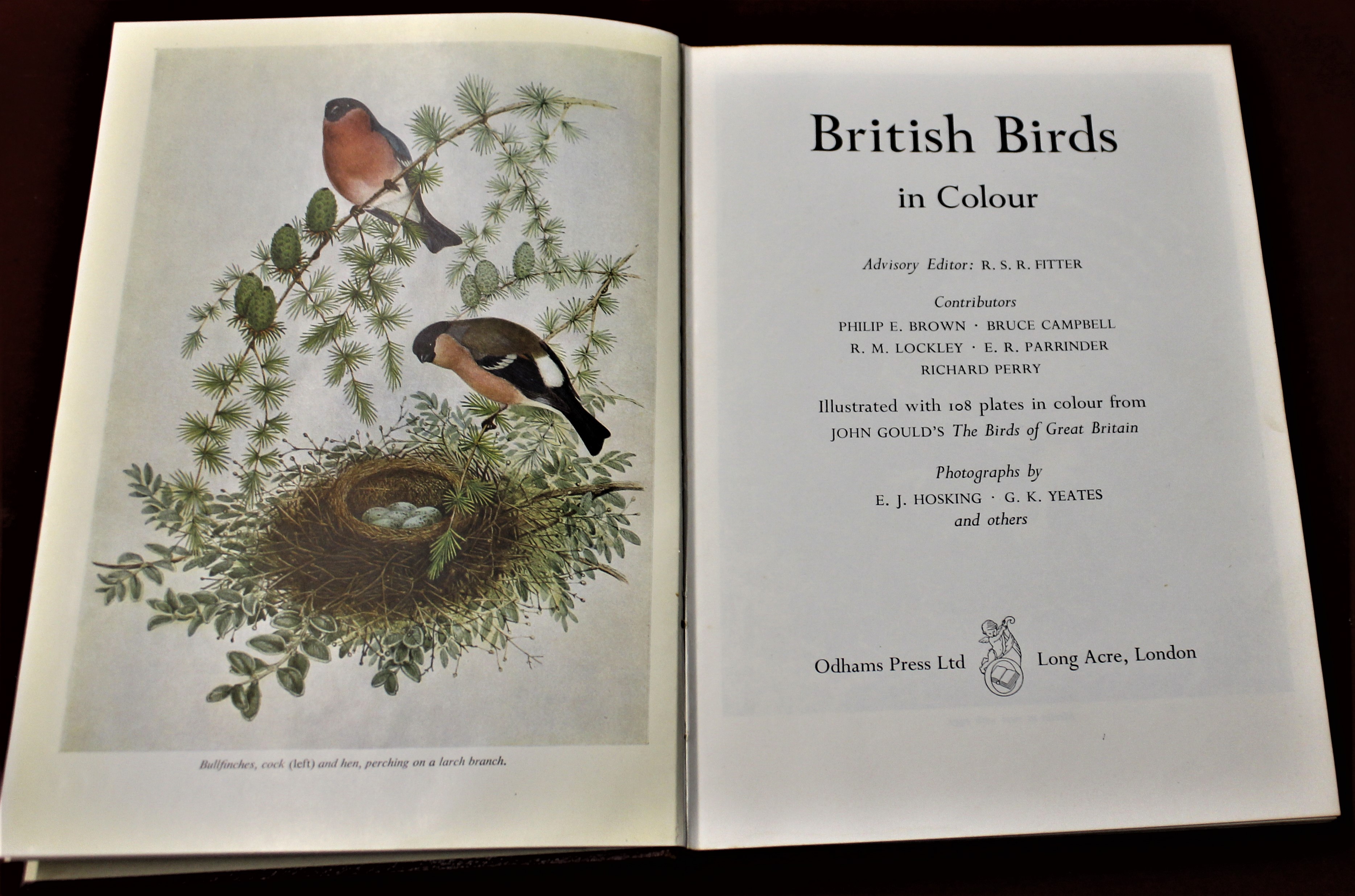
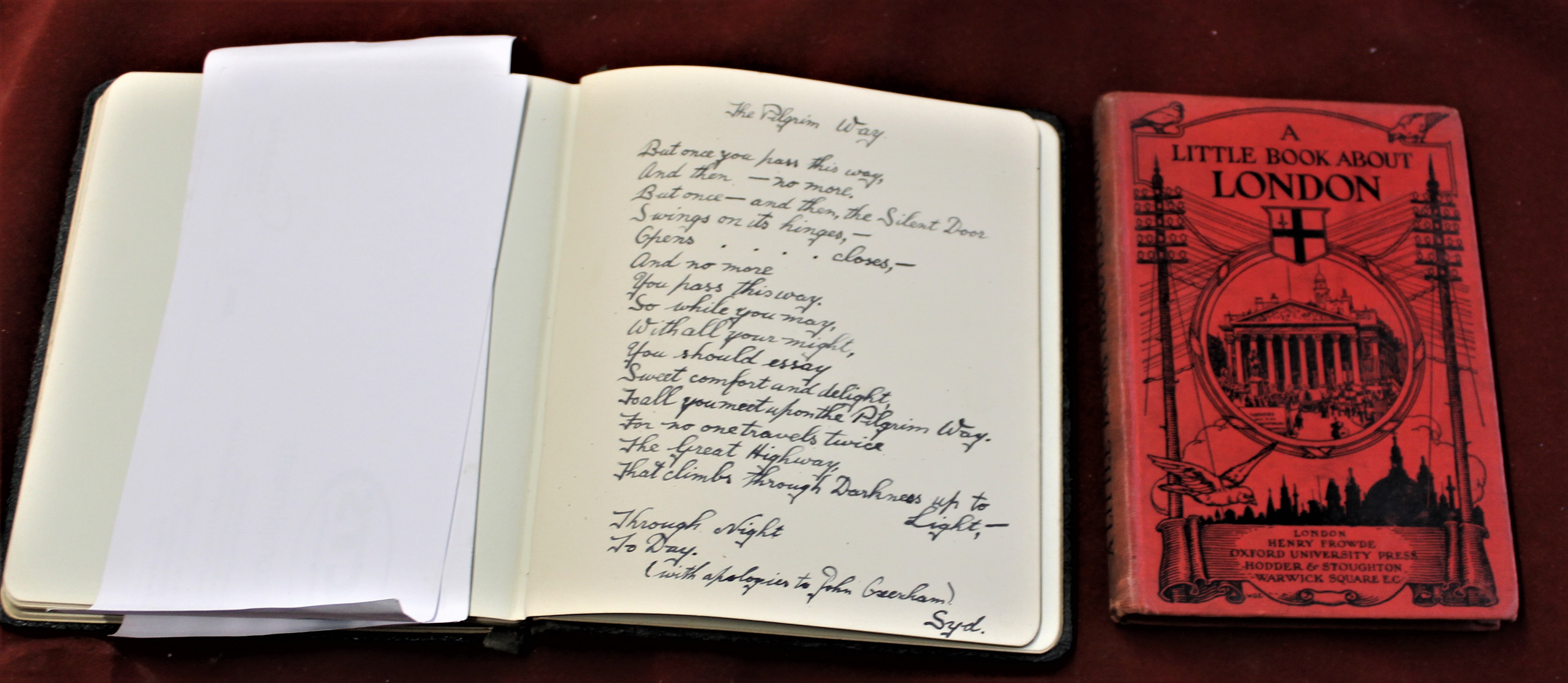
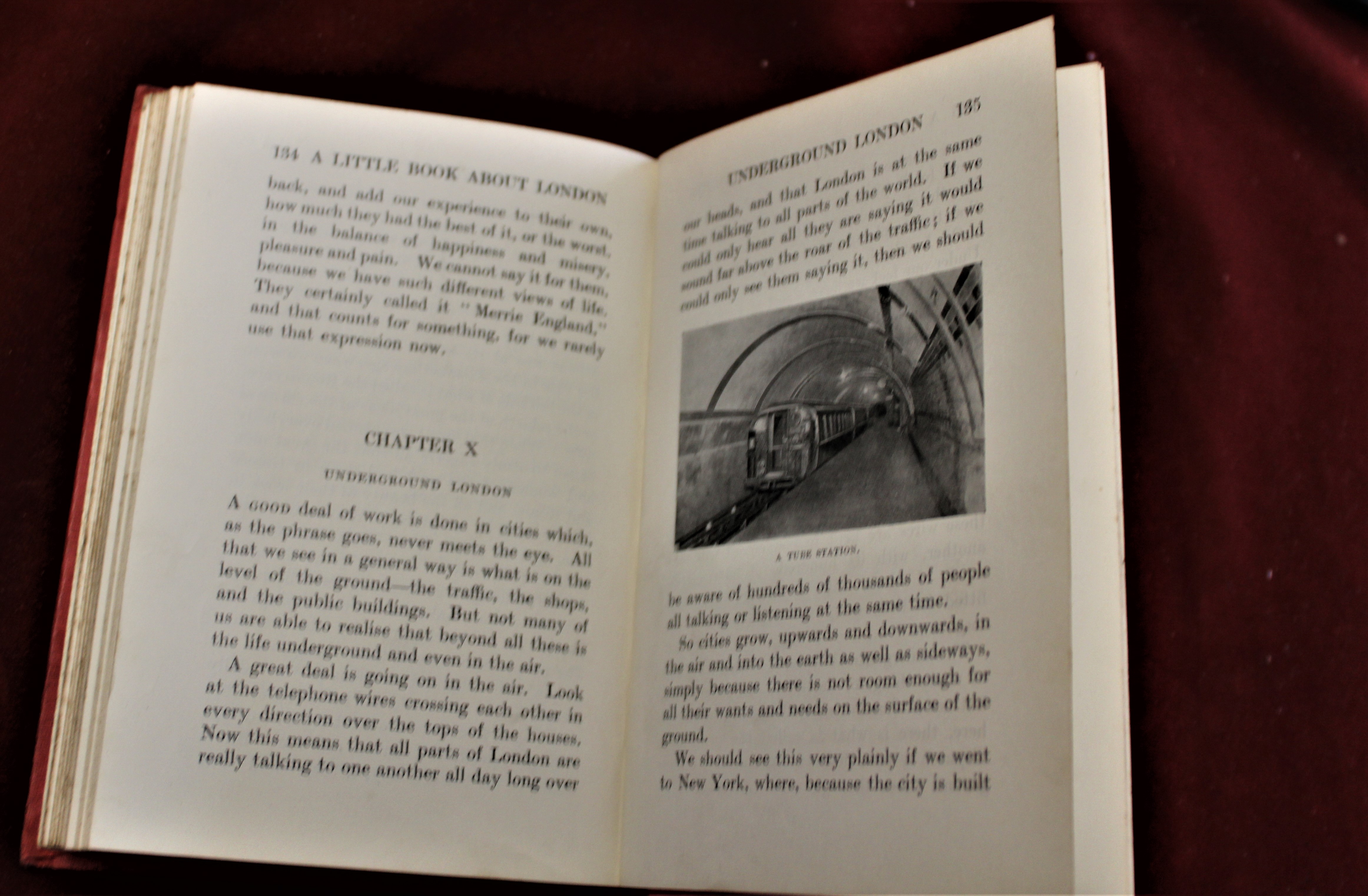
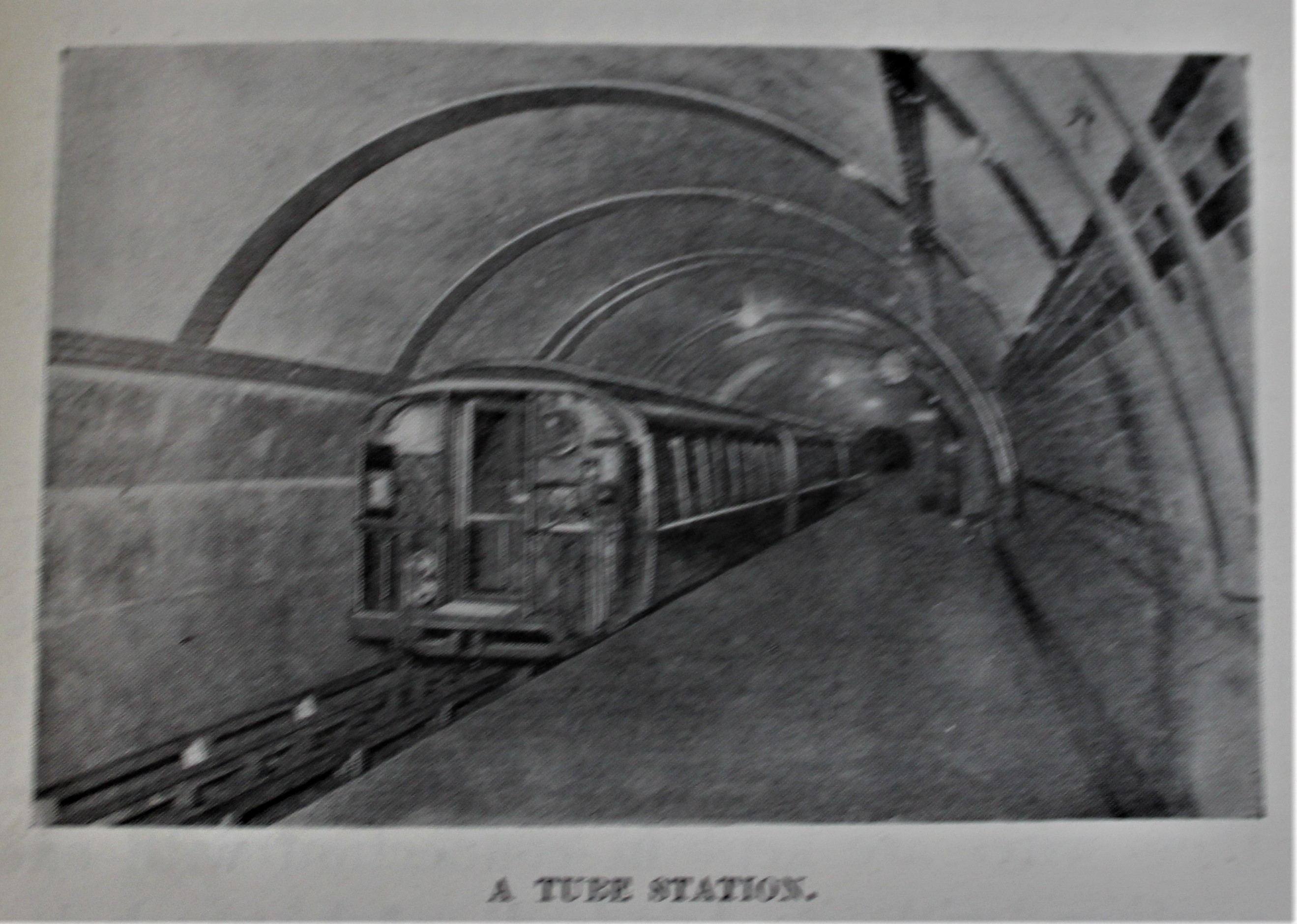
Lot 501, “A Little Book About London” was my third lucky strike…

James and Sons next auction takes place on the 21st (stamps) and 22nd (militaria) of March, and a full catelogue can be viewed here or here.

PHOTOGRAPHS

My usual sign off…

The Womens’ T20 World Cup Semi Finalists

A brief look at the four teams in the semi-finals of the Womens Under 19 World Cup, and a substantial photo gallery.

The semi-finalists of the Womens T20 World Cup are now established, as are the timings of their matches. Tomorrow when I shall be at work Australia face India, while on Friday England take on the hosts South Africa. This post looks at the four sides and their passage to the semi-finals.

AUSTRALIA

They came into this tournament as heavy favourites and there is no great reason to alter that assessment. They have disposed of everyone in their path to date. They still have two tough contests ahead of them, but all available evidence suggests that they are thoroughly capable of adding yet more silverware to the best stocked trophy cabinet in international cricket.

ENGLAND

England are also unbeaten, and finished their group stage with a flourish (a game I know about only at second hand due to work commitments), beating Pakistan by 114 runs (213-5 plays 99). They should have what it takes to get past South Africa in the semi-final, but unless India produce something beyond anything they have shown thus far in the tournament the women in green and gold will be waiting in the final, and England will need to be at their absolute best and probably have a bit of luck in addition to win that contest. England have been strong in all areas, with their least effective player of the tournament so far being the veteran Katherine Sciver-Brunt whose last ICC tournament this is.

INDIA

Other than suffering a narrow defeat at England’s hands India did everything right in their group. They should also be buoyed by the recent success of their juniors in the Womens U19 T20 World Cup, the first world cup win by any Indian women’s team, and the upcoming Womens Premier League (female equivalent of the IPL) will act as a spur to ensure that they produce their best on the biggest stage, but they face a mighty obstacle in the semi-finals in the form of the Aussies.

SOUTH AFRICA

The hosts left ir right to the last gasp to ensure their own qualification. They entered the last match of the group stage, against Bangladesh, needing a win (nothing else – net RR was not an issue) to qualify. South African teams have been known to fail to close out such deals, notably the South African men, who in the last men’s T20 World Cup were in the identical position against even less significant opposition, The Netherlands, and suffered a humiliating defeat and consequent early exit. SA were less impressive than their final winning margin of 10 wickets with 2.1 overs to spare suggests – Bangladesh batted poorly, and failed to capitalize on a number of opportunities they were given in the field. Although sometimes teams who only just sneak in at the last moment end up winning because they are the ones in form I don’t think even the most one-eyed of South Africa fans would dispute that they rank as fourth out of the teams to qualify for the semi-finals.

PHOTOGRAPHS

My usual sign off…