A look at the pernicious effects the Kookaburra ball is having on the county championship and a photo gallery.
It has been a while since I last posted. The day after the end of the test match that I wrote about in my previous post was the last day of a round of county championship fixtures, while today is the first day of another round of such fixtures. Both these rounds have been played with a Kookaburra ball, the ‘invasive species’ of my title, rather than the traditional Duke ball.
MORE THAN A FISTFUL OF DRAWS
The last round of championship fixtures saw the maximum of nine matches being played. Seven ended in draws, with a definite result varying in unlikeliness from the Derbyshire game, where the draw was only confirmed with a mere two balls to play to the match involving Sussex, where Sussex only bothered to declare their second innings closed because it was 4:50PM, which meant that hands could be shaken on the inevitable draw, with a result having been impossible for some hours. The sole exceptions were Worcestershire v Surrey where the home side had no answer to the defending champions’ firepower and Northamptonshire v Middlesex, where the north Londoners proved vulnerable. For the rest the Kookaburra’s refusal to do anything either in the air or off the pitch led to a lot of boosted batting averages and little else of note. This round of matches looks similar so far, with no side as yet having lost more than four wickets (and we are well into the second session of play, with no rain intervening).
This is the third season of a trial introduction of the Kookaburra into certain rounds of the county championship, and I seriously hope that the ECB take note of the negative effect of this ball and banish it back to the antipodes where it belongs. The ridiculous thing is that in home test matches the Duke ball is still used, so most of the best bowlers aren’t bowling much with the Kookaburra anyway as they are away with England.
Of course the Kookaburra is not the sole factor contributing to the preponderance of drawn matches – the ludicrous scaling of point awards that makes a draw worth 50% of a win also induces caution – a draw with a large haul of bonus points could be worth as much as 16 points, while a win in a low scoring match might only be worth 19, so high scoring draws are not much less valuable than wins in low scoring matches.
A look back at the three and a bit days over which the South Africa men’s cricket team finally and decisively shed the chokers tag they had carried for over quarter of a century, and a photo gallery.
At 12:46 today, Saturday 14 June, Kyle Verreynne scored the single that completed a win by five wickets for South Africa over Australia in the World Test Championship final at Lord’s. This post looks back at the match.
DAY ONE
Both sides were stronger in bowling than in batting, so even though there was potential trouble ahead from Lyon getting to use a fourth innings pitch it was no great surprise that South Africa opted to bowl first when they won the toss. South Africa provides probably the best conditions in the world for fast bowling, and that was reflected by the presence in their ranks of Rabada, Jansen and Ngidi plus Wiaan Mulder as fourth seamer, with Keshav Maharaj the only front line spinner, with Markram a part time off spinner. Rabada in particular bowled superbly on the opening day, and when Australia were all out for 212 it looked like South Africa were well placed. However, they had a tricky session of batting to navigate before the close, and did not do so very well. By the end of the day they were 43-4 and most of the good work of their bowlers looked to have been undone.
DAY TWO
I missed almost the whole of this day due to being at work. However, I know that Cummins was in particularly fine form, and that South Africa were all out for 138, a deficit of 74 on first innings. South Africa hit back hard by reducing the Australian second innings to 73-7. However the character of the match changed from this point – the eighth wicket stand yielded 61. By the close Australia were 144-8, an overall advantage of 218, and it was already known that South Africa would need the largest total of the match in the final innings thereof.
DAY THREE
I missed the first part of this day’s play as I was attending a first aid training course in the dockside area of King’s Lynn, somewhere I have never previously had occasion to visit. A long final wicket partnership between Starc and Hazlewood had left South Africa needing 282 to win. Ryan Rickelton was out very cheaply, and Wiaan Mulder once again suggested that he was miscast as test match number three, and should probably swap batting positions with David Bedingham, managing 27 on this occasion. However, from 70-2 at the dismissal of Mulder, Aiden Markram and Temba Bavuma, the South Africa captain, took complete control of the day and indeed of the match. There were precious few moments of vulnerability for either as they batted on through a sunny afternoon and evening. Markram reached his hundred just before the close, as valuable a test knock as has ever been played for South Africa, and with Bavuma solid in support the Proteas closed the day on 213-2, needing a mere 69 more to win. Markram had 102 not out to his name, Bavuma 65 noy out.
DAY FOUR
Bavuma did not last long on this morning, adding just one to his overnight tally before Cummins elicited an edge, and Carey took the catch behind the stumps. Tristan Stubbs, next in, never looked comfortable. At 241 came two big moments. First Starc appealed for LBW against Stubbs, and when it was turned down acceded to Carey’s suggestion that it be sent upstairs. Fine cricketer though he is, Carey has to be regarded as one of the worst judges of a review the DRS era has ever seen. Here, in an echo of Headingley 2019, though their opponents were rather more strongly placed than England back then, it was duly confirmed as being sufficiently clearly not out for Australia to have burned their last review. Stubbs did not benefit much personally, as Starc’s next delivery hit his stumps to make it 241-4, 41 needed. Bedingham settled in quickly, and he and Markram seemed to be heading toward the target quite serenely. The main question by now looked to be whether Markram was going to reach 3,000 test runs before the end of the match. With Markram on 136, and his career tally on 2,993, and South Africa needing just a further six he flicked a ball from Hazlewood into the on side and was caught by Travis Head. Australia unsurprisingly did not celebrate the dismissal. Wicket keeper Kyle Verreynne now came in to join Bedingham. This pair saw it home for the last few runs, with Verreynne as mentioned in the intro scoring the winning run. It has been 26 years since South Africa acquired the chokers tag. Then, in the 1999 ODI world cup a win in their last ‘Super Six’ match would have consigned Australia to an early flight home, put Zimbabwe in the semi-finals and left the tournament at the Proteas mercy. Allan Donald was the victim of a panic run out with the scores level, which meant that Australia and South Africa met again in the semi-final, and Australia did not grant South Africa an opportunity to redeem themselves, and went on to dominate the final as well. In the intervening years they have had other close calls, including in the 2024 T20 World Cup, when they need 30 from the last five overs with five wickets standing and failed to get home, largely because of some magnificent bowling by Jasprit Bumrah. Thus this is not merely a match and a trophy won for South Africa, it is much needed healing balm for some deep psychological wounds they have acquired over the years. Full scorecard here.
PHOTOGRAPHS
One small bit of housekeeping first: I have created a page listing my series of posts about my 50th Birthday Holiday in far western Scotland in chronological order. As you may imagine I have a fairly rich trove of unused photos since my return to King’s Lynn, so today’s offering is in the nature of a highlights package…
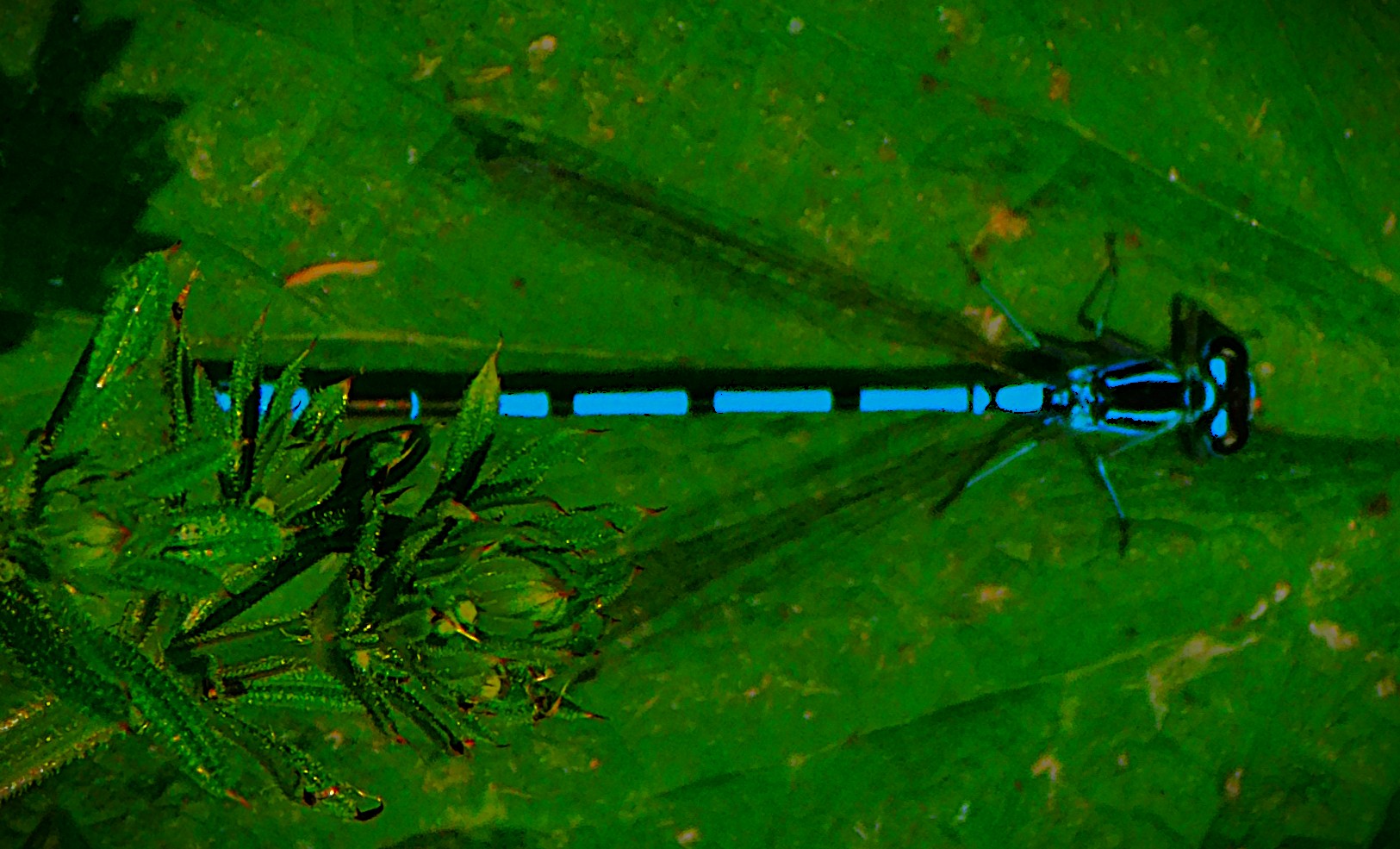
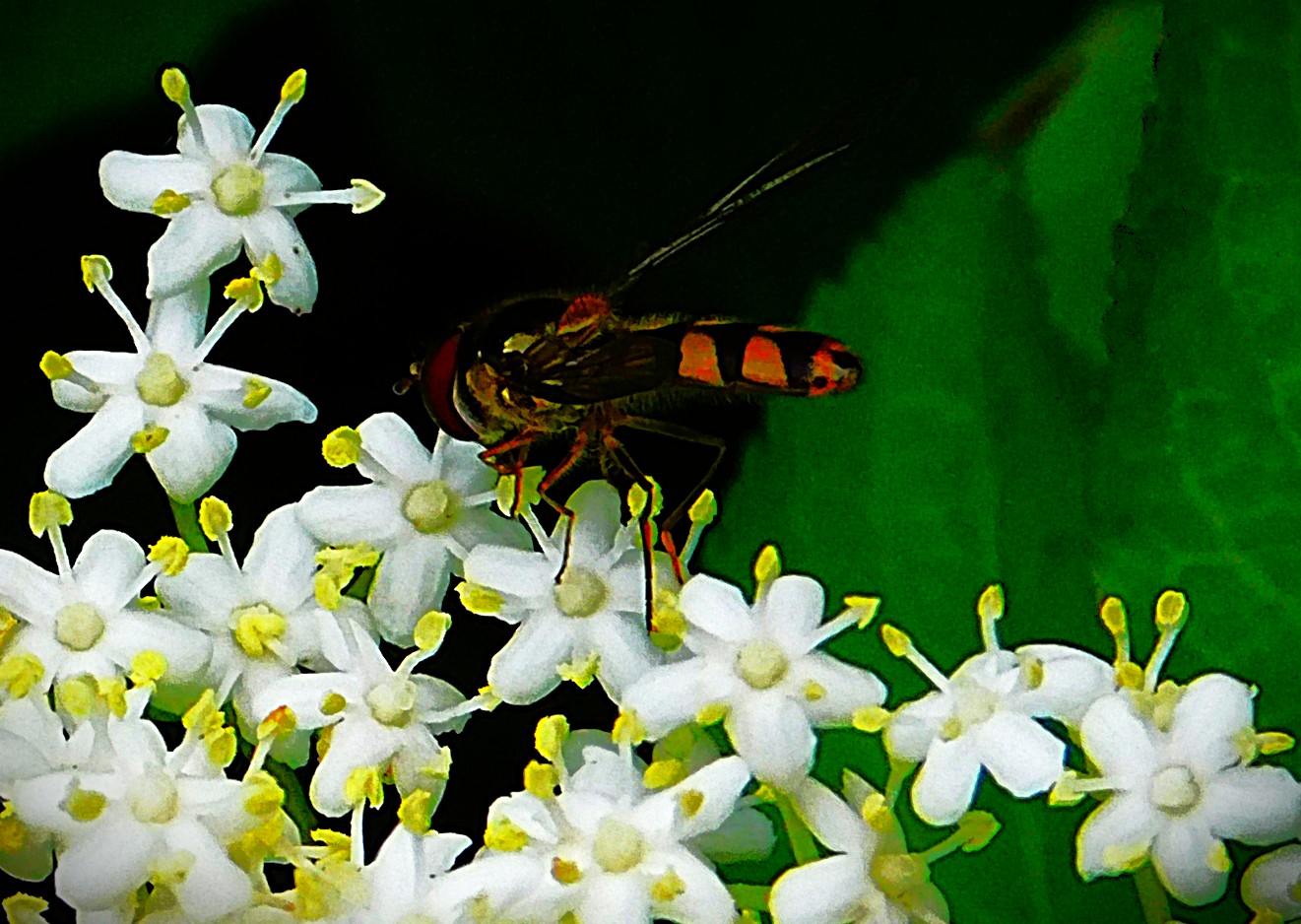
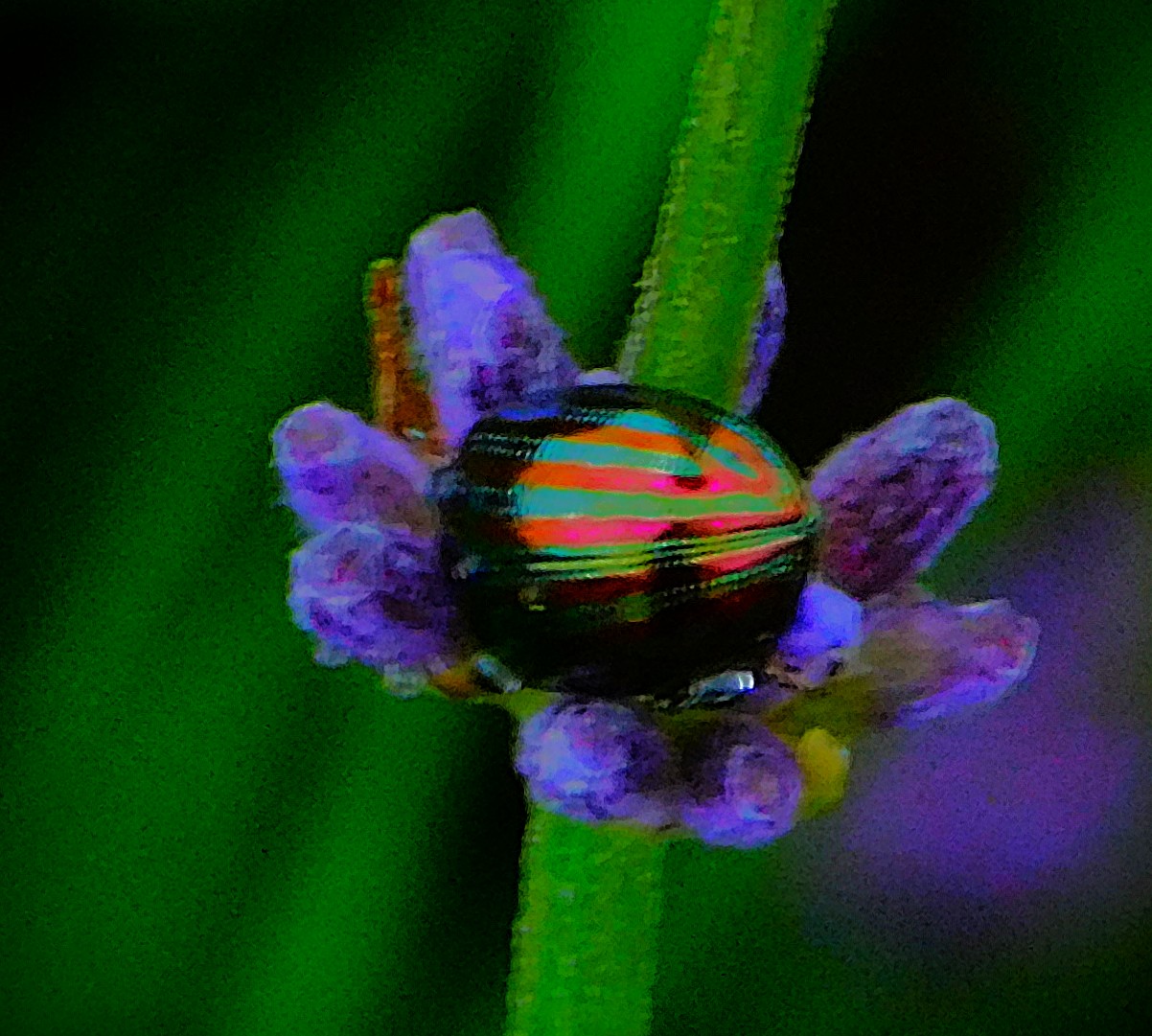
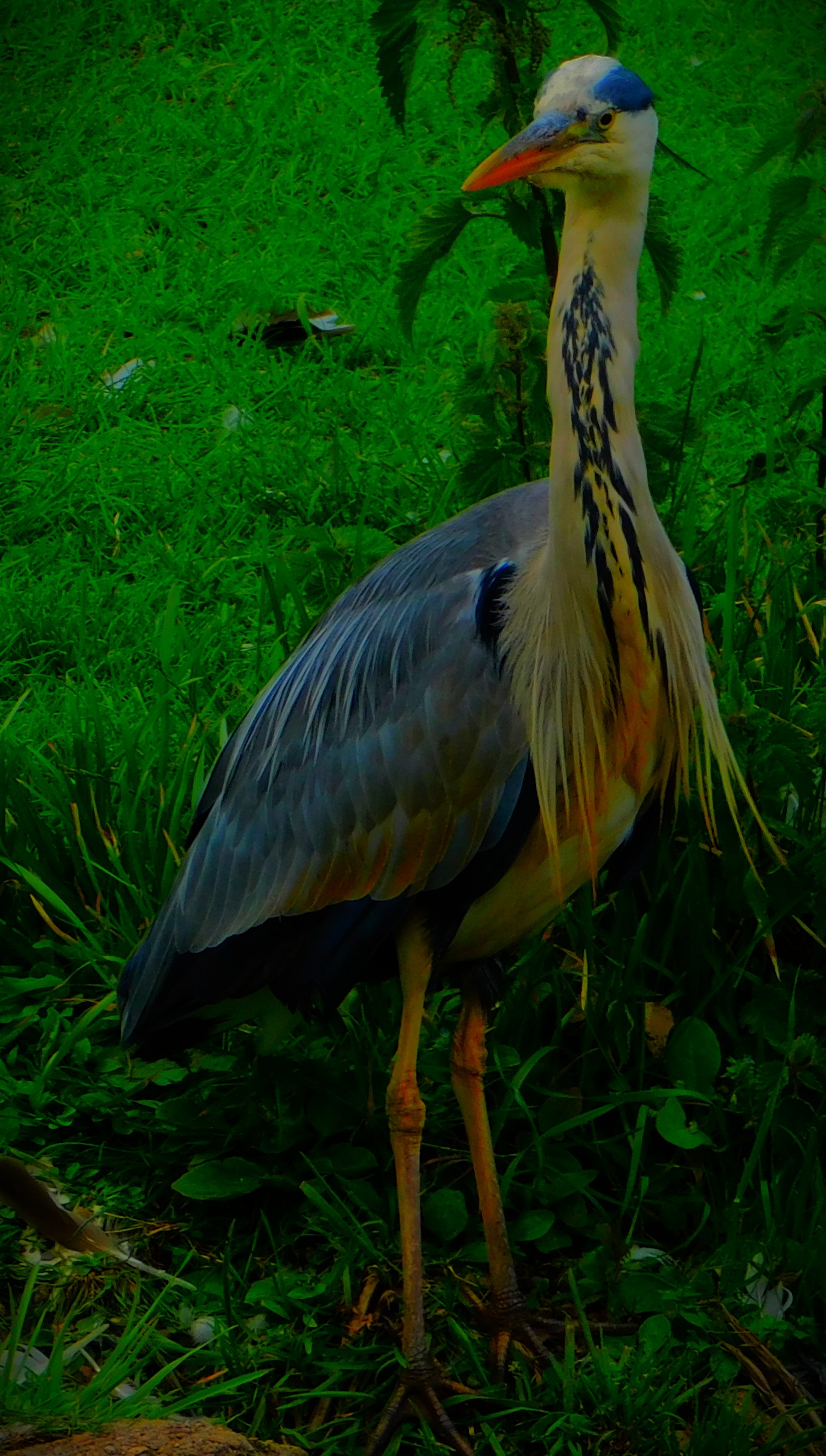
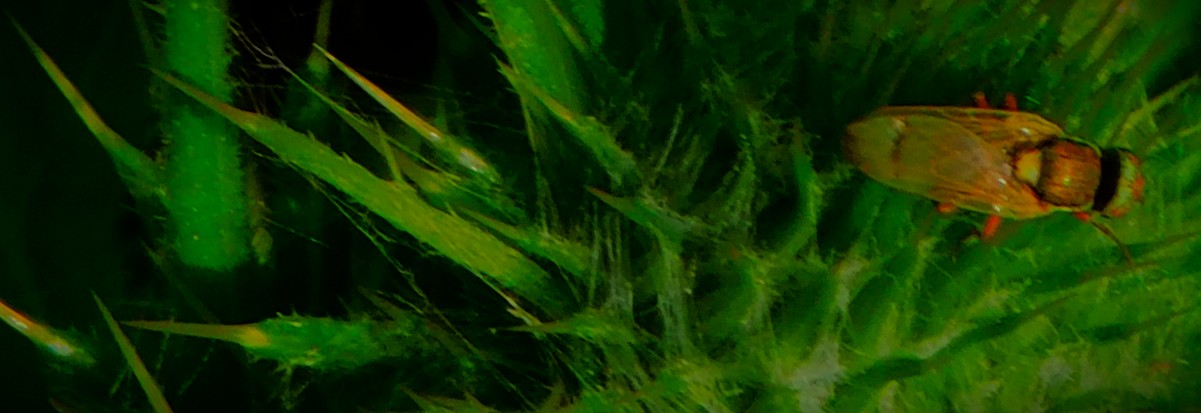
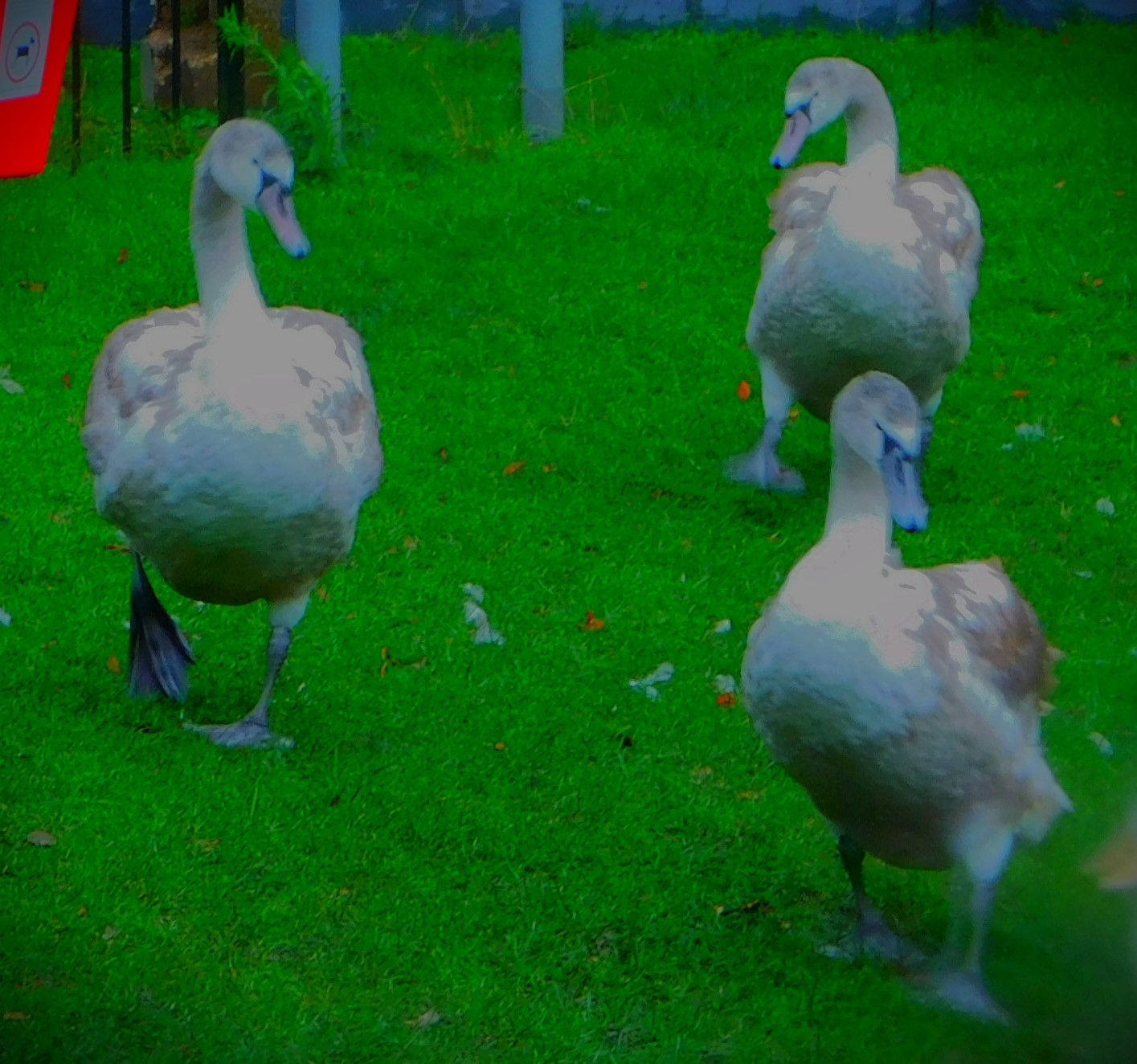
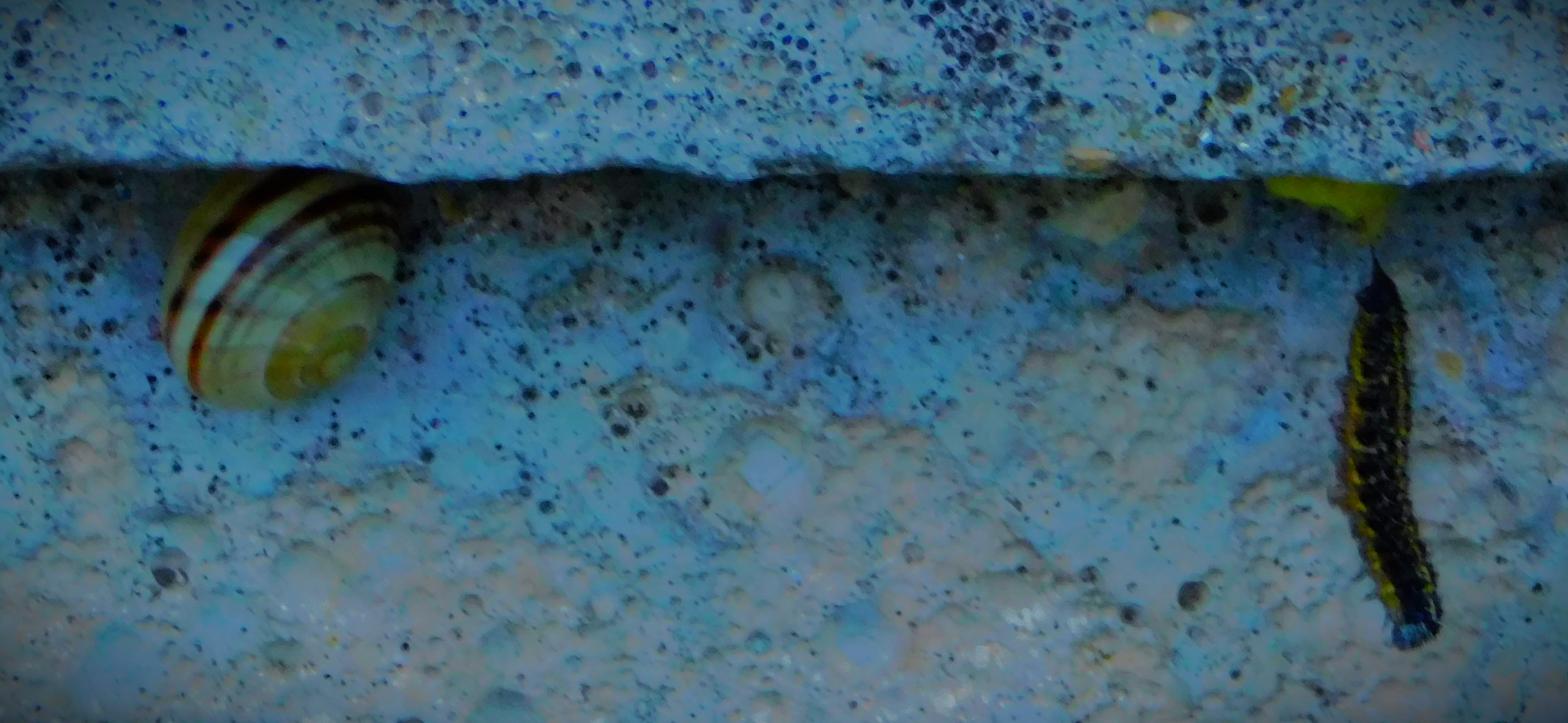
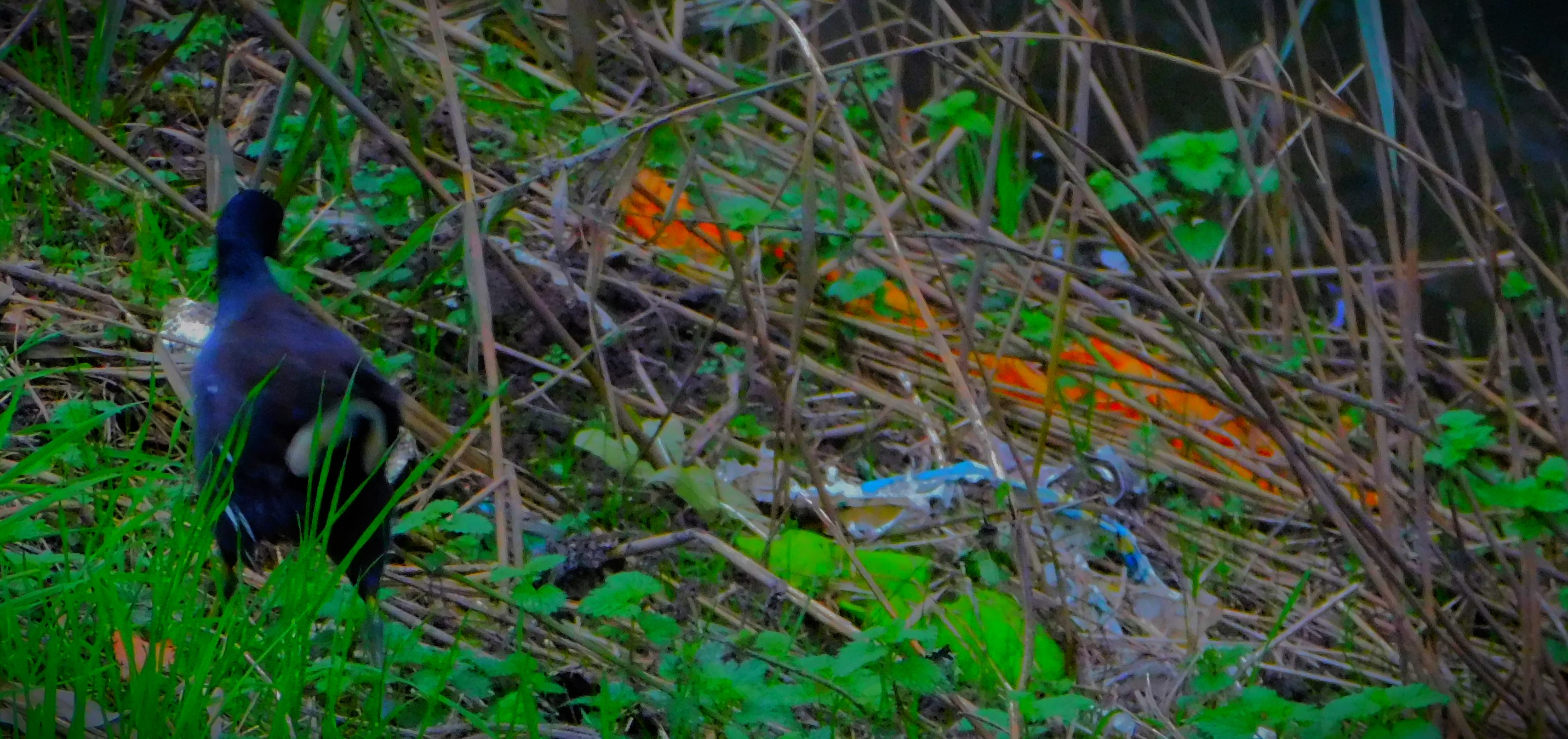
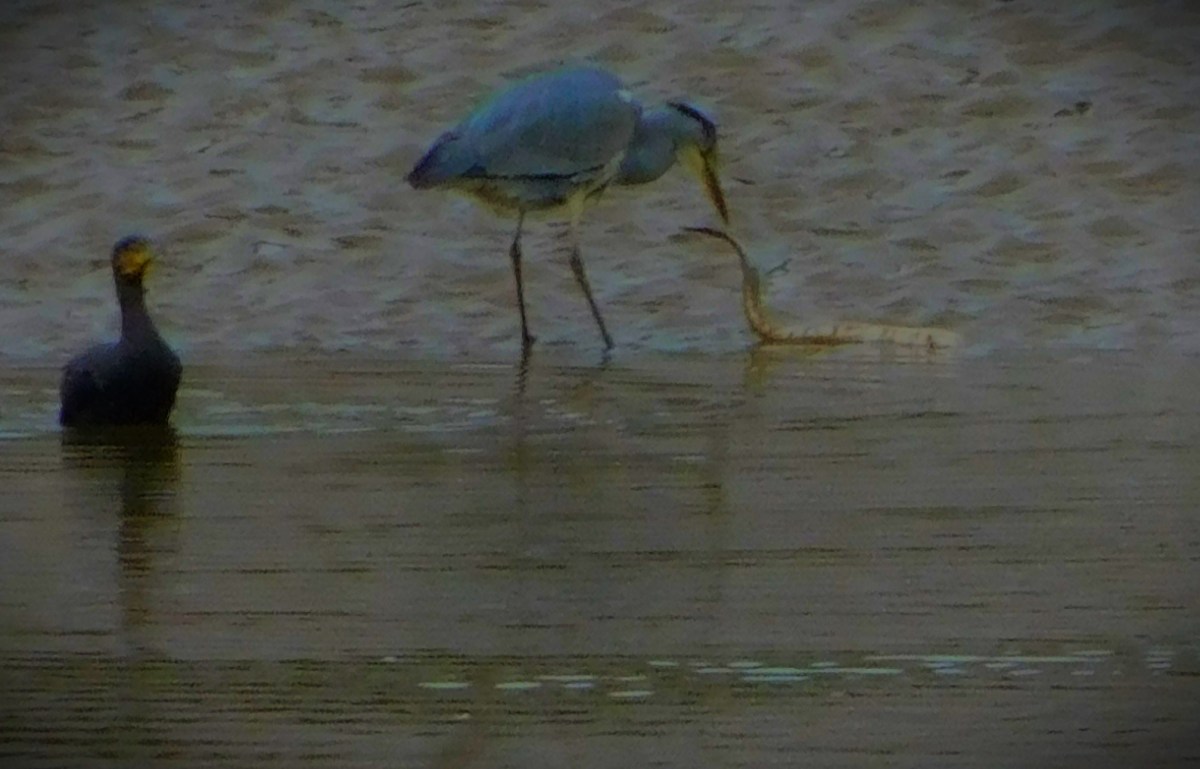
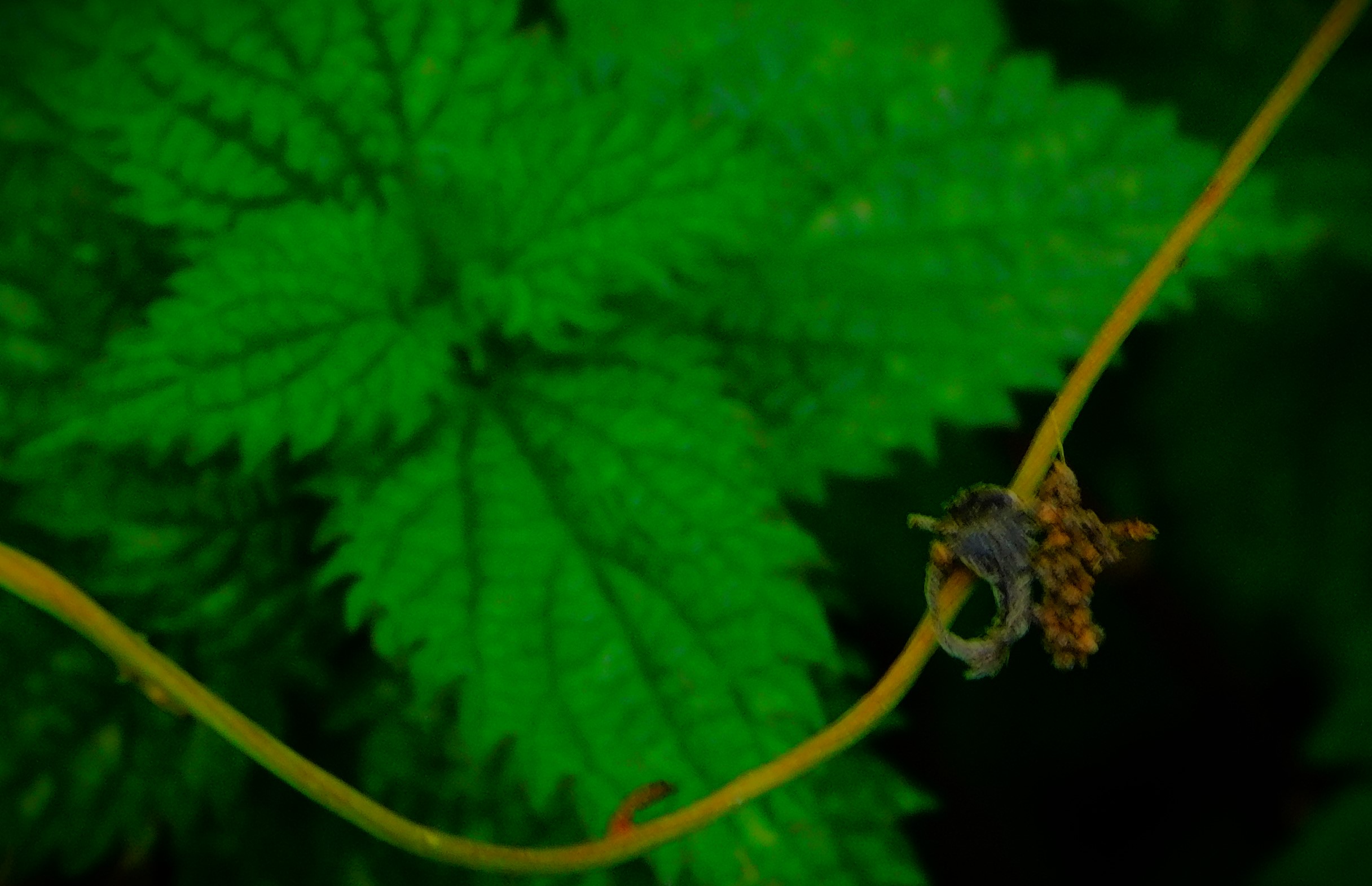
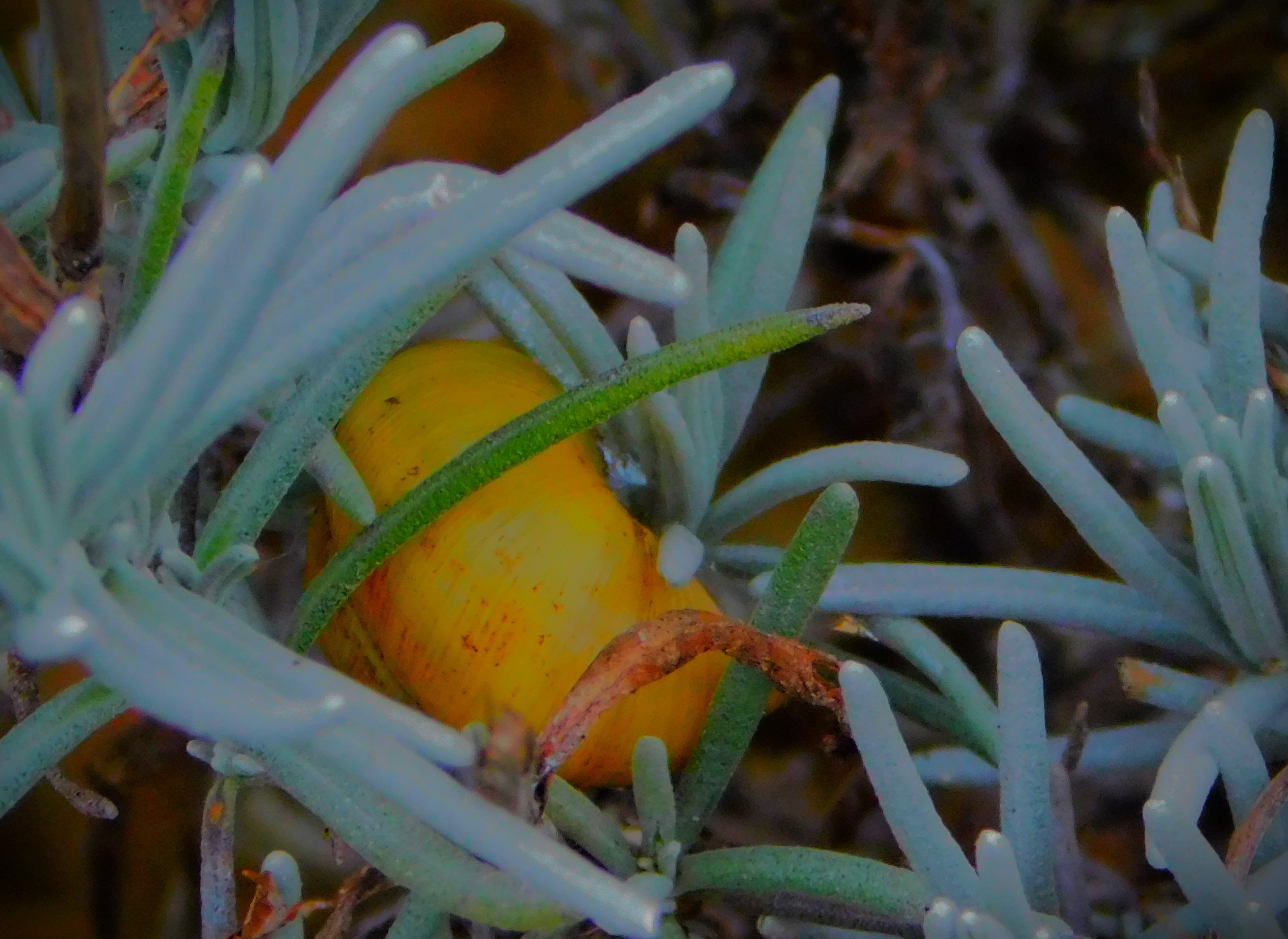
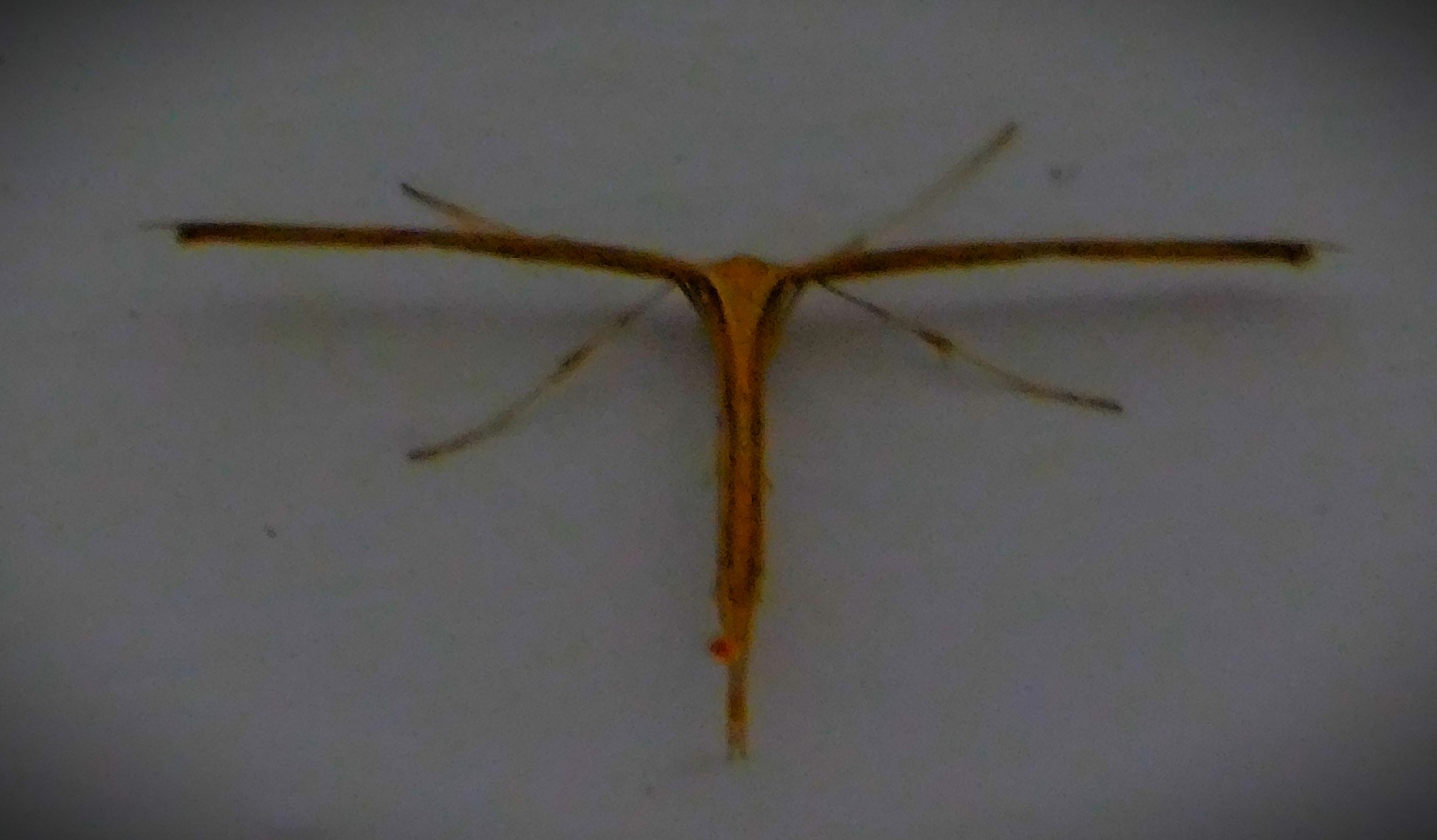
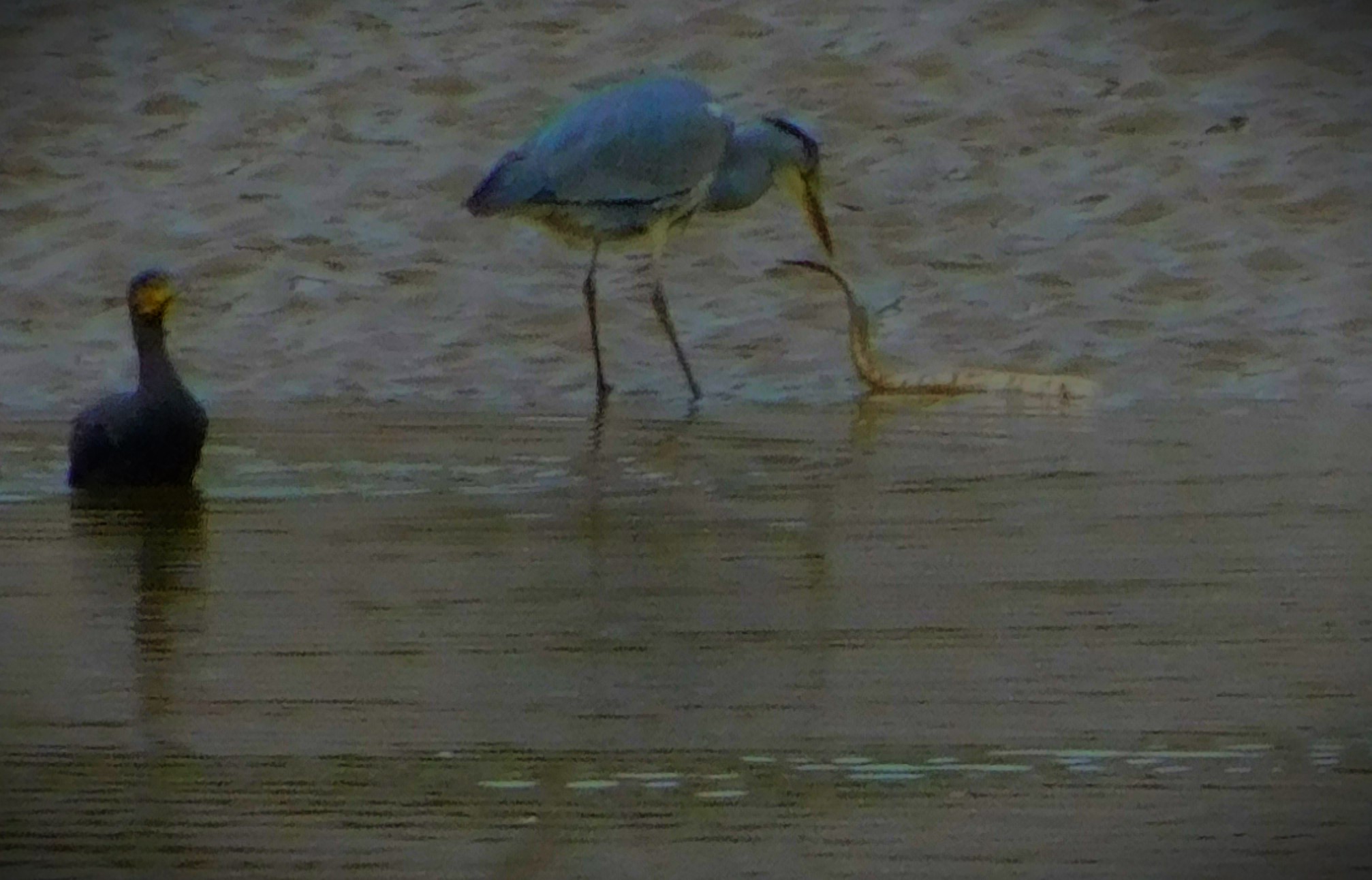
No, this is not a carelessly discarded boiled sweet, it is a metallic shieldbug.A shieldbug of a different variety.A particularly impressive heron.I think the butterfly in this picture and the next is a Painted Lady.This could be a Hummingbird Hawk MothThe one non-highlight part of this gallery – as I am unlikely to be there again I have shown all my pics from the dock area.I saw this on my back from yesterday’s training session.These fish were swimming near the surface of the pond closest to my home.
A look at goings on in the WBBL as that tournament approaches its climax. There are now only three teams left in the tournament. Also a huge photo gallery.
This morning saw the first of the knockout matches in the WBBL, between Sydney Thunder and Hobart Hurricanes, at the former’s home ground, the Drummoyne Oval, six kilometres or thereabouts west of Sydney city centre. This post looks at what happened today and how the KOs work in this tournament.
HOW THE KNOCKOUTS WORK IN THE WBBL
Four teams out of eight qualify for the knockout stages of the WBBL, and the system then works thus: third place take on fourth in what is termed the Knockout match, with third place having home advantage. The winners of this match then play away against the team who finished second, in what is called the Eliminator match, and finally the winners of that face up to the winners of the league stage at the latter’s home ground. In this edition of the tournament Melbourne Renegades and Brisbane Heat had 14 points each from their 10 group games, with the Renegades ahead on net run rate, while Sydney Thunder had 13, the single point coming from a washed out local derby against the Sydney Sixers, and Hobart Hurricanes had 10 points – five wins and five losses. They qualified with this modest tally through a combination of the top three all having such excellent records and the fact that having four teams in an eight team league qualify for knockout stages is over-generous (though less bad than the men’s equivalent where FIVE of the eight sides qualify, which means that there is a genuine chance of a team with an overall losing record making the KOs, which is plumb crazy).
TODAY’S MATCH
Hobart Hurricanes won the toss and chose to bat first. They did not perform well. When Heather Graham was out to the last ball of the 10th over they were languishing at 47-4 halfway through their innings. They did pick things up in the second half of their innings, with Elyse Villani ending unbeaten on 49 from 42 balls, Suzie Bates managing 17 off 17 balls, and Kathryn Bryce with 10 off 6 and Lauren Smith with 6 not out off three balls giving things a late boost. A total of 126 still looked inadequate.
For a long time however, it looked as though Hurricanes might be defending it successfully. With three overs to go Thunder needed 26 to win, and although Litchfield was batting well Anika Learoyd was, as many had on both sides, progressing very slowly. The 18th over, bowled by Heather Graham, which was also the second of the Thunder’s Power Surge, turned the course of the match – 16 runs came from it, including three boundaries, one from Litchfield, and two, off the last two balls of it, from Learoyd. Litchfield then hit the first ball of the 19th over for six. The second and fourth balls yielded singles. The off the fifth ball Litchfield was bowled, which brought Georgia Adams to the crease with two runs needed for the win. Adams cut the only ball she faced for four runs to seal victory for the Thunder with an over to spare and send them on to Allan Border Field on Friday to do battle with Brisbane Heat for the right to face Melbourne Renegades. Litchfield’s 46 off 36 in a match in which few had struck at above 100 and three catches secured her Player of the Match. Molly Strano, one of the most successful bowlers in the WBBL’s history, had figures of 4-0-8-1 for the Hurricanes, unavailing in the end, but the joint most economical figures ever in the knockout stages of a WBBL tournament. A full scorecard of this match canb be seen here.
In many ways justice was done today, although Thunder were not convincing winners by any means. They were much better than the Hurricanes in the group stages, and it is right that the winner of this tournament should come from one of the top three – for Hurricanes to have emerged victorious after qualifying for the knockouts on 10 points would have left a bad taste in the mouth – and yes this is a pom criticizing an Aussie tournament for having overly soft qualification rules, and I stick by every comment I have made along these lines.
PHOTOGRAPHS
I have a very large gallery, due to not having posted on Monday. Monday and yesterday were both sunny although cold, while today has not been sunny and is still cold…
An account of the match that confirmed Adelaide Strikers’ elimination from the WBBL and an explanation of why I am turning my back on twitter after ten years. Also a huge photo gallery.
The main subject of this post is today’s WBBL match, which featured Hobart Hurricanes and Adelaide Strikers. However, before I get onto that I have one other thing to do first…
A FINAL PARTING OF WAYS
After just over ten years of being on there I have finally made the decision to end my involvement with twitter. Today will be my last day on there, and I will deactivate my account today. This decision has been over a year in the making. The final provocation came yesterday morning when I saw that from November 15th (Friday) twitter posts will be used to train AI with staying on twitter being taken as automatic consent to do so. I may or may not have agreed for this happen with my own posts had it been broached in proper consultative fashion, with people being given the option to refuse, but the high handed decision to force this on all of us means that as a matter of principle I am dissenting in the only way left to me by Elon the Execrable: by leaving twitter. For those of my followers on here who are also interested in social media, I am on Mastodon, and will be posting there regularly: https://mas.to/@autisticphotographer
HOW THE STRIKERS LOST
Adelaide Strikers arrived in Hobart for what is officially their ‘derby’ fixture (Melbourne, the closest city on mainland Australia to Tasmania, has two teams, so that is their derby) with just one win in six matches. The Hobart Hurricanes were far better placed, having won three of their six games. Strikers had been thrashed after batting first in their previous match, so when they won the toss they opted to bowl in the hope of faring better chasing than they had setting.
Megan Schutt was her usual reliable self with the ball, but Orla Prendergast, given the new ball alongside her, had an absolute shocker of an evening. Strikers also dropped several catches, two off Lizelle Lee, fresh from a record breaking 150*, along the way. Lee cashed in on the reprieves, becoming the first ever to score back to back centuries in the WBBL. Her dismissal for 103 off 57 balls was something of a freak – her partner Nicola Carey essayed a fierce drive and the bowler, ambidextrous spinner Jemma Barsby, deflected the ball into the stumps with Lee out of her ground. Carey was now joined by Elyse Villani, and they maintained the tempo of the innings pretty well. With two overs left they had reached 174-2 and a score of 200 looked within the realms of possibility. Schutt put paid to that, conceding a mere five from the 19th over, meaning that in an otherwise very fast scoring innings she had 4-0-21-1. The only other wicket was the Lee run out, so with 12 coming from the final over to boost Hurricanes tally to 191-2 the other bowlers had taken 0-170 from 16 overs.
A target of 192 was daunting – had Strikers been successful it would have been their highest ever winning chase. While Smriti Mandhana was there, timing the ball with absolute precision and scoring at an incredible rate it looked a possibility – Strikers were ahead of the rate of their four over opening Power Play. It was the arrival of Amy and Lauren Smith and the easing of field restrictions after four overs that slowed Strikers progress. Mandhana completed a splendid 50 off 31 balls, but then immediately got out, caught by Chloe Tryon off Lauren Smith to make it 67-1 in the eighth over. Amy Smith had bowled a superbly tight seventh over, and Lauren Smith was continuing the good work in the eighth. Laura Wolvaardt joined Katie Mack. Mack never got going at any stage of her innings, and her dismissal for 14 off 20, caught by Carey off Amy Smith to make it 83-2 in the 11th over was not necessarily bad news for the Strikers. Tahlia McGrath, the Strikers captain, was in next, and she too struggled, managing just four before her eighth ball was caught by Callie Wilson off Molly Strano to make it 93-3 after 12.4 overs. With 99 needed off 44 balls big things needed to happen, and Bridget Patterson the new batter had some form behind her. However, Wolvaardt and Patterson dropped further and further behind the rate, even though the Hurricanes fielders started dropping catches during their stand. Eventually midway through the 19th over the asking rate became greater than six runs per ball. At this point, far too late, Wolvaardt finally really got going. It was into the 20th over that she completed her 50, a landmark greeted with a smattering of in my opinion undeserved applause. She finished the match with a flurry of meaningless boundaries – having reached 50 off 37 balls she ended on 63* from 40. The margin was still 28 runs, and in any case because of the position they were in coming into this match anything less than a win was useless for them. They now have two points from seven matches, and are guaranteed to end up with an overall losing record, which even with four teams out of eight progressing to the knockouts will ensure that they do not qualify. Hurricanes sit top of the table for the moment, though they are there only on net run rate, and the teams in second and third both have a game in hand on them.
PHOTOGRAPHS
My usual sign off…
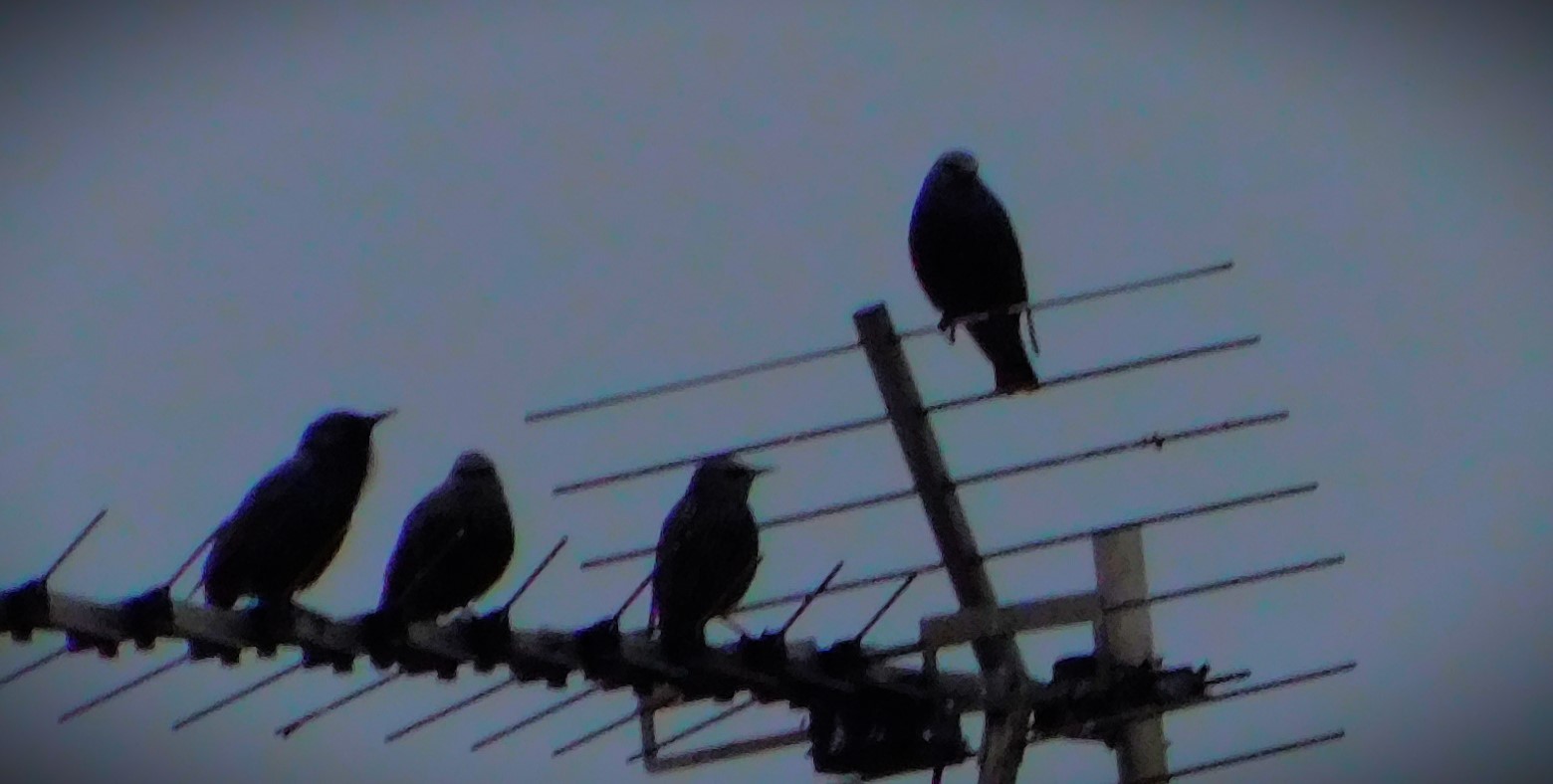
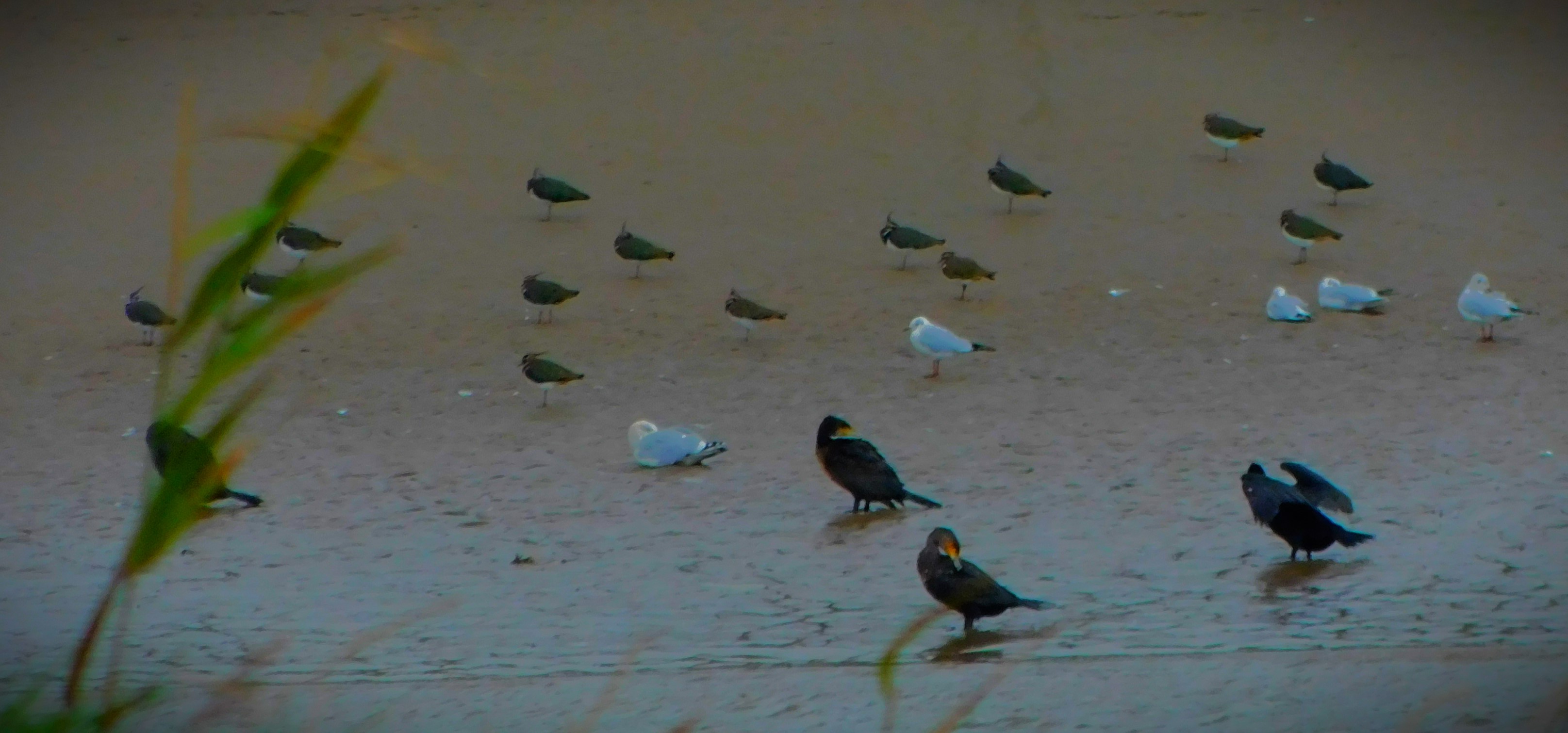
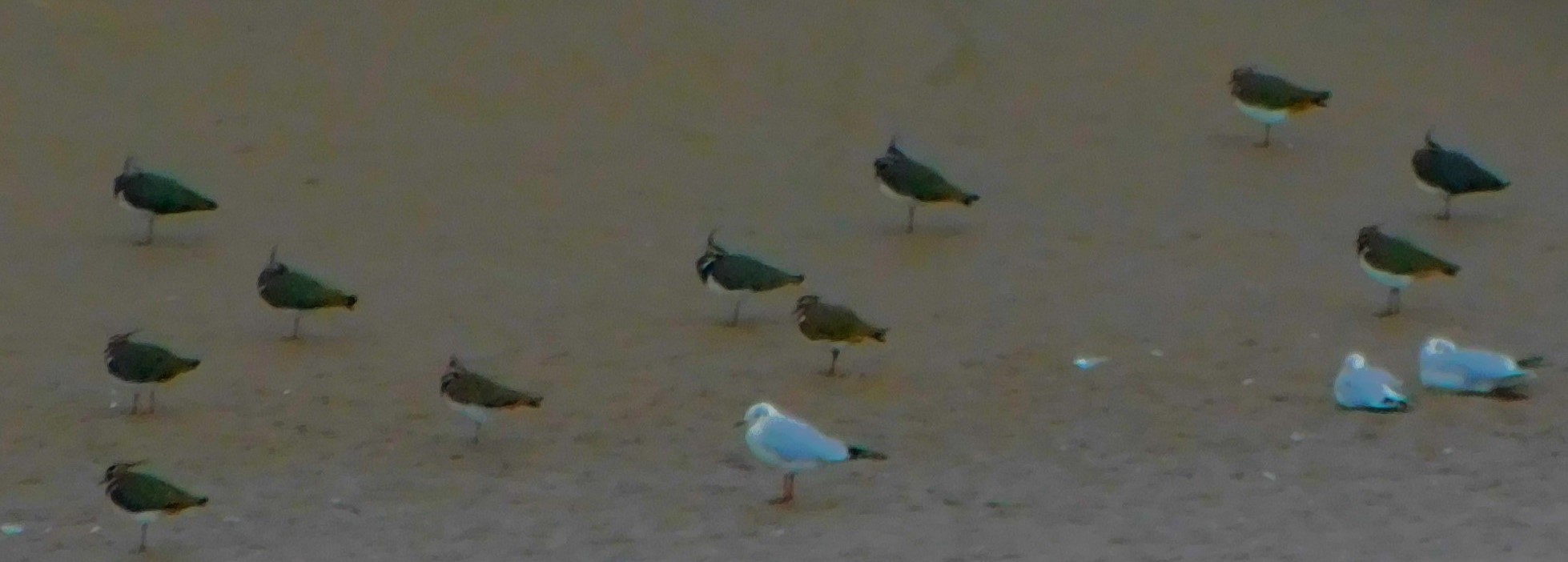
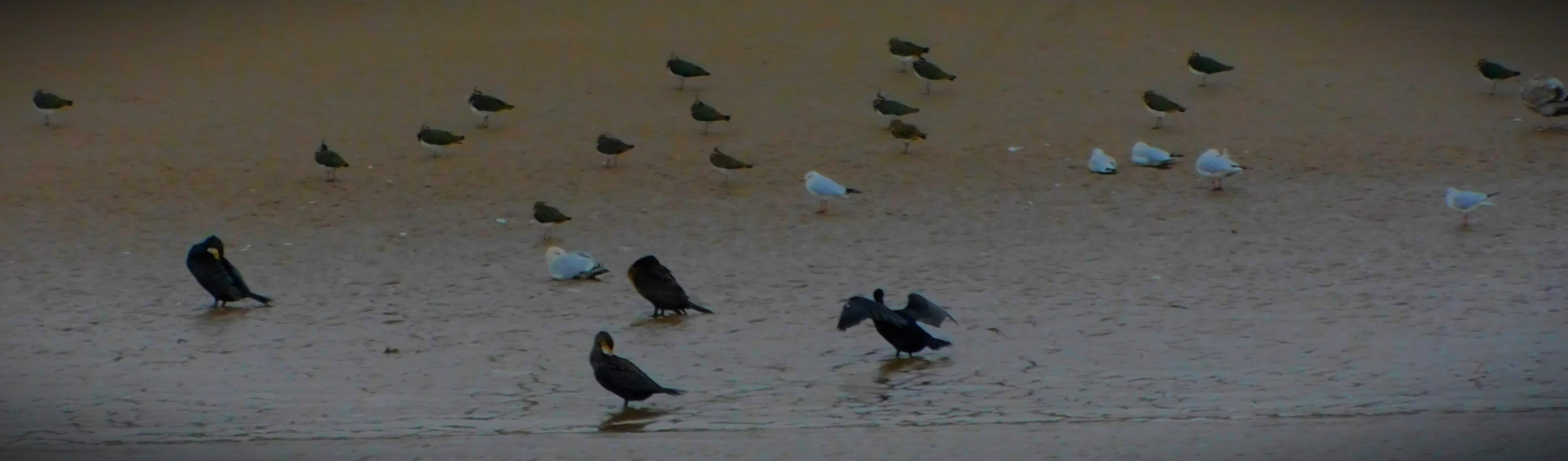
We start with some pictures from Monday afternoon.Then a few pictures from yesterday, either side of work.Finally we have pictures from this morning, a splendid day to be out walking.No cormorants on ‘Cormorant Platform’ today….…but there were some a little further upstream, near the path through Hardings Pits.However even they were topped by this Little Egret in the shallows (The Great Ouse was at very low tide – these rocks are not normally visible).My last picture before leaving the Great Ouse was these lapwings.
An account of today’s WBBL fixture, between Adelaide Strikers and Melbourne Renegades. Also a large photo gallery.
Today the WBBL saw Adelaide Strikers take on Melbourne Renegades at the Karen Rolton Oval. Strikers, winners of both the previous two editions of the WBBL had won only one of their five games, so they knew that defeat would effectively end their qualification hopes. The Renegades, wooden spooners last year, were looking to put themselves right in the mix near the top of table. This post looks back at the match.
THE STRIKERS INNINGS
Major scores from Tahlia McGrath, 49 off 24 balls, and Smriti Mandhana, 40 off 25 balls were supported by Laura Wolvaardt, 27 off 26 balls and Katie Mack 19 off 19 balls. At times it seemed likely that Strikers would top the 200 mark, which even at a ground as batting friendly as the Rolton Oval would have been a formidable total. However they lost wickets in the later stages of their innings, and in the end it took a wonderful cameo of 24 off 12 balls from the young Irishwoman Orla Prendergast to get Strikers to their final total of 185-8. Prendergast was run out off the last ball of the innings, correctly going for the extra run. .
Hayley Matthews, of whom there will be a lot more later, had 2-28 from four overs, and Sarah Coyte 1-19 from three overs.
THE RENEGADES CHASE
Hayley Matthews and Courtney Webb scored well, though at a little less than the required rate. Webb retired hurt for 37, with the Renegades score on 90. The first actual wicket was that of Capsey, who replaced Webb at the crease, and scored 4 before being caught by Prendergast off Darcie Brown to make it 101-1. That brought Deandra Dottin in to join fellow West Indian Matthews. This pair took complete control of proceedings. At one stage it looked like a century was a possibility for Matthews, but then a blitz by Dottin killed that possibility but brough the possibility of a 50 for her into the equation. Matthews ended the chase off the first ball of the 18th over, the boundary she hit taking to 85* off 54 balls, while Dottin had 46* off just 18 balls. Megan Schutt bowled three overs for 21 amidst the carnage. Madeline Penna, brought on as a white flag gesture with the game well and truly lost, has I suspect set a new record for the worst ER in a WBBL innings – her first delivery was a wide which did not go to the boundary, but off which Matthews and Dottin ran two extra runs, to make the damage three, and her second was the match winning boundary, meaning that her official figures read 0.1-0-7-0 for an ER of 42.00. Matthews was unsurprisingly named Player of the Match for her magnificent performance.
This hammering leaves Strikers adrift at the foot of the table on two points from six matches. Even if they win every remaining match they will have an exactly even win/loss record, and given how bad their net RR is, even with four teams qualifying for the KOs they are unlikely to make it. Anything less than four straight wins from here will definitely confirm their elimination. I consider having four teams out of eight qualify for KOs a trifle generous, but it is not as ludicrous as the men’s equivalent tournament, where five teams out of eight qualify, which means that you genuinely can make it through with an overall losing record. Renegades meanwhile are up into second place for the present, and are highly likely to qualify for the knockouts. Scorecard here.
PHOTOGRAPHS
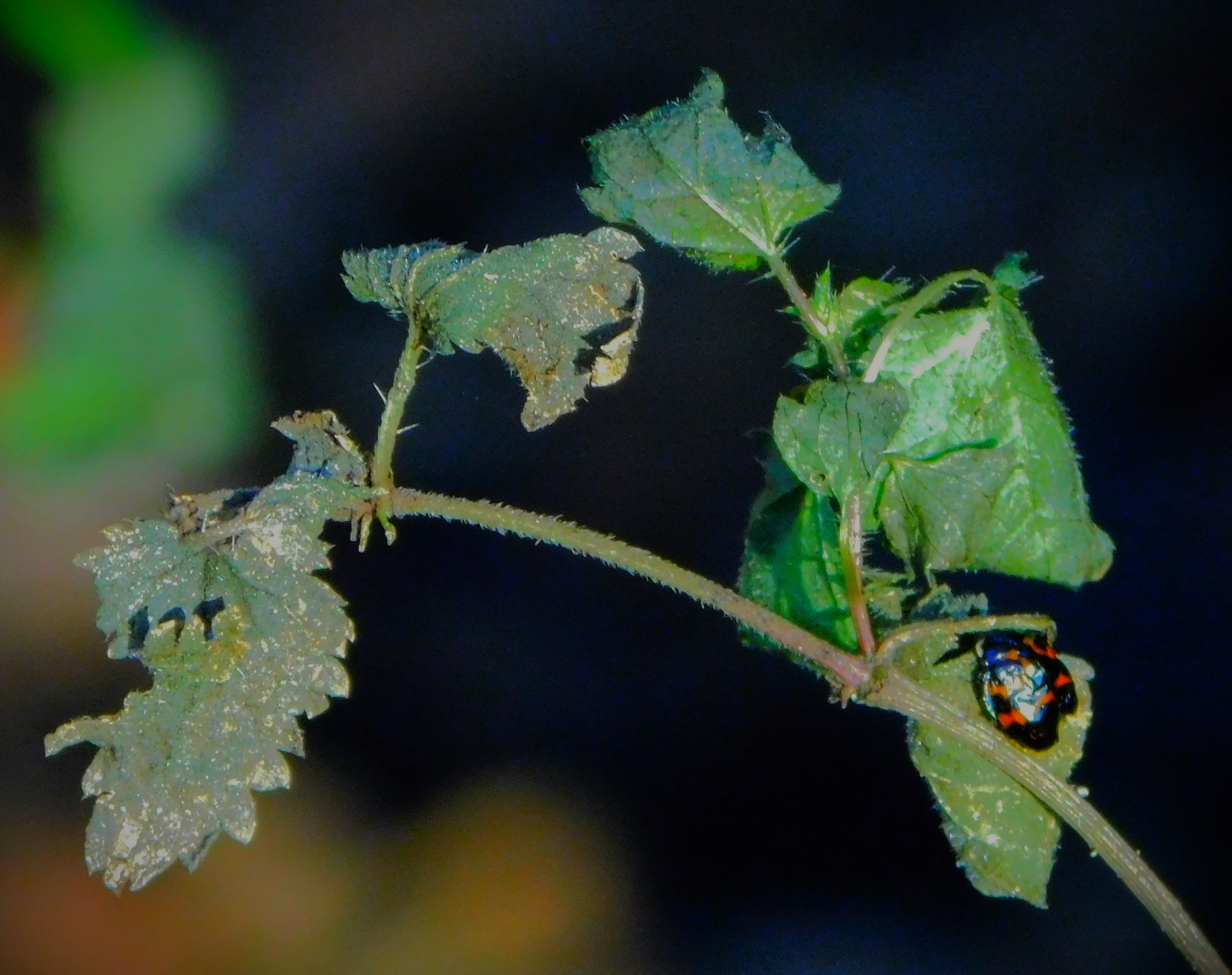
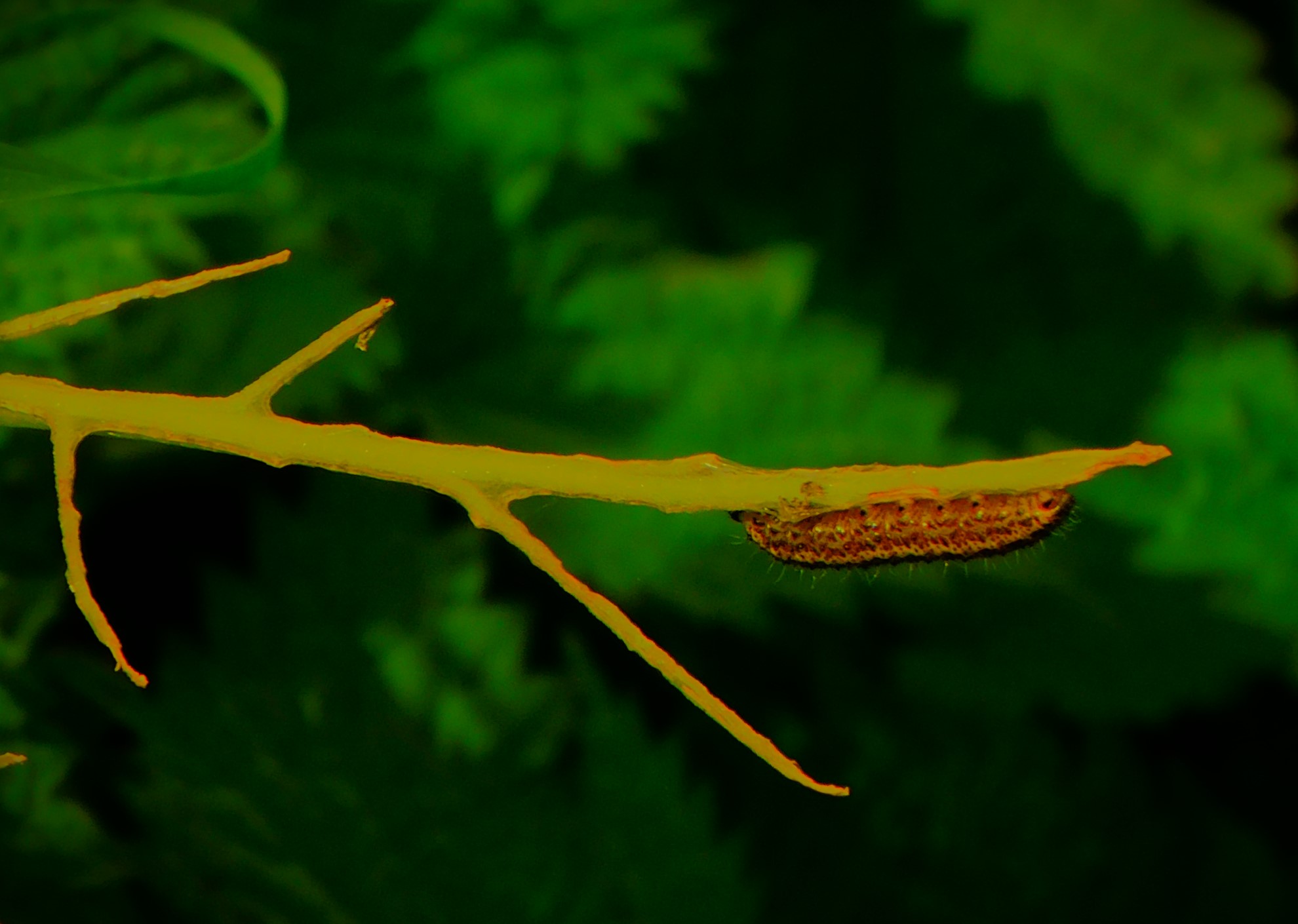
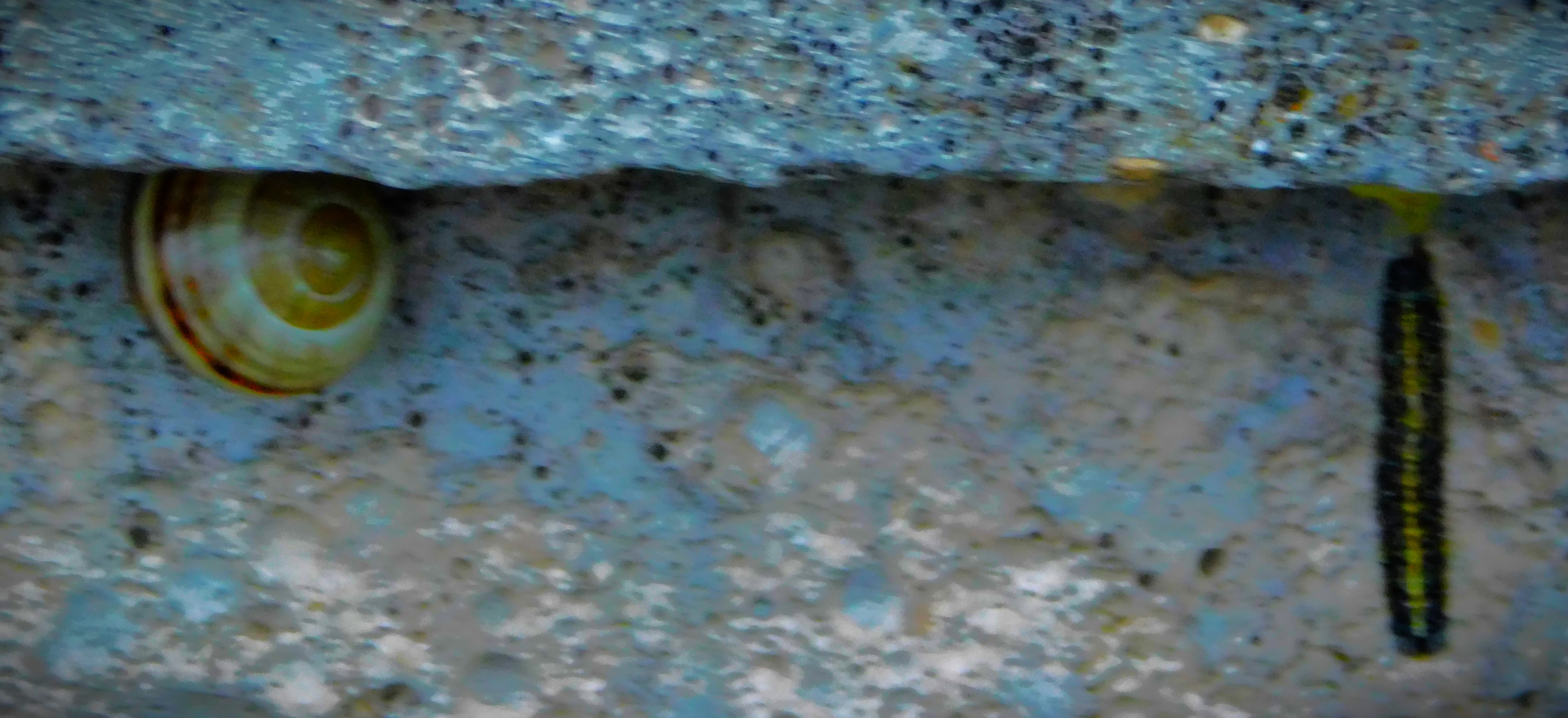
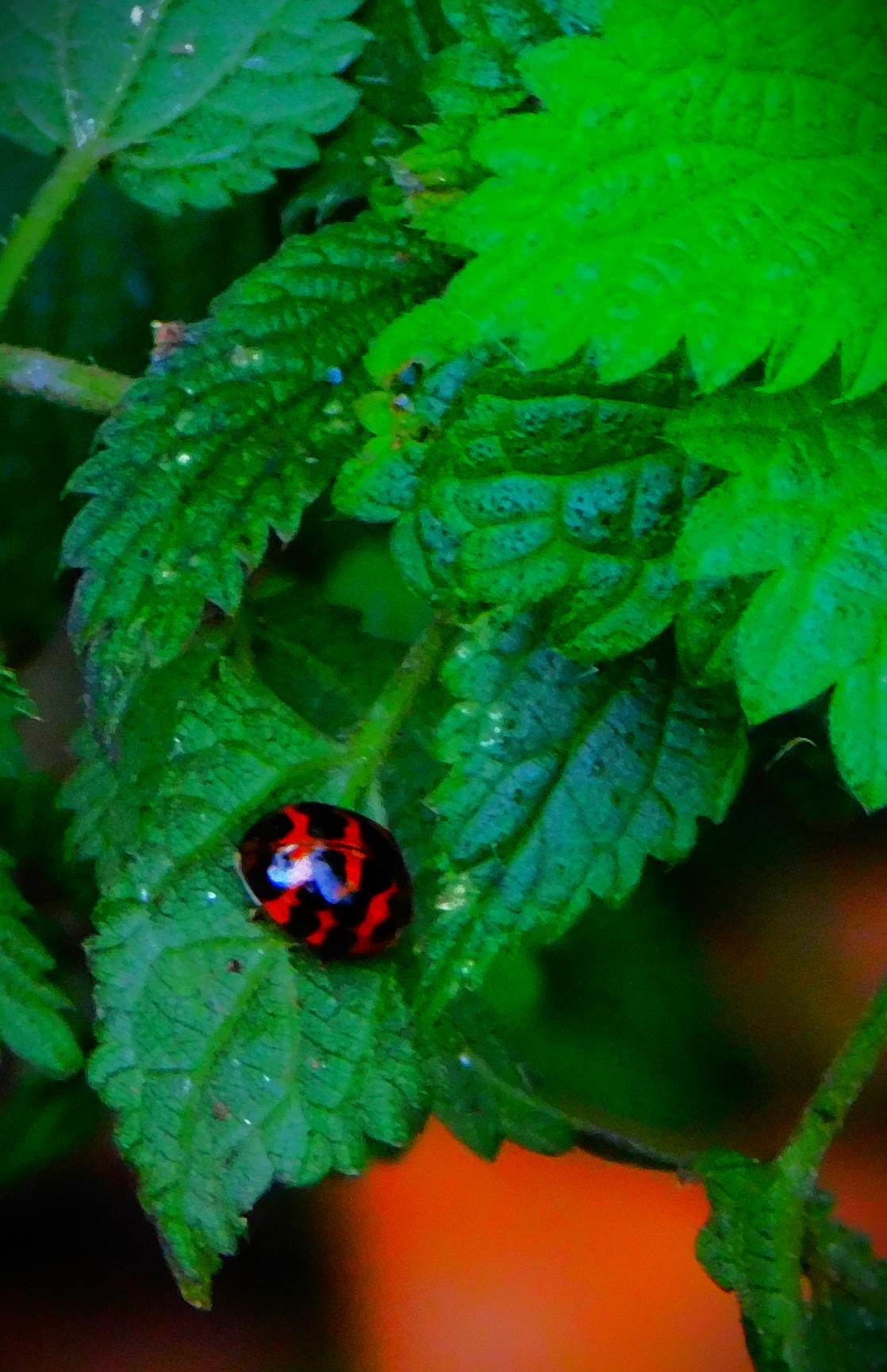
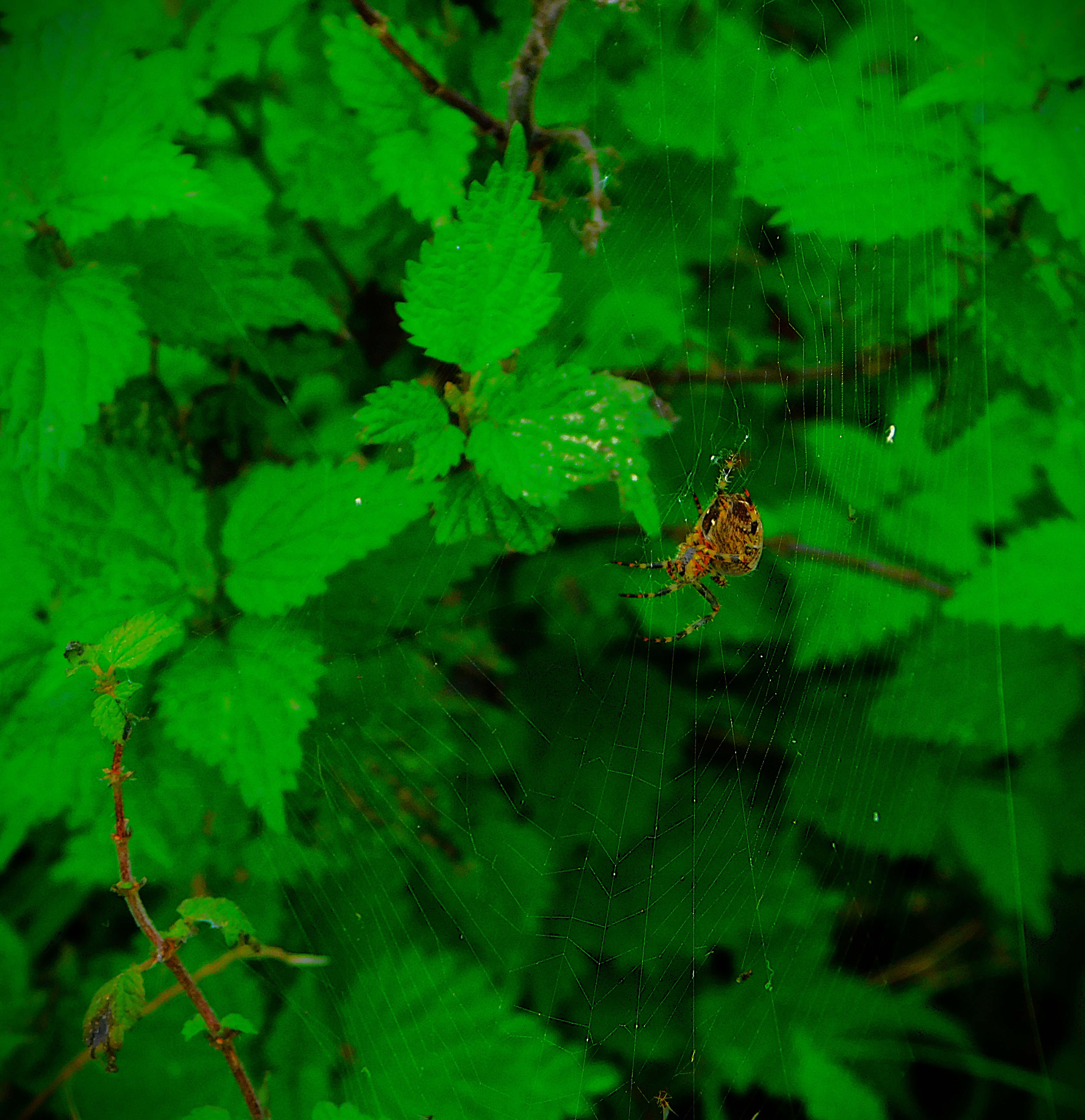
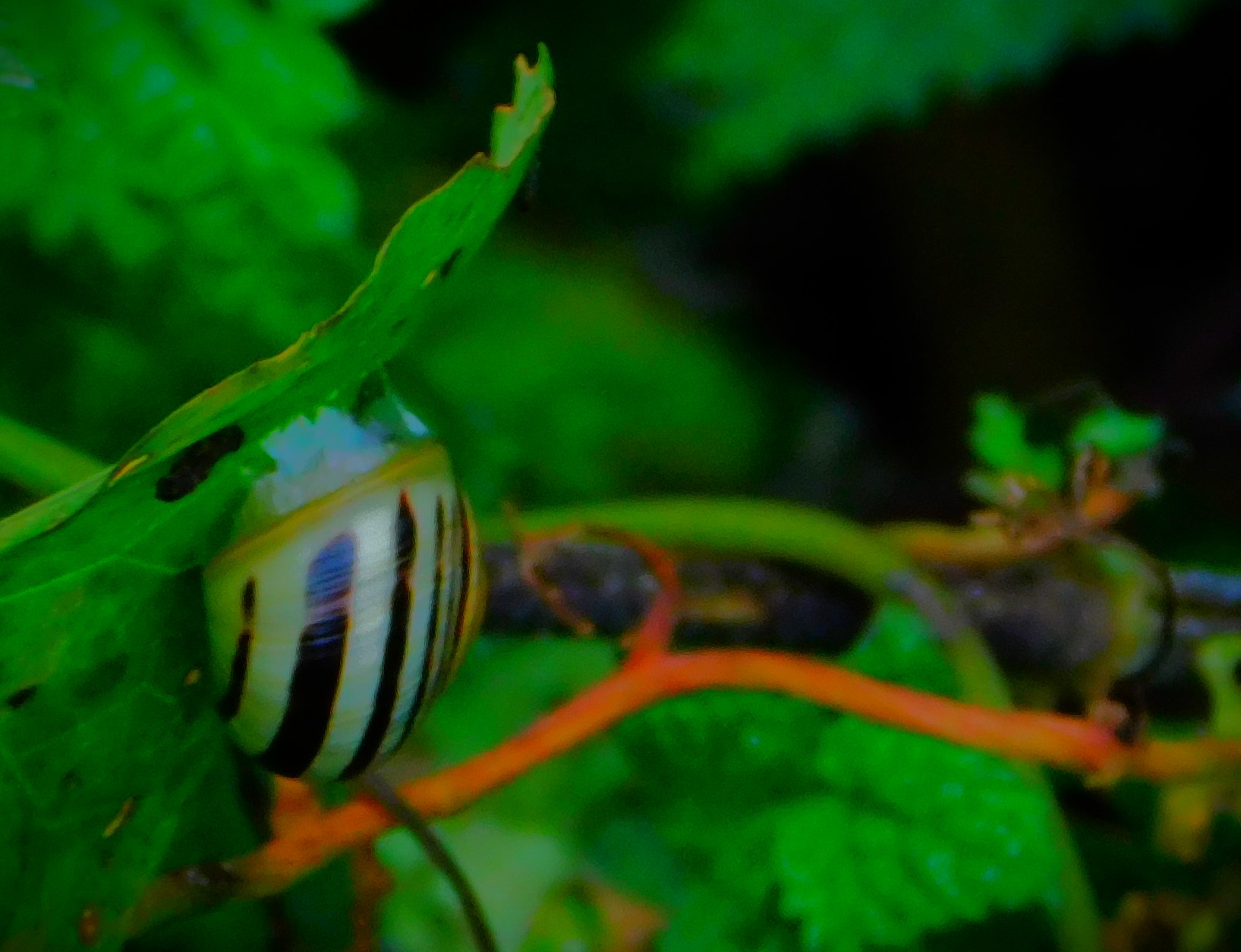
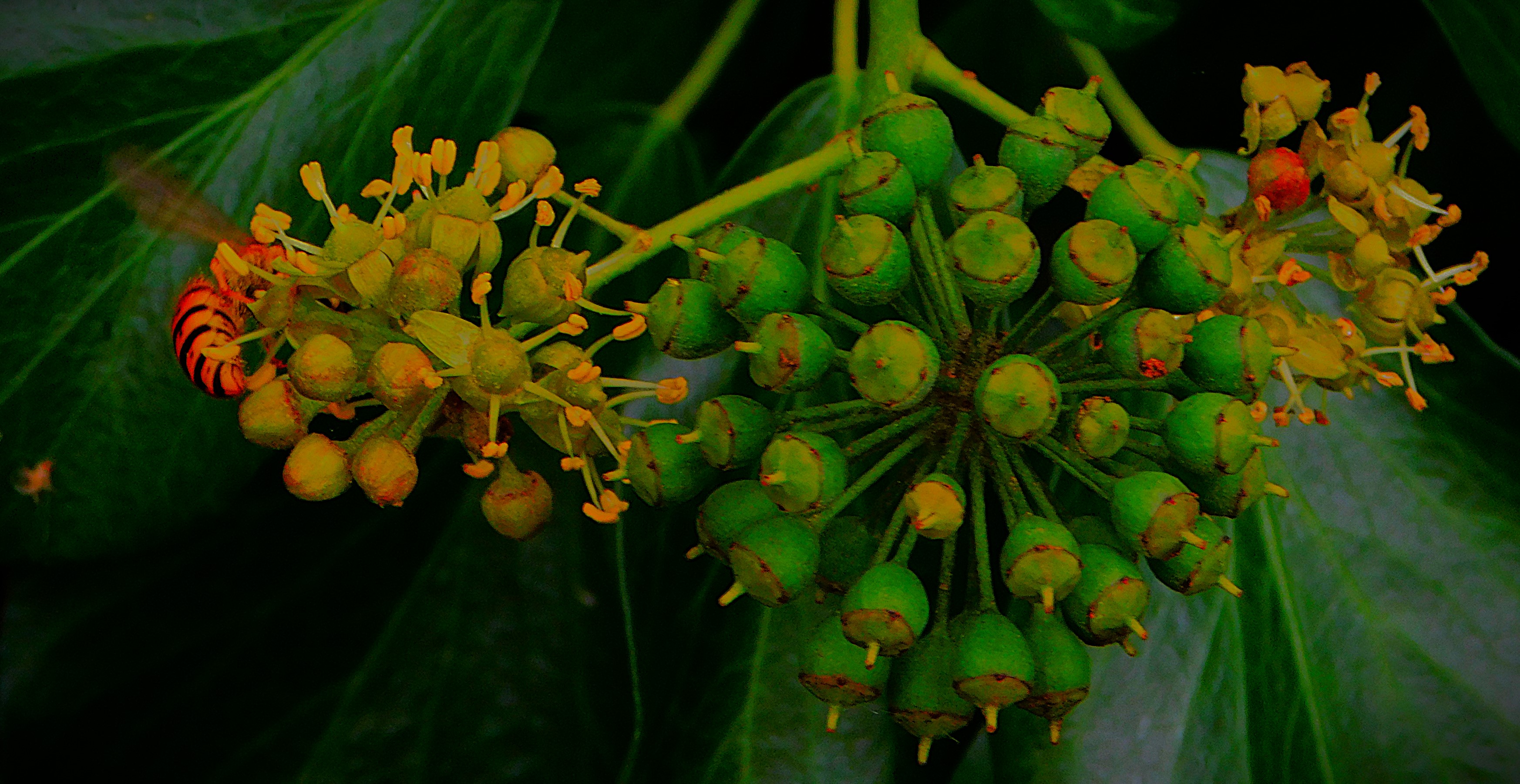
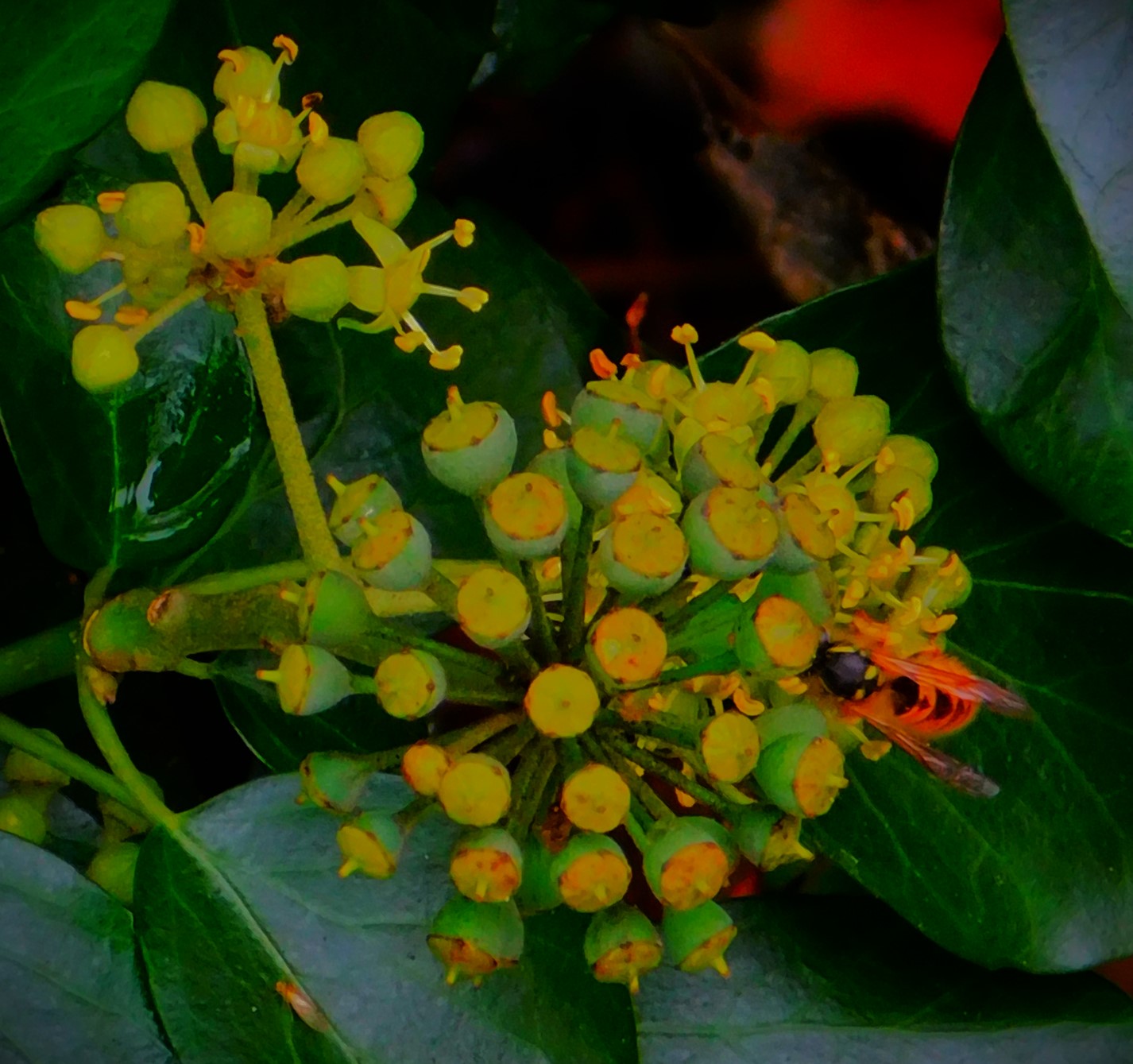
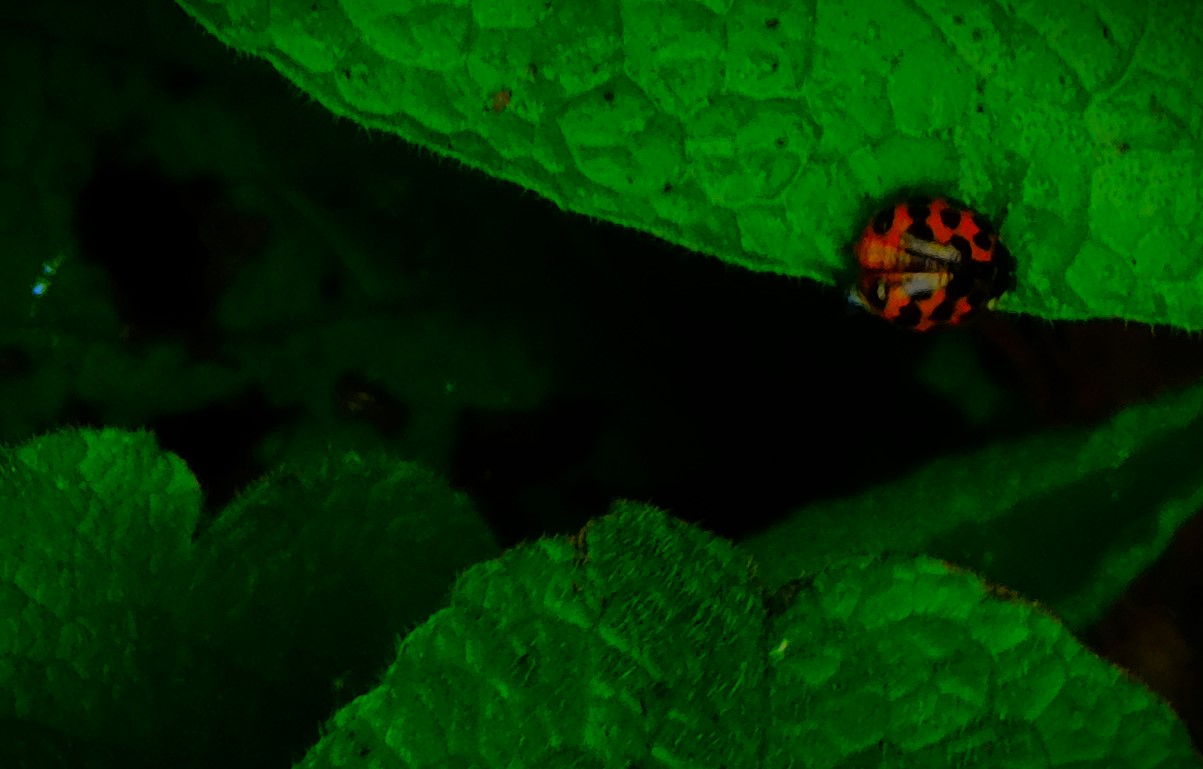
Today has been a sunny day, and as a result the insects have been out in force…
A look back at a historic innings in the WBBL and a photo gallery.
Overnight in the Women’s Big Bash League Hobart Hurricanes played Perth Scorchers at the SCG. This was the first half of a double header, with the Sydney derby following. This post looks back at a history making performance in that match.
HURRICANE LIZELLE BLOWS SCORCHERS OFF COURSE
Perth Scorchers won the toss and put Hobart Hurricanes in to bat. Lizelle Lee, opening batter for Hobart Hurricanes, proceeded to blow Scorcher’s plans to smithereens with a display of jaw dropping brutality. The Power Play overs offered little foretaste of what was to come – Hurricanes were 34-2 after the four overs of mandatory Power Play. Hurricanes reached 50 after exactly six overs. Lee was already dominating the scoring, and she reached her own 50 off 29 balls. By the halfway stage the score had risen to 86-2, with Lee now 65*. Hurricanes took the two over Power Surge immediately on the resumption, the earliest point at which the playing conditions allow it, and 31 runs came from the two overs for no loss. Lee was now in overdrive mode, and her century arrived off her 51st ball. She was far from done. When her score reached 137 she had set the all time WBBL individual record, displacing Grace Harris. She was back on strike with three balls left in the innings and 190 on the board in total. She hit balls four and five of that 20th over for sixes to move to 149 and take Hurricanes past 200. A single off the final ball of the innings saw her to the first ever individual 150 in WBBL cricket, only nine short of the all time record in women’s professional T20 cricket, set for the Northwests by none other than Lee herself. Lee had faced 75 balls, thereby finishing with an SR of precisely 200 for the innings. Among the carnage one bowler escaped all but unscathed: 19 year old pacer Chloe Ainsworth recorded figures of 4-0-17-2, conceding no sixes and only one four. Her team mates thus had a combined 1-186 from 16 overs, an average ER of 11.625 per bowler. An average four over spell from among every bowler other than Ainsworth would have yielded 46.50 runs, so Ainsworth was either 29 or 30 runs more economical than any of her team mates would have been expected to be from a four over allocation.
After that display by Lee neither the result nor the Player of the Match award were in any significant doubt. In the event Scorchers, forced to take risks in pursuit of a huge total, lost wickets rapidly, and ended up 131 all out, beaten by 72 runs, a colossal margin in this form of the game. Heather Graham had 3-24, Lauren Smith with 4-0-11-2 was the most economical bowler on either side. Molly Strano, one of the most consistent performers across the whole ten seasons of the WBBL, also deserves a mention, recording 3-0-17-2. Ainsworth, the sole effective bowler for the Scorchers earlier on, was also top scorer for them, hitting 41 off 27 balls. Both sides now have six points, though Hurricanes have played a game more, and unsurprisingly after this match have a better net run rate.
A look back at today’s WBBL10 double header and a large photo gallery.
There were two back to back Women’s Big Bash League games starting early this morning UK time. This post looks back at both.
THE MELBOURNE DERBY
Melbourne Renegades won this match by 15 runs – 146-6 for them, 131-9 for the Stars. The big story of the game was the performance of WBBL debutant Charis Bekker. The 20 year old leg spinner was only playing because of an injury to Sophie Molineux, but I suspect that her place is now secure. She recorded figures of 4-0-9-1, quite astonishingly economical in this tournament – and that wicket was the key one of Meg Lanning. Bekker was correctly named Player of the Match for this performance. Alice Capsey for the Renegades played the innings of the contest, a blistering 33 (15) that gave her side a much needed injection of pace. Naomi Stalenberg (26 not out off 17) and Nicole Faltum (29 off 23) helped to ensure that the momentum provided by Capsey wasn’t entirely dissipated. For the Stars the only batters who came close to doing the needful were Deepti Sharma (23 off 20) and Marizanne Kapp (16 off eight). Kapp was also the best of the Stars bowlers with 2-22 from her four overs. Scorecard here.
HEAT v STRIKERS
This was a real rarity – a WBBL game at The Gabba (Brisbane Heat are normally confined to Allan Border Field for home matches). Adelaide Strikers won the toss and put Brisbane Heat in to bat. Indian star Jemimah Rodrigues hit 61 off 40 balls, backed up by Grace Harris (33 off 22 balls), Jess Jonassen (32 off 21 balls) and Nadine de Klerk (23 not out off 10 balls at the death). With these key contributions Brisbane Heat tallied 175-6 from their 20 overs.
Strikers made a disastrous start to the chase, being 15-3 with all of their top three (Katie Mack, Smriti Mandhana and Laura Wolvaardt) out for single figure scores. Shikha Pandey, Charli Knott and Nicola Hancock had a wicket a piece. Tahlia McGrath and Bridget Patterson stopped the collapse, but scoring remained slow. McGrath suffered a credulity testing dismissal – medium pacer Nadine de Klerk bowled a wide, and Georgia Redmayne pulled off a spectacular stumping. That was 54-4 after 9.4 overs, so 122 needed off 10.2 overs – and cricinfo’s Win Predictor had Heat on 95%.
Madeline Penna joined Patterson, and the pair fared well, though not quite as well as they needed to. With five overs to go Strikers were up to 105-4, 71 short of victory, meaning that the fifth wicket stand was worth 51 in 5.2 overs. The pendulum swung one way and then another through overs 16, 17 and 18. By the end of the 18th Penna and Patterson were still together, and they needed 35 off the last two overs.
The 19th over, often crucial in chases of an magnitude, yielded 16 of those runs. The meant that Strikers needed 19 off the final over. As well as having plenty to defend Heat had one further advantage – the experienced Indian Shikha Pandey was available to bowl that over. With two balls to go Strikers needed 11 to pull off a spectacular heist. Pandey kept her nerve and bowled two excellent deliveries, from each of which a single accrued meaning that Heat were home by eight runs. For the record Patterson ended up with 61 not out off 47 balls, and Penna who was chiefly responsible for keeping the match alive until deep in the final over had 59 not out off just 30 balls. Rodrigues, whose 61 off 40 had helped Heat to what proved to be a winning total benefitted from her team’s success and was named Player of the Match.
This result leaves Strikers cut adrift at the foot of the table, with just two points from five games. Heat have played a game more and are one of five teams to have amassed six points, while Melbourne Stars and Hobart Hurricanes each have four points from five games. With there being only ten games in the group stage Strikers are in definite jeopardy. Scorecard here.
A look at the WBBL table, and a bit about the latest ,match which took place earlier today between Hobart Hurricanes and Sydney Sixers. Also a photo gallery.
After today’s WBBL match between Hobart Hurricanes and Sydney Sixers the WBBL10 table is more congested than London during rush hour. This post looks both at today’s match and at the competition as a whole.
The above table is courtesy of cricinfo, and a more detailed version can be viewed here.
With the exception of the Strikers, with one win and three losses, every team has four points, and only the Hurricanes, having played a game more than all their rivals are noticeably worse off, while the Scorchers, with a game in hand on everyone and two in hand on the Hurricanes are probably best placed of the sides to progress. Each side plays ten group matches, and at the moment it looks like most, if not all, will have some sort of qualification chance as the competition reaches its business end.
TODAY’S MATCH
Today’s game was largely dominated by one single performance. In a match in no other batter got past 30 (two Englishwomen, Hollie Armitage for the Sixers and Danni Wyatt-Hodge for the Hurricanes scored exactly this number) Ellyse Perry, already the tournament’s leading run scorer heading into this match, scored 86 off 62 balls. Sixers 155-7 proved enough to win by six runs. Perry cemented an already fairly undeniable claim to the POTM award by adding two catches to her 86 runs. Most notable among the Sixers bowlers were Ecclestone, approaching her best form for the first time in this tournament, with 4-0-22-2, and the youngster Caoimhe Bray with 3-0-13-2. Bray has more in common with her idol, Perry, than merely being a pace bowling all rounder: Perry scored a world cup goal for the Matildas, and although Bray has not yet featured in a full squad for the football side, she has played age group internationals in that sport. As is often the case when she is at or near peak form no opposition batter ever looked remotely comfortable facing Ecclestone. The Hurricanes best bowler on the day was leg spinner Amy Smith, with 1-20 from three overs.
PHOTOGRAPHS
My usual sign off…
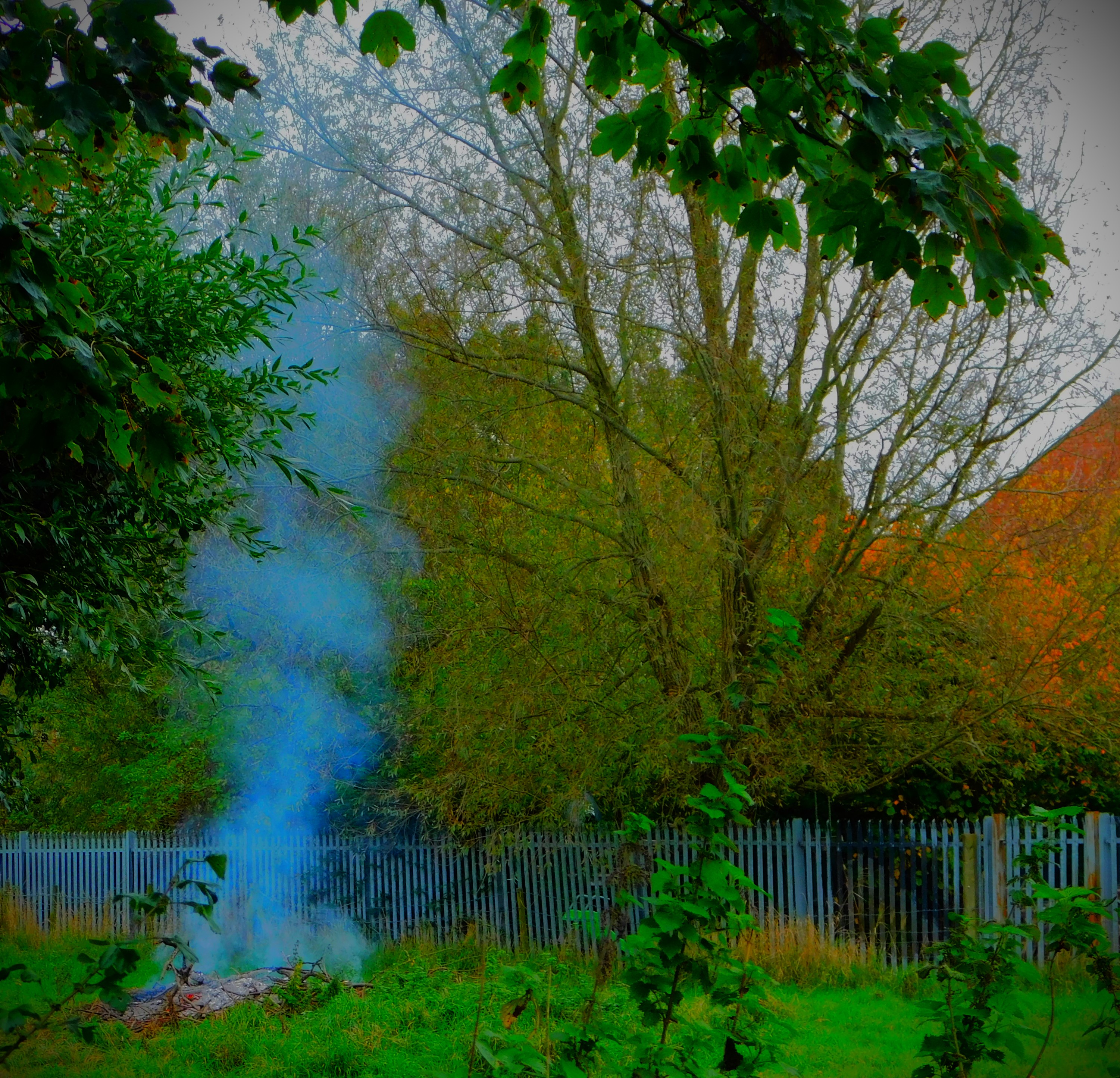
Deeply irresponsible by whoever set a fire here, so close to trees……and they did it again a day later/A muntjac paddling in Bawsey Drain.
A look at the early stages of England’s ODI tour of the West Indies and a photo gallery.
An England men’s white ball squad is currently in the West Indies for a three match One Day International series. This series has been arranged because England owe West Indies a favour dating back to 2020, when it was West Indies who travelled to play in England under stringent covid restrictions, and have not been able to repay it until now. This post looks at what has happened so far.
THE ENGLAND SQUAD
England travelled with a necessarily experimental squad, the multi-format players being required for the upcoming tour of New Zealand the start of which overlaps with this one.
ENGLAND’S CHOSEN XI
England named four debutants in the XI – Jacob Bethell, a batter who bowls a bit of left arm spin, Dan Mousley, enough of an off spinner to be described as a batting all rounder, Jamie Overton, making an ODI debut at the age of 30 and down to bat at number eight an known to not be fit enough to bowl, and John Turner, a fast bowler and number 11 batter. The side as a whole was inexperienced, with Adil Rashid, a leg spinner officially listed to bat at number ten, having more career ODI runs than any of his team mates. However, no degree of inexperience could excuse the horror show of a batting performance that was about to unfold.
FAILURE TO ADAPT
West Indies won the toss and put England in to bat. For all that is named in honour of an all time batting great and one of the first players to truly master the art of limited overs batting, the Sir Viv Richards Stadium rarely provides pitches on which batting is straightforward. On that basis one might argue that a total of 204 in 45.2 of a possible 50 overs was not a terrible achievement. However, it was the manner in which the innings developed that was so very disappointing. Virtually every dismissal was self inflicted, and the mistakes leading to those dismissals were all of the same type – essaying cross batted shots on a pitch on which hitting the ball straight was a necessity. One or two such dismissals could possibly be allowed for, but the collective failure/ refusal to adapt to the nature of the pitch was inexcusable. Liam Livingstone and Sam Curran batted best in a poor display, but neither could get as far as 40.
The West Indies was delayed by rain, and then interrupted again by more rain, but there was not enough rain to save England. Evin Lewis played a superb innings which put the ‘efforts’ of the England batters into sharp perspective.
A large part of the problem (and something that the ECB are to blame for) is that the best English white ball players only now play 50 over cricket in an international setting – the English domestic One Day Cup because of when it takes place is basically a tournament for second team and youth cricketers. Thus they approach the game with a T20 type mindset and rapidly become impatient if they are not scoring at high speed. The second match of this series takes place today, starting at 1:30PM UK time.
An account of today’s WBBL match (Hobart Hurricanes v Sydney Thunder) and a photo gallery.
Today’s match in the WBBL was between Hobart Hurricanes and Sydney Thunder.
THE HURRICANES INNINGS
Sydney Thunder won the bat flip and put Hobart Hurricanes in to bat. Lizelle Lee was out cheaply, but Danni Wyatt-Hodge and Nicola Carey had a good partnership for the second wicket, and then Elyse Villani offered Carey further support. At the halfway stage of their innings the Hurricanes were 64-2 and looking set for a big score. They took the Power Surge (in this competition sides get four overs of standard Power Play at the start of the innings and a two over Power Surge which must be taken in the second half of the innings) immediately, and scored 28 runs from the two overs. At 92-2 after 12 overs 170 looked to be possible and 160 to be no mare than par. Then came a horrendous collapse which started with the dismissal of Carey for a fine 52 and saw four wickets tumble for just 12 runs. Tabatha Saville batted well at number seven, and found some useful late support from Molly Strano, who scored 9 not out off just five balls. The spinners had fared far better than the seamers. Shabnim Ismail’s pace was ineffective, leaving her with 0-30 from four overs, while Hannah Darlington, thad a disastrous 2-0-28-0, although veteran Sammy-Jo Johnson went for just 19 from her four overs and took a wicket. Pick of the Thunder bowlers was left arm spinner Samantha Bates who had 3-20. Hurricanes had amassed 141-7 by the end of their innings, 92-2 off the first 12 overs and 49-5 off the last eight overs.
THE THUNDER REPLY
There are few better options when spin is going to be key than Molly Strano, and the Hurricanes entrusted her with the first over of the innings. The very first ball of the Thunder innings pinned Sri Lankan ace Chamari Athatpaththu who had earlier claimed 2-26 from four overs of off spin plumb LBW. Athapaththu was somewhat slow to leave the crease, but it was one of the plumbest LBWs you could ever see. Phoebe Litchfield survived the remaining five balls of the over, but was not able to score off any of them, thus giving Strano the first maiden of this year’s tournament. Kathryn Bryce, the Scottish all rounder who bowls medium pace, was given the second over and conceded 14, which ended her participation as a bowler. The third over was Strano’s second, and six runs accrued from it. Lauren Smith, another off spinner, bowled the fourth over, and Georgia Voll was dismissed, holing out to Chloe Tryon in the deep to make it 24-2. Tahlia Wilson and Georgia Adams fell for 3 a piece, off four and six balls respectively and it was 38-4 in the seventh over. Anika Learoyd now offered Litchfield, who was playing beautifully after her slow start, the only serious support she would enjoy all innings. Litchfield reached a magnificent 50 off 36 balls, but then suffered a remarkable dismissal – Heather Graham, a medium pacer, fired one wide of the stumps and Lizelle Lee executed a smart stumping. The delivery was signalled wide, but one can be stumped off a wide, and Litchfield had to go, making the score 91-5. Sammy-Jo Johnson, a big hitter on her day, fell cheaply to make it 96-6. Two runs later Nicola Carey effectively ended the contest by bowling Learoyd for 29 to make it 98-7. 44 runs of 5.4 overs is not difficult if you have front line batters available to score them, but when you down to numbers 8,9,10 and 11 it is a major ask. Ella Briscoe and Hannah Darlington added 10 runs together for the eighth wicket before Heather Graham ended what had been a horror day for Darlington by bowling her for four. That was 108-8, which immediately became 108-9 when a mix-up between Ismail and Briscoe saw Ismail suffer that rarity, a zero ball duck (run out 0, having not faced a ball). By this stage were Thunder were a long way behind the required run rate as well. Samantha Bates who had earlier bowled so well got a single, and Briscoe also added a single to her score before the last ball of the 18th over, bowled by Tryon with her left arm spin, clean bowled Bates to make 110 all out and victory to the Hurricanes by 31 runs. Other than Bryce’s single expensive over the most expensive Hurricanes bowler was Tryon with 2-19 from three overs for an ER of 6.33. Heather Graham had 3-19 from her full four overs. Nicola Carey, one of the two half centurions in the match and also the possessor of figures of 3-0-18-1, was named Player of the Match.
After the first 12 overs of this match had yielded 92-2 the last 26 produced a combined 159-15. Bryce in that one over apart the Hurricanes seamers had realized that pace on the ball on this pitch just asked to be hit and deliberately slowed themselves down.







































































































































































































































































































































































































































































































































































































































































































































































































































































































































 aspiblog