A look at the amazing tie between London Spirit and Oval Invincibles in The Hundred (women’s) which concluded jus before I started this post, a look at the England men’s squad for the upcoming series against Sri Lanka and a photo gallery.
This title refers to the extraordinary match in the Hundred (women’s) between London Spirit and Oval Invincibles. This was a very local derby – the home grounds of the two sides are less than five miles apart.
THE LONDON SPIRIT INNINGS
London Spirit batted first. Although Meg Lanning fell very early, bowled by Marizanne Kapp with just two runs on the board Spirit reached 30 for no further loss. At that point Kapp bowled Cordelia Griffith 19, and dismissed the other set batter, Georgia Redmayne the same way for 9 to make it 31-3. Ryana McDonald-Gay then bowled Dani Gibson for 2 to make it 34-4. 13 runs later, with the 50th ball of the innings and the last of her allocation of 20 Kapp claimed a fourth wicket, yet another clean bowled, this time Heather Knight for 6. She had also only conceded 11 runs from those 20 balls. Charlie Dean now provided Indian all rounder Deepti Sharma with some good support, before Amanda-Jade Wellington got through her defences to make it 72-6. Sharma and Eva Gray now shared the best partnership of the innings, before McDonald-Gay achieved the seventh clean bowled dismissal of the innings, getting through Sharma for a fine 44. The run of bowled dismissals ended when Sarah Glenn went for a big hit against Sophia Smale on the 98th ball of the innings and was caught by Mady Villiers. Smale then bowled Sophie Munro with the 99th ball of the innings and it was 111-9. Smale was denied a hat trick, and indeed Tara Norris scored two off the final ball of the innings to give Spirit a final total of 113-9.
THE INVINCIBLES REPLY
Both of the Invincibles experienced openers, Chamari Athapaththu and Lauren Winfield-Hill fell cheaply, and it was 14-2. Marizanne Kapp and Alice Capsey had an excellent partnership, adding 55 for the third wicket before Capsey was bowled by Sharma to make it 69-3. Paige Scholfield, Villiers and Wellington all went cheaply and it was 82-6, but Joanne Gardner and Kapp looked to have settled things when they advanced the score to 110. Kapp just missed out on a half century when Sharma bowled her, but with four runs needed from eight balls it did not look like much difference. However Ryana McDonald-Gay now played a dreadful innings, failing to score of any of her first five balls, finally accruing two of her sixth, the 98th ball of the innings, and then having a swing and a miss at the next. That suddenly meant that Invincibles needed two off one ball. McDonald-Gay did make contact with this and got through for one, but was run out coming up for the second, which meant the match ended in a tie. It was a point thrown away by the Invincibles, and Kapp, taker of 4-11 and scorer of 47 off 32 was a clear Player of the Match. Gardner had 16*, and had McDonald-Gay had the wit to take a single early in her innings would probably have been able to finish things. Scorecard here.
ENGLAND MENS SQUAD FOR SRI LANKA SERIES
Zak Crawley and Dillon Pennington have been ruled out of this series by injuries. Olly Stone has replaced Pennington in the squad. Of more moment given that Pennington did not play against the West Indies is the Crawley situation, and while Jordan Cox (once of Kent, now of Essex) has been added to the squad England are allegedly planning to bring in Dan Lawrence in place Crawley. On ‘next cab off the rank’ principles this is unarguable – Lawrence has done a lot of drinks waitering of late. However Lawrence has never opened in red ball cricket, and while many things done by Stokes and McCullum have worked beautifully for them this one does have a bit of a look of a ‘cunning plan’ about it, with the usual weakness of such plans! One possible solution within the confines of the announced squad is for Stokes to go in right at the top, with Jamie Smith and Lawrence occupying the number six and seven slots which ever way round one cares to have them (Smith generally bats above Lawrence for Surrey), which would leave numbers 2,3,4 and 5 in the order unaffected. Detailed look at the squad here.
A look at Birmingham Phoenix v Southern Brave earlier today and a large photo gallery.
There are two Hundred double headers today – at 11AM this morning Birmingham Phoenix women took on Southern Braves women, with the equivalent men’s game currently in progress. Meanwhile the women’s game between Trent Rockets and Welsh Fire is approaching the halfway stage. This post looks back the early match.
THE PHOENIX INNINGS
Brave came into this match without a win so far this season. An up and down batting performance saw Phoenix reach 137-7 from their 100 balls. The highlight was a half century from Amy Jones. Emily Arlott with 22 off 12 balls near the end was the only other Phoenix player to top 20. Best bowler for the Brave was 16 year old left arm spinner Tilly Corteen-Coleman with 2-22 from her 20 balls.
THE BRAVE REPLY
Smriti Mandhana made a racing start with the bat, and at 18-0 after 11 balls Brave seemed to be going well. Then came a truly bizarre passage of play, as three times in the space of seven balls Ellyse Perry had appeals for caught behind turned down on the field but given on review. The first one, to dismiss Mandhana was a slightly tricky one as there were two different noises, Mandhana’s bat hitting the ground, and then a teeny but later the ball hitting Mandhana’s bat. However both Maia Bouchier (0 off 2 balls) and Georgia Adams (2 off three balls) got big nicks, and in both cases the ball also deflected significantly after passing the bat). At 21-3 things looked bad for the Brave but then Danni Wyatt and Freya Kemp had a fine partnership, and at 89-3 Brave were looking in control. Charis Pavely then found the edge of Pavely’s bat, and for the fourth time Amy Jones took the catch. Three runs later came what proved the killer blow, Danni Wyatt going to catch by Fran Wilson off Hannah Baker for 43 to make it 92-5. Chloe Tryon and Naomi Dattani put on 21 together, but then Pavely struck twice in three balls, first trapping Tryon LBW and then finding the edge Rhianna Southby’s bat for Jones’ fifth catch of the innings. That was 113-7, and any slender hopes Brave might have had of this being their day would have finally vanished three runs later when Dattani edged Arlott to give Jones a sixth catch, making it 116-8. The two Laurens, Bell and Cheatle, cobbled together five runs for the ninth wicket before Cheatle was run out desperate going for a second to keep Bell on strike, and leg spinner Katie Levick then bowled Bell and Brave were all out for 121, beaten by 16 runs. Player of the Match was an easy decision in view of Jones’ half century and stellar work behind the stumps. Full scorecard here.
Today the Hundred features Oval Invincibles v Northern Superchargers. The halfway stage of the women’s match is almost at the halfway stage. This post looks at that match.
AUSSIES TO THE FORE FOR SUPERCHARGERS
The Superchargers are posting an impressive looking total. With three balls to go they are 143-4. This total has been dominated by two Australians. Phoebe Litchfield made an excellent 44, while Annabel Sutherland is still going well. The Sjuperchargers have ended with 146-4, Sutherland 63* (40), an innings that has included five fours and three sixes. Best bowler for the Invincibles has been Rachel Slater who has mysteriously not been given her full allocation of 20 balls – she has 2-11 from 15 balls. On Wednesday Ellyse Perry had a magnificent all round match with 66, 1-10 and a barely believable catch. Annabel Sutherland is a younger Australian all rounder, who like Perry bowls fast medium and is a fine fielder.
A look back at yesterday’s WT20I between England and New Zealand and a photo gallery.
Yesterday evening saw the fourth match of the WT20I series between England and New Zealand. The match was played at The Oval, where appropriately enough a new set of gates named after Surrey and England legend Natalie Sciver-Brunt were in use for the first time, having been unveiled the day before. This post looks back at the match.
THE PRELIMINARIES
Both teams made changes. In England’s case the changes were about preparation for the upcoming WT20I world cup in Bangladesh, in New Zealand’s case they were down to desperation. New Zealand won the toss and decided to bat first.
THE NEW ZEALAND INNINGS
New Zealand began steadily but somewhat slowly, ending the six over Power Play on 33-0. That was to be as good as it got for them. Leg spinner Sarah Glenn came on to bowl the seventh over and struck with her first ball, bowling Georgia Plimmer to break the opening stand. Two balls later the new batter Amelia Kerr hit a long hop straight into the hands of Capsey at short midwicket. A splendid inswinger from Dani Gibson accounted for Sophie Devine with the score on 40, and two runs later Ecclestone extended the sequence of international innings in which she has claimed at least one wicket to 34 by bowling Suzie Bates. The next to go was Brooke Halliday who gave Gibson an easy catch off Ecclestone. That was 52-5 and moved Ecclestone to joint third in the all time WT20I wicket takers list alongside Ellyse Perry of Australia. Ecclestone is 25 years old, Perry 33. Green and Gaze now shared the second best partnership of the New Zealand innings, before Green gave Gibson a catch off Glenn for 24 off 25 balls. Glenn then made it two wickets in an over for the second time of the evening when she hurried one through Jess Kerr to bowl her for 1. At 82-7 the Kiwis were utterly in the toils, and although Lea Tahuhu did her best to support Gaze they were unable to increase the scoring rate. The innings ended with Gaze being run out to give the Kiwis a final score of 103-8. Perhaps the single most damning stat relating to this sorry innings by the Kiwis is that Gaze with 25 off 24 balls was the only one of their batters to have an SR of above 100, which is not the sort of thing that wins many T20s at any level.
THE ENGLAND CHASE
New Zealand needed early wickets to have any hope of defending such a small total, and instead were greeted by a barrage of shots from Danni Wyatt and Sophia Dunkley. The opening stand yielded 54 before Dunkley departed for a 16 ball 26. That brought Capsey to the crease, and there was little slowing of the momentum. Amelia Kerr bowled Capsey with the last ball of the seventh over to make it 73-2, and off the first ball of the eighth Wyatt holed out to Fran Jonas off Eden Carson. That brought Sciver-Brunt and Knight together, and the pair looked comfortable all the way. The match ended when Sciver-Brunt on her home ground hit the second and third balls of the 12th over for fours to give England victory by seven wickets with 8.3 overs to spare. Sarah Glenn’s bowling performance deservedly secured her the Player of the Match award. The final match of this series takes place at Lord’s on Wednesday and it is hard to see any result other than another England win.
A look at developments in today’s world cup match between Pakistan and South Africa, a brief mention of this week’s auctions, and a photo gallery.
This post looks at developments in today’s match at the ODI cricket world, between Pakistan and South Africa. I was at work yesterday, which gives me the perfect excuse to draw a veil over England’s “effort” against Sri Lanka – all my knowledge of what happened in that match is second hand.
THE PRELIMINARIES
Pakistan were coming off a defeat at the hands of Afghanistan, while South Africa have been hugely impressive so far. Both sides made changes to the line up. Pakistan won the toss, and managed to get the next part right – they decided to bat first.
THE PAKISTAN INNINGS
Pakistan did not fare well at first, and when Babar Azam was out for 50 (65), his third such innings of the tournament, they were 141-5. However a good partnership between Saud Shakeel and Shadab Khan helped them to reach a final total of 270. Tabraiz Shamsi claimed four wickets with his left arm wrist spin and Marco Jansen three with his left arm pace. Pakistan’s total, while not great by modern ODI standards, looked enough to be defensible if they bowled well.
SOUTH AFRICA’S RESPONSE
South Africa have made a rapid start to their reply, but have also lost two wickets. The score at the moment is 110-2 after 16 overs, a position from which South Africa should prevail easily enough. However, Pakistan are notoriously unpredictable – it would be very like them to suddenly find form from nowhere and win this one.
AUCTION NEWS
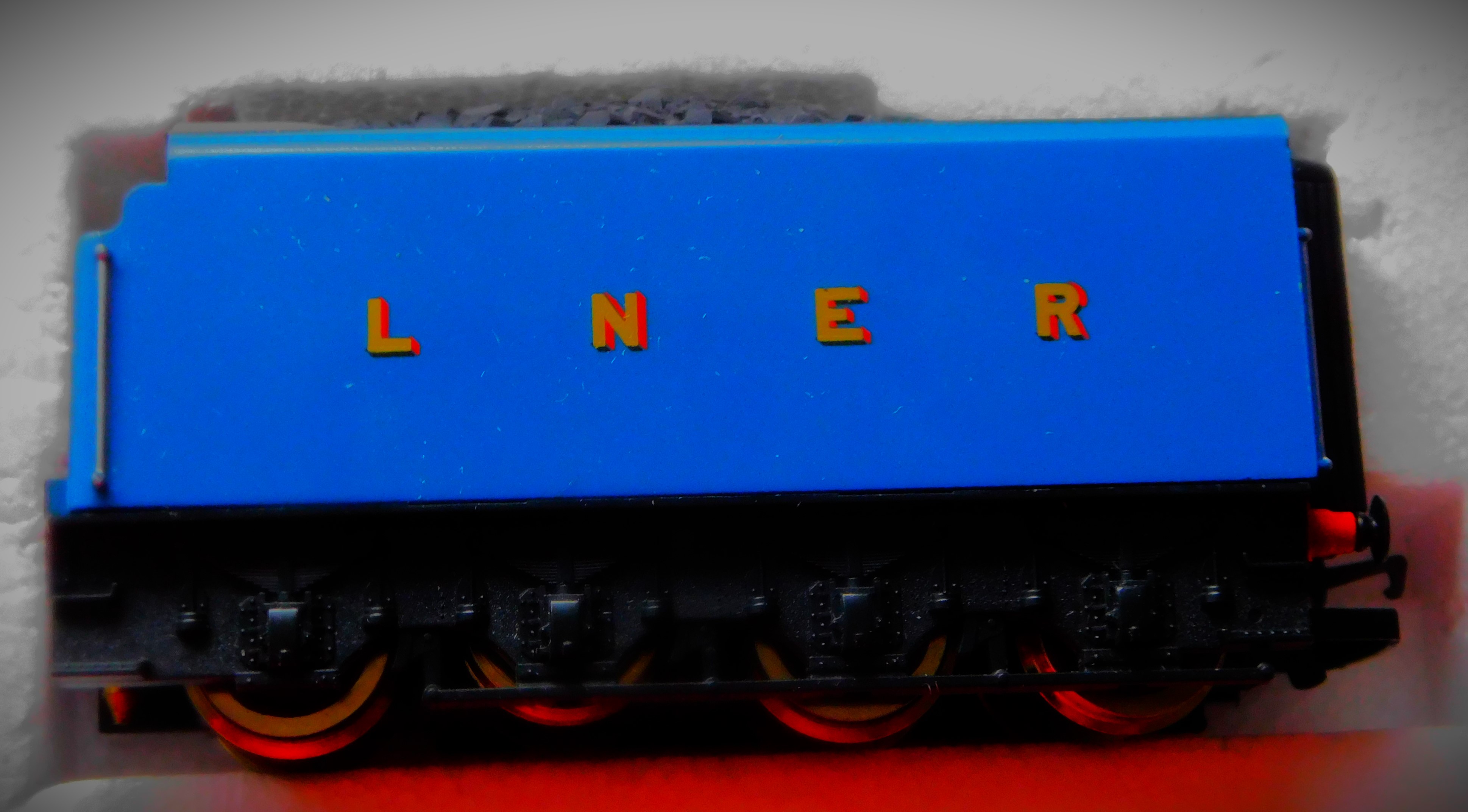
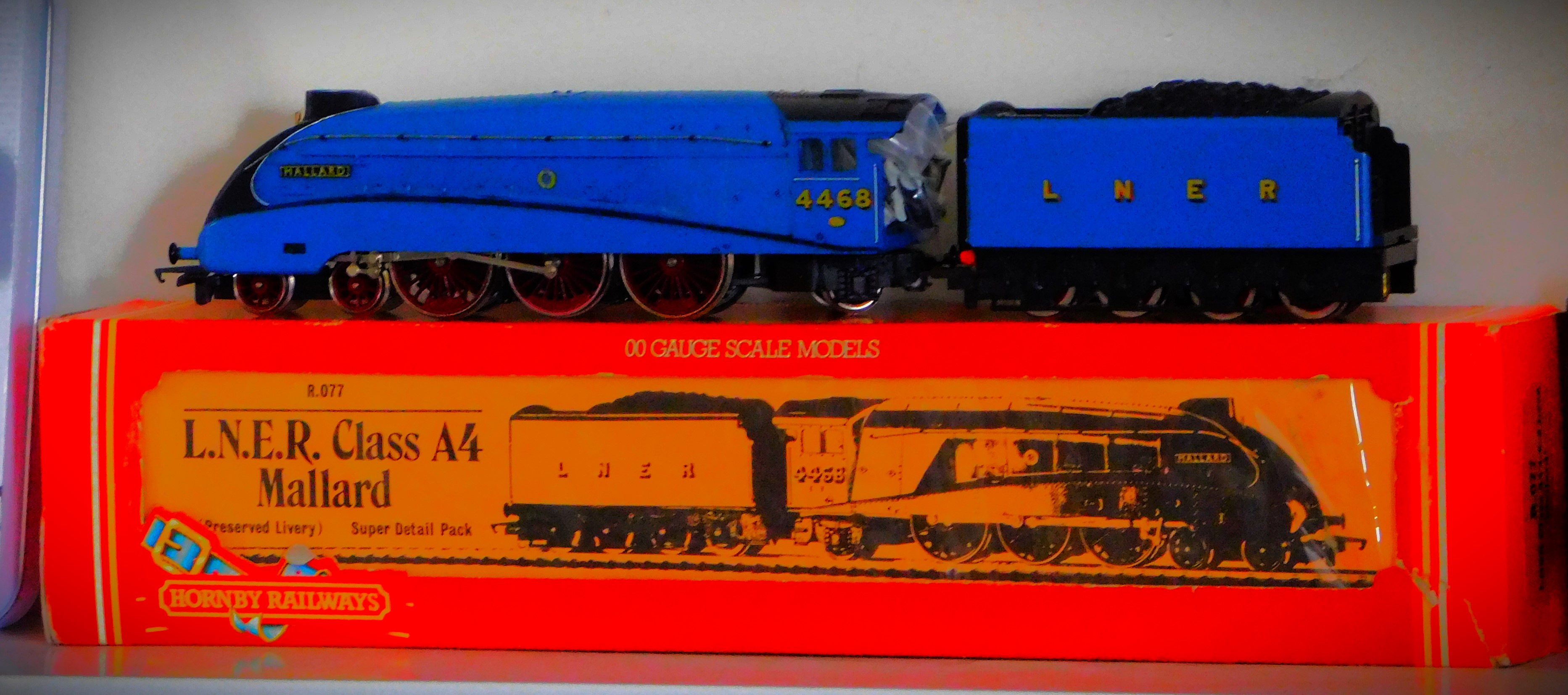
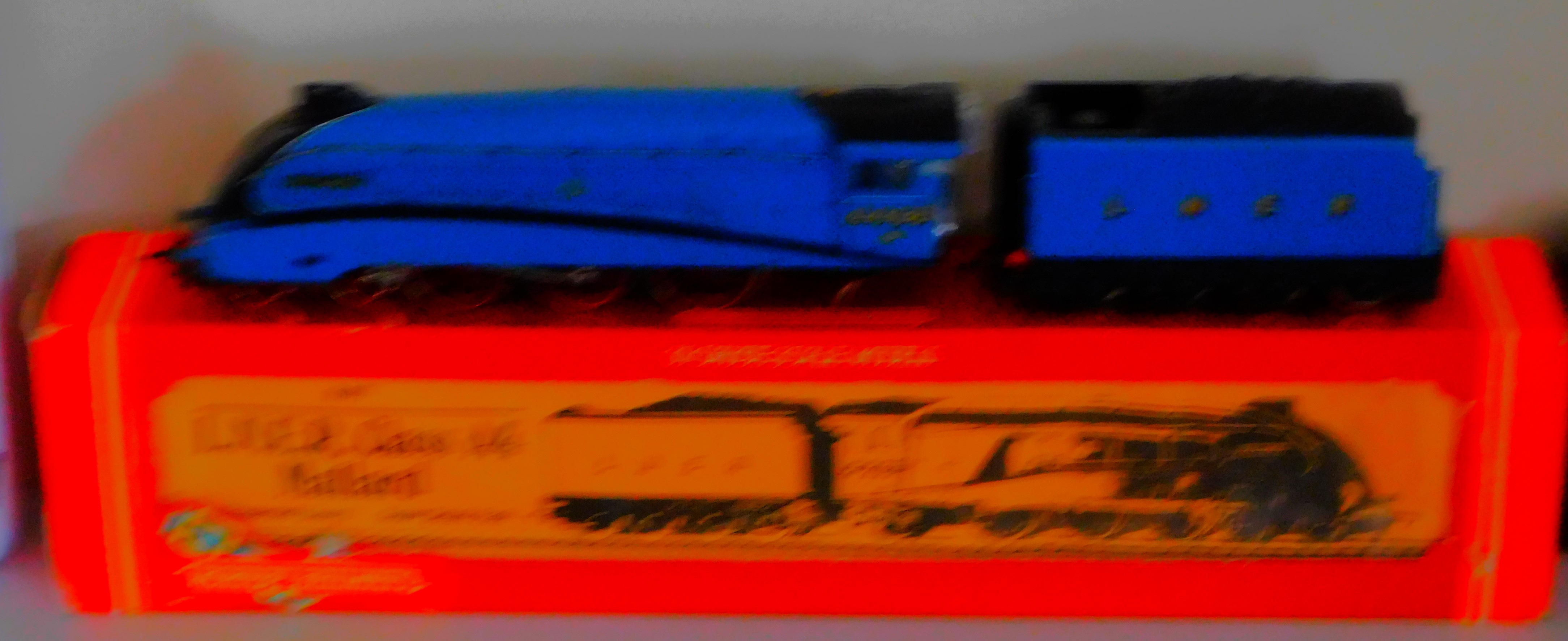
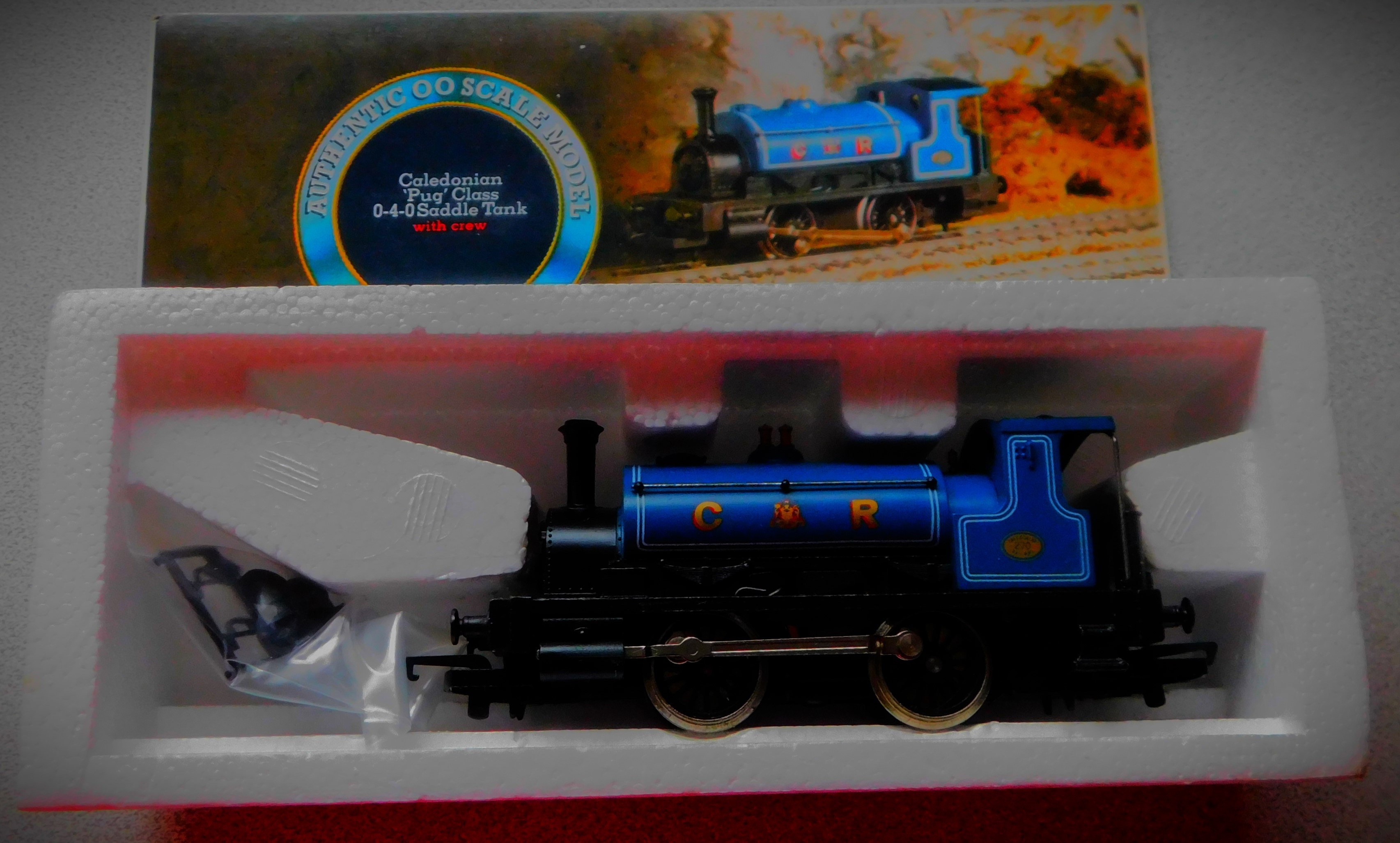
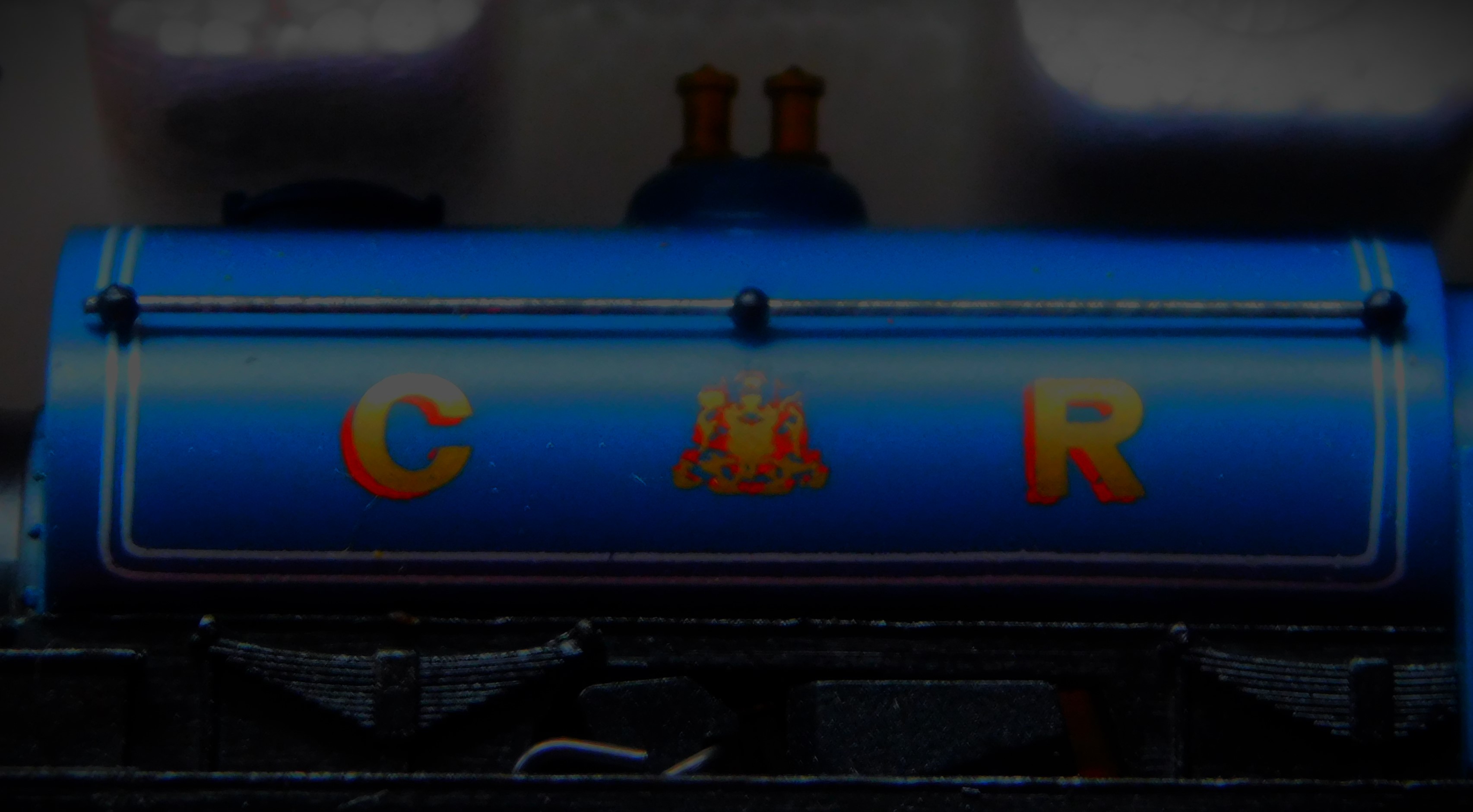
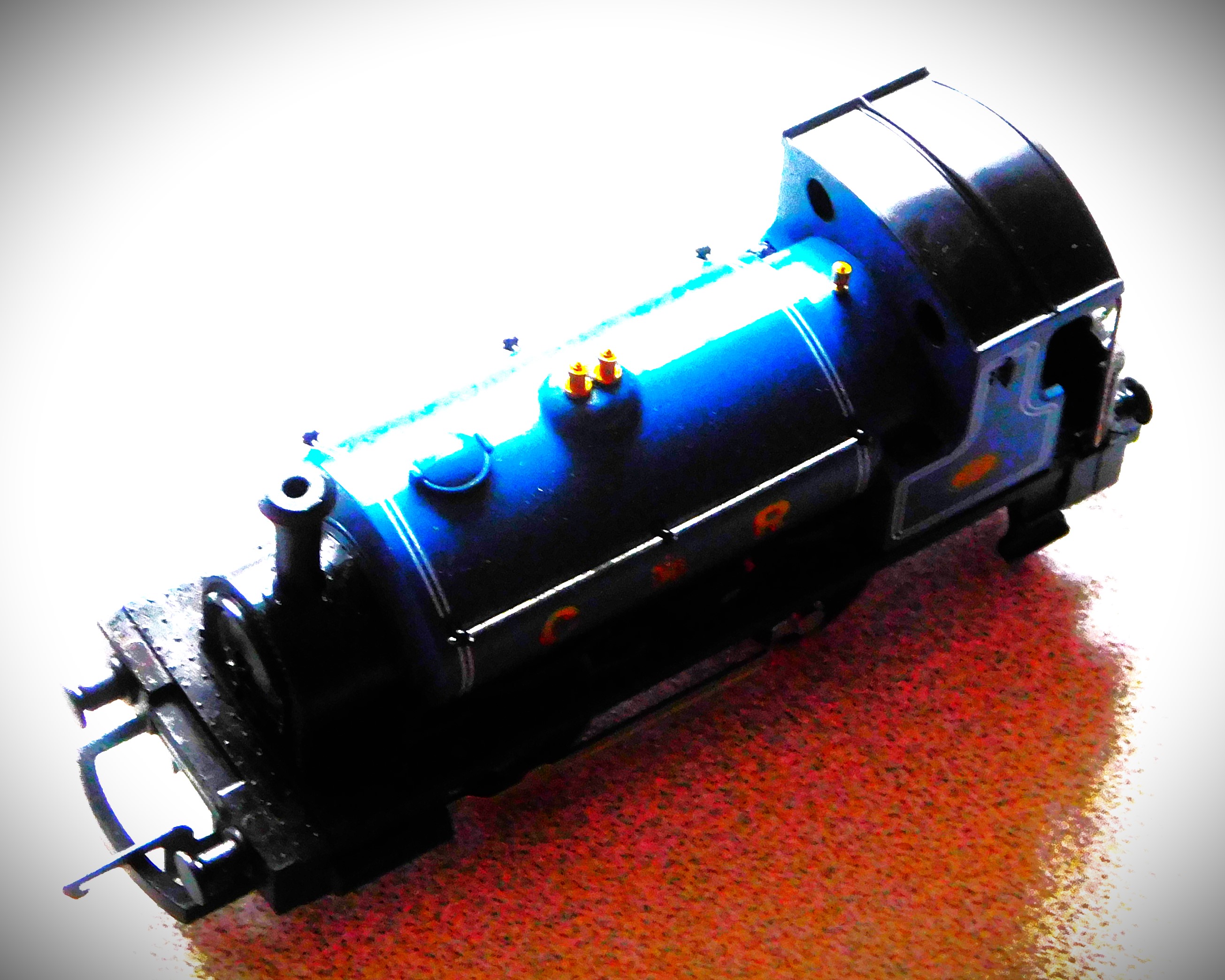
This week has been auction week for James and Sons. It has been a little bit chequered – the Militaria auction which should have been on Tuesday had to be postponed until today due to internet problems, while the Railwayana auction on Wednesday was very successful, though it did take a long time to get through. I managed to discipline myself to placing advance bids on two lots and opportunistically snapping up a third when it would have gone very cheap indeed otherwise. Here are the pictures I have taken of them since getting them home, save for one composite pic which serves as the feature image of this post.
The appositeness of this picture become apparent when you see……the first item I won, lot 640, a model of The Mallard, the locomotive the broke the speed record set by Flying Scotsman.On display.The one that I had not bid on in advance. I can imagine several Scottish lines over which this little engine could have run.
A look at recent developments in the ODI cricket world cup, and a very large photo gallery.
In this post I will look briefly at events yesterday, which all took place while I was at work and in today’s match between New Zealand and Bangladesh.
AUSTRALIA IN TROUBLE
Yesterday in the world cup Australia took on South Africa. I did not catch any of the match as Australia were so inept that it finished before I was home from work, with the proteas victorious by a thumping 124 runs. At the moment, with New Zealand and Bangladesh in action today every team has played two group matches, and Australia lie second from bottom having lost both of their matches and having a ghastly net run rate of -1.846. This effectively means that they need to win six of their last seven group matches to qualify, as their poor net run rate means that five wins and four losses will not be good enough for them to qualify. Four teams have won two out of two, South Africa, New Zealand, India and Pakistan and two others, England and Bangladesh have won one and lost one, while the other four, Sri Lanka, Netherlands, Australia and Afghanistan have lost both their matches.
BANGLADESH v NEW ZEALAND
A West Norfolk Autism Group committee meeting meant that I missed the whole Bangladesh innings. They managed 246 from their 50 over, which would not normally be expected to be a winning total. However Bangladesh are faring quite well in the field – New Zealand are 101-2 in the 22nd over. Bangladesh used to be over reliant on spin, but they have finally got some decent pace bowlers – in this match they have three specialists in that department, Mustafizur Rahman, Shoriful Islam and Taskin Ahmed, the last named being the quickest of the trio. Both the spinners in the XI, Shakib Al Hasan and Mehidy Hasan Miraz are genuine all rounders.
PHOTOGRAPHS
My usual sign off…
While I have been preparing this for publication New Zealand have advanced to 123-2 after 25 overs, meaning that they are precisely halfway to the target after precisely half of their overs.
An alliterative all time XI and a large photo gallery.
This variation on a favourite theme of mine features an XI all of whom have alliterative names. I have applied all my usual criteria for selecting a side of class and balance, and the biggest omissions will be explained after I have presented the XI.
THE XI IN BATTING ORDER
William Woodfull (right handed opening batter). An accumulator whose speciality was batting for long periods of time. He will combine well with the other opener.
Gordon Greenidge (right handed opening batter). The Barbadian was a stroke maker by inclination but was also capable of batting for long periods when needed.
Richie Richardson (right handed batter). A test average of 45 maintained over a long career gets him in.
Steven Smith (right handed batter, occasional leg spinner). The best test batter of the modern era.
Saud Shakeel (left handed batter, occasional leg spinner). Currently establishing himself at the highest level, having very recently scored a test double century.
Mulvantrai ‘Vinoo’ Mankad (right handed batter, left arm orthodox spinner). A very fine all rounder, he reached the test double of 1,000 runs and 100 wickets in 23 matches, a record beaten only by Ian Botham (21 matches).
*Frank Foster (right handed batter, left arm fast medium bowler, captain). His test averages were the right way round – 23 with the bat, 20 with the ball, and if the former figure looks on the low side for a number seven, he was also the first Warwickshire player ever to score a triple century. I have named him as captain because he also skippered Warwickshire to their maiden county championship title in 1911. The vice-captaincy would be a toss up between Woodfull and Richardson, with Smith ruled out of any sort of leadership position given how his tenure as Aussie skipper ended.
+Ben Barnett (wicket keeper, left handed batter). In the era in which he played precisely one regular keeper had a test average better than his 27 – Leslie Ames of Kent and England who averaged 40 with the bat in test cricket.
Malcolm Marshall (right arm fast bowler, right handed batter). One of the greatest fast bowlers ever to play the game and a useful lower order batter to boot.
George Geary (right arm medium-fast bowler, right handed batter). Two Ashes winning moments on his CV and the second cheapest all-ten in FC history (10-18 for Leciestershire v Glamorgan) as well.
Muthiah Muralidaran (off spinner, right handed tail end batter). 800 test wickets, and for those who point to Zimbabwe and Bangladesh among his victims, 624 of his 800 wickets came against teams other than these, and he paid 24 a piece for those wickets – his average against all teams other than Bangladesh and Zimbabwe was better than Warne’s against all comers.
This side has a powerful top five, great all rounders at six and seven, a keeper who could bat, and three great bowlers, two of whom could contribute with the bat to round out the order. Malcolm Marshall and Frank Foster with the new ball, Geary as third seamer and Muralidaran and Mankad as front line spin options is an attack that should take 20 wickets on almost any surface.
HONOURABLE MENTIONS
Colin Cowdrey is the biggest name among qualifiers that I have left out, but I wanted at least one of my front line batters to be left handed, and Shakeel was the obvious solution. Gautam Gambhir might have had an opening slot in place of Woodfull. William Mervyn Wallace of New Zealand did well in the few tests that he got to play, but he always went by ‘Merv’, a shortening of his second given name. Deandra Dottin of West Indies Women could not be accommodated in the XI, but merits an honourable mention. Ben Brown and Chris Cooke both have good county records as keeper batters, but have never been picked at the highest level, while Richie Robinson of Australia was not the keeper that his compatriot Barnett had been, though he was a finer batter – as regular readers know I prioritise keeping, and a side with Geary due to come in at 10 cannot be described as short of batting. George Giffen was a great all rounder, but given his bowling style had I picked him instead of Mankad I would have had to pick Bishan Bedi instead of Muralidaran and my contention is that Murali and Mankad would be a better spin pairing than Bedi and Giffen. George Garton, a left arm fast bowler, might have his advocates, but Foster was proven at the highest level which Garton isn’t, and also I wanted Foster as captain. Picking legendary 19th century speedster John ‘Foghorn’ Jackson over Geary would have increased the pace of the attack, but he benefitted from bowling on pitches that were often so rough that he didn’t have to do more than bowl fast and straight (he played in the era immediately before WG). Two county fast mediums deserve a mention but not a place in the XI: Brian Brain and Tim Tremlett (father of Chris, son of Maurice). Paul Parker’s batting does not justify picking him, but he would be this XIs designated fielding sub.
DISQUALIFICATIONS
Two players who would otherwise have merited consideration were disqualified for going on rebel tours of apartheid South Africa: Graham Gooch and Colin Croft.
A look at development’s in the men’s Ashes as we wait for play to get underway on day four at Old Trafford.
Today is Early Music Day at the Lynn Festival (will be blogging about this in due time), and I am making use of the long break between the first and second concerts (the second and third are basically back to back, with insufficient time between the end of one and the start of the other to come home) to keep an eye on the cricket should there be any developments at all today and to post this.
THE MEN’S ASHES – THE STORY SO FAR
Australia won the first two matches, though England had good chances in both, and could blame poor catching, especially by Bairstow behind the stumps, for the fact that they were not at least 1-1. England won a thriller at Headingley, with Harry Brook scoring a vital 75 in the final innings. That brings us to…
THE FOURTH MATCH – OLD TRAFFORD
Penultimate matches of Ashes series at Old Trafford include 1896 (2nd match of a 3 match series, Australia won by three wickets after England staged a remarkable but unavailing fightback – Ranjitsinhji on test debut conjured 154* after England were made to follow on, which meant Australia needed 125 to win, and fast bowler Tom Richardson narrowly failed to pre-empt Bob Willis’s Headingley heroics by 85 years, taking 6-76 as Australia limped over the line), 1902, when an Australian win by three runs gave them the Ashes, “Laker’s Match” of 1956, when the off spinner’s 19-90 in the match gave England victory by an innings and 170 runs and guaranteed retention of the Ashes for them, 1981, when a blazing Botham century set up victory by 103 runs which guaranteed England a series win and retention of the Ashes, and on the debit side of the ledger the bore draw of 1964 when Aussie skipper Simpson, knowing that a draw was enough for his side, literally ensured this off his own bat, occupying the crease until the third morning as Australia scored 656-8 declared (Simpson 311), England then scoring 611 to utterly kill the game.
Australia blatantly selected their side for this match with a draw in mind – they picked no specialist spinner and had two seam bowling all rounders and keeper Carey batting at number eight. England, rather than bringing in any new played had Moeen Ali officially at number three, Bairstow continuing as keeper and an 8-11 of Woakes, Wood, Broad and Anderson. England won the toss and put Australia in. The pitch proved better for batting than either side had reckoned on, and Australia’s 317, lasting just into the second day, was a definite underachievement by them. Woakes was the bowling star with five wickets. England took the bull by the horns, and it was that rarity, Crawley’s day. The Kent opener rode his luck to score a very rapid 189, backed by good performances from Ali and Root. Bairstow became the second Yorkshireman with a surname beginning with B to score 99* in a test match, as Anderson was pinned LBW before he could reach the landmark. Bairstow’s knock took a mere 81 balls, rather a contrast to the other 99* by a Yorkshire ‘B’, Boycott’s knock at Perth in the 1979-80 mini-series. England had tallied 592, a first innings advantage of 275. Wood came to the party in Australia’s second innings, claiming three wickets as Australia closed the third day on 113-4, still 162 adrift of making England bat again. There has been no play so far today, as Old Trafford’s tutelary deity, Jupiter Pluvius, has put in an appearance. There is a pitch inspection happening as I type this. The last two covers have just come off, much to the disgruntlement of the Aussies, who were hoping for today to be entirely washed out (they are looking and playing like a side who are mentally shot, and their attitude to the covers coming off is further indication of that). If the rain holds off, play will commence at 2:45PM.
PHOTOGRAPHS
Before my usual sign off, here one year on from its creation is a link to my all-time Ds XI.
An apology, a look at the last two matches of the Women’s Ashes, a team of that series and lots of photographs.
This post focuses mainly on the women’s Ashes series which concluded yesterday evening. However, before I get into the main meat of the post there is one necessary item to attend to…
A CORRECTION
On Monday I reblogged my All Time G’s XI to coincide with the 175th anniversary of the skipper’s birth. I was guilty of inattention – the anniversary day, and the date of the original post was of course July 18th, not July 17th. I should have done a proper post on Monday and reblogged the Gs on Tuesday. Here are some of a bountiful recent harvest of photos…
THE LAST TWO MATCHES OF THE WOMENS ASHES
Australia secured retention of the Ashes by winning the penultimate ODI on Sunday by three runs. Australia posted 282, 26 of them off the final over of the innings, bowled by Lauren Bell. England fought hard in response, with Natalie Sciver-Brunt scoring a superb century. She was on strike for the final ball of the innings, off which England needed six to win or four to tie. Unfortunately she could only manage a single.
While England could no longer win the Ashes they could draw the series by winning the last match, which took place at Taunton yesterday. England batted first, and with Sciver-Brunt hammering another century, her seventh in ODIs, four of which have come against Australia they reached 285 from their 50 overs. Rain intervened after 19.2 overs of the Australian innings, and the DLS adjustment left them needing 171 of24.4 overs. They never really looked like getting them, and England eventually won by 69 runs, to level the multi-format Ashes series at 8-8. They also became the first team win an ODI series against Australia in a decade, and had won four of the seven matches overall, the 8-8 score line being caused by the test match carrying double points. Although Australia keep the Ashes it is England who are the happier side – they have a lot of very talented cricketers who now know that they can go toe to toe with Australia.
Time for a second photo gallery…
A COMPOSITE WOMENS ASHES XI
This is my team of the series:
Tammy Beaumont (England, right handed opener). A double century in the test match, a major contribution in the first ODI.
Beth Mooney (Australia, left handed opener). Made a lot of significant contributions in all formats.
*Heather Knight (England, right handed batter, occasional off spinner, captain). Had a fine series, and given the respective resources at their disposal I would reckon that tying the series is a greater achievement for her as captain than it is for Healy.
Ellyse Perry (Australia, right handed batter, right arm fast medium bowler).
Natalie Sciver-Brunt (England, right handed batter, right arm medium fast bowler). Even if she had done nothing else in the series (which is far from the case), those back to back centuries in the last two matches would be enough to justify her inclusion.
Annabel Sutherland (Australia, right handed batter, right arm fast medium bowler). The 137* in the test match was the highlight of her series, but she contributed with both bat and ball all the way through the series.
+Amy Jones (England, wicket keeper, right handed batter). Her opposite number didn’t have a great series (perhaps the triple role of captain, keeper and opener is simply too much – Alec Stewart struggled when he had the triple role), while she did. The greatest moment of her series came last night when she pulled off a miraculous stumping off the bowling of Sciver-Brunt.
Ash Gardner (Australia, off spinner, right handed batter). Her eight-for to win the test match would qualify her all on its own, but she had other moments in the limited overs matches as well.
Alana King (Australia, leg spinner, right handed lower orderbatter). This one was a tough call, with Georgia Wareham the challenger. However, I refuse to fill a bowling position based on lower order runs, so King gets the nod.
Sophie Ecclestone (England, left arm orthodox spinner, right handed lower order batter). A heroic effort in the test match, a good T20 series, and her bowling was crucial to England’s success in the final ODI.
Kate Cross (England, right arm fast medium bowler, right handed lower order batter). With Katherine Sciver-Brunt retiring she became the de facto leader of England’s seam attack, and she did her job superbly in this series.
This side has a superb batting line up, four genuinely front line seamers (Cross, Sutherland, Perry, Sciver-Brunt), three great and contrasting spinners, a fine captain and a superb keeper.
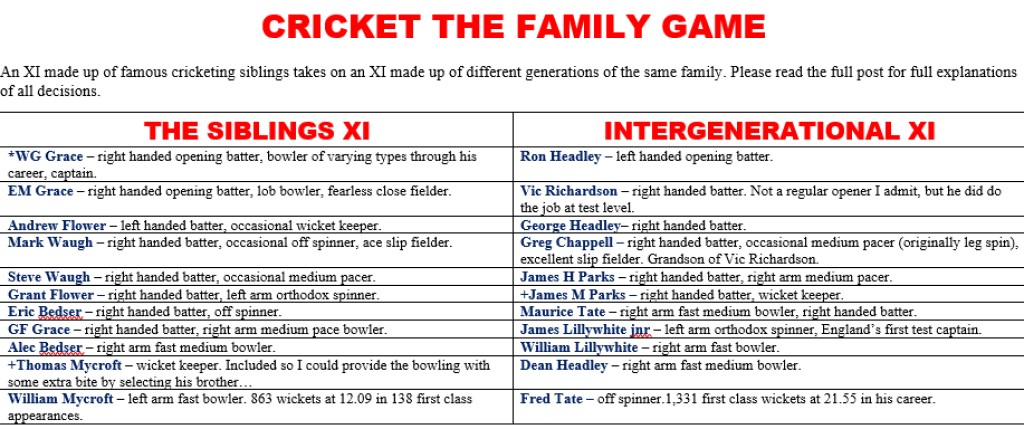
Today’s all time cricket post looks at cricketing families – an XI of siblings takes on an intergenerational XI. Please note the requirement that at least two members of each selected family feature in the team.
INTRODUCTION
For today’s all time XIcricket post we are looking at cricketing families. A team made up of groups of siblings do battle against an intergenerational XI. There are a number of famous cricketing families I could not include – I set myself a rule of including at least two members of each chosen family – not just select one and name their cricketing relations.
THE SIBLINGS XI
*WG Grace – right handed opening batter, right arm bowler of varying types through his career, captain. The way to get round 11 being an odd number when selecting a team of siblings is to pick one group of three siblings, and fortunately there is a darned good such grouping readily available. His test batting average was only 32.29, but he made his debut at the age 32 and played on at that level until he was almost 51 – had the first test in England been in 1870 rather than 1880 his record would have been considerably better. He won eight of his 13 tests as captain, and all 13 of those matches were against the oldest enemy.
EM Grace – right handed opening batter, lob bowler, fearless close fielder. Seven years WG’s senior, that inaugural test in England was his only one, and he shared an opening stand of 91 with his brother in the first innings thereof. England would probably have fared better in the 1882 match that inaugurated the Ashes had he been present in place of AN Hornby. Before WG’s rise overshadowed everyone else EM had been regarded as a phenomenon.
Andrew Flower – left handed batter, occasional wicket keeper. He averaged over 50 in test cricket (see my ‘Minor Nations’ post from Monday), and makes a good selection for the critical number three slot, especially since other considerations prevented the use of the only other sibling to have been a really good test no 3, ‘Chappelli’.
Mark Waugh – right handed batter, occasional off spinner, ace slip fielder. The first of two pairs of twins to make their appearances in this XI. He announced his presence at the highest level (selected in place of his brother!) with a scintillating 138 against England and went to establish a superb record.
Steve Waugh– right handed batter, occasional medium pace bowler. He was first picked in 1985 at the age of 20 as a ‘bowling all rounder’, but it is his batting that gets him in – he averaged over 50 at the highest level, and that after taking 27 matches to reach his first century (177 not out at Headingley, as Australia, put in by England skipper Gower cashed in on an ‘attack’ comprising four medium pacers to the tune of 601-7 declared). He would be vice captain of this side.
Grant Flower – right handed batter, occasional left arm orthodox spinner. Andrew’s younger brother, averaged just over 40 in test cricket.
Eric Bedser – right handed batter, off spinner. His averages are just the wrong way round – 24.00 with the bat, 24.95 with the ball (833 first class wickets in total), and he is the first of three members of the XI not to have played test cricket.
GF Grace– right handed batter, right arm medium pace bowler. In his case his sudden death from a freak illness prevented him from having a better record – he was 29 years old and just two weeks previously had played in the inaugural test in England, and had there been such a thing in 1880 his catch to dismiss George Bonnor would have been a shoo-in for the ‘Champagne Moment’. He averaged 25 with the bat and 20 with the ball, and the former figure puts him on a par with Richard Daft, rated no2 to WG Grace in the 1870s, GF’s decade.
Alec Bedser – right arm fast medium bowler, useful lower order batter. Eric’s identical twin brother – and they used to wear identical clothes as well apparently. Because they considered playing for separate counties unthinkable they tossed a coin for who would stick to medium pace, and who would work on batting and off spin, and Alec won. There is a story that once in a benefit match Eric finished an over that Alec had started, and no one noticed the substitution, which suggests that Eric remained quite useful as a medium pacer.
+Thomas Mycroft – wicket keeper, right handed batter. The most obscure of my choices, but he did average almost three dismissals a game in his brief first class career, and his presence enables me to give some much needed punch to the bowling by selecting his brother…
William Mycroft – left arm fast bowler. 138 first class matches, 863 wickets at 12.09 each, and hopefully a suitable new ball partner for Alec Bedser.
This team is strong in batting, and the three Graces plus Eric Bedser should between them be able to provide sufficient bowling back up to the new ball pairing of Mycroft and Eric Bedser.
OTHER POSSIBILITIES
I might have opted for a new ball pairing of half brothers, Fidel Edwards and Pedro Collins, with Alec Bedser coming on first change, but that could only have been done by giving Andrew Flower the gauntlets and dropping the Mycrofts, and I prefer my no3 not also have to keep wicket. Although both captained England neither Arthur nor Harold Gilligan had a record to merit inclusion, and I certainly could not accommodate both. The Pitheys of South Africa were good rather than great. John and Hugh Trumble and Richie and John Benaud were two pairings that each had one weak link and so could not be accommodated. Johnny and Ernest Tyldesley were also in the mix, but would you drop either the Flowers or the Waughs for them? Richard and Dayle Hadlee could also have been picked to share the new ball, using the same method as for Edwards and Collins.
INTERGENERATIONAL XI
Ron Headley – left handed opening batter. The Headleys provide three members of this side. He opened for Worcestershire for many years, although his two matches for the West Indies were not a great success.
Vic Richardson – right handed batter. He was not an absolutely regular opener, but he did do the job at test level. We shall meet one of his grandsons at no4 in this order.
George Headley – right handed batter. Averaged 60.83 in test cricket, and no3 was his regular position. The first of the family to play top level cricket.
*Greg Chappell – right handed batter, occasional right arm medium pace (started as a leg spinner), excellent slip fielder, captain. Averaged over 50 in test cricket, one of three grandsons of Vic Richardson who all played test cricket.
James H Parks – right handed batter, right arm bowler. The only player ever to have scored 3,000 runs and taken 100 wickets in the same first class season.
+James M Parks – right handed batter, wicket keeper. Son of James H Parks, a fine batter/ keeper for Sussex, and had today;s attitudes to selecting keepers existed in the 1960s he would have played many more times for England in that role than he did.
Maurice Tate – right arm fast medium bowler, right handed lower middle order batter. One of the greatest of all bowlers of cutters, and the first bowler to be able to use the sea fret at Hove to facilitate movement in the air.
James Lillywhite jnr– left hand batter, left arm orthodox spinner. England’s first test captain; 1,210 wickets at 15.12 in first class cricket. Nephew of…
William Lillywhite – right arm fast roundarm bowler. Known as the ‘nonpareil’ such was his superiority to other bowlers of his era.
Dean Headley– right arm fast medium bowler. The third of the Headley family trio, he played for England and would have had more success had he not been plagued by injuries.
Fred Tate – off spinner, good close fielder. His one test appearance, coming late in his long career, was undistinguished, but 1,331 first class wickets at 21.55 confirms that he is not just here to get his son into the side.
This side has a solid batting line up, and the bowling looks adequate, albeit that Fred Tate is the only front line spin option.
OTHER CRICKETING FAMILIES
Sussex have a grand tradition of cricketing families, as the above team shows – and I did not include the two members of the ruling family of Nawanagar, ‘Ranji’ and ‘Duleep’. The Tremletts produced three generations of first class cricketers, but accommodating all three would have been a challenge. Chris Broad would have been preferable to Ron Headley as opening batter, and Stuart preferable to Dean as a bowler, but if I had made that call I would have had to drop George Headley, and likewise dropping Vic Richardson would have necessitated dropping Greg Chappell. The Cowdreys are the only cricketing family to have produced four successive generations of first class cricketers, but of them all only Colin was truly top class. I would have liked to include the D’Oliveiras but to do so I would have to have found room for either Damian or Brett, so Basil missed out. Charles Townsend, the Gloucestershire leg spinning all rounder would have been useful, but I would have to had to find a place for either his father Frank or his son David, neither of whom were genuinely top class. I could have selected Jonny Bairstow as a batter and David as a keeper in place of the Parkses, but considered JH’s bowling to be a valuable asset. Perhaps the biggest miss caused by my criteria of demanding at least two members of each family feature was Denis Compton, but that would have necessitated finding space for his grandson Nick. The Gunns of Nottinghamshire also missed out. Billy Quaife would have been a solid opener, but I would have had to accommodate his son Bernard, less good, as well. The Quaife’s once faced up as opening batters to Billy and Robert Bestwick, likewise related, but again Robert Bestwick would not have been worth his place. Len Hutton would have strengthened the batting, but accommodating his son Richard would have been a challenge, while the same applies even more strongly to Herbert and Billy Sutcliffe. The great-grandfather/ great-grandson pairing of William Cooper and Paul Sheahan obviously appealed, but neither were really of the highest class. Richard Hadlee missed out because there was no way to accommodate his father Walter. Vinoo Mankad was another in this mix, but again his son Ashok was not good enough to warrant a place. Had I been willing to forego Greg Chappell I could have had an adhesive opening pair of Hanif and Shoaib Mohammad.
THE CONTEST
The contest for the ‘Cowdrey-Tremlett trophy’ (honouring two of the great cricket dynasties) would be a good one, with a splendid contest within a contest between Alec Bedser and Maurice Tate at the heart of it. I think the better balance of the intergenerational side just gives them the edge.
PHOTOGRAPHS
Time for my usual sign off:
Butterflies will soon be in evidence…
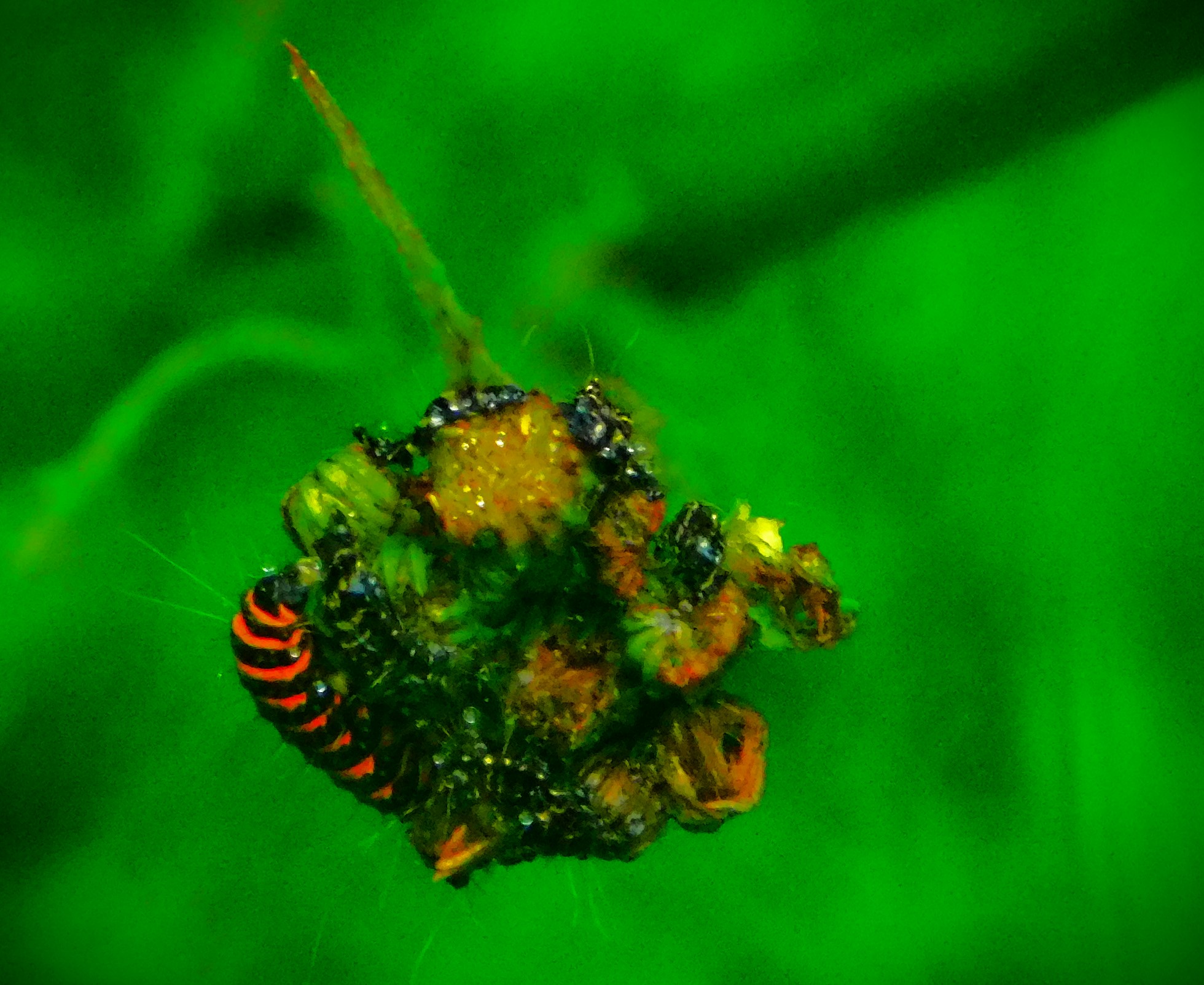
…a caterpillar dozing on a leaf
Two caterpillars visible in this shot…
…this one and…
….this one.
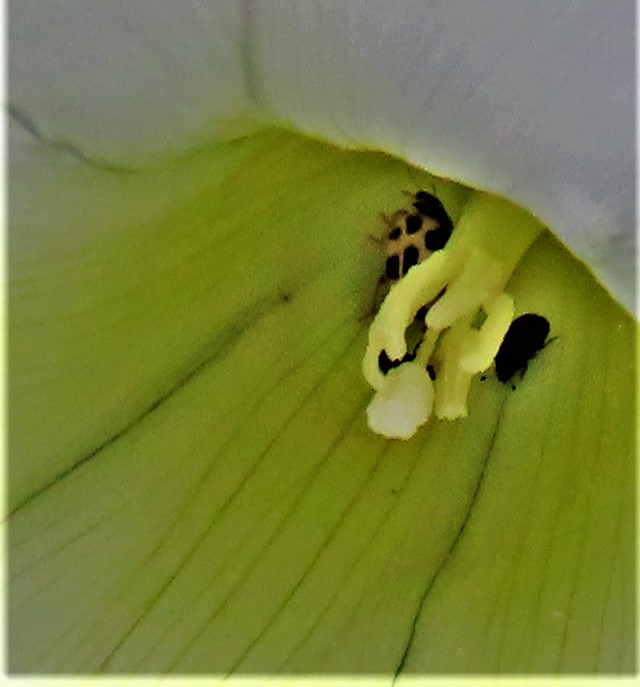
A flower that lures…
…bugs like this one…
…to their dome – besides the one I was focussing on, which crawled in but was not going to be getting out any time soon you can two other bug bodies in there.
This bee has a large load of pollen.
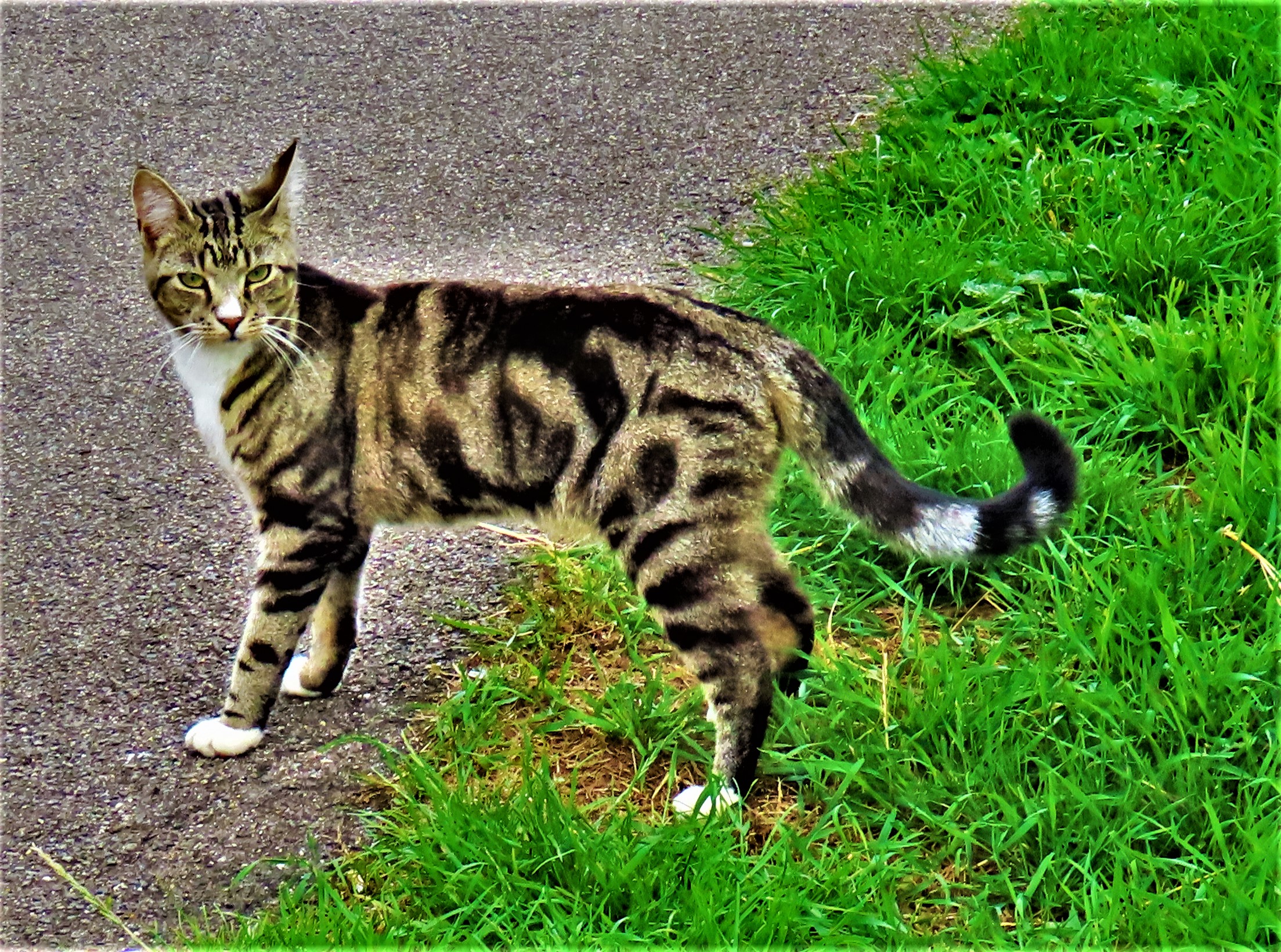
A flick of a dark coloured tail caught my attention, but it was merely an adventurous young cat…












































































































































































































































































































































































































































































































































































































































































































































































































































 aspiblog