All Time XIs: Greenery

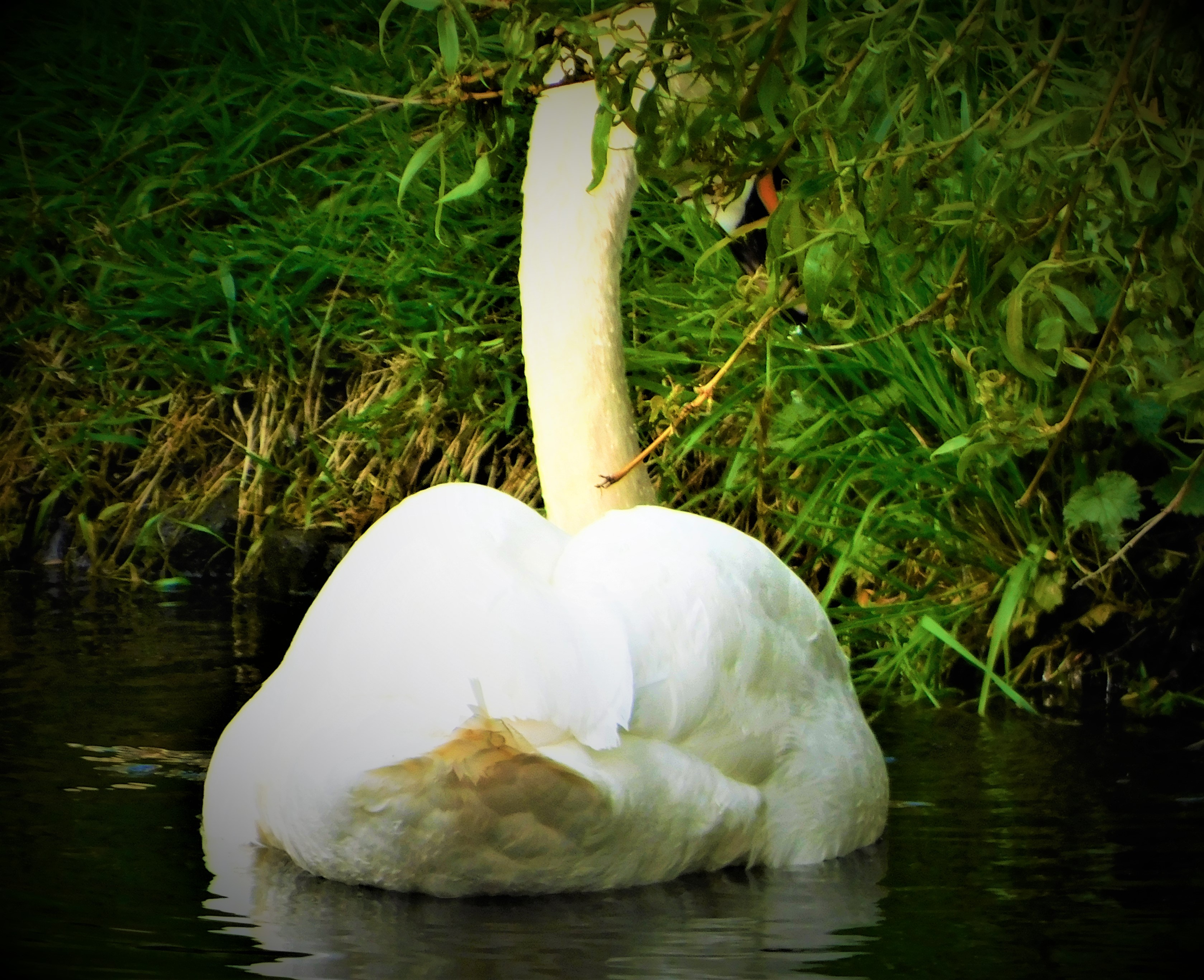
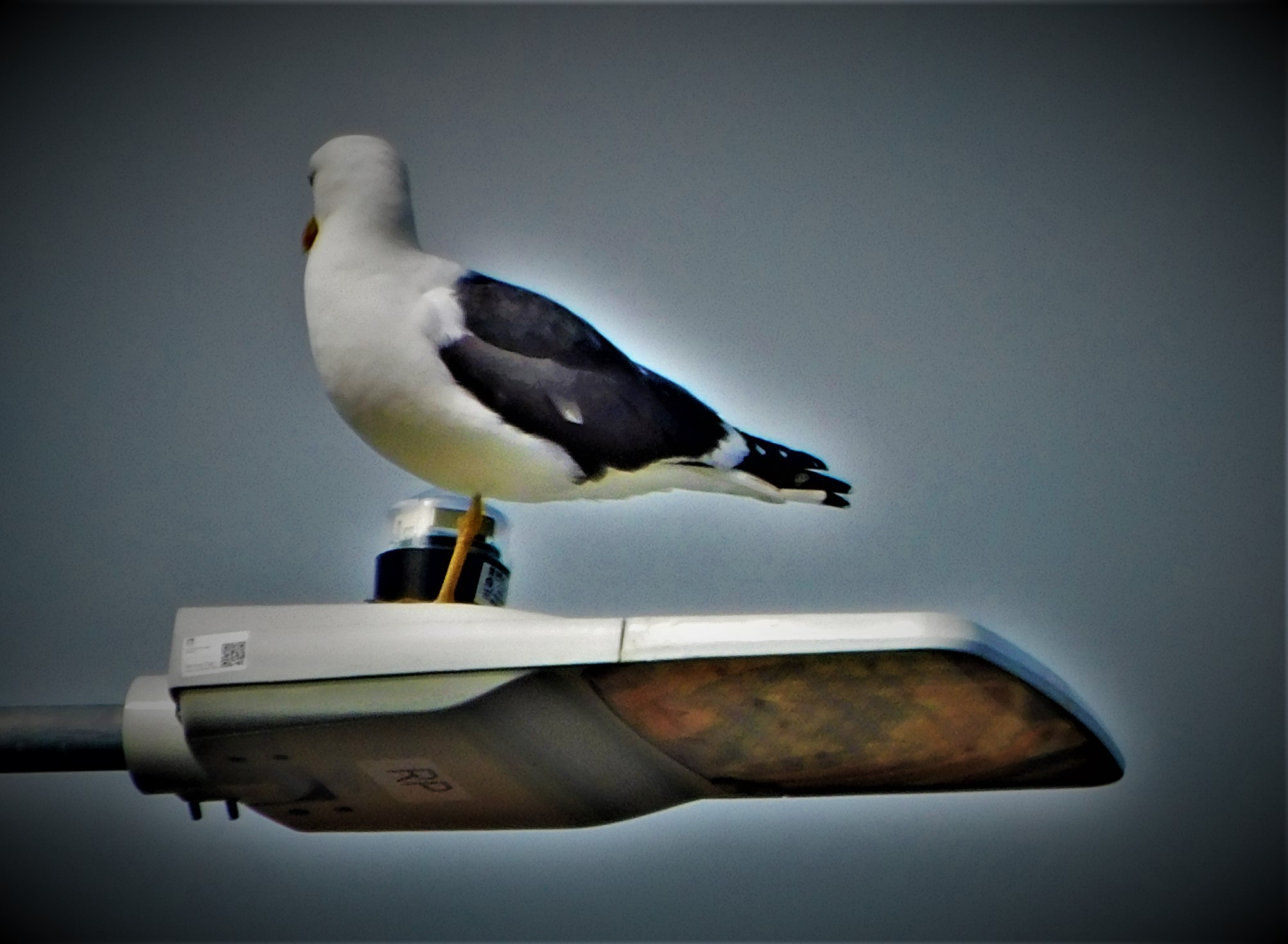
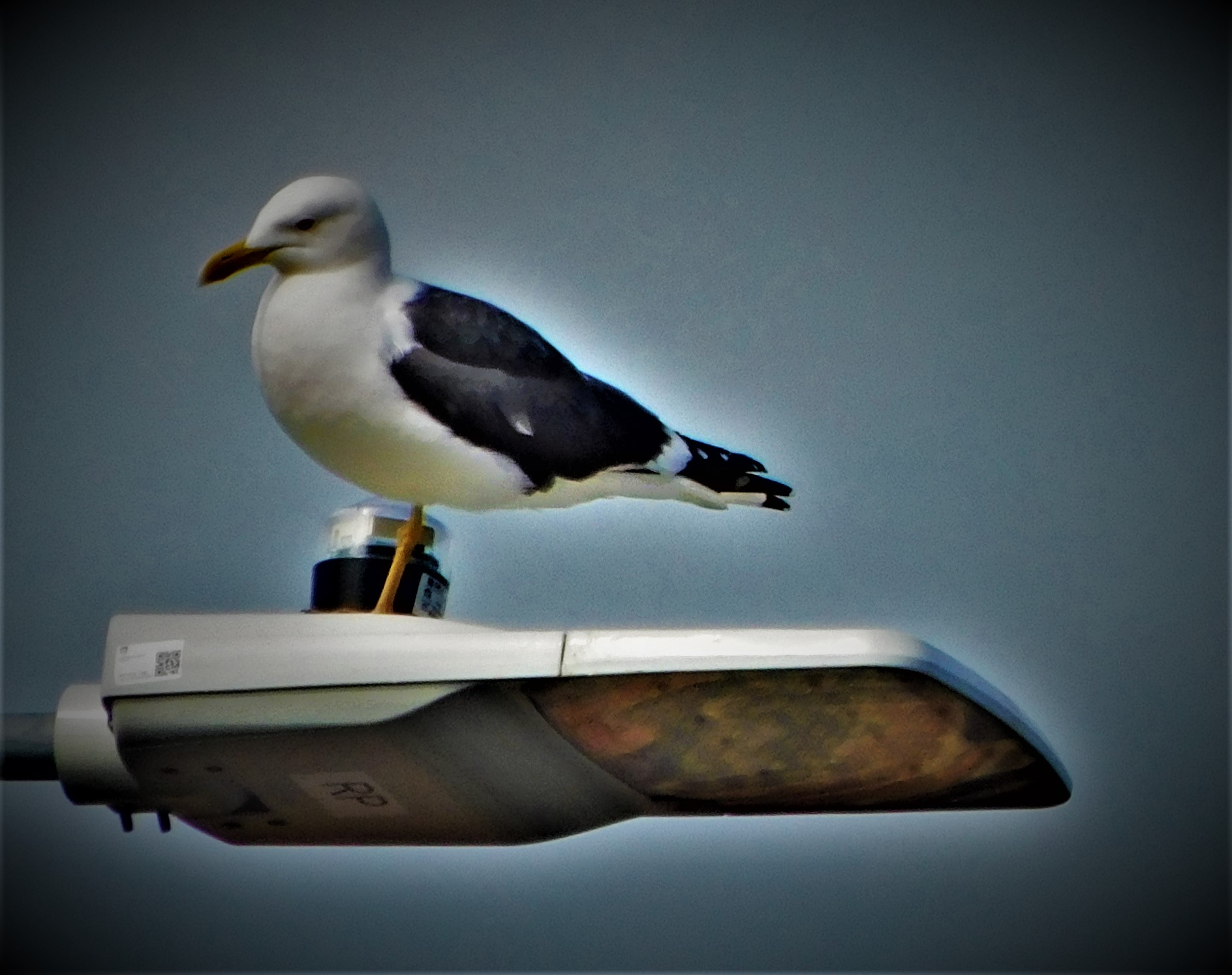
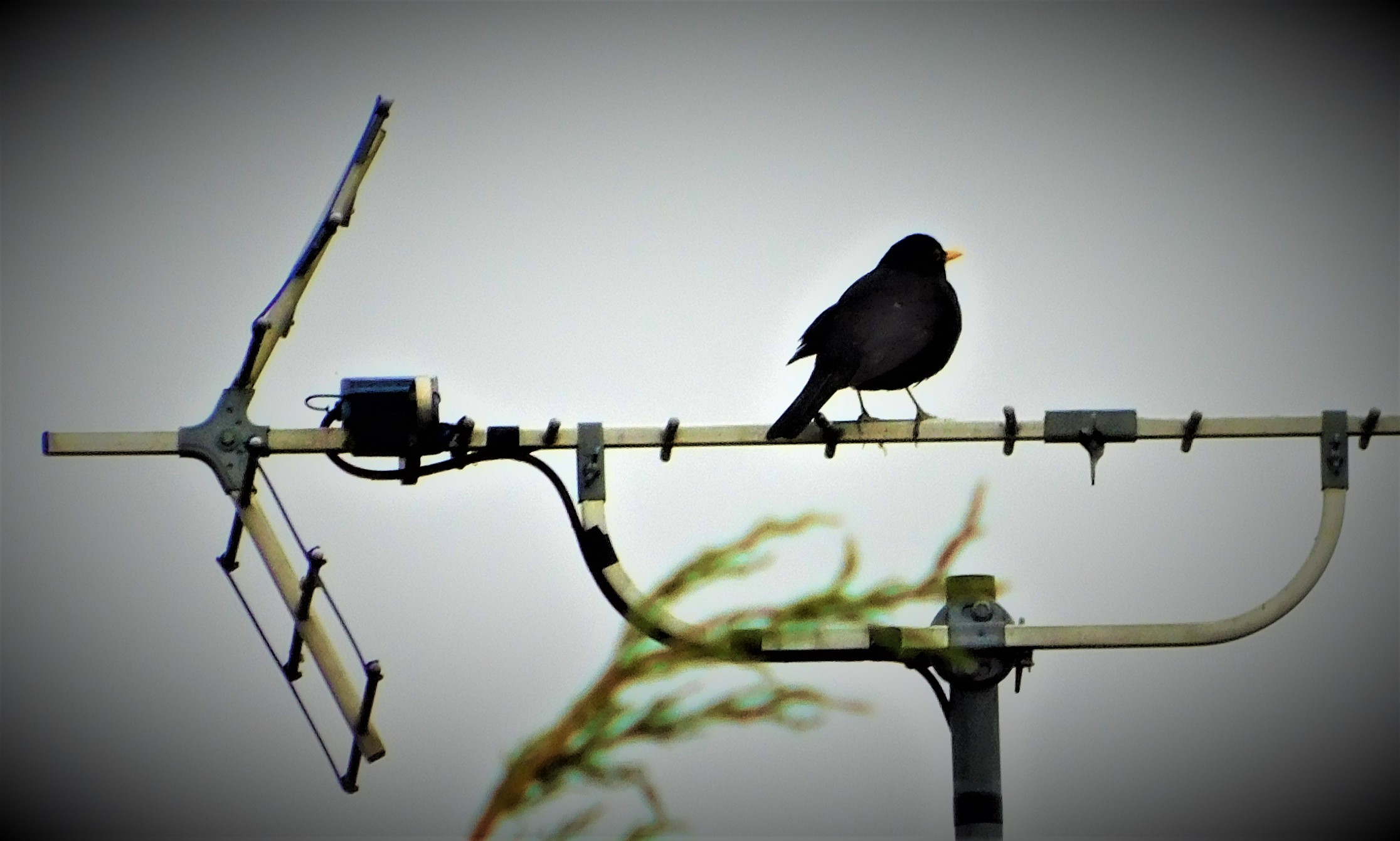
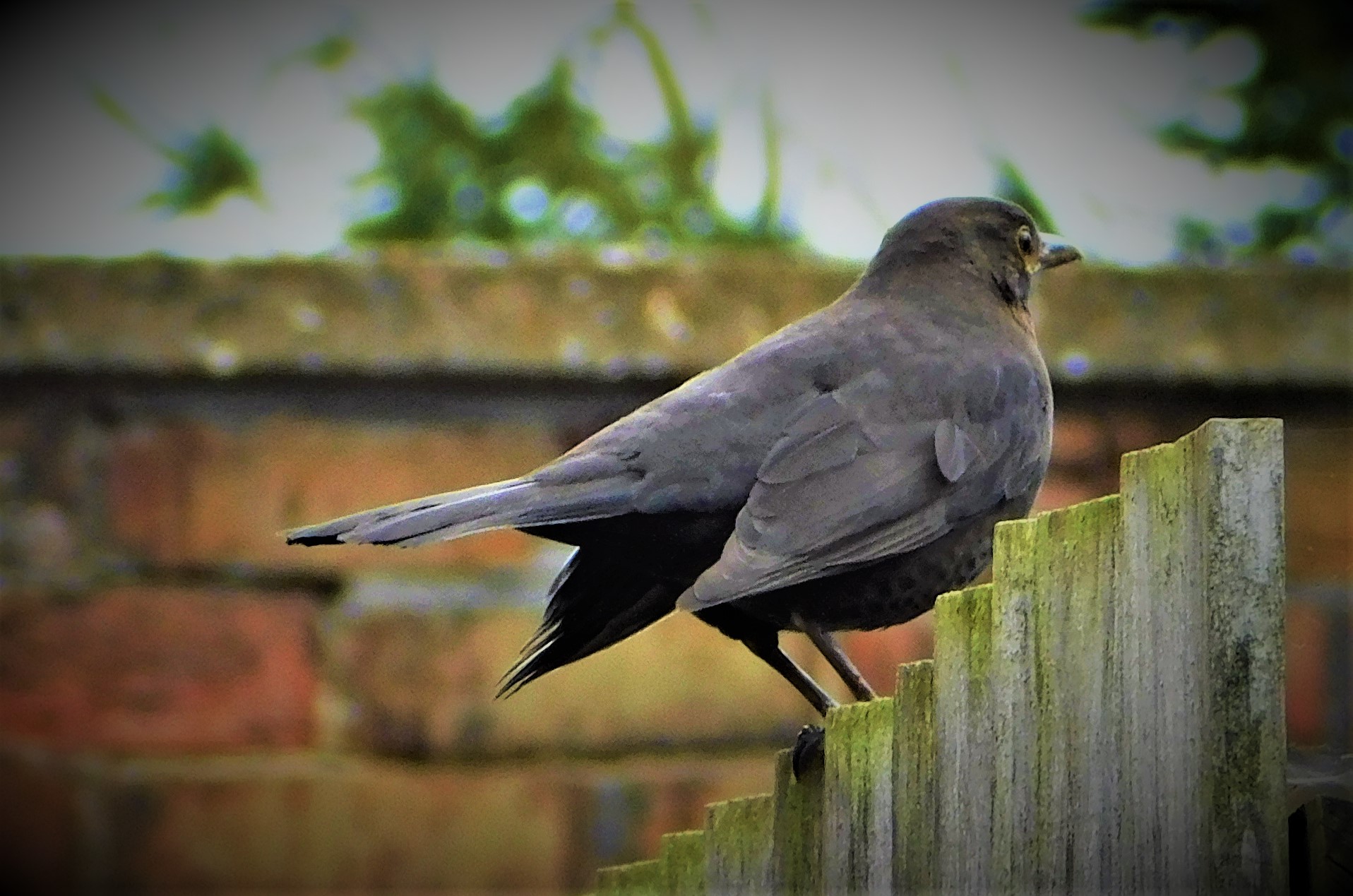
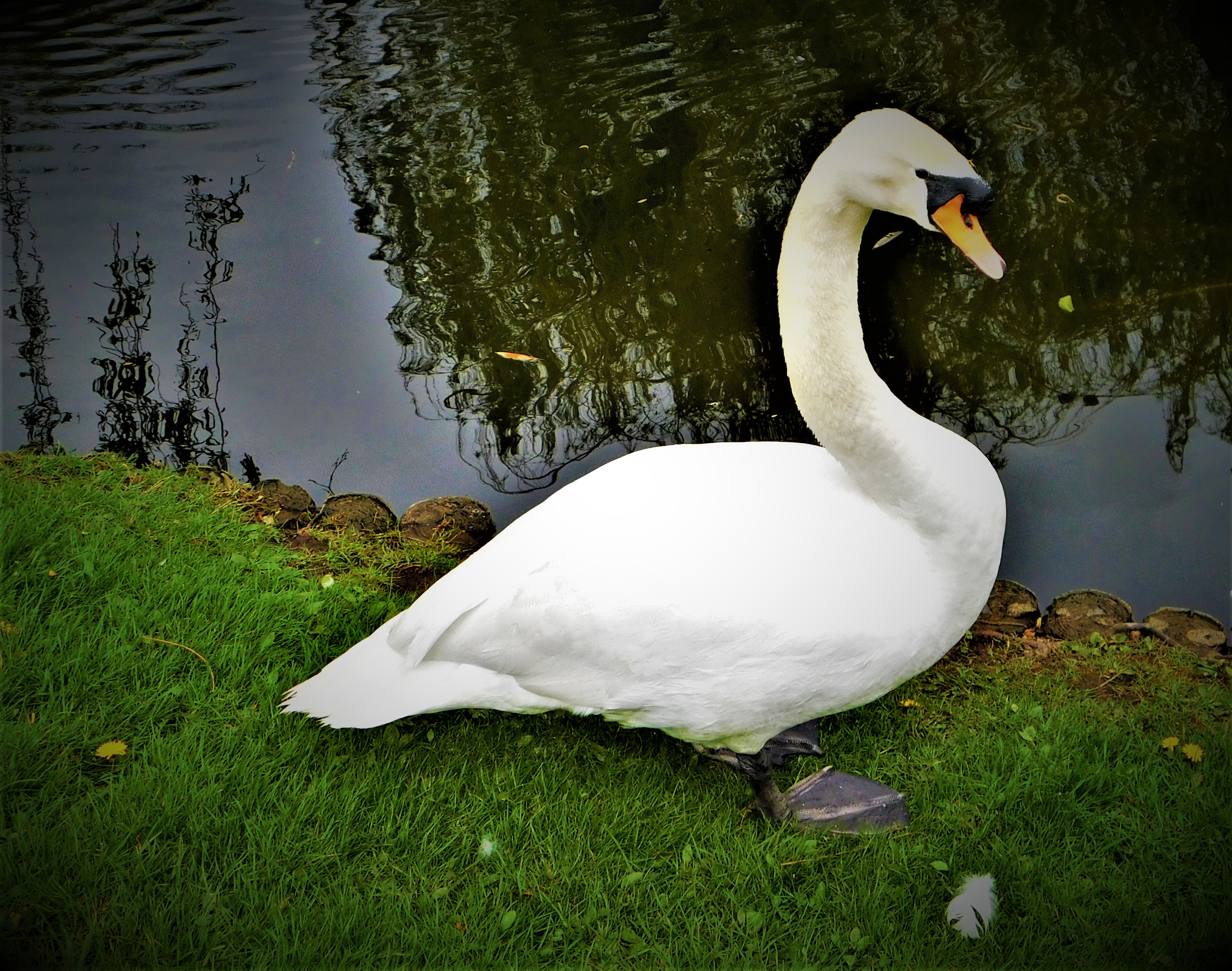
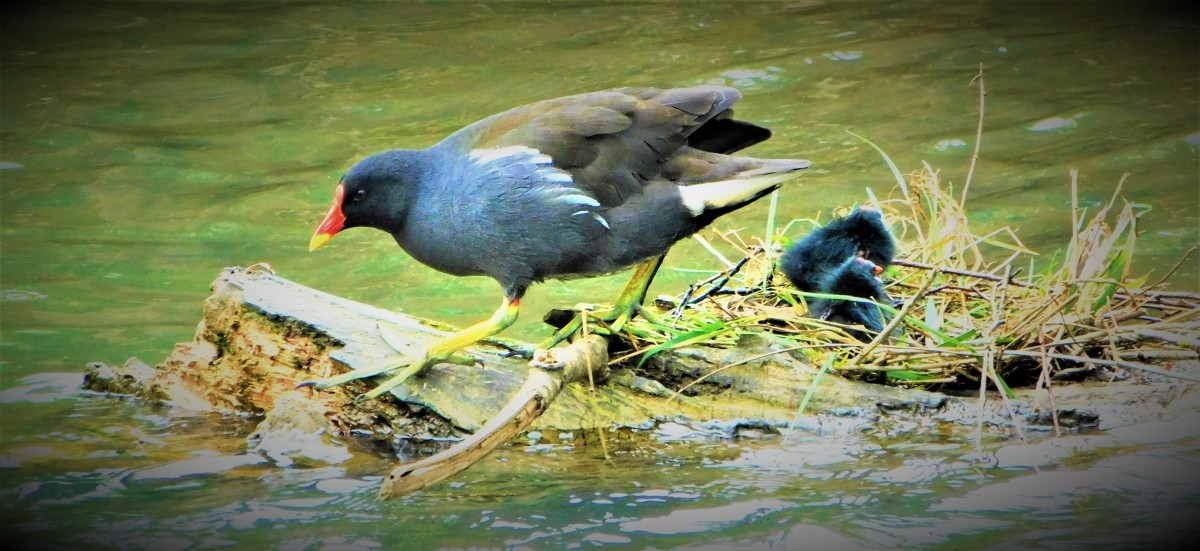
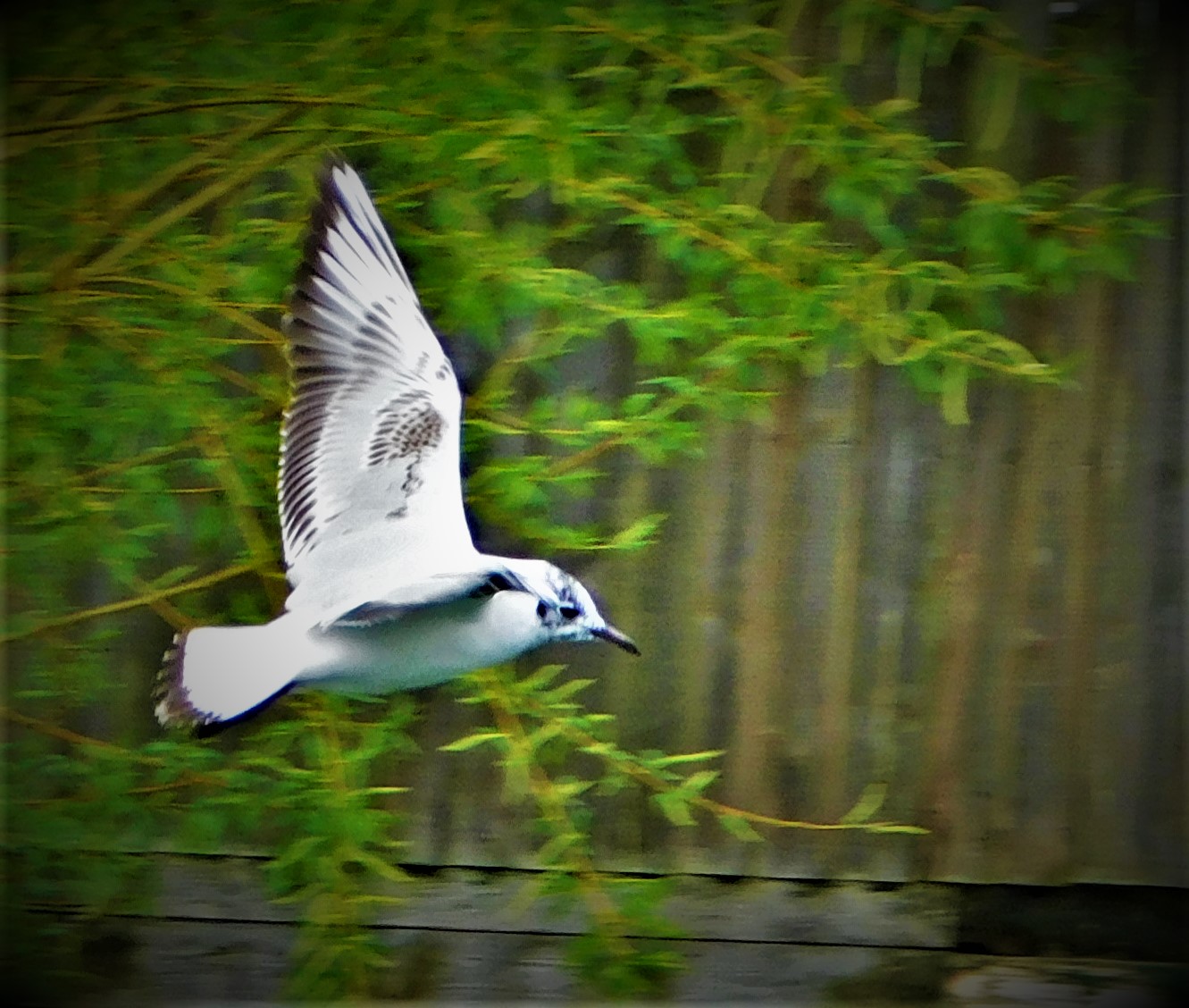
A ‘greenery’ XI and a photo gallery in two parts.

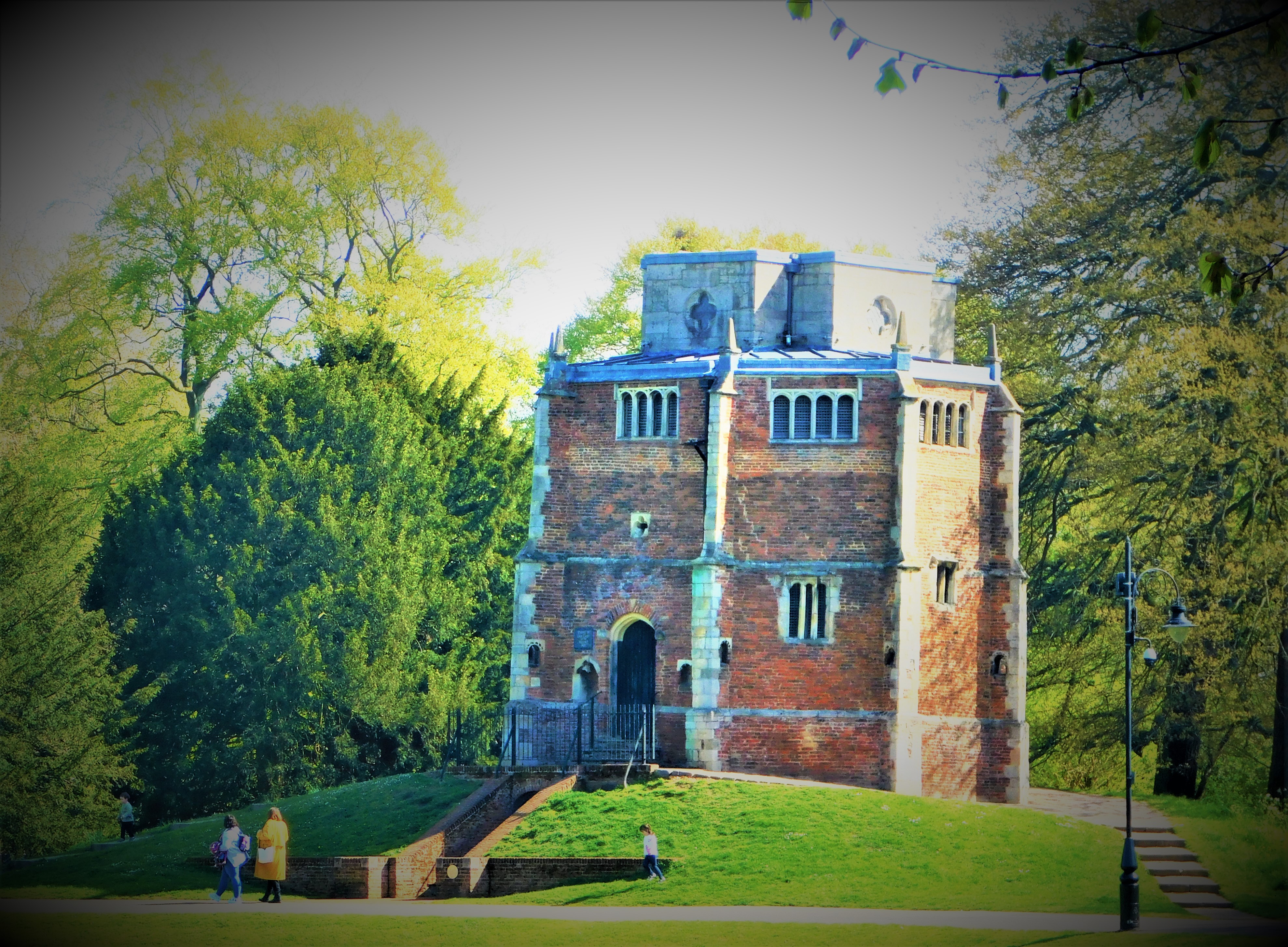
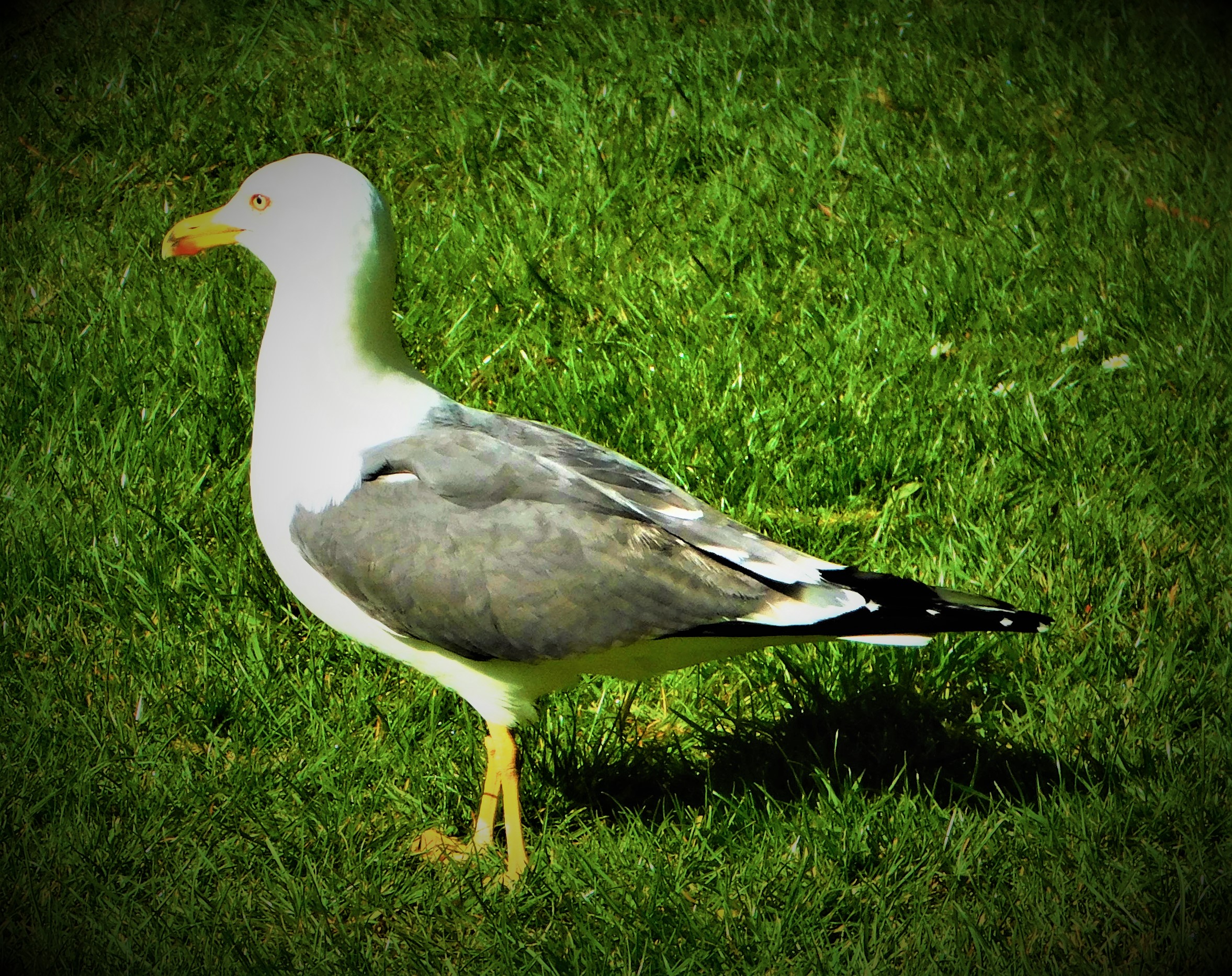
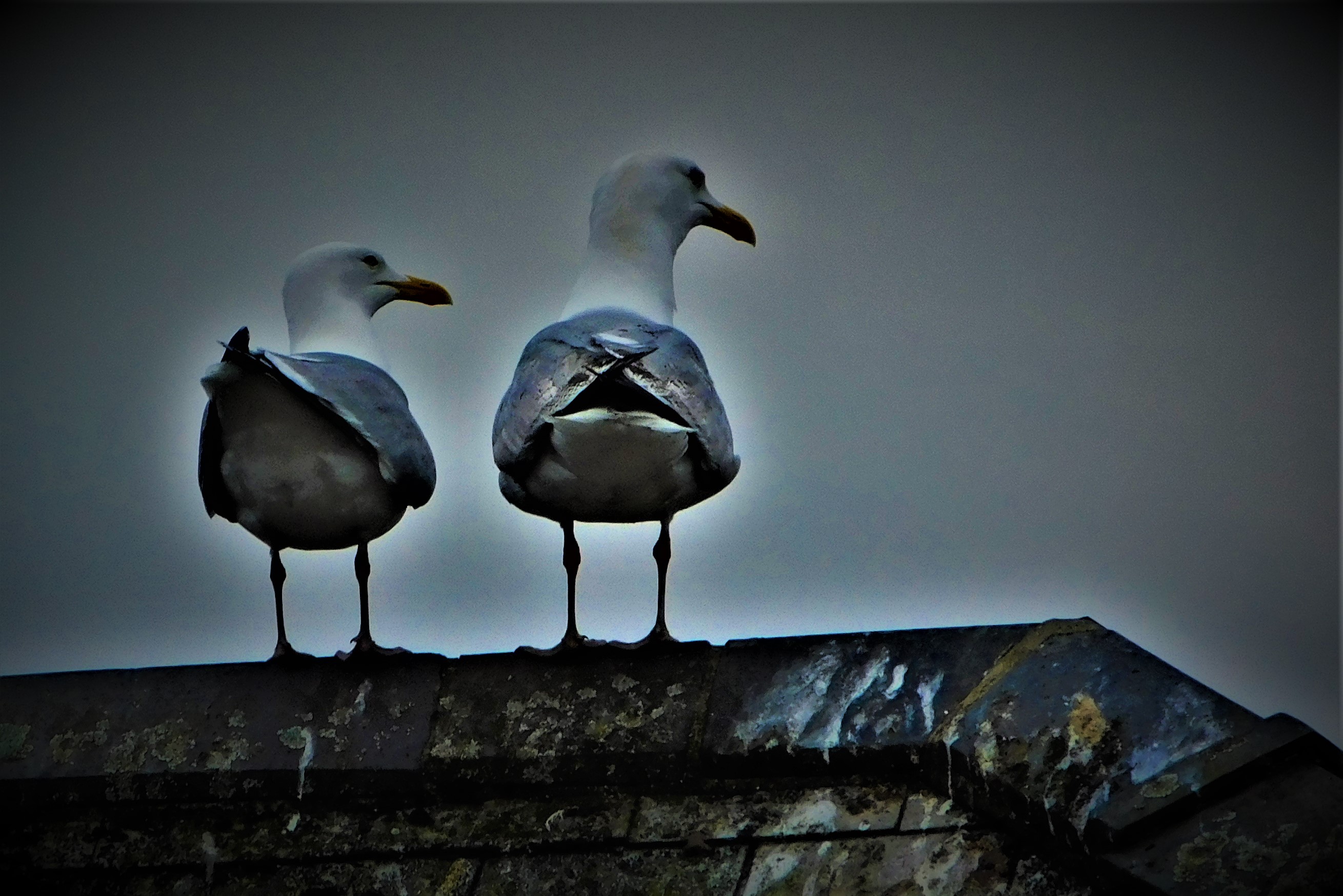
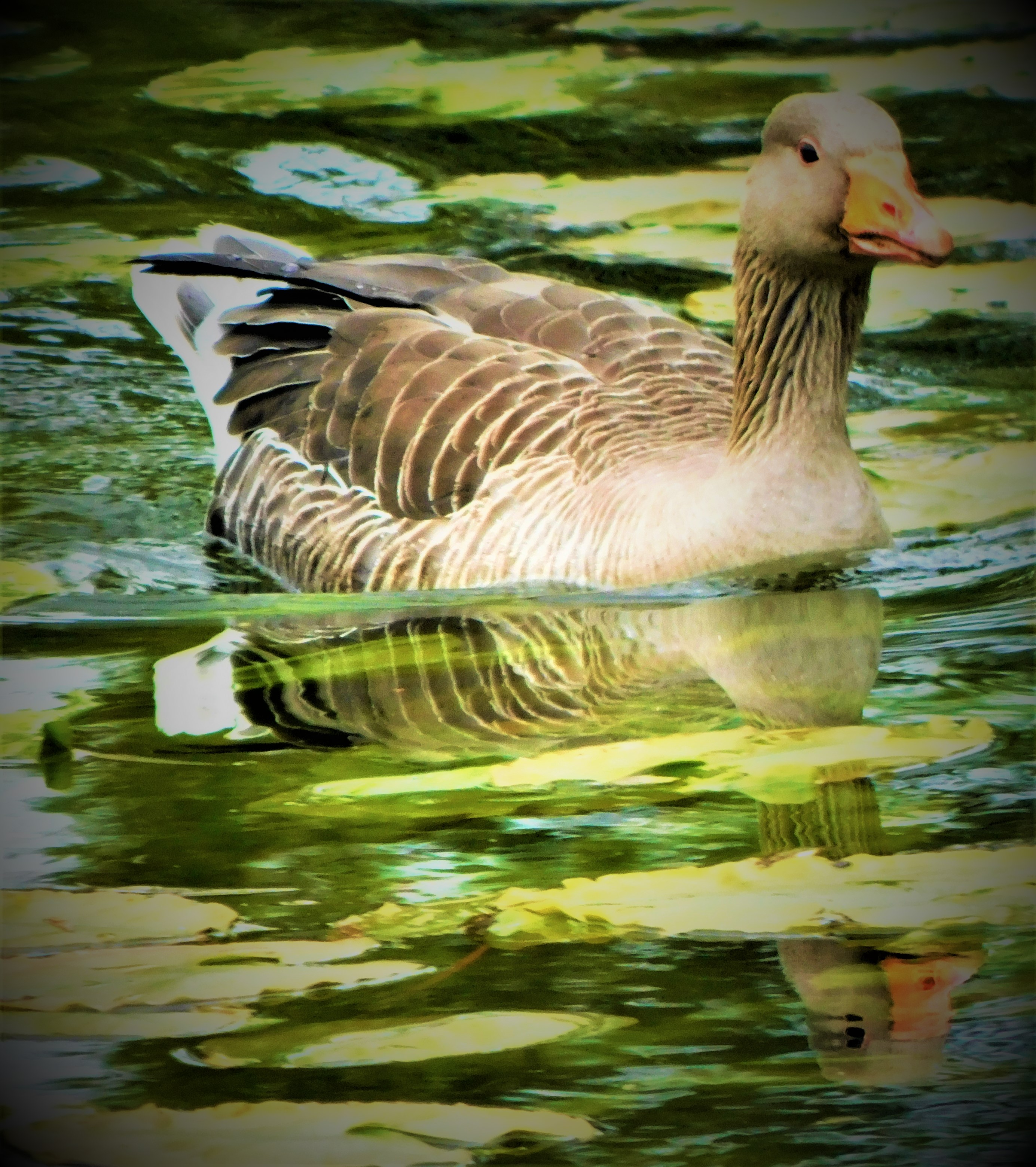
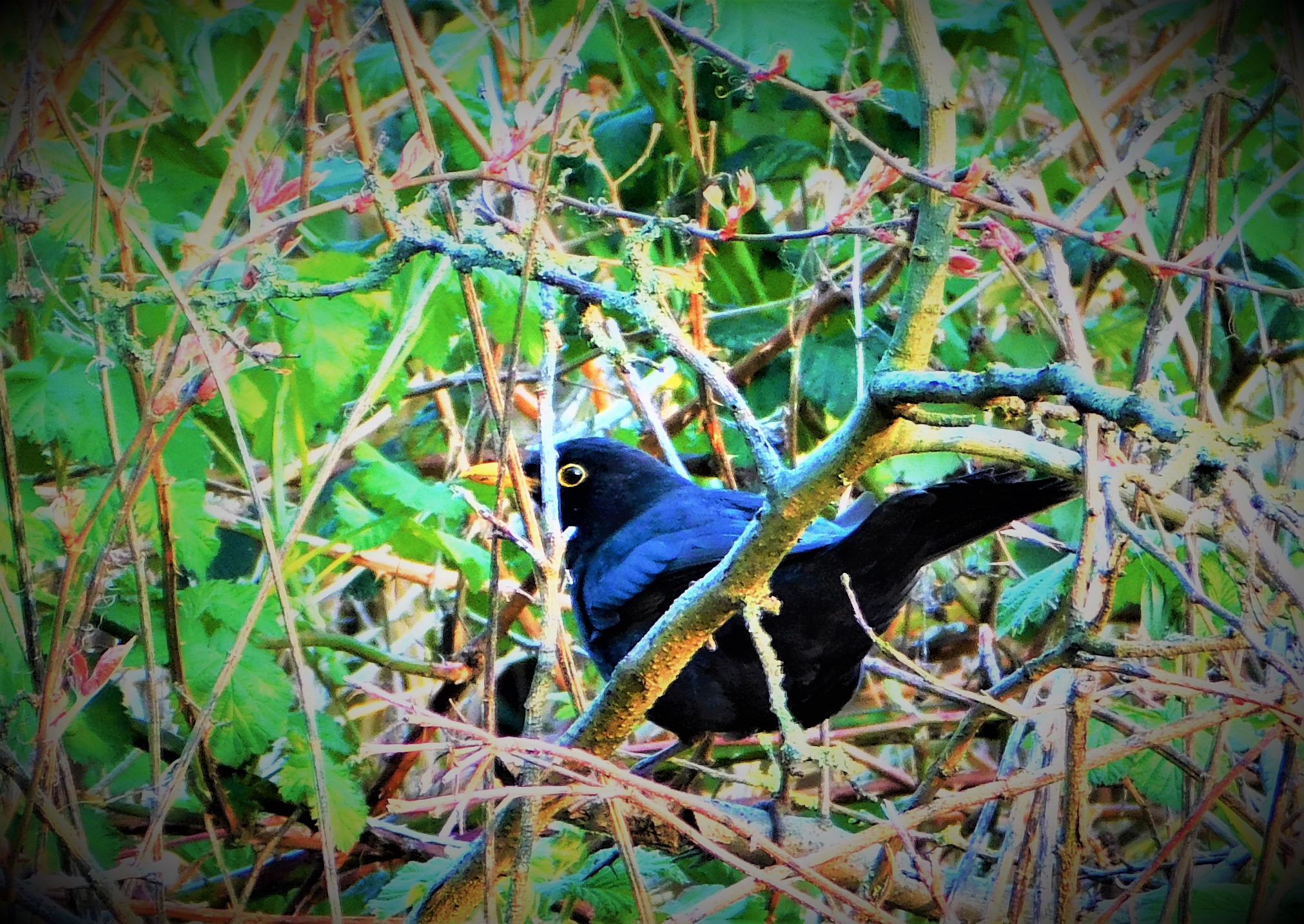
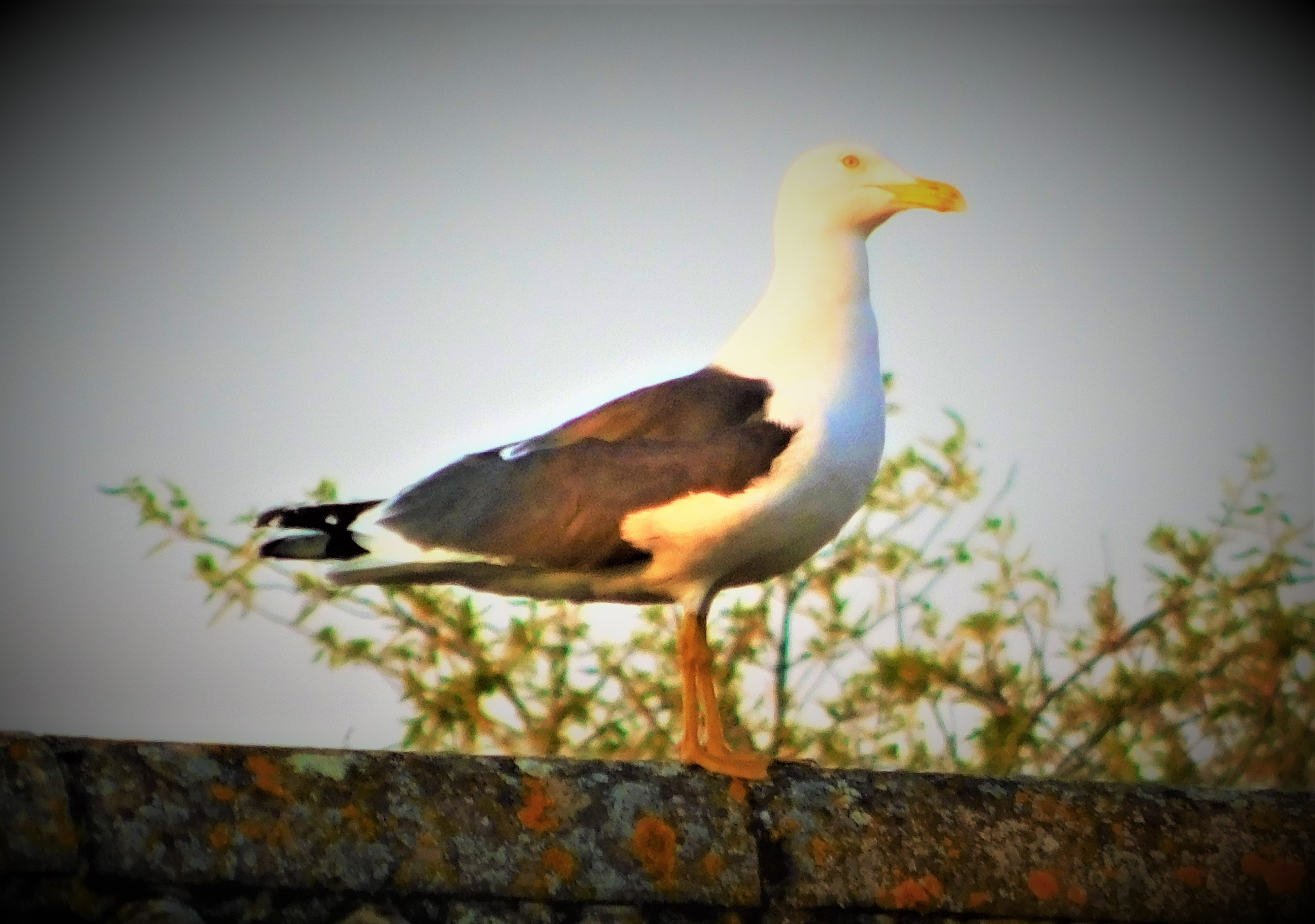
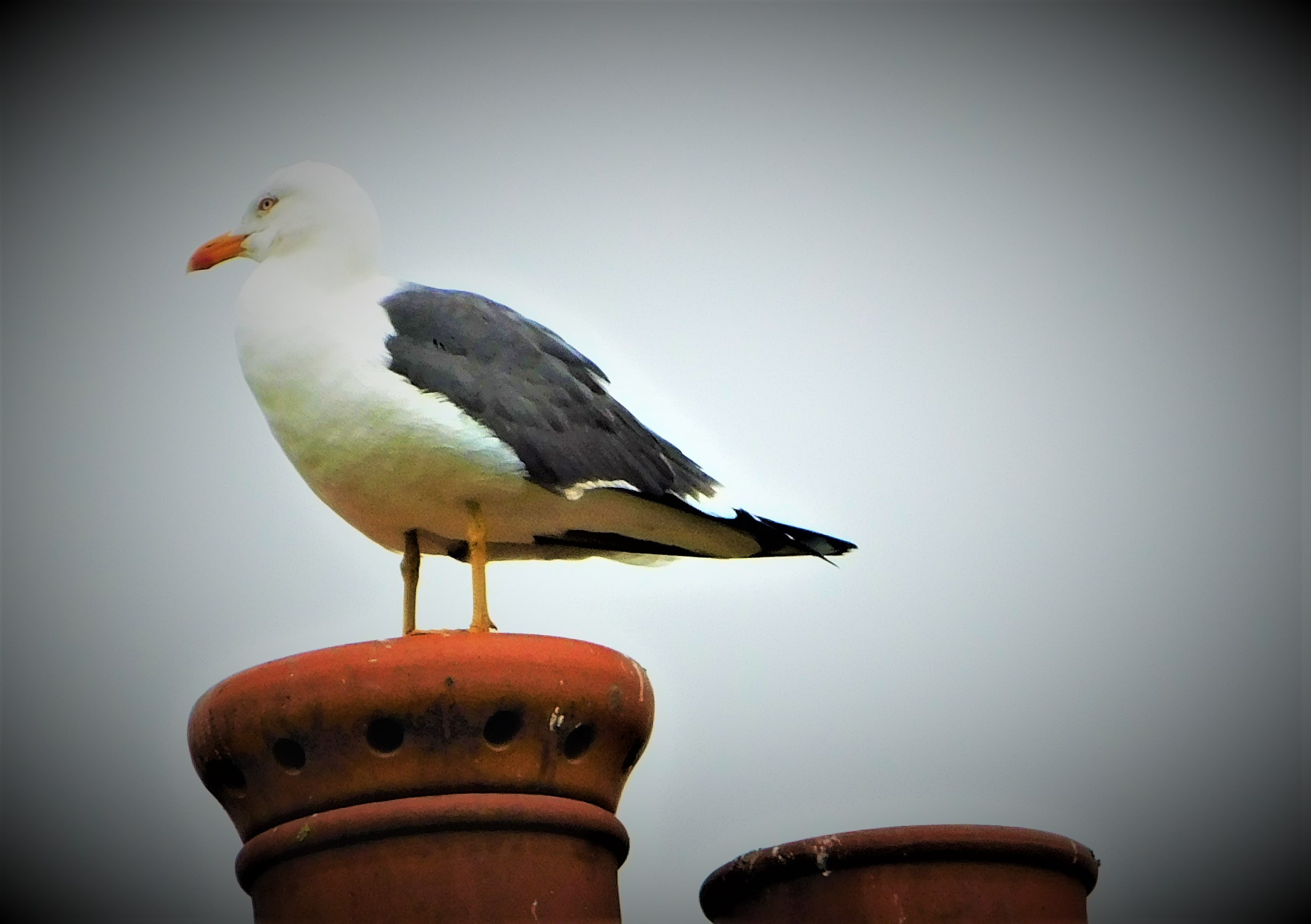
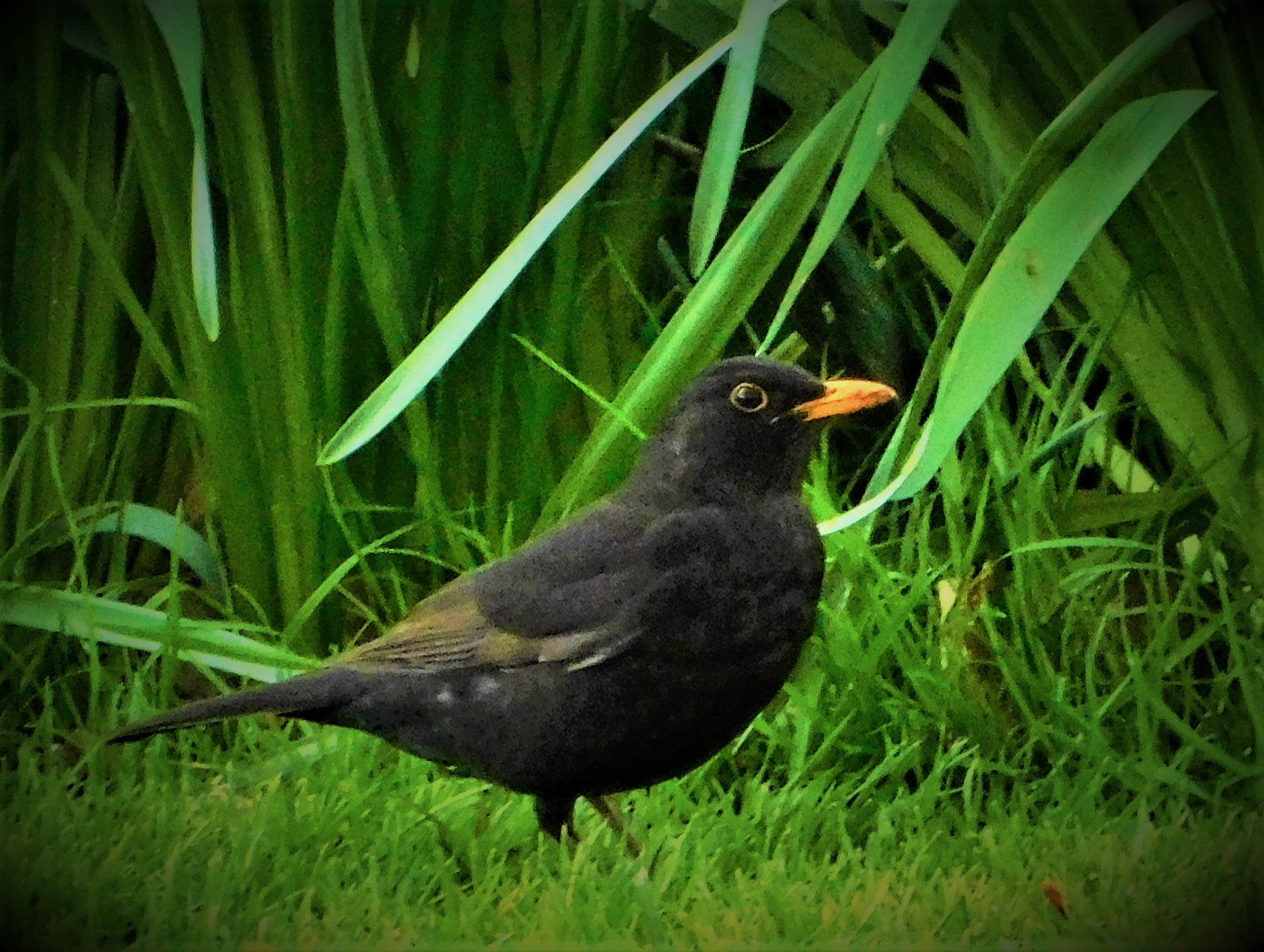
As my photo galleries indicate I enjoy spending time in and around greenery, so for today I am creating an XI of cricketers whose names connect with greenery in some way, shape or form.

THE XI IN BATTING ORDER

  1. John Berry Hobbs (right handed opening batter, outstanding cover fielder, occasional right arm medium pace bowler). More commonly known as Jack Hobbs, aka ‘The Master’, but it is that middle name ‘Berry’ that qualifies him for this XI.
  2. Les Berry (right handed opening batter). A long and distinguished career for Leicestershire, though typically for a player at an ‘unfashionable’ county scant recognition from the England selectors.
  3. *Andrew Flower (left handed batter, occasional wicket keeper, occasional off spinner, captain). At the height of his career the world number one ranked batter. Also had a distinguished coaching career, albeit England’s rise to number one in the test rankings under his stewardship was accompanied by a number of the players suffering in terms of personal well being.
  4. Grant Flower (right handed batter, left arm orthodox spinner). A fine batter and a useful bowler, well worth his place in this side.
  5. James H Parks (right handed batter, right arm slow medium bowler). The only cricketer ever to score 3,000 runs and take 100 wickets in the same first class season. I have included his middle initial to distinguish him from his son James M Parks, a batter/ keeper.
  6. Cameron Green (right handed batter, right arm fast bowler). Still young, but the tall Aussie is very rapidly establishing himself as a multi-format star.
  7. Wilfred Flowers (right handed batter, off spinner). A good enough all rounder to have done the season’s double five times in the course of his career and to have had a respectable test record.
  8. +Dick Lilley (wicket keeper, right handed batter). A long serving England keeper of the late 19th and early 20th century and a useful lower order batter. Although the plant is spelt differently it is of course the lily that gets him in.
  9. William Lillywhite (right arm fast bowler, right handed batter). The ‘nonpareil’, one of the first masters of ’round arm’, the bowling style that developed from under arm and led to over arm, along with his county colleague James Broadbridge. Again it is the lily that gets him in.
  10. Dennis Lillee (right arm fast bowler, right handed batter). The lily gives the side another great opening bowler.
  11. Eric Hollies (leg spinner, right handed batter). Our line up is completed with a leg spinner, using the fact that his surname looks like the plural of ‘holly’.

This XI has a powerful line batting line up and a varied bowling attack – Lillee, Lillywhite, Green and Parks to provide pace, seam and swing, and Hollies, Flowers and G Flower providing a full range of spin options

HONOURABLE MENTIONS

Graham Rose, the Somerset bowling all rounder, was a clear candidate. James M Parks, like his father James H would have his advocates, but I preferred the finer keeper in Lilley. Had Grant Flower not had a place already then left arm spinner Holly Colvin, a former world cup winner for England Women, would have been up for consideration. Another Holly who some might have considered was Aussie Women’s pacer Holly Ferling. Arthur Bush, Gloucestershire wicket keeper in WG Grace’s early days (and best man at the latter’s wedding as well), was not quite good enough to displace Lilley. New Zealand women’s seamer Lea Tahuhu could have been included by way of her first name – lea is a poetic word for meadow.

PHOTOGRAPHS

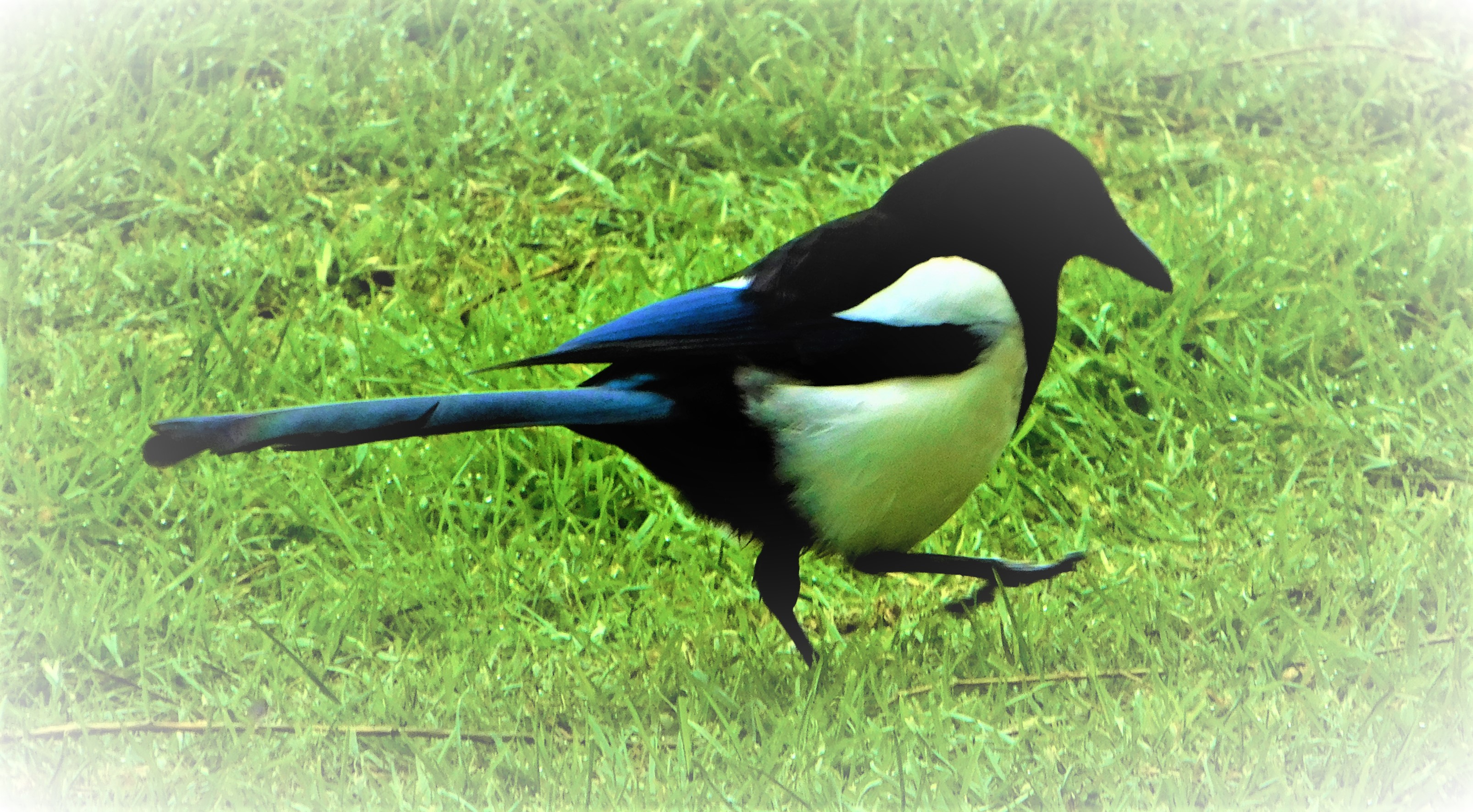
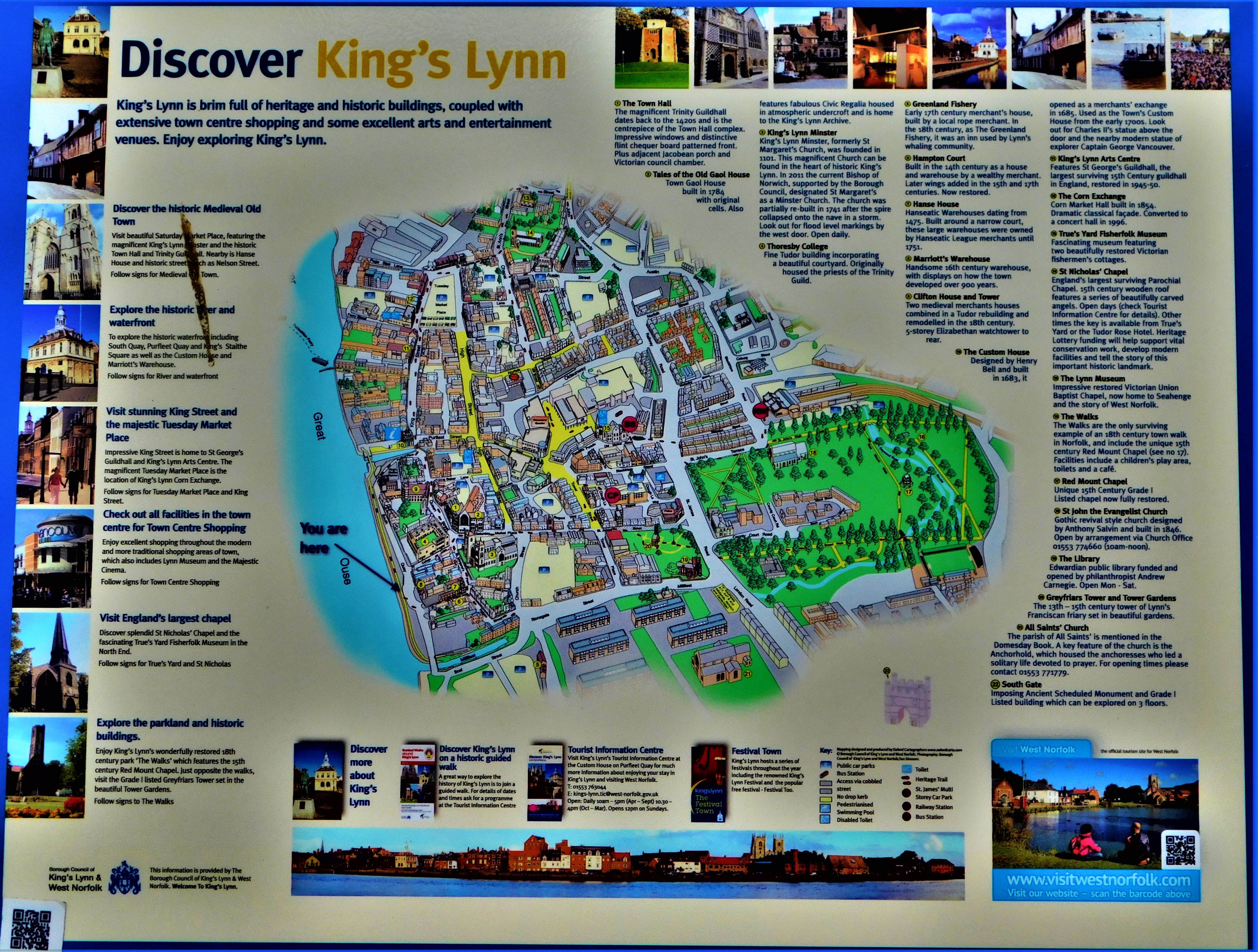
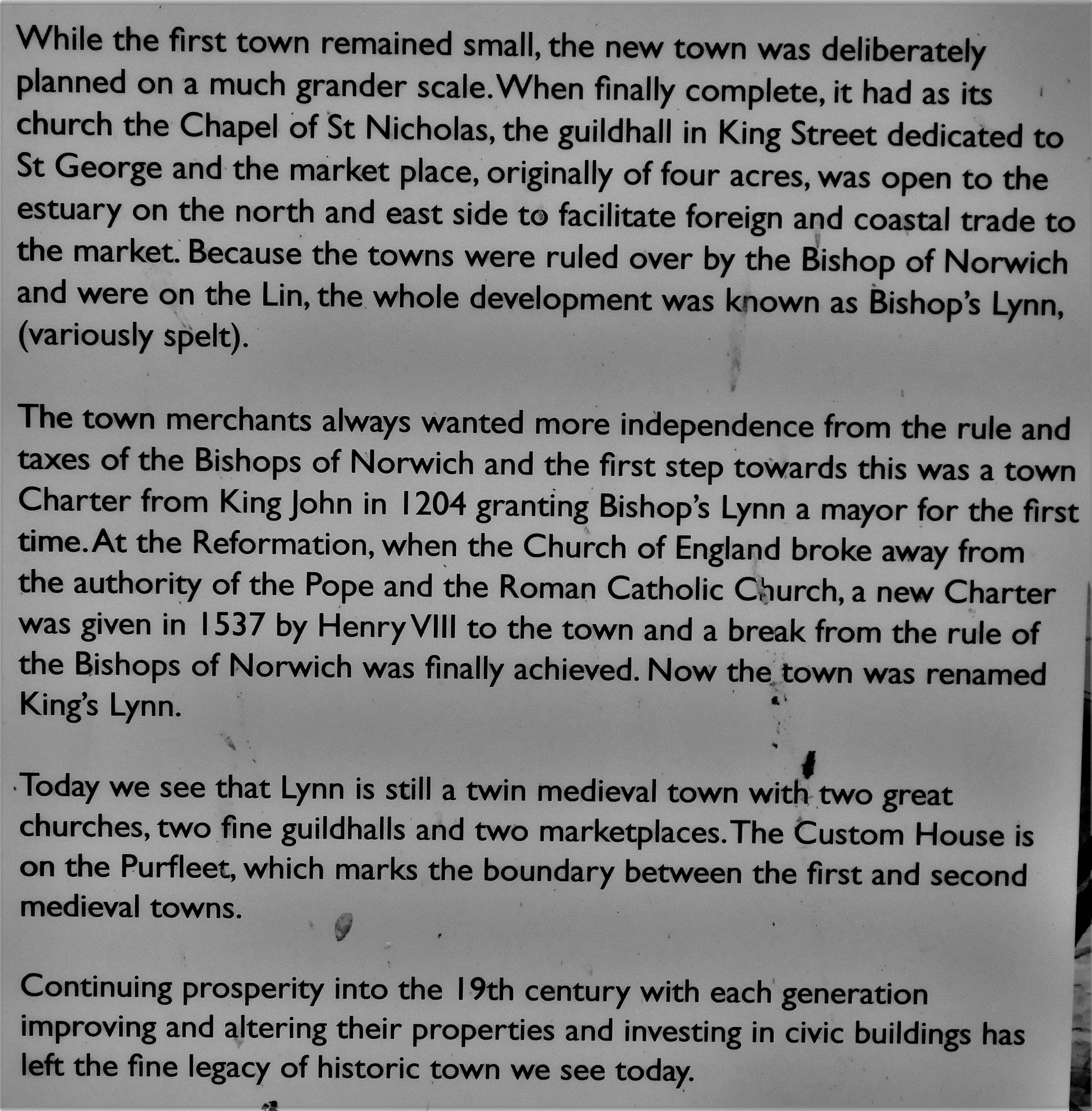
My usual sign off comes in two parts because today was a Just a Cuppa Autism Acceptance morning at King’s Lynn Library. As an autistic person, a founder member of the West Norfolk Autism Group and a big library user I enjoy these mornings hugely – my preferred activity during them is lego architecture…

Now for my regular pictures…

All Time XIs: All Captains

An all time XI of great former test skippers and a huge photo gallery.

For today’s blog post I have selected an XI made up entirely of players who captained their country in test cricket. I required players with excellent playing records – no passengers for me, and also who had been successful as captains.

THE XI IN BATTING ORDER

  1. Mark Taylor (Australia, left handed opening batter, ace slip fielder). Second link in a chain of four successive very successful Aussie skippers. He succeeded Allan Border who had inherited a rabble and passed on the best side in the world. Taylor kept Australia at the top of the world pecking order, in its own way as impressive an achievement as his predecessor’s feat of dragging them to the top in the first place.
  2. *Frank Worrell (West Indies, right handed opening batter, left arm fast medium bowler, occasional left arm spinner). He averaged 49 with the bat, which confirms that he was worth his place as a player. I have named him as captain of this side of captains because as well as being a superbly successful skipper he was one of genuinely historic importance – his appointment represented the end of a particularly unpleasant captaincy fetish, since he was the first black man to be appointed West Indies captain.
  3. Don Bradman (Australia, right handed batter, outstanding outfielder). The most prolific batter there has ever been, with a test average of 99.94, and a superb captain. In the 1936-7 Ashes he turned a 0-2 deficit after two matches into a 3-2 series win. In 1948 he led the Australians through an unbeaten tour of England.
  4. Clive Lloyd (left handed batter, outstanding cover fielder and later a fine slip). The pioneer of the ‘four fast bowlers’ strategy that propelled West Indies back to the top of the world game after a difficult period in the late 1960s and early 1970s.
  5. Steve Waugh (Australia, right handed batter, occasional right arm medium fast bowler). The third link in the chain of Aussie skippers I referred to earlier, and he built on the earlier achievements of Border and Taylor give an acknowledged best side in the world an aura of total invincibility.
  6. Imran Khan (Pakistan, right handed batter, right arm fast bowler). A great all rounder and a great skipper. Maybe in a few years time Stokes will challenge him for this slot – he has made an outstanding start as skipper, and an Ashes triumph this summer would help to cement his reputation in that role, but as things stands he has no challenger.
  7. +Rodney Marsh (Australia, wicket keeper, left handed batter). A bit of a cheat as he never actually captained his country, but keeper-captains in test cricket are few and far between, and successful keeper-captains at test level are in the ‘hens teeth’ category of rarity, and he would have been a better choice than Kim Hughes to skipper the 1981 Ashes touring party.
  8. Wasim Akram (Pakistan, left arm fast bowler, left handed batter). His greatness as a player is unquestioned and he was a fine skipper as well. Not too much should be read into the acrimonious end to his tenure in the top job – Pakistan skippers rarely go gently into the night.
  9. Richie Benaud (Australia, leg spinner, right handed batter). The first cricketer to achieve the test career double of 2,000 runs and 200 wickets. His captaincy highlights include regaining the Ashes in 1958-9, defending them in 1961 and again in 1962-3, and captaining Australia in the classic 1960-1 tied test series against the West Indies when his opposite number was Frank Worrell.
  10. Bishan Singh Bedi (India, left arm orthodox spinner, left handed tail end batter). One of the greatest ever masters of his craft and a successful skipper in somewhat difficult circumstances.
  11. Courtney Walsh (right arm fast bowler, right handed tail end batter). The first bowler ever to take 500 test wickets, and a respectable captaincy record in spite of the fact that the job is generally reckoned tough for specialist fast bowlers and the West Indies were on the way to crashing down from the heights of the Lloyd/ Richards eras by the time he got the job.

This side has a powerful batting line up, a great keeper, and Walsh, Wasim Akram and Imran Khan as front line bowlers, Benaud and Bedi as front line spinners and support bowling available from Worrell and Waugh. It is a side to be reckoned with in every department.

HONOURABLE MENTIONS

I regarded Frank Worrell as having the right handed openers slot under wraps, and I preferred my other opener to be left handed. Taylor’s chief rival for this slot was Andrew Strauss (England), who led his side to the top of the world rankings. Worrell’s presence also meant that I had to leave out WG Grace, a superb skipper as well as the best cricketer of the 19th century. I could not accommodate Border alongside Lloyd without having a huge surfeit of left handers, and I regarded the West Indian’s achievements as captain as being the greater. The fourth in that chain of successful Aussie skippers, Ricky Ponting, cannot be said to be unlucky – a) he was up against Bradman for the number three slot and b) when the greats he had inherited from his predecessors departed the scene he was shown up as a fairly ordinary skipper and one given to inappropriate outbursts – his rant on being run out by Gary Pratt and his infamous stand off with umpire Dar six years later being two examples. Another Aussie, Steve Smith, rendered himself ineligible by being caught up in a cheating scandal while captain. If you feel I have been unfair to your favourite feel free to comment. None of the England skippers I have witnessed in action have massively impressed me save Stokes, who I have mentioned as a potential future captain. Alec Stewart, who could have been used as a solution to the keeper-captain problem failed two grounds in my book: keeping was not his best role and he was a very poor skipper to boot.

PHOTOGRAPHS

I have a bumper photo gallery for you…

The County Championship 2023 Round Tw0

A look back at the second round of fixtures in the 2023 County Championship and a photo gallery.

Just a few minutes before seven o’clock yesterday evening Leicestershire and Derbyshire shook hands on a draw and the second round of 2023 County Championship fixtures was at an end. I look back at a round that featured several fine matches.

SURREY V HAMPSHIRE

The county of my birth, Gloucestershire, had their match rained out without a ball being bowled, so after Thursday, a work day and hence one on which I cannot follow cricket my focus was on the first class county in which I have lived the longest, Surrey. For three innings this had all the makings of a magnificent contest, with only 16 runs between the lowest and highest team totals in those innings – Hampshire 254 and 258, Surrey 270. When Surrey started batting a second time just before lunch on day four with 243 to chase a great finish was in prospect. It was a splendid fourth innings, but it was never a contest – Surrey were in charge almost from the start, with openers Burns and Sibley achieving the first task when they reached the lunch interval still together. Burns’ dismissal fairly early in the afternoon session brought Ollie Pope to the crease, and the Hampshire bowlers neither had, nor looked like having any further success, as Pope batted brilliantly and Sibley looked utterly secure in the supporting role. Pope completed the century he had missed out on in the first innings, the only individual three figure score of the match. Shortly after that he took his match aggregate to 200, and then, facing the start of a new over with just eight more needed and his own score 110* he finished the match in the grandest of styles, hitting successive sixes to give Surrey a nine wicket win…

…OTHER MATCHES

Warwickshire were in charge for most of such play as the elements permitted in their match against Kent, but were thwarted by a rearguard action involving Joey Evison and Conor McKerr, which almost secured Kent a draw. McKerr was ninth out having completed a ‘Den-tury’ (100 balls survived, named after another player with Kent connections whose surname begins with “Den” and who was notable for doing precisely this during his spell as an England player) from number 10, and young Joey Evison was last to go, having come in at number eight and missed a century by one run. Worcestershire were attempting to hold out for a draw against Durham, and it looked like fading light might help to save them but Aussie left arm spinner Matthew Kuhnemann ensured that justice was done when he bowled Dillon Pennington to end the match. As that was his fifth scalp of the innings he may just also have earned himself a place in the upcoming Ashes. That left Leicestershire and Derbyshire the only sides still in action, with their game long since reduced a scrap for bonus points. In the closing stages Derbyshire passed 250 and Leicestershire took their wickets tally to seven. All of this consigned Yorkshire to bottom of the second division after two rounds of fixtures.

PHOTOGRAPHS

With the weather properly spring like I have a fine photo gallery for you…

A Combined Surrey/ Hampshire XI

A combined Surrey/ Hampshire XI for the ages and a substantial photo gallery.

With the match I am following between Surrey and Hampshire heading for a great finish I pick a combined Surrey/ Hampshire XI for the ages. Because I want to showcase both counties I have shown a little bias towards players associated with both. My XIs for each county individually can be seen here and here.

THE XI IN BATTING ORDER

  1. Jack Hobbs (Surrey, right handed opening batter, occasional medium pacer). The Master has an irrefutable case for selection.
  2. John Edrich (Surrey, left handed opening batter). Those who remember my original Hampshire XI (or who have followed the link in the introductory paragraph to check it out) will have noted that the opening slots were the toughest to fill for that county, whereas I was spoiled for choice in this area when it came to Surrey. Only Yorkshire, with Herbert Sutcliffe and Len Hutton, and possibly Gloucestershire with WG Grace in their historic ranks would be able to claim this slot in a combined XI with Surrey.
  3. CB Fry (Hampshire, right handed top order batter). When I originally selected my county all time XIs I assigned him to Sussex, but after Sussex he spent a few years with Hampshire, and since his FC career began at Surrey and he was born in southwest London I felt it appropriate to include him here.
  4. Phil Mead (Hampshire, left handed batter). He failed to impress Surrey, and moved south to Hampshire in consequence. He ended his career as the fourth leading scorer of both FC runs and hundreds, and the leading scorer of both for any one team.
  5. Kevin Pietersen (Hampshire and Surrey, right handed batter, occasional off spinner). Had an outstanding record, though his departure from Hampshire was as acrimonious as his earlier departure from Nottinghamshire had been. The fact that he had associations with both counties got him the nod over Peter May who also had a formidable record.
  6. +Ben Foakes (Surrey, wicket keeper, right handed batter). A shoo-in for this slot – a superb keeper and a genuine front line batter.
  7. *Percy Fender (Surrey, leg spinner, right handed batter). His approach to batting would make him an ideal choice for number seven in an XI of this nature and he was a fine bowler and a very astute captain.
  8. Malcolm Marshall (Hampshire, right arm fast bowler, right handed batter). Even at test level as he was almost good enough with the bat to be considered an all rounder, and Hampshire treated him as such. Probably the greatest fast bowler of the great age of West Indies fast bowling, and an obvious choice for the overseas slot.
  9. Jim Laker (Surrey, off spinner, right handed batter). Possibly the greatest of all off spinners. His peak came in 1956 with 46 Ashes wickets at 9.60 in the five test series and an all-ten for Surrey v The Australians in a tour match.
  10. Derek Shackleton (Hampshire, right arm medium fast, right handed batter). Only one bowler ever took at least 100 first class wickets in each of 20 successive seasons, and that bowler was Derek Shackleton. Only Wilfred Rhodes who achieved the feat 23 times in his extraordinary career has managed 100 wickets for the season more often than Shackleton. He played the inaugural season of the John Player League, and with in the year of his 45th birthday managed to bowl 80 overs for just 168 runs in this 40 overs per side tournament.
  11. Tom Richardson (right arm fast bowler, right handed batter). Between the start of the 1894 season and the end of the 1897 season the fast bowler claimed 1,005 wickets, including a then season’s record tally of 290. The 88 wickets he claimed in 14 test appearances provide the proof that he could do it against the best opposition around.

This side has a formidably powerful batting line up, a great keeper and a very strong and well balanced bowling attack – there wouldn’t be many runs available against Marshall, Richardson, Shackleton, Laker and Fender on any surface.

HONOURABLE MENTIONS

I refer folks to my honourable mentions sections for each individual county for full detail, and add the following:

Ken Barrington, Robin Smith and Peter May were the unluckiest of the batters who I picked for their individual county XIs but not this one, with Graham Thorpe also worth a mention here.

No keeper for either county could challenge Foakes.

Among the seamers two giants of the game with the forename Alec were the biggest misses: Bedser of Surrey and Kennedy of Hampshire. Bill Lockwood and George Lohmann, both Surrey, were also huge names to leave out.

For the spinners two left armers, Tony Lock (Surrey) and Stuart Boyes (Hampshire) were the big misses. Laker was a lock for the off spinners place, and in view of my desire to have Fender captain and the fact that the best leg spinner to have played for either county, Shane Warne, was an overseas player and could not displace Marshall no leg spinner could be accommodated.

PHOTOGRAPHS

I have a fine photo gallery for you…

An Ecclesiastical XI

In view of some of the players and one of the commentators involved in the match I am currently listening to in the county championship I have created an ‘ecclesiastical eleven’. Plus the usual photo gallery.

With the match between Hampshire and Surrey in the current round of county championship fixtures featuring a Pope and two Abbotts (Sean for Surrey, Kyle for Hampshire) plus Mark Church in the commentary box I decided to select an ecclesiastical XI. These are players whose names have ecclesiastical connections. I have not picked any players who had ecclesiastical roles as well as being cricketers.

THE XI IN BATTING ORDER

  1. Imam-ul-Haq (left handed top order batter). Averages just short of 40 in test cricket. An Imam is an islamic preacher.
  2. Jack Parsons (right handed top order batter, occasional right arm medium pacer). A superb player for Warwickshire either side of WWI, he averaged in the high 30s with the bat for over 10,000 FC runs. He was also a notably aggressive player.
  3. Ian Chappell (right handed batter, captain, occasional leg spinner). A superb captain, and had a fine record as a test match number three.
  4. Greg Chappell (right handed batter, occasional leg spinner, occasional medium pacer, ace slip fielder). One of the game’s all time greats with the bat.
  5. Ollie Pope (right handed batter, occasional wicket keeper). Has a superb county record and is beginning to establish himself as England’s number three. He scored 91 for Surrey in their first innings of the current match.
  6. +Rachel Priest (right handed batter, wicket keeper).
  7. George Pope (right arm fast medium bowler, right handed batter). Averaged 28 with the bat and 19 with the ball for Derbyshire in a distinguished career which was disrupted by WWII. Like so many of that county’s fine players he received scant recognition from the England selectors.
  8. Charlie Dean (off spinner, right handed batter). Our front line spinner, starting to make a name for herself in the England women’s team. A dean is a church official.
  9. Ian Bishop (right arm fast bowler, right handed batter). A great fast bowler before injuries ruined his career, and also a useful batter.
  10. Kyle Abbott (right arm fast medium bowler). An excellent bowler who broke in to the South Africa side only after he had already agreed a Kolpak deal with Hampshire. His decision to honour that Hampshire contract ended his international career, but his record for the county has been superb.
  11. Harry Dean (left arm fast medium bowler). Only three test matches for him, in the 1912 Triangular tournament, but he took his first class scalps at 18 a piece. The fact that he bowled with his left arm lends the attack extra balance.

This XI has a powerful top five, a keeper batter at six, an all rounder at seven, two bowlers who bat at eight and nine and two tail enders. The bowling attack is strong and well balanced, and I would expect this side to give a good account of itself in most conditions.

HONOURABLE MENTIONS

The ecclesiastical figure who came closest to making the XI was the reverend David Sheppard, scorer of three test centuries, but the top order batting available to me was strong, and he was not the greatest of fielders. Australian leg spinner Lloyd Pope has a decent but not outstanding record in limited overs cricket and a dreadful one in red ball cricket, so I could not accommodate him. Sean Abbott missed out as I rated Kyle the superior bowler of the two Abbotts, and I wanted the front line spinner, the extra pace of Bishop and the left arm of Dean. Kevin Dean had a respectable record for Derbyshire, but not enough to challenge his namesake Harry. I await reader suggestions with interest.

PHOTOGRAPHS

My usual sign off…

The County Championship: Cricket’s Great Survivor

A look t the many challenges and changes the County Championship has faced and survived in its long history. Also a large photo gallery.

Today would be the second day of the second round of county championship matches of the 2023 season, except that there is so much rain around the country that no matches are currently playing as I type this, hence I am listening to commentary on today’s IPL game. In this post I look back at the many challenges that the county championship has overcome.

A TURBULENT PRE-BIRTH

Although matches between teams bearing the names of counties have been happening for over three centuries (teams dubbed ‘Kent’ and ‘Surrey’ did battle in 1708), it wasn’t until the mid 1860s that anyone had the idea of ranking county sides, and not until 1891 that a properly organized county championship took place (so many sometimes conflicting authorities assessed counties between 1864 and 1890 that there are no fewer than seven different listings of ‘Champion Counties’ from that period. In 1845 The All England XI played it’s first match, and was to continue to exist as a travelling XI playhing matches against the odds (opposition sides of more than 11 players – 15, 18 and 22 were common numbers) for some 30 years. A split led to the formation of the United All England XI, and subsequent to that the United North of England and United South of England XIs were established. At one point it seemed that English cricket might suffer a rugby type split, with the professionals playing games against the odds in their travelling XIs and the amateurs playing 11 v 11 matches, but such was averted – the key figure of WG Grace threw his lot in the with the MCC, though he also continued to turn out for the United South of England XI – his price for supporting the establishment and thereby ensuring that English cricket would continue to be run from Lord’s and would not split was that he be allowed to make a mockery of the principles of amateurism. In the end the travelling XIs withered on the vine, and by the early 1880s the last of them had ceased to exist. Matches against odds lasted longer – England tours of Australia featured such matches for many years to come.

PROFESSIONAL LIMITED OVERS CRICKET

From 1891-1962, although the there were many changes in how the championship was calculated and who played in it (just eight counties played the first few, six more were promoted to first class status in 1895, Worcestershire in 1899, Northamptonshire in 1905 and Glamorgan in 1921), the championship stood alone. Between the 1962 and 1963 seasons two major decisions were made: the distinction between amateur and professional was abolished (there were precious few amateurs left, and even fewer whose amateur credentials would have stood up to any sort of scrutiny) and henceforth all first class cricketers would be professionals, and the first professional limited overs competition, the Gillette Cup was launched, starting in 1963. In 1969 the John Player League, matches of 40 overs per side, to be played on Sundays (the shorter allocation of overs meant the games could start in the afternoon) was introduced, and the county championship programme was reduced to 20 matches per season (28 had been standard). It was increased back to 22 and then 24. Then, four day championship cricket was introduced, Durham were given first class status, and a for a few years 17 four day matches (each of the 18 counties playing the other 17 once) became the standard. England continued to struggle, and after much controversy and debate, two more big changes happened in the year 2000, in the wake of England sinking to the bottom of the world test rankings: The County Championship was split into two divisions with promotion and relegation, and ECB central contracts were introduced, giving England control over the top players. England’s fortunes rose rapidly. Overall, although Duncan Fletcher’s policy of effectively using a central contract to bar holders of such from playing county cricket took things too far both these moves have been successful.

EVEN SHORTER FORM CRICKET

In 2003 the ECB introduced yet another competition, with innings of just 20 overs per side. Players took a while to get to grips with the approach required by this format, but it proved extremely popular.

15 years later, the ECB decided that yet another competition was needed, and opted for a quirky new format of innings comprising 100 balls each bowled in sets of five, with players allowed to bowl two sets back to back, but no more. This competition was called The Hundred, and one of its effects was to push the County Championship, now a mere 14 matches per season, further towards the margins of the season as it now ‘owns’ August, with a One Day Cup of much reduced stature taking place alongside it. The Hundred has brought much greater prominence to women’s cricket, but I do regret the ever increasing concentration of County Championship matches at the beginning and end of each season, with few games happening in high summer. However I have no worries about the future of the County Championship – it was born facing challenges, and has faced challenges at many points of its life so far, and it is still here.

PHOTOGRAPHS

I have a bumper gallery for you today:

All Time XIs: One Player Per County

An XI in which each player represented a different county. Also a large photo gallery.

With the second round of county championship 2023 fixtures starting tomorrow I set myself a little challenge for today’s blog…

THE BRIEF

The rules I set myself for this particular XI were: every player must represent a different county and all players must be England qualified. I do not for one instant claim that this team contains the 11 best cricketers produced by the counties down the years, or even that every chosen player would be described as their county’s all time number one, though all are unequivocal greats of the game.

THE XI IN BATTING ORDER

  1. *WG Grace (Gloucestershire, right handed opening batter, right arm bowler of various types, excellent close fielder, captain). Cricket’s first superstar, absolutely dominant in his absolute pomp in the 1870s, and still capable of outstanding performances for many years after his pomp – his third and last first class triple century was scored in 1896 at the age of 48, while his last FC century was scored on his 56th birthday.
  2. Jack Hobbs (Surrey, right handed opening batter, outstanding cover fielder, occasional medium pacer). The Master. Almost half of his vast tally of first class hundreds were scored after he had turned 40.
  3. Johnny Tyldesley (Lancashire, right handed batter). One of the best bad wicket batters ever to play the game. In the first decade of the 20th century only two professionals were sufficiently accomplished willow wielders to be picked for England purely on the strength of their skill in that department, the other being David Denton of Yorkshire.
  4. Philip Mead (Hampshire, left handed batter). Most runs and most centuries for a single team of anyone (48,809 and 135), 4th leading run scorer overall in FC history and 4th leading centurion as well.
  5. Patsy Hendren (Middlesex, right handed batter, superb fielder). The second leading scorer of first class centuries (170) and third leading scorer of FC runs (57,611) in history. 74 of his centuries were scored at Lord’s, the most at single ground by anyone.
  6. George Hirst (Yorkshire, right handed middle order batter, left arm fast medium bowler, outstanding mid off fielder). He achieved the season’s double of 1,000 runs and 100 wickets 14 times, including ten times in a row. In 1904 and 1905 he had 2,000 runs to go with his 100 wickets, and in 1906, uniquely in first class history he managed the ‘double double’ – 2,385 runs and 208 wickets. This included the only ever instance of a cricketer scoring centuries in each of his sides’ innings and taking five-fors in each of the opposition’s. His Yorkshire skipper, Lord Hawke, reckoned him the greatest of all county cricketers. It was a common tactic in his day for bowlers to rub the ball in the dirt to remove the shine and make it easier to grip. Hirst, one of the pioneers of swing and cut, was also the first to make a point of shining the new ball so that it would do more.
  7. +Les Ames (Kent, right handed batter, wicket keeper). Over 100 FC centuries, and over 1,100 FC dismissals, including an all time record 418 stumpings. His approach to batting, exemplified by the fact that he twice won the Lawrence trophy for the fastest first class hundred of the season makes him an ideal number seven in a very strong line up.
  8. Vallance Jupp (Sussex, Northamptonshire, right handed batter, off spinner). It was after he moved north from Sussex and qualified by residence for his new county that his career took off. In the 1920s he did the double in each of eight successive seasons.
  9. Harold Larwood (Nottinghamshire, right arm fast bowler, right handed lower order batter). Australians are wont to point out that outside the 1932-3 Ashes (where he claimed 33 cheap wickets) his test stats were ordinary, but his record for his county was outstanding.
  10. William Mycroft (Derbyshire, left arm fast bowler, right handed tail end batter). Over 800 FC wickets at 12.09 a piece.
  11. Eric Hollies (Warwickshire, leg spinner, right handed tail end batter). More wickets taken than runs scored in first class history. Although he did not get to play a huge amount of test cricket he did play his part in that format’s most famous ever duck “…Bradman bowled Hollies 0…bowled Hollies 0…”, which took the little Aussie’s batting average down from 101.29 to 99.94.

The XI has a formidably strong line batting line up (a run packed top five, genuine multidimensional players at six, seven and eight and a number nine who was good enough with the bat to have a test match 98 to his credit. The bowling, with Larwood, Mycroft and Hirst to bowl pace/ seam/ swing, two great and contrasting spinners in Jupp and Hollies and the redoubtable WG as sixth bowling option is if anything even more formidably strong than the batting and it would take a mighty XI to beat this one.

INVITING COMMENTS

This section is usually devoted to honourable mentions, but these would be too numerous to list in this post. I merely remind people of the criteria (ultra harsh judges would disqualify Mead because of his early attempt to make the grade at Surrey) and make my invariable point in this situations: if you have a favourite you want included please consider how their presence would alter the balance of the XI, and if they play for the same county as a current member of the XI with a different skill set how do you replace that person?

PHOTOGRAPHS

I have a splendid gallery for you today…

The 2023 County Championship

From Thursday to Sunday the first round of fixtures in the 2023 County Championship took place. My main focus was on Lancashire v Surrey, but I caught snatches of two other games as well.

A DRAW WITHOUT DULLNESS

Thursday was a work day, so I missed the first day’s action, in which Lancashire won the toss and put Surrey in. Surrey were well past 300 by the close and had wickets in hand. On the second morning Cameron Steel played magnificently to record his first championship century for Surrey, eventually boosting their total to 442. Lancashire started well enough in reply, and got into the 180s with their fifth wicket pair in residence. Then came a collapse caused by bad batting, on a pitch that never had the slightest hint of menace, which saw them 197-8. Will Williams then came to the crease, and proceeded to produce an effort that should have had some of his team mates feeling decidedly embarrassed, as he helped the ninth wicket to add 81 largely untroubled runs. The tenth wicket stand took the score up to 291, 151 adrift, but to nobody’s great surprise Surrey opted not to enforce the follow on. The feature of their second innings, in which they boosted their lead to 402 before declaring on the third evening, was a magnificent century by Ben Foakes, scored at more than a run a ball, an innings that probably killed off any notion of Jonny Bairstow being given the gloves in the test side. Matt Parkinson claimed five wickets. Lancashire never had any thoughts of anything other than a draw, but Surrey were mostly serious in their attempts to get through Lancashire’s defences. There was a period of frivolity just before the second new ball was due, with Lancashire still only two wickets down. Skipper Rory Burns bowled some off spin, and Ollie Pope bowled his first ever over in first class cricket, purveying a version of leg spin. Then for a brief period serious cricket returned as the Surrey new ball bowlers tried to make inroads into the Lancashire innings, but they did not do enough to endanger the red rose, and the return to the bowling crease of Burns was the signal for hands to be shaken on a draw.

OTHER MATCHES

A significant first innings deficit and a poor batting effort in the second put Somerset in grave danger of defeat at the hands of Warwickshire, but Tom Lammonby and Craig Overton held out together for long enough to see off the danger. The last cricket of Sunday evening featured…

HISTORY AT HEADINGLEY

Headingley is to put kindly not generally a happy hunting ground for Leicestershire – they came into this match having not won a first class match at the ground since 1910, and few would have bet on that stat changing when they entered the fourth innings needing 389 from 87 overs to win. Gradually however they whittled away at the deficit, though they were always a fraction behind the clock – 44 needed off six overs, 23 needed of three. The seamer Ben Coad then very atypically had a nightmare over, and suddenly Leicestershire, with three wickets still standing, needed just five off the last two overs. A four early in the penultimate over brought the scores level, and then another off the fifth ball took Leicestershire over the line.

PHOTOGRAPHS

Not many photos today due to poor weather – though it has improved dramatically while I have been typing this…

All Time XIs: Lancashire and Surrey Combined

A combined Lancashire and Surrey XI in honour of the match I am currently listening to in the 2023 County Championship, and a substantial photo gallery.

With my attention focussed on Lancashire v Surrey in the opening round of the 2023 County Championship I am today picking an all time combined XI for the two counties (tomorrow I will write about this match, when I know the result). In keeping with my policy in the original All Time XIs series of 2020 I am restricting myself to one overseas player. Have a look at the Lancashire and Surrey pieces, noting that since 2020 Foakes has displaced Stewart as keeper in the Surrey XI.

THE XI IN BATTING ORDER

  1. Jack Hobbs (Surrey, right handed opening batter, outstanding cover fielder, occasional medium pacer). The Master, scorer of 61,237 runs in FC cricket including 197 centuries (or 61,760 and 199 if you are a revisionist). Those centuries included 12 in the heat of Ashes battle.
  2. John Edrich (Surrey, left handed opening batter). Edrich’s left handedness enabled him to keep out several contenders for this slot. He is a member of the 100 FC hundreds club, and he had an excellent test record.
  3. Ken Barrington (Surrey, right handed batter, occasional leg spinner). Statisically England’s leading batter to have played exclusively post WWII, with a test average of almost 59 (6,807 runs, HS 256).
  4. Graham Thorpe (Surrey, left handed batter). Another with an excellent test record, and often achieved while he was trying to hold the innings together without adequate support.
  5. Peter May (Surrey, right handed batter). A test average of 46 achieved in game’s lowest and slowing scoring decade, 85 FC centuries in all, and that with a career cut short by ill health.
  6. +Ben Foakes (Surrey, wicket keeper, right handed batter). His only rivals with the gloves would be Duckworth (Lancashire) and Pooley (Surrey), and neither were as good with the bat as Foakes.
  7. *Percy Fender (Surrey, right handed batter, leg spinner, fine fielder, captain). An ideal type of player to have coming in at seven in a very strong line up, and a shrewd skipper.
  8. Wasim Akram (Lancashire, left arm fast bowler, left handed batter). One of the two best ever cricketers of his type (his rival, the Aussie ace Alan Davidson never played county cricket) and there are no other great left arm pacers in the mix, so he was the proverbial shoo-in for the overseas slot.
  9. Johnny Briggs (Lancashire, left arm orthodox spinner, right handed lower order batter, brilliant fielder). He was the first cricketer ever to reach the milestone of 100 test wickets (Charlie ‘Terror’ Turner of Australia got there later in the same match), while in FC cricket he claimed over 2,000 wickets. He was a good enough batter that he scored a test century and had a career tally of over 14,000 first class runs.
  10. Jim Laker (Surrey, off spinner, right handed lower order batter). 193 test wickets in 46 matches at 21 a piece. Two all-tens against Australia in 1956, one for Surrey in the first innings of that match (the county won by 10 wickets) and one for England in the second Australian innings of the Old Trafford test, this latter after having already taken 9-37 in the first innings.
  11. Sydney Francis Barnes (Lancashire, right arm fast medium bowler, right handed lower order batter). 189 test wickets at 16.43 in just 27 matches at that level. He didn’t play a huge number of games for the county, preferring Lancashire League cricket where the terms were more generous, but his status as arguably the greatest of all bowlers demands that he be included.

This XI features a very powerful top five, one of the all time great keepers who also bats well, an all rounder who happens to be a great captain at number seven, a left arm pacer who can bat and who rates as one of the two greatest ever cricketers of that type, two legendary spinners and arguably the greatest of all bowlers at number 11. The pace department is a little under stocked, with Hobbs being the third ranked seamer in the XI but I do not think this bowling unit will struggle to take wickets.

HONOURABLE MENTIONS

Two Surrey openers with over 100 first class hundreds each missed out: Tom Hayward and Andrew Sandham, while Lancastrians Archie MacLaren and Cyril Washbrook were also fine openers (Atherton’s negative attitude towards county cricket is enough to rule him out in my view).

Barrington’s chief rival for the number three slot was Johnny Tyldesley, but even allowing for the fact that the Lancastrian batted in a more difficult era the gap between their respective records was too wide. I wanted a left hander in the middle order, and with due respect to Neil Fairbrother, Thorpe was the stand out candidate. May at five was rivalled by a member of the 100 hundreds club, Ernest Tyldesley, but there is no question that the interwar period was paradise for batters (16 of the 25 leading scorers of first class runs played some or all of their cricket in this period and there is a reason for that), and May’s career was as I said shortened by ill health. Andrew Flintoff was a candidate for the aggressive all rounders slot at number seven, but I wanted Fender’s captaincy, so even though it meant the pace department being short staffed I went that way. Wasim’s slot was as non-negotiable in my view as Hobbs’ at the top of the order. Laker had no rivals for the off spinners slot (Murali played a bit for Lancashire but I had limited myself to one overseas player). Briggs did have a rival for the left arm spinner’s berth, but Tony Lock’s action was questionable at the height of his career, and besides Lancashire are a little under represented in the final XI. Various excellent seam and pace bowlers missed out: George Lohmann, Tom Richardson, Alec Bedser and Peter Loader for Surrey and for Lancashire Brian Statham and James Anderson. All of these players would adorn any side of which they were part of, but I had only 11 slots available which meant deserving cases missing out. Jack Crossland and Arthur Mold were both quick, but both had highly dubious actions.

Finally, a member of the 100 hundreds club who was NOT unlucky to miss out: Mark Ramprakash had a fine record for Surrey after moving across the Thames from Lord’s, but he was not a big occasion player, a fact emphasized by his poor test record (an average of 27 and a mere two tons from 52 matches), and for me being a big occasion player is one of the criteria for selection in an XI of this nature.

I will undoubtedly have missed some fine players, and feel free to mention them in the comments, but remember if advocating for inclusion to consider how their presence in the XI would affect its balance.

PHOTOGRAPHS

My usual sign off…

All Time XIs: England One Cap Wonders

The definitive XI of England men one cap wonders, a petition and a large photo gallery.

Of the 700 or so players to have turned out for the England men’s test side approximately 100 have done so exactly once. This XI is picked from these players. Sidestream Bob commented on yesterday’s post indicating that he wanted to see such an XI, so here it is.

THE XI IN BATTING ORDER

  1. *Edward Mills Grace (right handed opening batter, right arm lob bowler, daring close fielder). Eclipsed by his brother WG and already 39 by the time he made his sole test appearance he still scored 36 in the first innings, sharing an opening stand of 91 with WG. He was towering prodigy in the late 1850s and early 1860s, and it was only near the end of the 1860s that WG, seven years his junior (the same age gap coincidentally as that between Mycroft Holmes and his more gifted younger brother Sherlock – and Conan Doyle was a cricket fanatic and a fine player in his own right) definitely overhauled EM. Test cricket came too late for EM, though he should probably have been picked for the Oval test of 1882 – AN Hornby never delivered against Australia with the bat and his captaincy helped cost England that match, when he held CT Studd, scorer of two centuries against the Aussies that season, back until number 10, and Studd ended up not facing a ball in the innings.
  2. Alan Butcher (left handed opening batter). One solitary test cap was scant reward for a long and productive county career first with Surrey and then with Glamorgan.
  3. Mark Benson (right handed top order batter). He was a regular opener, and scored large numbers of runs for Kent in the course of long career. His one and only test appearance, against India in 1986 yielded scores of 21 and 30.
  4. Alan Wells (right handed batter). His paucity of test caps was partly self inflicted since he signed up for the last rebel tour of South Africa, but he was very successful at county level, and his call up for the last test of the 1995 series against the West Indies was scant reward for so good a career, especially when an Ambrose snorter ensured that his test career would yield no runs.
  5. Paul Parker (right handed batter, excellent fielder). Mike Brearley was told that if he wanted to captain England in the final test of 1981 at The Oval he had to accept an experimental line up. Picking folk for the last test of a series seems silly to me because unless the do something remarkable they are likely to end as one cap wonders. Paul Parker was one of those capped at The Oval in 1981, he did little in the match and was promptly forgotten about by the selectors, though he continued to perform well for Sussex.
  6. Fred Grace (right handed batter, right arm medium pacer, excellent outfielder). In the 1870s only big brother WG did significantly better with the bat than Fred, and he took his FC wickets at 20.06 a piece. His sole test call up, at The Oval in 1880, saw him collect a pair and not do much with the ball, though had the ‘Champagne Moment’ been a thing in 1880 his catch to dismiss the big hitting George Bonnor, held as the batters were crossing for their THIRD run (Frederick Gale chain measured the distance and worked out that Fred Grace was 115 yards – approximately 105 metres – from the bat when he took the catch) would have won it. Fred Grace was not a victim of selectorial caprice – two weeks after this match he caught a chill, which turned into a fatal chest infection.
  7. *Aubrey Smith (right arm fast medium bowler, right handed lower middle order batter, captain). The only person to captain an England men’s test team on his only appearance at that level, there could be no other captain of this XI. He took seven wickets in that one match, the first of two on an early tour of South Africa which were granted test status retrospectively. He was unavailable for the second match, and Monty Bowden took the captaincy. Smith took to acting first on stage and then on screen once his playing days were done, and he founded Hollywood Cricket Club, for whom he turned out even into his eighties.
  8. Arnold Warren (right arm fast bowler, right handed lower order batter). He did once share a ninth wicket stand of 283* with one J Chapman. His sole test cap came in 1909, and he took 6-113 in the match including an innings haul of 5-57. For Derbyshire he was one half of an excellent though hard to handle new ball duo alongside Billy Bestwick.
  9. +Leslie Gay (wicket keeper, right handed batter). Finding a keeper who was one cap wonder was a challenge, but this guy, who also kept goal for the England men’s football team played the first match of the 1894-5 Ashes and was dropped for Hylton ‘Punch’ Philippson after a poor game, and never got another England cap.
  10. Charlie Parker (left arm orthodox spinner, right handed lower order batter). The third leading wicket taker in first class history, with 3,278 scalps, but just one appearance for England, in which he took 2-32.
  11. Charles ‘Father’ Marriott (leg spinner, right handed lower order batter). A natural number 11 if ever there was one, and an excellent fit for this side. His career as a teacher limited his cricket playing but in the course of an FC career that spanned 17 years he claimed 724 wickets nevertheless, and his sole test appearance, against the West Indies in 1933, yielded match figures of 11-96, the best ever achieved by a one-cap wonder.

This side has decent top six, a bowling all rounder at seven, a bowler who could bat at eight, a keeper who was not a total incompetent with the bat and two genuine tail enders. The bowling, with Smith and Warren to share the new ball, Fred Grace as a back up seam option and C Parker, Marriott and EM Grace as three different slow options is both strong and varied.

EXTRAS

Stuart Law, a one cap wonder for Australia, qualified by residence (he played county cricket for many years, first for Lancashire and then for Essex) for England in 2006, but I felt that given that his sole appearance was for another country it would be a stretch to include him in this XI.

Mike Smith of Gloucestershire and Simon Brown of Durham each got picked on a ‘horses for courses’ basis for test matches at Headingley in the 1990s, and in each case did little and were never picked again. Their overall records are not good enough for them to displace any of my chosen specialist bowlers.

PHOTOGRAPHS

Before my usual sign off I have a petition to share with you. It calls for ‘Swift bricks’ to be a requirement for all new build houses to combat the decline in numbers in the swift population, and is on the cusp of the 100,000 signatures needed for a debate in parliament – if you are a UK citizen you could be the one to send it over the line: https://petition.parliament.uk/petitions/626737

Time for my usual sign off…