All Time XIs – Given Names Begin With H

An all time XI of players whose given names begin with H, a number of honourable mentions and a large photo gallery.

Today I introduce an all time XI of players whose given names begin with the letter H, and sundry honourable mentions. By and large the difficulties with this one were caused by an embarrassment of riches. There is one exception as to this rule of which more later.

  1. Herbie Taylor (South Africa, right handed opening batter). This guy averaged 40 opening the batting in test cricket, with WWI disrupting his career and often having little support from the rest of the order. In the last test series contested prior to WWI, with Sydney Barnes running amok, claiming 49 wickets at 10 a piece in four matches before missing the final match due to a dispute over terms and conditions, Taylor scored 509 runs in the series at 50.90. In one innings that series he made 109 in a total of 182 all out, a performance that inspired a piece that appears in “The Faber Book of Cricket” under the title “Herbie Taylor Masters Barnes”, the last two words constituting a claim never made about any other batter.
  2. Herbert Sutcliffe (England, right handed opening batter). The ultimate in big occasion players, as demonstrated by the progression of his averages – 52.02 in FC cricket, 60.73 in test cricket and 66.85 in the cauldron of The Ashes.
  3. Hashim Amla (South Africa, right handed batter). One of the greatest ever – a team comprising players who have represented his country since its readmission to international cricket in the early 1990s would undoubtedly feature him at number three.
  4. Harry Brook (England, right handed batter). Currently has a sensational test record, averaging 62 at that level to date.
  5. *Herbie Collins (Australia, right handed batter, captain). Had a fine test record with the bat, captained successfully at home in 1924-5 and unsuccessfully away in 1926.
  6. Hardik Pandya (India, right handed batter, right arm medium fast bowler). This one was the problem position, and I have filled with a guy whose limited overs record is better than his long form record, though his averages in test cricket are just the right way round.
  7. Heath Streak (Zimbabwe, right arm fast medium bowler, right handed batter). This is probably one place too high in the order for him, but nevertheless, as you will see this XI can hardly be accused of having a long tail.
  8. Hugh Trumble (Australia, right handed batter, off spinner). His tally of 141 wickets in Anglo-Australian tests stood as a record for such contests for 77 years until Dennis Lillee overhauled it. He was also a useful batter, good enough to achieve the double of 1,000 runs and 100 wickets in first class matches on the 1899 tour of England.
  9. Harold Larwood (England, right arm fast bowler, right handed batter). One of only three English fast bowlers to put the wind up the Aussies in their own backyard, along with Tyson in 1954-5 and Snow in 1970-1, and good enough with the bat that he had Ashes scores of 98 and 70 in the course of his career.
  10. Hedley Verity (England, left arm orthodox spinner, right handed batter). 1,956 first class wickets at 14.90, including the cheapest ever first class all-ten, 10-10 v Nottinghamshire in 1932. 144 test wickets at 24.37 in a decade of doped pitches and Bradman’s batting. He averaged over 20 with the bat at test level and 18 at first class level.
  11. +Herbert Strudwick (wicket keeper, right handed batter). Only two wicket keepers made more first class dismissals than him, Bob Taylor and John Murray.

This XI contains a powerful top five, an all rounder, four high quality bowlers all of whom had some level of competence with the bat and an all time great keeper. A team with Larwood, Streak and Pandya to bowl pace/ seam and Verity and Trumble to bowl spin would have little difficulty in taking 20 opposition wickets.

There is no left handed batter, which is very unusual for me. The trouble is that the best left hander to have a given name beginning with H, Henry Nicholls of New Zealand, averages under 40 at test level, and could only be accommodated by dropping one of my top five, or reducing the bowling options by dropping Pandya.

Besides my chosen pair of openers, whose claims I regard as ironclad, Hanif Mohammad of Pakistan, Herschelle Gibbs of South Africa and Harold Gimblett of England would have their advocates, with Gibbs definitely getting in the limited overs XI. Huw Morris of Glamorgan was a fine county opener, and in common with many associated with that particular county was badly treated by the England selectors of his day. In the middle order Hashan Tillekaratne of Sri Lanka deserves a mention. In a limited overs XI Harmanpreet Kaur of India Women would be a shoo-in for a middle order slot. Heinrich Klaasen is another who would feature in a limited overs XI.

Only two other wicket keepers besides Strudwick merit mentions, Hylton Philipson and Harry Wood both of England. Neither were in the same class as Strudwick.

The biggest miss among the bowlers was Harbhajan Singh of India, an off spinner who might have had the slot I opted to give to Trumble. Hugh Tayfield of South Africa was also in the mix for that slot. Among the seamers who had to miss out were Hasan Ali of Pakistan, Hines Johnson of the West Indies and Harry Boyle of Australia. Herbert’Ranji’ Hordern, Australia’s first regular user of the googly merits an honourable mention. Haris Rauf of Pakistan would merit consideration for a T20 XI, but not even for a 50 over squad would he enter the equation, never mind long form. Harold Butler of Nottinghamshire and England was a fine county seamer, but his test appearances were restricted to two.

We end with my usual sign off…

All Time XIs: Consistent Come Rain or Shine

An all time XI of cricketers who achieved on a massively consistent basis in the county championship.

This is a sort of follow up to the post I have just published – I pick a team of players who were consistently great in the county championship over very long periods, with one single exception – a kind of wild card pick I allowed myself, which I will tackle more fully when I come to him. This is an all-English XI.

THE XI IN BATTING ORDER

  1. Jack Hobbs (right handed opening batter, outstanding cover fielder, occasional medium pacer). The scorer of more first class runs and more first class hundreds than anyone else in history.
  2. Herbert Sutcliffe (right handed opening batter). Although he was even better at test level than at county level he still has a case to be regarded as the greatest of all county championship batters, as I argued in the previous post.
  3. Walter Hammond (right handed batter, ace slip fielder, right arm medium fast bowler). The third leading scorer of first class hundreds, and one of seven players to have scored over 50,000 runs in first class cricket.
  4. Phil Mead (left handed batter). The fourth leading scorer of first class runs and first class hundreds.
  5. Patsy Hendren (right handed batter, outstanding fielder). The second leading scorer of first class hundreds, the third leading scorer of first class runs.
  6. George Hirst (right handed batter, left arm fast medium bowler, outstanding fielder). Rated by his skipper Lord Hawke as the finest of all county cricketers, he achieved the season’s double of 1,000 runs and 100 wickets on 14 occasions, including the only ever ‘double double’ of 2,000 runs and 200 wickets. 10 of those 14 doubles were achieved in successive seasons, the greatest display of all round consistency in the history of cricket.
  7. Vallance Jupp (right handed batter, off spinner). He achieved the double eight times in succession in the 1920s, second only Hirst’s great sequence mentioned above.
  8. +Bob Taylor (wicket keeper, right handed batter). More dismissals than any other keeper in first class history.
  9. Frank Tyson (right arm fast bowler, right handed lower order batter). The wildcard pick, probably the fastest bowler England has ever produced, and a few brief years he did brilliantly, including blitzing the Aussies in their own backyard in 1954-5.
  10. *Wilfred Rhodes (left arm orthodox spinner, right handed lower order batter). Rhodes had an amazing career comprising at least five distinct phases – specialist bowler, all rounder, specialist batter, all rounder, specialist bowler – but it his bowling that this side needs, and it as the taker of more first class wickets than anyone else that I have selected him. I have also named him as captain, reckoning that he would be an outstanding skipper had he had the chance. He once said of an England skipper “aye ‘ee wor a good un – he allus did what me and Jack (Hobbs) telt him”.
  11. Derek Shackleton (right arm medium fast bowler, right handed lower order batter). Only one bowler managed to take 100 or more first class wickets in each of 20 successive seasons, and it was him. Rhodes achieved the feat 23 times in all in his astonishing career.

This side has a super powerful top five, two outstanding all rounders at six and seven, a great keeper who was a better bat than he was often given credit for being and a well varied trio of great bowlers to round out the order. A bowling attack that has Tyson, Shackleton and Hirst to bowl seam, Rhodes and Jupp to bowl spin and Hammond as sixth bowler is more than amply equipped to claim 20 wickets.

HONOURABLE MENTIONS

This section has multiple subsections, starting with:

WG GRACE – AN EXPLANATION

This post is about cricketers who were in their prime when the championship was on an organized footing, and as mentioned in the previous post WG was past his prime by 1890.

SPECIAL MENTION: FRANK WOOLLEY

Frank Woolley had a truly outstanding record, and I would not argue against selecting him. It was a coin toss between him and Mead and I went for Mead.

ACKNOWLEDGEMENT: SIR LEONARD HUTTON

A very great batter, but I felt the Hobbs/ Sutcliffe combo, the greatest opening pair in history, had to be kept together.

ANTI-ACKNOWLEDGEMENT: GEOFFREY BOYCOTT

While his record with the bat was outstanding, it was too often not accompanied by success for his team, and for that reason he had to be disqualified.

TICH FREEMAN

The second leading wicket taker in first class history, the only bowler to take three first class all-tens, the only bowler to take 300 first class wickets in a season. However, while he habitually destroyed the ‘rest’ there was a notable falling off in his record even against the strongest counties – he paid over twice as much for his Surrey and Lancashire wickets as he did for his Northamptonshire and Somerset ones.

OTHERS

Had I been going to pick a specialist captain I would have gone with Stuart Surridge, who captained Surrey for five seasons and won five county championships, but I felt I could not accommodate a specialist skipper in this XI. Had I not decided to allow myself the wildcard pick of Frank Tyson I would have had two choices for a fast bowler who had a very long and consistent career: Tom Richardson or Fred Trueman. Maurice Tate might be considered unlucky to miss out, and everyone will have their favourites who they feel I have neglected.

PHOTOGRAPHS

My usual sign off…

What Makes A Great County Championship Batter?

This post, the first of two related posts I shall be producing today, was prompted by a piece I saw via social media about just who was the greatest of all county championship batters. I was not satisfied with the methodology used in that piece, so decided to do my own version.

SETTING SOME BASIC CRITERIA

The first requirement is obviously to have a great record over a long period of time. Secondly, the County Championship was only put on an official footing in 1890, so we are looking at careers after that year only. Thirdly, cricket is a team game, so runs that contribute to championships count for more than other runs.

ELIMINATING POTENTIAL CANDIDATES

Although he had an outstanding season in 1895 and a very good one in 1896 WG Grace’s greatest days were done by the time there was actually a county championship, so he is not eligible.

Geoffrey Boycott twice averaged over 100 for an English season, but both these tall scoring years have a massive asterisk against them – on each Yorkshire fared worse in those seasons than they had done the year before when Boycott was less prolific – a nine place drop from 4th to 13th in the first of them, and a smaller drop from 4th to 7th in the second.

Jack Hobbs had an outstanding record, but Surrey didn’t win many championships during his playing career.

Walter Hammond never won a county championship for all his great record with the bat, and his poor captaincy was partly to blame for that.

Phil Mead of Hampshire likewise never helped his side to win a championship, though he holds the records for most runs and most centuries for a single first class team.

MY NOMINEE

Herbert Sutcliffe had his entry into first class cricket delayed by one world war and his first class career terminated by the outbreak of the other. In the 20 years he did play he was a consistent, huge run scorer, more often than not top of the Yorkshire batting averages, although as I have pointed out elsewhere his test record was better than his overall first class record, and his Ashes record was better still. In keeping with this ‘big occasion’ temperament, nine of his championship centuries came at the expense of bitter rivals Lancashire. Also, if we turn to the element of contributing to championship success, Yorkshire were champions in 1919, won four successive titles in the 1920s, and won the championship a further seven times in the course of the 1930s, giving Sutcliffe a playing role in the winning of 12 county championships. I end this section with one example of Sutcliffe scoring runs that altered the outcome of the match. The match in question was against Kent, whose bowling was dominated at that time by leg spinner Tich Freeman. In the final innings of a low scoring affair Yorkshire needed 192 on a pitch that had not previously allowed a total that high. Yorkshire won by two wickets, and 110 of those 192 came from the bat of Herbert Sutcliffe, with the only other innings of significance coming from skipper Sellers (34 not out at the death).

OTHER GREATS

Leonard Hutton, who shared some of Sutcliffe’s triumphs in the 1930s and was the best English batter of the immediate post-war era was probably the closest rival to Sutcliffe, though Peter May scores well when it comes to helping his side win titles. Most overseas players would not qualify due to not playing enough, although three who did were Roy Marshall and Barry Richards (both Hampshire) and Mike Hussey (several counties in the recent past). Most of the best present-day English batters would be unlikely to qualify because international commitments restrict them to only a few championship appearances in any given season.

PHOTOGRAPHS

Even with two blog posts to cater for I have a big photo gallery (please note I will out for most of tomorrow, on a West Norfolk Autism Group outing to Pensthorpe, where I expect to get some particularly impressive photos).

All Time XIs: England Record Setters

Today I pick an England XI each of whom have their place or places in the record books. Several excellent candidates missed out because I could only accommodate 11 players, but I think my XI has a good mix of quirkiness and class.

THE XI IN BATTING ORDER

  1. Herbert Sutcliffe (right handed opening batter). Not just an England record, an all comers record: the only player to have played 20 or more test matches and never had a batting average below 60 at that level. I have previously mentioned how the progression of his averages shows him to have been the ultimate big game player.
  2. Alastair Cook (left handed opening batter). His feat of scoring a 50 and a century on test debut and finishing his career in the same way 12 years later is one of multiple ways in which he qualifies: England’s leading run scorer, England’s leading century maker, scorer of more runs from number two than any other England player.
  3. Walter Hammond (right handed batter, ace slip fielder, right arm medium fast bowler). More runs from number three than any other England batter, most runs in a series for England (905 at 113.125 in the 1928-9 Ashes), unique sequence of over 700 runs in the space of four test innings (101 and 75* in the last test of the 1932-3 Ashes, 227 and 336* in the two innings he played in New Zealand on the way home from that tour), twice scorer of back to back test double centuries (251 and 200 in the 1928-9 Ashes as well as the NZ runfest already detailed).
  4. Joe Root (right handed batter, occasional off spinner). Leading run scorer among current England batters, by a long way, leading career aggregate for any England right hander.
  5. Eddie Paynter (left handed batter). Has the best average of any left hander to have played 20 or more test matches for England – 59.23. His record includes double centuries against Australia and South Africa, but his most famous innings was 83 at Brisbane in the 1932-3 Ashes when he defied nurses advice and rose from his sick bed to bail England out of a crisis.
  6. +Les Ames (right handed batter, wicket keeper). Uniquely in this line up, because I required a keeper who was also a top class batter, I have used first class records to get him – more career stumpings than anyone else in history, three of the four “keeper’s doubles” (1,000 runs and 100 dismissals in first clas matches in the same season) stand to his credit.
  7. *Aubrey Smith (right arm fast medium bowler, right handed batter, captain). The only player to captain England in his only test, and since England won the match comfortably a rare England skipper with a 100% winning record in the job.
  8. Jim Laker (off spinner, right handed lower order batter). Most wickets in an Ashes series (46 in 1956, a haul that included a first class record 19 in the match at Old Trafford).
  9. Syd Barnes (right arm fast medium, right handed lower order batter). 189 wickets in just 27 tests for an average of seven per match. Two thirds of those wickets came overseas – 77 in 13 matches in Australia and 49 in just four matches in South Africa (in the last series before WWI).
  10. James Anderson (right arm fast medium, left handed lower order batter). England’s all time leading wicket taker, closing on 700 test scalps.
  11. Charles ‘Father’ Marriott (leg spinner, right handed tail end batter). 11 wickets in his only test appearance, the most by any one cap wonder. One of the select club of players to have taken more first class wickets than he scored runs.

This XI contains a very powerful top six, and although Smith and Laker are both probably a place too high in the order both could handle a bat – the latter had a test best of 63. Also a bowling attack that has Anderson, Barnes and Smith as front line seam/swing/pace options plus Hammond as fourth seamer if needed and Marriott and Laker as a contrasting spin pairing is not going to need as many runs behind it as some attacks would.

HONOURABLE MENTIONS

There are quite a few of these, so I am going to divide them up into categories.

Opening batters: Len Hutton (test record score for England, 364 at The Oval in 1938), Jack Hobbs (a record 12 centuries for England against Australia), John Edrich (highest score by an England left hander, 310* v NZ) and Graham Gooch (most runs by an batter in a single test match – 456 (333 and 123 v India at Lord’s in 1990) are all definite candidates, and some would also include WG Grace, the only player to twice hold the England record score (152 and 170, both v Australia, at The Oval in 1880 and 1886).

Middle order batters: RE Foster (highest ever score by a debutant and still the highest for England in Australia, 287 at Sydney in 1903), and the only player to captain England men’s teams at cricket and football and KS Ranjitsinhji (150+ scores on debut in two countries – 154* at Old Trafford in 1896 and 175 at Sydney in 1897) are the most obvious.

All rounders: Ian Botham reached the double of 1,000 runs and 100 wickets in an all comers record 21 matches, and 2,000 and 200 in 42 matches before falling away later in his career. Billy Bates took England’s first hat trick, part of a performance that saw him become the first ever to score a 50 and take 10 wickets in the same test match.

Pace bowlers: George Lohmann has the cheapest career average of any bowler to have taken 100 or more test wickets – 10.75. Frank Tyson is the only post WWII England bowler to finish a test career of more than 10 matches with a bowling average below 20 – 18.56. Kent left arm quick Fred ‘Nutty’ Martin still has the record for most wickets by an England debutant – 12.

Other bowlers: Derek Underwood took the most test wickets of any England bowler of below medium pace – 297 with his left arm slow medium. Graham Swann was the leading career wicket taker among England off spinners.

PHOTOGRAPHS

My usual sign off…

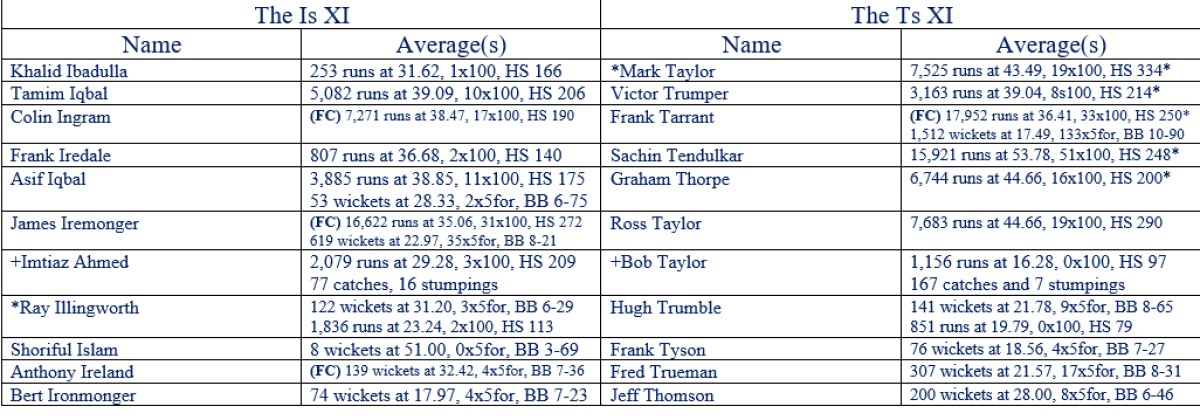
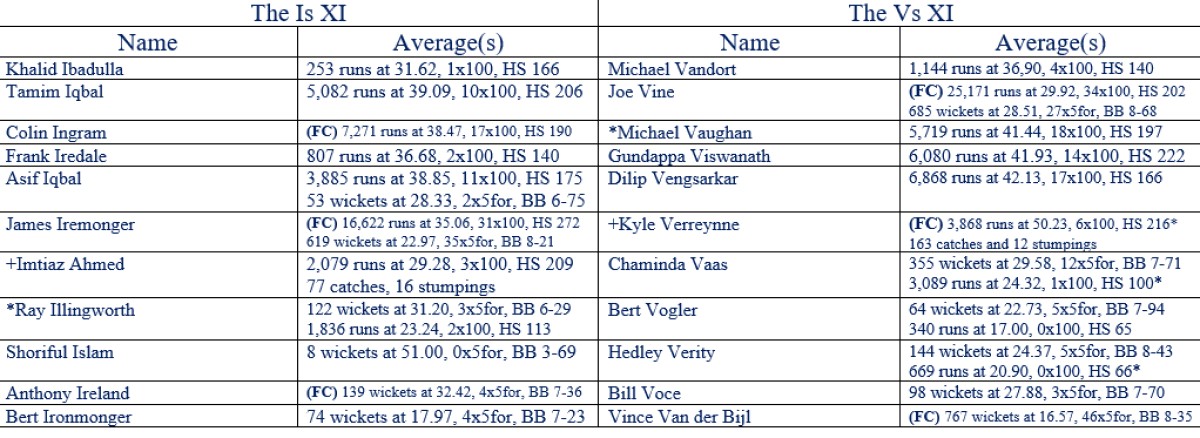
All Time XIs – Match Ups 37

Continuing my extended analysis of how the all time XIs I selected for each letter of the alphabet fare against one another, plus a rather different picture gallery from usual.

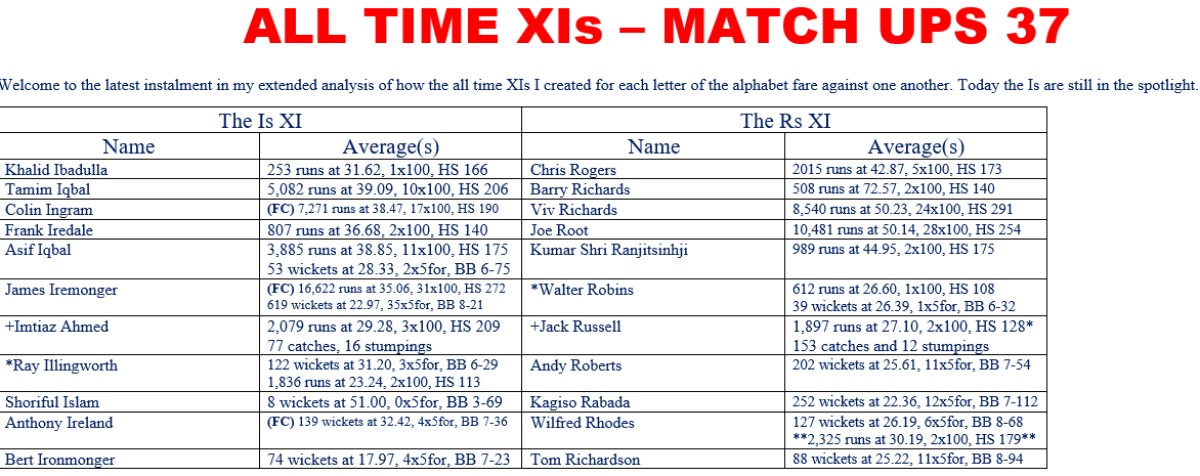
Welcome to the latest instalment in my extended analysis of how the all time XIs I created for each letter of the alphabet fare against one another. Today the Is occupy the spotlight and they start with a mere 10 out of a possible 80 points so far. The Super 12s stage of the men’s World T20 started today. The first game saw New Zealand thump hosts Australia by 89 runs (a monster margin in aT20), while in the second England won by five wickets over Afghanistan, with 11 balls to spare – a rather disappointing chase after a magnificent effort in the field restricted Afghanistan to 112 all out, headlined by Sam Curran taking 5-10.

THE Is V THE Rs

The Rs dominate the top batting positions – only Asif Iqbal at number five comes close to his opposite number, and ‘Ranji’ played on more difficult batting surfaces than Iqbal. The Is do have small batting advantages at six and seven, though Russell is the better keeper and Robins was a better skipper than Illingworth. The Rs powerful pace bowling unit absolutely obliterates such competition as the Is can offer in that department. The spin department is close – Illingworth outranks Robins, but as against that Rhodes, one of the all time legends of the game definitely outranks Ironmonger. There is simply no way the Is can put a dent in the Rs: Is 0, Rs 5.

THE Is V THE Ss

The Ss powerful batting line up absolutely dominates, arguably winning all 11 slots in that department. Imtiaz outranks Sangakkara as a keeper, the Ss utterly dominate in pace bowling, though the Is to win the spin bowling that can make no difference to the final result: Is 0, Ss 5.

THE Is V THE Ts

The Ts are way ahead on batting – only Imtiaz Ahmed and Illingworth at seven and eight can be said to win their match ups in this department. They also have by far the better keeper, and as usual dominate the pace bowling. Trumble and Tarrant are a decent match for Illingworth and Ironmonger spin wise. There is once again only one possible score: Is 0, Ts 5.

THE Is V THE Us

The opening pairs are closely matched – Ulyett’s runs, made in the very early days of test cricket would equate to only just less than Tamim Iqbal’s average today. The Us win the number four and five slots and the batting elements of no six and seven, though Imtiaz Ahmed wins the keeping laurels, and Iremonger offers more bowling than Umrigar, though not quite so much as Ulyett. The Us have the better new ball pairing, and Underwood outranks Ironmonger, though Ur Rahman hasn’t yet done enough to outrank Illingworth, though he probably will in the end. Neither of these sides are great with the bat, but the Us outgun the Is with the ball: Is 1, Us 4.

THE Is V THE Vs

The opening pairs are closely matched, the Vs own positions three through six, Imtiaz Ahmed outbats Vaas, but Vaas outbowls Iremonger as third seamer. Voce and Van der Bijl are by far the better new ball pairing, Verity outranks Ironmonger, and I would personally rate Vogler ahead of Illingworth, meaning that the Vs utterly dominate the bowling in all departments. Since they are also clearly ahead on batting, and captaincy and keeping skills are about even there can be only one scoreline: Is o, Vs 5.

THE Is PROGRESS REPORT

The Is managed one point of a possible 25 today and are now on 11 out of 105, 9.55% overall.

PICTURE GALLERY

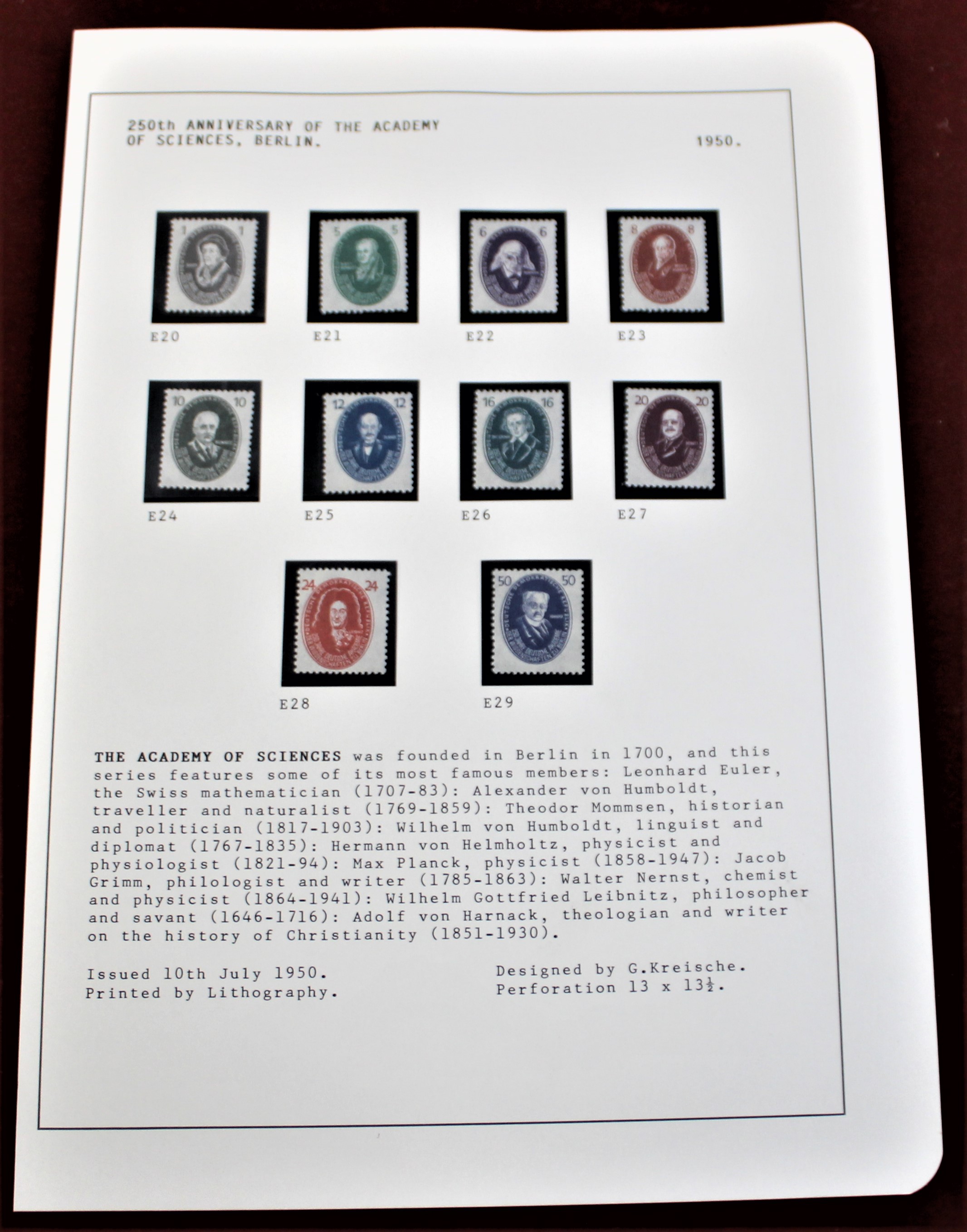
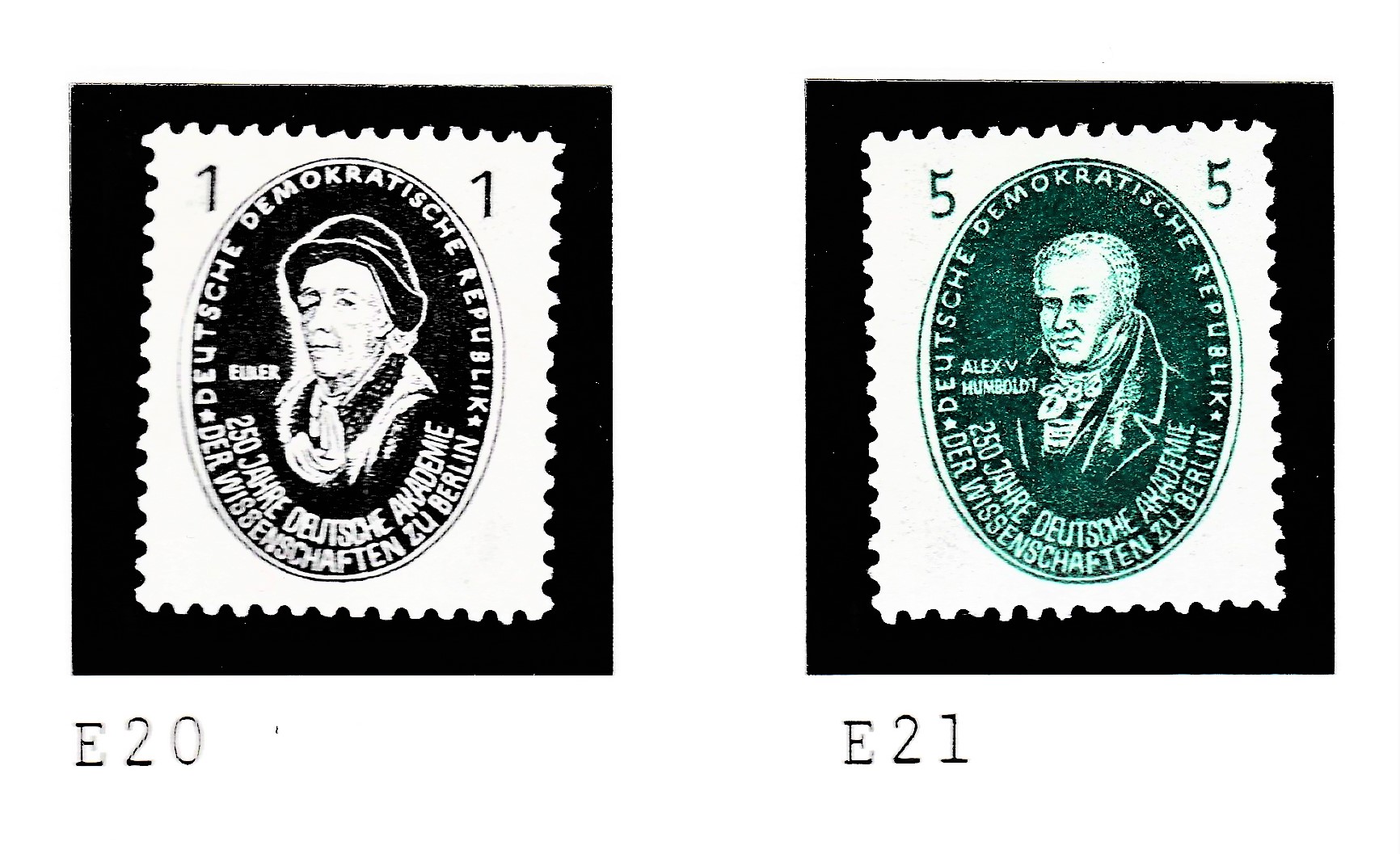
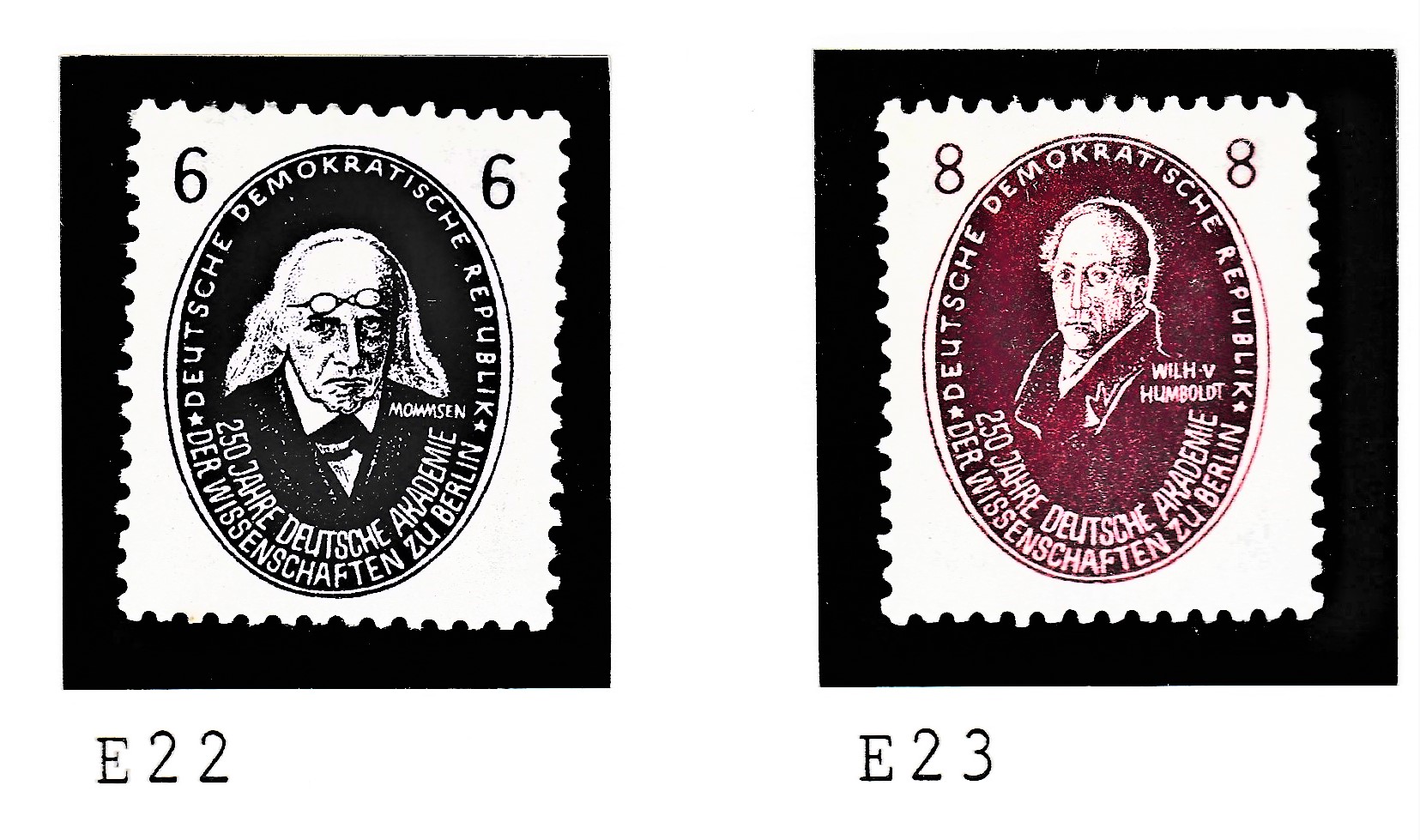
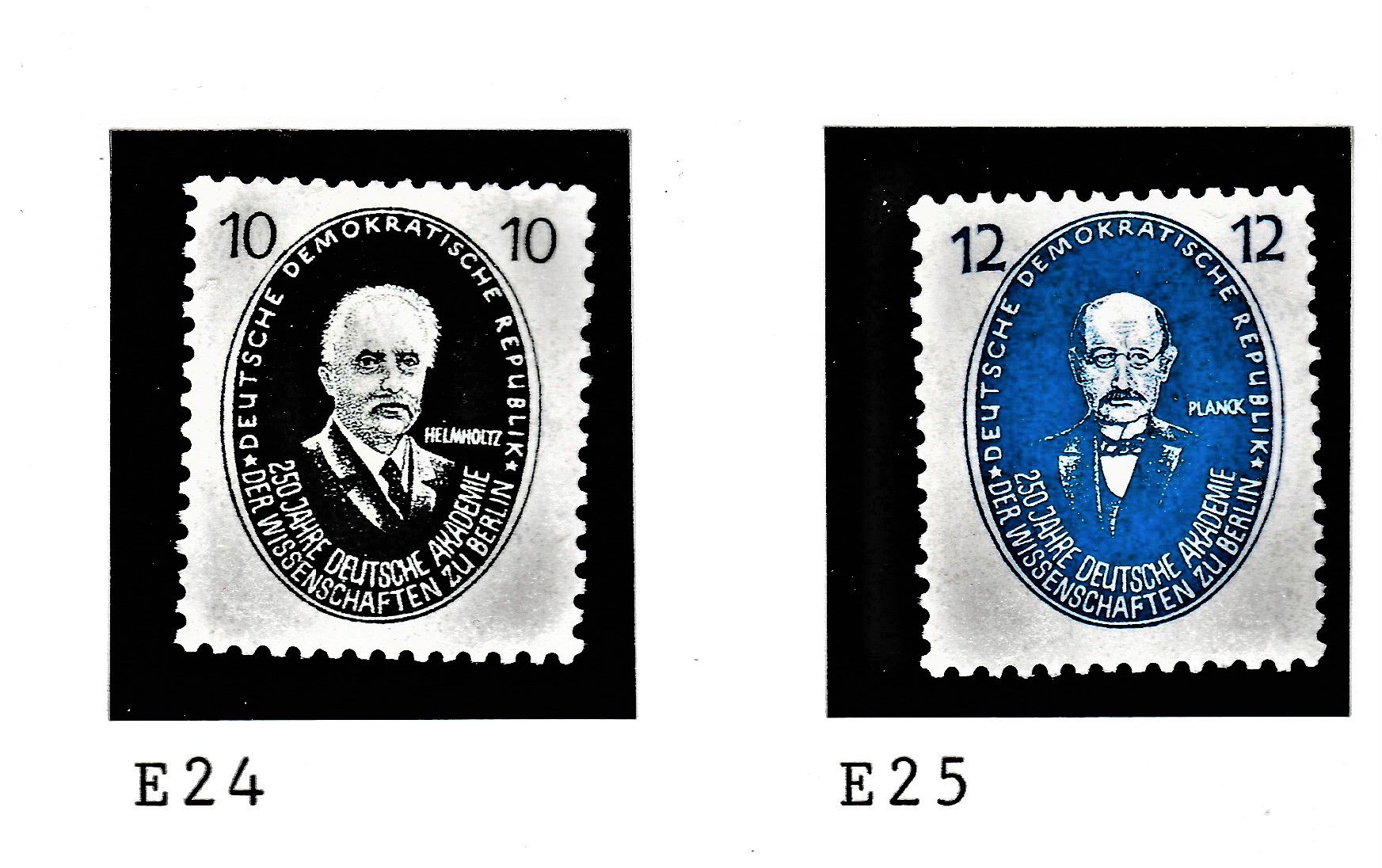
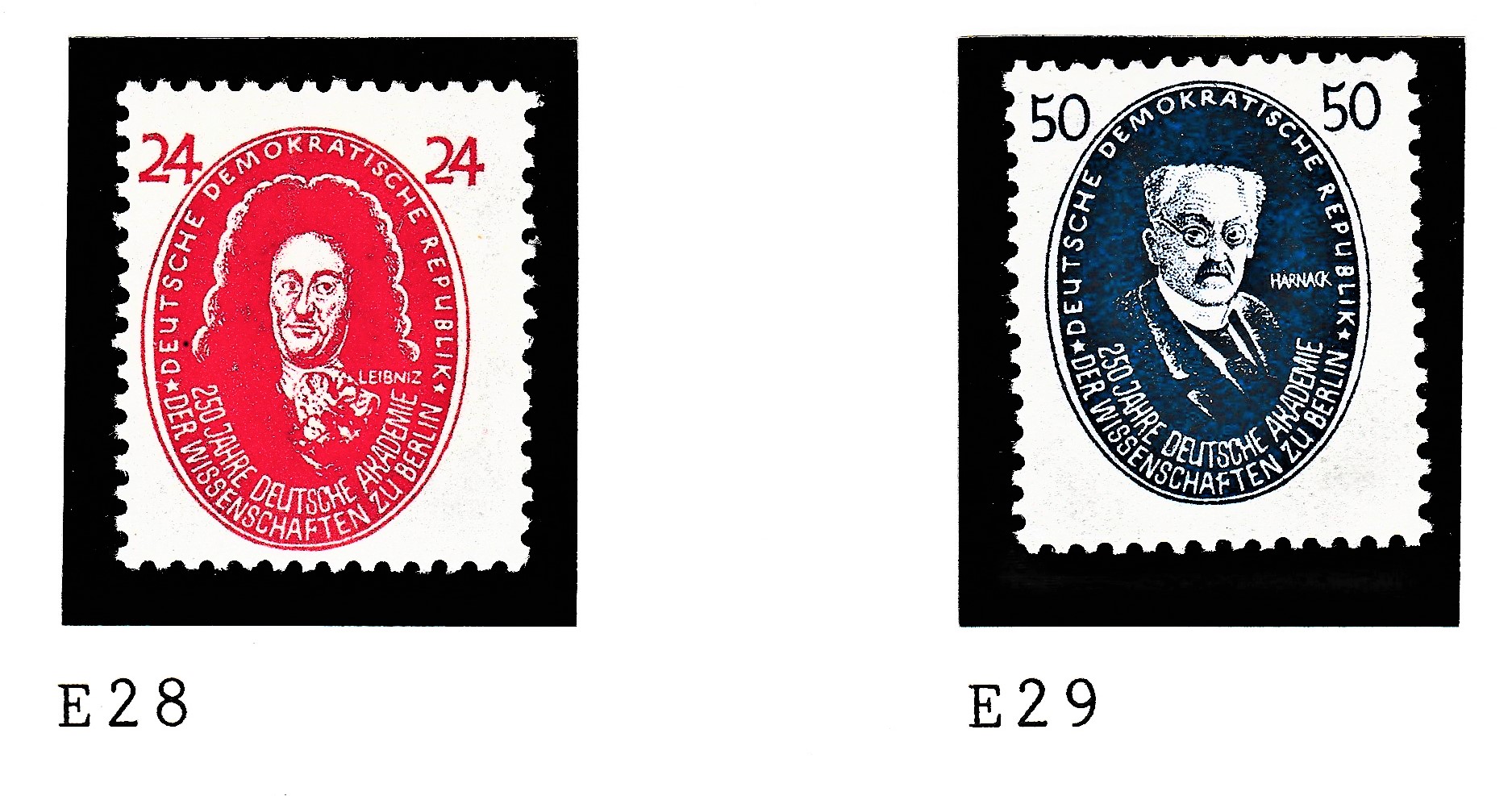
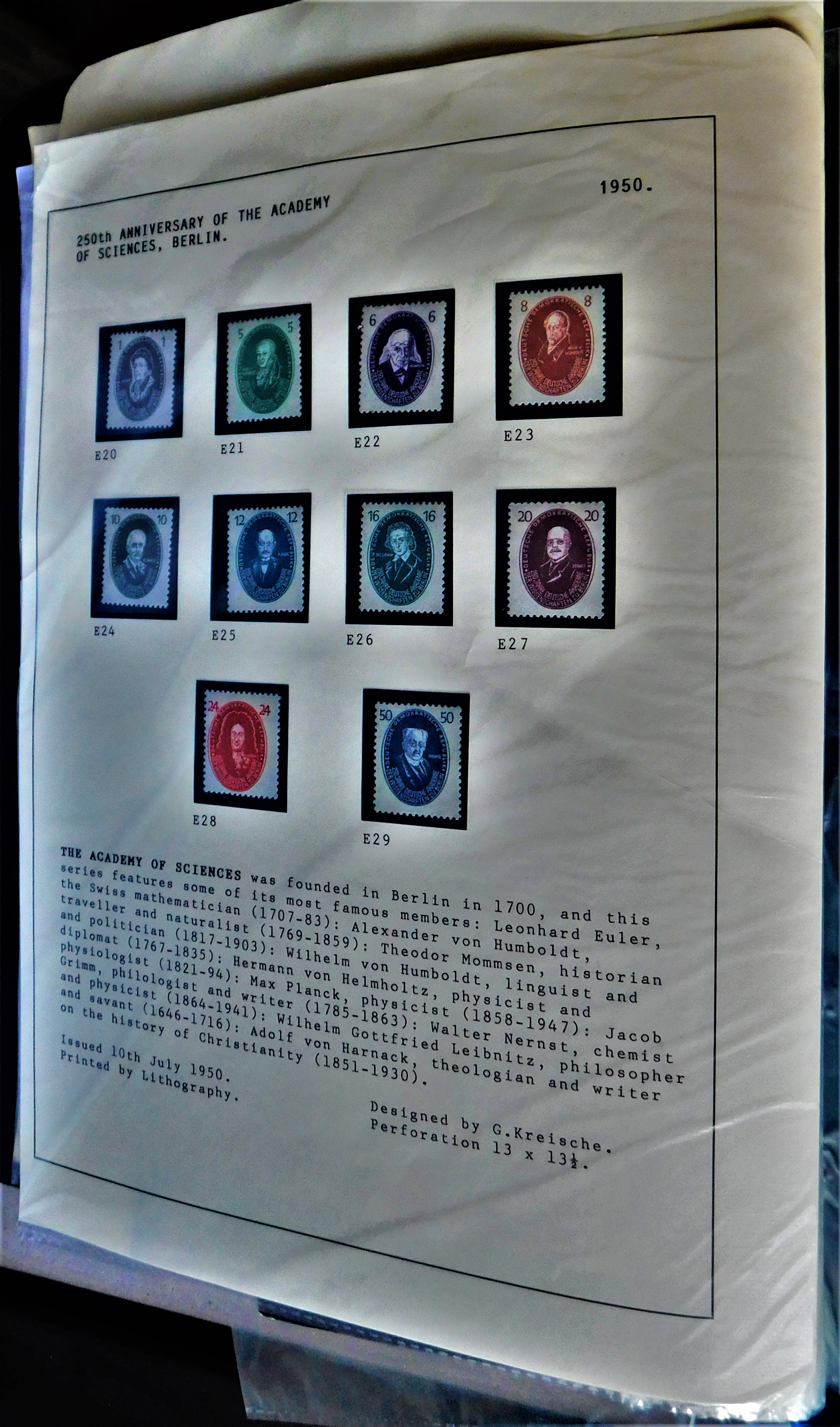
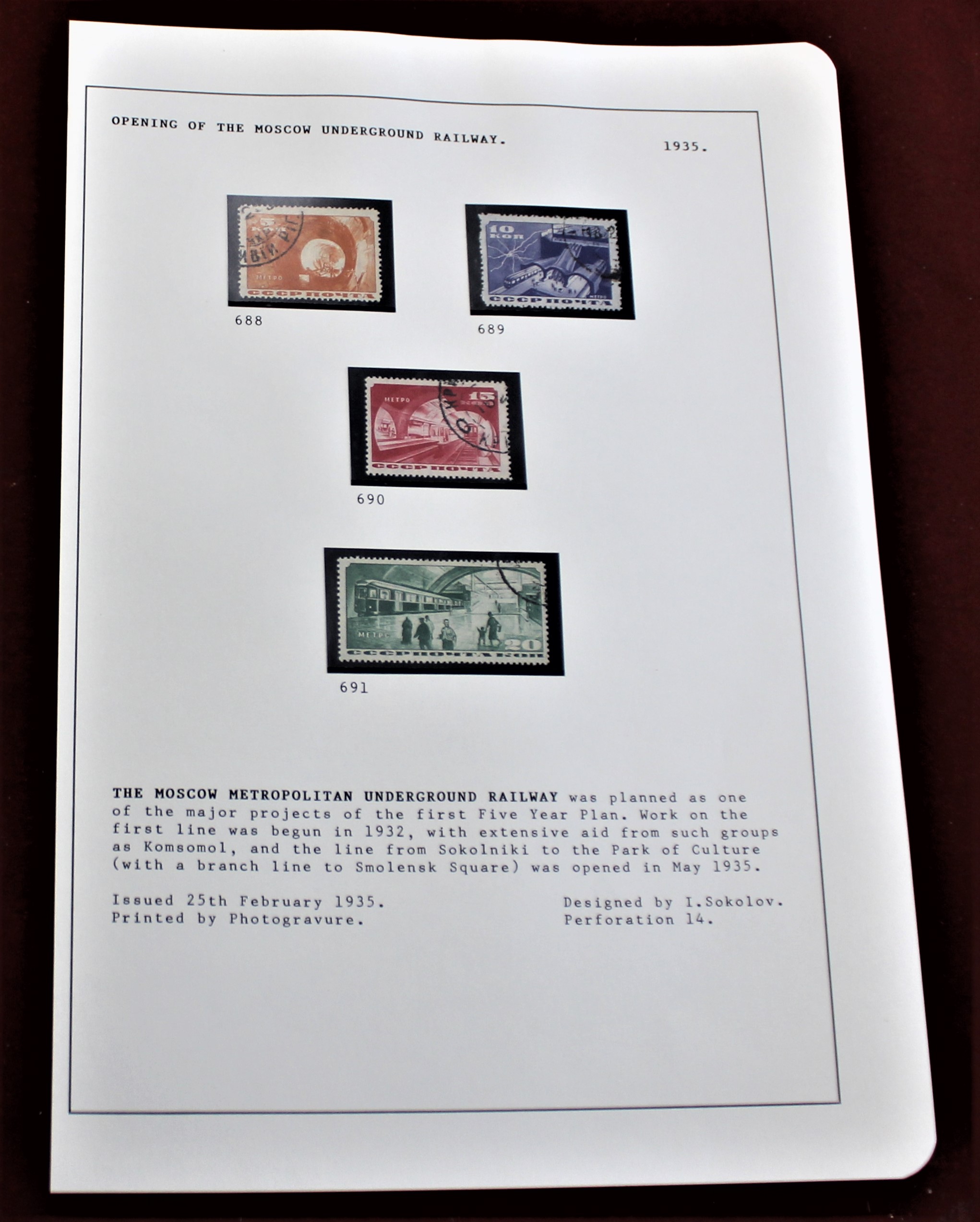
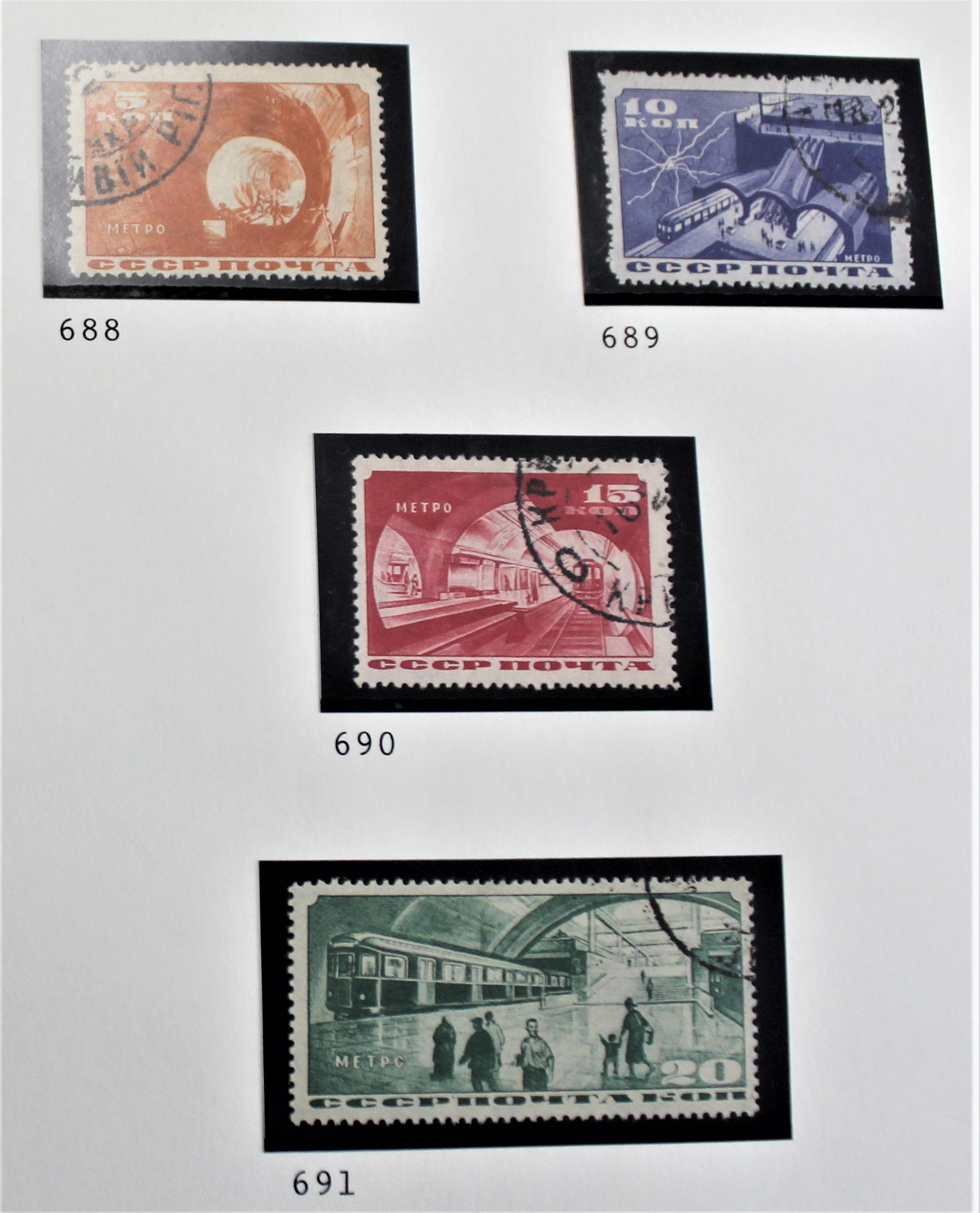
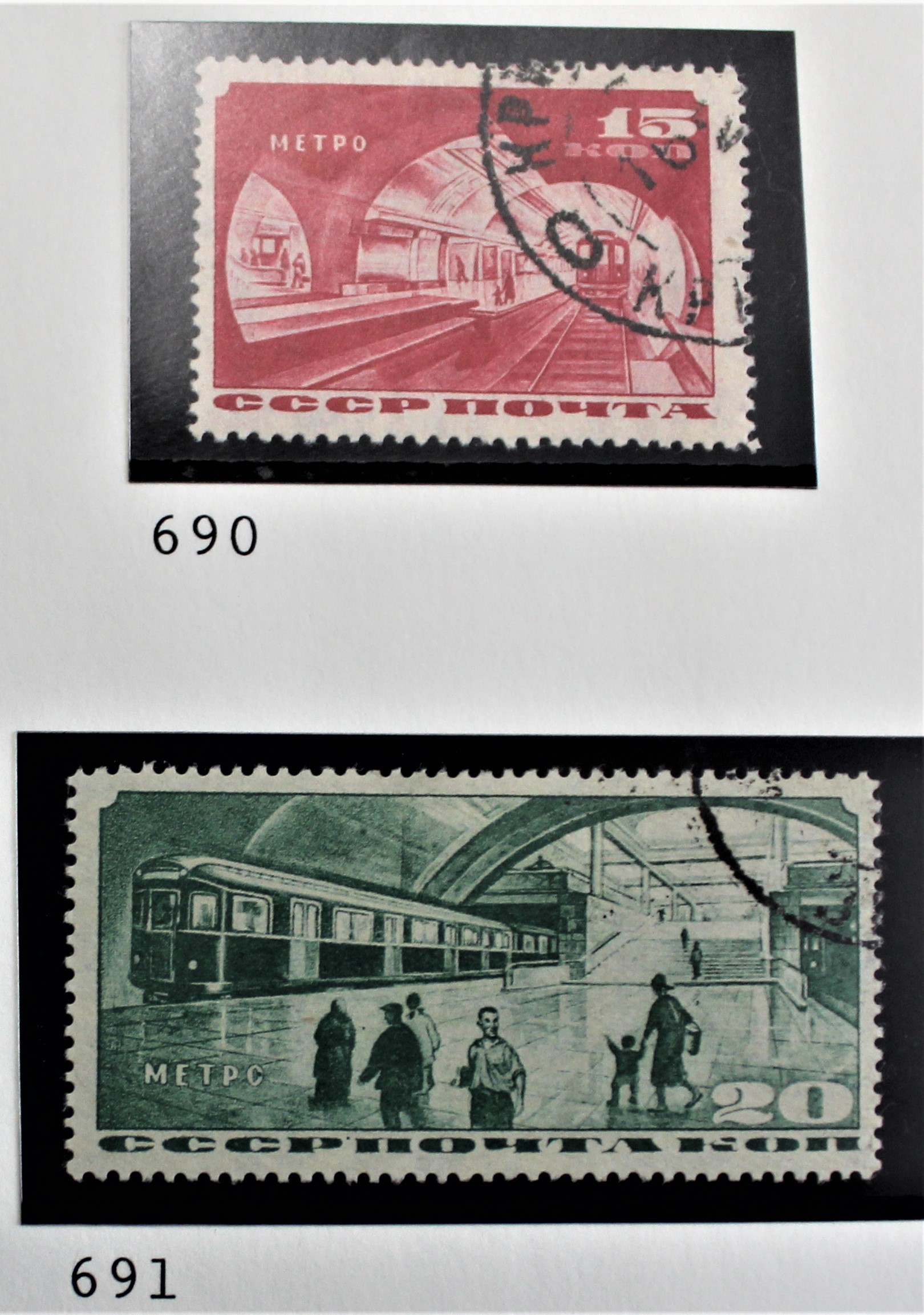
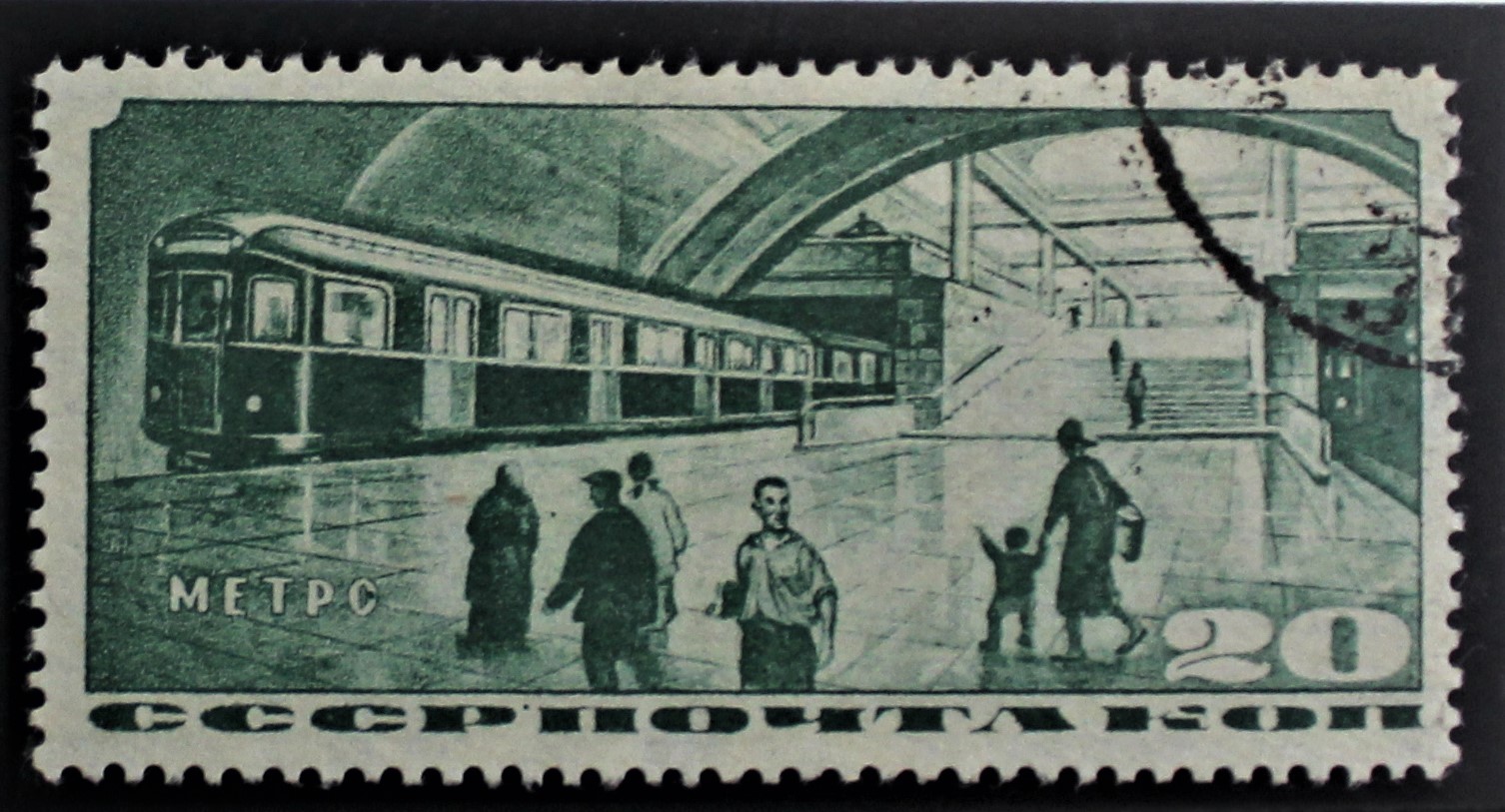
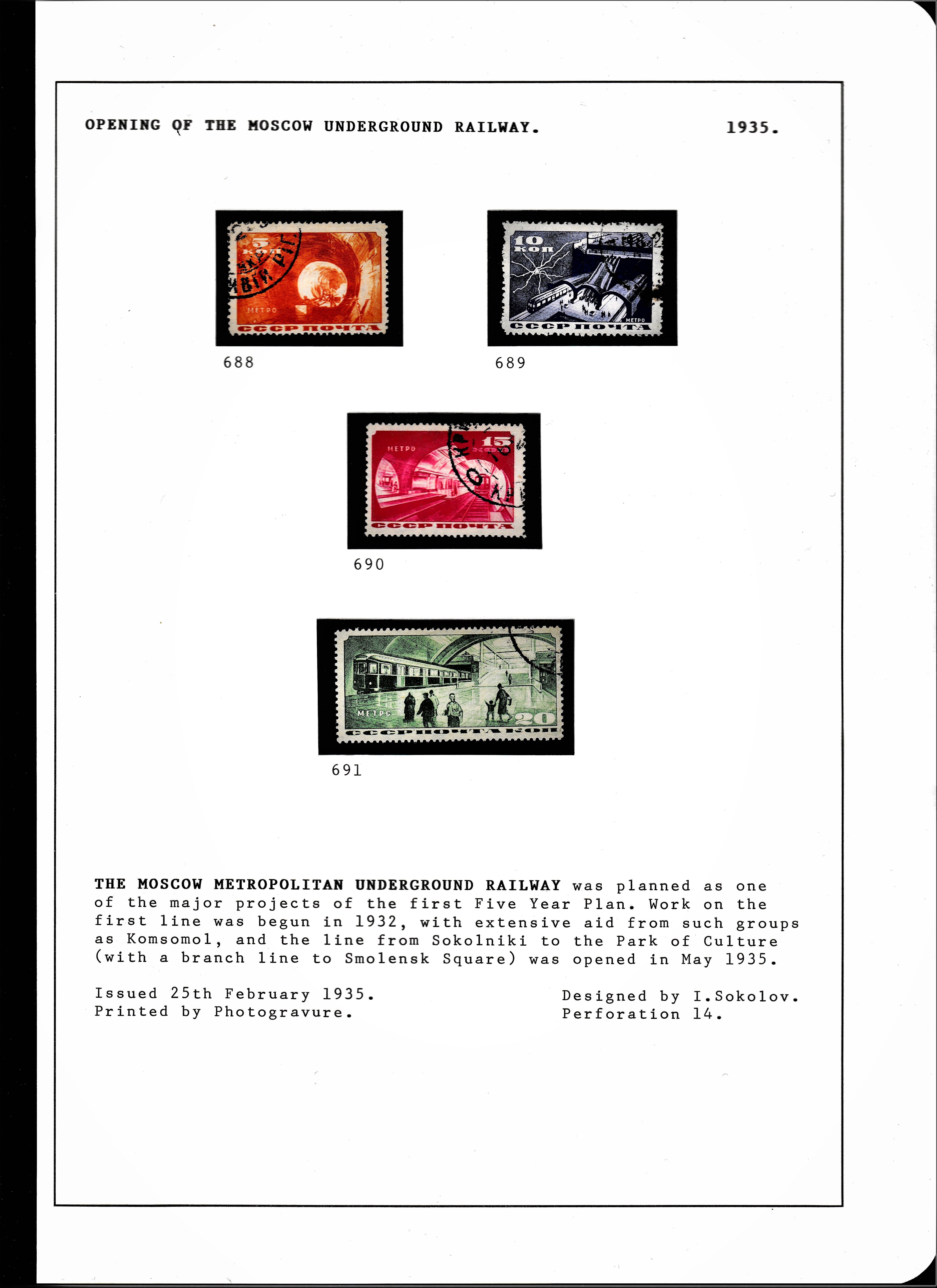
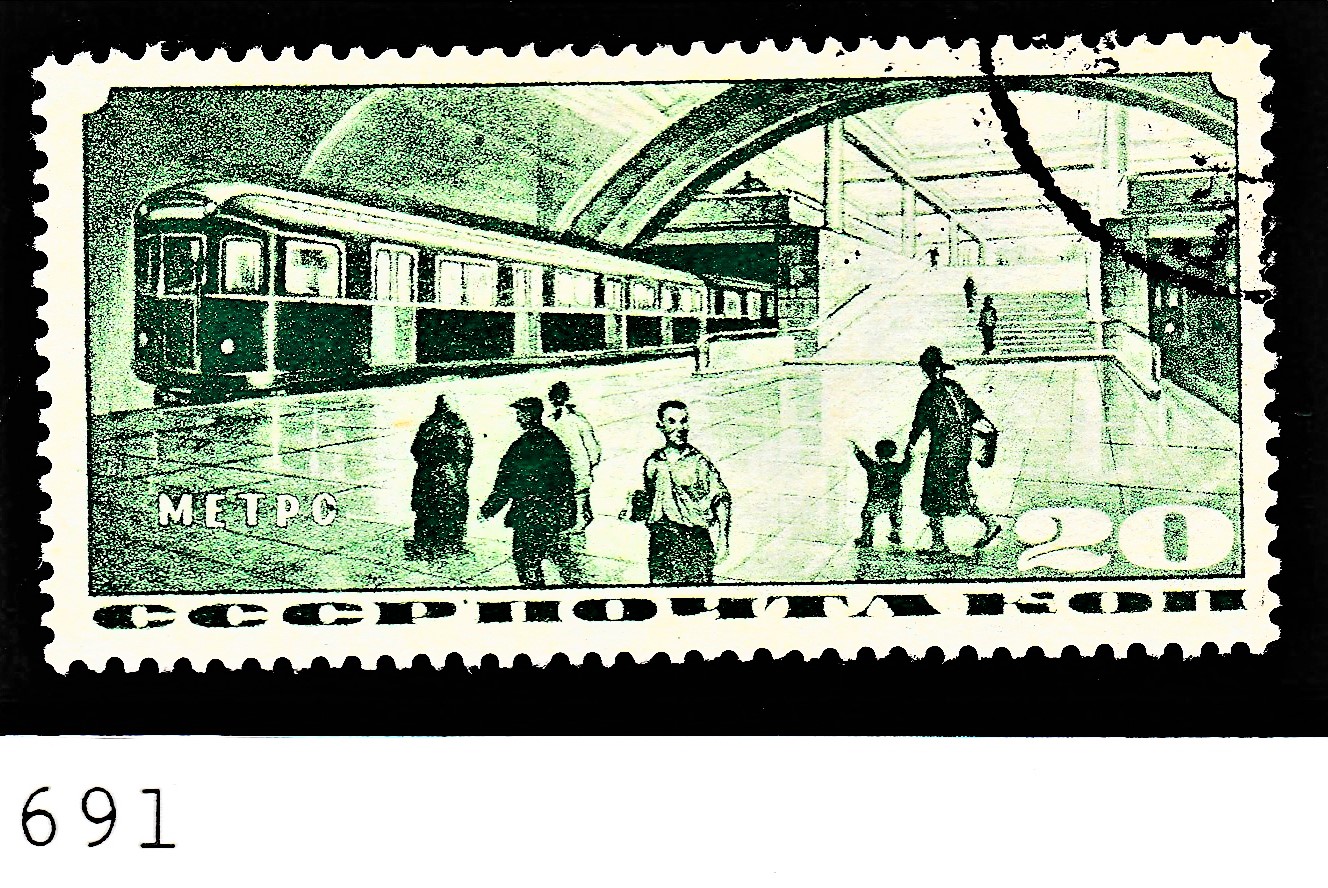
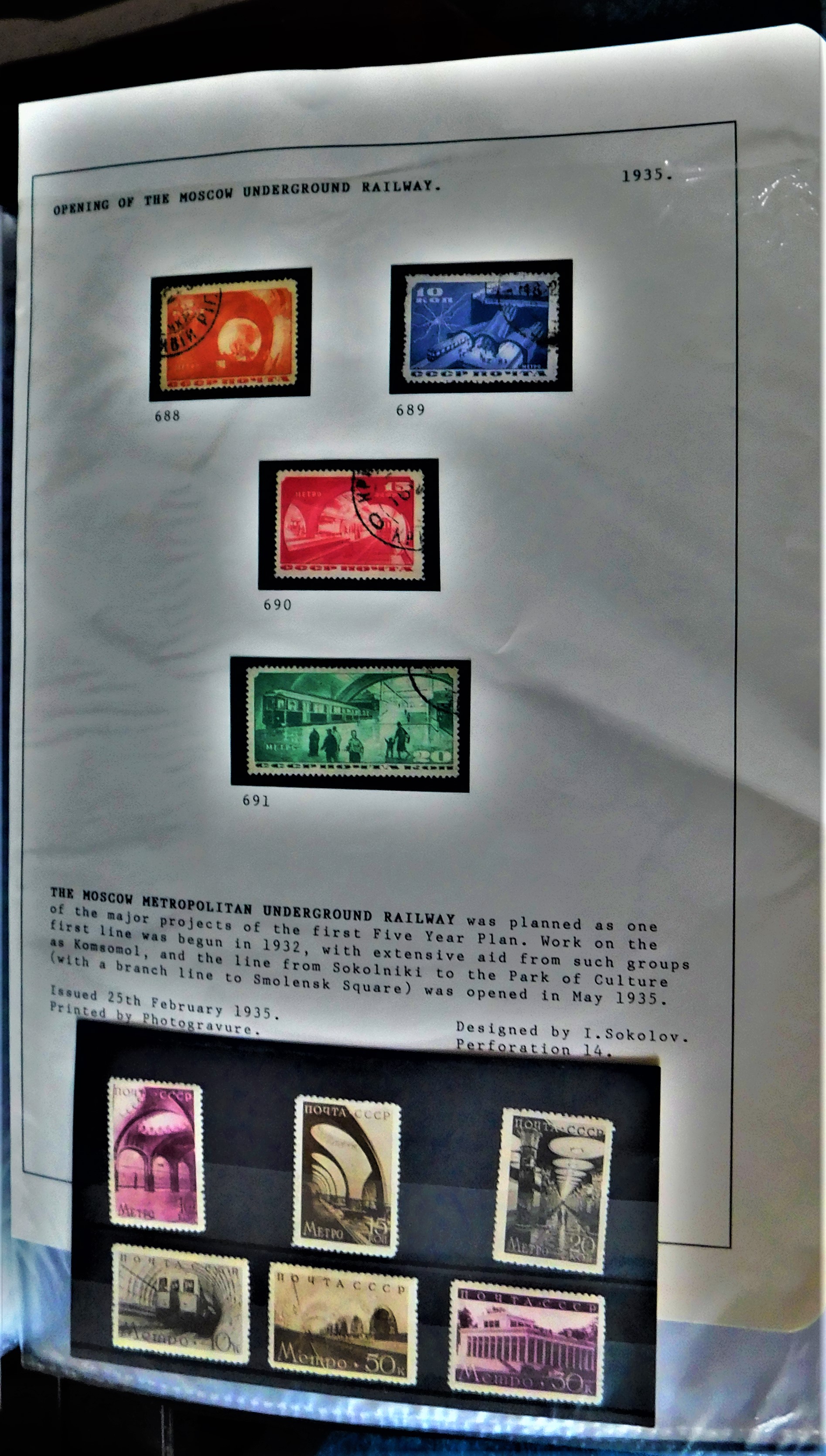
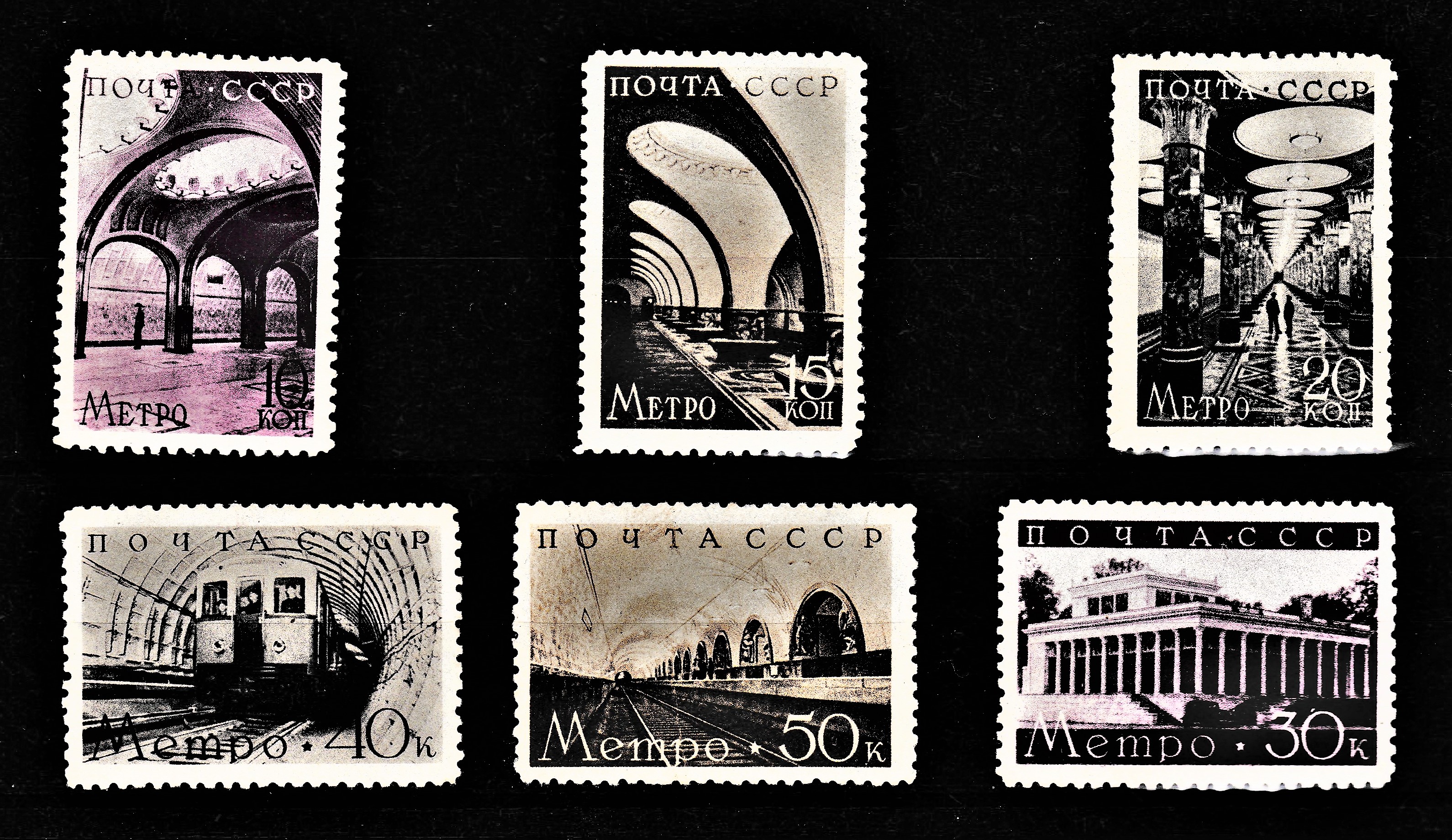
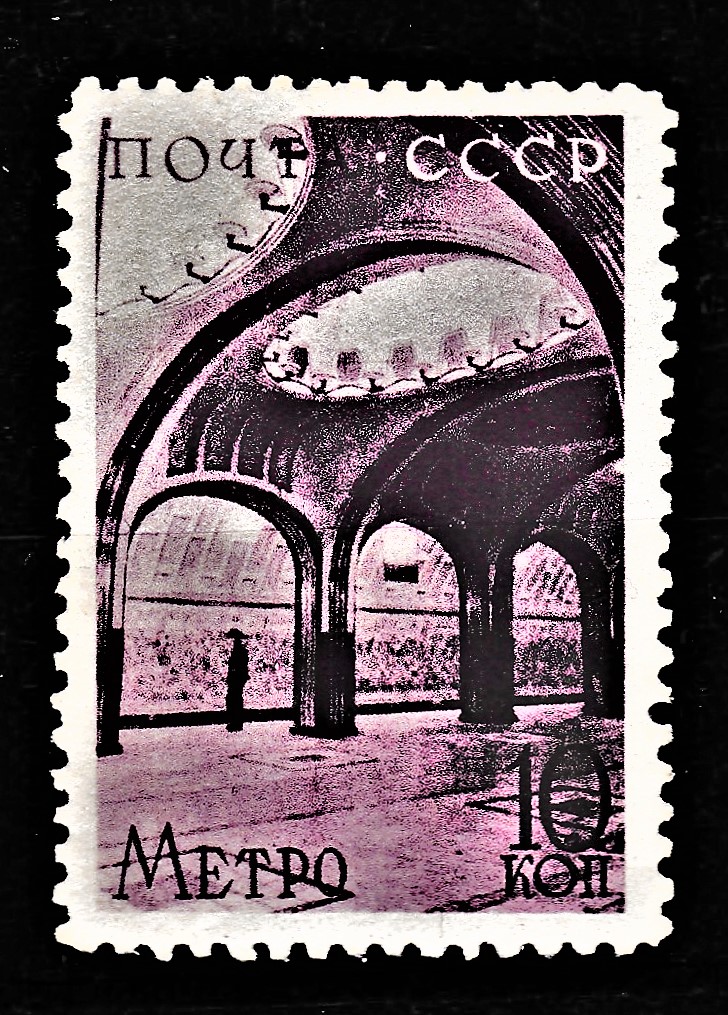
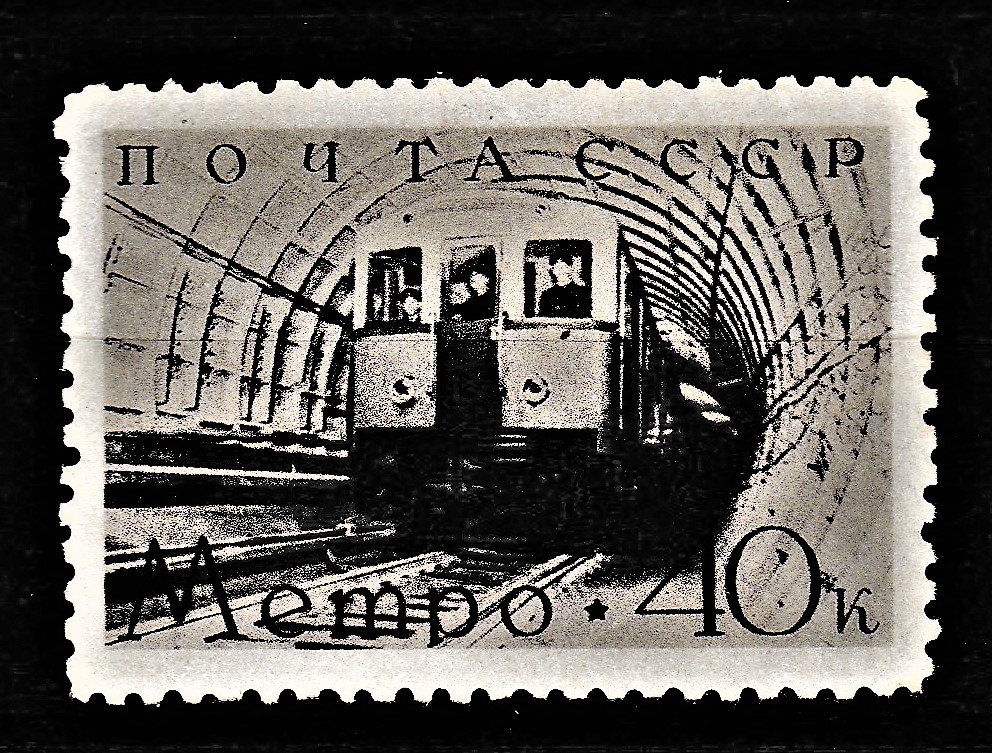
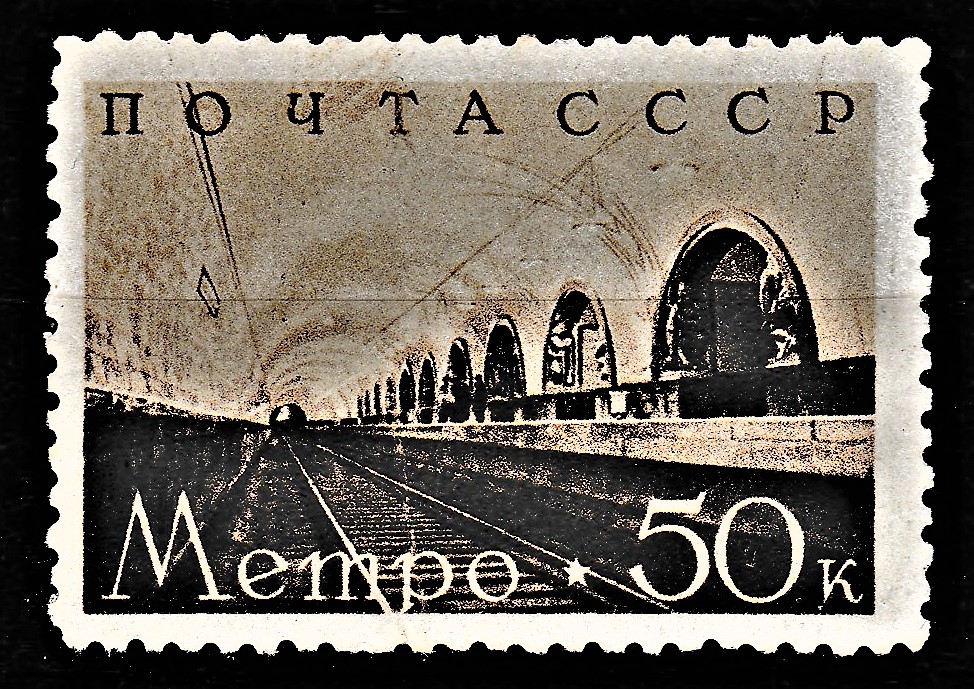
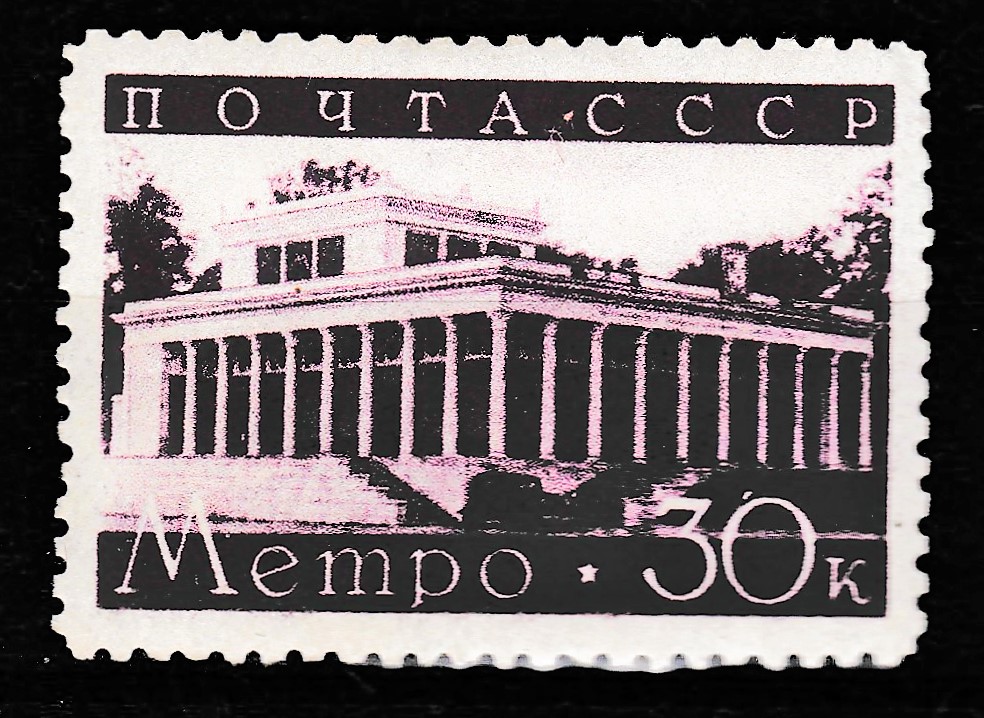
Today’s picture gallery is something different from usual, and necessitates a disclaimer notice. In James and Sons’ October sale I got two lots very cheaply, a set of stamps celebrating the opening of the Moscow Metro and a set of Stamps marking the 250th anniversary of The Academy of Sciences. Both these sets of stamps, and the set of Moscow Metro I already owned were issued by regimes that I must stress I regard as absolutely appalling. Stalinist Russia was one of the nastiest of all dictatorships, and the laughably misnamed German Democratic Republic was also appalling. I purchased these stamps for their subject matter and in spite of my hatred for the regimes that produced them. For each of the two new lots I show the official auction images and some that I have produced now that the items are in my possession.

We start with the Scientists:

Now the Moscow Metro stuff…

All Time XIs – Match Ups 22

Continuing my extended analysis of how the all time XIs I selected for each letter of the alphabet fare against one another.

Welcome to the latest instalment in my extended analysis of how the all time XIs I selected for each letter of the alphabet fare against one another. The Es XI continue to occupy the spotlight, and they start today on 21 of a possible 75 points.

THE Es V THE Qs

The Es dominate the batting, and are also massively superior in pace bowling, having a proper new ball pairing in the form of T Emmett and Elliott, whereas the Qs only front line seamer is a bad third in the seam bowling rankings across the sides. The Qs have a numerical advantage in the slow bowling department, but Ecclestone is probably the best individual slow bowler on either side. I do not think that even on a turning pitch the Qs can close the gulf between them and the Es and accordingly score this one Es 5, Qs 0.

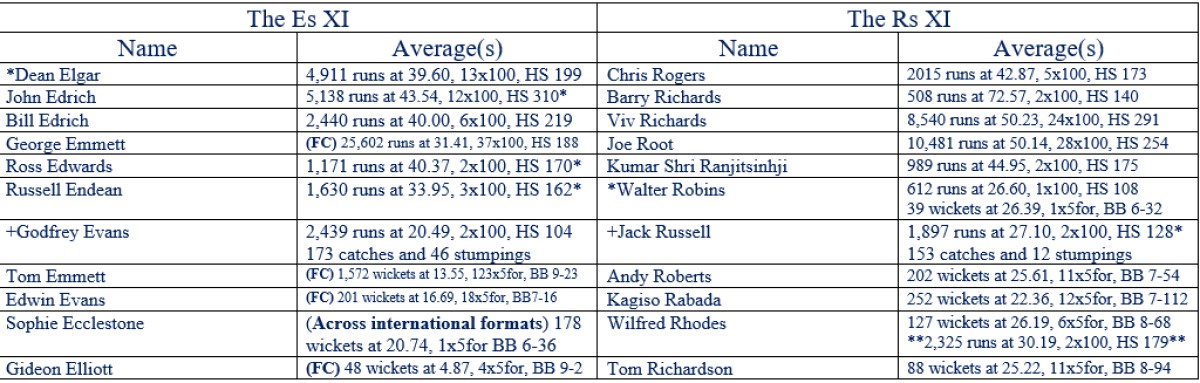
THE Es V THE Rs

The Rs win the first five batting match ups, and while Endean ranks ahead of Robins as a batter, Robins’ all round skills partly compensate for that, and he also comfortably outranks the fairly pedestrian Elgar as a captain. Russell’s batting advantage of over 6.5 per innings over G Evans undoubtedly more than makes up for any slight superiority Evans may have had as a keeper. The Rs are comfortably clear in bowling as well – they have three front line pacers to the Es two, and magnificent though she is Ecclestone cannot be ranked ahead of Rhodes in the pantheon of left arm spinners. I score this one Es 0, Rs 5.

THE Es V THE Ss

The Ss dominate in all departments save wicket keeping – G Evans was undoubtedly a finer keeper than Sangakkara. Es 0, Ss 5.

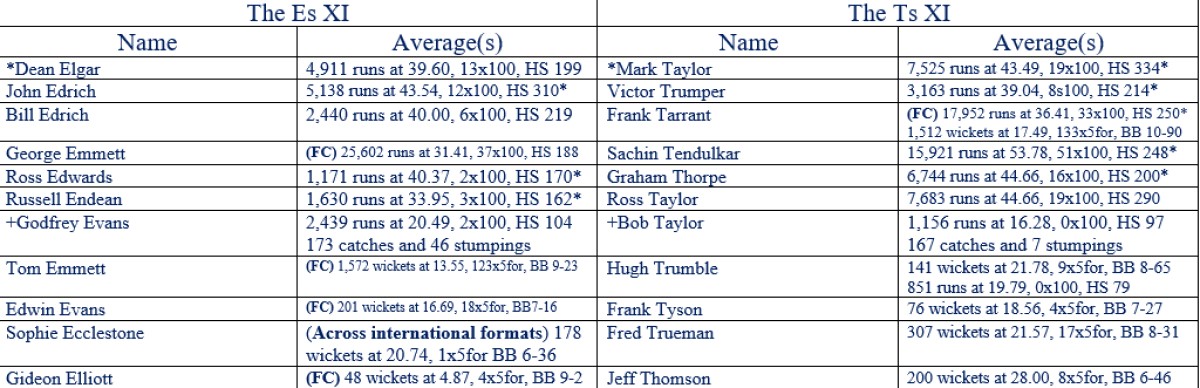
THE Es V THE Ts

I give the Ts the verdict on opening pairs – Taylor’s marginal disadvantage v J Edrich is compensated for by his greater tally of runs, while Trumper made his runs on much more difficult pitches than Elgar. Additionally I would rate Taylor a better skipper than Elgar. While Tarrant loses the batting element of his match up against Bill Edrich, he offers an extra bowling option. The Ts have an overwhelming advantage in the number 4,5 and 6 positions. Bob Taylor ranks below Evans with the bat, similarly as a keeper. The Ts have far the stronger pace attack, and while Ecclestone just outranks Tarrant as a bowler Trumble has a significant advantage over E Evans. The Ts are well ahead and I score this Es 0, Ts 5.

THE Es V THE Us

The Es win the first three batting slots, the Us win the the next three. Umar Akmal outranks G Evans with the bat but is miles behind him as a keeper. The Es comfortably outrank the Us in the new ball contest, though Ulyett’s presence as a third pace option reduces the gap in this department. Ecclestone against Underwood is a mighty contest, though Ecclestone offers more with the bat. Given that he has done his bowling on 21st century pitches, which offer less to slow bowlers than the 19th century surfaces that E Evans exploited I put Ur Rahman ahead in this match up. Overall the Es should have enough, but it is close: Es 3, Us 2.

THE Es PROGRESS REPORT

The Es have scored 8 of a possible 25 points today, moving them to 29 out of 100 – 29%.

PHOTOGRAPHY

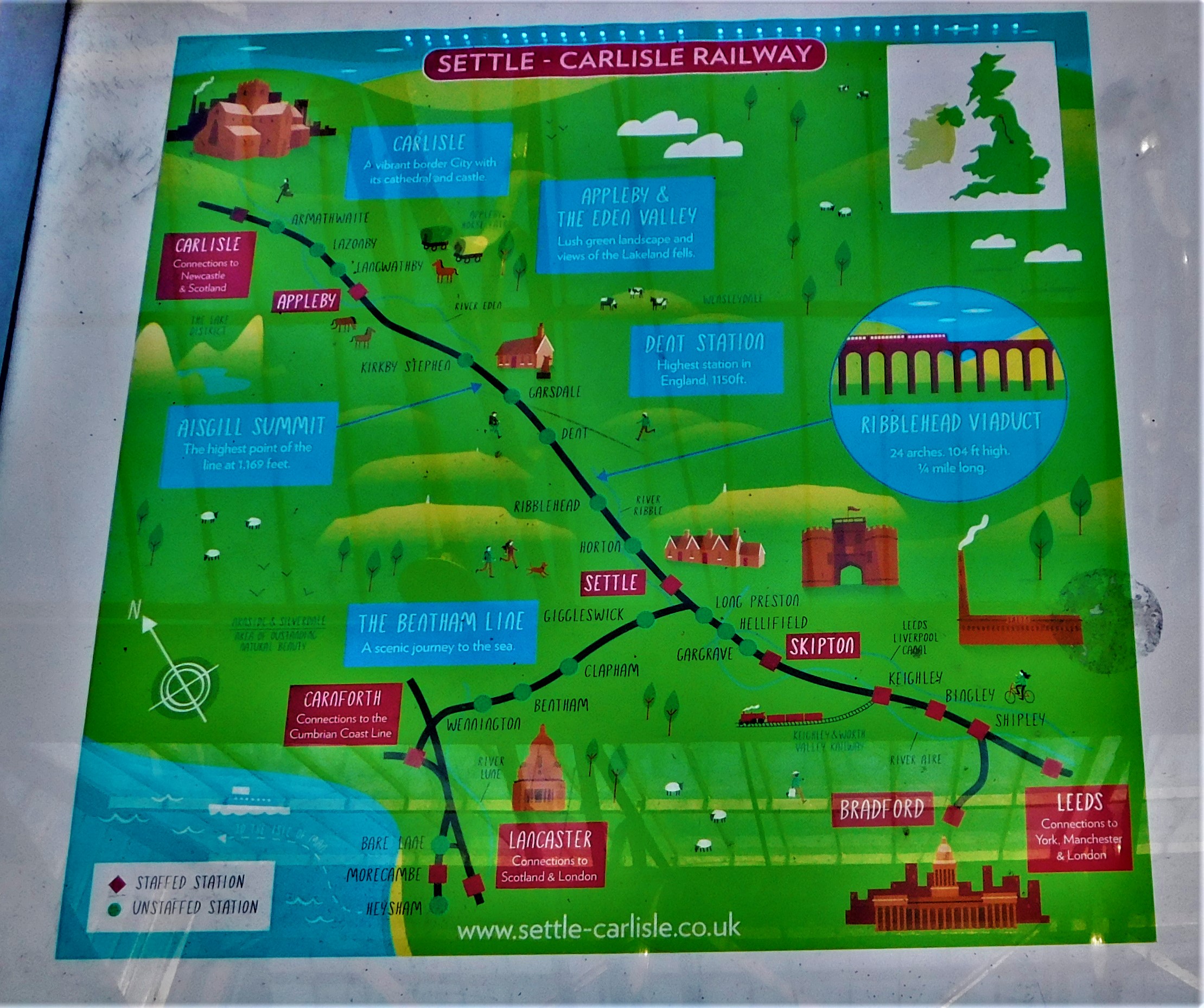
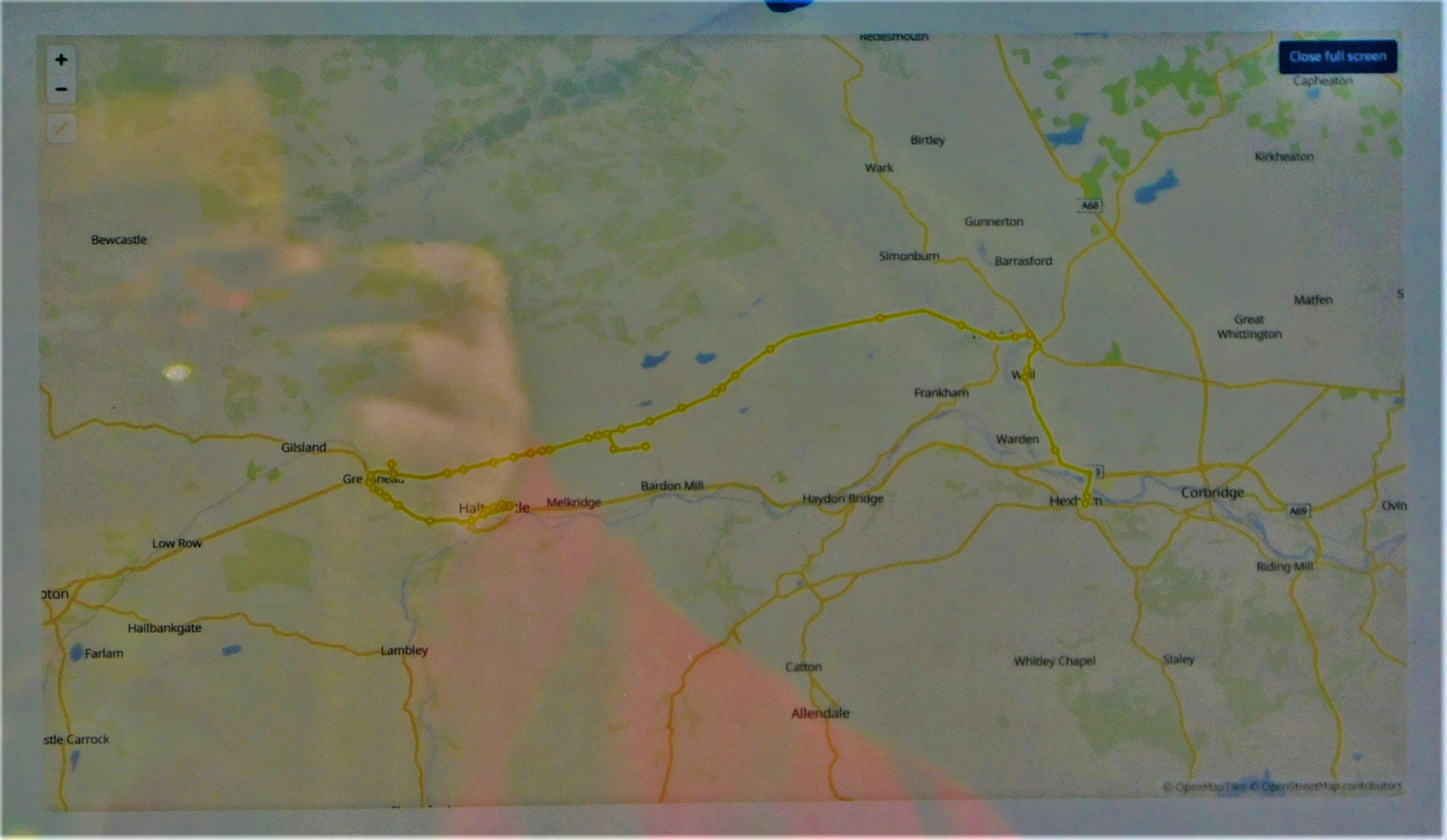
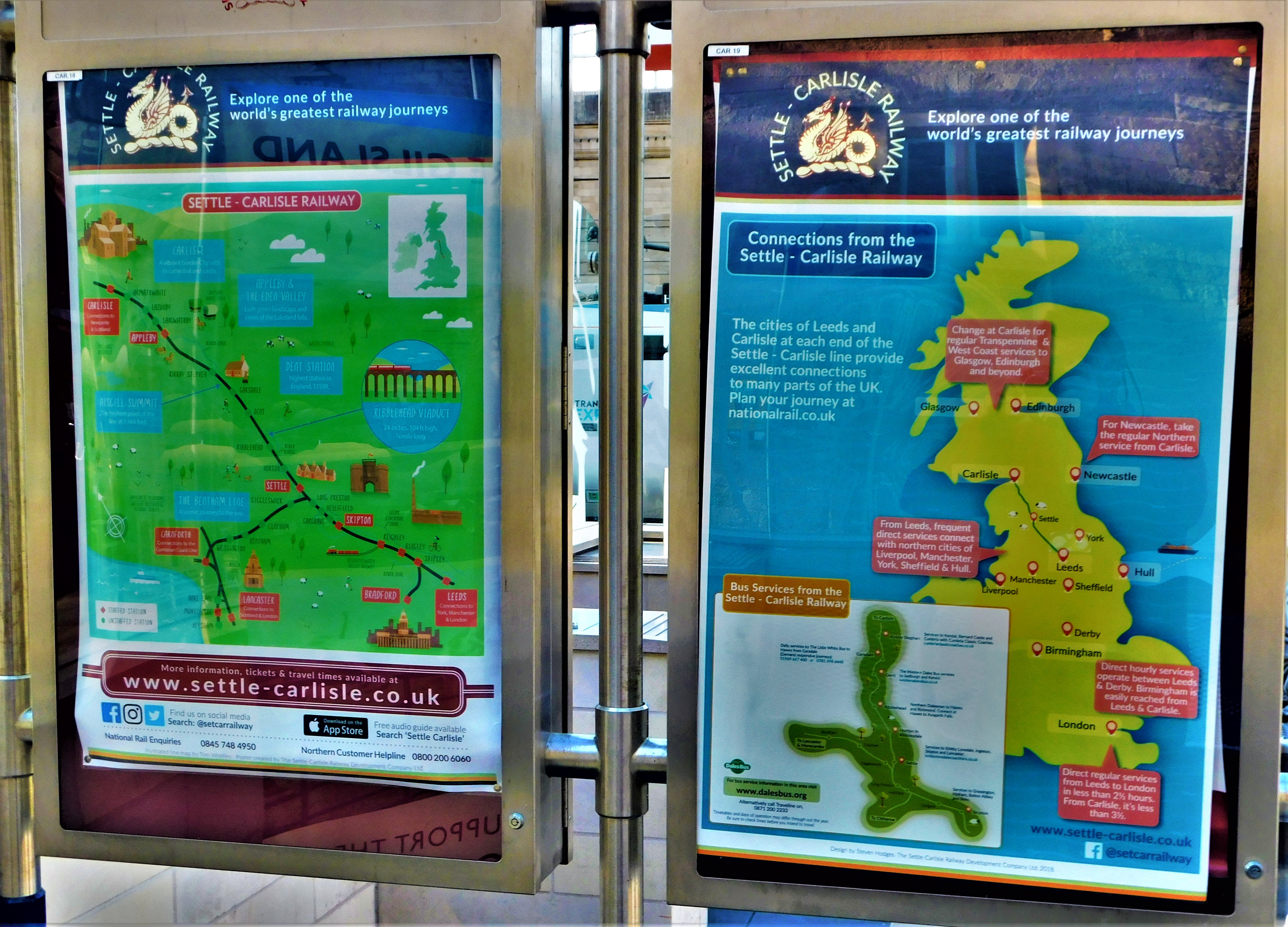
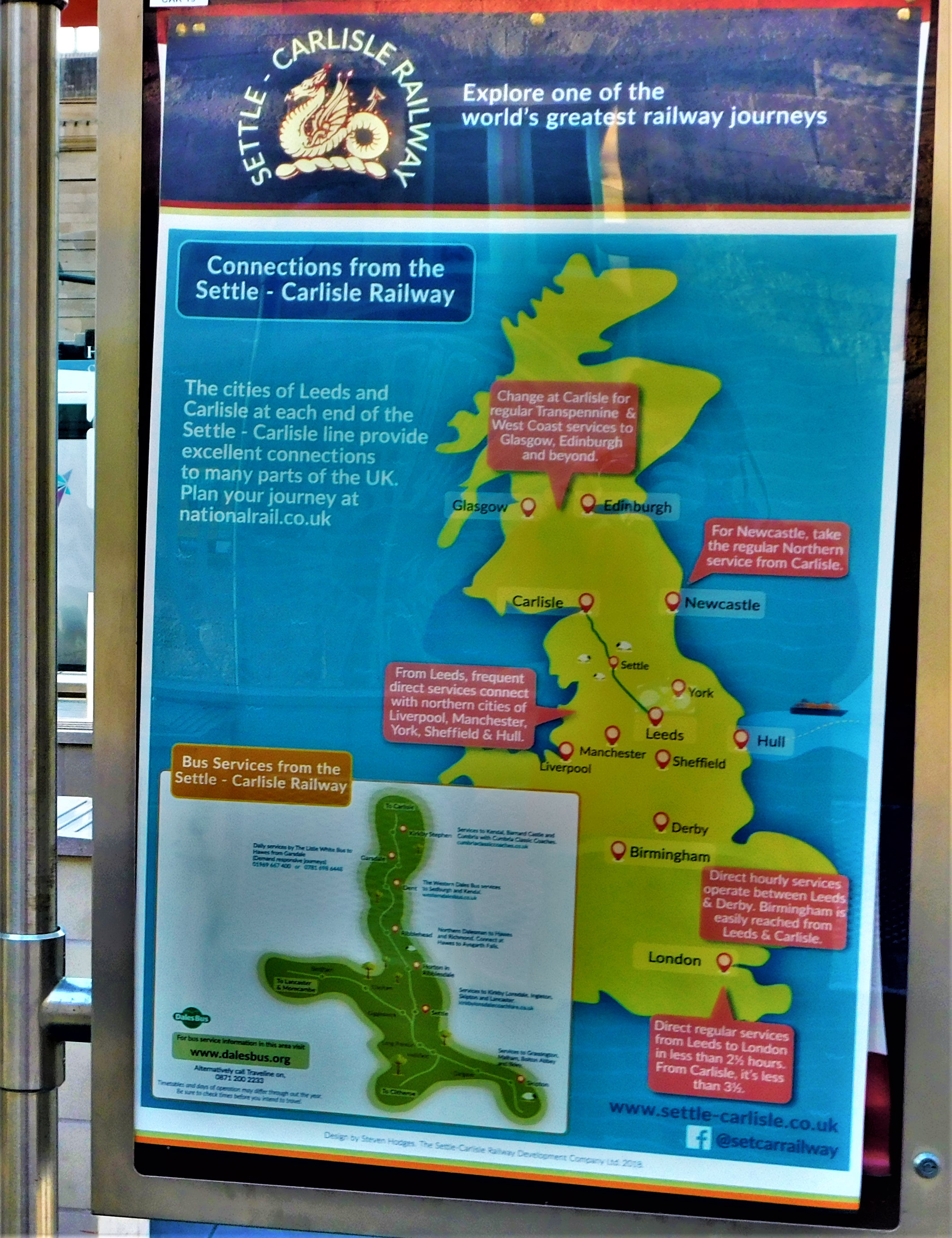
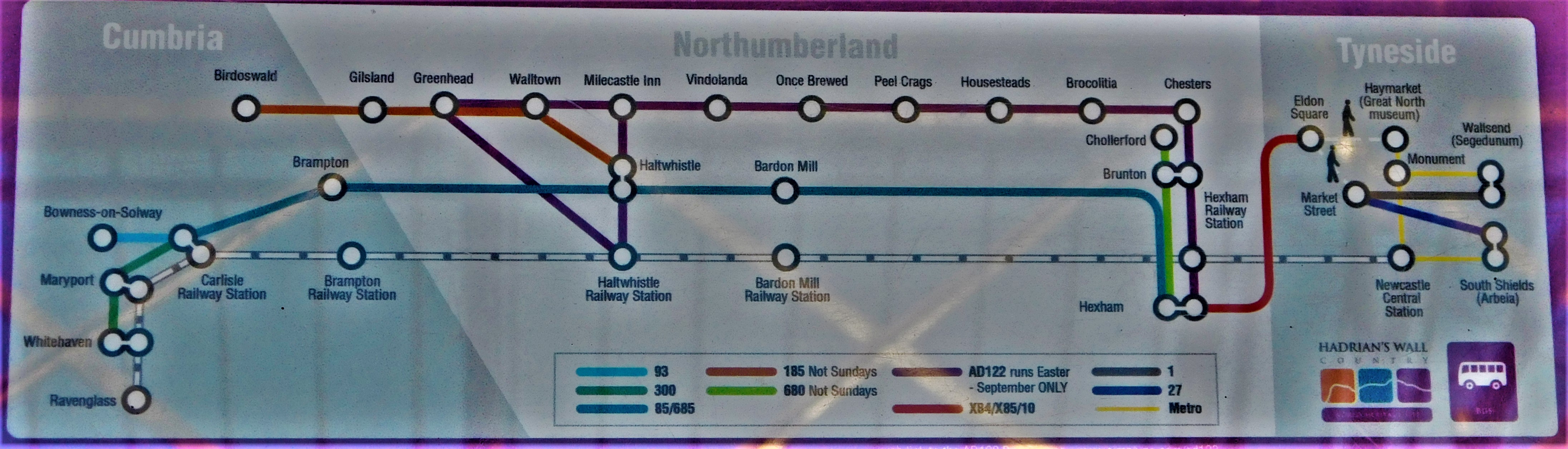
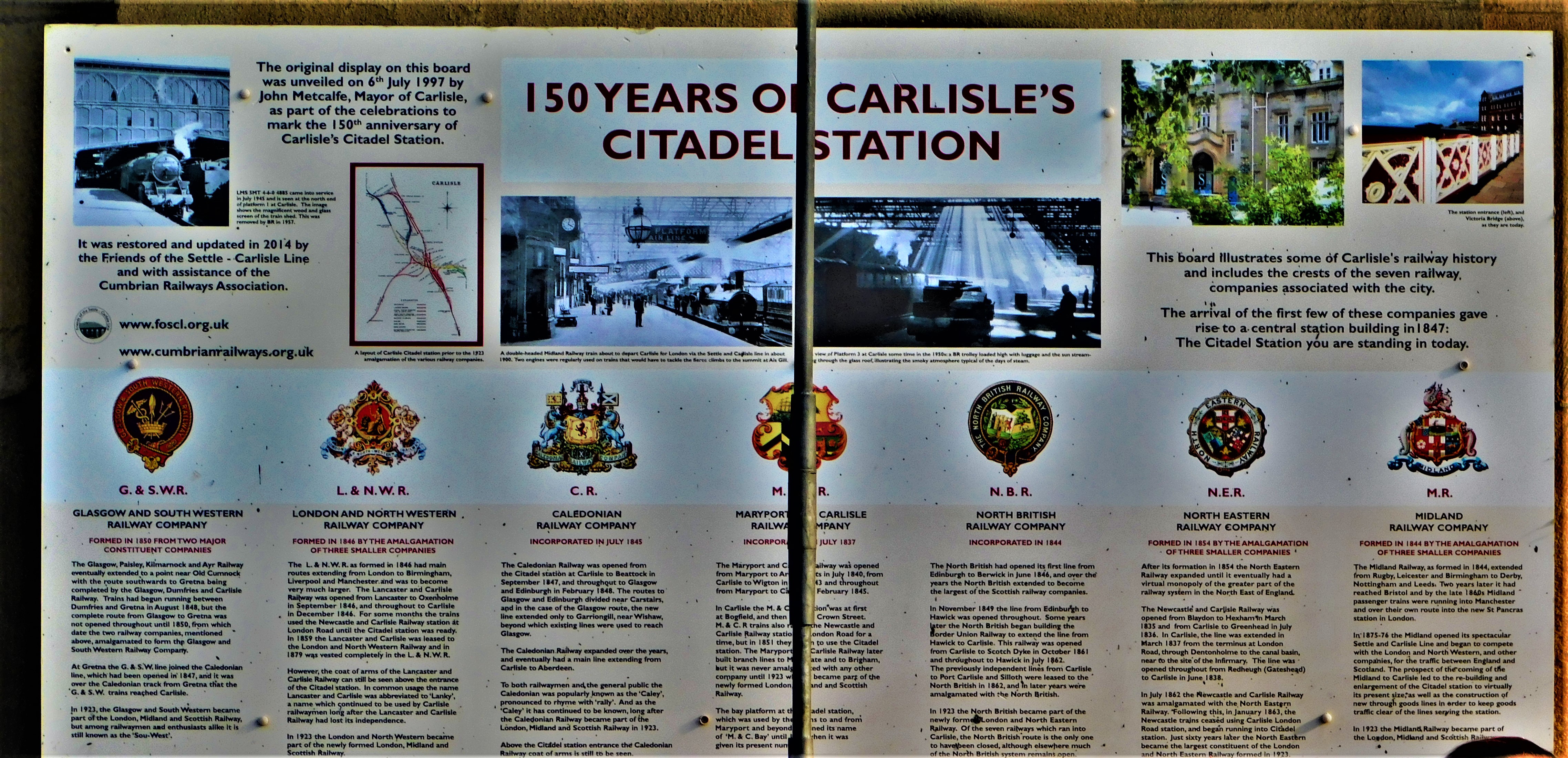
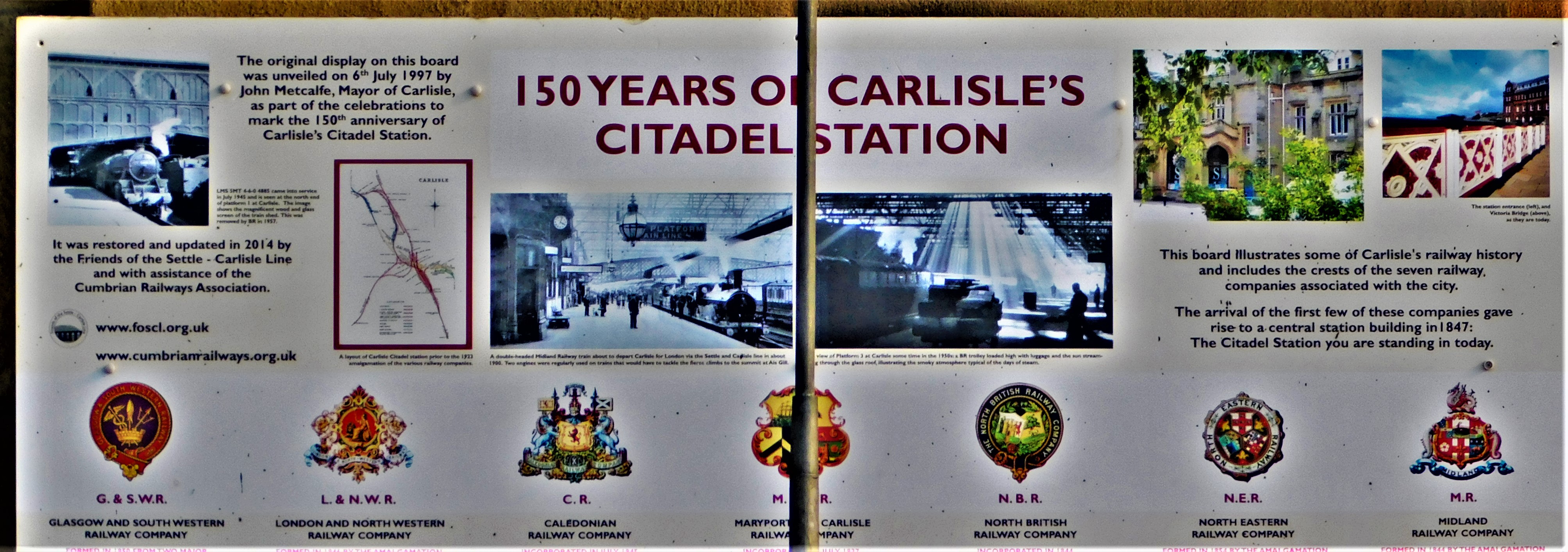
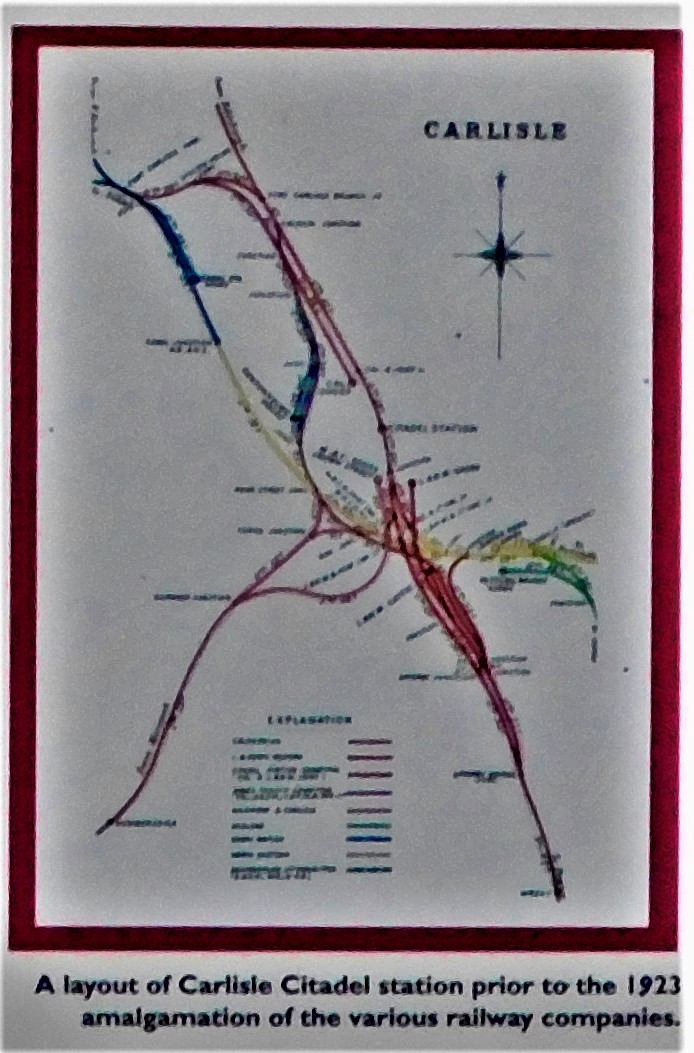
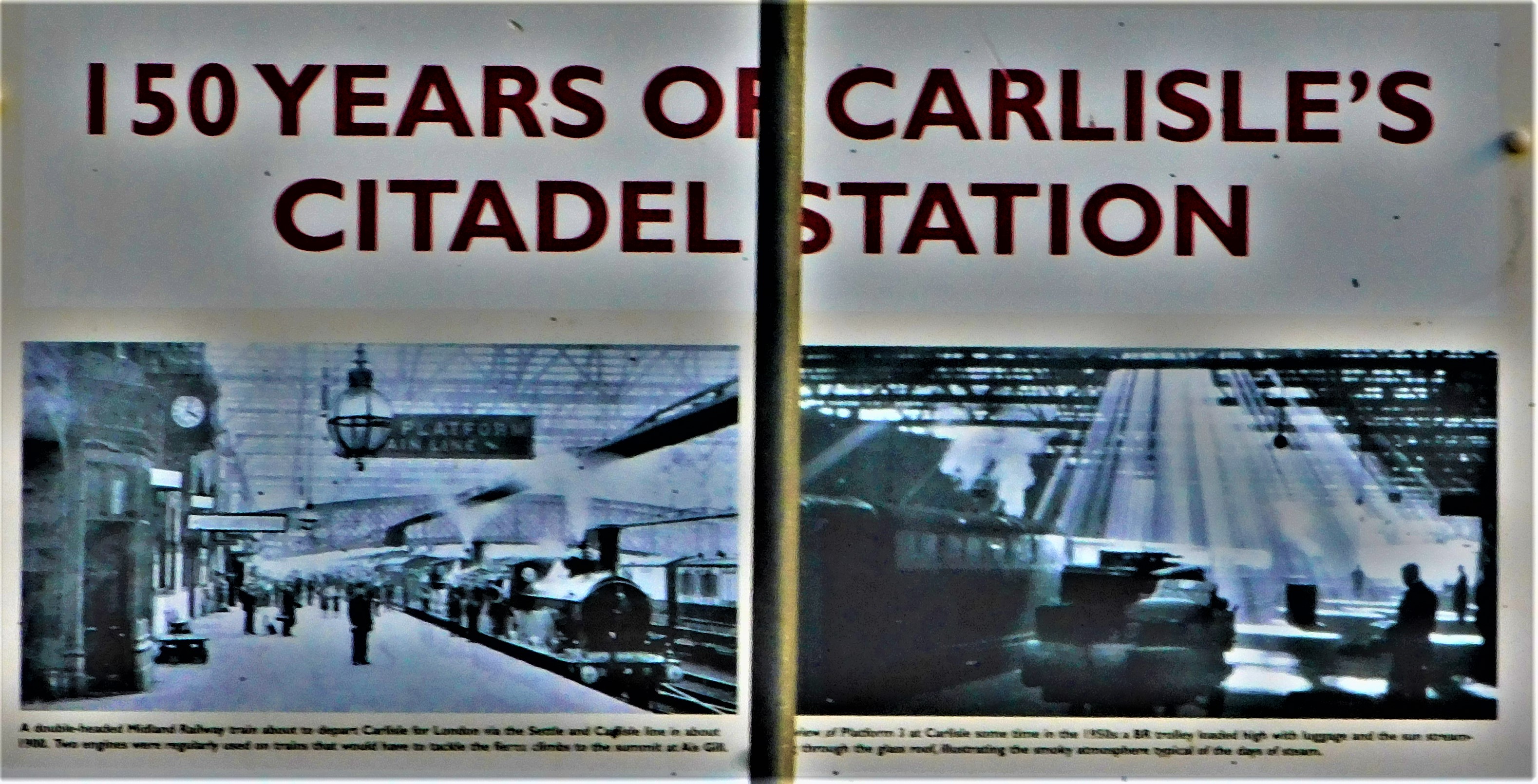
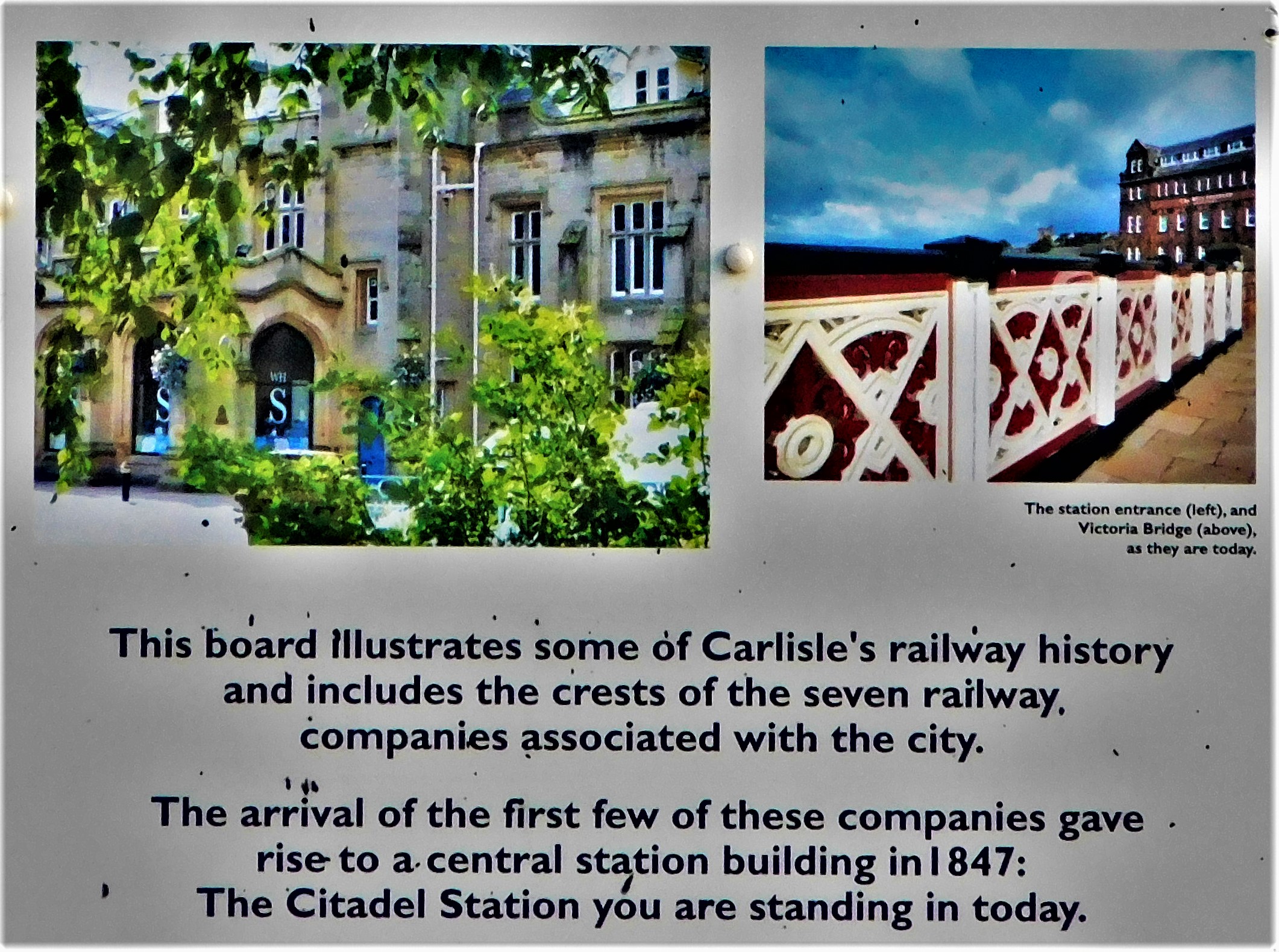
Today’s photo gallery comes from the first part of my return journey from Cumbria. I agreed to be dropped at Penrith station and buy a single from Penrith to Carlisle to get back on track with my return journey. I had a bit of a wait at Carlisle for a train to Newcastle, and as you will see the station there has various points of interest. This gallery takes us to my arrival at Newcastle, where I had a much longer wait as I opted to travel on the train on which I had a reserved seat rather than trying my luck on an earlier service.

All Time XIs – The Letter S

Continuing my exploration of the all-time XIs theme with a look at cricketers whose surnames begin with the letter S. This piece spans two and a half centuries, five continents and even mentions one of the great fictional cricketers.

The exploration of the all-time XI theme continues with a look at players whose surnames begin with the letter S. This one was very tough, not because of any difficulty finding players of sufficient standard but because there was a lot overlap in terms of the expertise of the very best players, and balancing the side was a challenge that required compromise, of which more later.

THE XI IN BATTING ORDER

  1. Andrew Strauss (Middlesex, England). A fine opening bat, and twice an Ashes winning skipper, though I have not given him that role in this side.
  2. Herbert Sutcliffe (Yorkshire, England). 4,555 test runs at 60.73, 2,741 Ashes runs at 66.85.
  3. *Graeme Smith (South Africa). One of the best captains of the modern era, and a top class left handed batter. He was a regular opener, but I believe he would handle first drop superbly as well.
  4. Steven Smith (Australia). First called up on account of his leg spin bowling, he established himself as Australia’s best test batter since Bradman. After serving a ban for cheating (an incident that ruled him out of any leadership responsibilities) he returned to action with twin tons at Edgbaston in 2019.
  5. +Kumar Sangakkara (Surrey, Sri Lanka). One of two serious candidates for the title of best batter his country has ever produced (Jayawardene being the other), and a good keeper as well. Usually I prefer to select a specialist keeper, rather than use a batter to perform this role, but circumstances dictate this selection.
  6. Garry Sobers (Nottinghamshire, West Indies). The most complete cricketer ever to play the game. Devastating batter, left arm bowler of pace, swing, seam and both finger and wrist spin, gun fielder.
  7. Ben Stokes (Durham, England). Attacking left handed batter, right arm fast medium bowler.
  8. Greville Stevens (Middlesex, England). A leg spinning all rounder whose FC averages were the right way round (29 with the bat, 26 with the ball). This slot caused me more grief than any other – with three gun fast bowlers rounding out the order I wanted a spinner, and with Sobers present, neither a left armer of any description, nor a regular off spinner (similar line of attack to Sobers in his wrist spin guise) would be ideal. There were two candidates within these constraints – this chap, and Paul Strang of Zimbabwe, and the latter paid 36 per wicket at test level and over 30 at FC level.
  9. Mitchell Starc (Australia). One of the fastest bowlers in the world at present, and while his highs are not quite up at Mitchell Johnson 2013-14 levels, his lows are nowhere near the depths of 2010-11 Johnson.
  10. Brian Statham (Lancashire, England). One of Lancashire’s greatest ever fast bowlers, and one of the select few to have an end of his home ground named in his honour (James Anderson, also at Old Trafford, is in this club, as are Barbadians Joel Garner and Malcolm Marshall).
  11. Dale Steyn (South Africa). The greatest fast bowler of the immediate post McGrath period, and surely a shoo-in for an all time South Africa XI even given their strength in the pace bowling department.

This XI features a super powerful top six, Stokes with full licence to attack and a powerful quartet of bowlers. The pace attack, with the quick version of Sobers arguably fifth choice in that department (behind Steyn, Starc, Statham and Stokes) is awesome, and Stevens plus Sobers in his slower guises should offer sufficient spin to augment that attack. Sangakkara as keeper violates my usual principal of going for the best keeper, but he was good enough to do the job for Sri Lanka on a regular basis.

HONOURABLE MENTIONS

A multi-faceted section starting with…

THE NUMBER EIGHT SLOT

There were two off spinners who would have their advocates for these position but missed out for reasons of balance: Harbhajan Singh of India and Graeme Swann of England, who each paid a little over 30 a piece for their test wickets and who were both useful lower order batters.

However, had I been willing to ignore considerations of balance I had a raft of top options to pack out the pace battery: Frederick Spofforth, a legend from the early days of test cricket was probably the pick of those I overlooked, but two present day Indians, Mohammad Shami and Mohammad Siraj would have their advocates as well, Peter Siddle of Australia is a quality practitioner if perhaps a notch below the very top bracket, Amar Singh, part of India;s first ever test side, was also indisputably a great fast bowler. John Snow of England was another great pacer who could have had this slot. Olly Stone, the Norfolk born Warwickshire and England pacer who has been plagued by injuries has the ability, but not the proven track record. Barbadian all rounder Franklyn Stephenson, one of only two cricketers to do the double of 1,000 runs and 100 wickets in first class matches in an English season since the reduction of the programme in 1969 (the other, Richard Hadlee, also played for Nottinghamshire) would appeal to some as a number eight.

I was conscious of the merits of all these players when making the call to select Greville Stevens, and my contention is not that he is a better cricketer than them, but that he is a better fit for the team, given the players who already had irrefutable claims for selection.

OPENING BATTERS

Bert Sutcliffe, the legendary New Zealand left hander, still holder of the record first class score by a native of that country (385 for Otago vs Canterbury, in a team score of 500 all out, with Canterbury contributing 382 off the bat in their two innings combined), and with a fine test record was a serious candidate for Strauss’ slot as left handed opener.

Among the right handed openers I could find no space for were Andrew Sandham, a member of the 100 first class hundreds club, Virender Sehwag, devastating unless the ball was swinging, when he could look very ordinary, Bobby Simpson of Australia, Michael Slater also of Australia and Alec Stewart of England all had impressive records as right handed opening batters. Arthur Shrewsbury of Nottinghamshire and England, second best 19th century batter behind WG Grace, was another who could have done a fine job in this role. Reg Simpson of Nottinghamshire and England had moments at the top level, including a 156* against Australia which set up a test victory for England, but he was not in the same bracket as the others.

MIDDLE ORDER BATTERS

I start this section by drawing your attention to my all time XI of Smiths, so that I do not have to repeat myself regarding players with that surname. Marlon Samuels and Ramnaresh Sarwan of the West Indies can both count themselves unlucky to have surnames beginning with S – under most other letters they would merit serious consideration. Mahadevan Sathasivam of Sri Lanka has legendary status in his own land, but for a series like this I have to deal in hard facts, so he misses out.

WICKET KEEPERS

Roy Swetman was a fine keeper in the 1950s, and Herbert Strudwick of Surrey and England made more dismissals in first class cricket than any keepers bar JT Murray of Middlesex and Bob Taylor of Derbyshire, though he often batted number 11, which with Statham and Steyn having ironclad claims for places was problematic.

ALL ROUNDERS

Darren Stevens’ performances since moving south from Leicestershire to Kent have been outstanding, but he has never played anything other than county cricket.

SPINNERS

Maninder Singh of India was a fine bowler, but as a left arm orthodox spinner he overlaps with Sobers, and he was a genuine bunny with the bat. Reggie Schwarz of Middlesex and South Africa missed out, because for all his importance as the guy who learned the googly from its creator Bosanquet and taught it to a number of his South African colleagues he actually used the googly not as part of his bowling armoury but as his stock ball, therefore becoming effectively an off spinner, a less good fit for the XI than a more standard leg spinner. Molly Strano, a consistently successful performer in Australian domestic cricket, and therefore by definition a superb bowler also misses out because she is also an off spinner.

BLASTS FROM THE PAST

Lack of sufficiently concrete records for two players prevented me from considering them: Edward ‘Lumpy’ Stevens, a great bowler of the late 18th century and Heathfield Harman Stephenson, whose performance for the All England XI at the Hyde Park Ground in Sheffield led to the coining of the phrase ‘hat trick’. He dismissed three of his opponents with successive deliveries, and the Sheffield crowd were so impressed by this display of bowling virtuosity that they used a hat to collect money for Stephenson and made him a presentation of both hat and money.

A FICTIONAL TALENT

Tom Spedegue, hero of a short story by Arthur Conan Doyle, in which he pioneers a new type of delivery which descends on the batter from the clouds “Spedegue’s Dropper” and shatters that season’s visiting Australians by taking 15 wickets in what turns out to be his first and only test would certainly have added variety to the attack had he been real.

WHITE BALL TALENTS

Had been selecting with limited overs cricket in mind Navjot Singh Sidhu and Sanju Samson would both have been close to inclusion.

FUTURE TALENTS

Will Smeed, scorer of the first individual century in The Hundred, is an obvious talent for the future. Glenton Stuurman (pronounced like ‘Steerman’), a young South African quick bowler is very promising, though he has a huge amount to do to come close to dislodging his compatriot Steyn. Sophia Smale, a 17 year old left arm orthodox spinner has announced herself with a couple of fine performances in the Hundred.

PHOTOGRAPHS

Our cricketing journey through the letter S, spanning two and a half centuries and many continents, is at an end, and it remains only to apply the usual sign off…

Selecting An All Time Test XI

I take on the near impossible task of selecting an all time test XI. Also some more photographs for you.

Let me start by saying that this task, suggested on twitter by Adam Sutherland, is the sort of thing Alexa might come up with if asked for an example of an insoluble problem. The embarrassment of riches at one’s disposal is such that I would expect no two people to arrive at the same answer. Nevertheless it is fun to do, and I am going to offer my answer. Feel free to list your alternatives, or if you dare, a completely different XI of your own to take on mine in a five match series in the comments.

THE TEAM

There are lots of candidates for an opening pair. In my case I resolve the issue by selecting an opening pair who were the best in test history and who I therefore pick as a package: Jack Hobbs and Herbert Sutcliffe, with their average partnership of 87.81 at that level.

Number three, with all due respect to such masterly practitioners as Rahul Dravid and Ricky Ponting is one of the two nailed on certainties for a place in this XI: the one and only Donald Bradman, who I also name as captain of the side. An average of over 30 runs an innings more than any of the competition does not allow for argument.

Number four has many contenders, but having named three right handers I wanted a left hander, and the best record among such batters is held by Graeme Pollock, with an average of 60.97 (Brian Charles Lara is the other contender, but too many of his really big scores came in either defeats or draws).

Number five goes to Sachin Tendulkar. Again there were many possibilities, but I accept the word of Don Bradman, who recognized something of himself in the way Tendulkar batted (a resemblance also acknowledged by Lady Bradman when consulted), and there can be no higher praise.

Now we need an all-rounder, and this is the other utterly undisputable slot other than no3: the most complete cricketer there has ever been, Garfield St Aubrun Sobers. He scored 8,032 test runs at 57.78, took 235 wickets, bowling virtually every type of delivery known to left arm bowlers (he was originally selected as a left arm orthodox spinner, batting no9) and he was also one of the greatest fielders the game ever saw.

For the wicket keeper, although I do not normally approve of compromising at all on keeping skills I rate Adam Gilchrist’s batting at no seven so highly that I am selecting him for the role.

For my remaining bowlers I go for Wasim Akram at no8, left arm fast and capable of generating prodigious swing. No9 is Malcolm Marshall, for me the greatest fast bowler of the golden age of West Indies fast bowling. No10 is Sydney Barnes, 189 wickets in just 27 tests (seven per game) at 16.43 a piece. I round out the order with the off spinner Muttiah Muralitharan.

Thus in batting order we have:

JB Hobbs
H Sutcliffe
*DG Bradman
RG Pollock
SR Tendulkar
G St A Sobers
+AC Gilchrist
Wasim Akram
MD Marshall
SF Barnes
M Muralitharan

Barnes’ principle weapon was a leg break at fast medium pace, so I felt that the off spinner Muralitharan as opposed to a leg spinner (Warne, O’Reilly, Grimmett and Kumble being the principle contenders) gave the attack more variation. Wasim Akram’s place as left arm paceman could have gone to Alan Davidson or Mitchell Johnson without appreciably weakening the side, and there are a plethora of right arm quicks for whom cogent cases could be made. Barnes’ extraordinary record made him the third clearest selection in the entire XI.

PHOTOGRAPHS

Just before my usual sign off, a link to the piece I produced OTD last year as part of my ‘all time XIs’ series: Leicestershire. Now for those photos…

All Time XIs – London vs The North

Today in ‘all time XI’ land we have a contest between London and the North.

INTRODUCTION

Welcome to today’s variation on an ‘all time XI‘ theme. Today features a battle between London and The North. I grew up in London, but have some northern ancestry and lived for a period in Barnsley, while I now live in Norfolk, so I consider myself decently equipped to handle this one.

THE BRIEF IN MORE DETAIL

For the purposes of of this post London means players from either Middlesex or Surrey. I am well aware that among the first class counties Kent and Essex also overlap with London. The Northern XI is drawn exclusively from Yorkshire and Lancashire, although there is an honourable mention for a Durham player. I have not included overseas players at all. Do check out my county XIs here.

LONDON ALL TIME XI

  1. Jack Hobbs – right handed opening batter. The man with more first class runs and more first class hundreds than anyone else who ever played the game (I go with the traditional figures of 61,237 runs and 197 hundreds). This is all the more remarkable, because having been born in Cambridge he had to serve out a two year qualification period before making his Surrey debut, and he also lost four years to Wiorld War 1. He ultimately became Sir Jack Hobbs, the first professional games player of any description to be knighted.
  2. John Edrich– left handed opening batter. Another scorer of over 100 first class hundreds.
  3. Bill Edrich – right handed batter, right arm medium fast bowler. A cousin of John. His test career got off to a slow start, but when he did manage a big score at that level it was seriously big – 219 versus South Africa at Durban, when England were baulked of victory by the weather and the necessity to return to Cape Town to get their boat home – they were 654-5 chasing 696 when time in what was supposed by a ‘timeless’ test match ran out.
  4. Denis Compton – right handed batter, left arm wrist spinner. Only Don Bradman reached the career landmark of 100 first class hundreds in fewer innings than Compton’s 552.
  5. Patsy Hendren – right handed batter, brilliant fielder. The second largest tally of first class hundreds, 170, and the third largest ever tally of first class tuns, 57,611, and he did all that while never forgetting that cricket was a game to be enjoyed. He took full advantage of playing for Middlesex – a record 75 of his first class hundreds were scored at ‘the home of cricket’.
  6. +Alec Stewart – right handed batter, wicket keeper. The man who scored more test runs than anyone else in the 1990s.
  7. *Percy Fender – right handed batter, leg spinner, captain. Exactly the right kind of player to be coming in at no7 in a very strong side, and an excellent captain.
  8. Jim Laker – off spinner. He was apparently capable of putting so many revs on the ball that it would hum in the air on its way to the batter.
  9. Tony Lock – left arm orthodox spinner.
  10. George Lohmann – right arm medium pace bowler. His test wickets came at 10.75 each, and a rate of one per 34 balls. He was joint quickest to 100 test wickets (17 matches, a record he shares with ‘Terror’ Turner).
  11. Tom Richardson – right arm fast bowler. The man who would walk from his home in Mitcham to The Oval carrying his cricket bag, bowl plenty of overs in the day and then walk back similarly encumbered. He nearly did a ‘Bob Willis’ at Old Trafford in 1896, when ‘Ranji’ had scored 154 to set the old enemy a victory target of 125 after England had been made to follow on. Richardson took 6-76 bowling unchanged, and Australia were relieved in the end to get home by three wickets.

This team has a super strong top five, a batter keeper at six, an all rounder who was also a very shrewd captain at seven and four well varied bowlers. Bill Edrich as third seamer can hardly be described as a weakness, given that he did on occasion take the new ball for his country, while Laker, Lock and Fender represent a fine spin trio.

THE NORTH

  1. Len Hutton – right handed opening batter, occasional leg spinner. His record looks even more extraordinary when you consider that he lost six years to World War Two, and a training accident during that conflict left him with one arm shorter than the other.
  2. Herbert Sutcliffe – right handed opening batter. He averaged 52.02 in first class cricket, 60.73 in test cricket and 66.85 in Ashes cricket, bearing out his famous comment “Ah Mr Warner, I love a dogfight.” His career was affected at both ends by war – World War 1 delayed his entry into first class cricket until he was 24 years old, while World War II finished his career – and in that last season of 1939 he had become the oldest player ever to carry his bat through a first class innings, so without the interruption he may well have carried on at first class level.
  3. Johnny Tyldesley – right handed batter. In the first decade of the 20th century only two professionals were selected for England purely on the strength of their batting, David Denton and Johnny Tyldesley. Tyldesley’s record was outstanding for a player of his era, and he was noted for his skill on bad wickets. He was also notably nimble footed, it being not unknown for him to deploy his favourite cut shot against balls pitched in line with middle stump.
  4. Eddie Paynter – left handed batter. He was baulked by the strength of Lancashire’s batting in his early years, but when he did reach the top he made it count, averaging 59.23 in test cricket, which included double centuries against Australia and South Africa.
  5. Joe Root – right handed batter, occasional off spinner. Note that I have not named him as captain because of his batting record while in that role, which is noticeably less good than his record before he became captain. It is his batting that I want, the same batting that saw him reach 3,000 test runs quicker than any other England batter.
  6. George Hirst – right handed batter, left arm pace bowler. This one caused me considerable thought, but his record was so good that, notwithstanding the roars of rage this decision will generate from folk based west of the Pennines I decided it had to be him. His 1906 feat of scoring 2,385 runs and taking 208 wickets in first class matches, echoed in miniature by his performance in the game against Somerset at Bath when he scored 111 and 117 not out and took six first innings wickets and five more in the second was a truly outstanding demonstration of skill and stamina – an equivalent in today’s much shorter first class season would be someone scoring 1,000 runs and taking 100 wickets in first class games, not an impossibility but certainly a feat that would be estraordinary, although anyone good enough to pull it off would very likely either be involved with England or spend some part of the season playing franchise T20 cricket somewhere else in the world.
  7. Billy Bates – off spinner, right handed lower middle order batter. He had a magnificent record until an eye injury brought a premature end to his career.
  8. Freddie Trueman – right arm fast bowler. No further comment needed.
  9. *Hedley Verity – left arm orthodox spinner. I have named him as captain, a role he never filled on the cricket field due to the prejudices of the era in which he lived, but which I believe he would have done splendidly. He did ultimately become a captain in a very different field – it was as Captain Verity of the Green Howards that he was fatally wounded in World War II. In less than a full decade of first class cricket prior to that he had captured 1,956 wickets at 14.90 each.
  10. Sydney Francis Barnes – right arm fast medium bowler. The man who took 189 wickets in 27 test matches at 16.43 each just has to feature.
  11. +David Hunter – wicket keeper. He was the keeper in the first truly great Yorkshire side, the one that dominated the early years of the 20th century, being champions five times in its first decade, including going unbeaten twice in 1900 and 1908.

This team has a formidable top five, one of the greatest of all allrounders, four excellent bowlers and a star keeper. There is a lack of leg spin, but otherwise all departments are well covered.

HONOURABLE MENTIONS

I am going to cover these in order by playing role:

  • Opening batters – South: At least three other Surrey openers, Hayward, Sandham and Abel had outstanding records, while Andrew Strauss and Jack Robertson of Middlesex might also have their advocates.
  • Opening batters – North: Percy Holmes of Yorkshire might be considered to recreate the great pairing of him and Herbert Sutcliffe, while Louis Hall and Jack Brown had fine records in an earlier era. Among Lancastrians, Cyril Washbrook and Mike Atherton were the two nost obvious candidates.
  • Nos 3-5 – South: strong cases could be made for Ken Barrington and Peter May here, although bringing either in for Bill Edrich would change the balance of the side, and it is hard to envisage dropping Compton or Hendren. If told that I must accommodate Barrington on account of his test average of  58.67 I would do so by dropping John Edrich, and moving Bill up to open, a job he sometimes did in tests, slotting Barrington in at no3. Mike Gatting and Mark Ramprakash both had fine county records, but neither did enough at test level – Gatting averaged 35.55, and Ramprakash less than 30. ‘Young Jack’ Hearne might have got in on all-round talent. If Ollie Pope continues his career the way he has started it he will in due time command a place.
  • Nos 3-5 North: Ernest Tyldesley of Lancashire scored over 100 hundreds, David Denton of Yorkshire warranted consideration, while more recently the Lancastrians Neil Fairbrother and John Craw;ey would have their advocates. Jonny Bairstow would have his advocates as well,and I might have created an extra slot by selecting him as keeper if I had full confidence in his glove work. Brian Close would also have his advocates.
  • The all-rounder South: I have already mentioned ‘young Jack’, and Bernard Bosanquet was another candidate, as was Greville Stevens.
  • The all-rounder North: Andrew Flintoff was an obvious candidate, and I did consider shelving the issue of transpennine rivalry by giving Ben Stokes of Durham the nod – he may yet make an already strong case irrefutable.
  • Spinners – South: No other Surrey spinners rank wiht the two I chose, although Pat Pocock was a fine cricketer. Fred Titmus, Philippe Edmonds, John Emburey and Phil Tufnell would all have their advocates on the Middlesex side.
  • Spinners – North: Ted Peate, Bobby Peel, Wilfred Rhodes and Johnny Wardle of Yorkshire were all possibles for the left arm spinner role, as was Johnny Briggs of Lancashire. For off spinners, Ted Wainwright, Bob Appleyard, Ray Illingworth and Roy Tattersall had fine records, although Wainwright had a disastrous tour of Australia in 1897-8.
  • Pace bowlers South: Alec Bedser is the most obvious miss, but Gubby Allen also had a fine record, and Maurice Allom took a hat trick on test debut, although his overall record was not that great. Martin Bicknell had a superb county record and was unlucky not to get more chances for England. Bill Lockwood, who was also a useful batter, appears to have been the first to develop a slower ball as a variation, and by all accounts it was devilishly difficult to spot. Neville Knox’s pace was legendary but he only had two really good seasons, in 1906 and 1907.
  • Pace bowlers North: Jimmy Anderson is the most obvious miss, but his huge tally of test wickets is down to longevity and the frequency with which test matches now take place more than to any special brilliance that he possesses. Brian Statham was a great bowler, but with Trueman and Barnes making irrefutable cases for selection there was no way to get him in without changing the balance of the side. Such luminaries as Schofield Haigh, George Macaulay and Bill Bowes, all magnificent bowlers, have to make do with honourable mentions, as to the two greatest Yorkshire quicks of the 19th century, Tom Emmett and George Freeman (209 wickets at 9.94 in first class matches). George ‘Happy Jack’ Ulyett was another early great, who could also have been considered as an all rounder.
  • The Keepers – South: Had I been going to select a specialist keeper for the South rather than rely on Stewart there were two obvious choices, John Murray and Herbert Strudwick, with some 3,000 dismissals in first class cricket between them.
  • The Keepers – North: apart from Jonny Bairstow, already mentioned for his batting, George Pinder, Joe Hunter (brother of David), Arthur Dolphin, Arthur Wood, Jimmy Binks and David Bairstow all had fine records for Yorkshire, while George Duckworth and Warren Hegg of Lancashire were both fine keepers.

There will doubtless be many more names that occur to readers, and do feel free to weigh in with comments.

THE CONTEST

The contest for what I shall jokingly call the ‘Watford Gap Trophy’ would be an absolute classic. I rate the London XI as stronger in batting, though not by much, but reckon that the Northern XI is somewhat better equipped in the bowling department. I cannot pick a winner here.

PHOTOGRAPHS

Having set up a fruity London vs The North contest, introduced the players and provided a detailed honourable mentions section it is time for my usual sign off…

IMG_0391 (2)IMG_0392 (2)IMG_0393 (2)IMG_0394 (2)IMG_0395 (2)IMG_0396 (2)IMG_0397 (2)IMG_0398 (2)IMG_0399 (2)IMG_0400 (2)IMG_0402 (2)IMG_0403 (2)IMG_0404 (2)IMG_0405 (2)IMG_0406 (2)IMG_0407 (2)IMG_0408 (2)IMG_0409 (2)IMG_0410 (2)IMG_0411 (2)IMG_0412 (2)IMG_0413 (2)IMG_0415 (2)IMG_0416 (2)IMG_0417 (2)IMG_0418 (2)IMG_0419 (2)IMG_0420 (2)IMG_0421 (2)IMG_0422 (2)IMG_0423 (2)IMG_0425 (2)IMG_0426 (2)IMG_0427 (2)IMG_0428 (2)IMG_0429 (2)IMG_0430 (2)

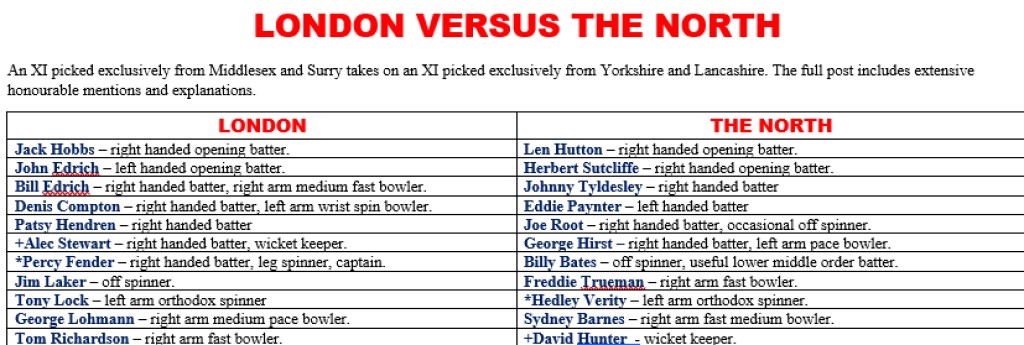
London vs North
The teams in tabulated form.

All Time XIs -Beginning v End of Alphabet

A team of players whose surnames start early in the alphabet against a team of players whose names start late in the alphabet, plus an important petition.

INTRODUCTION

Welcome to my latest variation on an ‘all time XI‘ cricket theme. Today after a couple of overseas posts we return to home territory, but featuring cricketers from four different centuries. The dividing line between these teams is the centre of the alphabet – our first team have surnames that begin with a letter from early in the alphabet while our second mutatis mutandis have surnames beginning with letters from late in the alphabet.While limiting myself to home players for this post I have aimed to embrace a wide range of types of player with the prime focus on entertainment.

BEGINNING OF THE ALPHABET XI

  1. Jack Hobbs – right handed opening batter, occasional right arm medium pacer. ‘The Master’ is a good place to start any XI – 61,237 first class runs with 197 centuries at that level.
  2. Tammy Beaumont – right handed opening batter. A wonderful timer of a cricket ball, probably the smallest player on either side in this contest, but with a proven ability to score big – and quick – she once reached a ton against South Africa off just 47 balls.
  3. James Aylward – left handed batter. One of three 18th century cricketers in this XI, in 1777, a mere eight years after the first record century in any cricket match, he scored 167 versus England, batting through two whole days in the process. He is the ‘sticker’ of this team, surrounded by more aggressive talents.
  4. William ‘Silver Billy’ Beldham – right handed batter. At a time when such scores were very rare he amassed three first class centuries. His special glory so we are told was the cut shot. He was exceptionally long lived, being born in 1766 and not dying until 1862 – in his childhood canals were the new big thing in transportation, and he missed out by a mere six months on living to see the opening of the world’s first underground railway.
  5. Denis Compton – right handed batter, left arm wrist spinner. He averaged 50 with the bat over the course of 78 test matches, and he scored his runs fast. According to the man himself in “Playing for England” he developed his left arm wrist spin as a second string to his bow because he was impressed by the Aussie ‘Chuck’ Fleetwood-Smith, and because he noticed during the 1946-7 Ashes tour how many of the Aussies had second strings to their bow and thought that he should develop one.
  6. George Hirst – right handed batter, left arm pace bowler, brilliant fielder. One of the greatest all rounders ever to play the game. He achieved the season’s double of 1,000 runs and 100 wickets in first class games on 14 occasions, 11 of them in successive years. Having topped 2,000 to go with over a hundred wickets in both 1904 and 1905 he then achieved the double double in 1906 – 2,385 runs and 208 wickets in first class matches (in the 21st century a non-pandemic hit English season involves 14 first class games, so anyone doing the 1,000 run, 100 wicket double would achieve a feat of similar standing, while 500 runs and 50 wickets would be a jolly impressive all round effort). In the Oval 1902 match in which Jessop blazed his 75 minute century Hirst took the first five Aussie wickets in the first innings and scored 101 for once out in the match (43 and 58 not out to see England home). He also stands alone in first class cricket history thus far in achieving the double double match feat of centuries in both of his own team’s innings and five wicket hauls in both of his opponents innings (Yorkshire v Somerset 1906).
  7. +Leslie Ames – wicket keeper, right handed batter. The only recognized keeper to have tallied a hundred first class hundreds.
  8. Billy Bates – off spinner, right handed lower middle order batter. The first ever to combine a fifty with a ten wicket match haul in a test match. His 15 appearances at that level brought him 656 runs at 27.33 and 50 wickets at 16.42. His career was ended prematurely by an eye injury. If we were to assume that without that injury he could have kept going until 40, very fair by the standards of the time, that would mean that he could have played in the 1888, 1890, 1893 and 1896 home series against Australia, the 1891-2 and 1894-5 away series against the same opposition and in a couple of the early series in South Africa, which brings him close to 40 test matches, and if he maintained similar output an aggregate of 1,749 runs and 133 wickets. If we accept that nowadays he would be pay half as much again for his wickets, we must also allow that that applies to all bowlers and that he would also score half as many runs again, so an approximate conversion of his averages in to today’s terms sees him average 41 with bat and 24.63 with the ball – a handy person to be coming in at no8!
  9. Sydney Barnes – right arm fast medium. Possibly the greatest of all bowlers. At Melbourne in the 1911-12 Ashes when Johnny Douglas won the toss and inserted Australia early wickets were needed to back that decision up, and Barnes in his opening burst accounted for the entire Australian top four for a single between them. Australia recovered from this blitz to tally 184, but as at Adelaide 99 years later, the damage had been done on the first morning, and England were in control of the match throughout.
  10. Sophie Ecclestone – left arm orthodox spinner. She has already enjoyed considerable success in her fledgling career, with a best ODI bowling performance of 4-14 and a T20I bowling performance of 4-13 among her highlights. In total across international formats she has 93 wickets for 1793 runs, an average of 19.28 per wicket, and she only turned 21 less than a fortnight ago.
  11. David Harris – right arm fast (underarm). The first great bowler, so highly prized that late in his career when gout was causing him horrendous problems an armchair would be brought out on to the field so that he could sit down when not actually bowling! If you look at early scorecards (early to mid 18th century) you will see that catches were not generally credited to the bowler, and the single person most responsible for changing that was Harris, who sought extra bounce with the precise intention of inducing batters to yield up catches. All you bowlers of today who rely on slip cordons, bat-pad catchers, short legs, silly mid-ons etc take note of the man who pioneered bowling to induce catches and be grateful that catches are credited to you. I have argued elsewhere for the re-legalization of under arm bowling both of Harris’ type and of under arm spinners such as Simpson-Hayward. The Greg/Trevor Chappell type of ‘grubber’ can be simply dealt with now that balls that bounce more than once are automatically called no-ball – simply add a coda that for the purposes of this law a ball that rolls along the deck shall be considered to have bounced an infinite number of times and is therefore a no ball.

This team has a splendid top five, one of the greatest of all all rounders, a keeper batter up there with the best in history and a wonderfully varied foursome of bowlers. Barnes, Harris and Hirst represent an excellent trio of pacers, Bates and Ecclestone are two high class spin options. There is no fronnt line leg spinner, but Barnes’ greatest weapon was a leg break delivered at fast medium pace, and there is Compton with his left arm trickery as well should a sixth bowler be needed. I would expect this team to take a lot of beating.

THE END OF THE ALPHABET XI

  1. Herbert Sutcliffe – right handed opening batter. He went through his entire test career with an average in excess of 60 – it ended at 60.73. He was often reckoned to be one of fortune’s favourites, but that was at least partly because when he did benefit from a slice of luck he made it count. For example, at Sydney in the opening match of the 1932-3 Ashes series he was on 43 when he chopped a ball from Bill O’Reilly into his stumps without dislodging a bail – and thus reprieved he went on to a test best 194, setting England up for a ten wicket win (Australia dodged the nnings defeat by the narrowest possible margin, leaving England a single to get in the fourth innings, duly scored by Sutcliffe).
  2. Arthur Shrewsbury – right handed opening batter. He was rated second only to WG Grace in his era. In those days the tea interval was not a regular part of the game, and on resuming his innings after lunch he would ask the dressing room attendant to bring him a cup of tea at four o’clock, so confident was he that he would still be batting by then. He briefly held the highest test innings score by an Englishman, 164 at Lord’s in 1886 which set his side up for an innings victory – two matches later at The Oval Grace reclaimed the record which had been his 152 in 1880 with a score of 170, made out of 216 while he was at the wicket.
  3. *Frank Woolley – left handed batter, left arm orthodox spinner, excellent close fielder. Once, when Kent were chasing 219 in two hours for a victory, his partner suggested that he should try to hit fewer sixes as it took time for the ball to come back from the crowd! Kent won that match, due in no small part to Woolley. At Lord’s in 1921 when Gregory and McDonald were laying waste to the rest of England’s batting he scored 95 and 93.
  4. Eddie Paynter – left handed batter. He averaged 59.23 in test cricket, with double centuries against both Australia and South Africa along the way. He was 28 by the time he broke into the Lancashire team, and World War II brought his career to a close. He it was who officially settled the destiny of the 1932-3 Ashes, hitting the six that won the 4th match of that series giving England an unassailable 3-1 lead (they won the fifth match as well, that one also ending with a six, this time struck by Wally Hammond). None of England’s huge scorers are more frequently overlooked than the little fella from Oswaldtwistle.
  5. Ben Stokes – left handed batter, right arm fast bowler. The reverse combo to George Hirst, and definitely somewhat more batter than bowler – my intention in this side is that when called on to bowl it will be in short, sharp bursts.
  6. George Osbaldeston – right handed batter, right arm fast bowler (under arm). Another explosive all rounder, the fastest bowler of his day.
  7. +Sarah Taylor – wicket keeper, right handed batter. One of the two finest English keepers I have seen live (Ben Foakes is the other) and a magnificent stroke making batter. Mental health issues brought her career to a premature close. Across the international formats she scored 6,535 runs at 33.17, took 128 catches and executed 102 stumpings – most of those latter eye-blink swift leg side efforts.
  8. Frank Tyson – right arm fast bowler. One of the quickest ever – I suspect that not even the keeper I have chosen would be making many stumpings off his bowling!
  9. Bill Voce – left arm fast medium bowler. An excellent foil to an outright speedster at the other end.
  10. Linsey Smith – left arm orthodox spinner. One of a phalanx of young spinners currently involved with the England Women’s side – as well as Ecclestone and Aberdonian SLAer Kirstie Gordon there are several leg spinners, including Sophia Dunkley and Sarah Glenn, with Helen Fenby on the periphery. Thus far Smith has only been required in T20Is, but she takes her wickets in that form of the game at a bargain basement 14 a piece.
  11. Douglas Wright – leg spinner. A leg spinner with a 15 yard run up, and whose armoury included a bouncer to ensure that there was no automatic going on to the front foot against him. The problem was, that especially if the fielders were not having  one of their better days, the human world was too fallible a place for his kind of bowling – far too often he simply beat everyone and everything all ends up. When things went his way they could do so in spades – he took a record seven first class hat tricks. He is not quite the only specialist spinner to have had an accredited bouncer – Philippe-Henri Edmonds could also bowl one when the mood took him.

This team has a powerful top four, two explosive all rounders, one of the finest of all keeper batters and a strong and varied quartet of specialist bowlers. The bowling, with Tyson and Voce sharing the new ball, Osbaldeston and Stokes offering pace back up and spin twins Smith and Wright also looks impressive

THE CONTEST

This contest, for what I shall call the ‘Bakewell – Nichols Trophy’, in honour of two fine all rounders, Stan Nichols, a left handed batter and right arm fast bowler and Enid Bakewell, who batted right handed and bowled slow left arm would be an absolute belter. It is mighty hard to pick a winner, but I think that Barnes just gives the side from the beginning of the alphabet the edge, and I would suggest that a five match series would finish 3-2 to the team from the beginning of the alphabet.

LINK AND PHOTOGRAPHS

There is a petition currently running calling on the government of Botswana not to legalize elephant hunting. Please click on the screenshot below to sign and share:

Botswana

Petition Pic

Above is the picture accompanying the tweet that drew my attention to this petition.

Now, with the teams introduced and an important link shared it is time for my usual sign off:

P1320807 (2)P1320808 (2)P1320809 (2)P1320810 (2)P1320811 (2)P1320812 (2)P1320813 (2)P1320815 (2)P1320816 (2)P1320817 (2)P1320819 (2)P1320822 (2)P1320823 (2)P1320825 (2)P1320826 (2)P1320828 (2)P1320829 (2)P1320830 (2)P1320831 (2)P1320833 (2)P1320834 (2)P1320835 (2)P1320837 (2)P1320838 (2)P1320839 (2)P1320840 (2)P1320841 (2)P1320842 (2)

P1320844 (2)
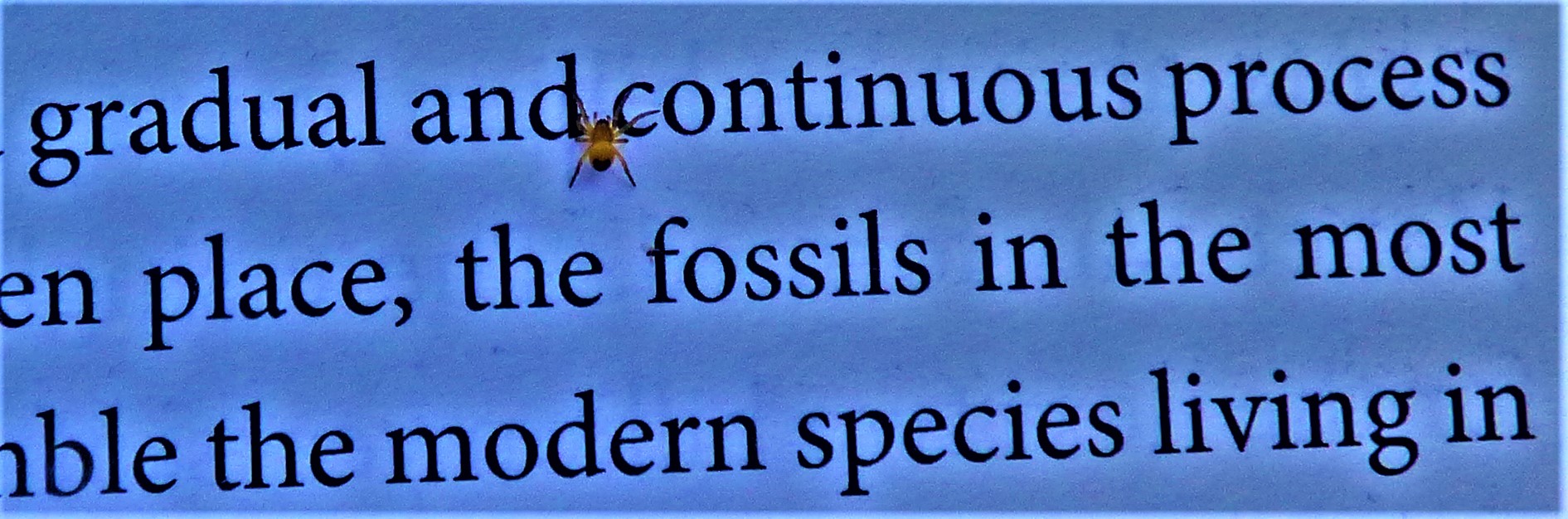
A tiny bug crawling over the page of my copy of Jerry Coyne’s “Why Evolution Is True”

P1320859 (2)P1320860 (2)P1320861 (2)P1320865 (2)P1320866 (2)

Alphabet
The teams in tabulated form.