There is no I in Team

A mention of Adelaide Strikers WBBL triumph, an XI of players whose given names begin with I, and a photo gallery.

Today I select an all-time XI all of whose given names begin with I. Before getting to the main meat of the post I also acknowledge Adelaide Strikers winning a second consecutive Women’s Big Bash League title, which they did earlier today, beating Brisbane Heat by three runs in a superb final that illustrated yet again how utterly compelling low scoring matches can be – Strikers managed 125-5 from their 20 overs, and then bowled like demons to restrict Heat to 122-8 in their innings. A full scorecard can be viewed here.

  1. Ibrahim Zadran (Afghanistan, right handed opening batter). Has a respectable record in his fledgling test career and an outstanding one in ODI cricket.
  2. Ian Redpath (Australia, right handed opening batter). Averaged 43 in test cricket.
  3. Ian Chappell (Australia, right handed batter, vice captain). I only occasionally name vice captains of these XIs and have done so on this occasion because this team has two outstanding leaders among its number, and one of those could not be named as captain. He had a very good test record.
  4. Inzamam-ul-Haq (Pakistan, right handed batter). One of his country’s all time great batters, though somewhat marred by not being the best runner between the wickets.
  5. Ian Bell (England, right handed batter). It took him a few years to overcome an early reputation for softness, but by the time his career ended he was one of the most respected of all middle order batters, with a record whose weight of achievement matched the stylishness of its accomplishment.
  6. *Imran Khan (right handed batter, right arm fast bowler, captain). One of the greatest all rounders ever to play the game and an outstanding captain to boot.
  7. +Ian Healy (Australia, wicket keeper, right handed batter). An outstanding keeper, and a very tough competitor – all four of his first class centuries came in the test arena.
  8. Irfan Pathan (India, left arm medium fast bowler, left handed batter). At test level, the ultimate benchmark, his averages were just the right way round, with the bowling average just on the right side of 30 per wicket.
  9. Ian Bishop (West Indies, right arm fast bowler, right handed batter). Injuries spoiled his career, which at one stage seemed certain to see him claim a place among the all time greats of the game. As it was, 161 test wickets at 24.27 each from 43 matches still amounted to a very fine record. He has recently established himself as an excellent commentator, always being well prepared for any match he is covering.
  10. Ian Peebles (England, leg spinner, right handed batter). Only 13 test appearances for the Scottish born spinner, which yielded him 45 wickets at 30.91 each. In first class cricket he managed 951 wickets at 21.38 each.
  11. Ishant Sharma (India, right arm fast medium, right handed batter). His average of 32.40 per wicket looks expensive, but he was a bowler who improved massively later on in his career, and in many ways the current era of India being well equipped in the seam/ pace department began with him.

This side has a solid looking opening pair, a powerful engine room of Chapelli, Inzamam-ul-Haq and Bell, an ATG all rounder, an ATG keeper and a bowling attack that is probably better than their respective career averages suggest. Bishop, Sharma, Pathan, Peebles and Imran Khan an attack that should claim 20 opposition wickets without undue difficulty on most surfaces.

The biggest miss by far is Ian Terrence Botham. There were two candidates for the all rounders slot, and my feeling is that outstanding is Botham was between 1977 and 1982, his subsequent protracted decline gives the verdict to Imran. Also, Botham and Chappelli in the same dressing room might be problematic.

There is no left handed front line batter, but the nearest claimant, Ian Blackwell, never established himself as an international player, and averaged less than 40 in FC cricket. Imam-ul-Haq likewise falls short, though he merits a mention.

Ian Healy has three challengers for the gloves: Imtiaz Ahmed (Pakistan), Ian Smith (New Zealand) and Ikram Alikhil (Afghanistan), the last named of whom may eventually depose him from this XI.

I considered Issy Wong for the number eight slot, but felt that Irfan Pathan’s left arm offered more than the youngster’s right.

There were three spinners challenging for inclusion: Imran Tahir (South Africa), Ish Sodhi (New Zealand) and Intikhab Alam (Pakistan).

Iain O’Brien (New Zealand) was closest among the quicks I did not select to displacing any of my choices.

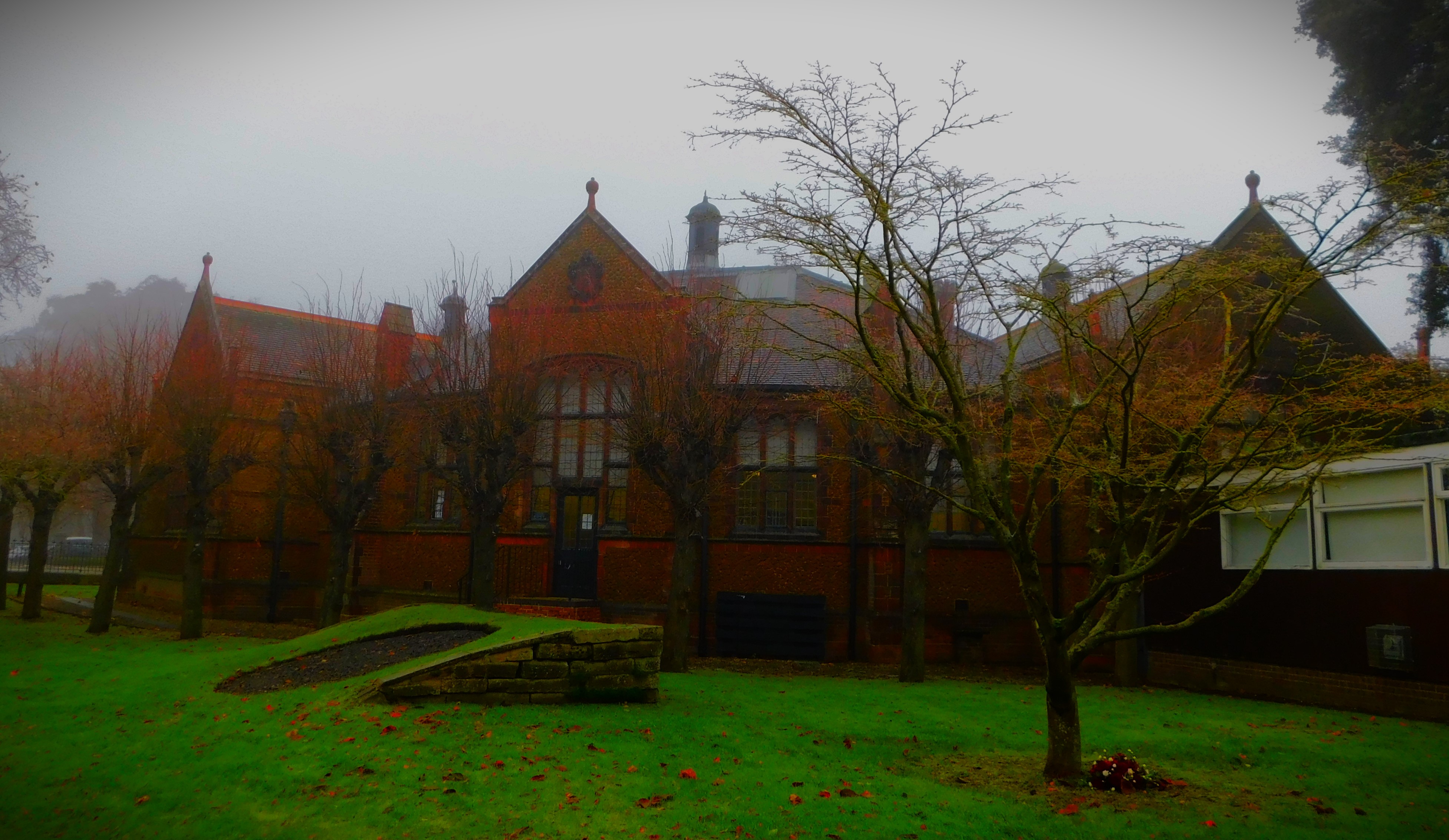
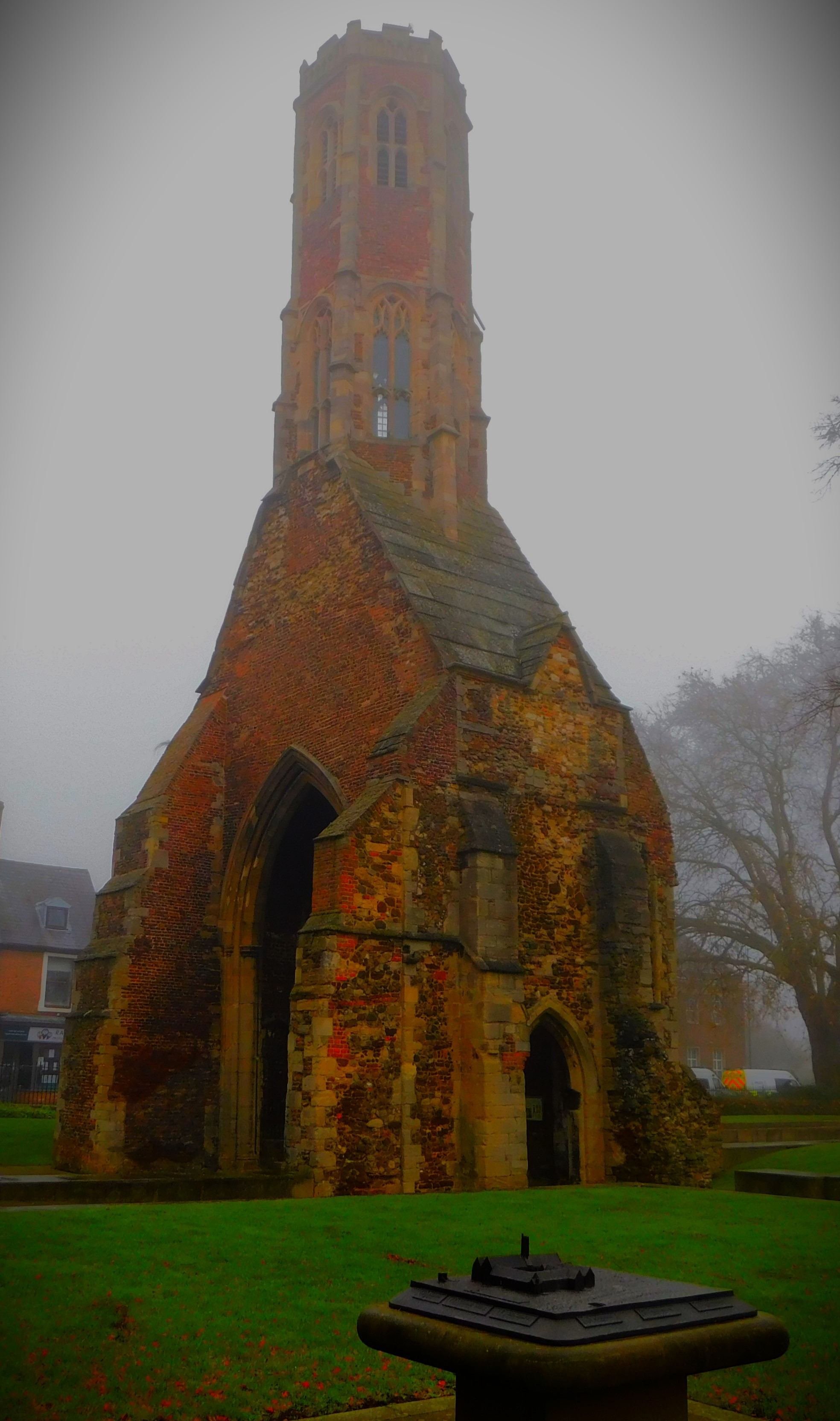
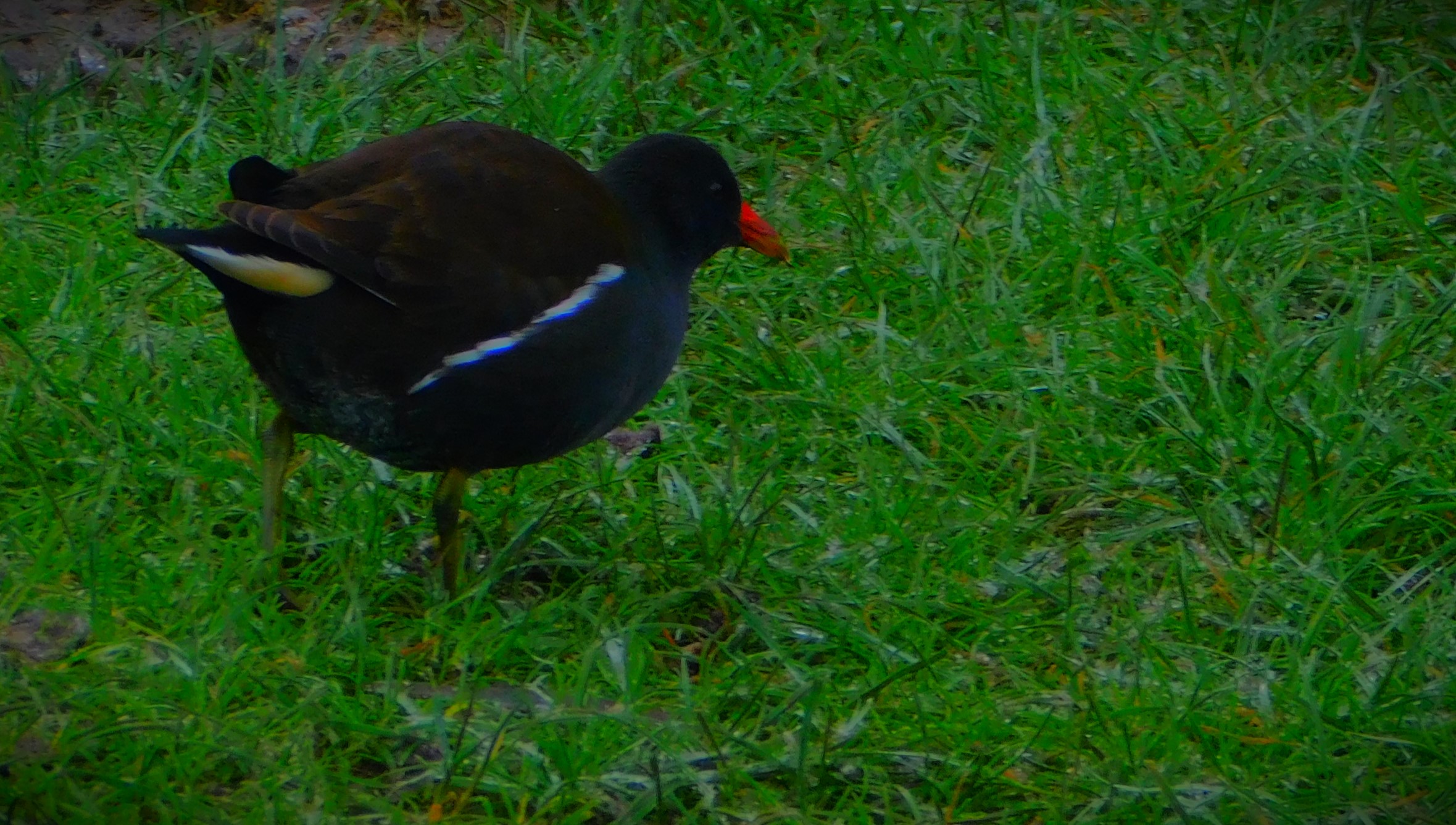
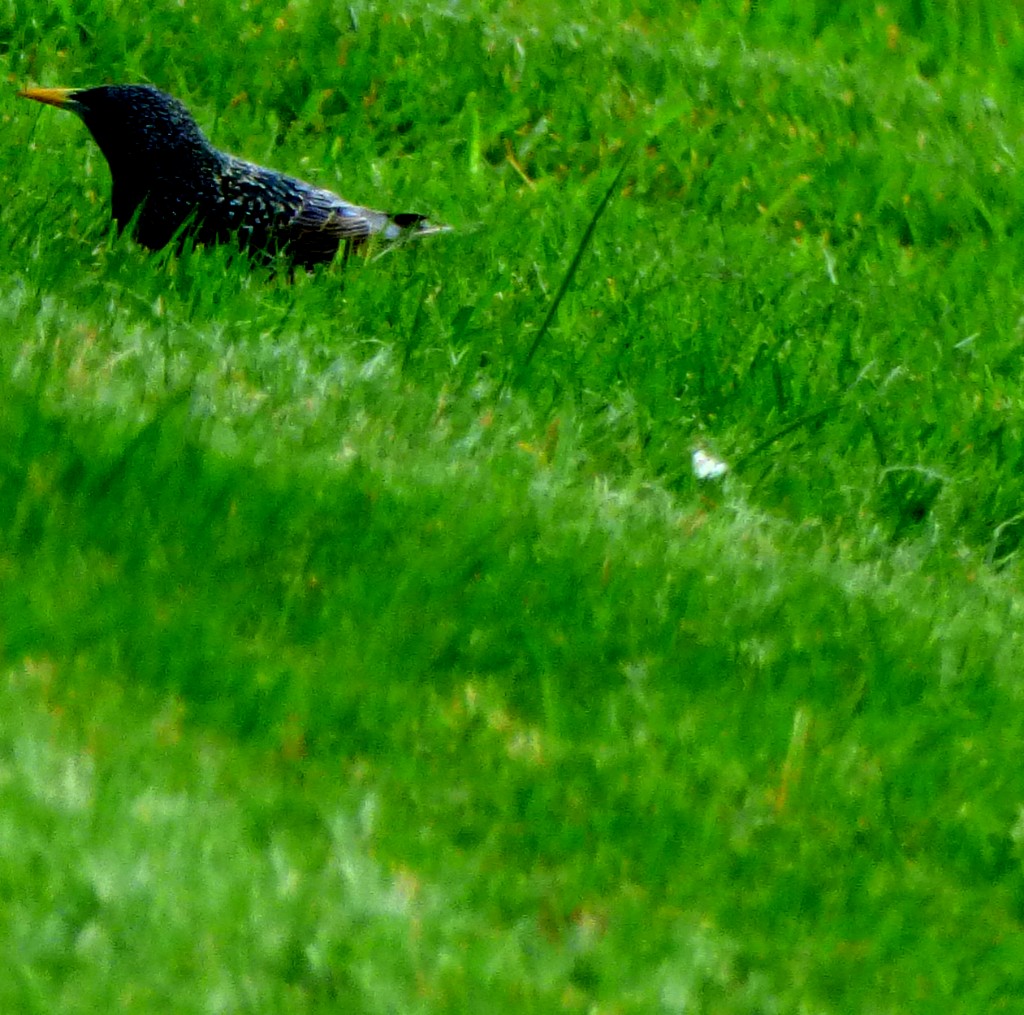
Subzero temperatures and mist, both currently afflicting west Norfolk, do not provide the best of opportunities for photographers, but I do have a gallery to share with you…


An Ecclesiastical XI

In view of some of the players and one of the commentators involved in the match I am currently listening to in the county championship I have created an ‘ecclesiastical eleven’. Plus the usual photo gallery.

With the match between Hampshire and Surrey in the current round of county championship fixtures featuring a Pope and two Abbotts (Sean for Surrey, Kyle for Hampshire) plus Mark Church in the commentary box I decided to select an ecclesiastical XI. These are players whose names have ecclesiastical connections. I have not picked any players who had ecclesiastical roles as well as being cricketers.

THE XI IN BATTING ORDER

  1. Imam-ul-Haq (left handed top order batter). Averages just short of 40 in test cricket. An Imam is an islamic preacher.
  2. Jack Parsons (right handed top order batter, occasional right arm medium pacer). A superb player for Warwickshire either side of WWI, he averaged in the high 30s with the bat for over 10,000 FC runs. He was also a notably aggressive player.
  3. Ian Chappell (right handed batter, captain, occasional leg spinner). A superb captain, and had a fine record as a test match number three.
  4. Greg Chappell (right handed batter, occasional leg spinner, occasional medium pacer, ace slip fielder). One of the game’s all time greats with the bat.
  5. Ollie Pope (right handed batter, occasional wicket keeper). Has a superb county record and is beginning to establish himself as England’s number three. He scored 91 for Surrey in their first innings of the current match.
  6. +Rachel Priest (right handed batter, wicket keeper).
  7. George Pope (right arm fast medium bowler, right handed batter). Averaged 28 with the bat and 19 with the ball for Derbyshire in a distinguished career which was disrupted by WWII. Like so many of that county’s fine players he received scant recognition from the England selectors.
  8. Charlie Dean (off spinner, right handed batter). Our front line spinner, starting to make a name for herself in the England women’s team. A dean is a church official.
  9. Ian Bishop (right arm fast bowler, right handed batter). A great fast bowler before injuries ruined his career, and also a useful batter.
  10. Kyle Abbott (right arm fast medium bowler). An excellent bowler who broke in to the South Africa side only after he had already agreed a Kolpak deal with Hampshire. His decision to honour that Hampshire contract ended his international career, but his record for the county has been superb.
  11. Harry Dean (left arm fast medium bowler). Only three test matches for him, in the 1912 Triangular tournament, but he took his first class scalps at 18 a piece. The fact that he bowled with his left arm lends the attack extra balance.

This XI has a powerful top five, a keeper batter at six, an all rounder at seven, two bowlers who bat at eight and nine and two tail enders. The bowling attack is strong and well balanced, and I would expect this side to give a good account of itself in most conditions.

HONOURABLE MENTIONS

The ecclesiastical figure who came closest to making the XI was the reverend David Sheppard, scorer of three test centuries, but the top order batting available to me was strong, and he was not the greatest of fielders. Australian leg spinner Lloyd Pope has a decent but not outstanding record in limited overs cricket and a dreadful one in red ball cricket, so I could not accommodate him. Sean Abbott missed out as I rated Kyle the superior bowler of the two Abbotts, and I wanted the front line spinner, the extra pace of Bishop and the left arm of Dean. Kevin Dean had a respectable record for Derbyshire, but not enough to challenge his namesake Harry. I await reader suggestions with interest.

PHOTOGRAPHS

My usual sign off…
All Time XIs – Through the Alphabet IX

The ninth ‘alphabetic progression’ post in my all time XIs series.

INTRODUCTION

Welcome to the today’s all time XI cricket post. We continue the alphabetic progression, with today’s starting point being U.

JOE VINE’S XI

  1. George Ulyett – right handed opening batter, right arm fast bowler. He opened the batting for England on occasions, including in the 1882 match that inaugurated the Ashes.
  2. *Joe Vine – right handed opening batter, leg spinner, captain. A stalwart for Sussex for many years. It was considered unthinkable for a professional to captain a county side in his day, but in keeping with my thinking about slow bowling all rounders I have given him the job in this XI.
  3. Everton Weekes – right handed batter. Of West Indians who have played at least 20 test matches only one, George Headley, with an average of 60.83 has a better batting average than Weekes’ 58.61 per innings. He holds the record for most consecutive test centuries, with five. He once started a tour of India by scoring centuries in his five innings in that country.
  4. Xenophon Balaskas – right handed batter, leg spinner. No 4 is high in the order for him, but X is a very difficult letter to fill.
  5. Michael Yardy – left handed batter, occasional left arm spinner. A solid batter whose bowling was almost exclusively deployed in limited overs matches where he was fairly economical though never a big wicket taker. He played a few games for England in limited overs formats.
  6. Bas Zuiderent – right handed batter. The dashing Dutchman gets another outing in this team.
  7. +Les Ames – wicket keeper, right handed batter. A fabulous keeper batter.
  8. Ian Bishop – right arm fast bowler. At one time he seemed set to be a world beater, but he was plagued by injuries (an early warning that the West Indian fast bowling production line was drying up – the greats of the 1970s and 80s were apparently only vulnerable to kryptonite) which prevented him from really scaling the heights. He once helped the West Indies to reach almost 200 after being 29-5, supporting Gus Logie in an important late partnership. He is now a commentator on the game.
  9. Dean Cosker – left arm orthodox spinner. He did not quite make the grade, paying rather too much for his wickets.
  10. Mark Davies – right arm medium fast bowler. Took his wickets at 22 a piece in first class cricket when his body allowed him to play – it was that latter caveat that prevented him from playing for England.
  11. Hans Ebeling – right arm fast medium bowler. He played for Australia in the 1930s, and had a fine record in Shield cricket. However, his greatest contribution to cricket history was being the person who came up with the idea of the Centenary Test Match, which took place at Melbourne in March 1977, precisely 100 years after the first ever test match had taken place. Over 200 former Ashes players attended the match, and since it was a one-off match and not part of a series England skipper Brearley decreed that his team would make every effort to chase down the outlandish target of 463 that they were set to win. With Derek Randall making a test best 174 and various others also batting well England reached 417, meaning that the game finished in a victory for Australia by 45 runs, precisely the same as the outcome of the inaugural test match. In Australia’s second innings Rodney Marsh became the first Aussie keeper to reach three figures in a test match, six years after Bill ‘Phant’ Lawry had declared with him on 92. The success of this game, and the exact duplication of the margin from 100 years previously had one writer suggesting that the instigator, Ebeling, should really have been named Hans Andersen Ebeling, not just Hans Ebeling.

This team has a respectable top six, several of whom are also genuine bowlers, a great keeper batter at seven and four fine bowlers. Bishop, Ebeling, Davies and Ulyett make for a good seam attack, while Cosker, Balaskas and Vine are a handy trio of spinners.

IMRAN KHAN’S XI

  1. Roy Fredericks – left handed opening batter. Gordon Greenidge’s first opening partner at test level, before the emergence of Desmond Haynes. The first player other than Dennis Amiss (who scored the first two such innings) to rack up a century in a one day international. After his playing days were done he went into politics became Sports Minister in the government of Guyana.
  2. Sunil Gavaskar – right handed opening batter. The first player to amass 10,000 test match runs, the first batter to score as many 30 test centuries (34 in total). His 221 at The Oval in 1979 helped his team to come very close to chasing down 438 for victory (they lost their way in the closing stages and finished on 429-8, having been 366-1 at one point). 13 of his 34 test centuries came against the West Indies.
  3. Walter Hammond – right handed batter, right arm medium fast bowler, occasional off spinner, excellent fielder. He dominated the 1928-9 Ashes, won 4-1 by England, scoring 905 runs in the five tests at 113.125 an innings, and in matches 2,3 and 4 of the series he had 251 at Sydney, 200 in the first innings at Melbourne and 119 and 177 not out at Adelaide. Four years later his 440 runs at 55 was joint leading series aggregate with Herbert Sutcliffe, and having finished the series with scores of 101 and 75 not out, with a six to end the match with a flourish, he proceeded to bash 227 and then a new test record 336 not out in the two match series England played in New Zealand on their way home, a record four innings sequence of 739 runs.
  4. Clive Inman – right handed batter. He played for Leicestershire until Ray Illingworth was brought in as captain and decided that the team could not function as such with him and Peter Marner in it, whereat he moved to Derbyshire. He cashed in a combination of Nottinghamshire wanting to provoke a declaration and needing to speed up their over rate the reach a 50 in eight minutes, now quite rightly relegated to a footnote in the record books – big Jim Smith’s 11 minute effort for Middlesex was made against proper bowling.
  5. Stanley Jackson – right handed batter, right arm medium fast bowler. The fact that he played as an amateur and was never able to commit to a tour gave him a bizarre looking test record – five test hundreds, all scored against Australia and all in home matches. Like Fredericks he went into politics post cricket, although he was never a minster – he was at one time chairman of the Unionist Party. When he was preparing to make his maiden speech in the house the debate was not going well for his side and he was told “we are holding you back, it is a sticky wicket”, and then when the situation was looking rosier “Get your pads on, you’re in next”.
  6. *Imran Khan – right handed batter, right arm fast bowler, captain. He emerged with the best record of the four great test all rounders who emerged in the late 1970s (Ian Botham, Kapil Dev and Richard Hadlee were the other three), averaging 37.69 with the bat and 22.81 with the ball. He is another who went into politics after retiring from cricket, and is the current President of Pakistan.
  7. George Lohmann – right arm medium pace bowler, right handed lower order batter. A little high at number seven, but he certainly could bat. However it is is his bowling, 112 wickets in 18 tests at just 10.75 each, that gets him in here.
  8. Fazal Mahmood – right arm fast medium bowler. Once described as the ‘Bedser od Pakistan’, he took his test wickets at 24 each, including a 12 wicket haul in Pakistan’s first ever test match victory at The Oval in 1954.
  9. +Wayne Noon – wicket keeper, right handed lower order batter. 215 dismissals in 92 first class matches, and an average of 20 with the bat including 12 first class fifties. He played county cricket for Nottinghamshire and Northamptonshire, and also played in New Zealand for Canterbury.
  10. Pragyan Ojha – left arm orthodox spinner. Had an excellent record in Indian first class cricket, and played for Surrey in the county championship, spinning them to promotion back to the first division.
  11. Erapalli Prasanna – off spinner. One of four great spinners to play for India in the 1970s, along with Bedi, Chandrasekhar and Venkataraghavan. In the only test match that all four of them played it was Prasanna who had the best figures.

This team has a strong top three, Inman and Jackson are not the worst at four and five, a great all rounder, four fine bowlers and a keeper. Imran Khan, Fazal Mahmood and George Lohmann, with Jackson as fourth seamer give good options in that department and the spin duo of Ojha and Prasanna is high quality, and there is Hammond as seventh bowler.

THE CONTEST

Imran Khan’s XI are clear favourites for this one – the only batters of absolutely indisputable class possessed by Joe Vine’s XI are Weekes and the keeper Ames, and the bowling while stronger is not sensational. Imran Khan’s XI by contrast is undeniably strong in both departments. I bring this post to a close by presenting the teams in tabulated form.

TTA IX

100 Cricketers – Ninth XI Fast Bowlers

The latest in my “100 cricketers” series, featuring the fast bowlers from the ninth XI, some thoughts on the Wisden Five Cricketers of the Year and of course some of my photographs.

INTRODUCTION

Welcome to the latest in my “100 cricketers” series, featuring the fast bowlers from the ninth XI. The introductory post to the series can be found here, the post which introduces the ninth XI can be found here and the most recent post in the series is here. Before getting to the main meat of the post today saw the announcement of…

THE FIVE CRICKETERS OF THE YEAR

No one can feature in this list more than once, which has to be borne in mind when considering those who got the nod this year, revealed in this tweet from Test Match Special:

Rory Burns scored huge numbers of runs for Surrey in a season that saw that county win the championship, Sam Curran burst on the scene for England with a cracking series against India, Jos Buttler has been superb in white ball cricket and has has his momets in test matches and the only surprise about Virat Kohli is that he has not already had the honour.  Tammy Beaumont (see this post for more about her) is also thoroughly deserving, having had a fine year at the top of the order for the England Women. All in all therefore I think these are good selections and that Wisden has done itself proud. Now on to the main business of this post, those…

FAST BOWLERS

This XI has the most unorthodox bowling attack of the nine, featuring only two front line quick bowlers and three wrist spinners. However, my three wrist spinners are all quite different in style and approach, and the two quicks bowl with different hands. We will start with the right-armer…

IAN BISHOP

His career was wrecked by injuries, but nevertheless 43 test matches saw him take 161 wickets at 24.27. When he first emerged on the scene it seemed likely that he would keep the great West Indian tradition of fast bowling going into another generation, but his injury problems prevented that from happening. After his playing days finished he became one of the better commentators on the game.

MITCHELL JOHNSON

73 test matches brought him 313 wickets at 28.40 and 2,065 runs at 22.20 but these figures tell only part of the story because there were at least two Mitchell Johnsons. In the 2009 Ashes in England, and with the exception of Perth in the 2010-11 Ashes down under he was an embarrassment, leaking runs at 4.5 an over and rarely looking threatening. At Sydney walking out to play his final innings of that series he got what must be the most hostile reception anyone has ever had from what was supposedly a home crowd (in truth most of the Aussies had deserted by then, leaving the Barmy Army to enjoy their final triumph, so it was principally an English crowd).

In the 2013-14 Ashes, having missed the 2013 series which England won 3-0, he spearheaded 5-0 whitewas, capturing 37 wickets as he found accuracy to go with his huge pace. He had the lower half of the England order feather-legged in that series, exemplified by the end of the final England innings of the series when Kevin Pietersen blocked out an over of his in a way that said as clearly as if he had uttered the words “don’t worry about this guy, I will deal with him” and two wickets were promptly surrendered to the workaday spinner bowling at the other end.

I saw him in the Australia v West Indies match at Adelaide that I have mentioned previously on this blog, and he was outdone for sheer pace on that occasion by Kemar Roach of the West Indies, though he definitely looked more impressive than either Peter Siddle or Doug Bollinger

Mitchell Johnson was a cricketer of extremes, and when the force was with him he achieved things to make him famous for as long as the game of cricket is played and to earn him his place in one of my XIs.

PHOTOGRAPHS

I sign off in my usual fashion…

P1220601P1220602P1220603P1220605P1220606P1220607P1220608P1220610P1220611P1220613P1220614P1220615P1220616P1220618P1220619P1220620

P1220621
I was pleased to spot this butterfly while walking round the grassy area outside my bungalow this morning.

P1220622P1220623P1220624P1220625P1220626P1220627P1220628

P1220629
I made two attempts to capture this helicopter on camera this afternoon…

P1220630
…and succeeded twice.

P1220631P1220632P1220633