Spring

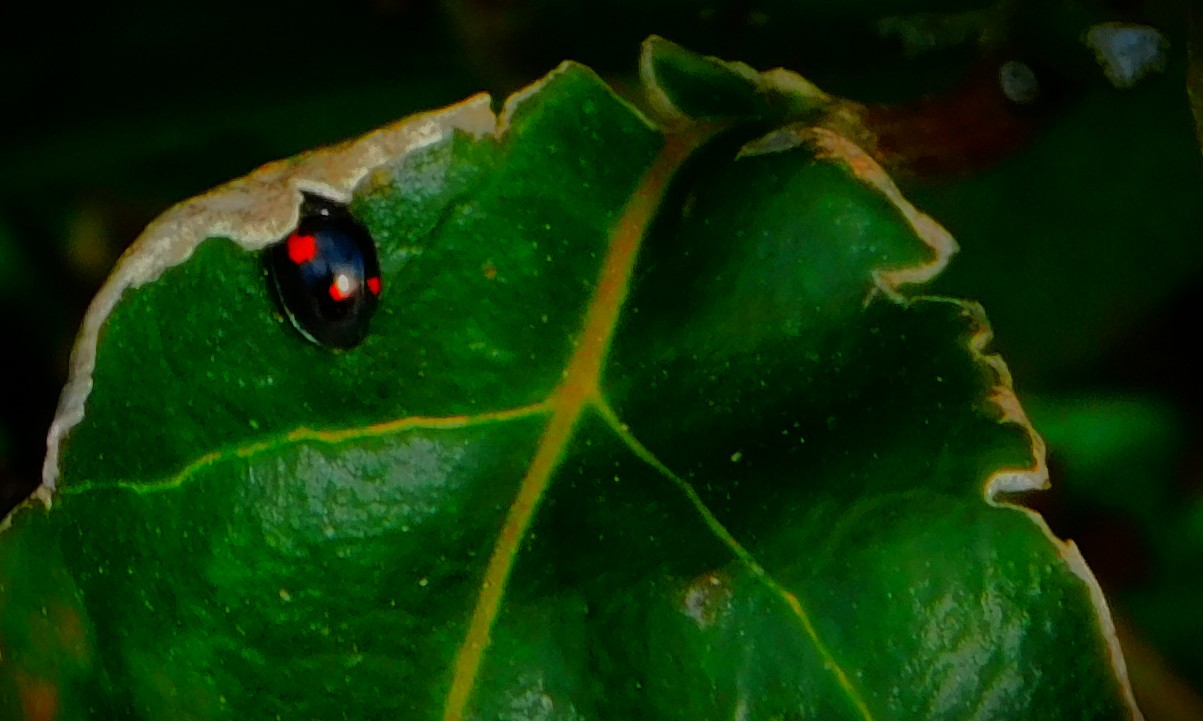
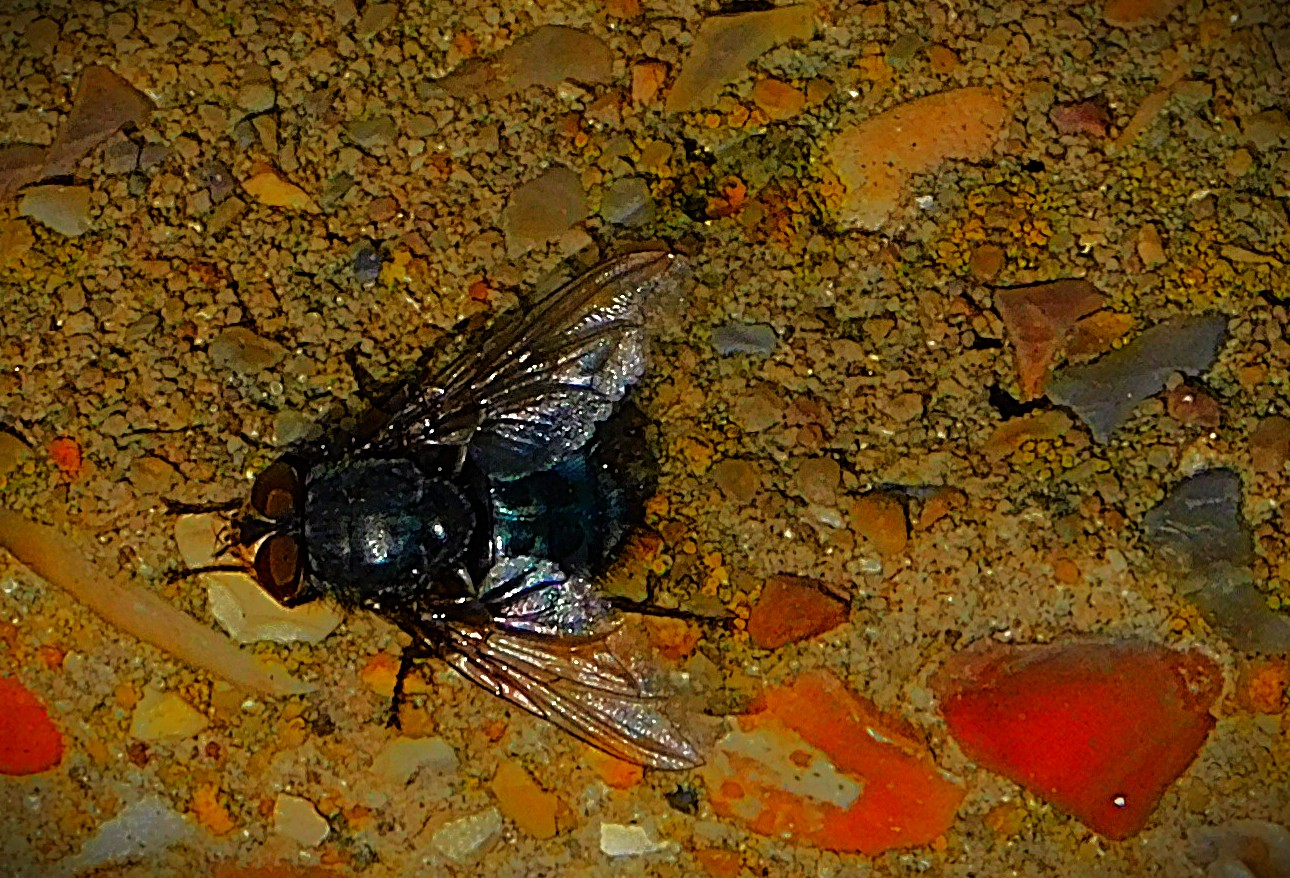
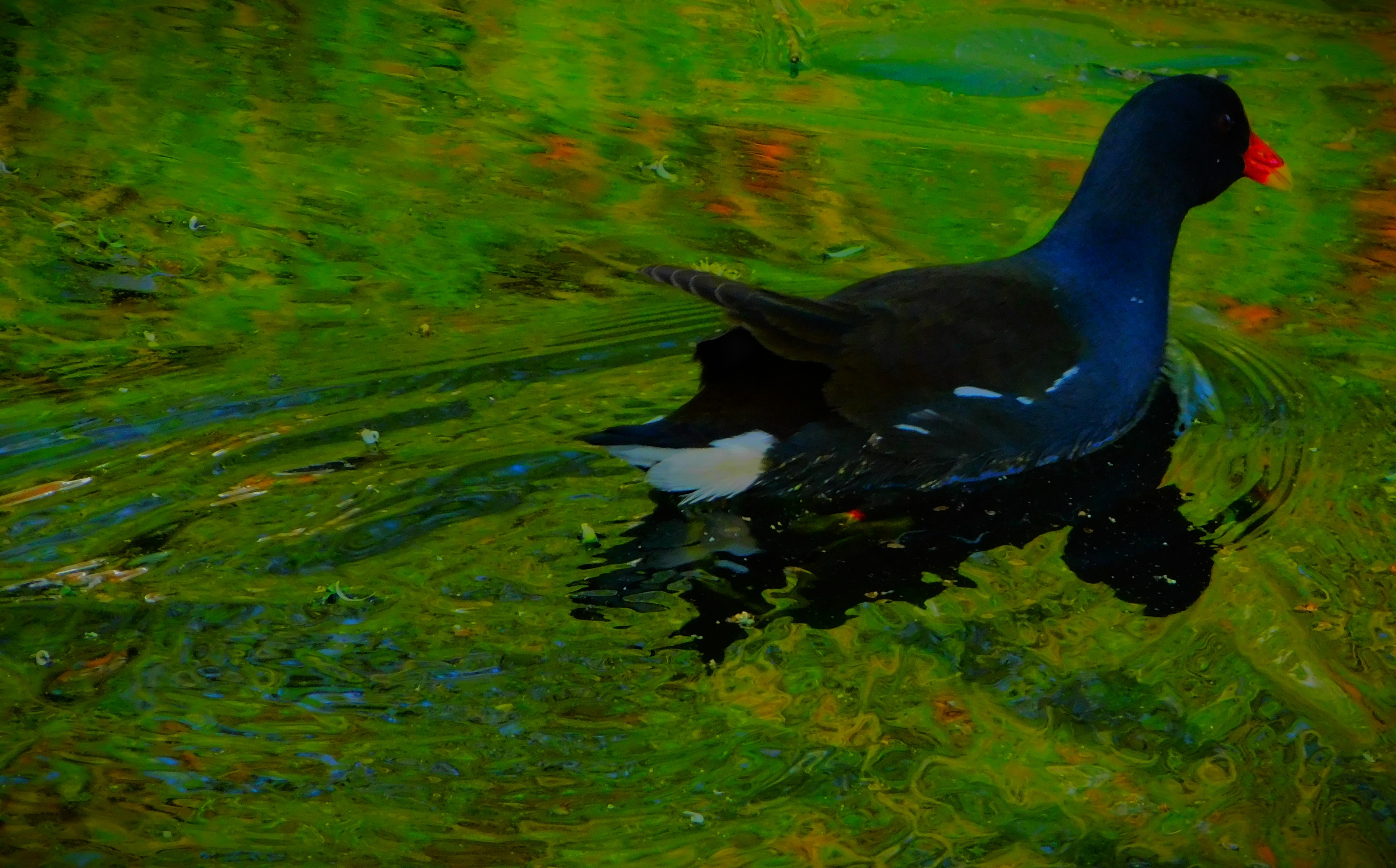
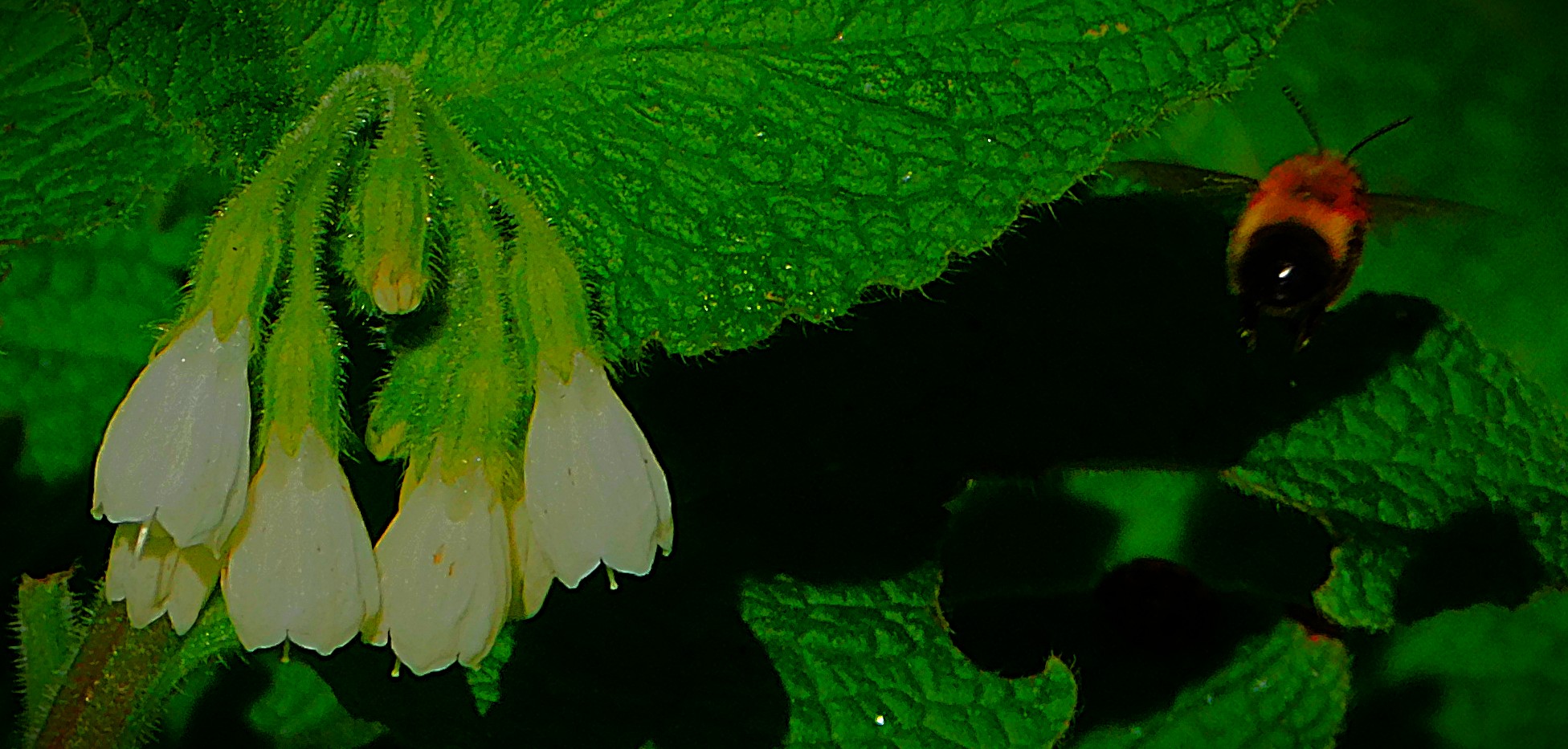
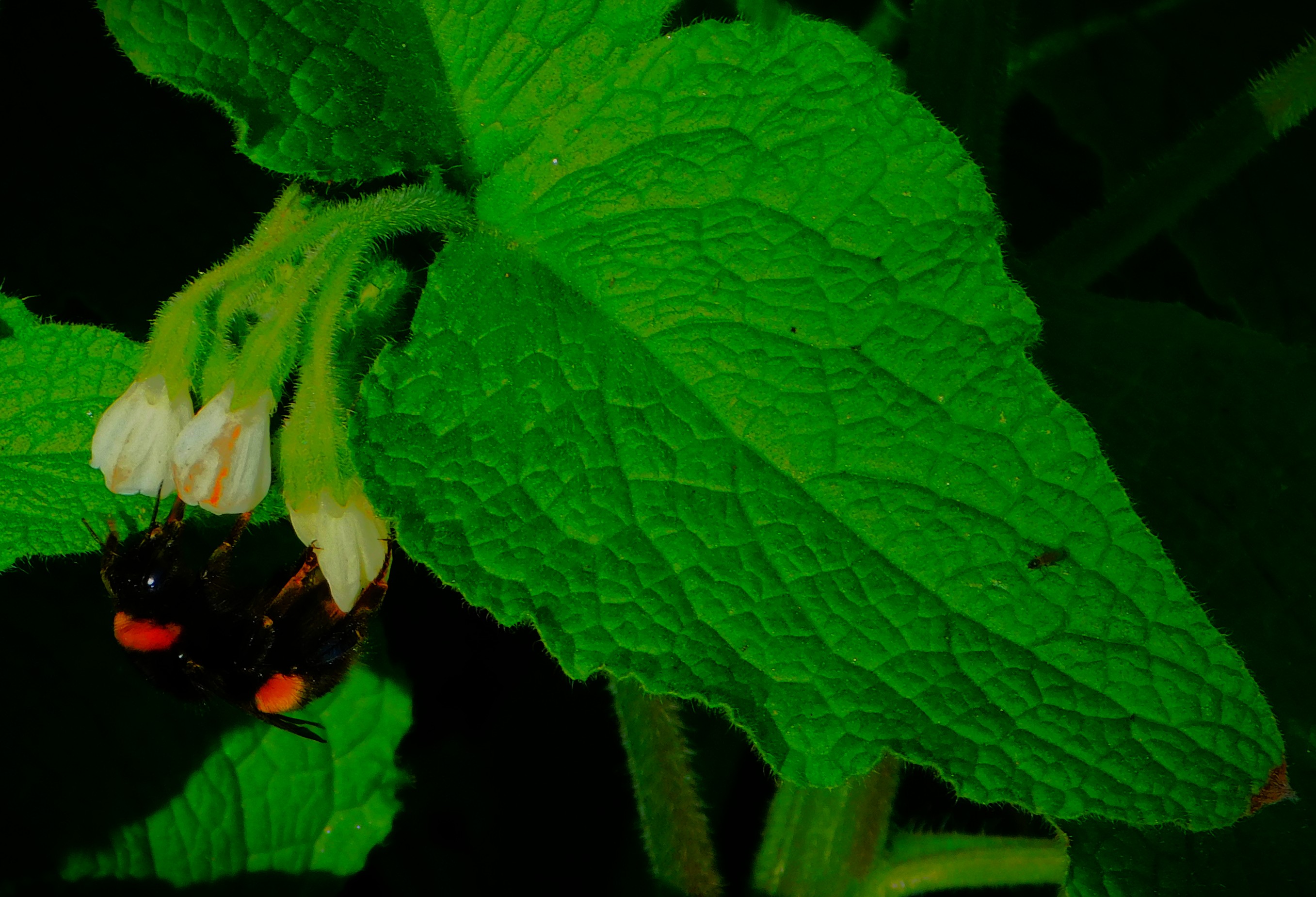
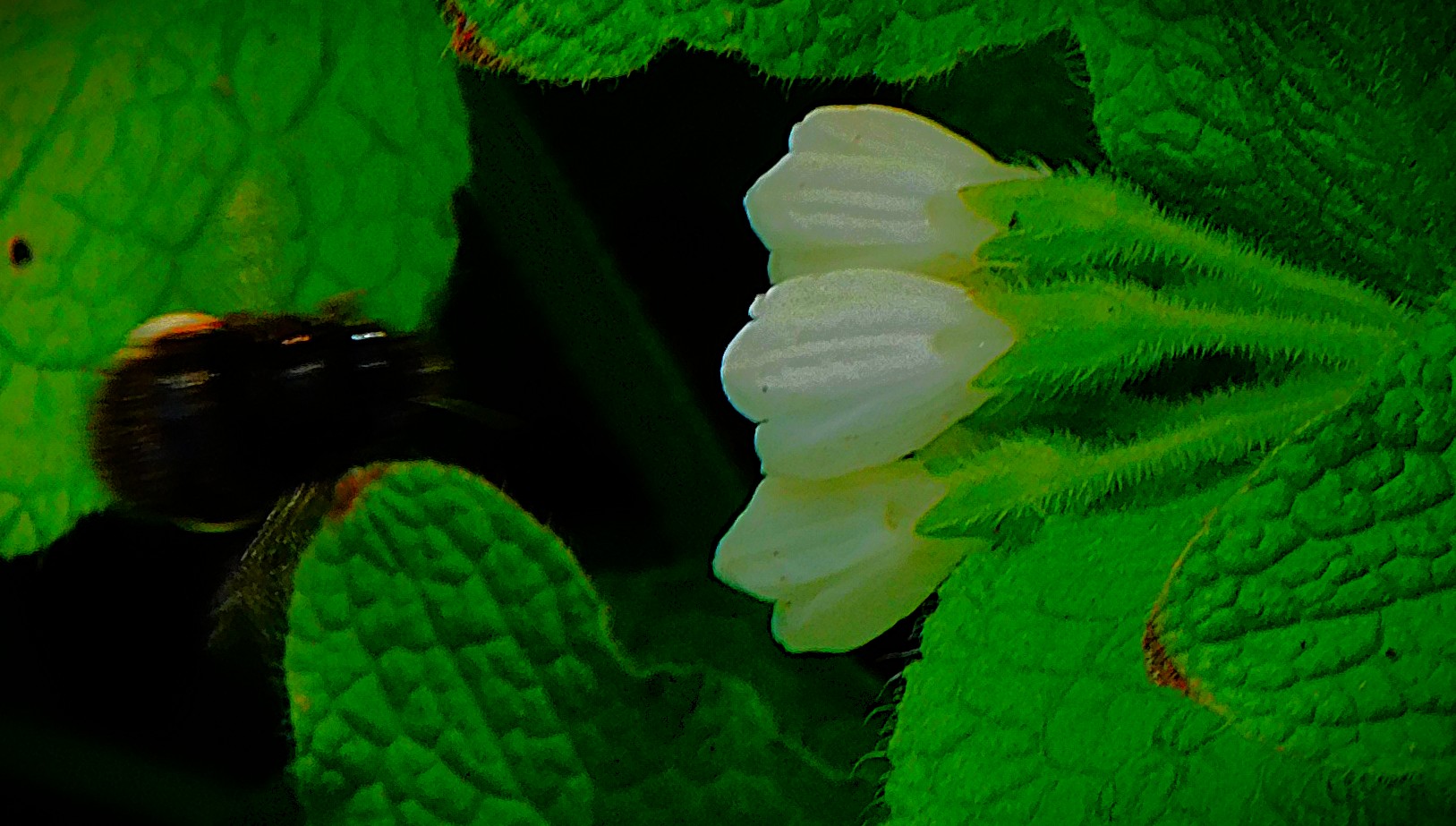
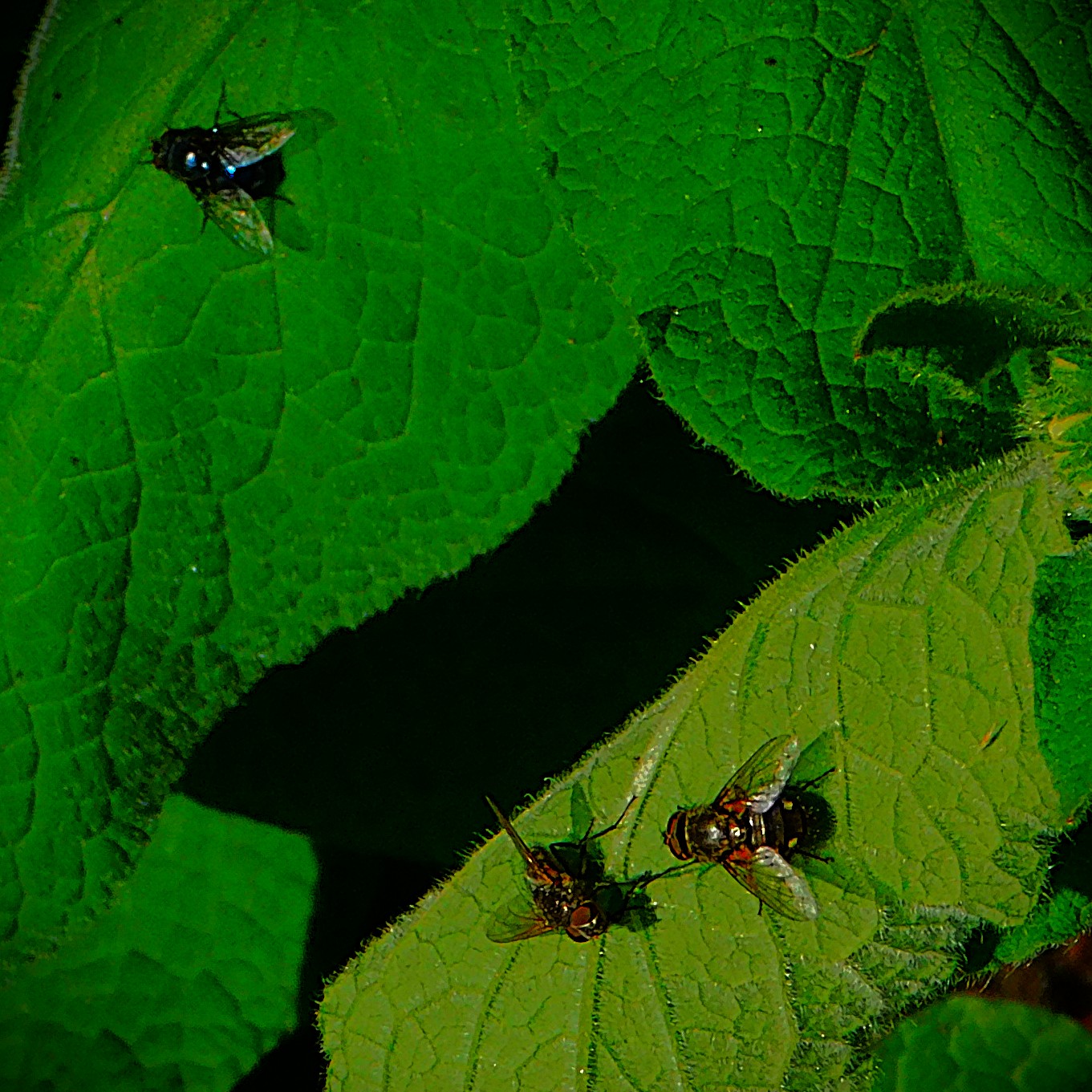
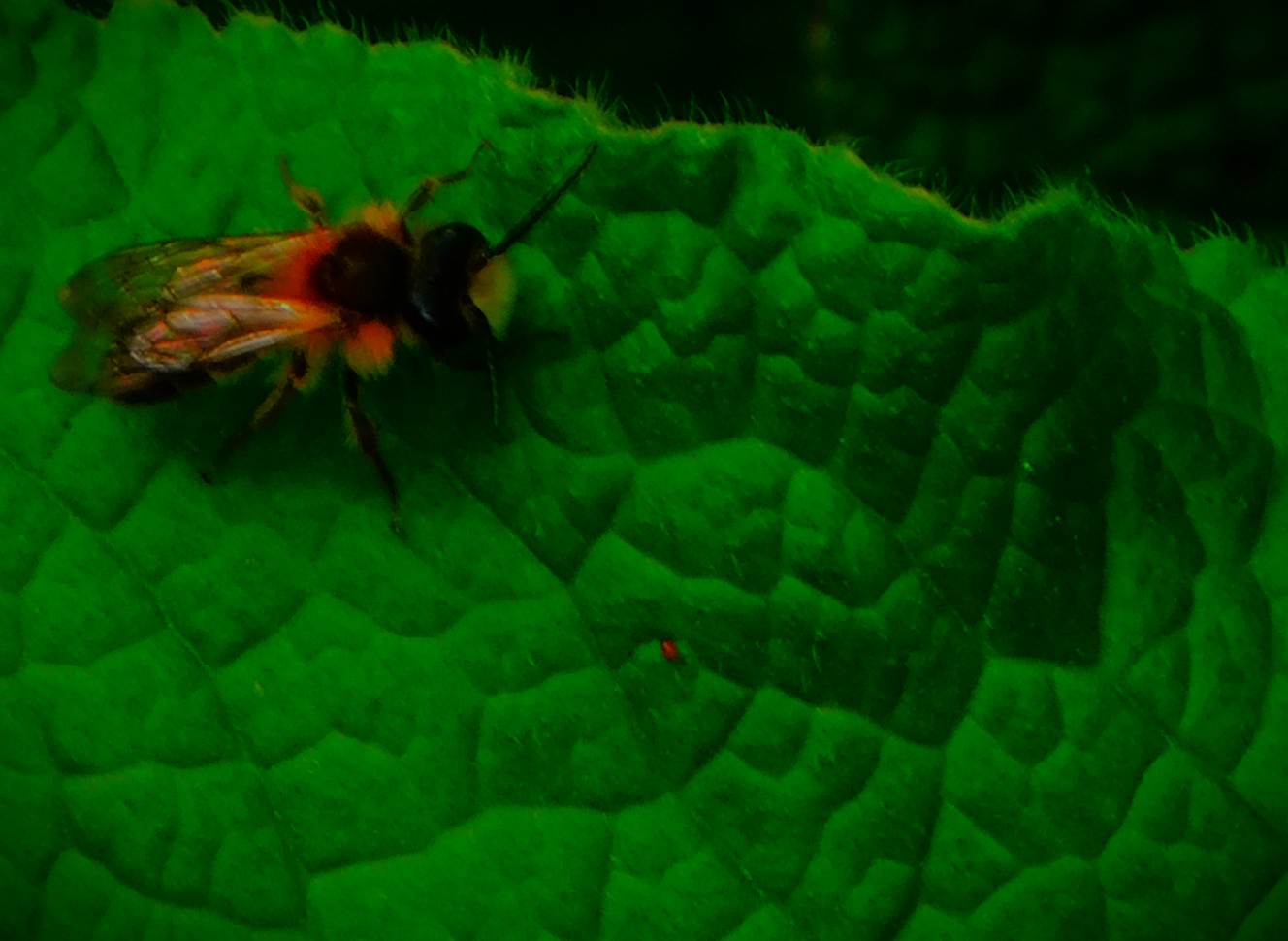
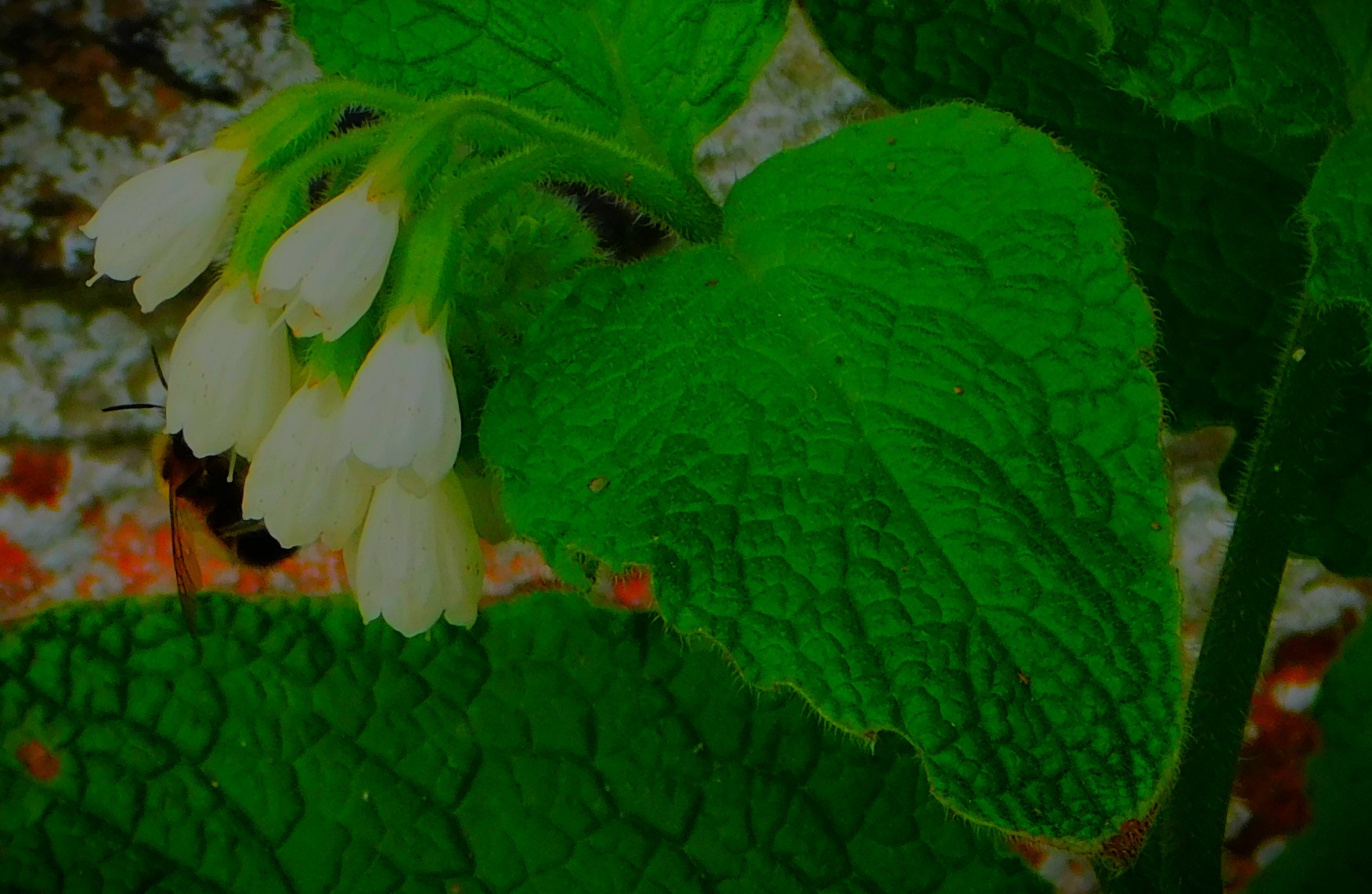
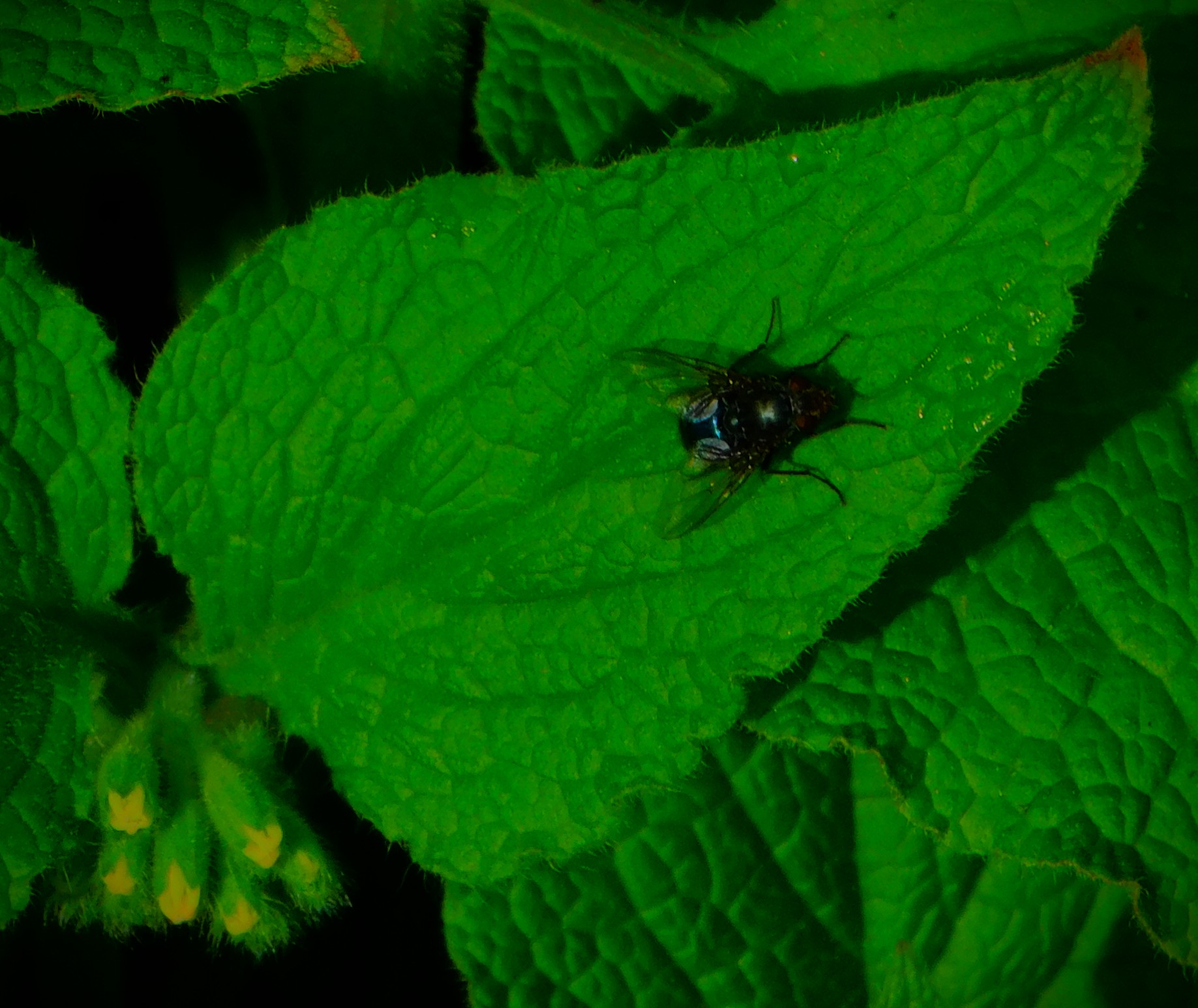
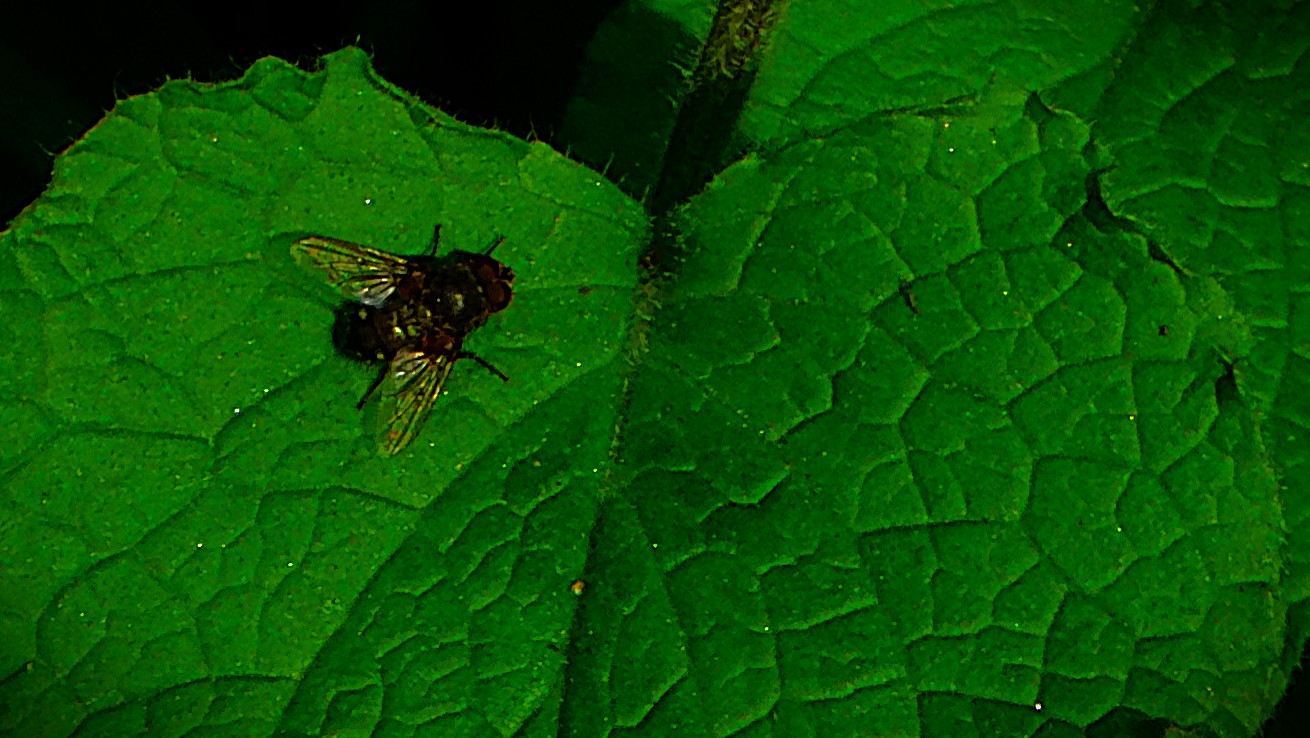
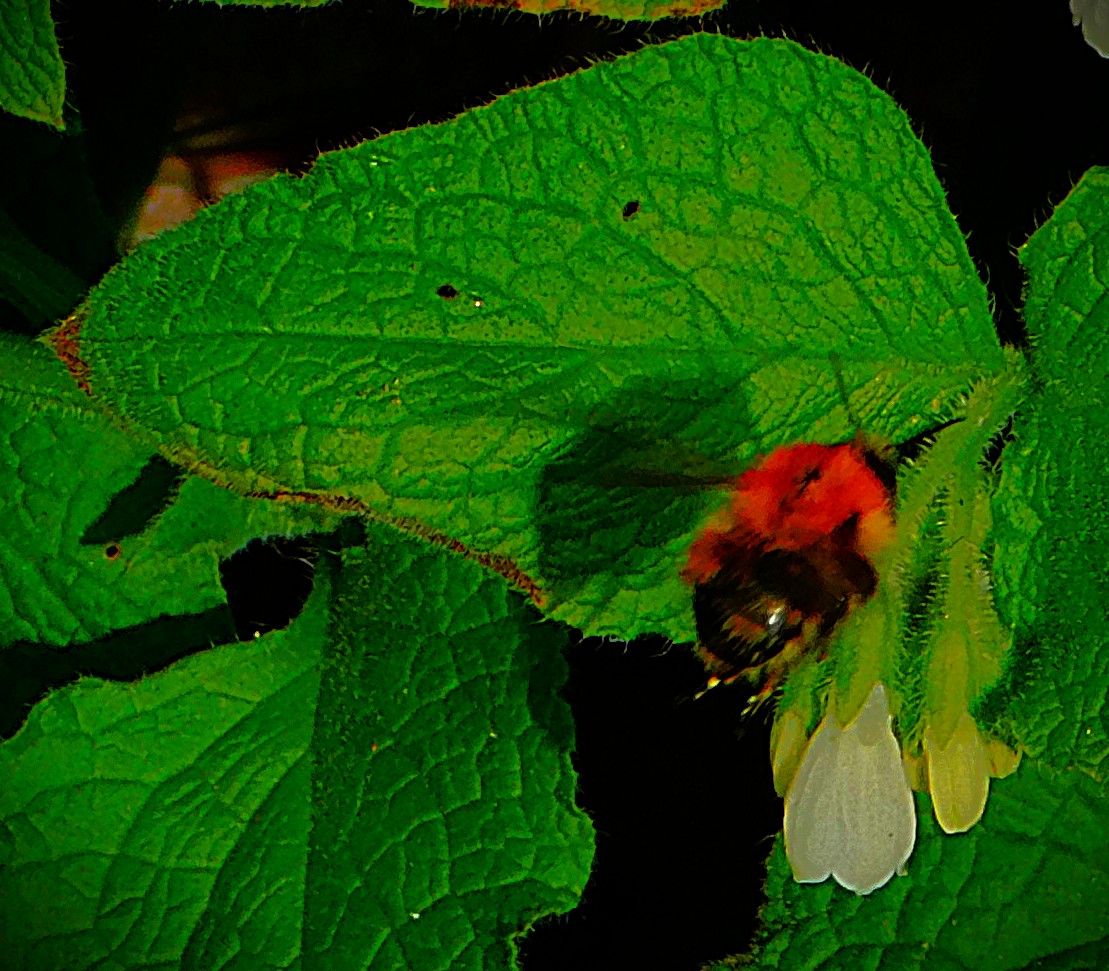
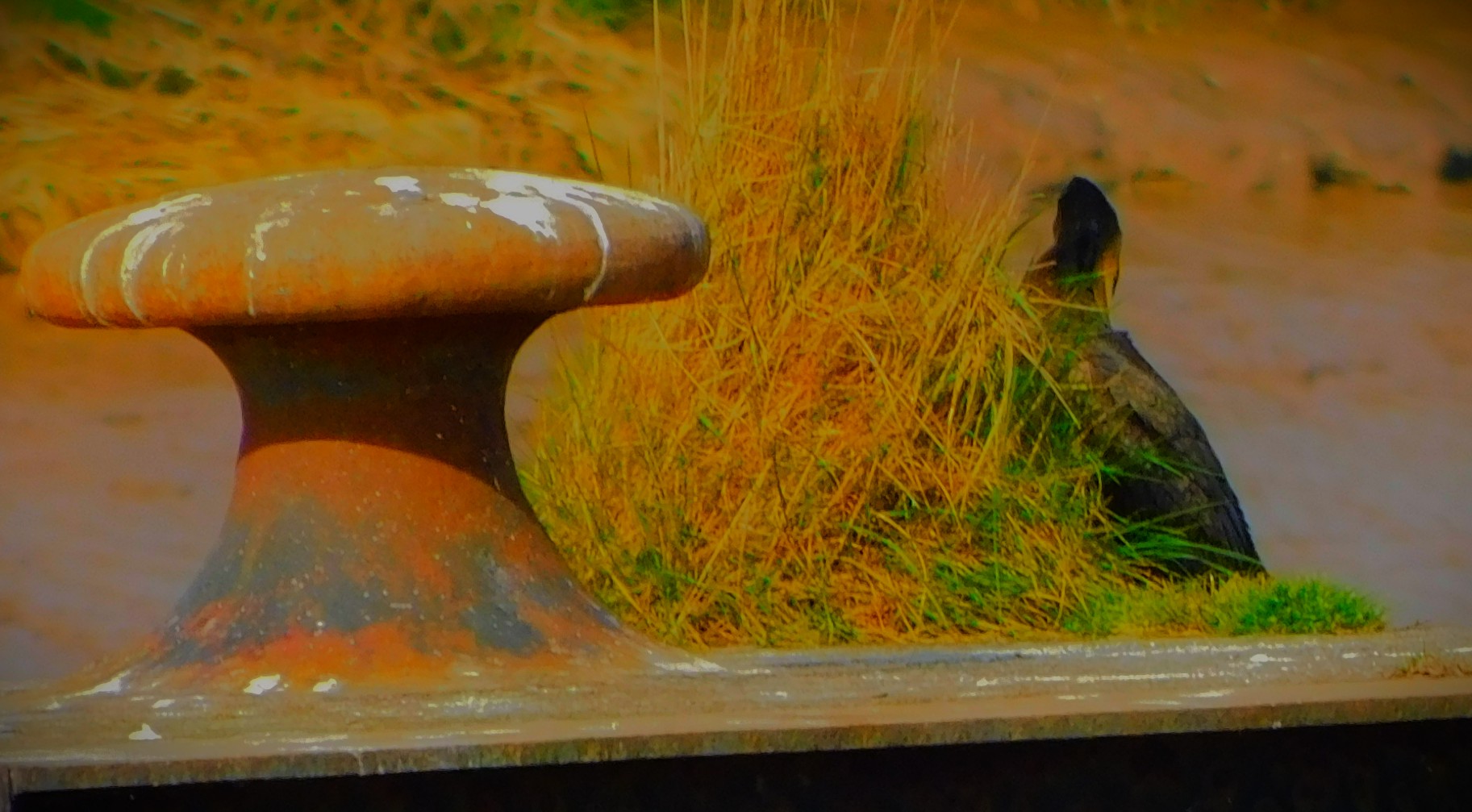
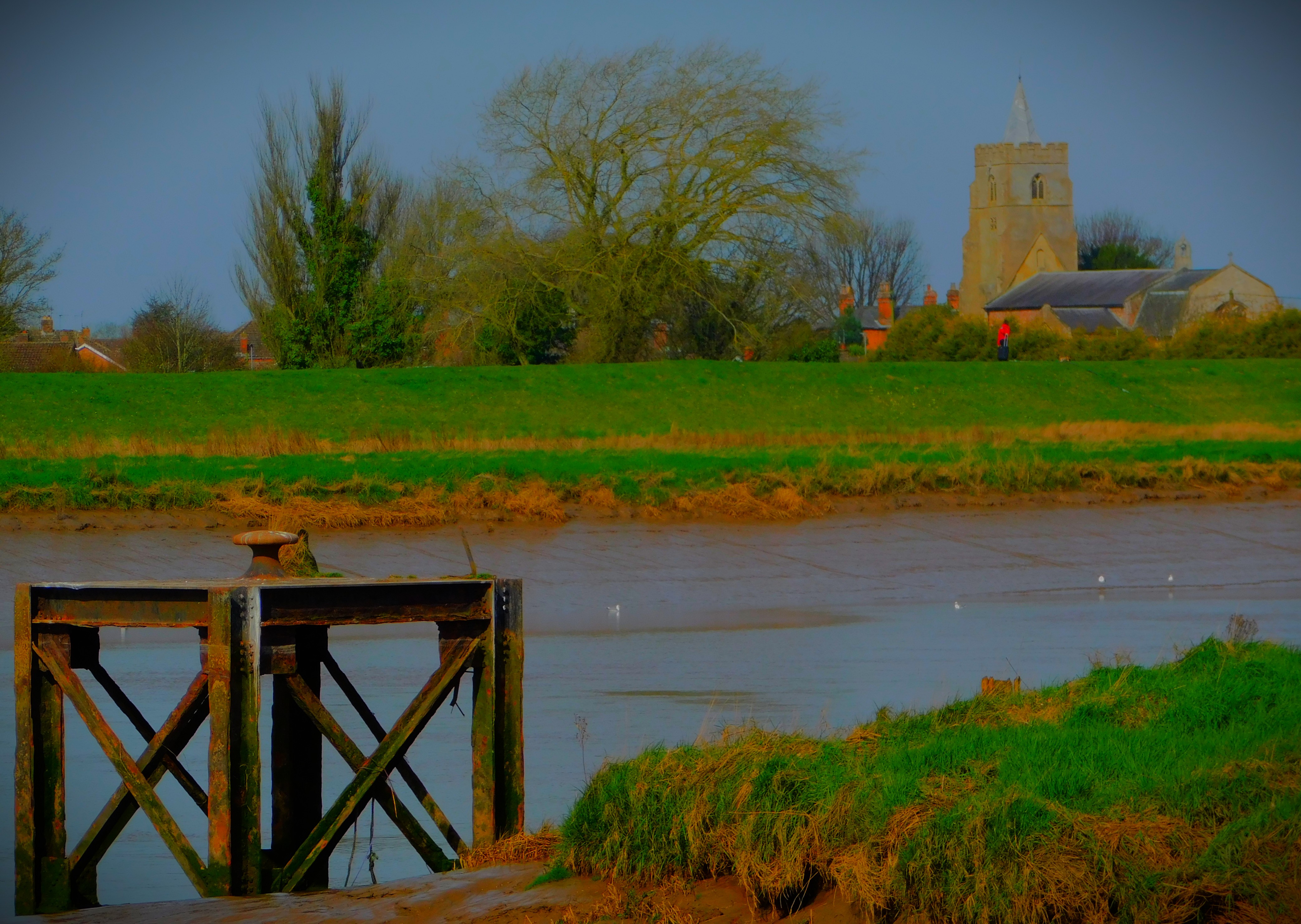
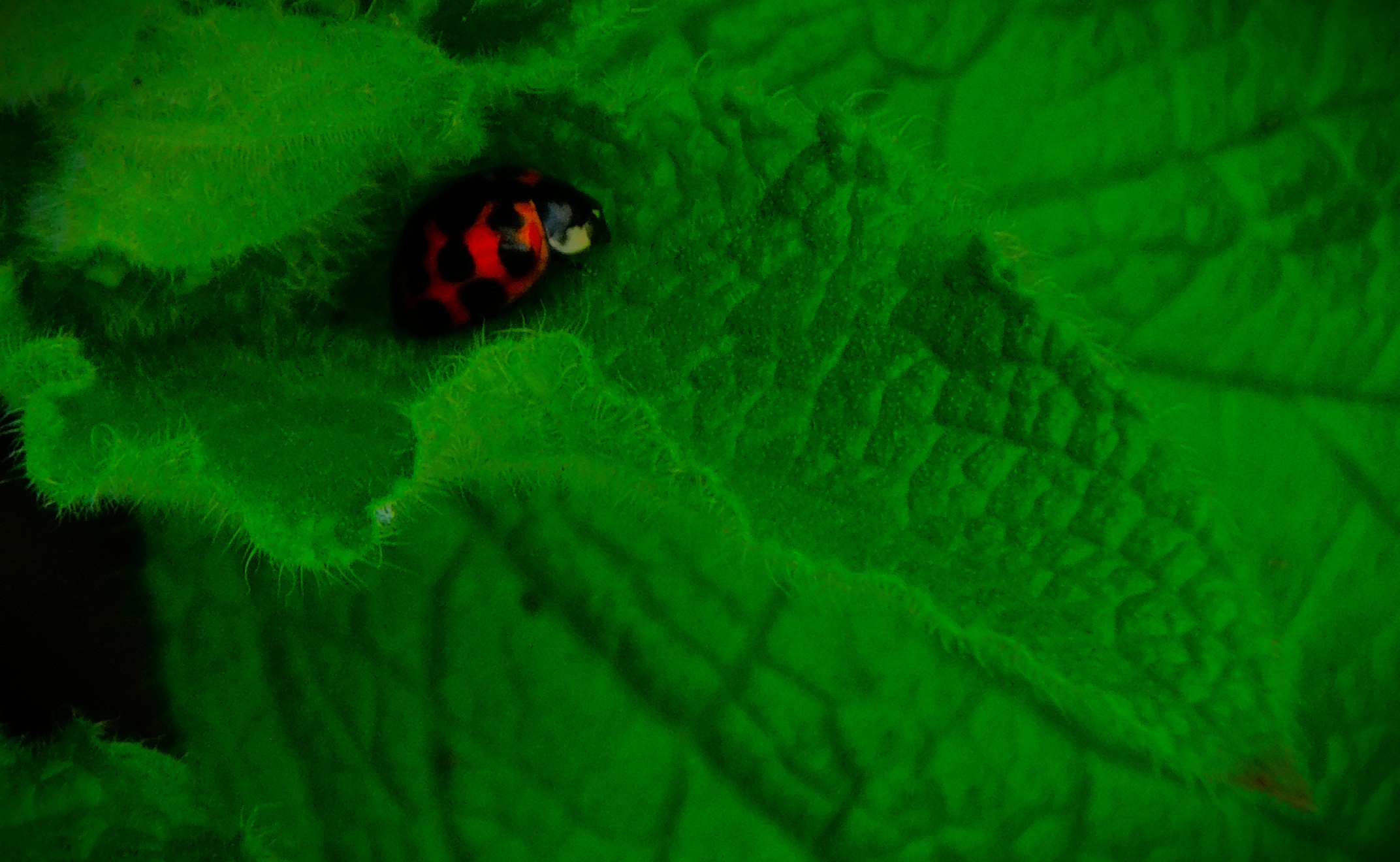
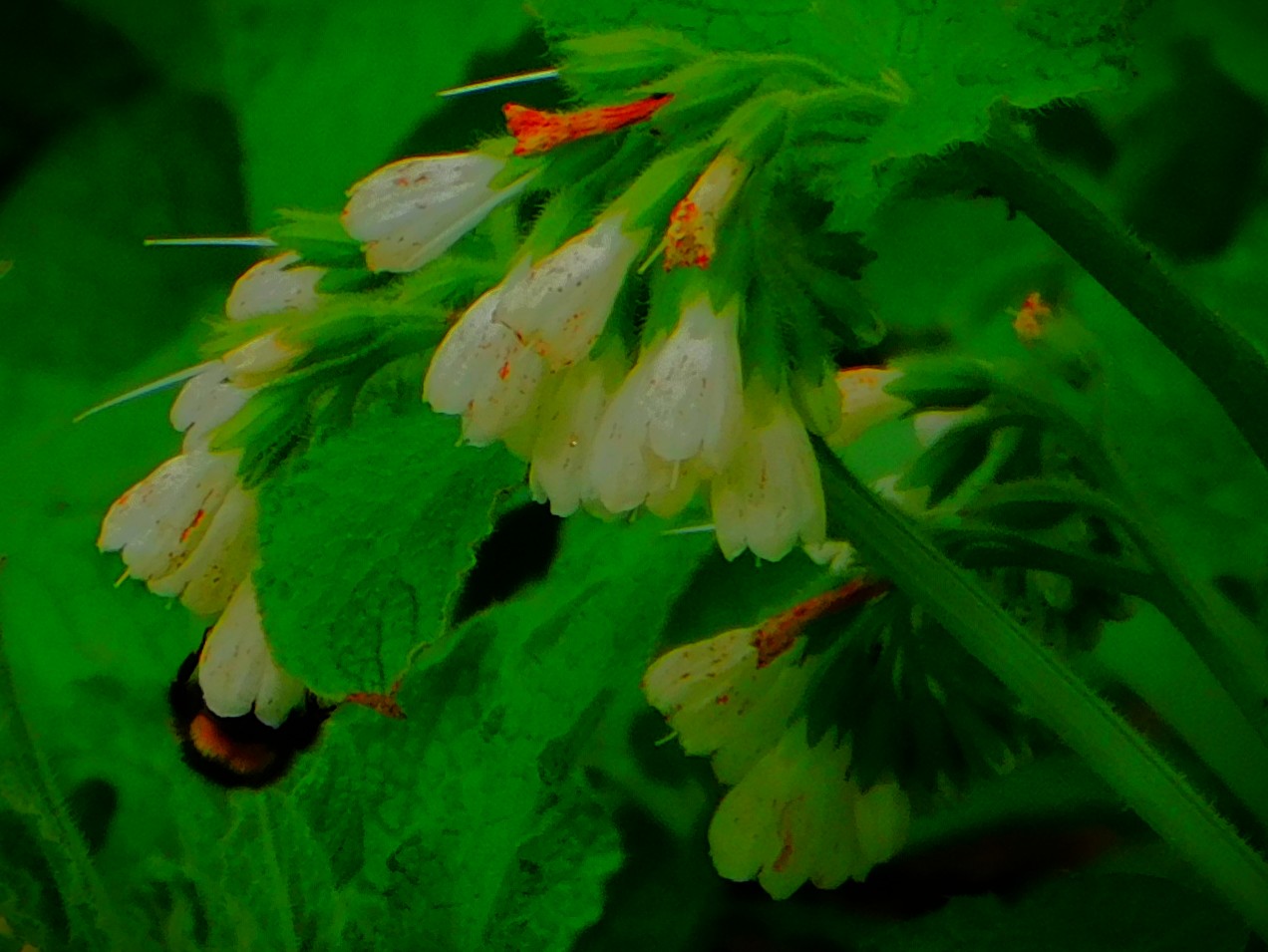
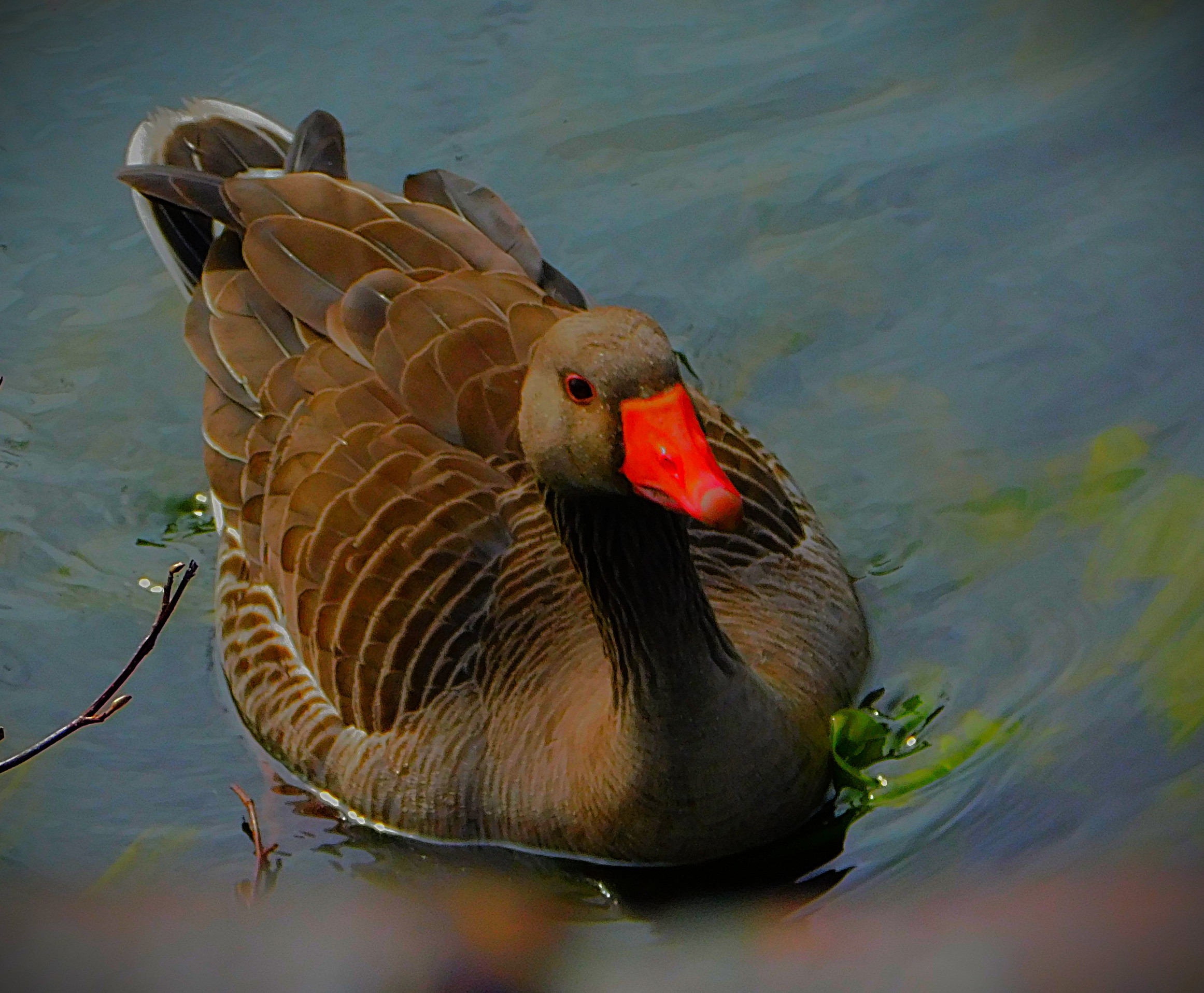
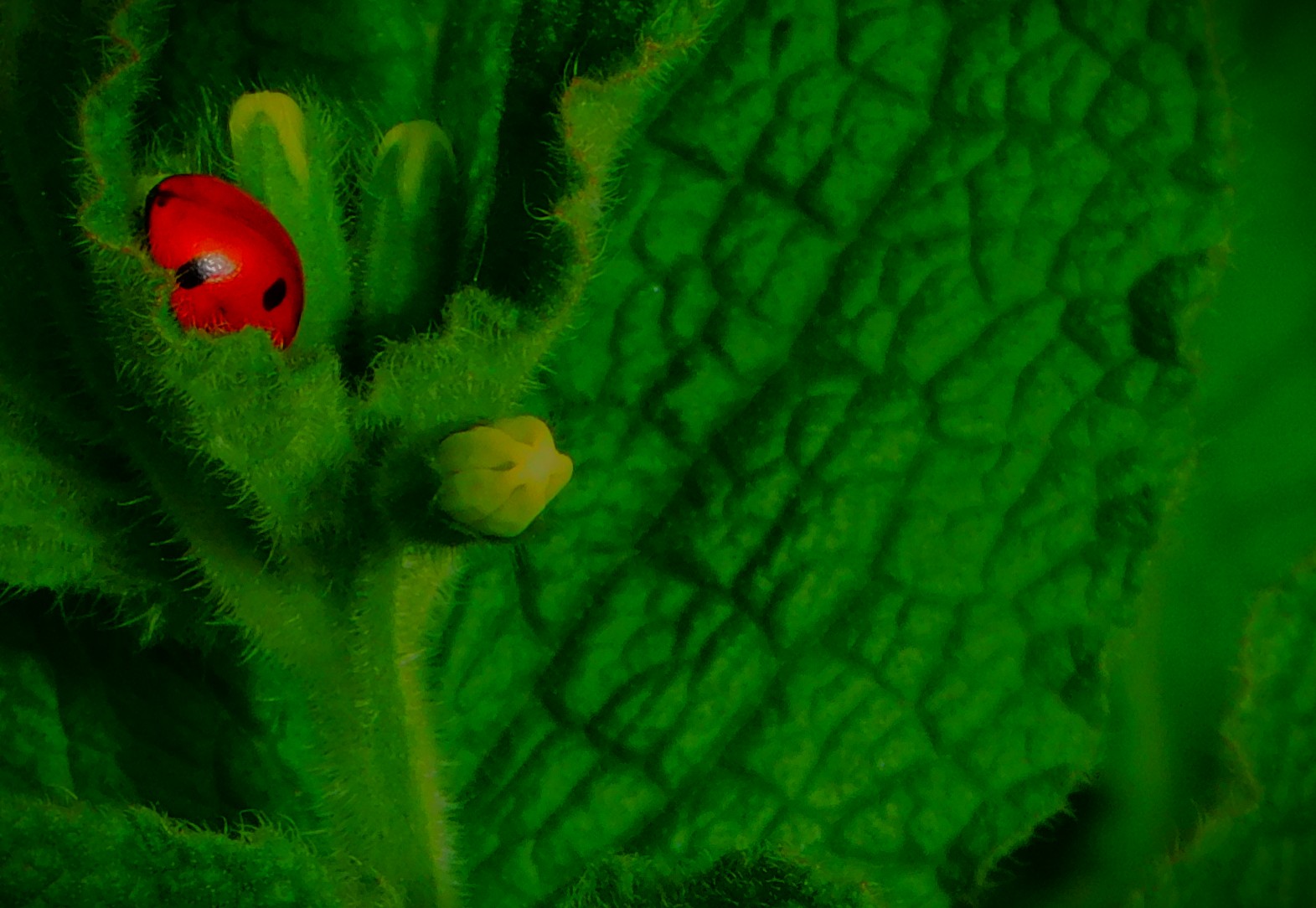
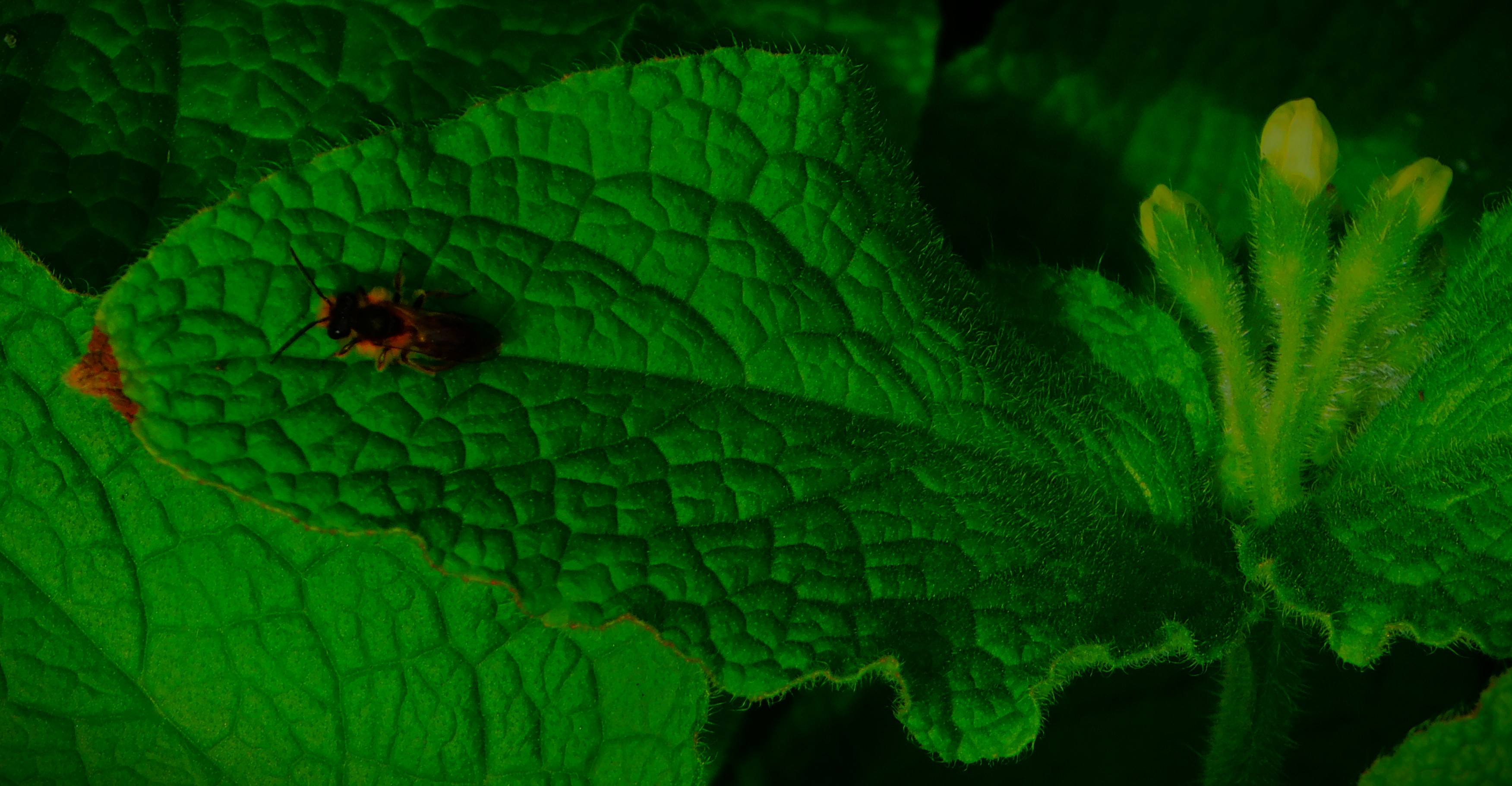
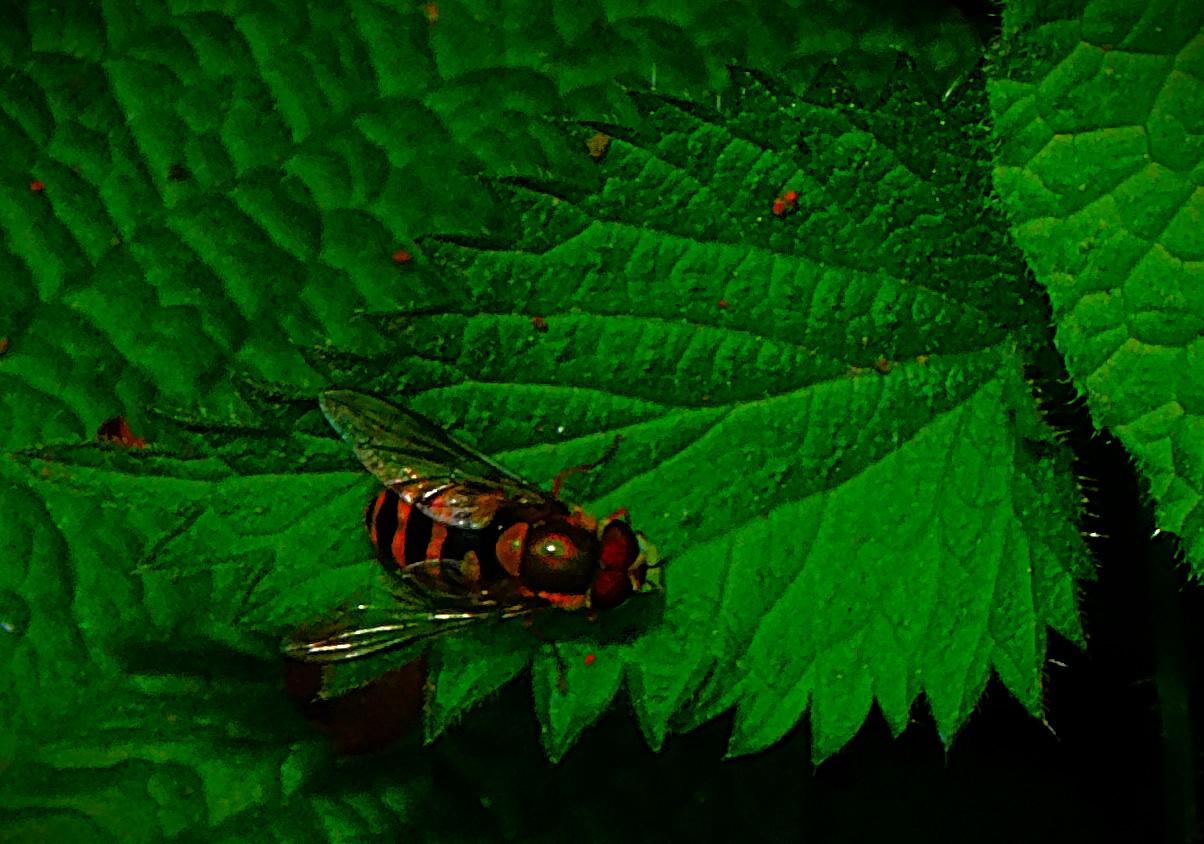
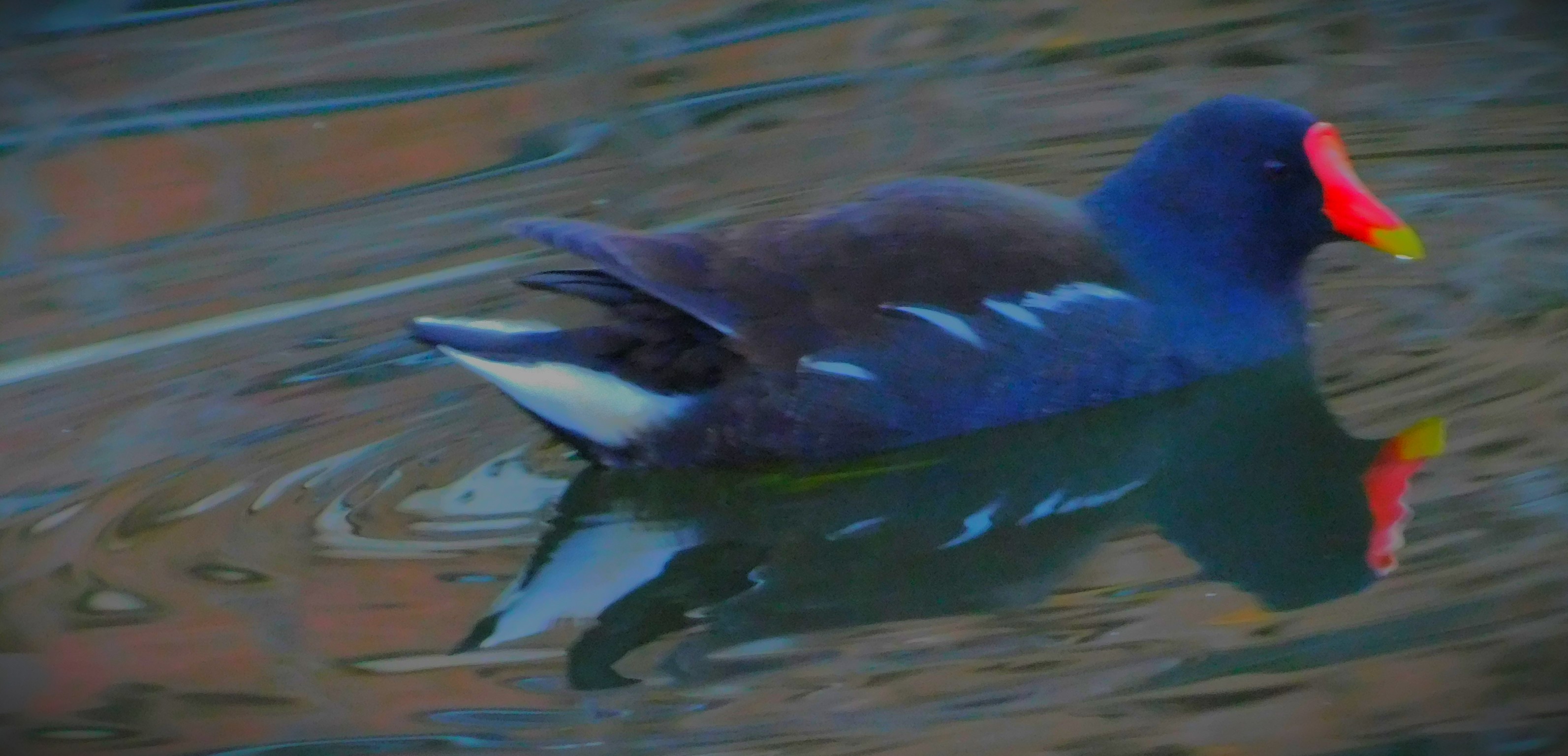
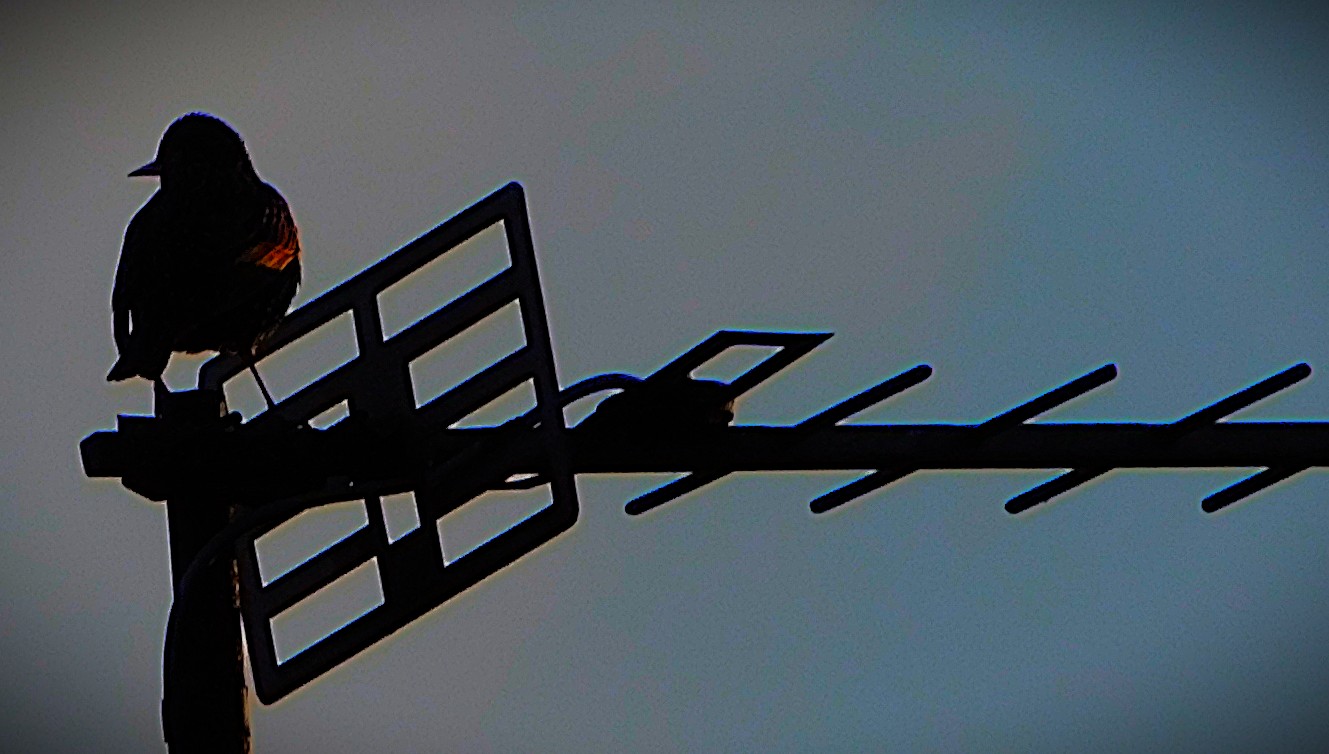
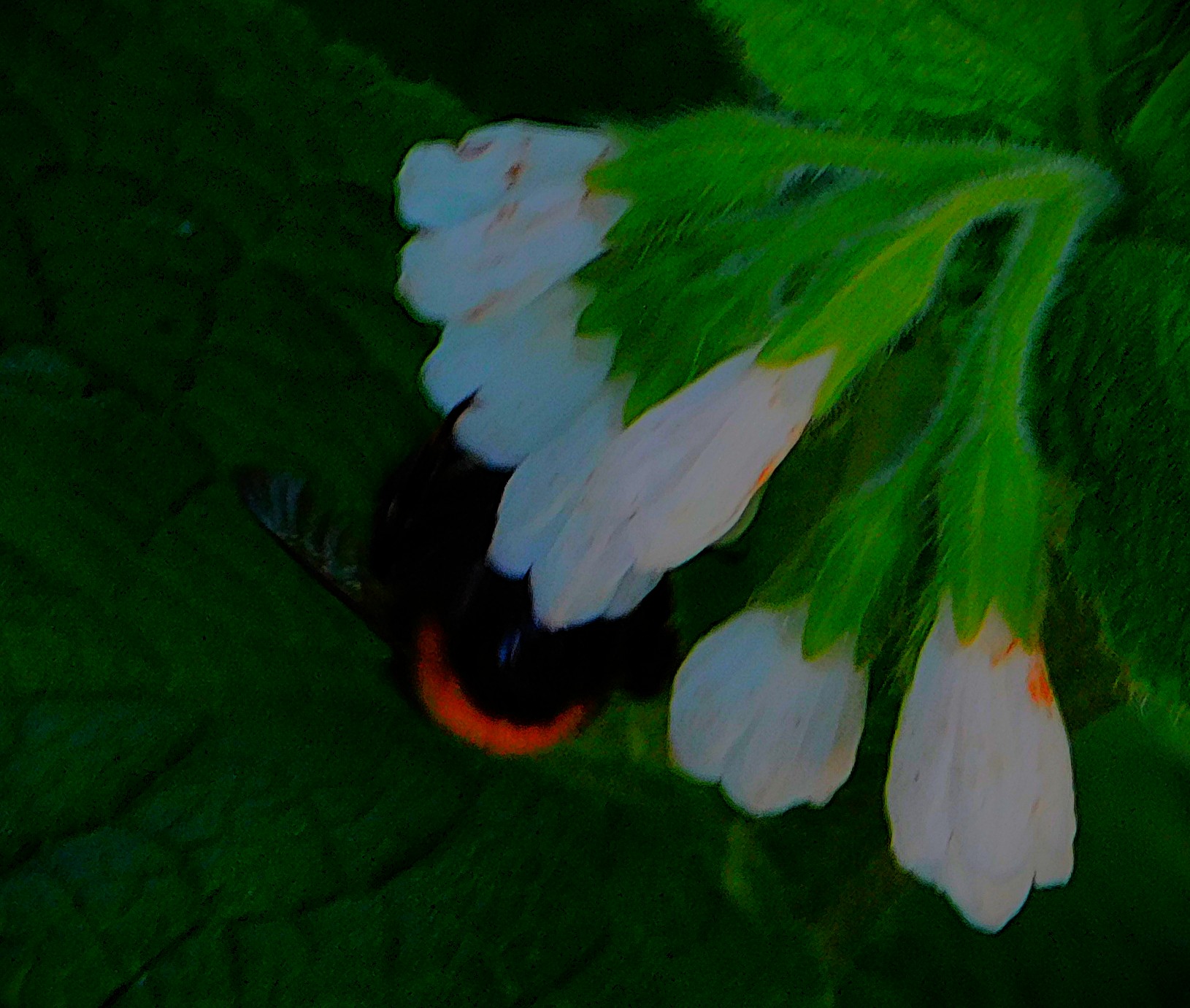
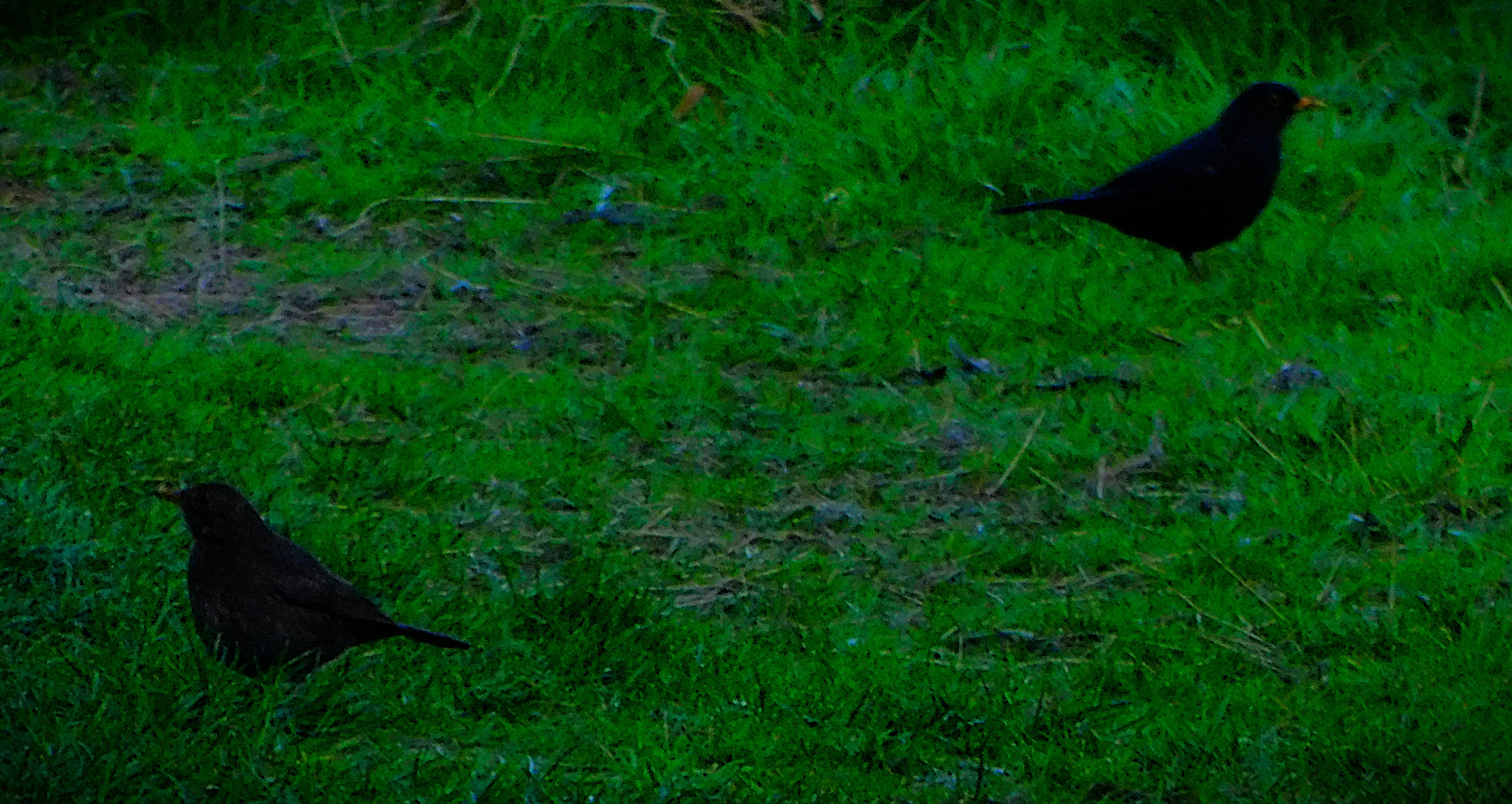
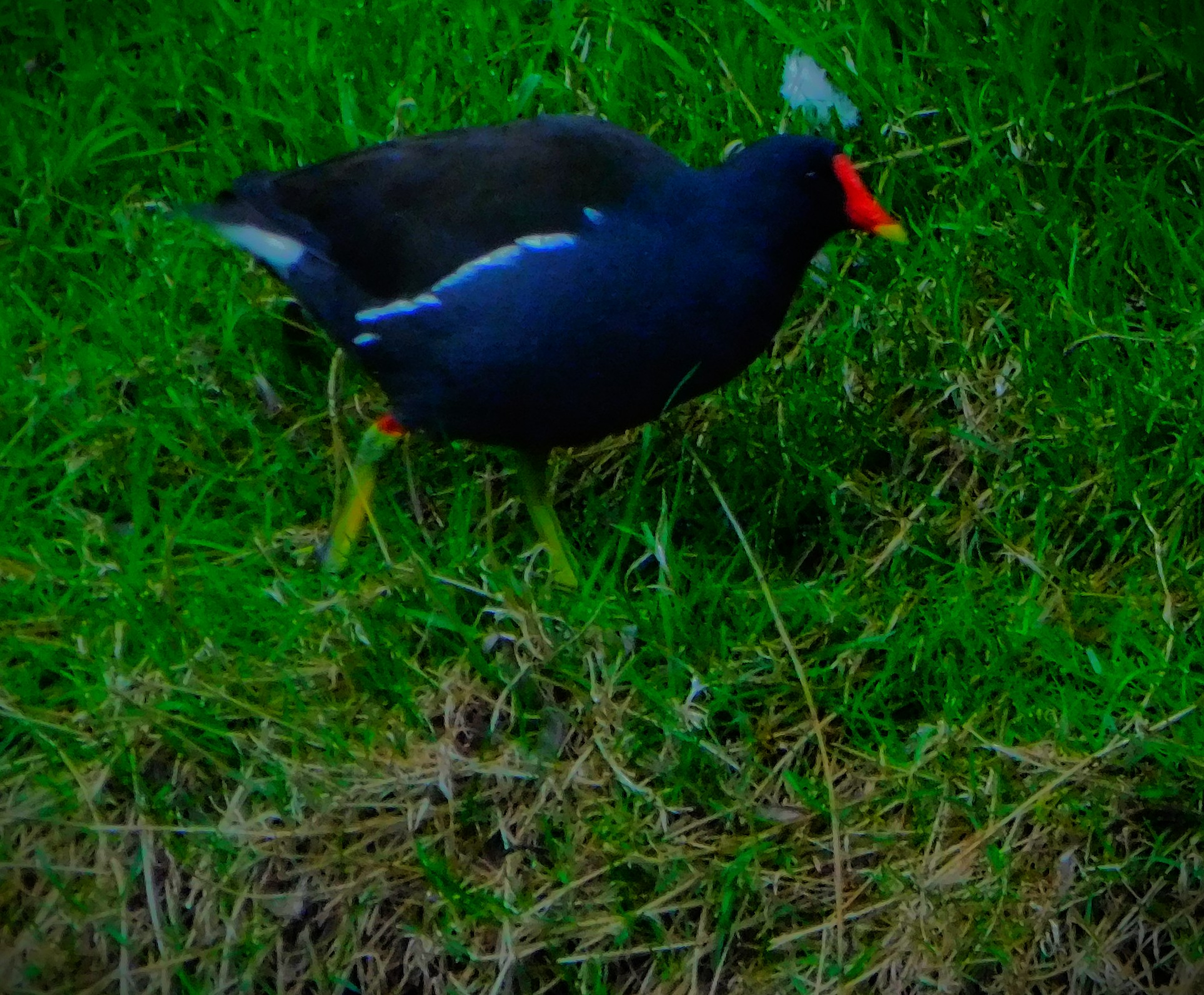
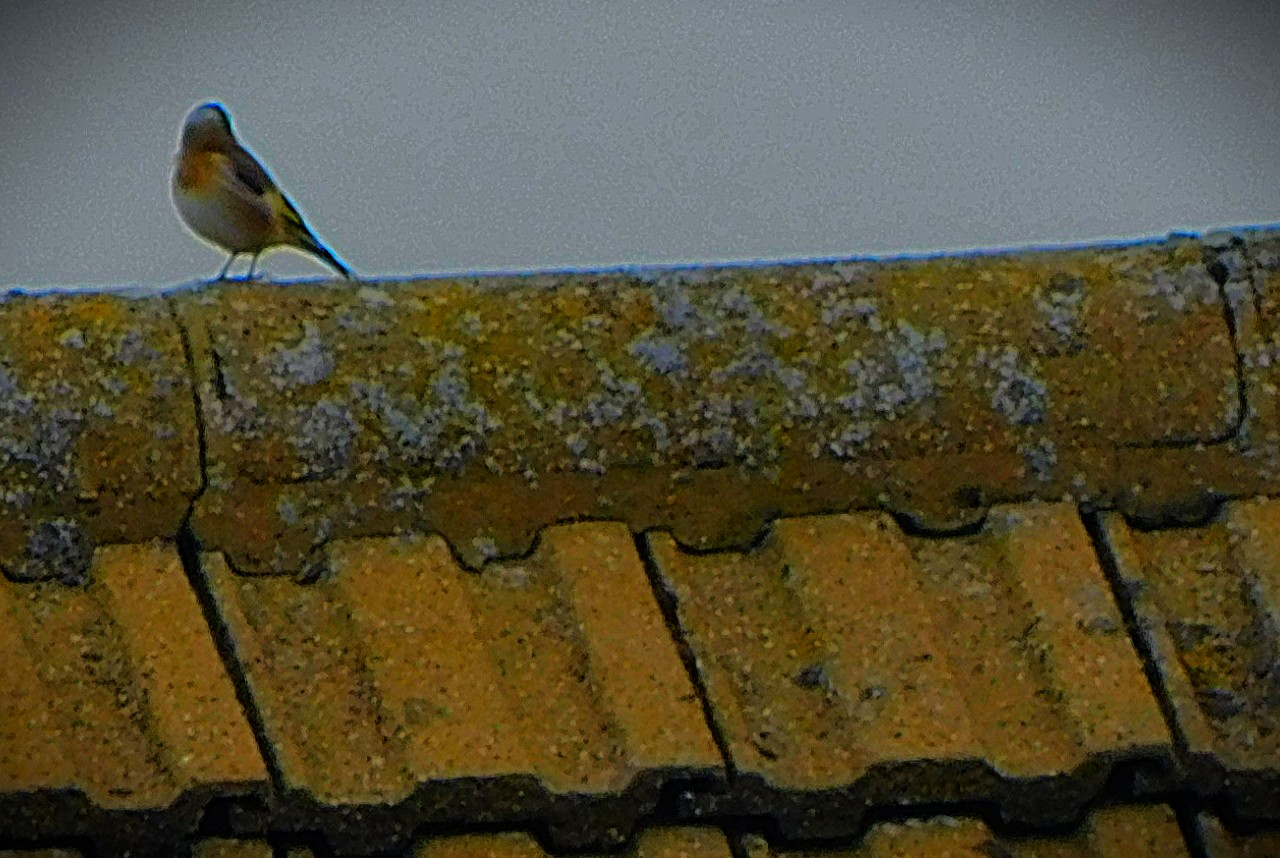
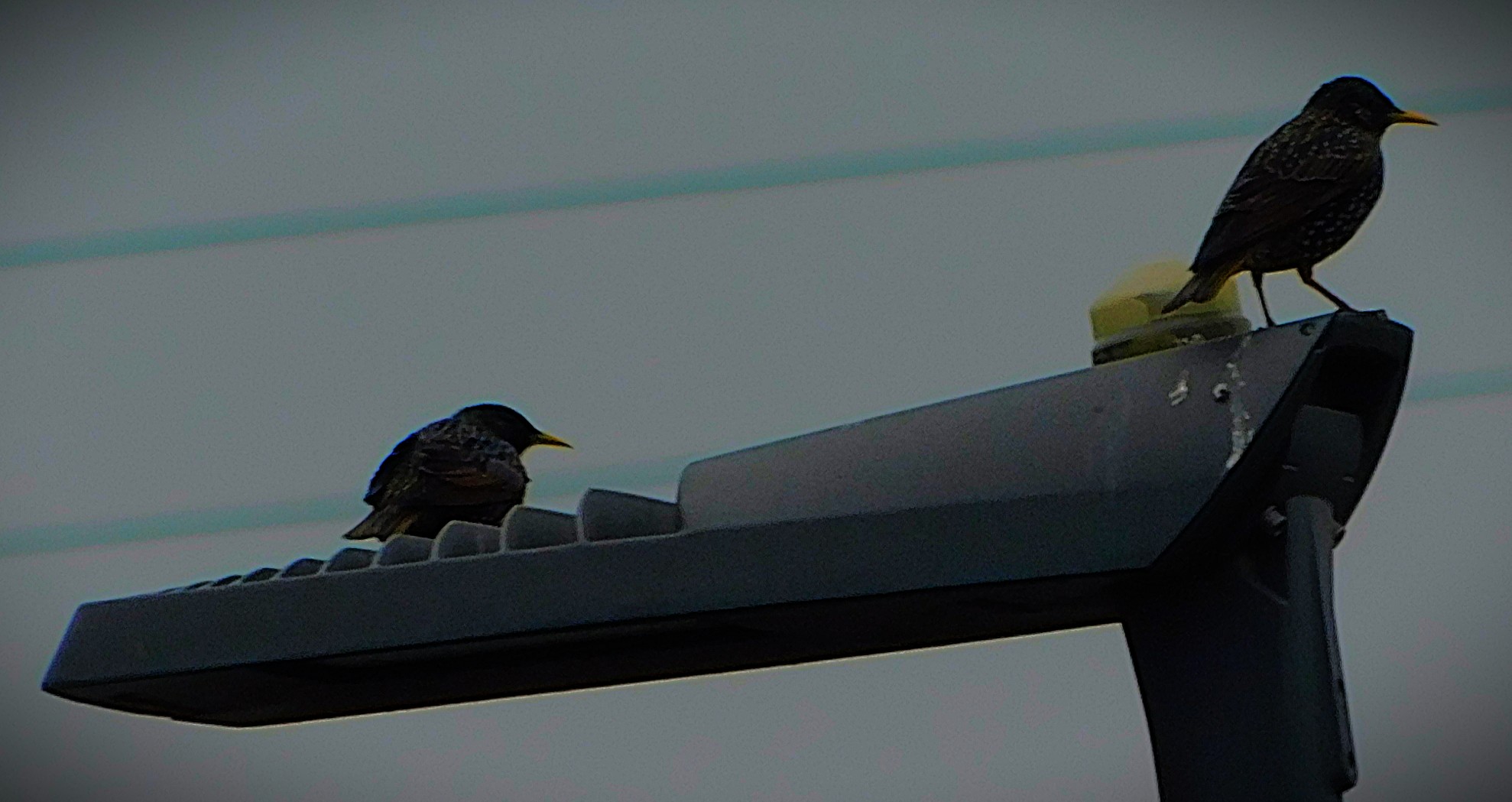
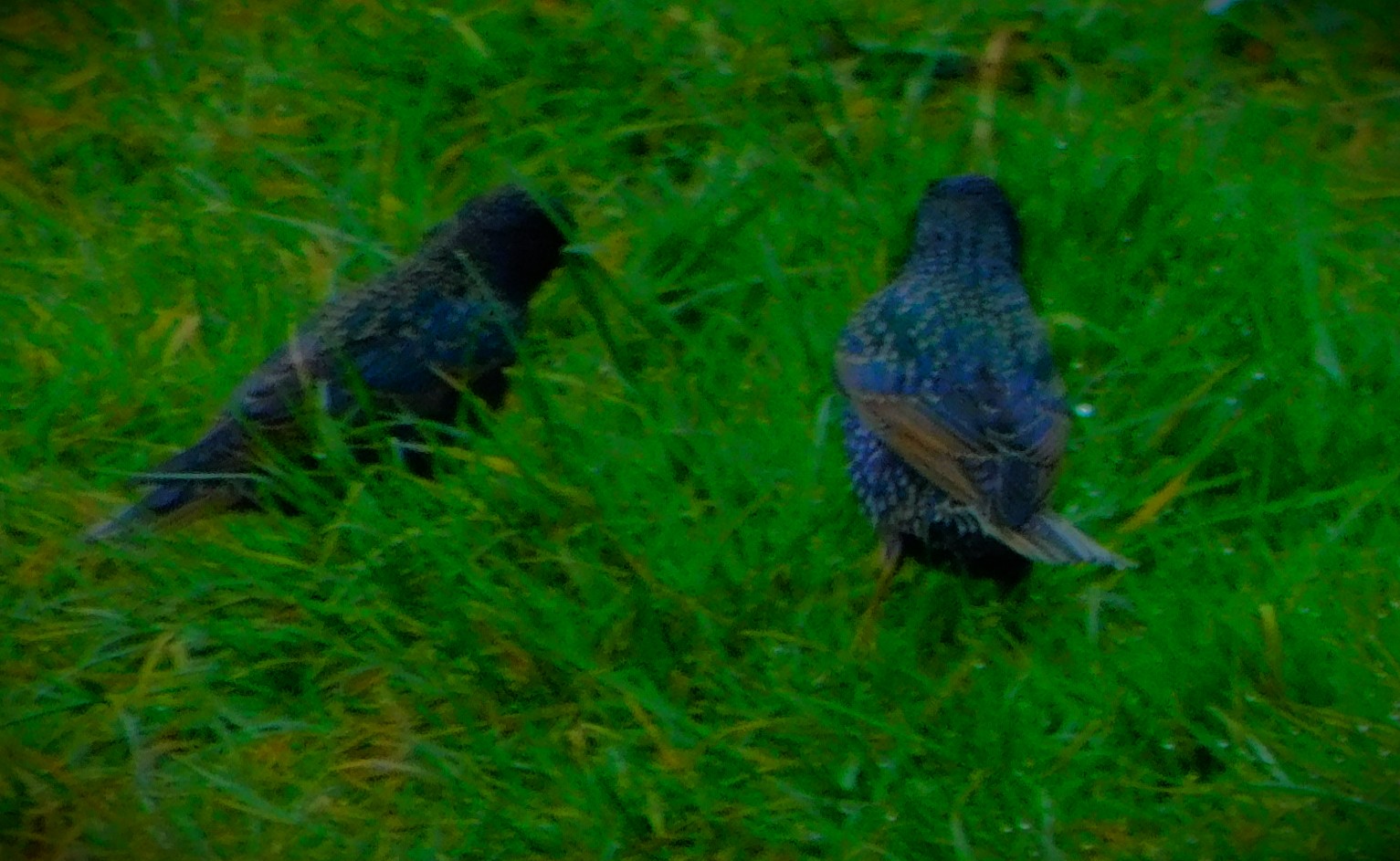
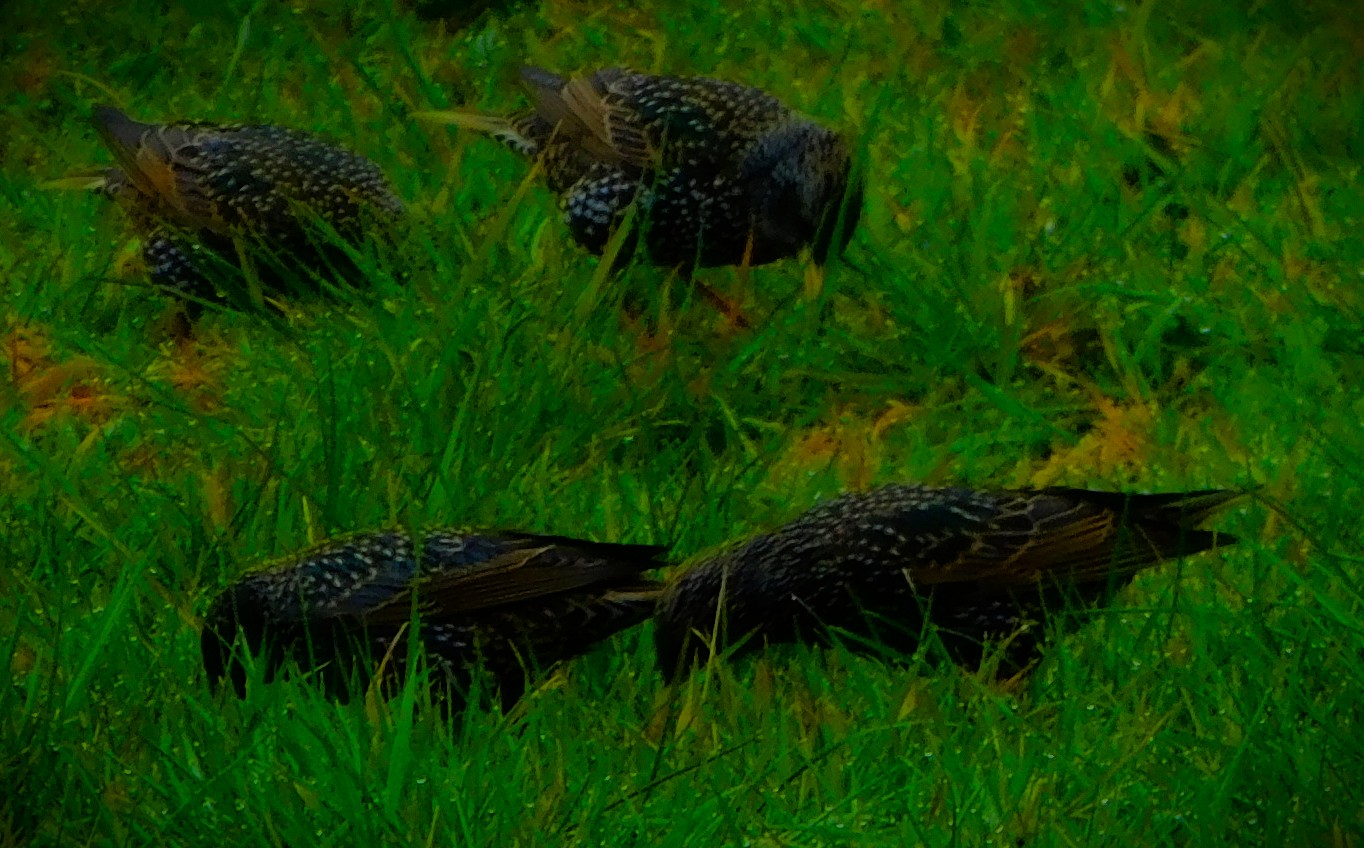
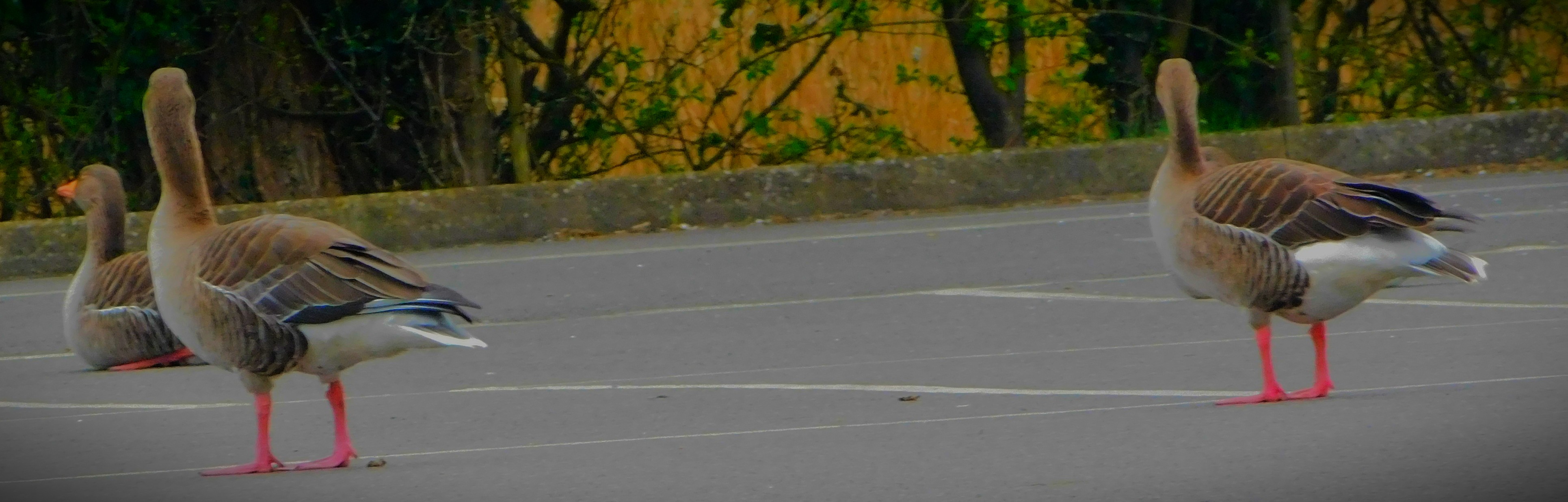
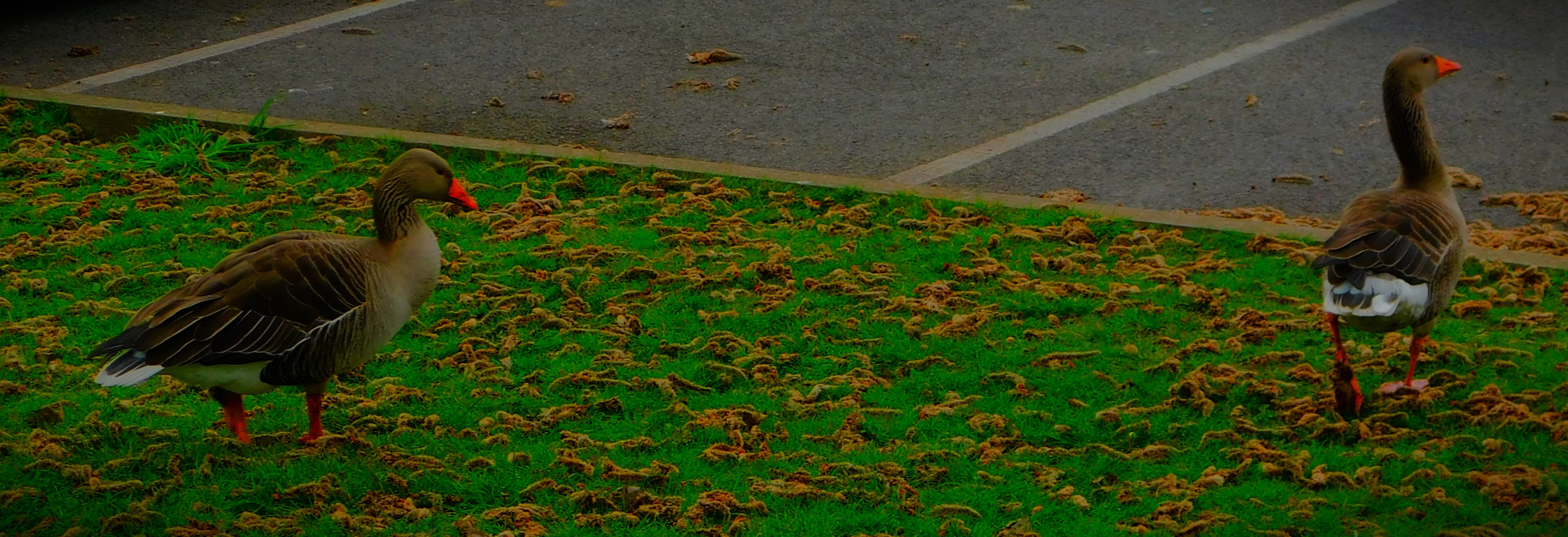
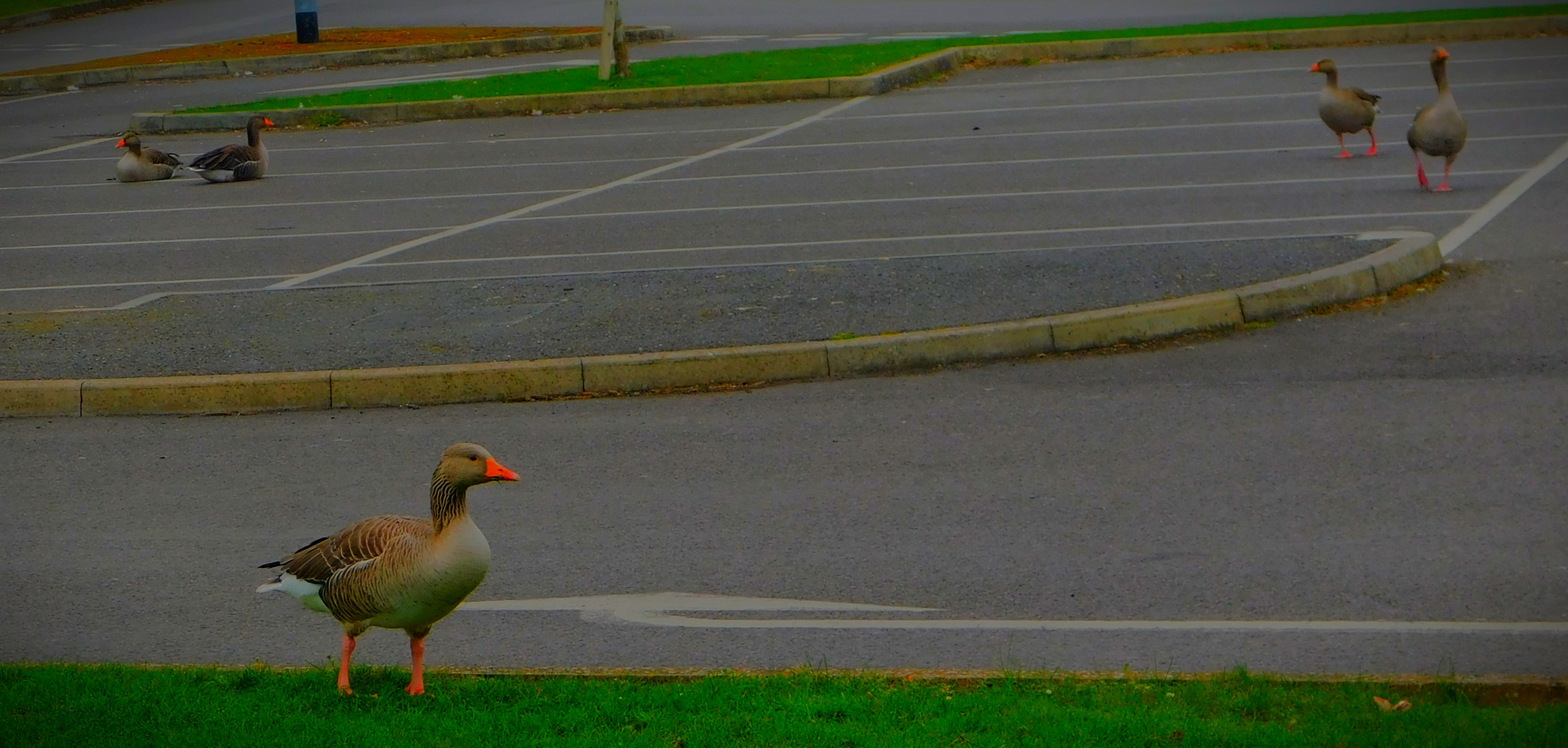
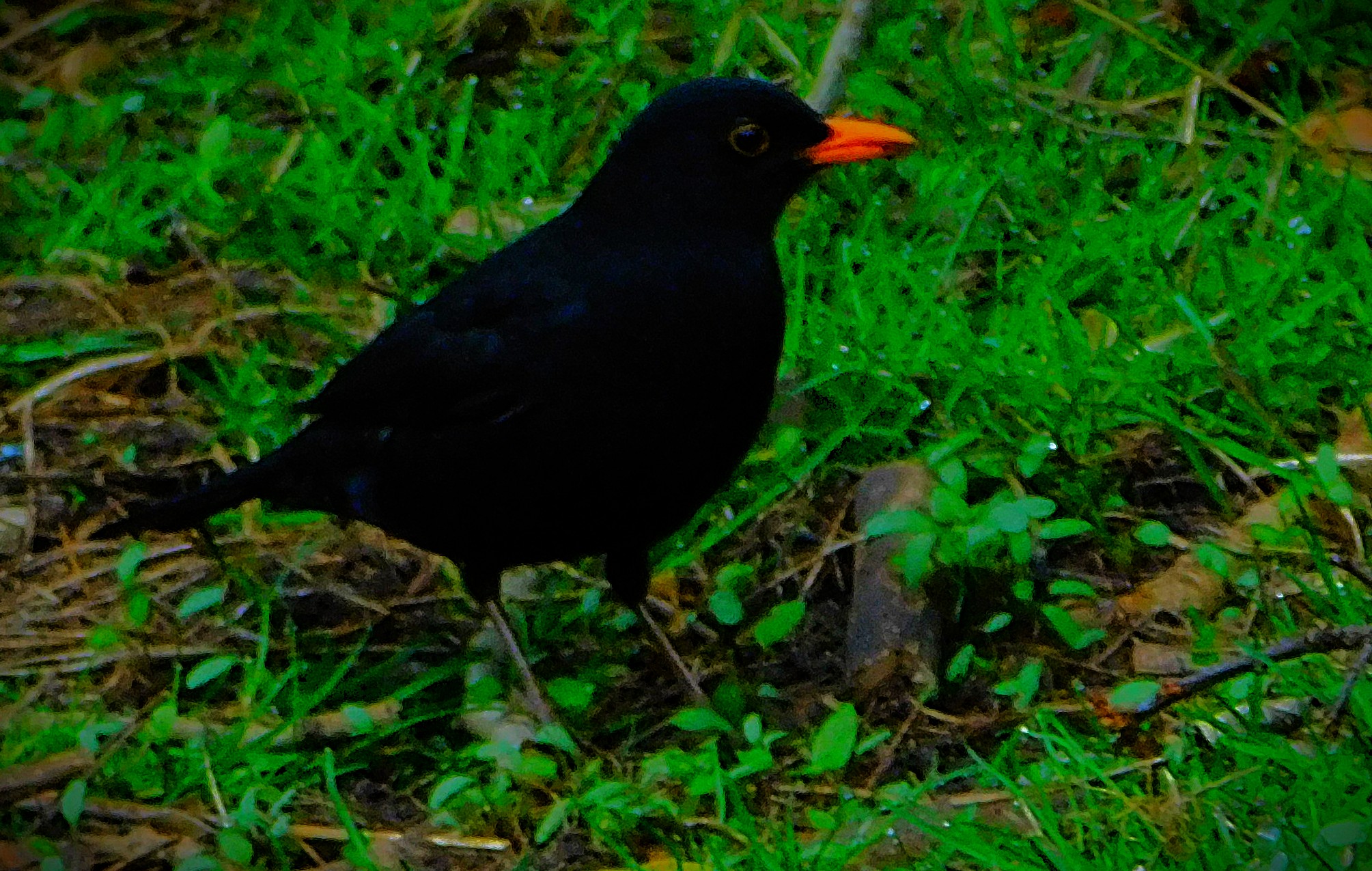
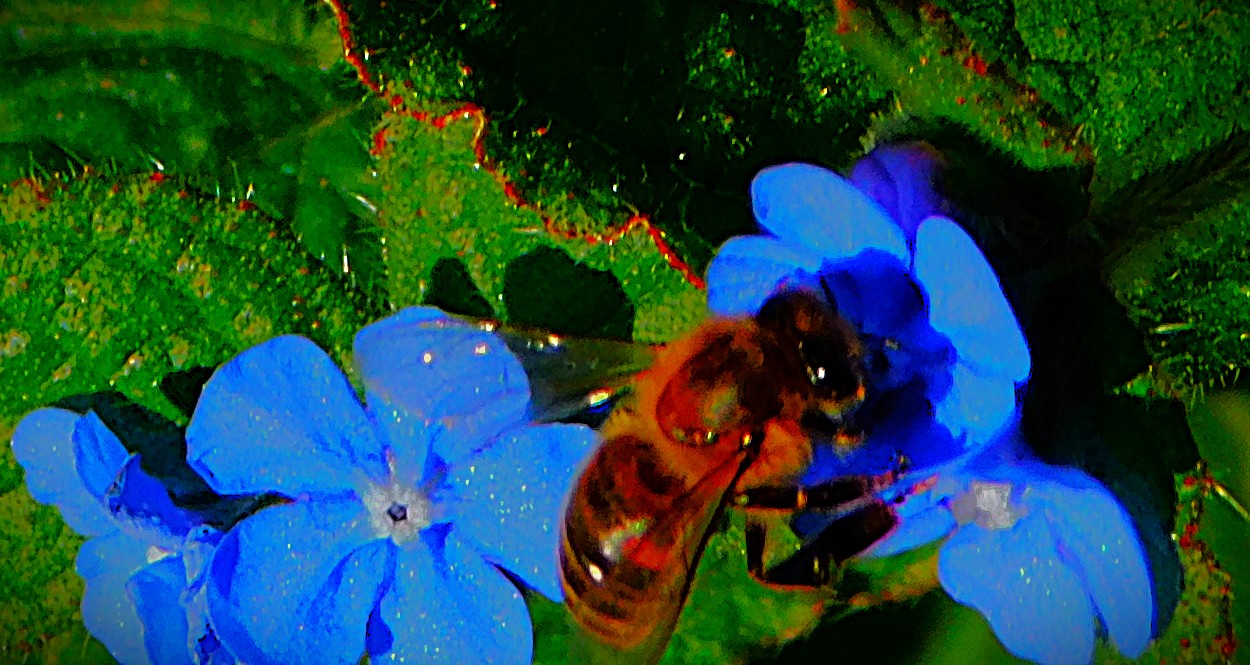
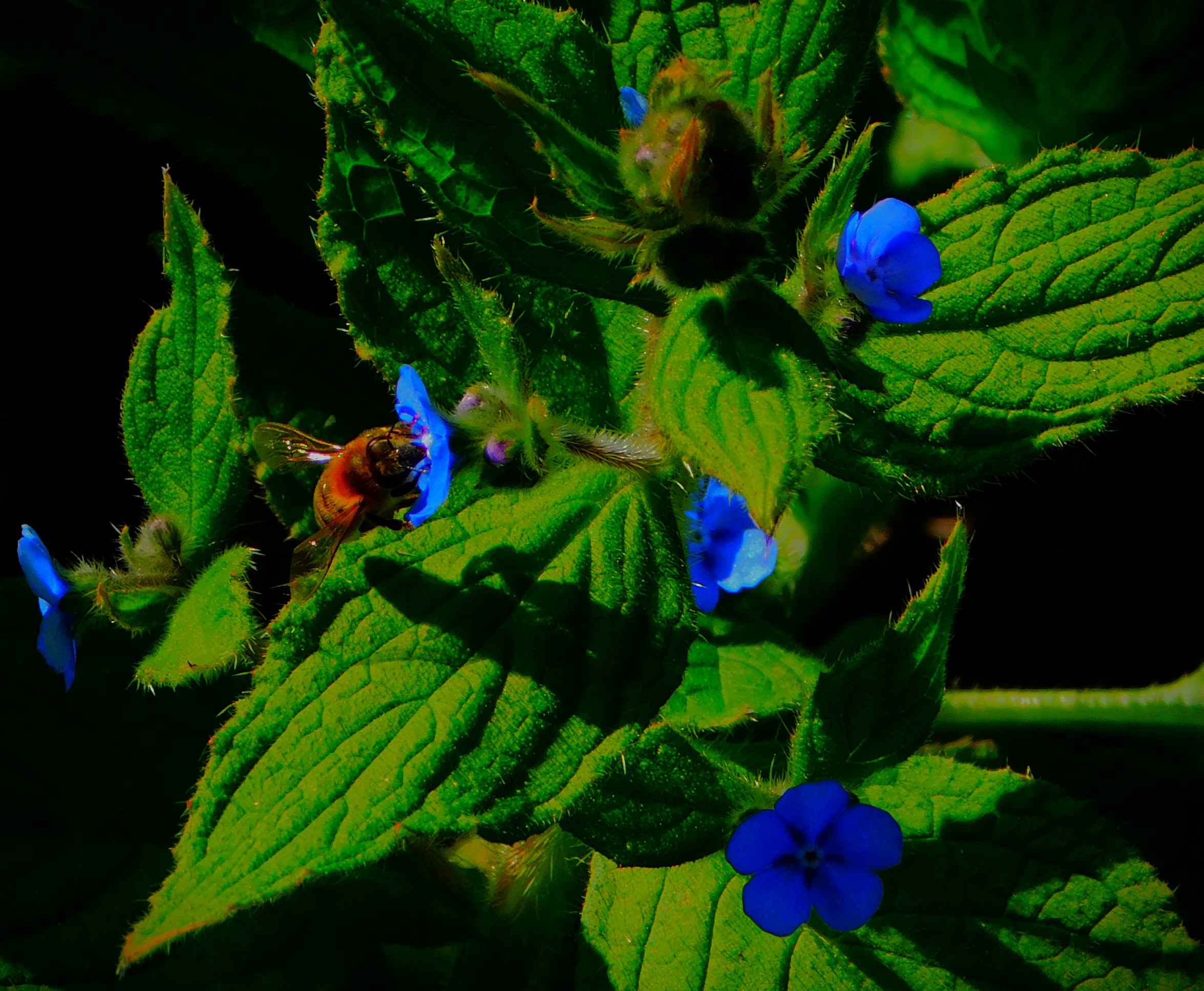
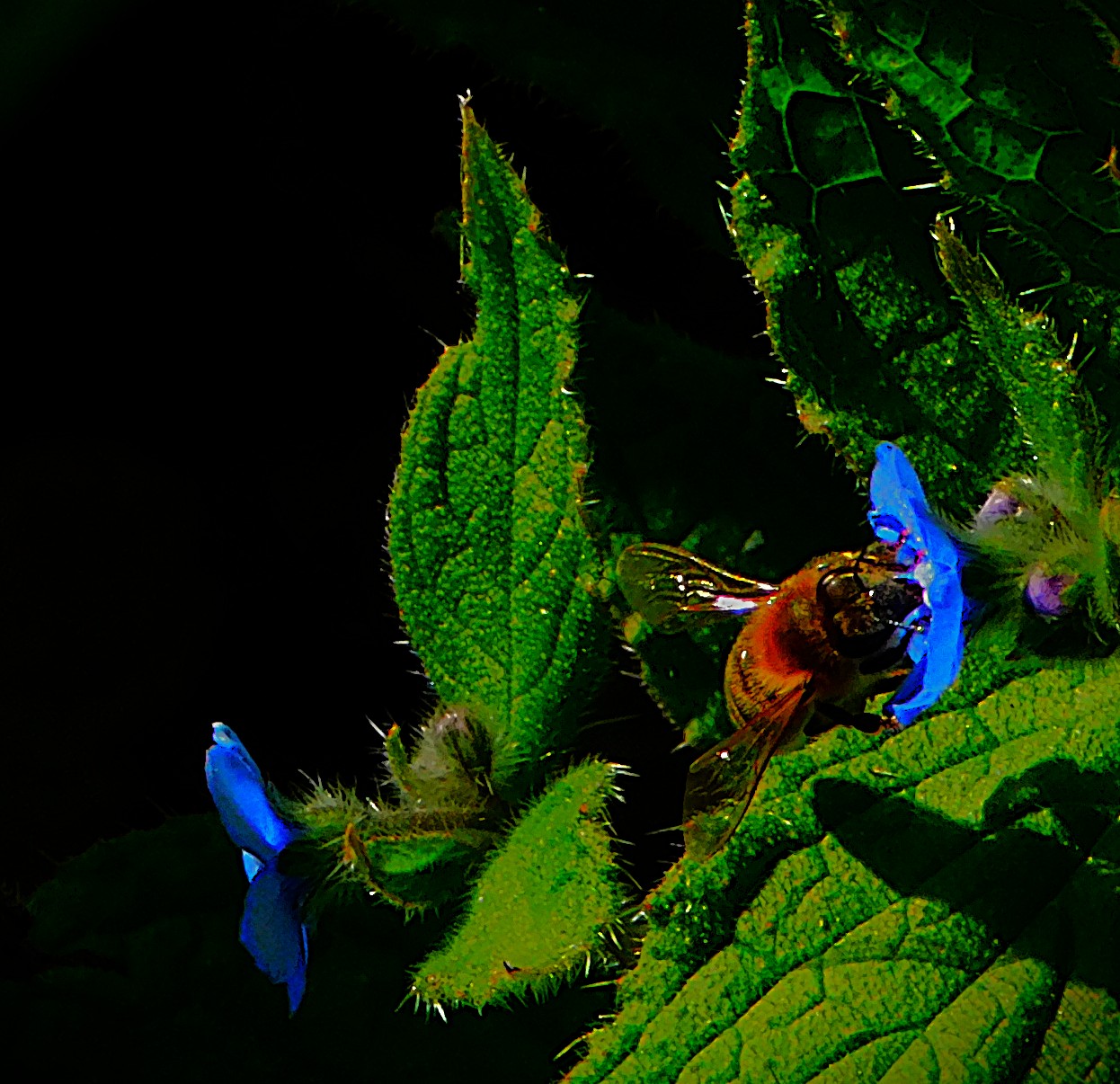
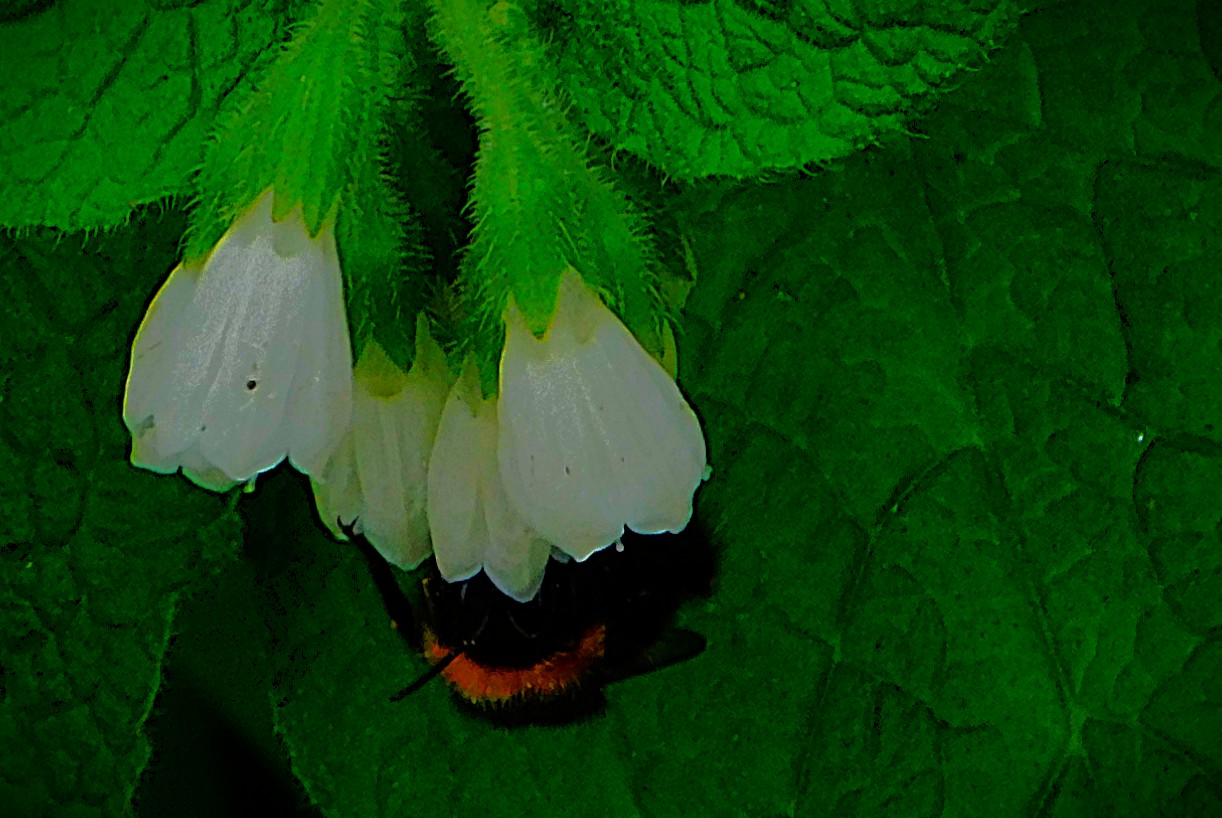
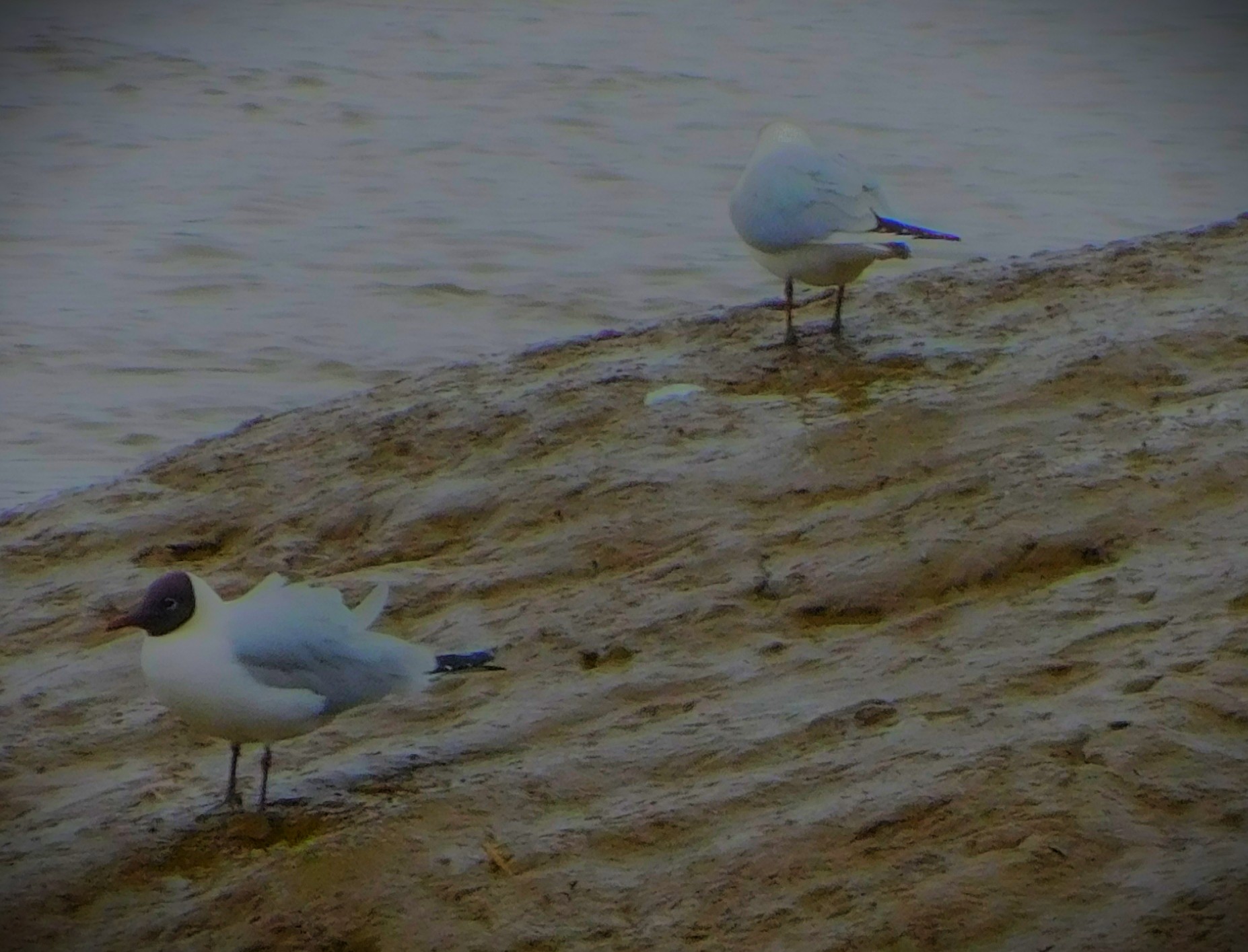
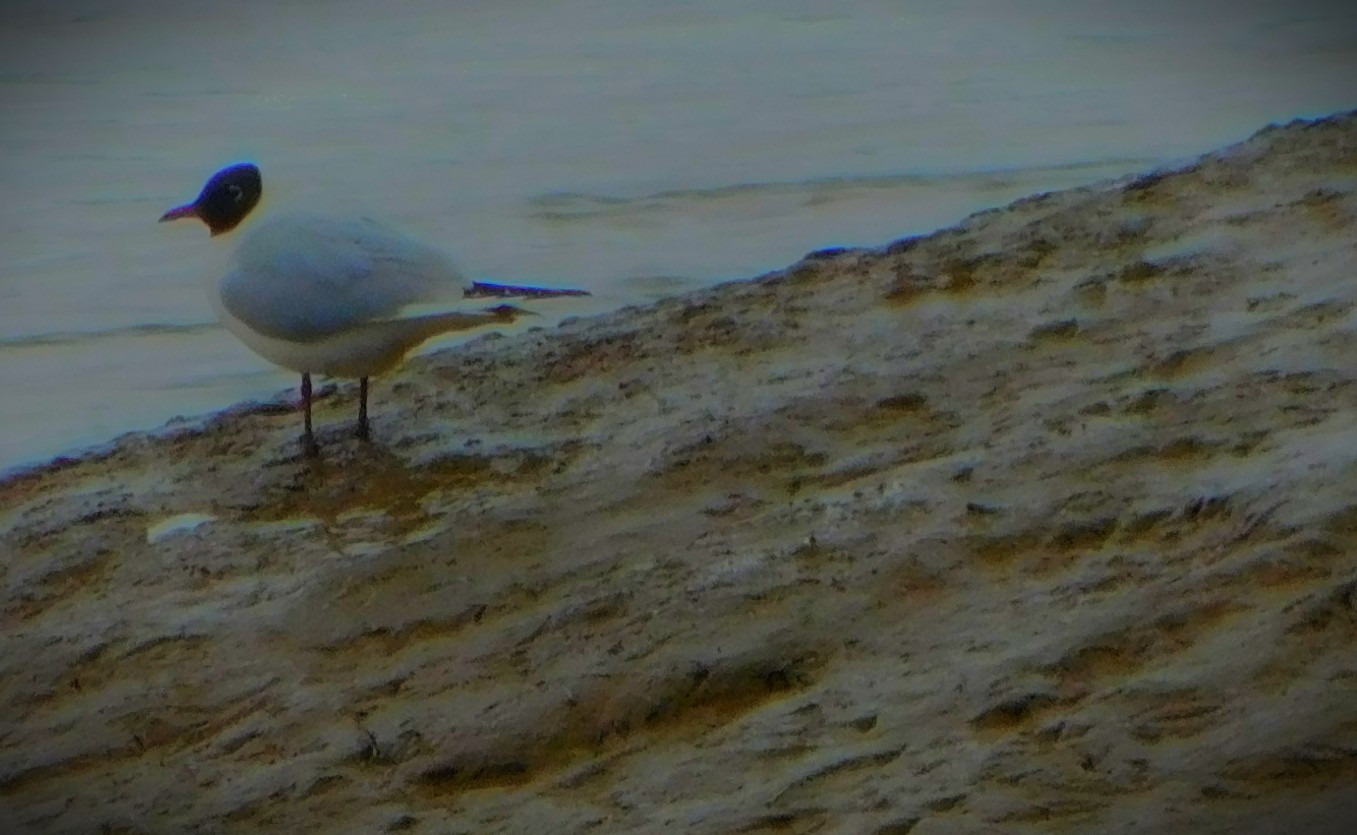
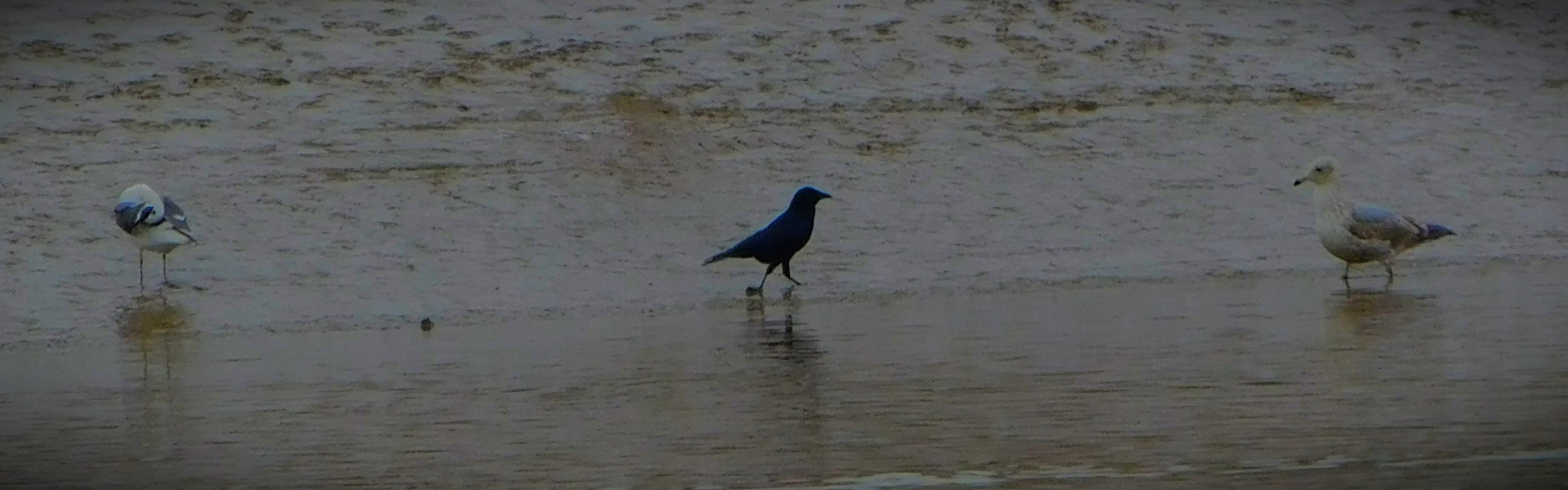
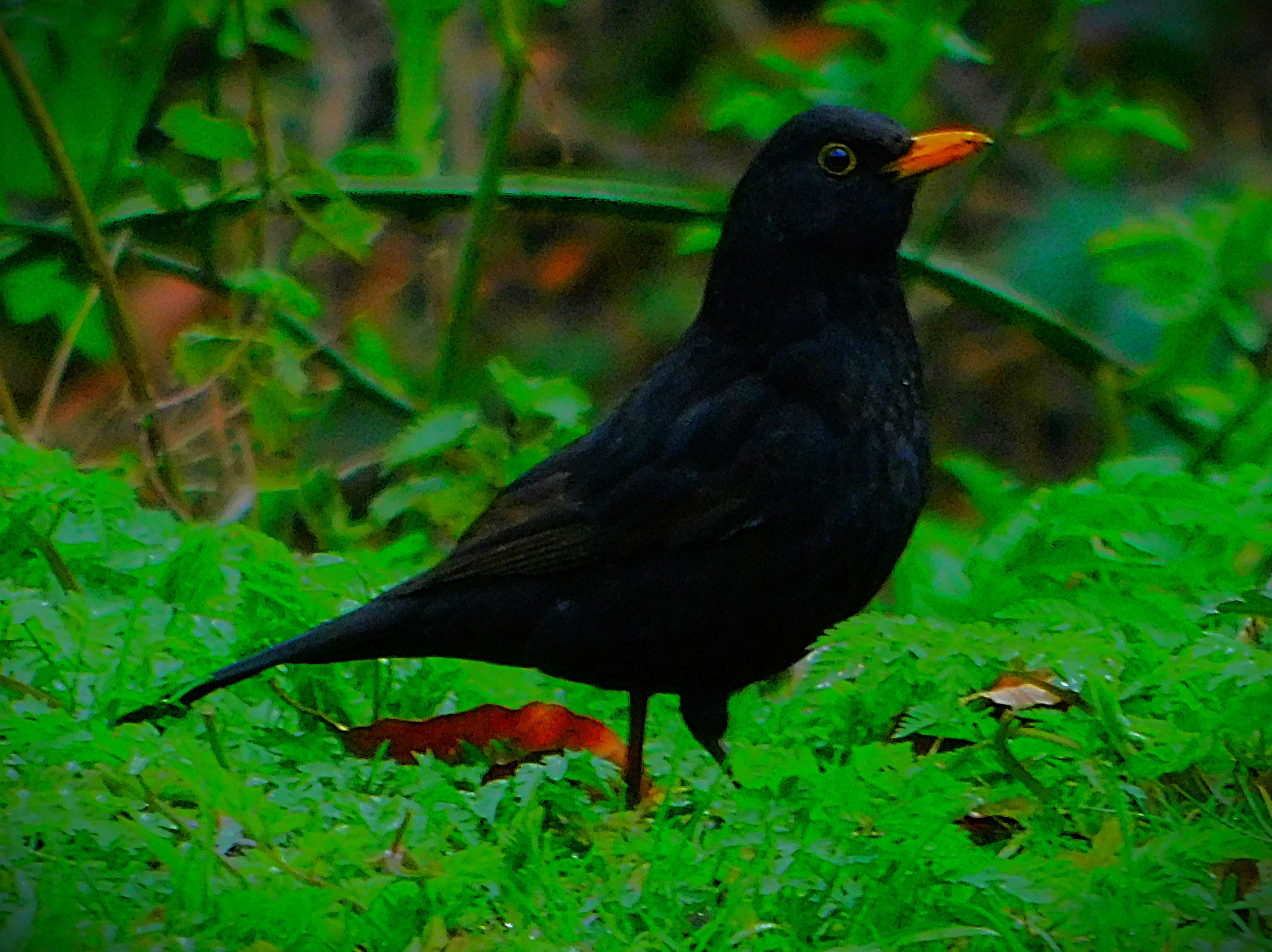
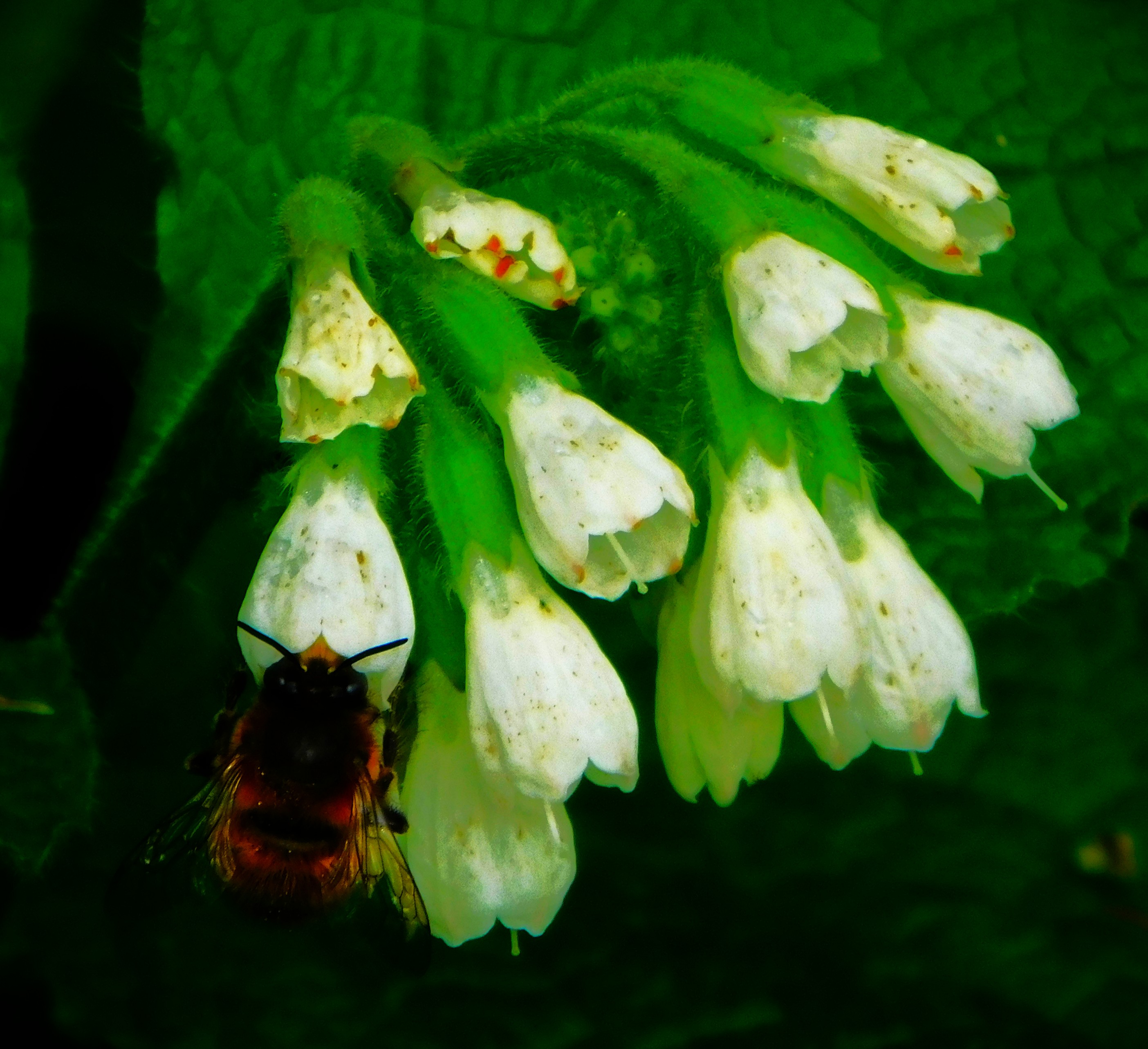
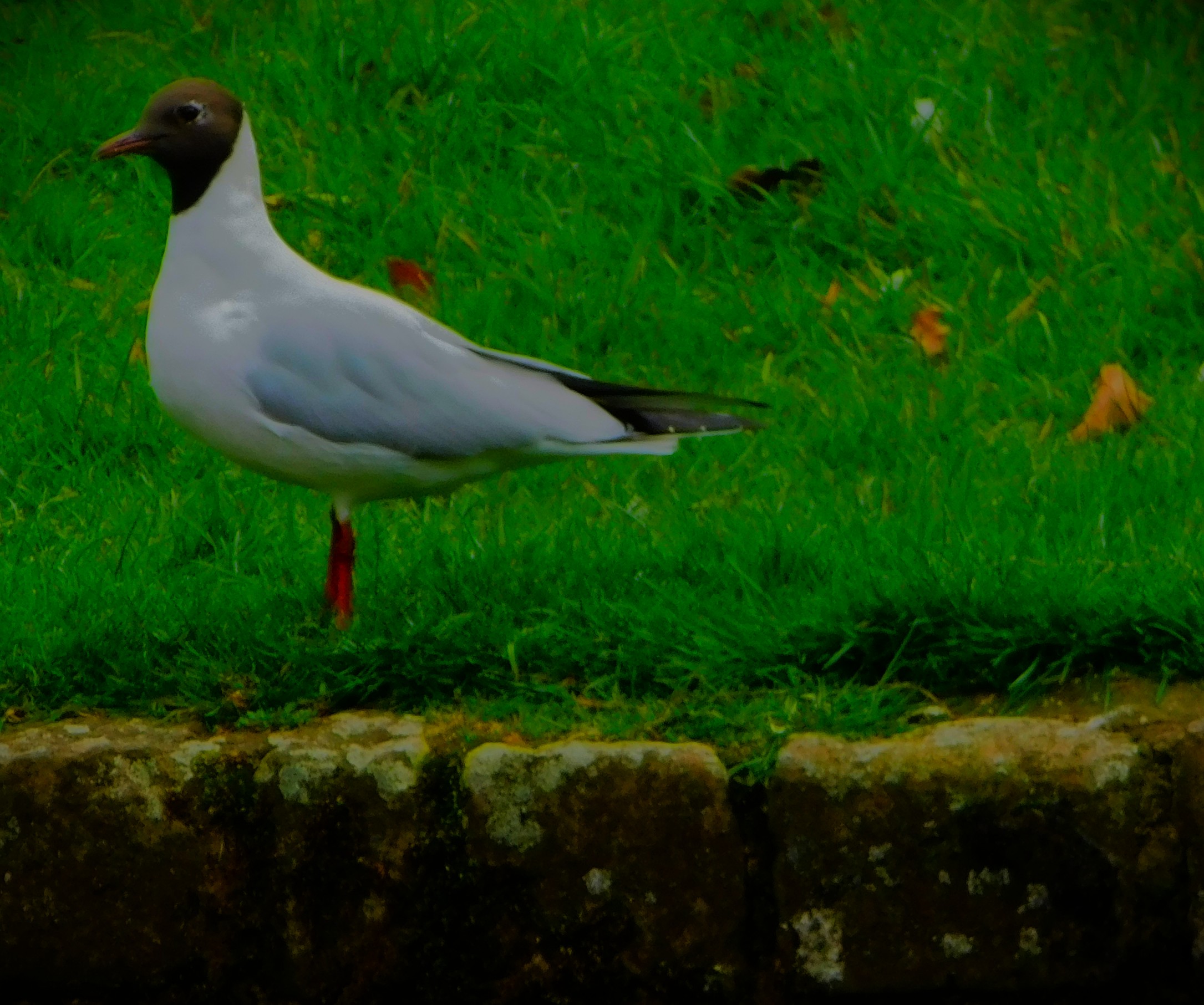
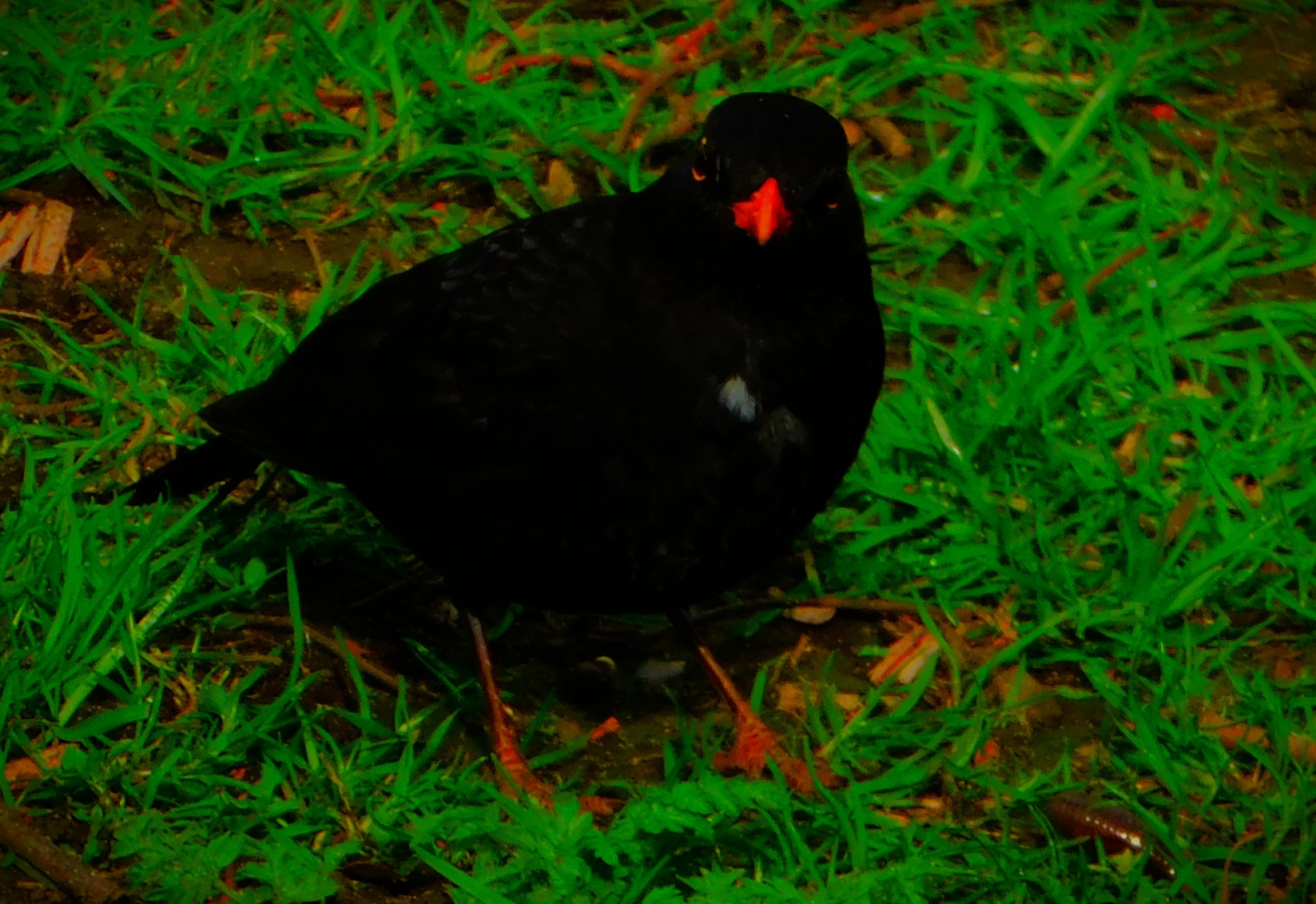
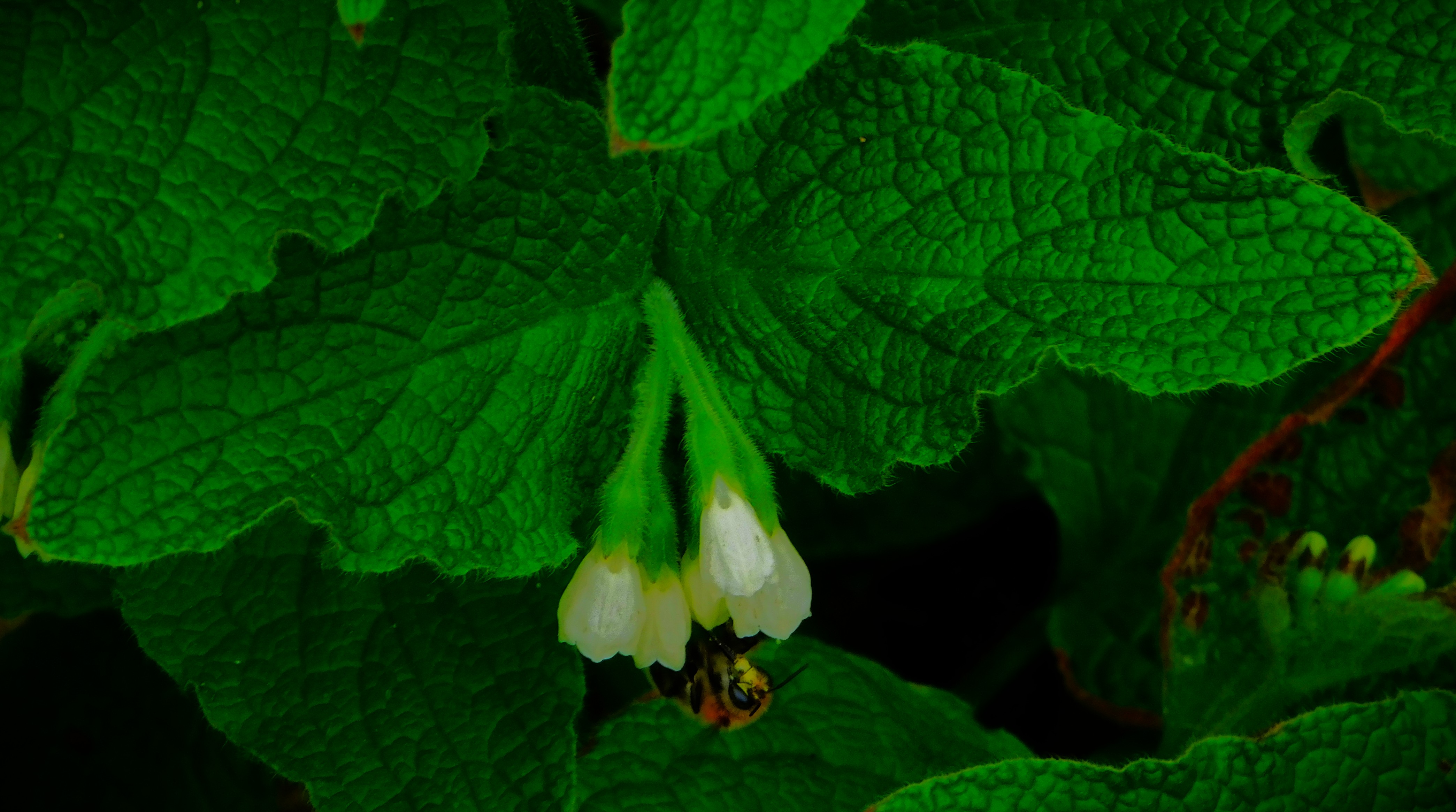
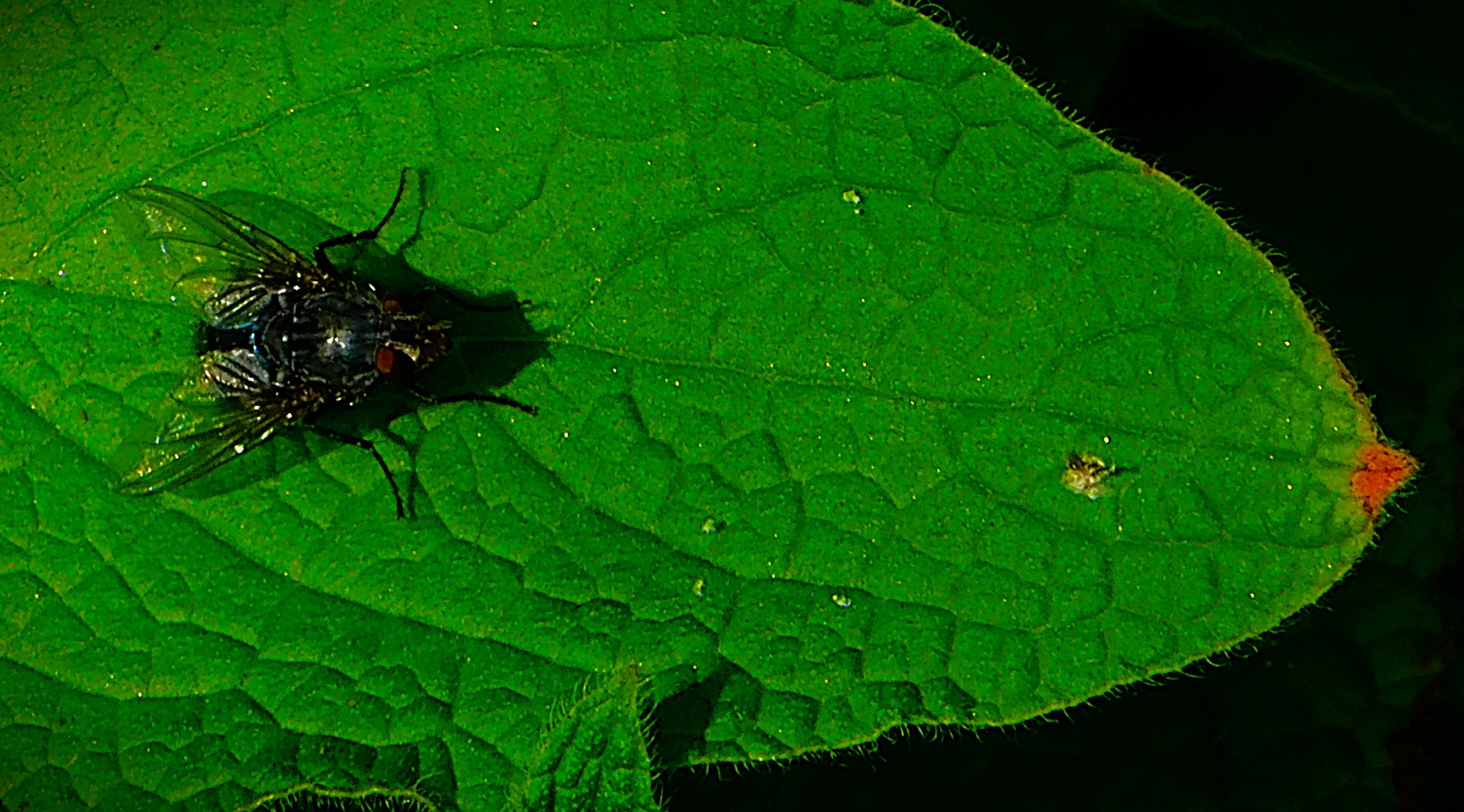
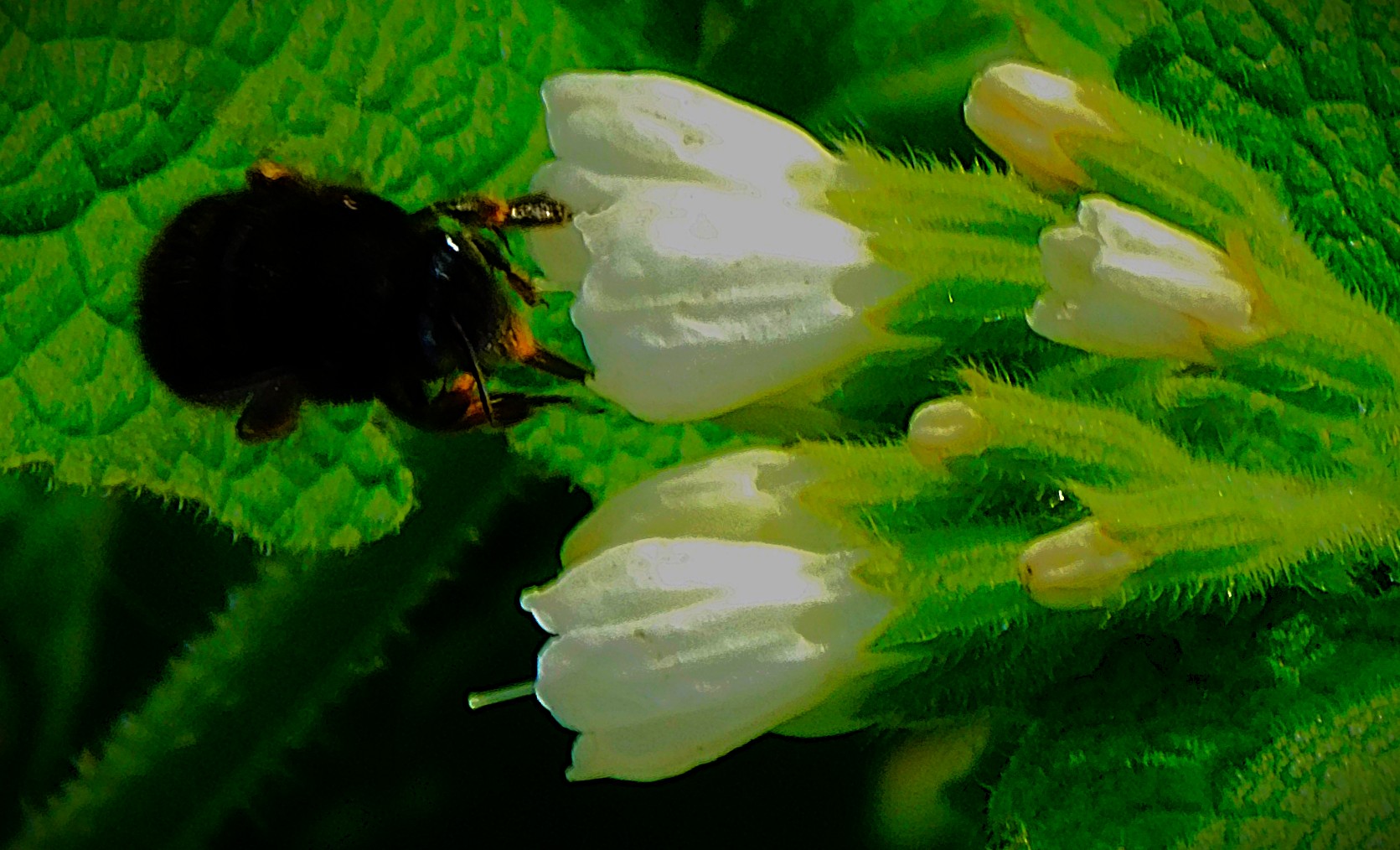
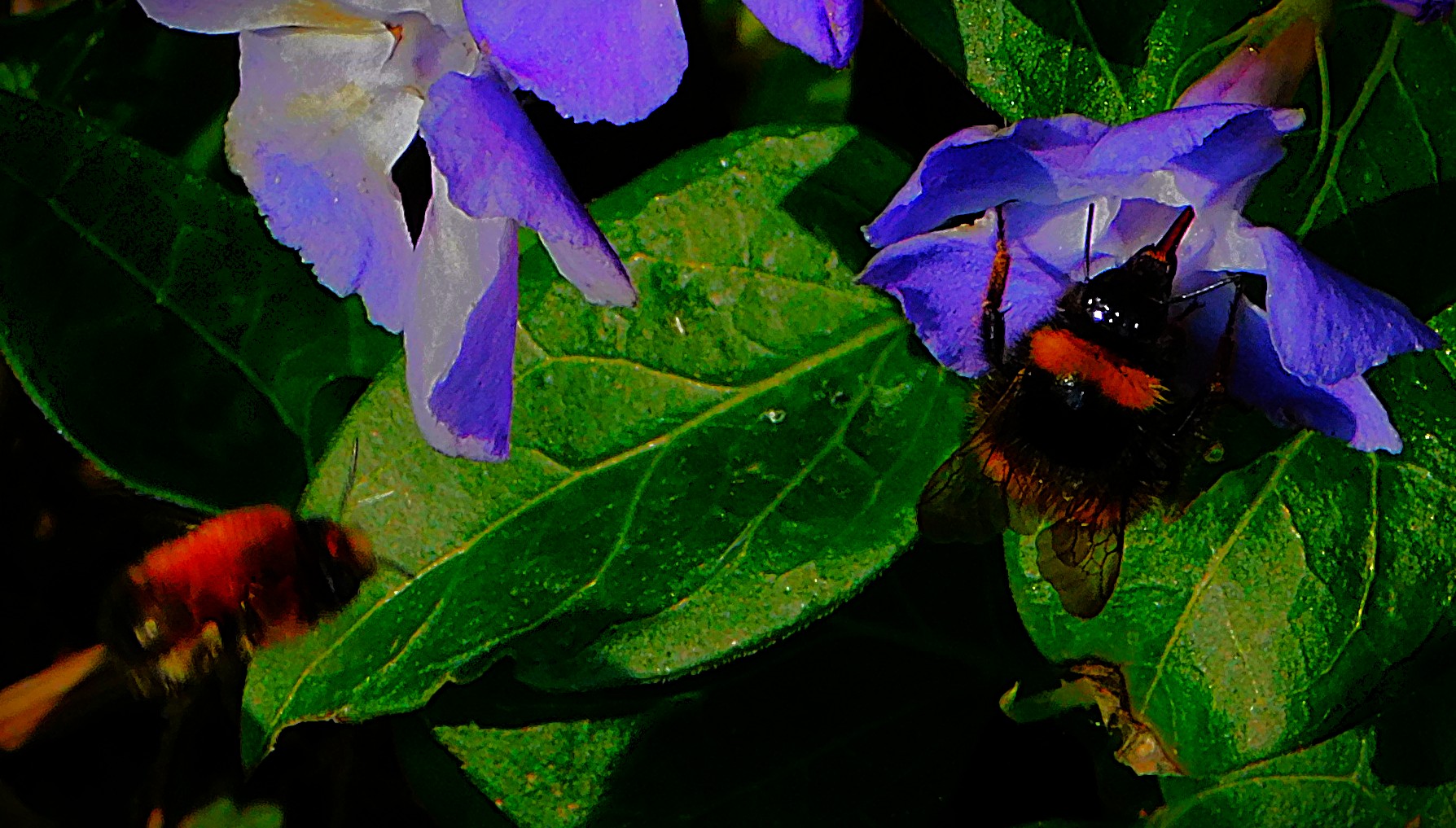
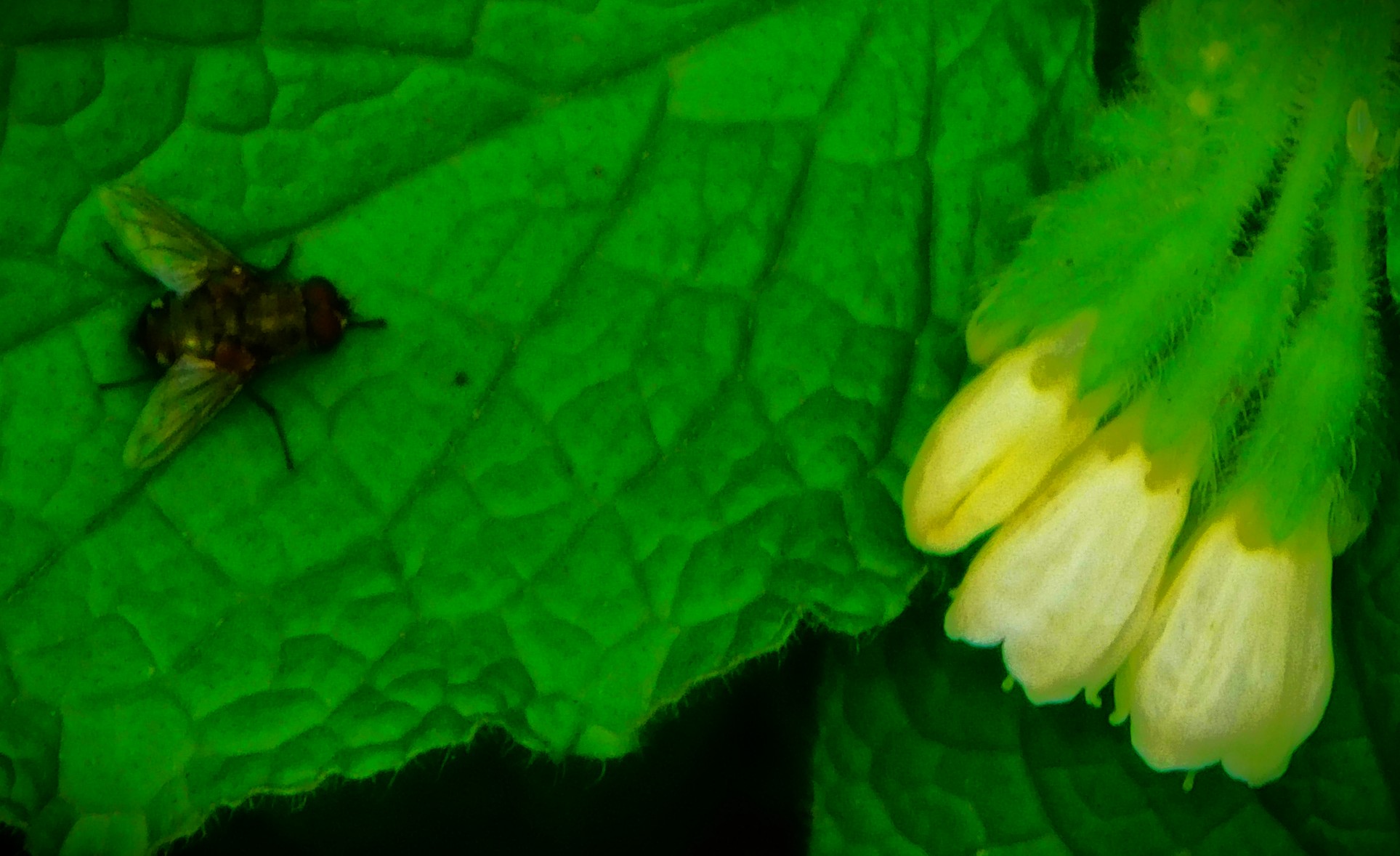
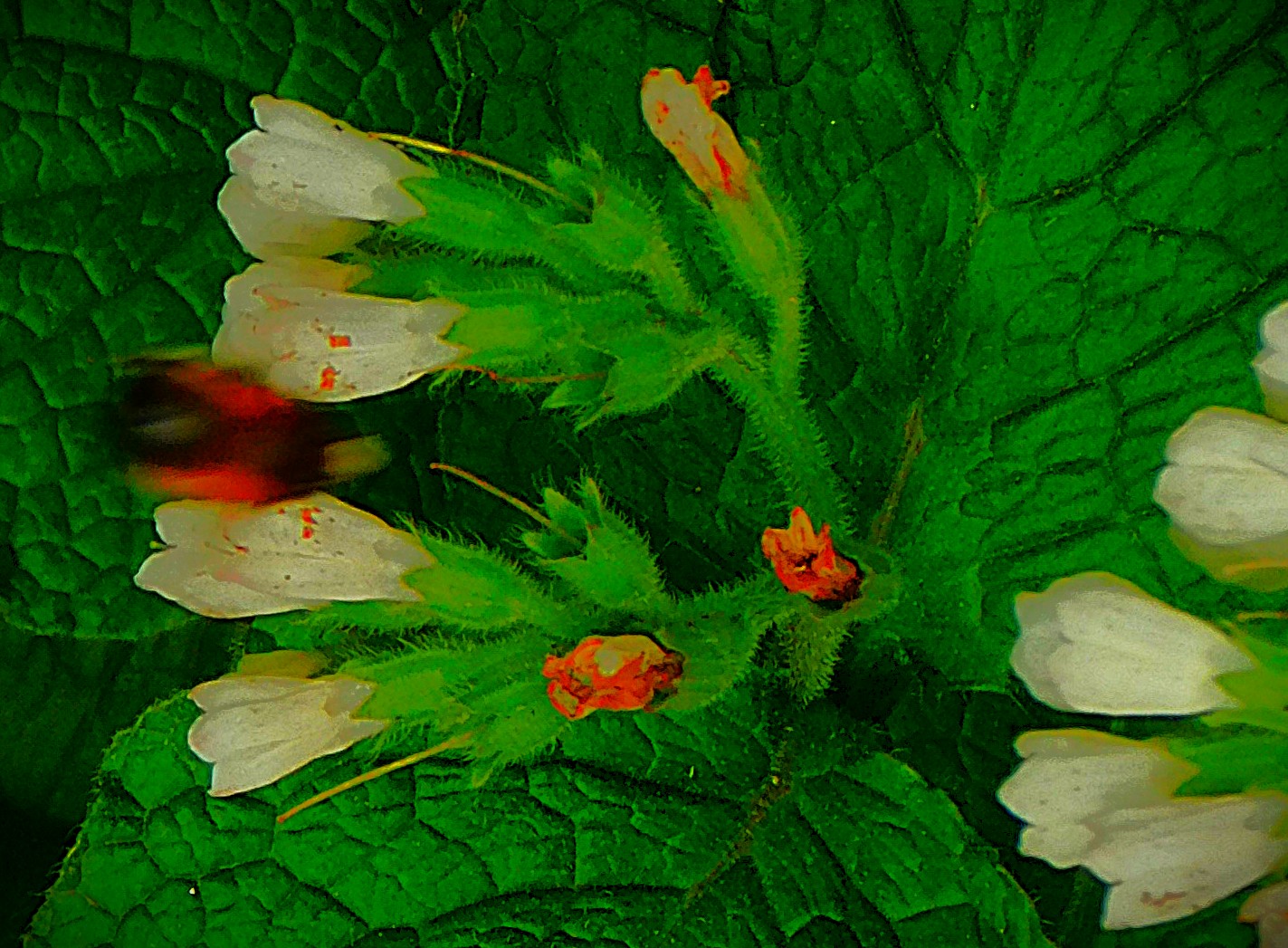
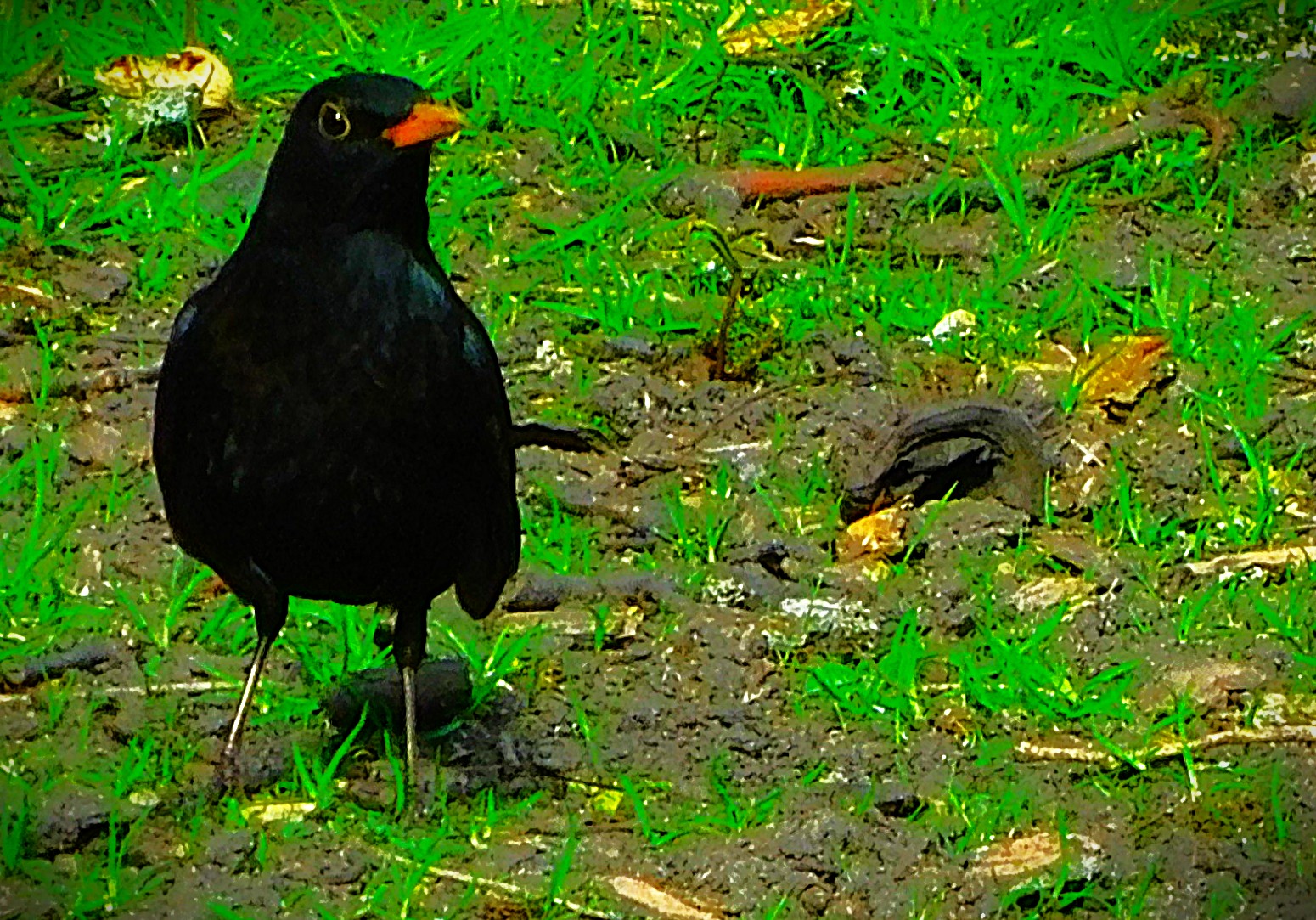
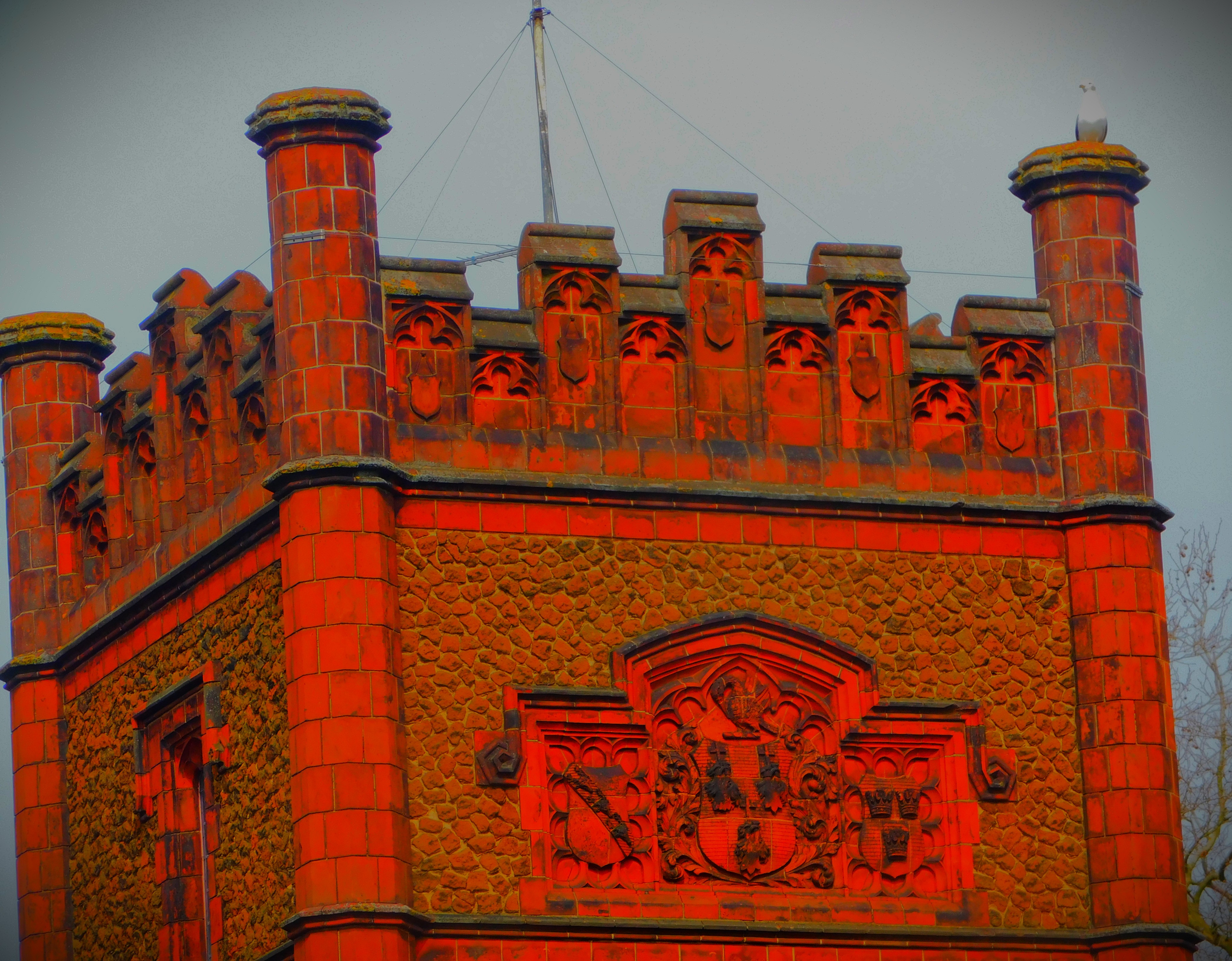
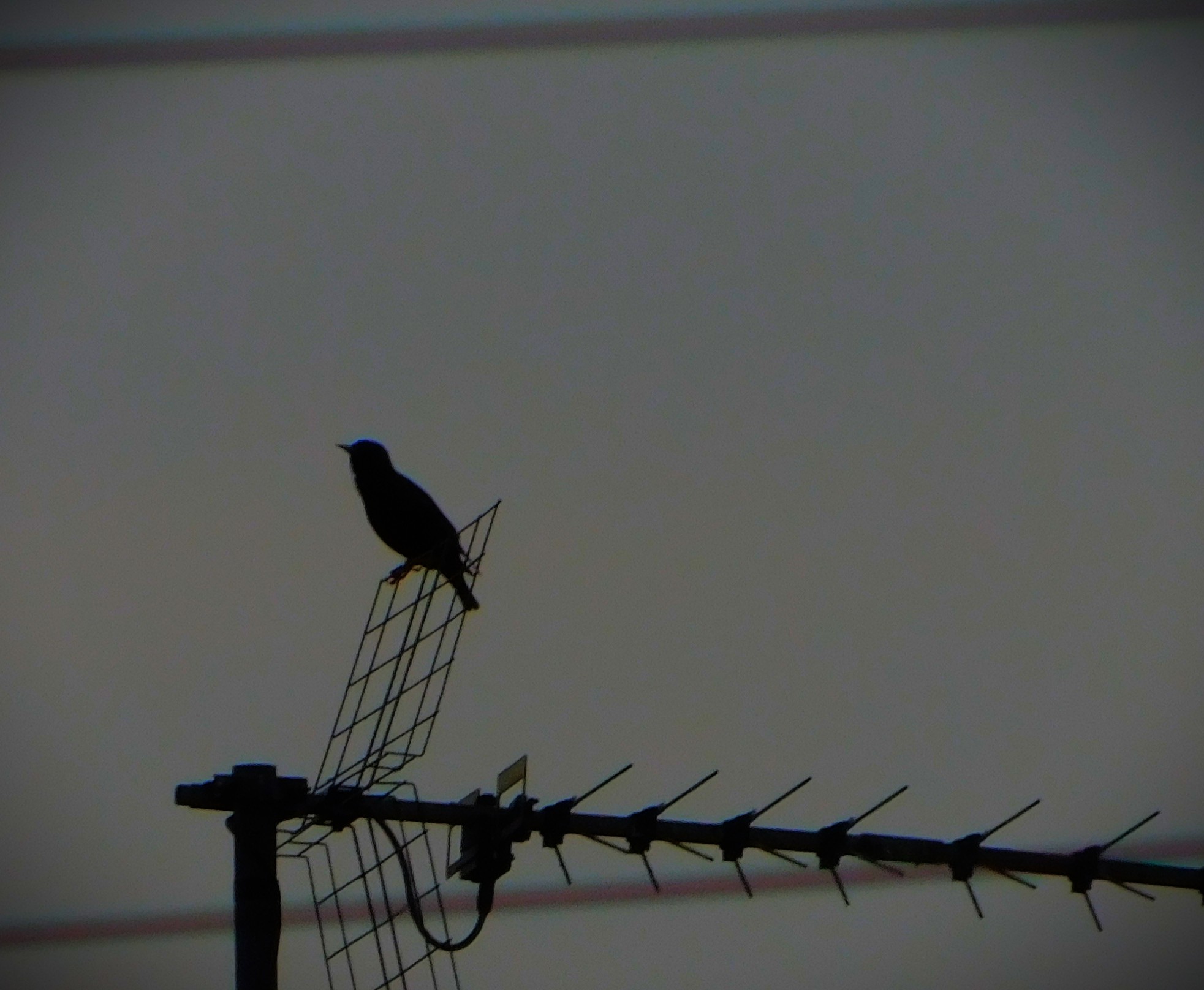
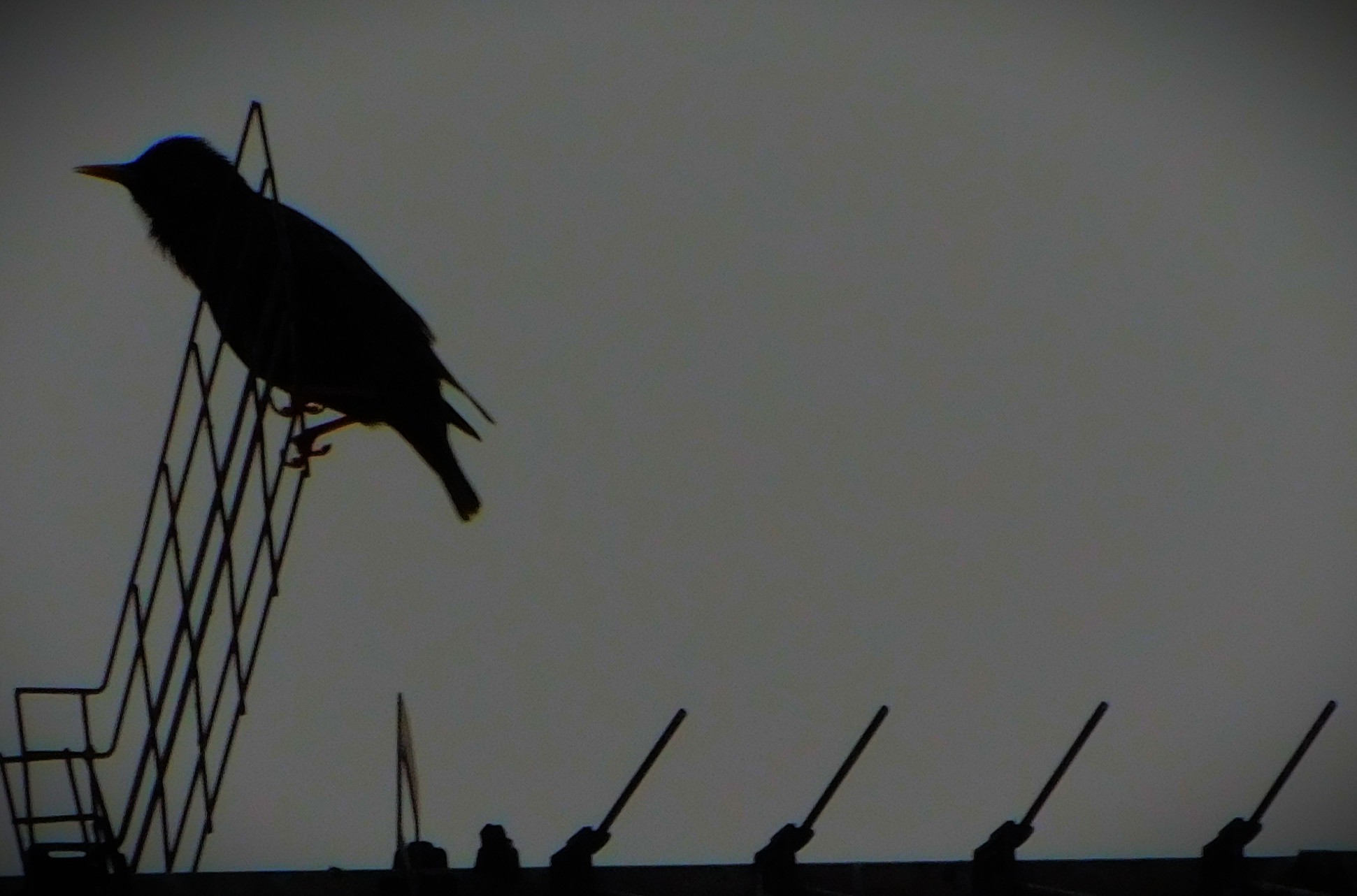
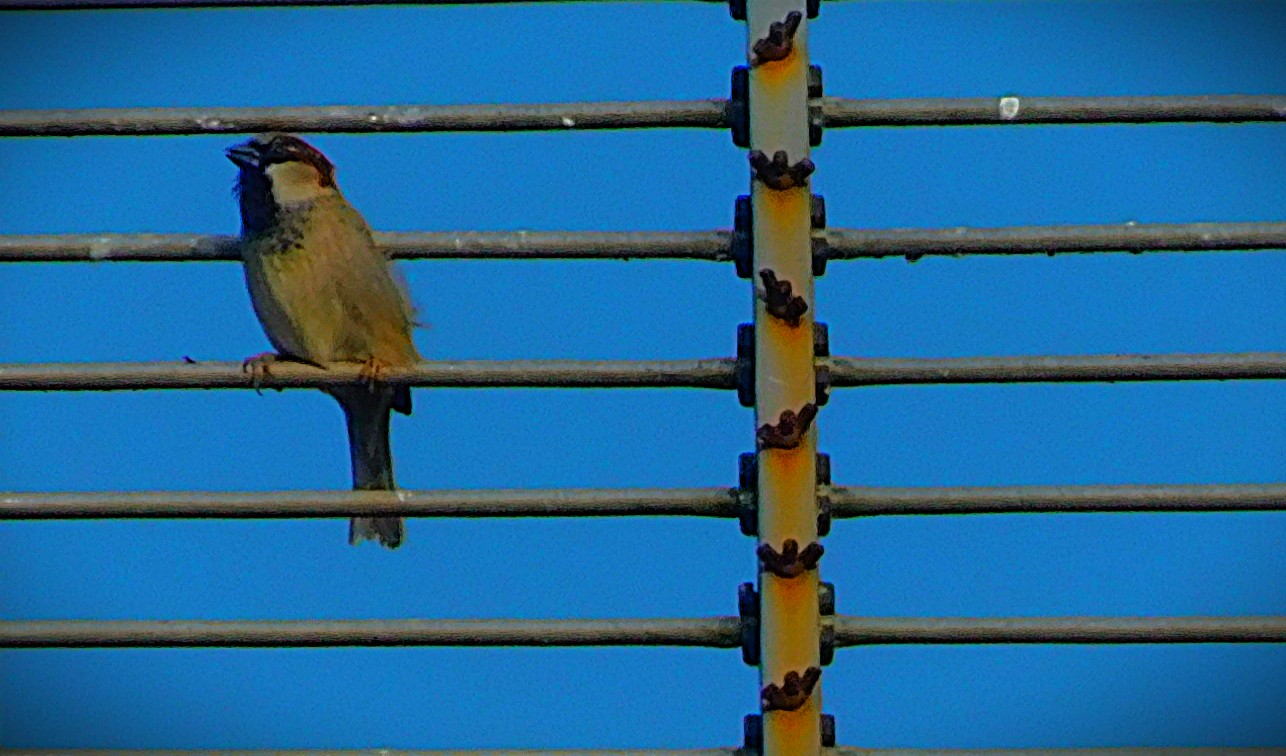
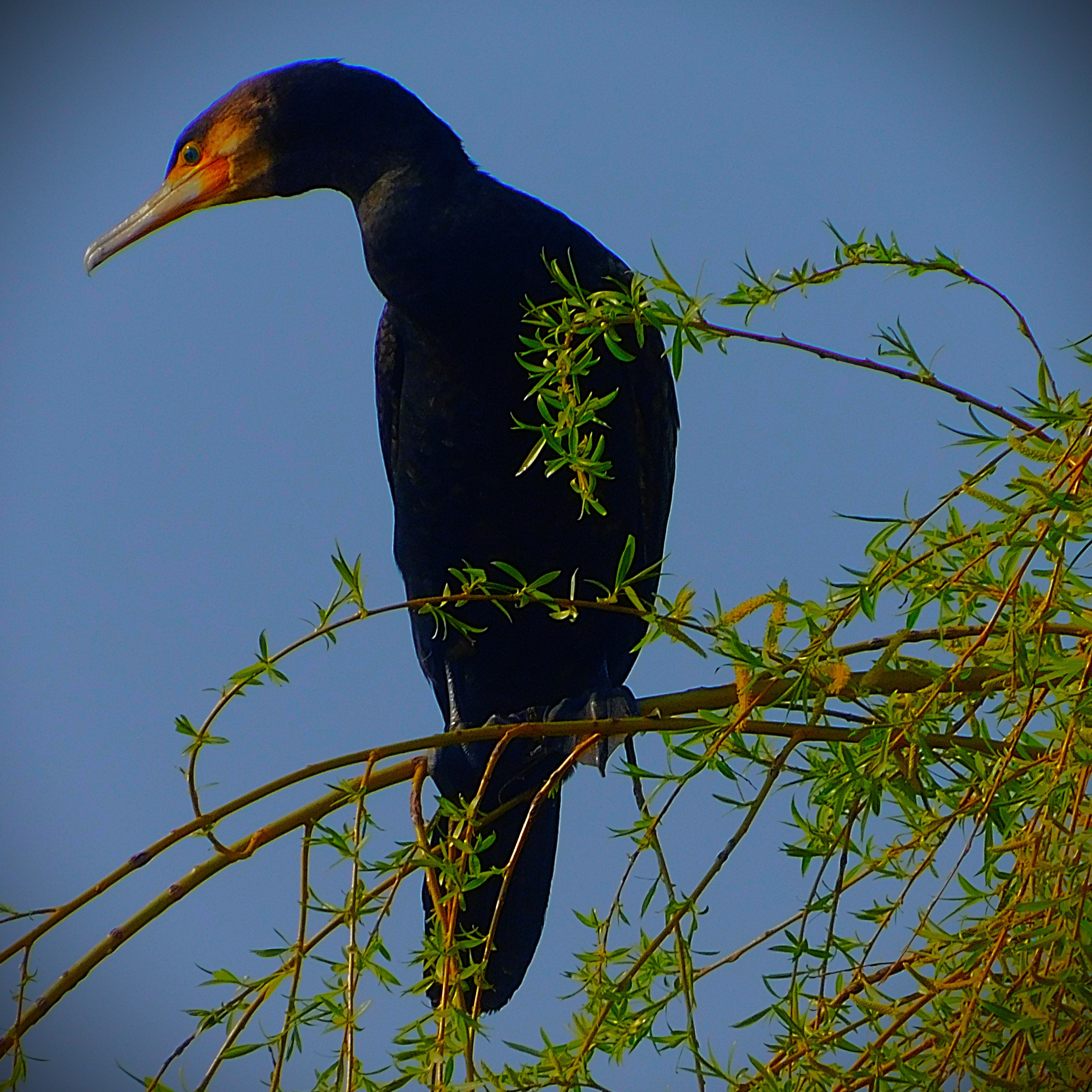
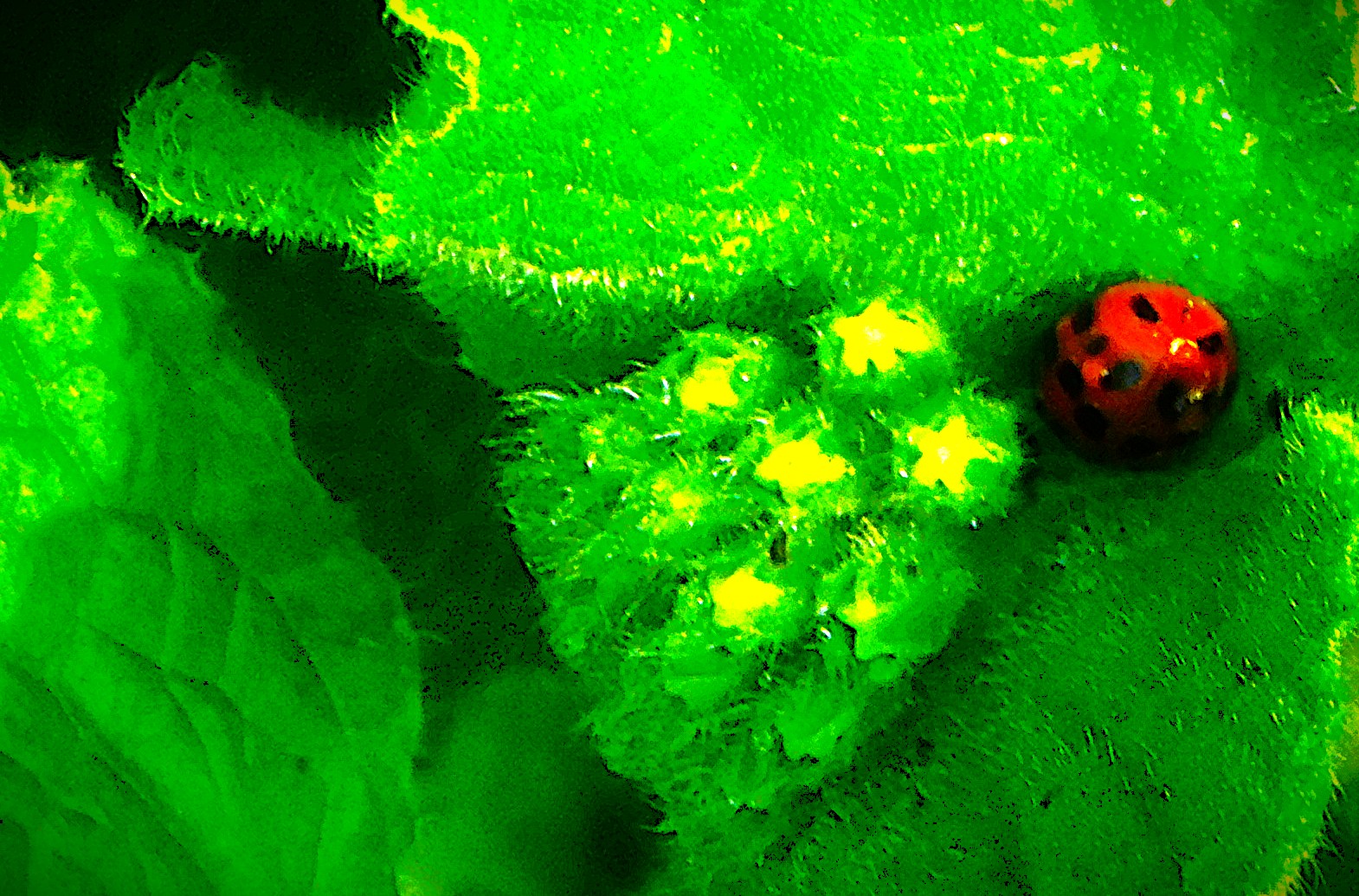
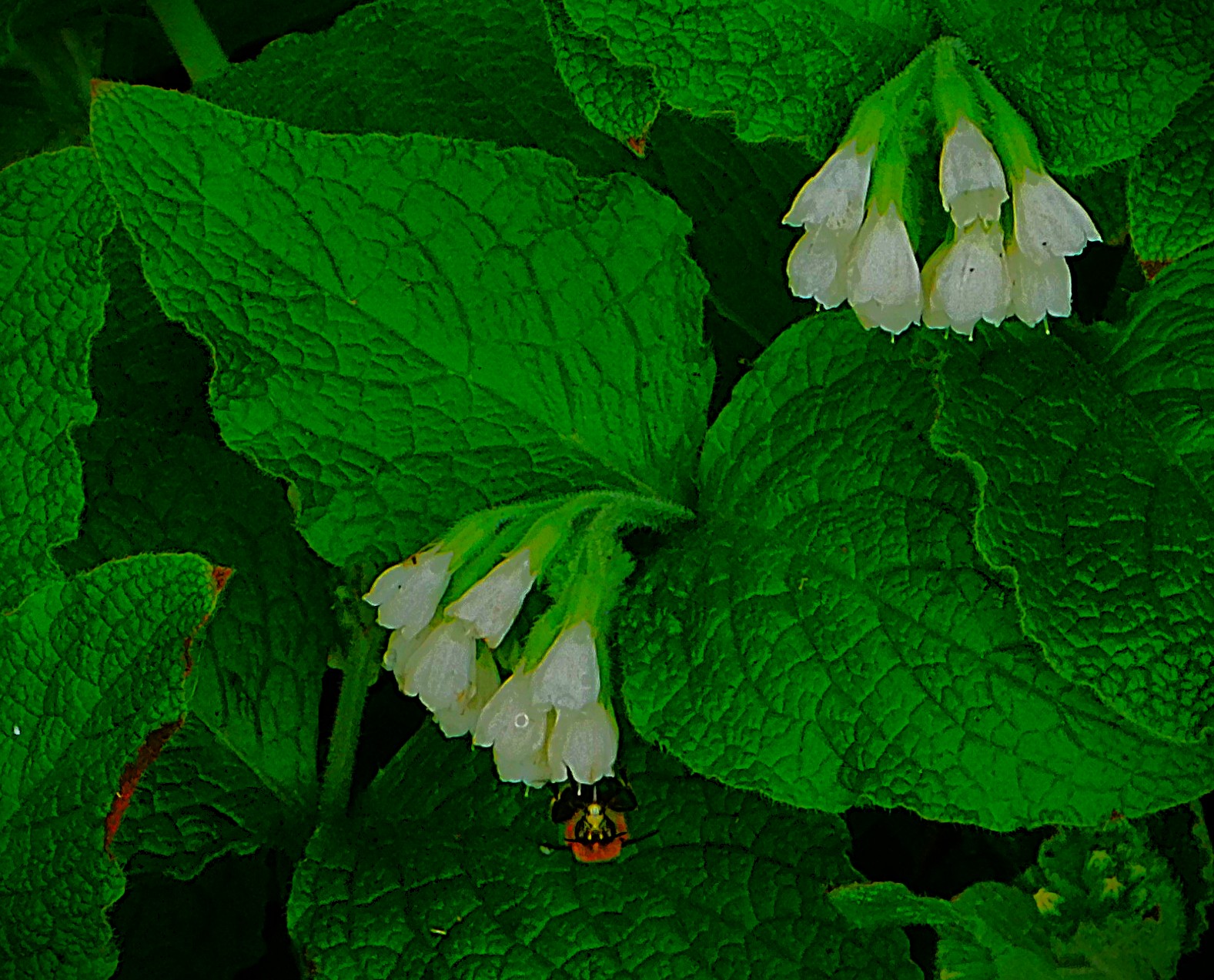
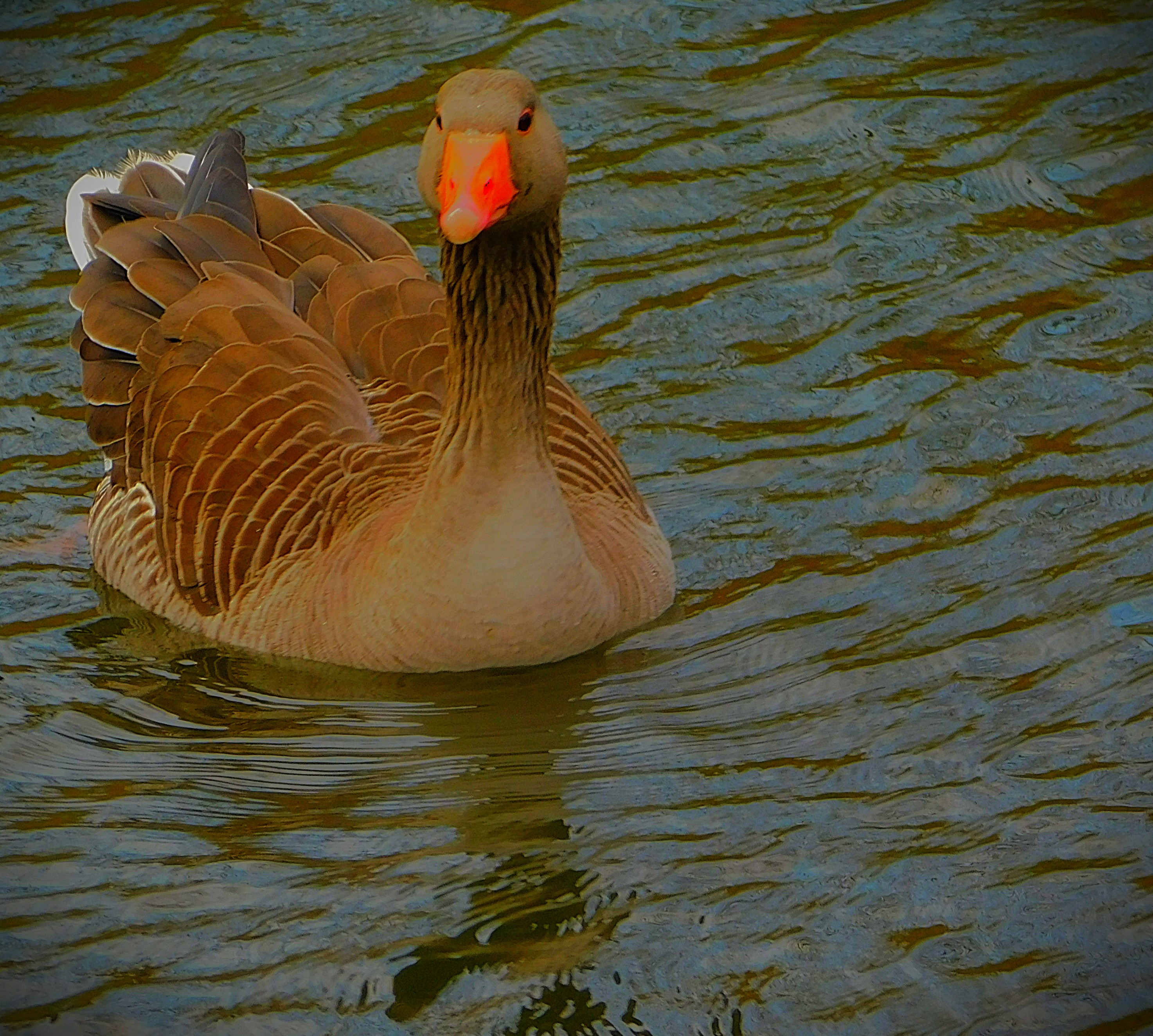
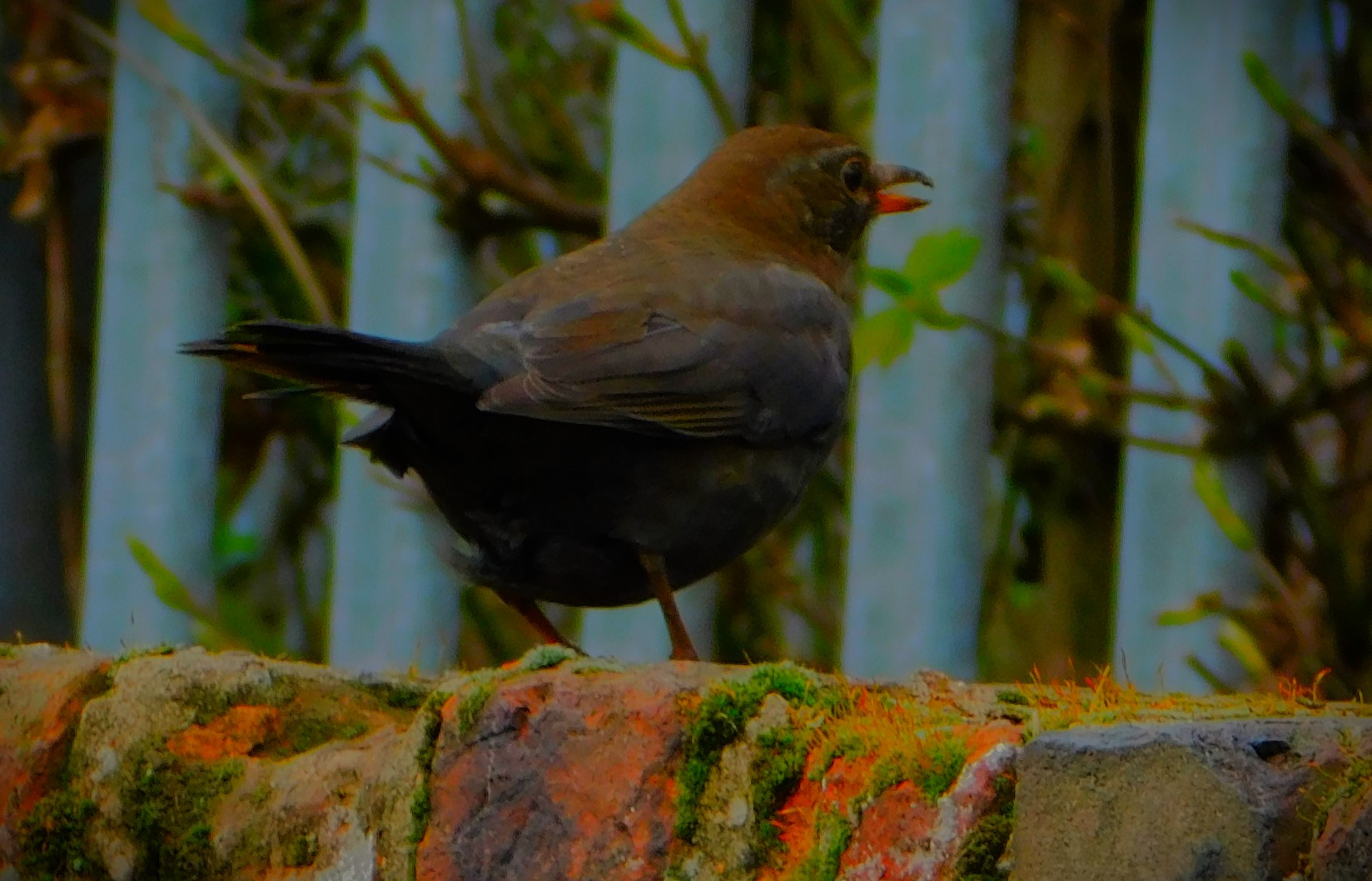
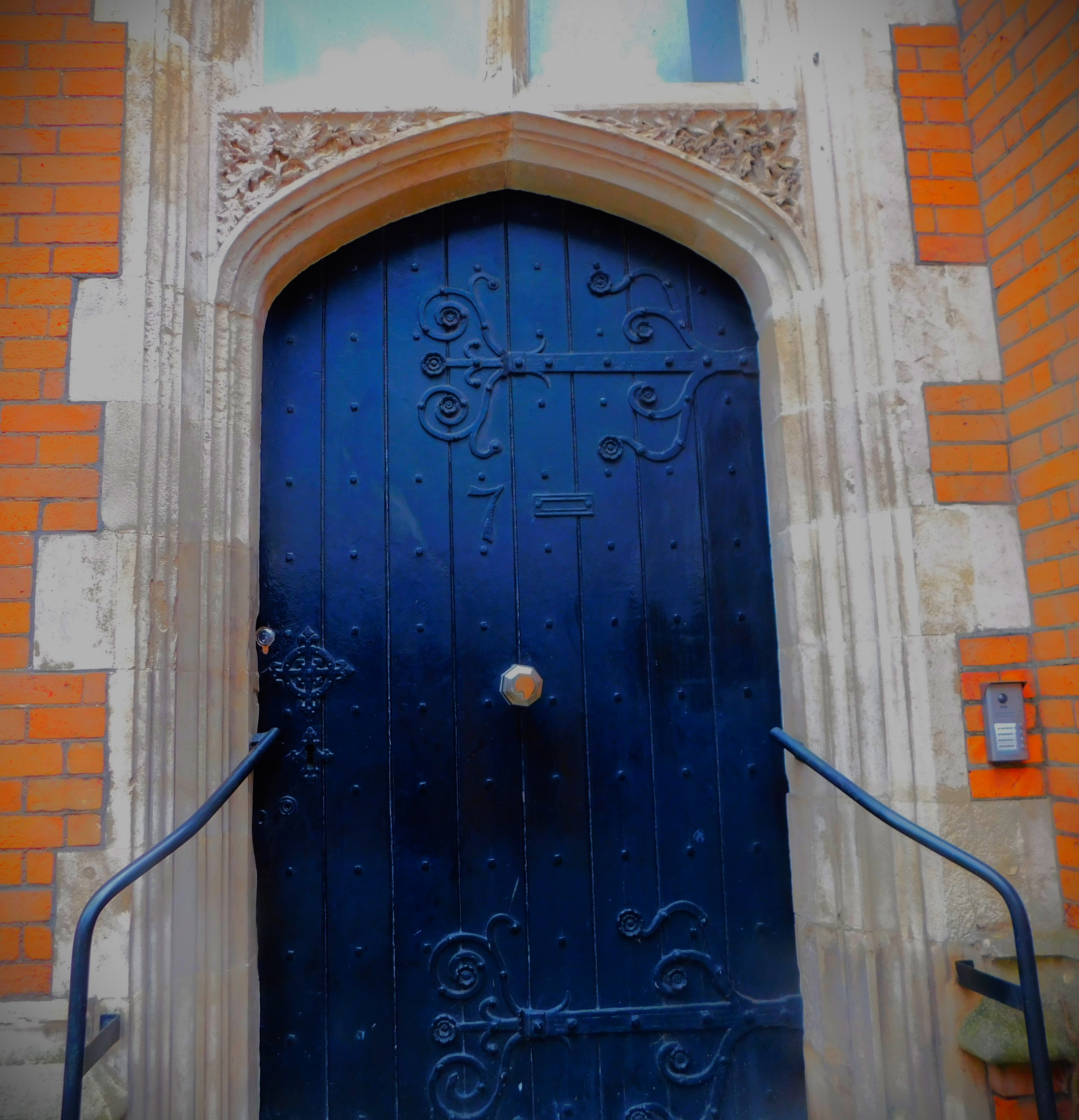
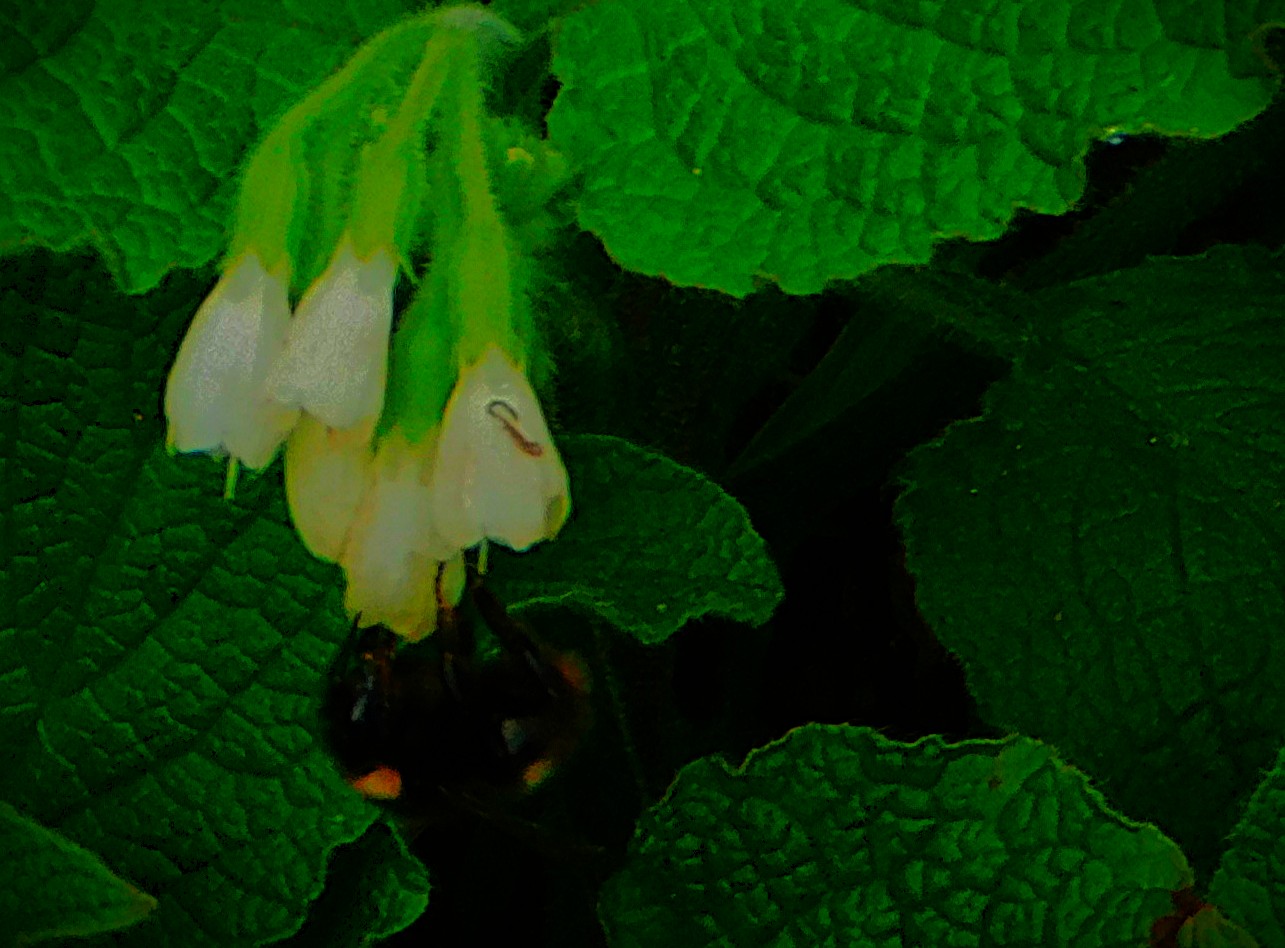
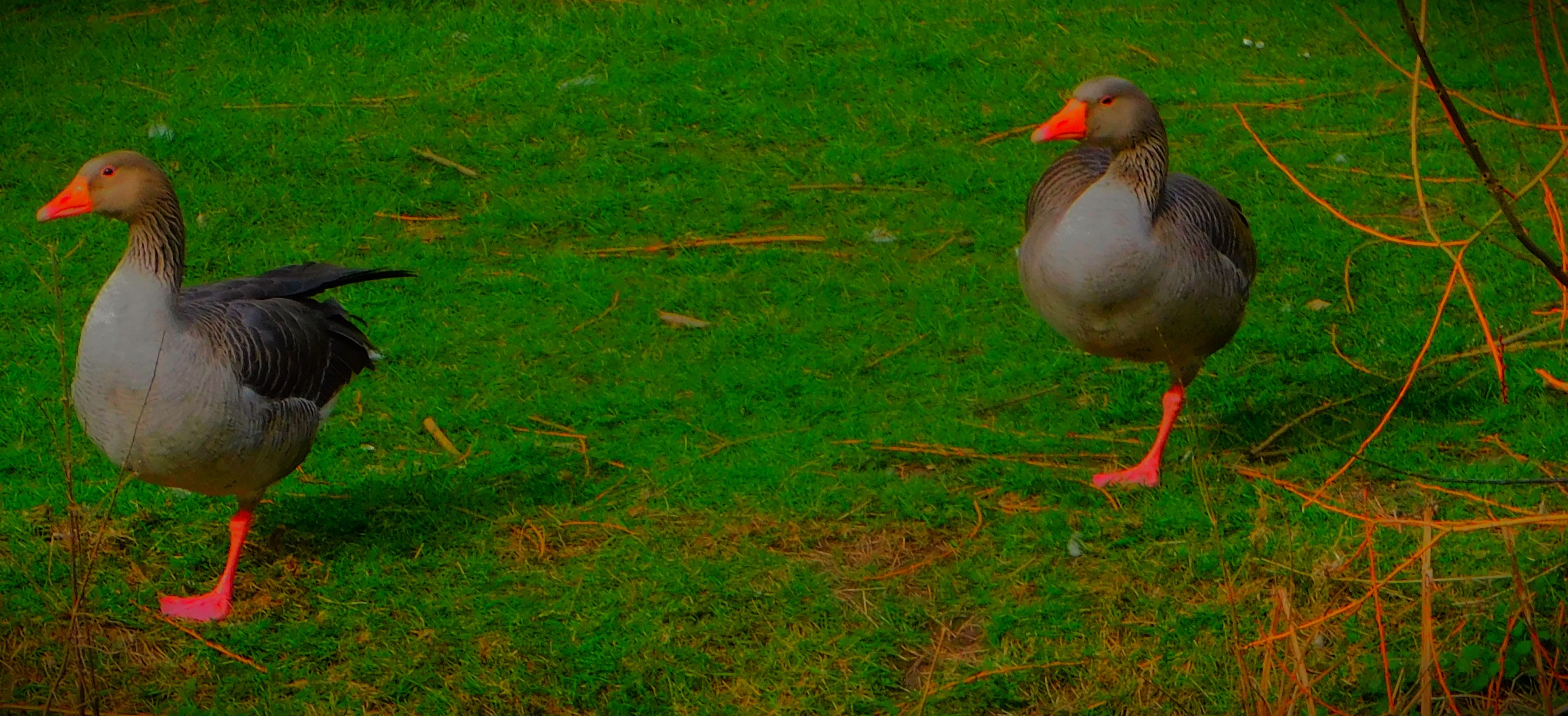
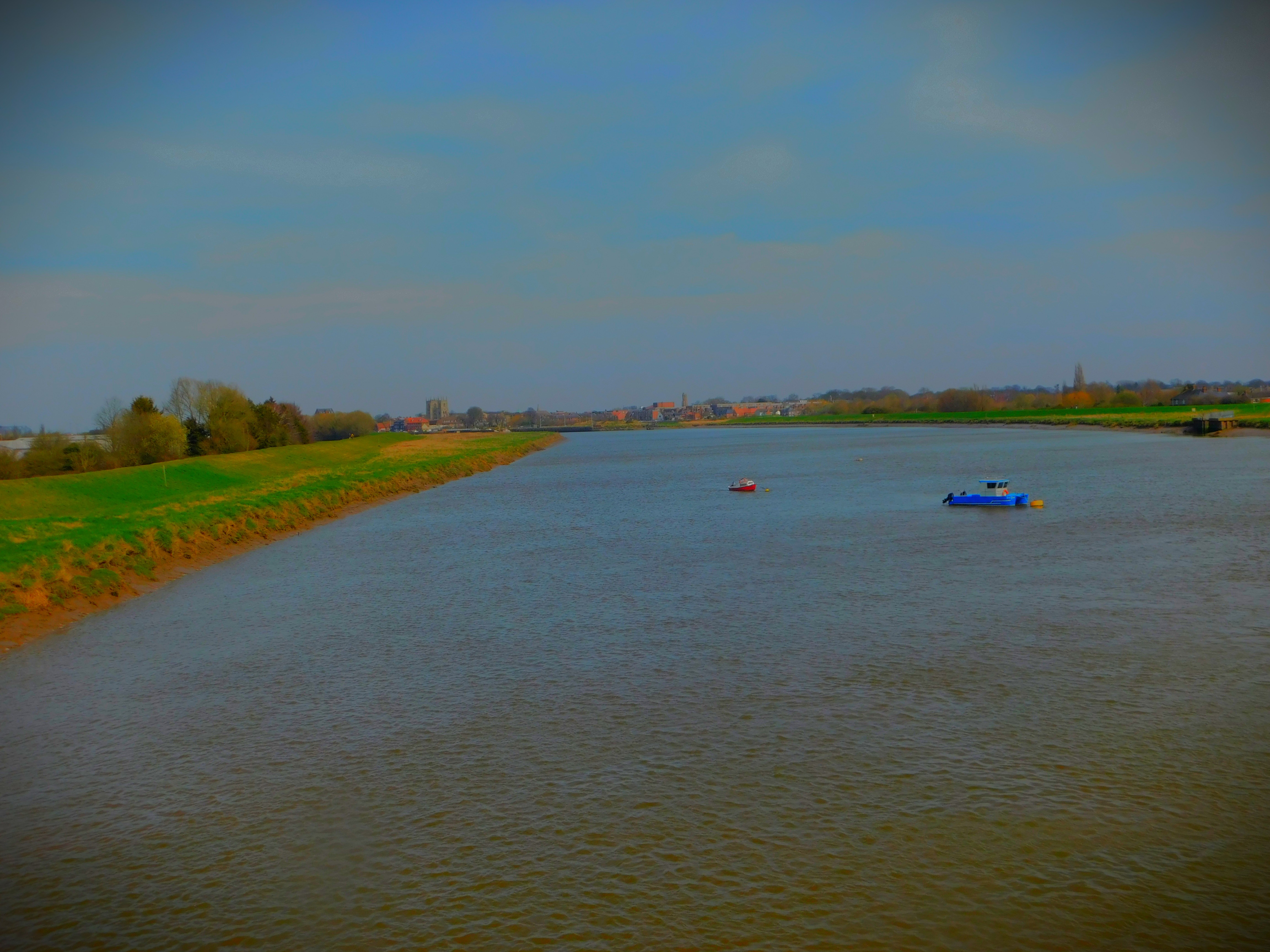
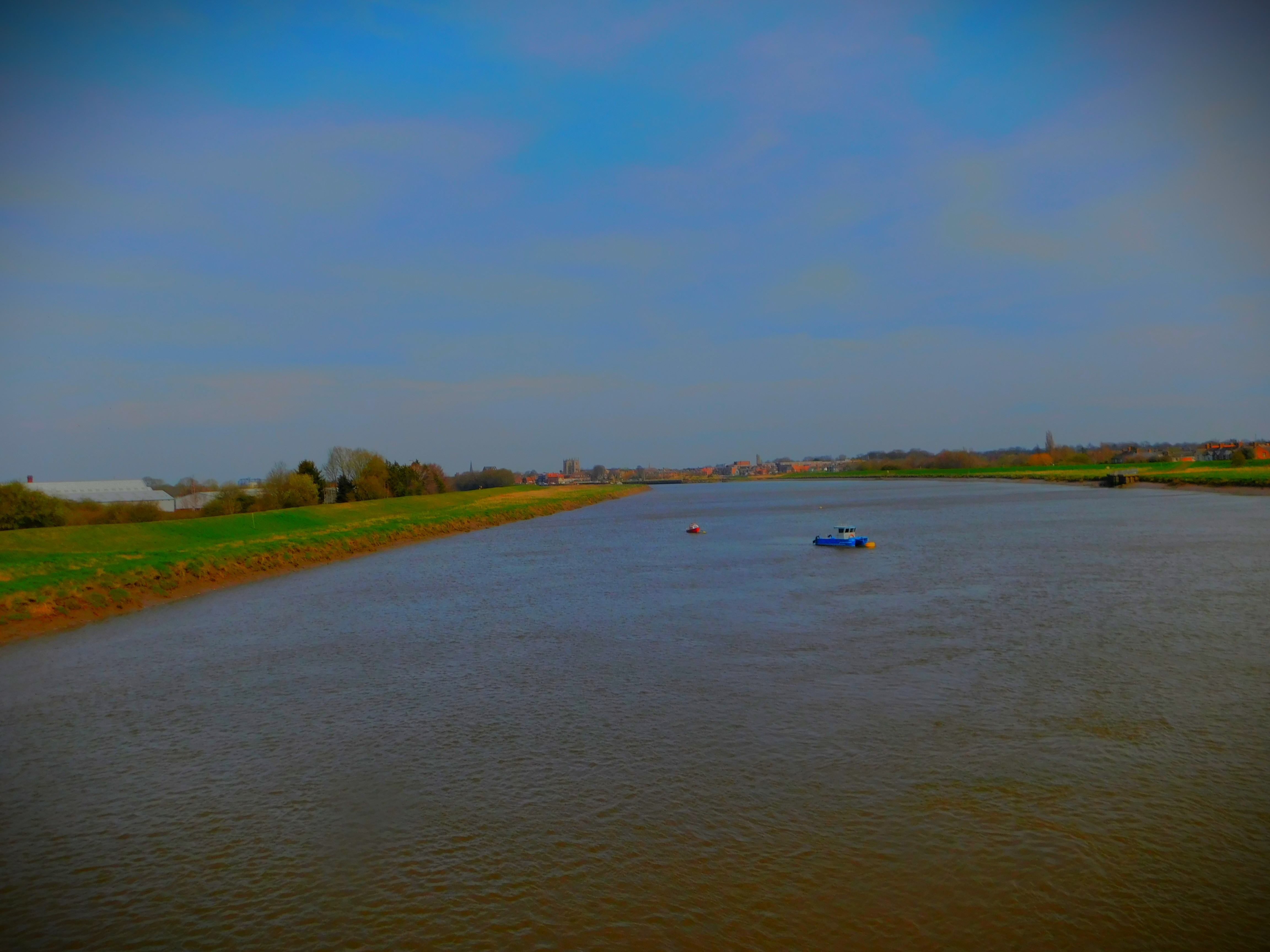
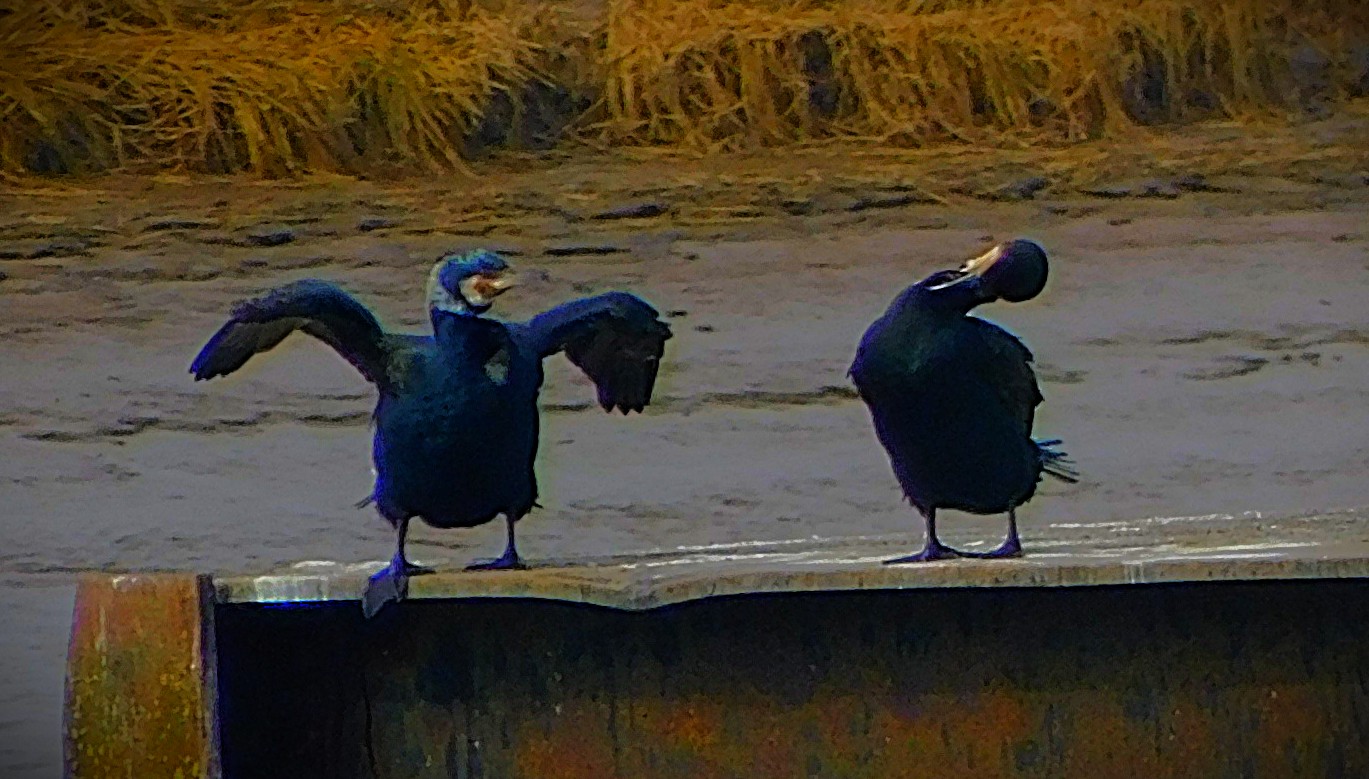
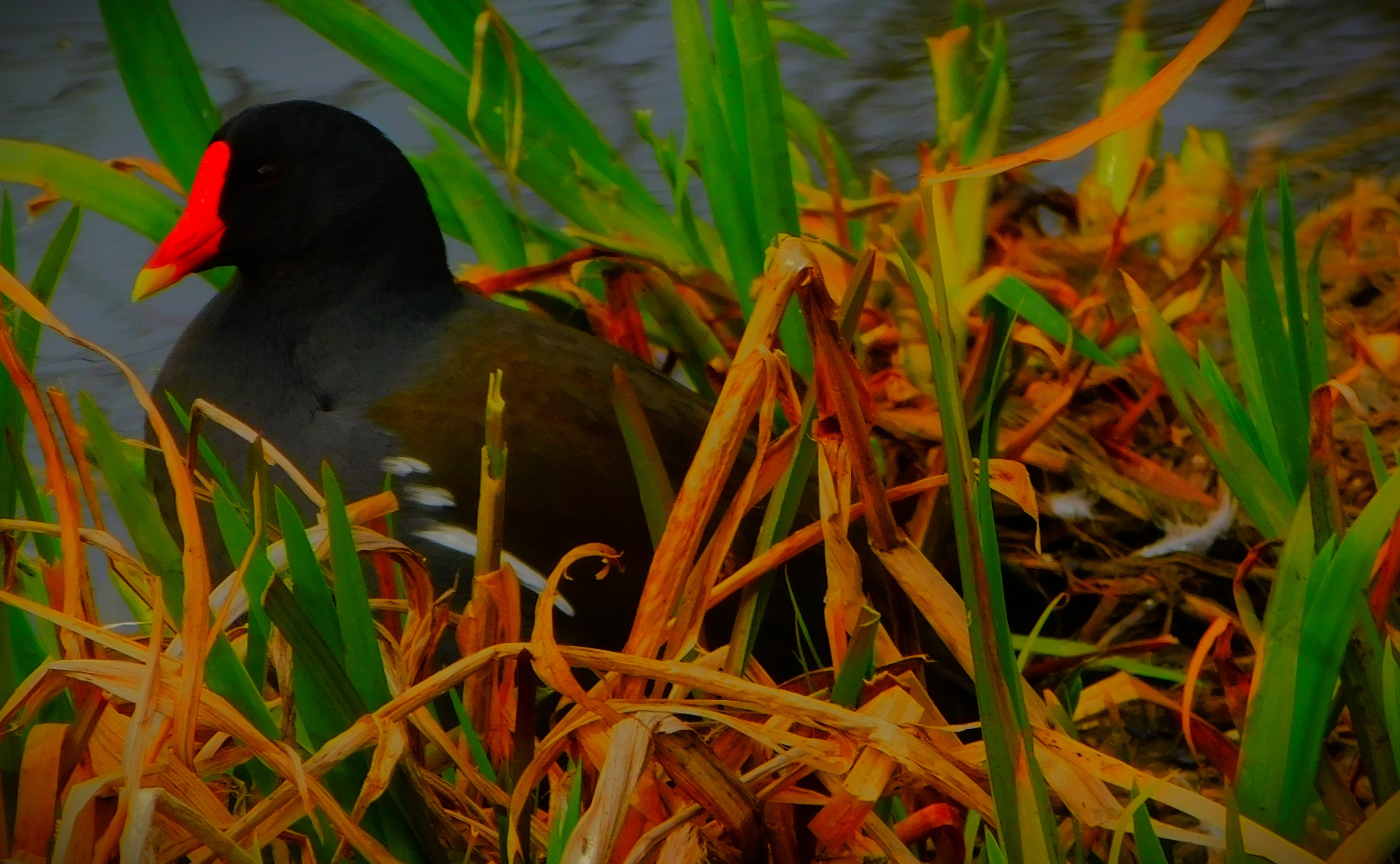
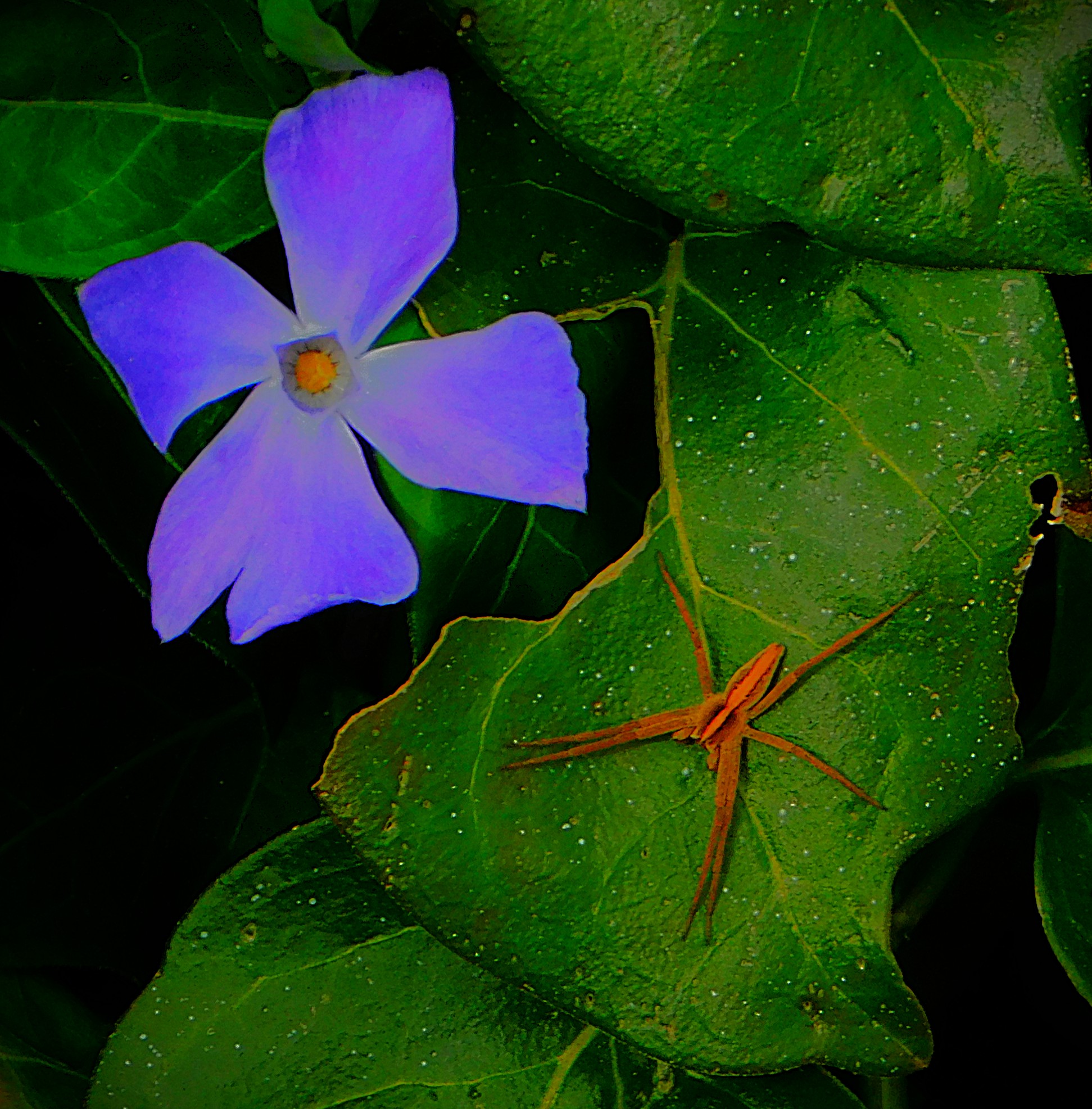
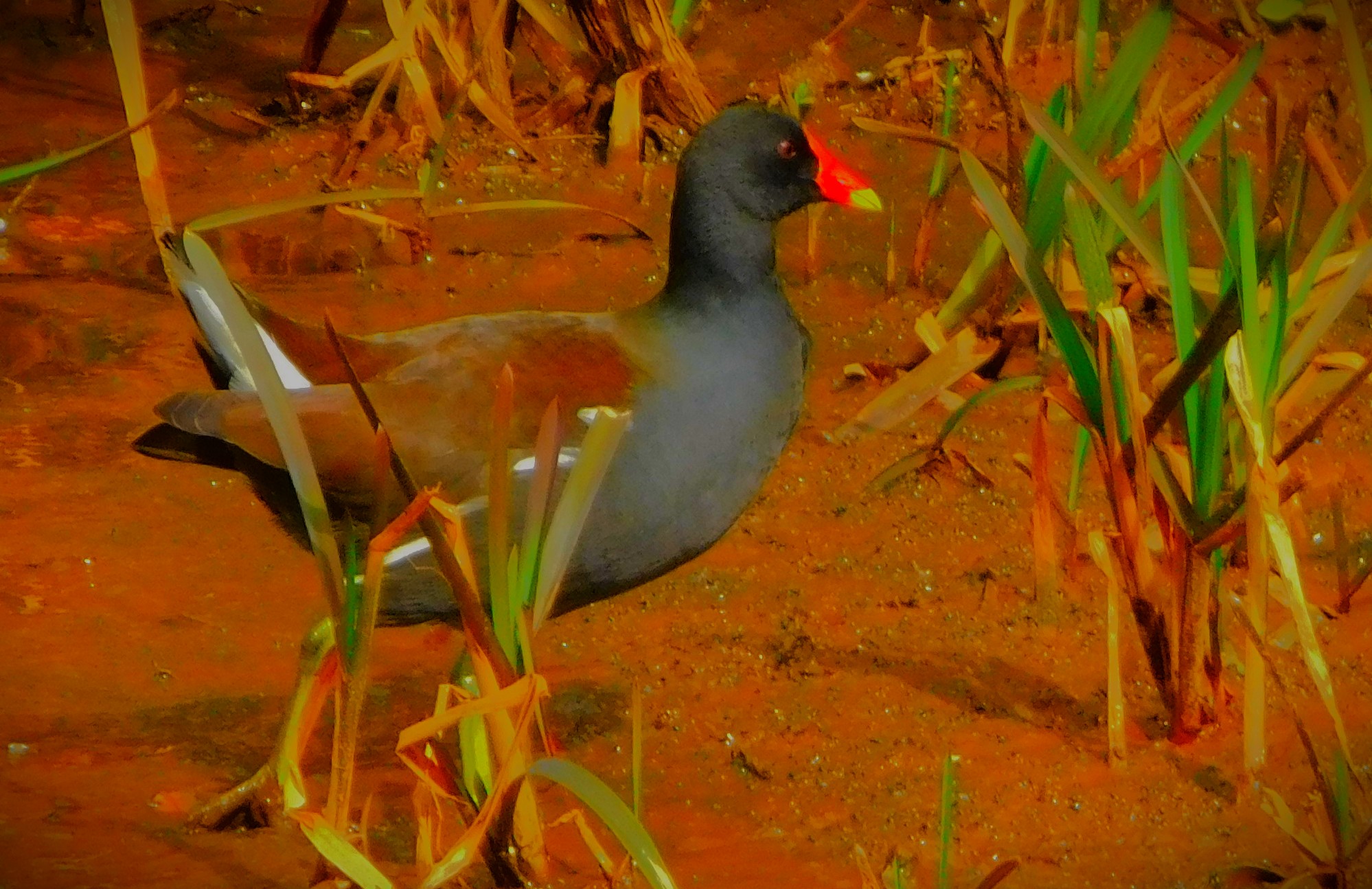
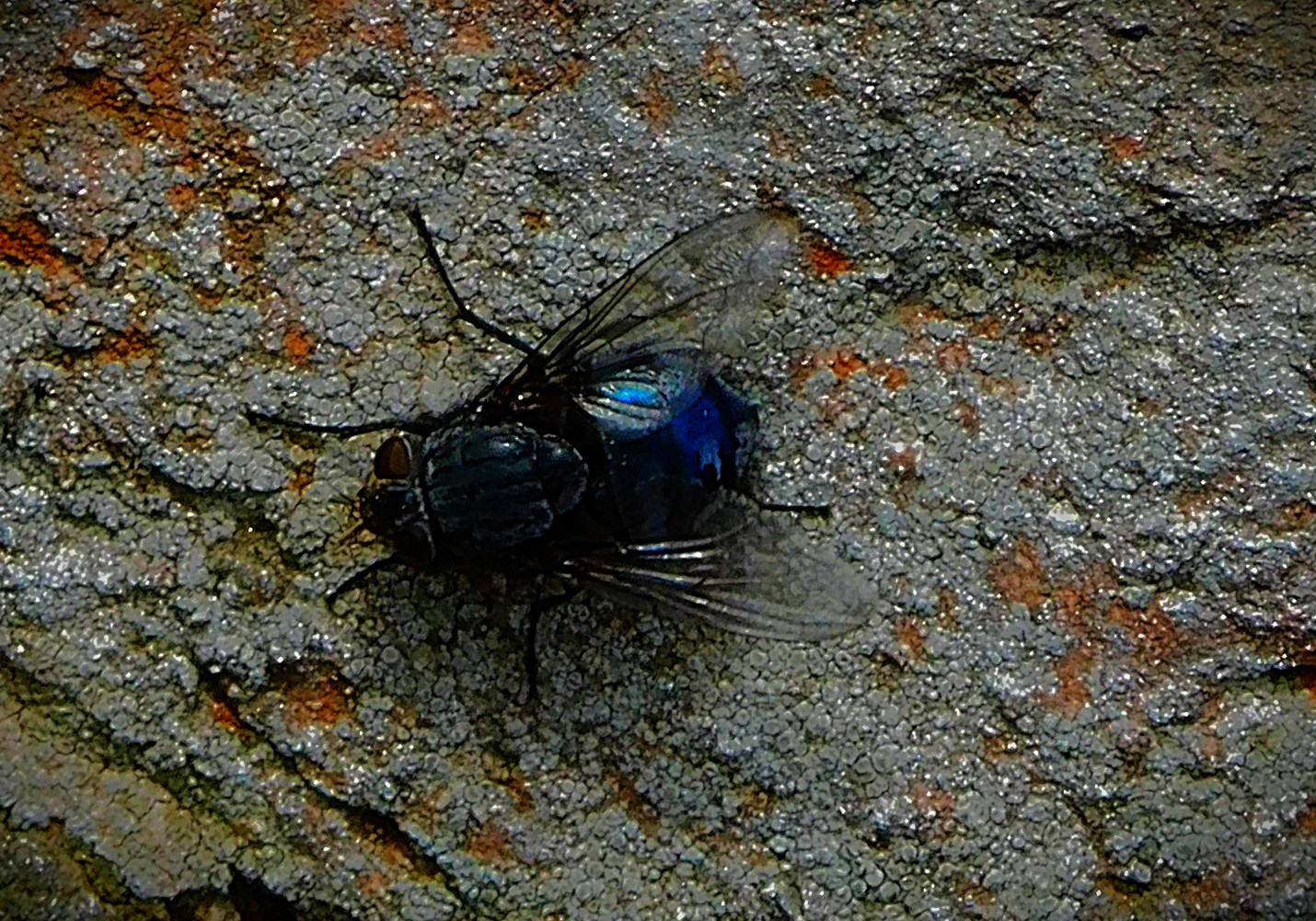
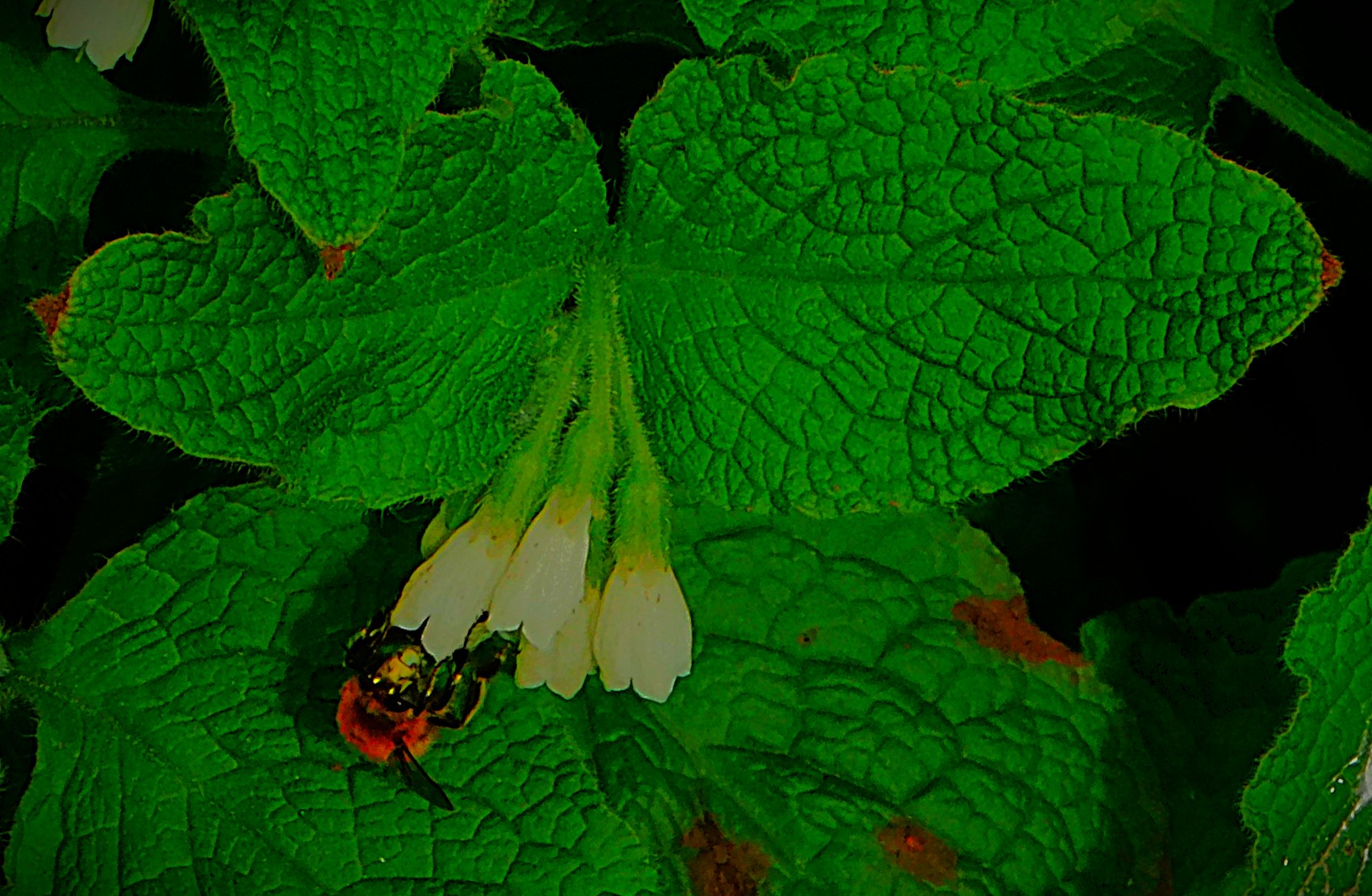
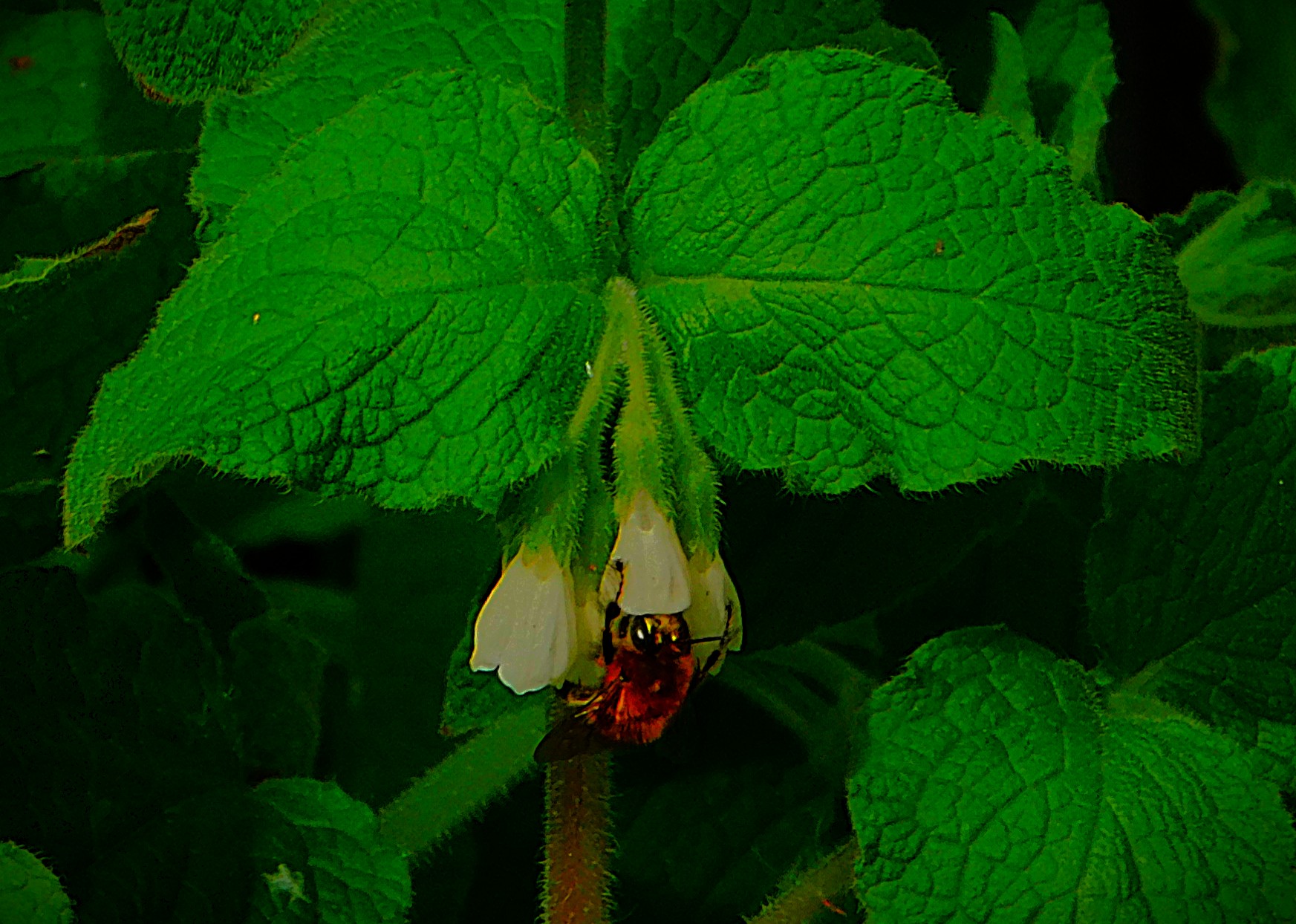
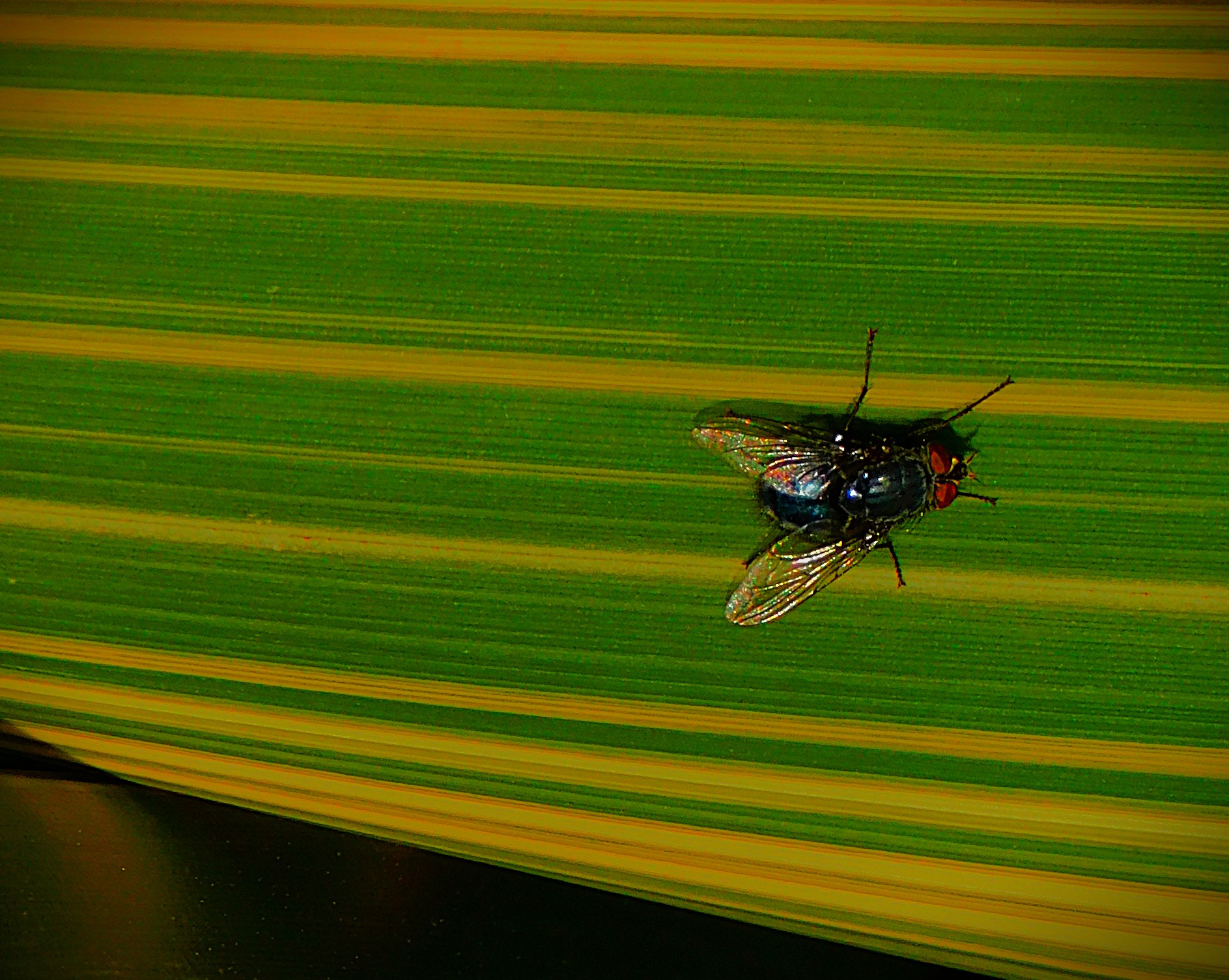
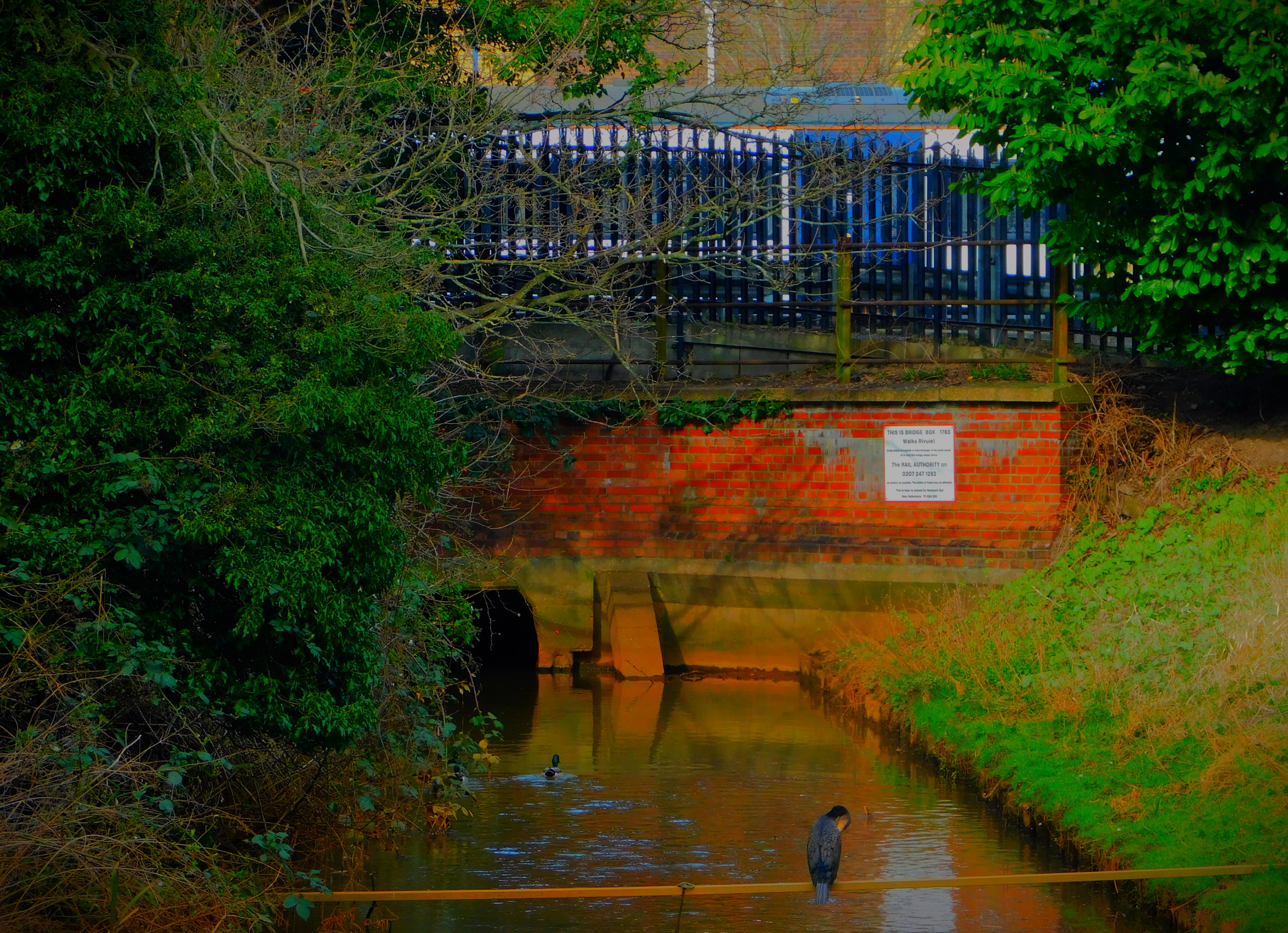
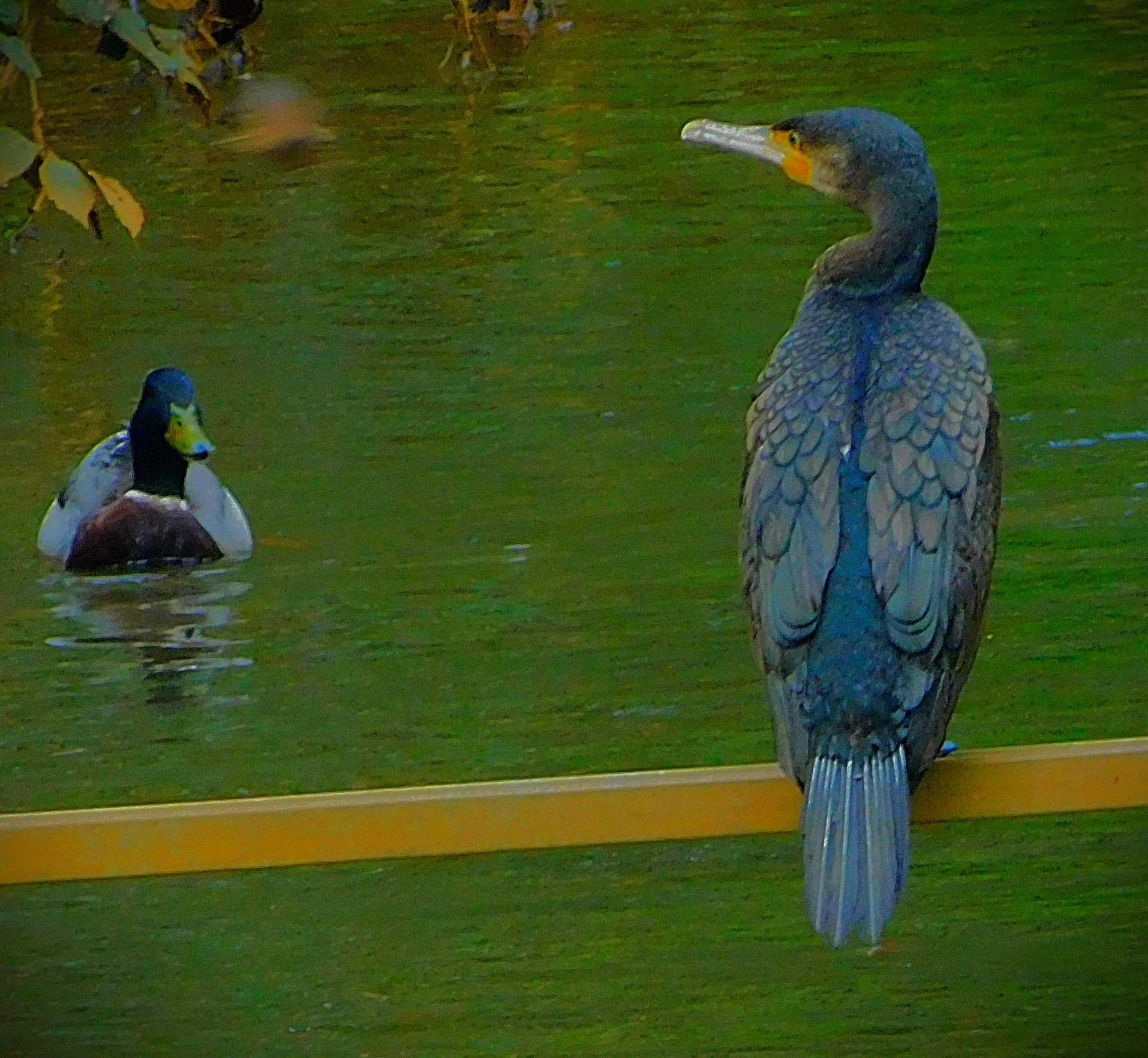
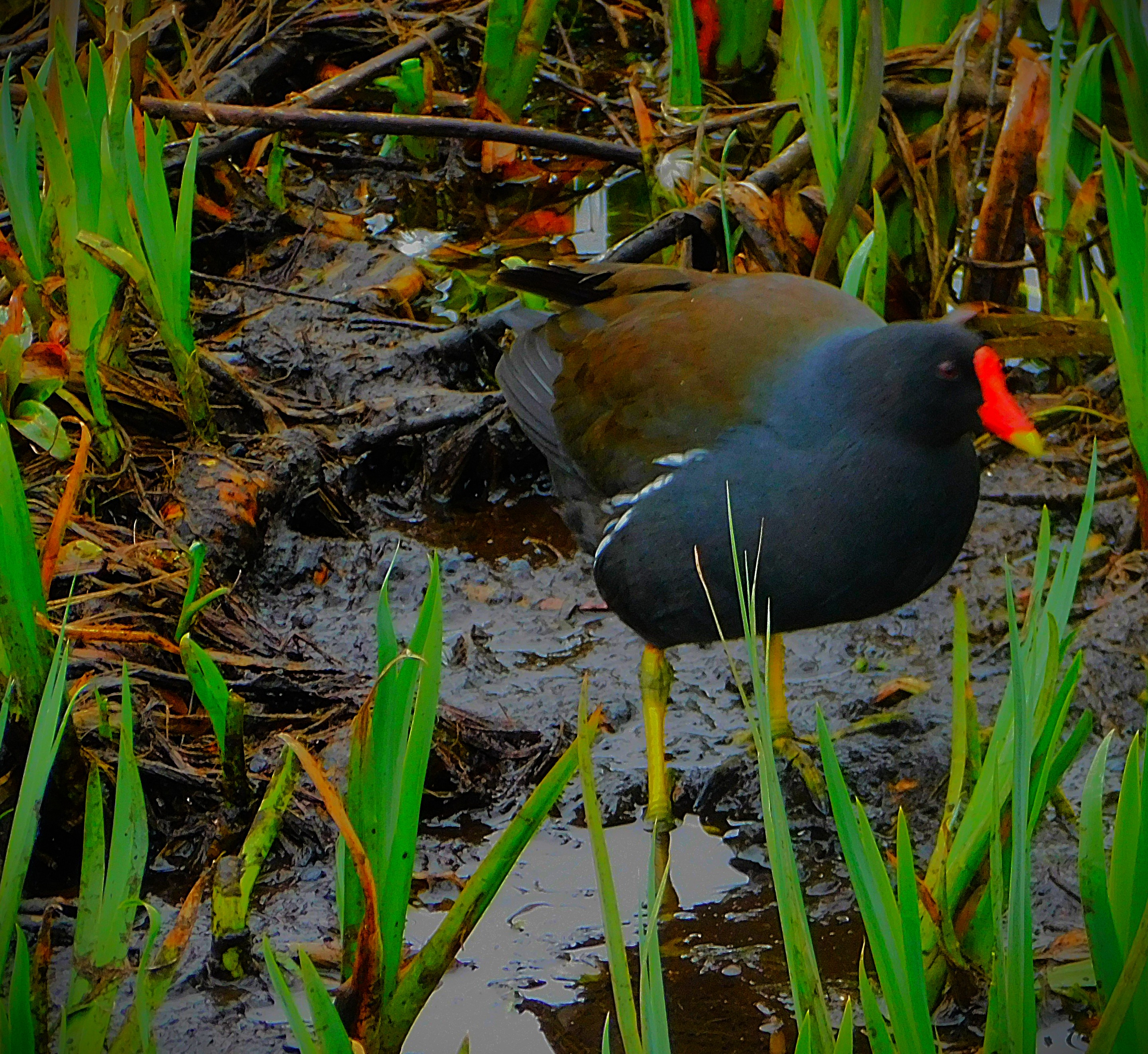
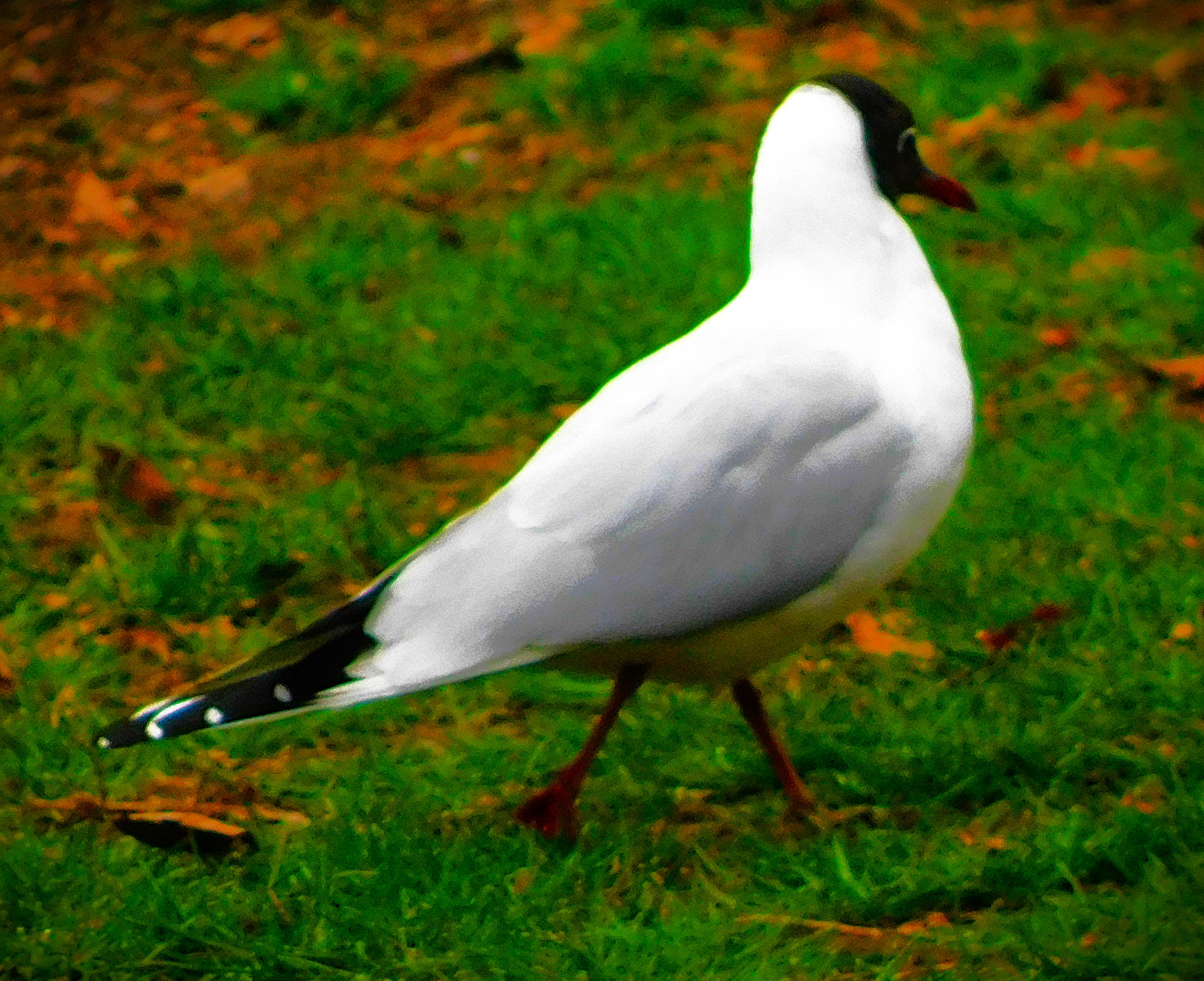
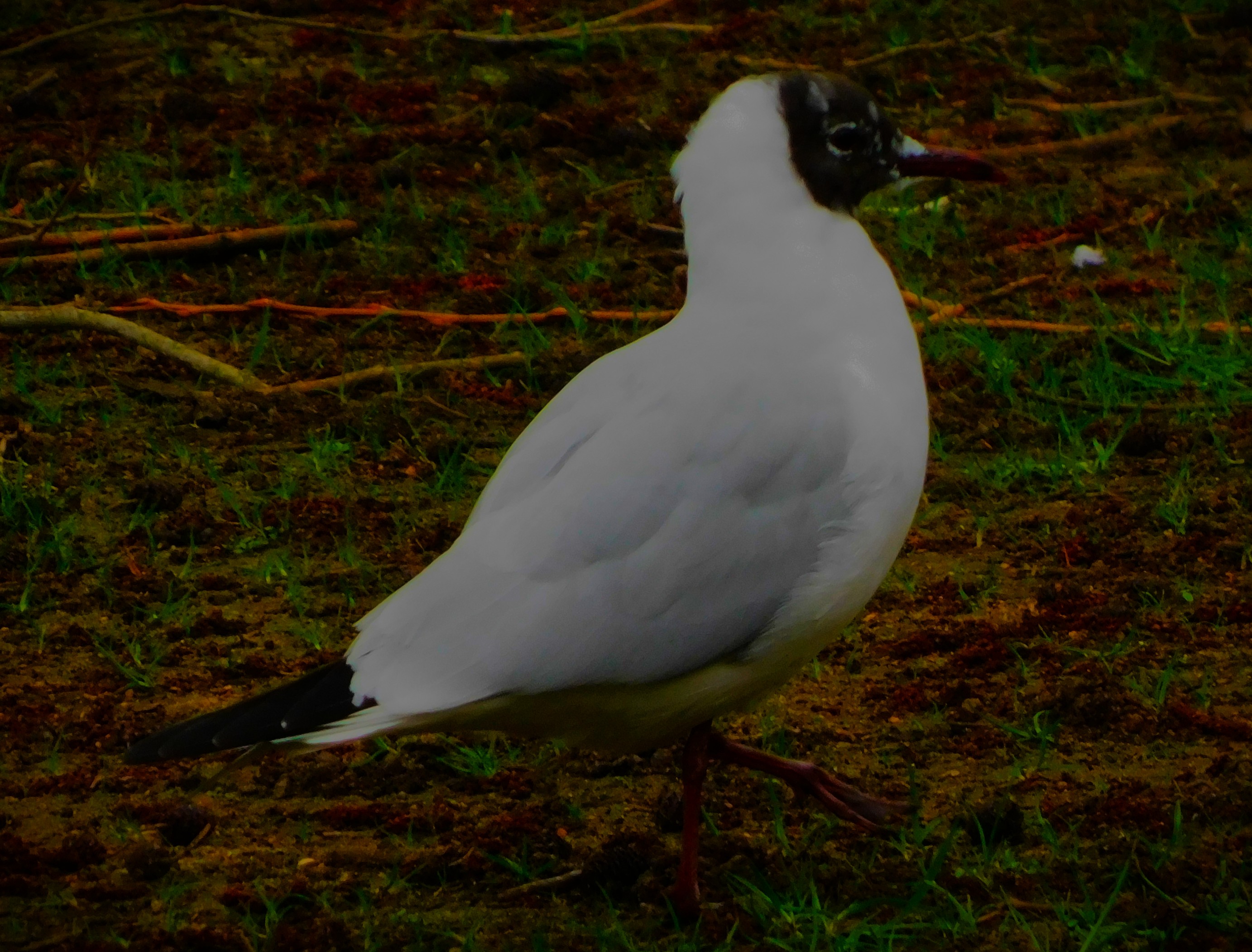
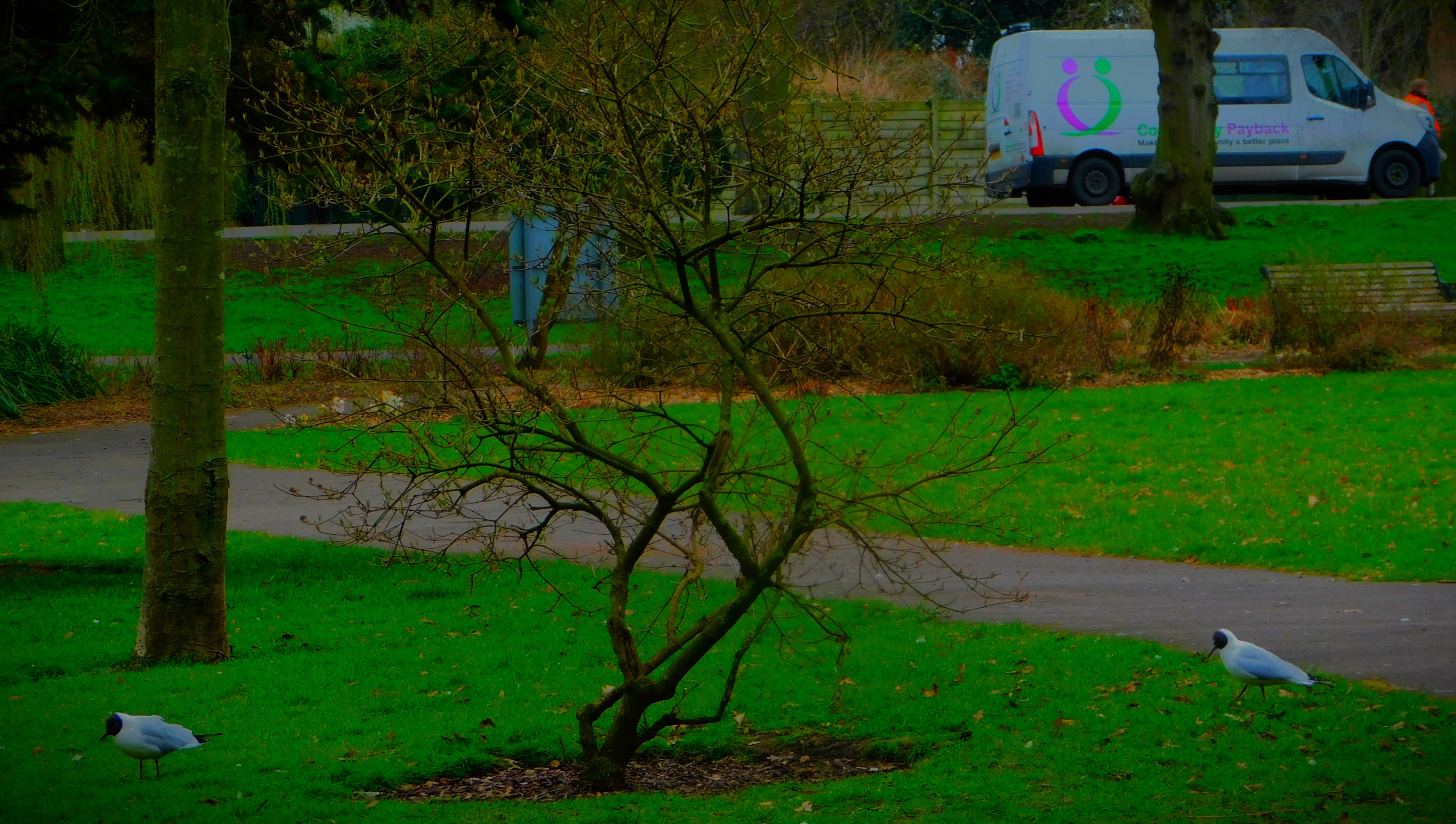
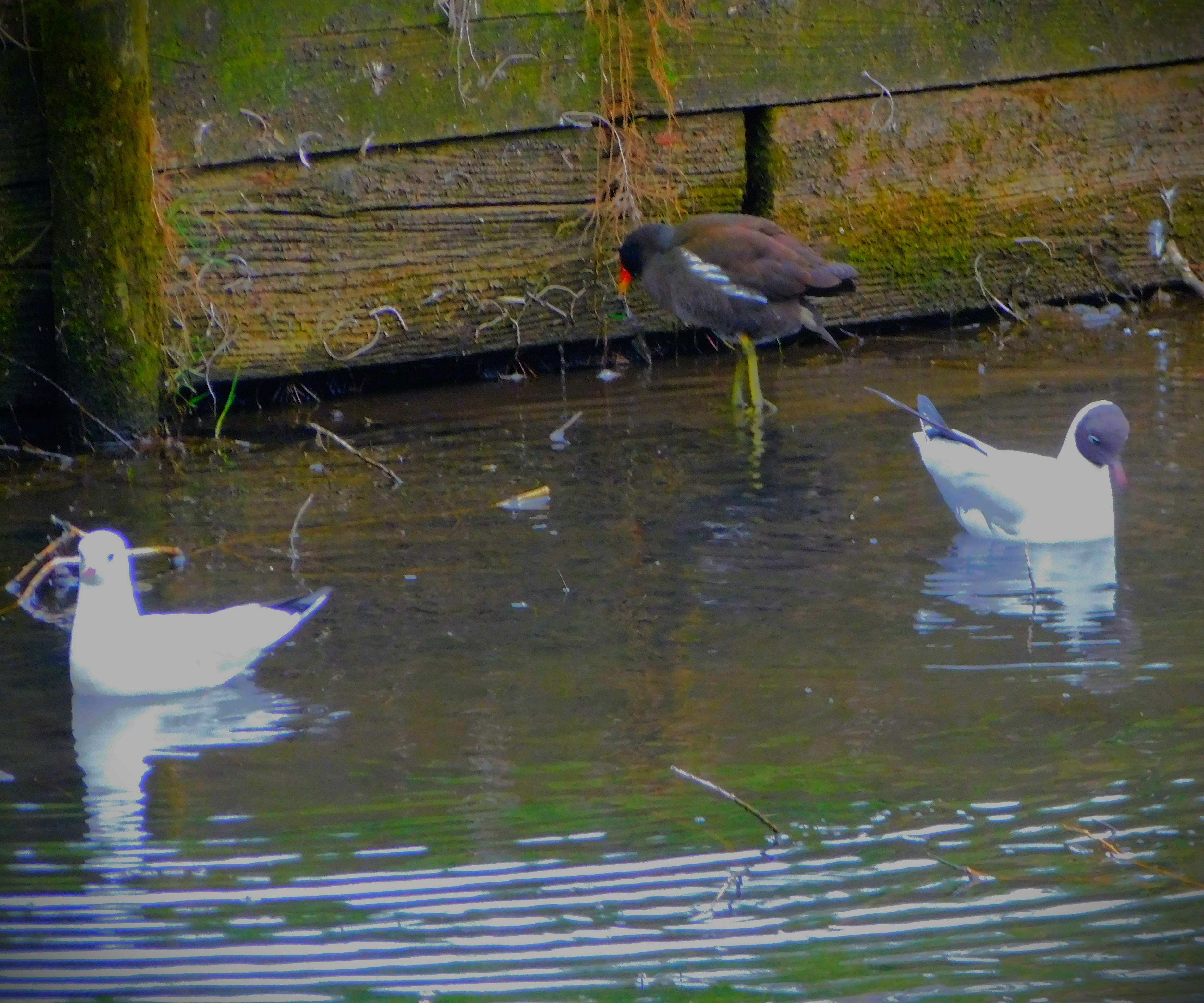
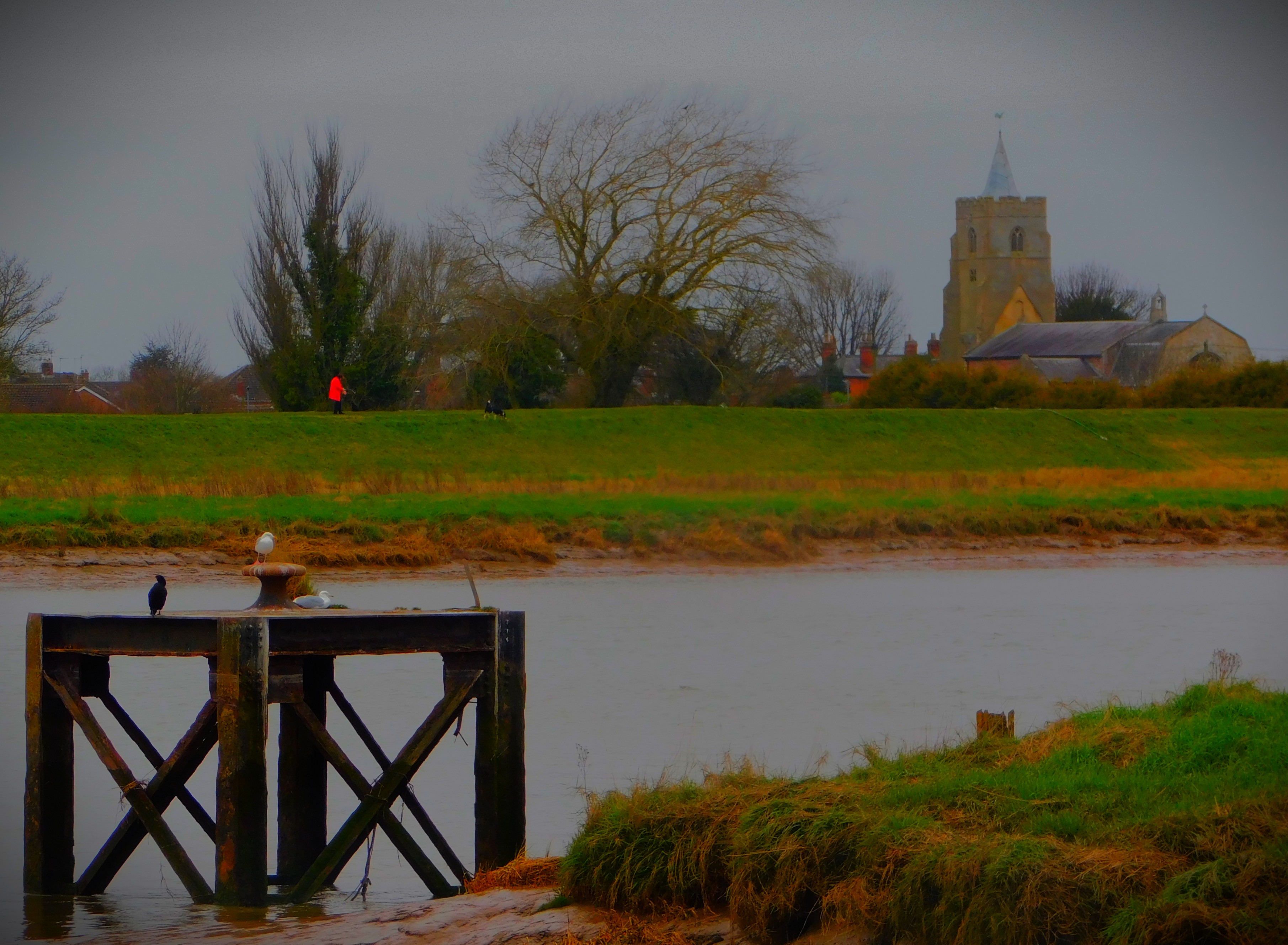
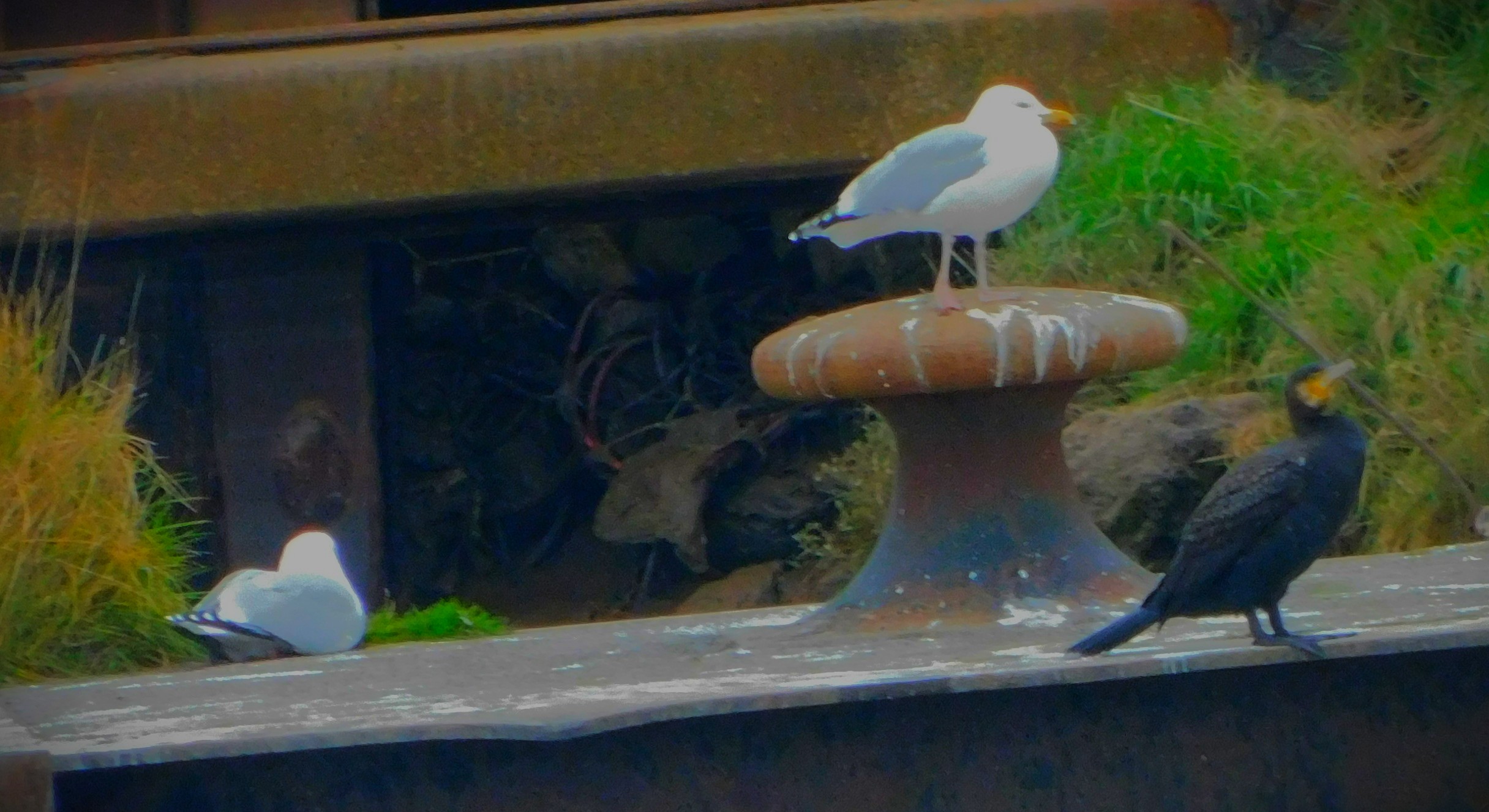
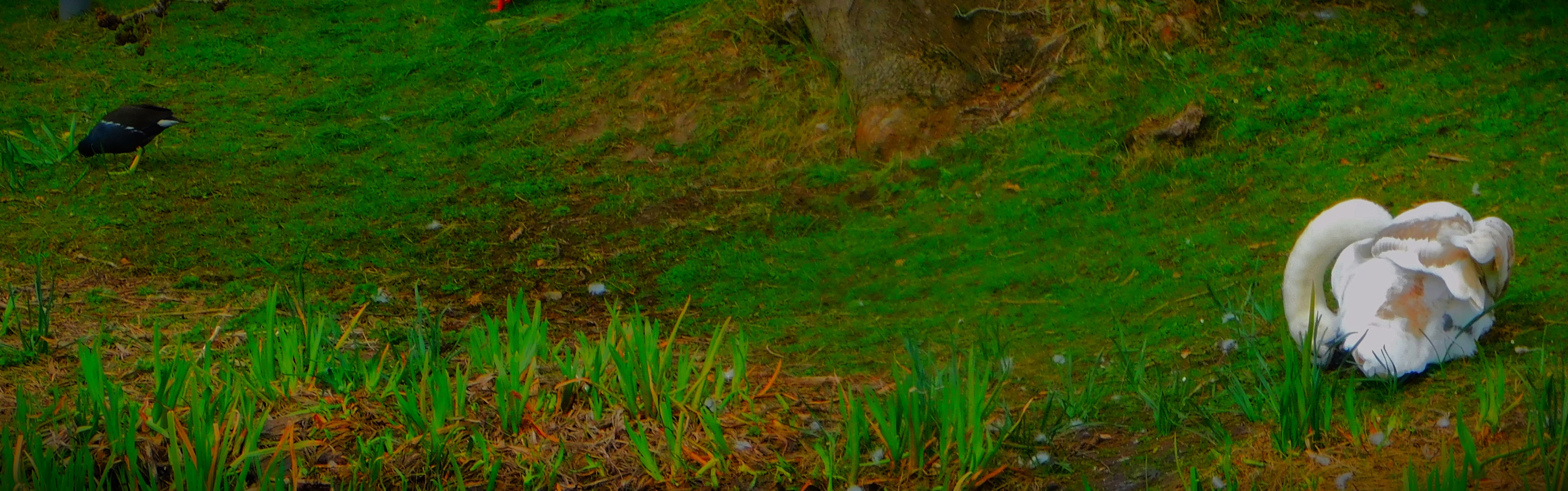
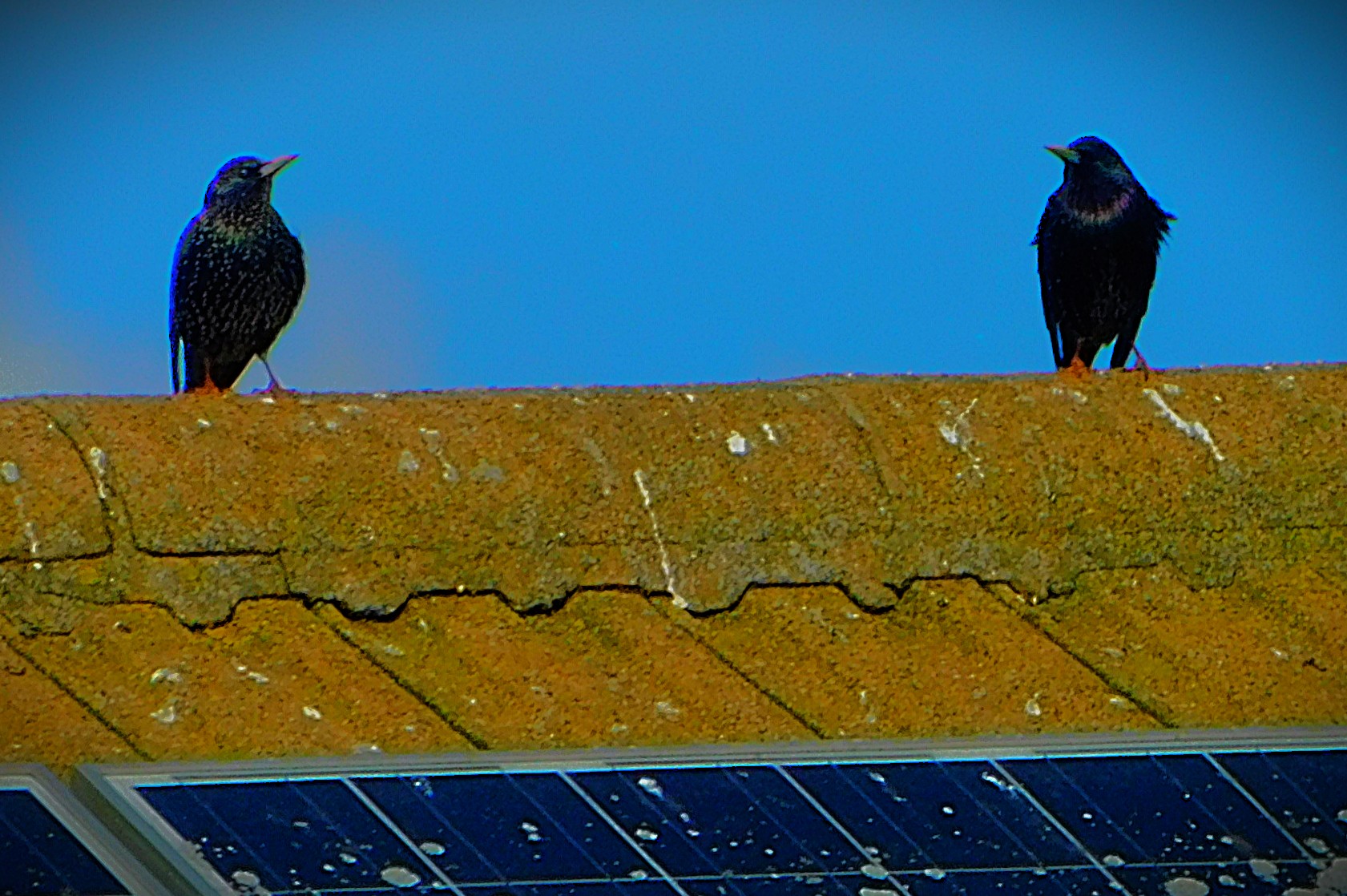
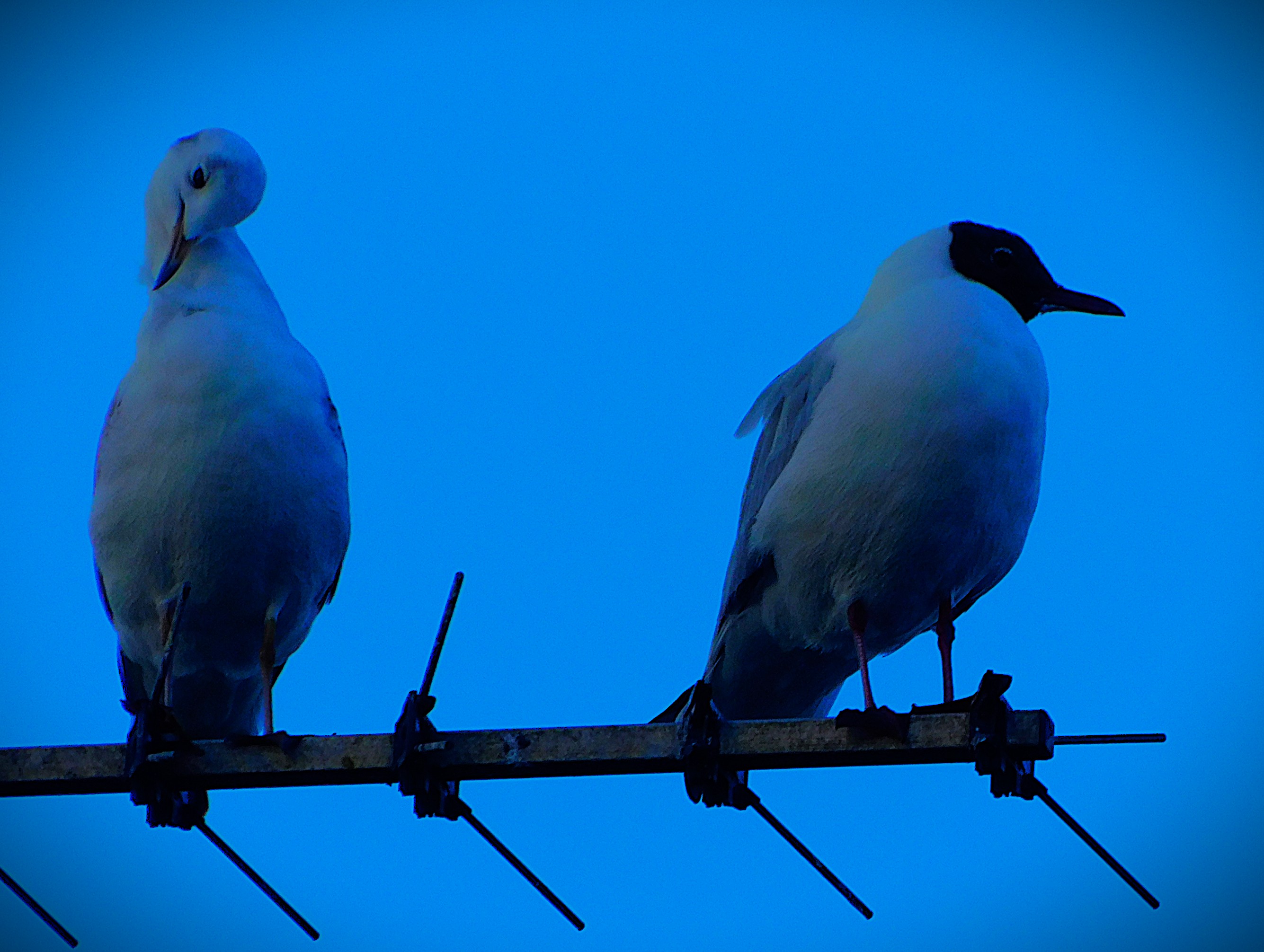
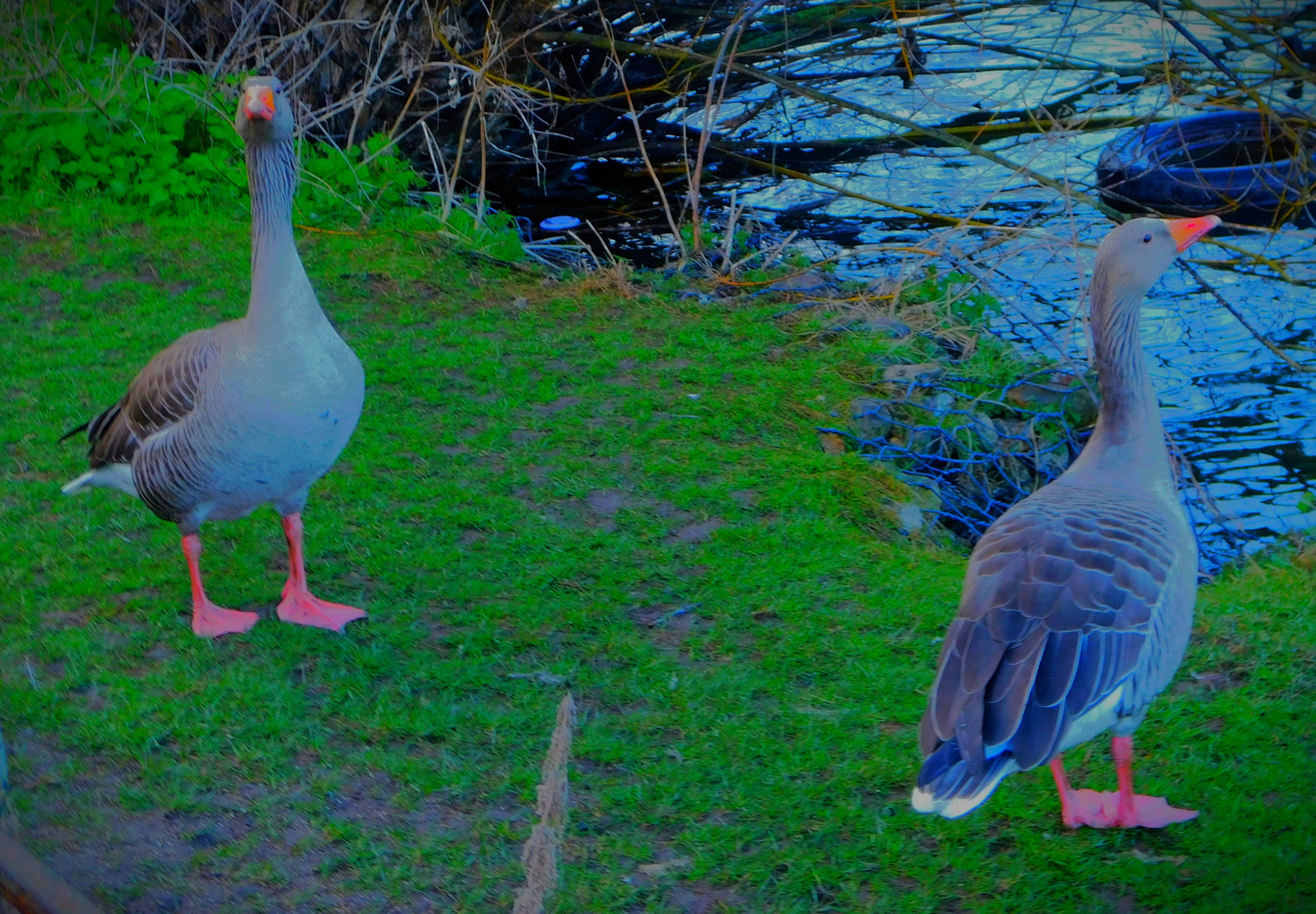
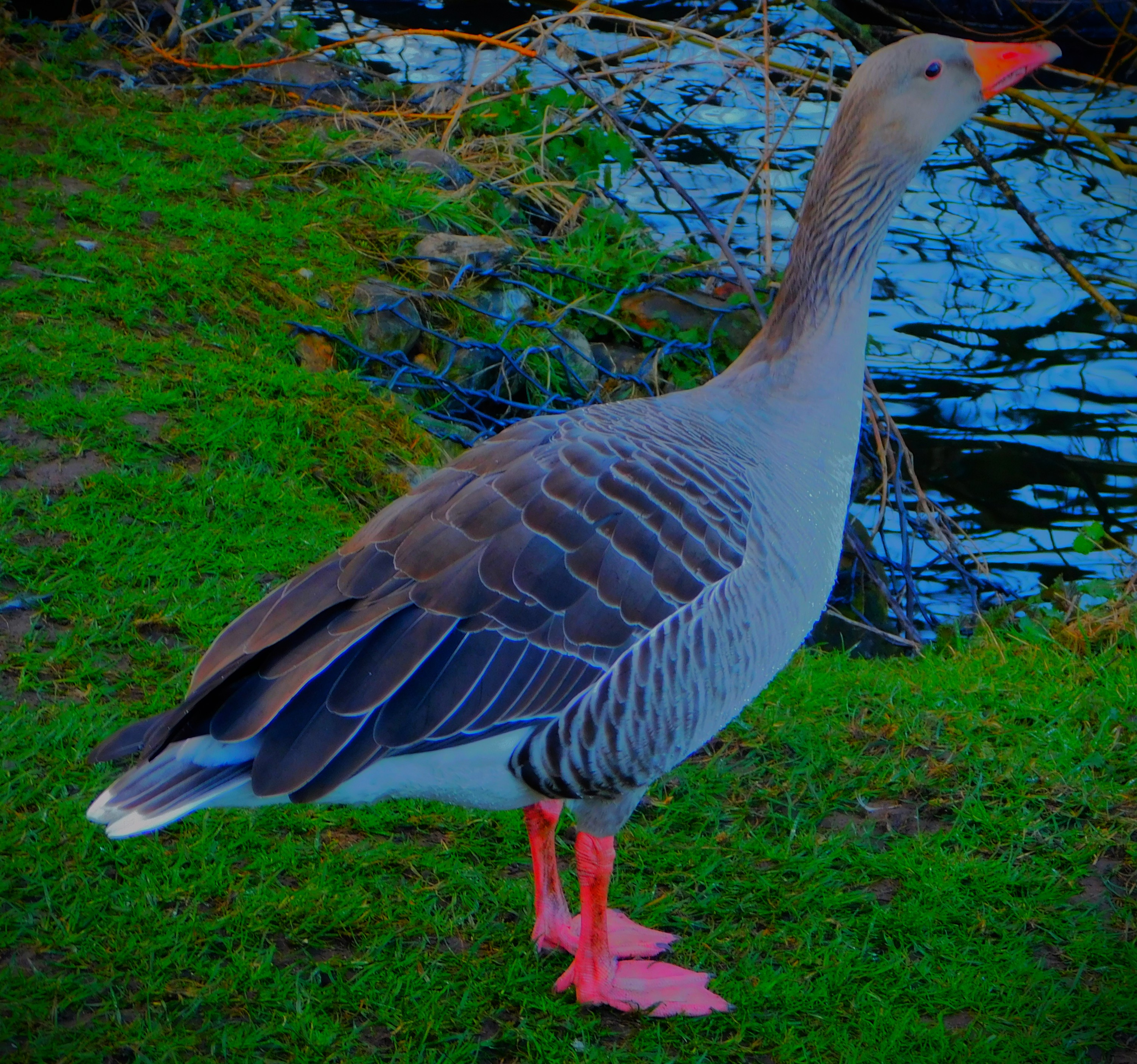
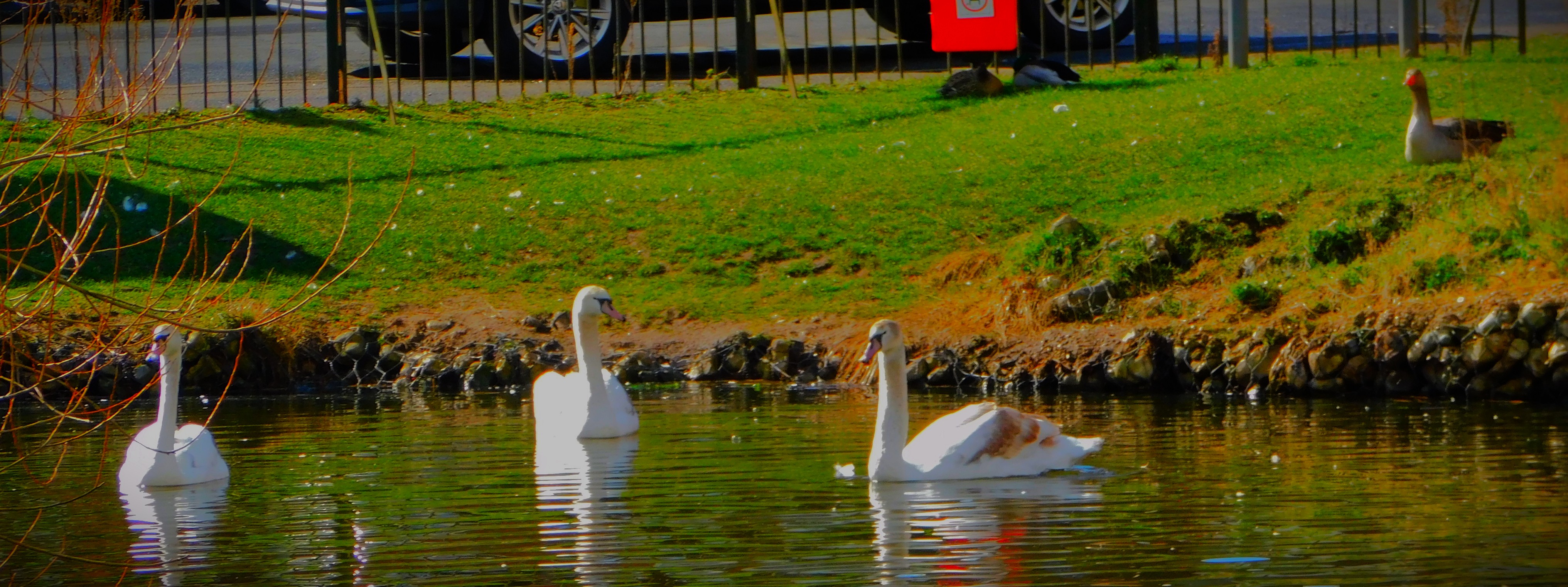
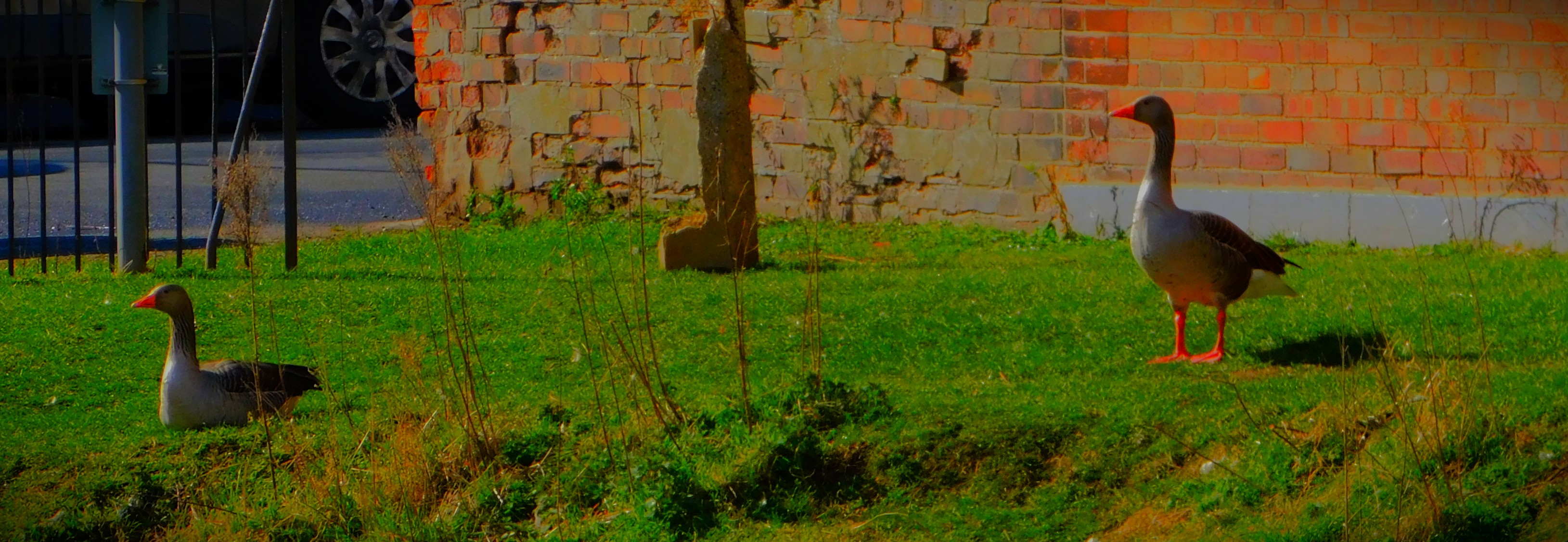
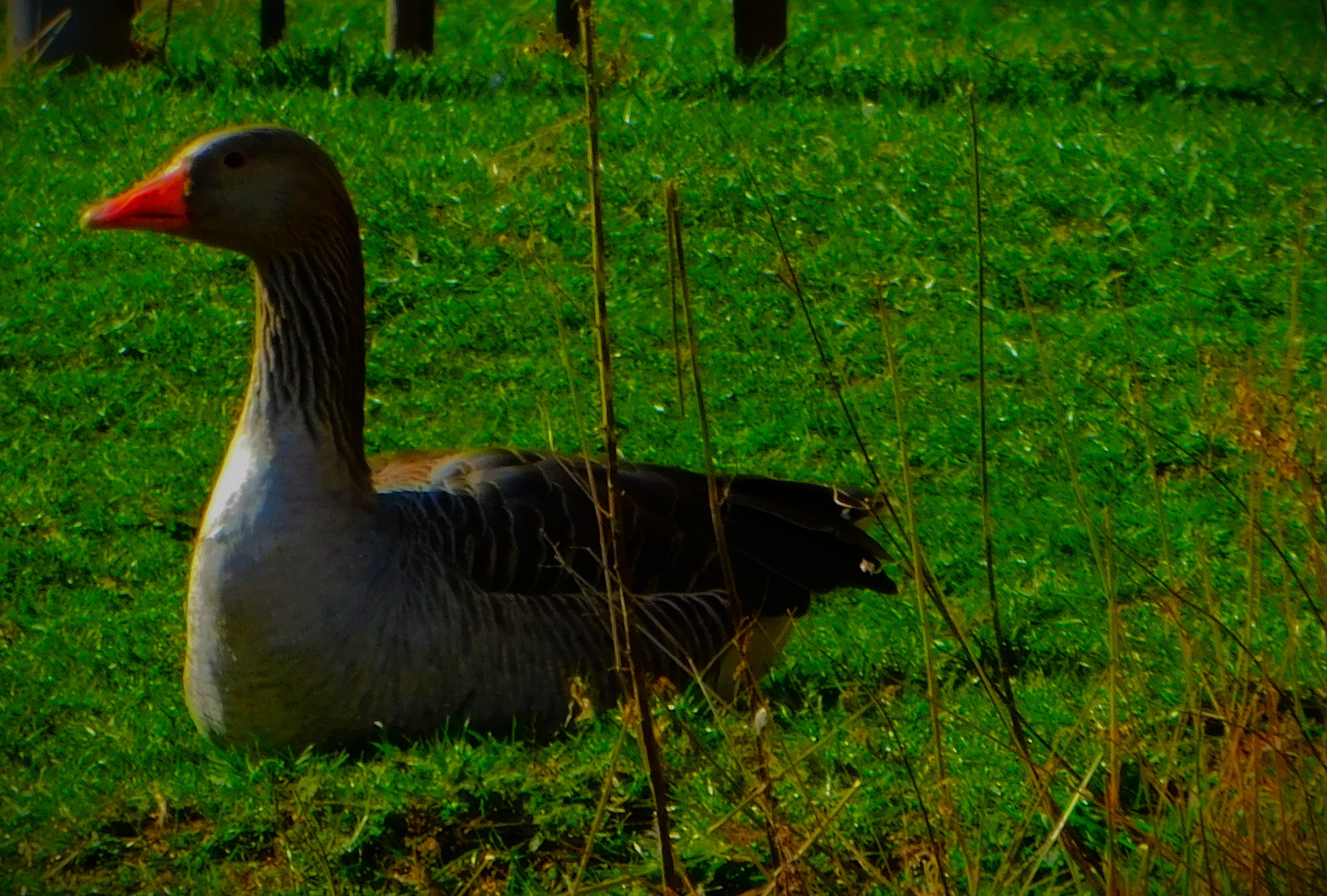
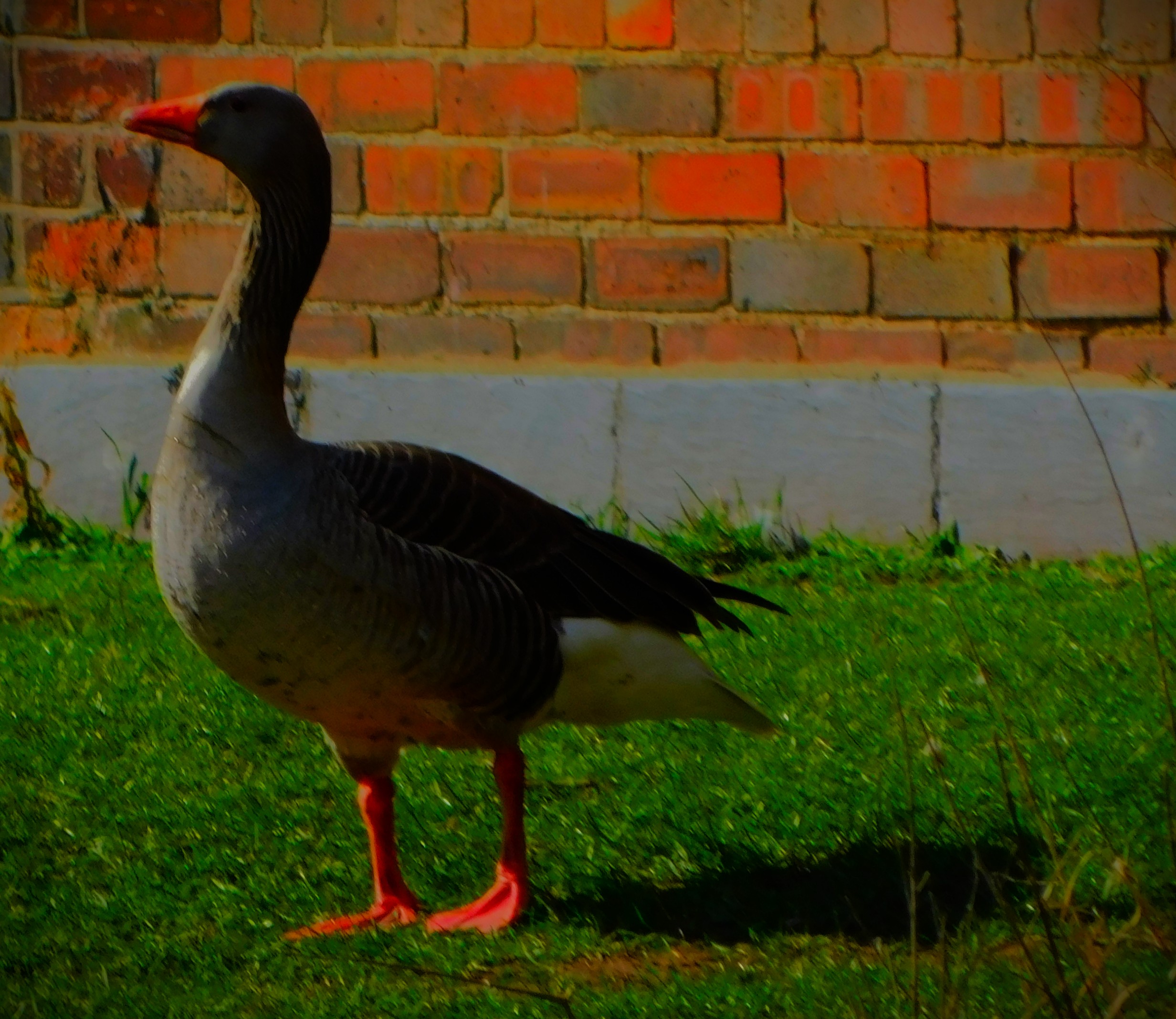
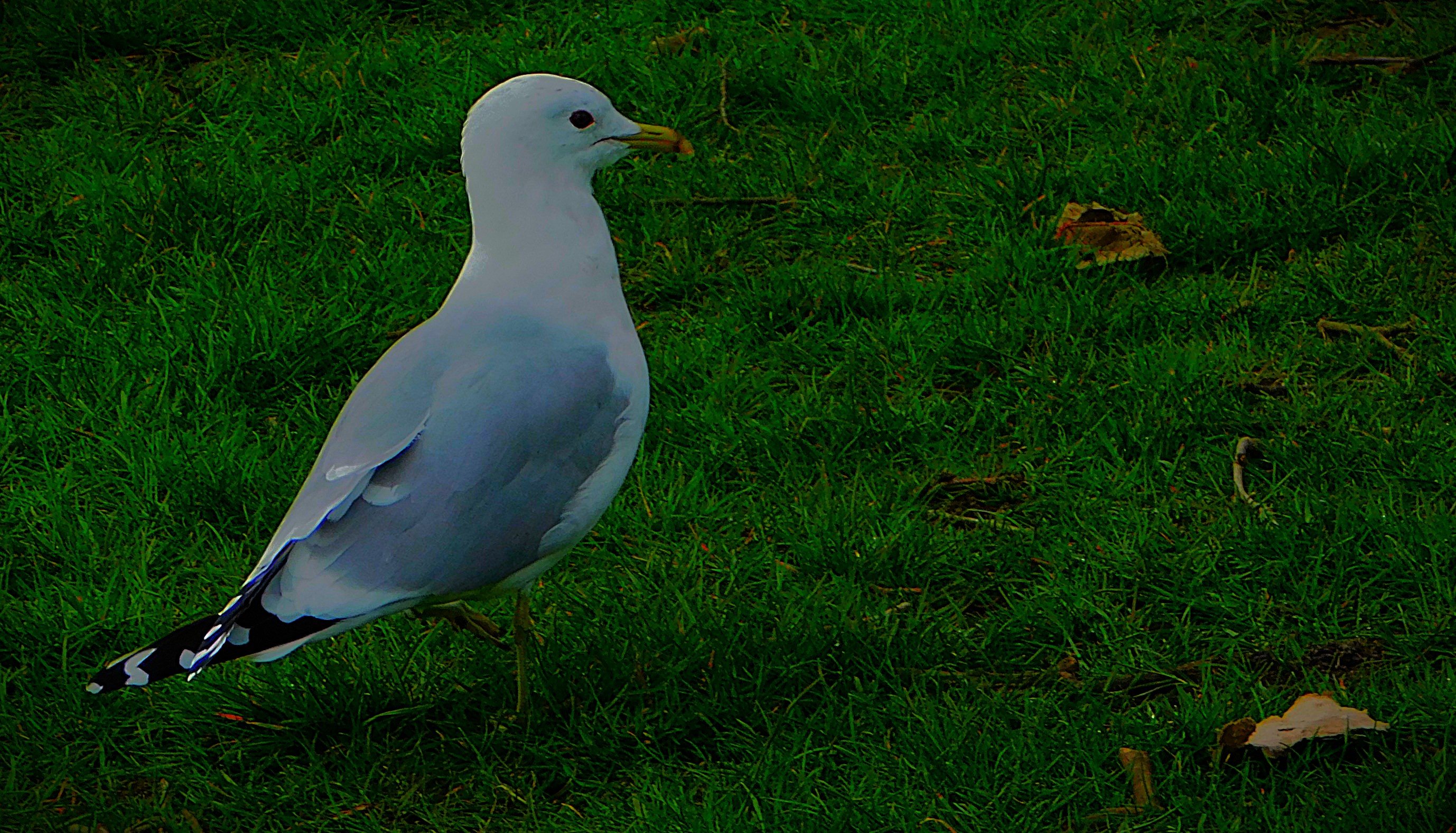
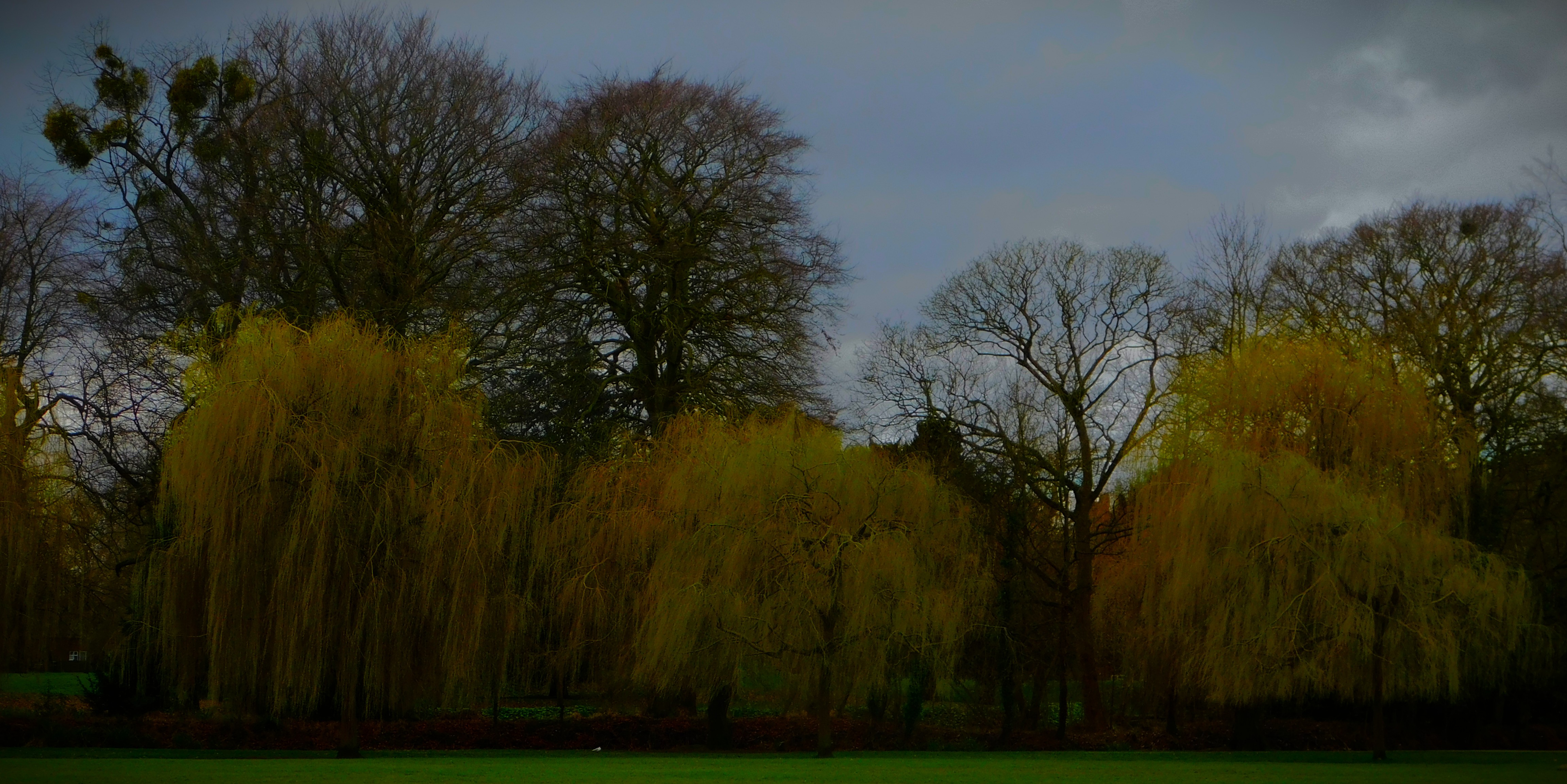
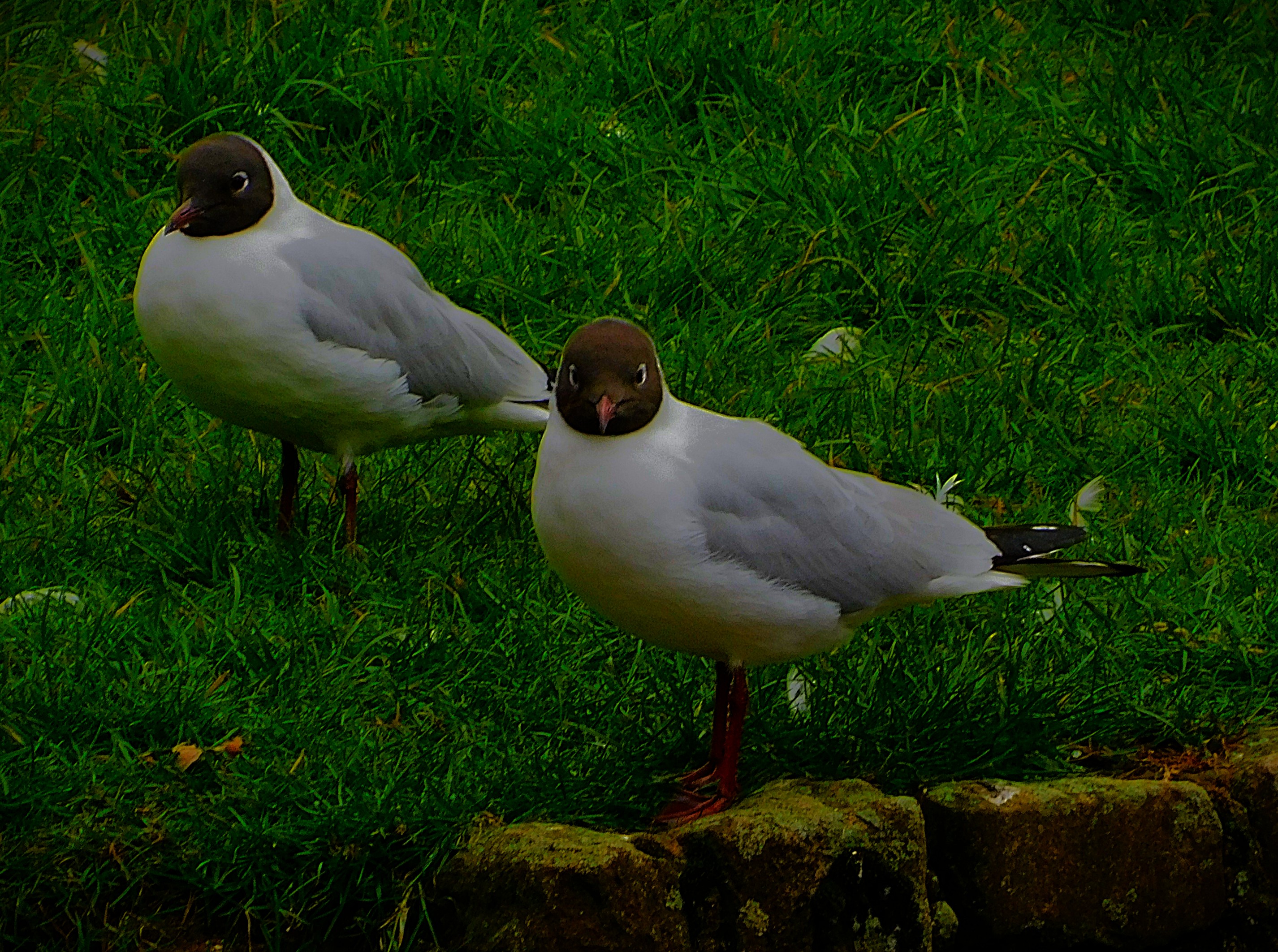
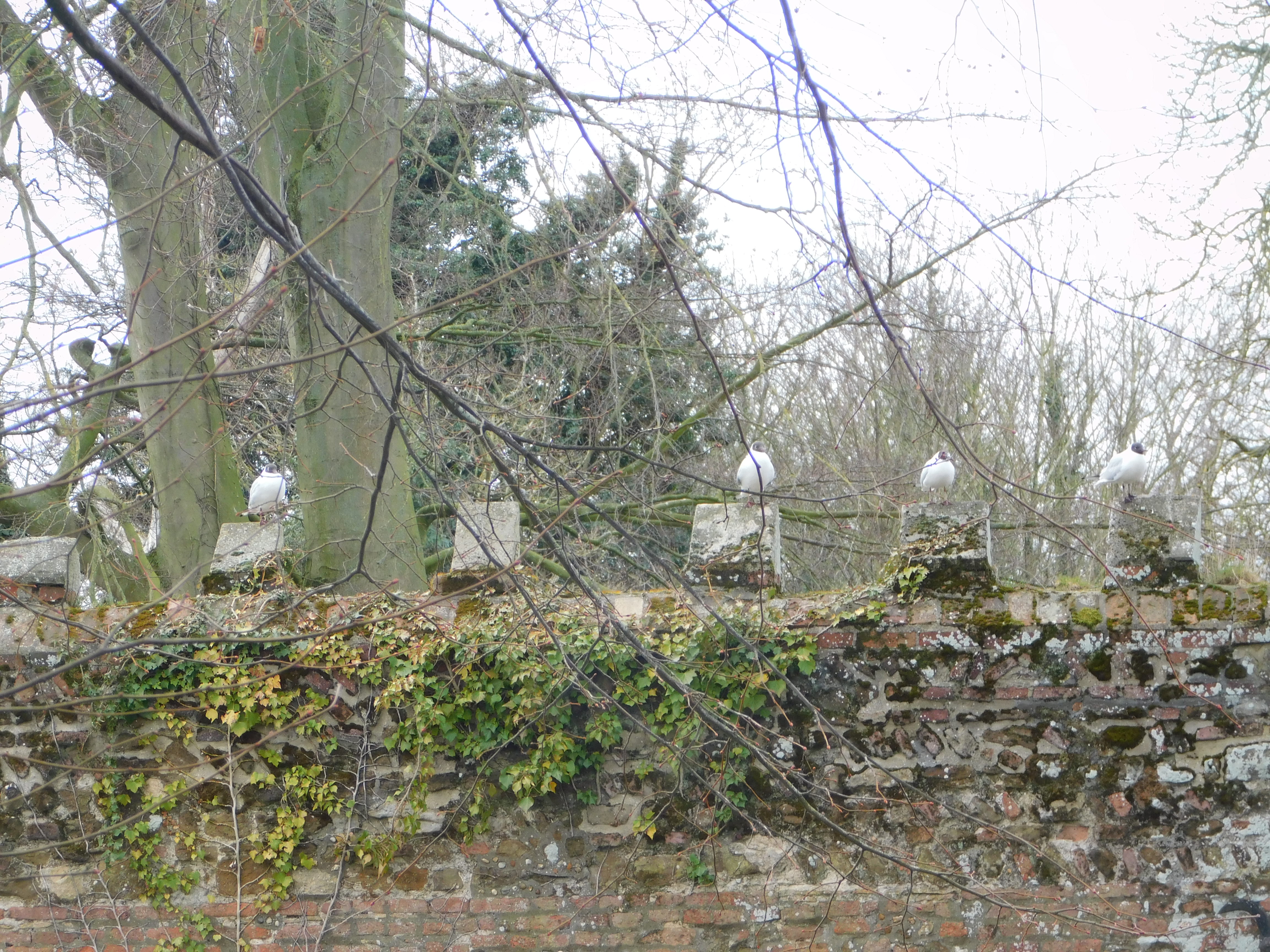
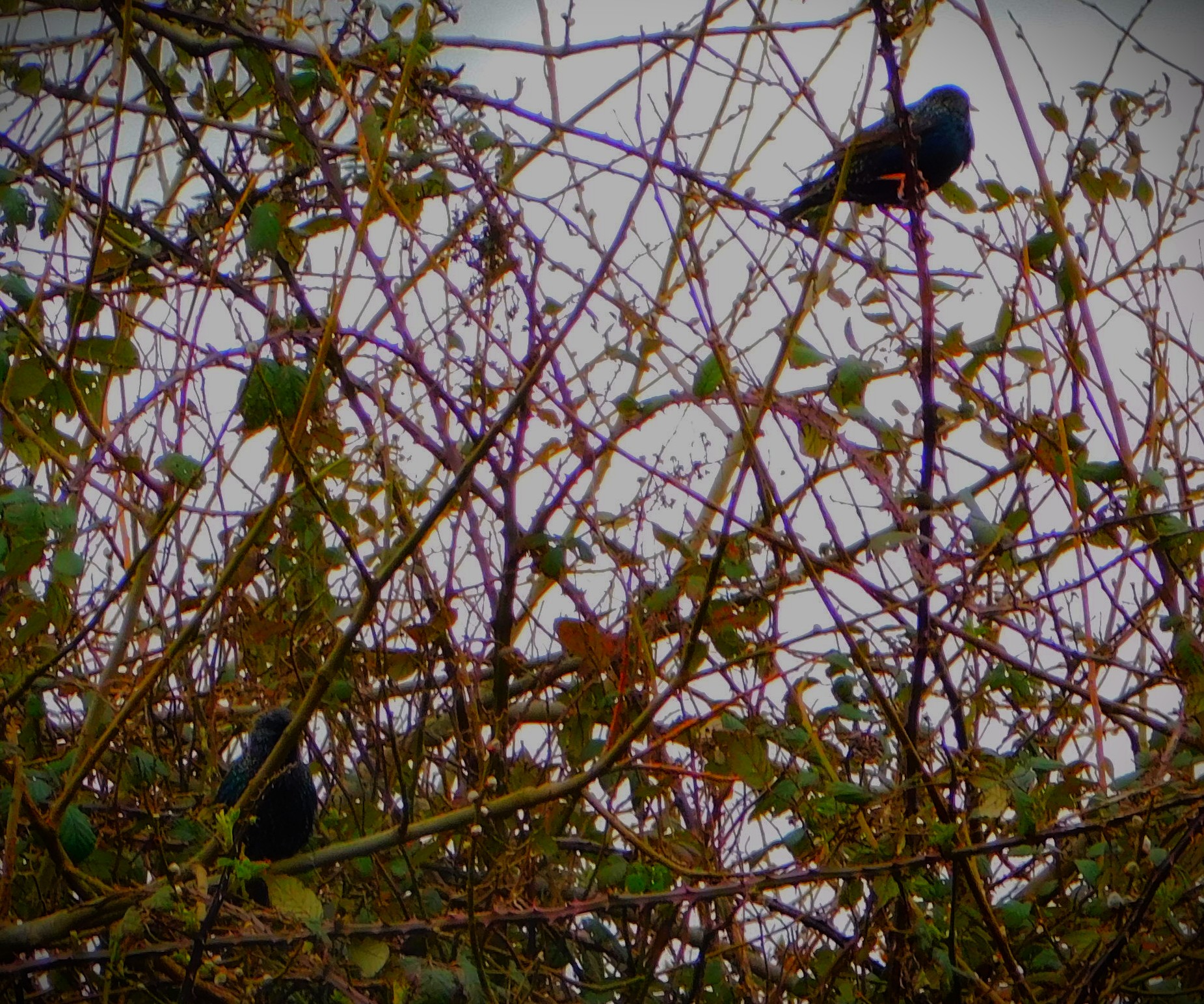
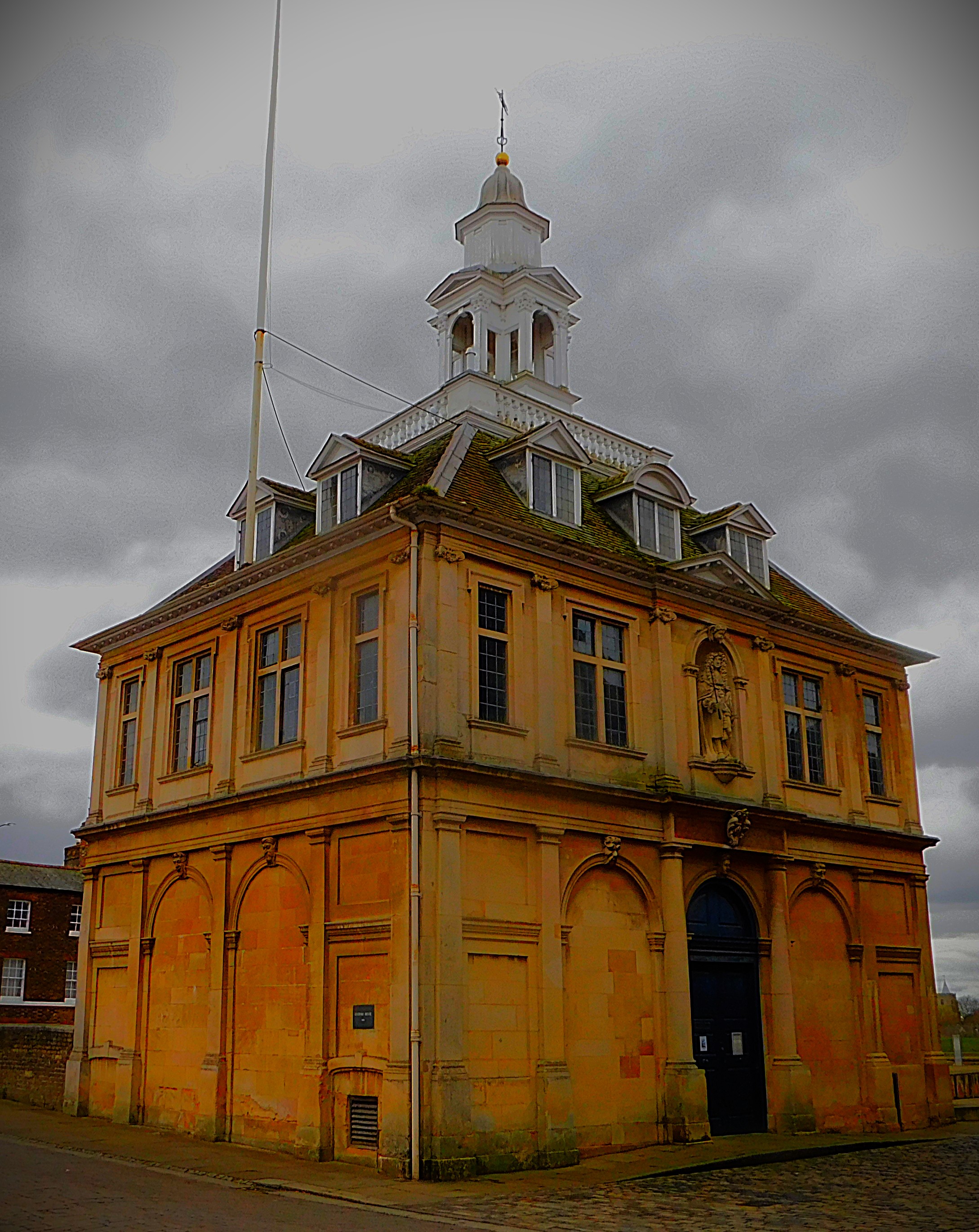
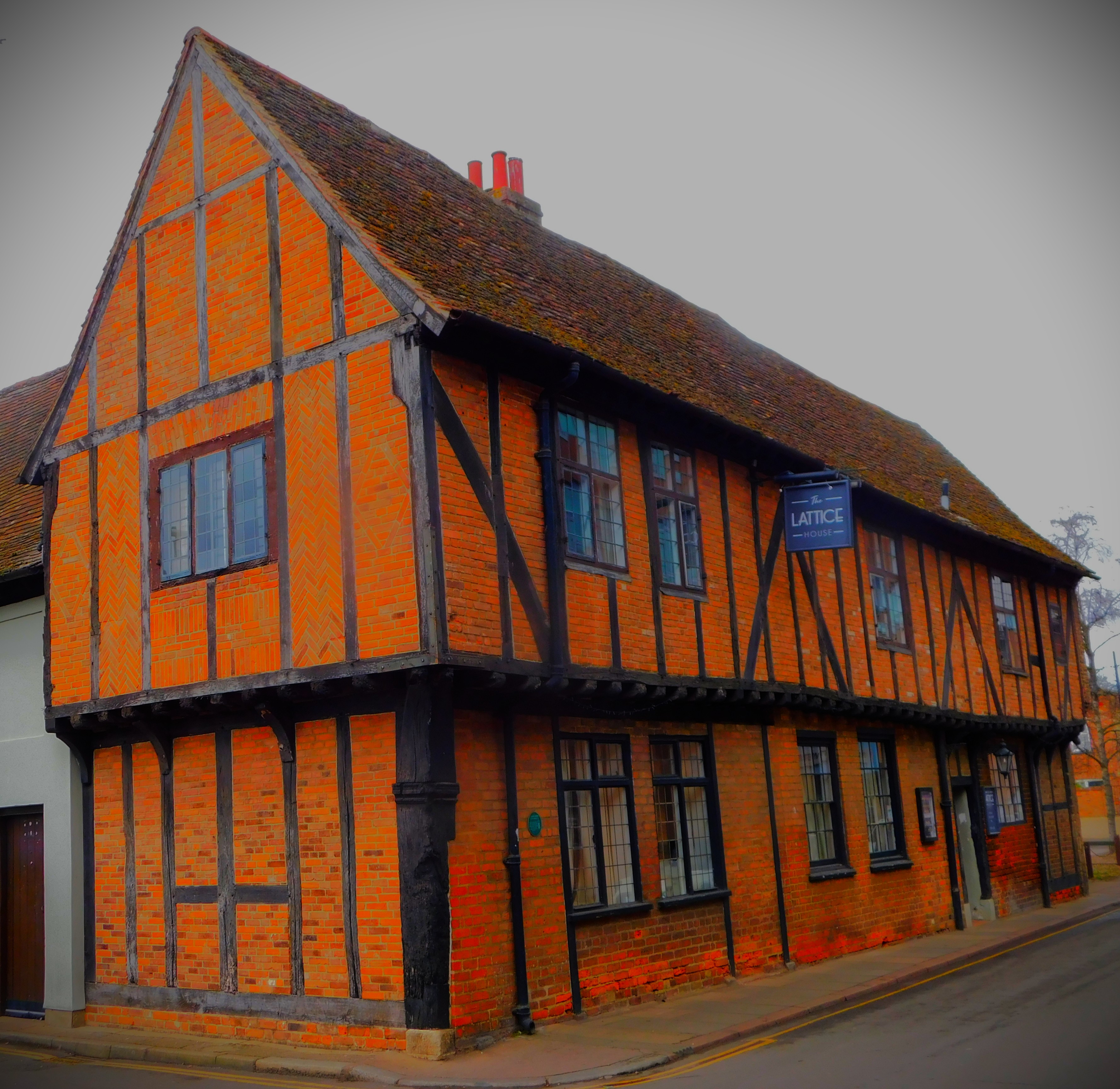
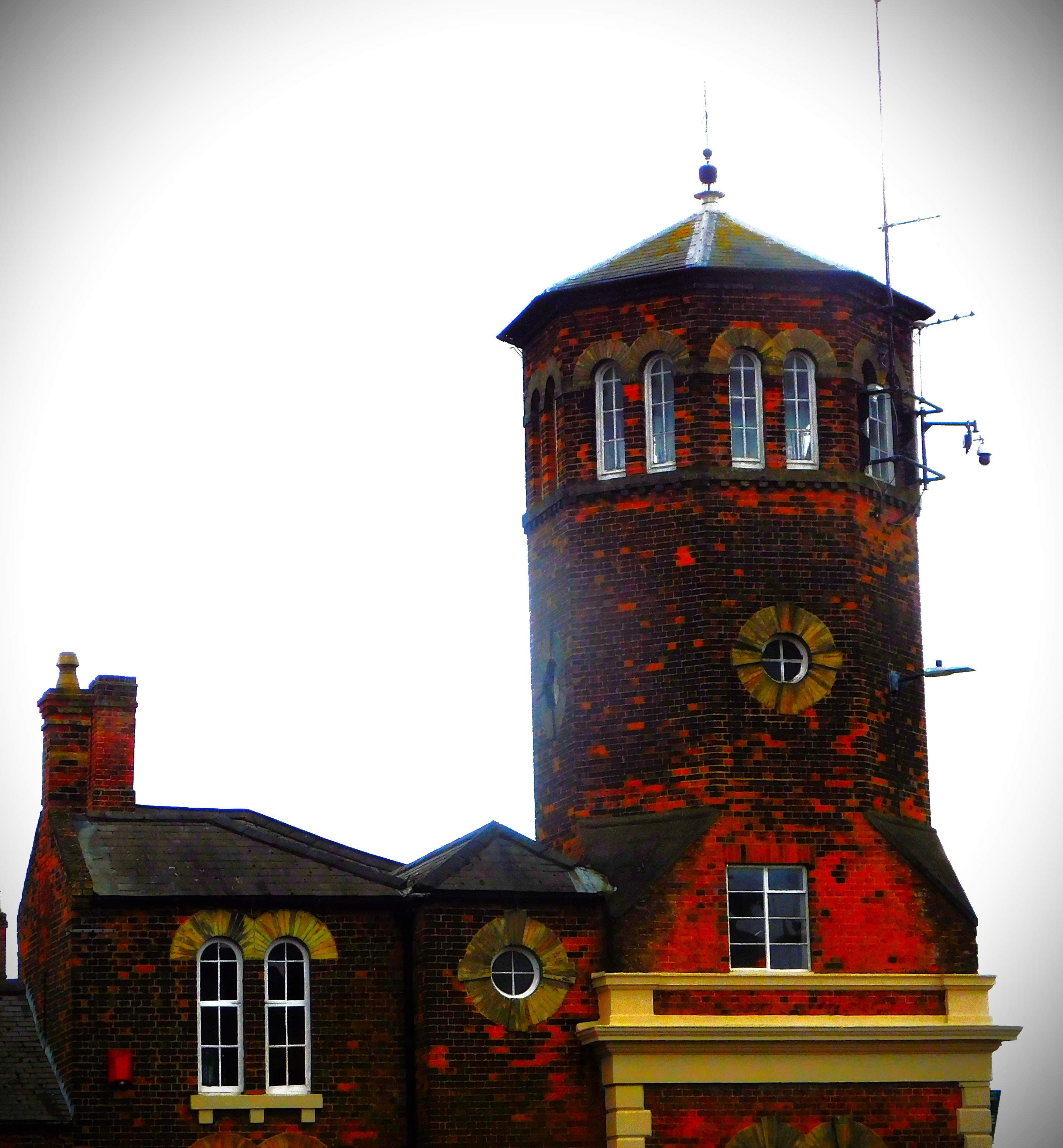
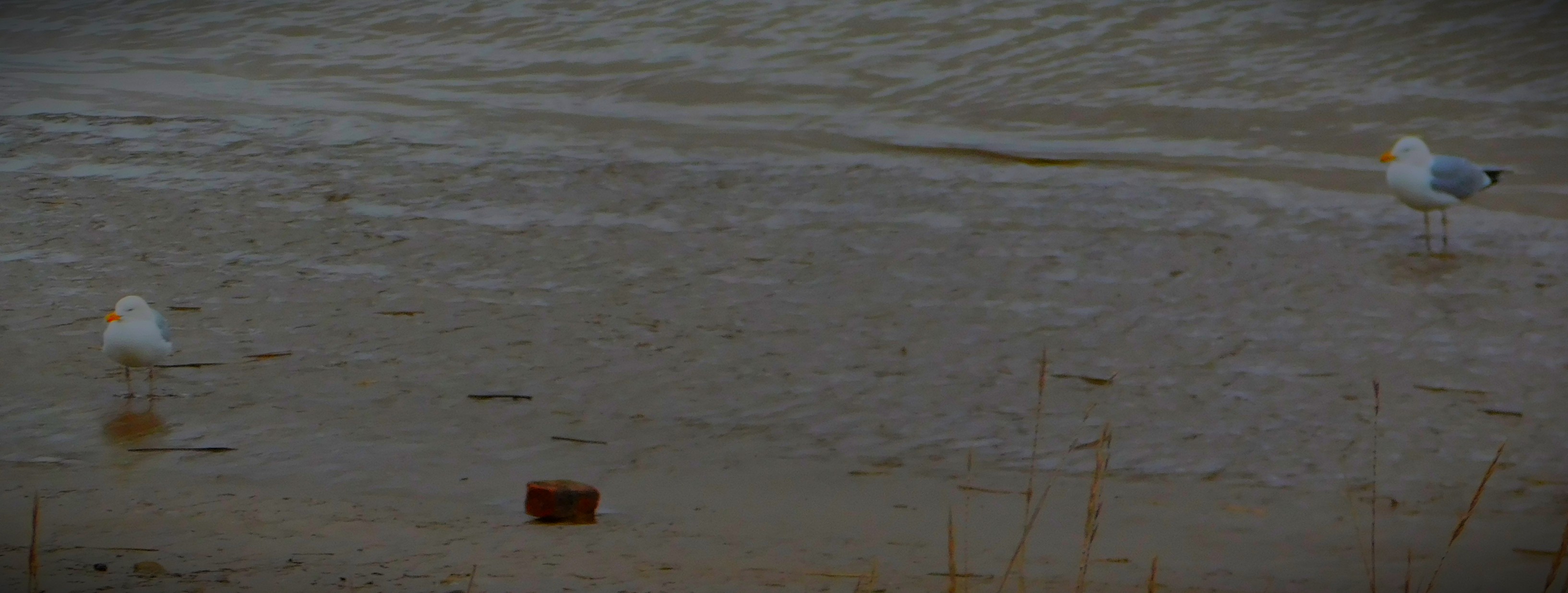
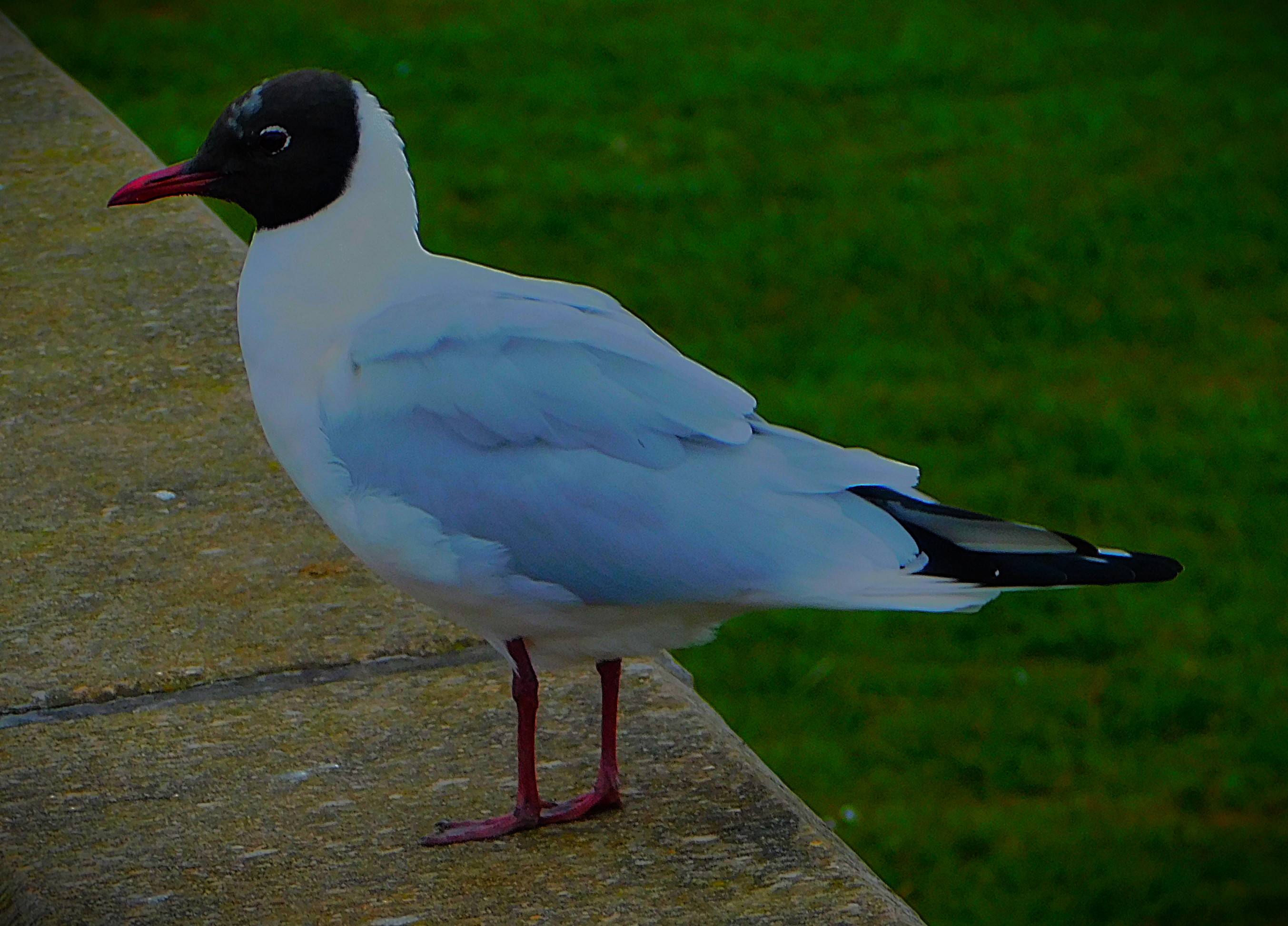
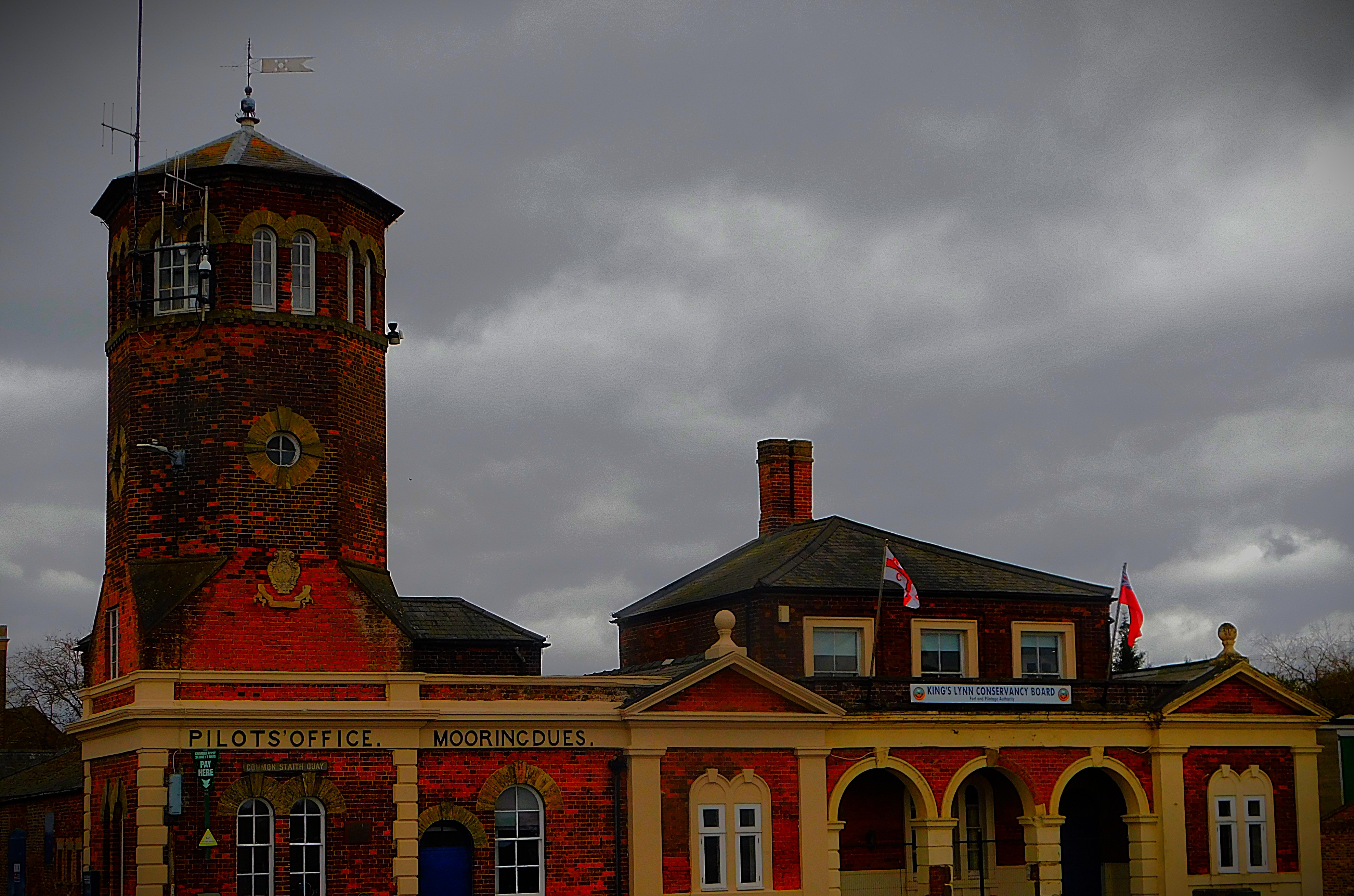
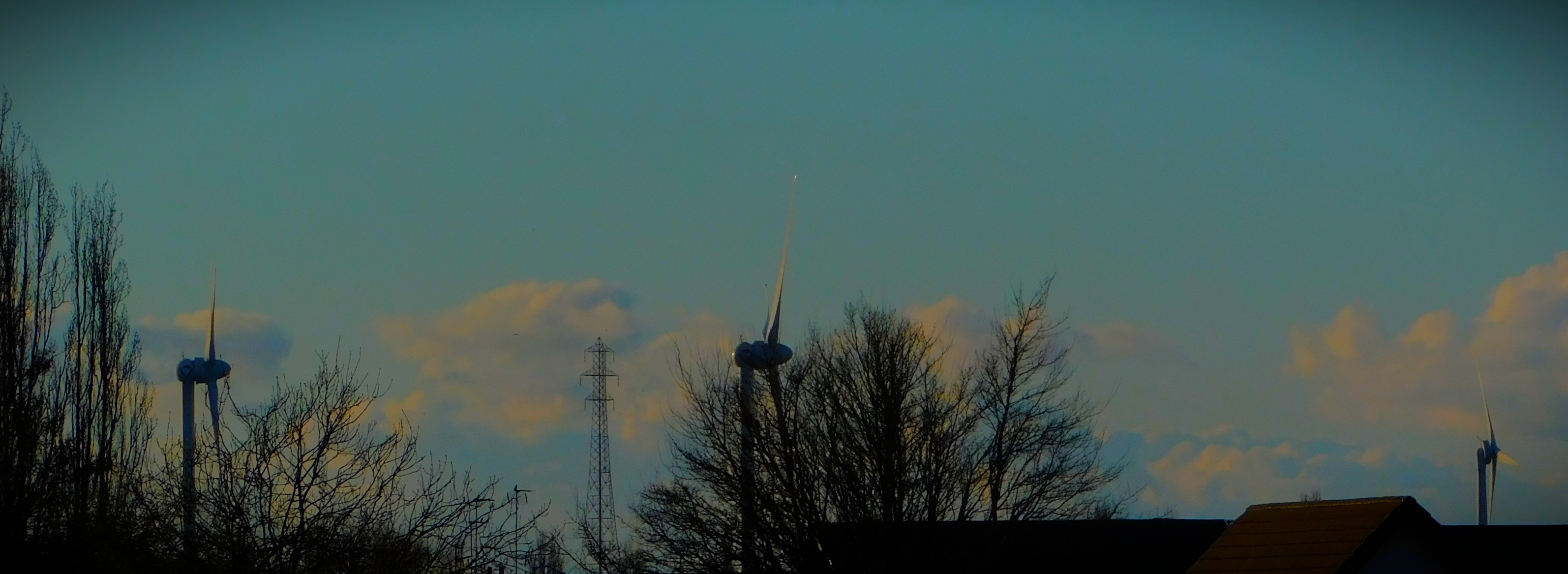
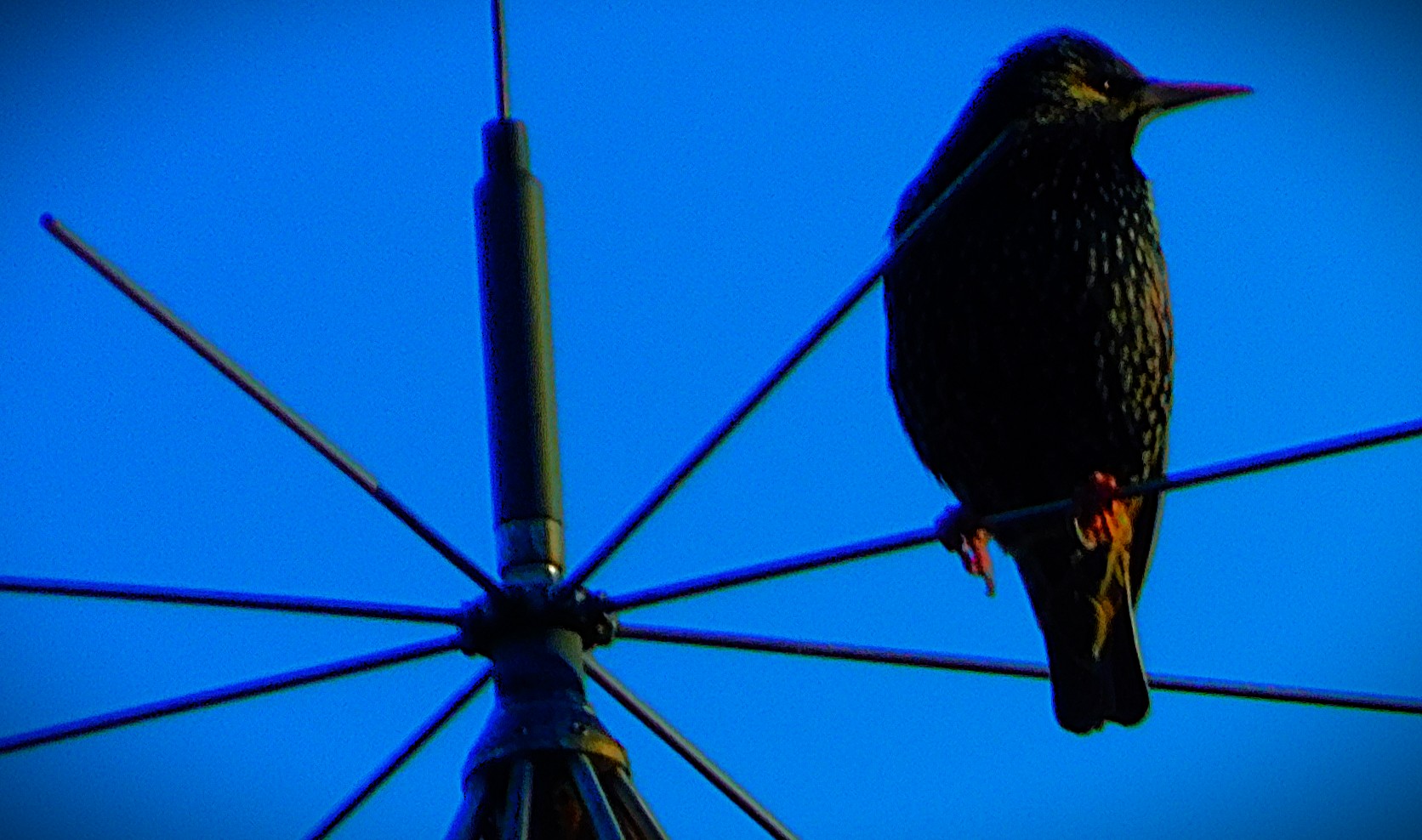
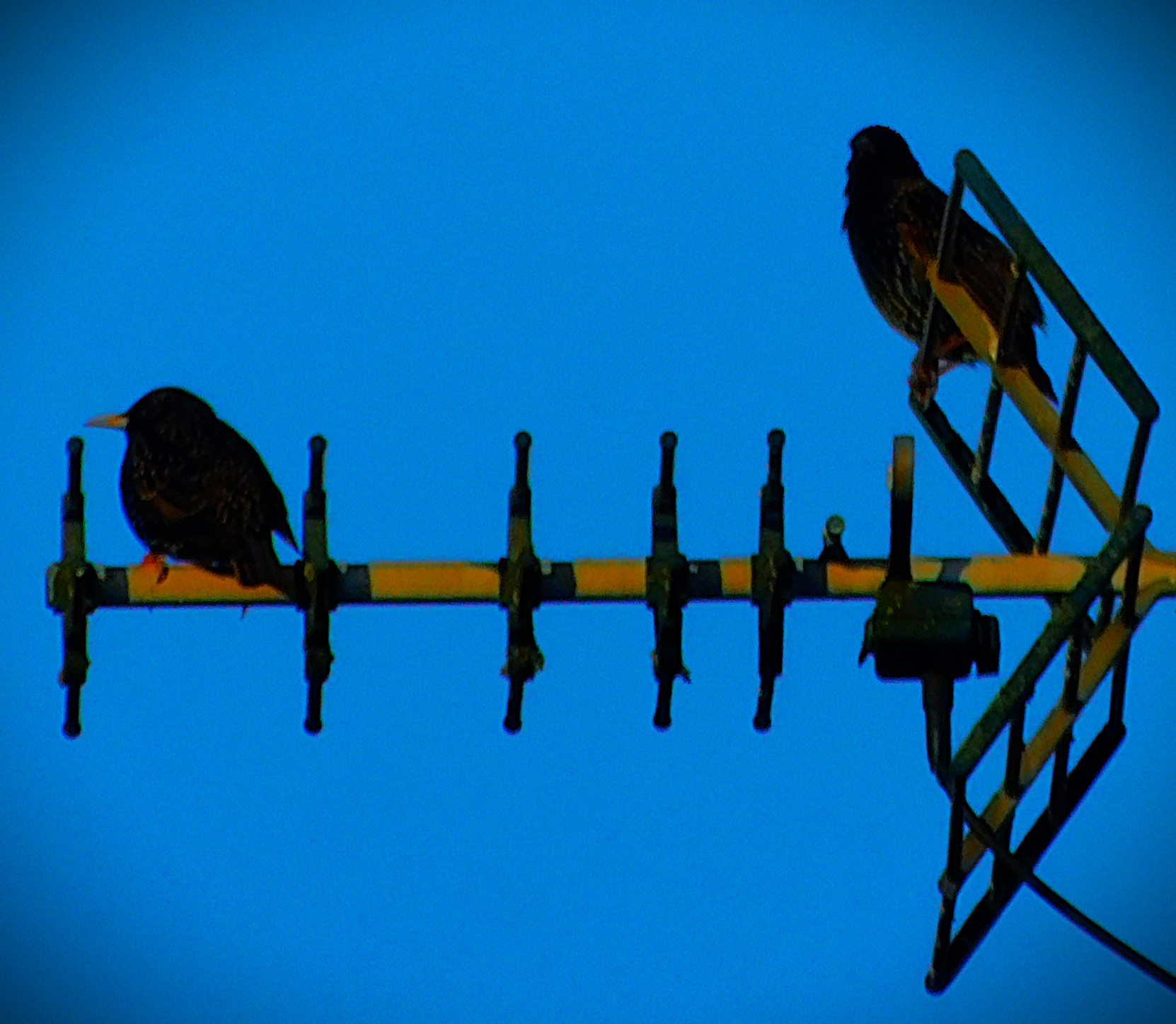
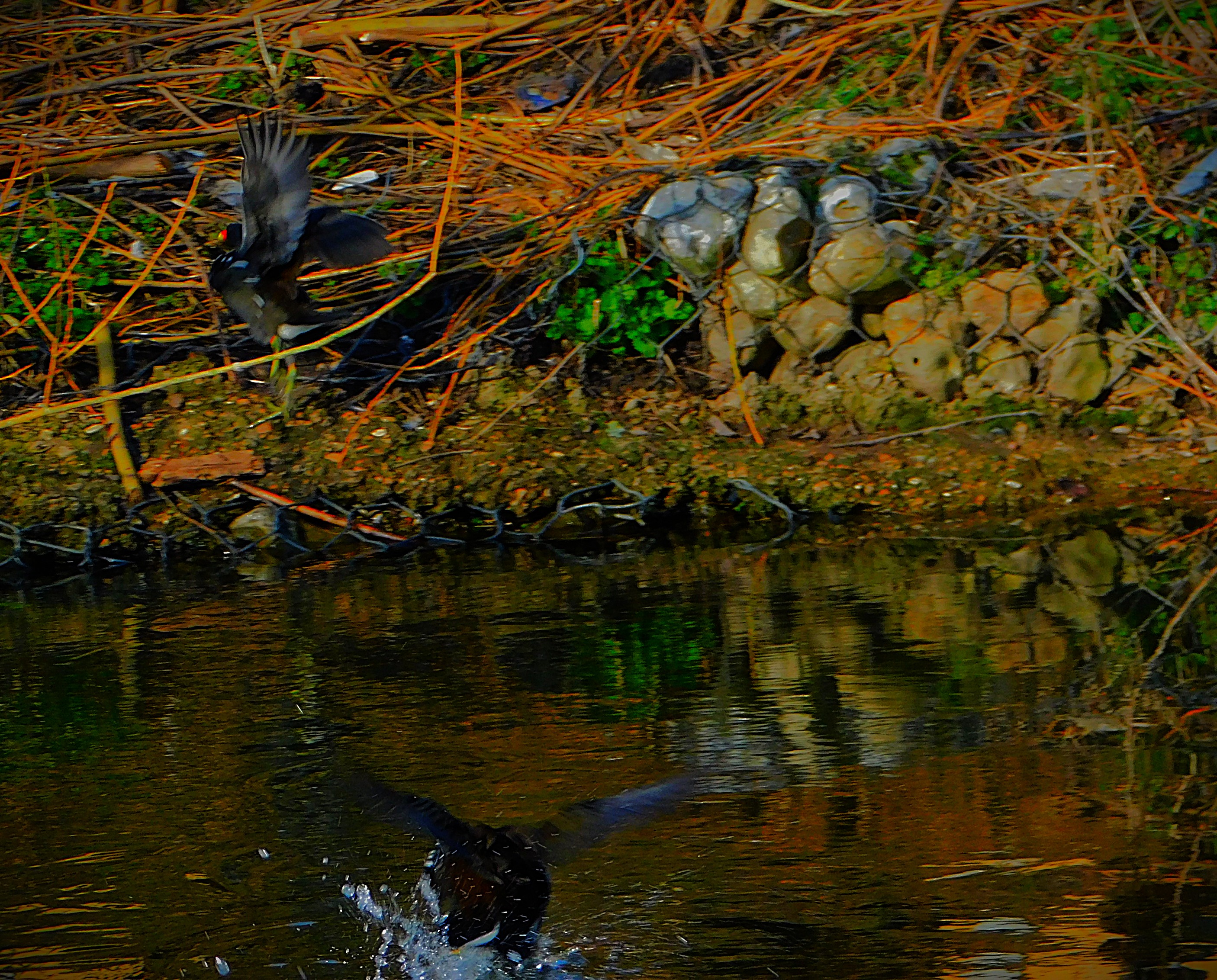
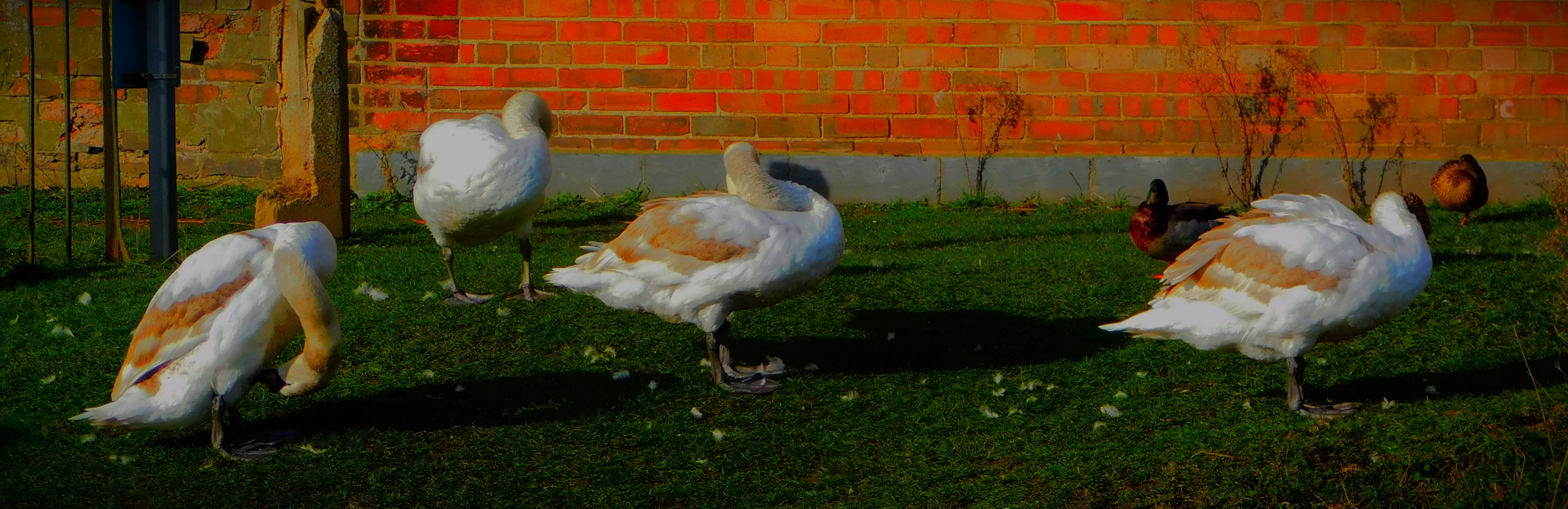
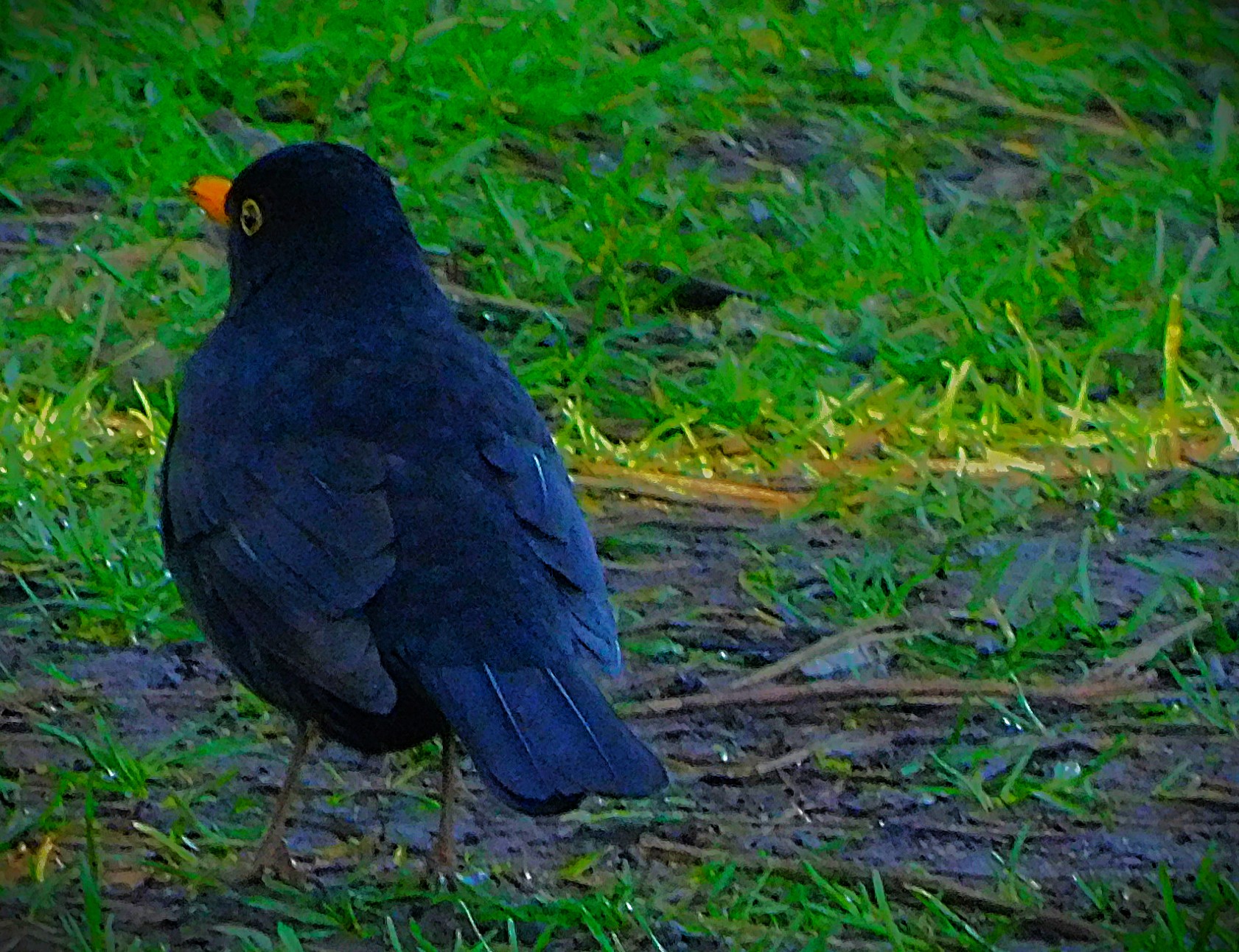
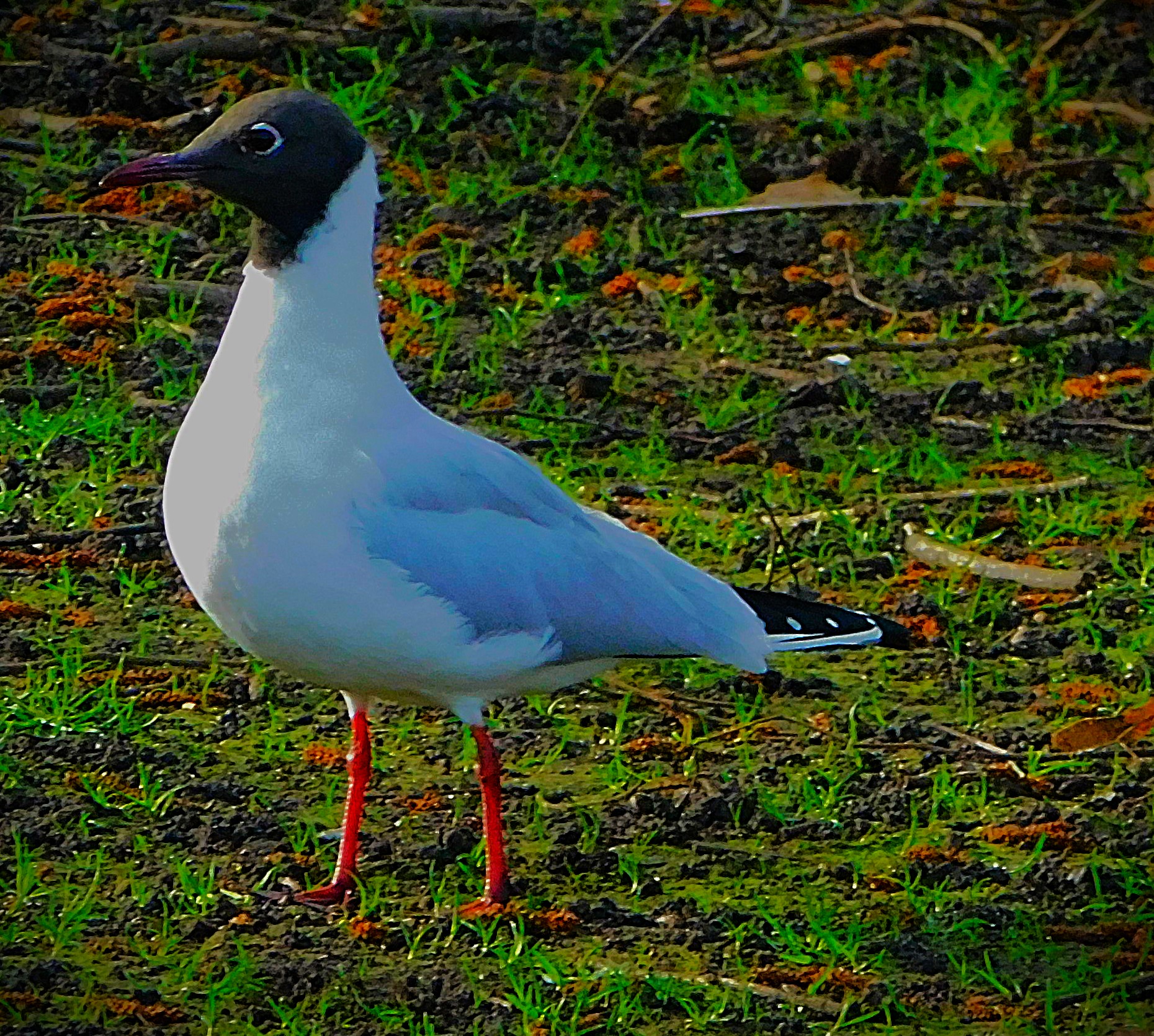
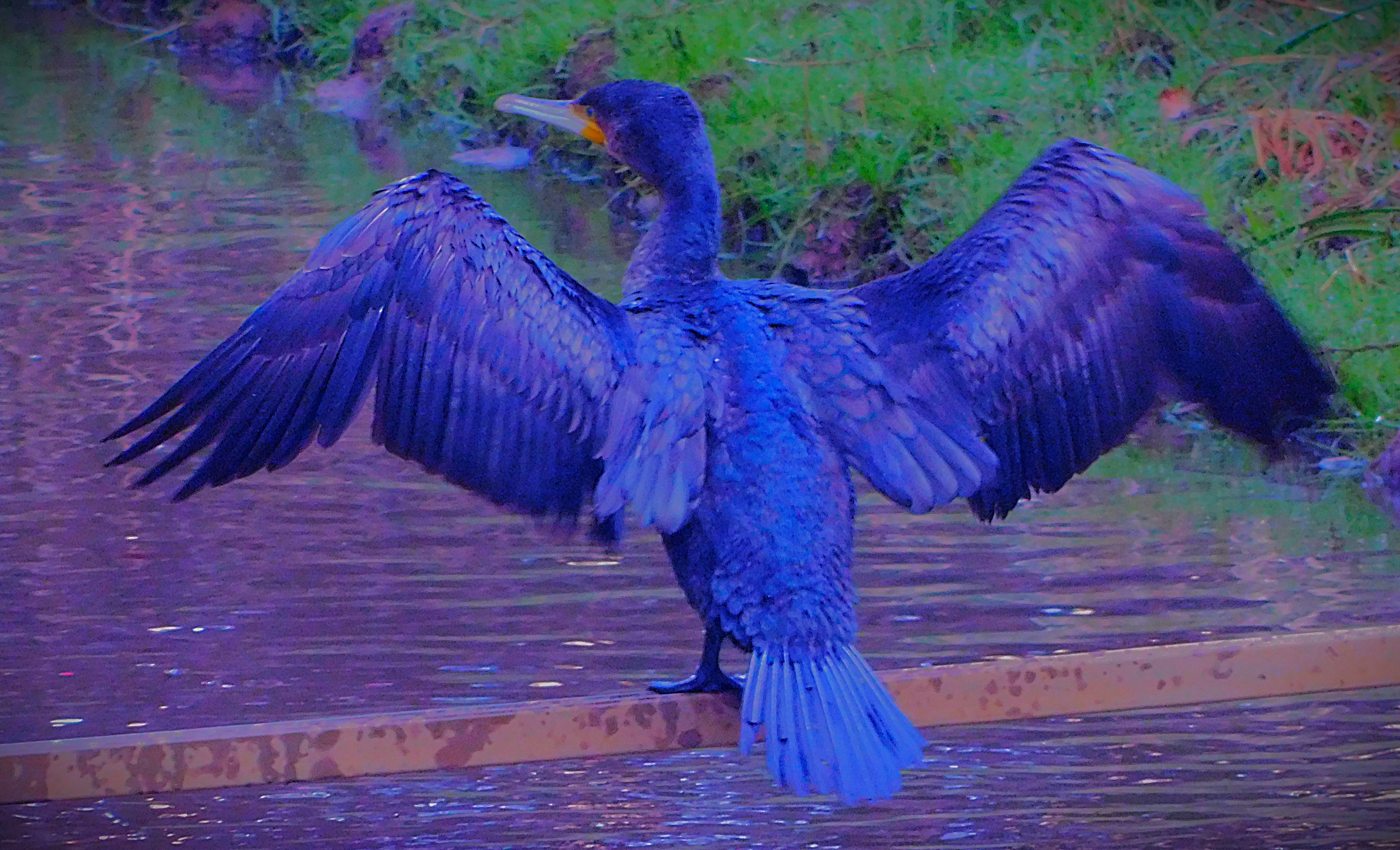
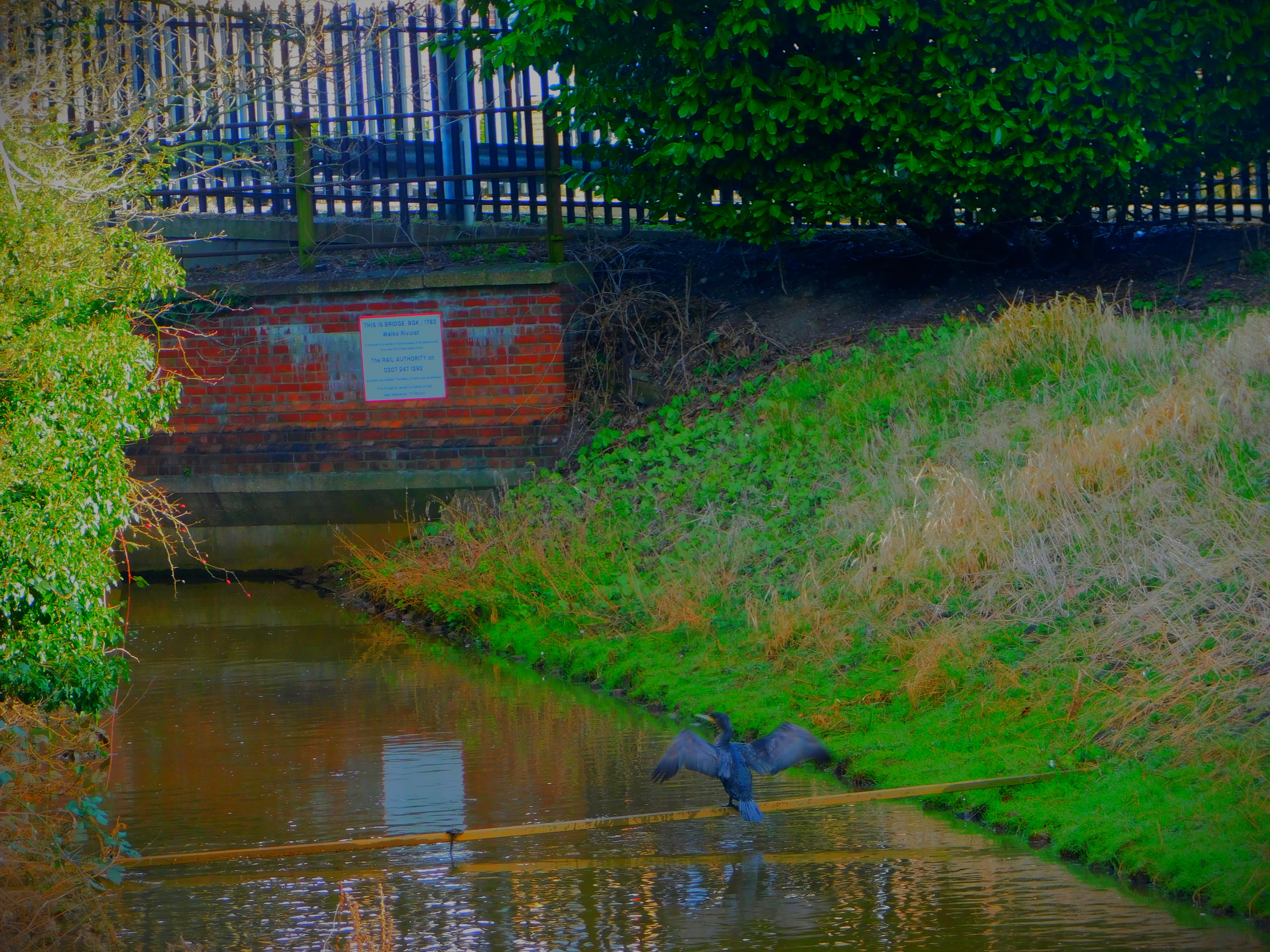
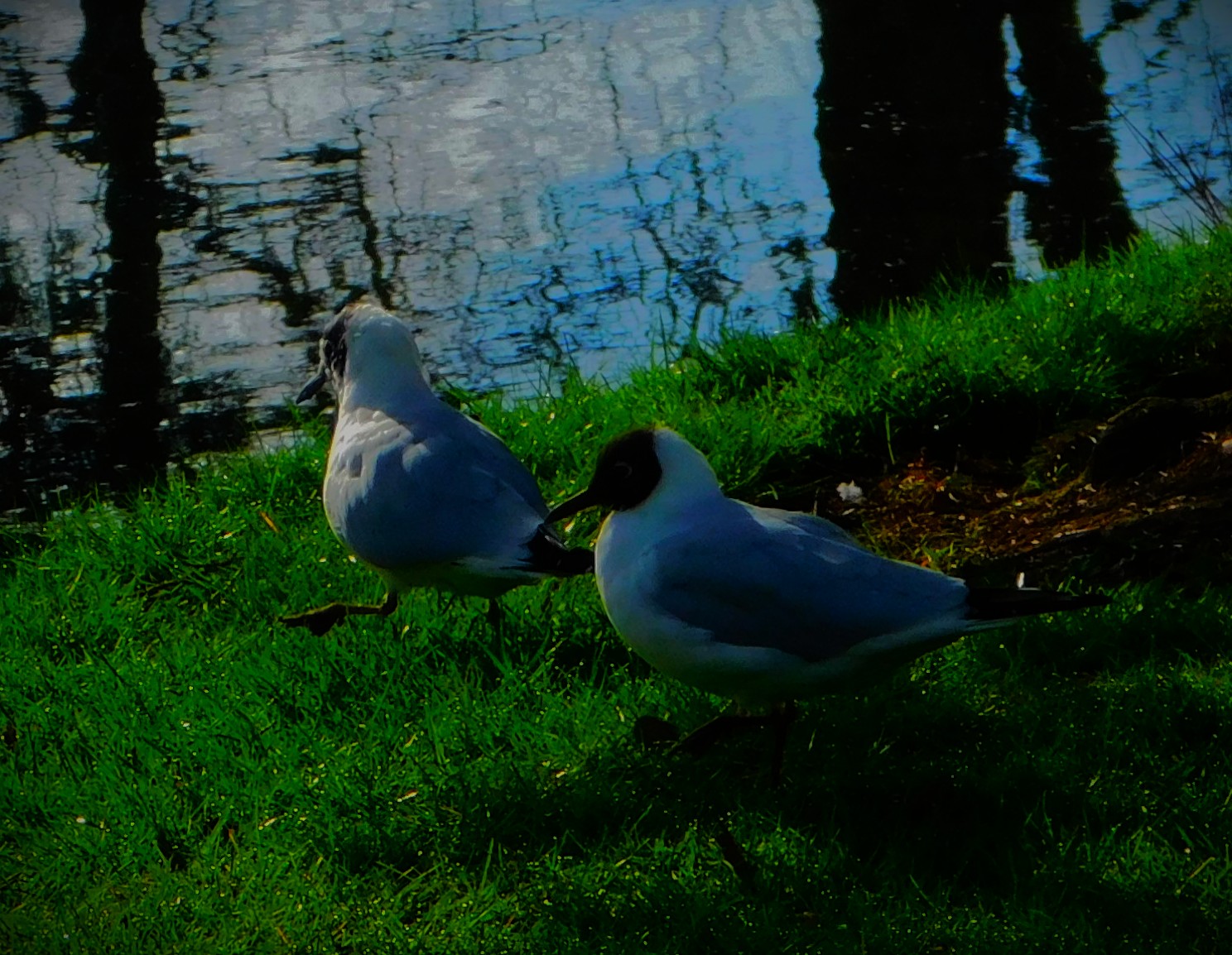
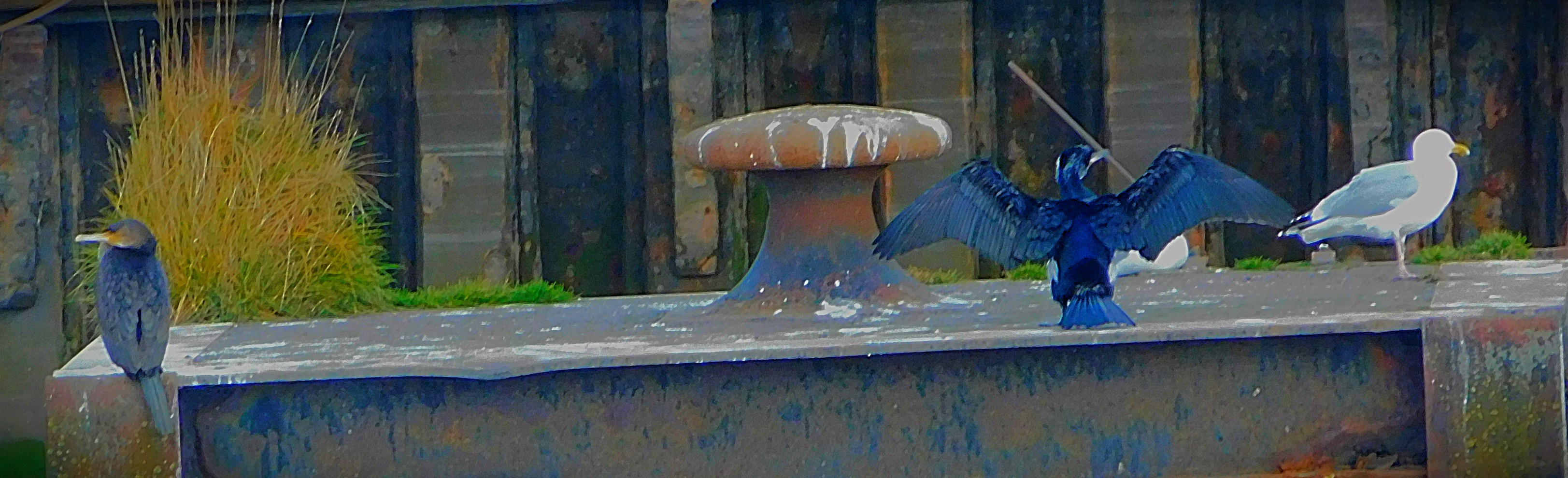
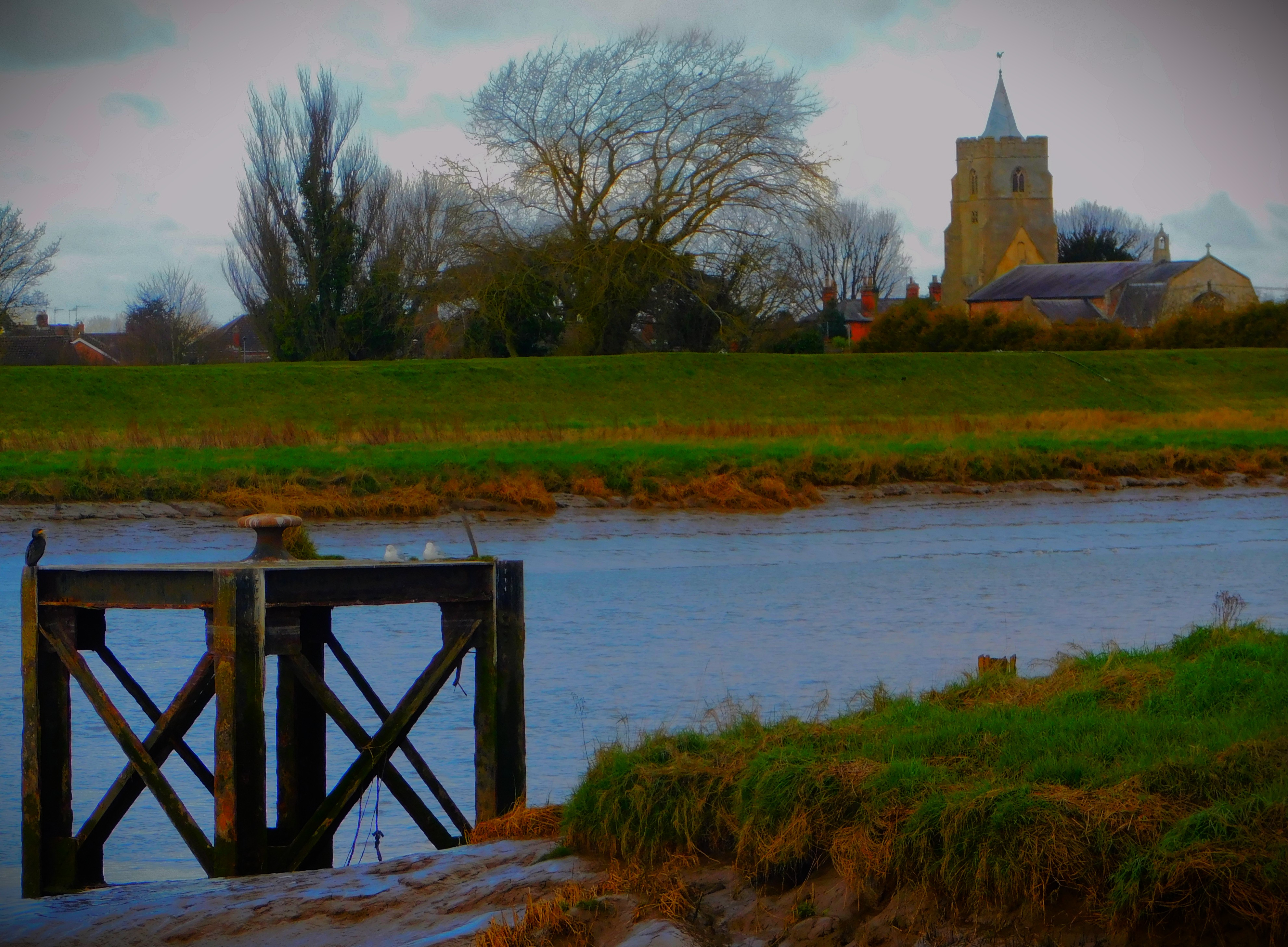
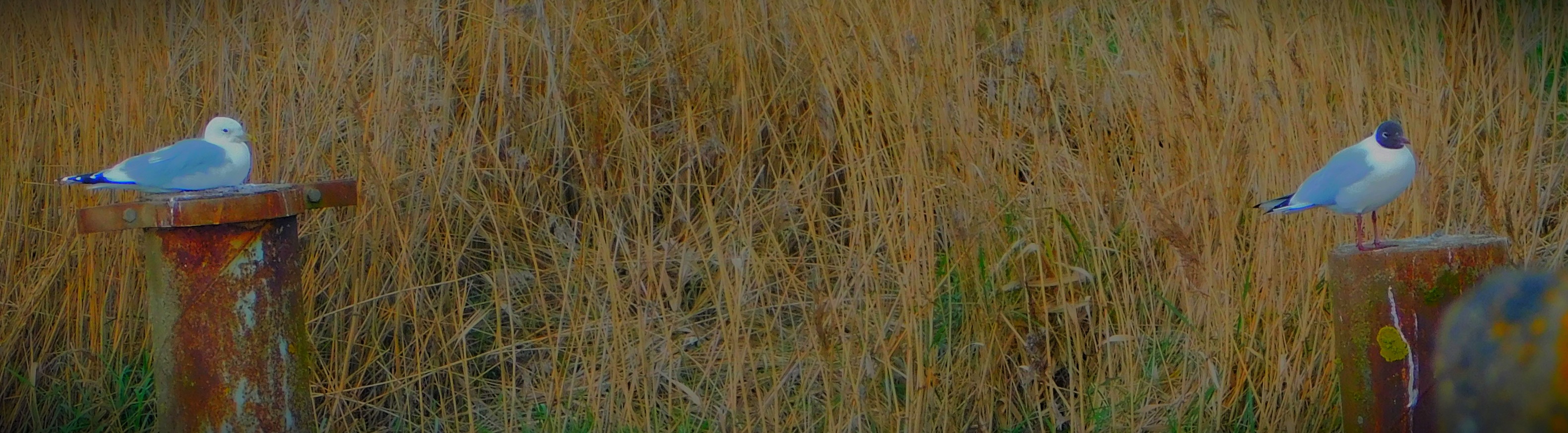
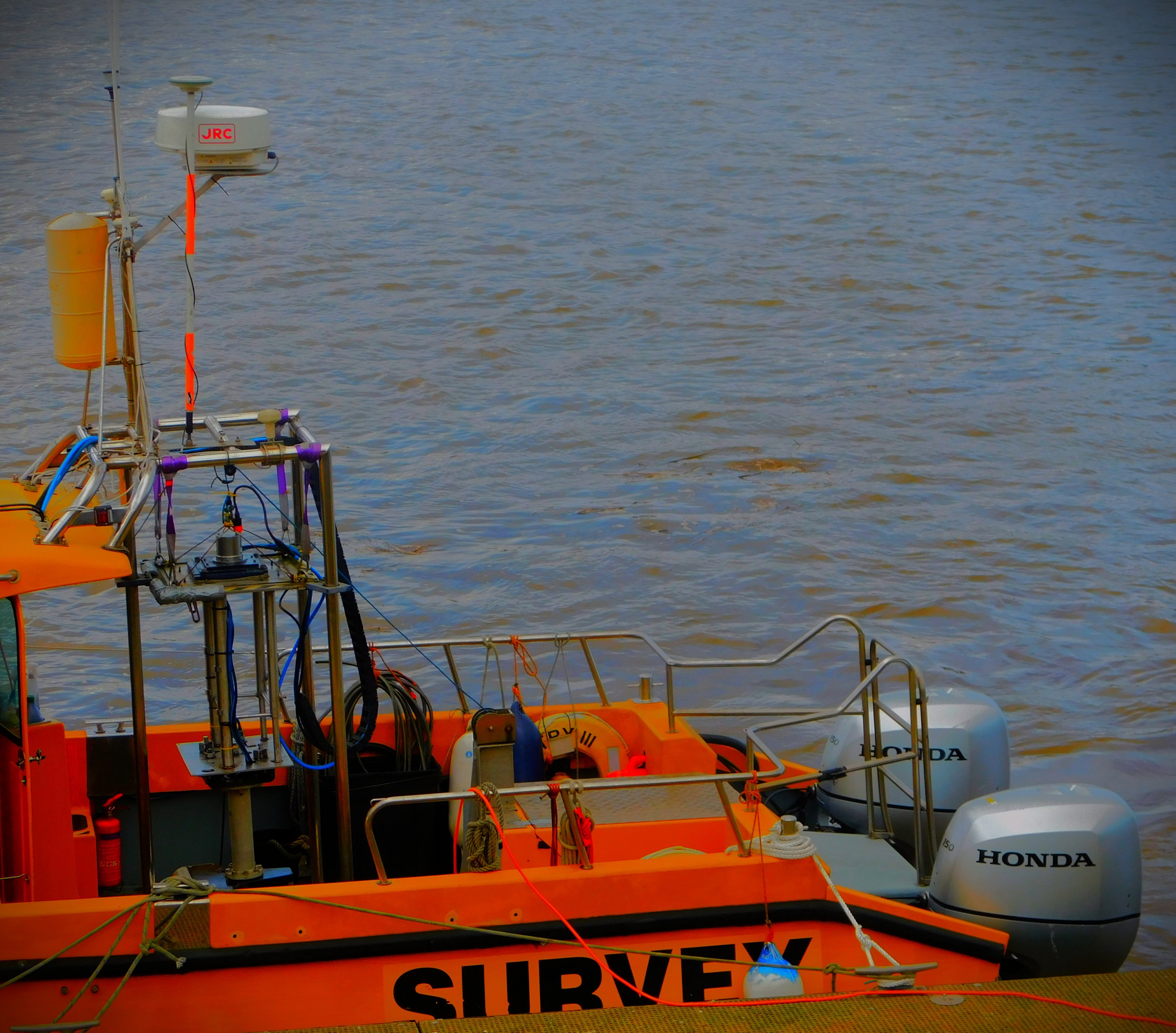
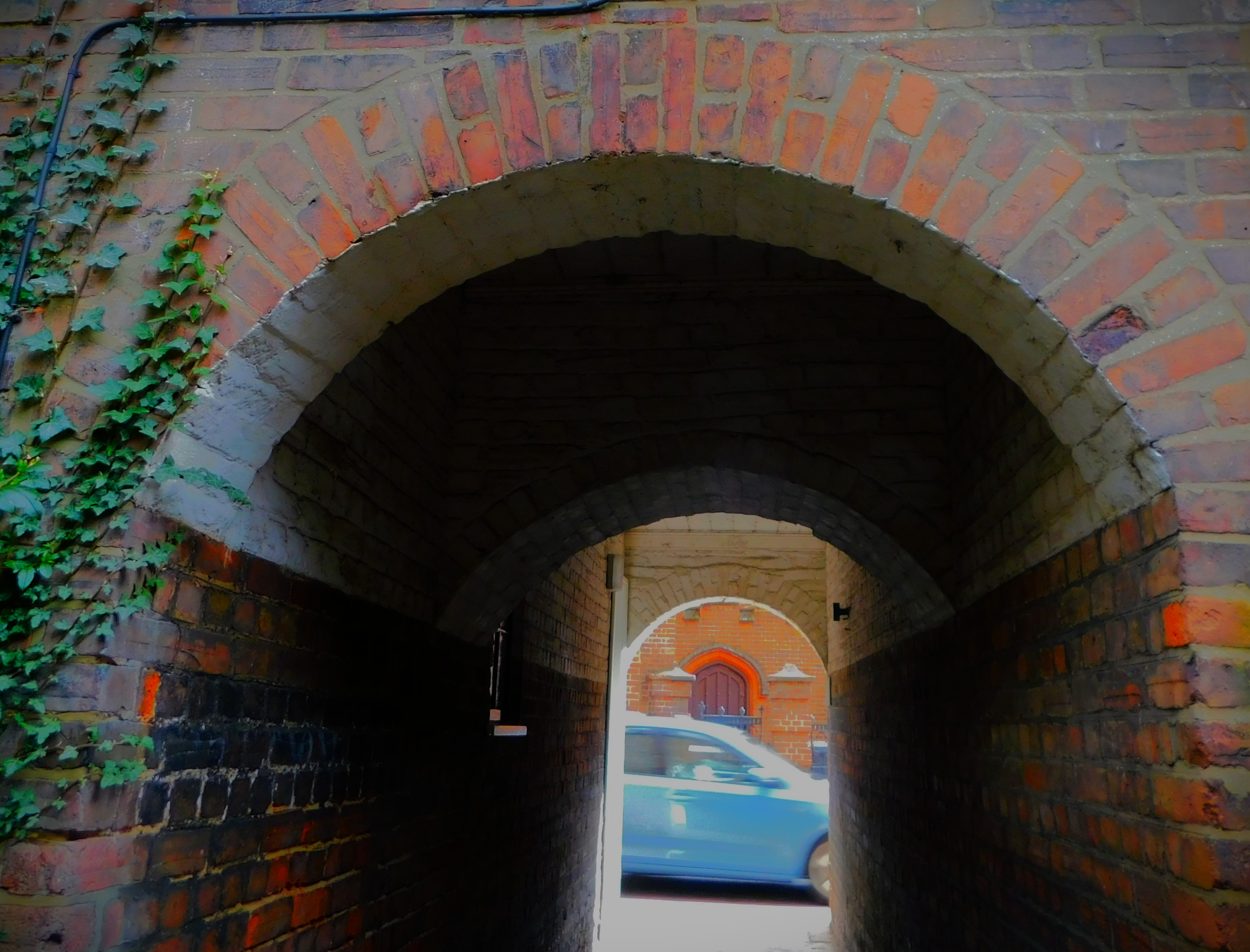
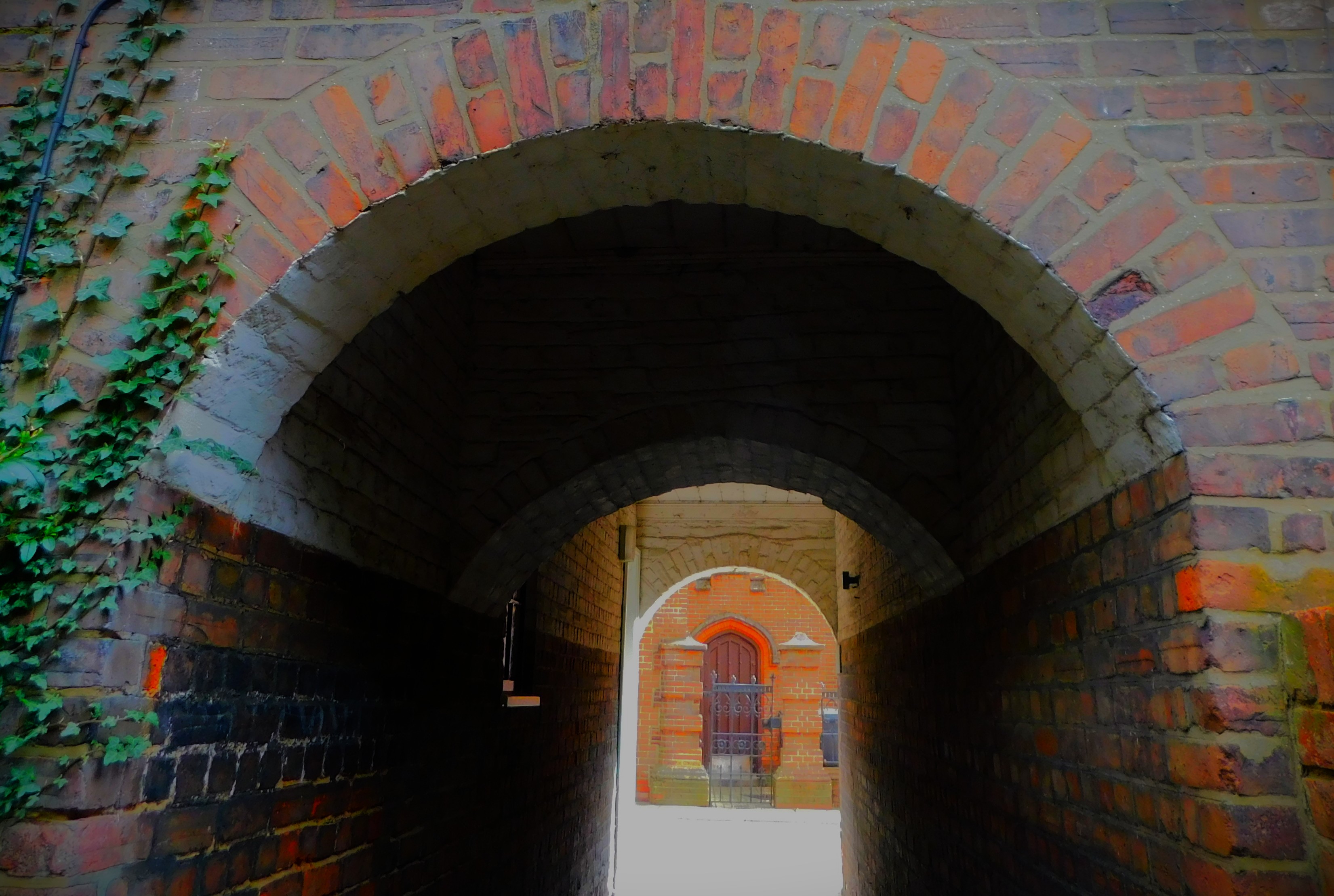
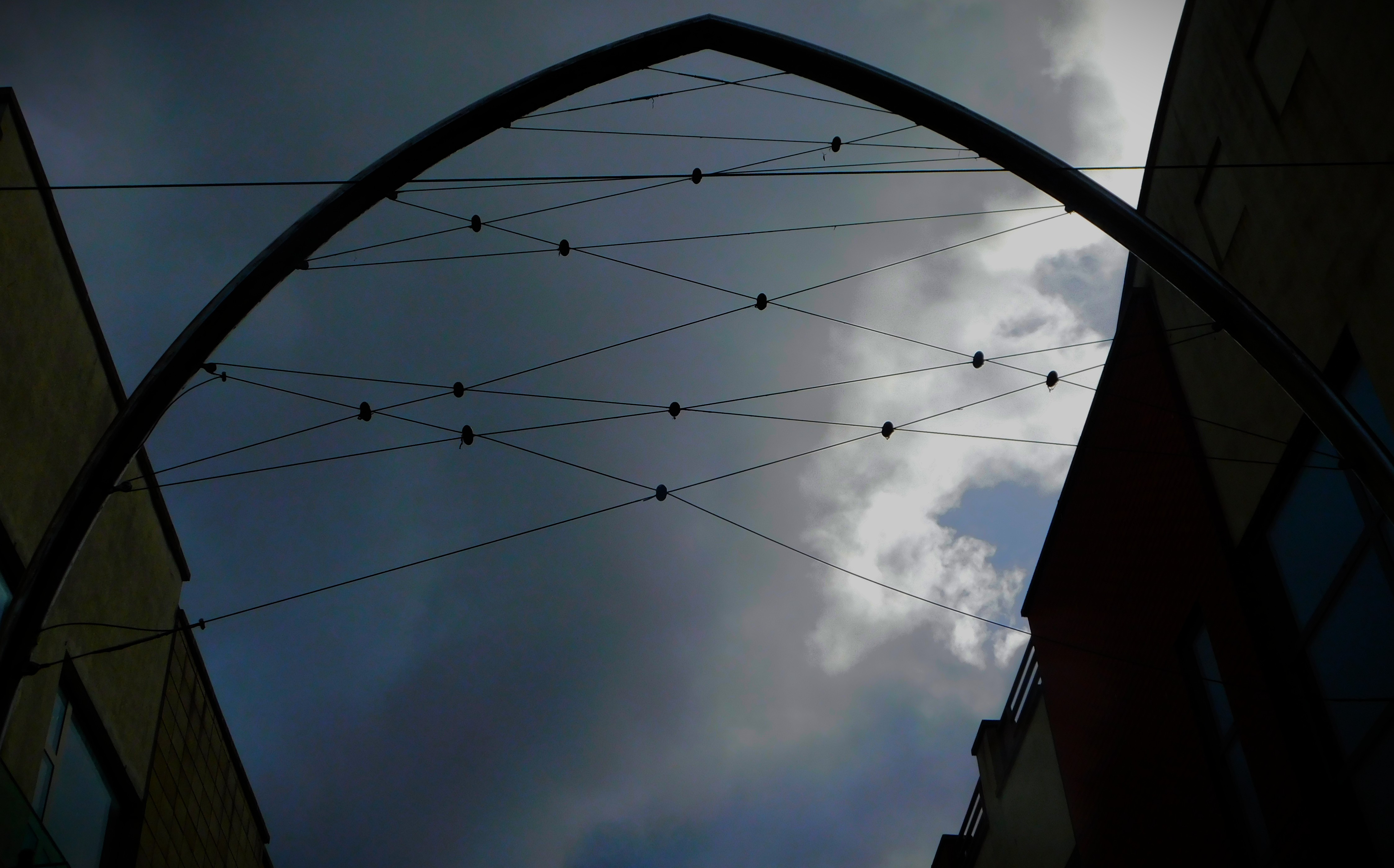
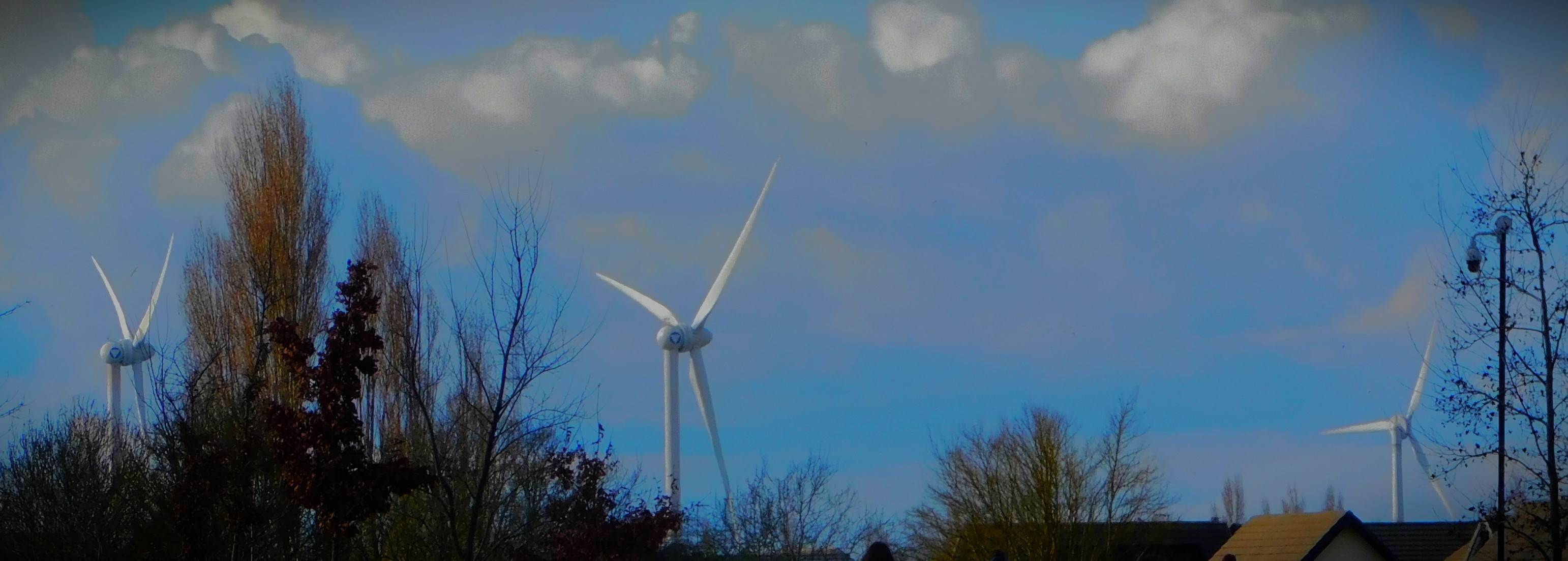
Photographs from Norfolk in springtime.

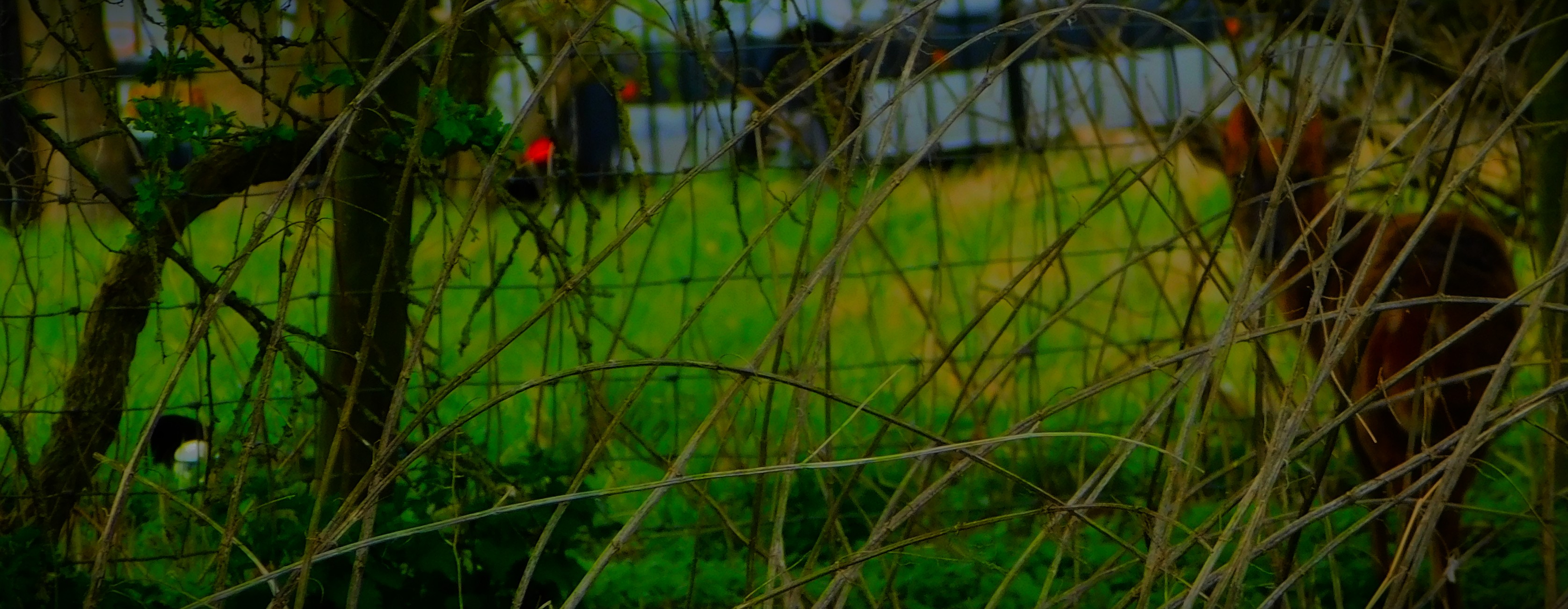
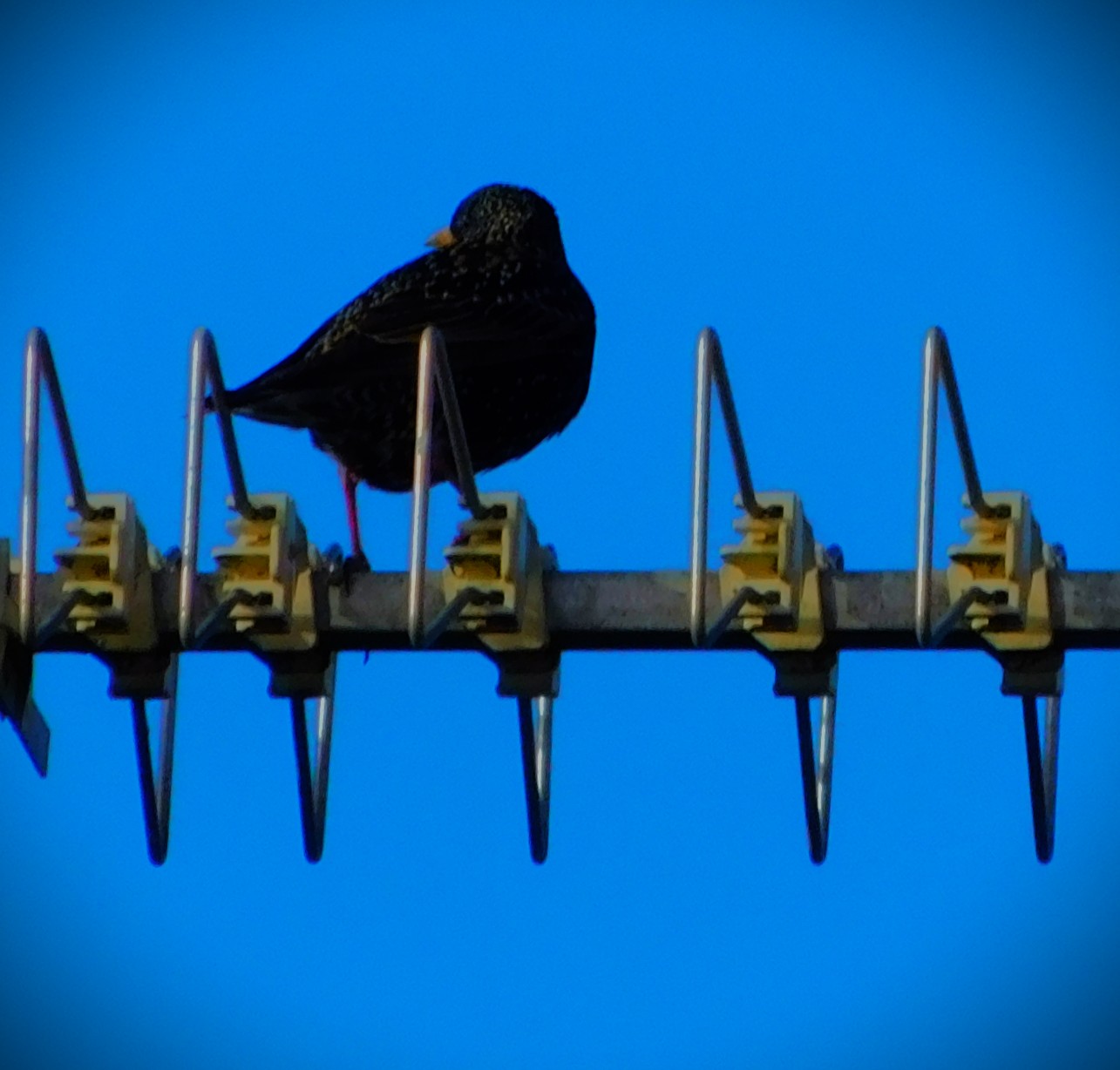
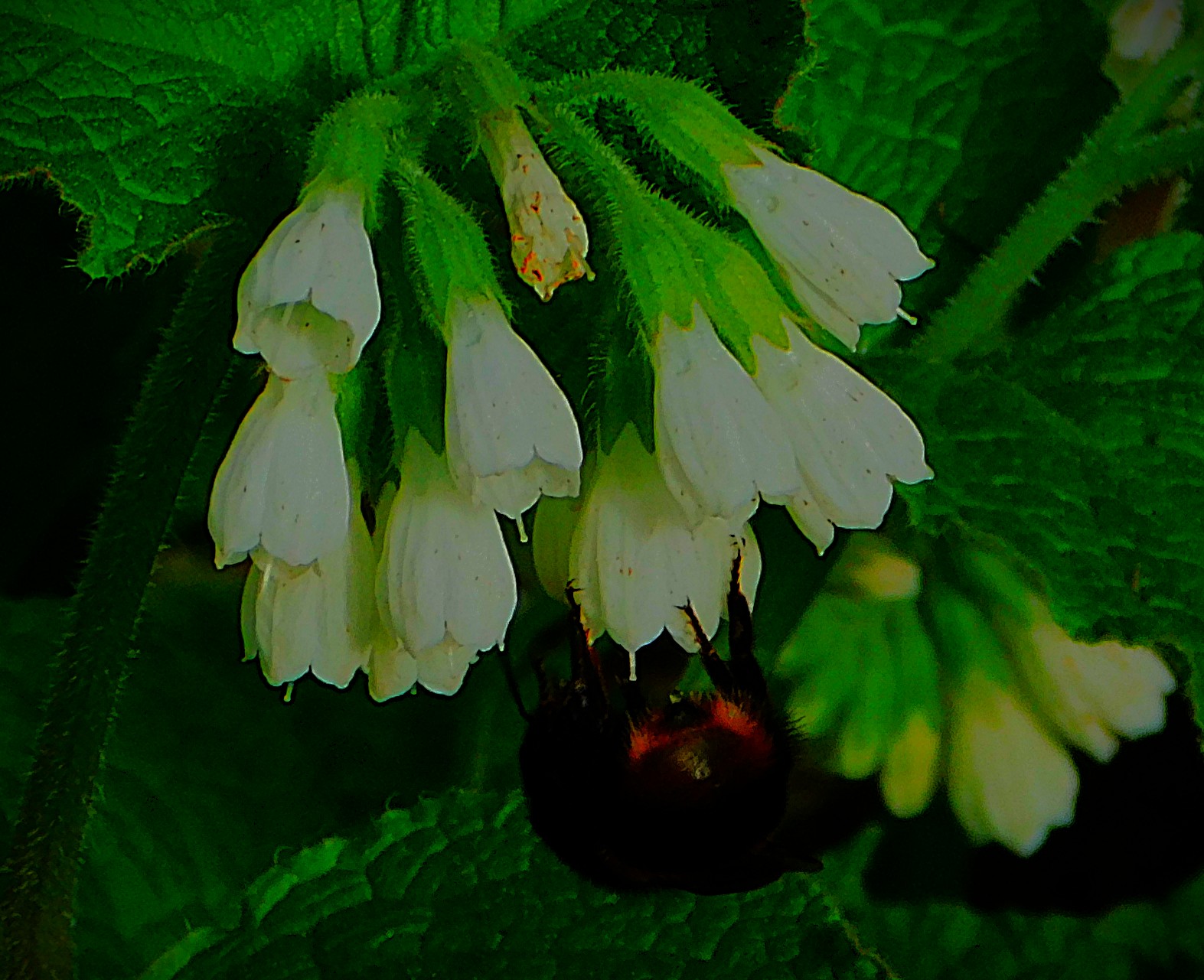
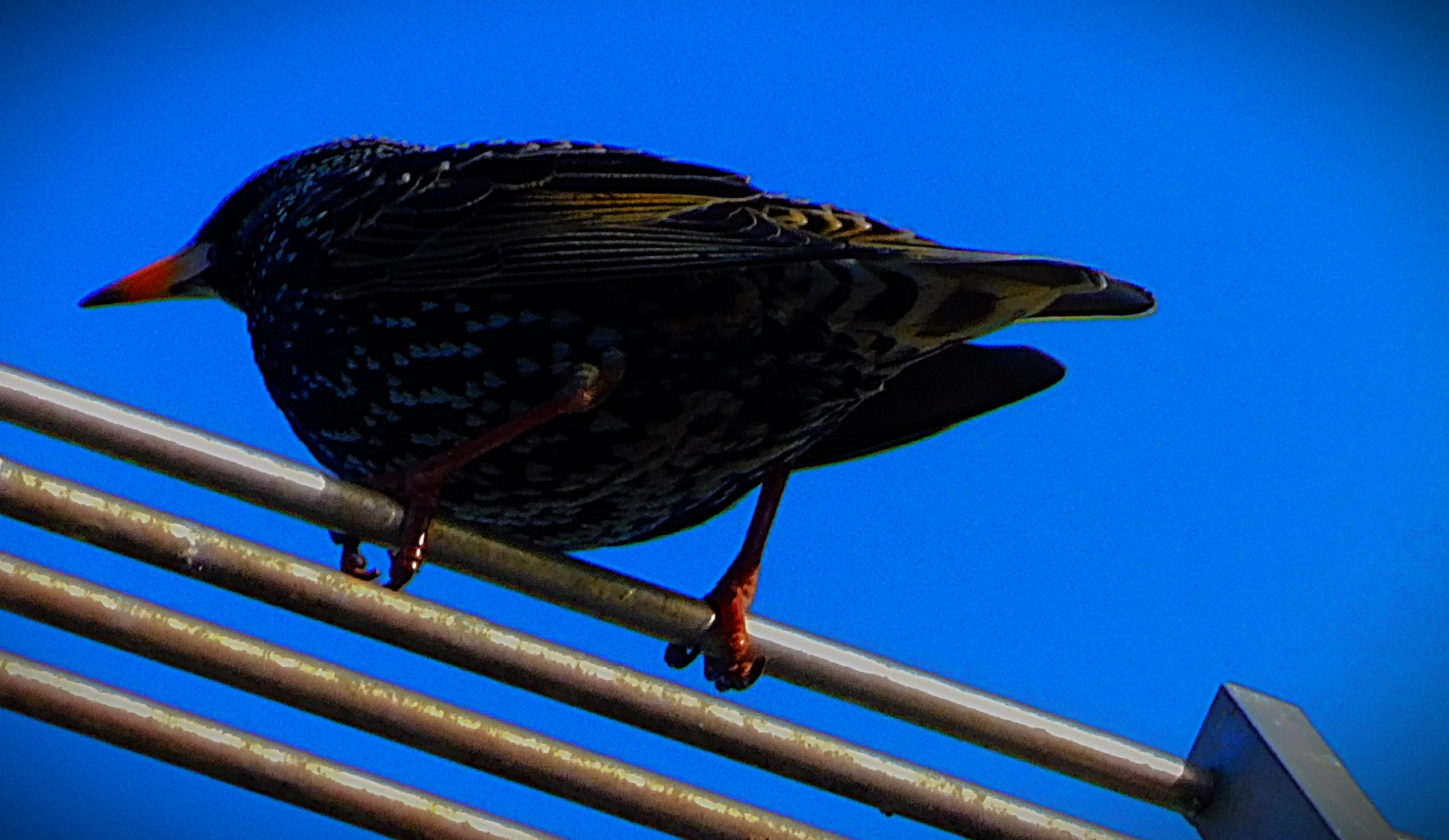
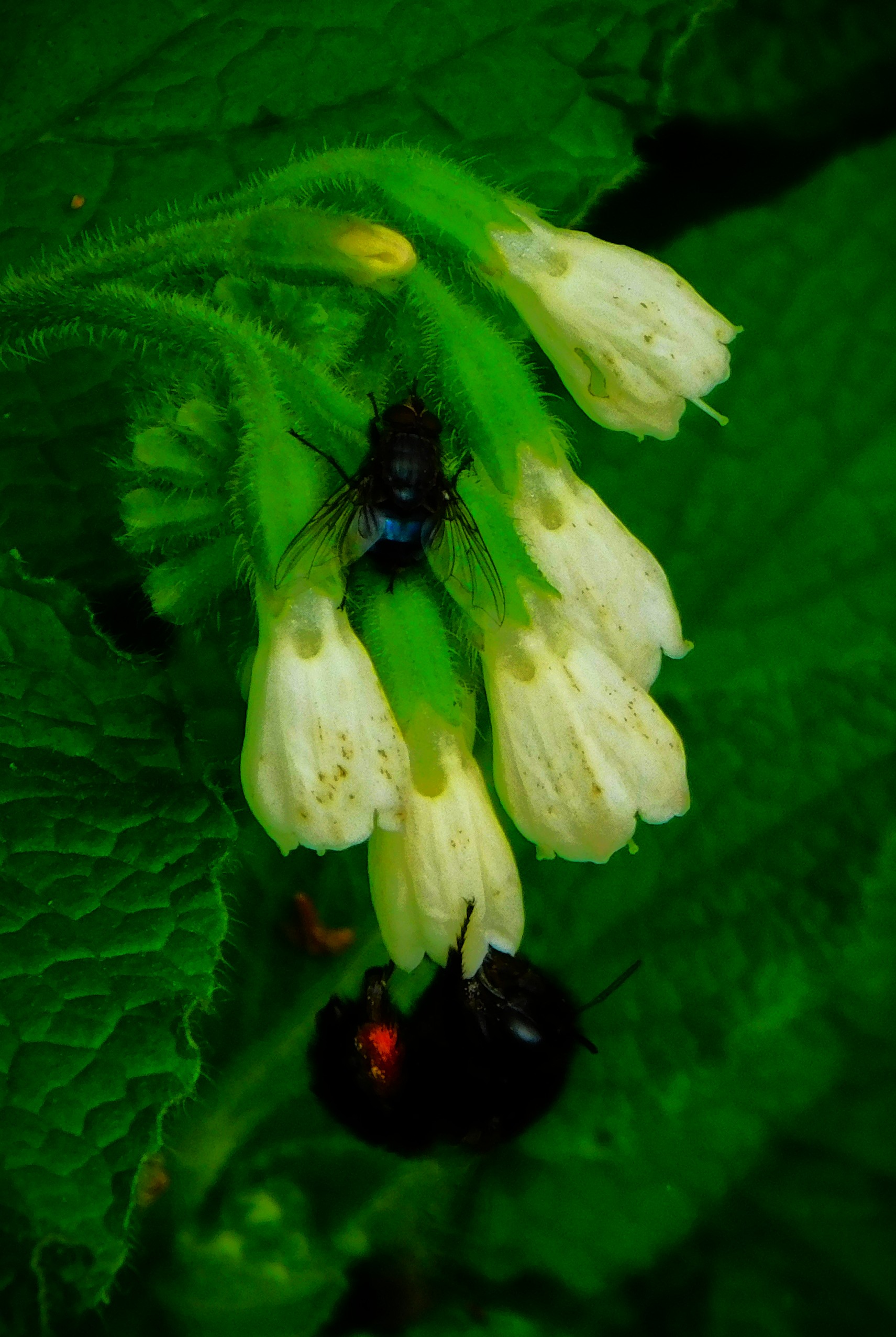
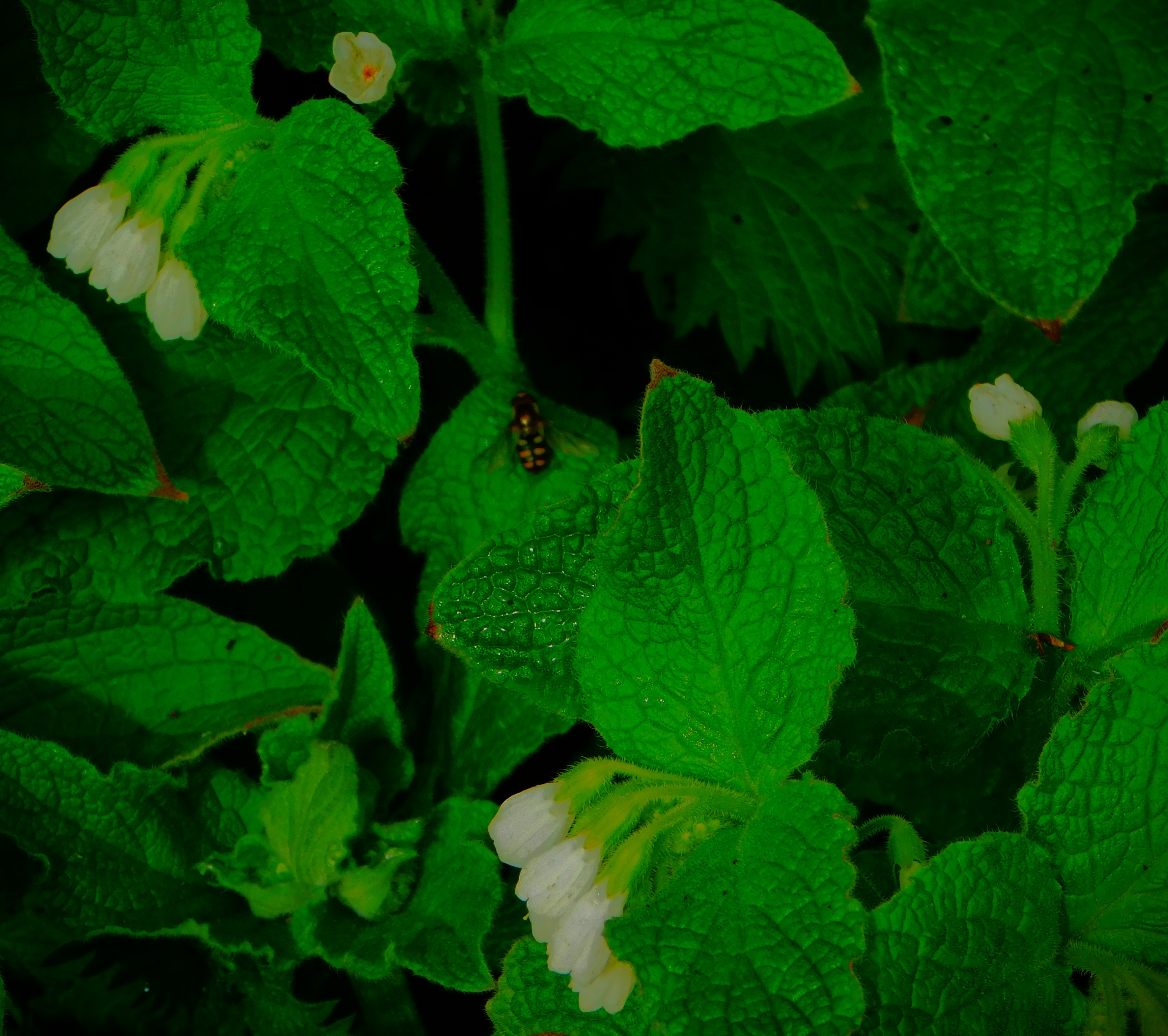
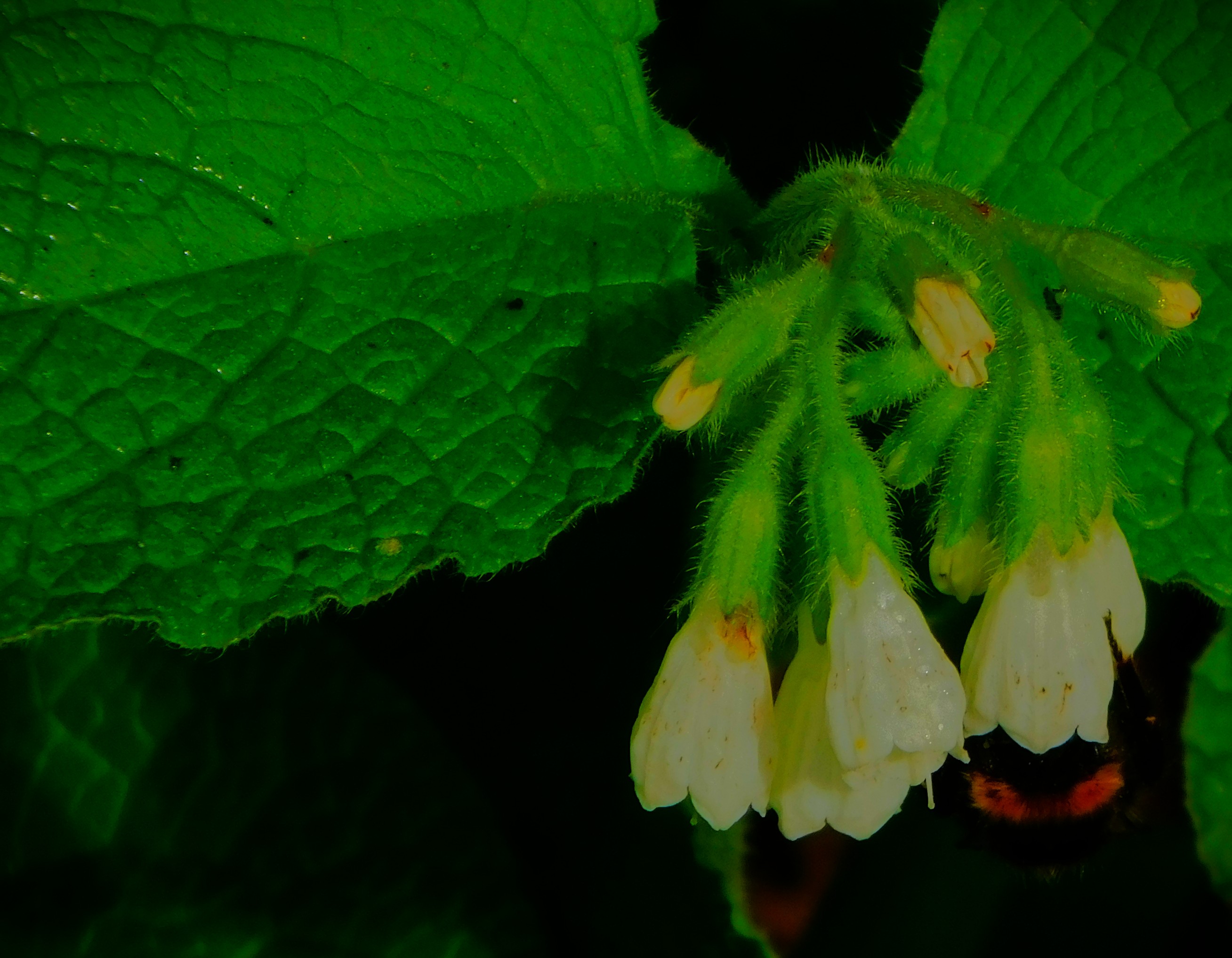
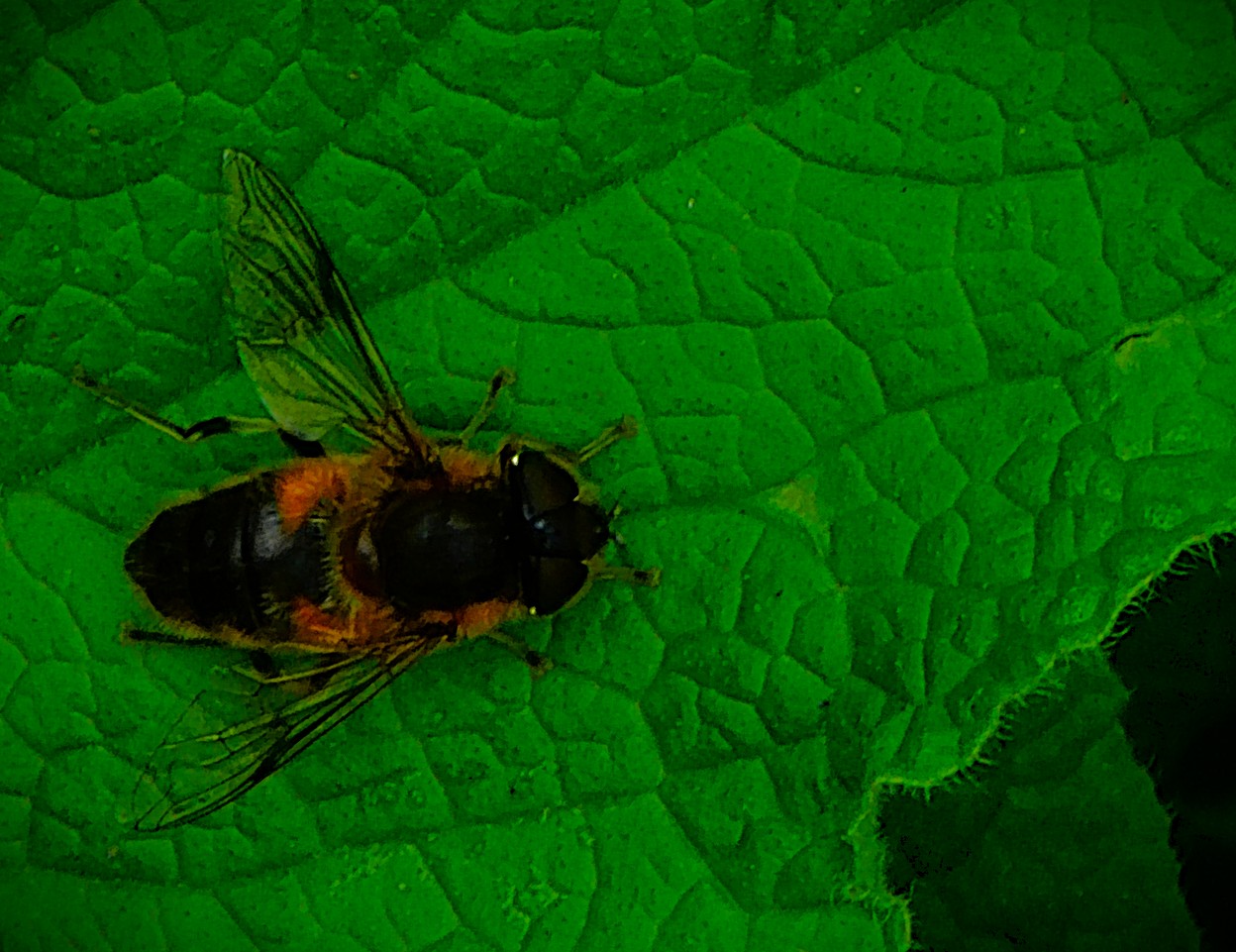
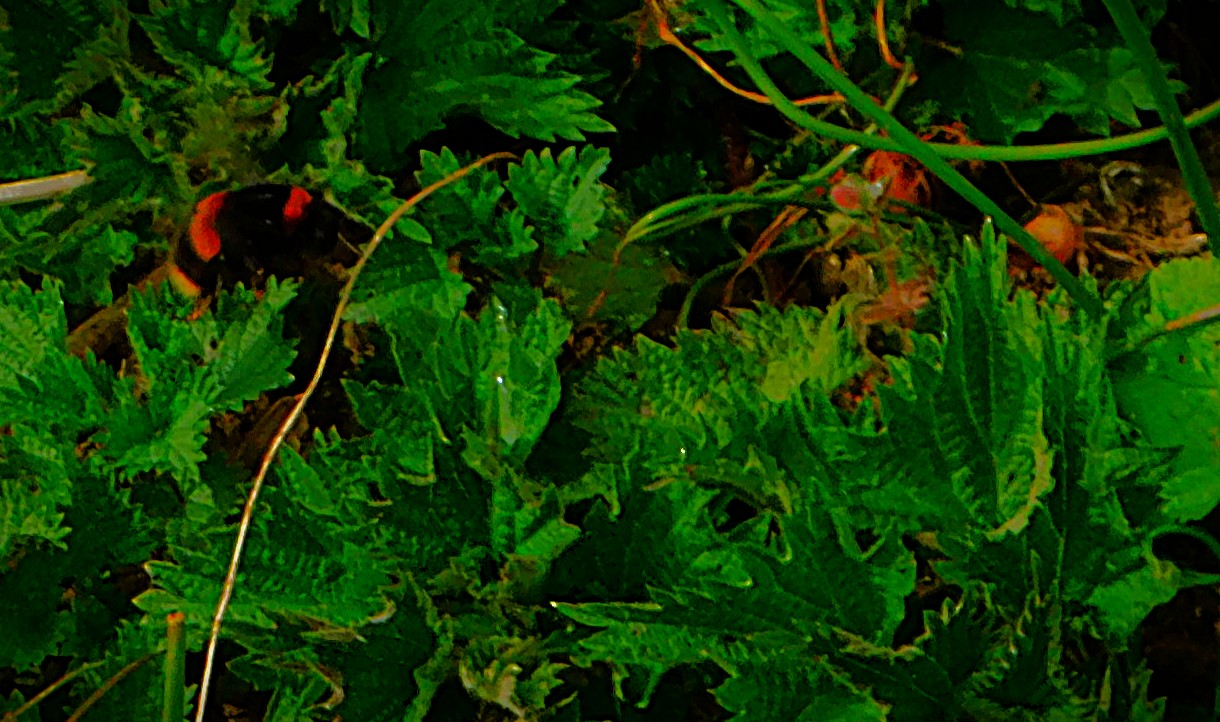
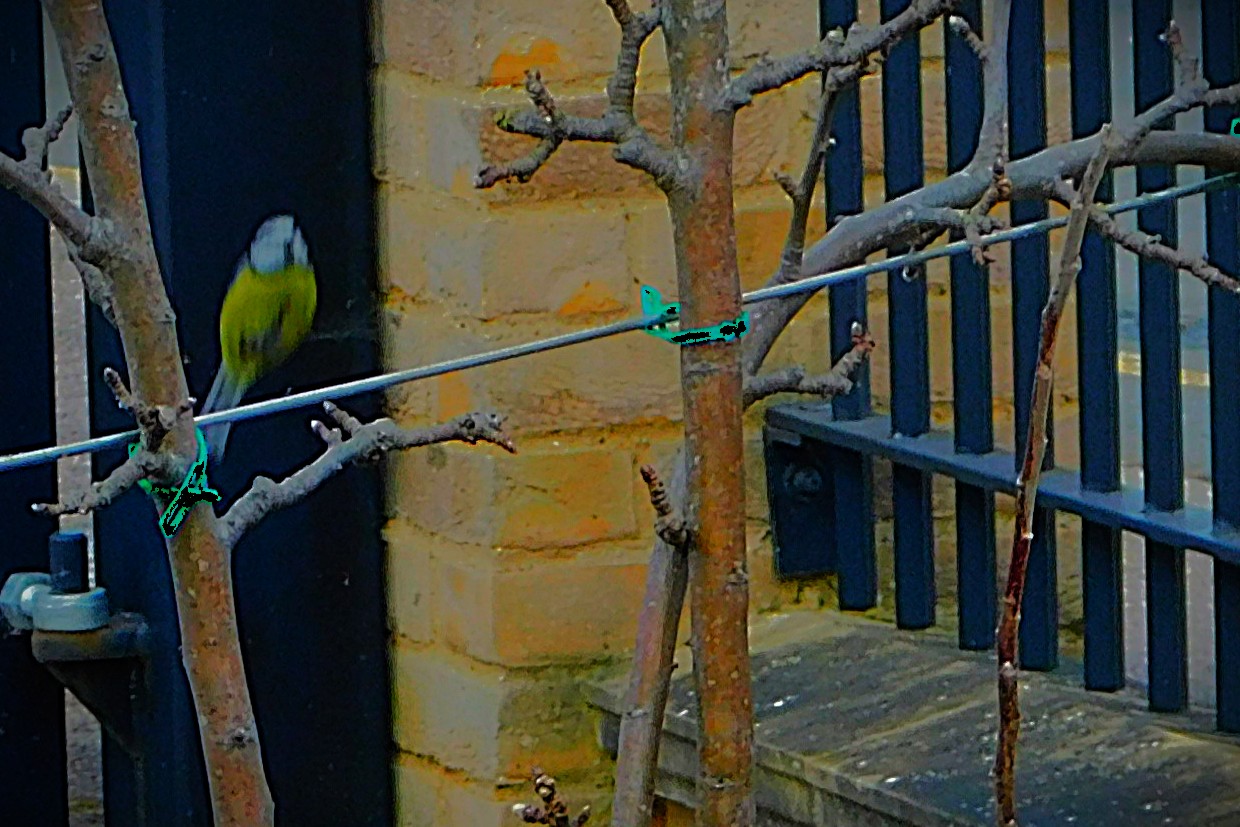
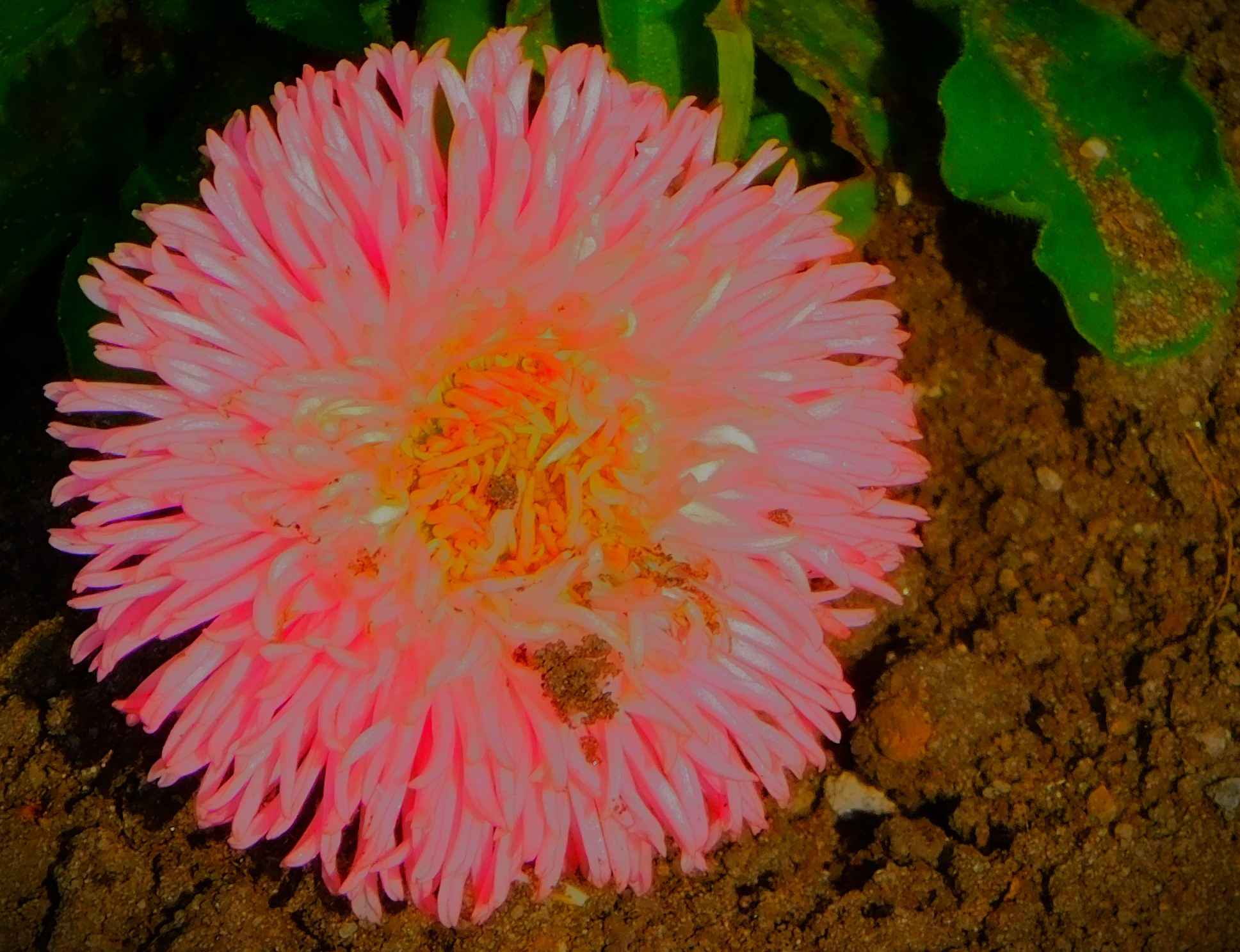
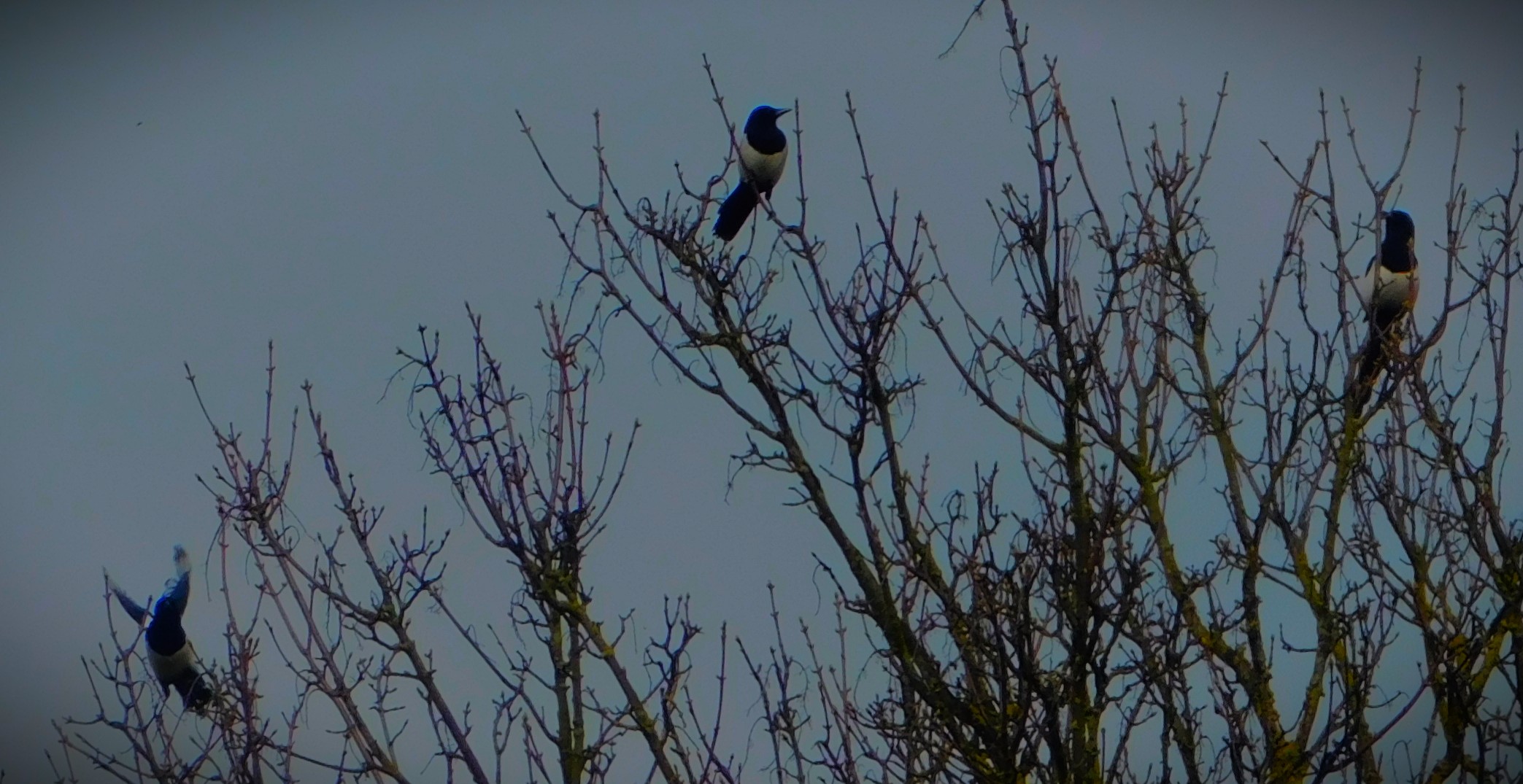
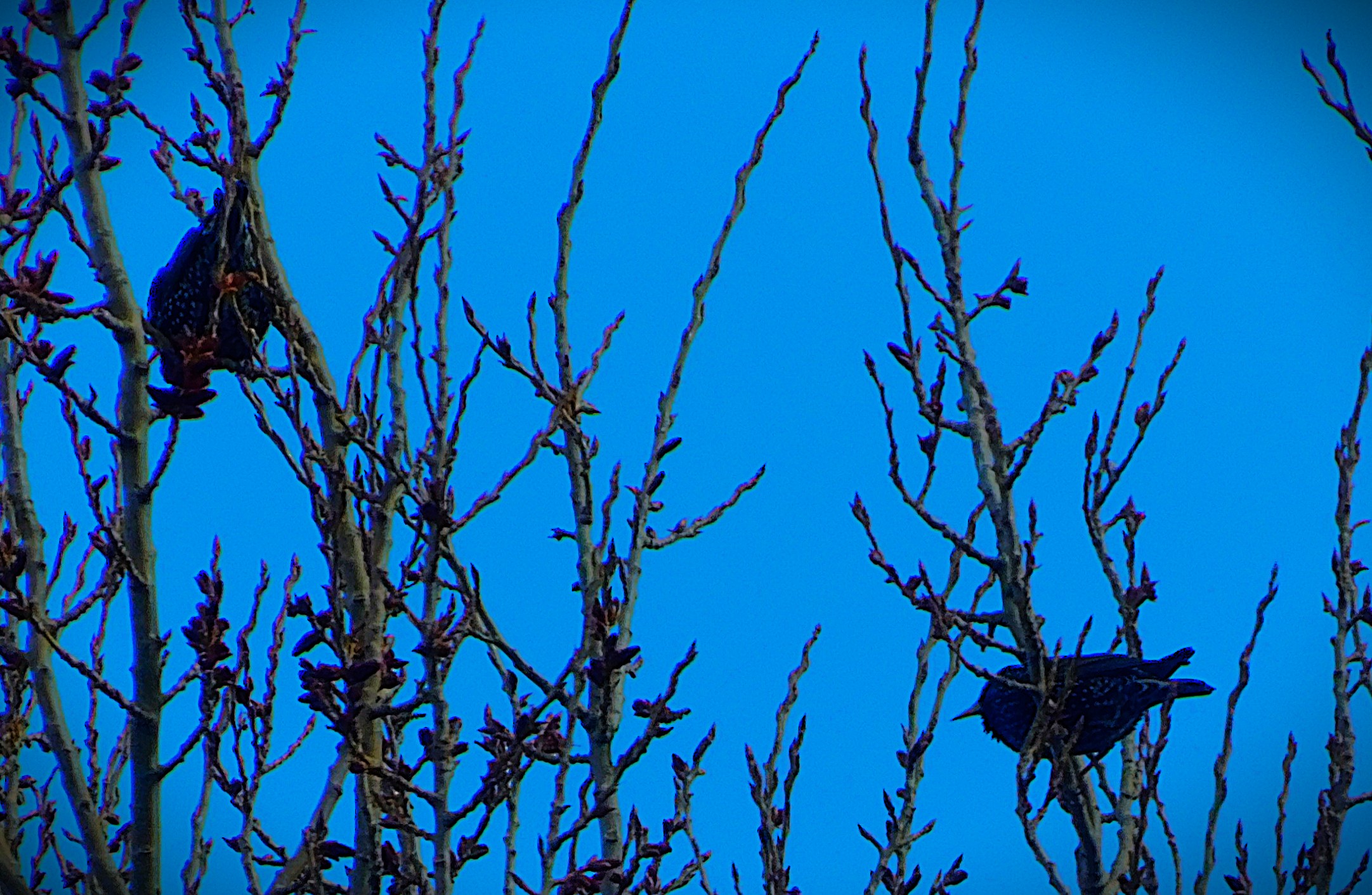
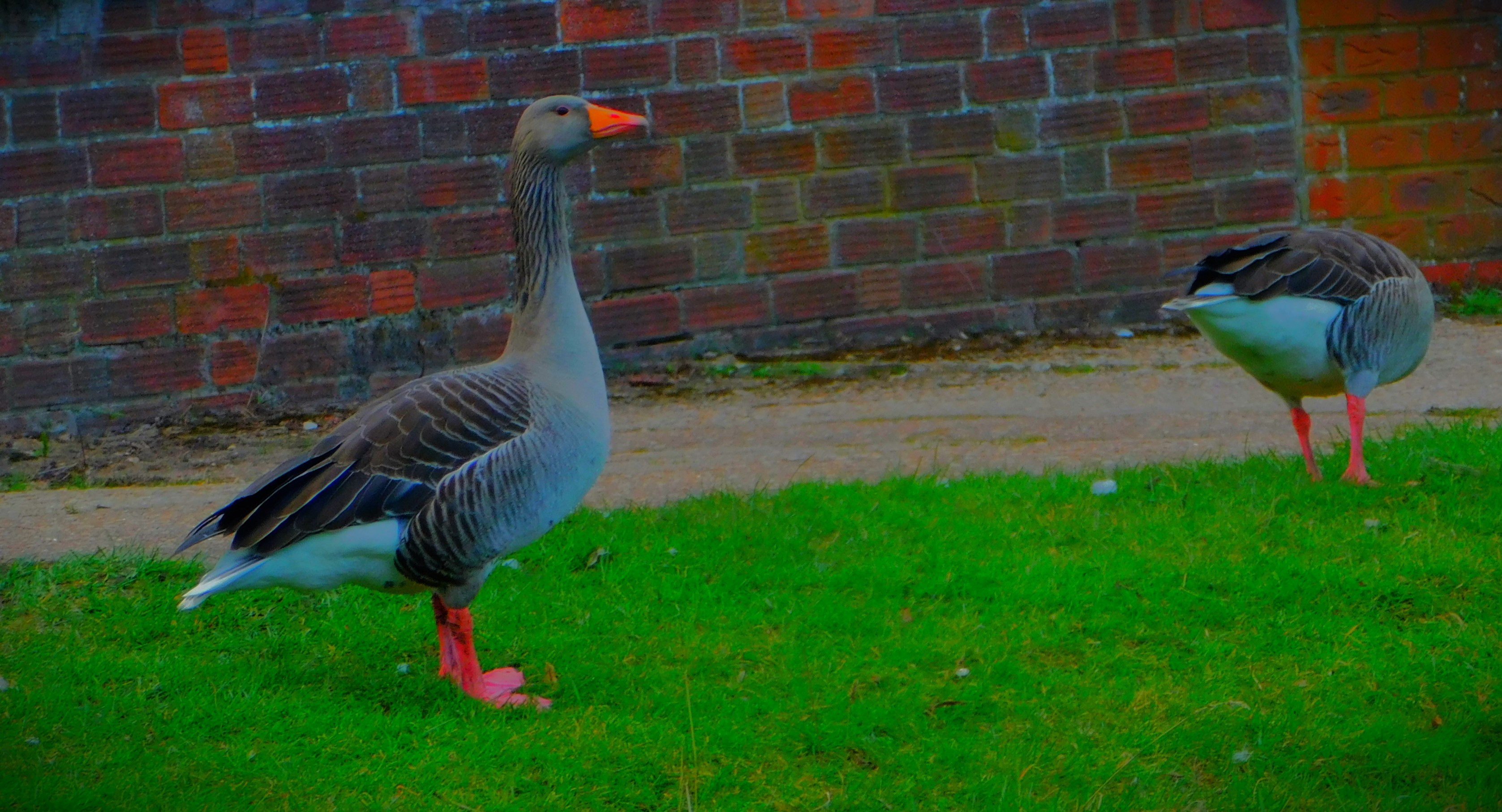
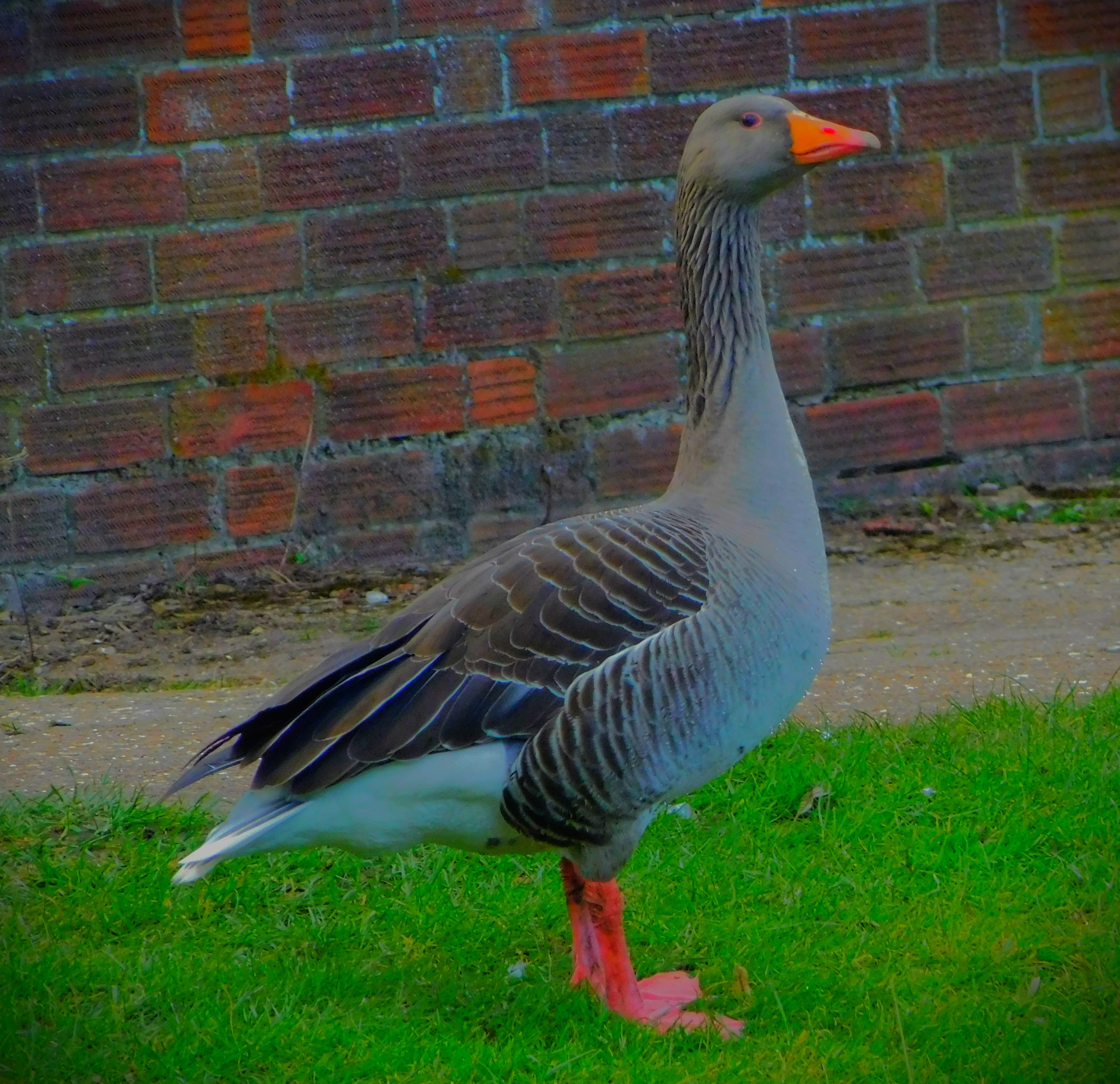
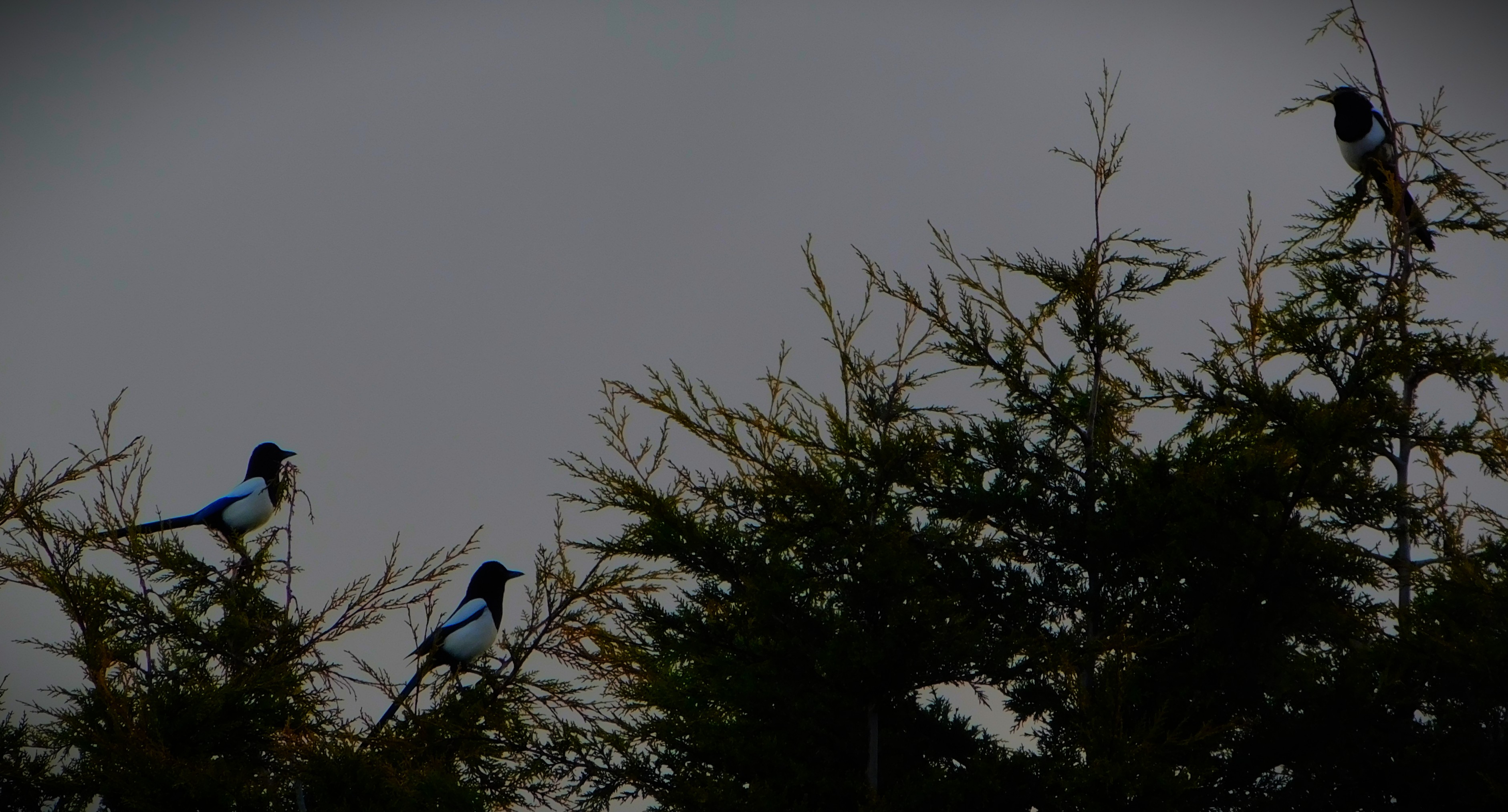
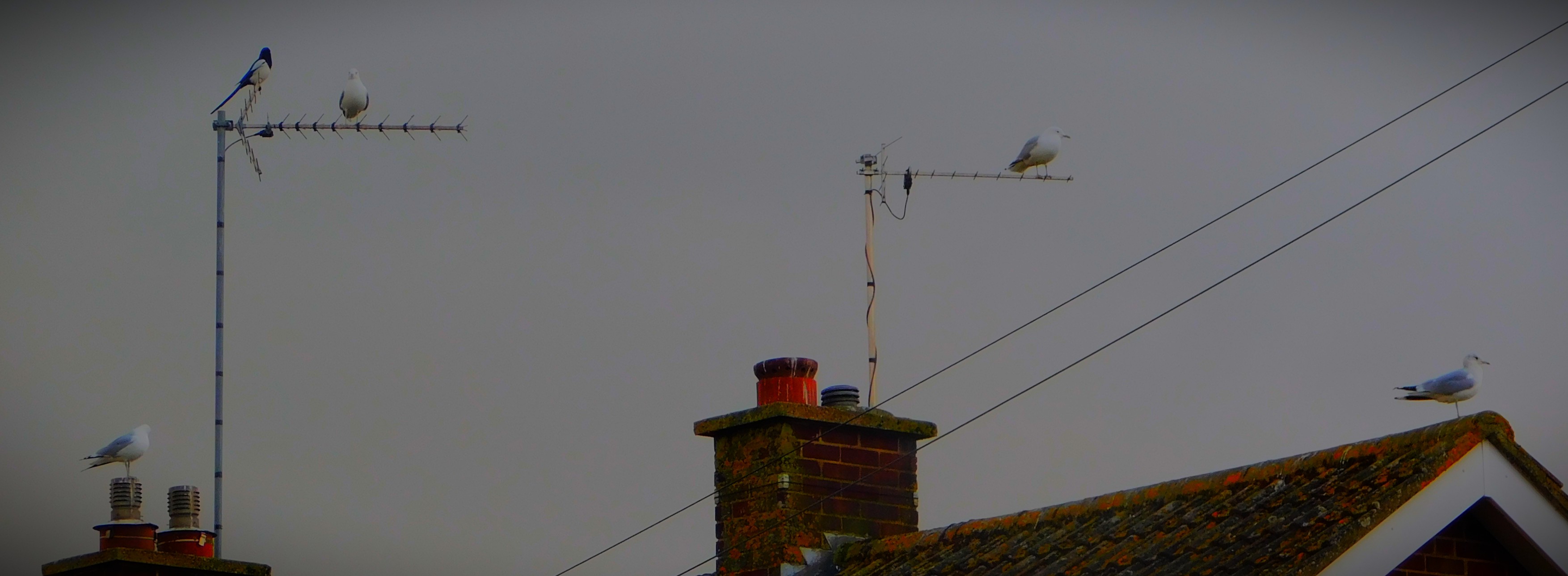
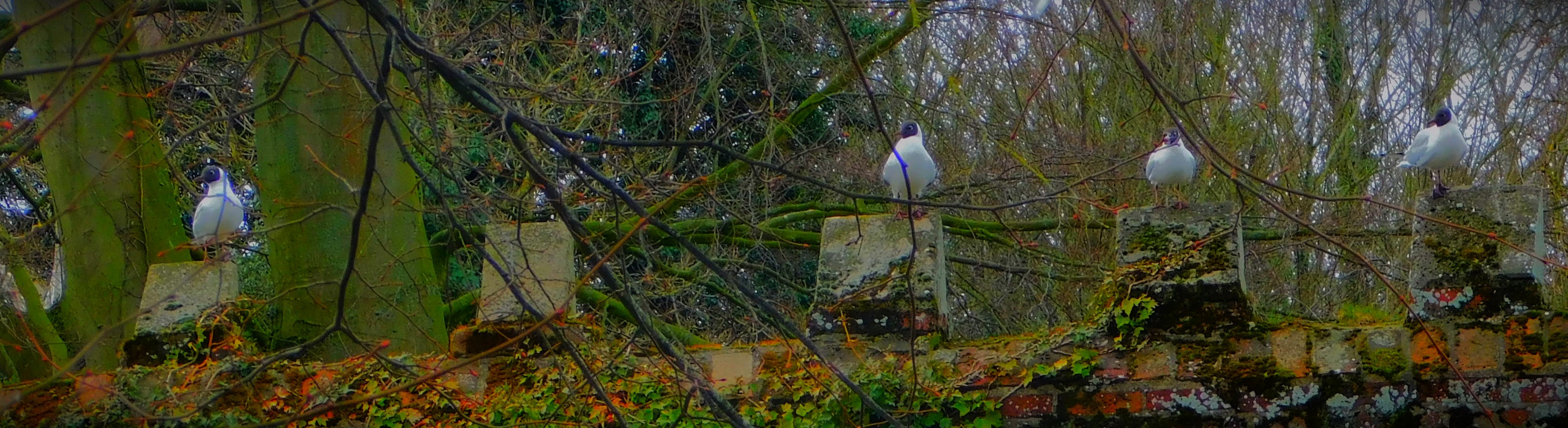
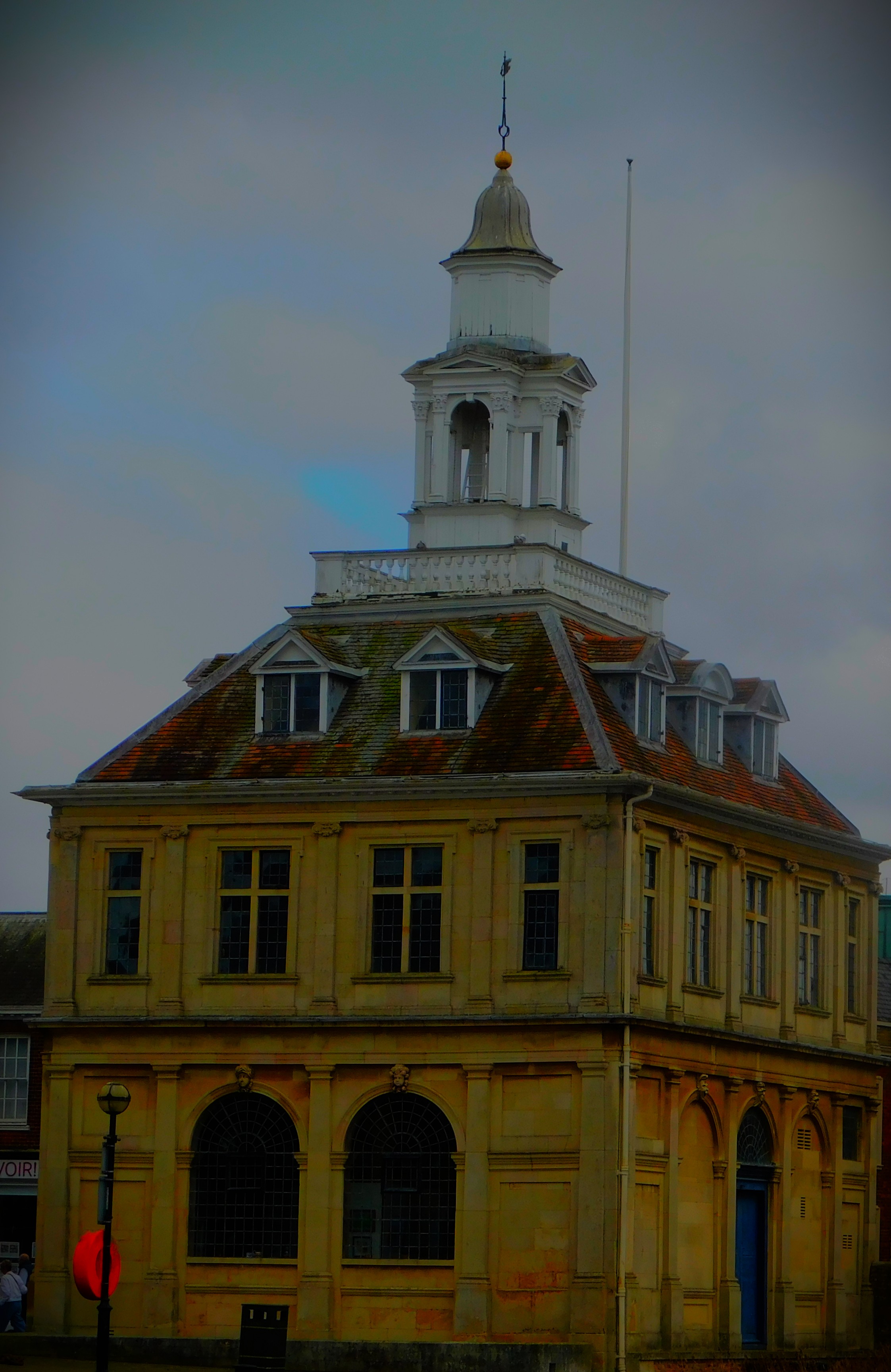
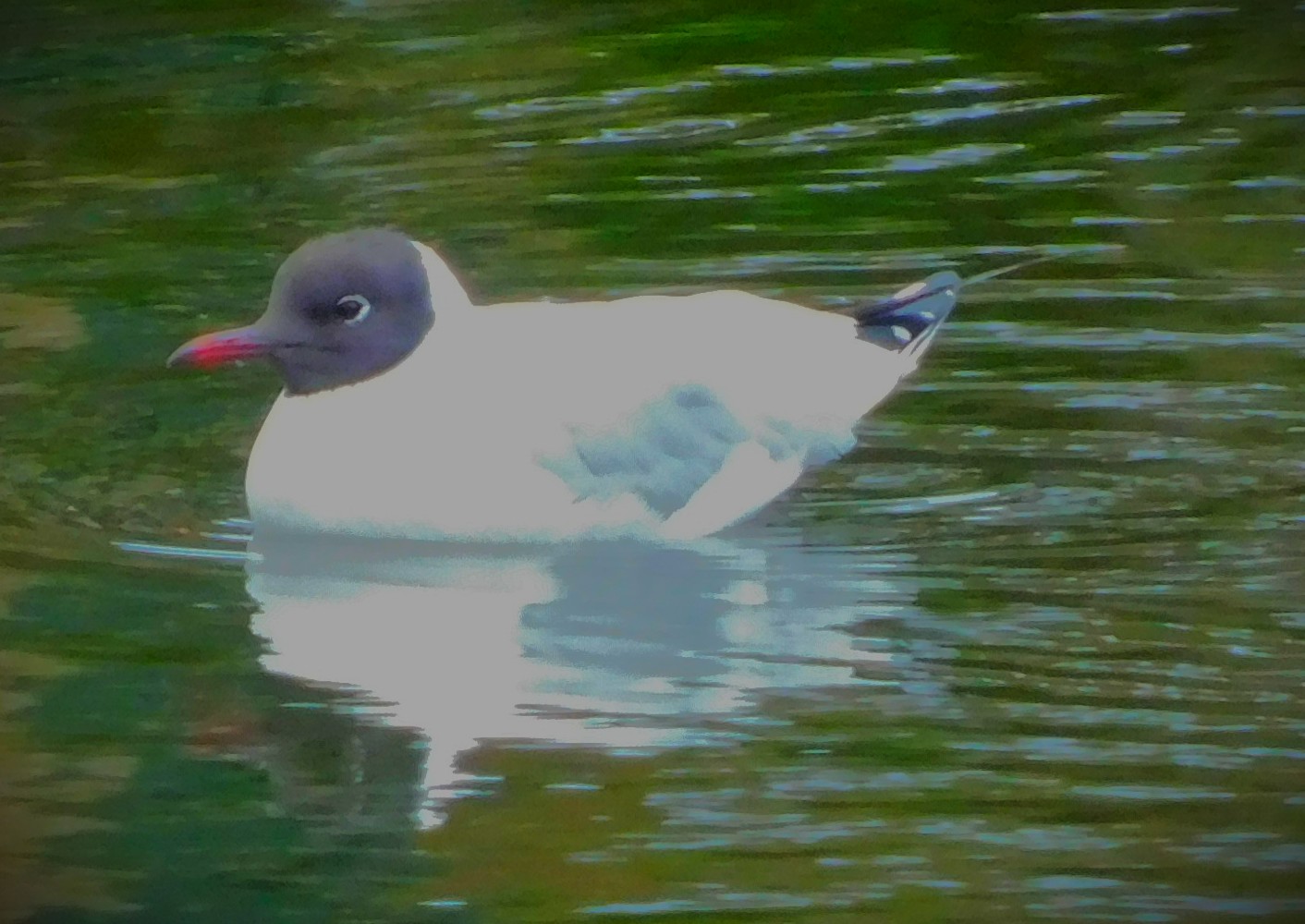
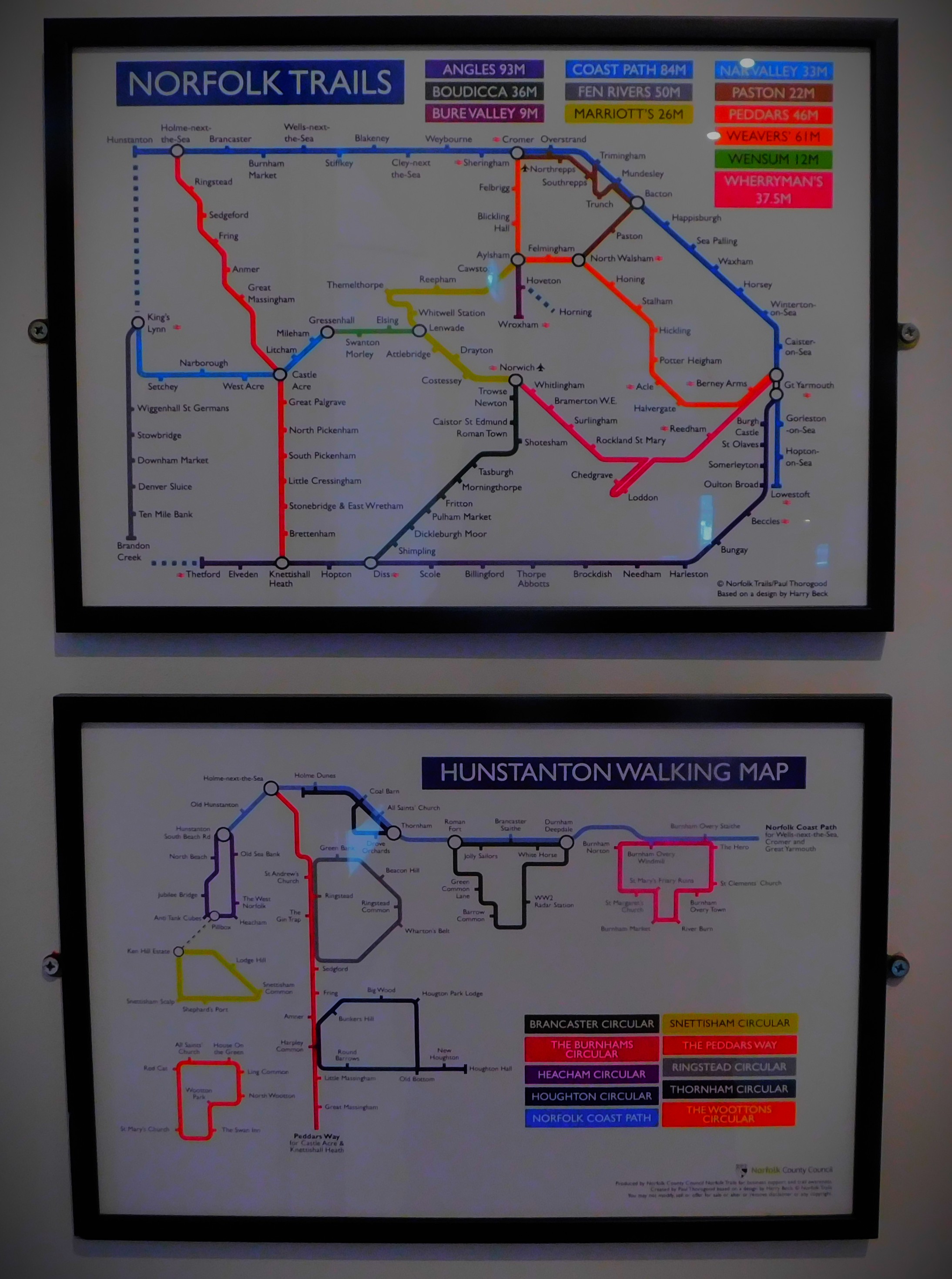
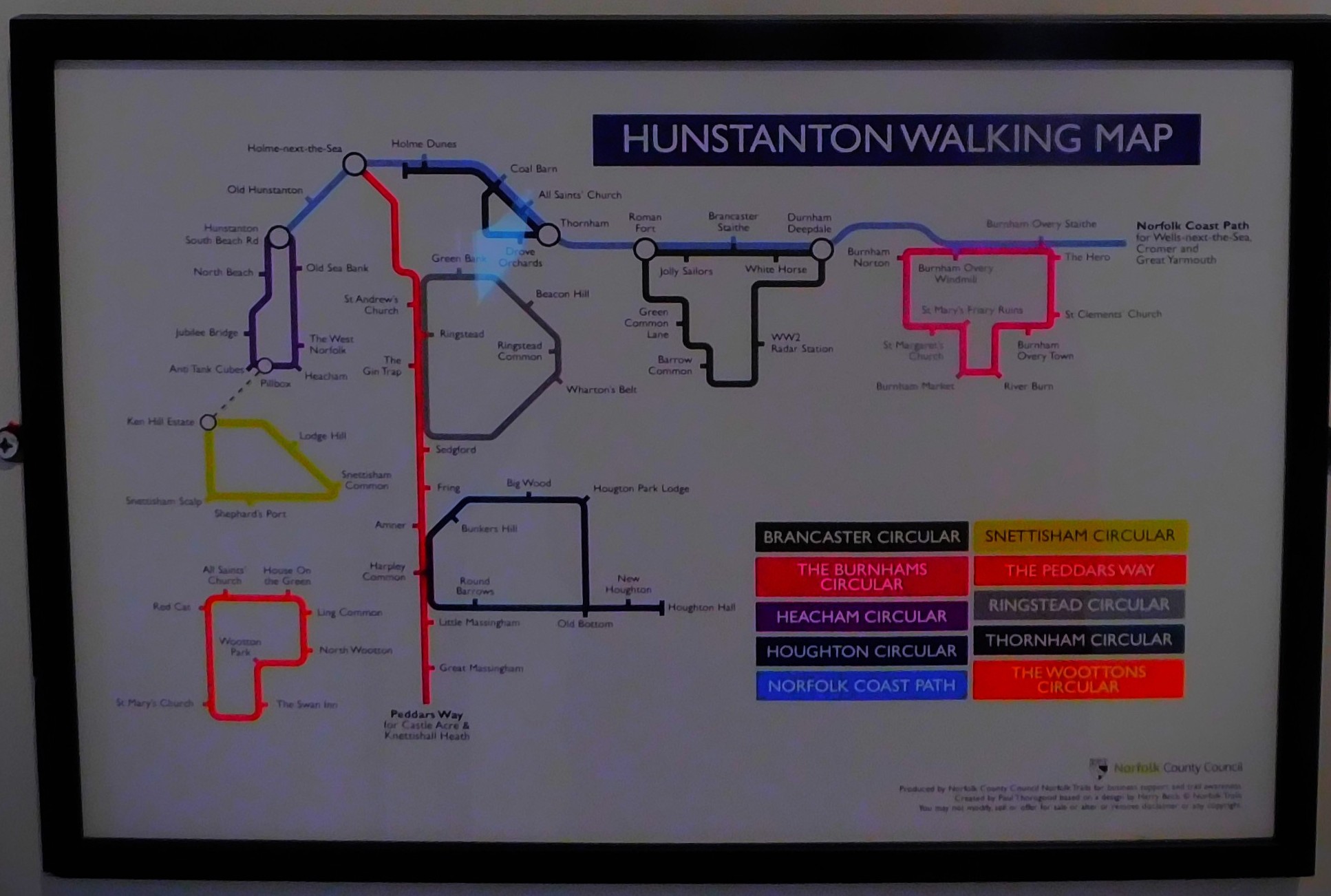
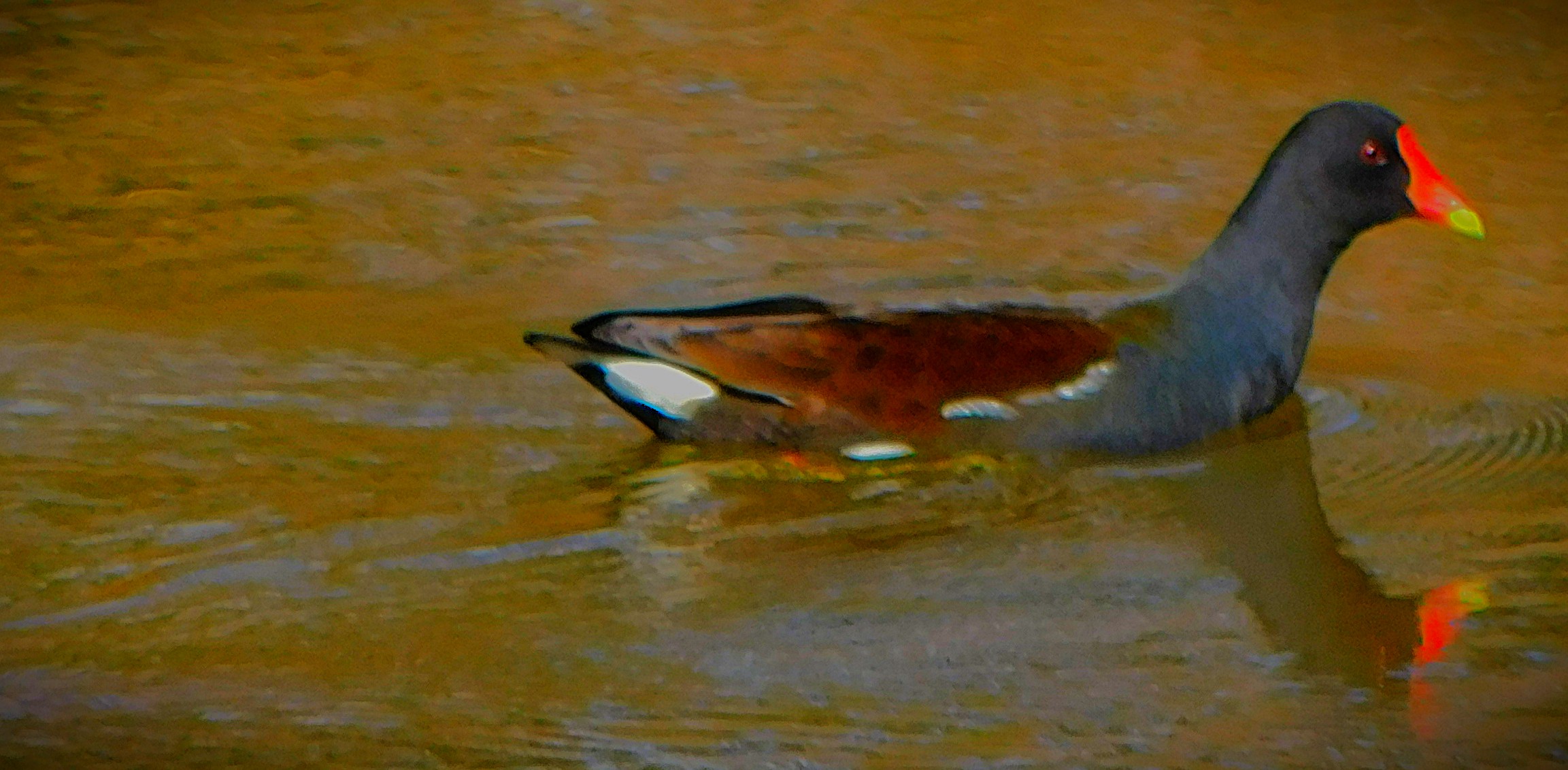
The vernal equinox, the official start of spring in the northern hemisphere, is still three days away. However, by any reckoning other than the strictly official spring has already come to Norfolk this year. This brief post is solely for the purpose of sharing photos, mainly from Monday and yesterday, but with a couple from today as well…

Indian Wells Tennis Tournament

A look at the Indian Wells tennis tournament which concluded yesterday, and a photo gallery.

Yesterday saw the men’s and women’s finals of the Indian Wells Tournament. This tournament is a ‘Masters 1,000’ tournament, making it only one level below the grand slams. The 1,000 part of the title refers to the number of ranking points that the winner of this tournament and others of similar status receive. Before I get to the finals, a small sidelight from the women’s side…

Tennis has what is called ‘a lucky loser system, whereby if someone pulls out of a tournament very late a s0-called ‘lucky loser’ – someone who just missed out on being in the main draw as of right – is drafted in to fill the gap. In the case of the women’s event at Indian Wells the beneficiary of this system was Sonay Kartal, a 23 year old British woman of Turkish ancestry, who had originally checked out of her hotel after losing in the final qualifying round. She took advantage of her good fortune splendidly, going on to reach the last 16 where her run was ended by world number one Aryna Sabalenka, which segues neatly on to…

This was a contest between an established star (world number one Sabalenka) and a youngster, 17 year old Mirra Andreeva. When Sabalenka took the first set 6-2 it could have been a brief and brutal affair. Andreeva fought back however and ensured that this would not be the case. First she took the second set 6-4. Then, remarkably, she quickly took control of the third and deciding set as well. In the end she won 2-6 6-4 6-3, becoming the youngest ever winner of a WTA 1,000 level event.

The men’s final featured Jack Draper of Great Britain, who had overcome a horrible period mid-match (being ‘bageled’ in the second set no less) to beat Carlos Alcaraz in the semi-final, and Holger Rune of Denmark. In the final there were no wobbles at any stage from the 23 year old Brit, as he quickly took control of proceedings and never relinquished it, winning 6-2 6-2 to secure the biggest tournament win of his career to date. Draper is now ranked number seven in the world.

My usual sign off…

How the Six Nations was Won

A look back at the final day of the Six Nations rugby and a huge photo gallery.

Yesterday saw the final round of the Six Nations rugby. This post looks back at how events unfolded.

The final fixtures, in order of playing, were Ireland v Italy, Wales v England and finally France v Scotland. Ireland, England and France all had chances to win, with the latter in pole position, Scotland were sure to finish fourth, with the wooden spoon between Wales and Italy. Ireland needed a bonus point win to have any serious chance of lifting the trophy. England could then displace them, a bonus point win putting them ahead at the top of the table outright and a win putting them ahead on points difference unless Ireland racked up a really huge score. Even a bonus point win for England was likely to leave France needing only to win the final match to clinch the title. A bonus point is awarded to teams scoring four or more tries in a match for the record.

Ireland did get their bonus point win, but the margin was small, largely because their kicker, while good in open play had a nightmare when kicking at goal, only putting one such kick over in the entire match. In Cardiff it was one way traffic, with England racking up over 60 points. This included two tries for 20 year old debutant Henry Pollock. With that it was over to Paris for the final instalment of the tournament, with the home side knowing that any win would be enough.

France started out dominating, but it took 17 minutes for their dominance to show on the scorecard, when in quick succession a penalty and a converted try put them 10-0 up. From here Scotland mounted an impressive fightback, the remainder of the second half being their best period of the match and quite possibly of the entire tournament. The French had a temporary numerical disadvantage that probably have been a permanent one when Mauvaka was yellow carded for a vicious headbutt on Ben White. Since the incident was off the ball, and not part of a tackle it has hard to seen any excuse for it being a yellow rather than a red card, but such was the verdict. On the stroke of the interval Scotland grounded the ball for what they, and everyone else, believed was a try giving them a half time lead. However, the video technology ruled it out on the ground that Blair Kinghorn had been in touch before Jordan grounded the ball. Thus at half time it was France 16 Scotland 13. That was the last sight Scotland had of victory, and thus the last sight England had of the title. The French went 10 points clear early in the second half. Bielle-Biarrey put himself into the record books with his try, which meant that a) he had scored in every round round of the tournament, something no one else had ever done, and b) he had scored a total of eight tries in the tournament, a new all time record. Scotland’s resistance was broken, and two more tries followed, and even with the previously immaculate Ramos failing to convert the final try that made it France 35 Scotland 16, 19 points ahead with 18 minutes left in the tournament. France did not add to their points tally after that, but neither did Scotland add to theirs. France had scored 30 tries in the tournament, another new record, beating the 29 scored by England in 2001. That England side announced itself in that tournament and went on to win the 2003 world cup. This French side have announced themselves in this tournament, and there is a world cup in 2027. Wales ended with a second straight wooden spoon, and Italy were equally clearly the second worst side in the tournament. Perhaps the time has come to make places at northern hemisphere rugby’s top table a privilege rather than a right by introducing relegation, with whichever side finishes last being replaced in the following year’s tournament by the next highest ranked northern hemisphere side.

My usual sign off…

The End of a Match and an Era

A brief look at the conclusion to the last ‘timeless’ test match ever to be played, a conclusion which unfolded on March 14th 1939, 11 days after the match had begun.

Up until World War II broke out both Australia and South Africa were believers in timeless test matches (i.e. played until one or other side had won). This post looks briefly at the match which finally ended timeless tests.

As March 14th 1939 dawned England were within sight a victory that had it eventuated would have strained credulity. At one point South Africa had been over 400 runs to the good with all ten second wickets standing. Both sides knew that although the test match, which had begun 11 days previously on March 3rd, had been designated timeless this would have to be the final day as England needed to catch a train to Cape Town or miss their boat home and be stranded for at least a month (and of course war was looming, which made folk even less keen on being trapped abroad than they would have been anyway. Although it had rained on several occasions in the match these interludes had served only to bind the surface of the pitch back together, and it was still playing well and true. England, set a mammoth 696 to win, went past 600 with only three wickets gone. At 611 Eddie Paynter was fourth out for 75. Les Ames now joined Hammond at the crease, and the pair were still together when the 650 came up. At exactly 650 Hammond was stumped off Dalton for 140. That brought Bryan Valentine, a specialist batter, in to join Ames. Four runs later the heavens opened, and the downpour proved terminal. In total the match had seen 1,981 runs scored for the loss of 35 wickets, an aggregate that remains a test match record but was beaten twice in the next decade in FC matches, both involving Bombay as it was then called – Bombay v Holkar yielding 2,078 runs, including 249 in losing cause for Denis Compton, and then in 1948 Bombay v Maharashtra yielding 2,376. The Durban test match still had the record for the longest span of any first class match. Hedley Verity, the left arm spinner, sent down 774 balls across the two South African innings (96.6 eight ball overs under the playing conditions of the day, equivalent to 129 six ball overs. For South Africa Norman Gordon, a seamer no less, sent down 736 balls (92 eight ball overs, equivalent to 122.4 six ball overs). There is a book about this match “Edging Towards Darkness” by John Lazenby. No timeless match has been scheduled since this one. For the moment here is the scorecard.

My usual sign off…

My First Butterfly of 2025

Describing my first butterfly sighting of 2025, with a picture of the butterfly and a large photo gallery.

I will present a full photo gallery at the end of this post as usual, but the feature is indicated by the title.

Yesterday morning in the course of my extended walk to the bus stop for work I had reached the final stage, a short trip along a stretch of the Gaywood River that briefly runs parallel to Gaywood Road, from where I get the bus, and was already reasonably pleased with the photos I had got – it was bright, sunny and by the standards of early March it was warm as well. Before crossing Loke Road, next to the bridge that takes that road across the Gaywood, I had managed to photograph a pair of swans just before they left my field of vision as they headed in the opposite direction to me. I was not expecting anything further, but halfway between the bridge and the path through to Gaywood Road (it pretty much hits Gaywood Road at the bus stop) I spotted a European Peacock butterfly among the dry reeds at the far edge of the river from me. I managed to get a photograph. This butterfly is no great rarity, nor is King’s Lynn outside its usual range, but even so is is rare to get a sighting this early in the year. I emailed Butterfly Conservation about it last night and received an enthusiastic response this morning.

My first butterfly sighting of 2025.

Here is the rest of today’s gallery…

New Zealand off to a Strong Start

A look at early developments in the second semi-final of the Champions trophy, a link (teslatakedown.co.uk). and a large photo gallery.

The second semi-final of the Champions Trophy is underway. Work commitments meant that I did not catch a single ball of yesterday’s match between Australia and India. India won, which means that the final of the tournament will take place outside the official host nation, and on the worst pitch on show at this tournament, the paceless strip of rubbish that Dubai has served up. This post looks at the early stages of the match between New Zealand and South Africa.

New Zealand won the toss and chose to bat. The pitch at Lahore looks very flat, with even the towering Marco Jansen struggling to generate bounce. Will Young has been the only casualty so far, for a 23 ball 21. Rachin Ravindra has reached an excellent 50, taking 47 balls to get there. He has added ten further runs of another eight deliveries since reaching the landmark. Kane Williamson is currently on 27 from 36 balls, and New Zealand are 111-1 from 19 overs.

Champions Trophy Semi-final Line Up Complete

A look at the semi-final line up at the Champions Trophy and a large photo gallery.

Yesterday saw the last group match of Champions Trophy 2025, between India and New Zealand. The qualifiers were already known, but who would be playing who was not. This post looks briefly at yesterday’s match and at the four teams who will be contesting the final stages of this tournament.

The two teams facing off yesterday were representing the most and least populous nations at this tournament, with India’s population approximately 300 times that of New Zealand. New Zealand bowled well and fielded brilliantly. Their fielding has been one of the standouts of this tournament – they have taken some absolute screamers, and have let only one chance go down in the course of three matches. A total of 249 for India looked chasable, but the Indian spinners proved too much for New Zealand’s batting and India were comfortable winners in the end.

Australia will face India in the first semi-final. I will be hoping for an Australian win, because that result would end the involvement of Dubai in this tournament. I have two reasons for wanting that outcome – this tournament ius supposed to be hosted by Pakistan, and the Dubai pitch is slow and lifeless, whereas Pakistan have made some effort to make their pitches livelier, importing clay from Western Australia in the hope that using this material will produce livelier surfaces. Therefore on this occasion, even as one who habitually roots for Australia’s opponents I will be hoping for them to win.

The second semi-final is between New Zealand and South Africa. South Africa seem to have all the necessary ingredients to win this tournament, but there record in knockout stages of global tournaments makes grim reading. New Zealand are the great overachievers of world cricket, and the New Zealand women recently won their first global tournament. Whoever wins this match will have my support for the final. If South Africa face Australia in the final not only would the final then be played in Lahore, which has provided some splendid games this tournament, but a South African win would mean that the title goes to a side who played every match in the official host country.

The full listing of possible finals is as follows:

Australia v New Zealand – support NZ
Australia v South Africa – support SA
India v New Zealand – support NZ
India v South Africa – support SA

The first two of the above matches would be at Lahore, while if India get through the final will be in Dubai.

My usual sign off (we are enjoying a spell of bright, sunny weather here in King’s Lynn, which is ideal for walking – and when I go walking my camera goes with me)…

Rain Reduces Afghanistan Qualification Hopes

A look at developments in the Champions Trophy, and at the battle for qualification between Afghanistan and South Africa (Australia are through after today, and England were confirmed as out two days ago). Also a photo gallery.

Yesterday’s match between Pakistan and Bangladesh at the Champions Trophy was washed out without a ball bowled, meaning the only team in the tournament without a point are now England. Today saw Afghanistan and Australia face off in Lahore in a match that would see the winners progress and the losers eliminated, unless rain struck again…

Afghanistan were saved from disaster by two contrasting innings. Sediqullah Atal held the early part of the innings together with a solid 85 (95), before Azmatullah Omarzai produced another impressive performance, scoring 67 off 63 balls. Afghanistan were all out off the last ball of their innings, for 273. Ben Dwarshuis with 3-47 from nine overs was Australia’s top wicket taker, while Spencer Johnson with 2-49 from his full 10 was the economical. Rashid Khan would have noted rival leg spinner Adam Zampa finishing with 2-48 from eight overs.

Australia started like a bullet from a gun, helped by some poor bowling and worse fielding from Afghanistan (three ‘dolly’ catches went begging). However, with Australia 109-1 after just 12.5 overs, Head 59* (40), Smith 19* (22), the heavens opened in almost Noachian fashion. The field at the Qaddafi Stadium soon resembled a lake, and although the rain eventually stopped, the ground remained sodden. There was an inspection at 8:45PM local time (3:45PM UK time), but that was merely to officially confirm that there was no way the game could resume on time even for the 7.1 overs that Afghanistan would have had to bowl for there to be an official result to happen. This means that Australia have four points and are qualified, Afghanistan have three points and need England to absolutely thrash South Africa in the sole remaining fixture in this group for the Proteas net run rate to drop below theirs (if England bat first and the game is a full 50 over per side affair England would need to win by 207 runs or more for Afghanistan to qualify, while if South Africa bat first then effectively Afghanistan’s fate is sealed, since the least unrealistic scenario involving an England chase is if South Africa are all out for 125, when England would then need to knock the runs off in 12 overs or less to get Afghanistan through. This match has been confirmed in the course of today as Buttler’s last as England white ball skipper (officially he has resigned the role, which I suspect means he just beat England management to the punch – there was no way after a third straight elimination at the first stage of a tournament that has captaincy remained tenable). The likely semi-finalists at this tournament are, in alphabetical order: Australia, India, New Zealand and South Africa. As to who England’s new white ball captain will be (or if that will remain the split – India have Rohit Sharma captaining the test and ODI teams and Suryakumar Yadav captaining the T20 side, reflective of the fact that actually for all that the latter two are played with the same colour ball the difference between ODIs and T20s is much greater than that between tests and ODIs) I am unsure. The conventional choice would be Harry Brook, but it has been known for sides in real trouble, as England are now, to opt to really draw a line under the past by bringing in a brand new captain from outside the squad.

My usual sign off…
England’s Champions Trophy Hopes Hang by a Thread

England are currently playing Afghanistan in a match in which the defeated side definitely goes out of the tournament. Each side will have one match left. If England win they will then need to beat South Africa to qualify, while if Afghanistan emerge victorious they will need to beat Australia to qualify. In the event of the winner of today’s match losing their final game Australia and South Africa (whose match yesterday was rained out without a ball being bowled) would both qualify. This post looks at developments in today’s match so far.

Afghanistan won the toss and chose to bat first. The injured Brydon Carse was replaced in the England line up by Jamie Overton. The match started well for England, with Afghanistan being 39-3 at one point. However, a combination of an injury to Mark Wood, Jos Buttler’s stubborn refusal to recognize until far too late that Wood couldn’t bowl his full allocation, the questionable balance of the England line up, reliant as it is on Livingstone and Root to bowl the fifth allocation of ten overs, and a magnificent innings by Ibrahim Zadran created a dramatic turnaround in events. Zadran had three principal assistants from his own side in addition to Wood’s injury and Buttler’s bad captaincy. The revival began with Zadran and Hashmatullah Shahidi putting on 103 for the fourth wicket in 19.4 overs, the latter contributing a solid 40. Revival began to become genuine counter attack with the next partnership, with Azmatullah Omarzai which yielded 72 in 10.3 overs, Omarzai scoring 41 off 31 balls. Then came the truly explosive partnership, 40 year old Mohammad Nabi exactly matching his age years in runs off his own bat, from just 24 balls, while Zadran now utterly dominant turned what was already a very high class innings into one of unquestioned greatness. His previous best ODI score was 162, and he passed both that and Ben Duckett’s Champions Trophy record set just a few days ago of 165 with a single blow that took him from 160 to 166. By the time he fell, in the final over of the innings, bowled due to a combination of the injury and Buttler’s mismanagement of his bowlers by Liam Livingstone, he had scored 177 off 146 balls with 12 fours and six sixes the score had reached 323, the sixth wicket stand worth 111 in 9.1 overs, which included 20 off one Archer over and 23 in the 47th over of the innings, bowled by Root, who when Wood’s departure from the field finally forced Buttler to extend the allocation he gave his fifth bowler duo. During the middle overs Livingstone and Root had bowled a combined 10-0-50-0, but neither are remotely suited to bowling at the death, and the danger of Wood not being able to bowl his full ten overs was blatantly apparent from quite early in the innings. A couple of balls after Zadran’s dismissal Nabi was also out to make to 324-7. A further single accrued to end the innings at 325-7. Livingstone, given the 50th over of the innings in desperation had final figures of 5-0-28-2, the sole England bowled to go at under a run a ball.

Salt went for 12 early on in the reply, bowled by Omarzai’s medium pace. Jamie Smith charged at Nabi’s first ball of the innings and was caught by Omarzai for 9 to make it 30-2. Duckett and Root put on 68 together before Rashid Khan trapped Duckett LBW for 38 to make it 98-3. Brook looked reasonable impressive, but got himself out with the job barely started, hitting one straight back to Omarzai for 25 off 21 balls. That was 133-4 (these last two wickets have fallen while I have been working on this post, making the thread of the title more than a little frayed) with Buttler coming in to join Root. The advocates of immense batting firepower will point out that England still have Livingstone to come, and that Jamie Overton is not the worst number eight. To this I respond that if England had a better bowling line up Afghanistan may well not have been able to fight back from the depths of 37-3. For my money this match is as good as over already. If this proves correct I hope that the first decision England make in the aftermath of this tournament is to axe Buttler as captain. They also need to realize sharpish that four proper bowlers backed up by Livingstone and Root is not good enough. England with the Livingstone/ Root combination have statistically the worst fifth bowling option of any of the eight sides at this tournament.

There is a Tesla dealership practically next door to Park Royal station (Piccadilly line), and on March the 8th at 11AM there will a protest there directed at Elon Musk. Click here to sign up.

My usual sign off…

King’s Lynn in Multiple Moods

Sharing a large quantity of photographs taken in the last two days in and around King’s Lynn.

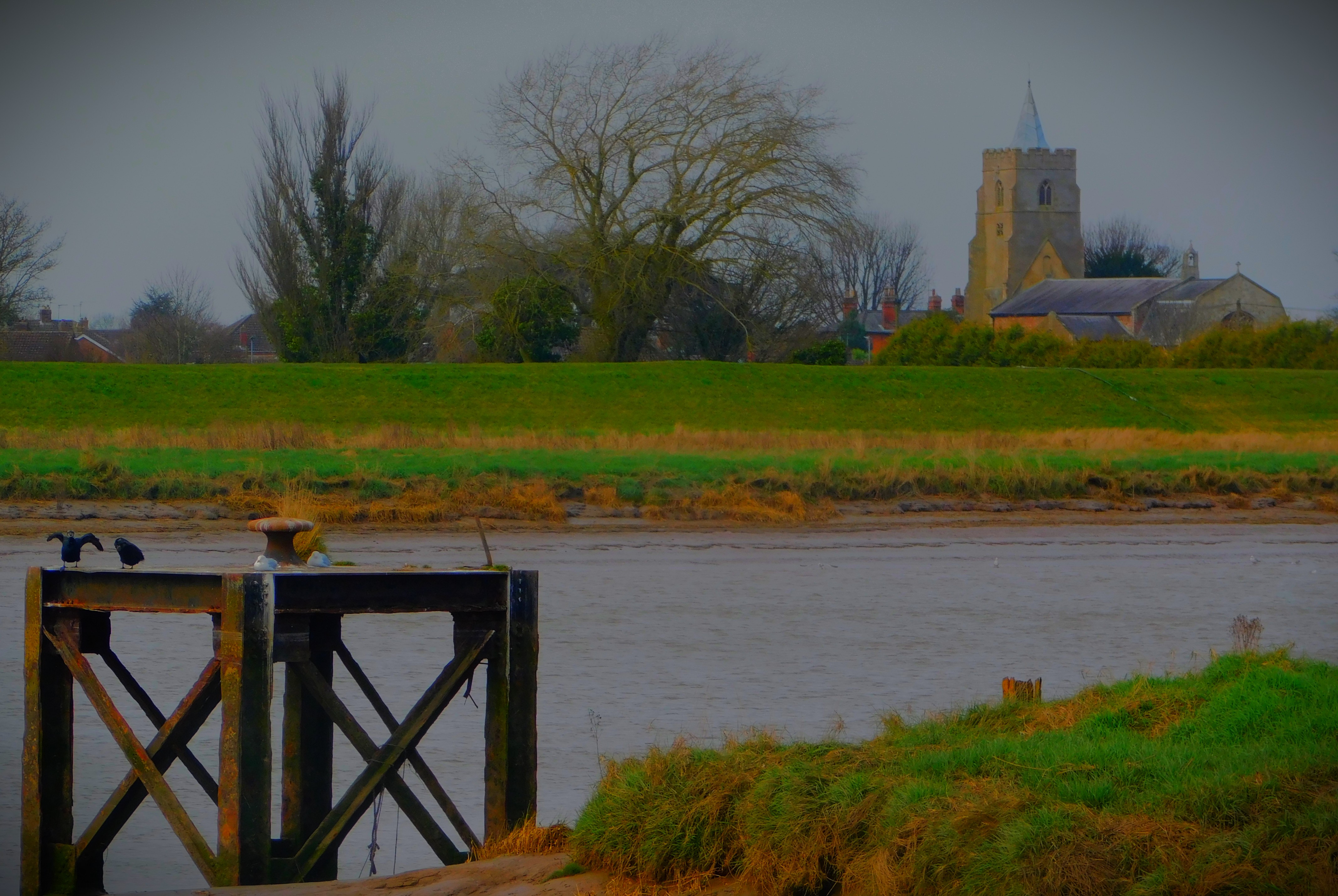
I did two walks during the daytime yesterday, visited my sister and nephew for supper in the evening. I have also done a very long walk this morning, taking full advantage of weather that was genuinely pleasant by December standards – it started to rain lightly near the end of the walk, but I got over two hours worth of dry weather before the rain came.

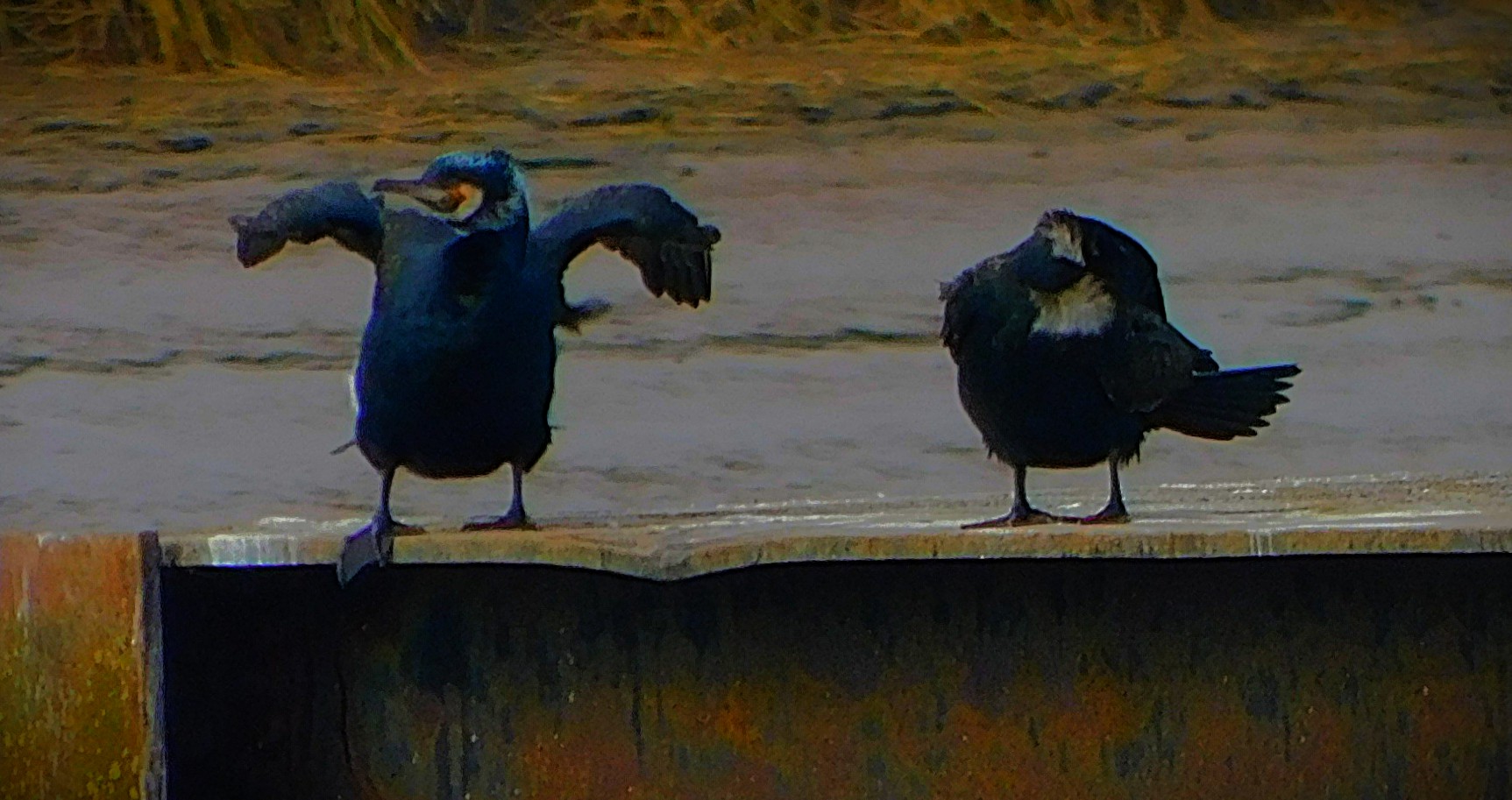
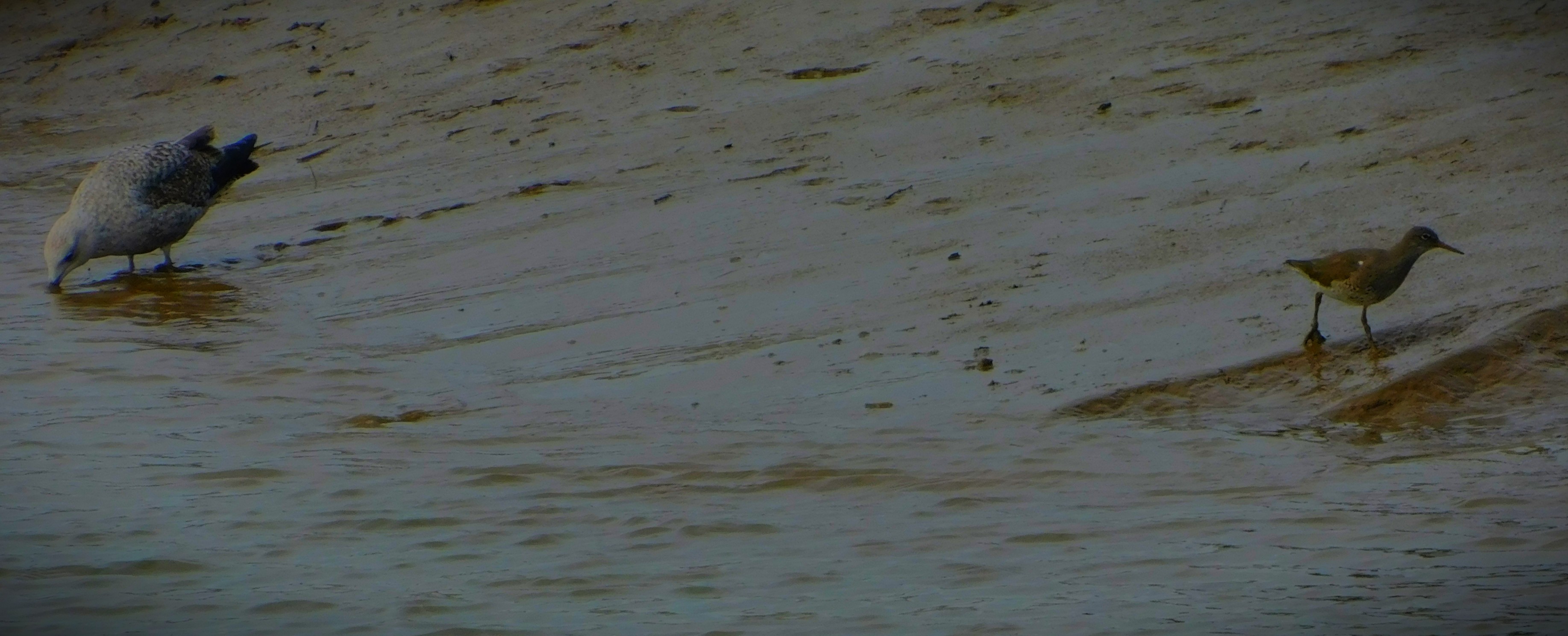
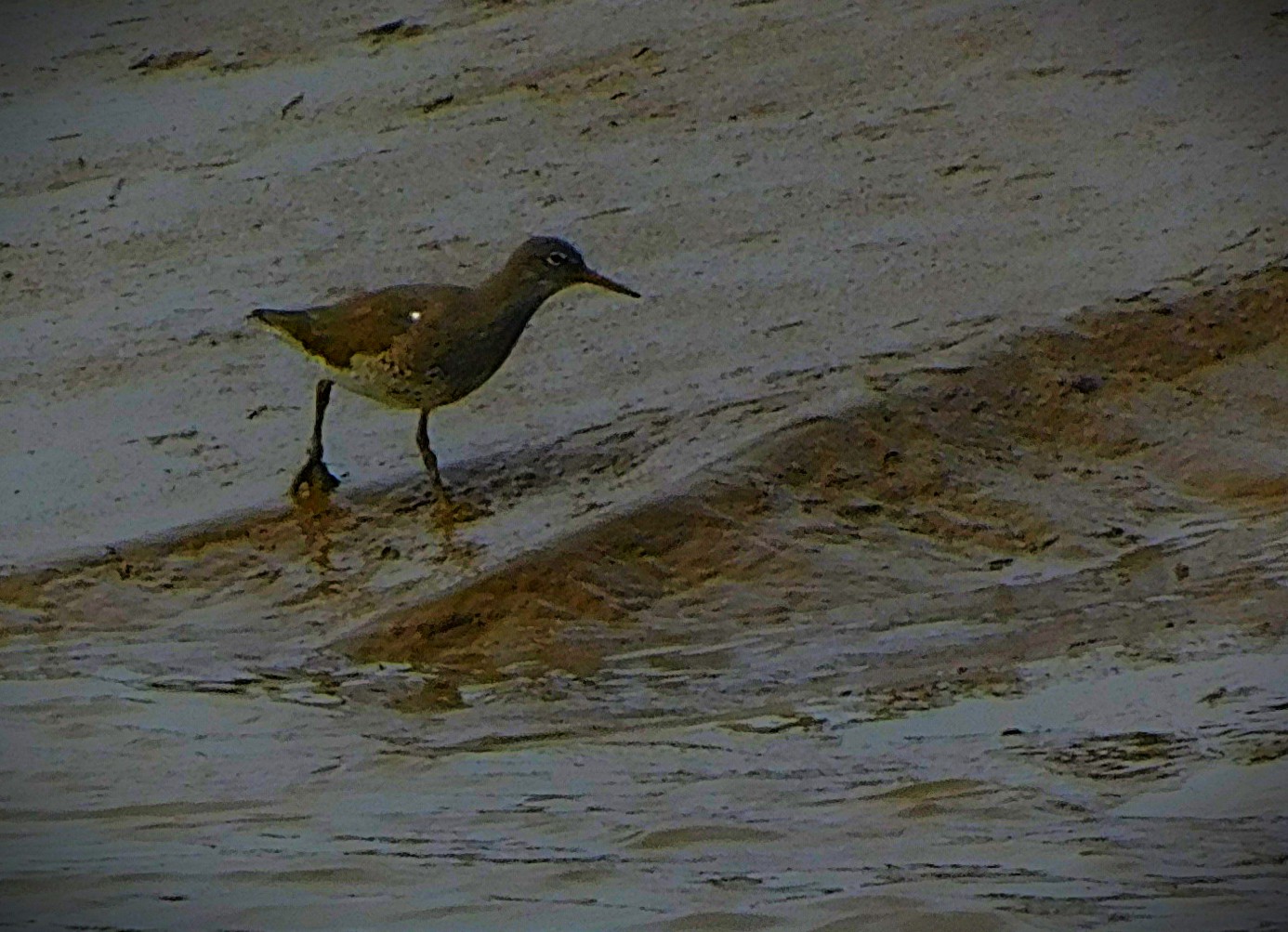
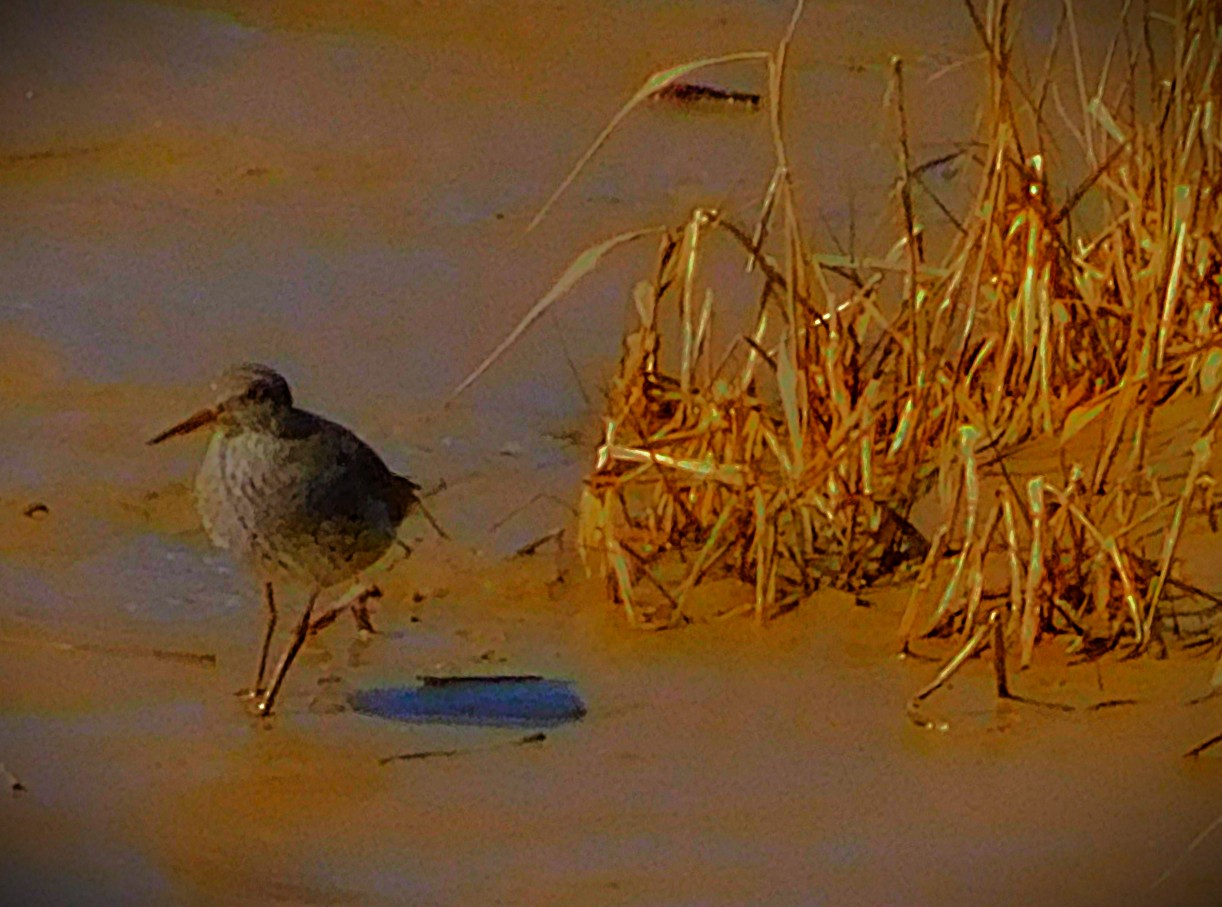
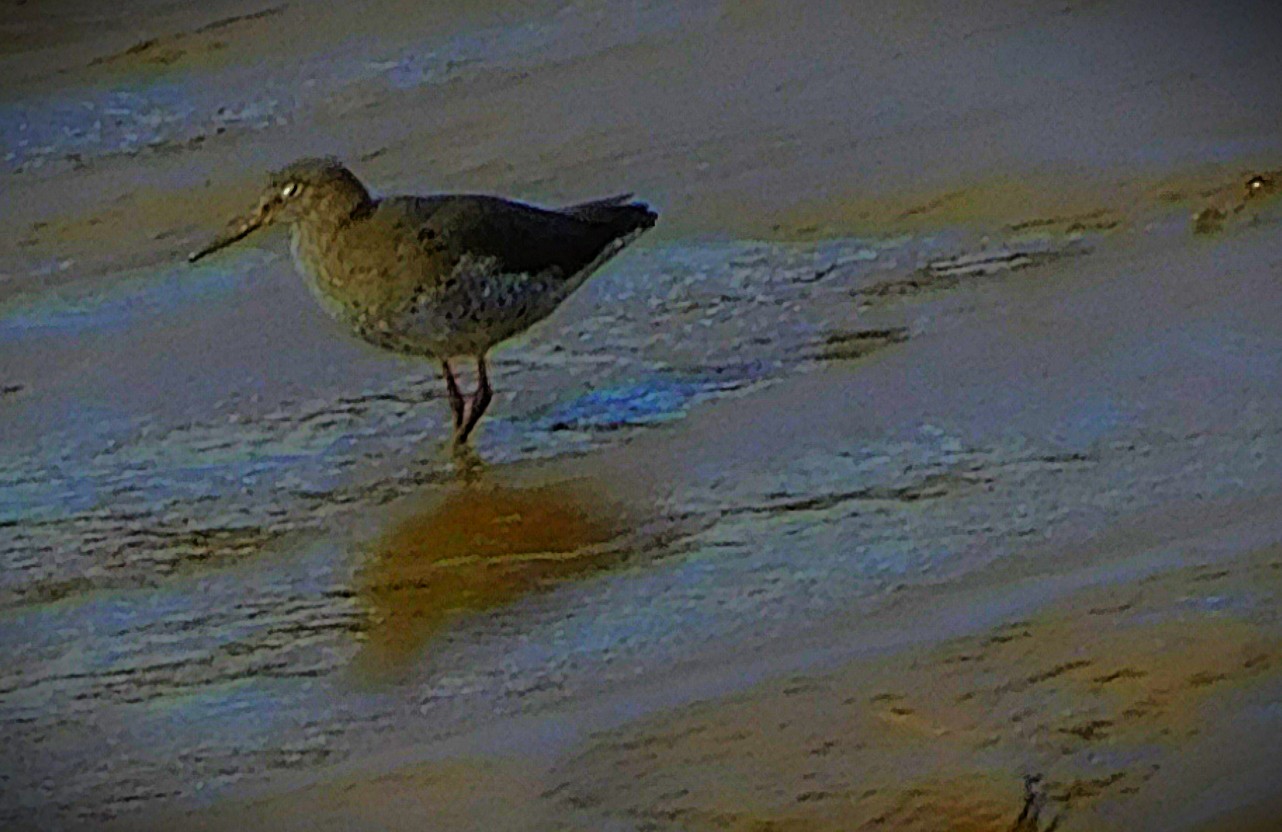
These excursions provided me with a very large photo gallery – once I had finished the editing process there were 150 pictures there. As well as pretty much all the regular bird sightings I managed to get pictures of a dunnock and a common sandpiper (the latter was near the mouth of the Nar this morning).

This afternoon has been unyieldingly grim, and this being December even at 4PM the such daylight as there was is already beginning to fade.

Enjoy a bumper gallery (and don’t forget to click to view pictures at larger size)…