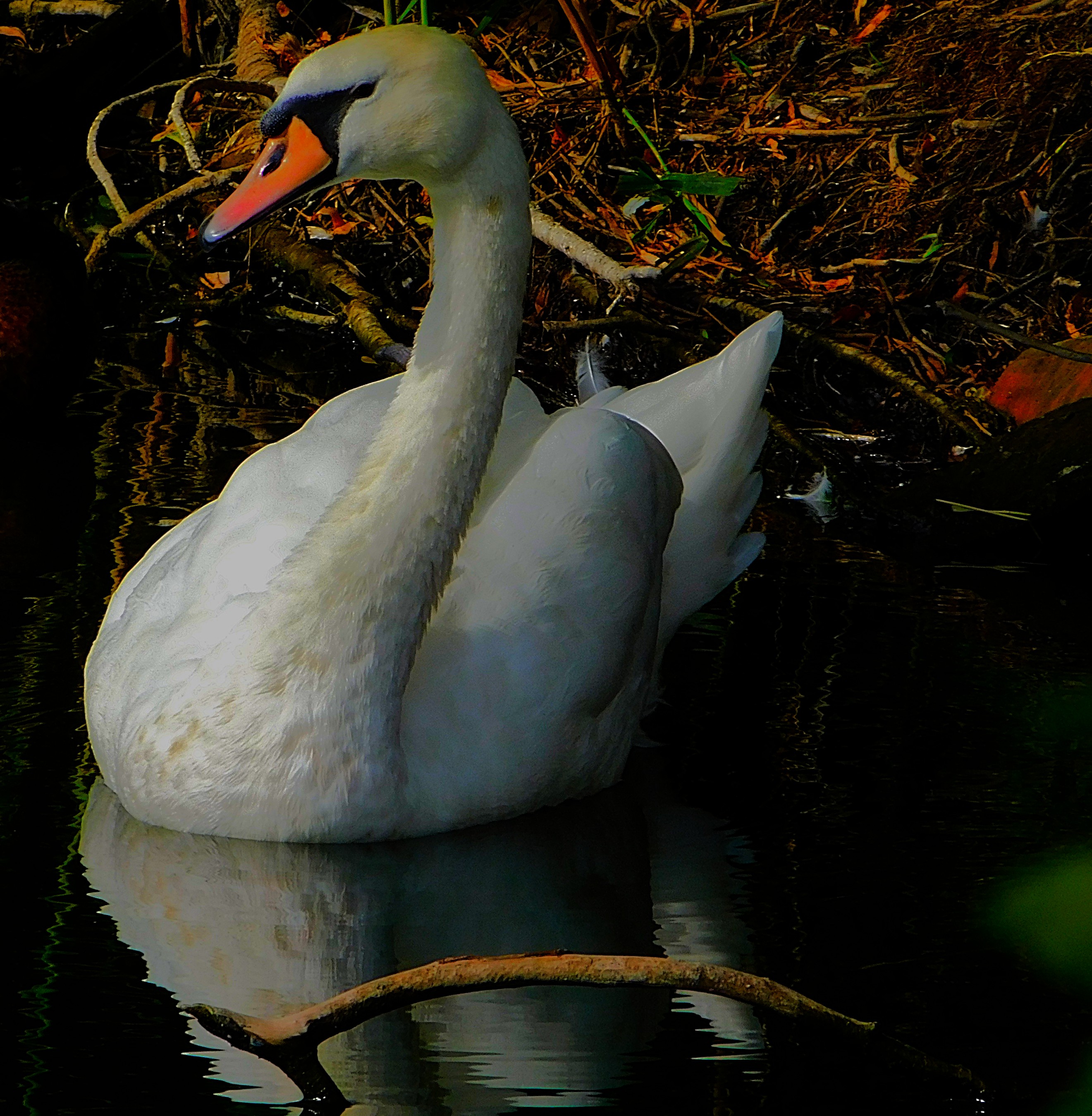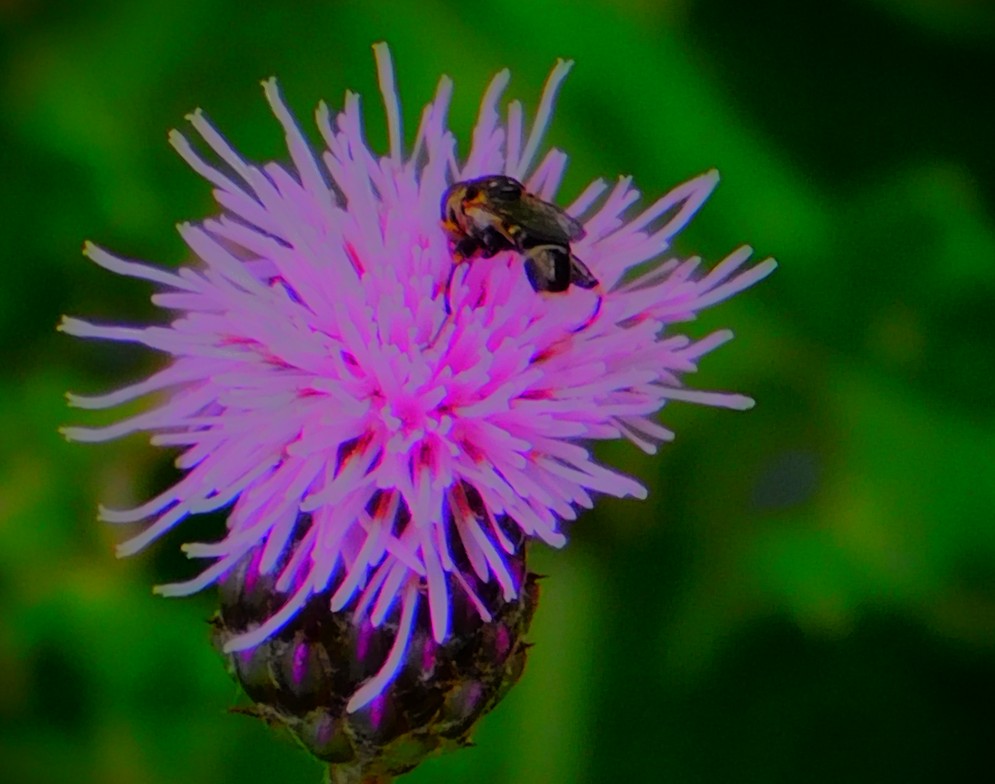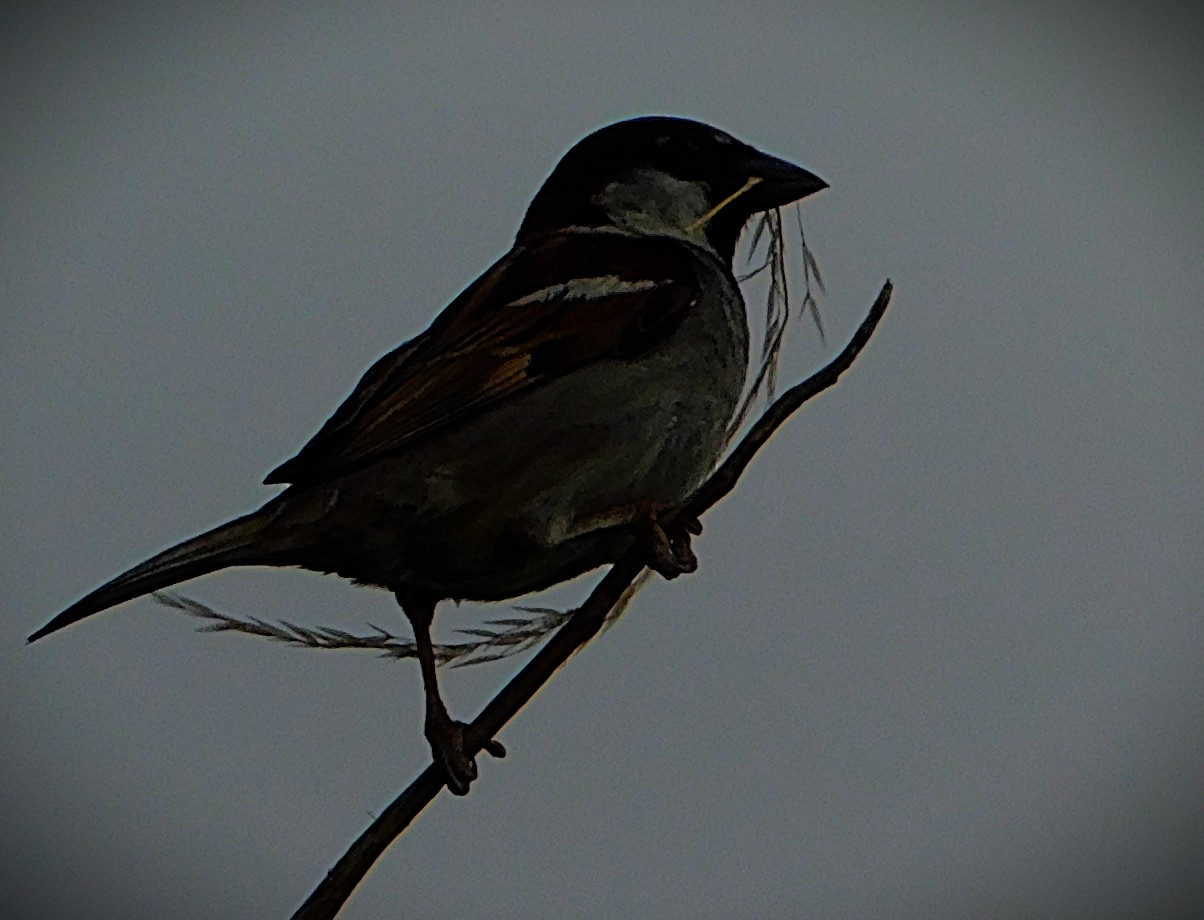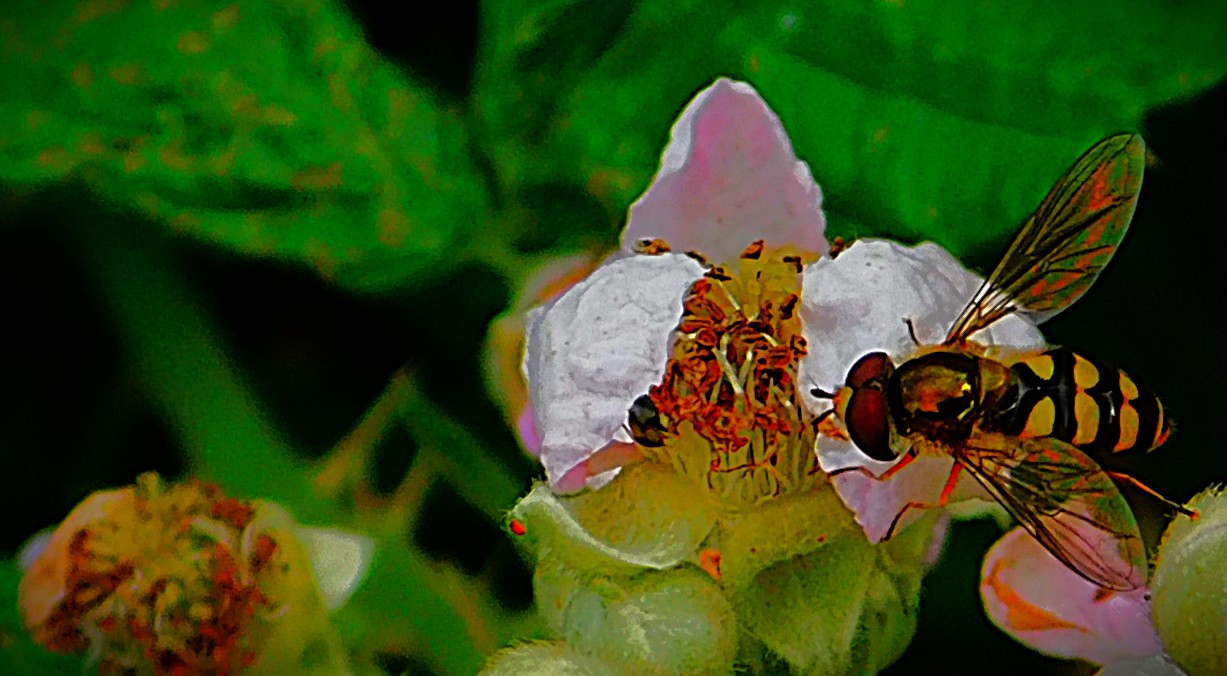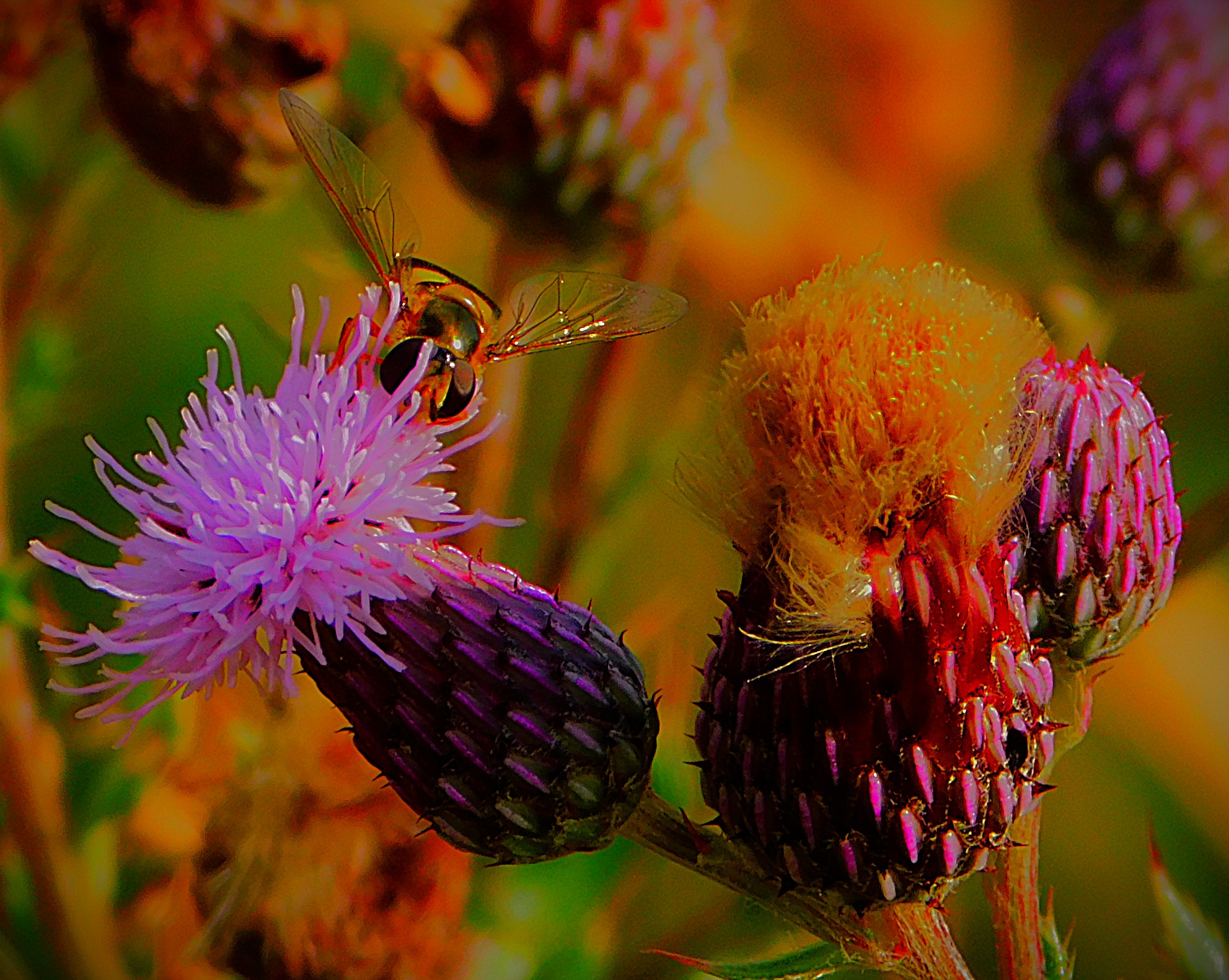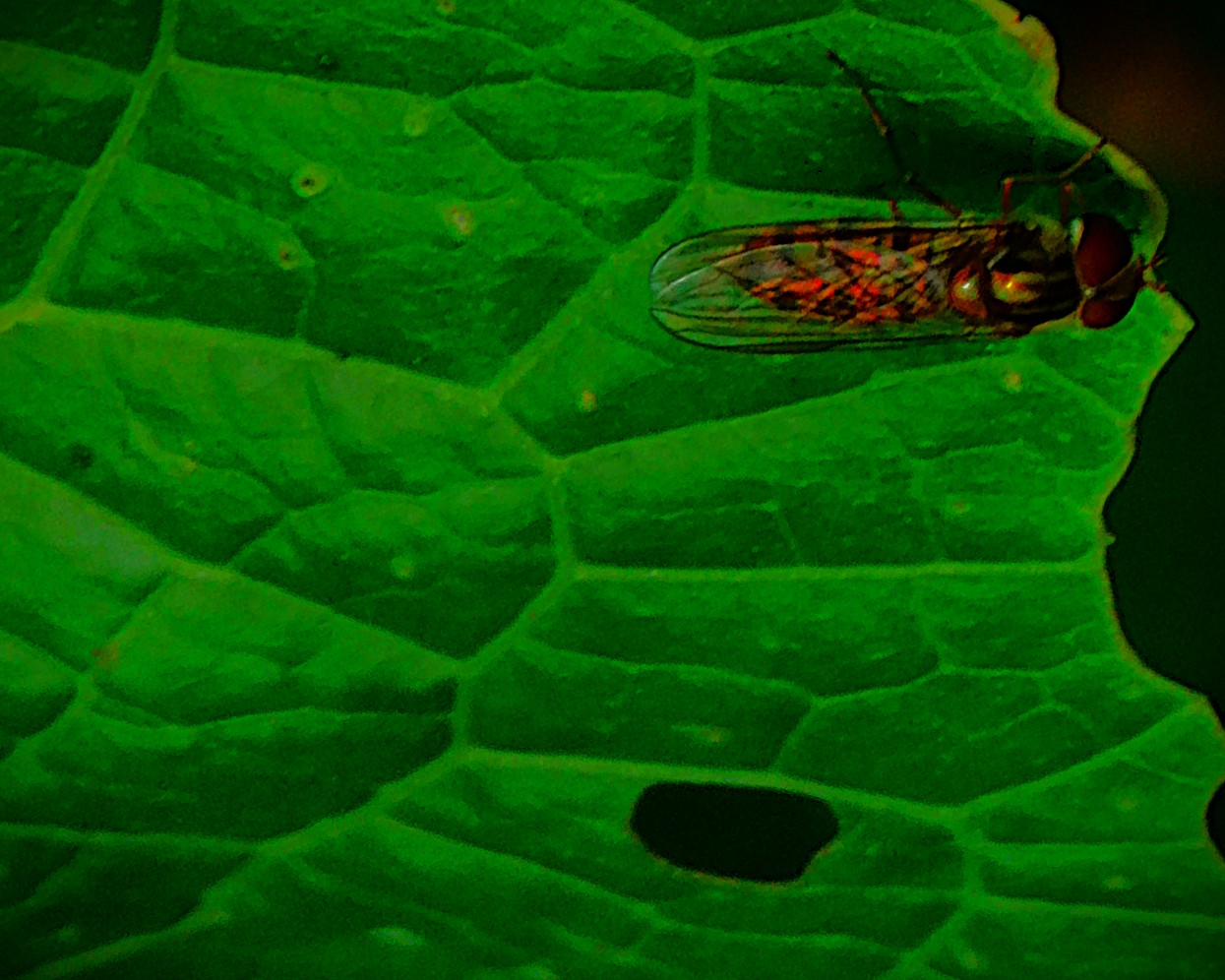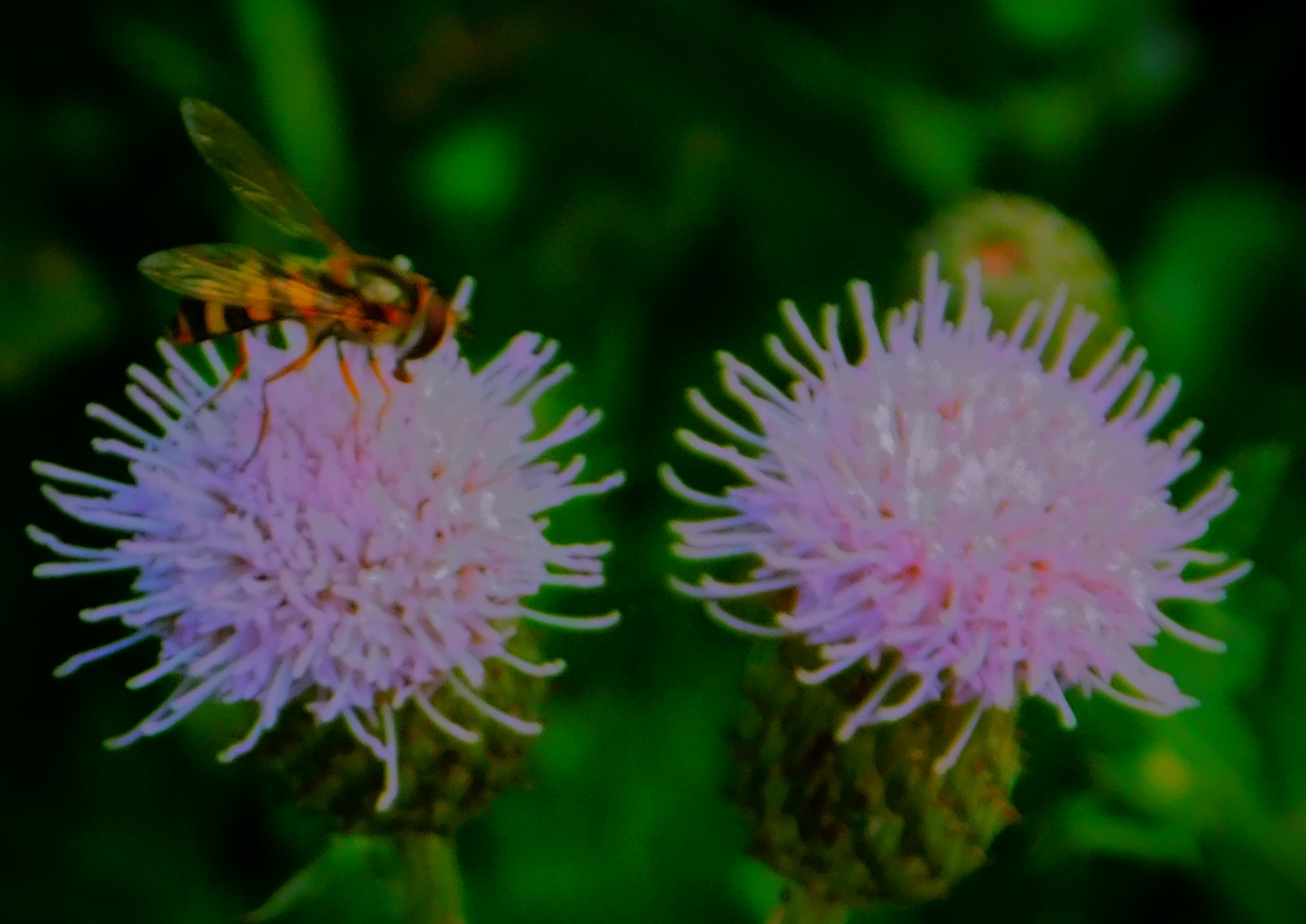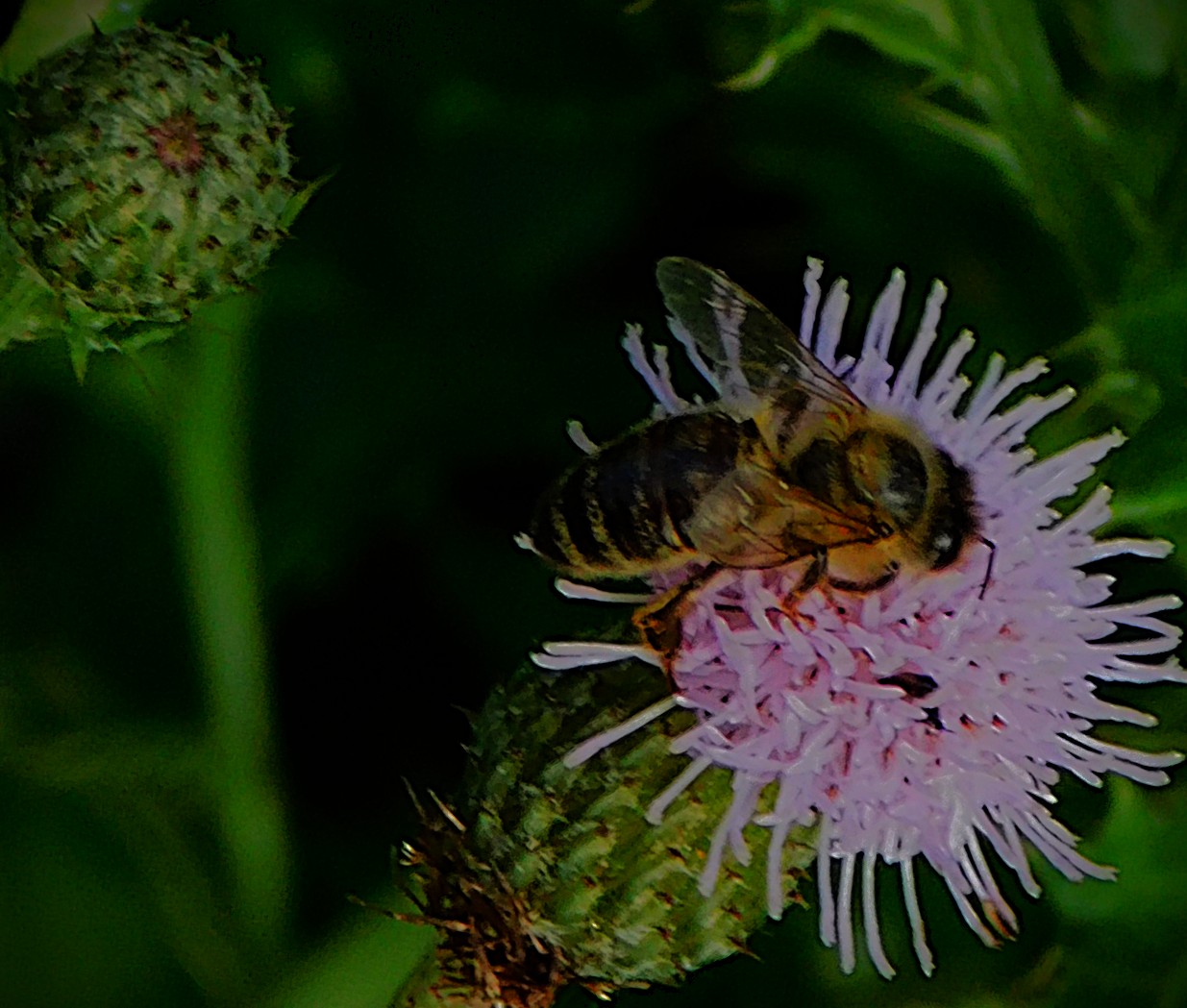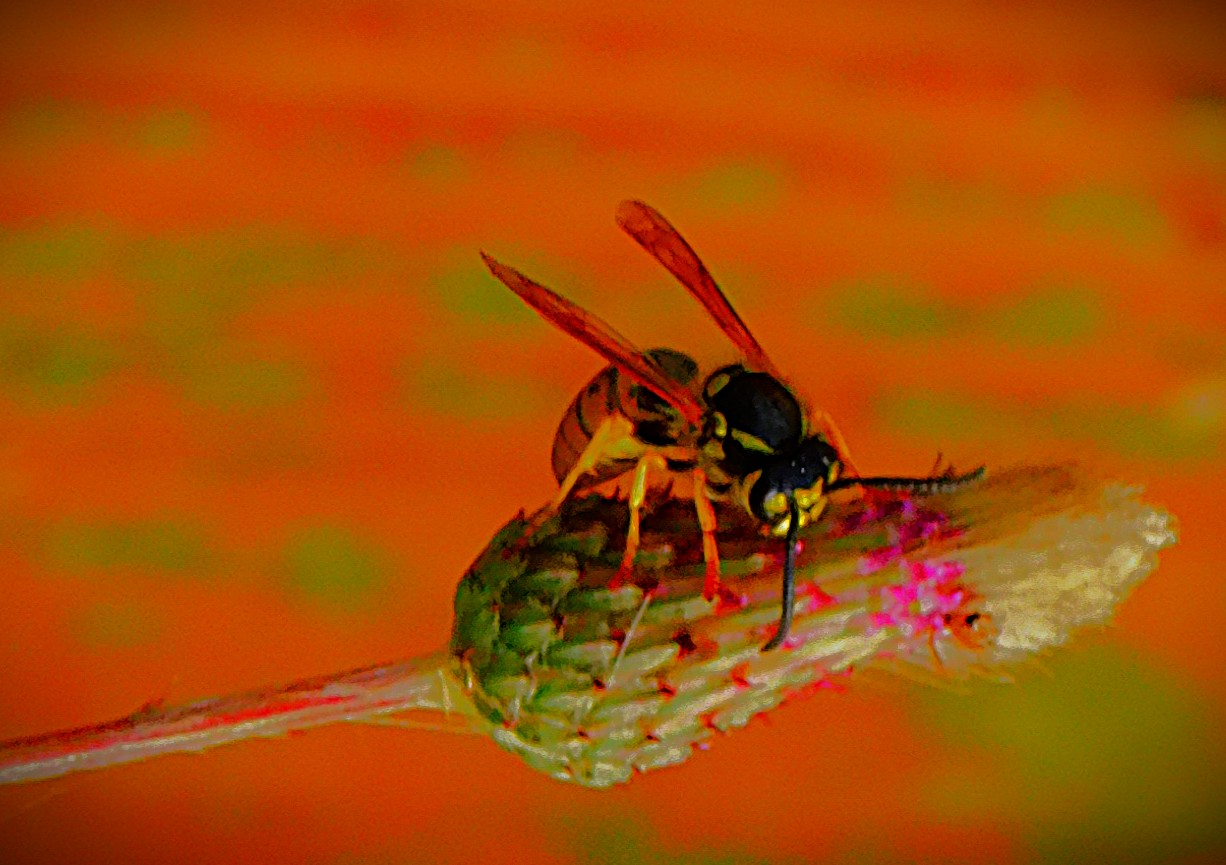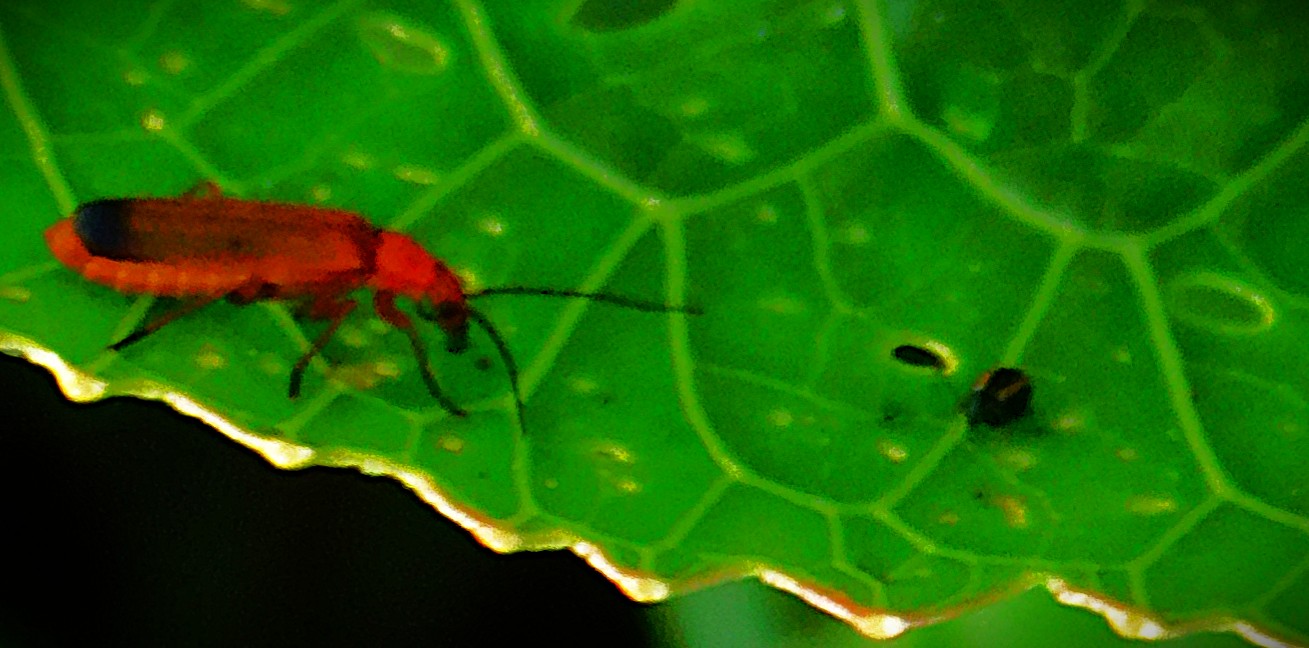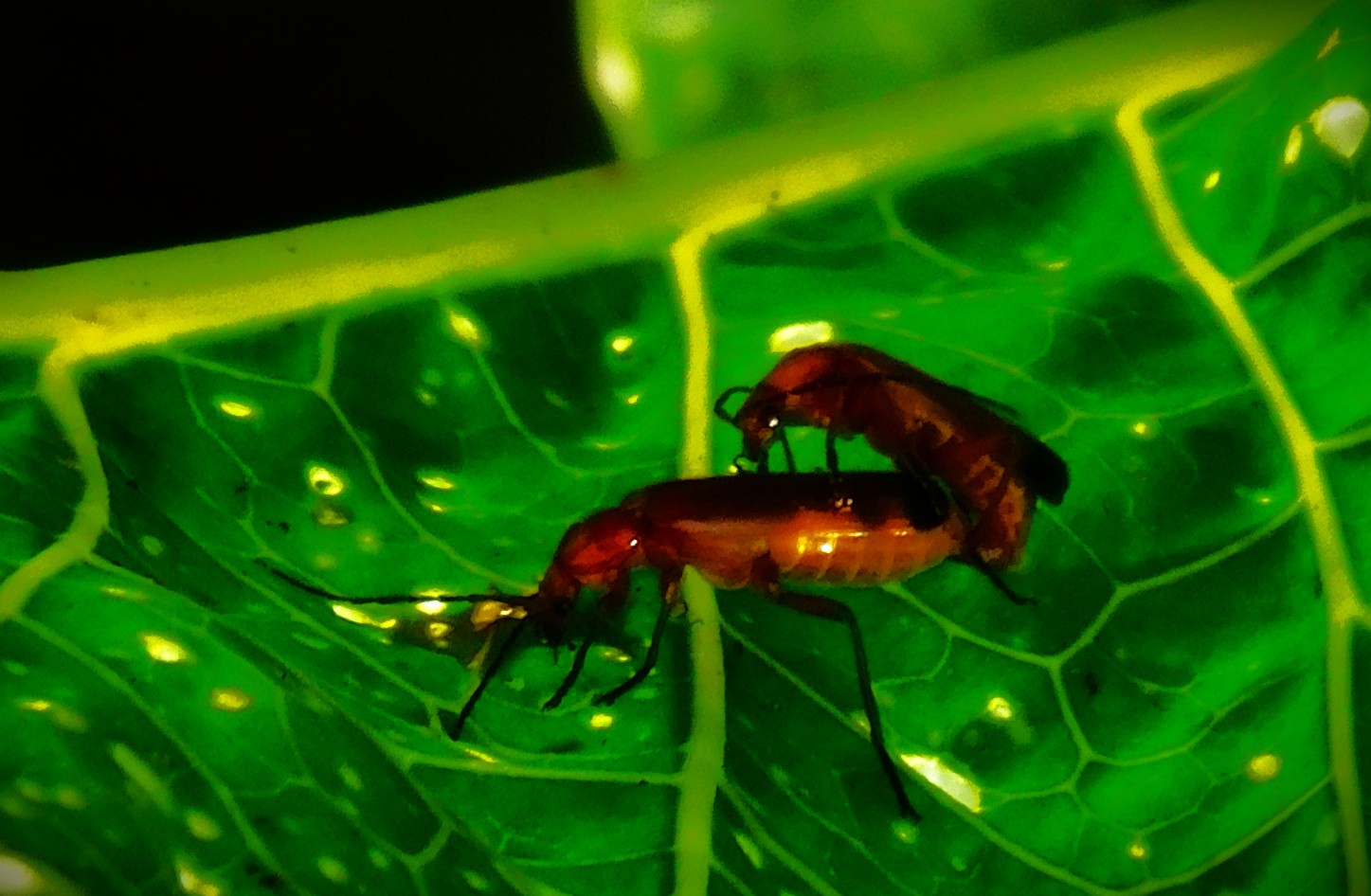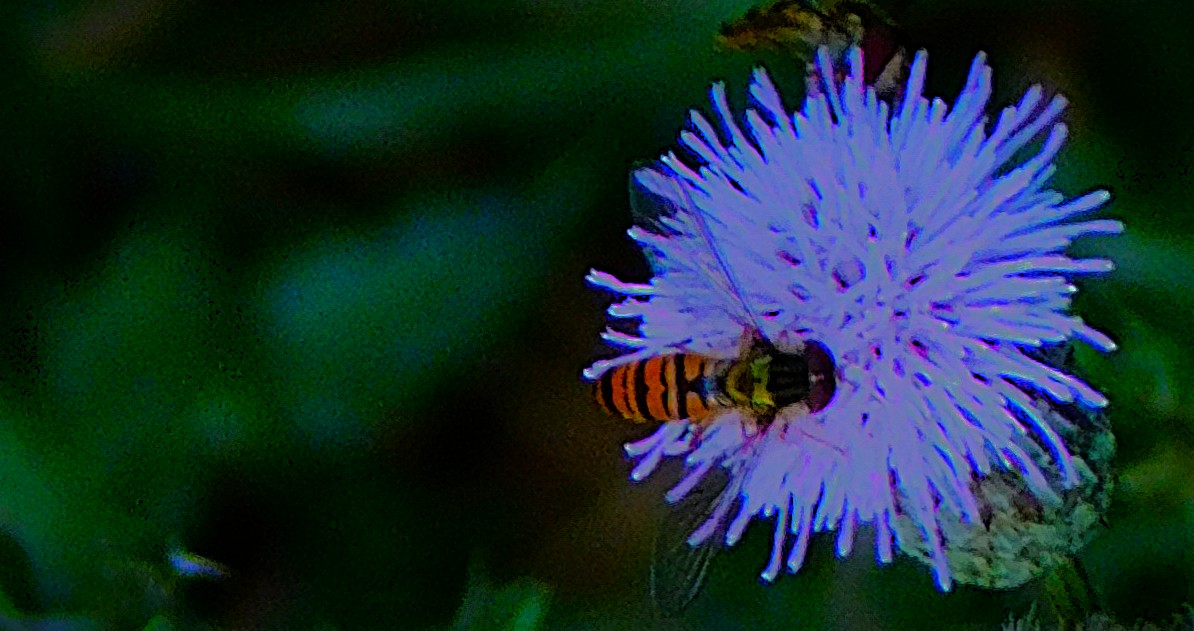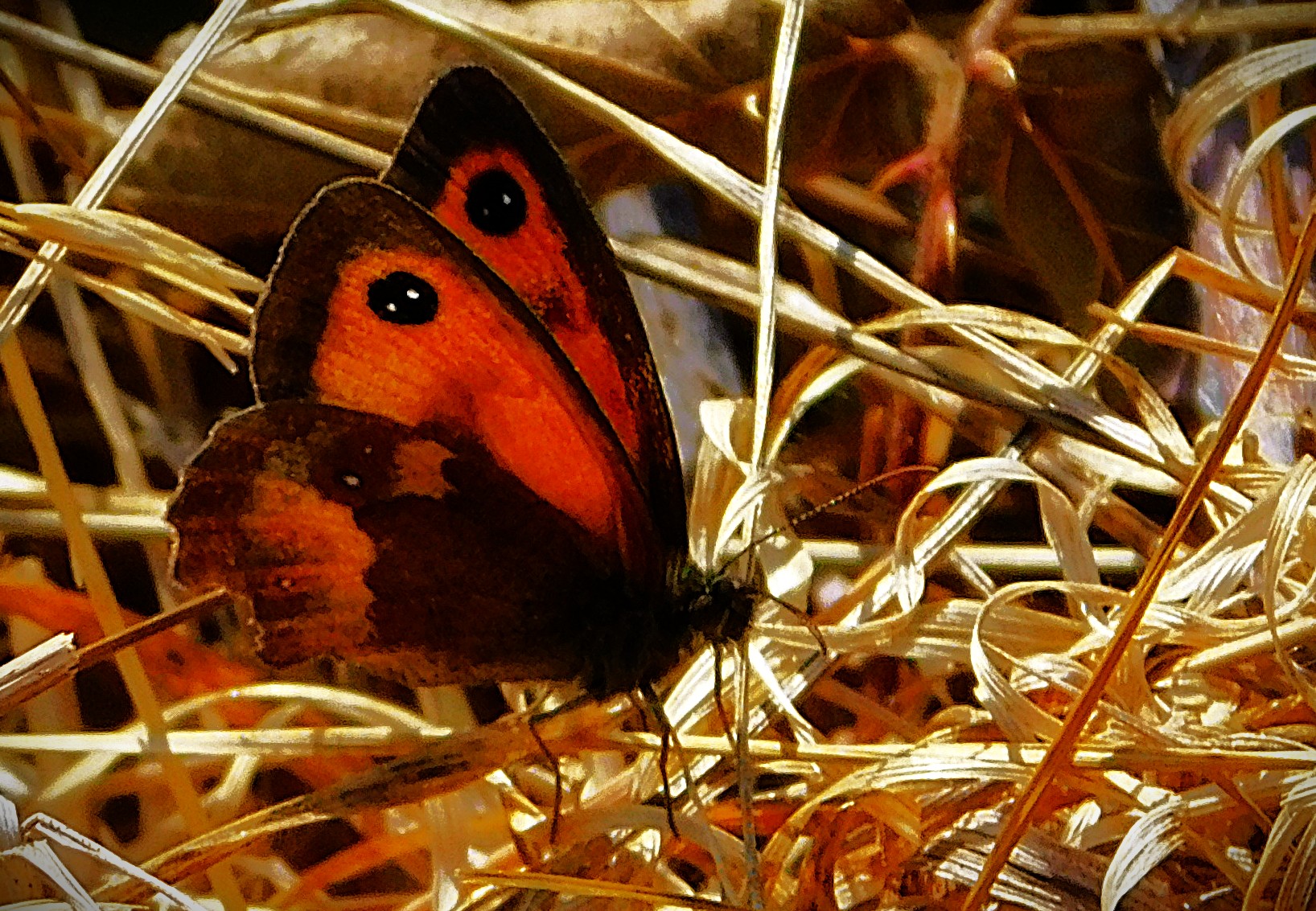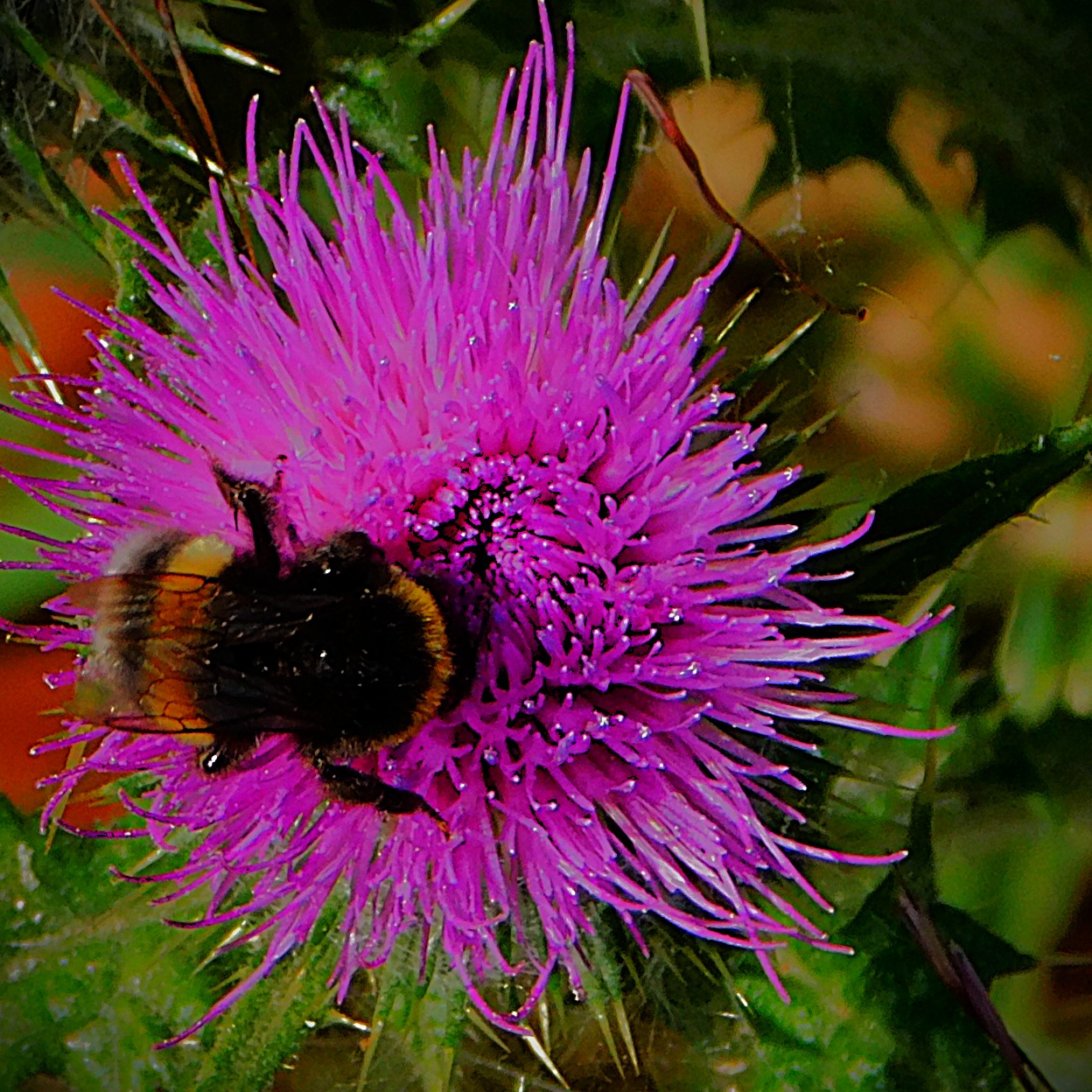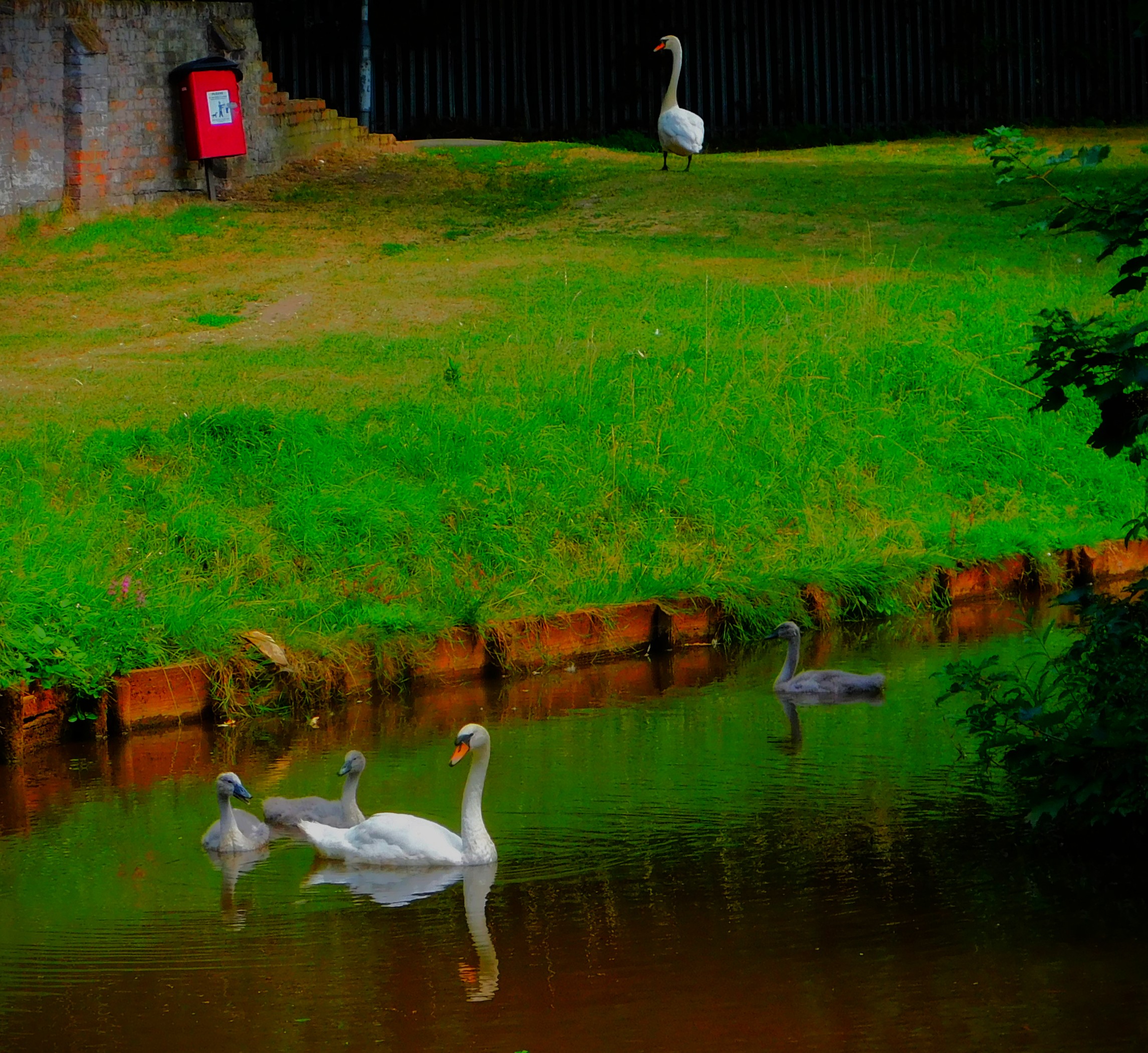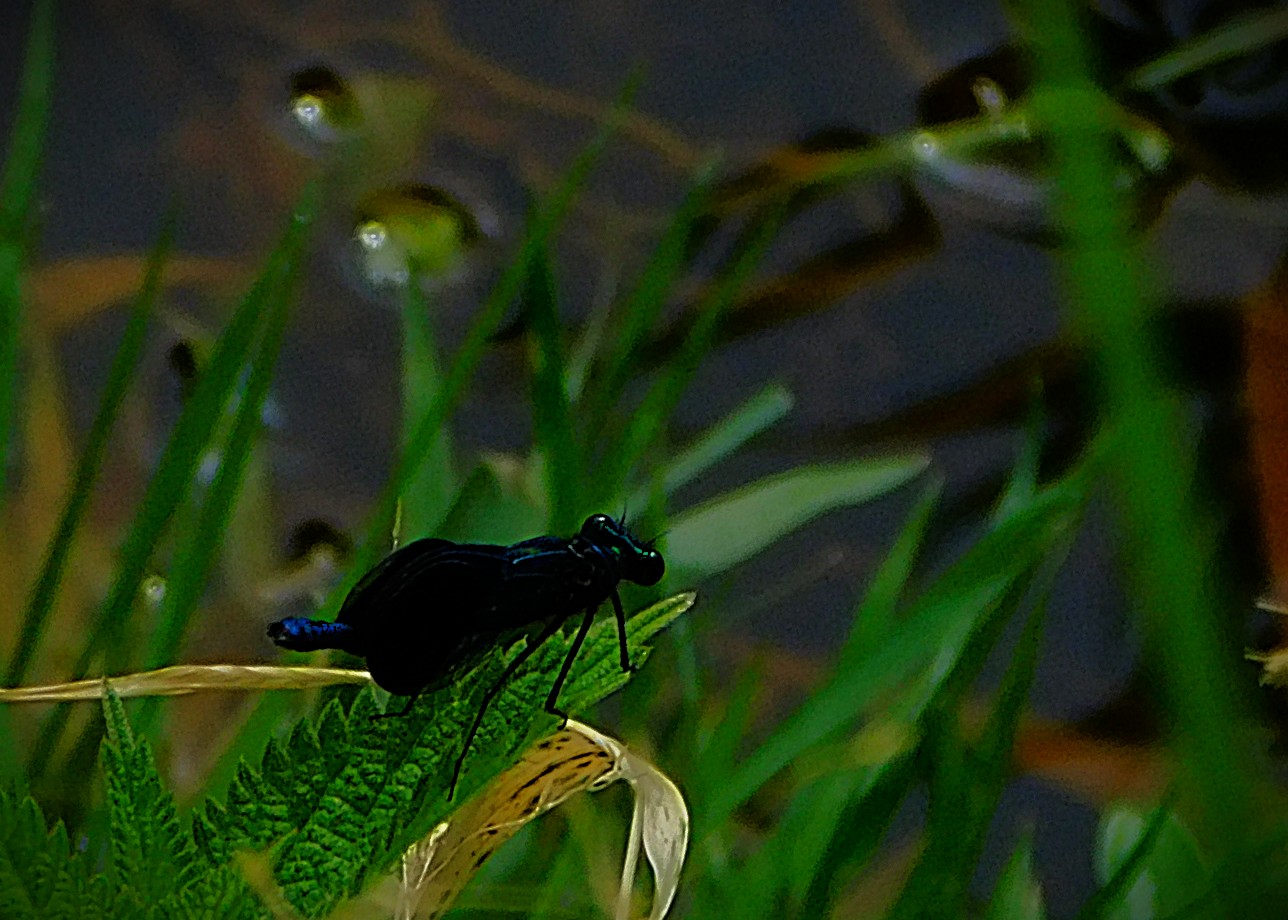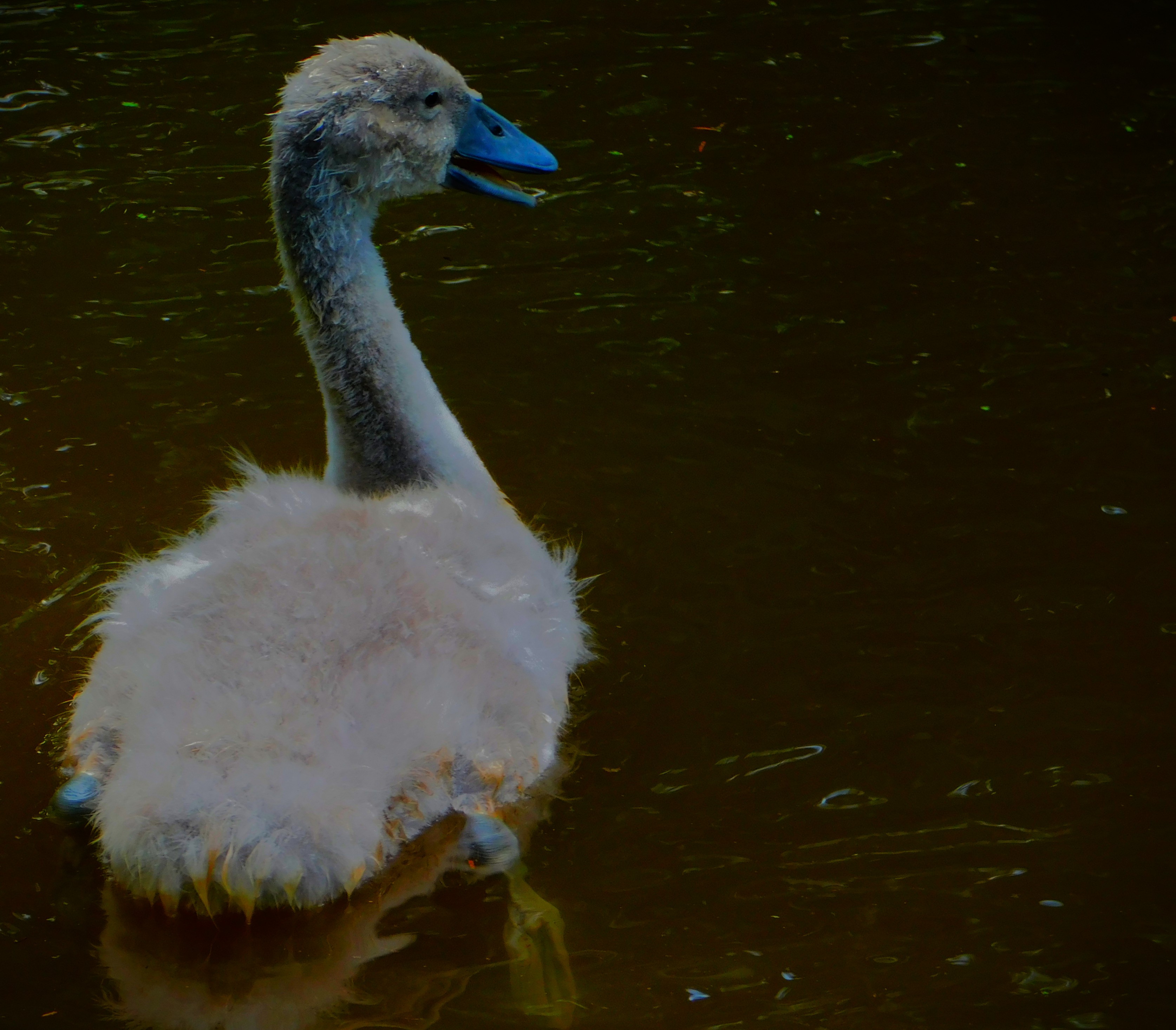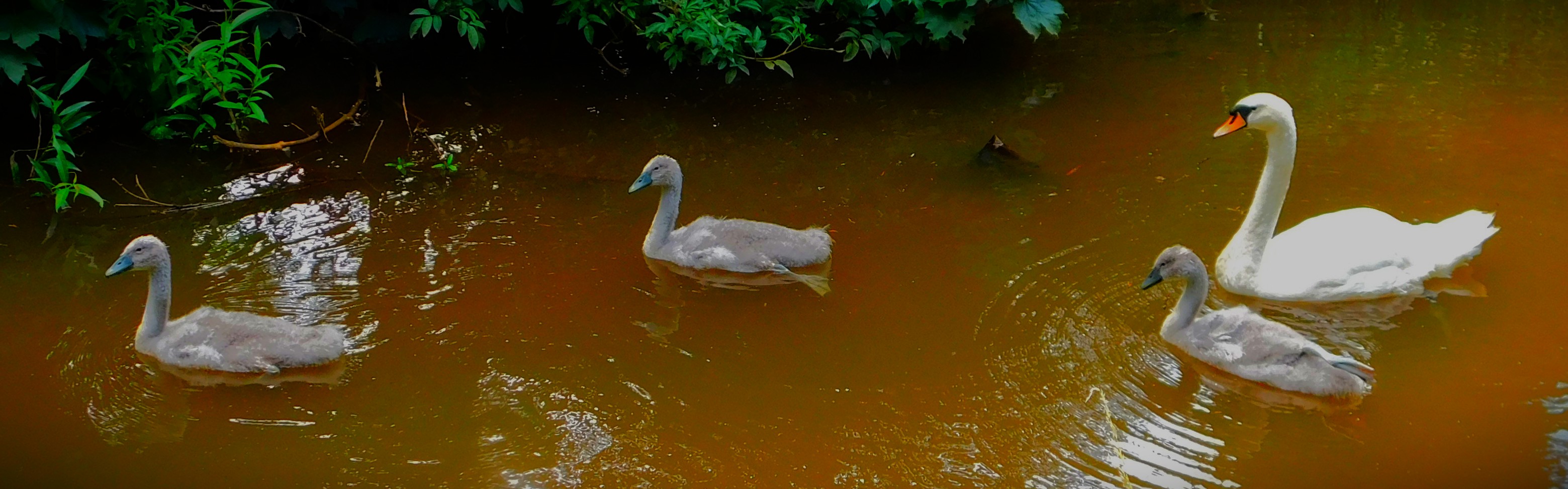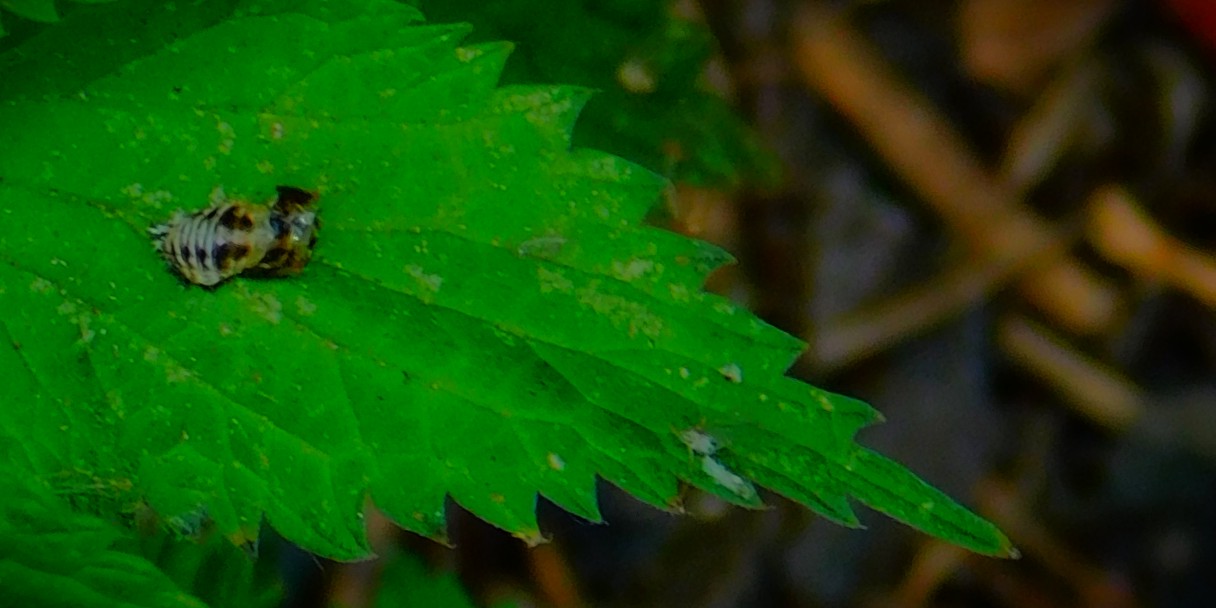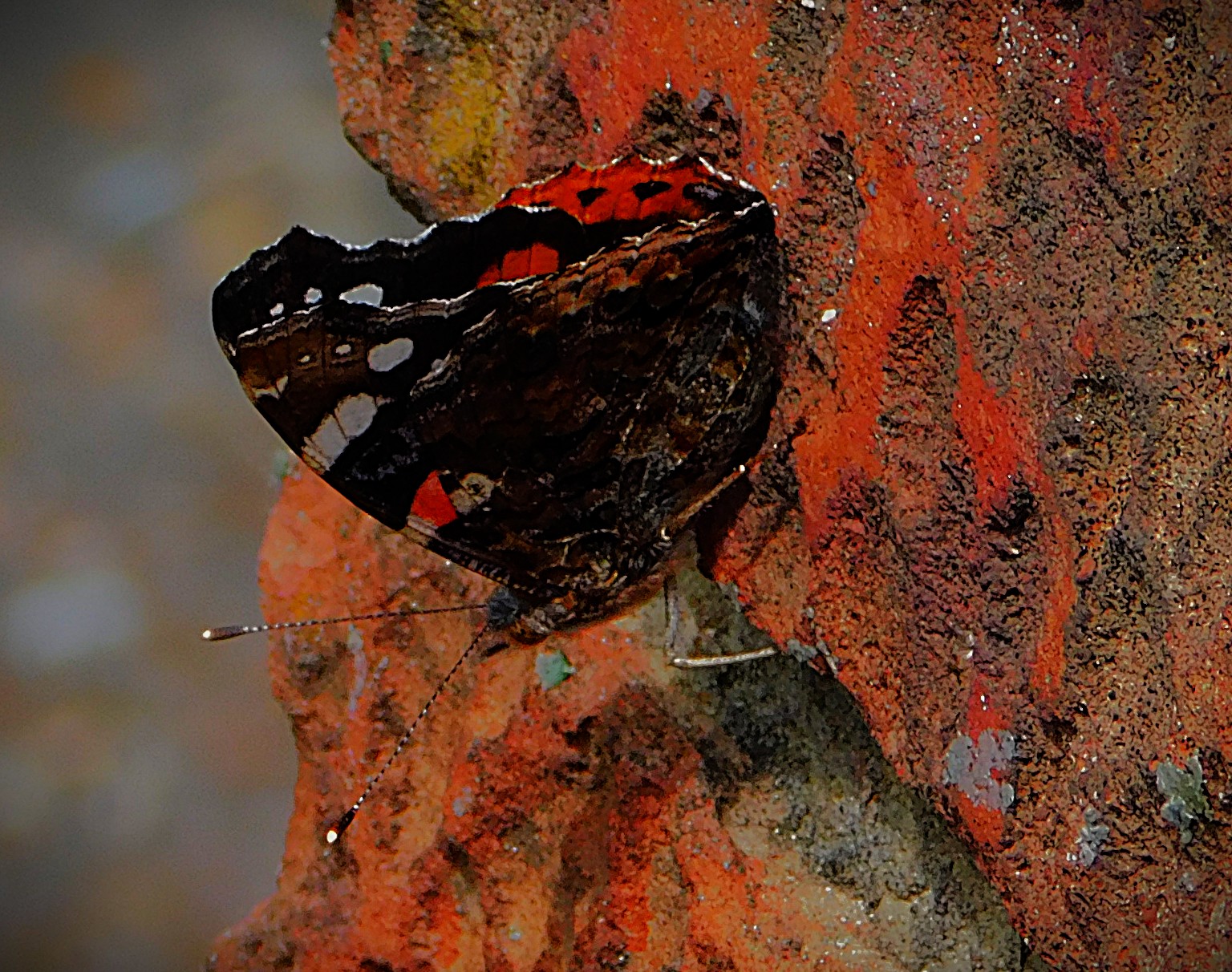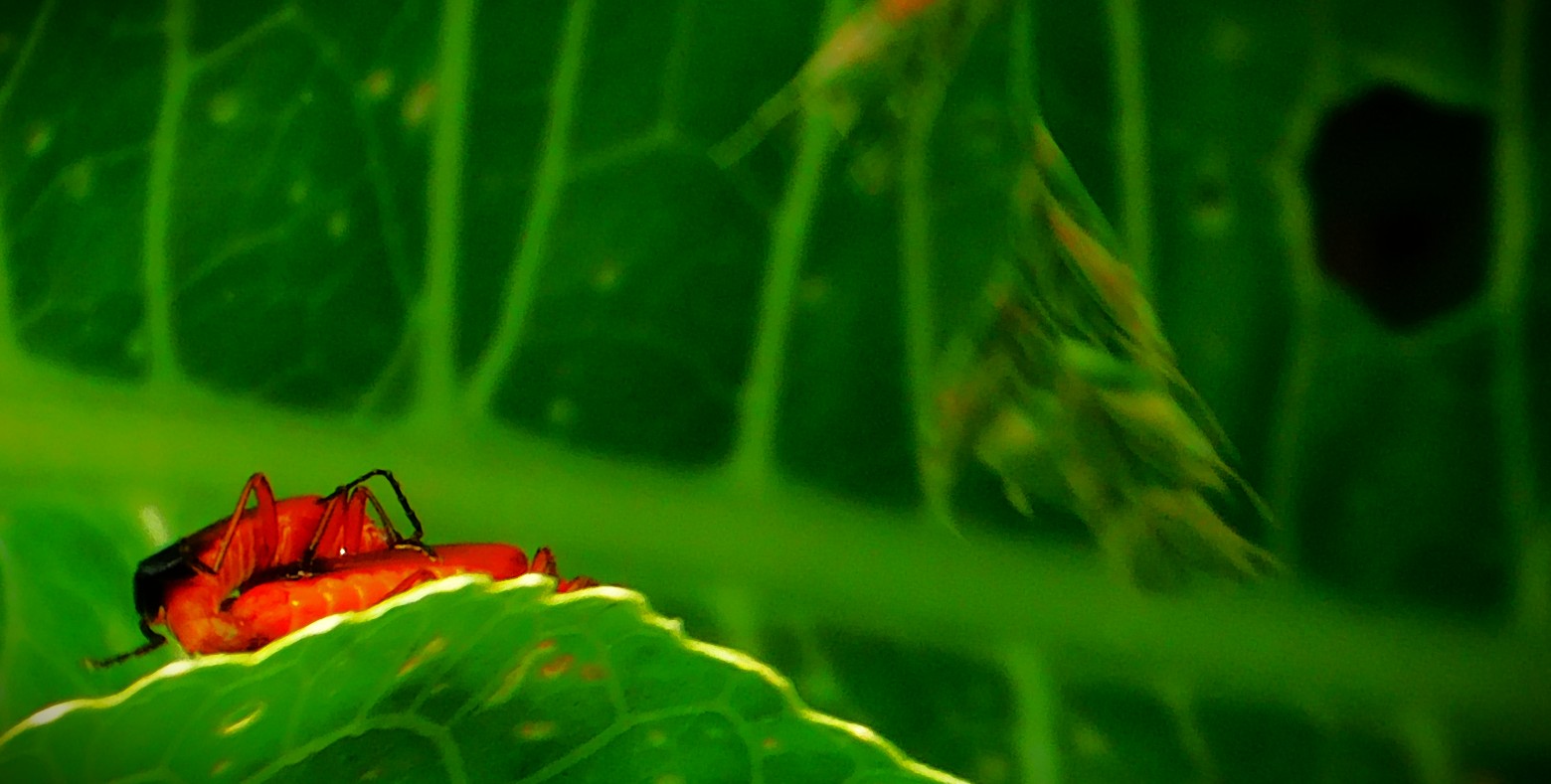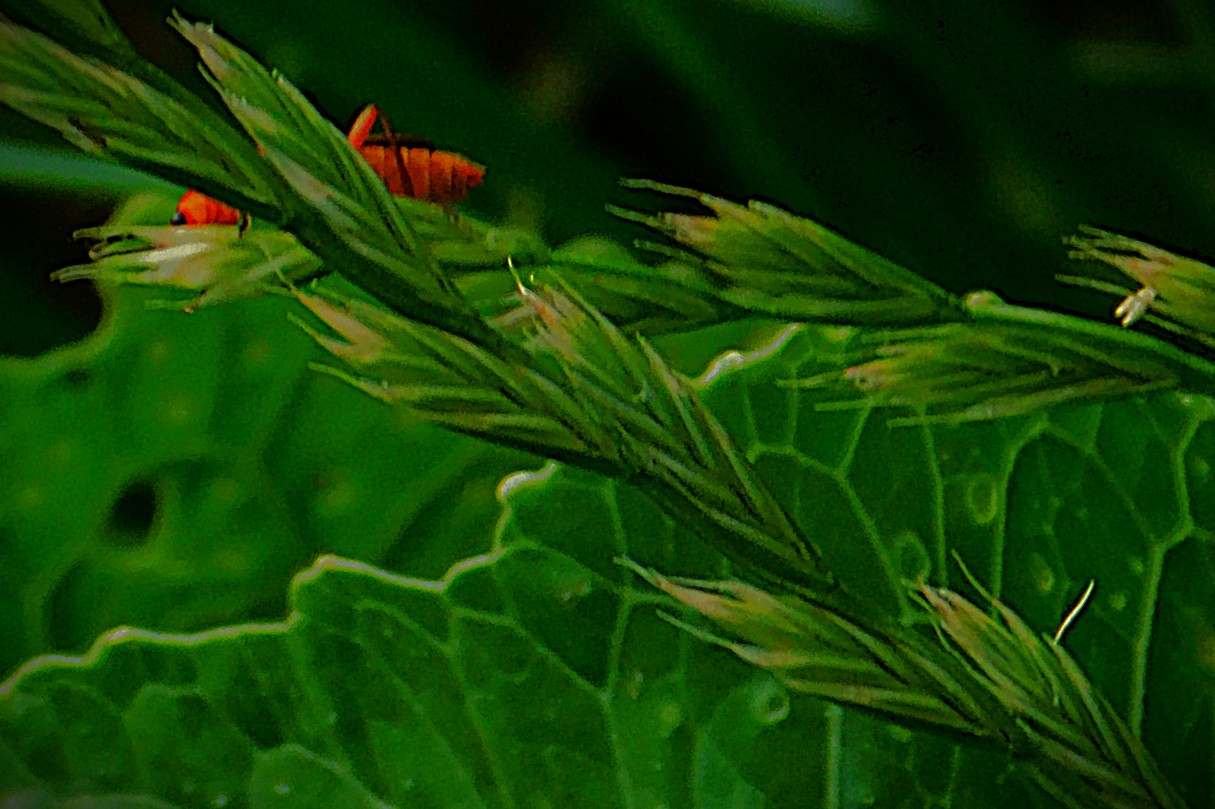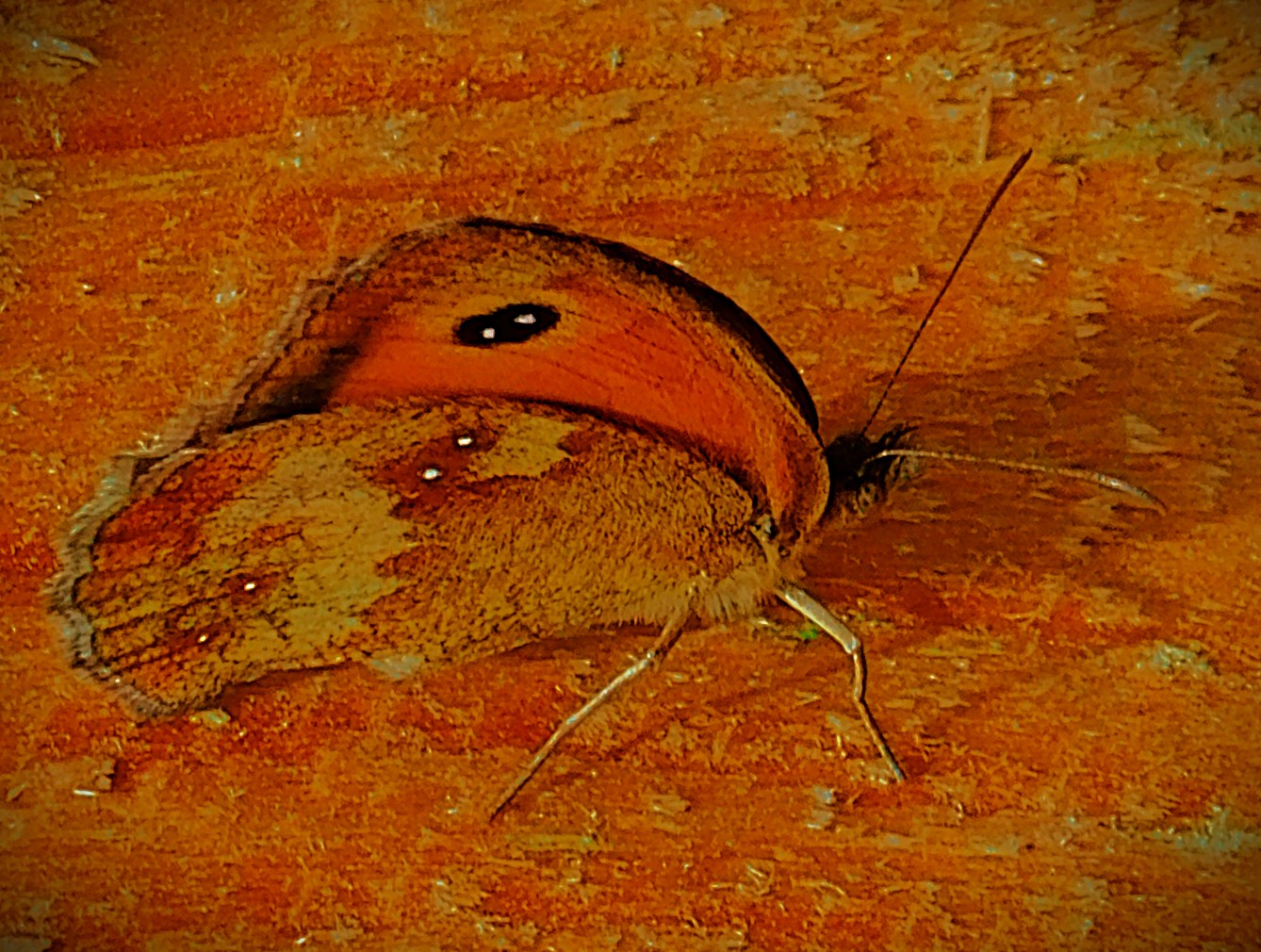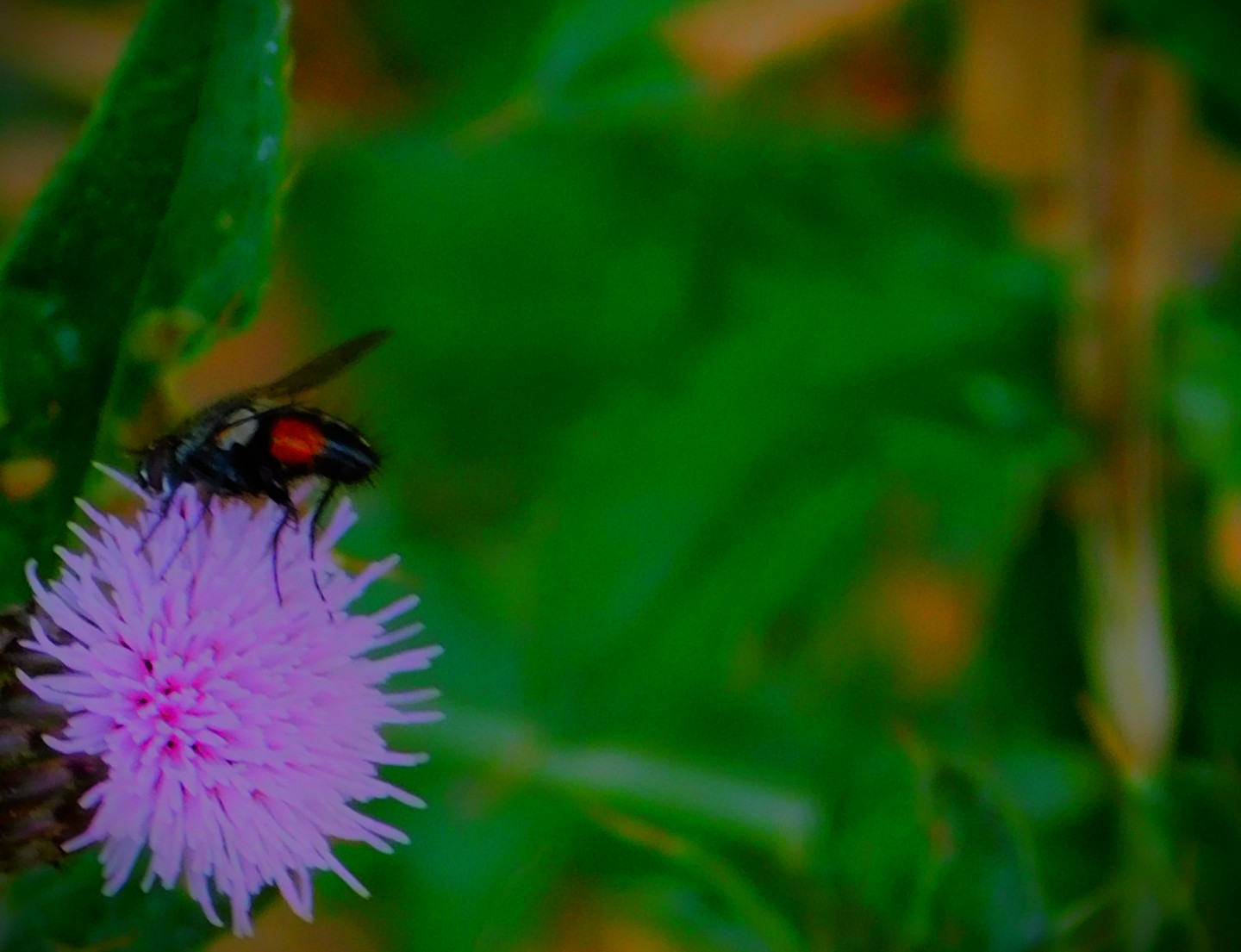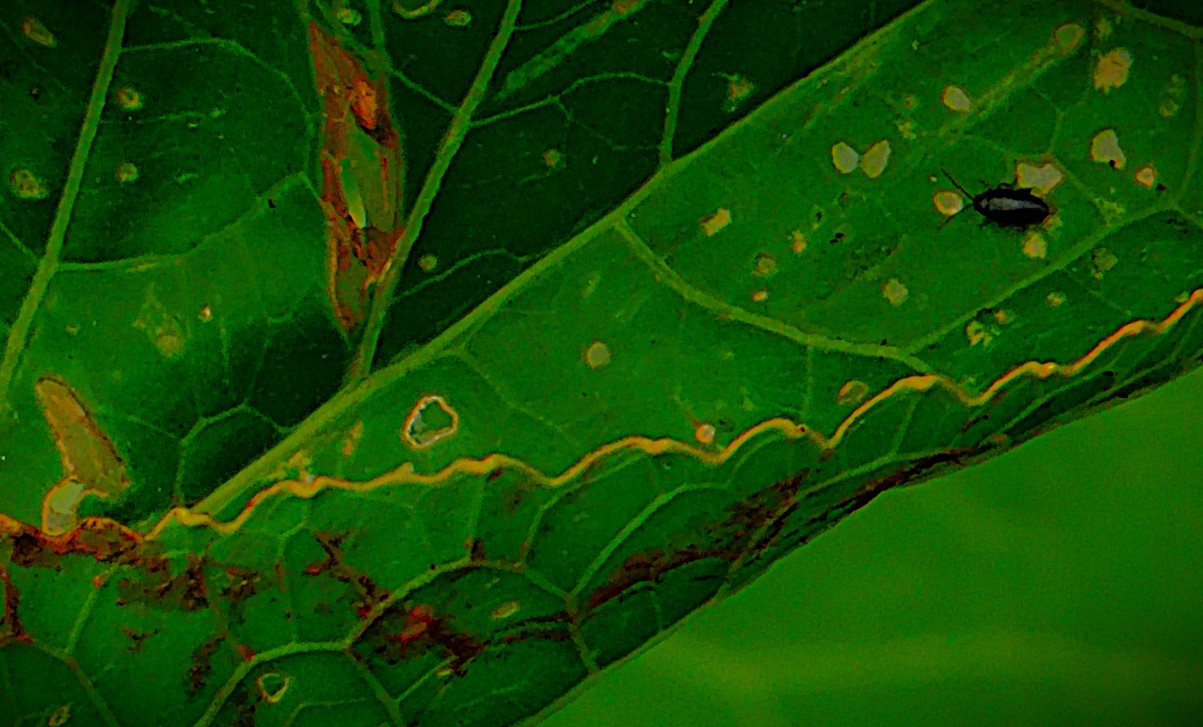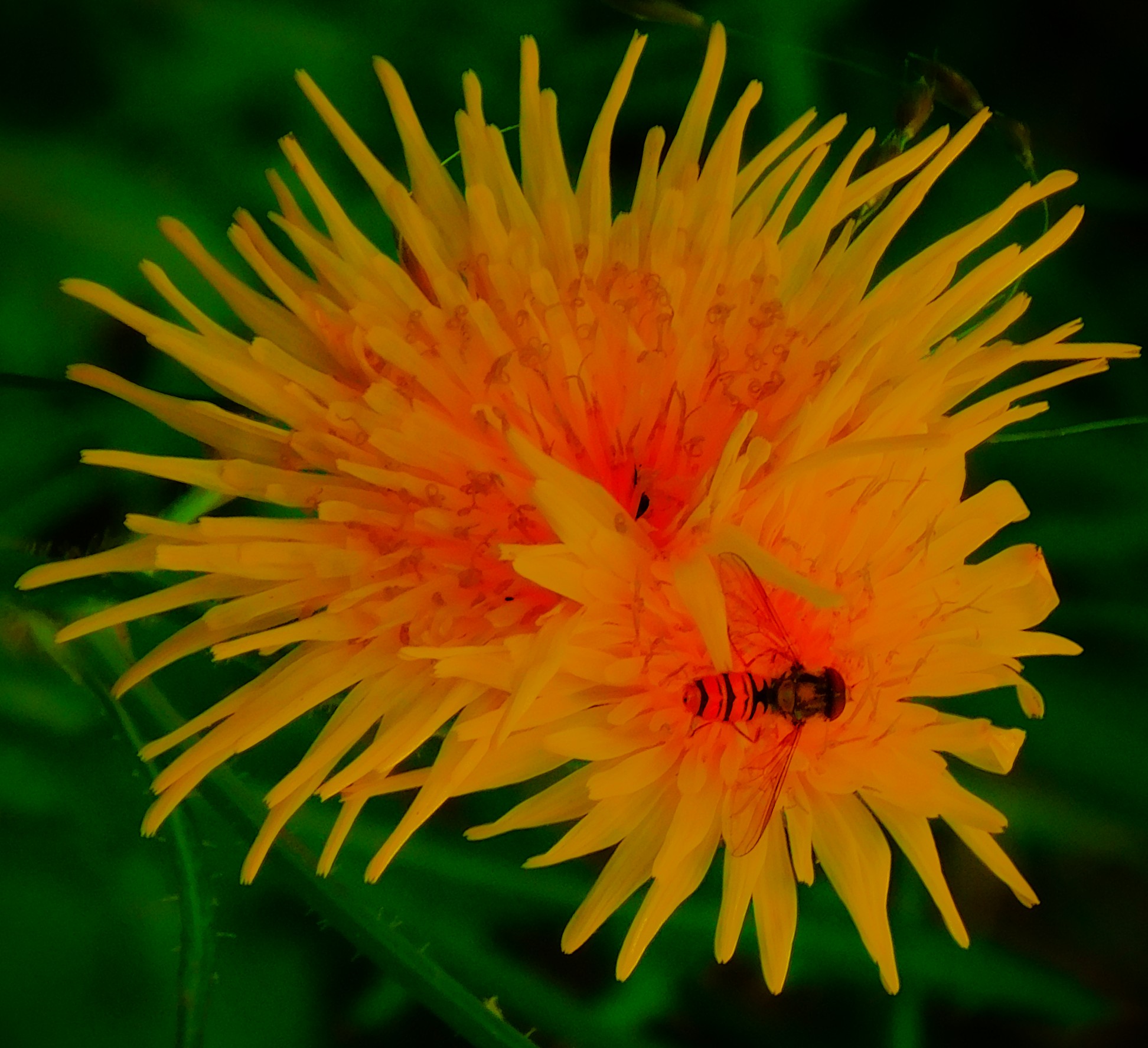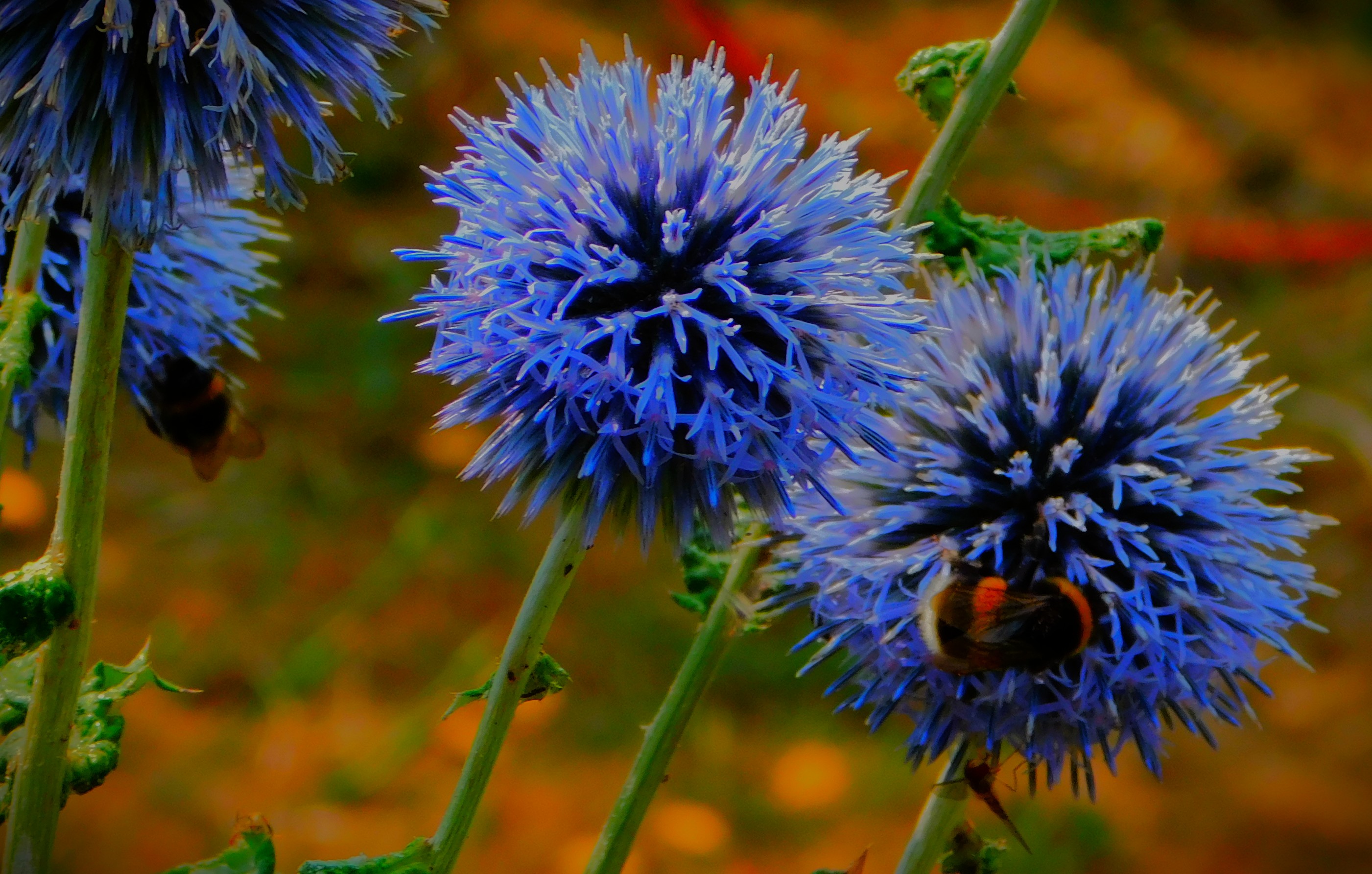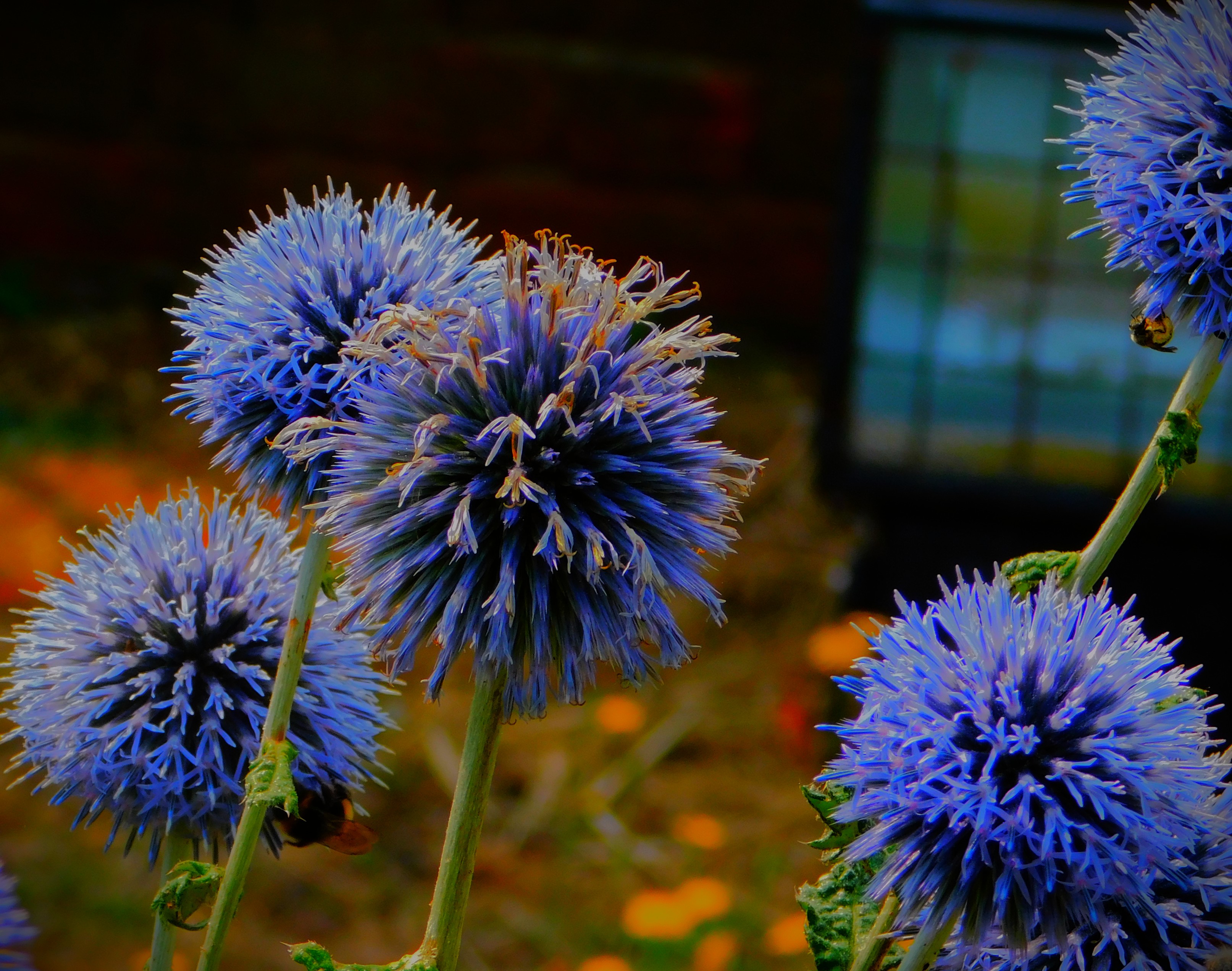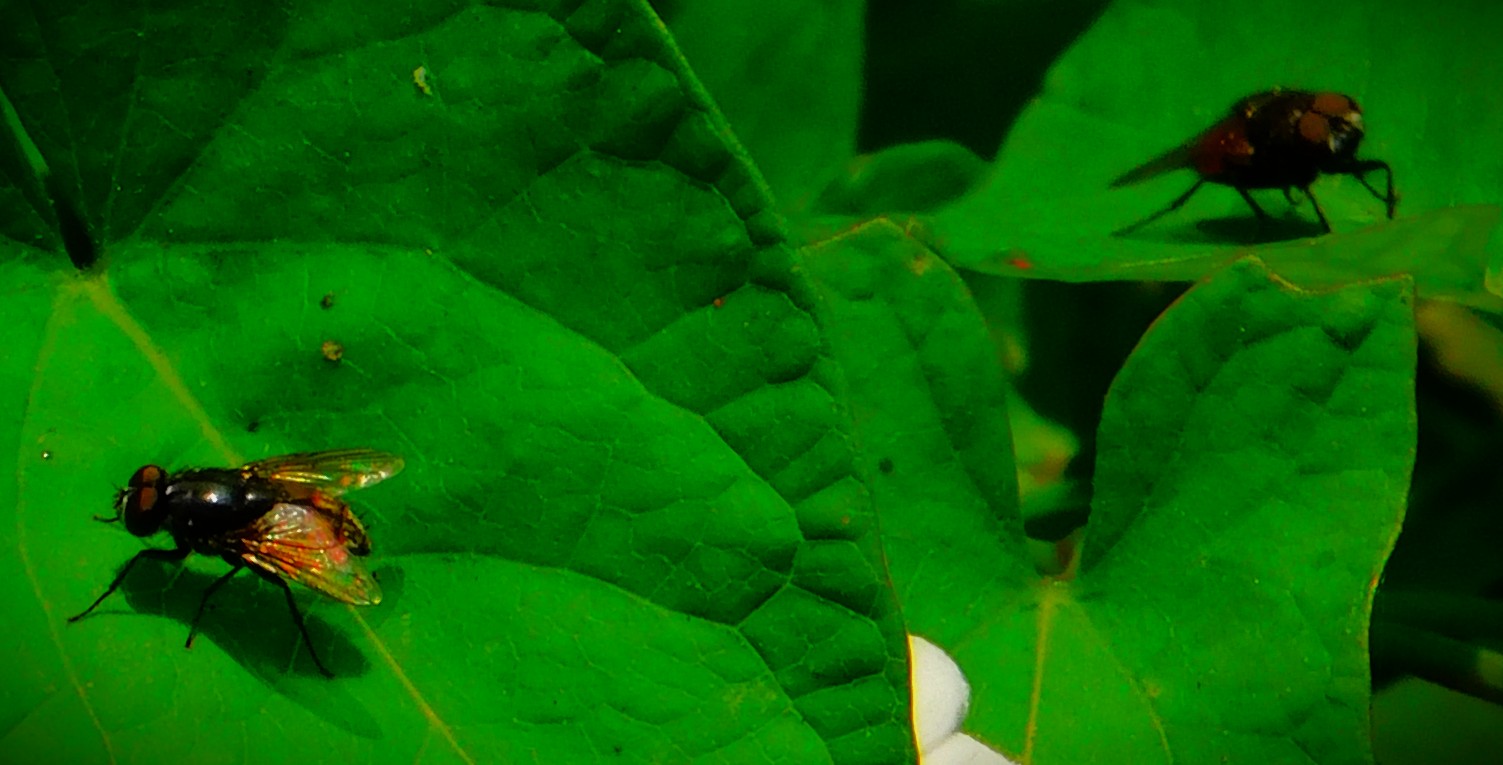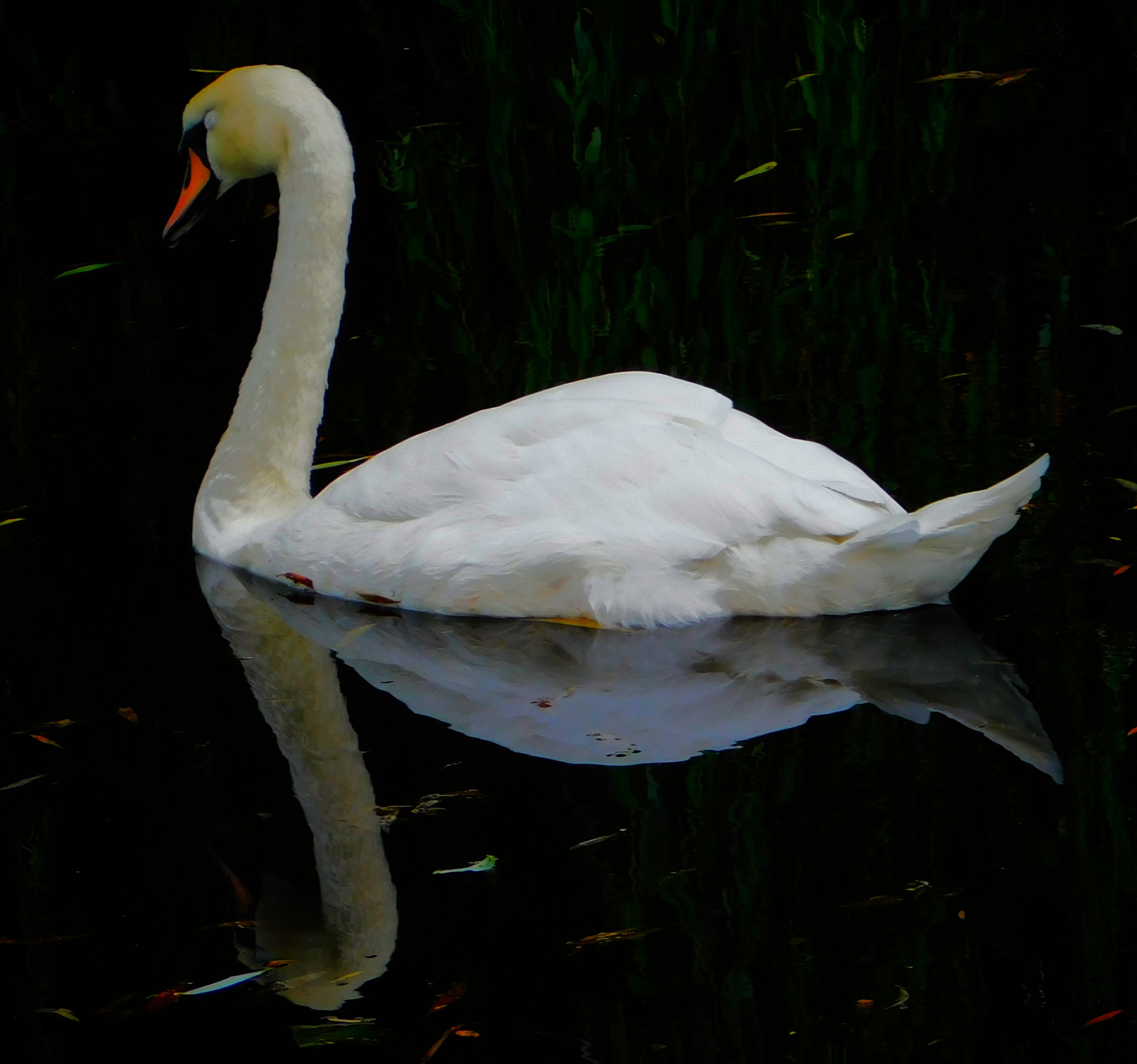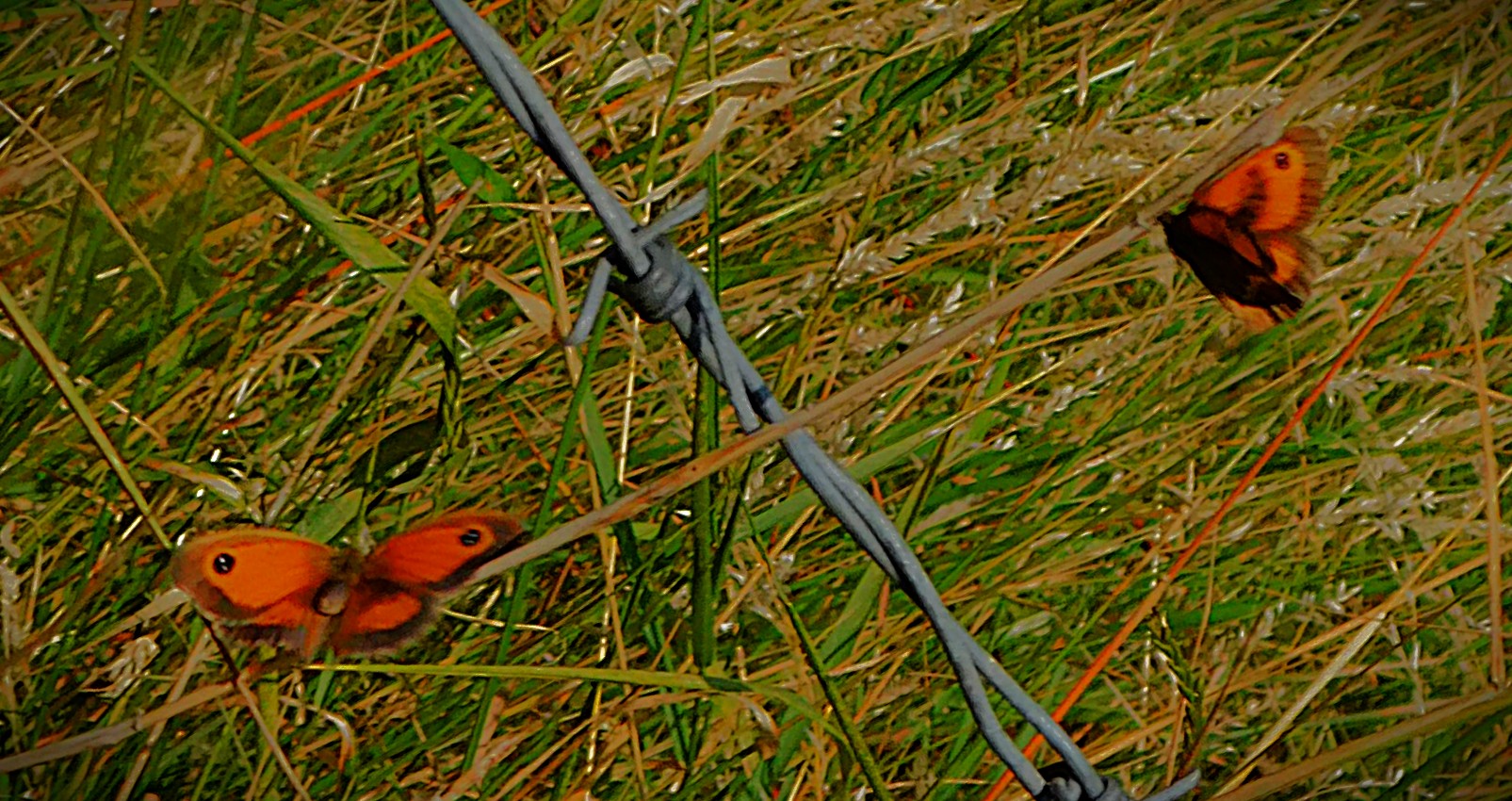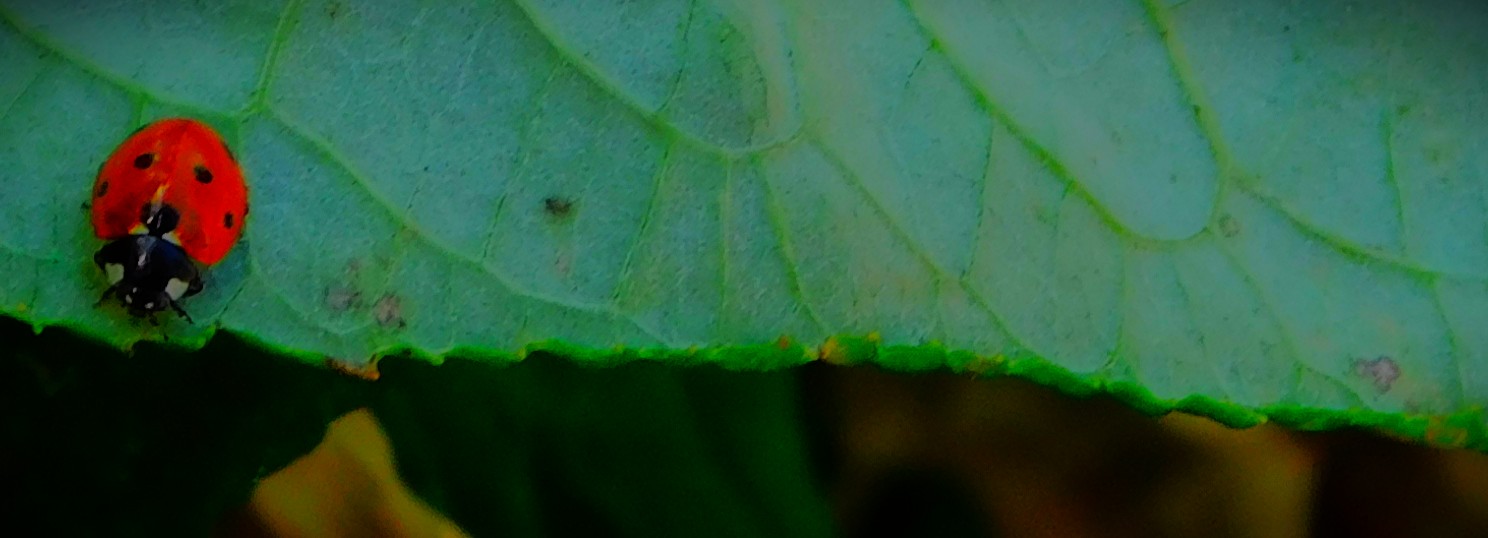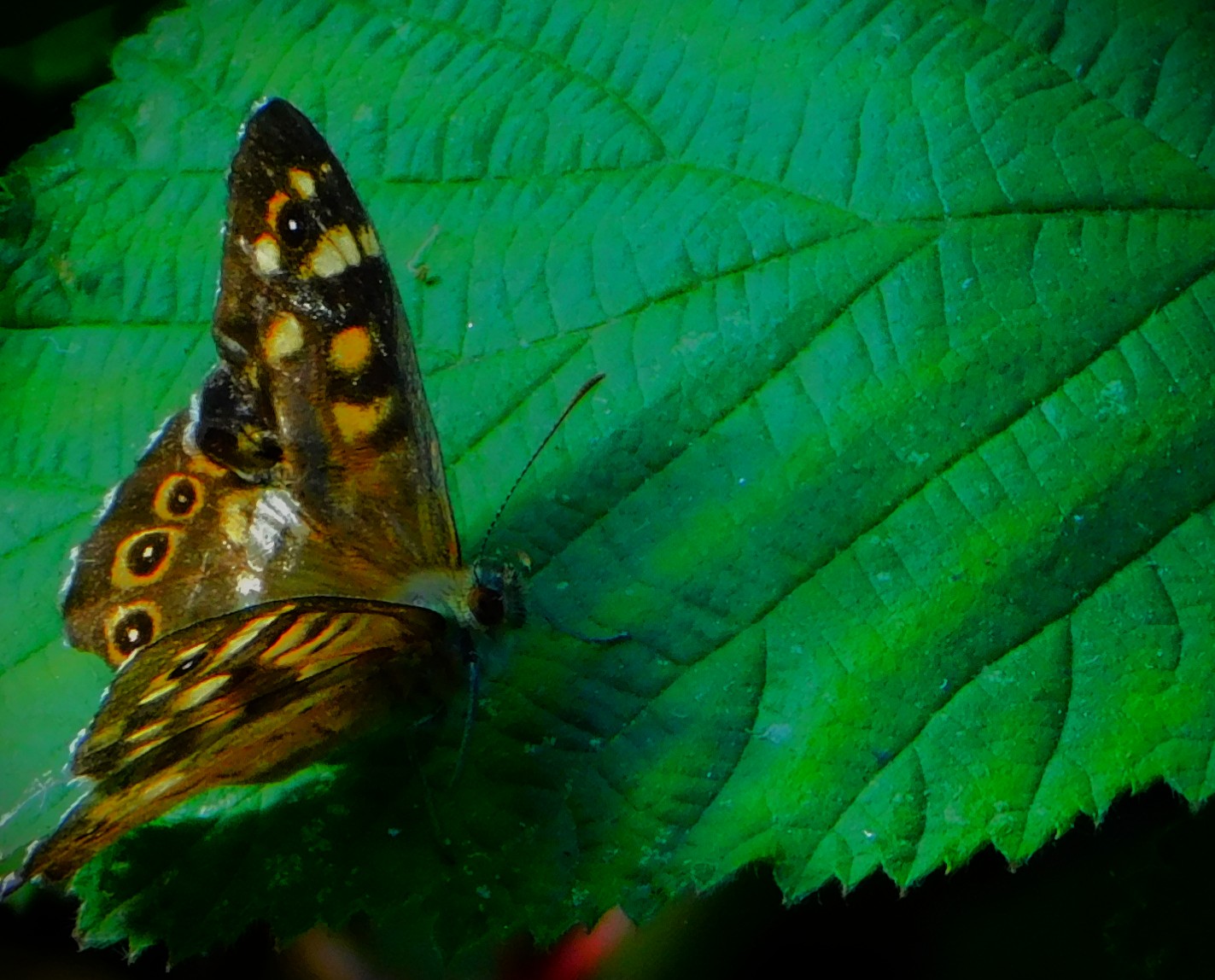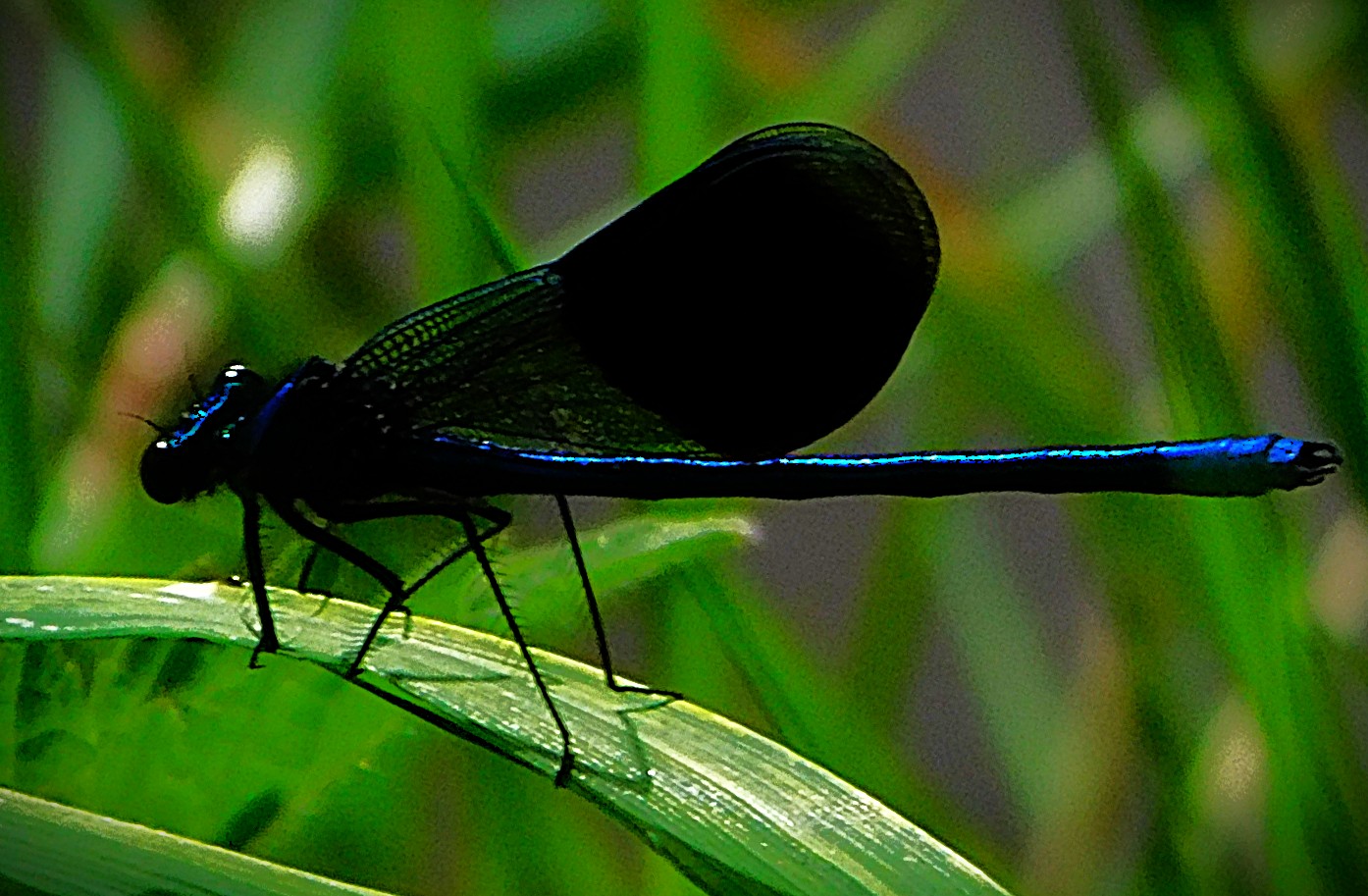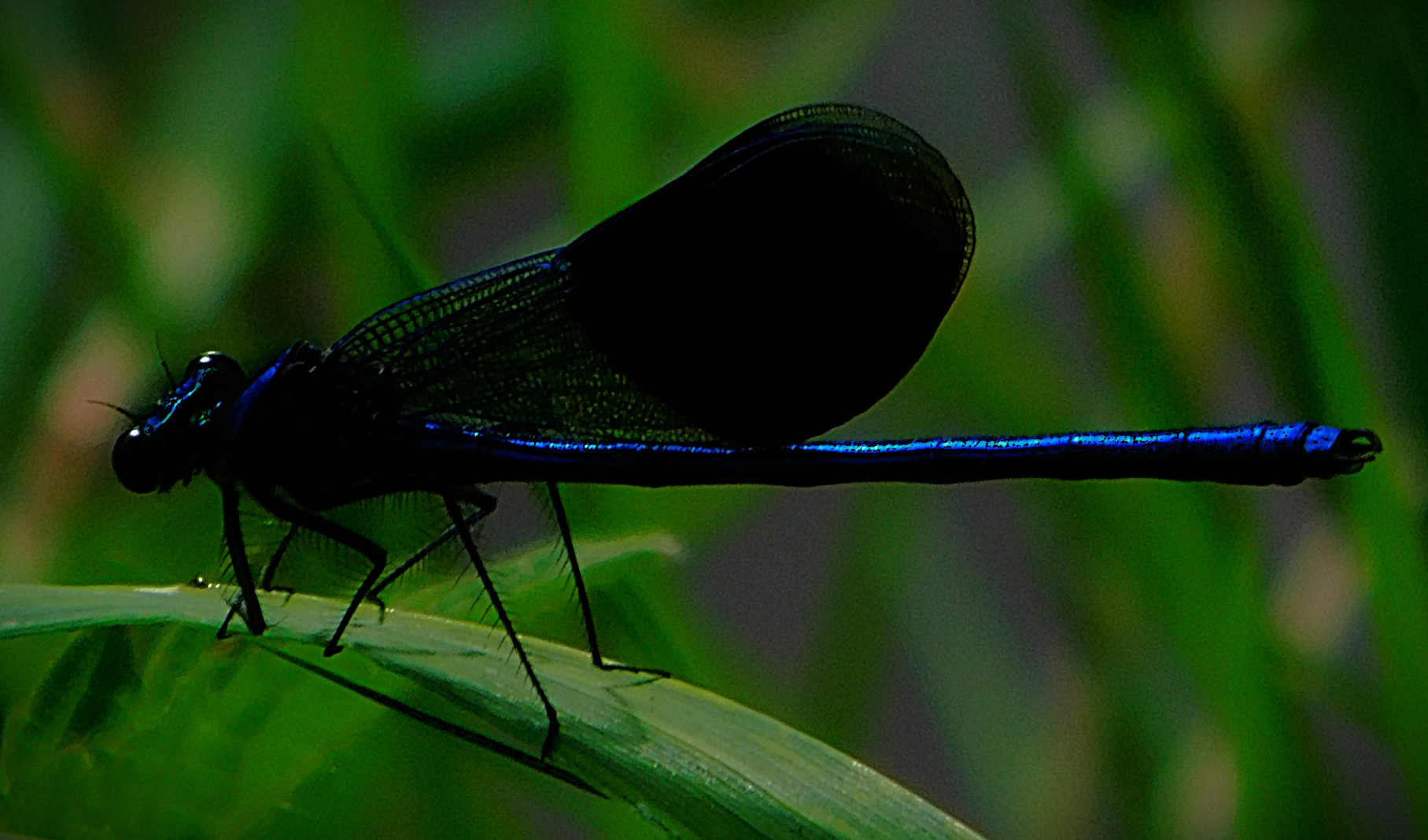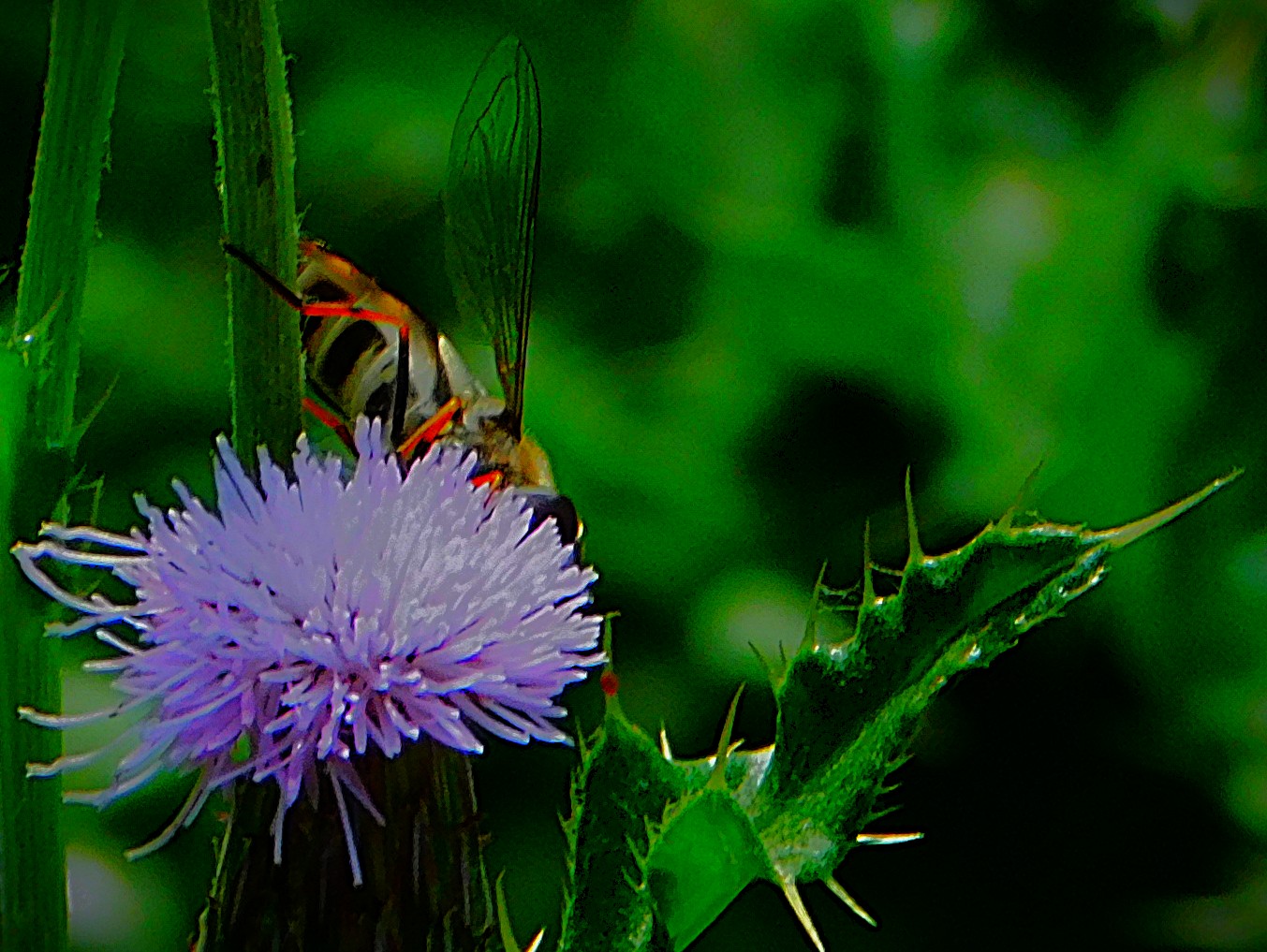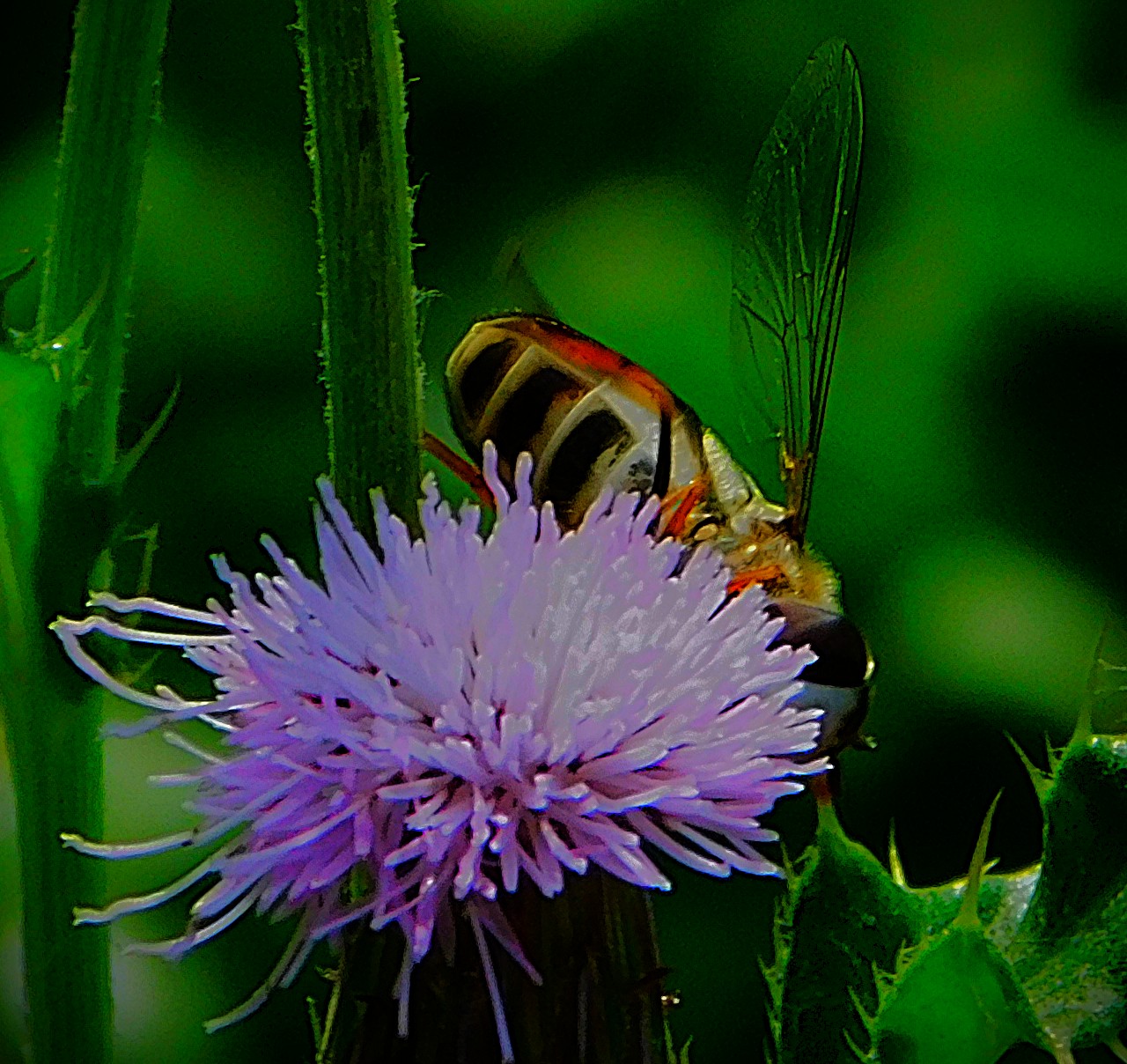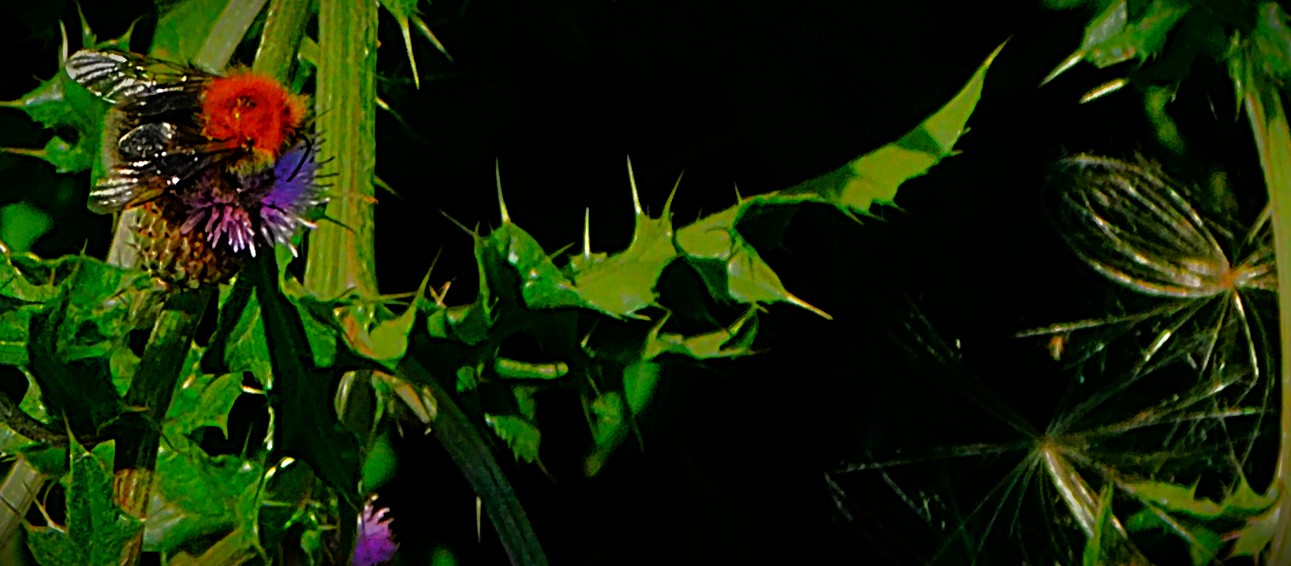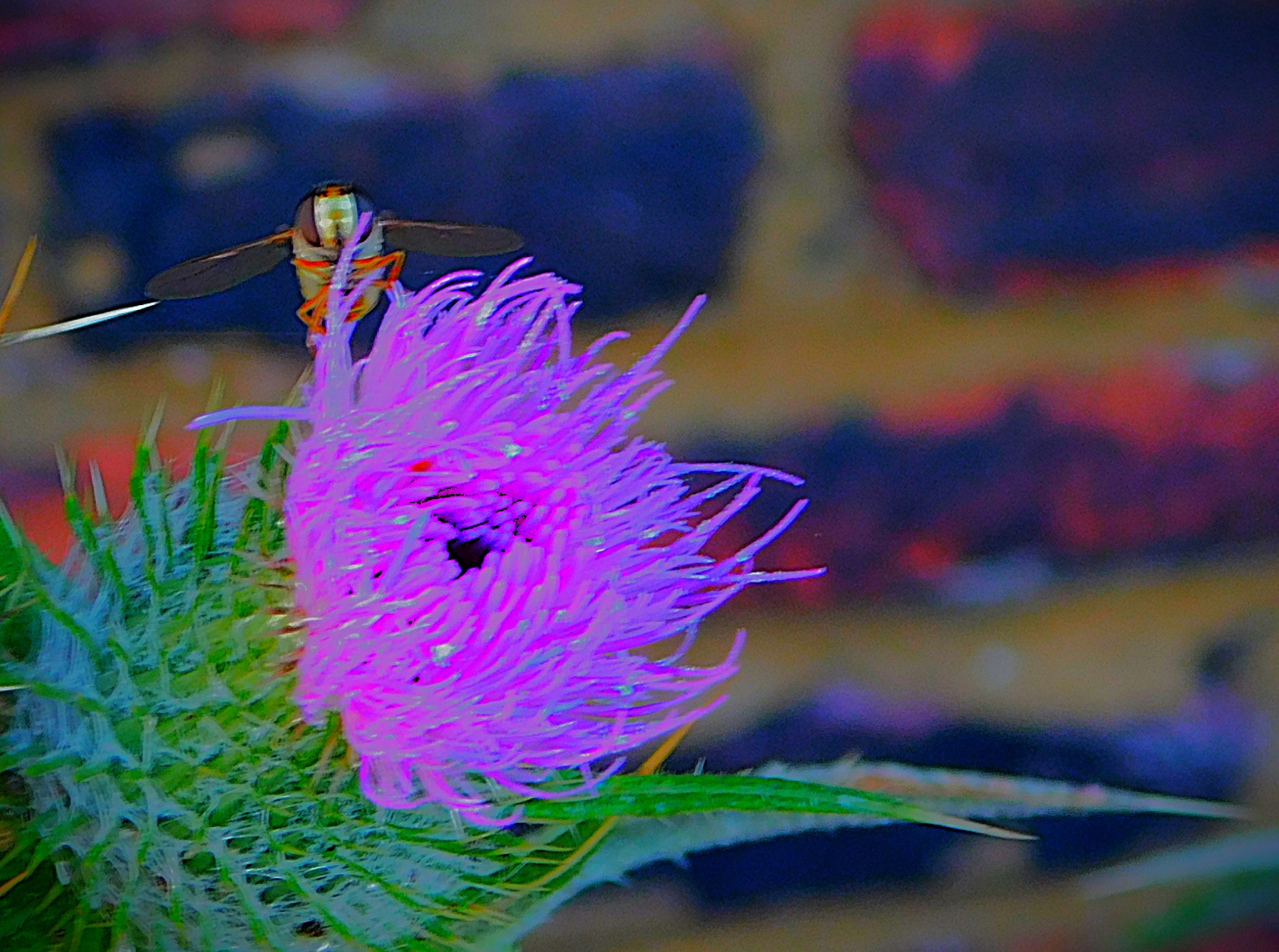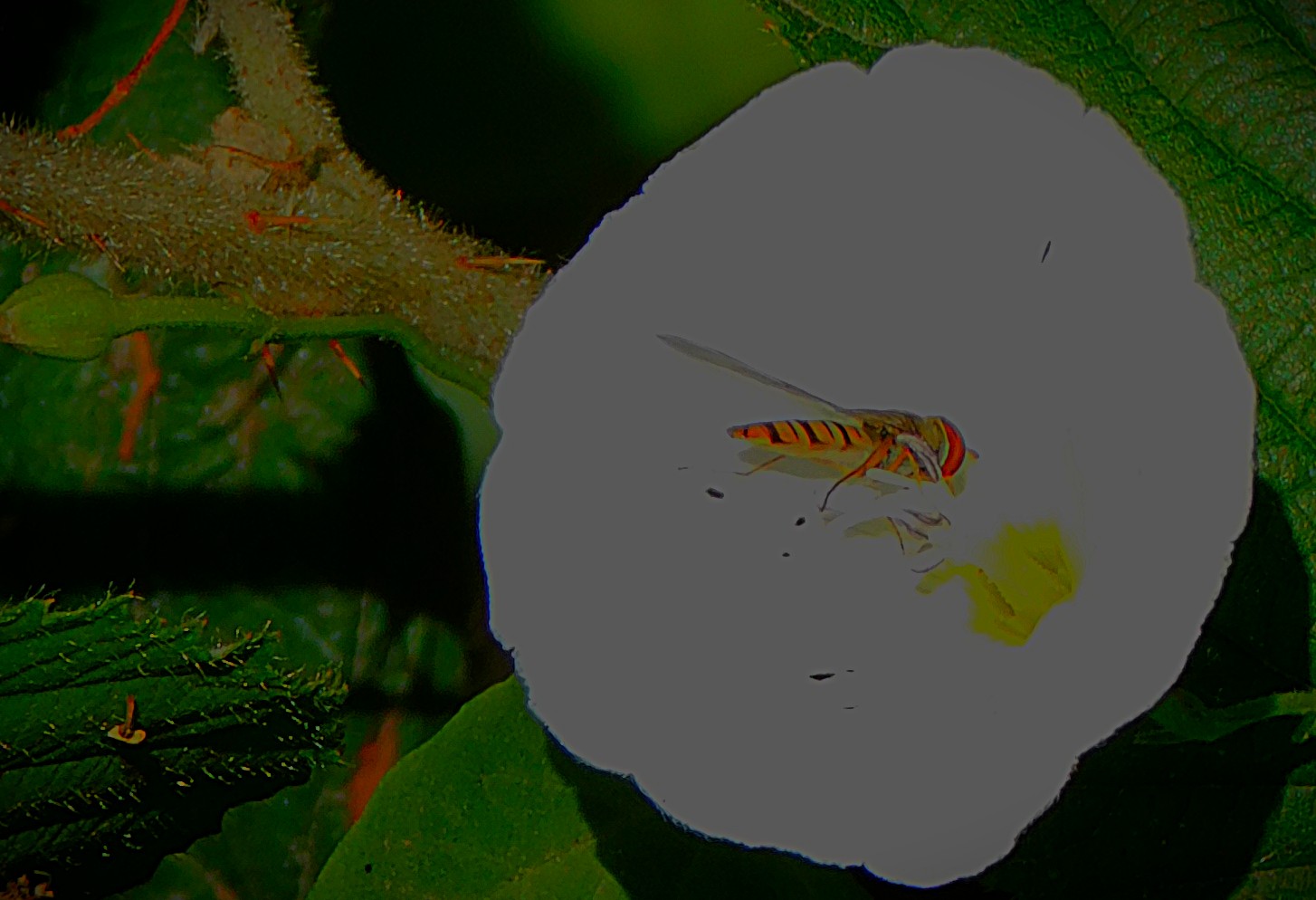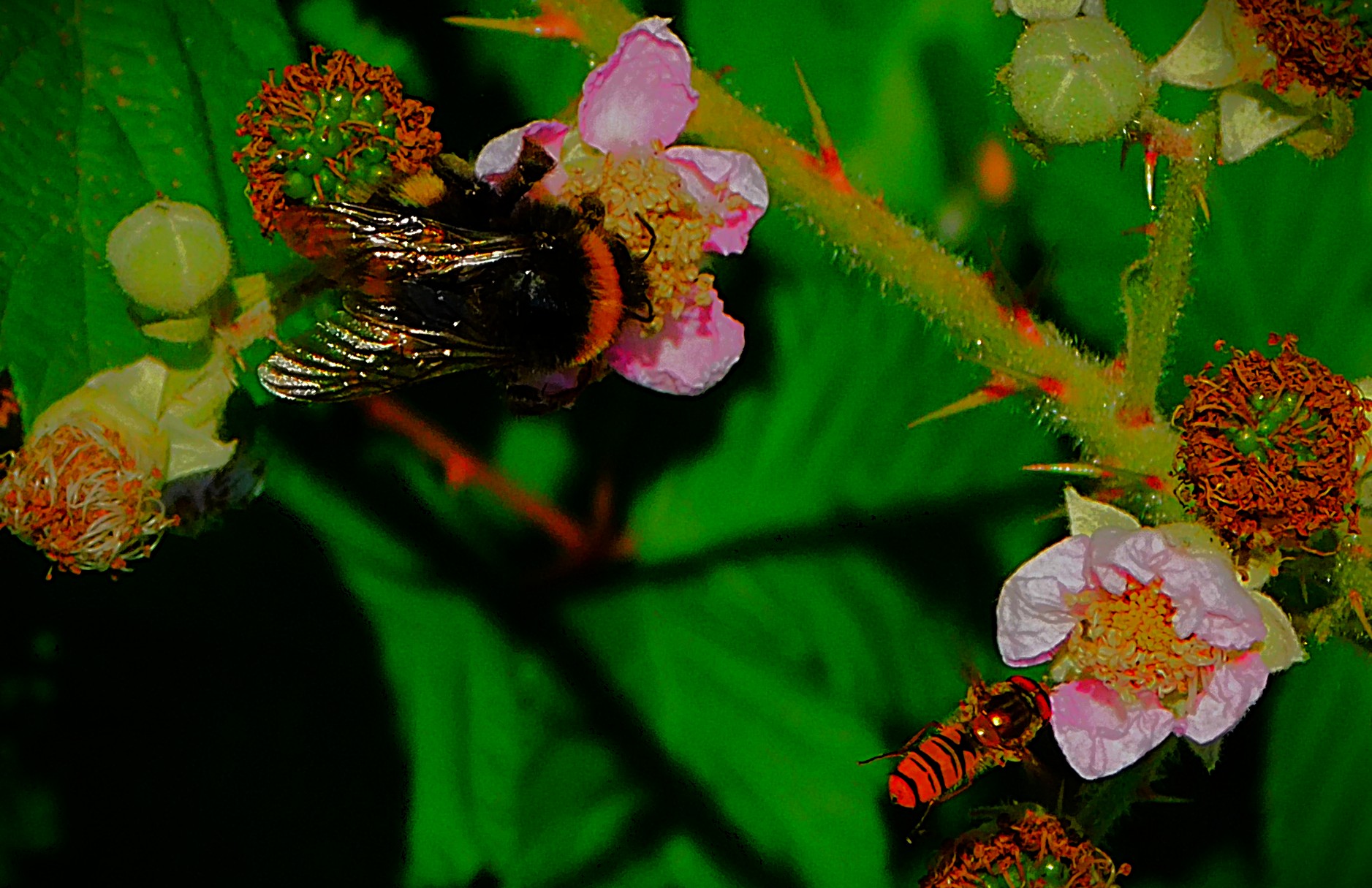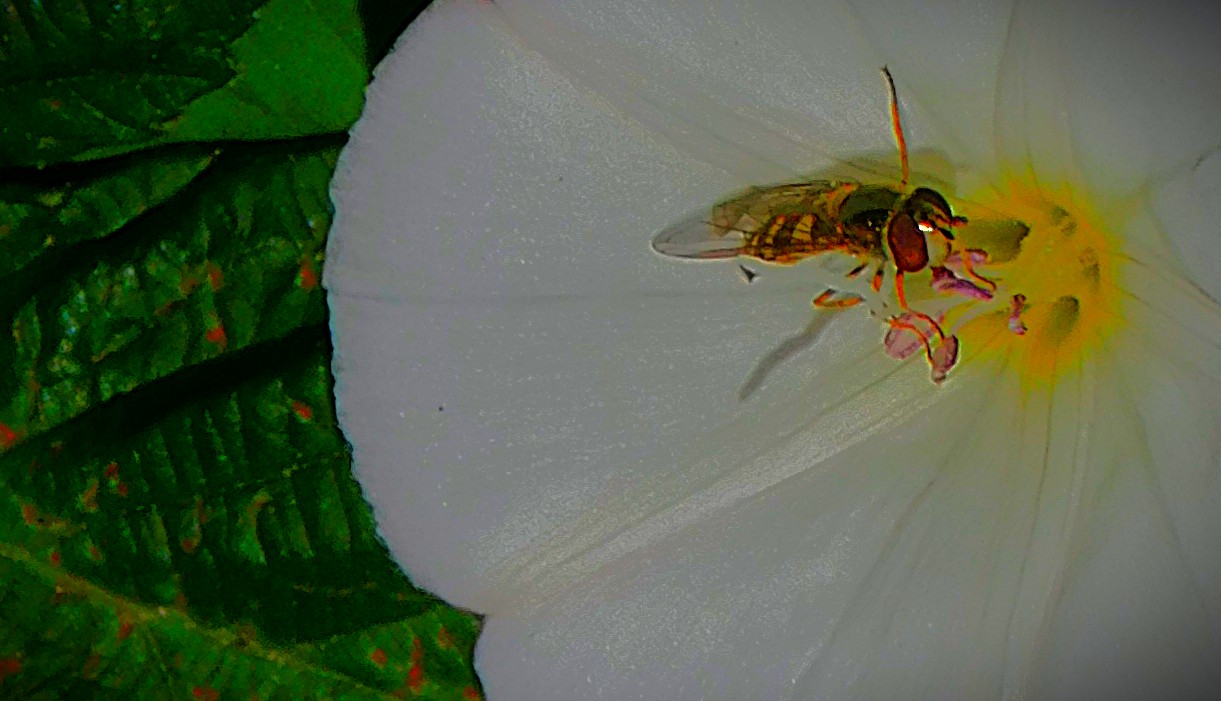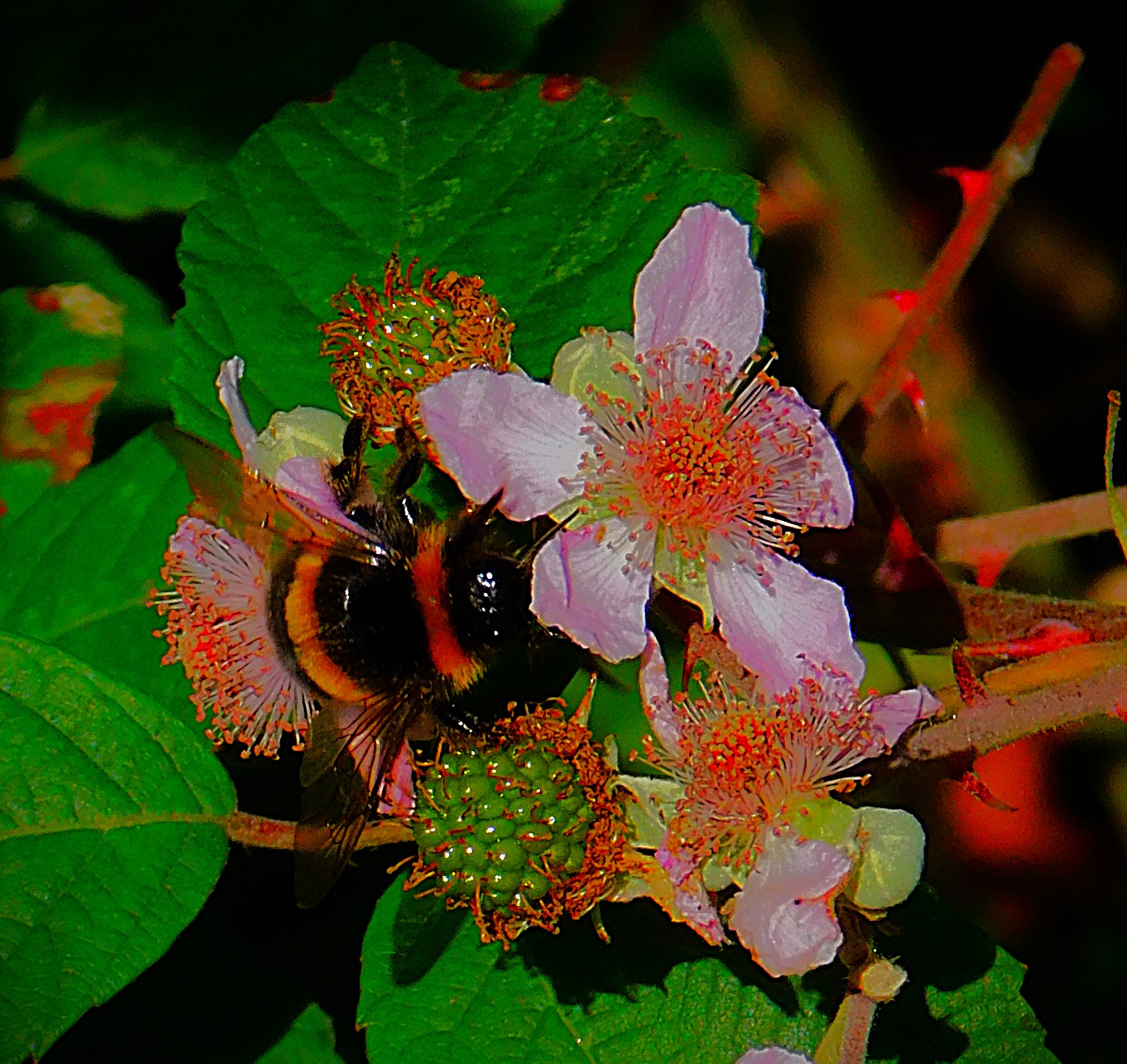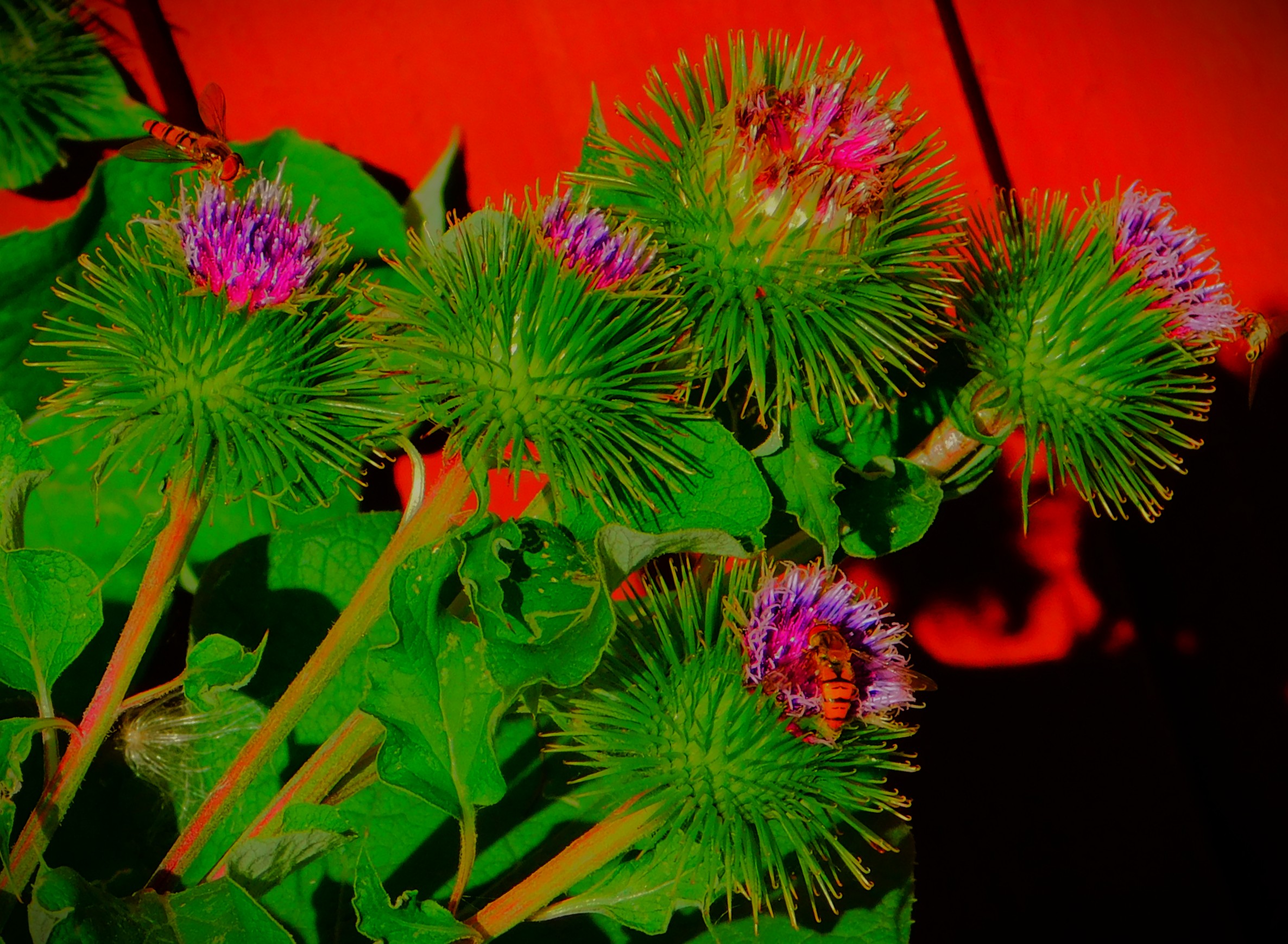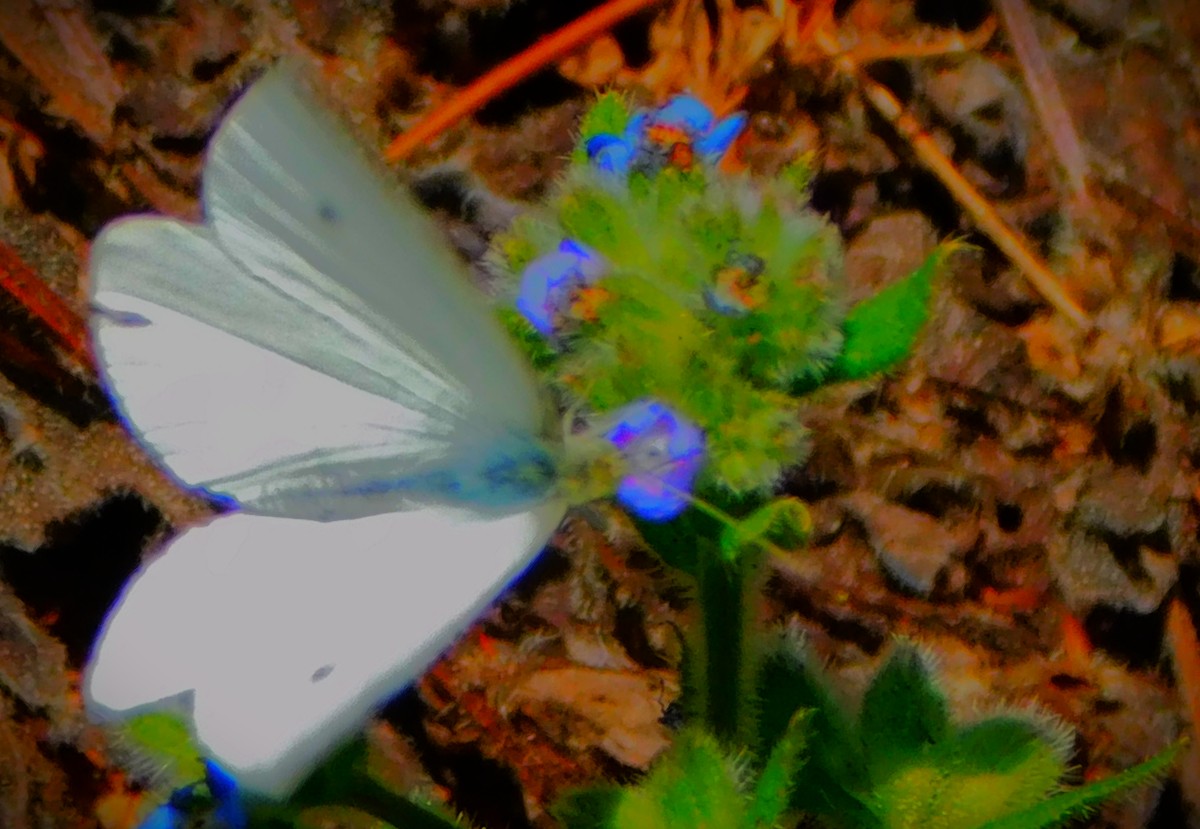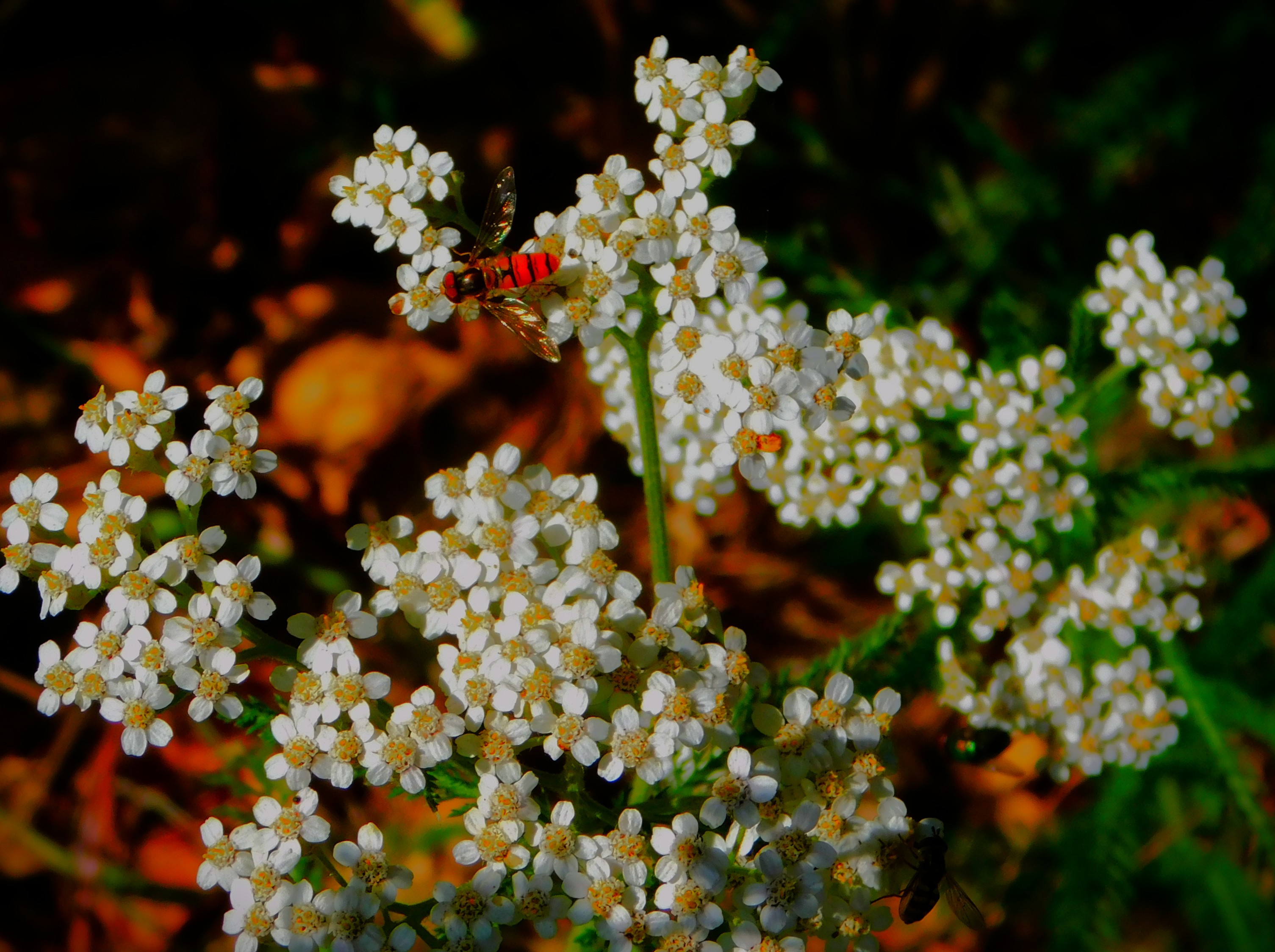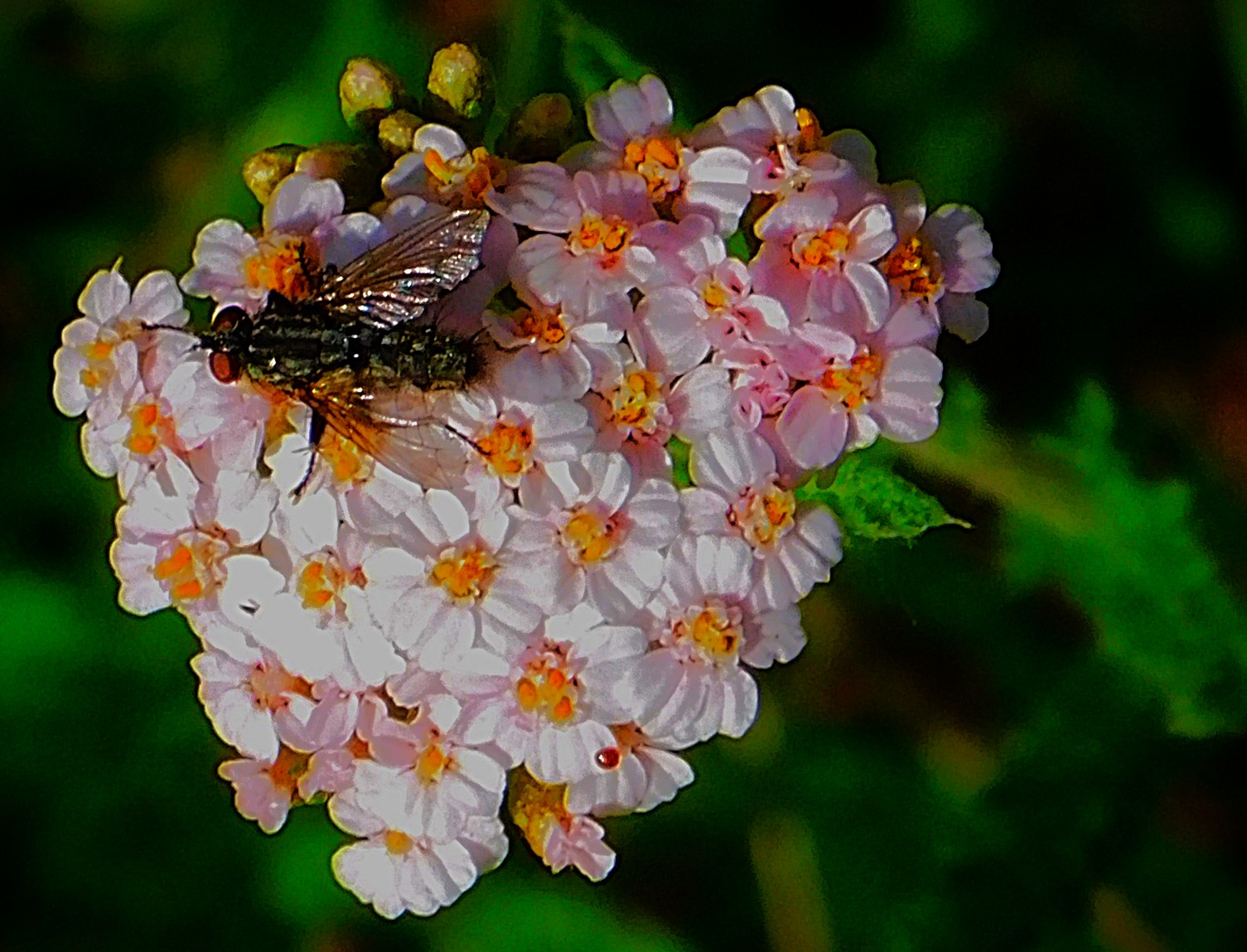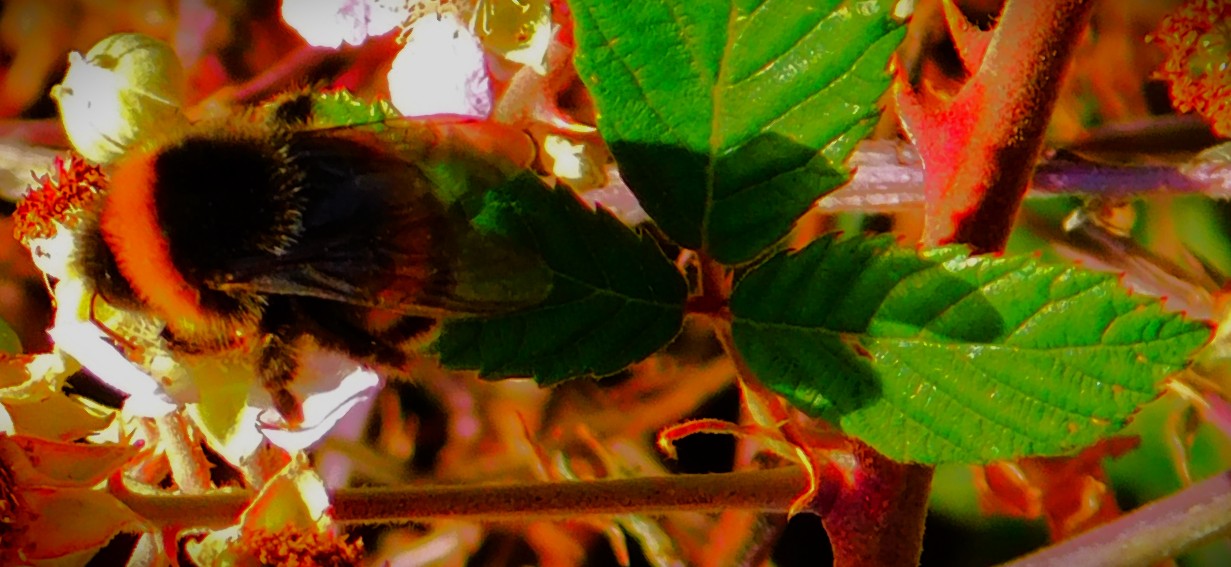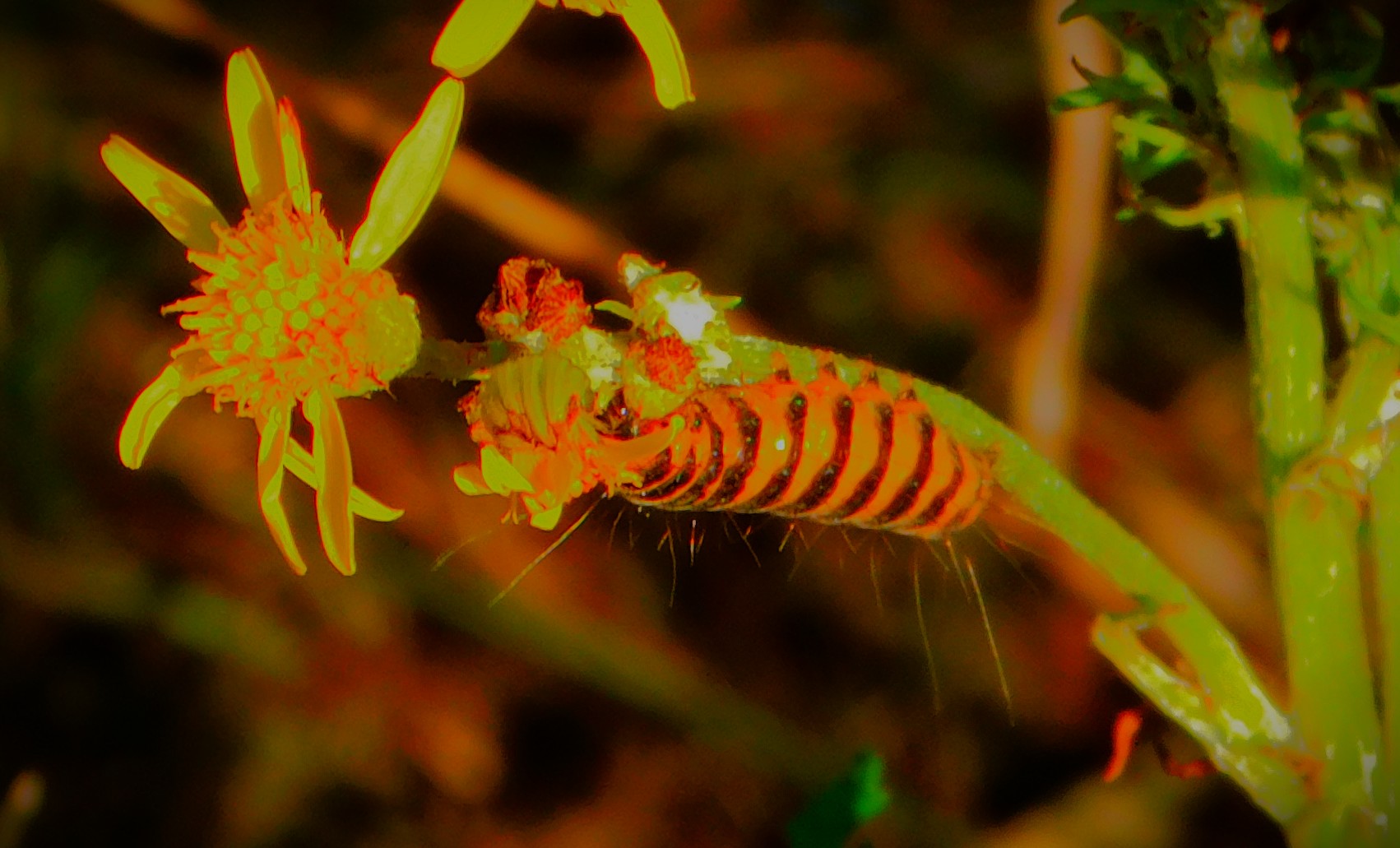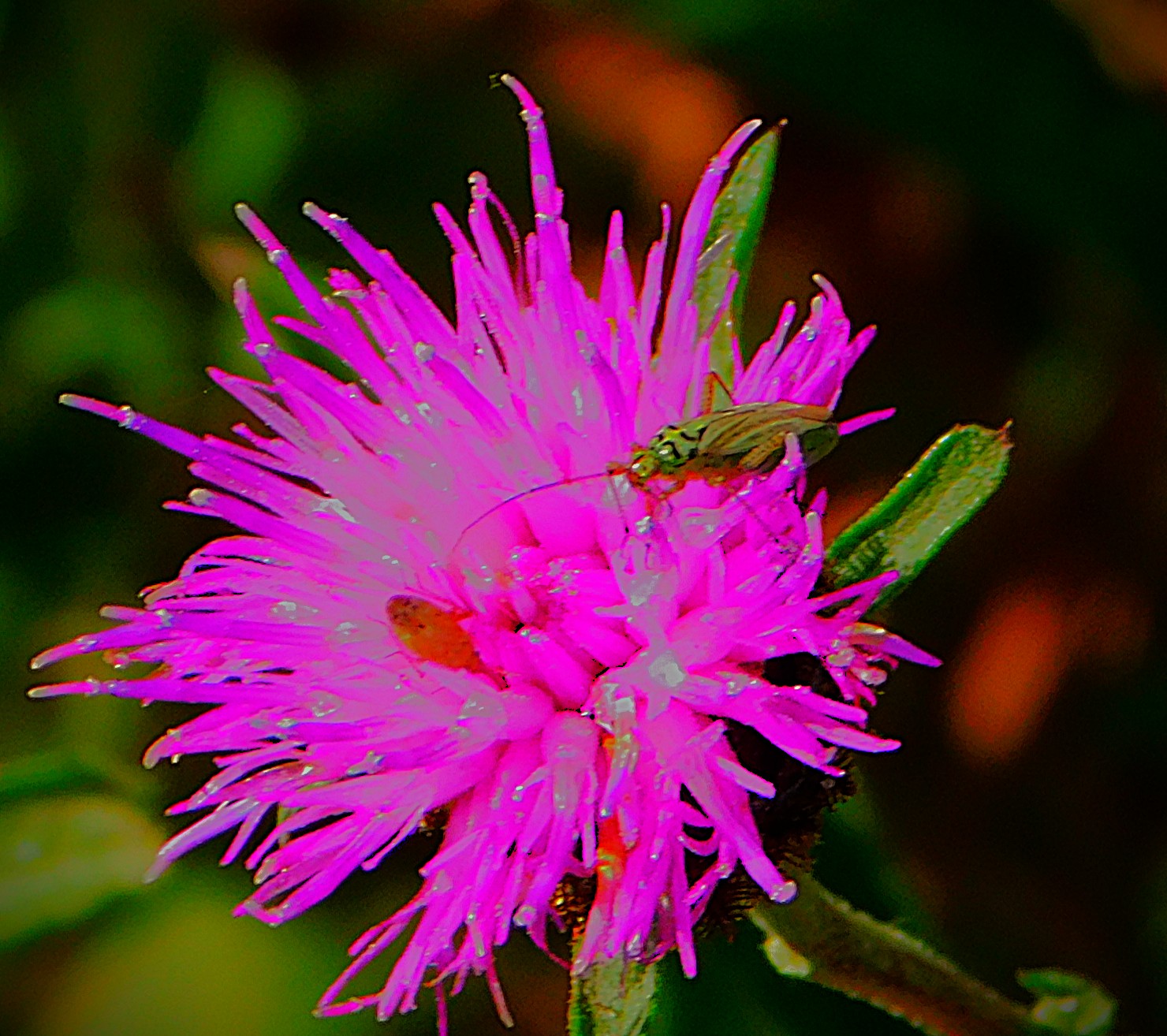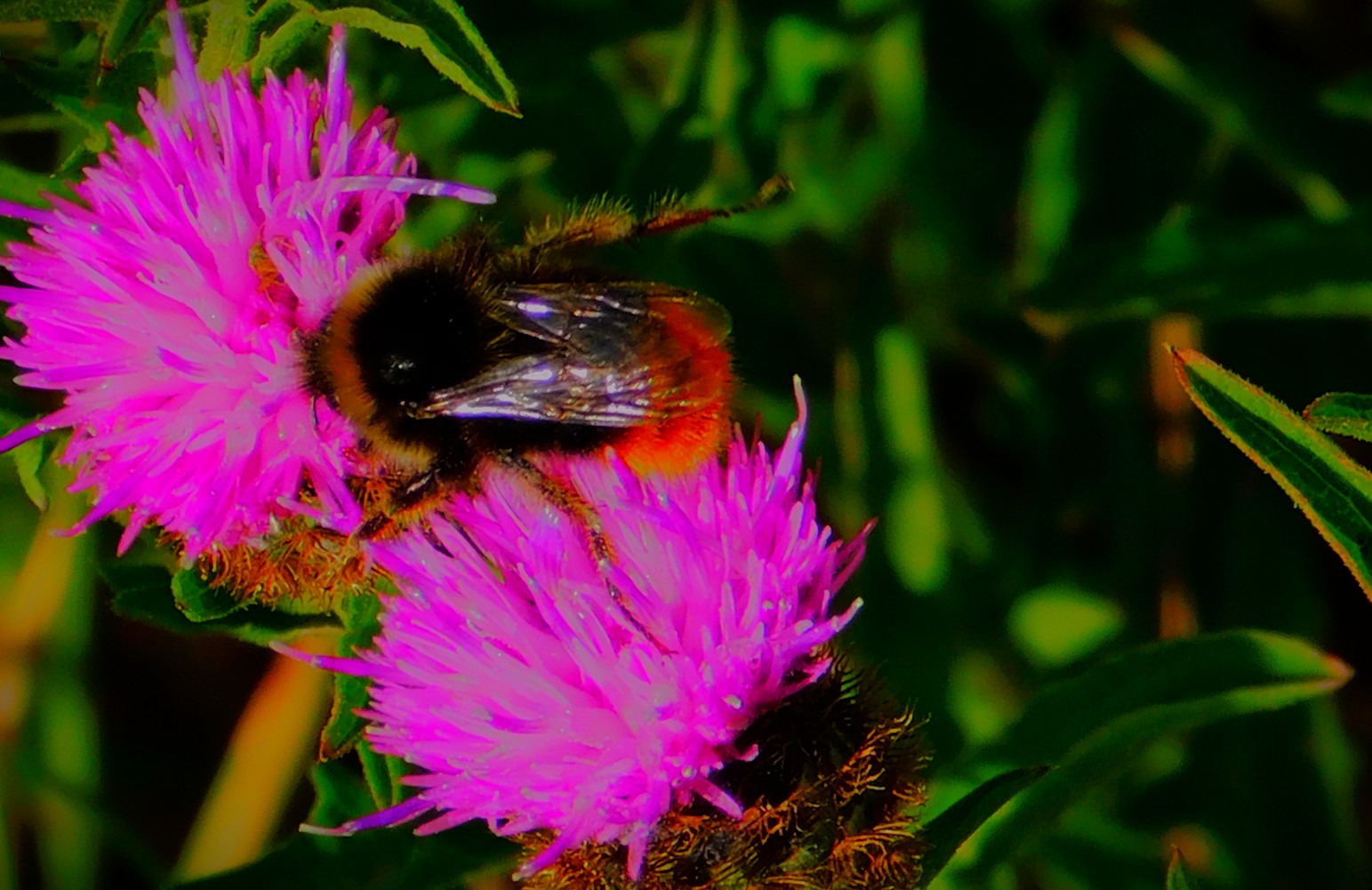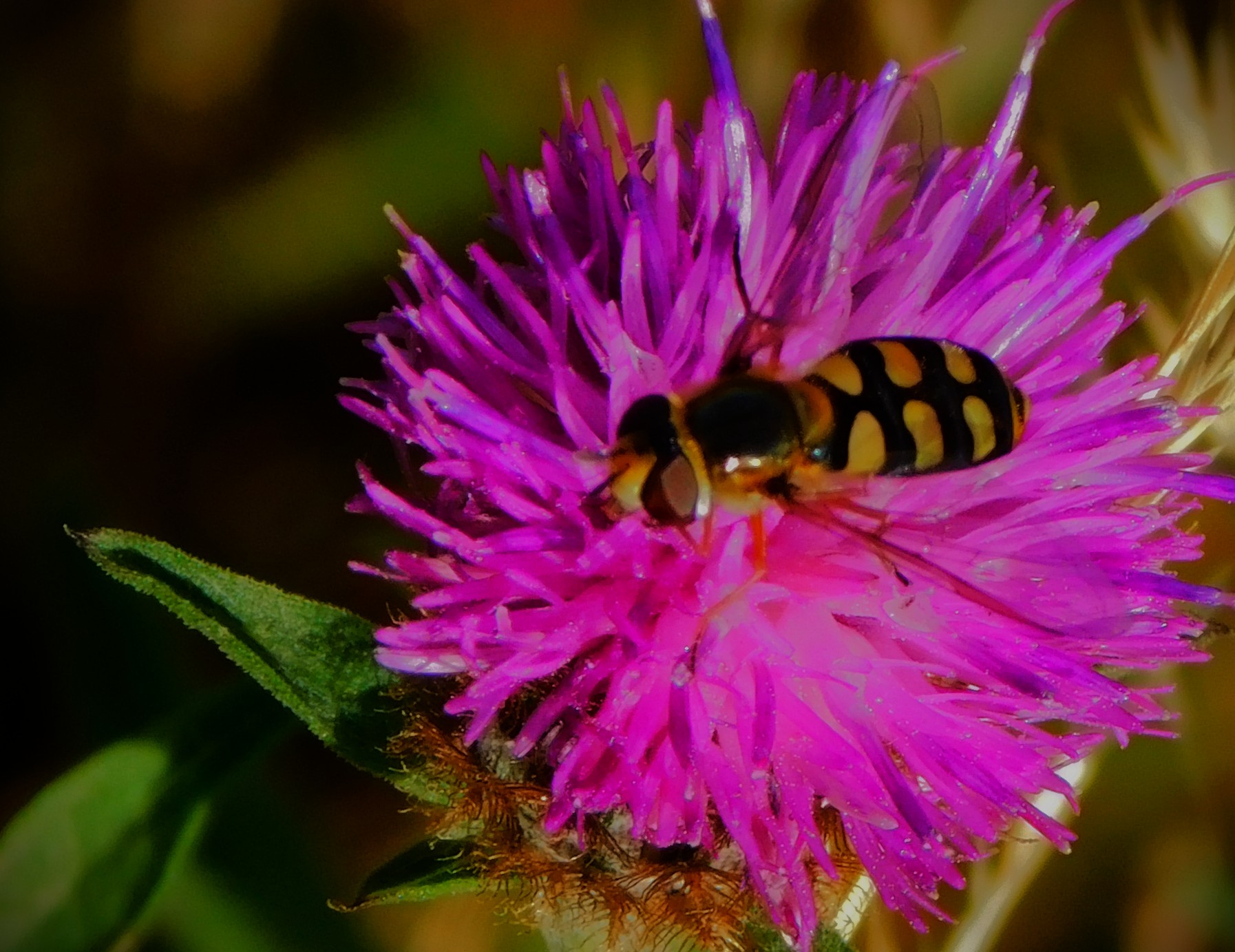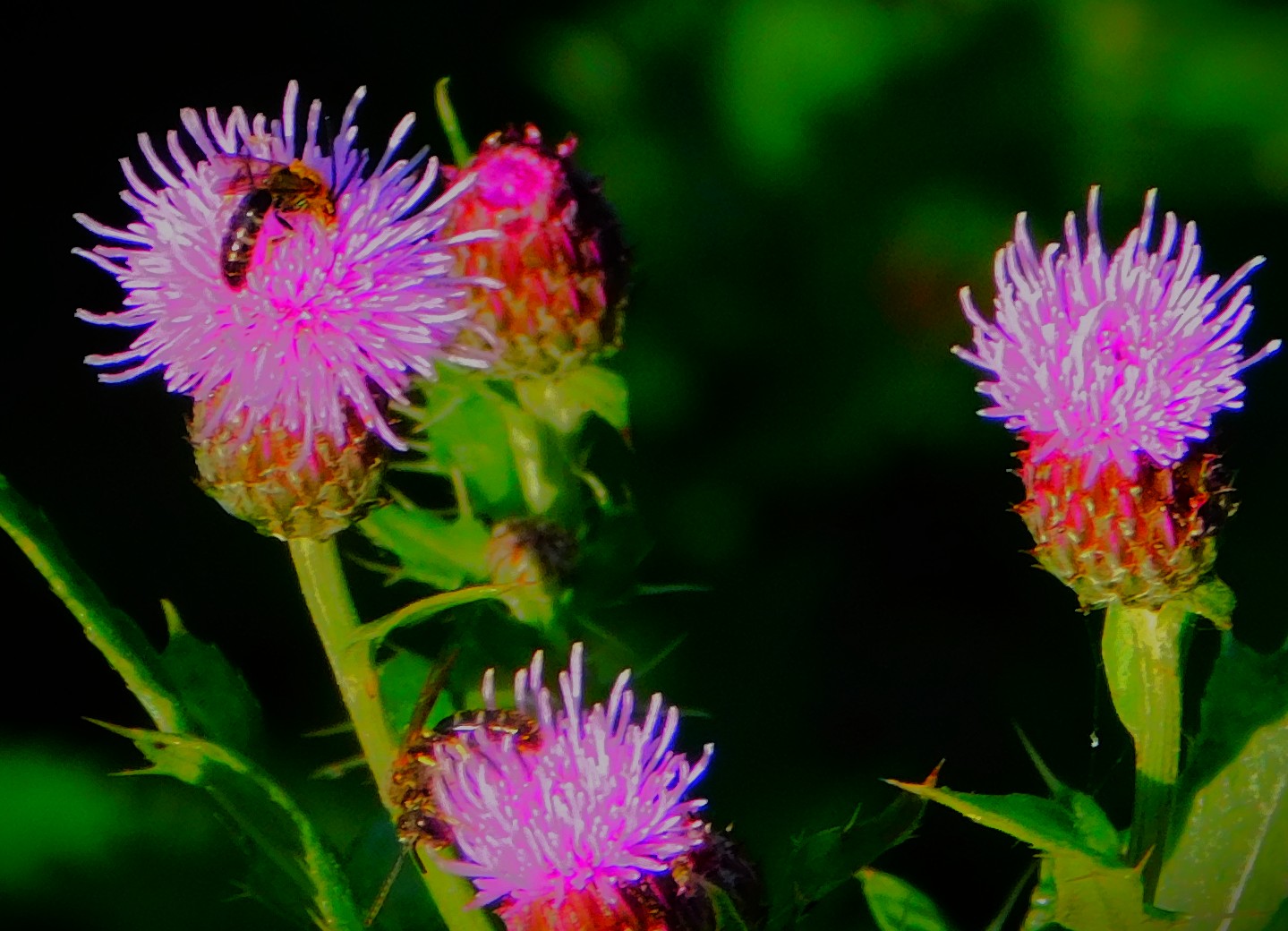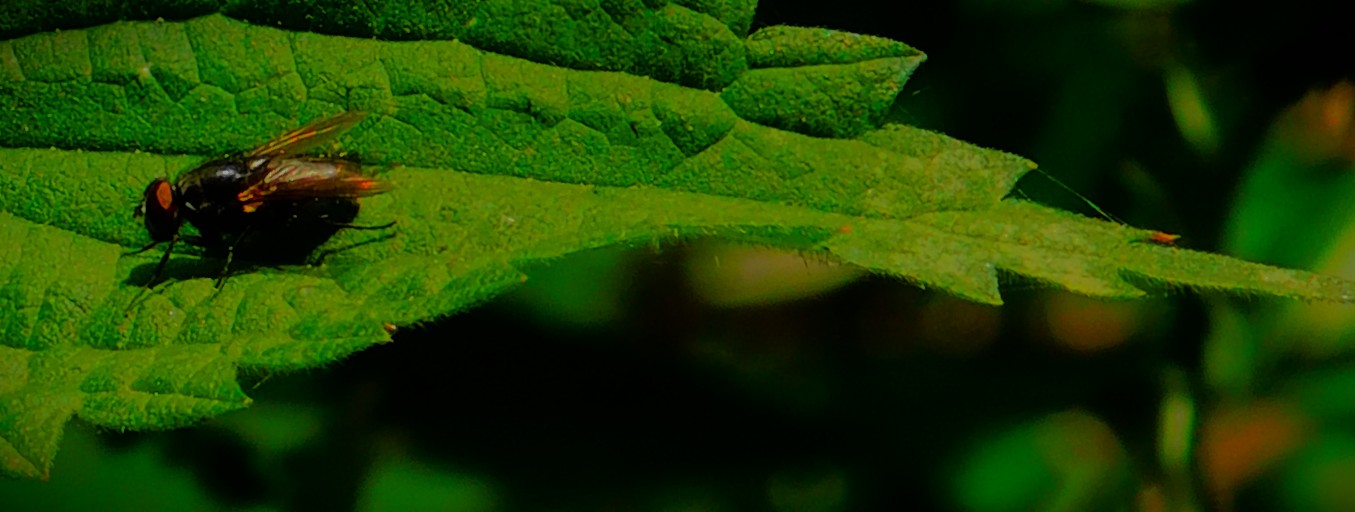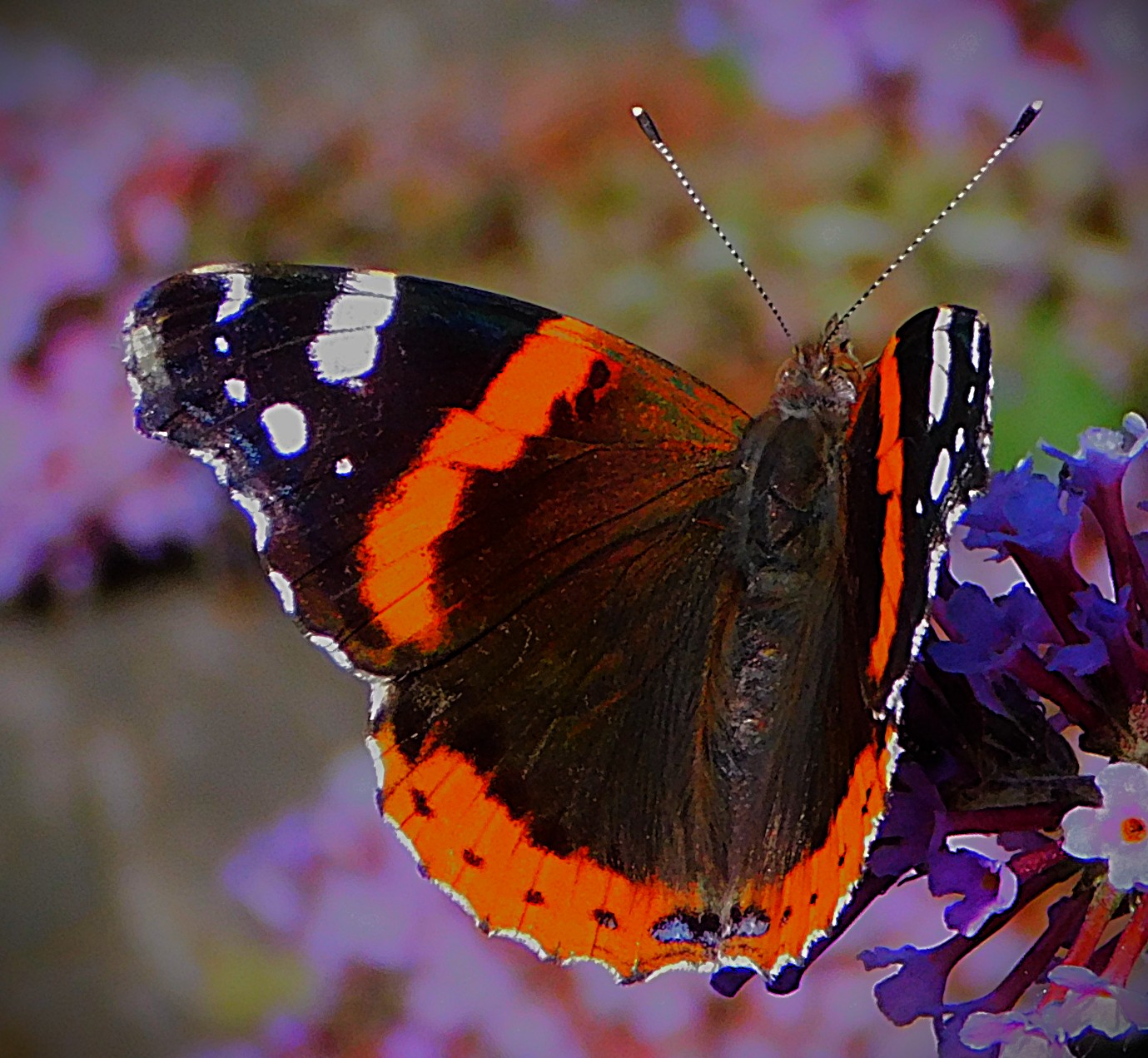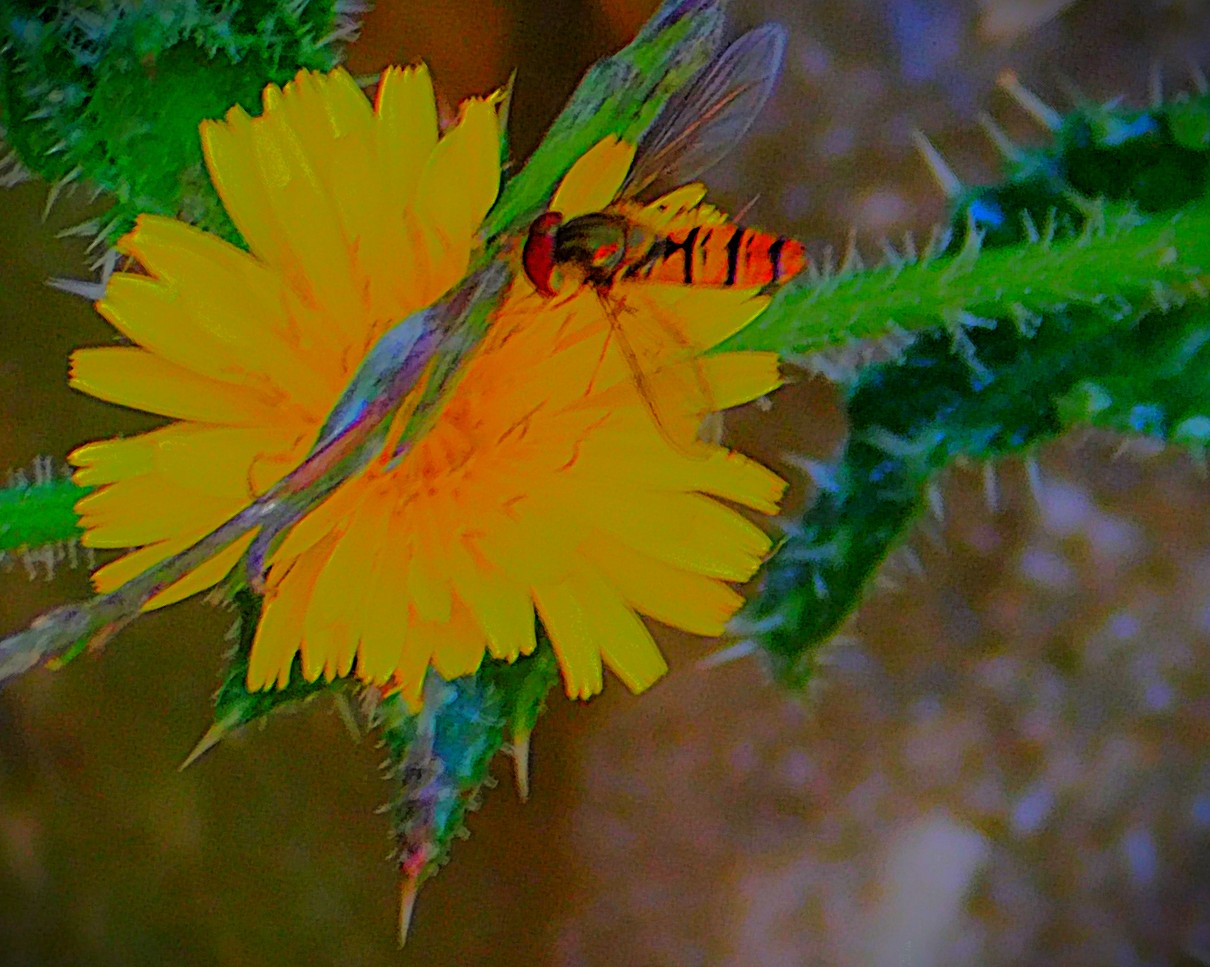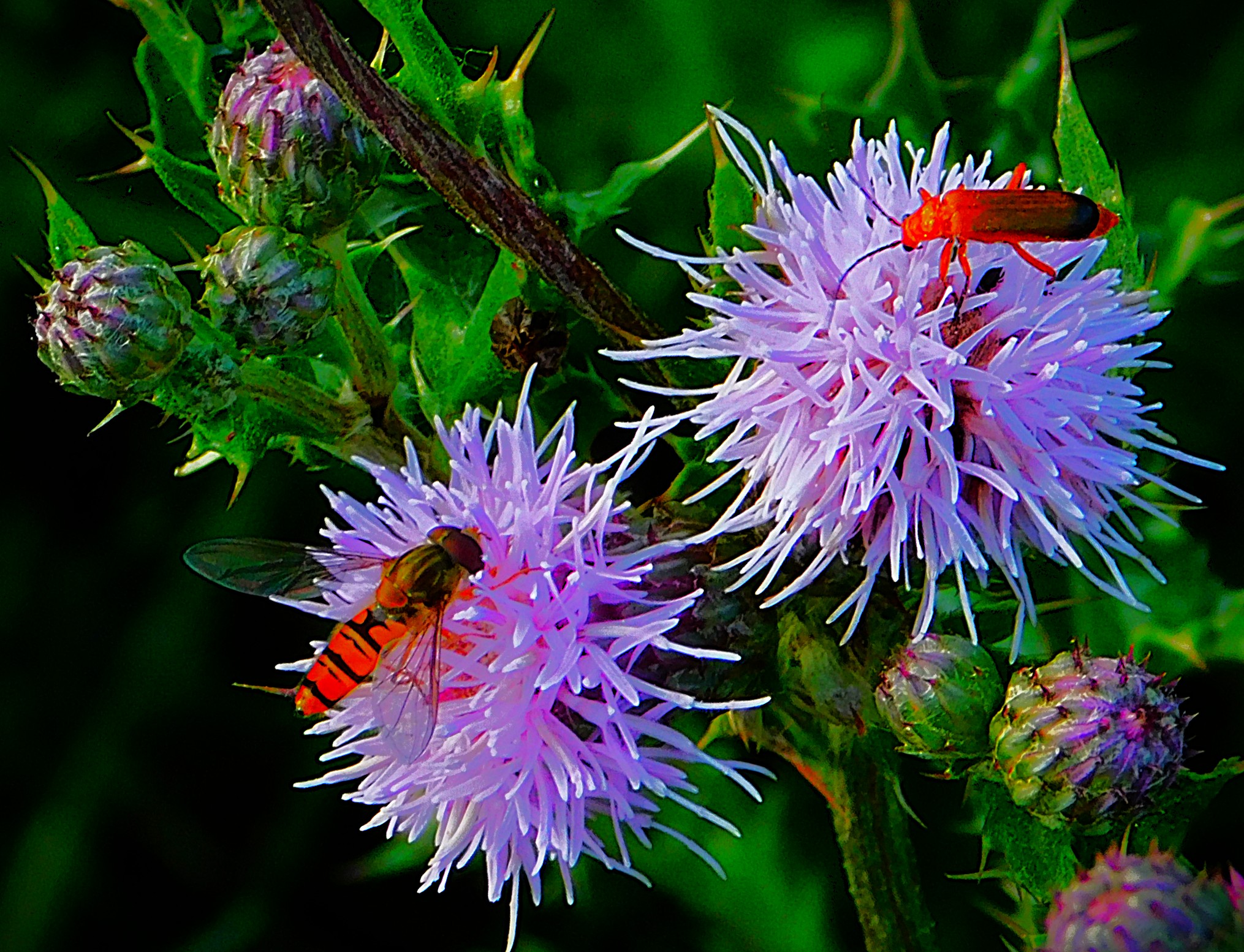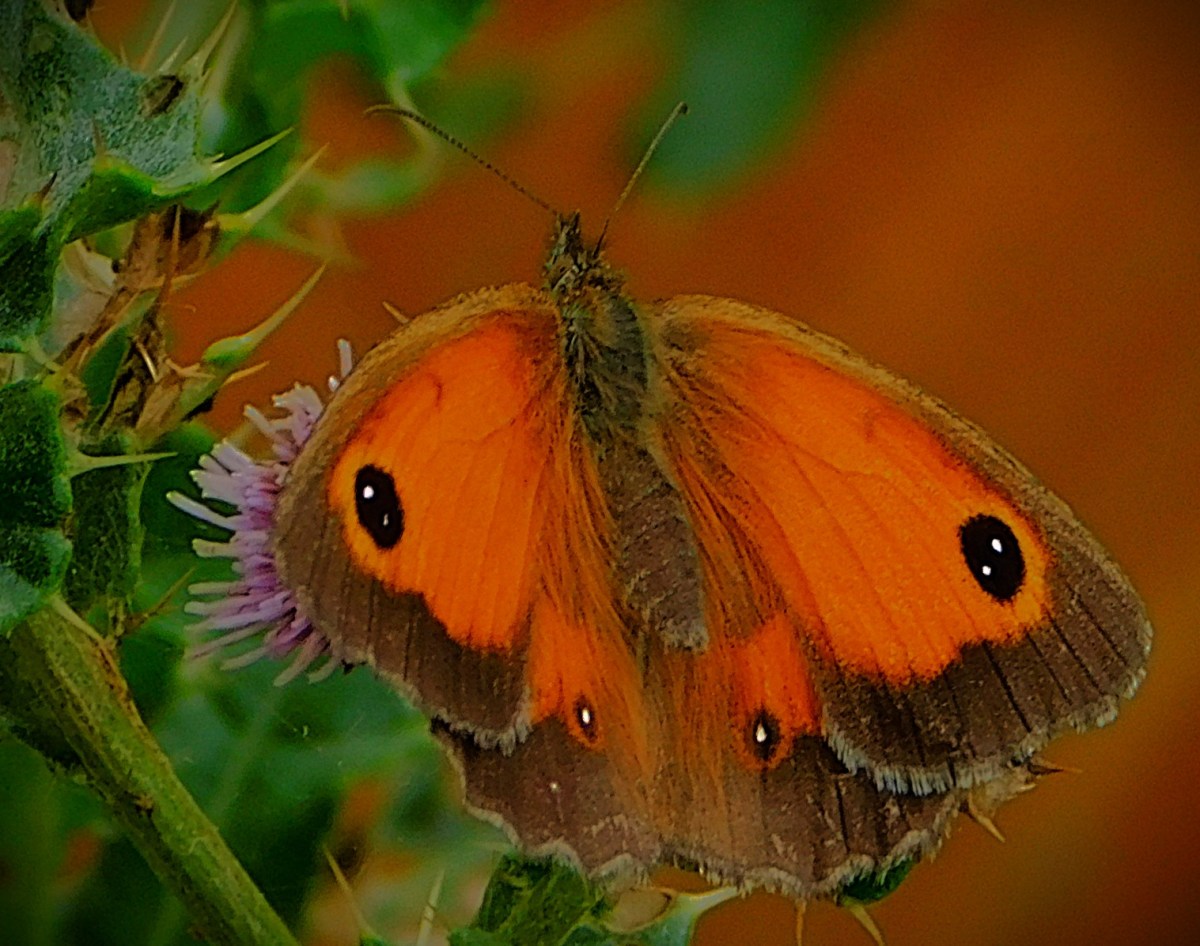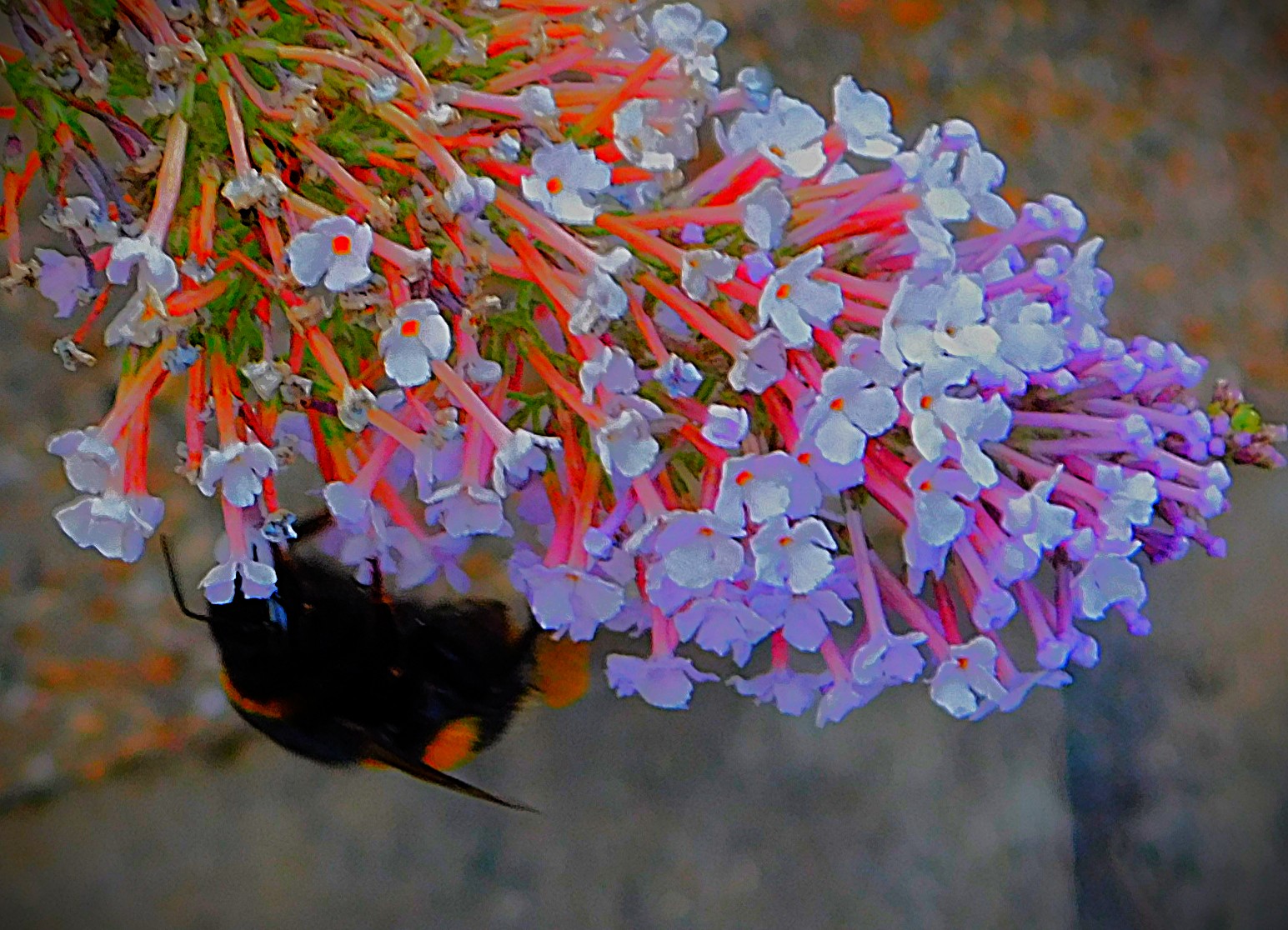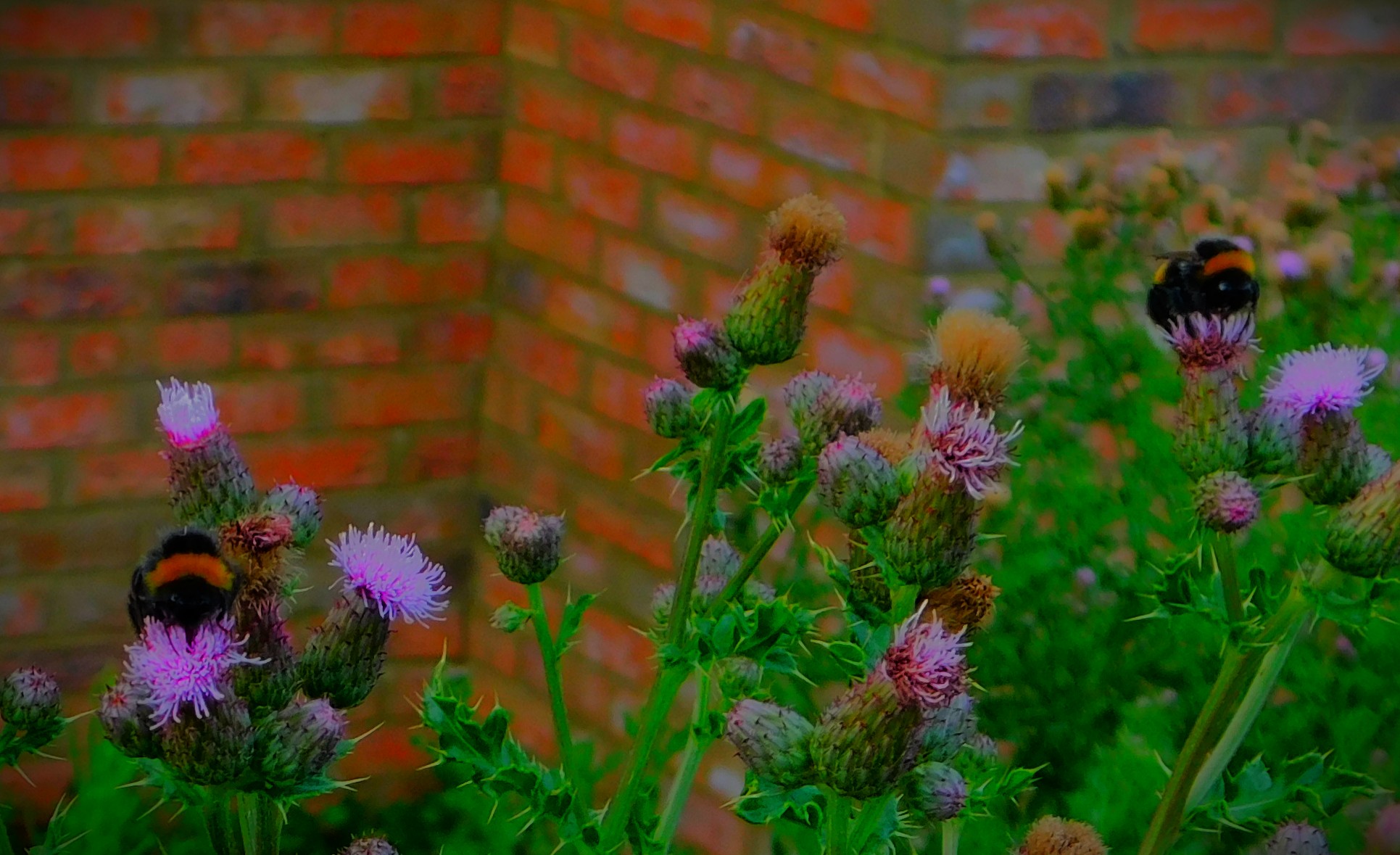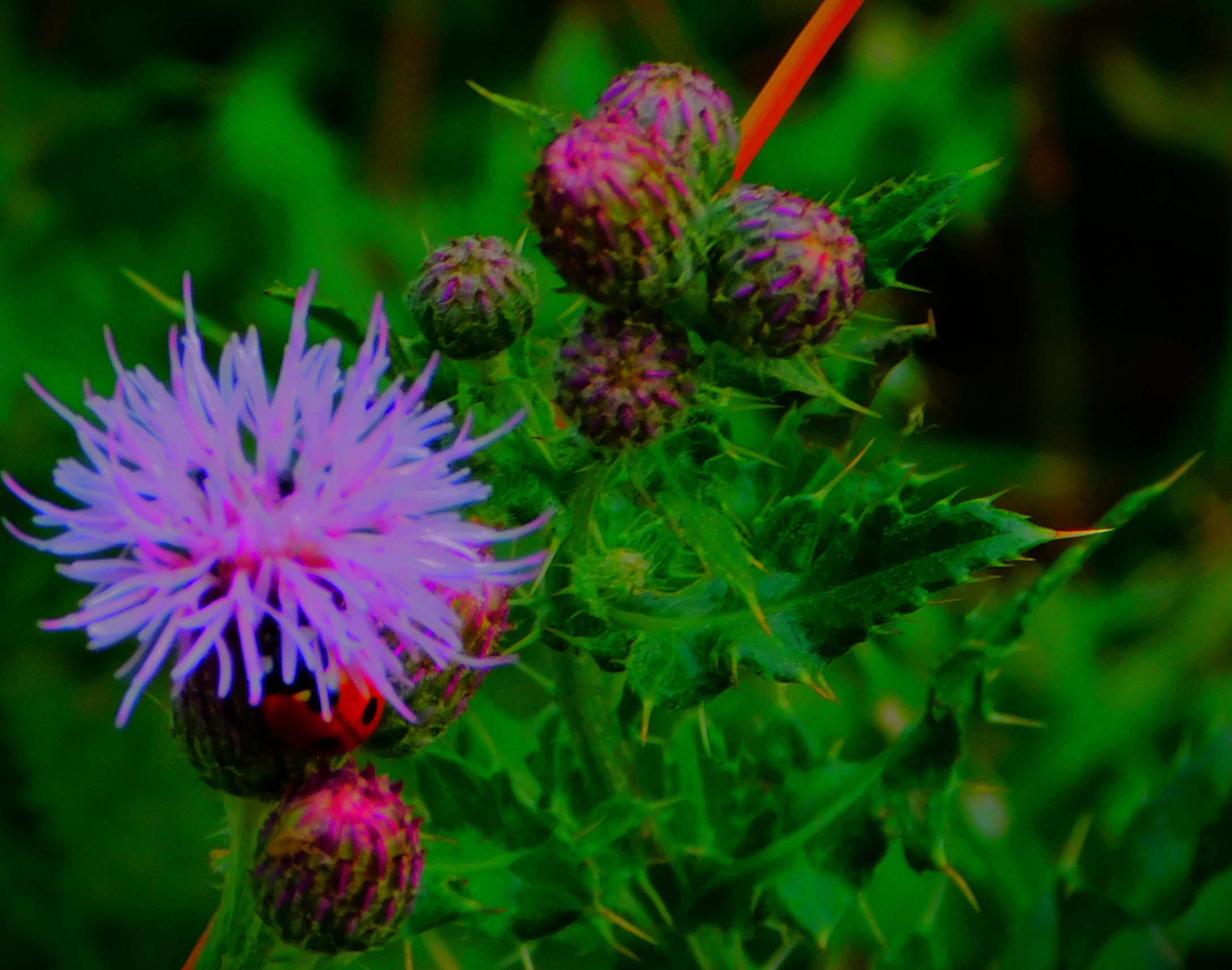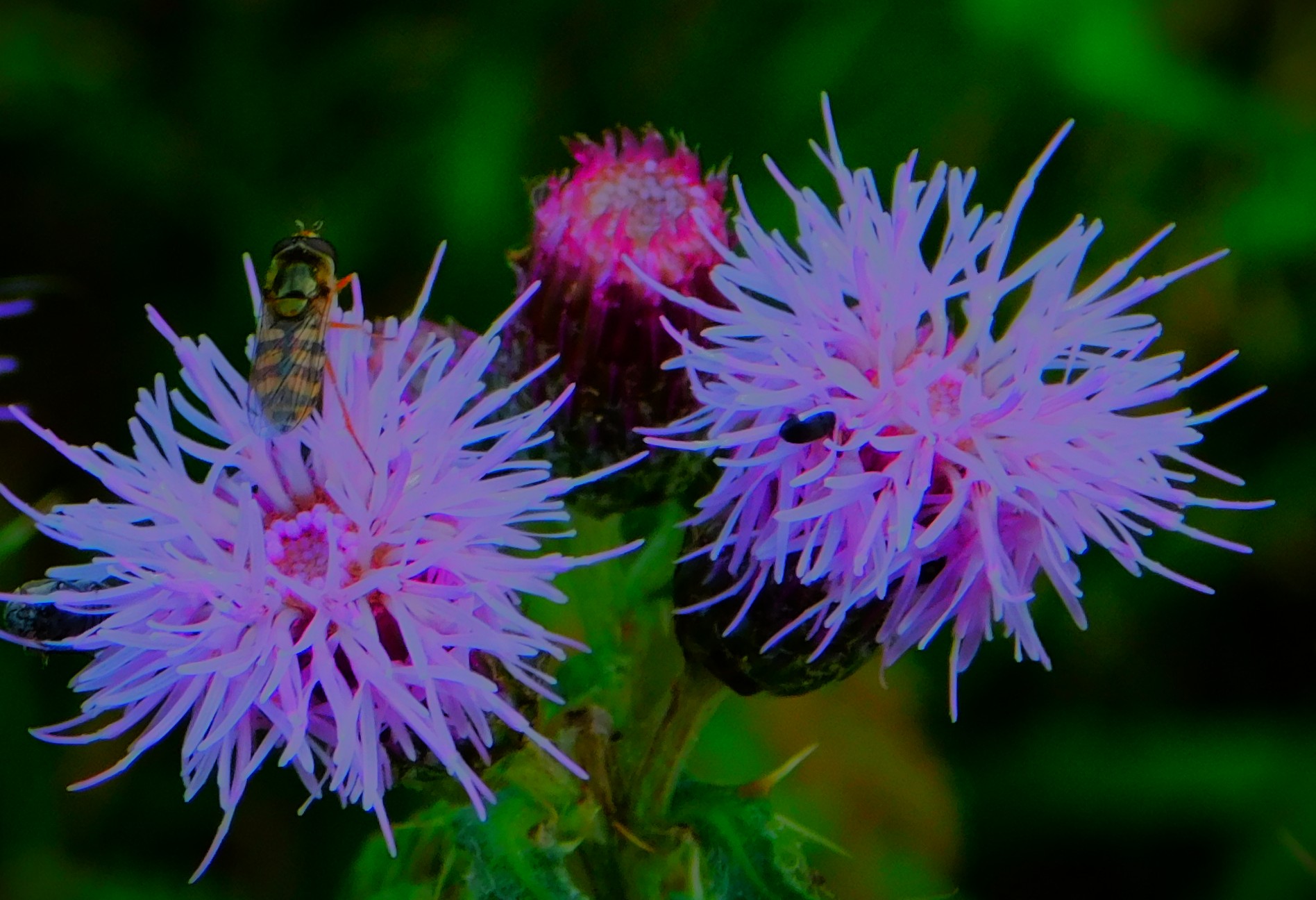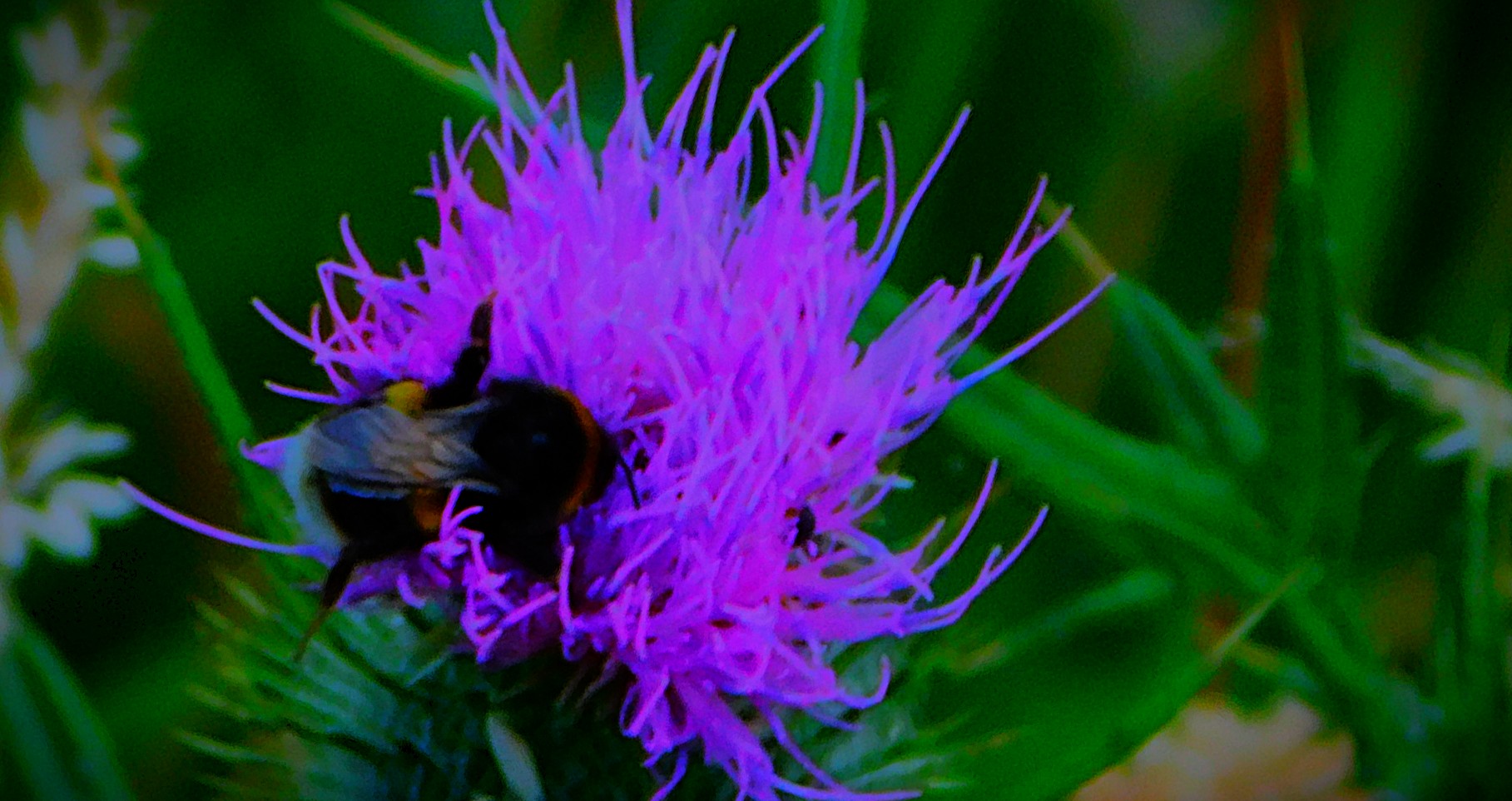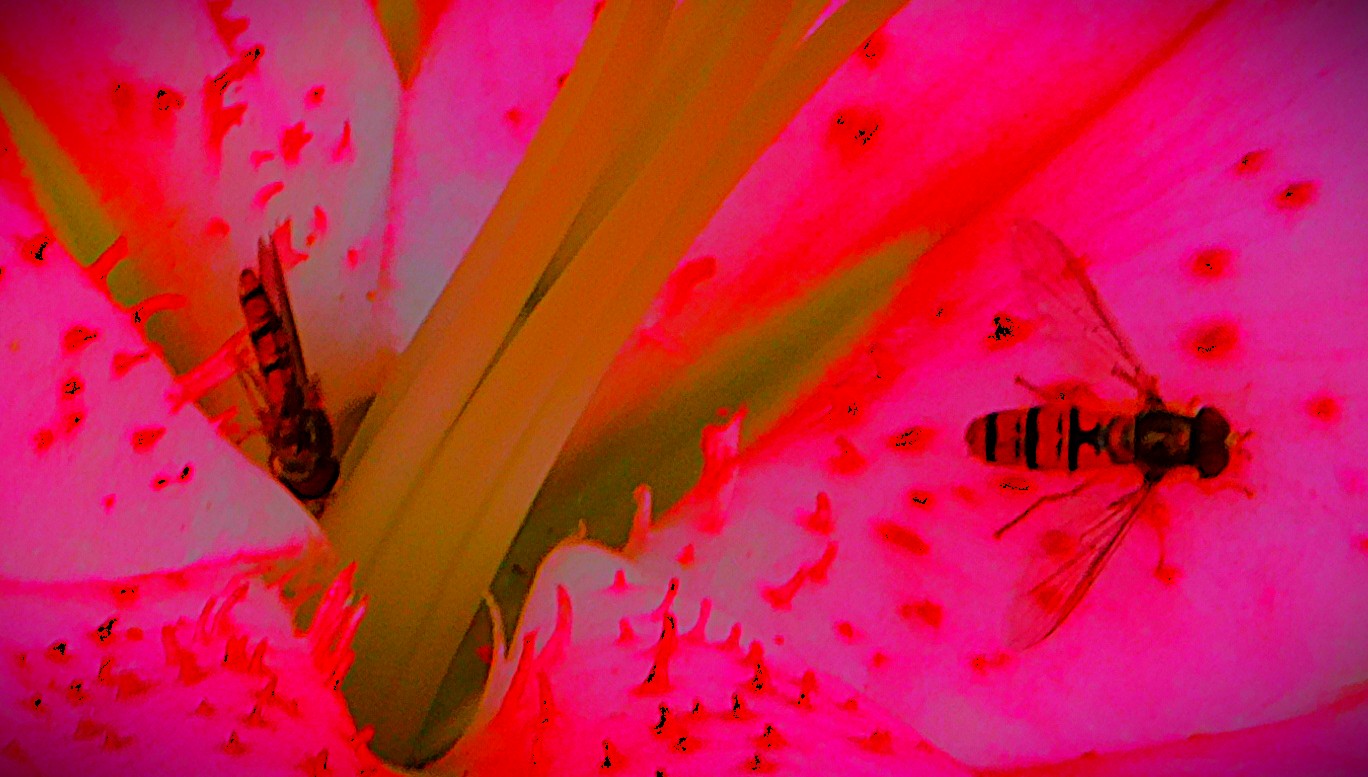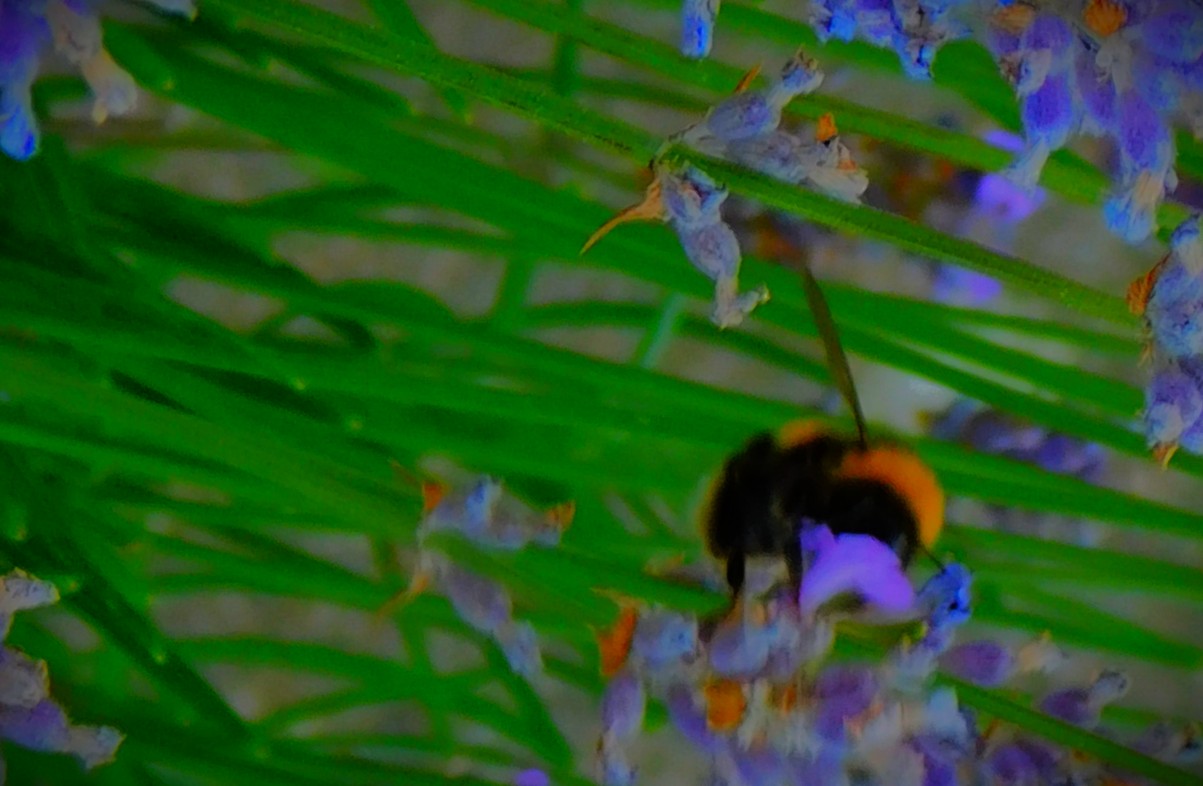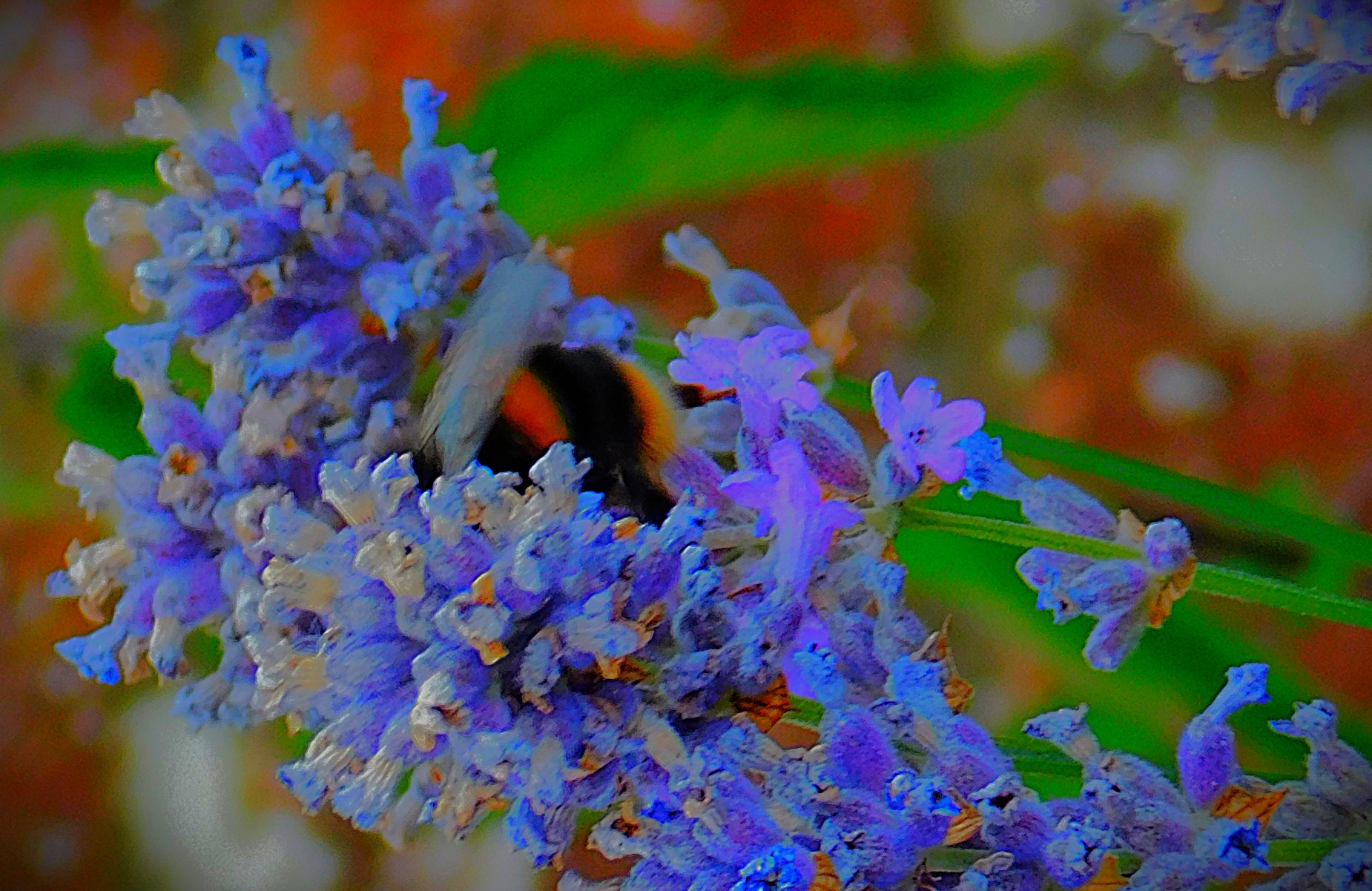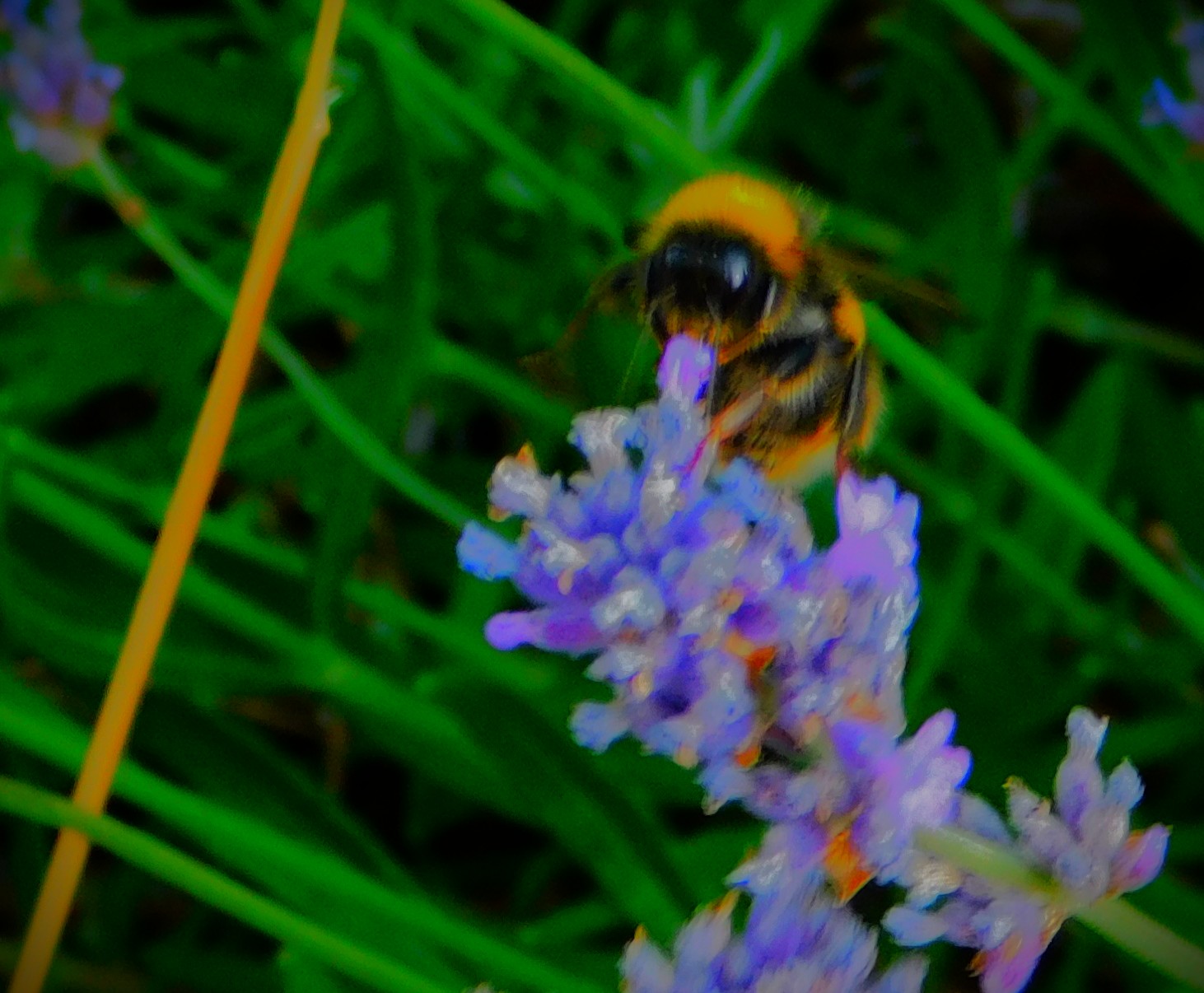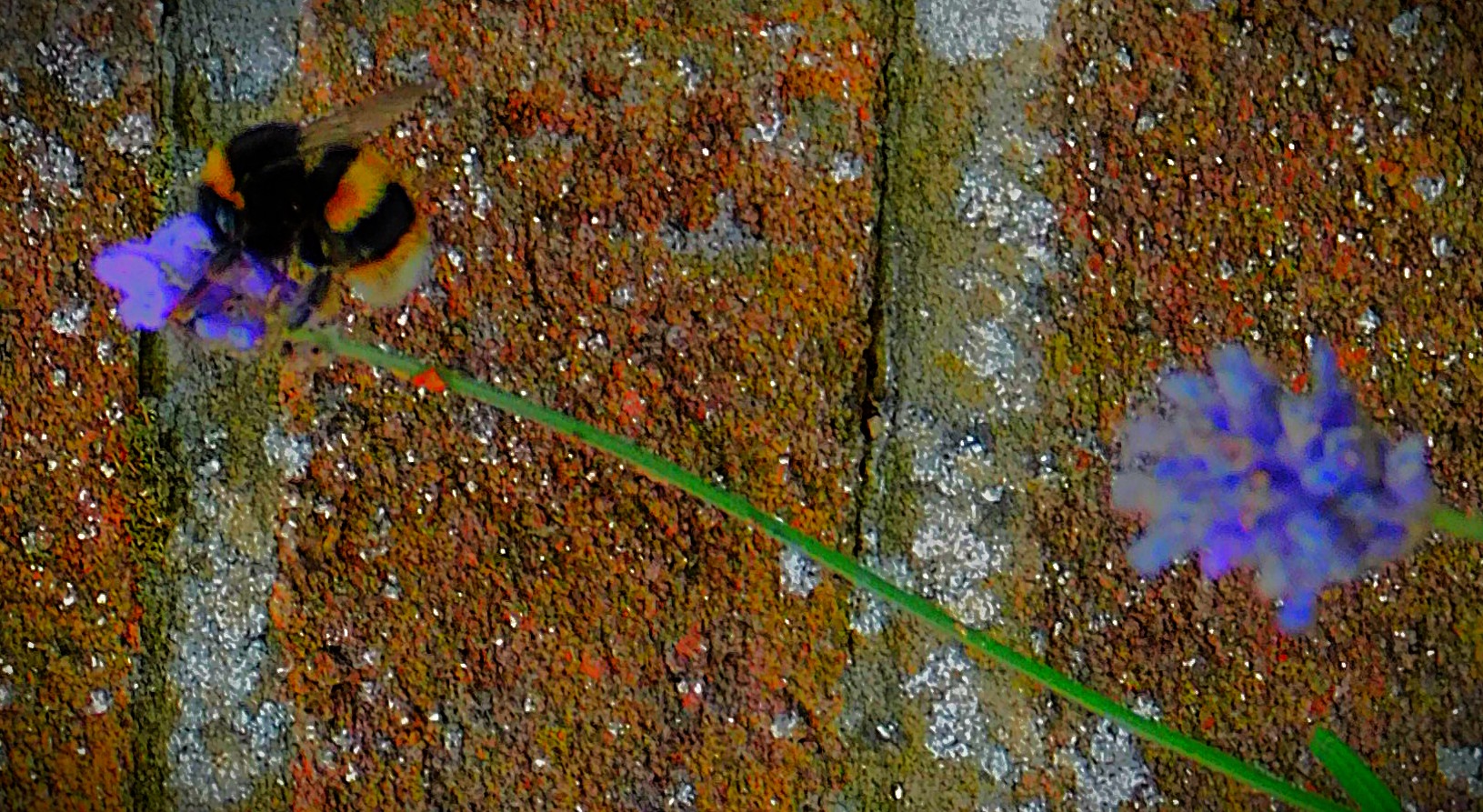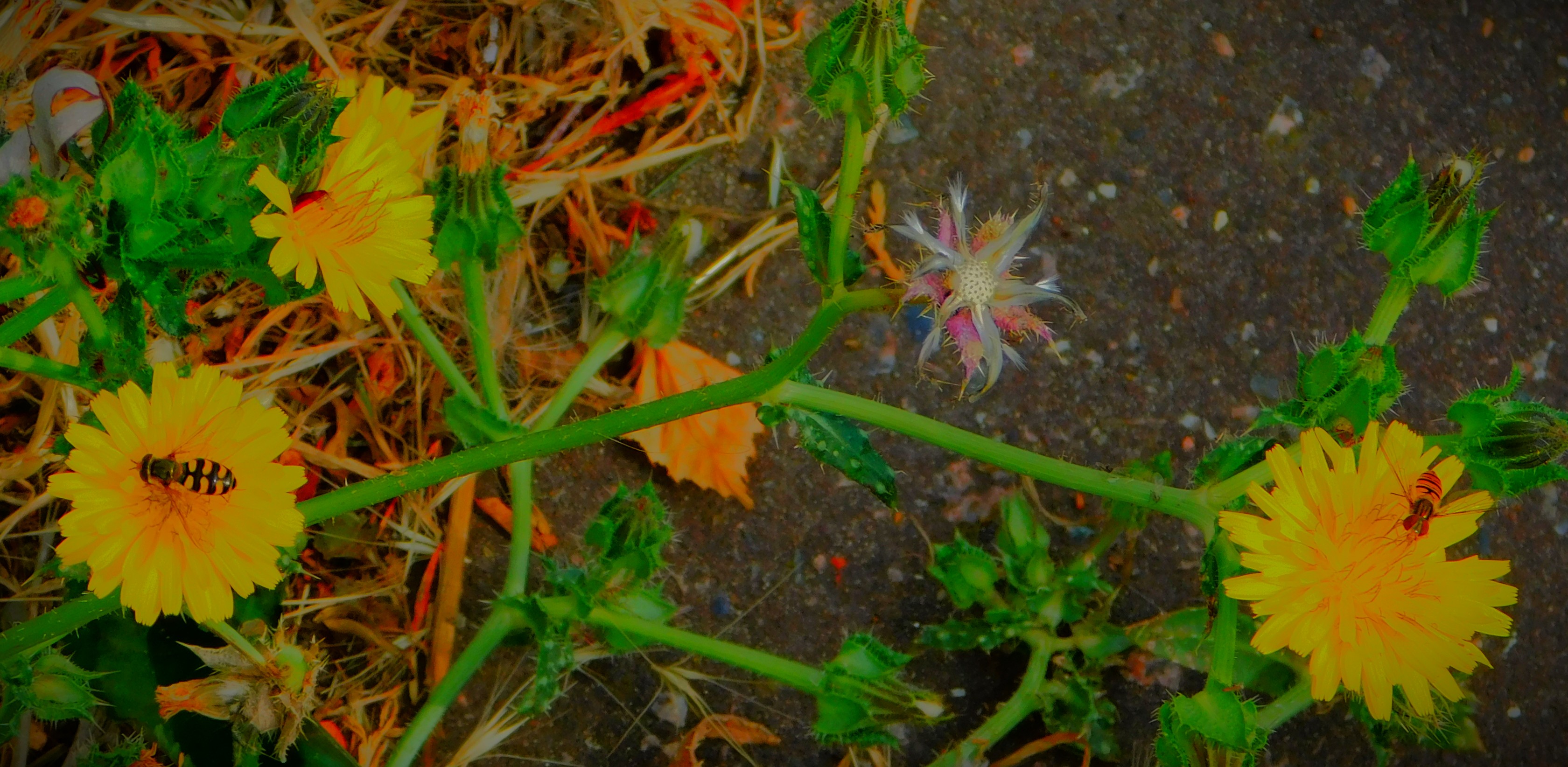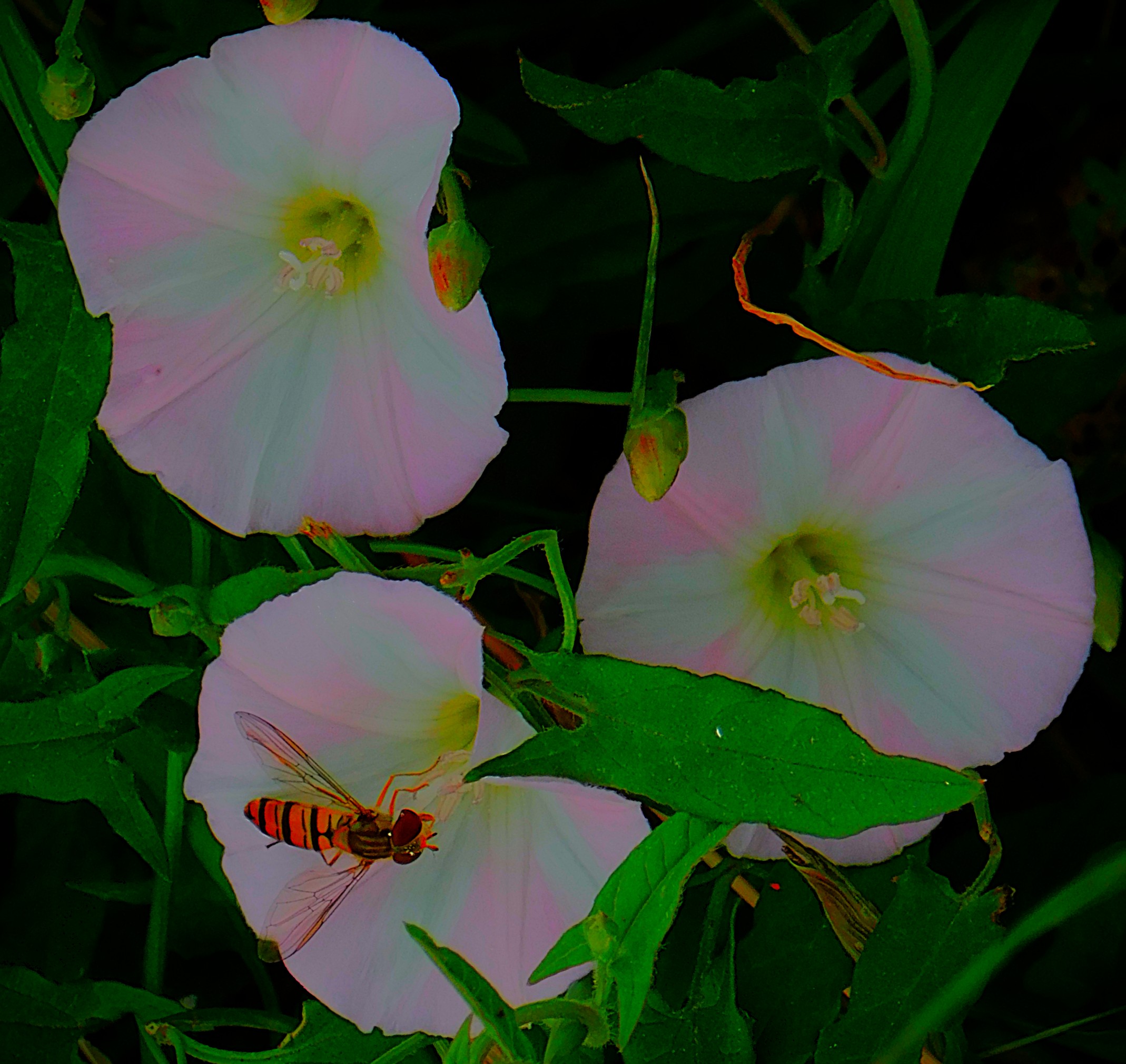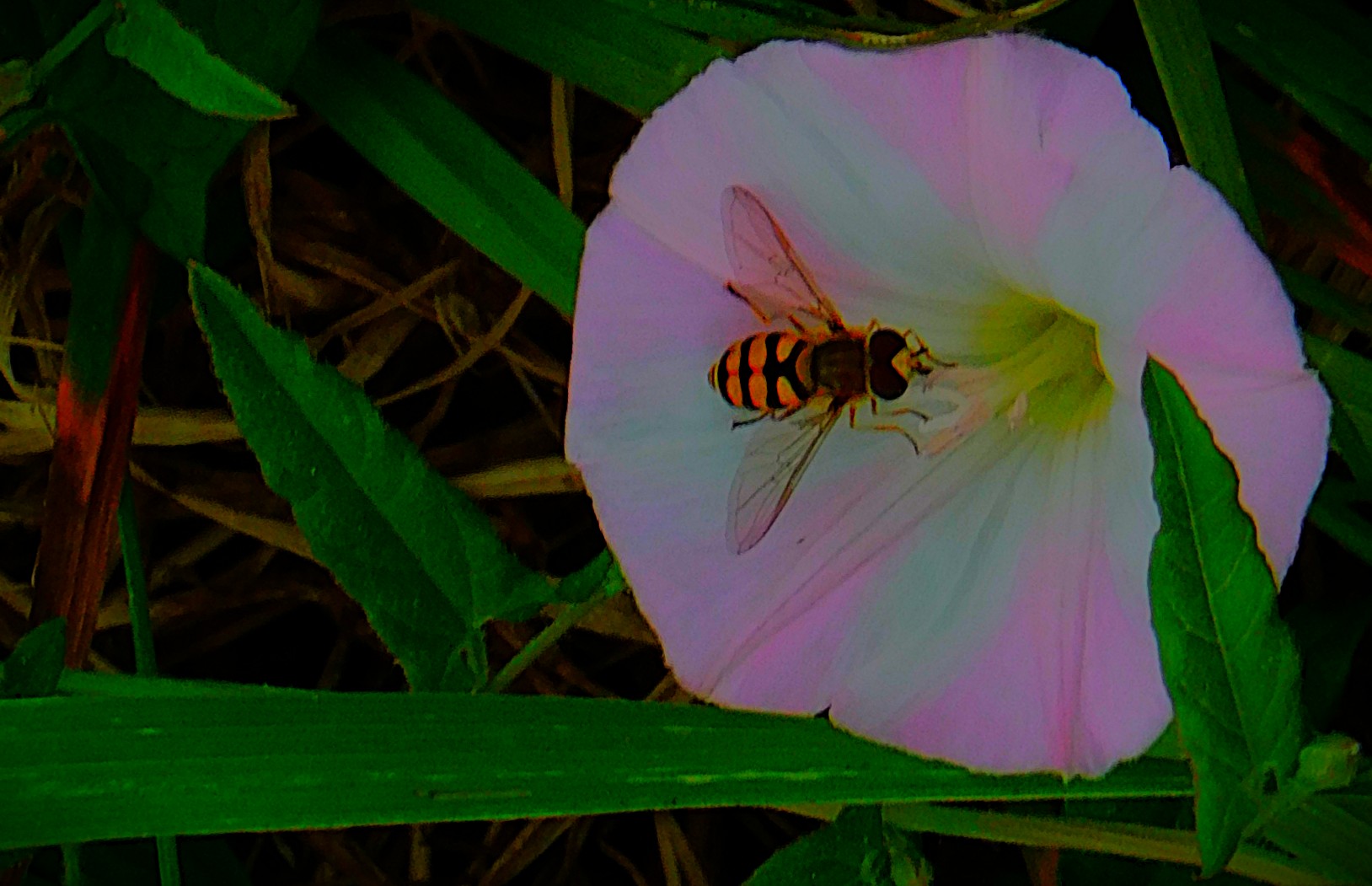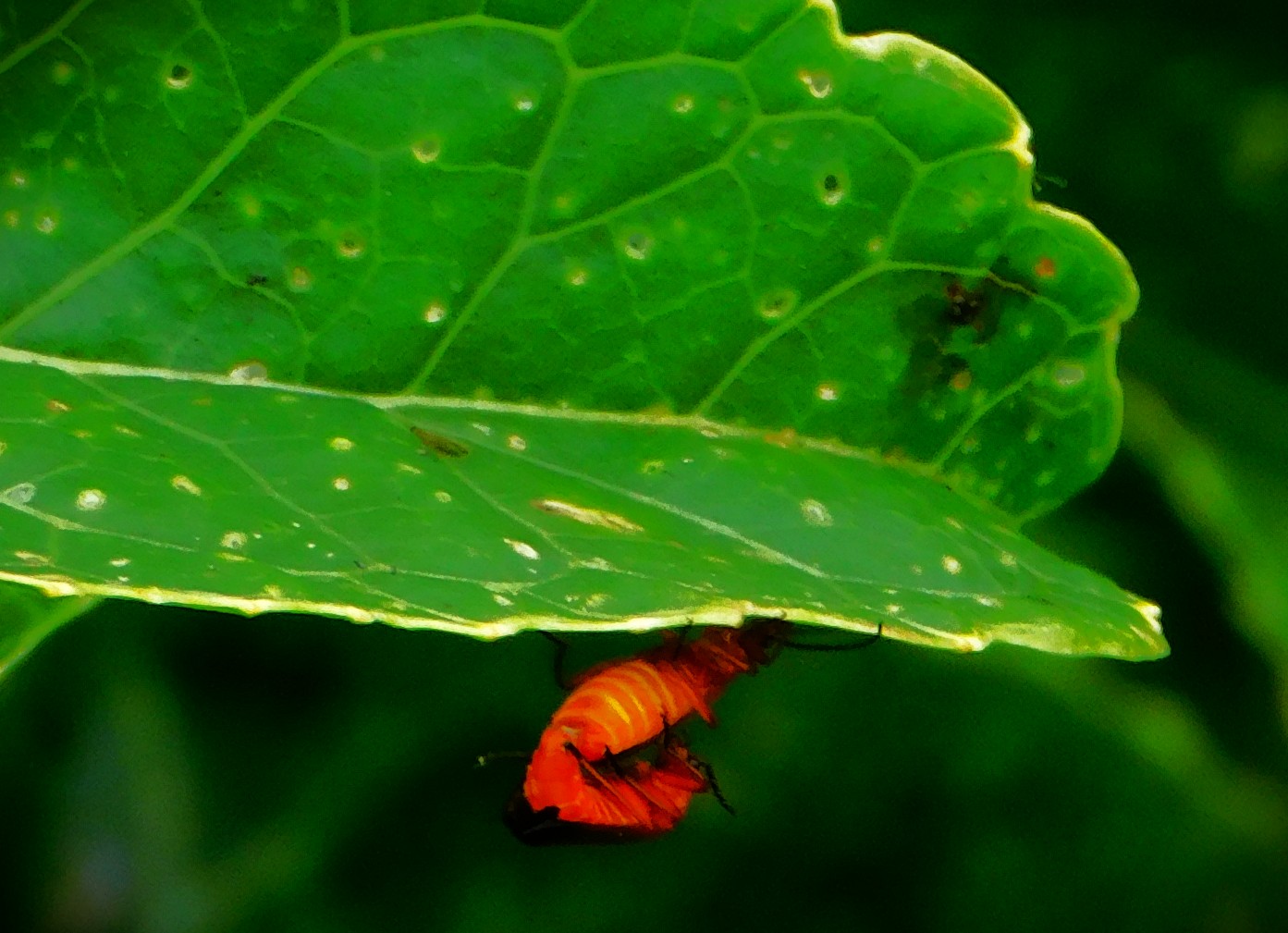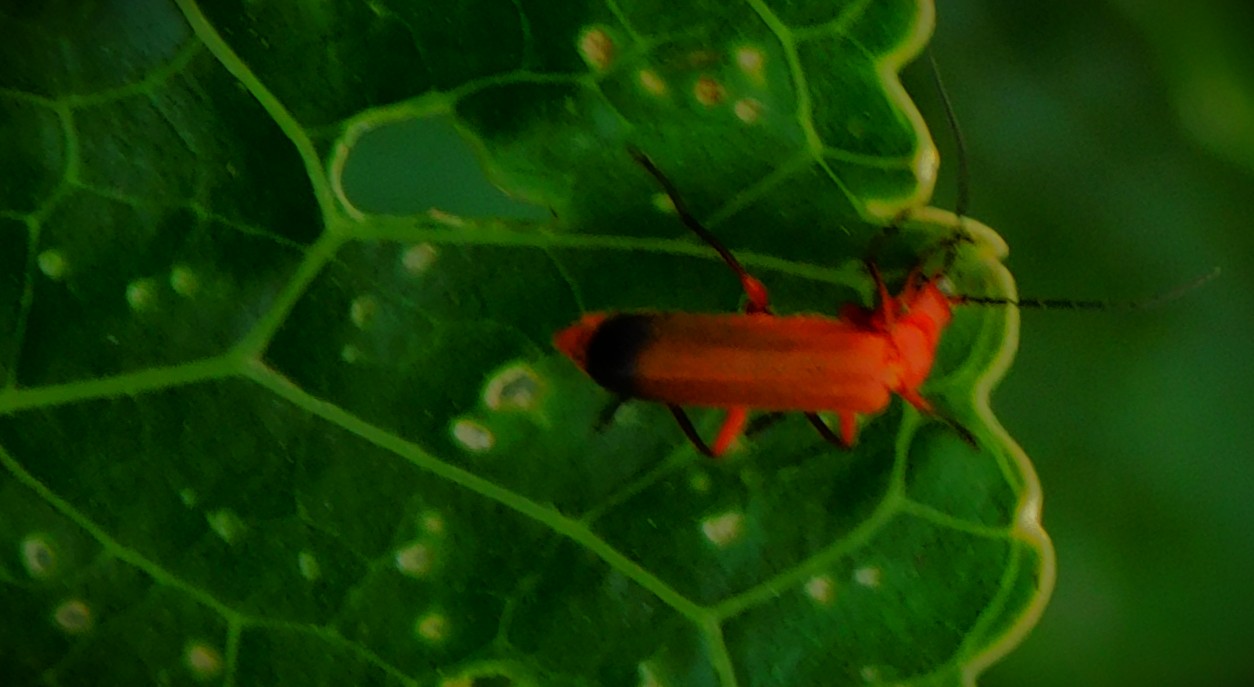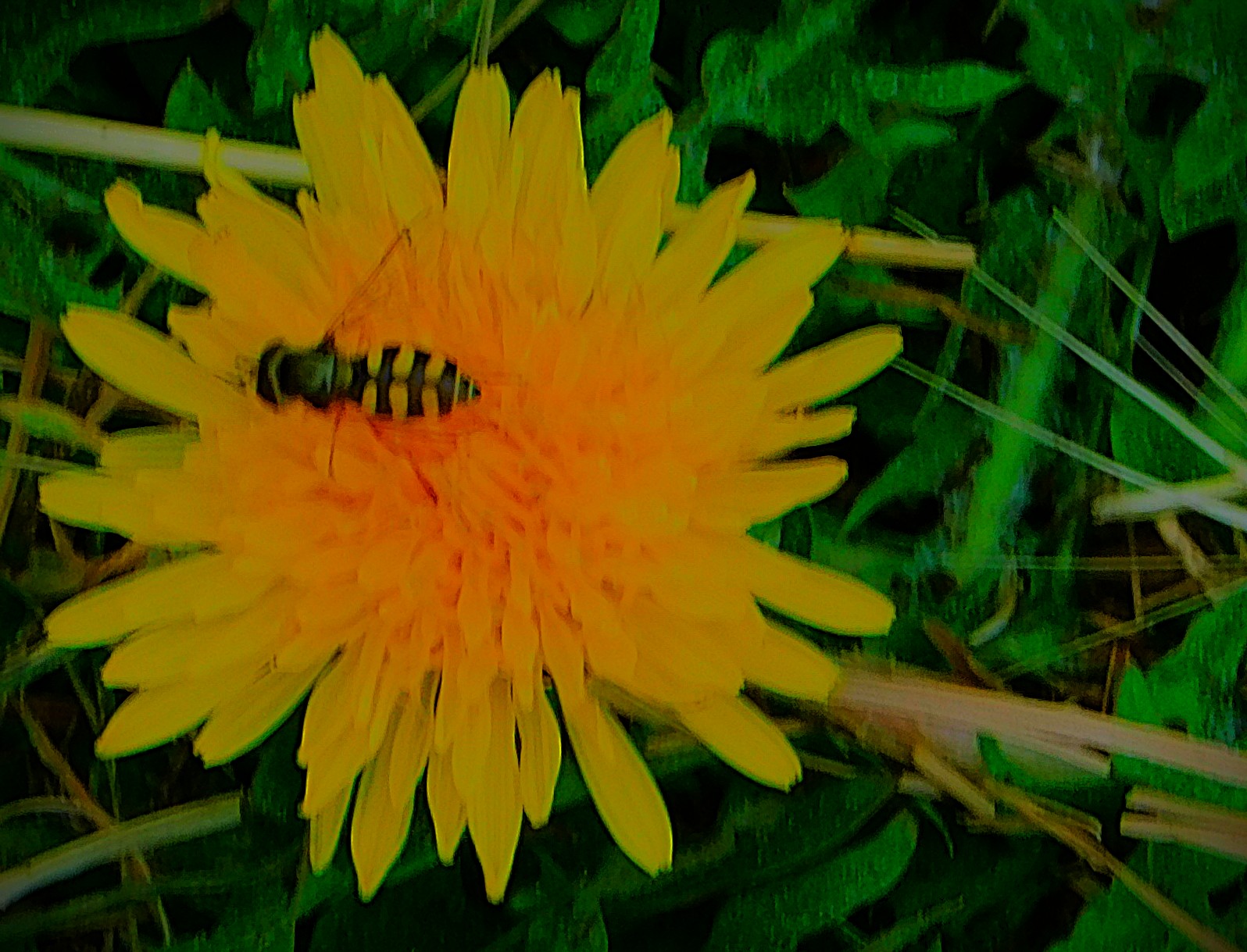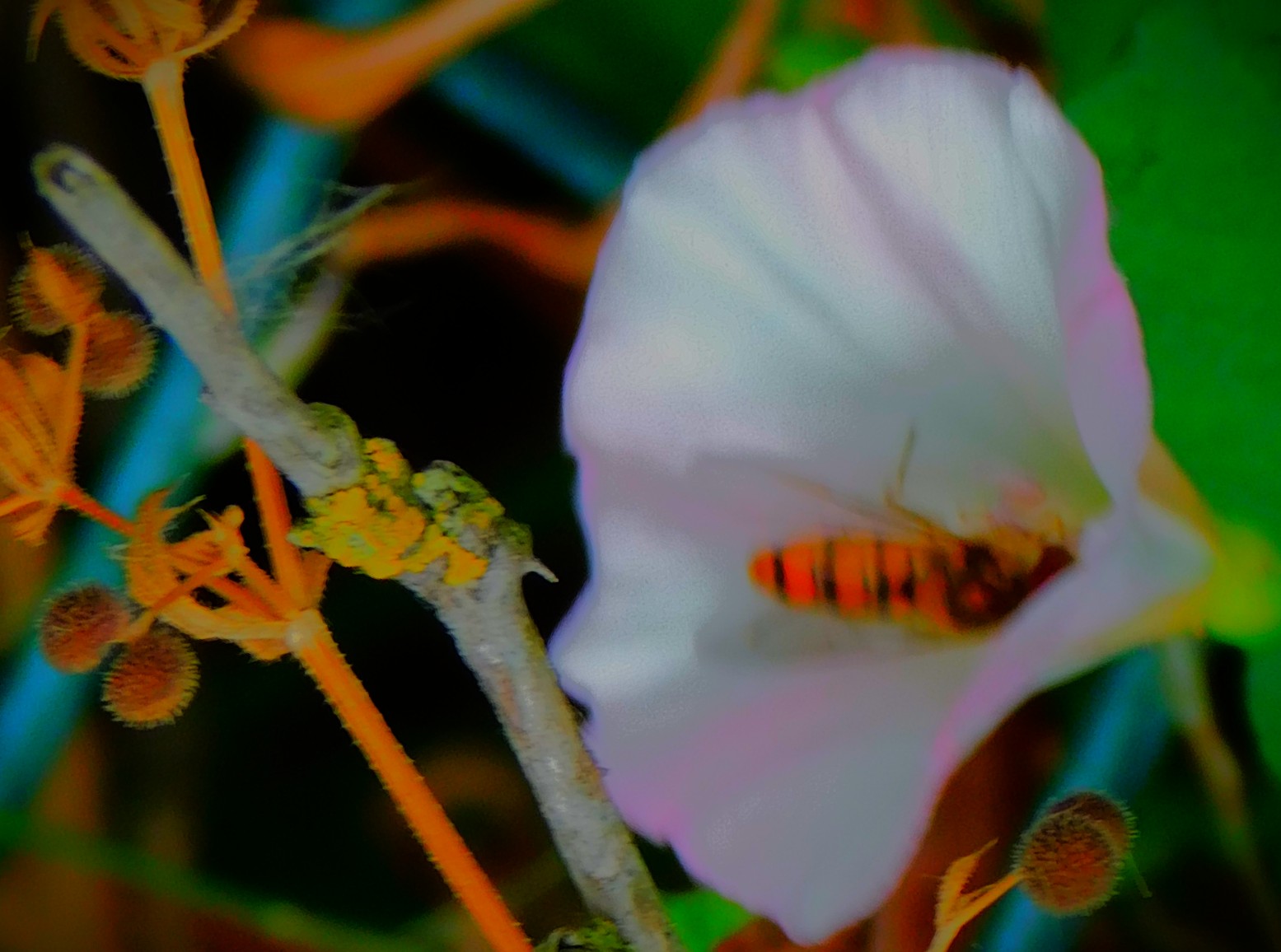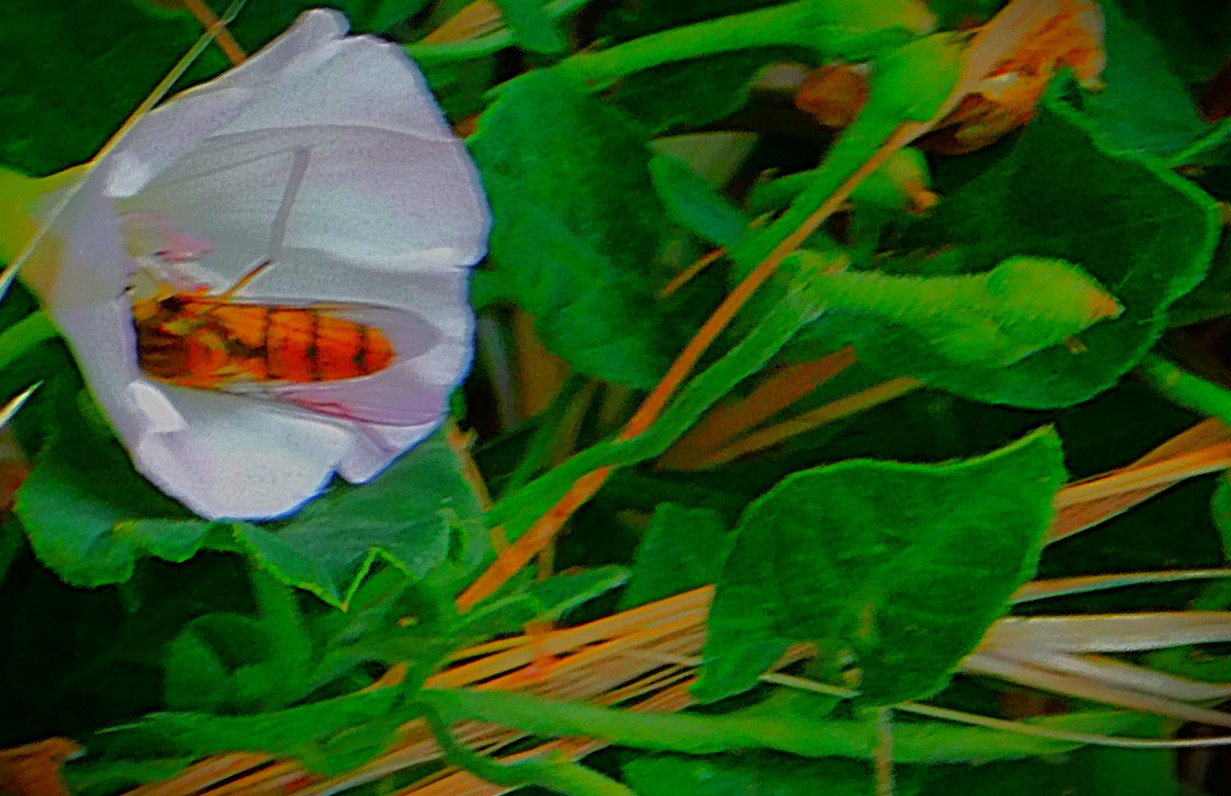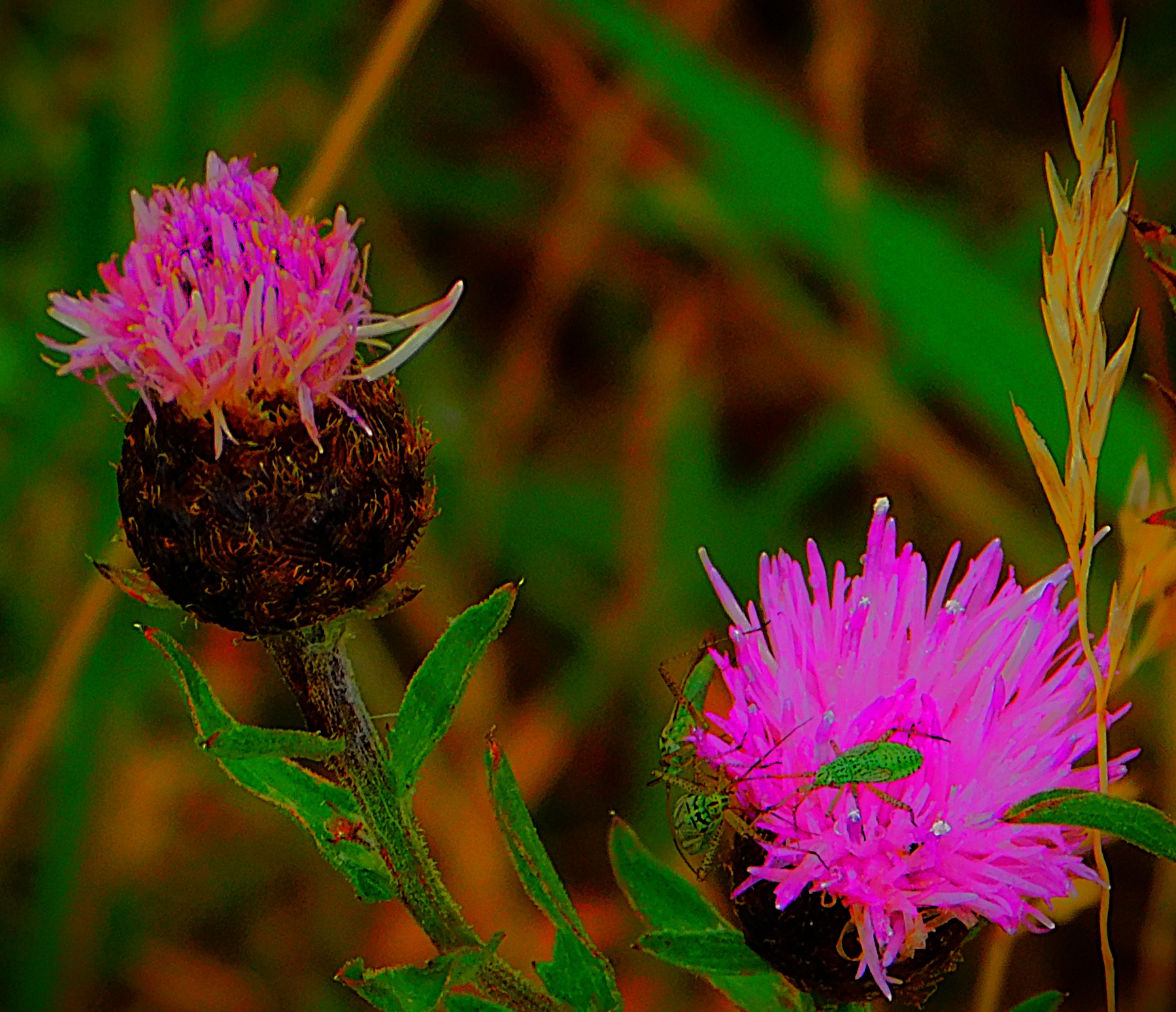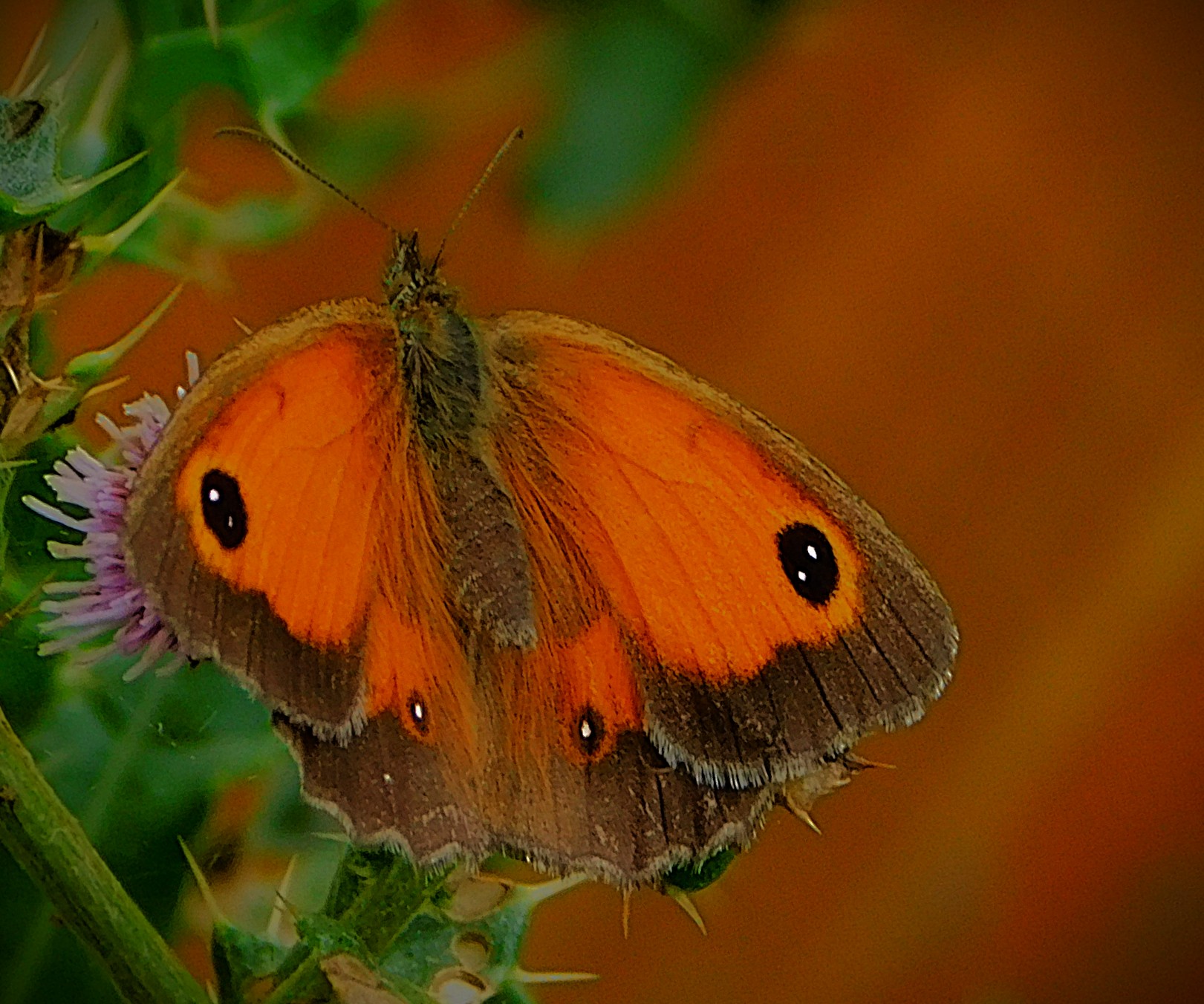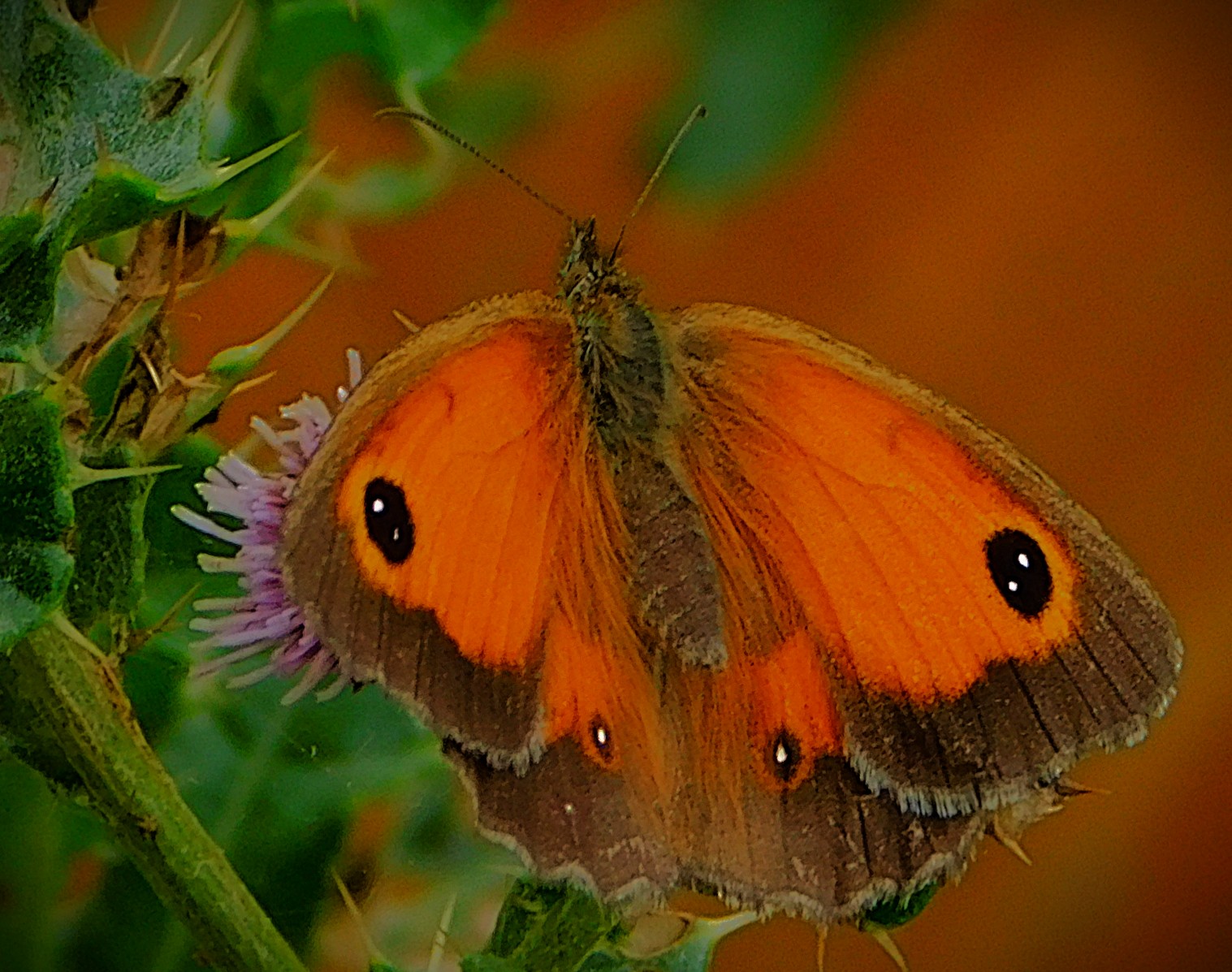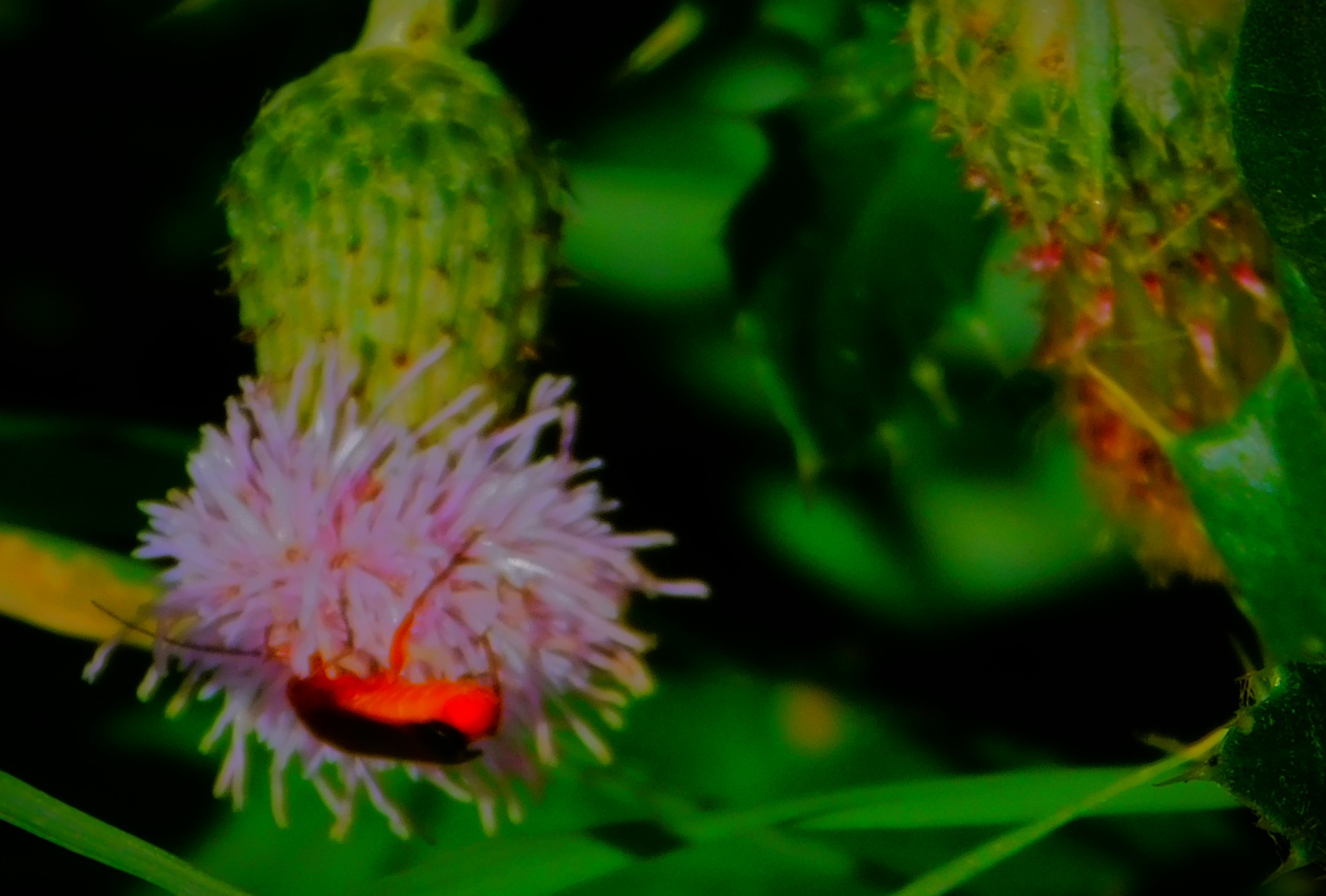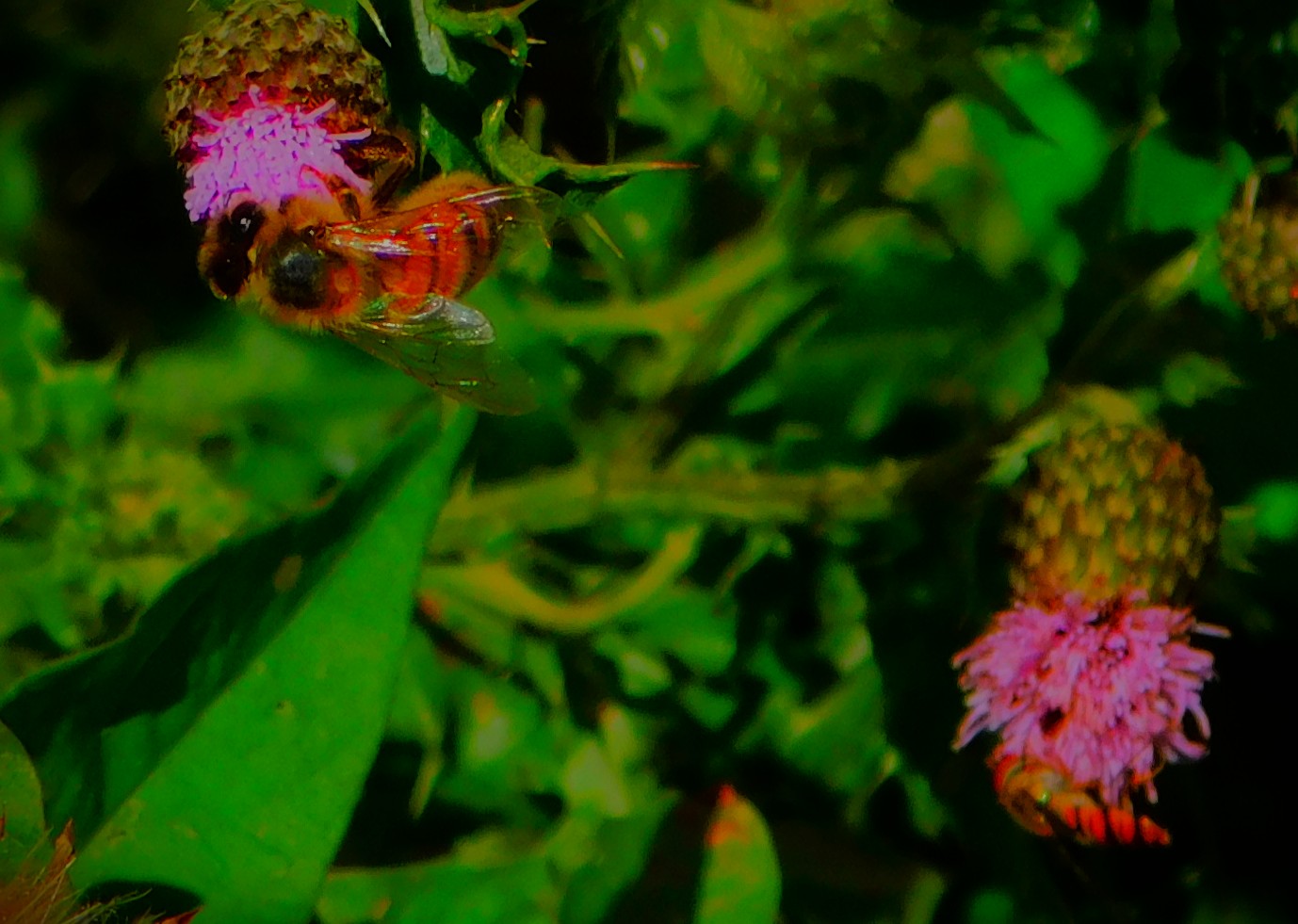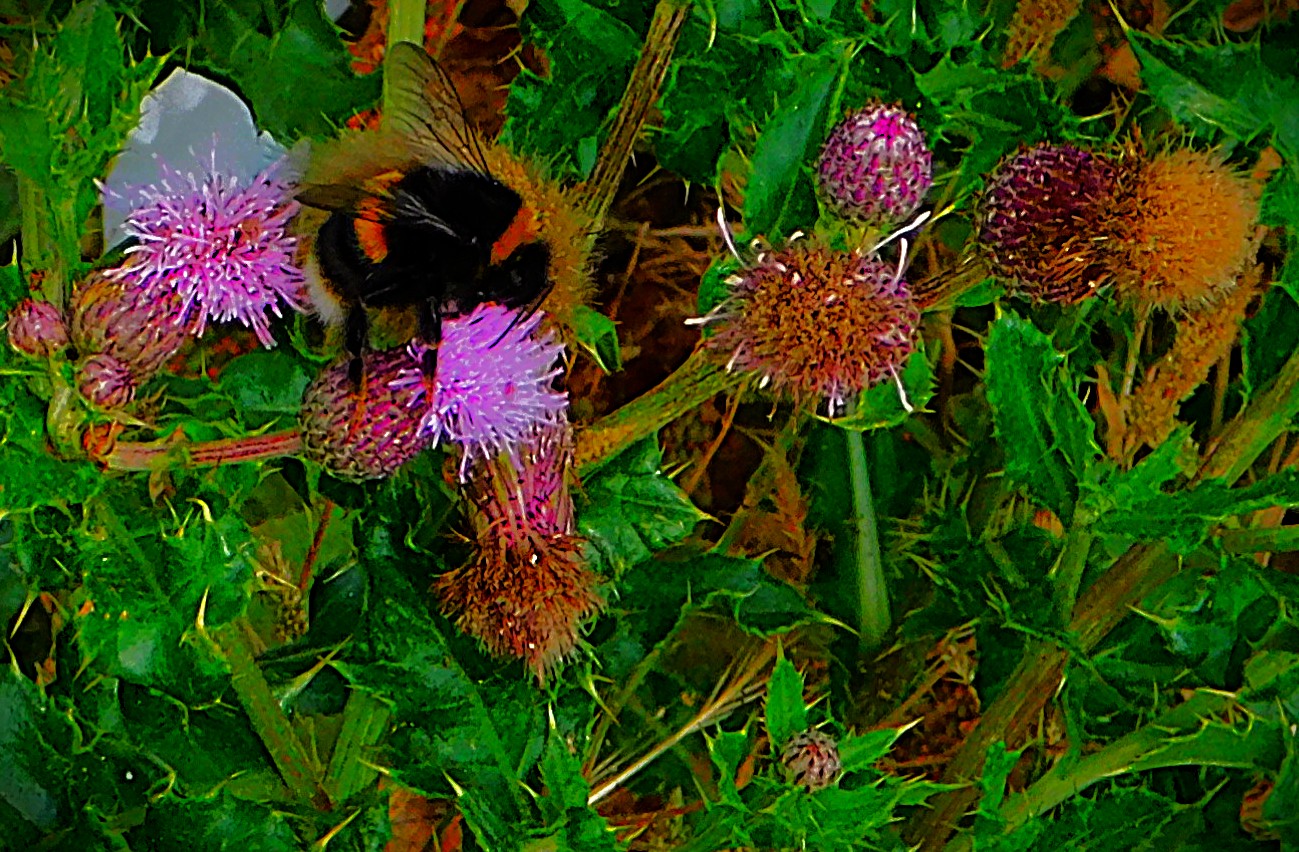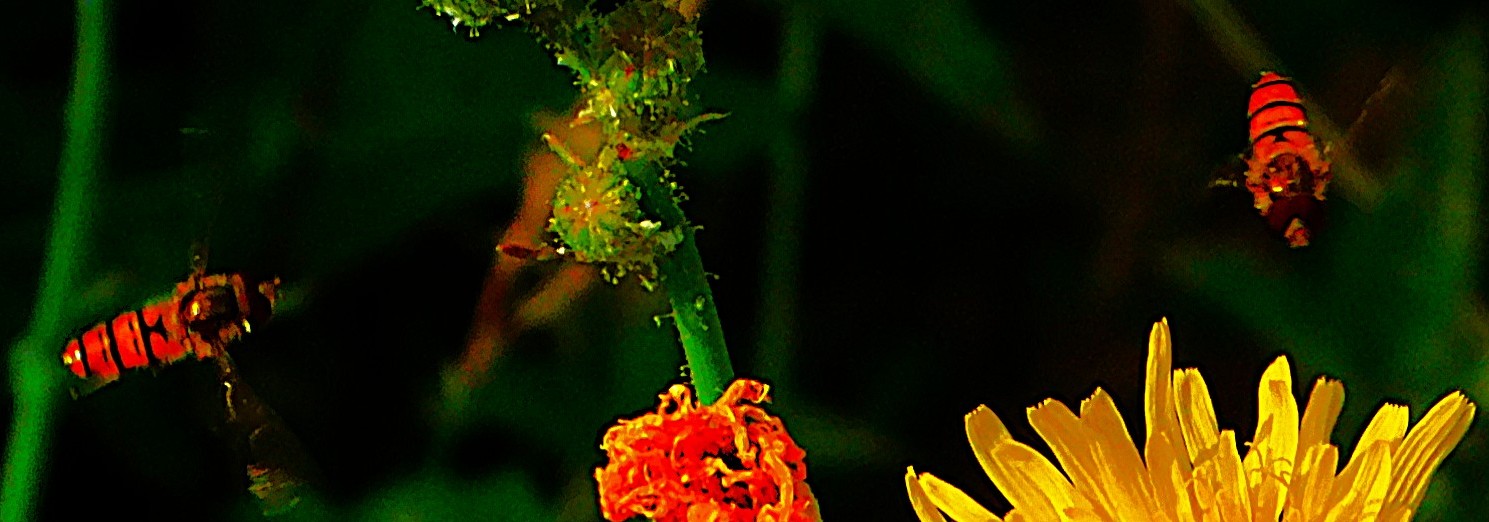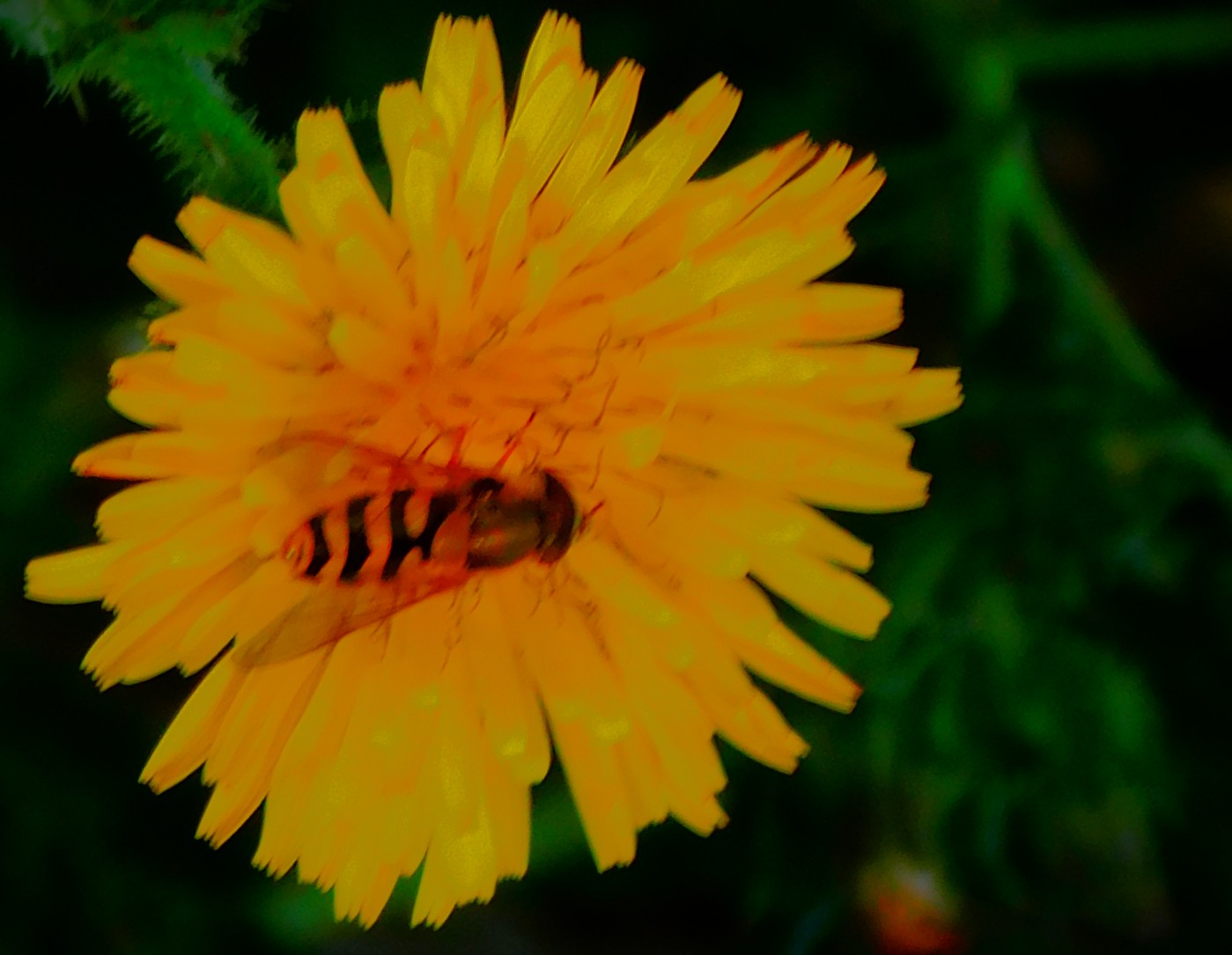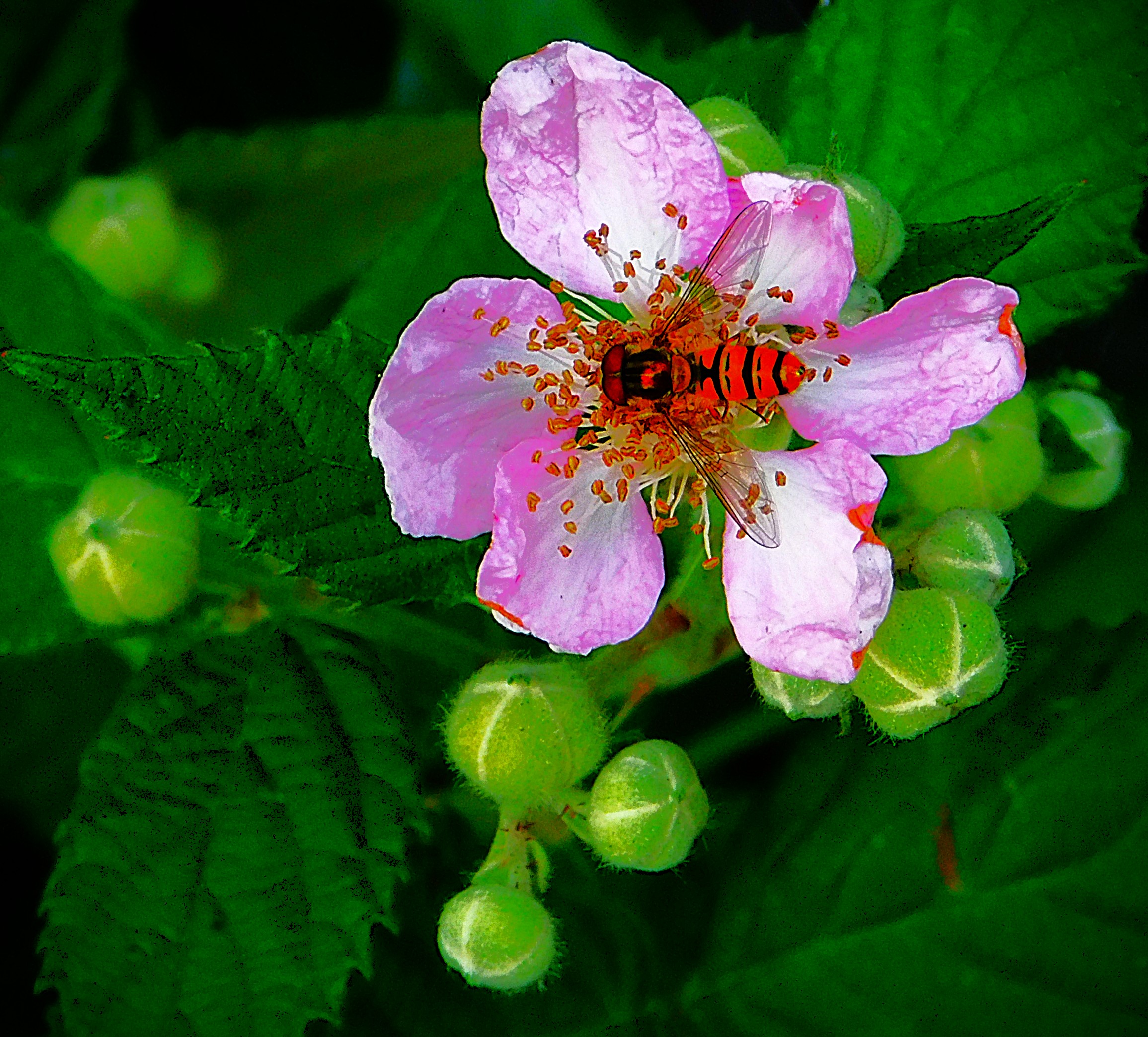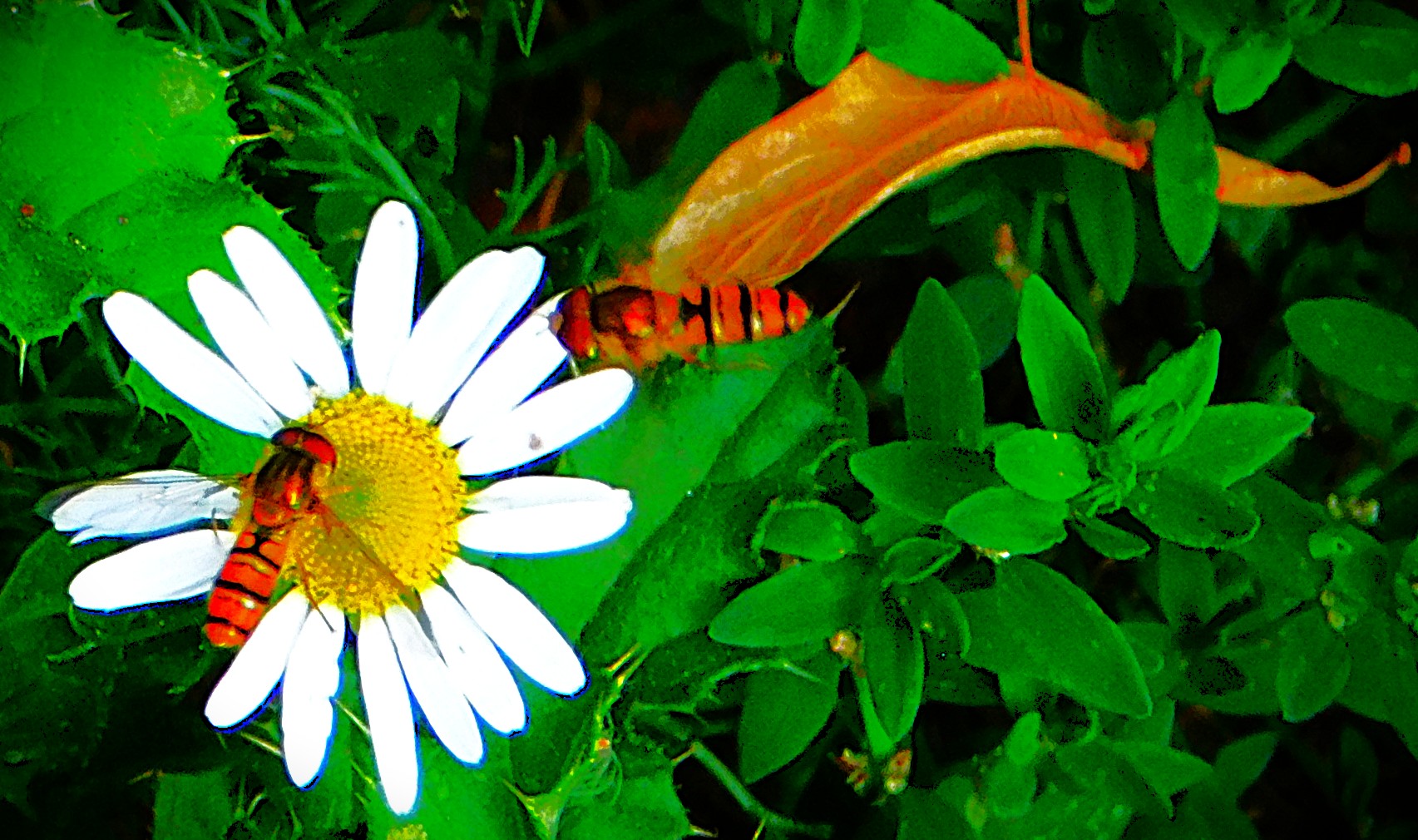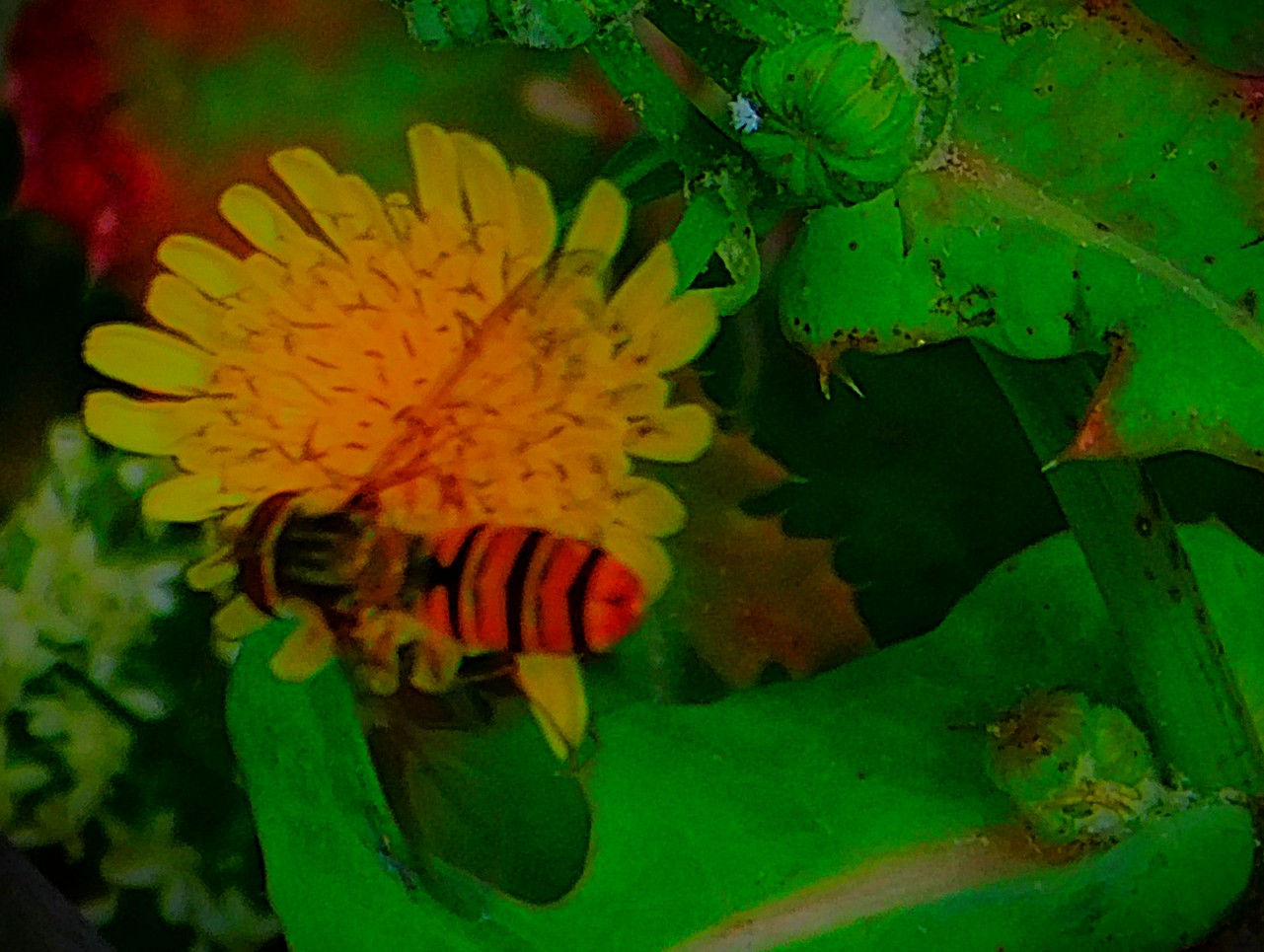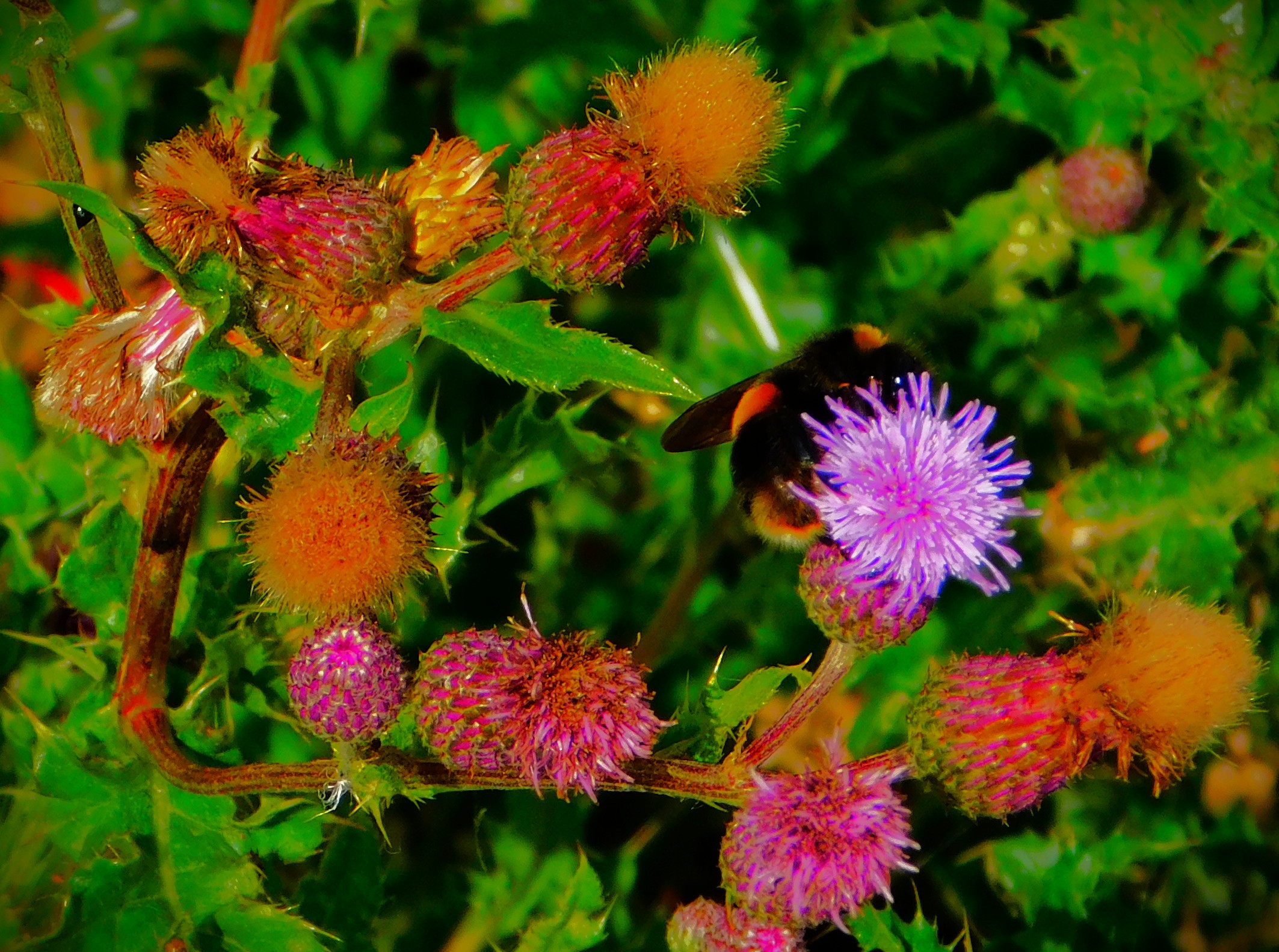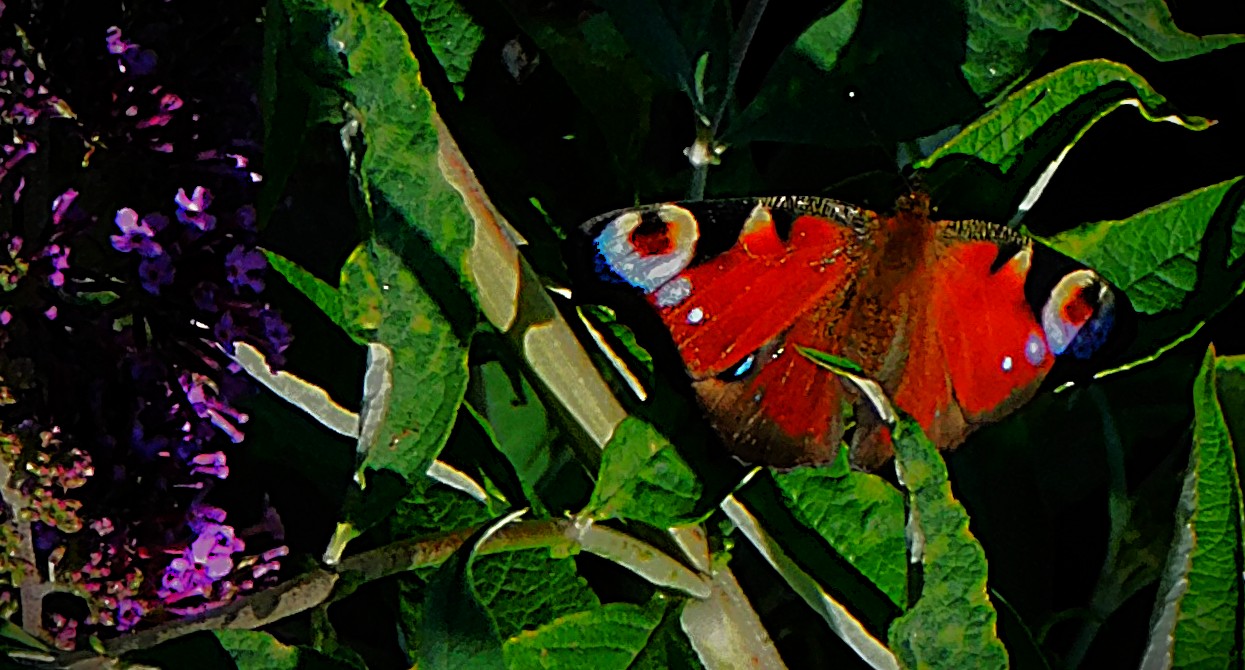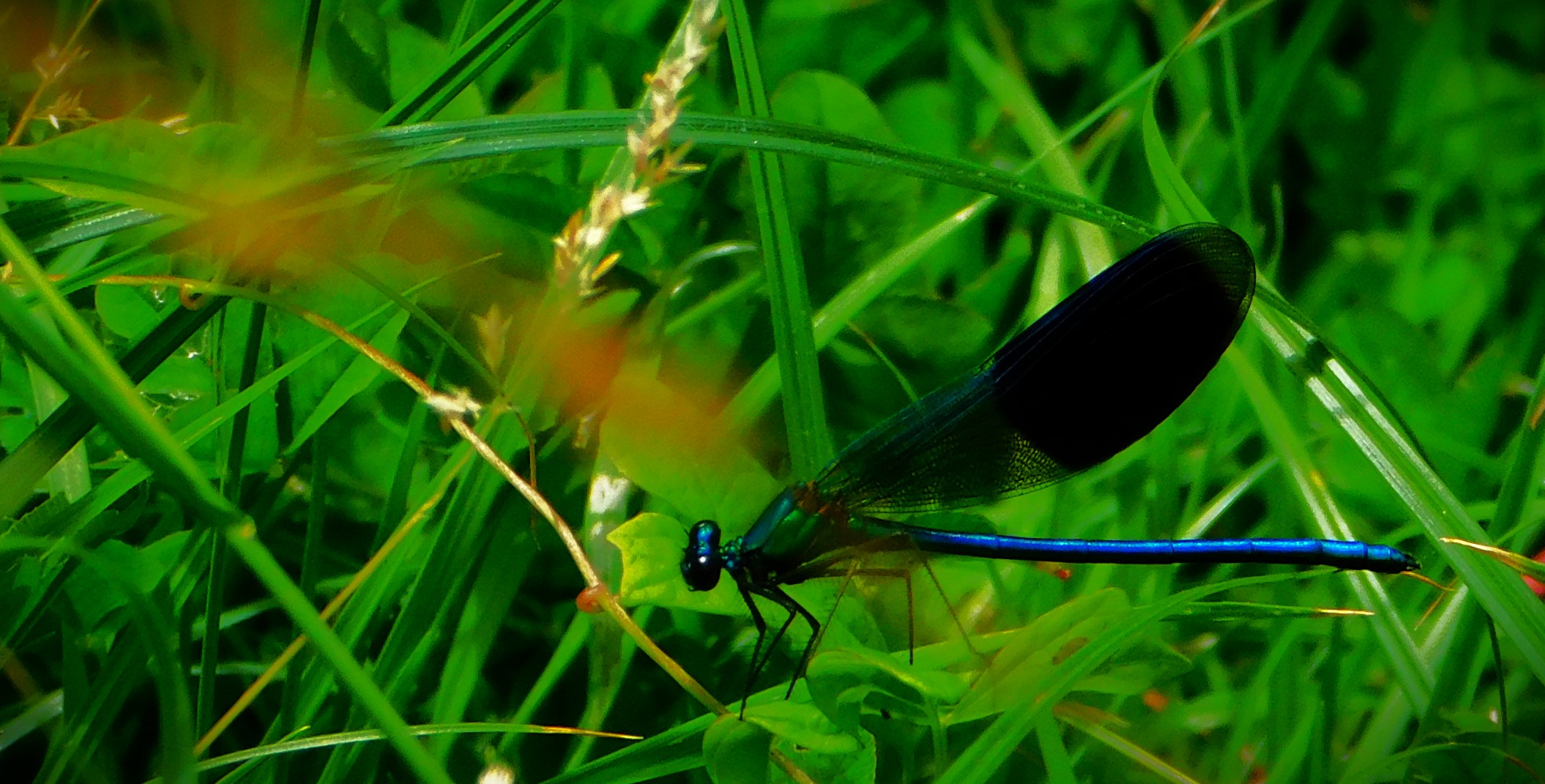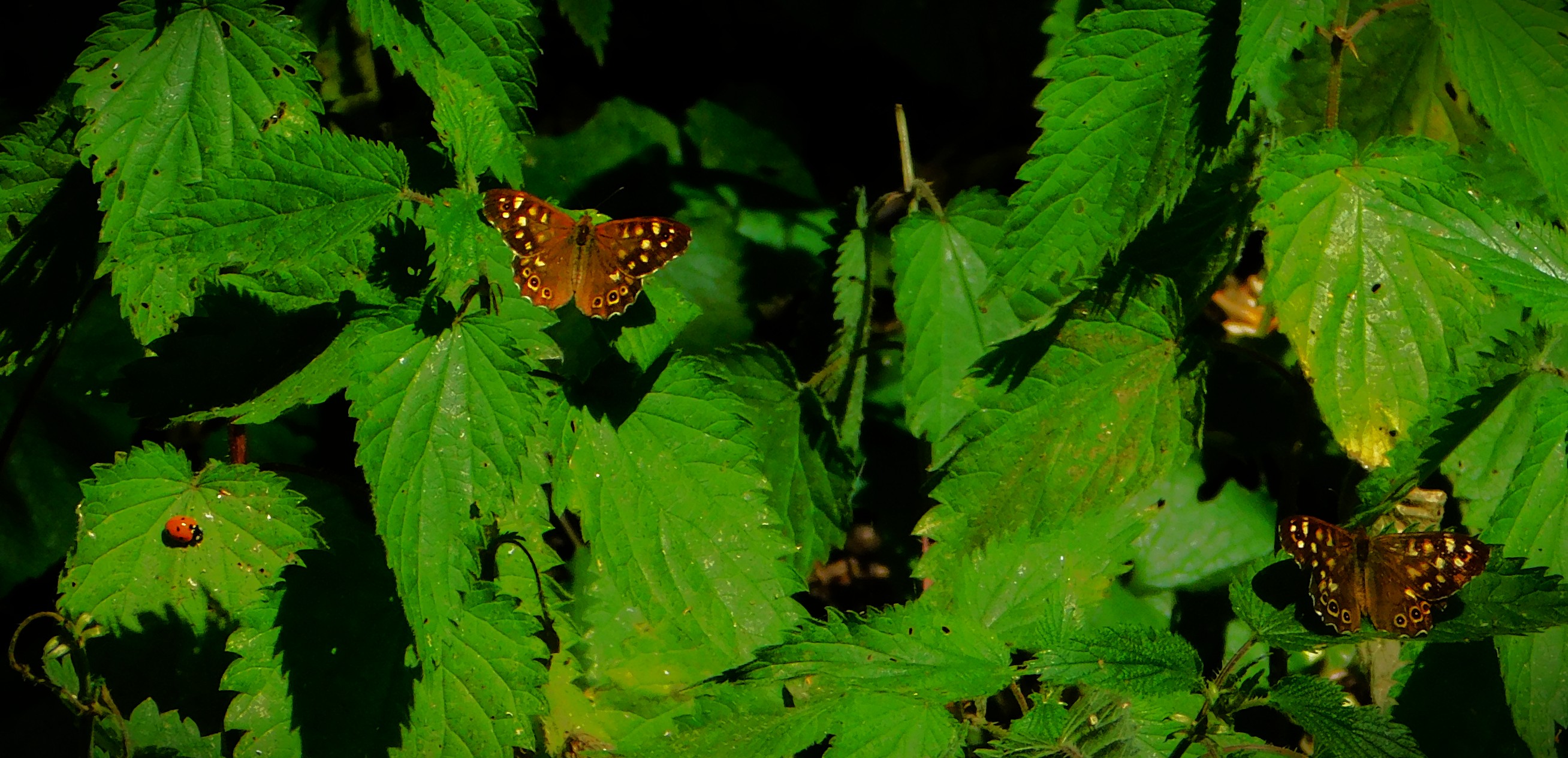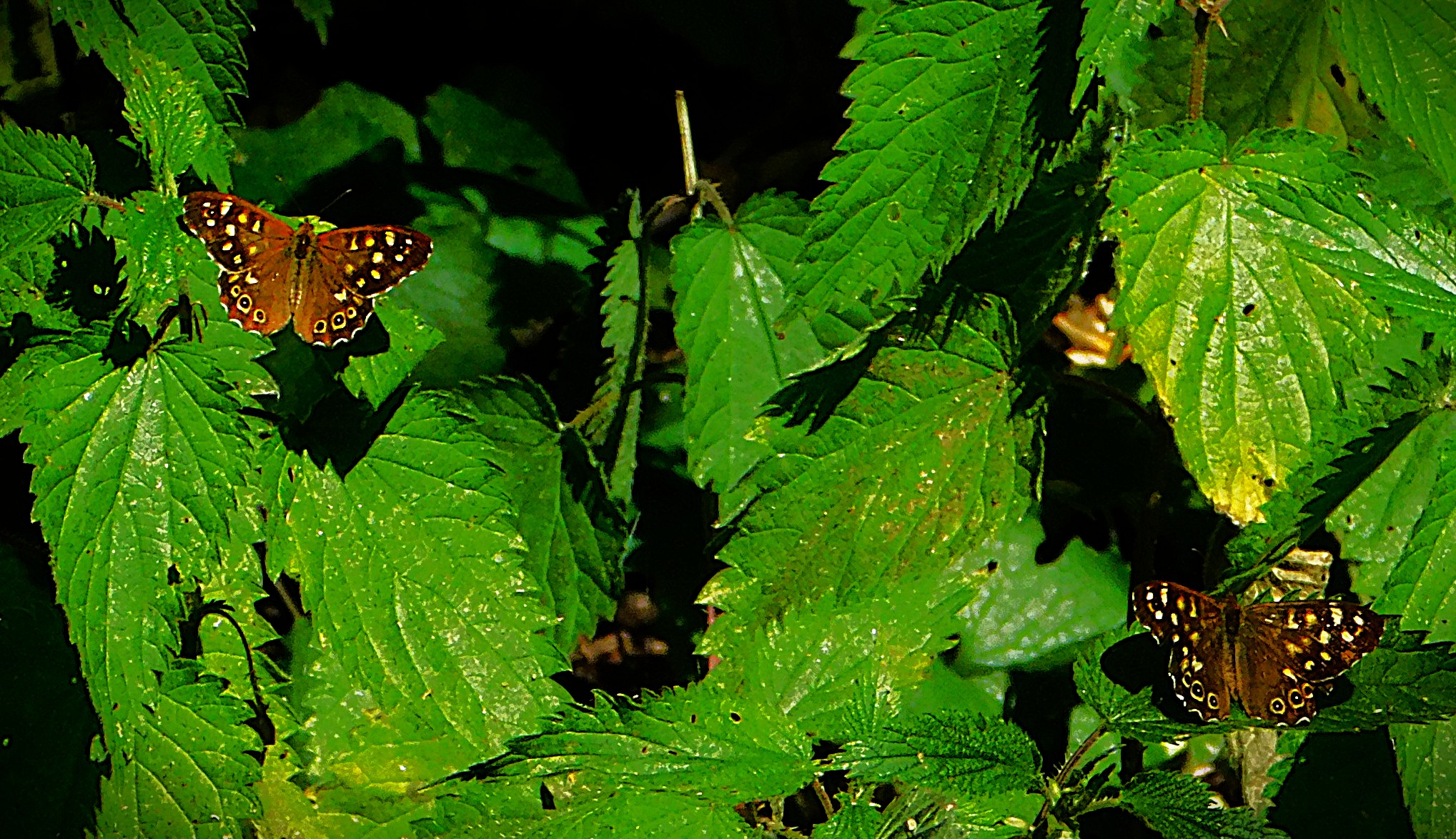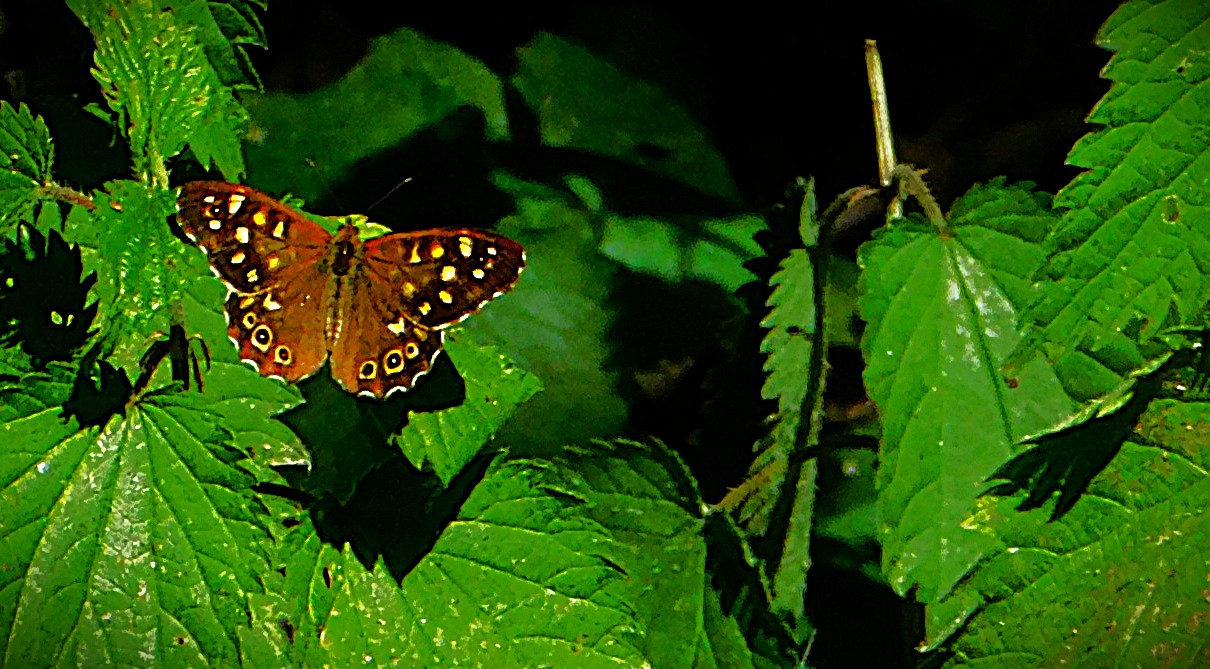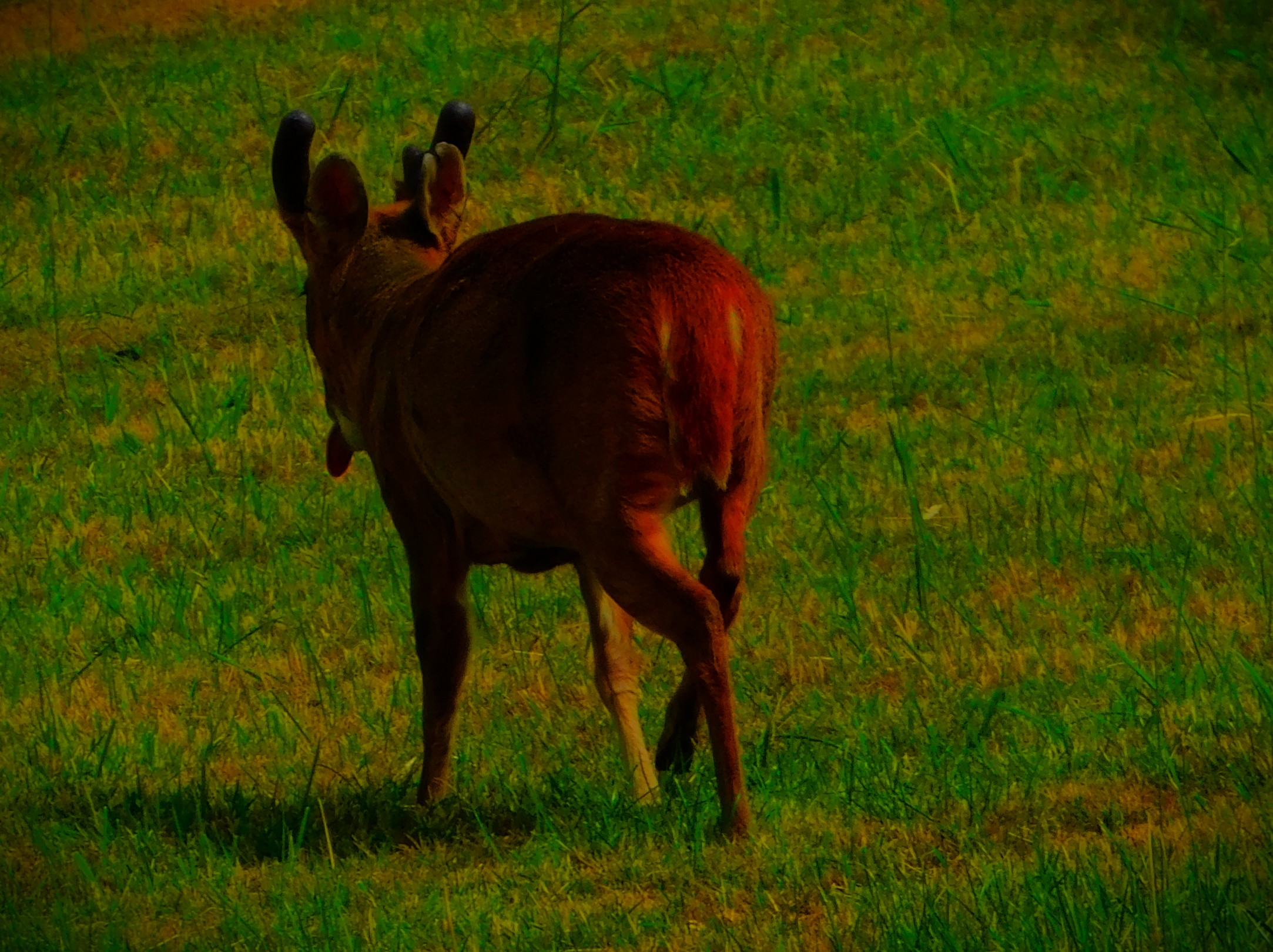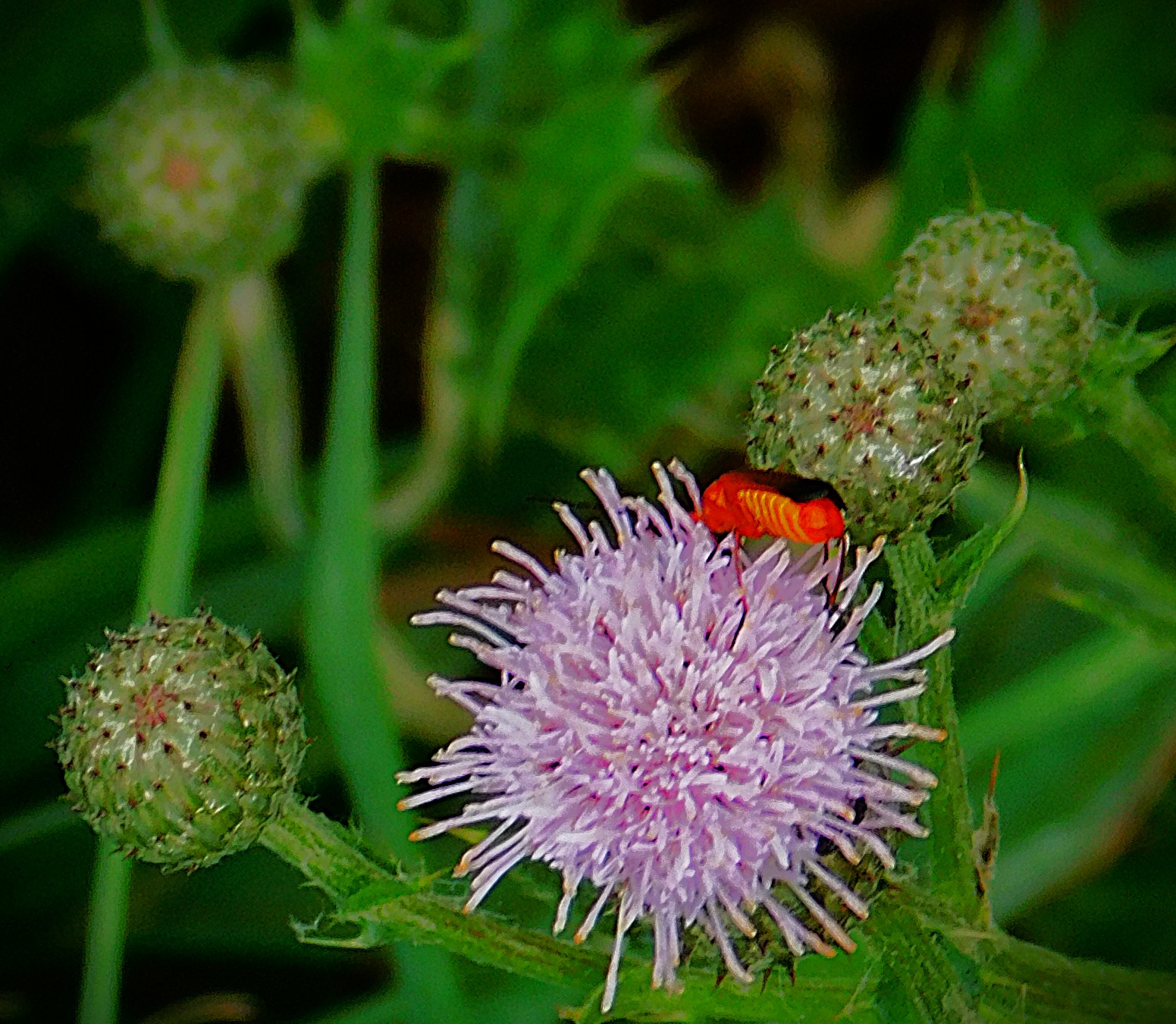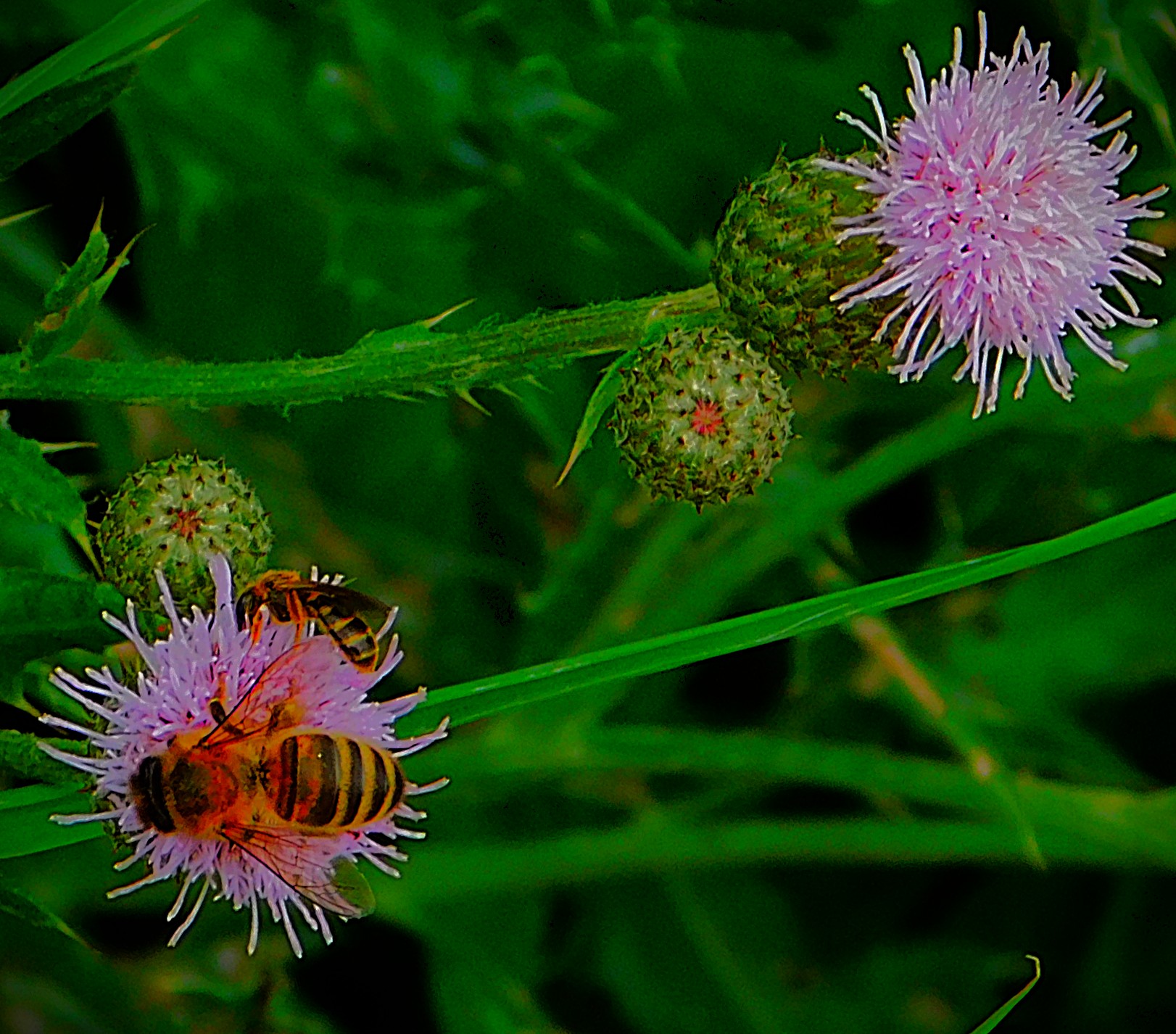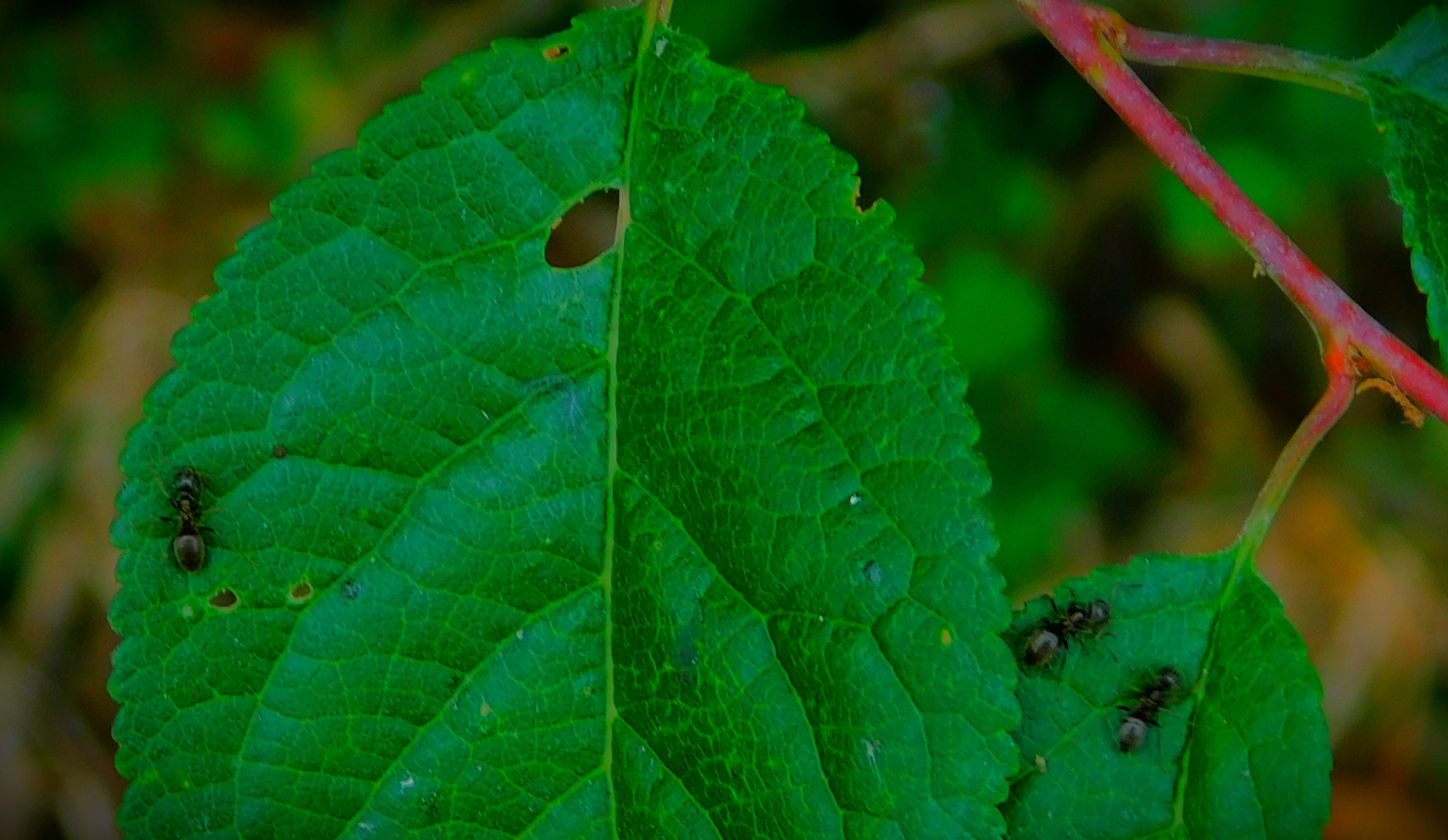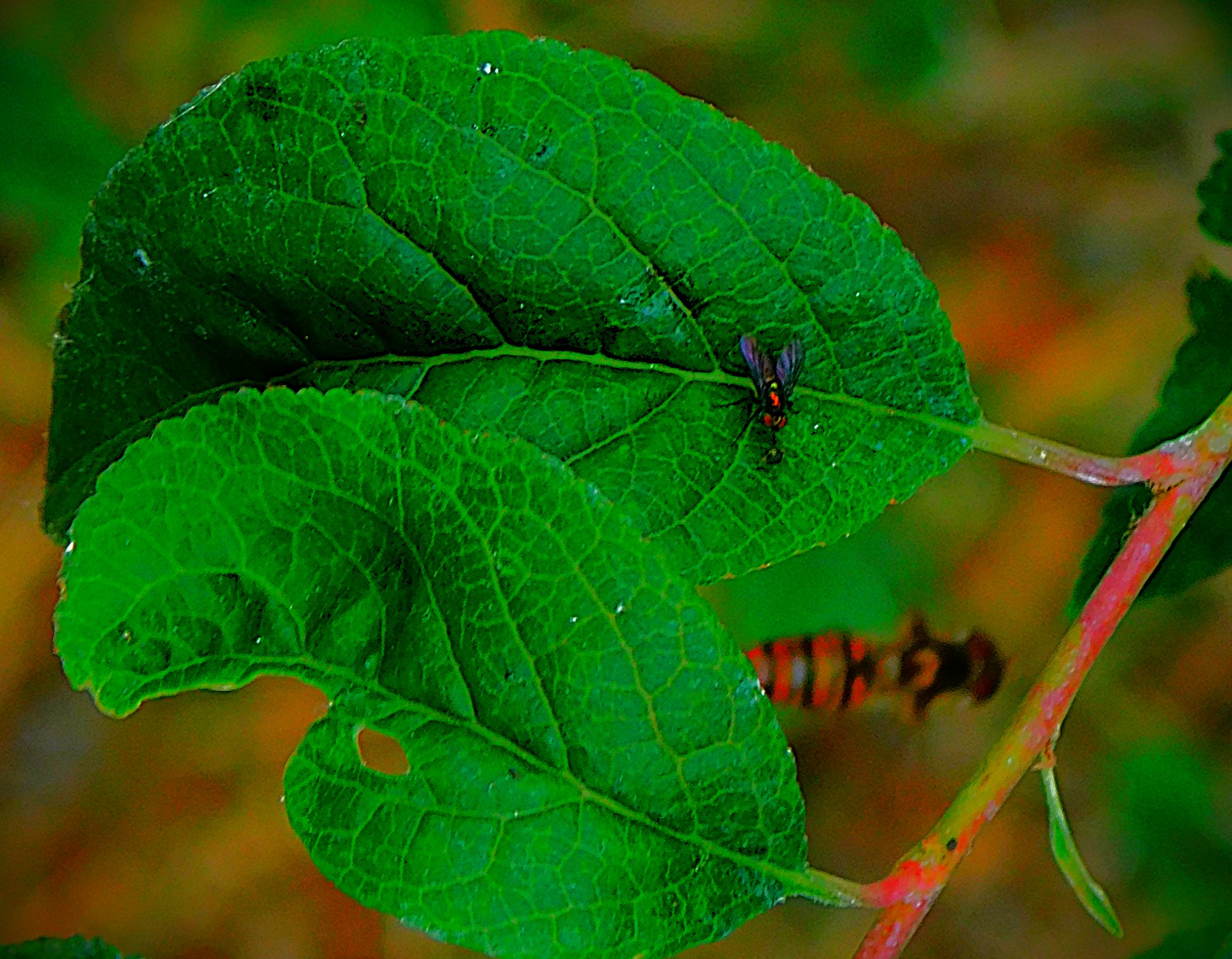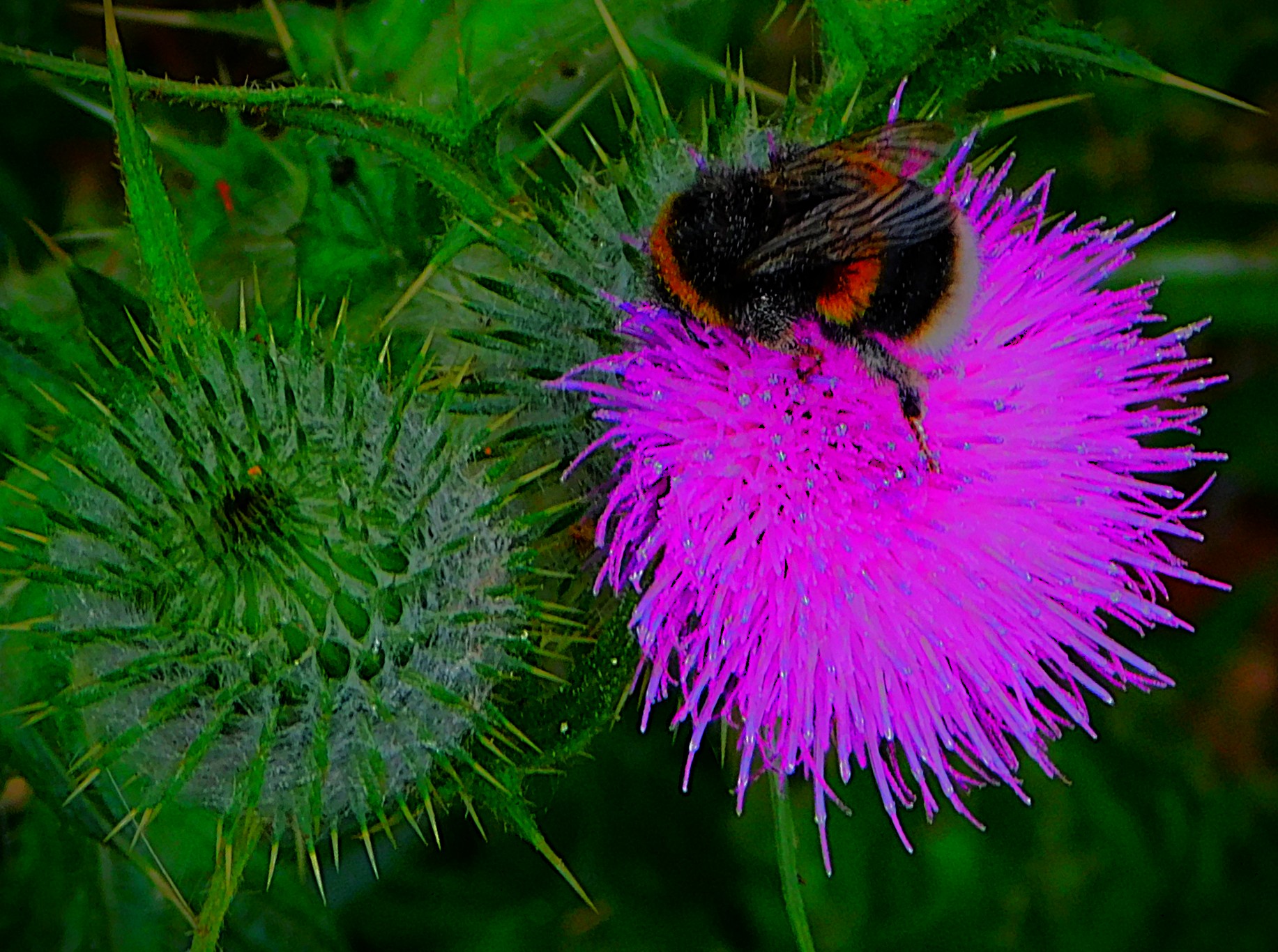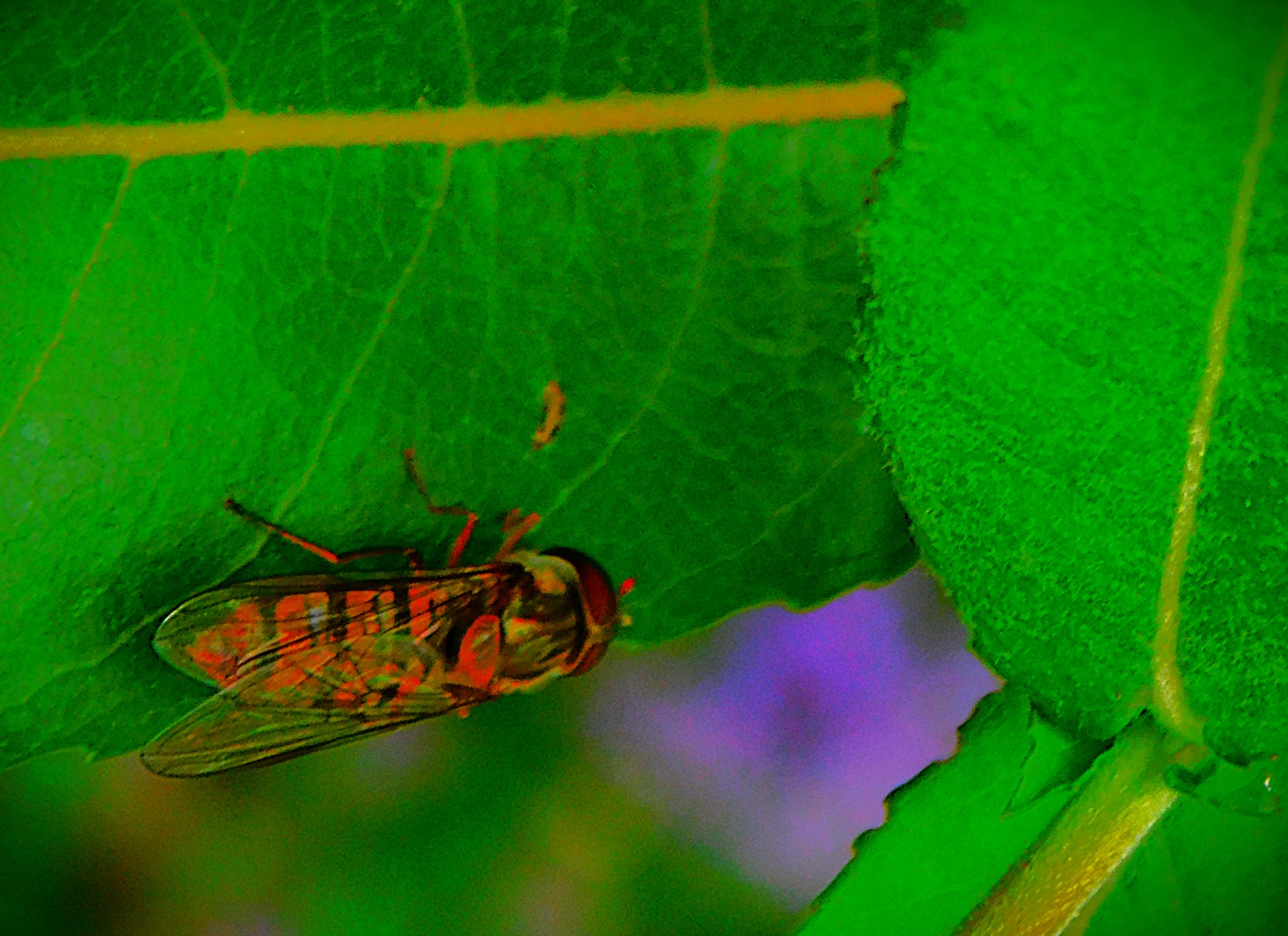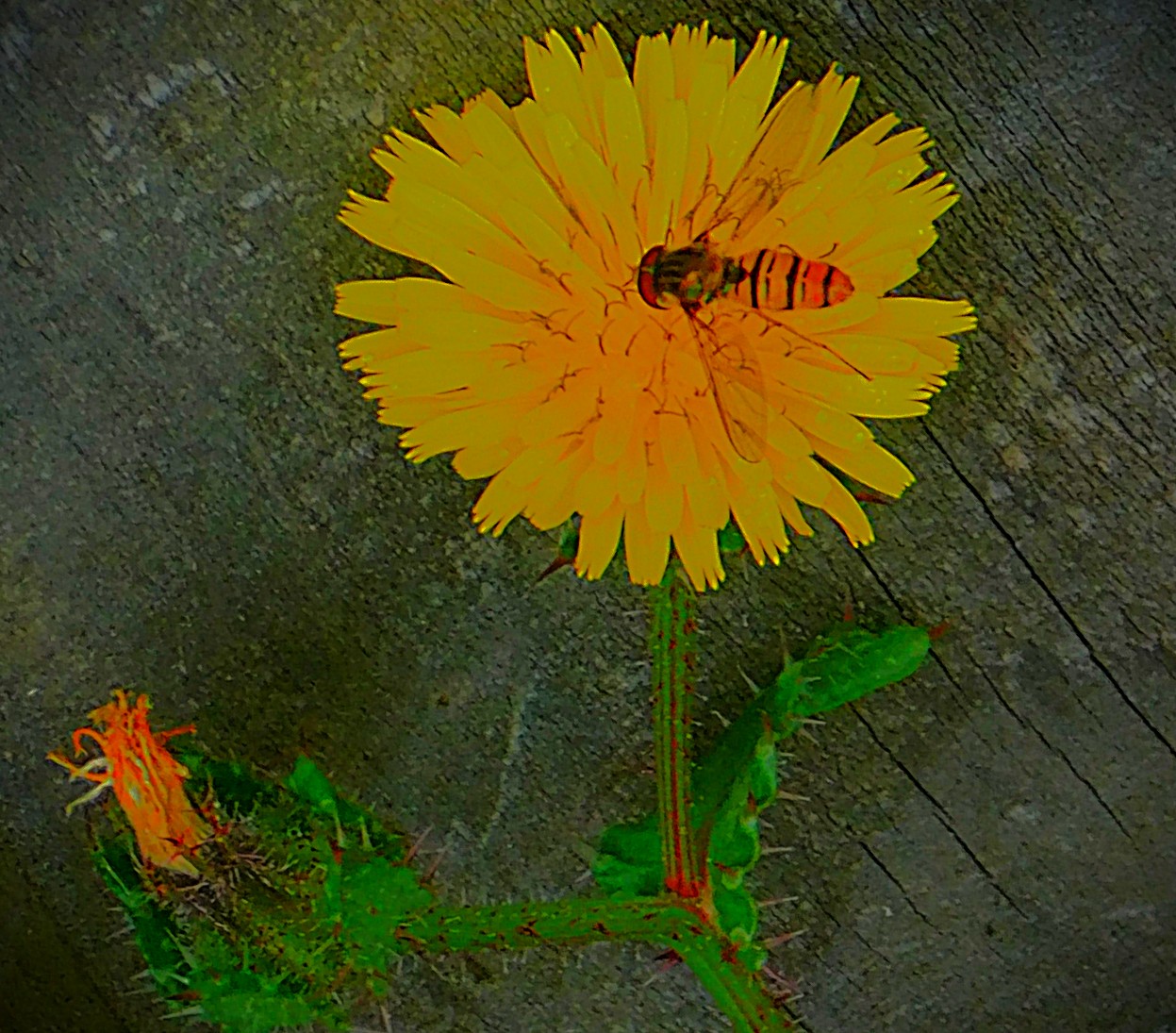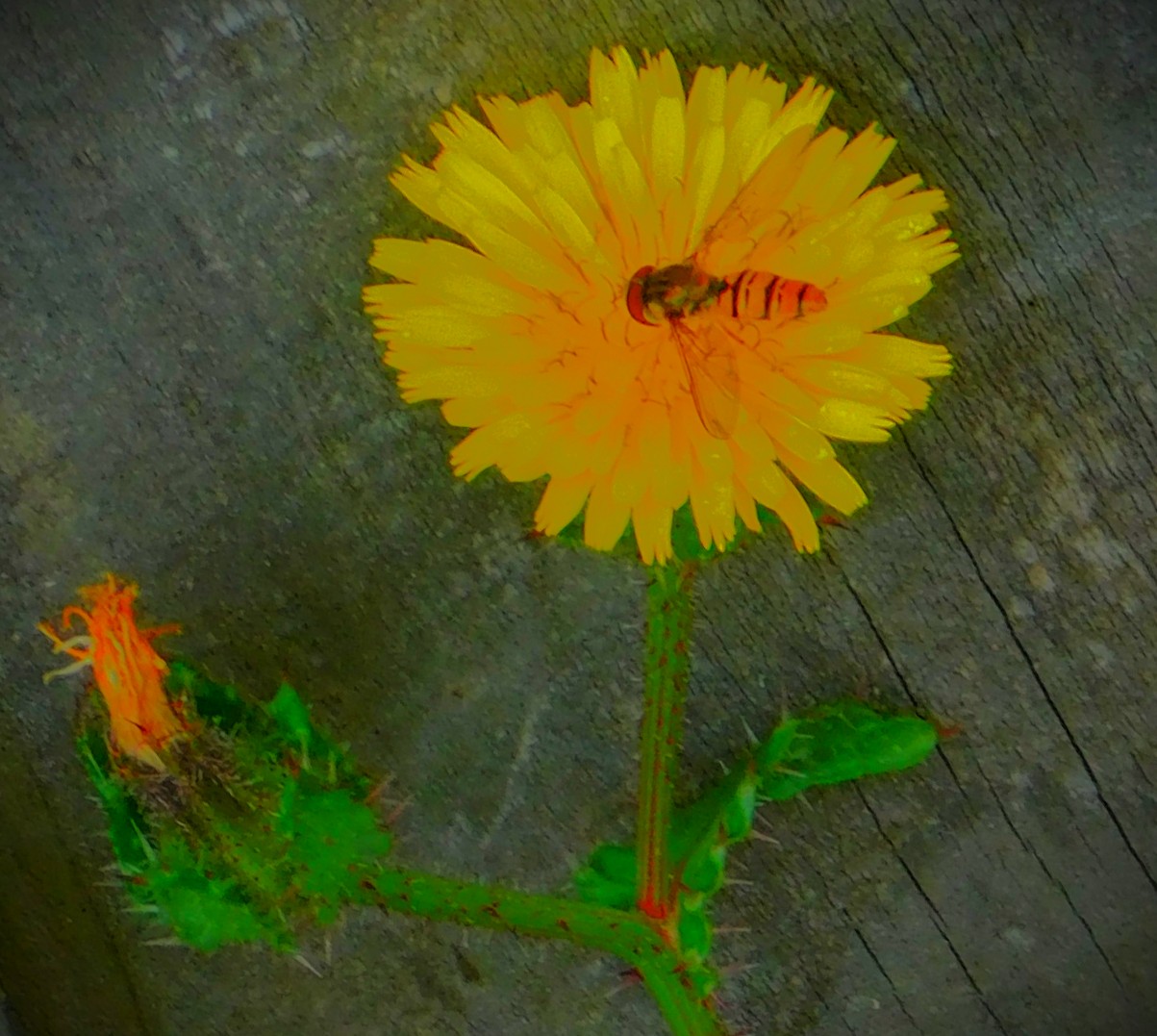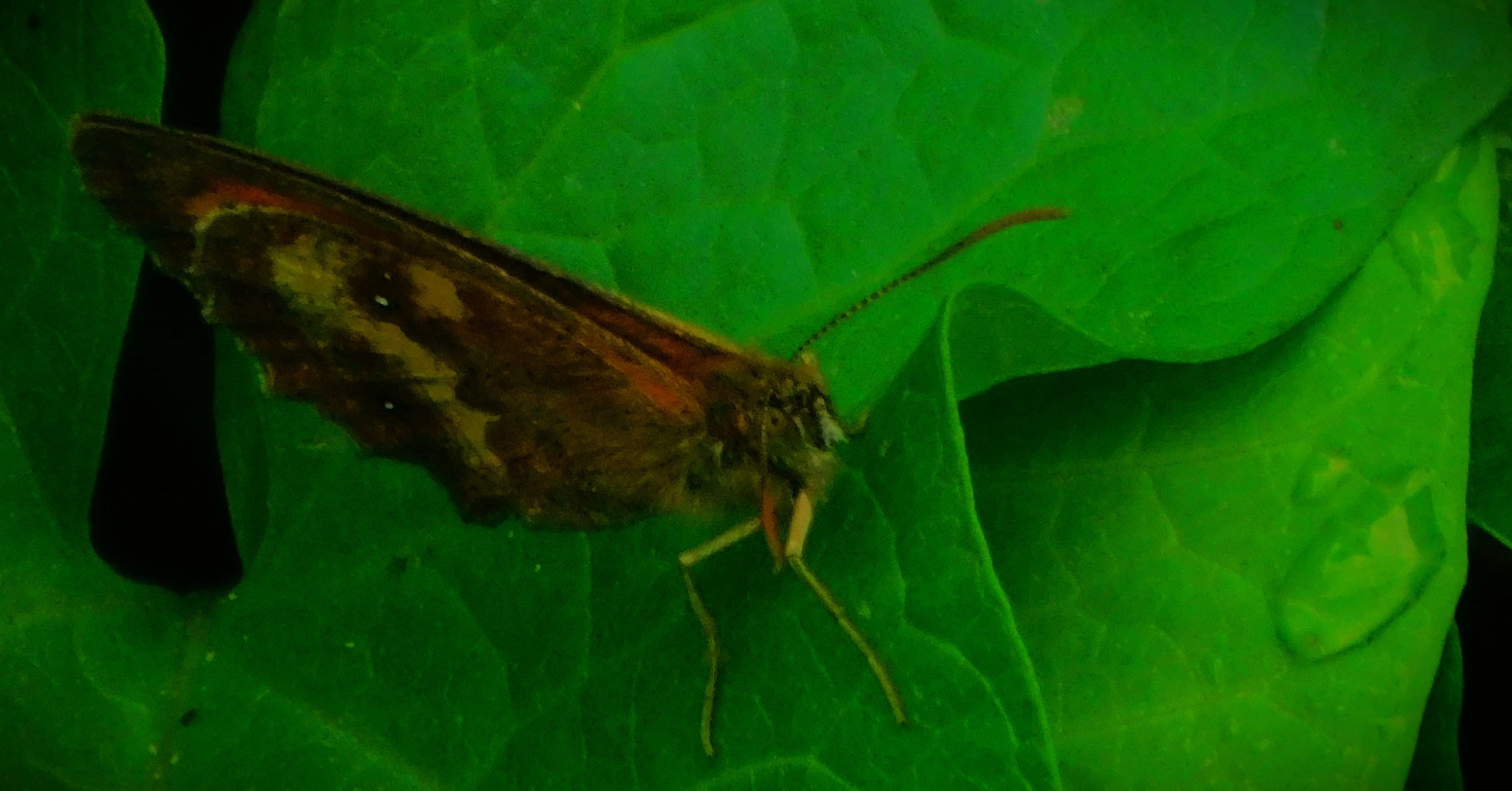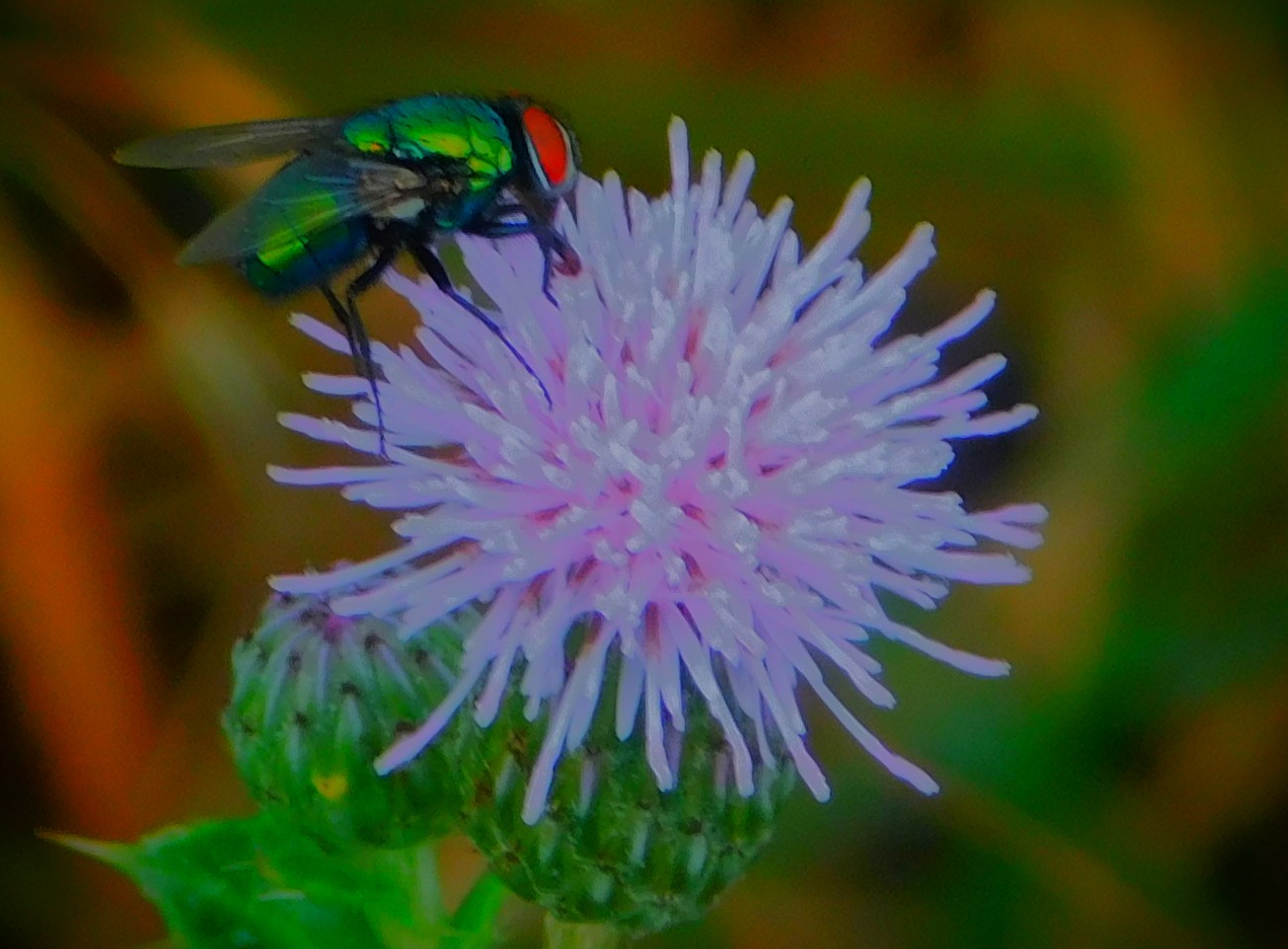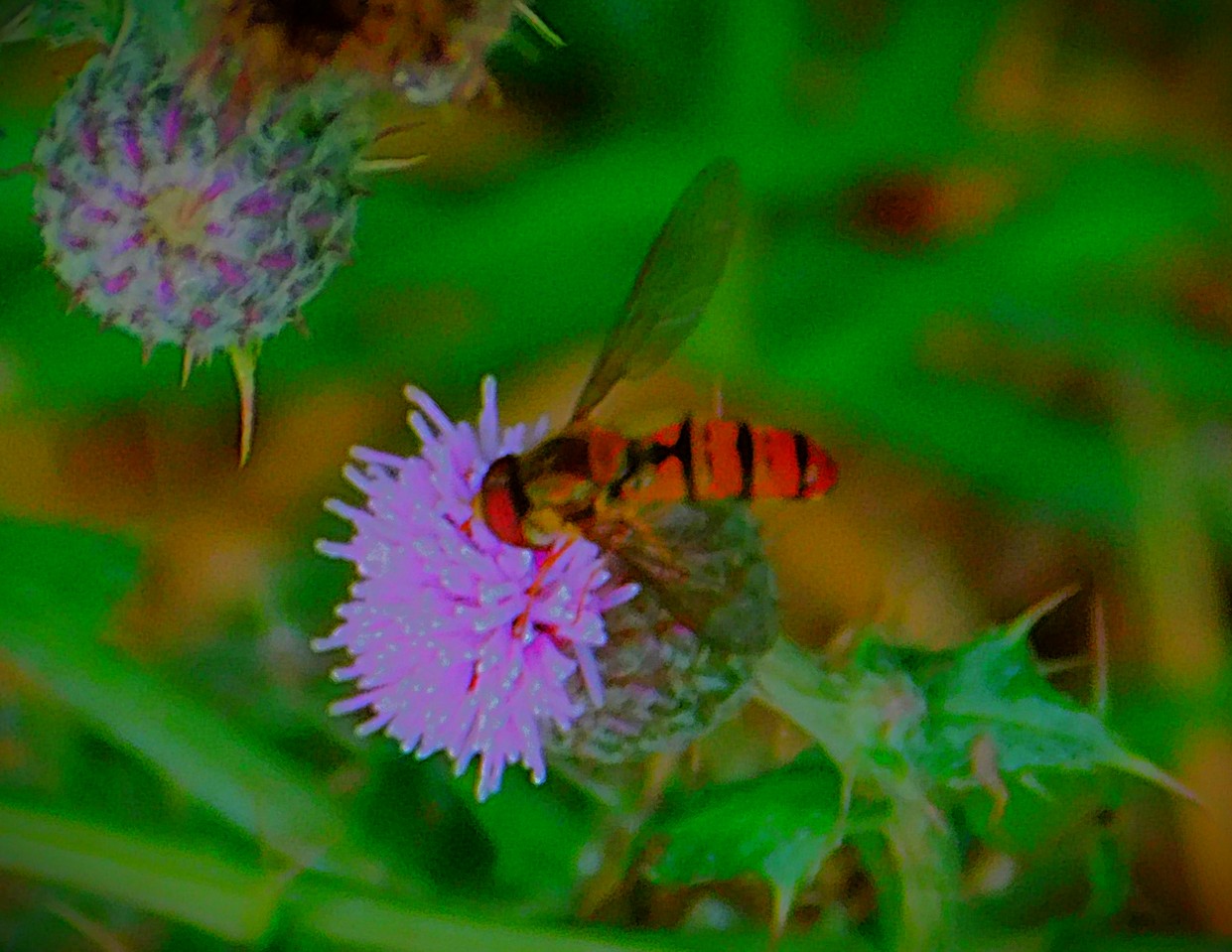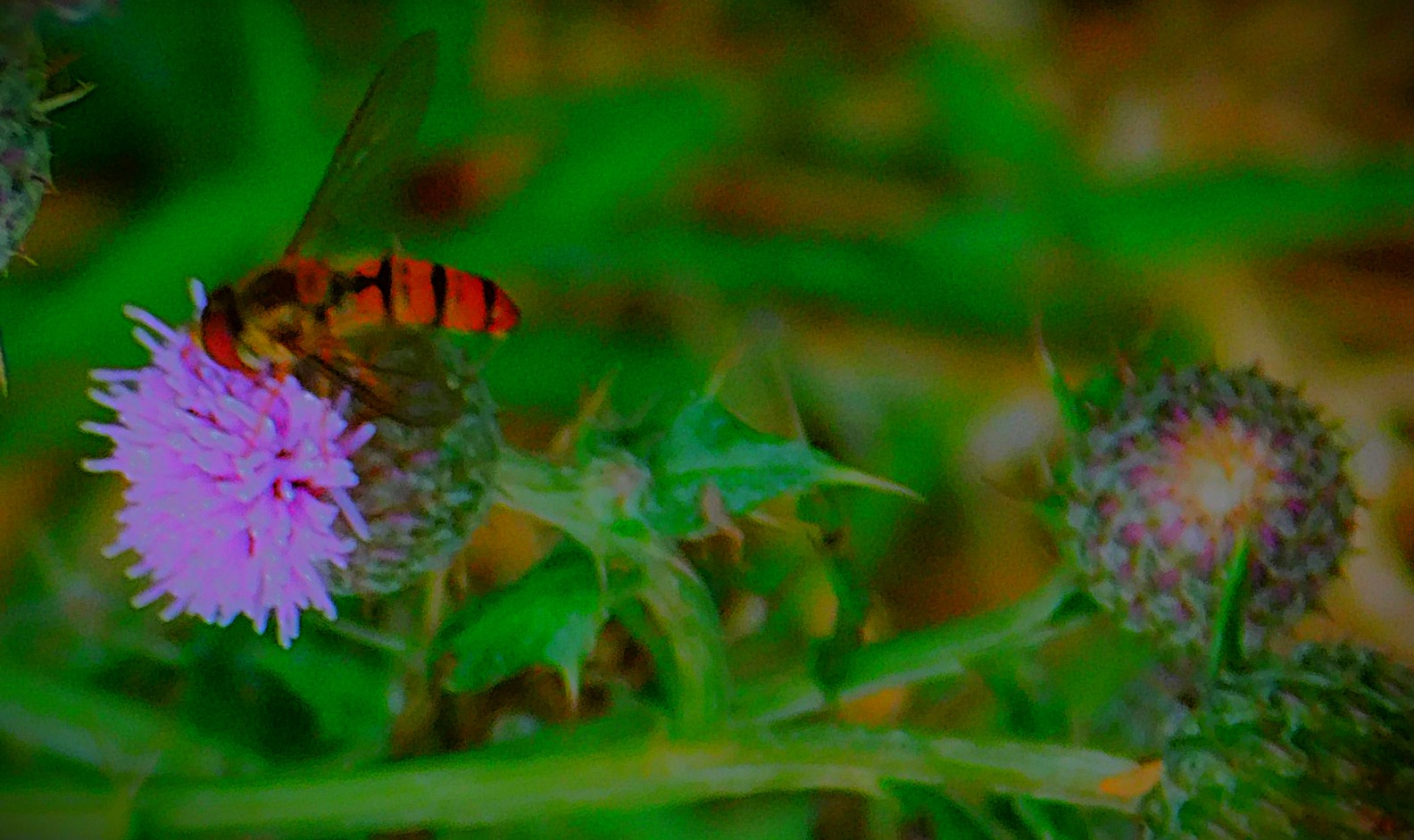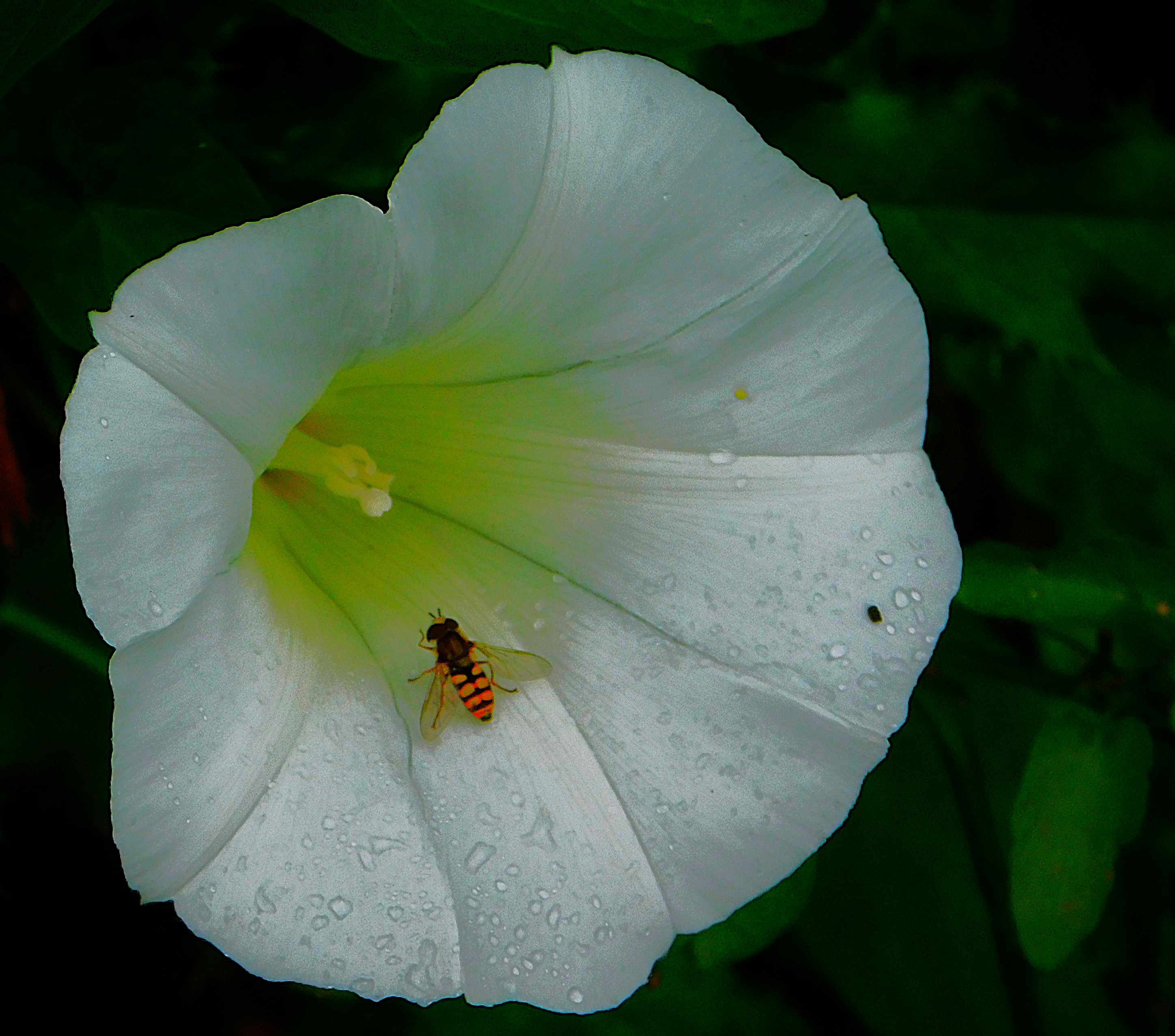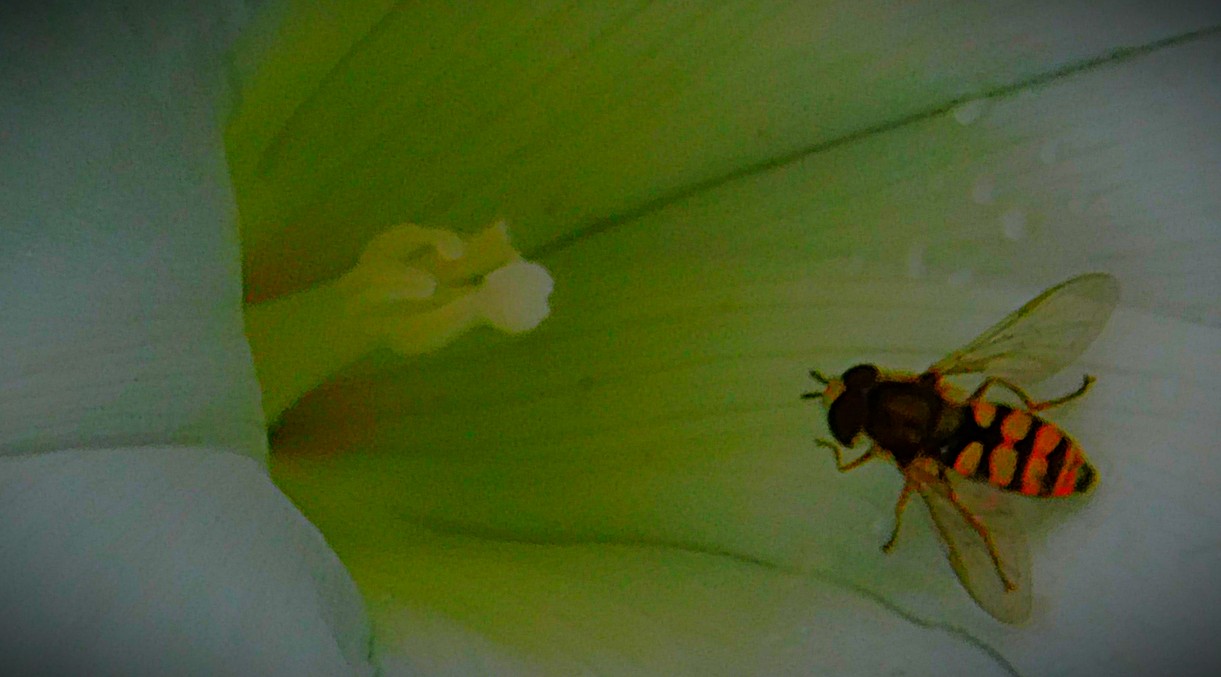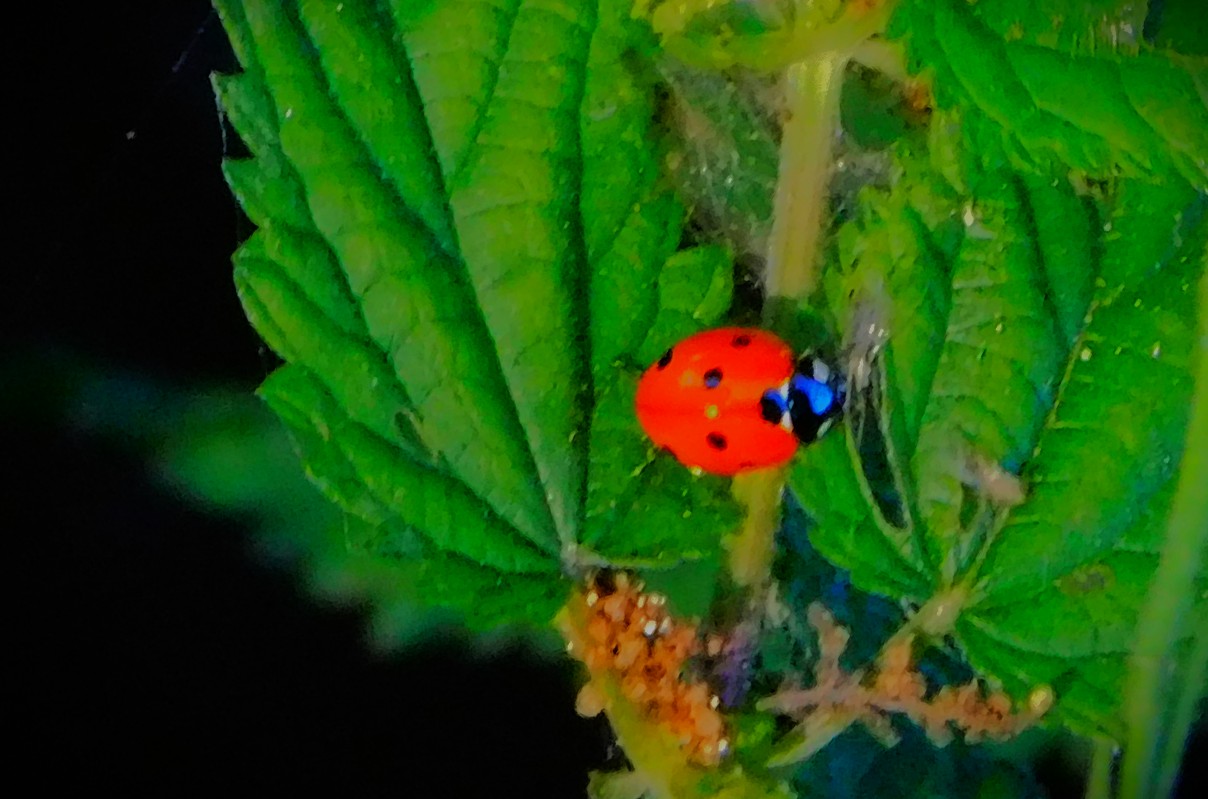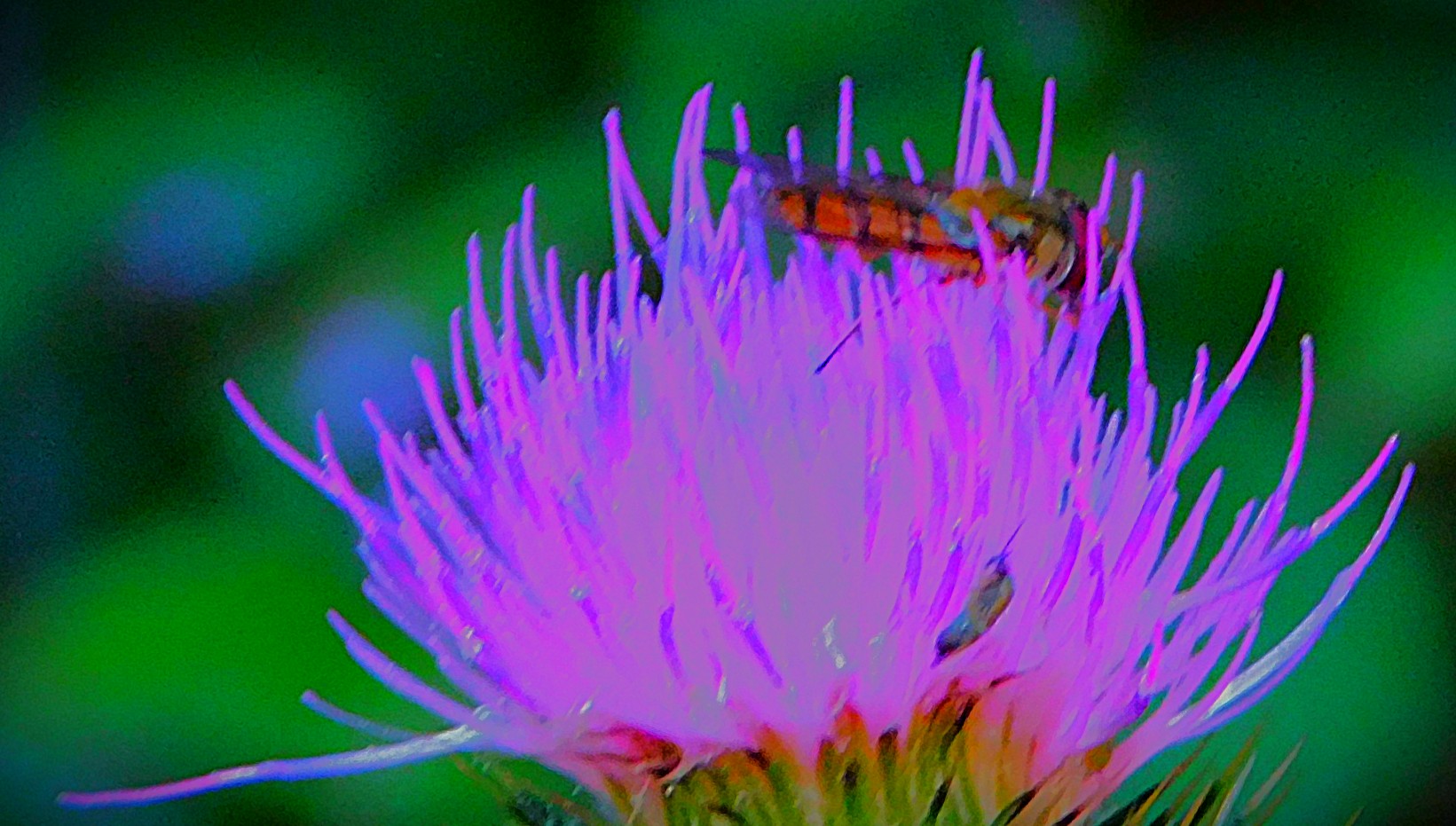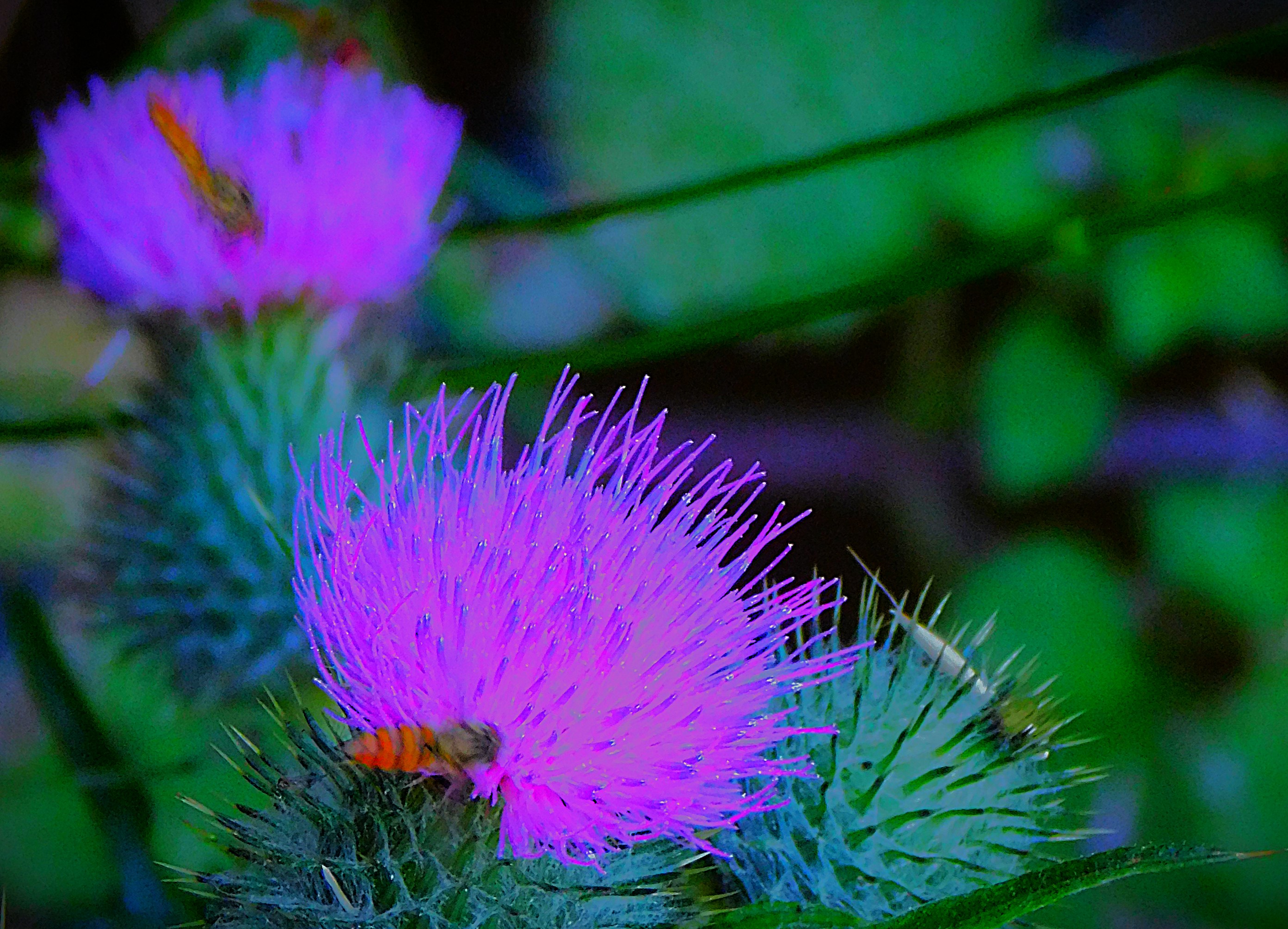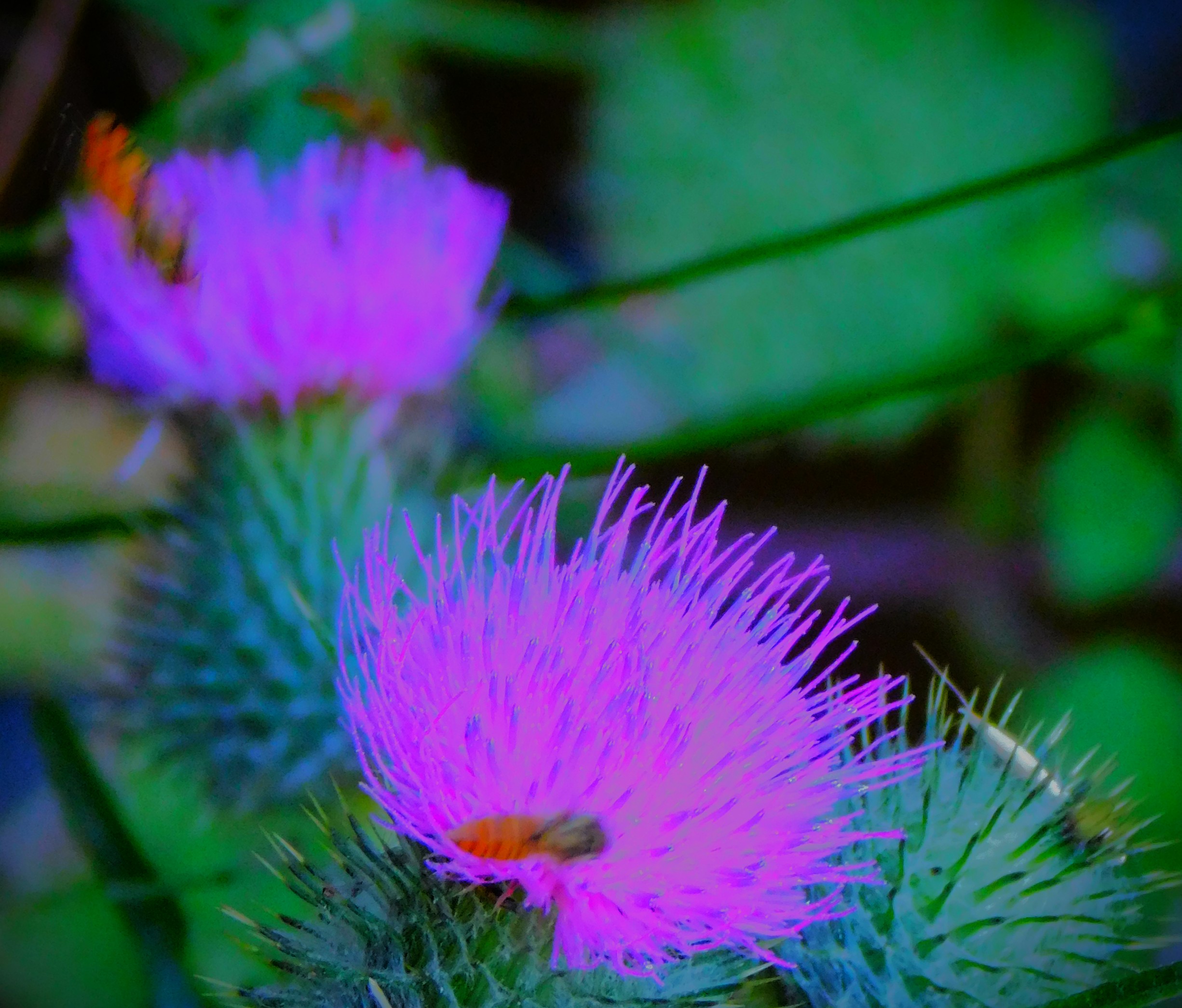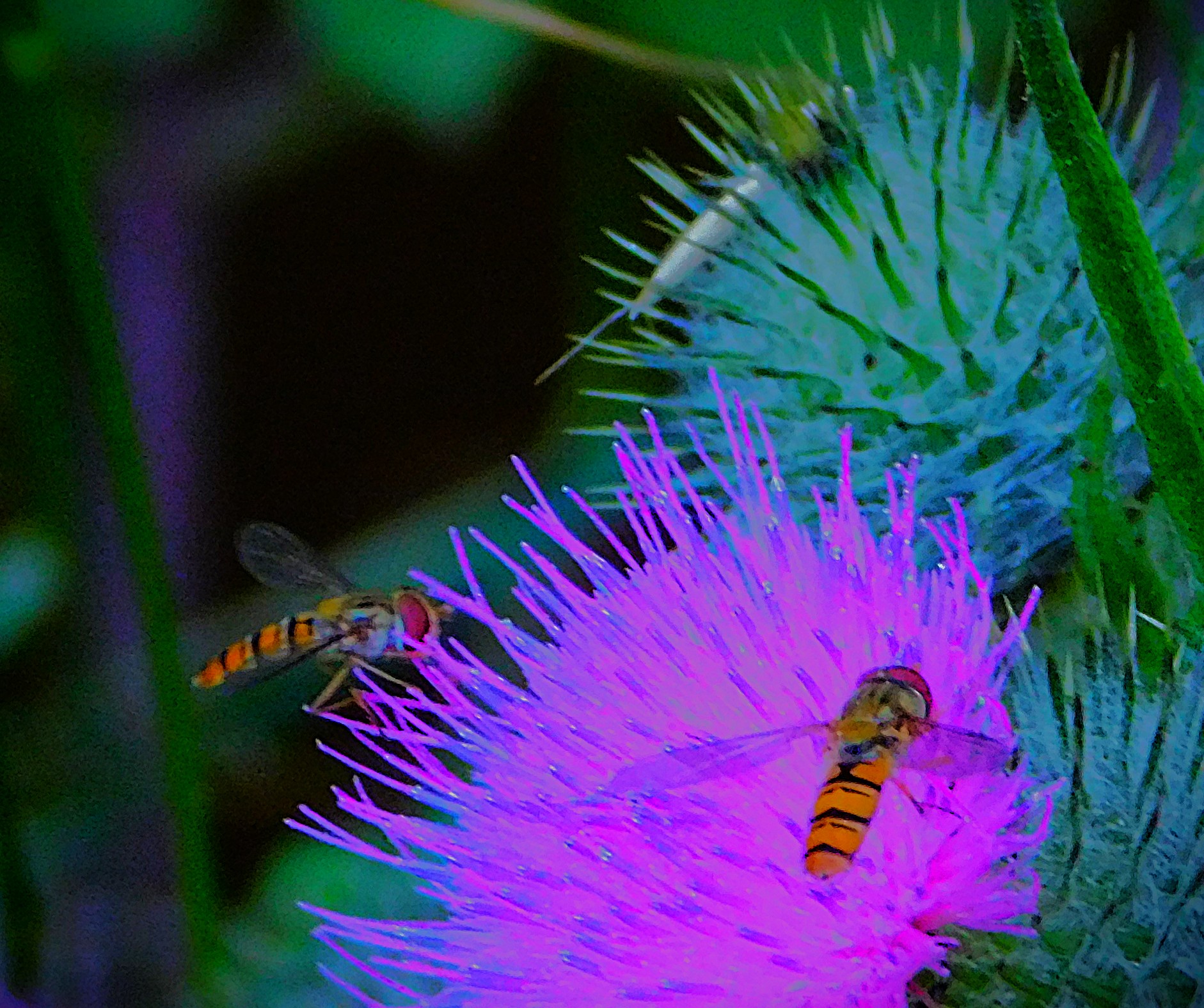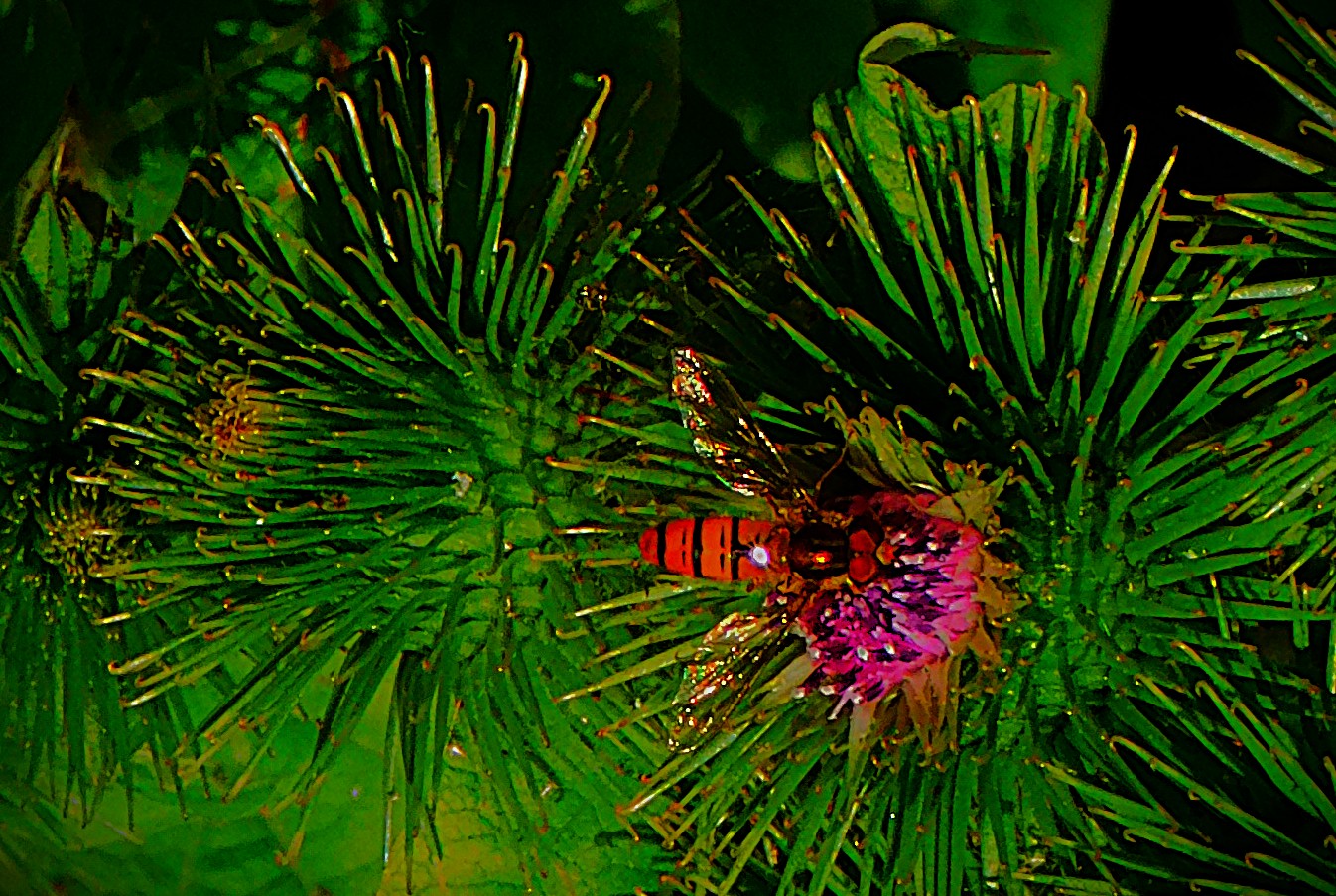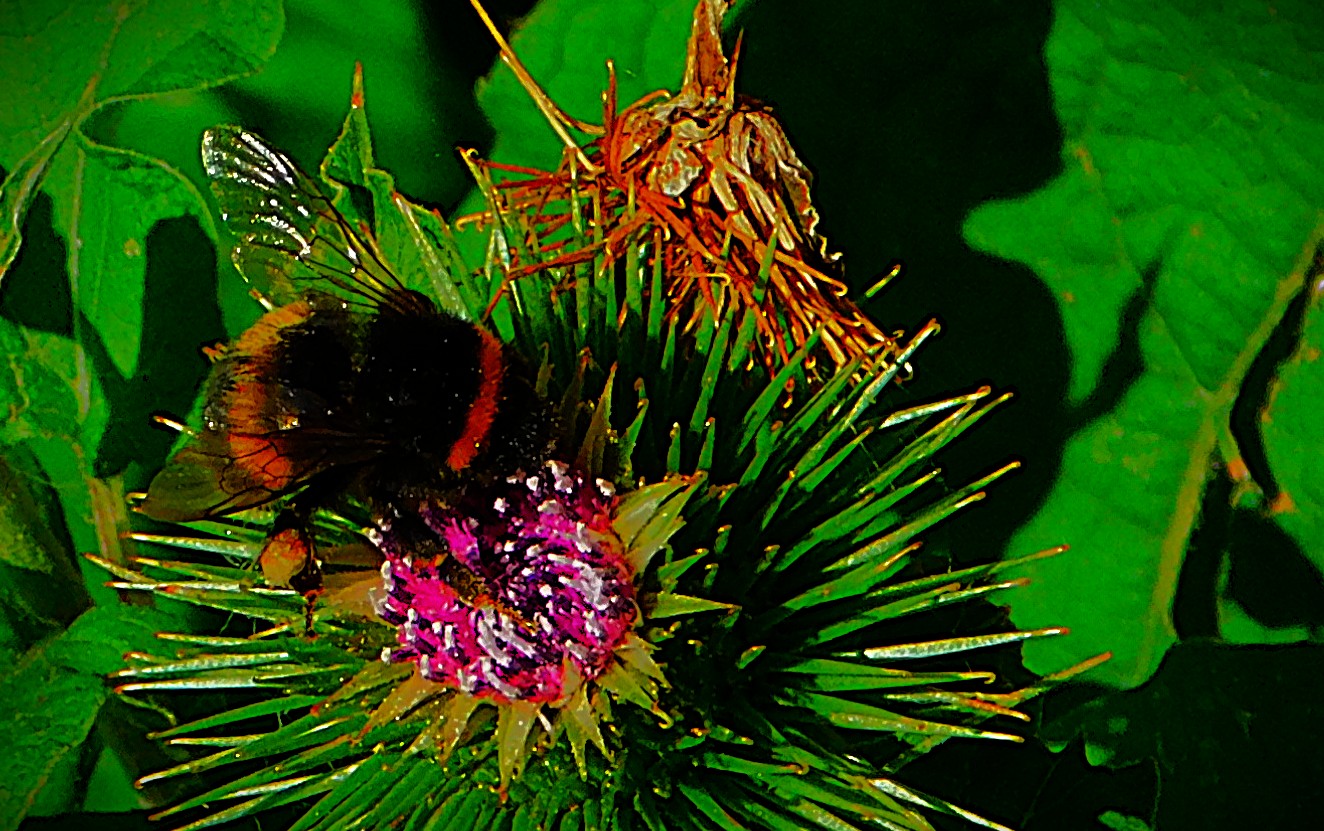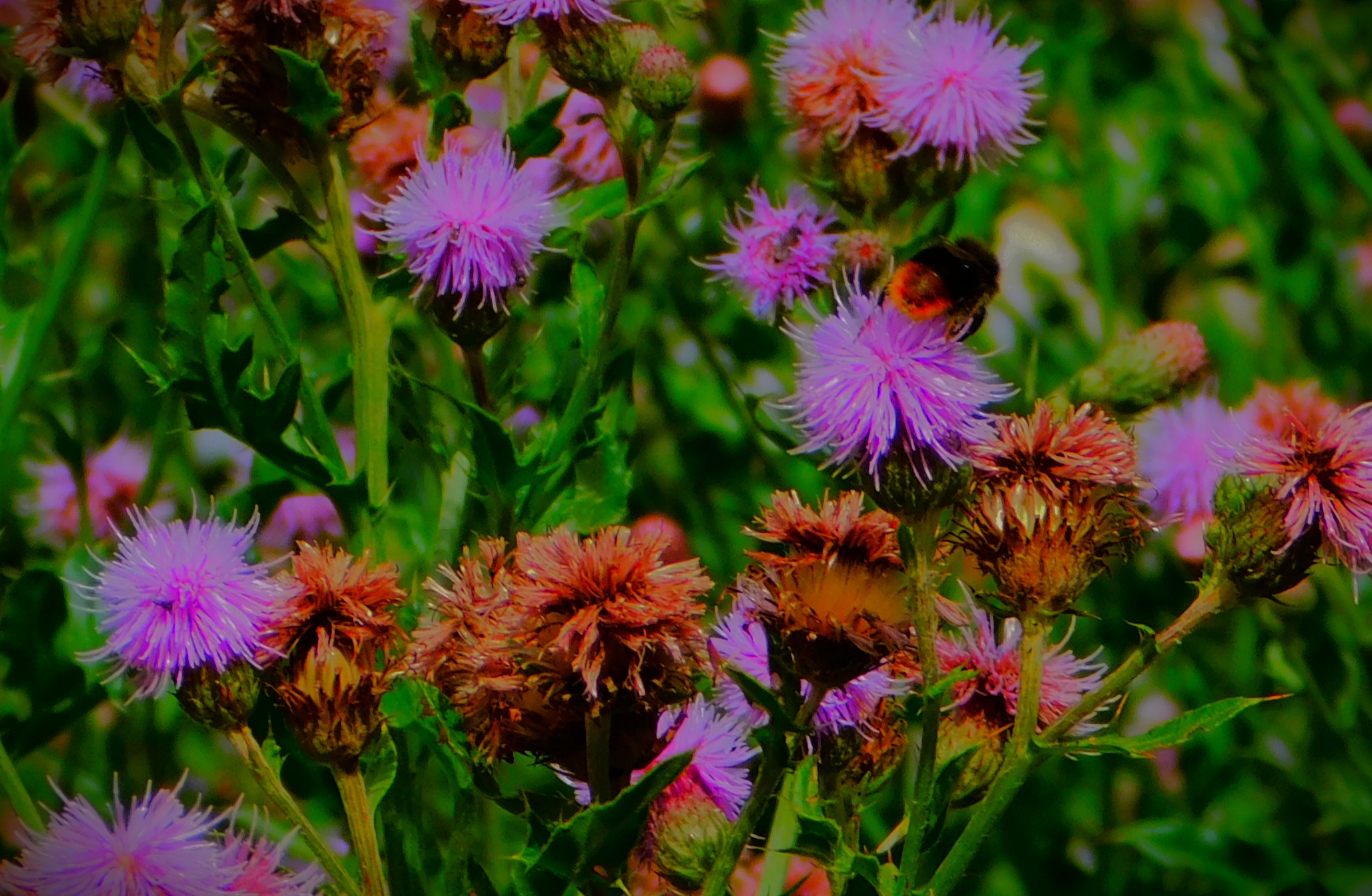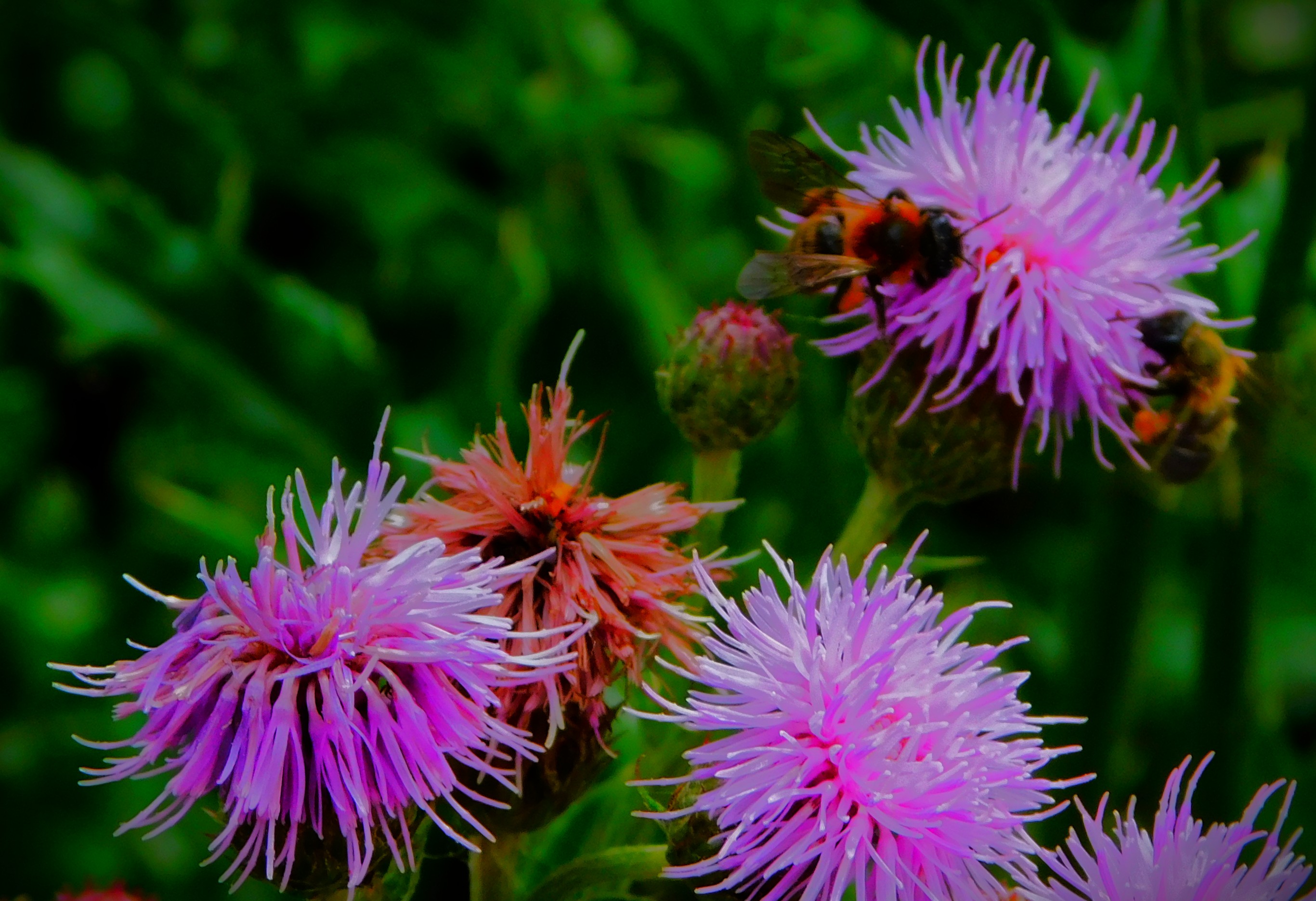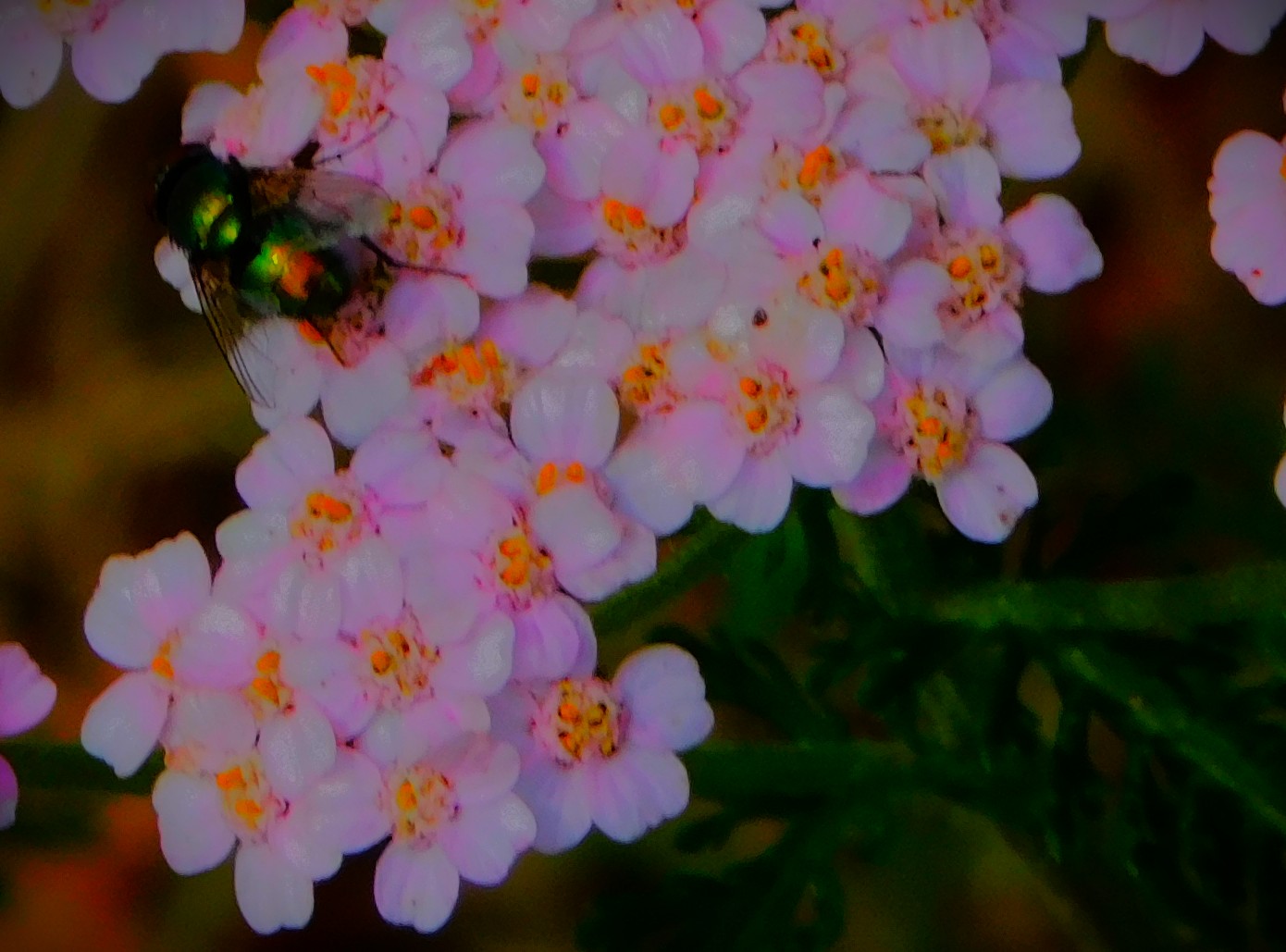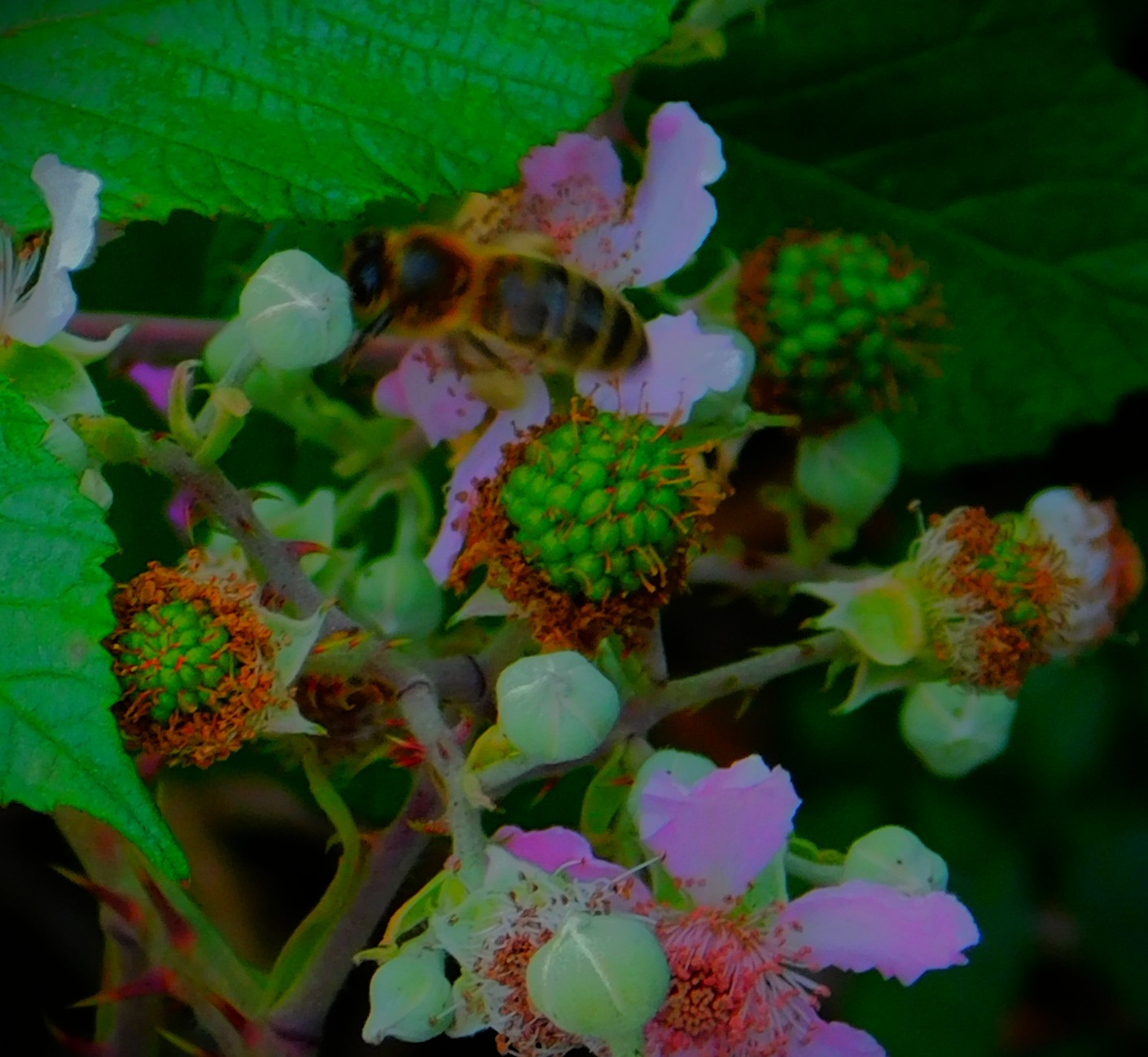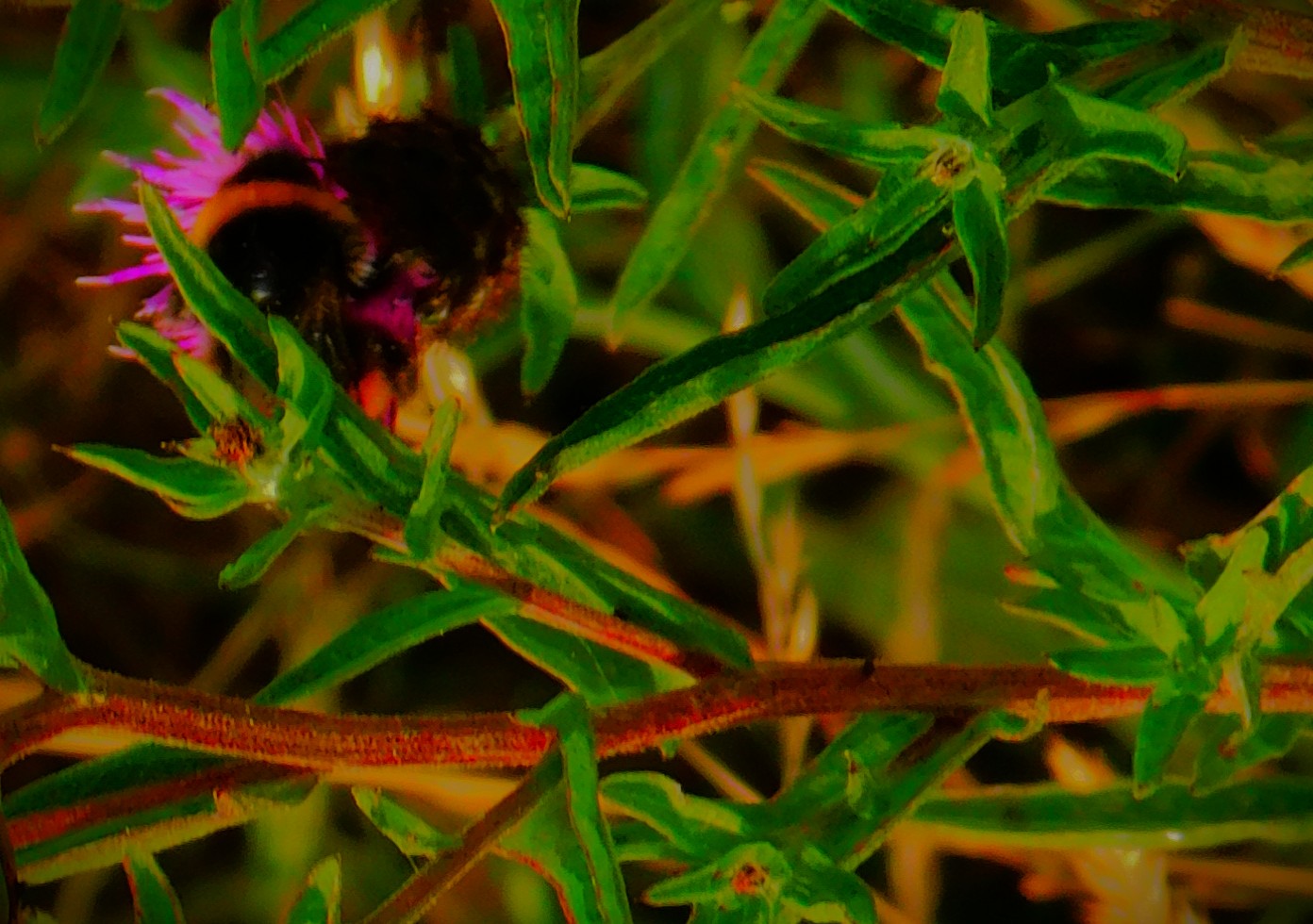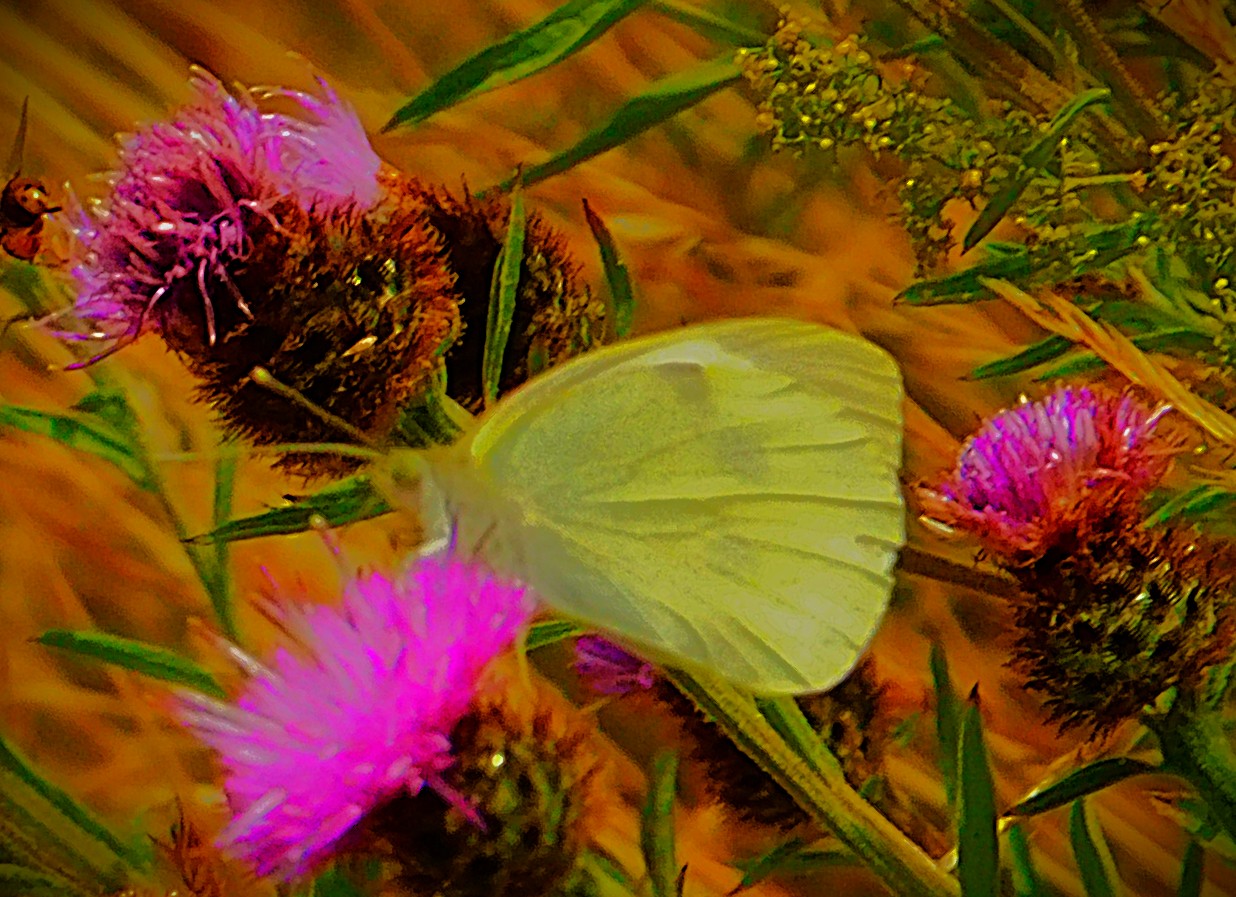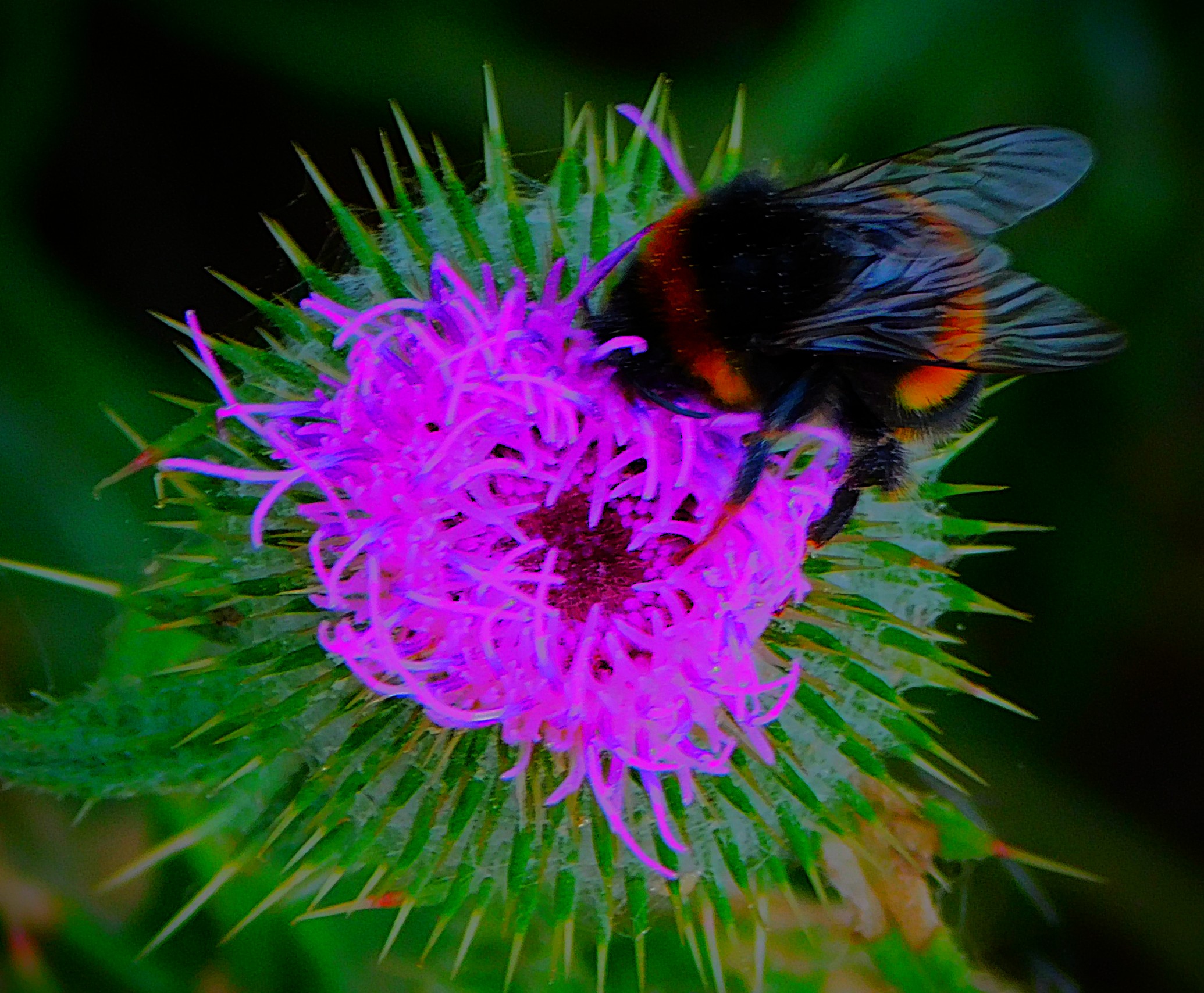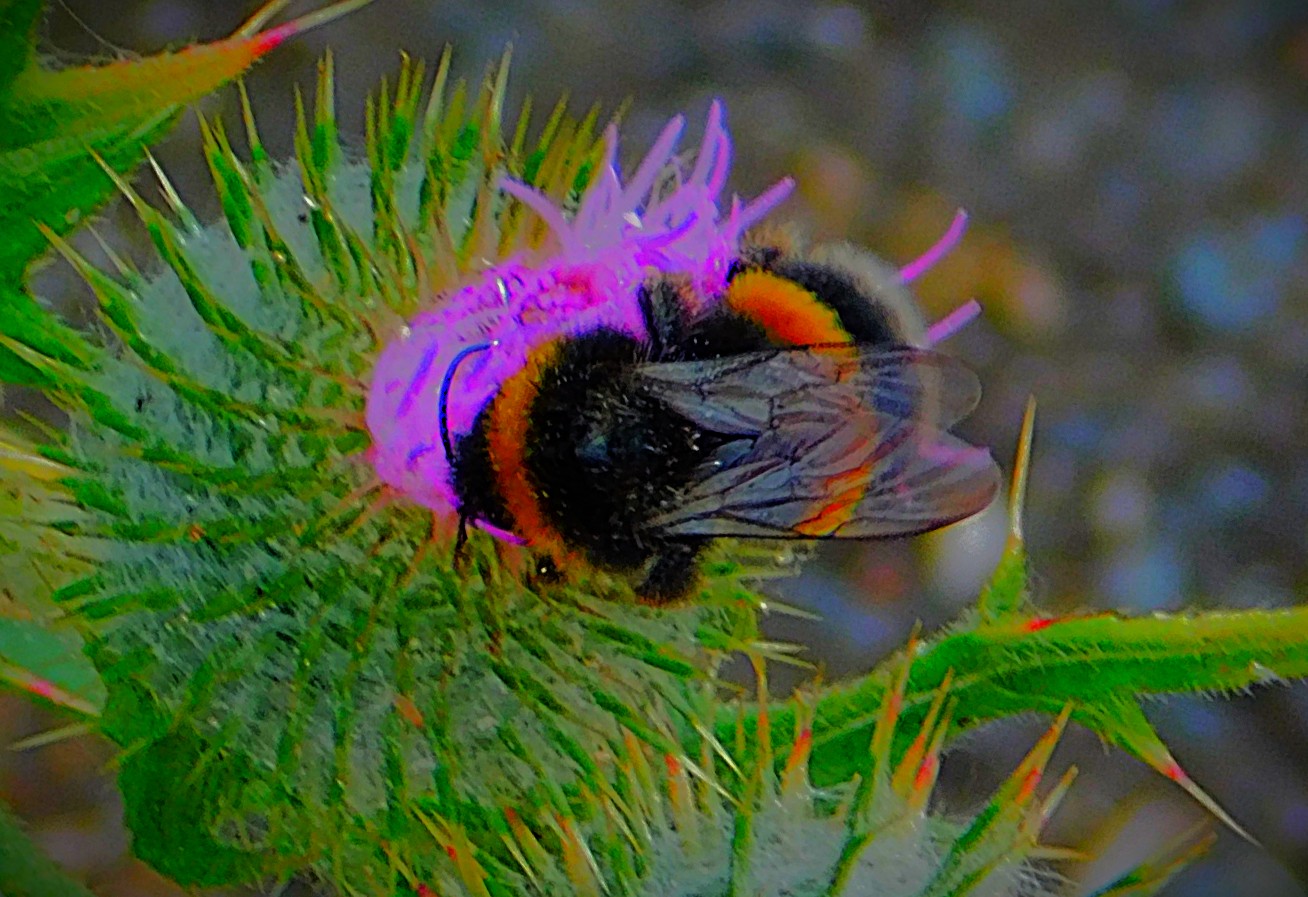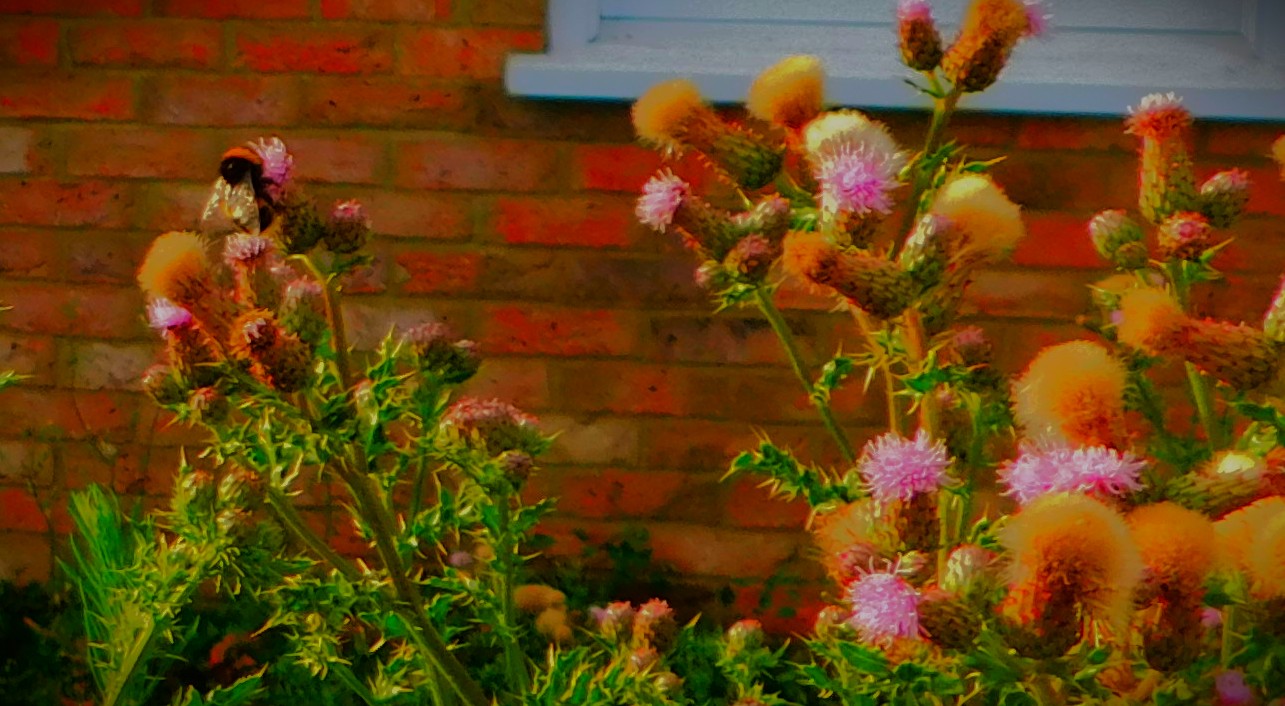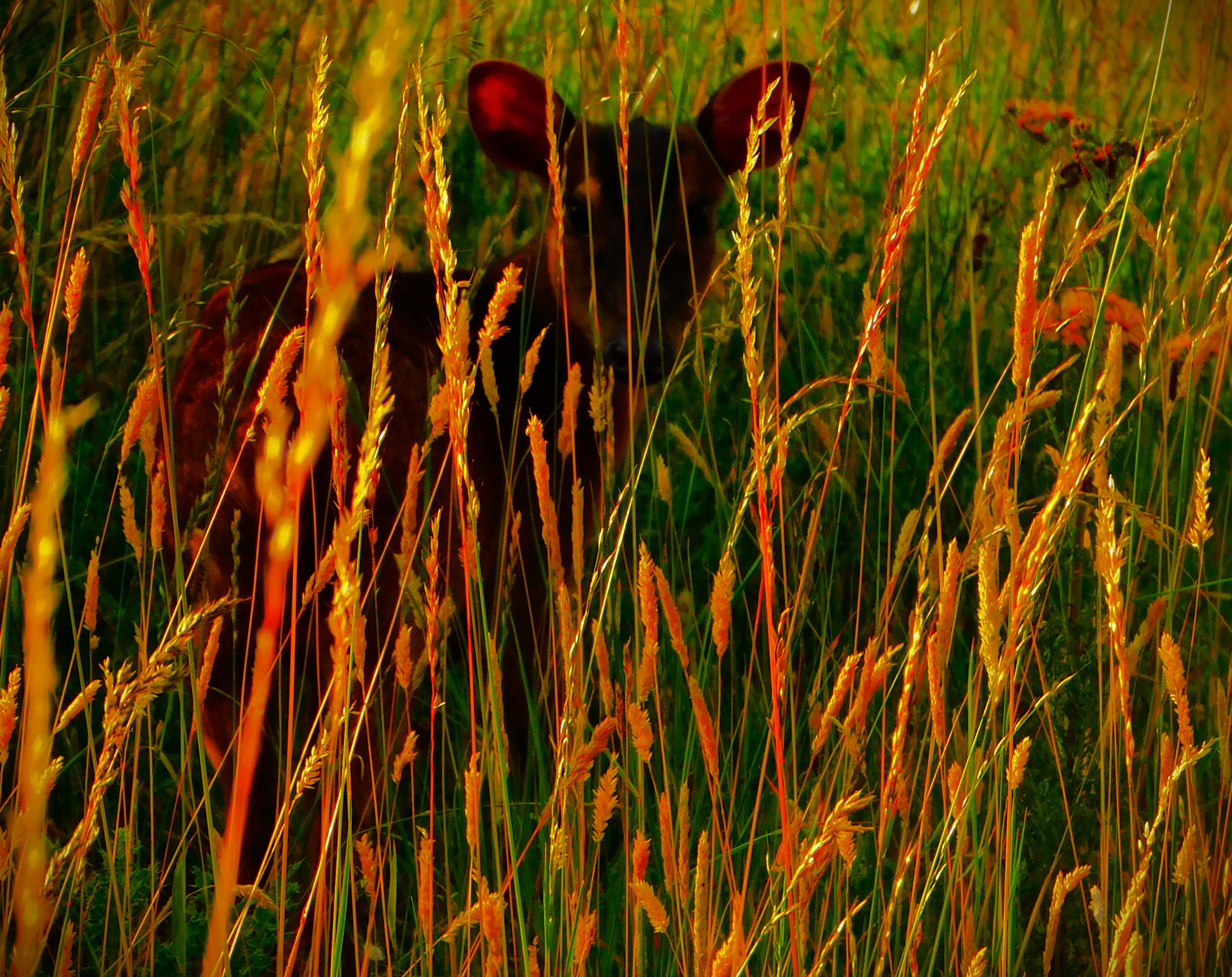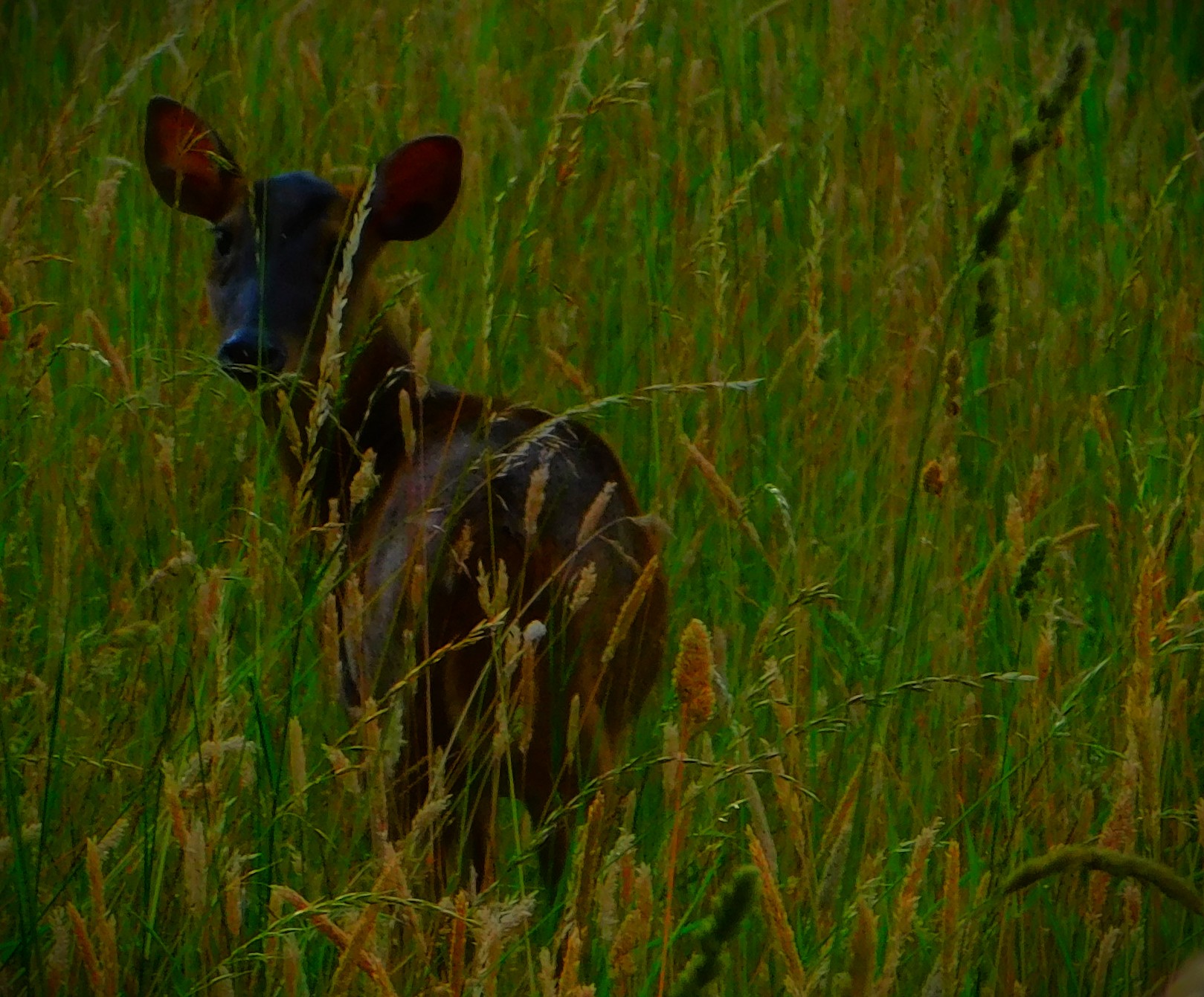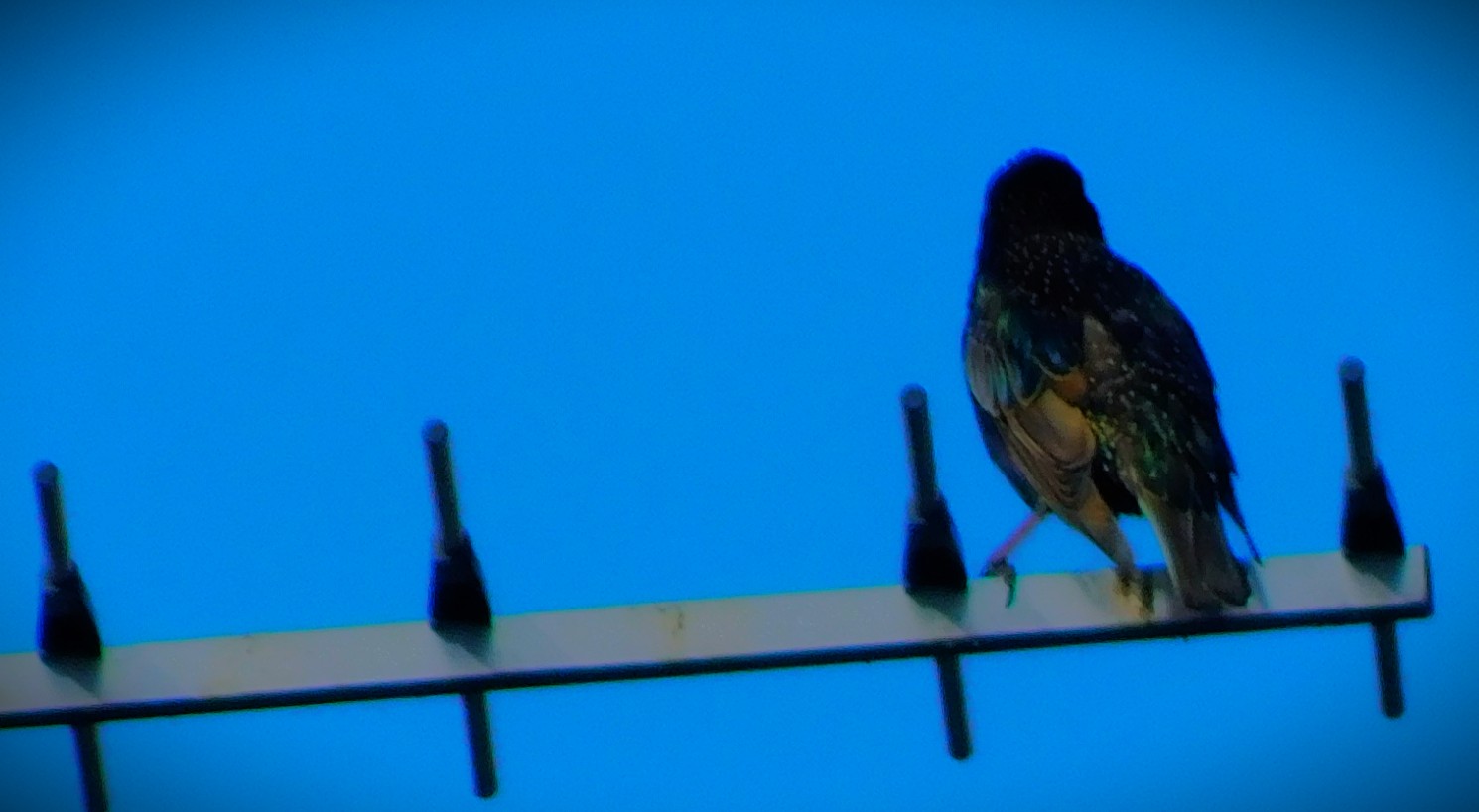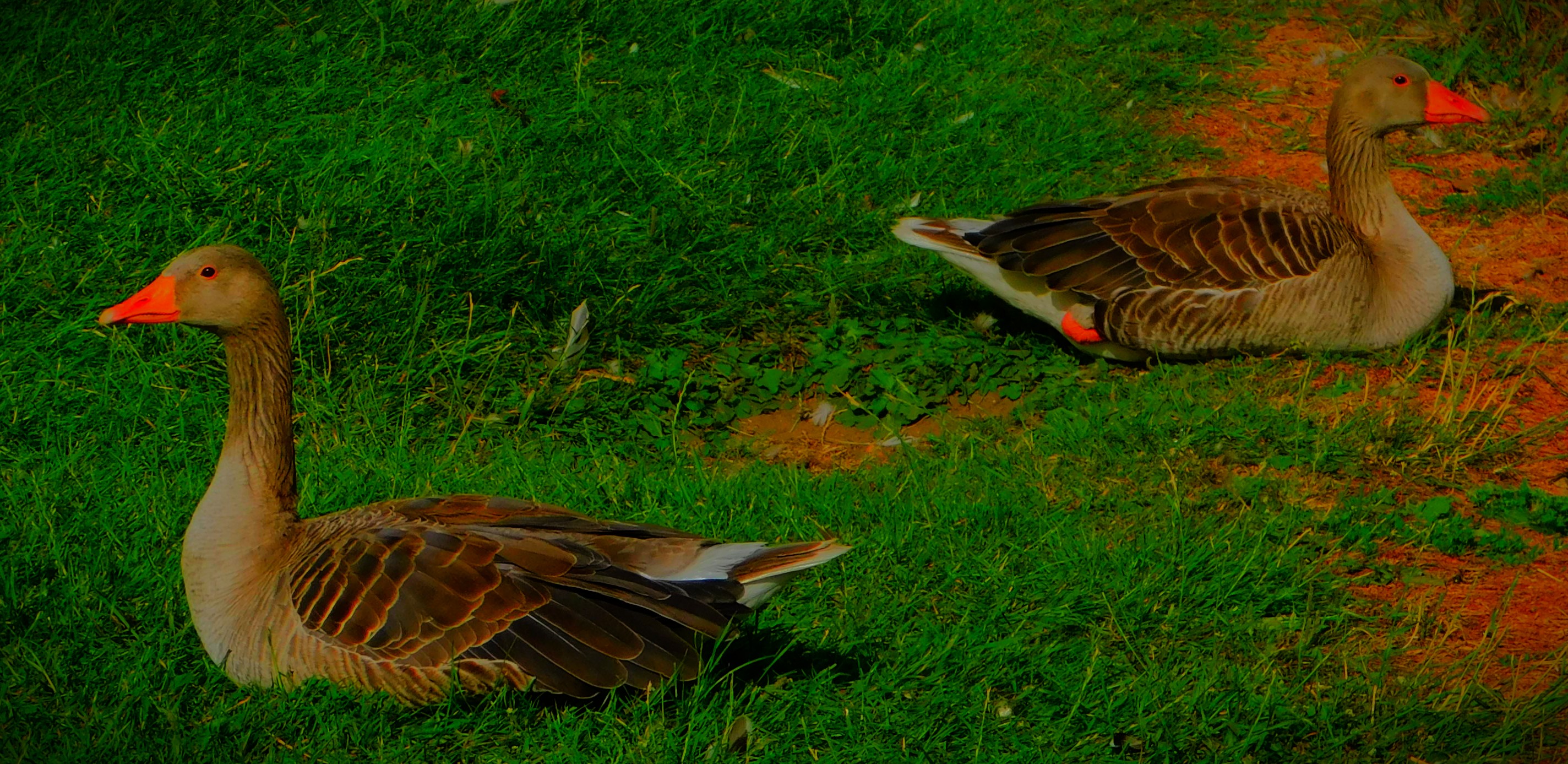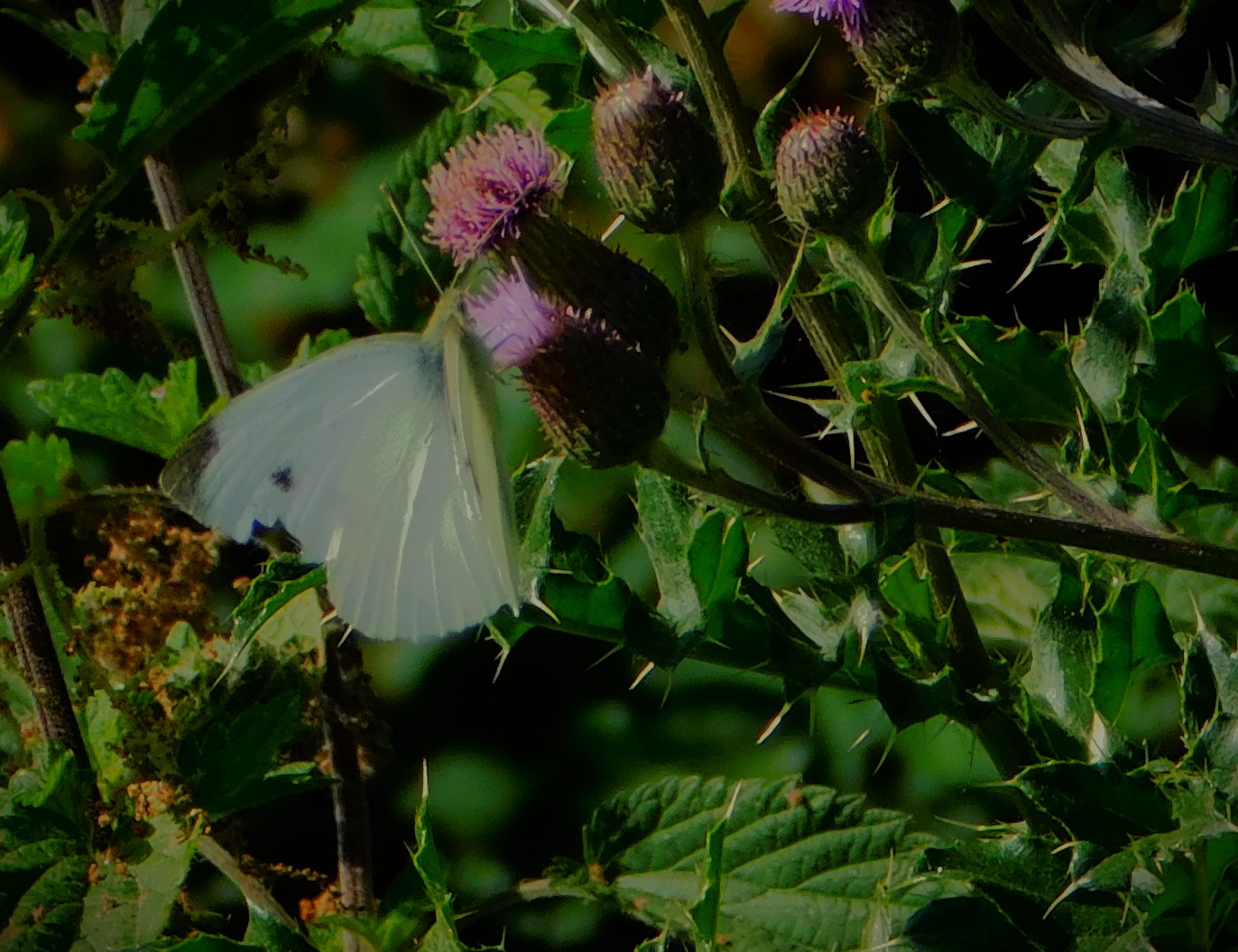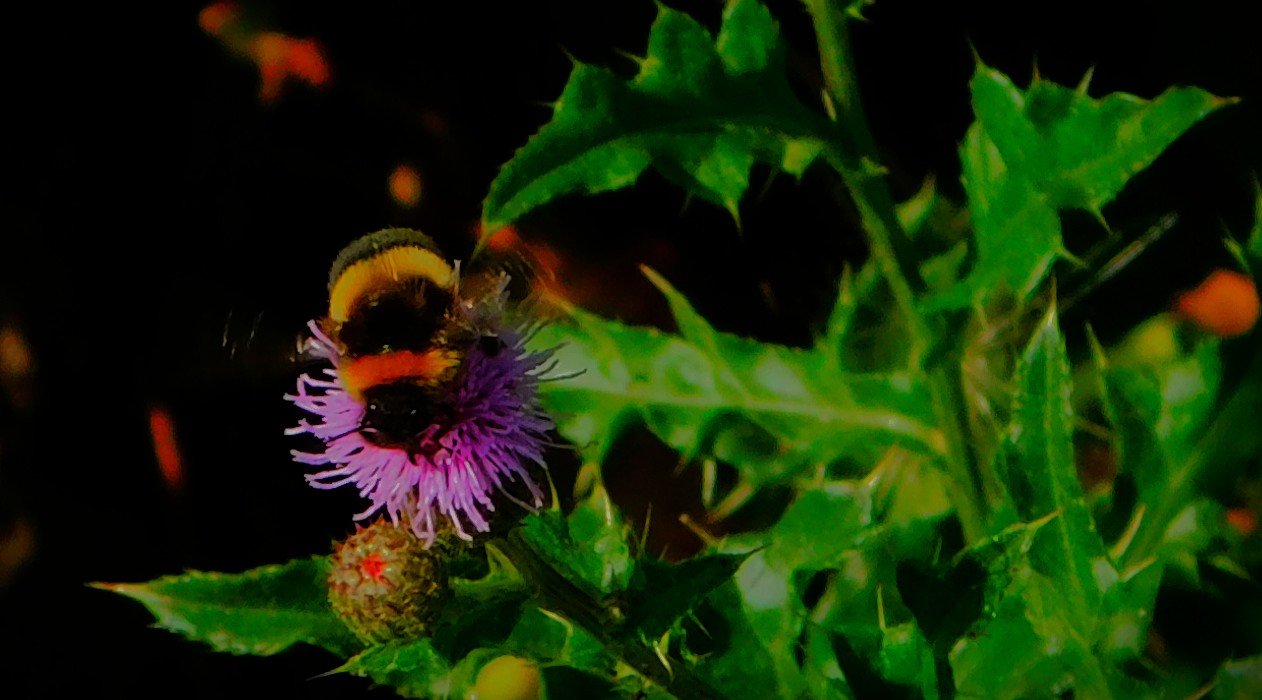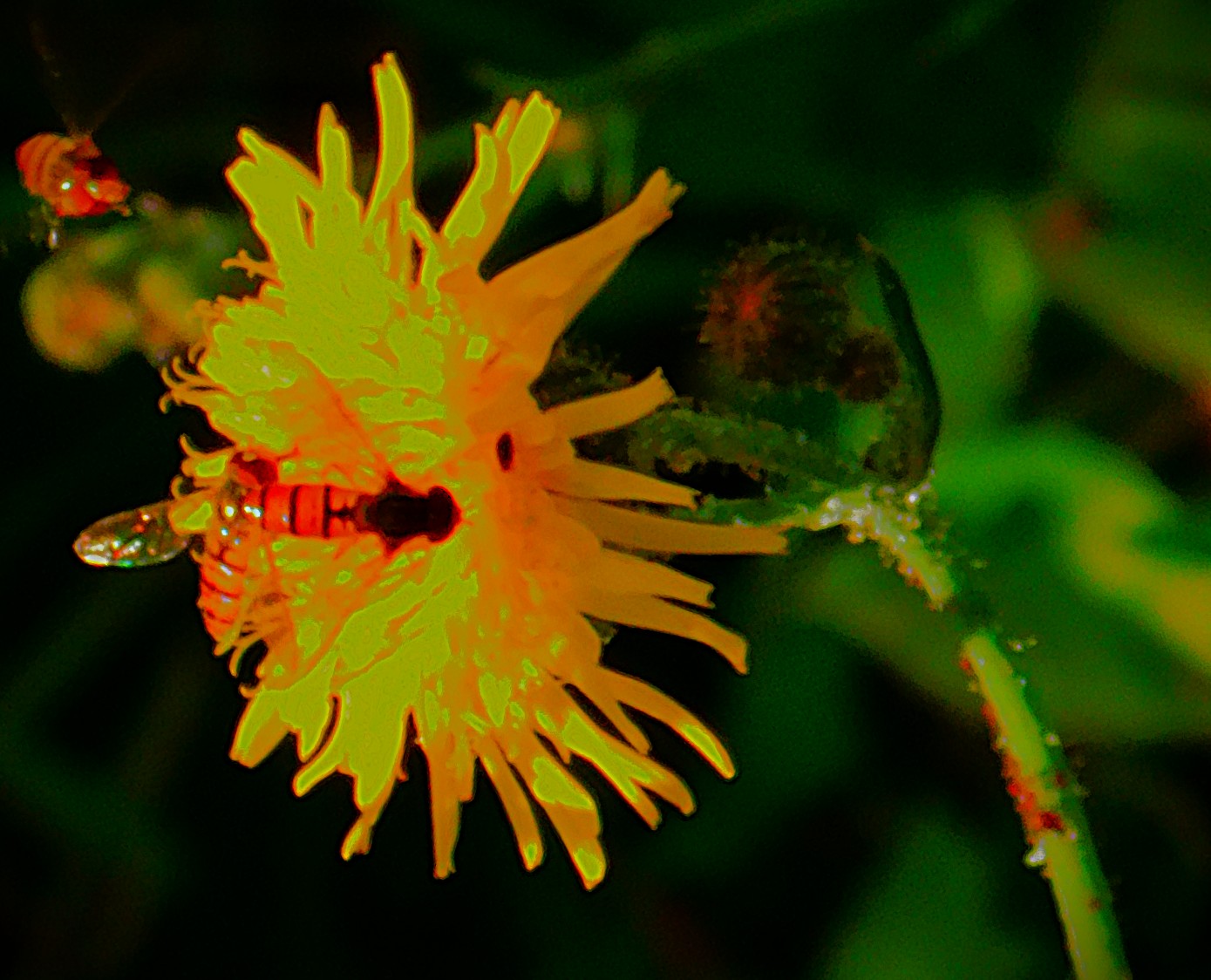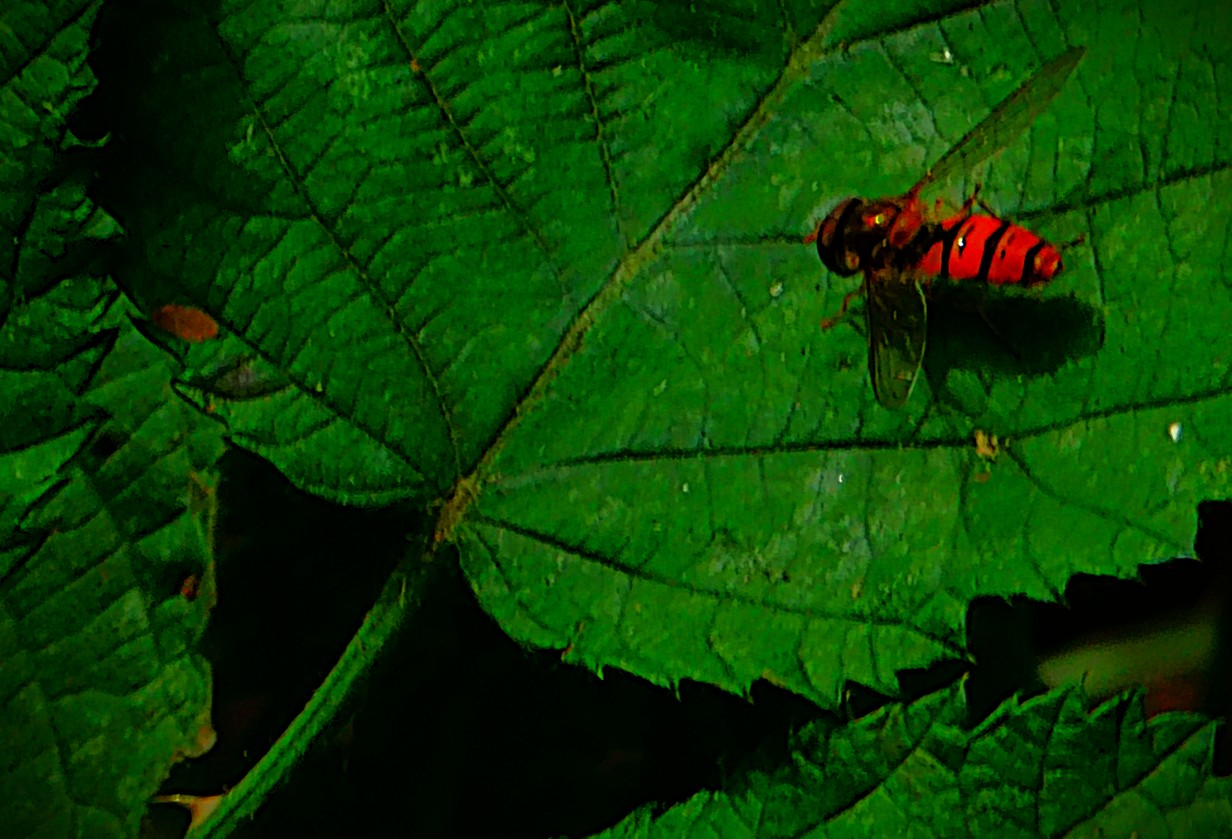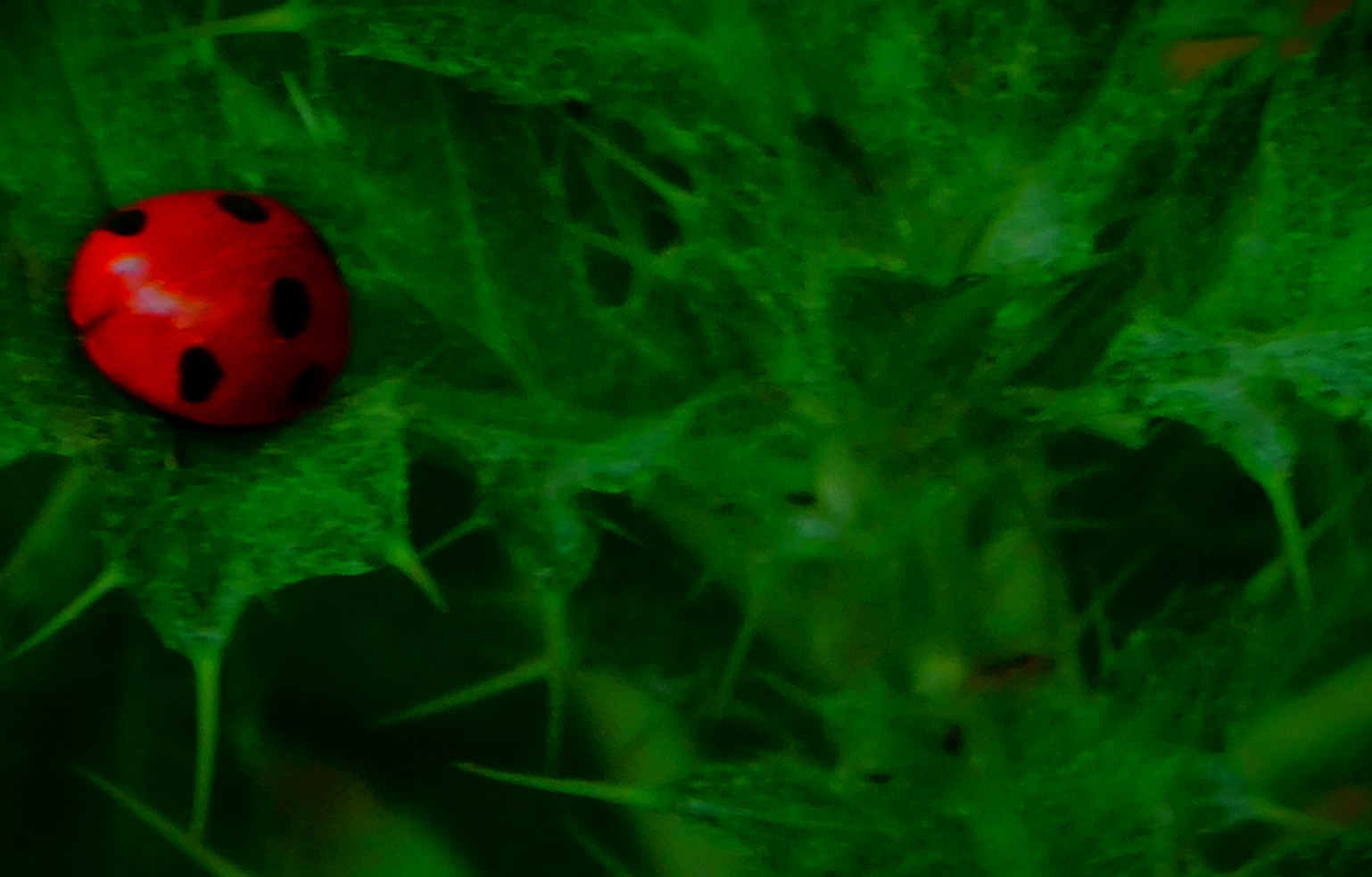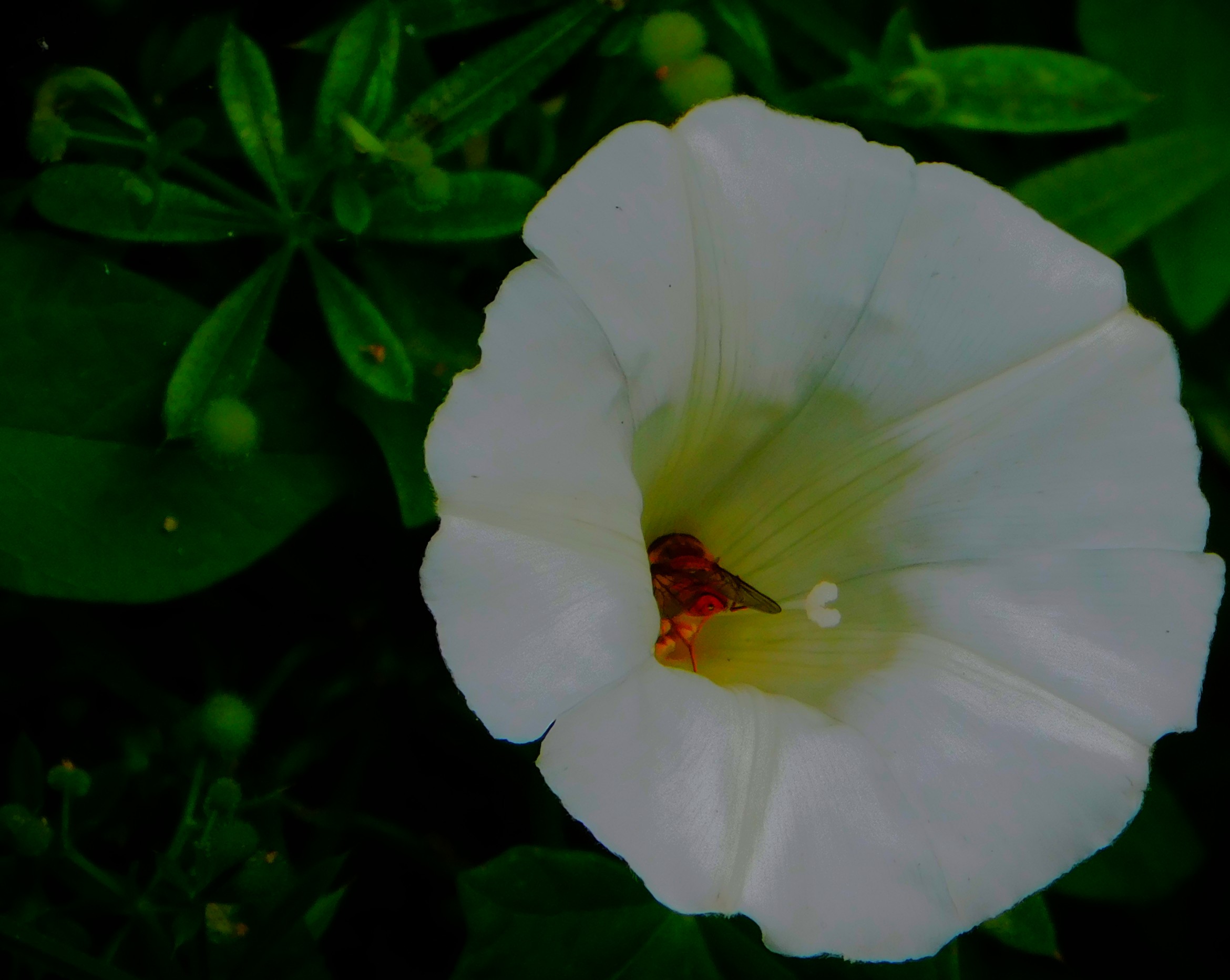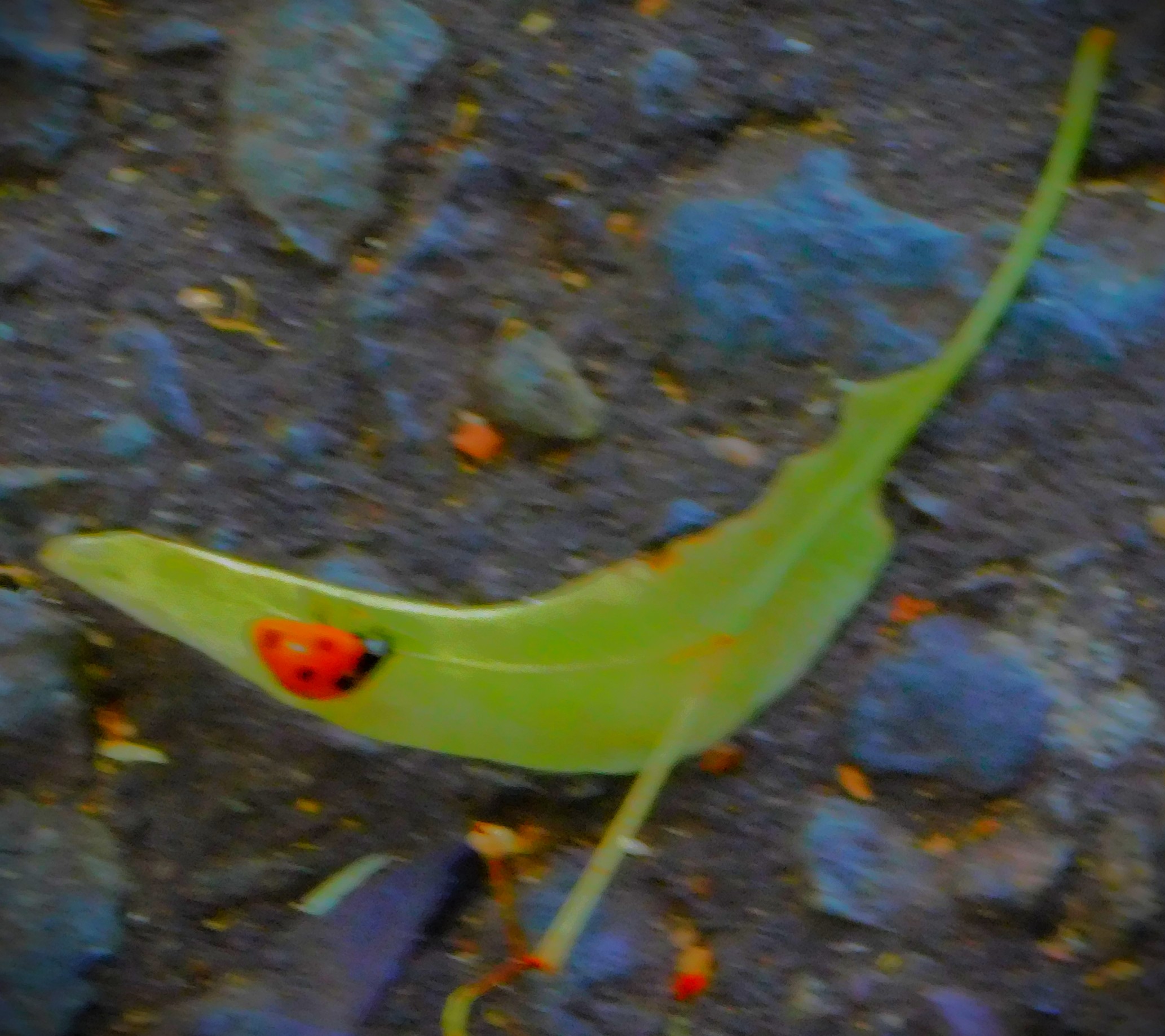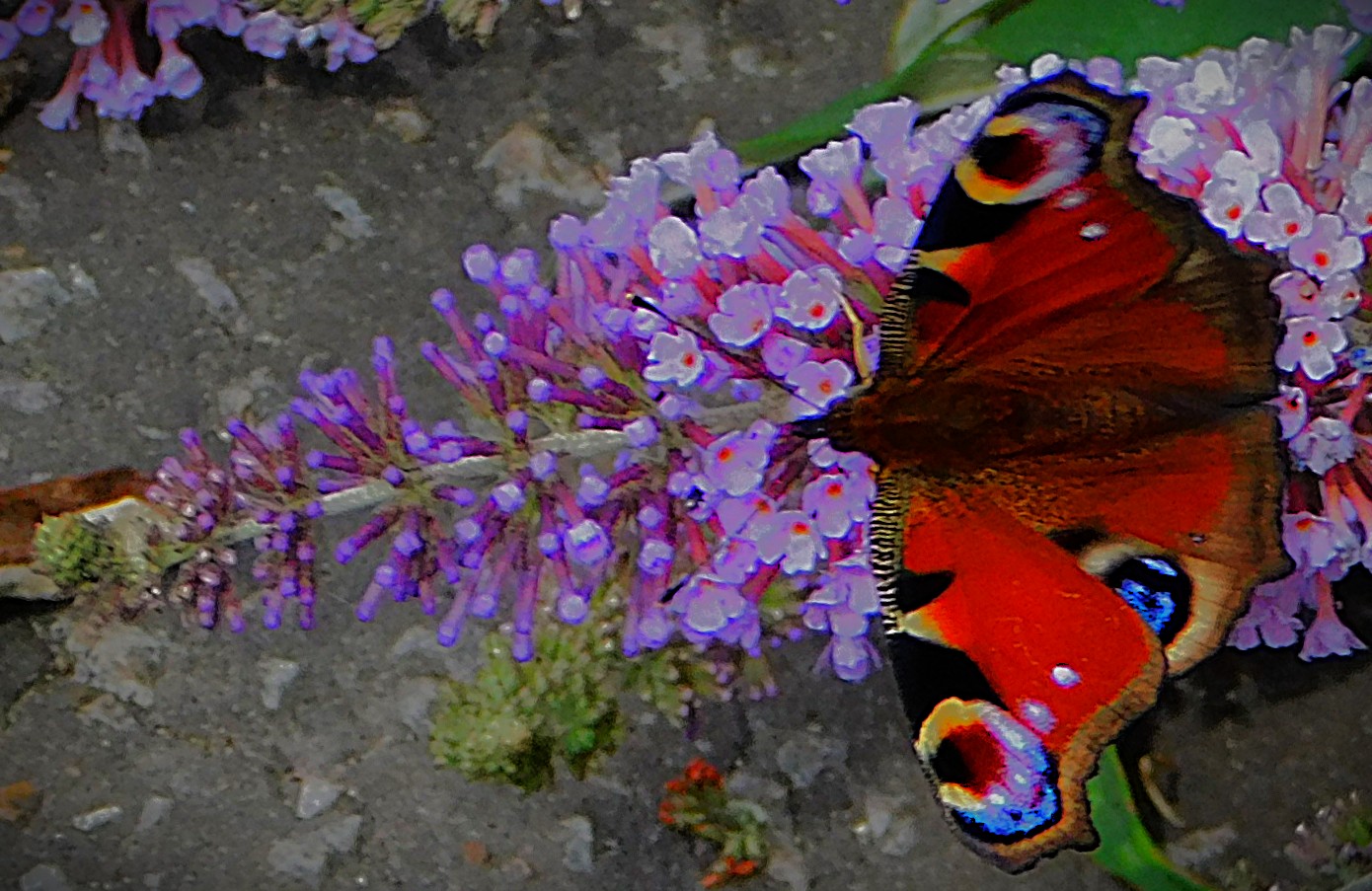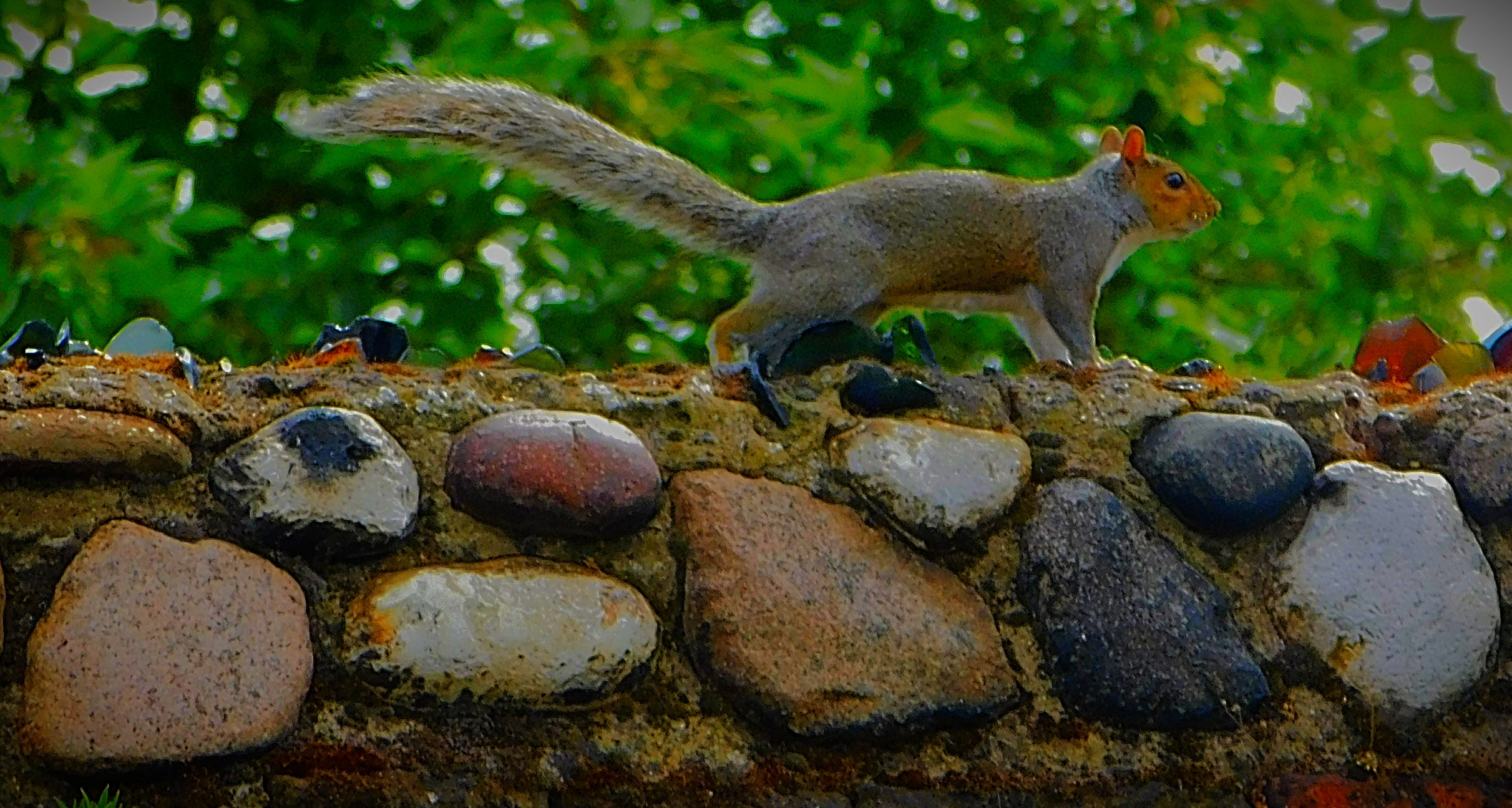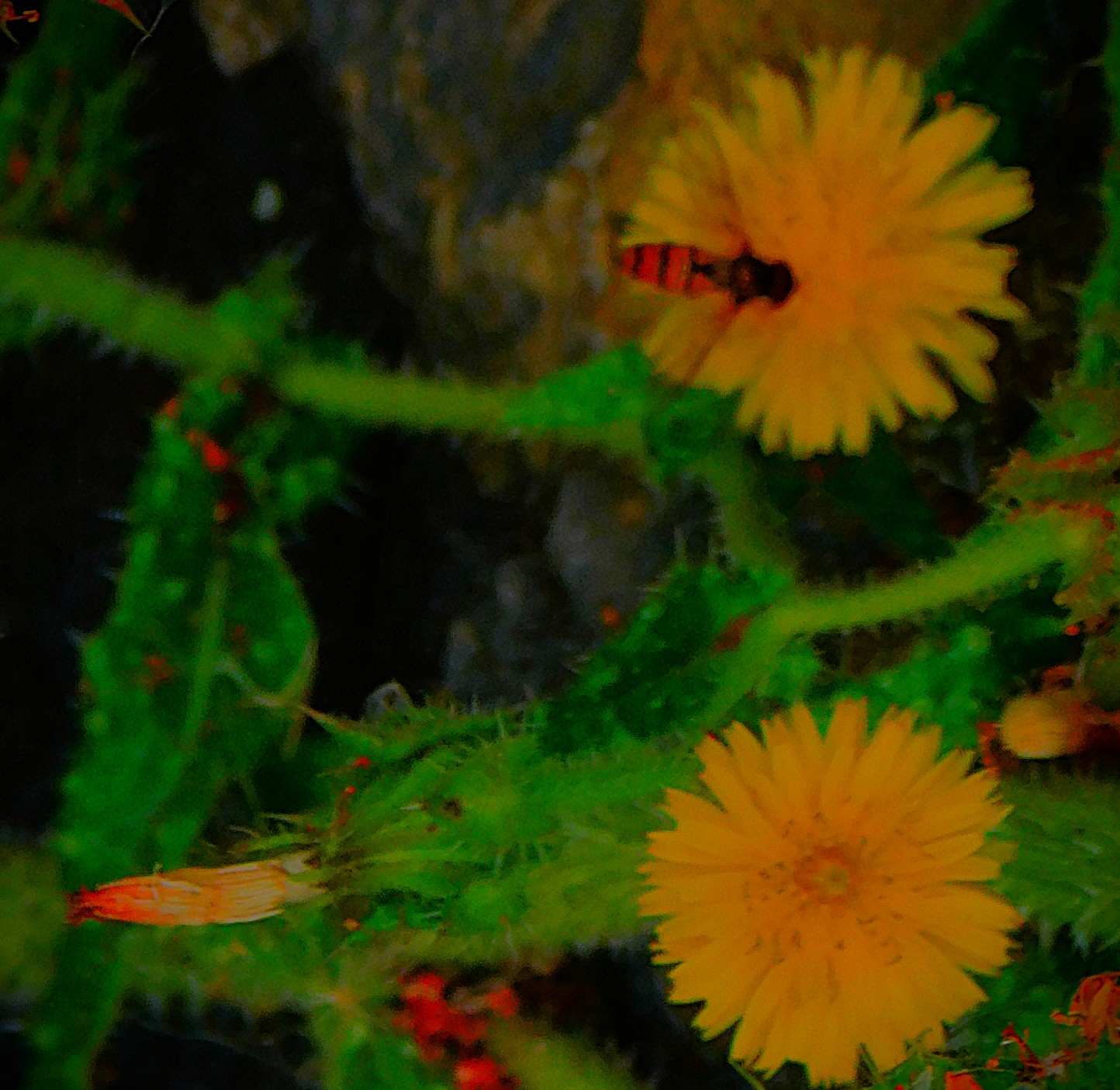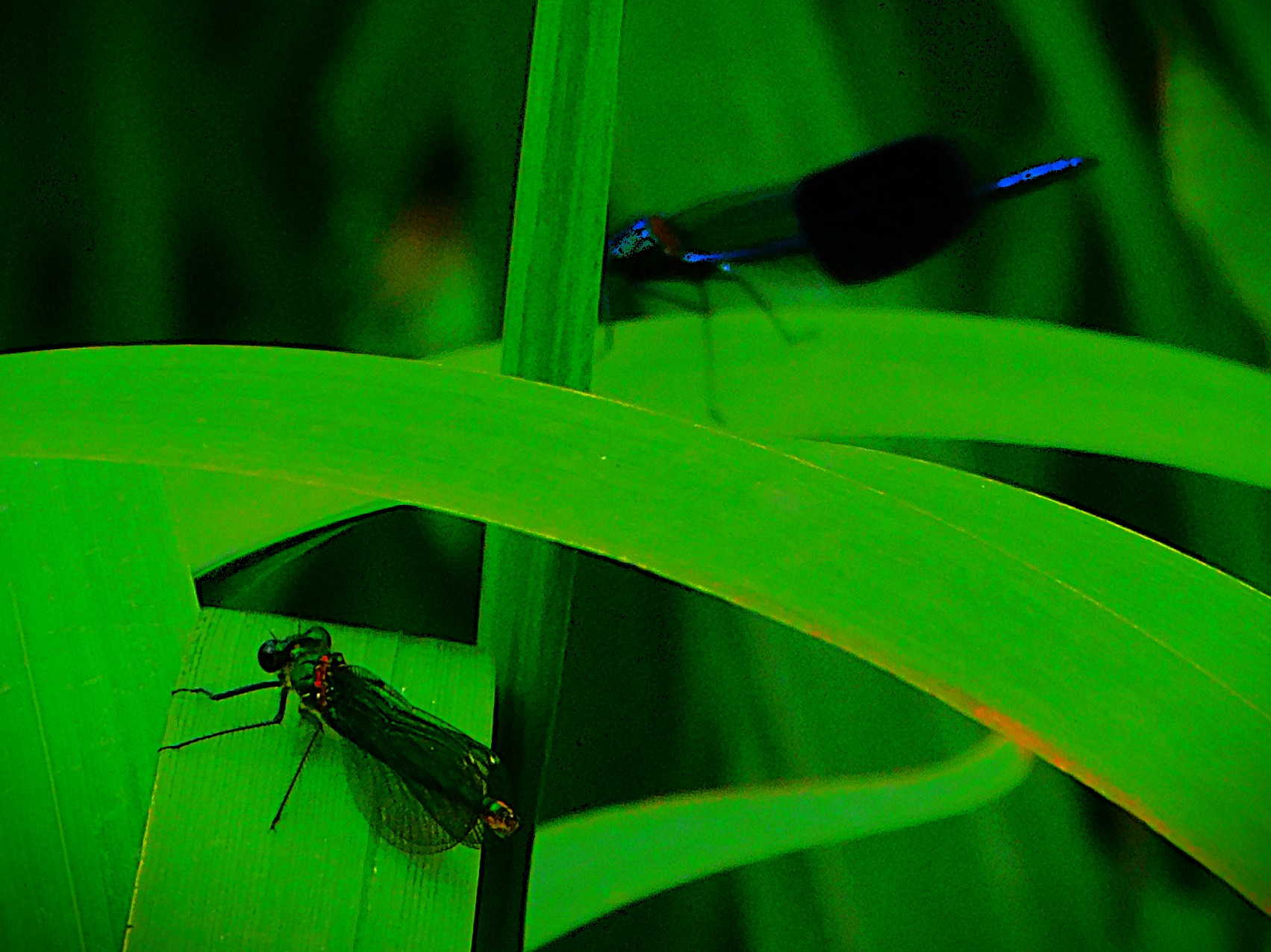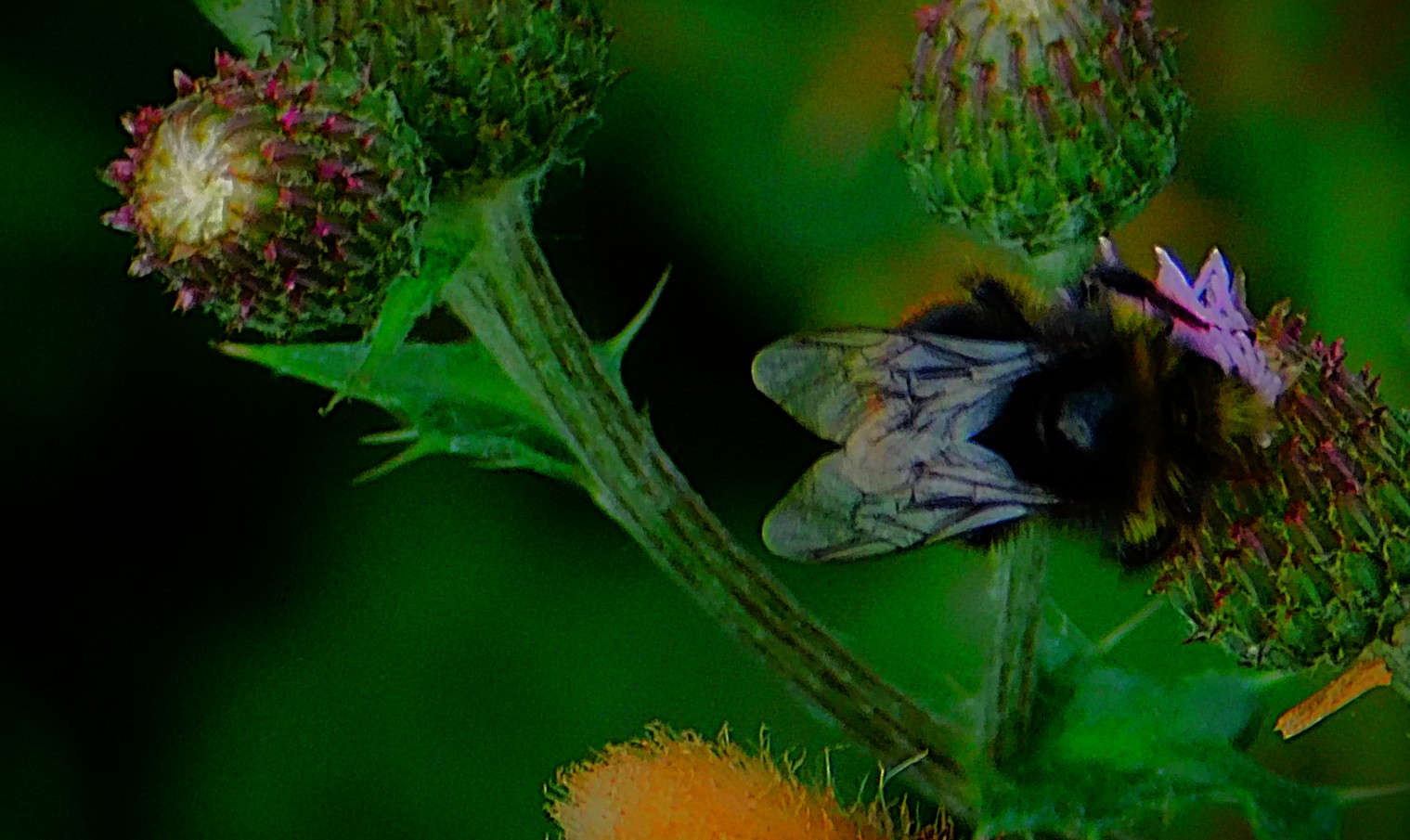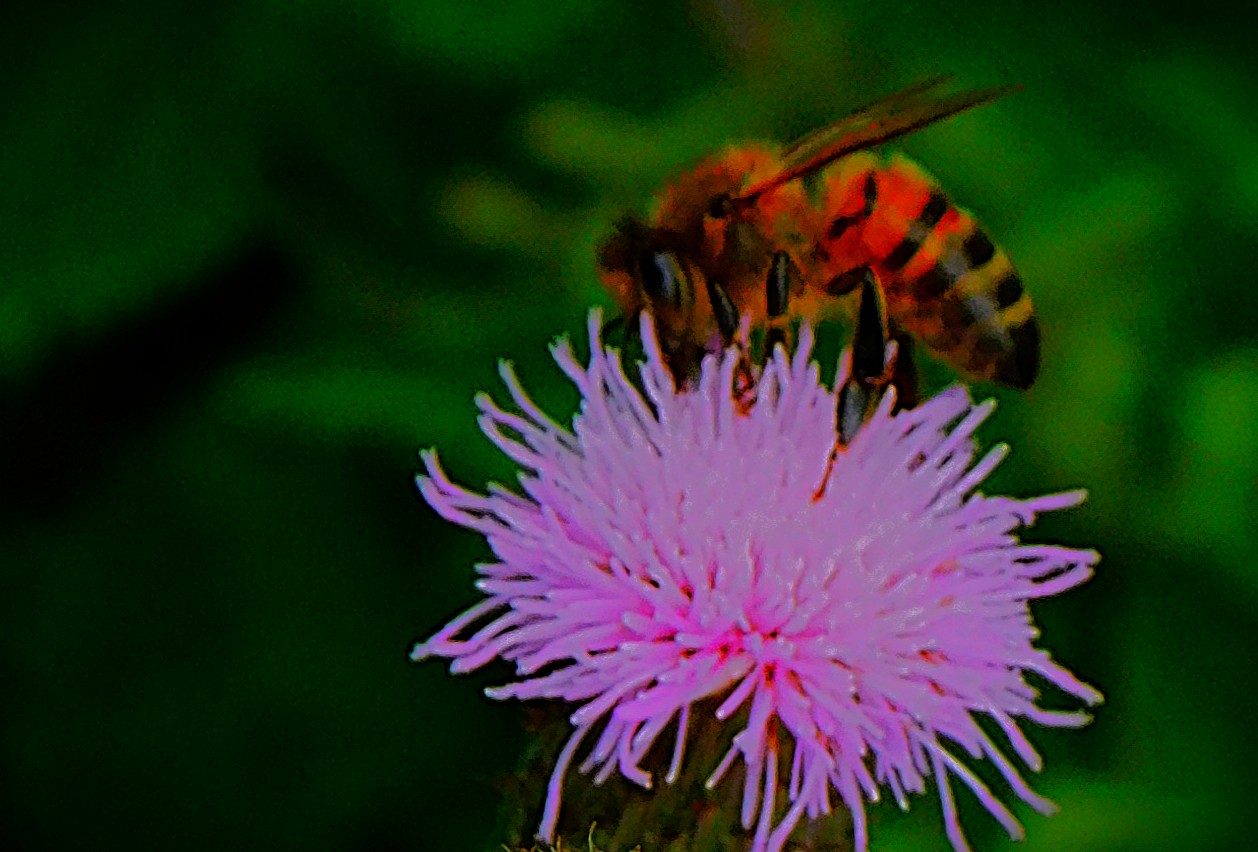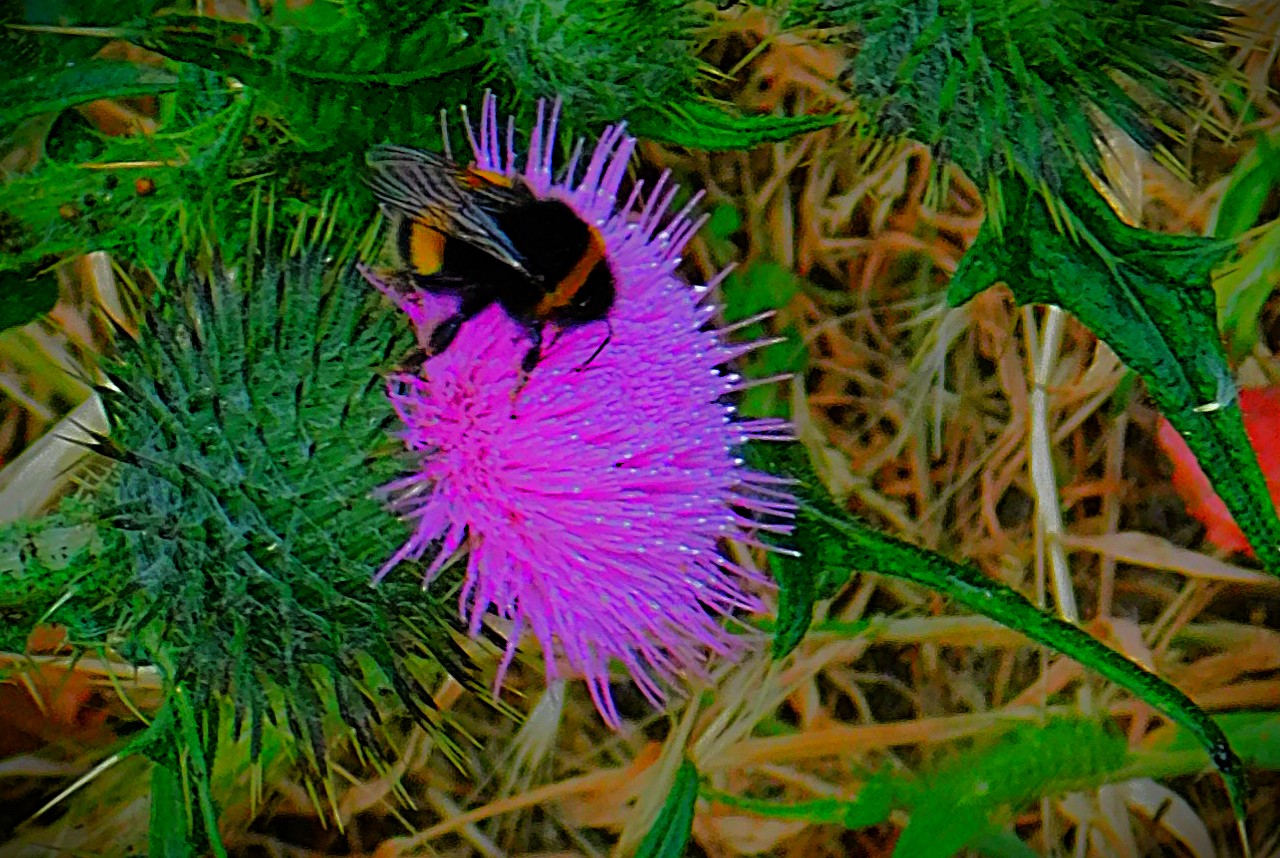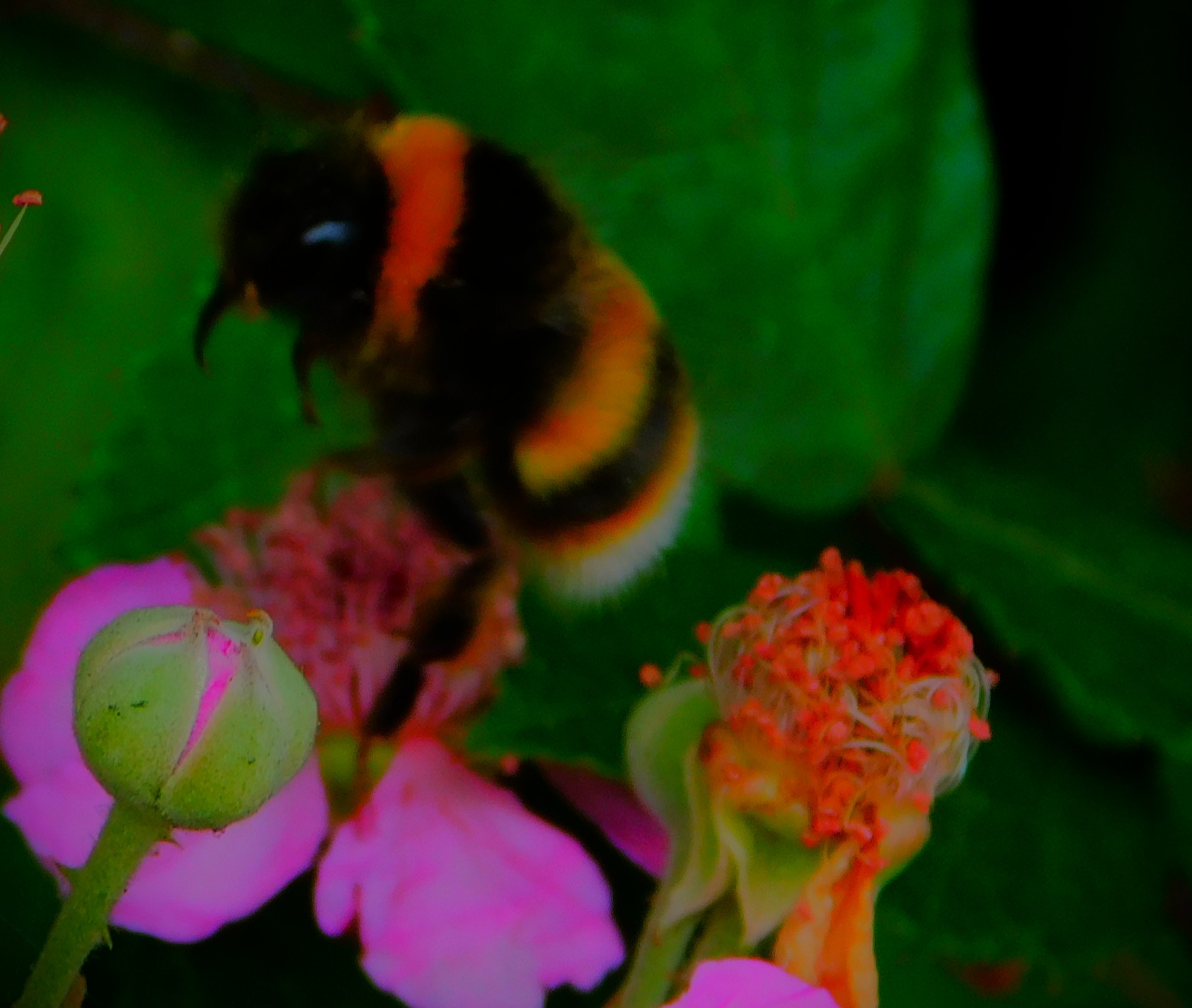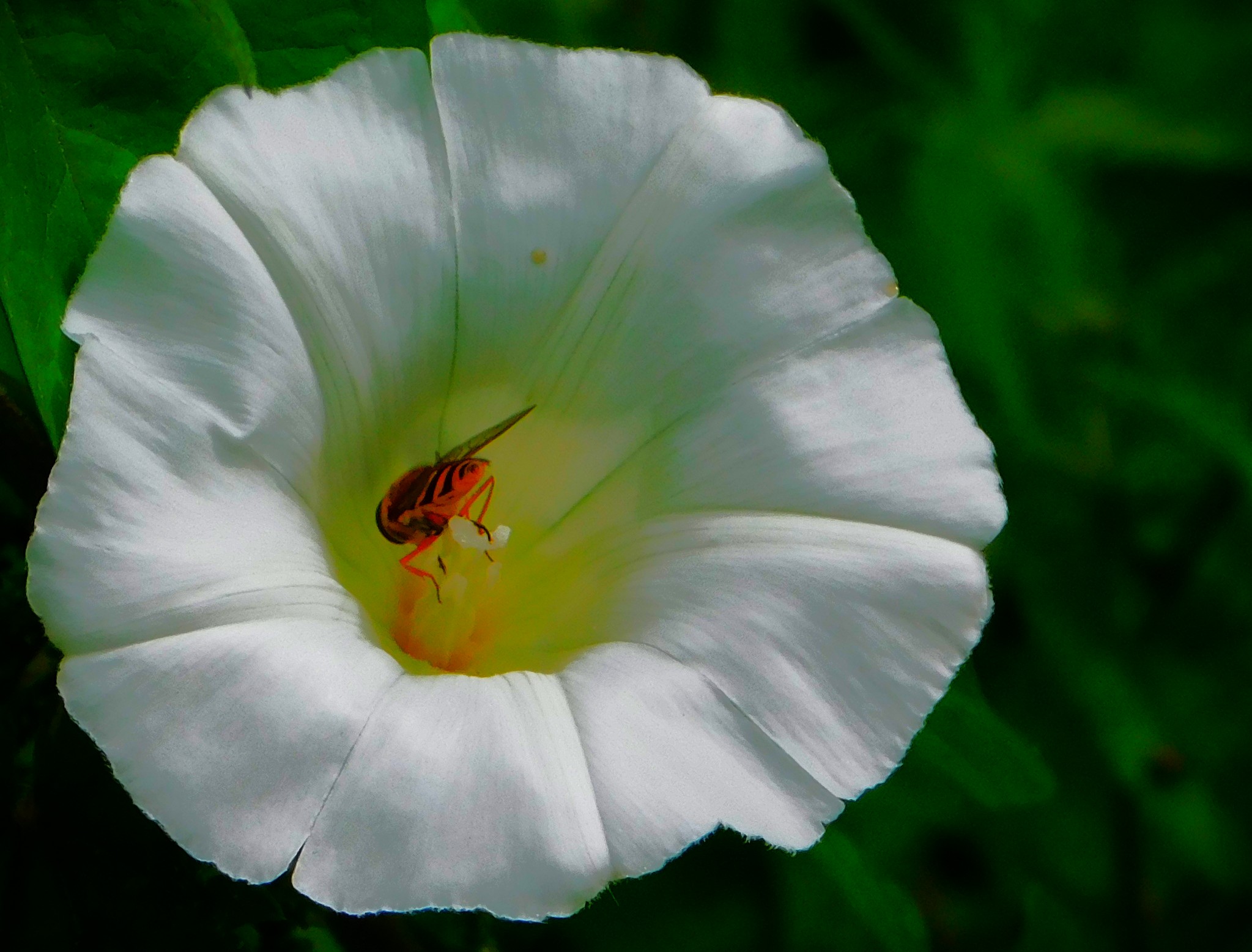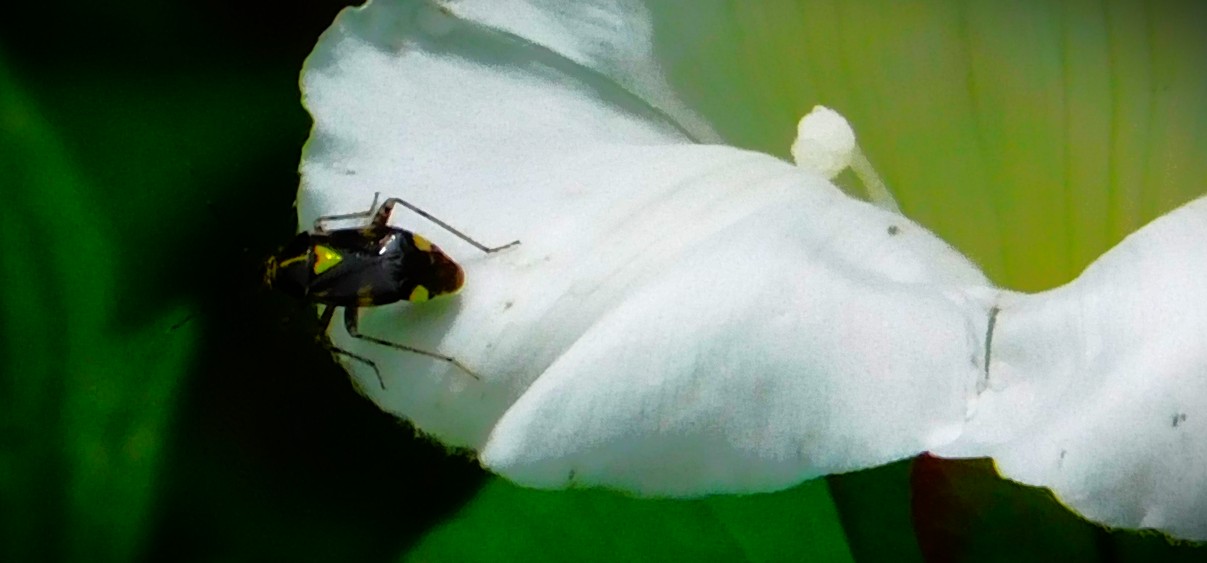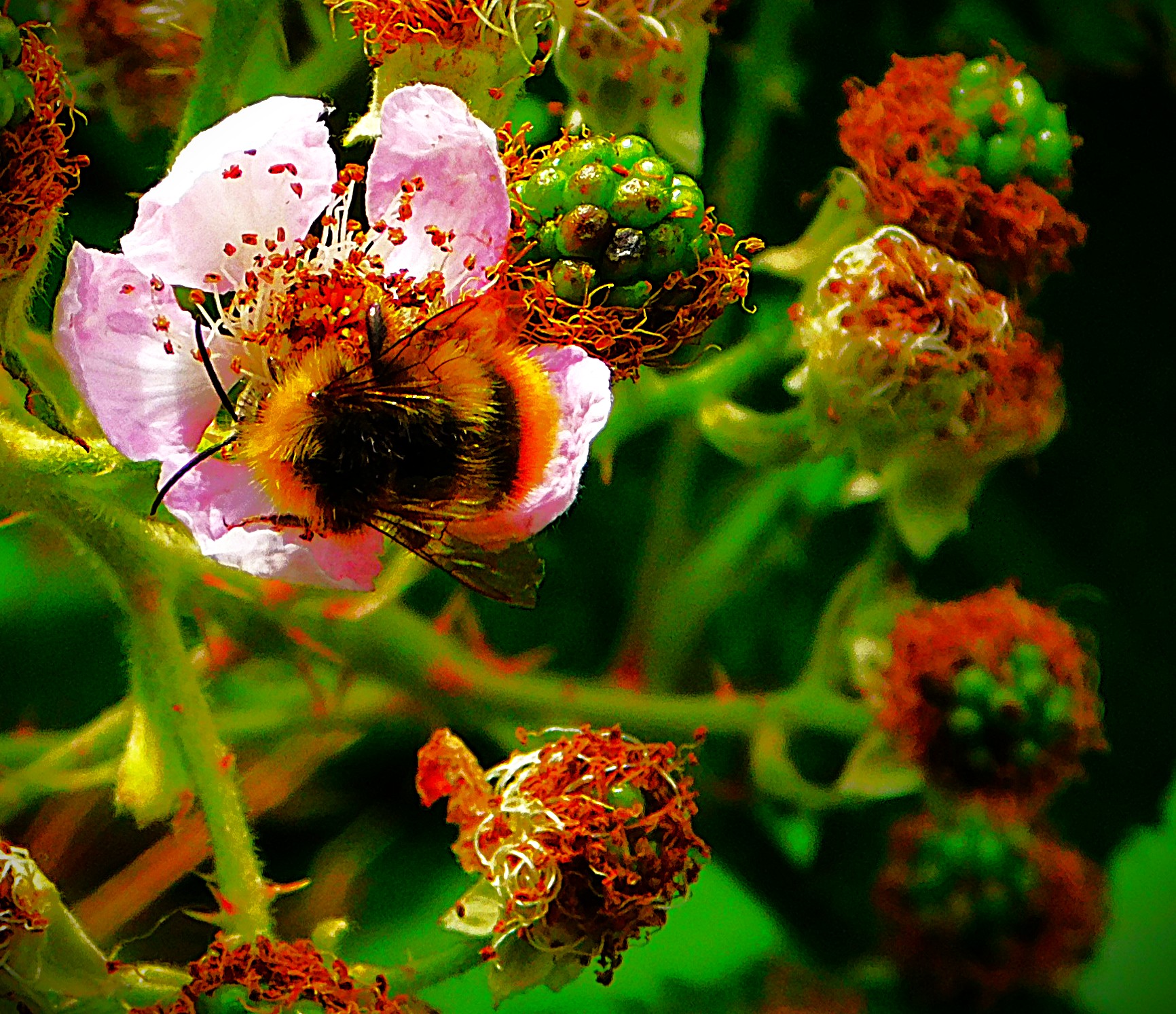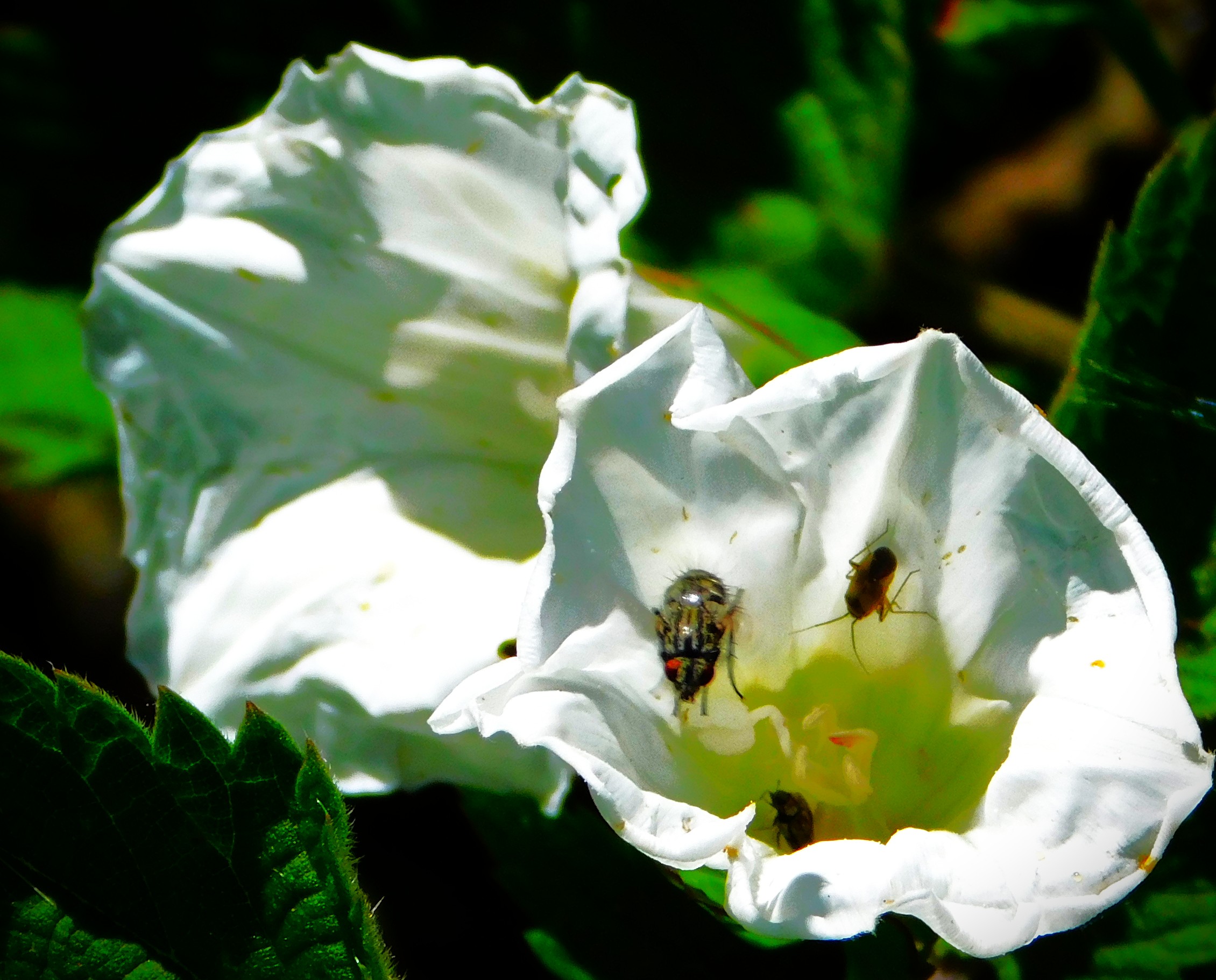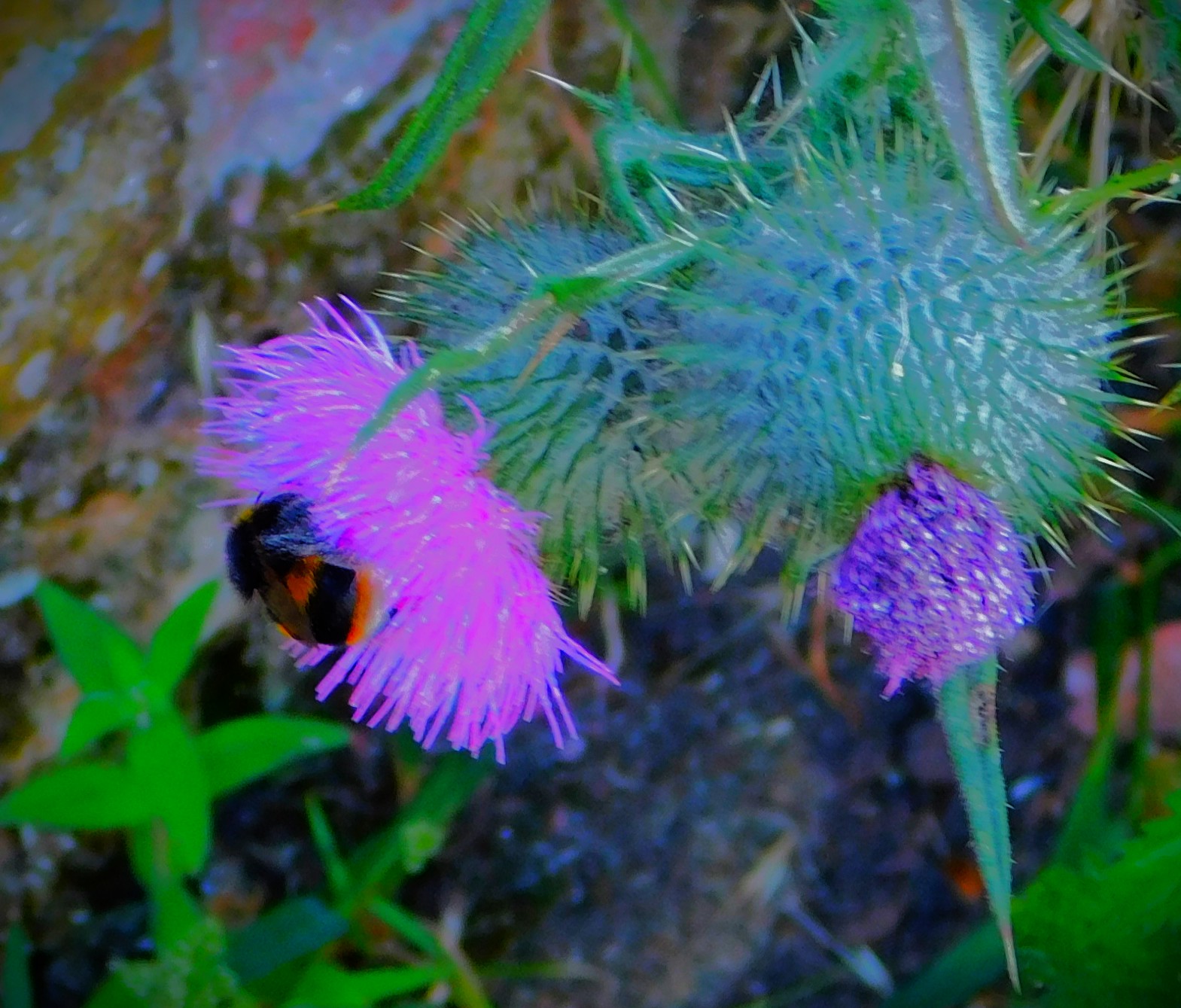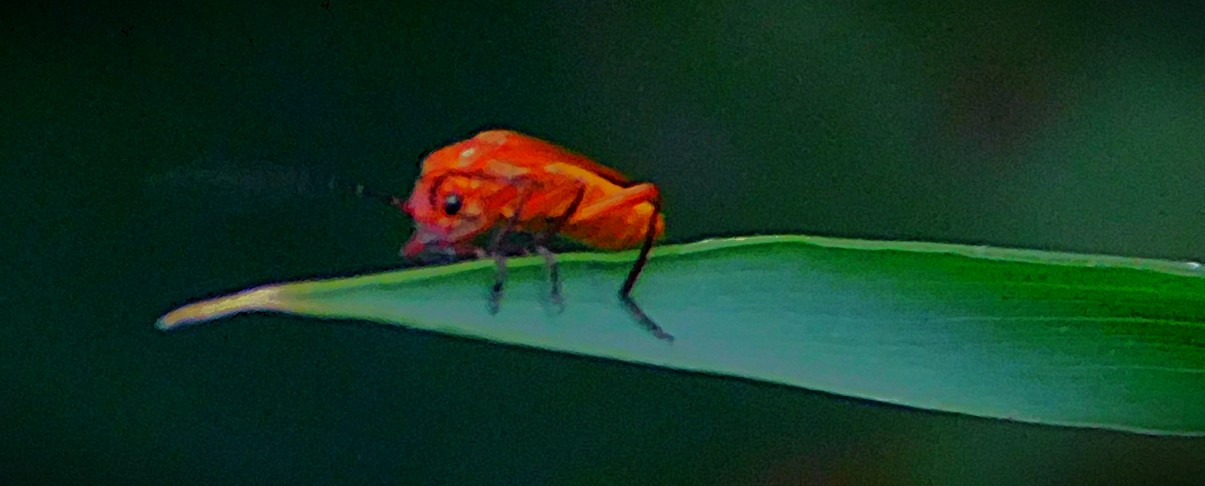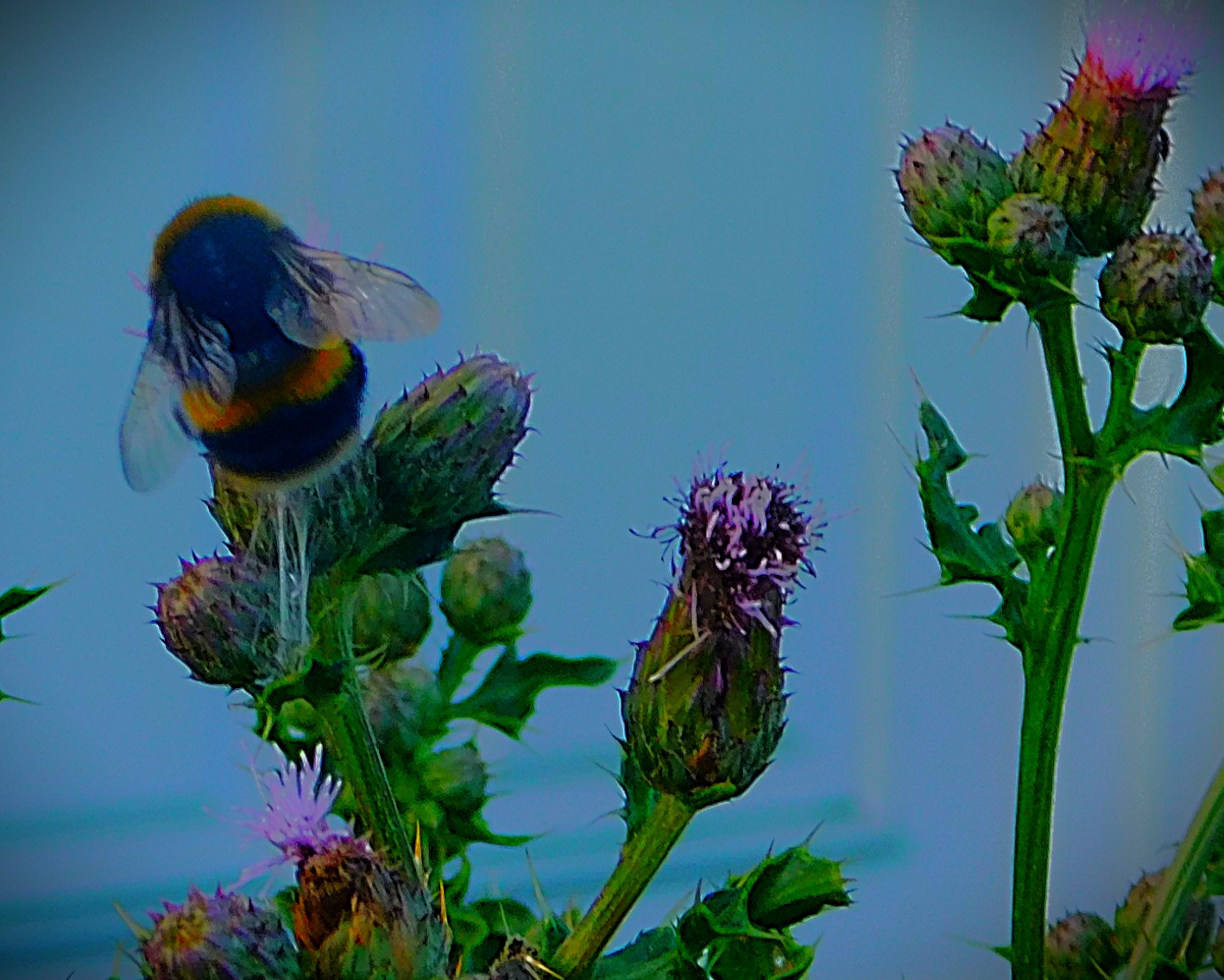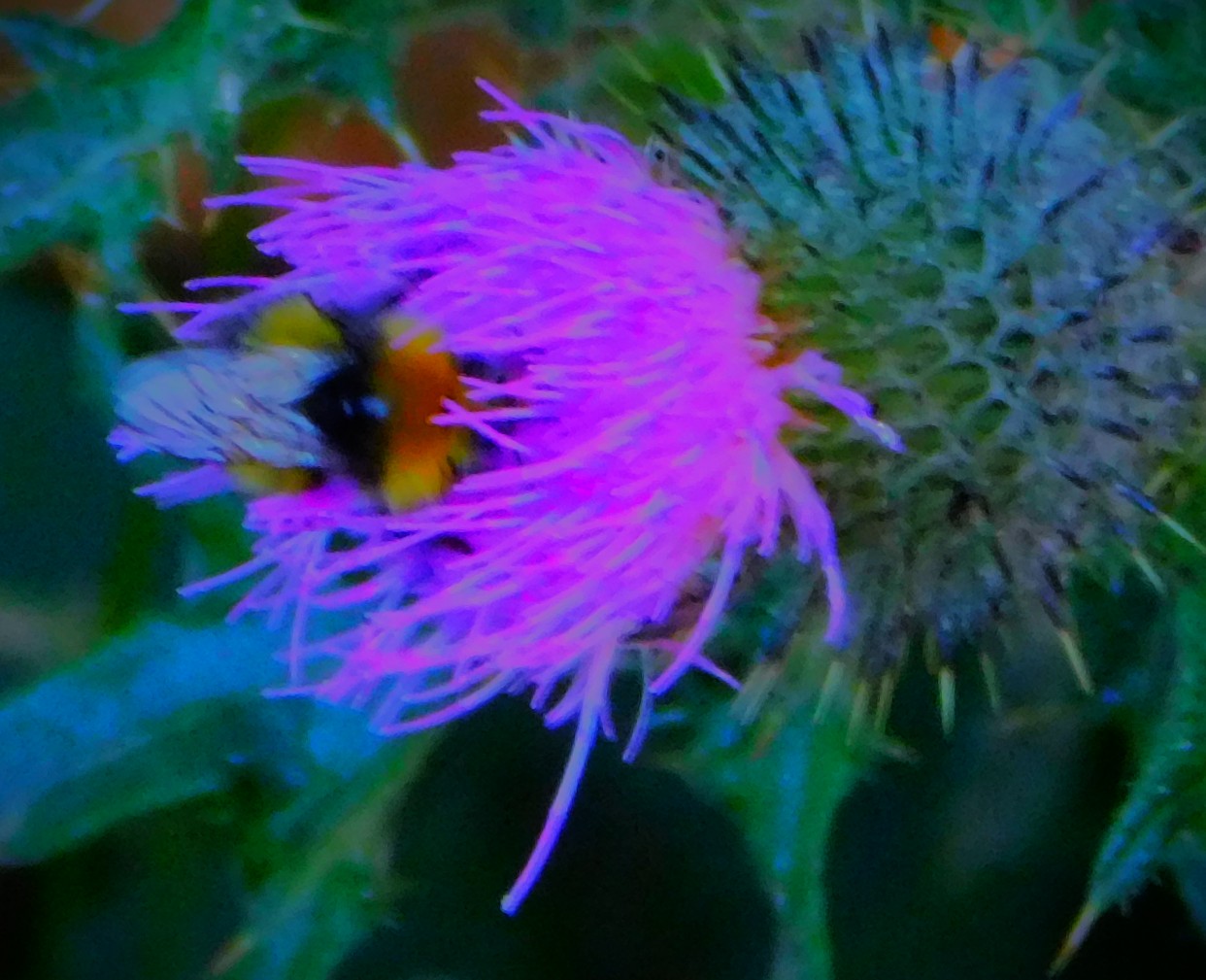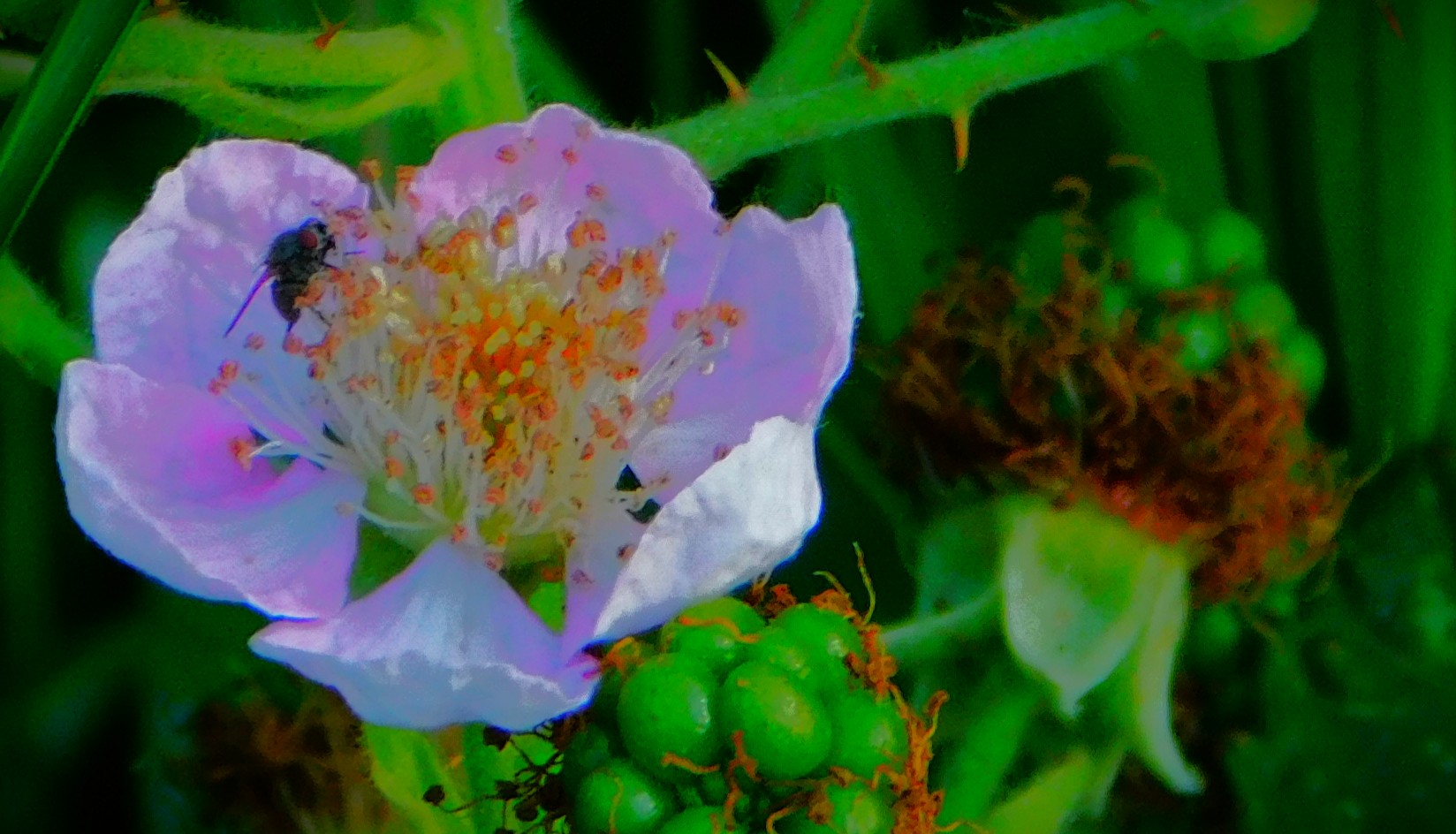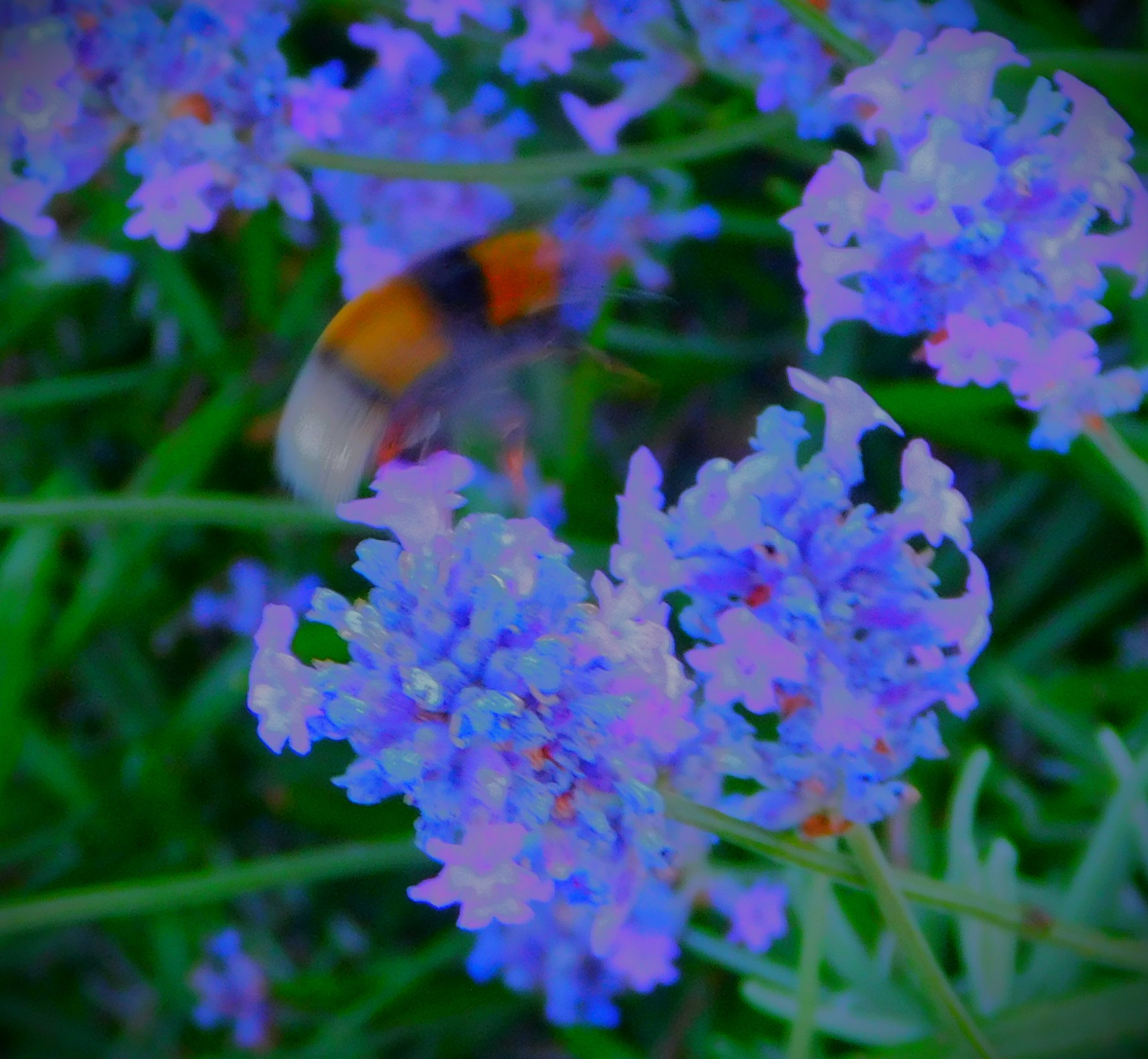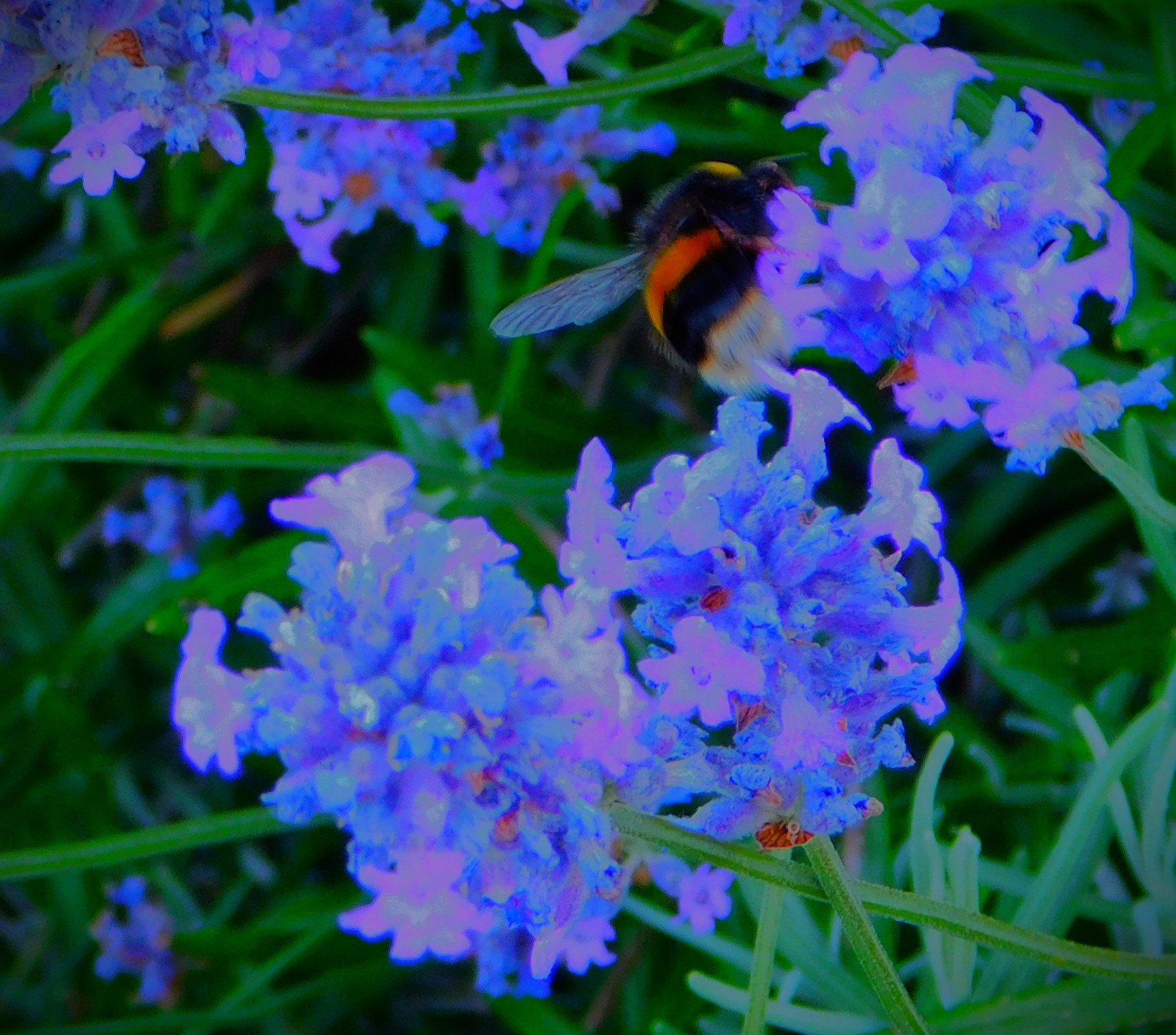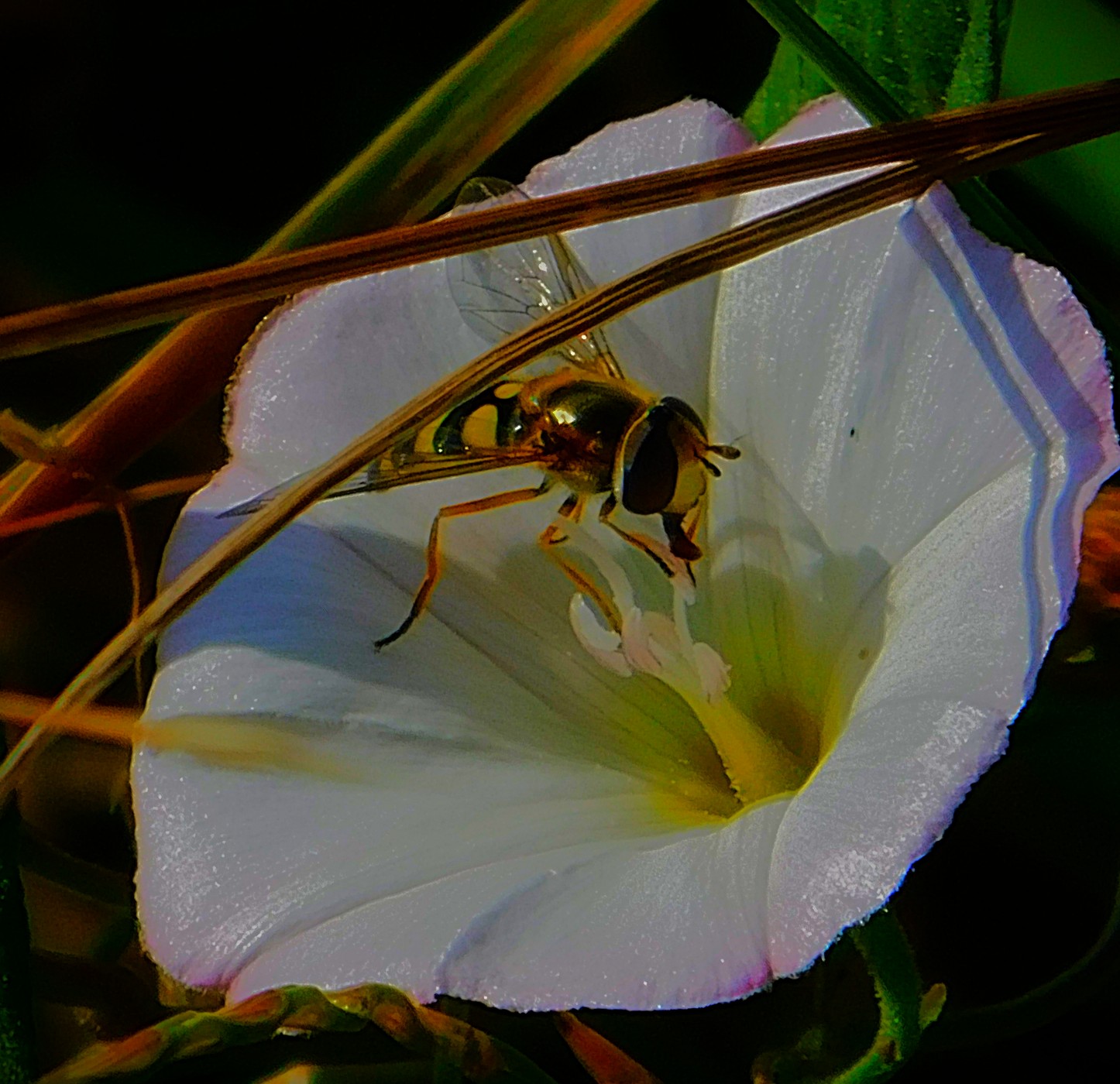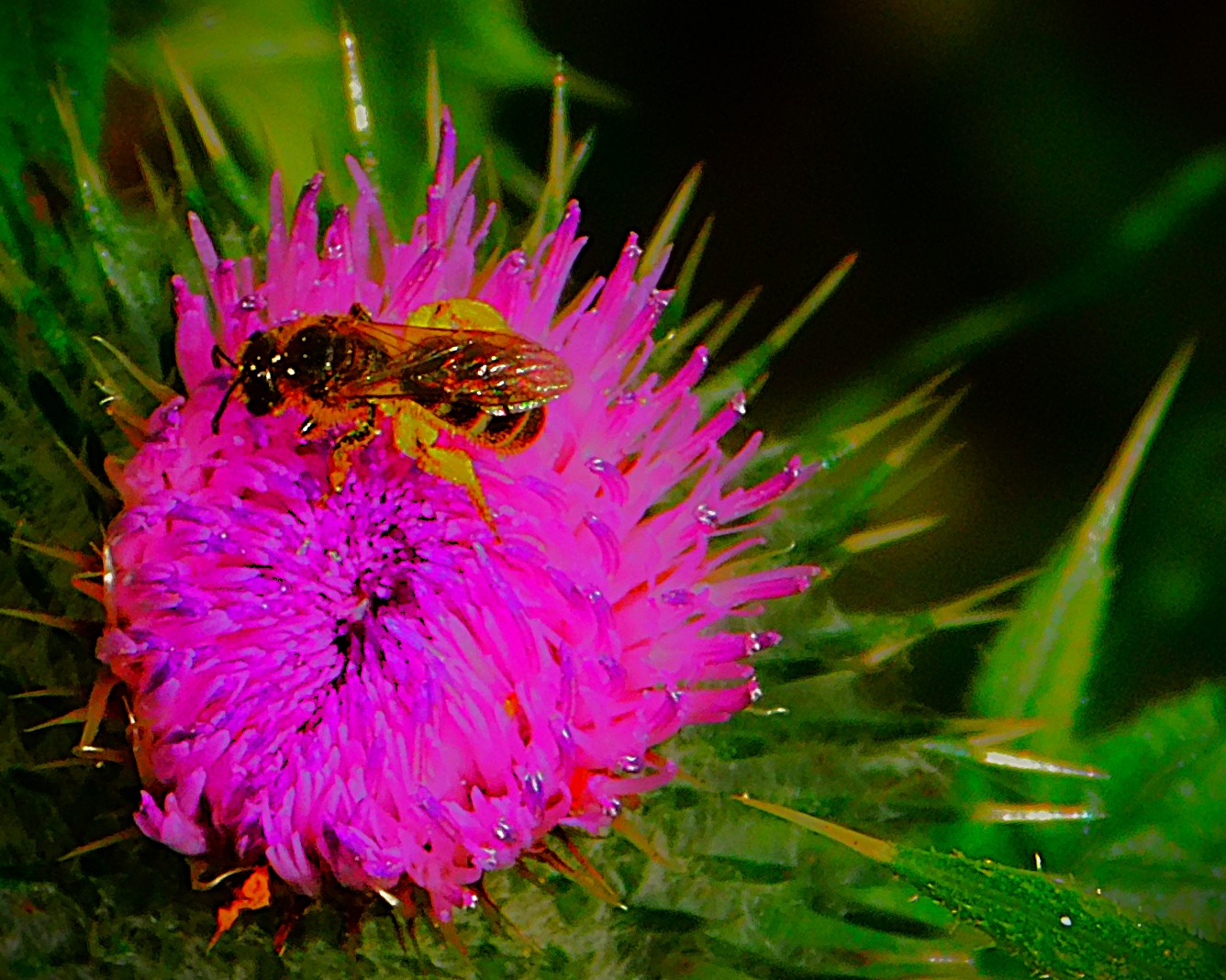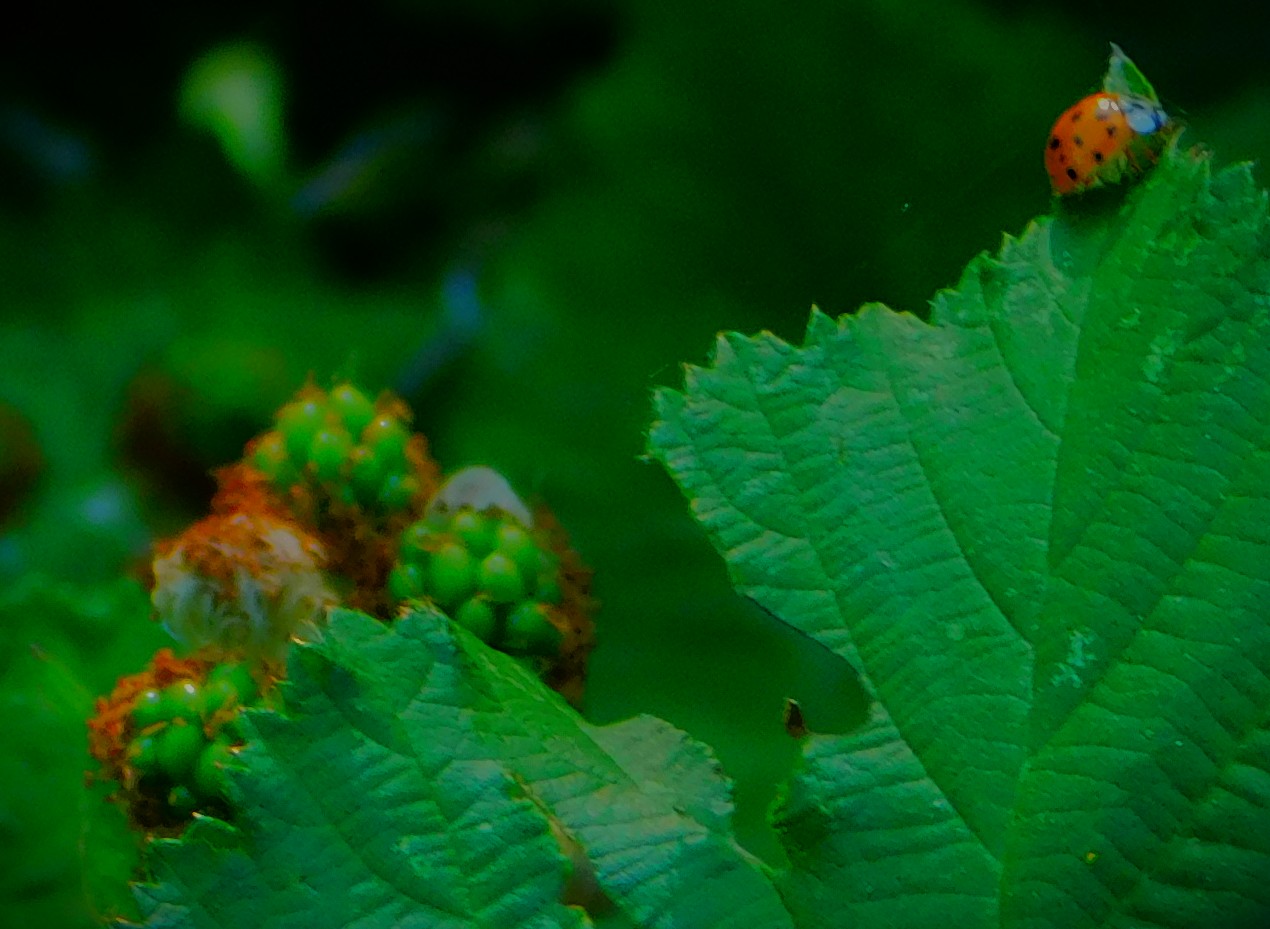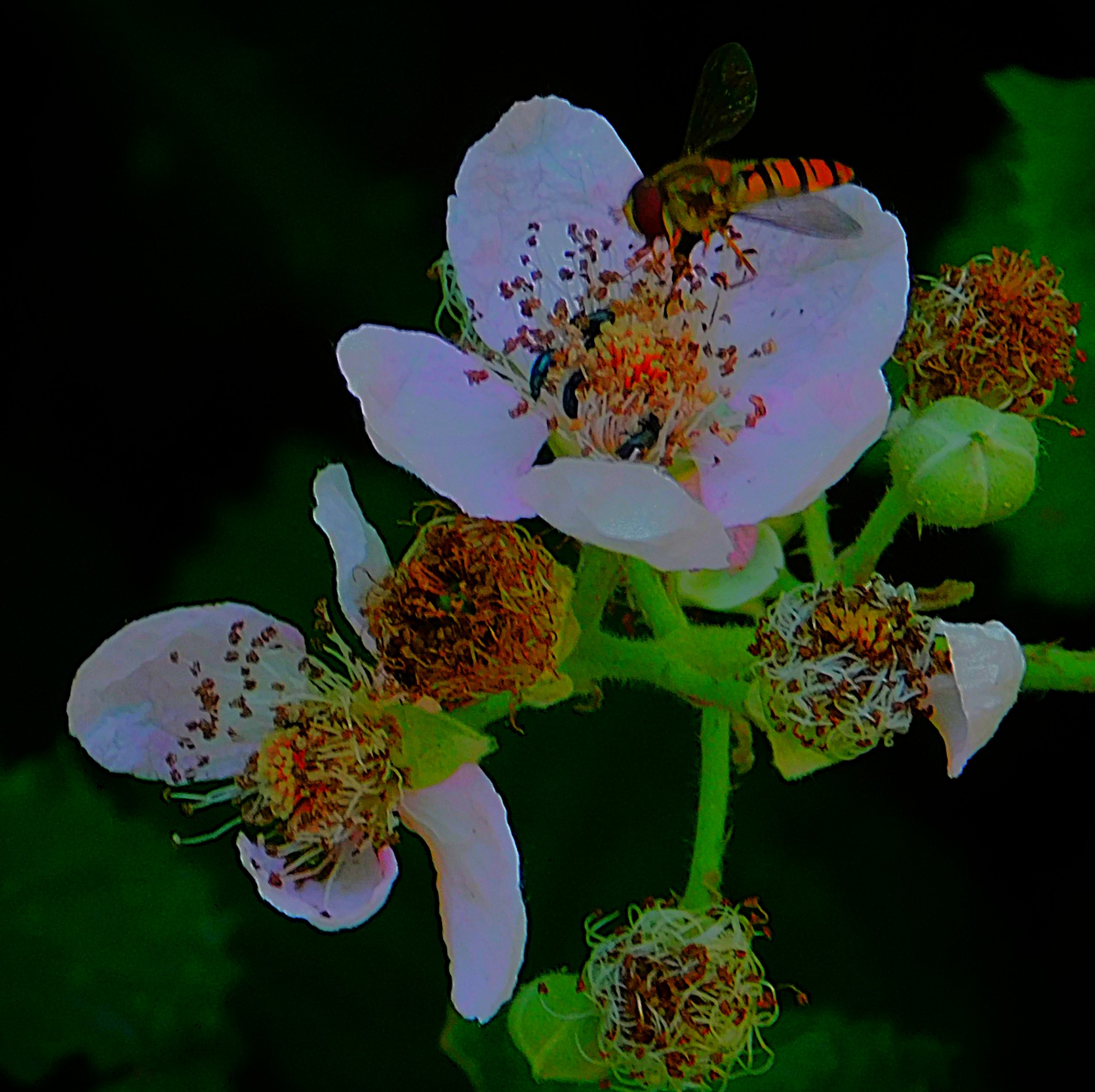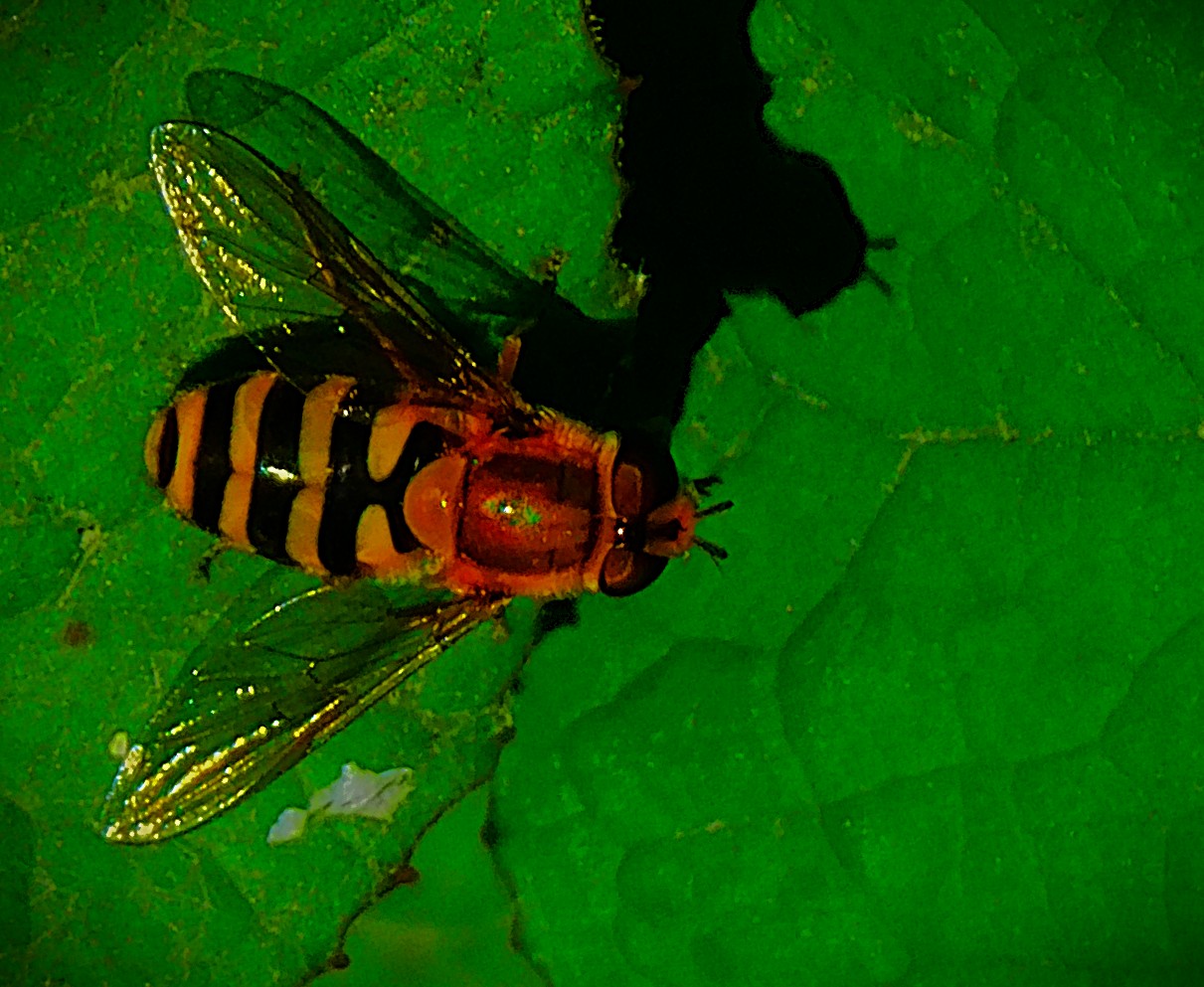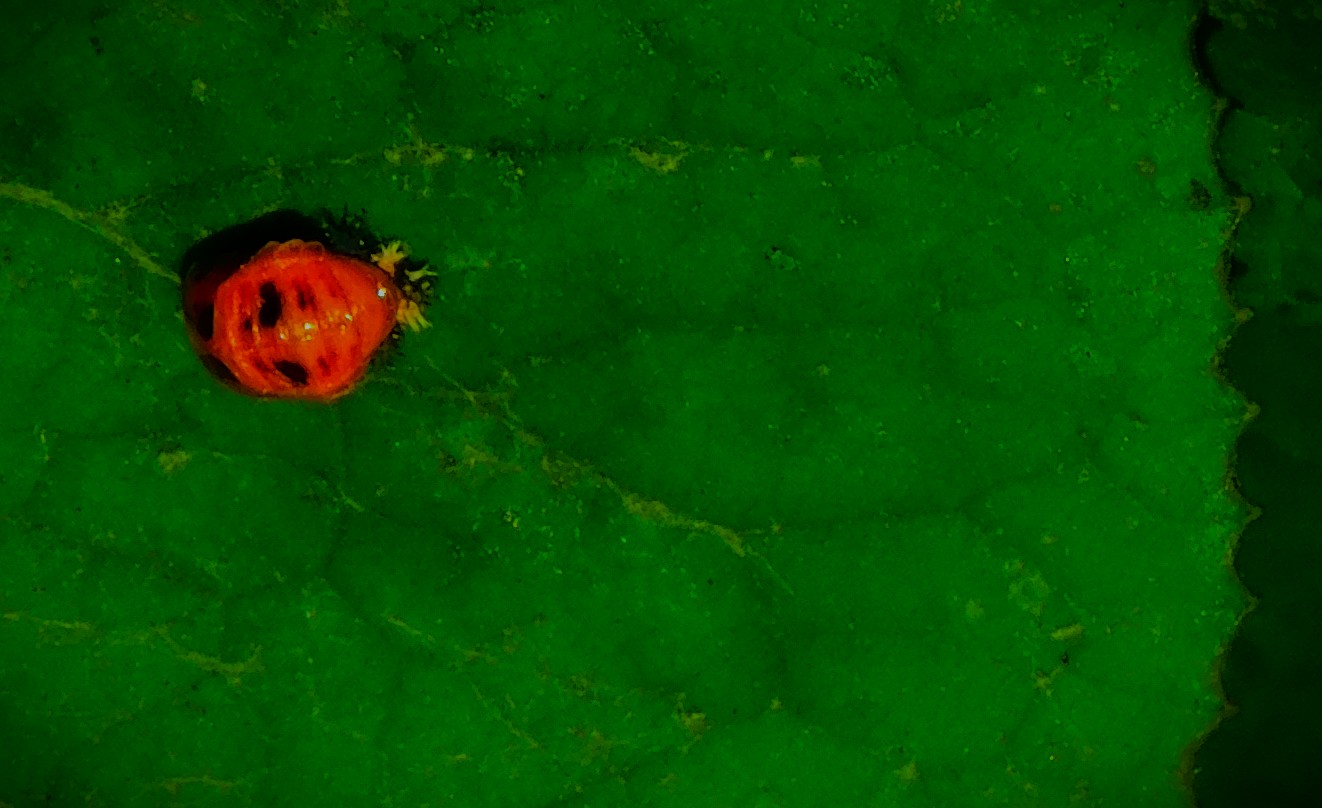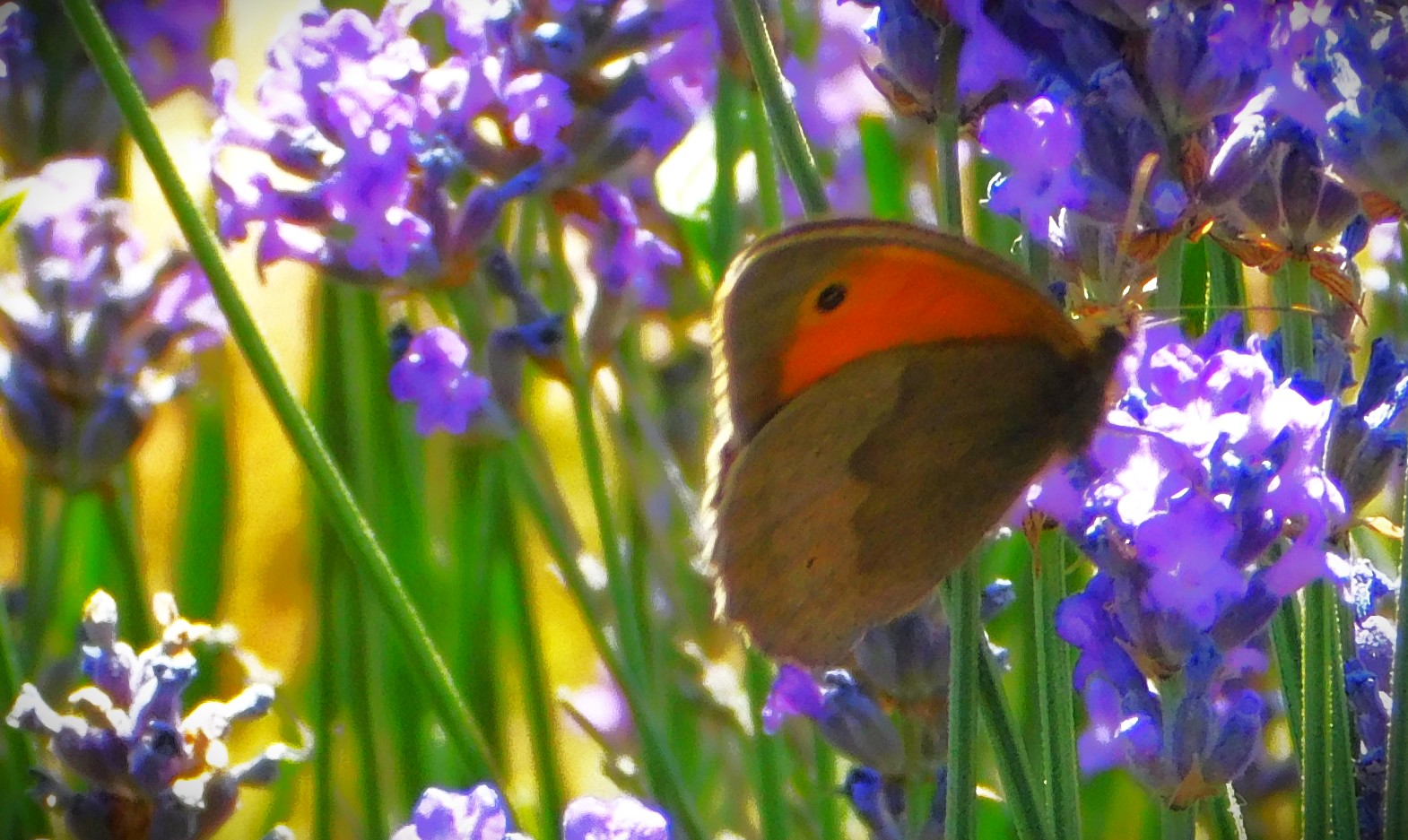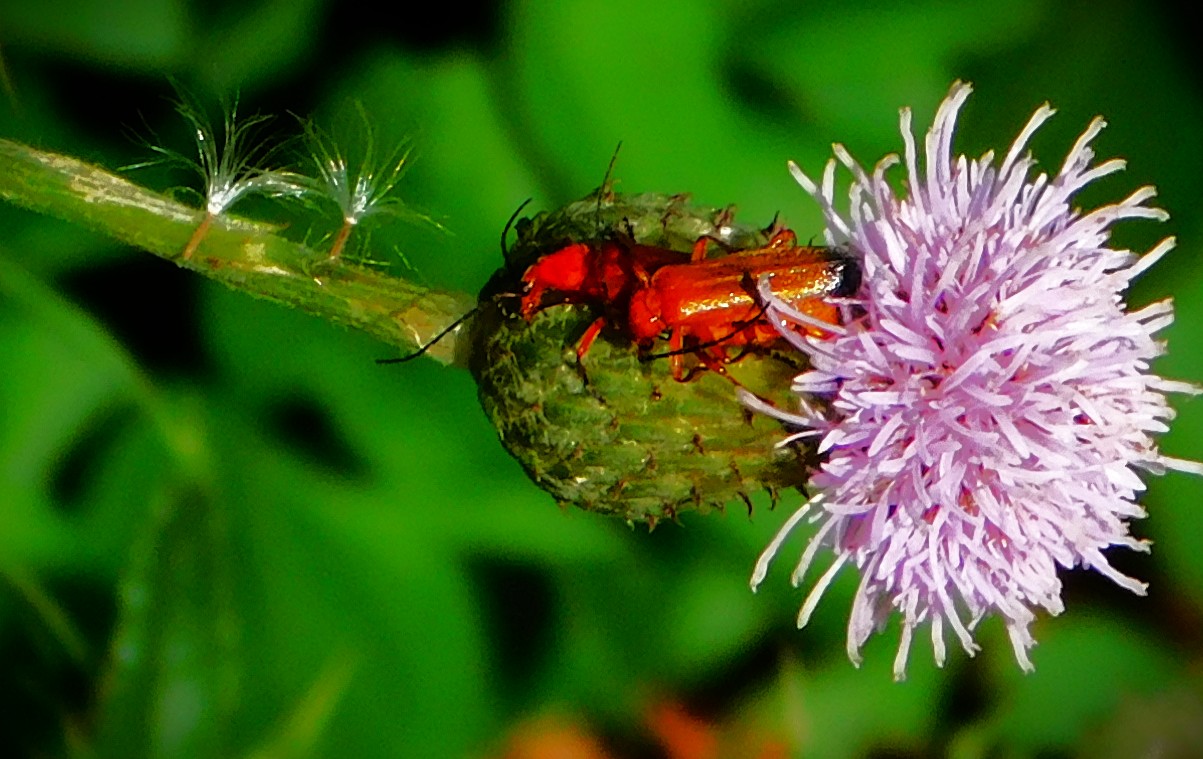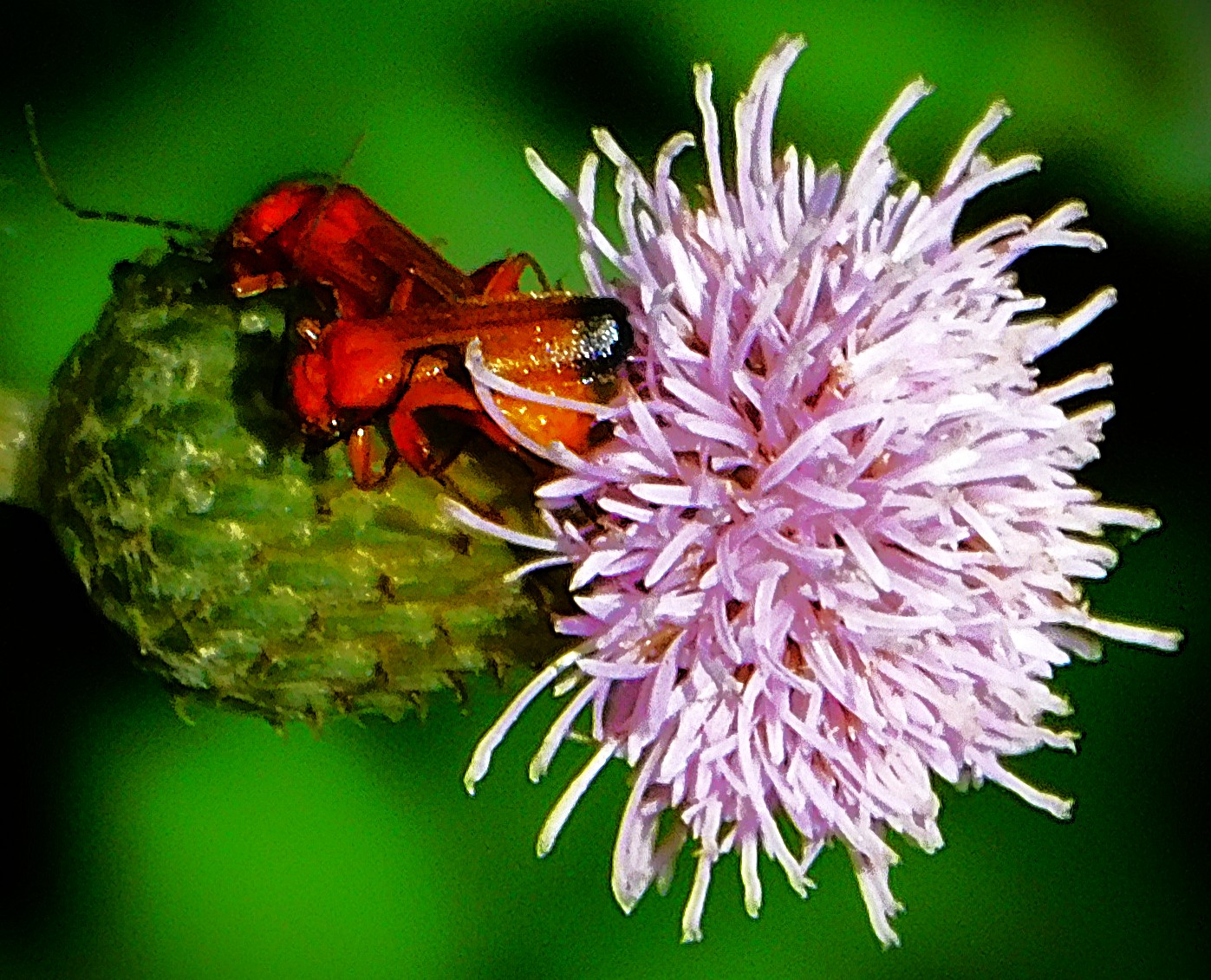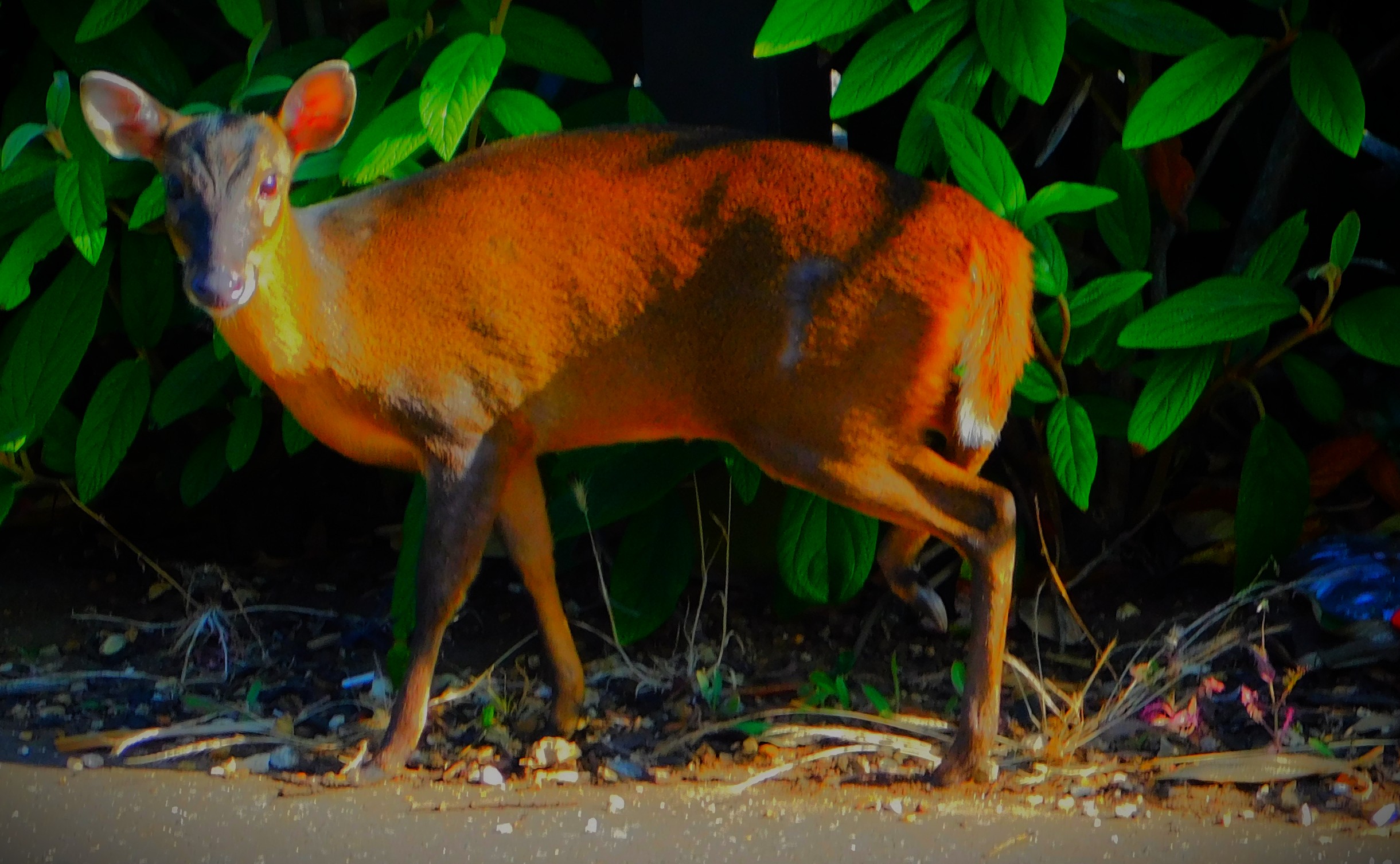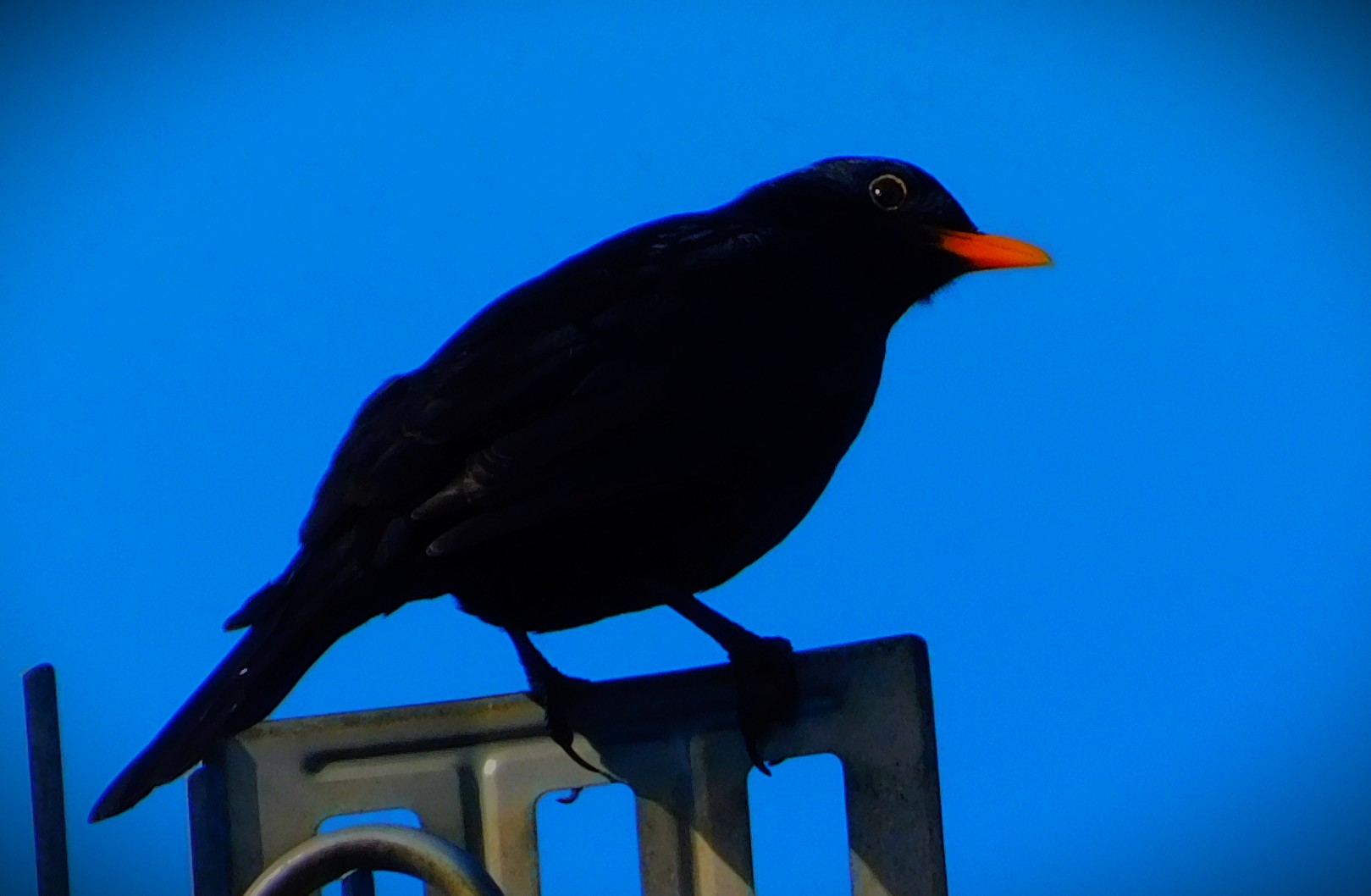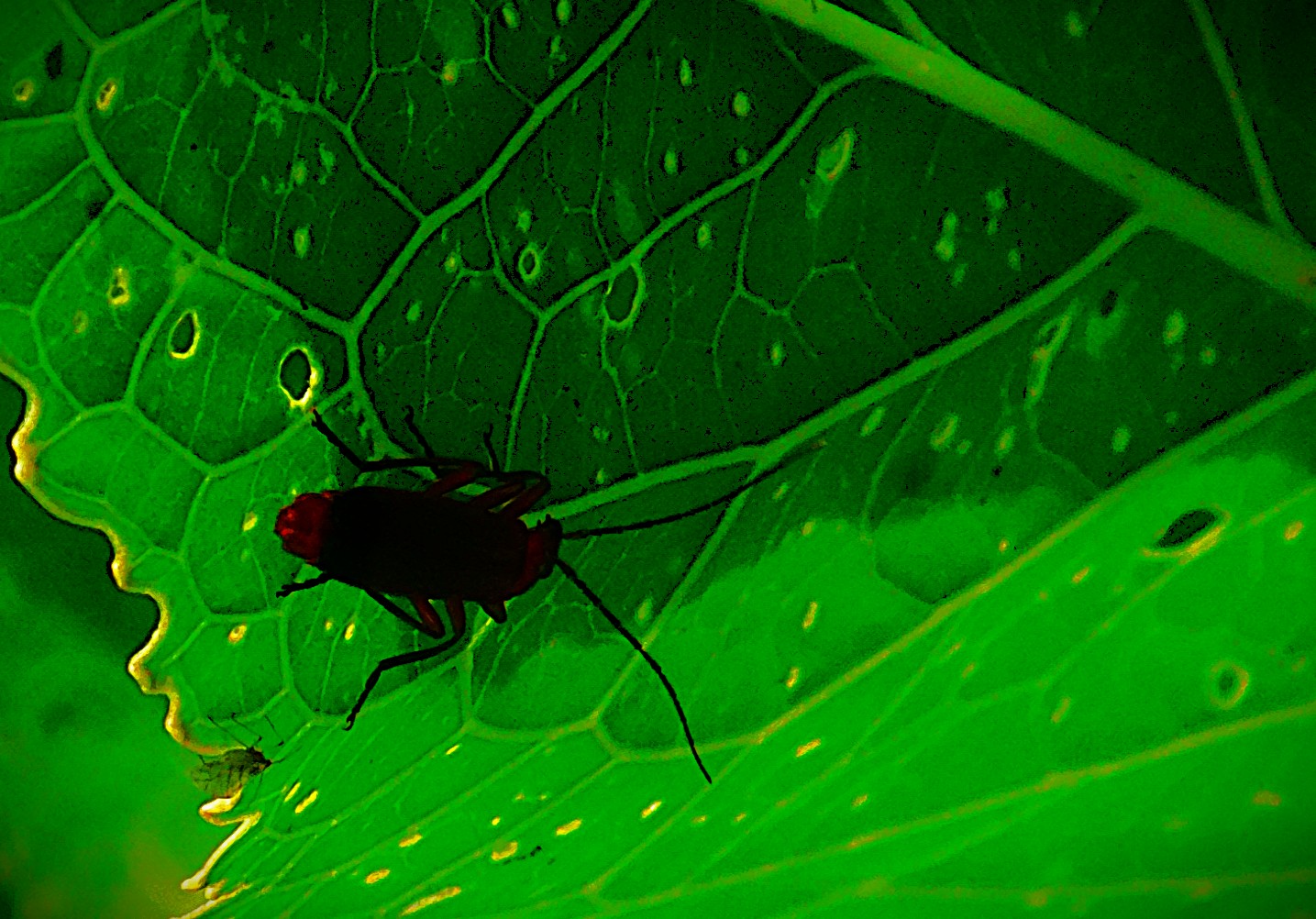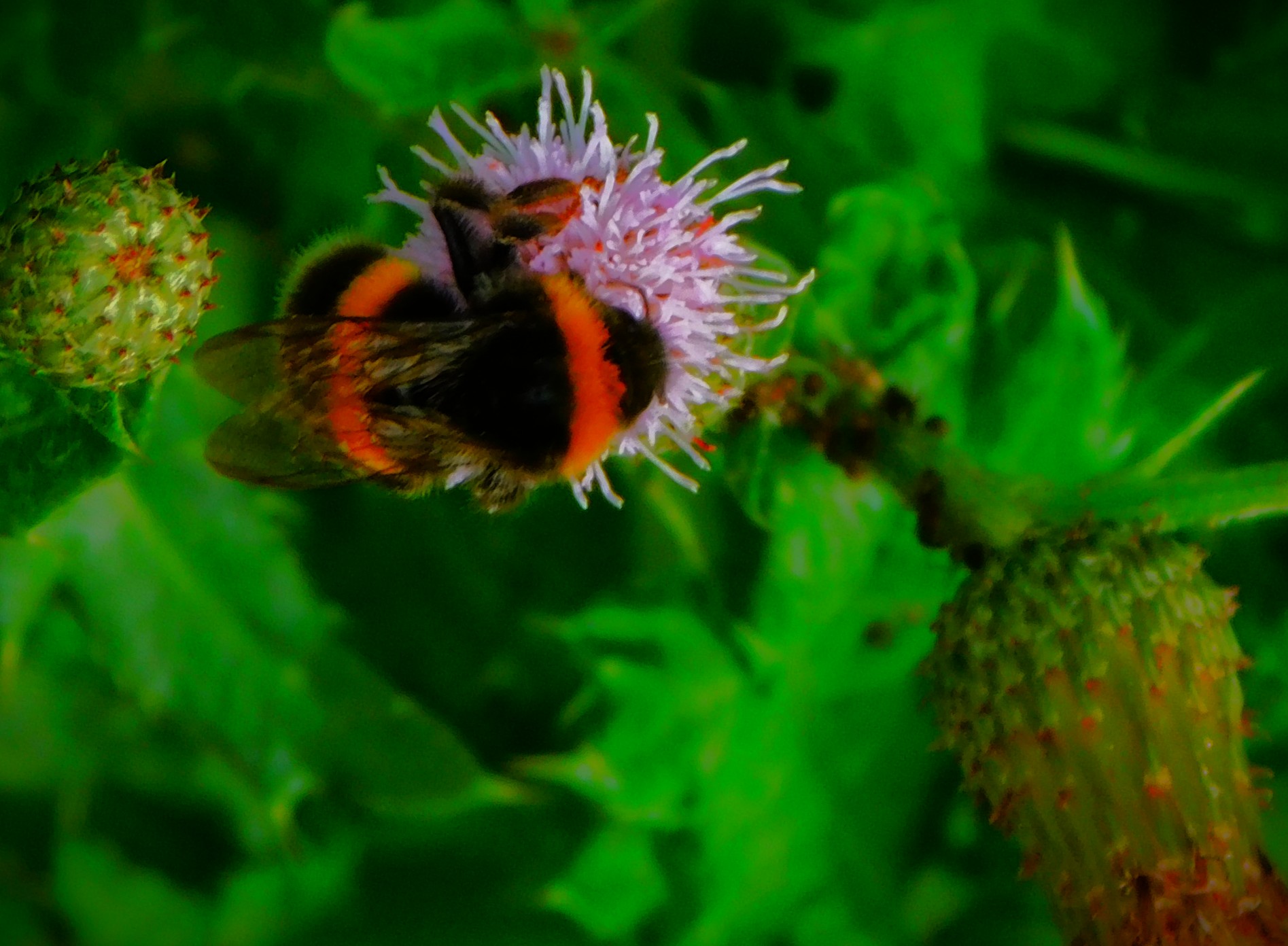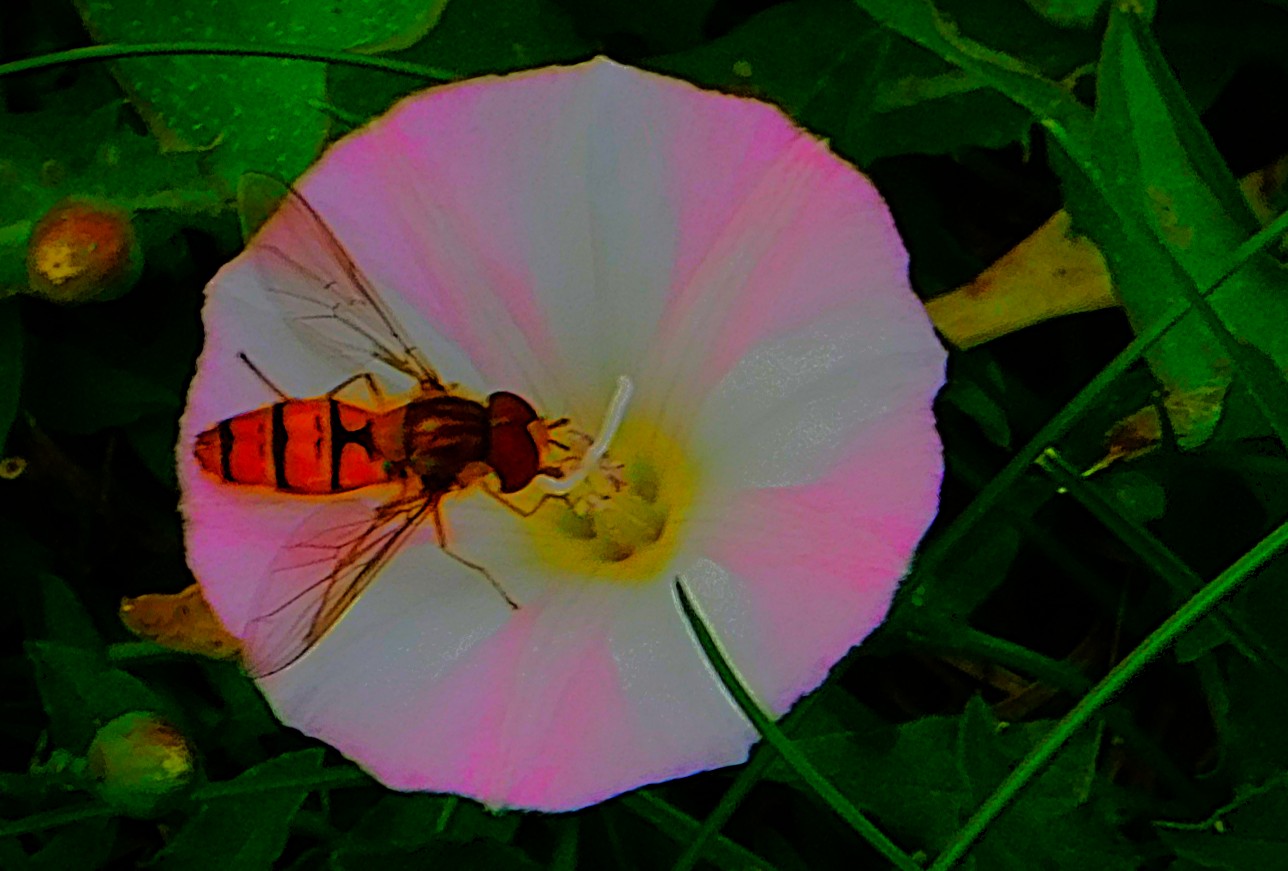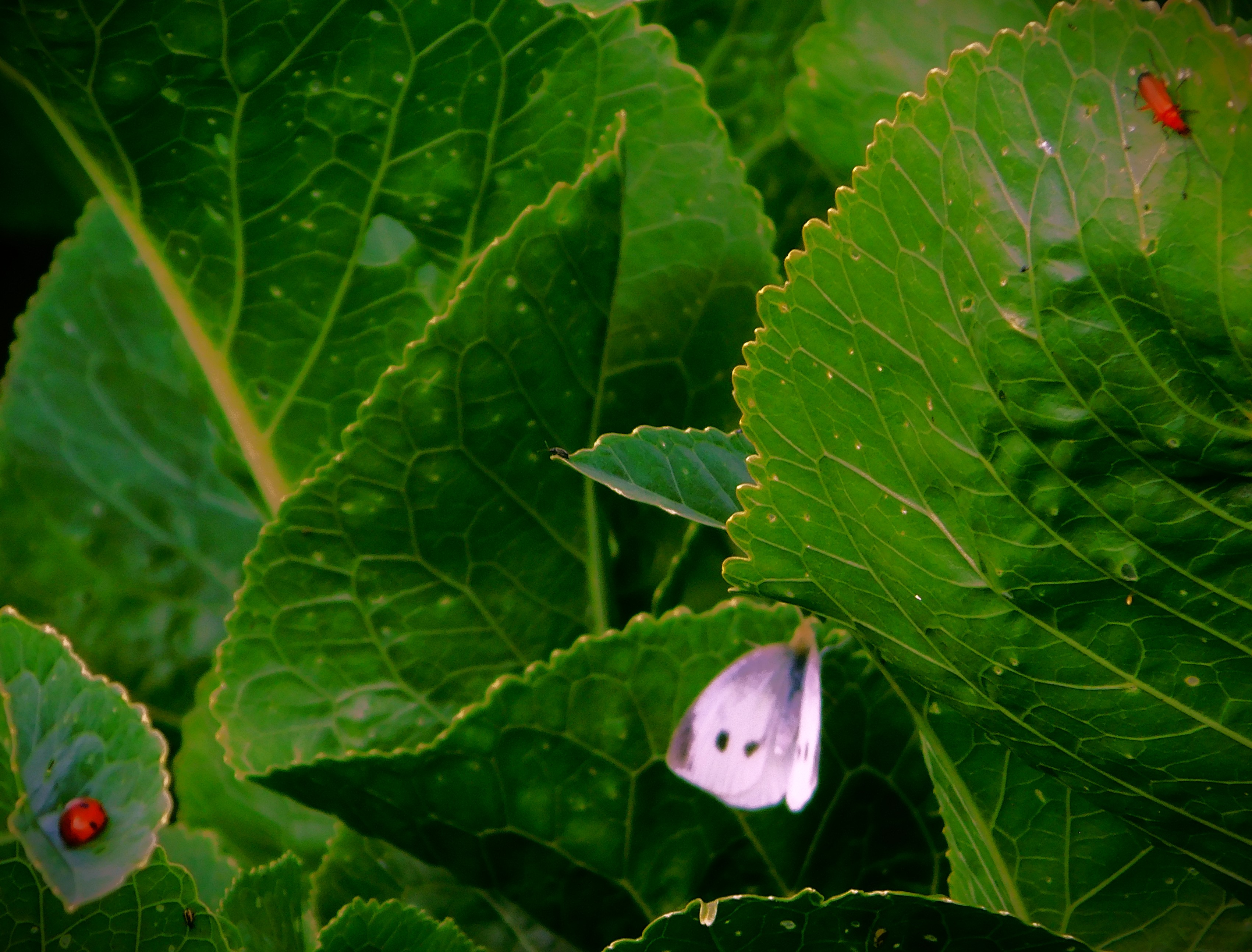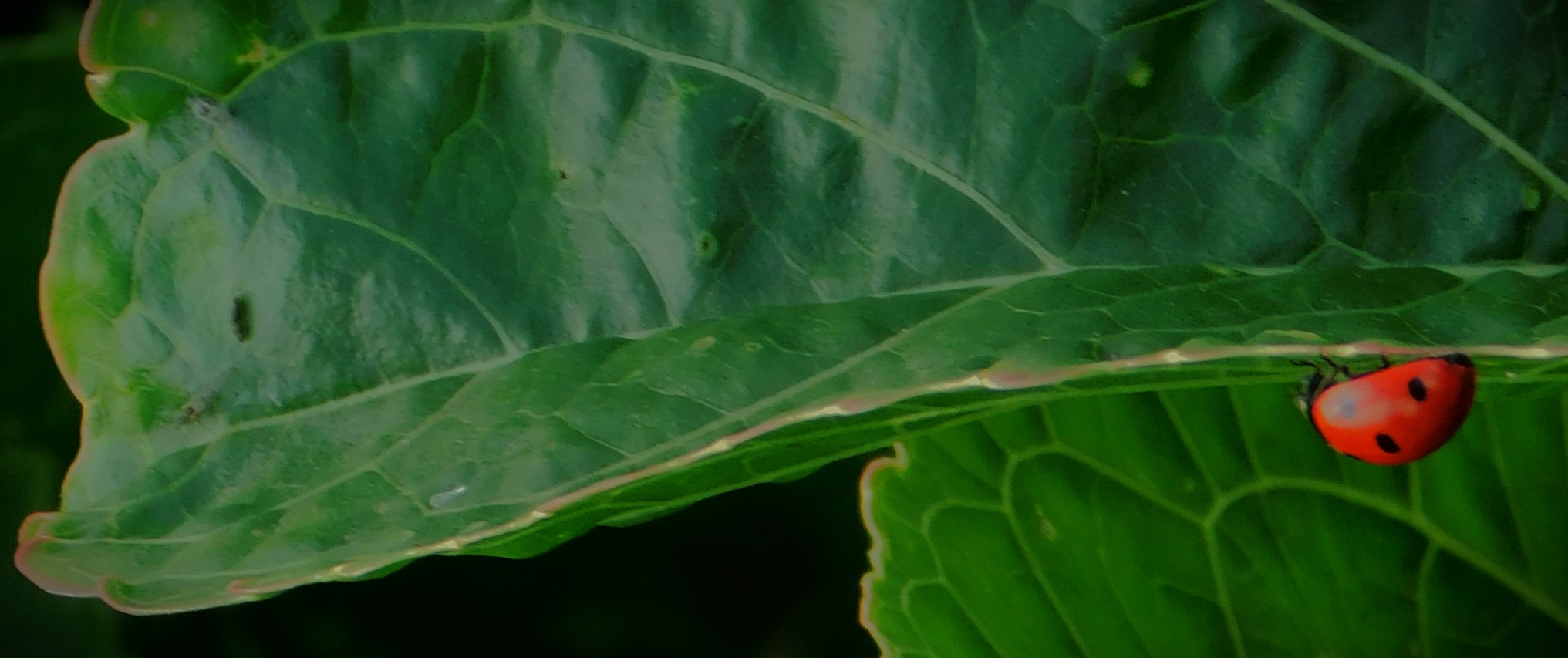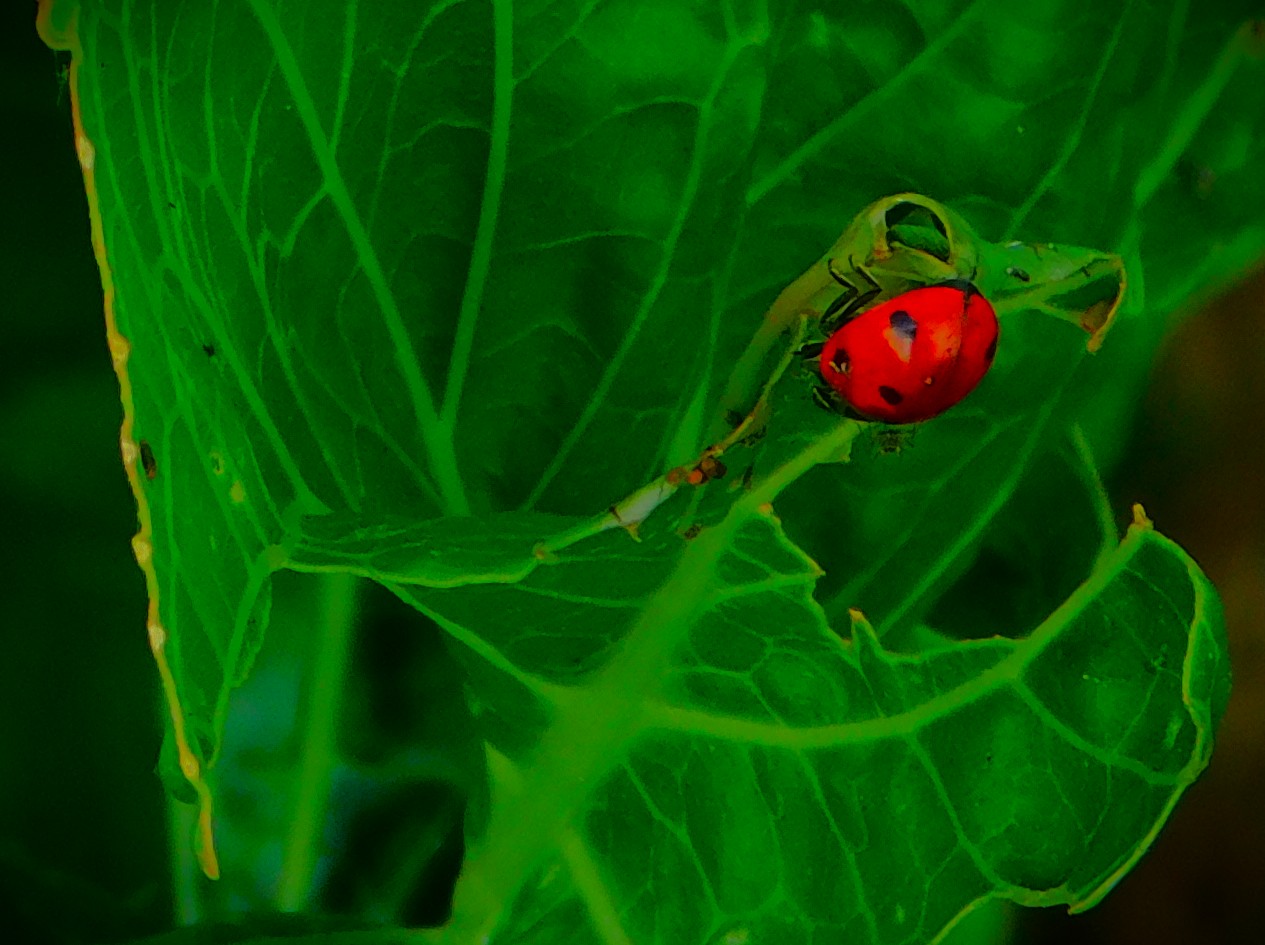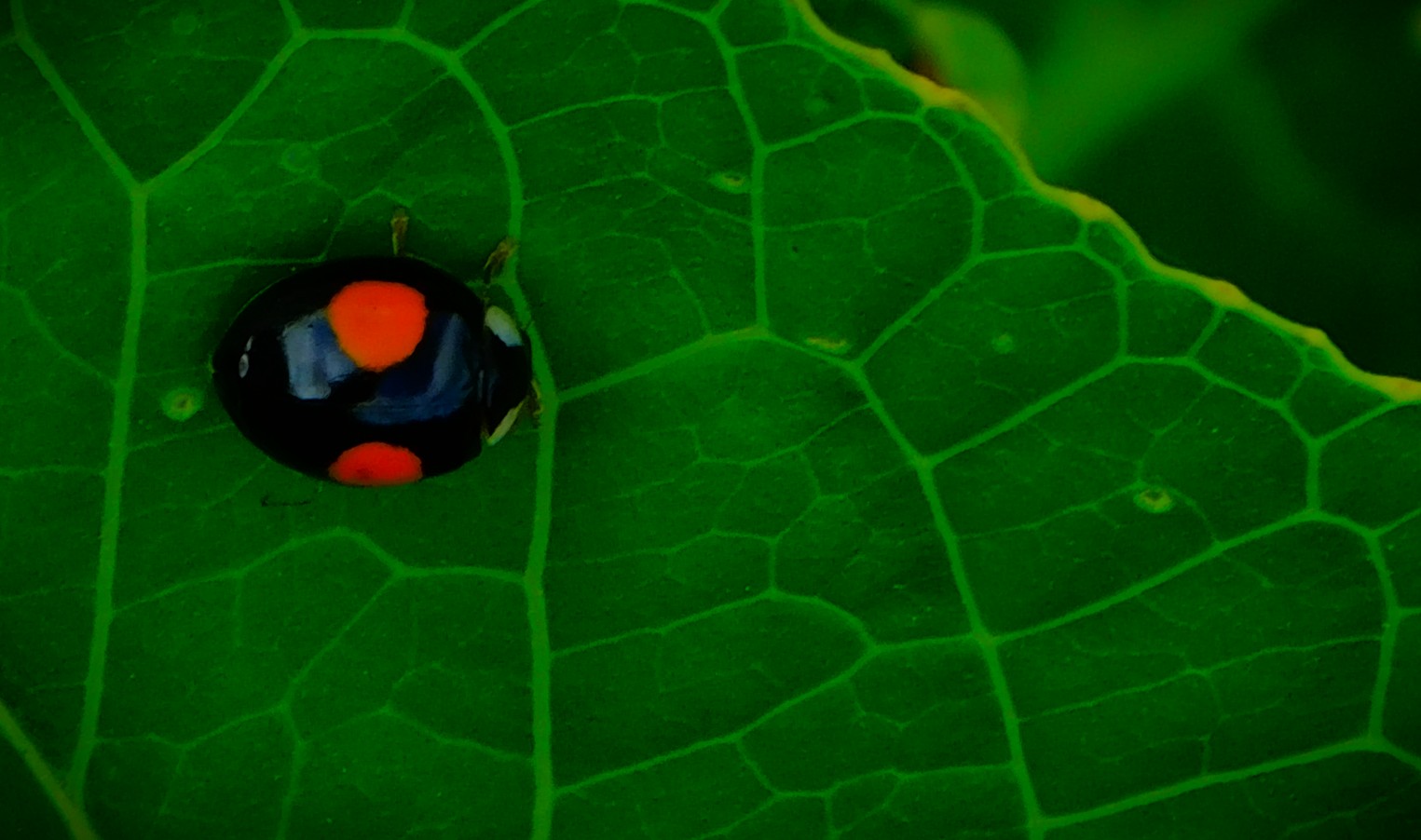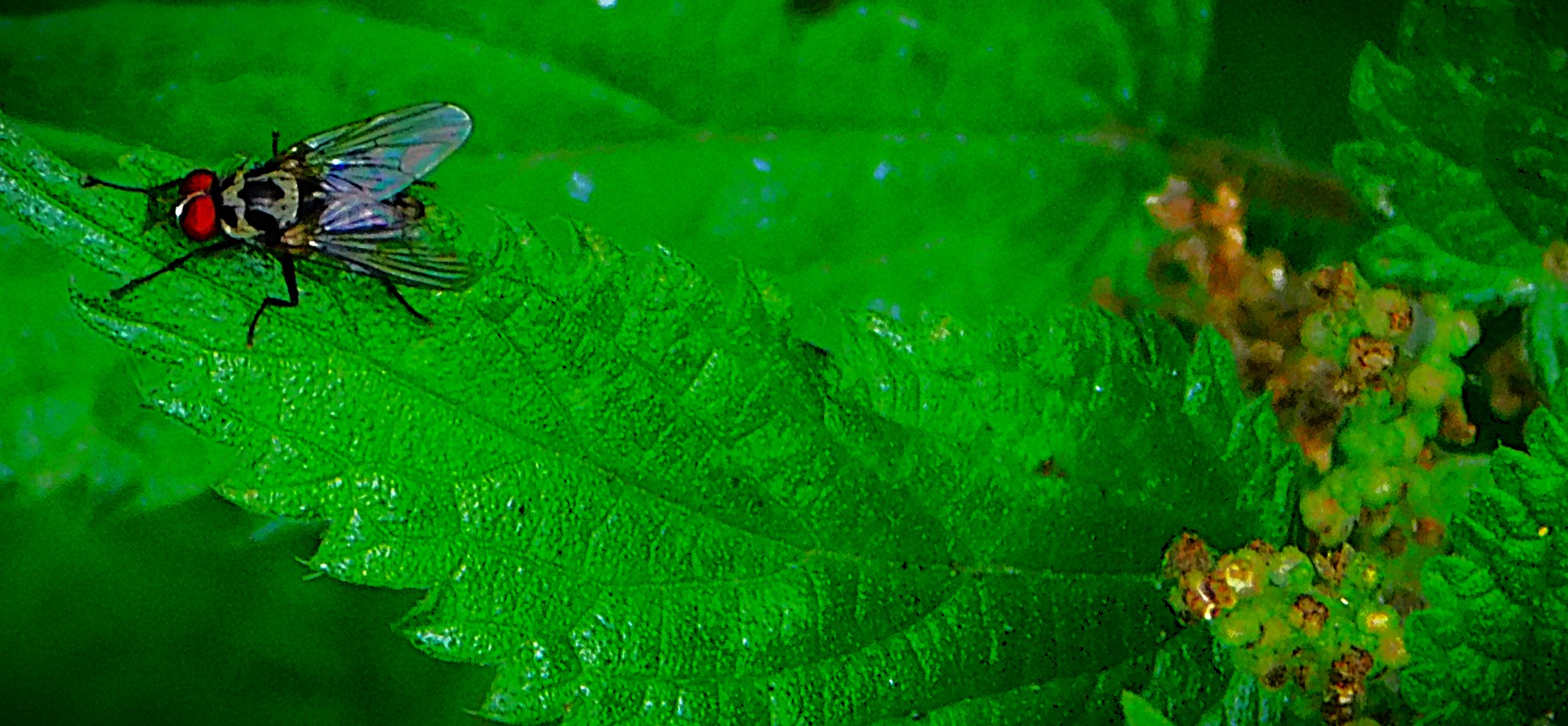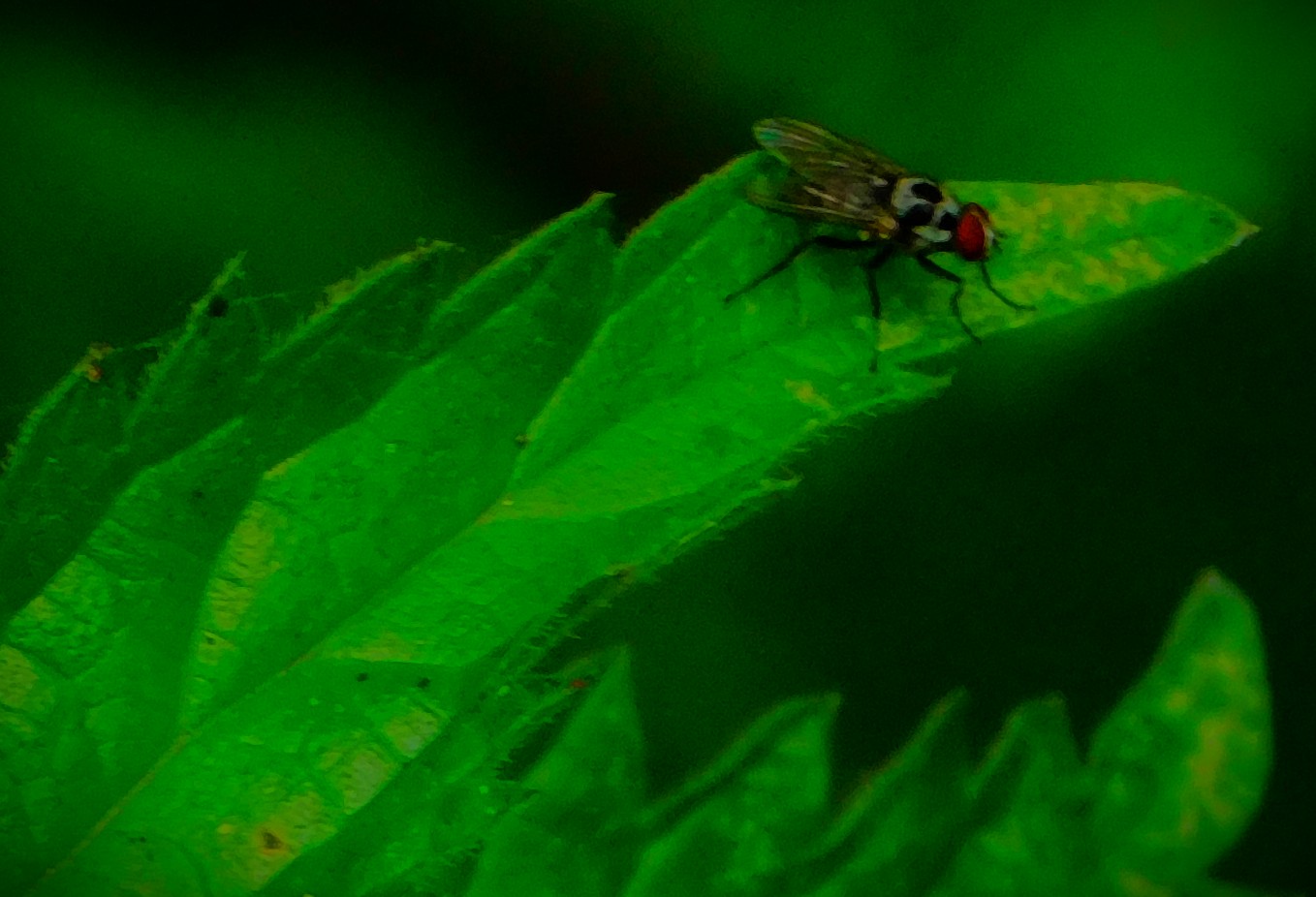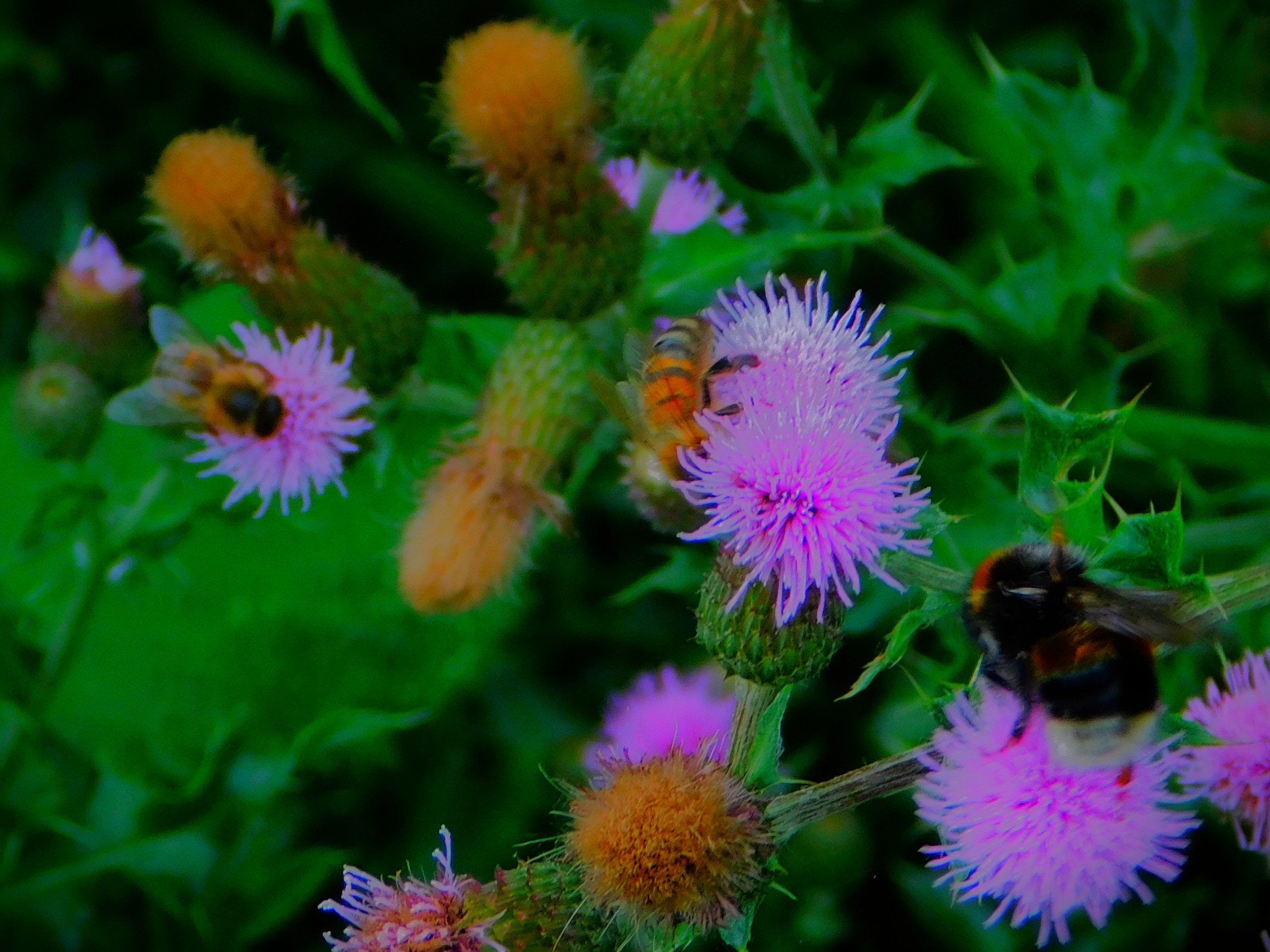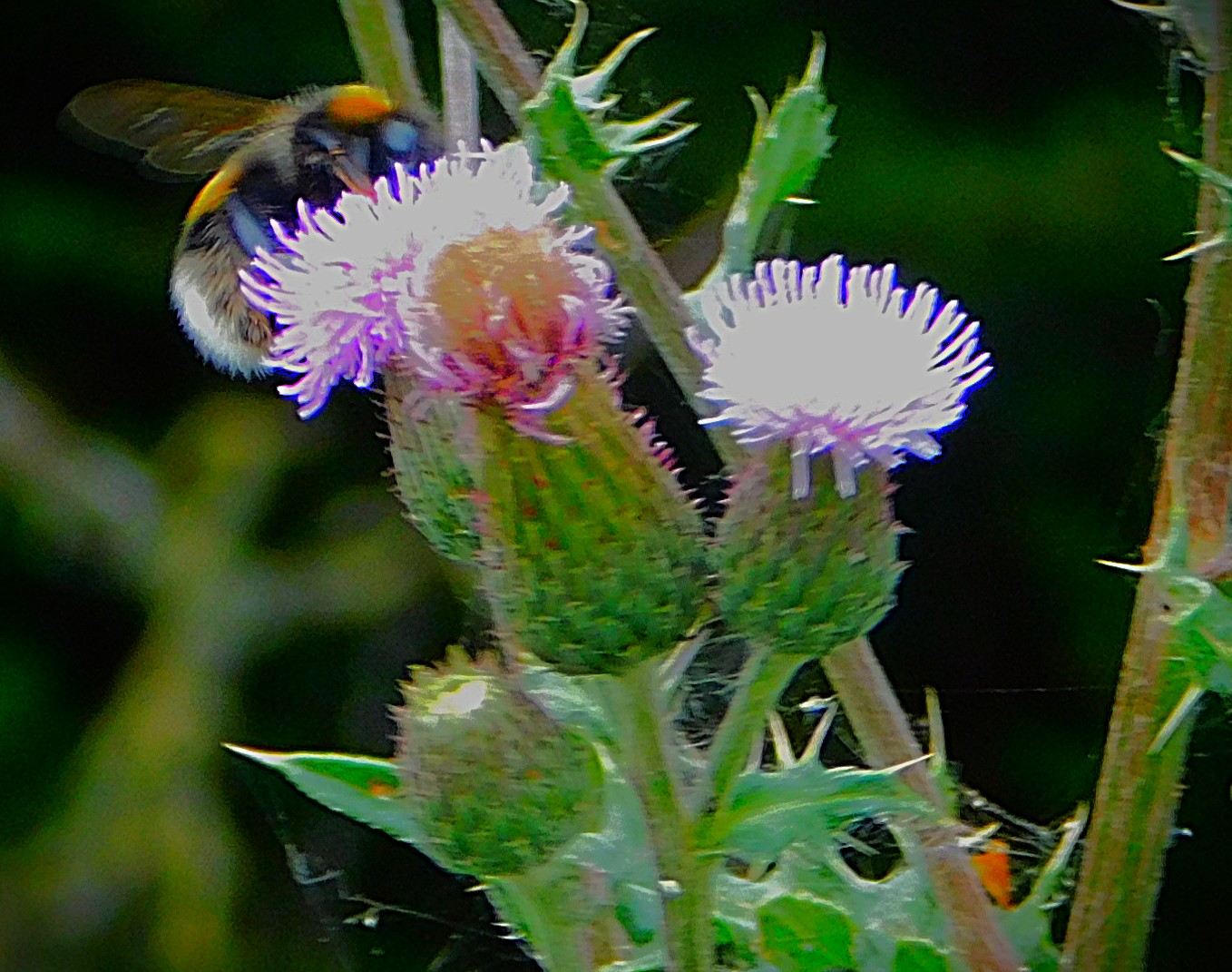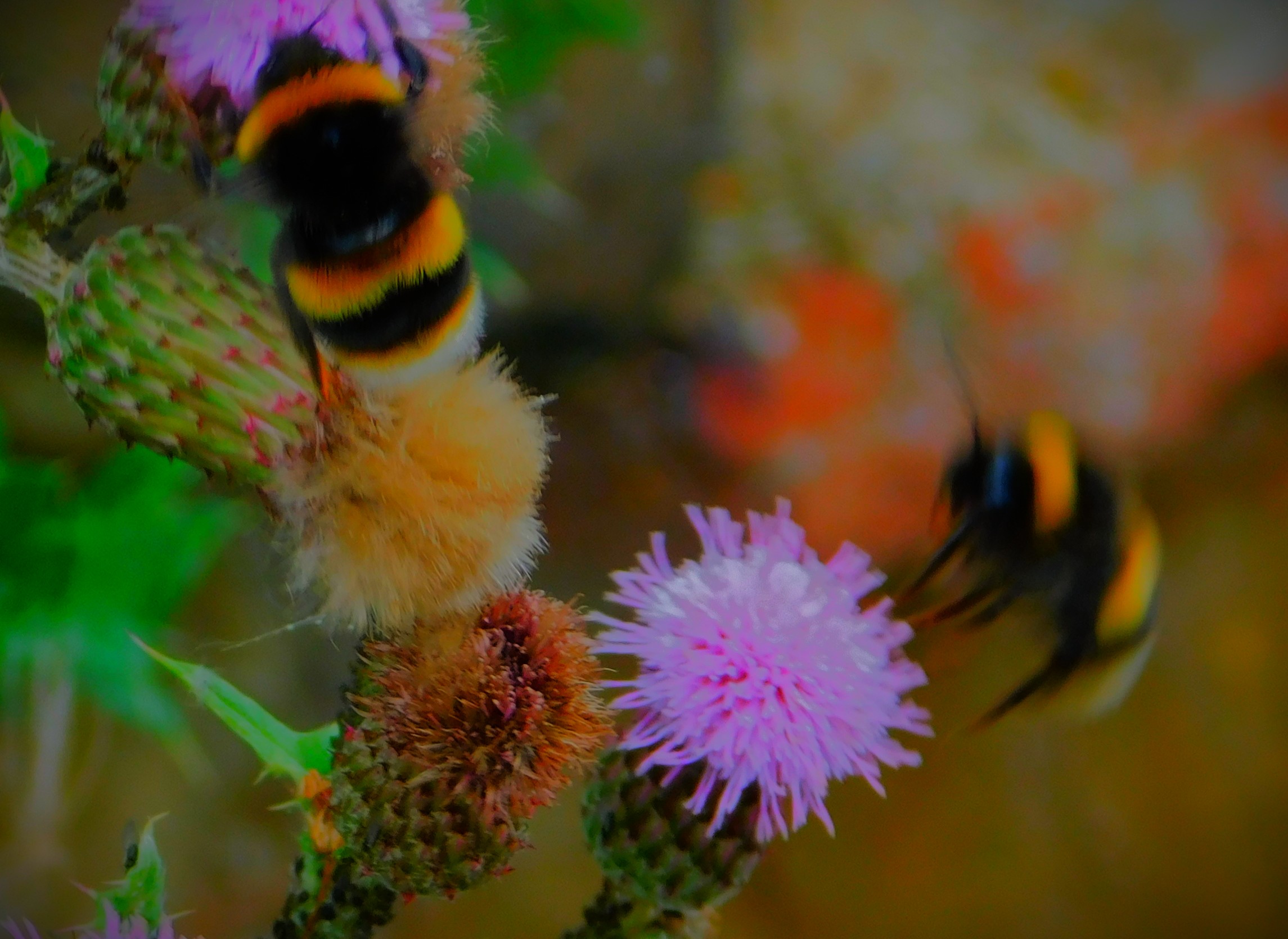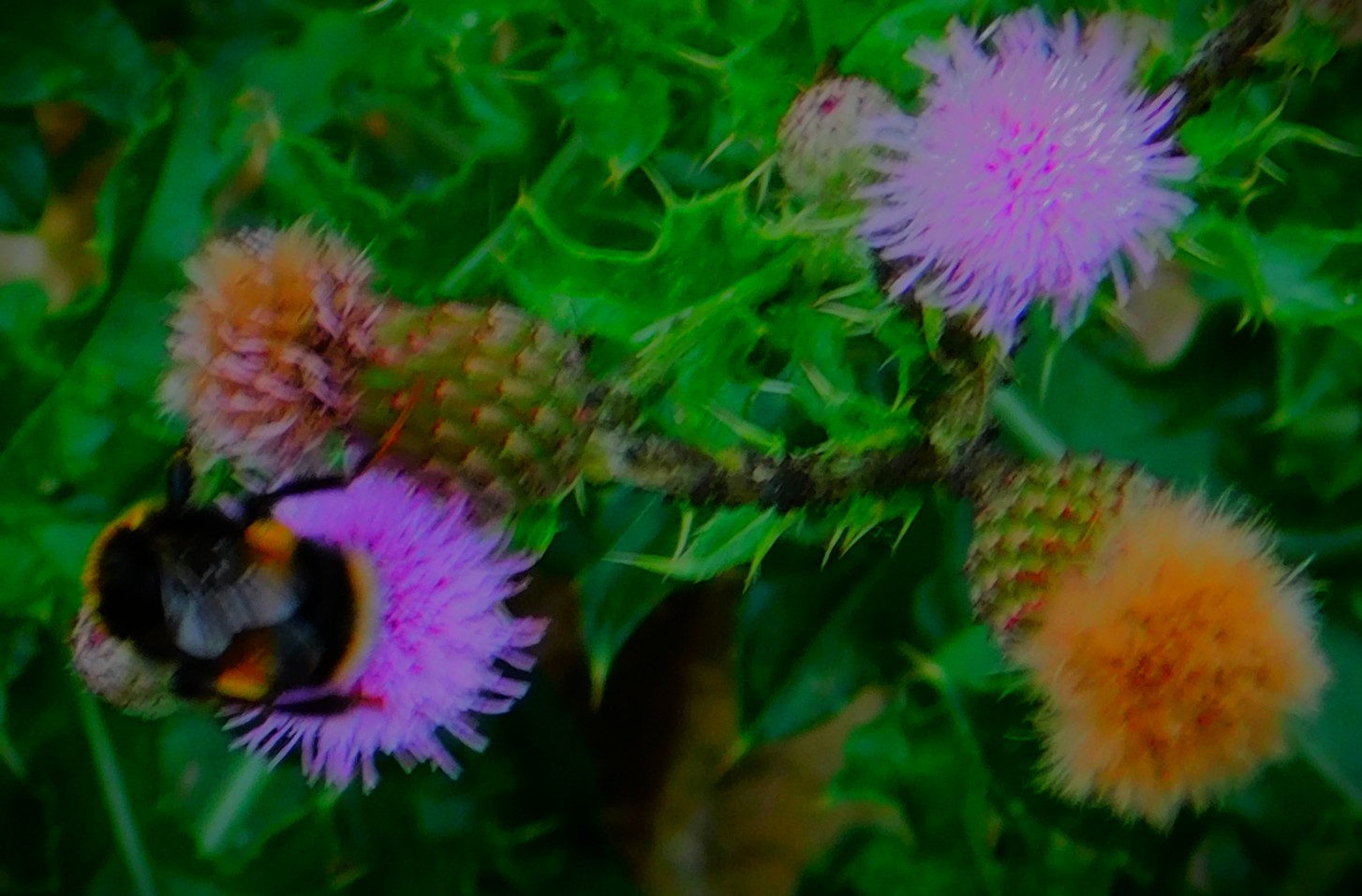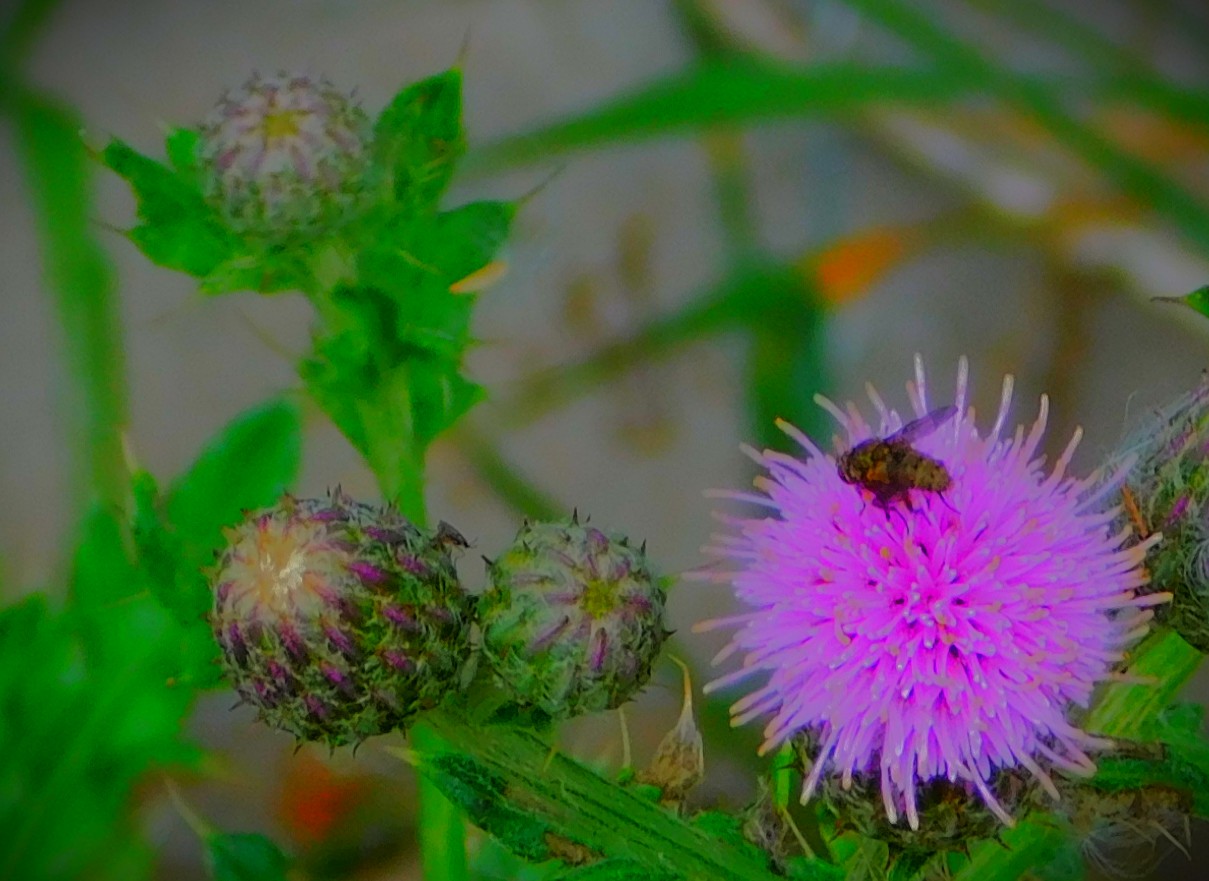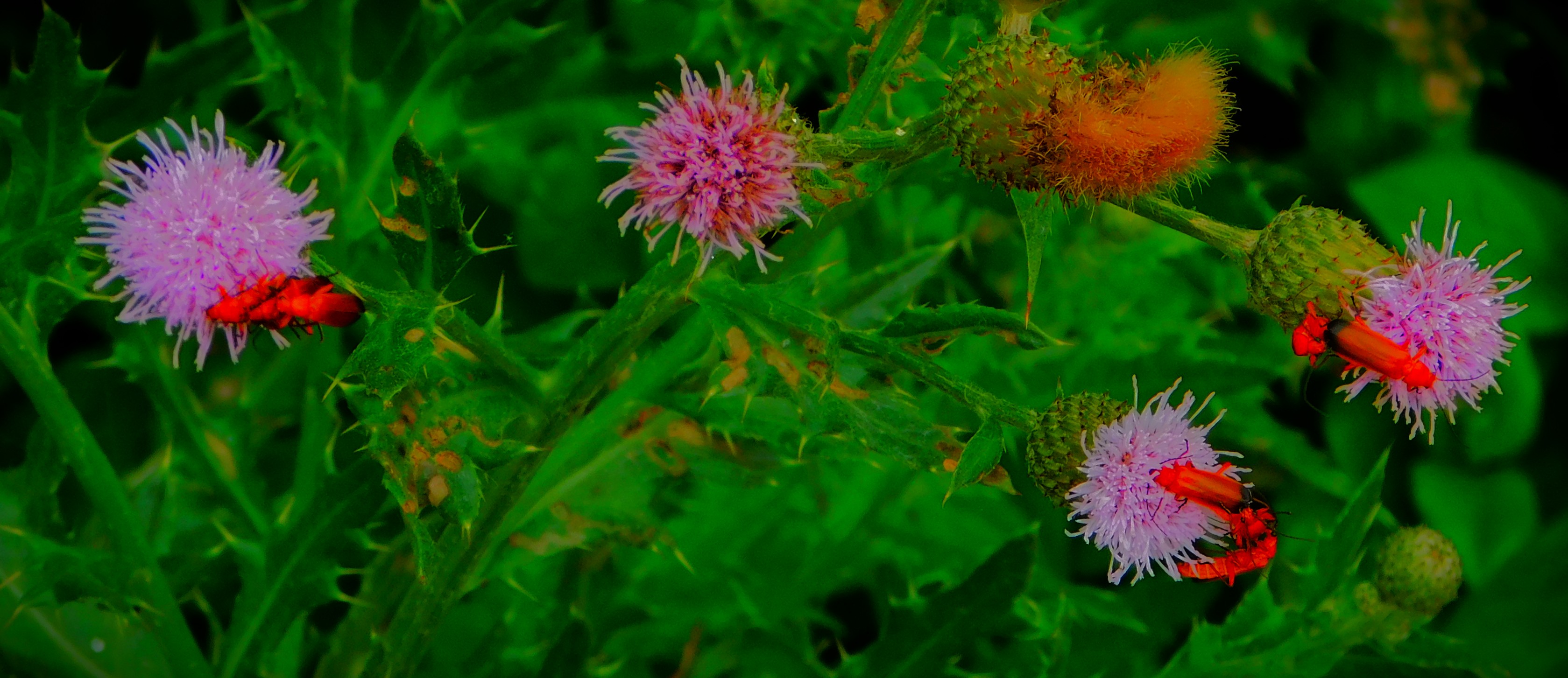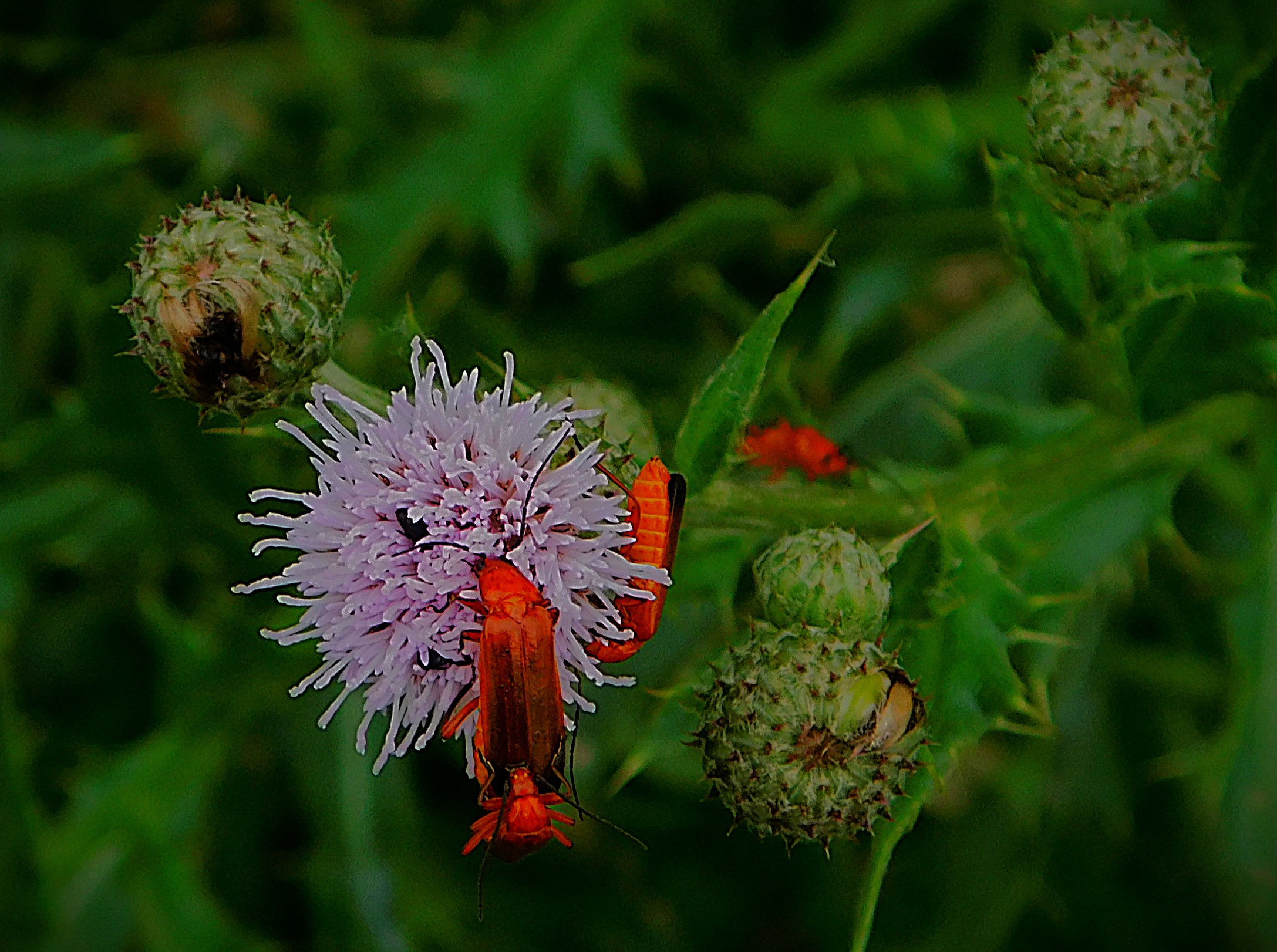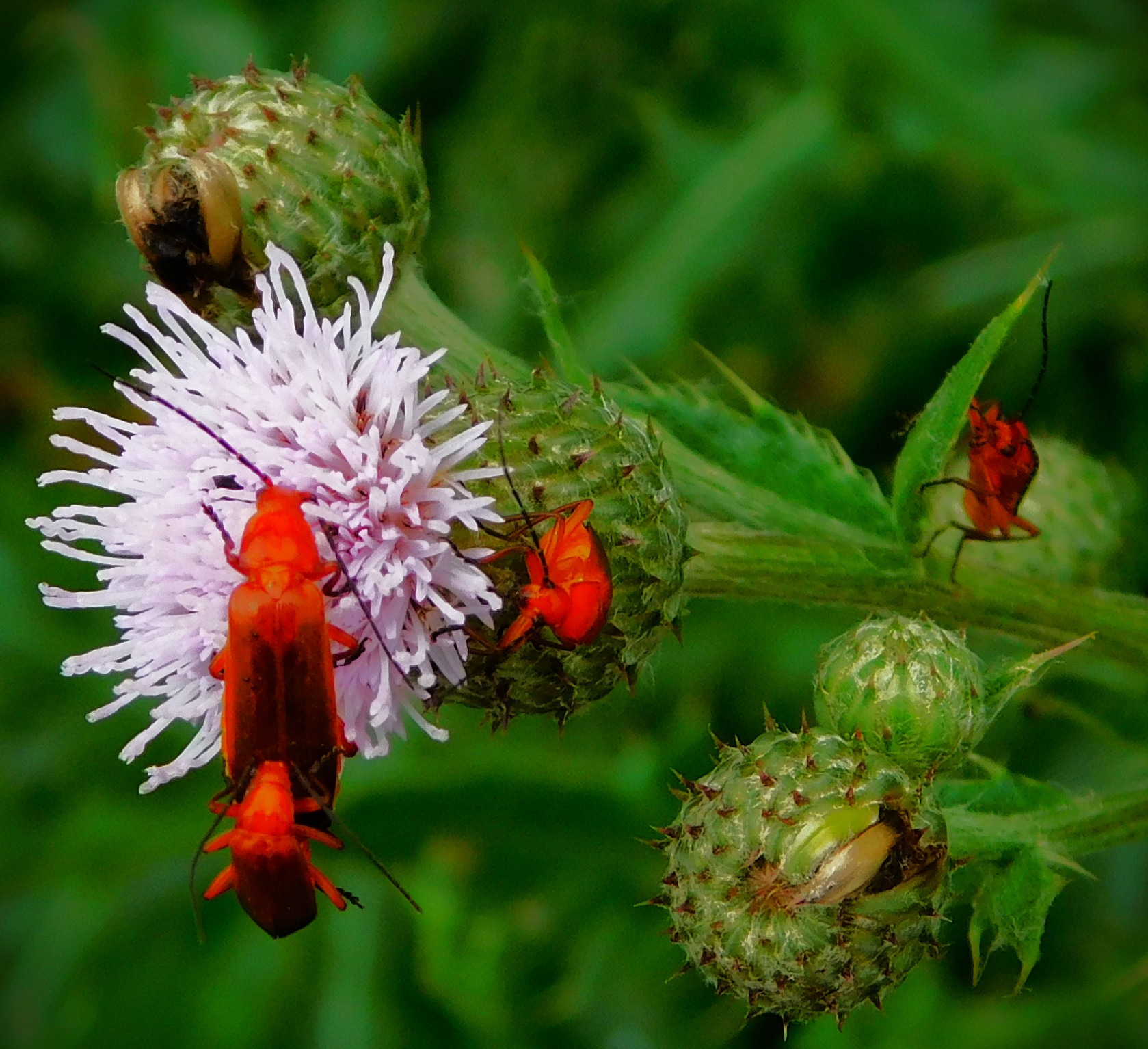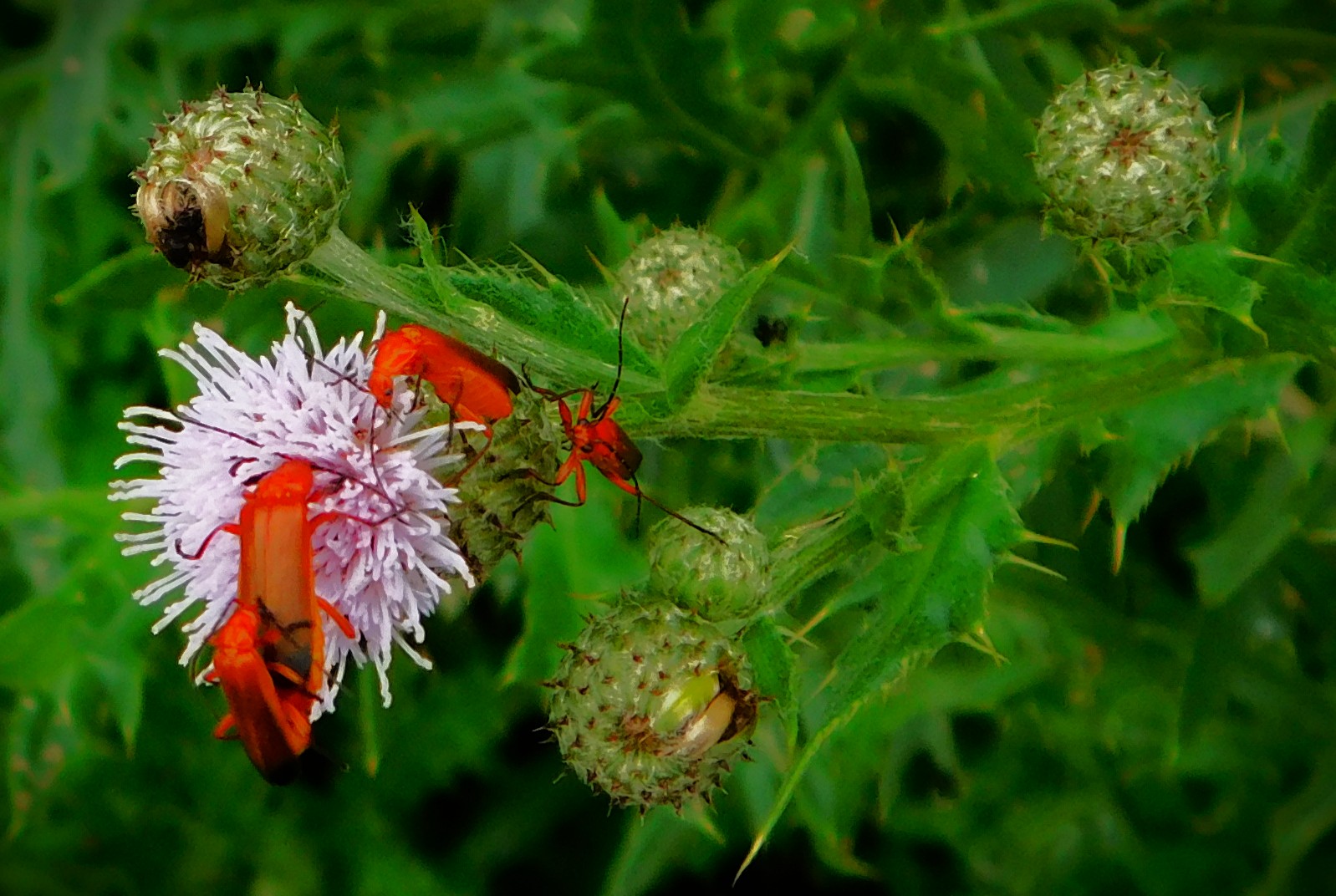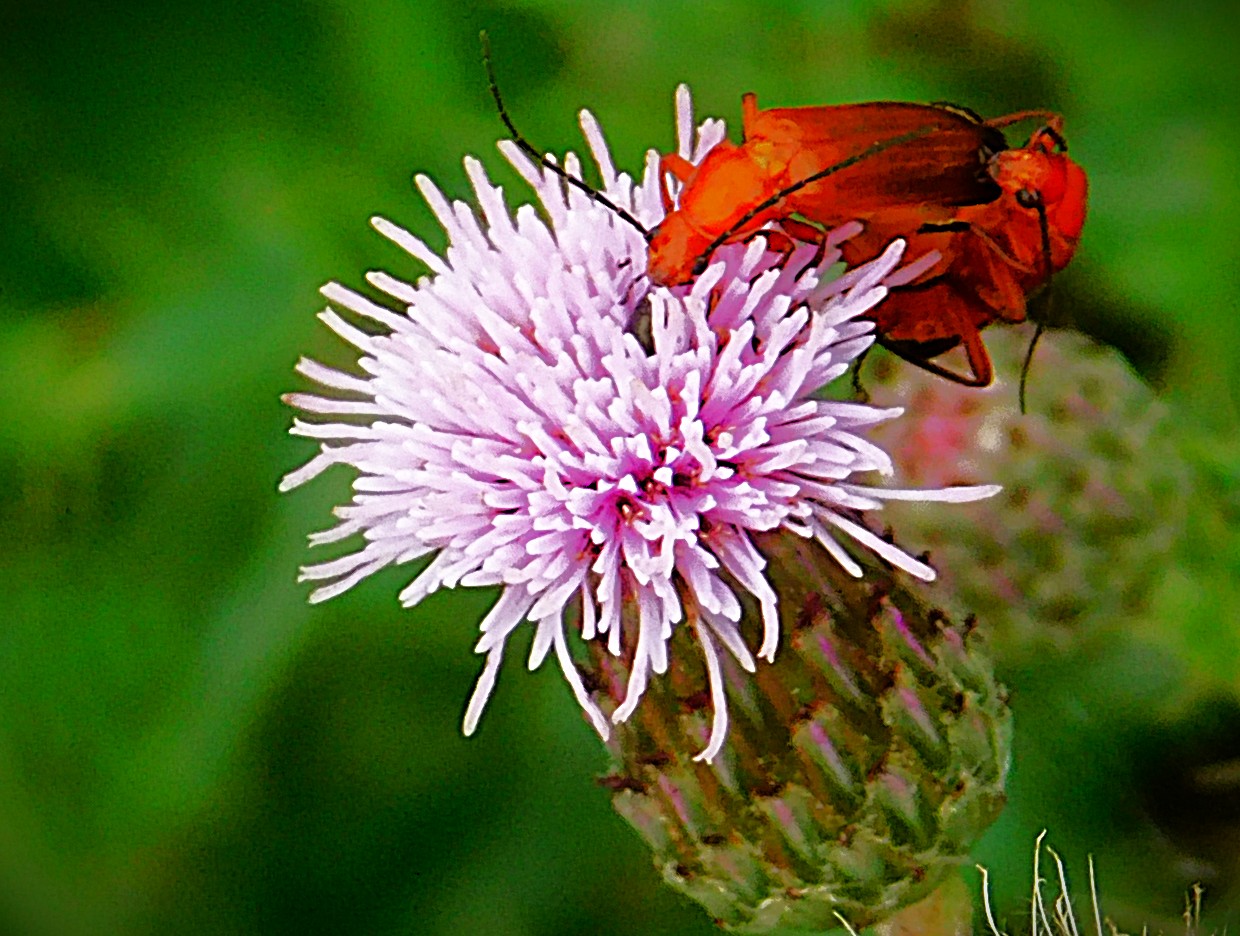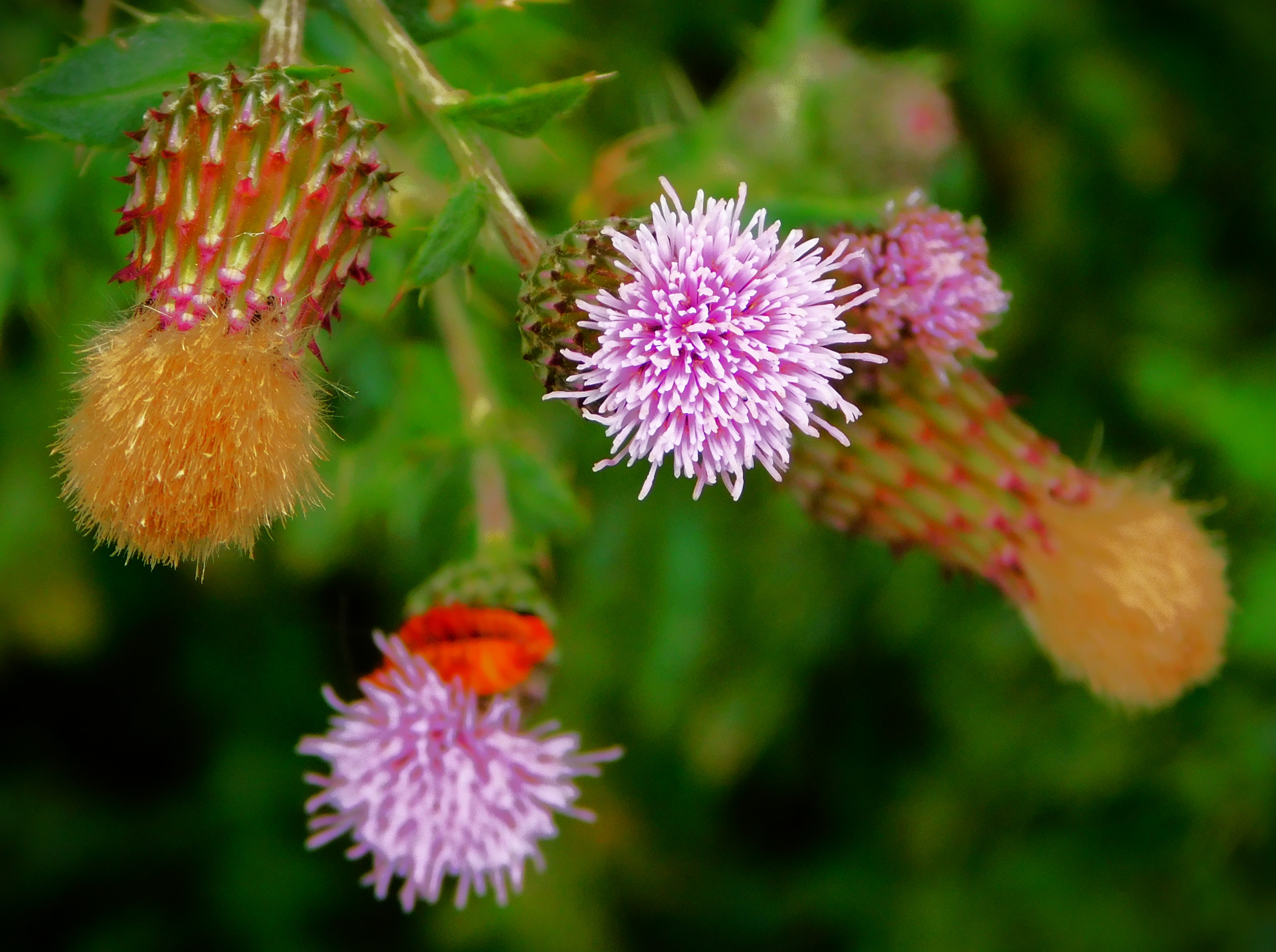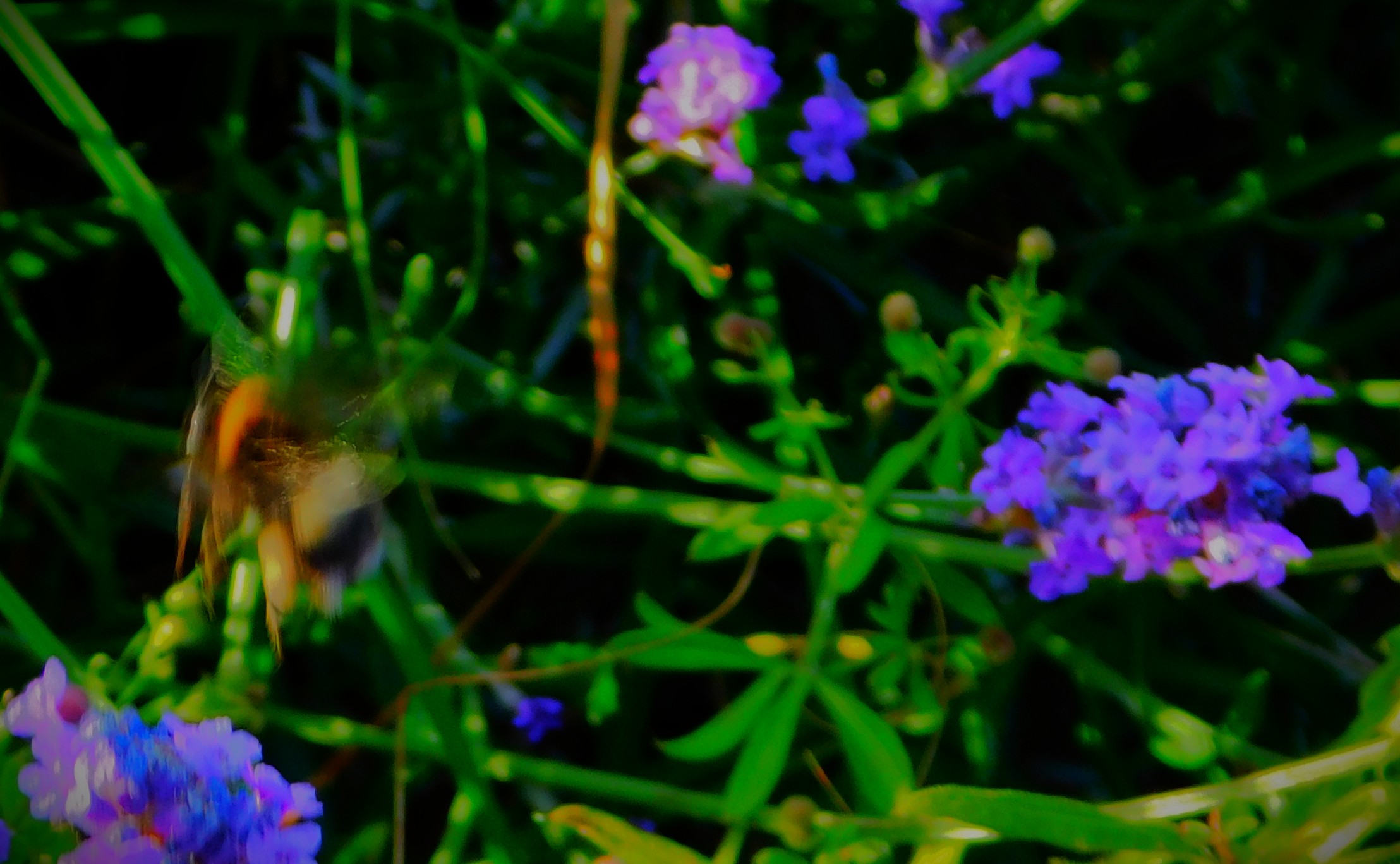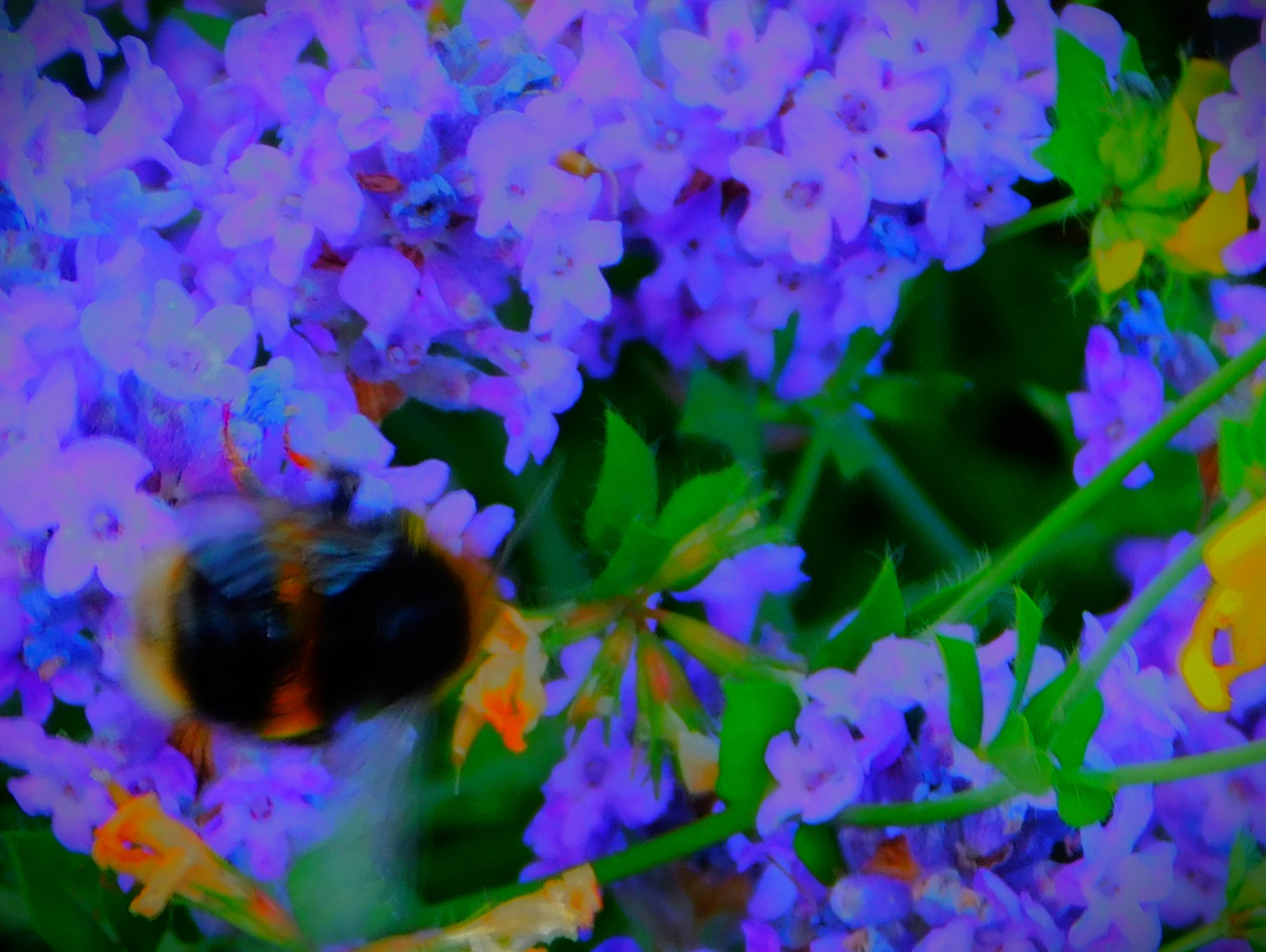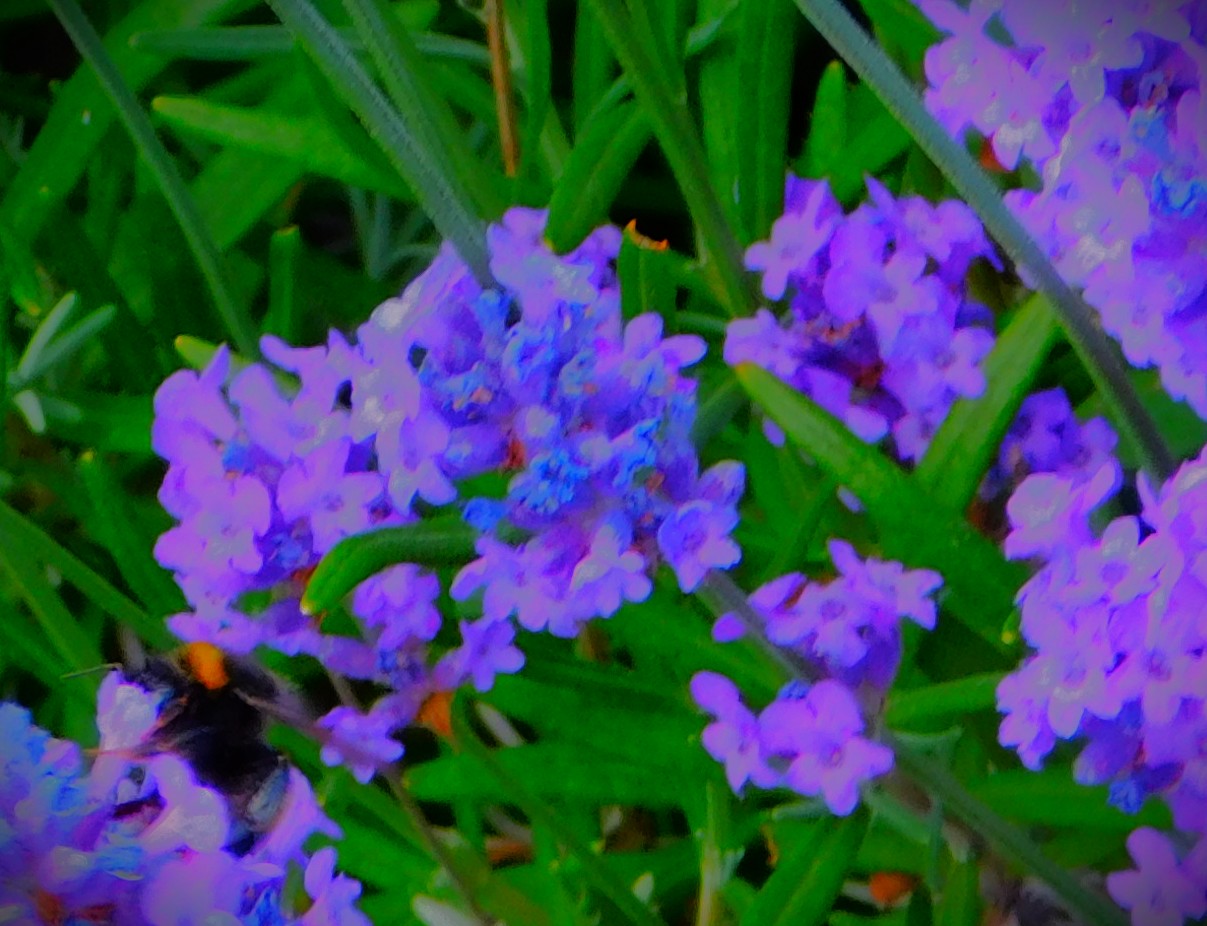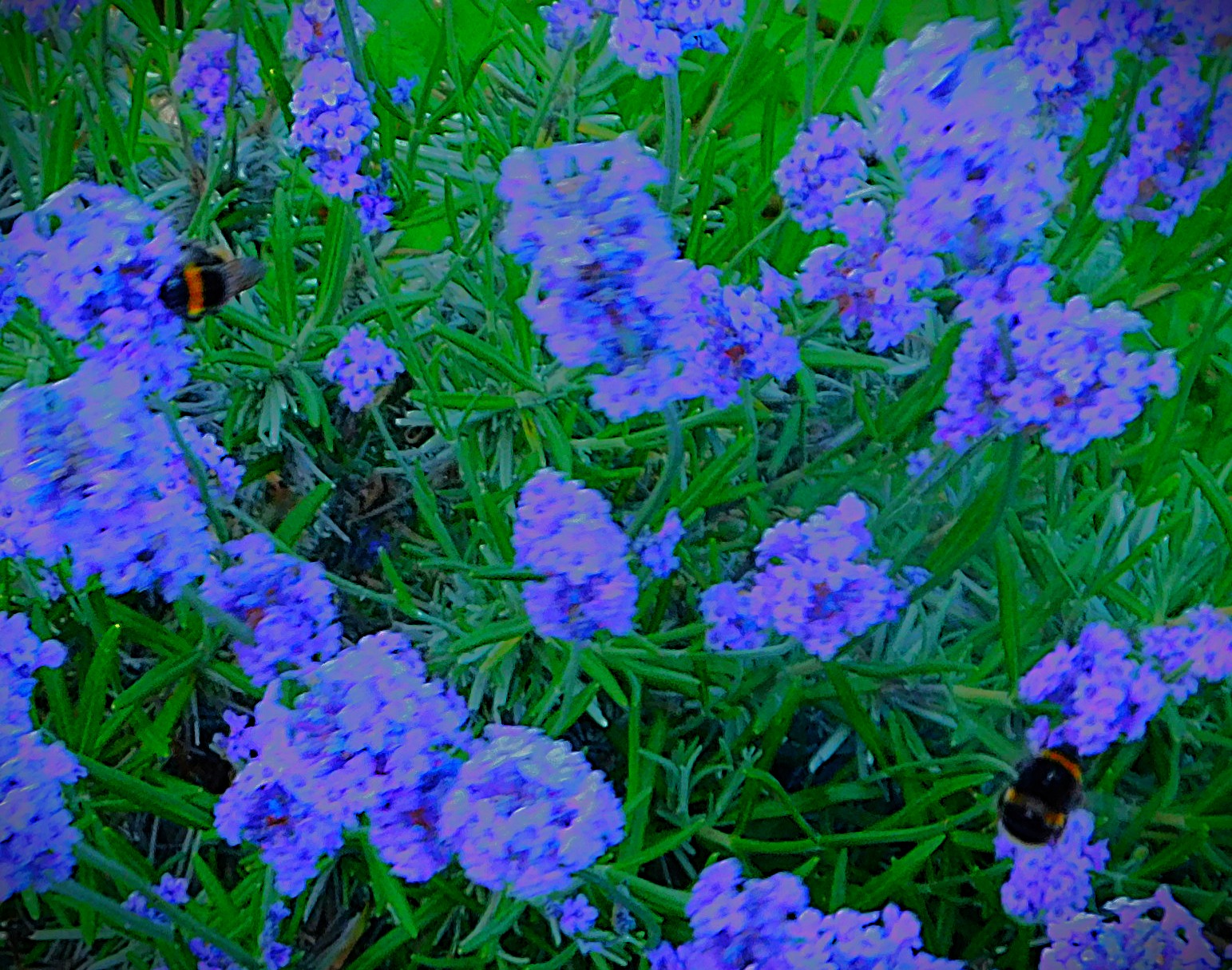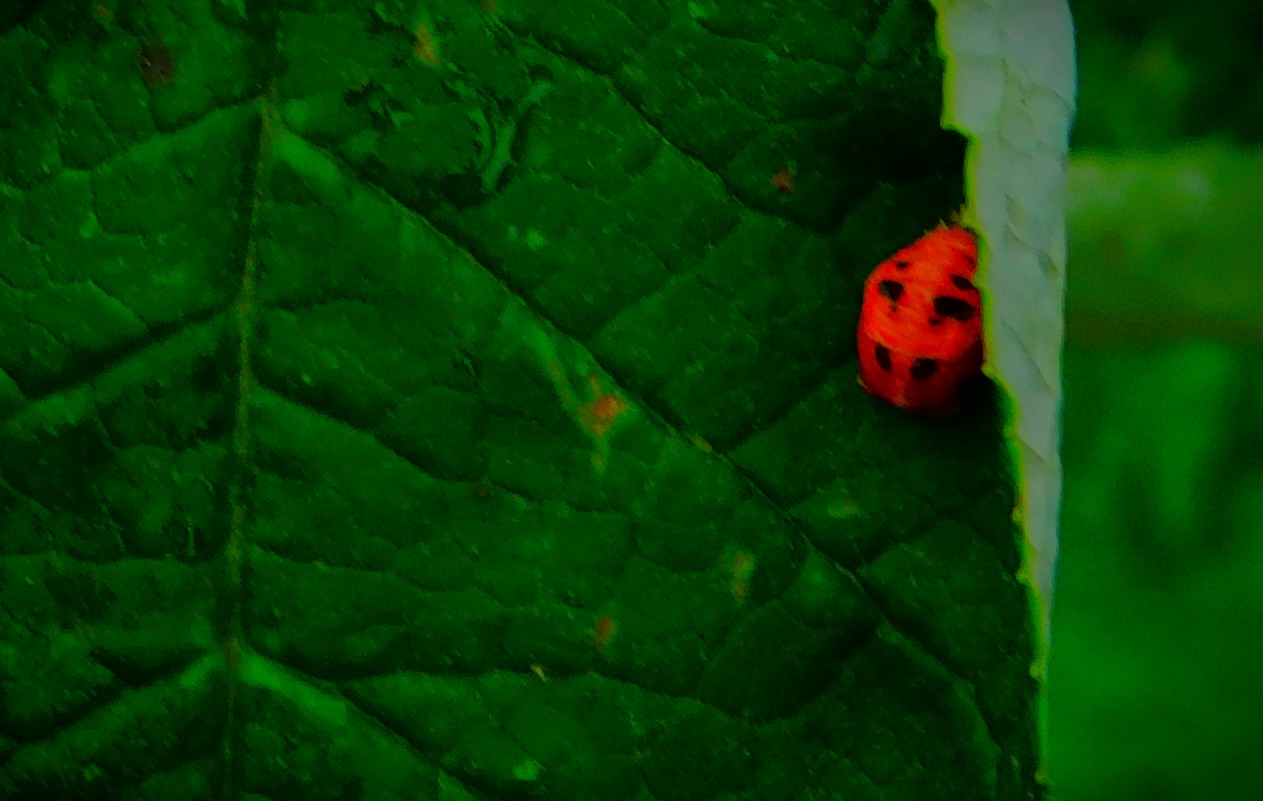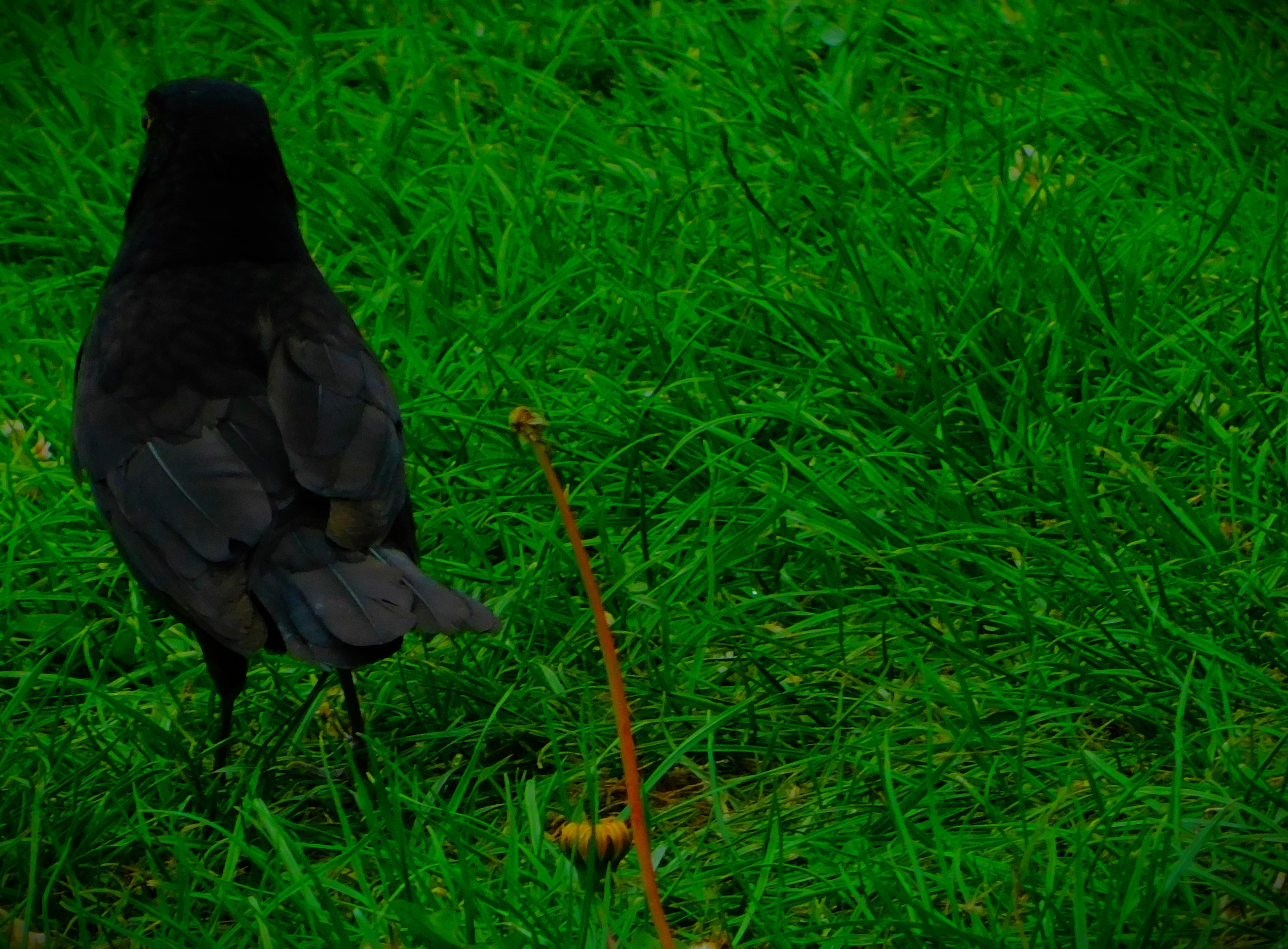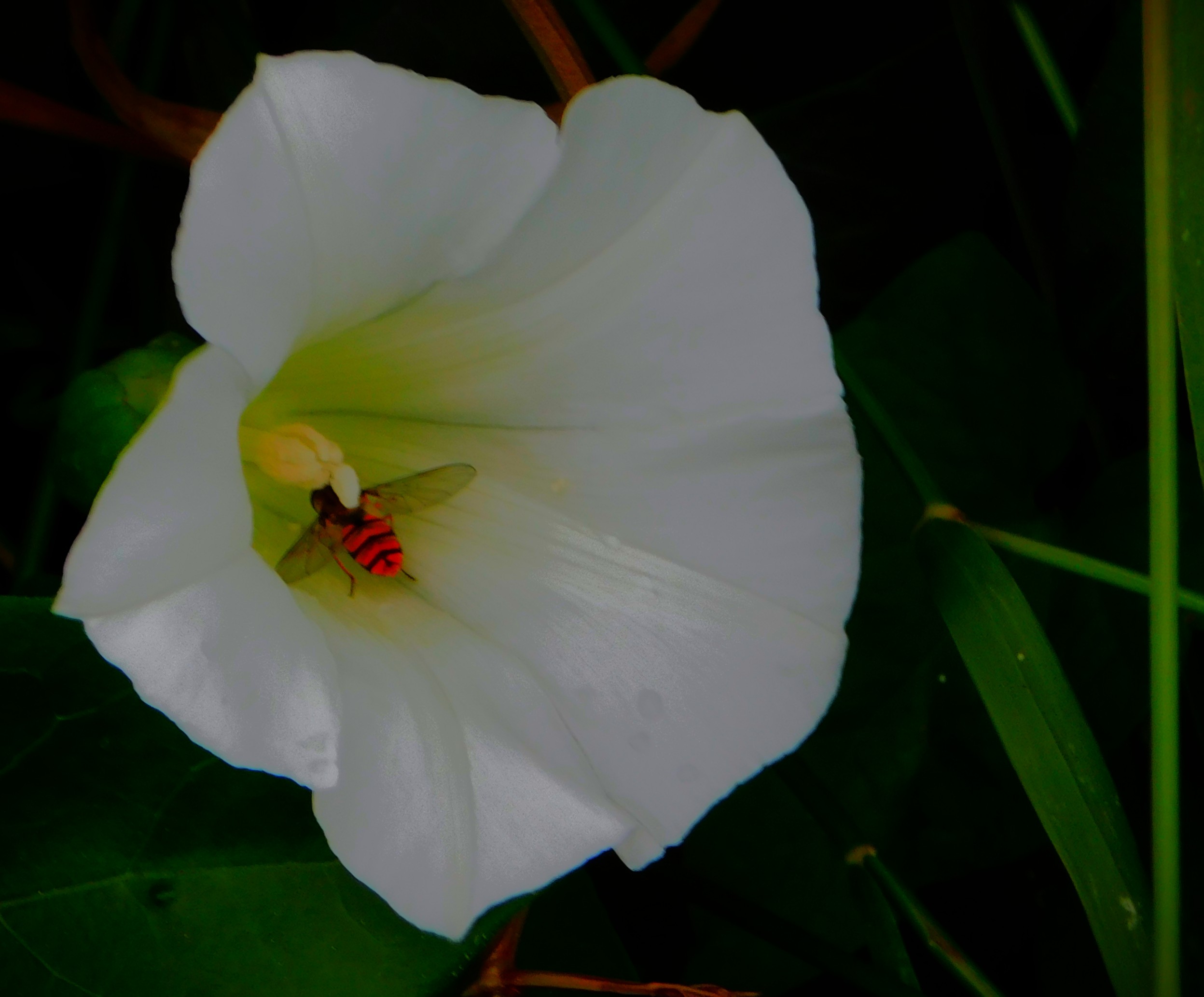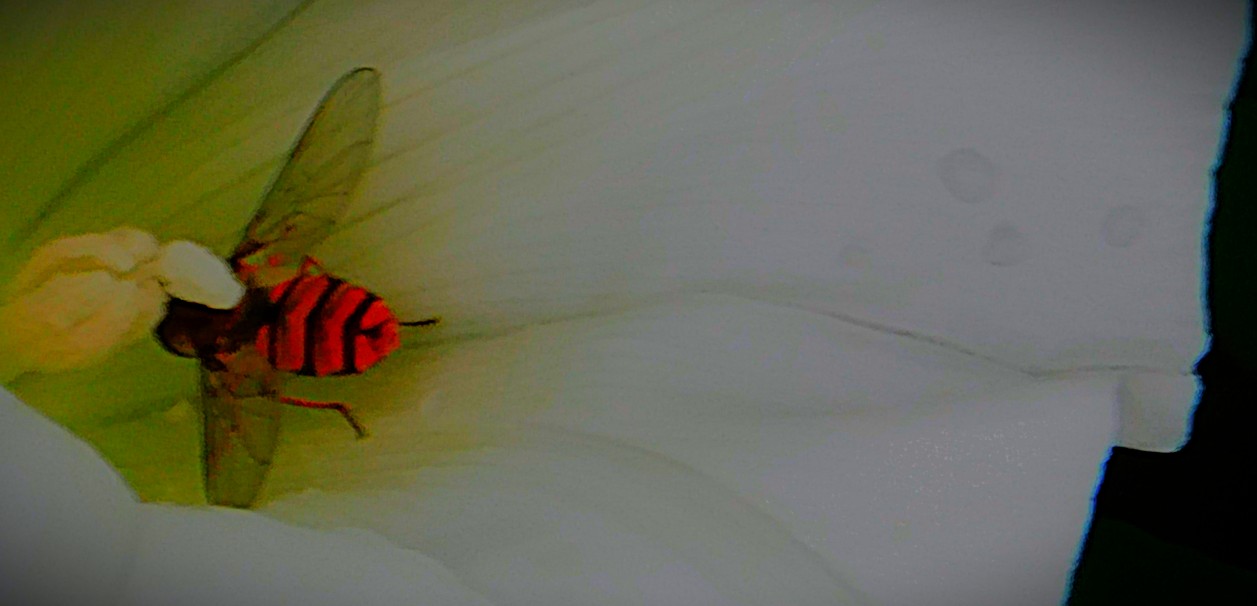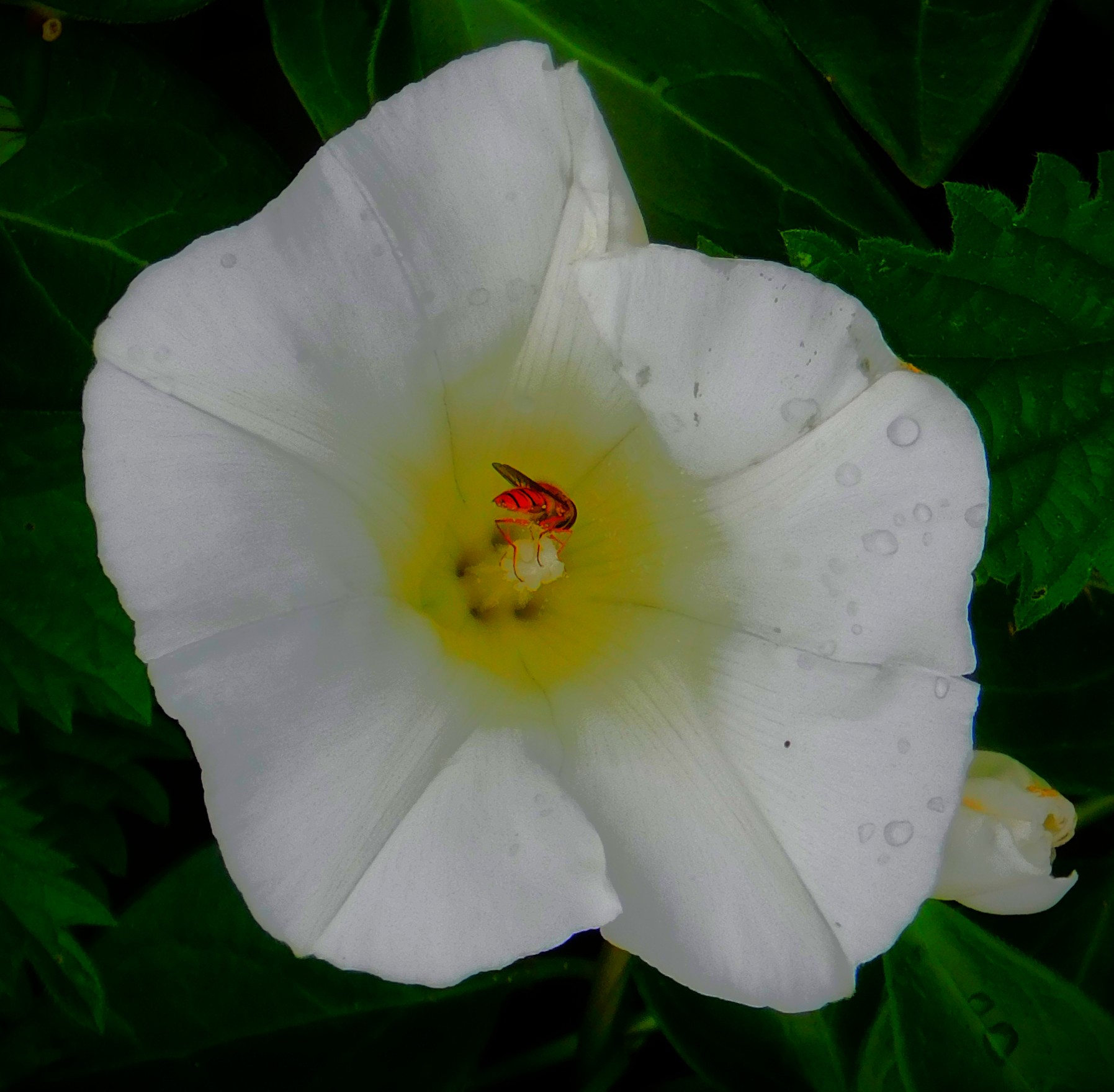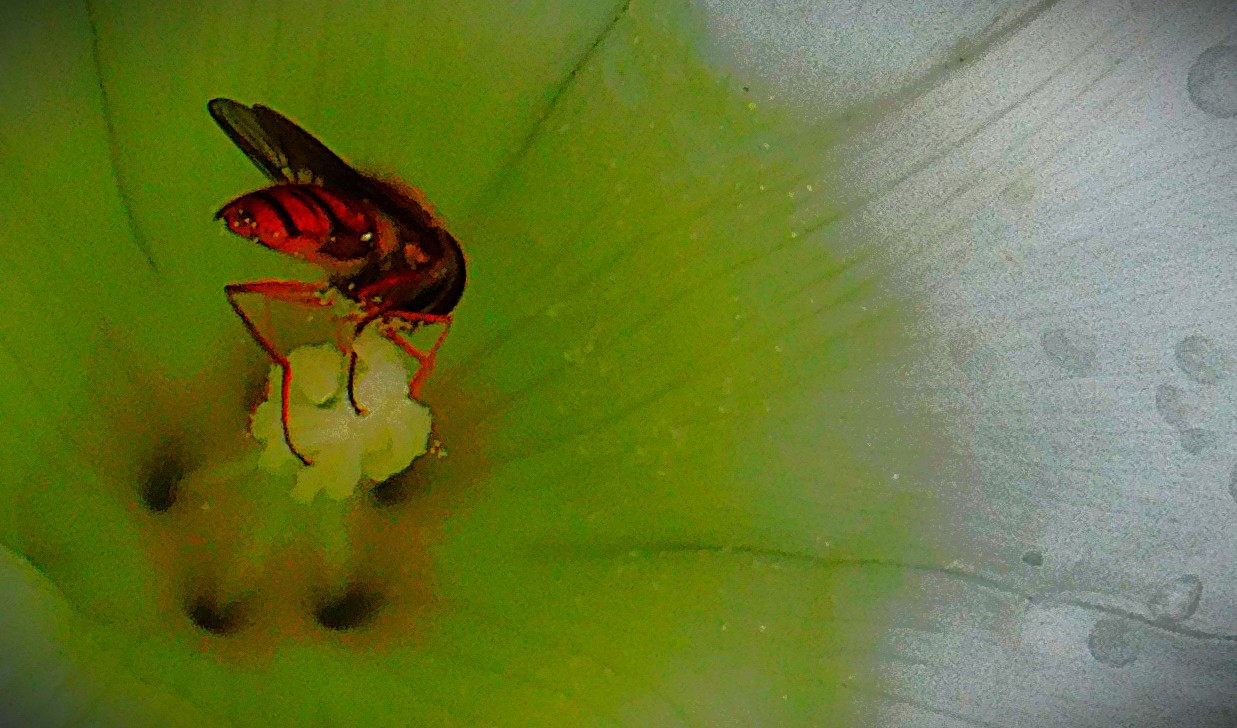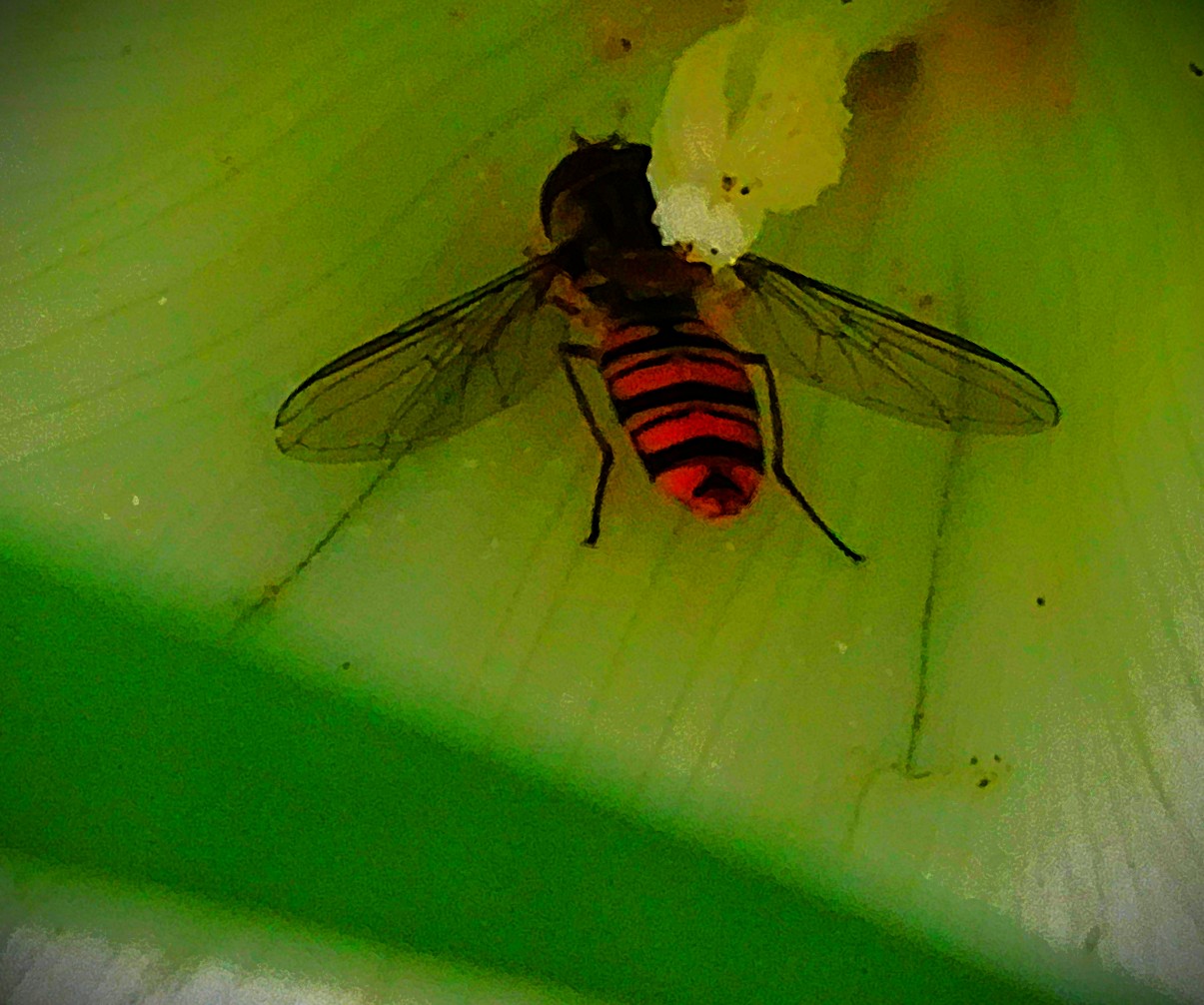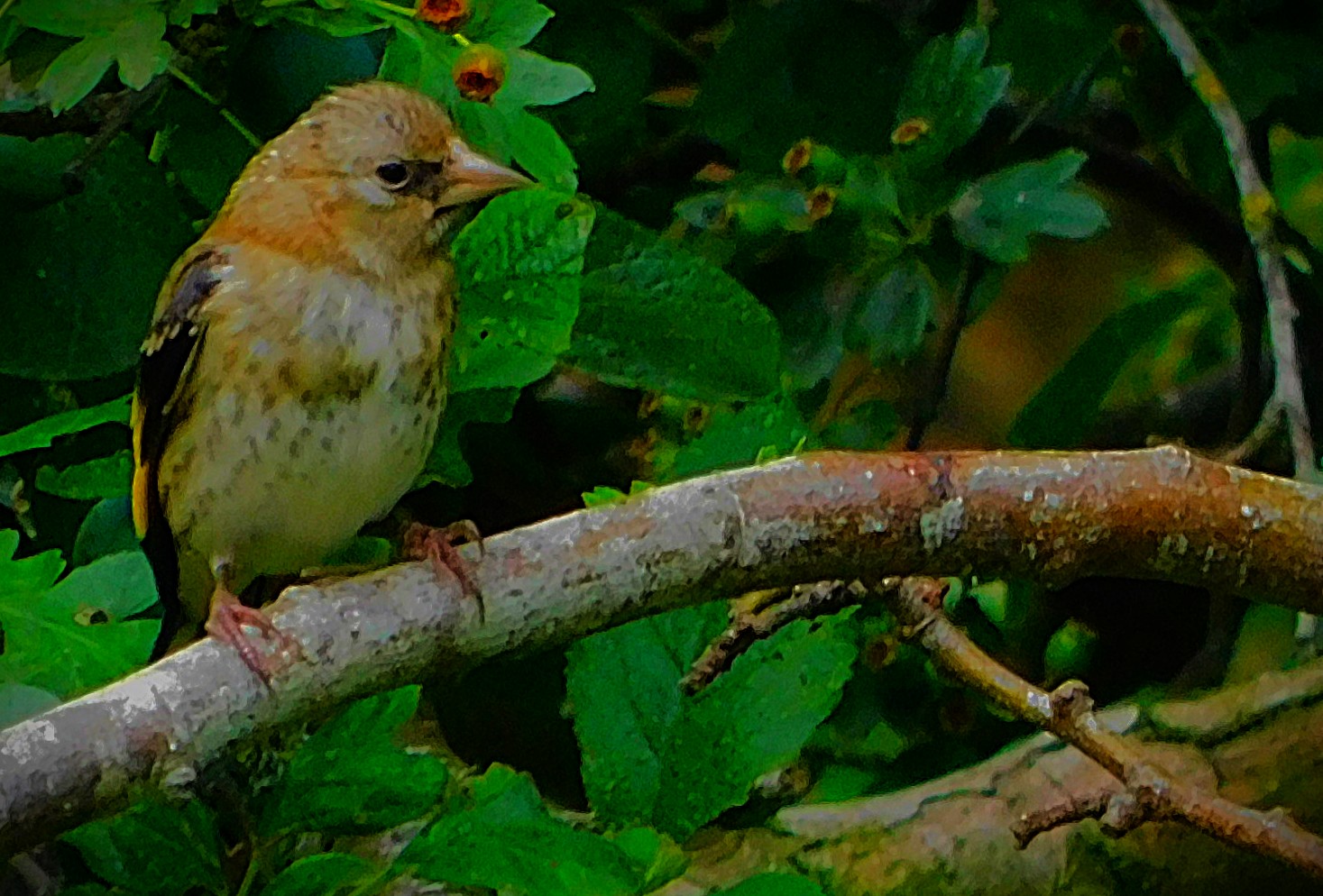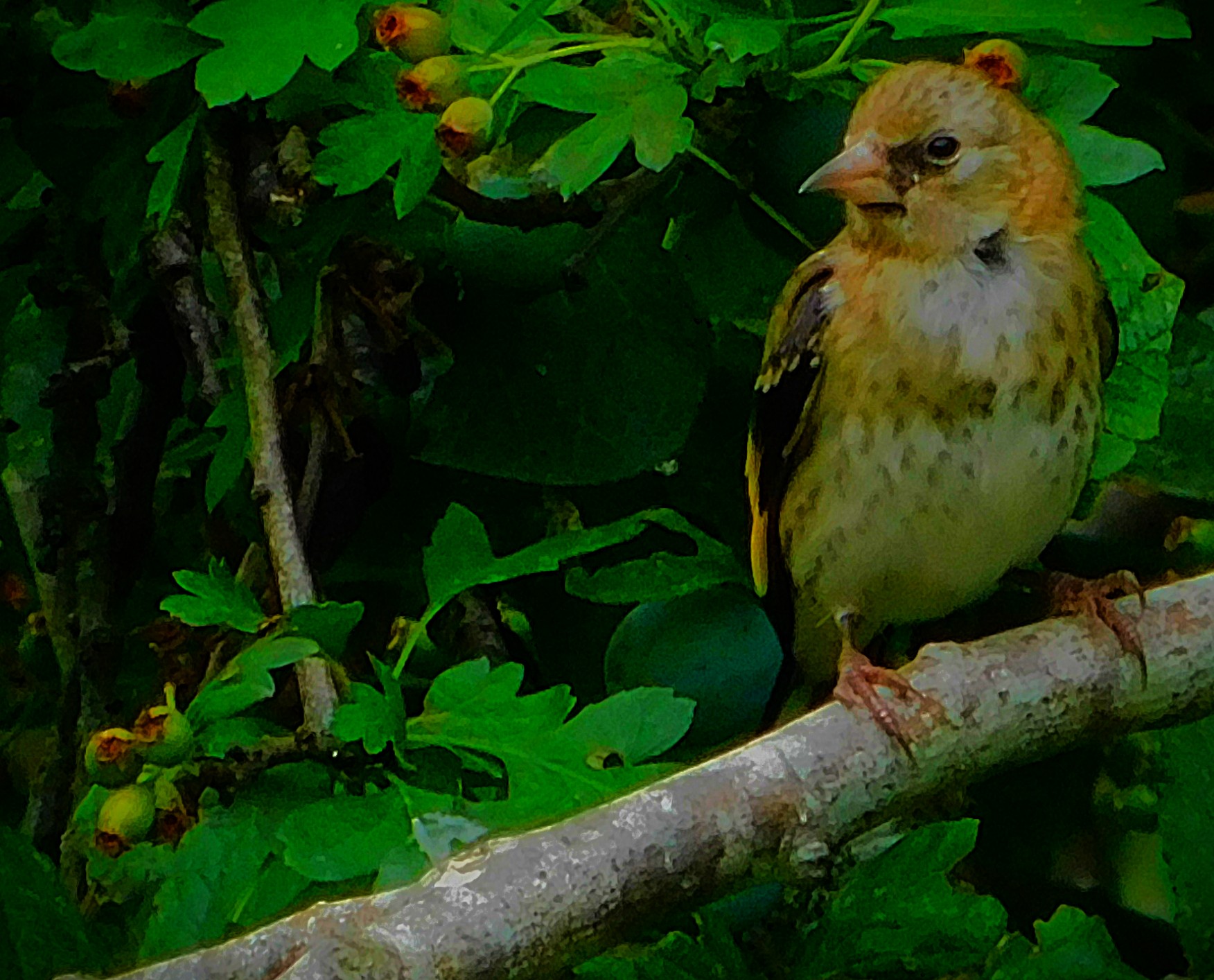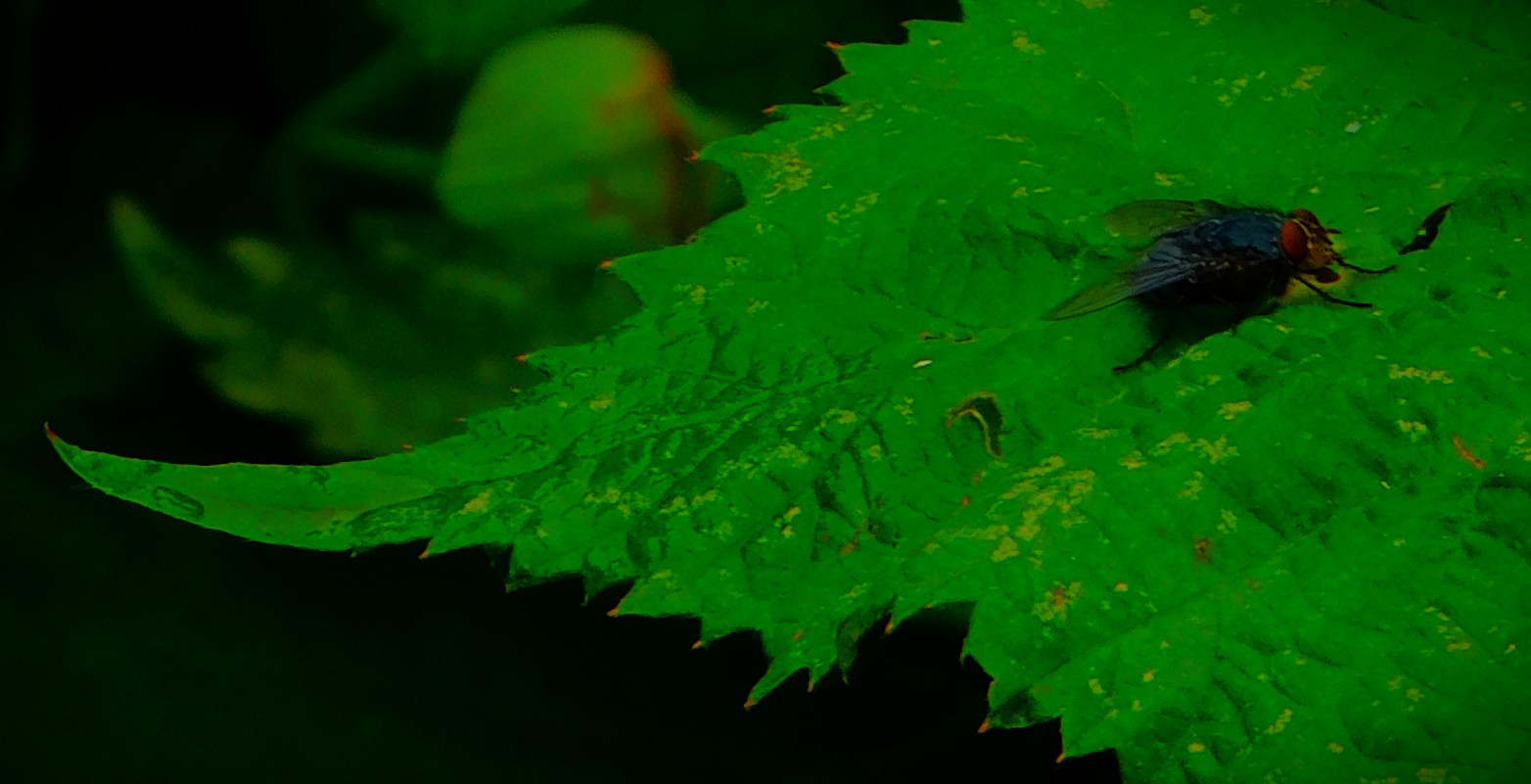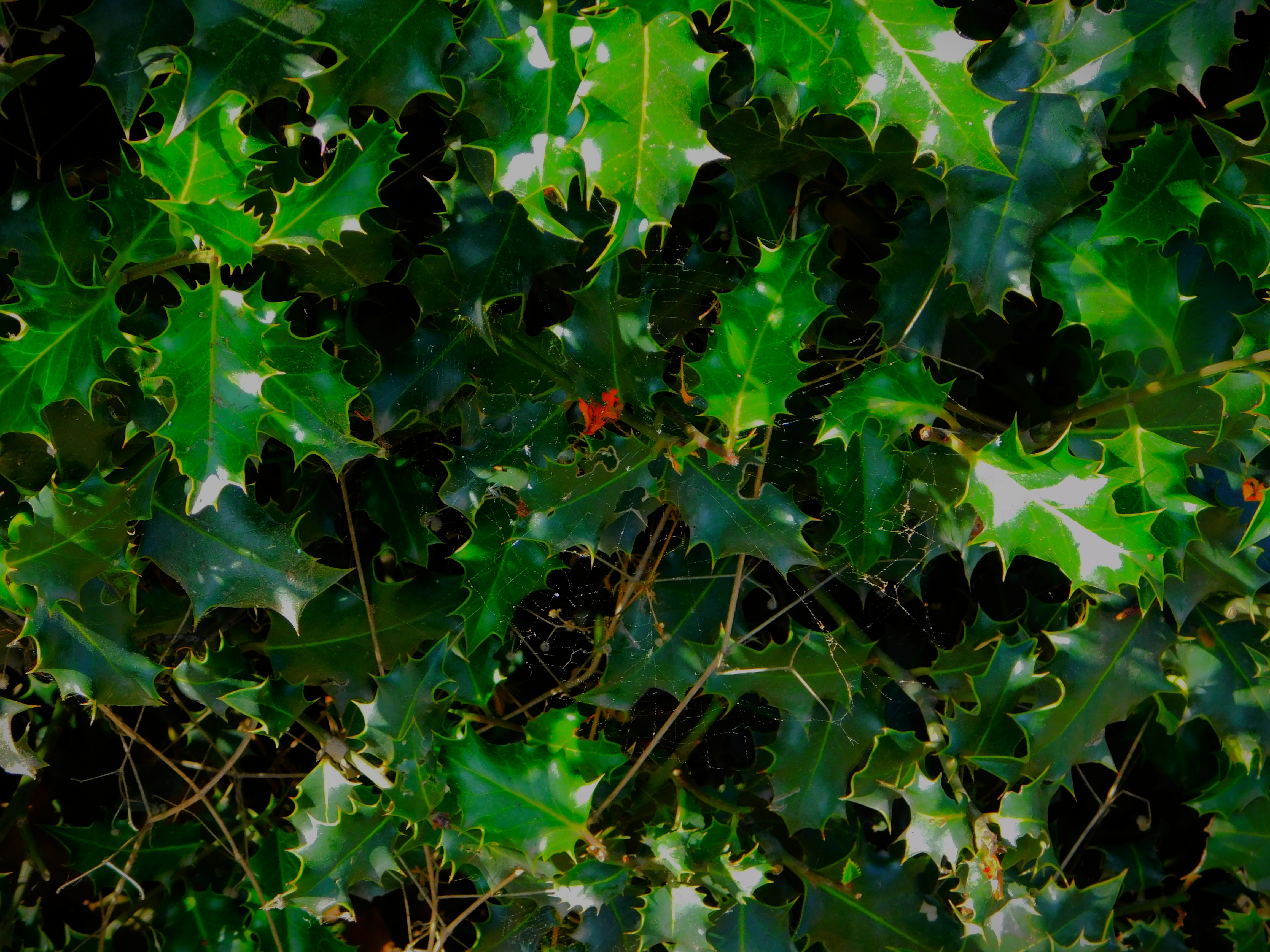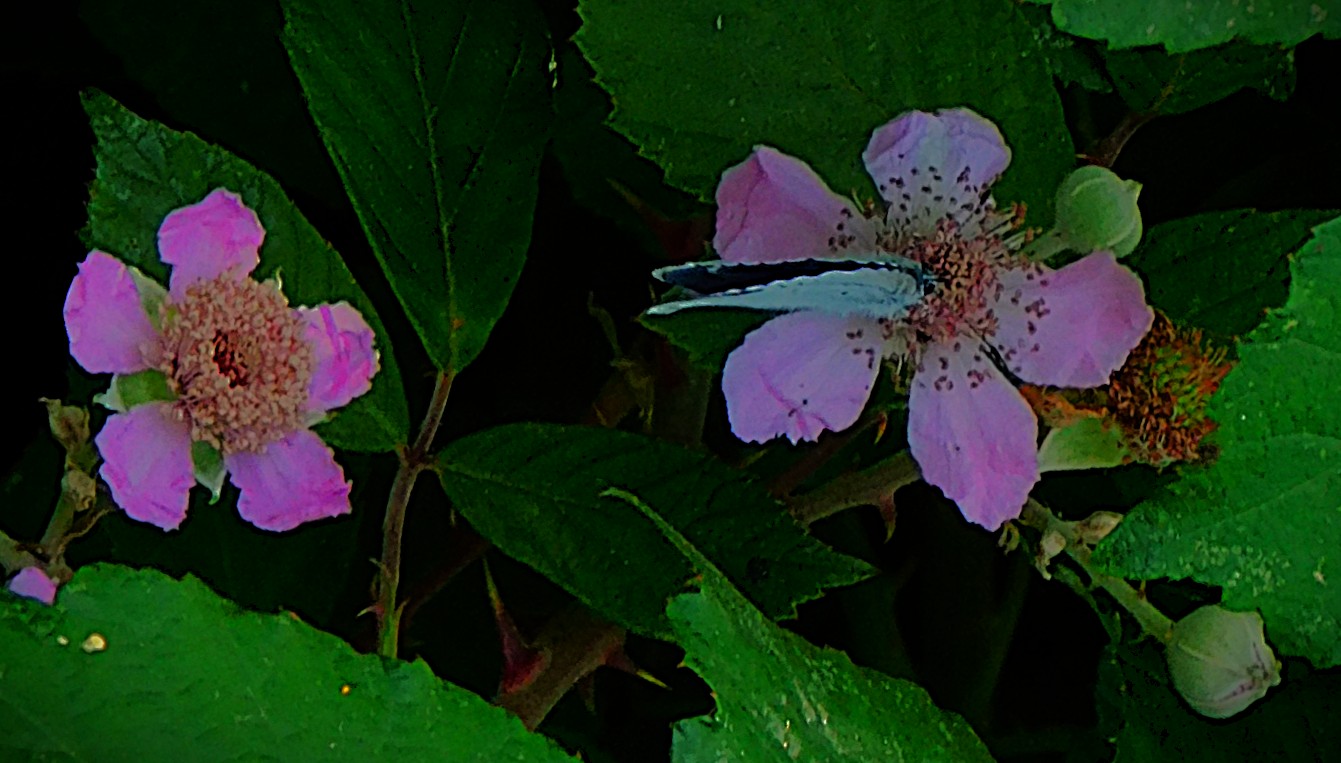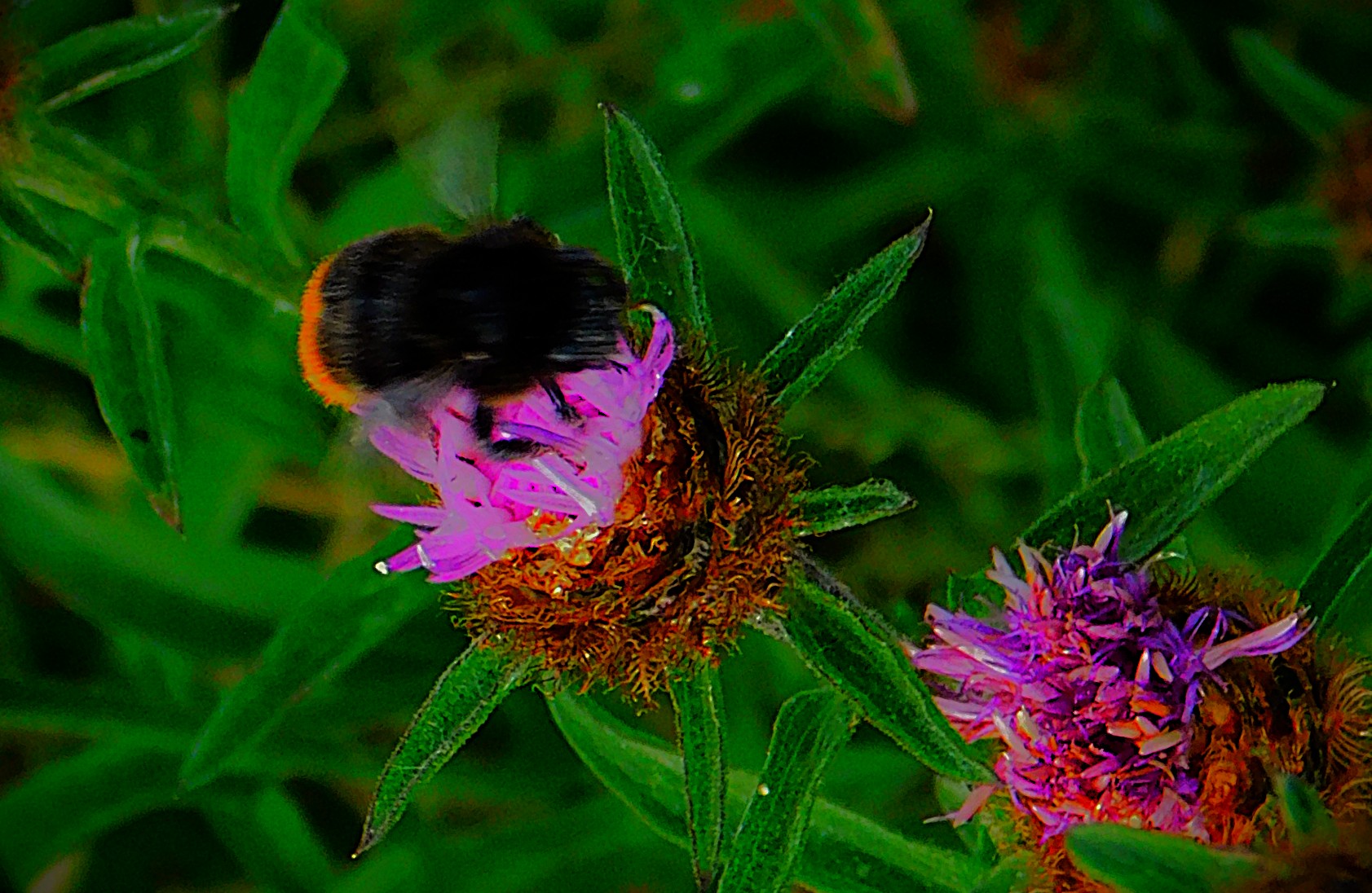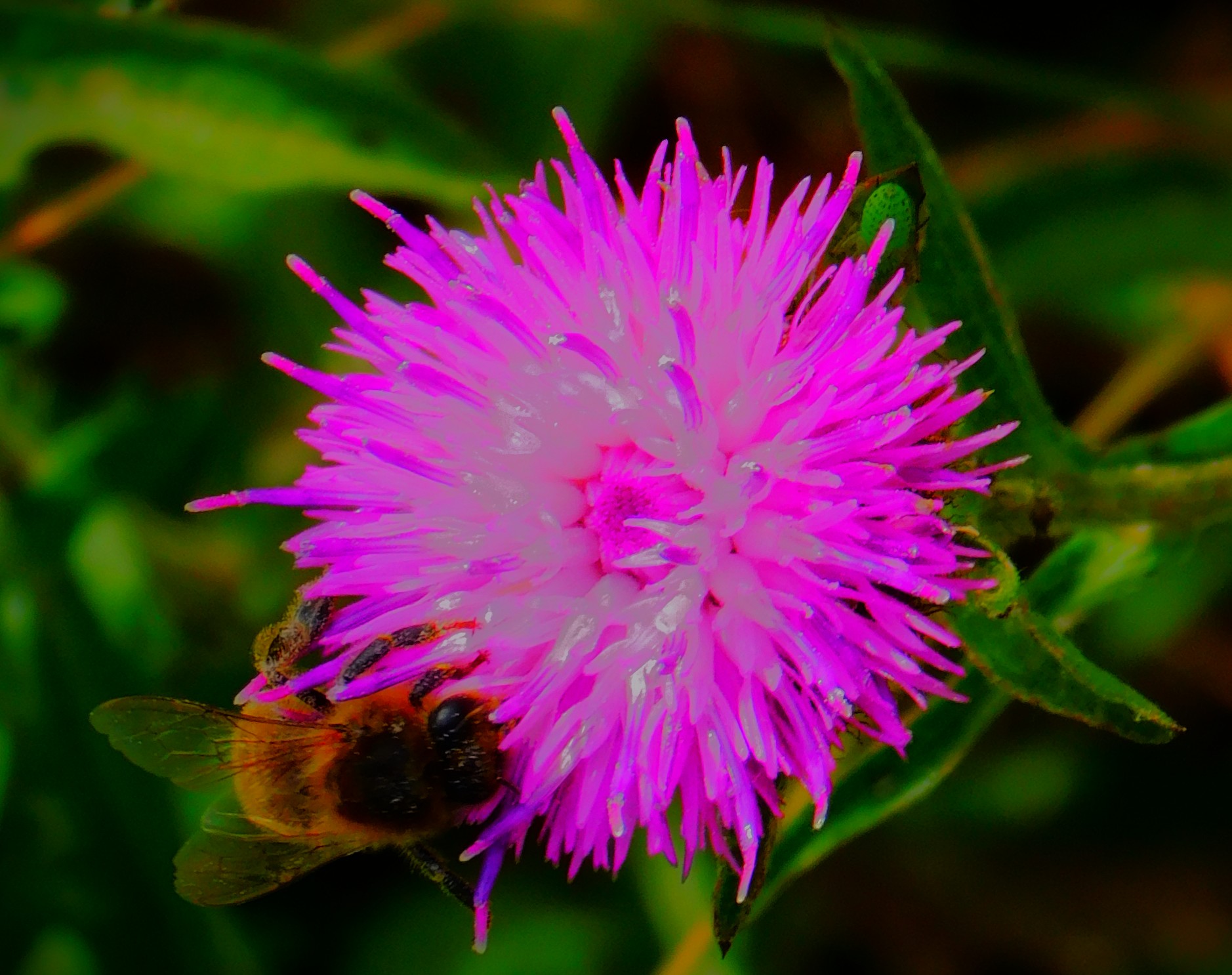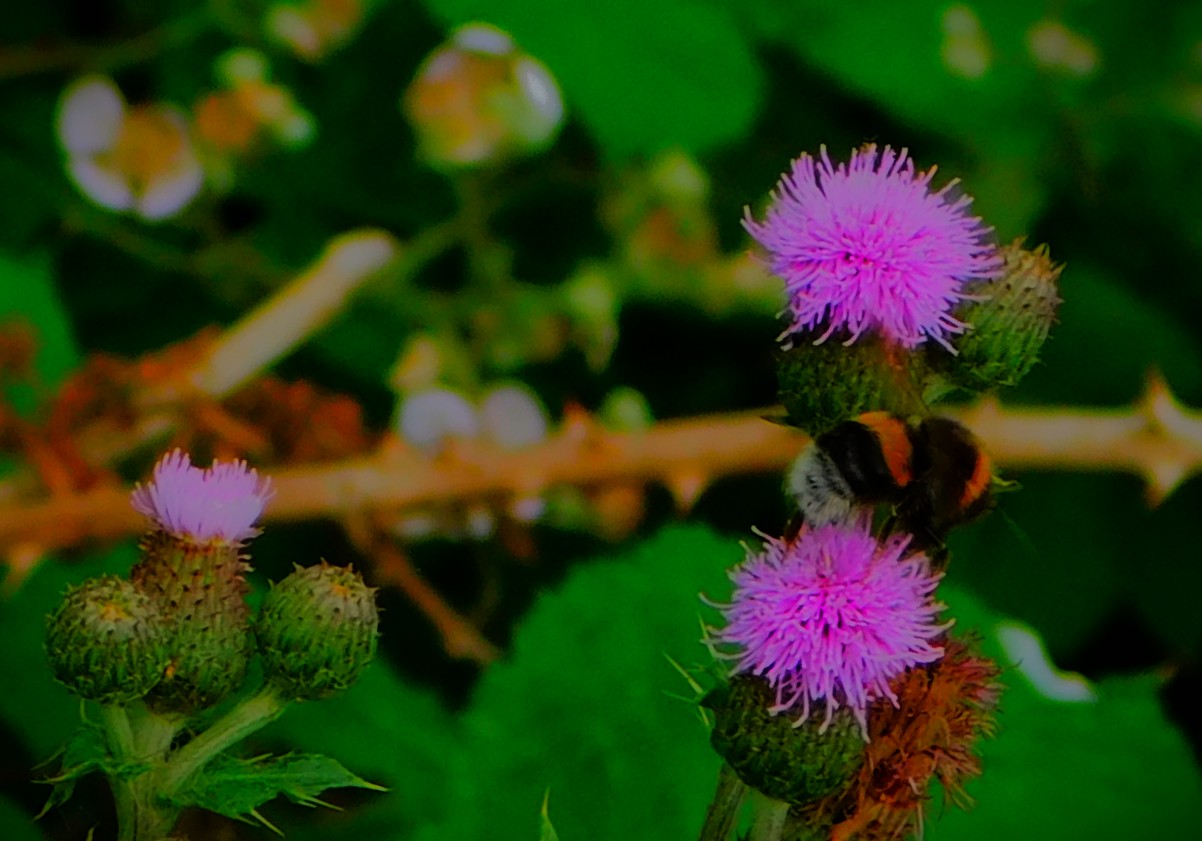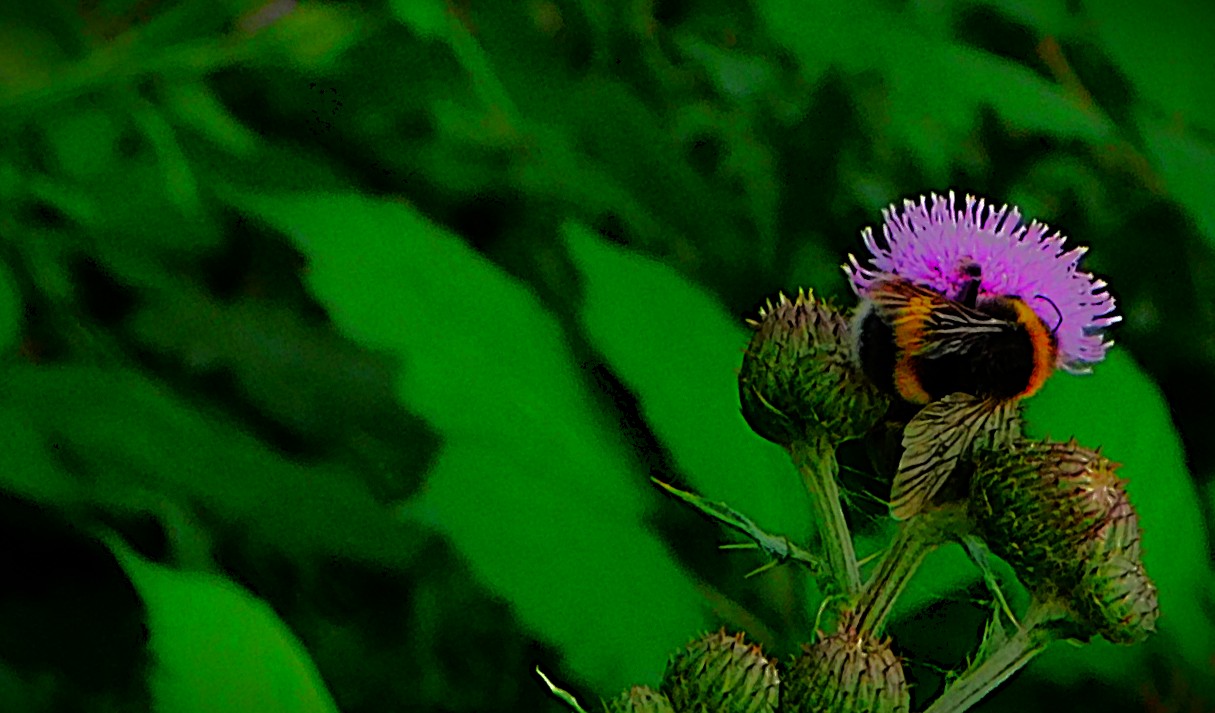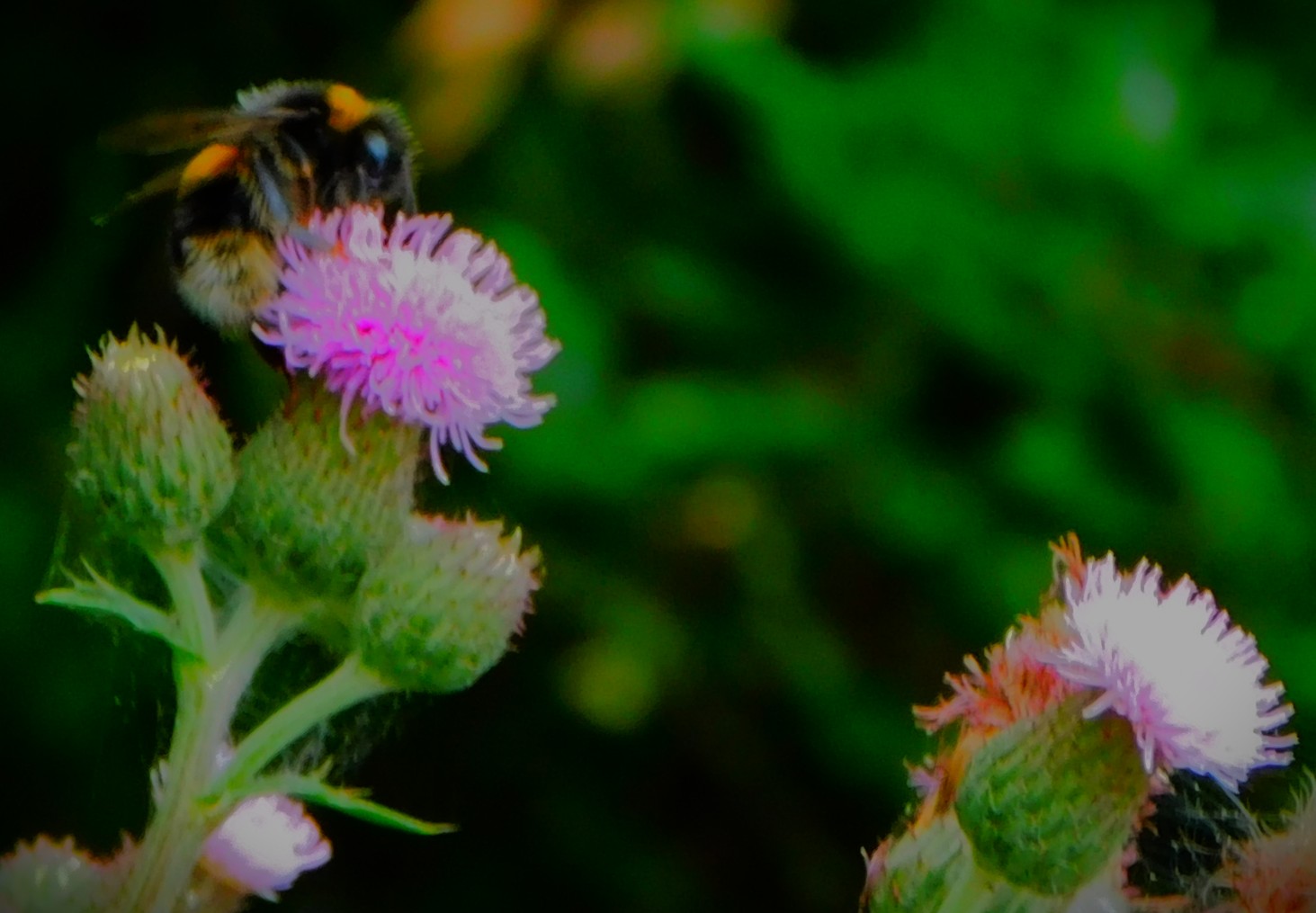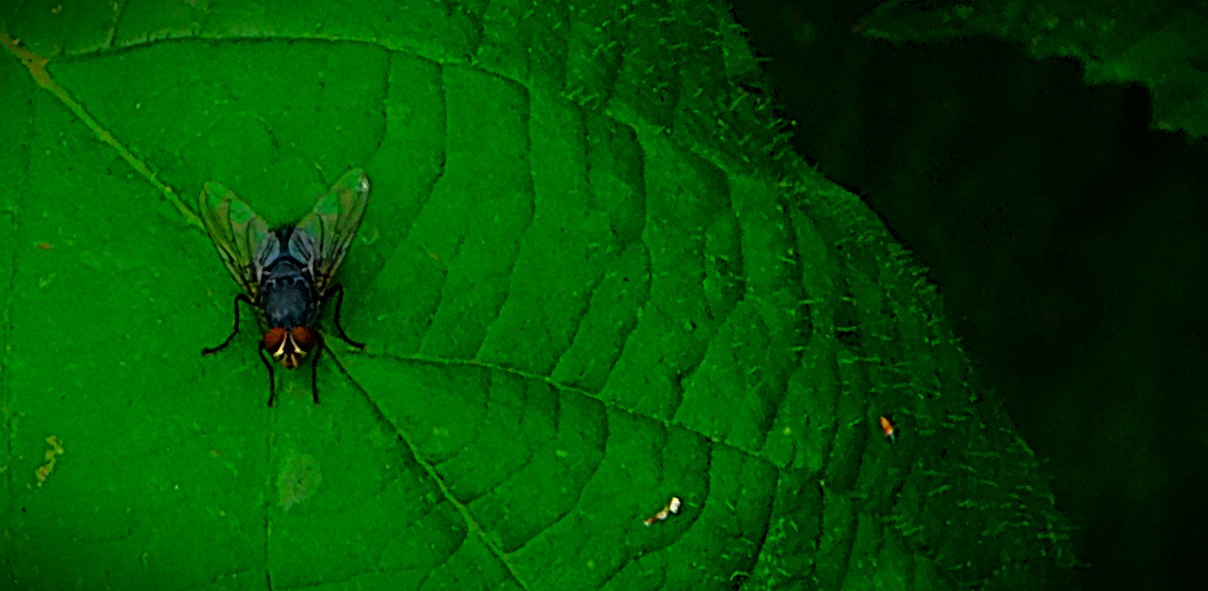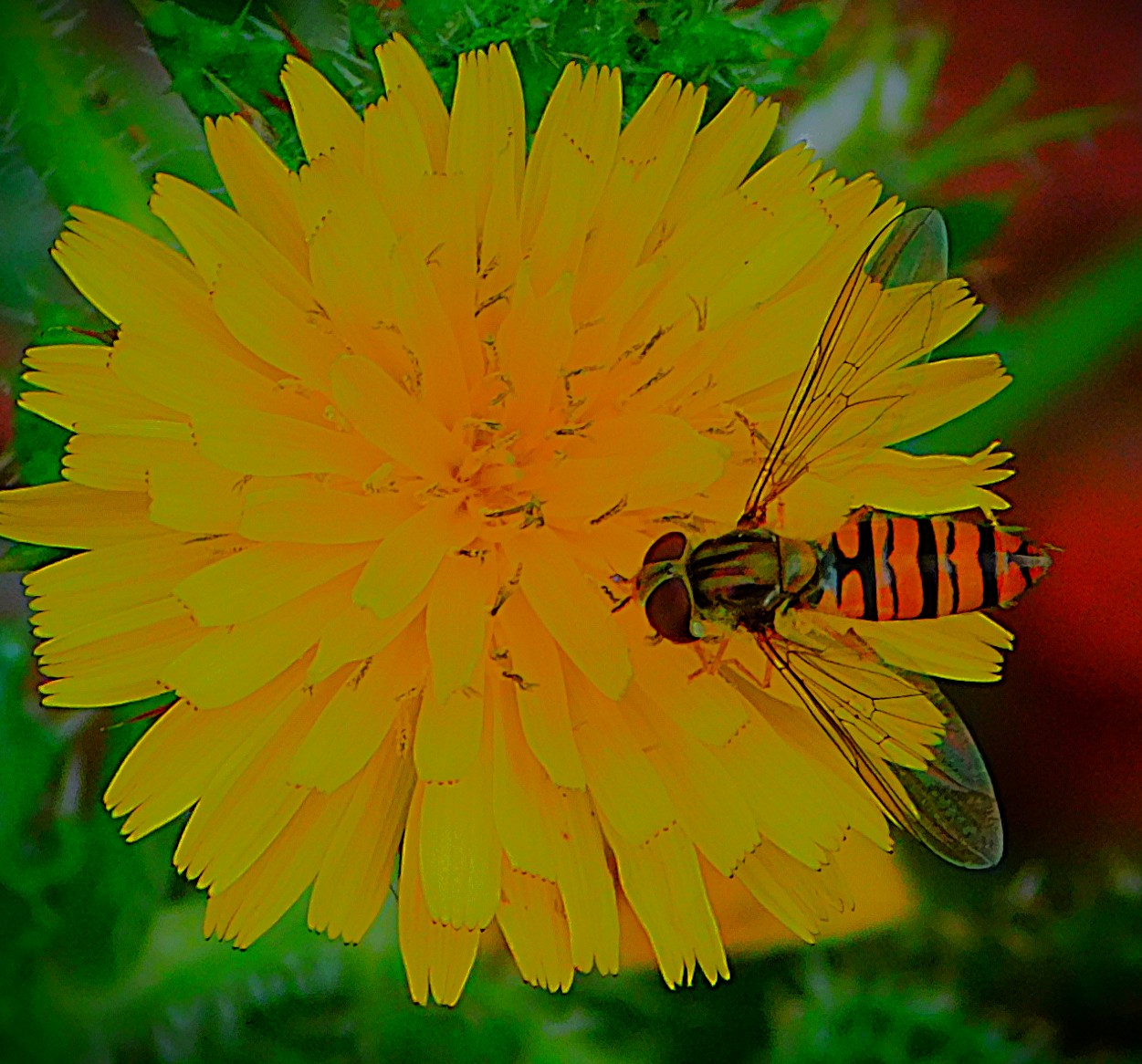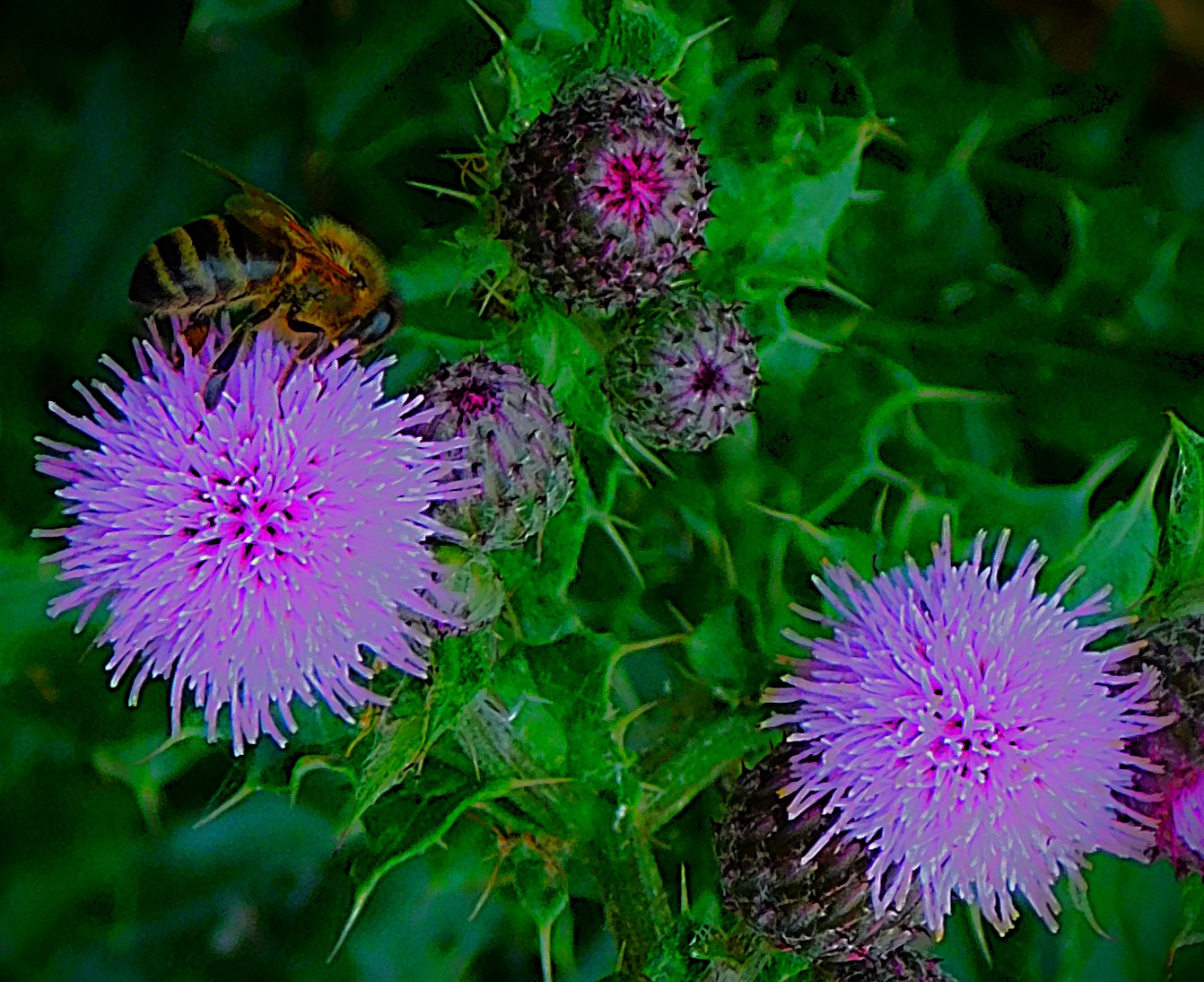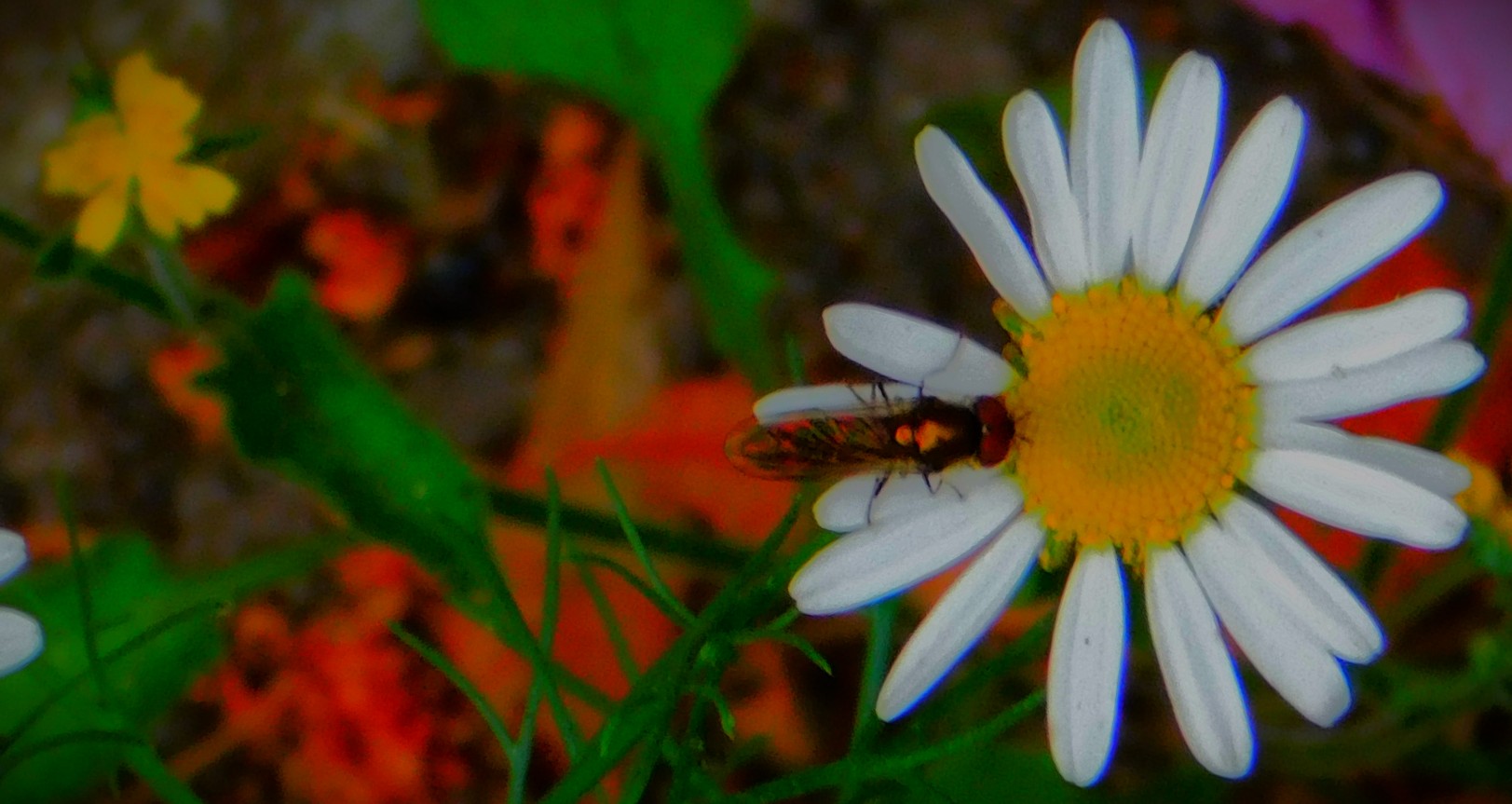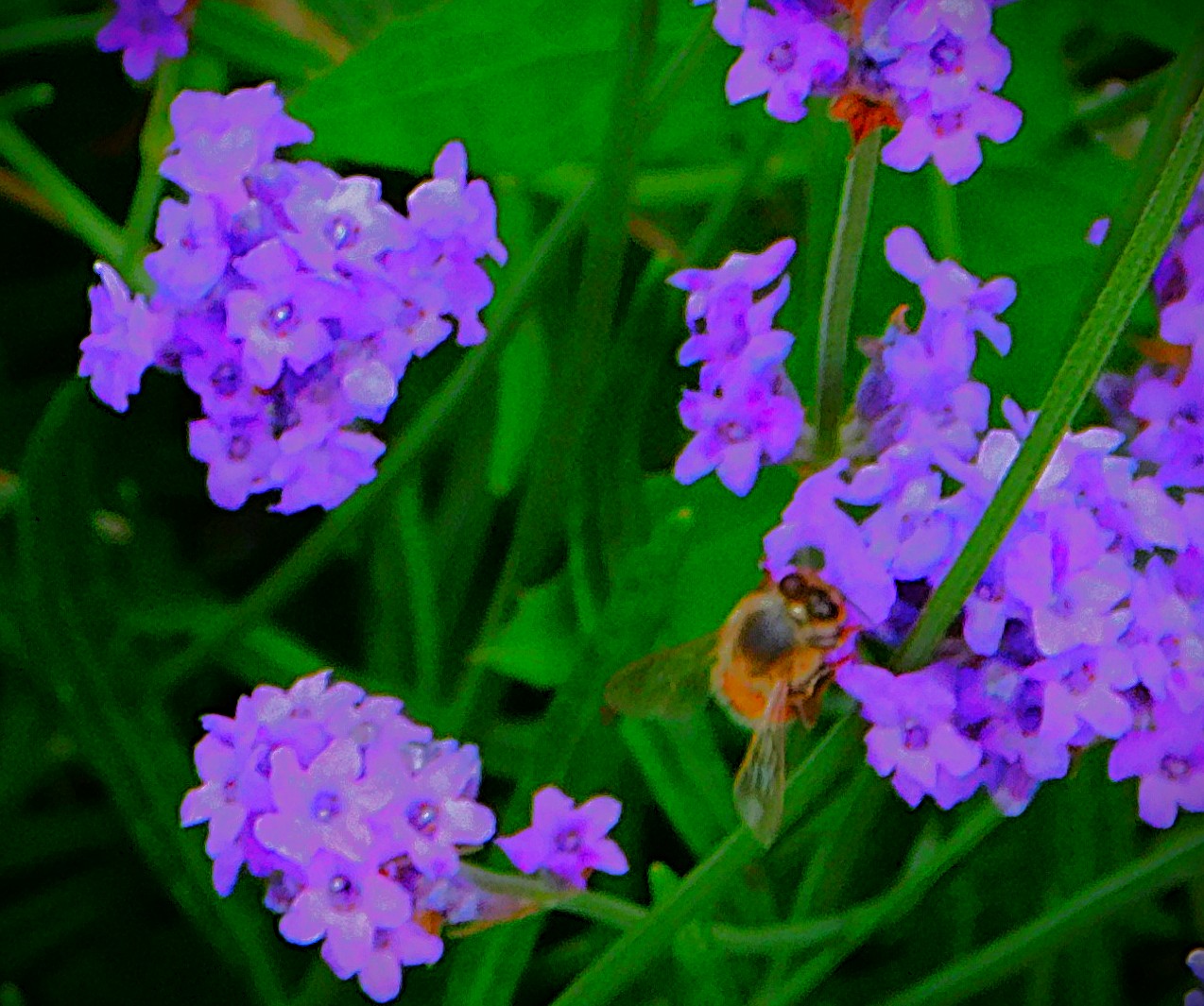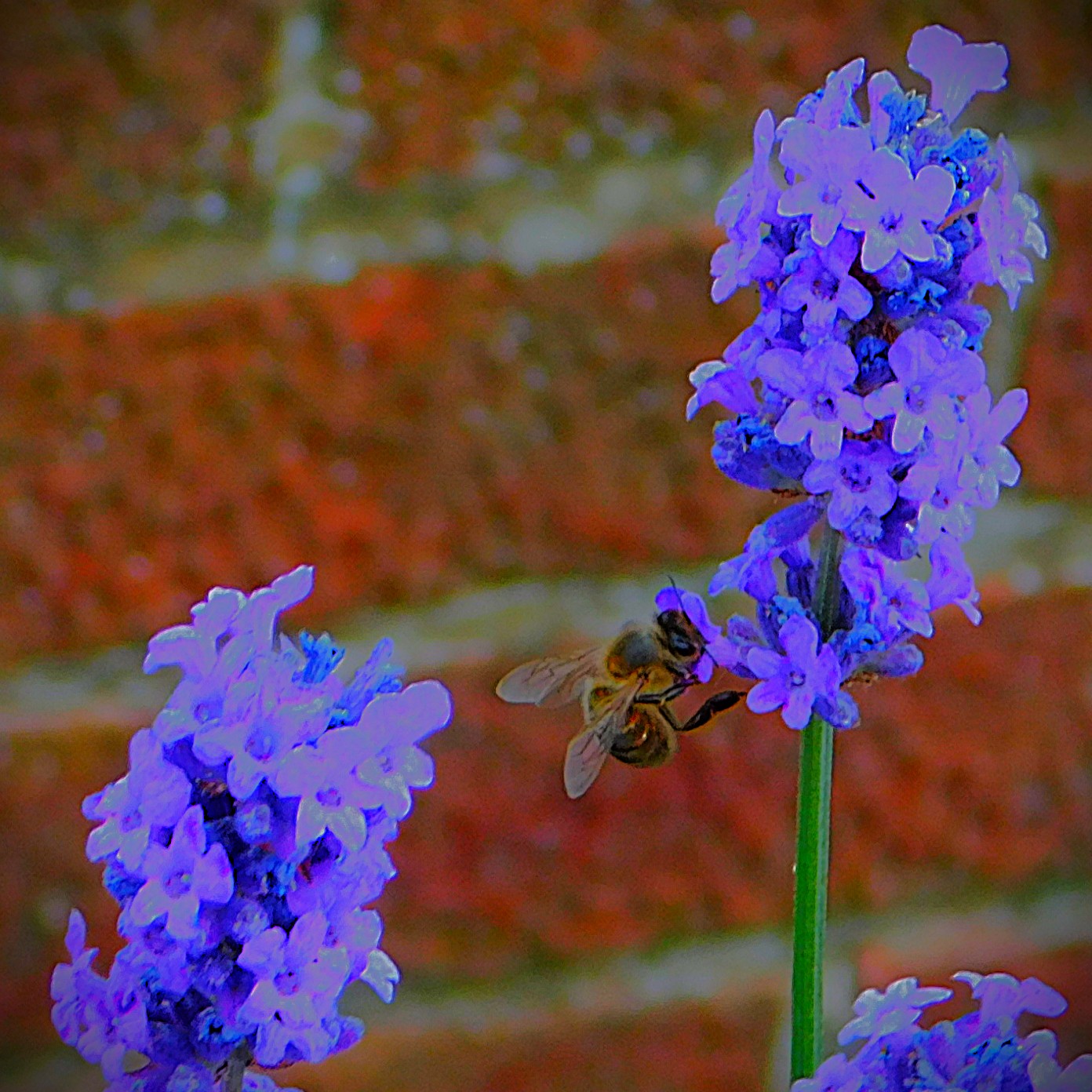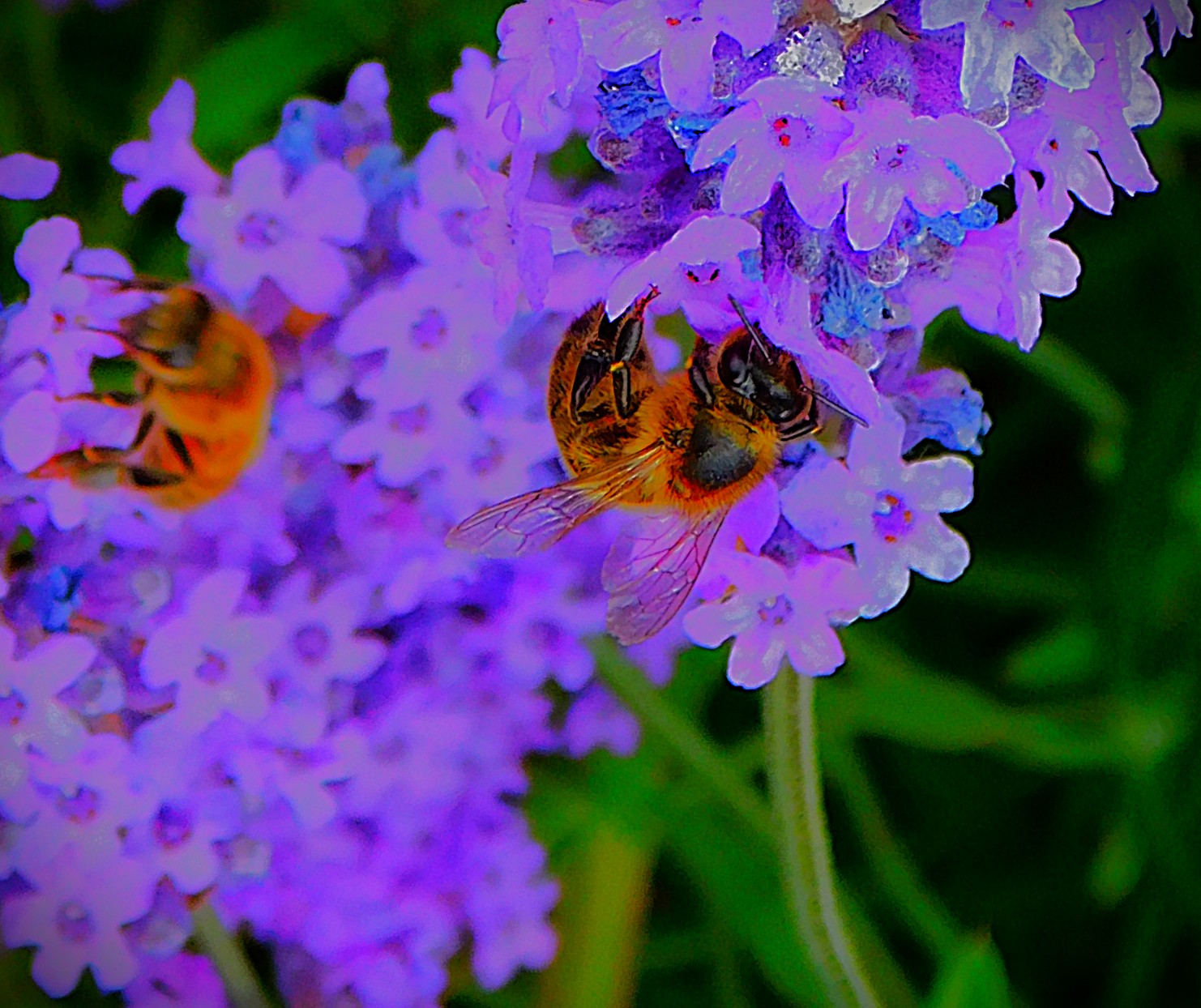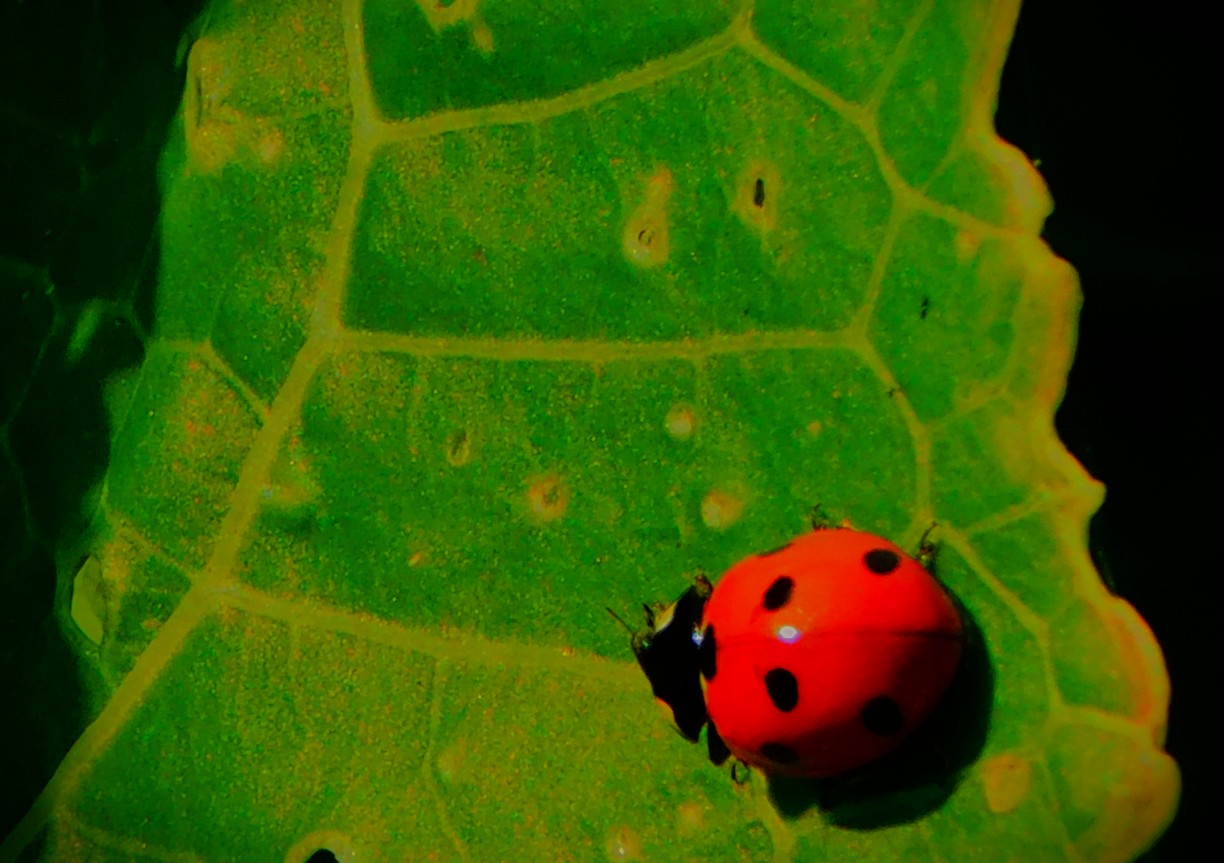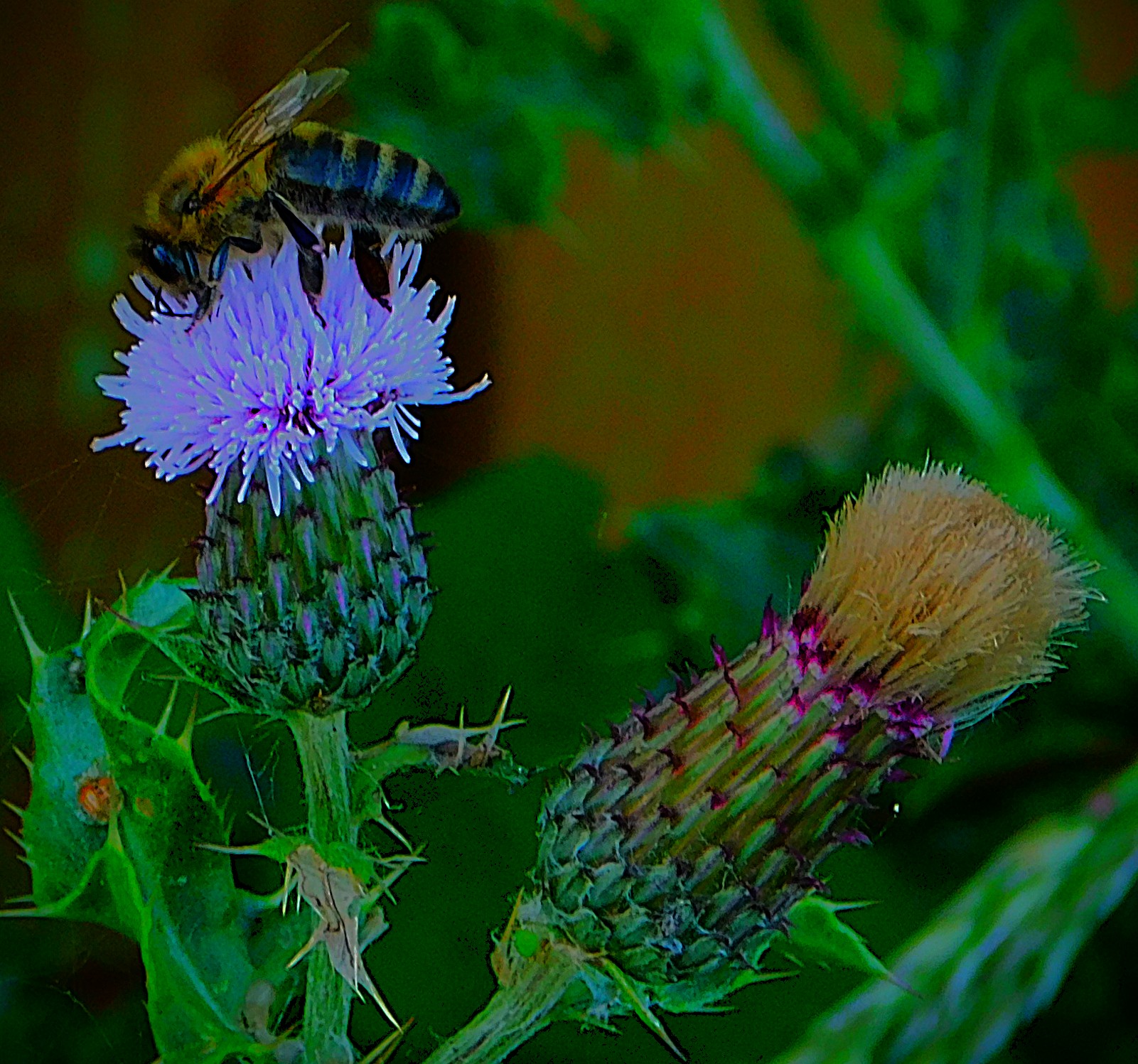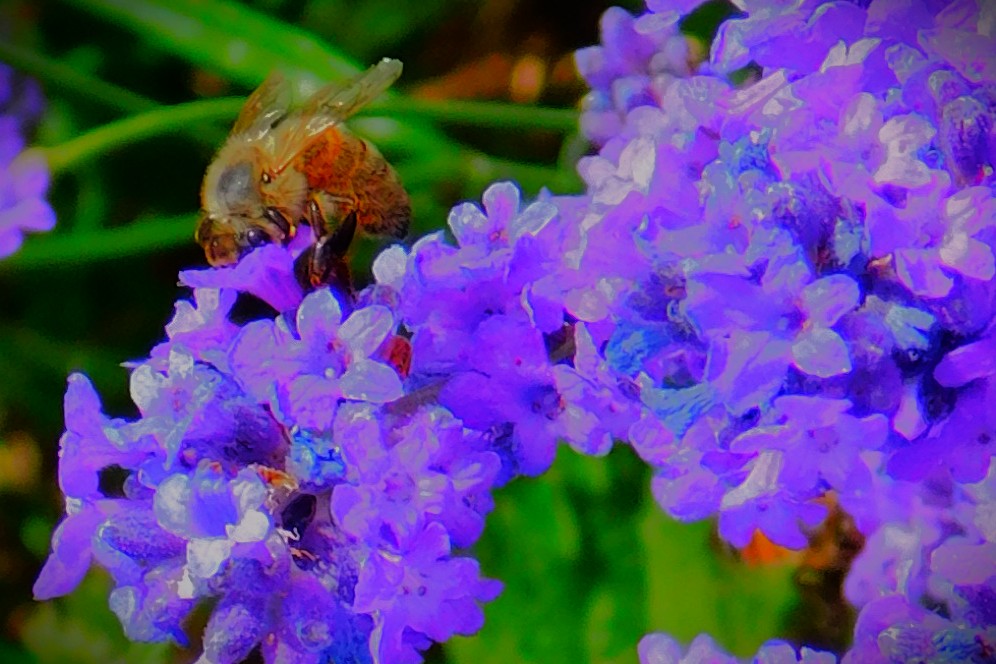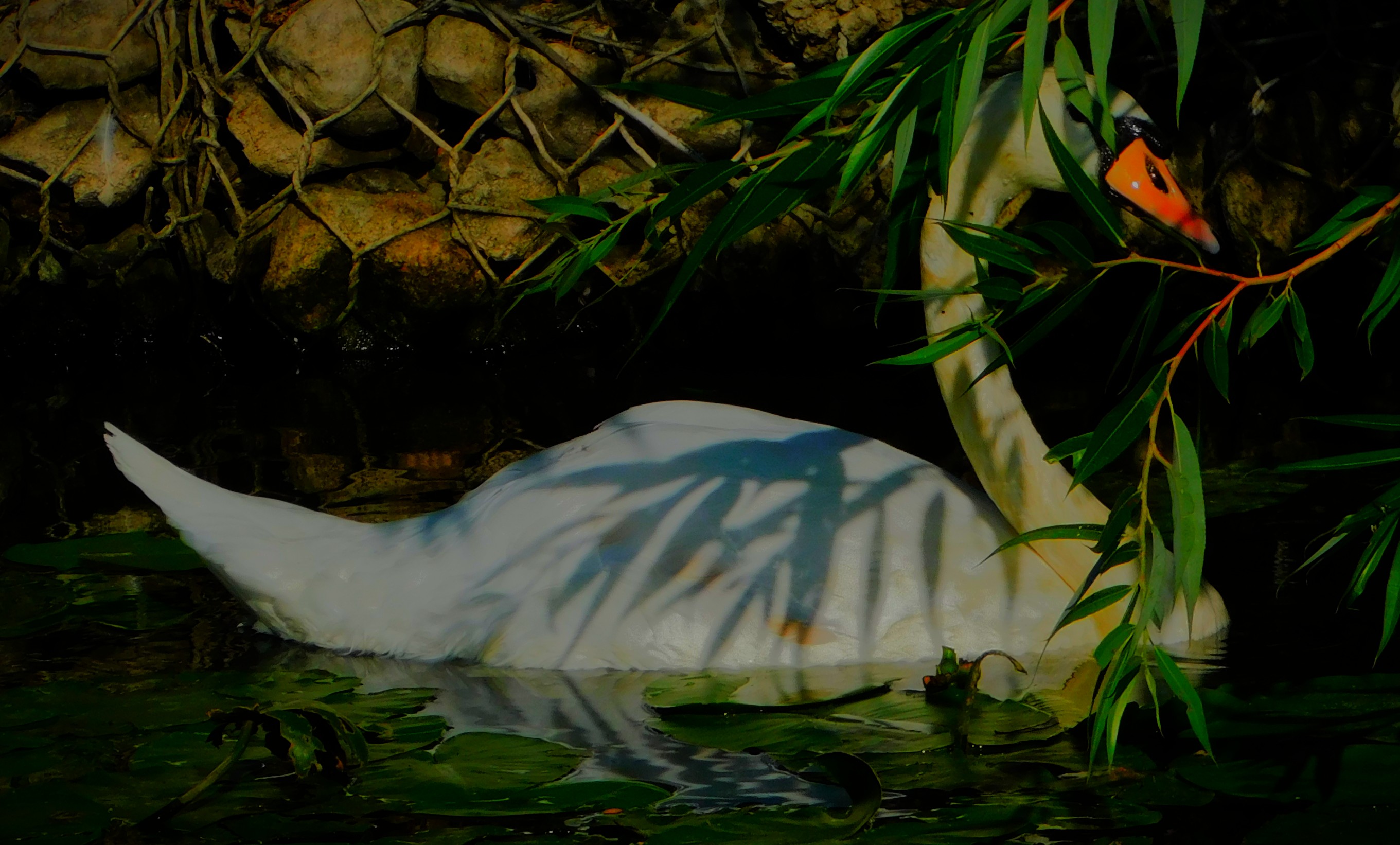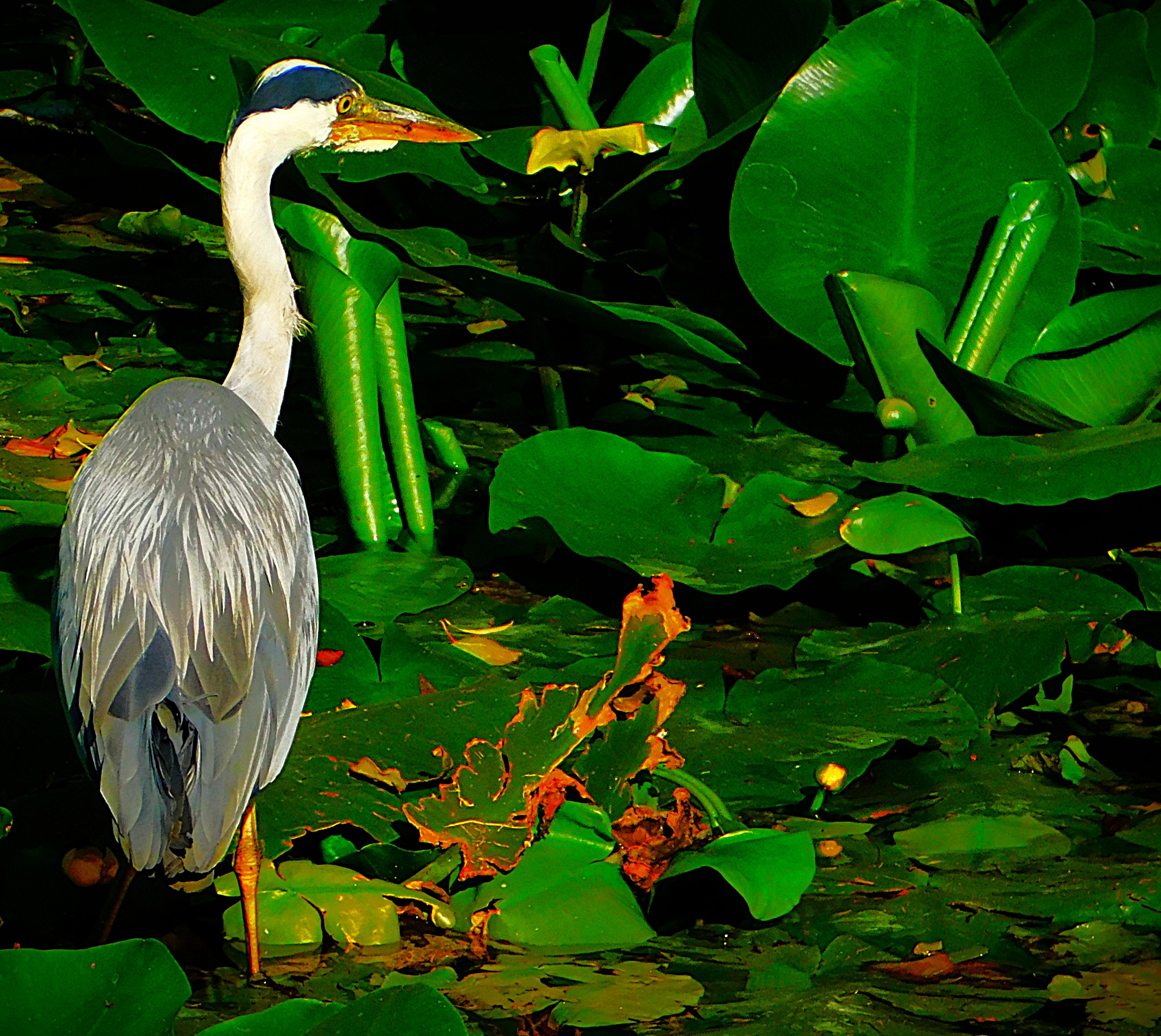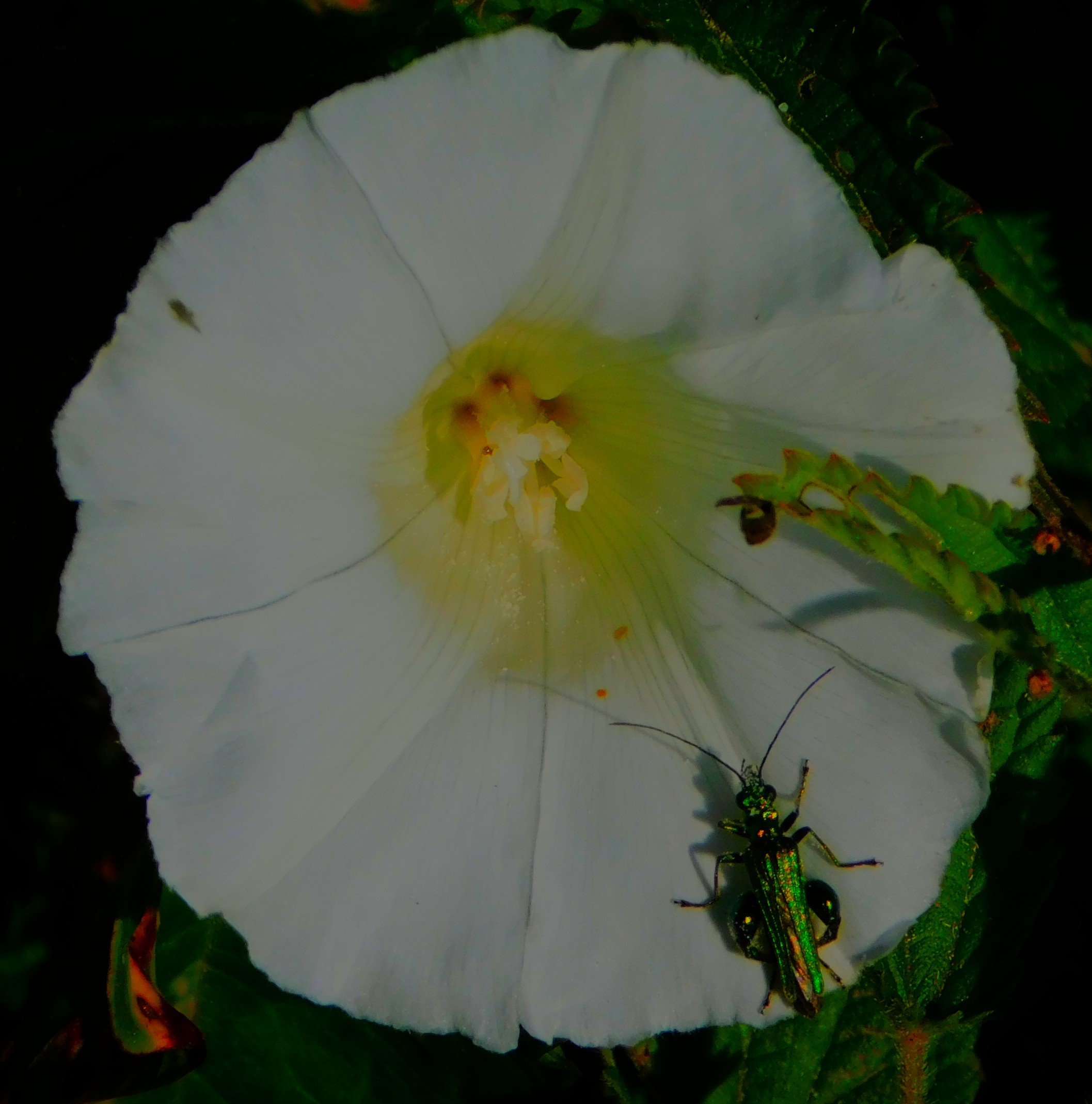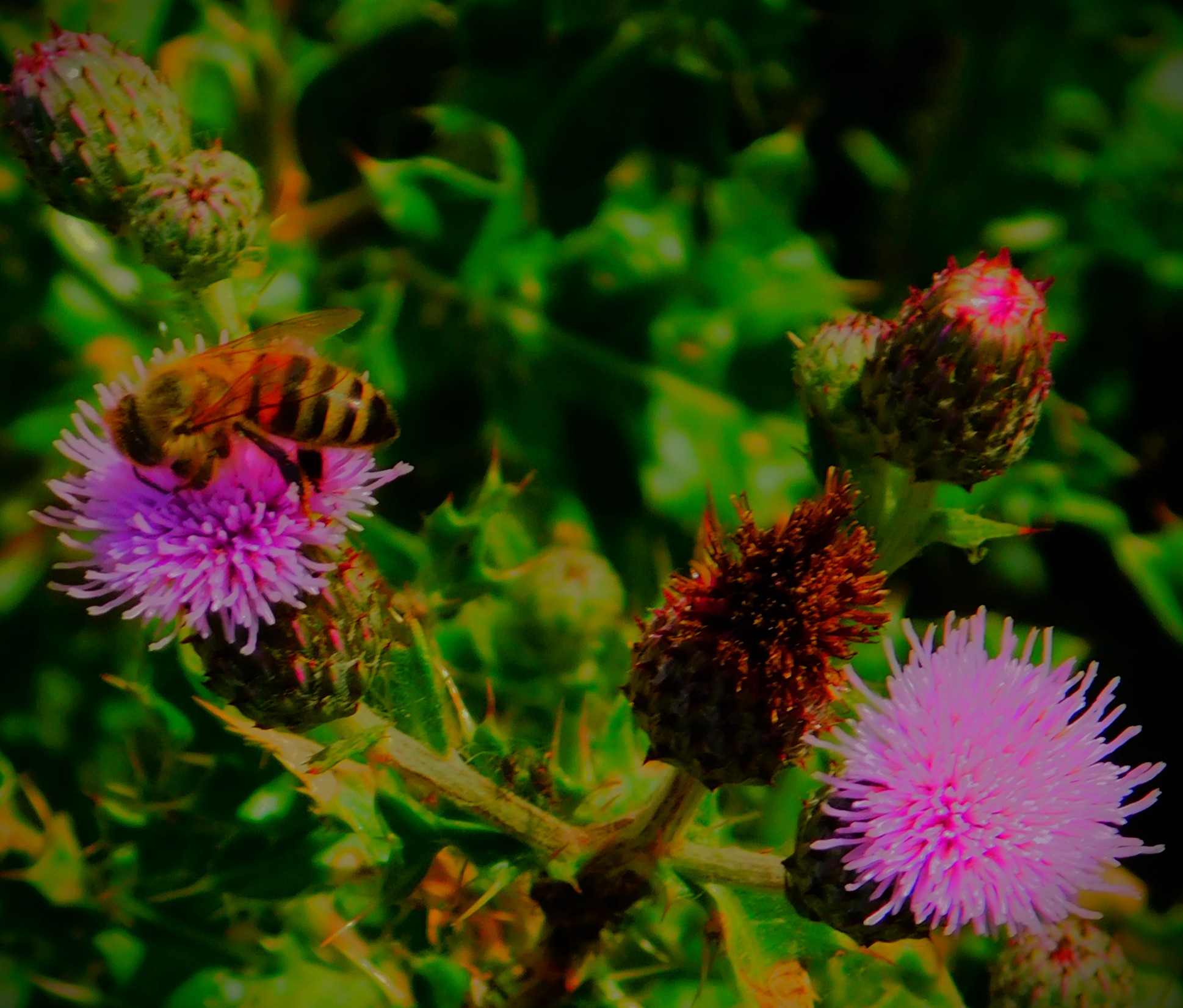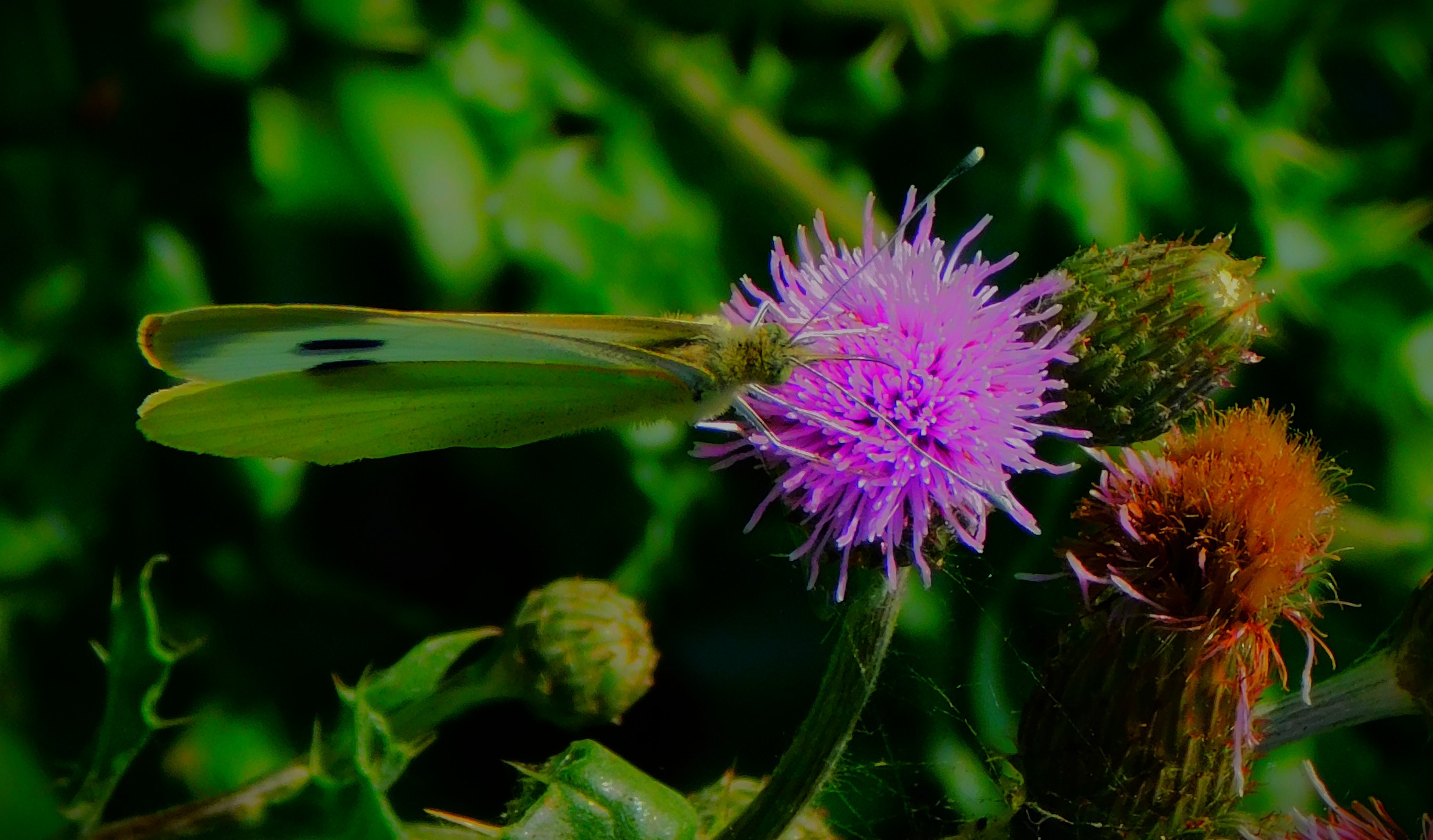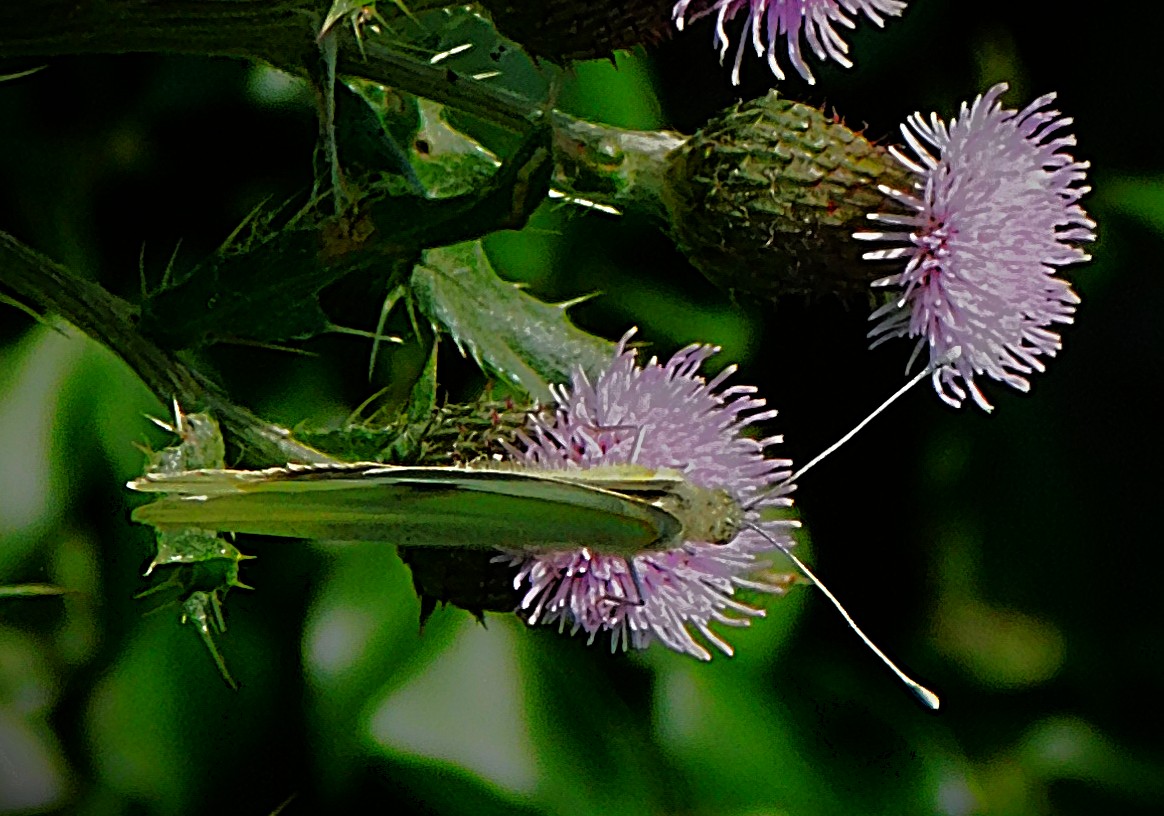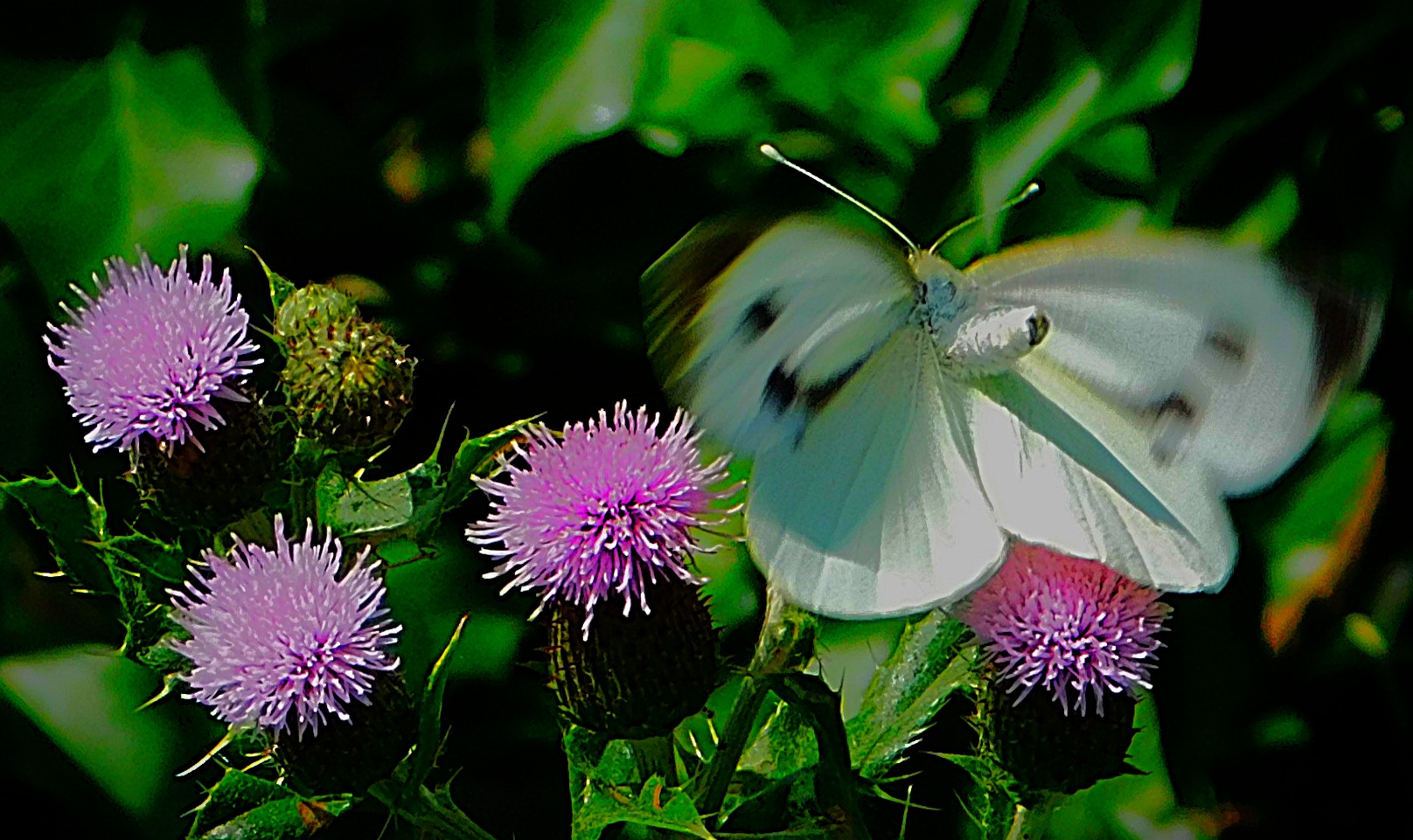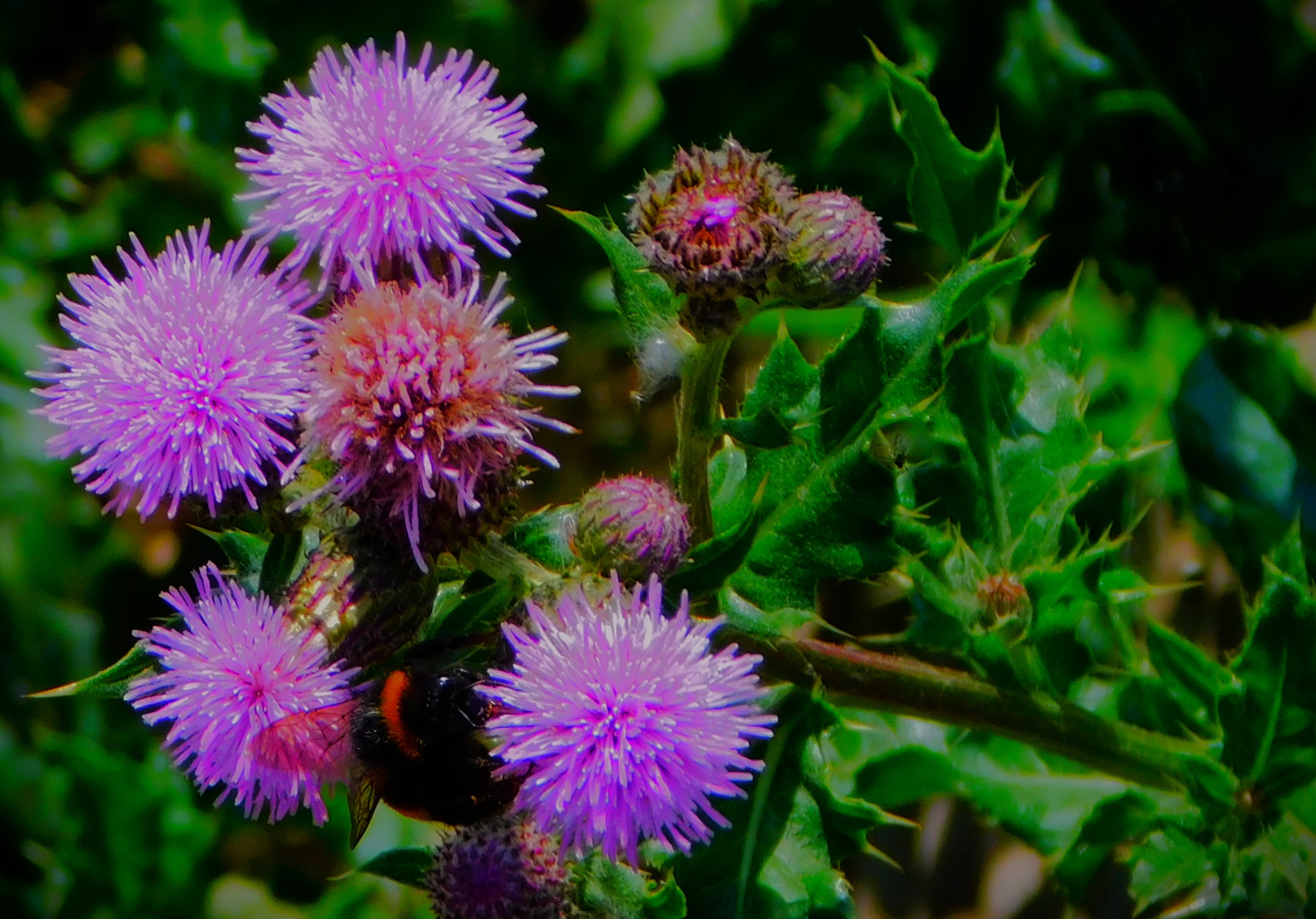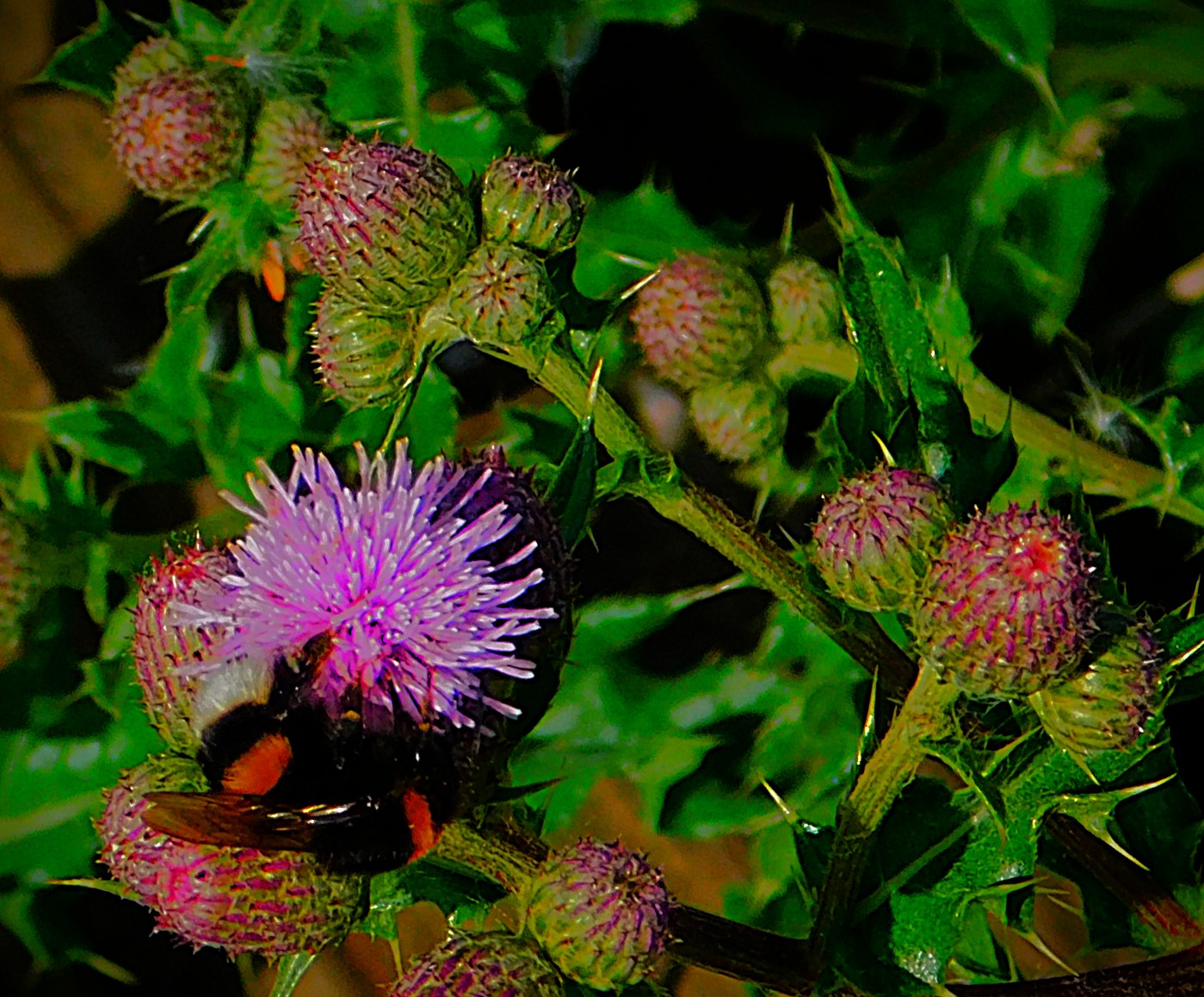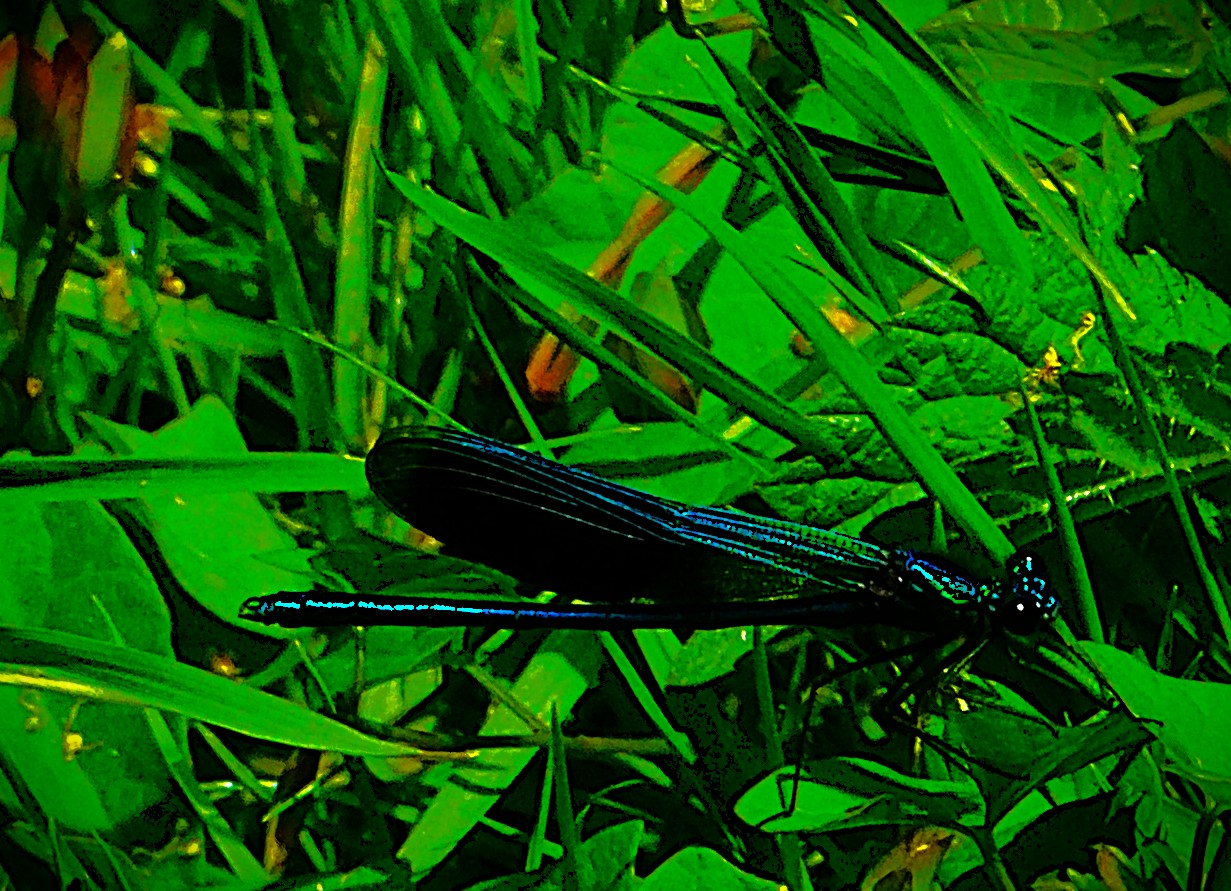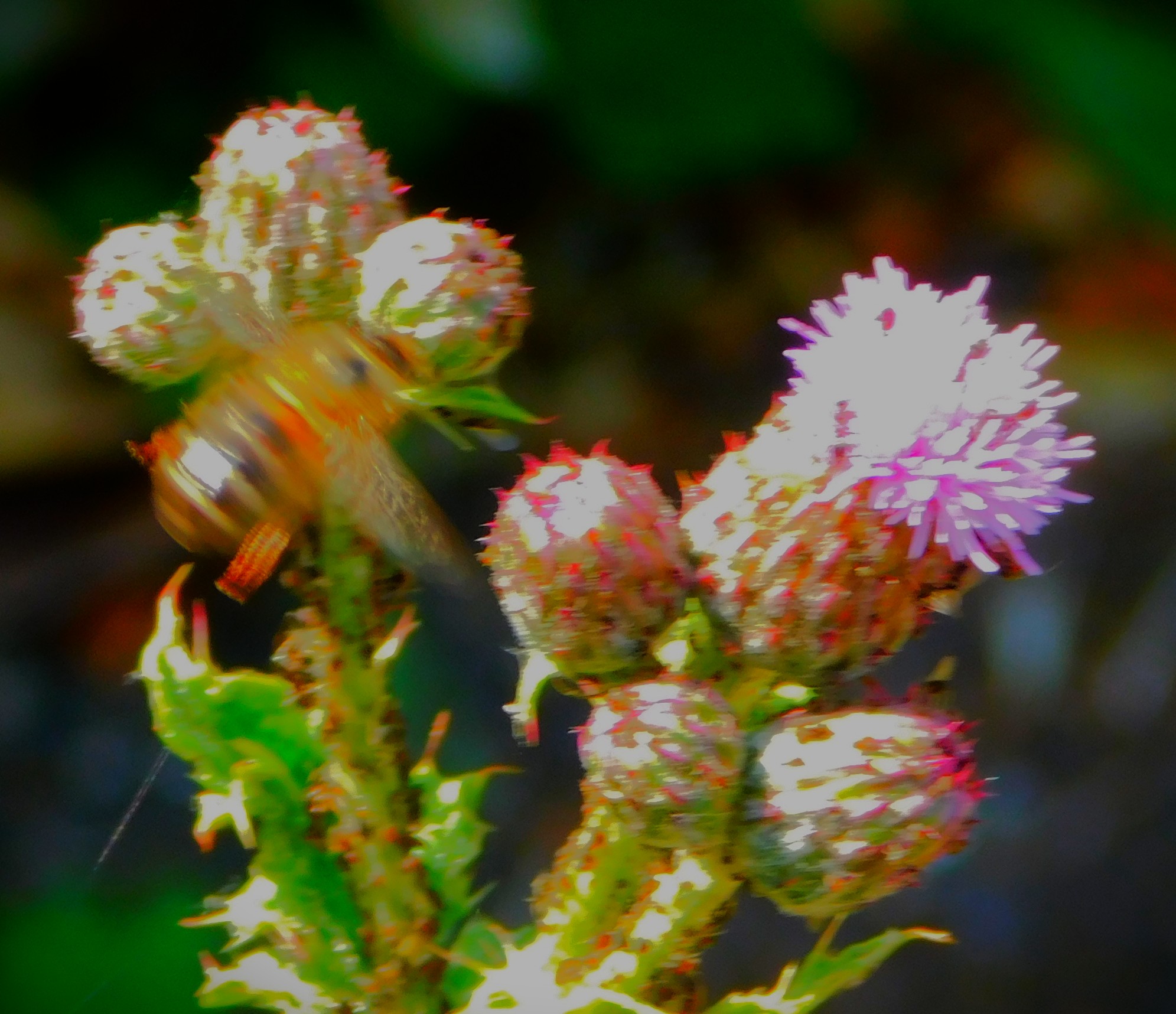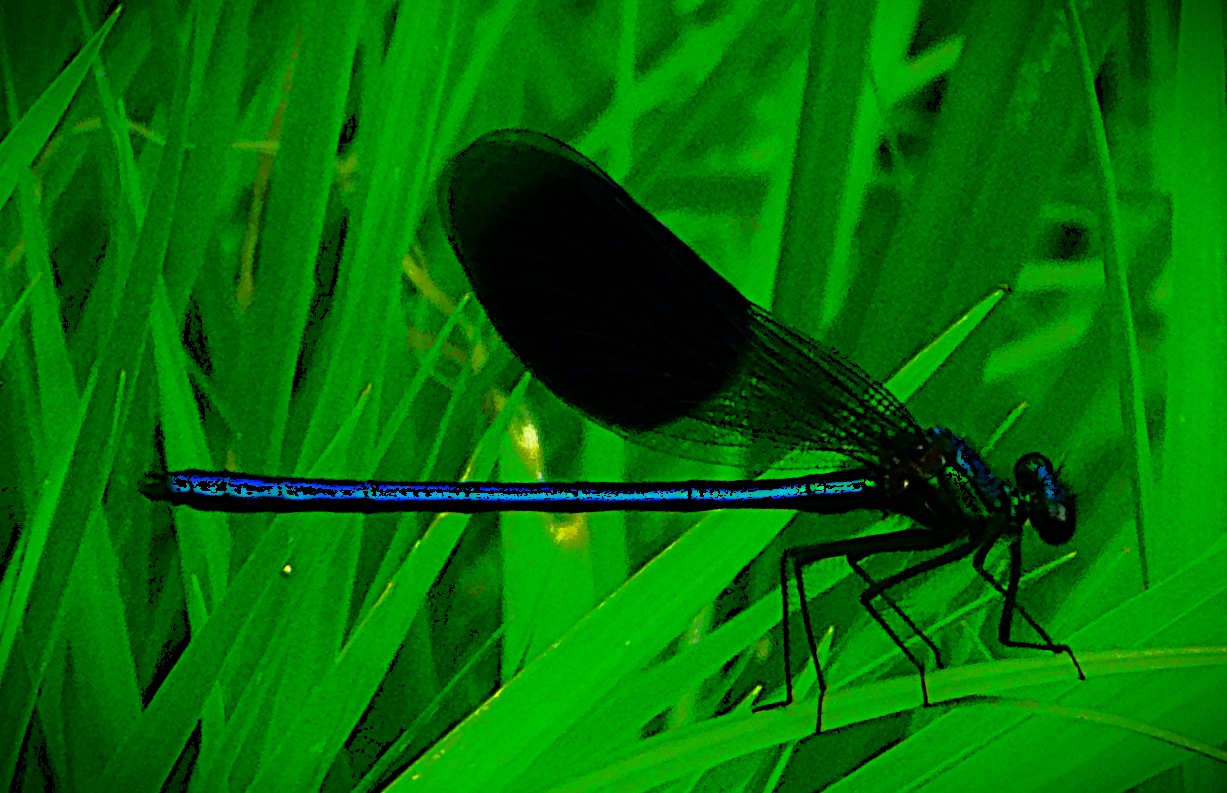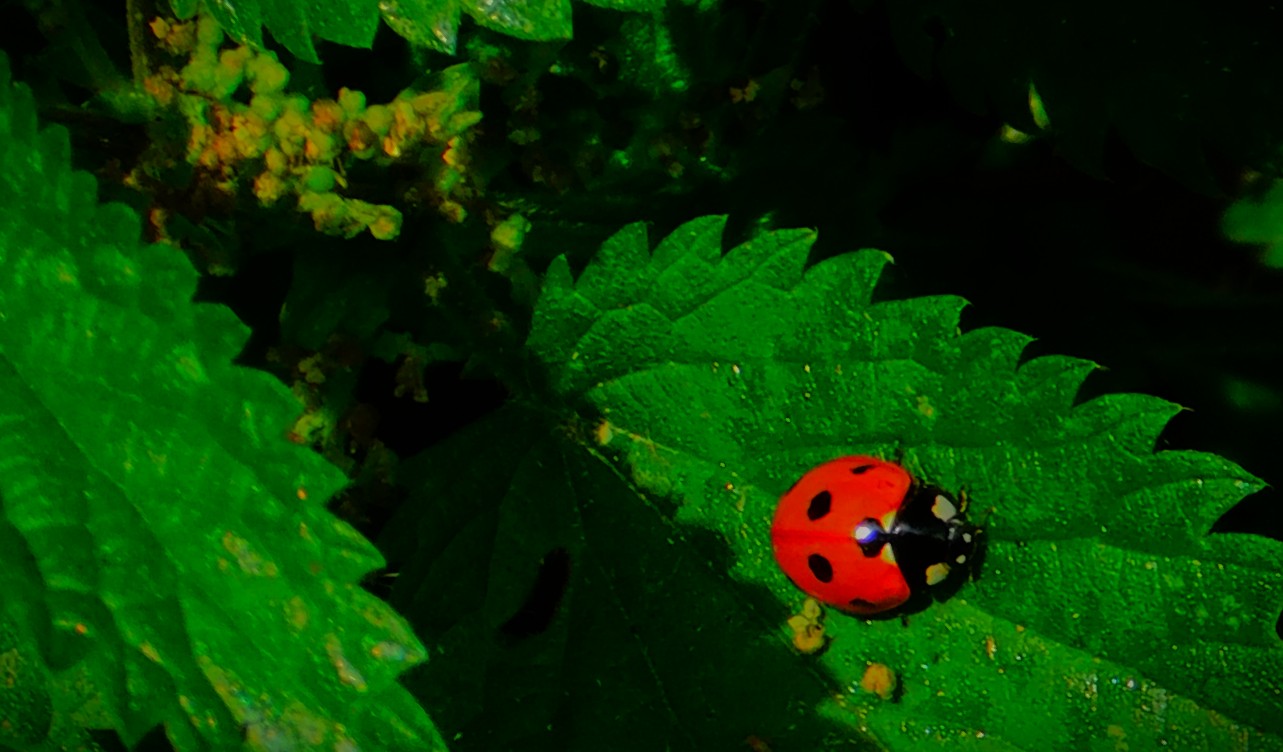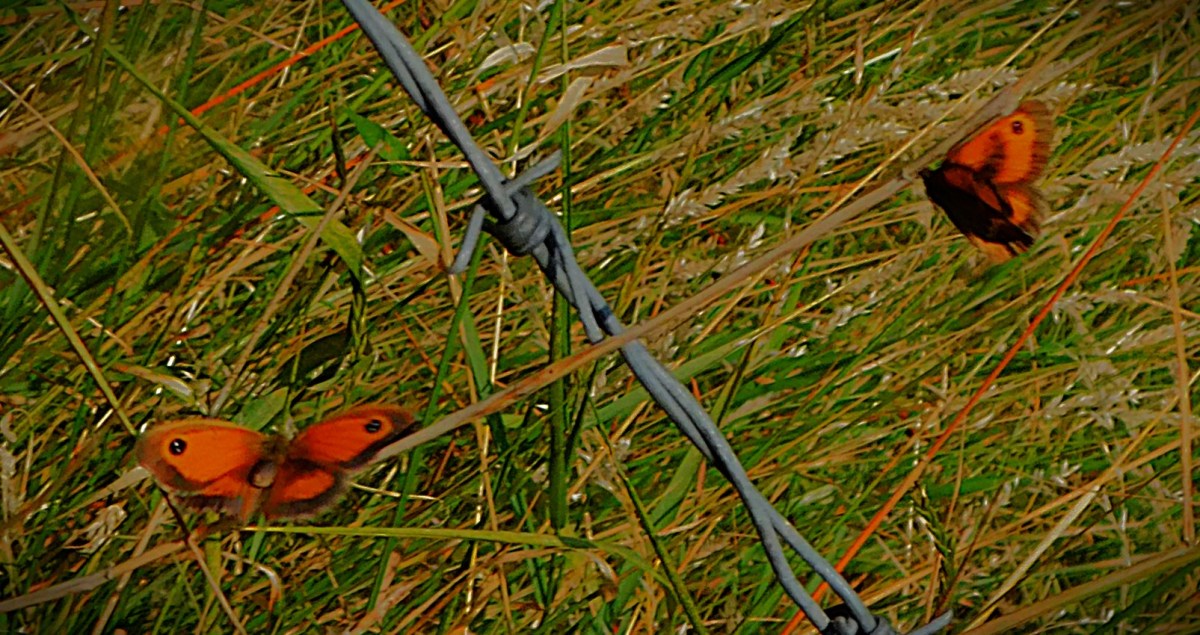
A (largely photographic) look at the newly emerging insect life of spring 2025.
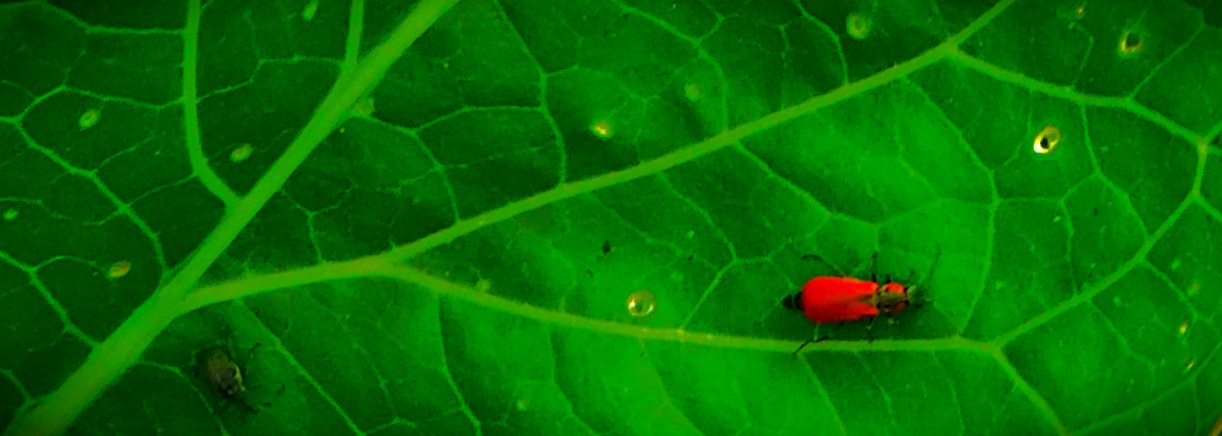
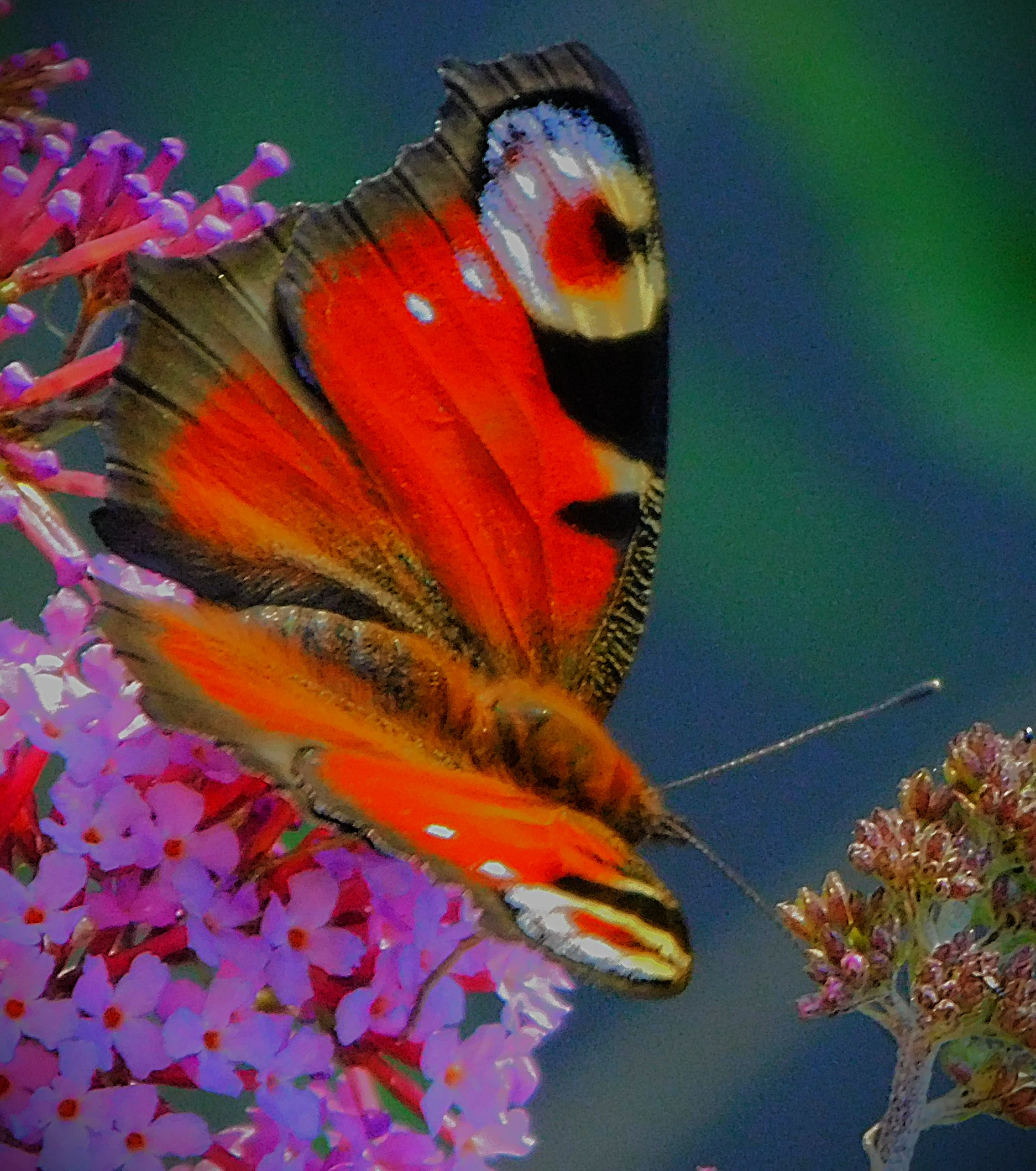
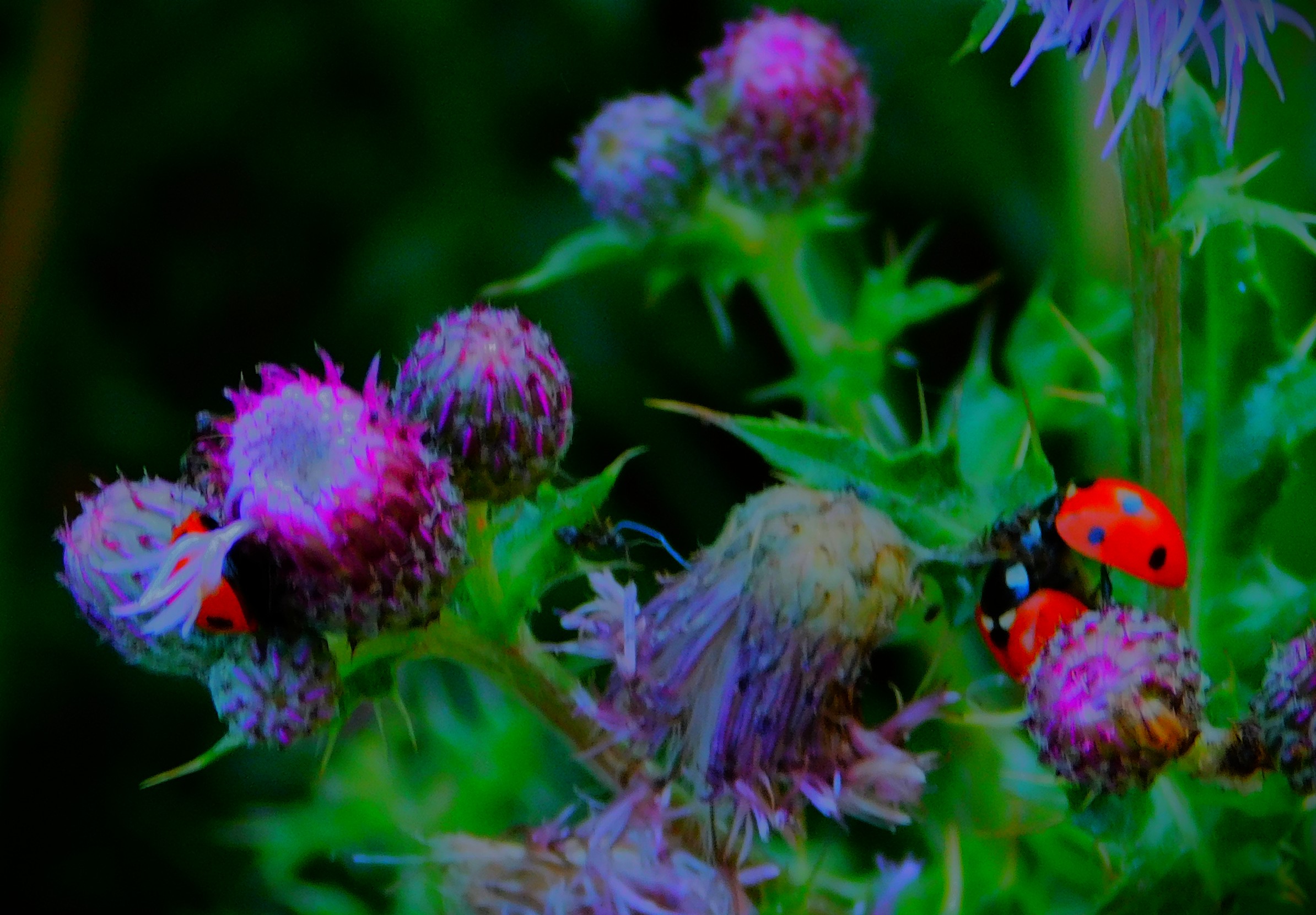
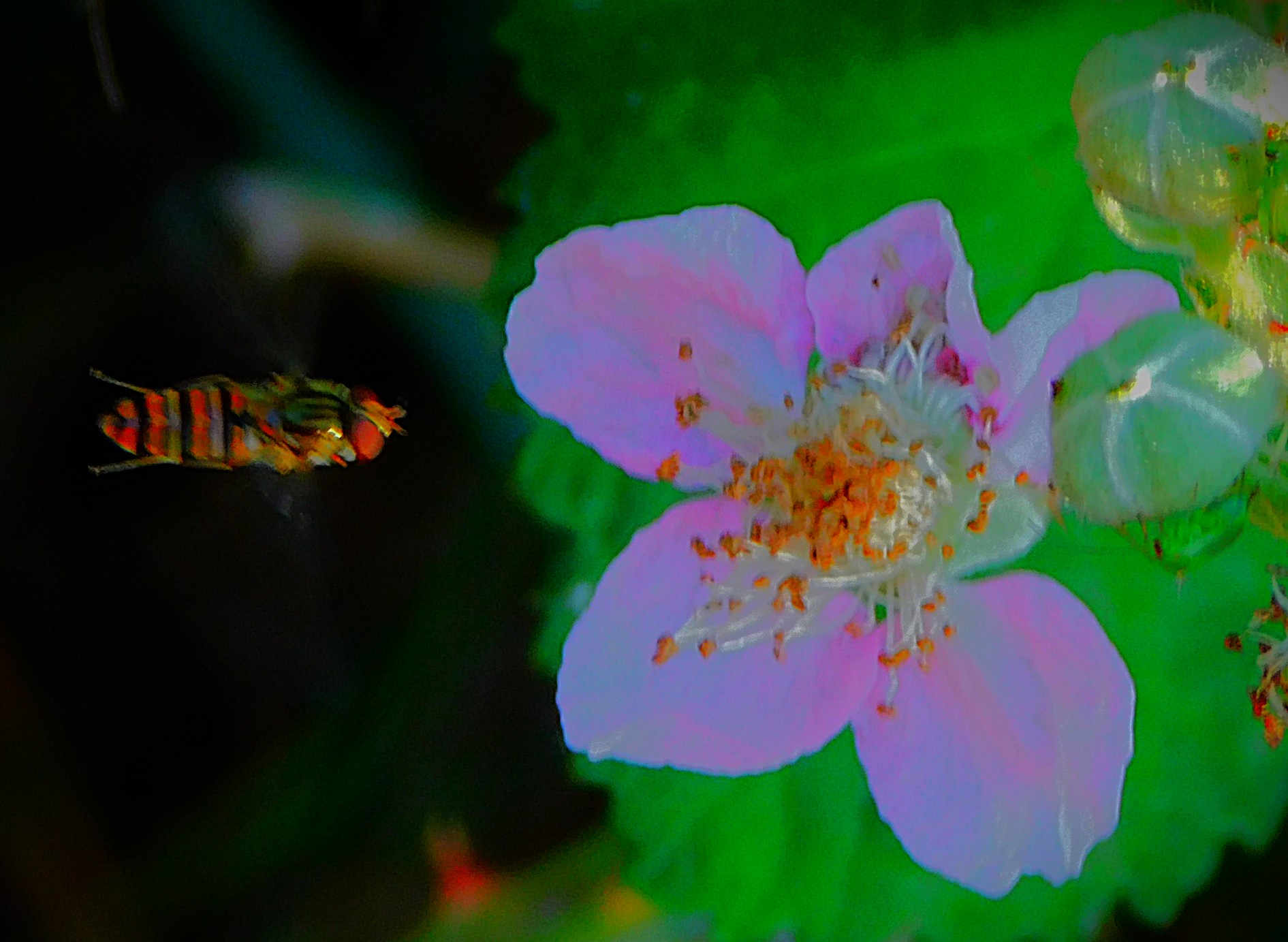
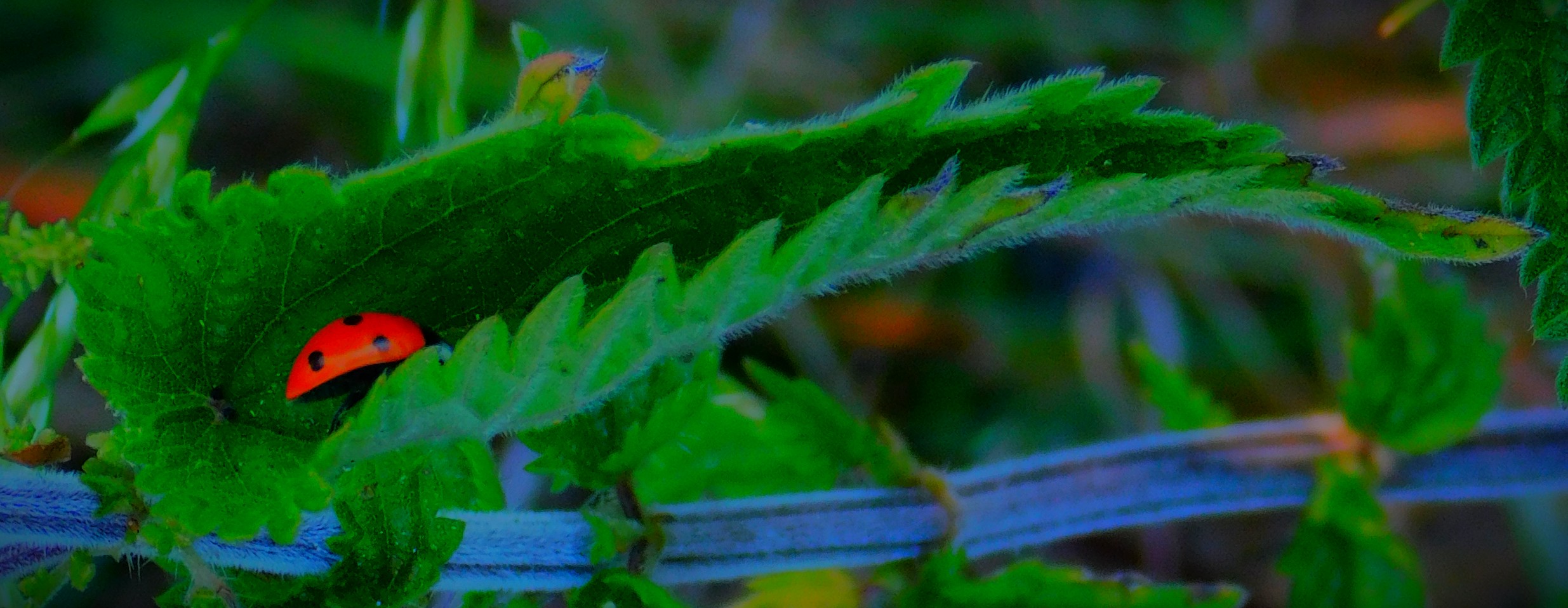
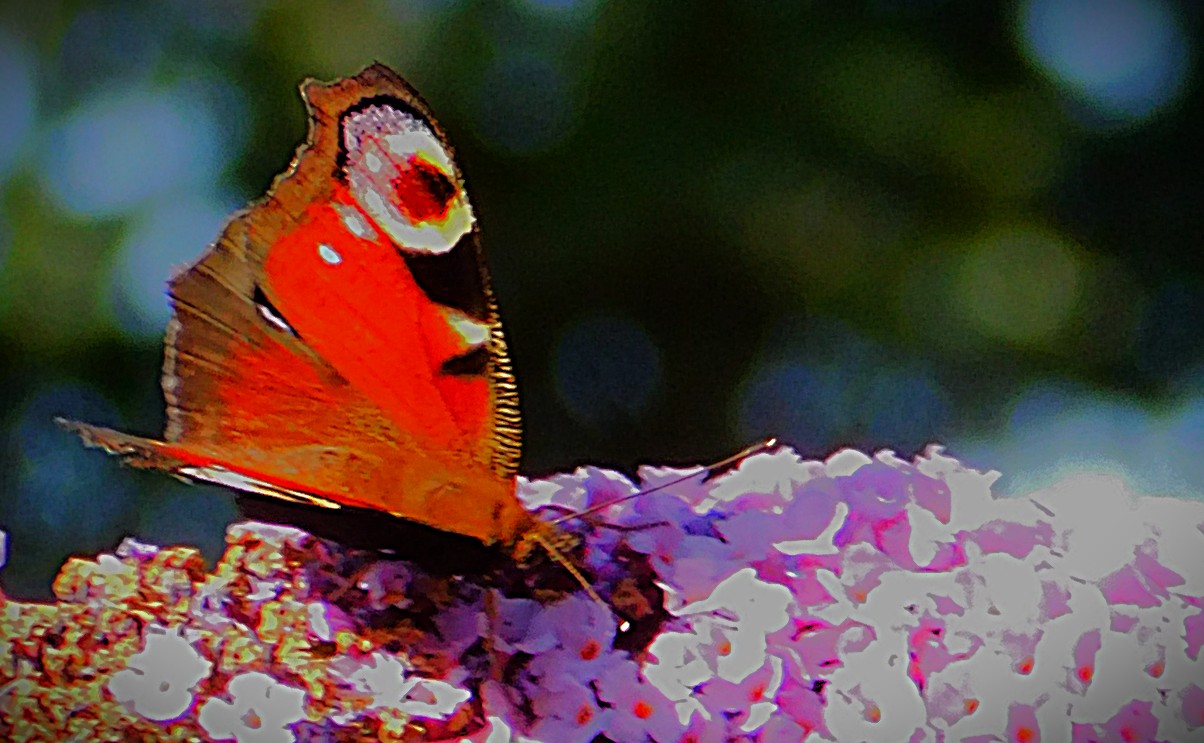
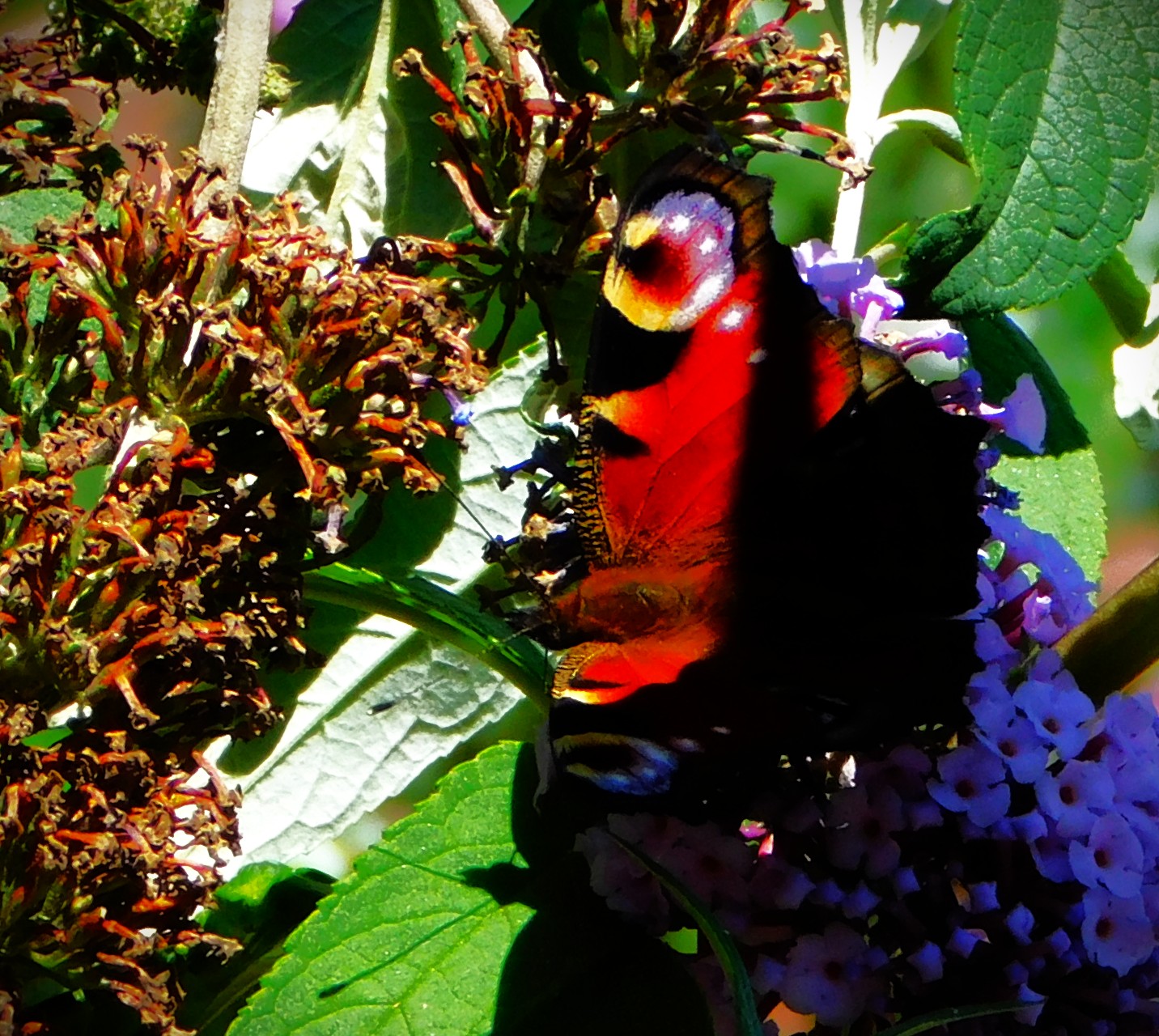
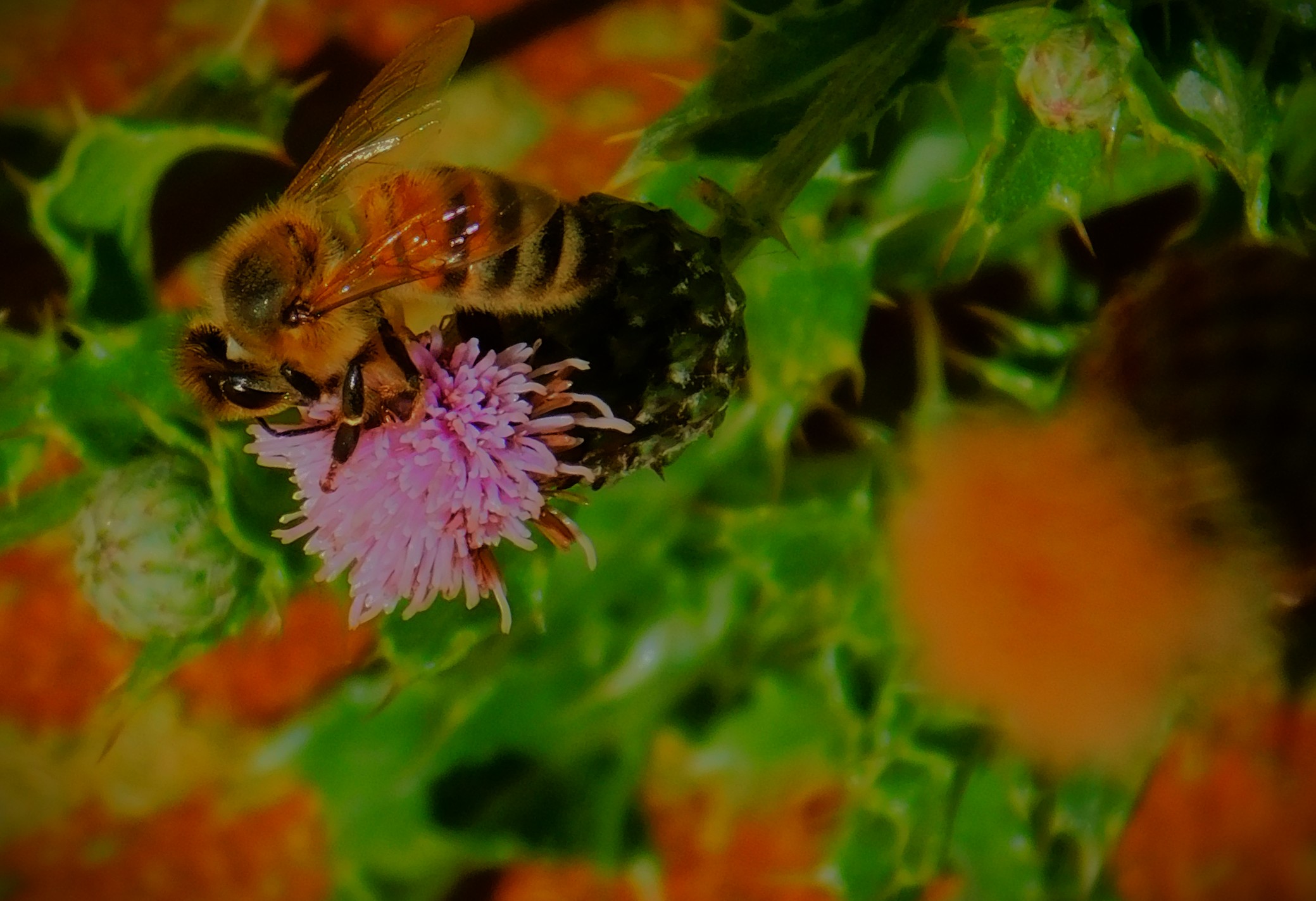
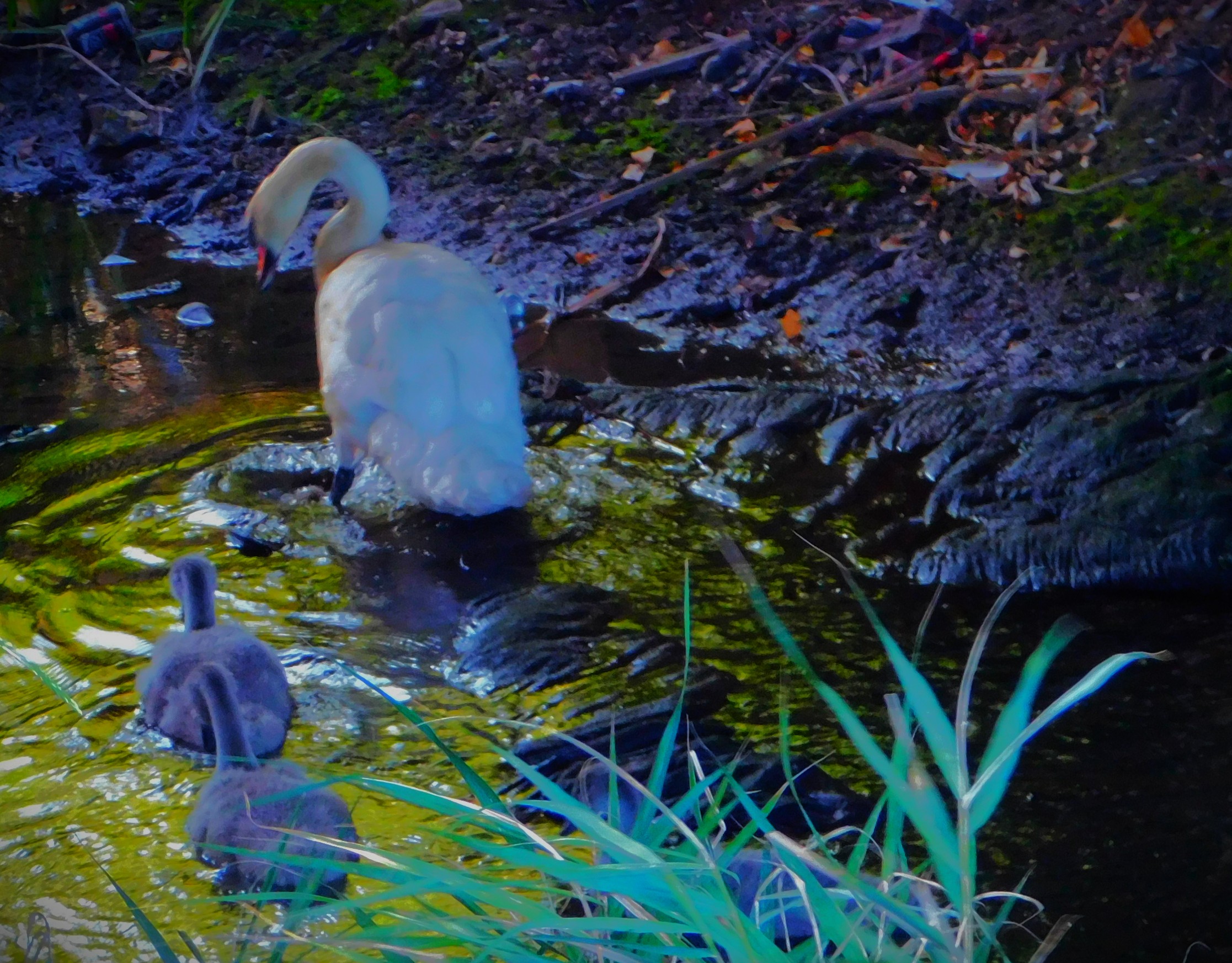
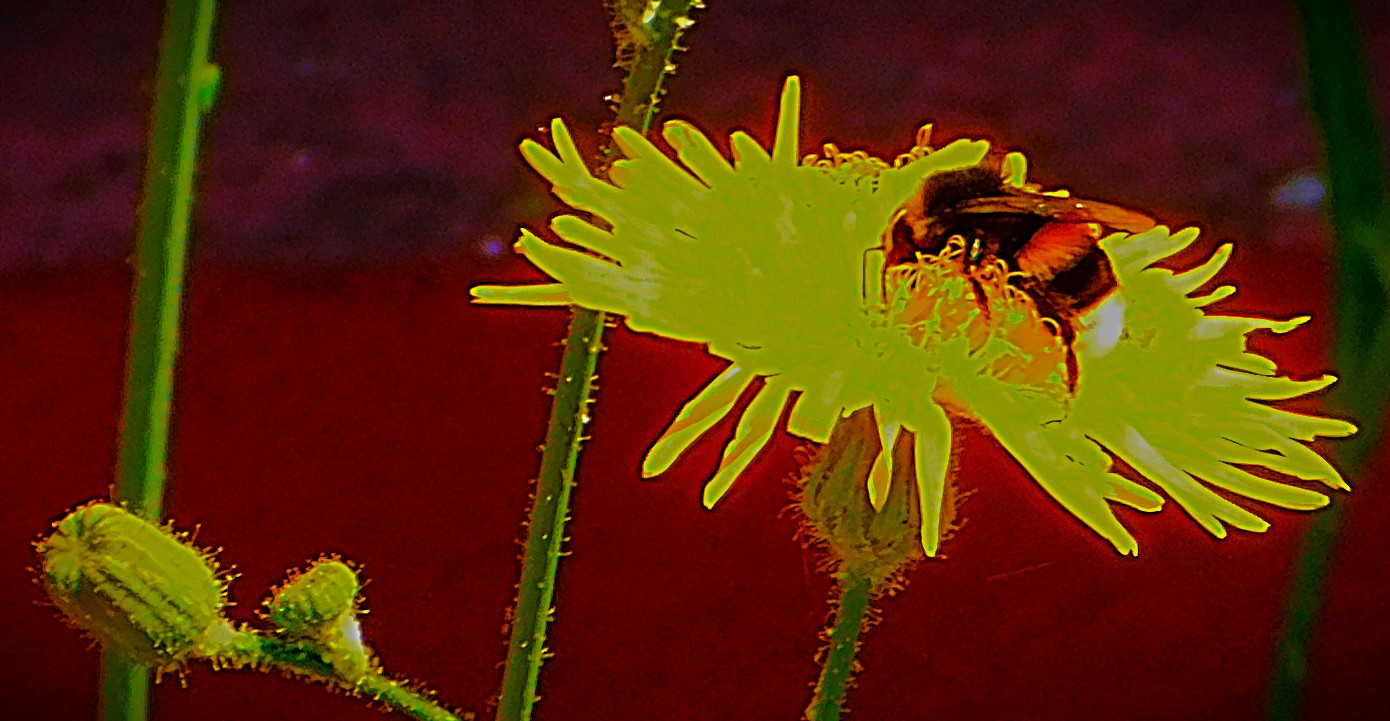
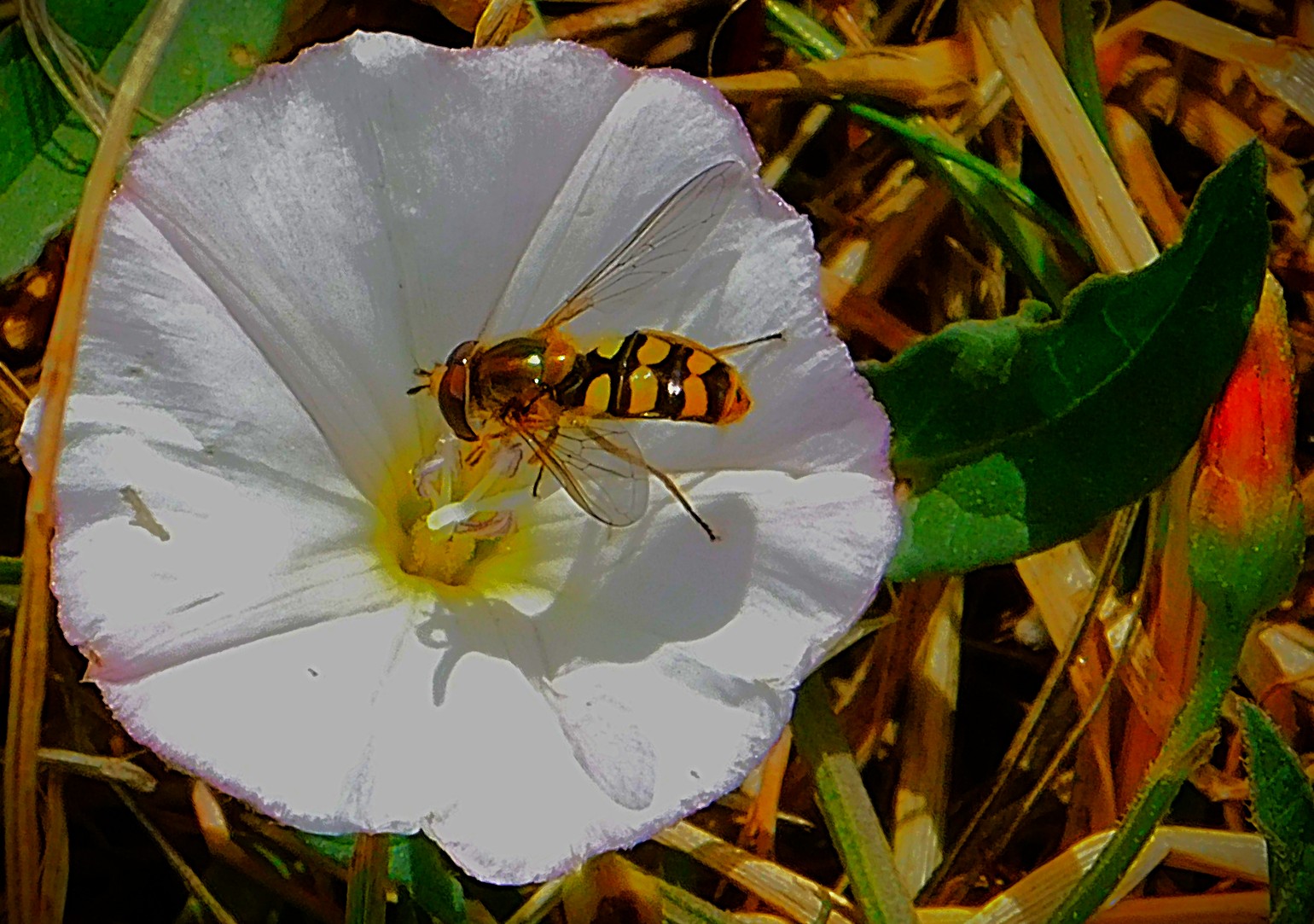
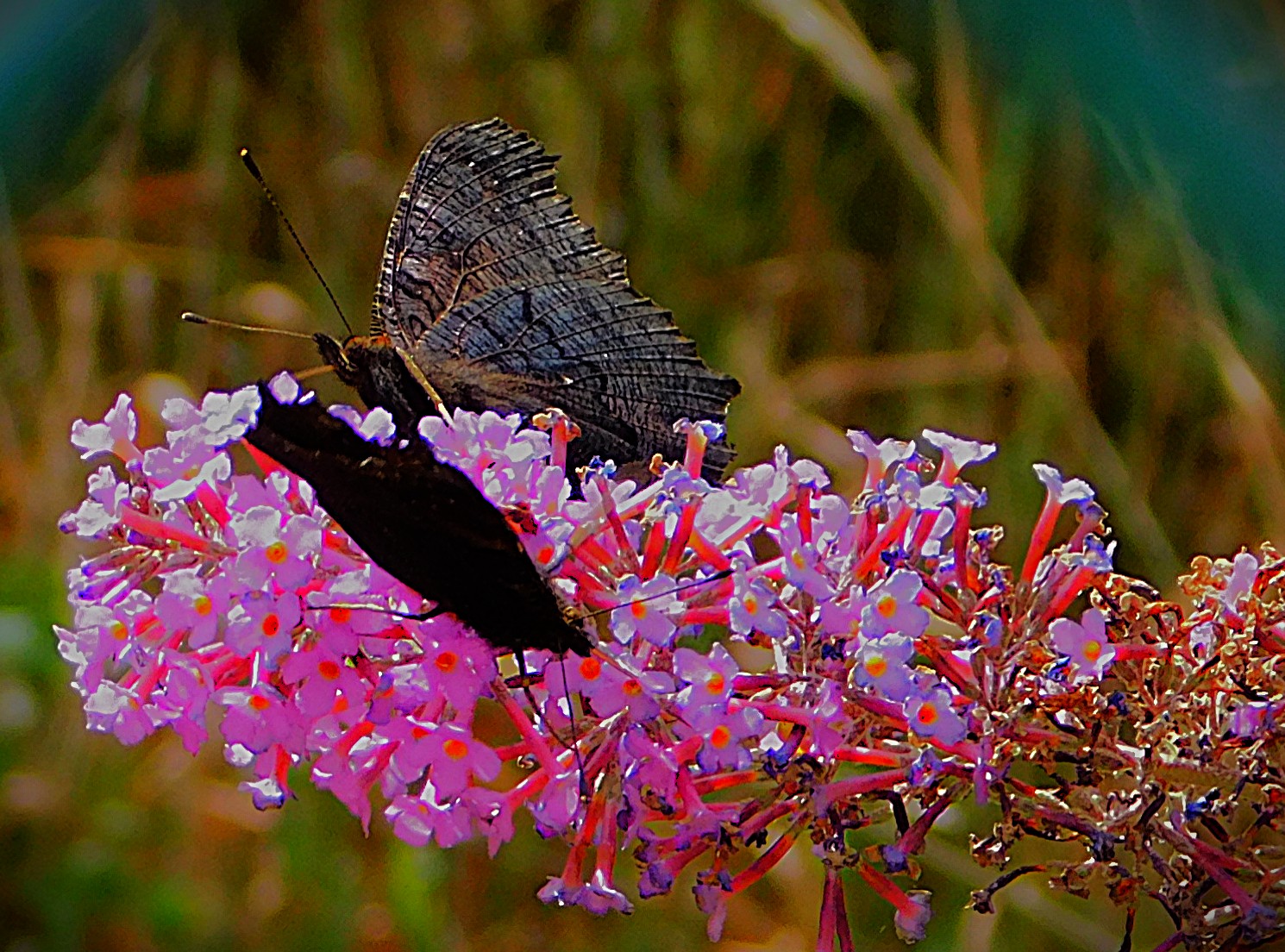
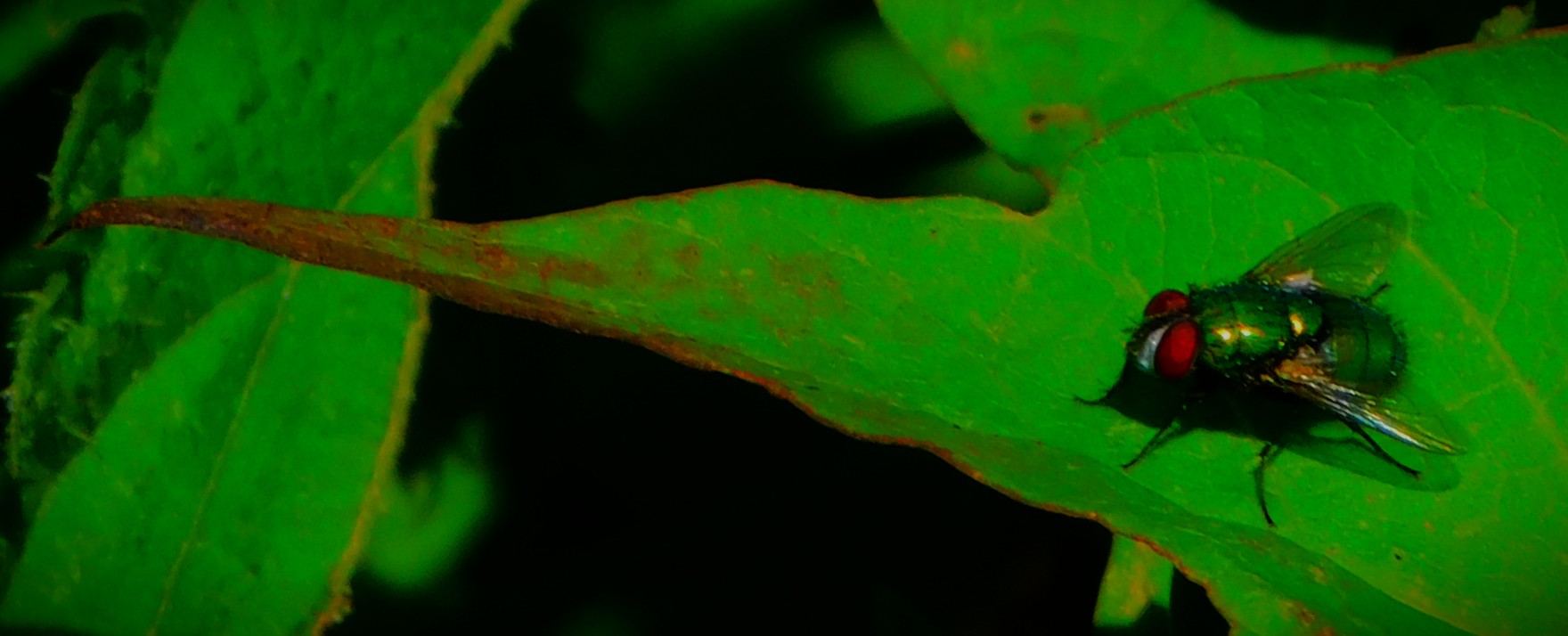
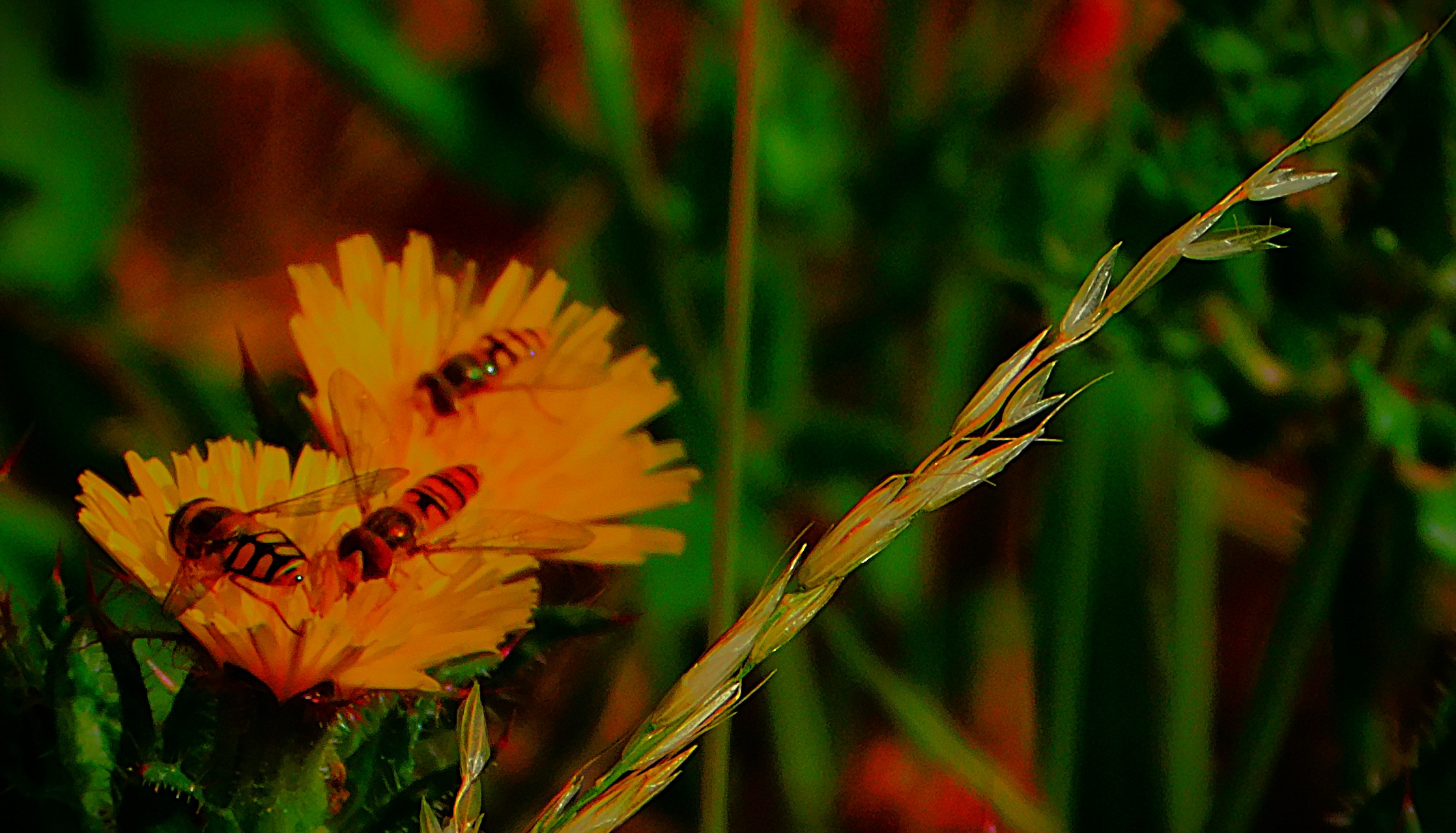
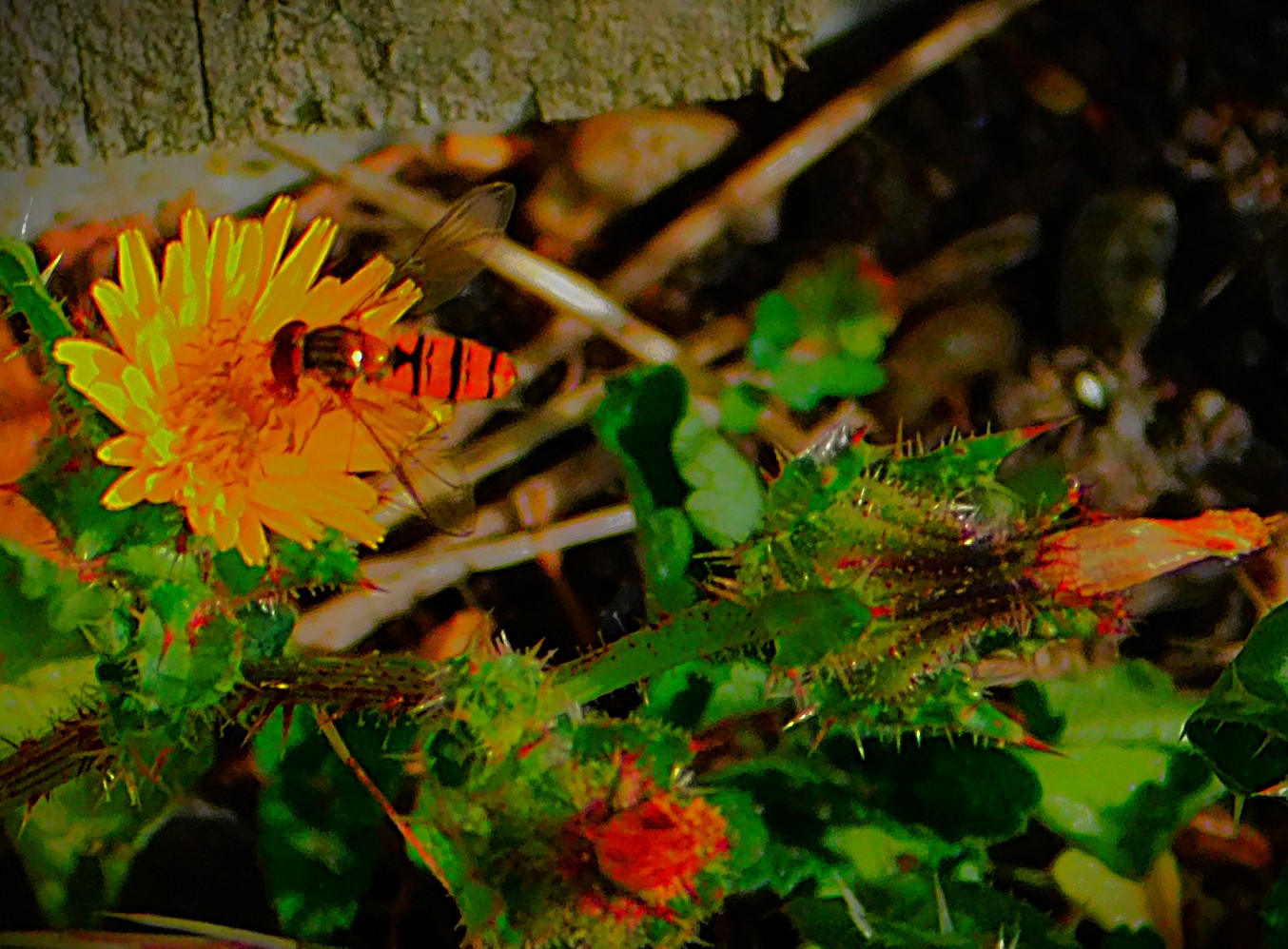
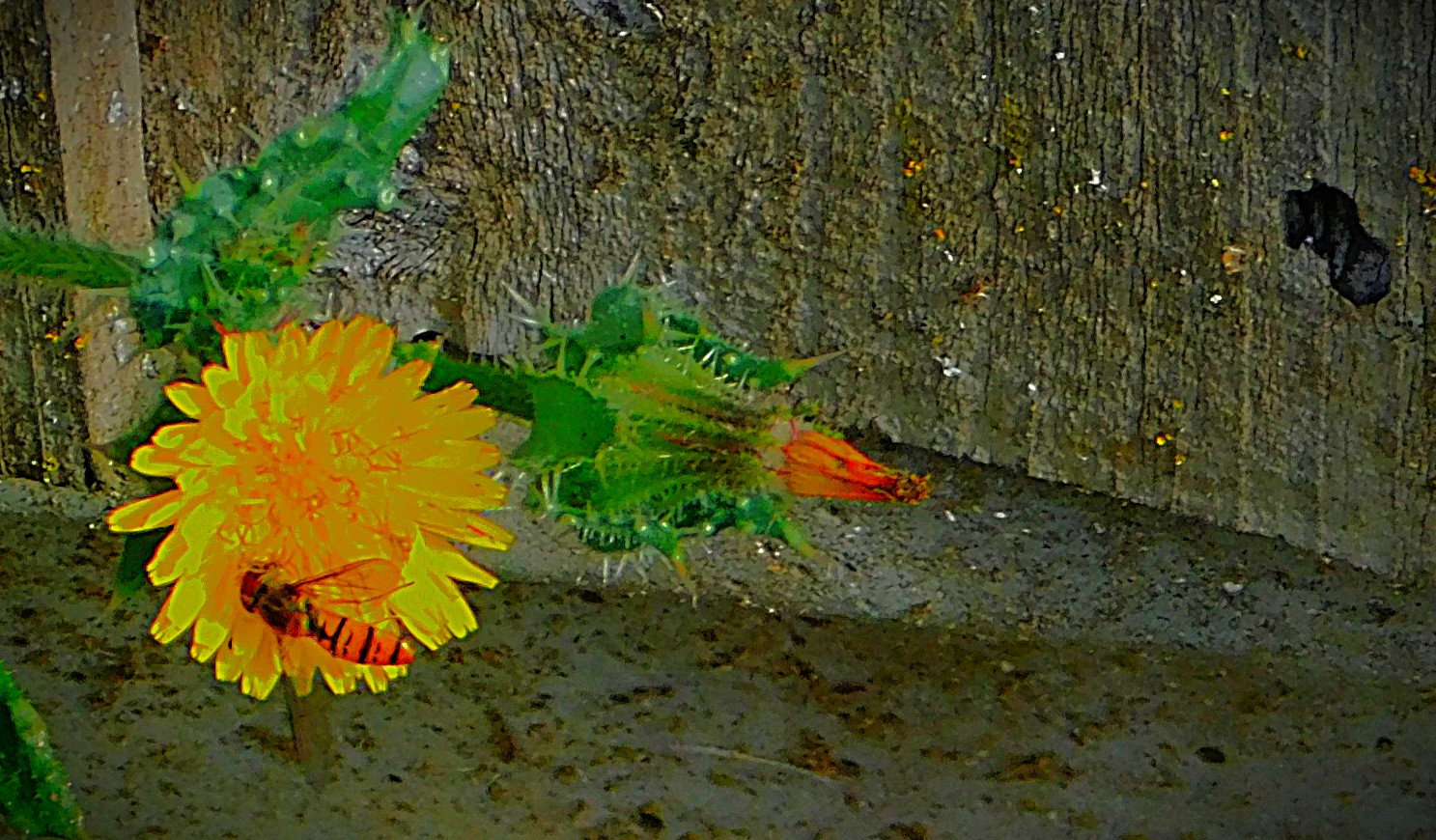
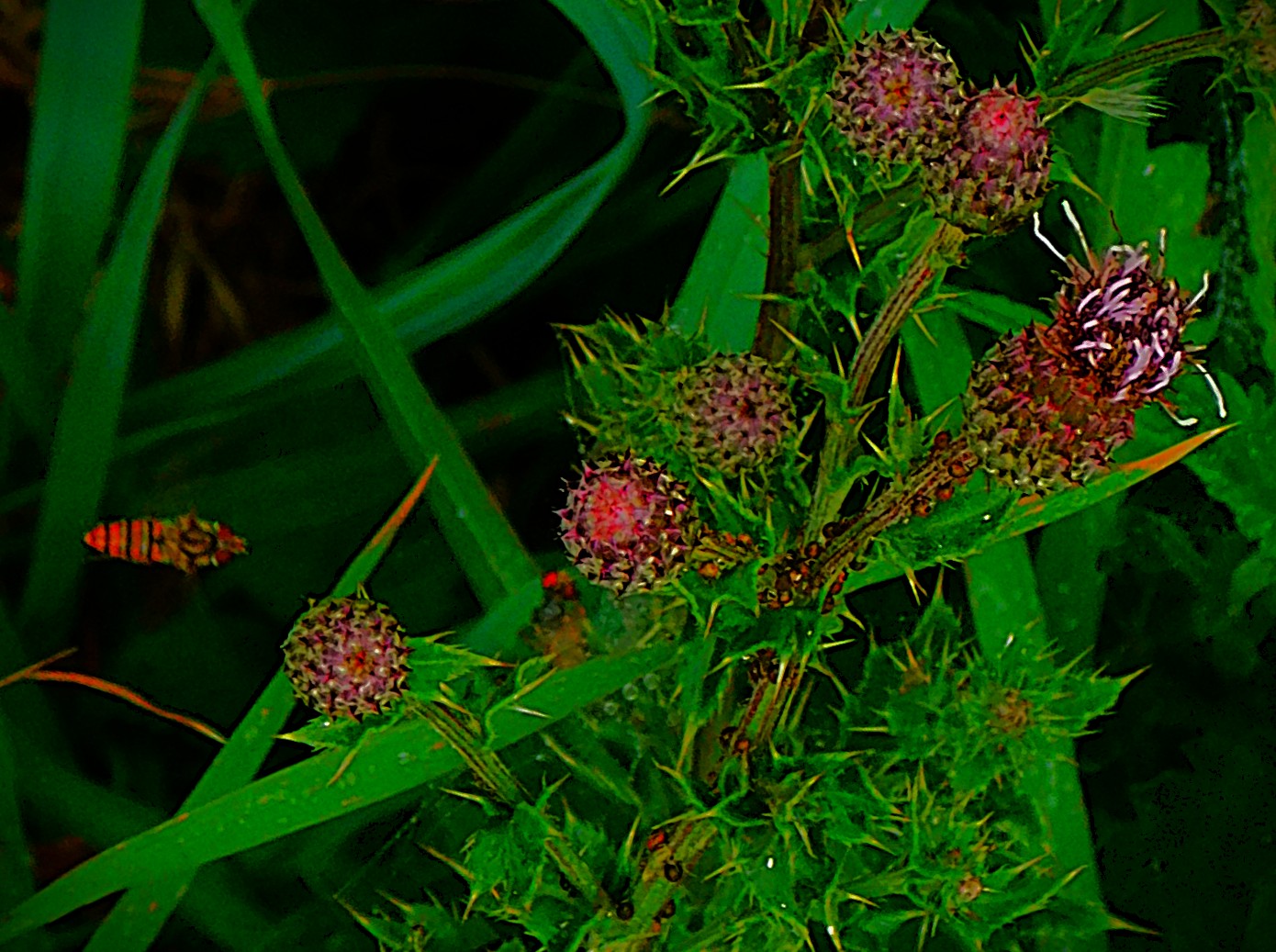
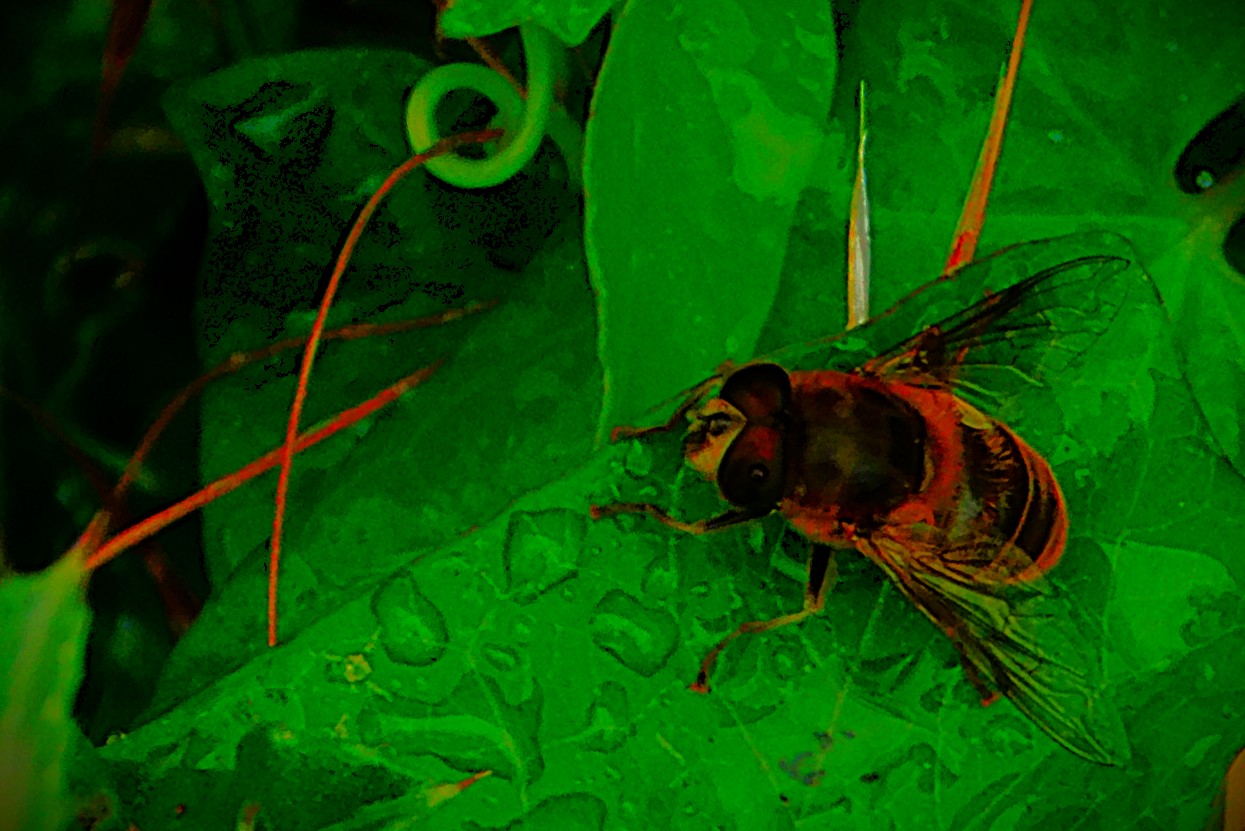
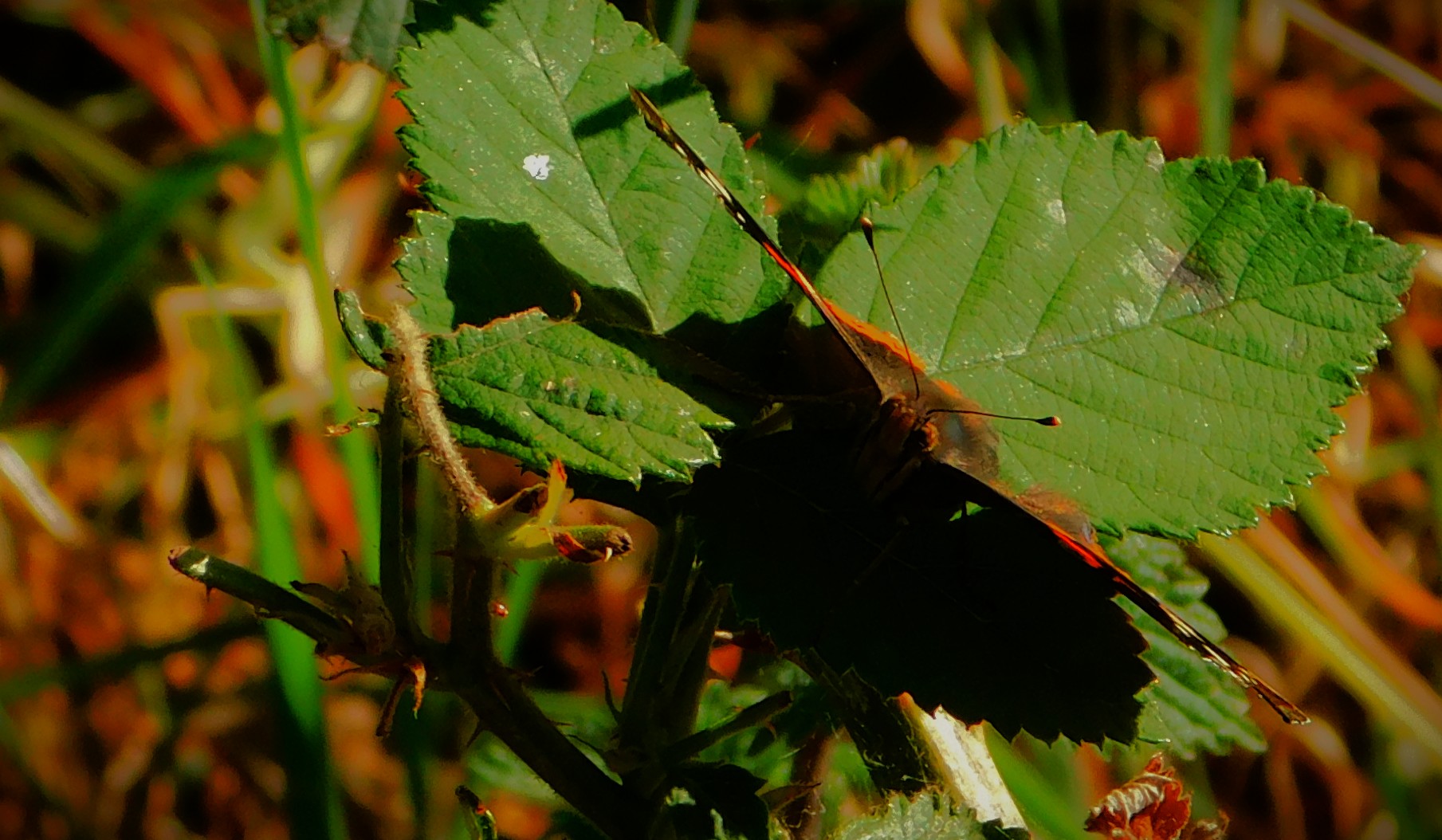
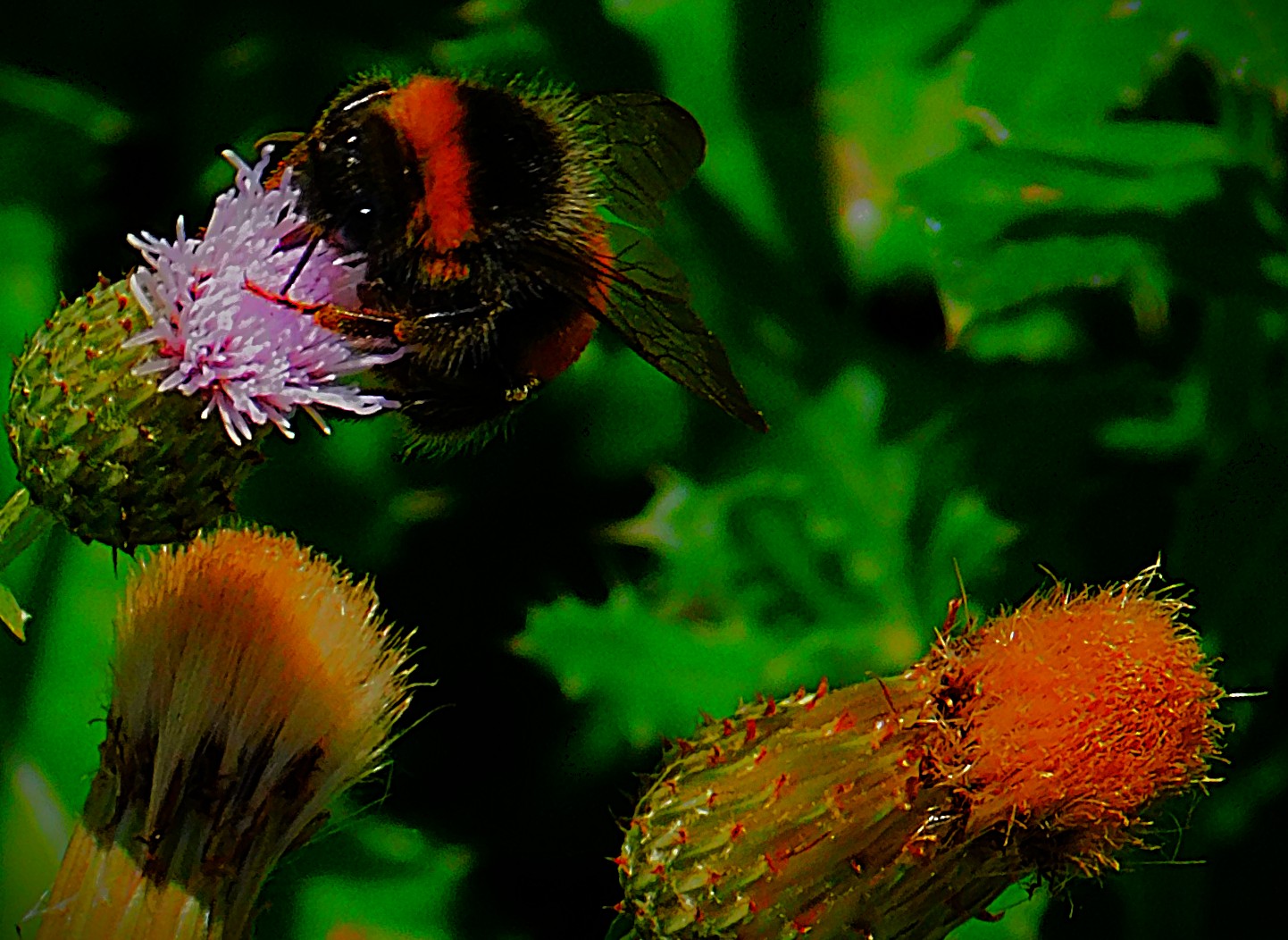
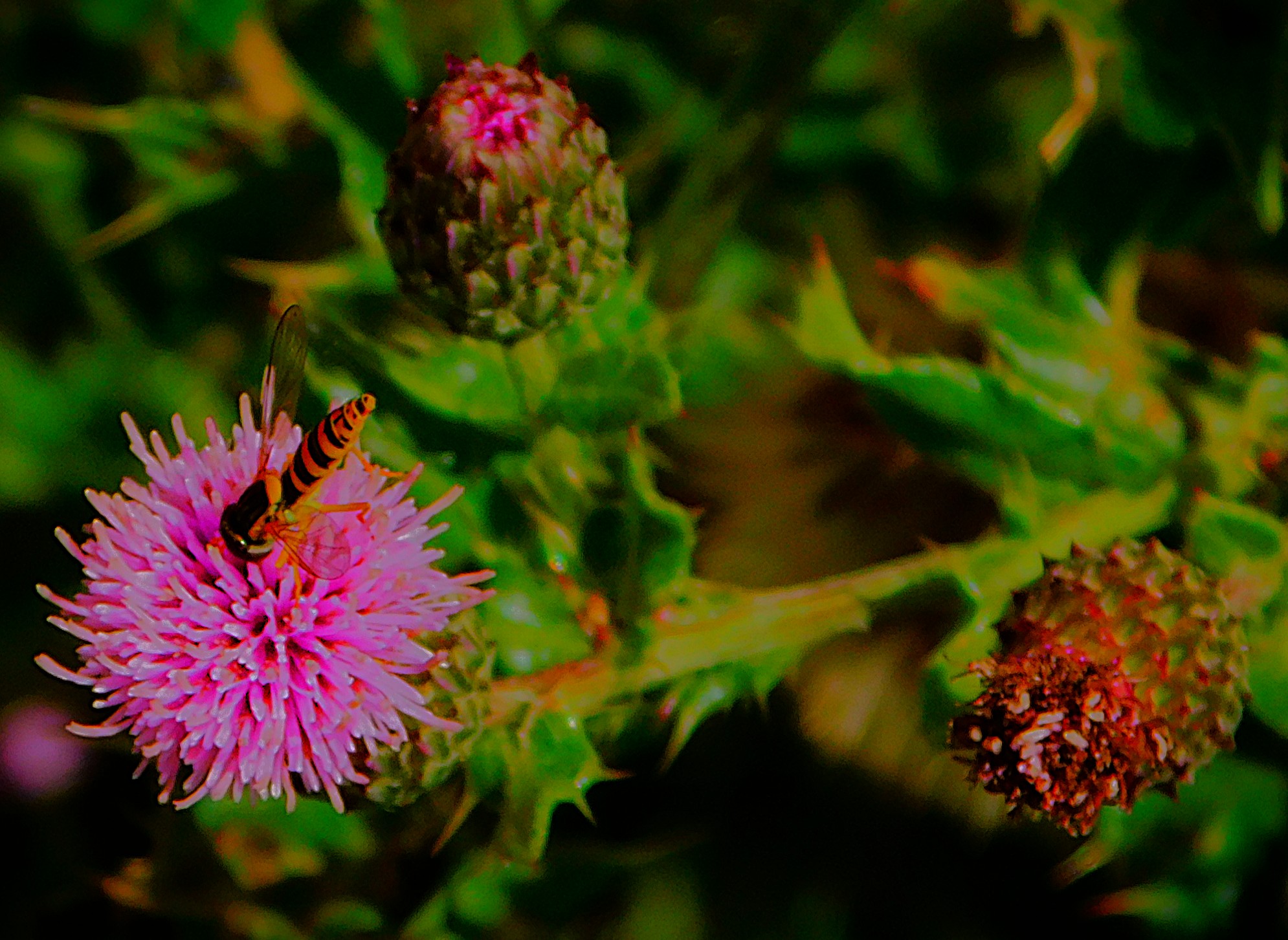
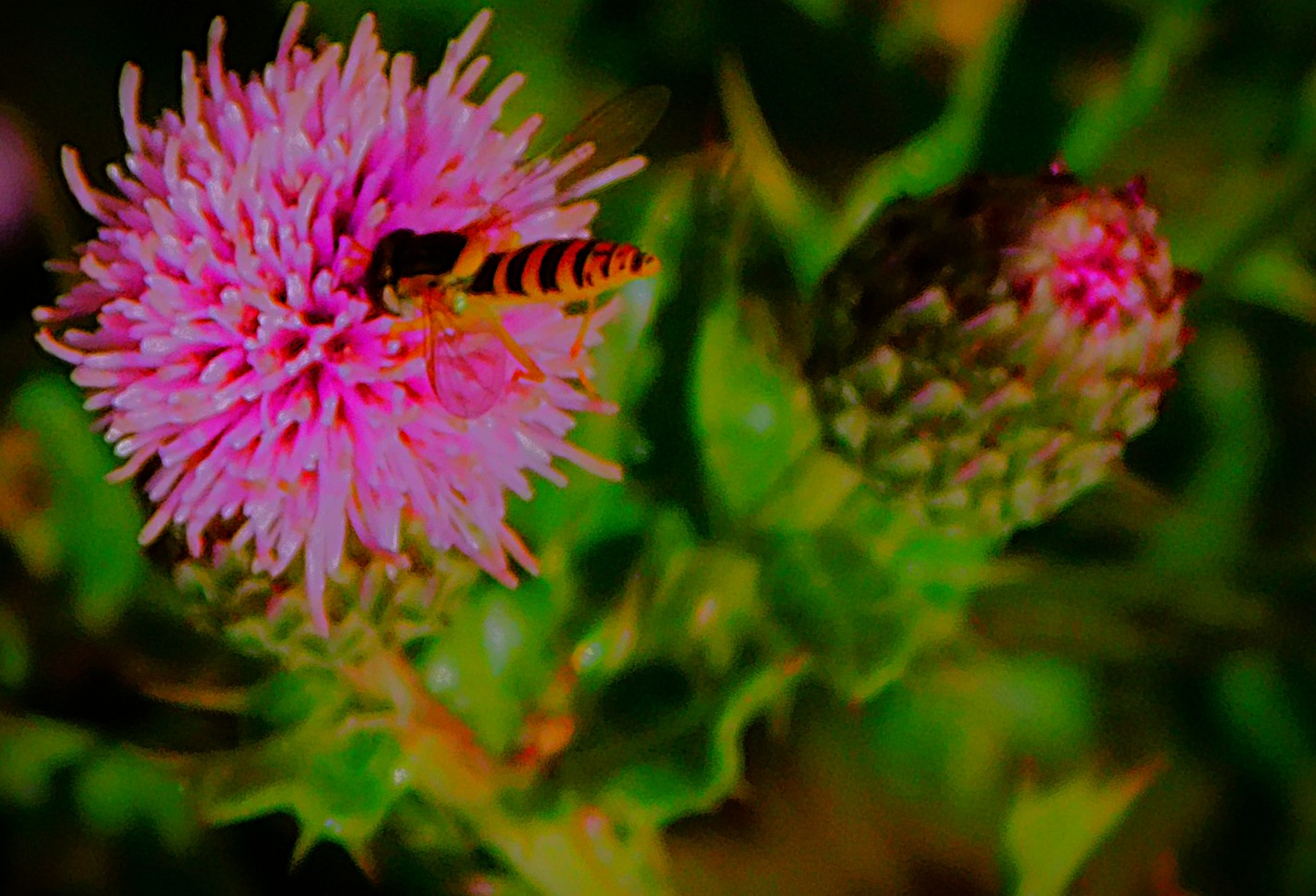
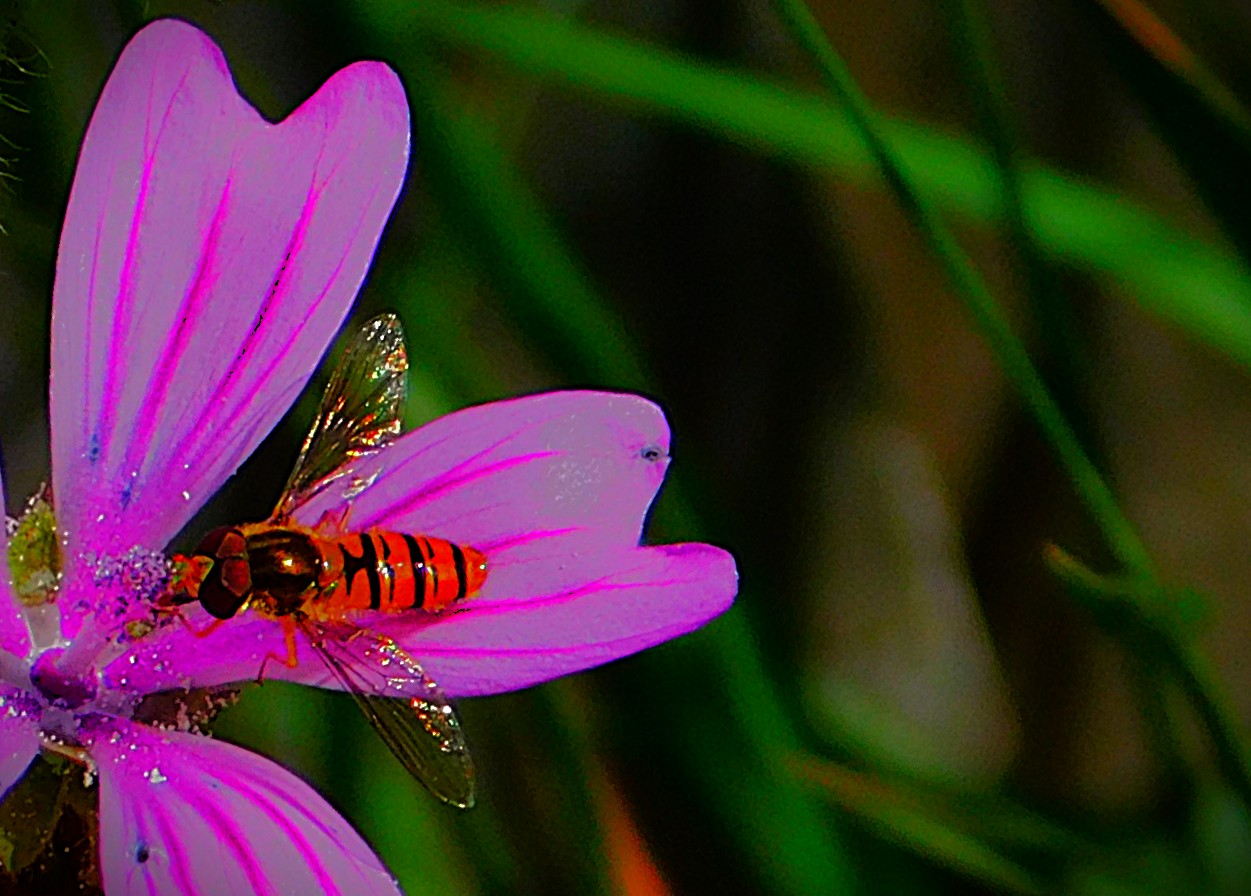
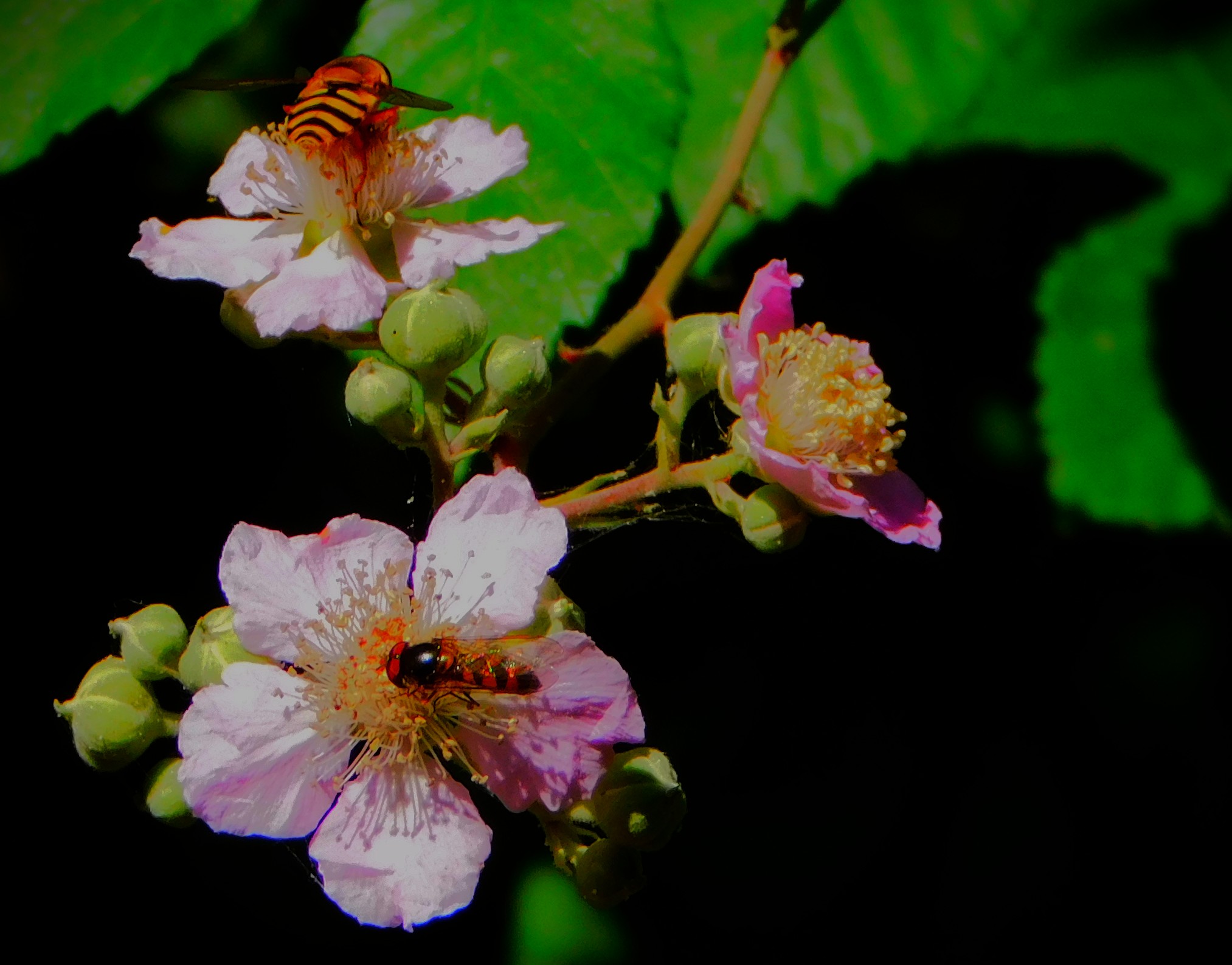
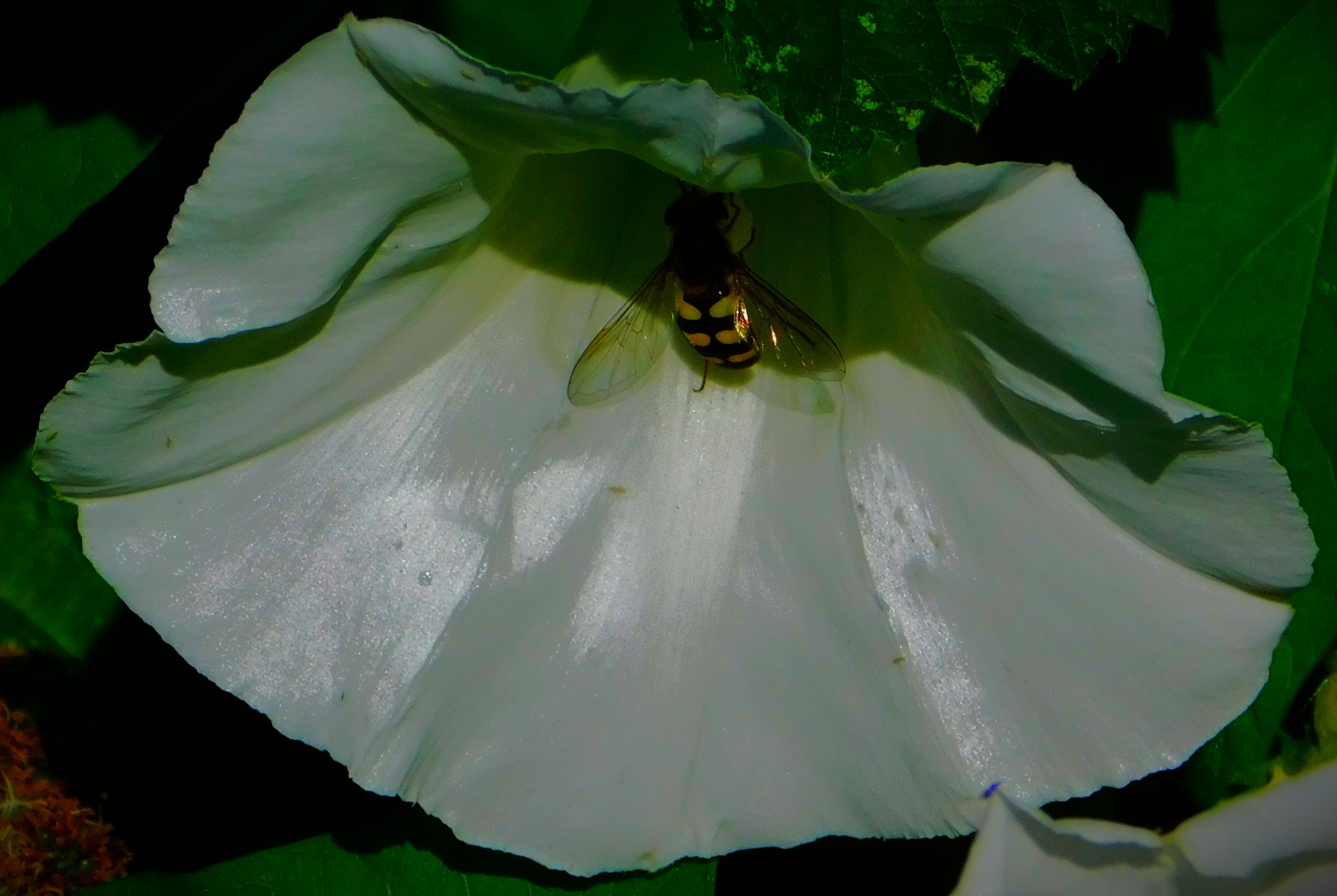
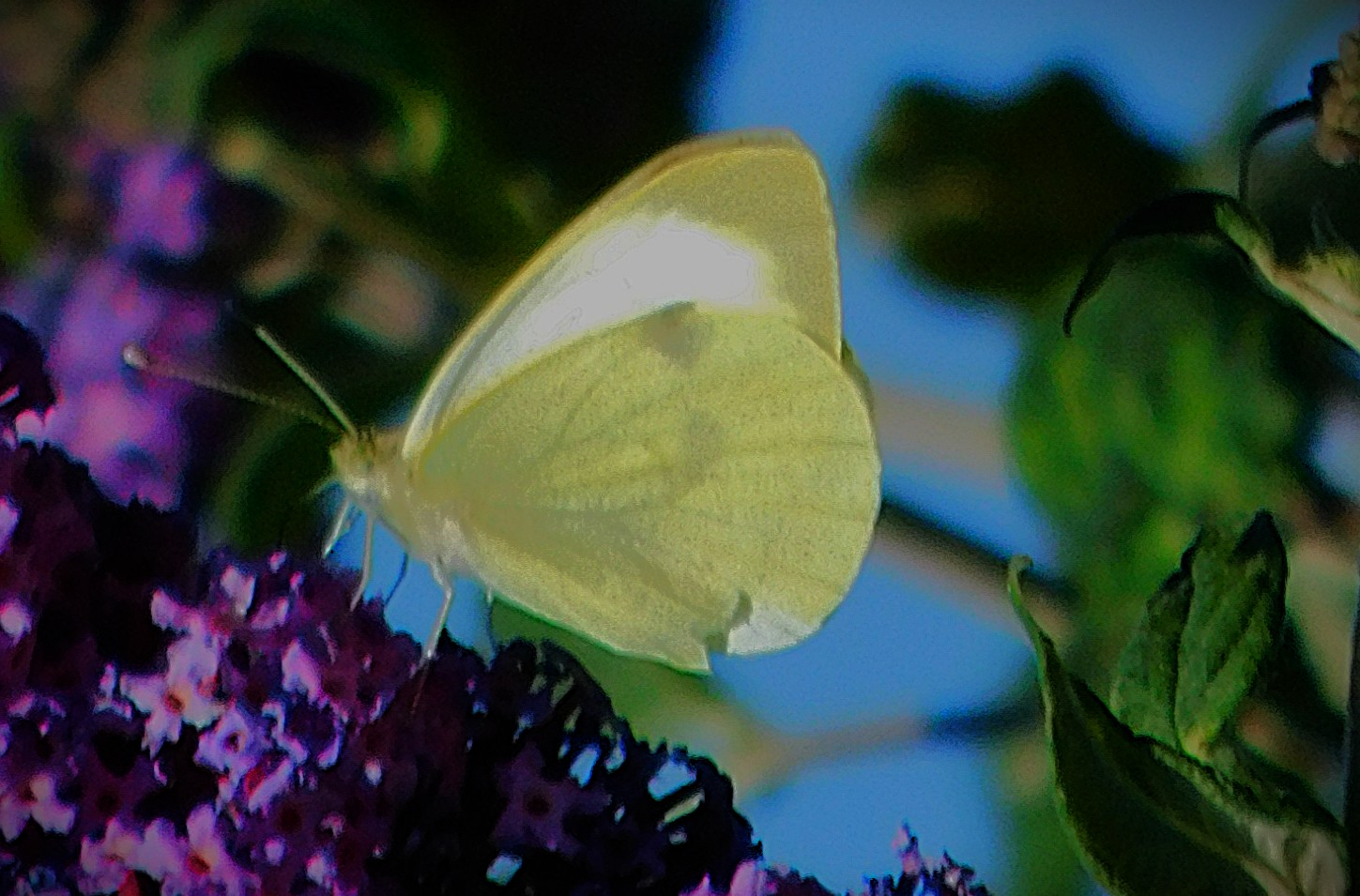
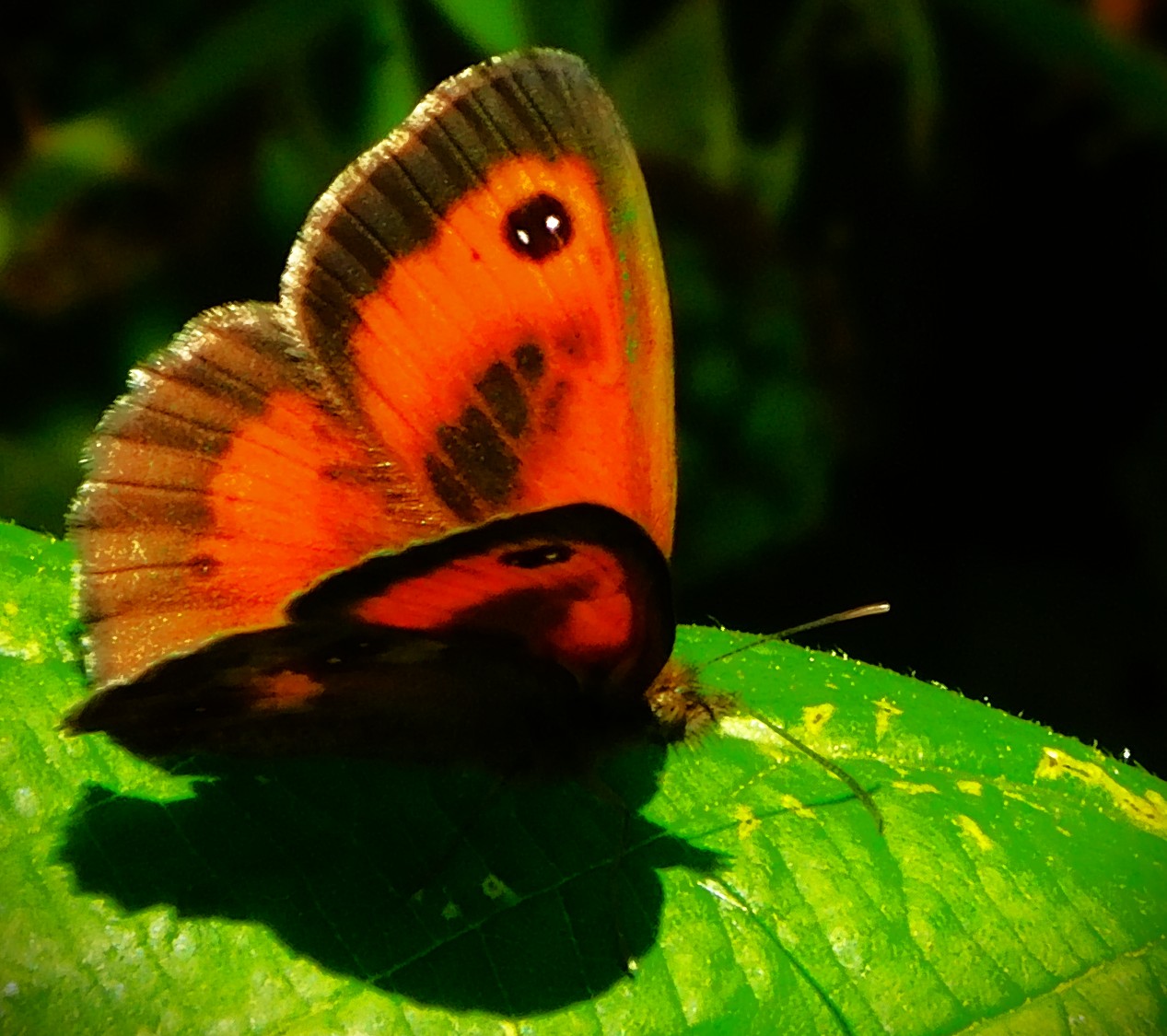
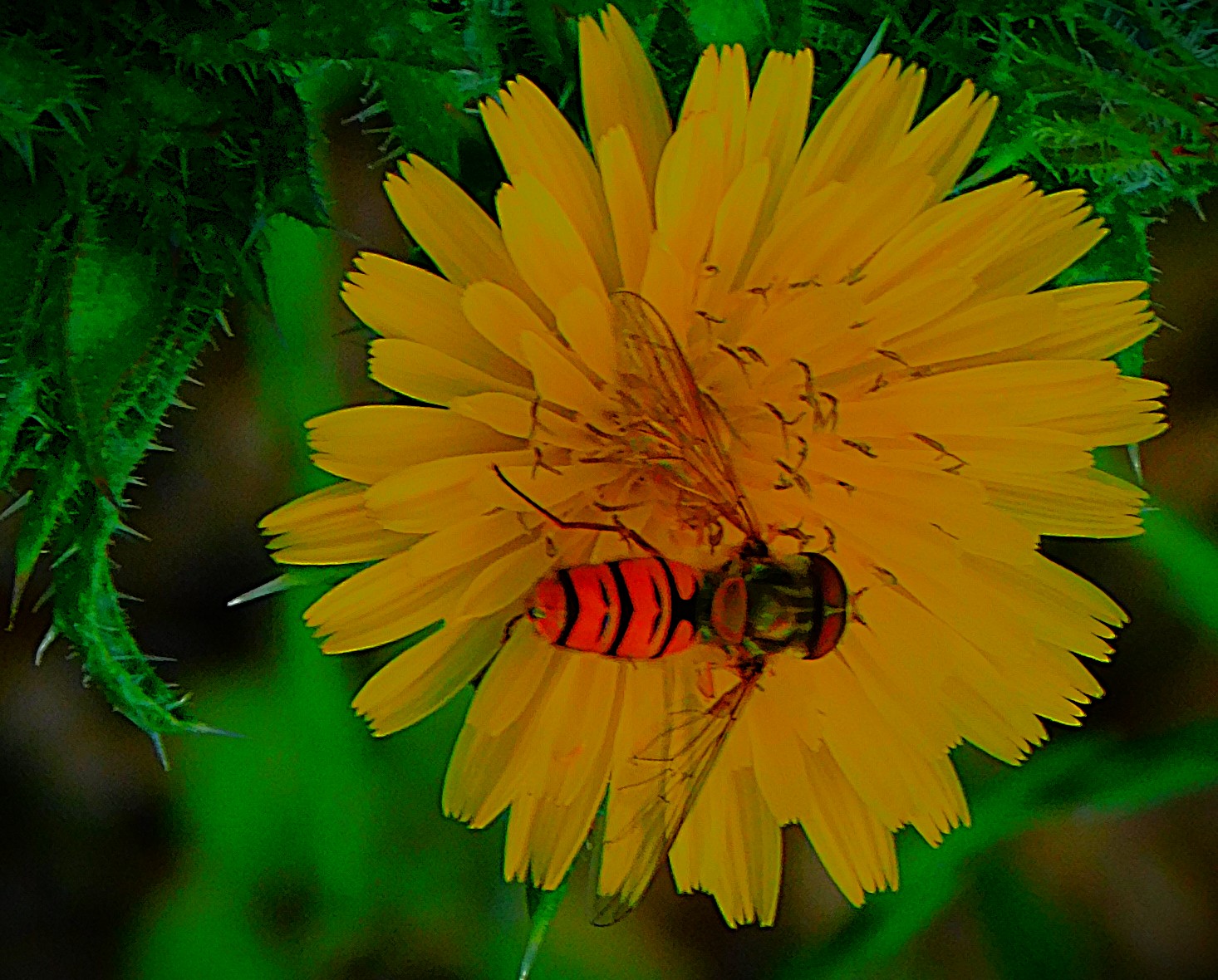
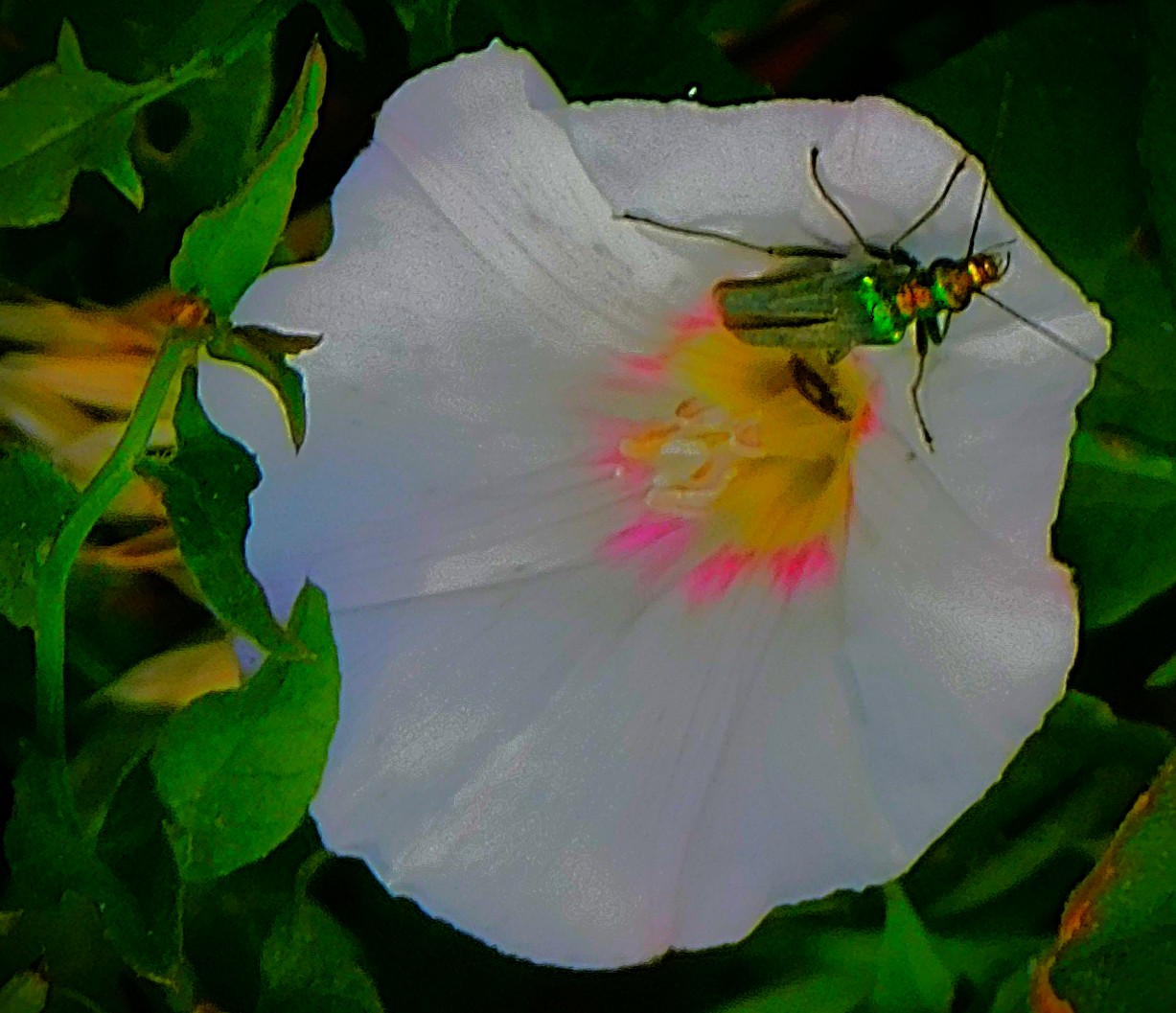
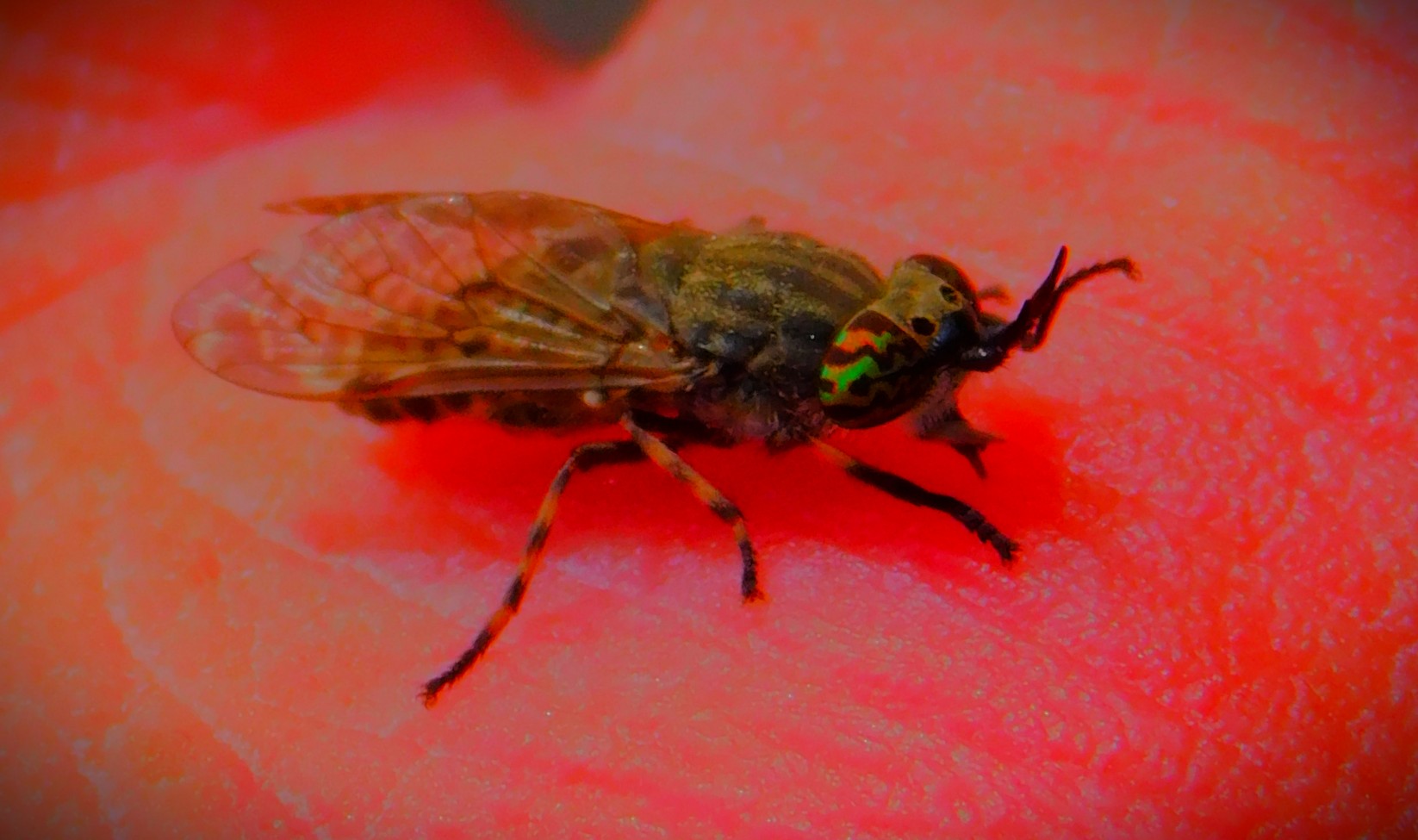
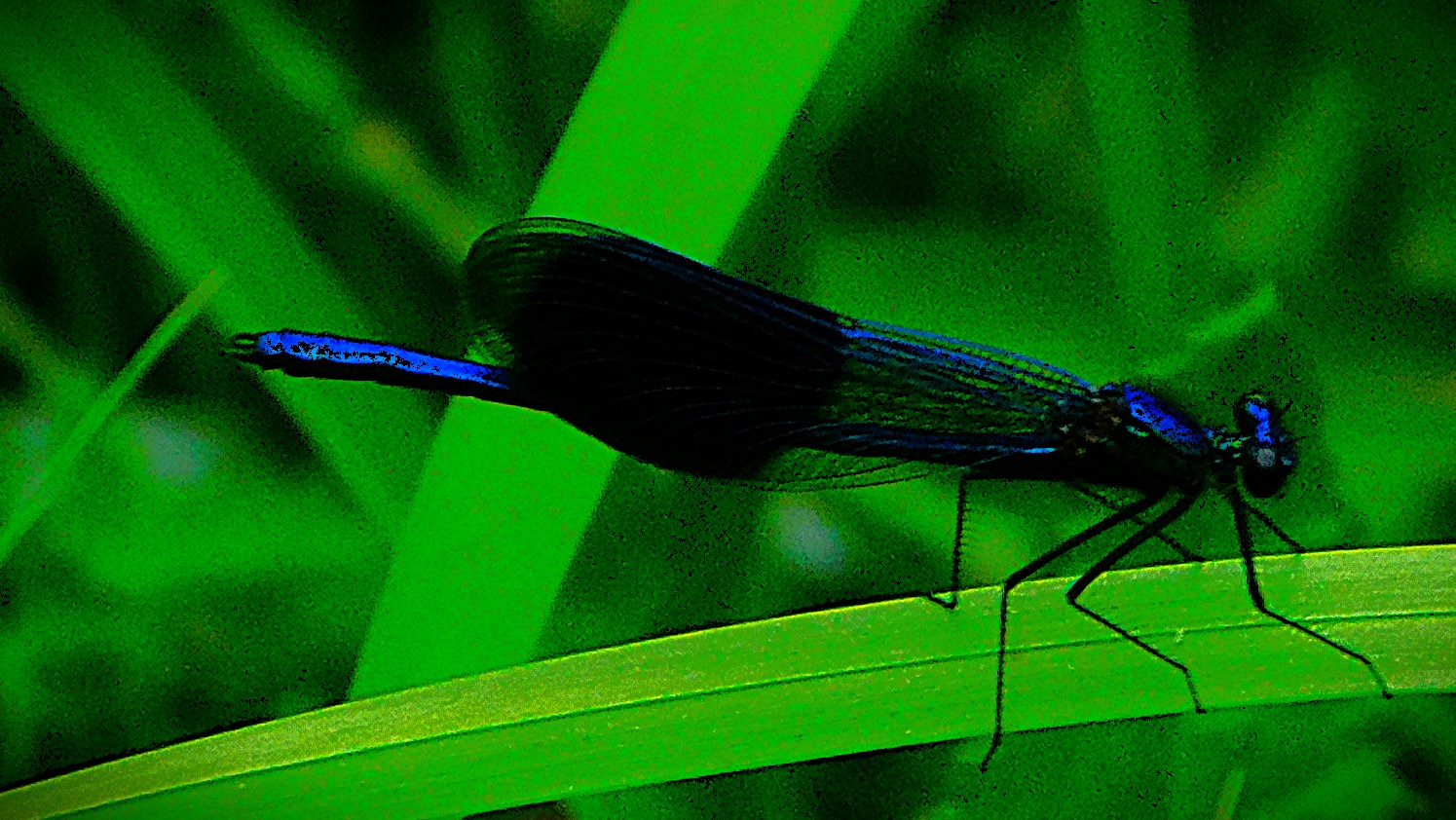
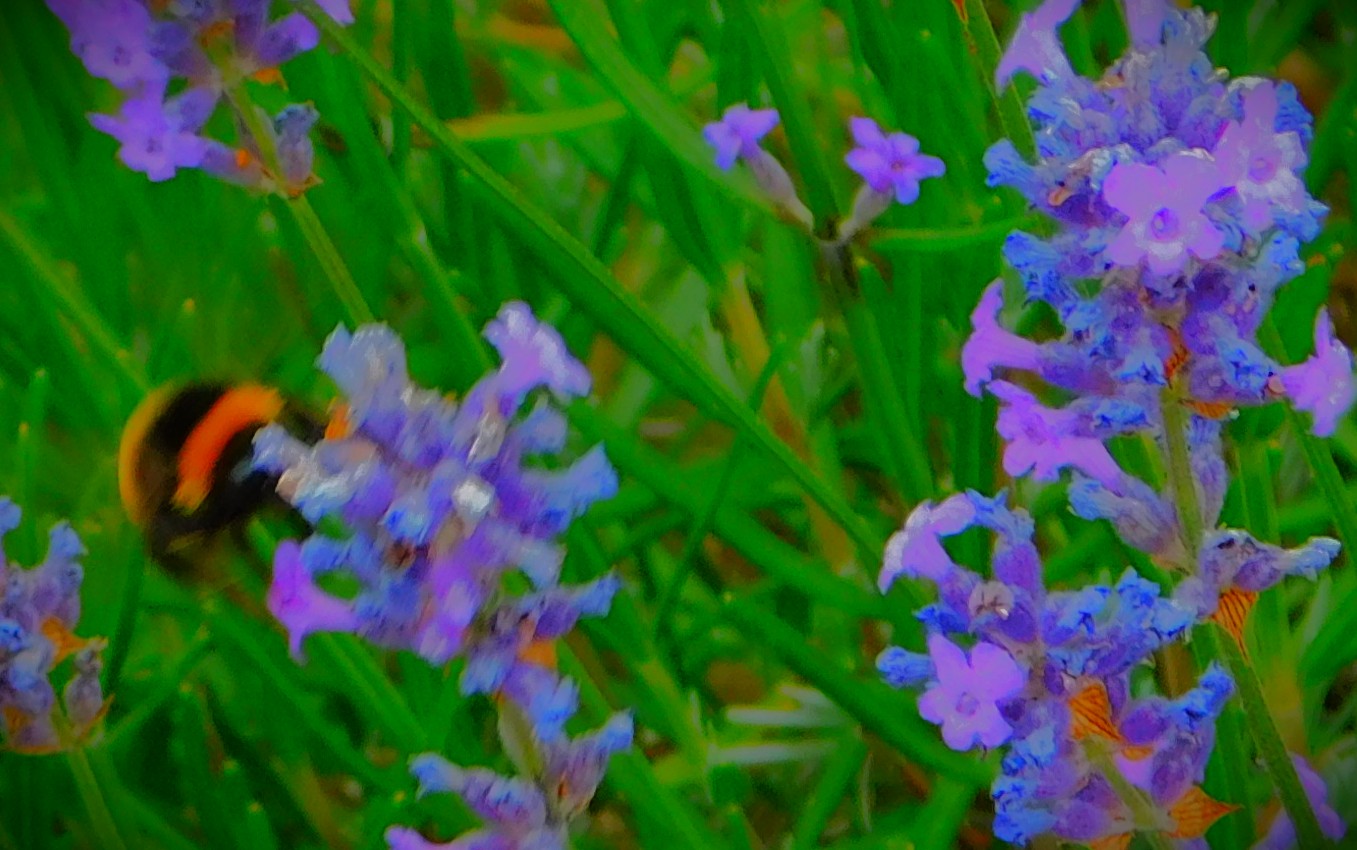
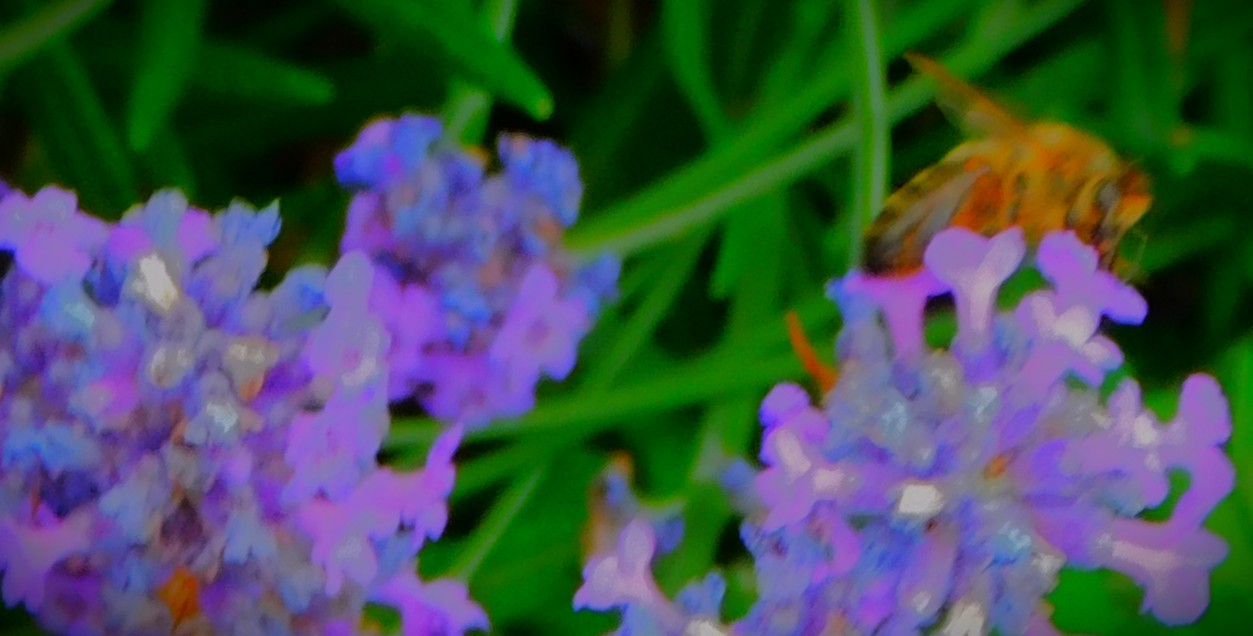
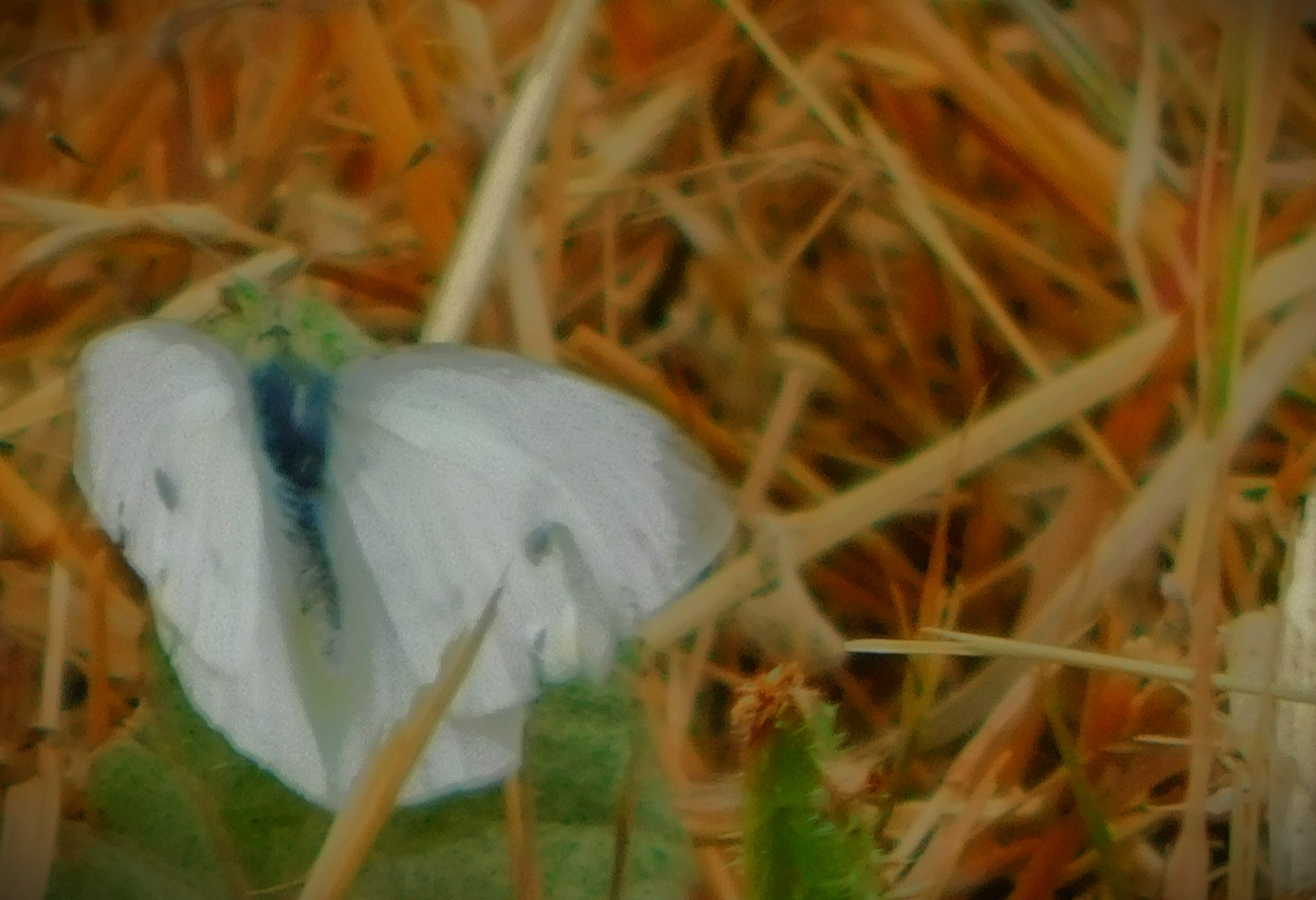
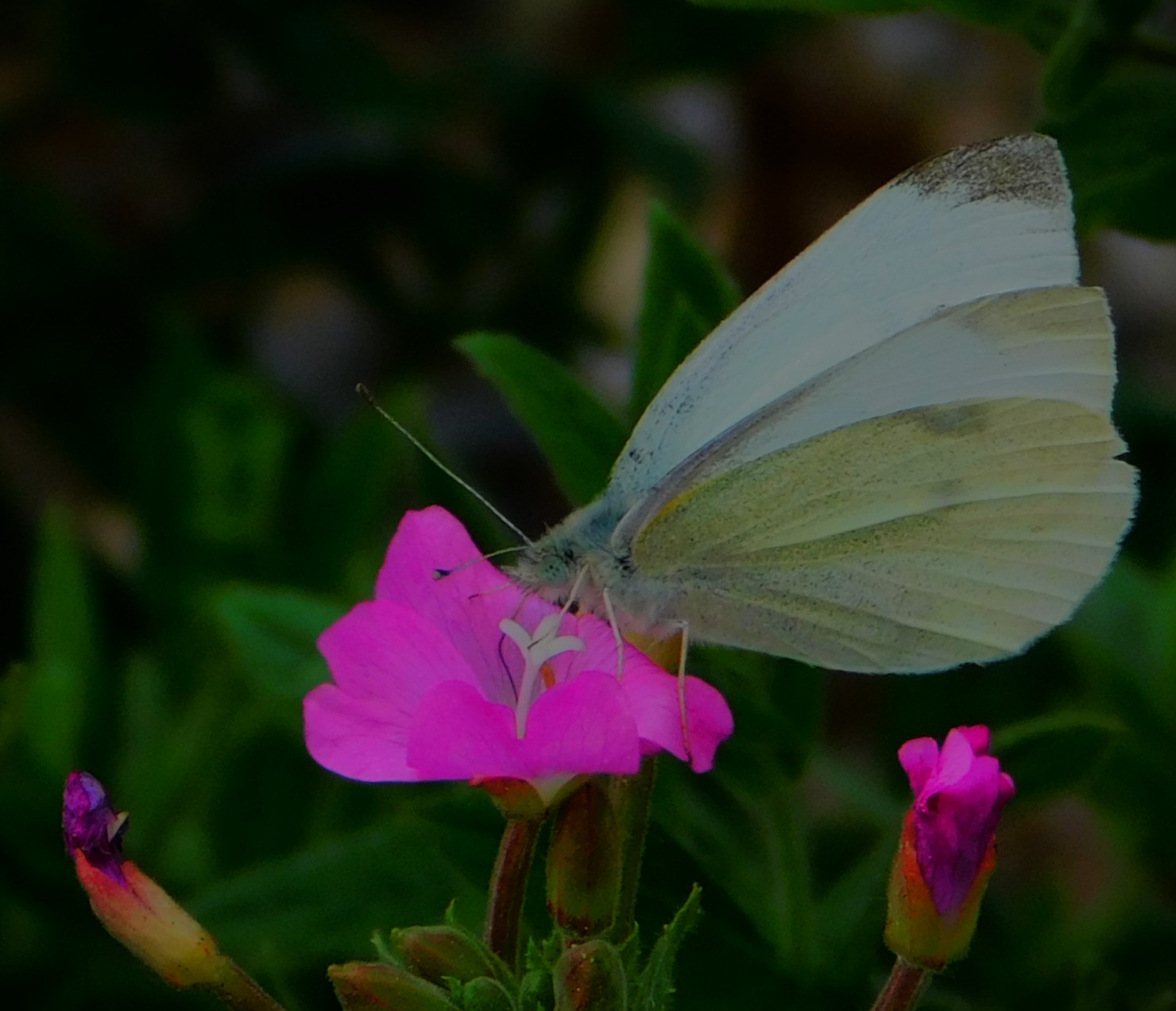
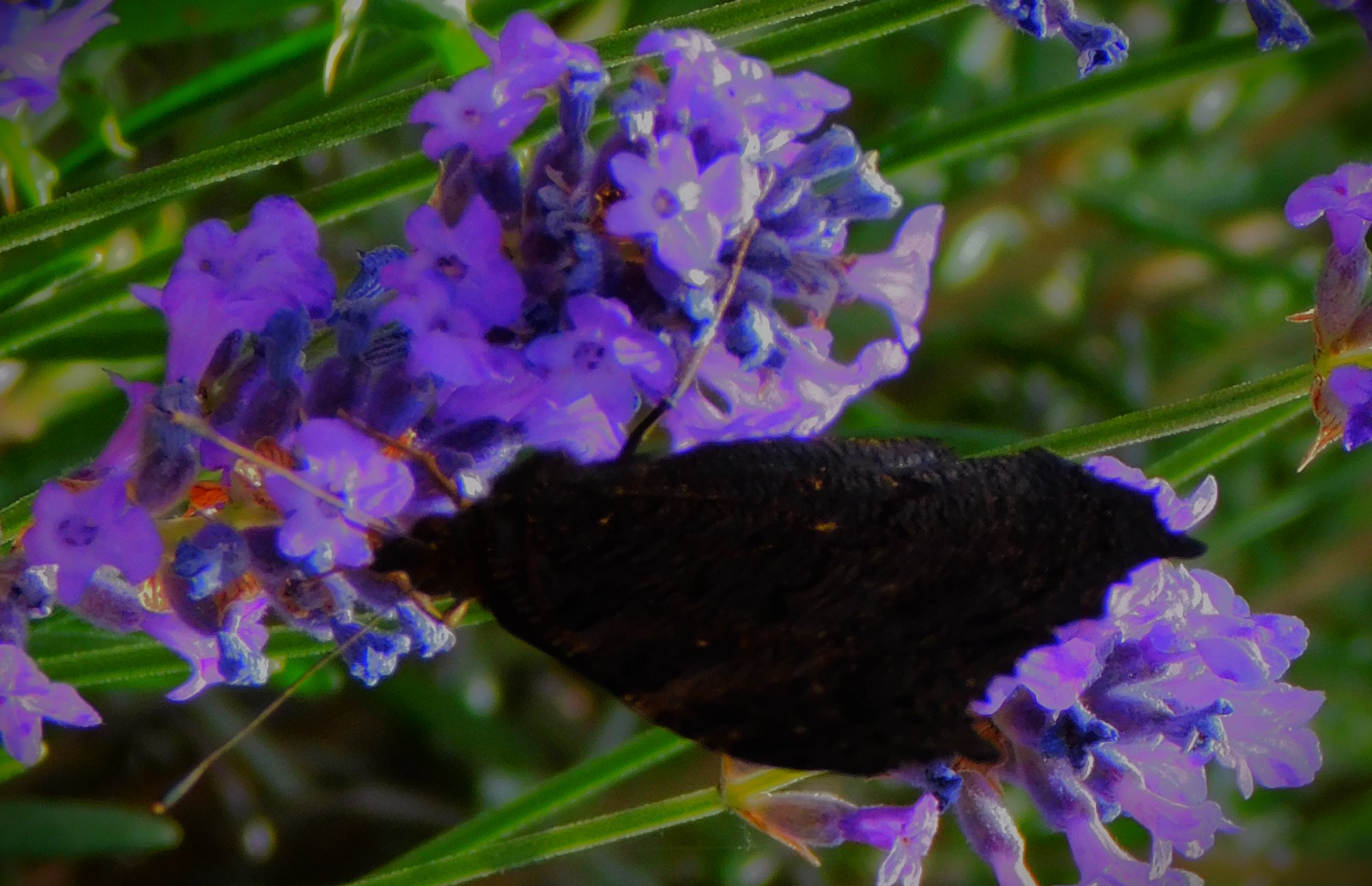
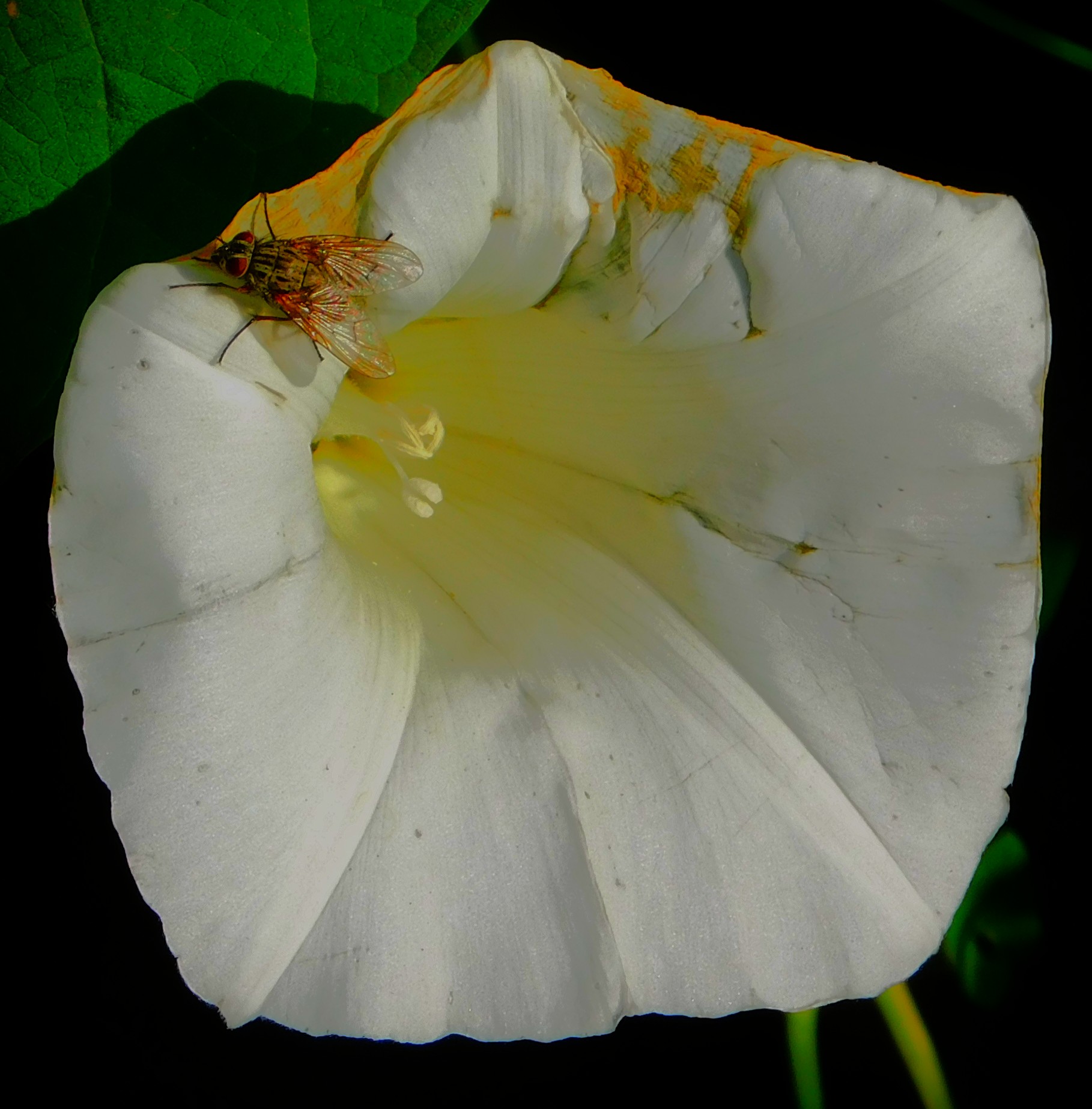
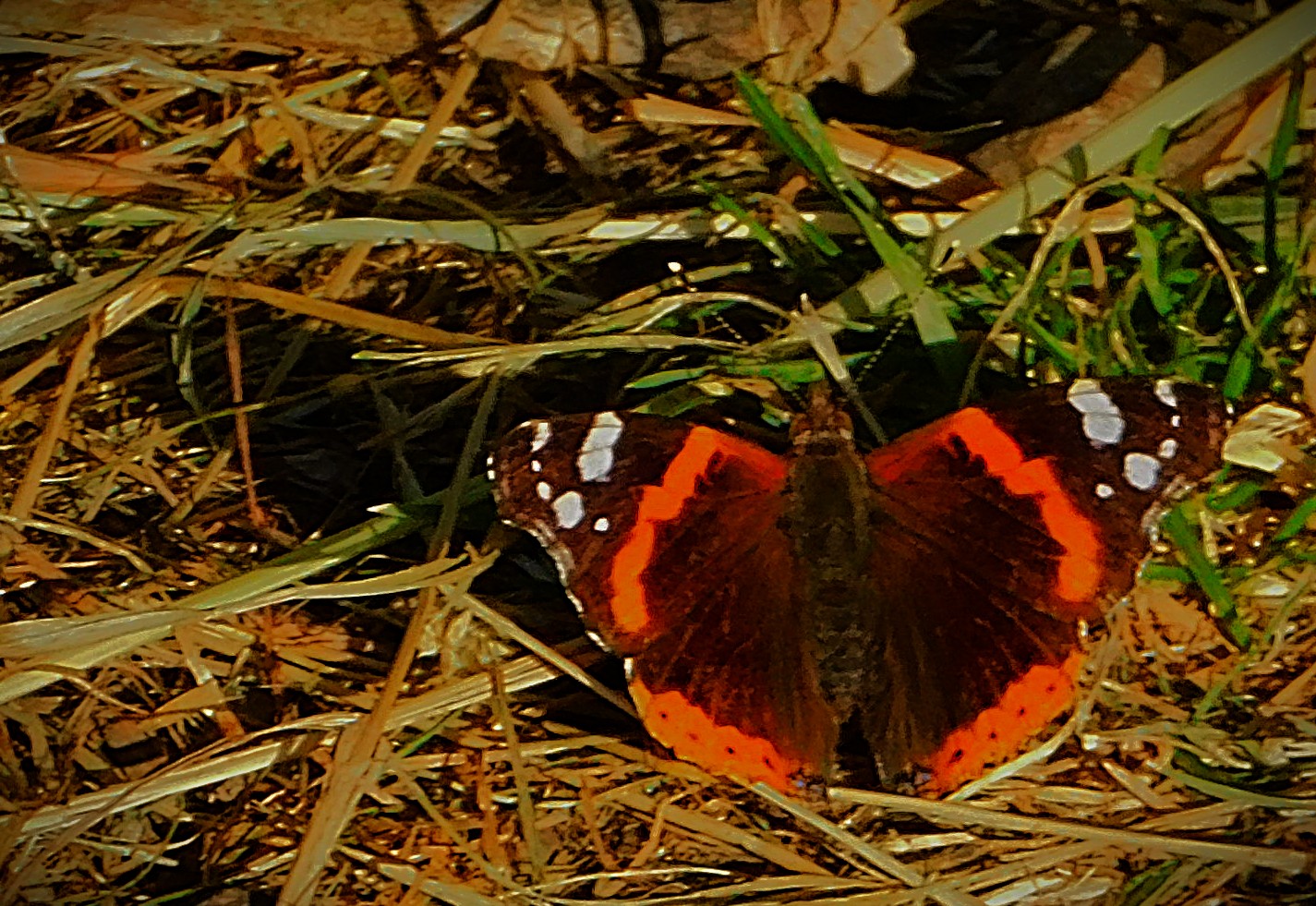
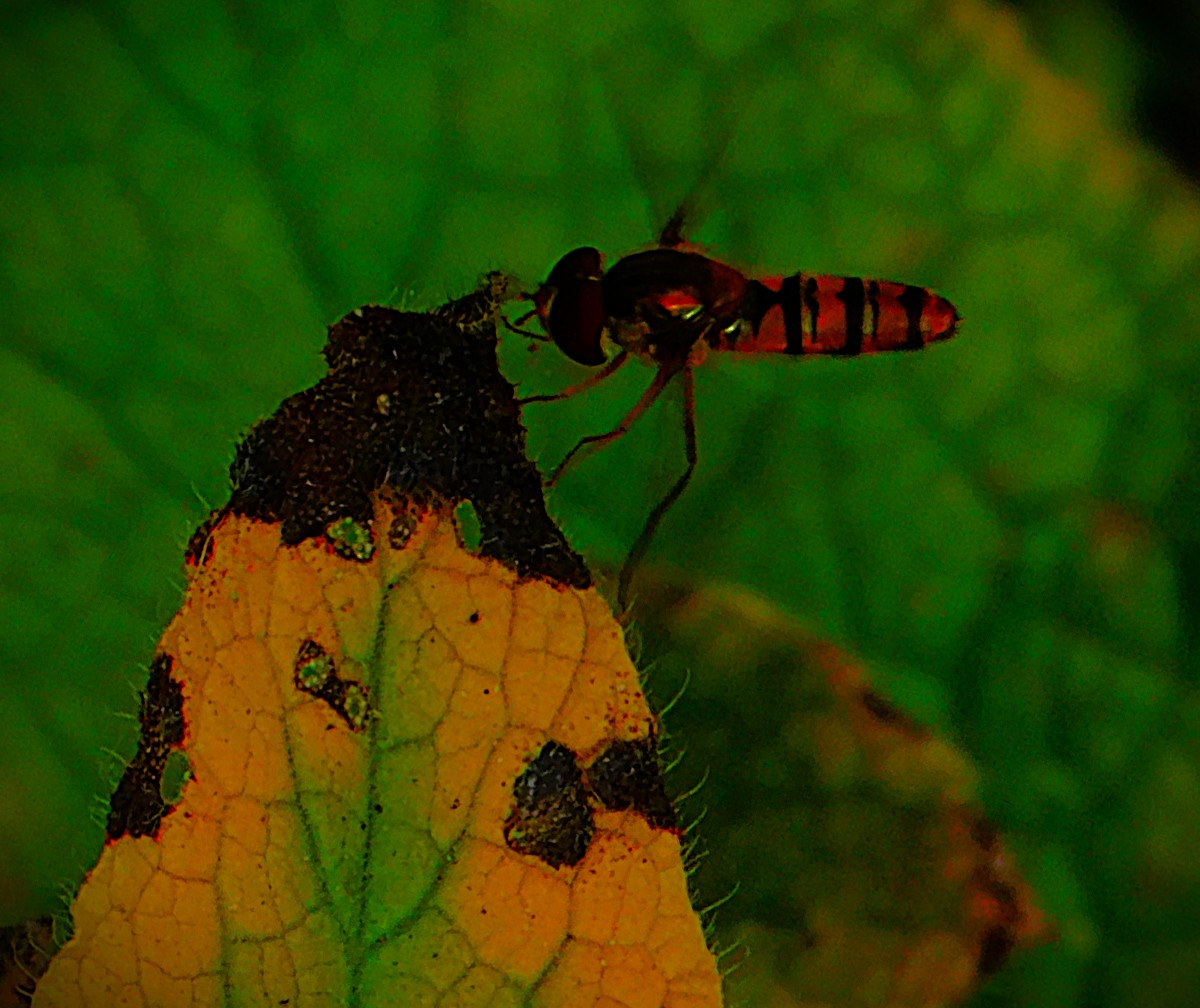
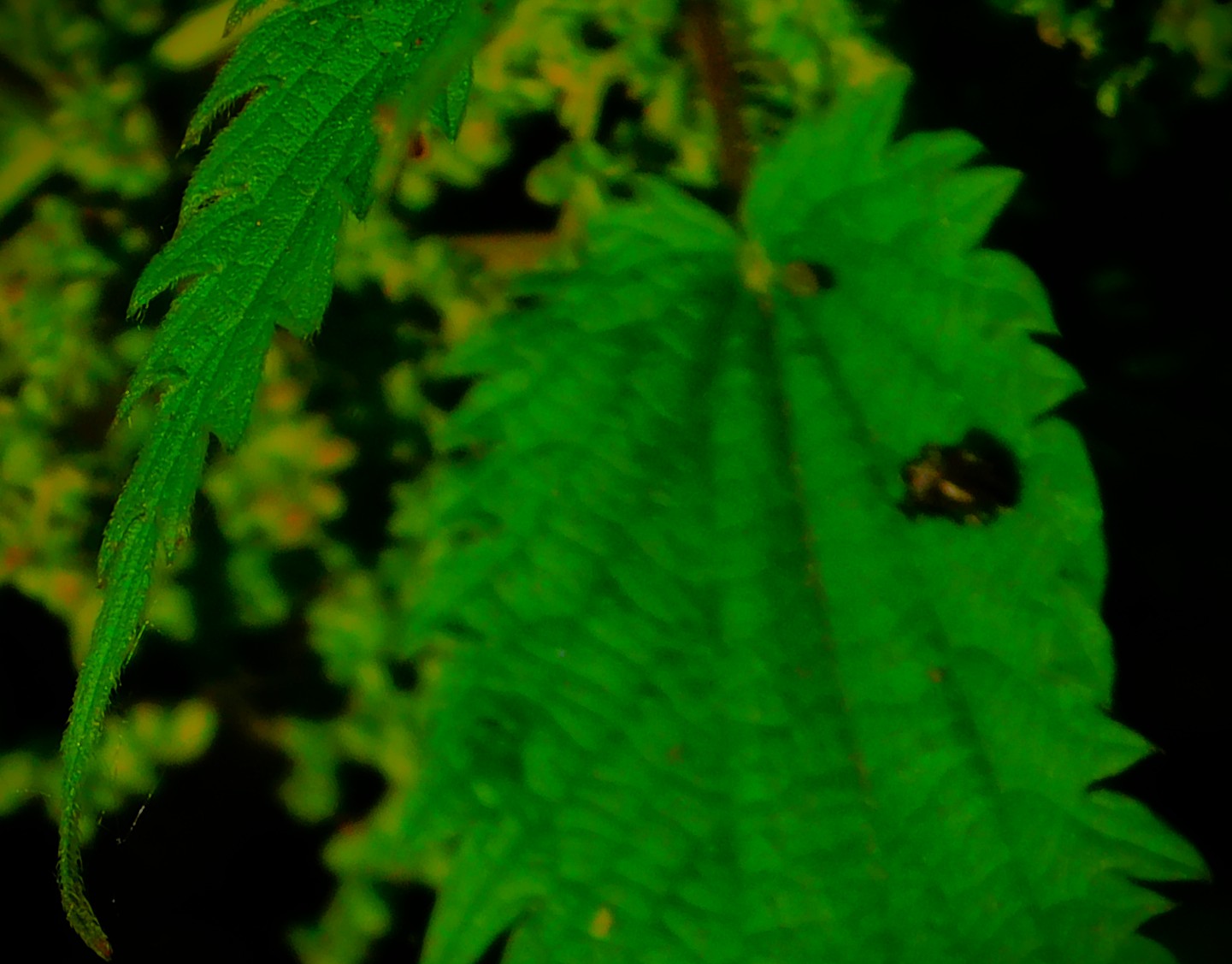
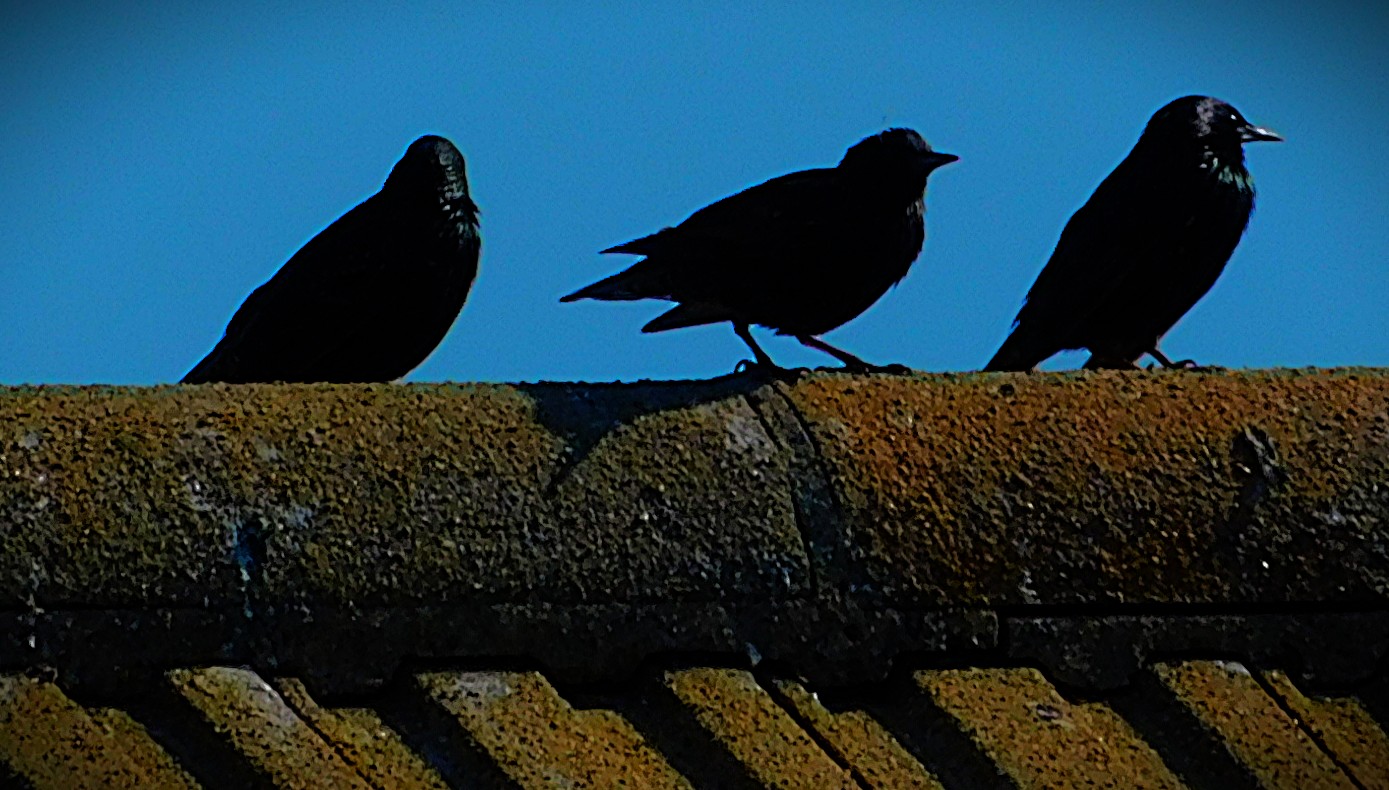
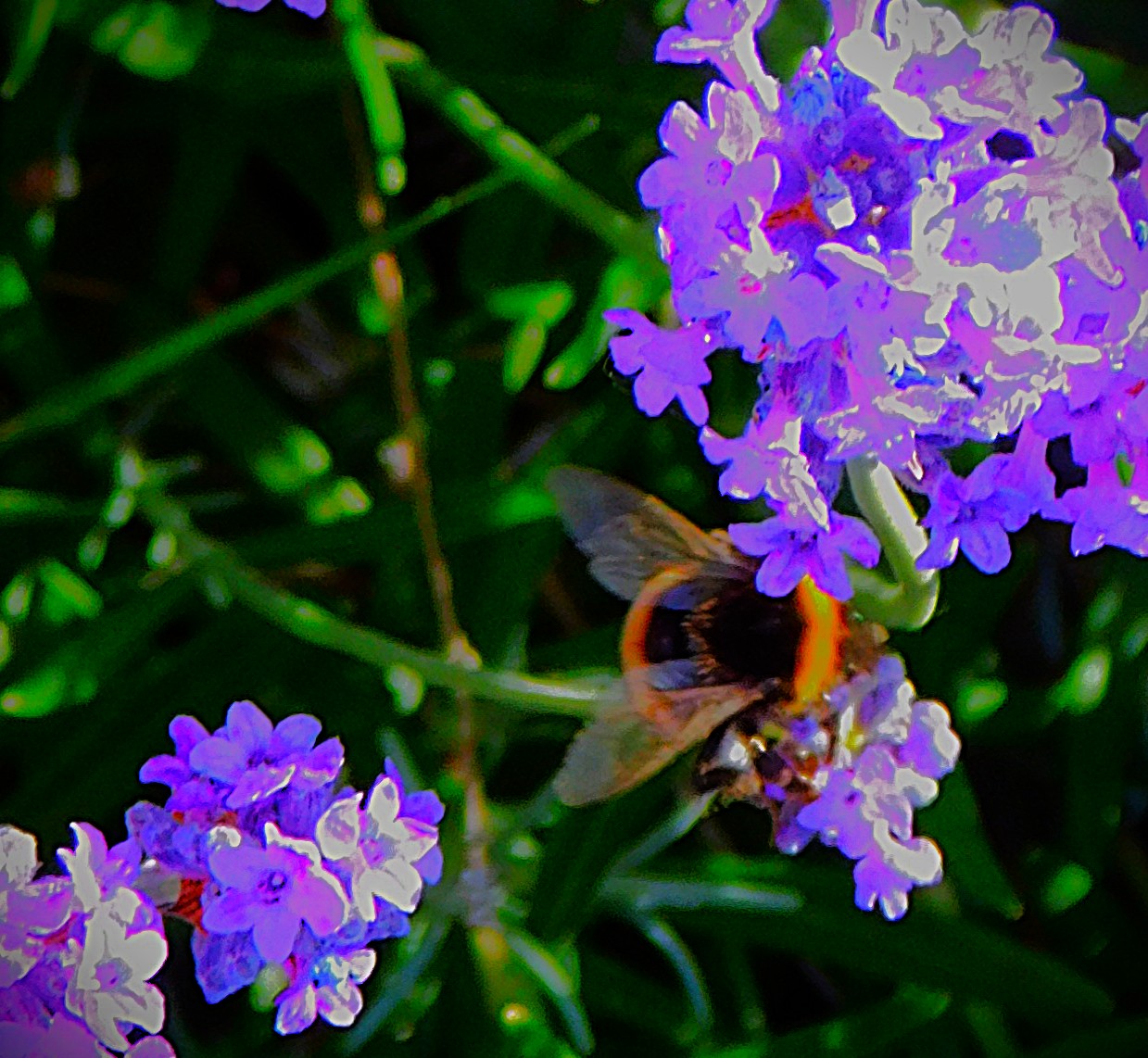
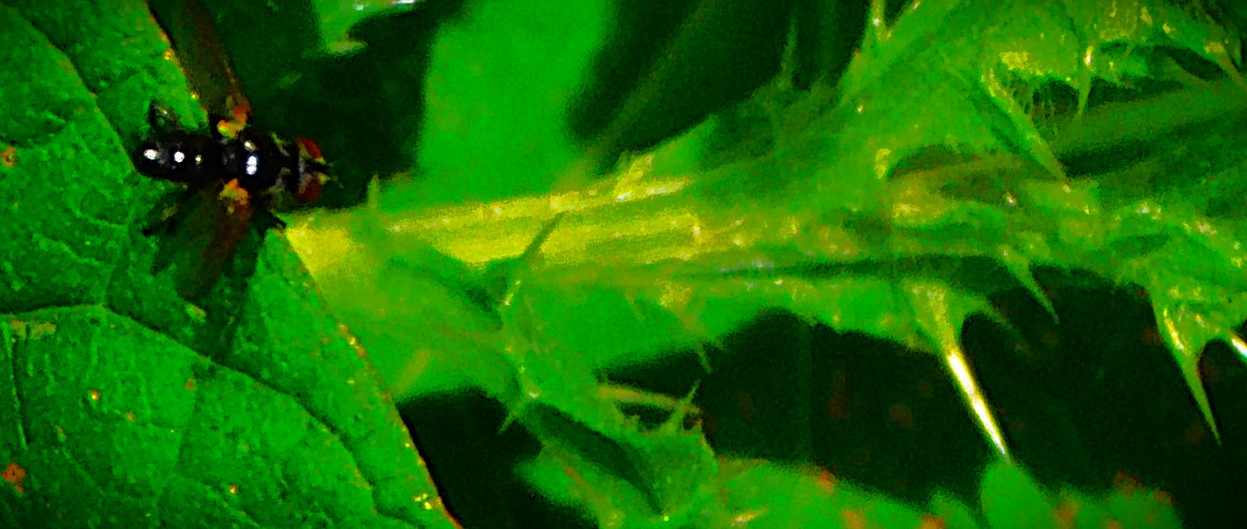
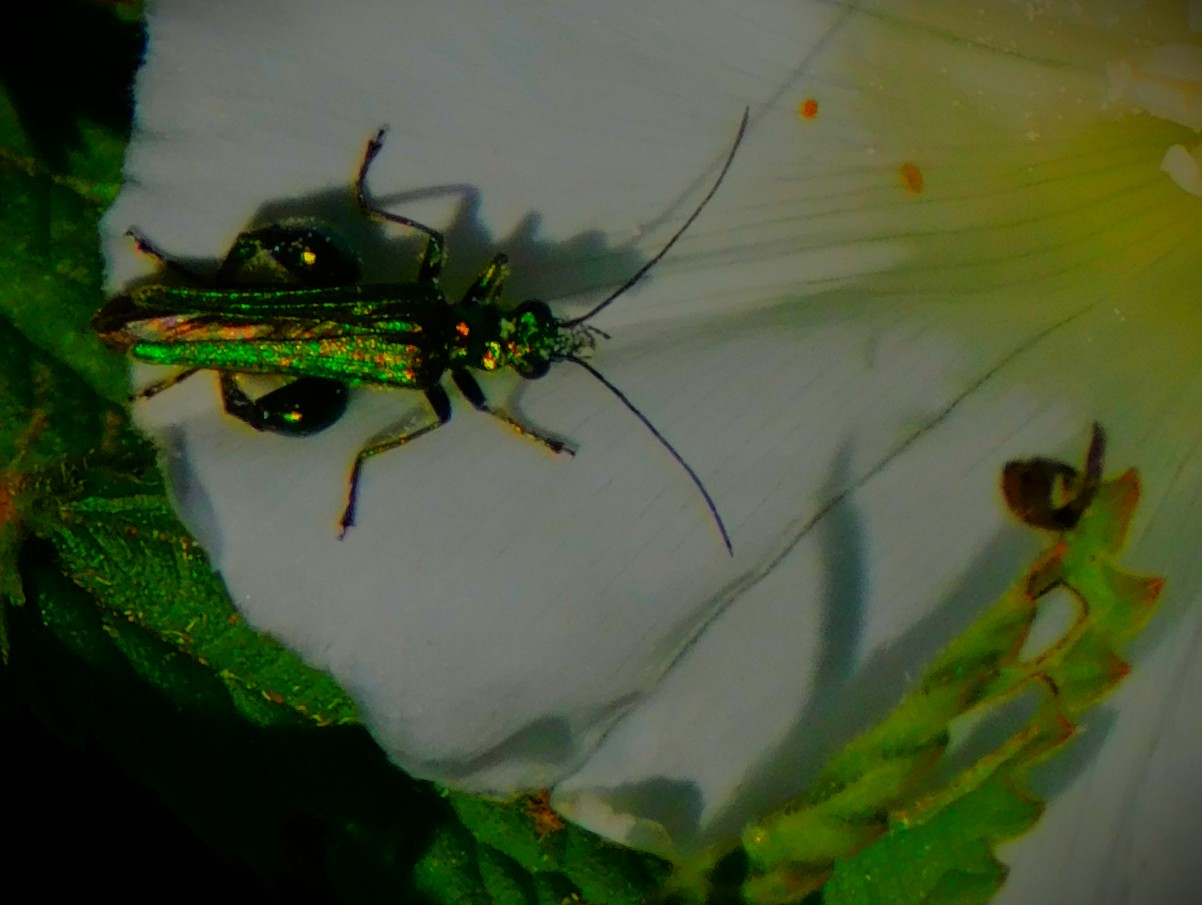
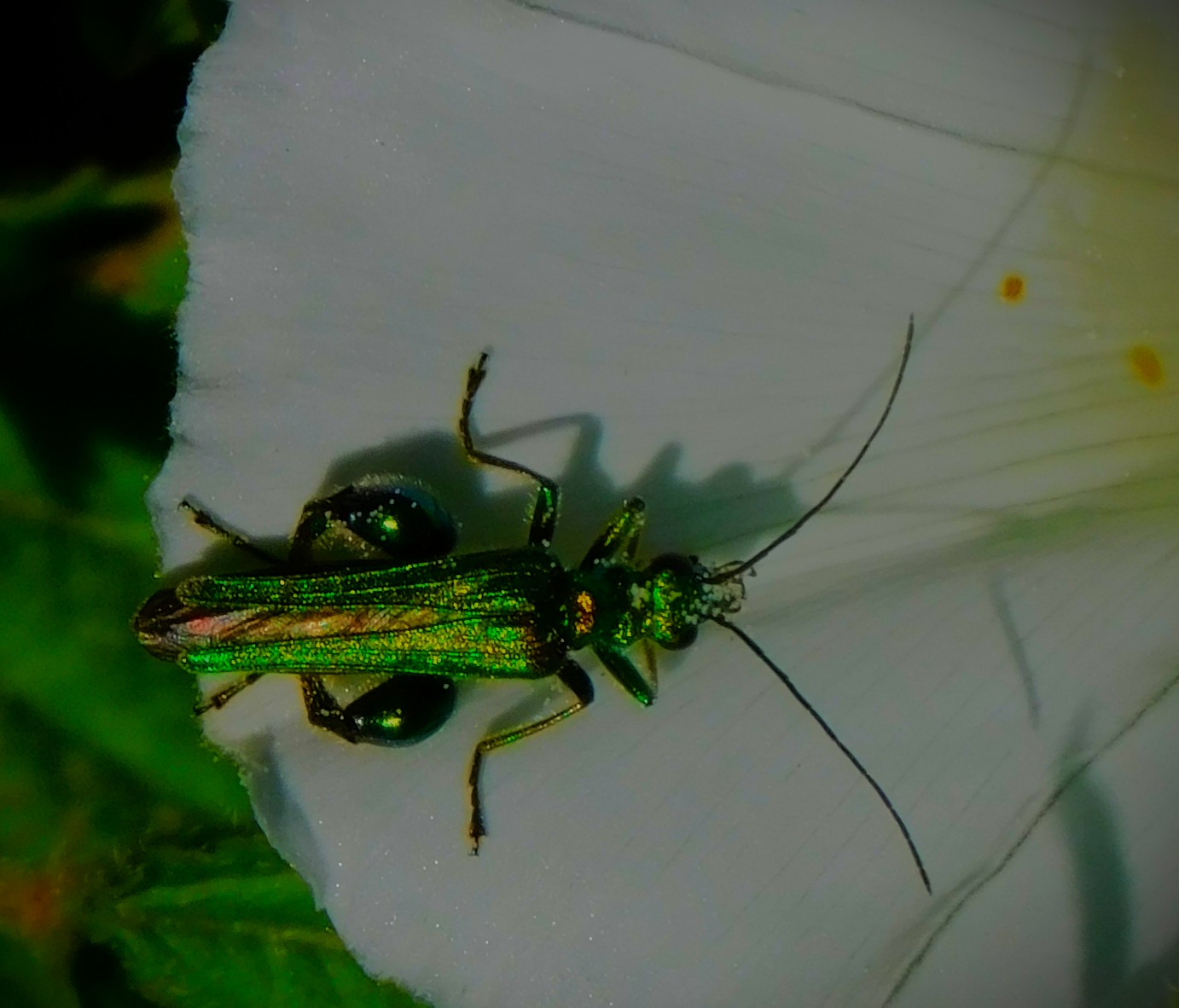
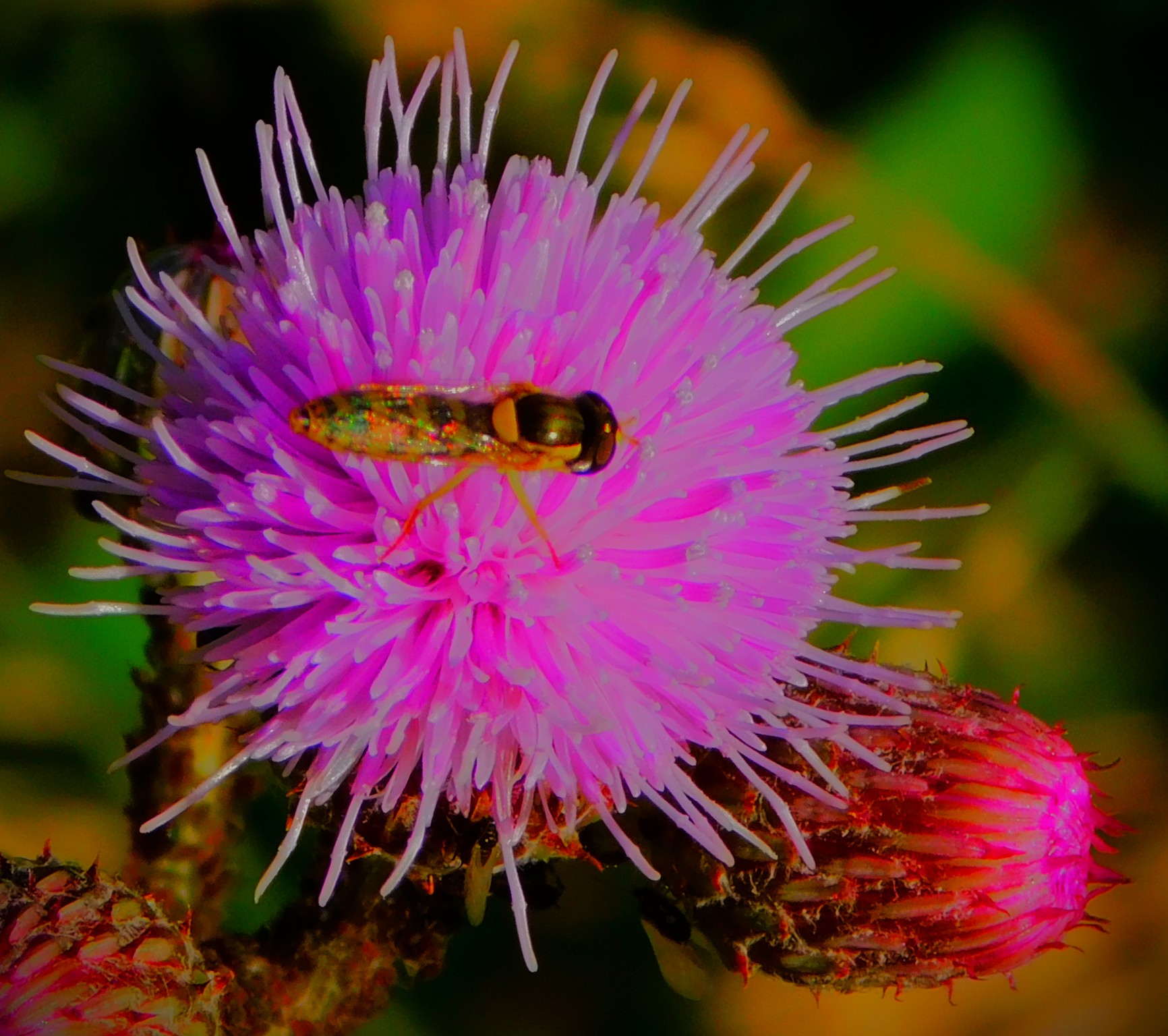
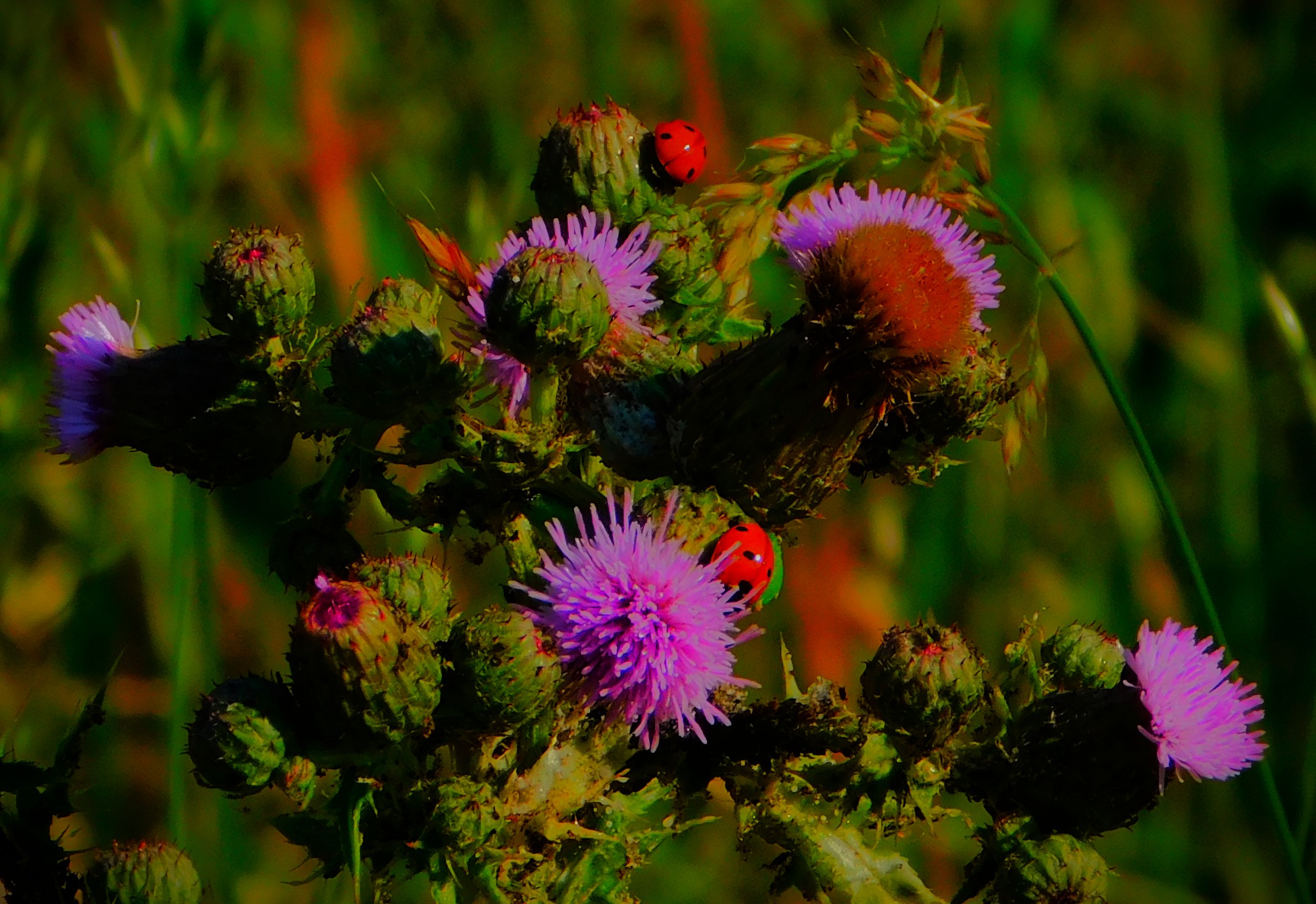
As we move deeper into spring in the northern hemisphere the insects are starting to appear in numbers (other than the butterflies, where my sightings count remains stuck at two so far for 2025). The photo gallery at the end of this post thus features a preponderance of insects.
HOW TO FIND INSECTS
A lot of this can be explained by reproducing an old line which works well in this context: “seek and ye shall find”.
I do lots of walking, and where I go my camera goes. I have also learned through experience to recognize likely places to spot insect life.
PHOTOGRAPHS
My usual sign off…
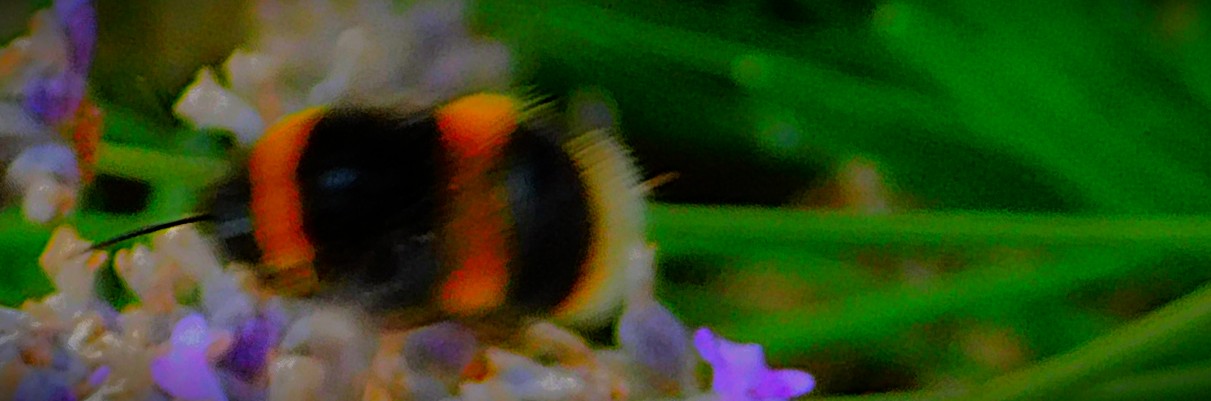
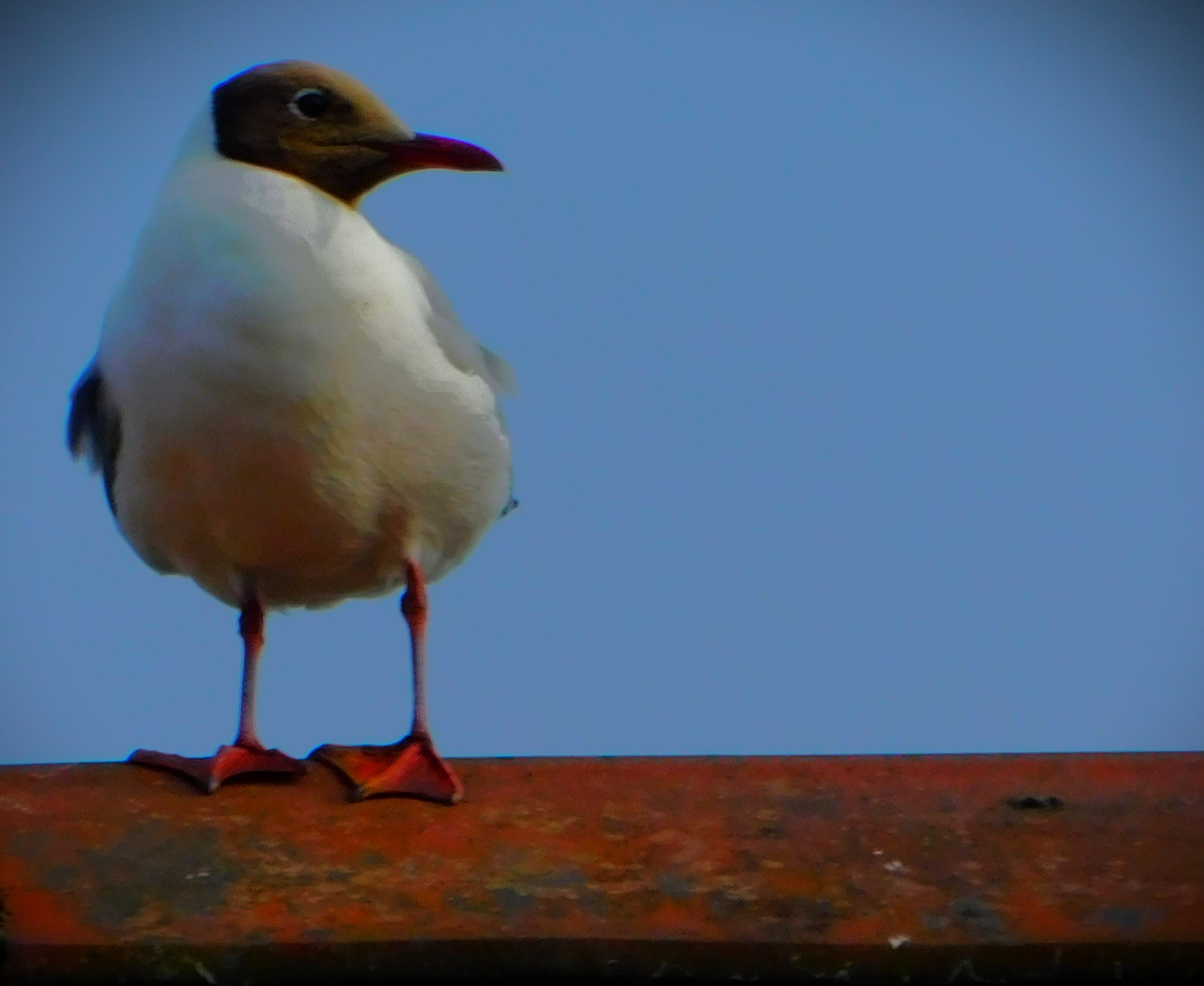
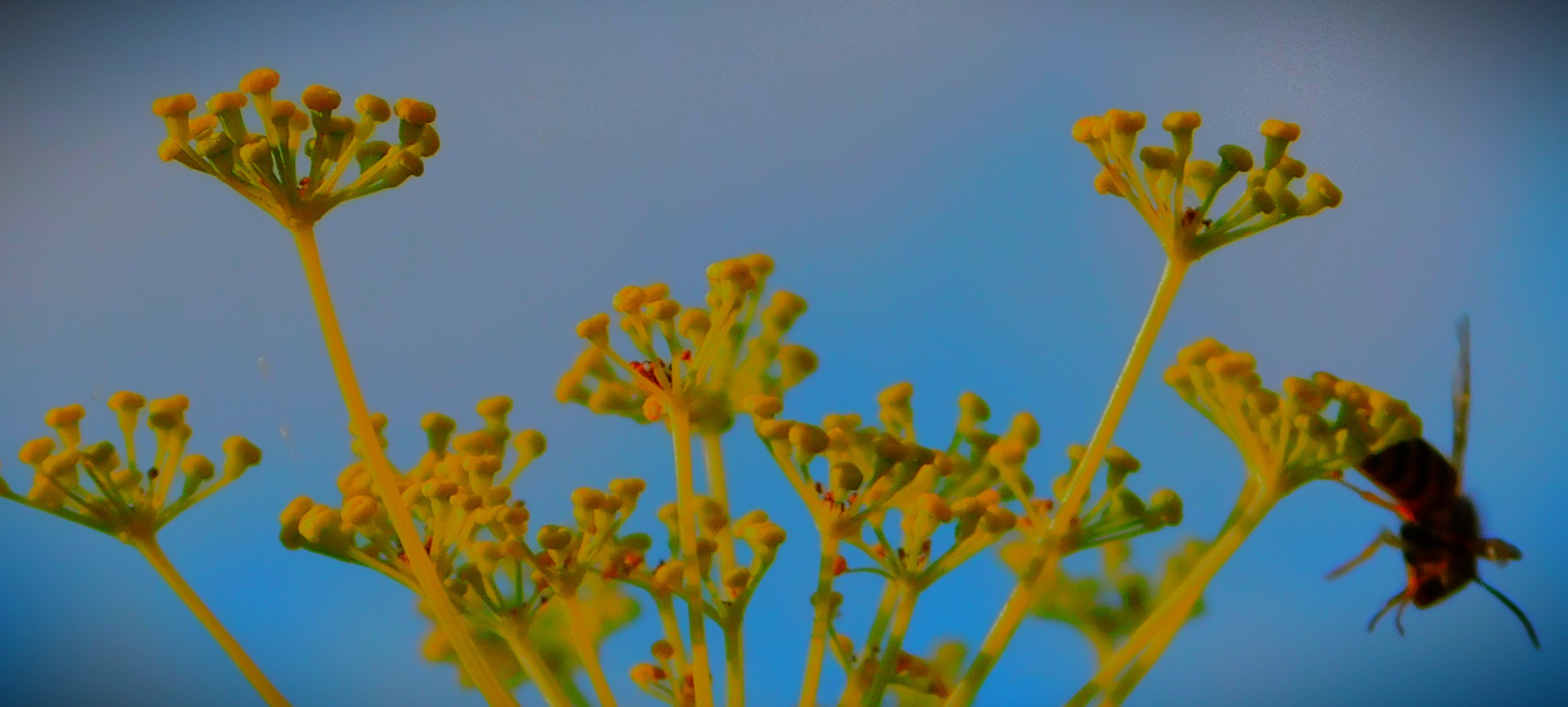
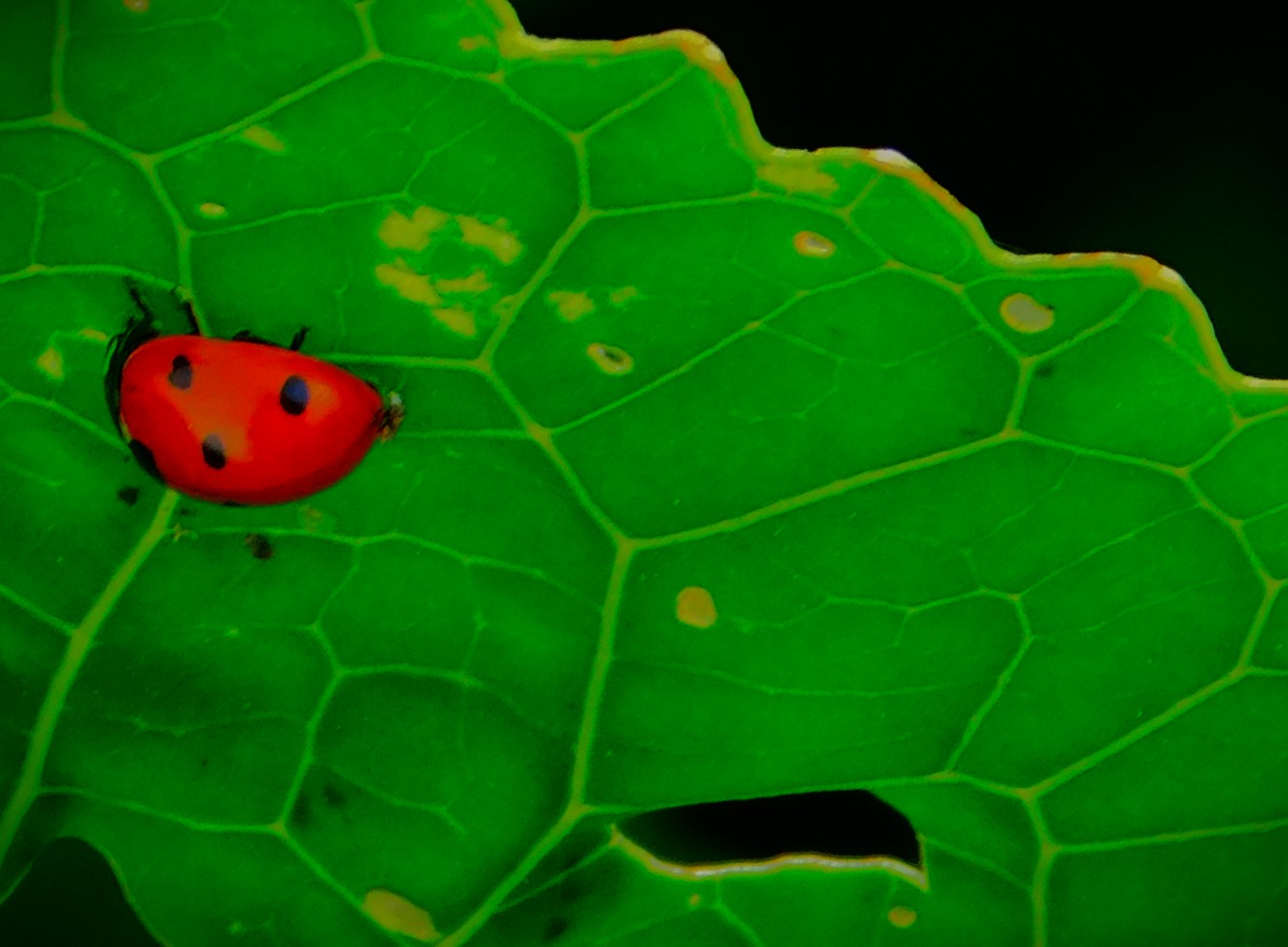
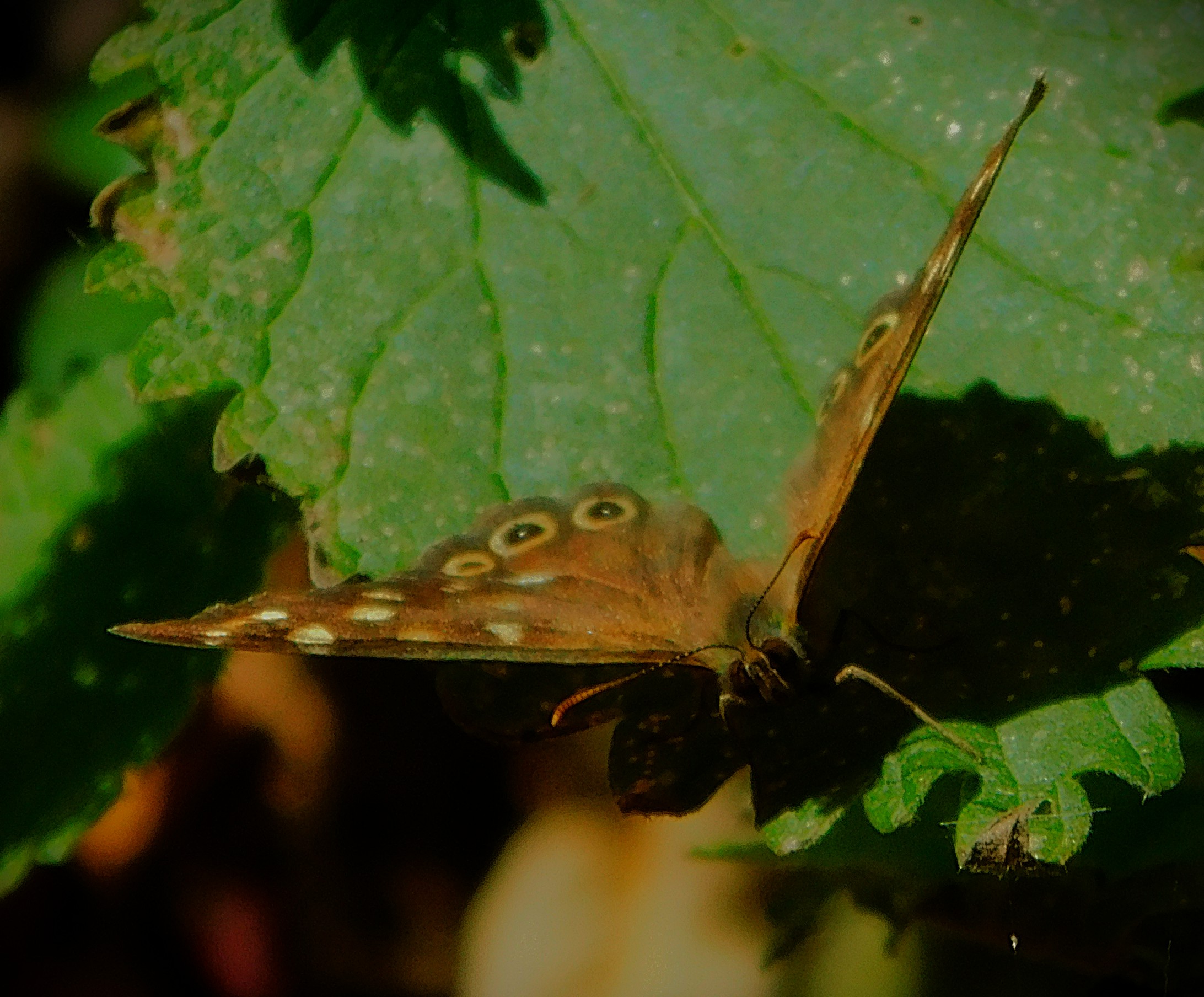
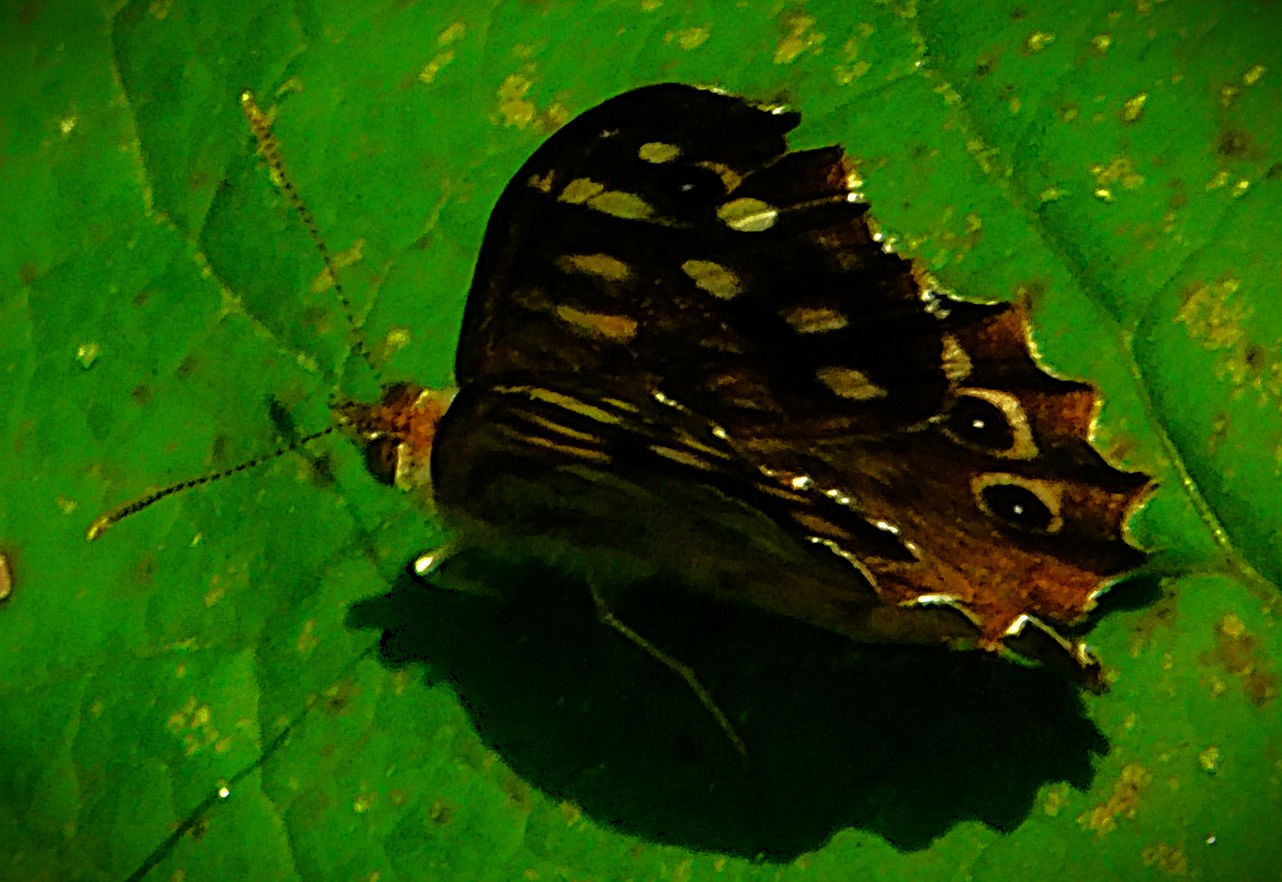
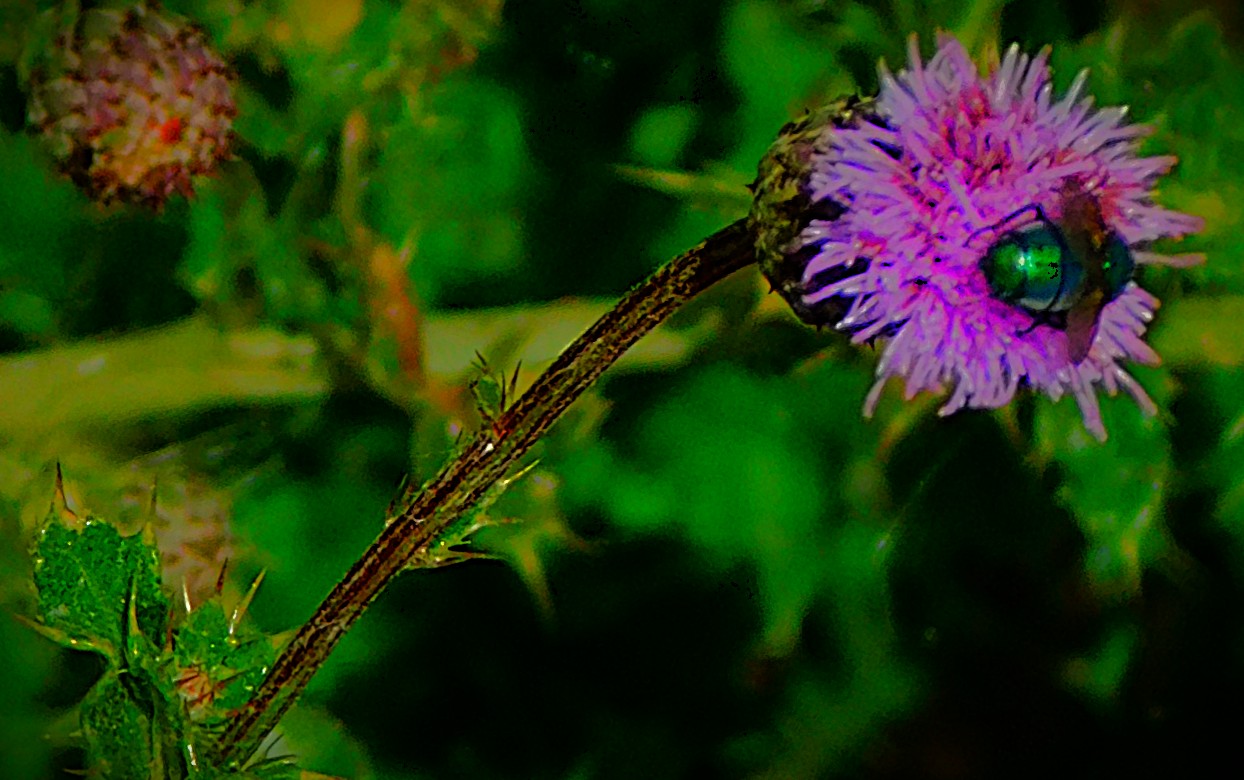
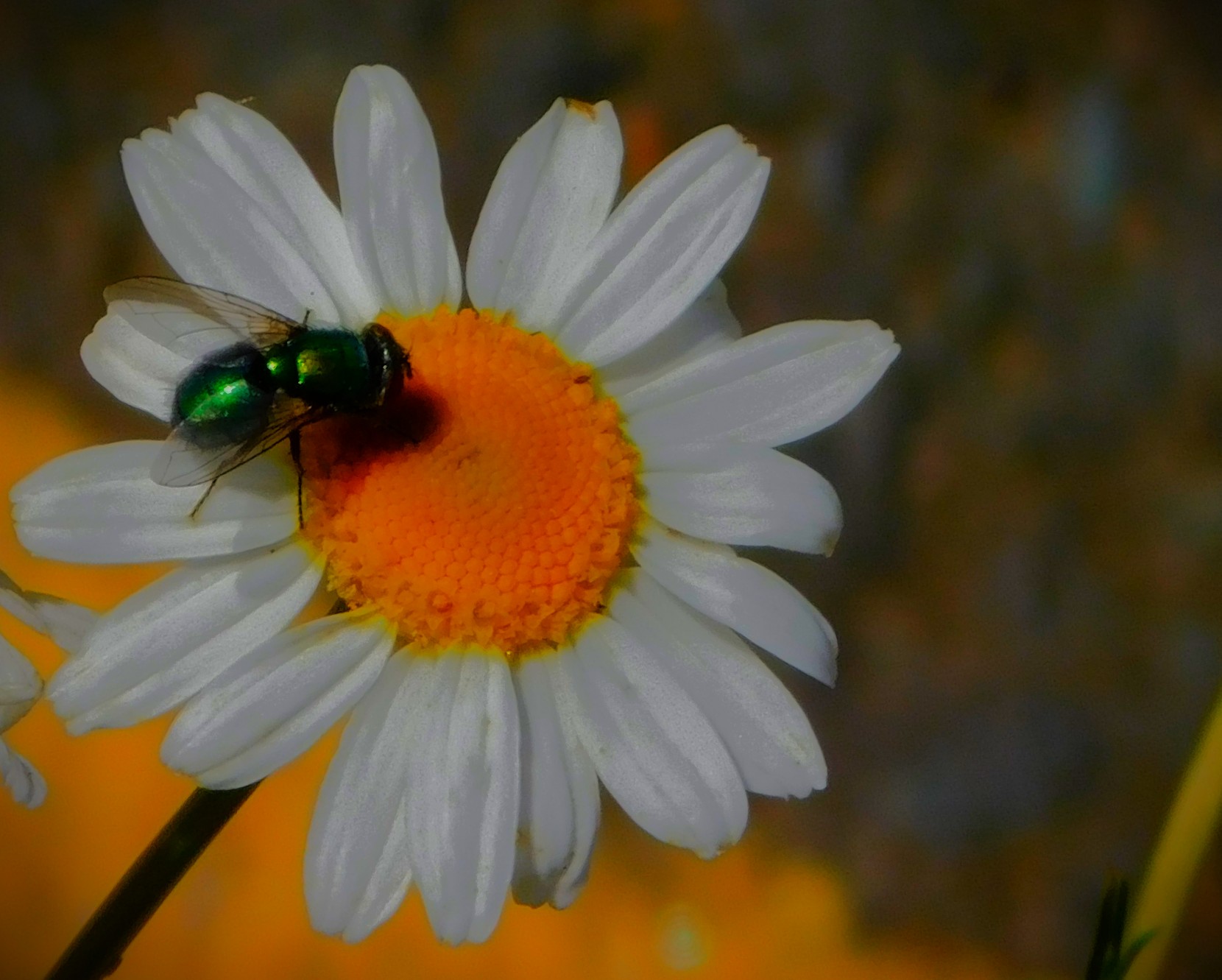
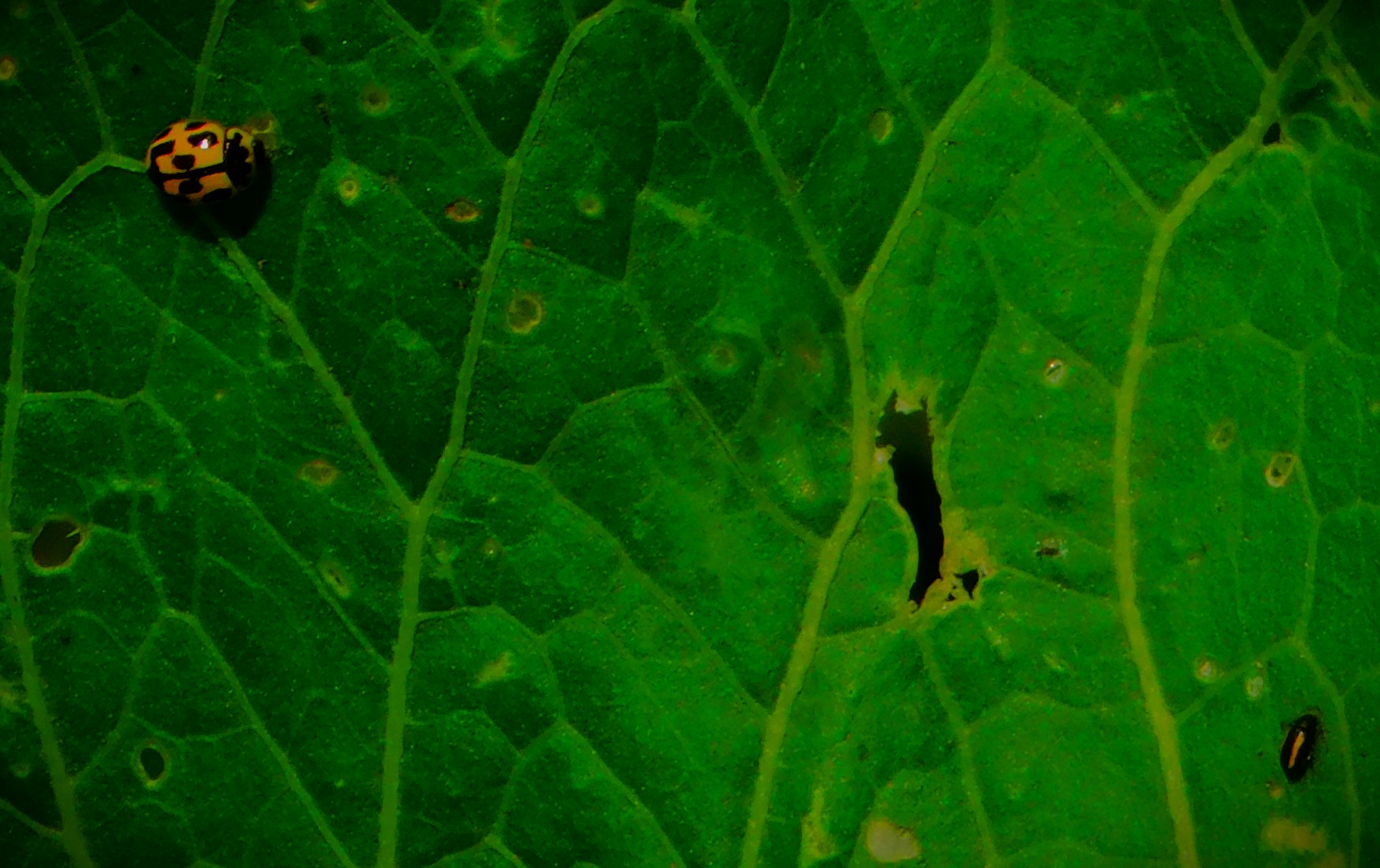
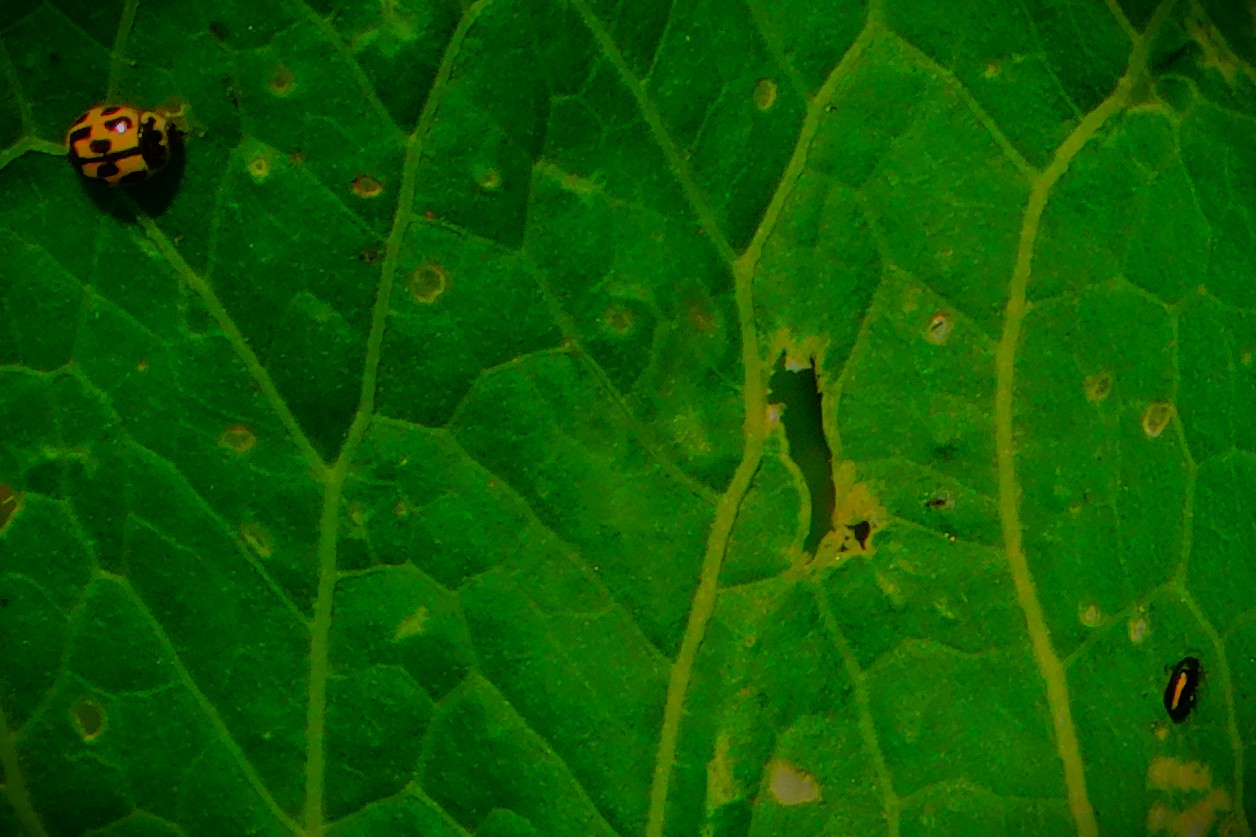
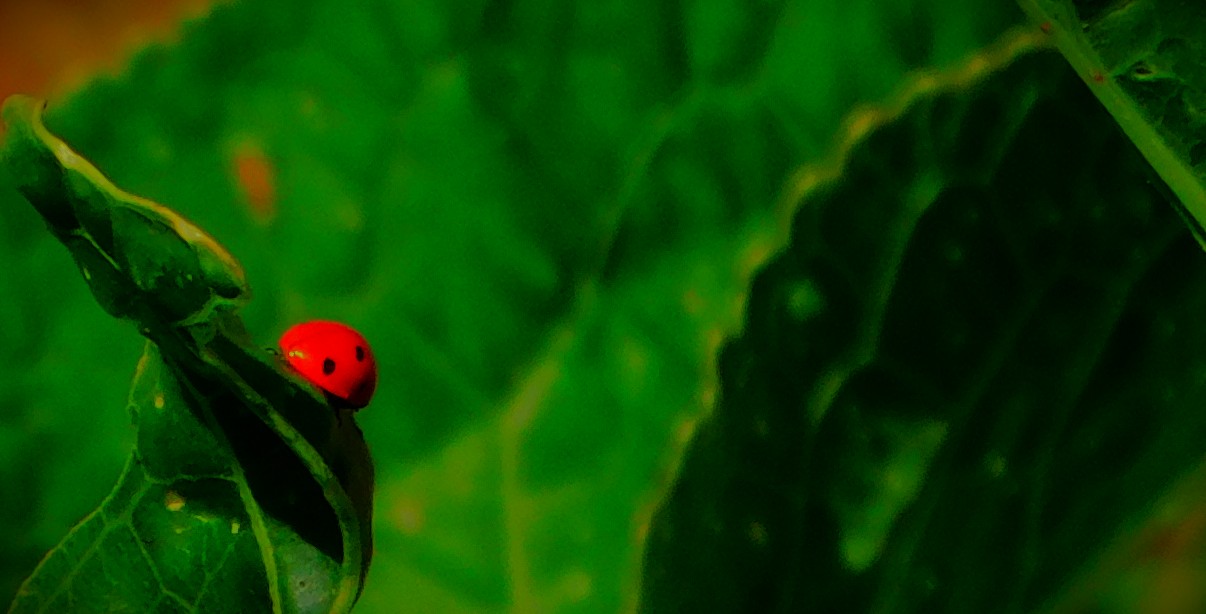
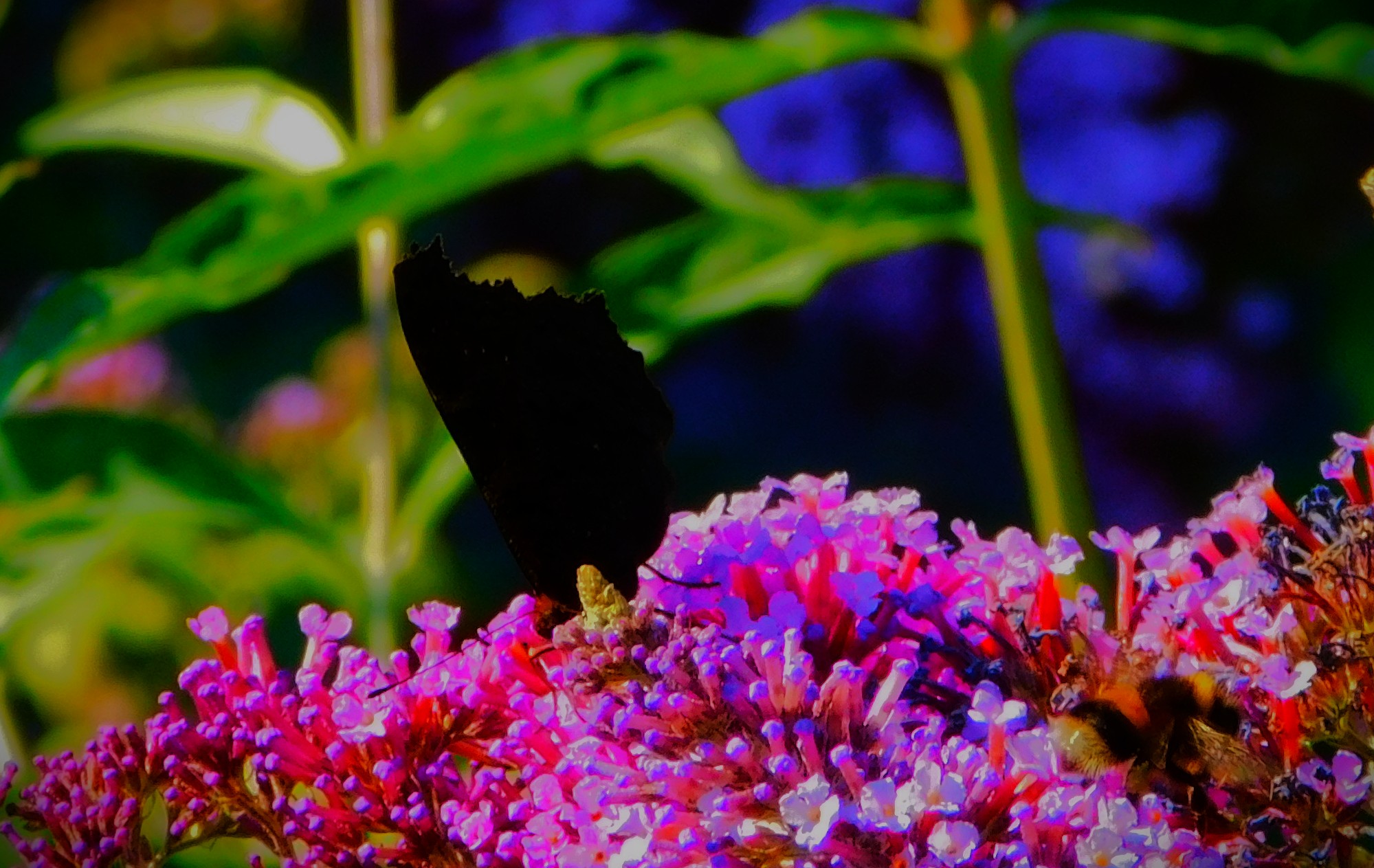
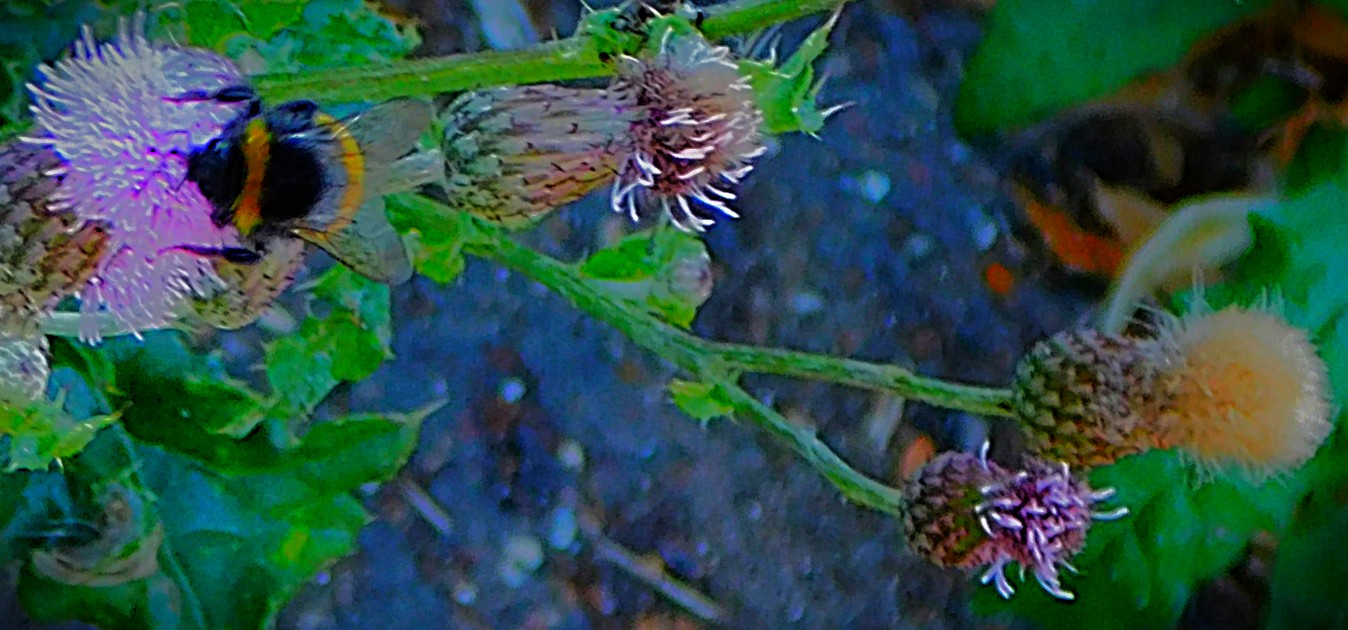
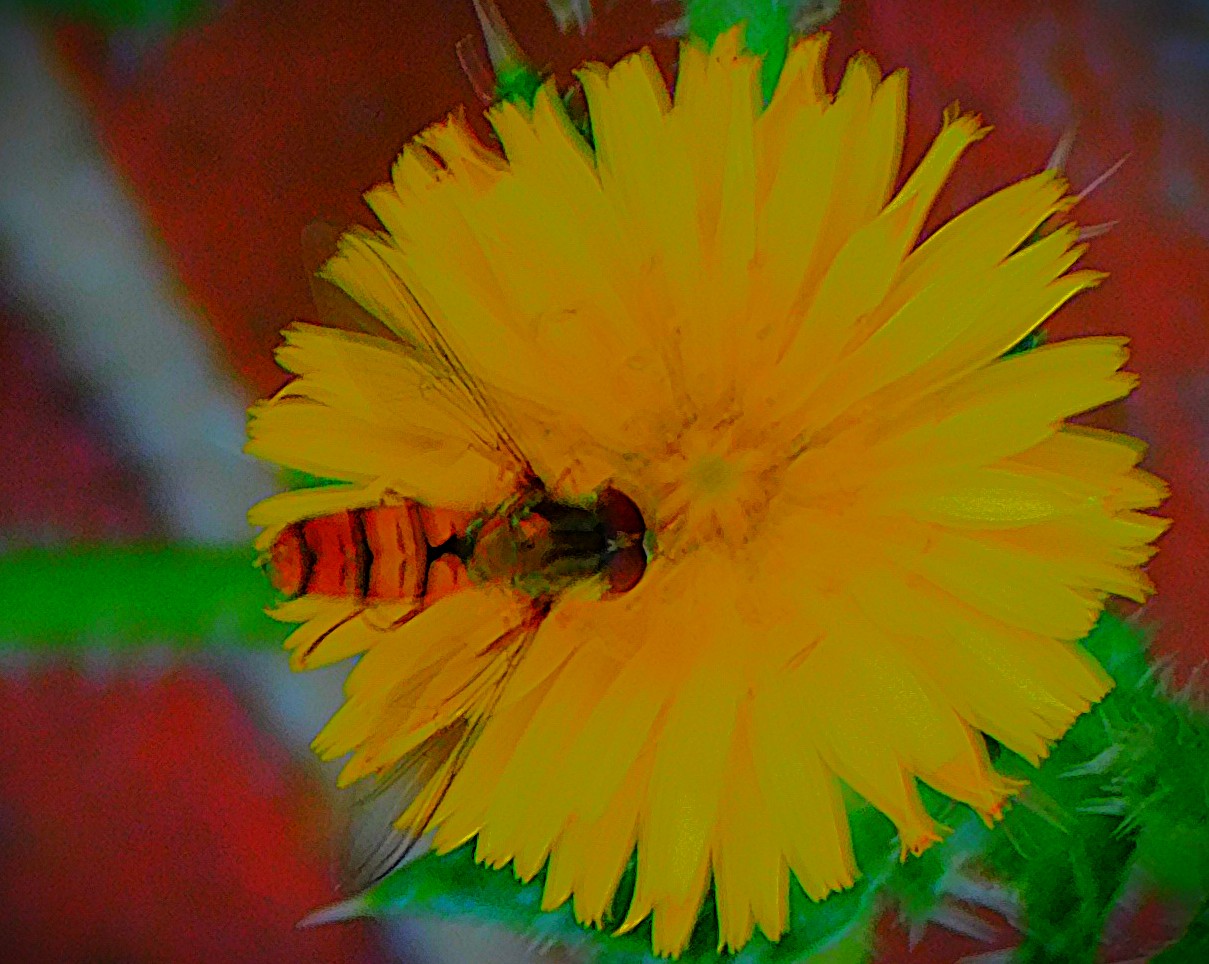
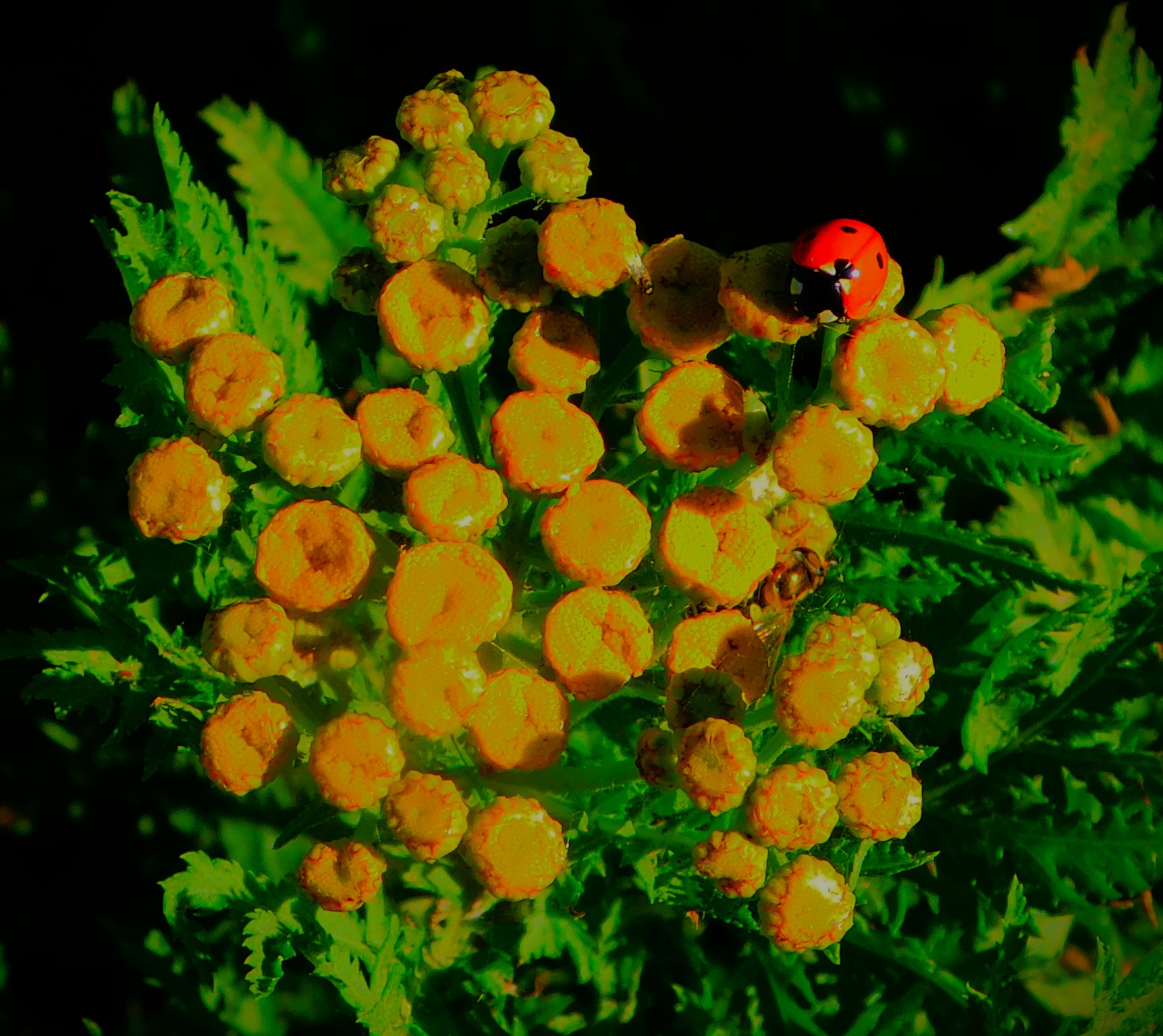
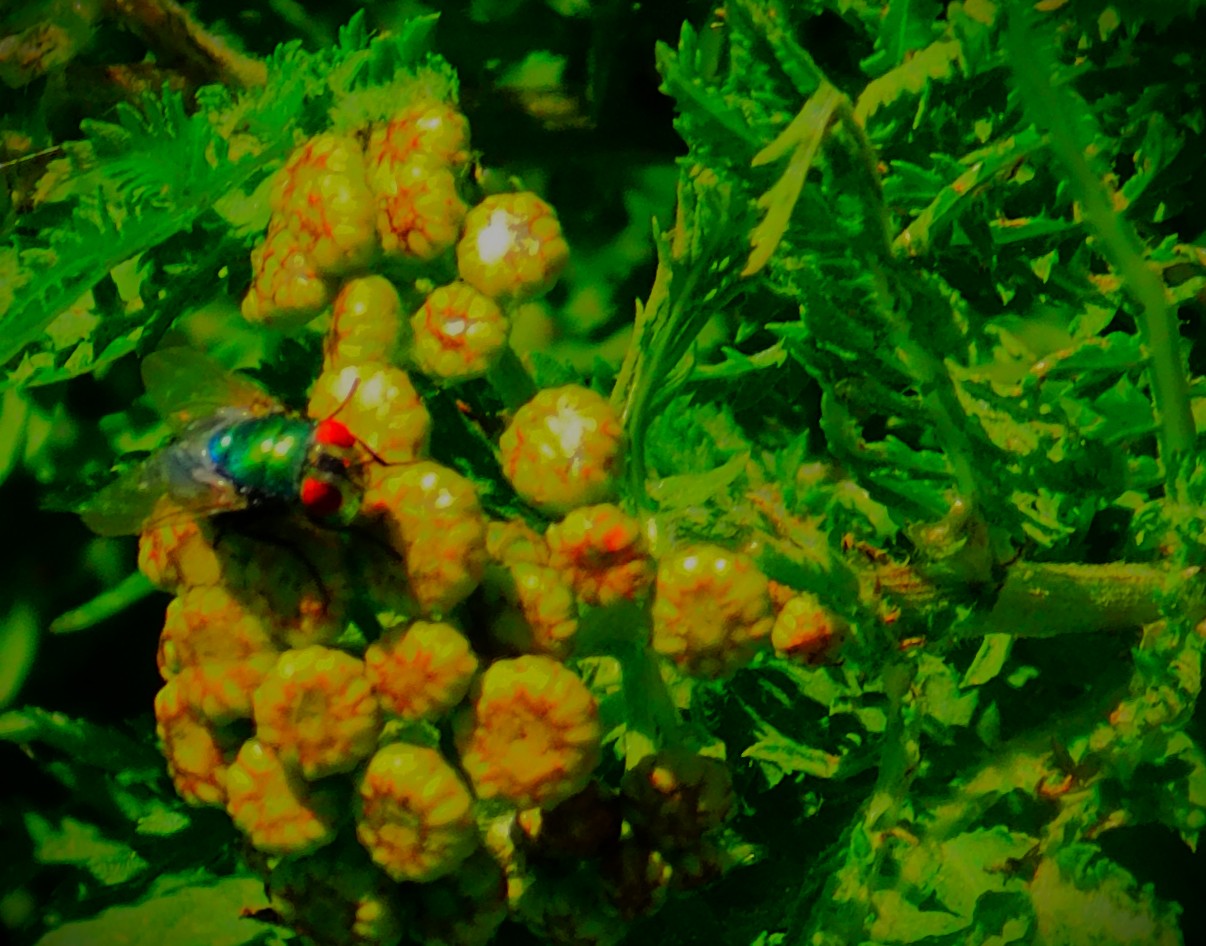
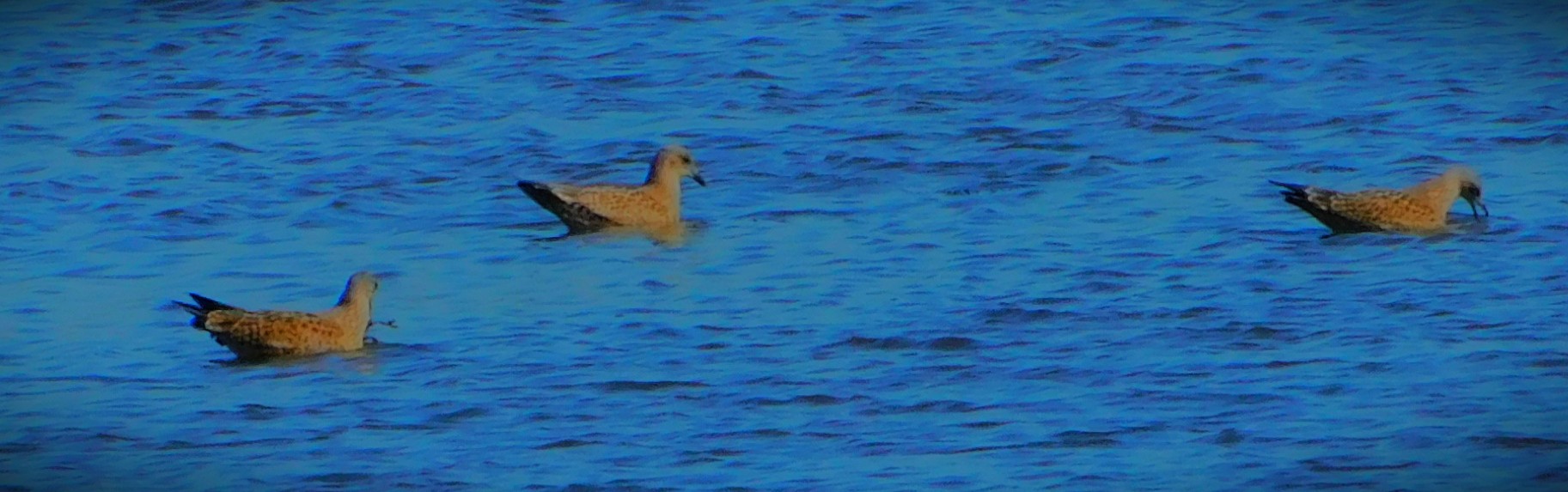
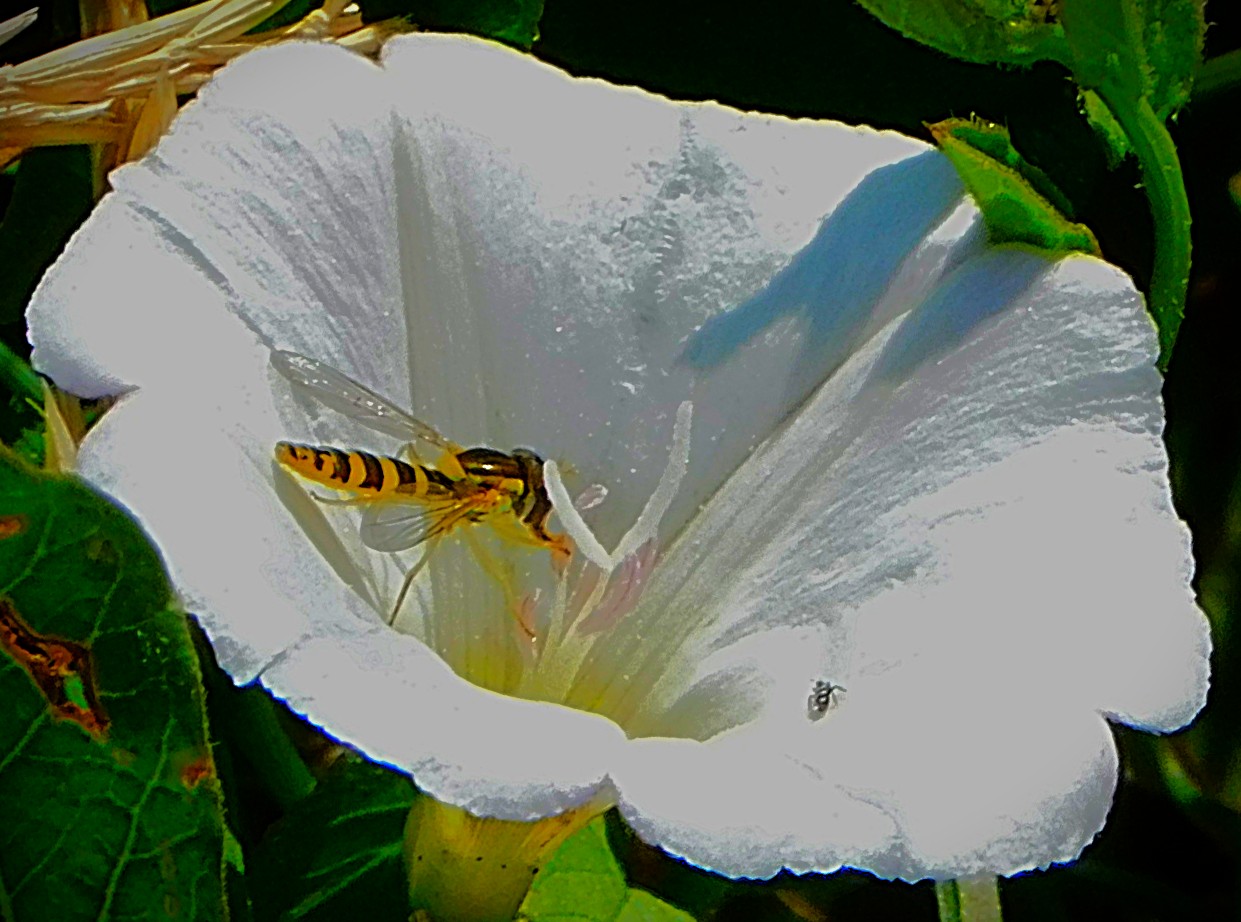
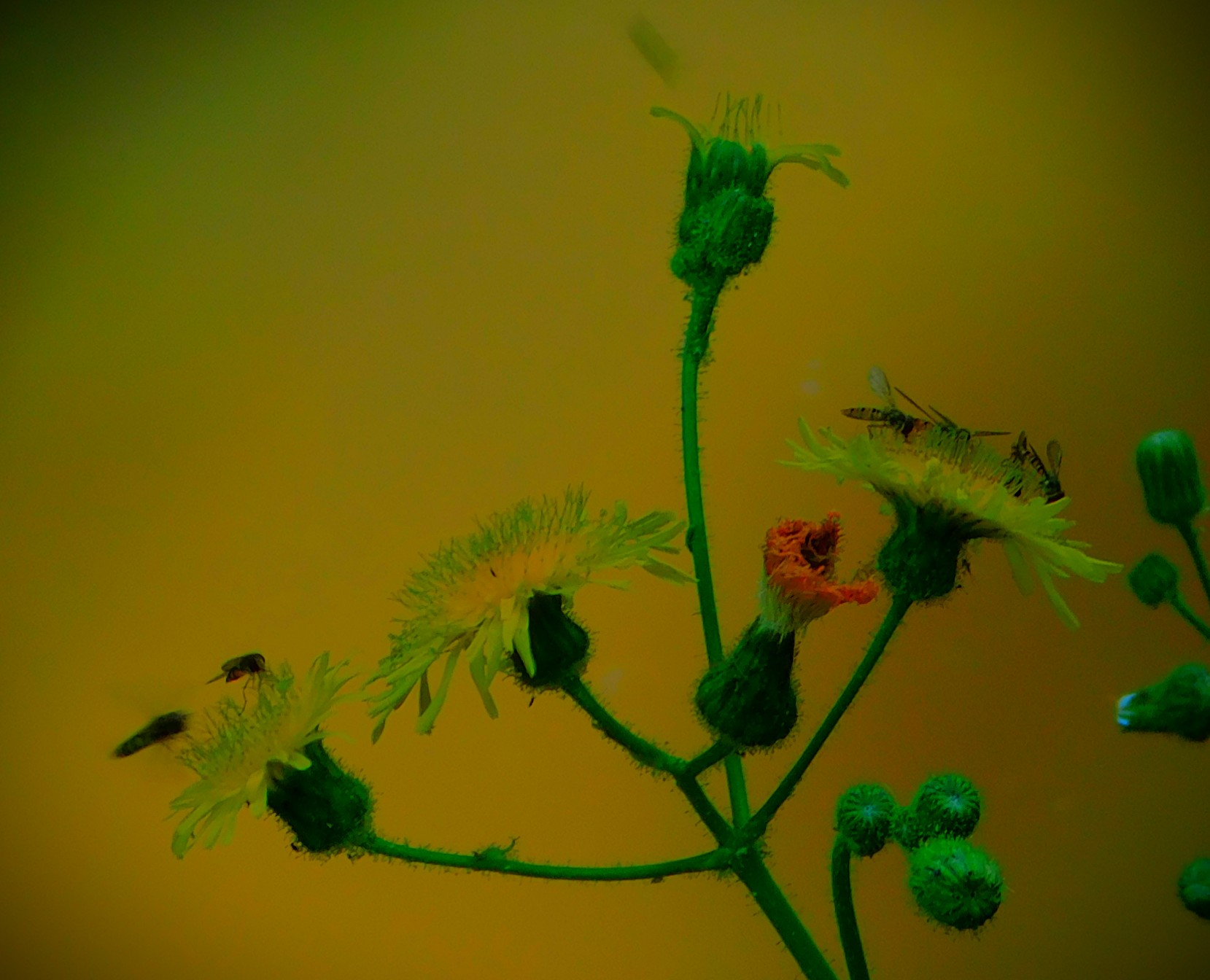
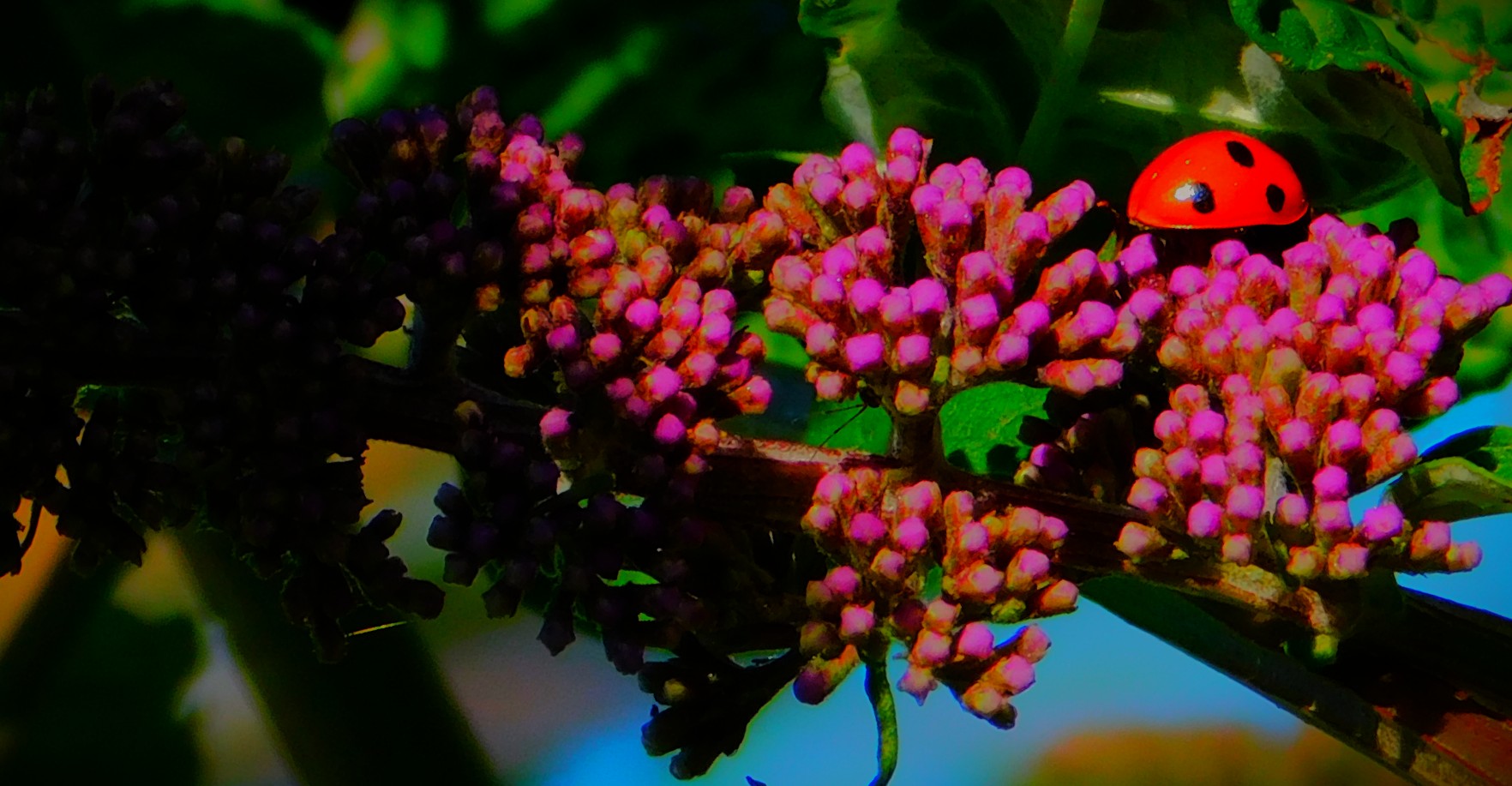
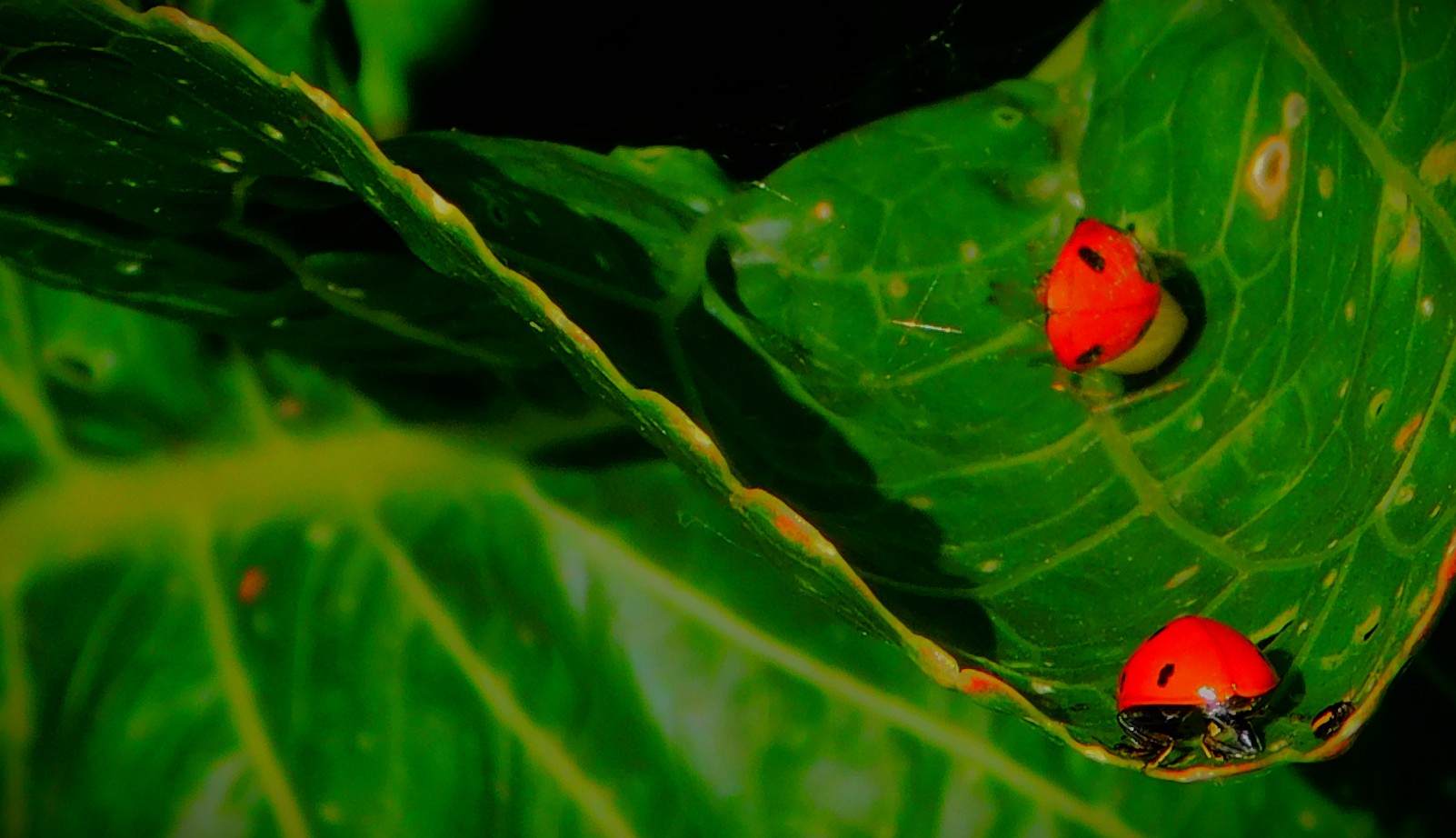
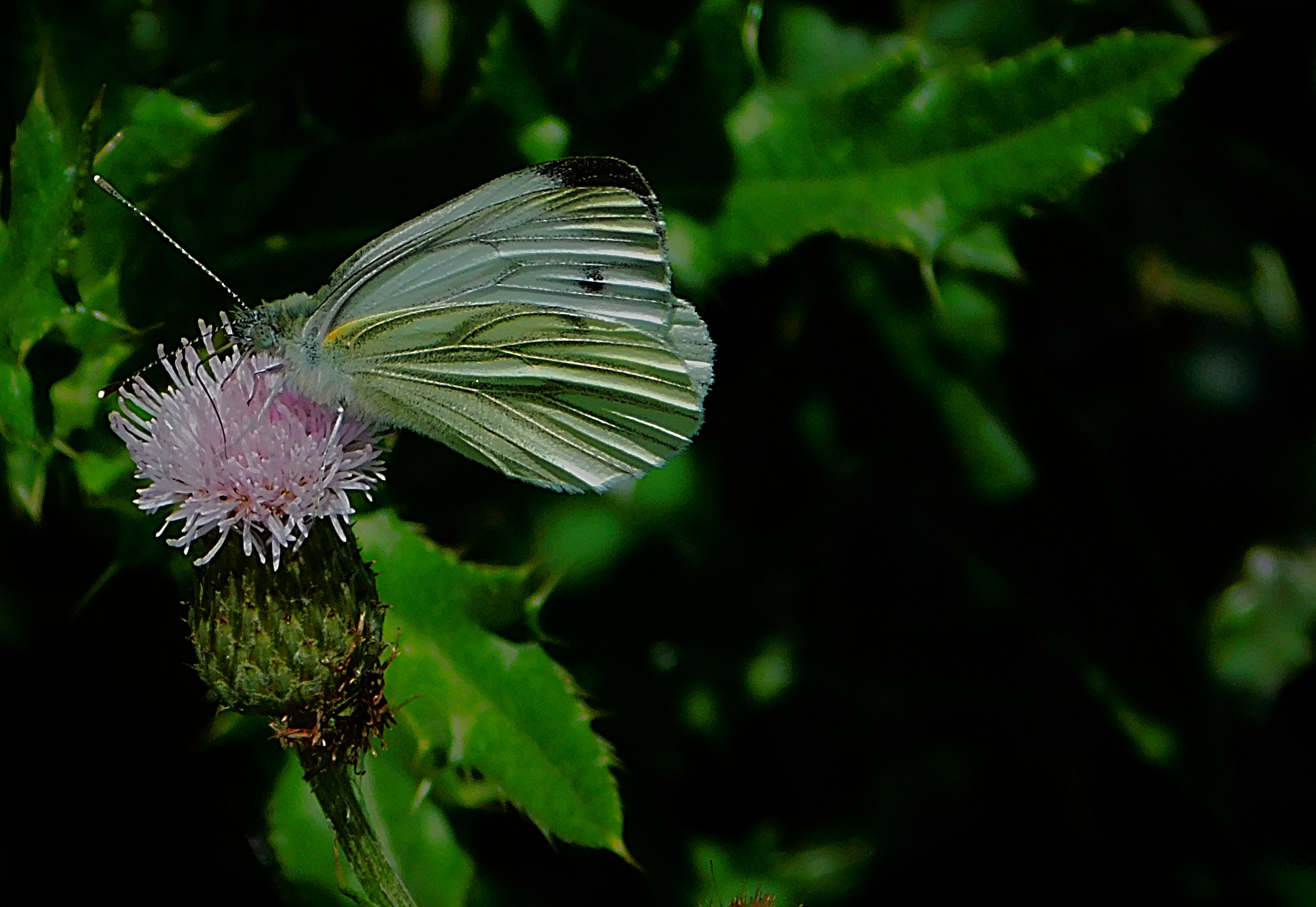
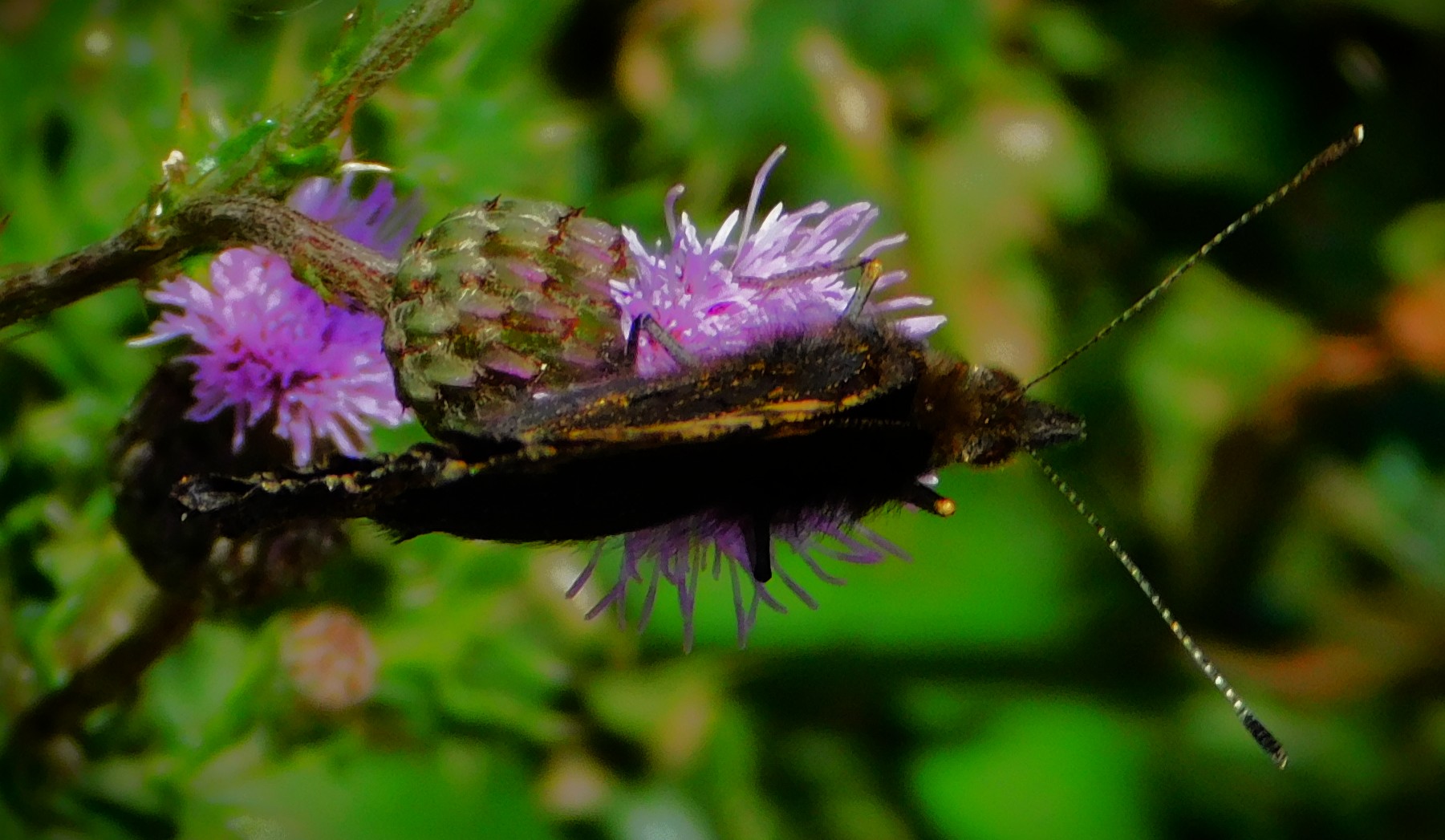
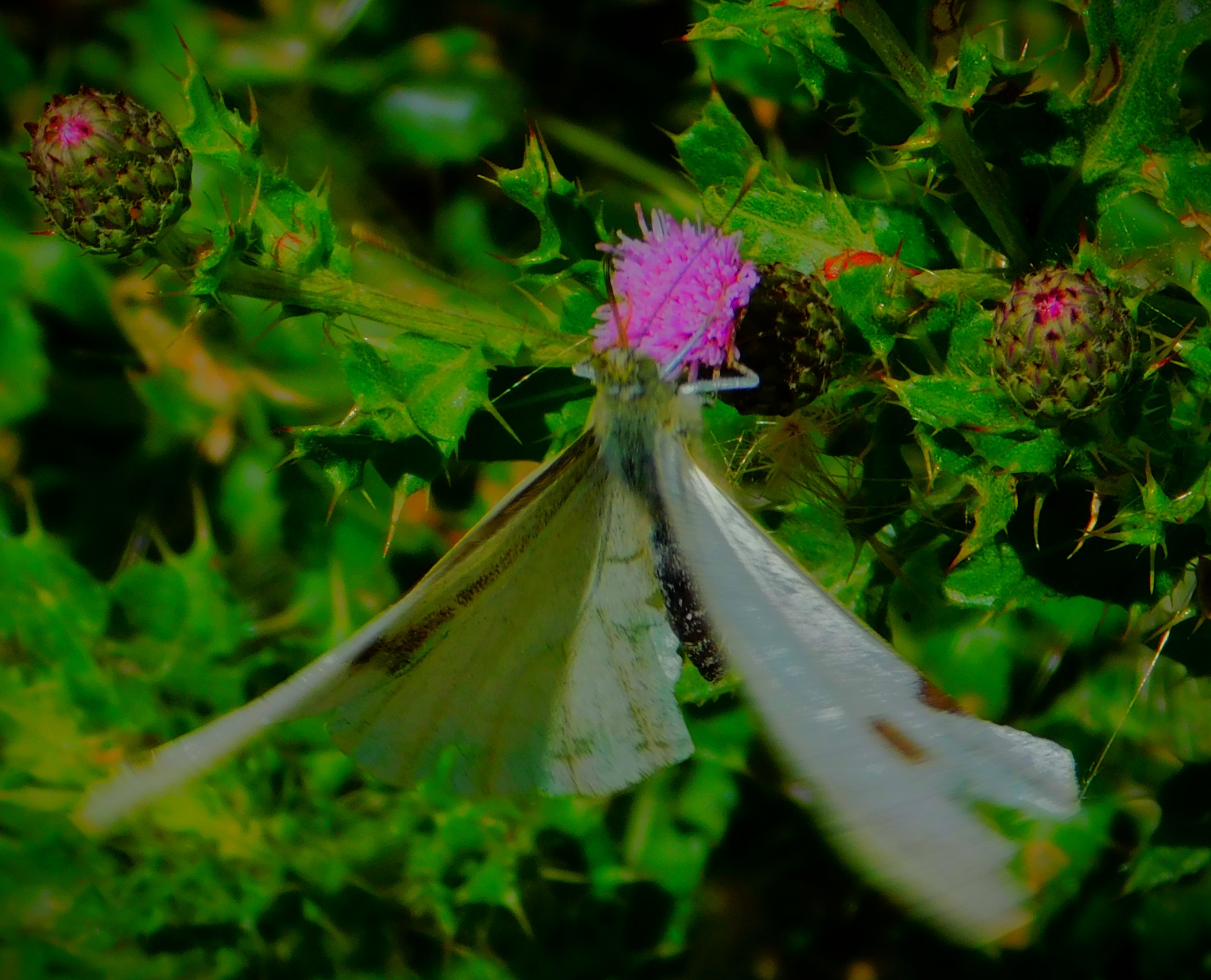
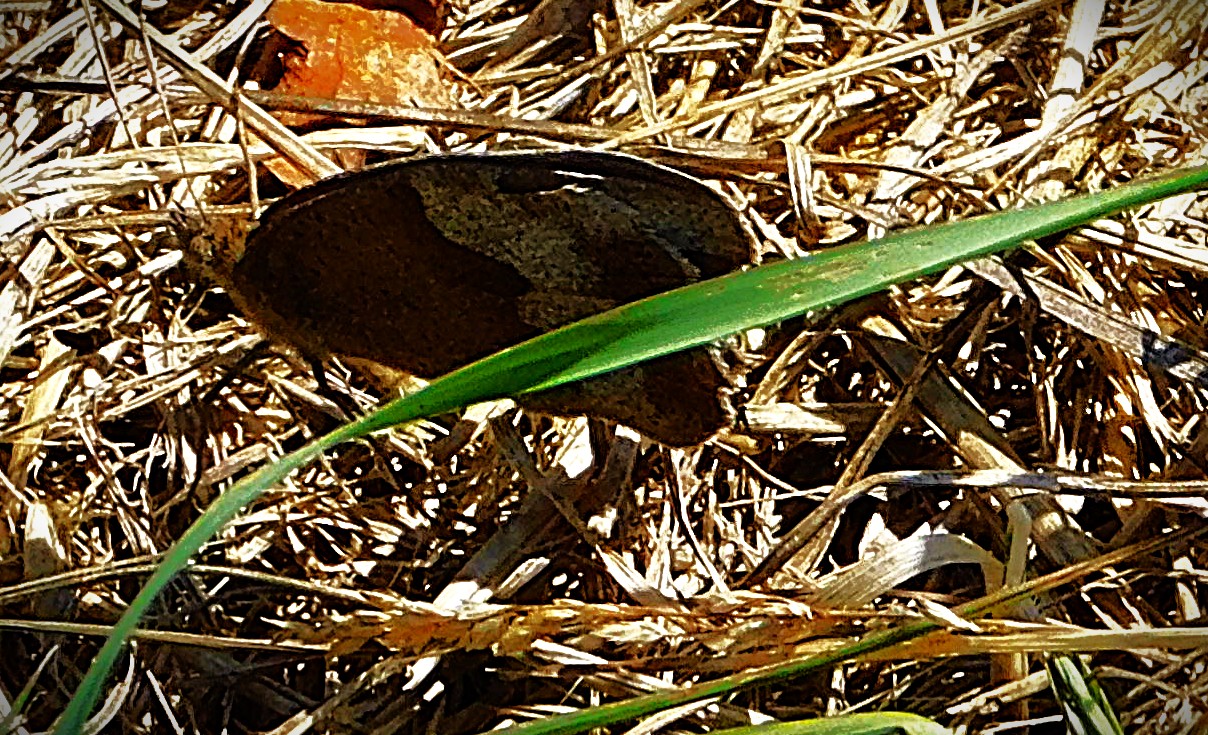
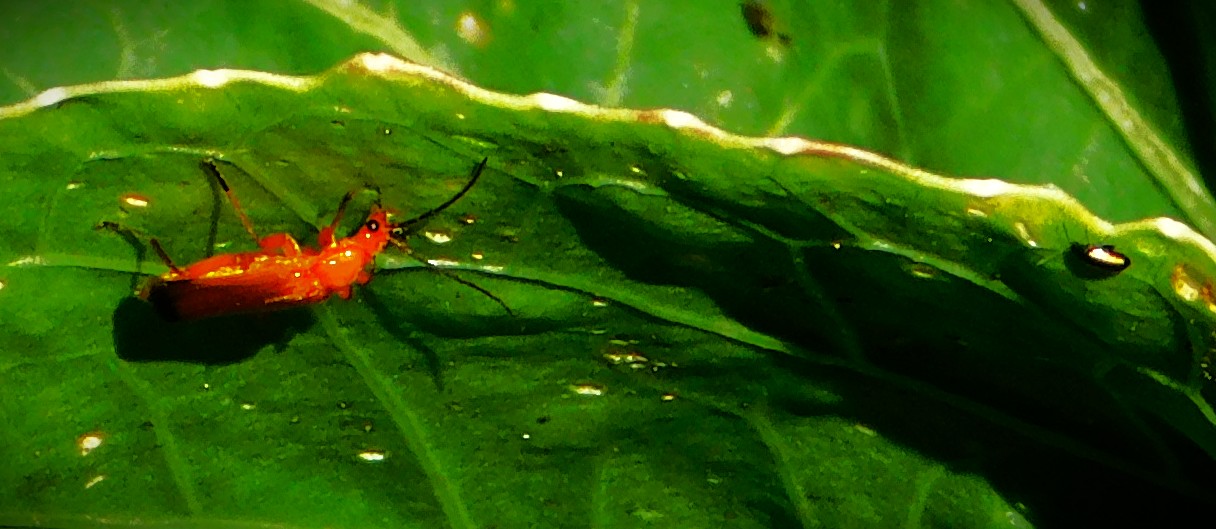
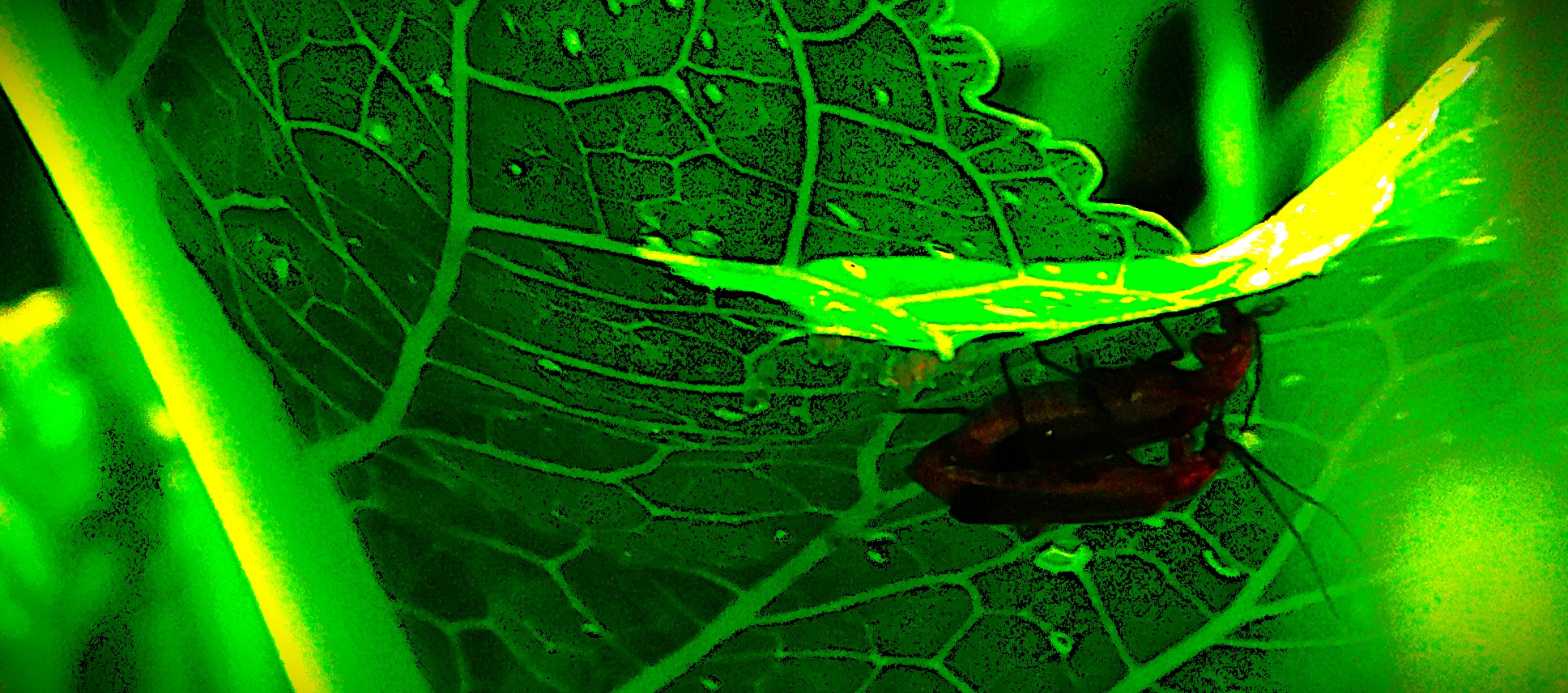
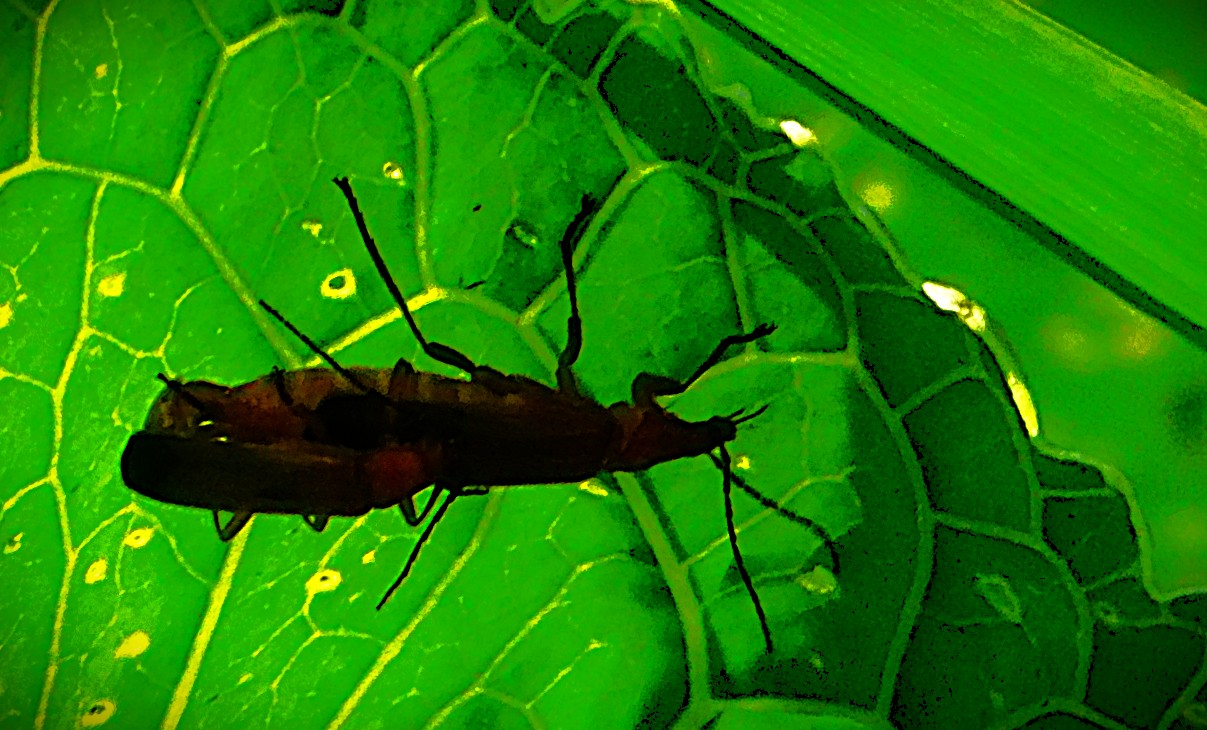
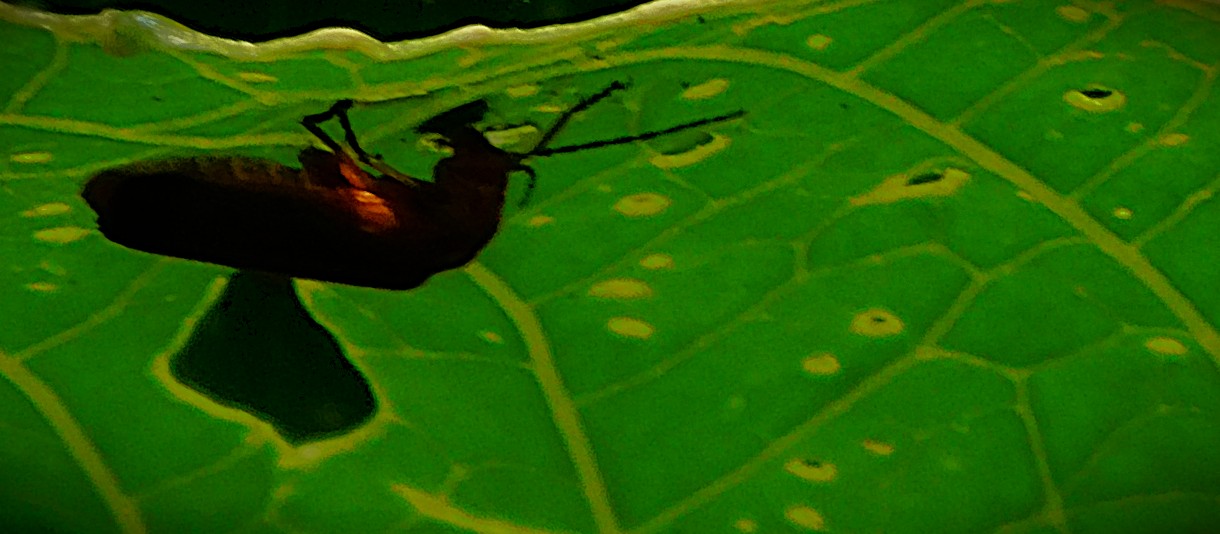
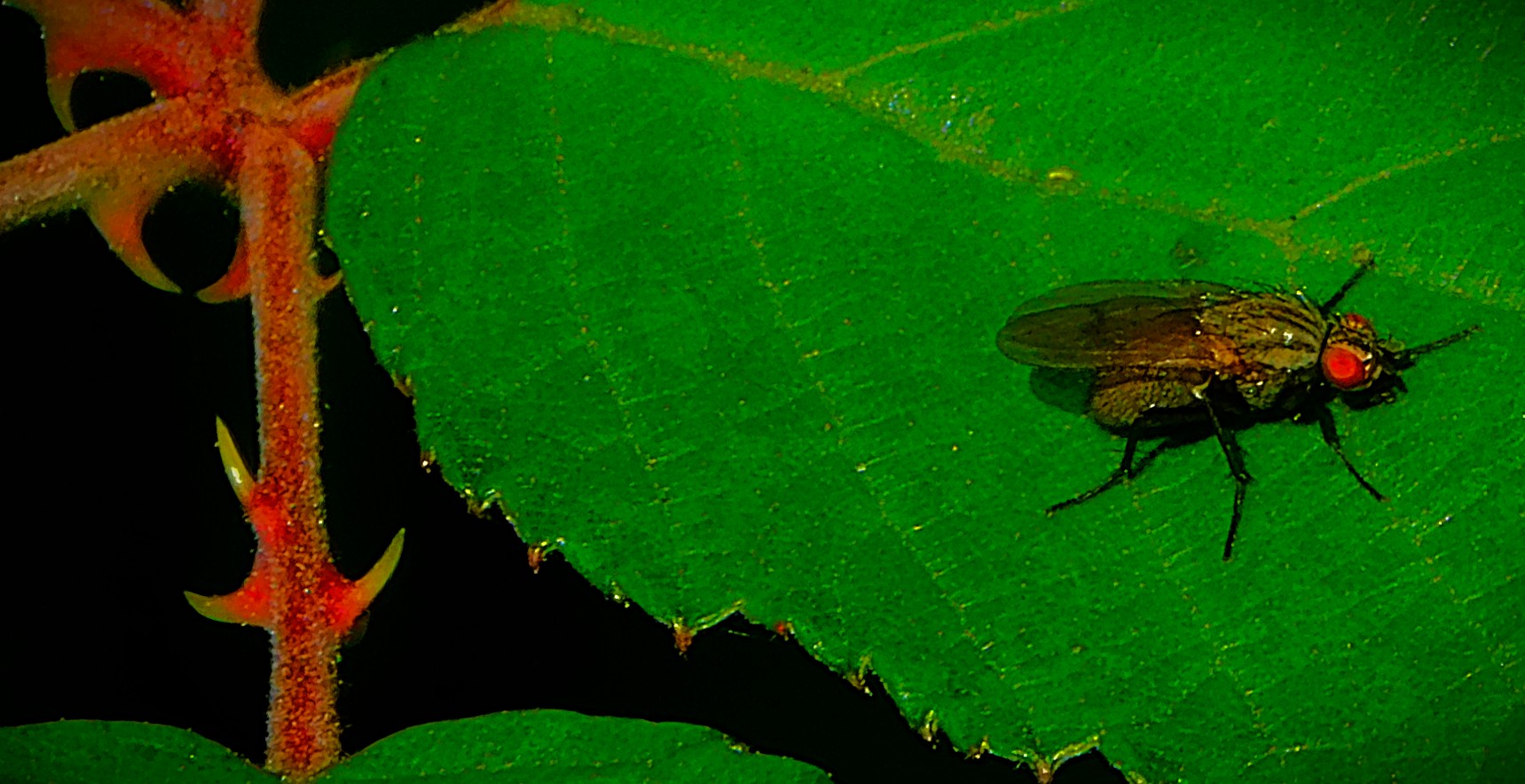
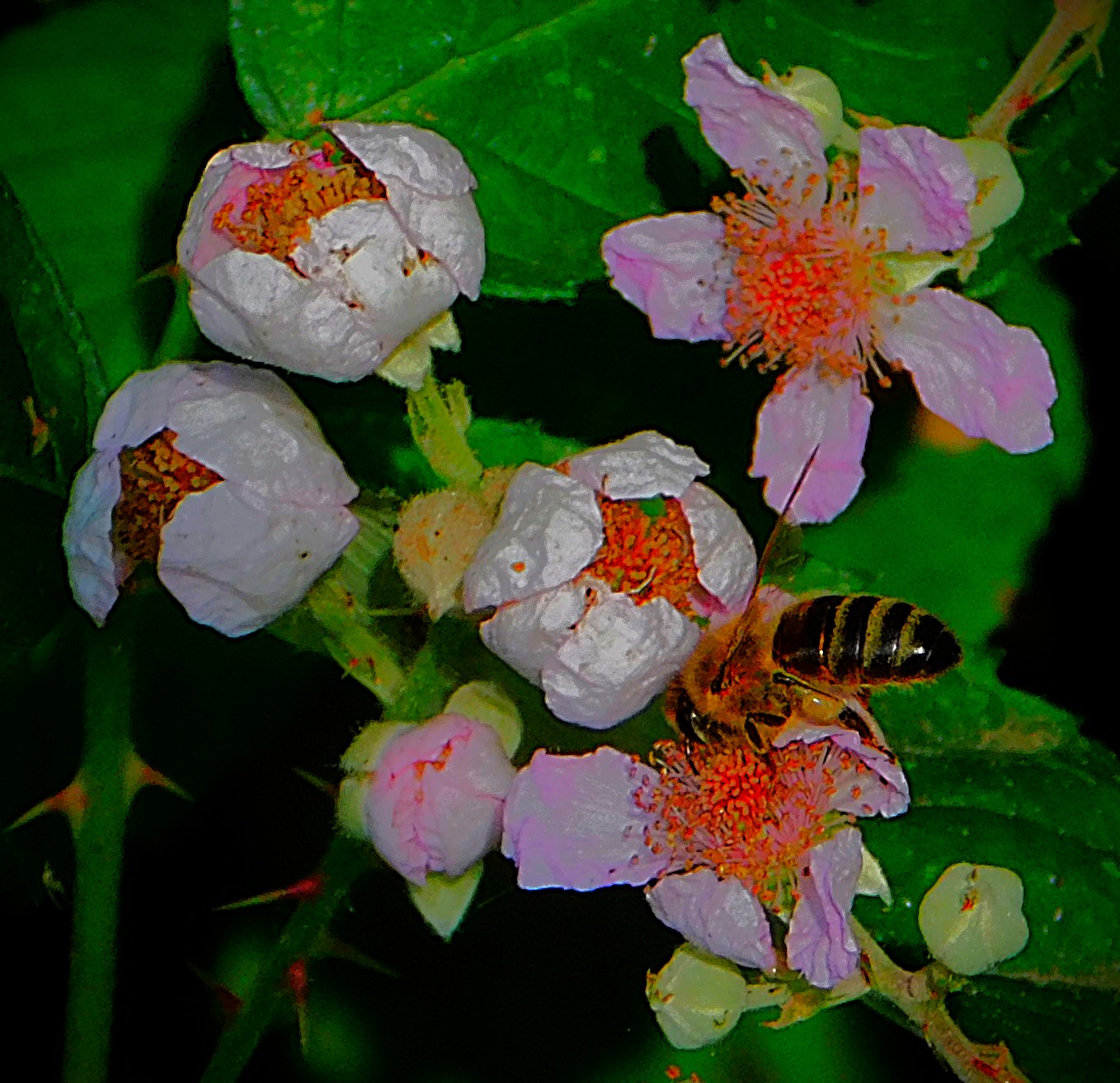
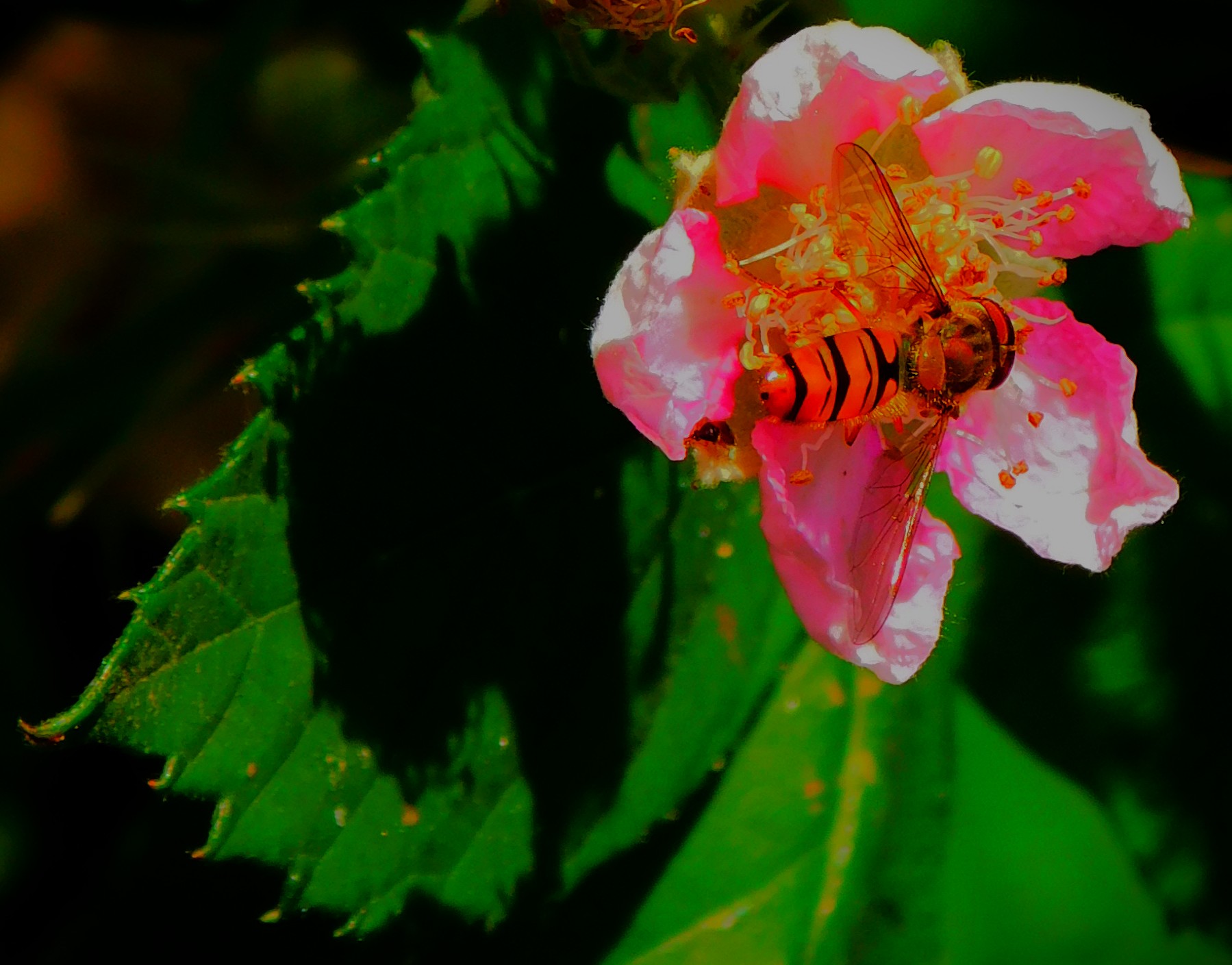
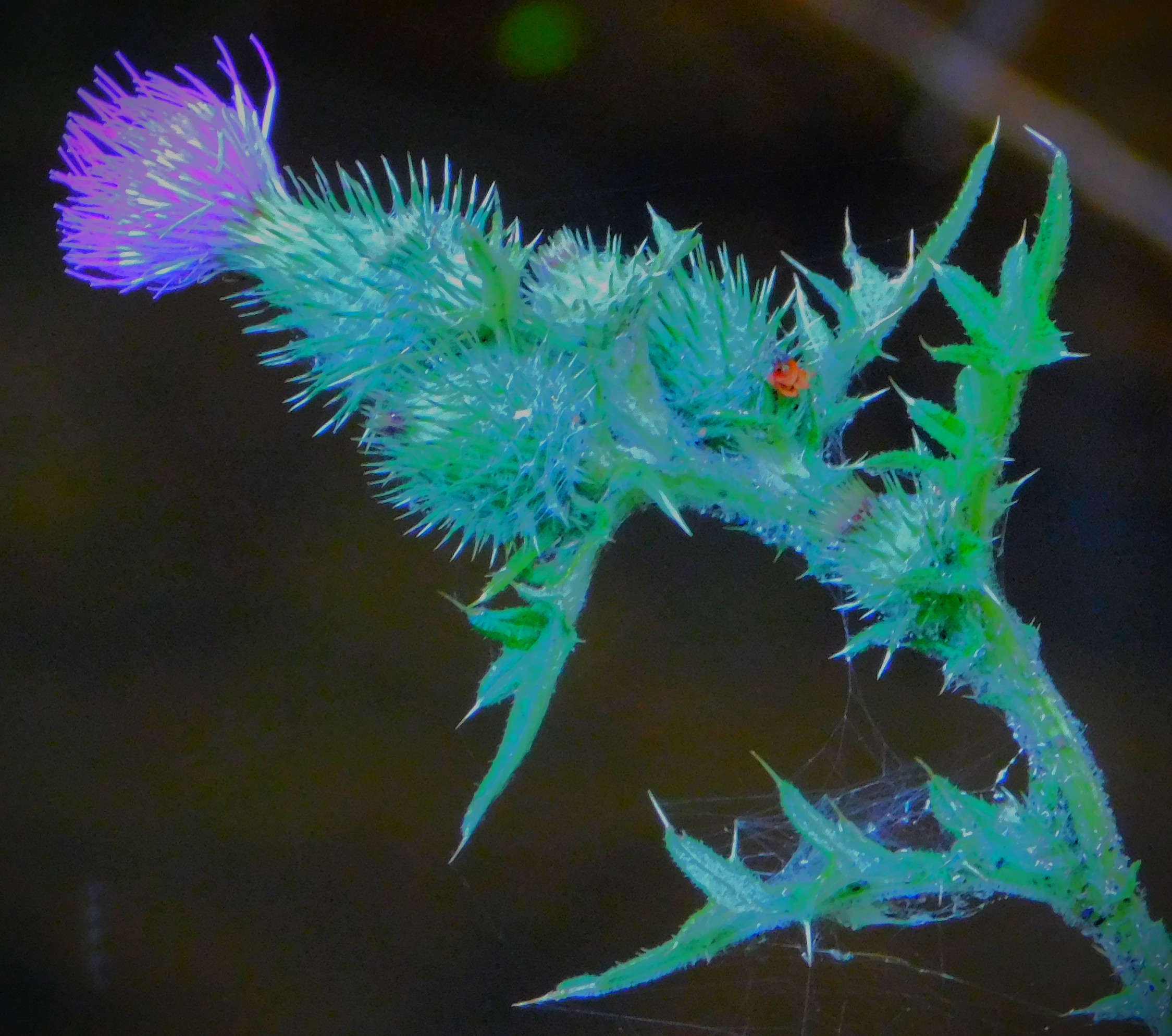
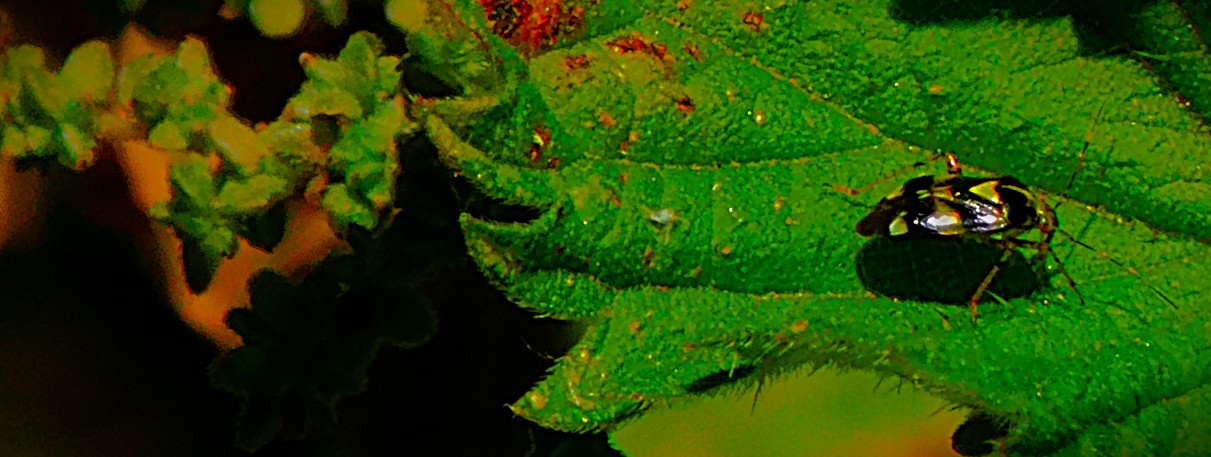
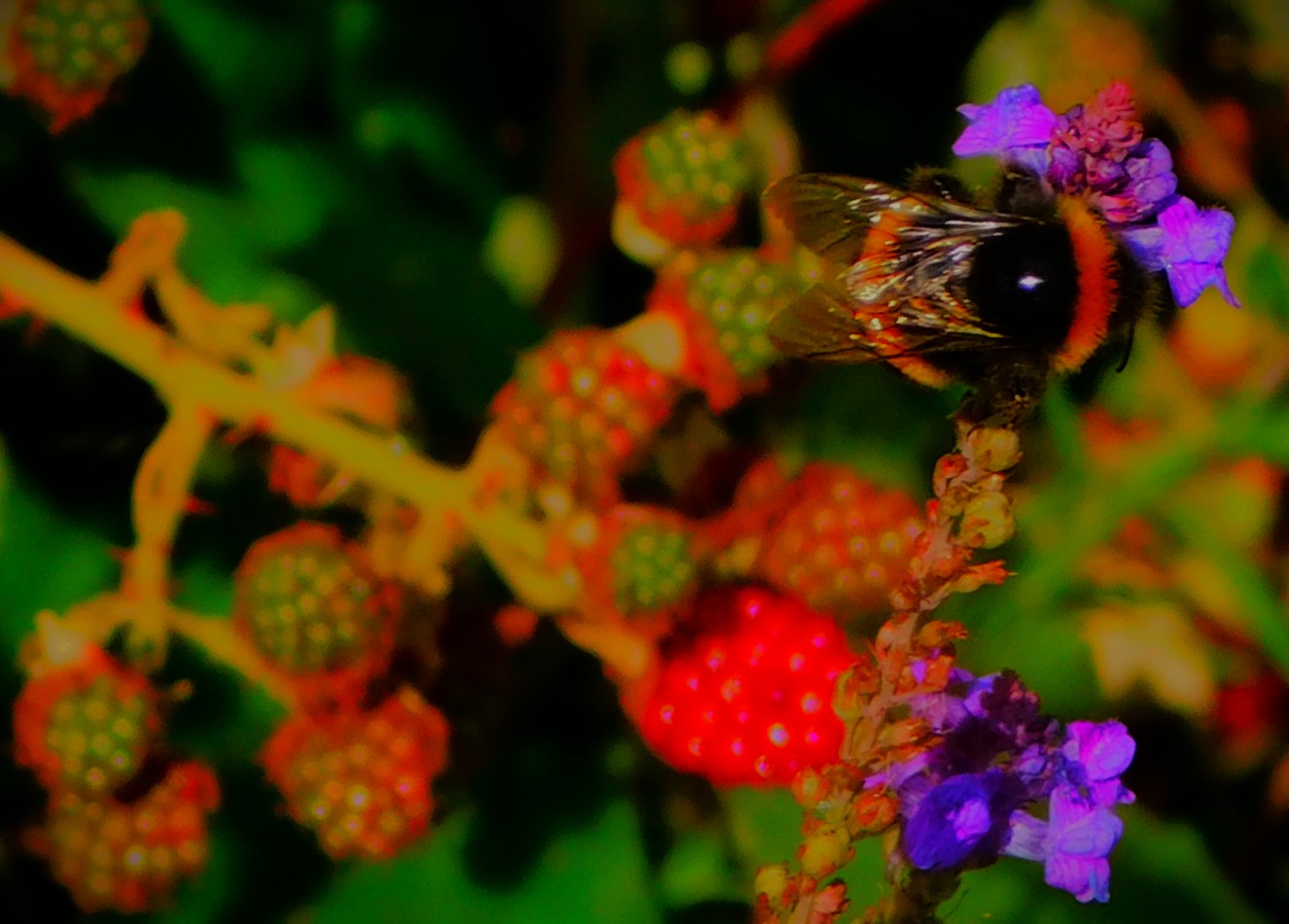
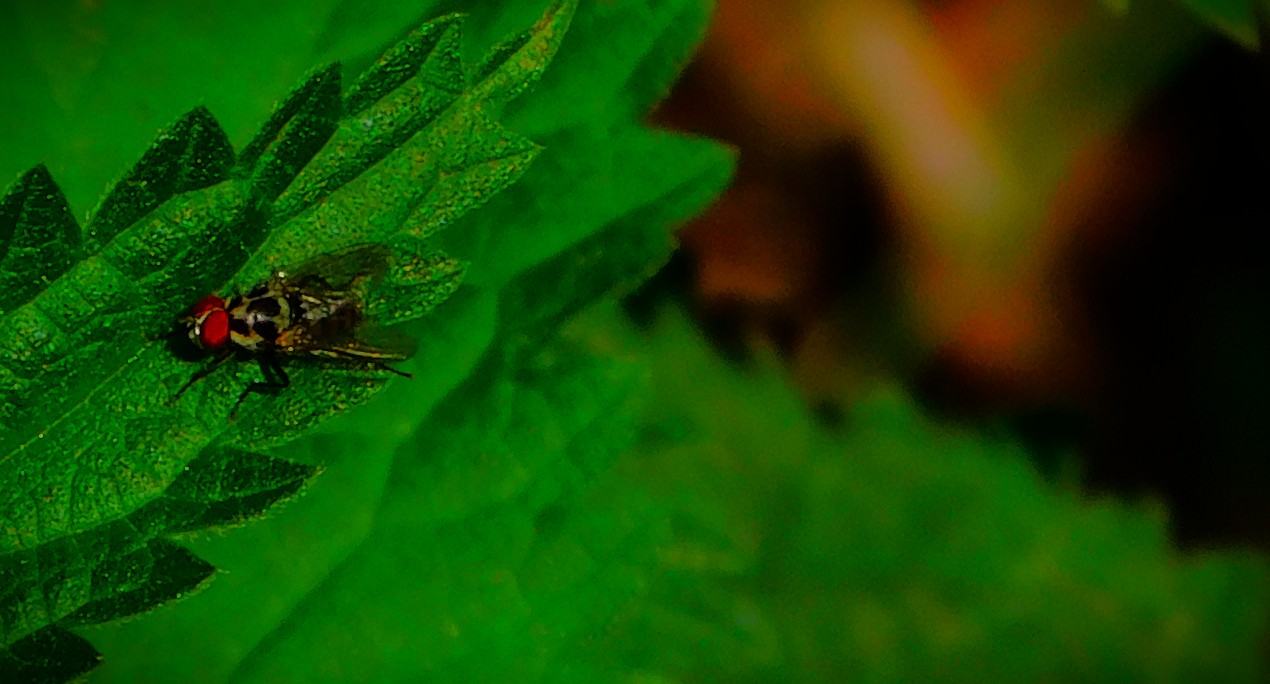
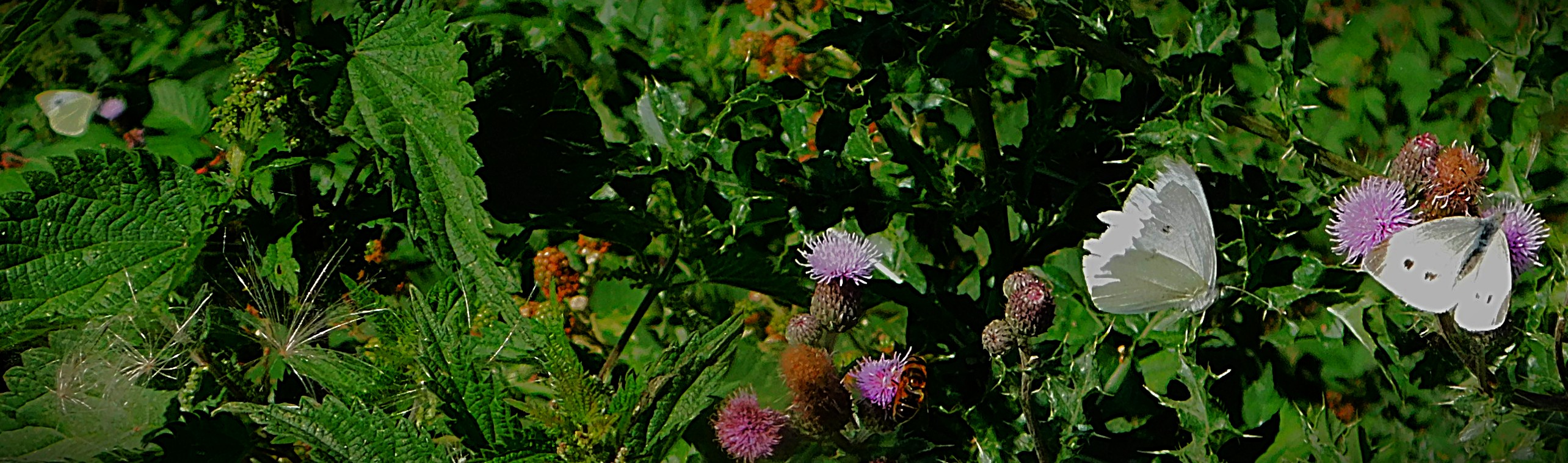
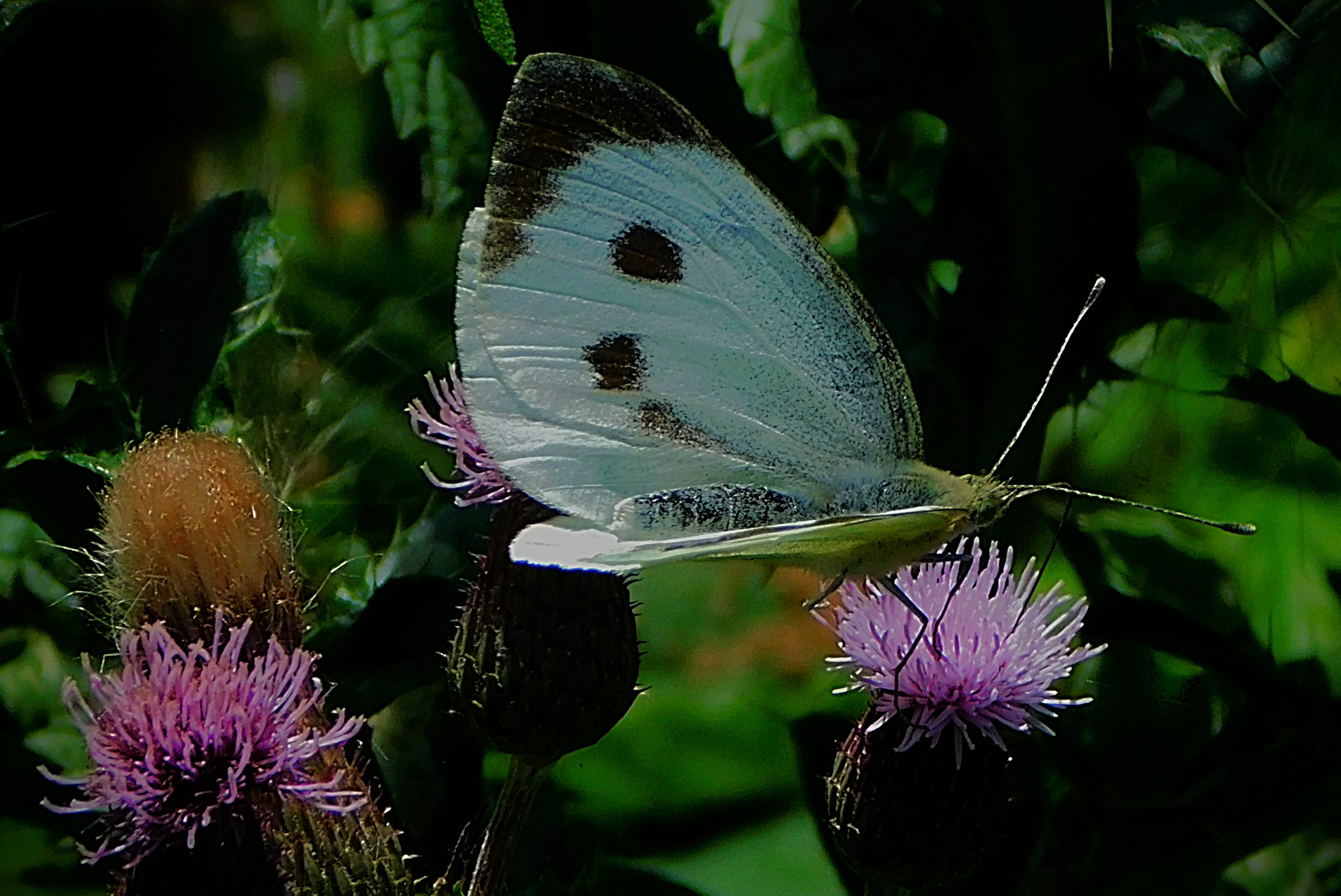
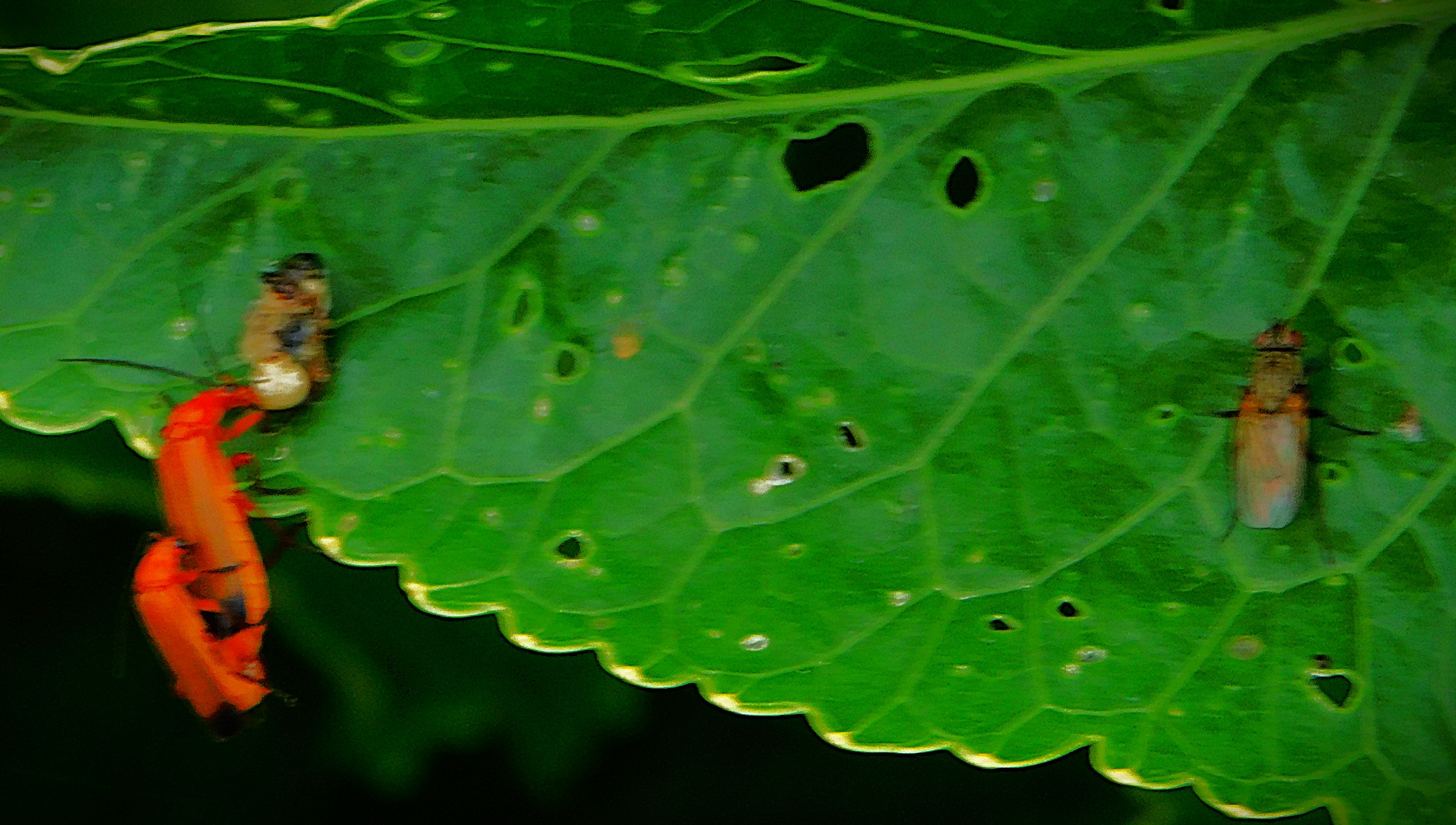
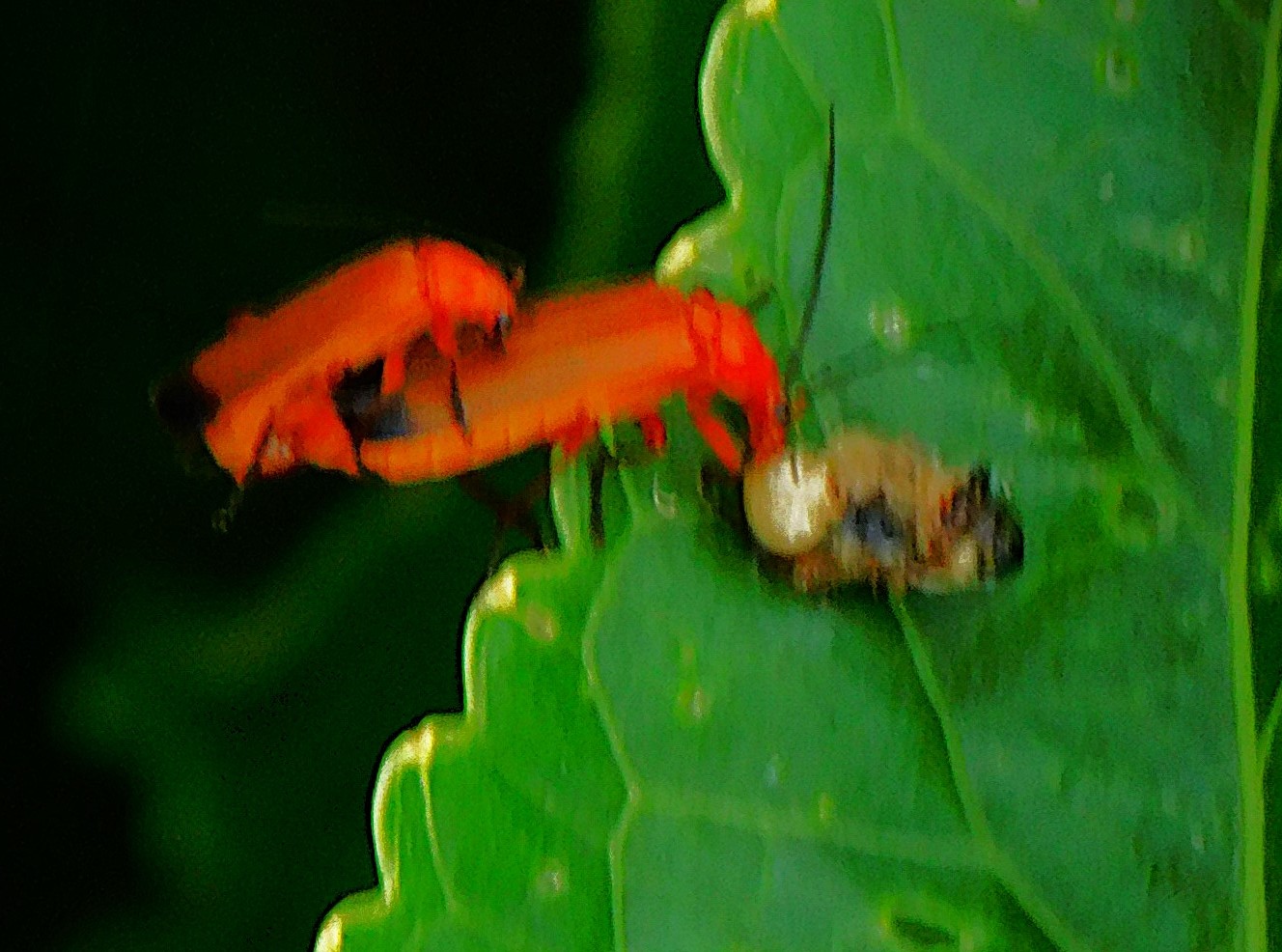
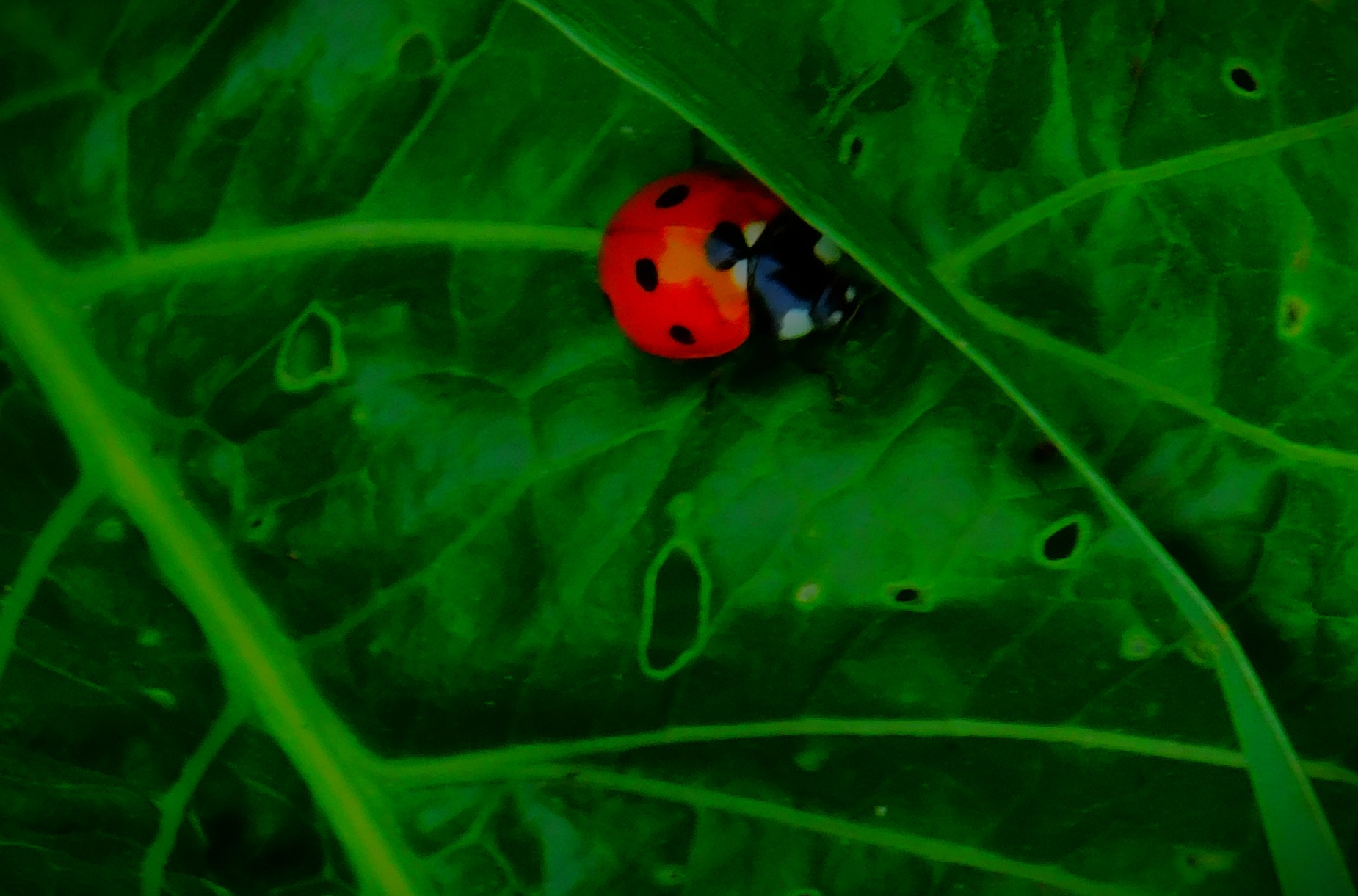
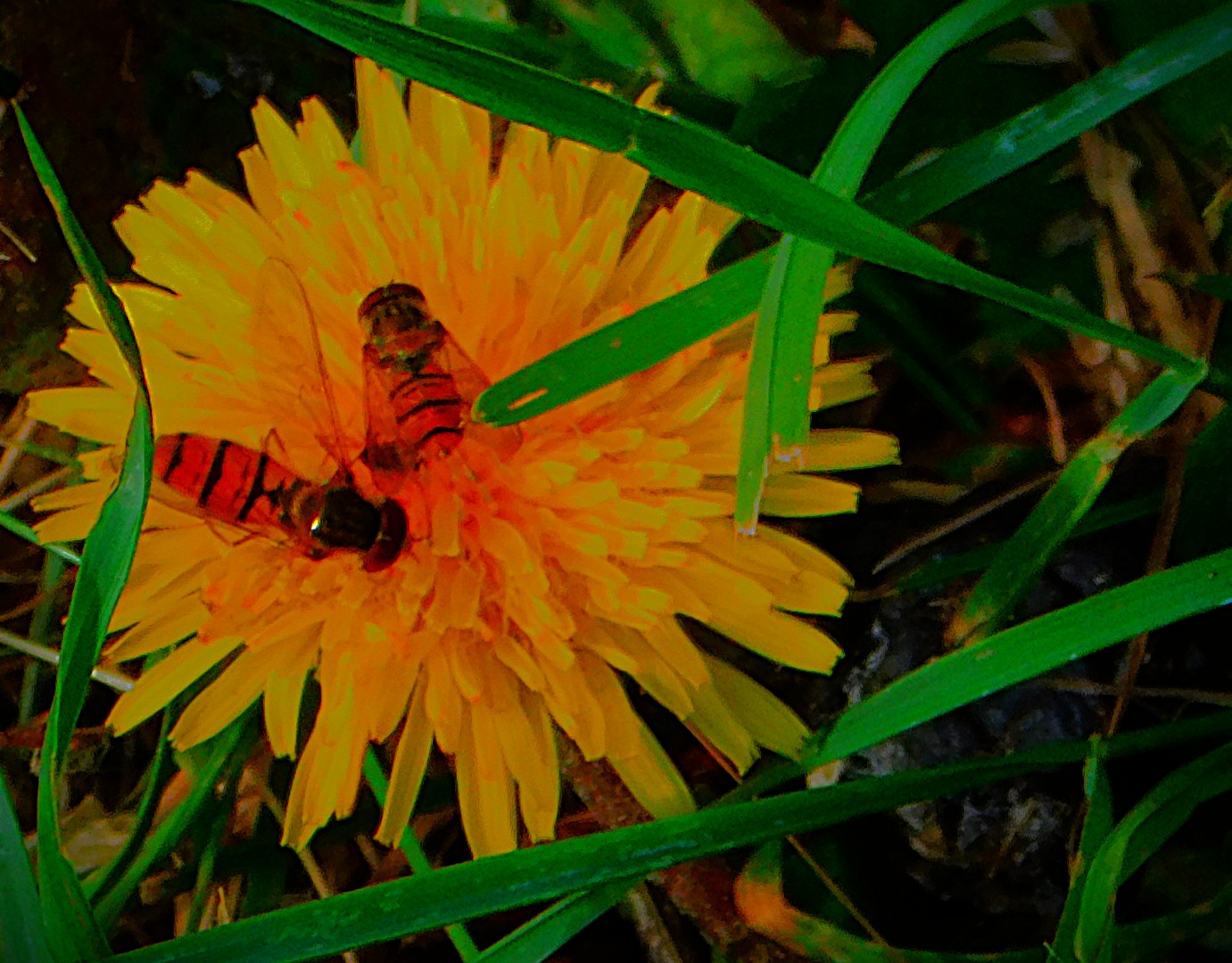
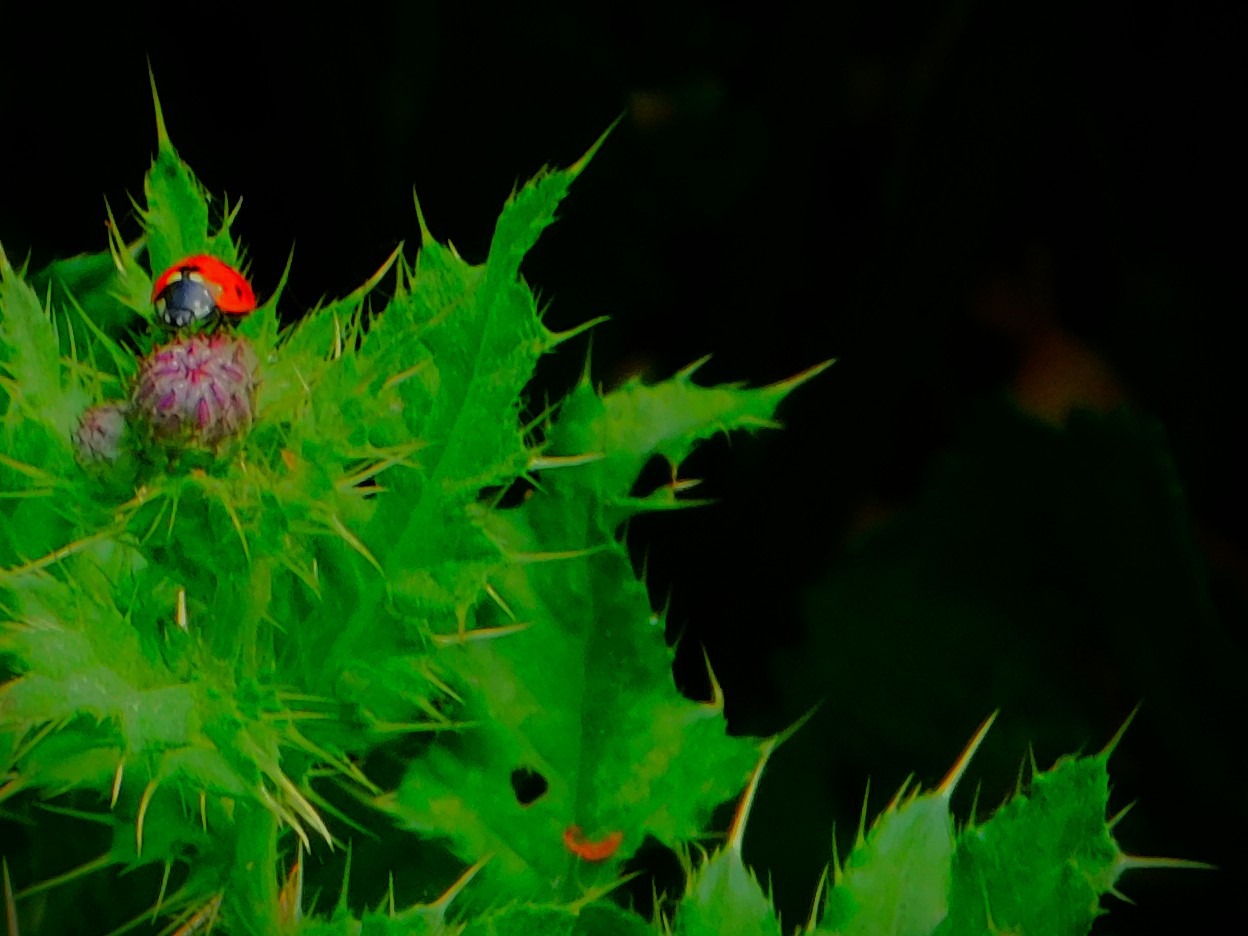
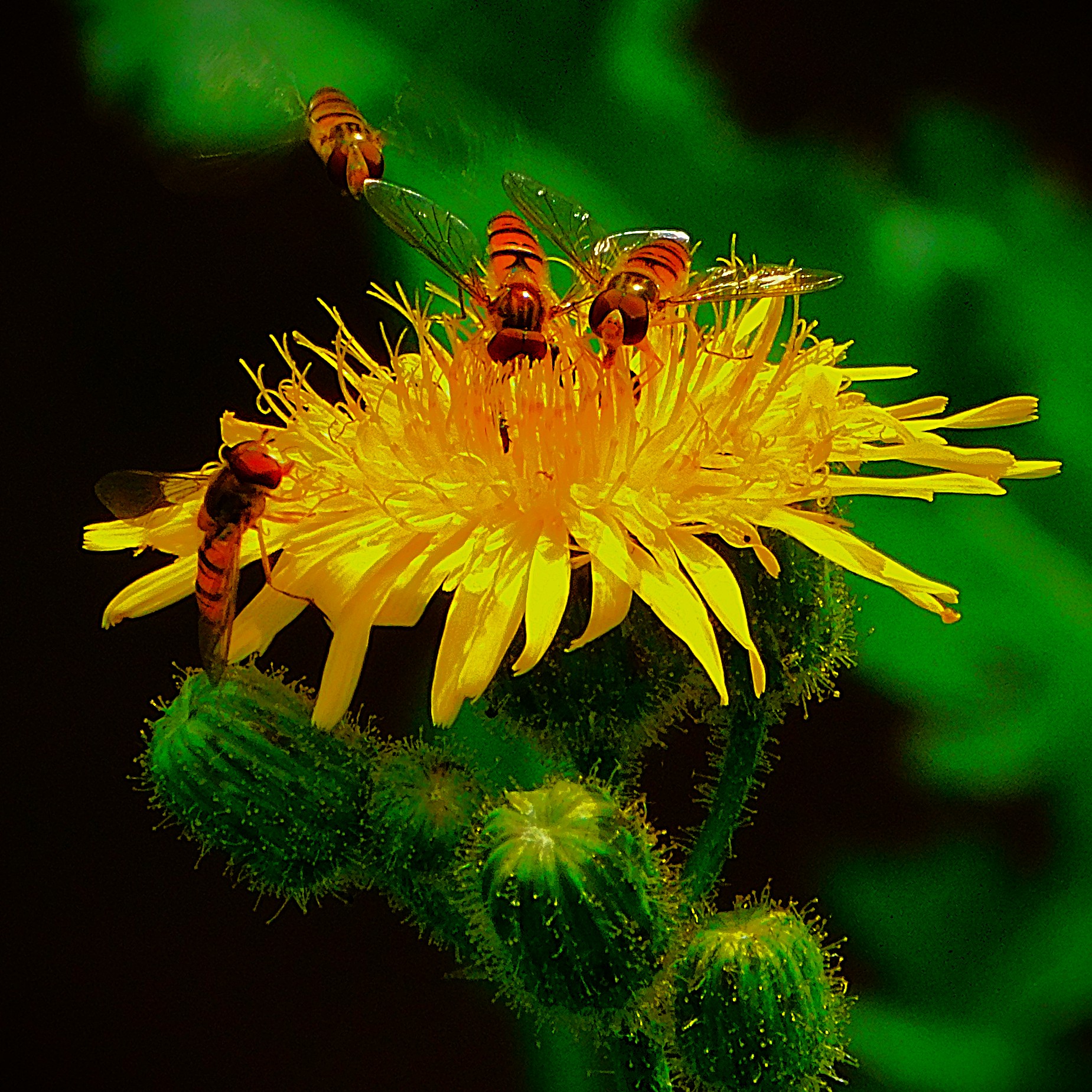
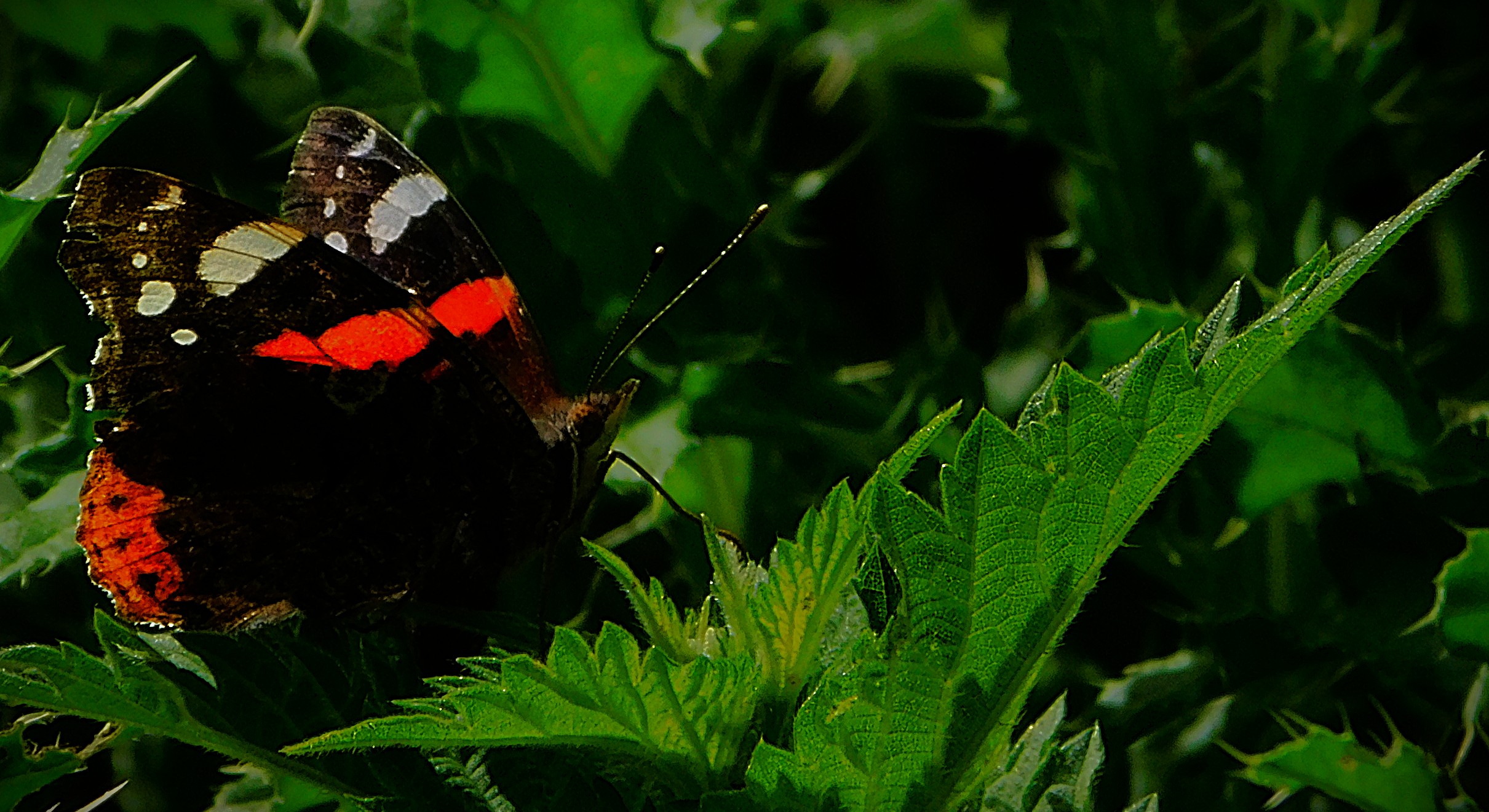
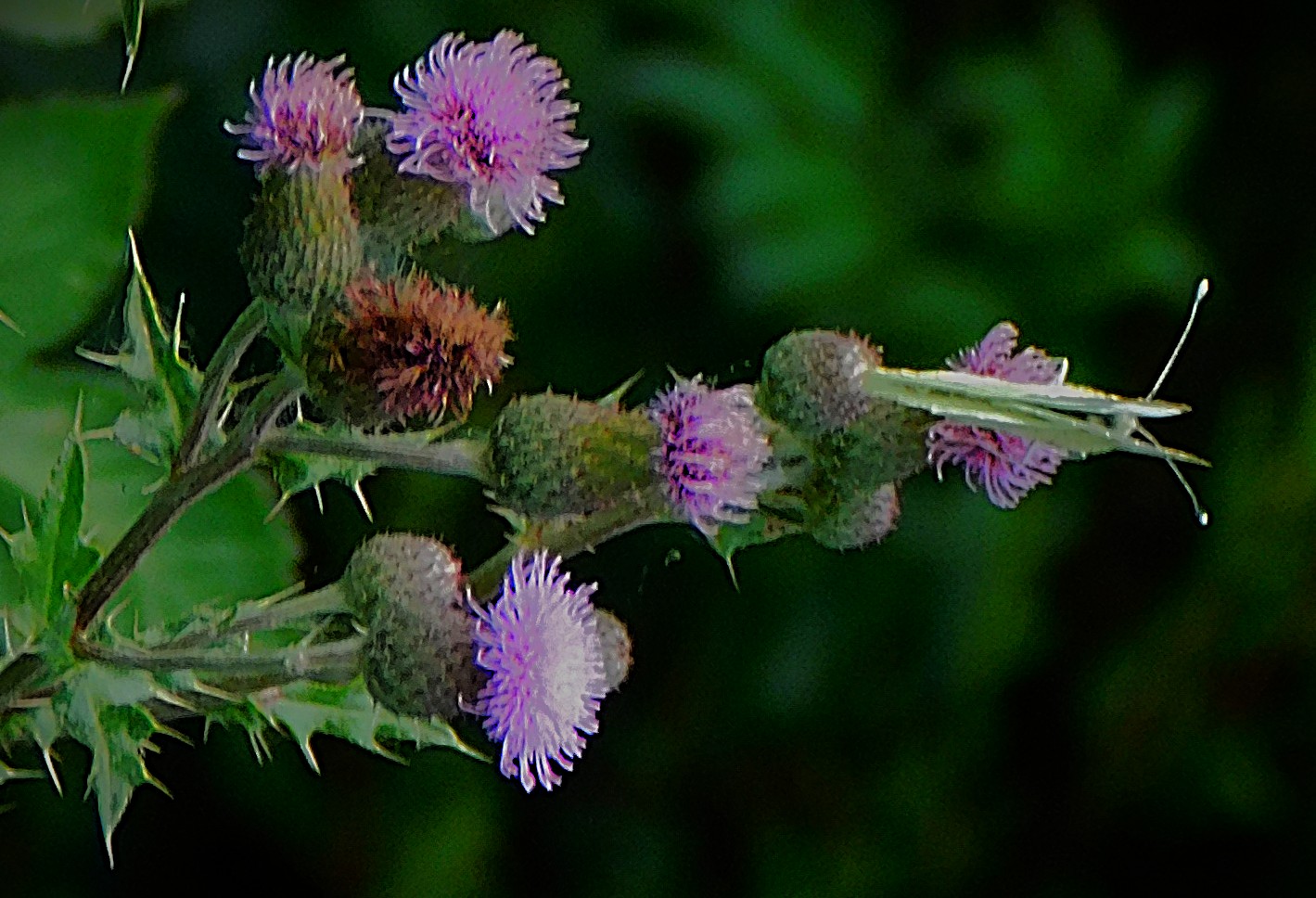
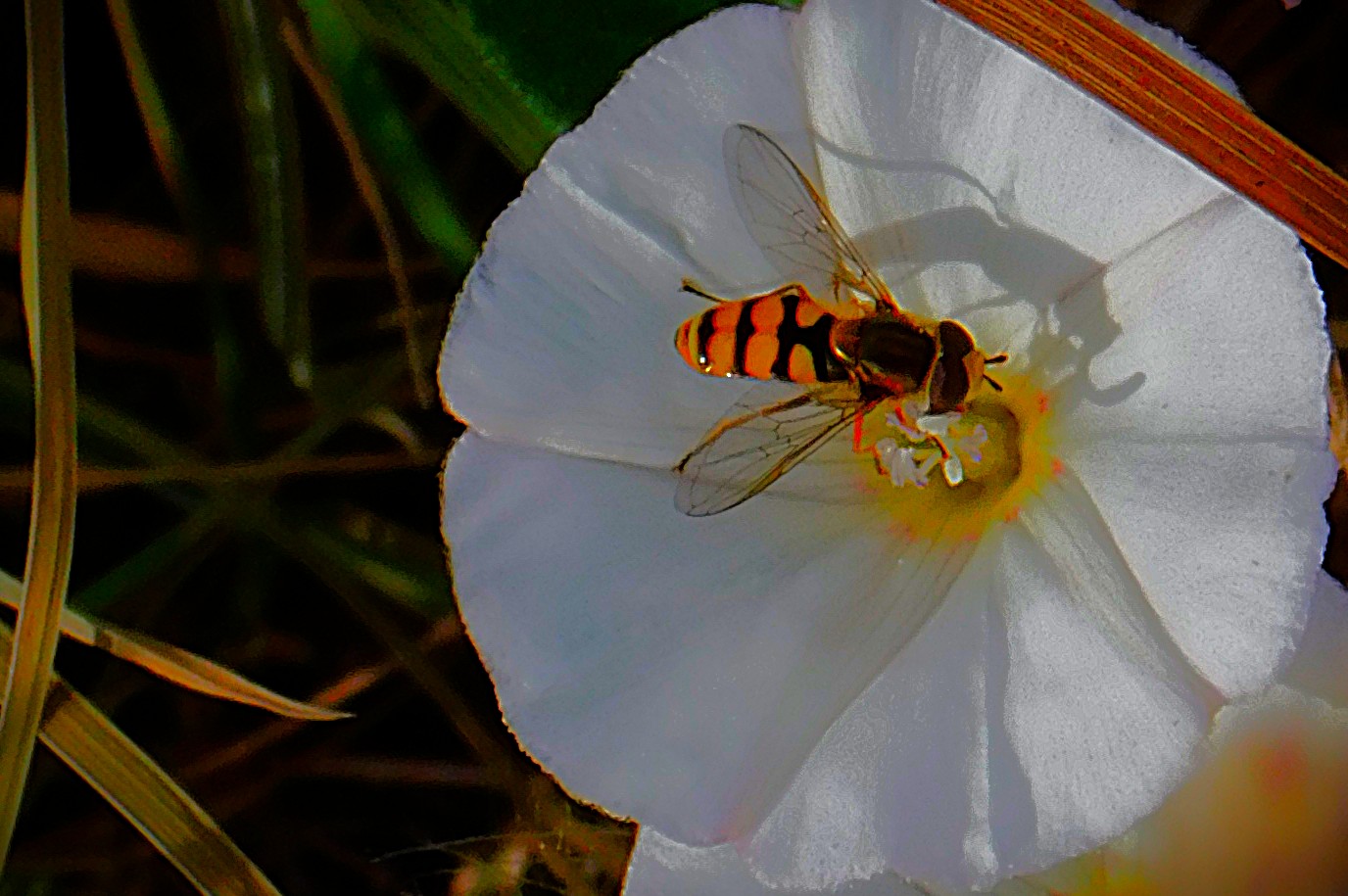
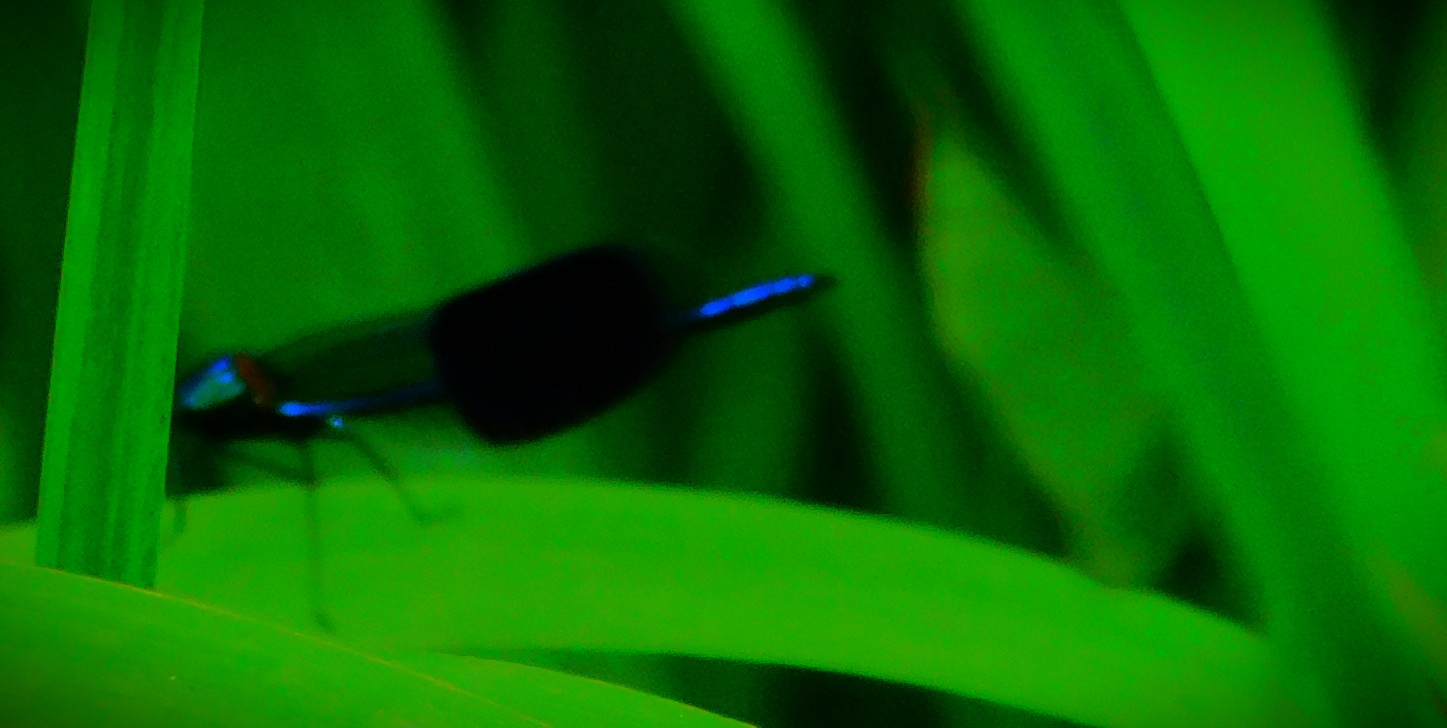
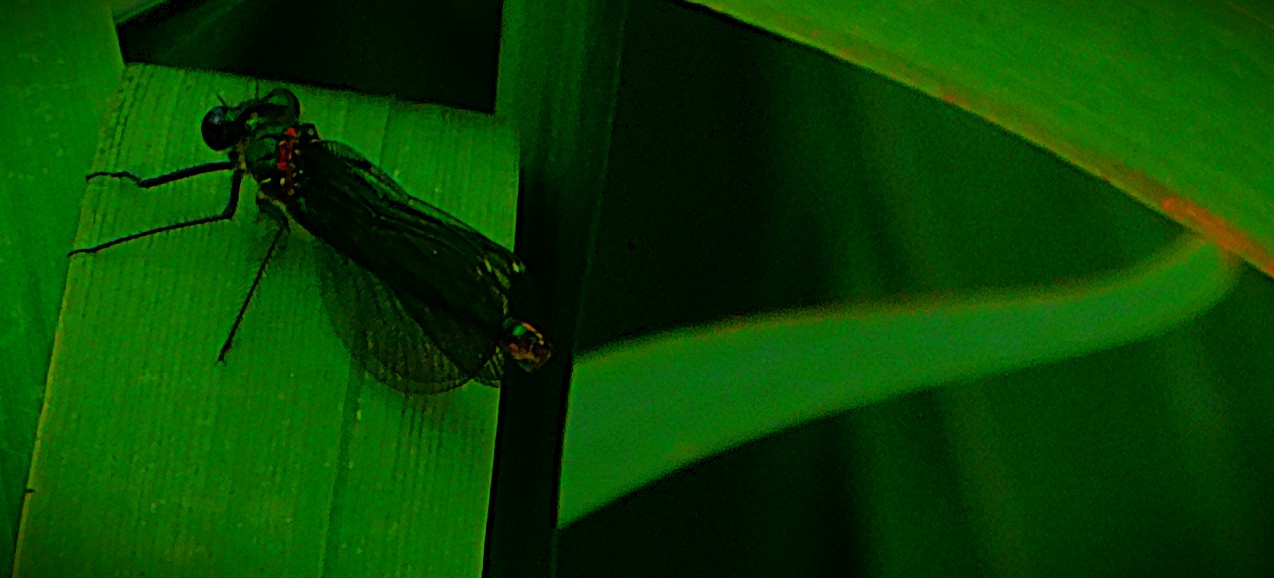
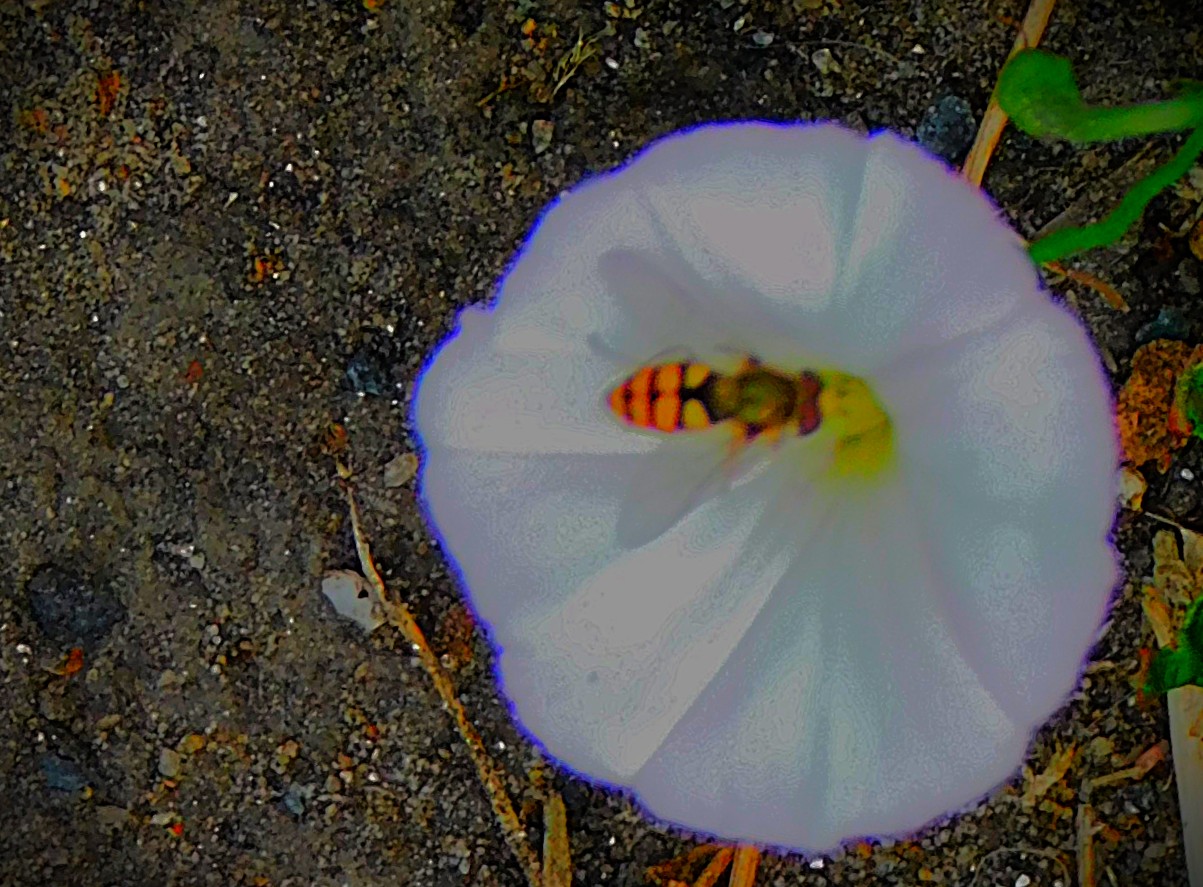
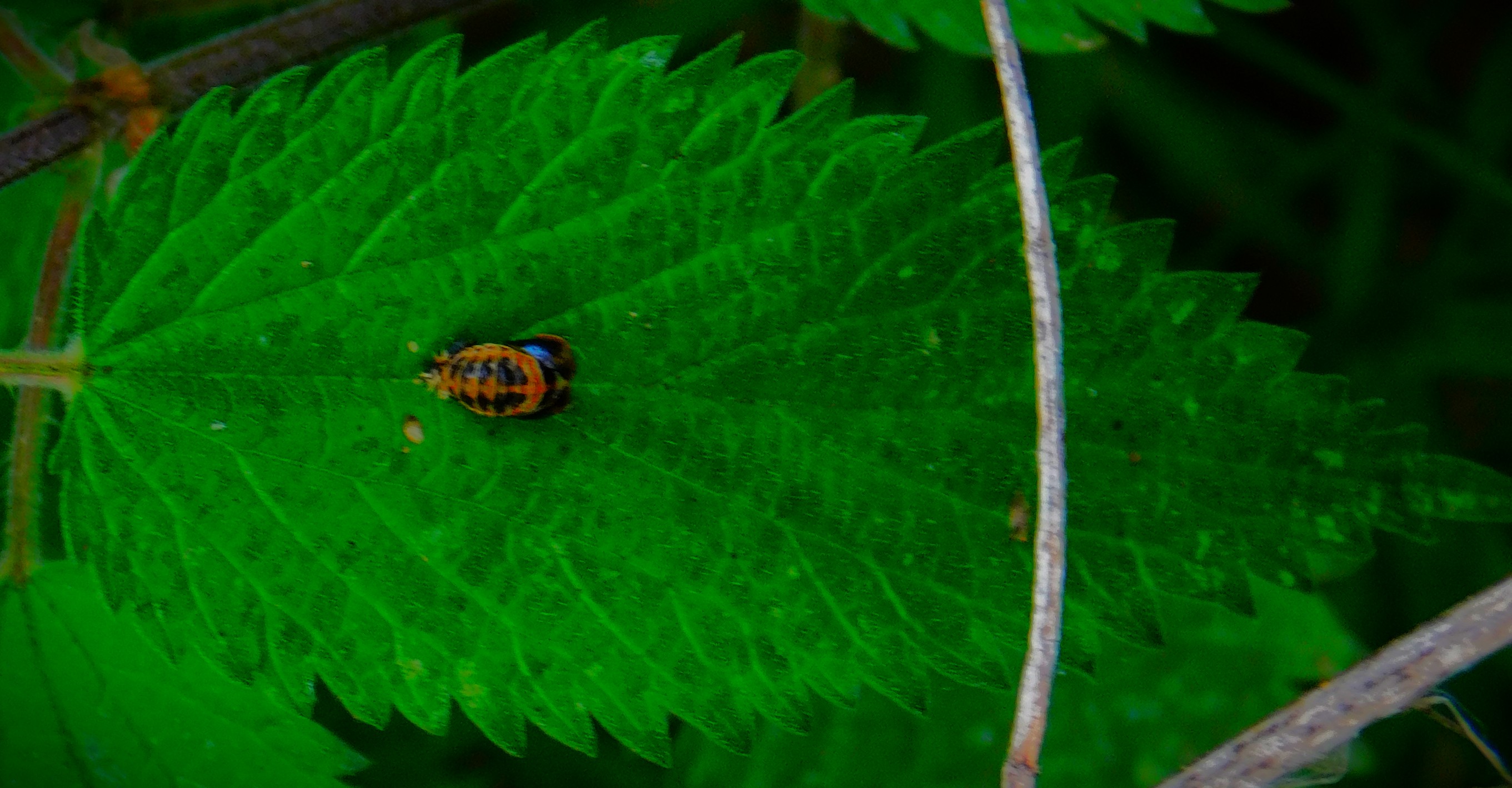
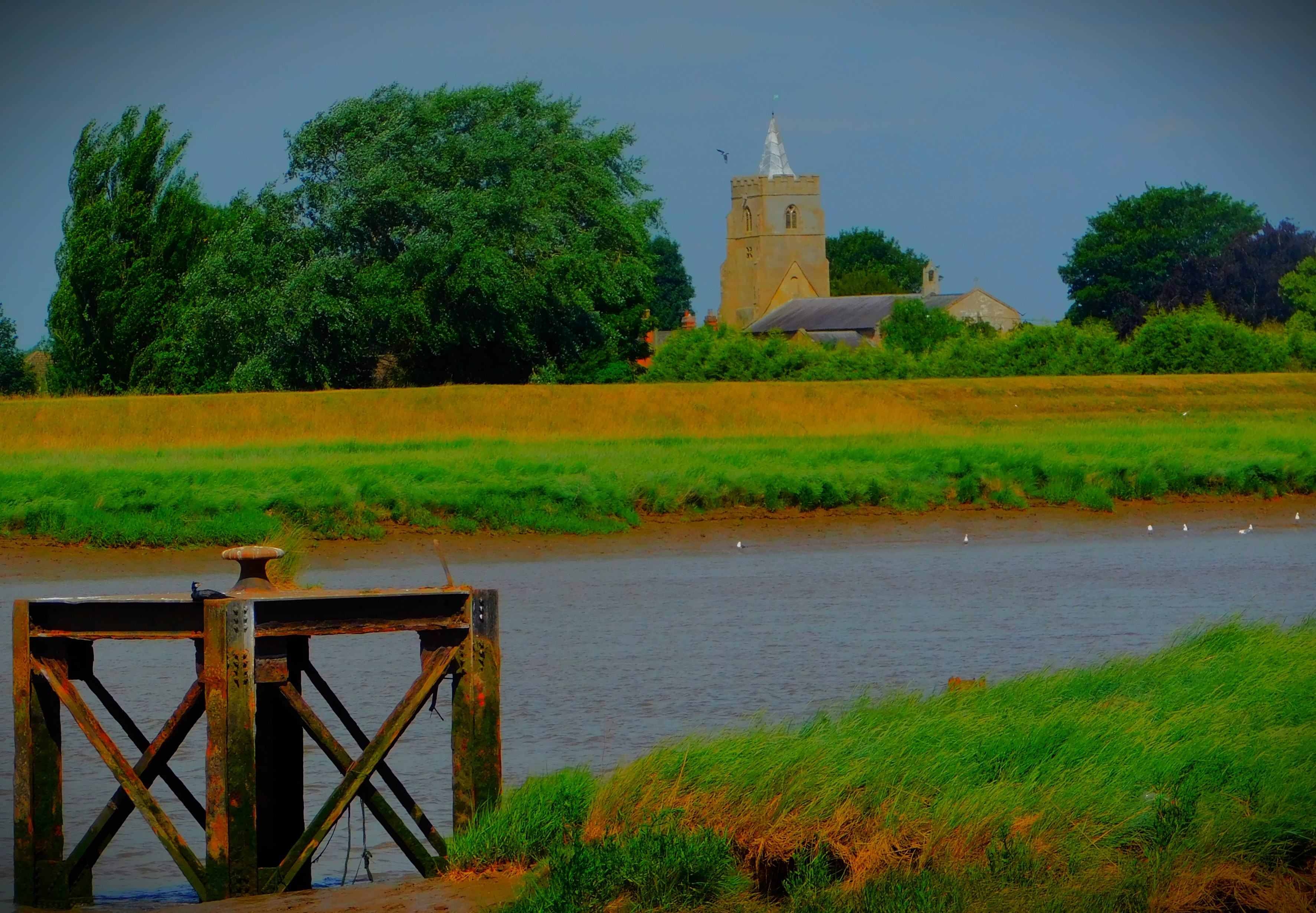
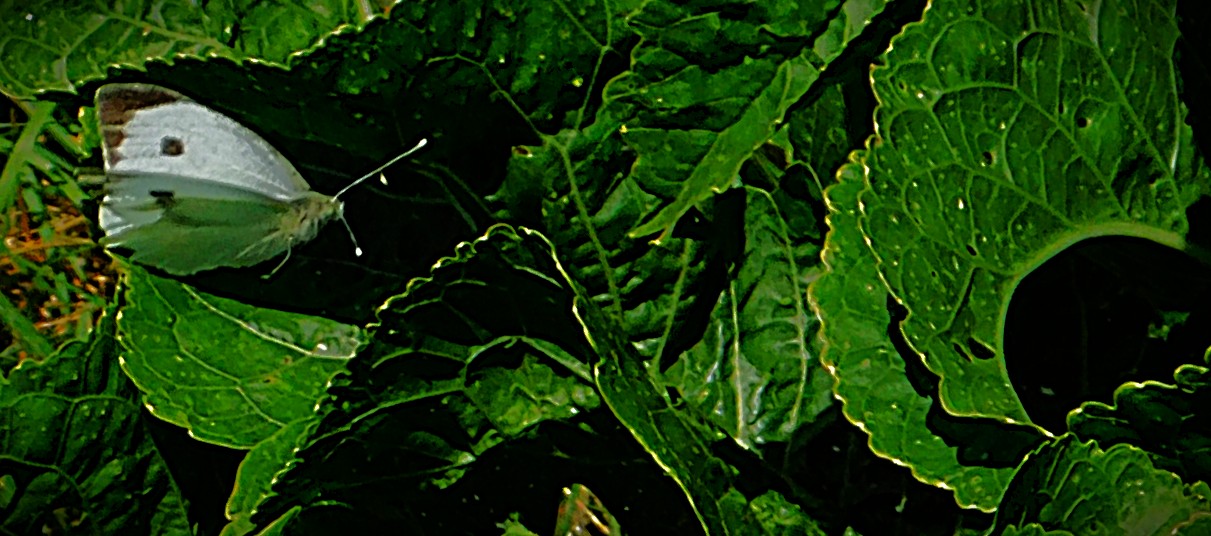
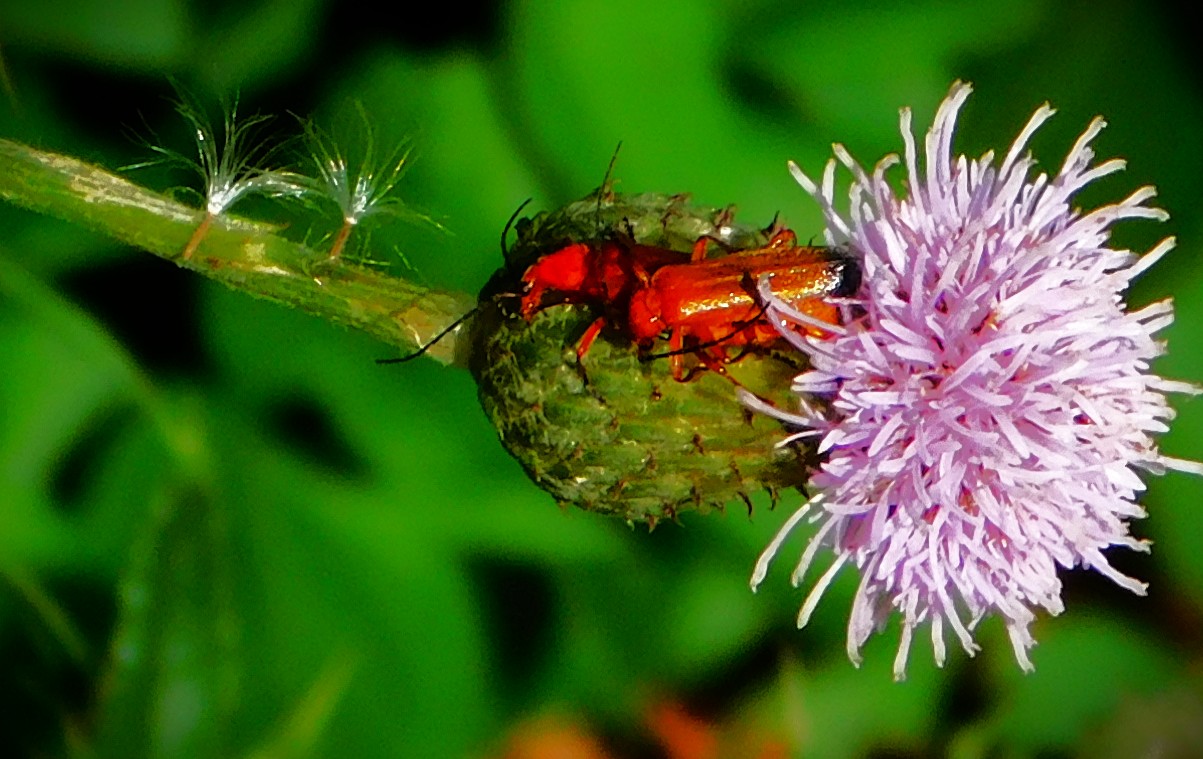
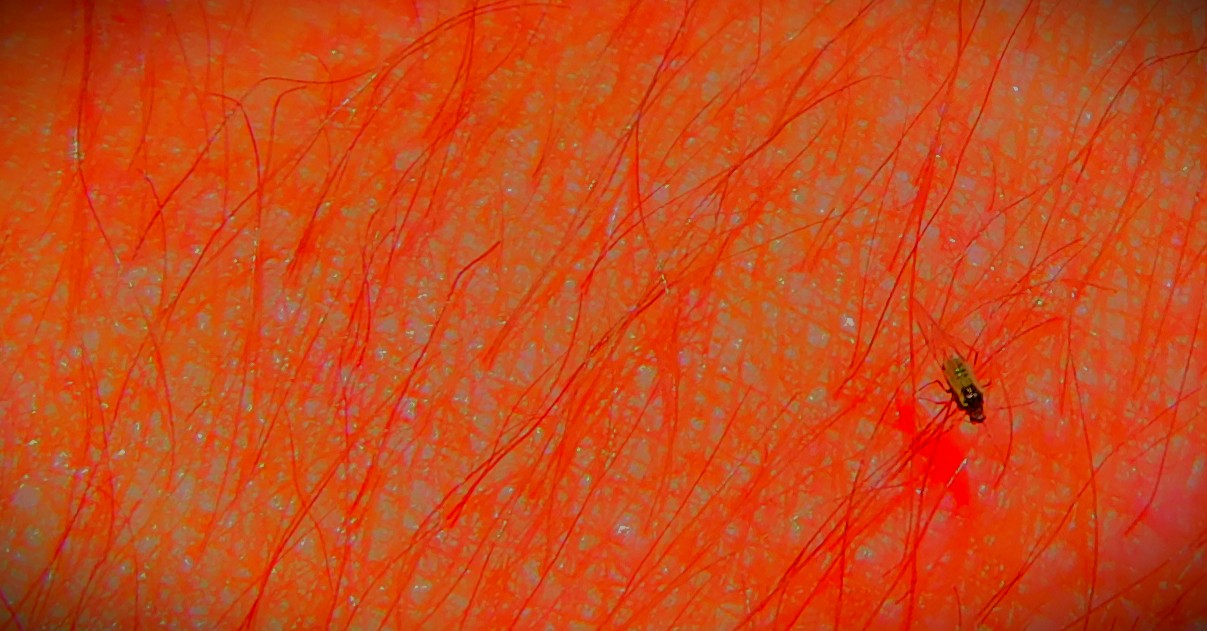
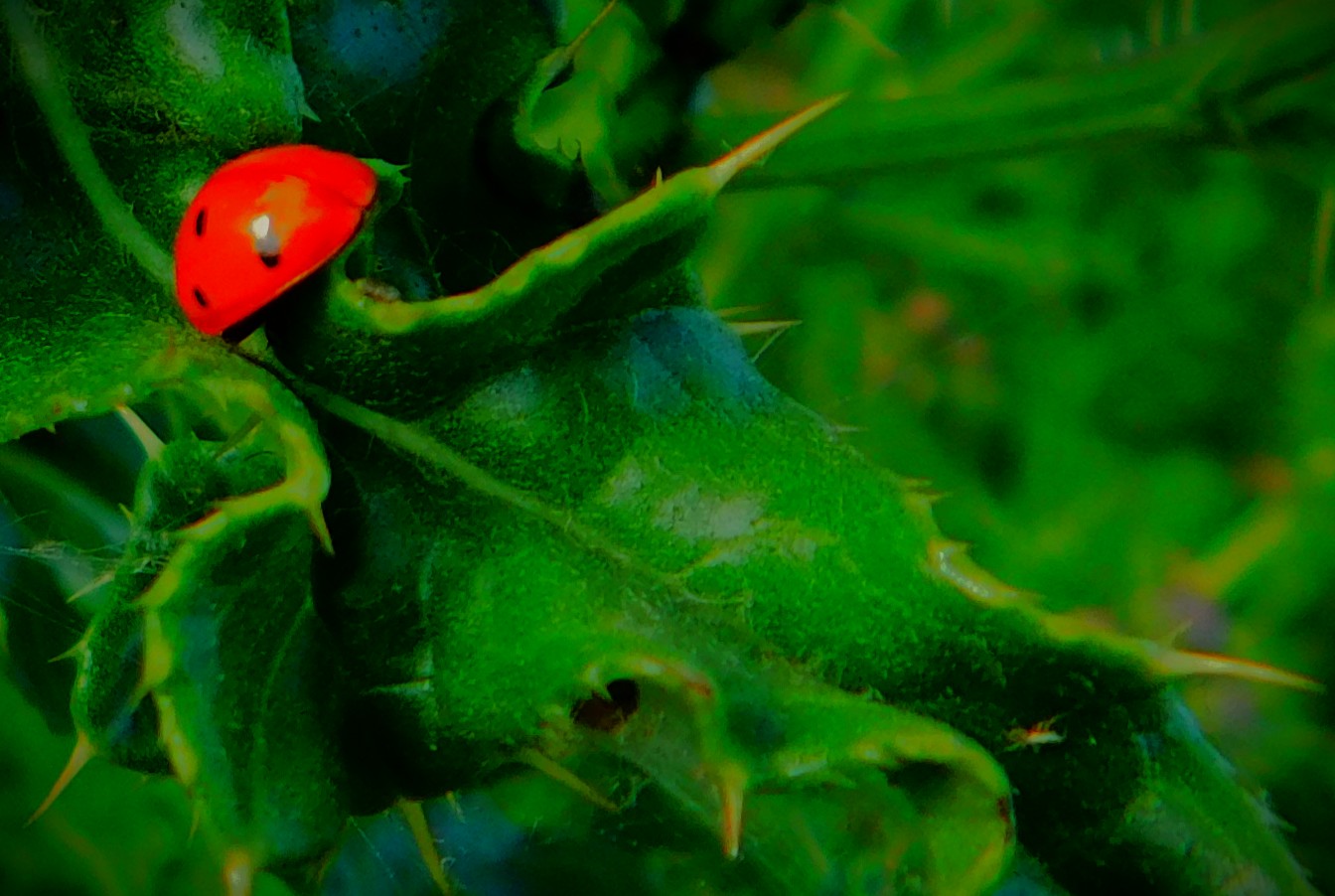
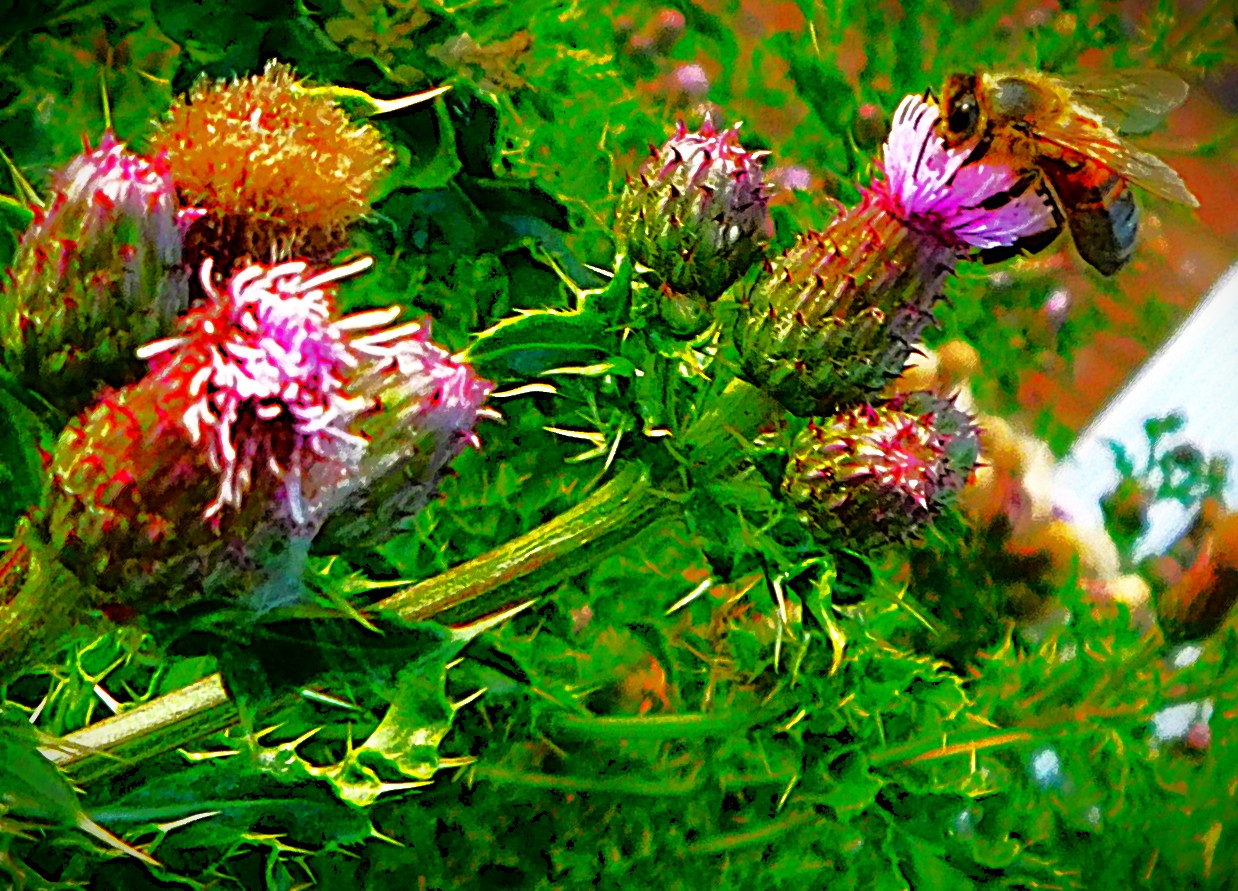
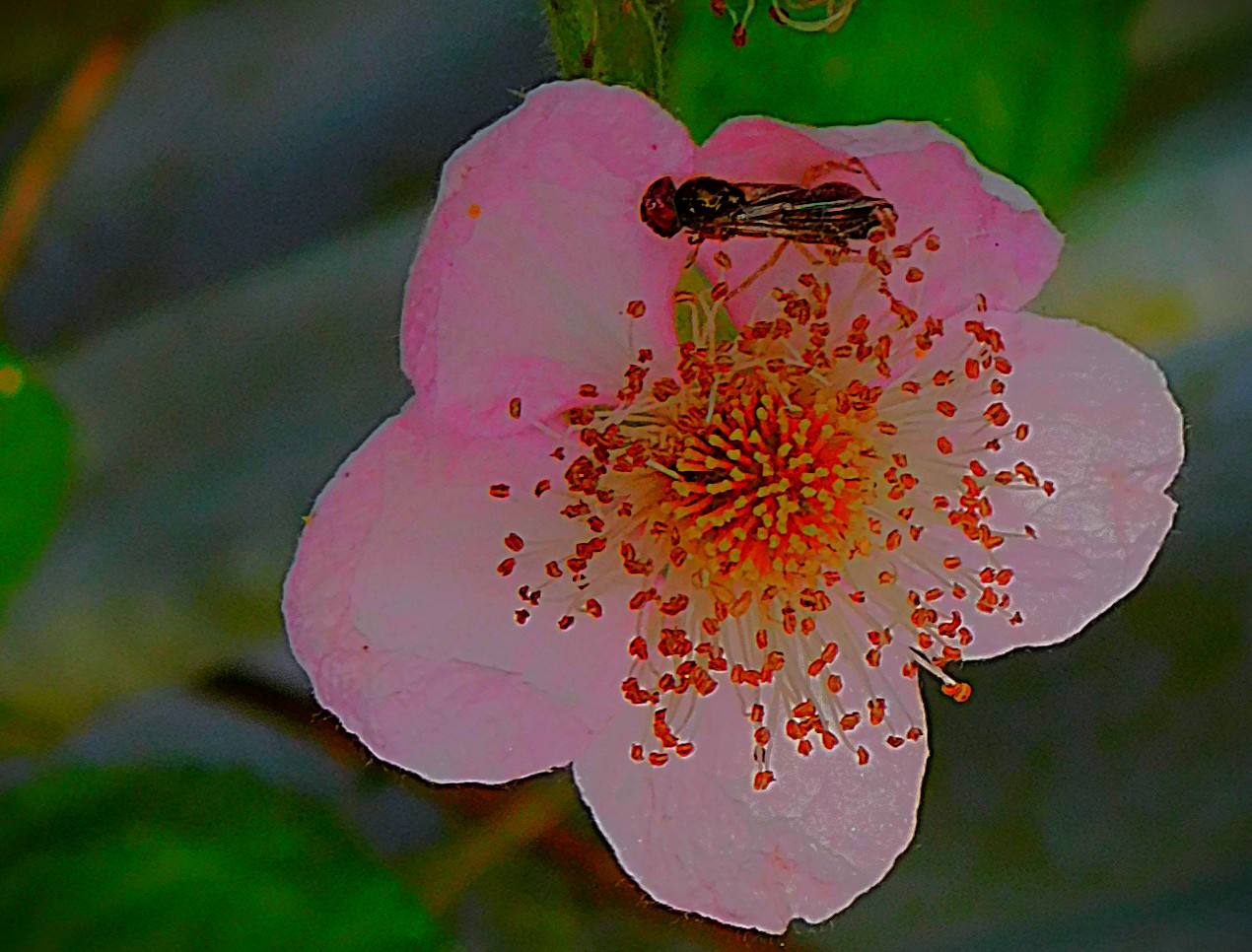
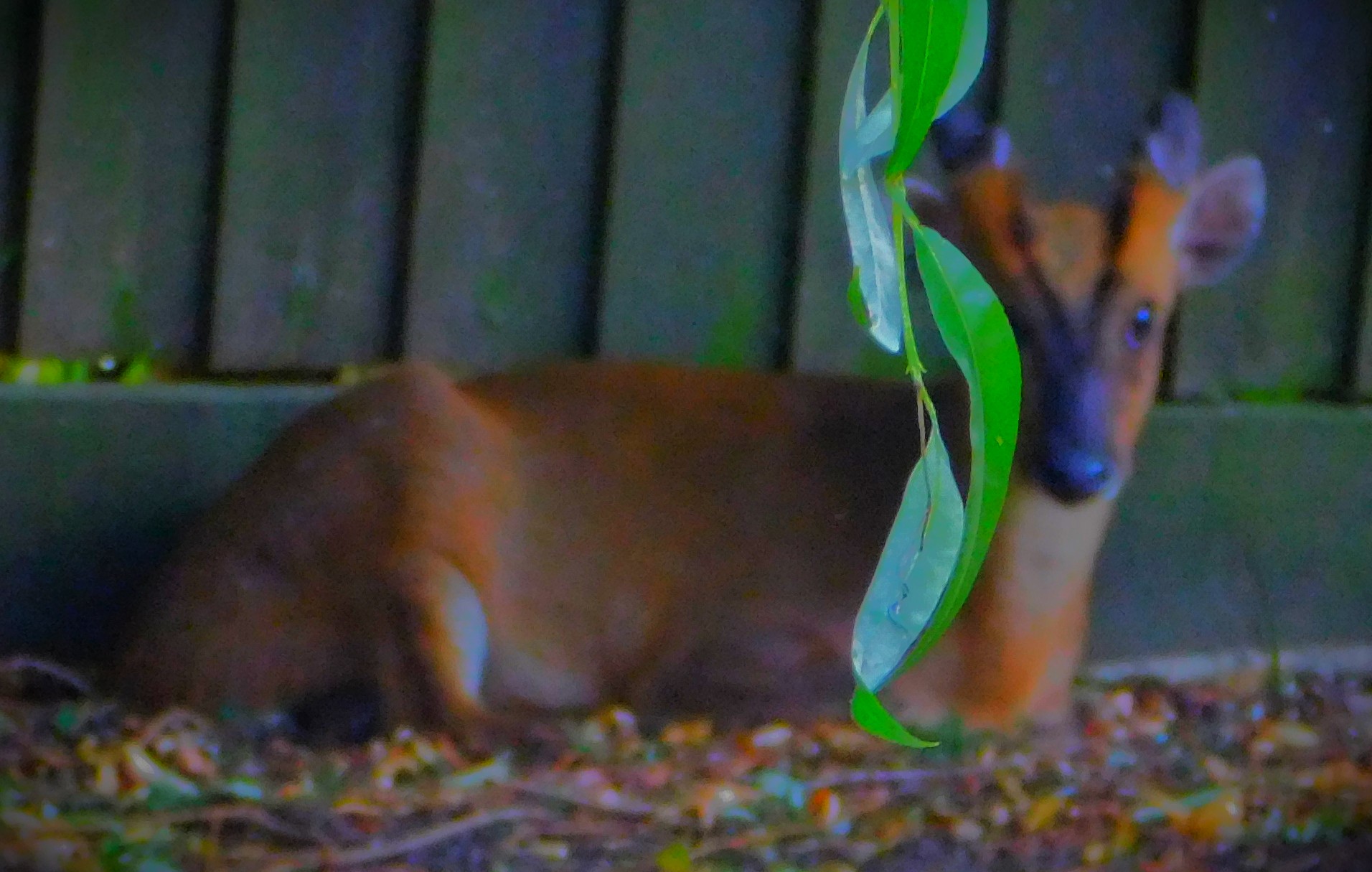
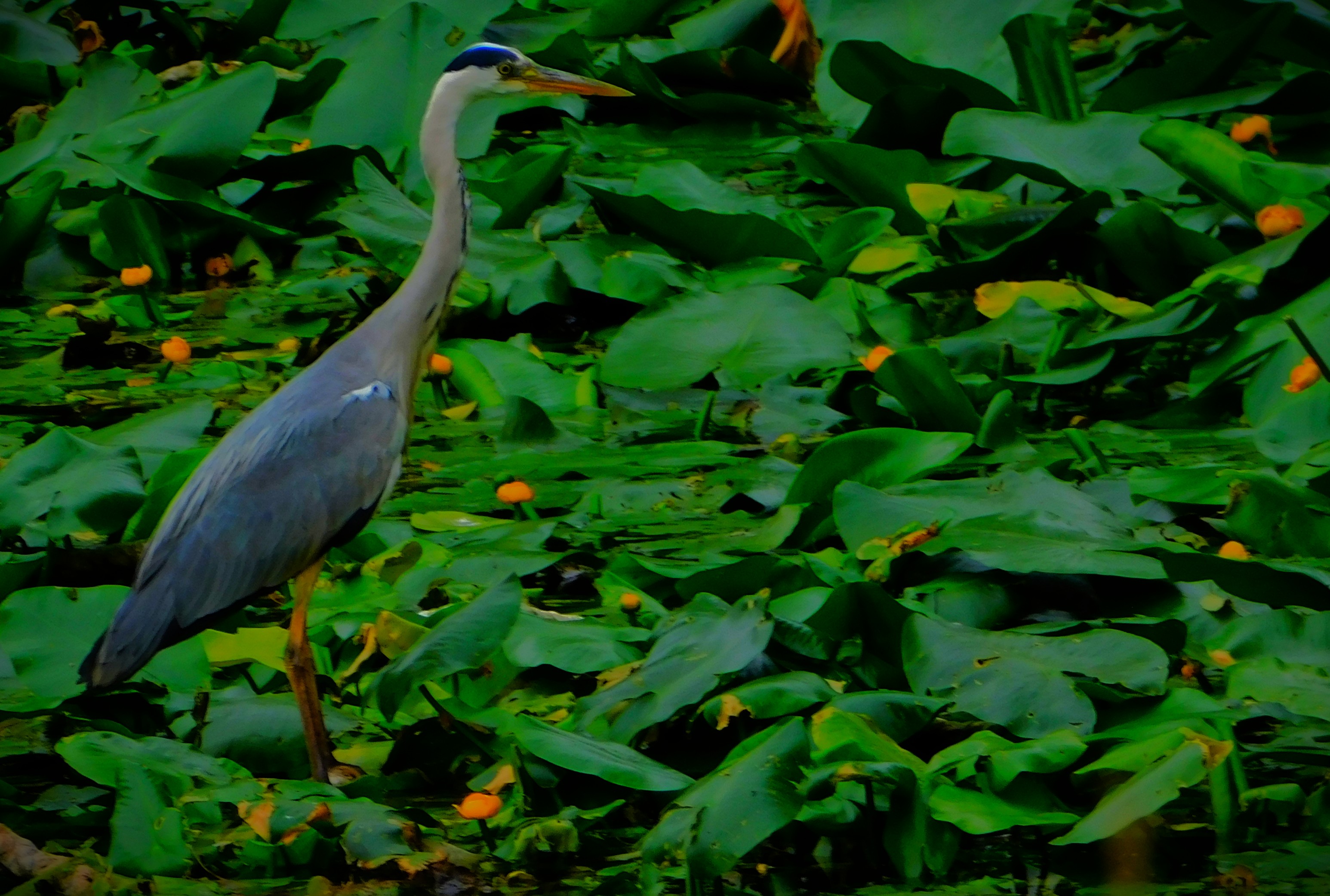
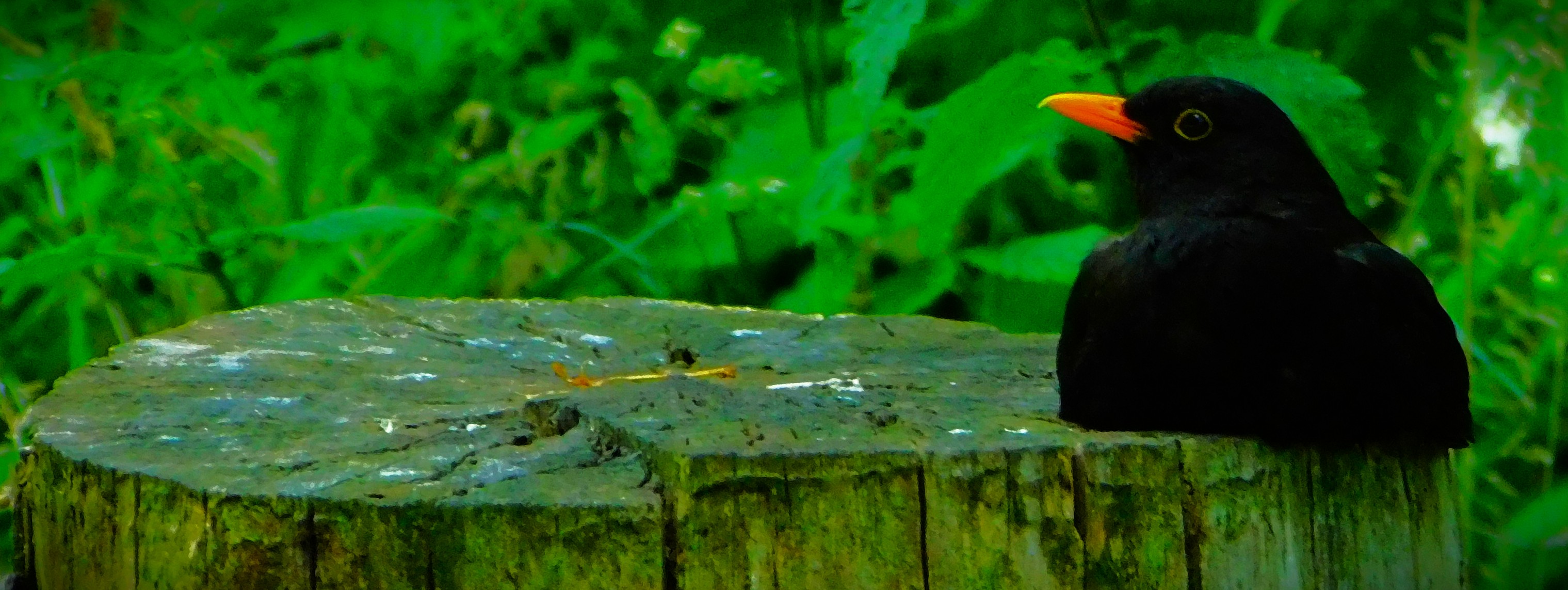
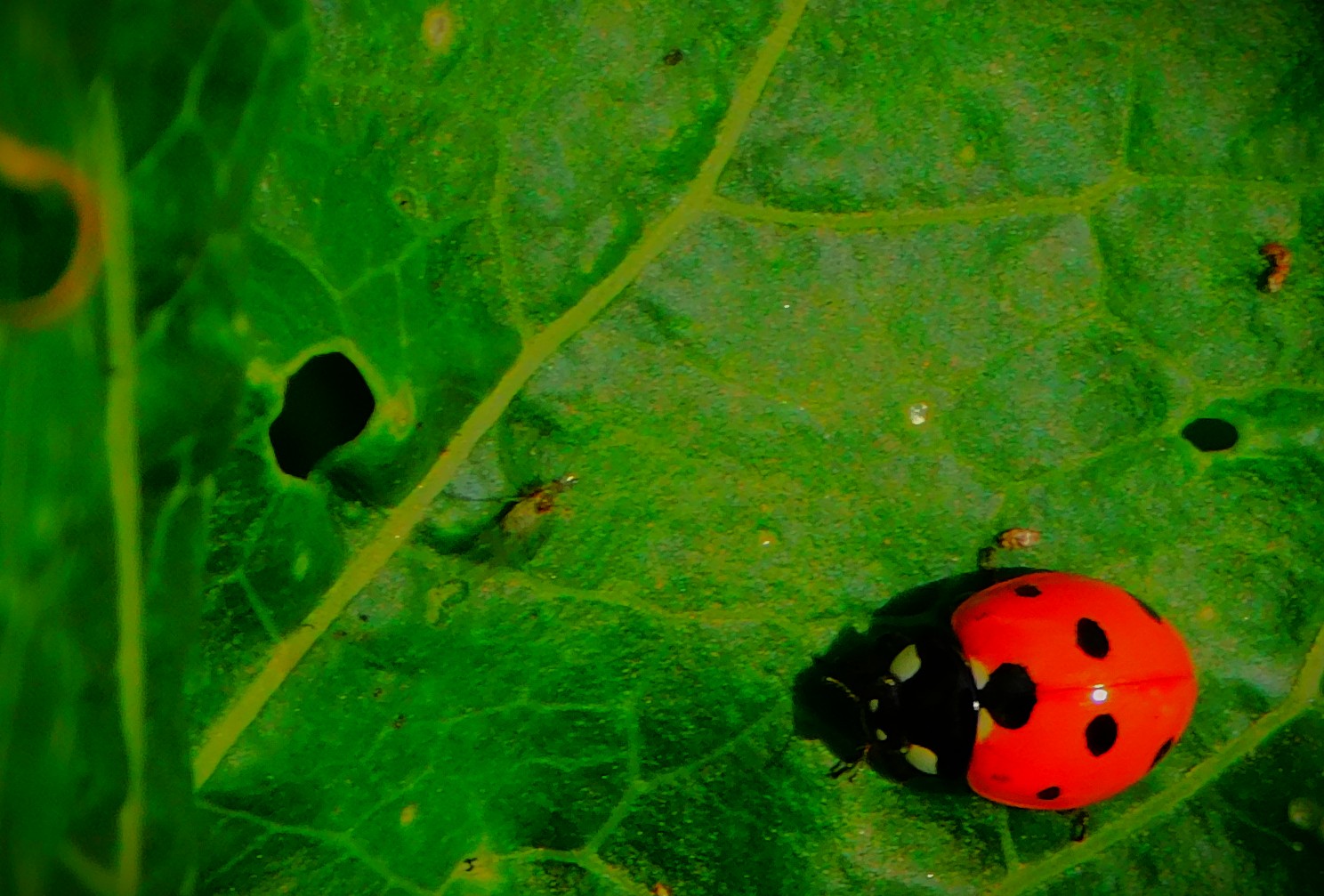
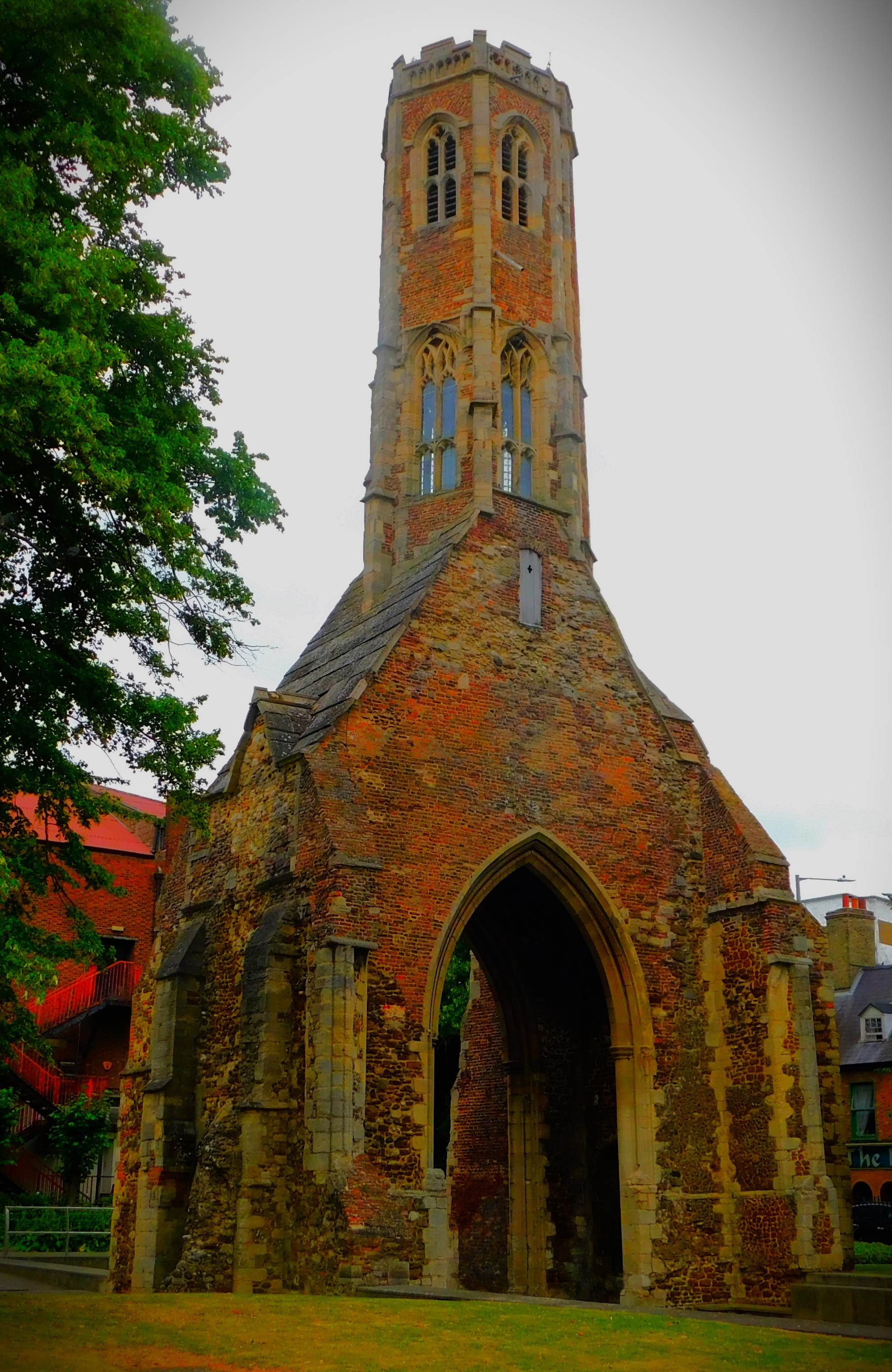
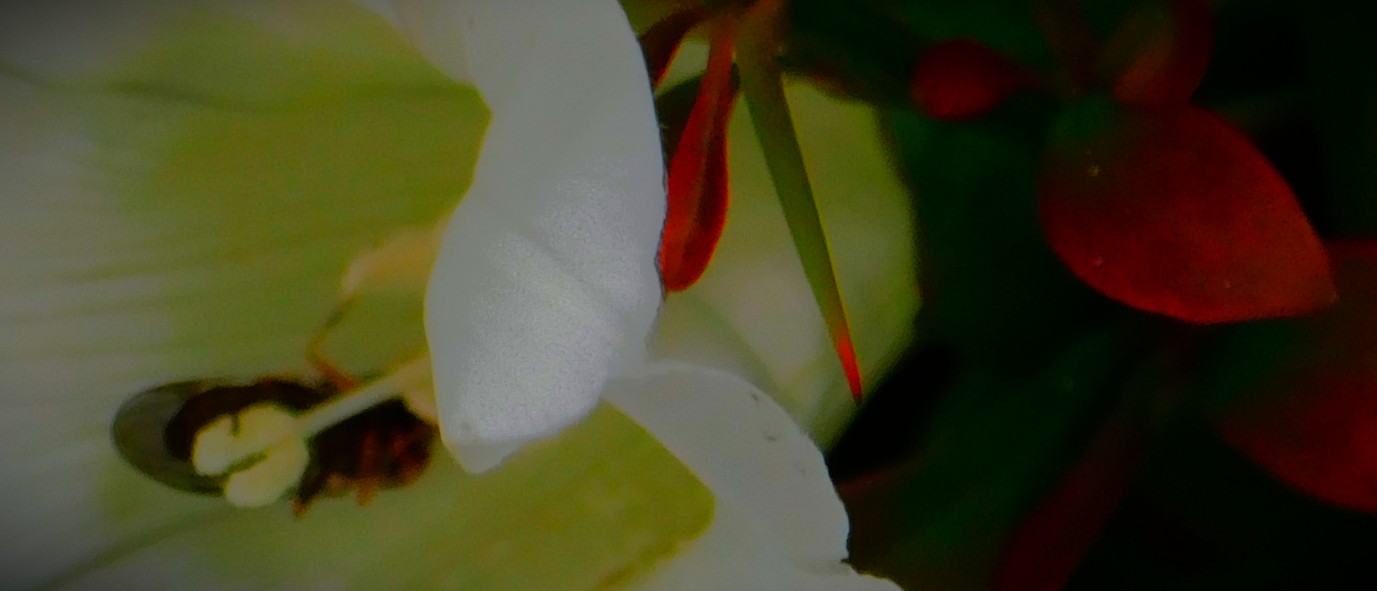
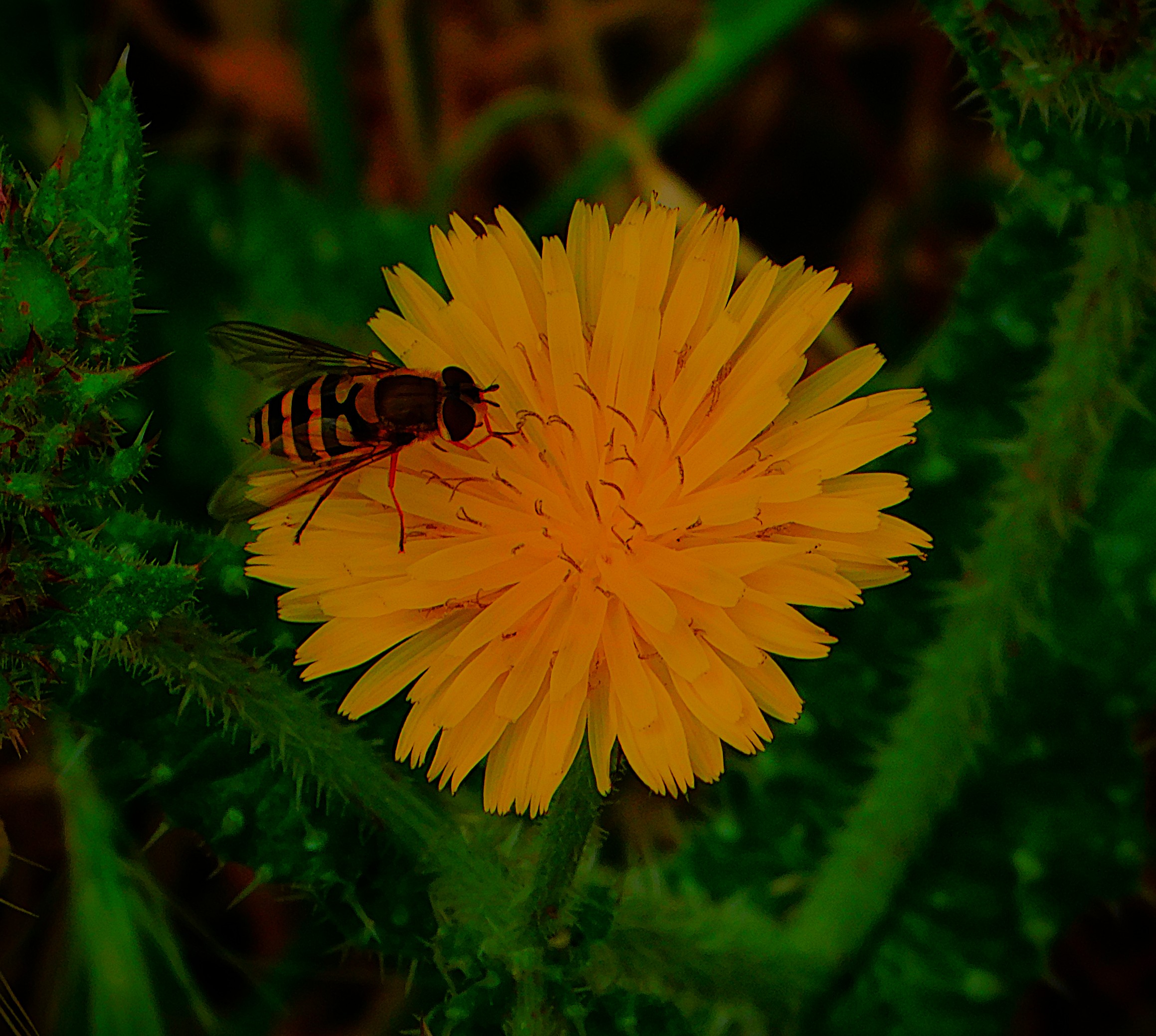
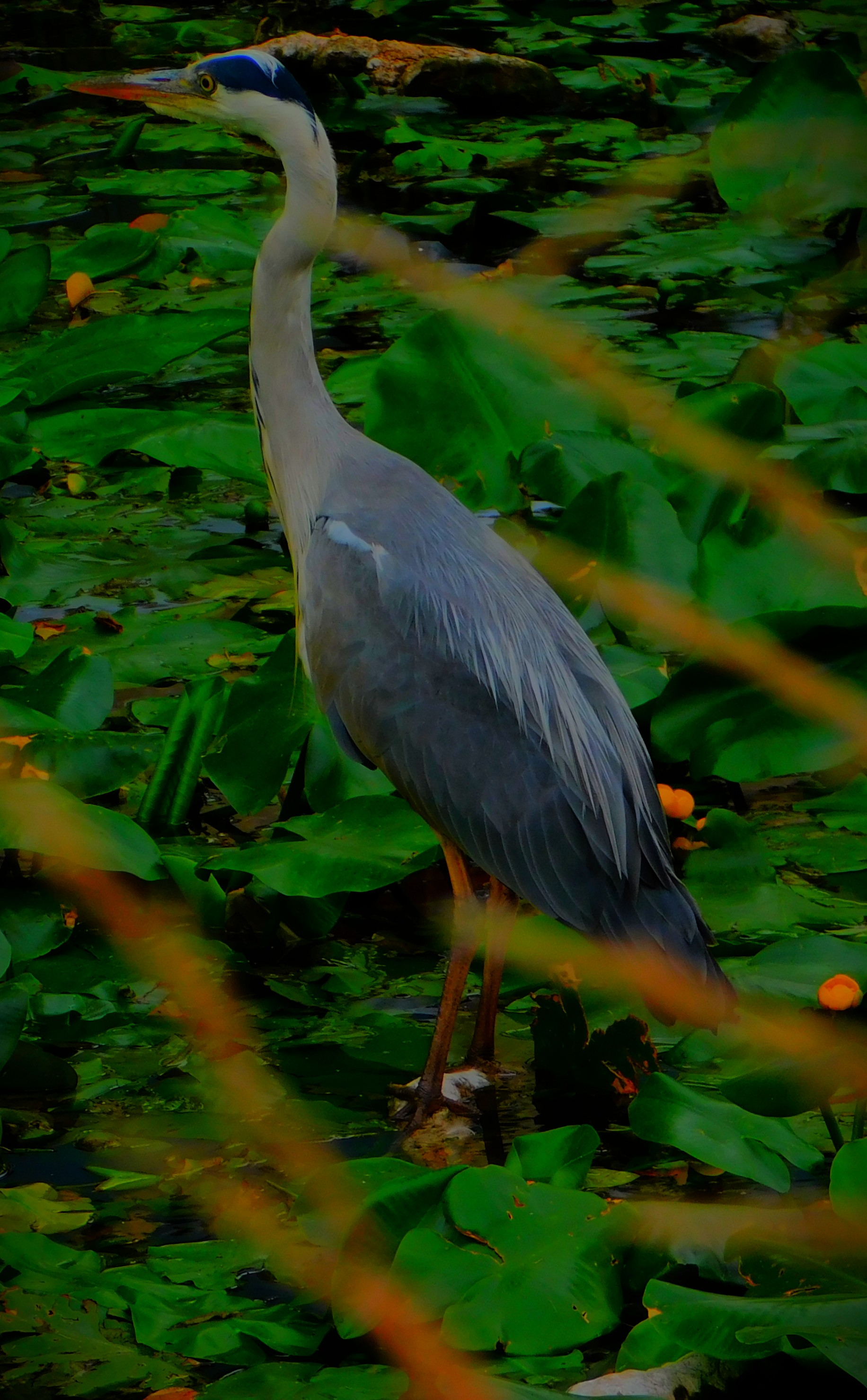
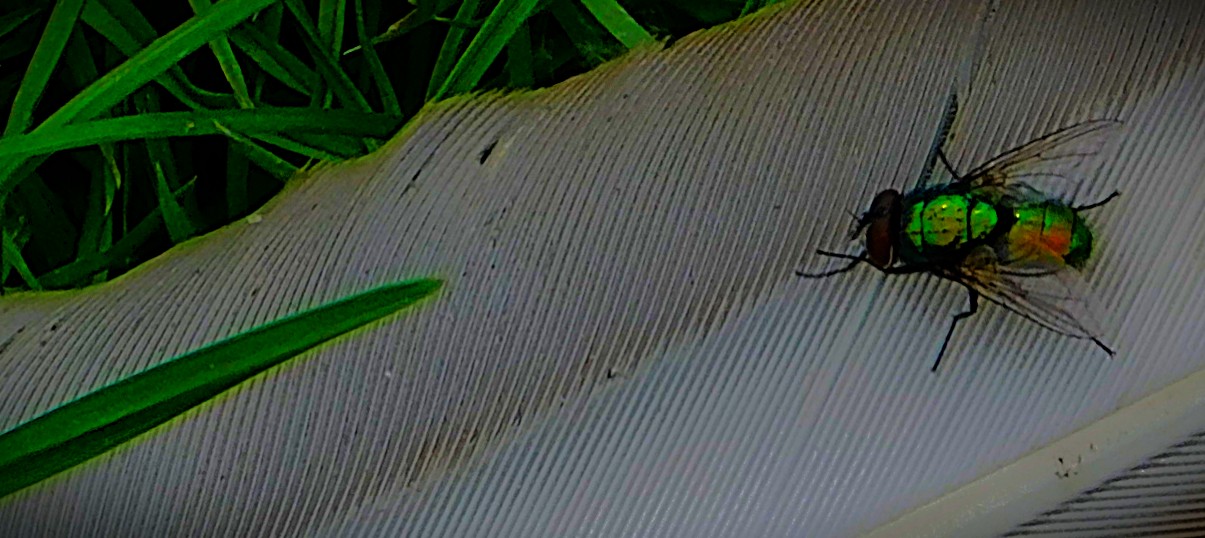
The woods near Kettlewell Lane, where this picture among others in this gallery was taken can be relied on for insect lift.St Peter’s Garden, attached to the Church of St Peter and St Paul in Fakenham is another good location – this pic and the next five were taken there after work yesterday.The next five pictures including this one demonstrate that although it follows a very major road all the way the route from the hospital (where I alighted from the bus home from work) to Gaywood is not devoid of insect life.The gorse bushes where this ladybird was basking are near the King’s Lynn branch of Morrison’s.The last insects in this post come from the same place as the first – the woods near Kettlewell Lane.
A look at yesterday’s Women’s Six Nations rugby match between England and Italy and a splendid photo gallery.
The Women’s Six Nations rugby got underway this weekend. Yesterday saw England facing Italy.
A MATCH OF TWO HALVES
England have not lost a Womens Six Nations fixture since 2018, and last year they kept Italy scoreless. The first half hour of the match continued this pattern, and by that stage England had already secured the bonus point for scoring four or more tries. One of those was 35 year old Emily Scarratt’s 55th international try. Rosie Galligan had a try chalked off for not being fully in control of the ball, but the replay also showed an earlier Italian infraction which caused the referee to award a penalty try (seven points, since one of the rules governing penalty tries is that they are always considered to be converted, without the kick having to be taken) and send the Italian offender to the sinbin for 20 minutes. Near the end of the first half Italy did actually score, with Francesca Sgorbini touching down, but that made little difference to the overall score line, which reflected England’s dominance.
The second half was very different, with Italy fighting like tigers. Sgorbini briefly thought she had her second try of the match but it was chalked off bu the TMO. England also had a try disallowed. Over half an hour into what was threatening to be a scoreless half Amy Cokayne scored an undisputed try. The final score was England 38 (six tries, three conversions and the automatic extra two points for the penalty try) Italy 5 (Sgorbini’s unconverted try) and England fully merited their win, but Italy deserve credit for the fight they showed in the second half, when they might have caved an allowed an absolute monster score to be posted against them.
PHOTOGRAPHS
My usual sign off (don’t forget that you can view images at larger size by clicking on them)…
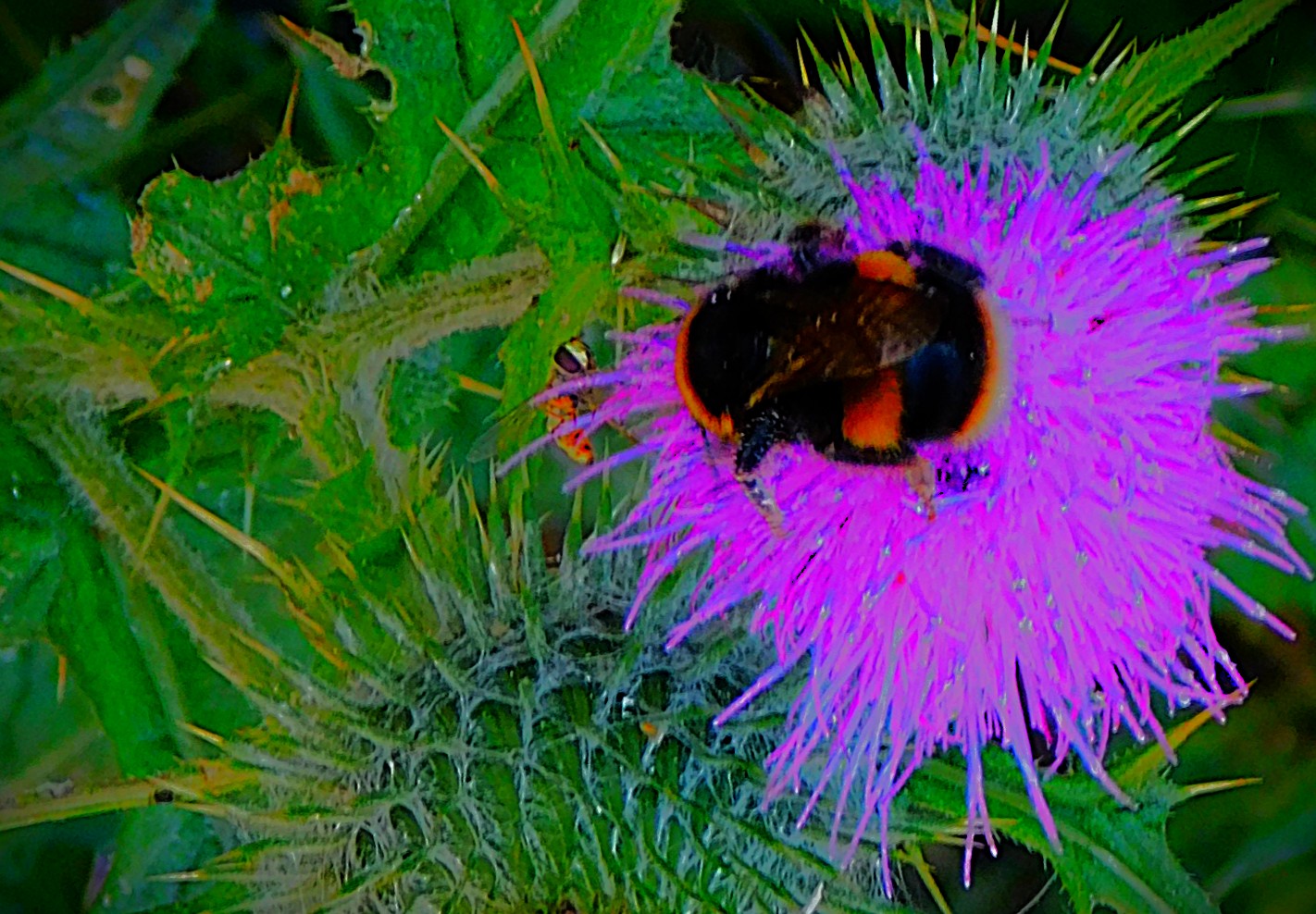
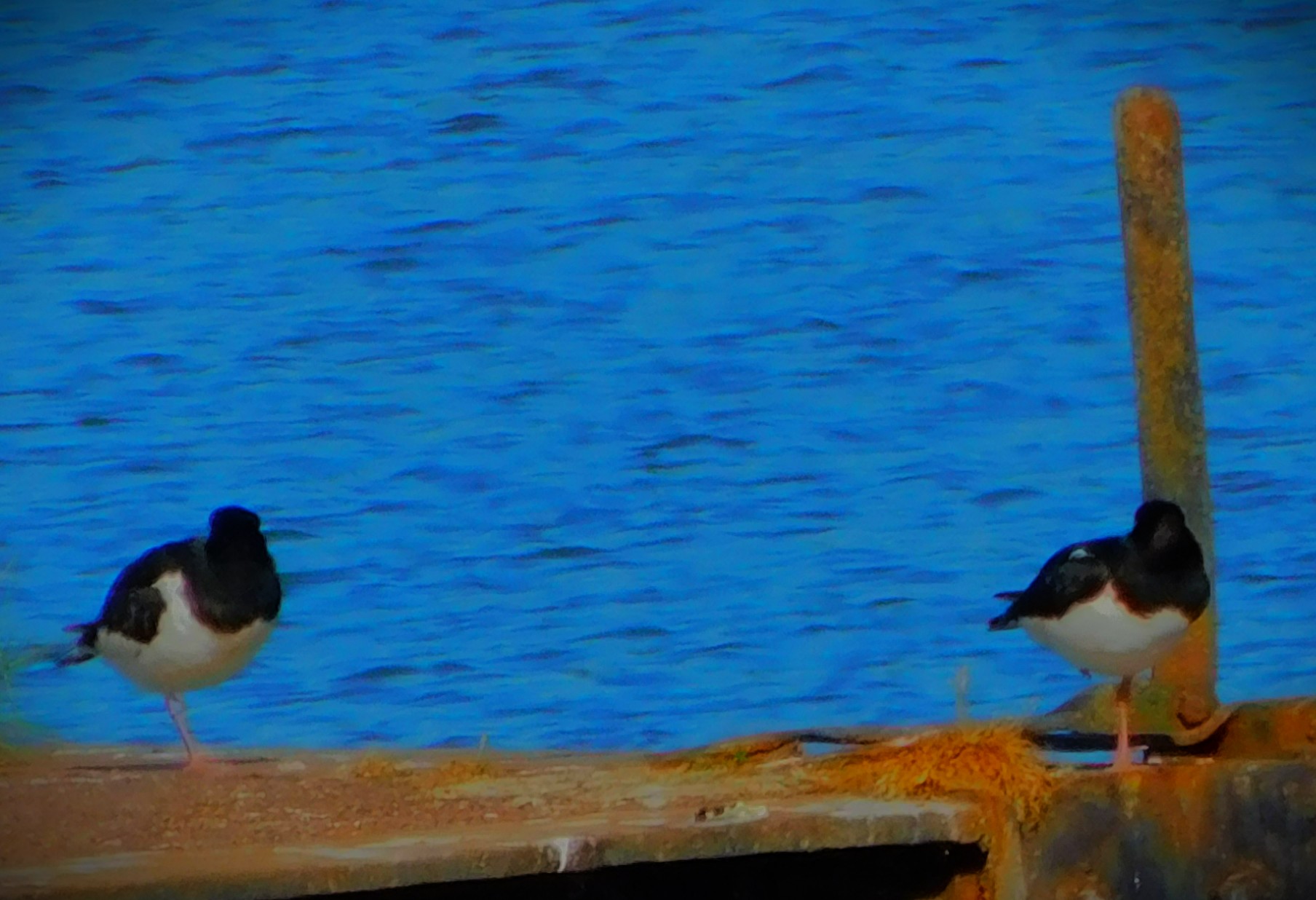
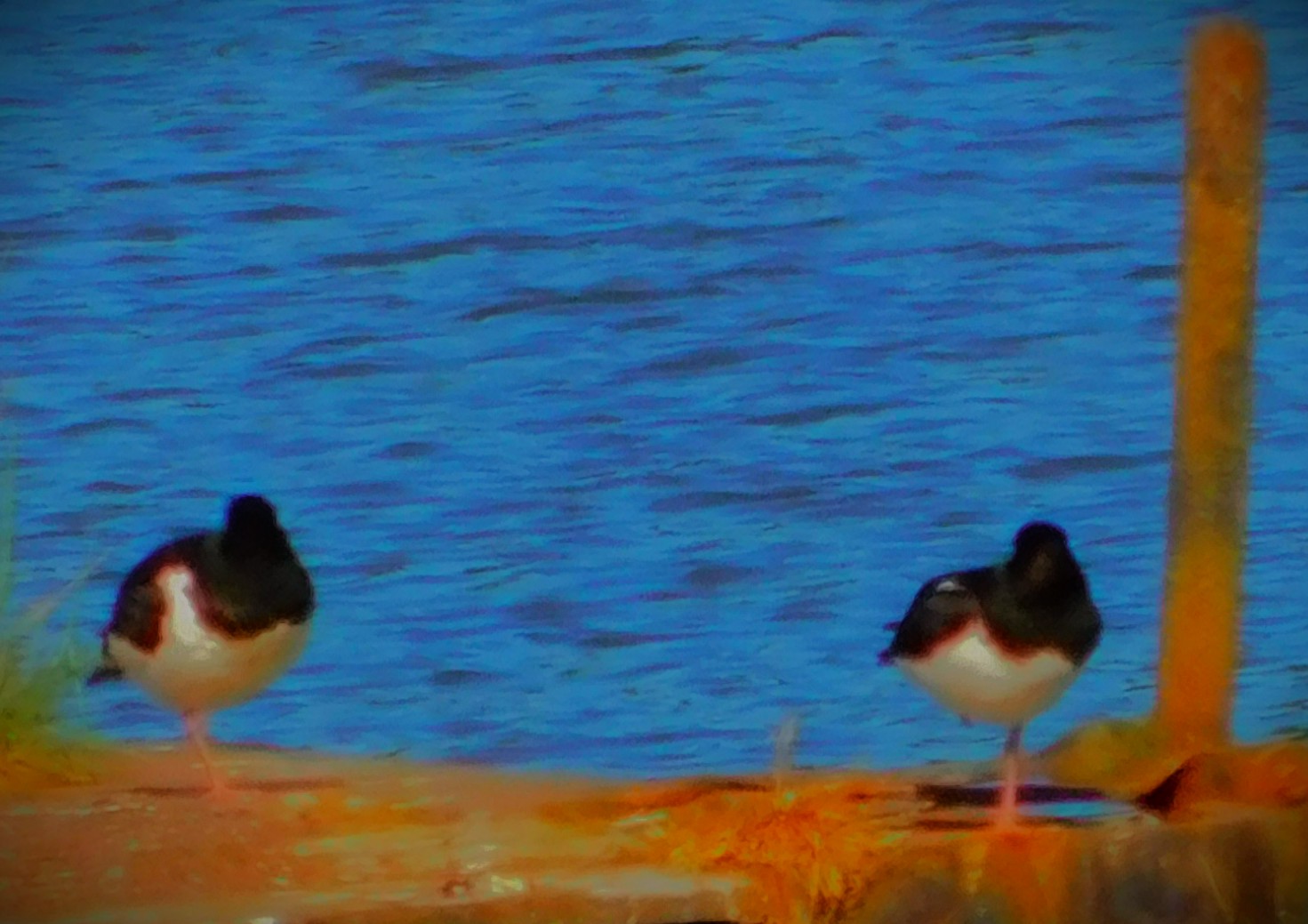
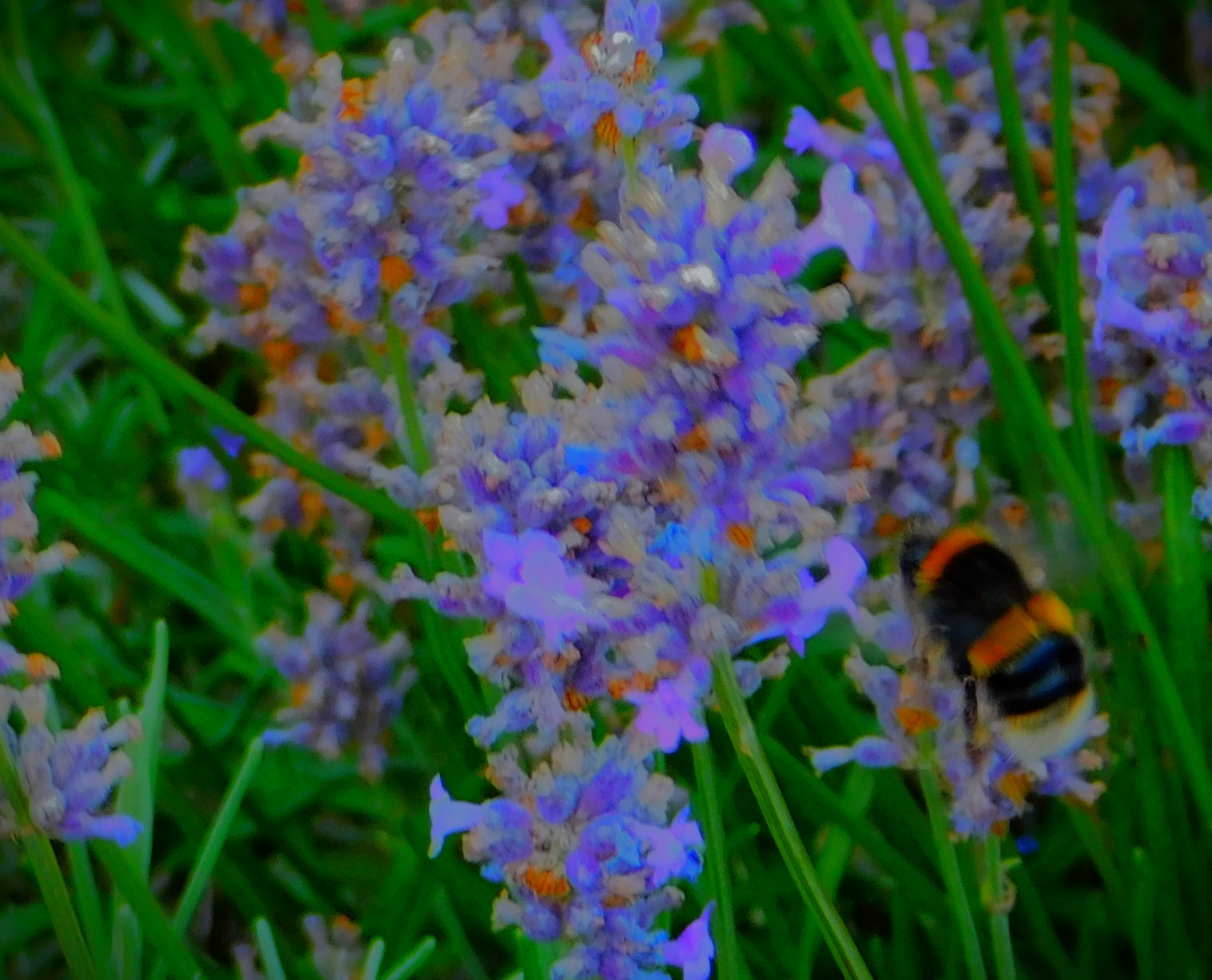
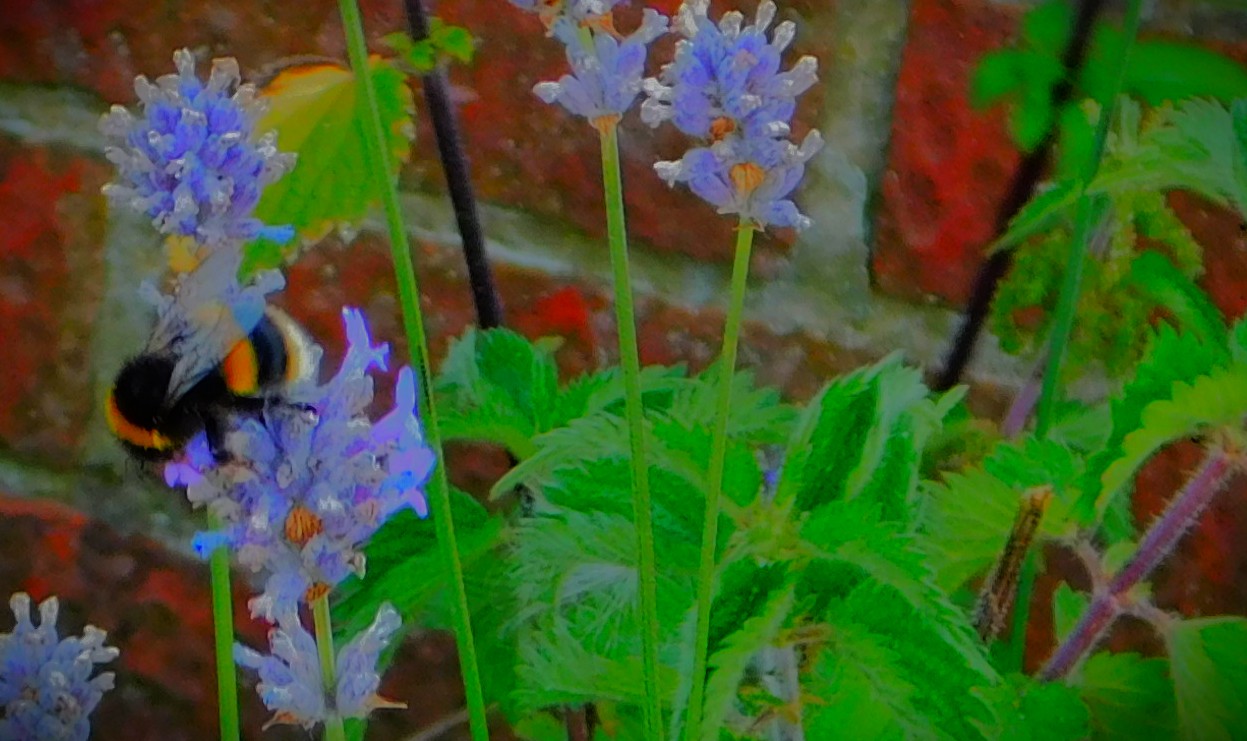
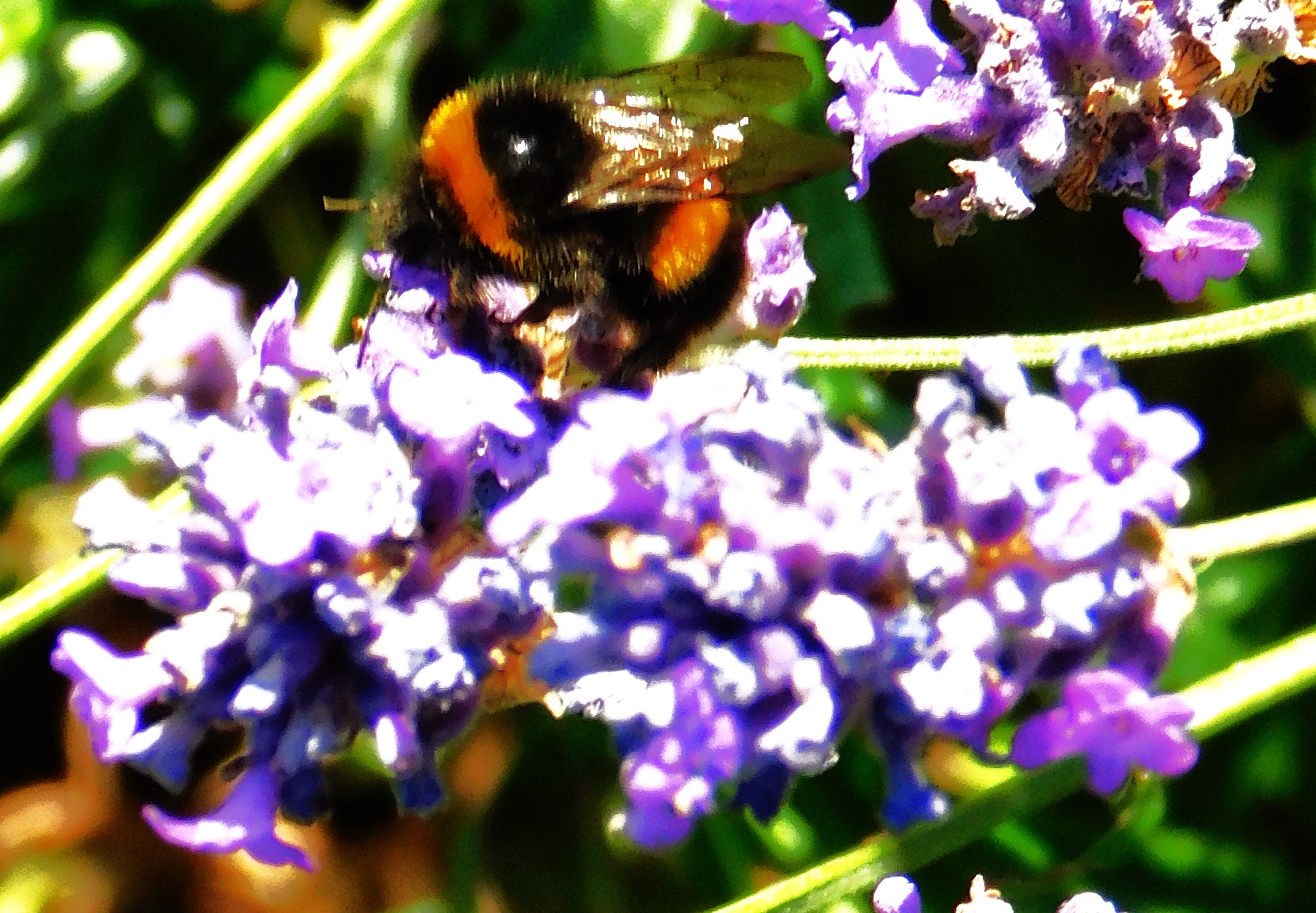
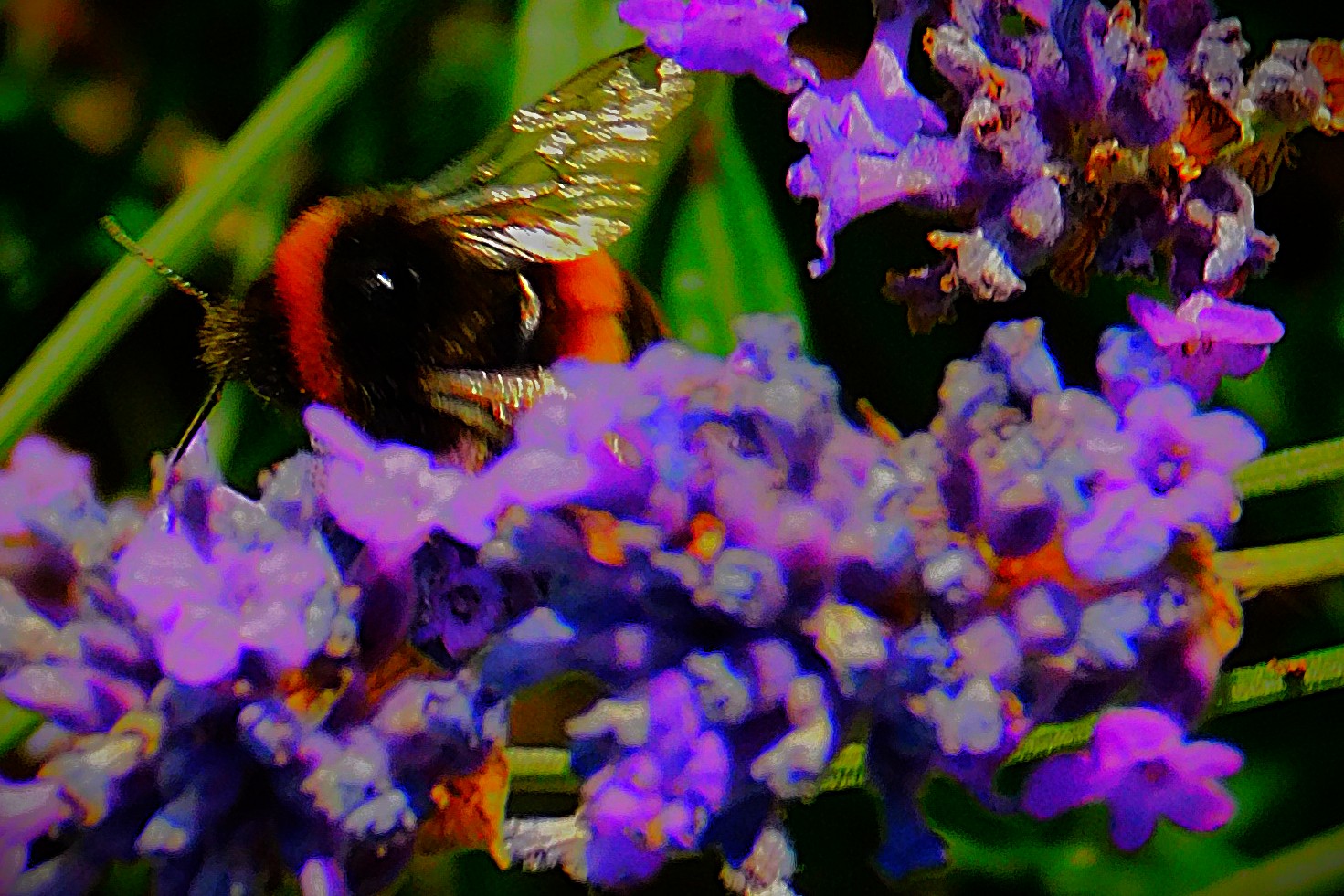
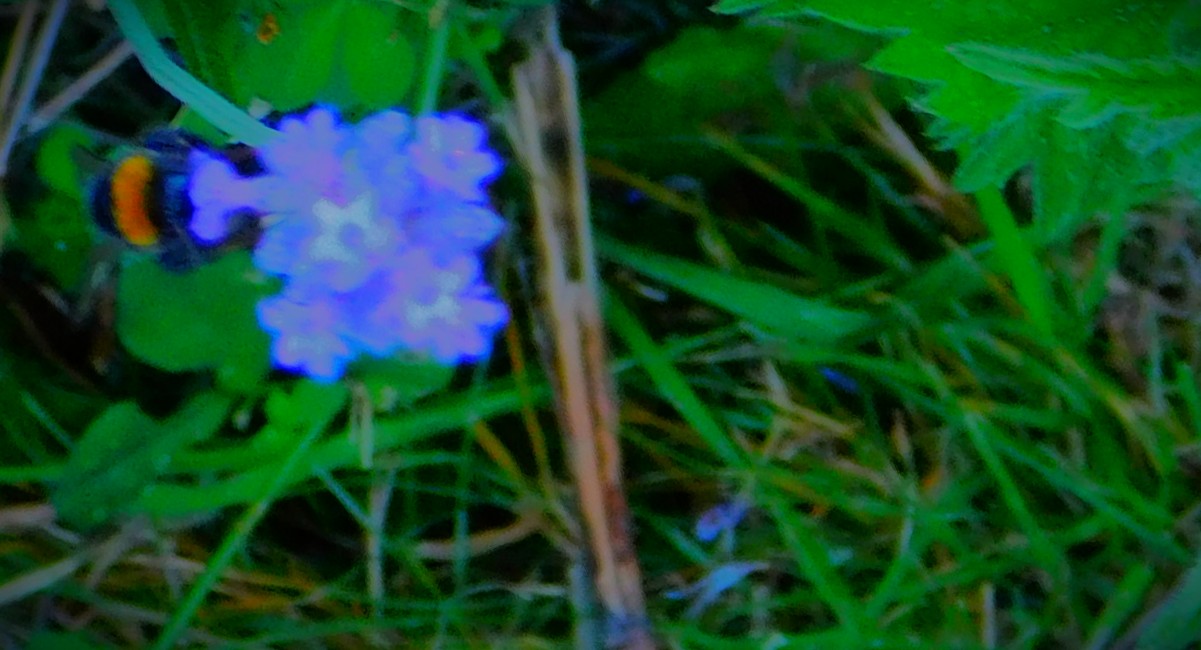
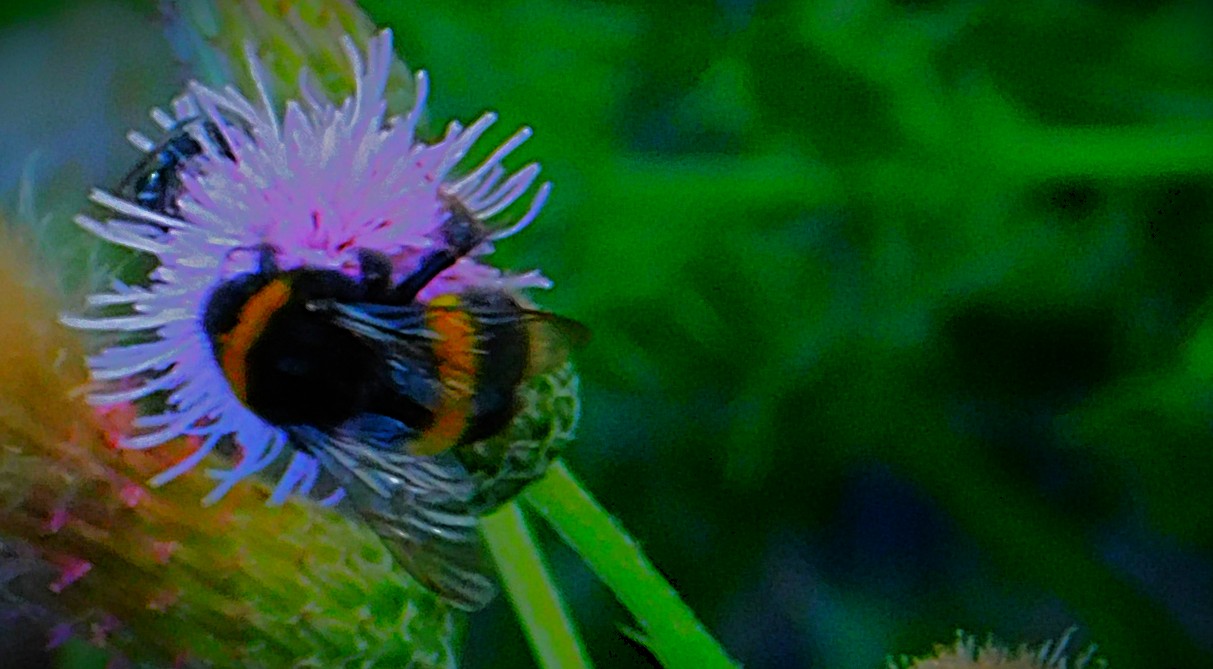
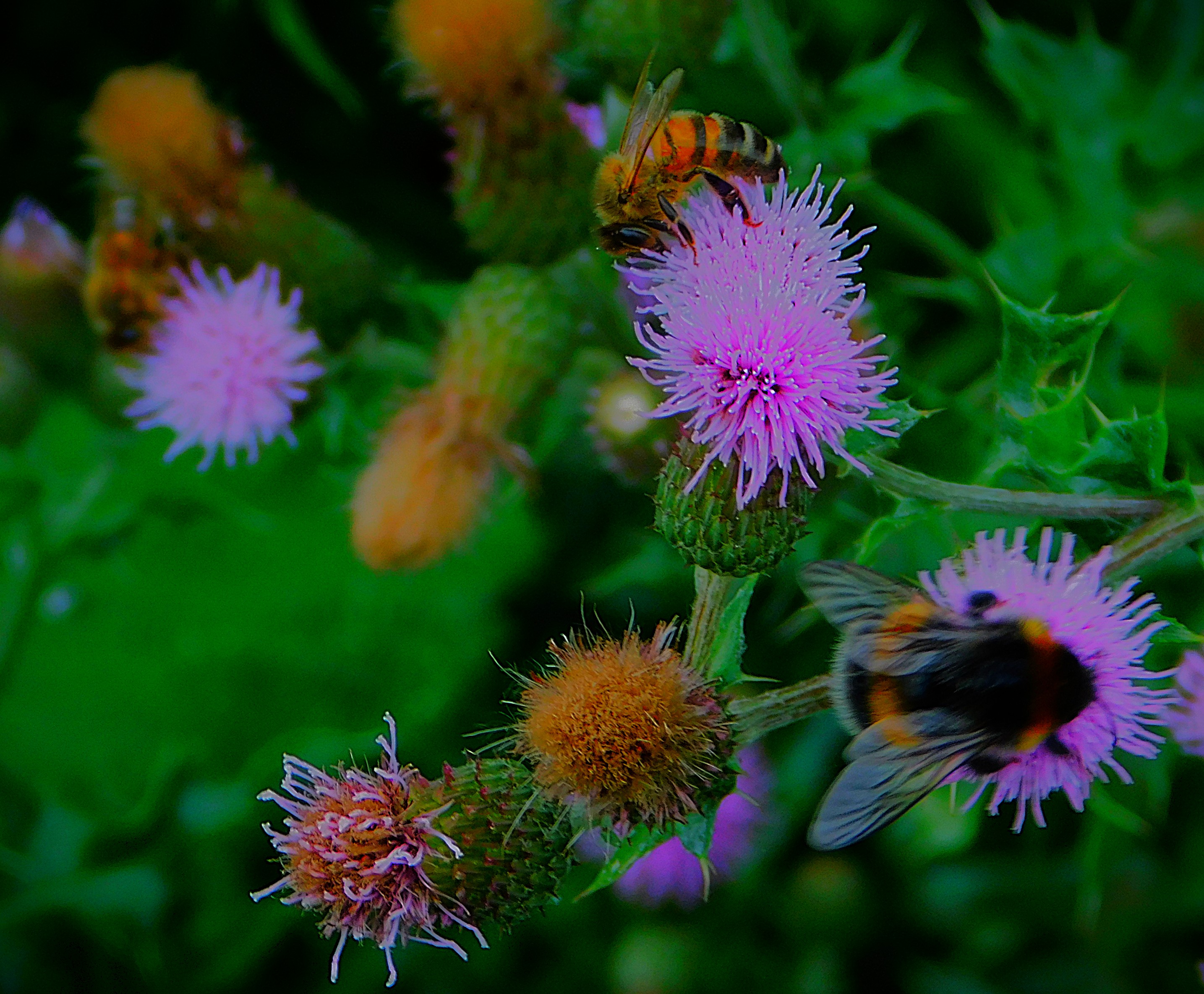
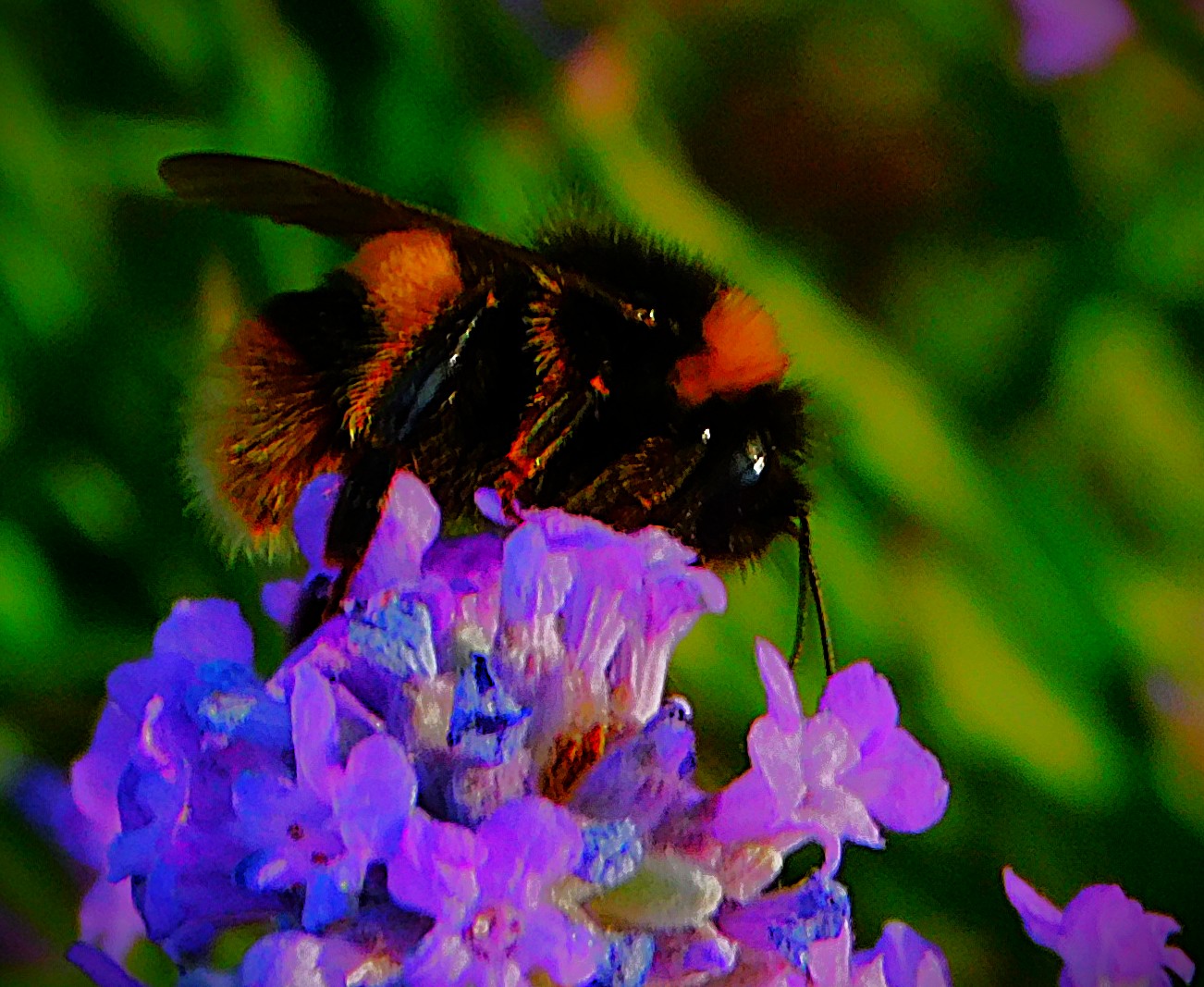
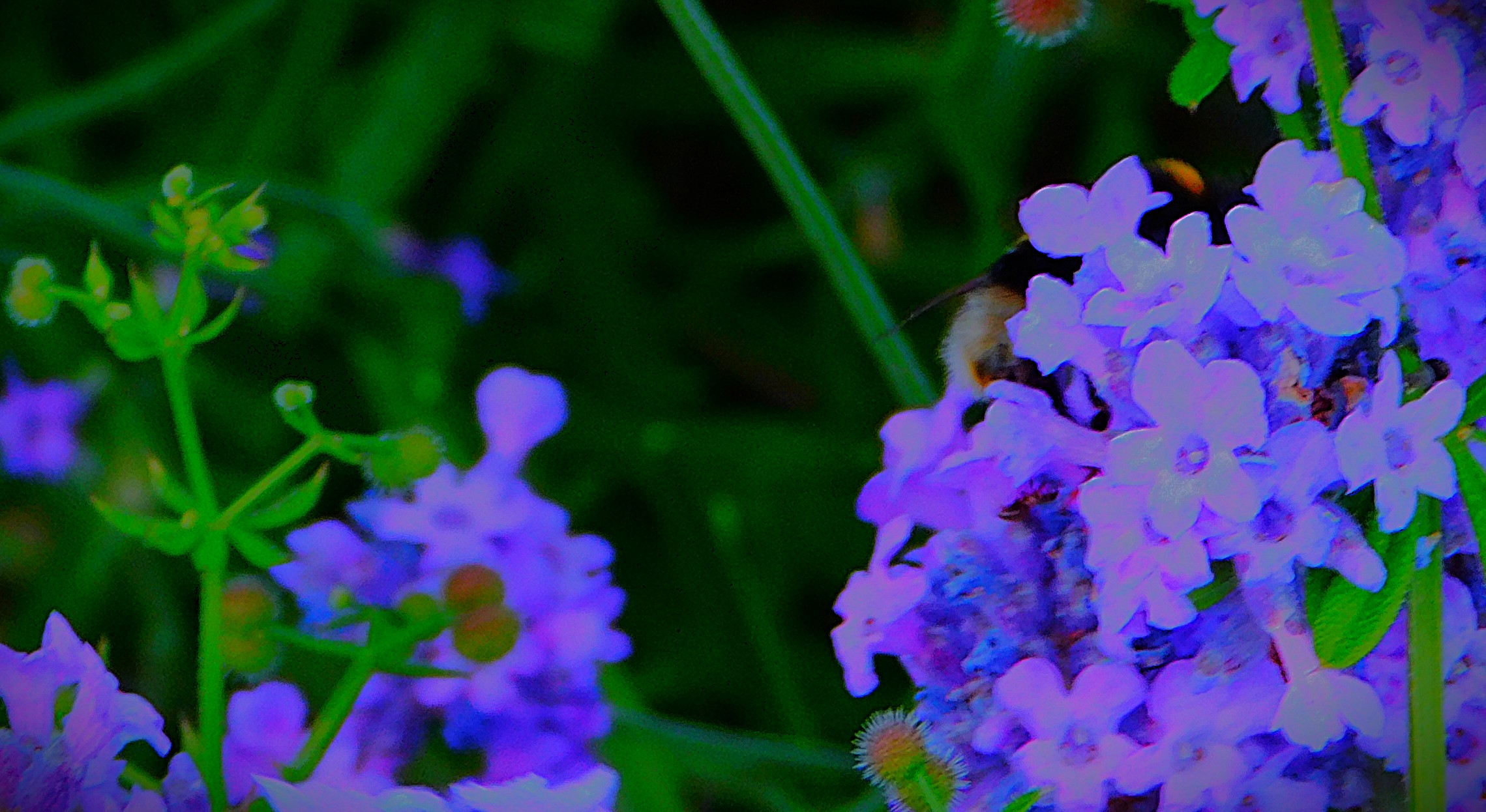
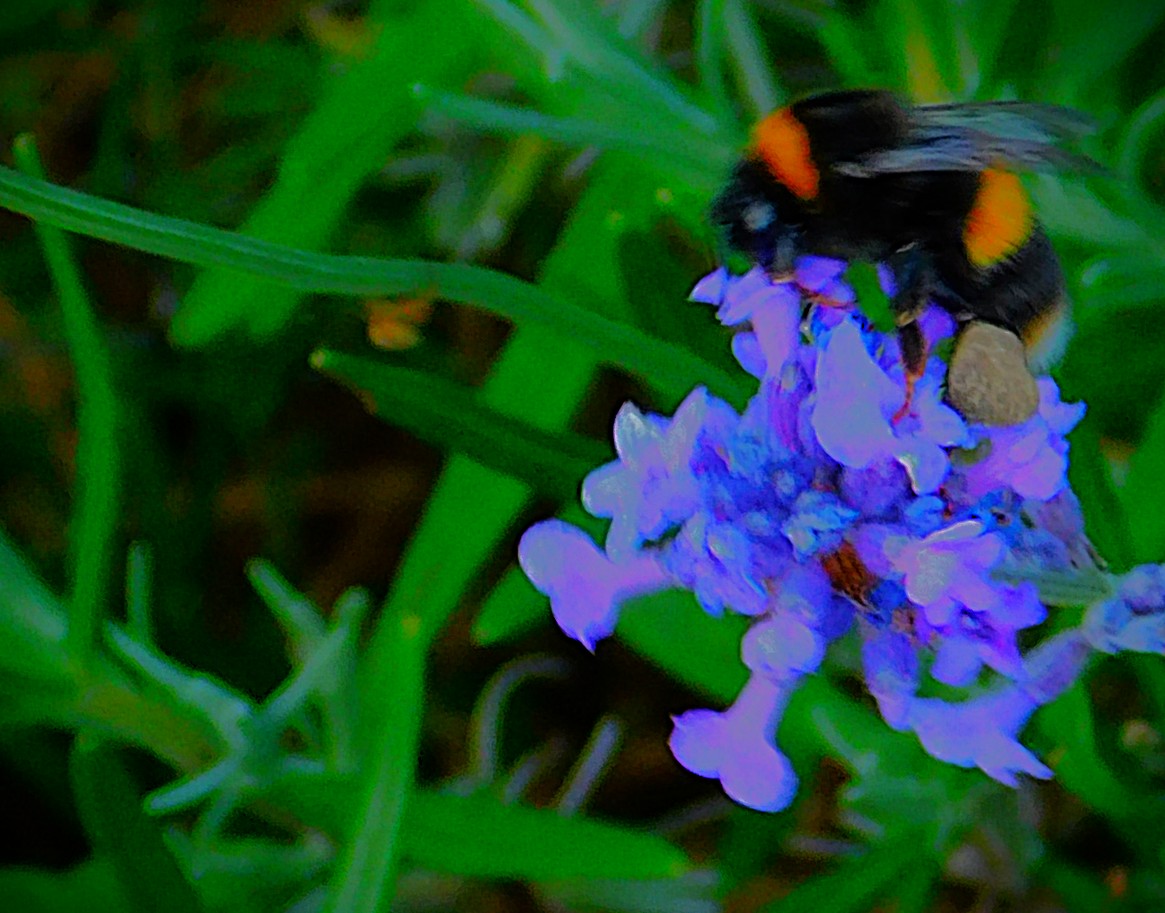
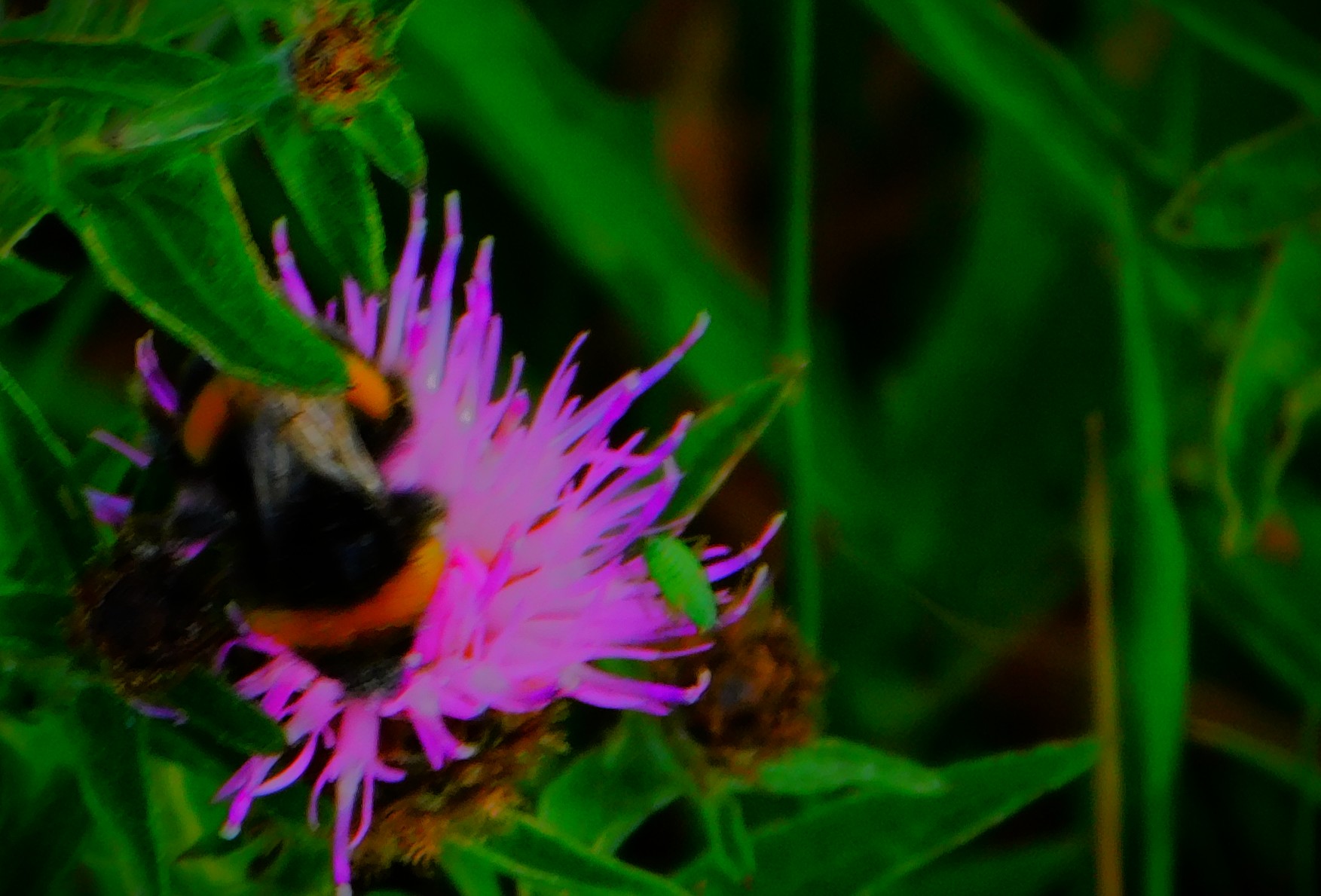
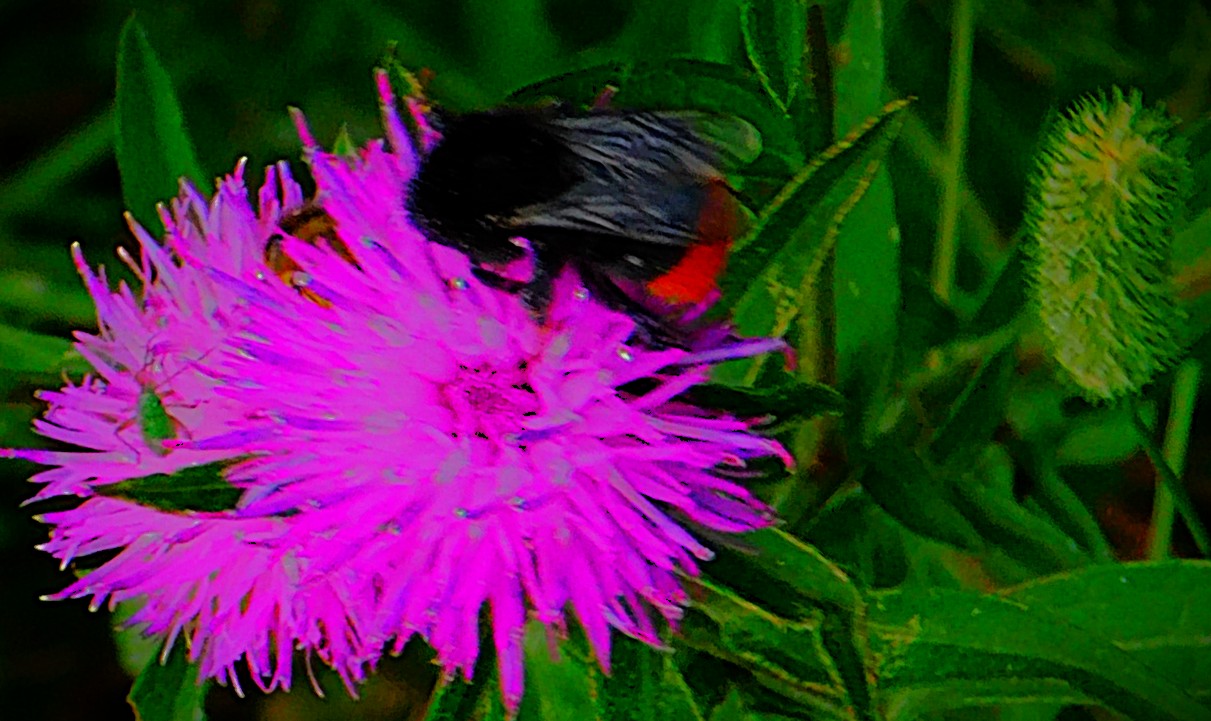
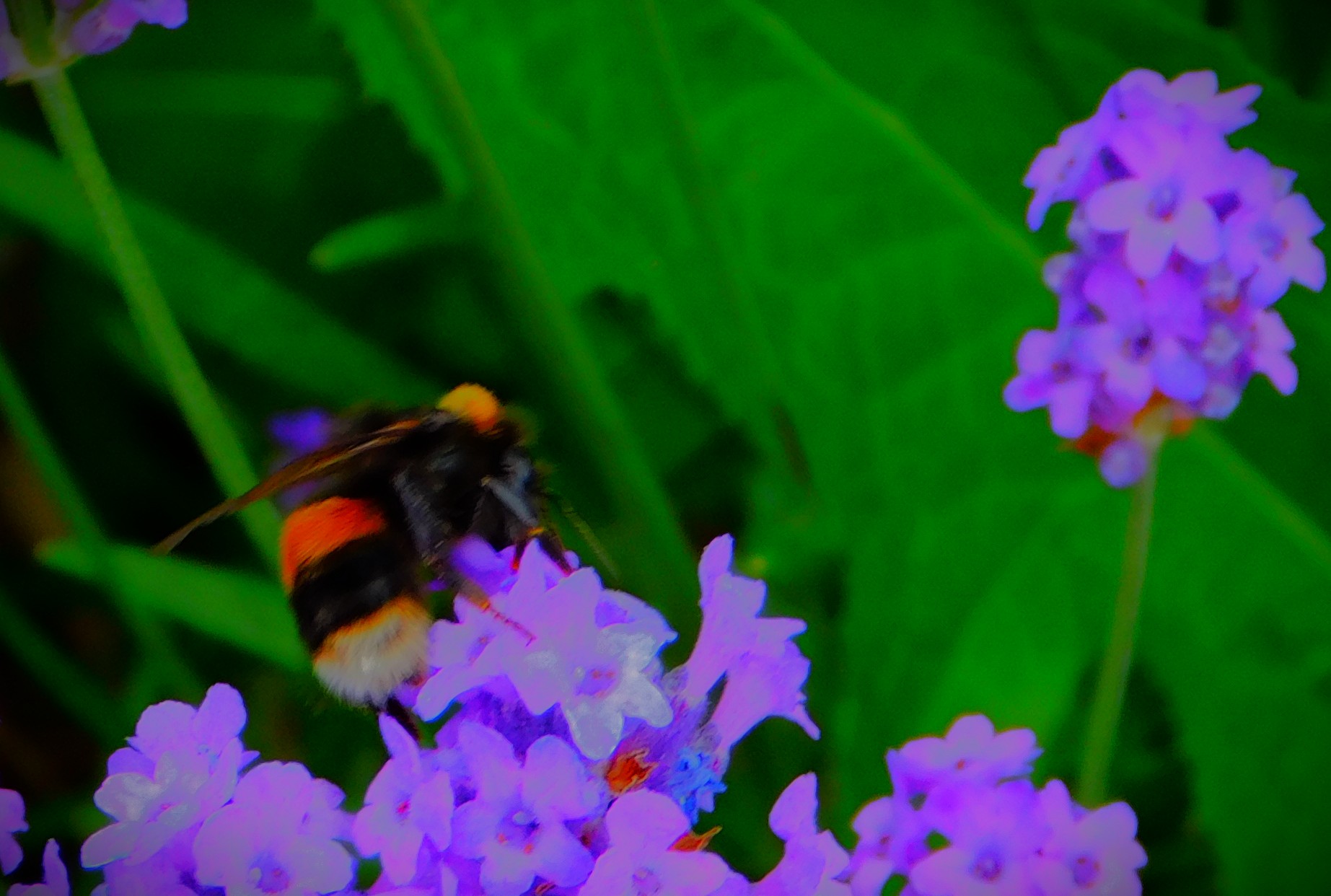
My sister had booked a table at this establishment for Sunday dinner last night.A redshank near the Nar outfall (as you will see I took several photographs of this bird).two for one on bees!Close up emphasising the two bees.The full picture…from which this (one spider, two bees and some purple flowers)……this one (close focus on the two bees)……this one (focus on the smaller bee, with the spider also on the image)……and this one (the bumblebee the solo star) were all extracted.
A look at the early stages of IPL 2025 and a large photo gallery.
This year’s Indian Premier League started yesterday. Yesterday saw Royal Challengers Bangalore taking on Kolkata Knight Riders, while today has seen Sunrisers Hyderabad versus Rajasthan Royals and Chennai Super Kings and Mumbai Indians are currently playing, though I am listening to the Women’s Six Nations rugby match between England and Italy which is about to get underway.
RCB’S STATEMENT WIN
RCB have never won the IPL. KKR started out red hot, being past the 100 mark by the halfway stage of their innings. They fell away in the second half of their innings and ended with only 174 to defend. This might seem respectable for a T20 innings, but RCB soon put it in perspective. They too were past 100 inside ten overs, but unlike KKR they did not fall off thereafter, and they won in the end by seven wickets with over three overs to spare.
HYDERABAD RUNFEST
I missed the early stages of this one, but got to hear the closing stages of the SRH innings, as they mounted a concerted challenge to beat their own all-time record IPL innings total of 287. They ended up with 286-6, highlighted by Ishan Kishan scoring 106* from 47 balls. Jofra Archer gained the wrong sort of place in the record books with his 4-0-76-0, the most expensive spell in IPL history (and it might have been 4-0-81-0 as well – there was a four byes in his last over that could easily have been given as five no-balls). Royals themselves batted very well, except by comparison to the SRH blitz. In the end they were beaten by 44 runs, meaning that 40 overs had yielded a total of 528 runs.
A look at who could/ should be appointed to the recently vacated roles of coach and captain of the England women’s team, plus a photo gallery including a splendid comma butterfly.
Two announcements have come out in recent days, neither remotely surprising to any follower of cricket. John Lewis has been fired as coach of the England Women’s team after overseeing the disastrous recent women’s Ashes tour, and the captain of nine years, Heather Knight, has resigned that role. This post looks at possible replacements.
THE COACH
This is a short section since Charlotte Edwards, who has established an outstanding record as a coach since the ending of her own legendary playing career, is apparently interested in the job. If those recruiting have their heads screwed on the process should thus be very straightforward – “name your price, Charlotte” or words to that effect.
THE CAPTAIN
There is no immediately obvious successor here. Natalie Sciver-Brunt, the current vice-captain, is of similar vintage to Knight, and cannot be considered a long term option. Similarly Tammy Beaumont and Danni Wyatt-Hodge are both too old to be considered anything other than short term fixes. I can see two candidates who have enough experience while also being likely to be around for years to come, and both of whose places in the side as players are beyond question. Charlie Dean, off spinner and useful lower order batter, would be my choice for the role. The other candidate who I consider to be in the mix is Sophie Ecclestone, the best in the world at what she does and clearly possessor of a good cricket brain.
PRELUDE TO PHOTO GALLERY – COMMA
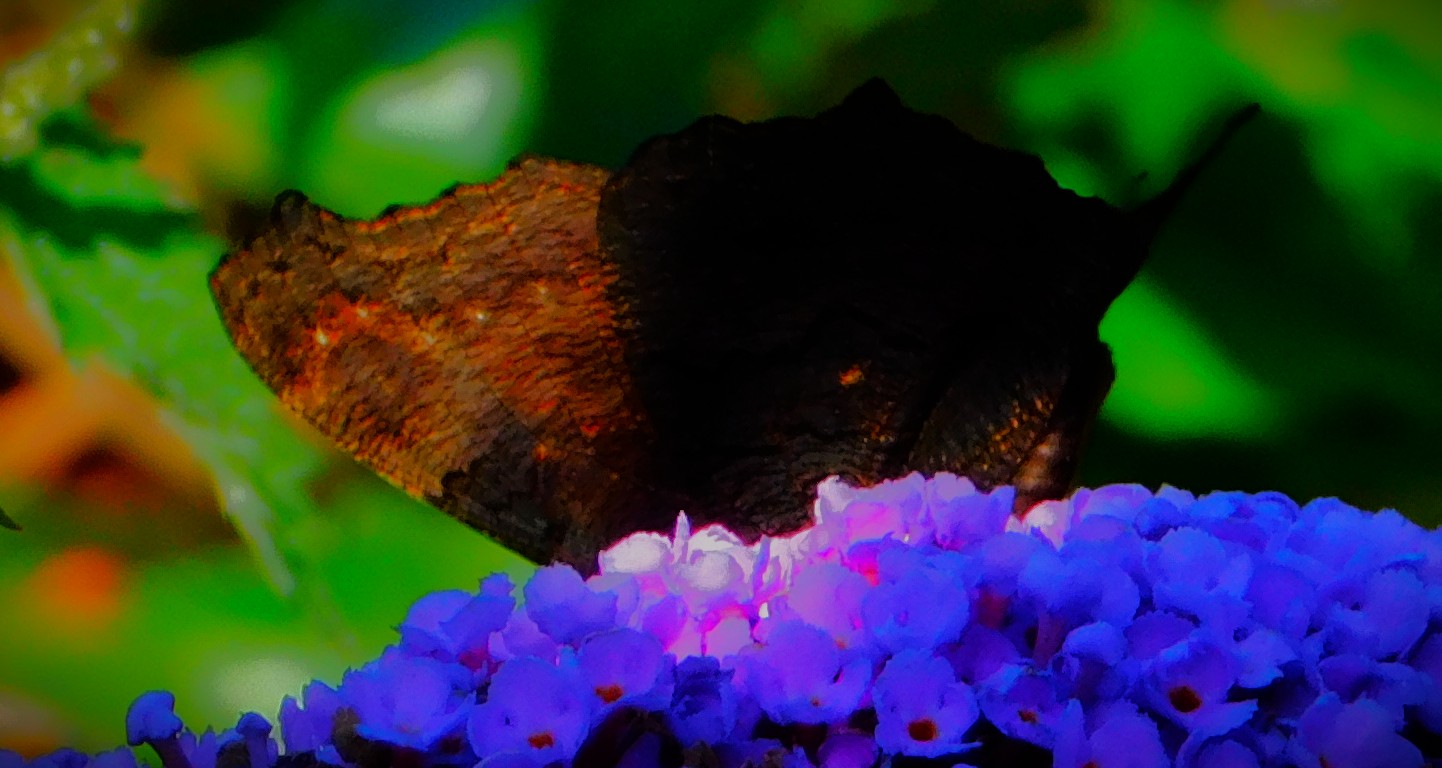
I was nearing the end of my morning excursion when a glance at the giant buddleia bush near the Eastgate Bridge over the Gaywood River was rewarded with the sight of a comma butterfly basking in the sun (today is the first official day of northern hemisphere spring, and by that point I was warm enough that my jumper was in my bag and I was in short sleeves).
A look back at James and Sons’ march auction and a large photo gallery.
James and Sons had their March auction of Tuesday and Wednesday of this week. This post looks briefly at an eventful two days.
BIDDERS OUT IN FORCE
Between the-saleroom and easyliveauction there were 331 online bidders following proceedings, in addition to a few people actually present at James and Sons and one telephone bidder. This wide interest was reflected in the hammer prices with many items doing remarkably well. Lot 168, which I had bid on on behalf of my parents, was just one item that went way over estimate, in this case climbing to £50 when expected to get no more than £30. Though personally disappointing it was professionally satisfying as not only were the images mine, it was also largely down to emails from me that so many people had advance knowledge of the auction.
The highest price gained by any single lot in this auction was for a cigarette card lot, number 539, which fetched £900…
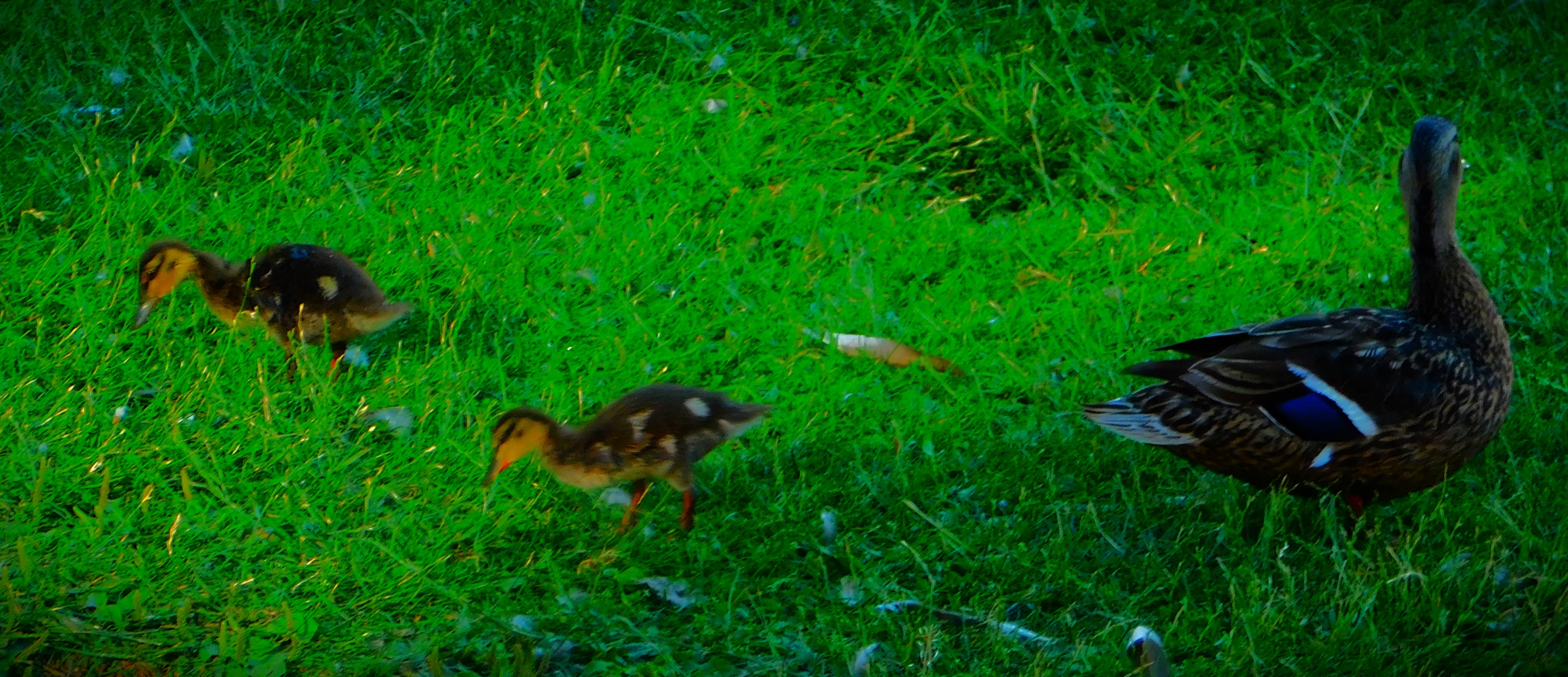
The vernal equinox, the official start of spring in the northern hemisphere, is still three days away. However, by any reckoning other than the strictly official spring has already come to Norfolk this year. This brief post is solely for the purpose of sharing photos, mainly from Monday and yesterday, but with a couple from today as well…
This is the inside front cover picture of “The Murder of Crows” by Stephen Done, part of a series of novels set on this railway featuring Inspector Vignoles.
A look at the Indian Wells tennis tournament which concluded yesterday, and a photo gallery.
Yesterday saw the men’s and women’s finals of the Indian Wells Tournament. This tournament is a ‘Masters 1,000’ tournament, making it only one level below the grand slams. The 1,000 part of the title refers to the number of ranking points that the winner of this tournament and others of similar status receive. Before I get to the finals, a small sidelight from the women’s side…
ACCEPTING A SLICE OF LUCK
Tennis has what is called ‘a lucky loser system, whereby if someone pulls out of a tournament very late a s0-called ‘lucky loser’ – someone who just missed out on being in the main draw as of right – is drafted in to fill the gap. In the case of the women’s event at Indian Wells the beneficiary of this system was Sonay Kartal, a 23 year old British woman of Turkish ancestry, who had originally checked out of her hotel after losing in the final qualifying round. She took advantage of her good fortune splendidly, going on to reach the last 16 where her run was ended by world number one Aryna Sabalenka, which segues neatly on to…
THE WOMEN’S FINAL
This was a contest between an established star (world number one Sabalenka) and a youngster, 17 year old Mirra Andreeva. When Sabalenka took the first set 6-2 it could have been a brief and brutal affair. Andreeva fought back however and ensured that this would not be the case. First she took the second set 6-4. Then, remarkably, she quickly took control of the third and deciding set as well. In the end she won 2-6 6-4 6-3, becoming the youngest ever winner of a WTA 1,000 level event.
THE MEN’S FINAL
The men’s final featured Jack Draper of Great Britain, who had overcome a horrible period mid-match (being ‘bageled’ in the second set no less) to beat Carlos Alcaraz in the semi-final, and Holger Rune of Denmark. In the final there were no wobbles at any stage from the 23 year old Brit, as he quickly took control of proceedings and never relinquished it, winning 6-2 6-2 to secure the biggest tournament win of his career to date. Draper is now ranked number seven in the world.
A look back at the final day of the Six Nations rugby and a huge photo gallery.
Yesterday saw the final round of the Six Nations rugby. This post looks back at how events unfolded.
THE SCENARIOS
The final fixtures, in order of playing, were Ireland v Italy, Wales v England and finally France v Scotland. Ireland, England and France all had chances to win, with the latter in pole position, Scotland were sure to finish fourth, with the wooden spoon between Wales and Italy. Ireland needed a bonus point win to have any serious chance of lifting the trophy. England could then displace them, a bonus point win putting them ahead at the top of the table outright and a win putting them ahead on points difference unless Ireland racked up a really huge score. Even a bonus point win for England was likely to leave France needing only to win the final match to clinch the title. A bonus point is awarded to teams scoring four or more tries in a match for the record.
THE FIRST TWO MATCHES
Ireland did get their bonus point win, but the margin was small, largely because their kicker, while good in open play had a nightmare when kicking at goal, only putting one such kick over in the entire match. In Cardiff it was one way traffic, with England racking up over 60 points. This included two tries for 20 year old debutant Henry Pollock. With that it was over to Paris for the final instalment of the tournament, with the home side knowing that any win would be enough.
THE GRAND FINALE
France started out dominating, but it took 17 minutes for their dominance to show on the scorecard, when in quick succession a penalty and a converted try put them 10-0 up. From here Scotland mounted an impressive fightback, the remainder of the second half being their best period of the match and quite possibly of the entire tournament. The French had a temporary numerical disadvantage that probably have been a permanent one when Mauvaka was yellow carded for a vicious headbutt on Ben White. Since the incident was off the ball, and not part of a tackle it has hard to seen any excuse for it being a yellow rather than a red card, but such was the verdict. On the stroke of the interval Scotland grounded the ball for what they, and everyone else, believed was a try giving them a half time lead. However, the video technology ruled it out on the ground that Blair Kinghorn had been in touch before Jordan grounded the ball. Thus at half time it was France 16 Scotland 13. That was the last sight Scotland had of victory, and thus the last sight England had of the title. The French went 10 points clear early in the second half. Bielle-Biarrey put himself into the record books with his try, which meant that a) he had scored in every round round of the tournament, something no one else had ever done, and b) he had scored a total of eight tries in the tournament, a new all time record. Scotland’s resistance was broken, and two more tries followed, and even with the previously immaculate Ramos failing to convert the final try that made it France 35 Scotland 16, 19 points ahead with 18 minutes left in the tournament. France did not add to their points tally after that, but neither did Scotland add to theirs. France had scored 30 tries in the tournament, another new record, beating the 29 scored by England in 2001. That England side announced itself in that tournament and went on to win the 2003 world cup. This French side have announced themselves in this tournament, and there is a world cup in 2027. Wales ended with a second straight wooden spoon, and Italy were equally clearly the second worst side in the tournament. Perhaps the time has come to make places at northern hemisphere rugby’s top table a privilege rather than a right by introducing relegation, with whichever side finishes last being replaced in the following year’s tournament by the next highest ranked northern hemisphere side.
A brief look at the conclusion to the last ‘timeless’ test match ever to be played, a conclusion which unfolded on March 14th 1939, 11 days after the match had begun.
Up until World War II broke out both Australia and South Africa were believers in timeless test matches (i.e. played until one or other side had won). This post looks briefly at the match which finally ended timeless tests.
OF RAIN, TRAINS AND BOATS
As March 14th 1939 dawned England were within sight a victory that had it eventuated would have strained credulity. At one point South Africa had been over 400 runs to the good with all ten second wickets standing. Both sides knew that although the test match, which had begun 11 days previously on March 3rd, had been designated timeless this would have to be the final day as England needed to catch a train to Cape Town or miss their boat home and be stranded for at least a month (and of course war was looming, which made folk even less keen on being trapped abroad than they would have been anyway. Although it had rained on several occasions in the match these interludes had served only to bind the surface of the pitch back together, and it was still playing well and true. England, set a mammoth 696 to win, went past 600 with only three wickets gone. At 611 Eddie Paynter was fourth out for 75. Les Ames now joined Hammond at the crease, and the pair were still together when the 650 came up. At exactly 650 Hammond was stumped off Dalton for 140. That brought Bryan Valentine, a specialist batter, in to join Ames. Four runs later the heavens opened, and the downpour proved terminal. In total the match had seen 1,981 runs scored for the loss of 35 wickets, an aggregate that remains a test match record but was beaten twice in the next decade in FC matches, both involving Bombay as it was then called – Bombay v Holkar yielding 2,078 runs, including 249 in losing cause for Denis Compton, and then in 1948 Bombay v Maharashtra yielding 2,376. The Durban test match still had the record for the longest span of any first class match. Hedley Verity, the left arm spinner, sent down 774 balls across the two South African innings (96.6 eight ball overs under the playing conditions of the day, equivalent to 129 six ball overs. For South Africa Norman Gordon, a seamer no less, sent down 736 balls (92 eight ball overs, equivalent to 122.4 six ball overs). There is a book about this match “Edging Towards Darkness” by John Lazenby. No timeless match has been scheduled since this one. For the moment here is the scorecard.
Describing my first butterfly sighting of 2025, with a picture of the butterfly and a large photo gallery.
I will present a full photo gallery at the end of this post as usual, but the feature is indicated by the title.
THE SIGHTING
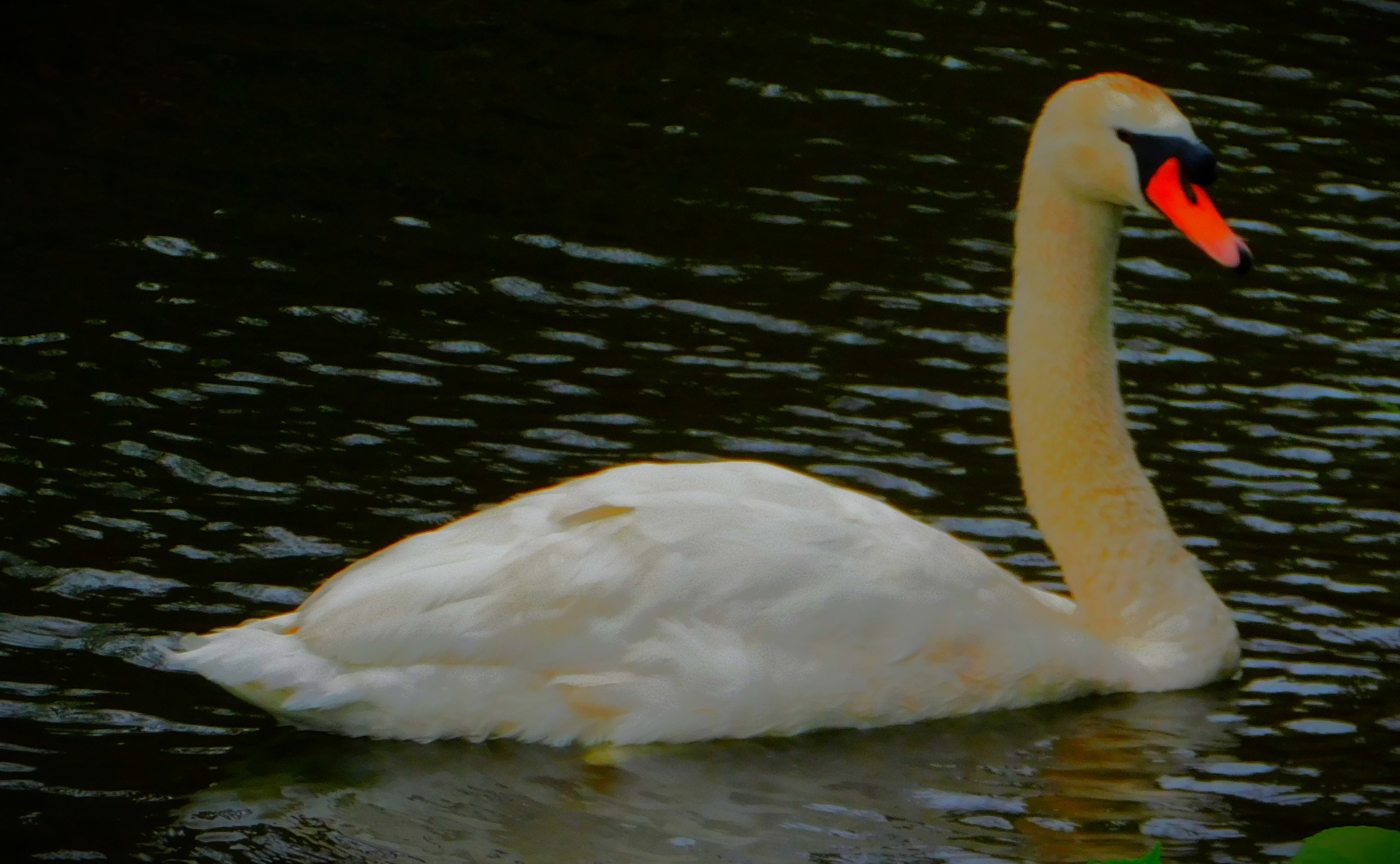
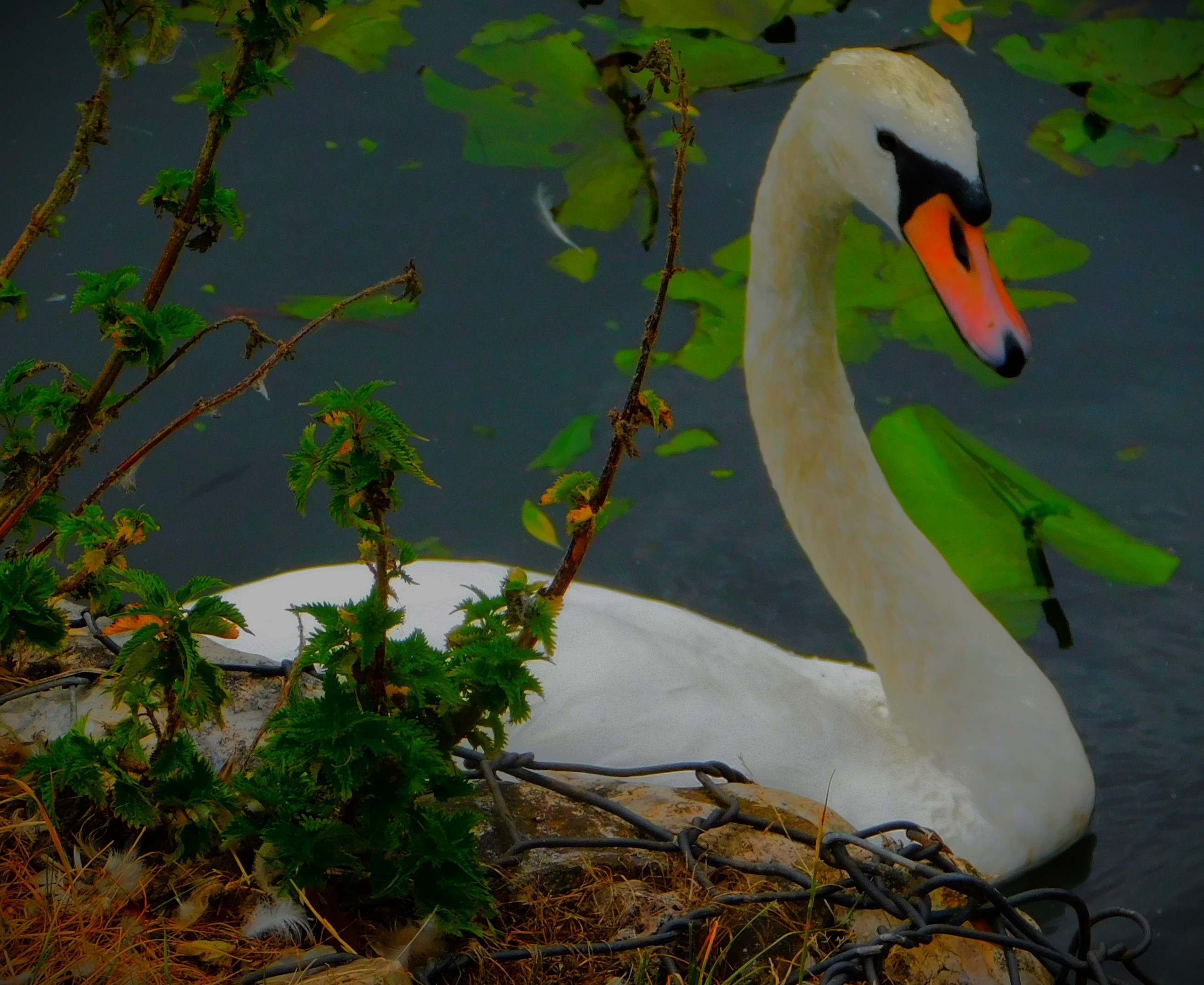
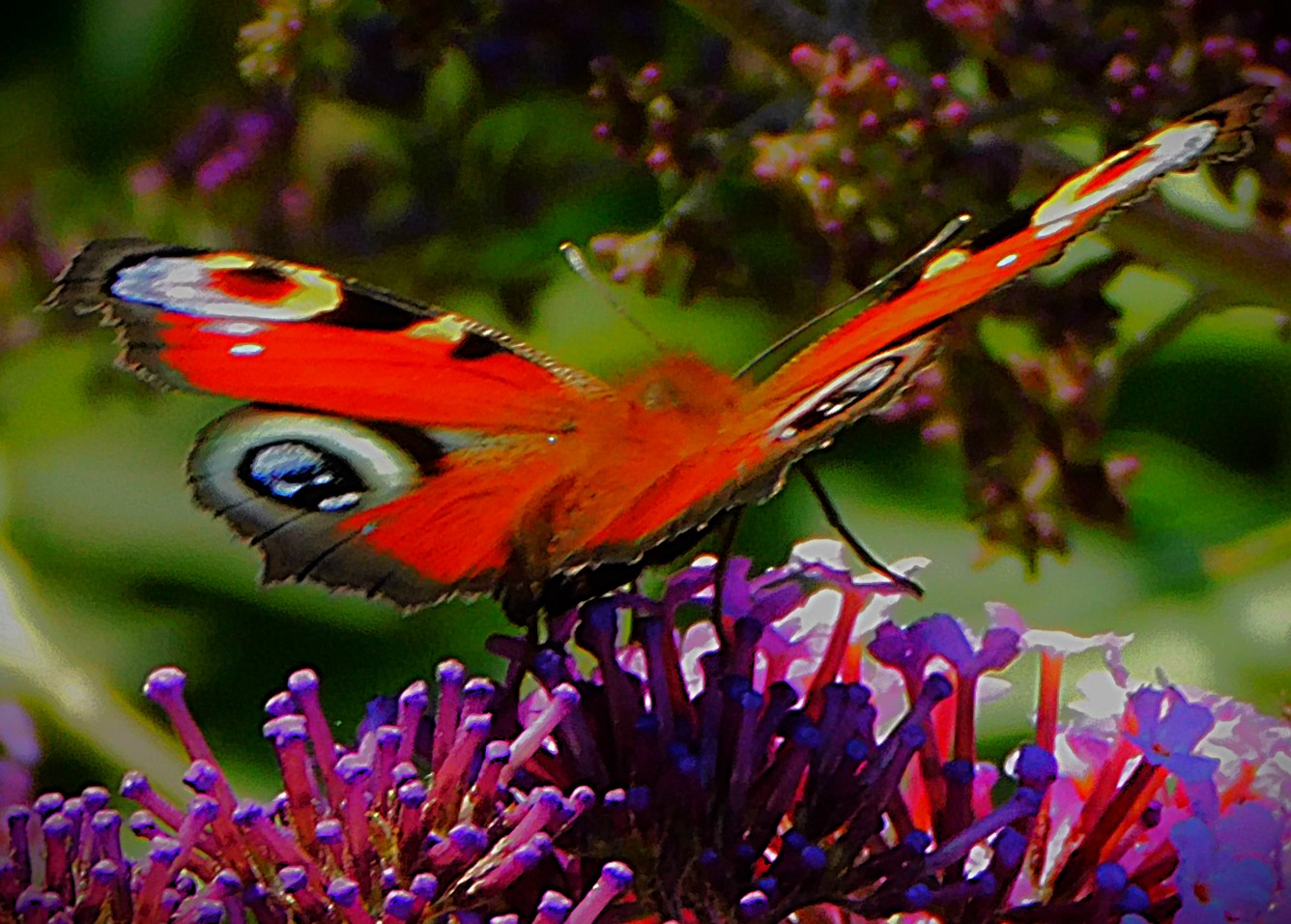
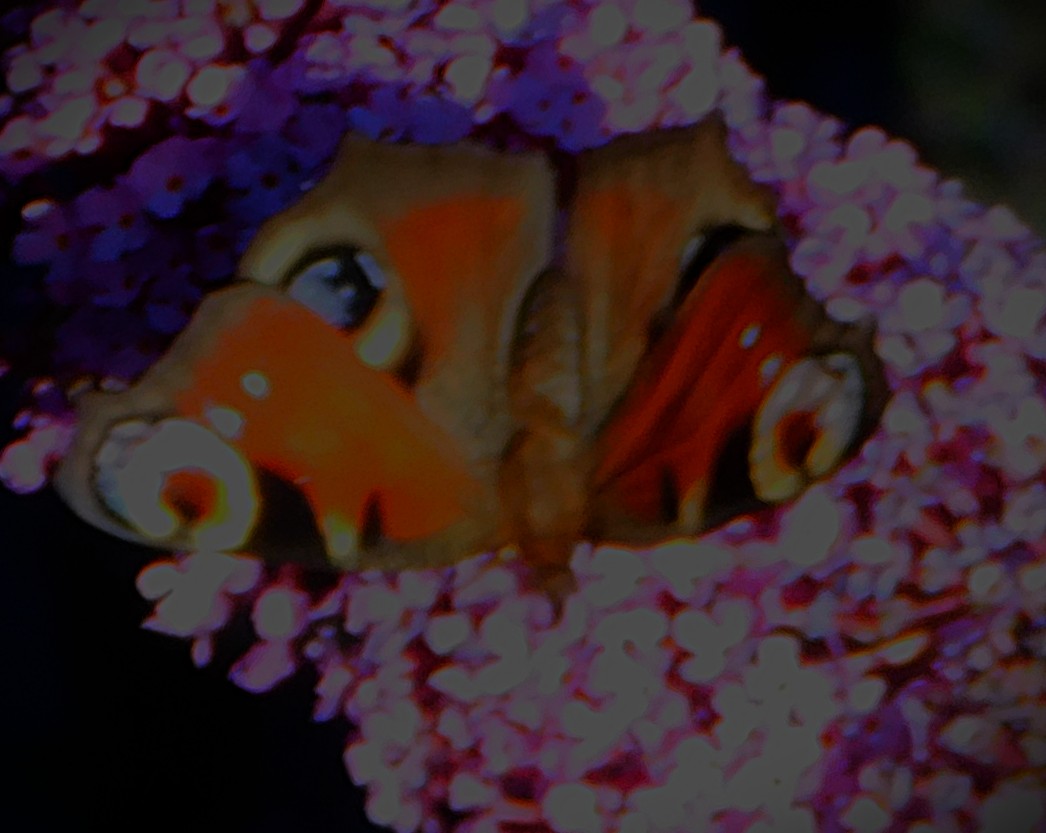
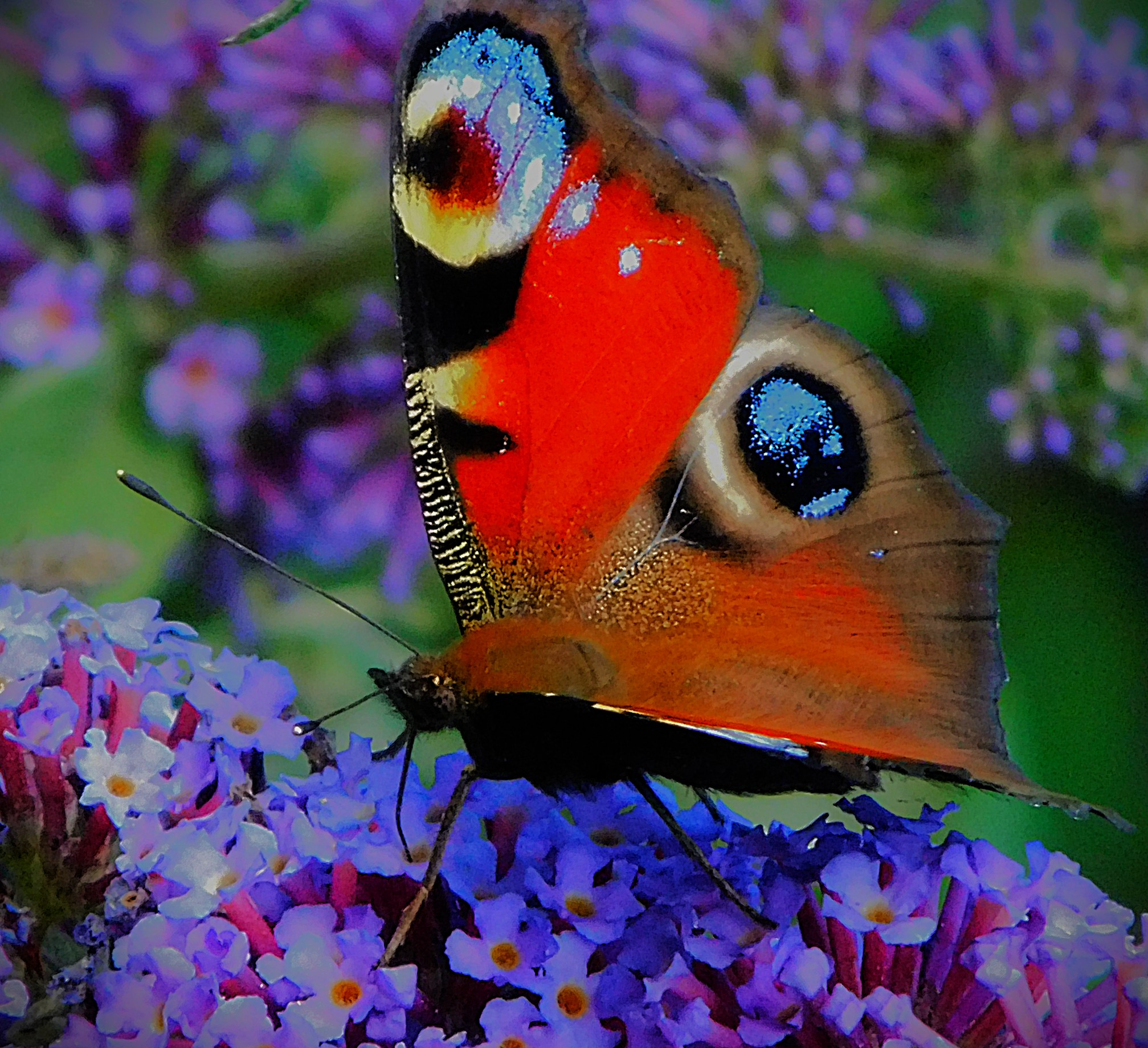
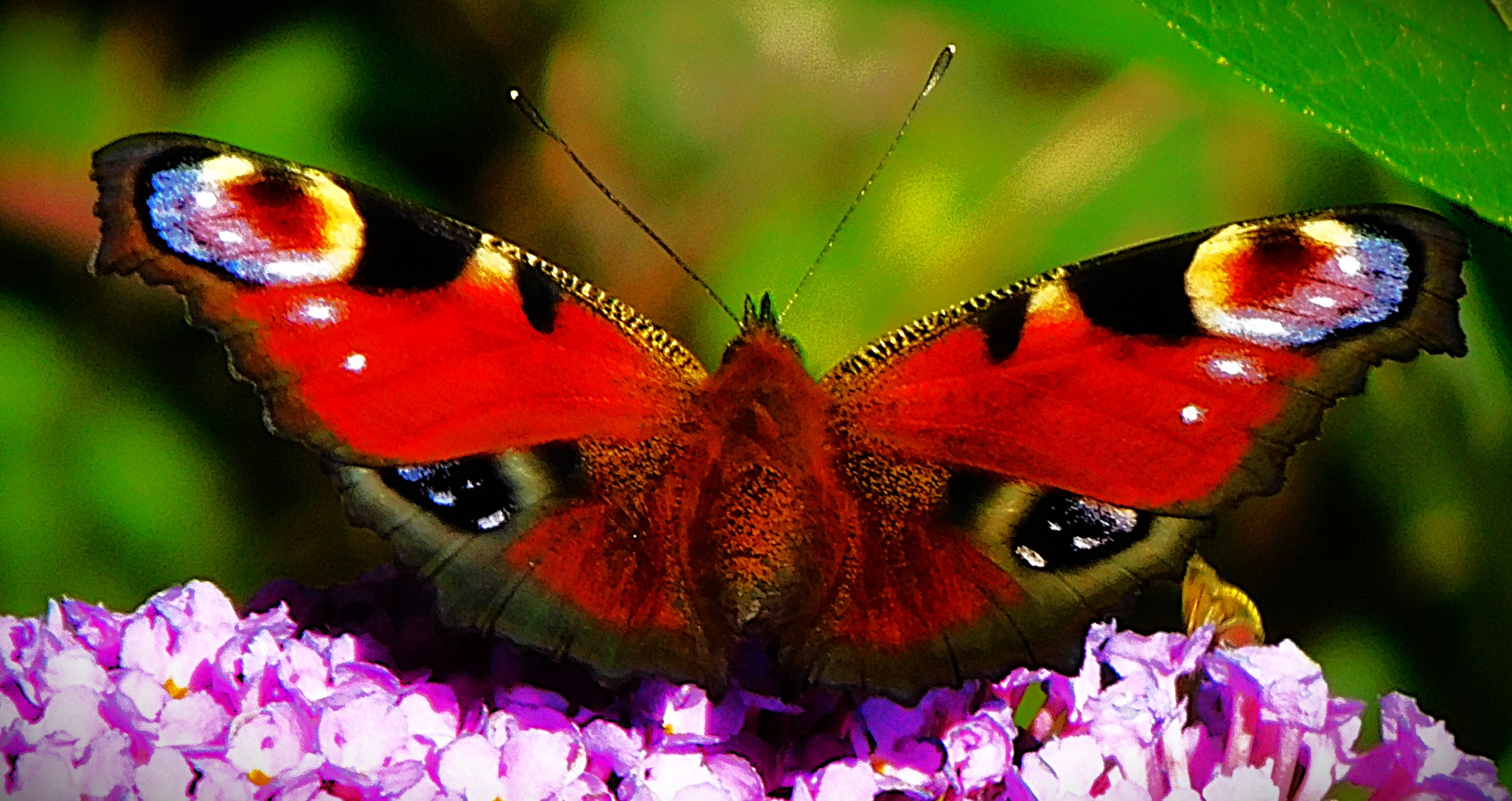
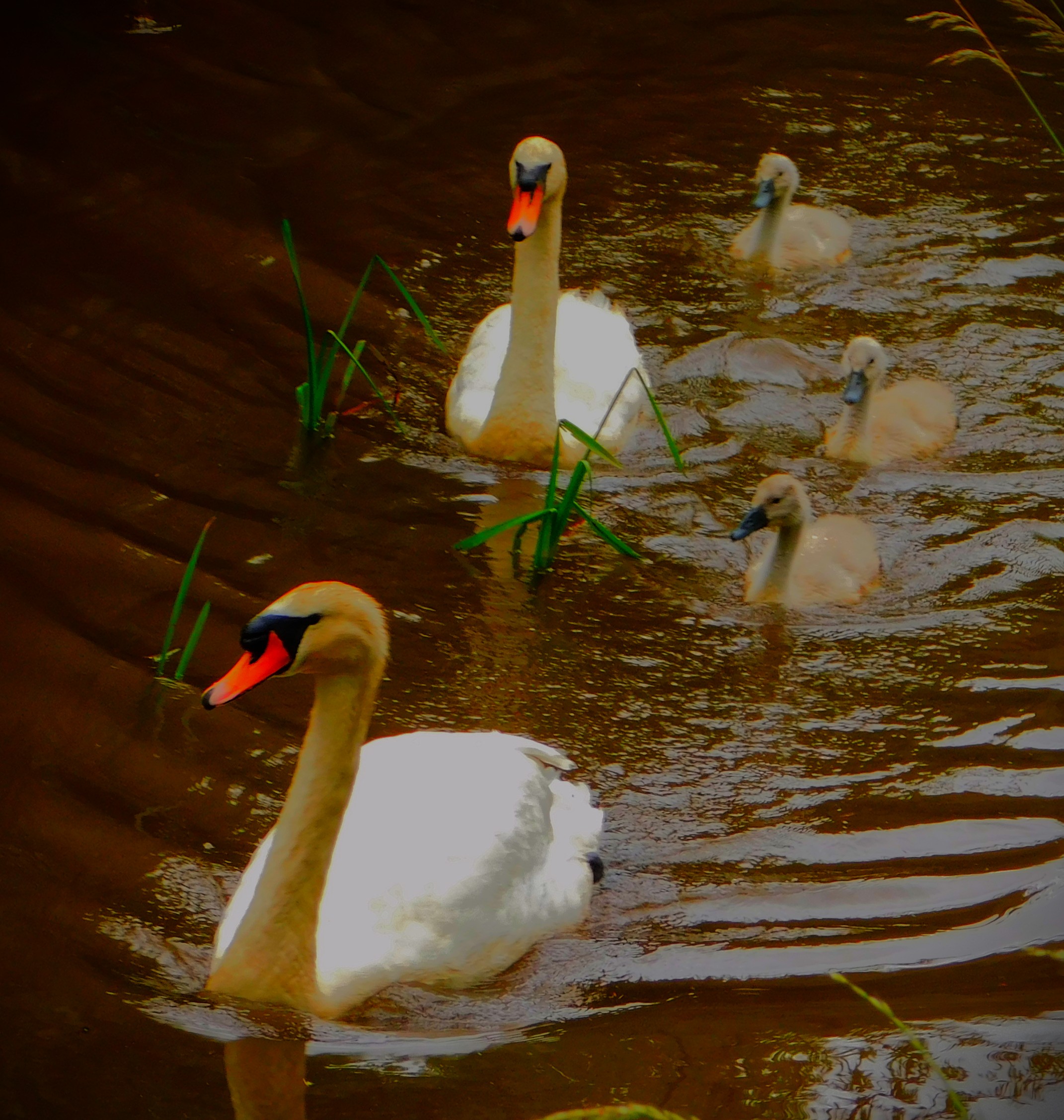
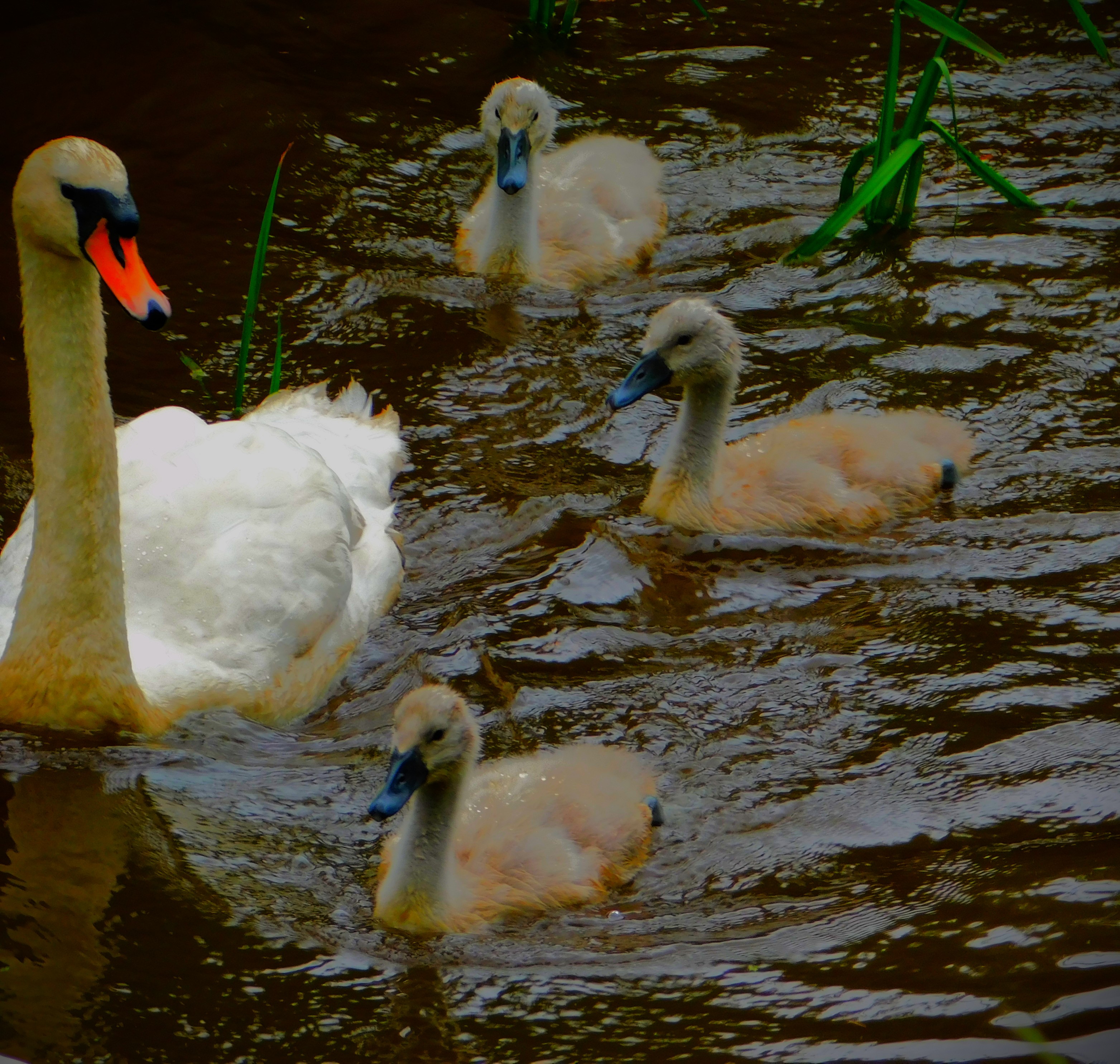
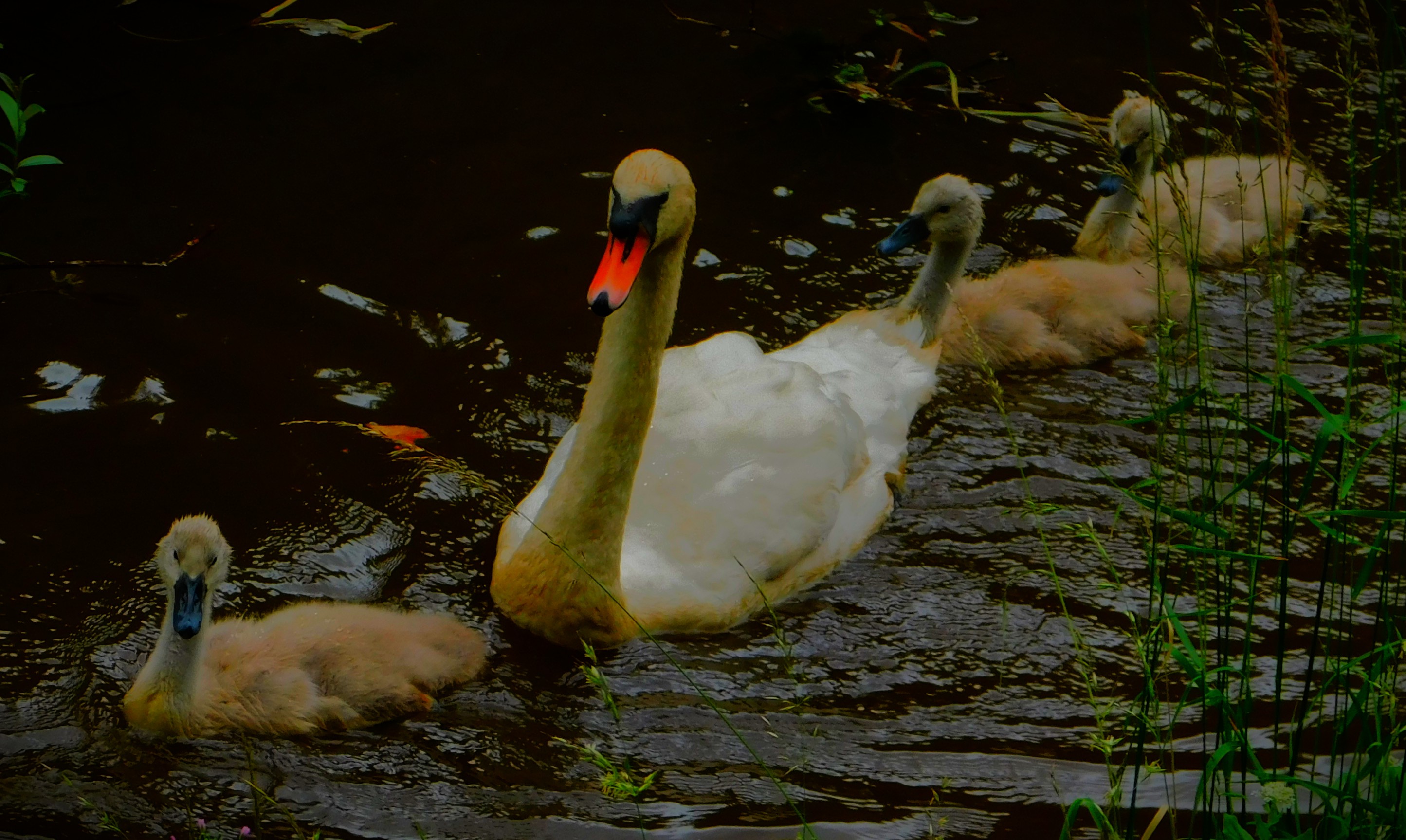
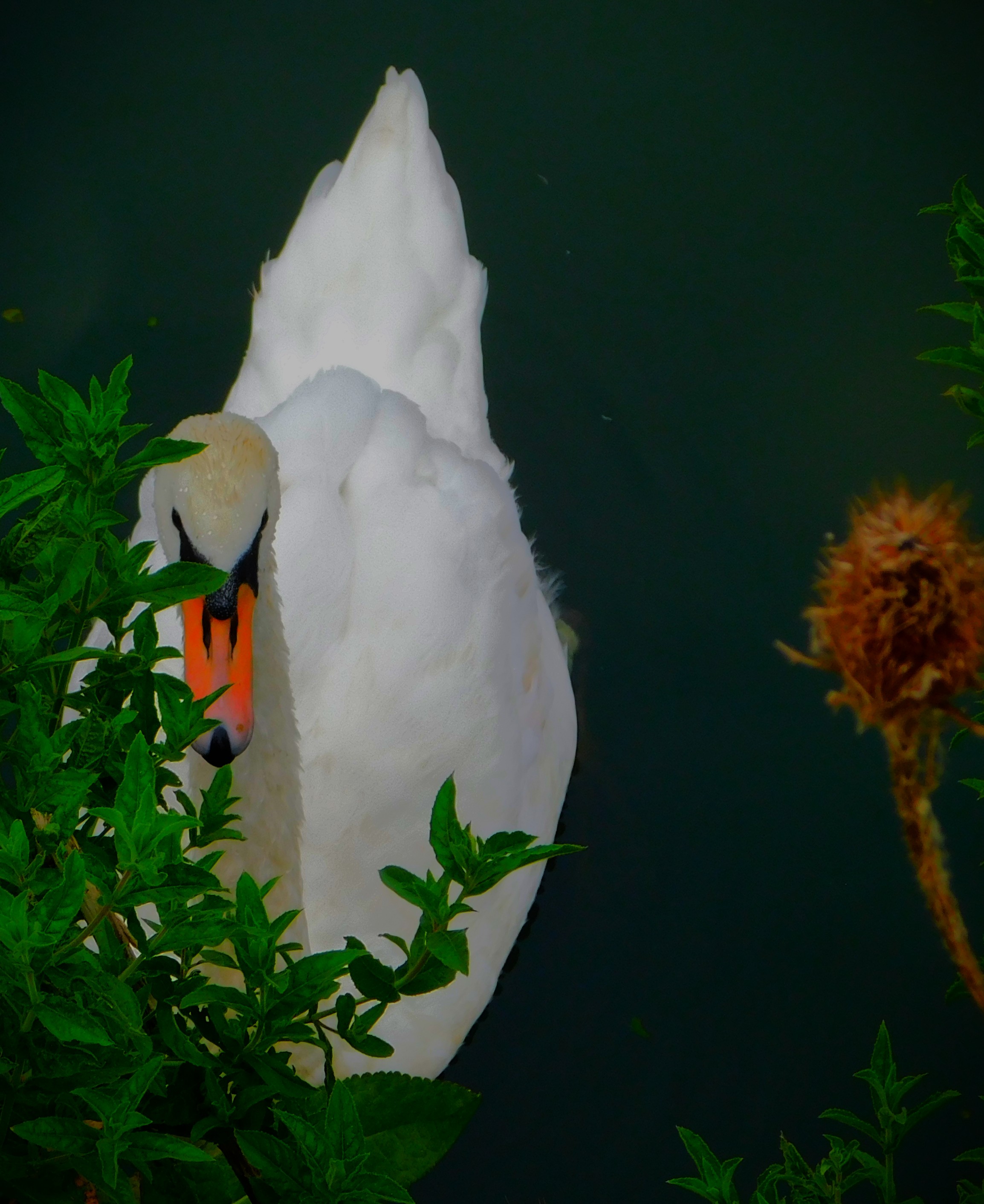
Yesterday morning in the course of my extended walk to the bus stop for work I had reached the final stage, a short trip along a stretch of the Gaywood River that briefly runs parallel to Gaywood Road, from where I get the bus, and was already reasonably pleased with the photos I had got – it was bright, sunny and by the standards of early March it was warm as well. Before crossing Loke Road, next to the bridge that takes that road across the Gaywood, I had managed to photograph a pair of swans just before they left my field of vision as they headed in the opposite direction to me. I was not expecting anything further, but halfway between the bridge and the path through to Gaywood Road (it pretty much hits Gaywood Road at the bus stop) I spotted a European Peacock butterfly among the dry reeds at the far edge of the river from me. I managed to get a photograph. This butterfly is no great rarity, nor is King’s Lynn outside its usual range, but even so is is rare to get a sighting this early in the year. I emailed Butterfly Conservation about it last night and received an enthusiastic response this morning.