A look at the semi-finals of the One Day Cup, which took place yesterday, and a large photo gallery.
These matches took place yesterday, and I only witnessed one of the four innings.
HAMPSHIRE V WARWICKSHIRE
This was the one I had not expected to catch any of, since it was an 11AM start, which meant that it was always more likely than not to be done before I was home from work. In the event it was over at 2:23PM, Warwickshire proving utterly spineless. Liam Dawson claimed 7-15 as Warwickshire were routed for 94. Hampshire then only lost one wicket knocking off the runs.
LEICESTERSHIRE V GLOUCESTERSHIRE
This one started at 2PM. By the time I was home from work the Gloucestershire innings was done, for a paltry 125, but it was raining. The rain eventually eased in time for a 6:15PM restart. Early on it looked like Gloucestershire might yet succeed in defending their low total. Leicestershire were 33-4 at low water mark. At that point Peter Handscomb, a former Gloucestershire player, was joined by Wiaan Mulder. This pair, slowly at first and more rapidly as their partnership endured, saw their side home to a six wicket victory. Thus Hampshire and Leicestershire will contest the final.
A look at what has happened in The Hundred finals weekend so far plus a photo galley.
With the final of The Hundred (women’s competition) under way this post looks back at the the action from yesterday. Before I go into it a note about the Hundred’s qualification rules: it is an eight team league, and in order to ensure that only teams who have been provably better than average qualify for the KO stages only three teams make it through. The team who finish top of the group qualify straight into the finals, while second and third place play off for the right to join them, with second place having the advantage that if the match gets rained out they progress based on league position.
THE WOMEN’S ELIMINATOR
This match, between Welsh Fire and Northern Superchargers, was the first scheduled for yesterday. Fire batted first and had reached 104-2 from 75 balls when the weather intervened, and did not let up in time for the match to be resumed. This meant that Superchargers, having finished second in the group, joined Southern Brave in the final, the match currently being contested. It also meant that Alex Hartley’s playing career, highlighted by being part of England’s 2017 World Cup winning side came to an end. Had Fire made the final she may have had another outing, but as it happened her time as a professional cricketer ended on the bench, not having being picked for the XI.
THE MEN’S ELIMINATOR
Southern Brave had a chance to make both finals, being joined in this Eliminator by Manchester Originals, with Oval Invincibles awaiting the winners. When they scored 196-1 from their 100 balls batting first this looked more than a possibility. Phil Salt (47 off just 17 balls) and Jos Buttler (82 off 46) had other ideas, and with other useful contributions along the way Originals, who were never at any point not ahead of the required rate won by seven wickets with four balls to spare. Jamie Overton made the winning hit, a six which meant that 196 balls had seen 397 runs scored. In view of the scoring rates elsewhere the approach of Brave opener Devon Conway (51* off 38) has to be questioned. Therefore tonight’s final of The Hundred (men’s competition) will be between Manchester Originals and Southern Brave.
THE WOMEN’S FINAL
Southern Brave are batting, and after the loss of two early wickets are mounting a decent recovery – they are currently 64-2 after 54 balls, Danni Wyatt 39*, Georgia Adams 16*. They will need to up the rate, but they are in decent shape.
A look back at Gloucestershire’s win against Lancashire yesterday, some cricket related links and a huge photo gallery.
Yesterday Gloucestershire took on Lancashire for the right to claim a slot in the One-Day Cup semi-finals. This competition uses an interesting qualification system – the winners of each of the two groups qualify direct for the semi-finals, while second place in one group plays at home to third place in the either to qualify for the remaining semi-final places. Tomorrow will see Hampshire play Worcestershire to complete the SF line up, with group winners Warwickshire and Leicestershire already qualified. This post looks back at yesterday’s game.
THE LANCASHIRE INNINGS
I missed part of the Lancashire innings because I had a dentist appointment at 11AM. Lancashire were already four down with not a huge number of runs on the board when I tuned in. Wickets continued to fall regularly, although the eighth wicket pair (Tom Aspinwall and Tom Bailey) battled hard and prevented a total debacle. Still, 177 all out in a 50 overs per side match, even on a pitch offering a bit to the bowlers, should never be a defensible total.
THE GLOUCESTERSHIRE RESPONSE
There had been a brief rain interruption to the Lancashire innings, but no overs had yet been lost. However, the weather remained threatening, given Gloucestershire motive to look to settle things quickly. In the event they required less than half of their 50 overs to chase down the target. The chief architect of this destruction of Lancashire was Miles Hammond, who reached his maiden list A century off 82 balls, hitting nine fours and six sixes along the way. He added two more fours, the latter the winning hit, after reaching the landmark to end up on 109*. Gloucestershire had eight wickets as well as 25.1 overs to spare. It would appear that Gloucestershire have hit their straps exactly at the right time, and they will be tough for anyone to deal with now (direct qualification for the SF for group winners is IMO a double-edged sword – by the time the SF comes round they have had less recent practice than those who have to win an extra match to claim their places). A Lancashire bowling attack being helpless in the face of a Gloucestershire batter named Hammond is not unprecedented – about a century ago Walter Hammond in a county championship fixture absolutely took Lancashire apart, including starting a day’s play by hitting Aussie pacer Ted McDonald for five successive fours.
OTHER CRICKETING LINKS
This time last year I was making my cricketing trip through the alphabet. There are two more pieces to share to complete the set of selectorial posts:
THE LETTER Y
My full post about players whose surnames begin with Y can be seen here. There is a change to this XI since I posted it – Yashavsi Jaiswal has announced himself for India in no uncertain terms, which means that Martin Young, a respectable county opener, loses his place. The revised XI for this letter is thus: M Yardy, Yashavsi Jaiswal, Younis Khan, Mohammad Yousuf, GN Yallop, *NWD Yardley, +Saleem Yousuf, U Yadav, Waqar Younis, J Young, P Yadav.
THE LETTER Z
No changes to this one, which can be viewed in full here. The XI reads Fakhar Zaman, Ibrahim Zadran, Zubayr Hamza, Najibullah Zadran, K Zondo, JW Zulch, +Zulqarnain Haider, M Zondeki, Zia Ur Rahman, Zaheer Khan, Zahir Khan.
As well as the above I have a new blog to introduce. Brailly has opened up with a cricket themed post, reinventing the county championship as a red ball franchise competition. I am impressed by this effort, and in gratitude for getting an honourable mention I reciprocate by linking to it.
PHOTOGRAPHS
I have a splendid gallery to share with you today…
Welcome to another quirky take on the all time XIs theme. This time I pick an England XI (plus twelfthy) in which every decade of test history is represented at least once.
THE XI IN BATTING ORDER
Jack Hobbs (right handed opening batter, 1900s-1930s). At the time of his retirement he was the leading run scorer in test history, and he still holds the England records for Ashes runs (3,636) and centuries (12).
Herbert Sutcliffe (right handed opening batter, 1920s-30s). The only England batter to finish a career that spanned at least 20 test matches with an average above 60 (60.73).
*WG Grace (right handed batter, right arm bowler of various types through bhis career, captain, 1880s-1890s). Made his debut for England in the first ever test match on English soil in 1880, and although he was already 32 by then he remained a formidable opponent for the next 19 years.
Ken Barrington (right handed batter, occasional leg spinner, 1950s-60s). Averaged just short of 59 with the bat, including a career best of 256 against Australia.
Wally Hammond (right handed batter, right arm medium fast bowler, ace slip fielder, 1920s-1940s). The first ever to score as many as 7,000 test runs. In the 1928-9 Ashes he scored 905 runs at 113.125, four years later he was joint leading run scorer for the series with 440 at 55.00, a performance followed up by scoring 227 and then 336* in two tests in New Zealand.
+Les Ames (wicket keeper, right handed batter, 1930s). He averaged over 40 with the bat in test cricket and was also a top notch wicket keeper. Late in his career lumbago prevented him from keeping wicket, but he played on for Kent as a specialist batter, with Godfrey Evans maintaining the succession of great Kent keepers, going back to Tylecote in the 1880s.
Ian Botham (right handed batter, right arm fast medium bowler, ace slip fielder, 1970s-1990s). I have placed him in the position from which he scored both of his legendary centuries in the 1981 Ashes. His last bow at international level was the 1992 World Cup – he retired from all competitive cricket part way through the 1993 home season when he realized that England would not be picking him again.
Jim Laker (off spinner, right handed lower order batter, 1940s-50s). Perhaps the greatest of all orthodox off spinners, most famous for his destruction of the 1956 Australians. It is also noteworthy, especially in view of the generally awful record of English off spinners down under, that he took 15 economical wickets for a thoroughly beaten England in 1958-9.
Syd Barnes (right arm fast-medium bowler , right handed lower order batter, 1900s-1910s). 189 wickets at 16.43 in just 27 test matches makes its own case for his inclusion.
Hedley Verity (left arm orthodox spinner, right handed lower order batter, 1930s). Even in a decade of doped pitches and Bradman’s batting he claimed 144 test wickets at 24 each, while in FC cricket he was an absolute destroyer, paying less than 15 a piece for his wickets.
James Anderson (right arm fast medium bowler, left handed lower order batter, 2000s-2020s). England’s all time leading test wicket taker.
George Ulyett (right handed batter, right arm fast bowler, 1870s-1880s). The fast bowling all rounder was part of the earliest period of England’s international cricket history and could replace anyone save Ames without massively weakening the side – he once scored 149 in a test match, opening the batting, while his best bowling figures at that level were 7-36.
This side has a powerful batting line up, and a strong and well varied bowling attack. There is no front line leg spinner, and no left arm quick bowler, and no genuinely fast bowler, but nonetheless it is a pretty good side.
PHOTOGRAPHS
A two part photo gallery today…
We start with some images from work yesterday – lots 638-43 inclusive in the October auction.We finish with pictures I have taken while out and about yesterday and today.
A look back at the all time XIs I produced for the letters U, V, W and X last year, the last of them OTD last year, with some extra comments and one change. Also a fine photo gallery.
One of the things I have been doing on this blog lately is looking back at the cricketing trip through the alphabet that I took this time last year. In this post I look back at four of the posts on that journey.
THE LETTER U
In retrospect I should have mentioned left arm medium pacer Jaydev Unadkat. His very ordinary international record means he deserves no more than an honourable mention, but he deserves that much. I did give Andrew Umeed, an opening batter and occasional leg spinner, an honourable mention, and although Somerset as a whole struggled in the One Day Cup, never coming close to qualifying for a knockout slot, he had a quite superb tournament, scoring 613 runs with the bat. If he gets a county championship place in the strength of this and delivers in that competition as well he will represent a genuine threat to Imam Ul-Haq or Taufeeq Umar, but for the moment he has justified my giving him a mention. The XI in batting order remains: Taufeeq Umar, G Ulyett, Imam Ul-Haq, Inzamam Ul-Haq, *Misbah Ul-Haq, PR Umrigar, +Umar Akmal, Umar Gul, Umran Malik, DL Underwood, M Ur Rahman. Please read the full post before commenting on my selections.
THE LETTER V
No new information has come to light relating to this letter, and I remain happy with my selections. I admit that the batting looks precarious with Vaas at seven, but point out that while sides who are powerful in bowling and not quite so strong in batting have been big winners (1930s Yorkshire, 1950s Surrey etc) very few sides have been big winners with batting but a lack of bowling. This XI in batting order is: M Vandort, J Vine, *MP Vaughan, GR Viswanath, DB Vengsarkar, +K Verreynne, C Vaas, AE Vogler, H Verity, W Voce, V Van der Bijl. The full post can be viewed here.
THE LETTER W
I regard the 2023 Ashes, yet another away series in which D Warner did not deliver with the bat, as full vindication of my decision not to pick. I should have given Chris Woakes an honourable mention, but I still prefer Woods in the number seven slot. Everyone I selected deserved their places, though Willis and Walsh are a toss up for the no11 slot – I wanted Bill Whitty with his left arm to give the attack extra variation. The XI in batting order remains: FE Woolley, *FMM Worrell, E de C Weekes, CL Walcott, SR Waugh, +BJ Watling, SMJ Woods, SK Warne, JH Wardle, WJ Whitty, RGD Willis. The full post can be viewed here. Footnote: Wasim Akram was in the As XI, and the Ys had greater need than the Ws, so Waqar Younis was held back for that letter.
THE LETTER X
This XI has changed since I created it OTD last year – Kiwi off spinner Xara Jetly has emerged in no uncertain terms, and she replaces MaX Waller in the number slot. The XI thus reads: MaX O’Dowd, MaX Holden, ER DeXter, *AF KippaX, SJE LoXton, AXar Patel, XC Balaskas, RK OXenham, +T BoX, MaX Walker, XC Jetly. The original post can be viewed here.
PHOTOGRAPHS
Time for my usual sign off…
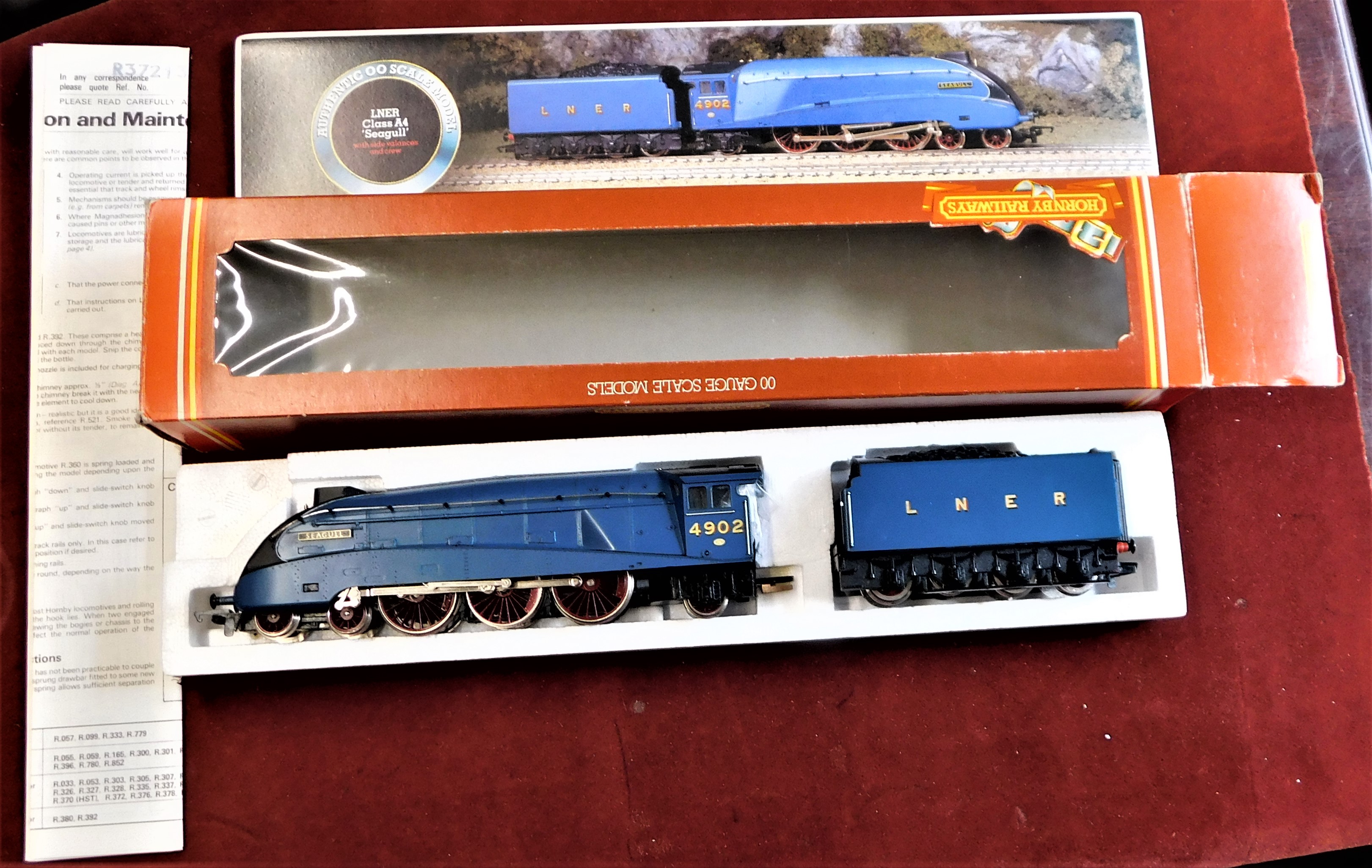
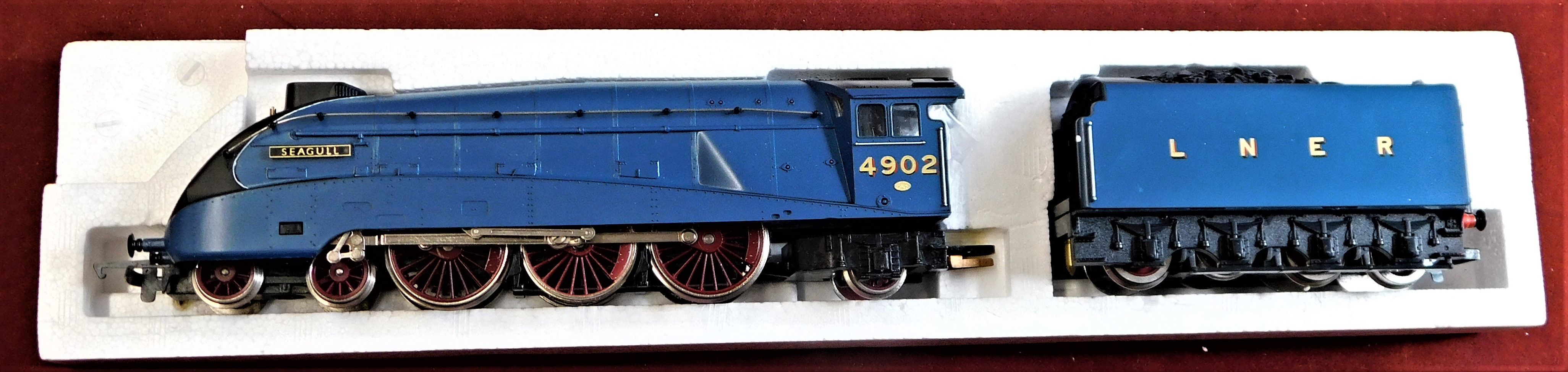
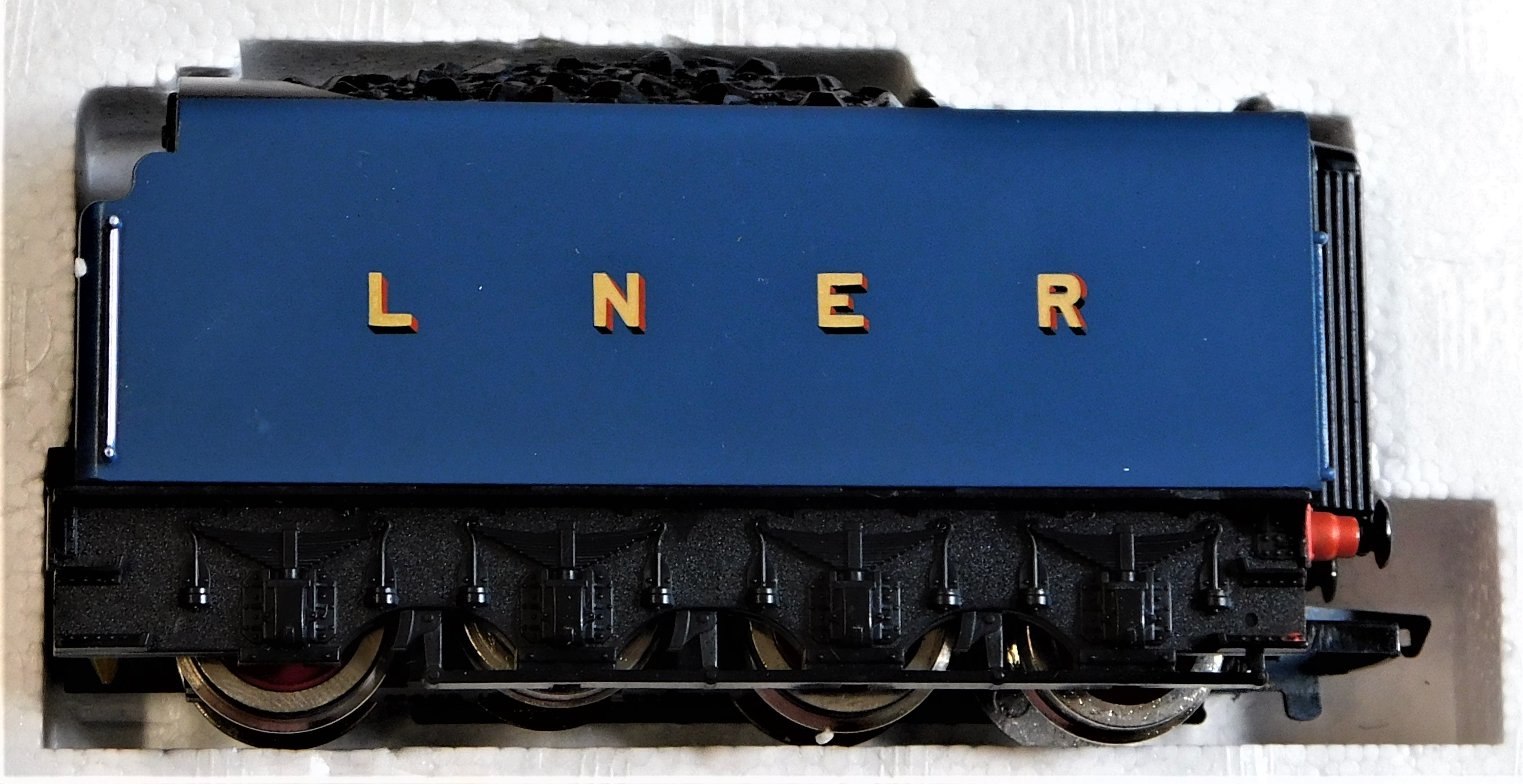
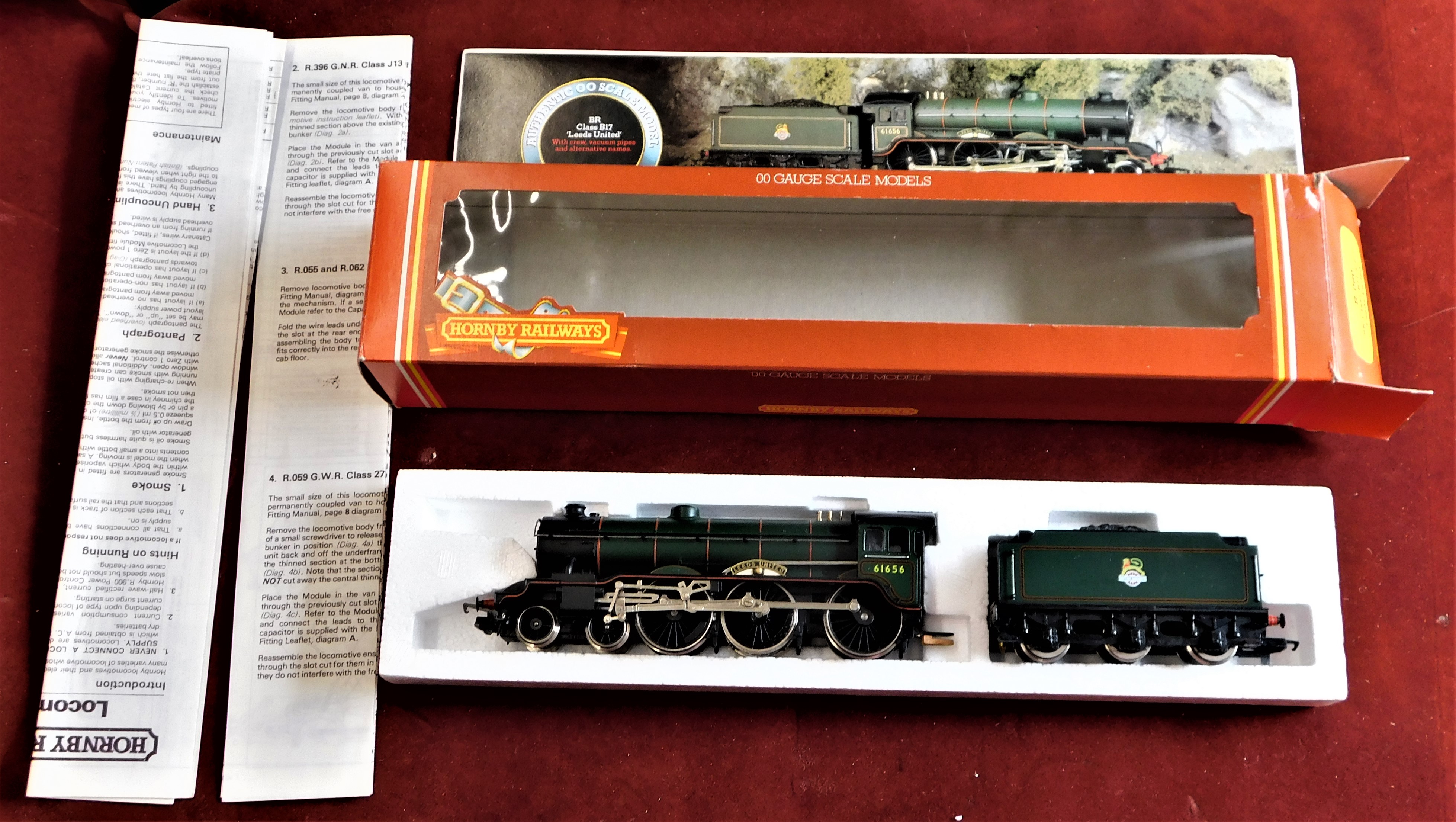
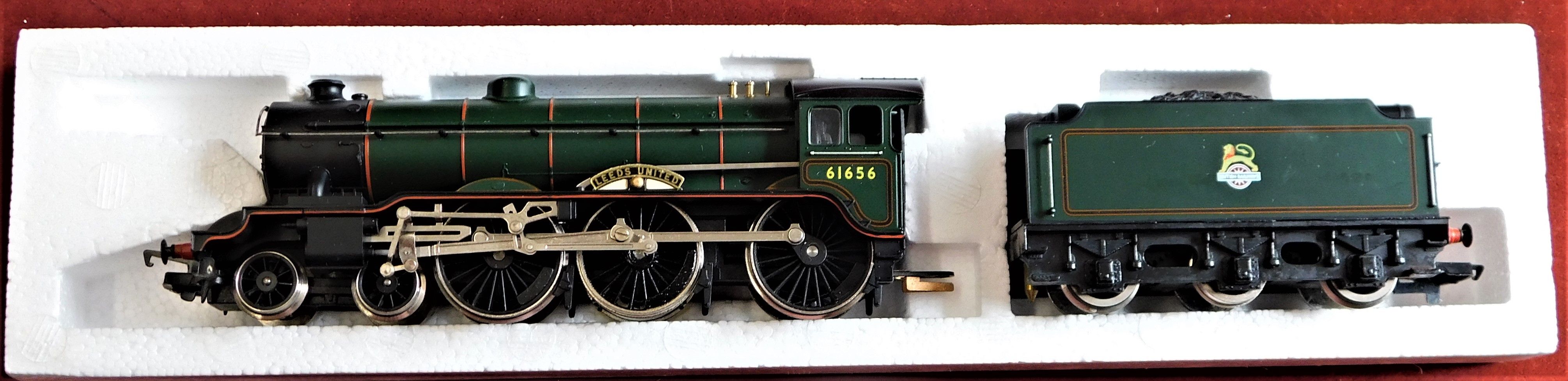
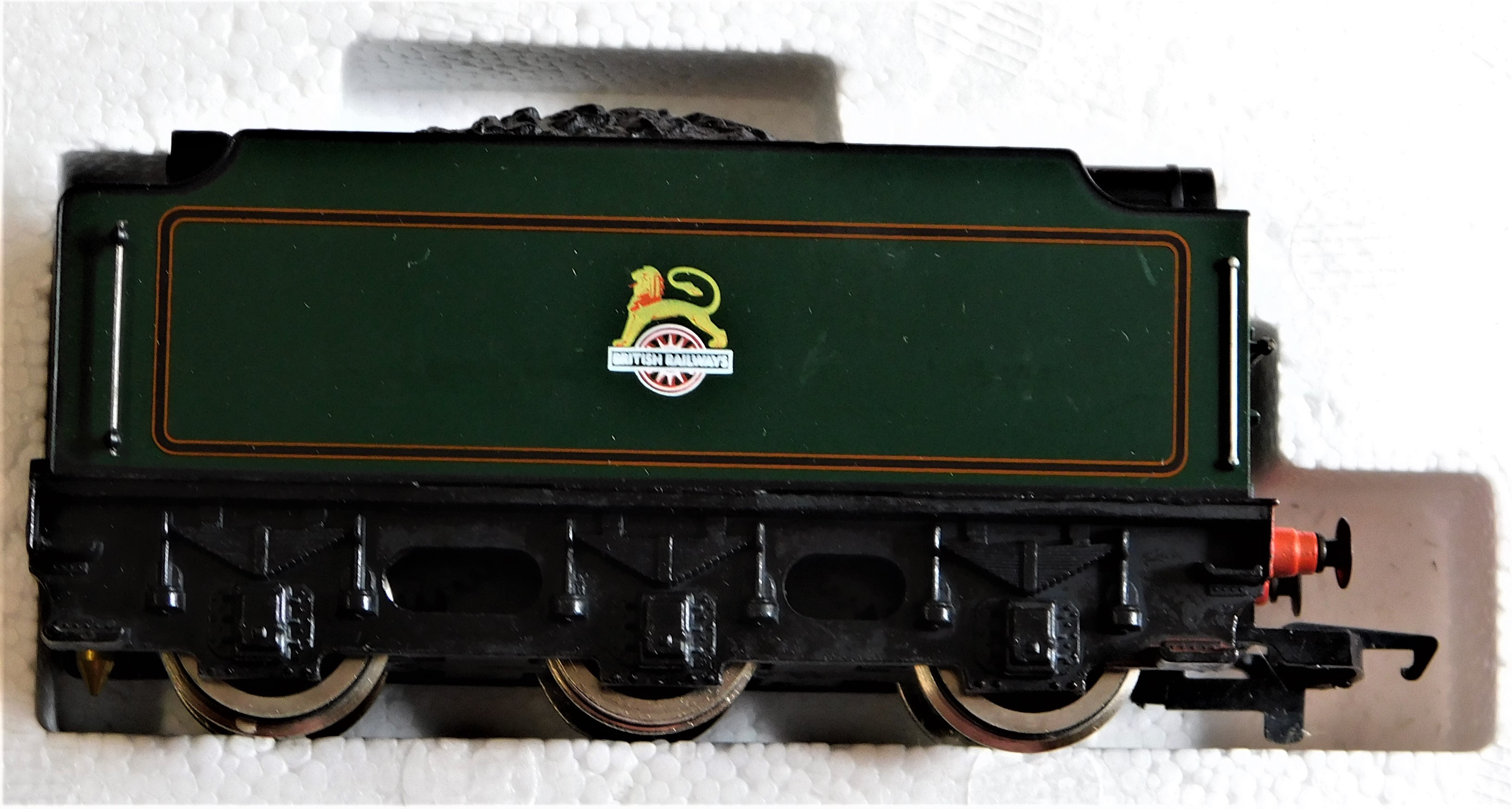
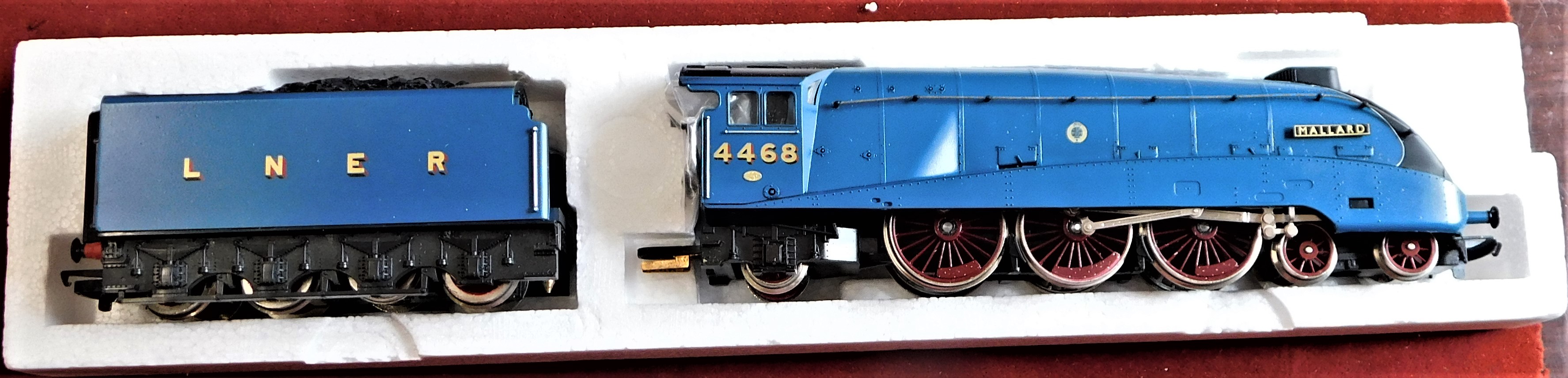
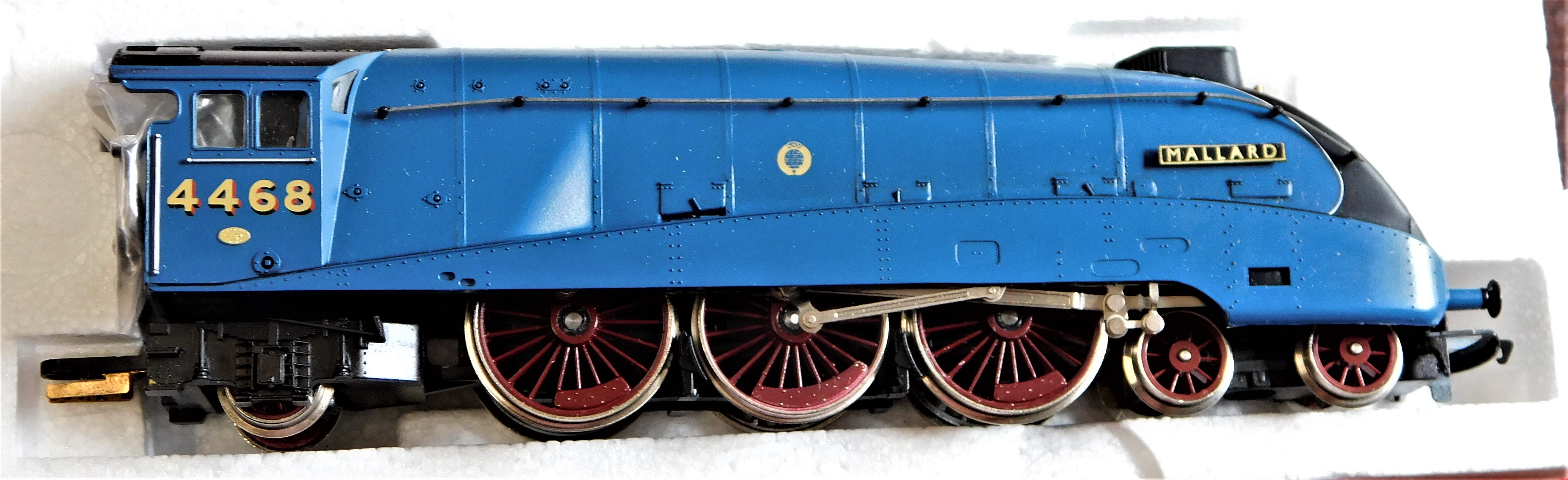
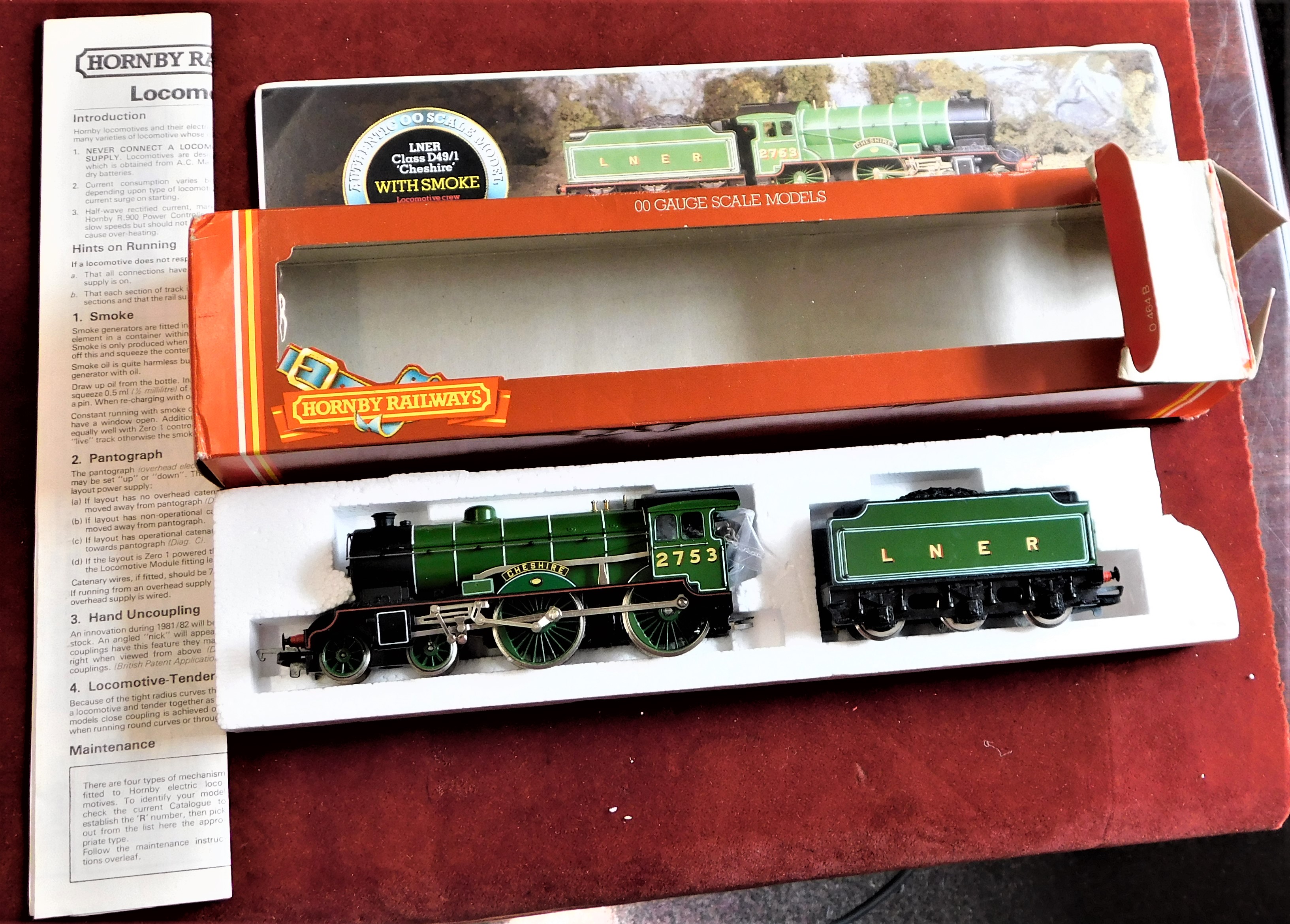
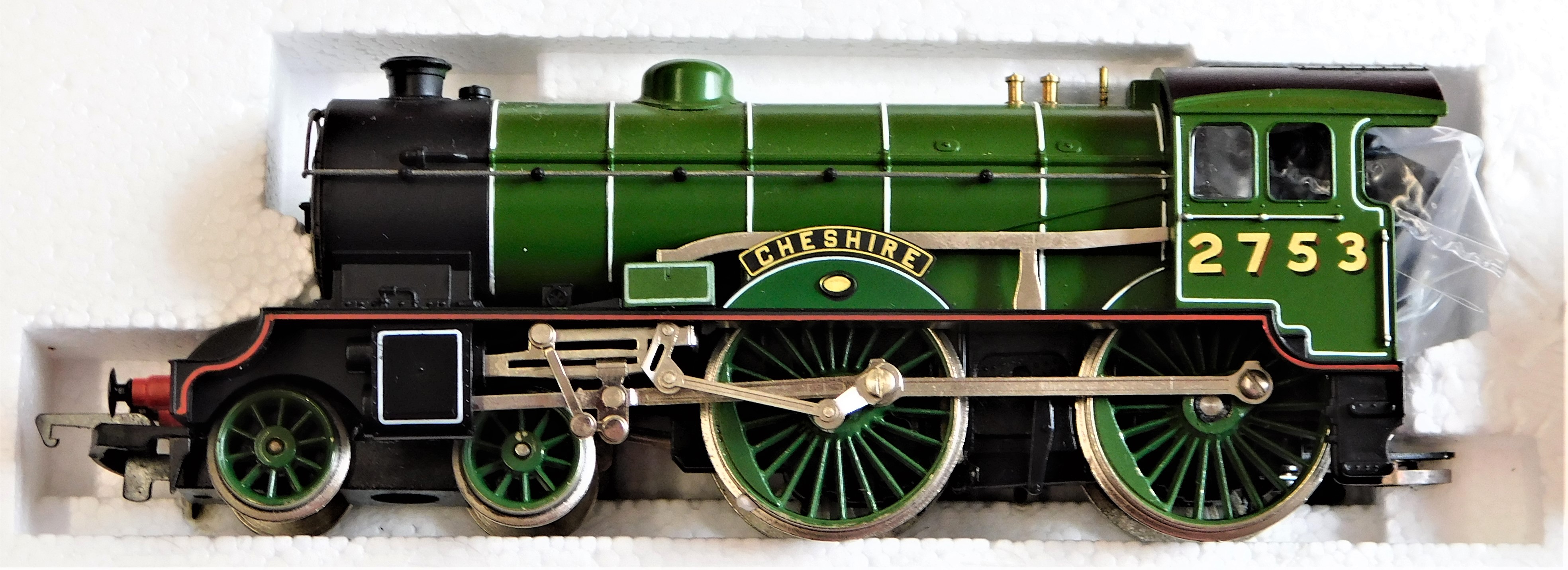
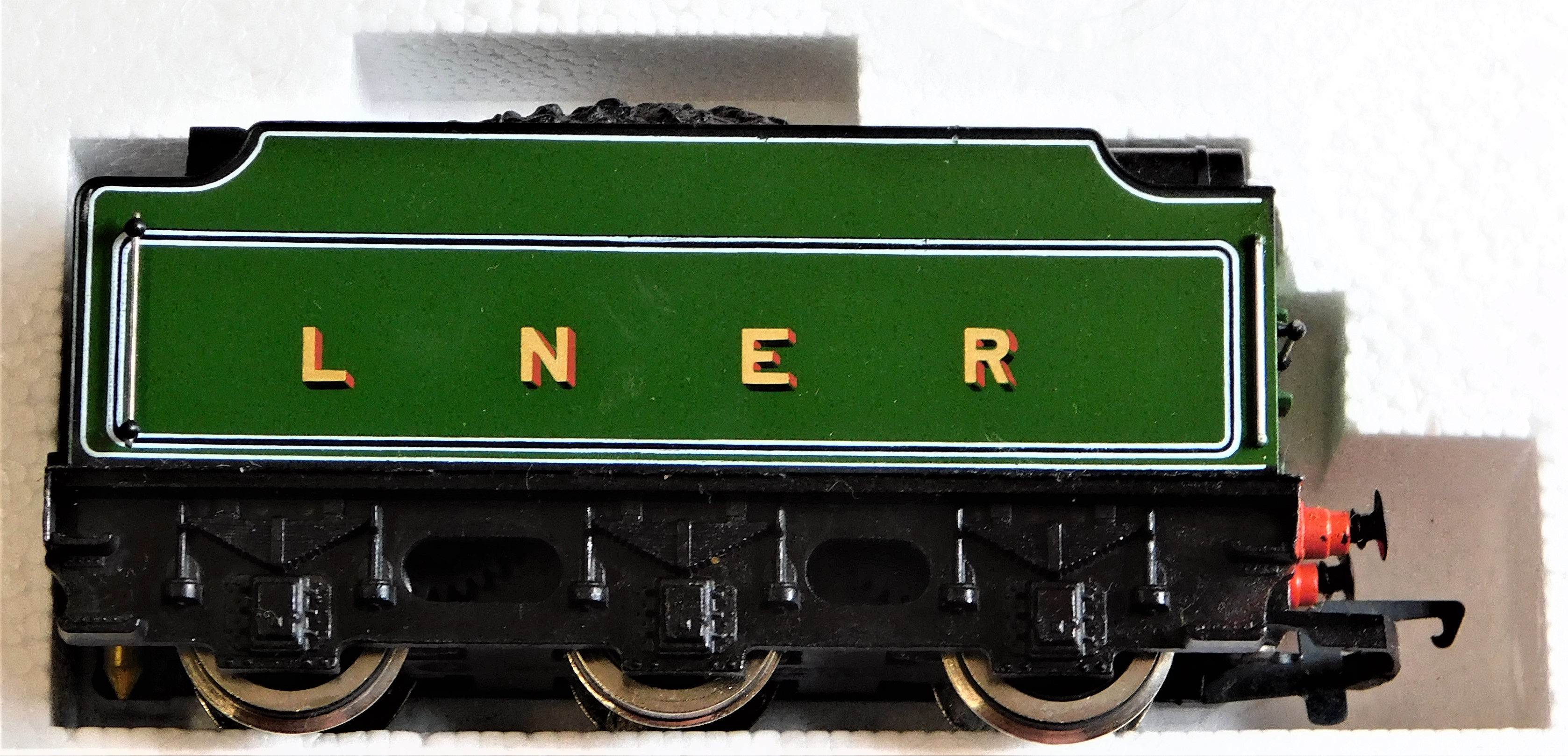
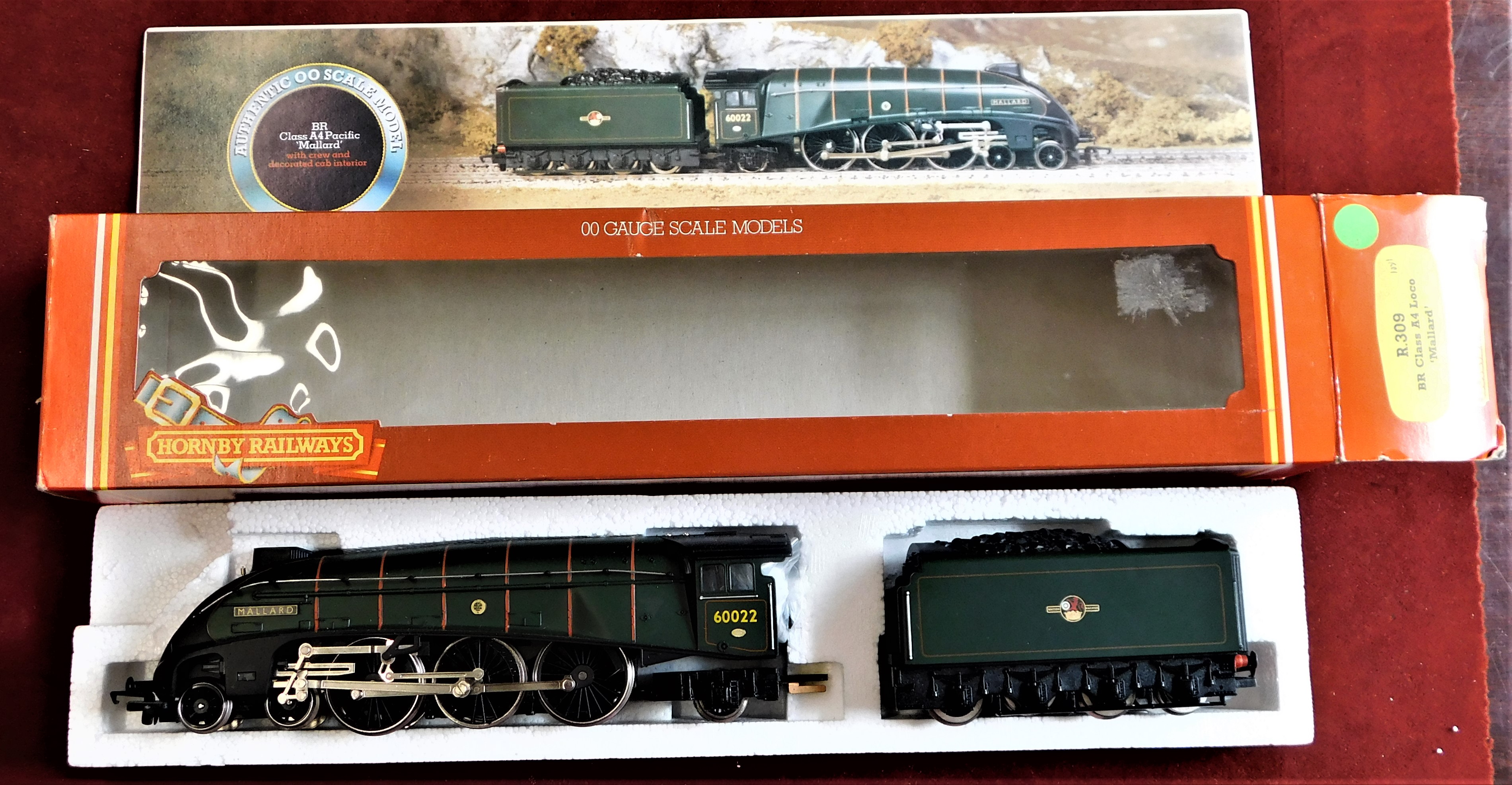
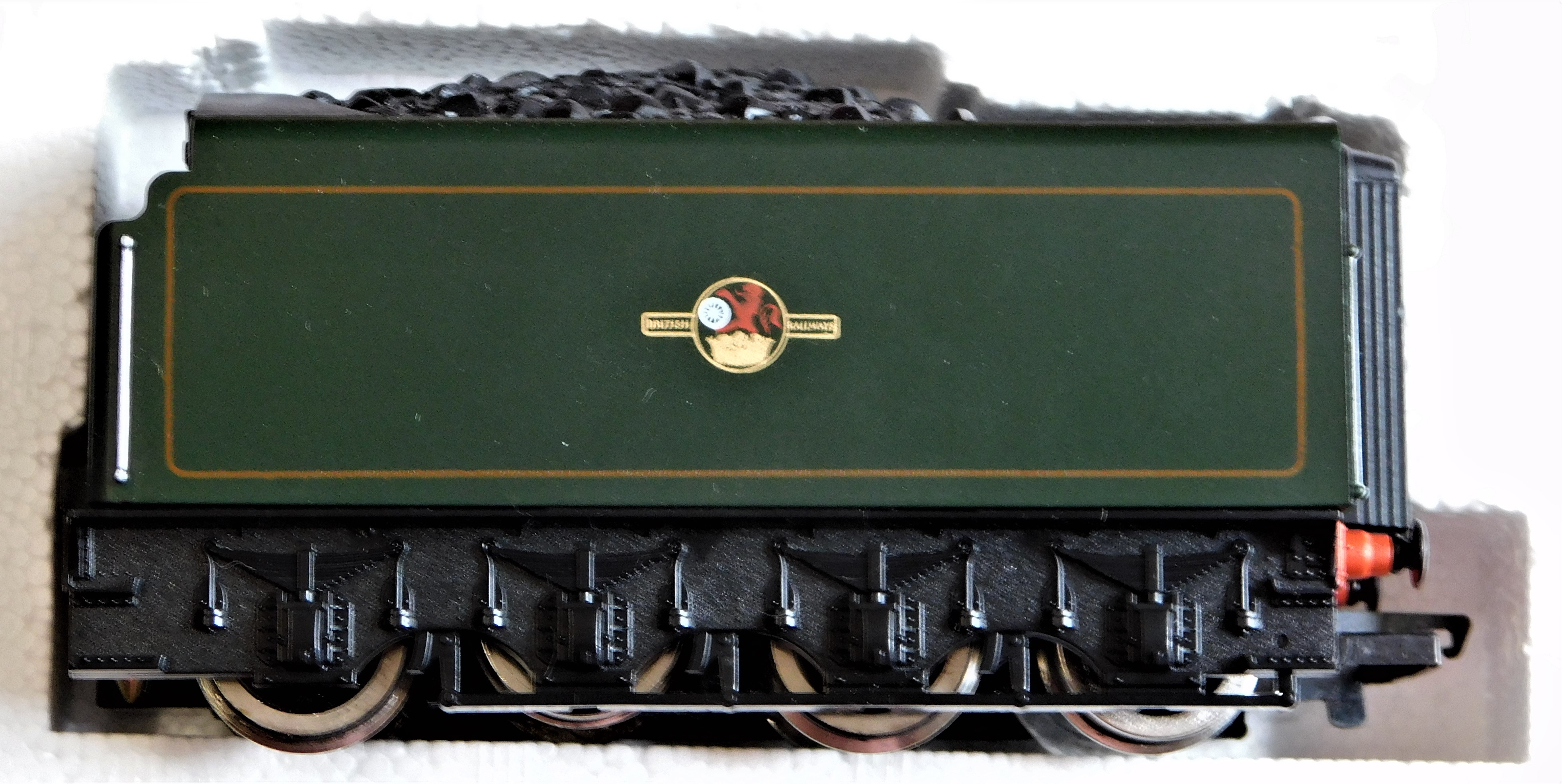
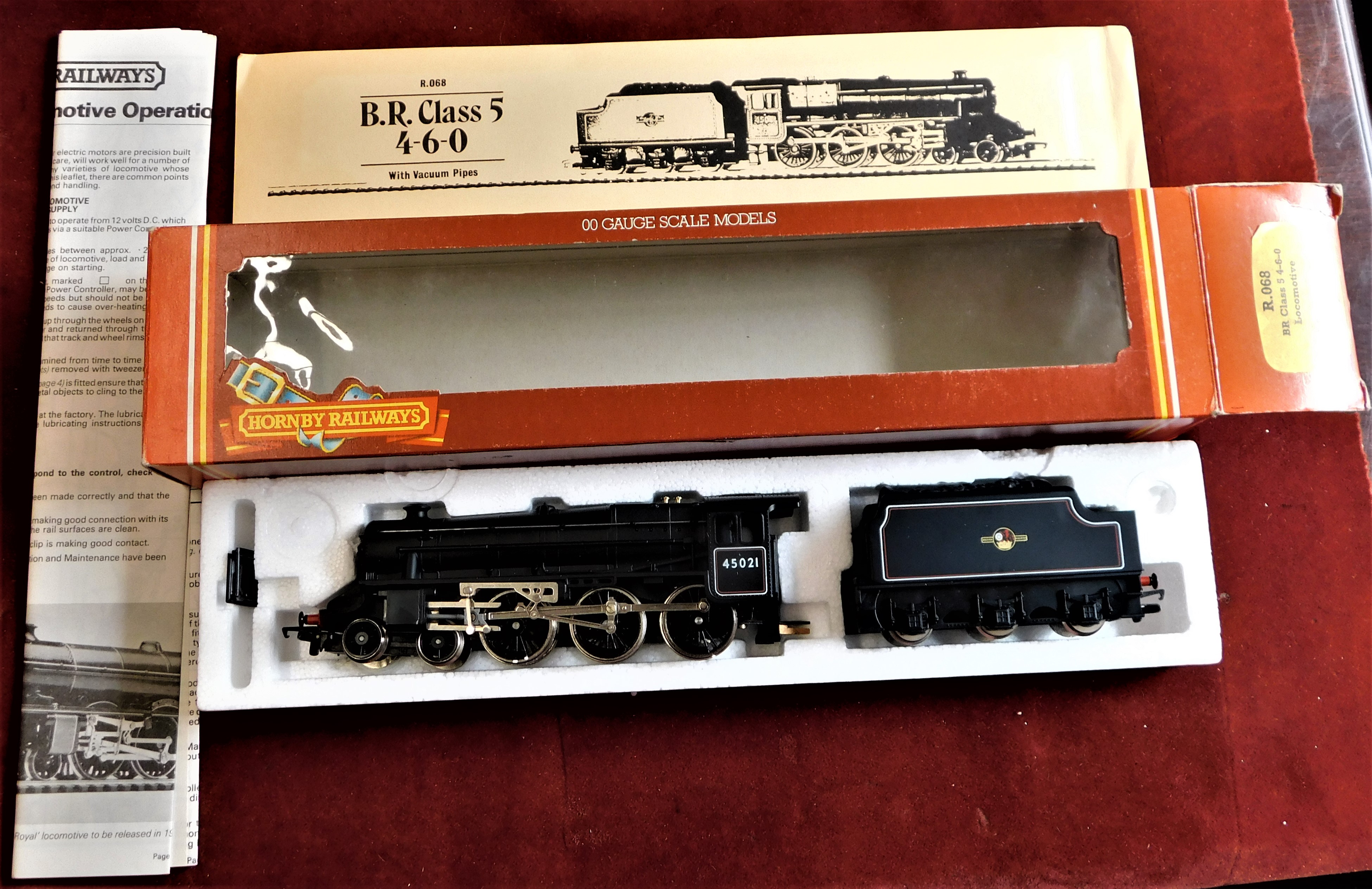
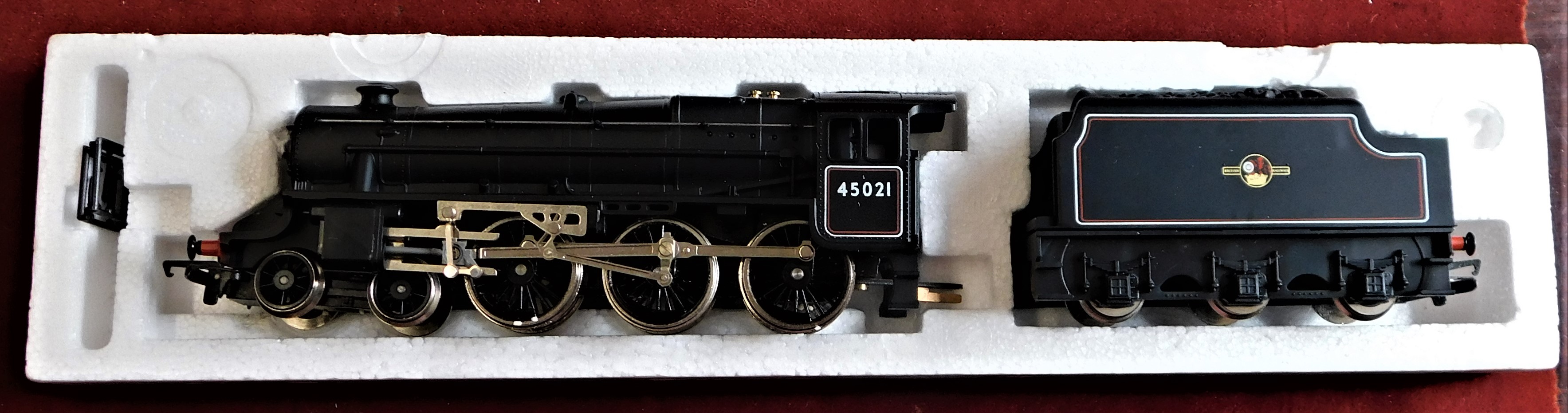
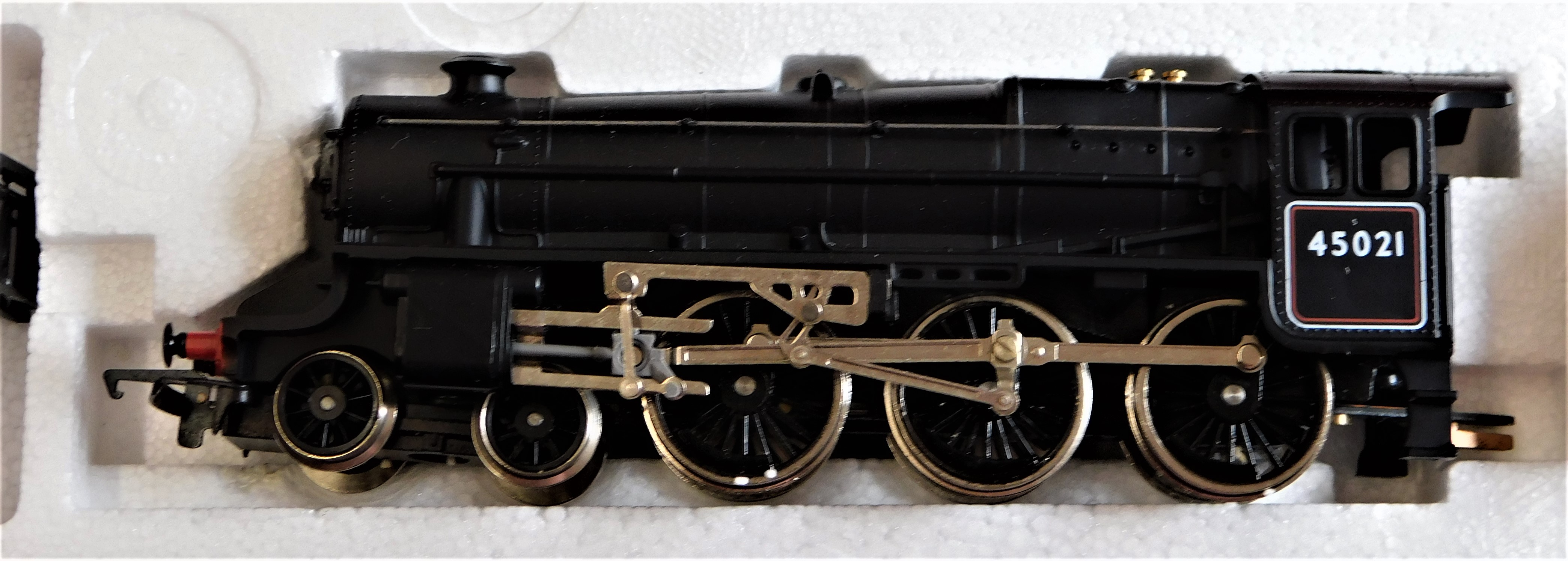
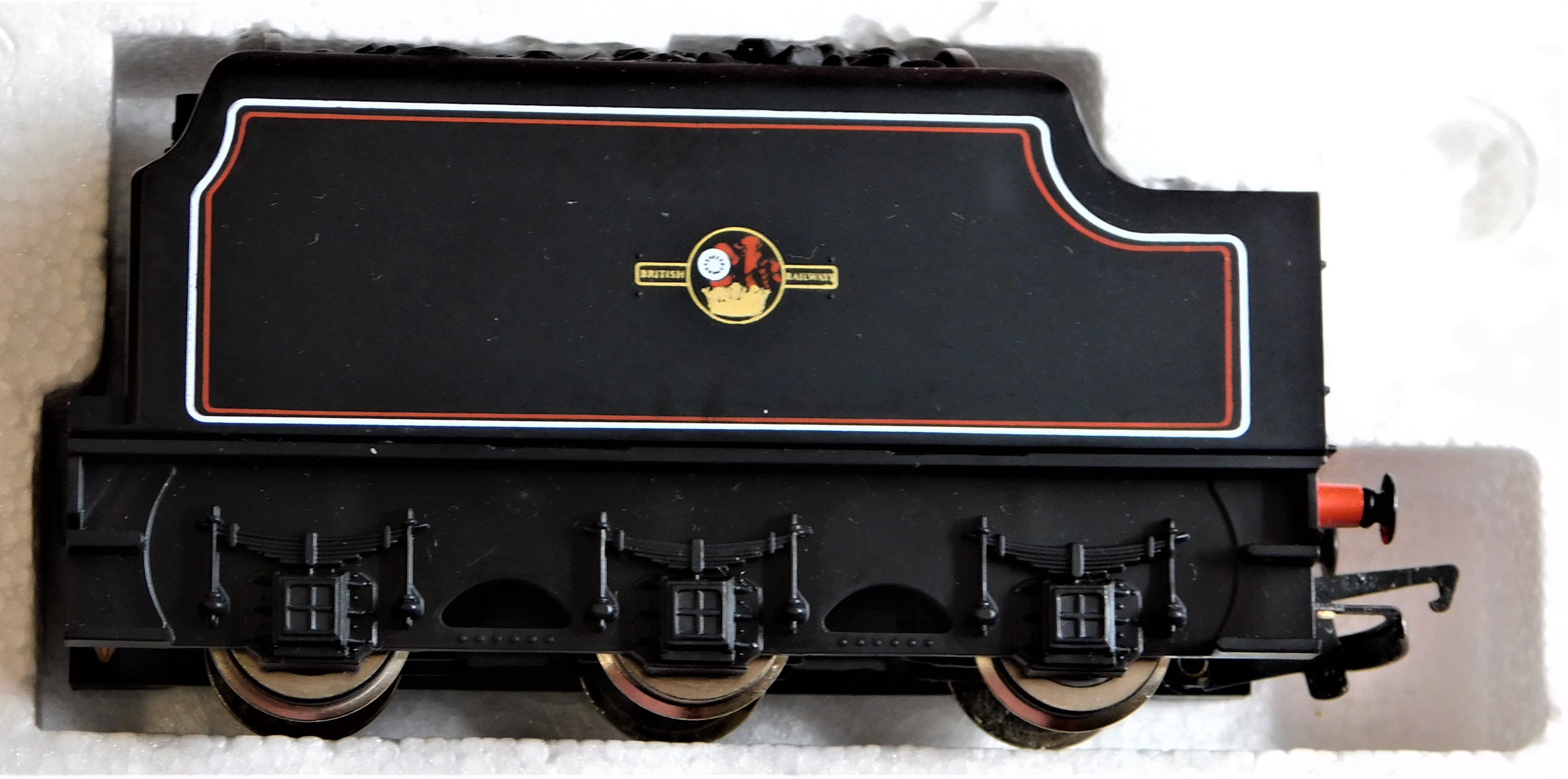
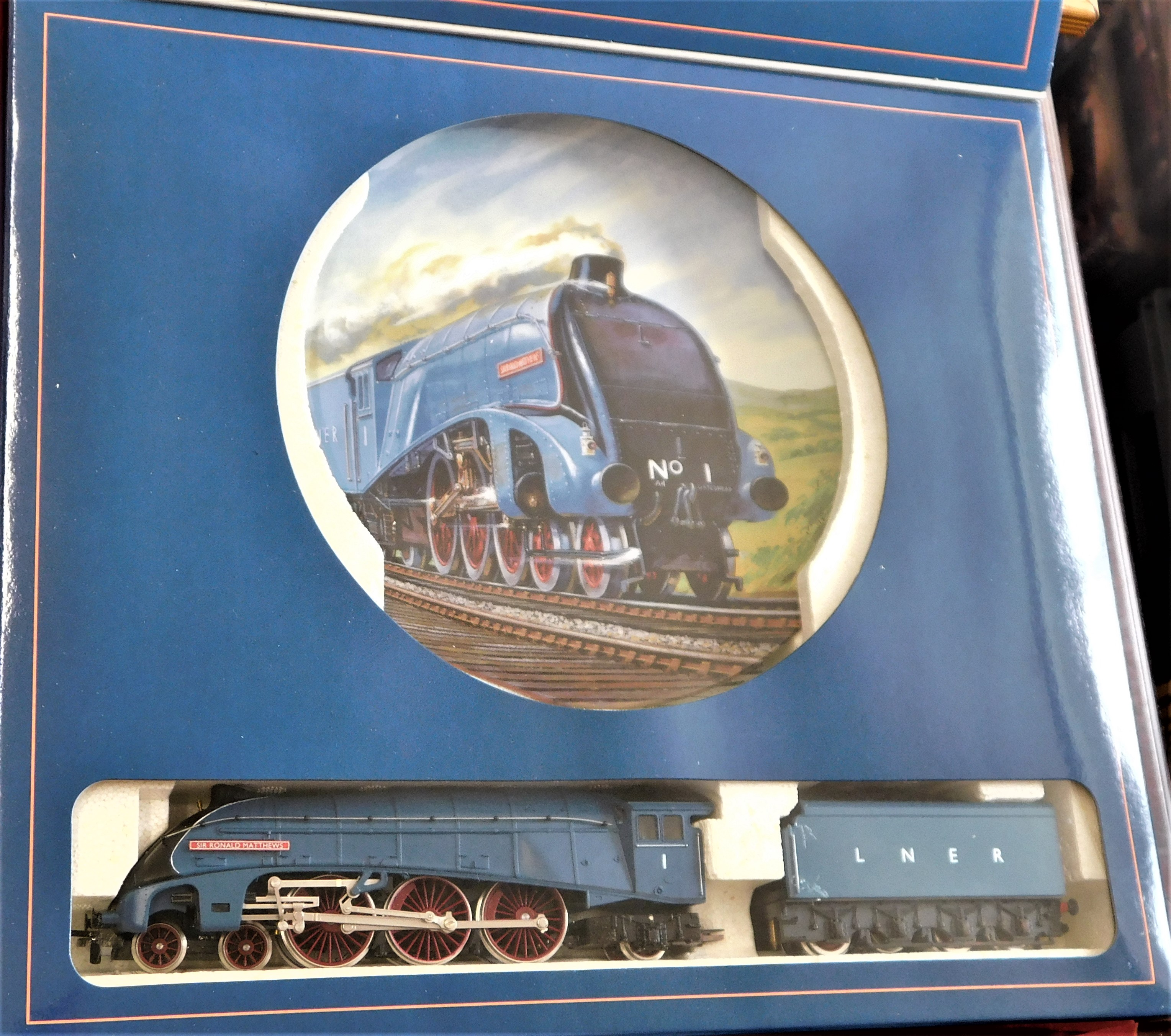
This is one of a large number of Hornby and other railway models that will be going under the hammer in James & Sons October sale.
The second part of a two part exercise that started yesterday, featuring the second XII, honourable mentions and a comparison, as well as a large photo gallery.
Welcome to the second part of a two part all time XIs piece that I started yesterday. Today we see our second XI, honourable mentions and a comparison.
THE XI IN BATTING ORDER
Graeme Pollock (left handed batter). Not a regular opener, but he did once score 274 in a test match from number three, and my reckoning is that he could cope with the task of opening. He averaged over 60 in test cricket before the curtain came down on South Africa due to the foul apartheid system of government in that country.
Majid Khan (right handed opening batter). One of three cousins to have captained Pakistan (only one of the other two features in this post), he was a stylish and attack minded opening batter, generally rated by those who saw him as a better player than an average just the wrong side of 40 suggests.
Garry Sobers (left handed batter, left arm bowler of every type known to cricket, brilliant fielder). The most multi-skilled player in cricket’s long history, and a regular in this batting position – his then test record 365* came batting here.
Mark Waugh (right handed batter, occasional off spinner, ace slip fielder). Once dubbed ‘Afghan’ because how much longer it took the Aussie selectors to noticer him than it taken them to notice his twin brother, he was a stylish batter and the safest slip fielder I ever saw in action.
Steve Waugh (right handed batter, occasional medium pace bowler, vice captain). A gritty and determined batter who tended to score runs when they were most needed, and I have acknowledged his leadership qualities by naming him as vice-captain of this XI.
Jonathan Bairstow (right handed batter, occasional wicket keeper). He is picked in this side as a specialist batter, a role that in my view he is best suited to.
*Imran Khan (right handed batter, right arm fast bowler, captain). One of the greatest of all allrounders, cousin of Majid Khan and designated captain of the XI. Some might make him vice-captain and S Waugh captain rather than vice-versa, but I believe he was the finer skipper, and also the Pakistan Cricket Board recently disgraced themselves by putting up a montage about Pakistan cricket history that did not even mention him.
David Holford (right handed batter, leg spinner). A cousin of Garry Sobers, which is why I am prepared to pick him although his record is fairly moderate – a compromise to get Sobers in being worthwhile IMO. The two cousins once saved a test match against England by putting on 274 together.
+David Bairstow (wicket keeper, right handed batter). This is why I selected Jonathan Bairstow – there are limited ways of getting a top drawer keeper into a side of this nature and this is one of them.
Shaun Pollock (right arm fast medium bowler, right handed batter). Almost absurdly low in the order for him (nos 8,9 and 10 in this side are virtually interchangeable in terms of batting skill, and all rather better than a standard number eight).
Peter Pollock (right arm fast bowler, right handed lower order batter). One of the most ferocious fast bowlers of South Africa’s first period as a test nation (JJ Kotze, Neil Adcock and Peter Heine are other contenders), a fine player to round out the XI.
This side is awesomely strong in batting, superbly equipped in seam/ pace bowling (P Pollock, S Pollock, I Khan, Sobers), has a great skipper and a great keeper, but is under par in the spin department, with the moderate Holford and Sobers in his slower guises the best available to them.
HONOURABLE MENTIONS
Two fast bowlers I could not accommodate in either XI were West Indian half brothers Fidel Edwards and Pedro Collins. The Mohammad brethren of Karachi, five of whom played FC cricket and four of whom gained test selection were perhaps the most notable family to be omitted, although the multi-generational Cowdreys (four generations), D’Oliveiras and Headleys (three generations each) all produced many first class cricketers and two of the five Edriches of Norfolk to play first class cricket would have been worthy selections. The two George Baileys of Tasmania, Great-great grandfather and Great-great grandson, are to date the furthest apart by generation of related first class cricketers, but the elder just missed out on international honours and the younger was never a regular in the Aussie team. The Gunns of Notttinghamshire produced four first class cricketers, two of whom, William (also the original Gunn of Gunn&Moore) and George did well for England. Sussex have a long history of cricketing families (see my post about that county), but the only family of theirs that had two players of sufficient class to potentially claim places were the ruling family of Nawanagar with ‘Ranji’ and ‘Duleep’.
THE COMPARISON
The XI I presented today is stronger in batting (although G Pollock is out of position), and its pace/ seam attack is quicker though not necessarily better. Neither side is that strong in spin bowling. Both will be well led, and both have high class keepers, though Tallon would outrank D Bairstow in that department. No side with WG Grace in their ranks can be entirely discounted but I think todays XI have a clear advantage and would expect a five match series between these sides to end 4-1 in their favour.
A brief account of Pride in the Park, and the first part of a two part All Time XIs post, plus my regular photo gallery.
Welcome to the first in a two part all time XIs post. Today I present the first of two XIs to do battle, each comprising four pairs and one trio of related cricketers. Today I start with an unrelated feature after which I will introduce the first of the two XIs to feature in this envisaged contest. Tomorrow will see the second XI make their appearance, followed by an honourable mentions section and a comparison between the two XIs.
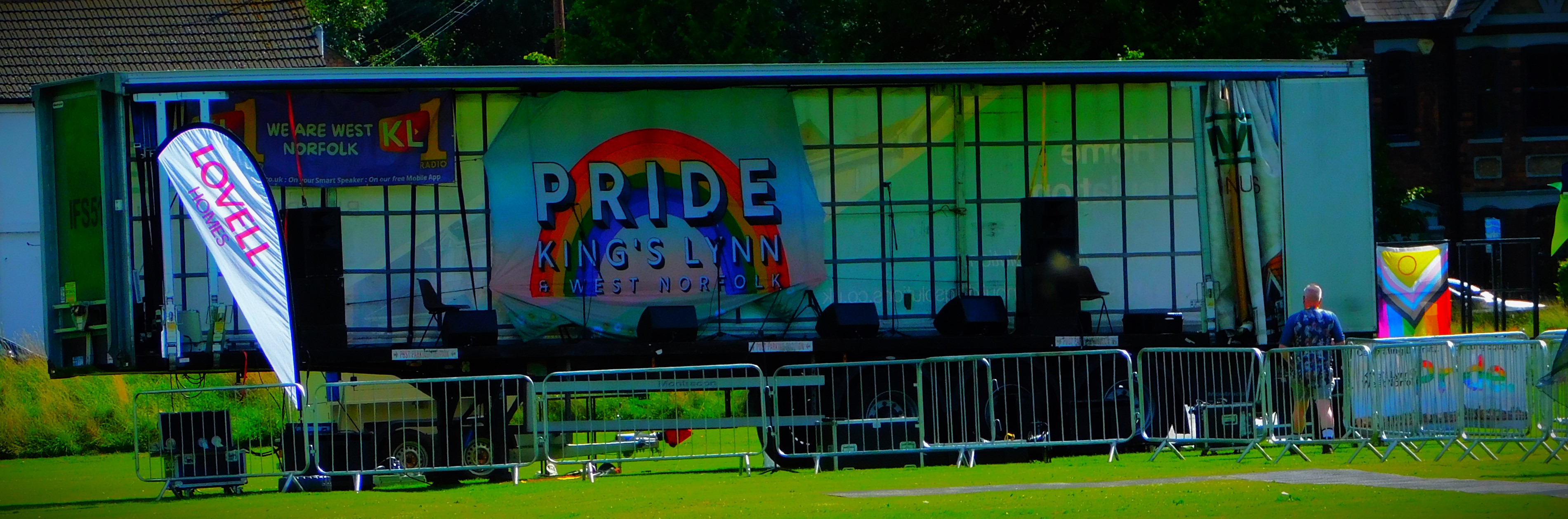
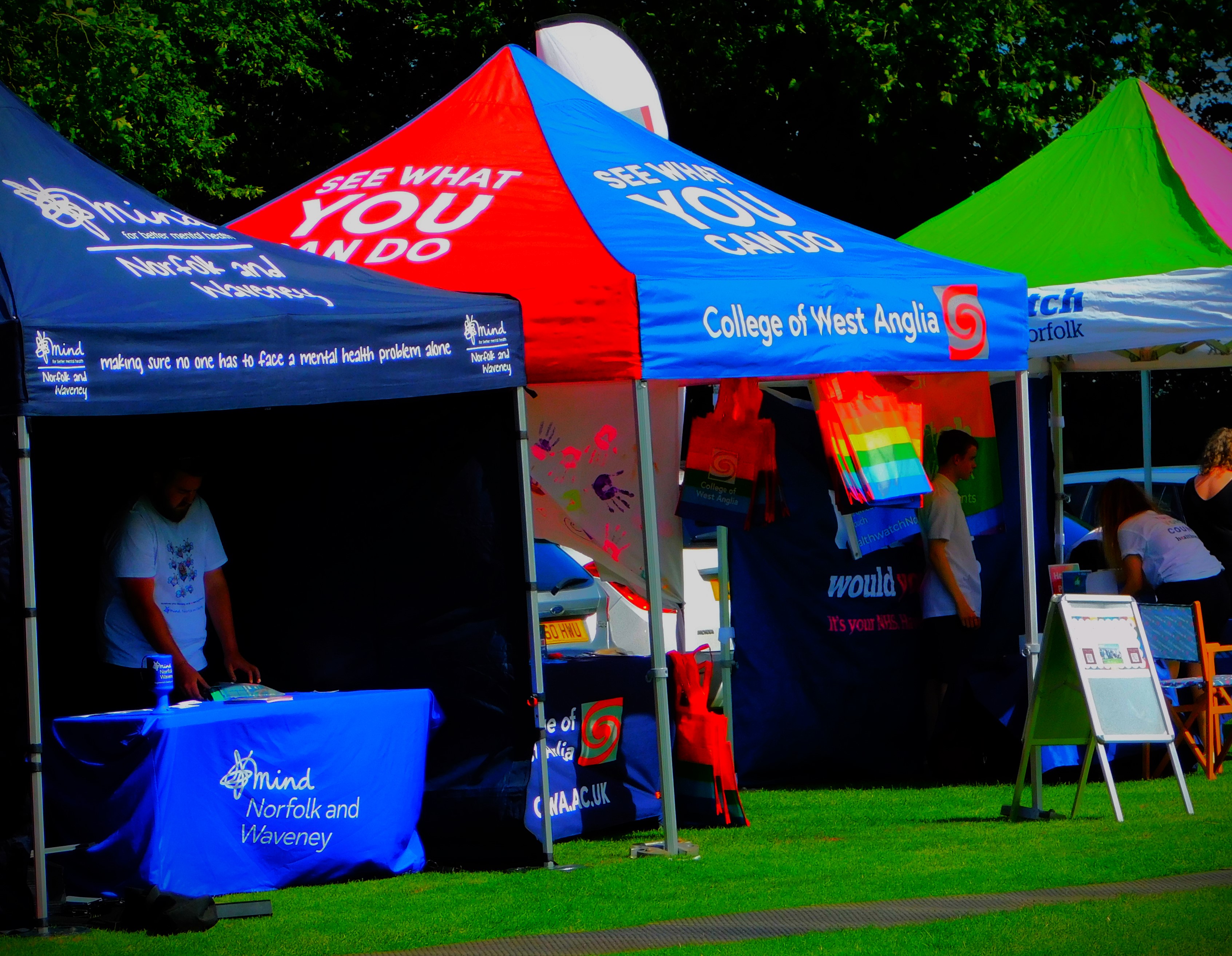
PRIDE IN THE PARK
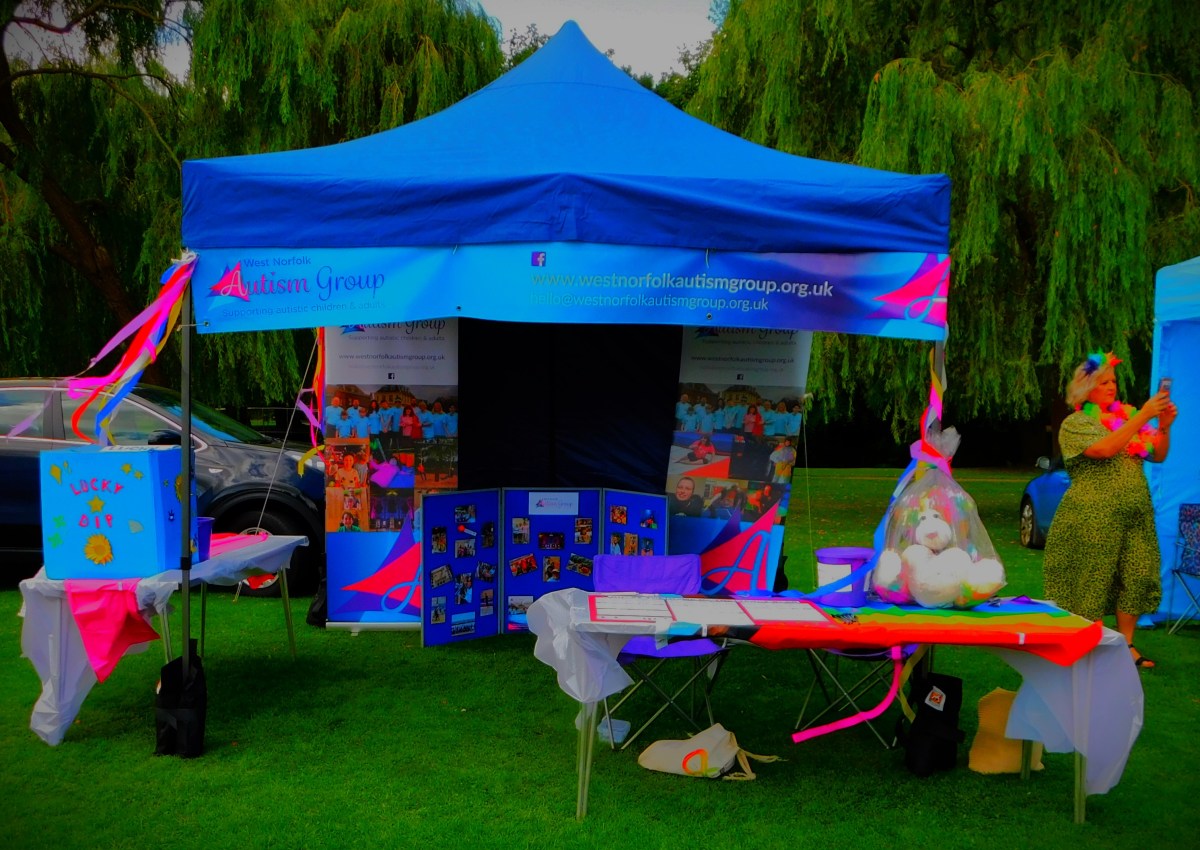
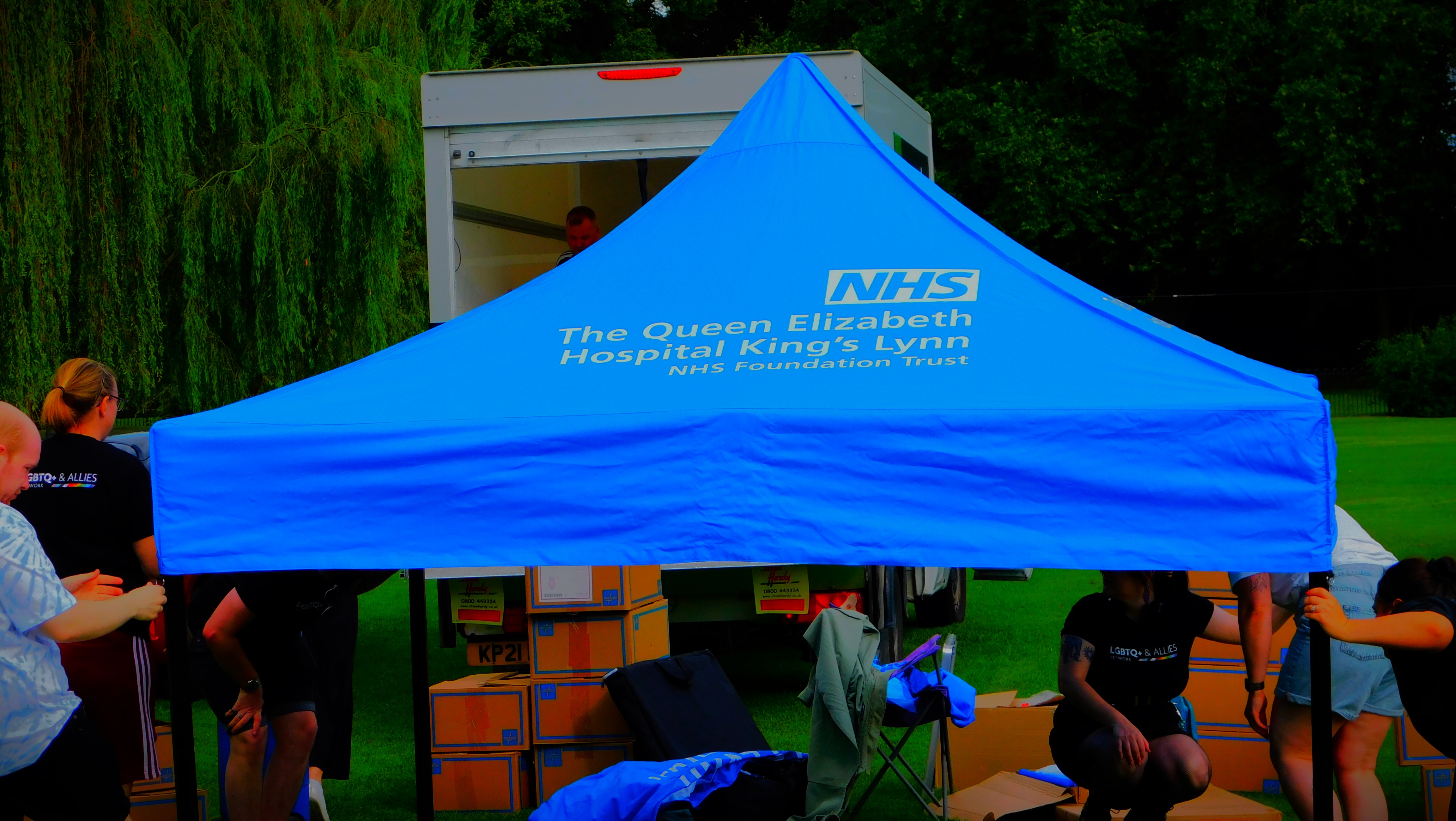
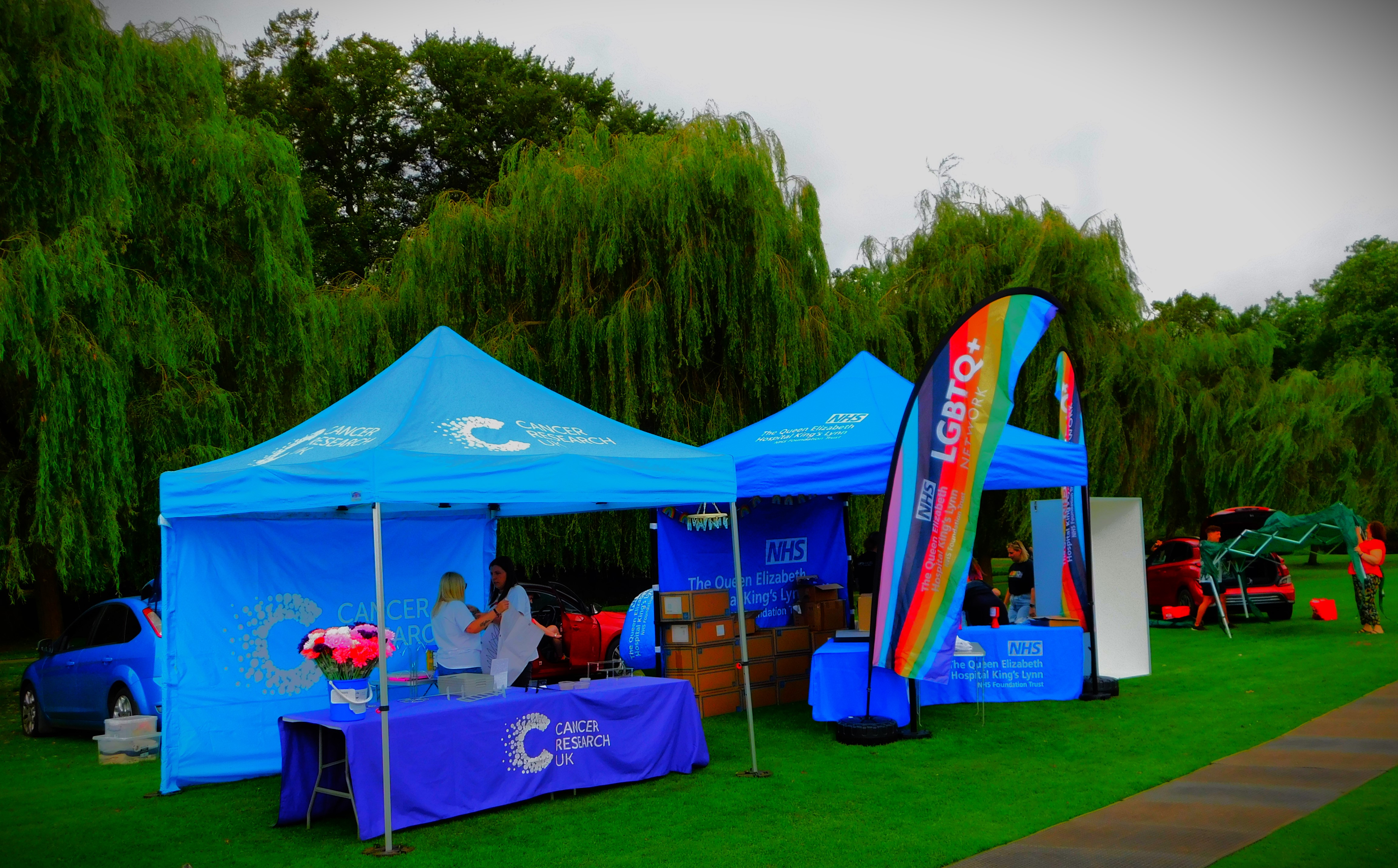
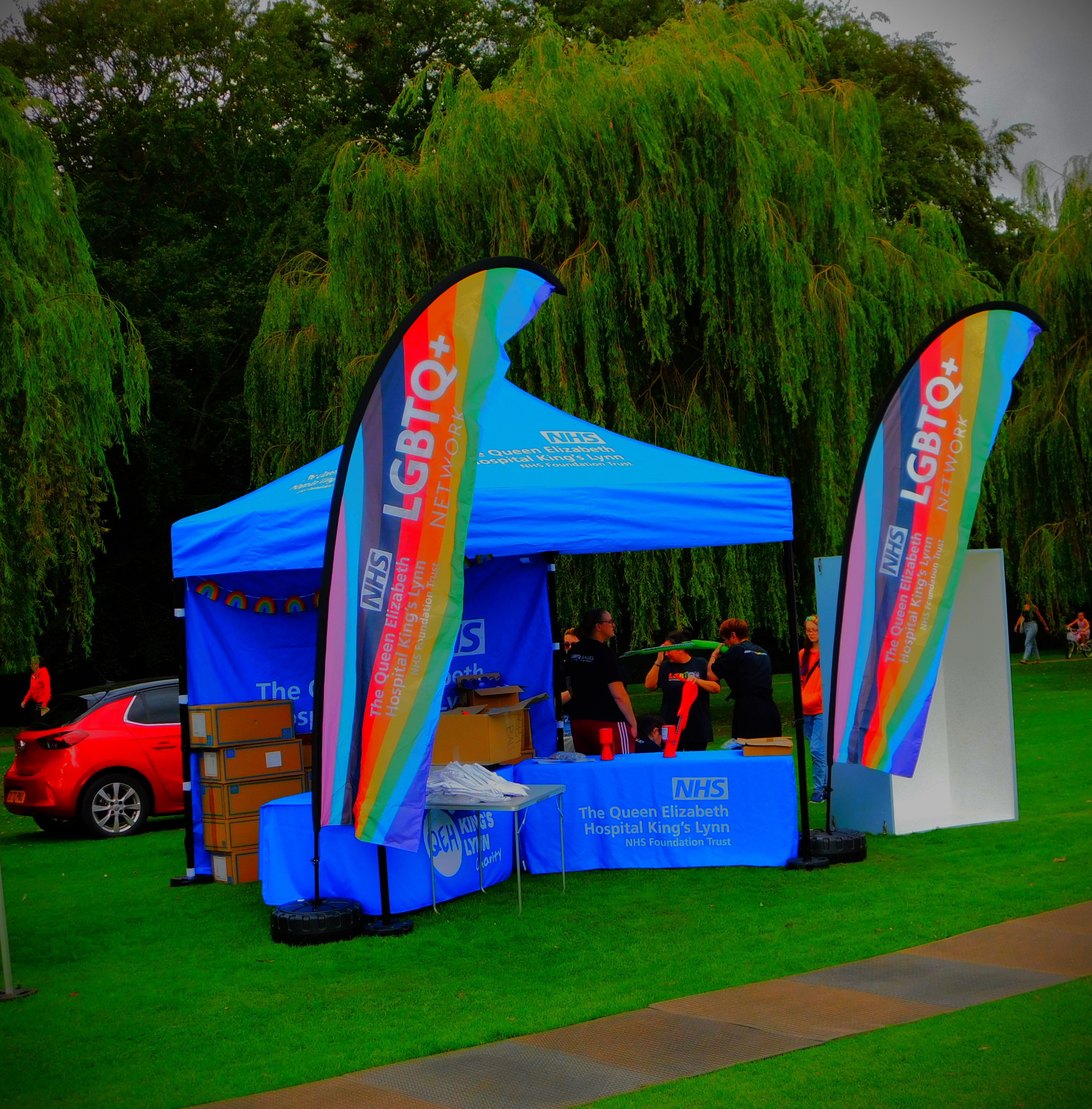
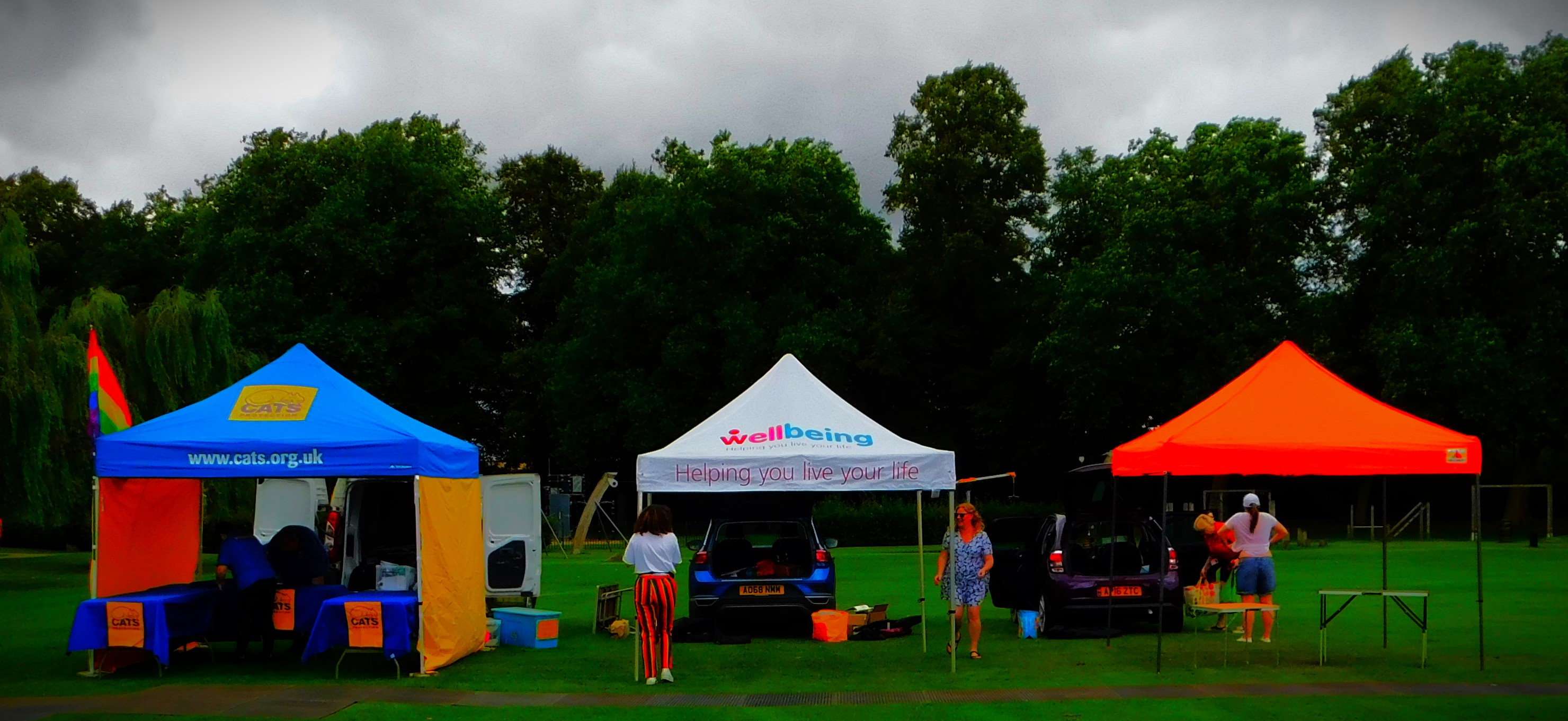
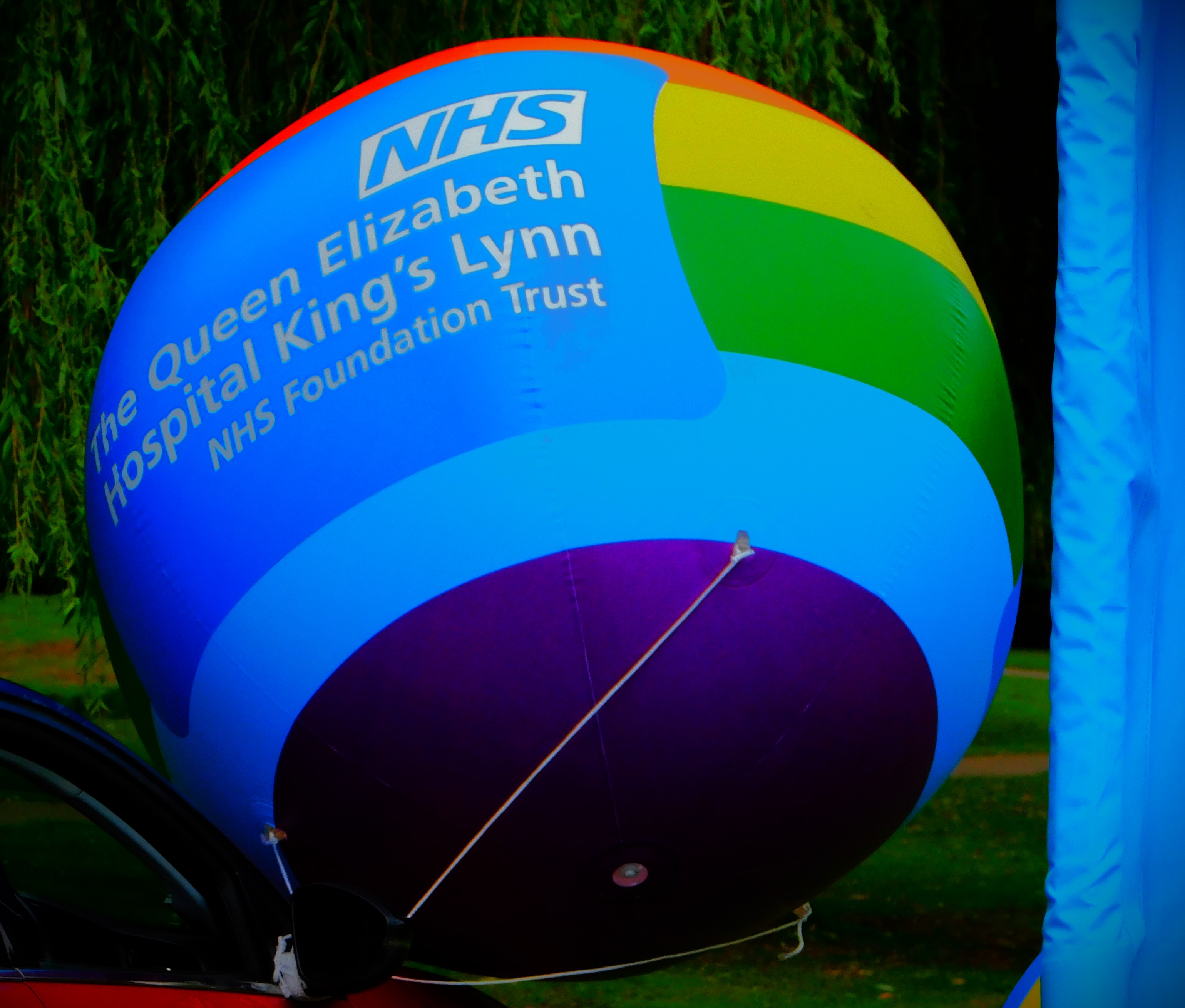
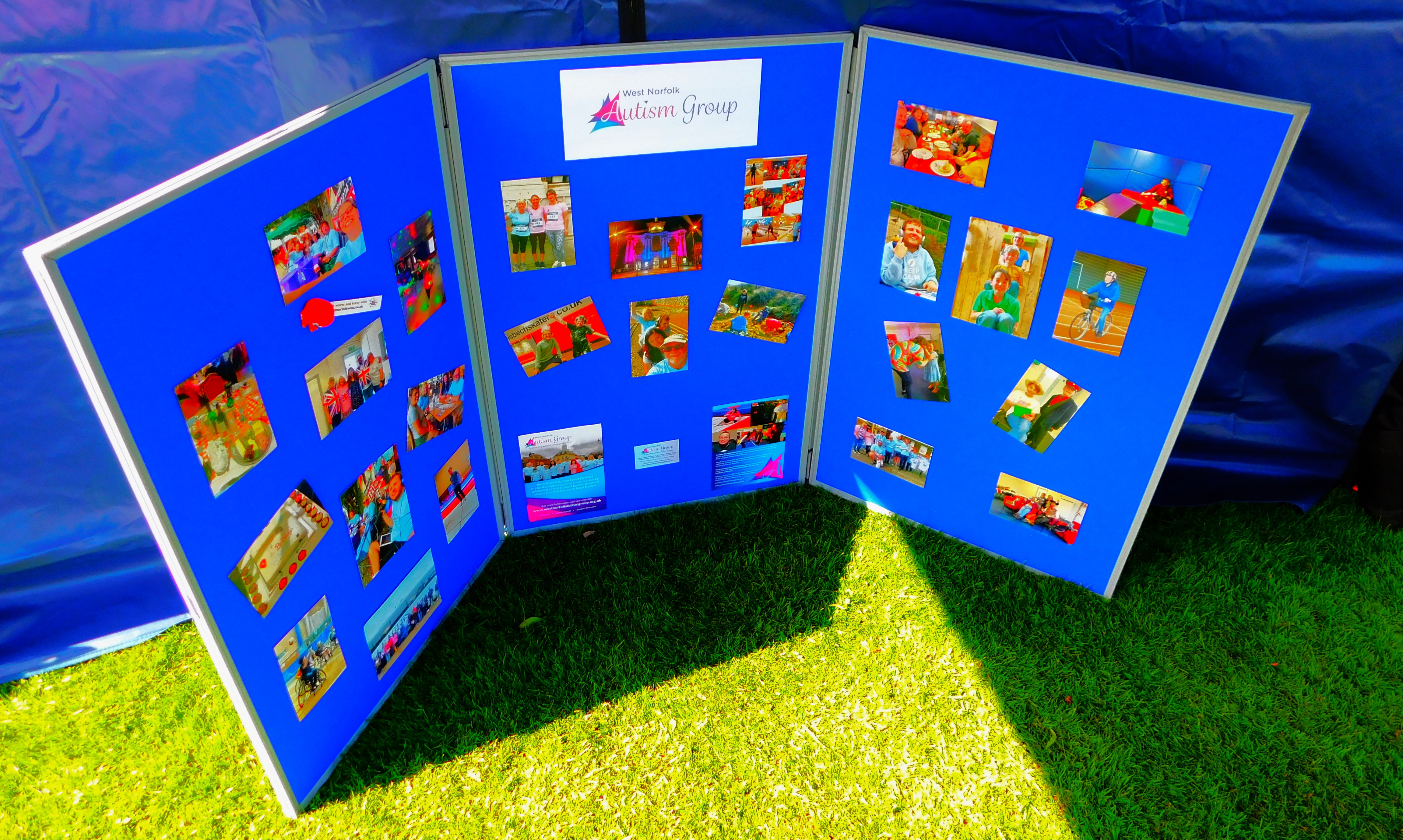
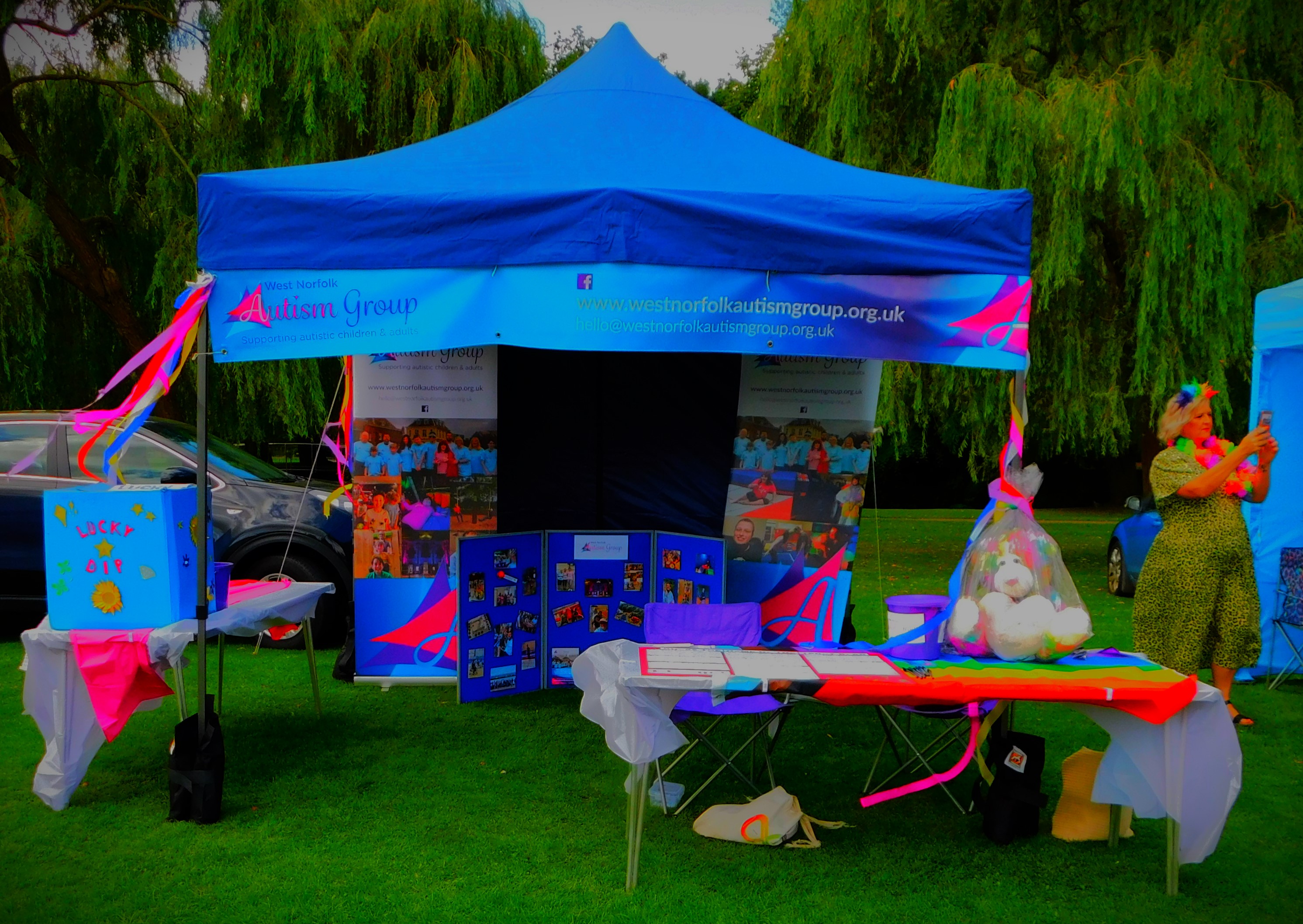
Yesterday was King’s Lynn and West Norfolk Pride. There were two elements to the day, a march from the Tuesday Market Place to the Recreation Field, part of The Walks, and the festivities at the Recreation Field. I was not involved with the march, but the West Norfolk Autism Group had a stall in the Recreation Field, and I was there from set up until about 3PM. We had a some information cards about our group, a display board, two stand up banners, one horizontal banner, one large pride flag and were running two activities for which we charged – a lucky dip at £1 per go and a “guess the teddy’s name”, also at £1 per go. Our little stall attracted a stream of visitors through the day, especially once the march arrived. The occasion benefitted from impeccable weather.
WG GRACE’S XI
We meet the first of our two XIs mentioned in the introduction, listed as usual in batting order.
*WG Grace (right handed opening batter, bowler of various styles and captain). One of the greatest of all cricketers, and although he was already 32 by the time he played in the first test on English soil in 1880 he twice topped 150 at that level, 152 on debut in 1880 and 170 six years later.
EM Grace (right handed opening batter, occasional lob bowler, daring close fielder). Until his brother overhauled him he was the greatest of all Victorian era cricketers. A one cap wonder at The Oval in 1880, but in the first innings there he shared an opening stand of 91 with his brother.
Ian Chappell (right handed batter, occasional leg spinner, vice captain). A fine number three and a shrewd skipper, which latter I have acknowledged by naming him as WG’s vice captain in this side.
Greg Chappell (right handed batter, occasional leg spinner, occasional medium pacer, brilliant slip fielder). One of Australia’s greatest ever batters.
Eric Bedser (right handed batter, off spinner). One half of a pair of identical twins. They did not think that one county would sign two medium-fast bowlers at the same time, and not able to bear being separated tossed a coin for who would continue bowling medium-fast and who would switch to spin and develop their batting. Eric lost the toss and made the switch. He never quite gained an England cap, but was a crucial part of Stuart Surridge’s amazing tenure as Surrey skipper (five seasons as captain, five county championships won).
Fred Grace (right handed batter, right arm medium fast bowler, brilliant outfielder). In the 1870s his FC batting average of 25 was only exceeded on a consistent basis by his most famous brother, and he also took his wickets at 20 a piece. He only played one test, scoring a pair but taking a legendary catch to dismiss Aussie big hitter Bonnor (the batters were allegedly on their third run when he completed the catch). He died of a chill not long later, at the tender age of 29.
+Don Tallon (wicket keeper, right handed batter). Selectorial horse trading cost him the opportunity to play for Australia in his absolute prime, but he had a fine career in the early post WWII era, and Don Bradman rated him the greatest keeper he ever saw in action.
Maurice Tremlett (right arm fast medium bowler, right handed batter). His career was ruined by well meaning coaches after a storybook start, but I am envisaging him as he might have been had he been left to develop as the cricketer he was rather than suffering attempts to turn him into the cricketer that England thought they needed.
Alec Bedser (right arm medium fast bowler, right handed batter). The Bedser twin who won that famous coin toss, and went on to become one of England’s greats. He was the first England bowler to take 200 test wickets, and when his career ended his final tally of 236 was an all comers record at that level.
Chris Tremlett (right arm fast medium bowler, right handed batter). He was great in the 2010-11 Ashes.
Bill Tallon (leg spinner, right handed batter). His career record makes poor reading, but it was a very brief career.
This XI has a good batting line up, a great range of bowling options and will be superbly led by WG Grace and his deputy, Chappelli.
A look back at my all time R and S XIs, with some comments mentioning developments in the year since they were produced that might lead to alterations, a brief comment on Stokes’ ODI ‘unretirement’ and a large photo gallery.
This post looks back at the two posts I created on the 15th and 16th of August last year, with comments bringing them up to date, with a sidelight on a recent development.
THE LETTER R
On August 15th 2022 I published my all time XI of players with surnames beginning with R. I see no need to change this XI just yet. Please visit the full post, but for the record the XI is C Rogers (Australia), BA Richards (South Africa), IVA Richards (WI), JE Root (Eng), KS Ranjitsinhji (Eng), *RWV Robins (Eng), +RC Russell (Eng), AME Roberts (WI), KG Rabada (South Africa), W Rhodes (Eng), T Richardson (Eng). However, last year when looking at the honourable mentions I said among other things:
“James Rew of Somerset is going places in a big way – at the age of 18 he already has centuries in both first class and list A cricket. I would be very surprised if a version of this XI in ten years from now did not feature him.”.
Rew has come on apace since that comment and is already knocking at the door. At the age 19 Rew now has 1,373 FC runs at 52.80, with six centuries and a best of 221, his List A record reads 572 runs at 31.77 with 2 centuries and 1 other fifty, best 114, and one solitary T20 appearance in which he hit 47 off 35 balls. I am not yet rewriting the XI to include him, but if he gets his chance at the highest level and takes it then for all his historic significance and undoubted class Ranjitsinhji will be in danger.
THE LETTER S
This post was created OTD last year, and was arguably the most wide ranging in the whole series. The XI for the record was AJ Strauss, H Sutcliffe, *GC Smith, SPD Smith’ =KC Sangakkara, G St AS Sobers, BA Stokes, GTS Stevens, M Starc, JB Statham, D Steyn. Ben Stokes has emerged as a challenger to Graeme Smith for the captaincy of this side in the time since I first created it. Also Rhianna Southby has demonstrated herself to be a superb wicket keeper, although accommodating her will be tough – the best option would probably be to drop Greville Stevens and put her in at number eight. If she keeps up her current keeping standards I will certainly have to find a way to get her in and leave Sangakkara to play as a specialist batter. One possibility would be to drop Strauss, open with G Smith and Sutcliffe, play one or other of Sobers or Sangakkara at three and slot Southby in at seven or eight (in the latter case, moving Stevens up one).
STOKES’ ODI ‘UNRETIREMENT’
Ben Stokes has come out of ODI retirement to play the 2023 World Cup as a specialist batter. I can the see the appeal for both him and England,, but him being in the team as a specialist batter does reduce flexibility.
An XI comprising pairs of players (and one threesome) who have similar names but are otherwise different and a fine photo gallery.
This XI comprises players (mainly pairs and one threesome) who share at least a surname but are otherwise very different. I disallowed most of the really common surnames such as Smith or Jones, and similarly ignored names such as Khan, Mohammad or Singh. Also, with the exception of two members of threesome none of these cricketers come from the same family.
THE XI IN BATTING ORDER
Bert Sutcliffe (New Zealand, left handed opening batter). An attack minded opening batter who was capable of utter dominance on his day. The New Zealand first class record is his with 385, in a total of 500 all out.
Herbert Sutcliffe (England, right handed opening batter). Much more defensively minded than his opening partner, a complete contrast in style.
CAG ‘Jack’ Russell (England, right handed batter). We will meet the other ‘Jack’ Russell further down the order. This one had a fine but very brief test career in the course of which he became the first English batter to score twin tons in a test match.
JT Brown, Driffield (Right handed batter, England). The other JT Brown, from Darfield, who will be meeting later actually overlapped with this one. This JT Brown was the first Yorkshire batter ever to top 300, and his test highlights include a match and Ashes winning innings of 140 at the end of the 1894-5 series, which was played from this position in the order, though he usually opened for Yorkshire. He also scored a superb 163 for the Players against the Gentlemen at Lord’s in 1900, the top individual score in a successful chase of 501.
Syd Gregory (Australia, right handed batter, superb fielder). He was the second player ever to score a test double hundred, though his came in ultimately losing cause at Sydney in 1894.
*James Langridge the elder (England, left handed batter, left arm orthodox spin bowler). We will be meeting James Langridge the younger further down the order. This James Langridge averaged 35 with the bat and 22 with the ball in FC cricket, though his England opportunities were limited by the presence of Hedley Verity who always had first dibs on the left arm spinner’s slot. I nominate this James Langridge as captain of the XI.
+RC ‘Jack’ Russell (England, left handed batter, wicket keeper). A great wicket keeper, and a far better bat than he was often given credit for.
Jack Gregory (Australia, left handed batter, right arm fast bowler). One of the finest bowling all rounders ever to play the game, part of the first great pair of fast bowlers to feature at test level, along with Ted McDonald and his batting highlights included a 70 minute century against South Africa.
Danielle Gregory (Surrey, leg spin bowler, right handed lower order batter). The last three players in this order haven’t got an international cap between them, but Gregory is one of the two who could still change that. She is a fine bowler, but England women are extremely well equipped in the spin bowling department.
James Langridge the younger (Somerset, left arm medium pacer, left handed batter). Made his first team debut in the current edition of the One Day Cup.
JT Brown, Darfield (right arm fast bowler, right handed tail end batter). A brief career of 30 matches which yielded him 97 wickets at 21.35, with a best of 8-40.
This side has a good batting line up, with everyone down to Jack Gregory at eight capable of major contributions, and the bowling line up, with Jack Gregory, James Langridge the younger and JT Brown, Darfield to bowl seam/ pace and Danielle Gregory and James Langridge the elder a contrasting pair of spinners also looks good.
HONOURABLE MENTIONS
Adam Gilchrist and West Indies fast bowler Roy Gilchrist were a possible alternative way to fill the keeper’s slot, but even it was a nickname in each case rather than a given one I thought that the two ‘Jack Russells’ was more in keeping with the spirit of the exercise, and also Roy Gilchrist’s discipline was a cause for concern which could only have been addressed by cheating slightly and including Frank Worrell as captain with the other half of the pairing being Australian seamer Daniel Worrall. A. nother possible quibble cook was Bobby Abel and Tom Abell. I could have had a pair of Nottingham born all rounders in John and Jenny Gunn, but felt that Jenny’s bowling was unlikely to be serious factor and that her batting was not enough to warrant selection on its own. I mentioned in the introduction that I tried to avoid really common names, with the exception of the two JT Browns who shared initials as well as a surname, and were usually distinguished by reference to their localities, Driffield and Darfield as I did.
FINISHING TOUCHES
While I have been typing this a match in the Hundred (Women’s) has been going on between Welsh Fire and Trent Rockets. Fire batted first and scored a massive 181-4, an innings dominated by Tammy Beaumont whose 118 is the highest score by anyone, male or female, in the history of the competition. Rockets have got away to a fast start in response, so we may have a classic in the making.
I am starting my usual sign off with a single standalone picture that comes with a story…
This creature, a dragonfly or damselfly of some description had got itself stuck in my house, and I helped it to extricate itself, opening the window closest to where it had ended up and ushering in the direction of said window. When it flew out and away I closed the window. Now for the rest of my usual sign off…
A look at the contrasting fixtures yesterday involving Welsh Fire and Southern Brave, the women’s match was an absolute classic, the men’s the reverse. Also a link back to my all time Ps XI which contained a bonus featured of an all time left handed XI.
Yesterday saw Welsh Fire and Southern Brave facing off in The Hundred. This post looks back at the two matches.
A TO THE WIRE CLASSIC
The Women’s match was an absolute classic. Welsh Fire batted first and tallied 144-5 from their 100 balls. Sophia Dunkley struck a superb 50 and Sarah Bryce 44 not out. Things looked decent for the Braves while Mandhana and Bouchier were going well, but then a collapse set in. Georgia Adams, who had earlier taken 2-22 with the ball scored a very rapid 40, but after she was out with nine runs still needed it got very tense indeed. Two players, Kalea Moore and Rhianna Southby were run out in the process of getting Maitlan Brown, Brave’s best remaining hope of winning the match on strike. Brown levelled the scores off the penultimate ball of the match, and then a scampered leg bye after an LBW shout was turned down (Fire had no review left to use) finally saw the Braves home.
A DISASTER CLASS BY WELSH FIRE MEN
The second match of the double header, the men’s game, was the dampest of damp squibs. Save for Stevie Eskinazi no one batted decently for the Fire, and while the lowlight of the innings was unquestionably provided by Ben Green (10 runs off 17 balls in this most rapid fire of formats) he was also involved in the only highlight of this drab innings, becoming the first victim of a birthday hat trick for Tymal Mills (emulating Peter Siddle at the Gabba in 2010 in achieving such a feat on this anniversary, though Siddle’s outranks his, coming as it did in an Ashes test match) on the 98th, 99th and 100th balls, the other two victims being Pakistani pace aces and tailenders Haris Rauf and Shaheen Shah Afridi. This left Welsh Fire with a beggarly 87 to defend, and the Braves made it look very easy indeed, getting home with a preposterous 41 balls to spare, and for the loss of only one wicket.
PHOTOGRAPHS AND ONE FROM THE ARCHIVES
August 13th is International Left Handers Day, which means that my all time Ps XI, created OTD last year came with a bonus feature of an all left handed XI. Feel free to comment on either XI, though I would appreciate it if you read the whole original post before doing so. The two XIs featured a year ago were:
LH in batting order: *G Smith, AN Cook, BC Lara, RG Pollock, FE Woolley, G St A Sobers, +AC Gilchrist, Wasim Akram, AK Davidson, MG Johnson, H Verity. Note on this one – Stokes had to be disqualified because his bowling, far too significant to be overlooked, is done with his right hand, and similarly Hirst and Rhodes, the Kirkheaton twins, batted right handed and again in neither case can this part of their game be ignored.
The Ps in batting order: A Petersen, WH Ponsford, RT Ponting, RG Pollock, KP Pietersen, +R Pant, *MJ Procter, S Pollock, PM Pollock, CWL Parker, EAE Prasanna.
















































































































































































































































































































































































































































































































































 aspiblog