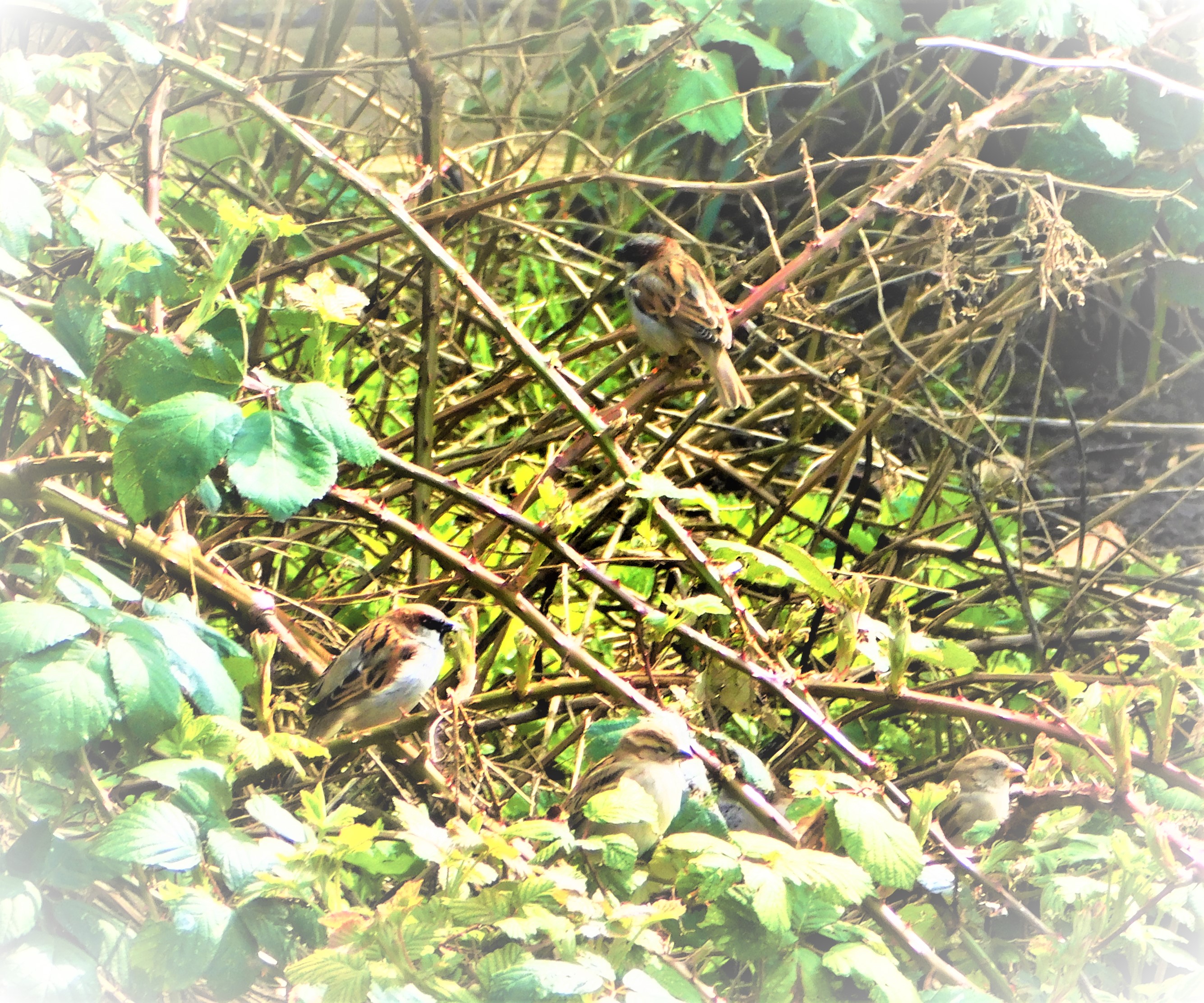
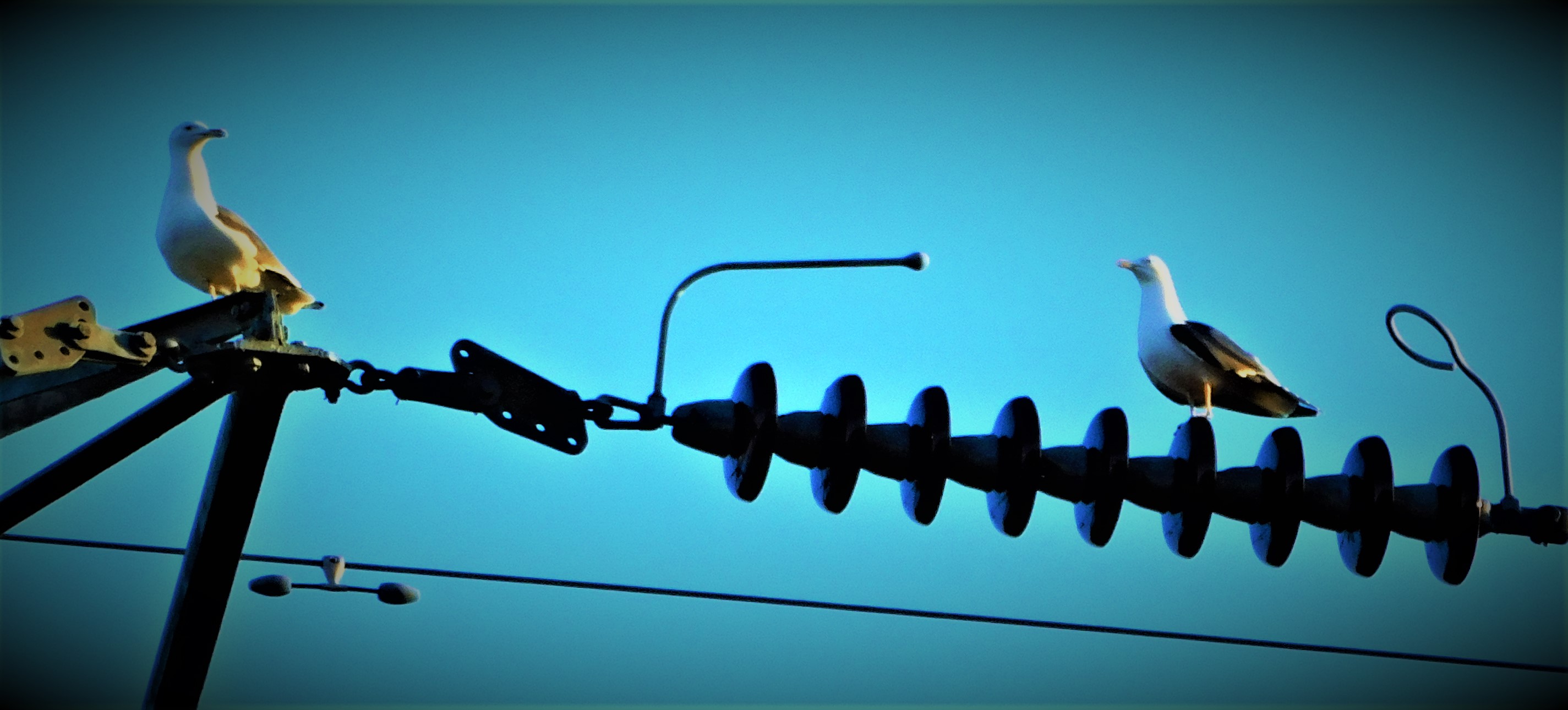
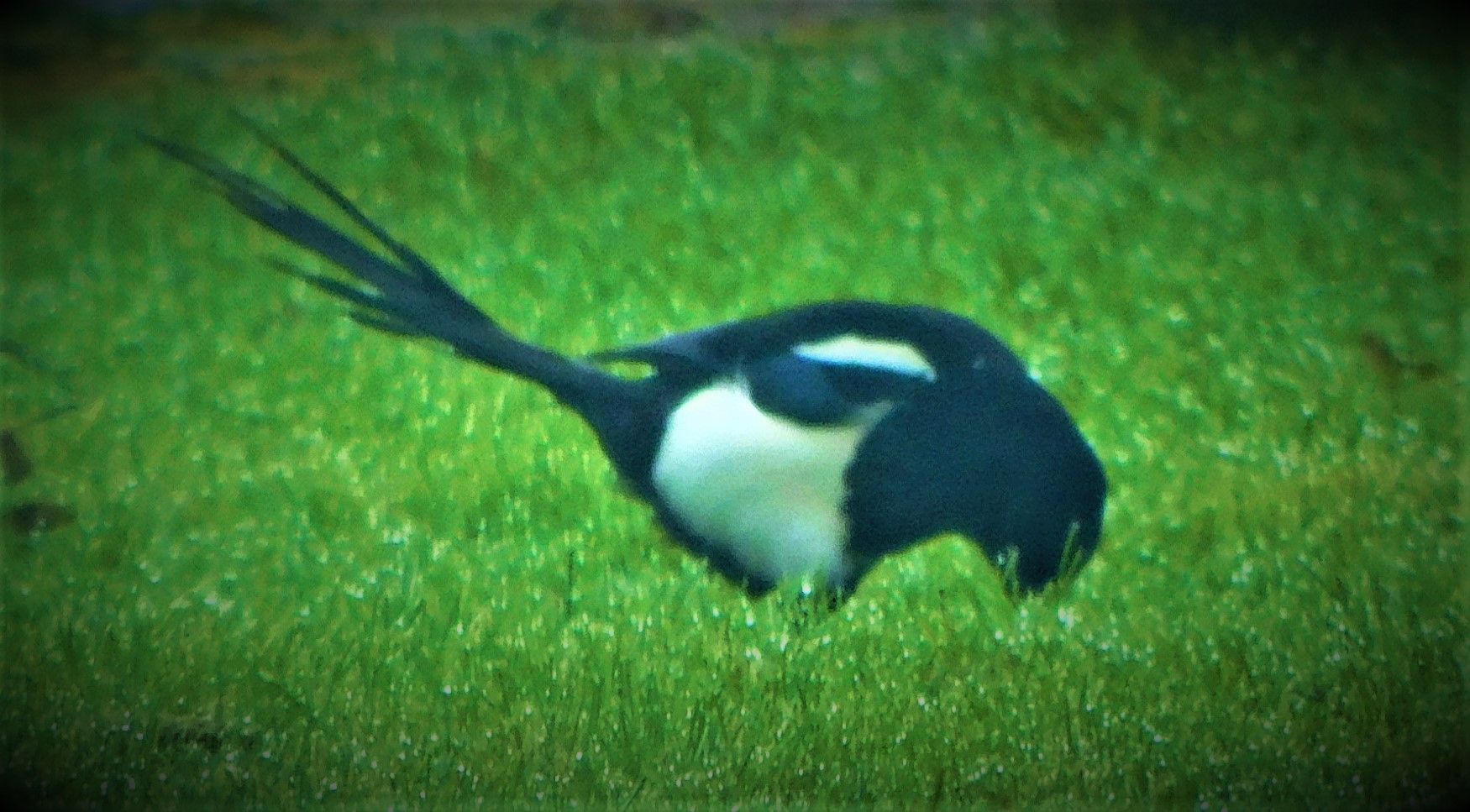
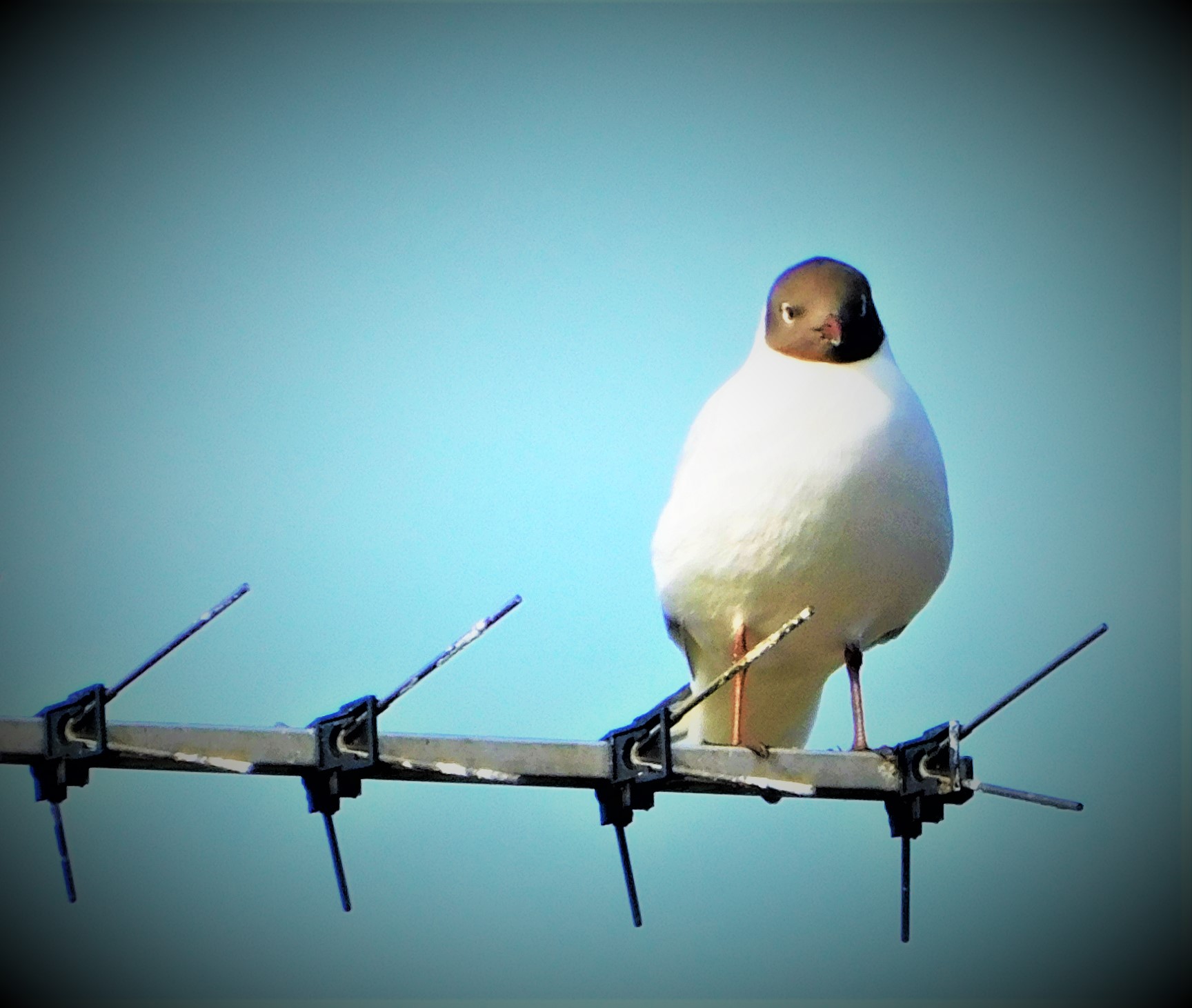
All Time XIs: Lancashire and Surrey Combined

A combined Lancashire and Surrey XI in honour of the match I am currently listening to in the 2023 County Championship, and a substantial photo gallery.

With my attention focussed on Lancashire v Surrey in the opening round of the 2023 County Championship I am today picking an all time combined XI for the two counties (tomorrow I will write about this match, when I know the result). In keeping with my policy in the original All Time XIs series of 2020 I am restricting myself to one overseas player. Have a look at the Lancashire and Surrey pieces, noting that since 2020 Foakes has displaced Stewart as keeper in the Surrey XI.

THE XI IN BATTING ORDER

  1. Jack Hobbs (Surrey, right handed opening batter, outstanding cover fielder, occasional medium pacer). The Master, scorer of 61,237 runs in FC cricket including 197 centuries (or 61,760 and 199 if you are a revisionist). Those centuries included 12 in the heat of Ashes battle.
  2. John Edrich (Surrey, left handed opening batter). Edrich’s left handedness enabled him to keep out several contenders for this slot. He is a member of the 100 FC hundreds club, and he had an excellent test record.
  3. Ken Barrington (Surrey, right handed batter, occasional leg spinner). Statisically England’s leading batter to have played exclusively post WWII, with a test average of almost 59 (6,807 runs, HS 256).
  4. Graham Thorpe (Surrey, left handed batter). Another with an excellent test record, and often achieved while he was trying to hold the innings together without adequate support.
  5. Peter May (Surrey, right handed batter). A test average of 46 achieved in game’s lowest and slowing scoring decade, 85 FC centuries in all, and that with a career cut short by ill health.
  6. +Ben Foakes (Surrey, wicket keeper, right handed batter). His only rivals with the gloves would be Duckworth (Lancashire) and Pooley (Surrey), and neither were as good with the bat as Foakes.
  7. *Percy Fender (Surrey, right handed batter, leg spinner, fine fielder, captain). An ideal type of player to have coming in at seven in a very strong line up, and a shrewd skipper.
  8. Wasim Akram (Lancashire, left arm fast bowler, left handed batter). One of the two best ever cricketers of his type (his rival, the Aussie ace Alan Davidson never played county cricket) and there are no other great left arm pacers in the mix, so he was the proverbial shoo-in for the overseas slot.
  9. Johnny Briggs (Lancashire, left arm orthodox spinner, right handed lower order batter, brilliant fielder). He was the first cricketer ever to reach the milestone of 100 test wickets (Charlie ‘Terror’ Turner of Australia got there later in the same match), while in FC cricket he claimed over 2,000 wickets. He was a good enough batter that he scored a test century and had a career tally of over 14,000 first class runs.
  10. Jim Laker (Surrey, off spinner, right handed lower order batter). 193 test wickets in 46 matches at 21 a piece. Two all-tens against Australia in 1956, one for Surrey in the first innings of that match (the county won by 10 wickets) and one for England in the second Australian innings of the Old Trafford test, this latter after having already taken 9-37 in the first innings.
  11. Sydney Francis Barnes (Lancashire, right arm fast medium bowler, right handed lower order batter). 189 test wickets at 16.43 in just 27 matches at that level. He didn’t play a huge number of games for the county, preferring Lancashire League cricket where the terms were more generous, but his status as arguably the greatest of all bowlers demands that he be included.

This XI features a very powerful top five, one of the all time great keepers who also bats well, an all rounder who happens to be a great captain at number seven, a left arm pacer who can bat and who rates as one of the two greatest ever cricketers of that type, two legendary spinners and arguably the greatest of all bowlers at number 11. The pace department is a little under stocked, with Hobbs being the third ranked seamer in the XI but I do not think this bowling unit will struggle to take wickets.

HONOURABLE MENTIONS

Two Surrey openers with over 100 first class hundreds each missed out: Tom Hayward and Andrew Sandham, while Lancastrians Archie MacLaren and Cyril Washbrook were also fine openers (Atherton’s negative attitude towards county cricket is enough to rule him out in my view).

Barrington’s chief rival for the number three slot was Johnny Tyldesley, but even allowing for the fact that the Lancastrian batted in a more difficult era the gap between their respective records was too wide. I wanted a left hander in the middle order, and with due respect to Neil Fairbrother, Thorpe was the stand out candidate. May at five was rivalled by a member of the 100 hundreds club, Ernest Tyldesley, but there is no question that the interwar period was paradise for batters (16 of the 25 leading scorers of first class runs played some or all of their cricket in this period and there is a reason for that), and May’s career was as I said shortened by ill health. Andrew Flintoff was a candidate for the aggressive all rounders slot at number seven, but I wanted Fender’s captaincy, so even though it meant the pace department being short staffed I went that way. Wasim’s slot was as non-negotiable in my view as Hobbs’ at the top of the order. Laker had no rivals for the off spinners slot (Murali played a bit for Lancashire but I had limited myself to one overseas player). Briggs did have a rival for the left arm spinner’s berth, but Tony Lock’s action was questionable at the height of his career, and besides Lancashire are a little under represented in the final XI. Various excellent seam and pace bowlers missed out: George Lohmann, Tom Richardson, Alec Bedser and Peter Loader for Surrey and for Lancashire Brian Statham and James Anderson. All of these players would adorn any side of which they were part of, but I had only 11 slots available which meant deserving cases missing out. Jack Crossland and Arthur Mold were both quick, but both had highly dubious actions.

Finally, a member of the 100 hundreds club who was NOT unlucky to miss out: Mark Ramprakash had a fine record for Surrey after moving across the Thames from Lord’s, but he was not a big occasion player, a fact emphasized by his poor test record (an average of 27 and a mere two tons from 52 matches), and for me being a big occasion player is one of the criteria for selection in an XI of this nature.

I will undoubtedly have missed some fine players, and feel free to mention them in the comments, but remember if advocating for inclusion to consider how their presence in the XI would affect its balance.

PHOTOGRAPHS

My usual sign off…
All Time XIs: England One Cap Wonders

The definitive XI of England men one cap wonders, a petition and a large photo gallery.

Of the 700 or so players to have turned out for the England men’s test side approximately 100 have done so exactly once. This XI is picked from these players. Sidestream Bob commented on yesterday’s post indicating that he wanted to see such an XI, so here it is.

THE XI IN BATTING ORDER

  1. *Edward Mills Grace (right handed opening batter, right arm lob bowler, daring close fielder). Eclipsed by his brother WG and already 39 by the time he made his sole test appearance he still scored 36 in the first innings, sharing an opening stand of 91 with WG. He was towering prodigy in the late 1850s and early 1860s, and it was only near the end of the 1860s that WG, seven years his junior (the same age gap coincidentally as that between Mycroft Holmes and his more gifted younger brother Sherlock – and Conan Doyle was a cricket fanatic and a fine player in his own right) definitely overhauled EM. Test cricket came too late for EM, though he should probably have been picked for the Oval test of 1882 – AN Hornby never delivered against Australia with the bat and his captaincy helped cost England that match, when he held CT Studd, scorer of two centuries against the Aussies that season, back until number 10, and Studd ended up not facing a ball in the innings.
  2. Alan Butcher (left handed opening batter). One solitary test cap was scant reward for a long and productive county career first with Surrey and then with Glamorgan.
  3. Mark Benson (right handed top order batter). He was a regular opener, and scored large numbers of runs for Kent in the course of long career. His one and only test appearance, against India in 1986 yielded scores of 21 and 30.
  4. Alan Wells (right handed batter). His paucity of test caps was partly self inflicted since he signed up for the last rebel tour of South Africa, but he was very successful at county level, and his call up for the last test of the 1995 series against the West Indies was scant reward for so good a career, especially when an Ambrose snorter ensured that his test career would yield no runs.
  5. Paul Parker (right handed batter, excellent fielder). Mike Brearley was told that if he wanted to captain England in the final test of 1981 at The Oval he had to accept an experimental line up. Picking folk for the last test of a series seems silly to me because unless the do something remarkable they are likely to end as one cap wonders. Paul Parker was one of those capped at The Oval in 1981, he did little in the match and was promptly forgotten about by the selectors, though he continued to perform well for Sussex.
  6. Fred Grace (right handed batter, right arm medium pacer, excellent outfielder). In the 1870s only big brother WG did significantly better with the bat than Fred, and he took his FC wickets at 20.06 a piece. His sole test call up, at The Oval in 1880, saw him collect a pair and not do much with the ball, though had the ‘Champagne Moment’ been a thing in 1880 his catch to dismiss the big hitting George Bonnor, held as the batters were crossing for their THIRD run (Frederick Gale chain measured the distance and worked out that Fred Grace was 115 yards – approximately 105 metres – from the bat when he took the catch) would have won it. Fred Grace was not a victim of selectorial caprice – two weeks after this match he caught a chill, which turned into a fatal chest infection.
  7. *Aubrey Smith (right arm fast medium bowler, right handed lower middle order batter, captain). The only person to captain an England men’s test team on his only appearance at that level, there could be no other captain of this XI. He took seven wickets in that one match, the first of two on an early tour of South Africa which were granted test status retrospectively. He was unavailable for the second match, and Monty Bowden took the captaincy. Smith took to acting first on stage and then on screen once his playing days were done, and he founded Hollywood Cricket Club, for whom he turned out even into his eighties.
  8. Arnold Warren (right arm fast bowler, right handed lower order batter). He did once share a ninth wicket stand of 283* with one J Chapman. His sole test cap came in 1909, and he took 6-113 in the match including an innings haul of 5-57. For Derbyshire he was one half of an excellent though hard to handle new ball duo alongside Billy Bestwick.
  9. +Leslie Gay (wicket keeper, right handed batter). Finding a keeper who was one cap wonder was a challenge, but this guy, who also kept goal for the England men’s football team played the first match of the 1894-5 Ashes and was dropped for Hylton ‘Punch’ Philippson after a poor game, and never got another England cap.
  10. Charlie Parker (left arm orthodox spinner, right handed lower order batter). The third leading wicket taker in first class history, with 3,278 scalps, but just one appearance for England, in which he took 2-32.
  11. Charles ‘Father’ Marriott (leg spinner, right handed lower order batter). A natural number 11 if ever there was one, and an excellent fit for this side. His career as a teacher limited his cricket playing but in the course of an FC career that spanned 17 years he claimed 724 wickets nevertheless, and his sole test appearance, against the West Indies in 1933, yielded match figures of 11-96, the best ever achieved by a one-cap wonder.

This side has decent top six, a bowling all rounder at seven, a bowler who could bat at eight, a keeper who was not a total incompetent with the bat and two genuine tail enders. The bowling, with Smith and Warren to share the new ball, Fred Grace as a back up seam option and C Parker, Marriott and EM Grace as three different slow options is both strong and varied.

EXTRAS

Stuart Law, a one cap wonder for Australia, qualified by residence (he played county cricket for many years, first for Lancashire and then for Essex) for England in 2006, but I felt that given that his sole appearance was for another country it would be a stretch to include him in this XI.

Mike Smith of Gloucestershire and Simon Brown of Durham each got picked on a ‘horses for courses’ basis for test matches at Headingley in the 1990s, and in each case did little and were never picked again. Their overall records are not good enough for them to displace any of my chosen specialist bowlers.

PHOTOGRAPHS

Before my usual sign off I have a petition to share with you. It calls for ‘Swift bricks’ to be a requirement for all new build houses to combat the decline in numbers in the swift population, and is on the cusp of the 100,000 signatures needed for a debate in parliament – if you are a UK citizen you could be the one to send it over the line: https://petition.parliament.uk/petitions/626737

Time for my usual sign off…

All Time XIs: County Stars Who Never Played Test Cricket

To mark the start of another championship season I pick an XI of county stalwarts who somehow escaped the attention of the England selectors of their day. I also have my usual photo gallery at the end.

A new county championship season is under way (I have commentary on Lancashire v Surrey on in the background), and in honour of this I am putting together an XI of the best English county cricketers who never got the call up for England. Players whose careers took place before test cricket was played are ineligible.

THE XI IN BATTING ORDER

  1. John Langridge (Sussex, right handed opening batter and excellent close fielder). Over 34,000 FC runs, 76 centuries and hundreds of catches taken in the field but never an England call up for the Sussex stalwart.
  2. Alan Jones (Glamorgan, left handed opening batter). More FC runs than anyone else not to get an England cap, 36,049 of them including 56 centuries. He was selected for the series against The Rest of the World that replaced the South African visit of 1970 when that was cancelled but those games are not officially classed as test matches.
  3. Percy ‘Pete’ Perrin (Essex, right handed batter). Almost 30,000 FC runs at 36, with 66 centuries including an HS of 343* and no England cap. Ironically having been continually passed over as a player he did get to serve as chairman of selectors.
  4. James Hildreth (Somerset, right handed batter, occasional right arm medium fast bowler). Not far short of 20,000 FC runs at an average of 44, but the England call never came.
  5. David Sales (Northamptonshire, right handed batter). I first heard the name when I was listening to a test match commentary and Christopher Martin-Jenkins mentioned that a 17 year old had just scored 210* on FC debut. I thought that he was certain to become an England regular and sooner rather than later. Unfortunately, not only did he not get fast tracked, he never got an England cap, although his FC output was consistently impressive, including a triple century and a 276*.
  6. *Darren Stevens (Leicestershire, Kent, right handed batter, right arm medium pacer, captain). An aggressive middle order batter and a highly successful swing bowler. He missed out partly because in the first part of his career at Leicestershire he hardly bowled and his batting record did not merit selection on its own. He was already in his thirties when at Kent he became a serious bowler, and age always told against him, even though Stevens in his 40s was playing the best cricket of his life.
  7. Ernie Robson (Somerset, right handed batter, right arm medium pacer). He played for Somerset for 28 years (1895-1923), comfortably managed the career double of 10,000 runs and 1,000 wickets in FC games. In his last season, at the age of 53, he hit a six in the last possible over of a match to win it for Somerset. Jack Hobbs rated him one of the most difficult bowlers he ever faced. Incidentally he and Stevens are well matched as bowlers – Stevens’ main weapon was the inswinger, whereas Robson’s specialism was outswing.
  8. +David Hunter (Yorkshire, wicket keeper, right handed batter). A rare example of a top class Yorkshire player being ignored by the England selectors, he made 1,200 dismissals in a long and distinguished career and featured in several important lower order partnerships as well.
  9. Tom Wass (Nottinghamshire, right arm fast medium, right arm leg spin, right handed lower order batter). A magnificent county record in the Edwardian era, but never an England call up.
  10. Don Shepherd (Glamorgan, off spinner, right handed lower order batter). It is telling of the frequency with which England selectors have been unable to see what happens west of the Severn that Glamorgan, home to the leading run scorer never to have played for England also boasts the leading FC wicket taker not to have played for England. Shepherd took over 2,200 wickets at a very cheap average, and was part of the 1969 team which won the County Championship without losing a match.
  11. George Dennett (Gloucestershire, left arm orthodox spinner). 2,151 FC wickets at 19.82. He missed out in part because England were very strong in the left arm spin department during his career – Rhodes and Blythe were ahead of him in the pecking order pre-WWI, and the all round skills of Roy Kilner often got him the nod in the 1920s. Also Frank Woolley, who could bowl left arm spin, was an England regular throughout Dennett’s career.

This team has a powerful top five, two swing bowling all rounders, a great keeper and trio of contrasting specialist bowlers. Between them the available bowlers tick every box save sheer pace. Many an actual England XI would struggle against this side.

HONOURABLE MENTIONS

Opening batters: Daryl Mitchell of Worcestershire had a fine county record without ever attracting selectorial attention. Chris Dent of Gloucestershire is not yet officially qualified for this team, but if he does not get a call up for England before retiring he will be a challenger to Alan Jones for the left handed opener’s role.

Middle order batters: Edgar Oldroyd of Yorkshire was Perrin’s chief rival for the number three slot – 15,000 FC runs at 36 a piece, and probably as regular number three behind Holmes and Sutcliffe more time spent padded up waiting to bat than anyone else in FC history. Tony Cottey (Glamorgan and Sussex) had an excellent county record and often scored his runs when the team really needed them, and given the struggles of 1990s England middle orders can be considered particularly unlucky to have been overlooked.

All rounders: Two potential imports who England ultimately decided not to pick, Frank Tarrant (born in Australia, played for Middlesex for many years as a left handed batter and left arm slow medium bowler) and Sydney Smith (born in the West Indies, not then playing test cricket, played for Northamptonshire as a middle order batter and left arm spinner), doing the double in his first season for the county and ultimately averaging 31 with the bat and 18 with the ball in FC cricket. Digby Jephson (Surrey) was a very distinctive all rounder, an aggressive middle order batter and a fast underarm bowler, who fell short of international recognition.

Wicket keepers: Wally Luckes (Somerset) and Colin Metson (Glamorgan) are the two most obvious challengers to Hunter.

Fast bowlers: bowlers of genuine pace rarely miss out altogether on selection, though Charles Kortright (Essex) and Billy Bestwick (Derbyshire) both did. William Mycroft (Derbyshire) only just overlapped with the start of test cricket, so I felt I could not include him, while George Freeman’s retirement in 1875 to concentrate on his auctioneering business definitely ruled him out.

PHOTOGRAPHY

I have a fine gallery for you today…

Australia 1963-83

A look at the best Australian cricketers of the period 1963-83 and a photo gallery.

I continue my look through Australia’s cricket history with a look at the best men’s cricketers of 1963-83, which brings us into the era covered in this post.

THE XI IN BATTING ORDER

  1. Bill Lawry (left handed opening batter). He averaged 47 with the bat over a long test career, which ended with him being dropped from the team when the Aussie selectors decided they wanted a new captain in Ian Chappell and that they did not think Lawry should play under his successor. This resulted in a first and only test appearance for Ken Eastwood, another dour left hander of similar age to Lawry but possessed of about half his skill.
  2. Bobby Simpson (right handed opening batter, ace slip fielder, occasional leg spinner). He took until his 30th test match to reach three figures at that level. In that first three figure innings he went on to 311, batting until the third morning of a match that Australia only needed to draw to retain the Ashes. Simpson scored nine further test centuries, one of them in the Ashes (a score of 225). He and Lawry also became the first pair of openers to score double centuries in the same test innings, their opening stand against the West Indies being worth 382 on that occasion.
  3. *Ian Chappell (right handed batter, captain, occasional leg spinner). A fine test match number three and a great skipper who took Australia to the top of the cricket world before the rise of Lloyd’s West Indies with their pace battery.
  4. Greg Chappell (right handed batter, ace slip fielder, occasional medium pacer, occasional leg spinner). The best Aussie batter to play his cricket exclusively in this era. Leg spin was his first style of bowling, but he learned to bowl medium pace while playing for Somerset as an overseas player.
  5. Allan Border (left handed batter, occasional left arm orthodox spinner). Although he had another ten years of test cricket ahead of him in 1983 he had done enough by then to warrant his place, and by the time of his retirement he would be remembered as an all time great, the first ever to score 11,000 test runs.
  6. Doug Walters (right handed batter, occasional medium pacer). Averaged in the mid-40s in test cricket, though he never quite cracked batting in England. His career best was 250 against New Zealand, and he also had a match in which he scored 242 and 103. He twice scored 100 runs in a single session of play in test cricket. As a bowler at test level he was mainly used to break awkward partnerships, though he was good enough as a youngster to take a seven-for on FC debut.
  7. +Rod Marsh (wicket keeper, left handed batter). At the time of his retirement he had made more test dismissals than any other wicket keeper and had also scored two test centuries. His departure left a hole in Aussie ranks that took a few years to properly fill, the search for decent test keeper only ending with the emergence of Ian Healy.
  8. Ashley Mallett (off spinner, expert gully fielder, right handed lower order batter). Very valuable in a supporting role when Australia had some serious fast bowling talent in the 1970s.
  9. Dennis Lillee (right arm fast bowler, right handed lower order batter). 71 test appearances yielded him 355 wickets, including 164 in Ashes matches, breaking a record that Hugh Trumble had held for three-quarters of a century. Lillee’s own tally was beaten in turn by Shane Warne.
  10. Jeff Thomson (right arm fast bowler, right handed lower order batter). The fastest bowler of the era, and possibly the fastest Australia has yet produced (Shaun Tait and the 2013-14 incarnation of Mitchell Johnson are possible rivals for this one). 200 test wickets in all, in spite of injury problems disrupting his career.
  11. Rodney Hogg (right arm fast bowler, right handed lower order batter). The 41 wickets he took in his debut series in 1978-9 were at the time an Australian record for an Ashes series. Injuries subsequently spoiled his career.

This side has a powerful top six, most of whom could also contribute something with the ball, a great keeper, a good off spinner and three genuinely fast bowlers.

HONOURABLE MENTIONS

The only other opening batter from this period who might have justified breaking the Lawry/ Simpson combo at the top was Keith Stackpole, but although his attacking approach may have made him a better foil to Lawry than Simpson, Simpson had the better record.

In the middle order there were two very near misses, Kim Hughes and Graham Yallop, but good as they were neither could realistically challenge either the Chappells or Border.

The main spin bowling challengers were two leg spinners, Terry Jenner and Kerry “Skull” O’Keeffe, but bearing in mind the spin bowling capacities of my front line batters I wanted on off spinner, and the only close challenger to Mallett on that basis was Bruce Yardley.

The pace bowling department was much more difficult. My decision to go for all out pace, with Hogg accompanying Lillee and Thommo meant that three guys with solid claims all missed out: Graham McKenzie was Australia’s best seamer between the retirement of Alan Davidson and the rise of Dennis Lillee, claiming 246 test scalps. Max Walker, the regular third seamer when Lillee and Thommo shared the new ball was also a candidate. Finally, brought into the picture by the fact that he bowled left arm fast medium which would have added variation and that he would have strengthened the lower order batting there was Gary Gilmour. In the ‘what might have been’ category is Bob Massie, who claimed 16 scalps on test debut, but then had a disastrous tour of the West Indies in which an attempt to generate extra pace led to him permanently losing his ability to swing the ball.

PHOTOGRAPHS

My usual sign off…

Best Partnerships For Each Wicket – England

What I consider to be the best partnerships for England for each wicket – not all of them huge, but all of them playing crucial roles in the matches in question, plus a photo gallery.

In this post I look at the best stands for each wicket by English pairs in test cricket – the stands are not necessarily numerically huge, it is what they mean in the context of the match and series in which they happened that sets them apart.

THE PARTNERSHIPS IN WICKET ORDER

1st: 172 by Jack Hobbs and Herbert Sutcliffe vs Australia at The Oval, 1926. England had not won an Ashes series since the resumption of cricket after WWI, and indeed had won only match in the three series between the old enemies in that period, while Australia had won 12 and drawn two in those three series. The first four matches of the series in 1926 had all been drawn, with the weather intervening frequently, and the powers that be had therefore decreed that this match would be played to a finish. England trailed by 22 runs on first innings and the pitch at the start of their second innings looked a very difficult one. Hobbs and Sutcliffe survived the tough early stages, helped by Aussie skipper Collins trusting the accurate Arthur Richardson over the more expensive but also more dangerous Arthur Mailey. Hobbs reached 100 in front of his home crowd before he was finally dismissed to make it 172-1. Herbert Sutcliffe kept on going, eventually tallying 161, and England reached 436, an advantage of 414. The match, and with it the series, was as good as settled, and a dispirited Australia managed only 125 in the final innings, 49 year old Wilfred Rhodes taking 4-44, while a 21 year old speedster named Larwood claimed three scalps. The final wicket was taken by Leicestershire work horse George Geary. I have rated this stand of 172 ahead of the same pair’s 105 at Melbourne in the fourth innings two and a half years later because although that contributed to a series win down under, even if England had lost that match they would have been 2-1 up with two to play and still favourites for the series, whereas this was a one-shot deal.

2nd: 329* by Alastair Cook and Jonathan Trott, Brisbane 2010. It had been 24 years since an England men’s side had won a series down under, and when England trailed by over 200 on first innings in the opening match not many would have bet on this series bucking that trend. Even when skipper Strauss and Cook started the second innings with a stand of 188, England were still behind. By the close of the penultimate day Cook and Trott had put on an unbroken 121, and England had given themselves an opening. When the pair were still in residence by lunch on the final day the match was as good as saved. The partnership was ended when skipper Strauss decided to declare to see if England could claim a few early wickets. In the event the Aussie second innings was a solid effort, highlighted by a rapid 50 from Ponting, which would prove to be his only decent score of the series. England, boosted by their escape in this match won three of the four remaining matches of the series by innings margins.

3rd: 262 by Wally Hammond and Douglas Jardine, Adelaide 1928. England were in a bit of trouble when this pair joined forces in the second innings of this match, although the series was already secure. By the time Jardine was out for 98 England were back in control, and they went on to win the match.

4th: 411 by Peter May and Colin Cowdrey, Edgbaston 1957. England trailed by 288 on first innings and were 113-3 when skipper May was joined by Cowdrey. Sonny Ramadhin with his spinners had been England’s nemesis, and in ten hours this pair not only saved England, they effectively finished Ranadhin as a bowling force – by the time May declared, with himself on 285*, Ramadhin had bowled 98 overs in the innings, still an FC record. West Indies lost seven wickets in their own second innings and ended up grateful to escape with a draw.

5th: 163 by Willie Watson and Trevor Bailey at Lord’s, 1953. England had been set 347 to win, and when wickets started to fall early survival became the order of the day. The pair to arrest a seemingly fatal slide were Watson and Bailey. Watson made 109, Bailey 71 and England saved the match. The series opener at Trent Bridge had been drawn, highlighted by Alec Bedser’s 14 wickets, and the third and fourth matches were also drawn. However at The Oval in the final game England won by eight wickets to claim the Ashes for the first time since Woodfull had wrested the urn back for Australia in 1934.

6th: 119* by Mike Atherton and Jack Russell, Johannesburg 1995. This was the second match of the series, the first having been a very dull draw. SA dominated most of the game and England found themselves with 11 hours to bat and a target of 479. Atherton dug in to lead England’s resistance, but wickets fell regularly at the other end, and when Robin Smith, Atherton’s best partner to that point was fifth out 232 there were over four and a half hours left in the match. At this point Jack Russell, England’s wicket keeper, with 11 catches in the match already, joined Atherton. South Africa did not claim another wicket in the match, Atherton finishing on 185* and Jack Russell 29* (this latter in 274 minutes and 235 balls).

7th: 30 by Gilbert Jessop and George Hirst, The Oval, 1902. This remarkable partnership occupied just eight minutes, but was absolutely pivotal in turning the match – during it Jessop completed his century, an innings that had begun with England 48-5 chasing 263 to win and Hirst established himself. Jessop was out shortly after reaching the landmark, but Hirst, with varying degrees of support from Lockwood, keeper Lilley and Rhodes guided England to a one wicket victory, Hirst 58*.

8th: 13* by Ashley Giles and Matthew Hoggard at Trent Bridge in 2005. The series was tied at 1-1 going into this match, with England having had considerably the better of a draw at Old Trafford in the preceding match. England had scored 477 batting first, Australia 218 in response, and then 387 following on. England needed 129, a target that should have posed few challenges. However, Shane Warne and Brett Lee rattled England, and at 116-7 with genuine tailender Hoggard joining Giles, a bowler who could bat, and Simon Jones injured, things were looking dicey for England. The over that settled it for England was ironically enough bowled by the destroyer Lee – Hoggard somehow wellied a fast full toss through cover for four and took two off the next ball. A few moments later Giles scored the winning run, putting England 2-1 up in the series and meaning that a draw at The Oval would see England regain the Ashes. That draw was duly achieved, with Giles adding to his batting credits by staying with Pietersen for two and a half hours on the final day, putting the target beyond Australia’s reach.

9th: 67 by Ian Botham and Chris Old at Headingley in 1981. England had been made to follow on 227 runs adrift and then slumped to 135-7 in their second innings. Ian Botham, just replaced as skipper by Mike Brearley, was joined by Dilley at that point. The pair added 117 in 80 minutes, but England were still only 25 to the good, and although Chris Old, the new batter, was a decent ball striker on his day few would have expected him to last long against fast bowlers on a dodgy pitch. In the event he helped the ninth wicket to raise 67, and then last man Bob Willis resisted for long enough that Australia needed 130 to win. With Willis, nearly omitted from the England team before the match, bowling for his future Australia succumbed for 111 in the fourth innings, Willis 8-43, to give England victory by 18 runs. England then won the next two matches at Edgbaston and Old Trafford to retain The Ashes.

10th: 76* by Ben Stokes and Jack Leach, Headingley 2019. When Australia could do no better than 179 in the first innings things looked good for England. England themselves then crashed for 67 in response. Australia built a lead of 358. At 286-9, with Leach joining Stokes it looked all over, but Stokes was finding his very best form, and Leach resisted stoutly. As England closed on the target Australia became panicked. Australia sacrificed their last review on an LBW that was never getting overturned – it was obviously pitched outside leg and missing in any case. This proved crucial a few moments later when a much better LBW shout was turned down and Australia were unable to review it. The scores drew level, and then Stokes hit a boundary to complete the Headingley Heist. Leach had scored possibly the most important 1* in cricket history at the other end. There was an earlier rival to this partnership, also involving a left arm spinner batting at no 11, the 15 that Hirst and Rhodes added to give England a one wicket win at The Oval in 1902, but that series was already lost, whereas this one was still live, and indeed it finished level. Also worthy of mention in this context is a third partnership involving a left arm spinner at no11, the Anderson and Panesar act of defiance, holding out for an hour to save the match at Cardiff in 2009.

PHOTOGRAPHS

My usual sign off…

England Interwar Years XI

A look at England’s best cricketers of the interwar years, a piece of railwayana and a large photo gallery.

Last time out I created an XI of England cricketers from before WWI. Now I look at the next period – the interwar years, well covered by Gerald Howat in “Cricket’s Second Golden Age”. In this period England had immense batting strength with the result that some huge names miss out. The bowling was by no means weak either.

THE XI IN BATTING ORDER

  1. Jack Hobbs (right handed opening batter). The Master. At Melbourne in 1929 he became the oldest ever test centurion at the age of 46 – the last his 12 Ashes centuries.
  2. Herbert Sutcliffe (right handed opening batter). His entry into first class cricket was delayed by WWI (he was already 24 when that conflict ended in November 1918) while the outbreak of WWII in 1939 marked the end of his FC career (his test career had ended in 1935, but his performance in FC cricket in 1939 was excellent even at the age of 44). He was the ultimate big occasion player as shown by the progression of his averages: 52.02 in all FC cricket, 60.73 in all test cricket and 66.85 in the cauldron of The Ashes. He and Jack Hobbs were the greatest of all test match opening combinations, averaging 87.81 per partnership.
  3. Walter Hammond (right handed batter, ace slip fielder, useful right arm medium fast bowler). Had Hammond like the older Sutcliffe allowed WWII to end his career he would have bowed out with a test batting average of 61.75 (6,883 runs), but he attempted a comeback post war, which dragged his average below 60.
  4. Eddie Paynter (left handed batter). Going by career batting averages England’s most successful ever left hander, averaging 59.23 at test level, including double centuries against Australia and South Africa. His career was truncated at both ends, by the immense strength of Lancashire’s batting when he first started to come through and by the outbreak of WWII.
  5. Patsy Hendren (right handed batter). Only Hobbs scored more FC centuries than Hendren’s 170, and his test record was also impressive.
  6. *Frank Woolley (left handed batter, left arm orthodox spinner, excellent fielder and my chosen skipper). At Lord’s in 1921 when everyone else was helpless in the face of Jack Gregory and Ted McDonald he scored 95 and 93. I have named him as skipper even though as a professional of that era he never actually had the job because I believe his tactical nous, illustrated in his book “King of Games”, would have served him well in the role, and Hammond, the conventional choice of captain for this XI, appears to have not actually been even a good skipper.
  7. +Les Ames (right handed batter, wicket keeper). The first wicket keeper to average over 40 with the bat at test level and a destructive stroke maker, he is the ideal number seven for a side like this.
  8. Maurice Tate (right arm fast medium bowler, useful lower order batter). In the ill-fated 1924-5 Ashes series he claimed 38 wickets for a well beaten side. In 1926 he was one of the stars of a successful Ashes campaign, and he was involved in both the 1928-9 and 1932-3 tours when England won 4-1 each time.
  9. Harold Larwood (right arm fast bowler, useful lower order batter). In the 1932-3 Ashes he was unplayable, claiming 33 wickets before hobbling off injured in the final match (made to wait until Bradman was out by skipper Jardine).
  10. Hedley Verity (left arm orthodox spinner, useful lower order batter). In a career that lasted less than a decade he took 1,956 wickets at 14.90 a piece. At test level, where he encountered Bradman, he was less devastating, but 144 wickets at 24 is still a fine record, and I defer to the judgement of the Don himself who only acknowledged facing one bowler as an equal: Hedley Verity.
  11. Bill Voce (left arm fast medium bowler, lower order batter). This slot was the toughest to fill, but I opted to give Larwood his most regular bowling partner and rely on two other left armers, Verity and Woolley for the spin.

This side has a formidably deep batting line up, and Larwood, Voce, Tate, Verity, Woolley and Hammond can hardly be considered a weak bowling combination.

HONOURABLE MENTIONS

Although Denis Compton and Bill Edrich had both played for England by the time WWII broke out both played their best cricket after the war, so I held them back for then. Leonard Hutton scored his England record 364 in 1938, but that Oval pitch was a featherbed, Australia were short of bowling, and I felt that the proven Hobbs/ Sutcliffe combination at the top was a better bet in any case. Hutton, like the Middlesex “twins” will feature in the post-war version of this post. Phil Mead missed out – one of he or Paynter had to be unlucky and I preferred the Lancastrian. Ernest Tyldesley was another casualty of England’s immense batting strength in this period. Maurice Leyland of Yorkshire was another unlucky one in this regard. Several fine wicket keepers missed out – Herbert Strudwick, EJ “Tiger” Smith and George Duckworth being the most notable, while advocates of batter-keepers might have considered Paul Gibb. Vallance Jupp did the double eight times in successive seasons in the 1920s, but his England appearances were sporadic, so the off spinning all rounder missed out. Ted ‘Nobby’ Clark, a left arm fast bowler, was a candidate for the slot I gave to Voce. Three leg spinners, ‘Tich’ Freeman, Ian Peebles and Tommy Mitchell all had moments at the highest level but not substantial enough records at that level to claim a place. Two right arm medium-fast bowlers who were unlucky to be squeezed out were George Geary and Alec Kennedy, both outstanding at FC level and in Geary’s case also proven in test cricket. Tom Goddard, the best off spinner of the interwar years, was as he often was in real life, unlucky – the only way to include him would have been in place of Tate, relying on Hammond as third seamer. Finally, although Verity’s selection is incontrovertible several notable left arm tweakers missed out in consequence: Charlie Parker (treated scurvily by the selectors of his era, to end up as a one-cap wonder at test level while taking over 3,000 FC wickets), JC ‘Farmer’ White and Roy Kilner.

PHOTOGRAPHS

Before moving on to the main photo gallery, James and Sons’ March auction took place on Tuesday and Wednesday of this week, and was a considerable success. In amongst the stuff going for big money I secured an interesting little piece of South African railwayana for a modest £12 – it was featured on the back cover of the printed catalogue, and online bidders saw these two images:

and…

Here are some images of the item taken since I took possession of it…

I also took a high resolution scan of the item itself…

The scan before editing.

The scan after cropping and editing.

Now for my regular photo gallery…

Ireland’s Grand Slam

A brief look at Ireland’s achievement in the 2023 Six Nations.

Early yesterday evening the final curtain came down on the 2023 Six Nations rugby tournament. Ireland won a clear victory over England to complete a grand slam.

IRELAND’S DOMINANCE

Ireland did not merely beat all of their opponents this tournament, they won every match by double figure margins. What may lend Ireland’s extraordinary performance extra significance is that 2023 is a world cup year. Although the big beasts of the southern hemisphere, Australia, New Zealand and current holders South Africa will all represent formidable obstacles to Ireland’s ambitions I for one would not count the Irish out – especially given that the legendary Jonny Sexton will be well aware that if he is to add the world cup to his list of wins this will be his last chance to do so – he will not still be an international force by 2027.

PHOTOGRAPHS

This photo gallery features two new bird sightings for 2023, both from today – a Mistle Thrush in The Walks and a Redshank at the mouth of the Nar…

Scotland 2022: Acharacle

Welcome to the next post in my series about my Scottish holiday. This post focusses on Acharacle where we were staying, and the surrounding area. It covers Wednesday evening and Thursday of the week in question.

Birthday Meal

The evening of Wednesday June 1st featured a belated birthday meal at an excellent restaurant. I opted for smoked venison for a starter and steak for the main course, washed down by a rather good local beer.

THURSDAY: TWO LOCAL WALKS

Thursday had been forecast to be the least good day of the week weatherwise, and it was (although for western Scotland it was far from being bad). During the two periods when the weather was good enough to go out we did first a walk to the village shop, visiting the church on the way back, and then in the late afternoon/ early evening a walk over the Shiel bridge and then part way along one side of the loch that the river turns into in that direction (the Shiel is a very short river). There is a small settlement called Moss, and indeed mosses and lichens grow very luxuriantly in this part of the world.

PHOTOGRAPHS

Here are my photographs taken in and around Acharacle…

Scotland 2022: Singing Sands – Beach and Back

Continuing my account of my Scottish holiday with my second post about the Singing Sands.

Welcome to my latest post about my Scottish holiday, my second about the walk centred on the Singing Sands.

ON THE BEACH

We spent a little time on the beach, crossing the river that runs across it at a carefully picked spot that enabled us not to get our shoes wet. While we were on the beach I refreshed myself, having been sensible enough to equip myself with water and a little food. It was a truly splendid location, and I was careful to ensure that I left nothing other than footprints and took nothing other than photographs.

THE WALK BACK

We walked back the way we had come, seeing a few new things on the way. It had been a very enjoyable walk, and I recommend it to anyone who is in that part of western Scotland.

PHOTOGRAPHS

Here are my photographs from this second part of the walk…

Scotland 2021: Wick

An account of my day in Wick near the end of my recent Scottish holiday.

We have reached the last full day of my Scottish holiday (May 28 – June 5th), the Friday which I spent in Wick (a mix up over booking times meant that I had an extra day in Scotland after we were supposed to leave the house in which we had been staying, having missed the first day, so I was booked into a hotel in Wick, from whence I was departing early on the Saturday morning).

ARRIVING IN WICK

I was dropped at the Norseman Hotel in Wick, where I would be staying overnight. Unfortunately it was far too early to check in, but fortunately I was able to deposit my larger bag at the hotel which meant that I had at least some freedom of movement.

ETYMOLOGICAL NOTE

Wick derives from Old Norse and means ‘bay’ in English. It is most often seen as a place name ending, with -wich, as in Norwich, an alternative version. The -vik of Narvik in northern Norway derives from the same root. The fact that Wick has no prefix indicates that when it was first settled it was the only bay in the area that was considered significant.

EXPLORING WICK

My explorations started by following the Wick River inland. This was a nice walk, with lots of bird life in evidence along the way. When I got to back to Wick I explored the town itself. I also took the opportunity to locate the railway station and make sure I knew how to get there the following morning. After a visit to a cafe I was finally able to check in to the hotel. In the event I did not head back out until the following morning, being very tired. The hotel room was perfectly pleasant, although the wifi connection that the hotel so wants its guests to know about proved to be rather unreliable.

PHOTOGRAPHS

I got lots of good pictures while in Wick…