England Take An Early Lead With Victory in Chennai

A look at the closing stages of the test match in Chennai, a brief summary of the whole game, player ratings and more.

This post details the events of the fifth and final day of the 1st test between India and England, looks at the match as a whole and provides a complete set of player ratings.

AN EMPHATIC WIN

At the start of the final day the match situation was England 578 and 178, India 337 and 39-1, meaning India needed 381 to win and England needed nine wickets.

Leach struck first, removing Pujara with a fine piece of bowling, a crucial strike as he was the most likely of the Indians to be able to bat through the day at one end. For a time thereafter India fared respectably, with Kohli in full control of his innings from the start and Shubman Gill completing a good fifty. Then James Anderson intervened in no uncertain terms, removing Gill and Rahane in one sensational over, both bowled by absolute beauties. Pant also fell to Anderson to put Indian five down. Sundar fell for a duck, to well taken catch by Buttler off the bowling of Bess. Ashwin resisted stoutly for a time, before he picked the wrong ball to cut and succeeded only in edging to Buttler who accepted the offering, giving Leach his third wicket of the innings. That was 171-7, and left Kohli with only three tail enders for support. Eight runs later a beauty from Stokes, with a bit of assistance from the pitch (it kept low) got through Kohli’s defences for 72. Shortly after that Shahbaz Nadeem, who made number nine look a rather lofty position, was caught in the gully by Burns off the bowling of Leach, giving him a fourth wicket of the innings. Ishant Sharma and Jasprit Bumrah resisted as best they could, with one ball beating everything and going for four byes. The was a bizarre near ending to the match when a bail was knocked off and stump tilted backwards, but the on-field umpire sent it upstairs and sure enough the bail had been dislodged before the ball was bowled, so, quite correctly, dead ball was called. However, the end was not long delayed as Archer located the edge of Bumrah’s bat and Buttler made no mistake with the catch. India were all out for 192 and the margin was 227 runs.

Jack Leach had 4-76 from 26 overs, the same figures that Bess had recorded in the Indian first innings, while Anderson’s spell that ripped the heart out of the Indian innings read more like a PIN code than a set of bowling figures: 5-3-6-3. He now has a better bowling average in test matches in Asia than Kapil Dev did. He also augmented his list of records by overtaking Courtney Walsh to move to the top of list of most test wickets taken after the age of 30, being now on 343 since he attained that age. His next marker is nine wickets away – wicket number 620 will take him to the third in the list of all time leading test wicket takers.

THE MATCH IN BRIEF

England dominated this game, beginning by scoring big runs and batting long into the game, a combination they could not manage on their last visit to India, restricting India to 337 in their first innings, when the pitch was still playing well, and although the latter stages of their own second innings were not great, the lead stretched to over 400. Anderson’s sensational spell on the final morning pretty much settled the outcome, all else that followed being a mere epilogue. Of the 14 sessions that this game spanned (it ended midway through the penultimate possible session) England were clear winners of at least ten (2-6 inclusive, 8-10 inclusive and 13-14, halved the very first session and possibly the seventh, and possibly had the worst of sessions 11 and 12, though by then they were so far ahead it hardly mattered. The session score thus reads at 11-3 to England.

THREE MAJOR INNINGS

In terms of their significance to the outcome of the match there were three major innings played in this game. Obviously Joe Root’s first innings double century stands head and shoulders above anything else in the match, but there were two other innings of major importance played alongside it: Dominic Sibley in batting the whole of the first day for his 87 got some miles into the legs of the Indian bowlers, and built the base from which England assumed command of the match, and Ben Stokes’ 82 on day two, a very different type of innings, was also of huge importance to England. Pant’s first innings fireworks and Kohli’s near infallible effort in the final innings were impressive in isolation, but were not enough to save their team from a sound thrashing and cannot therefore be rated as of major significance.

ENGLAND’S BOWLERS

Jack Leach showed immense fortitude in coming back from the savaging he got from Pant in the first Indian innings to finish the match with six wickets in total. Dominic Bess captured five wickets in the game and contributed some useful lower order runs to the cause, and a) his respectable wicket hauls are becoming too frequent to be attributable to chance – this is now three matches in a row in which he has fared well, plus b) Napoleon’s famous comment about lucky generals also applies. Stokes was not as influential with the ball as he was with the bat, but he did produce the delivery that snuffed out India’s last slender hopes by rearranging Kohli’s stumps. Archer had a fair game, and had the honour of terminating proceedings by dismissing Bumrah. Anderson, in a sunbathed Chennai with barely a hint of green to be seen, showed his enduring class. His wickets in 2021 have come at ten a piece, and all in Asia. He had his problems in the first few years of his career, but as a veteran he is simply brilliant, and I for one will consider all rumours of his impending retirement greatly exaggerated until and unless they originate from the man himself.

THE WORLD TEST CHAMPIONSHIP

This has been rendered very unsatisfactory by Covid-19, though in truth I suspect that the fall out from the pandemic his merely added the word very to the adjective. England are one up in this four match series, and need to win it by two clear games to make the final of the WTC which is likely to be at Southampton. If India win the series outright they make the final, and if any result not covered by the foregoing eventuates then the Aussies sneak in. Things could get very interesting if England are up 2-1 going into the final match – there could be little point in either side settling for a draw which would give Australia a ticket to the final of the WTC.

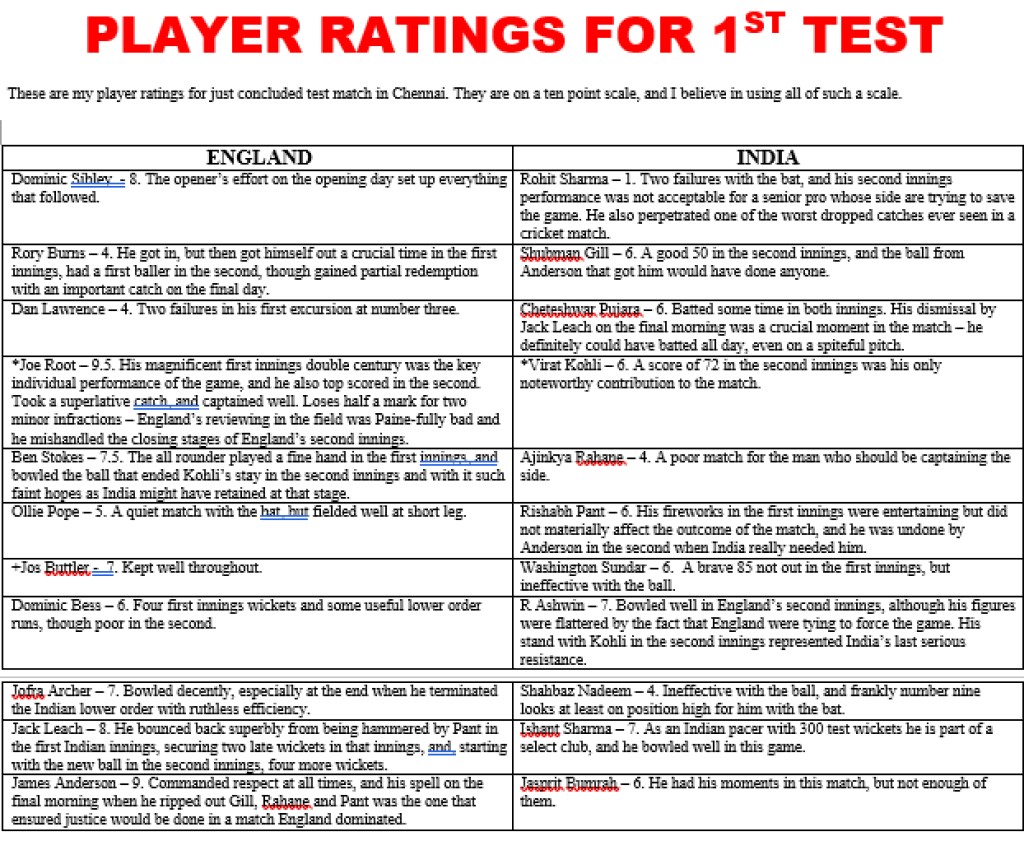
PLAYER RATINGS

I have a graphic for these. I will add to that graphic the following details: I was very harsh on Rohit Sharma because as one of the senior pros he should be setting an example for the youngsters whereas he actually failed twice with the bat, and his second innings was inappropriate for a senior pro in a side trying to save the game. Also, my ratings cumulatively give England 77 out of 110, an average across the board of 7/10, whereas those for India come to 59/110, an average of 5.36 out of 10. This reflects the fact most members of the England team contributed something to proceedings whereas India had several ‘passengers’.
LOOKING AHEAD

I now think that England have a serious chance of winning both this and the home series against India, and even though it has not been done by an England side for half a century I believe they are capable of regaining the Ashes down under in just less than a year’s time. India thumped Australia in Australia just recently. Looking to the next test, Foakes is coming for Buttler of necessity, and there is a case for bringing Broad in for Anderson, who has now played two matches back to back, but I see no need for any other changes. In particular there have been those arguing for Moeen Ali to replace Bess, but to me exhibit A against that notion is Sundar in this match, who contributed with the bat but did very little with the ball. There is no guarantee that Moeen Ali would even contribute significantly with the bat – his test average is only a little bit better than Bess’s, while as a bowler he is leagues below Bess. I would stick with Bess for the present, but if the proverbial gun to the head proposition compelled me to drop him and bring someone else in I would promote Parkinson, the young leg spinner, from the reserves to the full squad and play him. For India meanwhile, the sequence of their last five test matches with the name of the captain in brackets is quite telling: L (Kohli), WDW (Rahane), L (Kohli). Kohli is still worth his place as a batter, but I think that if they are to have any chance of getting back into the series India need to appoint Rahane captain on a permanent basis. I think Kuldeep Yadav whose wrist spin will offer England a different challenge has to be fitted in, with either Sundar or Nadeem missing out.

PHOTOGRAPHS

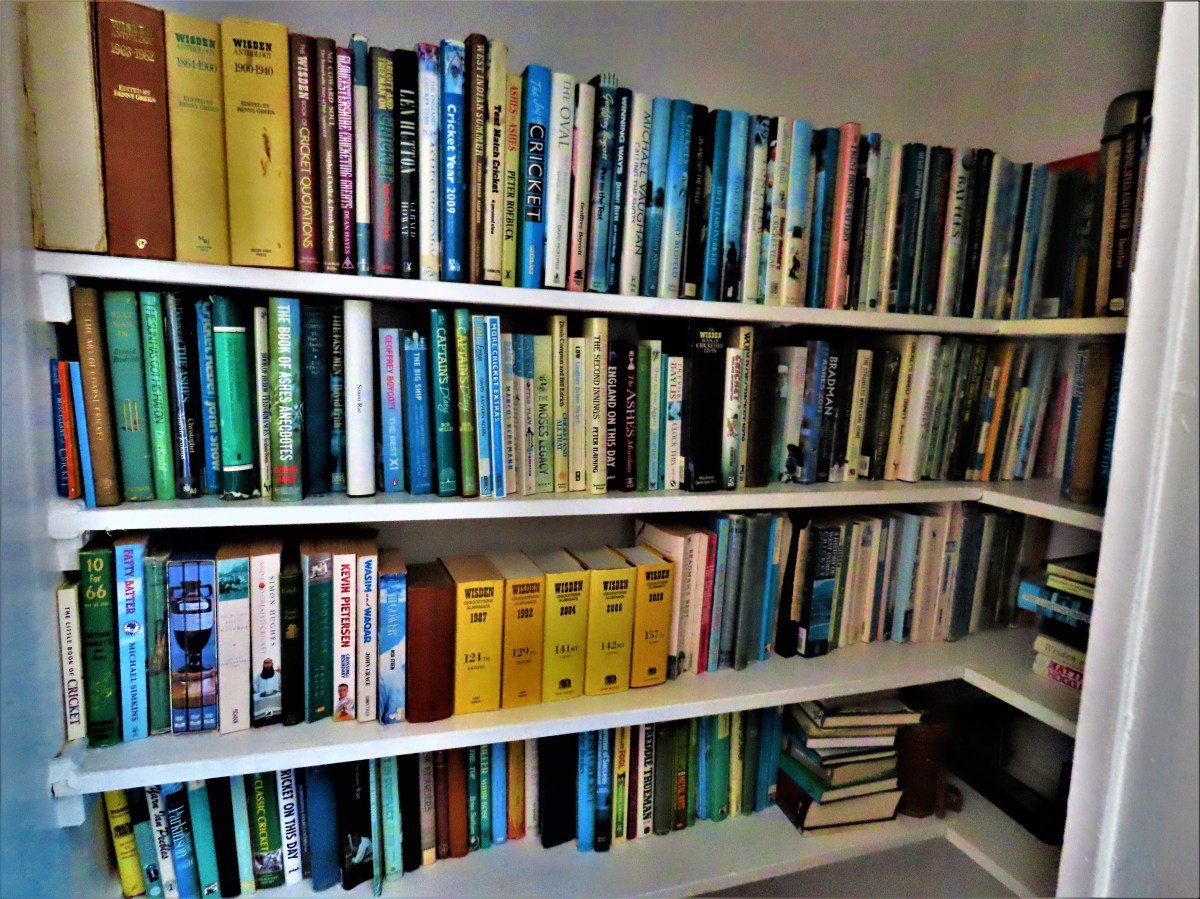
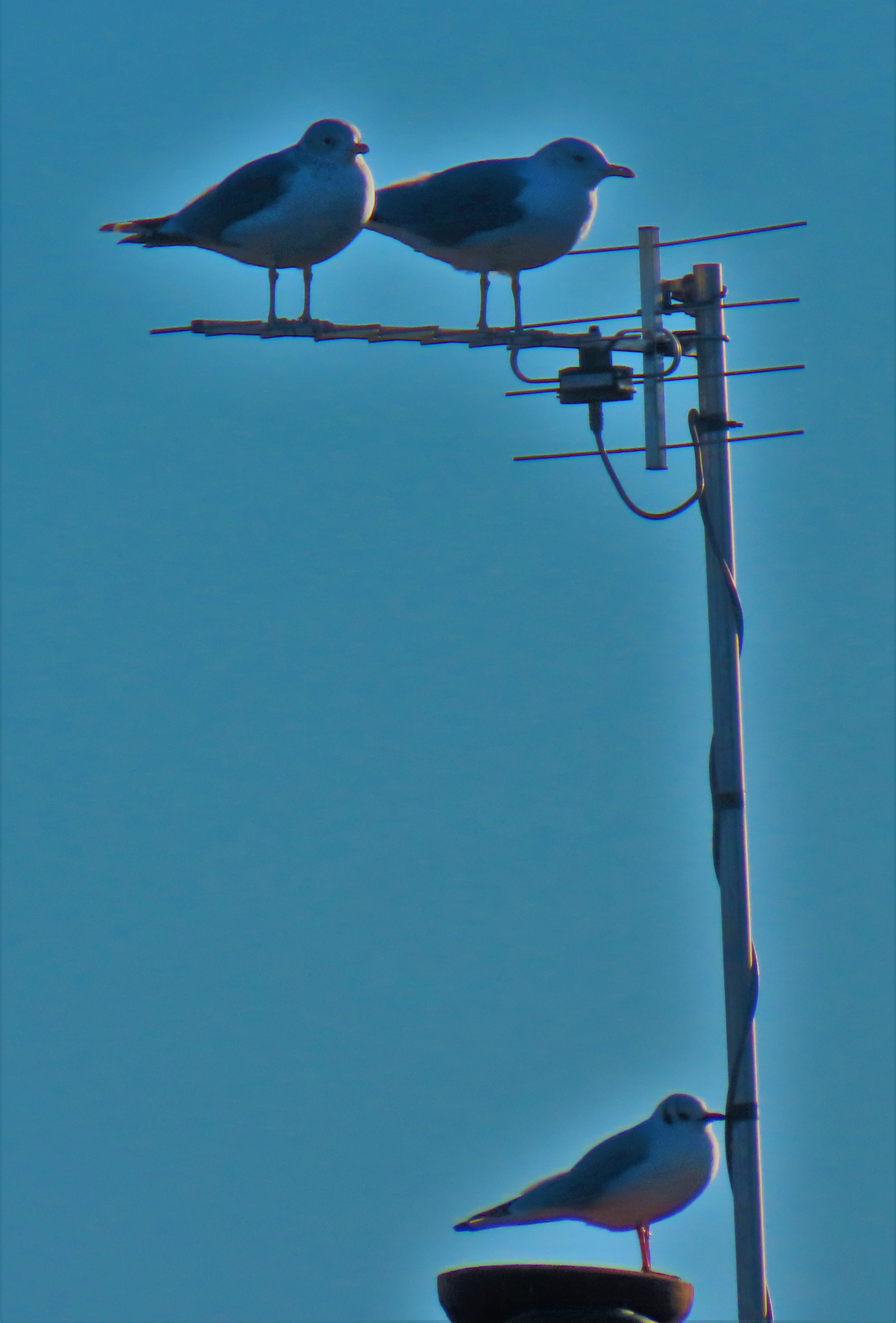
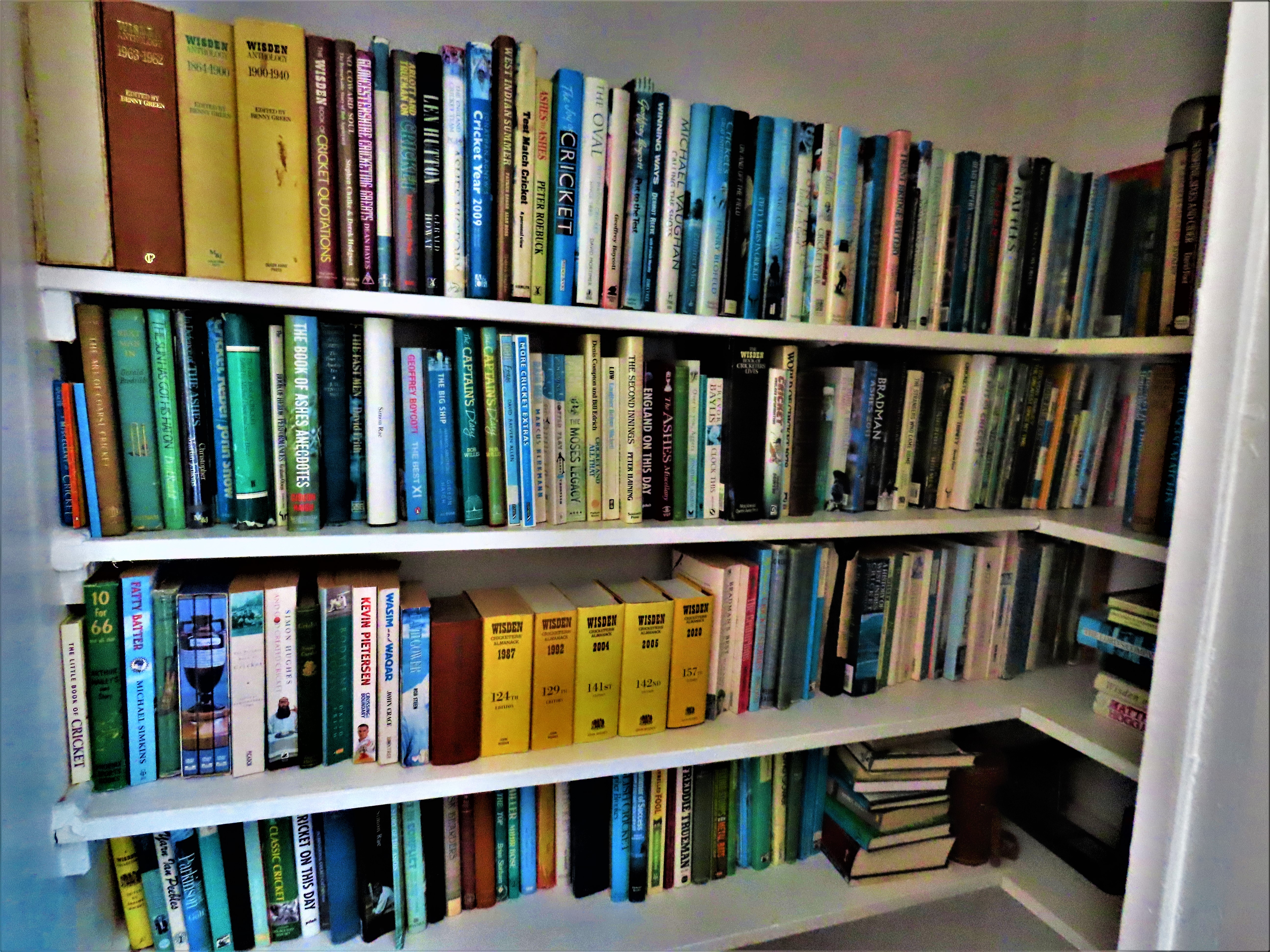
It is time for my usual sign off…

England Still In Charge

A look at day four in Chennai, including some strange captaincy by Root and some good captaincy also by Root, a fine innings by Sundar and some good bowling from Leach.

This is my account of day four in Chennai, an intriguing day in which we saw two sides of Root the captain and parts of three of the games four innings.

INDIAN FIRST INNINGS

The day started well for India, with Sundar and Ashwin both playing well, but when Ashwin fell to Leach that opened up the tail, and although Sundar continued to play well the remaining wickets fell fairly quickly. Leach got Shahbaz Nadeem, and then Anderson claimed Ishant Sharma and Jasprit Bumrah. Sundar was left unbeaten with 85, in an Indian score of 337 all out.

ENGLAND 2ND INNINGS

England chose not to enforce the follow on, opting to leave India a fourth innings chase and rest their bowlers, a correct call as far as I am concerned. They batted well for a time, although losing wickets regularly, an occupational hazard of looking for quick runs, and at tea were 119-5, a lead of 360 overall. I could understand why Root declined to declare at that point, but England’s post tea batting was inexplicable, as was Root’s approach near the end of the England second innings. When Buttler was dislodged, ending a useful if curious partnership between him and Bess, who had most of the strike and signally failed to up the tempo, the declaration seemed virtually compulsory, but Root kept England going with Bess and the tail. Even after Bess fell Anderson was sent out to join Leach, so we briefly had the bizarre sight of England, over 400 to the good, having nos 10 and 11 together at the crease rather than declaring and getting stuck into India’s second innings. Anderson fell second ball, giving Ashwin his sixth wicket of the innings, ninth of the match and 386th of his 78 match test career. Ishant Sharma also took his 300th test wicket during the England innings, and among Indian pacers only Zaheer Khan (311) and Kapil Dev (434) have taken more. This all left India needing 420, a record 4th innings chase if successful, and England needing ten wickets.

INDIA 2ND INNINGS

India started fast, though Root did well to entrust the new ball to Jack Leach on a surface taking spin, and it was a good ball from Leach that dismissed Rohit Sharma, who with two poor scores and horrendous dropped catch while in the field has had a shocking match. Pujara joined Shubman Gill and they saw India through to the close at 39-1, meaning that India need 381 tomorrow and England need nine wickets. England, Root’s unwillingness to declare notwithstanding, are still very much in the box seat, and should take the nine wickets they need tomorrow. If India wriggle of the hook then Root’s tactics in the later stages of the England second innings will undoubtedly be in the spotlight and rightly so. This is a final day not to be missed. For people in the UK there is live TV coverage on Channel Four, live radio commentary on talksport2, the TMS cricket social on radio five live sports extra and of course updates on cricinfo.com as well – I will listen to the live commentary and have a cricinfo tab open for extra detail. This match, the extraordinary game in Chittagong that I mentioned in yesterday’s post and the game in Rawalpindi between Pakistan and South Africa which ended today in a 95 run defeat for the visitors, who lost their last seven wickets very quickly, a collapse which started with Markram and De Kock going in successive balls and then Bavuma who had shared a good stand with Markram falling very shortly after, have all shown that test cricket is doing very nicely thank you.

PHOTOGRAPHS

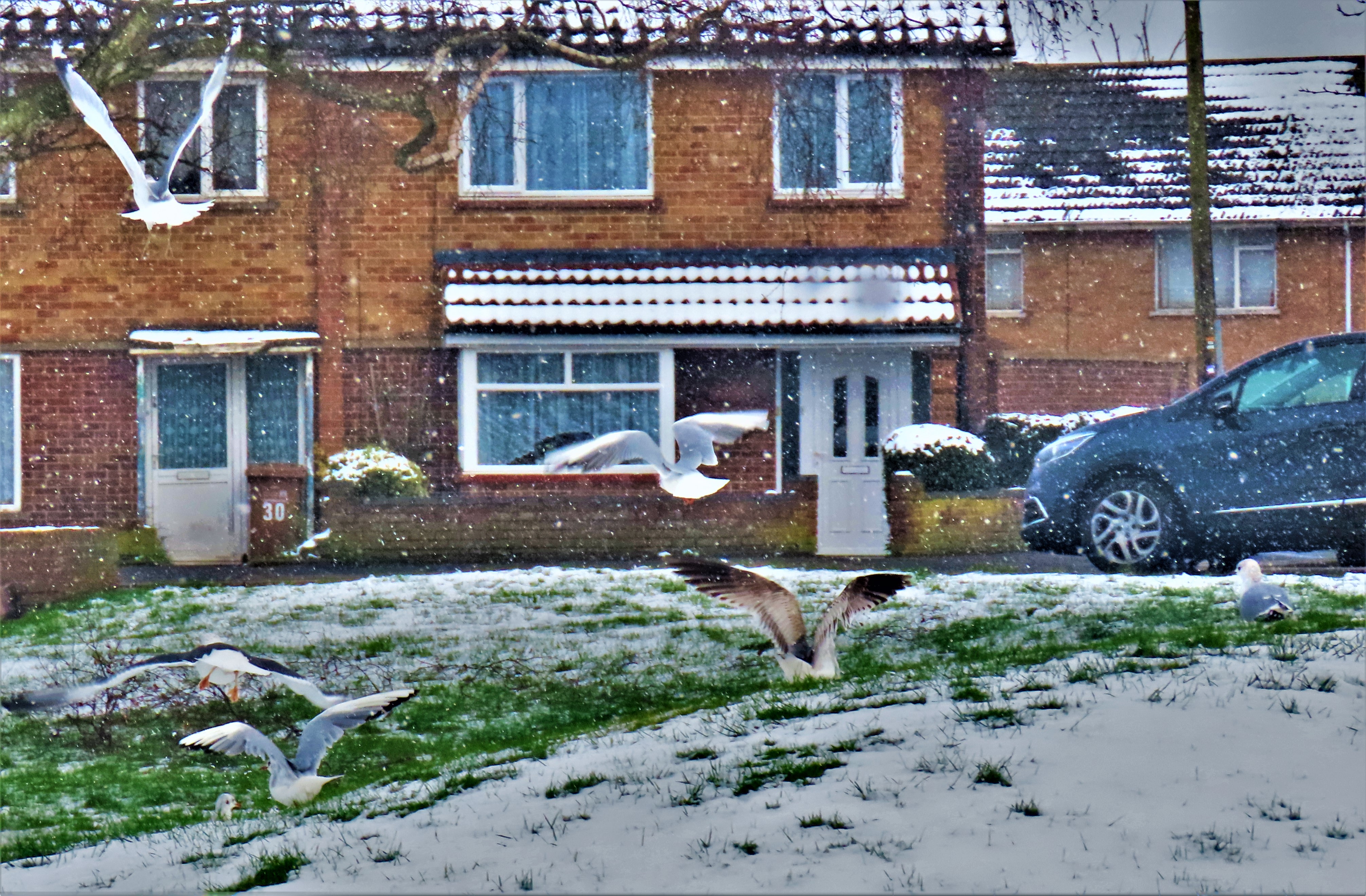
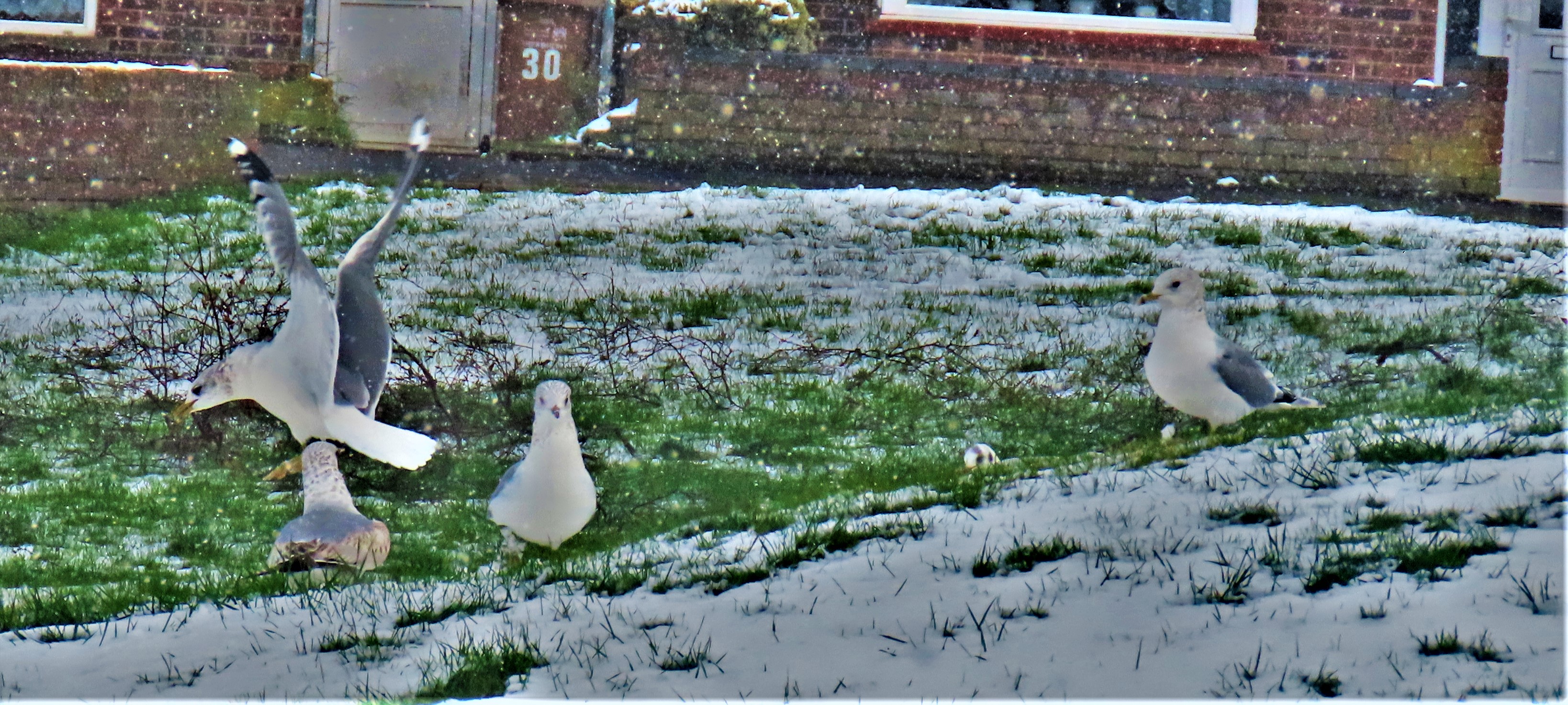
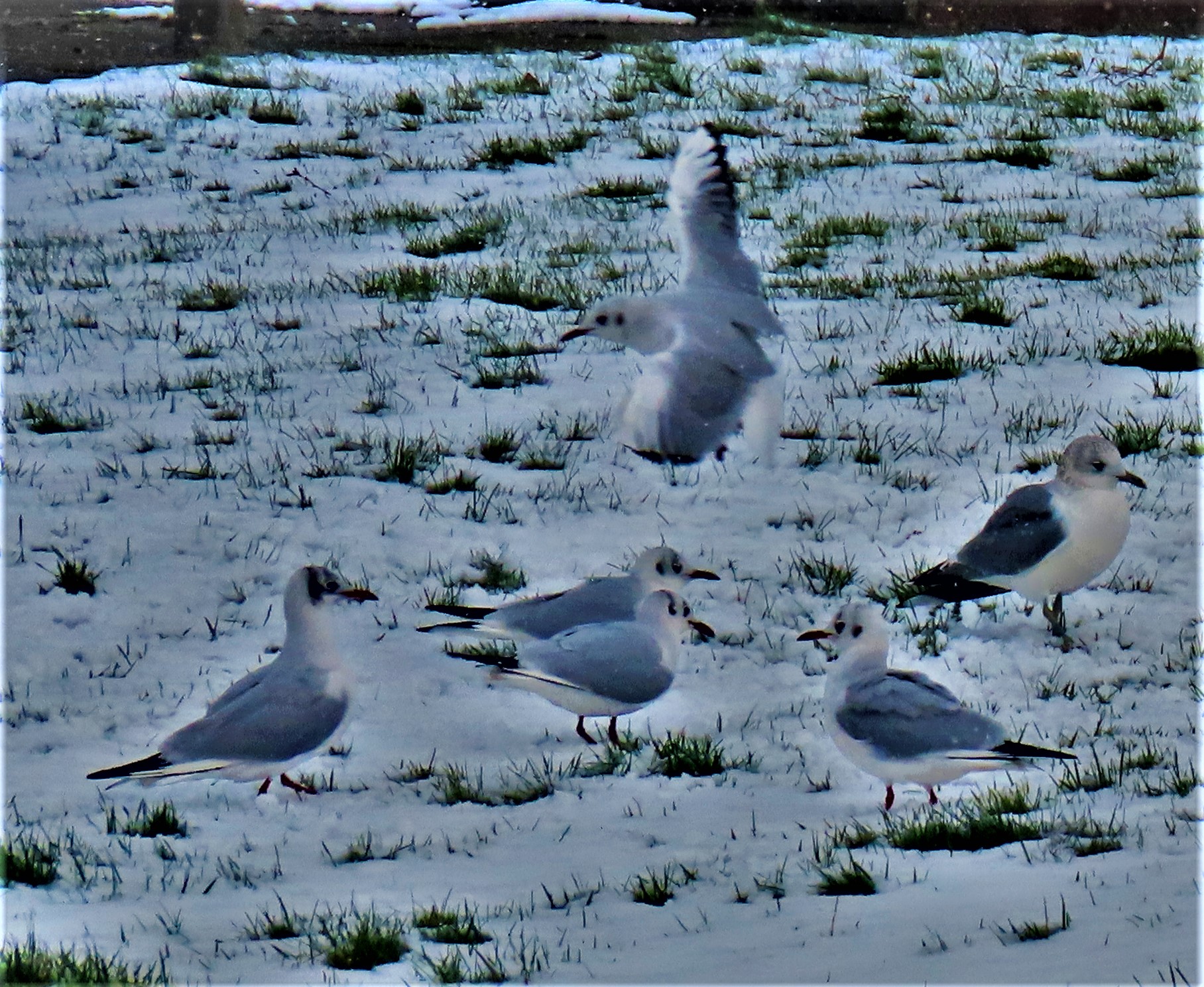
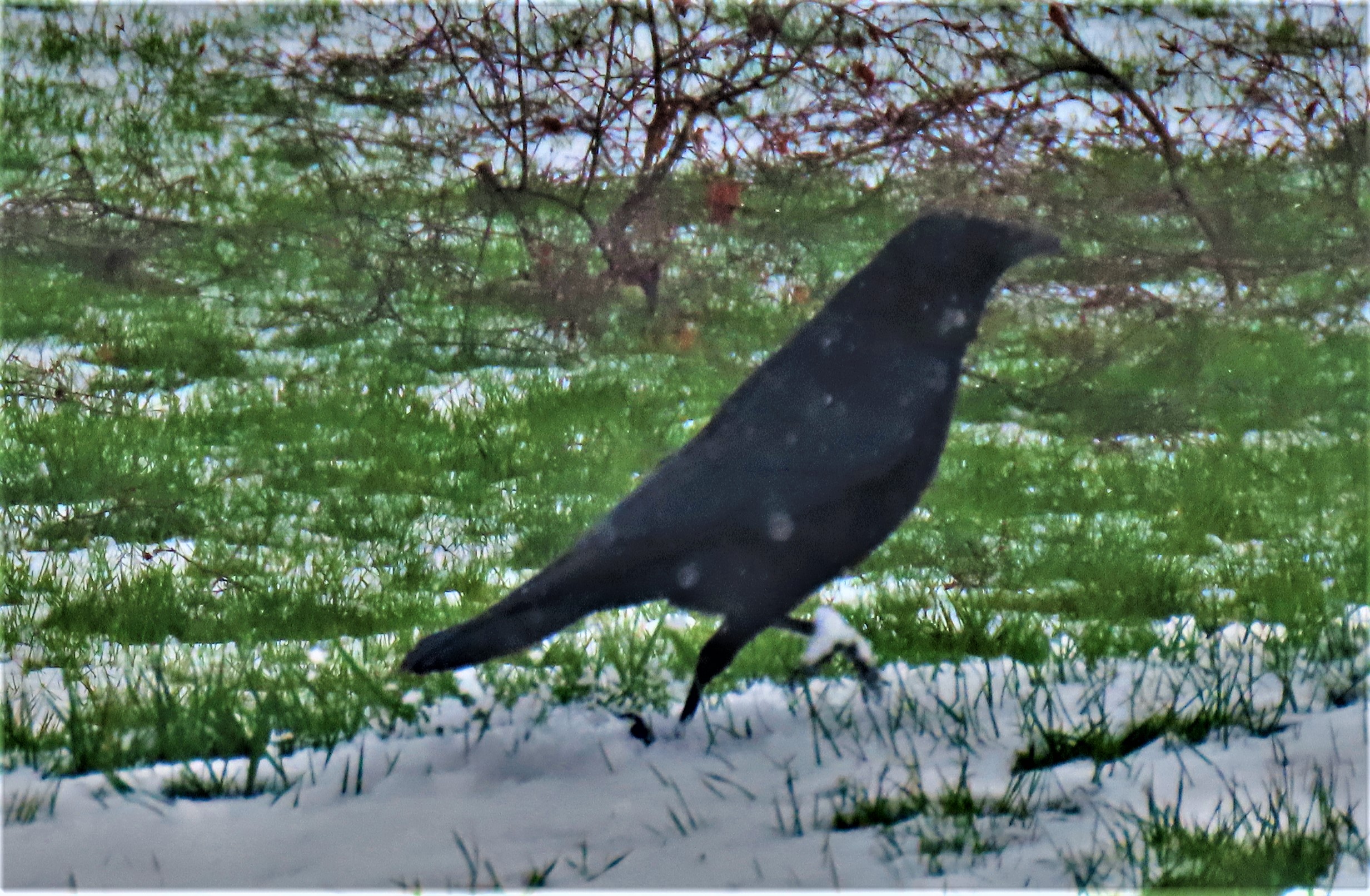
The snow that we have been forecast for a few days arrived in northwest Norfolk this morning, and dominates my usual sign off…

Sri Lanka In Control In Galle

A look at day two of the second Sri Lanka v England test and some of the issues raised by it.

This post deals with day 2 of the second Sri Lanka v England test match in Galle, and tackles a couple of related issues.

ANDERSON AND THE REST

England achieved their first goal of removing Mathews early on day 2, for 110, but Dickwella who just missed out on a maiden test hundred and Dilruwan Perera with a fine half century took Sri Lanka to 381. James Michael Anderson finished this innings with the following figures: 29-13-40-6. Mark Wood, bowling consistently fast, took three wickets, and the other fell to Sam Curran’s left arm. Both front line spinners, Bess and Leach, were therefore wicketless, and neither posed much of a threat.

EMBULDENIYA’S BUNNIES

The England innings started almost on repeat from the first match, left arm spinner Lasith Embuldeniya being entrusted with the new ball, in company with veteran seamer Lakmal on this occasion. Sibley was first to go, pinned LBW (he reviewed, an effort bad enough to be almost worthy of the adjective ‘Watsonian’ in “honour” of the legendary Shane Watson, but the decision was correctly upheld), and then Crawley snicked one into the slips and England were 5-2, and in three innings to date Embuldeniya has now dismissed both openers all three times, without a double figure score from either. Root and Bairstow steadied the ship, and reached the close at 98-2, Root 67 not out. I was actually involved in a video conference at this time, so did not catch this passage of play. To give themselves a chance, given that the ball is already starting to turn, England will need to bat all day tomorrow as a first requirement. To do this they could do with someone other than Root producing a major performance with the bat. Looking ahead, England go to India next, and although Ravi Jadeja is injured, the Indian squad named for this series features Axar Patel, like Embuldeniya, a left arm spinner, and there is a strong case for India giving him the new ball alongside Bumrah, now recovered from his own injury. This strategy of pairing a left arm slow bowler with a right arm fast one at the start of an innings is nothing new. It used to be considered standard just over a century ago. Kent had their greatest period, four county championships in seven seasons, with Arthur Fielder and Colin Blythe, just such a combo, as their new ball pairing. Lancashire had a decade earlier used Mold and Briggs to similar effect. In the 1912 Triangular tournament England more than once used Syd Barnes and Harry Dean as an opening pair, and on one occasion Barnes and Frank Woolley did the honours. Australia’s lowest ever test innings score of 36 all out was made in the face of Rhodes (SLA, 7-17) and Hirst (LFM, 3-15) at Edgbaston in 1902. Sri Lanka’s reinvention of the cricketing wheel is working well for them.

ENGLAND OPENERS

The disastrous time Sibley and Crawley are having at the hands of Embuldeniya has naturally raised the question of whether to continue playing them or not. Whatever the correct answer is, I know what is not correct, though it is being advocated by various people: a recall for Keaton Jennings, a man with a Brearleyesque batting average and without the captaincy skills. For the India series Burns will be available, and he will fill one of the openers slots. I would revert to the Sibley, Burns, Crawley top three and hope it works. For the second innings of this match there is a potentially bigger problem, but it is hard to see a tactical adjustment of the batting order working, as Embuldeniya will surely be called up for a bowl as soon as either Sibley or Crawley appear.

There are some good young top order batters in county cricket, and I would rather look to them than to a never-really-was like Jennings.

THE ‘BRANDERSON’ ISSUE

England’s stated policy is rotate the two veterans, James Anderson and Stuart Broad, but they may well have to rethink – to leave Anderson out after his performance here would look odd to put it mildly. At home against New Zealand and India both should play, while for the Asheis it will depend on form and fitness, but I would be looking as follows: Brisbane – Broad, Adelaide – Anderson, Perth – neither, if all are fit I would go with the outright pace of Archer, Wood and Stone, Melbourne – both, Sydney – Anderson.

PHOTOGRAPHS

My usual sign off:

Day 1 of the 2nd SLvE Test at Galle, the Future of Test Cricket and The Draw

An account of day 1 in Galle and mentions of a couple of related topics.

This post is a three parter, beginning with the action from Galle, and then touching on a couple of other topics drawn to my attention while I was following the action in the final two sessions of the day by way of radio commentary and a cricinfo tab open for extra detail (I listened to the first session in bed, as the coverage began at 4:15AM UK time).

ANDERSON SHINES BUT SRI LANKA SHADE THE DAY

England’s only change to their XI from the first match was to follow their planned rotation policy with regard to the veterans, bringing Anderson in for Broad. Sri Lanka had Oshada Fernando come in for Kusal Mendis, and Lakmal for Hasaranga. Sri Lanka won the toss and chose to bat, and were very quickly two down, both wickets to Anderson on his return. Thirimanne and Mathews then saw Sri Lanka through to lunch at 76-2. That became 76-3 as Anderson struck instantly on the resumption, removing Thirimanne. Mathews went on, finding another staunch ally in Dinesh Chandimal. Chandimal fell to Wood, the fast bowler’s first wicket of the series, for 52. Mark Wood has been consistently in excess of 90mph this series, and the wicket was long overdue reward for toiling through over 230 balls in the heat of Sri Lanka. It was England’s last success of the day, as Mathews completed a fine hundred, and Niroshan Dickwella reined in his natural aggression to survive to the close. At the end of day one Sri Lanka were 229-4 from 87 overs (yet again, with England in the field the over rate was abysmal and even with the half hour overrun period and no weather interruptions three overs have vanished from the game), Mathews 107 not out, Dickwella 19 not out, James Anderson 19 overs, 10 maidens, 24 runs, three wickets, an outstanding display of bowling from the oldest player on either side. Overall the pitch was flat, and no bowler really got anything out of it. With the pitch likely to break up and/or crumble later in the game Sri Lanka definitely took the honours of day 1, and England will need to strike quickly tomorrow morning to avoid finding themselves in trouble.

TEST CRICKET’S FUTURE

Some people seem to be oblivious of the amazing series that has just concluded between India and Australia, and to be persisting in their belief that test cricket is in trouble. A link to a Telegraph piece arguing that players who play white ball matches should be banned from red ball cricket did the rounds on twitter today. The Telegraph articles are paywalled, and since I consider it a vile rag and absolutely will not countenance contributing to its coffers I have not read it in full, but the headline is enough to enrage me.

Most cricket playing countries have much smaller pools of players to draw on than England, but if this idea was to be adopted then England would immediately be deprived of Root, Stokes, Woakes, Sam Curran, Buttler, Wood, Bairstow and others from their test ranks. England could still put out a functional side without these players, but it would be a lot less good. Yes, players being rotated in and out of squads can be irritating, and yes the cricket schedule is absurdly cluttered, but test cricket is in fine health overall. India were able to chase that total down at the Gabba because they had players who have learned how to chase through playing in white ball cricket.

THE DRAW

Other sports have results that they call draws, but the draw in cricket has a uniquely wide range of possibilities: neither side within the proverbial country mile of winning, one side hanging on by its fingernails having been utterly outplayed, both sides trading blows right down to the wire but neither able to land the knock out punch. I understand but don’t necessarily agree with the use of tie-splitting procedures in limited overs matches, but in long form matches the draw is a vital part of the equation. In that match at the Gabba one of the things that made the closing stages so sensation was that it was a three-way contest: India vs Australia vs the clock. Timeless test were once a thing – Australia made all its home tests timeless for over 50 years, and some of the games must have been absolute crackers, but there would also have been some horrendous bores on shirt front pitches. Some of cricket’s greatest moments have been in drawn contests: McGrath surviving the final over at Manchester in 2005 to save Australia when it looked like Ponting’s great rearguard was going to be in vain, Pietersen and Giles saving England at the Oval in the final match of that series, England digging themselves out of a huge hole at the Gabba in 2010, and two injured Indians gritting out the final session at the SCG just recently. The draw has its place in cricket, and although there have been some incredibly dull draws (1990 at the Oval, Surrey 707, Lancashire 863, no time for the second innings) there have also been some utterly compelling draws which would have been much less so without the possibility of that result eventuating.

PHOTOGRAPHS

My usual sign off…

A Concatenation of Cricket

A look at each of BBL10, AusvInd and SLvENG (preview), including a mention of Claire Polosak’s history making involvement at the SCG, plus a link to a superb thread about Kohli, Smith and Williamson and my usual sign off.

There is a massive amount of cricket going on the moment, with the Big Bash League in full swing, Australia locked in battle with India in the test arena and England engaged in an intra-squad tussle as a warm-up match before their test series in Sri Lanka gets underway. This post will therefore be a long one.

AUSTRALIA V INDIA

Australia managed for the first time in the series to get a respectable first innings score on the board. However, they have plenty of cause for concern nevertheless. 338 is not commanding on a decent batting pitch, and 284 of those runs came from just three players: Smith 131, Labuschagne 91 and debutant Pucovski with 62. India were 96-2 by the end of the second day, and it should develop into a fine game. Ravi Jadeja, whose selection some were questioning, bagged four wickets with his left arm spin and also made an extraordinary run out when he had one stump to aim at from 45 metres, and hit it. Inexcusably, no Indian fielder had got into a position to back the throw up, so it was hit or bust for Jadeja, and he hit. Much of day 1 was lost to rain, which is why the run aggregate looks small for two days play. This match is also significant for the fact that the 4th umpire is Claire Polosak, the first female to officiate in a men’s test match. At the age of 32, she has many years left in which to rise further up the officiating pecking order.

THE BIG BASH LEAGUE

There has been some excellent action in the Big Bash League lately. Today’s game between the Strikers and the Renegades was one of the best games of the tournament, the Renegades getting home with one ball to spare. Renegades also won the Bash Boost point, gaining the full four points. However, even with the rather generous qualifying arrangements in this tournament (the top five go through to the knockout stage, and only eight teams are involved), Renegades remain seven points adrift of a qualifying slot with only five games to play. All of the other seven teams have realistic chances of continuing their involvement. Personally, for an eight team, single group, tournament I would allow just three teams to advance, and incentivize top finishers by arranging the mini-knockout as follows: the group winners go straight into the final, while second place take on third place in an eliminator, with second place rewarded for their own greater success in the group by being given home advantage for that match. With five teams qualifying you do not have to do that well to get through (even Renegades, though rank outsiders, are not completely out of contention yet, and the best they can finish with from their 14 games is won seven, lost seven, an exactly even record, and not one that IMO should have a chance of being rewarded with qualification).

There have been some very individualistic talents on display in the BBL, which set me thinking about a team of players who were uncompromising in doing things their own way. This was my chosen selection:

  1. *WG Grace – right handed opening batter, right arm bowler of varying types, captain. Before his emergence batting was very specialized, batters concentrating on either playing off the back or front foot, and in some cases specializing in one particular stroke. He demonstrated that it was possible for a batter to play a complete game, scoring off both front and back foot, and making use of a wide range of stroked to do so. He was so successful in doing things his way that he single-handedly altered the course of cricket history, setting the game on a course it would follow pretty much unaltered for a century.
  2. George Gunn – right handed opening batter. No one ever knew quite what he would do – he might come down the pitch in a fast bowler’s first over, or he might eschew stroke making altogether.
  3. Ted Dexter – right handed batter, right arm medium fast bowler. He was often accused of losing concentration because he often got out between 70 and 100. CLR James however was of the opinion that what happened was that when a hundred appeared on the horizon Dexter started concentrating, rather than just playing his natural game.
  4. Denis Compton – right handed batter, left arm wrist spinner. It is in keeping with Compton’s general approach that when he decided to develop his bowling he opted for the least frequently used of all bowling styles, left arm wrist spin. On one famous occasion he overbalanced while playing his stroke, brought has bat round in a sweep as he was falling and still collected four runs.
  5. Viv Richards – right handed batter, occasional off spinner. At Old Trafford in 1984 Derek Pringle, following the received wisdom of the day, attempted to tie Richards, going well, but with only lower order batters for support, down with a low full toss. Most batters of the time would have been happy with a single, and delighted had they got the ball away for four. Richards whipped it over mid wicket for six. Richards at the end of that innings had 189 not out in a score of 272-9, an ODI individual scoring record that remained his until Saeed Anwar topped it with 194, some years later. A demoralised England never looked like getting close to chasing those runs down.
  6. Garry Sobers – left handed batter, left arm bowler of every type known to cricket. The most outrageously gifted cricketer of them all, he started as a left arm spinner batting low in the order, became one of the greatest of all batters. He also taught himself to bowl fast, and while playing Lancashire League cricket he learned to swing the ball under the leaden skies that are a feature of that part of the world.
  7. Gilbert Jessop – right handed batter, right arm fast bowler, ‘gun’ fielder. The fastest scoring batter in the game’s history, a useful bowler and a brilliant fielder.
  8. +Alan Knott – wicket keeper, right handed batter. As a batter he was highly effective in a very unorthodox way. Similarly, his keeping, among the best the game has ever seen, was marked by an absolute unconcern for appearance, so long as it worked. He would tape the top of his keeping pads to his trousers to make sure that they could not flap and thereby possibly incommode him.
  9. Cecil Parkin – right arm ‘all sorts’ bowler. He had a penchant for bowling six different types of ball per over. When it wasn’t his day this made setting a field for him difficult, but when it was his day he was well nigh unplayable.
  10. Sydney Barnes – right arm fast medium bowler. That designation tells about 1% of the story. His signature weapon was a leg break delivered at fast medium pace. The nearest any other bowler came to rediscovering this delivery was Alec Bedser immediately after World War II. When Barnes was bowling, it did not much matter who the captain was – Barnes was in control, and everyone, fielders and batters alike knew it.
  11. Jack Iverson – right arm wrist spinner. An unusual designation to use, appropriately since he was a mighty unusual bowler. He bowled with a leg spinner’s action, but sent down off breaks. His extraordinary life and career are covered splendidly in Gideon Haigh’s “Mystery Spinner”.

Two honourable mentions: Johnny Wardle, a master of all forms of left arm spin, but lack of space combined with the presence of Sobers and Compton induced me to not pick him. Derek Underwood’s unique left arm slow/medium bowling was something I would have liked to feature, but not at the expense of Parkin or Iverson who were the only two I could have dropped for him.

ENGLAND IN SRI LANKA

Today England started an intra-squad warm up match, over two days, with each side to bat for fifty overs in the 1st innings and then events to take their course. We have learned little new from today: Ollie Pope, who will not be playing in the test as he is not fully recovered from an injury, bats better with one good shoulder than most of his colleagues with two, which is no great surprise, and the ultimate ‘dog bites man’ story, James Anderson can take wickets anywhere. There was one genuine positive though, Jack Leach relocating form and confidence. The delivery with which he accounted for Ben Foakes was a beauty. This is the XI I would be picking for the first test, limiting my supplementary notes to the controversial selections:

  1. Dominic Sibley
  2. Zak Crawley
  3. James Bracey (with India and Australia being England’s next confirmed opponents and the only others on the menu for this year, New Zealand, now at no1 in the test rankings after thrashing the daylights out of Pakistan, it makes sense to use absences among the seniors to get some new players in against these relatively easy opponents, and I hate the notion of going full-on retrograde by picking Bairstow). He is better suited to no3 than my other envisaged batting newcomer.
  4. *Joe Root
  5. Dan Lawrence – my other envisaged batting debutant.
  6. +Ben Foakes – a recall for England’s best keeper, against opponents he has played well against before, resting Buttler for the big challenges ahead (I want five bowling options in Sri Lanka, which means I cannot accommodate both Buttler and Foakes, and especially after what has happened with Rishabh Pant in Sydney I am not prepared to do without the best available keeper).
  7. Chris Woakes – my chosen all-rounder.
  8. Sam Curran – a three-way battle for this slot, but in view of the risk I have taken with my selections at 9,10 and 11, and the fact that there is little likelihood of a Sri Lankan pitch inspiring an out and out speedster I have opted for Curran’s left arm to add variety, and for his batting skills, rather than go for Wood or Stone for speed.
  9. Jack Leach – the left arm spinner is in form, and it is about time that England started giving genuine spinners some encouragement.
  10. James Anderson – the evergreen Lancastrian looks sharp and ready, and the other veteran, Stuart Broad, has a very poor record in Sri Lanka, so with space IMO for only one of the two I have gone for the man with 600 test wickets.
  11. Matt Parkinson – today after I had advocated for him on twitter I was told by someone that “he is a white ball bowler”. While it is true that he is principally known for his limited overs bowling, a first class bowling average of 25.22, three five wicket innings hauls and one ten wicket match does not bear out the flat statement above – he can certainly handle a red ball.

This team is a little light on batting, with Foakes at six and Woakes at seven, but Sri Lanka do not have a great bowling unit – they have just been harshly dealt with by South Africa. The bowling offers great variety, with Curran and Anderson to share the new ball, Woakes as a third pace bowling option and two contrasting front line spinners, with Root’s occasional tweakers as a sixth option if needed.

A SPLENDID THREAD

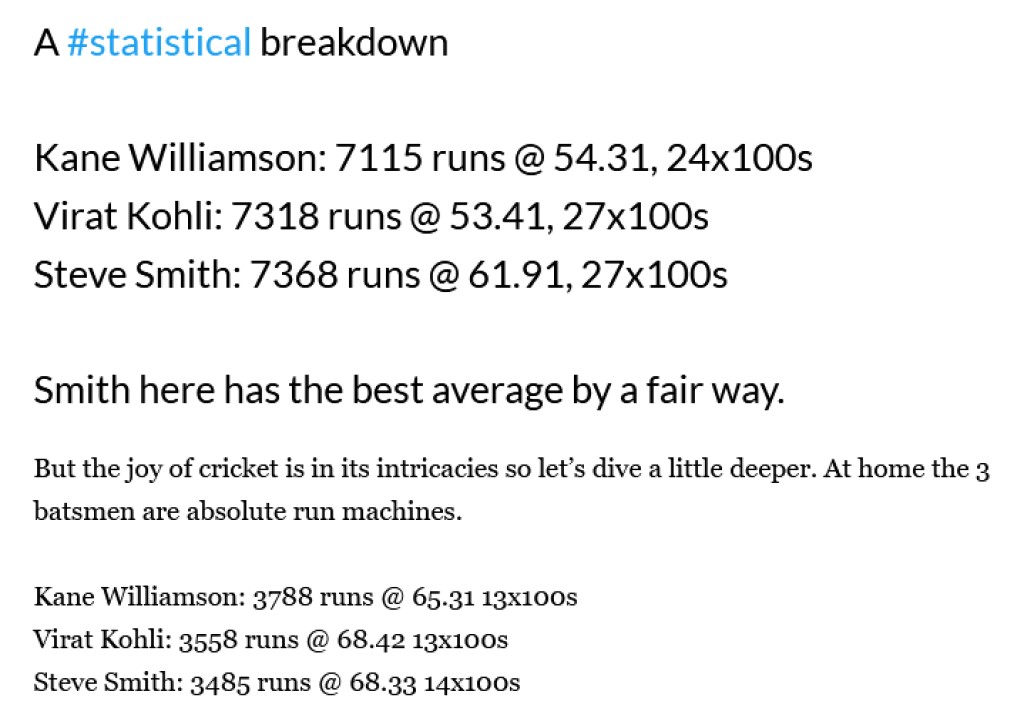
This twitter thread about the batting of that great trio Kohli, Smith and Williamson was created by allthingscricket, and I recommend you read it in full by clicking here. Screenshot below:

The start of allthingscricket’s thread about the great trio.

A PETITON & PHOTOGRAPHS

Before my usual sign off, I have a petition to share. This one is open only to UK residents, as it is on the official UK government petition site. It calls for students to be excused some of this year’s tuition fees, as they are not getting what they pay for, since they are quite correctly not able to be at University at present. Click here to sign and share. Screenshot below:

Now it is time for my usual sign off…

Rain and Records

A look at the end of the test match summer, and at the state of the Bob Willis Trophy.

INTRODUCTION

From Friday through Tuesday at those times the weather permitted England and Pakistan did battle at the Ageas bowl in the last test match of this strangest of all summers, and from Saturday through Tuesday the fourth round of the Bob Willis Trophy took place, again with considerable interference from the weather. I look back at the test match and forward to the final round of BWT fixtures.

YOUTH AND EXPERIENCE TO THE FORE

England amassed 583-8 declared in their first innings, a performance underpinned by Zak Crawley who scored 267, his first test century. The only higher scores for a maiden test ton have been Brian Lara’s 277 at Sydney, Tip Foster (287 in his first ever test innings at Sydney), Bobby Simpson’s 311 at Old Trafford and Garry Sobers’ 365 not out at Sabina Park. Among England batters only Compton (278 v Pakistan), Foster (287 v Australia), Cook (294 v India), John Edrich (310 not out v New Zealand), Andy Sandham (325 v West Indies), Graham Gooch (333 v India), Walter Hammond (336 not out v New Zealand) and Len Hutton (364 v Australia) have ever scored more in a single innings. Only Hutton has ever scored more at a younger age than Crawley, who is just 22 years old. Thereafter, in the cricket that the weather permitted the spotlight was focussed on 38 year old James Anderson, as he first took a five-for (and had three catches missed) in Pakistan’s first innings, to which skipper Azhar Ali contributed a splendid 141 not out. This put Anderson on 598 test wickets, and England enforced the follow on as they had to. By the end of day 4, as the weather played havoc with the match Pakistan were 100-2 in their second innings, with one of the wickets to Anderson moving him on to 599, and yet another catch having gone begging off his bowling. There was heavy overnight rain, and it continued to rain for most of the morning, finally stopping just after 11AM. The sodden ground then had to dry out before play could commence, but eventually, at 4:15PM, with a possible 42 overs (27 mandatory and a further 15 if a result seemed possible) to be bowled. Anderson did not break through in his first spell, and as England hurried through overs to get to the second new ball Joe Root took a wicket with his part time off spin and Dom Sibley bowled one of the filthiest overs ever seen in a test match with his even more part time leg spin. The new ball was taken, and in his third over with it James Anderson induced a nick from Azhar Ali and the ball was pouched by a waiting slip fielder, bringing him to 600 test wickets. No one who bowled above medium pace had previously reached this landmark, and of the three spinners who had got there only one, Muttiah Muralitharan had done so in fewer balls bowled. Shortly after this a well struck four brought up a remarkable statistical landmark highlighted by Andy Zaltzman on Test Match Special: 1,000,000 runs in test matches involving England. A little later the last 15 overs were called, and after one ball thereof the teams decided to accept a draw as the pitch was doing precious little, and they were all eager to get away from the biosecure bubble and back to loved ones.

At the moment there is no way of knowing when England will next be in test match action, but James Anderson has every intention of still being in action when they do, and since he is still regularly clocking 85mph even at the age of 38 (while it is not unusual for veteran bowlers to be very successful due to the smarts they have acquired from years of experience it is unusual for a bowler of that age not to have slowed down – Walsh was barely exceeding 80mph when he toured England in 2000, likewise Shaun Pollock and Glenn McGrath in their veteran years) and is statistically bowling better than he ever has I for one am not counting him out.

I would like to thank both the West Indies who visited for three test matches immediately before Pakistan came over and Pakistan for braving the uncertainties created by this pandemic and coming to play, ensuring we had some cricket. I also tender a second huge thank you to the West Indies because their women are coming over to play against our women after India and South Africa cried off. I hope that England will reciprocate as soon as possible.

ADVANTAGE SOMERSET IN THE BWT

The format of the Bob Willis Trophy, tailored to fit special circumstances, is that the 18 first class counties have been grouped into three regional conferences, meaning that five rounds of matches will be played, and then the two best group winners will fight out a five day final at Lord’s. After four rounds of matches Somerset lead the central group with 76 points, Derbyshire the north group with 71 points and Essex the south group with 70 points. Although bonus points (of which as readers of this blog will be aware I am not a huge fan) complicate the issue somewhat, basically any win in their final match will qualify Somerset, since it is next door to impossible to win a match without taking full bowling bonus points, which on its own would put Somerset on 95, meaning that Derbyshire could equal them with a maximum point win and Essex could finish on 94 with a maximum win. Somerset crushed Gloucestershire and the most recent round, dismissing them for 76 and 70. Surrey’s nightmare season went from bad to worse as they were beaten by Kent in spite of the restored Ben Foakes contributing a century and a fifty. A major role for Kent was played by Darren Stevens, an all rounder who bowls medium pace, and who remains a force to be reckoned with at county level even at the age of 44. Limited overs cricket will be the order of the day for most of the rest of this season, which will extend into October because of the hugely delayed start. The T20 blast competition gets underway tomorrow afternoon, with commentaries on all matches accessible via www.bbc.co.uk/cricket.

PHOTOGRAPHS

My usual sign off…

IMG_2922 (2)IMG_2923 (2)IMG_2924 (2)IMG_2925 (2)IMG_2925 (3)IMG_2926 (2)IMG_2927 (2)IMG_2928 (2)IMG_2929 (2)IMG_2931 (2)IMG_2932 (2)IMG_2933 (2)IMG_2934 (2)IMG_2935 (2)IMG_2936 (2)IMG_2937 (2)IMG_2938 (2)IMG_2939 (2)IMG_2940 (2)IMG_2941 (2)IMG_2942 (2)IMG_2943 (2)IMG_2944 (2)IMG_2945 (2)IMG_2946 (2)IMG_2946 (3)IMG_2947 (2)IMG_2948 (2)IMG_2948 (3)IMG_2951 (2)IMG_2952 (2)IMG_2952 (3)IMG_2955 (2)

England Win The Wisden Trophy

England’s victory at Old Trafford, player ratings and photographs from my collection.

INTRODUCTION

The Wisden Trophy is now England’s in perpetuity – future series between England and the West Indies will be played for the Richards – Botham Trophy. This post describes the concluding stages of the match.

THE BROAD/ WOAKES SHOW

After yesterday was washed out the question was whether there would be enough play today for England to complete the job. There were a couple of interruptions, but England took wickets regularly. Broad began today’s events by bagging his 500th test wicket, the seventh bowler to reach that landmark. His victim was Kraigg Brathwaite, who three years earlier had been James Anderson’s 500th test victim. Then Woakes bowled a marvellous spell in which he bagged five wickets, while Roston Chase was run out courtesy of a direct hit on the stumps by Dom Bess. Broad came back at the the end, and at 2:58PM he had Jermaine Blackwood edging to Jos Buttler for his tenth wicket of the match to go with his score of 62. The West Indies were all out for 129 and the final margin was 269 runs. Dominic Bess did not get a bowl in either innings such was the dominance of England’s pace bowlers.

COMMISERATIONS TO THE WEST INDIES

All true cricket fans should be deeply grateful to the West Indies for undertaking this tour given the circumstances, and they played superbly in the first match at the Ageas Bowl. They were badly beaten in both the games played at Manchester to end up losing the series. Jason Holder was guilty of two poor decisions after winning the toss in both games. Bowling first might have been justifiable the first time round although doing so is always a gamble (nb I specifically did not criticize England’s decision to bat first in the opener for this precise reason), but the second time round it was utterly inexcusable – not only did he know that doing so at the same ground had backfired a few days previously, he had also selected an extra spinner in the person Rahkeem Cornwall, certainly the heaviest top level cricketer since Warwick Armstrong and possibly since the mighty ‘Lion of Kent’, Alfred Mynn, star of the 1840s, and for the selection of the extra spinner to work you need to bowl last. The West Indies batters had a tendency to get caught on the crease rather than getting fully forward which meant that they suffered a lot of LBWs.

ENGLAND PLAYER RATINGS

  1. Rory Burns – 8.5 – 57 in the first innings, 90 in the second getting out playing aggressively, the dismissal the triggered the declaration.
  2. Dom Sibley – 6.5 – a blob in the first innings, but a 50 in the second, and he did show some attacking intent with England having an eye on a declaration.
  3. Joe Root – 7.5 – failed in the first innings, but a blistering 68 not out off 56 balls in the second propelled England to their declaration, and he handled the side well in the field.
  4. Ben Stokes – 5 – a quiet match for the talisman, scoring 20 in his only innings and not bowling due to a niggle.
  5. Ollie Pope – 8 – his first innings 91 was a magnificent innings, he took a splendid catch but was robbed of the credit for it because the bowler had overstepped.
  6. Jos Buttler – 5.5 – 67 in the first dig, when England needed runs from him. Struggled somewhat behind the sticks. His first innings score, while valuable in the context of this match should not save him – he has had so many chances that he was bound to make a decent contribution somewhere along the way.
  7. Chris Woakes – 7 – did little until the final day, but when he did get into the game did so in style with a five-for.
  8. Dom Bess – 6 – the off spinner was not called on to bowl, but he made a crucial contribution with the bat and fielded superbly, including a direct hit run out in the final innings.
  9. Jofra Archer – 6 – not the best match for the fast bowler, with only one wicket to show for his efforts, but he put in some hard yards.
  10. Stuart Broad – 10 – A blistering innings when England were far from secure having slipped from 258-4 to 280-8 in the first innings, 6-31 in the first West Indies innings and 4-36 in the second, the first three to open them right up, and fittingly the final wicket to fall. He also pouched a couple of catches, and as I said about Stokes in the previous match even Craig Revel-Horwood would rate this performance a 10.
  11. James Anderson – 7 – only two wickets in the match, both in the first innings for the veteran, but he bowled very well and played his part in this triumph.

PHOTOGRAPHS

My usual sign off…

IMG_2332 (2)IMG_2334 (2)IMG_2334 (3)IMG_2335 (2)IMG_2335 (3)IMG_2336 (2)IMG_2336 (3)IMG_2337 (2)IMG_2341 (2)101-a101-b113-a113-b

PS – Stuart Broad has been named Player of the Series, and just too late to save the West Indies the Manchester rain has returned (a bit like Adelaide 2010, when shortly after Australia were bowled out to give England an innings win the heavens opened).


Test Match Poised For A Great Finish

A very brief post updating on the situation at the Ageas bowl, as a test match worthy of the occasion (the resumption of cricket after covid-19) draws to what looks like being a great finish. Also includes some of my photographs.

INTRODUCTION

The Test Match at the Ageas Bowl is moving towards its closing stages and is still too close to call, though England are at present probably favourites to win.

THE FINISH OF DAY 4

England needed a good day yesterday, and up to a point they had one. At the high watermark of their second innings batting effort they had reached 249-3 and were looking like taking control of the game. Then Ben Stokes got himself out, and some good West Indian and some poor English batting saw a clatter of wickets, with the score plunging to 279-8. Jofra Archer and Mark Wood saw things through to the close at 284-8, with England 170 to the good.

DAY 5 SO FAR

England advanced their score by a further 29 in the opening session of play before they were all out, thus setting the West Indies precisely 200 to win. Anderson and Archer began magnificently, and the West Indies were soon three down and with an opener nursing an injury. They reached lunch for no further loss, and have fared well since the interval, reaching 72-3, with a further 128 required for victory. It remains anyone’s game, and whatever happens kn what is left of it it has been a superb resumption for international cricket after its longest hiatus since 1971-2 (or in other words the longest international blank since ODIs became a thing). I shall be back tomorrow with a longer post analysing the match as a whole.

PHOTOGRAPHS

IMG_1615 (2)IMG_1616 (2)IMG_1617 (2)IMG_1618 (2)IMG_1619 (2)IMG_1620 (2)IMG_1621 (2)IMG_1623 (2)IMG_1624 (2)IMG_1629 (2)IMG_1630 (2)IMG_1630 (3)IMG_1631 (2)IMG_1631 (3)IMG_1632 (2)IMG_1633 (2)IMG_1637 (2)IMG_1638 (2)IMG_1642 (2)IMG_1643 (2)IMG_1644 (2)IMG_1645 (2)IMG_1646 (2)IMG_1647 (2)IMG_1647 (3)IMG_1649 (2)IMG_1650 (2)IMG_1651 (2)IMG_1652 (2)IMG_1657 (2)IMG_1659 (2)IMG_1661 (2)IMG_1666 (2)IMG_1667 (2)IMG_1670 (2)IMG_1671 (2)IMG_1672 (2)IMG_1674 (2)IMG_1675 (2)IMG_1676 (2)

England Struggling At The Ageas Bowl

Continuing thoughts on post-Covid test cricket, as being showcased at the Ageas bowl.

INTRODUCTION

The weather in the vicinity of Southampton is better today, and it seems that we will get a full day’s play today. This post looks at the goings on since this time yesterday.

DAY 2

Yesterday’s post finished with England having just lost a sixth wicket, ending a stand between Buttler and Stokes. Wickets 7,8 and 9 followed swiftly, but then some sensible aggression from Bess, with the support of Anderson, saw England pass 200, Bess becoming one of only three England batters to reach 30 in the innings (Stokes 43, with the assistance of a lot of luck, and Buttler 35. England tallied 204, and the West Indies reached 57-1 off the 19.3 overs of their innings that were possible before the light intervened (more of this later). England did not start today well, and a running theme was continued when an LBW was overturned on review (on this occasion because the bowler had overstepped, and the delivery was therefore a no-ball), the sixth time such a decision had been overturned to date, and all six have been given against the West Indies by on-field umpires Illingworth and Kettleborough. Shai Hope became the second player out in the West Indies innings, caught by Stokes off Bess, who has had the best game of any England player to date. Then Stokes struck with an LBW, which was yet again sent upstairs, but on this occasion came back as ‘umpires call’, meaning that the on-field decision, and Kraigg Brathwaite was out for 65, comfortably the highest score of the match to date. Shamarh Brooks and Roston Chase stayed in till lunch, and in the few minutes since the resumption have not been separated as yet, with the West Indies now 159-3. Now on to some thoughts about a few specific issues…

WHAT ENGLAND NEED FROM HERE

First England need to bowl better (and the quick bowlers need to bowl to a fuller length than they have been on this surface – Holder was successful for the Windies by pitching it up) and dismiss the West Indies before they build a really huge lead. Get the West Indies out for 250, which is definitely possible, and England will be in the contest, and even if they reach 300 that is not an impossible deficit to overcome, especially given the dryness of the pitch, which suggests that there will be genuine assistance for Bess in the 4th innings if the game goes that far. Then England need to bat well second time around. Denly and Crawley in particular need runs with Root due to return for the second match and Bracey and Lawrence knocking on the door (I would have given Lawrence the no4 slot and dropped Denly in any case). If England can set the West Indies even as much as 200 in the fourth innings that might easily be enough.

HOME UMPIRES

This move has been necessitated by the pandemic, but at the moment, for all their strong position the West Indies have a legitimate grievance in this matter – a succession of decisions by the on-field umpires have gone against them, and while all bar one have subsequently been overturned. The one that was not overturned was close, and would also have stood had it been given the other way.

WEATHER, LIGHT AND STARTING TIMES

Not much can be done about rain, but time has also been lost in this match to bad light, which I regard as inexcusable. Natty over at Sillypoint has suggested that pink balls should be used at test matches so that the overs can be bowled even if the floodlights are the only source of light at the ground, which has a lot going for it. The alternative is to keep the red balls for general use, but also have a stock of pink or white balls at the ground, and if the floodlights are the only available light delay play only for as long as it takes to swap the red ball for a pink or white one in similar condition. What is not acceptable is a continuation of the current system, where huge chunks of playing time are needlessly lost due to a desire to stick with red balls at all times. Finally, the Ageas Bowl was chosen as host venue for this series because there is a hotel that is structurally part of the ground, there are no spectators allowed for the obvious reasons, so no one has any commuting to do to get to the ground. Therefore, why the continuing insistence on 11AM starts – today has been bright and sunny down there from the start apparently, so why could play not have got underway at 10AM to make up for some of the lost time?

ENGLAND PLAYER BY PLAYER

  1. Dominic Sibley – a failure this time, but he has done enough in his career to date not to be dropped.
  2. Rory Burns – again not a good first innings for him, but he is established in the side and should be retained.
  3. Joe Denly – his first innings failure took his test average below 30, and at the age of 34, he is surely only one more failure from the exit door.
  4. Zak Crawley – failed in the first innings, but worth persevering with, although he too needs a big score before too long.
  5. Ben Stokes – he rode his luck to make 43 with the bat, his bowling has not been great thus far, but you never know when he will come up with something, and although I expect Root to resume the captaincy there is no way Stokes is losing his place as a player.
  6. Ollie Pope – before getting out he looked several classes above anyone else in the line up, and there are surely big scores to come from him.
  7. Jos Buttler – I do not consider 35 an outstanding score and think that he must be running out of chances.
  8. Dom Bess – the only England player whose stocks have gone up in this match, a spirited innings in his secondary discipline and has bowled nicely so far.
  9. Jofra Archer – quick as ever but has bowled too short thus far and been consequently expensive and relatively unthreatening.
  10. Mark Wood – see my comment re Archer.
  11. James Anderson – the usual Anderson, accurate, always commanding respect. It would seem that the plan is for him and Broad to alternate through this summer, an idea I endorse. Broad it would appear has had an on air (TV) ‘toys out of the pram’ moment over his non-selection for this game, but the way he bowled in the warm up match, lacking pace, and largely too wide to pose any great threat he should have no complaints over missing out.

As far as I am concerned, any score that does contain three figures in the second innings should spell the end of Denly, as Root returns. Crawley may retain his spot, but one or other of Lawrence or Bracey could claim that. Buttler should lose his place (but probably won’t, so wilfully blind are the selectors to his faults in long-form cricket) for Foakes. Anderson and Broad will likely rotate as explained, and Robinson, Curran and Mahmood are all possibles for pace bowling slots. Bess’s performance here has underlined his role as first choice spinner, and if at any point there is a surface warranting two specialist spinners the leg spinner Parkinson should be the other. While I have been typing this Anderson has dismissed Brooks, caught by Buttler. This was the subject of yet another review, a terrible call by Brooks since the nick was blatantly obvious. I suspect that Brooks was influenced by the fact that the on-field umpires have been having such a poor game and found it hard to believe that they had actually got one right.

PHOTOGRAPHS

I congratulate the West Indies, and especially Holder and Gabriel, on their play in this match thus far, hope England can pick things up a bit and make this closer than it currently looks like being. I am delighted that cricket has returned, and have greatly enjoyed the TMS commentary on this game. Now it is time for my usual sign off…

IMG_1550 (2)IMG_1551 (2)IMG_1552 (2)IMG_1553 (2)IMG_1555 (2)IMG_1556 (2)IMG_1557 (2)IMG_1558 (2)IMG_1559 (2)IMG_1560 (2)IMG_1561 (2)IMG_1561 (3)IMG_1561 (4)

Dominic Bess has just nabbed a second wicket to make the West Indies 186-5 – Blackwood gone cheaply. Keeper Dowrich and skipper Holder are both useful batters, but after them are three tail enders.

All Time XIs – Through The Alphabet X

Continuing the all time XI #cricket series with a tenth ‘through the alphabet’ post. Also includes some photographs.

INTRODUCTION

Welcome to today’s all time XIs cricket post, the tenth in our alphabetic progression mini series. Unlike yesterday I also have some photos to share. Today we start with a Q…

IMAD WASIM’S XI

  1. Willie Quaife – right handed opening batter, occasional leg spinner. When it comes to opening batters whose surnames begin with Q there is really only one contender, the man who played for Warwickshire for almost 35 years, signing off with a century at the age of 56 years and four months. In the later years of his career he did on occasion open the batting with his son Bernard, but the latter only ever got picked because of whose son he was – he was not close to being top player (my source for this is long serving Warwickshire keeper EJ “Tiger” Smith by way of the ‘autobiography’ he gave to Pat Murphy by means of a series of recorded interviews).
  2. Chris Rogers – left handed opening batter. His test record for Australia was not stellar, partly because he was long past his prime before becoming a regular member of the side, but he was a seriously big scorer for Northamptonshire, Derbyshire and Middlesex in the county championship.
  3. Robin Smith – right handed batter. One of those rare batters who positively relished doing battle with the opposition fast bowlers (George Gunn, the Nottinghamshire legend was another, as was an earlier Hampshire man, George Brown) and even rarer in being an England player who actually enhanced his reputation during the 1989 Ashes series (keeper Jack Russell was the only other of whom that could be said). Another rare club to which Smith belongs is the ‘winners of a sledging contest with Merv Hughes’ club, again from that 1989 Ashes series. After a Smith play and miss Hughes, the bowler, said to him “you can’t ****ing bat”, Smith smacked the next ball for four and said “we make a fine pair: I can’t ****ing bat and you can’t ****ing bowl”.
  4. Sachin Tendulkar – right handed batter. Don Bradman, then a very old man, was watching a match an the TV at home and thought he had spotted something about the young man who was batting. He called his wife through to verify his observation, and Lady Jessie Bradman confirmed that yes, there was more than a passing resemblance between the methods of the batter in that match and Don’s own. The batter was, of course, Sachin Ramesh Tendulkar, who would go on to become the first and to date only batter to score 100 hundreds in international matches.
  5. Polly Umrigar – right handed batter, off spinner. He was at one time India’s leading test run scorer. There was a question mark about him against genuine pace, which he never got to face in Indian domestic cricket. Fred Trueman once claimed that on one occasion when he was bowling at Umrigar the square leg umpire was nearer the wicket than Umrigar. At No5, behind this side’s top four he is unlikely to be facing fast bowlers who have not already done a fair amount of bowling.
  6. +Roy Virgin – right handed batter, wicket keeper. He was only an occasional wicket keeper, but V is a difficult letter to fill. He was once named in the 12 for England but left out on the morning of the match, and that was as close to international cricket as he came.
  7. *Imad Wasim – left handed batter, left arm orthodox spinner, captain. He has played ODIs and T20Is with some success, but not yet test cricket. His first class record is 3,702 runs at 40.68 and 141 wickets at 31.14. I have named him as captain based on my thinking about slow bowling all rounders in this role. A cynic might say that since he is a Pakistani who is already an established part of their international set up I have a better than average chance of finding out how he handles the captaincy, given the way they go through captains.
  8. Xara Jetly – off spinner. This side has a longish looking tail, with the young kiwi off spinner at no8. X is a difficult letter to fill, and there is enough in her recent performances to at least suggest promise, and at the age of 18 she is certainly young enough to improve.
  9. Poonam Yadav – leg spinner. One of the attributes that is said to have made the Kent leg spinner Tich Freeman so difficult for opposition batters was his lack of height, which enabled him to release the ball upwards, making it difficult for the batters to follow its flight. Poonam Yadav is even shorter than Freeman’s 5’2″ and takes a similar approach to her own leg spin, releasing the ball upwards, and in her case, at as slow a pace as can ever have been seen in top level cricket.
  10. Dawlat Zadran – right arm fast medium bowler. The best pace bowler to have come from Afghanistan thus far, and he has an experienced new ball partner here in the form of…
  11. James Anderson – right arm fast medium bowler. 584 test wickets, and officially still counting. When the ‘bio-secure’ series starts next week we will see if he is in the England team. For me the choice is between him and Broad, with Curran (left arm, and a useful lower order batter), Wood (searing pace) and Bess the others chosen primarily for bowling and Stokes the all rounder providing a fourth pace option, with Parkinson possibly replacing Curran if a second specialist spinner is warranted (unlikely on a 21st century English pitch). However, whether or not he is selected for that match, his record speaks for itself, and in this team his experience will be invaluable.

This side has a fine top six, an admitted gamble with Roy Virgin, an occasional in the role in his playing days, trusted with the keeping gloves, an effective all rounder, two quality specialist spinners and an excellent new ball pairing.

JACK IDDON’S XI

  1. Tammy Beaumont – right handed opening batter.
  2. Bransby Beauchamp Cooper – right handed opening batter. He once shared an opening stand of 283 with WG Grace, and as a participant in the inaugural test match at Melbourne in 1877 has the distinction of being the first test cricketer to have been born in what is now Bangladesh (he was born in what was then Dacca, India and is now Dhaka, Bangladesh).
  3. Rahul Dravid – right handed batter. For many years the sheet anchor of the Indian test team. Probably his greatest innings was at Kolkata in 2001, when he played the support role to VVS Laxman’s pyrotechnics, as India came back from being made to follow on to win by 171 runs, scoring 657-7 declared in that second innings.
  4. George Emmett – right handed batter. A Gloucestershire stalwart of the immediate post world war two era who played a few matches for England.
  5. Francis Ford – left handed batter. He was in his prime in the last decade of the 19th century, when he acquired a reputation for ‘gentle violence’ at the crease. He played a part in the first test victory by a side made to follow on, at Sydney in 1894. He contributed an aggressive 48 to England’s second innings revival, which saw them reach 437, setting Australia 177 to win. Australia were then spun to defeat when overnight rain gave Peel and Briggs a vicious sticky to exploit.
  6. John Gunn – left handed batter, left arm slow medium bowler. The youngest of three brothers who all played for Nottinghamshire. At one time he held the county record individual score with 294, and he took over 1,000 first class wickets at 25 each.
  7. +Ian Healy – wicket keeper, right handed batter. After Rod Marsh’s retirement in 1984 Australia struggled to find a keeper, as they did in other respects in that period. Then in 1989 along came Ian Healy, a champion keeper, a useful batter who reserved his best performances for the test arena (usually against England) and even in that Aussie unit a stand out sledger.
  8. Jack Iddon – left handed batter, left arm orthodox spinner. Slightly out of position, as he was in reality more of a batter than a bowler, but his bowling record was very respectable, and given England’s fairly recent usage of Moeen Ali in the test team I am not going to be overly apologetic about this one.
  9. Les Jackson – right arm fast bowler. A phenomenal bowler for Derbyshire, but picked only twice for England.
  10. Anil Kumble – leg spinner. The third leading wicket taker in test history, and one of only two to have taken all ten wickets in a test innings.
  11. David Lawrence – right arm fast bowler. A combination of the unwillingness of the then England selectors to pick him and Devon Malcolm in the same team and a horrific knee injury curtailed his test chances, but he was consistently successful for Gloucestershire.

This team has a solid top five, a couple of all rounders, a keeper who can bat and three excellent bowlers. Jackson, Lawrence, Kumble, Gunn and Iddon should be able to take 20 wickets between them on any surface.

THE CONTEST

This should be close. Jack Iddon’s XI are stronger in batting, but Imad Wasim’s XI have a somewhat better bowling attack. I cannot call this one.

PHOTOGRAPHS

My usual sign off…

IMG_1309 (2)IMG_1310 (2)IMG_1315 (2)IMG_1318 (2)IMG_1319 (2)IMG_1321 (2)IMG_1322 (2)IMG_1323 (2)

IMG_1312 (2)
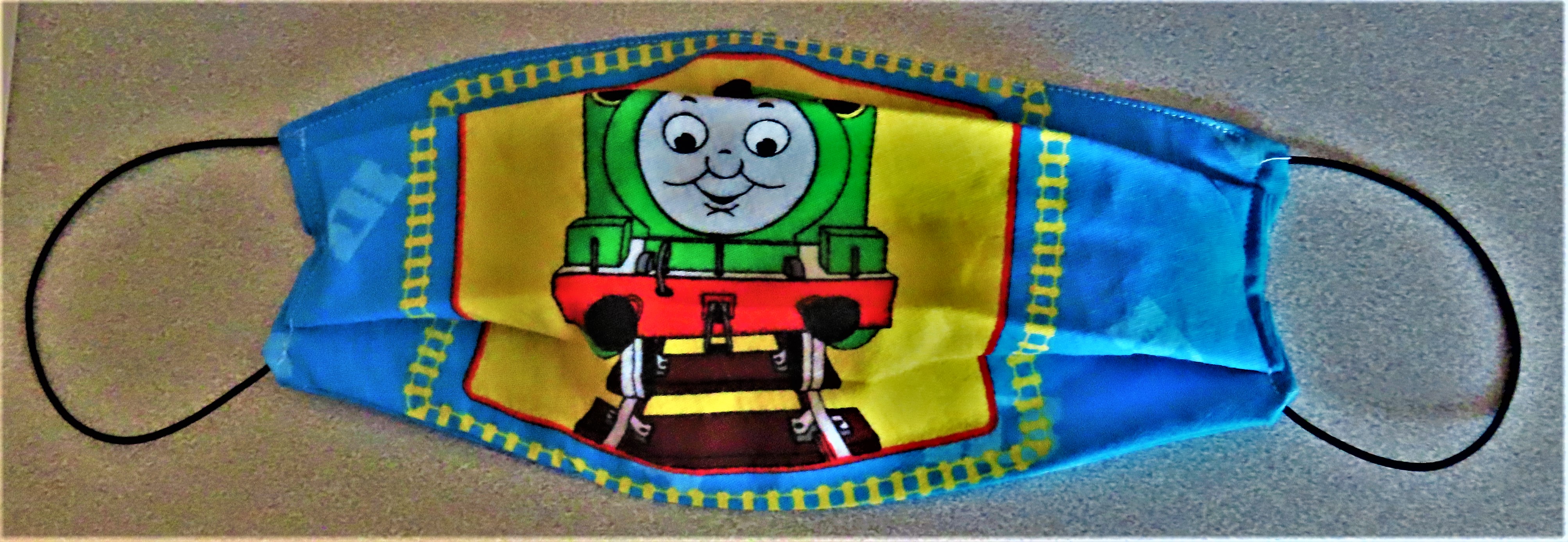
Masks, handmade for the use of members of NAS West Norfolk.

IMG_1313 (2)IMG_1314 (2)

IMG_1320 (2)
Me wearing one of the masks today.

IMG_1320 (3)
Close up of the mask in position.

TTAX
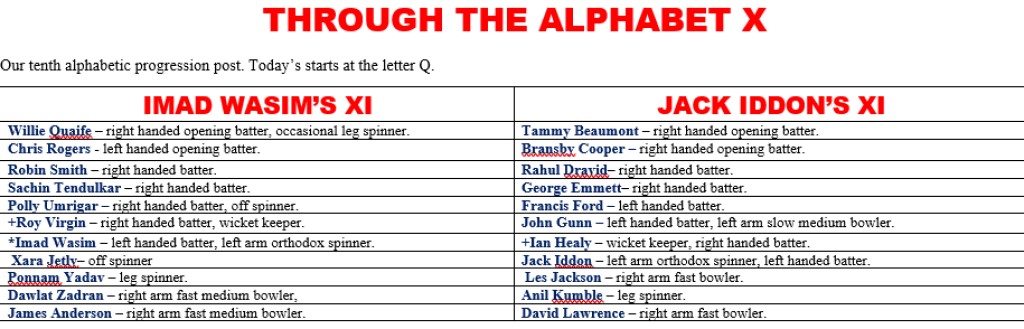
The teams in tabulated form.