One L Of An XI

An all time XI of players whose given names begin with L, a number of honourable mentions and a large photo gallery.

Today, with England Women in the process of thrashing India Women in a T20I and with England Men getting underway in the second ODI against West Indies Men at 5:30PM UK time we meet an all time XI all of whose given names begin with the letter L, and a few honourable mentions.

  1. Laurie Fishlock (England, left handed opening batter). Unsuccessful at the very highest level, partly due to World War II, which coincided with what should have been his best years as a player, his FC record was excellent.
  2. Len Hutton (England, right handed opening batter). One of the greatest openers there has ever been, and all the more remarkable given the effects of WWII – not just an enforced six year absence from playing, but also a training accident that left one arm shorter than the other.
  3. Laura Wolvaardt (South Africa Women, right handed batter). An average of 45.69 in ODIs is a fine achievement, and that it is way ahead of her T20I average suggests that longer formats suit her.
  4. *Lindsay Hassett (Australia, right handed batter, captain). His career was disrupted by WWII, but he still emerged with an excellent test record. Although Hutton won the only series in which he and Hassett were opposed as skippers I have noted that the only two of the first four matches which got close enough to completion to enable one to form a view were both heading Australia’s way when time ran out. Hassett had also got the better of Freddie Brown in 1950-1 down under, especially in the first match, when rain created a vicious sticky, Brown attempted to redress the balance by declaring at 68-7 to get Australia in on the treacherous surface, Hassett countered with a declaration of his own at 32-7, and England made such a hash of surviving the remainder of this hectic day that they closed on 30-6, including McIntyre being run out coming back for a fourth.
  5. Len Braund (England, right handed batter, leg spinner). A fine county all rounder who had his moments at test level. His batting was better than his record might suggest – almost the whole of his career happened before WWI, and he encountered a lot of poor pitches, and often didn’t have much support from the rest of the Somerset batting line up, which was notoriously brittle.
  6. +Les Ames (England, wicket keeper, right handed batter). The first test match keeper to also be a genuinely front line batter, his career highlights included 120 against Australia in an innings victory at Lord’s in 1934, a score which remained an Ashes record for a keeper until Alan Knott scored 135 at Trent Bridge in 1977.
  7. Liam Dawson (England, right handed batter, left arm orthodox spinner). He was called up for England before he was really ready for elevation and has been overlooked ever since (though with a test tour of India looming that may change), but he has been improving, and his all round skills played a large part in Hampshire faring well in the 2023 season.
  8. Learie Constantine (West Indies, right arm fast bowler, right handed batter) An explosive all round cricketer who had some great moments for the West Indies and became a legend in the Lancashire League for Nelson.
  9. Lance Cairns (New Zealand, right arm fast medium bowler, right handed batter). A fine bowler and a big hitting lower order batter.
  10. Lasith Malinga (Sri Lanka, right arm fast bowler, right handed batter). His career highlights include taking four wickets in four balls in each of two international formats.
  11. Lance Gibbs (West Indies, off spinner, right handed batter). He briefly held the record for career test wickets, going past Fred Trueman’s 307, ending with 309, which stood until Dennis Lillee went past it.

This XI has good batting depth, with a strong top seven and explosive bowling all rounders at eight and nine. The presence of so many multi-dimensional players, including the keeper Ames, enables the side to have an enviably balanced and well varied attack, with Malinga, Constantine and Cairns attending to pace/swing/seam and Gibbs, Dawson and Braund covering the spin department nicely.

I nearly went for an all-Yorkshire opening pair, with Louis Hall joining Hutton at the top, but Fishlock’s left handedness swung the verdict his way. Les Berry of Leicestershire and Lionel Palairet of Somerset were also potential openers. In the middle order Lala Amarnath, Hilary Angelo ‘Larry’ Gomes (the latter could have had the number three slot that I gave to Wolvaardt, giving me a second left hander) and another South African, Lizelle Lee, were all potential picks in this area. Lahiru Thirimanne of Sri Lanka was talented but ultimately failed to deliver on that talent. Liam Livingstone would at one stage have seemed a candidate, but his red ball form his been non-existent for some time, and in white ball cricket England seem to be treating him as a bowling all rounder, with his batting now considered of secondary importance. Lance ‘Zulu’ Klusener just missed out on an all rounders slot. A few years ago I would have expected Lewis Gregory to be worth a place in this XI but his career his flatlined. Len Hopwood, a left arm seamer and right handed batter for Lancashire, would have been a candidate for the number eight slot except that he failed absolutely in both of his test appearances. Len Coldwell spearheaded the Worcestershire bowling attack when that county when two championships in the 1960s but was found wanting at international level. Len Muncer of Middlesex and Glamorgan could spin the ball both ways, and played a significant role in the latter county winning its first championship in 1948, but he never played at international level. Laxman Sivaramakrishnan bowled leg spin for India in the 1980s, but not well enough to merit a place in this XI. Lisle Nagel, a tall right arm seamer in the 1930s once took an eight-for against a visiting England side in a tour match, but did little at international level. Two contemporary pacers, Lockie Ferguson of New Zealand, and Lance Morris, on the fringes of the Australian test side, would both have their advocates. Ferguson is a limited overs specialist, and if I were picking an XI for limited overs he would get the nod. Morris may yet force his way in to the reckoning, but at the moment he is unproven. Lebrun Constantine, father of Learie, was a fine wicket keeper but not fine enough to displace Ames.

I have a fine photo gallery to end with…

England Women have won their match against India Women, by 38 runs, which is a huge margin in a T20. Nat Sciver-Brunt scored 77 with the bat, and Sophie Ecclestone took 3-15 in her full four overs with the ball.

The Closing Stages of the County Championship Season

We are about to go into the final session of play of the County Championship season of 2023. Surrey are already confirmed as champions – although they lost a hard fought match against Hampshire their only rivals Essex had already crumbled to an innings defeat at the hands of already relegated Northamptonshire. Durham and Worcestershire are the promoted sides, which leaves only the question of whether Kent or Middlesex are the other side to go down.

This match, the one I am currently listening to is between two sides who have both had poor seasons. Derbyshire are winless, and due to their craven cowardice in delaying their declaration today until the target stood at 384 in 70 overs, nowhere near a tempting enough carrot to lure Glamorgan, whose position is already settled, into going for the target, and thus almost certainly guaranteeing the draw. Derbyshire will finish at worst second from bottom, but that is only because Yorkshire were hit with a punitive points deduction, which has been enough to guarantee them last place in the table.

Another match involving a declaration on the final day, but Middlesex, knowing that a draw was effectively valueless to them in their quest to stay up did dangle a carrot, and Nottinghamshire are making the chase look quite easy at present. Kent and Lancashire are pretty much certain to draw – Lancashire are still batting in their second innings and are 181 ahead of Kent, which means that unless Middlesex can scramble nine wickets from somewhere in less than a full session they will go down.

Those who have studied my all time county XIs will have noted that on those occasions on which I named an overseas player (and I never picked more than one) I nearly always opted for a bowler. The use Surrey have made this season of Sean Abbott, Daniel Worrall and Kemar Roach underlines the value of high quality overseas bowlers. On the other side of the scale I would put Sussex, third in division two, in spite of losing only one match all season – they have had 10 draws in 14 matches. Their main overseas star has been Cheteshwar Pujara, a pure batter, and for a few matches, a side that was struggling to take 20 wickets was further skewed in favour of batting when they opted to allow Steve Smith to have some pre-Ashes batting practice. Pujara may have been justifiable, but signing a second overseas pure batter when struggling for wickets was on any reckoning misjudged.

England’s next test tour is to India, a place where spin bowling is important. The best specialist spinner in England is Jack Leach, and Rehan Ahmed is very promising young cricketer. In addition to these two I would draw attention to the man whose 800 runs and 40 wickets has helped Hampshire to third place in division one, Liam Dawson. If England go on a test tour of India without Dawson in the form he is currently enjoying their selectors will be guilty of dereliction of duty, as they will also be if anyone other than Foakes is named as keeper.

My usual sign off…

England 3 South Africa 1

My thoughts on the recently concluded series between England and South Africa mens teams, plus some photographs from work.

INTRODUCTION

On Monday I listened to what turned out to be the final day of the test series between England and South Africa (Tuesday would have been available had South Africa taken the game that far but they never really looked like doing so). In this post I look back at the match and the series.

THIS MATCH

England batted first and made at least 50 more than they should have done in the circumstances, getting to 360. When the ninth England wicket fell South Africa turned to the “clever ruse” of dropping the field back to allow the major batter (Jonny Bairstow on this occasion) to take singles so that they could bowl at the no11. This is a dubious tactic in any case, but South Africa’s execution of it was downright bad – on a number of occasions Bairstow took twos early in the over, which should never happen when this tactic is in play. I can think of no occasion on which it can be demonstrated that a side fared worse by attacking at both ends than they would be adopting this tactic, whereas I offer the following examples of times where adopting it caused problems:

  • Perth 1978 – Australia eight down for not many facing and England total of over 300, Mike Brearley gives Peter Toohey with 50 to his name singles so as to attack Geoff Dymock. The ninth wicket pair stage a very irritating partnership. In the end England’s superior skill and professionalism tell (Australia were depleted by the Packer affair and Graham Yallop proved to be a very poor captain). My source for this story is Brearley himself in “The Art of Captaincy”.
  • Melbourne 1982 – The ninth Australian wicket in their second innings falls with them still needing 74 for victory. England allow Border singles so they can attack Thomson, the no 11. Australia get to within a boundary hit of victory before Thomson flashes at a wide one from Botham and is caught by Miller with an assist from Tavare.
  • Sydney 2010 – Pakistan have bossed the game against Australia, leading by over 200 on first innings, and Australia are only 80 to the good with two second innings wickets standing going into the 4th morning. Pakistan decline to attack Hussey, and Siddle plays a straight bat the relatively few deliveries he has to face. In the end Pakistan need 176 to win, which is far more than they were expecting. The pressure is too much for an inexperienced batting line up, especially once Mohamed Yousuf has compounded his failure as captain by falling to a very poor shot to leave his side 57-4. Australia end up winning by almost 40 runs.

South Africa’s response, if it can be so described, was to scrape together 226 for a deficit of 136. A fine innings by Moeen Ali in the second England innings takes England to a lead of 379. Dean Elgar fell cheaply to start the South African second innings, and by the lunch interval Heino Kuhn and Temba Bavuma had also been accounted for. Amla and Duplessis resisted stoutly for a time, but the dismissal of Amla sparked a collapse, with no one else making a significant contribution as 163-3 at the high point of the innings subsided to 202 all out. Moeen Ali took five of the wickets to finish with 25 for the series alongside over 250 runs for the series (the first time this double has been achieved in a series of fewer than five matches). Moeen Ali was player of the match, and also player of the series for his all-round efforts.

THE SERIES AS A WHOLE

Barring the aberration at Trent Bridge this was a series that England dominated, and 3-1 is a fair reflection of that fact. Lord’s (it is named after Thomas Lord of Thirsk, so Lord’s is technically correct) saw the only really huge first innings tally of the series, and from that point on England were always going to win that match. I wrote in some detail about the Trent Bridge debacle at the time. At The Oval (these days there is always a sponsor’s name attached but I refuse to mention them whoever they may be) England made a respectable first innings total and South Africa crumbled, while this final match at Old Trafford went along similar lines. 

THE PLAYERS

I am going to finish the text element of this post by looking at both sets of players, starting with South Africa.

Dean Elgar – a tough competitor whose second innings 136 at The Oval when all around him were surrendering was a stand out performance. 

Heino Kuhn – resembles a test-class opener about as closely as Liam Dawson resembles a test-class all-rounder. The only surprise out his dismissal during the morning session fo what turned into the final day of the series was that it did not come sooner.

Hashim Amla – a magnificent batter now nearing the end of his illustrious career. This was not a great series for him but his fighting 83 in the final innings was a splendid effort.

Quinton De Kock – fine wicketkeeper and on his day a very destructive batter, but was miscast in the key number four role where was too often coming in with the team reeling from early blows. He was moved down for the final match of the series, but this was his equivalent of Adam Gilchrist’s 2005 in England – batting wise a series to forget.

Faf Du Plessis – it continues to be debatable whether he is worth a place as a batter, but the team play much better under his captaincy than when he is not present. 

Temba Bavuma – a very reliable batter. He needs to develop ways of keeping the scoreboard ticking – at the moment it takes him a very long time to score his runs.

Theunis De Bruyn – anonymous in this series, he did nothing significant with the bat and his bowling was not much used.

Chris Morris – occasional moments with his hard-hitting batting but his bowling was very expensive.

Vernon Philander – a great cricketer, but like Alan Davidson and Chris Old before him he is somewhat of a hypochondriac. He did not contribute fully to this series.

Keshav Maharaj – South Africa’s leading wicket taker of the series. 

Kagiso Rabada – A fine fast bowler who bowled well in this series and at times did enough with the bat to have embarrassed some of bhis supposed betters in that department.

Morne Morkel – A solid series – it was not South Africa’s bowlers who were chiefly responsible for their defeat in this series.

Duanne Olivier – more will certainly be seen of this young fast bowler.

Now for England…

Alastair Cook – continues to steadily ascend the test run scoring lists – in the course of this series he went past Allan Border’s aggregate. His effort on the truncated first day at The Oval put England in control of that game, a position consolidated by Ben Stokes’ century.

Keaton Jennings – surely he has run out chances after a series in which his highest individual score was 48 and during which he never looked convincing. 

Gary Ballance – given a chance to re-establish himself in the side because he scores so many in domestic cricket he failed, and looked out of place. He was deservedly one of the casualties of the Trent Bridge debacle.

Tom Westley – a solid start to his test career. He looks like he belongs in the test arena and I expect to see a lot more of him.

Joe Root – his first series as test captain, and with a 3-1 series win and himself being leading run scorer on either side for the series it was a splendid start. 

Dawid Malan – came in to the side after the loss at Trent Bridge and has not yet done much.

Jonny Bairstow – an excellent series with both bat and gloves.

Ben Stokes – regular contributor of runs, wickets and catches. Like the man I will be dealing with next he is that rarity, a genuine all-rounder.

Moeen Ali – deservedly named player of the series, he was outstanding with bat and ball. 

Liam Dawson – my comments about Heino Kuhn suggest that I do not rate Mr Dawson, and that impression is correct. He has neither the batting nor the bowling to be of use in test match cricket. If conditions warrant two spinners pick a real spinner, and if they don’t Moeen Ali will be the sole spinner.

Toby Roland-Jones – he started his test career firing with both barrels – a five-for including the top four in the opposition batting order, and has done well in both his matches so far. 

Stuart Broad – a good series for the big fast bowler. 

Mark Wood – two matches in the series, total figures 1-197 – ’nuff said.

James Anderson – 20 wickets in the series at 14 each. At the age of 35 he remains arguably the finest user of a new ball in world cricket. The authorities at his home ground of Old Trafford have recently paid him the compliment of naming one of their bowling ends in his honour – and he responded by taking four cheap wickets from that end at the first time of asking. I reckon he still has a couple of good years left in him which would enable him to sign off with a home world cup followed by a home Ashes series.

PHOTOGRAPHS

I always like to include photographs in my posts, and although I have none relating to cricket, here are a few from yesterday at work (these will be going under the hammer on August 30th, our second end of August auction, with a sale happening at our shop on Friday August 25th – more on this in a later post):

1403
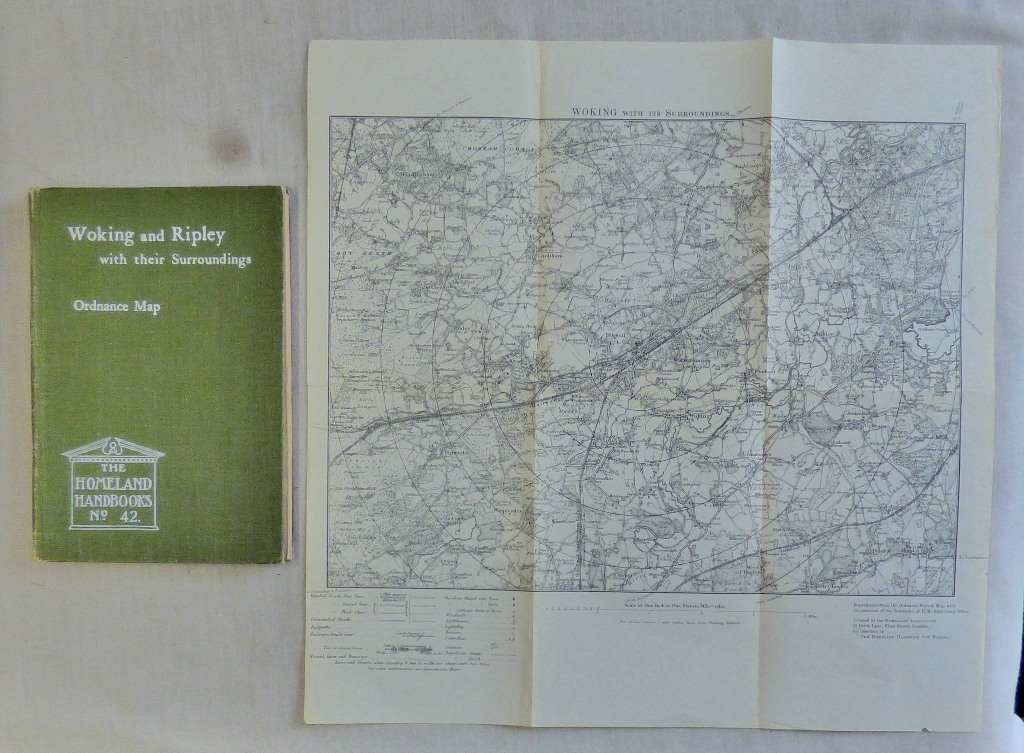
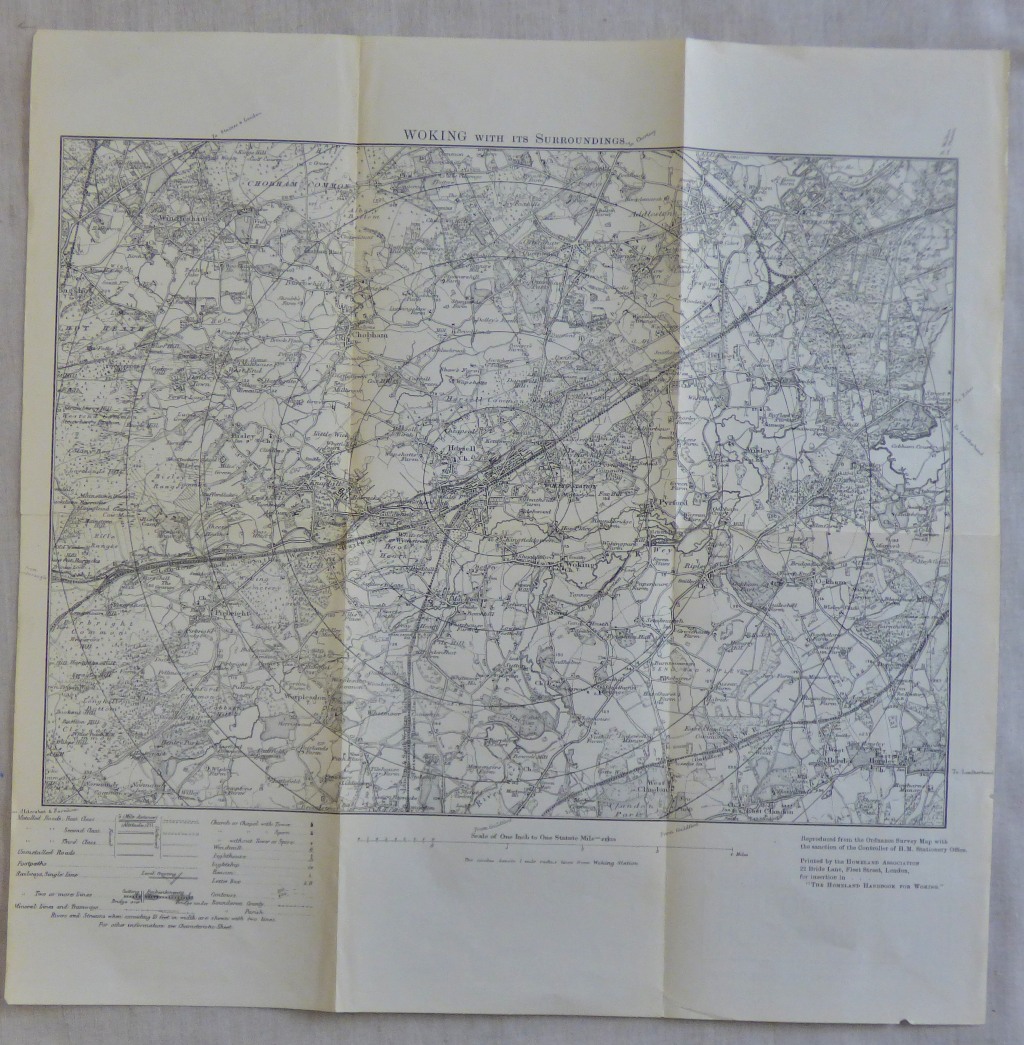
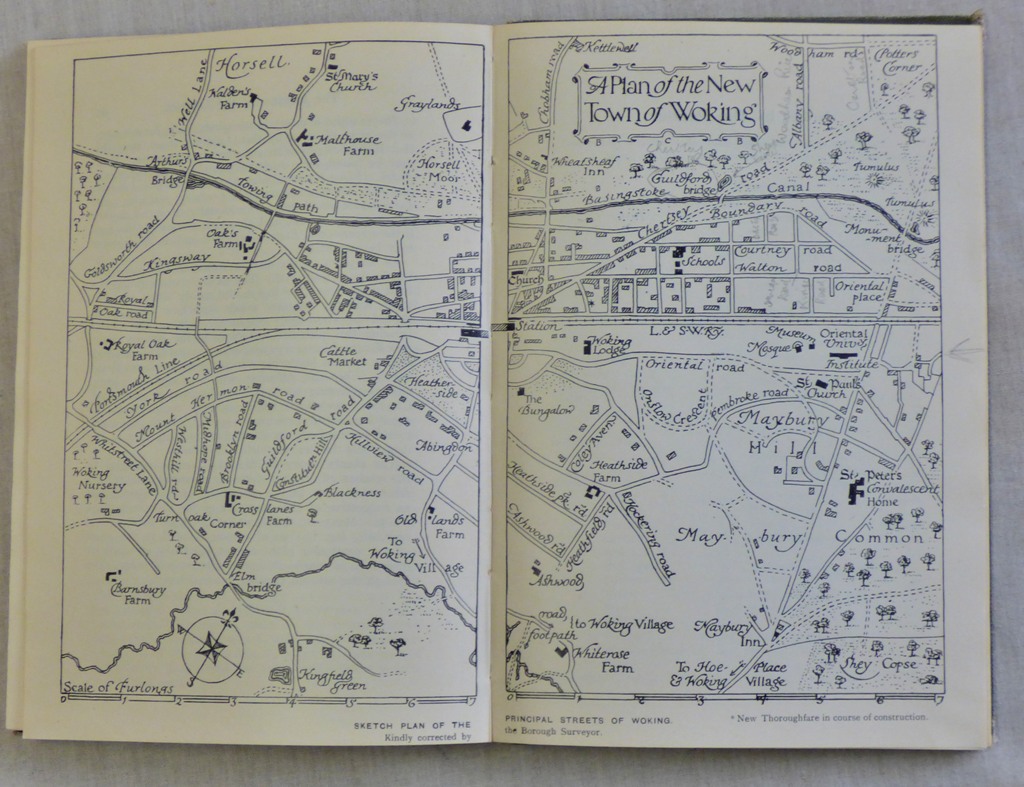
Lot 1403 – there is a little wallet incorporated in the inside back cover of the book to store the map when folded.

1403-a1403-b1403-c

1415
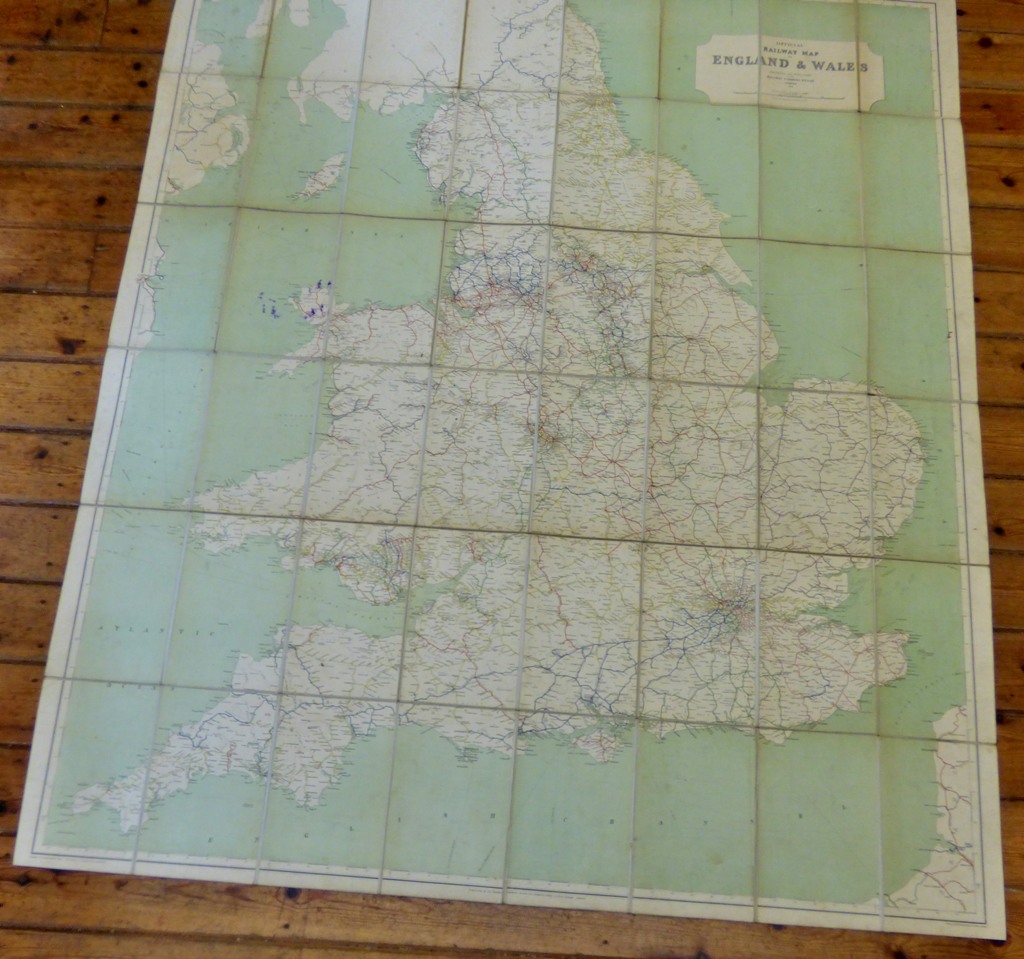
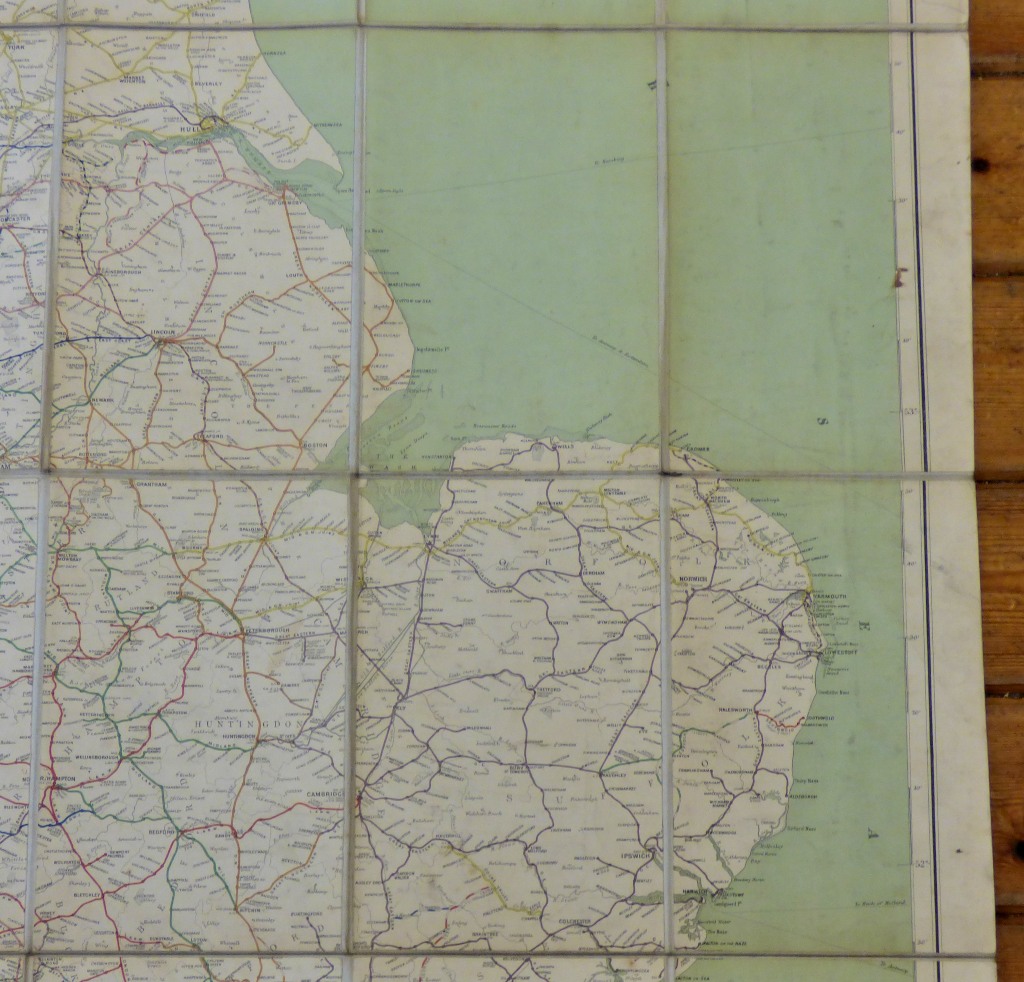
Lot 1415 – the largest railway map I have ever seen – and it has stout front and back panels so that when folded it looks a bit like a book.

1415-a

1415-b
A stamp on the back of one the ordinary panels.

1415-c
The front panel

1415-d
The back panel

1422
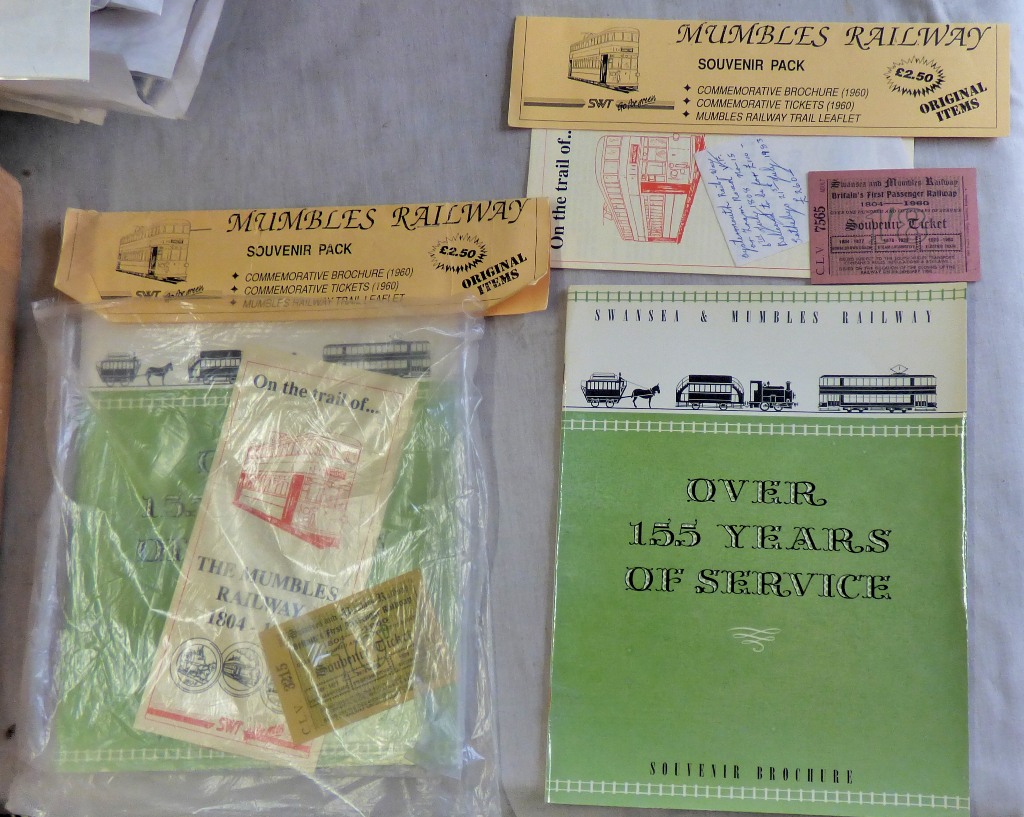
Lot 1422 – A more modern and much smaller railway map, with promotional material on the reverse (four images)

1422-a1422-b1422-c

1428
Lot 1428 – Some south Wales railway history.


A Tale of Two Cricket Matches

An account of two recent cricket matches involving England and South Africa, first the England men’s humiliation at Trent Bridge, and then the nailbiter of a Women’s World Cup semi-final at Bristol.

INTRODUCTION

Both of the matches of my title were cricket matches between England and South Africa. The first was the test match between the men’s teams, and the second was the women’s world cup semi-final. A couple of notes about links in this piece:

  1. All cricket related links are to cricinfo, and…
  2. Some links are in red – these are to video footage.

IT WAS THE WORST OF TIMES

England had won the first test match of the series handily, with Joe Root scoring 190 in his first innings as England captain and Moeen Ali being player of the match for his first inning 87 and match haul of 10-112. Among England’s male players only Ian Botham with 114 not out and 13-106 v India in 1979 has topped Ali’s all-round haul in a single game (Enid Bakewell was the first player of either sex to combine a match aggregate of 100 runs with a haul of 10 or more wickets, hence the earlier caveat). 

Thus at Trent Bridge England should have been strong favourites. South Africa won the toss, batted first and made 335 in their first innings and England by bad batting handed South Africa a lead of 130, South Africa extended this to 473 with two days to play before sending England back in, messrs Elgar and Amla having demonstrated how to make runs on this pitch, each batting a long time. England’s second innings was quite simply shambolic, with batter after batter handing their wickets away. Four wickets down by lunch on the penultimate day it worse afterwards, with England being all out for 133 at approsimately 3PM. South Africa, having given themselves two days to dismiss England a second time had required less than two full sessions and were victors be 340 runs. 

ENGLAND’S MISTAKES

The first mistake England made was with the selection of the side. According to the powers that be Moeen Ali is happier as a second spinner than as either a sole spinner or as first spinner. However I find it hard to believe that even he could really consider himself no2 to Liam Dawson. Dawson is an ill thought out selection reminiscent of the dark days of the 1990s. For his county he averages in the low thirties with the bat and the high thirties with the ball, so even at that level he comes out as clearly not good enough in either department to warrant selection – the reverse of the true all-rounder. If a pitch warrants two spinners (and no Trent Bridge pitch in my lifetime ever has) the other spinner should be a genuine front-line option such as Dominic Bess (first class bowling average 19.83 per wicket – what are you waiting for selectors?). The other logical alternative would have been to bring in an extra batter (there are any number of possibilities) to strengthen this department. England’s batting in both innings smacked of panic. Other than Root whose 78 in the first innings was a gem and Cook who played well for a time in the second no England batter is entitled to be other than embarrassed by the way they played in this match. The scorecard, in all it’s gory detail, can be viewed here.

IT WAS THE BEST OF TIMES

On what should have been the final day of the men’s test match but for England’s spinelessness the women’s teams convened at Bristol for a world-cup semi-final. The final will be played at Lord’s and is already sold out. South Africa batted first and were restricted to 218-6 from their overs, Mignon Du Preez top scoring with 76 not out, and Laura Wolvaardt making 66. South Africa bowled better than they had batted, and the outcome remained in doubt right to the end. Anya Shrubsole who had earlier finished with 1-33 from her 10 overs settled things by hitting her first ball, the third-last possible ball of the match through the covers for four. Sarah Taylor’s 54 and a brilliant wicket-keeping performance highlighted by the spectacular stumping of Trisha Chetty off the bowling of Natalie Sciver earned her the player of the match award. Sciver incidentally is the pioneer of a shot that in honour of her first name and the f**tballing term ‘nutmeg’ commentator Charles Dagnall has dubbed the ‘Natmeg’, one example of which she played in this match. Video highlights of this amazing match can be seen here (runs for just under five minutes), while the scorecard can be viewed here.

THE ROLE OF EXTRAS

To set the scene for the rest of this section here are the extras (a cricket term for runs scored not off the bat) from both innings:

When South Africa batted: 

Extras (w 4) 4

When England batted

Extras (b 5, w 17, nb 3) 25

A note on the designations within extras: Byes (b) stands for runs scored when there is no contact made with the ball but either the batters are able to take runs, or the ball goes to the boundary unimpeded, legbyes (lb), of which there were none in this match, are runs scored when the ball hits the pad but not the bat. Wides (w) are deliveries that are too wide for the batter to be able to play, and no-balls are deliveries that are ruled illegal for some other infraction (bowler overstepping the crease, high full-toss etc). The 21 run difference between the two tallies shown above is of major significance given that England reached the target with just two balls to spare, and there is yet a further point.

WIDES AND NO-BALLS – WHAT APPEARS IN PRINT DOES NOT TELL THE FULL STORY OF HOW EXPENSIVE THEY ARE

England bowled four wides in the match, South Africa 17 and three no-balls. That is a 16-run difference, but the actual costs are likely be even more different because:

  • When a delivery is called wide, as well as incurring a one-run penalty an extra delivery must be bowled to replace it. Thus a wide costs the original penalty, plus possible extras (if it goes unimpeded to the boundary it costs 5, the original 1, plus four foir the boundary) plus any runs scored off the seventh delivery of the over, which the bowler had they been disciplined would not have had to bowl
  • When a delivery is called a no-ball, the batter can still score off it, the delivery immediately following it is designated a ‘free-hit’, meaning that the batter cannot be dismissed off it, and as with a wide an extra delivery must be bowled to replace it. Thus a no-ball actually costs the original penalty, any runs hit of that delivery, the lack of a wicket-taking opportunity on the next delivery and any runs of the seventh delivery of the over (which would otherwise not have needed to be bowled). 

Therefore the discrepancy between the sides in terms of wides and no-balls is probably much greater than shown on the score-card, and this in a very close match. Sarah Taylor certainly deserved her player of the match award, but the much tighter discipline shown by England’s bowlers than their South African counterparts was also crucial to the result.

PHOTOGRAPHS

After over 1,100 words those of you are still with me deserve some pictures, so here we are:

Bee1Bee2

Puppet theatre
This puppet theatre is in town for the Lynn Festival

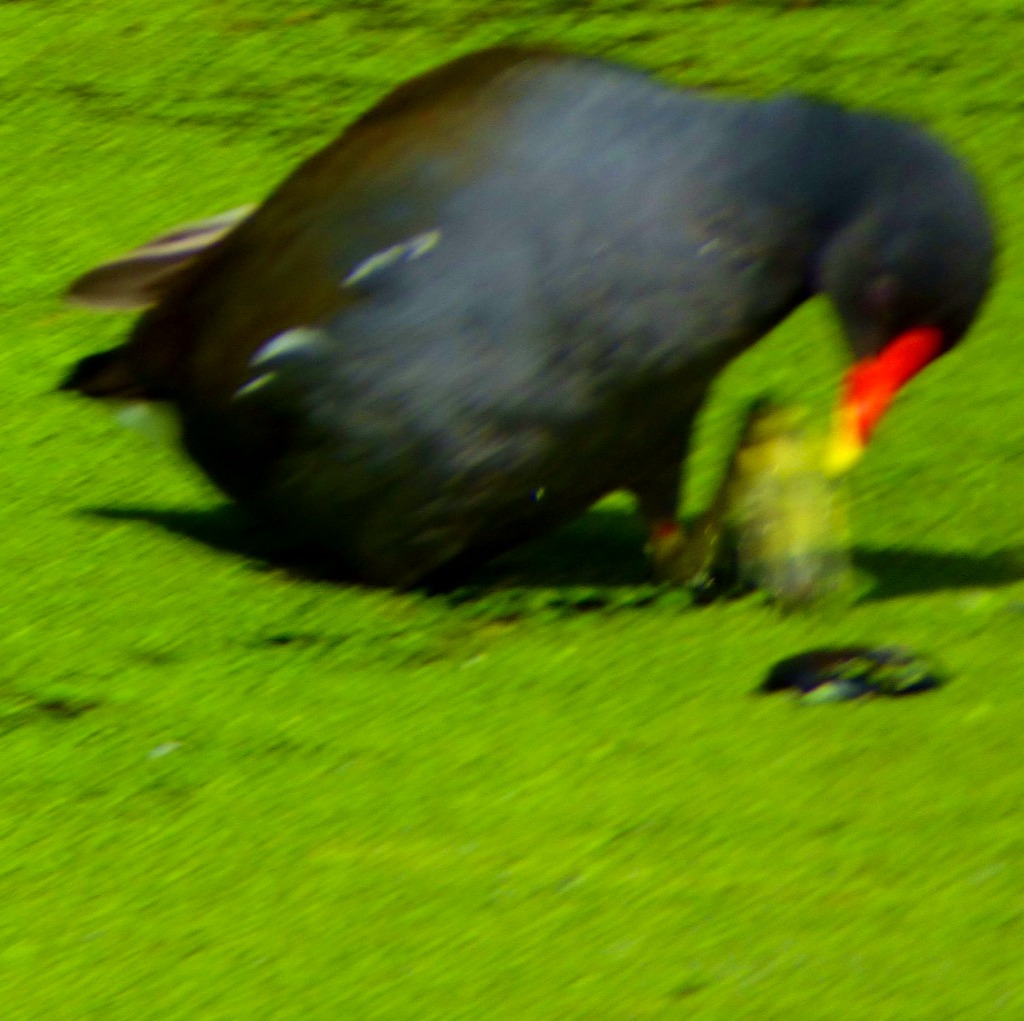
Purfleet1Moorhen chick

Greyfriars
Greyfriars Tower

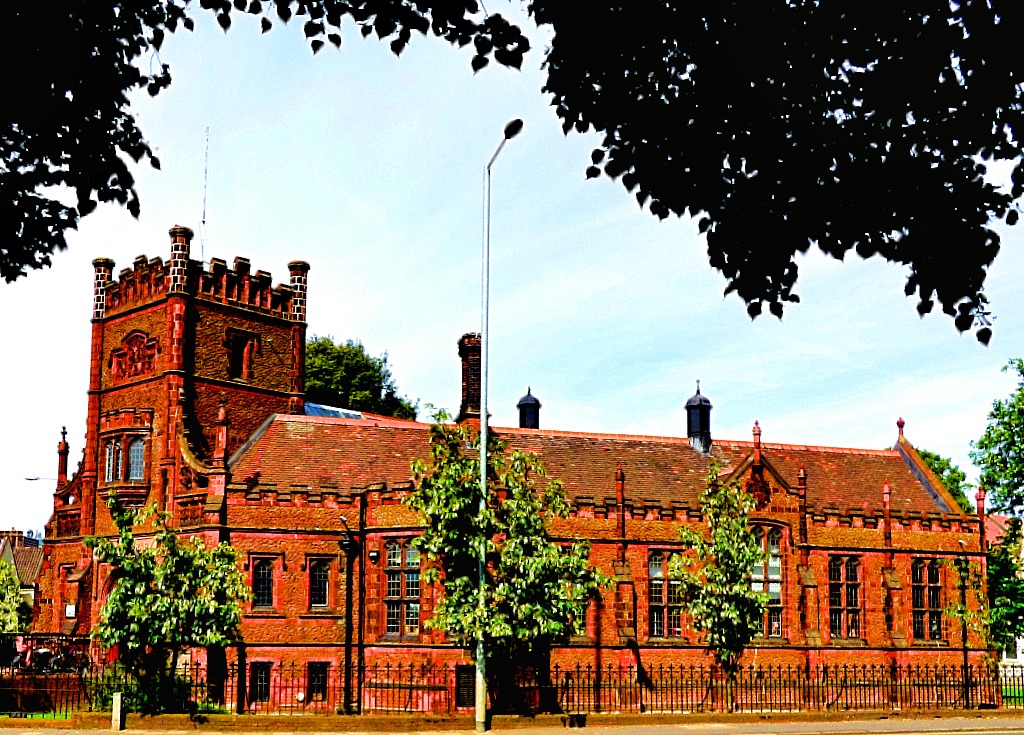
Library
King’s Lynn library

Squirrel

Red Mount Chapel
The Red Mount Chapel

P1030346
The unedited Red Mount chapel picture.

Guanock Gate
The Guanock Gate

Moorhen and algaeStationPollinator

CH1
The first of three pictures featuring the Custom House

CH2CH3Boat1Boat2Gulls

West Lynn Church
West Lynn Church

Bee3
Just as a bee pic was worthy start to this series of photos, another bee pic is a worthy finish to it.