ANTIQUES ROAD TRIP: BRAXTON VS ROSS

A brief account of yesterday;s episode of Antiques Road Trip, which featured both my home town and my employer. Also some photographs and some links.

INTRODUCTION

Although I do have a few other things to share this post is mainly concerned with yesterday’s episode of Antiques Road Trip, which happened to feature an auction at Fakenham Racecourse (which took place on April 29th 2015).

ANTIQUES ROAD TRIP

Here is a link to last night’s episode:
http://www.bbc.co.uk/iplayer/episode/b07027st/antiques-road-trip-series-12-episode-21

For those who watch, I am the person in the red jacket sitting next to the auctioneer.

This was the start of a new week, so we were introduced to the two experts and shown the car that they would be using first. Then the buying part of the episode happened, which features some excellent footage of King’s Lynn among other places.

The episode concluded, as they all do, with the auction. While I do not know much about what happened to these items after the auction I can tell you that following a couple of other unsuccessful outings the baker’s scales are still on the James and Sons van.

The program was well made, and even though I of course already knew which items were destined to be bought for sale at that auction, nevertheless it held my attention all the way through.

A PICTORIAL INTERLUDE

I mentioned that there was some good footage from King’s Lynn on yesterday’s episode of Antiques Road Trip, and here some photos from King’s Lynn…
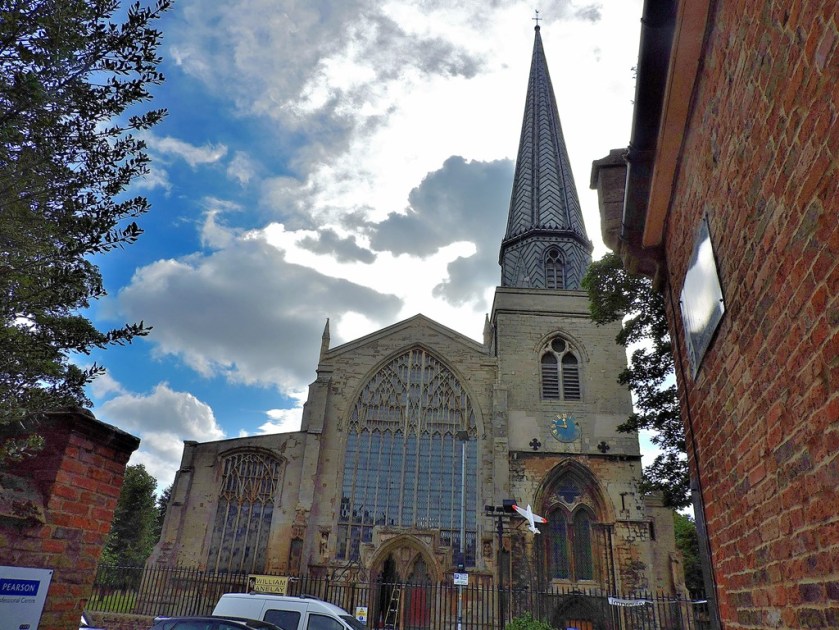
DSCN9988
St Nicholas Chapel, taken in August
DSCN9986
The Corn Exchange, also from August
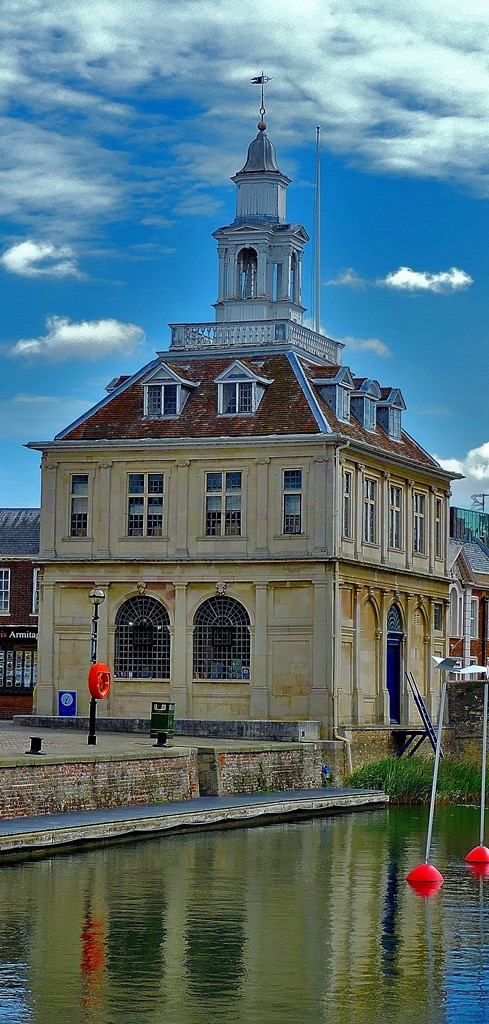
DSCN3932
The Custom House, from August
DSCN9354
Taken yesterday
DSCN9353
Taken yesterday
DSCN9348
Taken yesterday
DSCN9358
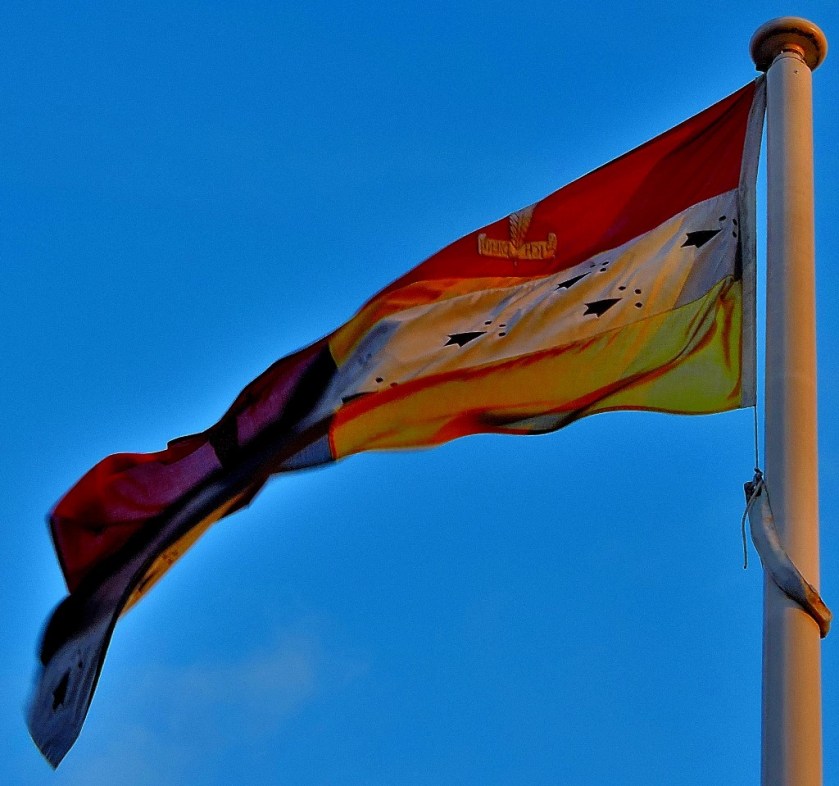
One of three images of the flag flying above King’s Lynn station, all taken yesterday
DSCN9349
The Red Mount Chapel, taken yesterday

DSCN9357DSCN9359

DSCN9350
Taken yesterday
DSCN9355
Taken yesterday
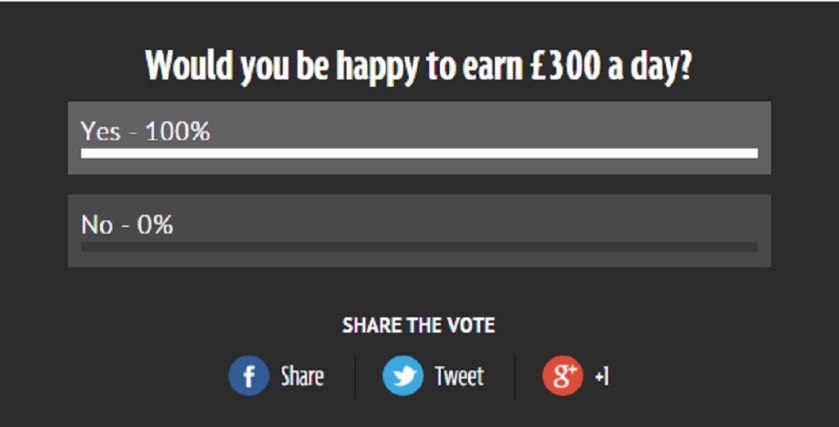
100%
It is not often that a poll produces this result! – the story was about a Tory lord who was claiming that their daily allowance was insufficient!
DSCN9319
The front of the Duke’s Head Hotel where the Positive Autism Awareness Conference will be happening on April 15th.

WWW.LONDONTU.BE

I conclude this post by sharing a few recent posts connected with my London transport themed website:

The Lost Property Office

Tube Strike over job cuts and ticket office closures – Vox Political

Tube strike over job cuts and ticket office closures – Guardian

My most recent original post – Chingford and Loughton

Special Post: Loughton

INTRODUCTION

This is the sixth post in a series I have started recently, in the form of a station by station guide to London. Before moving on to the meat of today’s post, here is a link to the previous five.

LOUGHTON

Loughton has been served by the Central line since 1948, but before that it, along with the rest of the eastern end of the Central line was part of the Great Eastern Railway. Nowadays there are only three stations beyond Loughton on the Central line, but as you will be seeing in a later post there used to be more. This is the first of the stations I have covered in this series to be on the Central line, so a mention of Danny Dorling’s marvellous book ‘The 32 Stops’ is mandatory – complete with link to snapshot review and a picture…

DSCN6365

As a preamble to talking about Loughton itself I am going to say a bit about going there, for which I need to make some very brief technical points. London Underground (the correct name for the whole network) comprises two separate systems, the older lines (Metropolitan, District, Circle and Hammersmith & City) known as ‘surface’ lines whose tunnel sections were built using the self-explanatory ‘cut-and-cover’ method and the newer, deep-level ‘tube’ lines. The older lines were built to the same spec as mainline railways, while the newer lines are built for much smaller stock. Where there are direct cross-platform interchanges between older and newer lines the platforms are built to a compromise height so that there is a step down into a tube train and a step up into a ‘surface’ train.

My preferred method of getting to Loughton, unless I was starting from a Central line station, would be to get on to either the Hammersmith and City or District lines first, and change at Mile End, which is an interchange that is unique – it is a cross-platform interchange between ‘surface’ and ‘tube’ lines that is in tunnel (the Central line rises to the surface at the it’s next station eastwards, Stratford).

I first visited Loughton for a Geography project at school, studying the Loughton Brook. In spite of this introduction I subsequently returned of my own volition more than once – it is very scenic, both north towards the sources of the brook and south to where the brook flows in to the river Roding.

To finish this post I have a few map pictures for you…

This map has got a bit damp stained over the years, but it does reveal how much the central area of the network is expanded in the schematic diagrams that are usually shown at stations.

DSCN6339 DSCN6340 DSCN6341

This map shows what the London Underground system looked like in 1950, just after the Central line had started serving the stations out to the then terminus at Ongar.