
All Time XIs – Detective Fiction

An all time XI of players who have namesakes in detective stories and a photo gallery.

Today I select an XI of players who are namesakes of characters in detective fiction.

  1. Percy Holmes (right handed opening batter, Yorkshire and England). In most eras other than the one he played in he would have been one of the first names on the England team sheet, especially given what a great partnership he formed with Herbert Sutcliffe. As it was he generally missed out due to the presence of Jack Hobbs. His record for Yorkshire was outstanding, and at the time of his retirement included five of the ten highest individual scores made for the county. His fictional alter ego is of course the one and only Sherlock Holmes.
  2. Herbert Sutcliffe (right handed opening batter, Yorkshire and England). One of the greatest opening batters ever to play the game, and shared 69 first class century opening stands with Holmes. He gets in by way of Magda Josza’s “Sherlock Holmes and the Femmes Fatales”, which features among others Lady Elizabeth Sutcliffe and her uncle Sir Vincent Sutcliffe.
  3. Fred Bakewell (right handed top order batter, Northamptonshire and England). By the time a car crash brought his career to a premature close he had done more than enough to establish himself as a great batter. His fictional equivalent is Diana Bakewell, heroine of the Rachel McLean/ Millie Ravensworth series of London cosy mysteries of which I have read three thus far.
  4. Jack Ryder (Australia, right handed batter, right arm medium fast bowler). One of the finer batters of the 1920s, his credits include a test match double century. He was also a useful enough bowler to occasionally be entrusted with the new ball. His namesake is James Ryder, villain in “The Adventure of the Blue Carbuncle”.
  5. *Warwick Armstrong (Australia, right handed batter, leg spinner, captain). A magnificent all rounder, and a ruthlessly effective leader. The eight successive Ashes match victories he presided over (a 5-0 sweep in Australia in 1920-1, and the first three matches of the series in England in 1921) remains an all time record. His alter ego is Superintendent Armstrong from the Museum Detectives series.
  6. Vallance Jupp (Sussex, Northamptonshire, England, right handed batter, off spinner). In the 1920s he achieved the double feat of 1,000+ runs and 100+ wickets in FC matches eight times in consecutive seasons. I have slipped him in by means of a small piece of sleight of hand – one of The Railway Detective, inspector Robert Colbeck’s colleagues is an inspector Vallence, and by altering one letter I got in a link to my favourite of all detective series.
  7. +Adam Gilchrist (Australia, wicket keeper, left handed batter). |One of the all time greats of the game, although his legacy could be considered tarnished by the fact that a number sides nowadays blatantly sacrifice keeping quality for better batting from the keeper. One of the three students in the Holmes story of that title is named Gilchrist.
  8. Gus Atkinson (Surrey, England, right arm fast bowler, right handed batter). He has had a superb start to his England career, though like too many of his team mates he had a poor time on the recent tour of Australia. Gus the cat is a character in the London cosy mysteries that also gave us a Bakewell.
  9. Don Wilson (Yorkshire, England, left arm orthodox spinner, left handed batter). Though his England record was not great he took his first class wickets at 21 a piece. His alter ego is of course Daniel Wilson, one half of the Museum Detectives.
  10. Ted McDonald (Australia, Lancashire, right arm fast bowler, right handed batter). One half of the first great fast bowling pair to operate at test level along with Jack Gregory, he later became one the spearheads of Lancashire’s most successful ever period. Though I have to add a letter to his surname to do it, I have two very different alter egos for him: Alec MacDonald, one of the few Scotland Yarders Holmes actually treats with respect (see “The Valley of Fear”) and Kylie MacDonald, one of the pair of detectives in the elite NYPD Red unit that features in a series of books with that title, the first six by James Patterson and Marshall Karp, and the seventh by Marshall Karp.
  11. William Mycroft (Derbyshire, left arm fast bowler, right handed batter). Took over 800 FC wickets at 12 a piece in his career. With one Holmes brother sharing his name with an opening batter this XI ends with the other, Mycroft, sharing his name with an opening bowler.

This side has a more than adequate batting line up, and a stellar array of bowling talent – McDonald, Mycroft and Atkinson as front line pacers, with Ryder available as fourth seamer if needed, and Wilson, Jupp and Armstrong covering all the spin bases. I will not do honourable mentions for this one – there are a vast range of possibilities. Feel free to comment with your own ideas.

My usual sign off…

Scorchers Win BBL15

A brief account of today’s BBL Final and a photo gallery.

Today saw the final of the 15th edition of the men’s Big Bash League. The match featured the two most successful franchises in the history of the competition, Perth Scorchers and Sydney Sixers, at the former’s home ground since they had won the league stage of the tournament.

Scorchers won the bat flip, put Sixers in to bat and went about things utterly ruthlessly thereafter. Other than Steve Smith early on with 24 from 13 balls none of the Sixers batters really got going against some fine Scorchers bowling. David Payne, an English left arm seamer, was the star with 3-18 from his four overs, and he was a little unlucky those figures weren’t even better – Joel Davies was saved from becoming his fourth victim when a replay indicated that a diving catch in the deep had not in fact been cleanly taken. Sixers had only managed 132-9 from their 20 overs. Scorchers never looked in any danger of not scoring the runs. Although they made slightly heavy weather of finishing the job they still had six wickets and 2.3 overs in hand when Josh Inglis finished things with a six off Ben Dwarshuis, which is a thrashing in anyone’s language. Scorchers have now won six of the 15 editions of this tournament.

My usual sign off…

Australia Take Control in Sydney

A look back at days two and three at the SCG and a photo gallery.

Before I get into the main meat of this post, the events of days two and three in the fifth Ashes test in Sydney I have some important news from today. On Christmas morning my computer started failing to recognize the existence of WIFI networks, and today I was finally able to take it to a friend in Fakenham who is a professional fixer of computers, and it is once again fully functioning.

England resumed on the second day on 211-3. For much of that second day things looked to be continuing to go their way. Although Jamie Smith suffered the daftest dismissal of the series (even in this series, where that particular field is highly contested it stood out like a sore thumb) just before lunch, slapping a long hop from part timer Marnus Labuschagne straight into deep extra cover’s hands most of the rest of the news for England was good. At 375-6 a very big total looked on, but the last four wickets tumbled for a mere nine further runs. It was still England’s best first innings effort of the series, and what made the whole pattern of this innings so familiar was that it was undergirded by a huge score from Joseph Edward Root. Root’s 160 was his second hundred of the series, and the 41st of his test career.

Having batted reasonably well England proceeded to bowl like drains. By the end of day two Australia were 166-2, with Travis Head in sight of his third century of the series. Matthew Potts, playing his first match since the game in Canberra against the Prime Minister’s XI, and his first first class match since the end of the English season was especially poor, conceding runs rapidly and not looking threatening.

Travis Head powered on to 163 in the early part of the day. By the close a much more experienced cricketer, Steve Smith, had also cruised past three figures, and Beau Webster, batting at number nine through a combination of a batter heavy original selection and the use of a night watcher the previous evening, supported him impressively in the closing stages, against a tiring bowling unit. Australia closed on 518-7, already 134 to the good, having scored 352-5 on the day. Potts had 0-141 from 25 overs, Carse had claimed three wickets but had also been very expensive. Tongue and Stokes each went at about three an over, and even part time spinners Jacks and Bethell were far less expensive than the two Durham bowlers who had shared the new ball. At their high water mark of 375-6 on the second afternoon England looked well placed, a day and a half later they have every appearance of being deep in a Kimberley diamond mine sized hole.

My usual sign off…

England Win In Six Nations

A brief account of England’s last gasp win over France in the Six Nations rugby, a mention of the West Norfolk Autism Group including photos of our office spacr, and a large photo gallery.

There have been two Six Nations rugby matches today. In the first Wales’ recent miseries continued as Italy beat them, meaning that this Welsh side are now holders of an unwanted record – no other Welsh side has ever lost 14 consecutive matches as this one now has. The second game, which ended just a few minutes ago saw England facing France.

Having been beaten by Ireland last time out England needed to win this match, while France had hammered Wales in their first game of the tournament. France were not at their best at any stage of this match, but heading towards the end of the match it looked like they had done enough. There were 79 minutes gone (Rugby Union matches are supposed to last 80 minutes), with France ahead by 25 points to 19 when Elliot Daly received an excellent pass from Fin Smith and scored close to the posts. Smith then added the conversion to make it England 26 France 25. There were some nervy moments even then in the very closing stages, but England held on and secured the win. England have lately been struggling to close out games, but this time it was their opponents who suffered the late reverse.

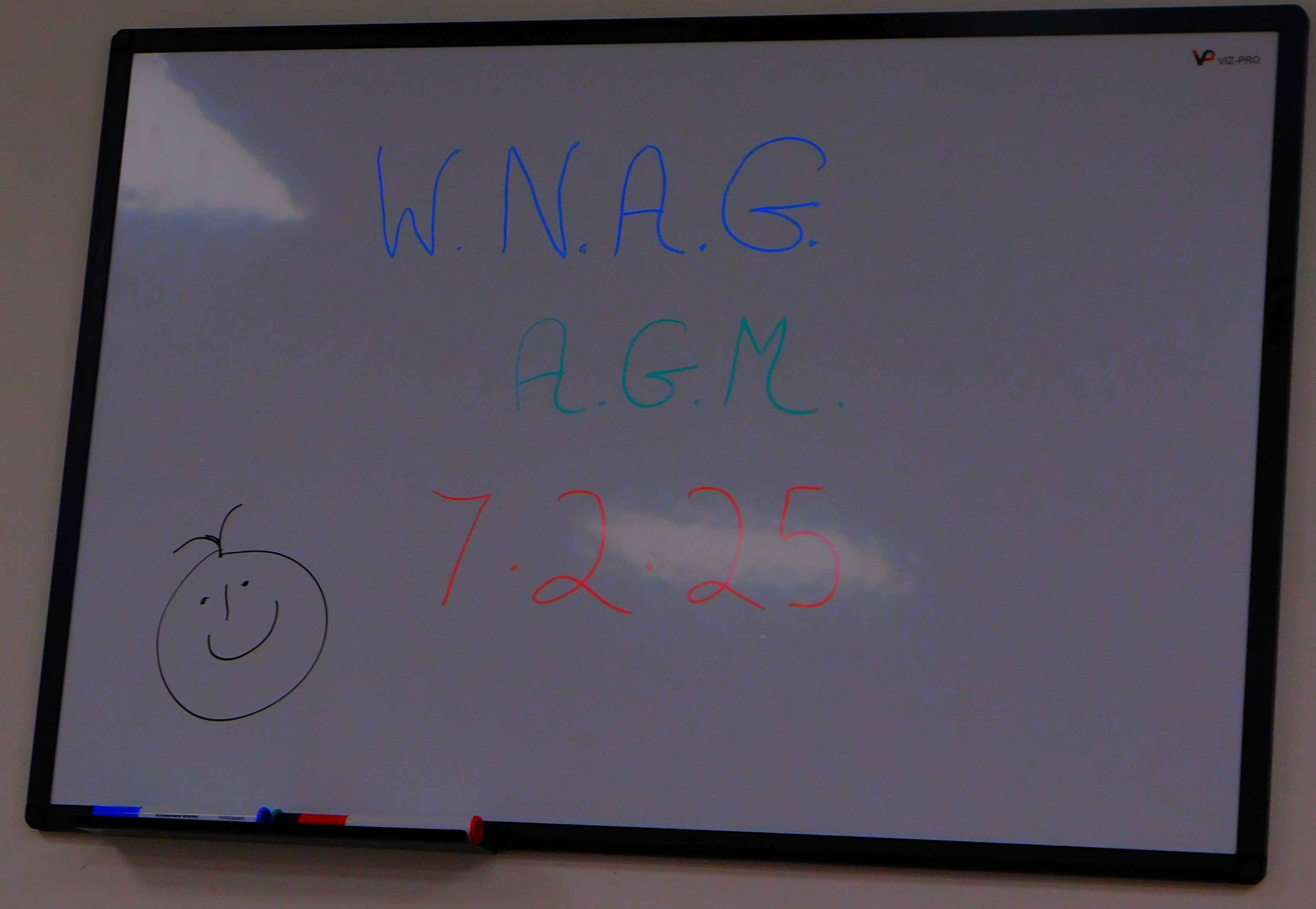
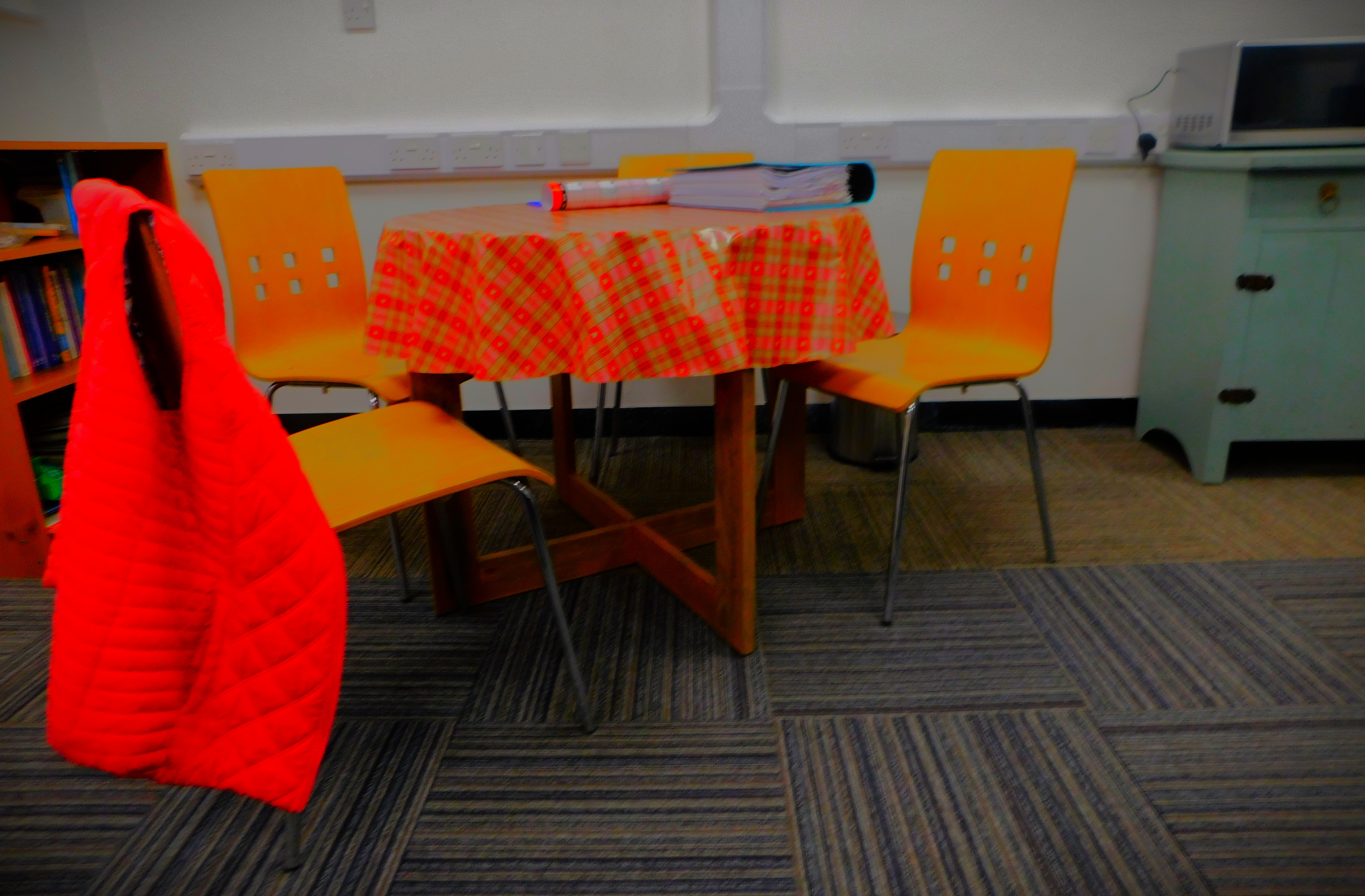
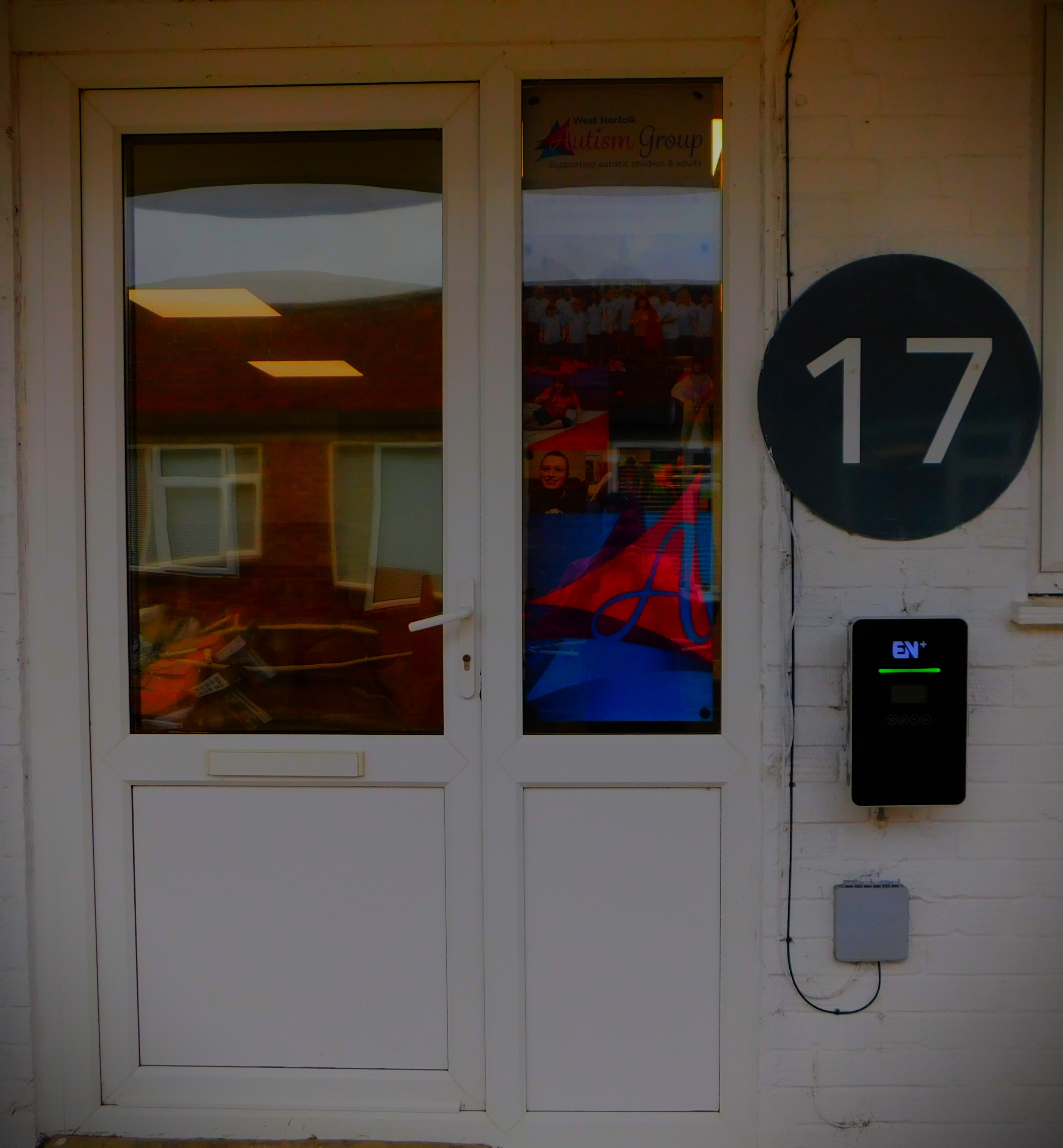
Before I get to the main gallery, Friday was the AGM of the West Norfolk Autism Group, and our office space in West Lynn is now fully functional…

Now for my regular gallery…

WBBL Logjam

A look at the WBBL table, and a bit about the latest ,match which took place earlier today between Hobart Hurricanes and Sydney Sixers. Also a photo gallery.

After today’s WBBL match between Hobart Hurricanes and Sydney Sixers the WBBL10 table is more congested than London during rush hour. This post looks both at today’s match and at the competition as a whole.

Women’s Big Bash League

TeamMWLPTNRR
ST-W32141.158
MS-W32140.775
PS-W32140.352
BH-W42240.133
MR-W4224-0.156
HH-W5234-0.227
SS-W4224-0.407
AS-W4132-0.900

The above table is courtesy of cricinfo, and a more detailed version can be viewed here.

With the exception of the Strikers, with one win and three losses, every team has four points, and only the Hurricanes, having played a game more than all their rivals are noticeably worse off, while the Scorchers, with a game in hand on everyone and two in hand on the Hurricanes are probably best placed of the sides to progress. Each side plays ten group matches, and at the moment it looks like most, if not all, will have some sort of qualification chance as the competition reaches its business end.

Today’s game was largely dominated by one single performance. In a match in no other batter got past 30 (two Englishwomen, Hollie Armitage for the Sixers and Danni Wyatt-Hodge for the Hurricanes scored exactly this number) Ellyse Perry, already the tournament’s leading run scorer heading into this match, scored 86 off 62 balls. Sixers 155-7 proved enough to win by six runs. Perry cemented an already fairly undeniable claim to the POTM award by adding two catches to her 86 runs. Most notable among the Sixers bowlers were Ecclestone, approaching her best form for the first time in this tournament, with 4-0-22-2, and the youngster Caoimhe Bray with 3-0-13-2. Bray has more in common with her idol, Perry, than merely being a pace bowling all rounder: Perry scored a world cup goal for the Matildas, and although Bray has not yet featured in a full squad for the football side, she has played age group internationals in that sport. As is often the case when she is at or near peak form no opposition batter ever looked remotely comfortable facing Ecclestone. The Hurricanes best bowler on the day was leg spinner Amy Smith, with 1-20 from three overs.

My usual sign off…

A Tactical Possibility for Australia

A look at an interesting tactical situation facing Australia in the T20 World Cup, and also a note on the state of play in today’s match between the USA and India, and a huge photo gallery.

In the small hours of this morning UK time Australia hammered Namibia at the T20 World Cup, a victory that ensures their progress to the next stage of the competition. England have Oman and Namibia to play and need to win both games, while Australia’s match against Scotland could decide which of England and Scotland qualify if England manage that. This post looks at the possibilities in more detail.

If England and Scotland both end on five points the fact that the match between the two was a washout means that it if Australia as would be expected beat Scotland (I would NEVER advocate that a side actually seek to lose a match – Brian Rose as Somerset skipper in the late 1970s was quite rightly hammered for doing exactly that to exploit a badly thought through qualifying system) it will be a matter of the margin by which they do so. While deliberately losing would clearly be wrong, if Australia find themselves chasing and know that completing the chase within a certain number of overs means England get through rather than Scotland then they would be perfectly justified in ensuring they take long enough over the chase to let Scotland qualify – I would expect England to do the same if they had Australia’s fate in their own hands. Also I would say that no one could object to Australia choosing to rest some of their big names for this match. Deliberately setting out to lose the match would be unacceptable, but deciding that one does not need to strain every nerve and sinew when one has already qualified is another matter entirely.

Today’s match is between the United States of America and India. The USA need a win from either this match or their final match against Ireland to be sure of qualifying. USA were restricted to 110-8 from their 20 overs, with Arshdeep Singh recording figures of 4-0-9-4 for India. However, Saurabh Netravalkar, himself born in India before moving to the USA, has shaken things up early in the Indian innings – he got Virat Kohli for a golden duck, and has just added the wicket of Indian skipper Rohit Sharma. As I type this India are 13-2 in the fourth over, and have work to do.

My usual sign off…

A Test XI From My Lifetime

A test match XI made up of players some or all of whose prime years were in my lifetime, a few honourable mentions and a photo gallery.

In this post I select an all time XI intended to be perfectly balanced, and made up exclusively of players at least some of whose peak years have been in my lifetime. I also look at some of the players I omitted and explain my reasoning- in an exercise like this the challenge is just who one leaves out.

  1. Graeme Smith (South Africa, left handed opening batter). Over 9,000 test runs at an average of 48.
  2. Sunil Gavaskar (India, right handed opening batter). The first ever to reach the career milestone of 10,000 test runs, and an average of over 50 at that level, and a good record outside Asia as well.
  3. Brian Lara (West Indies, left handed batter). The greatest left hander to have batted in my lifetime, with any number of extraordinary knocks to cite in support of that claim.
  4. Sachin Tendulkar (India, right handed batter). Holder of the records for most test career runs, most test centuries and various others.
  5. Allan Border (Australia, left handed batter). For much of his career he carried a decidedly moderate Australian batting line up – it was only in the last few years of his career that he got to be part of a strong line up.
  6. *Imran Khan (Pakistan, right handed batter, right arm fast bowler). My chosen all rounder, and my chosen captain. Ian Botham was sensational for the firts few years of his career, a producer of occasional sensations for another few years and then tailed off badly as the 1980s wore on, whereas Imran Khan was a much more enduring cricketer.
  7. +Adam Gilchrist (Australia, wicket keeper, left handed batter). The man who revolutionized the role of the wicket keeper, playing many match winning innings from number seven. Unfortunately too many sides since his prime have been dazzled by the batting side of the equation and have given the gauntlets to folk whose keeping is not up to scratch (Gilchrist’s was).
  8. Wasim Akram (Pakistan, left arm fast bowler, left handed batter). While it is possible that peak Mitchell Johnson was even more devastating with the the ball than peak Akram it is certain that Johnson when the force was not with him operated at a lower level than Akram ever did.
  9. Malcolm Marshall (West Indies, right arm fast bowler, right handed batter). The greatest fast bowler of the golden age of West Indies fast bowling and a handy lower order batter.
  10. Shane Warne (Australia, leg spinner, right handed batter). Leg spin was a dying art when he appeared on the scene – Abdul Qadir of Pakistan was the only leg spinner of real quality in the 1980s, and until Warne’s emergence there was no one coming through in the 1990s either.
  11. Muthiah Muralidaran (Sri Lanka, off spinner, right handed batter). Only one bowler has ever taken 800 test wickets in a career, and unless James Anderson somehow continues to defy Father Time for another few years there is no prospect of anyone else reaching that landmark – the rise of franchise leagues around the world makes it likely that few if any of today’s younger players will be looking at having exceptionally long test careers. Murali took those 800 wickets at a rate of six per match, better among those to have played 20 or more test matches than anyone save SF Barnes who claimed 189 wickets in 27 matches for a wicket taking rate of seven per match.

This XI has good balance of left and right handed batters, great depth with everyone down to Akram at eight capable of playing a match winning knock and Marshall and Warne far from being genuine tail enders. The bowling above with three great fast bowlers and two great spinners is ideal for most pitches. If the match were to be played at Perth or Johannesburg I would drop Muralidaran and further strengthen the pace attack by bringing in McGrath, while on an absolute raging Bunsen I would replace Imran Khan with Ravindra Jadeja (India, left handed batter, left arm orthodox spinner) and rely on Akram and Marshall to bowl such pace as would be required. I also take this opportunity to explain the positioning of the captain and wicket keeper in the listed order – Gilchrist always said he never wanted to bat above seven at test level, while Imran Khan was comfortable batting at number six, so although Gilchrist was undoubtedly a finer batter than Imran Khan I have respected the Aussie keeper’s preferences and kept him at number seven.

A full honourable mentions section for a post of this nature would be virtually book length, there being so many potential candidates. So, if I make no mention of your favourite please assume I have my reasons for having not picked them – the listing that follows is not remotely comprehensive.

Left handed openers: Alastair Cook’s sheer longevity deserves a mention, and I would entertain arguments made on behalf of any of Saeed Anwar, Mark Taylor, Matthew Hayden, Justin Langer or Chris Gayle. I would not give the time of day to any arguments on behalf of David Warner – the absence of a single test century in any of seam friendly England/ New Zealand and spin friendly India/ Sri Lanka in my view disqualifies him from being regarded as a genuine great.

Right handed openers: The West Indian pair of Gordon Greenidge and Desmond Haynes come closest in my view to challenging Gavaskar.

Number three: I wanted a left hander in this slot, and I considered Lara’s case to be unanswerable.

Number four: Besides my actual choice there were three serious challengers for the slot – Steve Smith, Virat Kohli and Joe Root, the latter of whom enters the equation because he spent so much of his career carrying a weak England batting line up.

Number five: I opted for the left hander for extra balance. Jacques Kallis was unlucky to be right handed given that he would also have offered an extra bowling option. The other potential candidate had I wanted a right hander would have been Viv Richards. As it was the main challenger to Border was Sangakkara, and I would in no way object to the Sri Lankan’s inclusion in place of the gritty Aussie.

Number six: has been covered in the main part of the post. Had circumstances allowed him to play test cricket Clive Rice (SA) would almost certainly have provided stiff competition for this slot.

Number nine: In a few years time, if he maintains his current standards up to the end of his career Jasprit Bumrah of India will require that I move Warne up one place to this slot and put him in at number 10, but at the moment I am not quite prepared to make such a massive call as dropping Marshall, though I fully acknowledge the Indian’s greatness.

Number ten: Warne at the moment looks unchallengeable, but Rashid Khan (Afghanistan) merits an honourable mention.

Number 11: There are two remotely credible challengers for Murali’s slot – R Ashwin of India, who would make the batting ridiculously deep – he would slot in at nine, with Marshall at ten and Warne at 11, and Nathan Lyon of Australia, who gets extra credit for having succeeded as an off spinner when playing his home matches in Australia (check out the records of English off spinners in Australia for an emphatic illustration of this point).

My usual sign off…

Stars v Sixers

An account of today’s BBL match between Melbourne Stars and Sydney Sixers. Also a photo gallery.

This morning UK time Melbourne Stars hosted Sydney Sixers in the Big Bash League. This post looks back at the match.

Glenn Maxwell scored 31 off 14 balls, but no one else in the Stars line up came close to firing on all cylinders. Off spinner Todd Murphy bowled superbly and was rewarded with 2-15 from his four overs. Sean Abbott, the leading wicket taker in BBL history, would have been extremely disappointed to record 4-0-36-0 in a moderate opposition total. Stars finished with 156-4, the kind of total no team should ever record in a T20 innings – to bat through the whole 20 overs losing only four wickets and finish with a run rate of under eight an over is unacceptable, and I fully expected this total not to pose any great threat. Cricinfo’s ‘Win Predictor’ tool was slightly less scathing in its assessment than me, giving Sixers an initial 61% chance of a successful chase to Stars 39% chance of a successful defence.

Sixers started fairly slowly, but safely. The loss of Philippe to the penultimate ball of the opening Power Play made it 29-1, at which point Daniel Hughes joined James Vince. By the halfway point this pair were still together, though the required run rate had climbed to 8.90 per over. The 11th and 12th overs started to swing things firmly in Sixers favour, and then, with Vince and Hughes still together they took their Power Surge, very well timed in my estimation. Of course taking those two overs of Power Surge at a sensible time is only half the equation – you then still have to make full use of them. Sixers did exactly that, scoring 29-0 from the two overs in question, to be 122-1 after 14 overs. This meant that the RRR was below six an over, with the CRR up at 8.71, and barring a spectacular crash of wickets the game was as good as done – Sixers might conceivably have lost it from there, but Stars could not win it without the assistance of their opponents. In the event Sixers were icy cool, and by the time Vince was out for a superb 79 the target was down to 18 off 3.4 overs with seven wickets left. There were still seven wickets standing when Jordan Silk calmly turned the first ball of the 19th over into the leg side for the winning runs. A single would have been enough as scores were level by then, but the ball actually ran away for four. The only stage at which Sixers looked like they were other than in total control of the situation was when Maxwell was going well early in the Stars innings – even when they were significantly behind the required rate at the halfway stage of their innings they had nine wickets standing. The timing and use of the Power Surge were exemplary, realizing that they were superbly placed to take it at the end of the 12th over and not delaying in the hope of being even better placed later. Wickets can be lost in the Power Surge, but I have also seen wickets fall when a team delays the Power Surge and I would always prefer a team to be overbold about taking it than overcautious. Sixers are now very well placed to qualify for the KO stages, while Stars are very unlikely to do so – they would need to win all their remaining games and have a few other results go their way into the bargain. One other small point: in spite of the fact that most of the problems in both innings were caused by slower bowlers Stars opted to give Jonathan Merlo (right arm medium fast) his first over in this season’s competition, which worked out horrendously, costing 13 runs. Since Merlo was officially scheduled to bat at number nine, the fact that he hardly bowls, which today’s effort made only too easy to understand, this raised the question of just what he was doing in the XI.

My usual sign off…

Home Alone for Christmas

An account of how I made the best of being alone for Christmas and ,enjoyed my day. Lots of photographs.

My parents, sister and nephew are all off in far flung parts of the world, and my aunt is also away for Christmas. This meant that my own Christmas would be what I made of it . The rest of this post is my own account of yesterday.

I decided that I would spend the hours of daylight away from my computer, and that I would have my fancy Christmas Day meal (a home cooked variation on the steak & chips theme) in the evening. I selected some Christmas music to play through the day, and planned to do some walking during the daylight hours. My parents had arranged that I would have a package to open on the day.

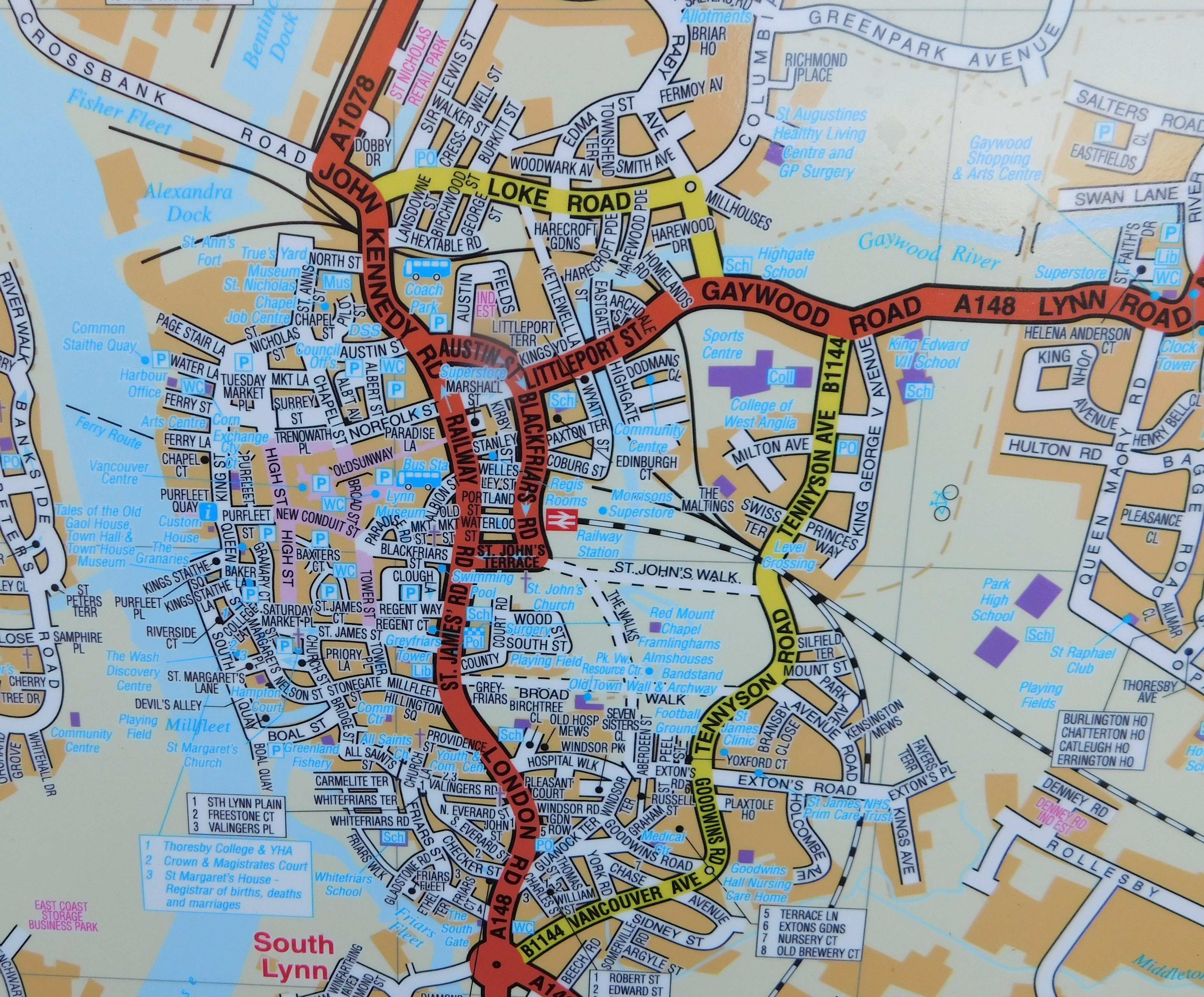
I went out for my first walk just before 9AM, which took in both the ponds near where I live, the Kettlewell Lane tree/ river area, The Walks, the Peace Garden/ Greyfriars tower, the town centre, St Nicholas’ Chapel, Bawsey Drain and back along Columbia Way. I then played the first of my chosen Christmas Music CDs. When this CD finished I headed off for my second walk, which again included both ponds, but this time I took the footpath from the second pond that leads to Loke Road just before the junction with Gaywood Road, crossed Loke Road, headed onto Gaywood Road for a short stretch before crossing it and heading down Tennyson Avenue. Just before the railway crossing I took the footpath that heads towards Lynnsport and followed to the point at which it meets the Gaywood River path, which I walked along until I reached a path off it towards the Discovery Centre and thence back home.

I had lunch while a second CD played. When the second CD finished I went out for a third walk, taking in the first pond, a route through to the footpath alongside Bawsey Drain and followed that footpath until Columbia Way, at which point spots of rain warned me that I needed to take the direct route home, along Columbia Way, rather than extend the walk further as I had been considering. I then played the rest of the Christmas music I had picked out, returning to the computer briefly in the early evening. 

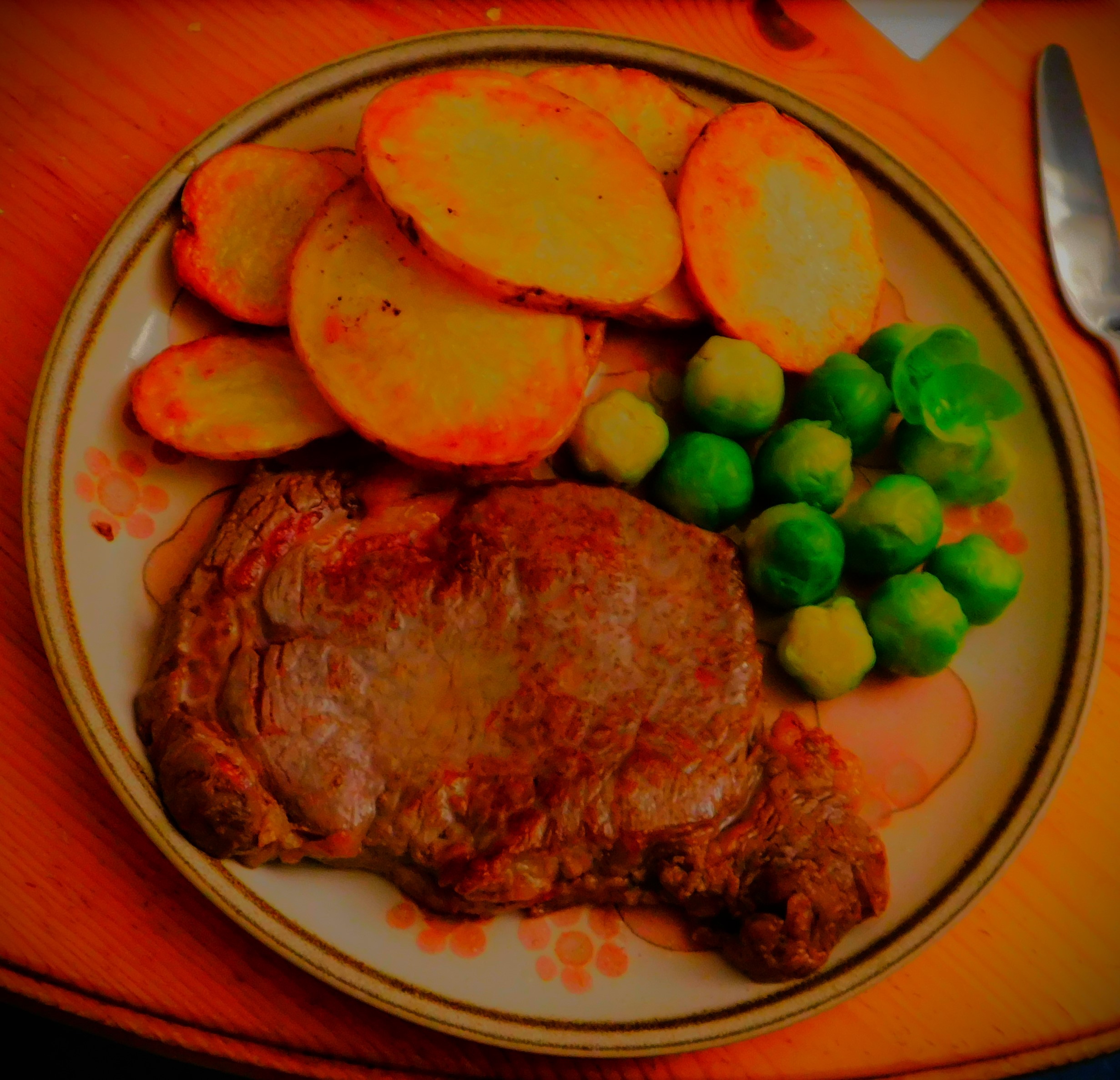
I put the oven on at about 7PM, set to approximately 175 Celsius, taking care to turn the extractor fan on and open a kitchen window. I oiled a baking tray next. Then I cut a large potato into slices of approximately equal thickness, thick enough that when cooked they would still obviously be potato and thin enough that they would have a bit of crunch. I placed this slices on the oiled baking tray, sprinkled some salt over them, and then added a little more oil. I put them into the oven to cook. Then I got to work on the brussels sprouts, preparing a dozen for cooking, placing them in a saucepan and boiling a kettle full of water to cook them in. Once they were on and cooking I turned the potato slices over. I tenderised the steak, got some oil in small frying pan heating up (to colour on the outside while still being red in the middle the steak has to go in to oil that is already hot), and at the appropriate moment I put the steak into cook, flash-frying it for a minute on each side at high heat. I then plated it up, before draining the sprouts, pouring a drink and then getting the potatoes out. This is what my variation on a steak & chips theme looked like on the plate:

For the record it tasted splendid.

For afters I had a small jar of Kalamata olives.

I was mindful of the fact that the Boxing Day test match at Melbourne between Australia and Pakistan, which Test Match Special were covering, got underway at 11:30PM UK time (Melbourne is 11 hours ahead of us). I thus timed my heading to bed so that I could have that commentary playing while I was in bed. I enjoyed the day, and my Christmas meal worked well.

I have plenty of photographs to share…