A brief account of the last group match at the 2023 Cricket World Cup, a look at the final group standings, and what the rest of the tournament may hold. Also a link to an important petition. Finally, a photo gallery.
The last group match of the 2023 ODI Cricket world cup took place today between India and the Netherlands. The former had already won the group and were looking to make it a perfect nine wins out of nine at the group stage, while the latter knew that a win would qualify them for the 2025 Champions Trophy. Both teams were unchanged, and India won the toss and elected to bat.
THE INDIA INNINGS
India had an innings in three parts. They made a blazing start, making 500 look a distinct possibility, then they slowed down in the middle, but in the closing stages of their innings Shreyas Iyer and KL Rahul were imperious, and although the record breaking innings tally did not materialize, India managed 410-4, with all of their top five topping the half century mark. Iyer and Rahul reached centuries, off 82 and 64 balls respectively, while Logan van Beek had a century of a different and less welcome kind – 10-0-107-0.
THE NETHERLANDS RESPONSE
The Netherlands showed fight, as they had all tournament, but never looked like threatening the Indian total. As it became obvious that India were in no danger whatsoever, some part time bowlers put in appearances for them – Shubman Gill, Virat Kohli, Suryakumar Yadav and Rohit Sharma all taking turns. Kohli picked up a wicket, and Sharma, bringing himself on as ninth bowler for the 48th over of the innings took the final wicket, that of Nidamanuru for 54. Since Sharma conceded only seven runs, six of them to the shot that completed Nidamanuru’s 50 and took the Netherlands to 250 he now has the best bowling average at this world cup – 7.00 per wicket. Among the more serious bowlers Jasprit Bumrah had 9-1-33-2, and Siraj, Kuldeep Yadav and Jadeja also picked up two wickets a piece.
THE FINAL TABLE
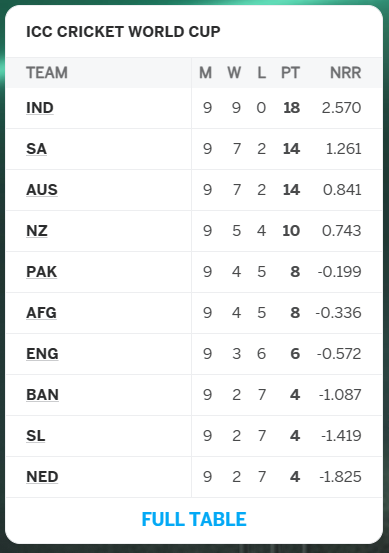
The final table reads as follows:
Thus India will play New Zealand in semi-final one on Wednesday and South Africa will play Australia in semi-final two on Thursday. Pakistan, Afghanistan, England and Bangladesh are all qualified for the 2025 Champions Trophy and Sri Lanka and the Netherlands leave with nothing. Afghanistan did superbly well to threaten to qualify for the semi-finals, while without a doubt the team with the most cause to be embarrassed about/ ashamed of their performance at this tournament is England, winners four years ago, falling at the first hurdle this time round. My initial expectation was that teams with a won six, lost three or better ratio would qualify automatically and that teams with a won five, lost four ratio would be split be net run rate. In the end, a combination of dominance by the top three and the fallibilities near the end of the tournament of both Afghanistan and Pakistan meant that only one side had 5:4 record and it was enough for them to qualify without relying on net RR. India look heavy favourites right now, but in 1996 (two groups of six, rather than one of 10) South Africa won every group game and looked a superb unit going into the quarter finals, where they were knocked out. That is by way of a reminder that there are four teams still in this competition, and that whichever of them wins two successive knock out matches will take the trophy. While I will congratulate India with all sincerity should they go on to win, and might even genuinely mean a few words of praise if Australia do the same, my own hope as someone whose inclination is to support the underdog is that one or other of the two ‘Cinderella’ sides, New Zealand or South Africa end up winning the title.
PHOTOGRAPHS
First, a link to an important petition, against a planned road development that would literally undermine Stonehenge. Please click here to read, sign and share this petition.
Now it is time for my usual sign off…
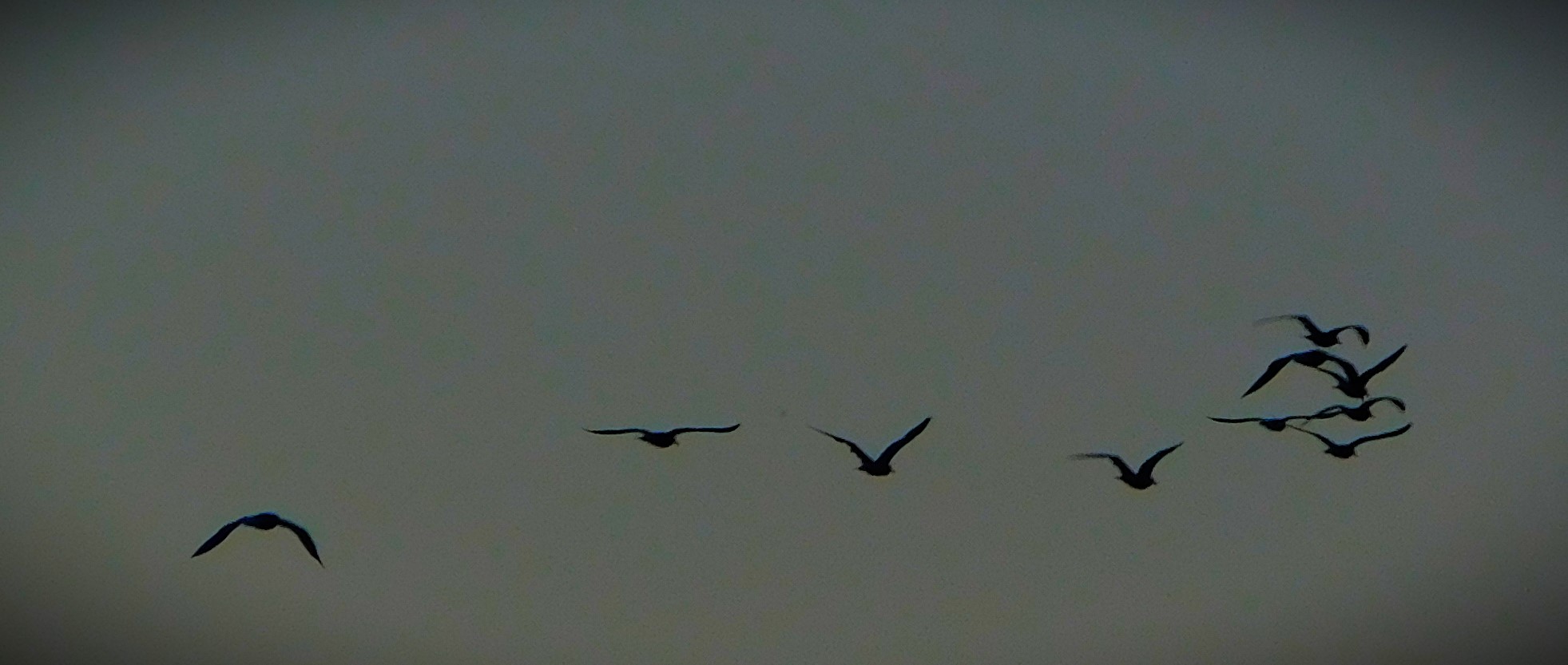
The first of five shots of a muntjac on the bank of Bawsey DrainA slightly irregular formation of flying birds, captured at long distance, but the basic shape is not far removed from the classic V formation.
A look at developments in the Women’s Ashes test match and a large photo gallery.
Battle continues to rage in the Women’s Ashes test at Trent Bridge. This time yesterday I wrote about had happened up to that time (here), and now I continue the story.
THE REST OF YESTERDAY
England reached the close of yesterday on 218-2, Beaumont completing her century just before the close of play. It was a wonderful innings, and it was also historic: she became only the fourth English batter ever to score centuries in all three international formats, joining Heather Knight, Jos Buttler and Dawid Malan in this club.
TODAY SO FAR
Natalie Sciver-Brunt was England’s only casualty of the morning session, falling for 78. By lunch England were 308-3 with Beaumont 144 not out. Dunkley fell not long after the resumption, which brought Danni Wyatt to the crease for her test debut, 13 years after her white ball debut. On 152 Beaumont was given LBW, but a review showed the ball pitching outside leg stump. She is now on 164, with England 344-4. The next landmark is 168, her highest score in any form of international cricket, then Betty Snowball’s 189, the all time England record individual score, then the 201 she scored in the warm up match, then Perry’s 213* and finally if she can get there Amelia Kerr’s 232* for New Zealand v Ireland, the highest score in any form of women’s international cricket (and I think even Ms Kerr might concede that the Aussie bowling attack is a trifle more formidable than that of the emerald isle).
PHOTOGRAPHS
I have a splendid gallery for you…
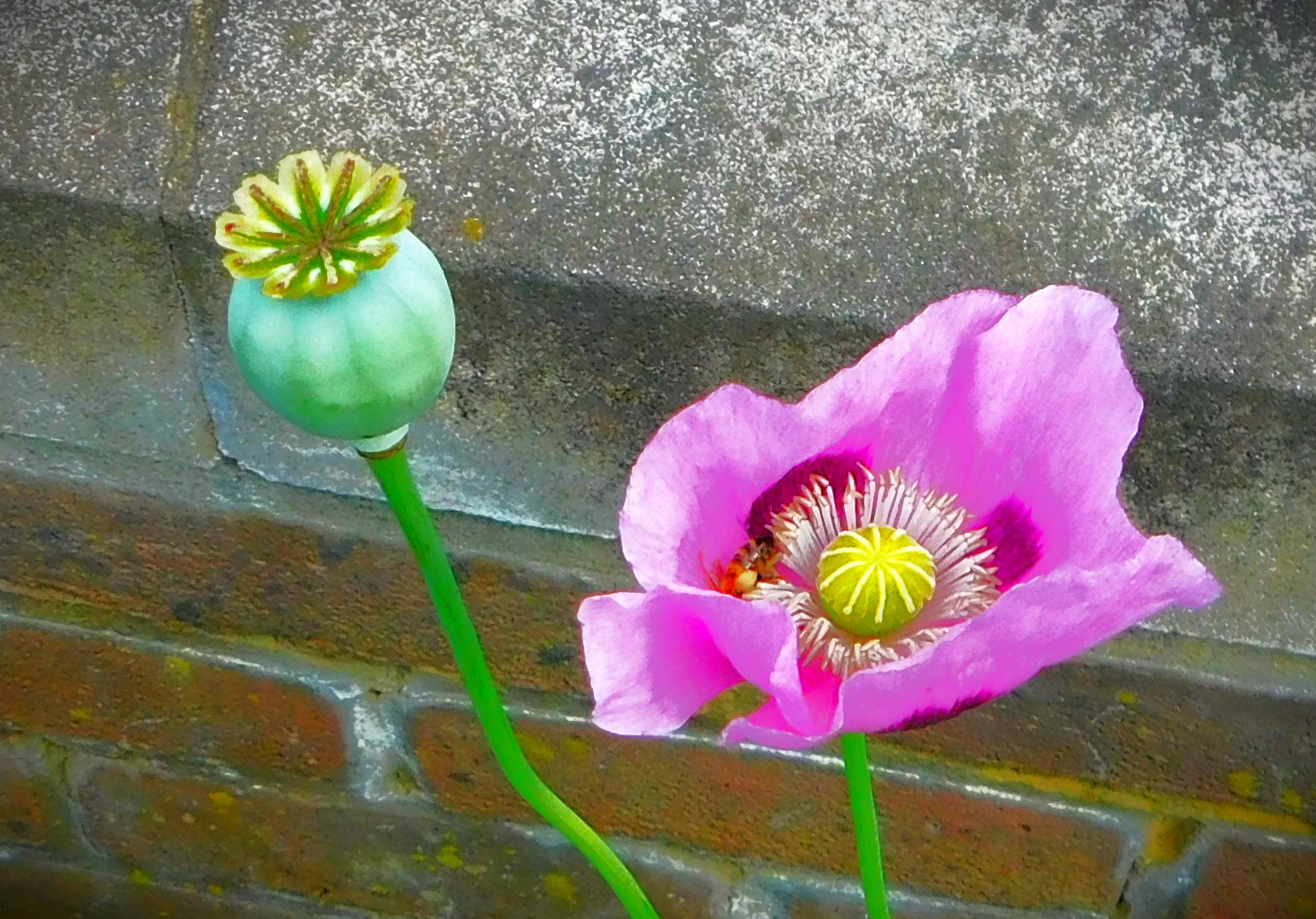
A comma, the first example of this type of butterfly I have seen this year.A pink and purple flower with two contrasting visitors
While I have been preparing this post for publication England have moved past 350, and Beaumont on to 169.
An account of changing computers by way of explaining a few days of not blogging.
I am finally able to blog again after a few days without a computer on which I could do so. This post describes the trials and tribulations of the last few days.
RIP OLD COMPUTER
My old computer gave warning signs of trouble on Sunday, and on Monday morning it became very obvious that it was no longer usable. As a temporary measure to maintain some degree of connectivity I dug my even older computer out, and fortunately it proved still just about usable, although I could not do much on it. On Wednesday morning I went to PC World to check out new computers and find one that would do what I needed and was not too extortionately priced (my mother was willing to cover the cost, for which I am very grateful. My local PC World is on an industrial estate just to the south of King’s Lynn proper, while I live just to the north of King Lynn’s proper. This gave me, as a non-driver, two options: two buses, into and then out of town, or a longish walk. It being spring, and the weather actually being springlike I opted without hesitation for the latter. I found a suitable machine at a not extortionate price and made the necessary arrangements, and left it with the store for them to set it up for me, which they said would take a couple of days. Today, wanting the machine in my possession for my upcoming trip to the lake district I went back to PC World to collect, and eventually was able to do so.
NEW COMPUTER SETUP
I connected to my new computer, while keeping the very old one connected as well for a few moments in case I needed to check emails on it to access my email account from the new device. Once I was sure I would not need to use it further I returned to it is old resting place in case of emergency. The photo editing software on the new machine is somewhat different from that on the old machine and I am still coming to terms with it.
PHOTOGRAPHS
The photographs in this section were edited on three different machines – my very old laptop, a computer at King’s Lynn library and my new laptop…
The above were edited on my very old laptop…
Some of the images I have edited on my new laptop…
The third section of the gallery are the pictures I edited at the library on Monday.
What I consider to be the best partnerships for England for each wicket – not all of them huge, but all of them playing crucial roles in the matches in question, plus a photo gallery.
In this post I look at the best stands for each wicket by English pairs in test cricket – the stands are not necessarily numerically huge, it is what they mean in the context of the match and series in which they happened that sets them apart.
THE PARTNERSHIPS IN WICKET ORDER
1st: 172 by Jack Hobbs and Herbert Sutcliffe vs Australia at The Oval, 1926. England had not won an Ashes series since the resumption of cricket after WWI, and indeed had won only match in the three series between the old enemies in that period, while Australia had won 12 and drawn two in those three series. The first four matches of the series in 1926 had all been drawn, with the weather intervening frequently, and the powers that be had therefore decreed that this match would be played to a finish. England trailed by 22 runs on first innings and the pitch at the start of their second innings looked a very difficult one. Hobbs and Sutcliffe survived the tough early stages, helped by Aussie skipper Collins trusting the accurate Arthur Richardson over the more expensive but also more dangerous Arthur Mailey. Hobbs reached 100 in front of his home crowd before he was finally dismissed to make it 172-1. Herbert Sutcliffe kept on going, eventually tallying 161, and England reached 436, an advantage of 414. The match, and with it the series, was as good as settled, and a dispirited Australia managed only 125 in the final innings, 49 year old Wilfred Rhodes taking 4-44, while a 21 year old speedster named Larwood claimed three scalps. The final wicket was taken by Leicestershire work horse George Geary. I have rated this stand of 172 ahead of the same pair’s 105 at Melbourne in the fourth innings two and a half years later because although that contributed to a series win down under, even if England had lost that match they would have been 2-1 up with two to play and still favourites for the series, whereas this was a one-shot deal.
2nd: 329* by Alastair Cook and Jonathan Trott, Brisbane 2010. It had been 24 years since an England men’s side had won a series down under, and when England trailed by over 200 on first innings in the opening match not many would have bet on this series bucking that trend. Even when skipper Strauss and Cook started the second innings with a stand of 188, England were still behind. By the close of the penultimate day Cook and Trott had put on an unbroken 121, and England had given themselves an opening. When the pair were still in residence by lunch on the final day the match was as good as saved. The partnership was ended when skipper Strauss decided to declare to see if England could claim a few early wickets. In the event the Aussie second innings was a solid effort, highlighted by a rapid 50 from Ponting, which would prove to be his only decent score of the series. England, boosted by their escape in this match won three of the four remaining matches of the series by innings margins.
3rd: 262 by Wally Hammond and Douglas Jardine, Adelaide 1928. England were in a bit of trouble when this pair joined forces in the second innings of this match, although the series was already secure. By the time Jardine was out for 98 England were back in control, and they went on to win the match.
4th: 411 by Peter May and Colin Cowdrey, Edgbaston 1957. England trailed by 288 on first innings and were 113-3 when skipper May was joined by Cowdrey. Sonny Ramadhin with his spinners had been England’s nemesis, and in ten hours this pair not only saved England, they effectively finished Ranadhin as a bowling force – by the time May declared, with himself on 285*, Ramadhin had bowled 98 overs in the innings, still an FC record. West Indies lost seven wickets in their own second innings and ended up grateful to escape with a draw.
5th: 163 by Willie Watson and Trevor Bailey at Lord’s, 1953. England had been set 347 to win, and when wickets started to fall early survival became the order of the day. The pair to arrest a seemingly fatal slide were Watson and Bailey. Watson made 109, Bailey 71 and England saved the match. The series opener at Trent Bridge had been drawn, highlighted by Alec Bedser’s 14 wickets, and the third and fourth matches were also drawn. However at The Oval in the final game England won by eight wickets to claim the Ashes for the first time since Woodfull had wrested the urn back for Australia in 1934.
6th: 119* by Mike Atherton and Jack Russell, Johannesburg 1995. This was the second match of the series, the first having been a very dull draw. SA dominated most of the game and England found themselves with 11 hours to bat and a target of 479. Atherton dug in to lead England’s resistance, but wickets fell regularly at the other end, and when Robin Smith, Atherton’s best partner to that point was fifth out 232 there were over four and a half hours left in the match. At this point Jack Russell, England’s wicket keeper, with 11 catches in the match already, joined Atherton. South Africa did not claim another wicket in the match, Atherton finishing on 185* and Jack Russell 29* (this latter in 274 minutes and 235 balls).
7th: 30 by Gilbert Jessop and George Hirst, The Oval, 1902. This remarkable partnership occupied just eight minutes, but was absolutely pivotal in turning the match – during it Jessop completed his century, an innings that had begun with England 48-5 chasing 263 to win and Hirst established himself. Jessop was out shortly after reaching the landmark, but Hirst, with varying degrees of support from Lockwood, keeper Lilley and Rhodes guided England to a one wicket victory, Hirst 58*.
8th: 13* by Ashley Giles and Matthew Hoggard at Trent Bridge in 2005. The series was tied at 1-1 going into this match, with England having had considerably the better of a draw at Old Trafford in the preceding match. England had scored 477 batting first, Australia 218 in response, and then 387 following on. England needed 129, a target that should have posed few challenges. However, Shane Warne and Brett Lee rattled England, and at 116-7 with genuine tailender Hoggard joining Giles, a bowler who could bat, and Simon Jones injured, things were looking dicey for England. The over that settled it for England was ironically enough bowled by the destroyer Lee – Hoggard somehow wellied a fast full toss through cover for four and took two off the next ball. A few moments later Giles scored the winning run, putting England 2-1 up in the series and meaning that a draw at The Oval would see England regain the Ashes. That draw was duly achieved, with Giles adding to his batting credits by staying with Pietersen for two and a half hours on the final day, putting the target beyond Australia’s reach.
9th: 67 by Ian Botham and Chris Old at Headingley in 1981. England had been made to follow on 227 runs adrift and then slumped to 135-7 in their second innings. Ian Botham, just replaced as skipper by Mike Brearley, was joined by Dilley at that point. The pair added 117 in 80 minutes, but England were still only 25 to the good, and although Chris Old, the new batter, was a decent ball striker on his day few would have expected him to last long against fast bowlers on a dodgy pitch. In the event he helped the ninth wicket to raise 67, and then last man Bob Willis resisted for long enough that Australia needed 130 to win. With Willis, nearly omitted from the England team before the match, bowling for his future Australia succumbed for 111 in the fourth innings, Willis 8-43, to give England victory by 18 runs. England then won the next two matches at Edgbaston and Old Trafford to retain The Ashes.
10th: 76* by Ben Stokes and Jack Leach, Headingley 2019. When Australia could do no better than 179 in the first innings things looked good for England. England themselves then crashed for 67 in response. Australia built a lead of 358. At 286-9, with Leach joining Stokes it looked all over, but Stokes was finding his very best form, and Leach resisted stoutly. As England closed on the target Australia became panicked. Australia sacrificed their last review on an LBW that was never getting overturned – it was obviously pitched outside leg and missing in any case. This proved crucial a few moments later when a much better LBW shout was turned down and Australia were unable to review it. The scores drew level, and then Stokes hit a boundary to complete the Headingley Heist. Leach had scored possibly the most important 1* in cricket history at the other end. There was an earlier rival to this partnership, also involving a left arm spinner batting at no 11, the 15 that Hirst and Rhodes added to give England a one wicket win at The Oval in 1902, but that series was already lost, whereas this one was still live, and indeed it finished level. Also worthy of mention in this context is a third partnership involving a left arm spinner at no11, the Anderson and Panesar act of defiance, holding out for an hour to save the match at Cardiff in 2009.
A look at Australia in the period 1946-62 and some photographs.
Today’s post looks at Australia immediately after WWII (for the significance of 1962 as a dividing year check this post). Please note that in this XI positions 7-10 in the order are flexible – Australia in this era was well equipped with bowlers and keepers who could bat well in the middle and lower order. Australia have not had so many multi-dimensional test players in later eras, and the mighty side of the late 1990s and early 2000s tended to rely on six specialist batters, a keeper and four specialist bowlers.
THE XI IN BATTING ORDER
Arthur Morris (left handed opening batter). Picked by Don Bradman as the left handed opening batter in his all time world XI. His peak series came in England in 1948 when he scored 696 runs at 87.00.
Sidney George Barnes (right handed opener). Like his English near namesake of an earlier era, Sydney Francis Barnes, he often failed to see eye to eye with authority figures, which along with WWII was one reason his appearances at the highest level were limited. In the few appearances he did get to make art the top level he averaged 63 with the bat, with a highest score of 234 at Sydney in 1946.
Don Bradman (right handed batter). Not quite the overwhelming force with the bat that he had been before WWII, but still the best around, albeit he benefitted from a controversial call in the first match of the 1946-7 Ashes when he sent a shoulder high catch to Jack Ikin at second slip, stood his ground and was given not out.
Neil Harvey (left handed batter). The only 1940s test cricketer still alive (95 years old as I write this), he was part of the Invincibles of 1948, on which tour he scored his maiden test century. He scored over 6,000 test and averaged 48 in his career.
Norman O’Neill (right handed batter, occasional leg spinner). His debut was in the Brisbane 1958 snoozefest. In the final innings of that match, immediately after Trevor Bailey had snailed his way to 68 in 458 minutes (428 balls faced, of which 388 were dots) he scored 71* in less than two and a half hours to see Australia to victory. He would average 46 overall in test cricket, and he retained his commitment to playing his shots throughout his career.
Keith Miller (right handed batter, right arm fast bowler, occasional right arm off spinner). A superlative all round cricketer and possibly the best captain Australia never had (Rod Marsh and Shane Warne of later eras are also in the mix for this one).
Ray Lindwall (right arm fast bowler, right handed batter). One of the greatest of all fast bowlers, and in an example of how cricket transcends national boundaries he modelled his run up and action on Harold Larwood, Australia’s nemesis in the 1932-3 Ashes.
Alan Davidson (left arm fast bowler, left handed batter, occasional left arm spinner). His greatest match performance came in the first ever tied test match at Brisbane in 1960: 5-135, 44, 6-87, 80, becoming the first male test cricketer to score 100 runs and take 10 wickets in the same match. 186 wickets at 20.53 places him among the greatest ever masters of his type of bowling, and he was also a superb fielder, referred to as ‘the claw’ for his habit of grabbing unlikely catches.
*Richie Benaud (leg spinner, right handed batter, captain). In the first phase of one of the most outstanding careers connected with cricket he was the first player to achieve the test career of 2,000 runs and 200 wickets, and the time of his retirement he was Australia’s leading wicket taker at that level with 248 scalps. He was also a superb skipper, hence why I gave him that job, rather than Bradman who had it for the interwar team. He went on once his playing days were done to establish himself as ‘the Bradman of TV Commentators’ (yes, that far ahead of the rest IMO).
+Don Tallon (wicket keeper, right handed batter). Named by Bradman as keeper in his all time world XI. A combination of selectorial politicking which denied him a place on the 1938 tour of England and WWII meant that he was past his very best by the time he got the opportunity at test level, but his only rival as a keeper in that era was Godfrey Evans of England.
Bill Johnston (left arm fast medium bowler, left arm orthodox spinner, left handed tail end batter). Australia’s leading wicket taker in three series immediately postwar, when he was very effective at sweeping up after Lindwall and Miller had made early inroads. He was injured on the 1953 tour of England, but with the connivance of some his team mates (who when they realized the possibility was there got themselves out to preserve his average) he became only the second person to average over 100 with the bat for a full season in England (102.00, with 16 of his 17 innings being not outs), after Don Bradman’s 115.66 in 1938.
This XI is awesomely strong in batting, with a powerful top five, one of the all time great all rounders at six, and a collection of players in slots 7-10 who while batting was the second string to their bows were all capable of match winning knocks on their day. The bowling has two great right arm fast bowlers, one of the greatest of all left arm fast bowlers, a left armer who could bowl seam or spin according to team necessity, a great leg spinner, and Miller could turn his hand to off spin if needed. This side ticks every box and would take a lot of beating, especially with Benaud captaining them.
HONOURABLE MENTIONS
Colin McDonald was a gritty right handed opener in the 1950s, and Bobby Simpson made his debut near the end of the era in question. Most of the bowlers who bowled Australia to a 4-0 series win in 1958-9 had dodgy actions, being either throwers, draggers or both of the foregoing, ruling them out of serious consideration. Ernie Toshack did a useful job as a fill-in bowler while Lindwall and Miller were resting in the immediate postwar era. Australia had three other fine keepers besides Tallon in this era: Gil Langley, Len Maddocks and Wally Grout. Ken ‘Slasher’ Mackay, a left handed blocker and workaday medium pacer had a respectable test record but was hardly a challenger to any of those I included. Ron Archer might have become a great fast bowling all rounder, but he suffered a career ending injury in Pakistan in 1956-7 at a very young age.
A look at England’s best cricketers of the interwar years, a piece of railwayana and a large photo gallery.
Last time out I created an XI of England cricketers from before WWI. Now I look at the next period – the interwar years, well covered by Gerald Howat in “Cricket’s Second Golden Age”. In this period England had immense batting strength with the result that some huge names miss out. The bowling was by no means weak either.
THE XI IN BATTING ORDER
Jack Hobbs (right handed opening batter). The Master. At Melbourne in 1929 he became the oldest ever test centurion at the age of 46 – the last his 12 Ashes centuries.
Herbert Sutcliffe (right handed opening batter). His entry into first class cricket was delayed by WWI (he was already 24 when that conflict ended in November 1918) while the outbreak of WWII in 1939 marked the end of his FC career (his test career had ended in 1935, but his performance in FC cricket in 1939 was excellent even at the age of 44). He was the ultimate big occasion player as shown by the progression of his averages: 52.02 in all FC cricket, 60.73 in all test cricket and 66.85 in the cauldron of The Ashes. He and Jack Hobbs were the greatest of all test match opening combinations, averaging 87.81 per partnership.
Walter Hammond (right handed batter, ace slip fielder, useful right arm medium fast bowler). Had Hammond like the older Sutcliffe allowed WWII to end his career he would have bowed out with a test batting average of 61.75 (6,883 runs), but he attempted a comeback post war, which dragged his average below 60.
Eddie Paynter (left handed batter). Going by career batting averages England’s most successful ever left hander, averaging 59.23 at test level, including double centuries against Australia and South Africa. His career was truncated at both ends, by the immense strength of Lancashire’s batting when he first started to come through and by the outbreak of WWII.
Patsy Hendren (right handed batter). Only Hobbs scored more FC centuries than Hendren’s 170, and his test record was also impressive.
*Frank Woolley (left handed batter, left arm orthodox spinner, excellent fielder and my chosen skipper). At Lord’s in 1921 when everyone else was helpless in the face of Jack Gregory and Ted McDonald he scored 95 and 93. I have named him as skipper even though as a professional of that era he never actually had the job because I believe his tactical nous, illustrated in his book “King of Games”, would have served him well in the role, and Hammond, the conventional choice of captain for this XI, appears to have not actually been even a good skipper.
+Les Ames (right handed batter, wicket keeper). The first wicket keeper to average over 40 with the bat at test level and a destructive stroke maker, he is the ideal number seven for a side like this.
Maurice Tate (right arm fast medium bowler, useful lower order batter). In the ill-fated 1924-5 Ashes series he claimed 38 wickets for a well beaten side. In 1926 he was one of the stars of a successful Ashes campaign, and he was involved in both the 1928-9 and 1932-3 tours when England won 4-1 each time.
Harold Larwood (right arm fast bowler, useful lower order batter). In the 1932-3 Ashes he was unplayable, claiming 33 wickets before hobbling off injured in the final match (made to wait until Bradman was out by skipper Jardine).
Hedley Verity (left arm orthodox spinner, useful lower order batter). In a career that lasted less than a decade he took 1,956 wickets at 14.90 a piece. At test level, where he encountered Bradman, he was less devastating, but 144 wickets at 24 is still a fine record, and I defer to the judgement of the Don himself who only acknowledged facing one bowler as an equal: Hedley Verity.
Bill Voce (left arm fast medium bowler, lower order batter). This slot was the toughest to fill, but I opted to give Larwood his most regular bowling partner and rely on two other left armers, Verity and Woolley for the spin.
This side has a formidably deep batting line up, and Larwood, Voce, Tate, Verity, Woolley and Hammond can hardly be considered a weak bowling combination.
HONOURABLE MENTIONS
Although Denis Compton and Bill Edrich had both played for England by the time WWII broke out both played their best cricket after the war, so I held them back for then. Leonard Hutton scored his England record 364 in 1938, but that Oval pitch was a featherbed, Australia were short of bowling, and I felt that the proven Hobbs/ Sutcliffe combination at the top was a better bet in any case. Hutton, like the Middlesex “twins” will feature in the post-war version of this post. Phil Mead missed out – one of he or Paynter had to be unlucky and I preferred the Lancastrian. Ernest Tyldesley was another casualty of England’s immense batting strength in this period. Maurice Leyland of Yorkshire was another unlucky one in this regard. Several fine wicket keepers missed out – Herbert Strudwick, EJ “Tiger” Smith and George Duckworth being the most notable, while advocates of batter-keepers might have considered Paul Gibb. Vallance Jupp did the double eight times in successive seasons in the 1920s, but his England appearances were sporadic, so the off spinning all rounder missed out. Ted ‘Nobby’ Clark, a left arm fast bowler, was a candidate for the slot I gave to Voce. Three leg spinners, ‘Tich’ Freeman, Ian Peebles and Tommy Mitchell all had moments at the highest level but not substantial enough records at that level to claim a place. Two right arm medium-fast bowlers who were unlucky to be squeezed out were George Geary and Alec Kennedy, both outstanding at FC level and in Geary’s case also proven in test cricket. Tom Goddard, the best off spinner of the interwar years, was as he often was in real life, unlucky – the only way to include him would have been in place of Tate, relying on Hammond as third seamer. Finally, although Verity’s selection is incontrovertible several notable left arm tweakers missed out in consequence: Charlie Parker (treated scurvily by the selectors of his era, to end up as a one-cap wonder at test level while taking over 3,000 FC wickets), JC ‘Farmer’ White and Roy Kilner.
PHOTOGRAPHS
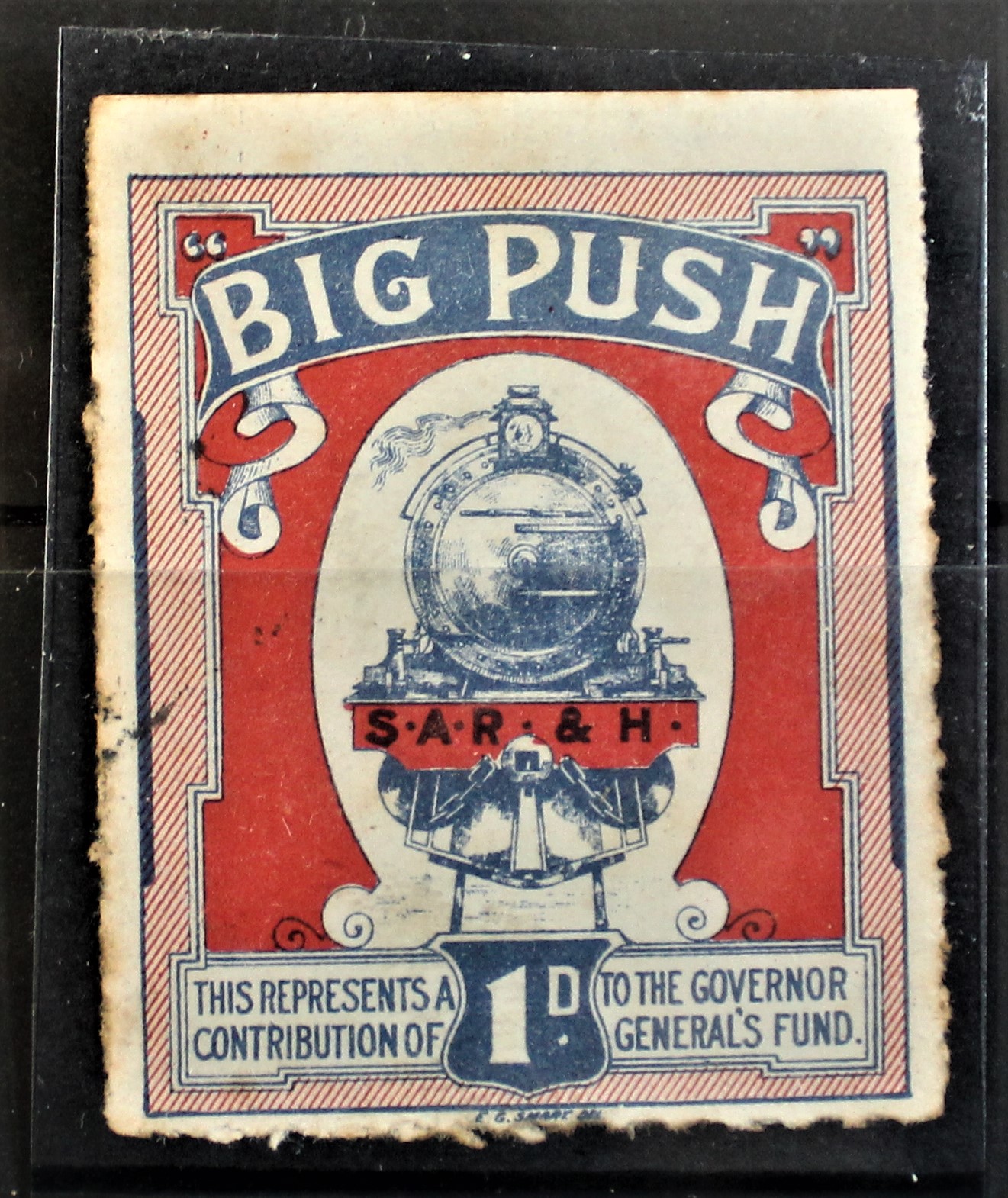
Before moving on to the main photo gallery, James and Sons’ March auction took place on Tuesday and Wednesday of this week, and was a considerable success. In amongst the stuff going for big money I secured an interesting little piece of South African railwayana for a modest £12 – it was featured on the back cover of the printed catalogue, and online bidders saw these two images:
and…
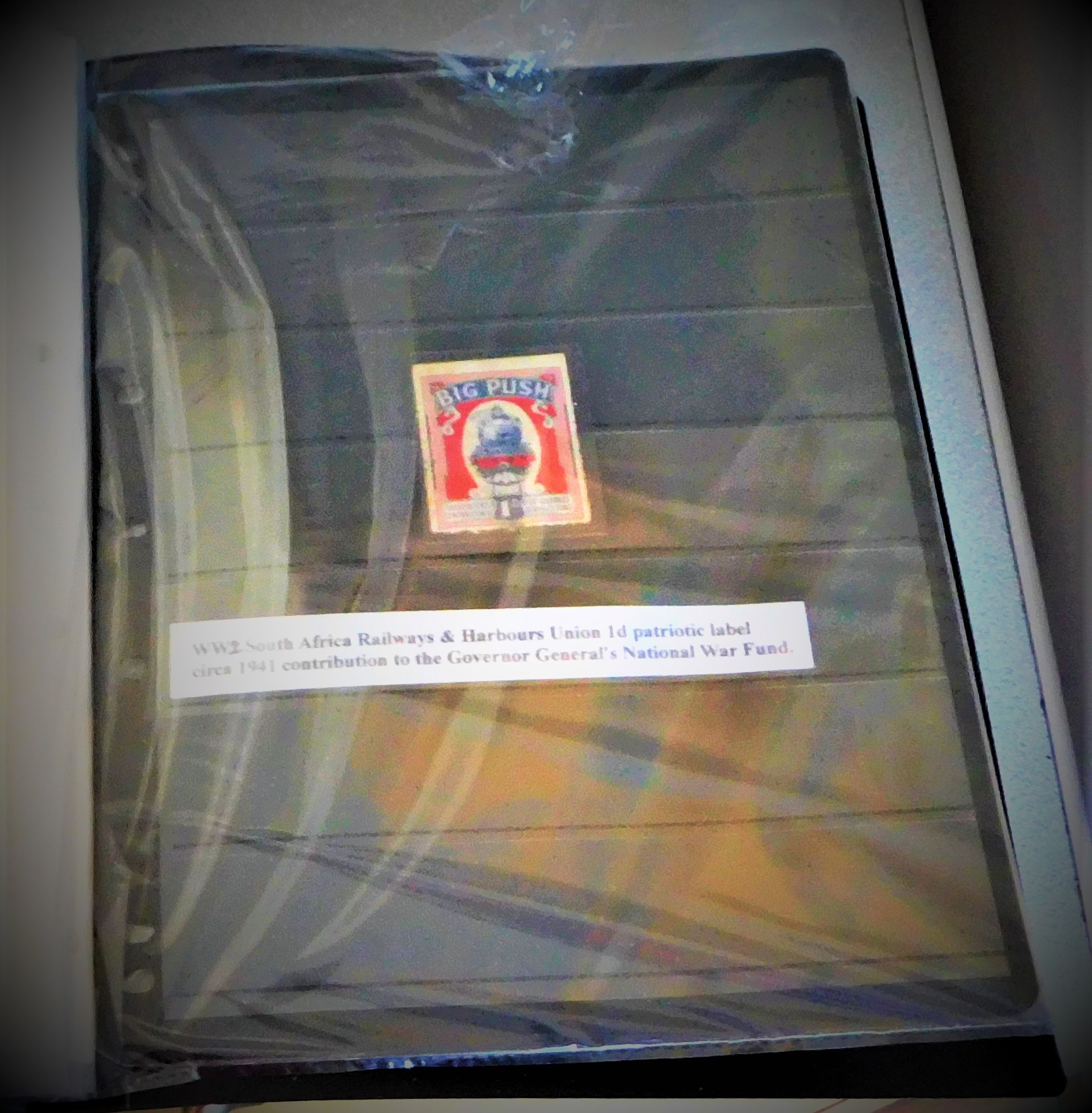
Here are some images of the item taken since I took possession of it…
Before housing……and in the display folder.
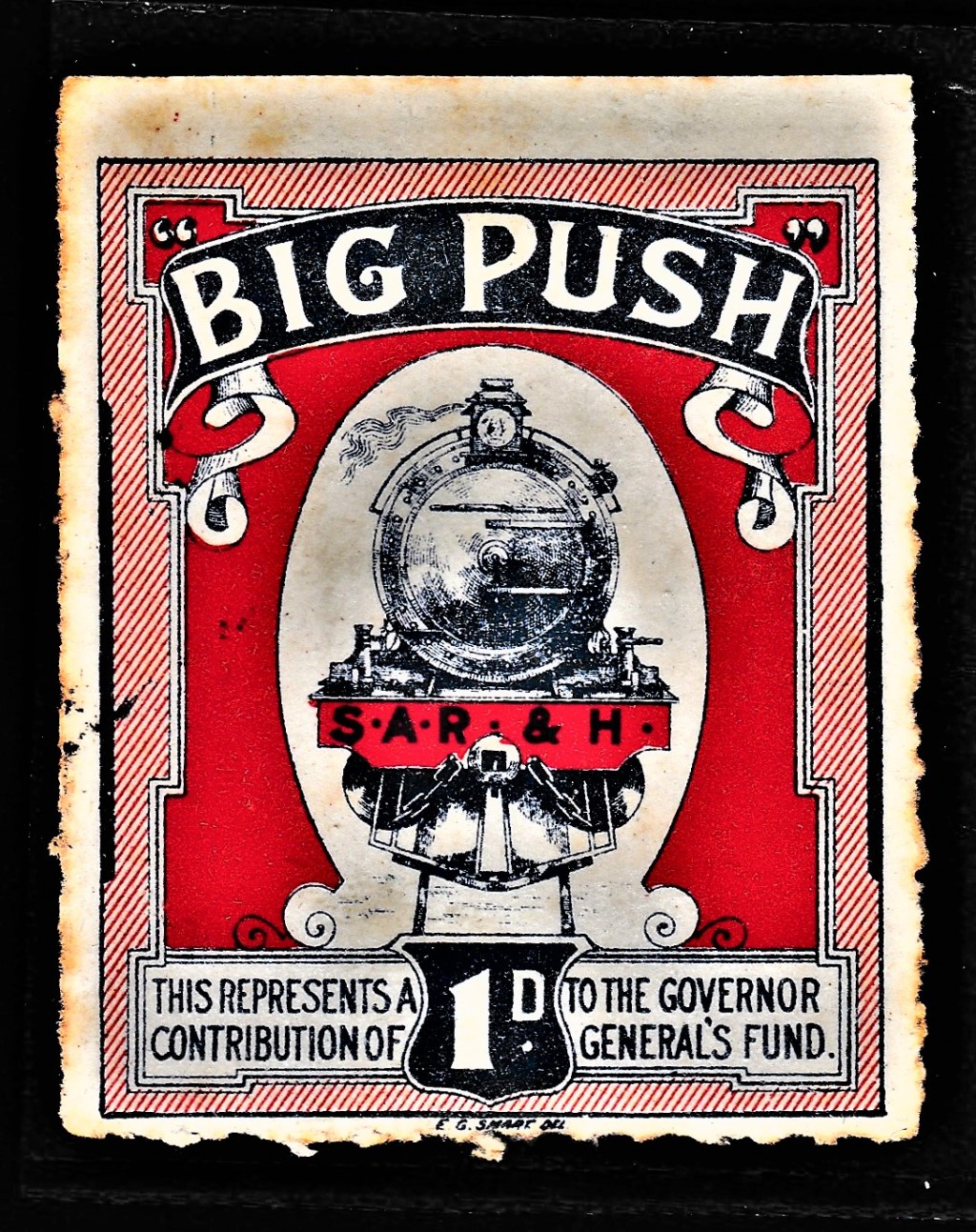
I also took a high resolution scan of the item itself…
The scan before editing.
The scan after cropping and editing.
Now for my regular photo gallery…
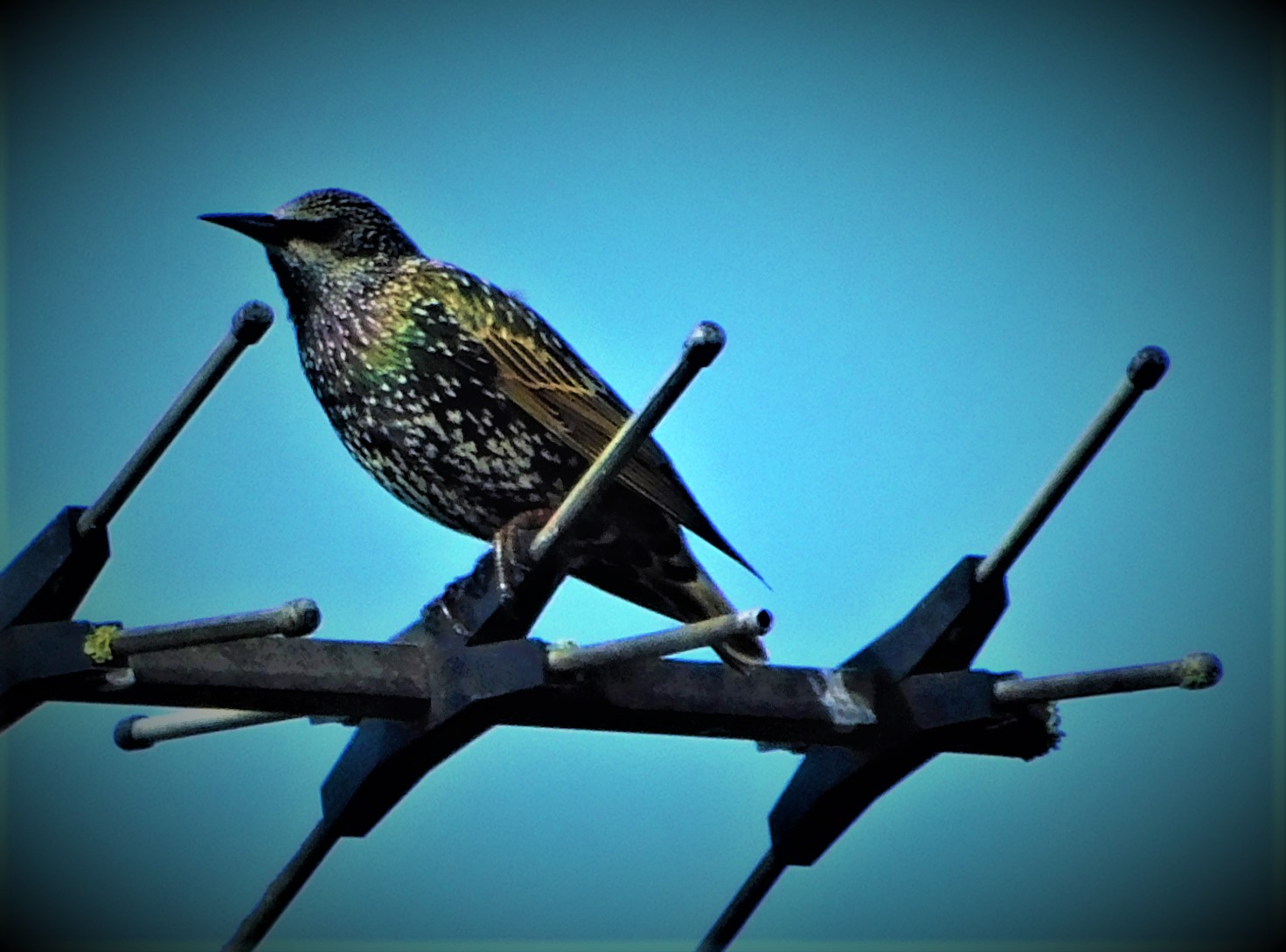
Appropriately enough given the nickname of King’s Lynn Town FC and the fact that this was taken in King’s Lynn I think this is a linnet.
A brief look at Ireland’s achievement in the 2023 Six Nations.
Early yesterday evening the final curtain came down on the 2023 Six Nations rugby tournament. Ireland won a clear victory over England to complete a grand slam.
IRELAND’S DOMINANCE
Ireland did not merely beat all of their opponents this tournament, they won every match by double figure margins. What may lend Ireland’s extraordinary performance extra significance is that 2023 is a world cup year. Although the big beasts of the southern hemisphere, Australia, New Zealand and current holders South Africa will all represent formidable obstacles to Ireland’s ambitions I for one would not count the Irish out – especially given that the legendary Jonny Sexton will be well aware that if he is to add the world cup to his list of wins this will be his last chance to do so – he will not still be an international force by 2027.
PHOTOGRAPHS
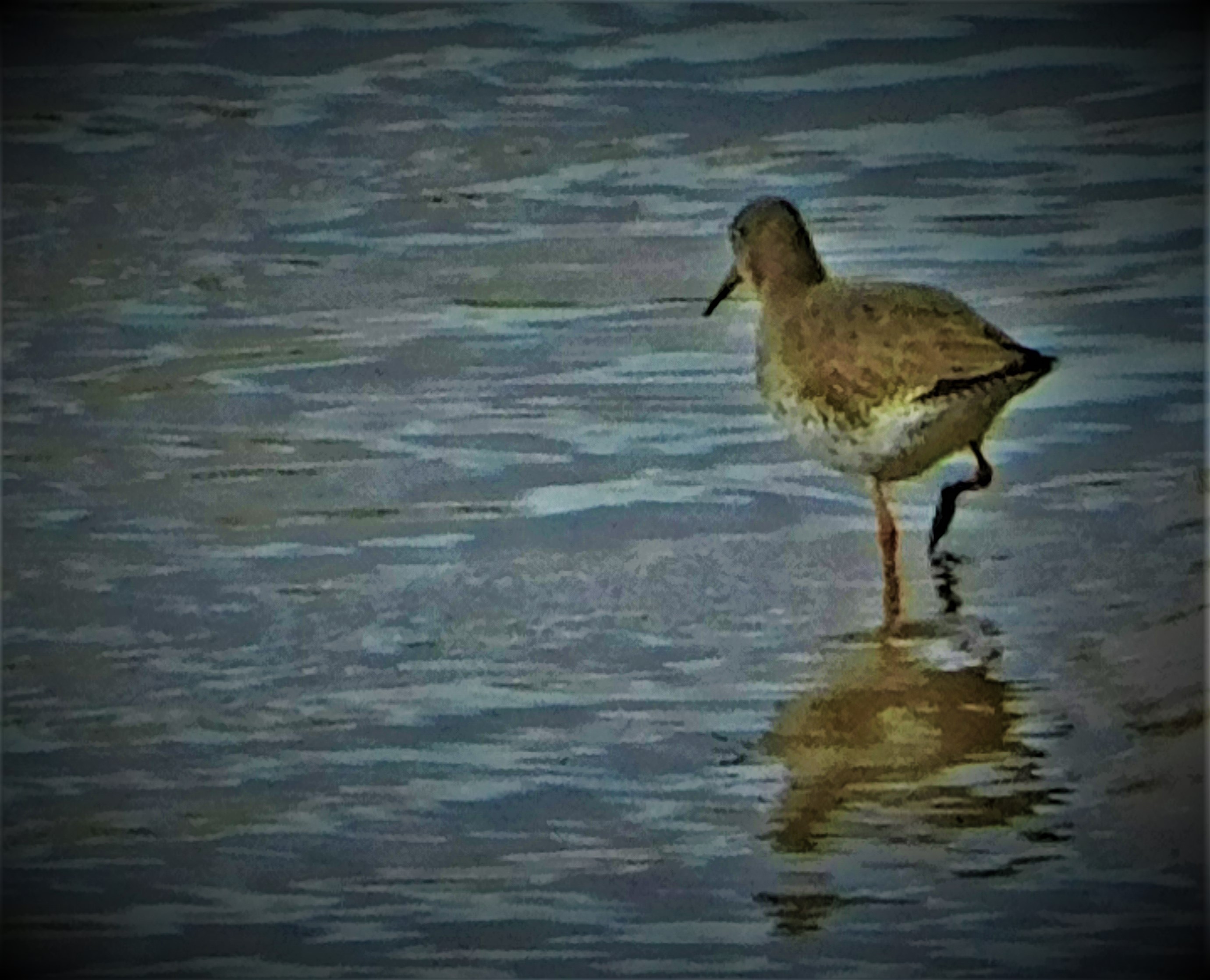
This photo gallery features two new bird sightings for 2023, both from today – a Mistle Thrush in The Walks and a Redshank at the mouth of the Nar…
The Mistle Thrush, near King’s Lynn library.Three shots of the Redshank.This map shows everywhere covered in yesterday’s walk .
A look back at the closing stages of the women’s T20 world cup and a photo gallery.
In this post I look at the semi-finals and final of the Women’s World T20 Cup in South Africa.
AUSTRALIA V INDIA
I was at work when this match was played, so my knowledge of it is entirely second/ third hand. Australia won by five runs, and there appear to have been two key moments in the chase – Harmanpreet Kaur being run out due to a failure to ground her bat properly when coming back for a second and a brilliant piece of fielding by Ellyse Perry which saved a seemingly certain boundary.
SOUTH AFRICA V ENGLAND
No South African side, male or female, had ever reached a world cup final in either T20 or ODI cricket. England were unbeaten in the tournament and have plentiful experience of finals. SA posted a very respectable score. Katherine Sciver-Brunt playing her last ICC tournament had a terrible time in the field. After viciously upbraiding several of her team mates for perceived lapses she had a horror time bowling the 20th over, conceding 18 from it, which lifted SA into the 160s. This did not seem to matter when Dunkley and Wyatt made a blazing start to the chase, putting England ahead of the required rate, but the fall of wickets and a quiet spell spanning overs 9-15 inclusive turned the game South Africa’s way, and although England fought back hard in the closing stages South Africa won by six runs and thus claimed a place in the final.
SOUTH AFRICA V AUSTRALIA
With the hosts in the final Newlands was absolutely jam packed. Unsurprisingly both teams picked the same XIs that had won their respective semi-finals. Australia won the toss and batted. SA bowled well, but not quite well enough, and aided by a big final over Australia posted 156 from their 20 overs. SA started slowly and although Laura Wolvaardt (who overtook Natalie Sciver-Brunt to become the tournament’s leading run scorer in the course of her 61 off 48 balls) and Chloe Tryon staged a mid-innings revival that briefly hinted at making a serious challenge for the runs, Australia were just too good. In the end the margin was 19 runs. This was a sixth T20 World Cup for the Australian women, a 13th global trophy in all for them, and the fifth time that Meg Lanning had captained a side to a world cup victory (no one else of either sex has achieved this feat more than twice). South Africa had fought hard, and to the credit of the fans Newlands remained full right to the end even though the result was obvious some way before it was officially confirmed. Much more will be heard of this South African squad in the future, and it took the most dominant cricket team on the planet (either sex) to stop them in their tracks this time round.
A look back at the first New Zealand v England test match, a couple of 15-minute city related links and lots of photographs.
The first test of mini-series of two matches between New Zealand and England men’s teams has ended early on the fourth of five scheduled days in a crushing victory for England. This post looks back at the match.
ENGLAND BAT FIRST
England batted first and scored at a very quick rate, so that the regular loss of wickets was not as much of an issue as it might have been. When the ninth England wicket fell at 325, with a bit of time left in the day, Ben Stokes declared in order to get New Zealand in under the lights. Harry Brook had made 89 and Ben Duckett 84.
EARLY WICKETS AND A FIGHTBACK
Anderson, Broad and Robinson proved highly effective in the situation that the England batters and their skipper Stokes had created for them and by the end of day one New Zealand were 37-3. On the second day, largely through Tom Blundell (138), the Kiwis mounted a spirited fightback and ended up only 19 runs in deficit on first innings. Stuart Broad and James Anderson stood on the cusp of yet another piece of history, needing one more to wicket between them to have taken more wickets in test matches in which they played together than any other pair of bowlers.
ENGLAND’S SECOND INNINGS
England scored briskly once again, and avoided losing excessive numbers of wickets to the new ball. On day three Neil Wagner put in a spirited bowling effort for the Kiwis, but half centuries for Root, Brook and Foakes plus aggressive contributions from Stokes and Robinson got England to 374 in their second innings, and at pace that meant that for the second time in the match they got to attack the Kiwis under the lights with the new ball (I reckon even if they hadn’t been all out Stokes would have declared to make sure of this, just as he did in the first innings).
NEW ZEALAND SECOND INNINGS
England were even more devastating under the lights second time round, and the Kiwis ended day three on 63-5 and surely knowing that the writing was on the wall.
In the event, in the very small hours of this morning UK time, while I was asleep, the Kiwis managed to exactly double this score, going down by 267 runs. Anderson finished with 4-18, Broad 4-45. Harry Brook was named Player of the Match for his 143 runs across the two England innings. A full scorecard can be viewed here. The biggest difference between the sides was in how they used the new ball – England, helped by Stokes’ game management that saw them twice get to use it under floodlights, kept things tight and took plenty of wickets, while New Zealand took few wickets with the new ball and got smacked around when trying to use it.
SIDELIGHT: INDIA MEN RETAIN BGT
Meanwhile India men were in action against Australia men in the second match of the Border-Gavaskar trophy series, India having won the first by a huge margin. Going into today Australia looked like they had a real chance to level the series, but a brainless display of batting against Jadeja (7-42) and Ashwin saw them crash from 60-1 to 115 all out, and India were never seriously in danger of failing to chase their target of 114 (yes, the teams were separated by a single run on first innings), getting there with six wickets in hand.
PHOTOGRAPHS
I have lots of photographs to share with you. Most of my photographs are taken within walking distance of my home in King’s Lynn, which links to the subject of 15-minute cities – a vision of providing people with amenities close enough to home not to require a car to visit them, and I have two good links to share on this topic:
A look back at yesterday’s two matches in the Women’s T20 World Cup and some photographs.
The Womens World T20 Cup is underway in South Africa. This post looks back at the two matches that took place yesterday.
ENGLAND V WEST INDIES
West Indies batted first. There were no huge selection surprises. Katherine Sciver-Brunt entered the record books just by taking the field – at 37 years 224 days she became the oldest person ever to turn out for England in a Women’s T20 World Cup match. She also then became England’s oldest ever wicket taker in a match of this nature. England were not quite at their best with the ball and in the field, though Sophie Ecclestone emerged with 3-23 from her four overs. West Indies probably scored about 15 runs more than they should have done due to English lapses, eventually finishing on 136.
Sophia Dunkley served notice of her and England’s intentions by scoring 34 off 18 balls. However, she, Danni Wyatt and Alice Capsey all fell before England were halfway to the target. At that point Heather Knight joined Natalie Sciver-Brunt, and there were no further alarms as England cruised home with over five overs to spare.
AUSTRALIA V NEW ZEALAND
Australia are the current holders, and arrived at the tournament with an awesome looking squad. A blistering batting performance, with Alyssa Healy scoring a record equalling sixth World T20 cup 50 and Ellyse Perry scoring 40 off just 22 balls saw Australia total 173-9, a total that would require excellent batting and a fair amount of luck to overhaul.
The Kiwis, whose batting line up is not the deepest, started disastrously with both openers out for ducks in the first over of the reply. The third wicket pair hinted briefly at a revival, but when that stand was ended by a controversial decision. Thereafter no one really threatened to anything with the bat. Ashleigh Gardner took her first ever international five-for, 5-12, half of those runs coming from one defiant blow from Jess Kerr with the writing already on the wall. To sum up NZ’s fortunes, she was out to the very next delivery, and thje tenth and final wicket fell four balls later. NZ had scraped up a measly total of 76, going down by 97 runs.
PHOTOGRAPHS
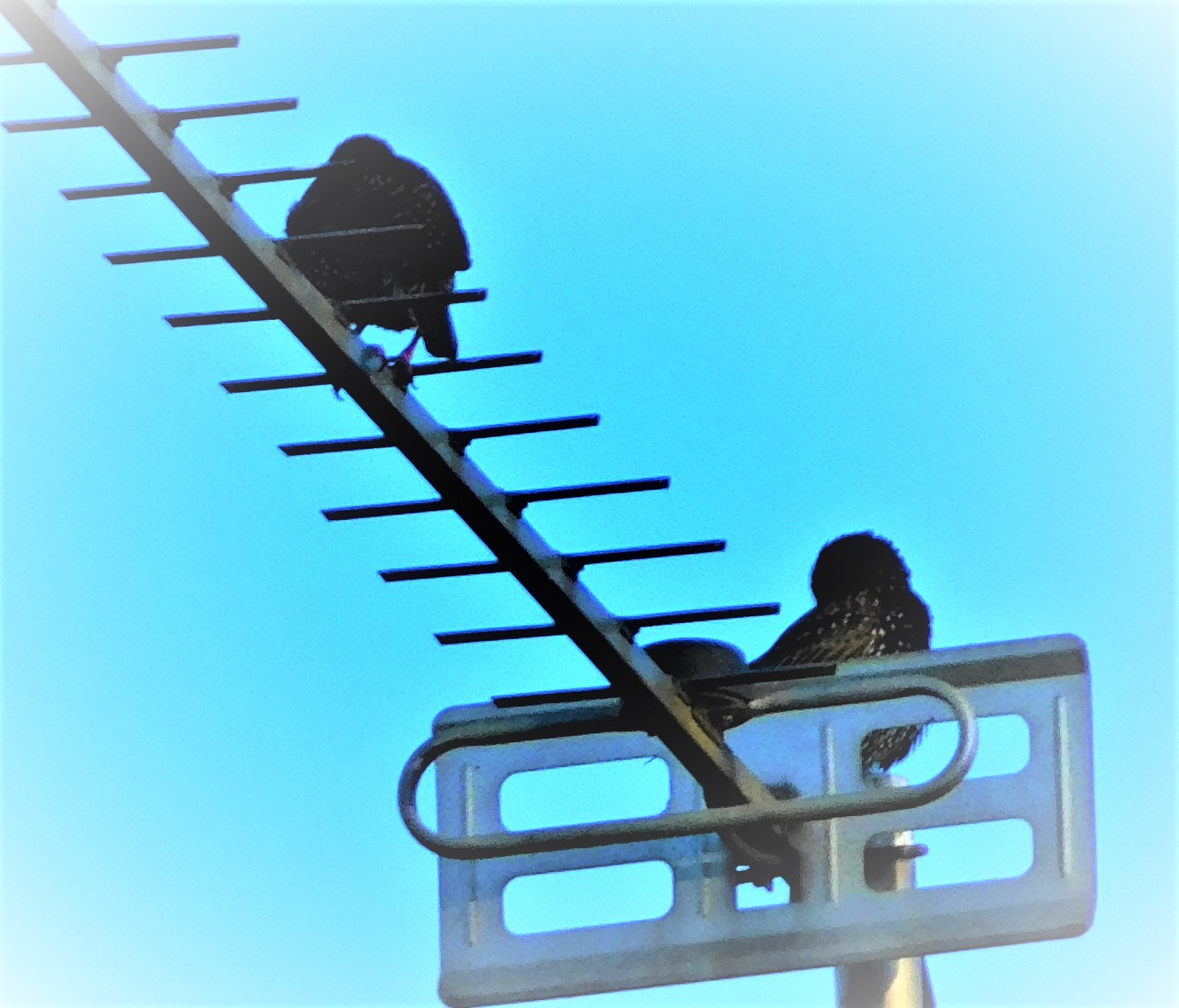
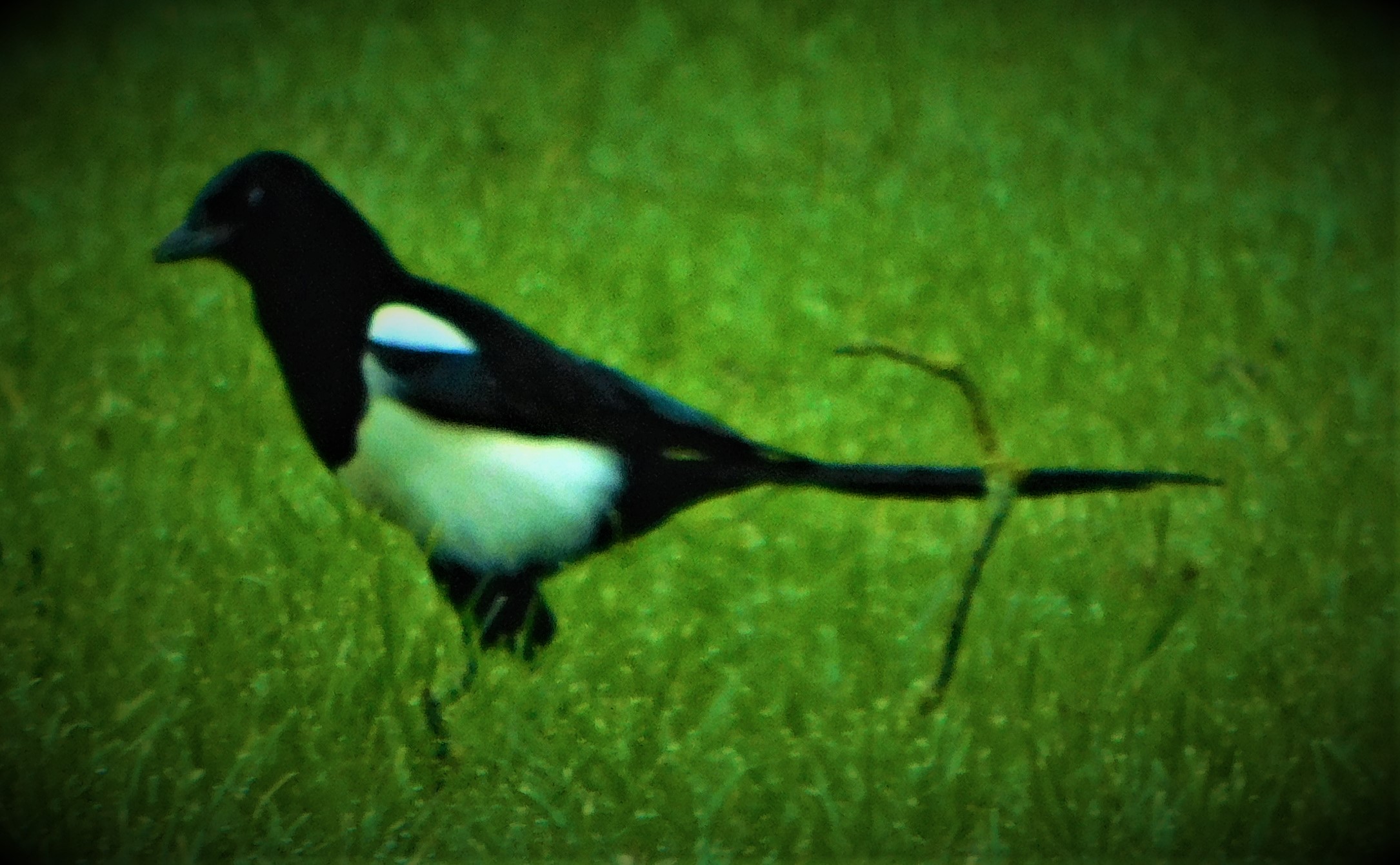
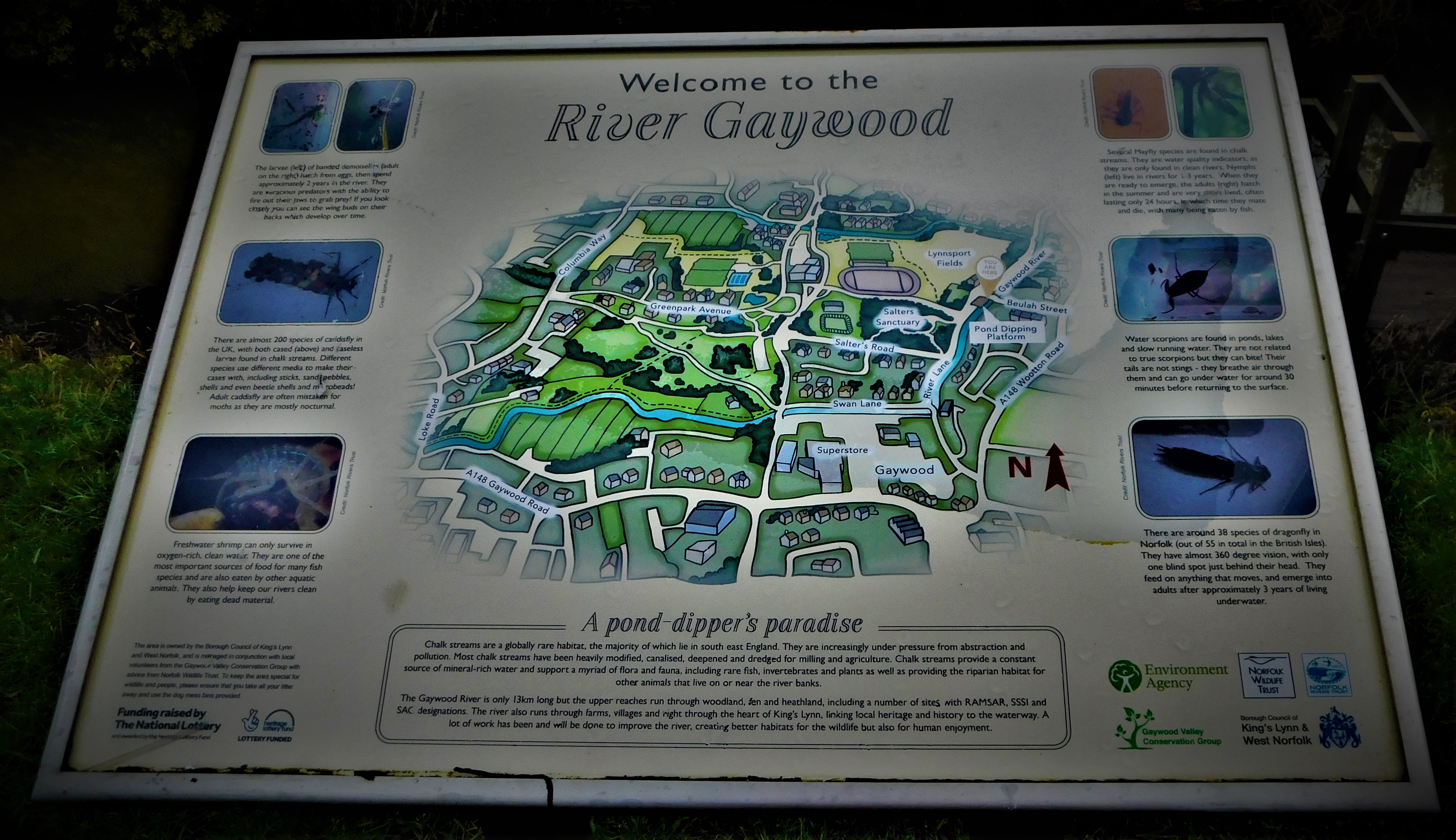
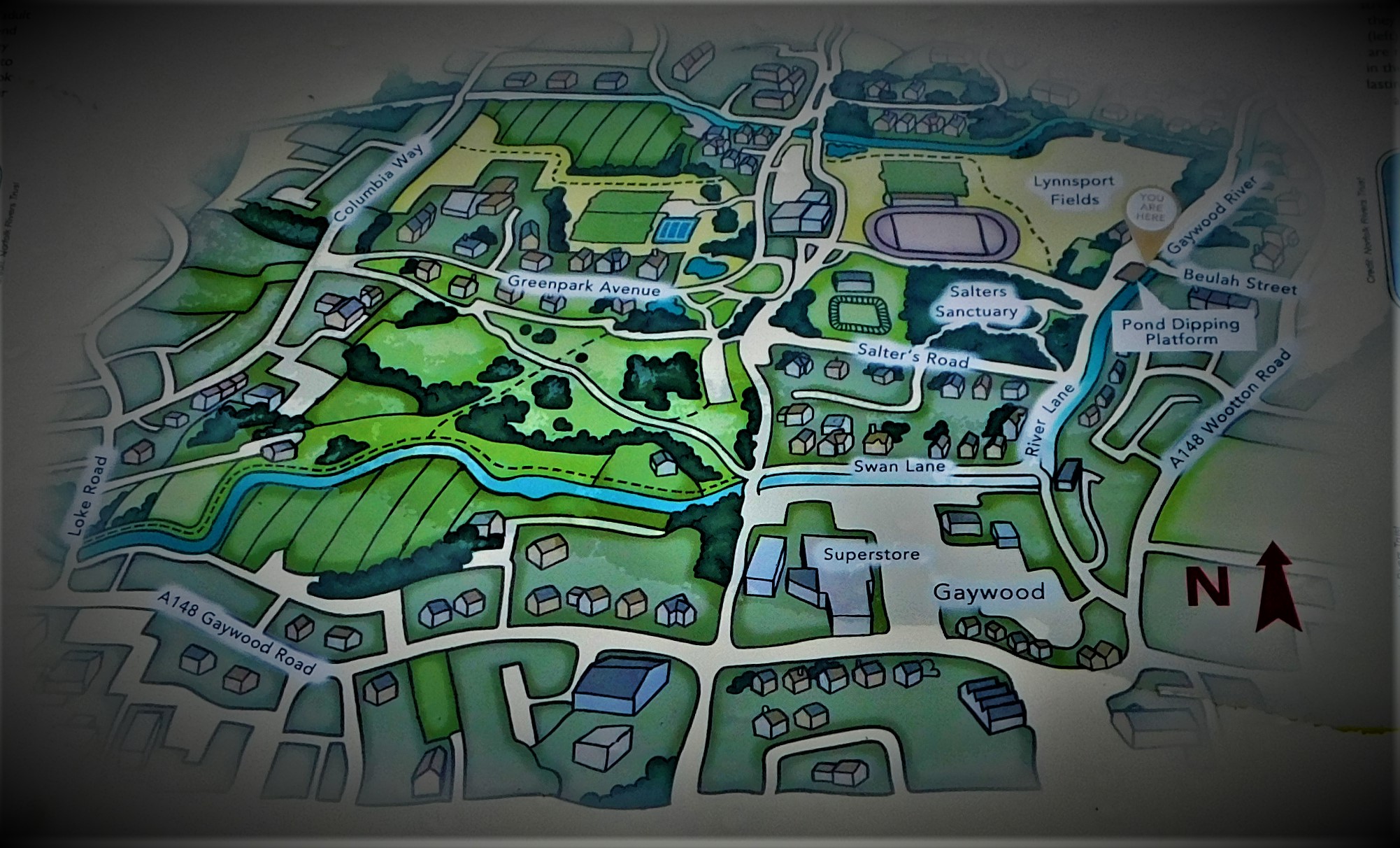
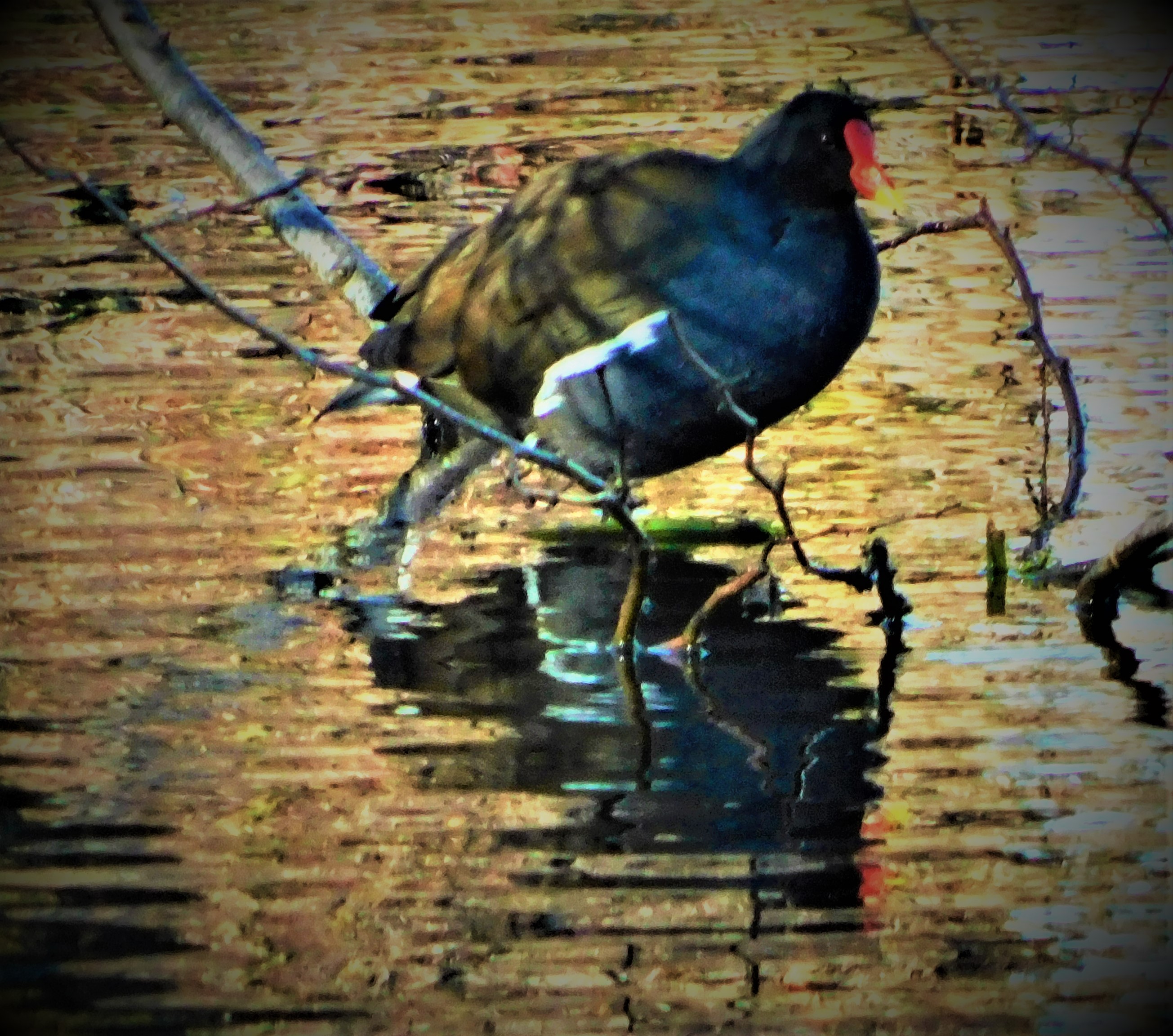
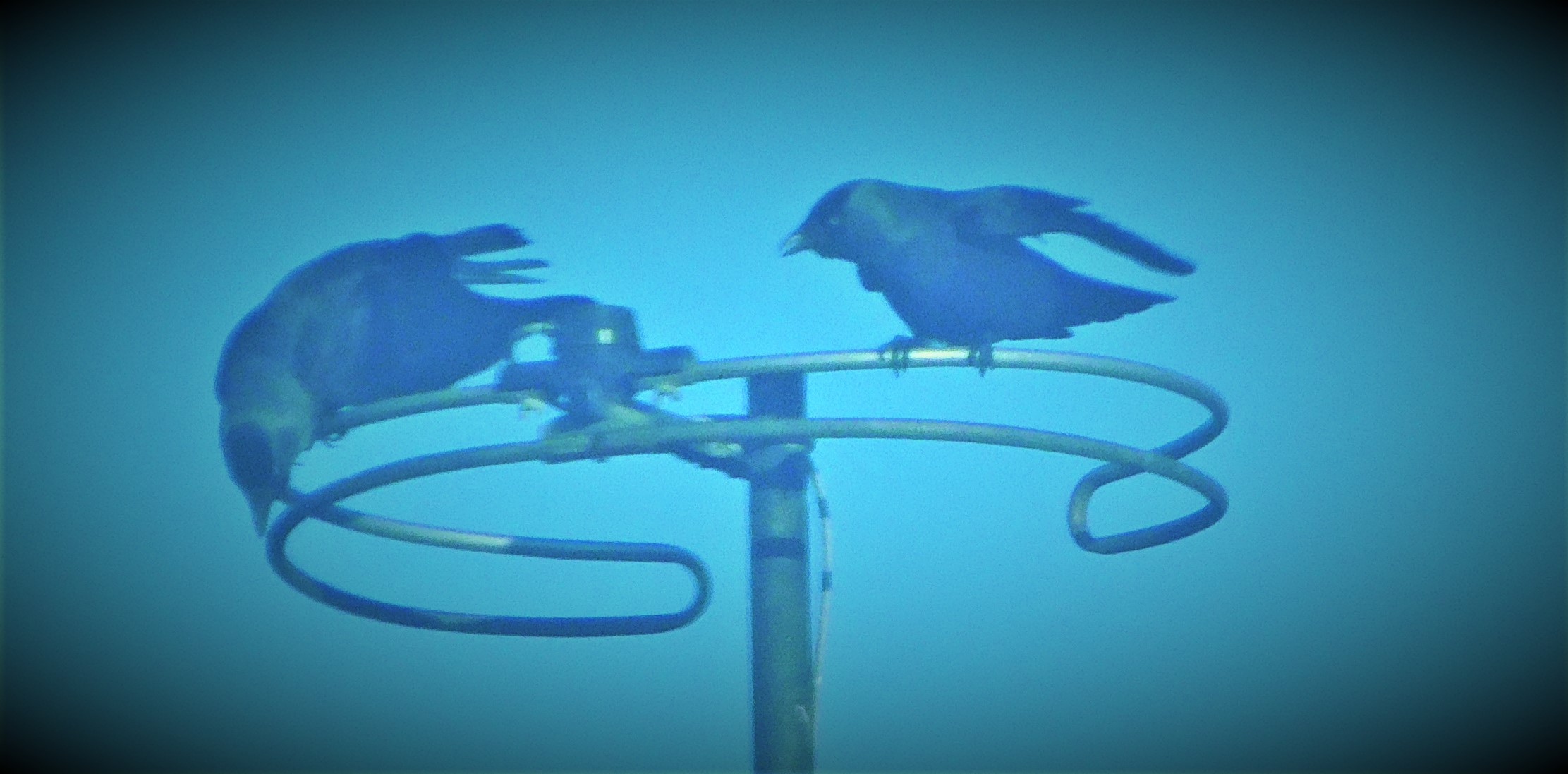
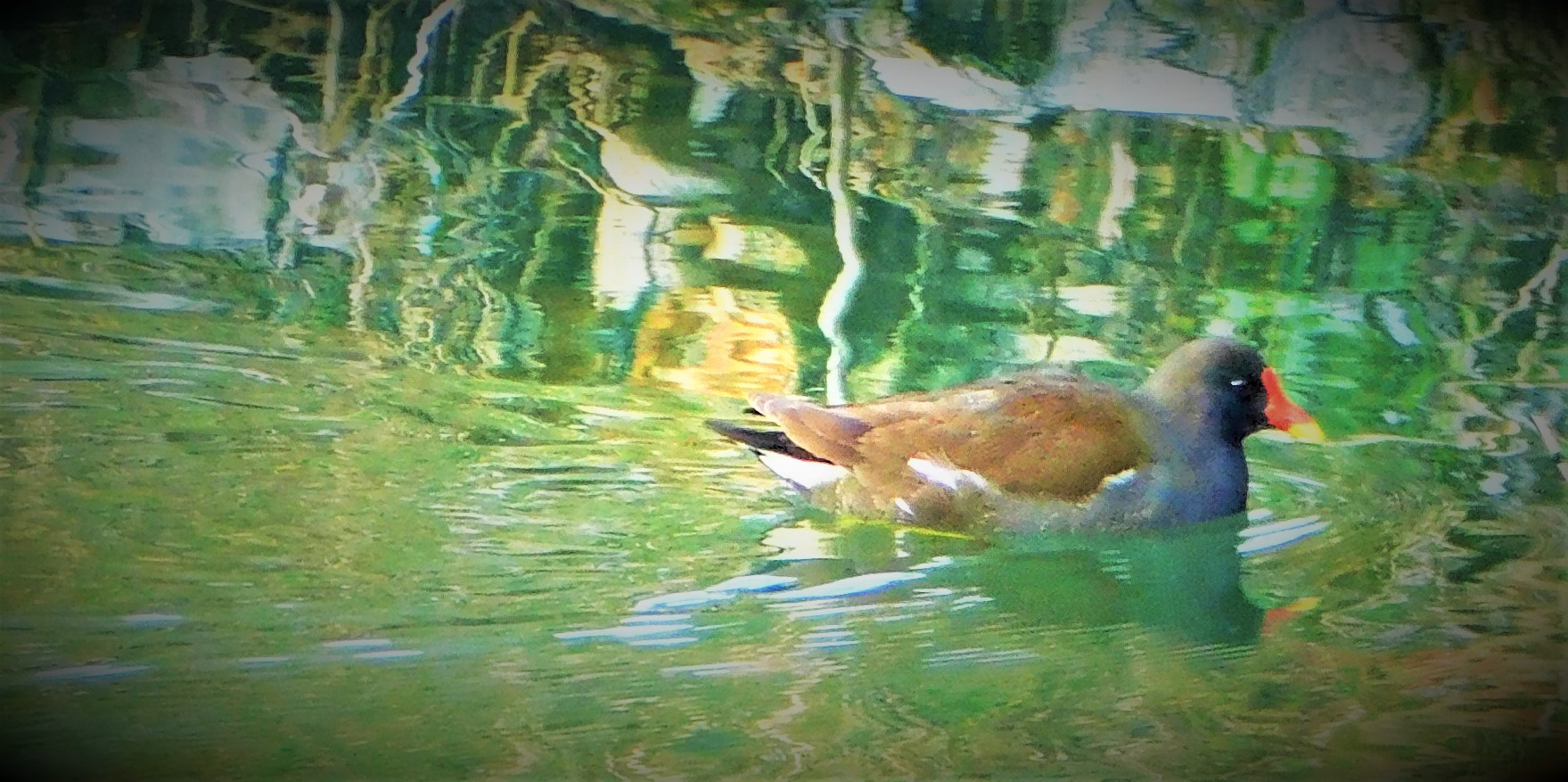
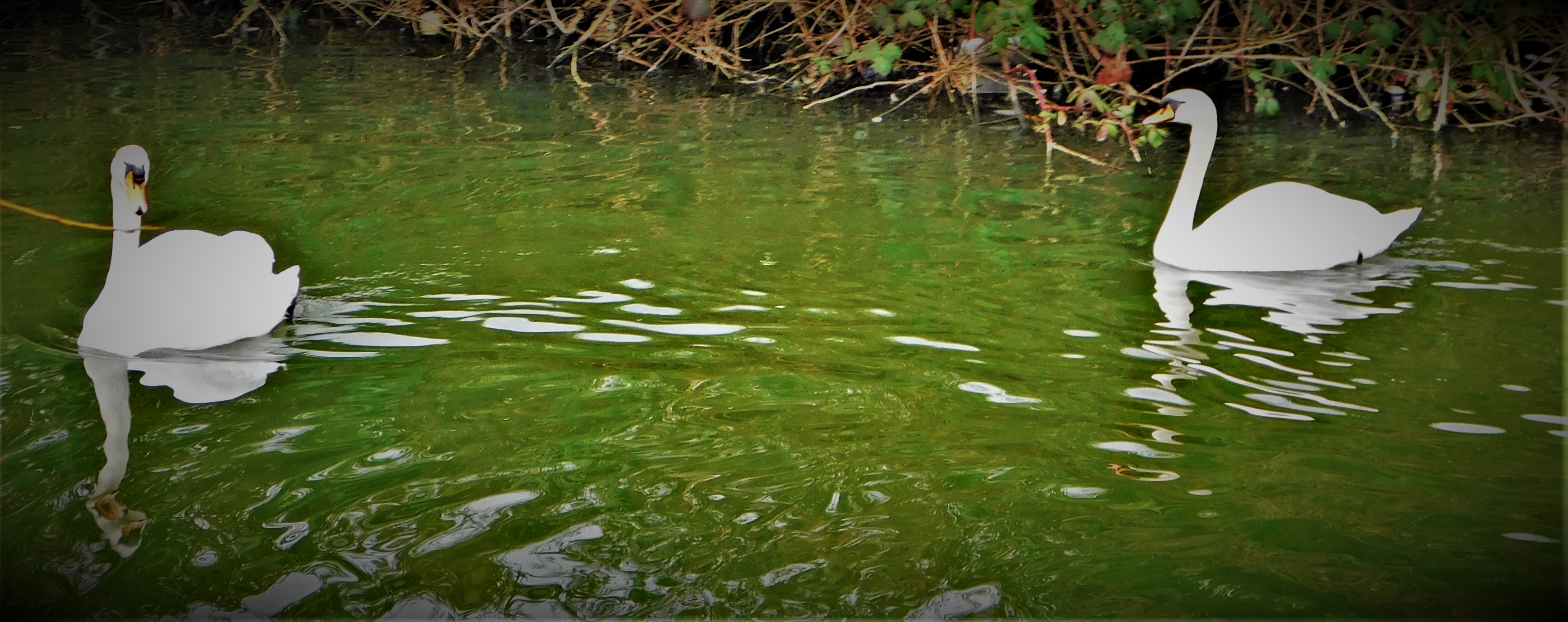
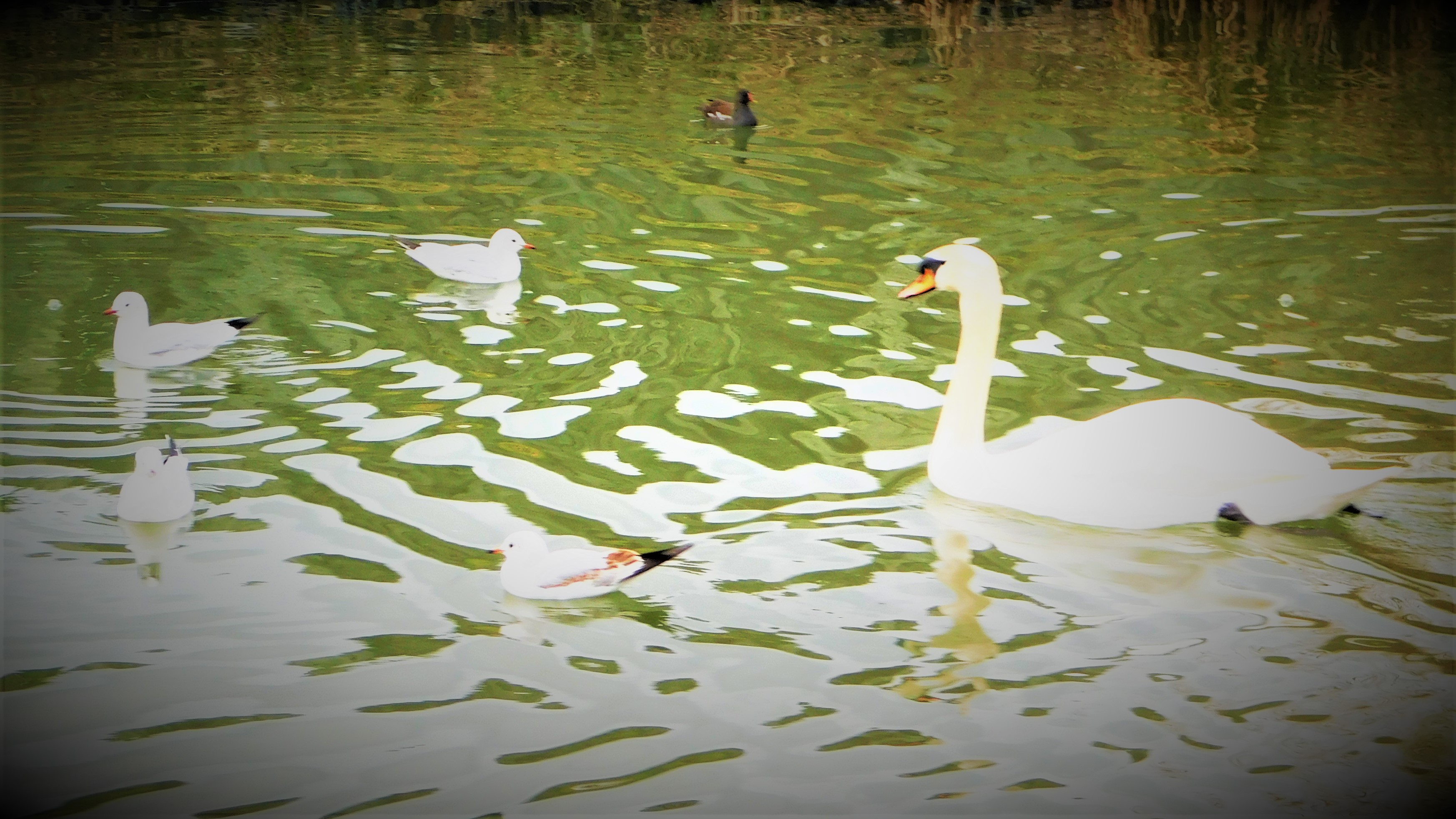
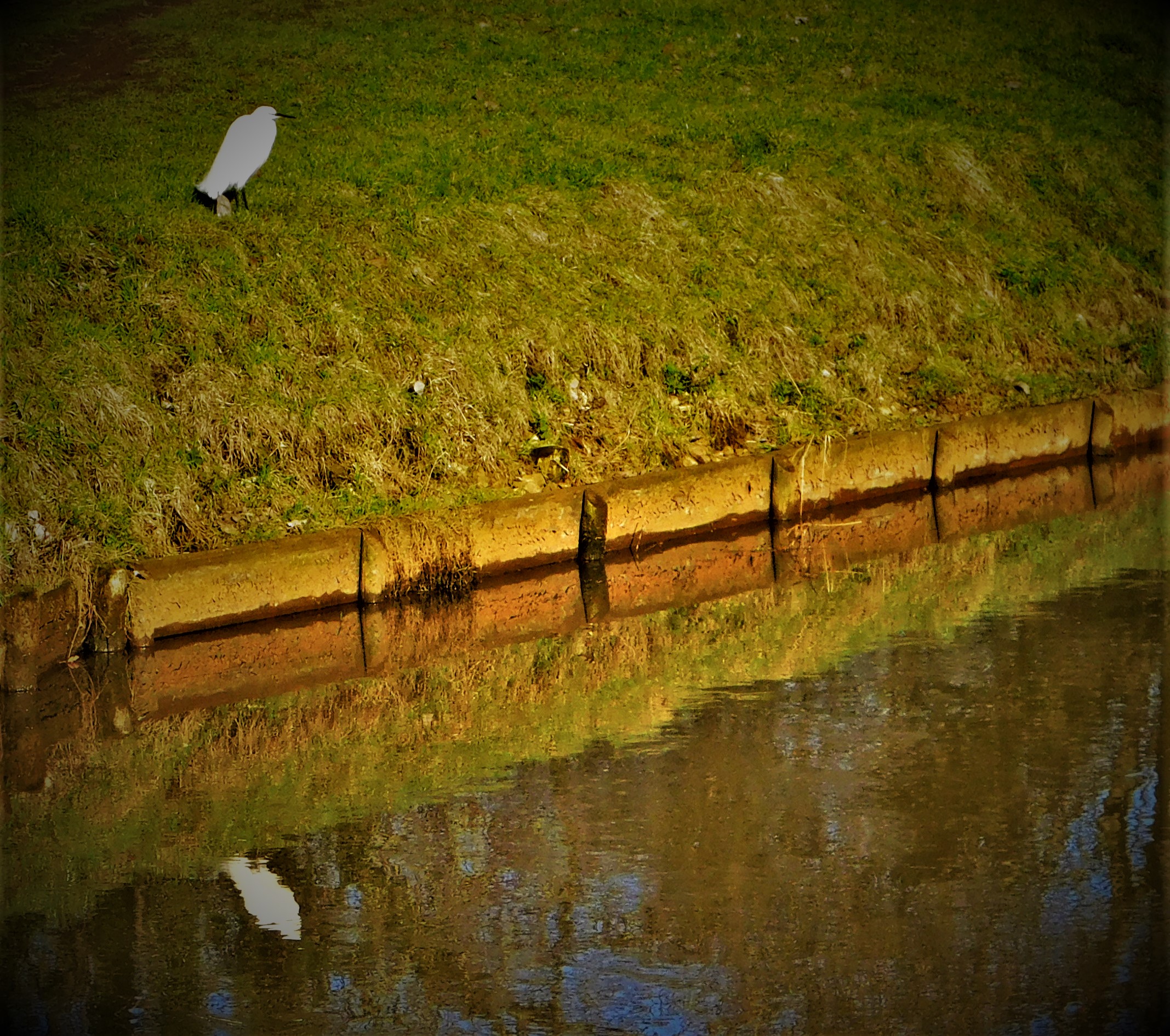
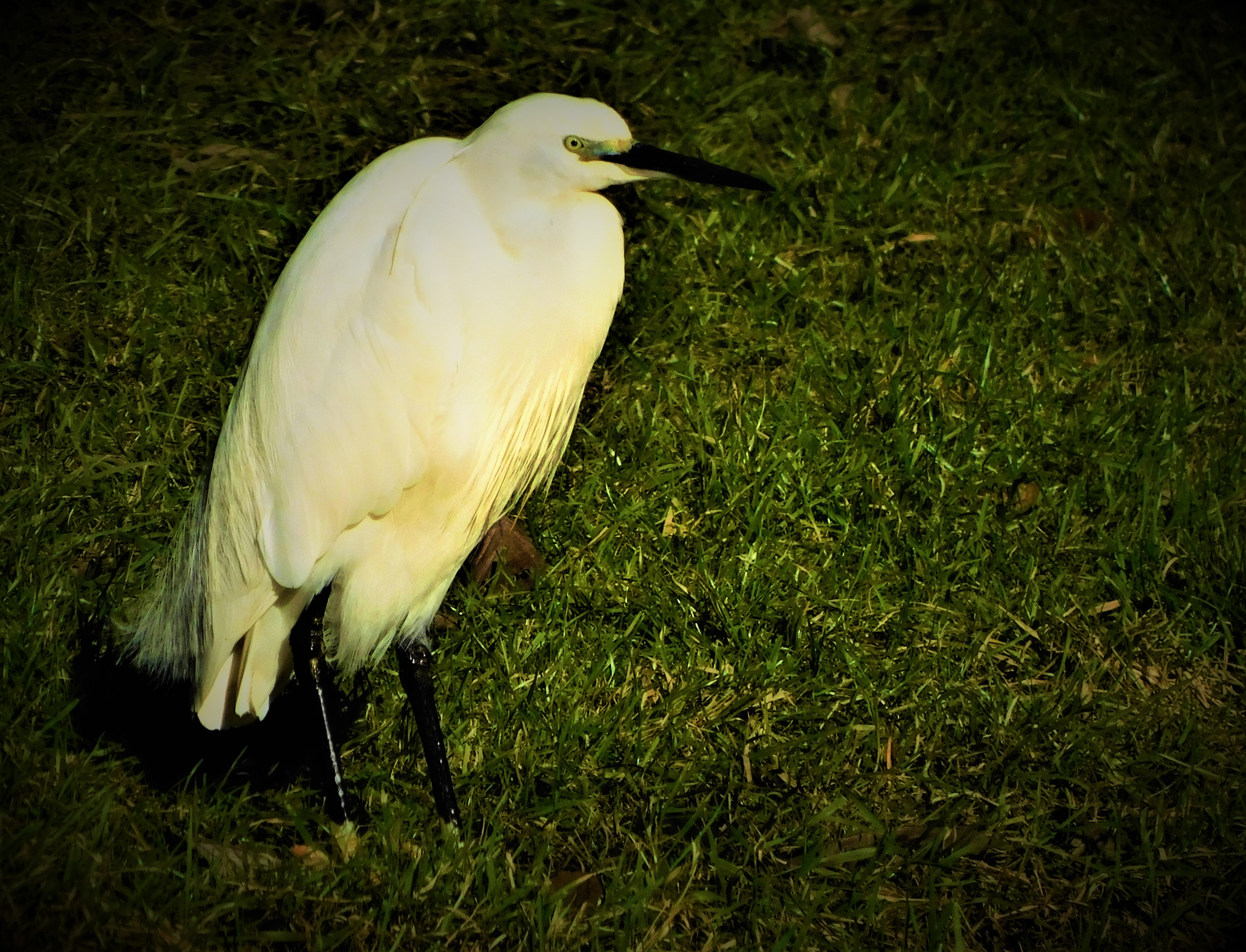
Today’s usual sign off comes in two parts, first a general gallery and then a specific focus on the Egret that seems to have taken up residence in the environs of the Gaywood River.
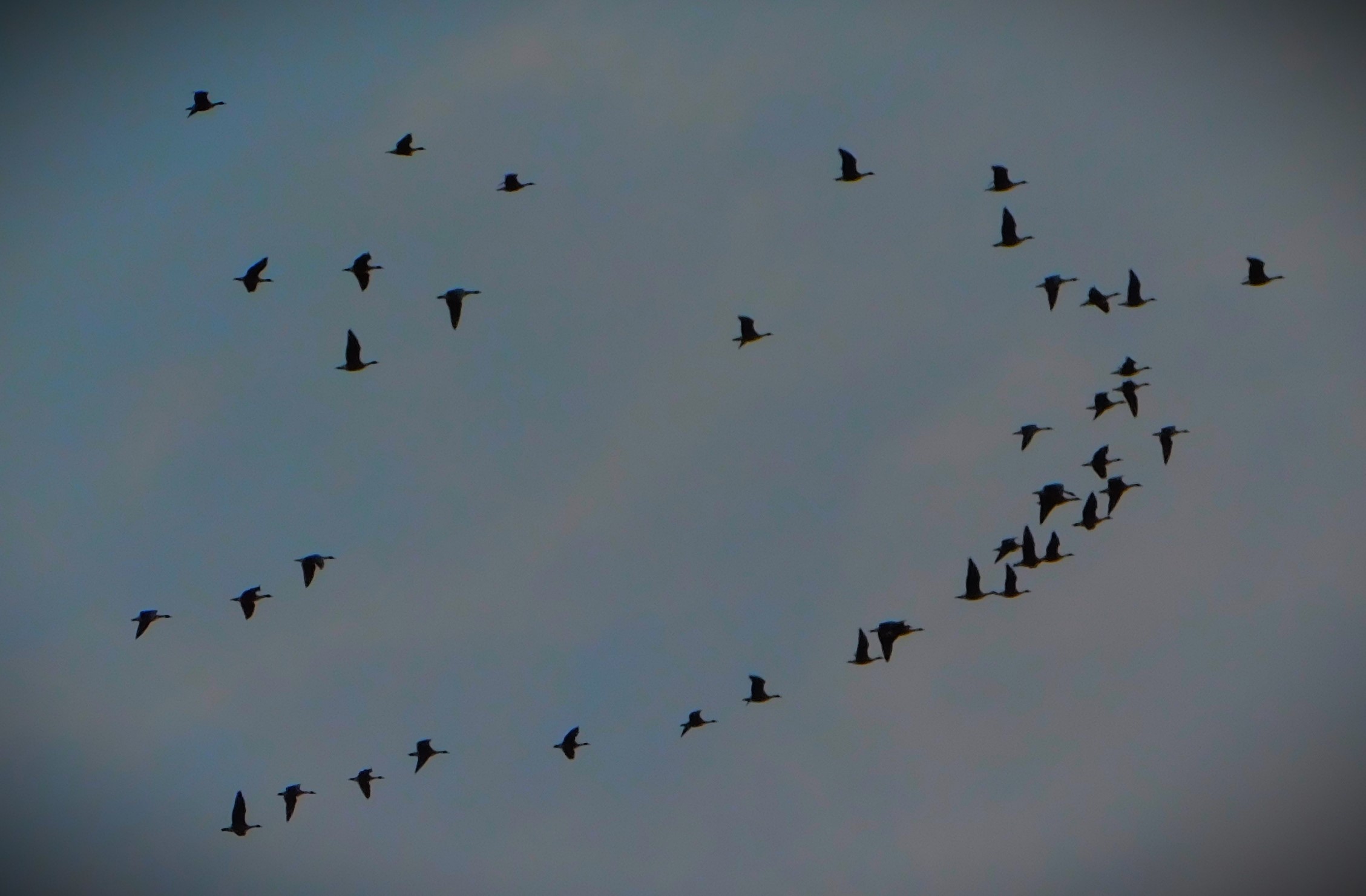
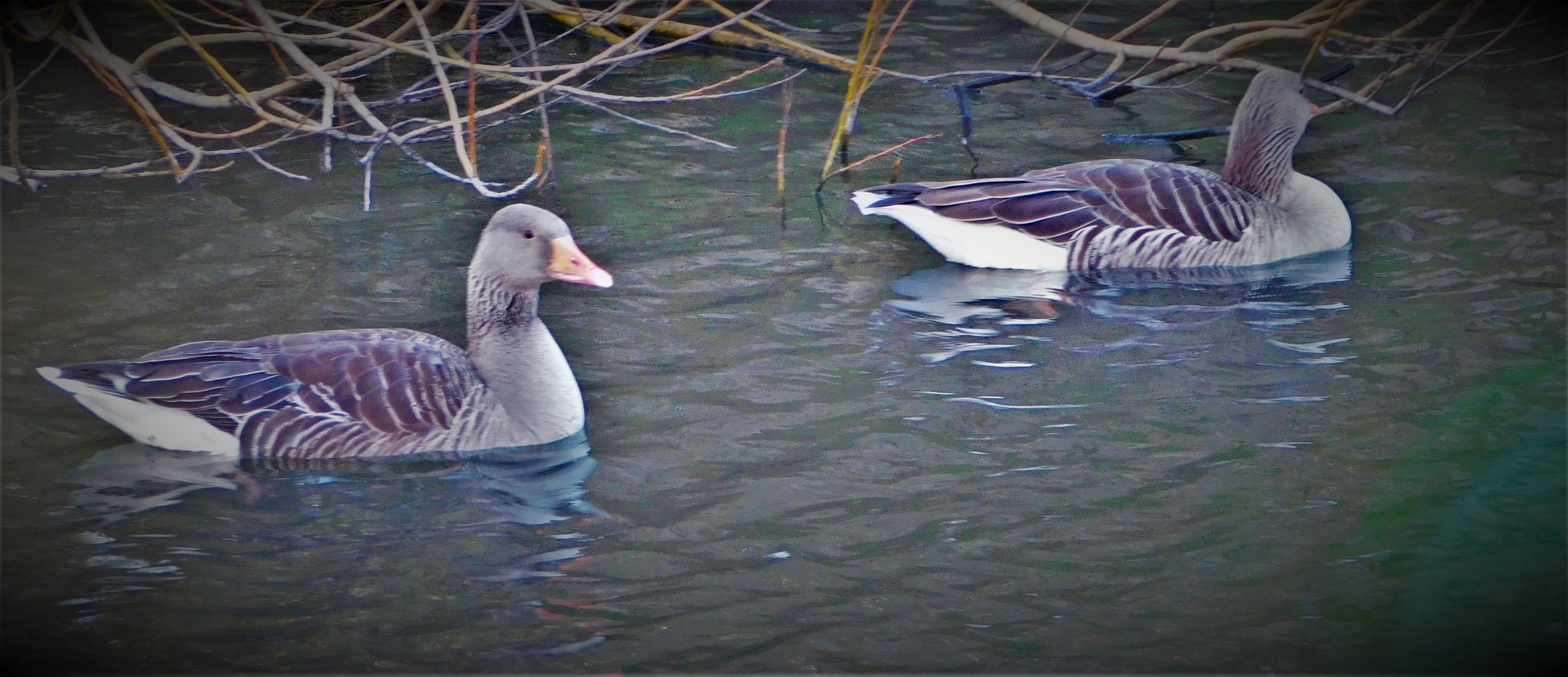
These three pictures show the first Greylag Geese of the year.




































































































































































































































































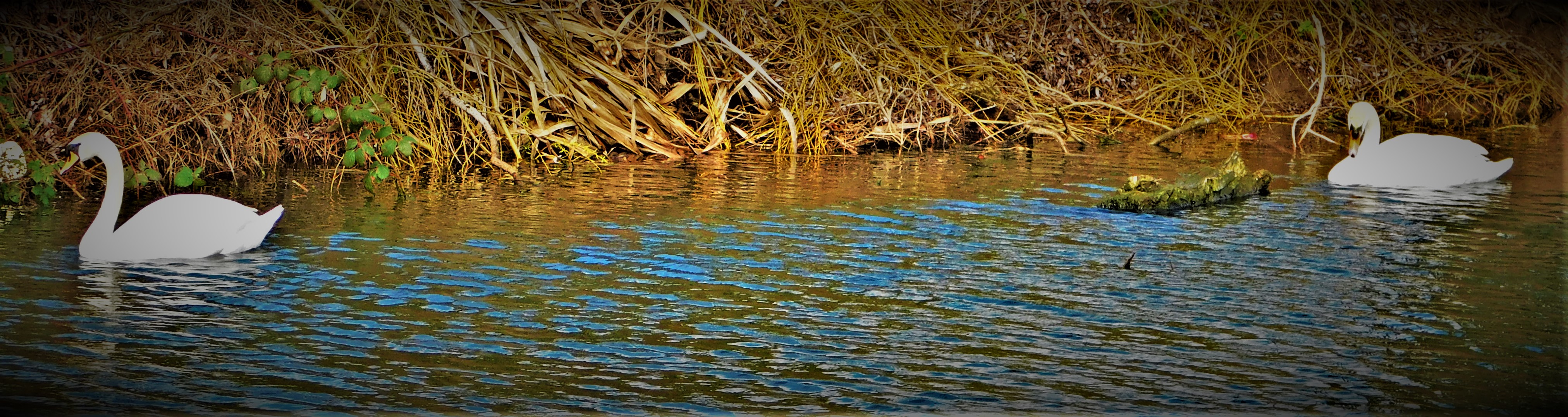
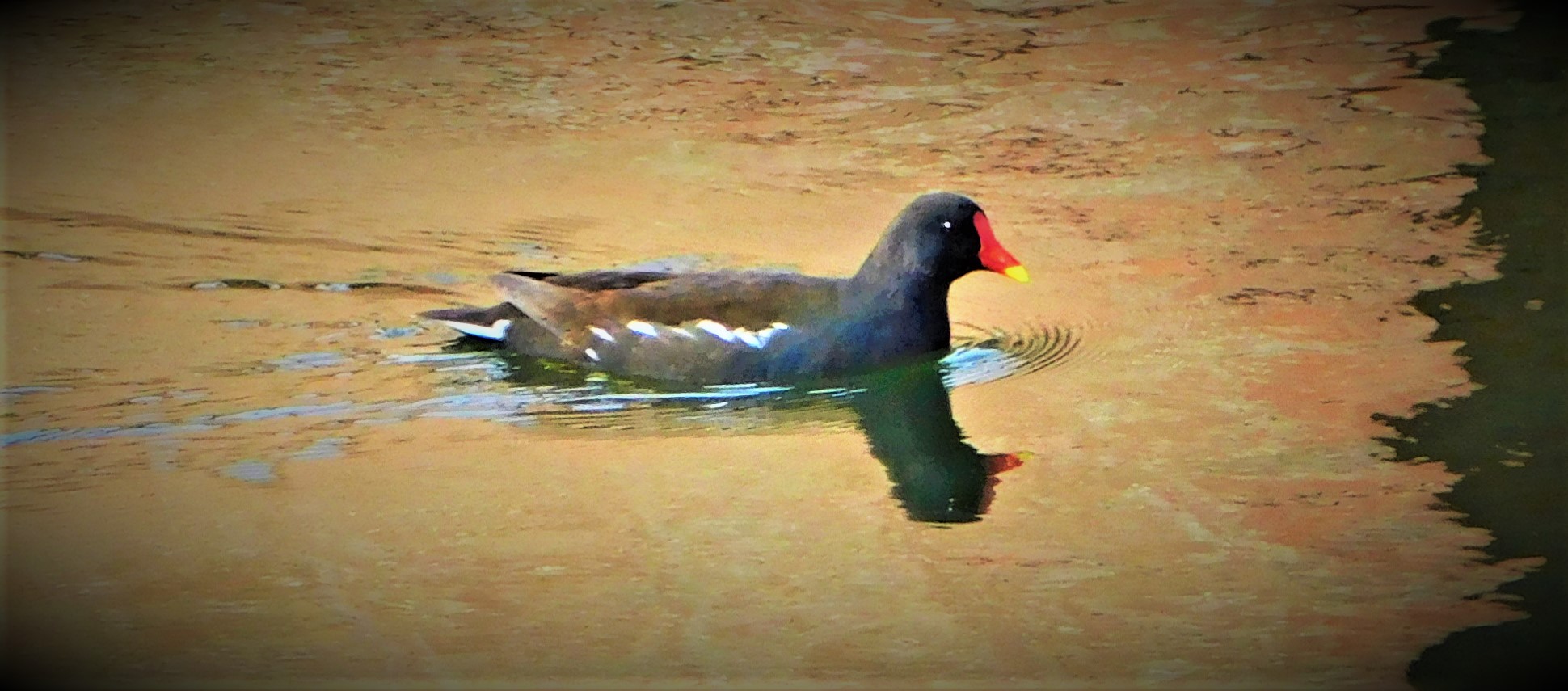
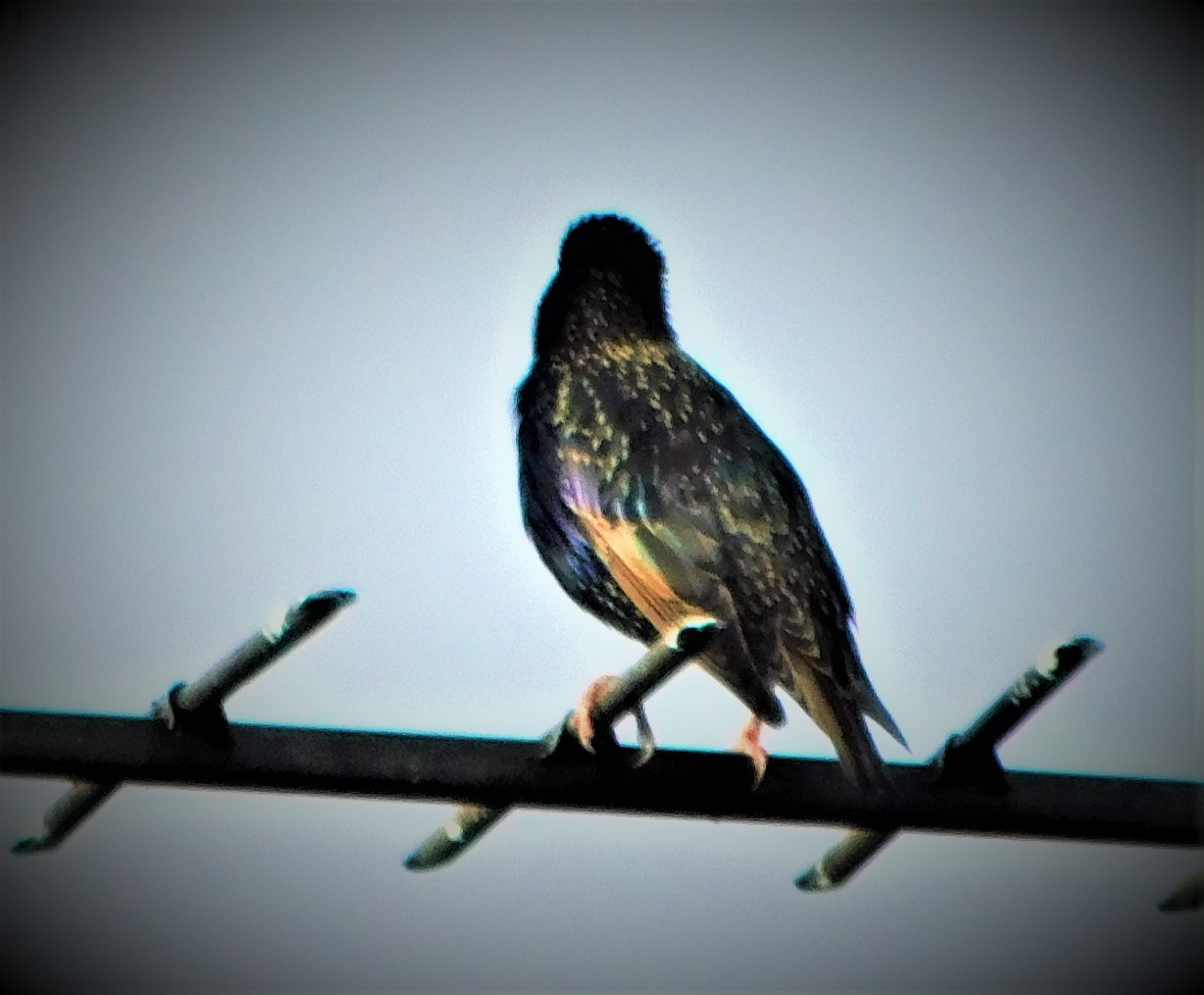

































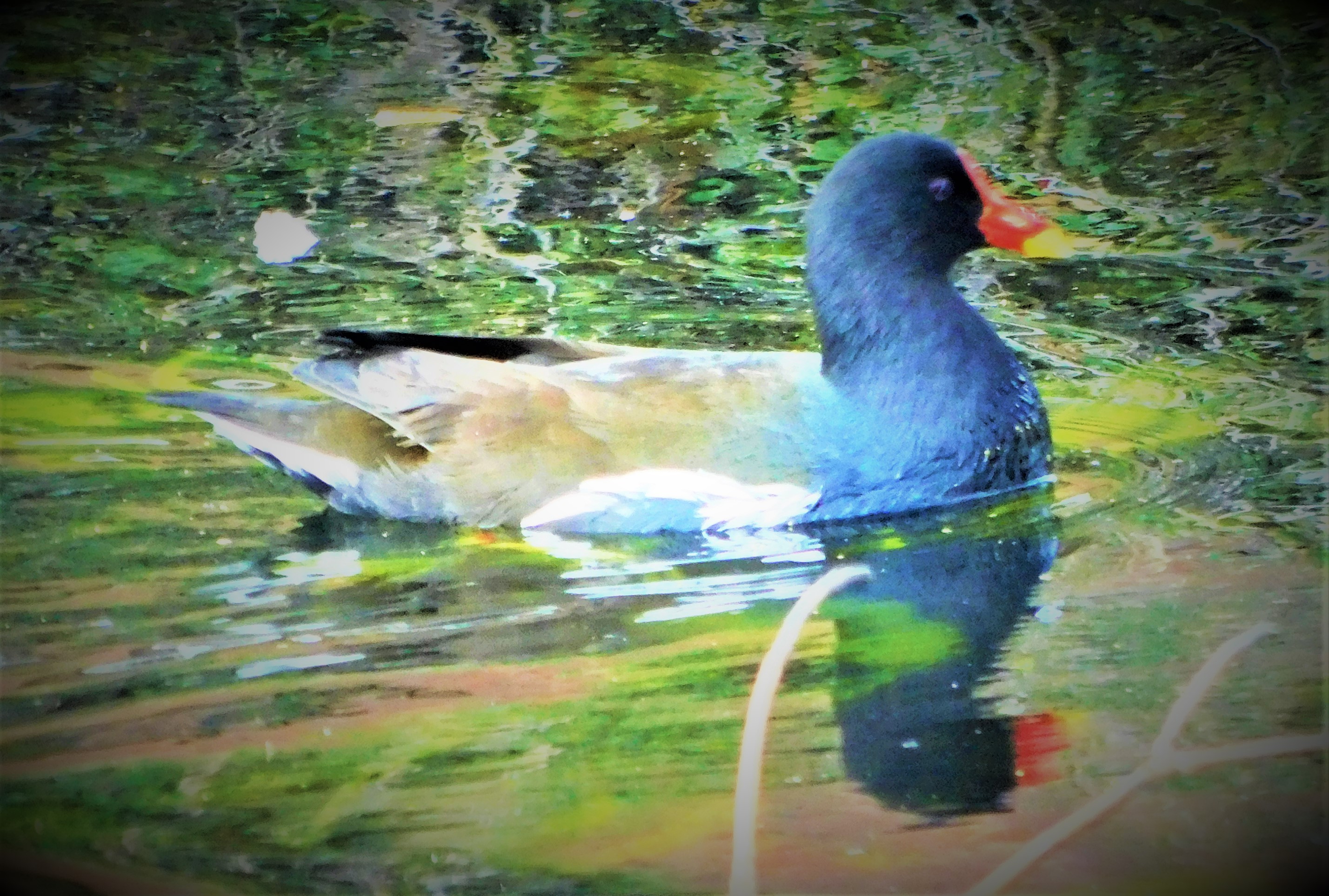
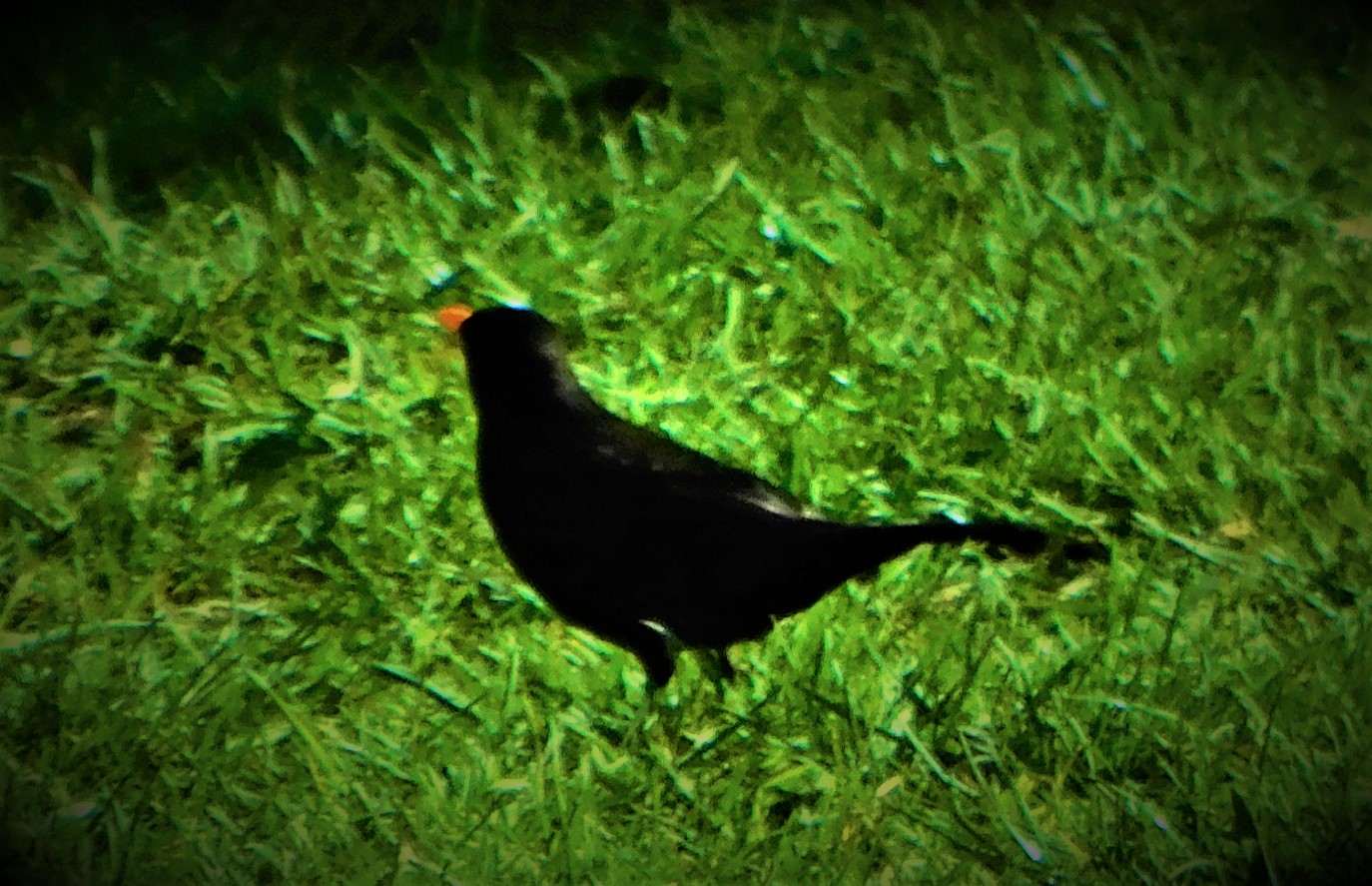


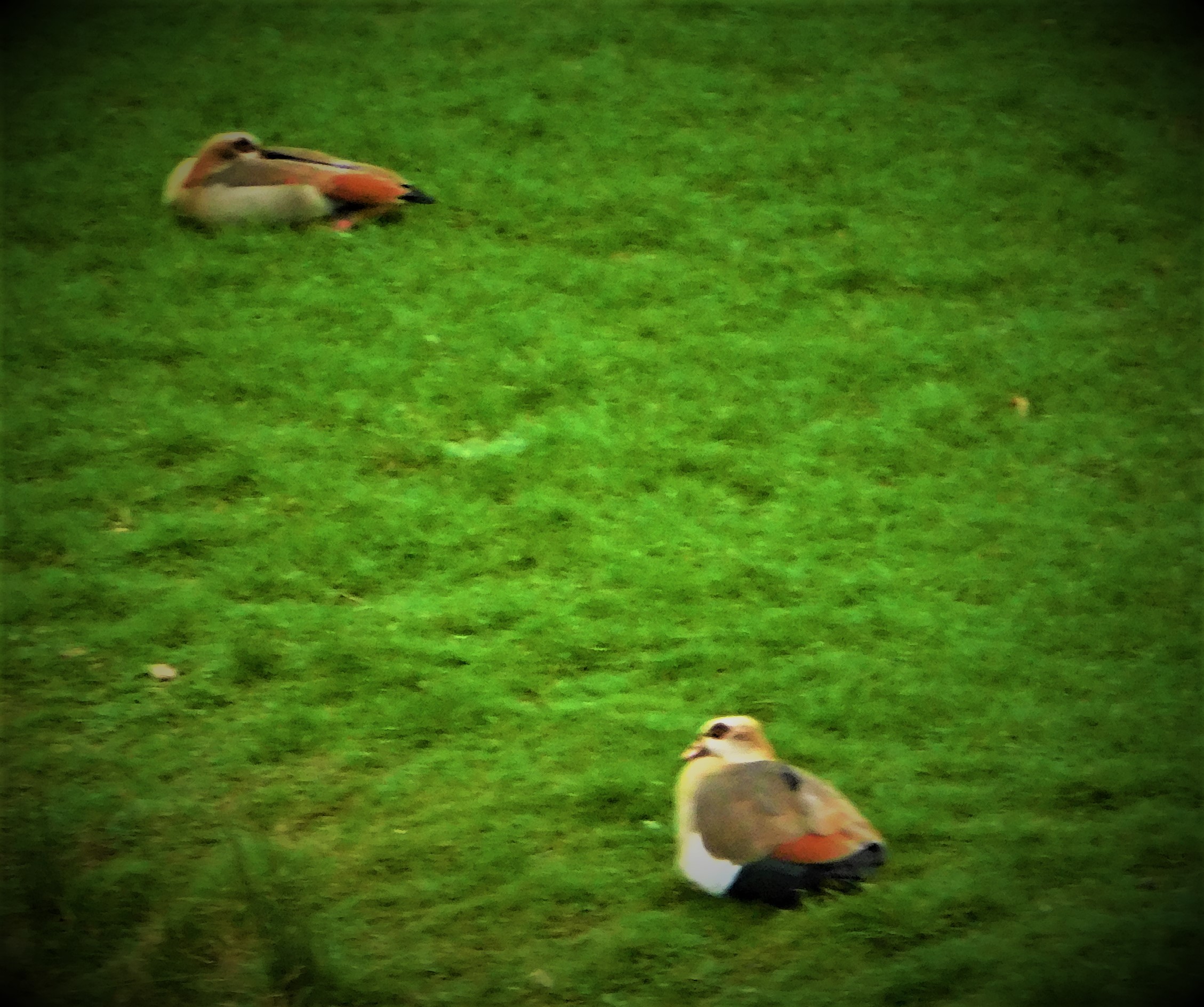
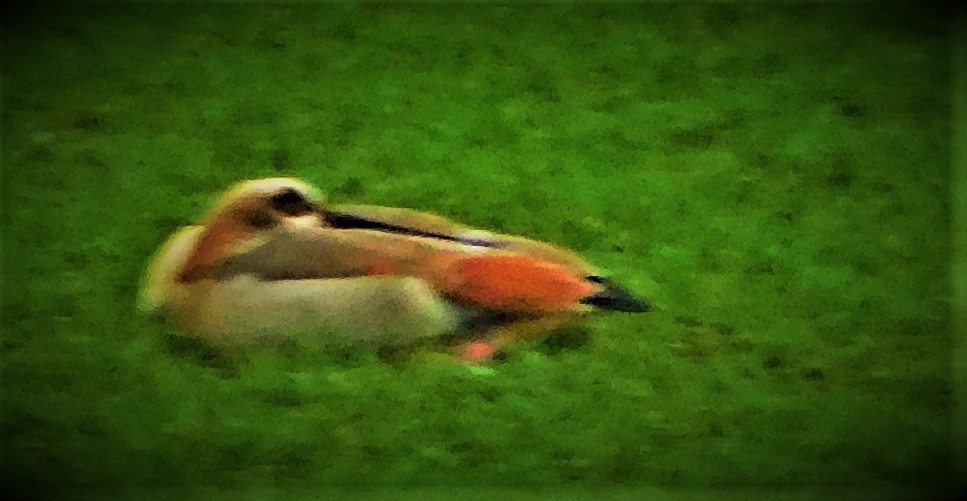





















































































































































































 aspiblog