A detailed answer to a question posed by talk sport radio on twitter this morning in the form of a look at the resources available to the England test team at the moment plus a photo gallery.
Another English cricket season is around the corner (some pre-season warm up fixtures are already taking place), and it is a biggie – the Aussies will be touring later this summer. My title comes from a question that talk sport radio put out on twitter this morning, and I am using this post to give it a detailed answer – the brief answer is the single word “no”.
ENGLAND’S RESOURCES
Since Ben Stokes took over the captaincy the England test team has fared exceedingly well, and the side’s unprecedented 3-0 sweep of the series in Pakistan plus the subsequent 1-1 draw in New Zealand (with the second game lost by one run, Stokes going uncompromisingly for the win rather than shut the game down to secure the series) were both achieved without Bairstow. The only real vacancy in the batting order is at the top, where Crawley’s returns continue to be utterly inadequate for a test match opening batter. Foakes, the current keeper, played important roles with the bat in several of the wins and is without any shadow of a doubt well clear of Bairstow as a keeper. The bowling is also strong, although the spin department remains a concern. Even there, with Rehan Ahmed showing positive signs in Pakistan, the trend is upwards.
BAIRSTOW IN TEST CRICKET
While in the period immediately before injury forced his withdrawal from the side Bairstow was in absolutely white hot form with the bat, his test history, which dates back to 2012, is of blowing hot and cold, with the latter more frequently the case. He is apparently not happy with the notion of opening in test cricket, though he does so in both forms of limited overs cricket. For me the middle order is strong with the question being who to leave out. One way to accommodate Bairstow is to have Stokes, who certainly has the technical wherewithal to do so move up to open the batting, creating a middle order slot for Bairstow (WG Rumblepants suggested this on twitter in response to the talk sport radio query). None of Pope, Root, Brook or Stokes are dispensable, and I regard the notion of dropping Foakes, already on the receiving end of scurvy treatment from England selectors since his international debut in 2018, as an outrage.
THE ENGLAND TEST SIDE GOING FORWARD
With the powerful batting outlined above, plus Foakes as keeper, a slew of fine seamers available, plus outright pacers in the form of Wood, Archer and possibly Stone in the wings, and Leach and Ahmed available to bowl spin, plus Will Jacks on the fringes as a batter who bowls spin on the side, and a few county players knocking on the doors (a good start to the season for Ben Compton would certainly force the selectors to sit up an take notice to name but one) the truth is that the England test side does not need to perform mental gymnastics to find a way to accommodate an ageing middle order batter with a history of inconsistency at the highest level – they would do better to move forwards without him.
PHOTOGRAPHS
To put it mildly the weather these last few days has been less than ideal for photography, but I do have a small gallery of recent captures to share…
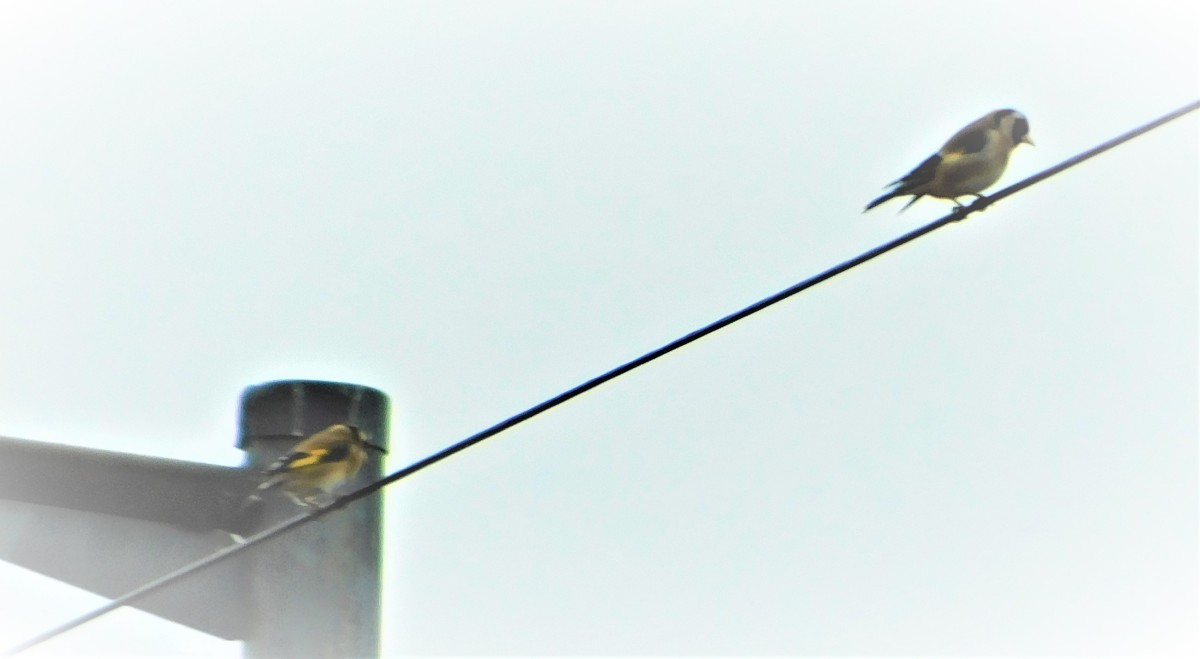
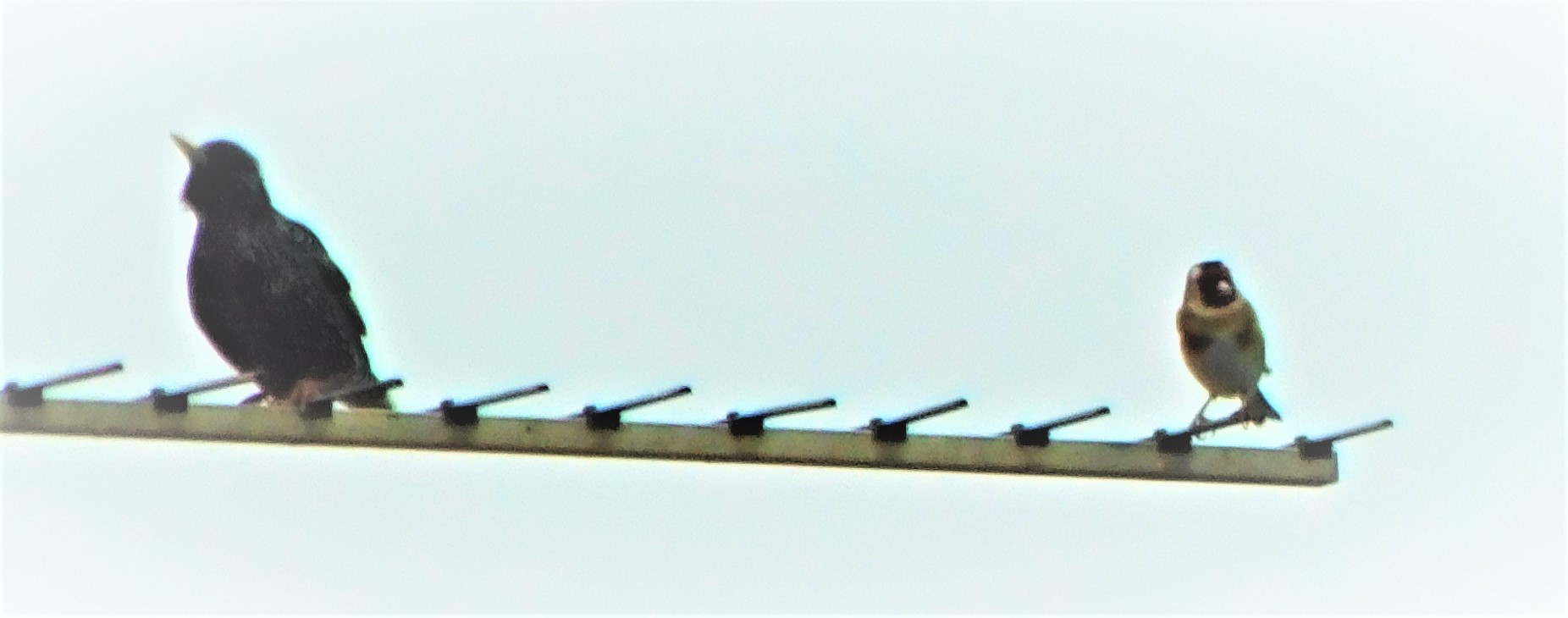
Photographed through the window of a bus, a pair of goldfinches using a cable (obviously very well insulated) as a perch.
A look at Australia’s best test cricketers of 1877-1914 and a large photo gallery.
Having just finished a brief look at England men’s test cricket through the ages I now turn England’s oldest adversaries in international cricket, Australia. I start with the best players of 1877-1914 inclusive.
THE XI IN BATTING ORDER
Warren Bardsley (left handed opening batter). Until Don Bradman came along and blew all such records out of the water he had scored more FC centuries than any other Australian batter and more than half of those centuries were scored on tours of England (compare and contrast a left hander of much more recent vintage in David Warner). At the Oval in 1909 he became the first ever to score a century in each innings of a test match.
Victor Trumper (right handed opening batter). One of cricket’s immortals. In the wet summer of 1902 he scored 2,570 FC runs for the tour including 11 centuries. In the Old Trafford test of that series, where an Australian win by three runs ensured that they kept the Ashes he reached a century before lunch on day one.
*Billy Murdoch (right handed batter, captain). In 1880 at The Oval he won a sovereign from WG Grace by scoring 153* in Australia’s second innings to top the bearded Doctor’s 152 on the opening day of the match. Four years later at the same ground he scored test cricket’s first ever double century, 211.
Clem Hill (left handed batter). Until Hobbs overhauled his tally he held the record for test career runs. He amassed eight test tons in total, including the only century of the only test ever played at Bramall Lane, Sheffield in 1902. He also had a unique sequence of near misses in the 1901-2 series, making 99, 98 and 97 in successive knocks.
Charlie Macartney (right handed batter, left arm orthodox spinner). He had only just begun his rise to the top before WWI, but did enough, including taking his one and only match haul of ten wickets, to claim his spot in the XI.
George Giffen (right handed batter, off spinner). Australia’s first great all rounder. In the 1894-5 Ashes he scored 475 runs and claimed 34 wickets.
+Jack Blackham (wicket keeper, right handed batter). The ‘Prince of Wicket Keepers’, and enough of a batter to have been the first keeper to score two fifties in the same test match. He played in each of the first 17 test matches ever contested, before missing one due a dispute over pay, and then returning and playing on until the 1894-5 Ashes.
Hugh Trumble (off spinner, right handed batter). Good enough in his secondary department to have done the season’s double on the 1899 tour of England and to have been Australia’s highest individual scorer at The Oval in 1902. He took 141 test wickets all against England, including doing the hat trick twice in his career. His 141 wickets against England remained a record for almost eight decades after his retirement, until Dennis Lillee overtook him at Headingley in 1981.
Fred ‘Demon’ Spofforth (right arm medium-fast). A master of changes of pace, he took the first ever test hat trick, and it was his bowling that won the 1882 match at The Oval that led to the creation of the Ashes.
Charlie ‘Terror’ Turner (right arm medium fast). He succeeded Spofforth as leader of Australia’s attack, and reached the milestone of 100 test wickets in just 17 matches.
Ernest Jones (right arm fast). Australia’s first authentic test match quick bowler. He once sent a ball through WG Grace’s beard. Like the later Harold Larwood of England he was a miner before establishing himself as a cricketer.
This side has a powerful top five, an all rounder at six, a keeper who could bat and four formidable front bowlers. The bowling is also very powerful, though it lacks either a left arm seam option or a leg spin option.
HONOURABLE MENTIONS
Charles Bannerman missed out on an opening slot partly because of being right handed – Trumper had to be picked and I felt that left handed Warren Bardsley was a better foil for him than Bannerman. Two other specialist batters who could not be accommodated were Joe Darling and Syd Gregory, the latter playing more test matches than anyone else whose entire career happened before WWI.
I could have got around the leg spin problem by naming Warwick Armstrong as the all rounder, but I felt that Giffen’s case was unanswerable. Monty Noble was the other candidate for the all rounder’s role and would have been a natural for the captaincy had I gone for him. Frank Tarrant never played test cricket, otherwise he would have been a shoo-in (England toyed with the idea of picking him based on his years at Middlesex but felt that such a move would cause problems with the Aussies, who don’t appear to have ever considered picking him).
There were two other keepers of the era of something approaching comparable stature to Blackham, Jim Kelly and Hanson Carter.
The nearest any left arm bowler who actually played for Australia came to claiming a place were Jack Ferris, Turner’s regular new ball partner, and Jack Saunders, but neither quite did enough.
Frank Laver and Albert ‘Tibby’ Cotter were right arm seam/ pace bowlers who came close.
Australia only had one specialist leg spinner of note before WWI, Herbert Hordern, and his career was brief.
PHOTOGRAPHS
My usual sign off…
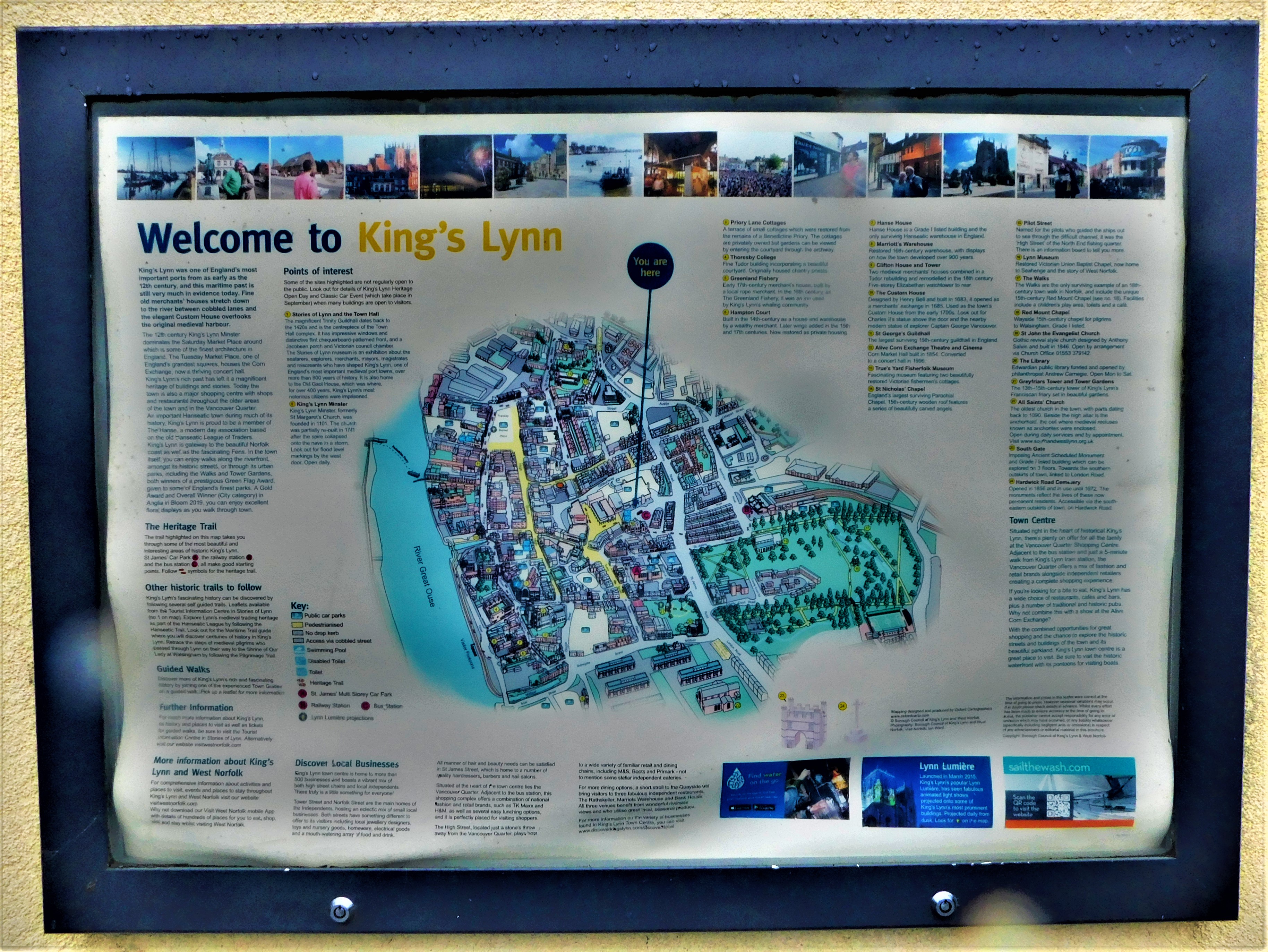
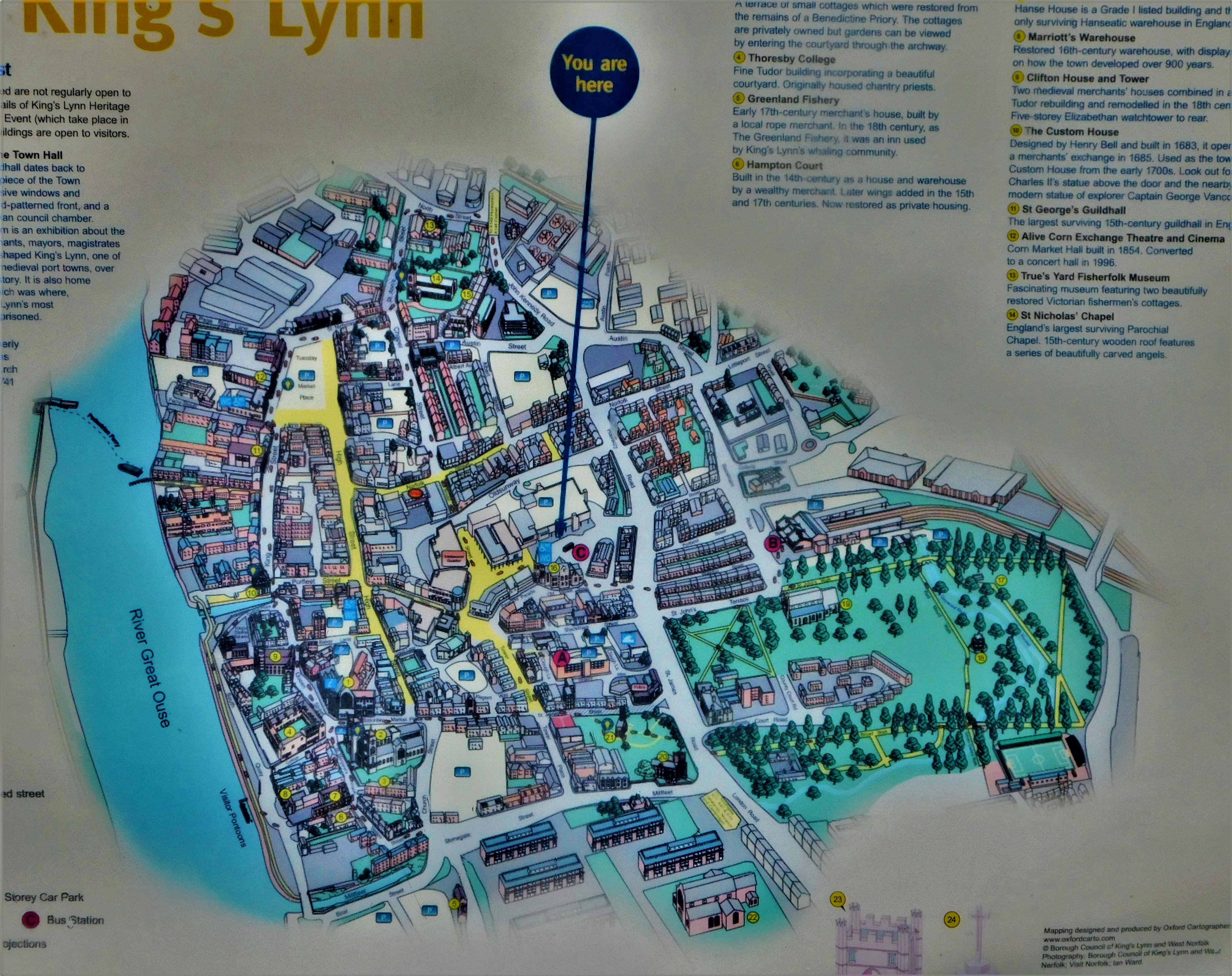
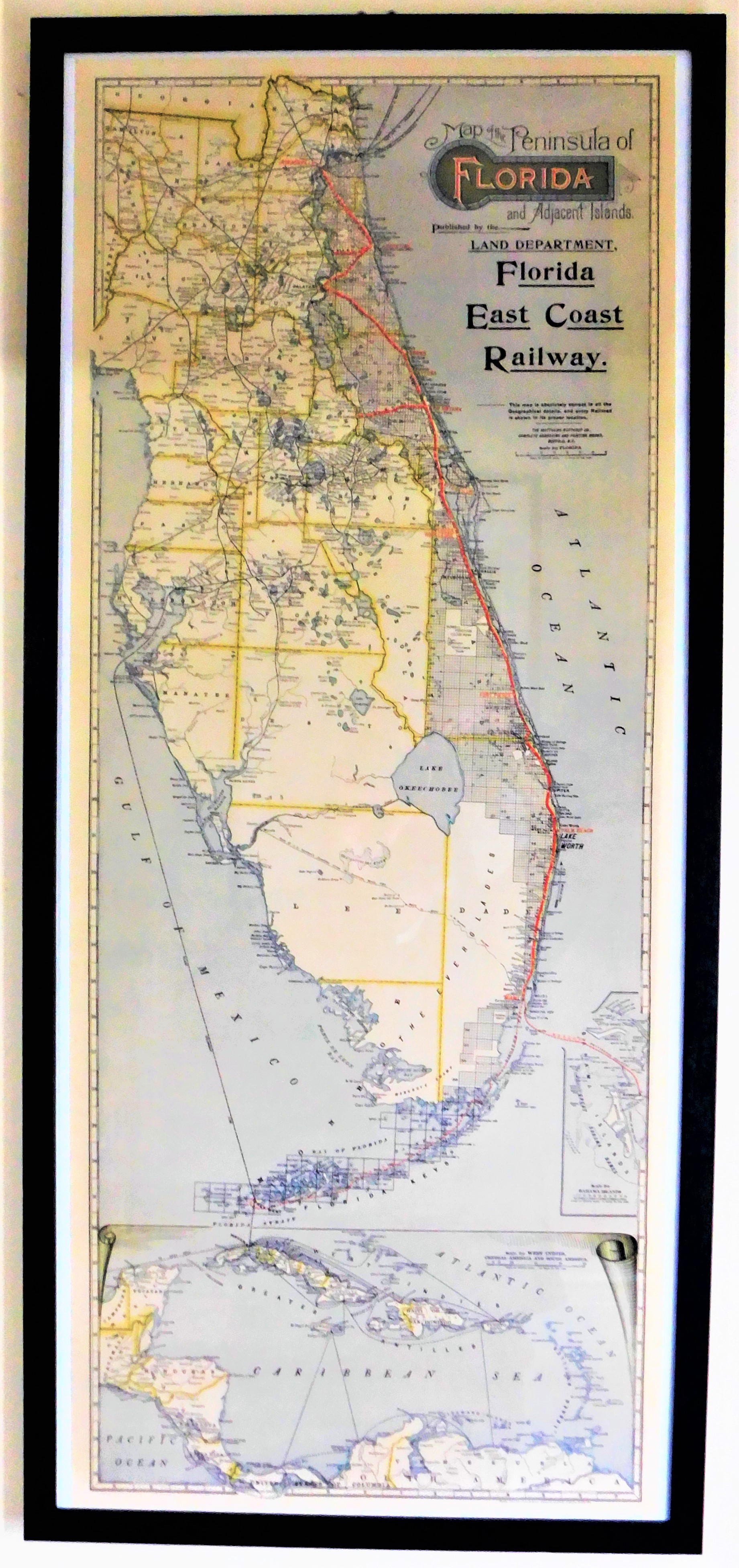
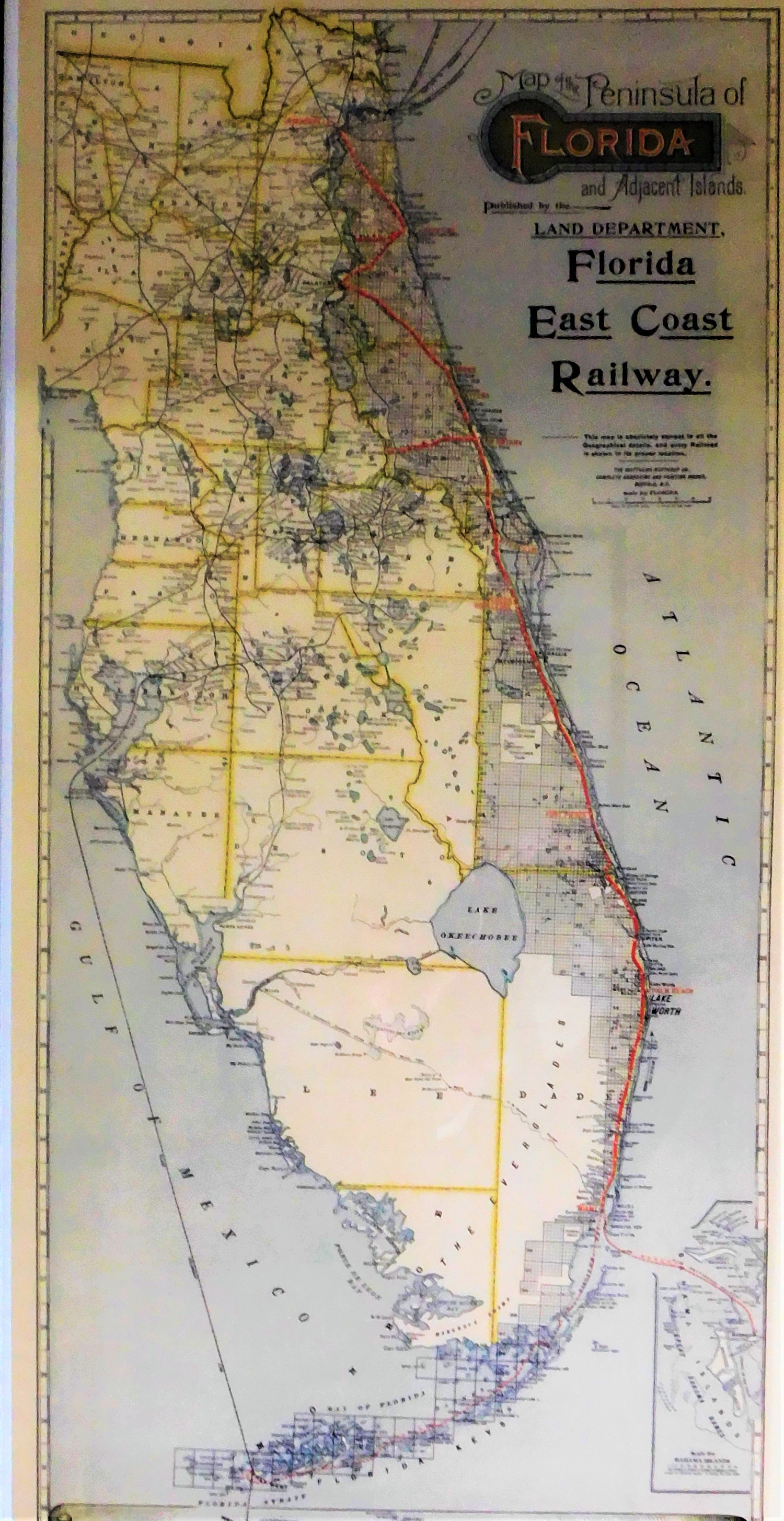
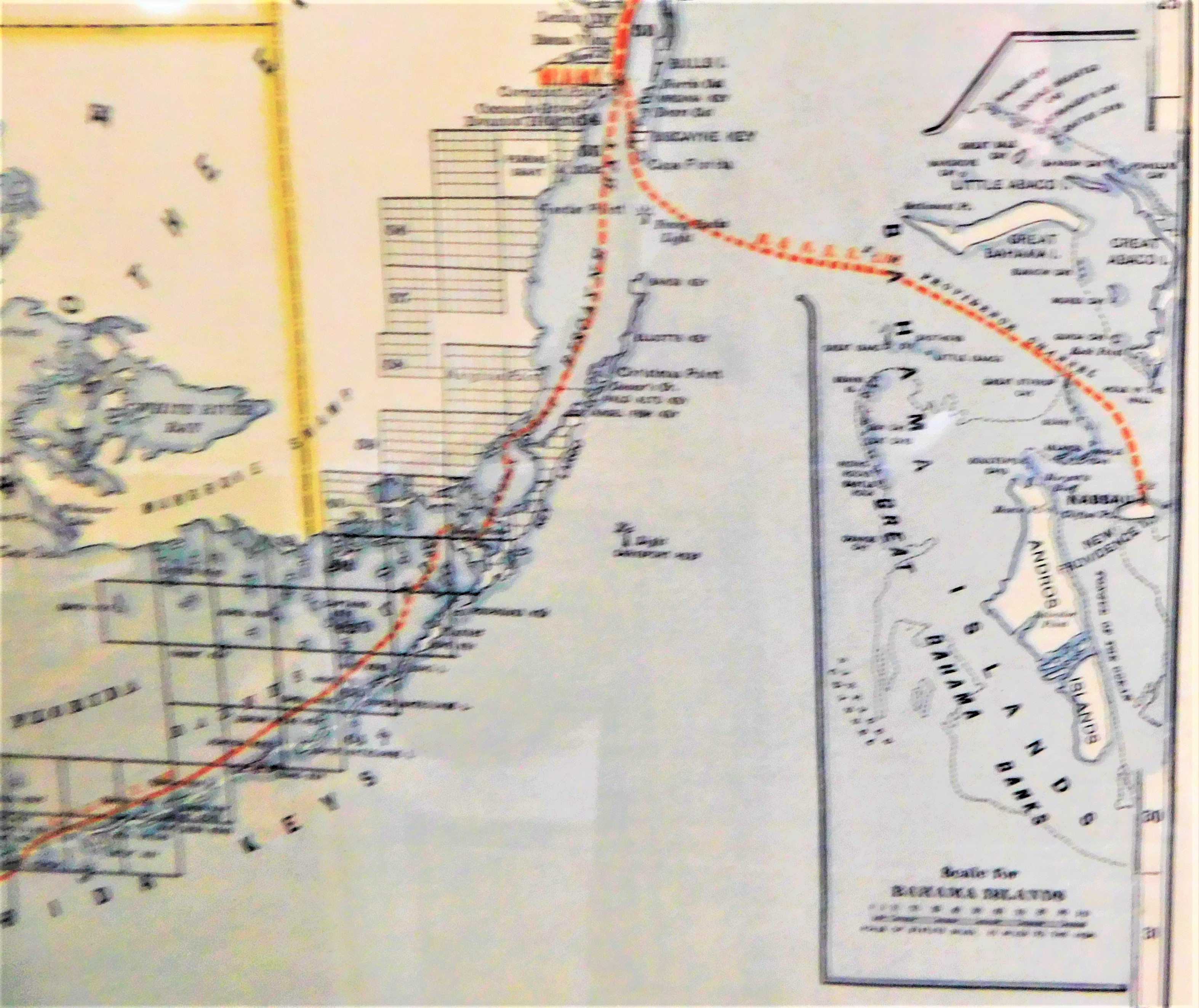
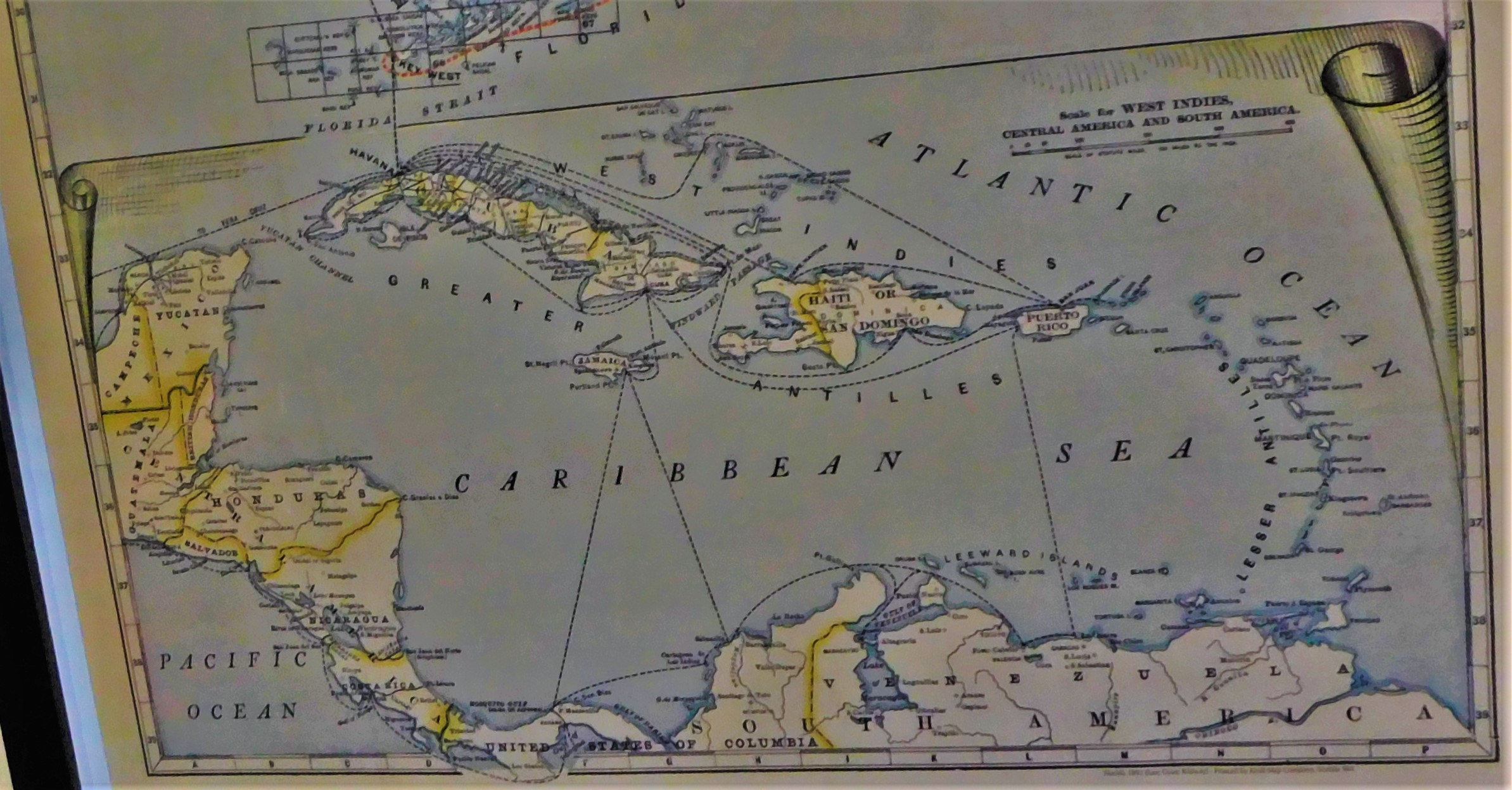
The five images, starting with this one are of a present from my parents who have recently been in Florida. It hangs just inside my front door, on the left side.
A look at the best England players of 1963-83, including a mention of the rebel tour of Apartheid SA in 1982, since I refused to pick any of the players involved in that for my XI. A large photo gallery.
I continue my mini-series looking at England men’s players through the ages with a post covering 1963-83. This will end this series as I from that point on we are dealing with cricketers from my time following the game, and I covered that era here. Also, this post will be regarded as very controversial in some quarters – the first rebel tour to Apartheid South Africa happened in 1982, and I refuse to select any of the participants in that disgraceful venture.
THE XI IN BATTING ORDER
John Edrich (left handed opening batter). Had a fine test record, with a best of 310* vs New Zealand and scores of 175 and 164 against the old enemy among his other successes.
*Mike Brearley (right handed opening batter, captain). Has the least impressive playing record of anyone selected in one of these XIs, but he was a splendid captain, and three of the best England openers to play in this period were involved in the rebel tour mentioned in the introduction (Amiss, Boycott and Gooch) which means that this slot was going to go someone not quite in the top bracket as a batter, so I might as well secure an excellent captain.
Ted Dexter (right handed batter, right arm medium fast bowler). A fine attacking batter and one at home in a slot that has often caused England problems over the years.
Ken Barrington (right handed batter, occasional leg spinner). Statistically one of England’s best ever, with an average of almost 59 for 6,800 test runs. His highest test score was 256 at Old Trafford in 1964.
David Gower – left handed batter. When he first started, before a long term shoulder problem made itself felt, he was one of England’s finest fielders as well. He scored 58 on test debut, racked up hist test century later that same summer, scored his maiden Ashes century at Perth on that winter’s tour, hit 200* v India at Edgbaston in 1979 and confirmed his arrival among the great with a match saving 154* at Jamaica in 1981 against the most powerful bowling unit in the world at that time, that of Clive Lloyd’s West Indies. He played on for another nine years after the end of the period under discussion and might well have gone on a good while longer had the England selectors of the early 1990s treated him decently.
Tony Greig (right handed batter, right arm medium fast bowler and right arm off spinner). He averaged 40 with the bat and 32 with the ball in test cricket, and the fact that he could bowl spin as well as seam got him this slot over the alternative candidate.
Ian Botham (right handed batter, right arm fast medium bowler). The period under discussion includes the earliest and best years of his international career, either side of an ill-starred spell as captain. The Ian Botham of 1977-83 was unequivocally one of the greatest cricketers ever to play the game. Thereafter he had occasional great moments but was largely a fading force.
+Bob Taylor (wicket keeper, right handed batter). Made more dismissals than any other wicket keeper though his test appearances were limited by the presence of Alan Knott (who went on that rebel tour and who I therefore regarded as unavailable). He was also a much better batter than he was often credited with being, with his 97 at Adelaide in the 1978-9 Ashes a clearly defined match winning knock.
Philippe-Henri Edmonds (left arm orthodox spinner, left handed lower order batter). With Greig able to bowl off spin (and England’s best specialist off spinner of the period ineligible as a rebel tourist) I wanted my specialist spinner to turn the ball the other way, and England had no class leg spinners in the period under discussion and the best left armer, Underwood, was another rebel tourist. Therefore Edmonds, whose test record places him next in line gets the slot.
John Snow (right arm fast bowler, right handed lower order batter). A fine overall test record, highlighted by his stellar performance on the 1970-1 tour of Australia, when he joined Larwood (1932-3) and Tyson (1954-5) in the select club of England quicks to have blitzed Australia on their own pitches.
Bob Willis (right arm fast bowler). A man whose career nearly ended in 1981 but who became England captain in 1982 such was the extent to which he revived his cricketing fortunes. The key moment came at Headingley in 1981, when with Australia seemingly cruising to a victory target of 130 Brearley brought him on at the Kirkstall Lane end, with an early breakthrough required to save his career. By lunch, courtesy of a sharp bouncer that accounted for Trevor Chappell (a misguided selection – he resembled a proper test match number three in name only), a slip catch by Botham that got skipper Hughes and a catch at short leg by Gatting to account for Yallop had turned 56-1 into 58-4 and suddenly the match was revitalized. Australia continued to implode after the interval, and one stage they were 75-8, before Lillee and Bright added 35 in four overs, but then Lillee miscued a drive and was well caught by Gatting and Willis found a yorker to polish off Bright. England had won by 18 runs and Willis had taken eight of the last nine wickets to fall giving him innings figures of 8-43.
This side features one great opener, one ordinary one who compensates by being an extraordinary captain, a powerful 3-5, a batting all rounder at six, a bowling all rounder at seven, a great keeper who was better with the bat than he was given credit for being, a left arm spinner who could bat a bit and two fine fast bowlers to round out the order. A bowling unit of Snow, Willis, Edmonds, Botham, Greig (either as fourth seamer or second spinner depending on conditions) plus Dexter and Barrington as back up options if needed should not struggle to take 20 wickets either.
HONOURABLE MENTIONS
Firstly there is a person who merits a paragraph to himself:
BASIL D’OLIVEIRA
Had he been able to play international cricket for his native land when in his mid 20s instead of finally getting the opportunity in his mid-thirties after moving halfway round the world to find cricketing fulfillment I have little doubt that he would have been one of the game’s all time greats. As it was he averaged 40 with the bat and had moments as a medium pacer without doing enough in that department to be classed as a test all rounder (which is why Greig got the number six slot).
OTHER HONOURABLE MENTIONS
Colin Cowdrey played a lot of his cricket in the period under discussion, but having included him in the XI for the earlier period I felt able to leave him out, and as you will have noted, even with the rebel tour creating problems there was no shortage of batting options available to me. Tom Cartwright and Geoff Arnold, two very fine seamers who played in this period would have their advocates. Had I need an off spinner the only option of sufficient class not rendered ineligible by rebel touring was Ray Illingworth (Geoff Miller’s record looks respectable at first glance, but he only took an average of two wickets per match, which counts against him). Derek Randall had his moments for England, especially against folks in baggy greens, but his overall test record falls short of the required standard. Allan Lamb who became eligible for England near the end of the period under discussion made a fine start to his test career, but he was never comfortable against spin, and for all his southern hemisphere birthplace he never delivered away from home. Mike Hendrick and Chris Old were stalwarts for England in the late 1970s and early 1980s but while acknowledging their qualities I preferred the extra pace of Snow and Willis for my specialists.
A look at the best England men’s cricketers of the immediate post war era and a large photo gallery.
I continue my look at the England men’s cricket team through the ages with a look at the immediate postwar era. I have chosen 1962 as the endpoint because the 1963 season was notable on two grounds: it was the first season in which players were not divided between amateurs and professionals (or “Gentlemen” and “Players”) and it also saw the first staging of the first professional limited overs tournament, the Gillette Cup, and from these beginnings limited overs cricket, and subsequently very limited overs cricket in the form of T20 would come to play an ever increasing role in professional cricket.
THE XI IN BATTING ORDER
*Leonard Hutton (right handed opening batter, captain). In 1938 at Trent Bridge Walter Hammond became the first officially appointed England captain to have played cricket as a professional. In the very first England XI he led out on to the field was the man who would become the first to be appointed official England captain while still playing as a professional, Leonard Hutton. Hutton was comfortably England’s best batter of the immediate postwar years (the only remotely credible challenger, Denis Compton, actually wrote in one of hs books that Hutton was the greater batter of the two). What makes Hutton’s performances between 1946 and 1955, which stand among the greatest of anyone in the game’s history in any case, even more extraordinary is that as well as having lost six years of cricketing development to the war he had suffered a training accident which left him with one arm shorter than the other.
Cyril Washbrook (right handed opening batter). The best of Hutton’s various opening partners. In 1956 after Hutton had retired, Washbrook, then a 41 year old selector, was chosen for the third test of the series against Australia and scored a crucial 98, paving the way for further successful recalls for David Sheppard (4th test, century from number three) then Bishop of Woolwich and Compton (5th test, having had his right kneecap surgically removed and fought his way back to fitness, 94).
Colin Cowdrey (right handed batter, ace slip fielder, occasional leg spinner). The first cricketer to earn 100 test caps and by the end of his career scorer of 22 test centuries, at the time a joint England record with Hammond.
Denis Compton (right handed batter, occasional left arm wrist spinner). Even with a long term knee injury, ultimately necessitating the removal of the kneecap he achieved some outstanding performances for England, including a century in each innings at Adelaide in the 1946-7 Ashes, four centuries against the visiting South Africans in 1947, two against Bradman’s 1948 Invincibles and a 278 against Pakistan at Trent Bridge in 1954.
Peter May (right handed batter). In test cricket’s slowest scoring decade this naturally aggressive batter averaged 46.77, including a 285 not out that effectively terminated Sonny Ramadhin as an effective bowling force (Ramadhin ended up toiling through 98 overs in that innings, as West Indies, having led by 288 on first innings ended up clinging on for a draw with seven wickets down in their second innings).
Trevor Bailey (right handed batter, right arm fast medium bowler). A genuine all rounder.
+Godfrey Evans (wicket keeper, right handed batter). One of the greatest keepers of all time and a good enough batter to have scored two test centuries.
Jim Laker (off spinner, right handed lower order batter). 193 wickets at 21 a piece in 46 test appearances. In 1956 he claimed 46 wickets in the Ashes series at 9.6 a piece, including the best match haul in first class history, 19-90 at Old Trafford (9-37 in the first innings, 10-53 second time round).
Johnny Wardle (left arm orthodox spinner, left arm wrist spinner, left handed lower order batter). 102 test wickets at 20.39. He was often passed over in favour of Tony Lock, and his career came to a premature end after he expressed forceful opinions about Yorkshire’s choice of captain in 1958. His robust late order hitting was also of value to England more than once.
Fred Trueman (right arm fast bowler, right handed lower order batter). The first bowler of any type to claim as many as 300 test scalps, 307 in 67 matches.
Brian Statham (right arm fast bowler, right handed lower order batter). 252 test scalps at 24 a piece, most of them bowling from the less favourable end as either Trueman or Frank Tyson (in the 1954-5 Ashes) had first choice of which end to bowl from.
This XI has a powerful top five, a genuine all rounder at six, a legendary keeper, two of the greatest spinners of all time and two great fast bowlers who were moreover a regular combination at test level.
HONOURABLE MENTIONS
I start this section with two name checks as the players concerned deserve more than a standard honourable mention:
BILL EDRICH
A fine right handed batter and a useful right arm fast medium bowler. However I could only accommodate him in one of two ways: play him as an opener in place of Washbrook, or class him as an all rounder and give him Bailey’s slot, and neither of those seemed right to me.
ALEC BEDSER
For the first few years after the war he carried England’s bowling almost single handed, and at the time of his retirement he was test cricket’s leading wicket taker with 236 scalps. However I wanted two spinners, and considered the claims of the fast bowlers Trueman and Statham to be unanswerable, so I could not accommodate him.
OTHER HONOURABLE MENTIONS
Although Ken Barrington and Ted Dexter both played for England during this period I considered them to belong more properly to the next. No other keeper of this period was close to Evans with the gloves, though the more determined members of the “look at the batting first” school of thought might opt for James M Parks (his father James H Parks, a batting all rounder, also played for Sussex and England), a quality batter, but several classes below Evans with the gloves.
The brilliant but meteoric Frank Tyson might have had a fast bowling slot. Tony Lock’s bowling action for most of his England career was to put politely of dubious legality, and he could bowl only finger spin, whereas Wardle could also bowl wrist spin. Leg spinner Doug Wright could be devastating on his day (he claimed a record seven first class hat tricks), but when things weren’t going his way he was often very expensive. I end this section with one of cricket’s ultimate ‘might have beens’: Maurice Tremlett of Somerset (father of Tim, grandfather of Chris) who had a dream first class debut, claiming eight wickets in the match and then playing a splendid cameo innings to see his side over the line by one wicket against the team who would be that season’s champions, Middlesex. Unfortunately he fell victim to well meaning coaches who tried to turn a fast-medium who liked to give the ball a wallop into a genuine fast bowler and succeeded in destroying his confidence and interest in bowling, and within a few years he was playing for Somerset as an exciting middle order batter who was occasionally used as a partnership breaker with the ball.
PHOTOGRAPHS
My usual sign off…
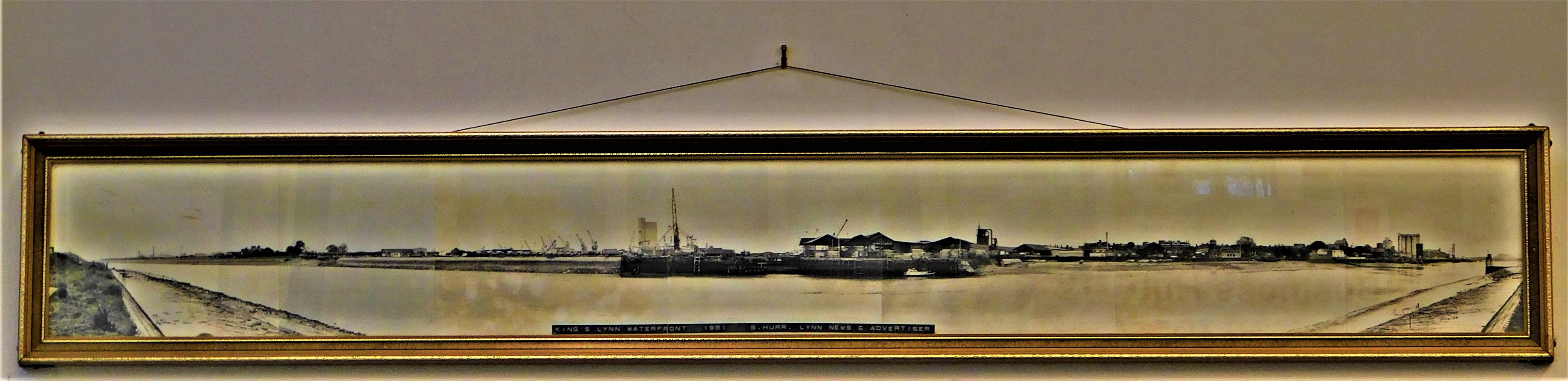
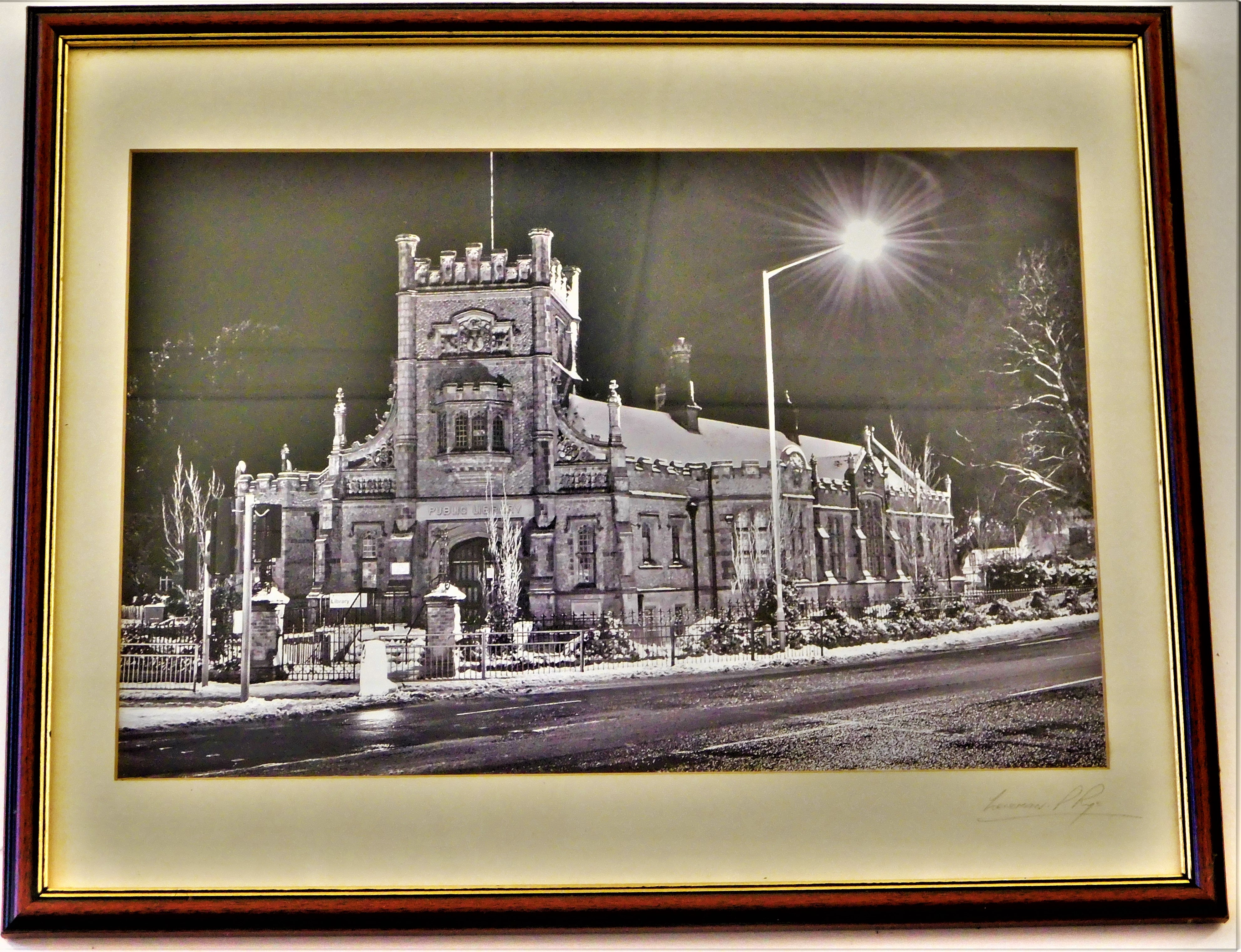
These eight pictures come from a ‘just a cuppa’ morning for autistic adults at King’s Lynn library .
A look at England’s best cricketers of the interwar years, a piece of railwayana and a large photo gallery.
Last time out I created an XI of England cricketers from before WWI. Now I look at the next period – the interwar years, well covered by Gerald Howat in “Cricket’s Second Golden Age”. In this period England had immense batting strength with the result that some huge names miss out. The bowling was by no means weak either.
THE XI IN BATTING ORDER
Jack Hobbs (right handed opening batter). The Master. At Melbourne in 1929 he became the oldest ever test centurion at the age of 46 – the last his 12 Ashes centuries.
Herbert Sutcliffe (right handed opening batter). His entry into first class cricket was delayed by WWI (he was already 24 when that conflict ended in November 1918) while the outbreak of WWII in 1939 marked the end of his FC career (his test career had ended in 1935, but his performance in FC cricket in 1939 was excellent even at the age of 44). He was the ultimate big occasion player as shown by the progression of his averages: 52.02 in all FC cricket, 60.73 in all test cricket and 66.85 in the cauldron of The Ashes. He and Jack Hobbs were the greatest of all test match opening combinations, averaging 87.81 per partnership.
Walter Hammond (right handed batter, ace slip fielder, useful right arm medium fast bowler). Had Hammond like the older Sutcliffe allowed WWII to end his career he would have bowed out with a test batting average of 61.75 (6,883 runs), but he attempted a comeback post war, which dragged his average below 60.
Eddie Paynter (left handed batter). Going by career batting averages England’s most successful ever left hander, averaging 59.23 at test level, including double centuries against Australia and South Africa. His career was truncated at both ends, by the immense strength of Lancashire’s batting when he first started to come through and by the outbreak of WWII.
Patsy Hendren (right handed batter). Only Hobbs scored more FC centuries than Hendren’s 170, and his test record was also impressive.
*Frank Woolley (left handed batter, left arm orthodox spinner, excellent fielder and my chosen skipper). At Lord’s in 1921 when everyone else was helpless in the face of Jack Gregory and Ted McDonald he scored 95 and 93. I have named him as skipper even though as a professional of that era he never actually had the job because I believe his tactical nous, illustrated in his book “King of Games”, would have served him well in the role, and Hammond, the conventional choice of captain for this XI, appears to have not actually been even a good skipper.
+Les Ames (right handed batter, wicket keeper). The first wicket keeper to average over 40 with the bat at test level and a destructive stroke maker, he is the ideal number seven for a side like this.
Maurice Tate (right arm fast medium bowler, useful lower order batter). In the ill-fated 1924-5 Ashes series he claimed 38 wickets for a well beaten side. In 1926 he was one of the stars of a successful Ashes campaign, and he was involved in both the 1928-9 and 1932-3 tours when England won 4-1 each time.
Harold Larwood (right arm fast bowler, useful lower order batter). In the 1932-3 Ashes he was unplayable, claiming 33 wickets before hobbling off injured in the final match (made to wait until Bradman was out by skipper Jardine).
Hedley Verity (left arm orthodox spinner, useful lower order batter). In a career that lasted less than a decade he took 1,956 wickets at 14.90 a piece. At test level, where he encountered Bradman, he was less devastating, but 144 wickets at 24 is still a fine record, and I defer to the judgement of the Don himself who only acknowledged facing one bowler as an equal: Hedley Verity.
Bill Voce (left arm fast medium bowler, lower order batter). This slot was the toughest to fill, but I opted to give Larwood his most regular bowling partner and rely on two other left armers, Verity and Woolley for the spin.
This side has a formidably deep batting line up, and Larwood, Voce, Tate, Verity, Woolley and Hammond can hardly be considered a weak bowling combination.
HONOURABLE MENTIONS
Although Denis Compton and Bill Edrich had both played for England by the time WWII broke out both played their best cricket after the war, so I held them back for then. Leonard Hutton scored his England record 364 in 1938, but that Oval pitch was a featherbed, Australia were short of bowling, and I felt that the proven Hobbs/ Sutcliffe combination at the top was a better bet in any case. Hutton, like the Middlesex “twins” will feature in the post-war version of this post. Phil Mead missed out – one of he or Paynter had to be unlucky and I preferred the Lancastrian. Ernest Tyldesley was another casualty of England’s immense batting strength in this period. Maurice Leyland of Yorkshire was another unlucky one in this regard. Several fine wicket keepers missed out – Herbert Strudwick, EJ “Tiger” Smith and George Duckworth being the most notable, while advocates of batter-keepers might have considered Paul Gibb. Vallance Jupp did the double eight times in successive seasons in the 1920s, but his England appearances were sporadic, so the off spinning all rounder missed out. Ted ‘Nobby’ Clark, a left arm fast bowler, was a candidate for the slot I gave to Voce. Three leg spinners, ‘Tich’ Freeman, Ian Peebles and Tommy Mitchell all had moments at the highest level but not substantial enough records at that level to claim a place. Two right arm medium-fast bowlers who were unlucky to be squeezed out were George Geary and Alec Kennedy, both outstanding at FC level and in Geary’s case also proven in test cricket. Tom Goddard, the best off spinner of the interwar years, was as he often was in real life, unlucky – the only way to include him would have been in place of Tate, relying on Hammond as third seamer. Finally, although Verity’s selection is incontrovertible several notable left arm tweakers missed out in consequence: Charlie Parker (treated scurvily by the selectors of his era, to end up as a one-cap wonder at test level while taking over 3,000 FC wickets), JC ‘Farmer’ White and Roy Kilner.
PHOTOGRAPHS
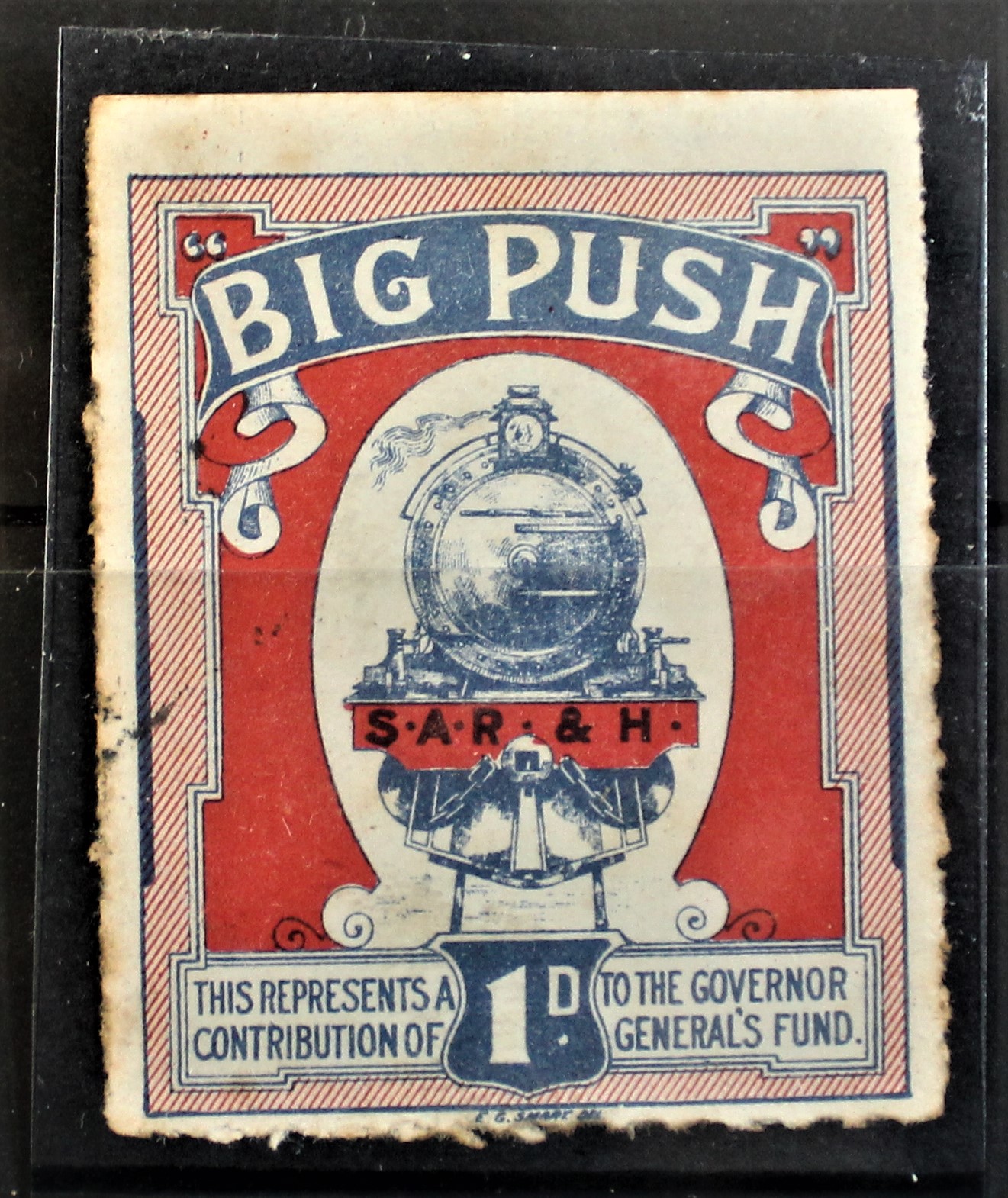
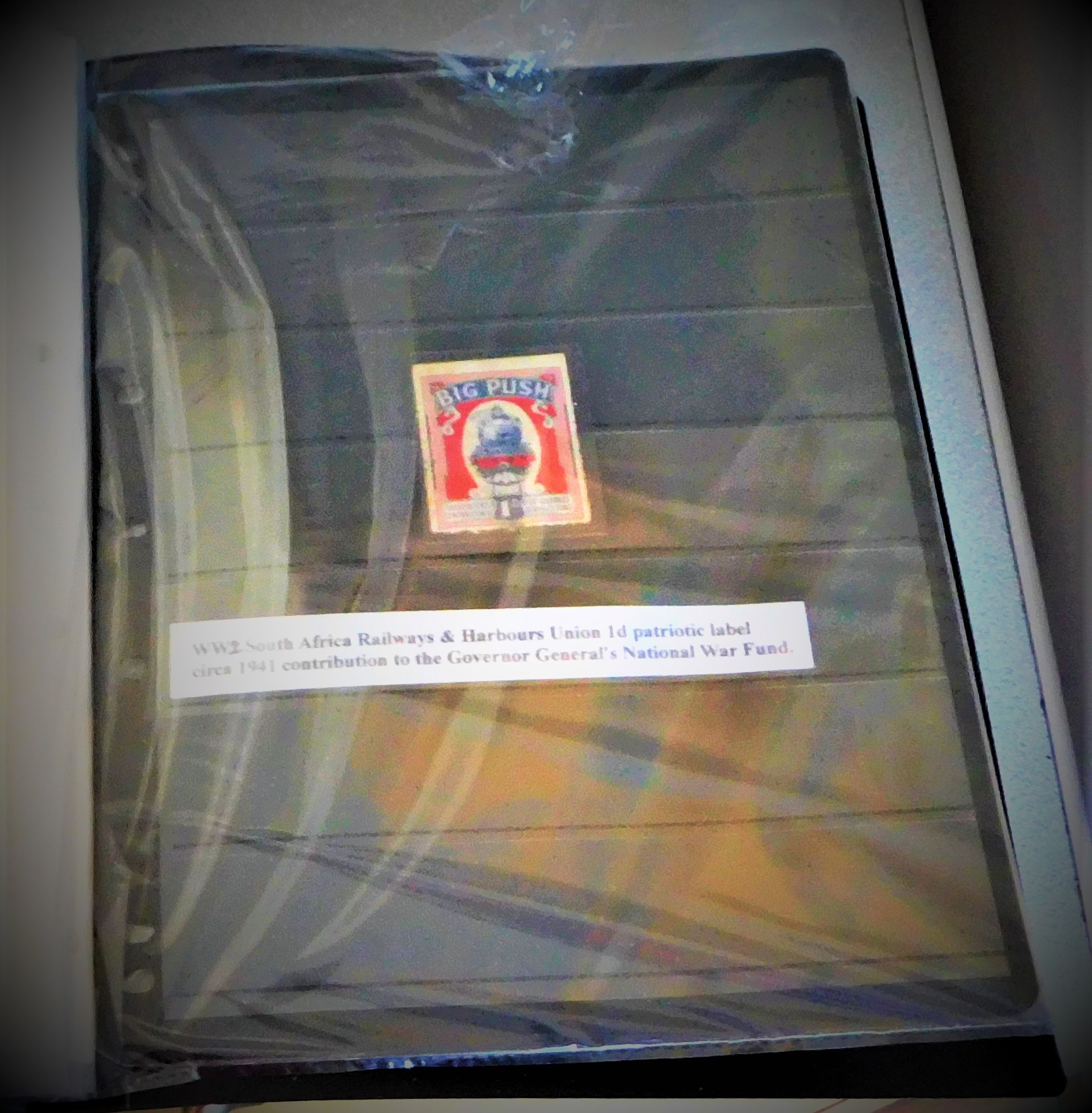
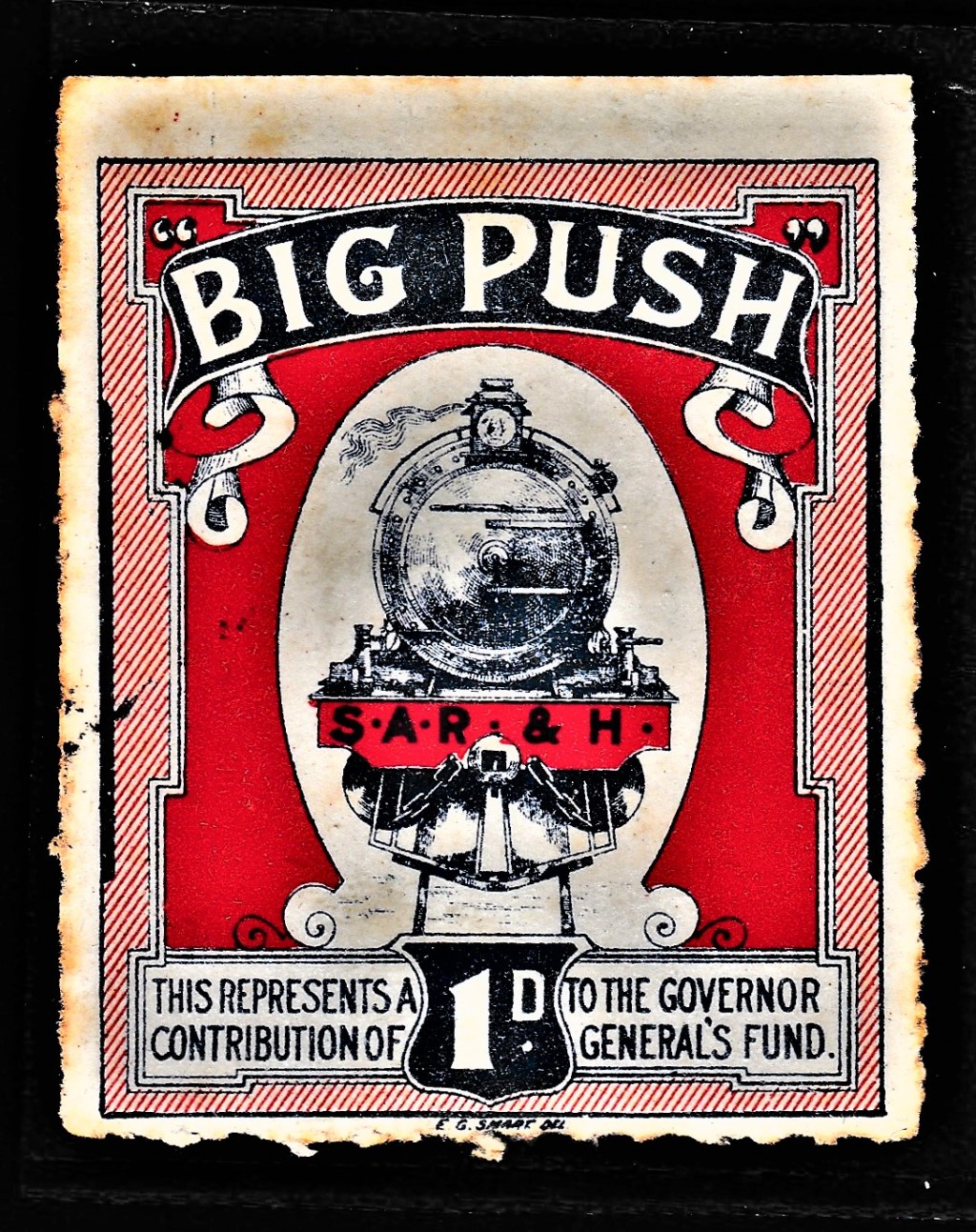
Before moving on to the main photo gallery, James and Sons’ March auction took place on Tuesday and Wednesday of this week, and was a considerable success. In amongst the stuff going for big money I secured an interesting little piece of South African railwayana for a modest £12 – it was featured on the back cover of the printed catalogue, and online bidders saw these two images:
and…
Here are some images of the item taken since I took possession of it…
Before housing……and in the display folder.
I also took a high resolution scan of the item itself…
The scan before editing.
The scan after cropping and editing.
Now for my regular photo gallery…
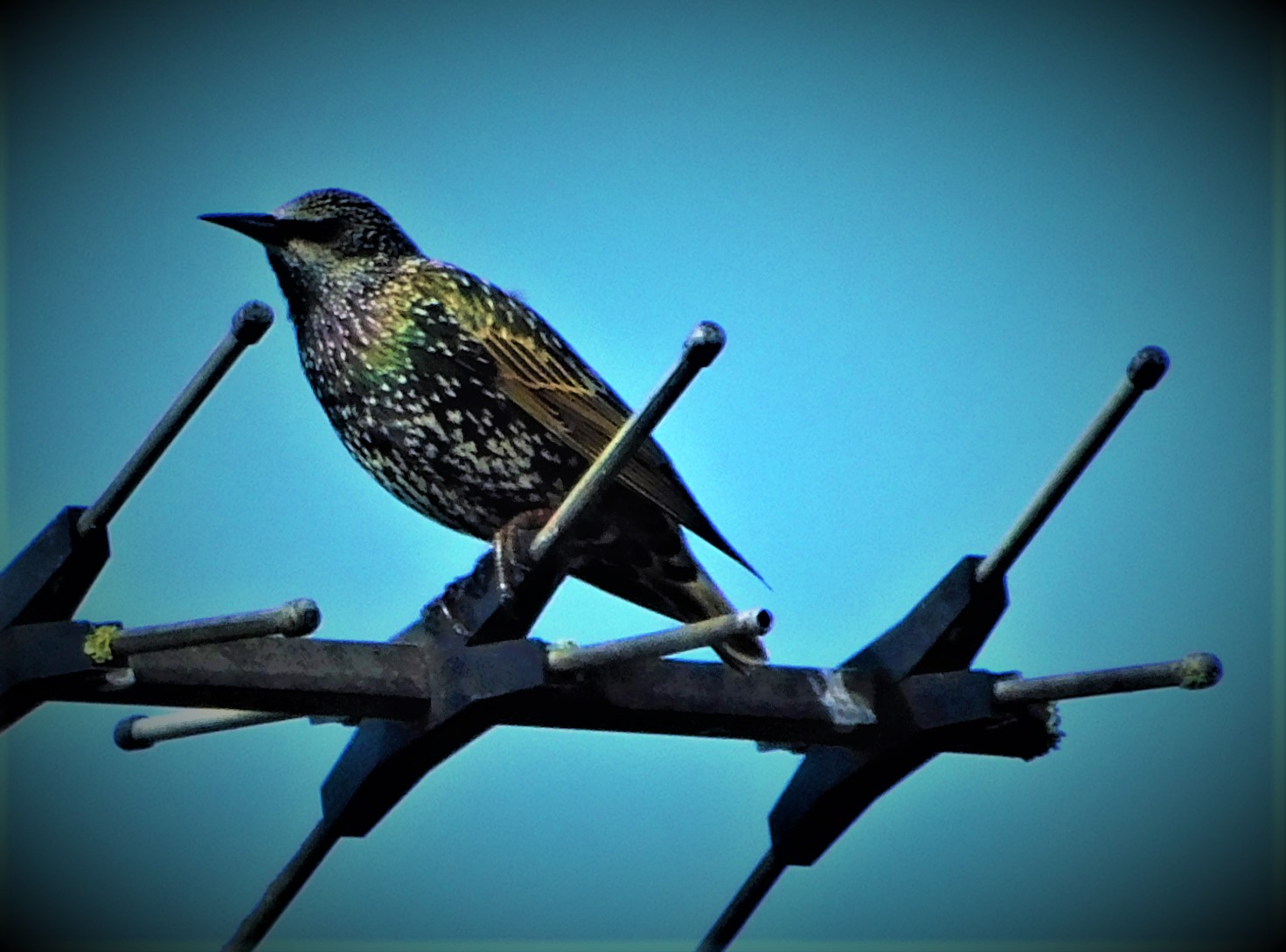
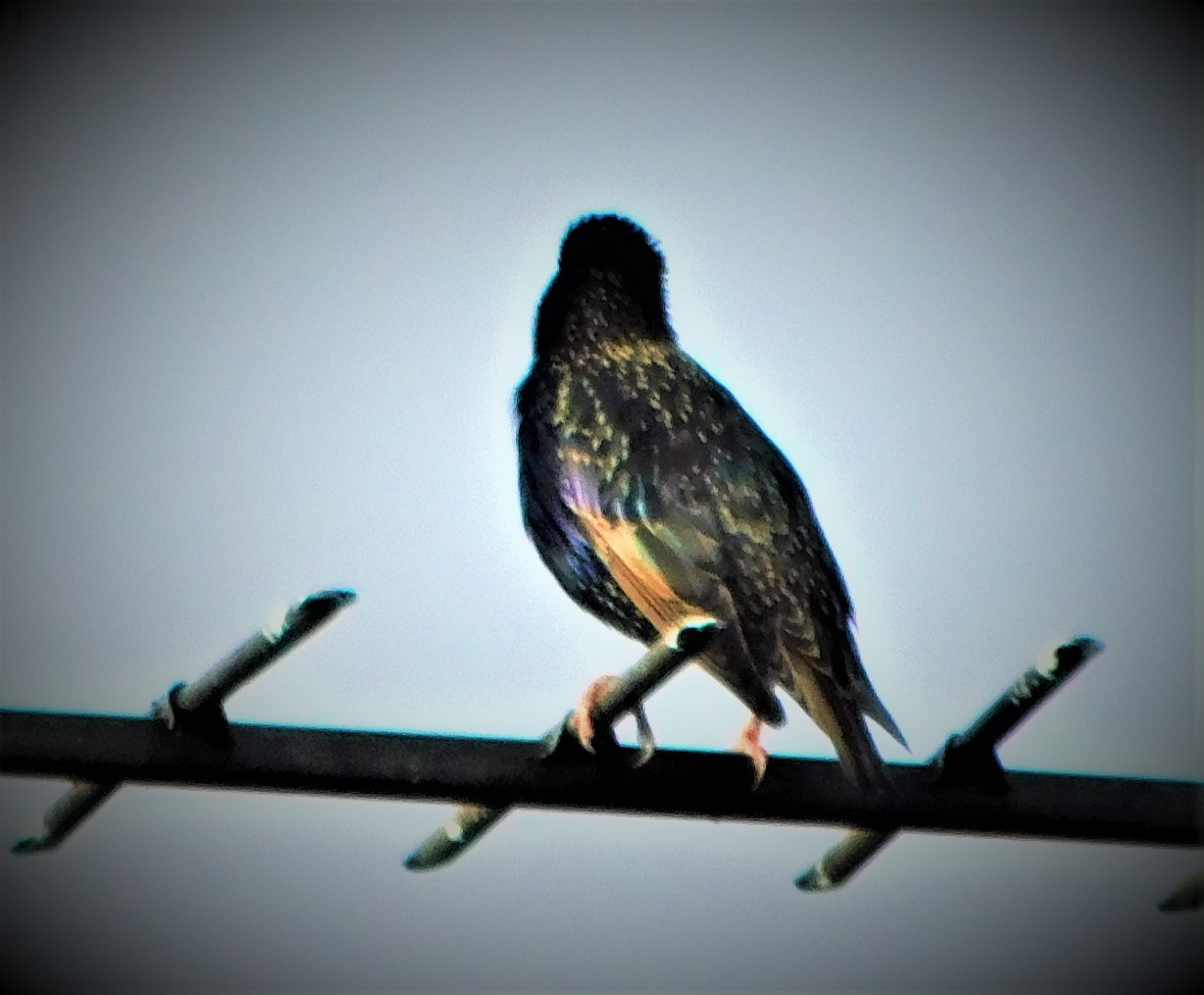
Appropriately enough given the nickname of King’s Lynn Town FC and the fact that this was taken in King’s Lynn I think this is a linnet.
A look at England’s resources in the early years of test cricket and a large photo gallery.
Today is the third anniversary of my first ever All Time XIs post, aboutSurrey and I am varying the theme today with a look not at an all-time XI but an XI for a particular period of cricket’s history – England before WWI, so picked from players who appeared in the first 37 years of test cricket.
THE XI IN BATTING ORDER
*WG Grace (right handed opening batter, right arm bowler of various types and captain). WG’s test record looks fairly modest, but he was already 32 by the time he made his debut at that level and almost 51 by the time of his last appearance. He also did twice hold the England record individual score at that level, with 152 on his debut at The Oval in 1880, which lasted six years, and 170 at the same ground in 1886 to reclaim his record from Arthur Shrewsbury after one match. This latter stood until the 1894-5 Ashes series when Stoddart topped it with 173. Had test cricket been established a little earlier than it was Grace’s record would have been a lot better – in the 1870s he averaged 49 in FC cricket when no one else in England could do more than half as well.
Jack Hobbs (right handed opening batter). Included in this XI as well as the one for the inter-war era out of deference to his own expressed wish to be remembered for how he batted before WWI – he was actually firmly established as the best in the world before the outbreak of WWI although his main record breaking years were after that conflict.
Johnny Tyldesley (right handed batter). It was a choice between this man and David Denton of Yorkshire for the number three slot (both filled it with distinction) and I opted for the Lancastrian due to the fact that his brother misses out on a place in the inter-war XI because of England’s immense batting strength in that era.
KS Ranjitsinhji (right handed batter). 989 test runs at 45 including two 150+ scores. One of the great geniuses of batting.
FS Jackson (right handed batter,right arm medium fast bowler, vice captain). He never managed an overseas tour due to work commitments (he was a genuine amateur in terms of his cricket), but he still managed five test centuries against Australia in home matches. His peak came in the 1905 Ashes, when he won all five tosses, led England to victory in the only two matches to have definite results and topped both the batting and bowling averages for the series.
Len Braund (right handed batter, leg spinner). The all rounder of the side, and an excellent slip fielder to boot.
Frank Foster (left arm fast medium bowler, right handed batter). His career was cut short by a motorcycle accident, but in the few years he was around he did enough to claim his place, including playing a key role in a 4-1 win down under in 1911-2.
+Augustus “Dick” Lilley (wicket keeper, useful lower order batter). The longest serving of England’s prewar keepers, and with an excellent record.
George Simpson-Hayward (under arm off spin, right handed lower order batter). Selected for historical significance as the last specialist under arm bowler to feature at test level (and he did well in the five matches he got to play btw). He would need a law change (see here for a suggestion of how such a change could safely be made) to be able to play today.
SF Barnes (right arm fast medium bowler, right handed lower order batter). That official ‘right arm fast medium’ is about as complete a description of Barnes the bowler as ‘artist’ is of Leonardo da Vinci – it tells a tiny fraction of the story of someone who could bowl every type of delivery known to right armers of his day and whose special weapon was effectively a leg break at fast medium.
Wilfred Rhodes (left arm orthodox spinner, right handed lower order batter). Although Rhodes’ brief period as an England opening batter happened just before WWI I have selected him for his bowling – he started and ended his career as a specialist bowler with two spells as an all rounder and in the middle a spell as a specialist batter and I have put him in the slot from which he helped George Hirst to knock of the the 15 required when they came together at The Oval in 1902 and from where he helped RE Foster to add 130 for the last wicket at Sydney in 1903.
This XI has powerful top order, all rounders at six and seven, a fine keeper who could also bat at eight and three master bowlers to round out the order.
HONOURABLE MENTIONS
Other than my actual choices the main contenders for opening slots were Archie MacLaren and Arthur Shrewsbury. Reginald Foster has two places in the record books – his 287 at the SCG in 1903, at the time an all comers test record remains the record for someone playing their first test innings, and he is the only person to have captained England men at both cricket and football, but other than that amazing debut performance he only topped 50 once more in his career and that was an innings in which he benefitted from good fortune. Many would have expected CB Fry to be a shoo-in but his test record was not nearly as good as his FC record, and with WG inked in for the captaincy, and FS Jackson a more than able deputy his leadership skills were hardly required. Allan Steel might have had the all rounders slot I gave to Braund (like the latter he bowled leg spin). George Hirst may well have been as his Yorkshire skipper Lord Hawke was wont to claim the best ever county all rounder, but his performances for England were overall not that great, though he did have his moments.
George Lohmann was probably the biggest bowling omission but I felt he was too similar to Barnes to be able to pick both. The side also lacks a really fast bowler. The obvious candidate would be Tom Richardson, with 88 wickets in his 14 test matches, and if I were to be debarred from selecting Simpson-Hayward then Richardson would take his place, but I prefer the greater variety that Simpson-Hayward’s presence brings. Schofield Haigh’s England successes were limited for all that he was outstanding for Yorkshire. There were a stack of left arm spinners I could have picked: Johnny Briggs, Bobby Peel and Colin Blythe being the three most notable other than Rhodes in this period, while George Dennett never actually got an England cap, but 2,151 wickets at 19.82 in FC cricket provide proof of his greatness.
A brief look at Ireland’s achievement in the 2023 Six Nations.
Early yesterday evening the final curtain came down on the 2023 Six Nations rugby tournament. Ireland won a clear victory over England to complete a grand slam.
IRELAND’S DOMINANCE
Ireland did not merely beat all of their opponents this tournament, they won every match by double figure margins. What may lend Ireland’s extraordinary performance extra significance is that 2023 is a world cup year. Although the big beasts of the southern hemisphere, Australia, New Zealand and current holders South Africa will all represent formidable obstacles to Ireland’s ambitions I for one would not count the Irish out – especially given that the legendary Jonny Sexton will be well aware that if he is to add the world cup to his list of wins this will be his last chance to do so – he will not still be an international force by 2027.
PHOTOGRAPHS
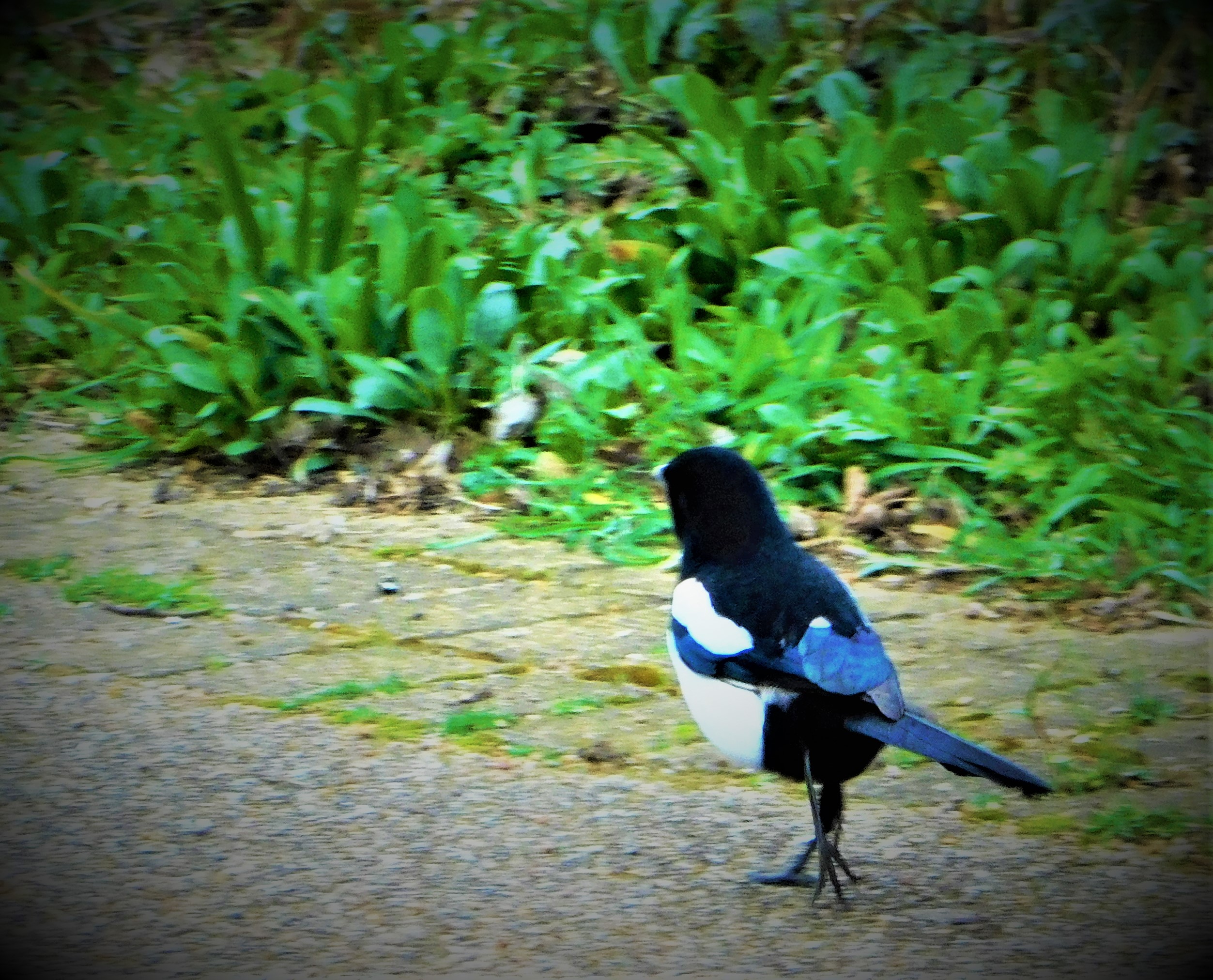
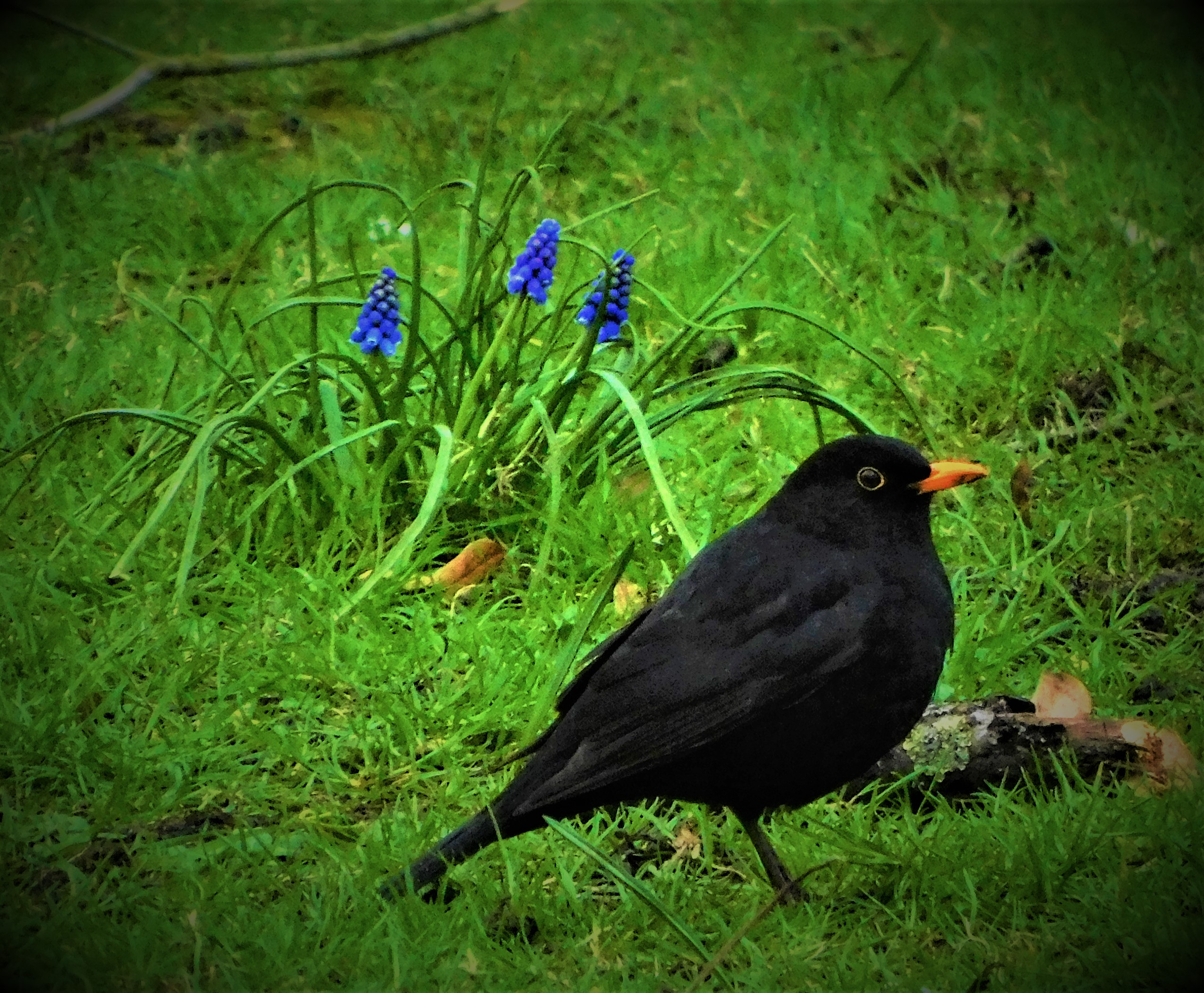
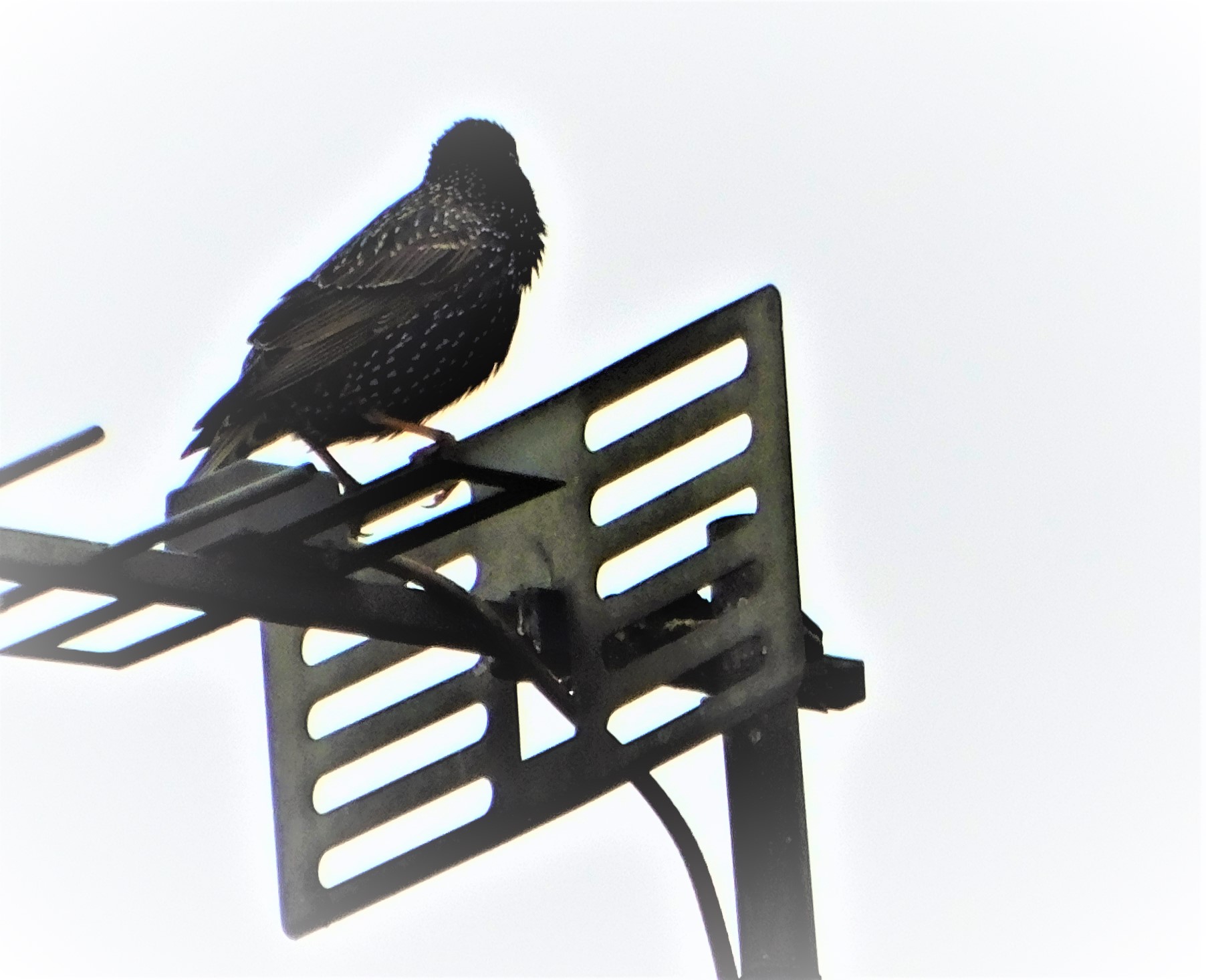
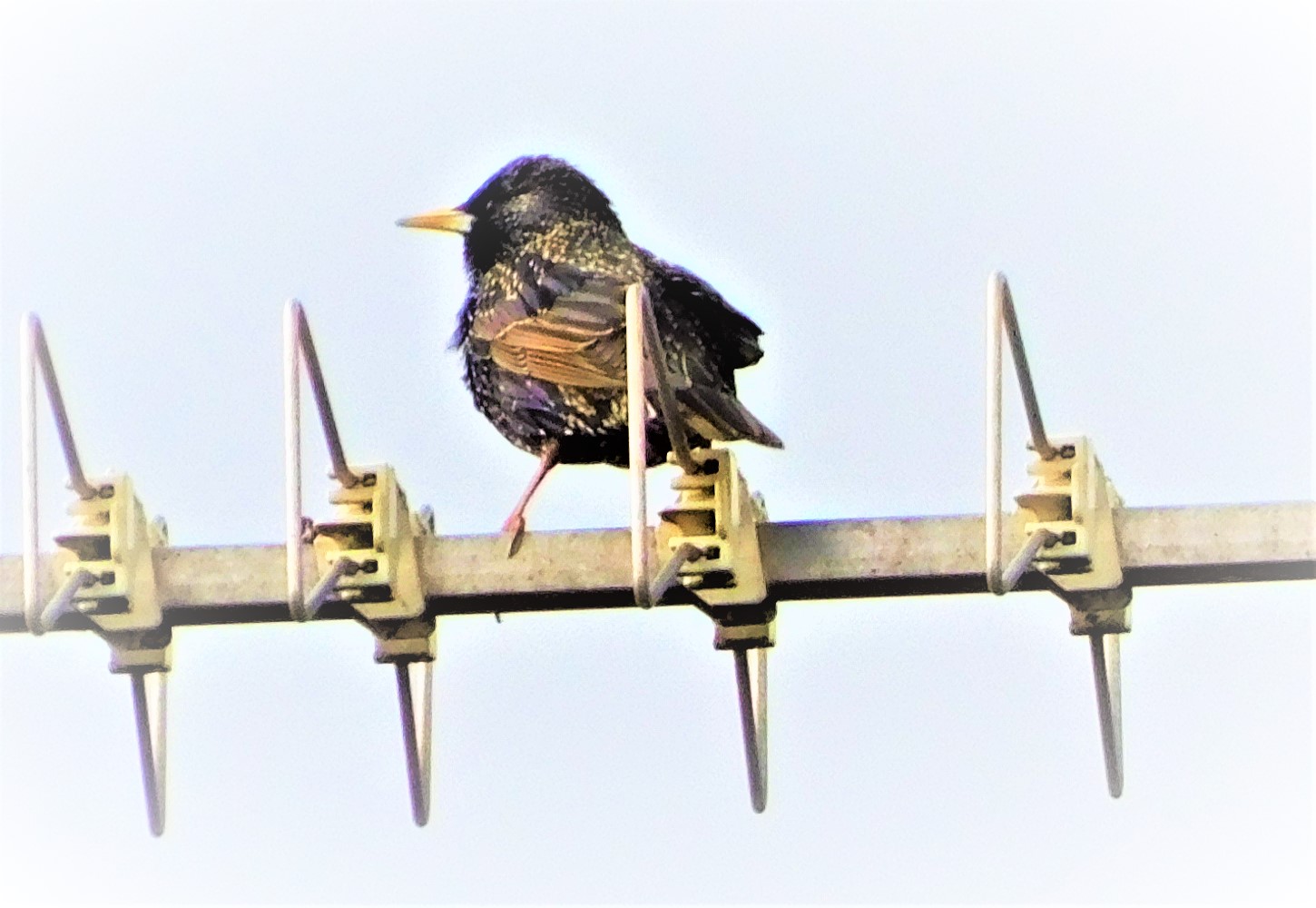
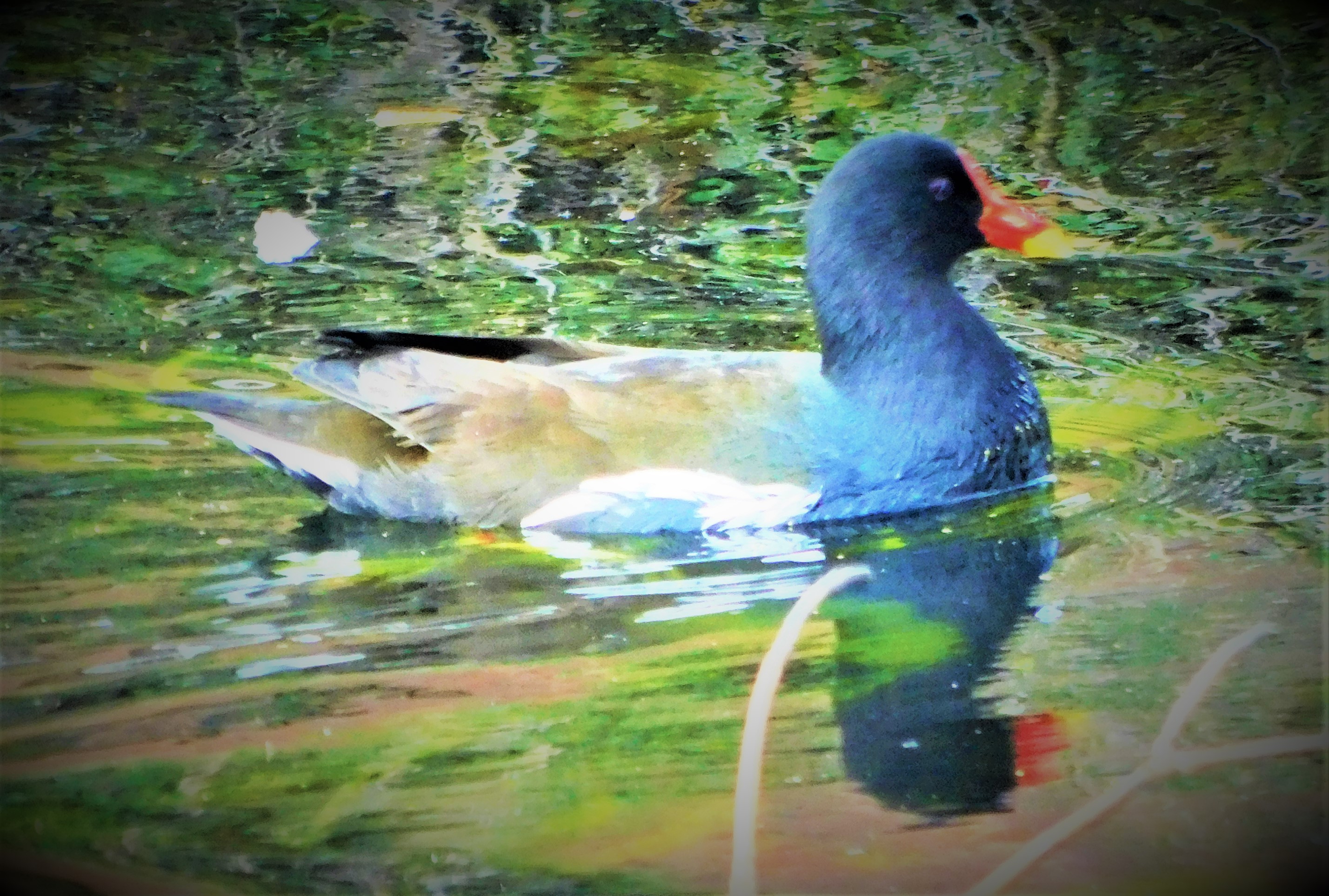
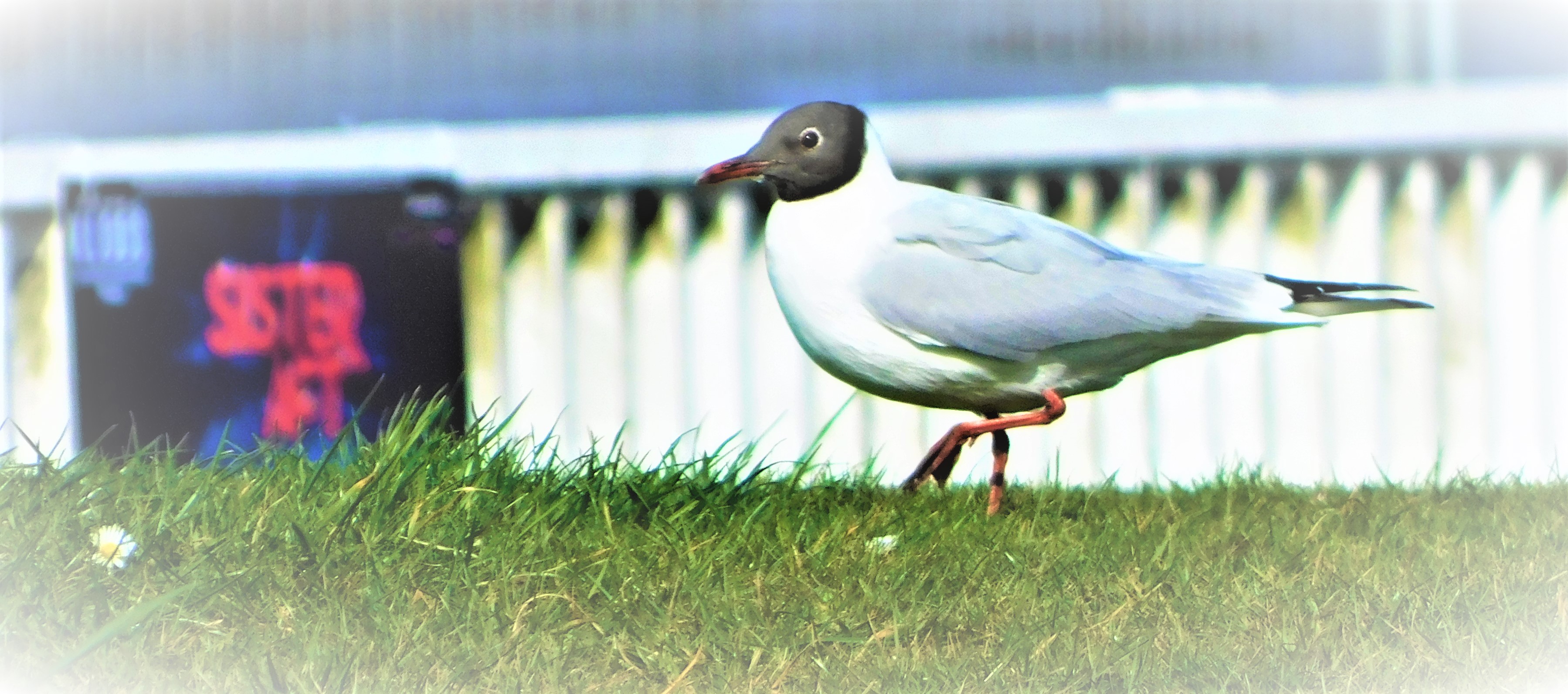
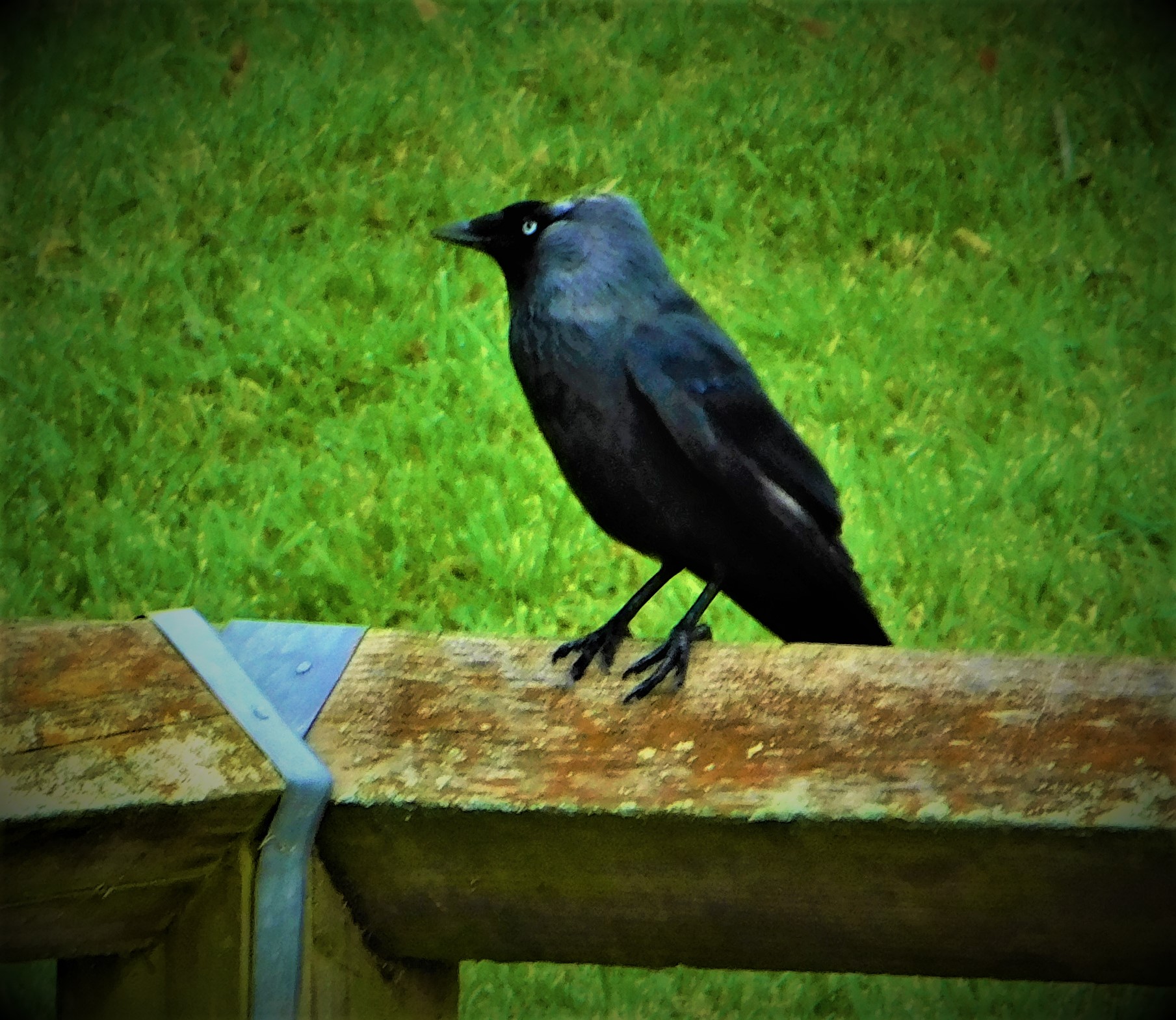
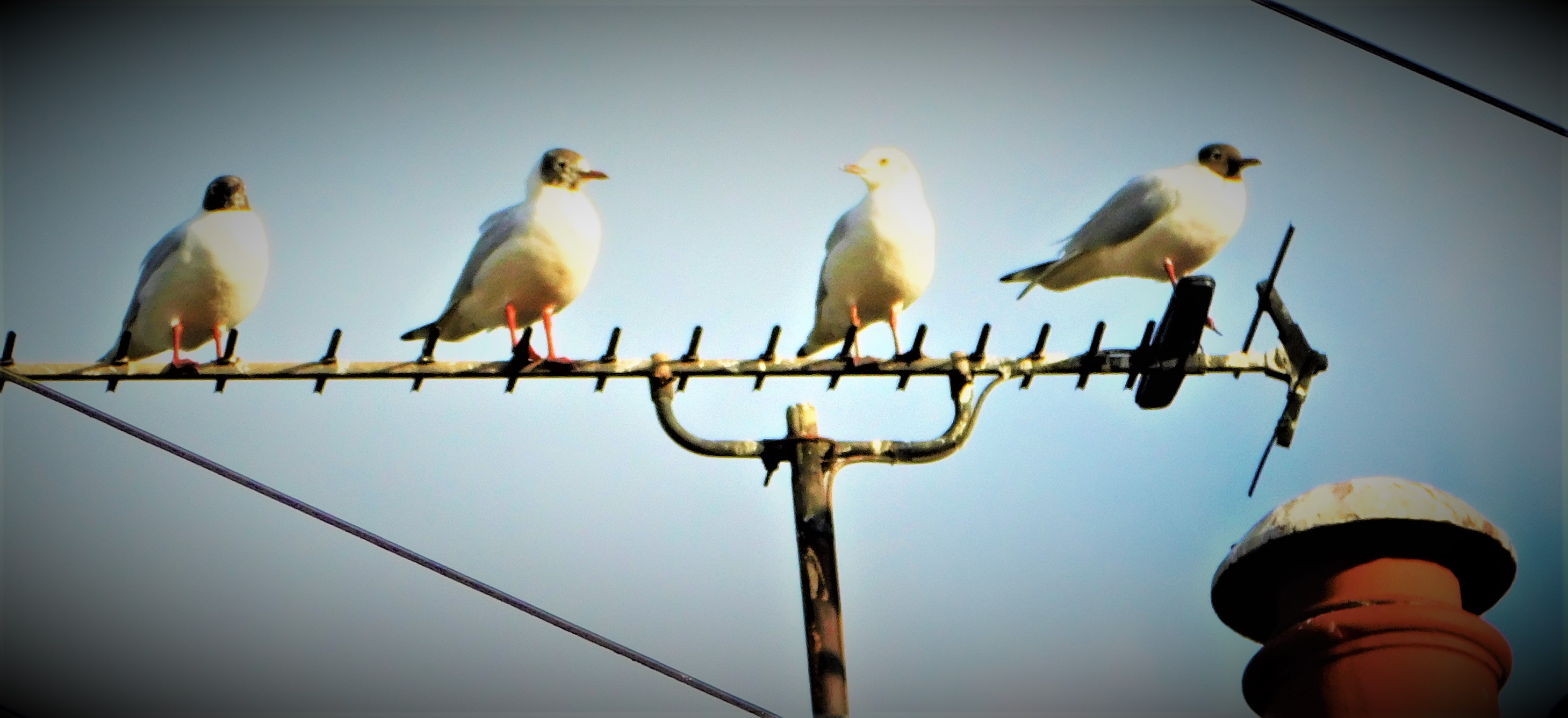
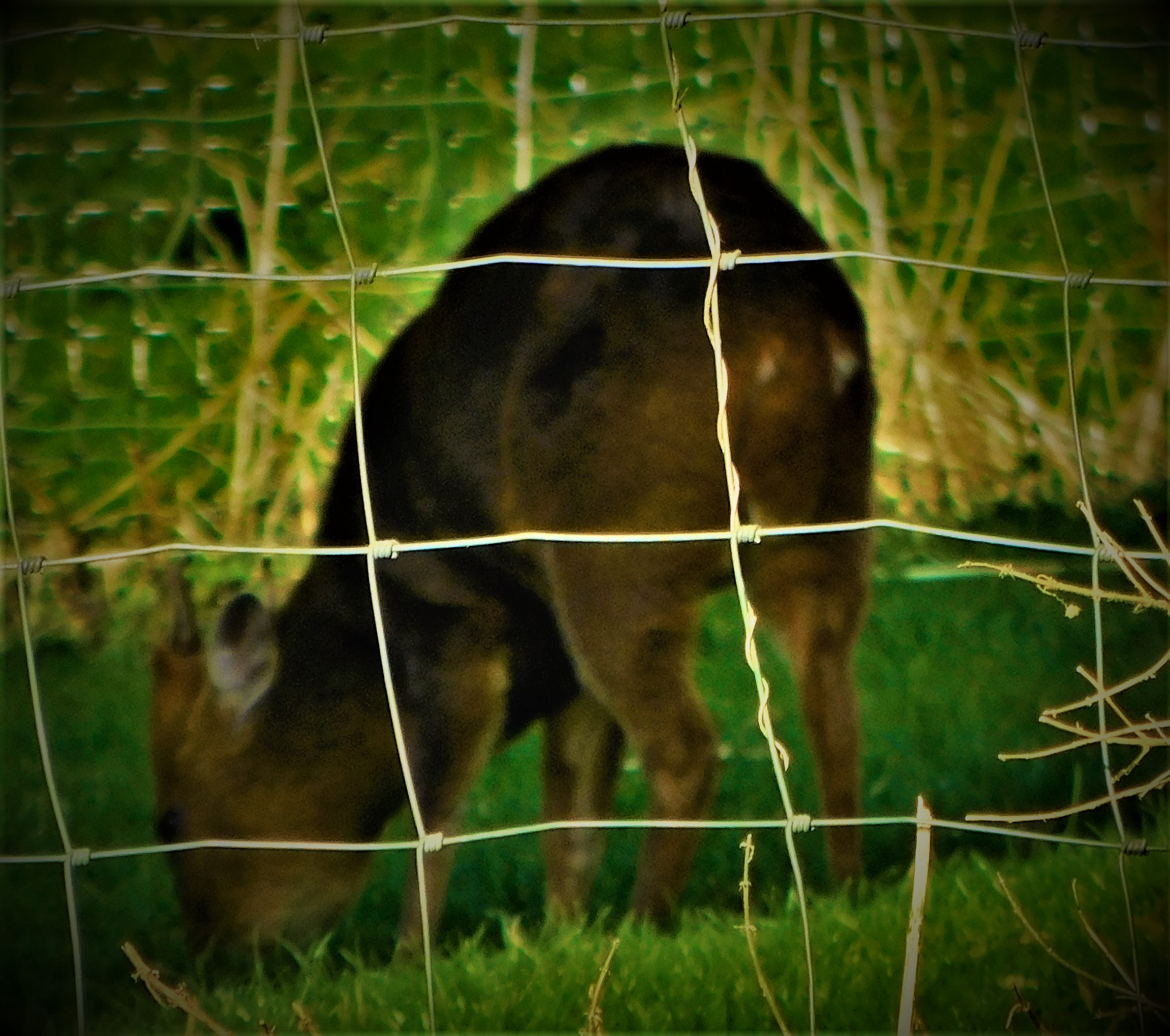
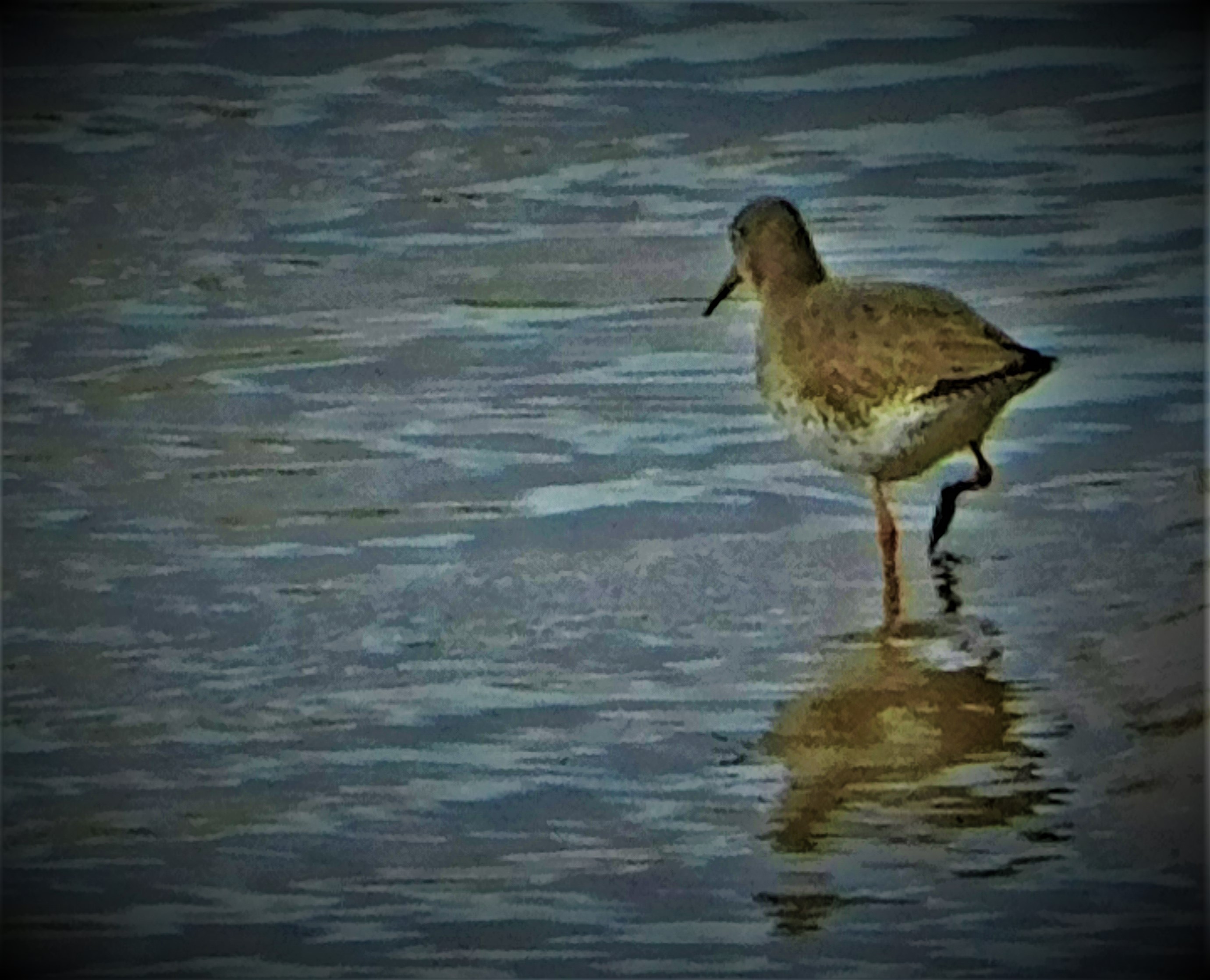
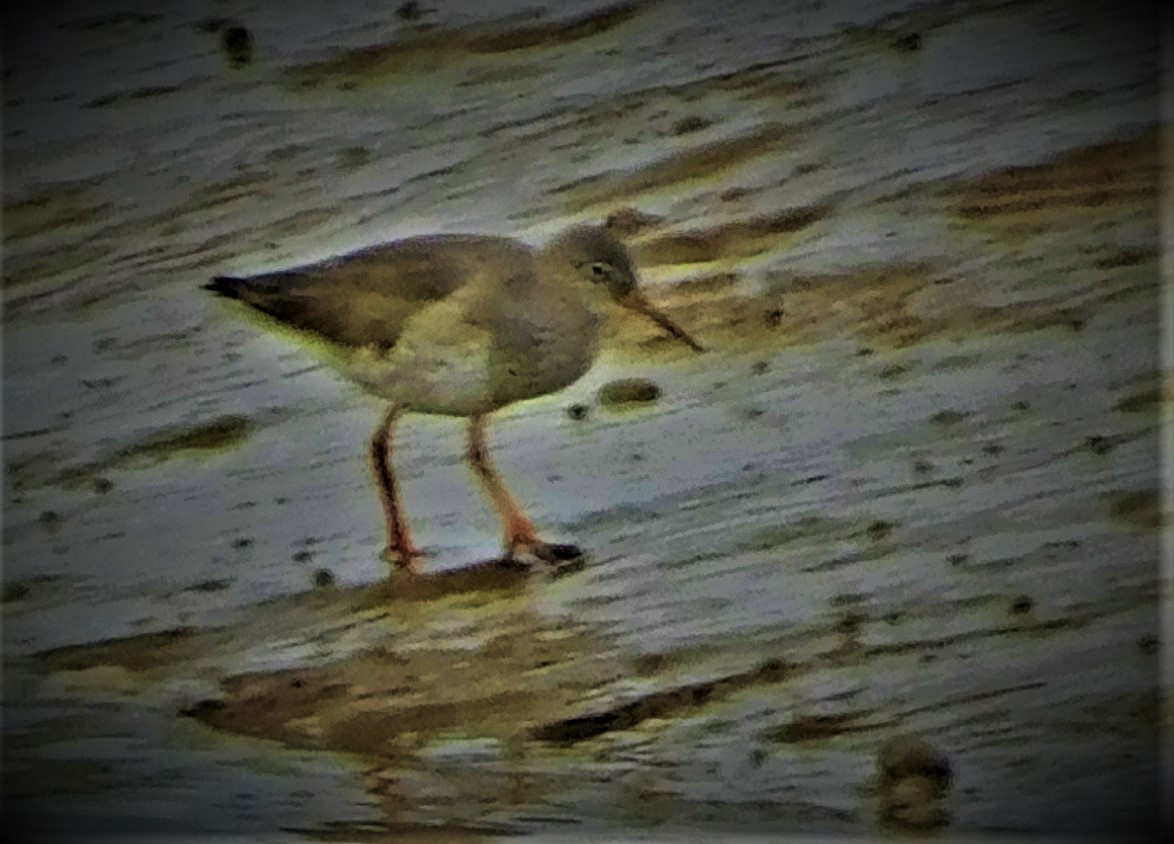
This photo gallery features two new bird sightings for 2023, both from today – a Mistle Thrush in The Walks and a Redshank at the mouth of the Nar…
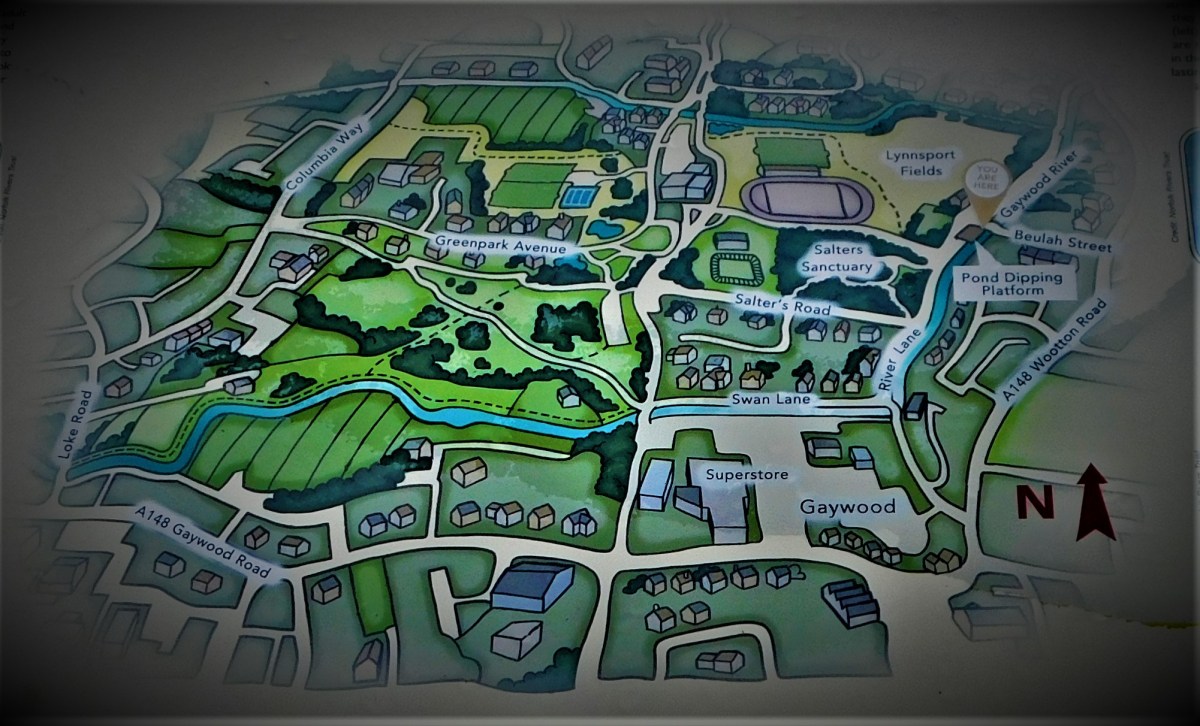
The Mistle Thrush, near King’s Lynn library.Three shots of the Redshank.This map shows everywhere covered in yesterday’s walk .
Revisiting the all time XIs theme with an XI of the greatest cricketers to have been born in minor counties. Also a huge photo gallery.
Today I revisit a theme I started exploring in earnest when Covid-19 meant that there was no live cricket for a while – all time XIs.
THE BRIEF
This XI is based on birthplaces – players who play their whole careers for minor counties cannot really be considered great whatever their records. Every player in this XI was born in a county in mainland Britain but one which is not a home to first class cricket.
THE XI IN BATTING ORDER
Jack Hobbs (Cambridgeshire). The right handed half of an all East Anglian opening pair, both of whom played their FC cricket for Surrey and England, indisputably among the games all time greats, with more FC runs and more FC hundreds to his name than anyone else.
John Edrich (Norfolk). One of five members of this Norfolk family to play FC cricket, he amassed over 100 FC hundreds in a long and distinguished career.
Bill Edrich (Norfolk). Another of the Norfolk Edriches, an older cousin of John. In spite of losing six years of his cricketing prime to WWII he amassed 86 FC centuries in total and also had his moments bowling right arm fast medium.
Ken Barrington (Berkshire). An average of almost 59 at test level, including 20 centuries. His career best FC score, 256 v Australia in 1964, came in a test match. That 256 was his first century in a test match in England, his previous nine having all come overseas.
*Peter May (Berkshire). The captain of this side. Although he retired from top level cricket at the young age of 30 he had amassed 85 FC centuries by that point. In the low and slow scoring 1950s this attack minded batter managed to average 46 at test level, with a best of 285* against West Indies at Edgbaston in 1957.
Tom Graveney (Northumberland). A member of the ‘100 first class hundreds’ club, and with a fine test record as well. His test best of 258 came against the West Indies, and he was also part of an extraordinary turn around against them at The Oval in 1966 when England slipped to 166-7 in reply to WI’s 268 before Graveney (165) and Murray (112) completely turned the match upside down. Their heroics inspired numbers 10 and 11, John Snow and Ken Higgs to such an extent that both scored 50s of their own boosting England to a final total of 527. West Indies, understandably demoralized by this, were never at the races in their own second innings and England won by an innings margin.
Ian Botham (Cheshire). For five years (1977-82) he was unarguably among the greatest all rounders ever seen, for another five he had occasional great moments before finally tailing off altogether. Between the five years of undoubted greatness and the five years in which he had some great moments he set some astonishing records. When he came on the scene only two players had scored a century and taken five wickets in an innings of the same test match more than once, Mushtaq Mohammad and Garry Sobers who each achieved the feat twice. Botham did it five times, including the first time a male player scored a century and took 10 wickets across the two bowling innings of the same test match, against India in 1980 (Enid Bakewell had achieved this for England Women against West Indies Women a few months earlier). Since Botham’s retirement one other player has done it more than twice: R Ashwin of India has achieved the feat three times.
+Bob Taylor (Staffordshire). More FC dismissals than any other keeper in history – 1,649 of them (1,473 caught, 176 stumped). His England career was limited by the fact that he overlapped with Alan Knott, whose better batting usually got him the nod. However Taylor was far less negligible in this latter department than this often leads people to think – his six hour 97 at Adelaide was undoubtedly crucial to England securing that series which was actually much harder fought than the final 5-1 scoreline suggests.
Syd Barnes (Staffordshire). Rated by many as the greatest bowler in the history of cricket. He reached the landmark of 100 test wickets in his 17th match at that level, a figure beaten only by George Lohmann who got there in 16, and then so dominated the remainder of his test career that he finished with 189 wickets in just 27 test matches, an average of seven per match. He played in less than half of the test matches that England played between the start and end of his career due to a less than harmonious relationship with the powers that be. Although he never played for England after WW1 he was a formidable bowler even then in Lancashire League and Minor Counties cricket, taking a nine-for in a Lancashire League match at the age of 59. As late as 1930 there were those who thought a recall for Barnes might be the answer to Donald Bradman (Bradman confounded those who doubted his ability to score in England that summer by having a tour aggregate of 2,960 at 98.66 including 974 at 139.14 in the five test matches).
‘Old’ Jack Hearne (Buckinghamshire). The fourth leading wicket taker in FC history with 3,061 scalps. He didn’t play a vast number of games for England but even at that level his record was respectable.
Peter Such (Dunbartonshire). When the Leicestershire, Nottinghamshire and Essex off spinner gained international recognition in 1993 he started in fine style, taking 6-67 in his first bowling innings at test level. Unfortunately that was as good as it got for him at the very highest level, and he emerged with 37 wickets at 33.56 from 11 test appearances (the emergence of Robert Croft, a bowler of similar type and quality and a much better lower order batter was a major factor against him) but his FC record was impressive.
This side is strong in batting. The bowling, with Barnes, Hearne, Botham and Such as full timers and Bill Edrich’s fast medium, Barrington’s leg spin and Hobbs’ medium pace as back up options is also impressive.
HONOURABLE MENTIONS
Tom Hayward (Cambridgeshire) scored over 100 FC centuries, but I felt that John Edrich’s left handedness gave him an edge. David and John Steele (both Staffordshire) were two gutsy left handed batters who both bowled a bit of spin on the side, but neither really make the grade, though if I wanted an extra back up spin option I might put David Steele at three in place of Bill Edrich. Alec Bedser is by far the biggest name to miss out, but I feel Jack Hearne is a better support act to Barnes than Bedser was. Alec’s twin brother Eric Bedser, a batter and off spinner was simply not a good enough batter to deny Graveney, the only way I could have got him in. Ian Peebles (Aberdeenshire) was a fine leg spinner, but with Barnes greatest weapon being effectively a leg break delivered at fast medium and with Barrington available as well I felt that Such as an off spinner was a better fit for the role of front line spinner. The side contains no bowler of express pace. There are two potential options, Olly Stone (Norfolk) and George “Tear ‘Em” Tarrant (Cambridgeshire), either of whom could replace ‘Old’ Jack at number 10, and possibly if the pitch was such that no front line spinner was deemed necessary both could be included by also dropping Such. Tom Dollery (Berkshire) was a fine middle order batter, even finer skipper and an occasional wicket keeper for Warwickshire, but he was not quite good enough to claim a front line batting slot in this XI and I would laugh outright at any suggestion that he might get the gauntlets ahead of Bob Taylor.
PHOTOGRAPHS
My usual sign off…
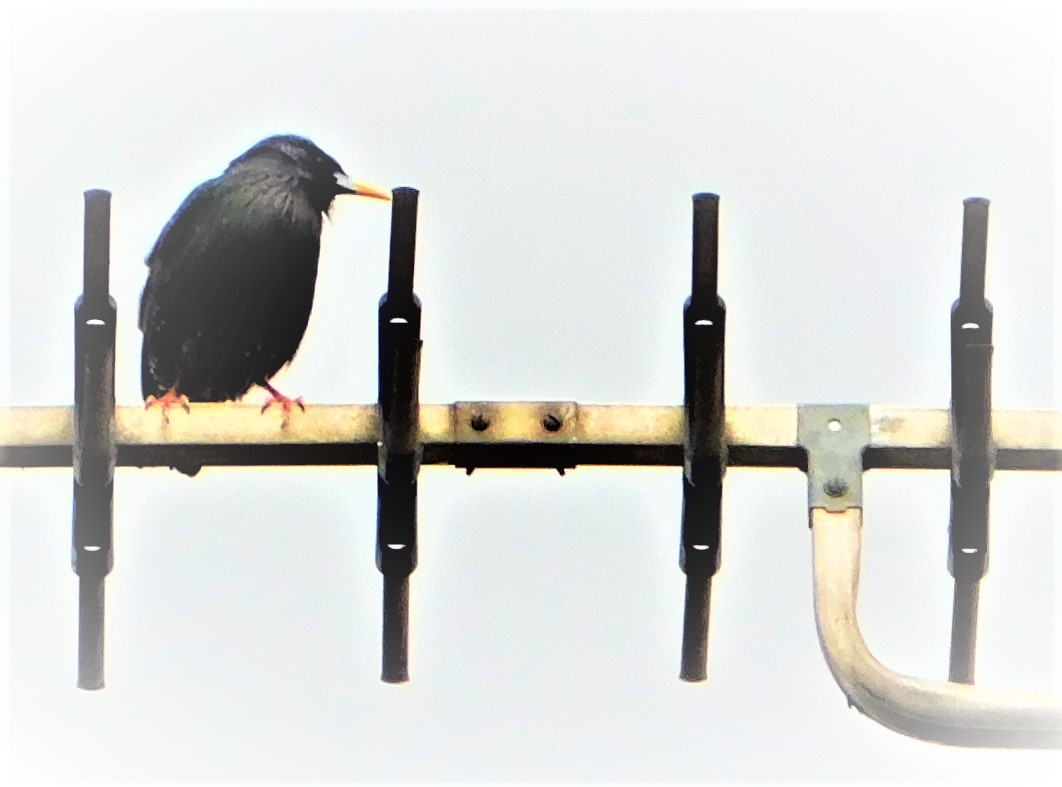
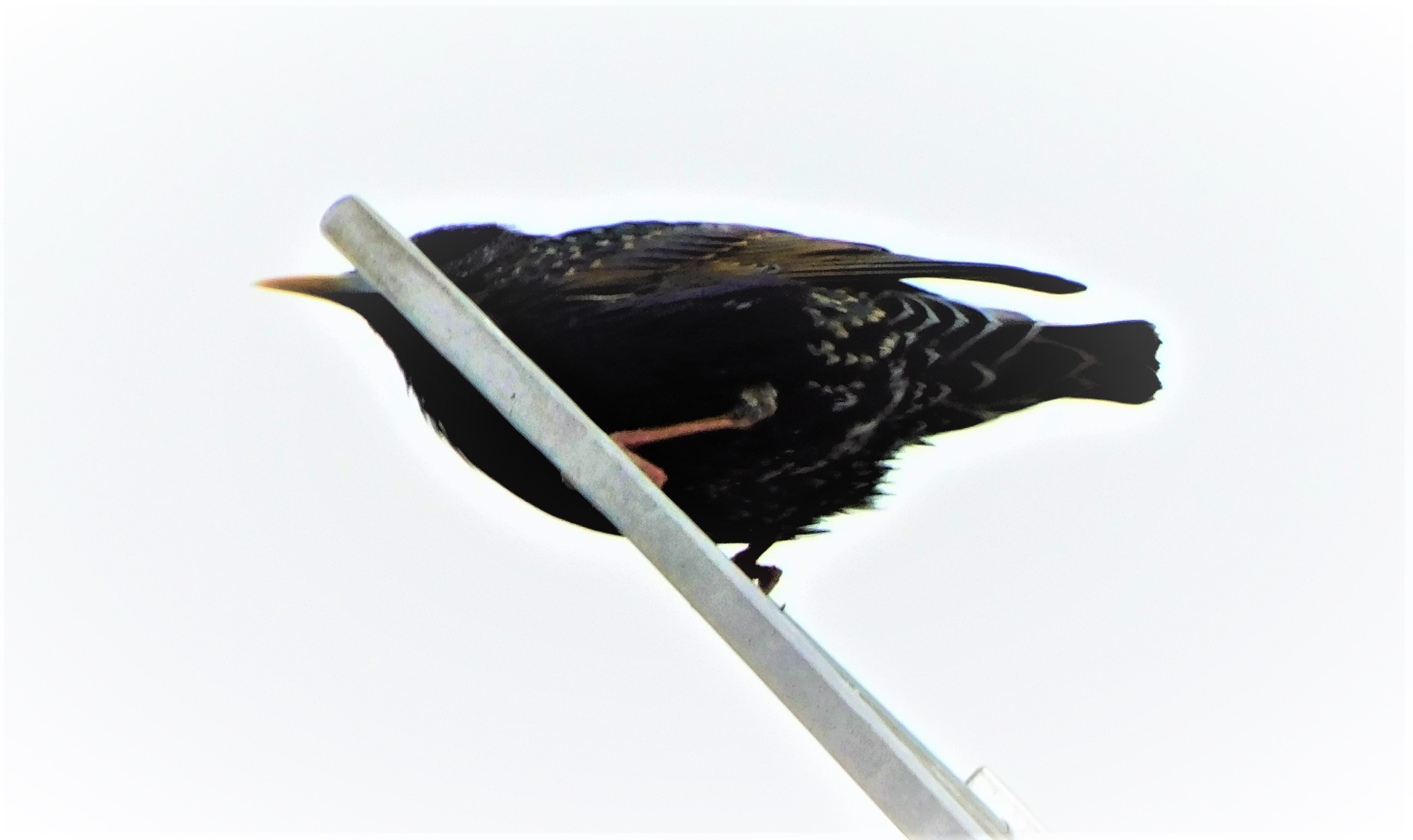
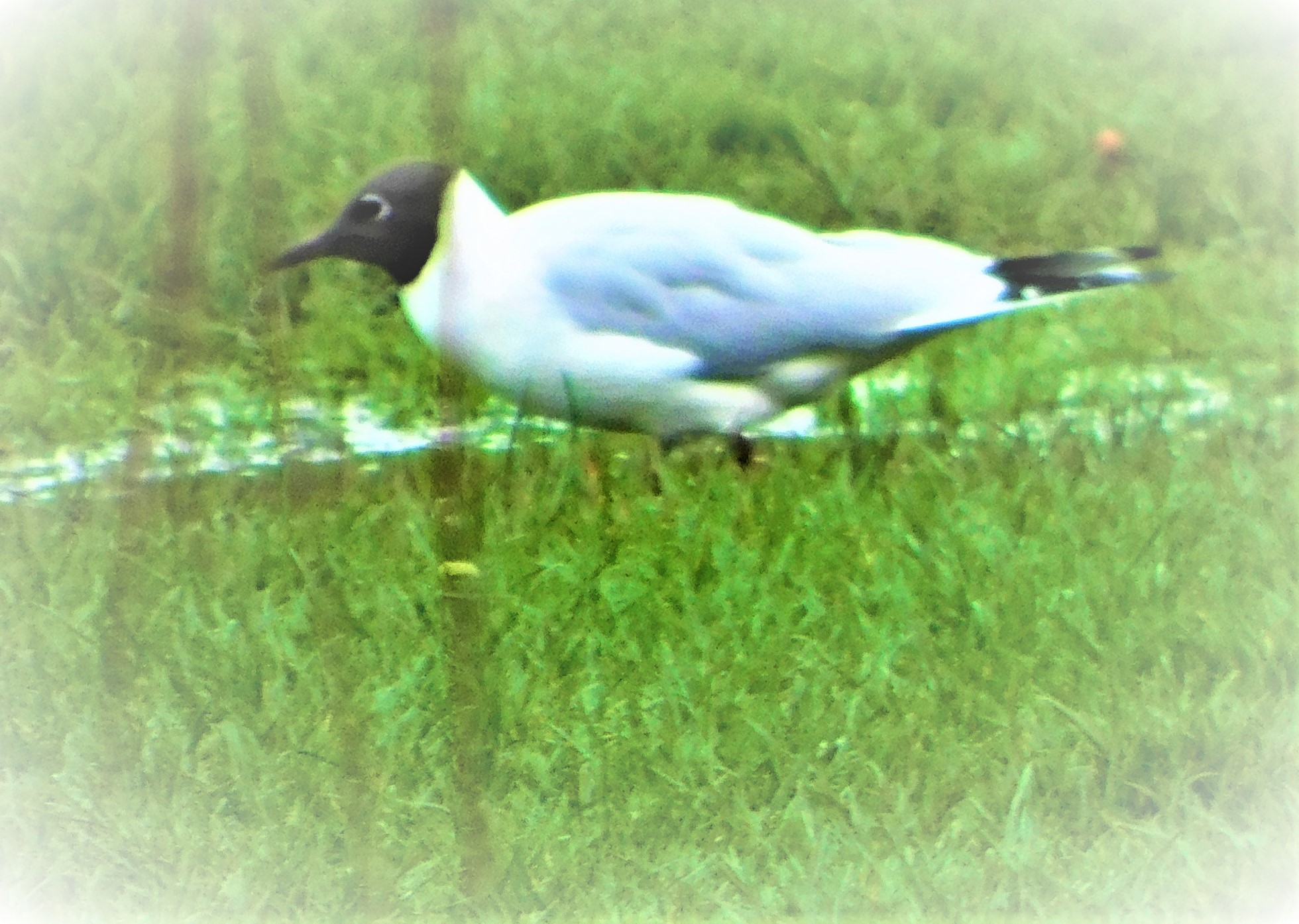
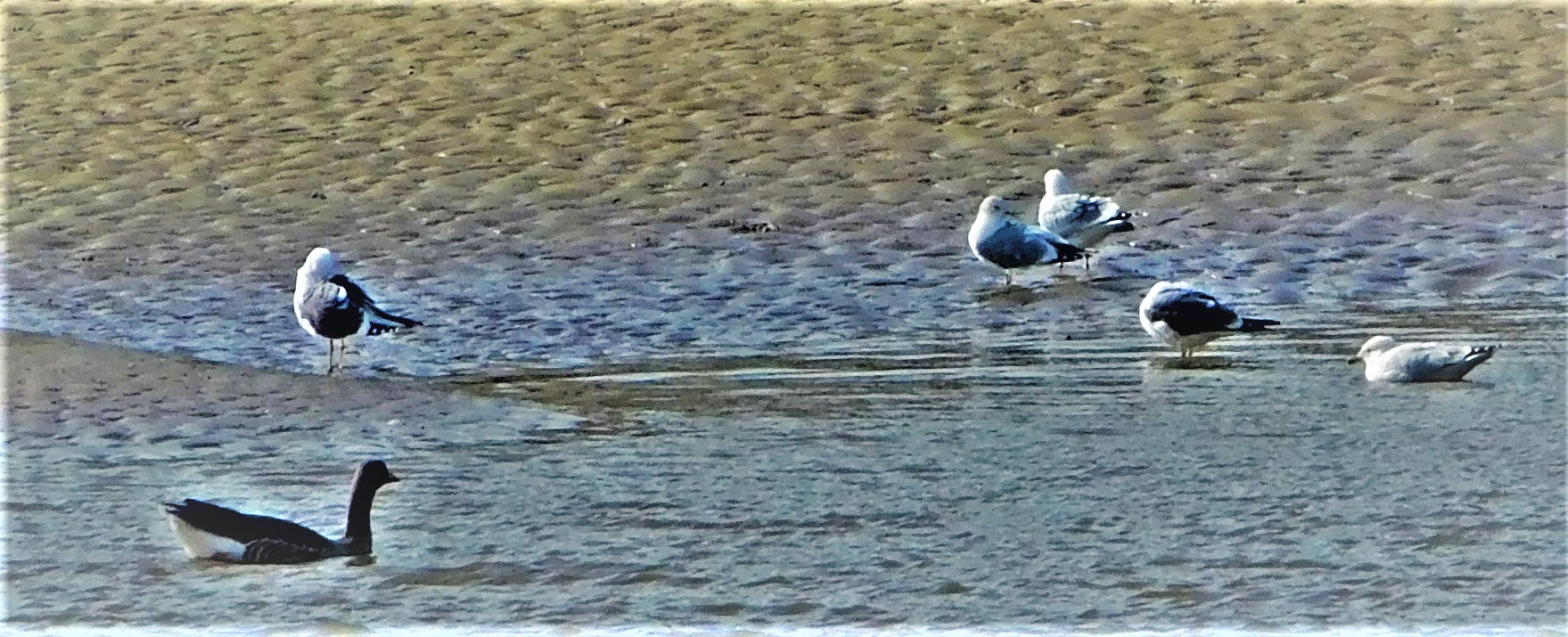
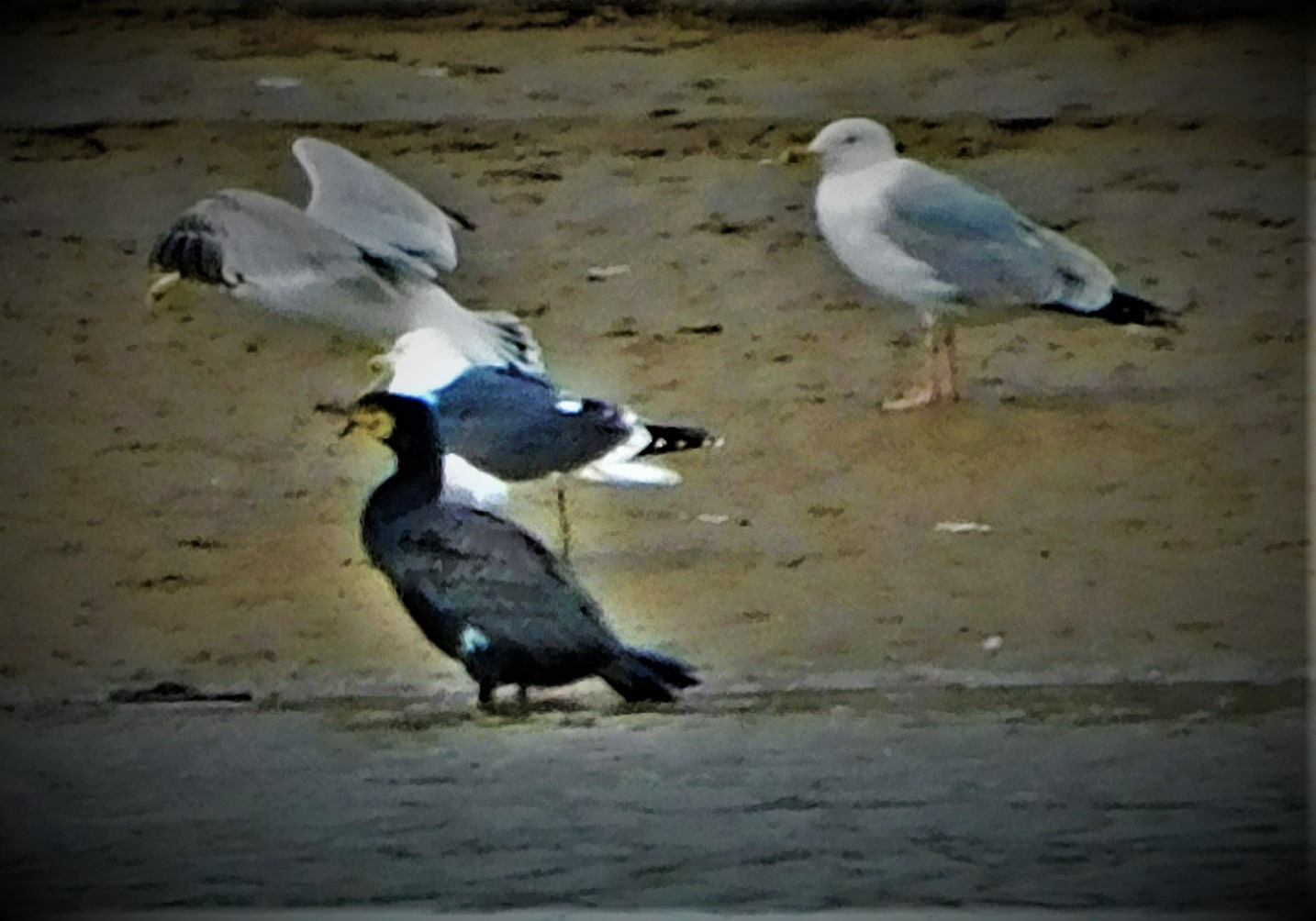
These pictures are not clear enough to be certain but I think that the bird in this and the next picture is a redshank.
A bit about leafleting for the Green Party and a photo gallery.
There are local elections coming up in May. As a member of the Green Party I am delighted that they have two excellent candidates standing in the centre of my town, officially known as St Margaret and St Nicholas Ward (King’s Lynn Minster was St Margaret’s Church before its promotion to being a Minster, while St Nicholas Chapel is it’s North End counterpart). I am helping with the leafleting – I did some yesterday and plan to do more tomorrow. The northern boundary of the ward is marked by a railway spur only a few minutes walk from my house, which means that my leafleting area is all within easy walking range.
GETTING STARTED
I got an email about upcoming campaigns on Thursday evening, noted that one of them was for Rob Archer, a former railway worker who was only just short of being elected first time round, and emailed him to say that I would be round on Saturday morning. Having established that his home was somewhat closer to the South Gate than to the town centre, and with a stated start time of 10:00 I set off at 9:30, duly arrived at 10, and was entrusted with a pile of leaflets and a map of the northern part of the ward, at which point I set off. I did two streets, Wyatt Street (too old to have been named after Danielle Wyatt, but there could be a connection to former Warwickshire and England skipper Bob Wyatt) and Kettlewell Lane on my way home, then I took a short break, and set forth again, polishing off Archdale Street (another with possible cricket connections – England Women’s first ever skipper Betty Archdale, and Somerset keeper the reverend Archdale Palmer Wickham), Eagle Yard, Eastgate Street and their side of Gaywood Road.
THE LEAFLET
The current leaflet, a double sided A4 sheet in the form of a newsletter (which means it has to be folded to fit through almost all letterboxes) is highly impressive:
PHOTOGRAPHS
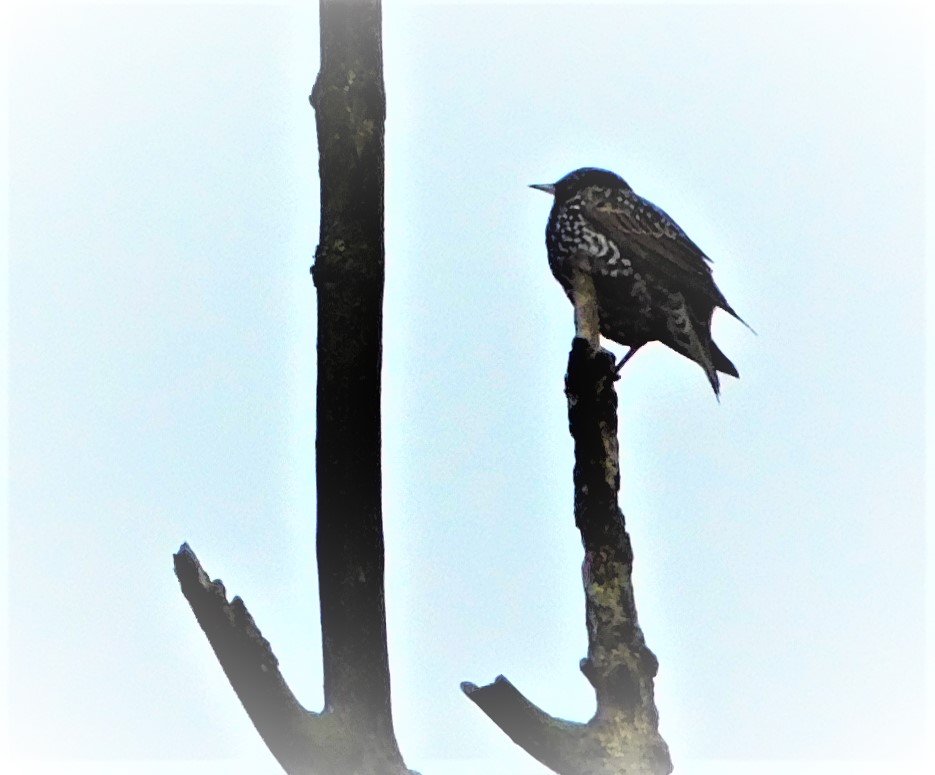
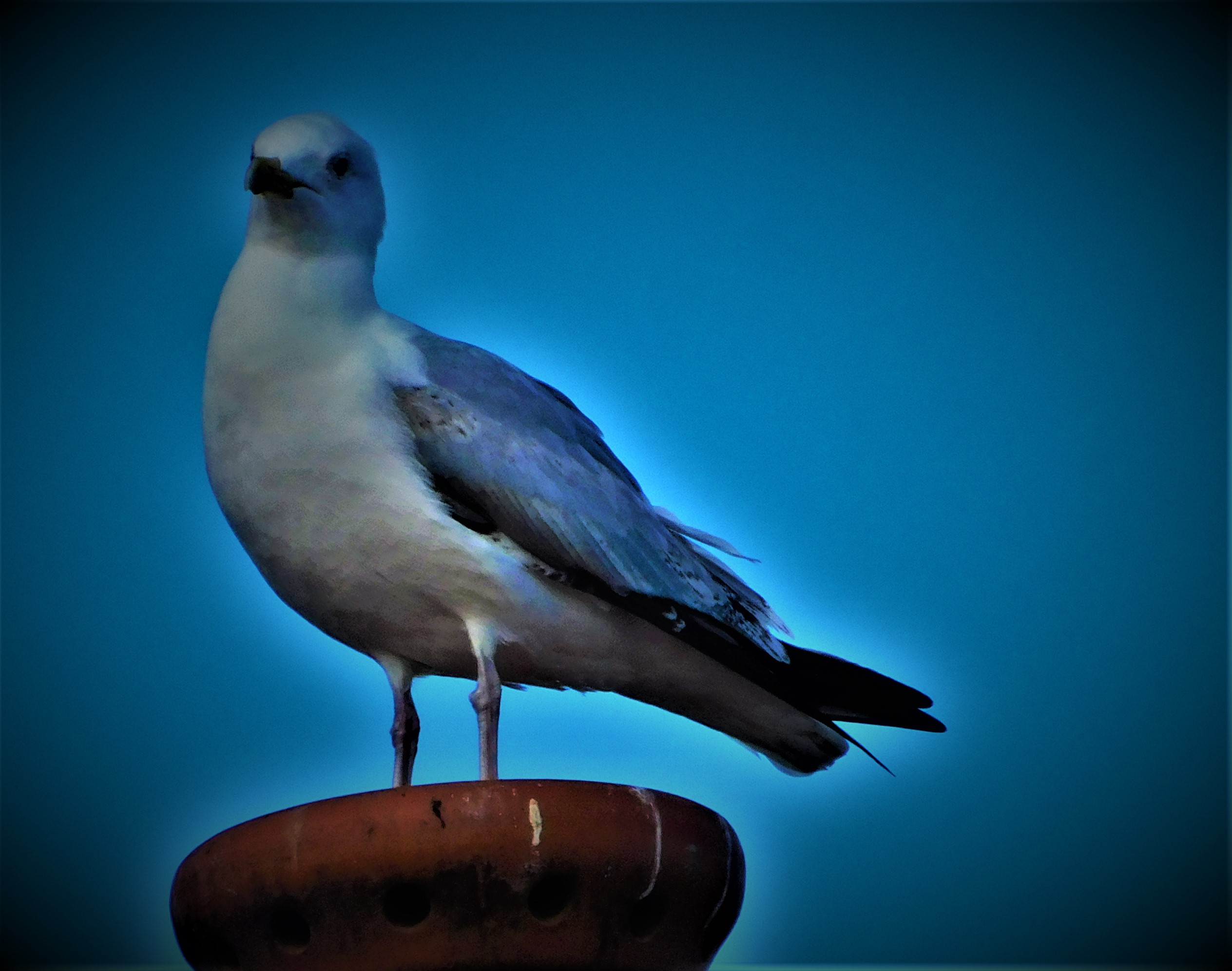
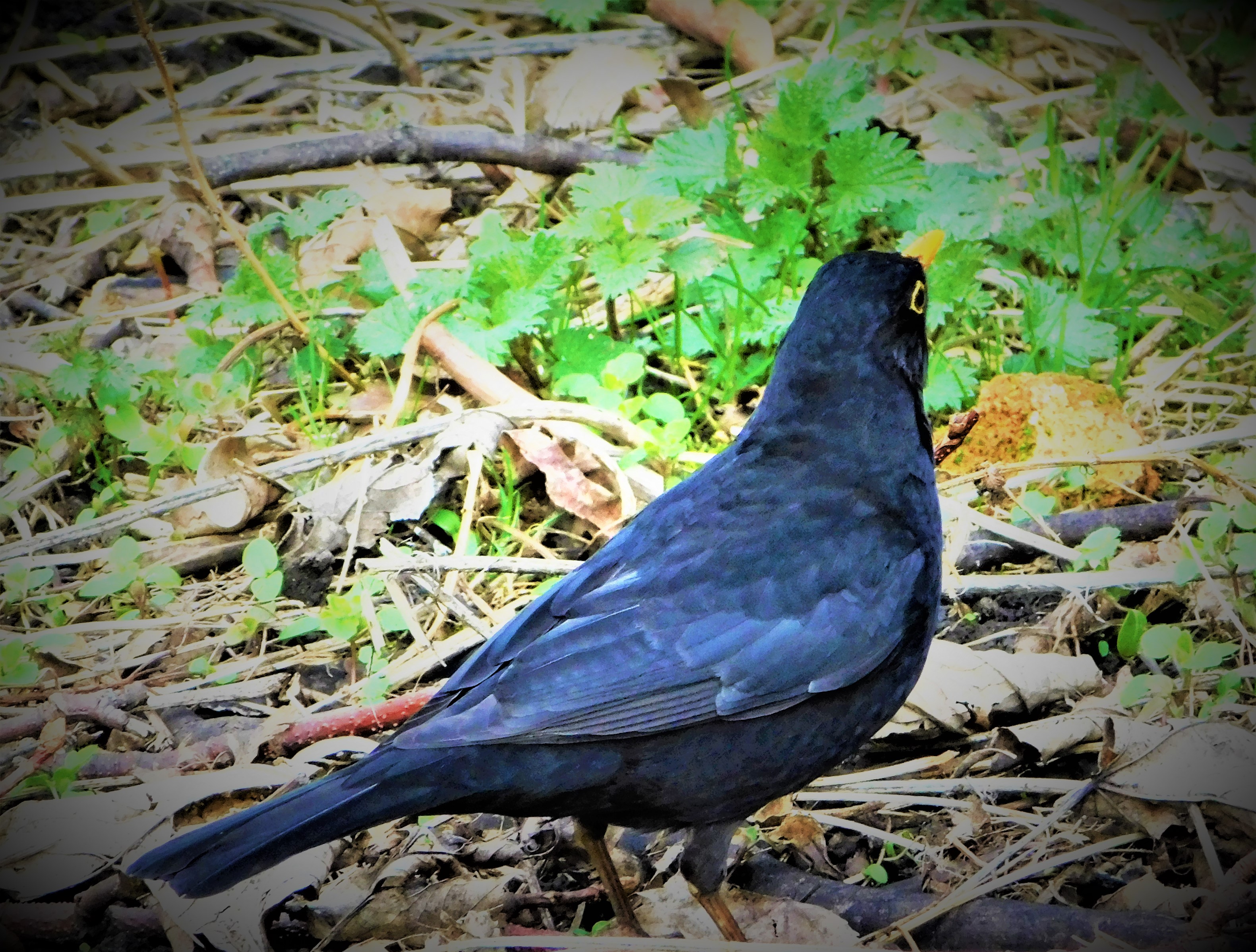
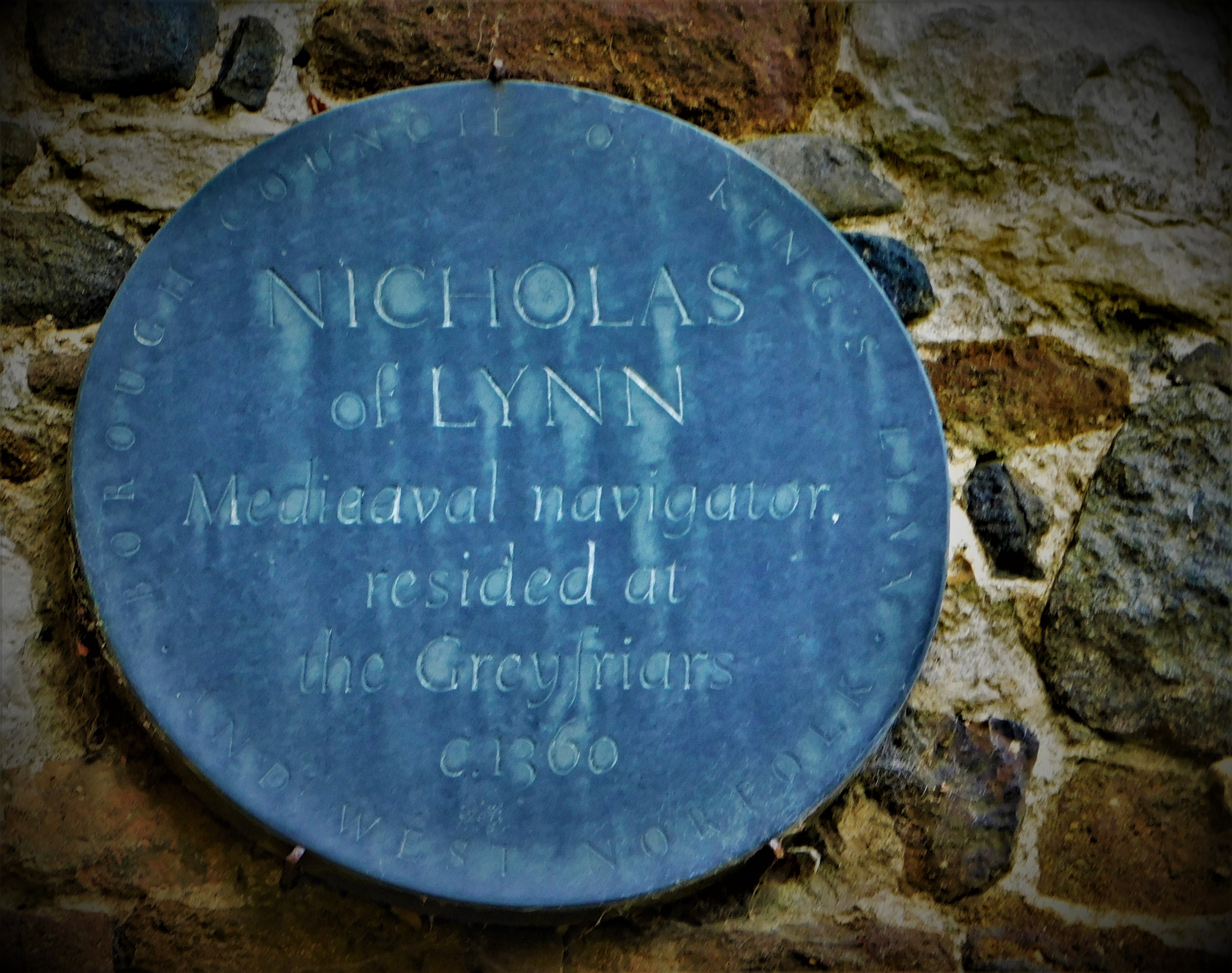
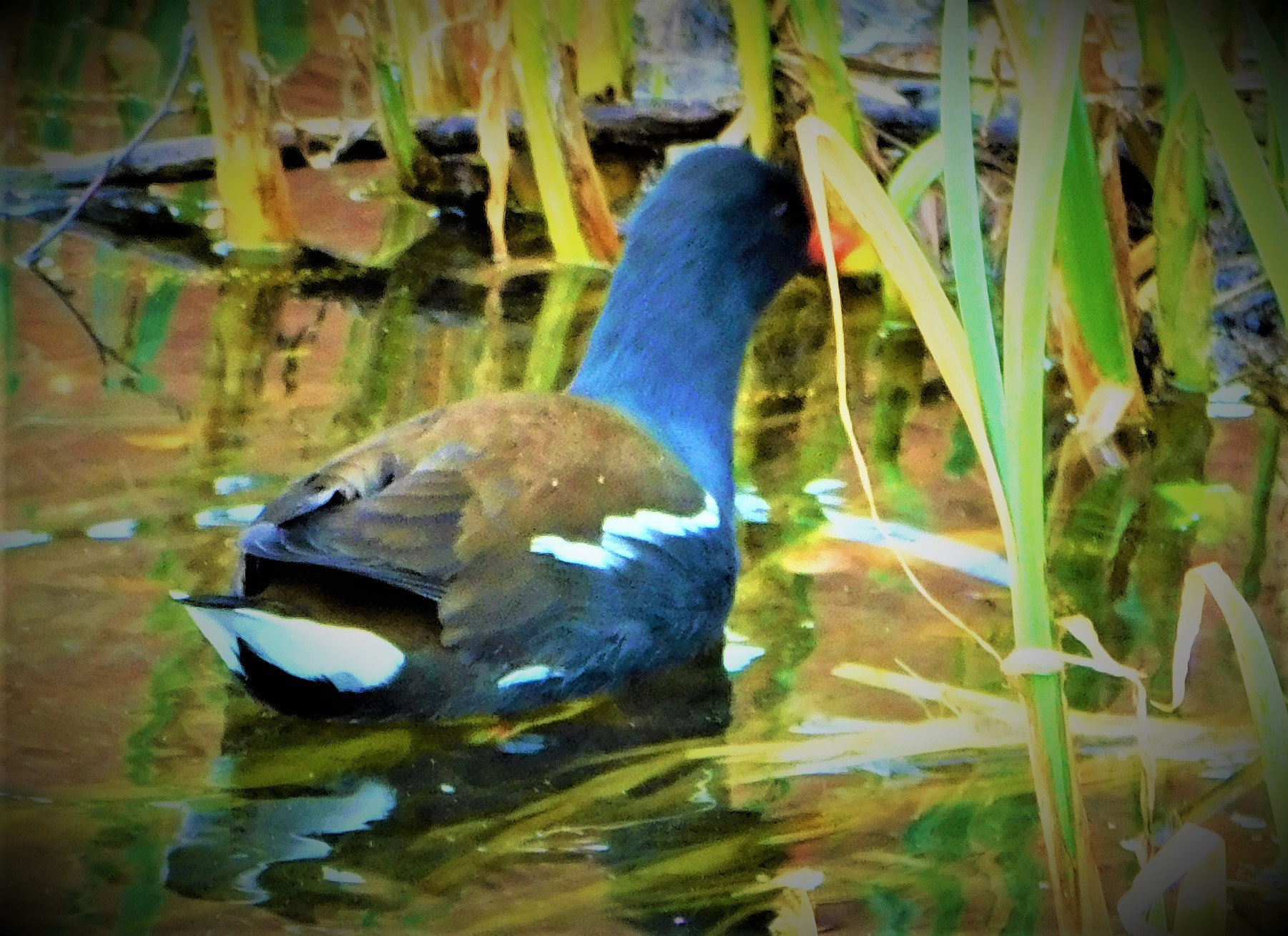
Yesterday’s activity contributed to a splendid photo gallery, and this morning’s walk augmented it. These pictures both showcase some of the natural sights that King’s Lynn has to offer, and in some cases further illustrate why more Green councillors are badly needed:
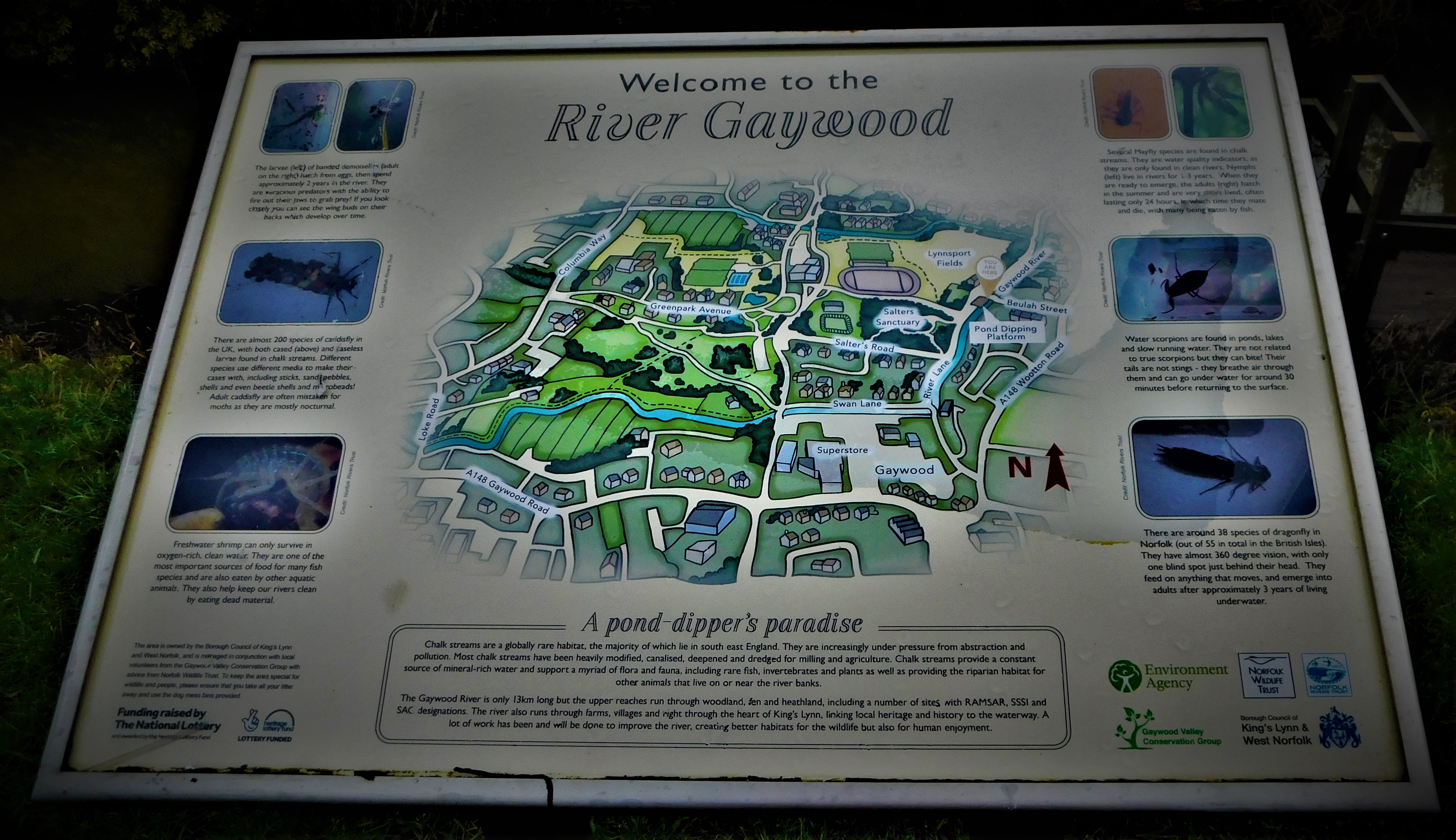
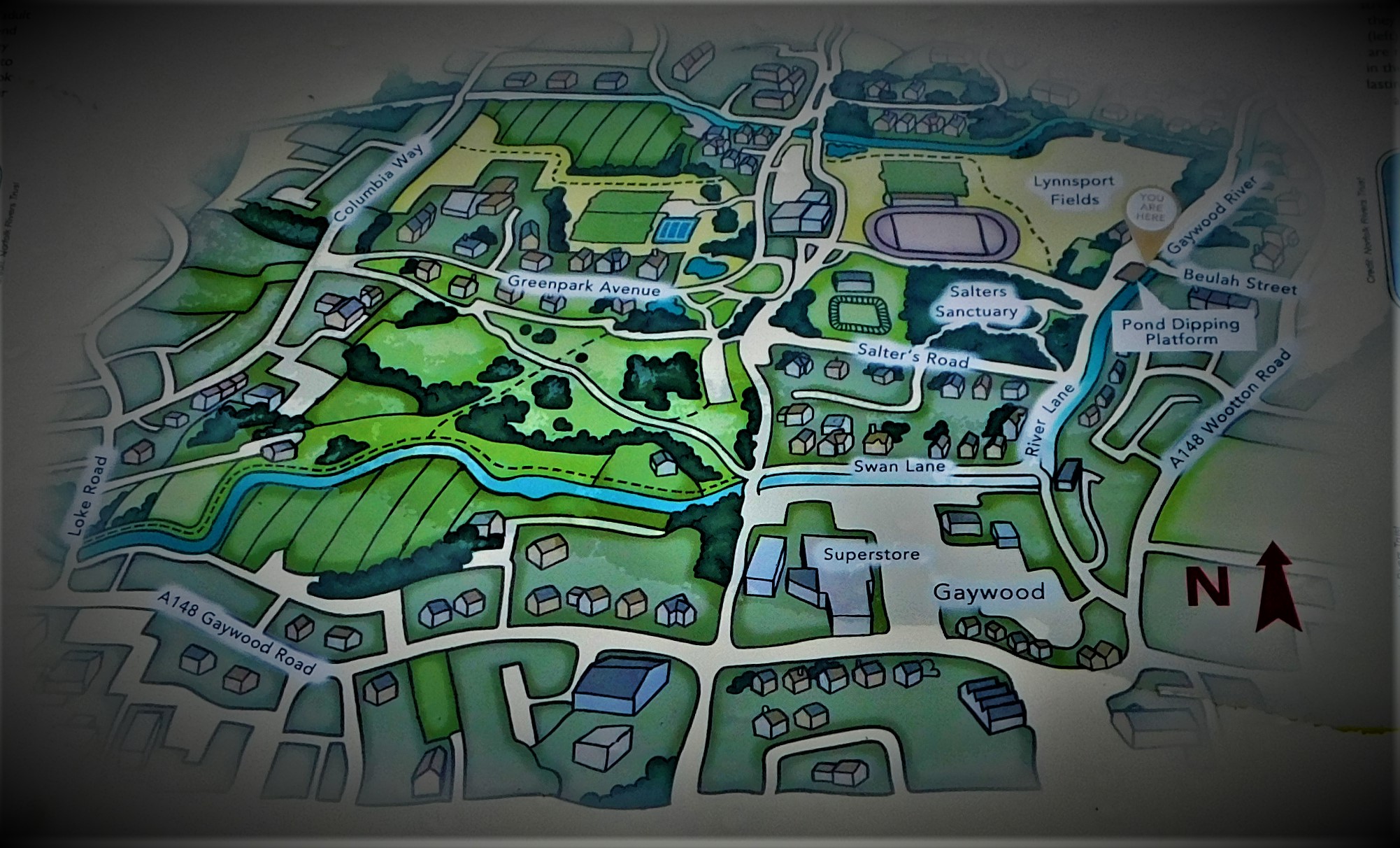
Part of the boundary of the ward.A common enough sight from bus windows in the countryside, but I rarely to get to see a pheasant close enough to get a really good picture of it.The detritus of this botched tree planting exercise near the Gaywood River Path is one example of why we need green councillors.
A look at developments in the inaugural WPL and a large photo gallery.
In this post I run my eye over the doings of the five franchises in the competition to date.
RCB Women
The Royal Challengers Bangalore men are the Cinderella club of the IPL – they are one of the founding franchises but have never won the competition. The women’s side have had a horror start in the inaugural competition, with four defeats in four games, the last confirmed just now, with their opponents having 10 wickets and exactly seven overs to spare.
GUJURAT GIANTS
Not in quite as desperate a position as RCB, they have one win and two losses from their three games, but they also have a massive negative net RR, which could well stymie any attempt to move up the table – wins are no longer enough for them – they need to win big for it really count.
UPW
Their huge win against RCB today puts them third in the table, behind second place on net run rate. Their three front line slow bowlers, Ecclestone (4-13), Deepti Sharma (3-26) and Rajeshwari Gayakwad (1-26) proved too much RCB’s batting. Although I don’t think it made a difference today, given the sheer margin of superiority enjoyed by UPW, RCB’s habit of using Heather Knight at number five has proved costly in at least two of their defeats, when she played excellent cameo innings too late to influence the result. In today’s match, Alyssa Healy scored 96* off 47 balls, making RCB’s modest 138 look positively risible, while Devika Vaidya played the support role with 36* (31) at the other end.
DELHI CAPITALS
Like UPW they have two wins and one loss from three matches. They have a somewhat better net run rate.
MUMBAI INDIANS
They have hit the ground running, with three wins from three games, and they have all been very comfortable wins as well. It is at the moment hard to look beyond them for the inaugural WPL champions. I would actually be more inclined to back UPW to spring a surprise in this regard than DC for all that the latter are currently second.















































































































































































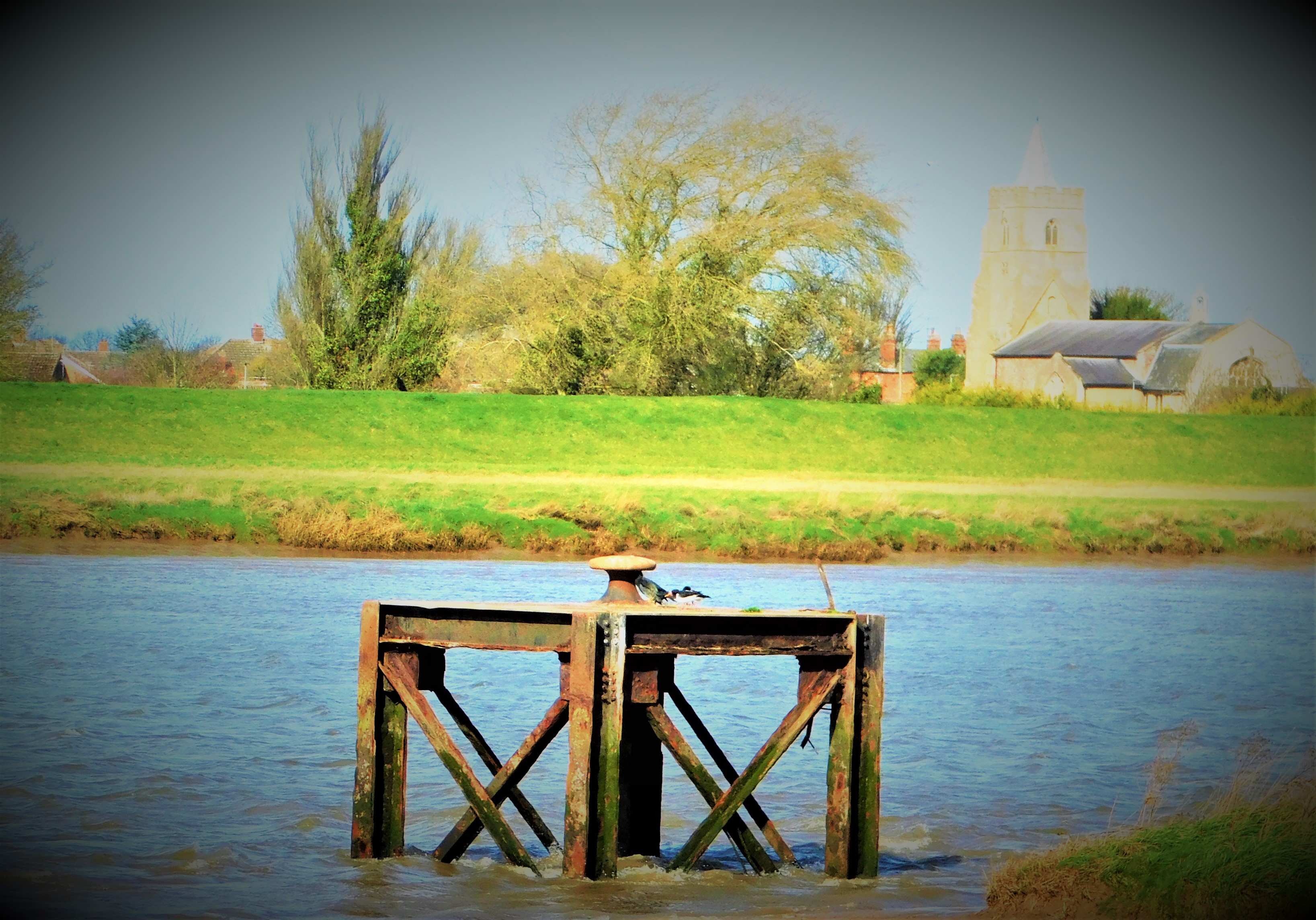
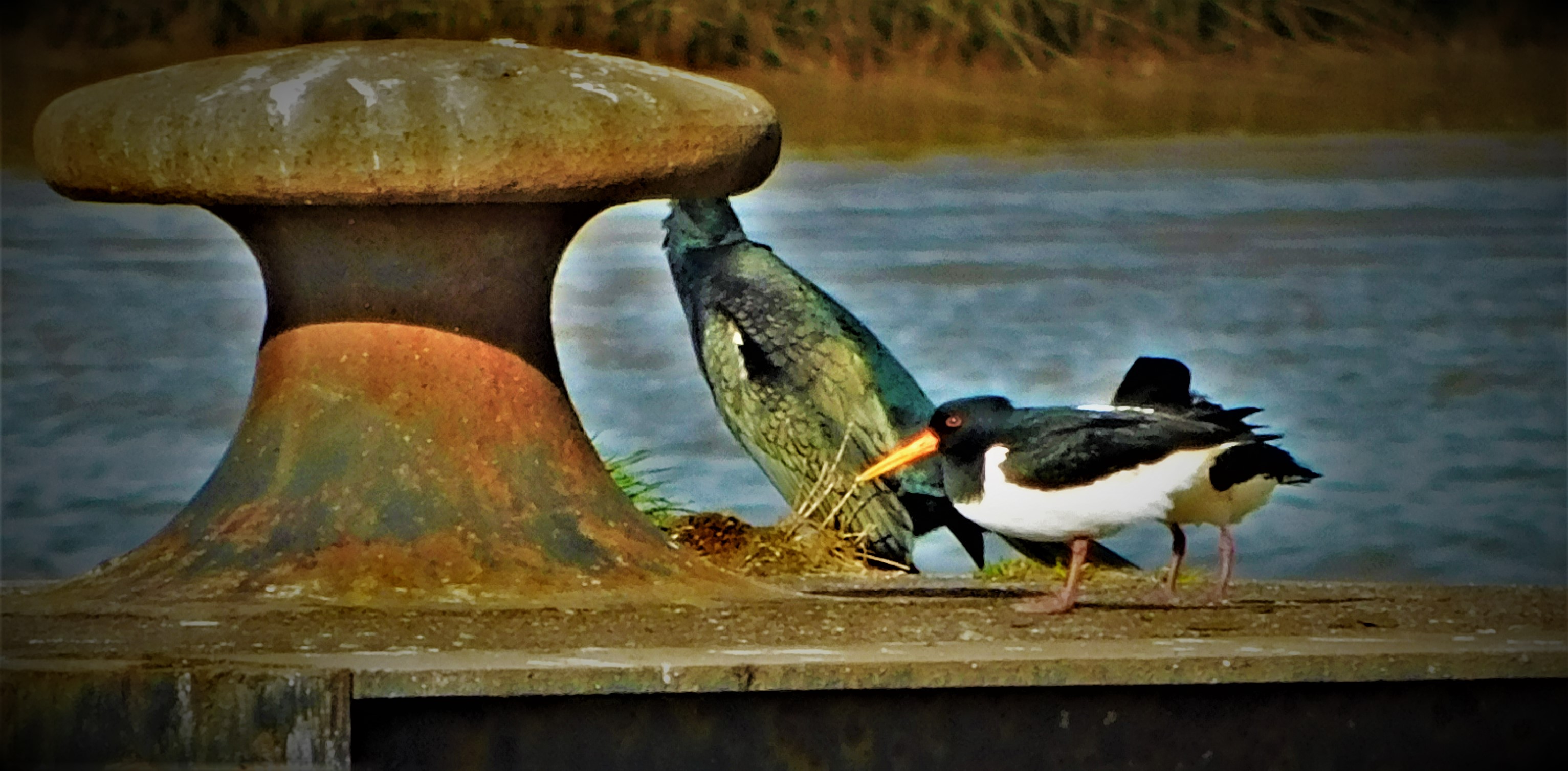



































































































































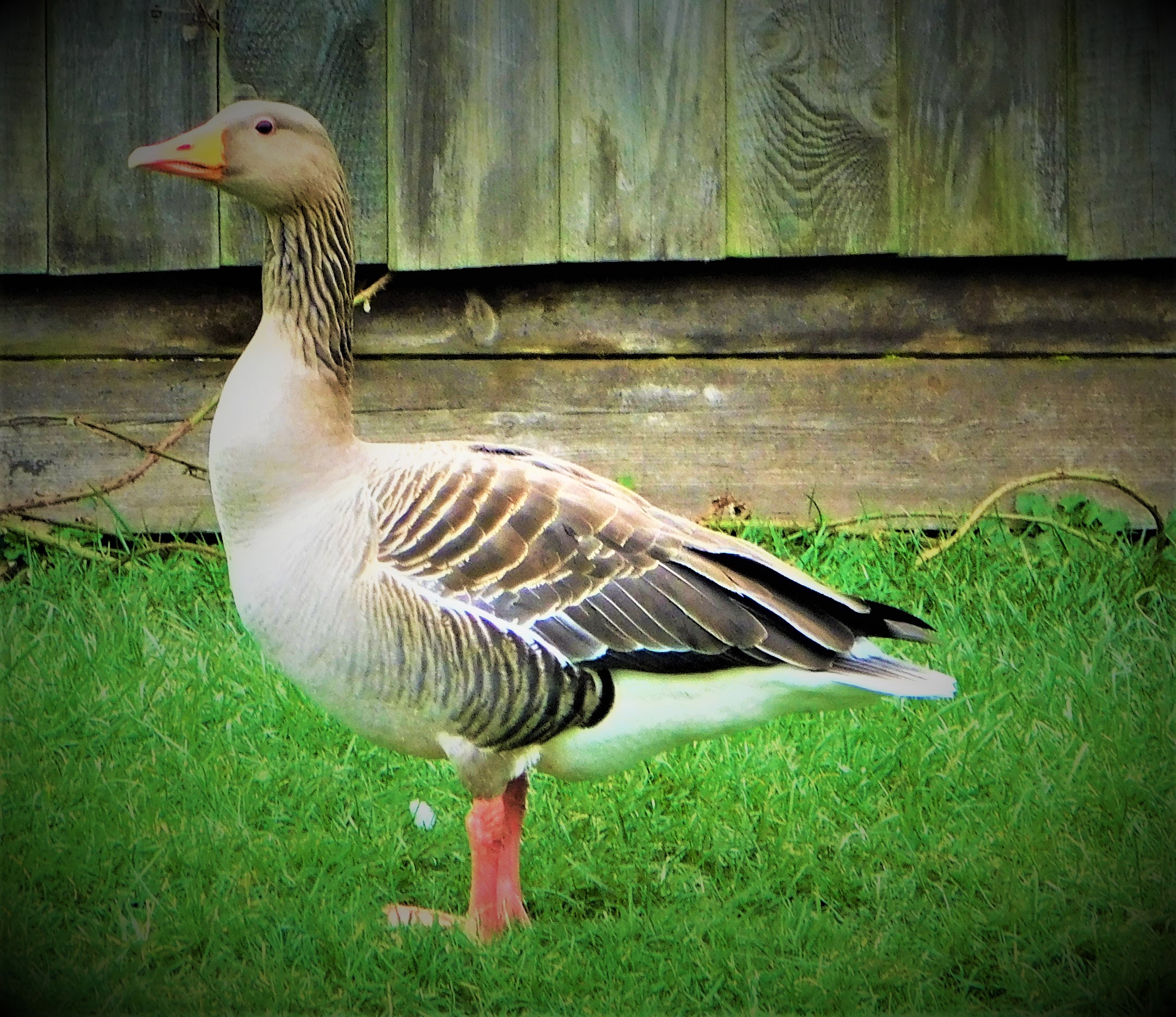






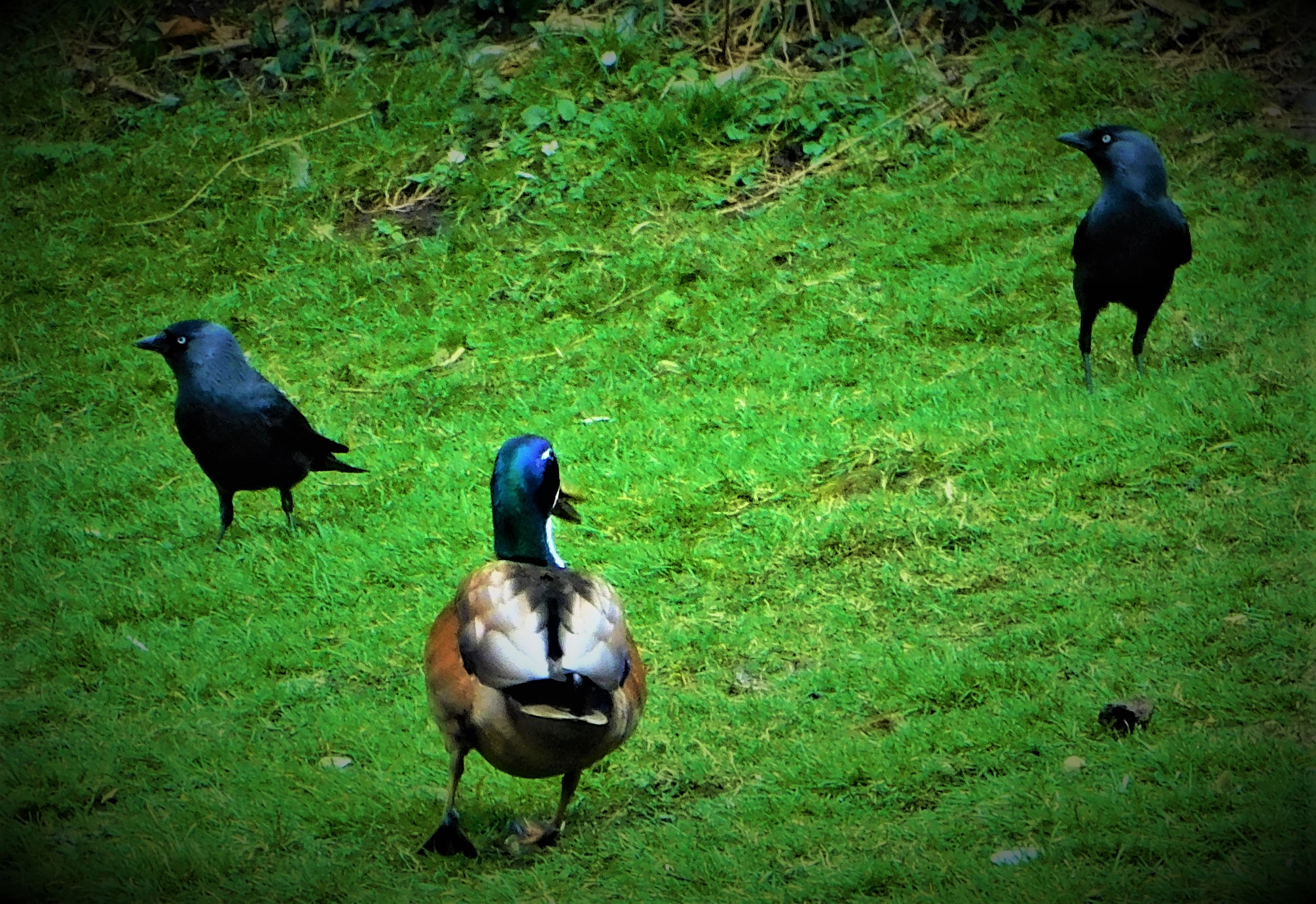















































































































 aspiblog