A brief post scheduled to coincide with my 50th birthday, There are precisely 50 photos in the gallery.
By the time this post is published I will be nearing the end of a stay in the far west of Scotland that, necessitated by my birthday falling on a Saturday runs from a Sunday to a Sunday. Posting until I am back from that holiday is likely to be light, and may even by non-existent apart from this one.
THE NUMBER 50
50 is double a square number, and equal to a square number plus one. Because we work in base 10 it is a significant number in the game of cricket – a score of 50 is halfway to one of a hundred and is generally celebrated by a batter who reaches it. It is of course this that gave me the title for this post. WG Grace was the first to play test cricket at the age of 50 (subsequently Wilfred Rhodes, who played at the oldest age of any test cricketer, 52 years 165 days, George Gunn and Bert ‘Dainty’ Ironmonger all emulated this feat).
This post is scheduled to appear not only on my 50th birthday, but at the very time of day at which I was born.
PHOTOGRAPHS
I have selected 50 of my pictures to form a special gallery for this post…
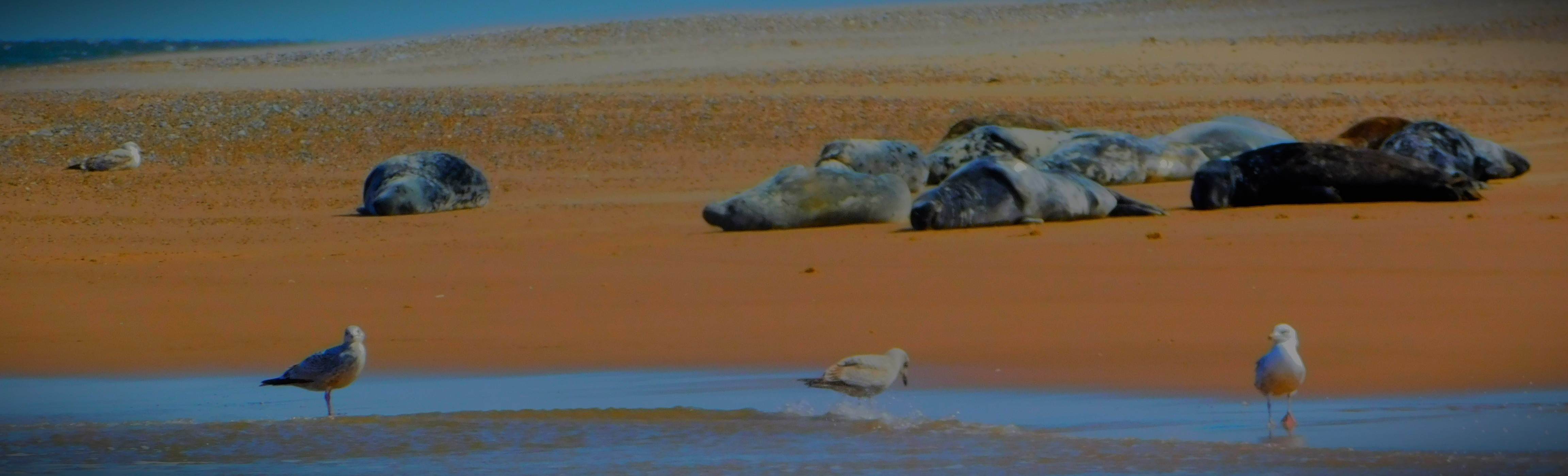
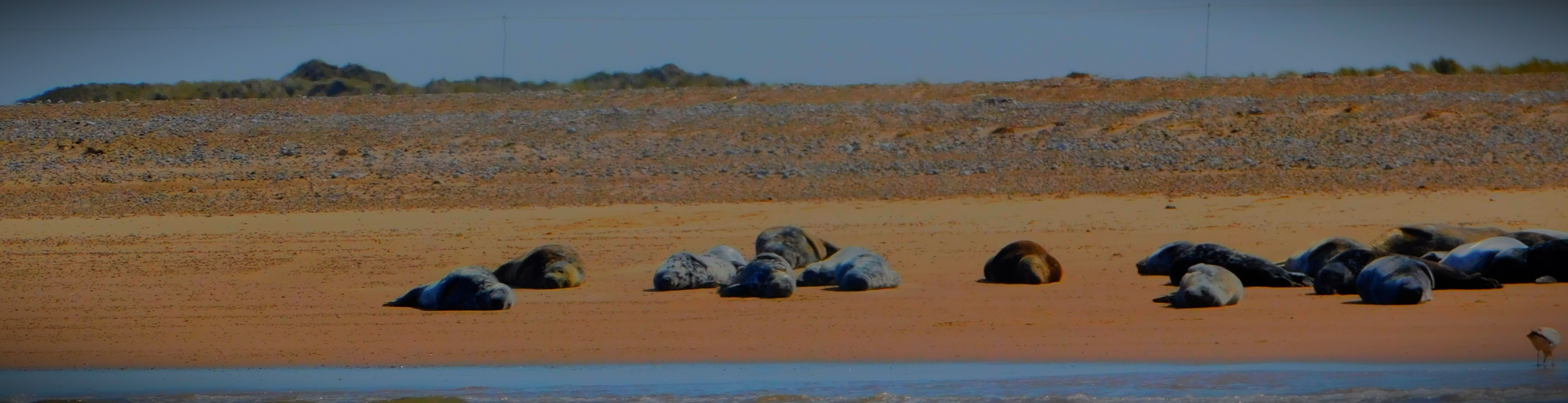
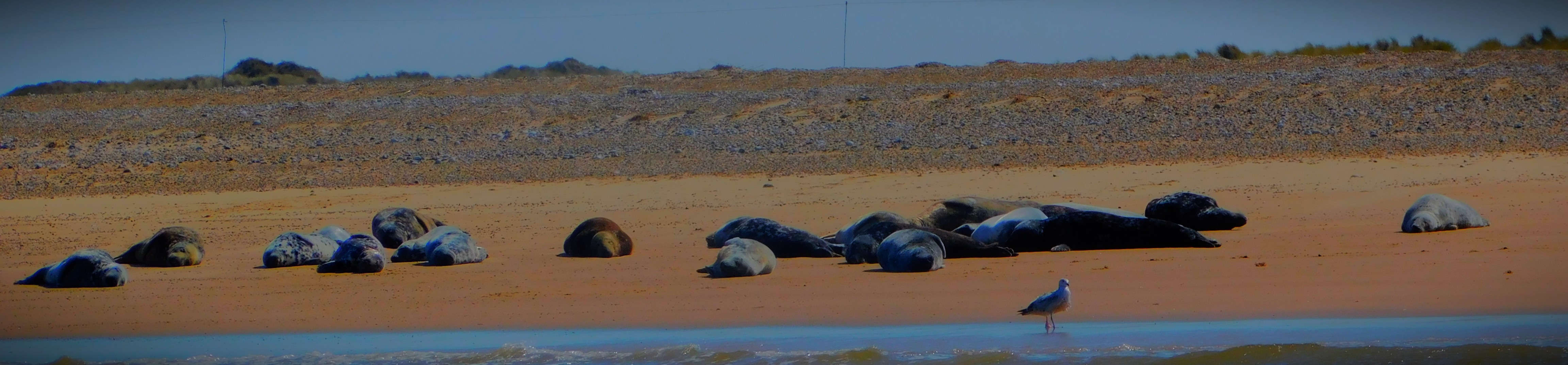
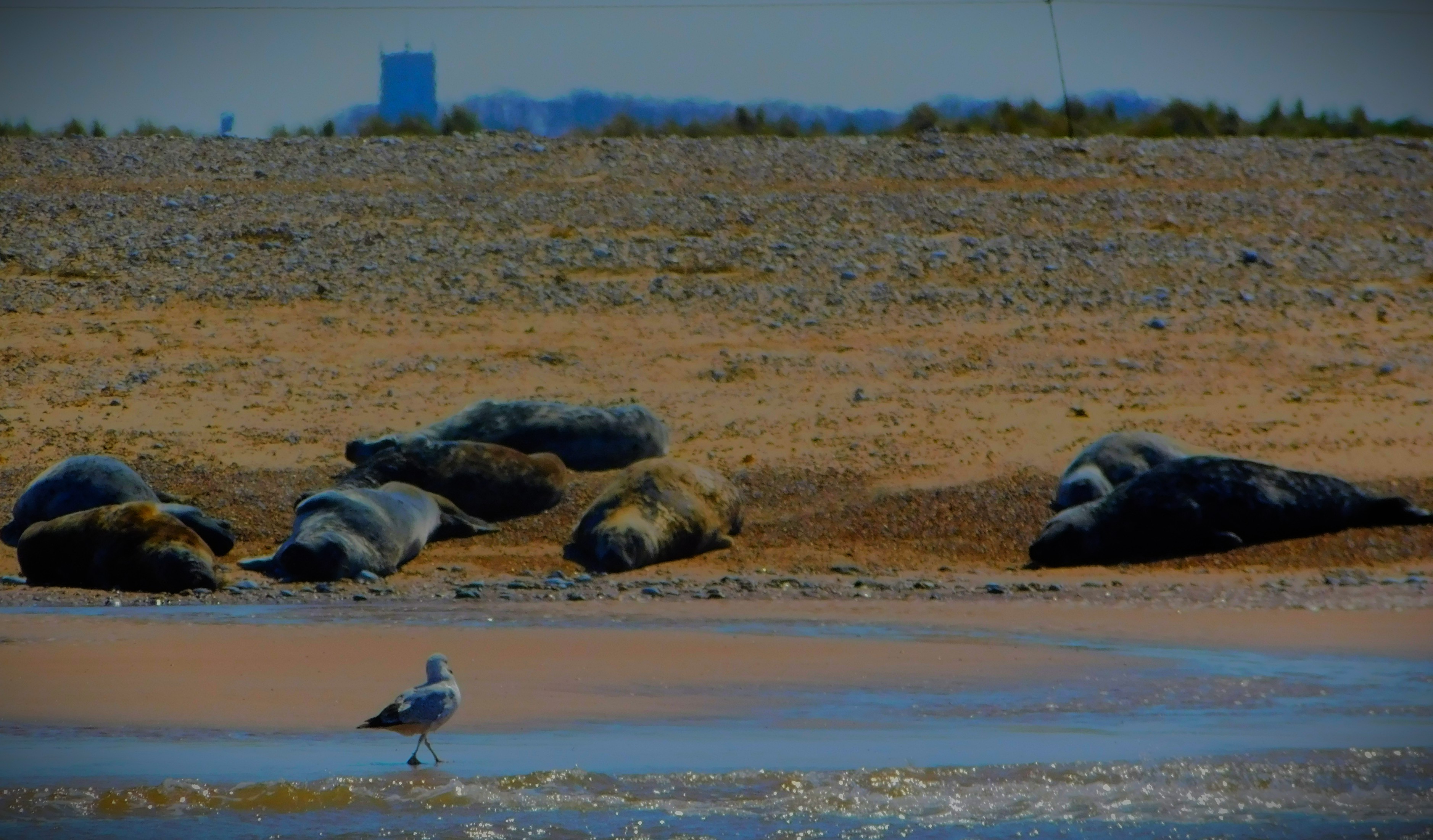
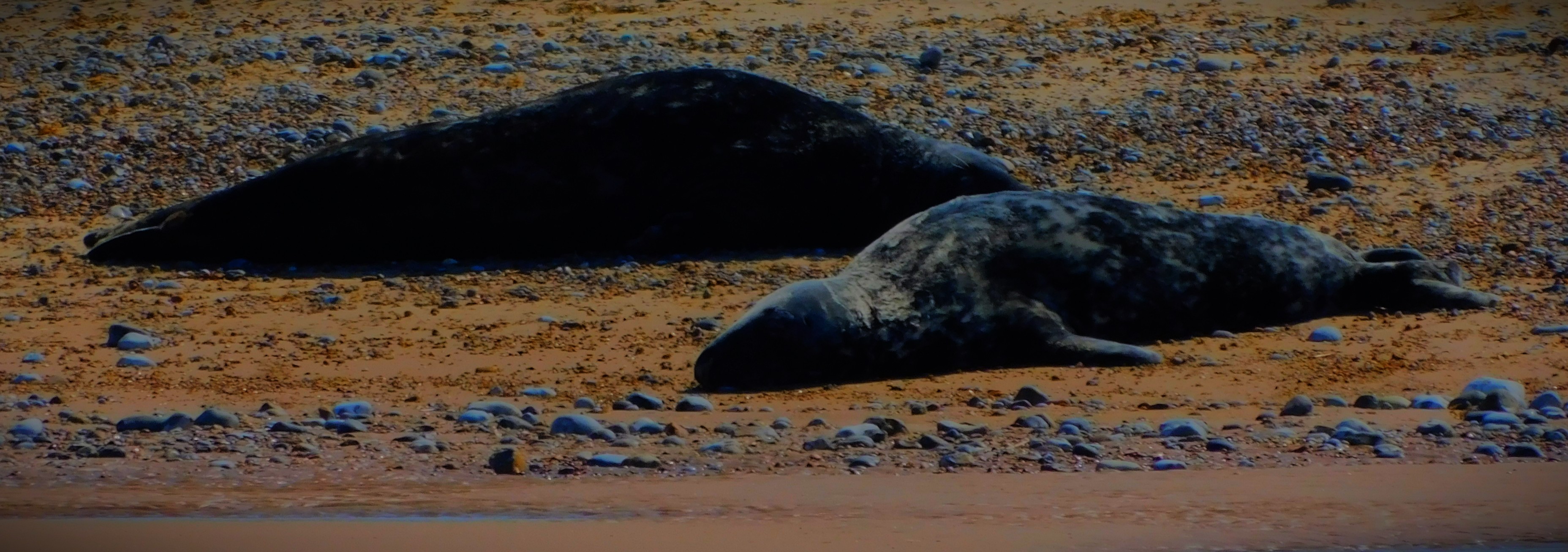
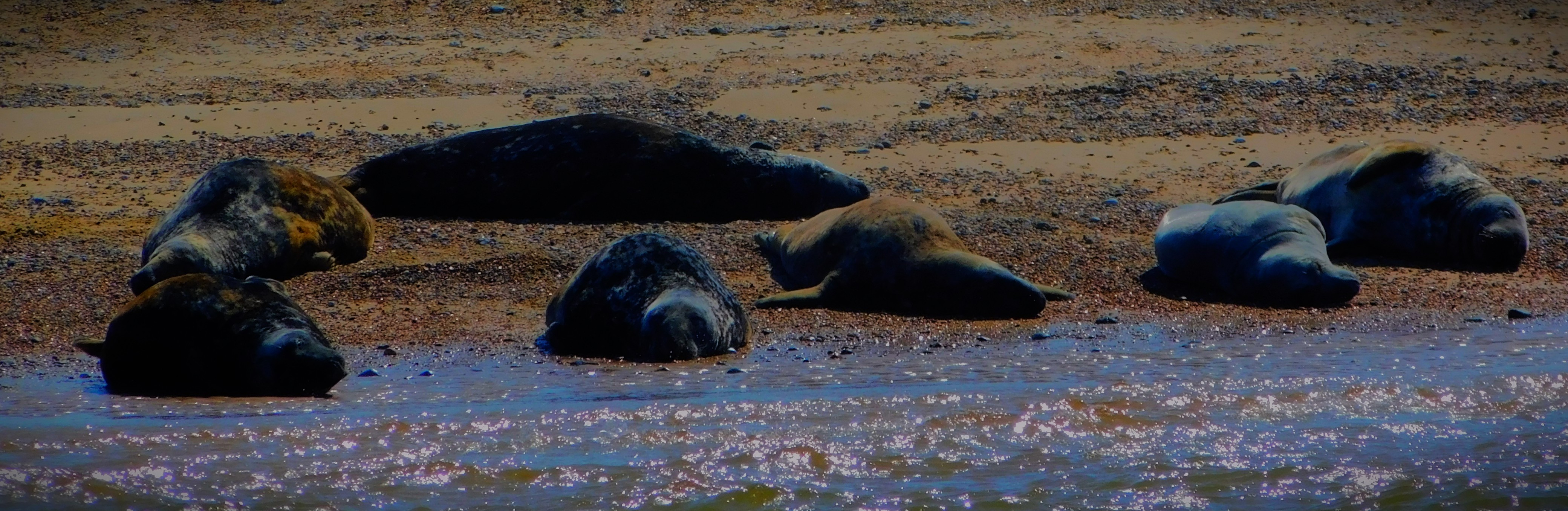
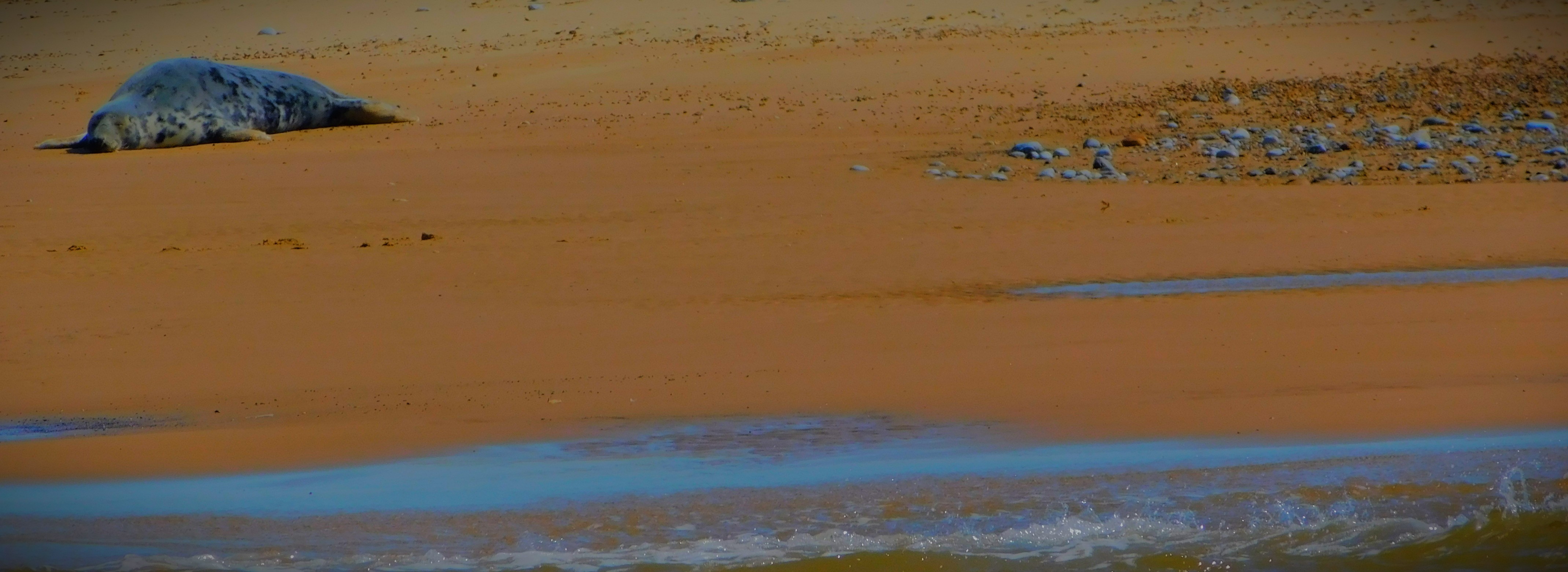
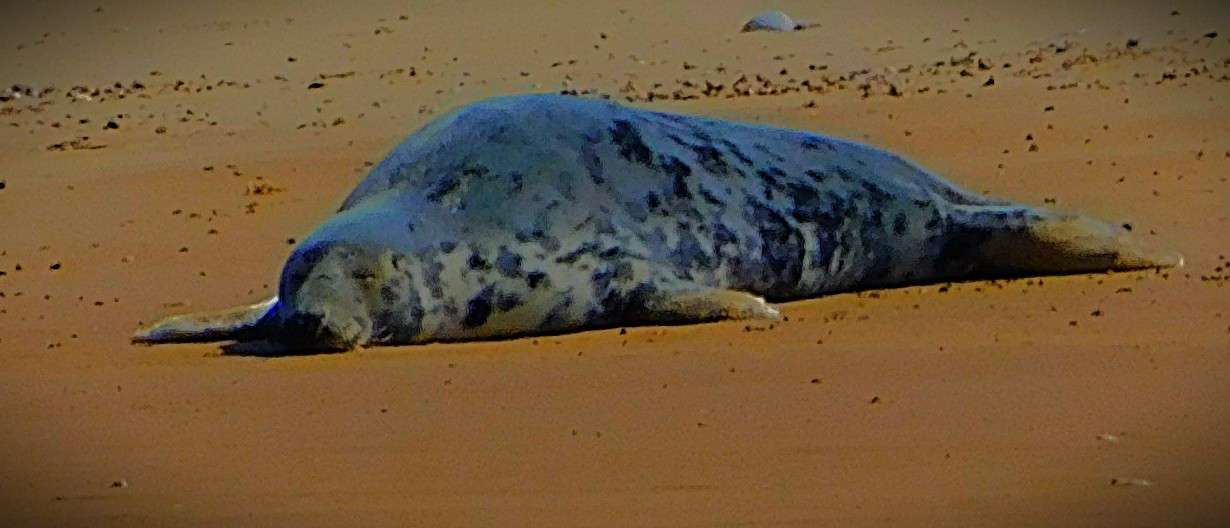
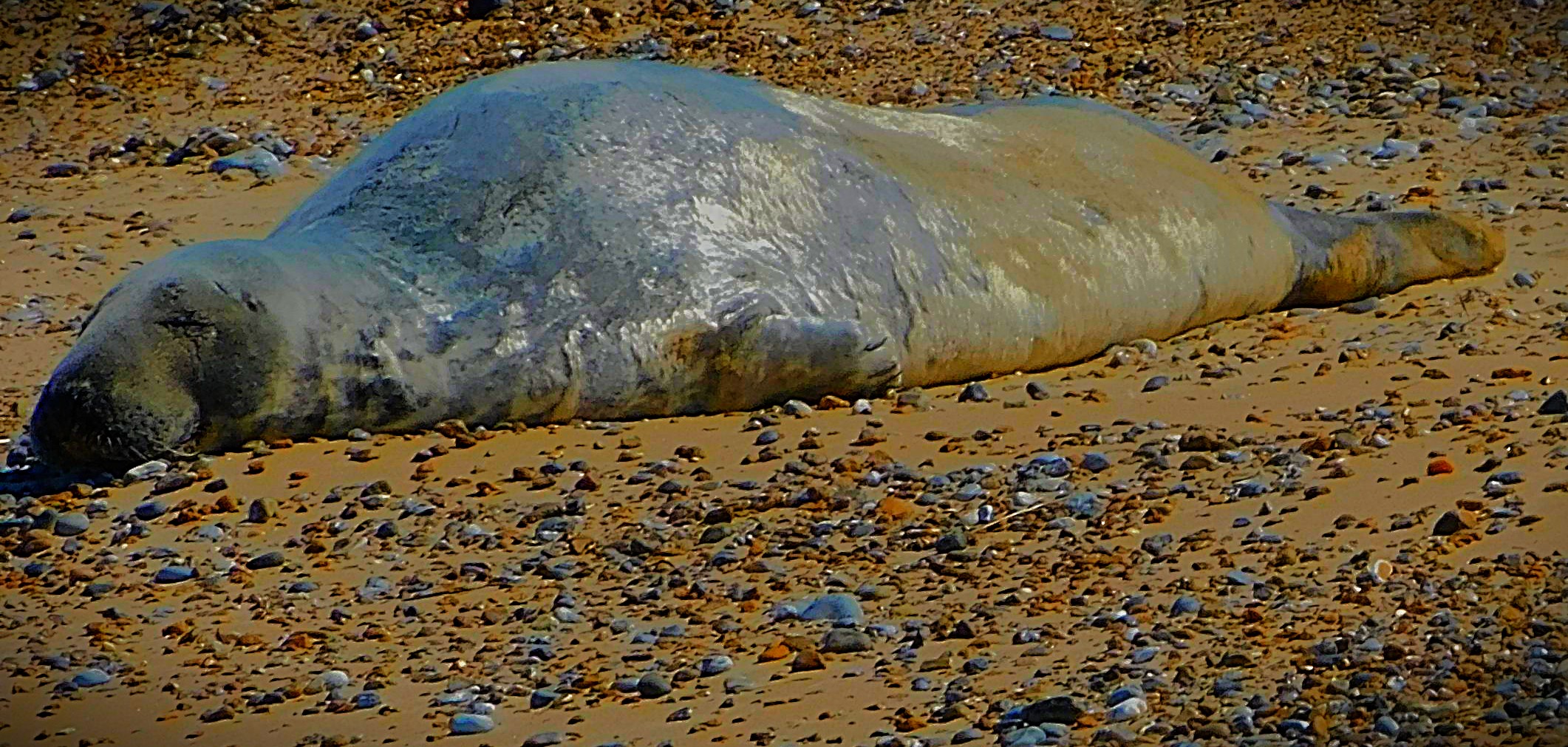
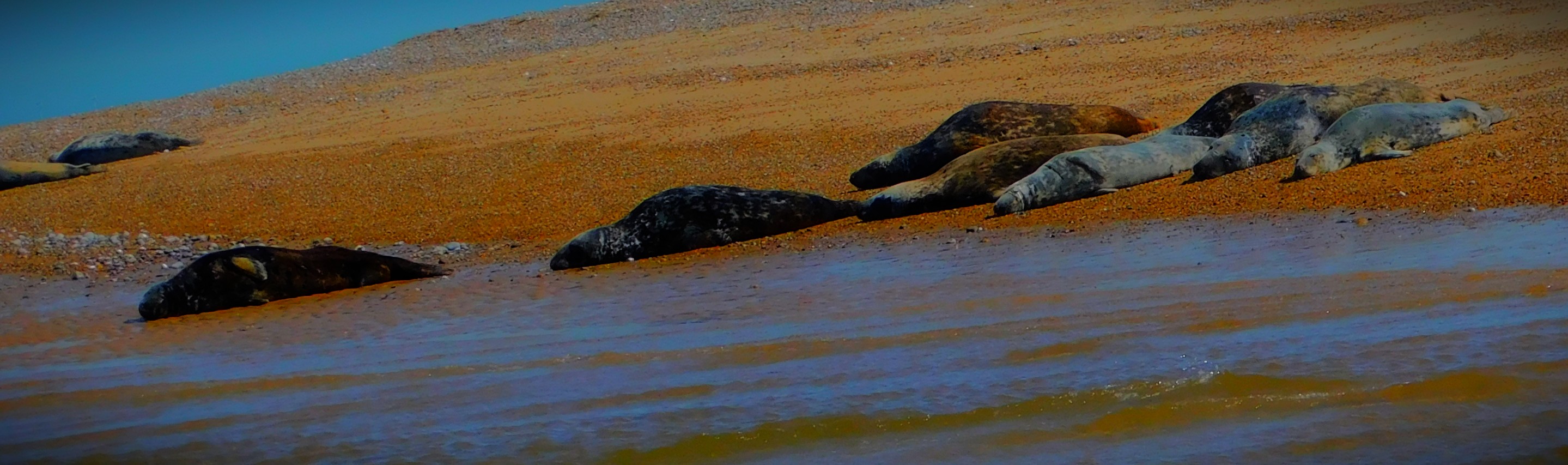
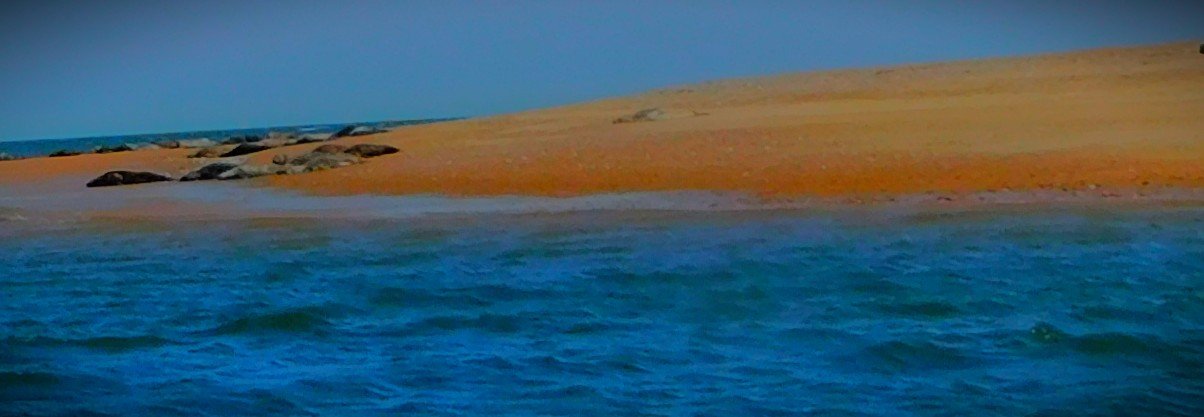
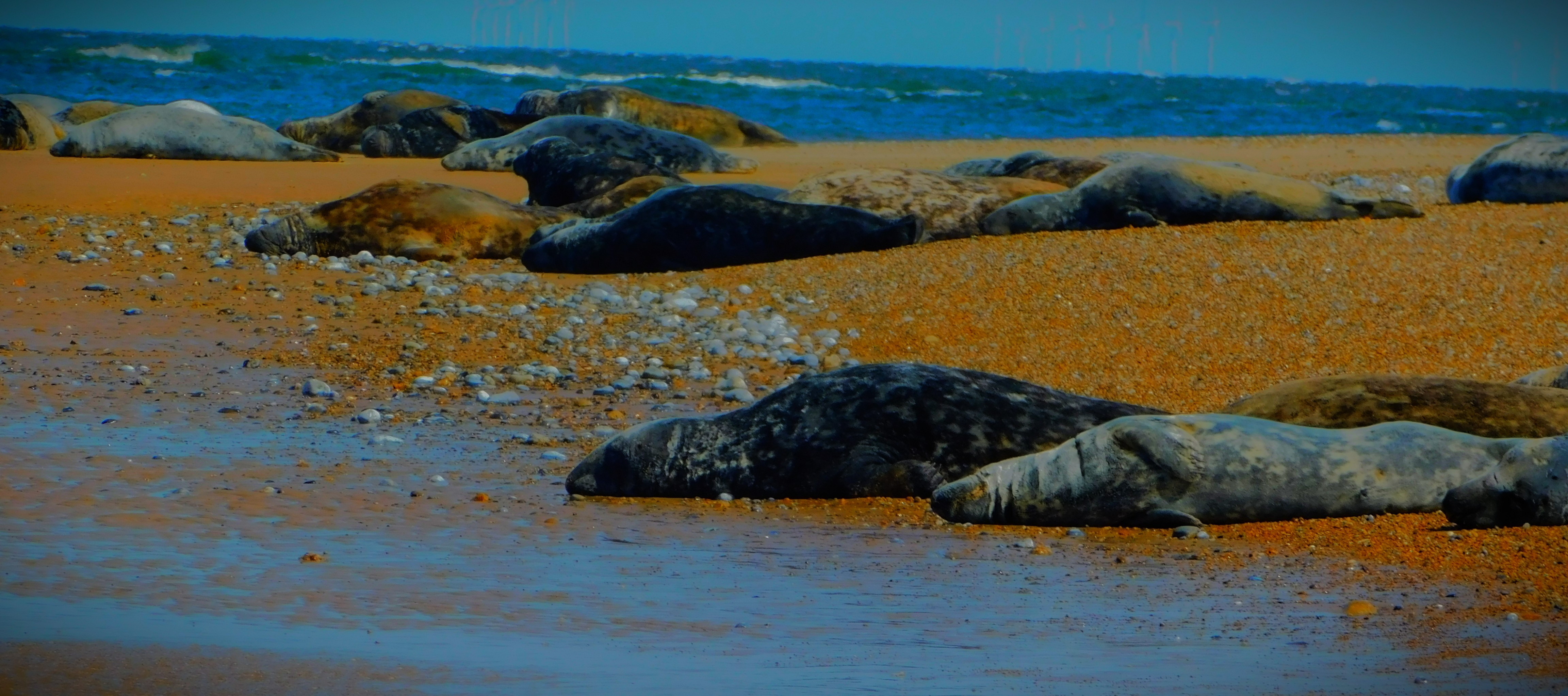
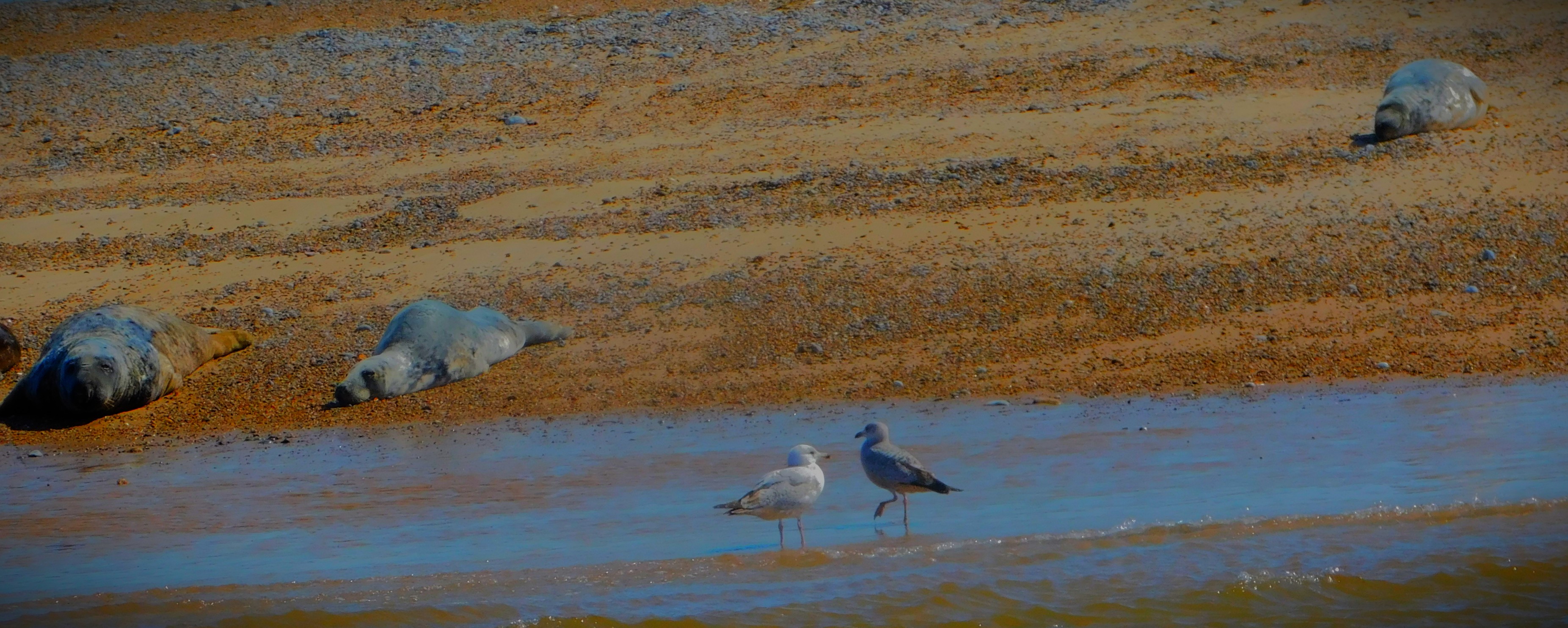
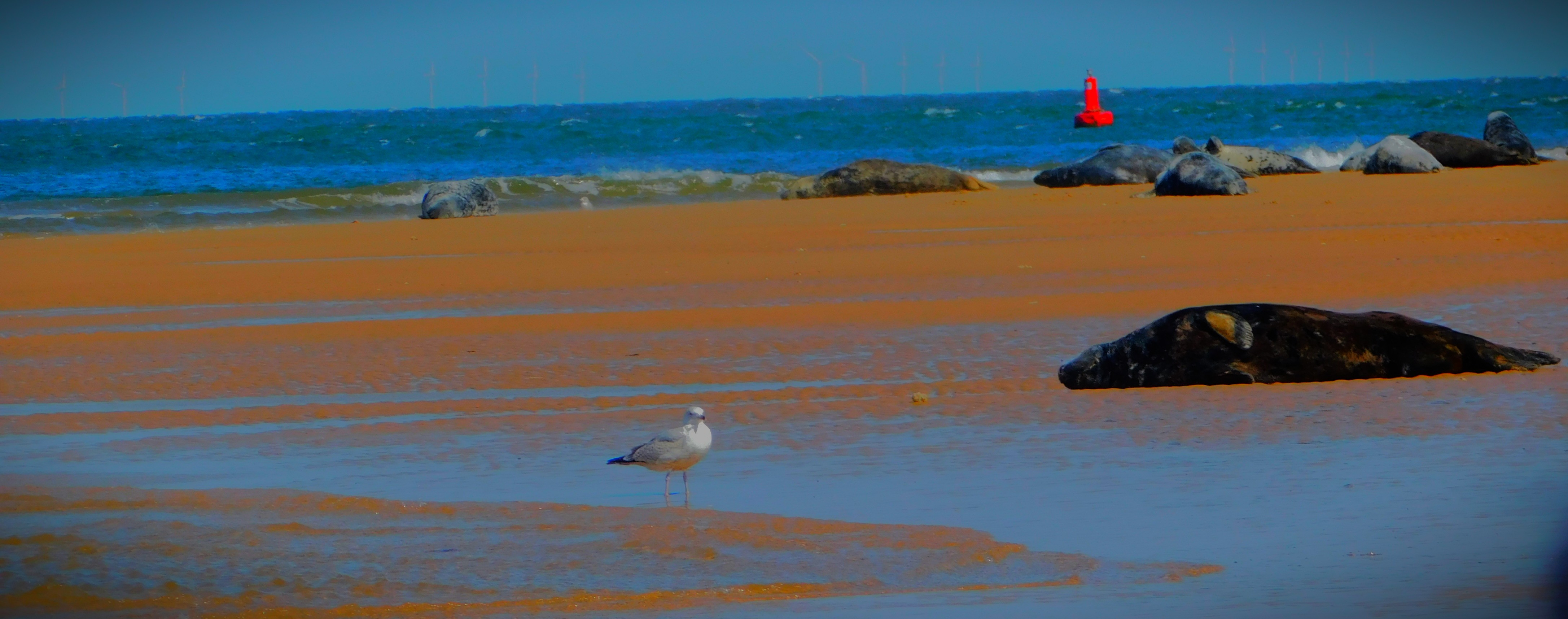
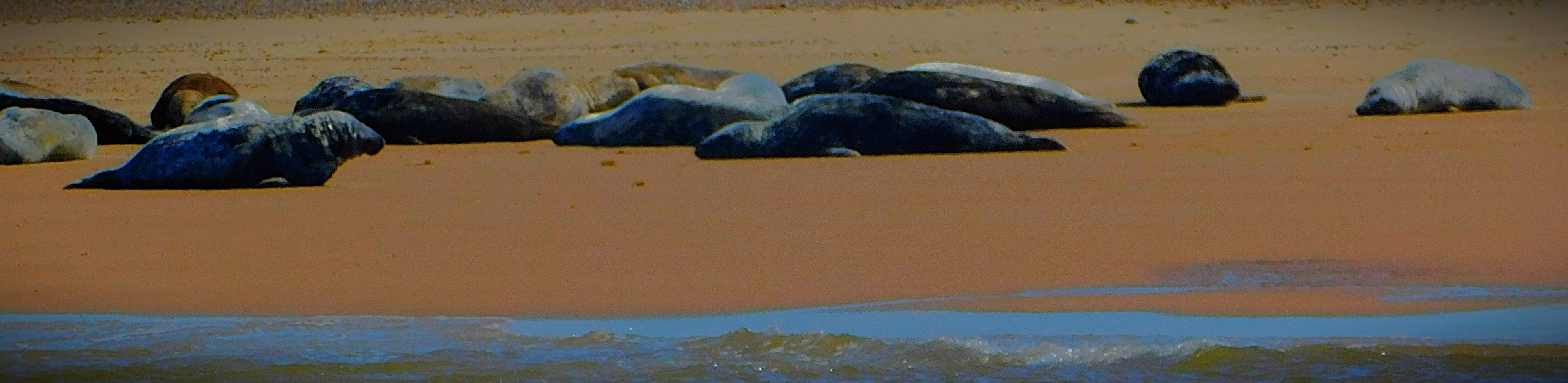
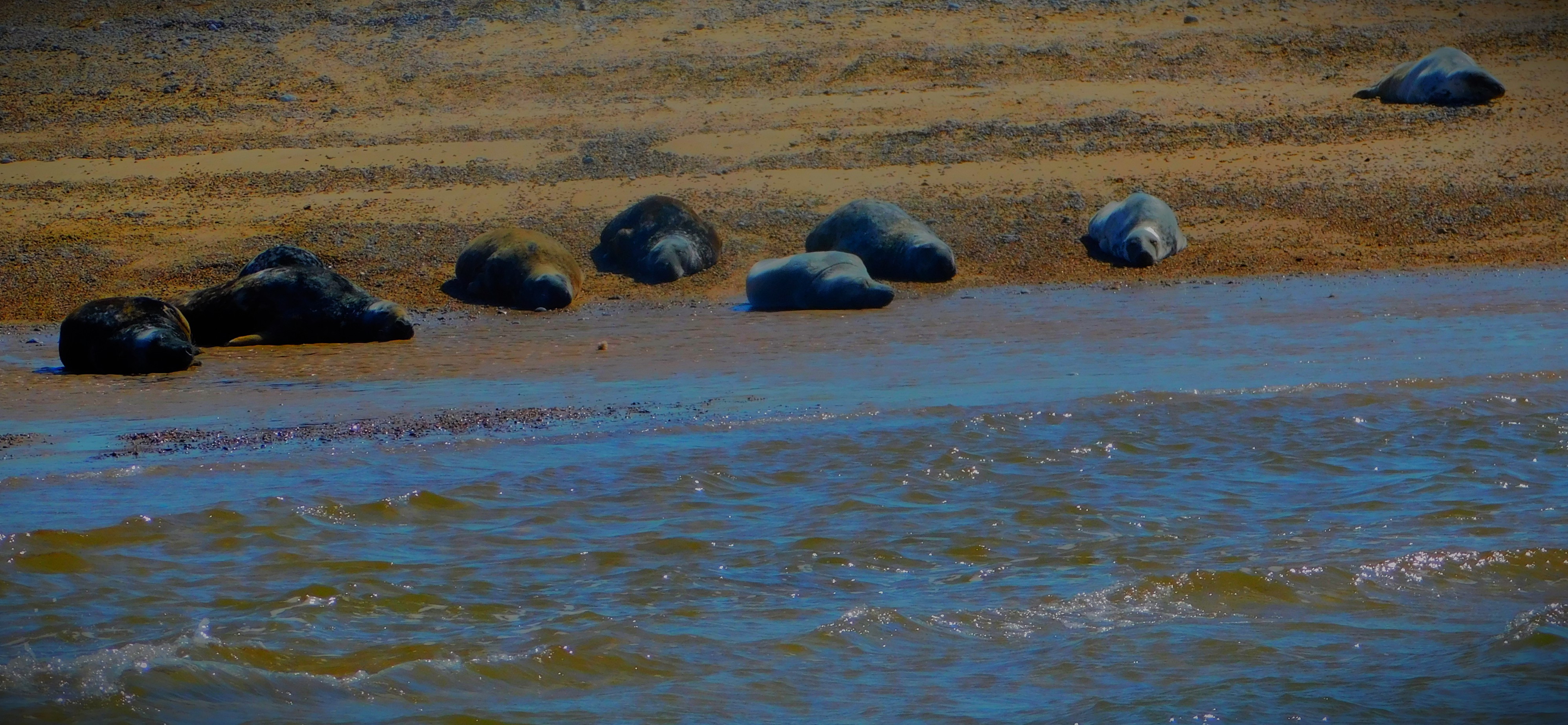
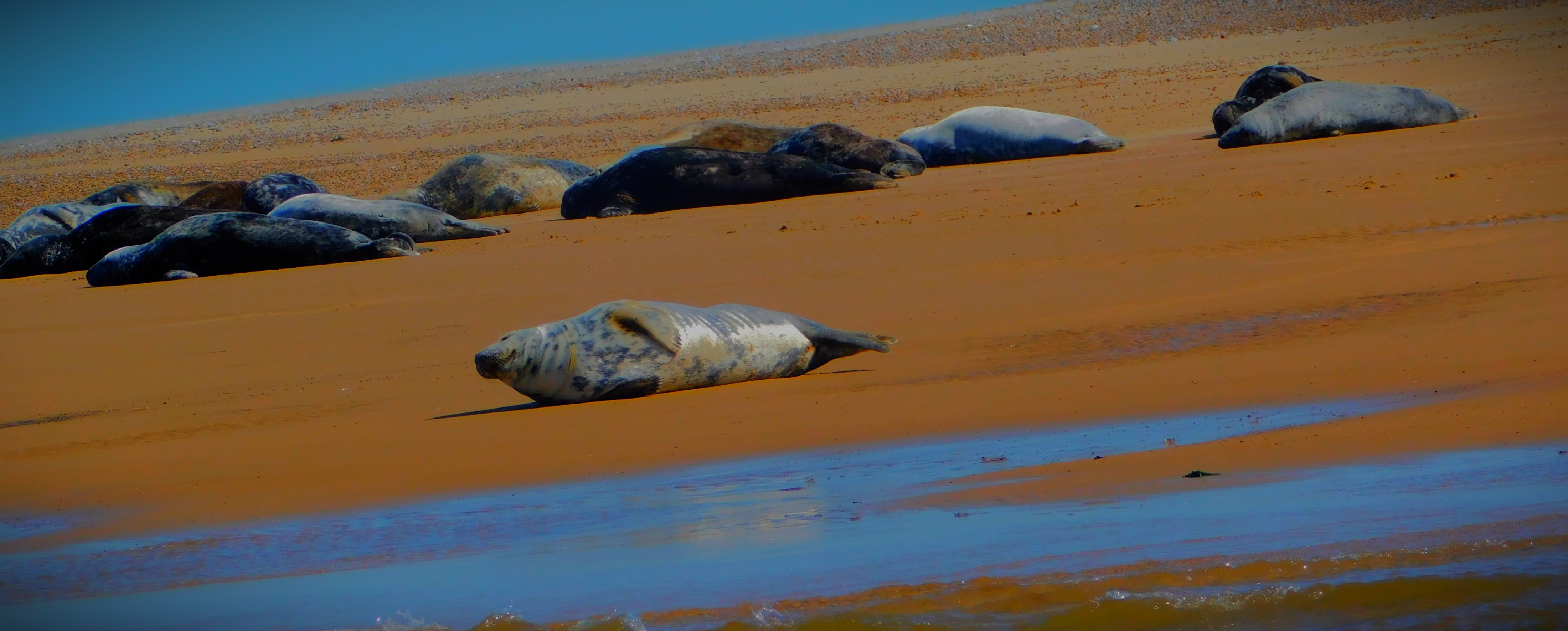
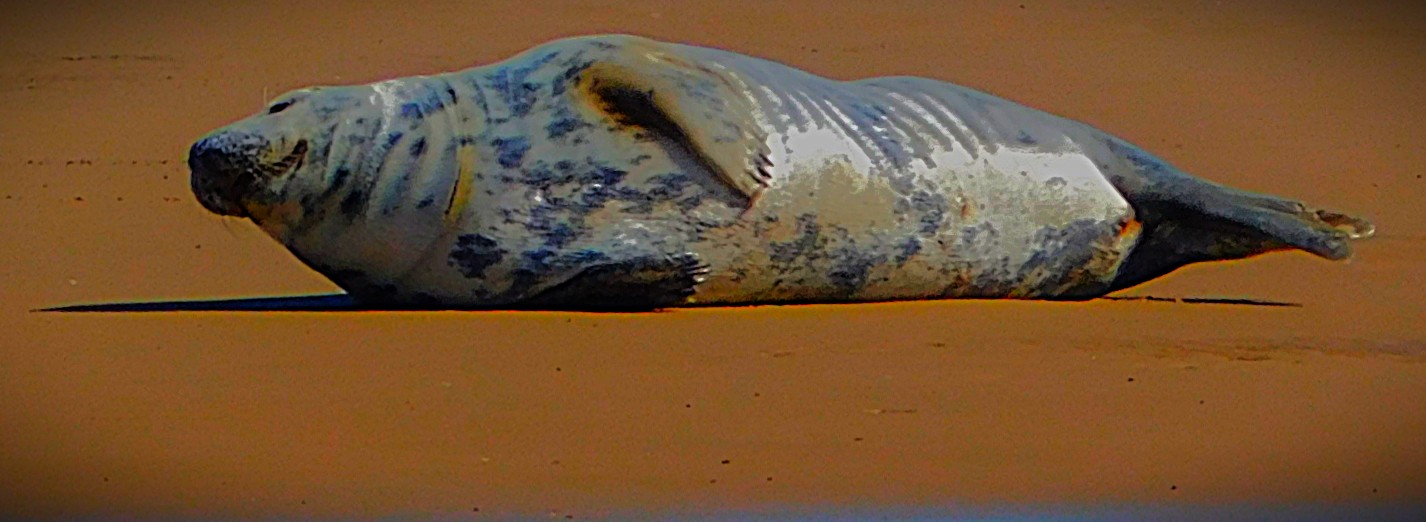
A look back at a trip I took with my parents yesterday to see the seals at Blakeney Point. This post has a huge photo gallery.
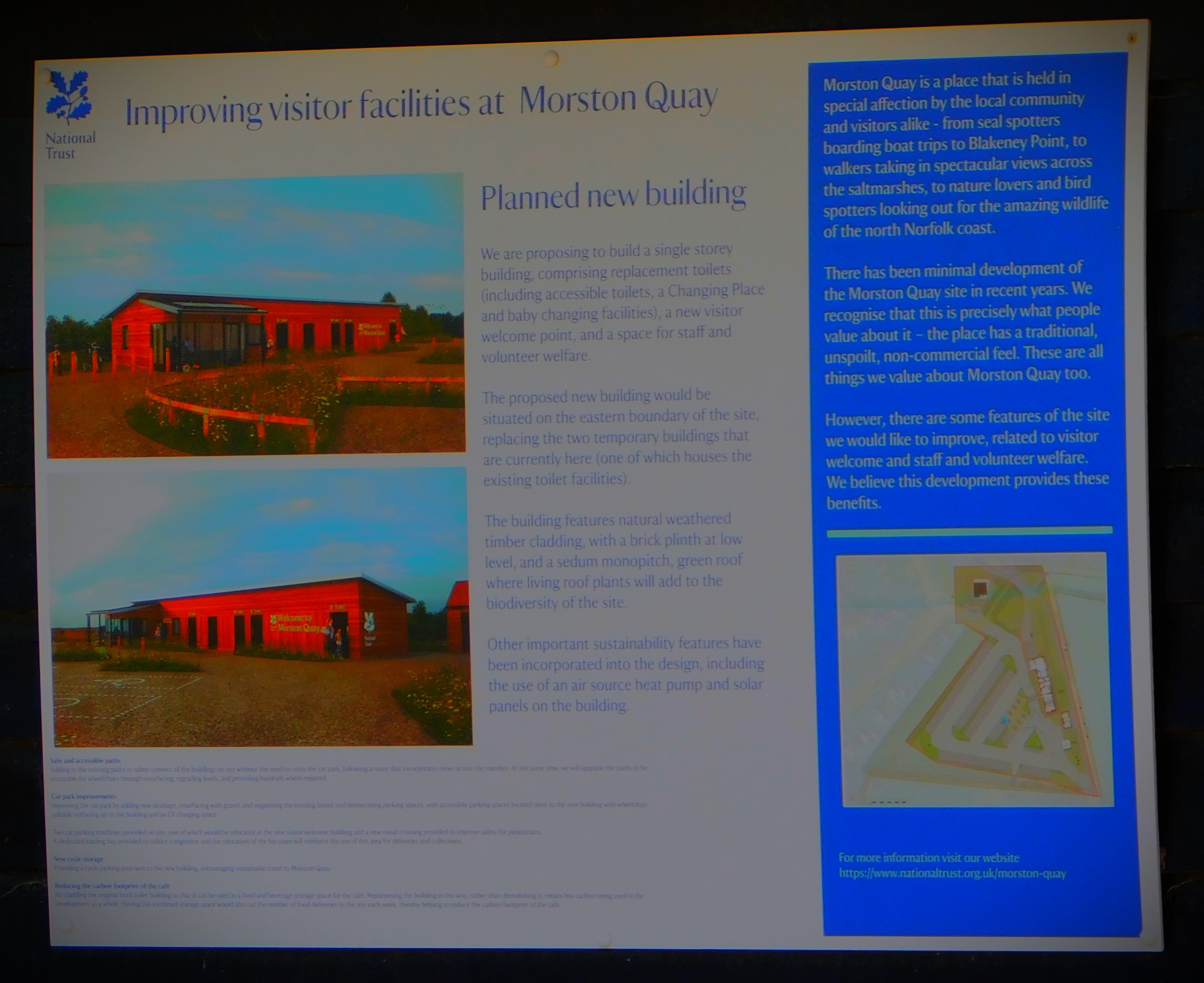
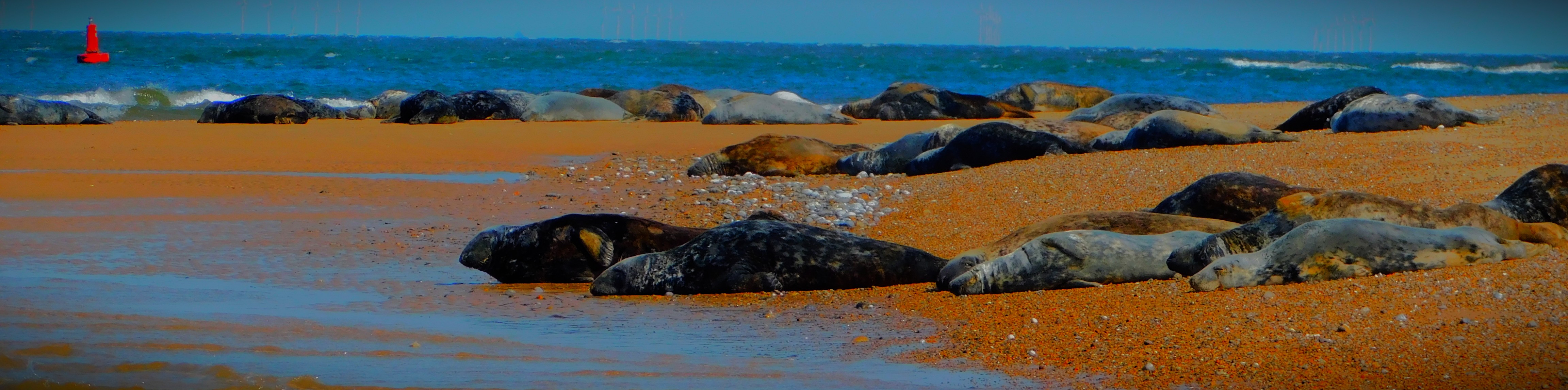
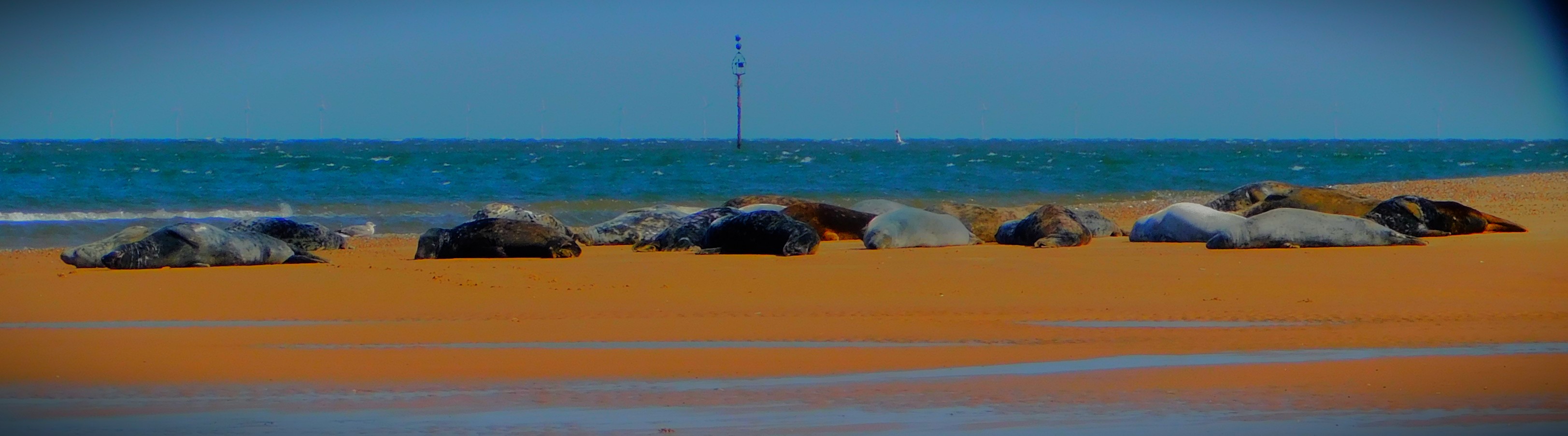
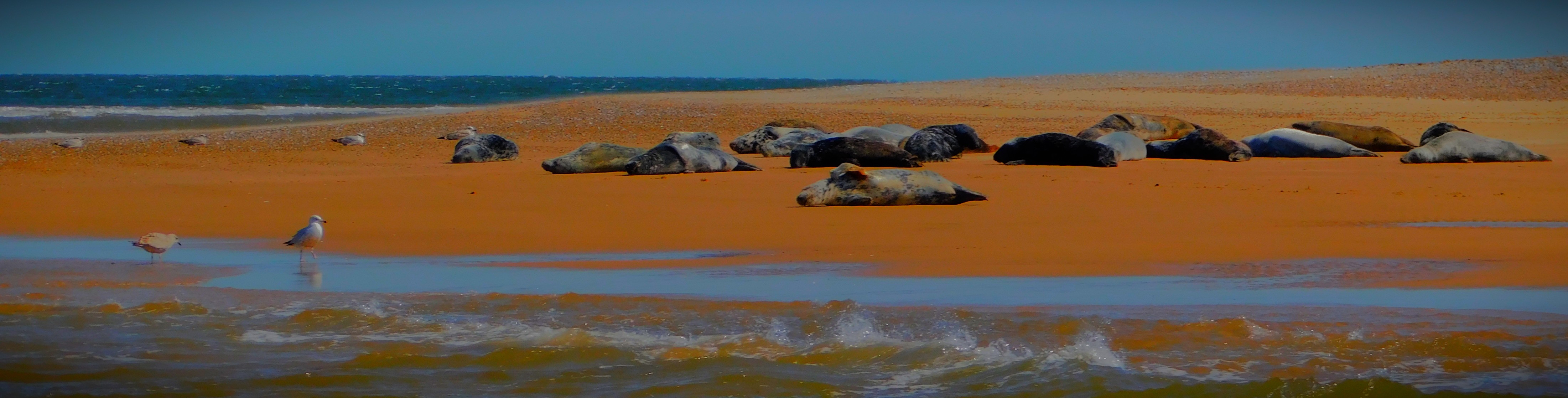
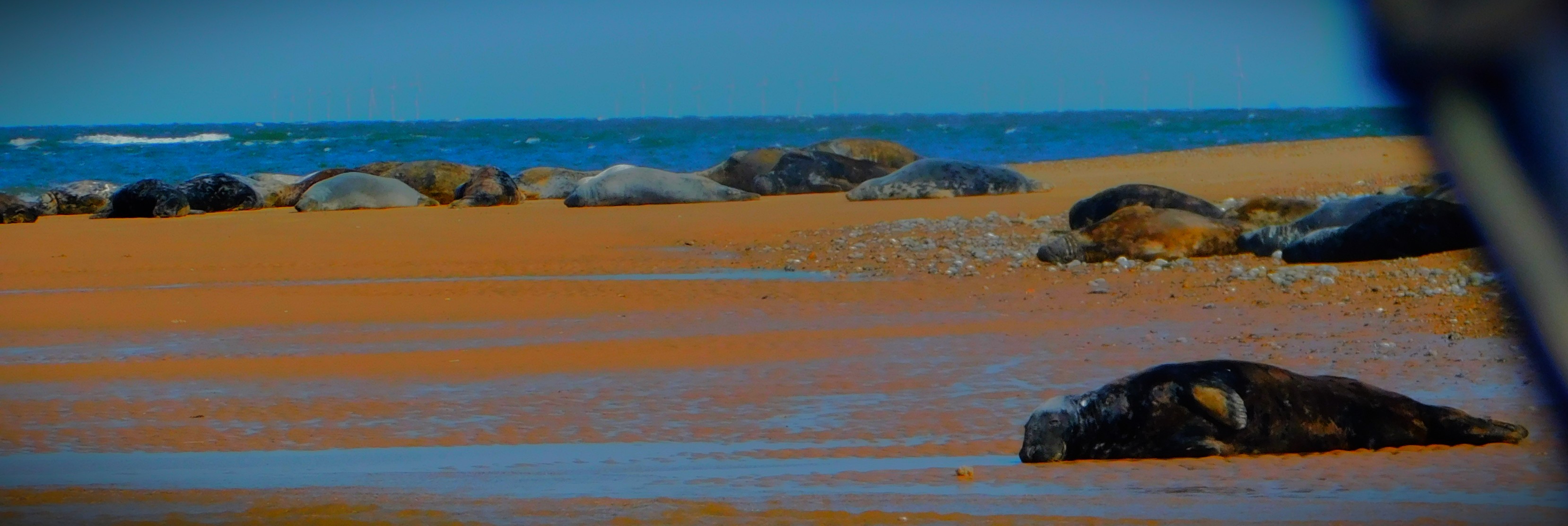
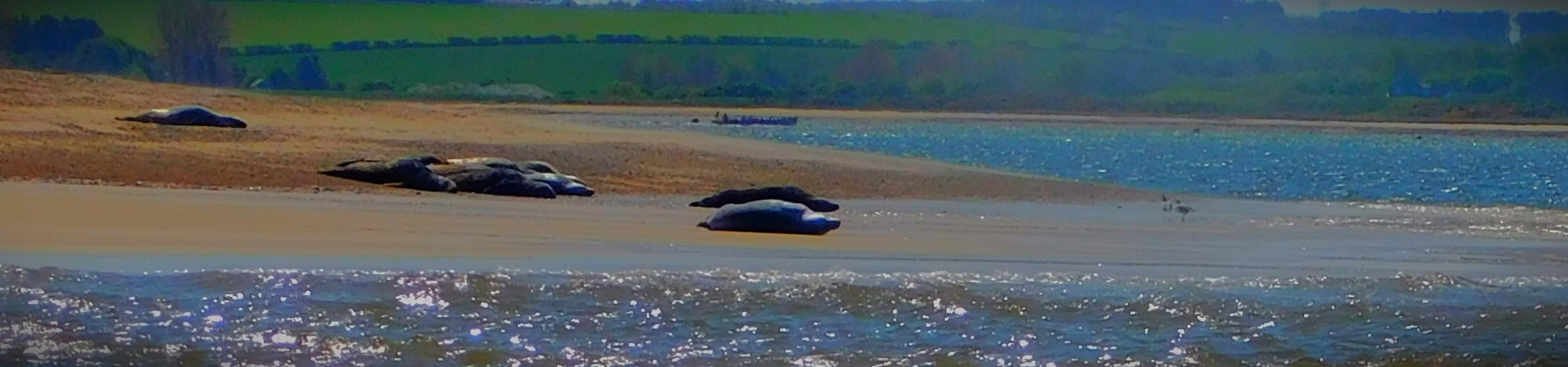
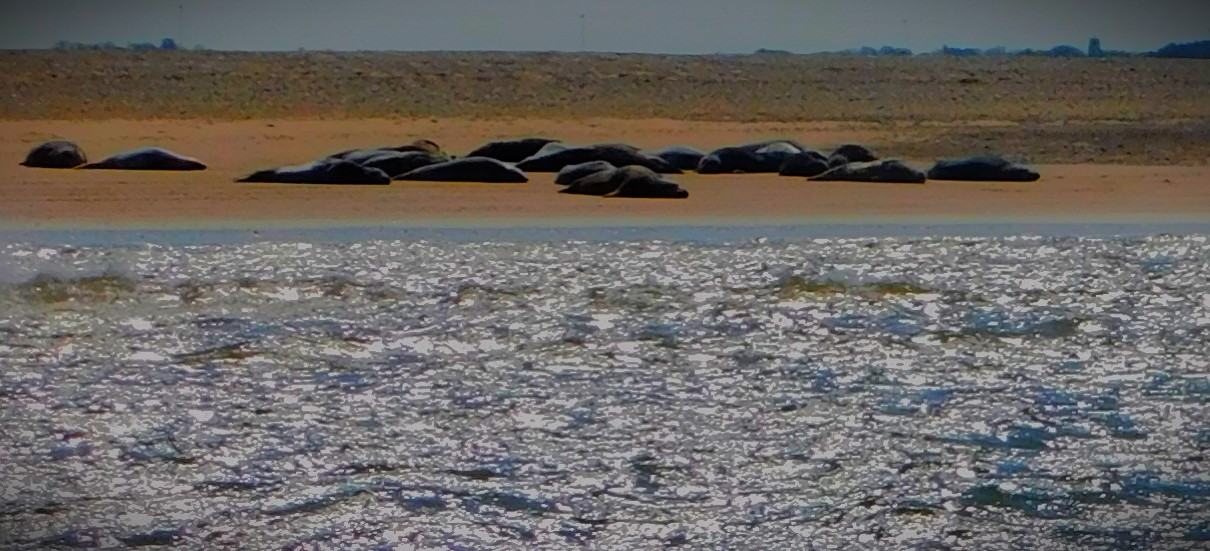
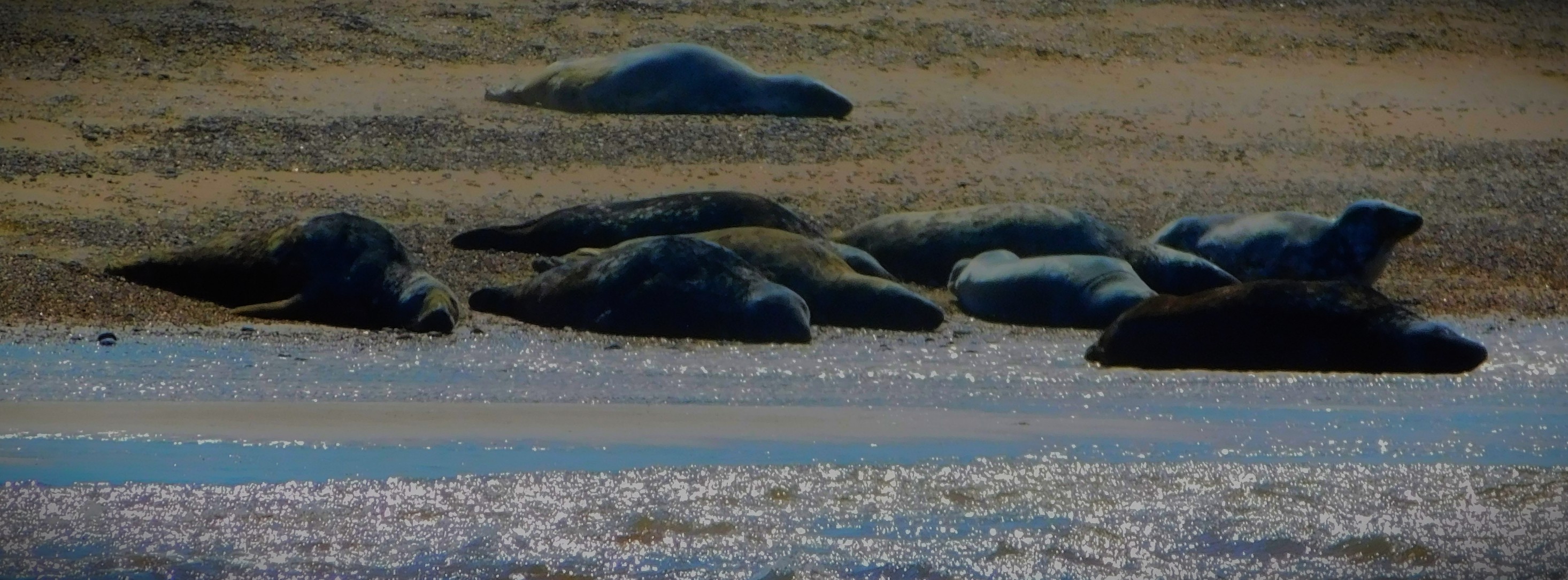
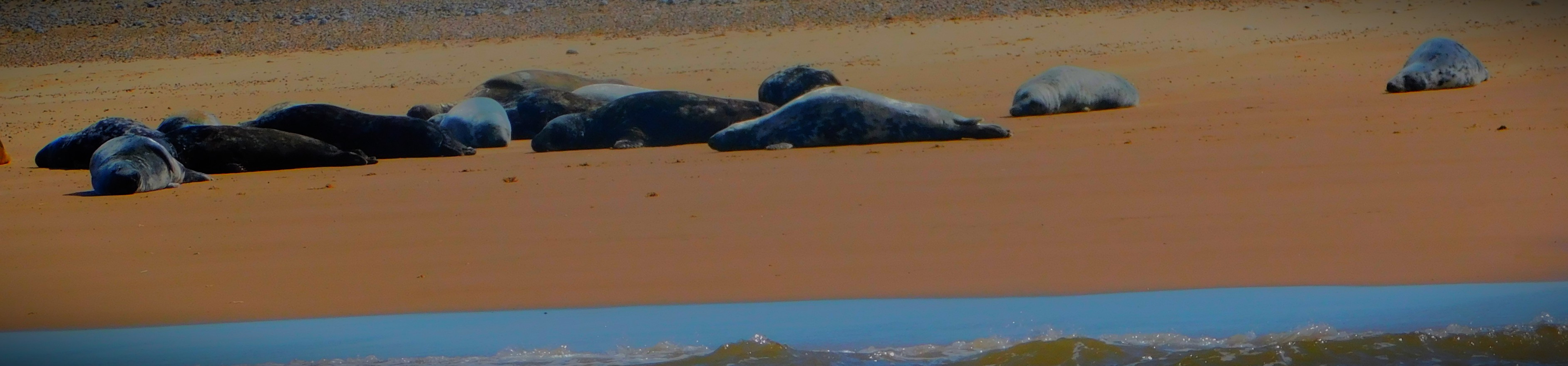
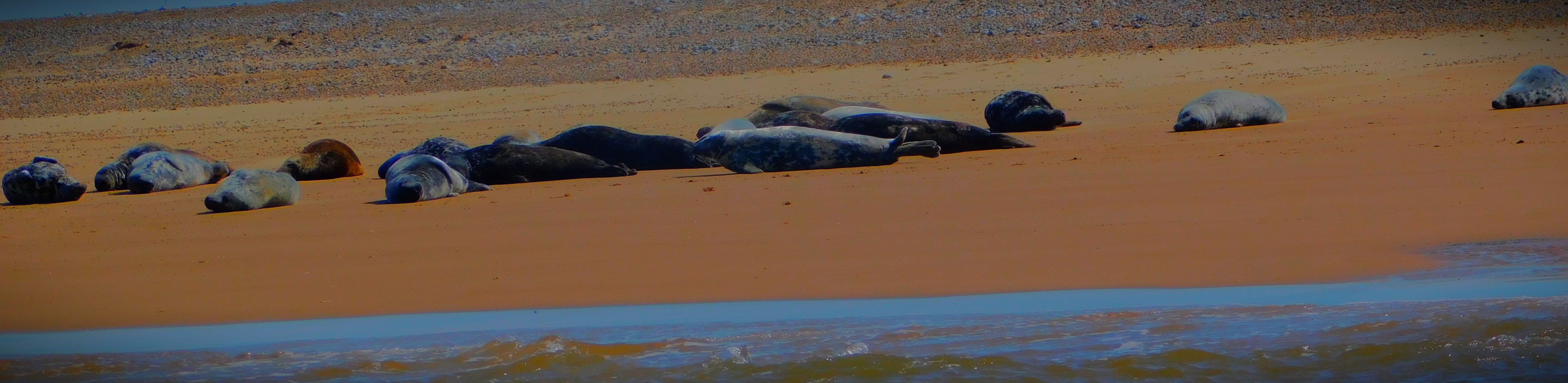
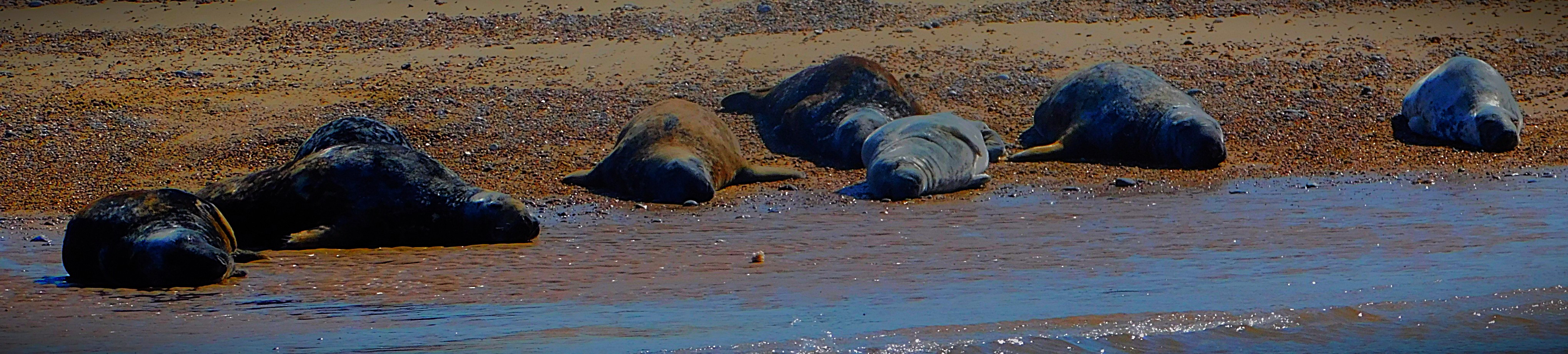
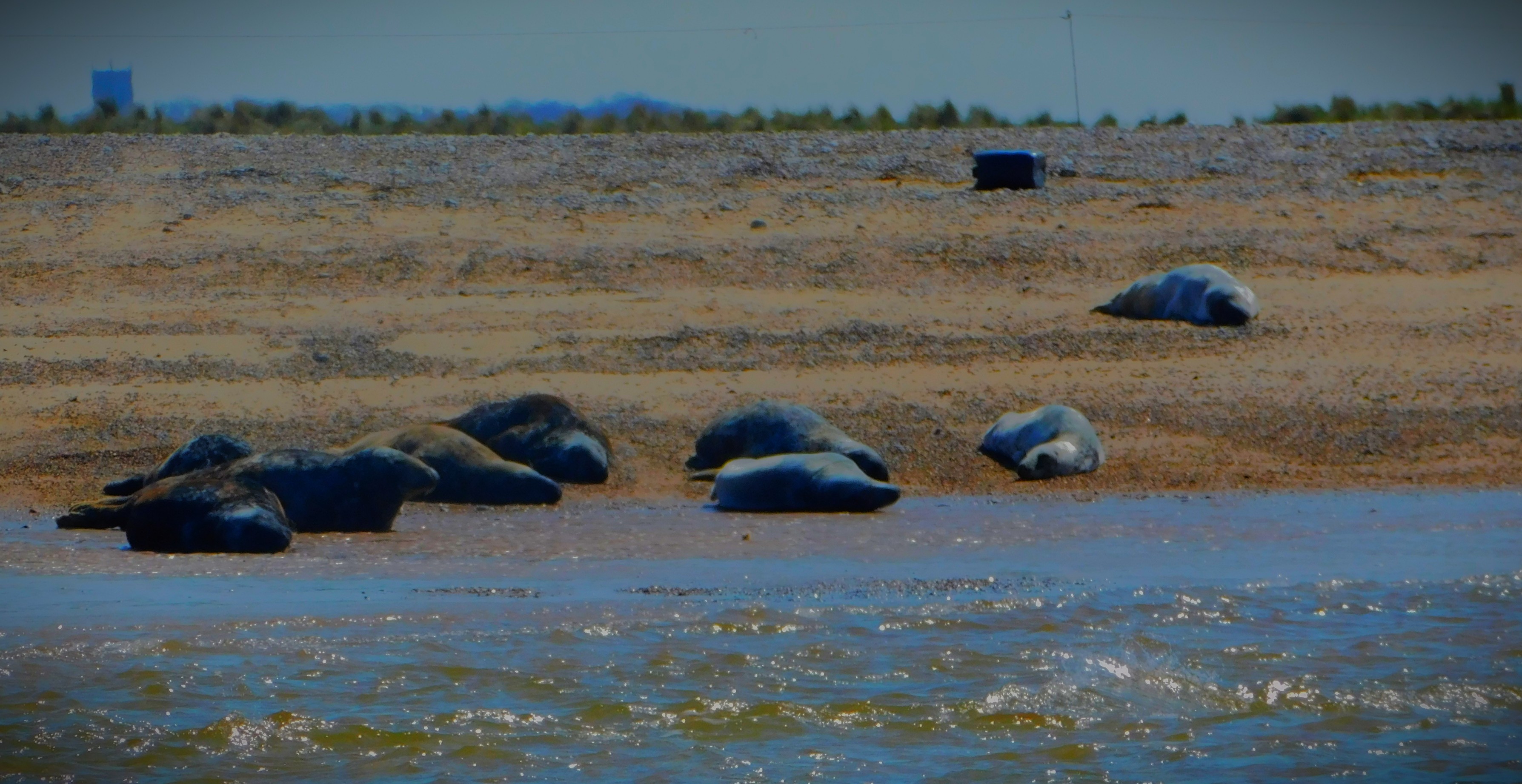
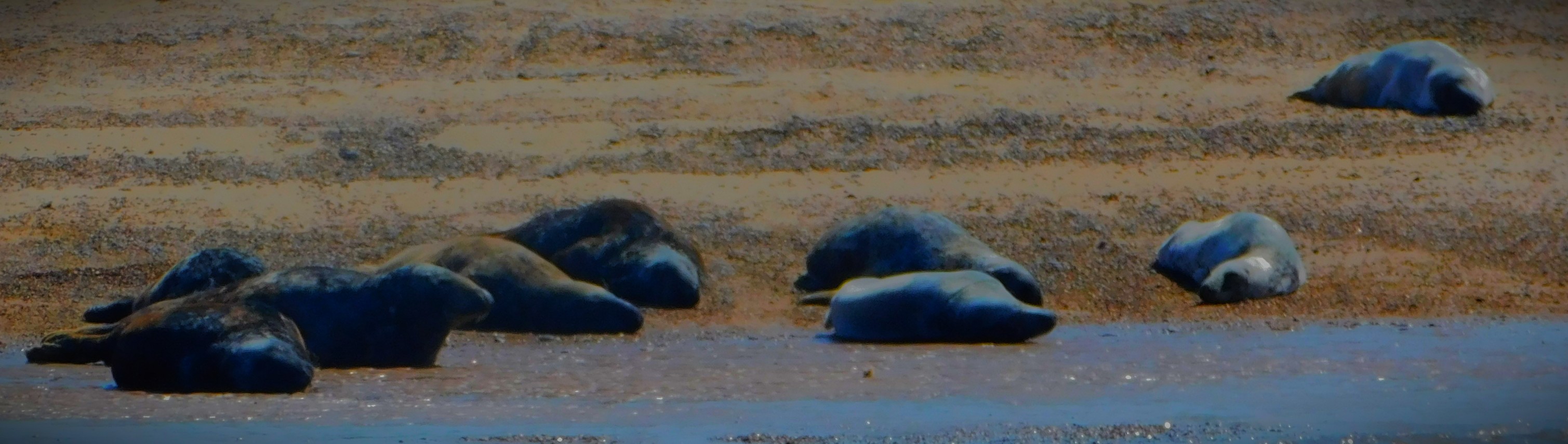
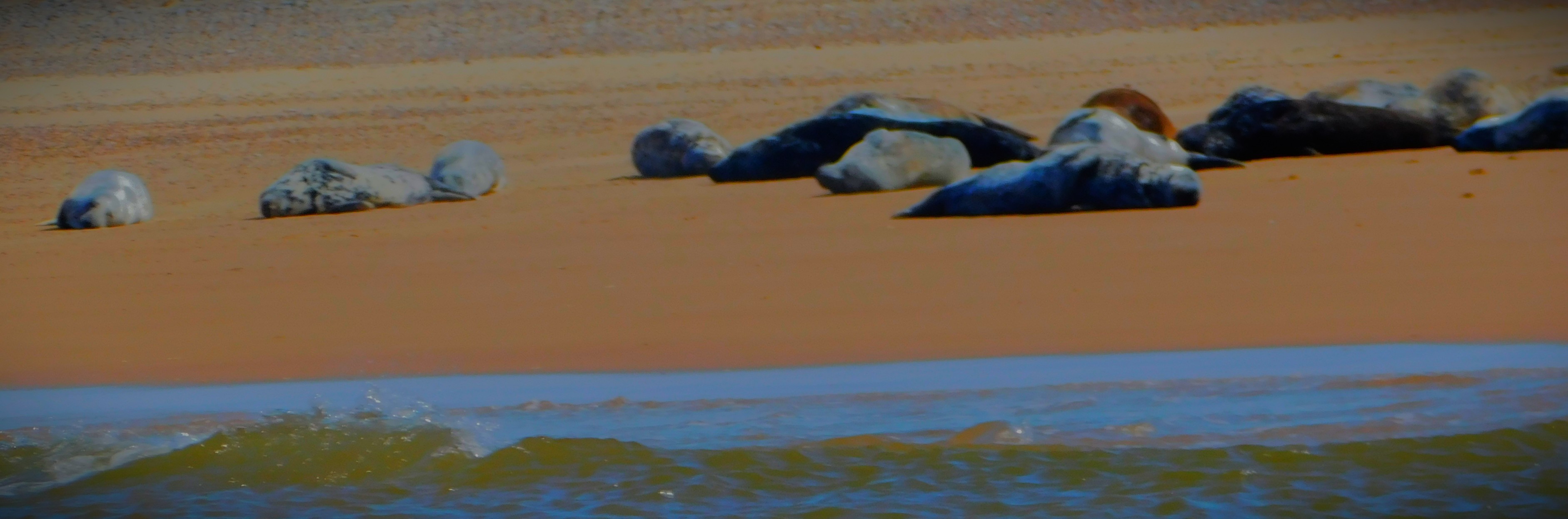
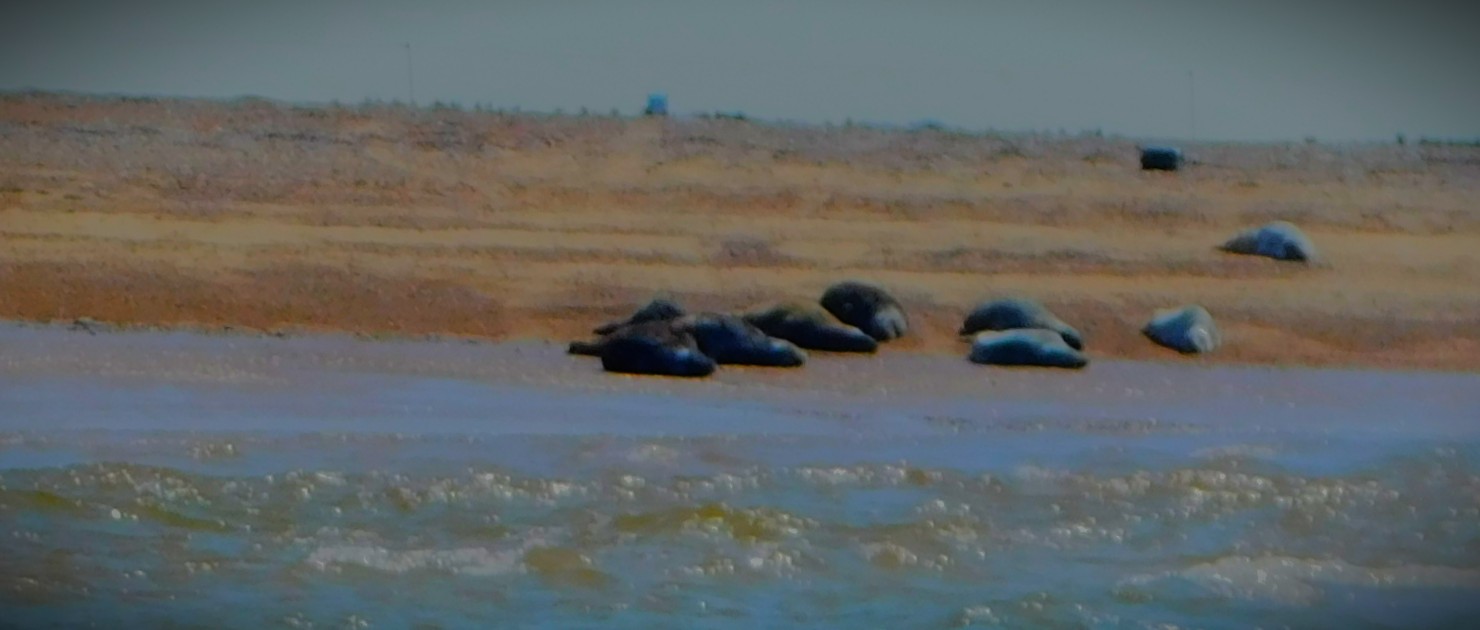
My parents are in Norfolk at the moment, and yesterday we went out to see the seals. This involves catching a boat from Morston Quay, and at this time of year where the pups are still quite young no disembarkation is allowed at Blakeney Point where the seals congregate. Morston Quay is not accessible to a non-driver, so this is an activity that I could only participate in with the assistance of someone who drives. This post is largely to share the very large photo gallery that the trip yielded.
THE DAY IN DETAIL
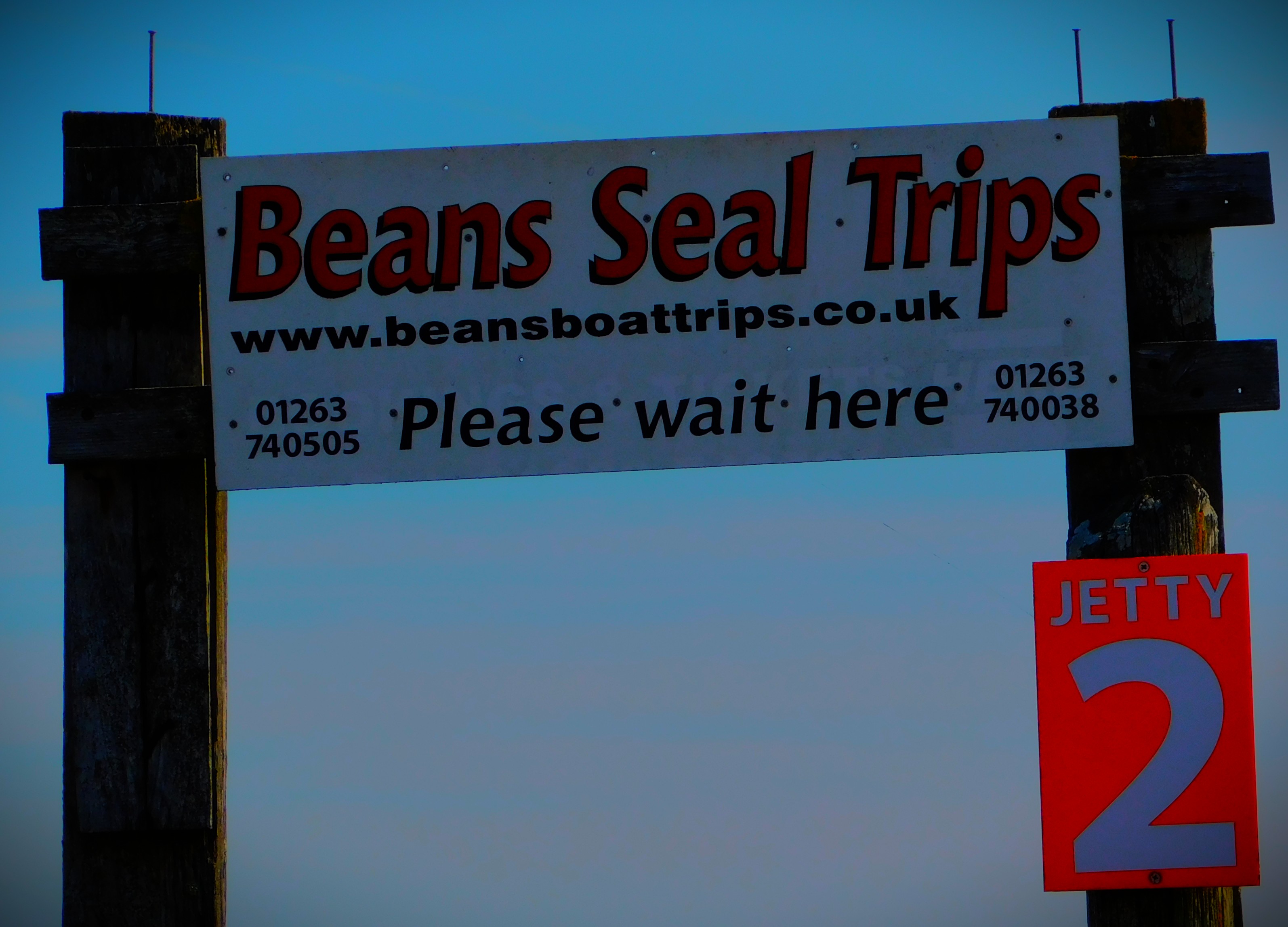
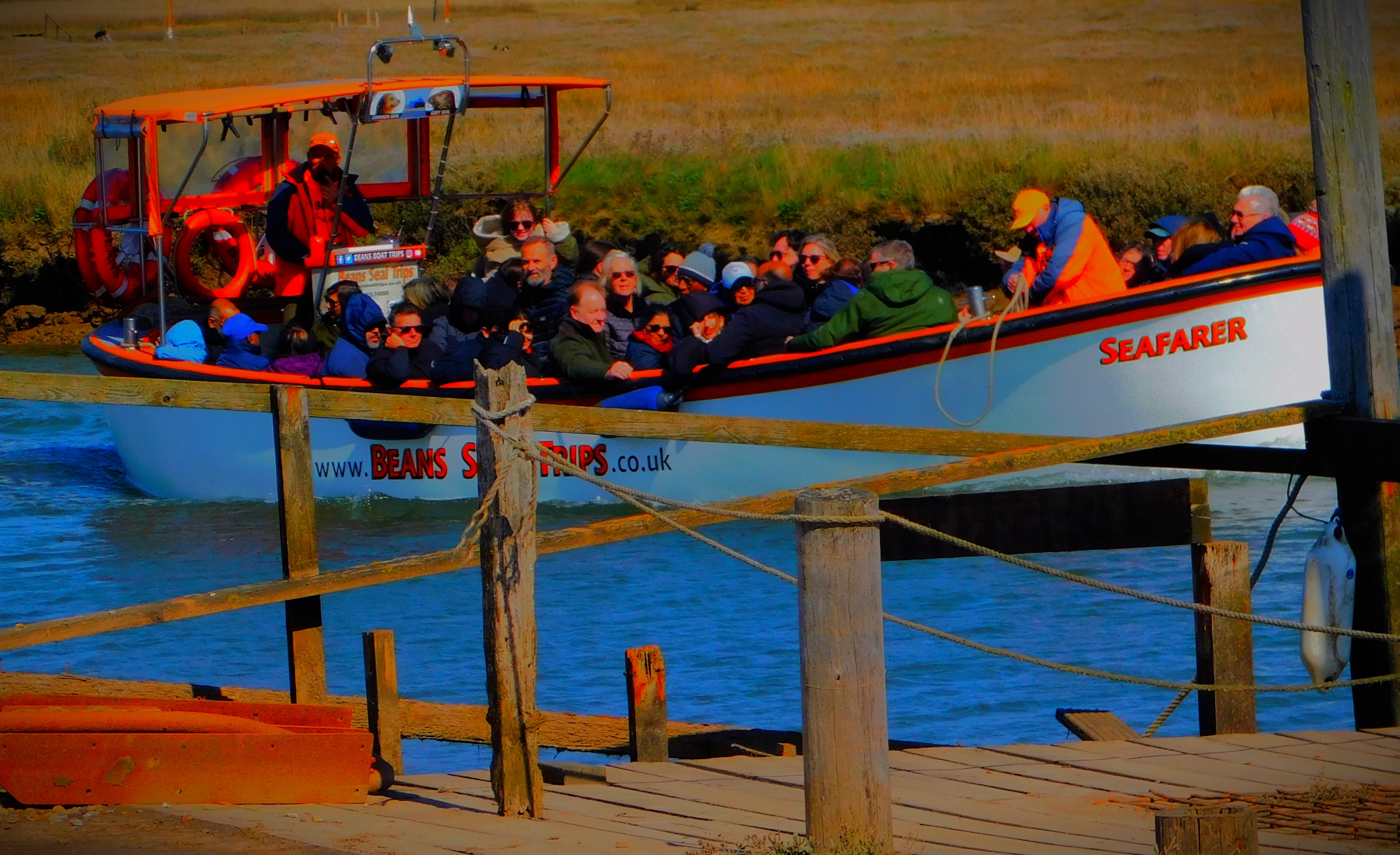
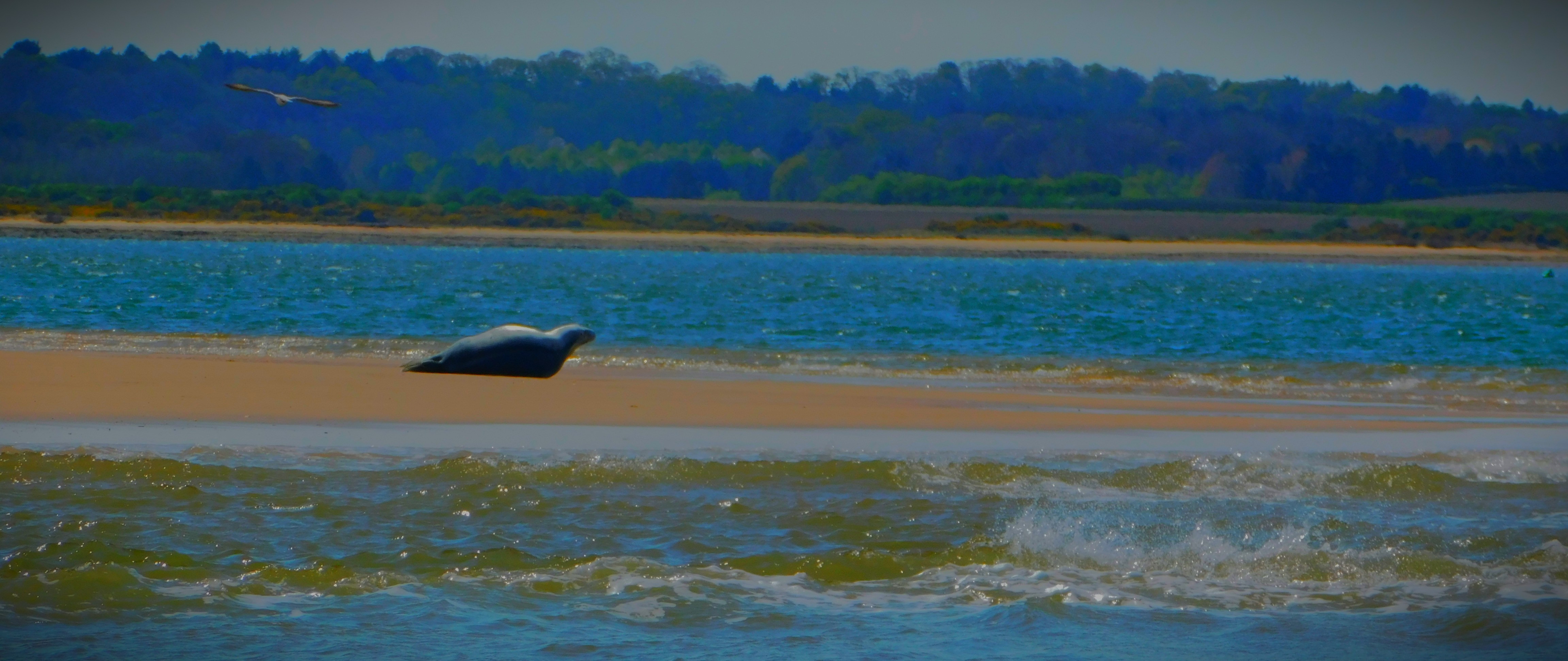
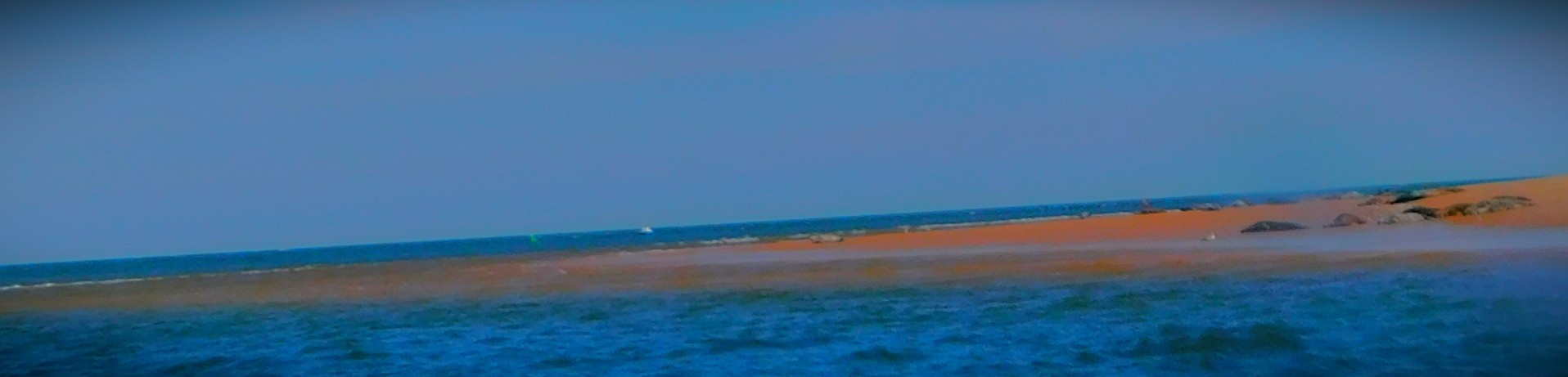
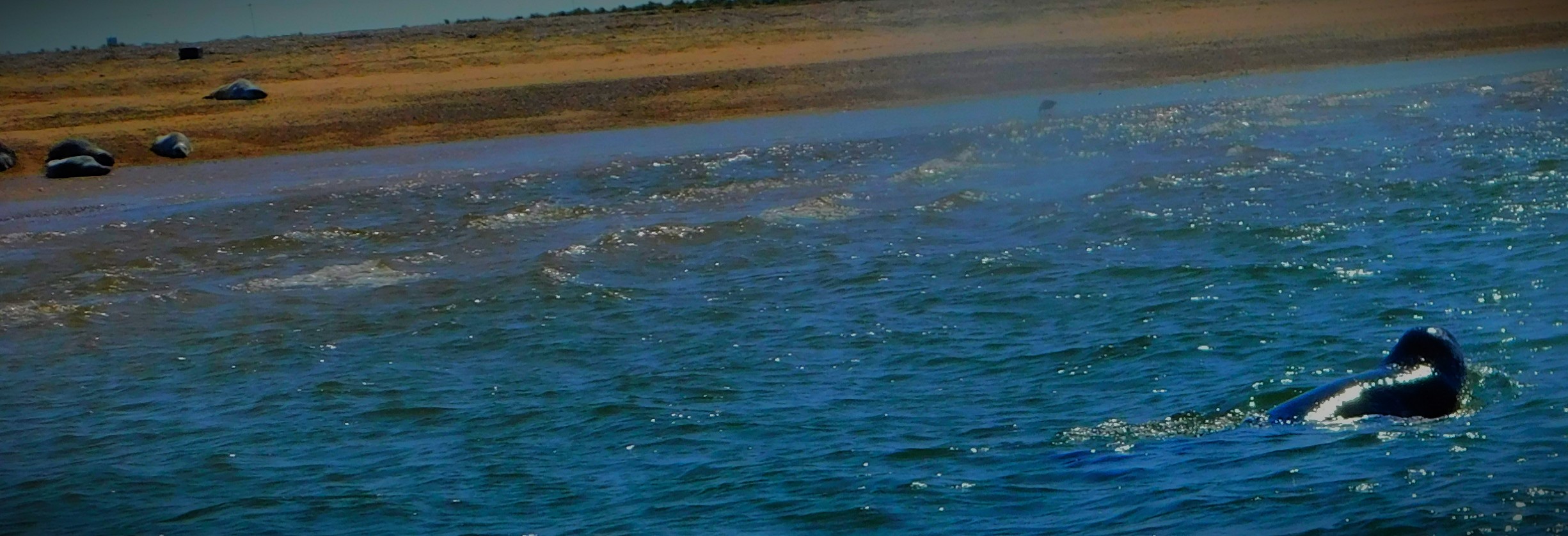
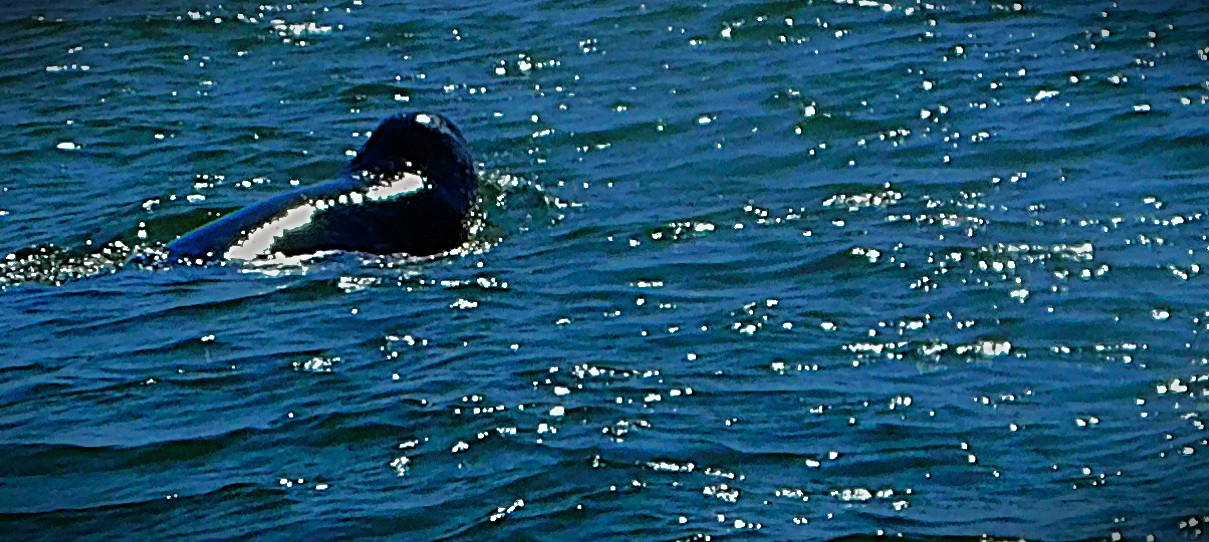
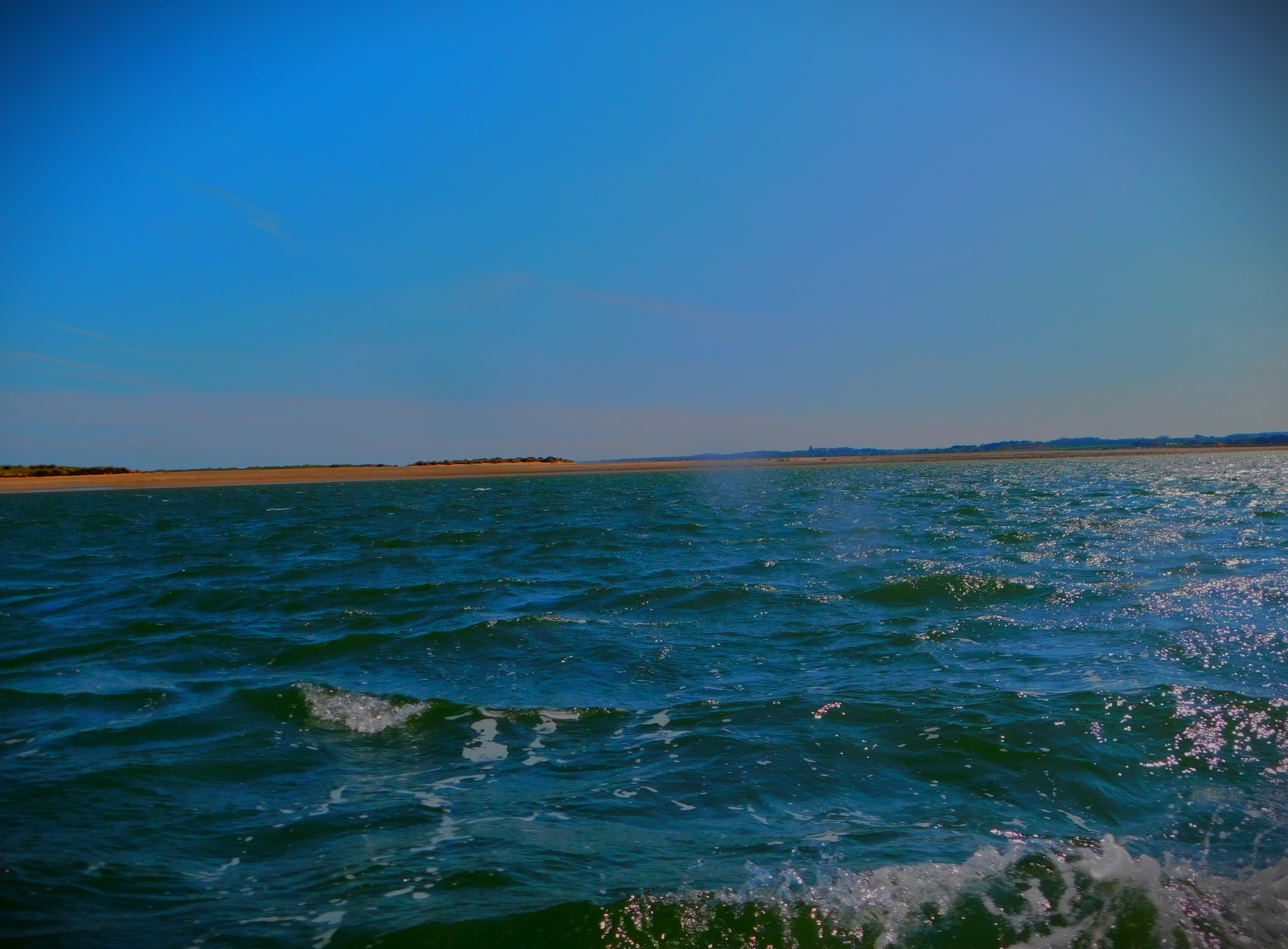
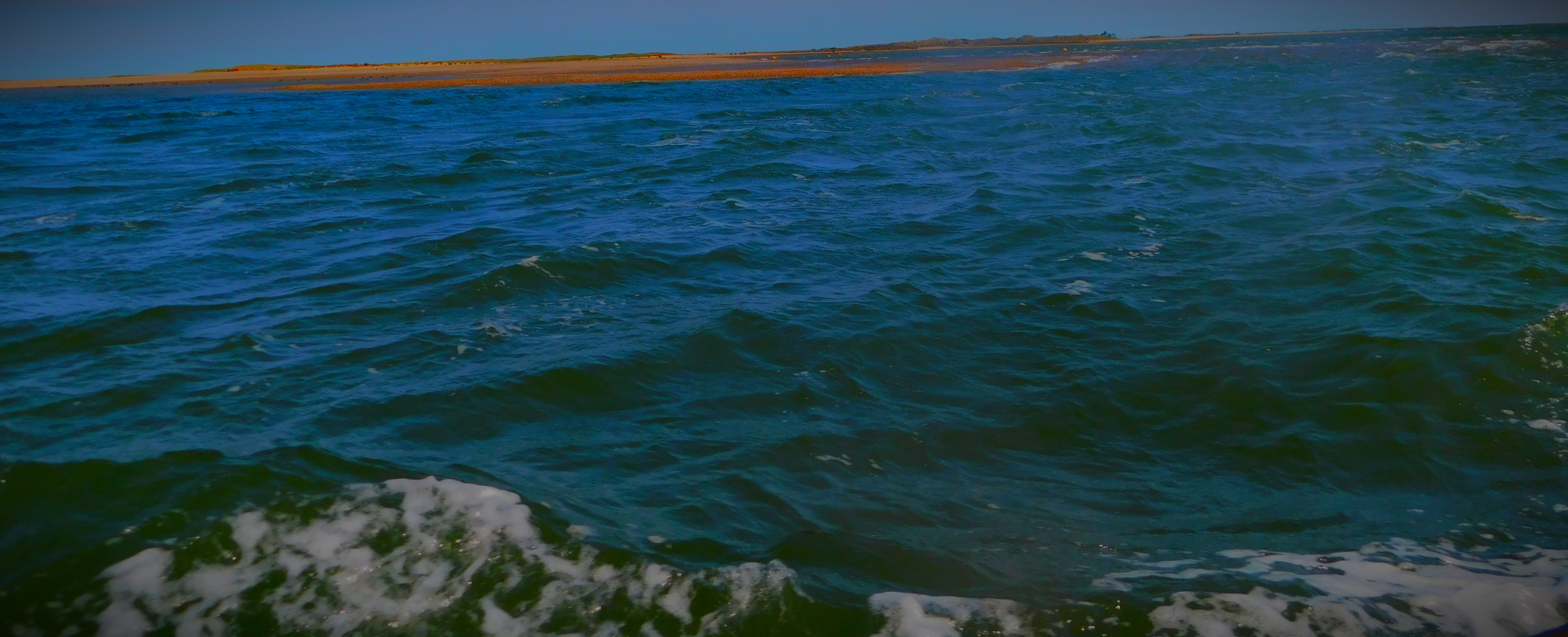
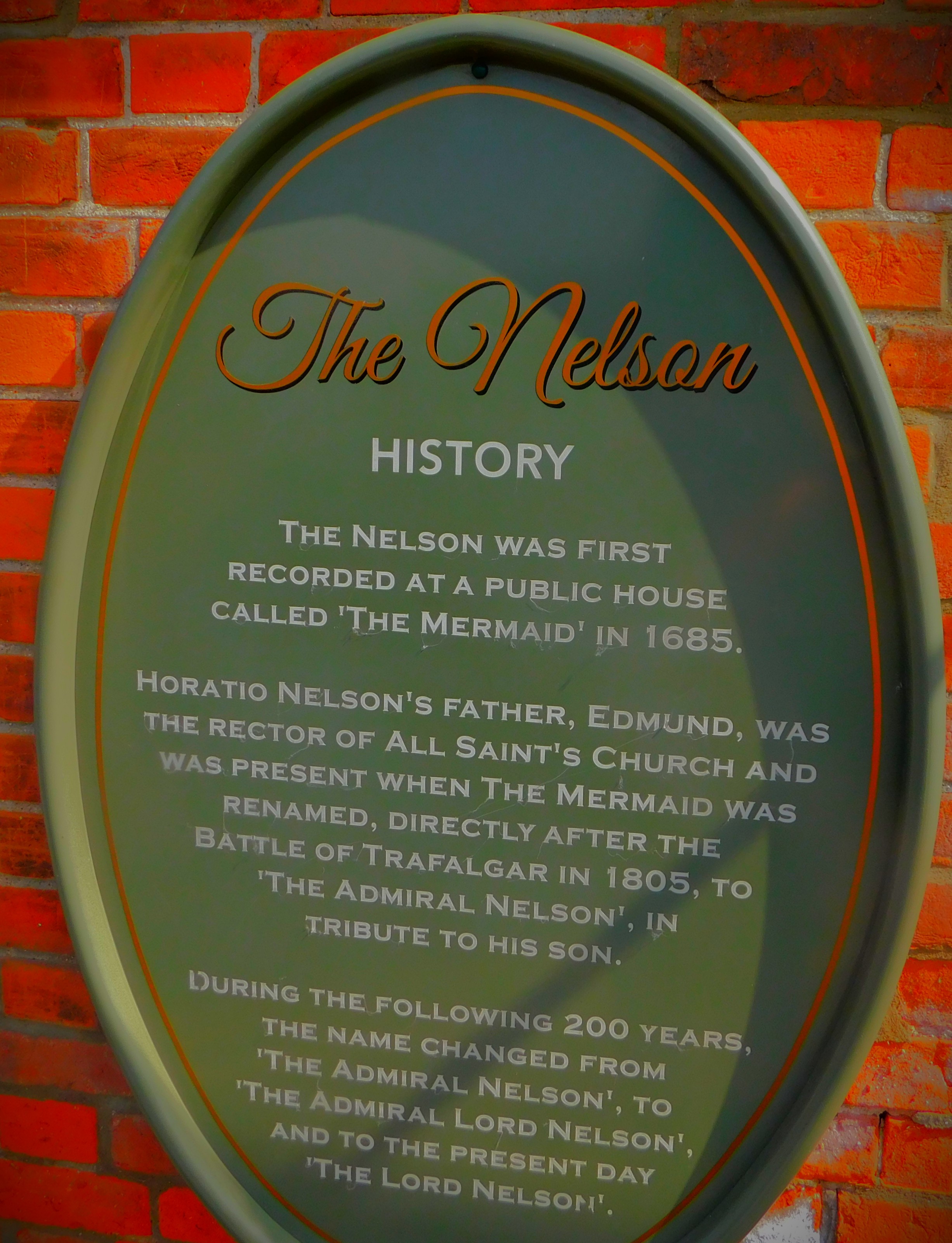
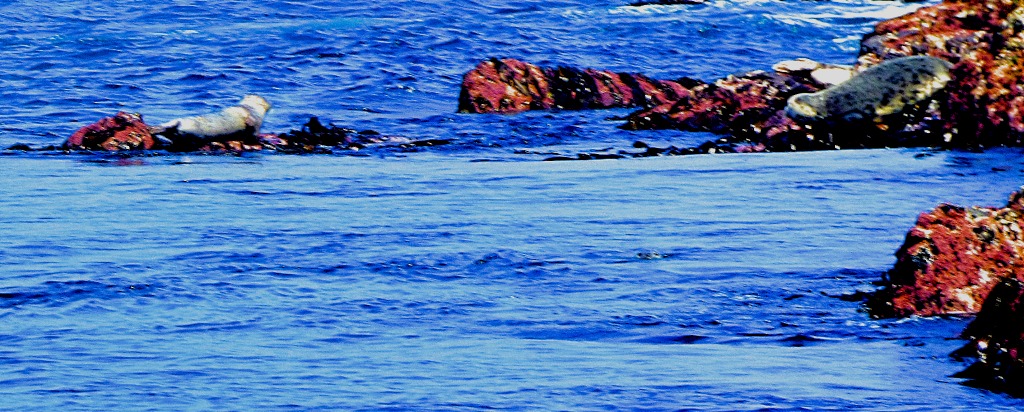
First thing in the morning it was cloudy in King’s Lynn, but there never felt like being a threat of rain and in the course of the car journey to Morston Quay the clouds completely dissipated so we arrived at our destination. The breeze was sufficient to require a jumper to be worn, though there was enough heat in the sun that it was fairly clear that absent the breeze the jumper could have been discarded. The boat trip, in our case with Beans Boats, involved going out to the landward side of Blakeney Point (although a stout craft, and equipped with all the necessary safety devices the boat was not suitable for going into the open sea beyond Blakeney Point), making several passes alongside the area where the seals were congregating (there were also a few seals out in the water, as the gallery will show) and then returning. I think everyone got splashed with sea water during the journey. We had originally hoped to have lunch at a pub called The Hero, but that establishment was absolutely packed out, so we looked elsewhere. In Burnham Market, just inland, and therefore not as busy as those places right on the coast, we found a place called The Nelson and had an excellent meal there. We then returned to King’s Lynn.
PHOTOGRAPHS
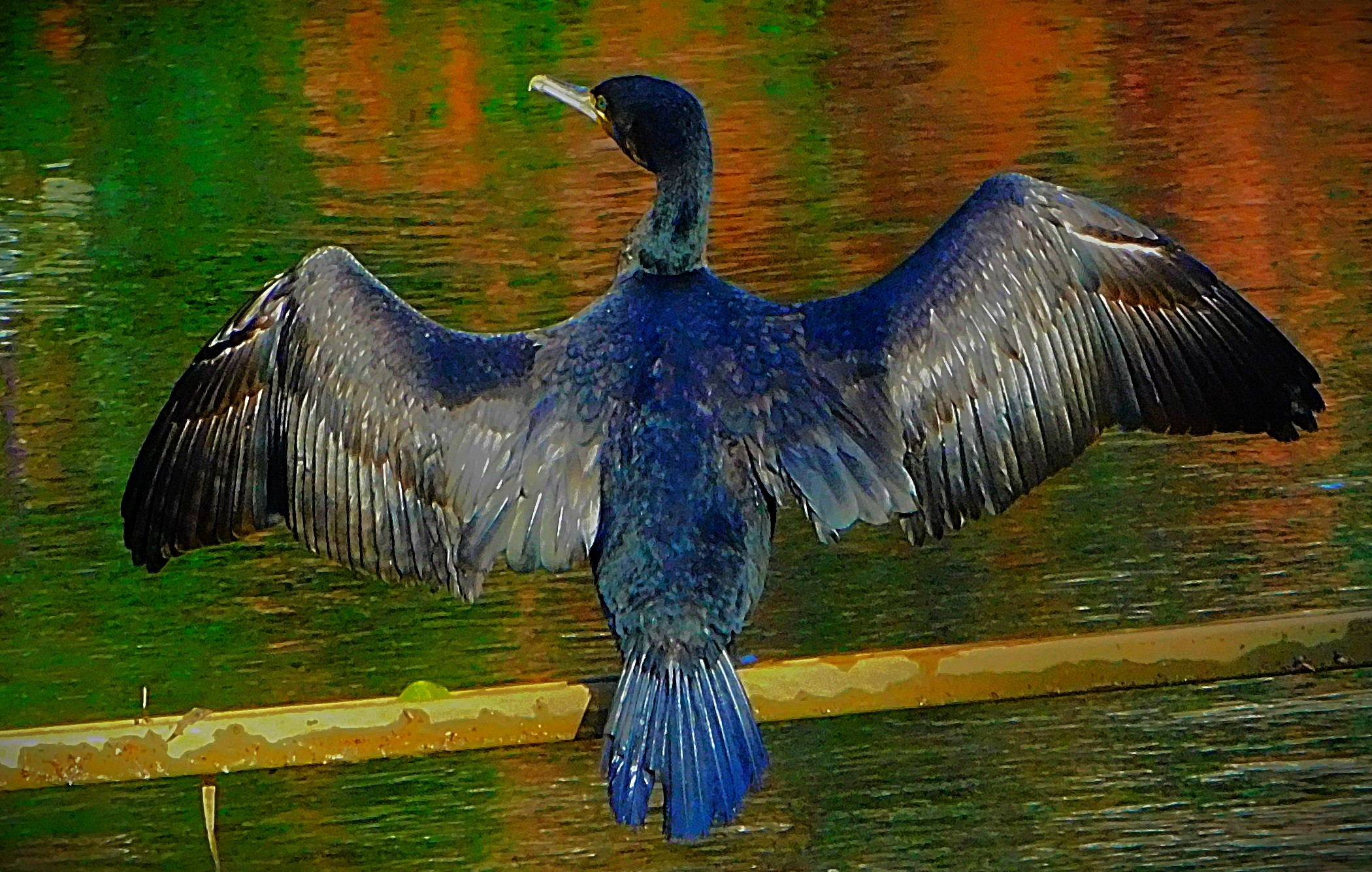
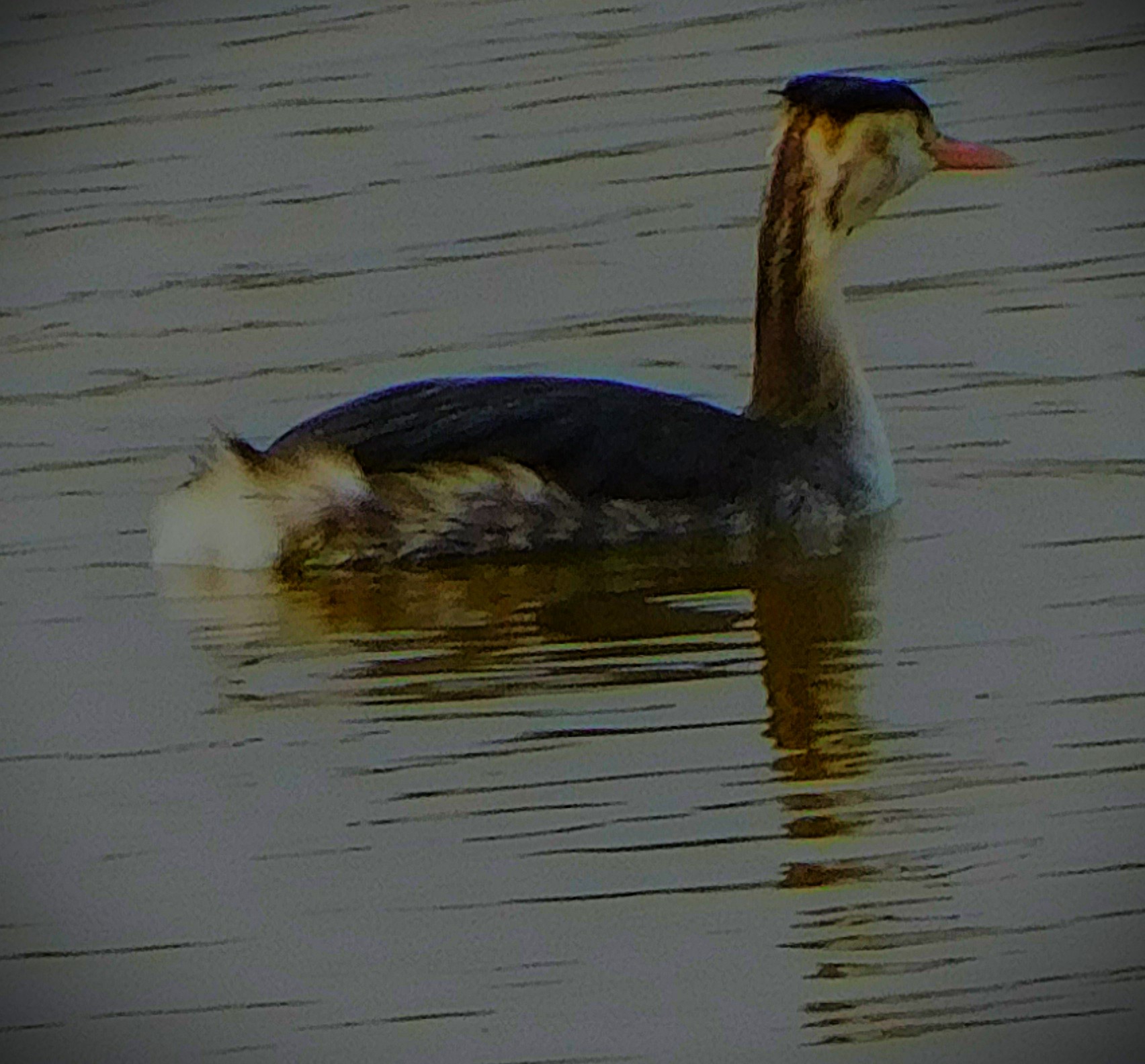
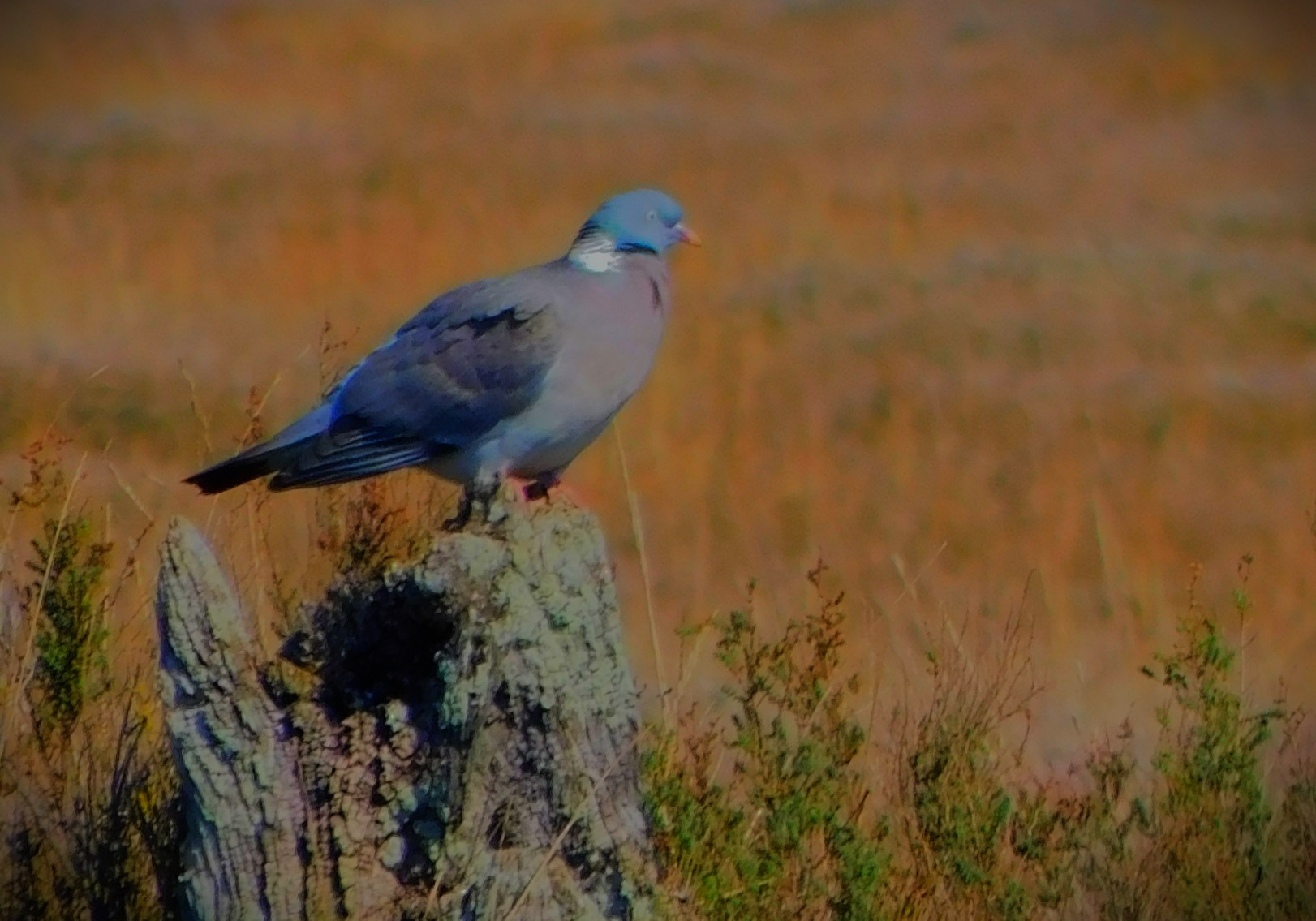
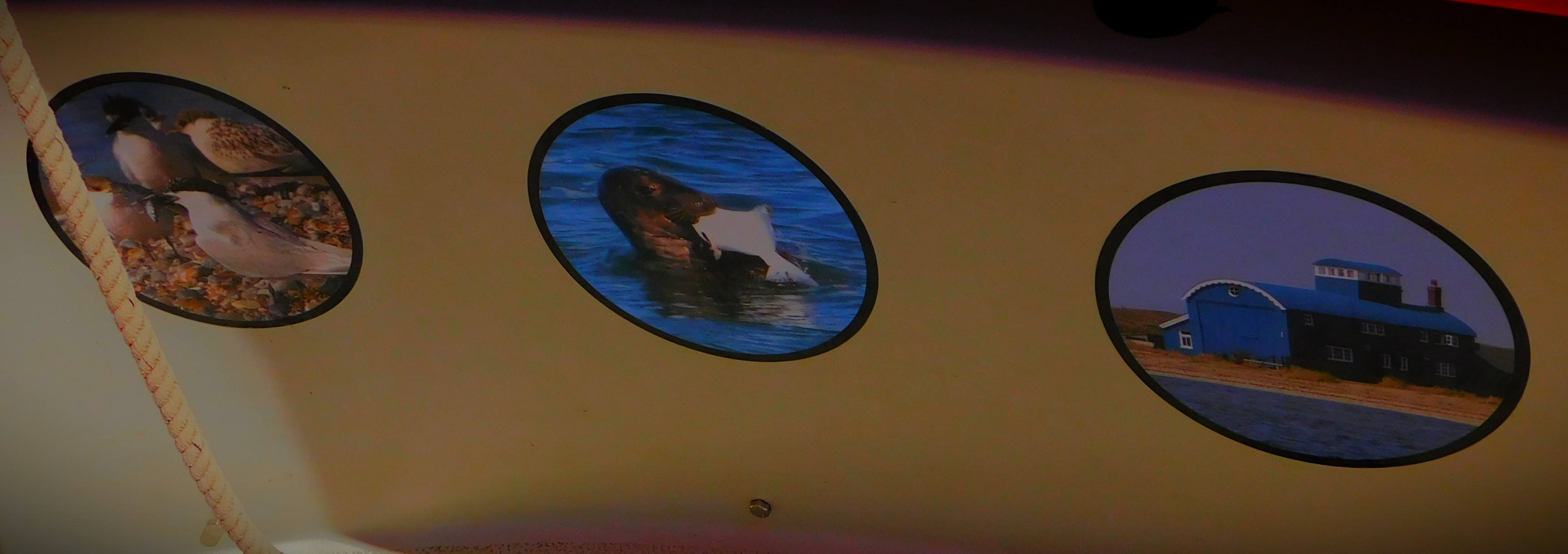
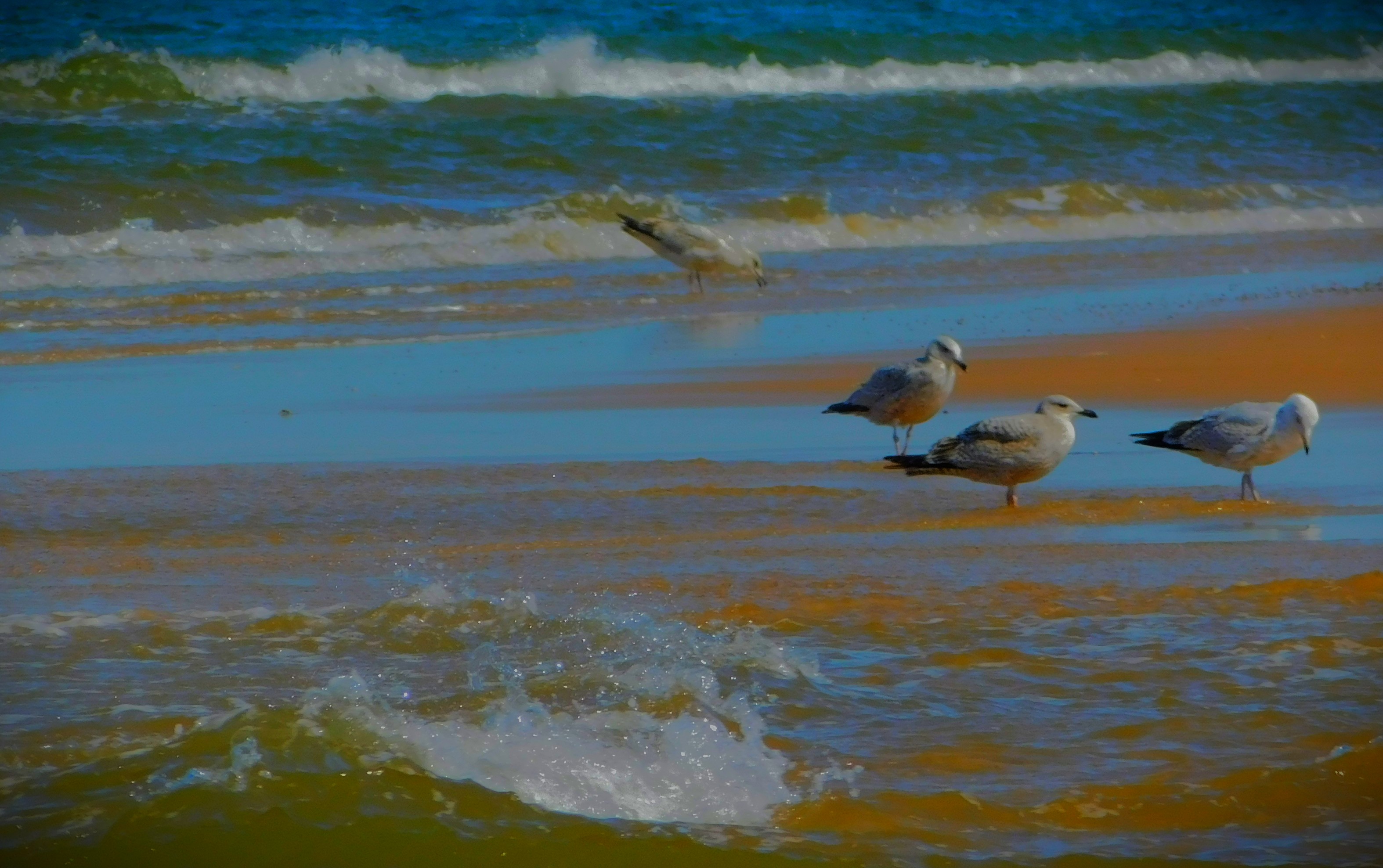
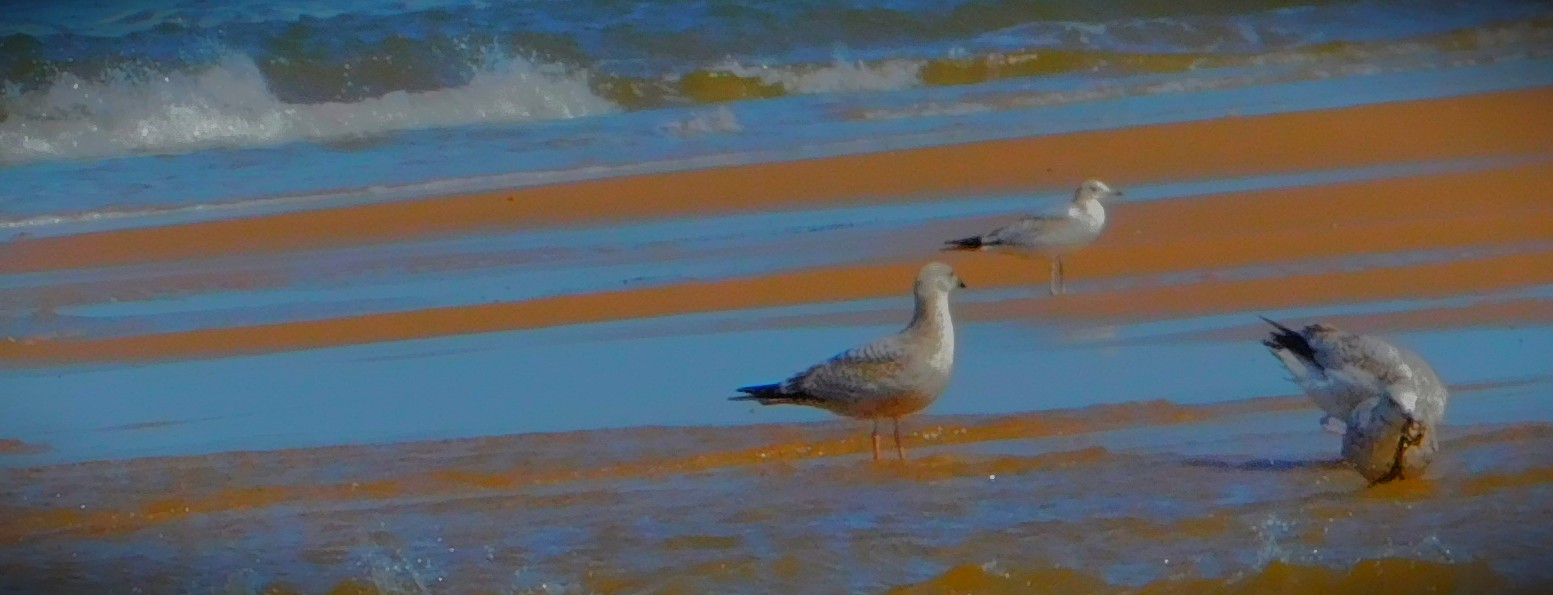
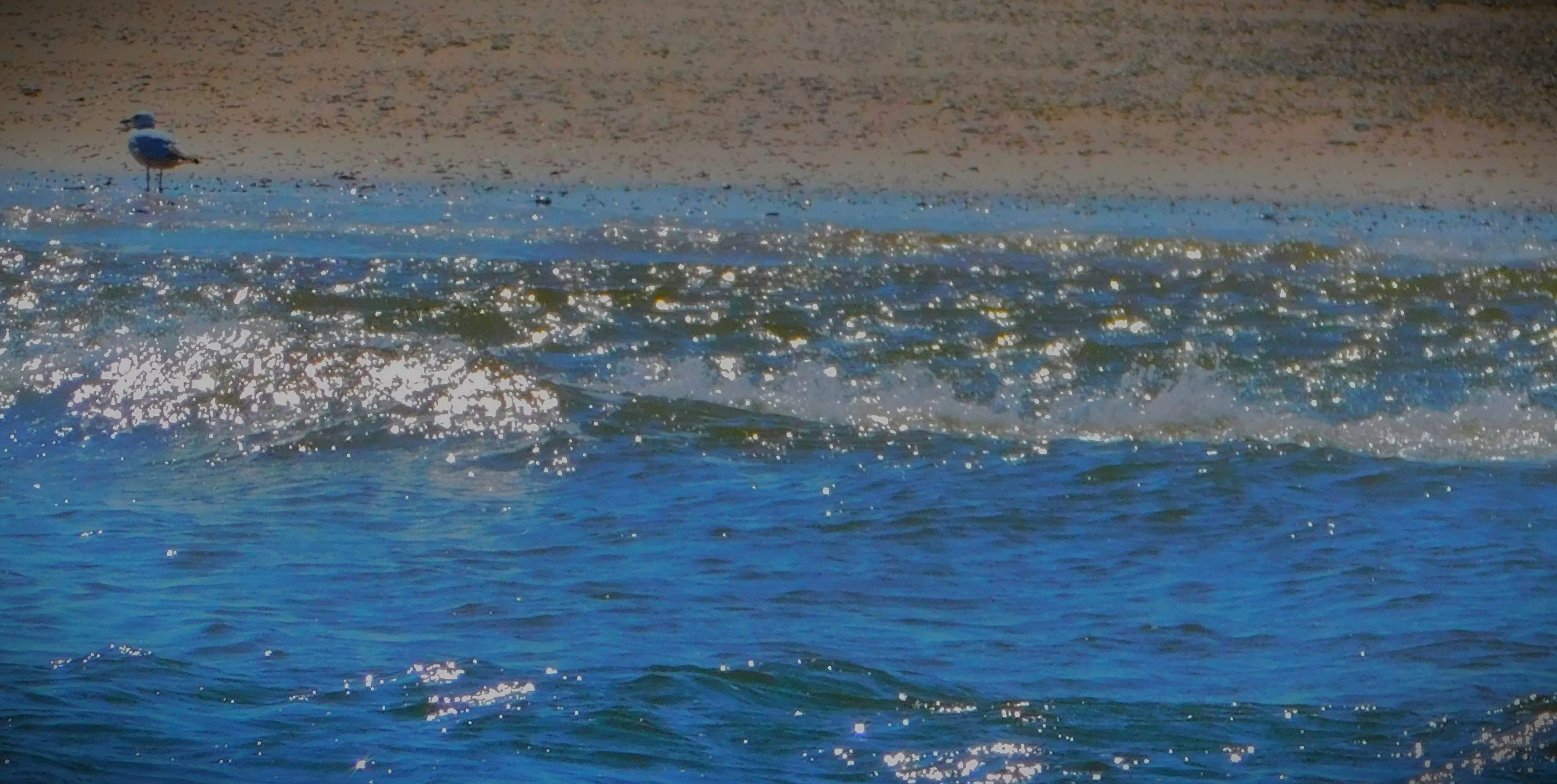
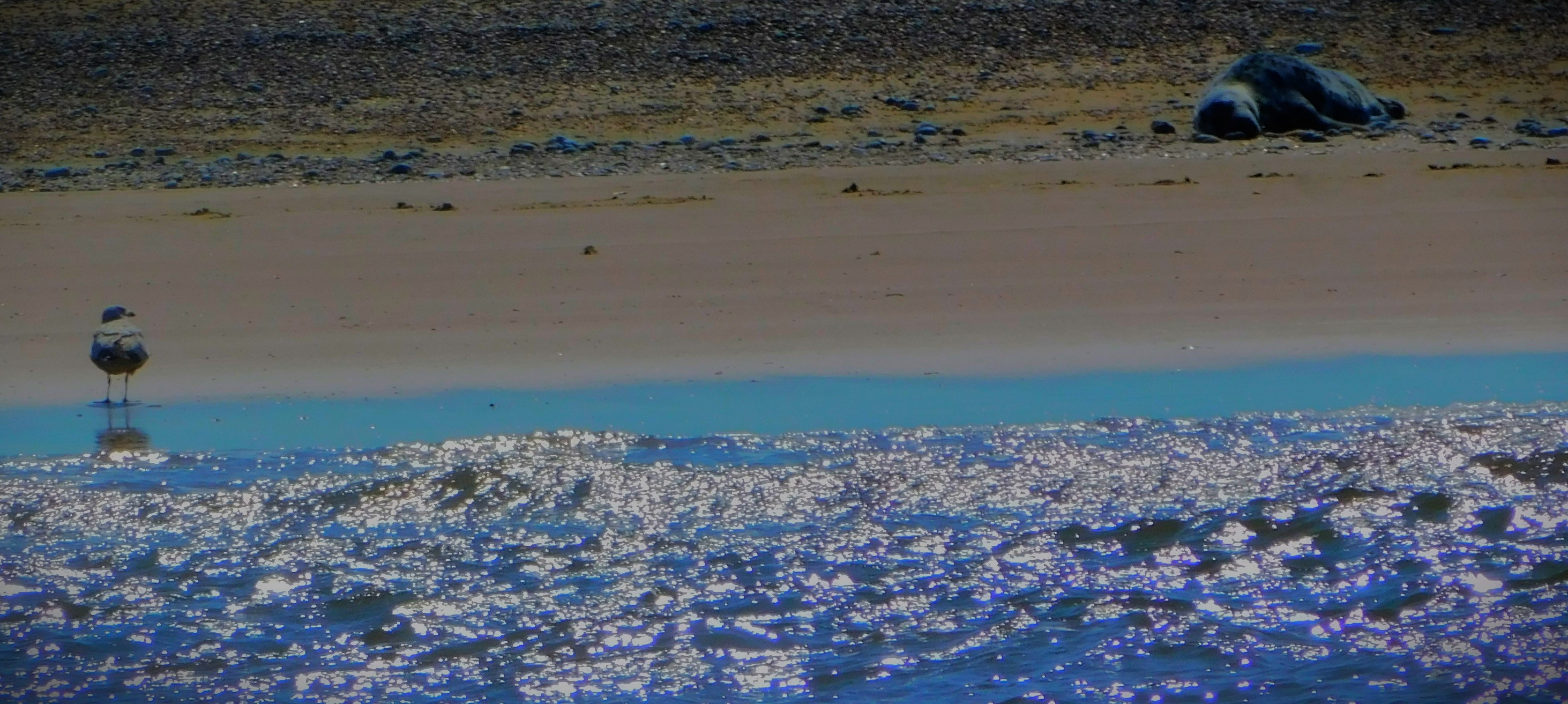
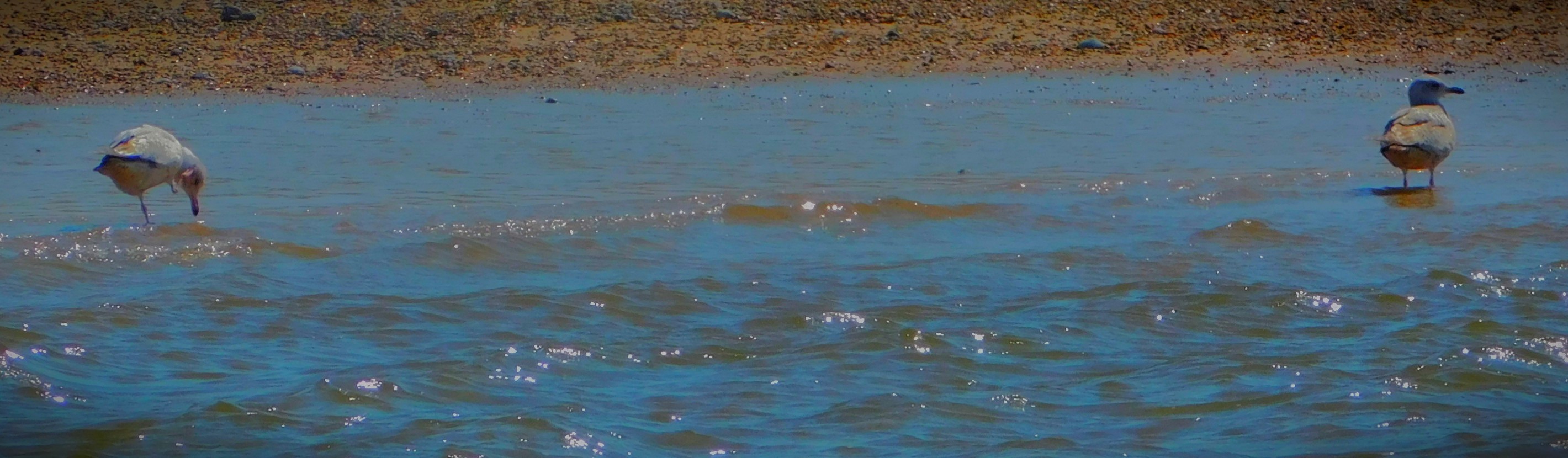
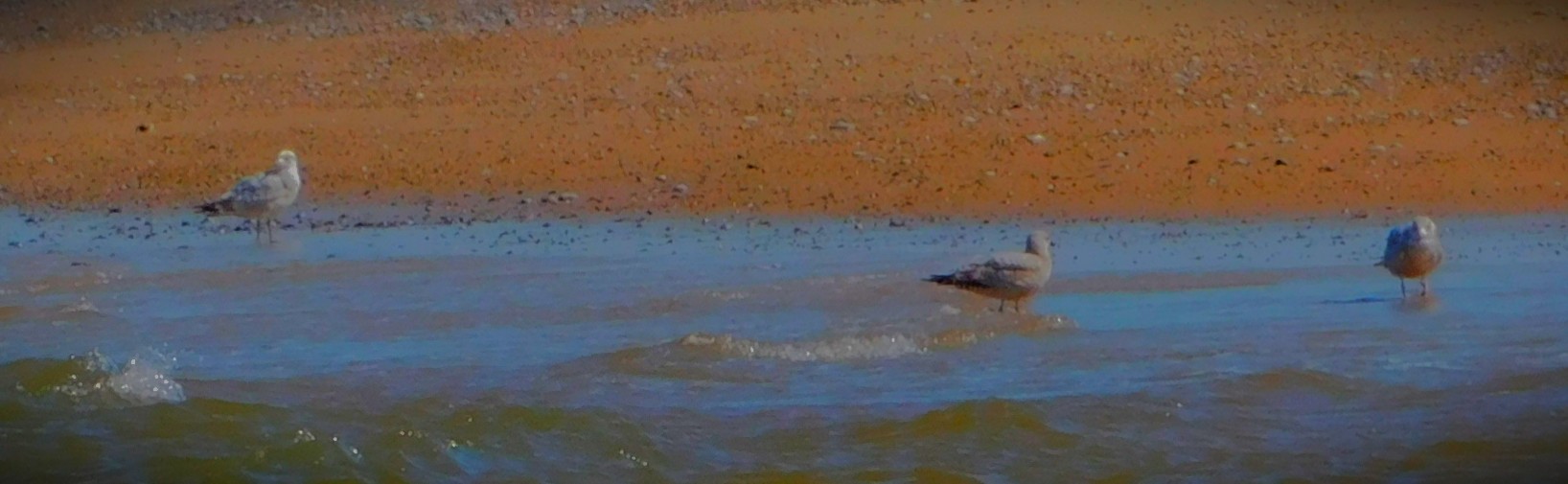
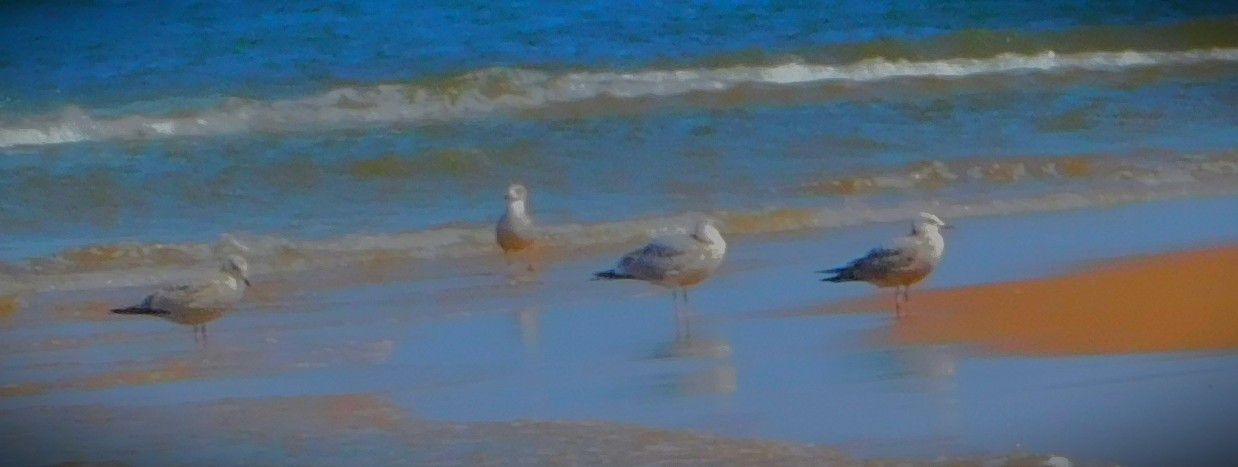
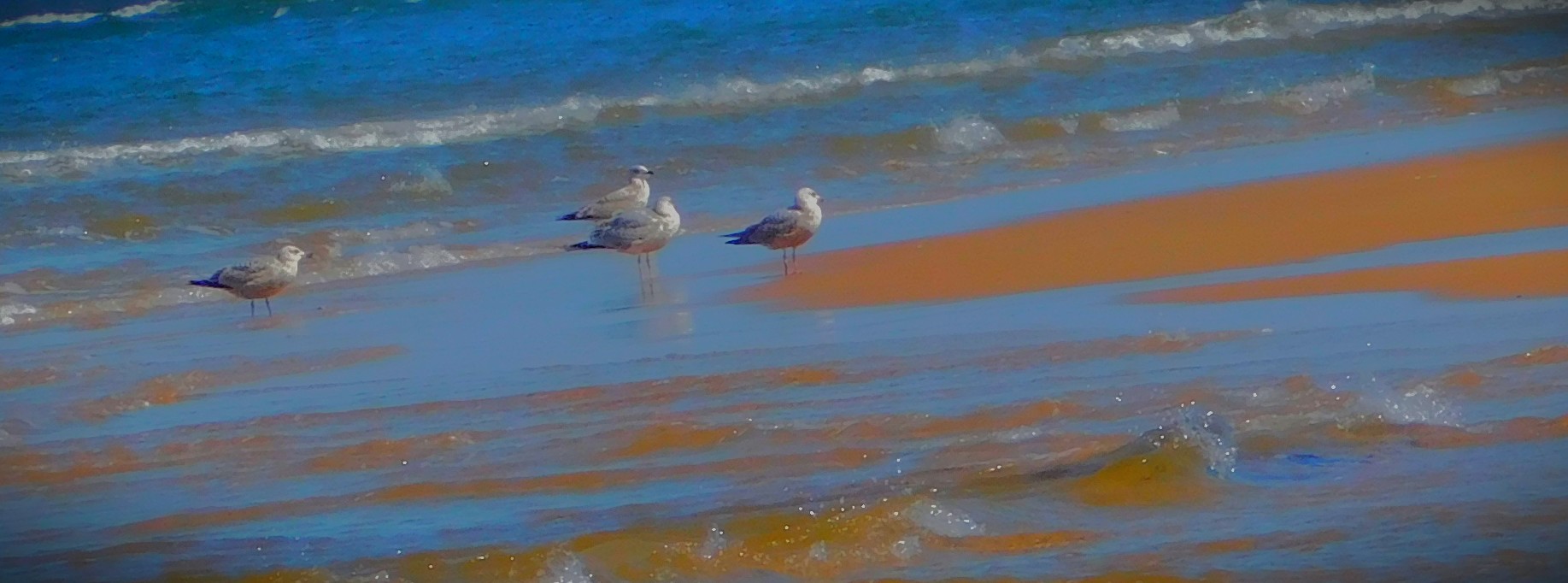
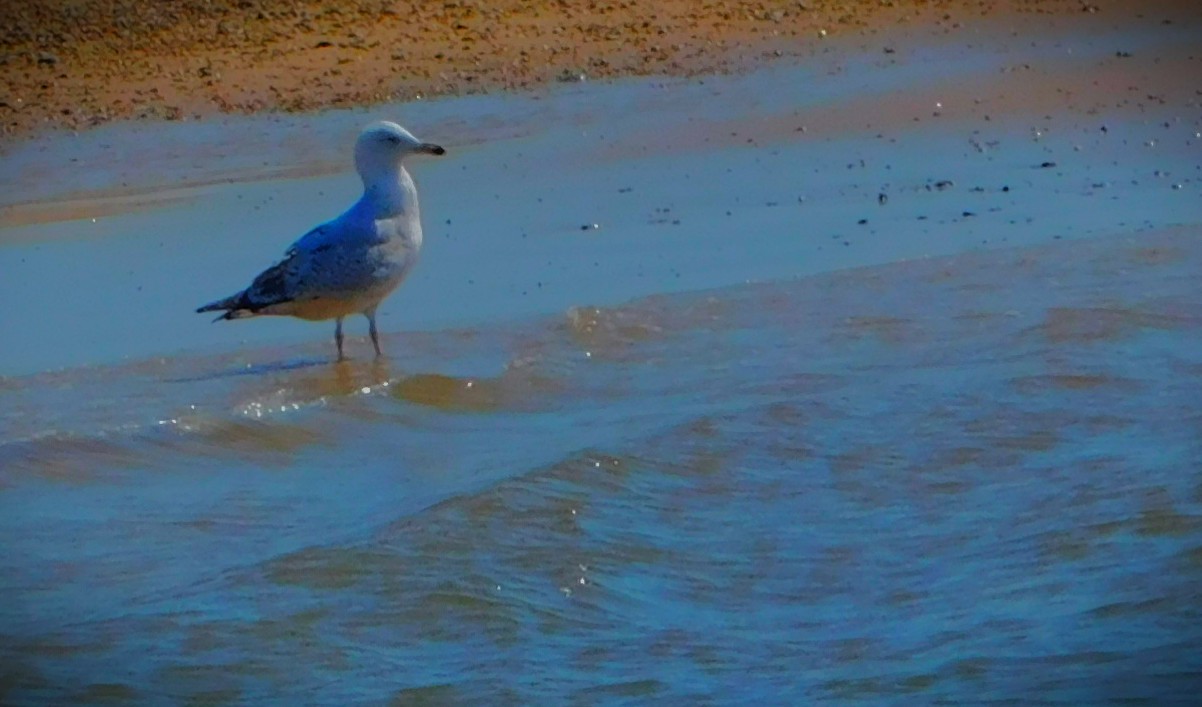
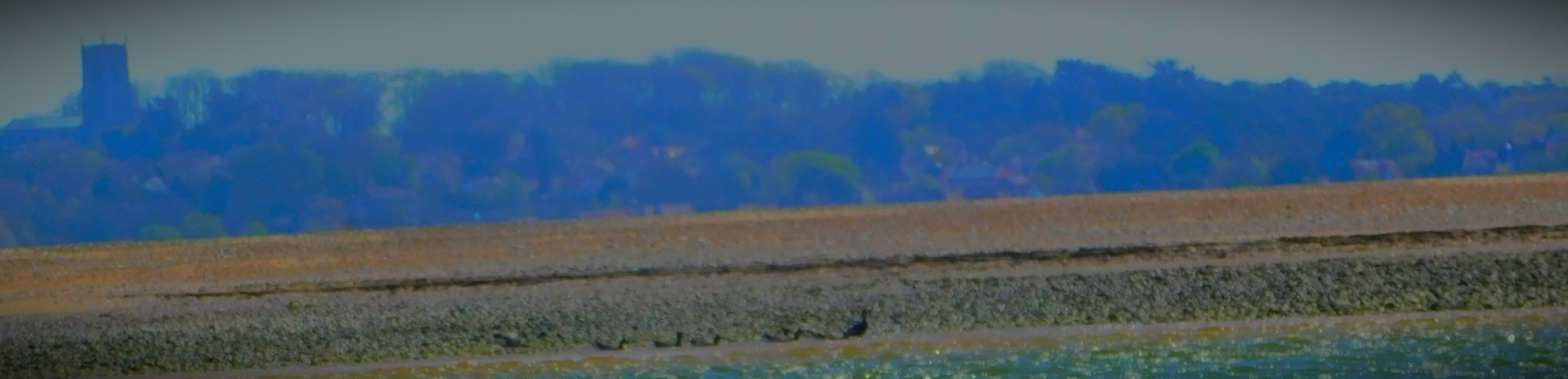
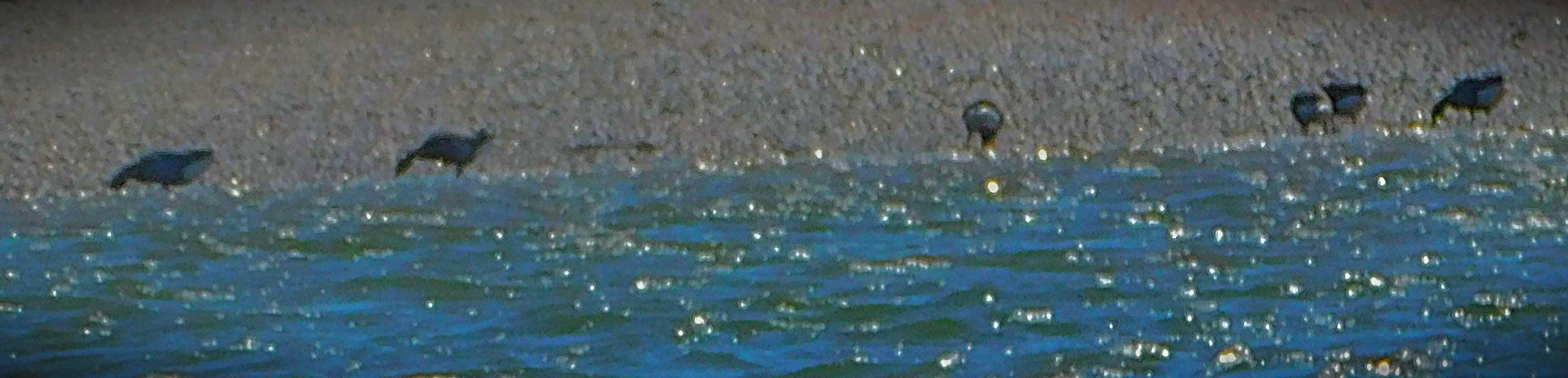
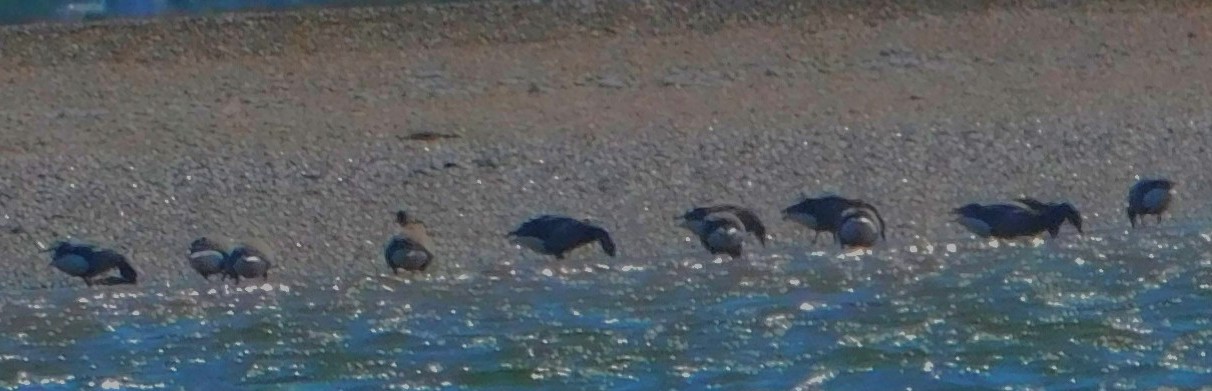
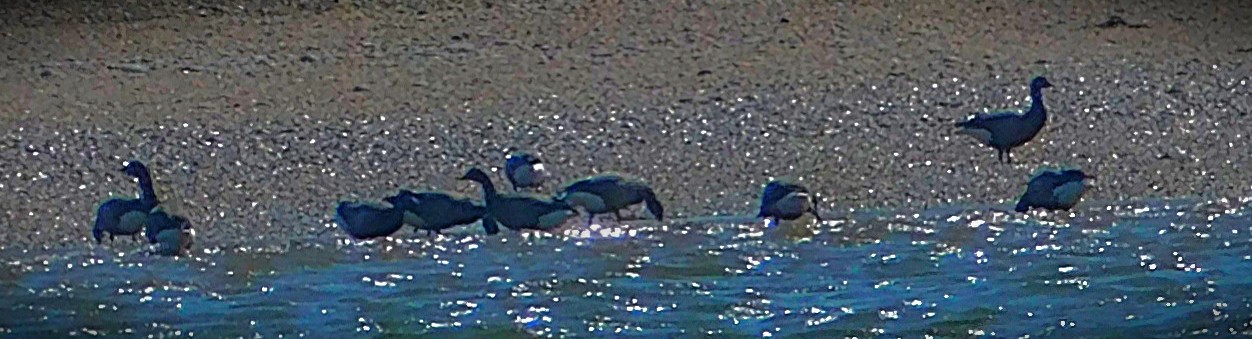
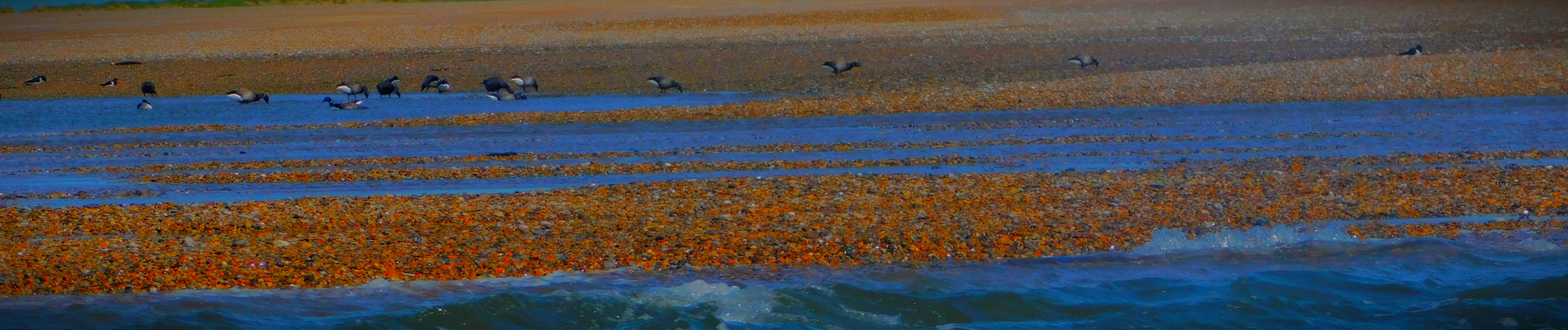
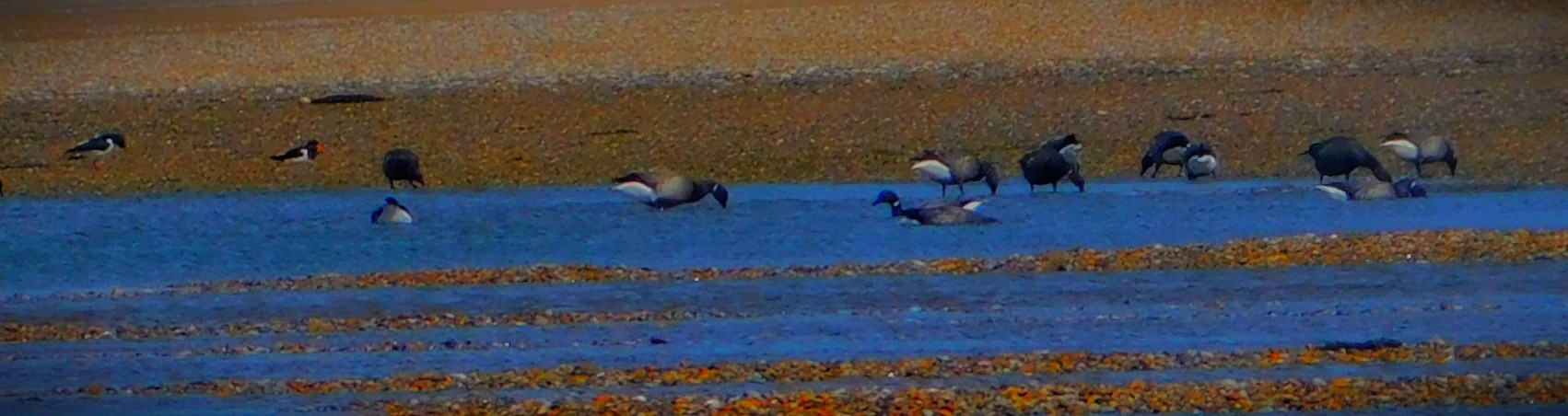
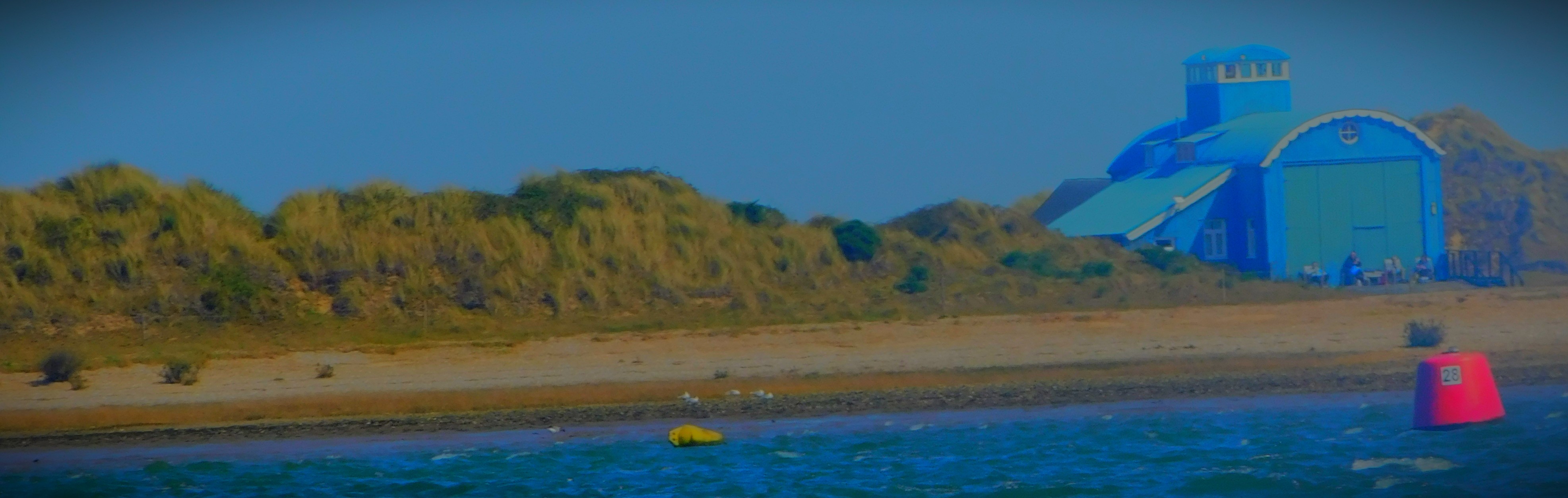
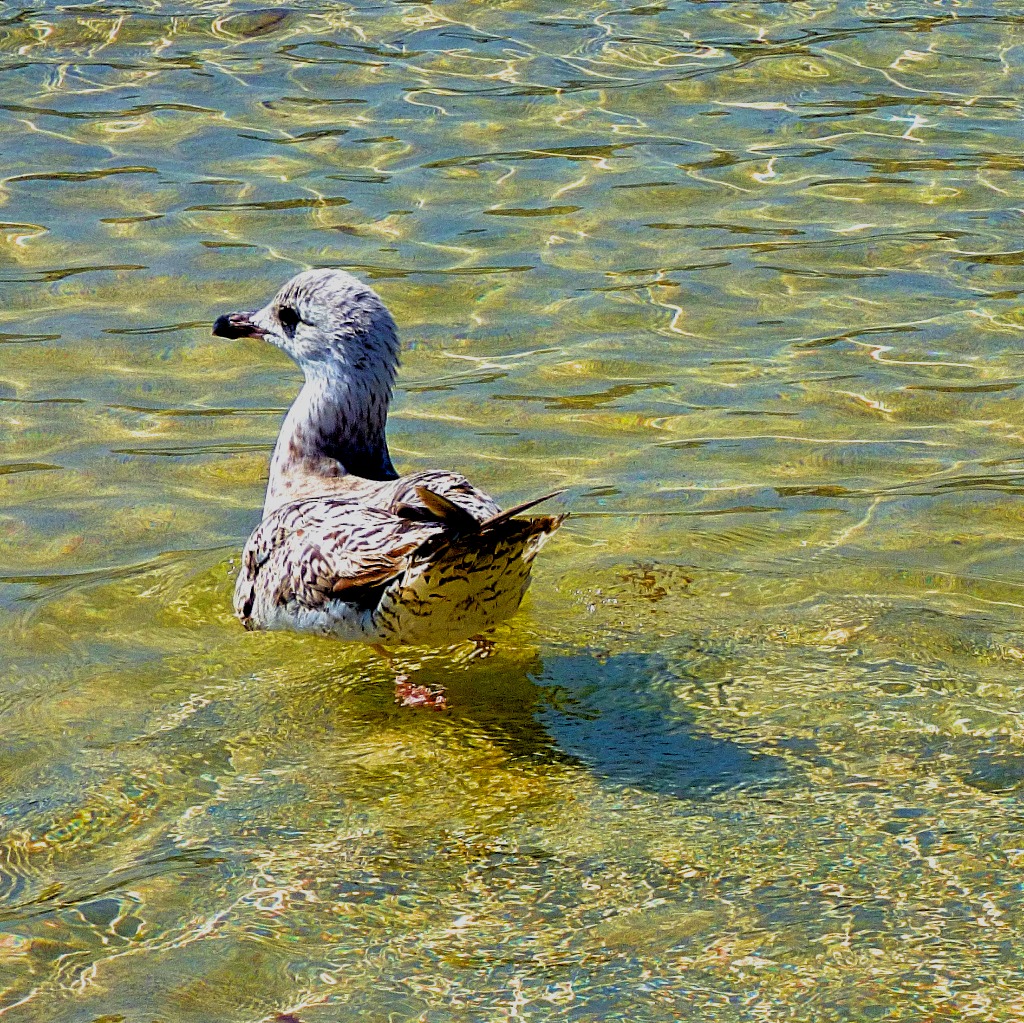
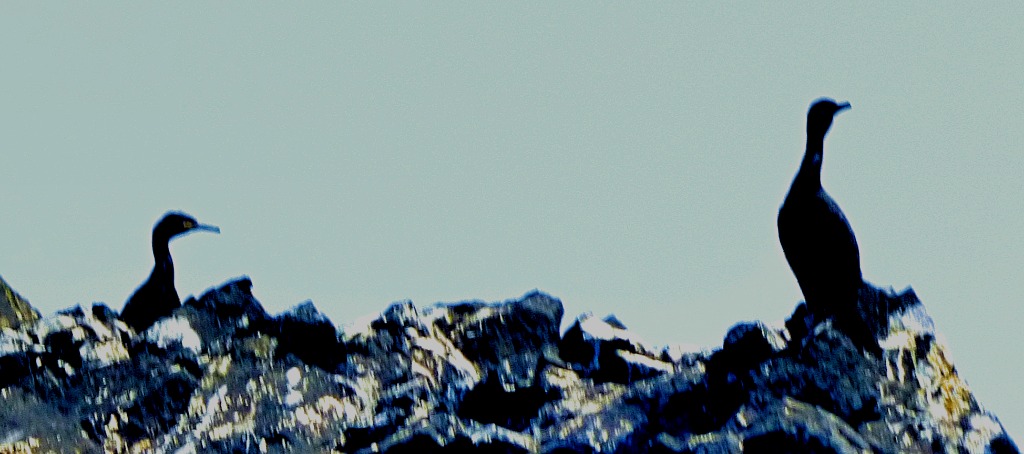
Although the seals were the stars of the day, there were also some interesting sea birds on show. Enjoy the gallery…
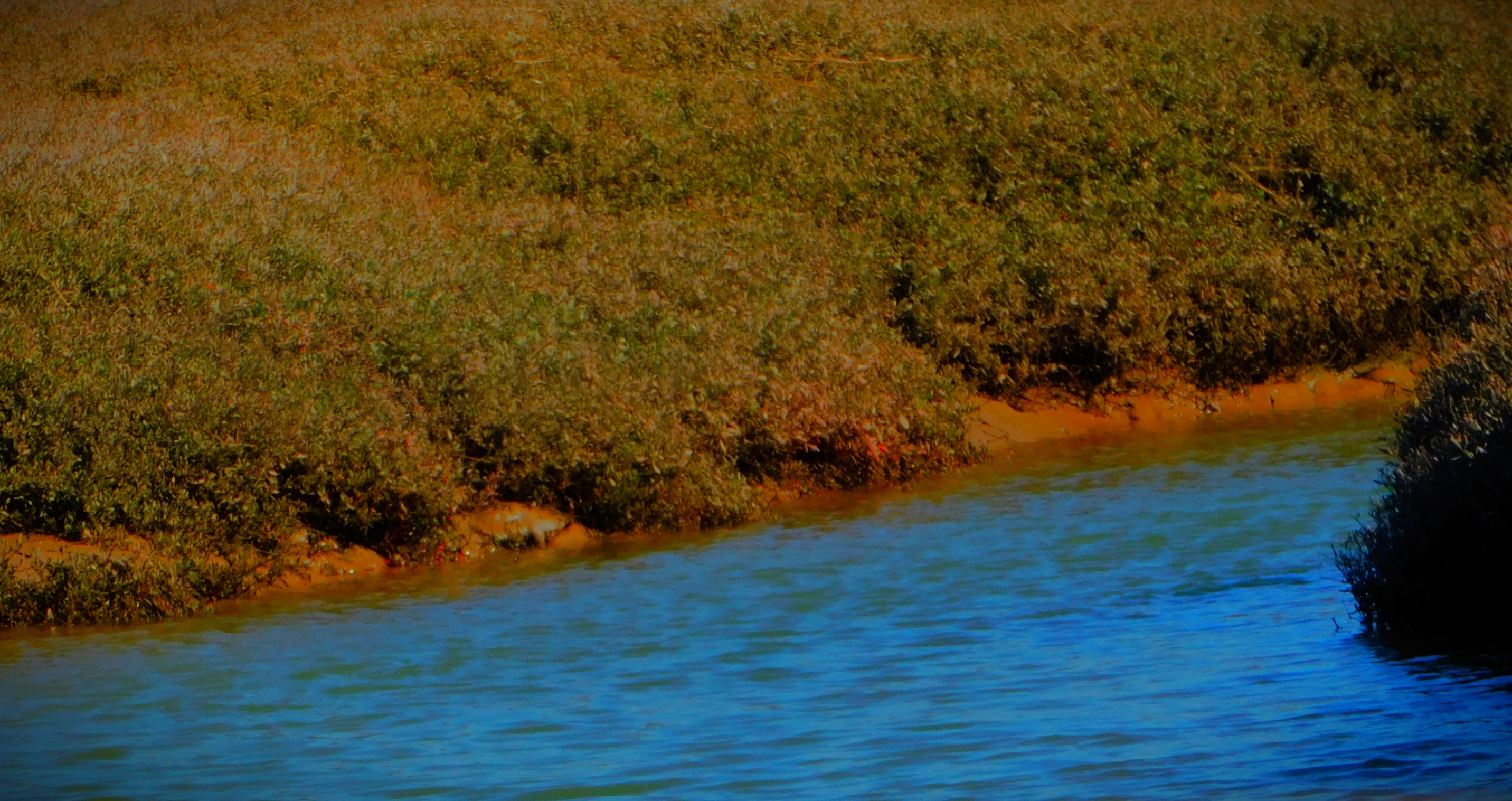
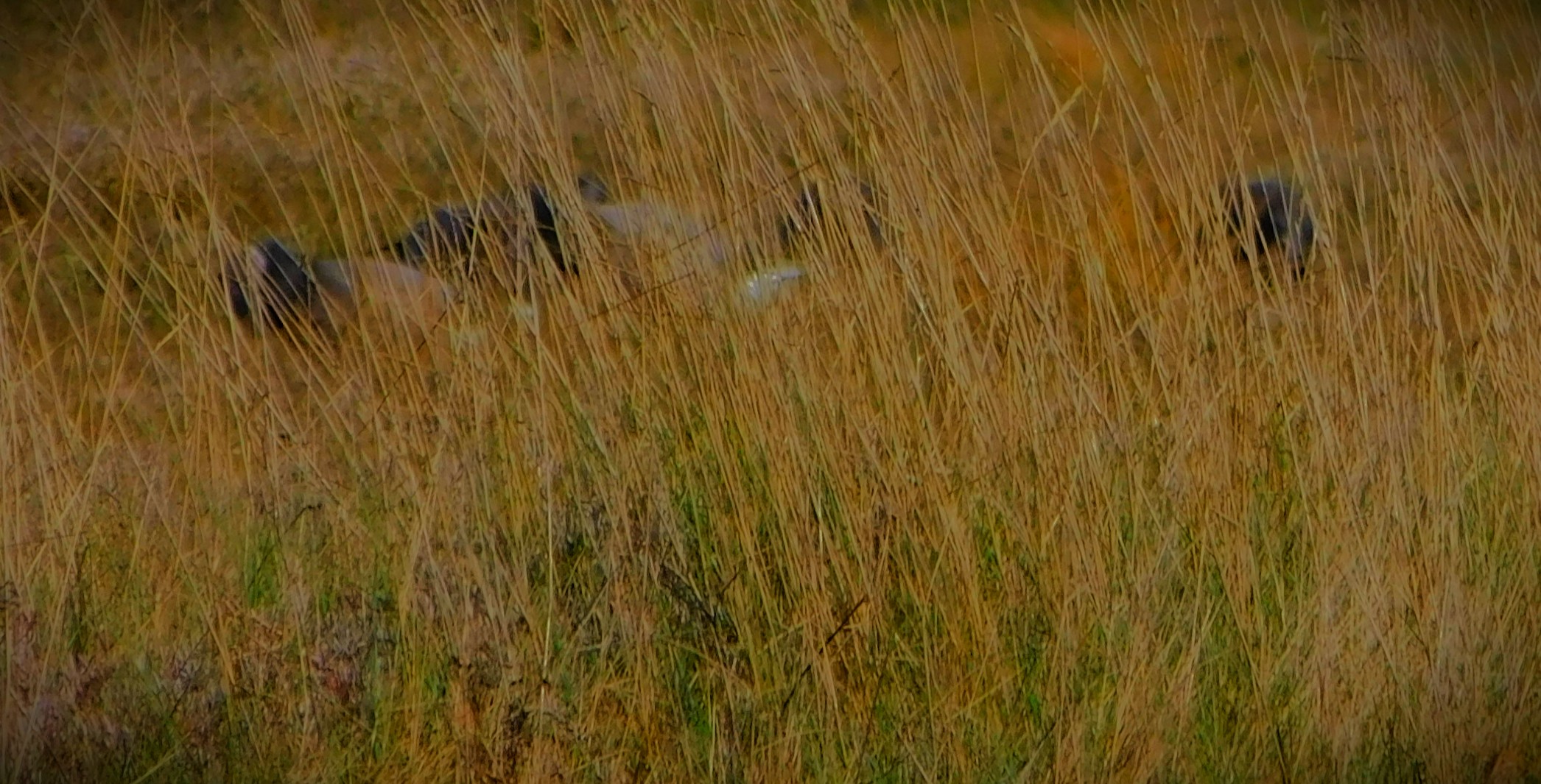
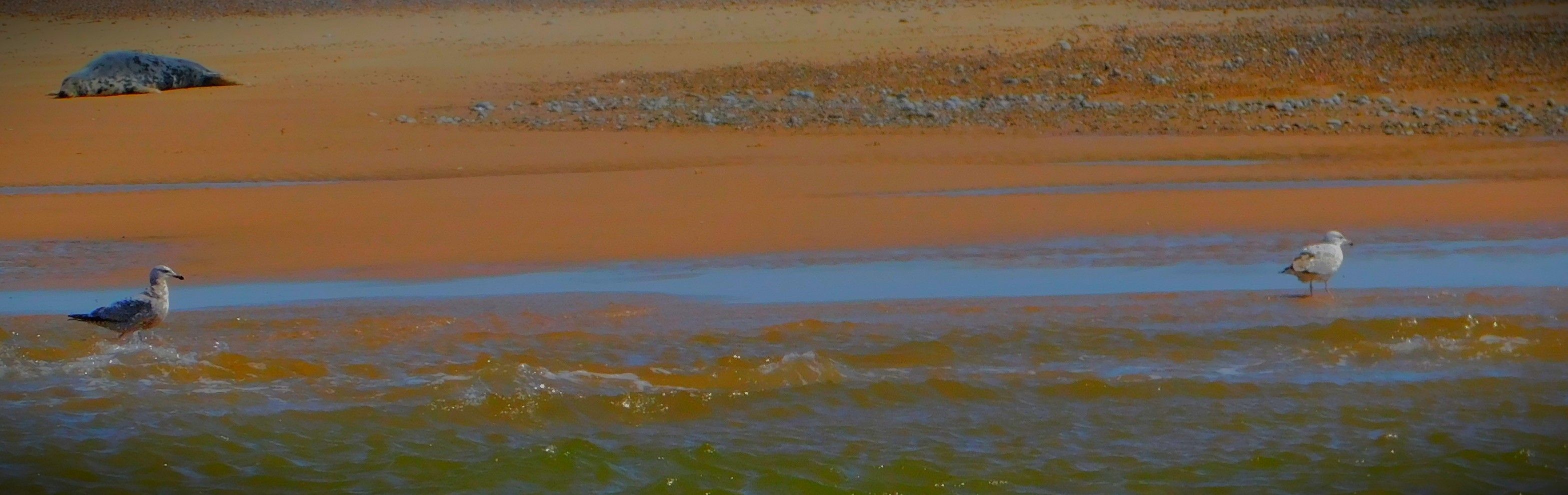
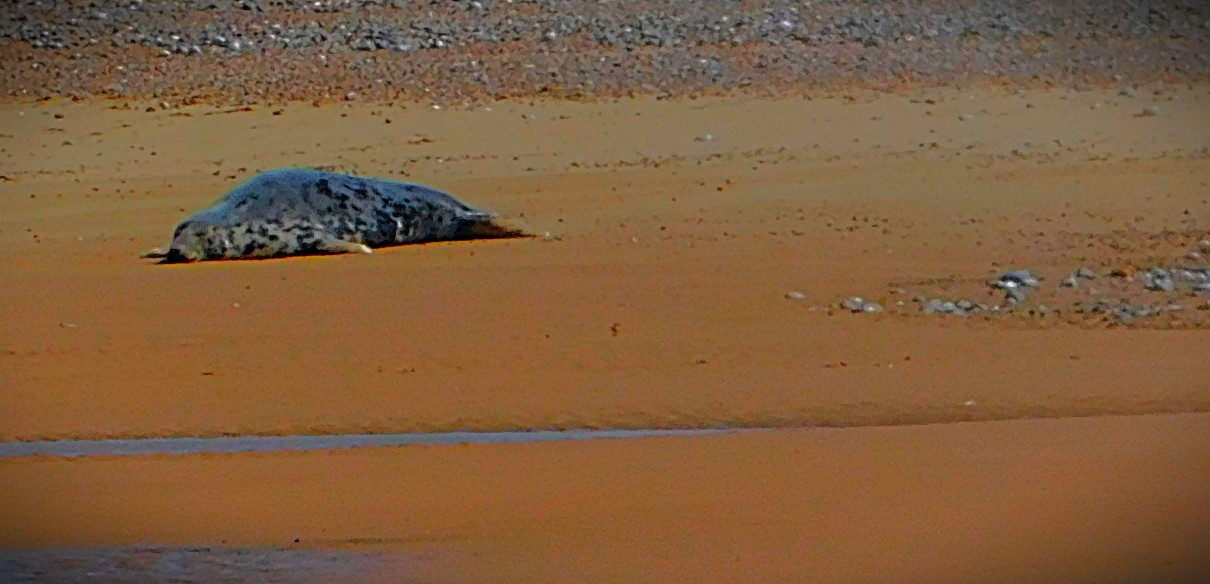
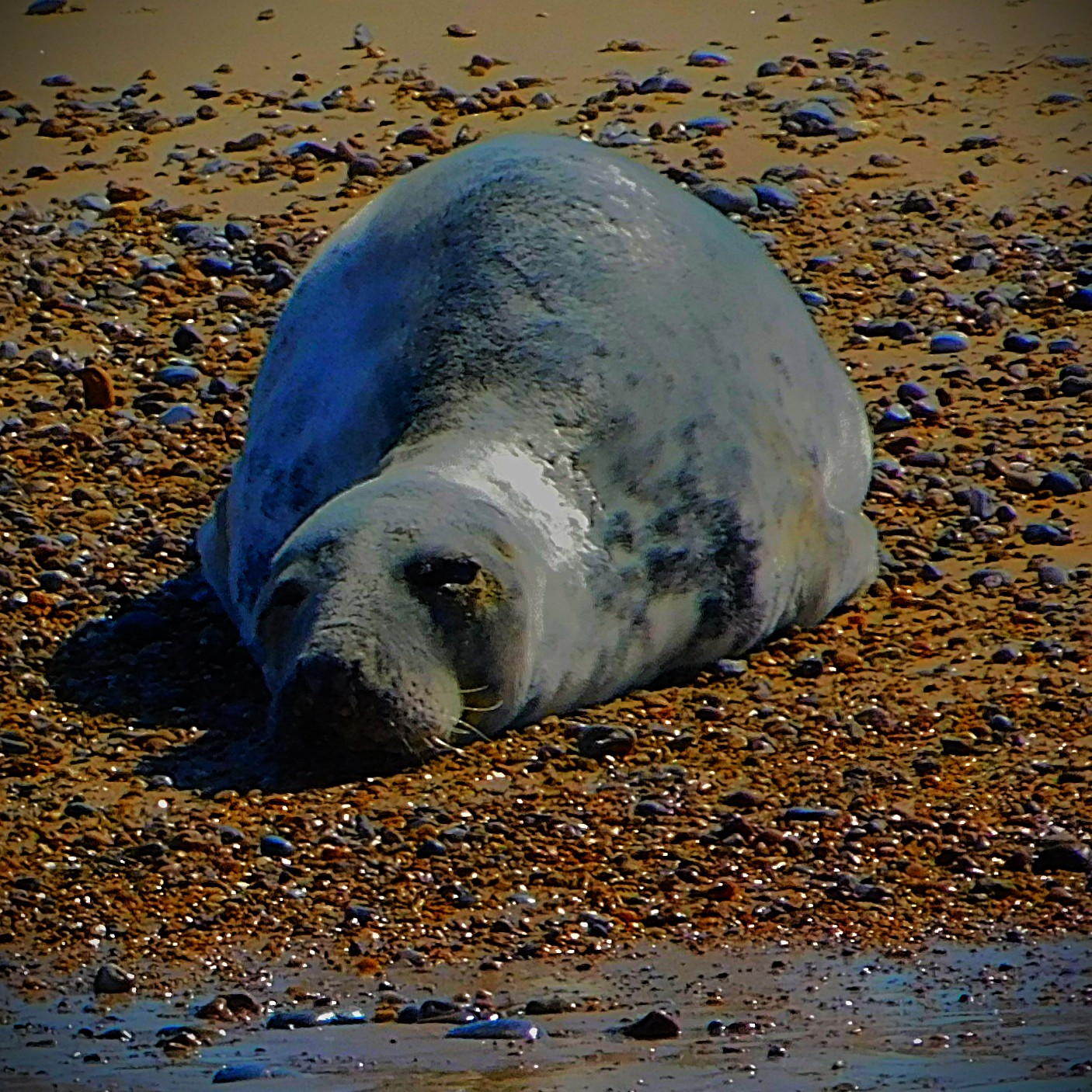
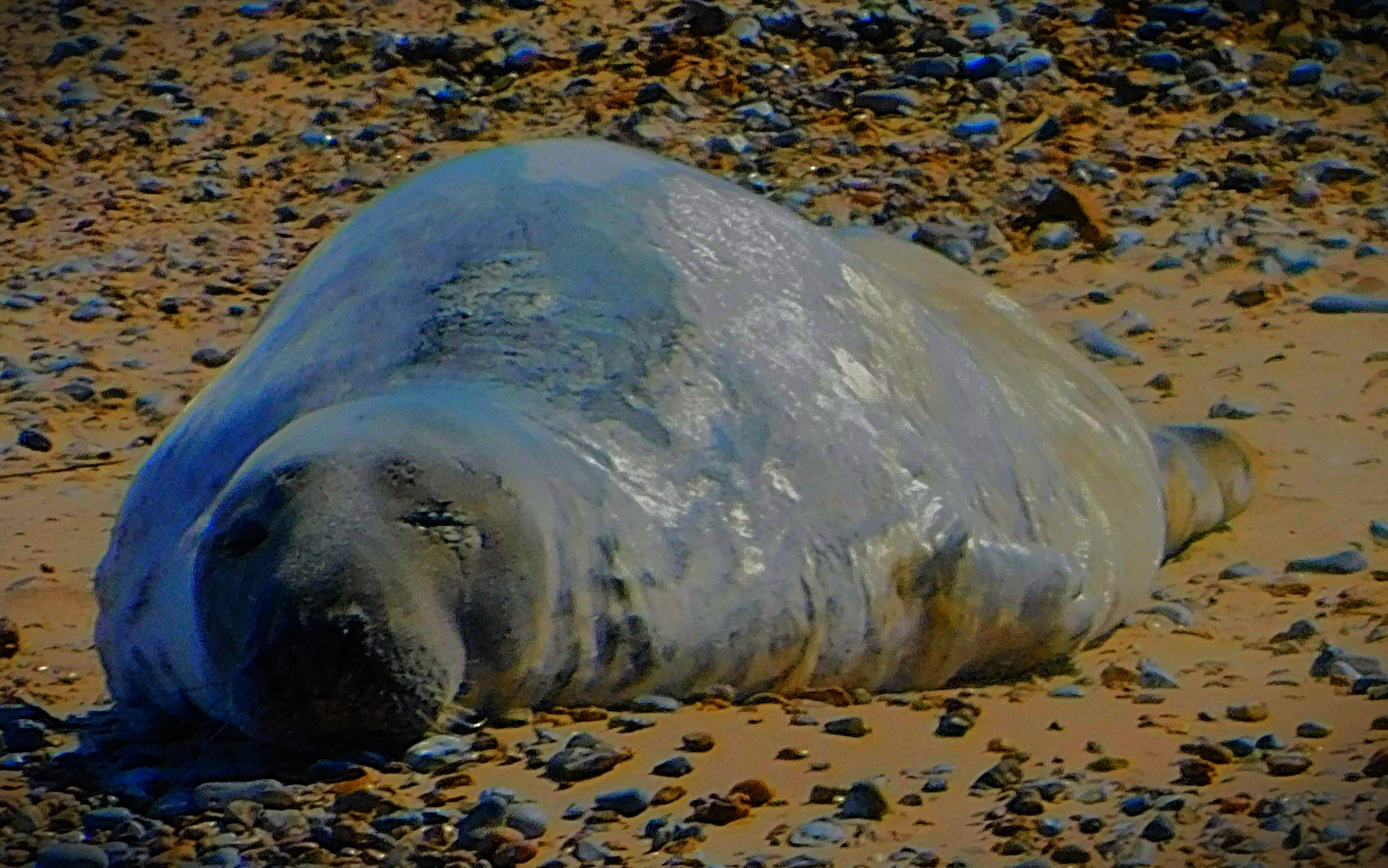
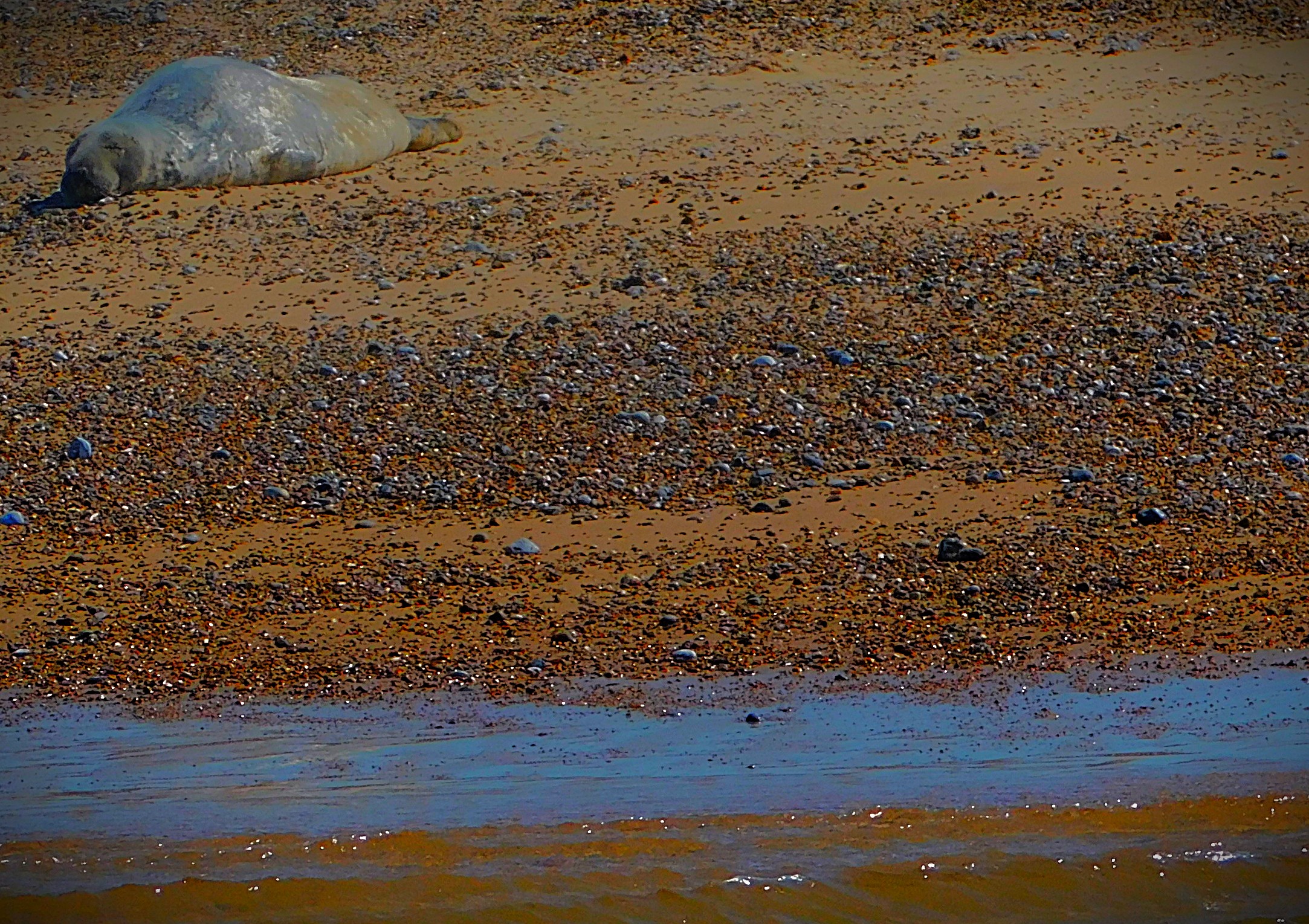
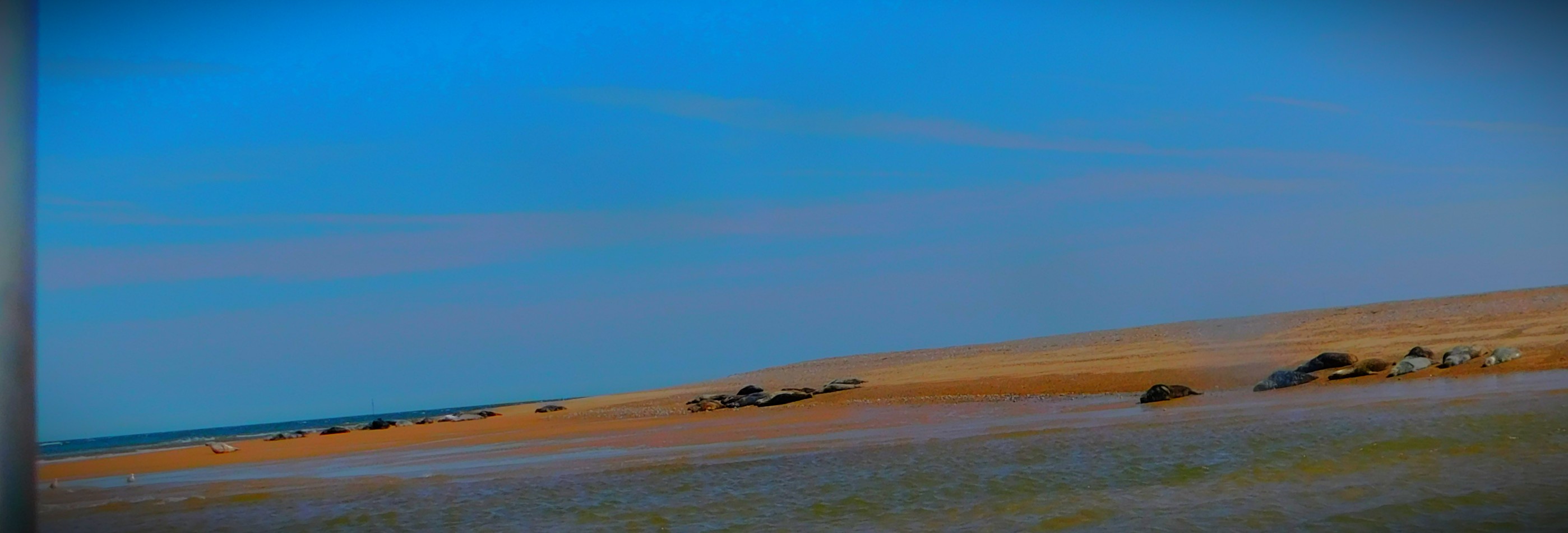
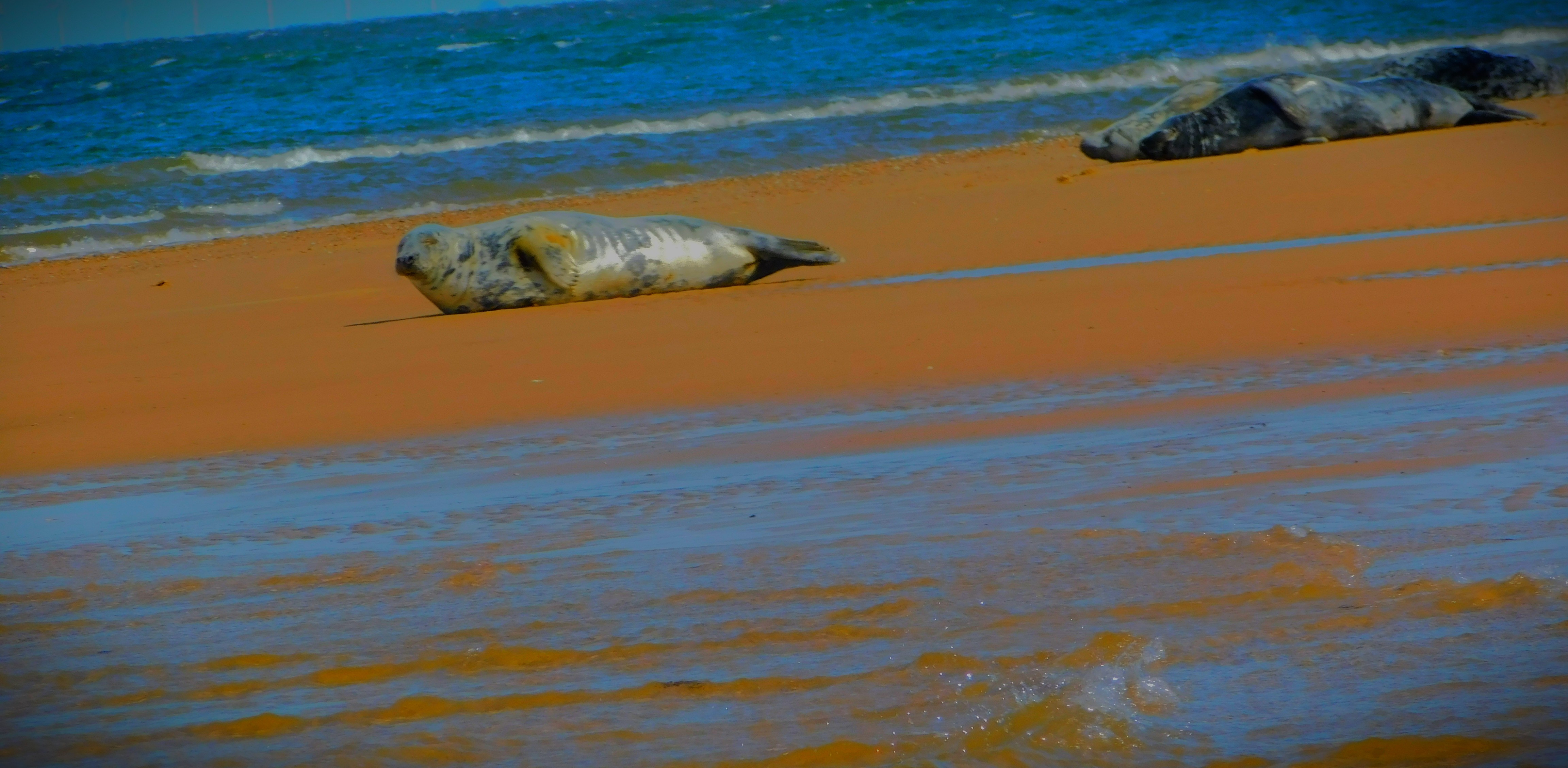
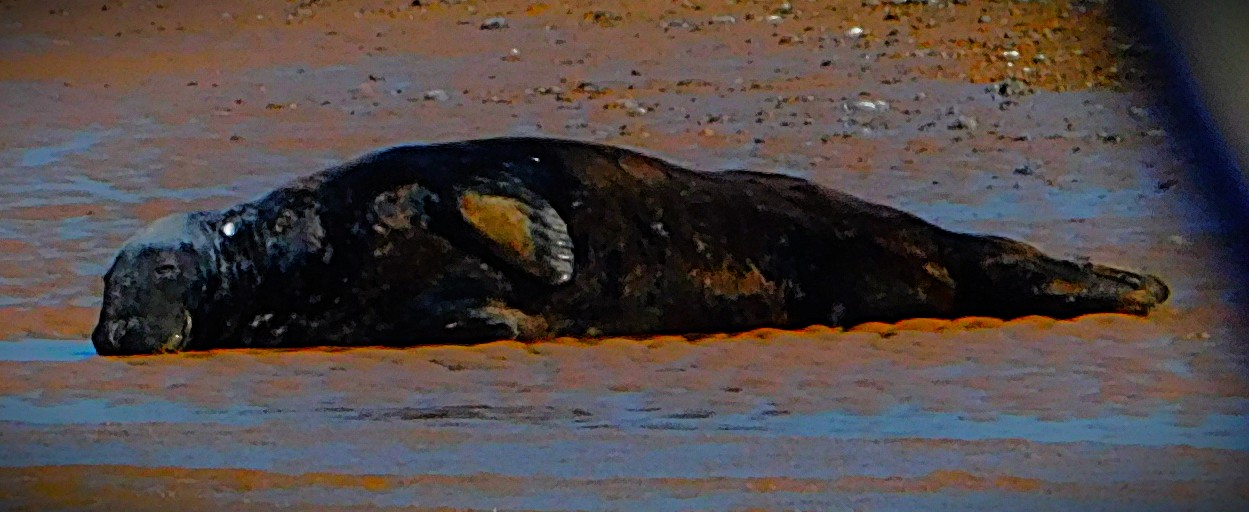
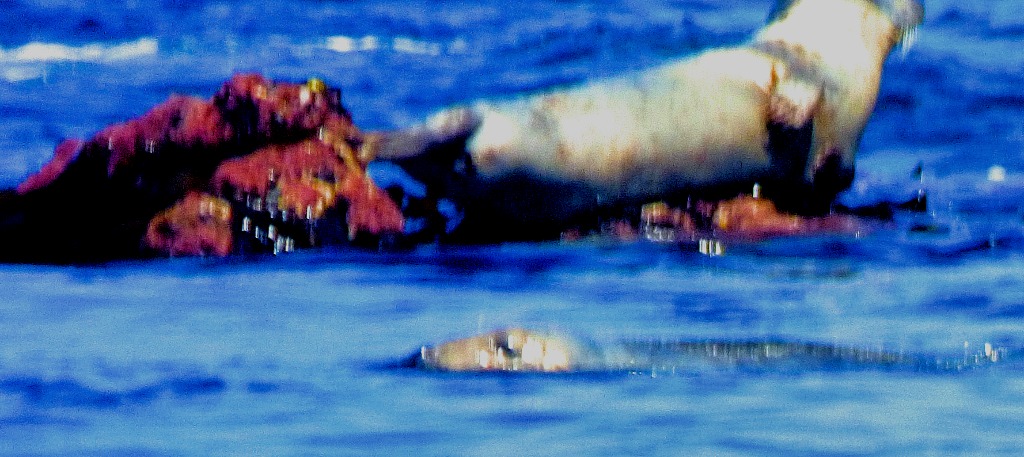
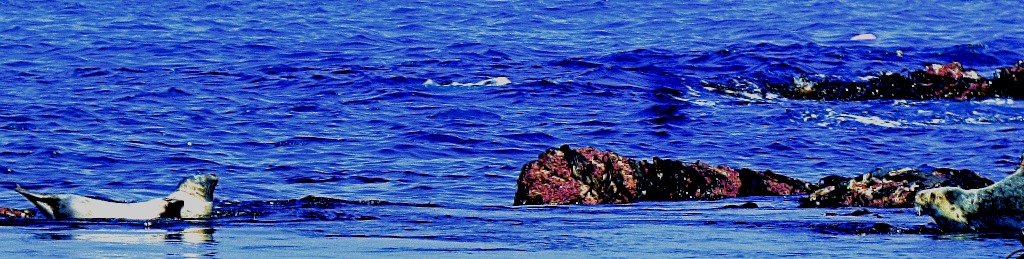
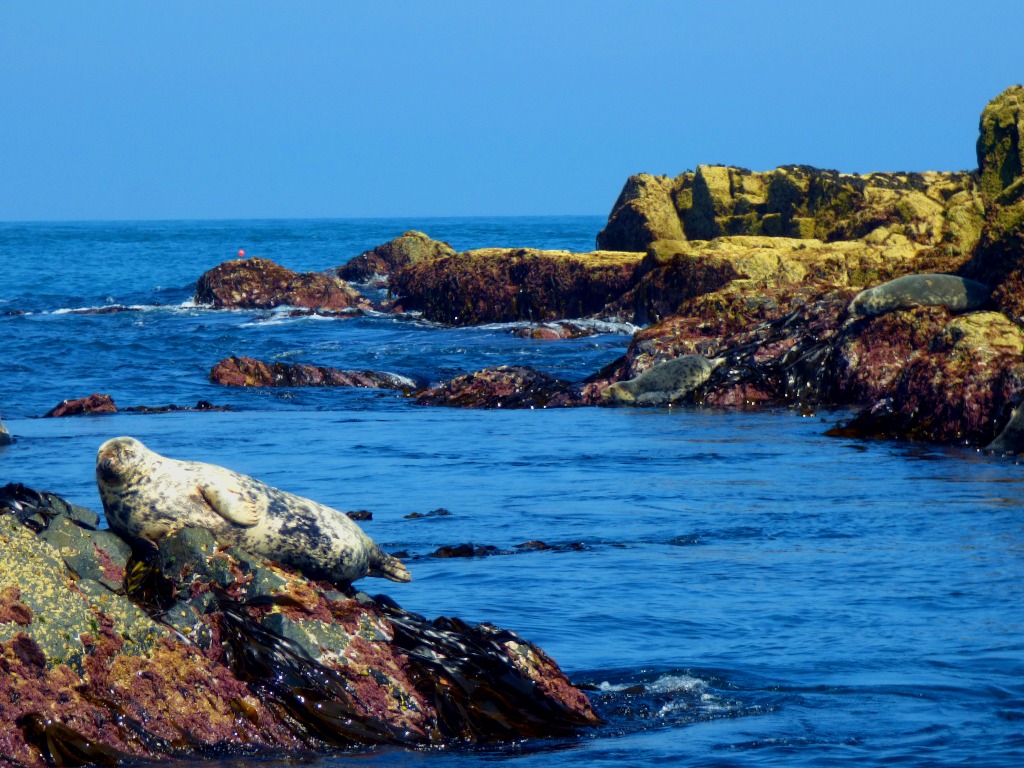
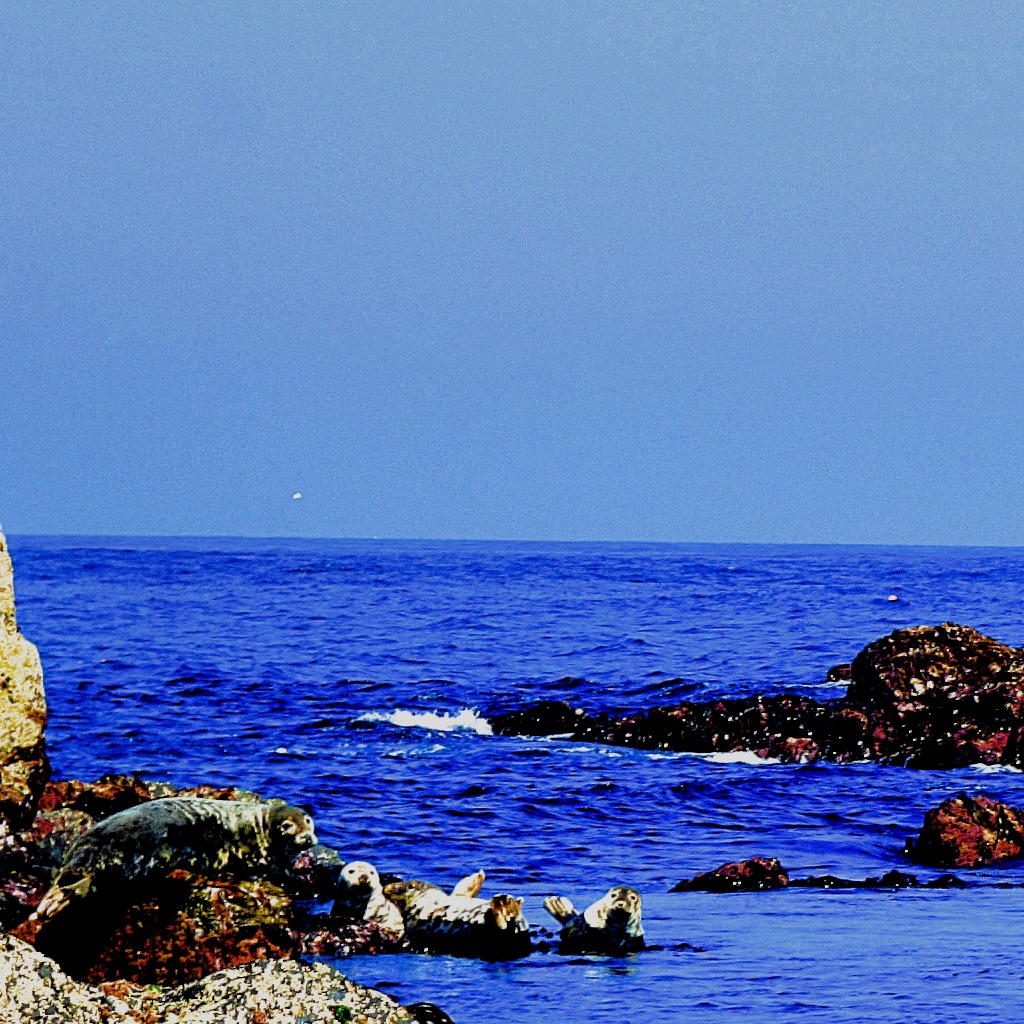
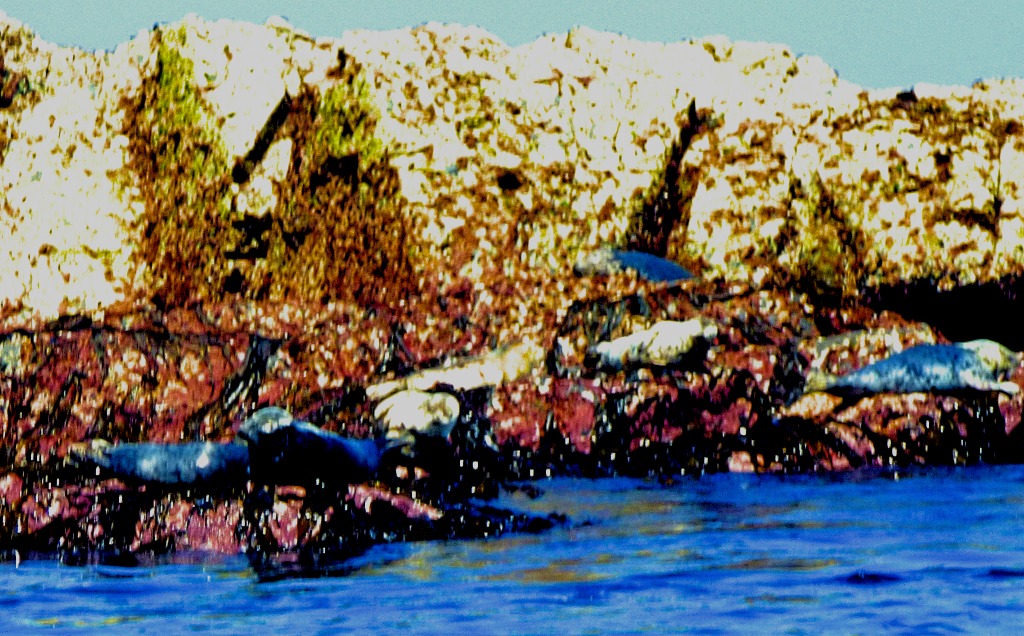
I took a few pictures throjugh the car windows during the journey from Lynn.I also took some pictures at Morston Quay before boarding the boat, starting with this one.The boat we were to travel in coming back from its previous trip.The seal pics start here.Some pictures of seals in the water.The gallery ends with pictures at The Nelson
An explanation of my recent lack of blogging activity and a sneak preview of the 2019 aspi.blog Cornish wall calendar (I will receive the printed versions by September 24th).
INTRODUCTION
The principal purpose of this post is to give you all a sneak preview of next year’s aspi.blog wall calendar. I am also going to explain why it has been a while since I last put up a blog post.
APOLOGY/ EXPLANATION
The reason why it has been a while since my last blog post is that I have had a very busy schedule of late, between work and various volunteering activities, and the one day on which I might have done a significant amount of blogging (Saturday) I lost to illness. I was sufficiently recovered by Sunday morning to do my volunteering for Heritage Open Day at the Bank House and to enjoy some of the experience, though I curtailed things somewhat so as not to set my recovery from the horrors of the previous day back. My opportunities will be somewhat limited during the rest of this week as I will be at the Corn Exchange helping to run an NAS West Norfolk stall for much of tomorrow and will be working Wednesday, Thursday and Friday.
THE CALENDAR
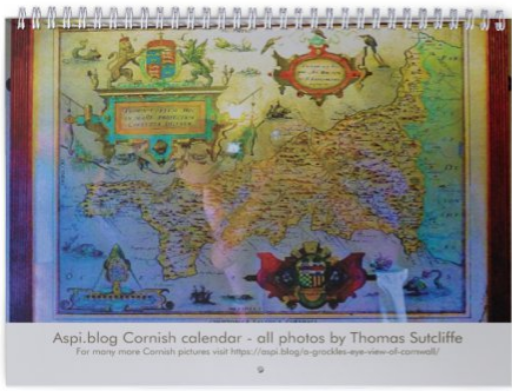
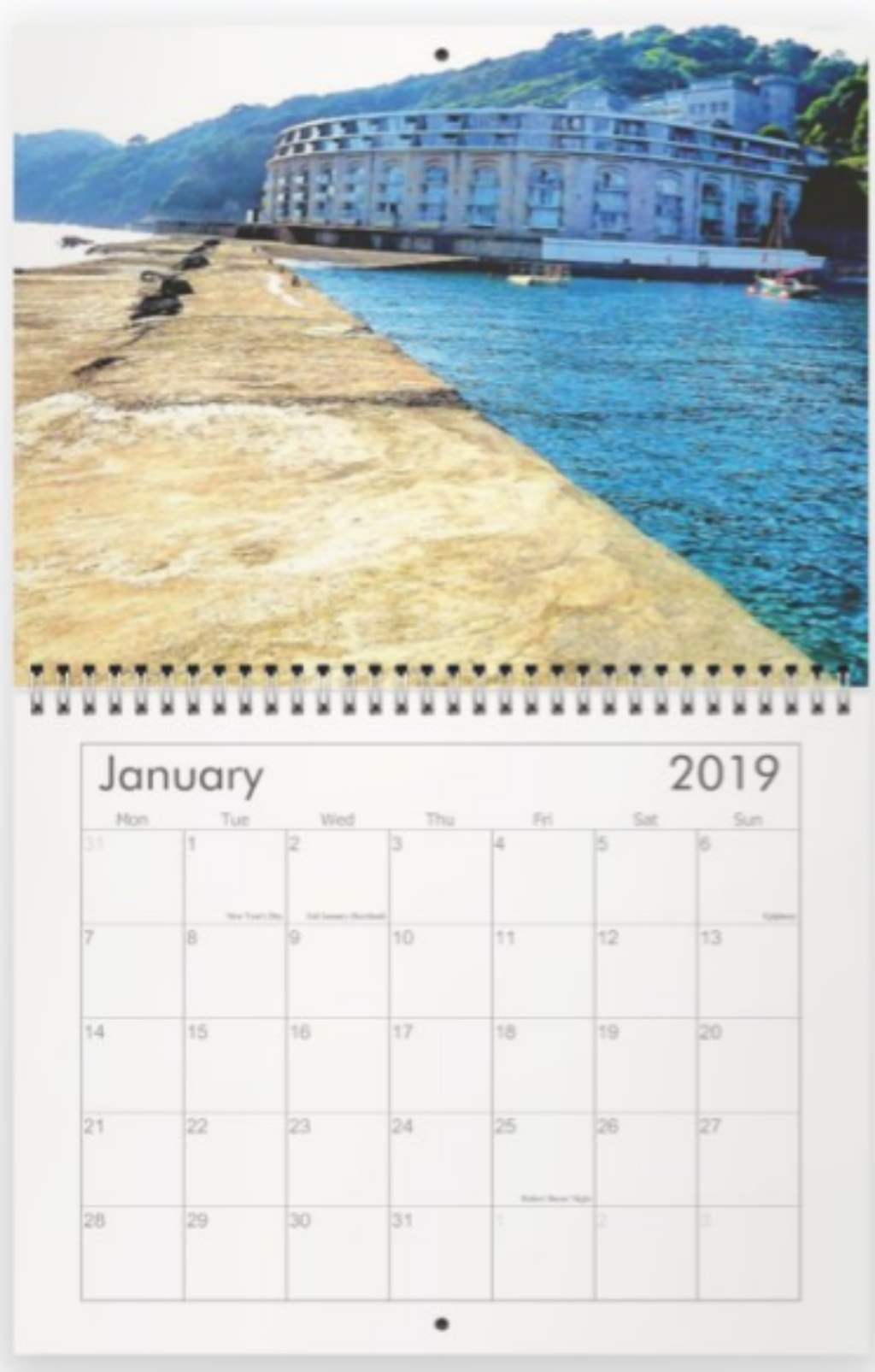
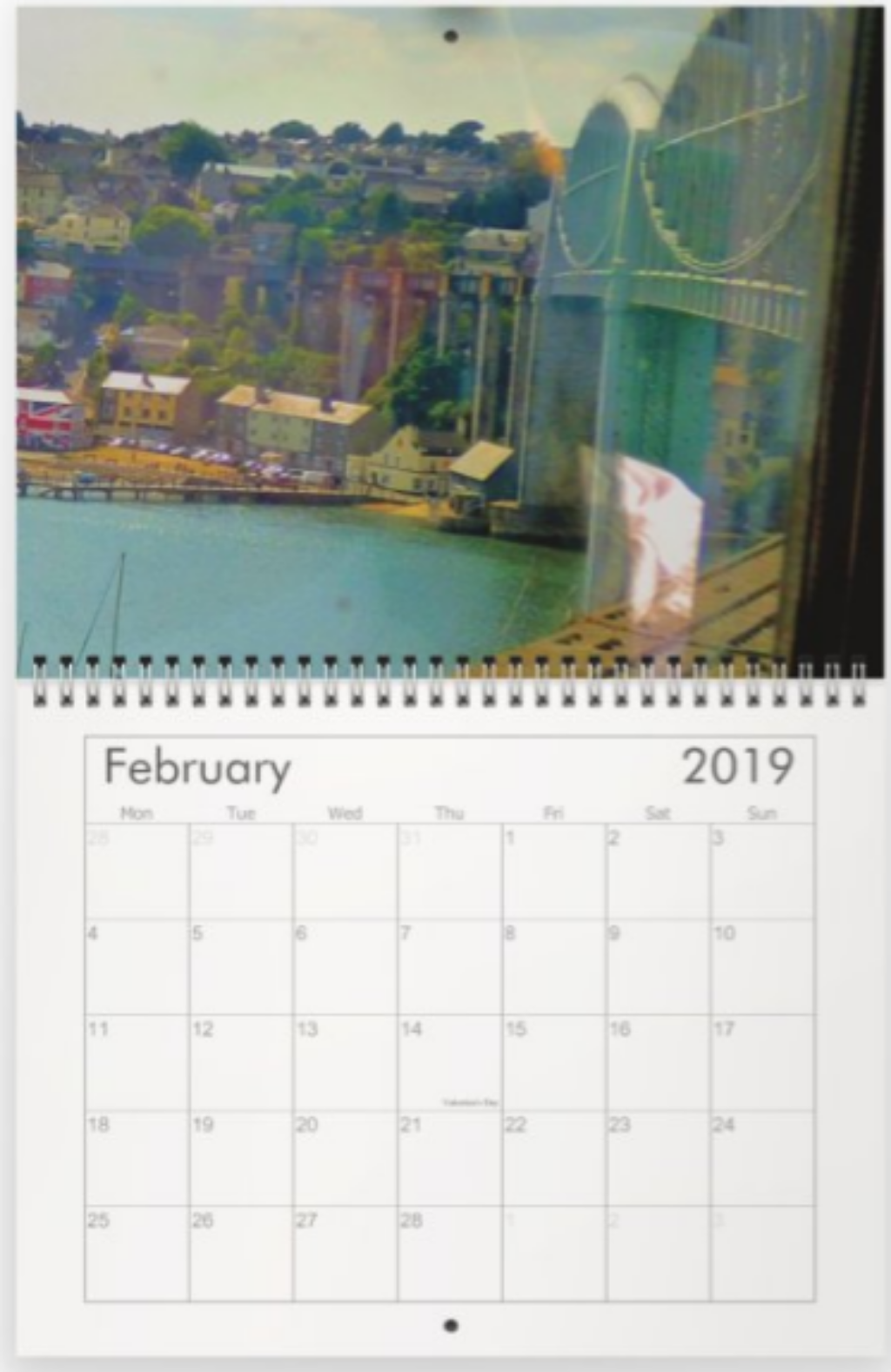
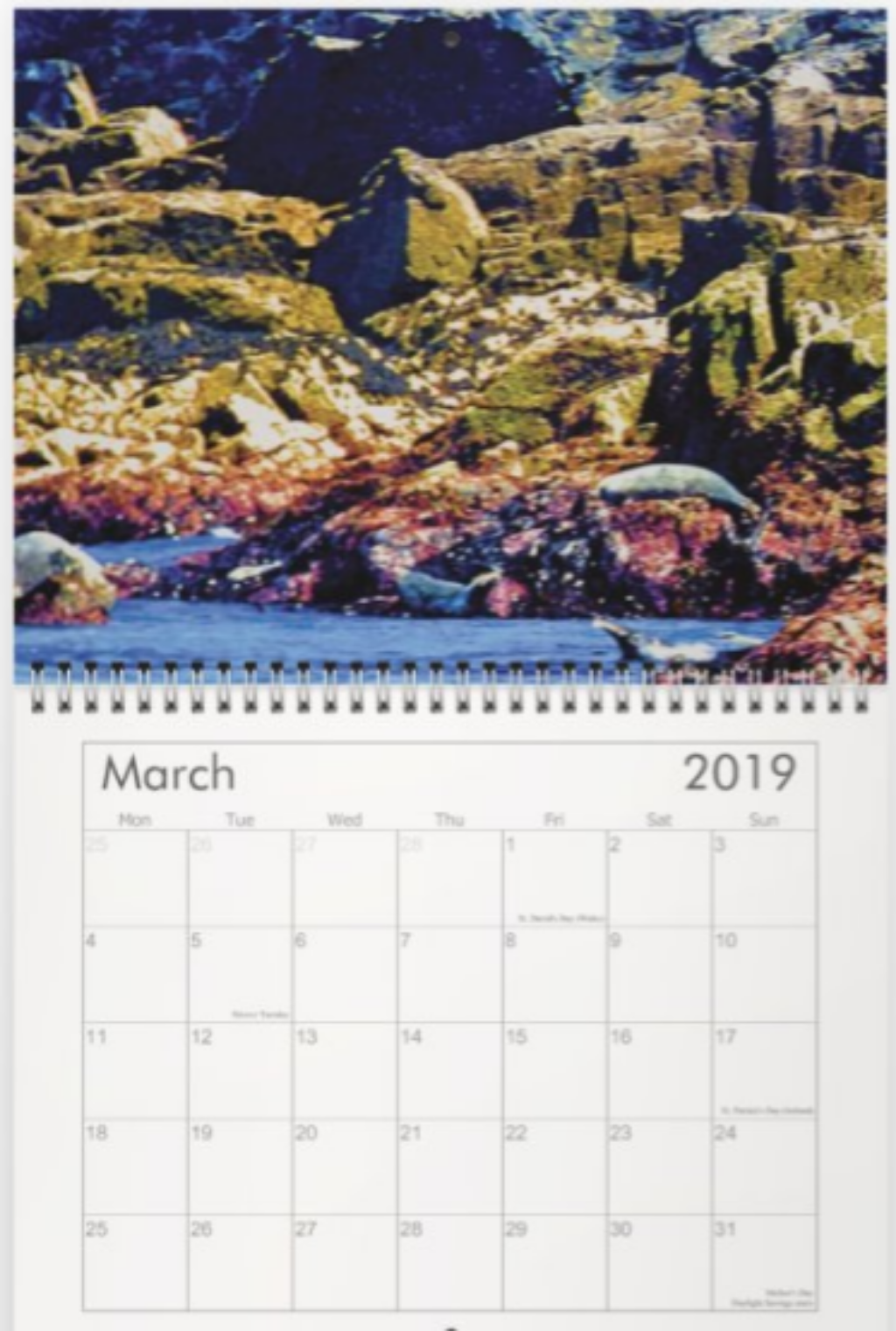
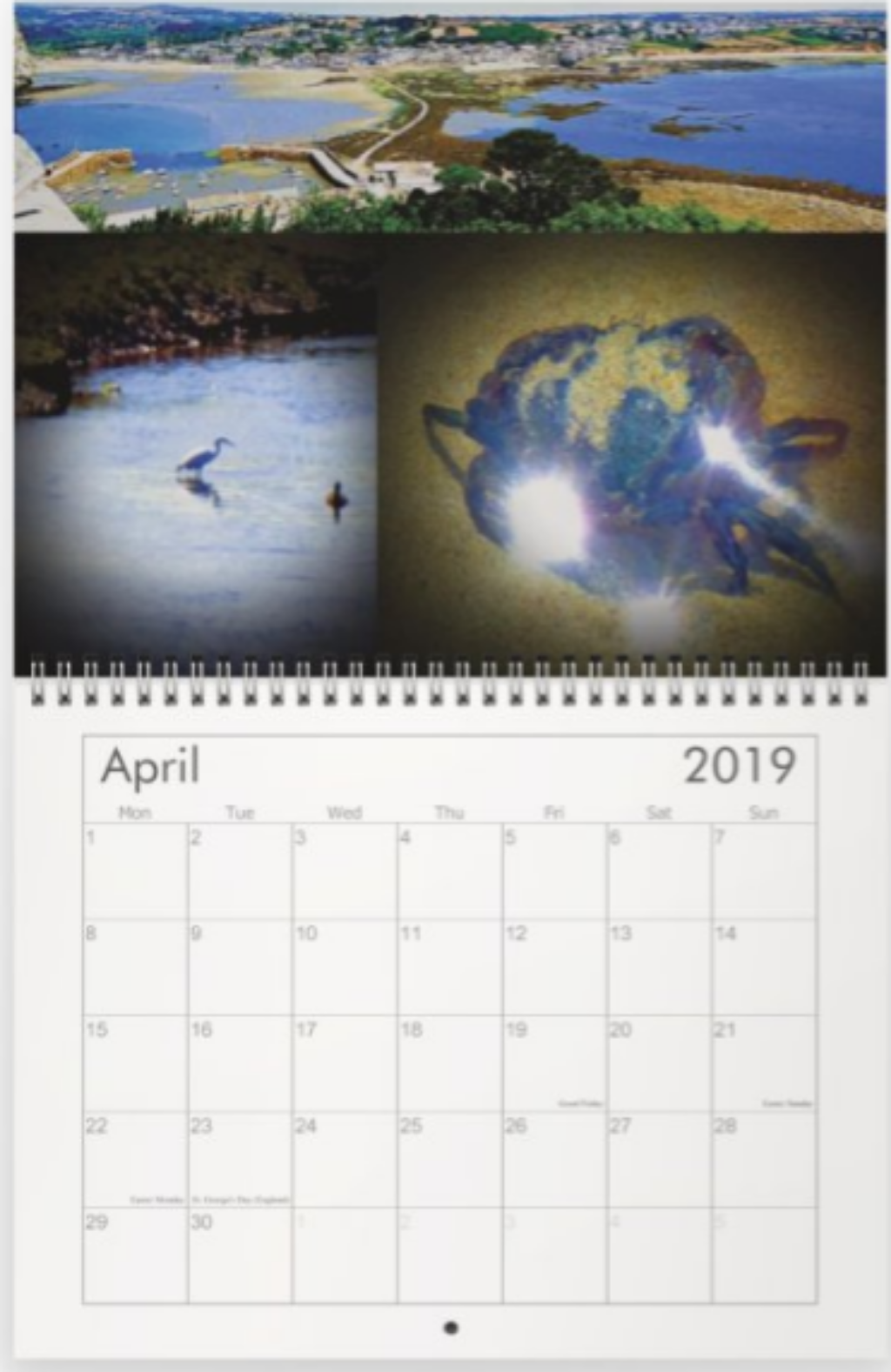
Here are sneak previews of the 13 key pages of the calendar (not actual size). I decided to make this calendar a celebration both of my pictures and of the fine county of Cornwall…
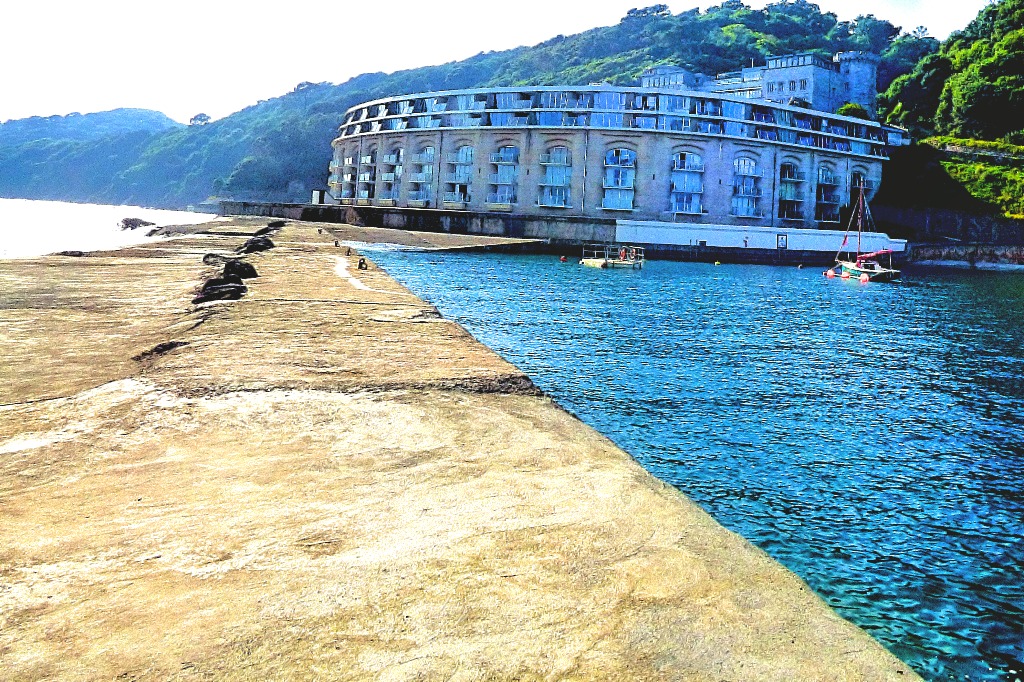
For January we have a picture of Fort Picklecombe:
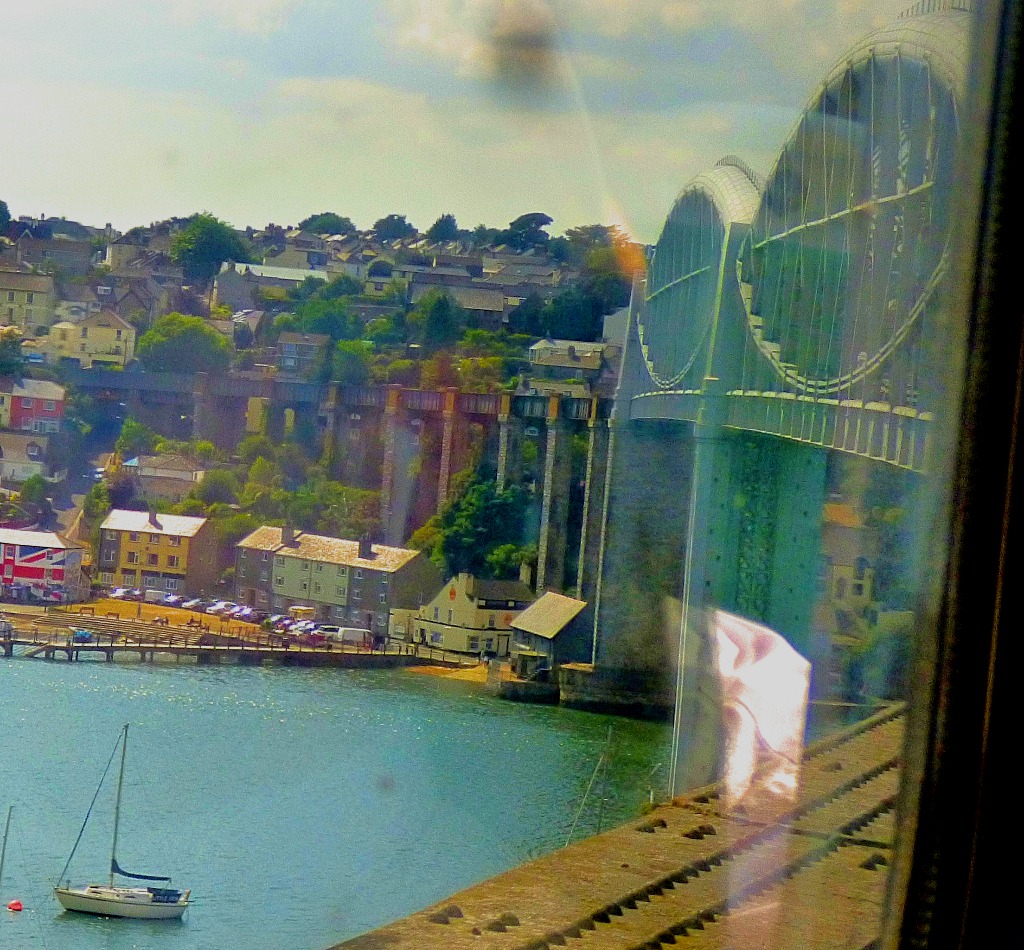
February features Brunel’s famous bridge at Saltash:
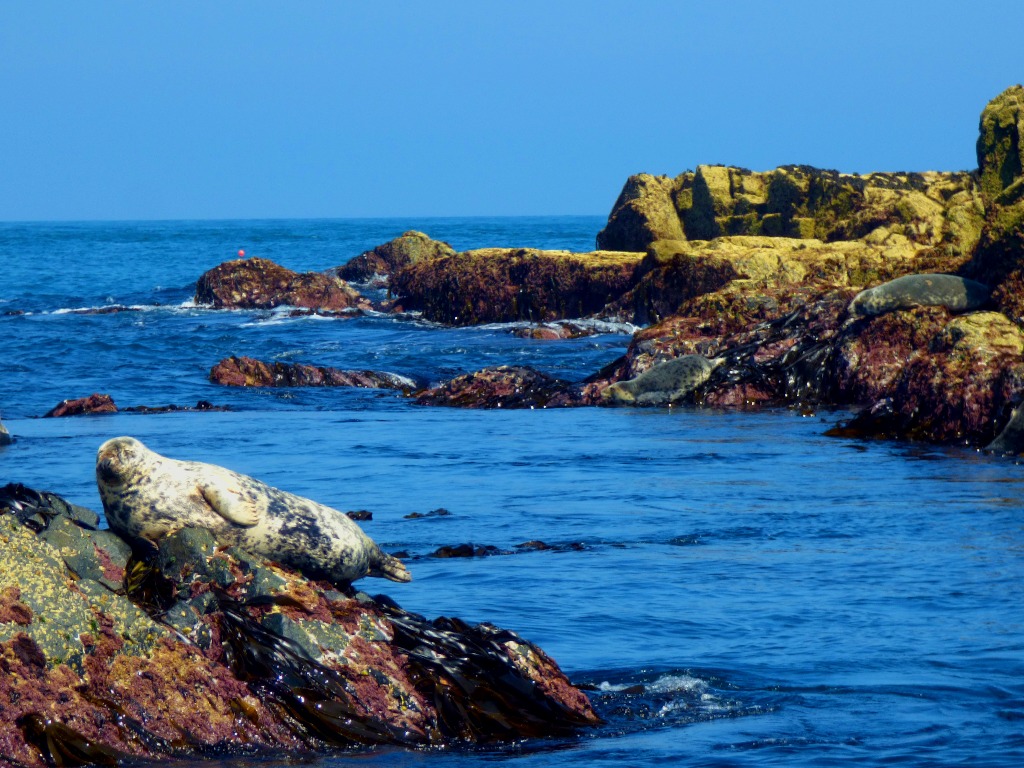
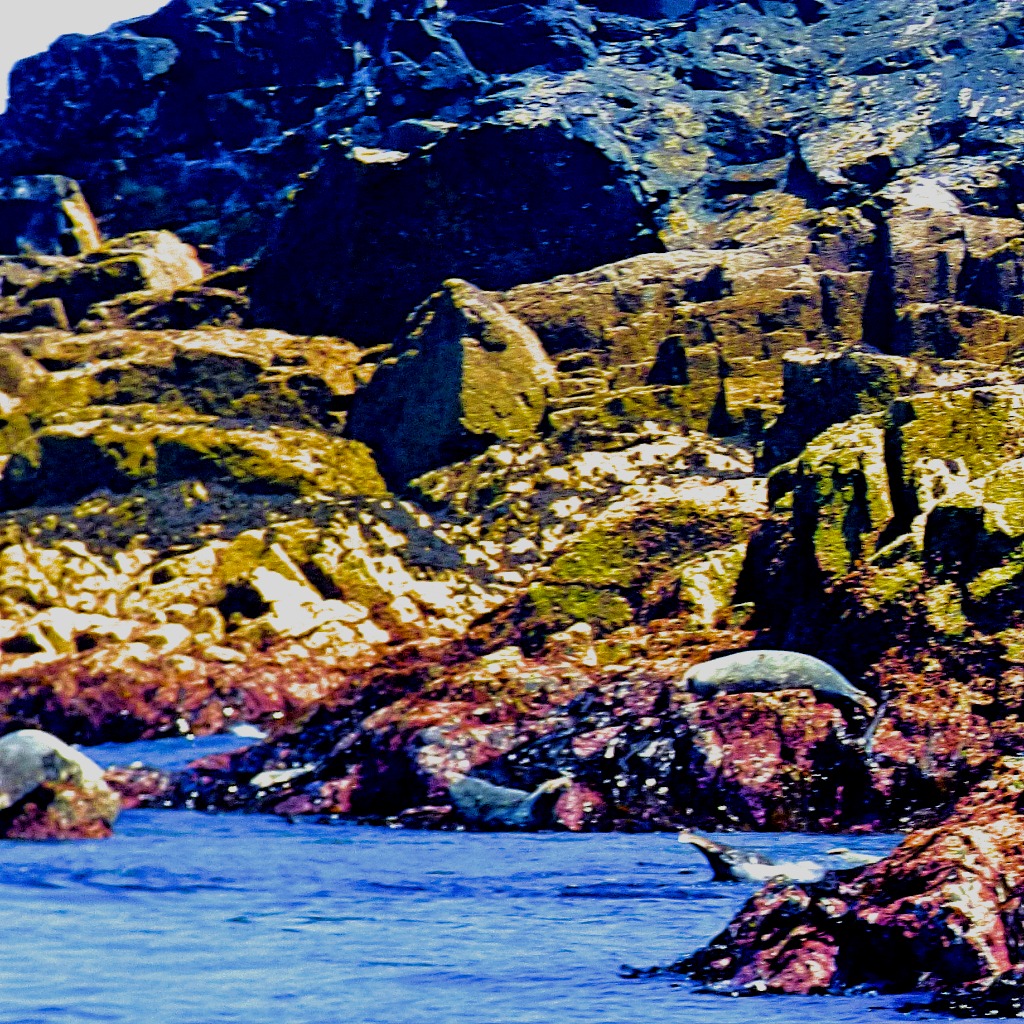
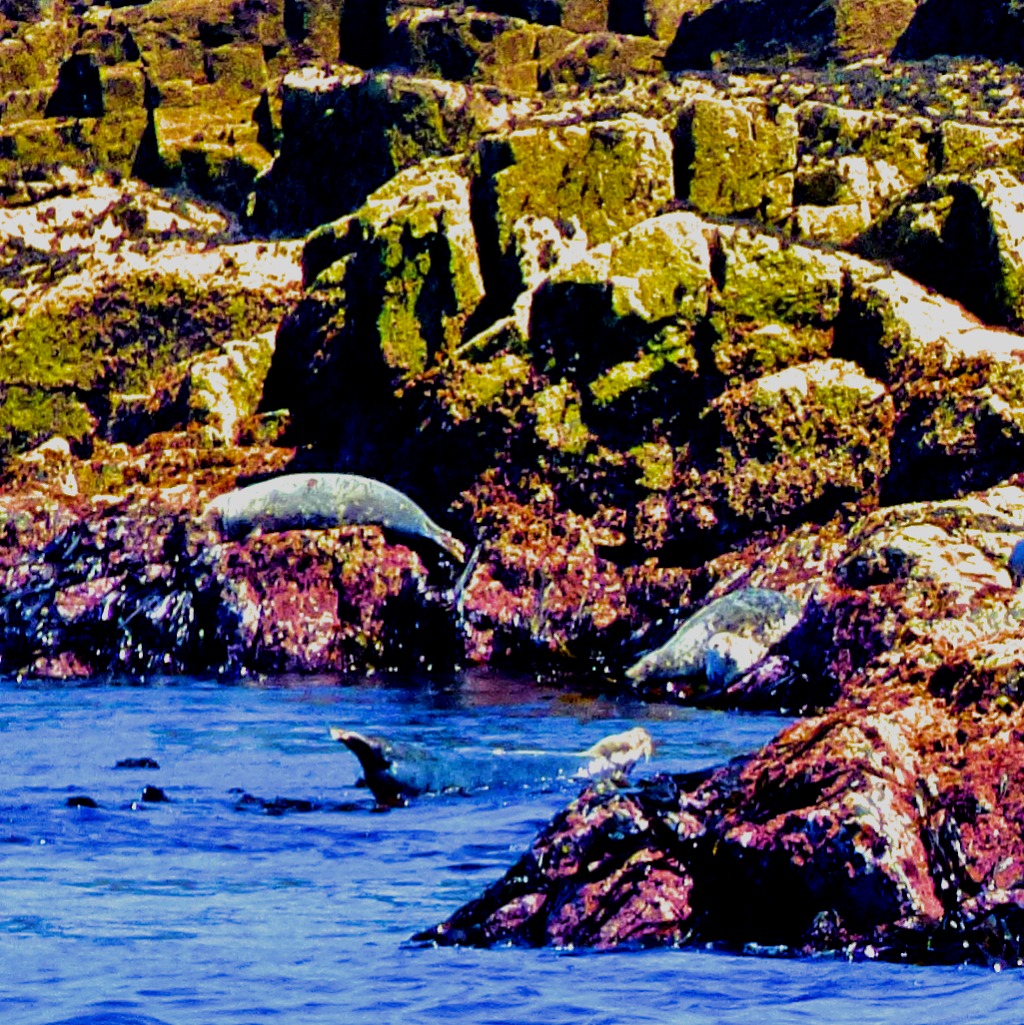
For March the focus shifts to the far west of Cornwall, where with the exception of November and December it remains for the rest of the year. This is one of two pictures from a seal colony near St Ives to make an appearance.
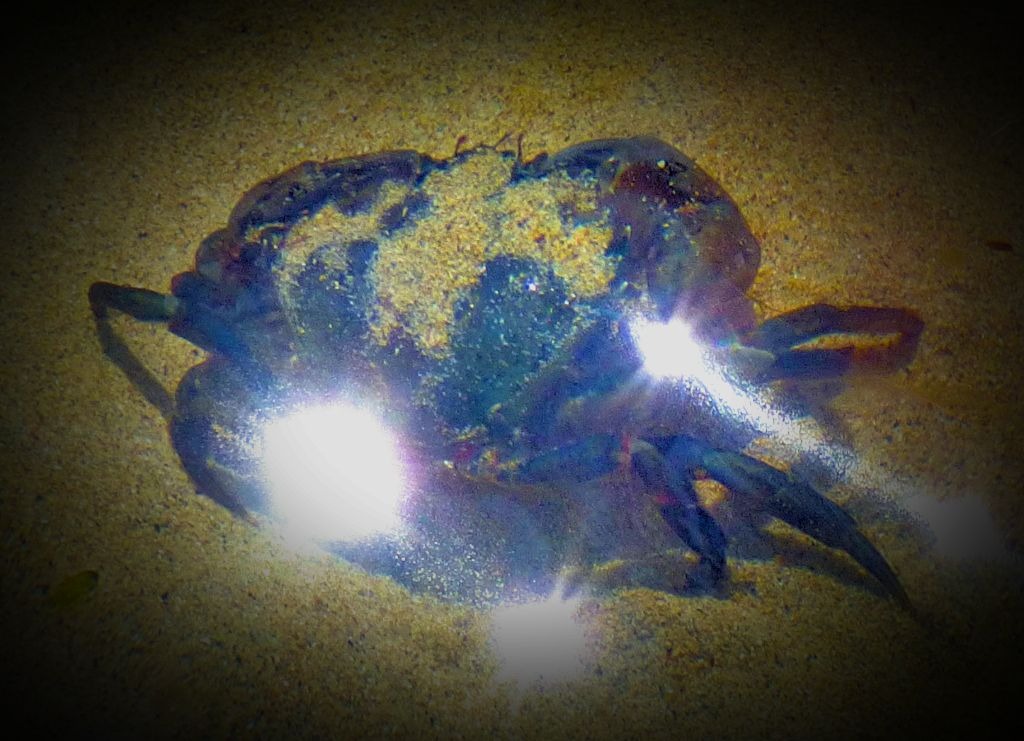
The April picture is a trio – across the top a view from St Michaels Mount to Marazion, and sharing the bottom a heron at Lelant Saltings and a crab at St Ives.
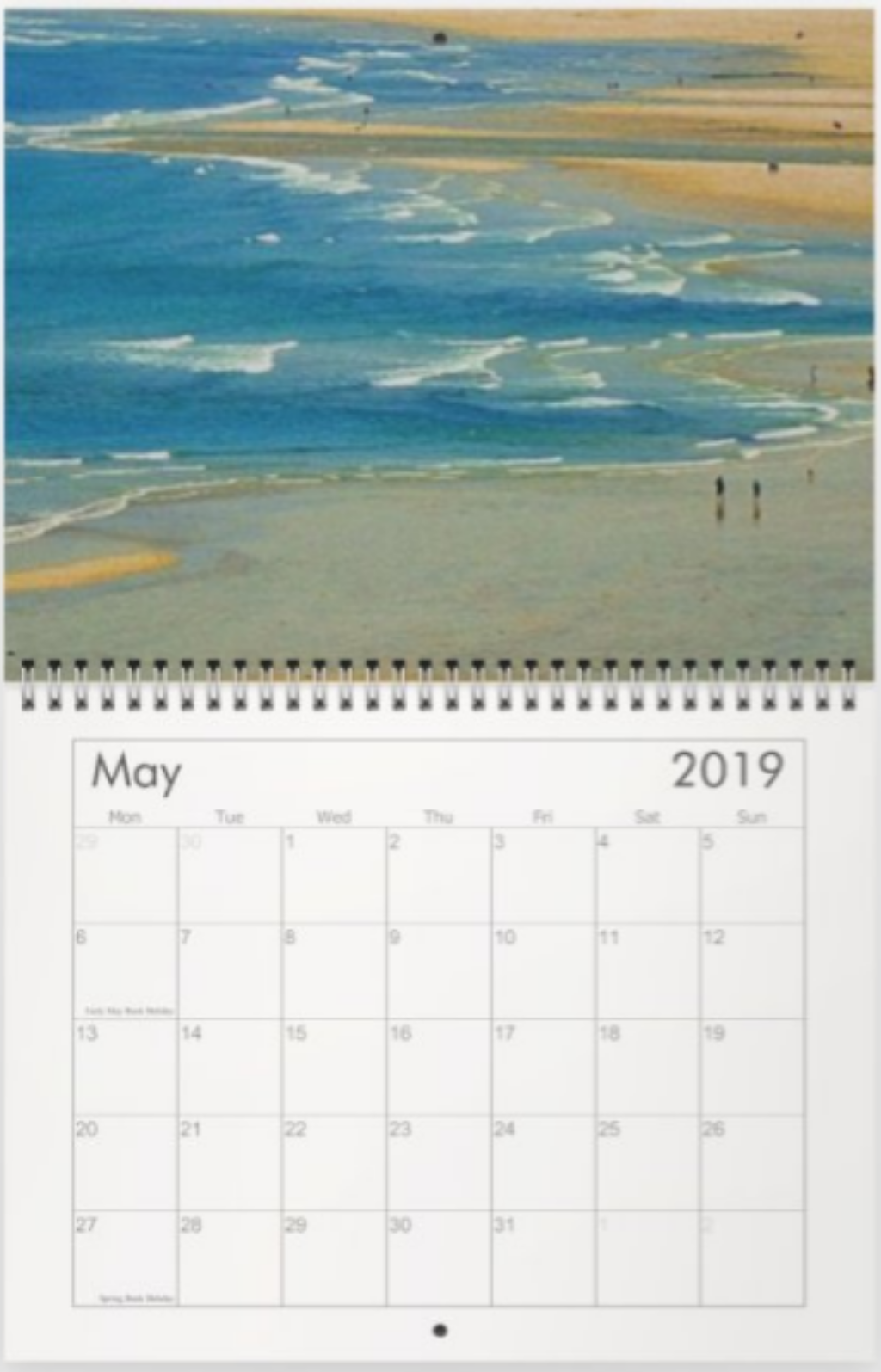
May features a shot of Carbis Bay.
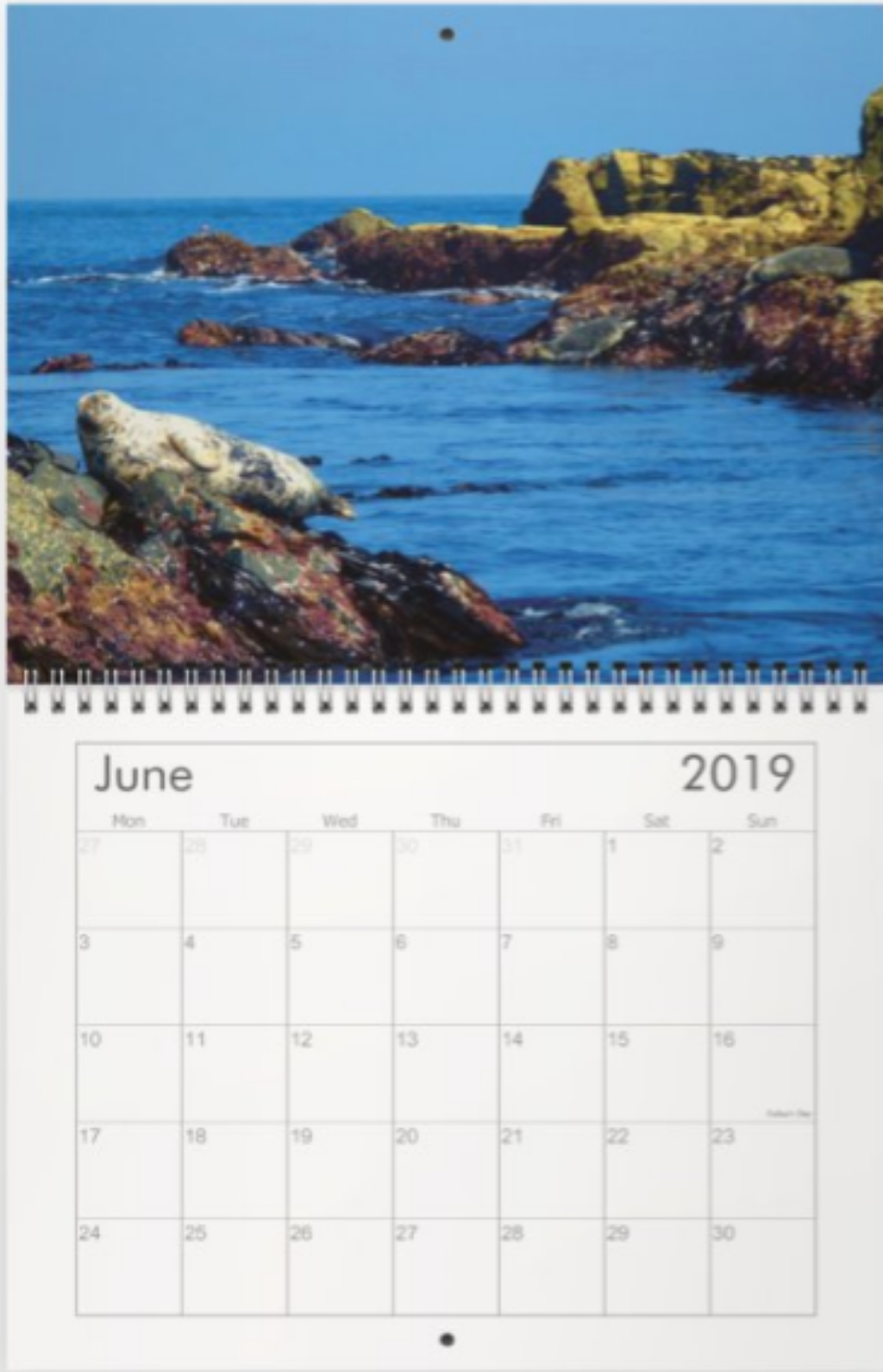
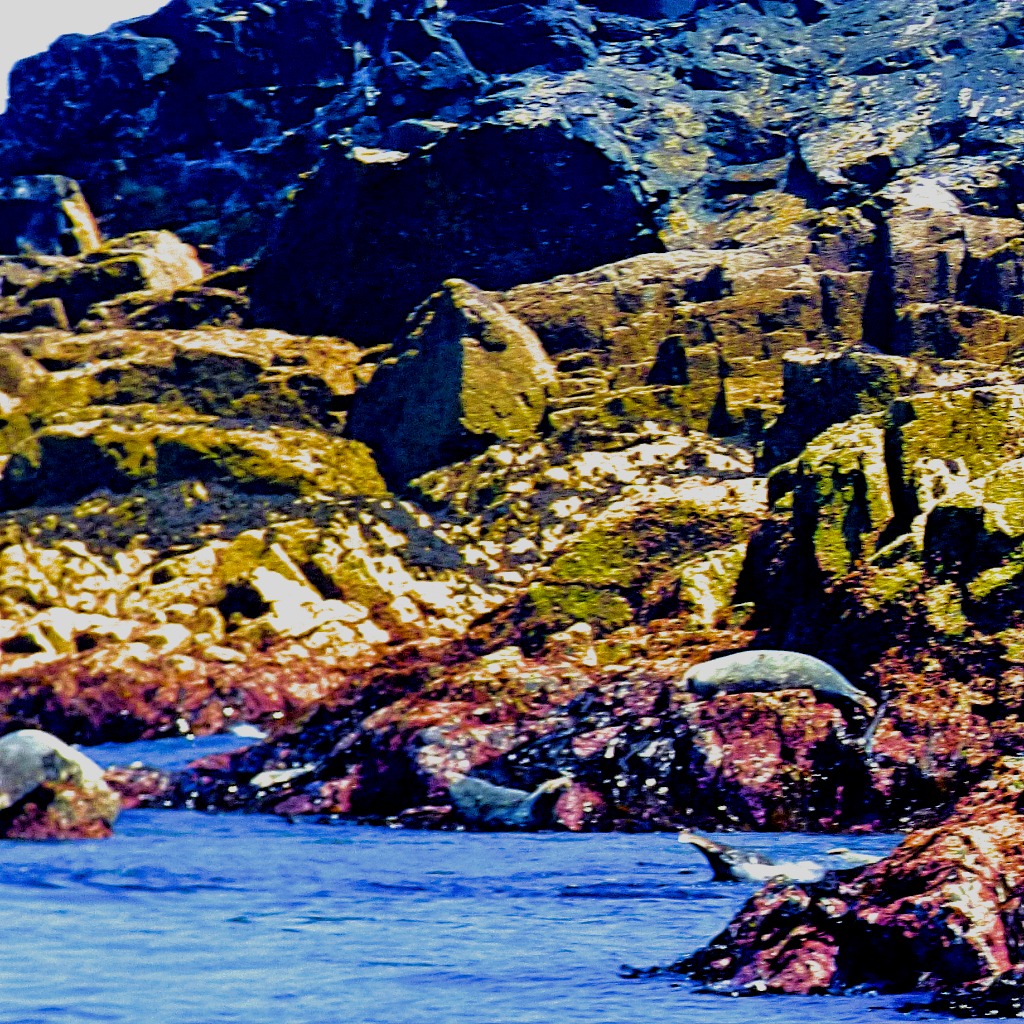
June features our second seal picture:
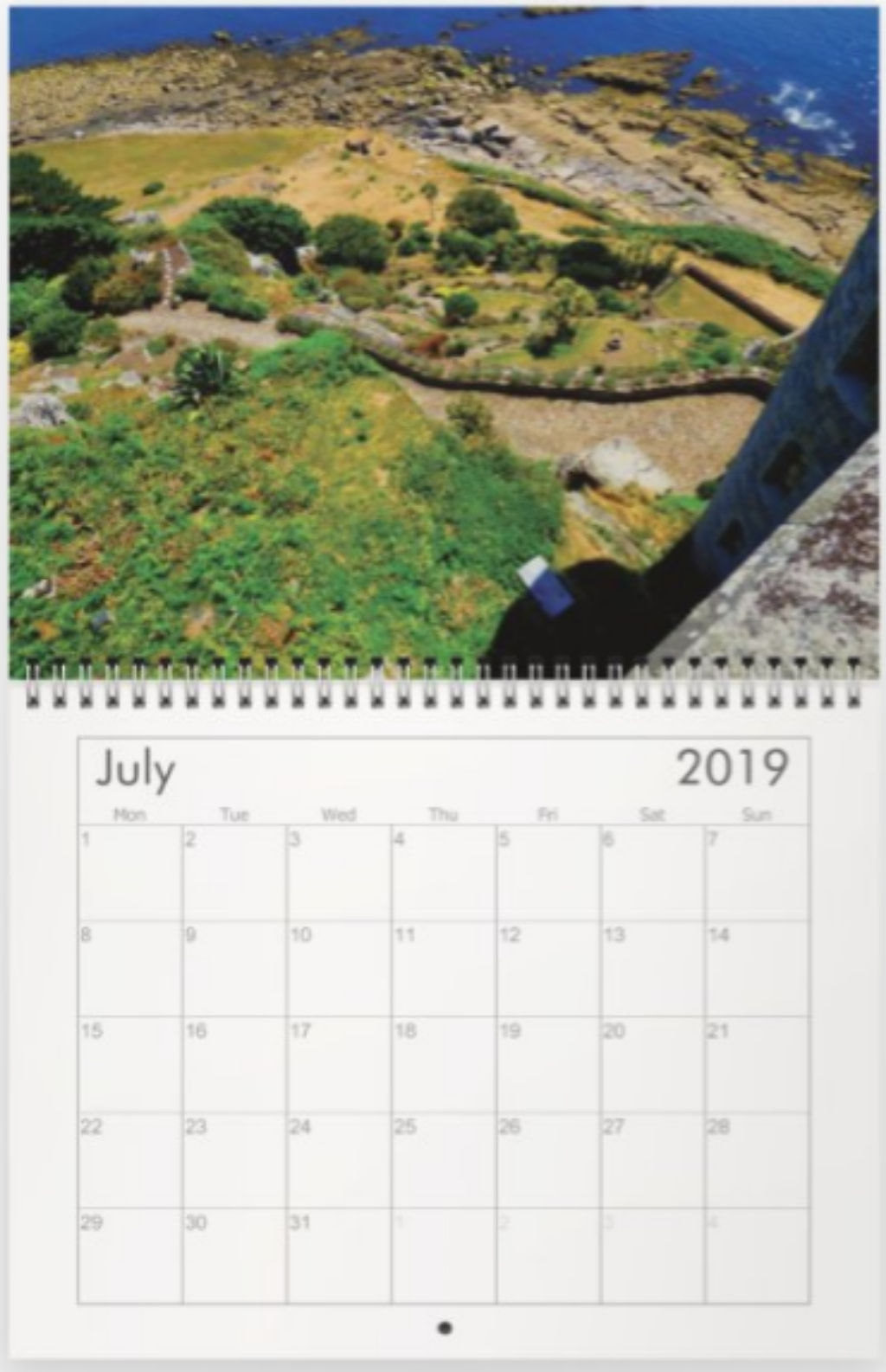
July features the seaside garden at St Michael’s Mount, which members of the public can view only from above:
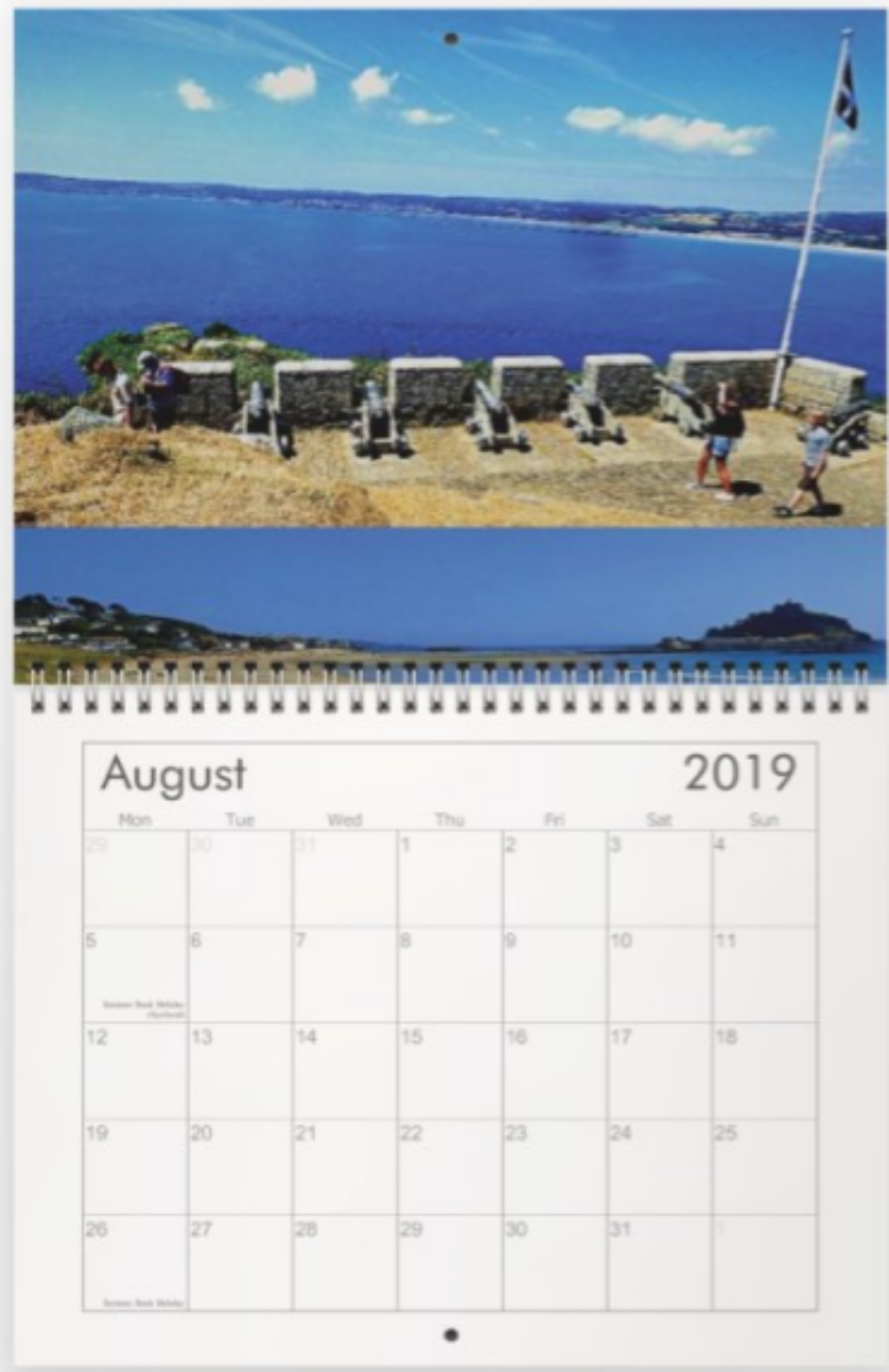
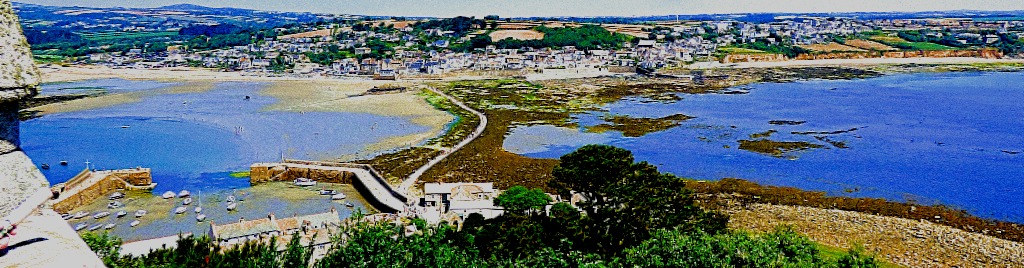
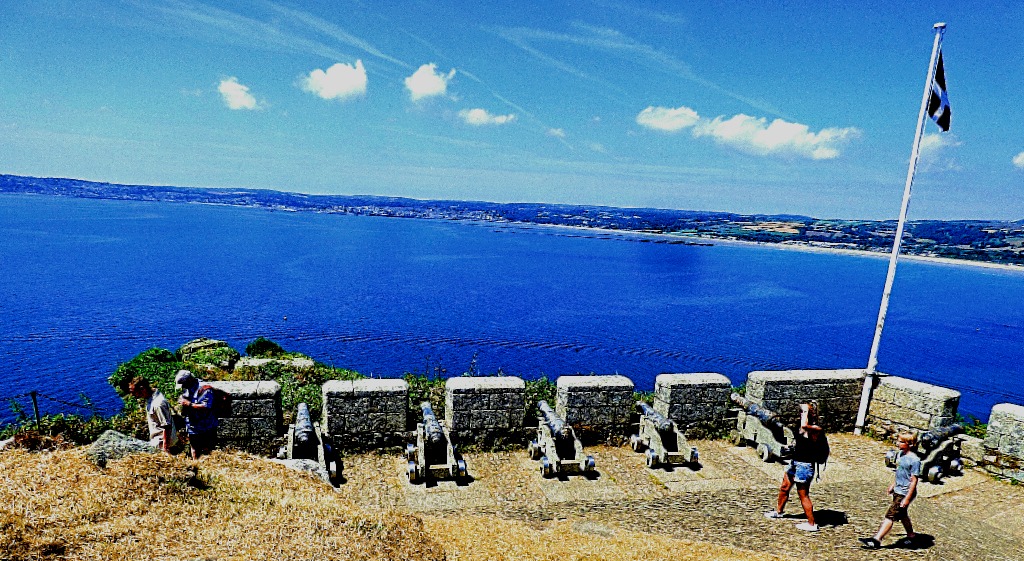
August is double-up, featuring a cannon emplacement at St Michaels Mount on top and a panoramic view of the mount and causeway below:
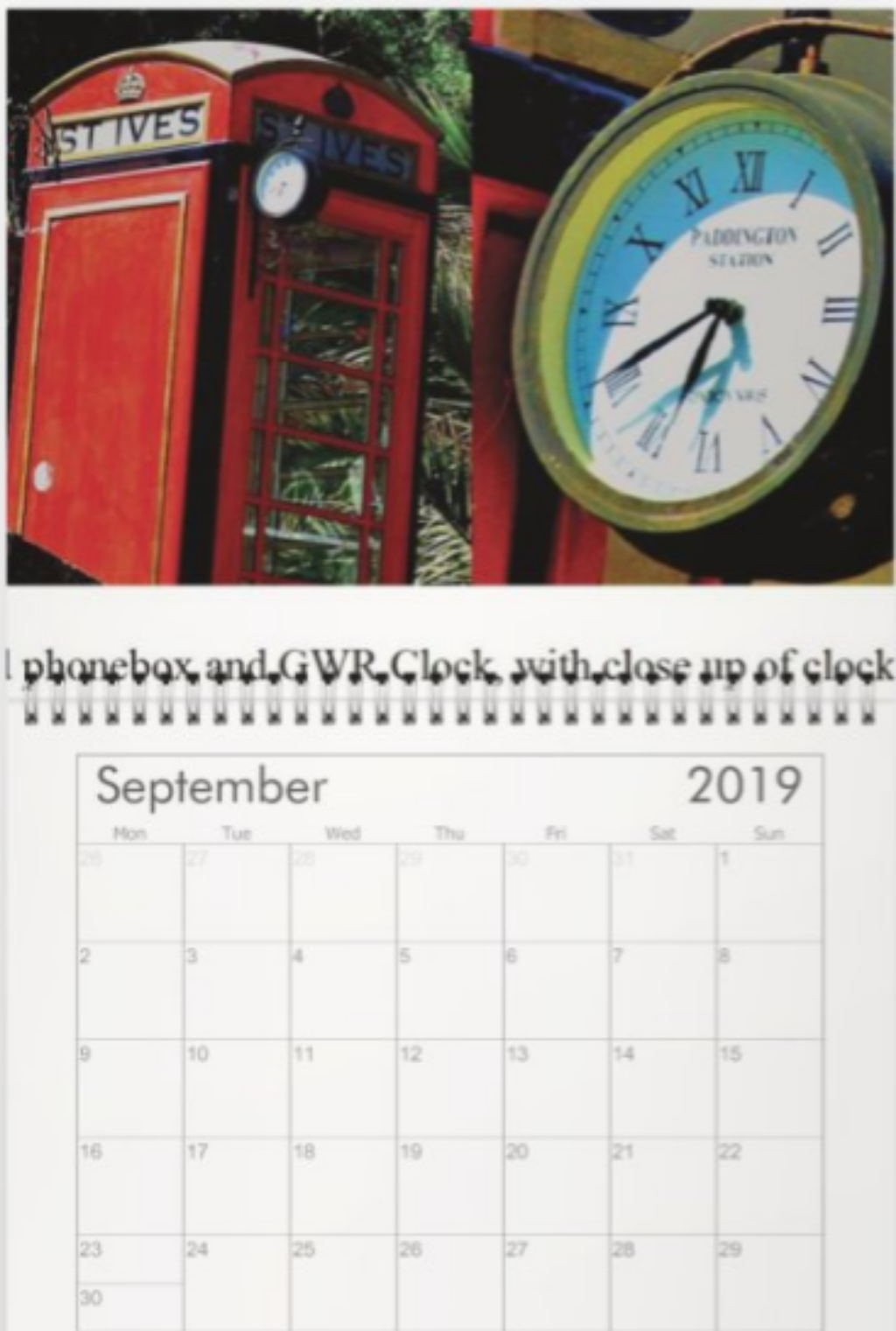
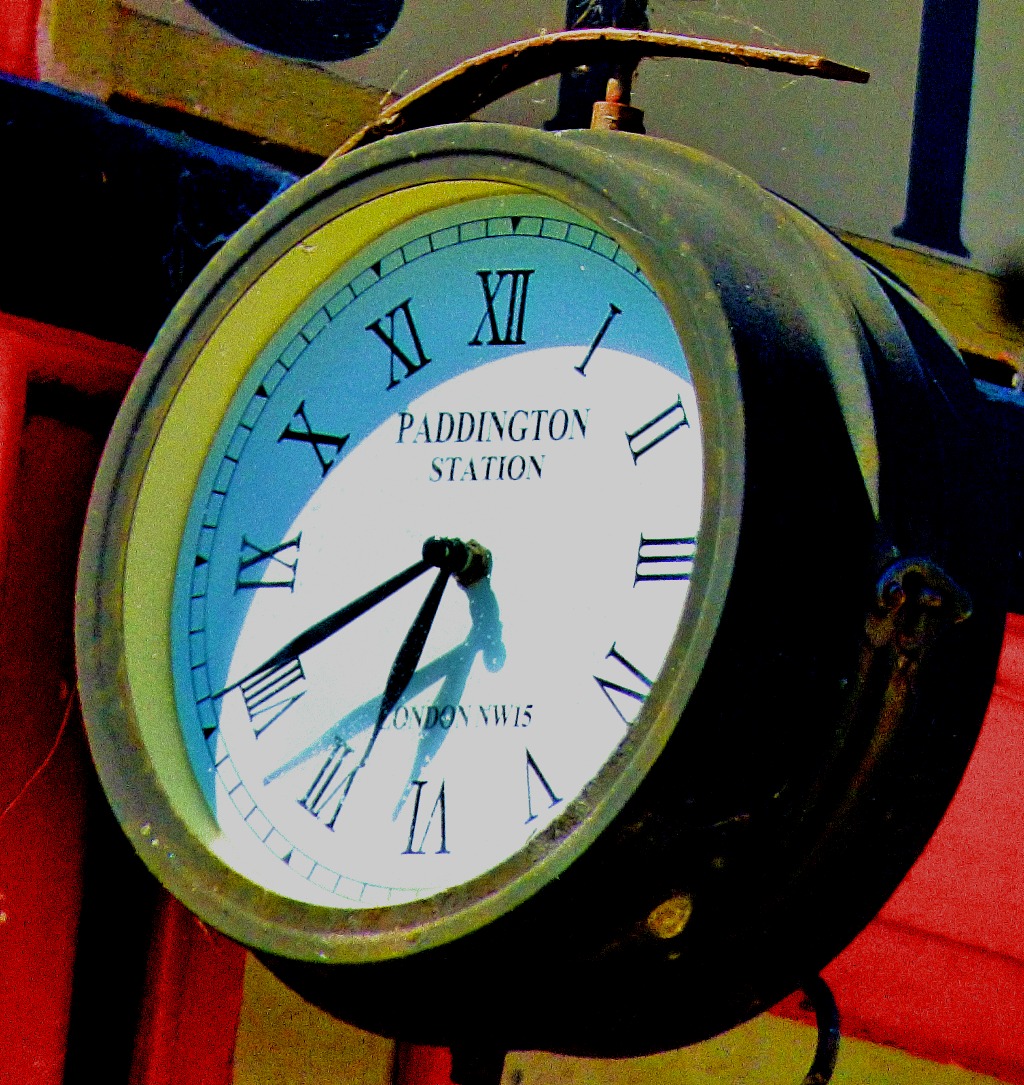
September is a double up from St Ives showing an old phone box with a an antique Great Western Railway clock attached on one side and a close-up of the clock on the other:
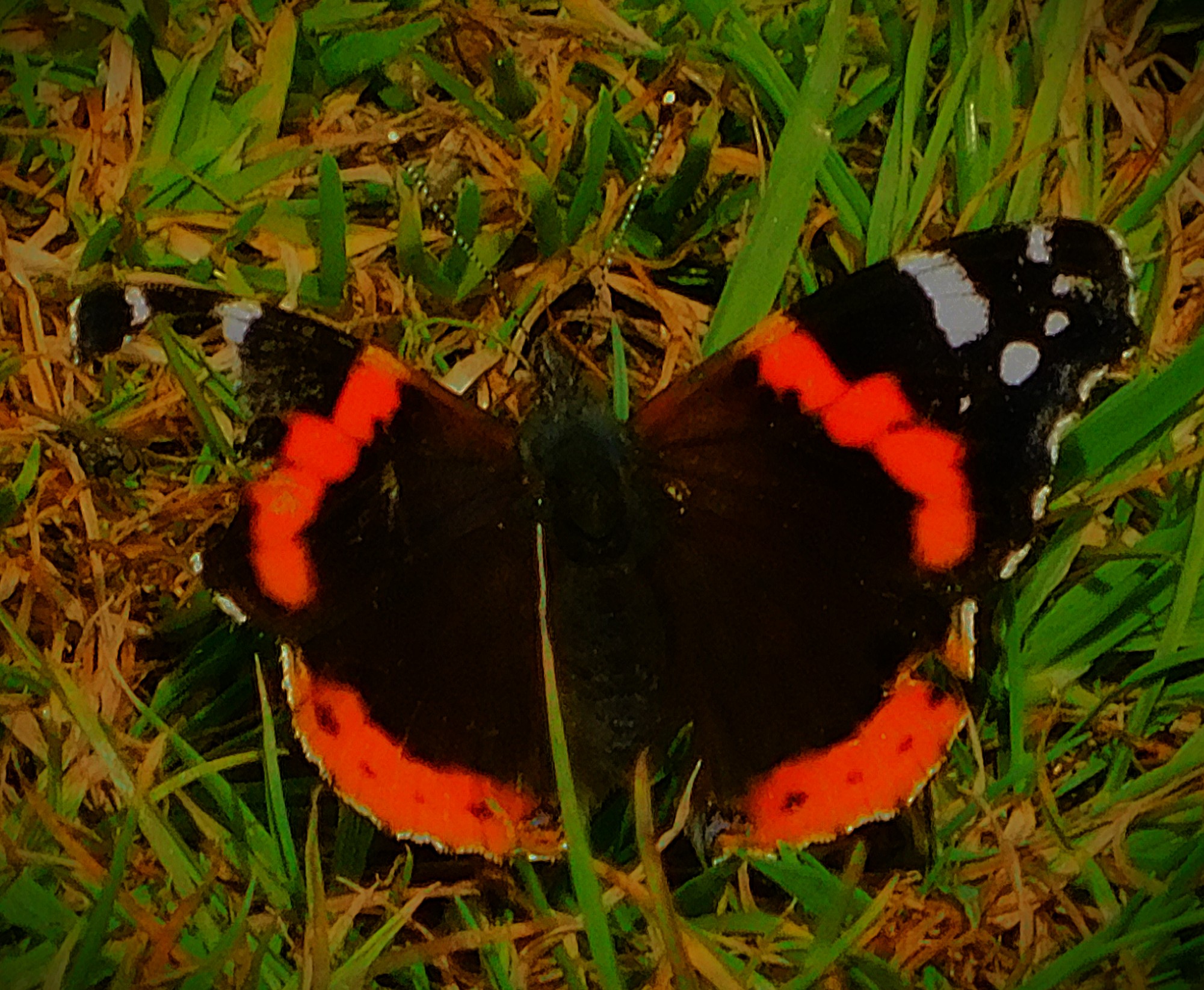
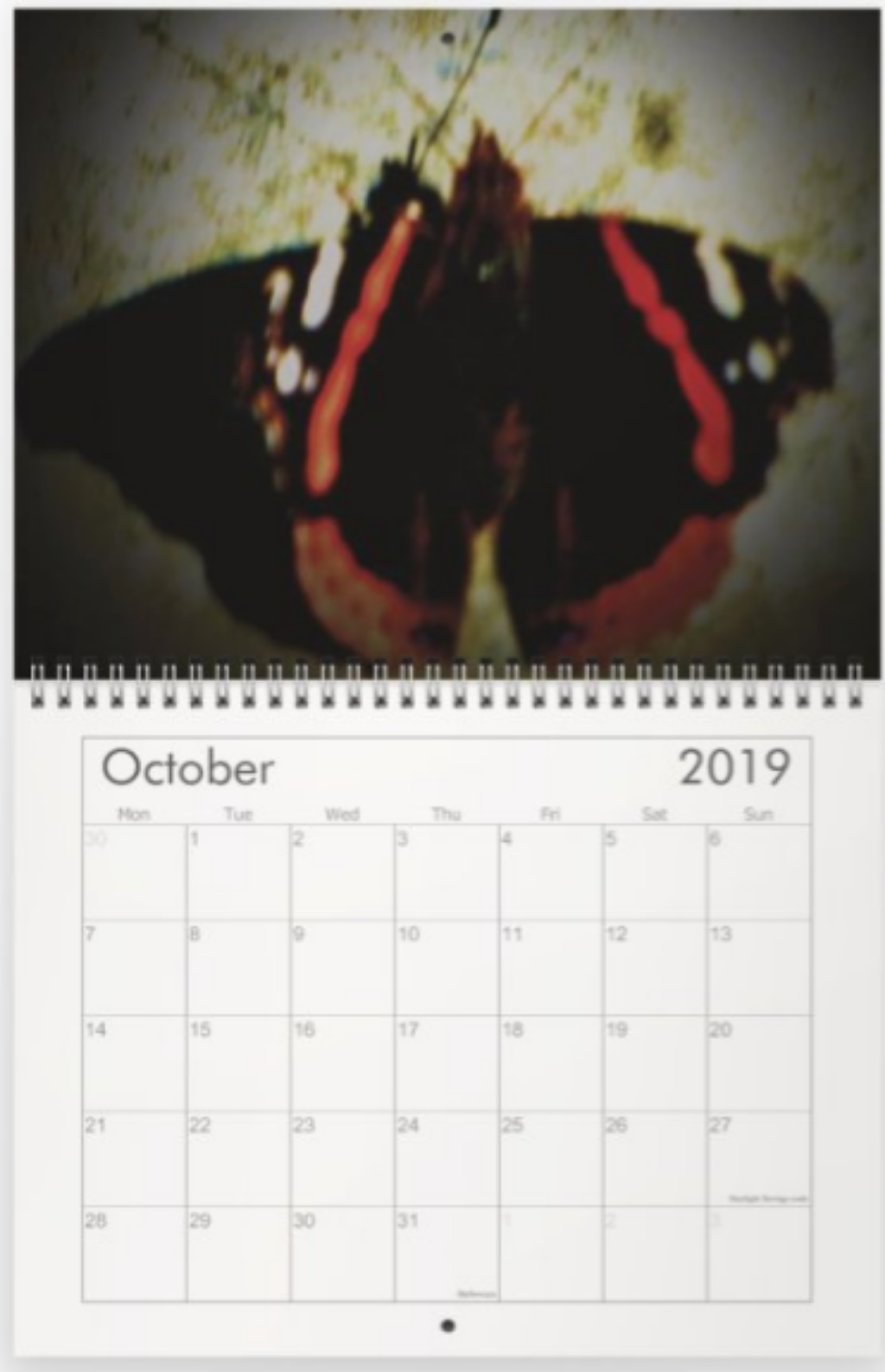
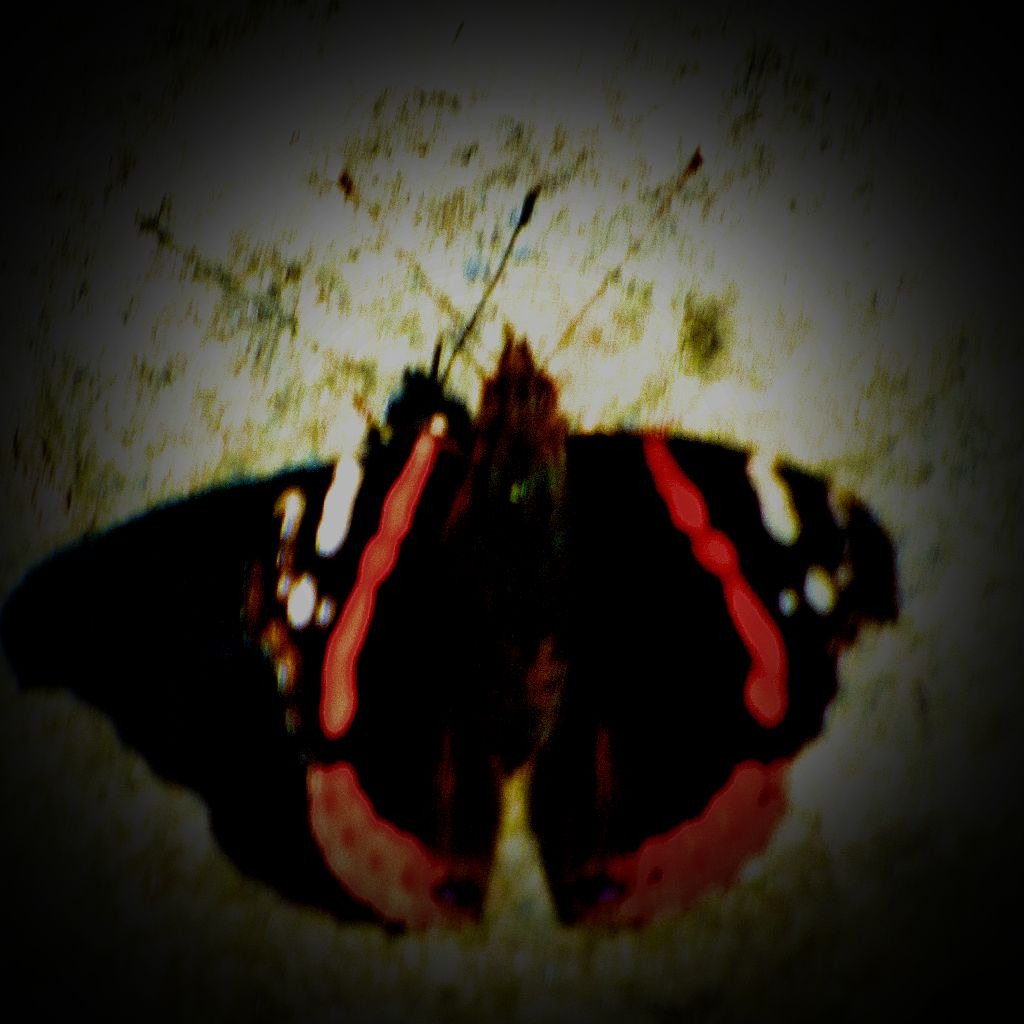
October features a red admiral butterfly spotted on the descent from St Michael’s Mount:
November, sharing with July the distinction of a photo taken that month, features the lighthouse picture that is also my desktop background and the reverse side of my personal cards.
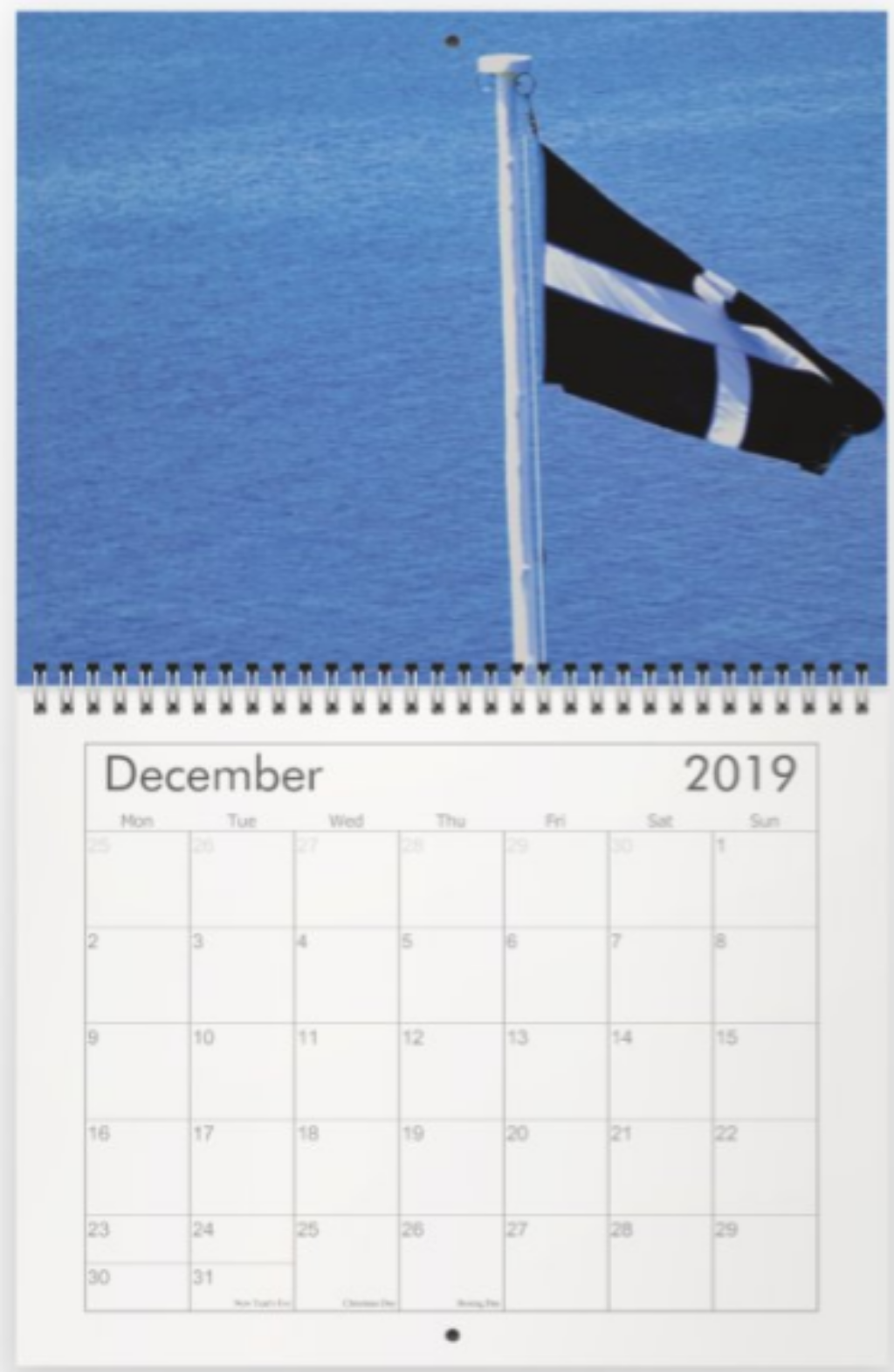
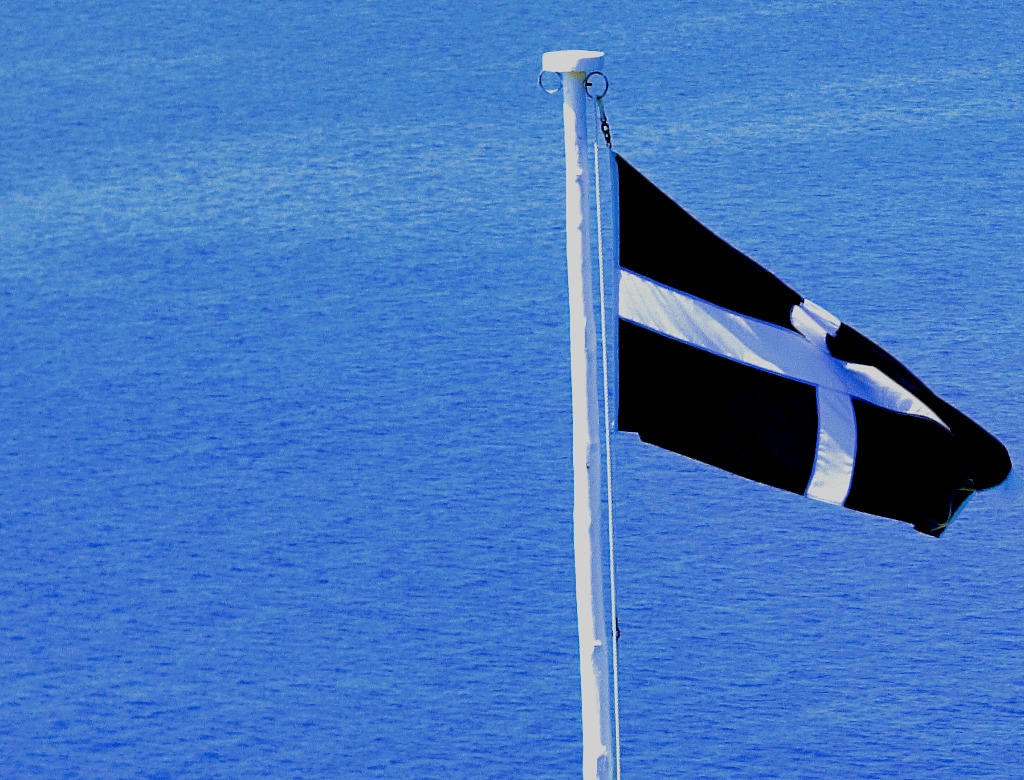
December, just to emphasise what this calendar is all about features a shot of the Cornish flag.
Each page of the calendar is 28cm wide and 21 cm high, meaning that when hanging up open and ready for use it is 28cm wide and 42cm high.
Presenting an idea for the next aspi.blog wall calendar and inviting suggestions in response.
INTRODUCTION
Those of you familiar with this blog will know that a photographic wall calendar has become something of a tradition – the 2019 effort when I finally do it will be number four. I have started thinking about and this post is intended to show one possibility.
A CORNISH THEMED CALENDAR
Those of you who saw my “A Grockle’s Eye View of Cornwall” series (you can access them all from here) will be aware of the amazing scenery I saw while I was down there. Since it was obvious that a number of those pictures would have to feature I then started thinking about how a Cornish gallery calendar might work, and this is where I have reached so far.
THE FRONT COVER
To provide a clue of what is within this is my envisaged front cover pic if I go the “pure Cornish” route:
OTHER POSSIBLE PICTURES
January would be this one:
The other pictures that I have identified as possibles, in no particular order are these:
This bridge is so iconic that my shot of it would have to feature.
After a number from St Ives, we move on St Michael’s Mount and its surroundings.
WHAT DO YOU SAY?
Do you think the “pure Cornish Calendar” idea works? If so do you have any other of my Cornish pictures that you would like to see featured? If not feel free to suggest others of my pictures that should be there.
My previous post in this series covered the journey from St Germans to St Ives and hinted at the feature of my time in St Ives. This post picks up the story. The Cornish Maid has produced posts giving a more local take on St Ives in her blog.
SERENDIPITY IN ST IVES
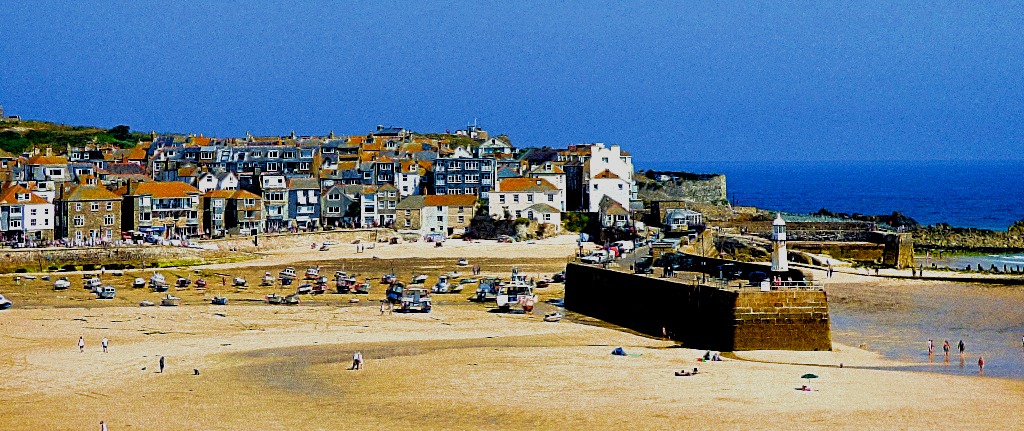
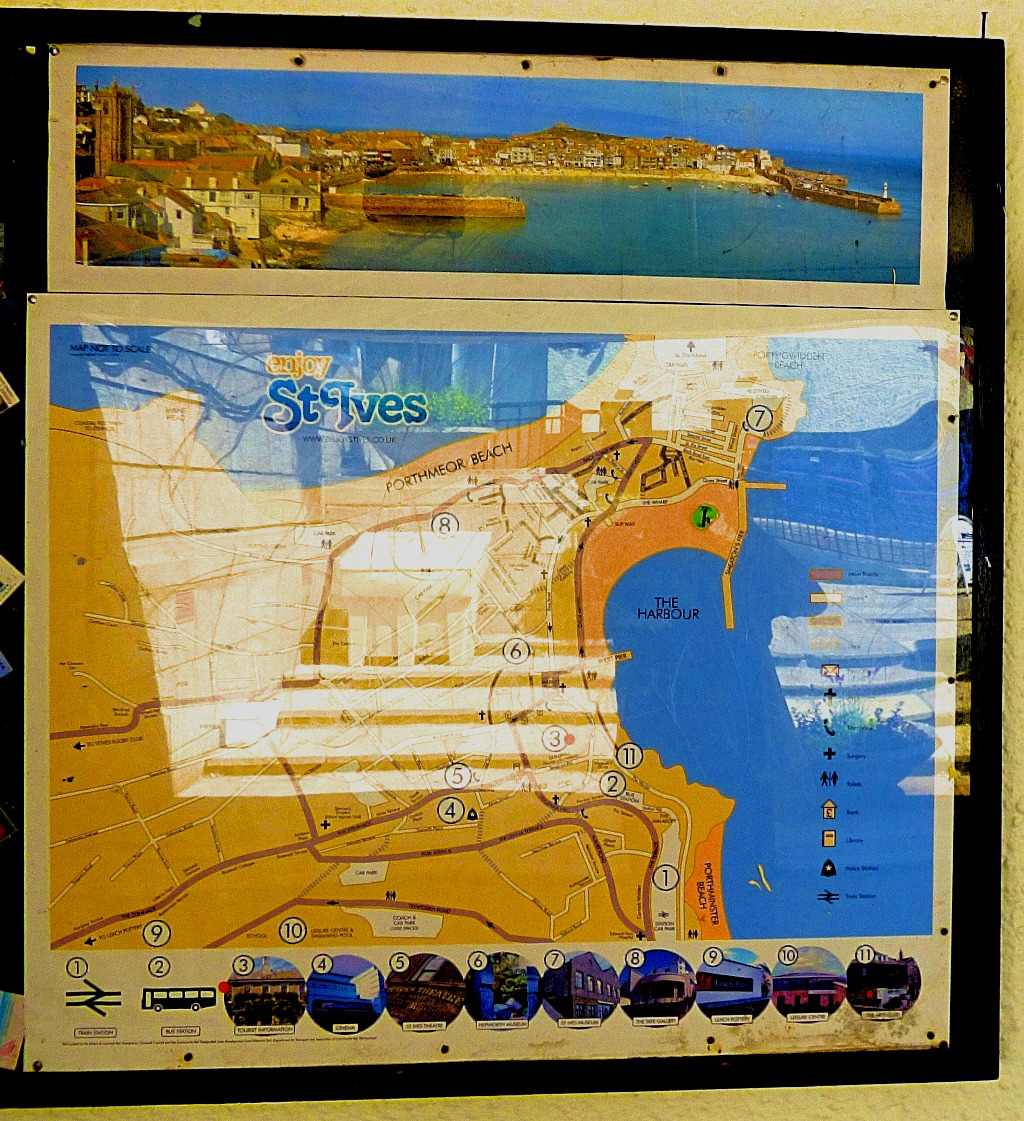
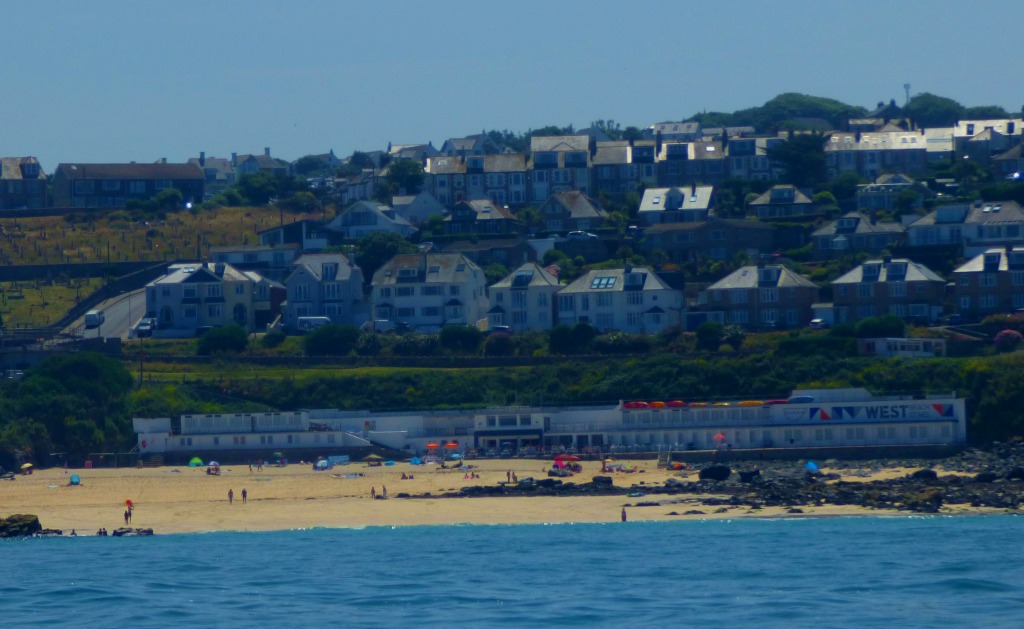
From the station I headed in the general direction of the sea front, taking photographs along the way.
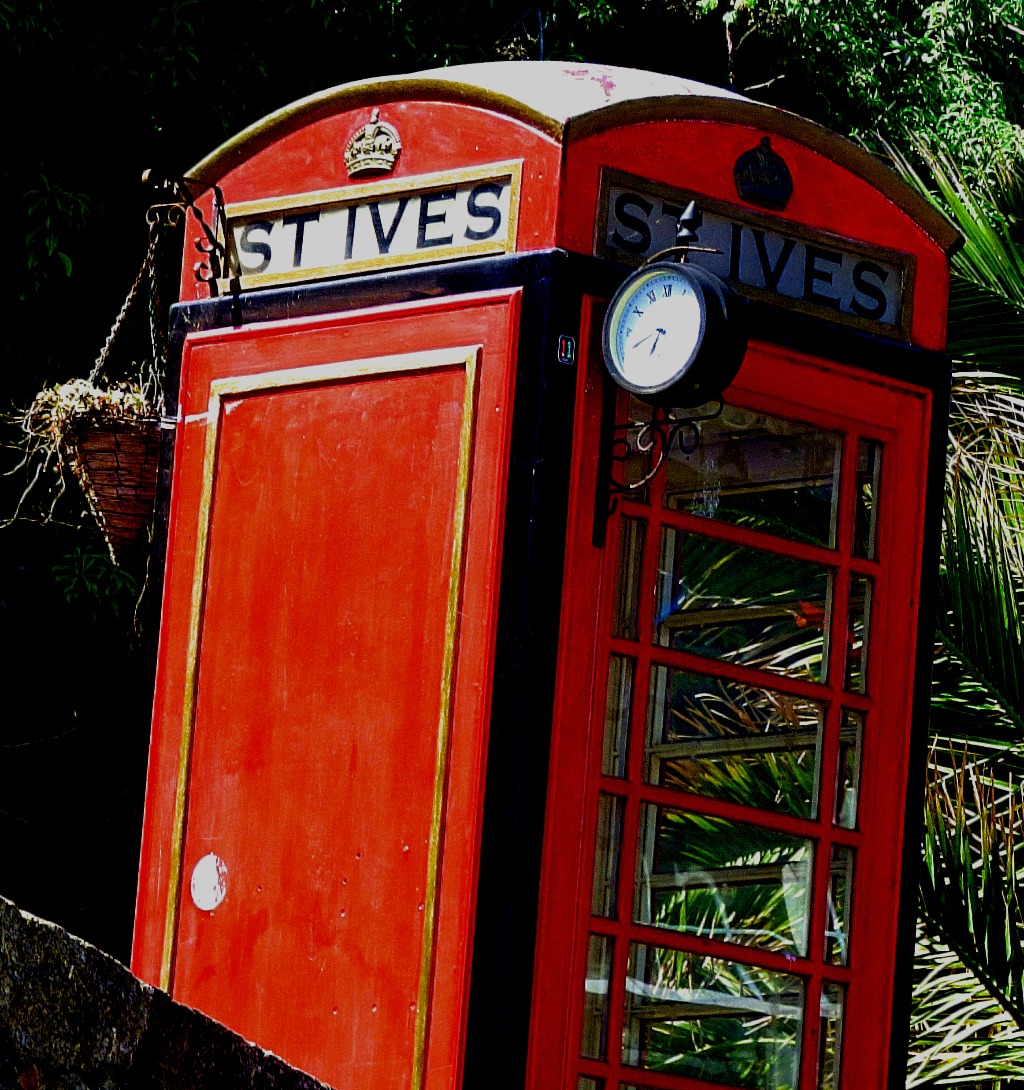
This olde-worlde telephone box caught my attention, while the attached clock had all the appearance of being an old railway clock…
…soon confirmed by my zoom lens.
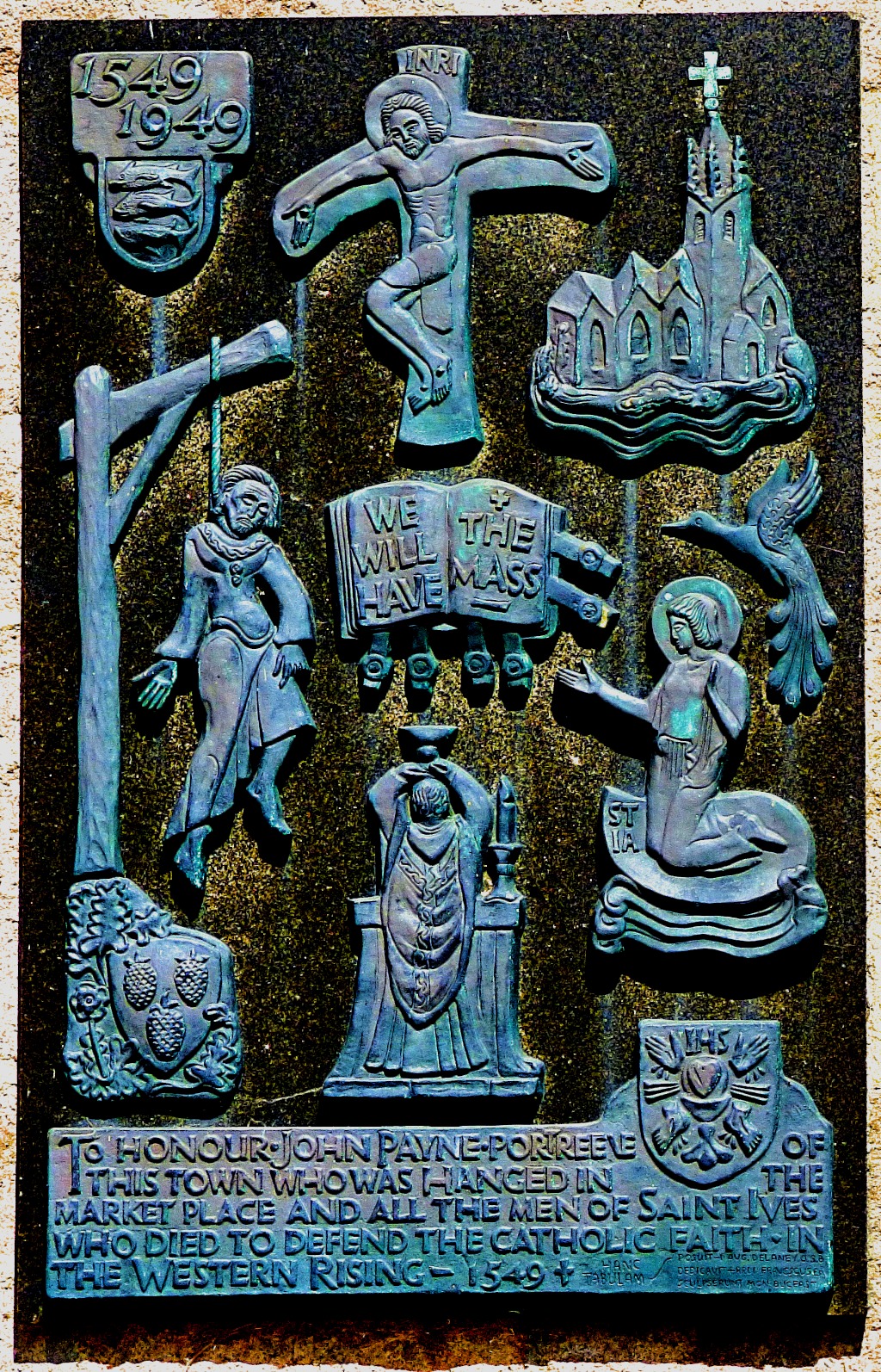
This panel is set into the wall of the Roman Catholic church
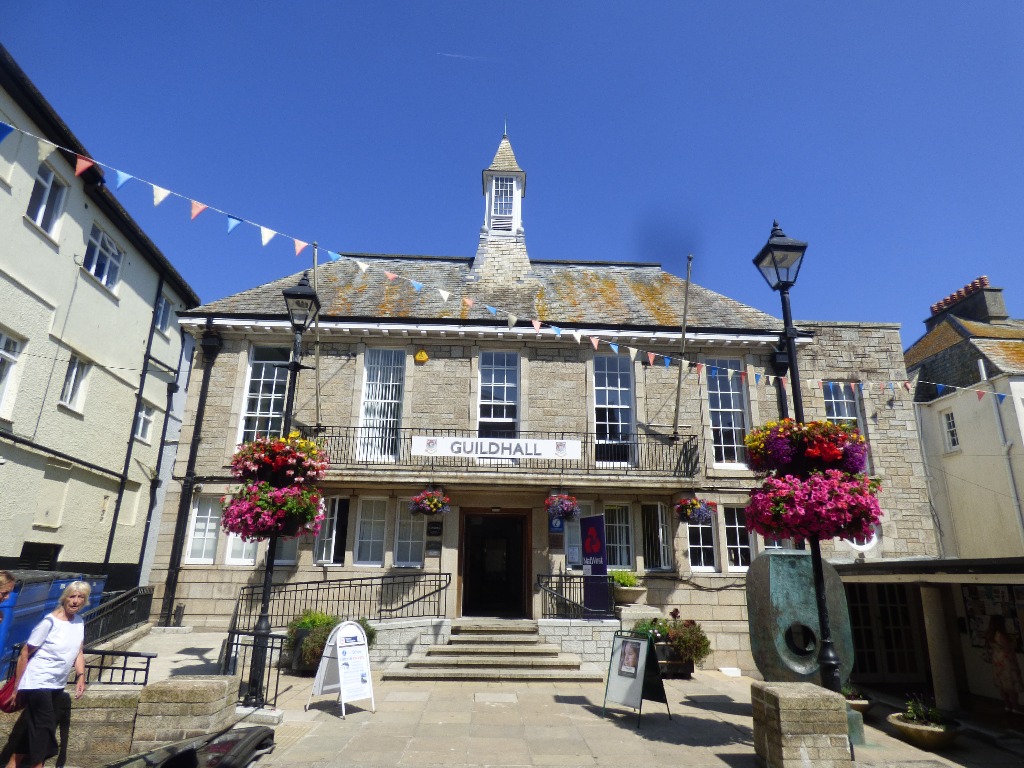
St Ives Guildhall, a handome building, though not quite in the class of King’s Lynn’s 15th century masterpiece. It is home to a tourist information office but they evidently have staffing issues as it was closed and locked that day (a sunny friday in July)
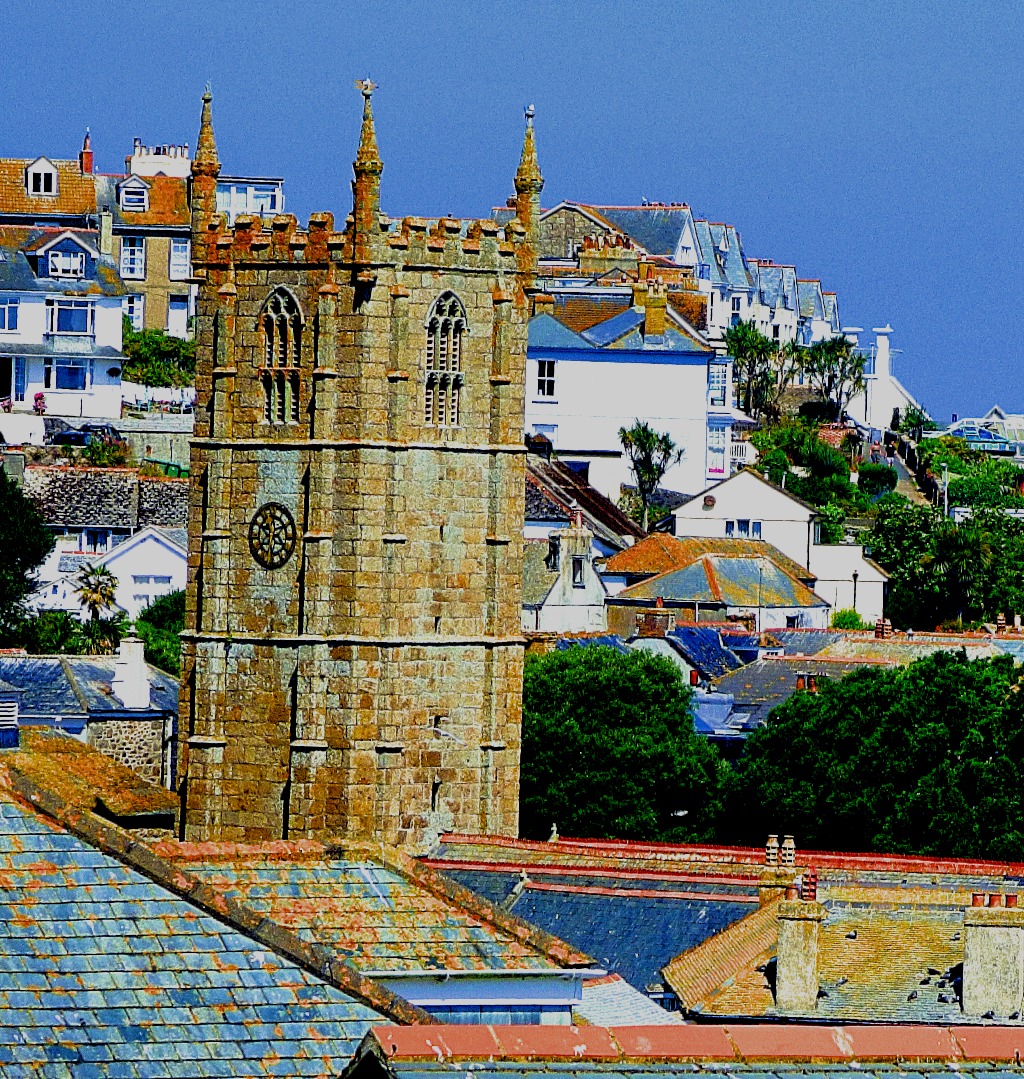
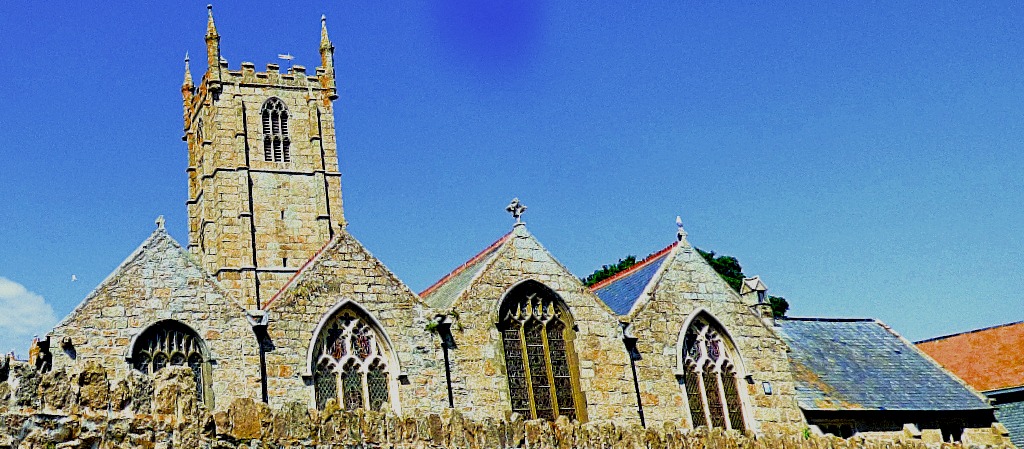
This is the main Anglican church
As I hit the sea front area I encountered a man selling tickets for boat trips to a seal colony. Knowing that I was operating to a time limit (the connections back being less good than those for the outward journey I needed be back at the station around 3PM to be sure of getting back to St Germans at 6PM as I intended) I made enquiries about departure times and the length of the boat trip. I benefitted from being a natural born singleton – there was exactly one seat remaining on the Sea Horse, which was departing at 12:00 and would be back around 1:15, and that was the decision made (there is a seal colony at Blakeney Point in Norfolk, but this seemed likely to be an improvement on that).
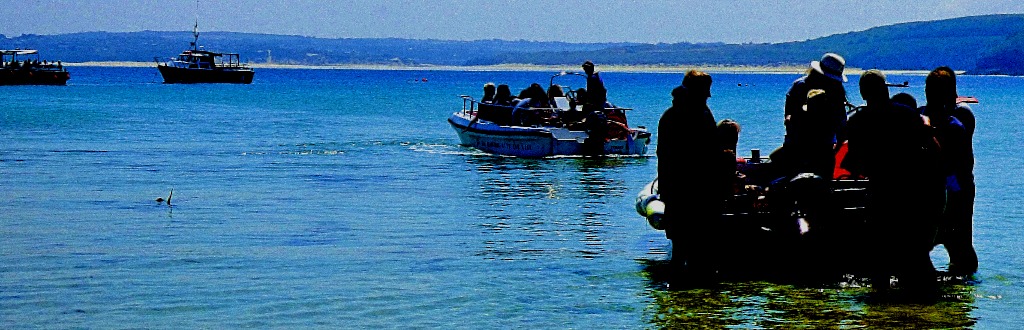
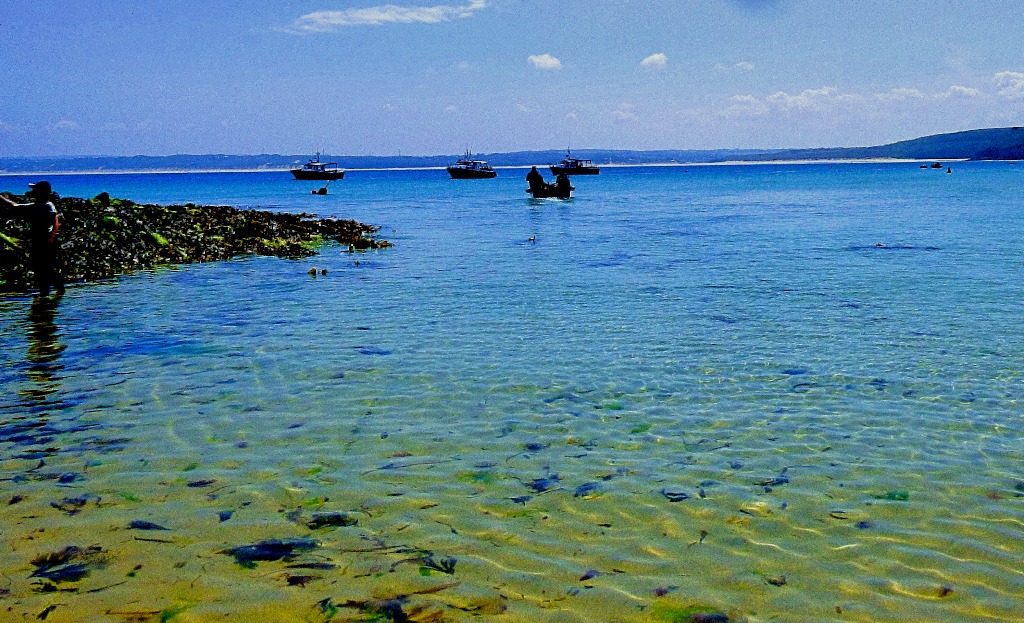
One takes a small boat out to the main boat one is booked on, and at low tide (as it was for my outbound journey) one has to walk out into the sea to about knee depth for the first pick up. The water was cool but not shockingly so, and it was actually very pleasant standing in the shallows.
OUTWARD BOUND
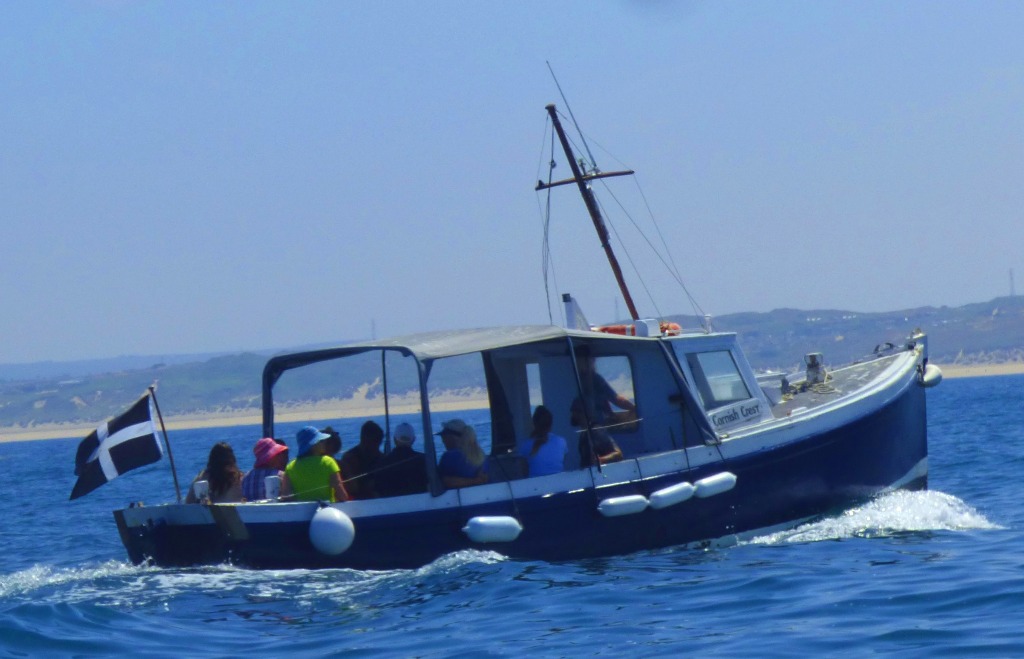
I managed to board the small boat taking me and others out to the Seahorse (a 12 seater boat, so still not huge) without incident, and the transfer to the Seahorse also passed without incident.
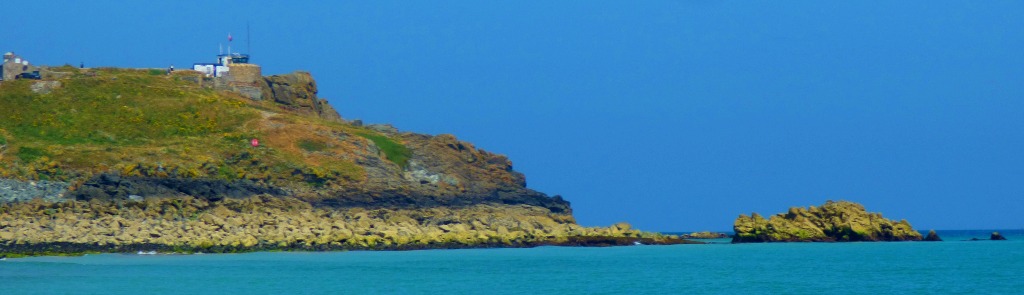
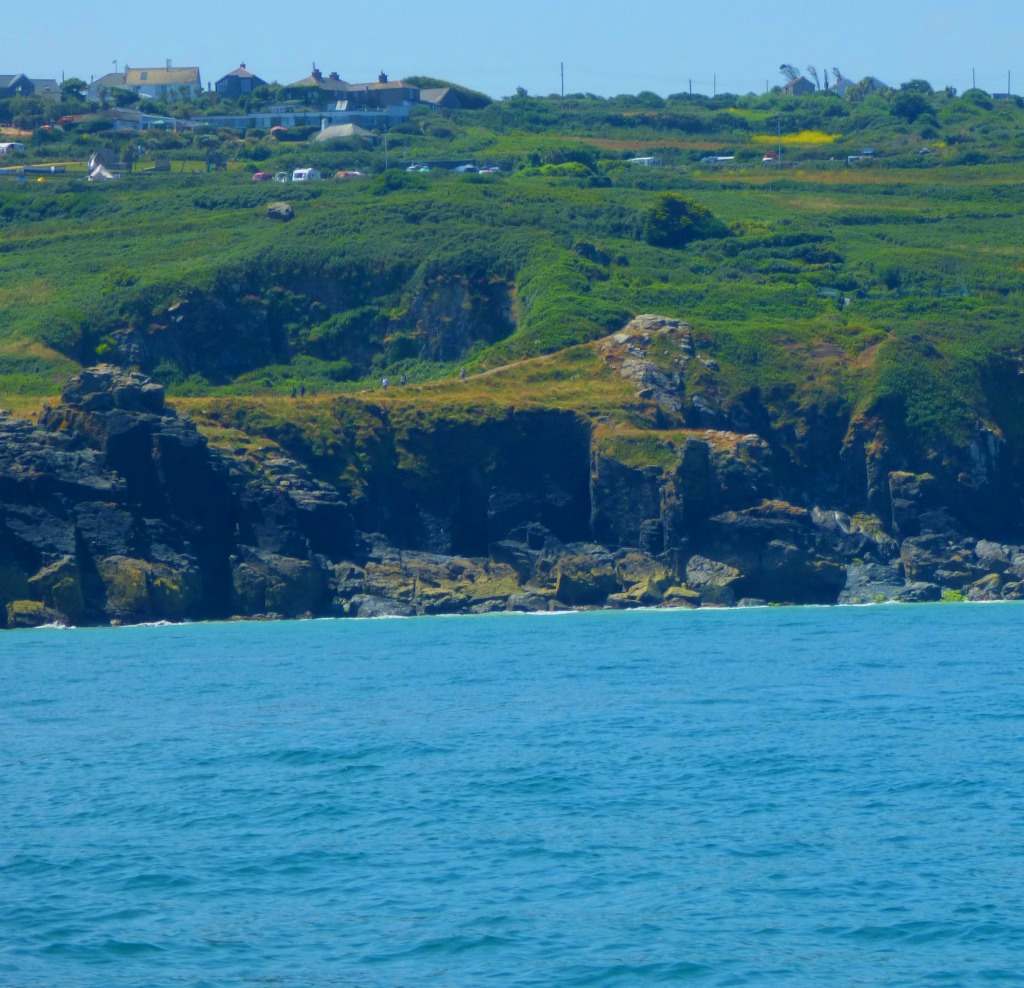
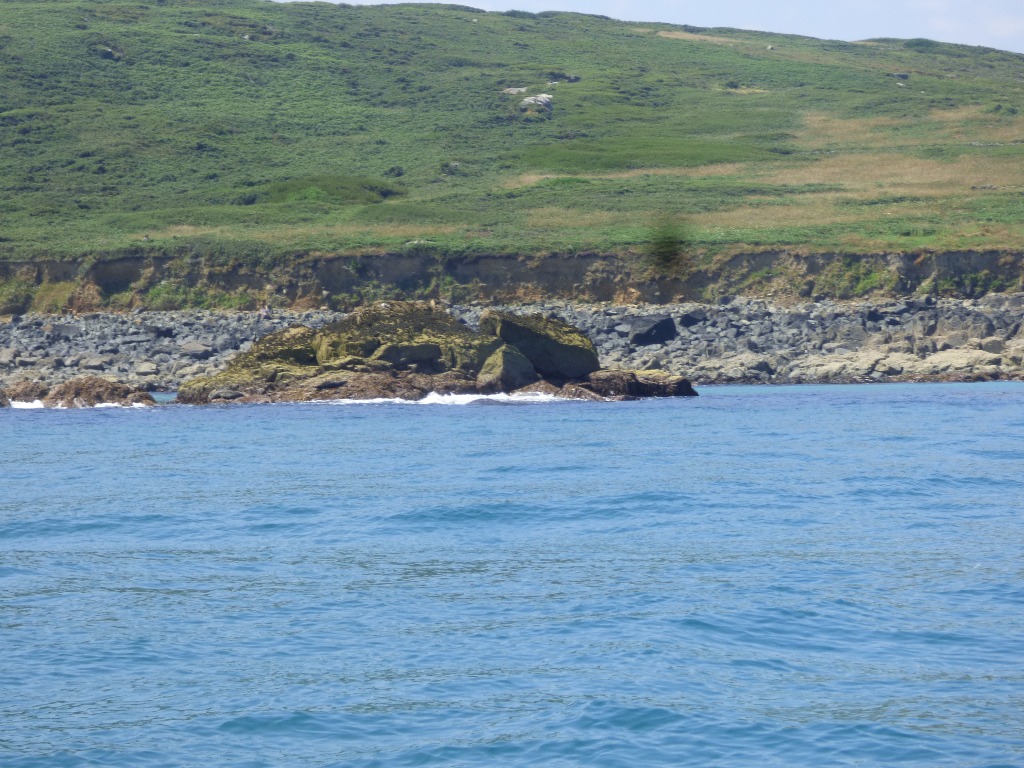
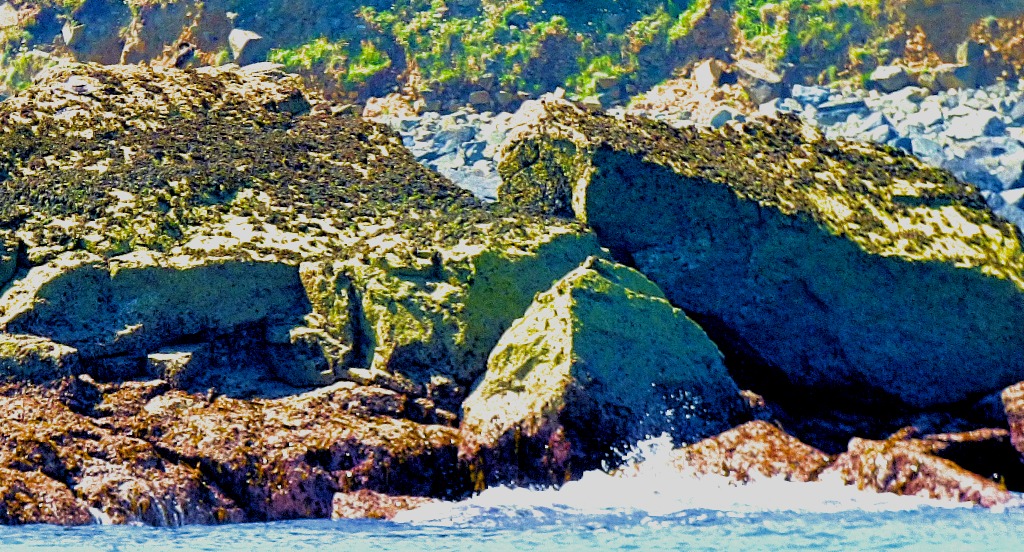
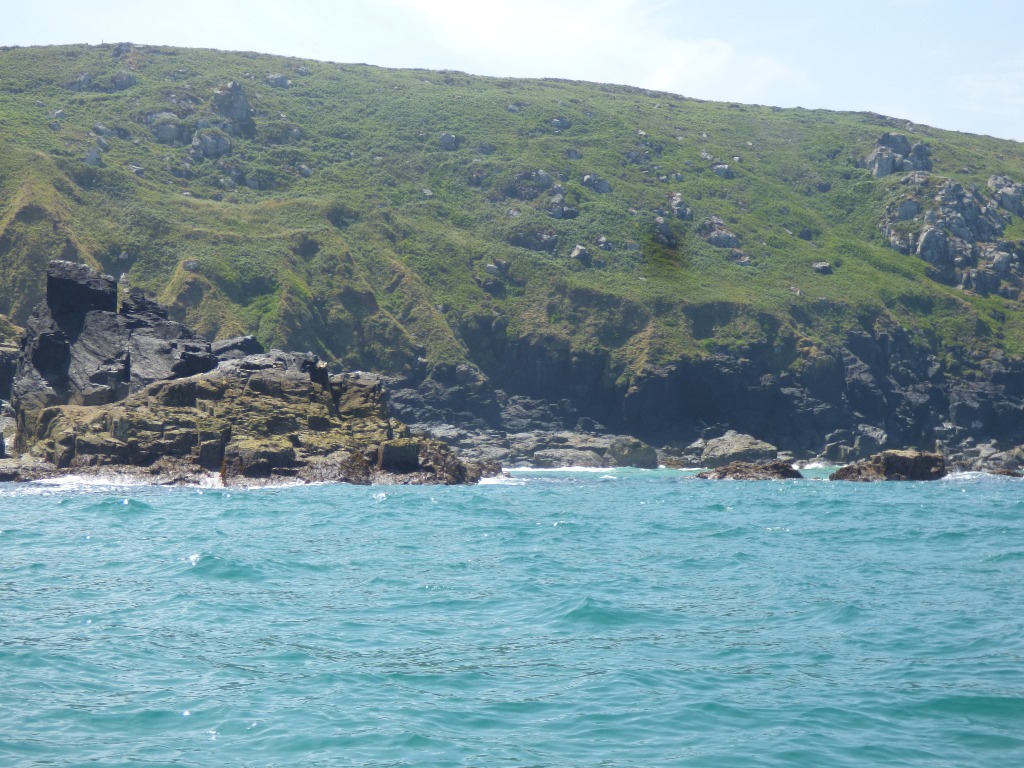
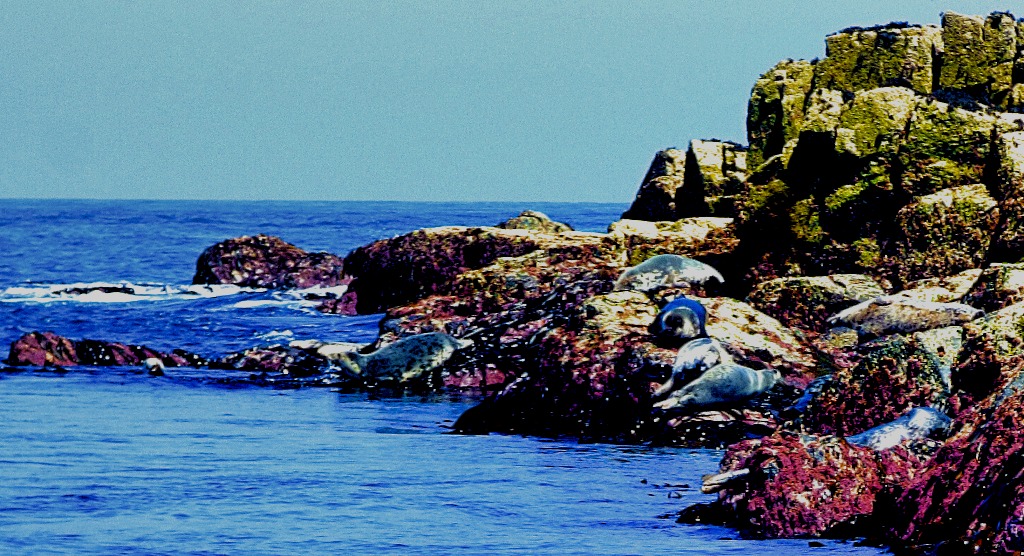
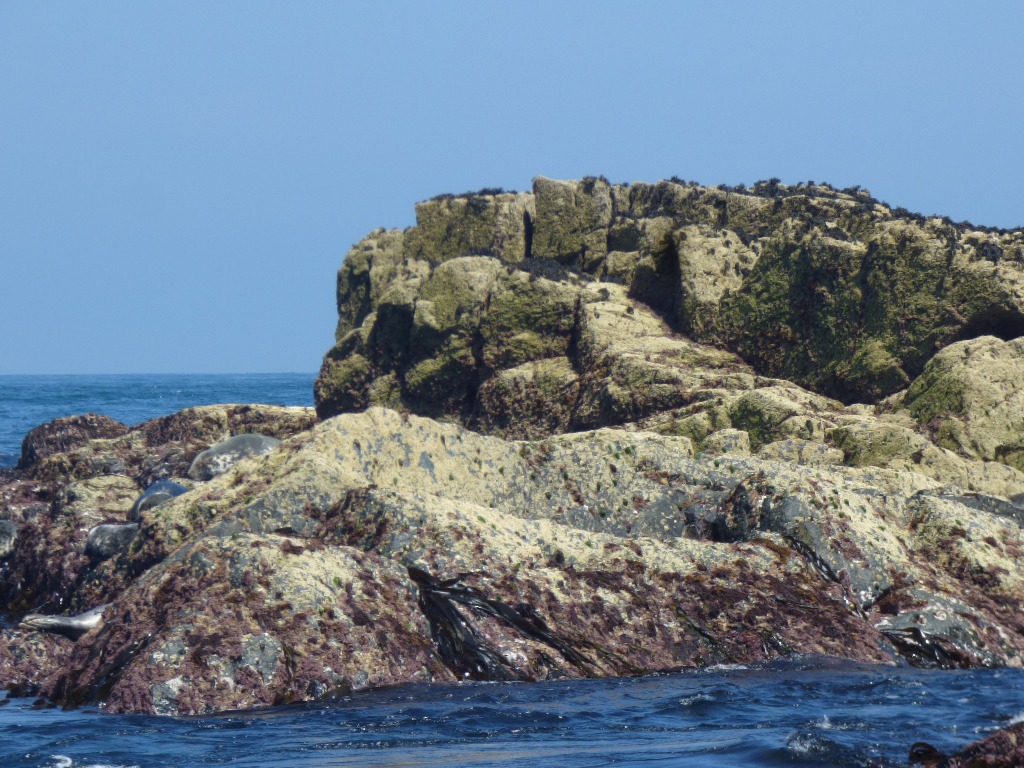
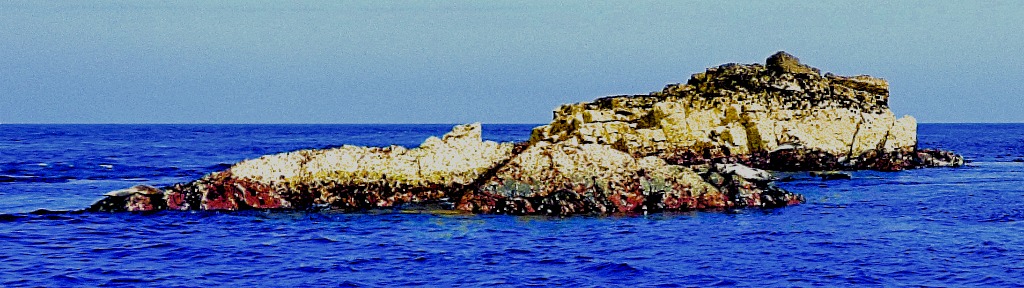
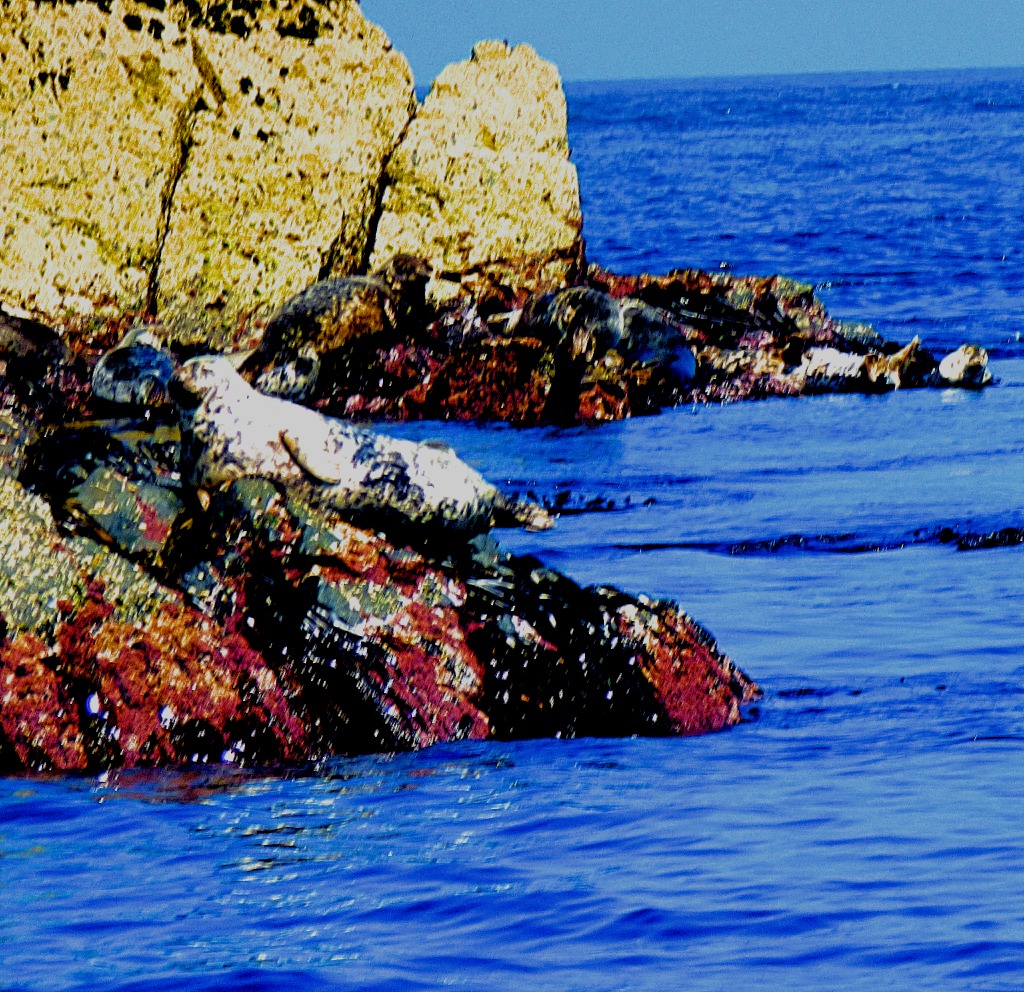
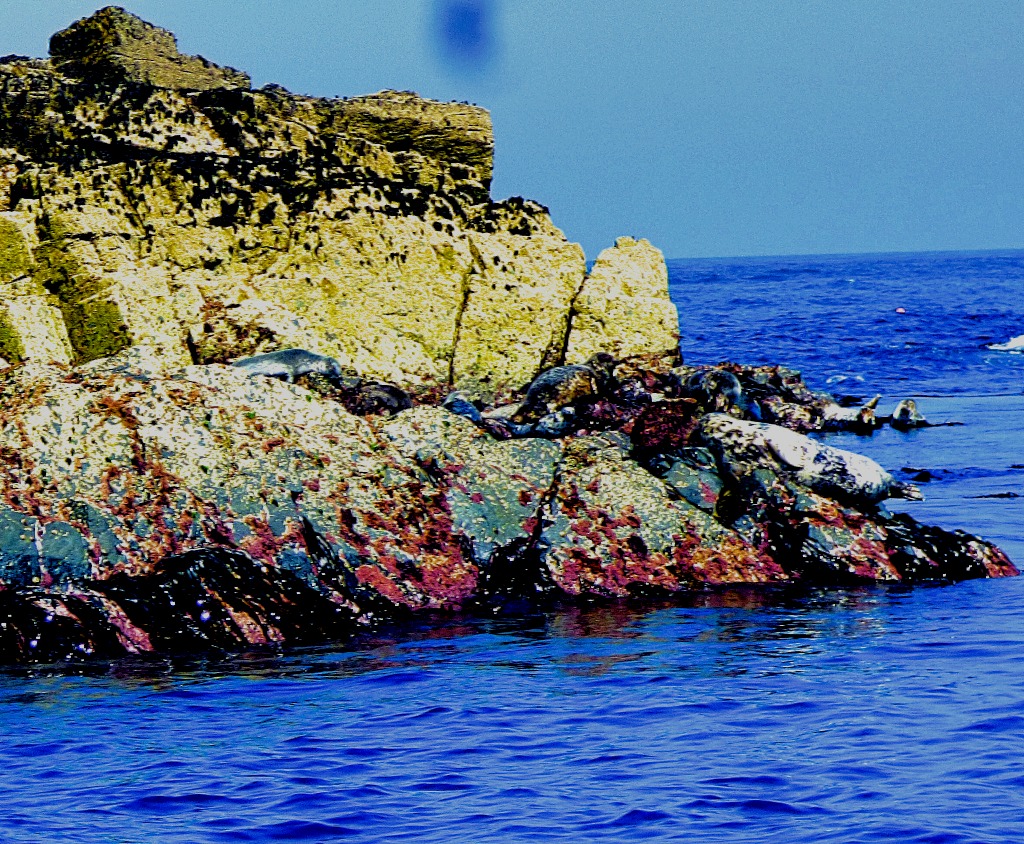
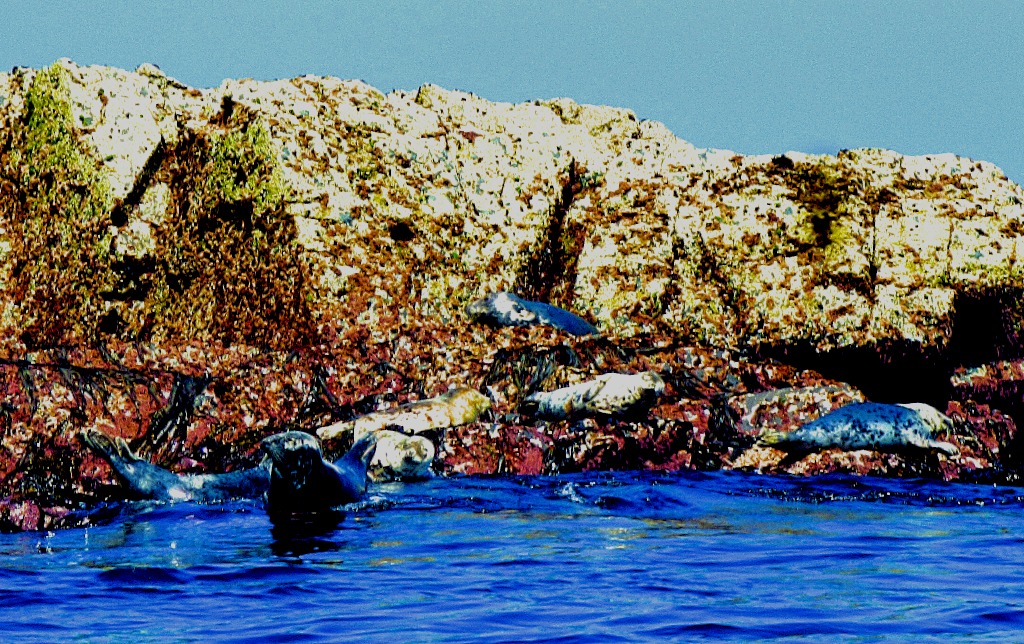
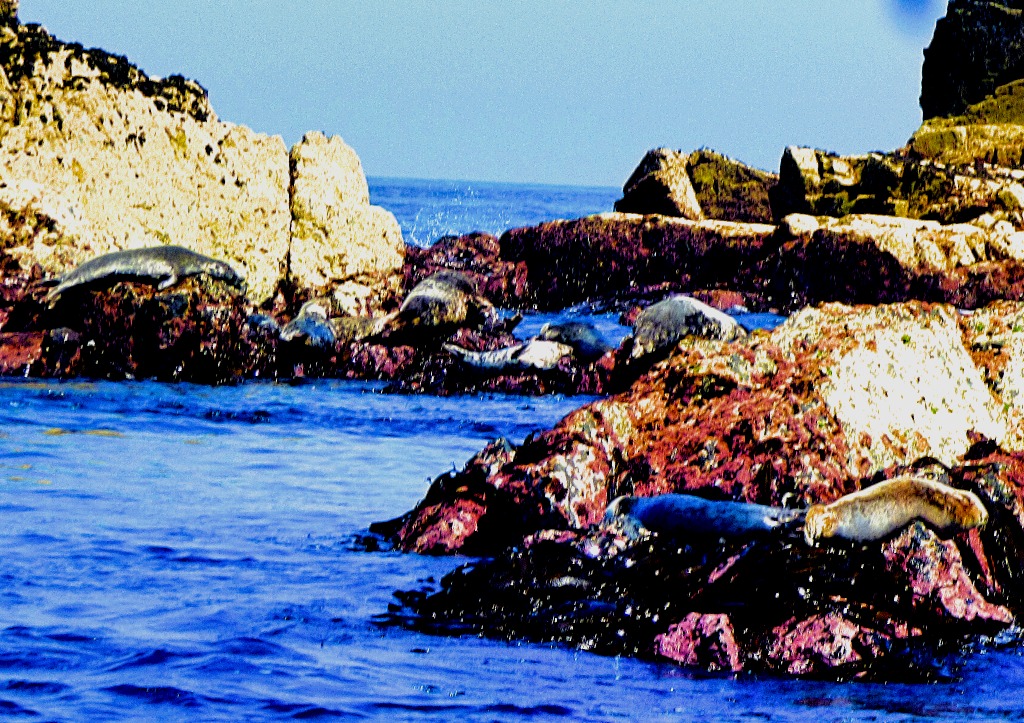
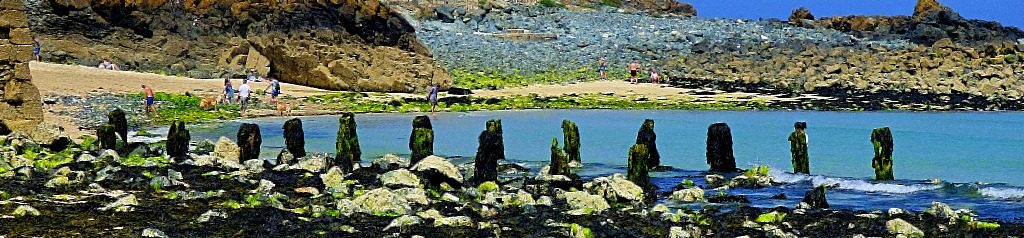
The rocks in the background of this shot are the near edge of the seal colony.
AT THE SEAL COLONY
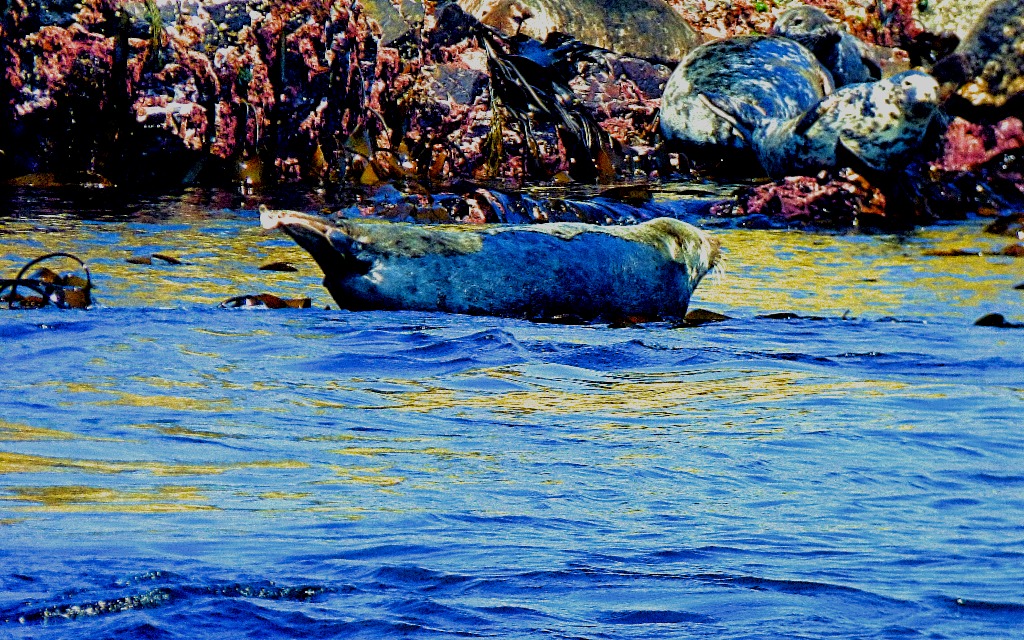
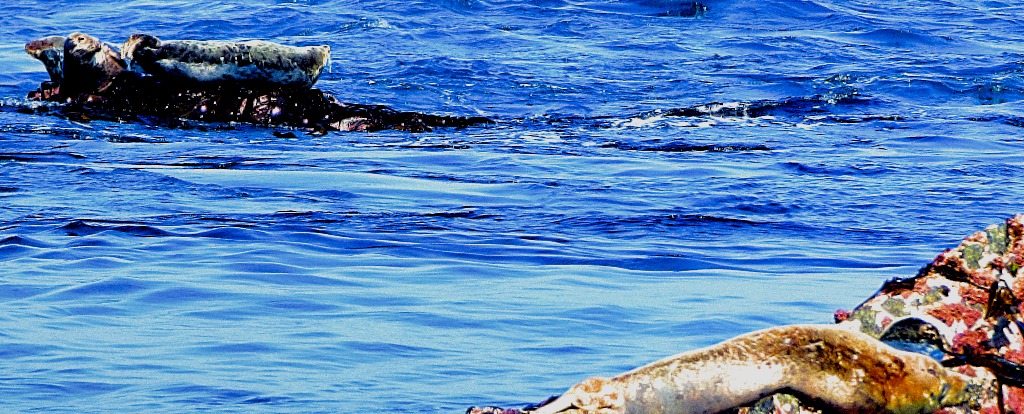
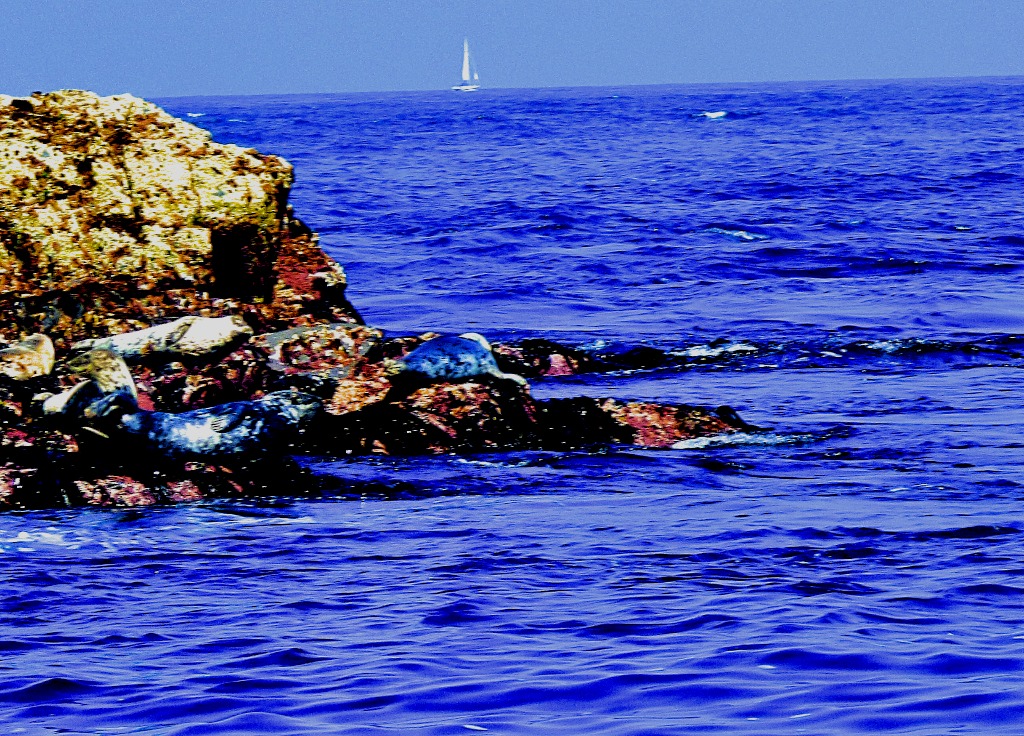
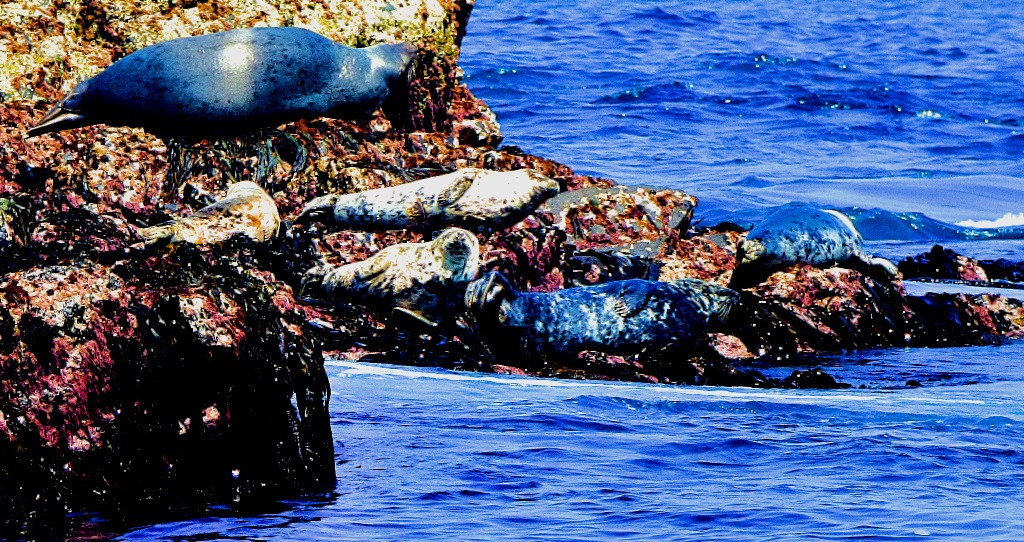
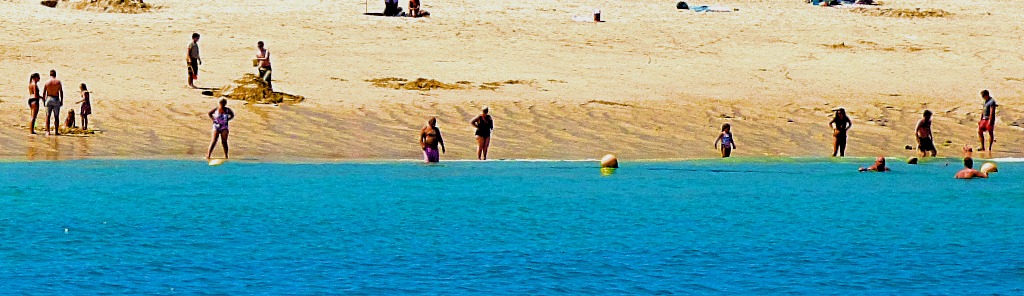
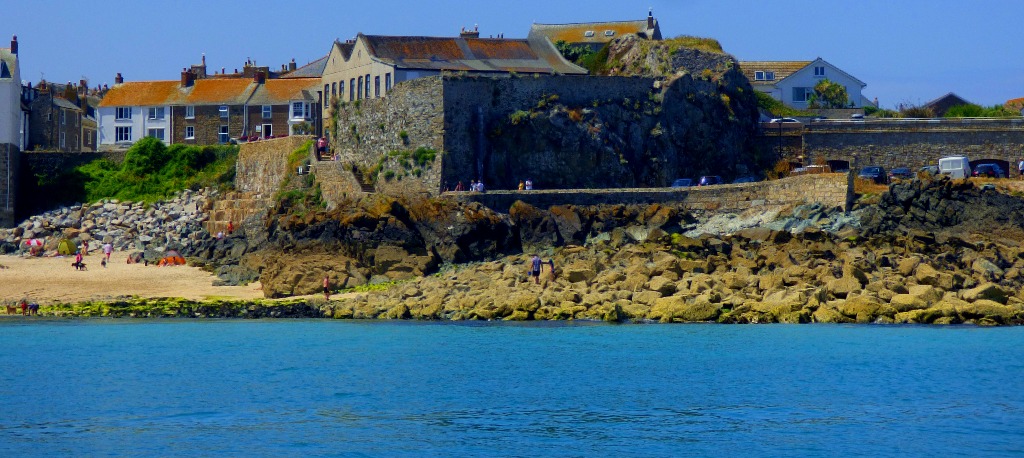
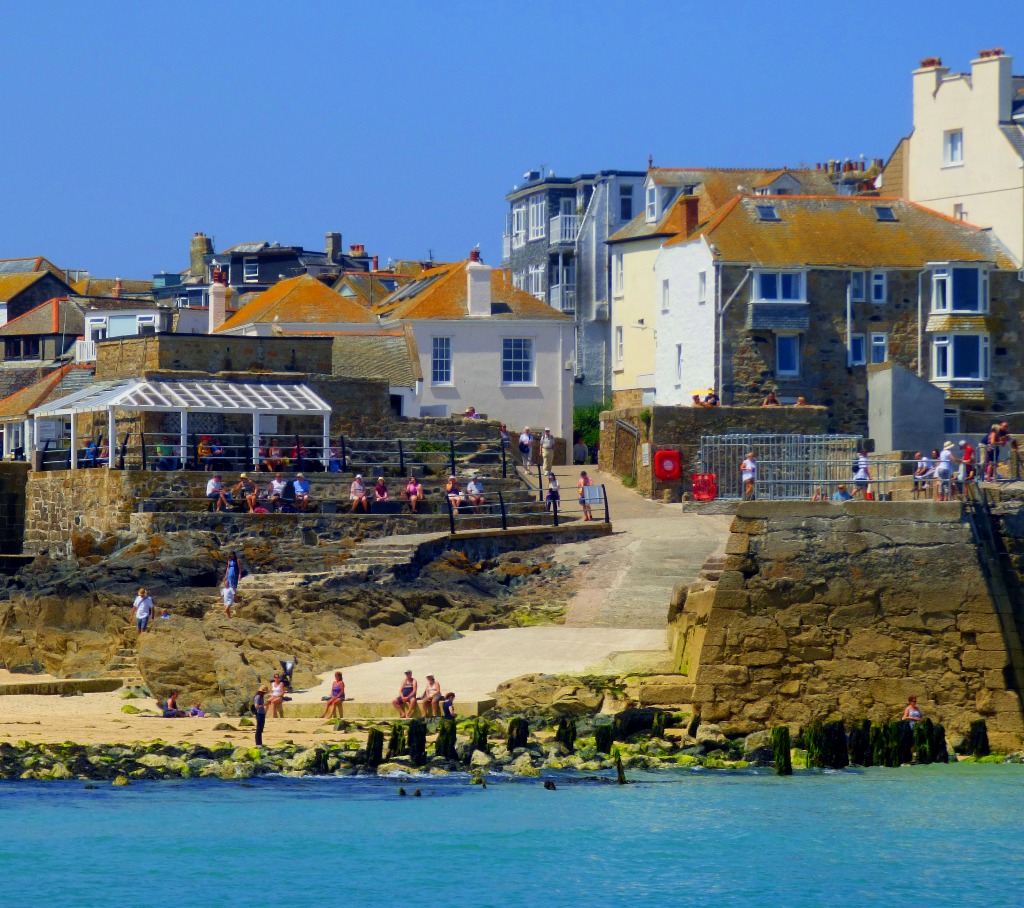
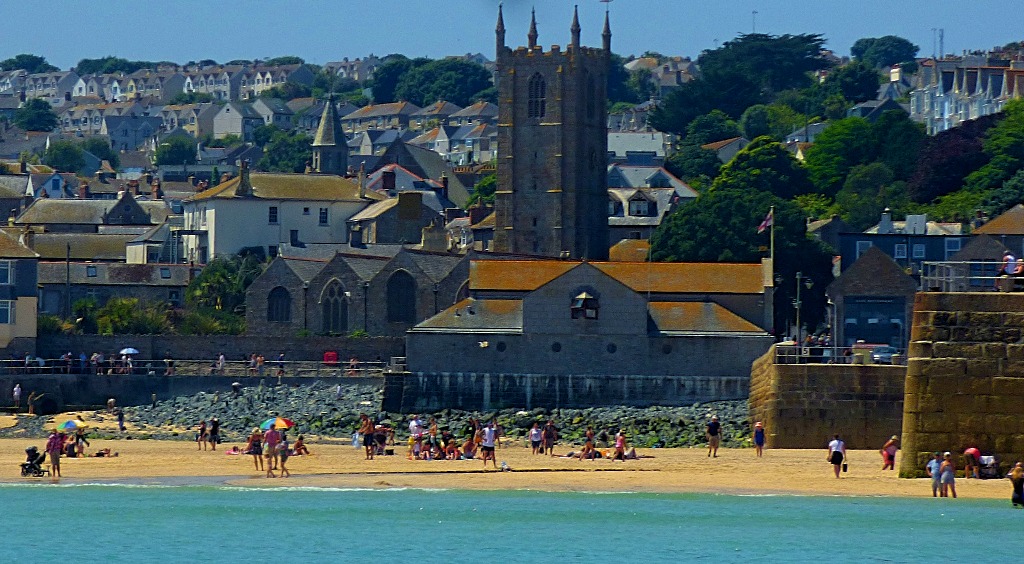
I will let the pictures tell their own story…
Some of the seals, like this one waved flippers at us.
BACK TO ST IVES
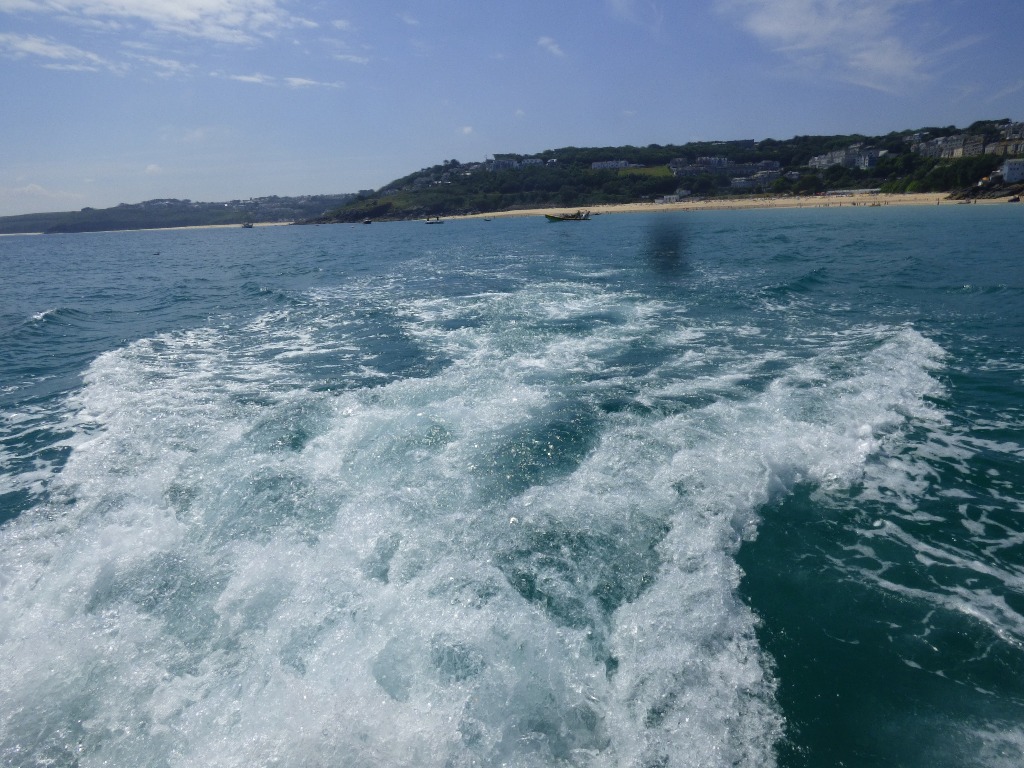
The start of the return journey featured the bumpiest sea of the entire trip (fortunately there was a breeze rather than a serious wind blowing, so the sea was choppy rather than actually rough). I imagine that in a winter storm (I encountered Cornish winter storms and their effects in 1989 on a christmas holiday when we stayed in a Landmark Trust cottage. I believe that the enitre village was actually owned by Landmark Trust, but the perimeter fence of RAF Morwenstow was within walking distance for those looking to place it). Fortunately the tide had risen to the point that the transfer boat could get right up to the quayside, so no further paddling was required.
This put me somewhat in mind of Seahenge, now on display at The Lynn Museum.
Some links to posts about the fight to save Trosa nature and a few of my own pictures from today.
INTRODUCTION
It will be no news to regular followers of this blog that I have been supporting Anna in her fight to protect nature in her part of Sweden for some time. In this blog post I share links to some of her recent posts on this issue, and urge you to follow them up. At the end there are some photos of mine from today featuring creatures I saw while out walking this morning.
SETTING THE SCENE –
VICTOR, YANNO & DUNNO
The beautiful area of Sweden in which Trosa lies is threatened by a proposal to build a big new road which will bring large amounts of money to a few and destruction of priceless natural beauty as an inevitable consequence. This tale sets out the story of the road building plan through three characters, Victor, Yanno & Dunno. The feature graphic shows Yanno & Dunno as puppets being controlled by Victor:
This third post about the wildlide of Trosa and the Tureholm Peninsula is devoted to birds. My bait to lure you in is a Heron…
SOME OF MY PICTURES FROM TODAY
I finish this piece with some pictures from earlier today, starting with…
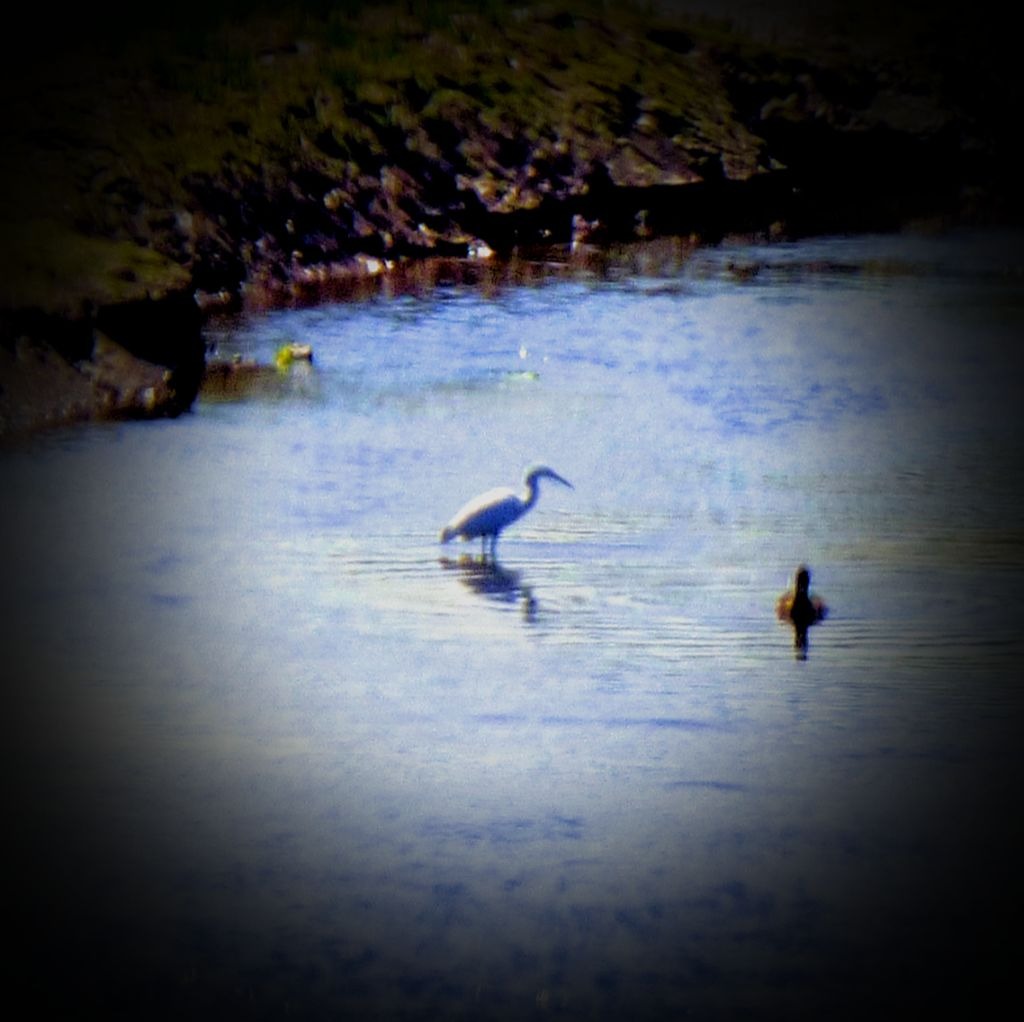
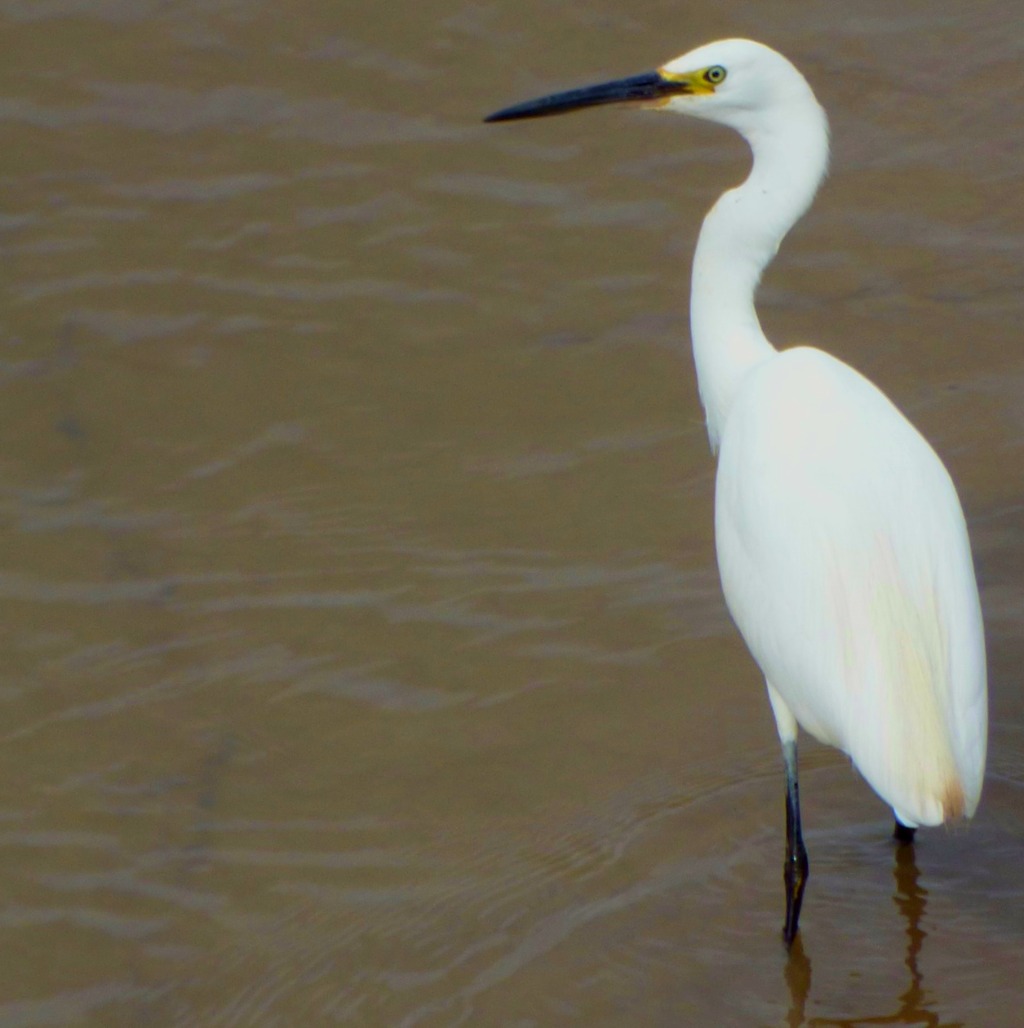
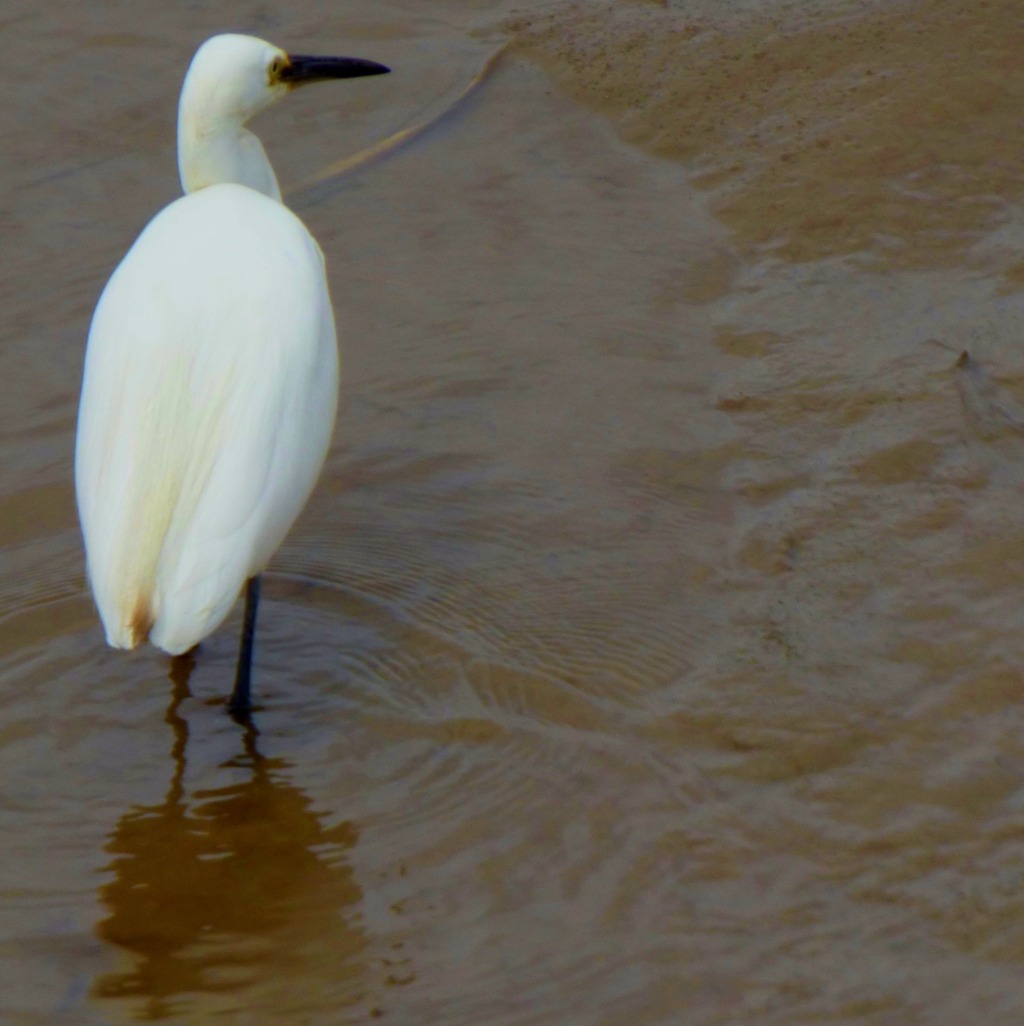
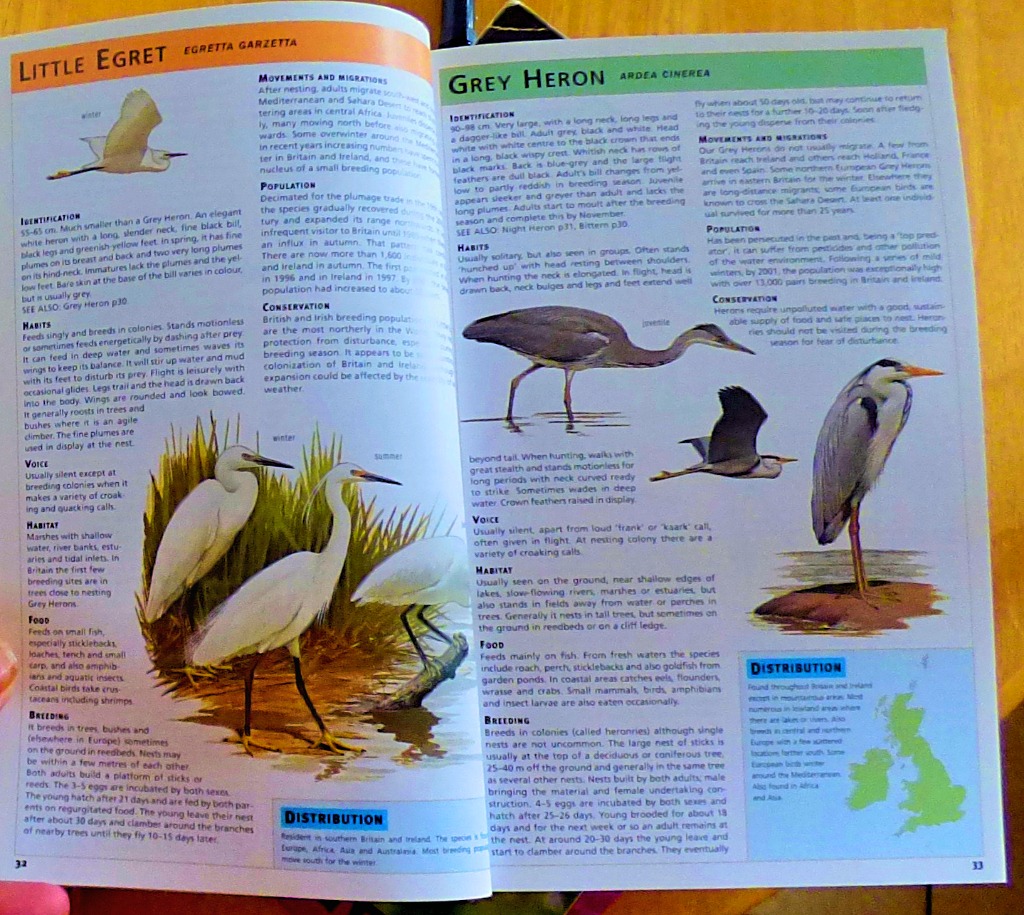
A LITTLE EGRET SEEN IN THE RIVER NAR
The point where the River Nar joins the Great Ouse is about 10-15 minutes walk from the centre of King’s Lynn, and I regularly see interesting stuff there, but before today I had not seen a Little Egret there (as well as the two pictures I took of the bird I have a picture of the relevant page of my bird book):
My second set of pictures are…
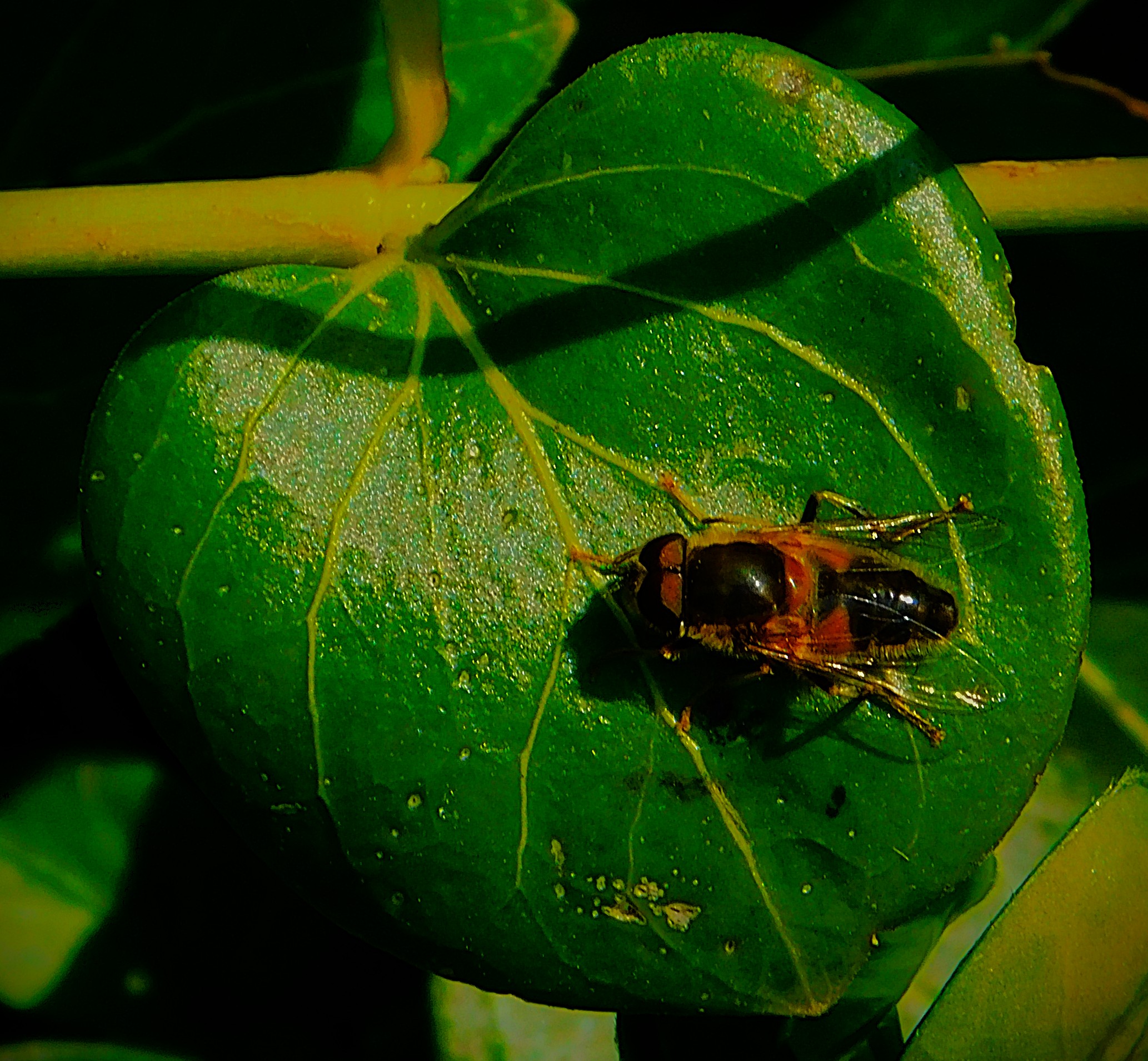
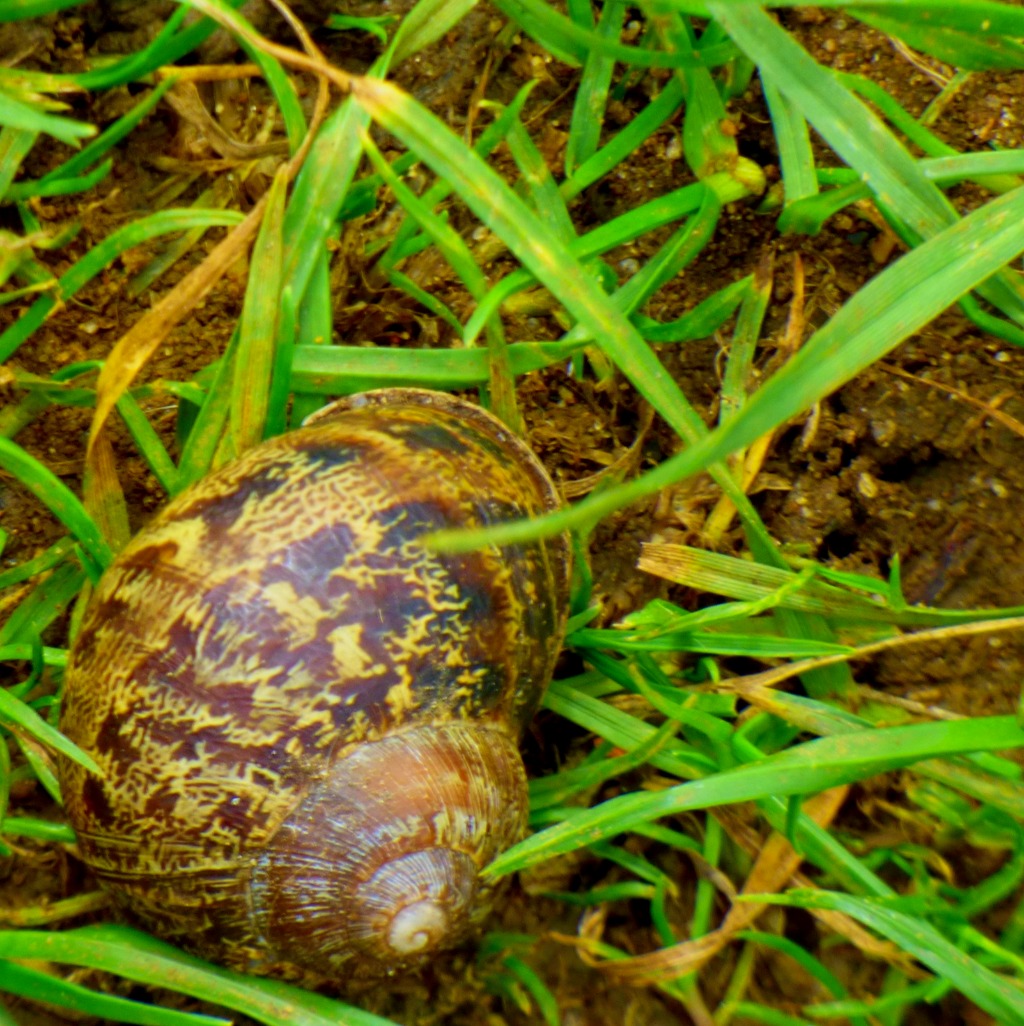
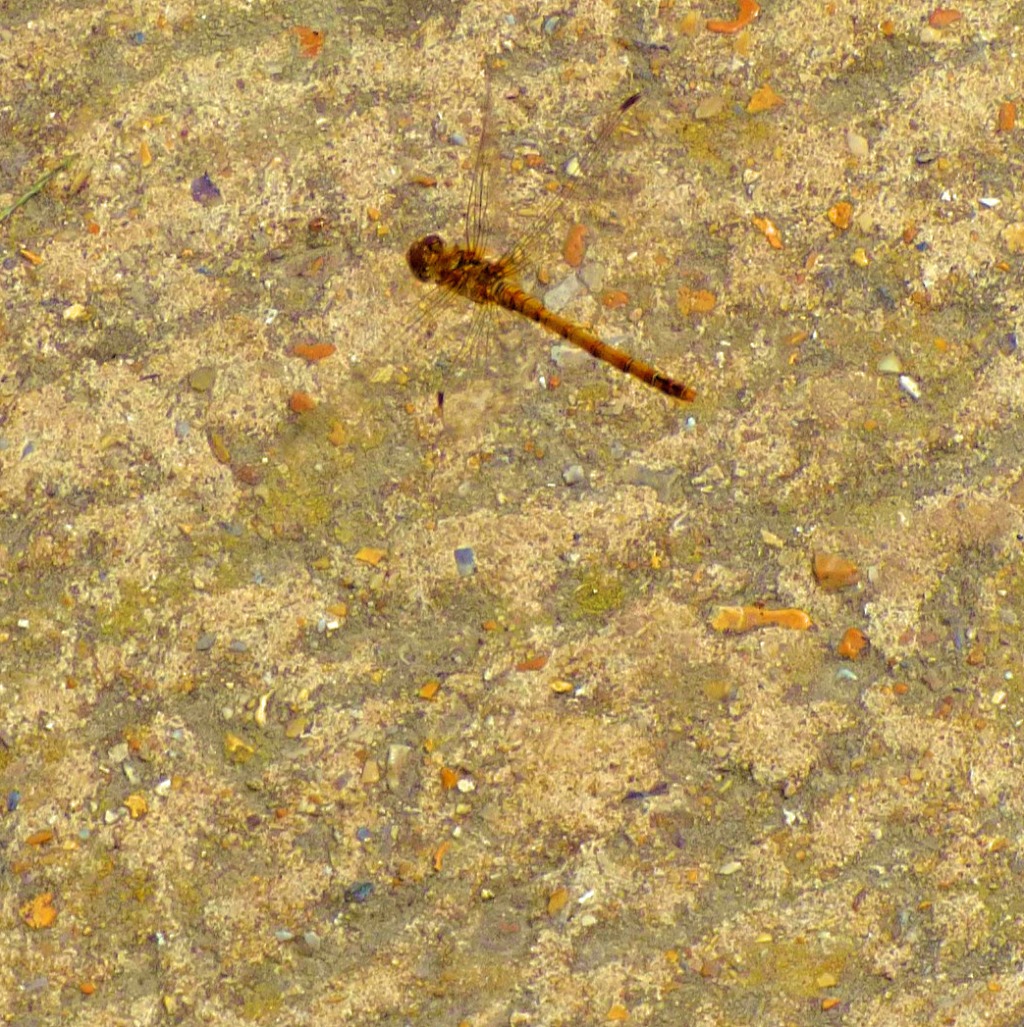
A SNAIL, A DUCKLING AND A HOVERING INSECT
The footpath above which this little beauty was hovering does not make a great background, bjut I hope you can see the delicate wings that keep that body airborne.
— Stop Heathrow Exp (@StopHeathrowExp) November 19, 2016
It is time to move on to…
A KING’S LYNN WALK
Here are most of my pictures from today…
I have saved two pictures for their own section…
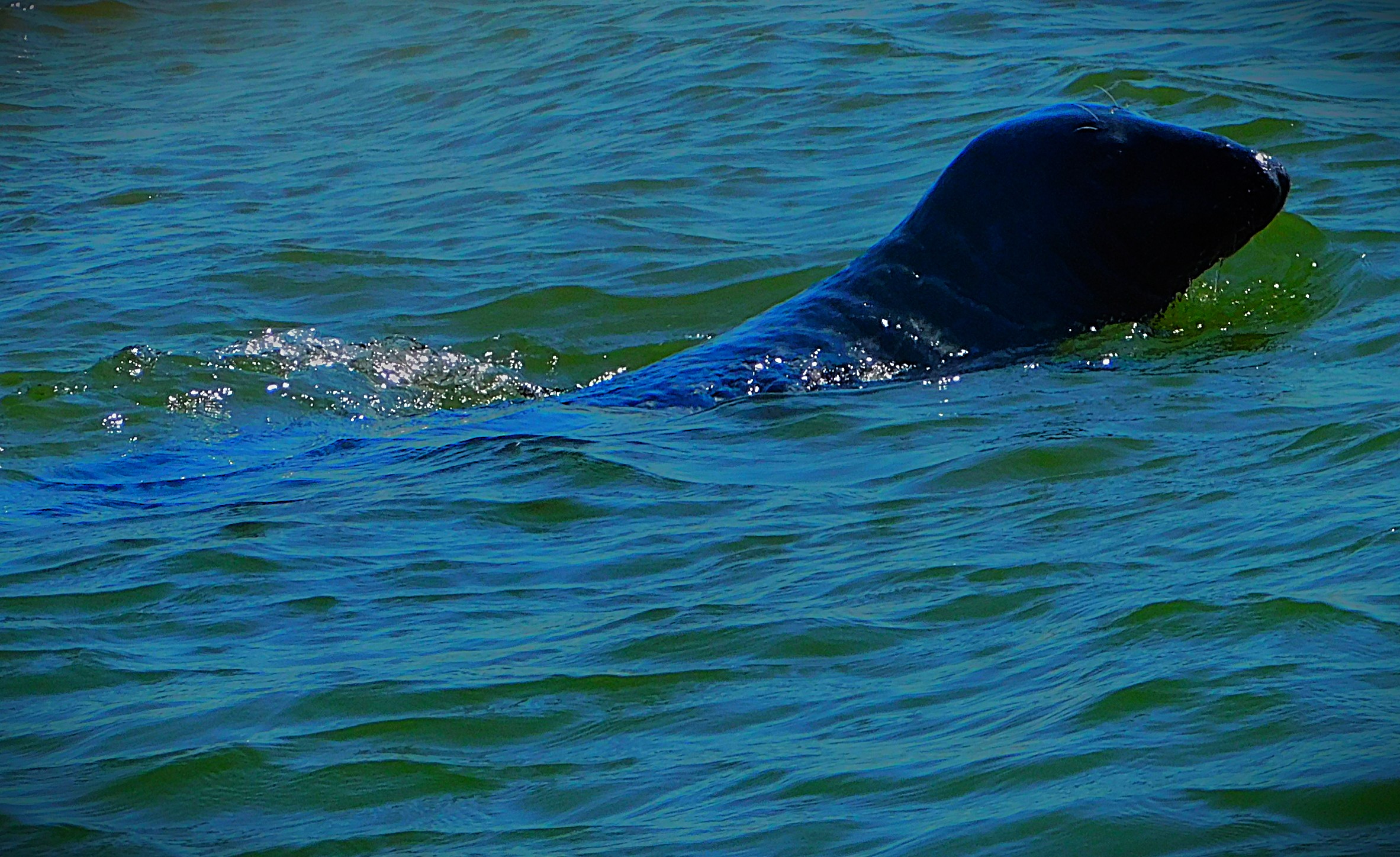
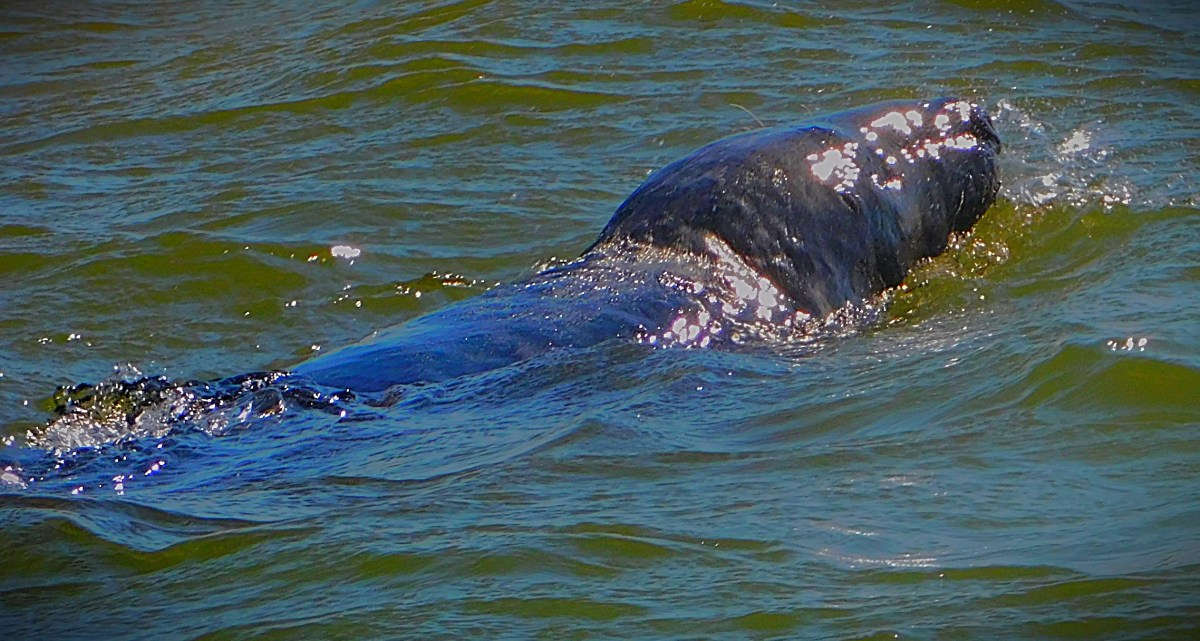
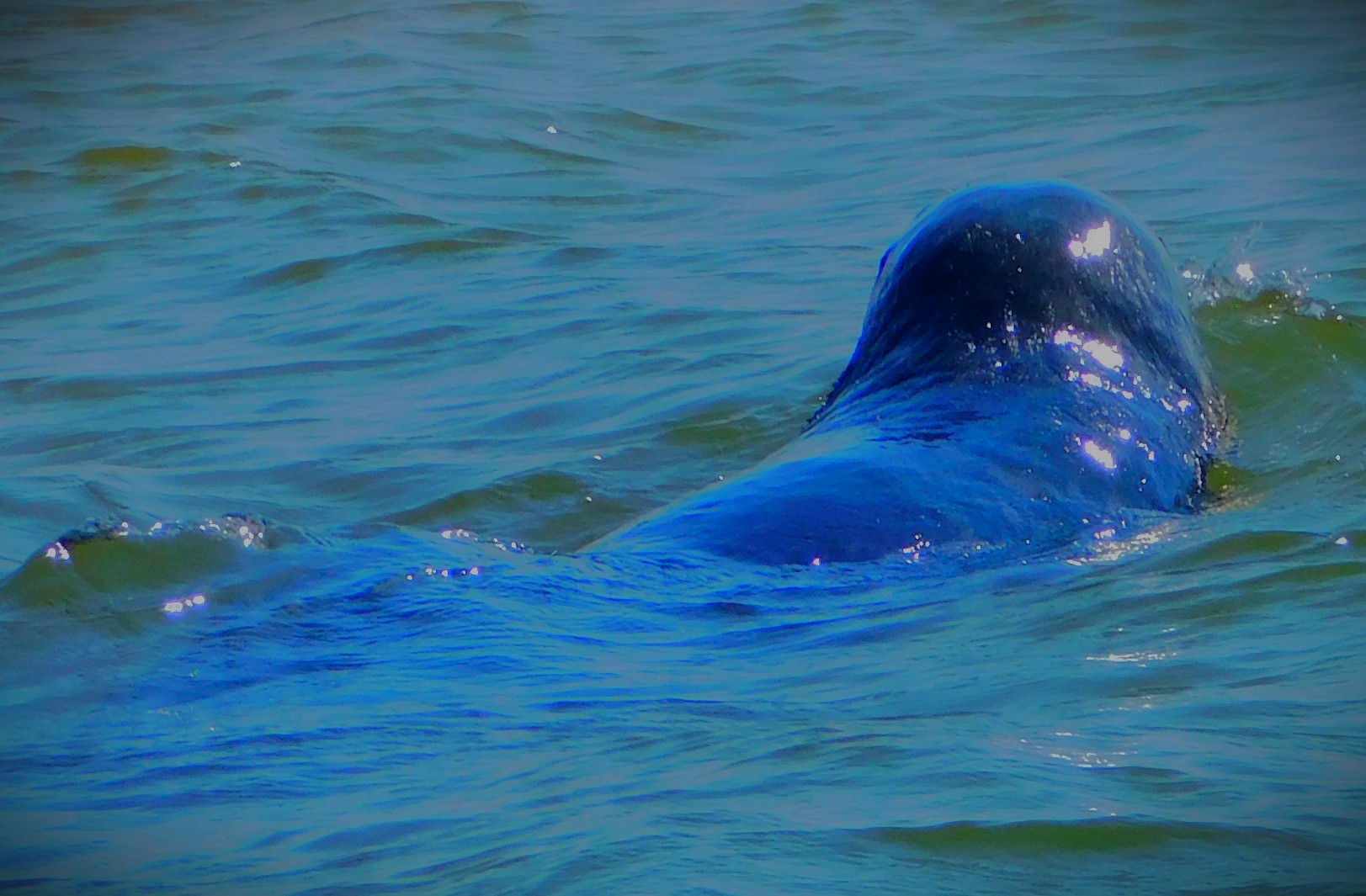
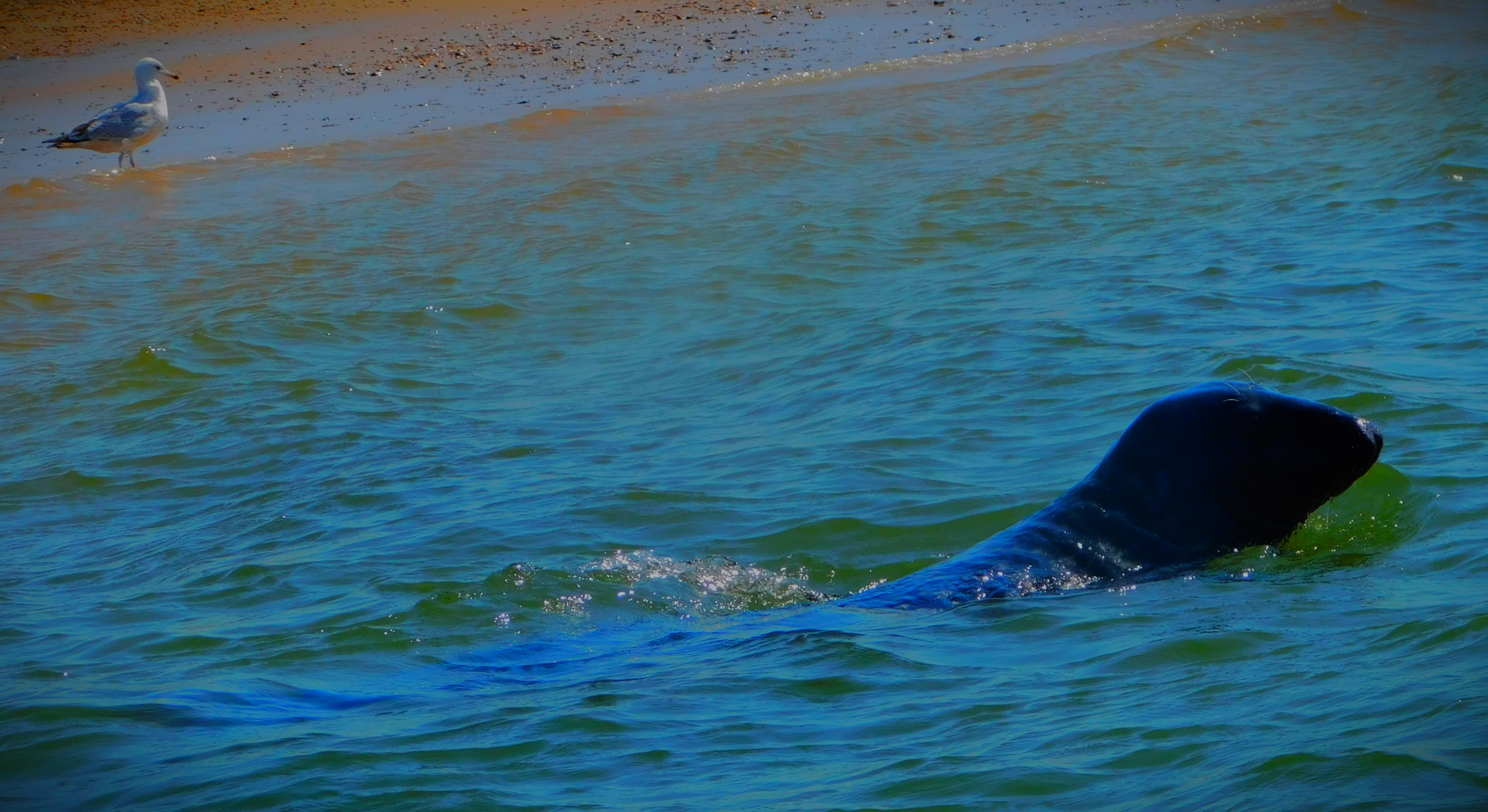
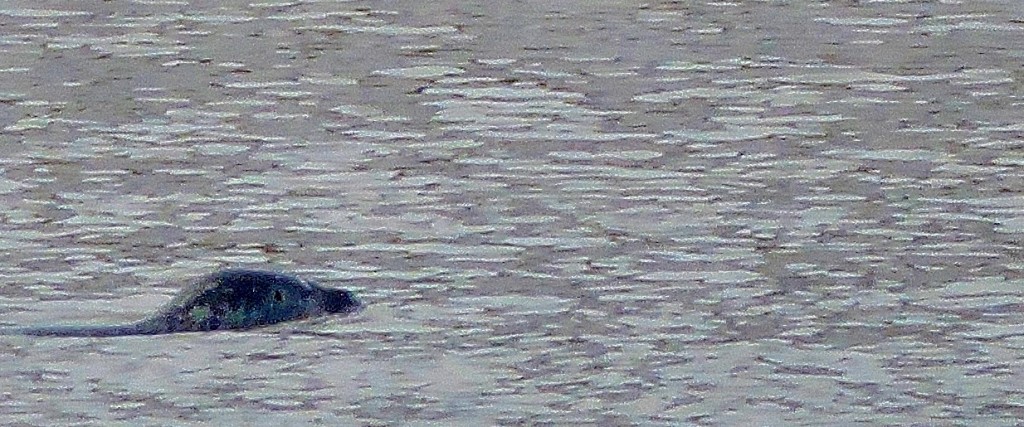
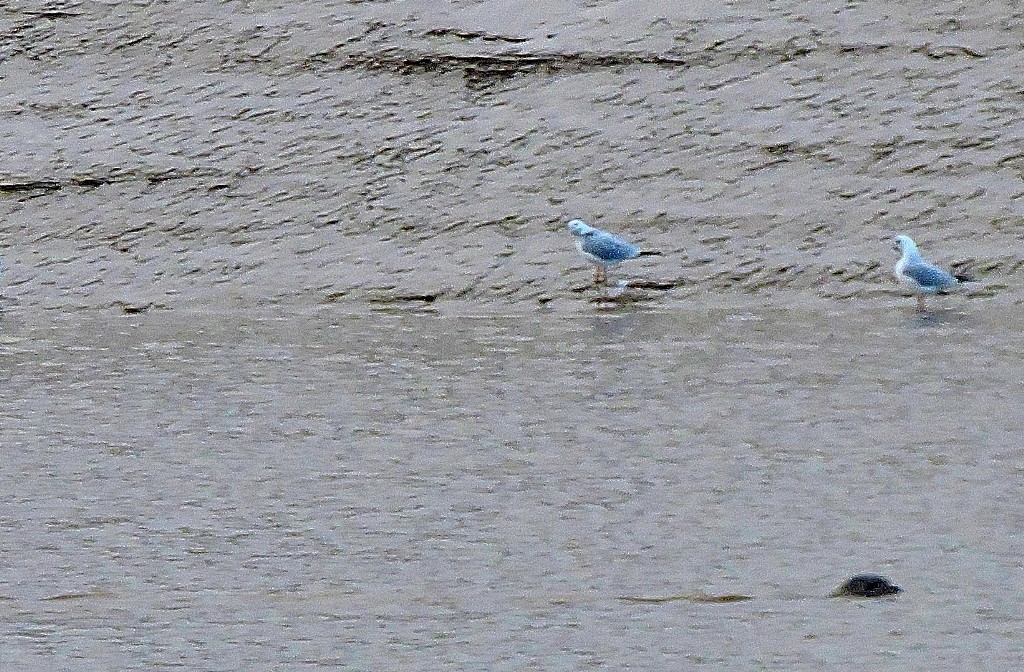
A SEAL SWIMMING IN THE GREAT OUSE
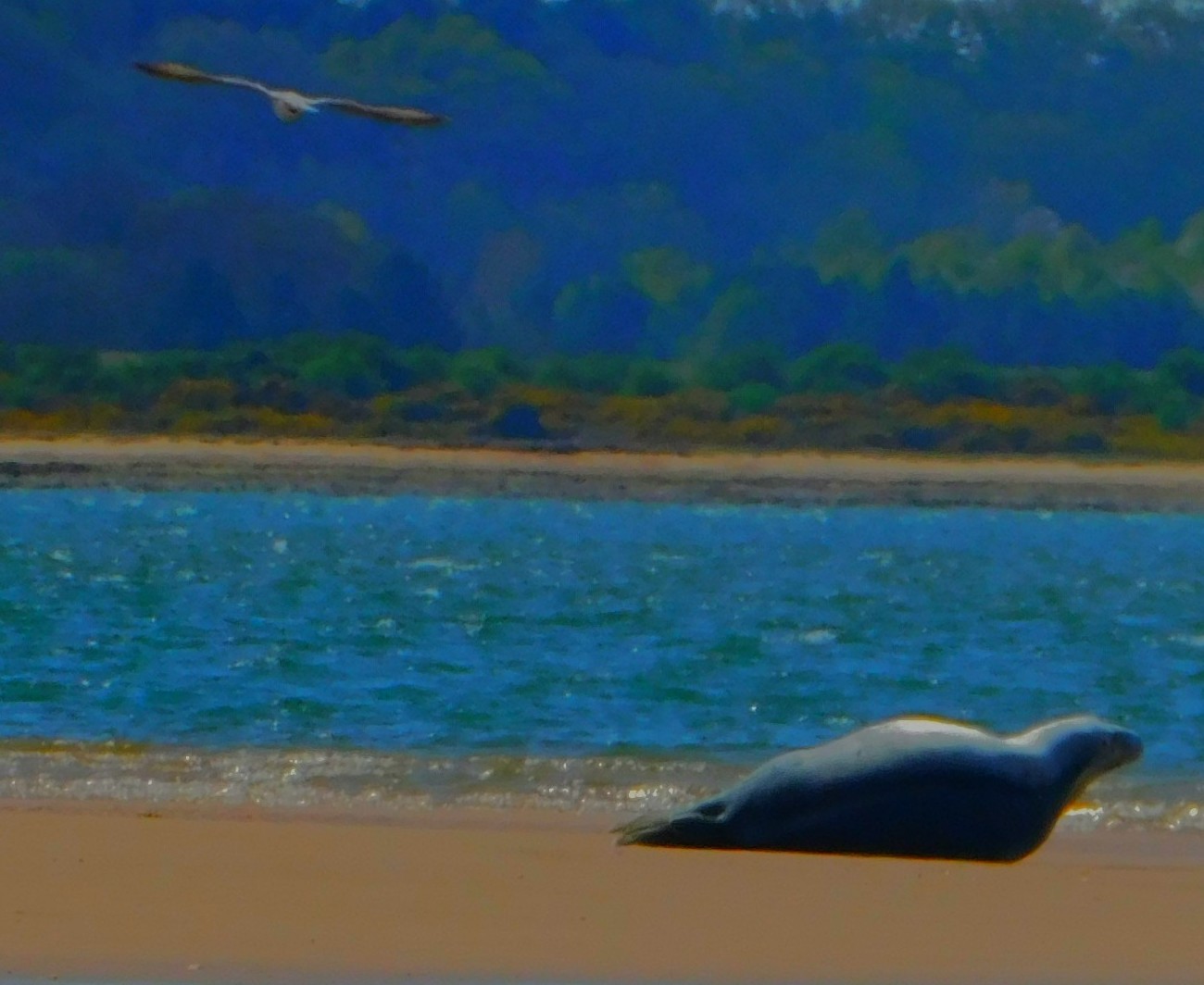
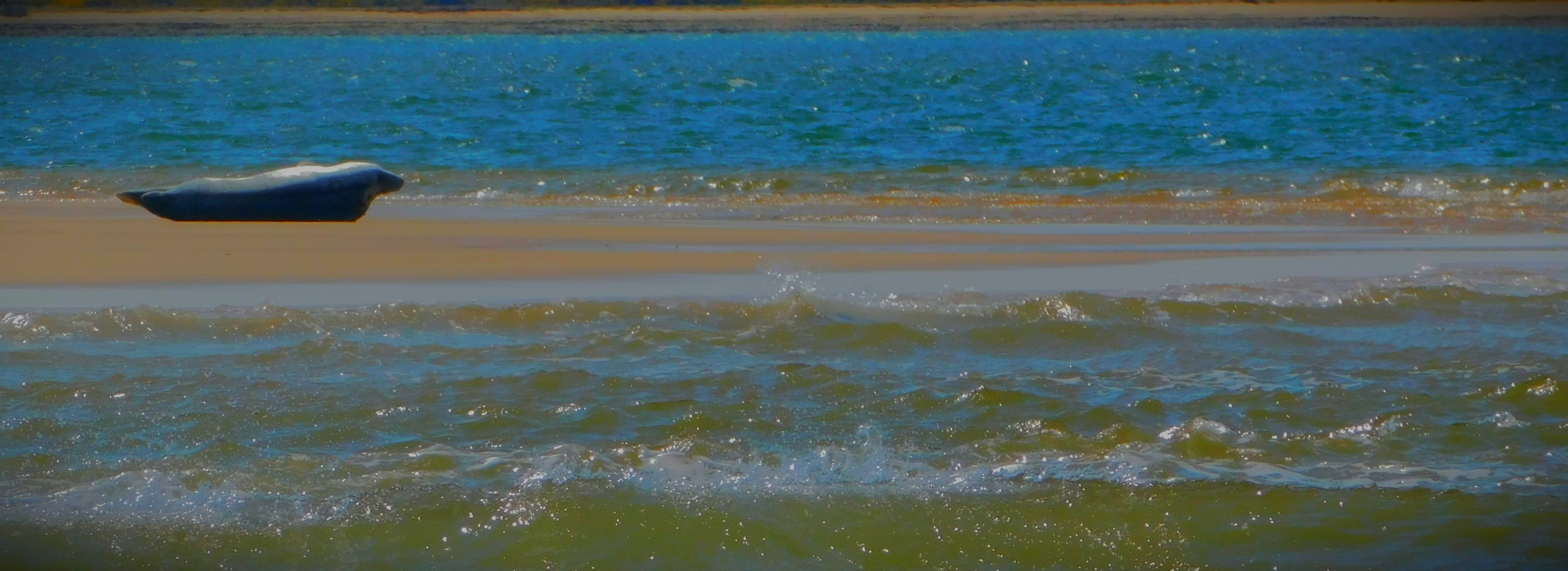
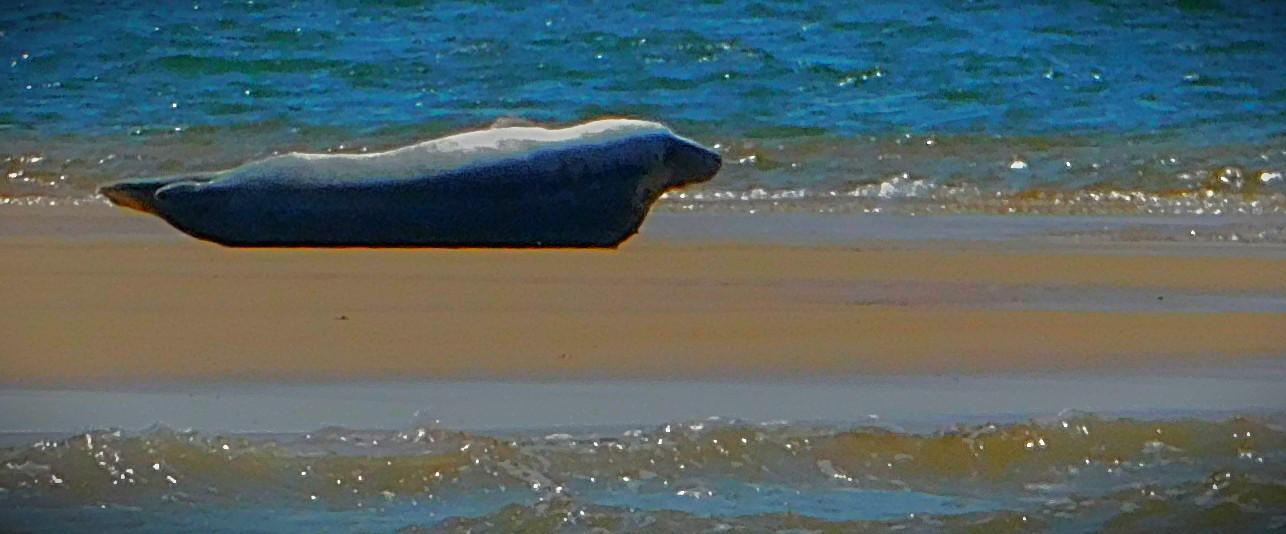
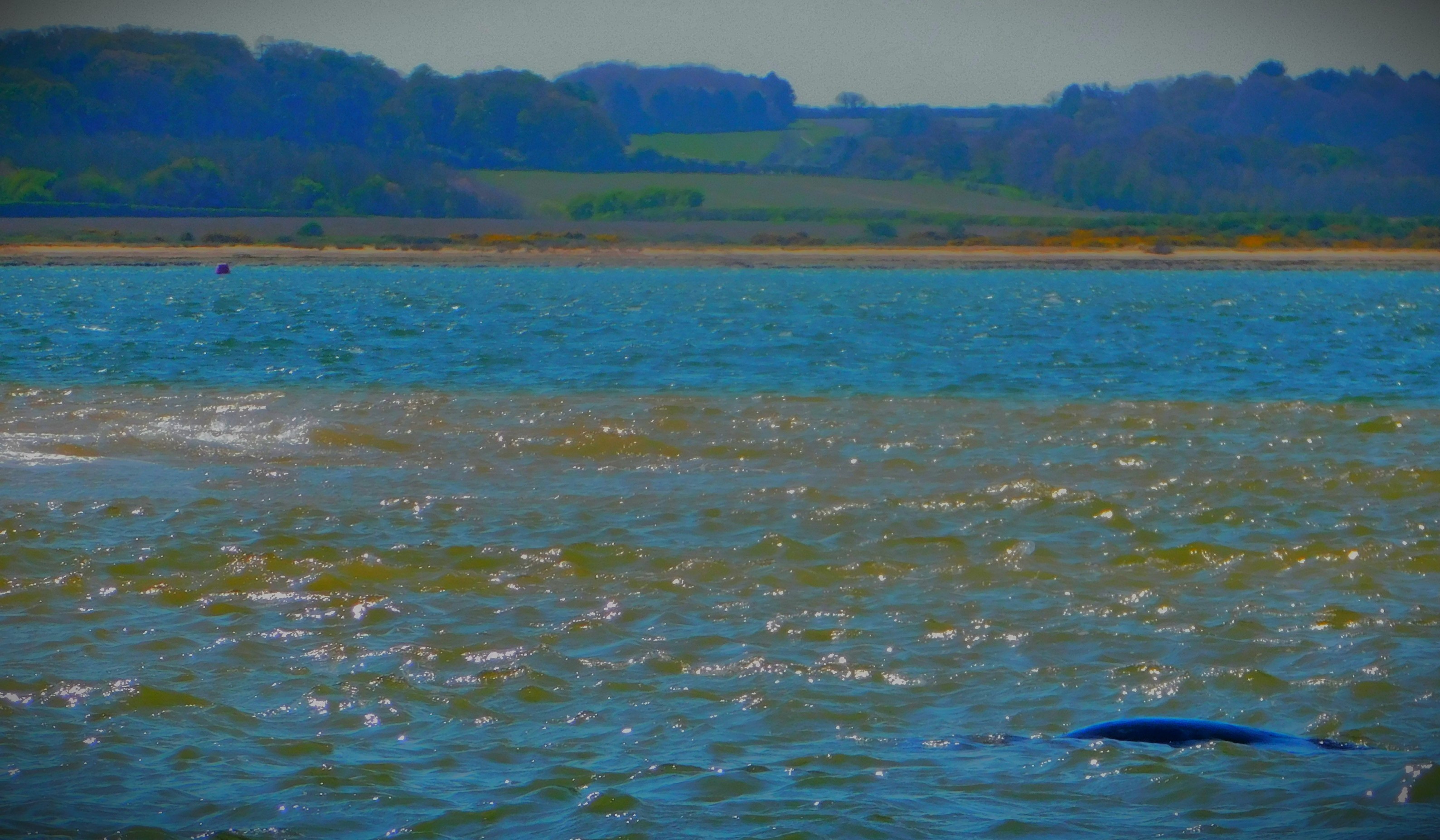
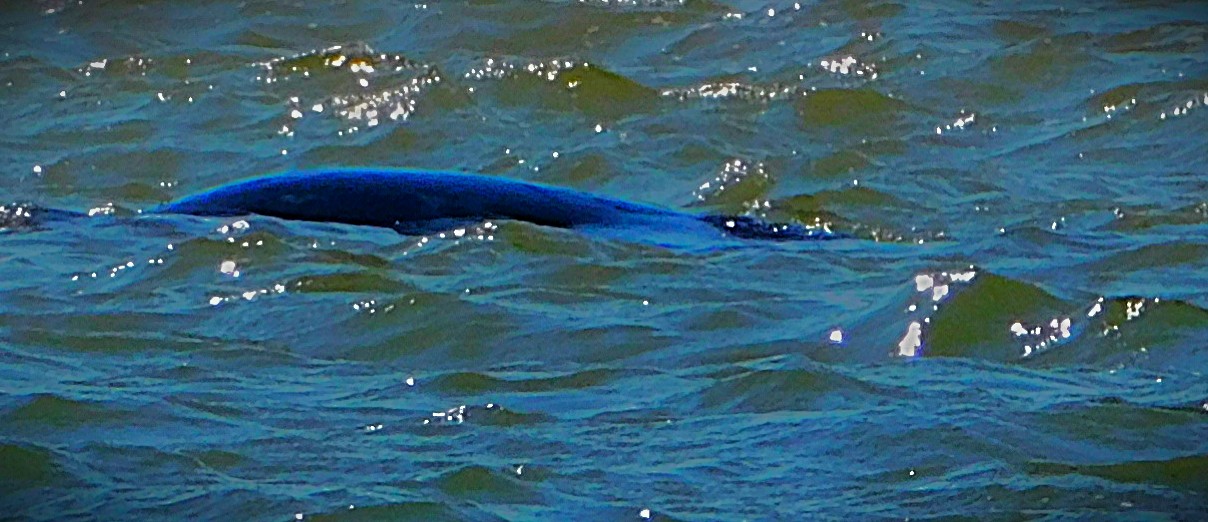
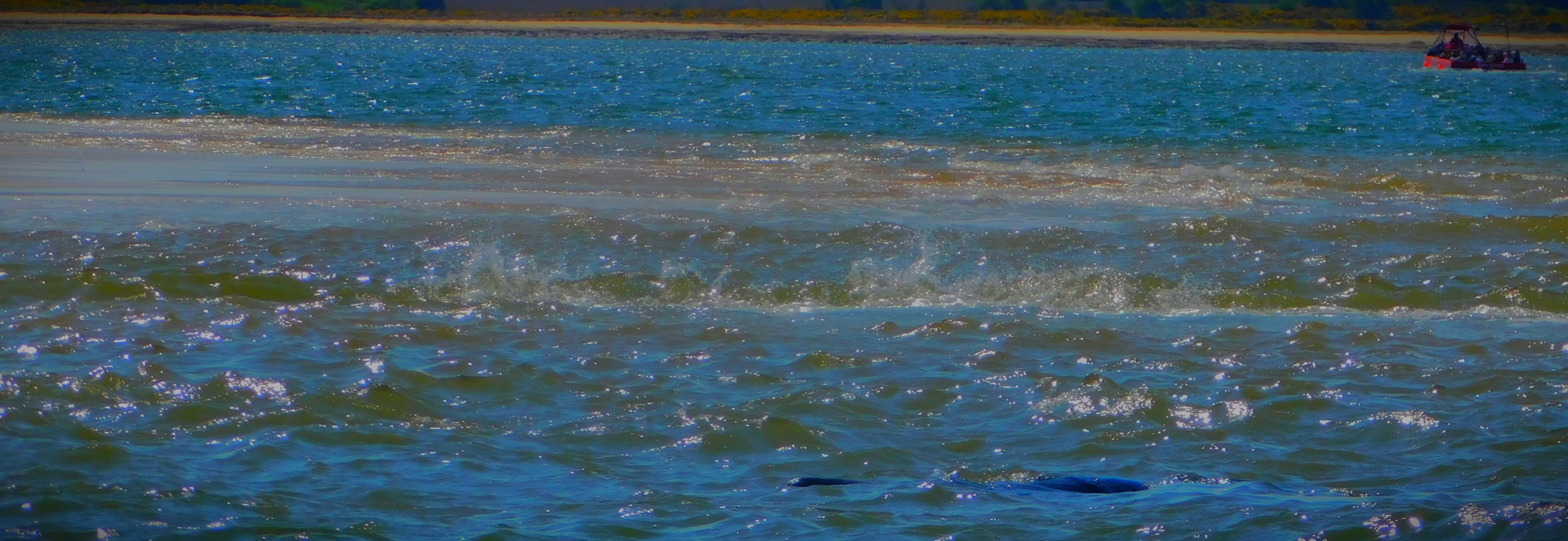
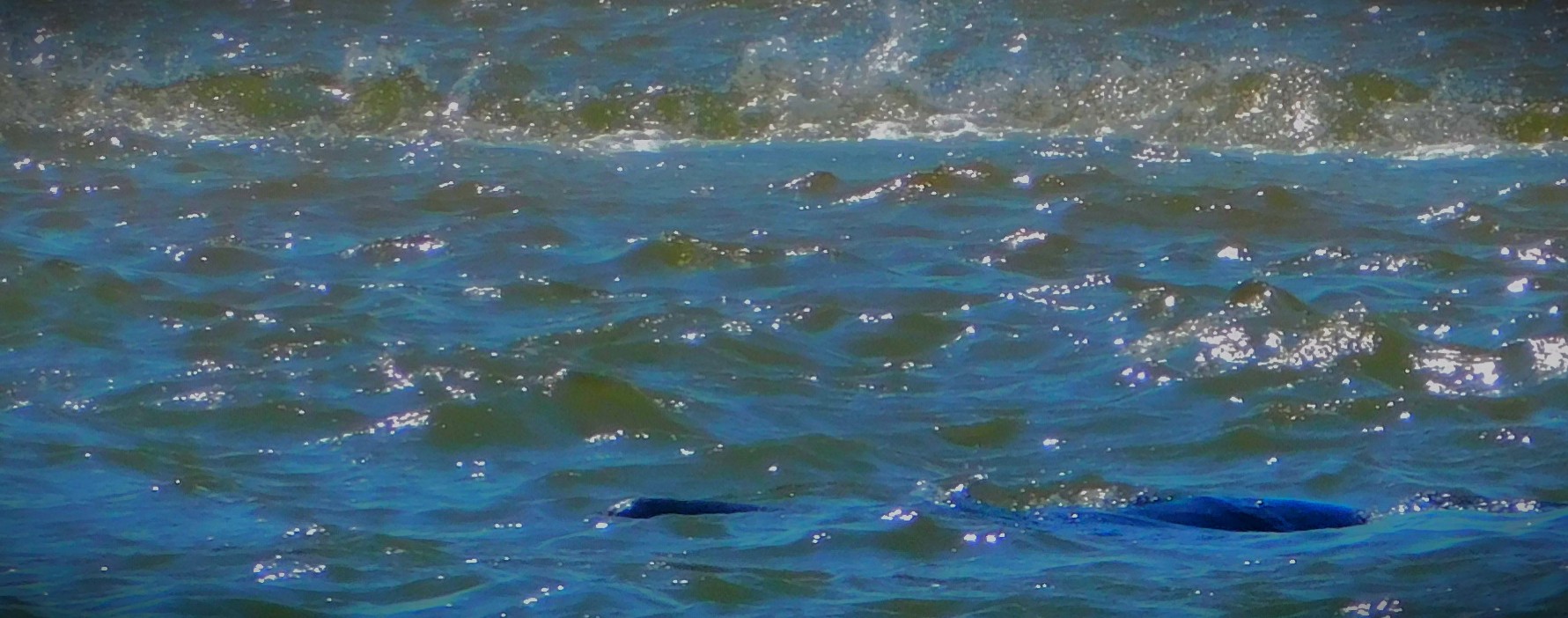
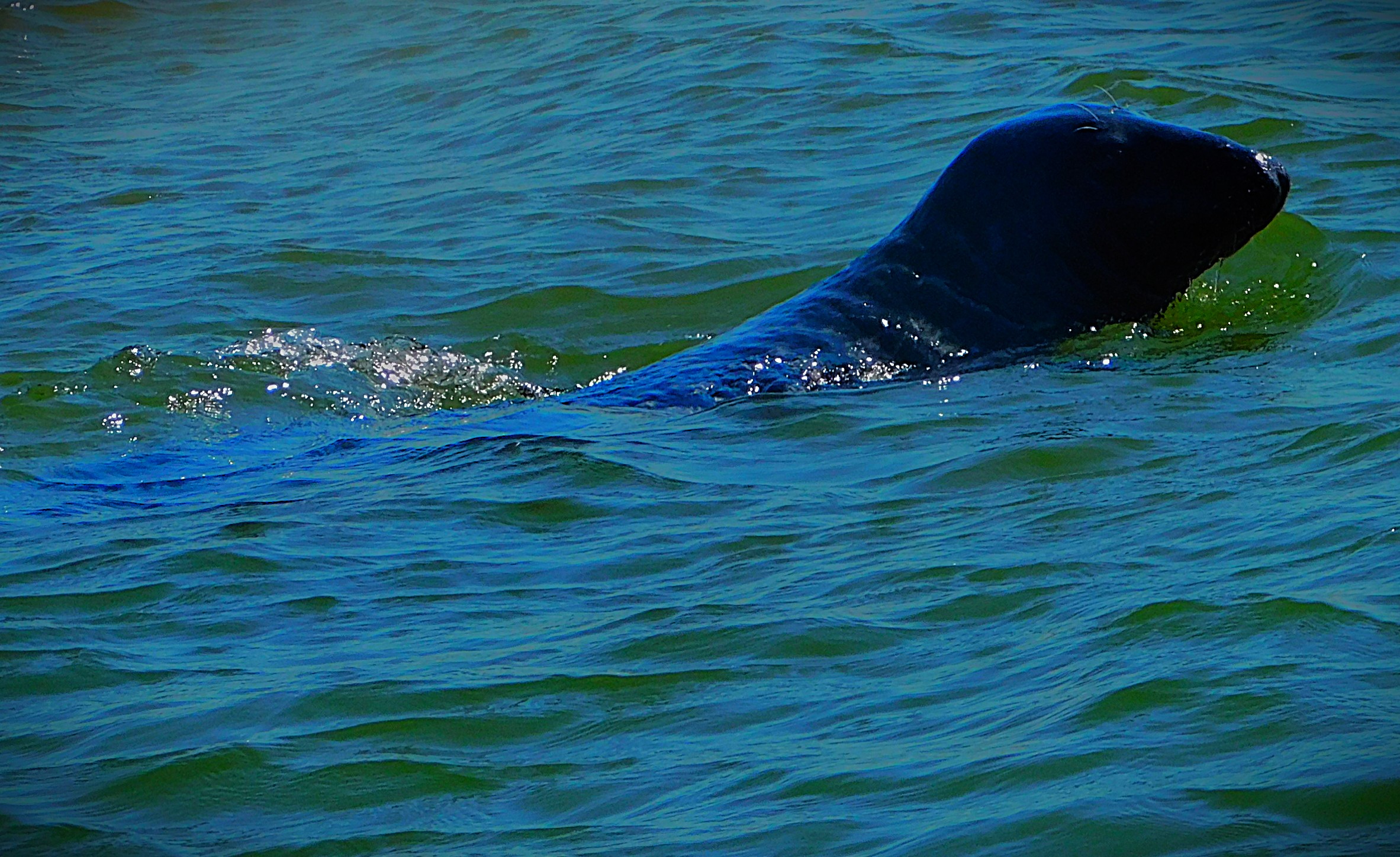
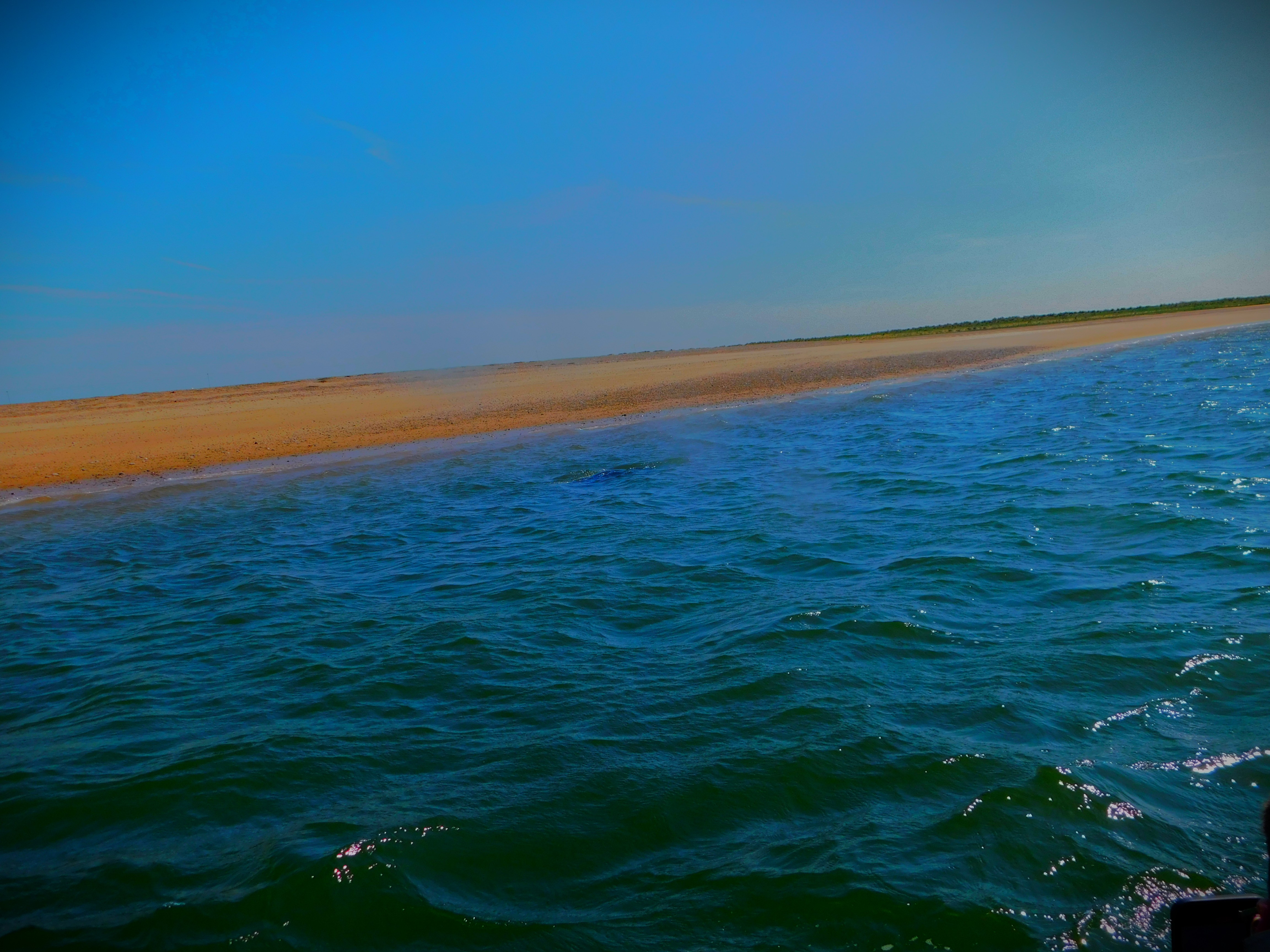
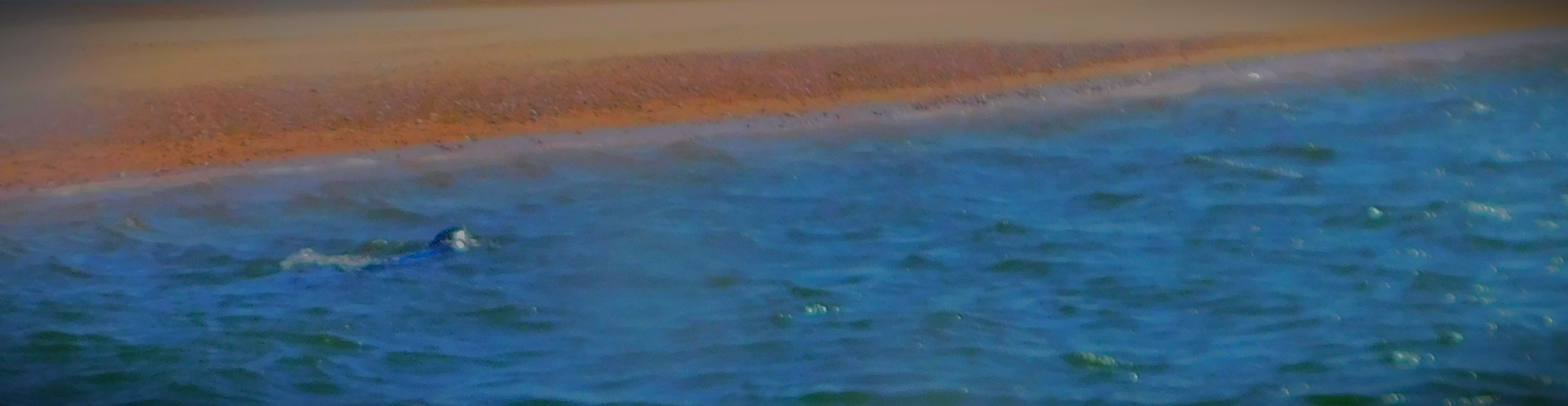
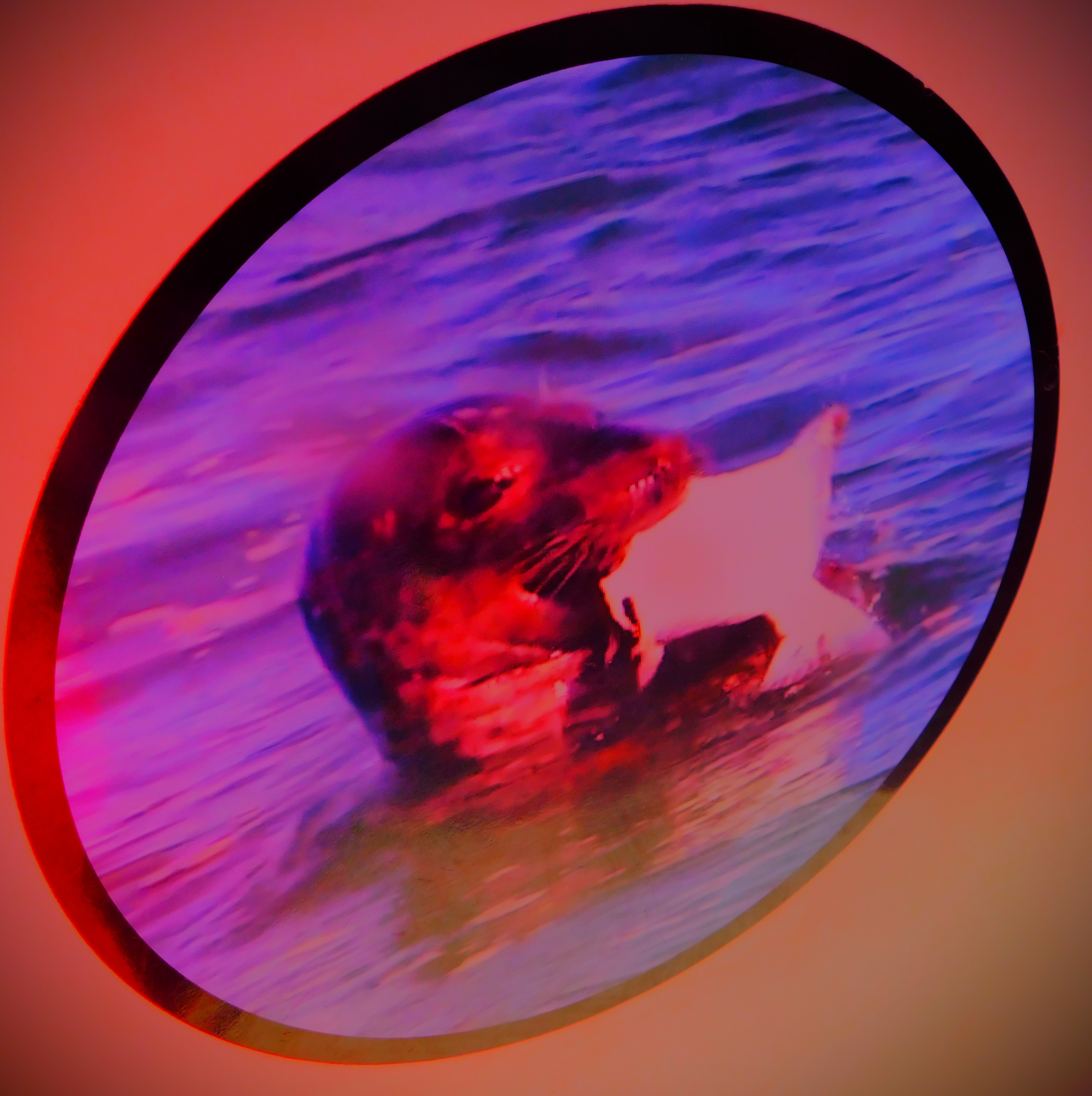
The Great Ouse is a tidal river, so occasionally one sees things that are more associated with the sea than with a river. This was one such – a seal swimming in the river. It was on the other side of the river from me, and only its head was visible above the water:











































































































 aspiblog