A look at the state of the Six Nations as the tournament nears its end.
The 2026 Six Nations rugby tournament is approaching its conclusion. This post looks at the remaining possibilities.
IRELAND v SCOTLAND
Three teams came into today with a chance of winning the trophy – Scotland, Ireland and France. Scotland needed to beat Ireland and hope for a favour from England, who face France in the last match of the tournament tonight. In the event Ireland were in control virtually the whole way through the match, although Scotland reduced the deficit to five points midway through the second half. Ireland finished strongly, and the final score was Ireland 43 Scotland 21. Ireland sit top of the table at present.
WALES v ITALY
Wales are guaranteed the wooden spoon having lost all four of their matches so far and managed only one bonus point. Even if they win they will be behind current second last place side England. A win for Italy on the other hand would ensure them fourth spot ahead of England (they cannot catch Scotland, now in third place, whatever happens.
FRANCE v ENGLAND
Any win will be enough for France to lift the trophy since they have a much better ‘points difference’ than Ireland, and this is used as the tie-splitter. A bonus point win (scoring four tries or more) would avoid the need for tie-splitting. They are level on points with Scotland as things stand, so only the vanishingly (almost worthy of using Dan Dennett’s “Vanishingly” with the V capitalized, from “Darwin’s Dangerous Idea”!) small chance of England winning by 80 points or more, which would put Scotland ahead of France on ‘points difference’ could see them below Scotland. England have had an awful tournament by their standards, losing to Scotland, Ireland and Italy and beating Wales, but if Italy lose against Wales and they record a bonus point win over France they will slide into fourth out of six. It has been a splendid Six Nations overall, and either France or Ireland would be worthy winners.
A brief look at Radagast the Brown and his role in events at the end of the third age of Middle Earth. Also a photo gallery.
Here in Norfolk spring seems to have arrived. Certainly the photo gallery at the end of this post, which other than the first four pictures all comes from today suggests as much. In this post I look at a minor character in “The Lord of the Rings”, the wizard Radagast.
A BRIEF INTRODUCTION TO THE ISTARI
The Istari were five of the Maiar, beings who rank above elves but not quite as divinities, sent into Middle Earth by the Valar (gods) to combat Sauron. They were Olorin (known in various parts of Middle Earth as Gandalf, Mithrandir, Tharkun and Incanus), Curumo (Curunir/ Saruman), Aiwendil (Radagast) and the two blue wizards Alatar and Pallando who seem never to have acquired names in Middle Earth. Of the five Olorin clearly fulfilled his brief to the letter, Curumo equally clearly failed badly (to the extent that the Valar allowed him to die in Middle Earth), while there is nothing to go on regarding Alatar and Pallando though the likelihood is that any part they played in the events at the end of the Third Age of Middle Earth was on the side of Sauron, since all we are told of them is that they went straight into the uttermost East. That leaves only…
AIWENDIL/ RADAGAST
Radagast played no direct part in the War of the Ring, and it is often considered that his fondness for the birds and the beasts was such as to amount to an abrogation of his duties in Middle Earth. However, it is quite clear that Radagast’s heart was always in the right place – although he inadvertently sent Gandalf into Saruman’s trap by causing him to head to Isengard to visit Saruman he also heeded and acted on Gandalf’s request that he ask those of the birds and beasts that were friends of his to help by reporting on events, which brought Gwaihir, lord of the eagles, to Isengard to rescue Gandalf from his confinement at the top of the tower of Orthanc. There is no hint of a suggestion that Radagast ever intentionally aided evil or that he ever sought any position of power in Middle Earth (as Saruman, the several times over traitor, certainly did). One final aspect of Radagast’s role needs to be presented: he was the choice of Yavanna, whose personal area of responsibility was precisely the birds and the beasts. Thus it was right that he should be fond of those birds and beasts.
In an English or Welsh court where the only verdicts that can be rendered are ‘guilty’ or ‘not guilty’ I would, though unhappily, find even the blue wizards ‘not guilty’, since there is no actual proof of guilt. A Scottish court, with the additional verdict of ‘not proven’ would offer a way out in their case. Even in a Scottish court I would happily acquit Radagast.
PHOTOGRAPHS
My usual sign off…
The first butterfly of 2026 – a tortoiseshell.a bee (three pics)
A look back at todays BBL game between Melbourne Renegades and Hobart Hurricanes and a photo gallery.
This morning UK time saw Melbourne Renegades entertain Hobart Hurricanes at Geelong. This post looks back at the match.
THE RENEGADES INNINGS
The match started strangely, with Josh Brown allowing Chris Jordan to bowl a maiden in the first over of the match. Maidens are rare birds in T20s, and I cannot recall a previous example of a match in this format starting with such an over. Tim Seifert got a single early in the second over, but off the fourth ball thereof Brown fell to a catch by Nikhil Chaudhary off Riley Meredith for an eight ball duck, an absurd innings in a T20. The third and fourth overs, bowled by Nathan Ellis and then Meredith bowling his second were taken for 17 runs each, and a Power Play score of 36-1 looked respectable. However, Hurricanes immediately tightened things up. In the ninth over Jordan bowled Seifert for 34 to make it 63-2. With the penultimate ball of the 10th over English leg spinner Rehan Ahmed bowled Mohammad Rizwan for 32, which brought about the mid-innings drinks break at 69-3. Two overs later Jake Fraser-McGurk and Ollie Peake were still together, and there was an obvious case for activating the Power Surge. However Renegades did the cowardly thing and held back in the hope of getting a better opportunity. Five balls into the 13th over Peake was well caught by Matthew Wade off Nathan Ellis to make it 86-4, and a chance to use the Surge with two batters who have both already faced a few balls had been squandered. Three balls into the 14th over and Hurricanes other leg spinner, Bangladeshi Rishad Hossain, bowled Fraser-McGurk to make it 88-5. Hassan Khan and Will Sutherland revived things for Renegades, and they eventually activated the Surge for overs 17 and 18. The first of these overs was beneficial to their cause, but the second, bowled by Jordan, was ruinous. Hassan Khan was out to the first ball of it, and Sutherland to the fourth, to make it 126-7. Jordan conceded one more run in the over, but still at that point had 3-9 from three overs. The last ball of the 19th over saw Gurinder Sandhu fall to a catch by Hossain off Ellis to make it 133-8. The final over was Jordan’s fourth and last as well, and with the second ball of it he accounted for Fergus O’Neill to make it 135-9. Jordan did not manage to complete his five-for, and ten runs accrued from the last four balls of the innings. However, 145-9 still looked a hopelessly inadequate score, and 4-1-19-4 was still an excellent set of bowling figures. Jordan has played over 400 T20s in his long career, and has never yet taken a five-for, though todays figures were not quite a career best – he has recorded 4-6 in the past. Rishad Hossain had 1-21 from his four overs and Rehan Ahmed 1-25 from his. If Stokes is still worried about Bashir’s lack of skill with the bat (see here) then perhaps Ahmed, a genuinely front line bowler could come into the side. It would be far from the first time that an English player in Australia not as part of a tour party has been drafted in in an emergency – George Gunn, in Australia for health reasons, was called in to the 1907-8 touring party and proceeded to top score in both innings on test debut, while in the 1990s Gus Fraser, omitted by Illingworth, was clever enough to arrange to be in Australia playing grade cricket, and soon found himself back in the side.
THE HURRICANES CHASE
Mitchell Owen fell to the first ball of the chase, caught behind by Rizwan off Jason Behrendorff. However Nikhil Chaudhary, recently demoted from opening to number three, then hit the second, third and fourth balls of that opening over for fours and Hurricanes were on their way, and never really looked back. The other opener, Tim Ward, was also dismissed in the Power Play, for 8, but Hurricanes already had 38 on the board by then. It was the third wicket stand between Chaudhury and Ben McDermott that killed the game stone dead. At the halfway mark Hurricanes were 95-2, with these two still together, and activating the Power Surge at the earliest possible opportunity was a blatantly obvious thing to do, and Hurricanes duly did so. Although they lost Chaudhury to the last ball of the Surge, caught by Fraser-McGurk off Sandhu for 79 (38) the two overs had also yielded 36 runs (18 each), and a mere 15 were needed for victory by then. It took 1.5 overs to knock those runs off, with no further wickets falling. McDermott ended on 49 not out (33). Hurricanes had won by seven wickets with 6.1 overs to spare and went top of the table. Jordan was named Player of the Match for his great bowling. Scorecard here.
A look back at today’s WBBL11 final, between Perth Scorchers and Hobart Hurricanes, and a photo gallery.
This morning (UK time) saw the final of the Women’s Big Bash League 11th edition. The contending sides were Hobart Hurricanes, who had won the league stage and thus gone straight into the final and Perth Scorchers who had had to win two extra matches in order to get there. The other benefit besides going straight through to the final that the Hurricanes got was that the match was played in Hobart.
THE PRELIMINARIES
The bat flip was won by Perth Scorchers. Sophie Devine chose to bat first, believing that runs on the board would give her side the opportunity to impose scoreboard pressure on the opposition. Both sides were unchanged from their previous matches (in Hurricanes’ case quite a while back, and it was one that was only half finished in bizarre circumstances – in the break between innings a ball got rolled into the pitch surface creating a dangerously large hole therein and resulting in an abandonment).
THE SCORCHERS INNINGS
Katie Mack and Beth Mooney have been a formidable opening pair for the Scorchers this season, but neither were at their best today. Mack in particular struggled to get going, and Mooney did so only because she was reprieved multiple times. Finally in the sixth a cover a catch did go to hand, Linsey Smith pouching one off Lauren Smith to send Mack back for 17 and make it 36-1. Maddy Darke, in at number three for the Scorchers never got going at all, and it was Linsey Smith as bowler who got her, with the aid of a catch by Natalie Sciver-Brunt, to make it 48-2 in the eighth over. The innings was just into its second half when Heather Graham rattled Mooney’s stumps, getting the left hander for 33 and making it 64-3. Freya Kemp hit a six, but then gave Sciver-Brunt a catch off Linsey Smith to go for 10 and make it 79-4 in the 13th over. Paige Scholfield batted well, but the last serious hope of a big Scorchers total disappeared when Lizelle Lee stumped Devine off Graham to make it 112-5 in the 17th over. Scholfield and Alana King stayed together for the rest of the innings. The most remarkable happening was Nicola Carey contriving to concede just three runs in the final over of the innings, two of them off the final ball. Carey had figures overall of 4-0-23-0, and two of those overs were in the opening Power Play, and another was that 20th over. The final score was 137-5, which did not look like enough, although if Hurricanes had taken all the chances they were offered Scorchers would probably have been all out for about 90.
THE HURRICANES CHASE
Lizelle Lee struck form from the outset. The four over opening Power Play yielded 39-0. In the sixth over Amy Edgar clean bowled Danni Wyatt-Hodge for 16 to make it 49-1. That brought Sciver-Brunt in to join Lee, and the pair made hay. At the halfway stage the score was 81-1. Hurricanes activated the Power Surge at the first permitted opportunity, namely for overs 11 and 12, quite rightly going for the quick kill (and even without that motivation, would they ever have a better time to take it than with Lizelle Lee and Natalie Sciver-Brunt both well set?) rather than waiting on further developments. Lee hit the fourth ball of the 11th over for a six, the third such blow of her innings, to pass 50 off 32 balls, and followed up by hitting four more off the fifth and another half dozen off the sixth. Sciver-Brunt joined the party by putting the first ball of the 12th over into the stands. In total the two overs of Power Surge produced 31-0, , and Hurricanes were 112-1 after 12 overs, needing a mere 26 off the last eight. Sciver-Brunt fell with victory in sight, but Lee went to a new record score for a WBBL final of 77 not out (44 balls, 10 fours, four sixes), while Nicola Carey made the winning hit, a four off the final ball of the 15th over. The margin was eight wickets, with five overs to spare. Lizelle Lee after that stunning blitz with the bat was named Player of the Match. This means that the Hurricanes currently hold both the men’s and women’s BBL titles, and that the only franchise never to have won a WBBL title is now the Melbourne Stars.
ON POWER SURGES
The Power Surge can be activated at any stage in the last ten overs of an innings. In this match it was one of many areas in which Hurricanes were superb. Scorchers by contrast took their surge for overs 15 and 16, and amassed 15-0 from those two overs, little if any better than they would have done in regular play. It is that last point, that the key is not just how many runs those overs yield, but how many more they yield than would have been scored anyway that informs my thinking on this subject. Taking it for overs 15 and 16 as Scorchers did today makes some sort of sense, effectively extending ‘the death’ from four overs to six. Leaving it any later would to me rank as folly. The Hurricanes had an easy choice today, as they had two well set batters both ideally suited to making use of a Power Surge when they took it. In general I think sides, influenced by the worry that taking it can lead to the loss of wickets are overcautious about doing so and tend it leave it later than they should.
PHOTOGRAPHS
My usual sign off…
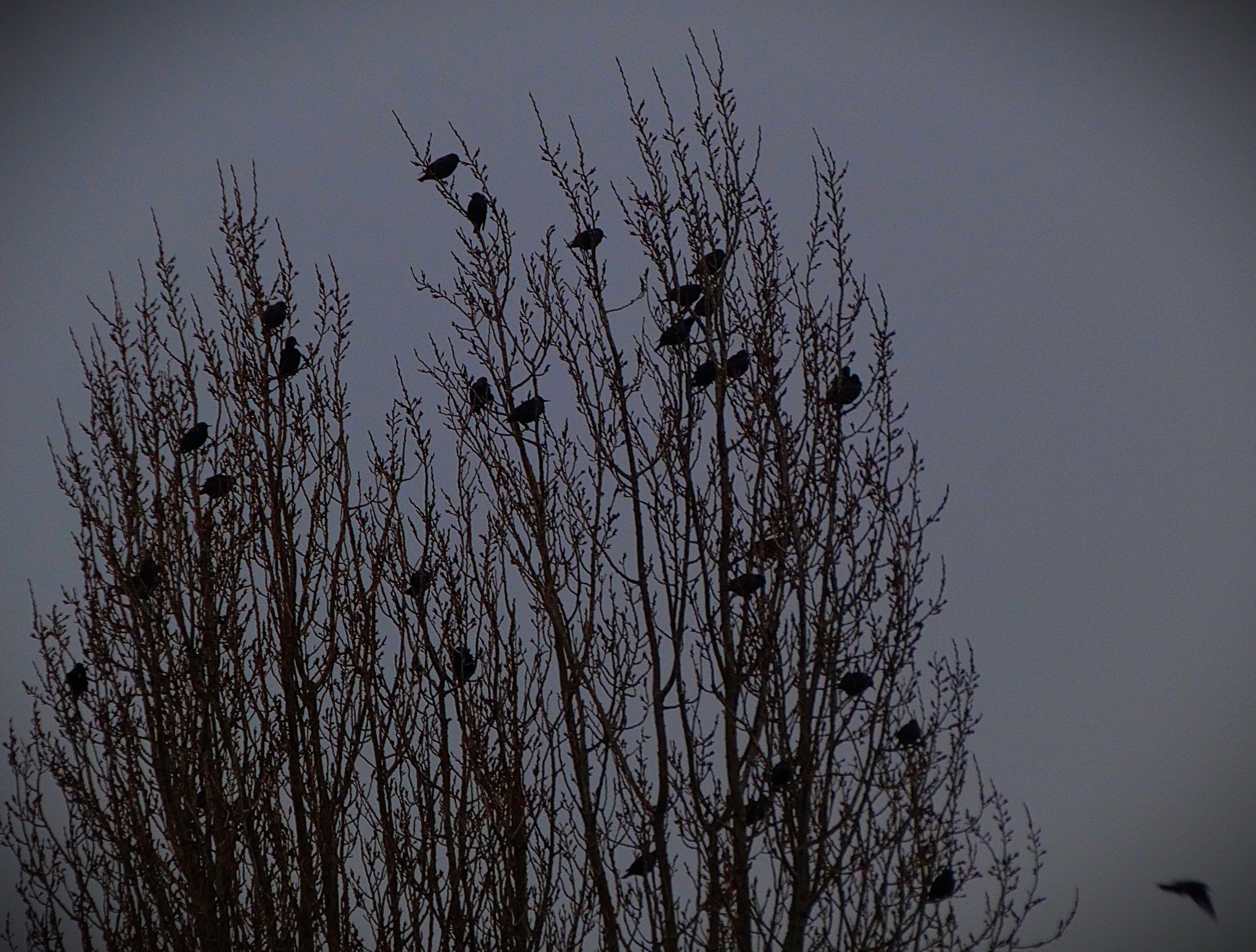
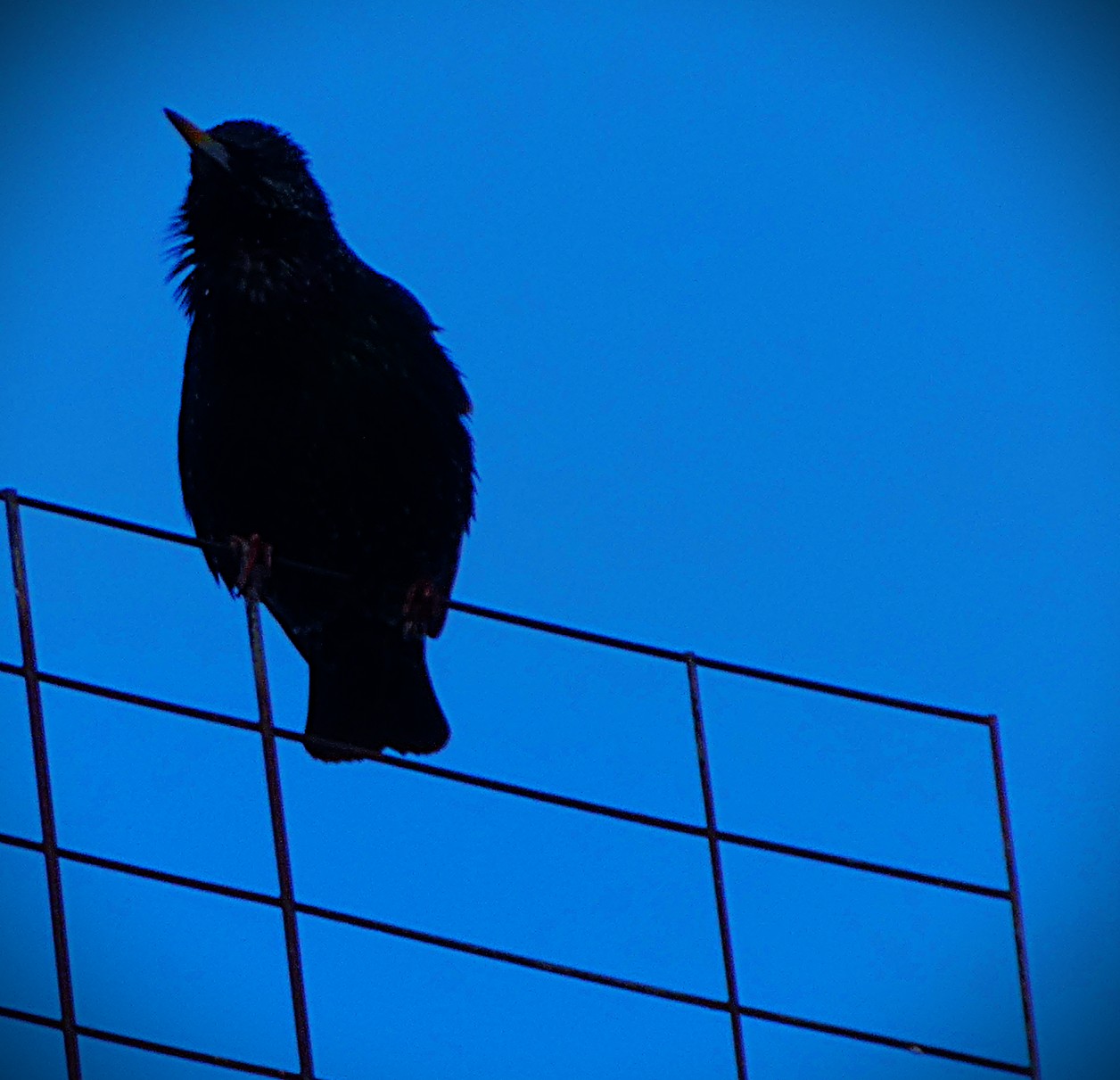
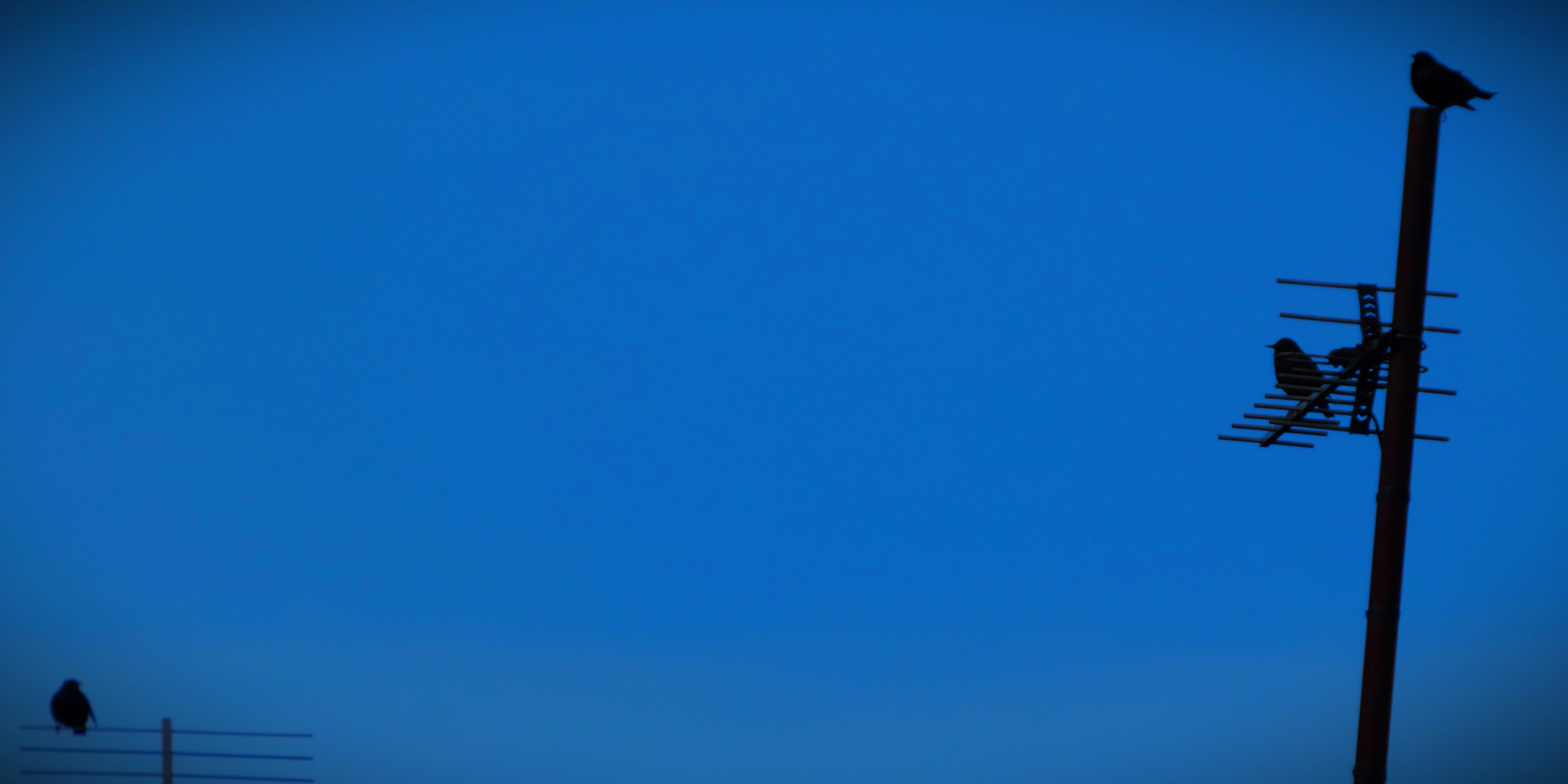
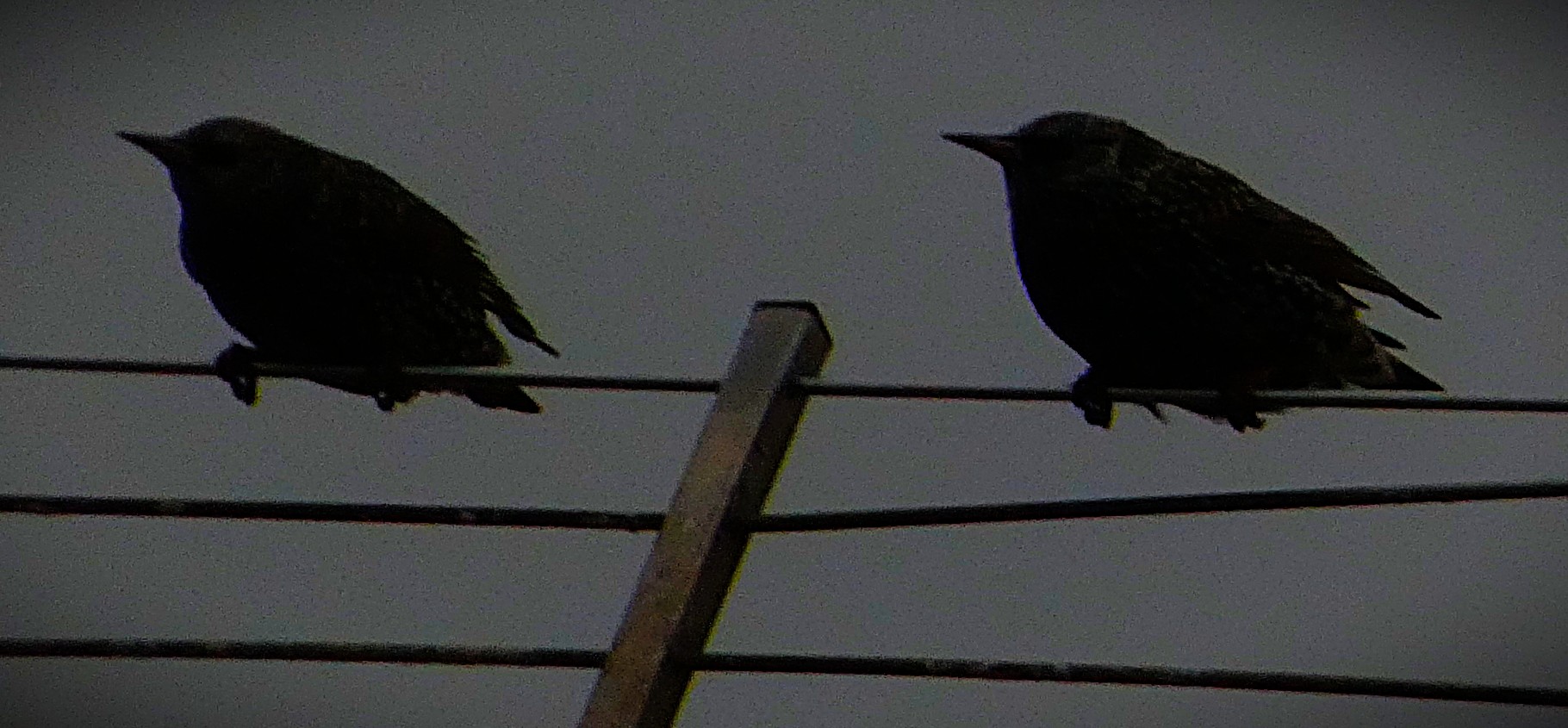
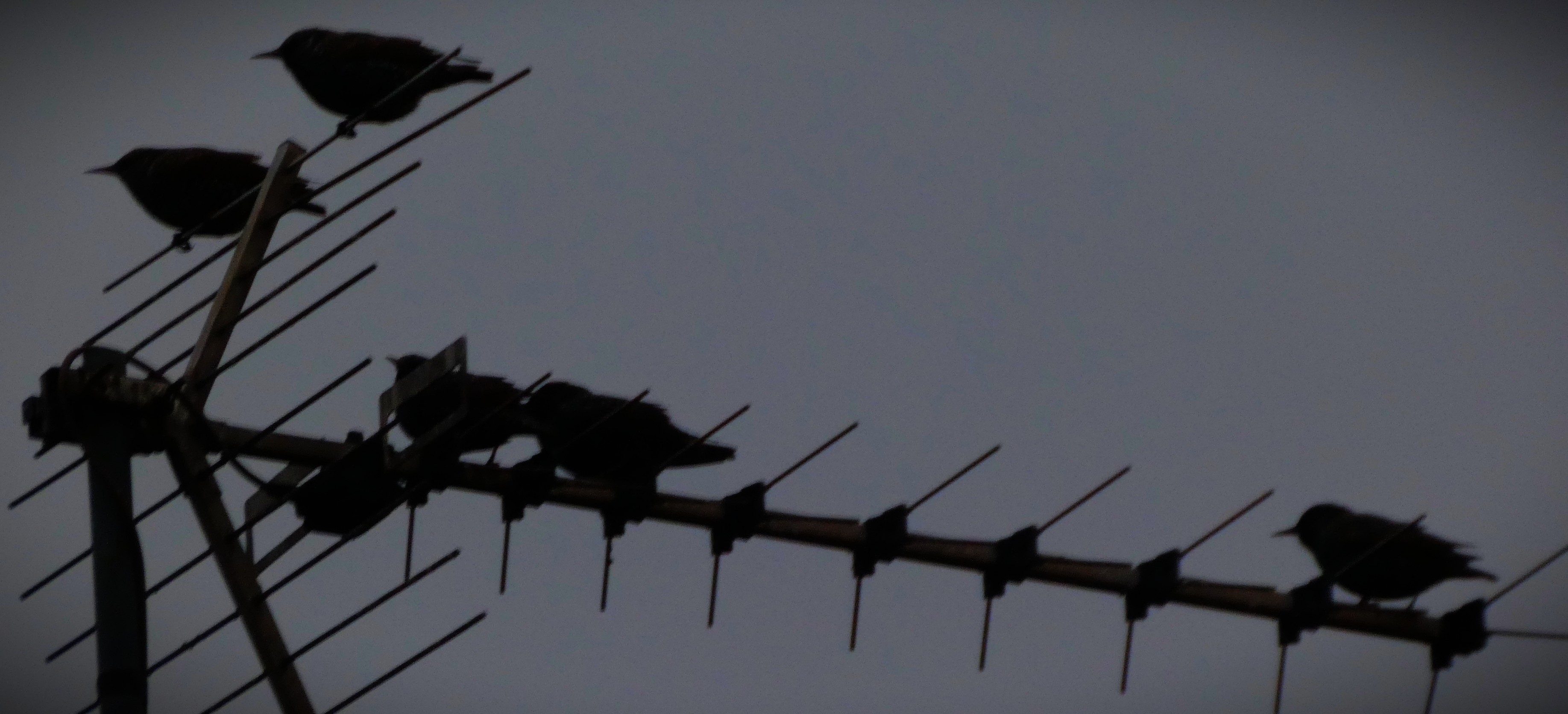
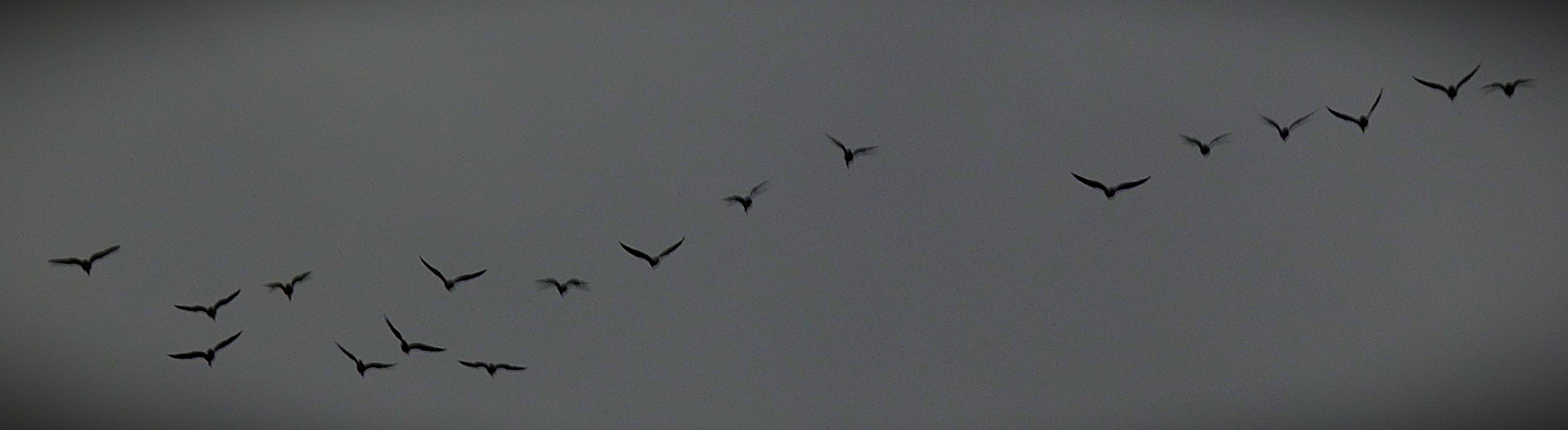
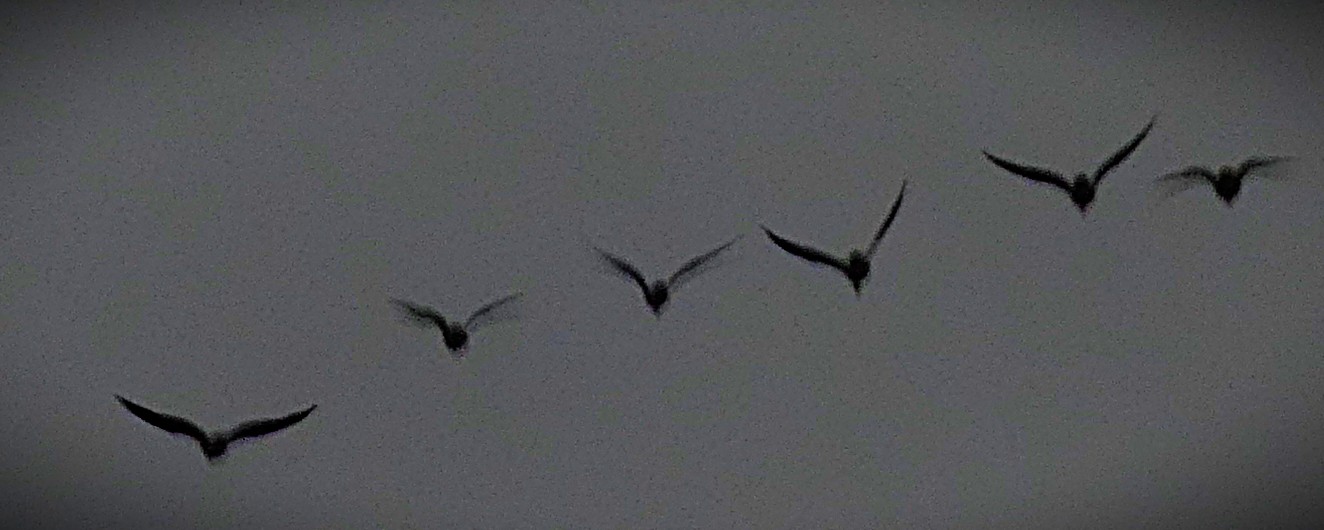
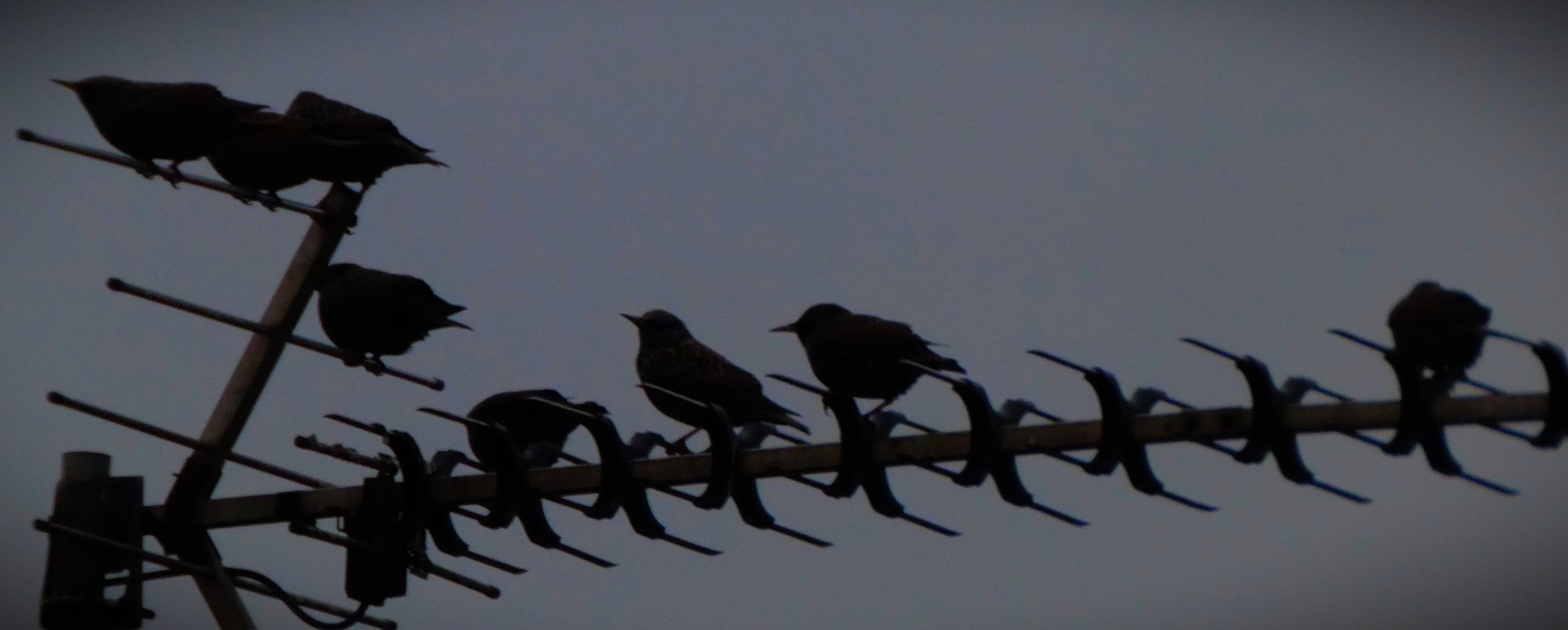
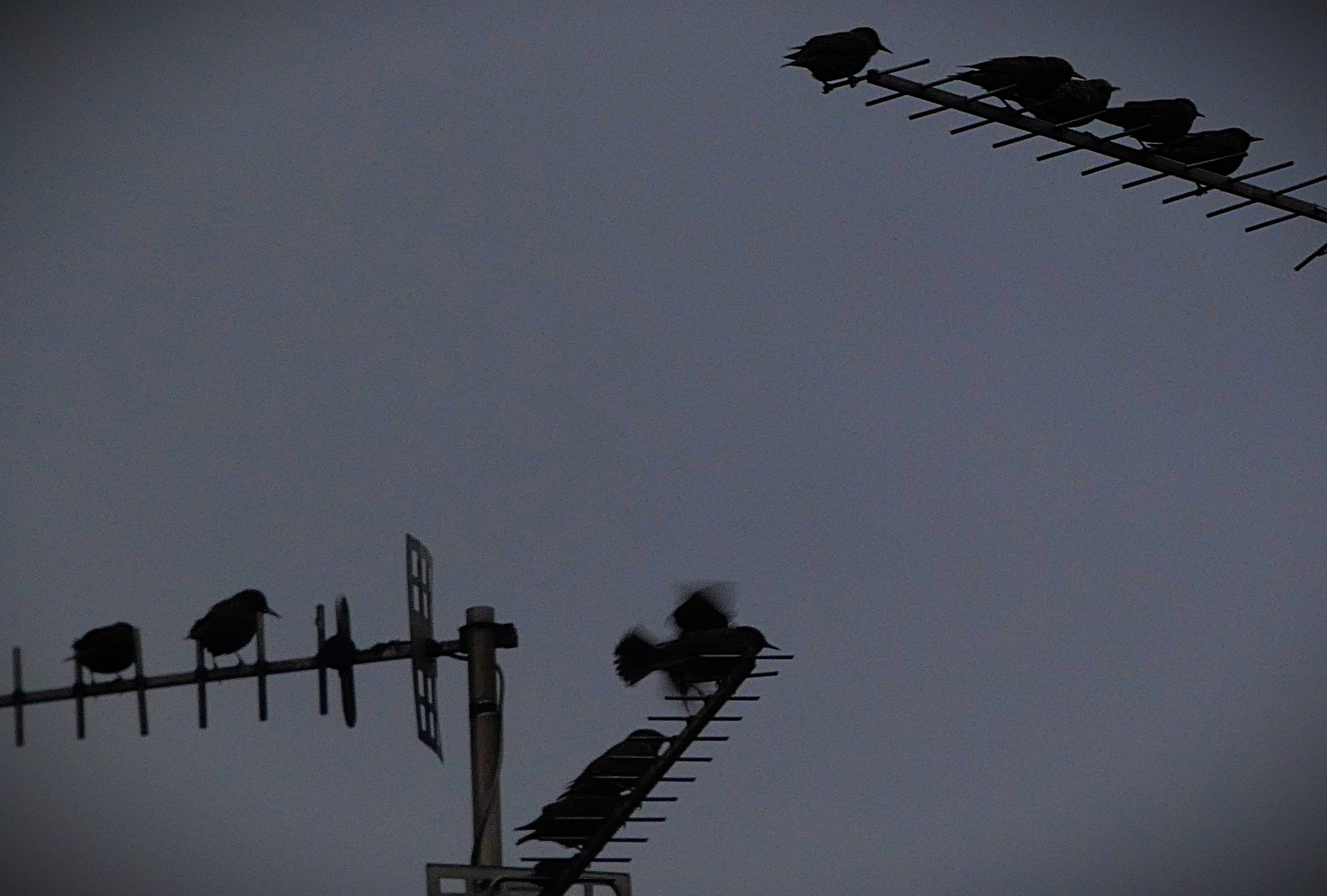
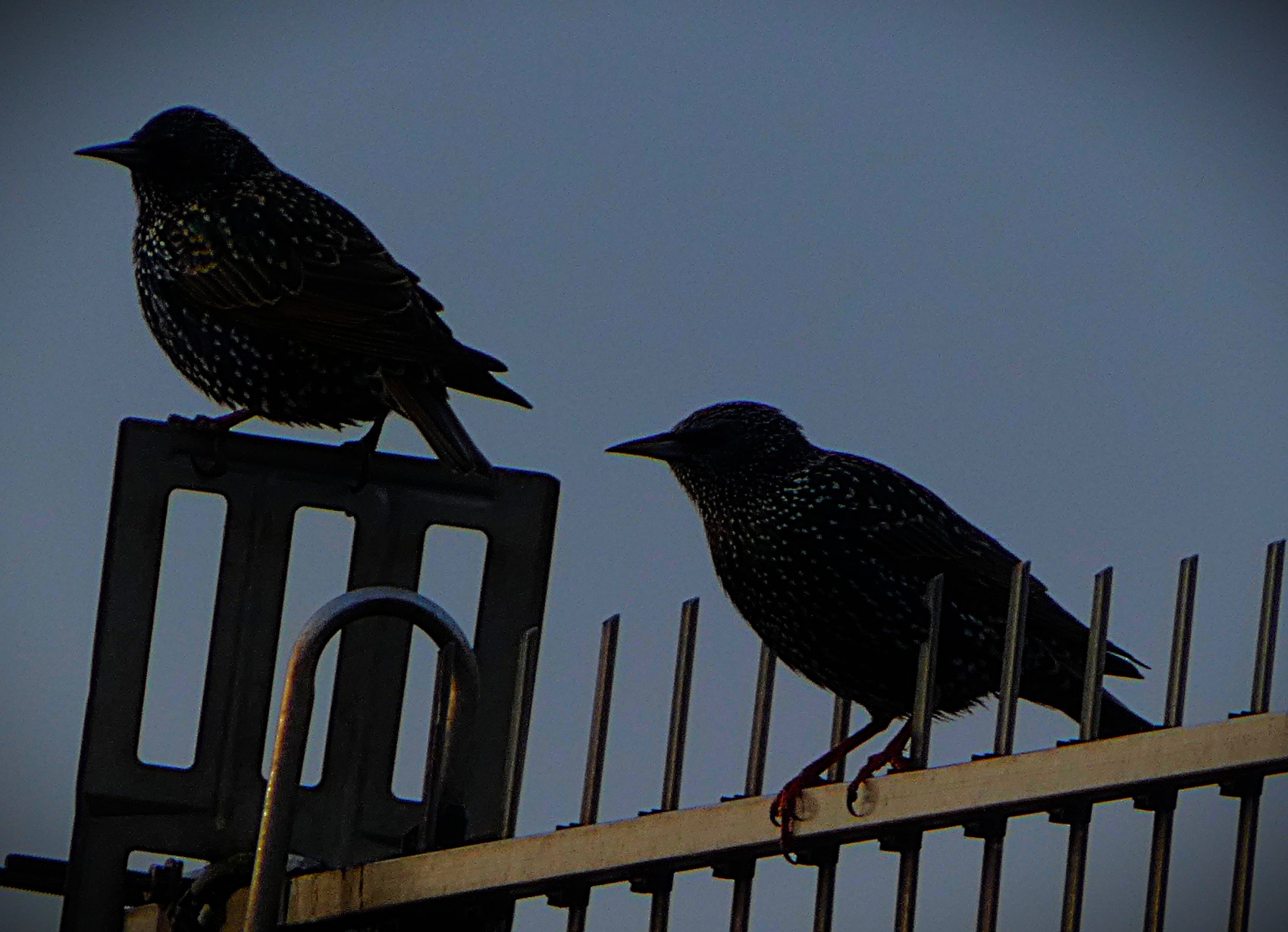
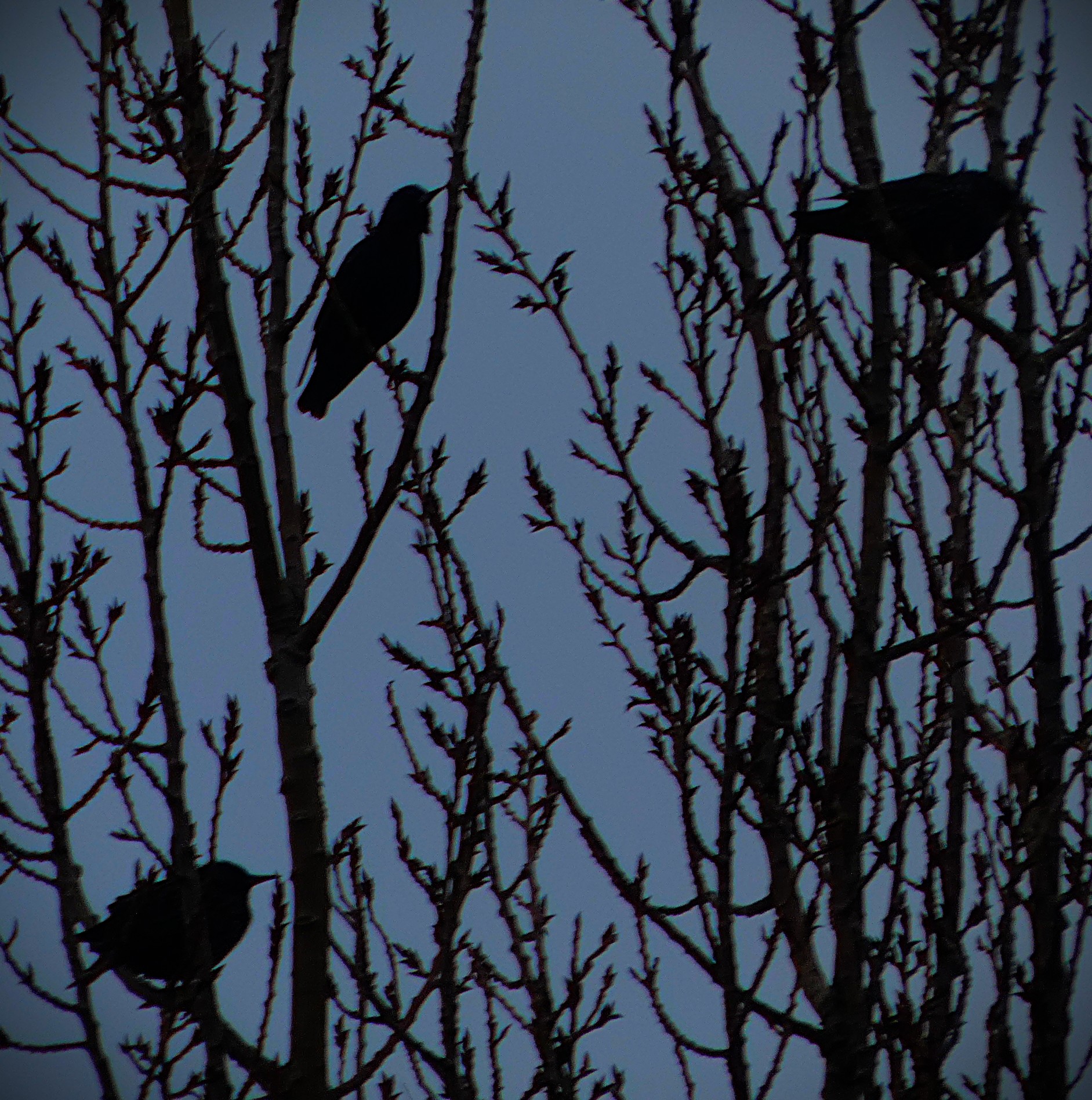
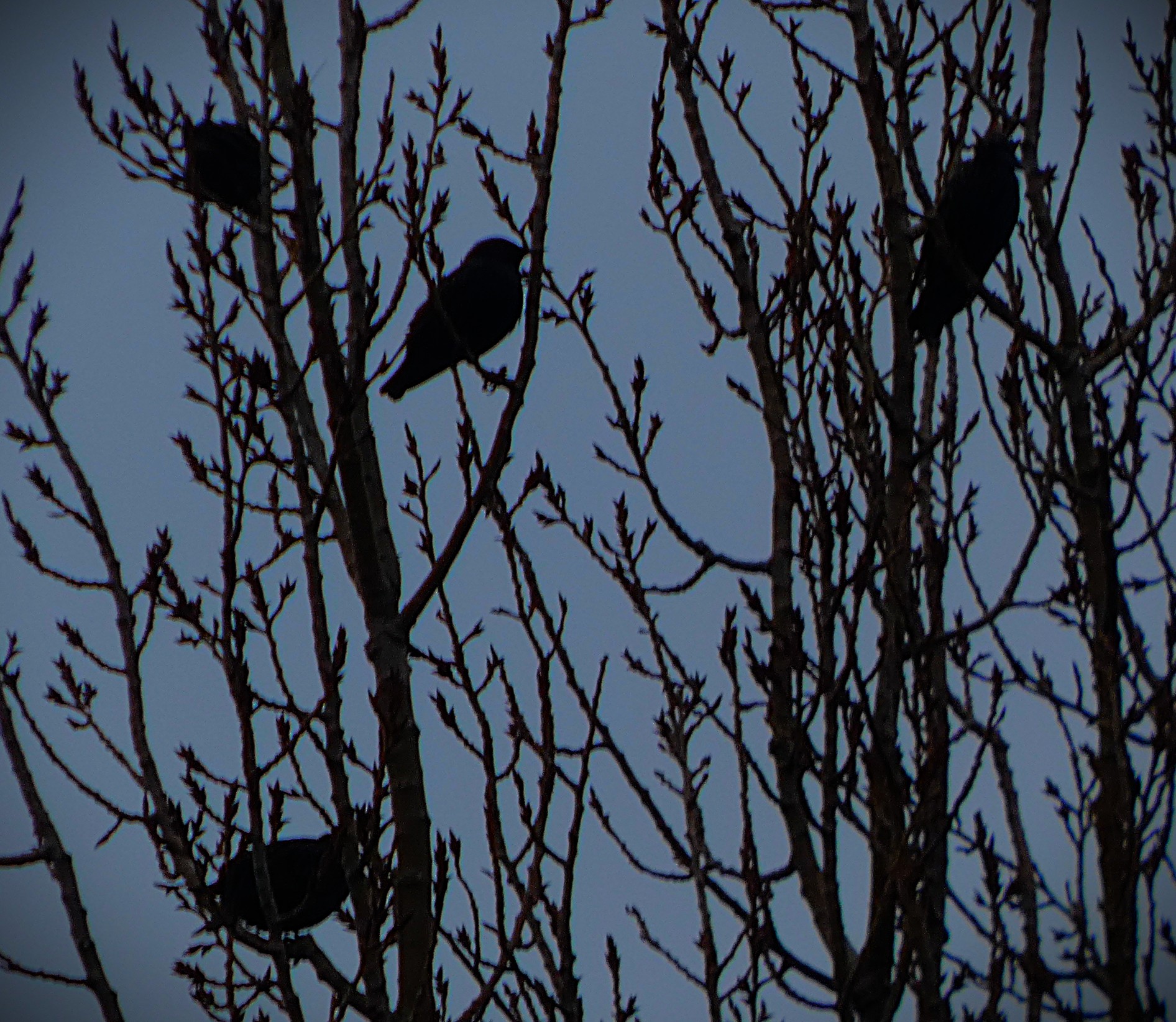
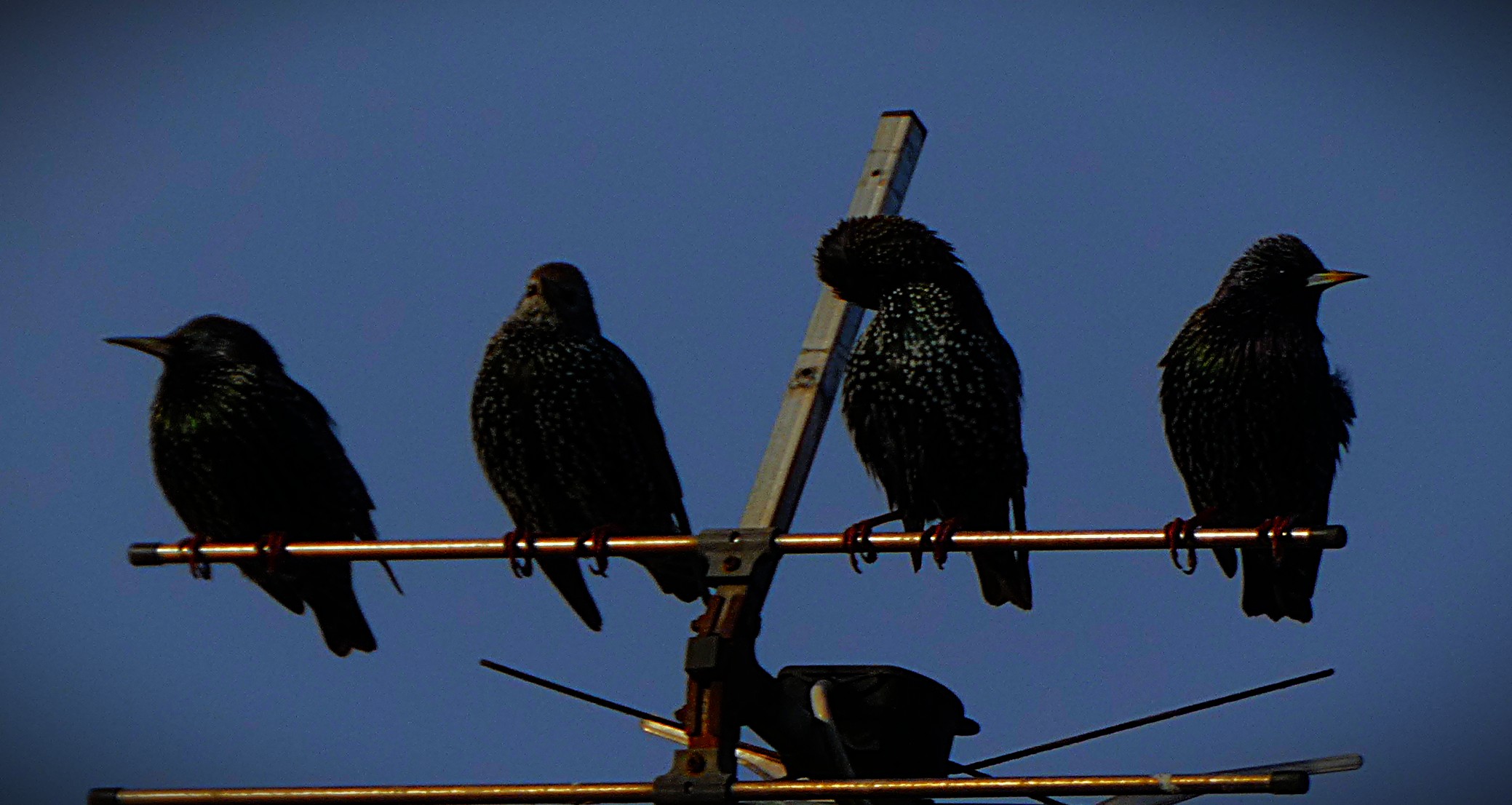
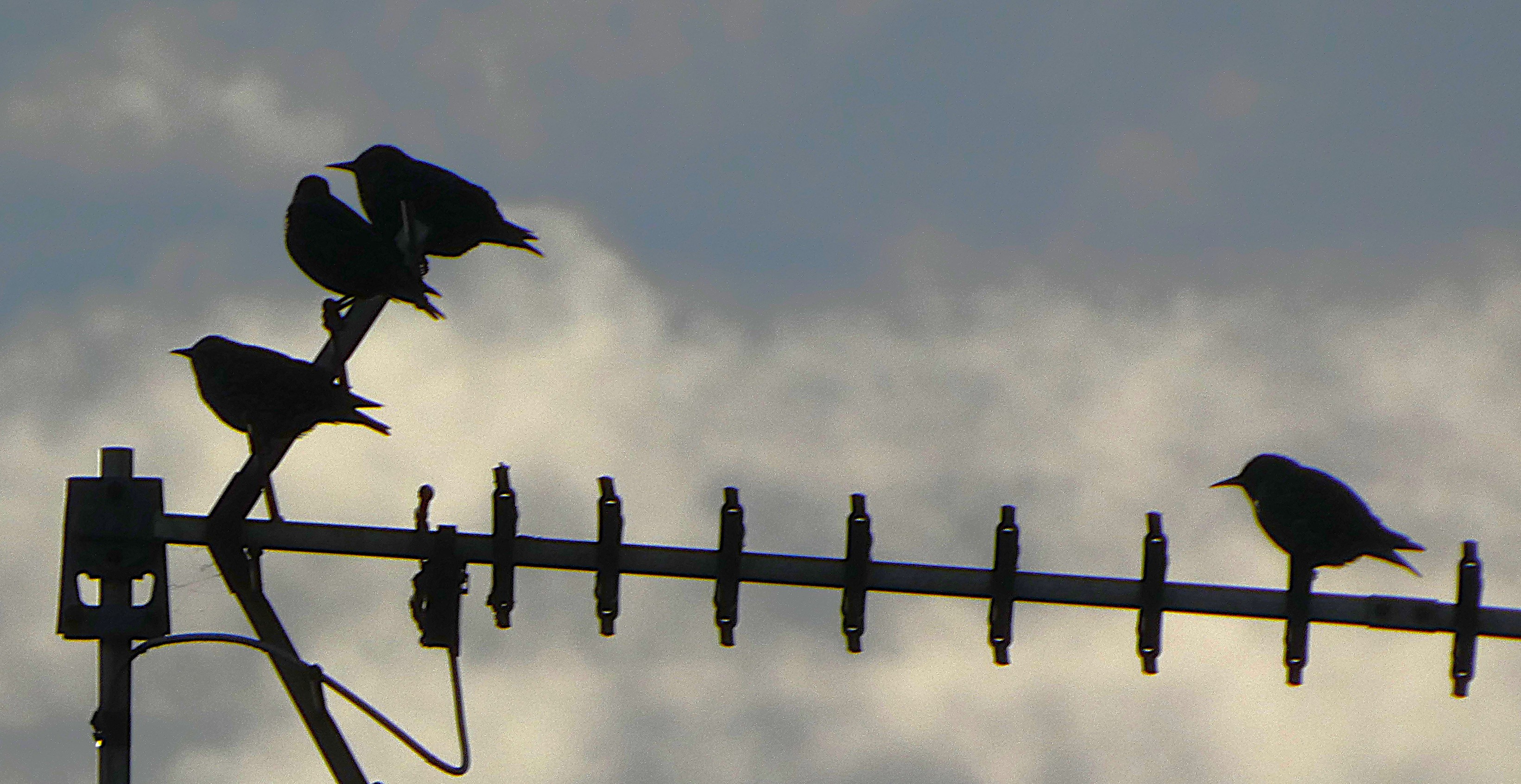
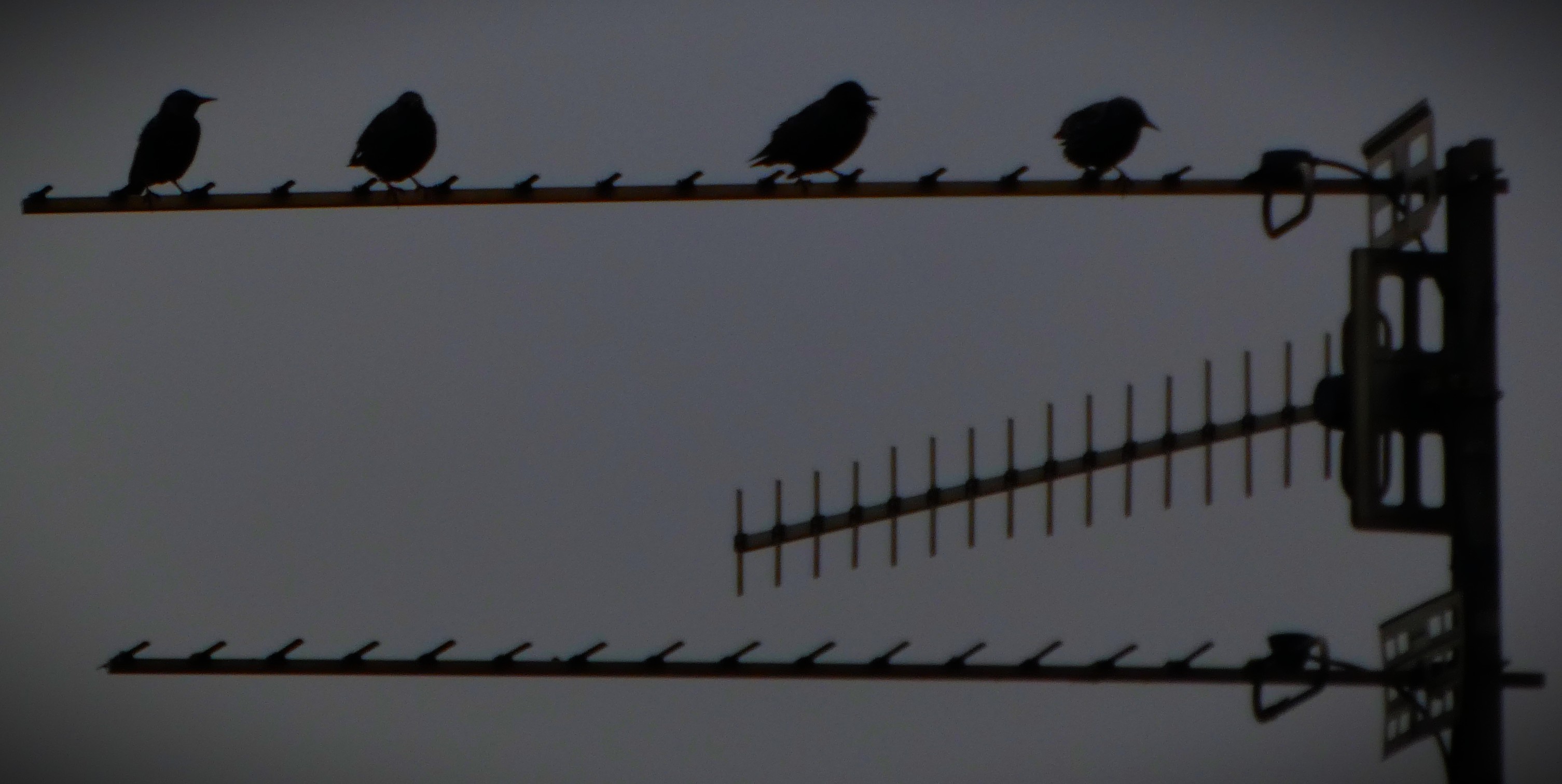
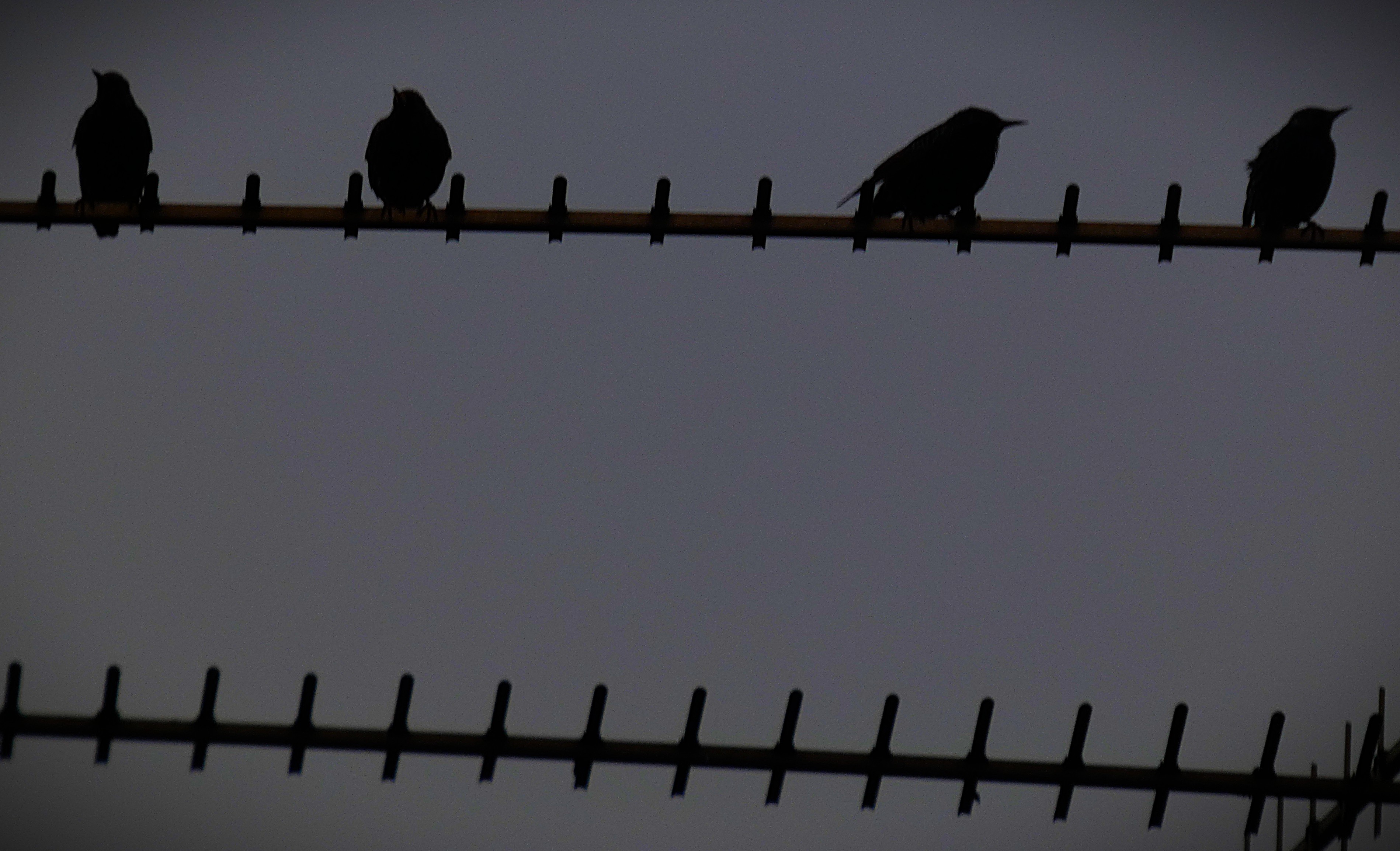
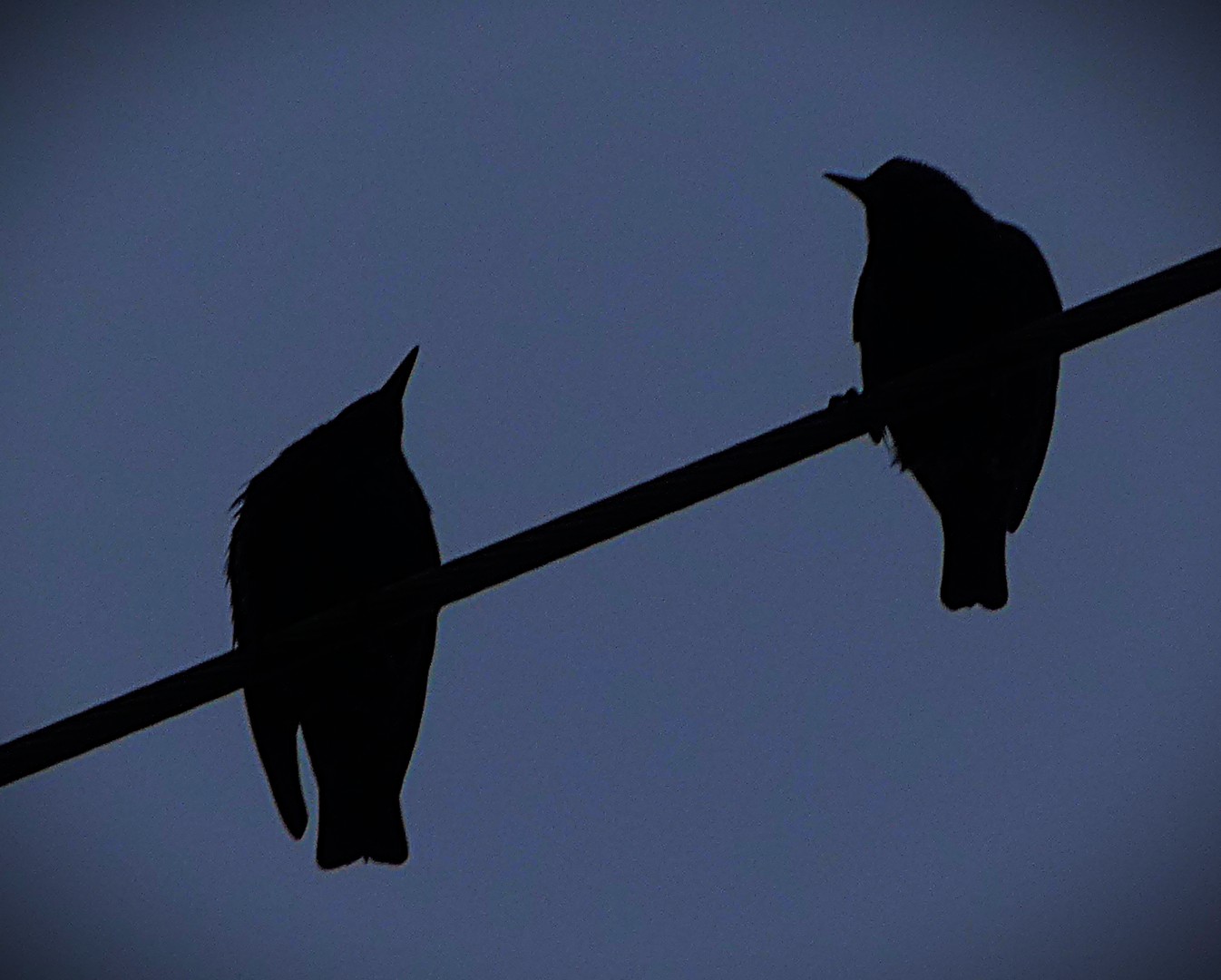
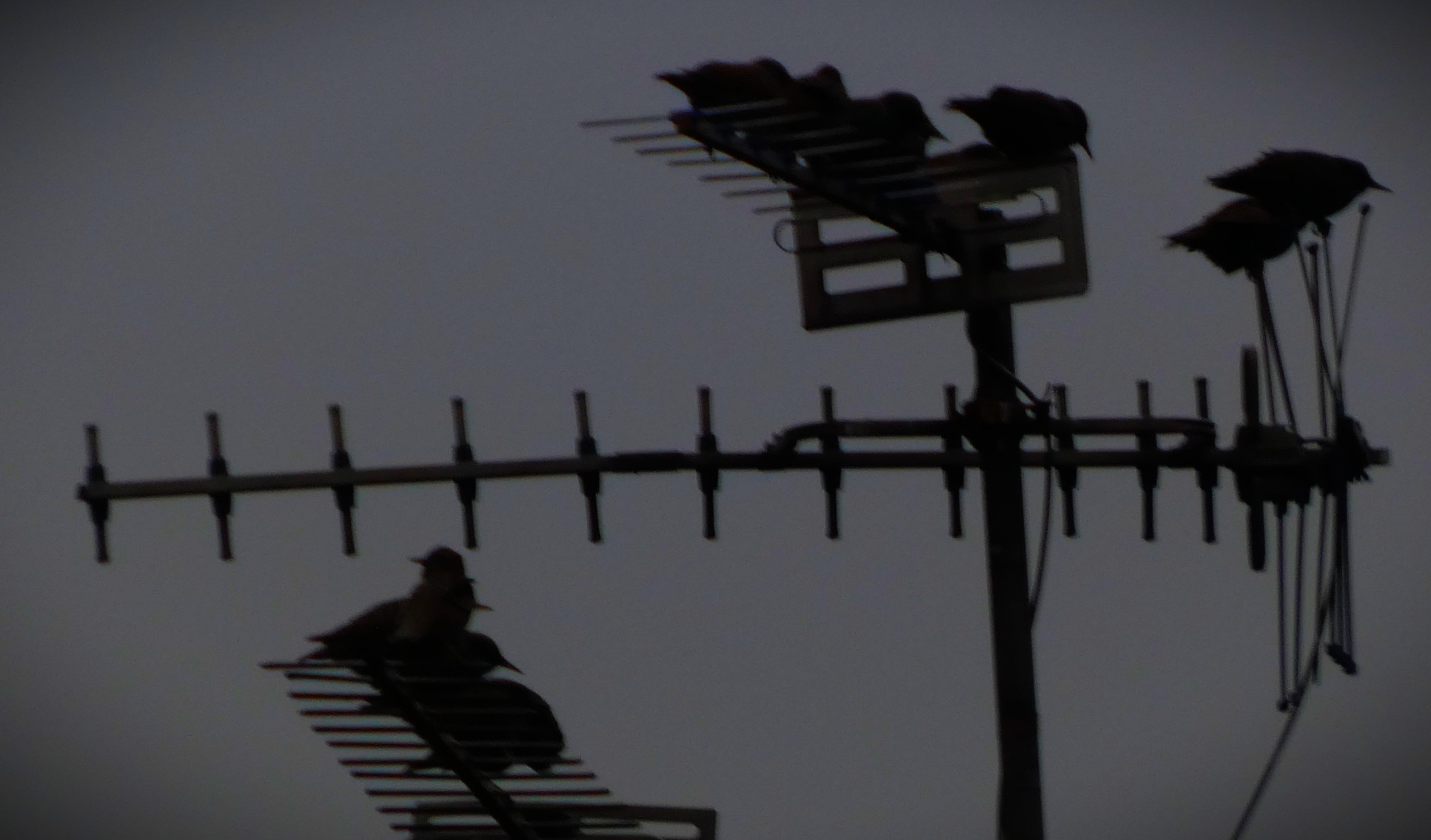
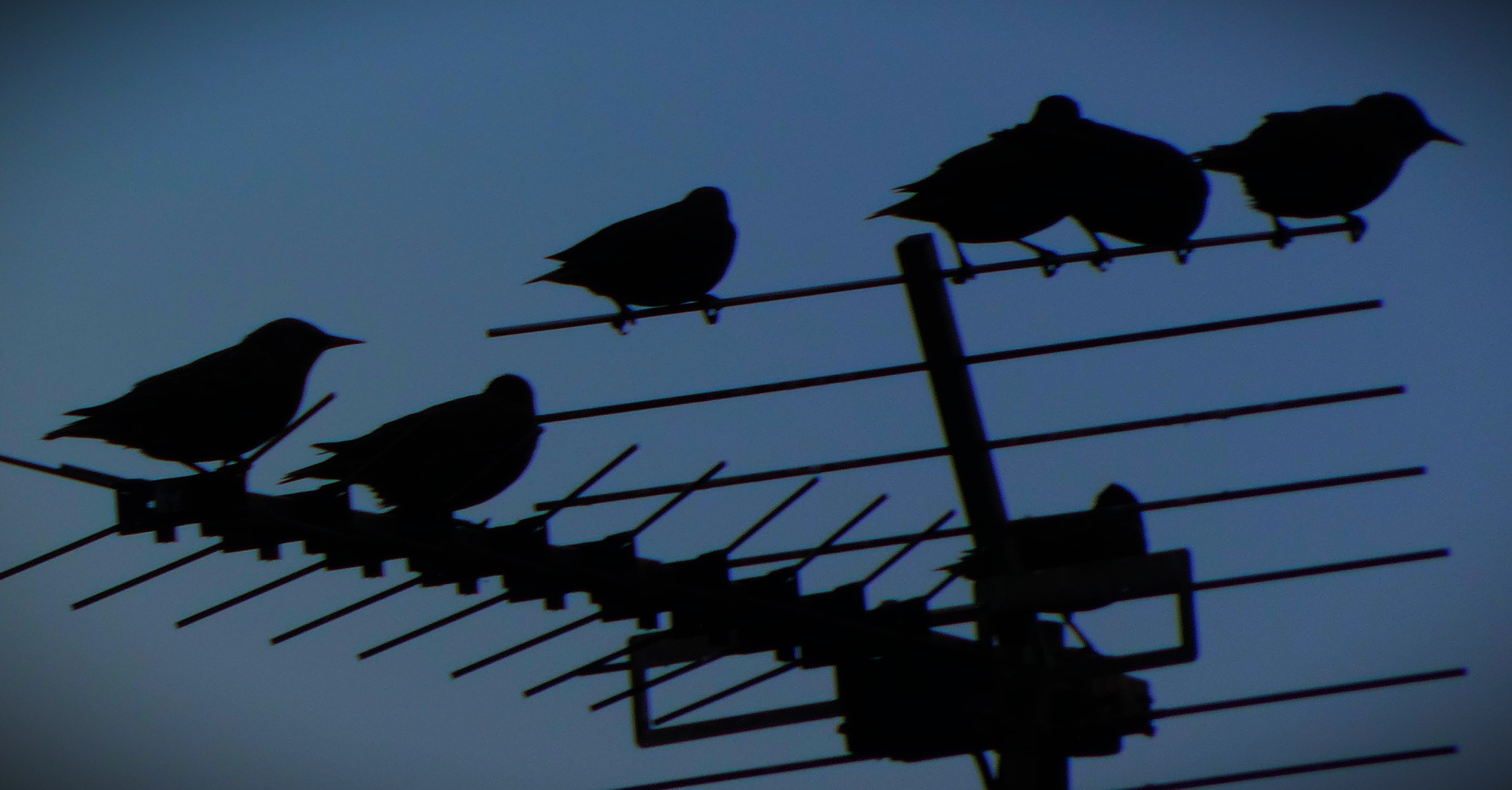
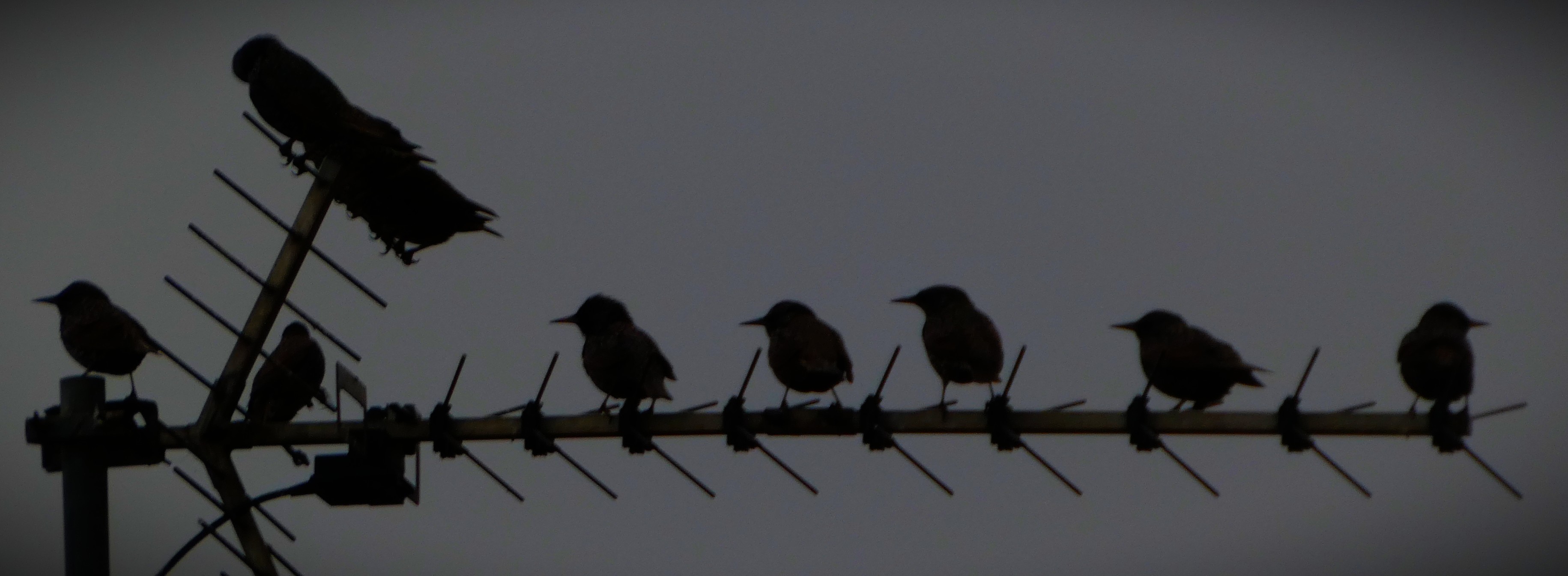
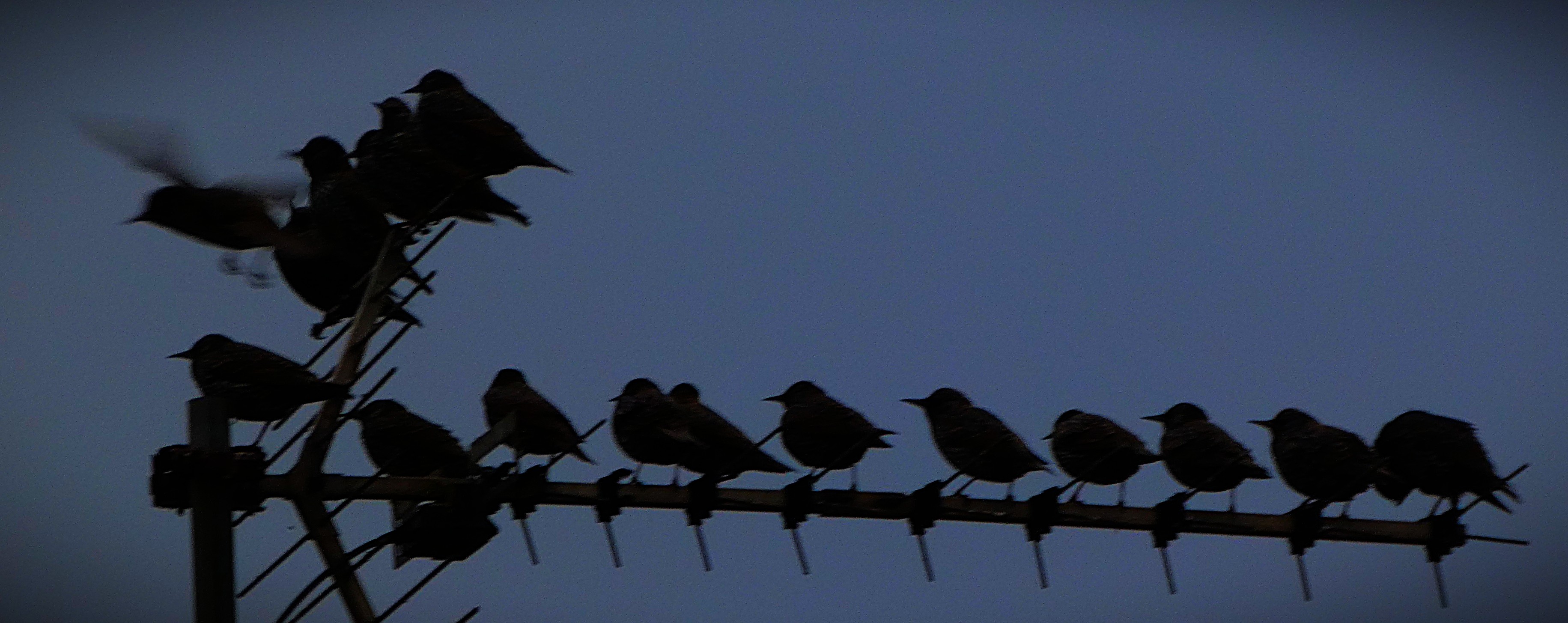
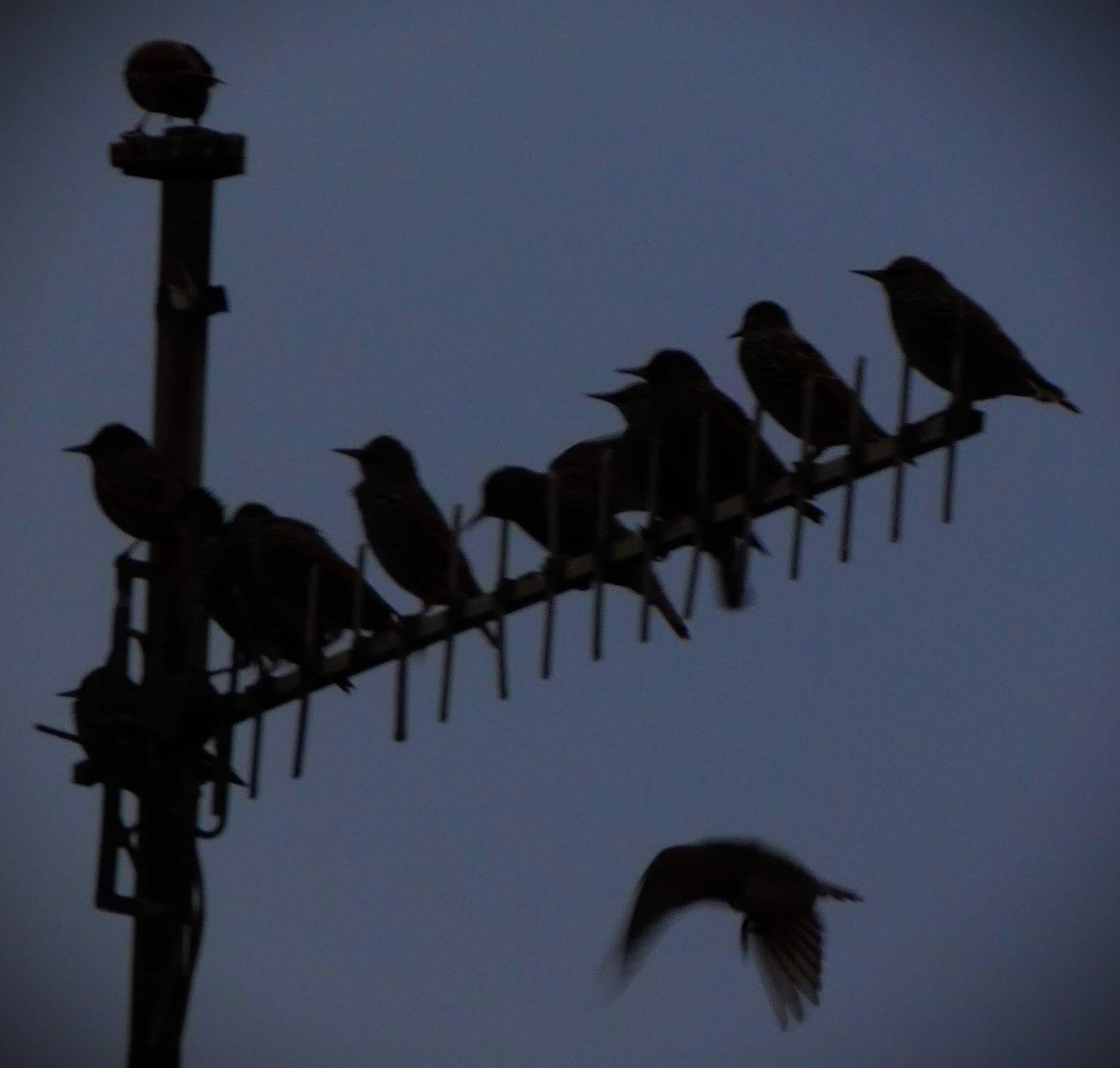
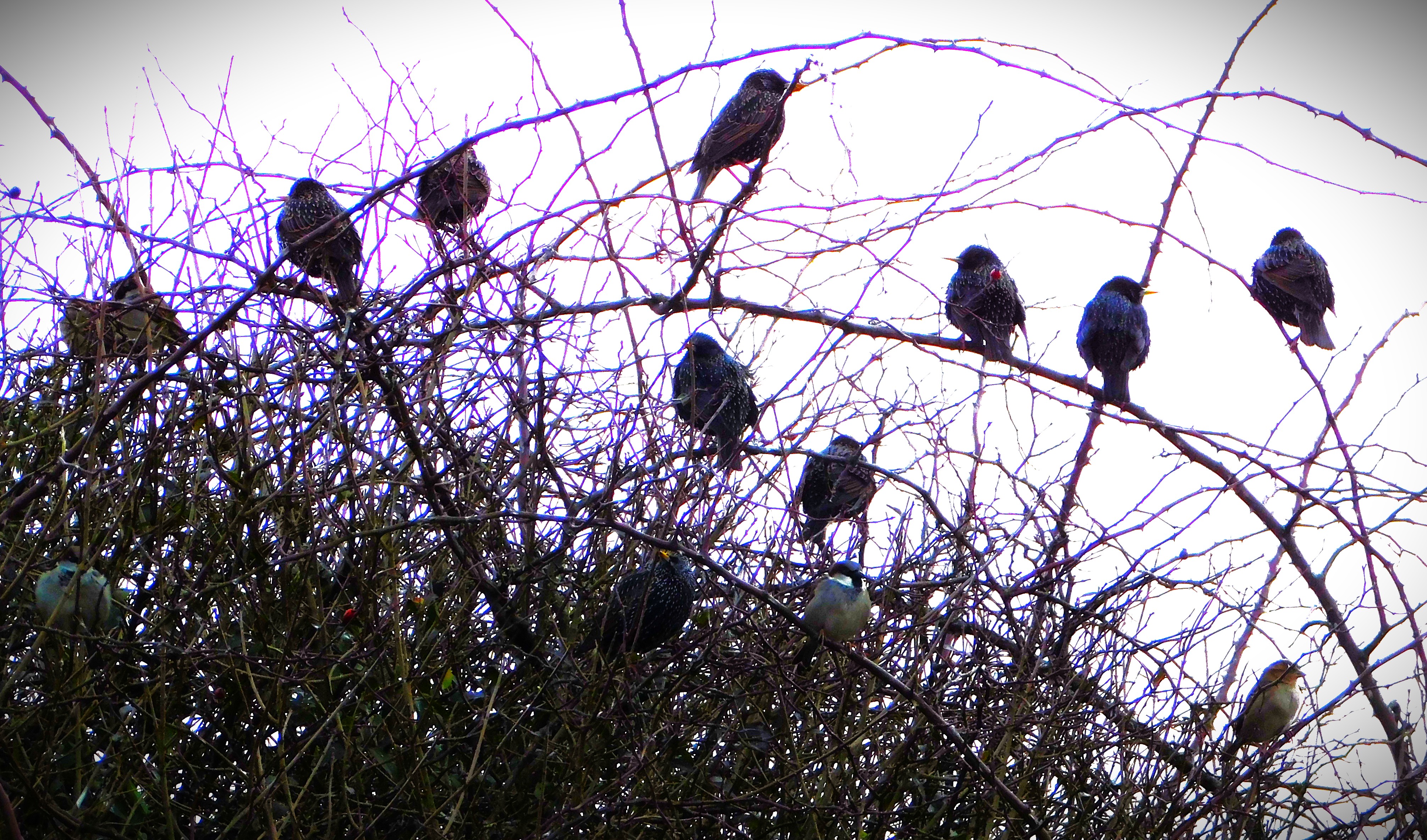
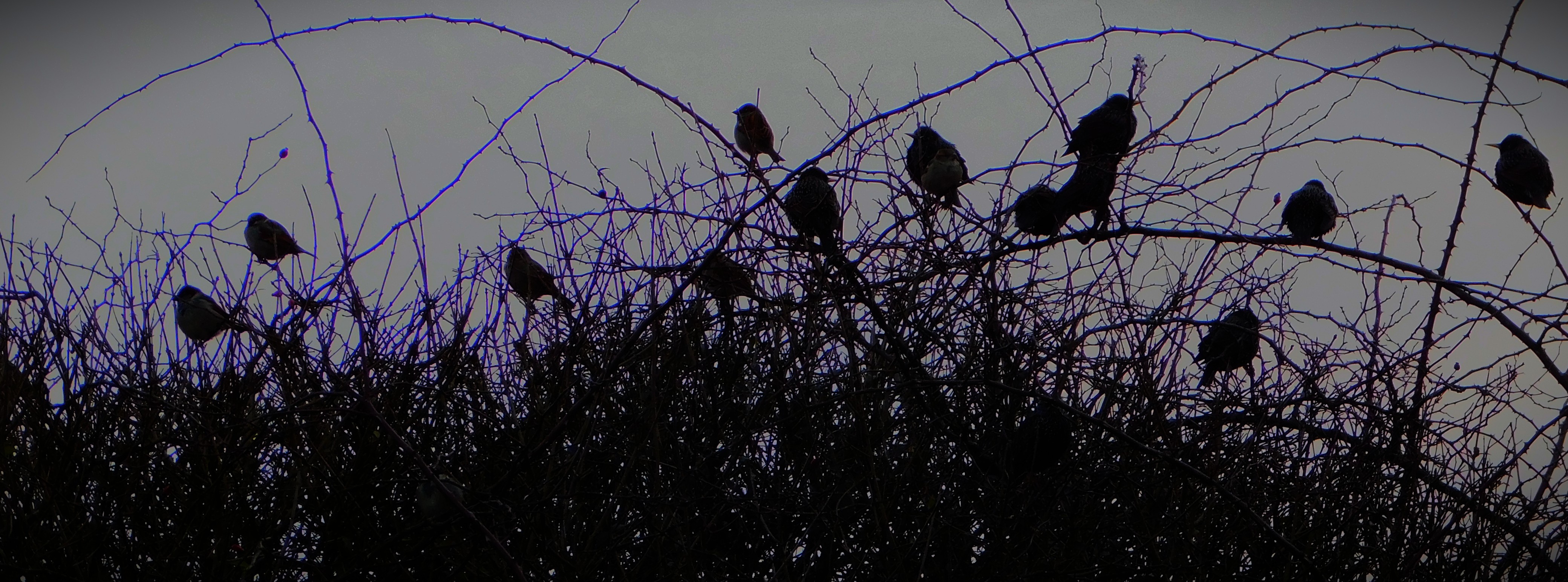
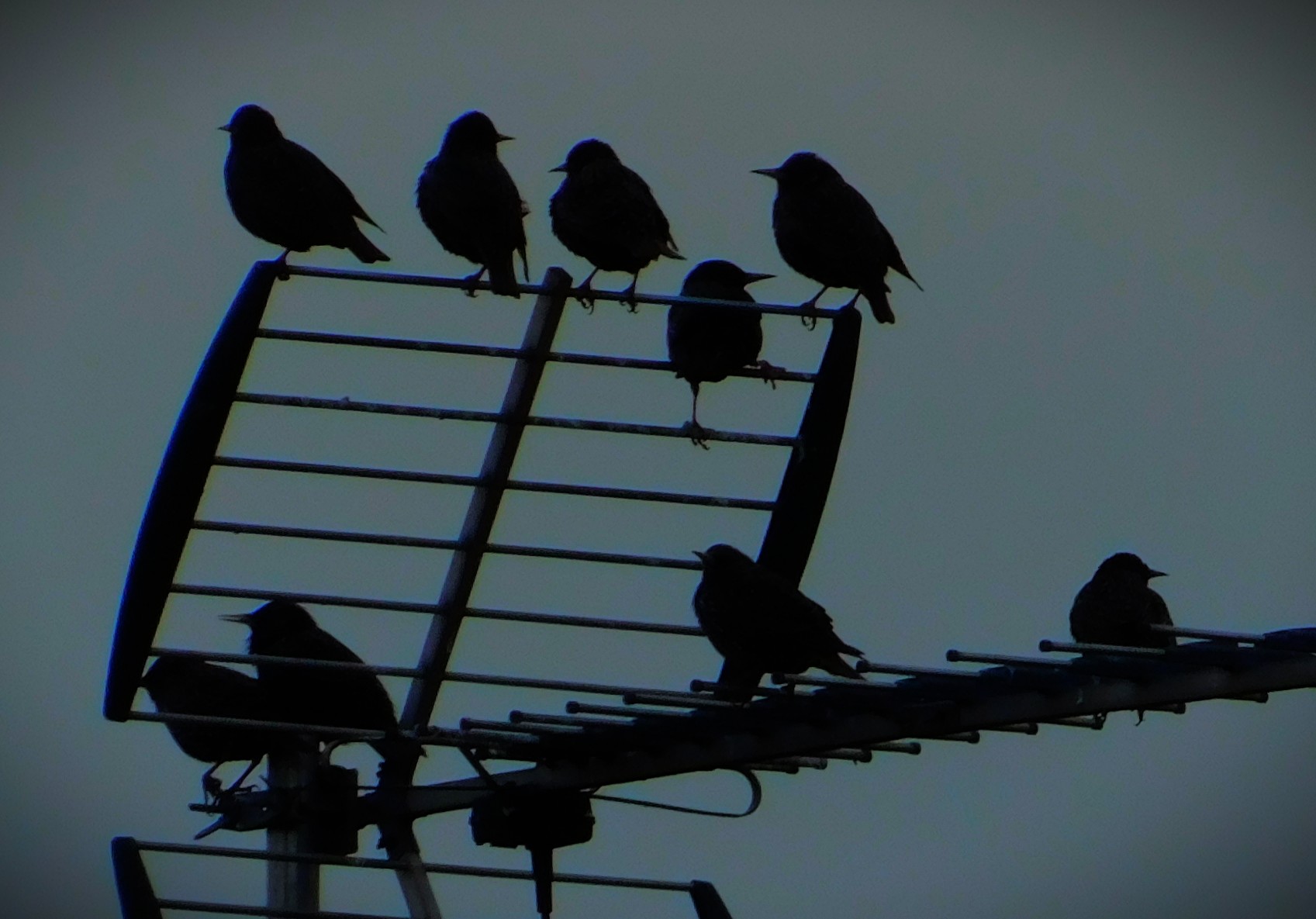
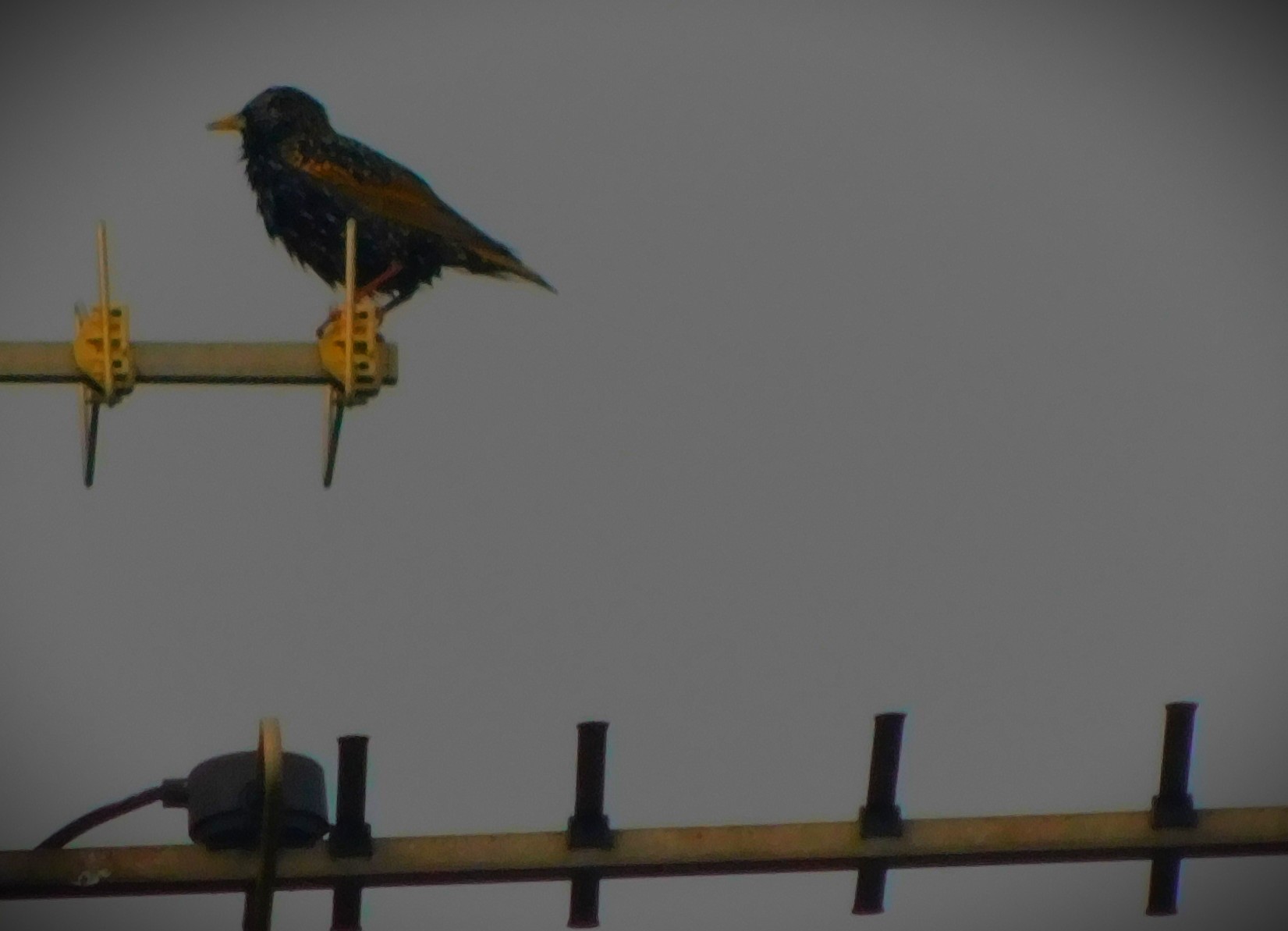
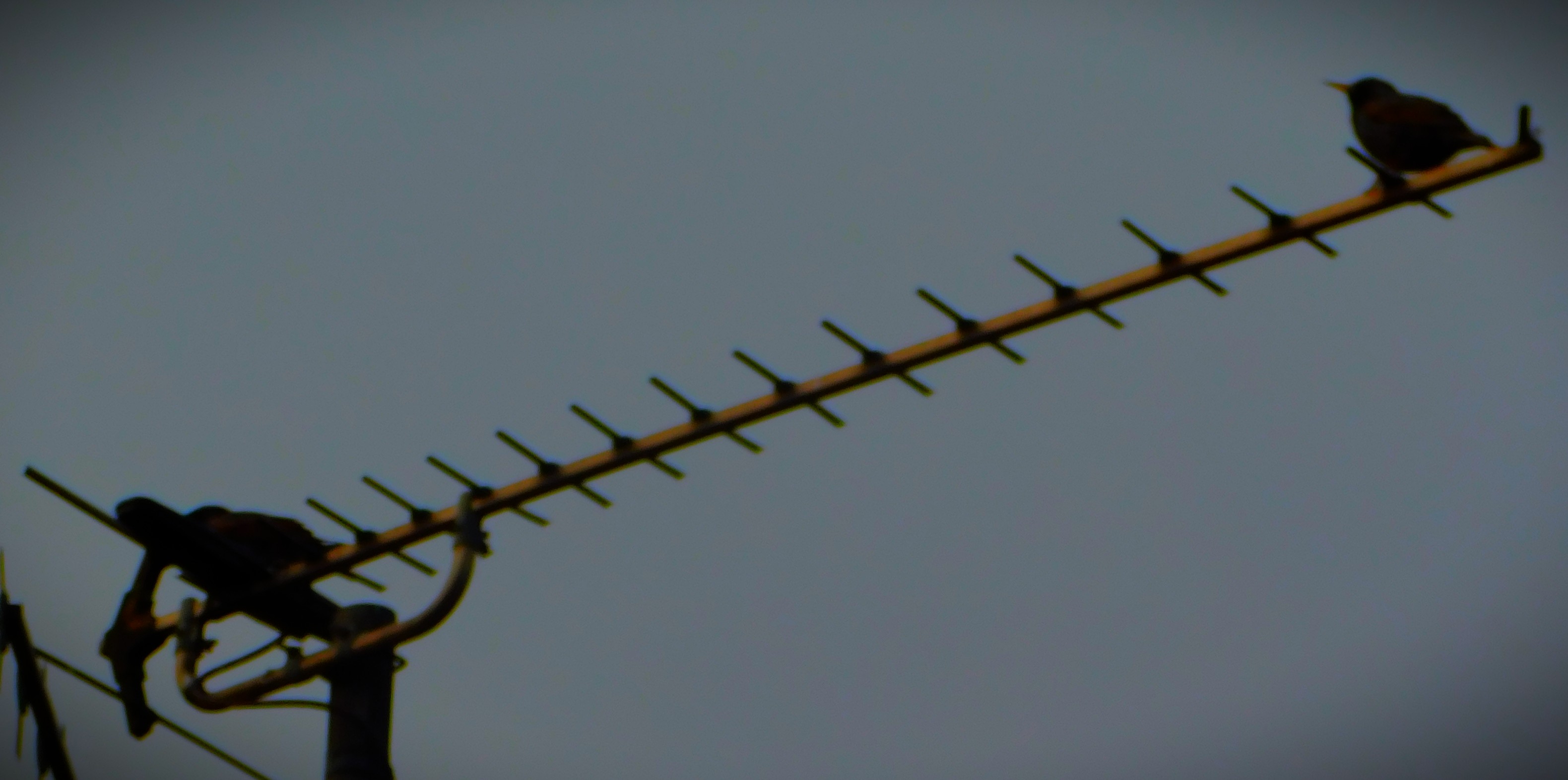
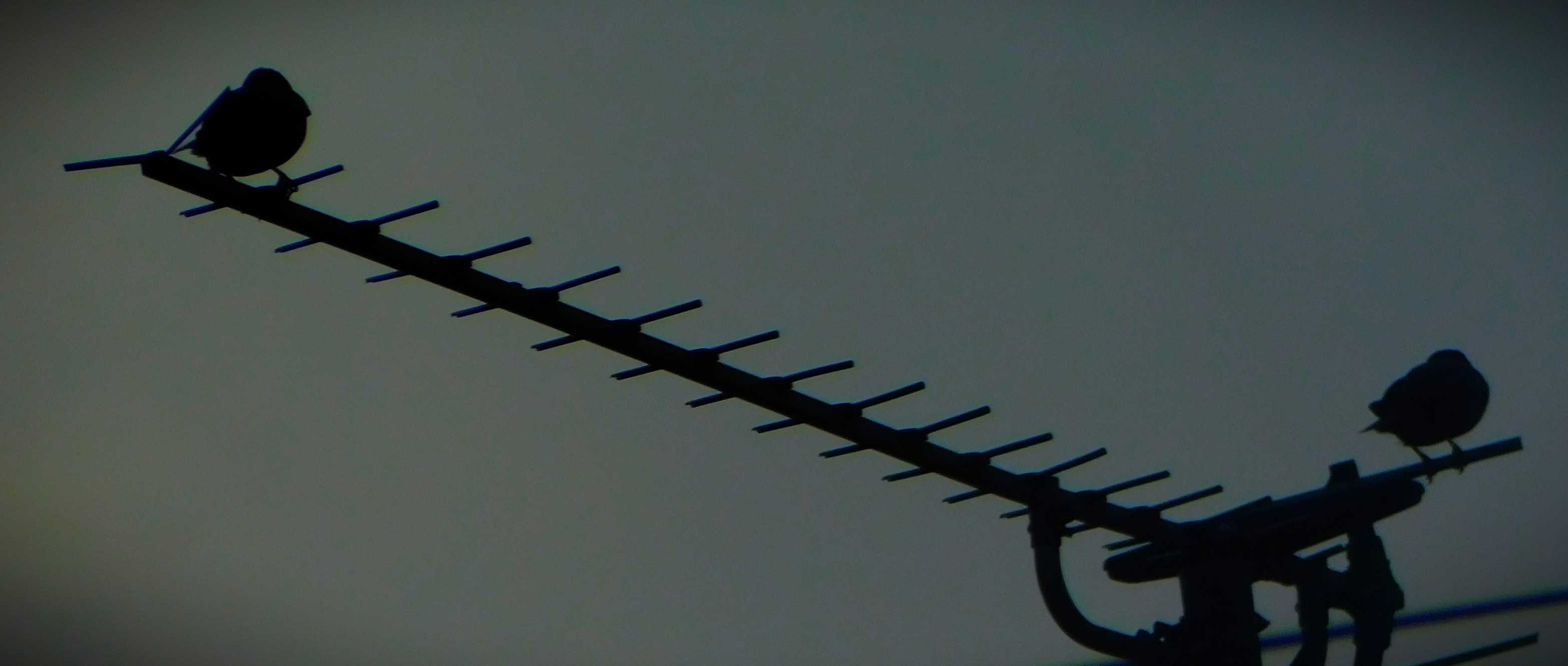
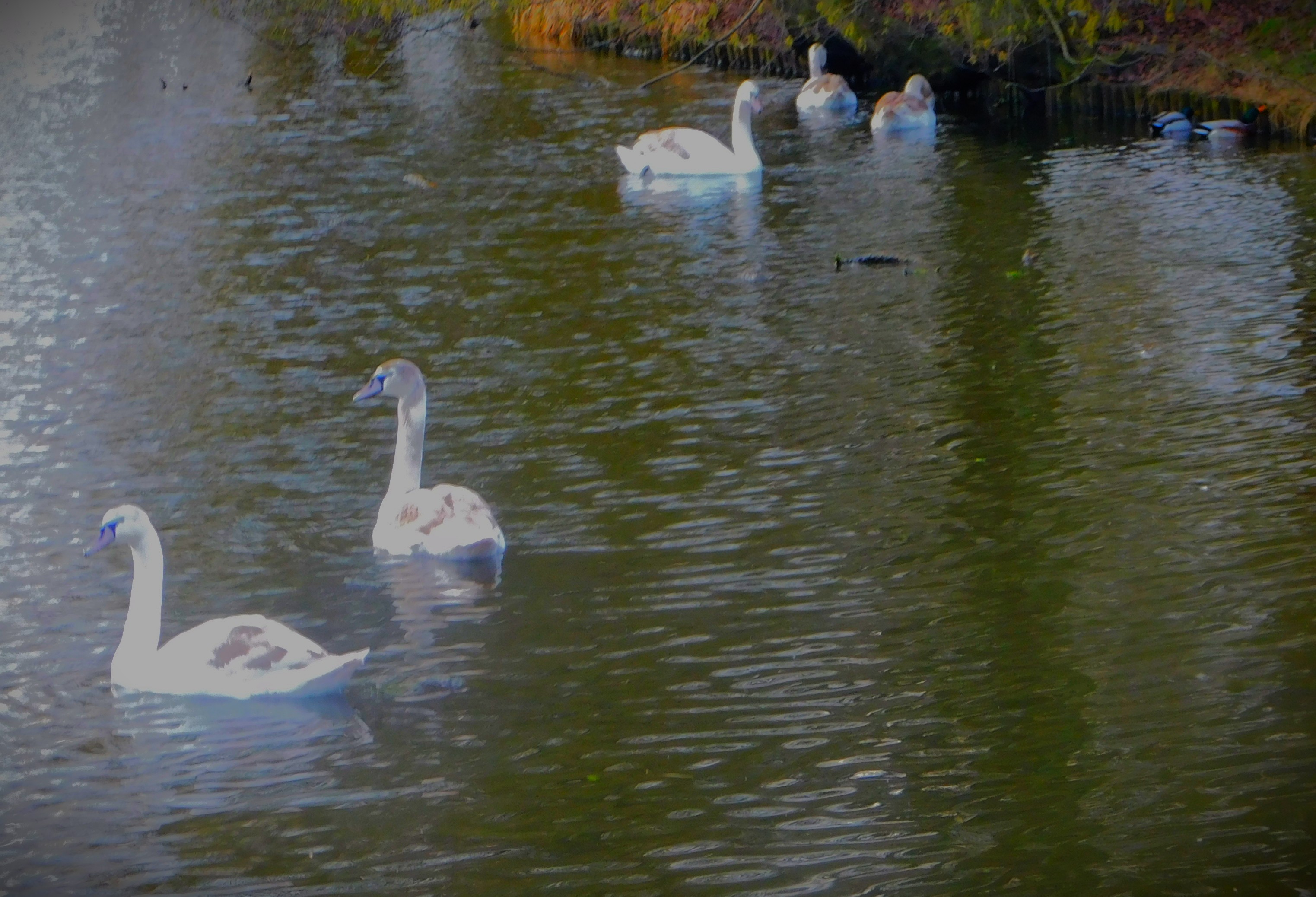
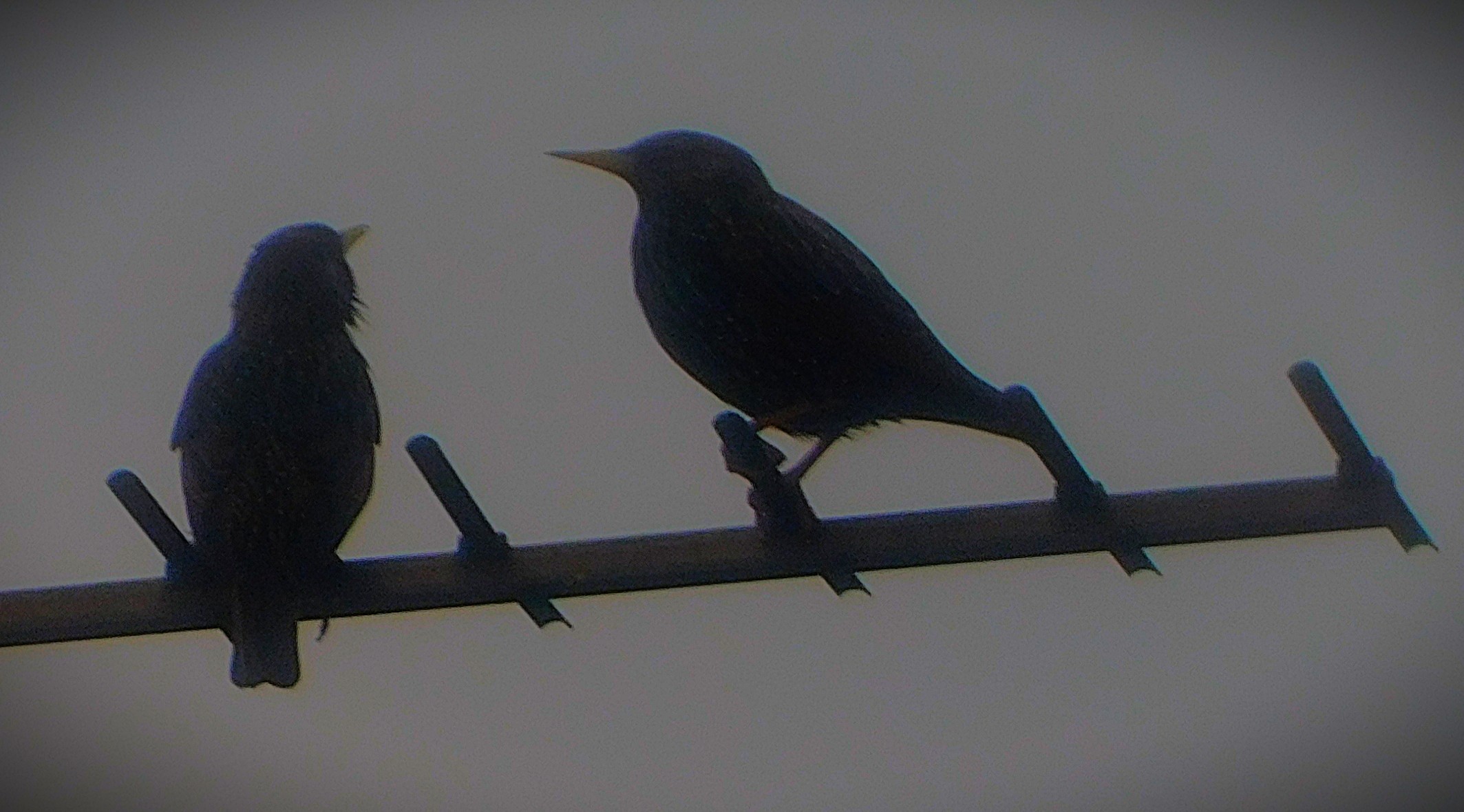
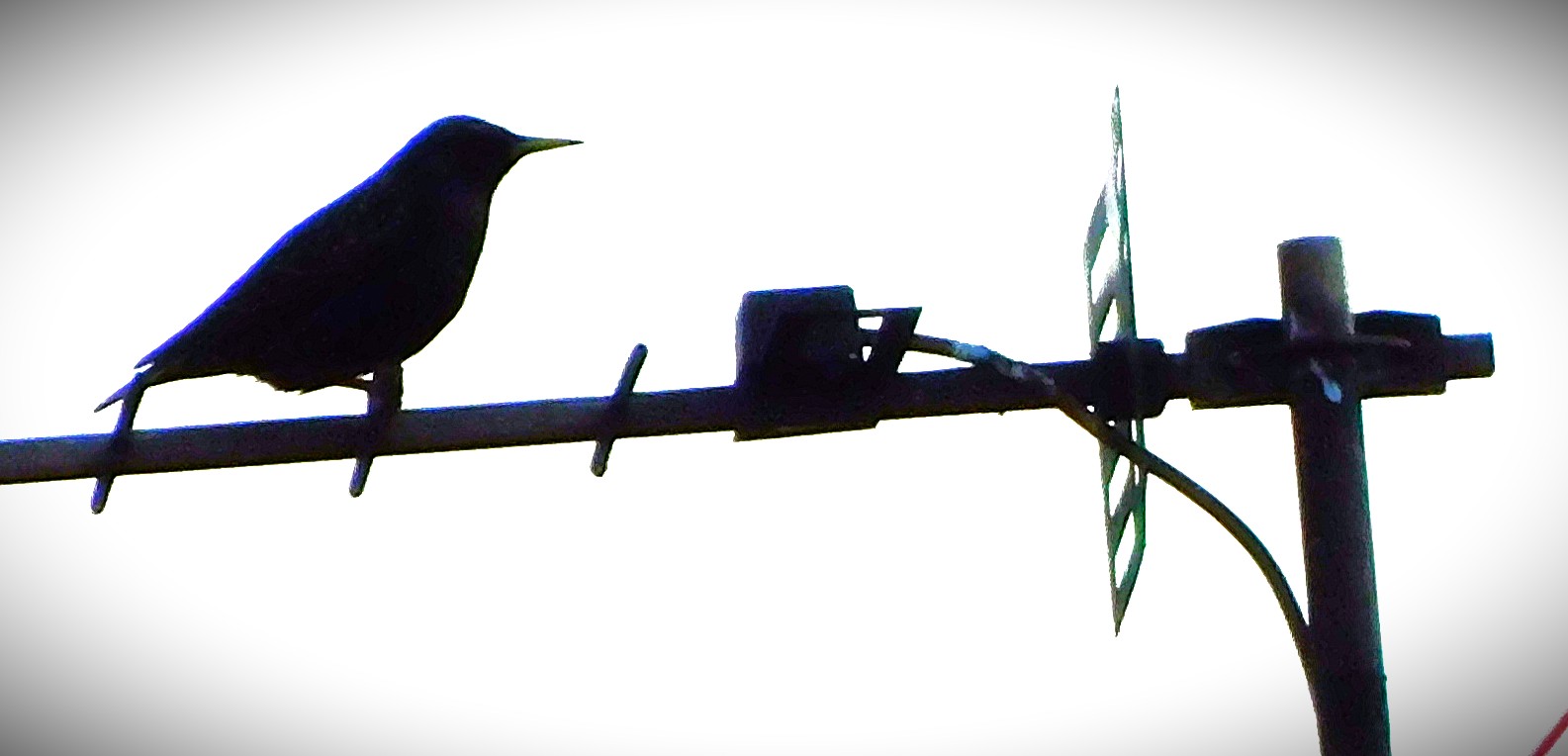
This picture and the next show mute swans demonstrating that their huge size does not prevent them getting airborne.These starlings are not nesting in a particularly elaborate set of antlers! This is the topmost part of a tree canopy that at this time of year is devoid of any foliage.
With England down but not yet officially out in the current Ashes series I have delved into some previous Ashes series where sides have rebounded from difficult positions. Also a photo gallery.
With England currently 0-2 down in an Ashes series this post looks at sides who have started Ashes series badly and rebounded.
1894-5
This one did not quite come off, but England won the first two matches of the series, Australia won matches three and four, and England needed almost 300 in the final innings of the series. A magnificent 140 by Jack Brown was chiefly responsible for England winning by six wickets.
1911-12
England lost the opening match of this series partly because Johnny Douglas, captaining due to Pelham Warner being struck down by illness gave himself the new ball ahead of Syd Barnes. Subsequently Douglas visited Warner in hospital and Warner told Douglas that he must give the new ball to Barnes. Douglas listened, and England won all four of the remaining matches. Barnes took 34 wickets in the series and the other new ball bowler, Frank Foster a further 32.
1936-7
This is at the moment the only ever instance of a side coming from 0-2 down to win a five-match series. Don Bradman made huge scores in each of the last three test matches, the first of them after he had outwitted England skipper Gubby Allen. Allen declared with England a long way behind to get Australia back in on a spiteful pitch, Bradman countered by sending tail enders in to play and miss, and by the time Bradman emerged at number seven to join Jack Fingleton the pitch was playing easier, and this sixth wicket pairing of a regular opener and a regular number three put on 346 together to effectively seal the result.
1954-5
England were routed in Brisbane by an innings and 160 runs, and young fast bowler Frank Tyson was among the most severely punished of their bowlers when Australia responded to being inserted by Hutton by racking up 601-8 declared. Tyson reduced the length of his run after that match by way of an adaptation to Australian conditions, and he was virtually unstoppable for the rest of the series, as England won the second, third and fourth matches to retain the Ashes won in 1953, and then had the better of a rain ruined draw in the final match.
1981
England lost the series opener at Trent Bridge, the second match at Lord’s was drawn, and its aftermath Ian Botham resigned the England captaincy, just beating the selectors, who had also concluded that change was necessary, to the punch. In the third match of this six match series, at Headingley, Australia scored 401-9 declared, bowled England out for 174 and enforced the follow-on (it was vanishingly rare for captains who had the opportunity to do so to forego it in those days), and at low water mark England were 135-7, still 92 short of avoiding the innings defeat. Ian Botham and Graham Dilley then put on 117 in 80 minutes for the eighth wicket, Chris Old helped the ninth wicket to add a further 67, and even Bob Willis stayed while 37 more runs were accrued. That gave England a lead of 129. Ian Botham at this point had in order contributed 6-95 with the ball, 50 with the bat and then 149 not out with the bat. At first wickets were slow to come in the Australian second innings, but just before lunch on the final day Brearley put Willis on at the Kirkstall Lane end for a last chance to revive a test career that seemed over. In the run up to the interval Willis struck three times, removing Trevor Chappell to make it 56-2, and then Kim Hughes and Graham Yallop to catches by Botham and Gatting respectively with the score at 58. Suddenly, England had the momentum, and Australia had 40 minutes to stew over the realisation that the job might not be done just yet. It was Chris Old who struck first in the afternoon session, bowling Allan Border to make it 65-5. Then Dyson took on a short ball from Willis and gloved it through to keeper Bob Taylor to make it 68-6. Rod Marsh tried to go big against another short ball, and Dilley at deep fine leg did well to complete the catch and stay inside the boundary. That was 74-7, and one run later Geoff Lawson was caught behind. Lillee and Bright added 35 together in just four overs, before Lillee miscued a drive and Gatting took a diving catch to dismiss him. Chris Old dropped two chances at third slip off Botham, but Willis produced a perfect yorker to castle Bright and give England the win by 18 runs. Willis had 8-43 from 15.1 overs and his test career was back on track. There were moments at both Edgbaston and Old Trafford, the next two matches, when Australia seemed to have chances, but another fourth innings batting collapse cost them at Edgbaston, and a spectacular innings by Botham slammed the door on a potential recovery at Old Trafford, so in a few weeks England went from staring down the barrel of a 0-2 deficit after three matches to an unassailable 3-1 lead after five.
2005
England lost the series opener at Lord’s. At Edgbaston Glenn McGrath trod on a stray ball and crocked an ankle, Ricky Ponting refused to change his plan to bowl first even though he had just lost the man most likely to make such a plan work and had in his ranks the best fourth innings bowler in the world. Brett Lee and Michael Kasprowicz nearly saved Ponting’s blushes on the final day with a last wicket stand that took Australia to within touching distance of victory, but England won by two runs. The next match at Old Trafford was drawn with Australia nine down, and a recovered McGrath at the crease with Lee as Australia just hung on. They then made the mistake of allowing themselves to be seen celebrating having escaped with a draw. At Trent Bridge Simon Jones destroyed the Australian first innings with 6-53, enabling England to enforce the follow-on. Jones then suffered an injury which saw him sent to hospital for x-rays. Gary Pratt of Durham, not even sure of his place in his county first XI, stood in as substitute fielder, and produced a direct hit throw that ran out Ricky Ponting, who had an epic meltdown on his way back to the pavilion (for the record Jones, then in hospital, would as it happened never play for England again). England in the end needed 129 to take a 2-1 lead, and made very heavy weather of this target. Ashley Giles and Matthew Hoggard eventually saw England to a three-wicket win and a 2-1 lead in the series with one match to play. At The Oval there were several weather interventions, and it was Kevin Pietersen, whose debut had been in the first match of the series, who ensured that England would retain the Ashes, scoring 158 on the final day to leave Australia a chase that would have been impossible even had the weather not intervened once again.
A look at the events in Brisbane today, Player Ratings and a some suggestions for Adelaide. Also a photo gallery.
When play started on day four in Brisbane England were in as big a man-made hole as you could find outside Kimberley, South Africa. This post looks at their efforts to escape, makes suggestions for changes for Adelaide and provides player ratings for both sides.
THE REST OF THE ENGLAND INNINGS
England resumed on 134-6, 43 short of making Australia bat a second time. Many were probably not betting on the game being in progress even until the first interval, but in the event England did not lose a wicket in the whole session, Ben Stokes and Will Jacks knuckling down and batting sensibly, marking a welcome change of policy from England. The pair kept going after the interval, and it took a brilliant piece of fielding by Steve Smith to break the partnership, catching Jacks for 41 off Michael Neser. Stokes reached 50 before Neser also got him, with a good ball that produced an edge to Carey. Gus Atkinson’s dismissal was disappointing, taking on a hook shot with seven fielders stationed on the leg side. Unsurprisingly he picked one of them out. Carse and Archer added a few runs before Carse became Neser’s fifth victim of the innings, caught by Steve Smith who passed Rahul Dravid’s all time record for test catches as a fielder (Dravid’s overall tally is still ahead of Smith’s because he played a few matches as wicket keeper). England had reached 241, an advantage 20 runs less than had ever been successfully defended in a test match fourth innings (The Oval 1882, the match that led to the creation of The Ashes, when England were 77 all out to lose by seven runs), but rather better than had looked possible when wickets were being thrown away willy-nilly yesterday.
THE AUSTRALIAN CHASE
Gus Atkinson managed to account for Head and Labuschagne before the inevitable happened. Steve Smith played an explosive cameo at the death, recording 23 not out from nine balls to finish the job for Australia. Jofra Archer was the other bowler used by England, and while quick he was not terribly effective. He also got into a verbal tussle with Steve Smith, which given how the match had gone can only be considered to be as ill-judged as it was unappealing.
PLAYER RATINGS
Zak Crawley – 6. Two decent contributions, but two poor dismissals, and for a test match opener 76 and 44 cannot be considered stellar.
Ben Duckett – 2. Two poor scores, two chances dropped in the field but he was the only one of the six English batters dismissed yesterday to get a good ball rather than tossing his wicket away.
Ollie Pope – 3. A duck in the first innings, 26 in the second, both dismissals quite appalling, and the second triggered a batting collapse in which 90-1 (immediately before he was out) became 128-6.
Joe Root – 8.5. A magnificent undefeated century in the first innings seemed to have given England real hope, but he gets debited for being part of the collapse in the second innings.
Harry Brook – 3. He scored 31 in the first innings and 15 in the second, but both his dismissals were disgraceful.
Ben Stokes – 6. He was England’s best bowler in the first Australian innings and scored a gritty 50 in the second to salvage a measure of respectability after the collapse. On the debit side his captaincy did not merely fail to prevent the Australian first innings from getting away from England, it actually contributed to it doing so.
Jamie Smith – 3. Failed twice with the bat, and though he performed competently with the gauntlets he was quite clearly and obviously the second best keeper in this match.
Will Jacks – 5. Failed in the first innings, his bowling was of little relevance to England, but he battled hard in the second innings after many of those above him had thrown their wickets away.
Gus Atkinson – 4. Did not bowl well in the first dig, his second innings dismissal was a disgrace, even for someone who is primarily a bowler, but he did take two wickets in the final innings, and was good value for them.
Brydon Carse – 3. Emerged from a dire first innings bowling performance with a largely undeserved four-for. At one stage he was leaking runs at a rate that would have been unacceptable in T20 cricket, and though he was tighter later in the innings that is partly because the Aussies at that stage were playing for time, wanting the England second innings to begin under lights.
Jofra Archer 4. Although he was impressively quick in the final innings the best thing he achieved all match was his cameo with the bat in the first innings.
Travis Head – 4. Scores of 33 and 22 cannot be considered good work for an opener.
Jake Weatherald 6. He scored 89 runs for once out in the match (72 and 17*).
Marnus Labuschagne 5. One of many Aussies to score well in the first innings (65) but failed in the second.
Steve Smith 6. A match aggregate of 84 (61 and 23*) and some excellent fielding, but his spat with Archer in the closing stages reduces his score slightly.
Cameron Green 5. Scored 45 in the first innings, but was a bit part player with the ball.
Alex Carey 8. Batted very well for his 63, and was excellent with the gloves.
Josh Inglis 3. Selected as a specialist batter rather than a keeper, he managed 23 from number 7 before being bowled by Stokes.
Michael Neser 7. Five second innings scalps, and a solid bowling performance in the first dig as well.
Mitchell Starc 9. Eight wickets in the match, and the highest individual Australian score, 77. Given the extent to which his side bossed the match there was only one candidate for Player of the Match. He, along with the entire England batting line up for their poor play in both innings in Perth and for much of the second innings here, is the chief reason Australia head to Adelaide 2-0 up and in the box seat.
Scott Boland 7. Bowled better than his figures suggest.
Brendan Doggett 7. In statistical terms the least impressive of Australia’s specialist seamers, but he was asked on several occasions to pound the ball in short which is not the approach that won him his baggy green, and I have marked him generously in consequence.
SUGGESTED CHANGES
Ollie Pope has to go – he averages 18 against Australia, and his batting this match can only have been the product of a scrambled mind. In Adelaide extra bowling will be needed, so I would suggest that Stokes promote himself to number three. The other candidate for that slot is Jacob Bethell, but it is a big ask for a youngster to make his Ashes debut in that pivotal slot. I also cannot see how Carse can play in Adelaide, and would bring in Matthew Potts – a skilled fast-medium in support of outright quicks Archer and Atkinson, with Bashir in as spinner, and Jacks probably at six, possibly at seven with Smith moving up to six – England do not have an official reserve keeper on this tour, so he cannot be dropped. Thus my probable XI for Adelaide would be Z Crawley, BM Duckett, *BA Stokes, JE Root, HC Brook, WG Jacks, +J Smith, AAP Atkinson, M Potts, JC Archer, S Bashir. England have a huge mountain to climb – only one side has ever won a five match test series from 0-2 down, Australia in 1936-7, when Donald Bradman came up trumps in spectacular fashion, scoring 270 not out in the third match, 212 in the fourth and 169 in the fifth.
PHOTOGRAPHY
My usual sign off…
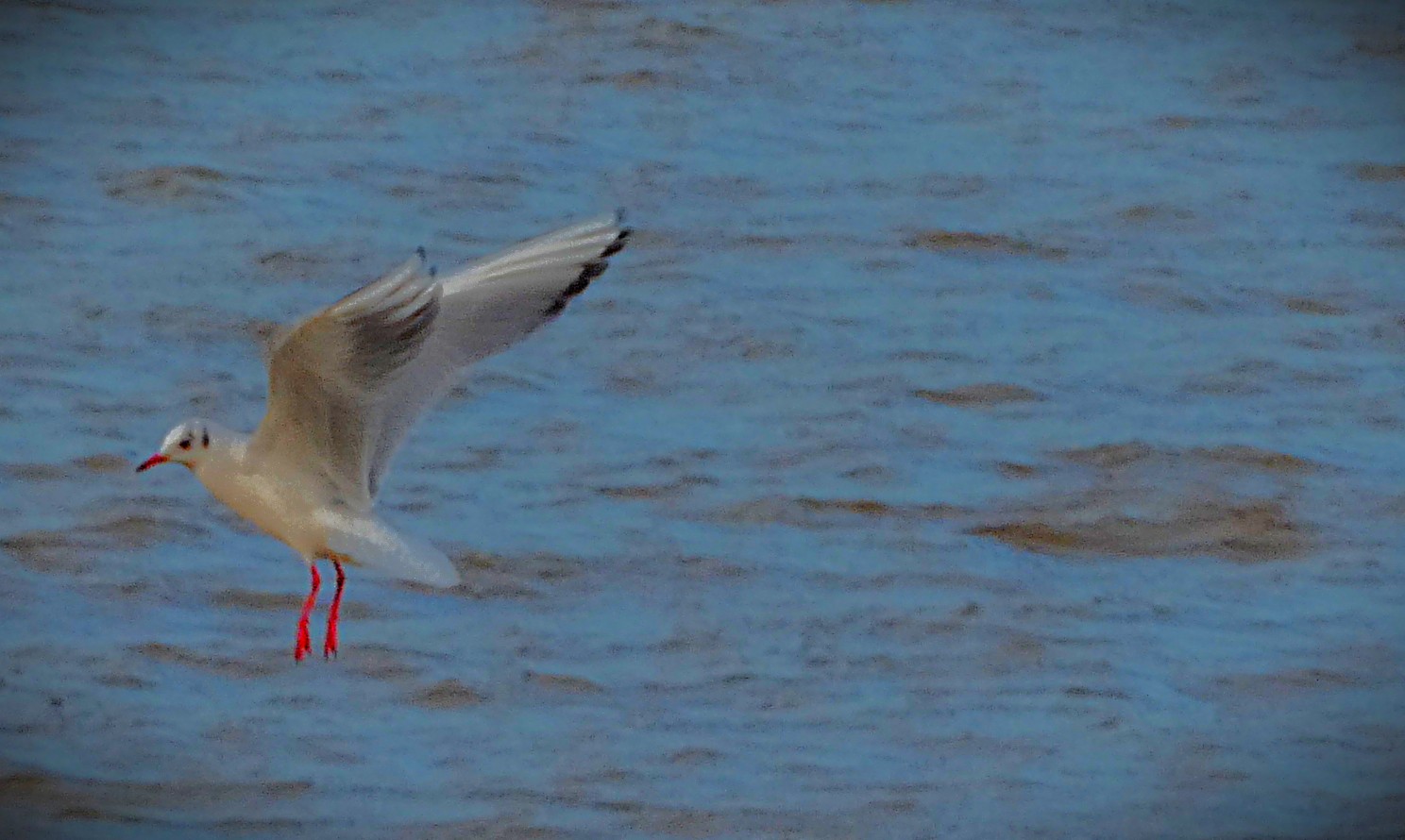
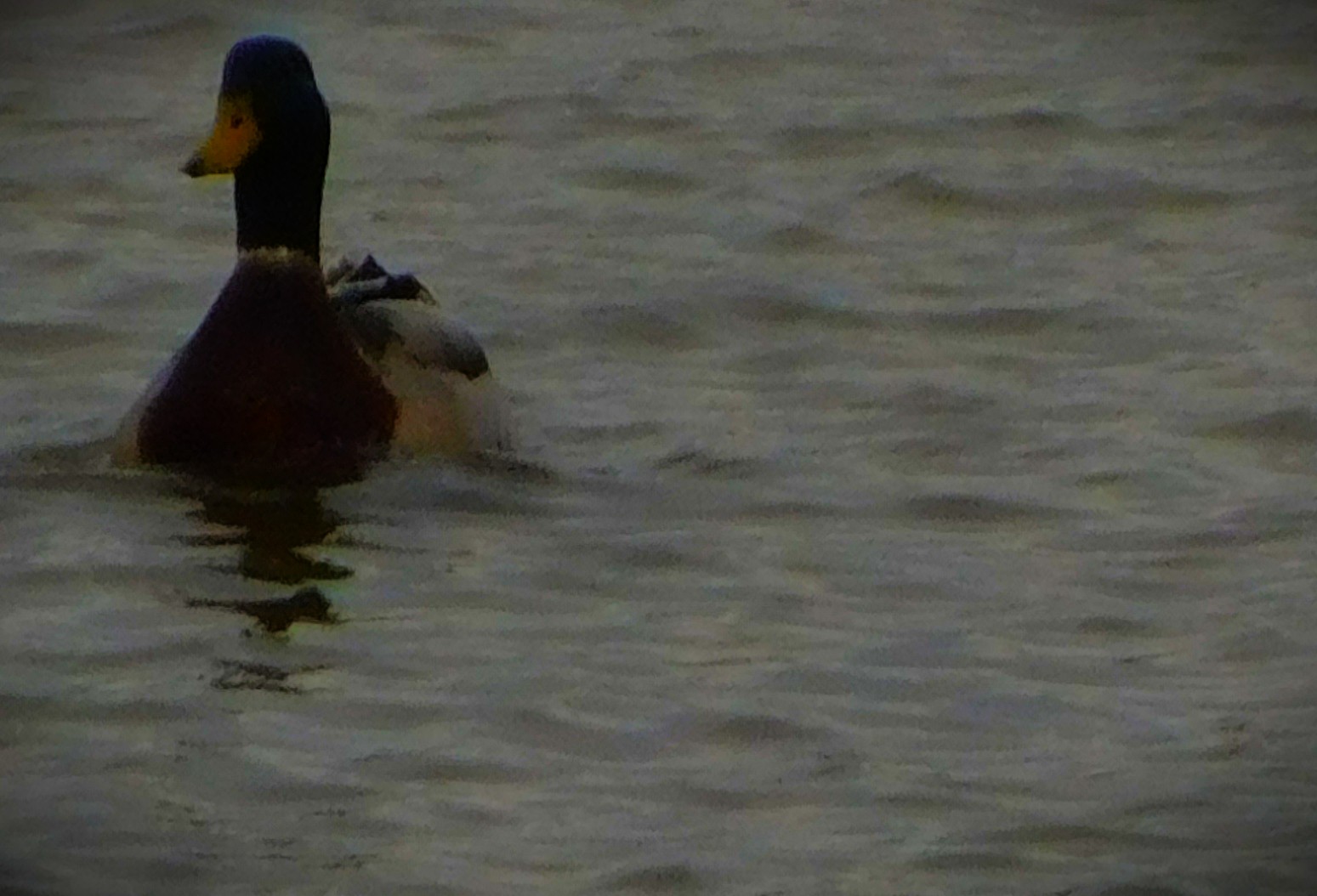
A squirrel with an item of food in its mouth.A mallard drake extends its wings, cormorant fashion.A small gull demonstrates the size of its gape.
A look at the first two days of action is the pink ball test in Brisbane, and a photo gallery.
Having covered Tuesday’s auction I now turn to something else. Early yesterday morning UK tine a day-night test match got underway in Brisbane, the second match of the 2025-26 Ashes series. England had lost the first match by this same stage, so the fact that I am writing about a match that is still in progress is an improvement.
ROOT THE ALL TIME GREAT
Even before the events of this match no one seriously doubted that Joe Root was a great batter rather than merely a good or even very good one, but there were certain Aussies who would deny him the status of an all-time great because he had a blot on an otherwise stellar CV – he had never scored a test century in Australia. There seemed small chance of England having anything the celebrate when Root’s innings began – Duckett and Pope had both fallen cheaply, and the score was 5-2. Zak Crawley came back well from his pair in Perth, making an impressive 76 and sharing a century stand with Root. Harry Brook looked highly impressive in making 31, but his dismissal when he should have gone on to a properly big score was a shocking one, not just because the shot was one he should never have taken on, but because he did so against Starc, the only genuinely dangerous bowler Australia had. Stokes gave Root some support but got out before long. That brought Jamie Smith, facing a pink ball for the first time in his professional career (apparently it was not worthwhile to send him, and others in the same boat, such as Will Jacks, in for the injured Wood – a batting all rounder who bowls off-spin in for a specialist pacer – to Canberra to play in the President’s XI match) to the crease. Smith collected a duck to put England six down, and bring Jacks to the crease. I had to leave for work at this point, but a later check confirmed that Root, in the 70s when I left, had finally scored that first century on Aussie soil and removed any possible doubt about his status as an all time great. His best support after I had left came from number 11 Jofra Archer, who made into the 30s, and would be last out for 38 early this morning UK time. England amassed 334, Root with 135 not out being the person who made that total possible.
AUSTRALIA SO FAR
England produced a very variable bowling performance, and the fielding was far too fallible. Four clear-cut chances went down, Duckett culpable on two occasions to go with his duck, and Joe Root in the slips got a hand to ball that streaked away for four, though it would have been an absolute screamer of a catch had he held it. Brydon Carse took three wickets in the course of the day and had a chance shelled, but he was also absurdly expensive – at one stage he was leaking runs at a rate that would have raised eyebrows in a T20 league, and even by the end of the day he had 3-113 from 17 overs. Australia were 291-3 at high water mark, but then Green and Smith both fell to Carse very quicky. England got one further wicket in the day, but in the latter stages as they started to show obvious tiredness Australia got on top once again, ending the day on 378-6, 44 runs ahead on first innings with four wickets standing. England are not out of this yet – come the fourth innings the pitch will be very tricky, but they need to bowl well first thing tomorrow, and then bat well for the rest of tomorrow and well in to day four.
A look at events at the Manuka Oval, Canberra, where The Prime Minister’s XI have been taking on ‘An England XI’ on day one of a two-day pink ball day-night match.
A two-day match of sorts, between ‘The Prime Minister’s XI’ and ‘An England XI’ got underway at Manuka Oval, Canberra early in the afternoon local time. It is a pink ball day-night match. The ‘of sorts’ in the first sentence relates to the fact that in spite of their official teams both teams will use more than 11 players in the course of the match.
A LIMITED LOOK AHEAD
None of the players involved in the test match are involved in this game – England have a shadow squad, dubbed ‘The Lions’ in Australia and it was from them that their team was picked, while the Prime Minister’s side is a combination of promising youngsters and old stagers (the oldest being 41 year old Peter Siddle). However, there was news about Mark Wood that suggested an extra fast bowler would be summoned to Brisbane.
HOW THE PLAY WENT
The Prime Minister’s XI won the toss and batted first (incidentally Mr Albanese was not present in person to watch his side – he had a very important commitment elsewhere). Matt Potts bowled a good early spell, but gained no reward. Josh Hull, a 6’7″ left arm pacer picked on account of his physical attributes rather than his playing record, which is rather modest, bowled a spell in which he pounded the ball in short to a field set for that type of bowling, which failed to impress anyone. Sam Konstas gave his wicket away for 36, giving Potts a catch of part time medium pacer Tom Haines, when no one else had made any impression on him. Thereafter Campbell Kellaway and Nathan McSweeney batted well together. Kellaway missed out on a century, going to a catch by Tom Haines off left arm spinner Tom Hartley for 82 to make it 130-2. That brought 19 year old Oliver Peake to the crease, and he also batted well, helping McSweeney to add a further 91 for the third wicket. McSweeney was the one to go, being well caught by Ben Kellaway (an allrounder, who in the manner of Jemma Barsby can bowl both off spin and left arm orthodox spin) off Potts. It was also Potts who got Peake, shortly after the youngster had reached a fine 50. Thereafter wickets fell more rapidly as the Prime Minister’s XI hustled towards a declaration. This eventually came at 308-8, and left An England XI five overs to see out against the new ball under the lights. Tom Haines and Emilio Gay did this well enough, reaching 30-0 in the process. It was an intriguing day, and we will see what tomorrow brings. Tongue’s pace will almost certainly tell in his favour when it comes to summoning a replacement for Wood to Brisbane, but I finish this section by emphasising that Potts was definitely the better bowler today.
A look back at a test match that was always a tense, attritional contest and over the final two days became an absolute snorter of a match, plus not one but two photo galleries.
Just under three-quarters of an hour ago the third test match of the series between the England and India men’s teams came to an end. I covered the early exchanges in a previous post, and this one picks up more or less where that one left off.
EQUALITY ON FIRST INNINGS
As lunch on the third day approached India were 248-3, with Rahul approaching a century and Pant also going well. Then Rahul, not eager to take lunch with his score still in the 90s went for a run to get the strike back, Pant was hesitant and Stokes’ direct hit throw ran the Indian wicket keeper out. Shortly after the interval Rahul did complete his century, but the landmark disrupted his previously unshakeable concentration, and he was out for exactly 100, caught by Brook off Bashir. The spinner was to suffer a finger injury that severely limited his participation. Ravindra Jadeja now batted well, with support from first Reddy and then Sundar. At 376-6 it looked like the only question would be the size of India’s lead, but then Jadeja was out, edging Woakes through to Smith. The tail then folded and India were all out for 387, exact parity on first innings.
A TALE OF SHIVERED TIMBERS
England’s openers Zak Crawley and Ben Duckett got through to the close without loss, helped by getting away with some serious time wasting which ensured that there was time for only one over before the 6:30PM cut off.
The following day it soon became clear the batting conditions were much tougher than they had been early in the match. Bumrah bowled superbly, but it was Siraj who got the first breakthrough, having Duckett caught by his new ball bowling partner for 12 to make it 22-1. With scores level on first innings it did not require a wrangler to calculate the lead. Siraj behaved rather badly in the aftermath of the Duckett dismissal, to the extent that he lost some of his match fee. The second wicket was also Siraj’s, Pope LBW for just 5. Then Crawley, who had already enjoyed several slices of luck gave Jaiswal an easy catch off Reddy for 22 to make it 50-3. Root and Brook batted well for a period, but then Brook in a rather bizarre shot choice essayed a sweep at pace bowler Akash Deep, missed it and was bowled. That was 87-4. Remarkably every subsequent wicket in the England innings would also be out bowled. At 154-4 it was looking as though Root and Stokes had stabilized things for England, and speculation was on as to just how big a lead they could carve out. Then Sundar bowled Root for 40. With the most technically accomplished batter in the side gone and the pitch definitely getting tricky England fell away badly. Sundar added Stokes, Smith and Bashir to his scalp bag, Bumrah, never to be denied, dealt with Woakes and Carse. England had mustered 192 in their second innings and would need to bowl very well to defend such a total.
THE END OF DAY FOUR
Archer struck in the second over of the innings, removing Jaiswal for a duck. KL Rahul and Karun Nair scored slowly but looked reasonably comfortable, and at 41-1 it looked like England’s chances of giving India a troubled night’s sleep were fading. Then Carse pinned Nair LBW for 14, a dismissal that may have ended Nair’s return to the side as well. A few moments later Carse added the prize scalp of skipper Shubman Gill, also LBW, for just 6. With the third to last scheduled ball of the day Stokes bowled night watcher Akash Deep all ends up and India overnighted on 58-4, still needing 135 more to win.
PHOTO GALLERY ONE
I have opted to split today’s gallery into two, due its size and also because this is a fairly substantial post…
A DIGRESSION ON NIGHT WATCHERS
I have never been the hugest fan of the traditional night watcher, whereby a tail ender is sacrificed to prevent a proper batter from having to walk in that evening. When Gill was out I was thinking (and posted on mastodon to that effect) in terms of Sundar, who might had he seen it through then gone on to play a proper innings, rather than one of the genuine tail enders if India opted to protect Pant, and I regard the splattering of Deep’s stumps to end day four as a compelling exhibit against sacrificing tail enders in this fashion.
THE FINAL DAY
England started the final day splendidly. Stokes, who put in an epic shift with the ball, and Archer were the early stars. Pant had reached 9 when Archer bowled him to make it 71-5. Ten runs later KL Rahul was hit on the pads by Stokes, it was initially not given, but Stokes, who is pretty good at judging when to use DRS sent it upstairs, and the replay made it clear that it was indeed out. Rahul had scored 39, and his dismissal heaped pressure on Jadeja. Archer then held a return catch and Sundar was on his way without scoring. India were 82-7. Reddy gave Jadeja solid support for a while, lasting 53 balls for his 13 before edging Woakes to Smith. By now the ball was getting soft, and from 112-8 the Indian tail showed a resolve that until that point had been conspicuously absent from its batting. The game at this point was following a pretty much set pattern – four balls of each over at Jadeja with the field set back off the fourth of which he took a single and the last two attacking the tail ender. The scoring was painfully slow, but as the runs gradually ticked up the Indian fans in the crowd made their presence felt. After 22 overs of resistance, which had yielded 35 runs, reducing the ask to 46, Bumrah made his one and only mistake, hitting a ball from Stokes into the hands of sub fielder Sam Cook to make 147-9. Bumrah had only scored 5, but he had resisted for 54 balls. Siraj showed similar levels of determination. Bashir, with two of his fingers bound together due to one being injured, finally got a turn at the bowling crease, and he did not bowl badly. With a target of only 193 the new ball had not looked even a possibility at the start of the innings, but it was now only a few overs away. However, just a few minutes before 5PM on the final day of a contest that always been a tense, attritional affair and had over the last five and a bit sessions become a bona fide humdinger, the injured Bashir induced Siraj to play a ball into his stumps, and India were all out for 170, beaten by 22 runs, putting England 2-1 up in the series. Three results going into this final day were possible, a win for England, a win for India and a tie. The last named had it happened would have been a first in first class cricket – a completely unsplittable tie, with each side having identical first innings (387 plays 387) and second innings (192 plays 192) scores. Stokes, who had had a fine all round game, and had on the final day taken responsibility for bowling England to victory on his own shoulders and put in a truly massive effort was named Player of the Match. A full scorecard of this truly extraordinary test match can be viewed here.
A look at the early stages of the Champions Trophy, currently taking place in Pakistan. Also a large and varied photo gallery.
The 2025 ICC Champions Trophy got underway on Wednesday. This tournament features the top eight sides in the ICC world rankings, which at present means there are several countries missing who might be expected to be there – none of Sri Lanka, West Indies or Zimbabwe made the cut for example. The format of the tournament (round one seeing the eight split into two groups of four, with the top two from each group moving into the semi-finals) means that even early on teams can find themselves in serious jeopardy.
THE MATCHES SO FAR
Today’s match, between Afghanistan and South Africa, was the third of the tournament, with the only two teams yet to see action being Australia and England who play each other tomorrow. The tournament is officially being staged in Pakistan, but India’s matches are taking place in the UAE as they refuse to travel to Pakistan, and their power in the cricket world is such that they get away with this sort of behaviour whenever they choose to indulge in it.
The tournament opened with Pakistan hosting New Zealand in Karachi. New Zealand batted first and compiled 320, which looked substantial, and was soon made to look even more so by a combination of good New Zealand bowling and some poor batting from Pakistan. Babar Azam scored 60, but took 93 balls to get there, which when your side has been set to score at 6.4 per over is simply not acceptable. Of the first 141 balls of the Pakistan innings exactly 100 were dot balls.
I did not catch any of the game between Bangladesh and India yesterday due to work. I gather that India won comfortably, though not as comfortably as they might – Rohit Sharma dropped an easy chance which would have given Axar Patel a hat trick, the first ever in the Champions Trophy, and the reprieved batter than took part in a huge partnership which gave Bangladesh something to attempt to defend.
Today’s match had strong echoes of Pakistan v New Zealand. South Africa won the toss and batted first, and with Ryan Rickelton scoring a fine century, Bavuma helping to set a platform for them with 58 and then van der Dussen and Markram scoring quicker 50s later on the in the innings (each made 52, off respectively 46 and 36 balls) South Africa emerged with 315-6 from their 50 overs, which looked more than enough. Probably the most disappointed of the Afghans would have been Rashid Khan whose figures of 10-0-59-0 continue a very poor showing in ODI tournament matches (he now has 17 wickets in 19 such matches at an average of over 50 a piece, though his economy rate is acceptable, largely because he is so good that opposition sides will happily settle for blanking his wickets column. Noor Ahmad, the young left arm wrist spinner, was frankly poor, recording 9-0-65-1. In reply Afghanistan never got into the hunt. Rahmat Shah played a fine knock but found no significant support. Other than his 90, the next highest scores were 18s from Azmatullah Omarzai and Rashid Khan. When Shah was last out, nicking one from Rabada through to Rickelton South Africa had won by 107 runs, a result which has probably already confirmed that Afghanistan will be making an early exit from the tournament. Rickelton’s century and solid keeping performance (two catches taken, only two byes let through) earned him the Player of the Match award, though Rabada’s 3-36, with Azmatullah Omarzai the least regarded batter of the trio, must have come into the reckoning.
LOOKING AHEAD
Australia are in a weakened state – tomorrow will be the first time in nine years that they take the field without any of Cummins, Hazlewood or Starc, and so makeshift is their squad that they are captained by the sandpaper tarnished Steve Smith. England have been in poor form, and much will come down to how they approach their batting. New Zealand and South Africa have played it right, building a base and then upping the tempo in the later stages. Pakistan were far too conservative in the first half of their chase against New Zealand, dropping irretrievably behind the required rate. England have a tendency to treat 50 over innings as extended versions of 20 over innings, which is how they might well come a cropper. The extra length of the innings means that there are times when consolidation is necessary – though not to the extreme of allowing 100 of the first 141 balls of your team’s innings to be dots!
PHOTOGRAPHS
My usual sign off…
The first of the spring flowers are emerging, and it has been warm enough yesterday and today to venture out without a coat.A juxtaposition of two stamps each of which depict the world’s first Steam Lcomotive, Trevithick’s Pen-y-Darren, which first ran in 1804.







































































































































































































































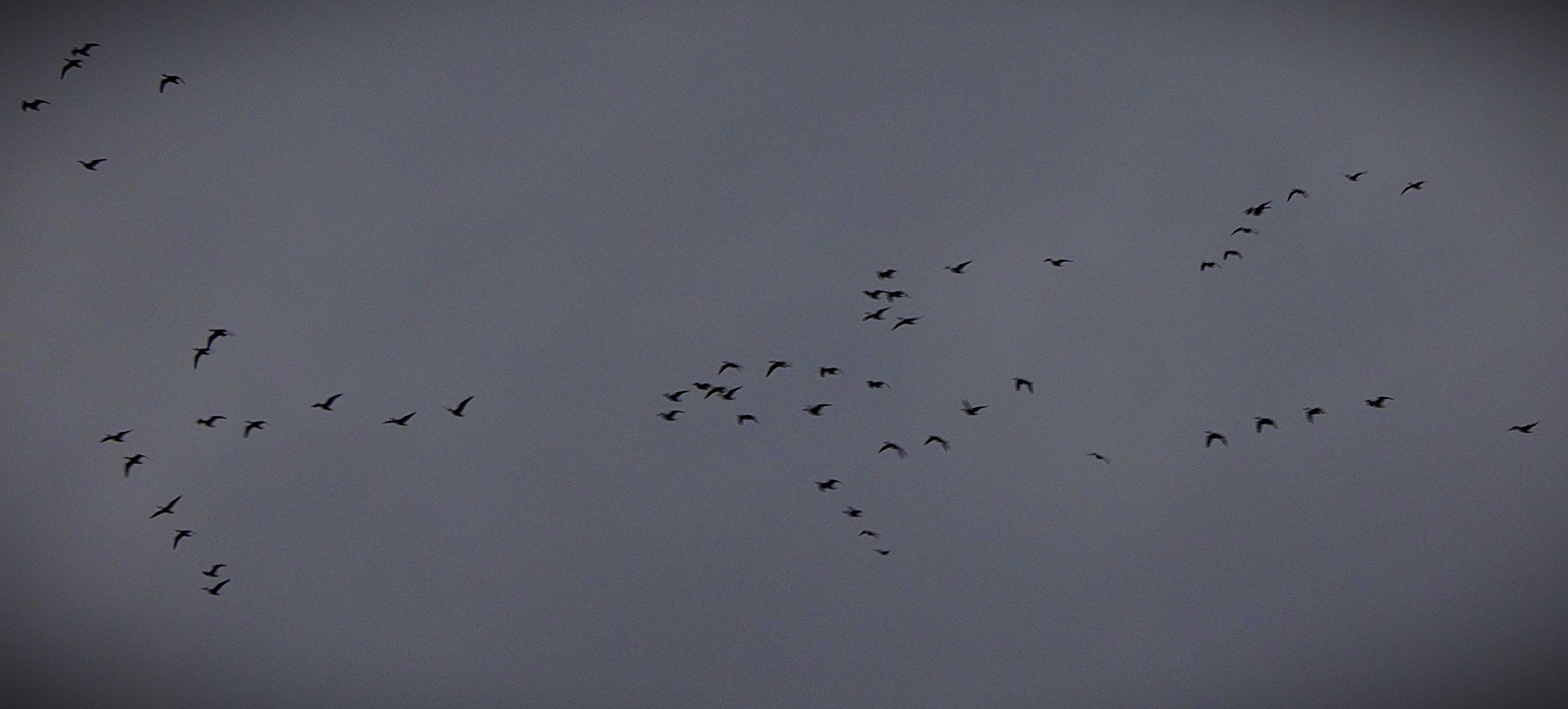




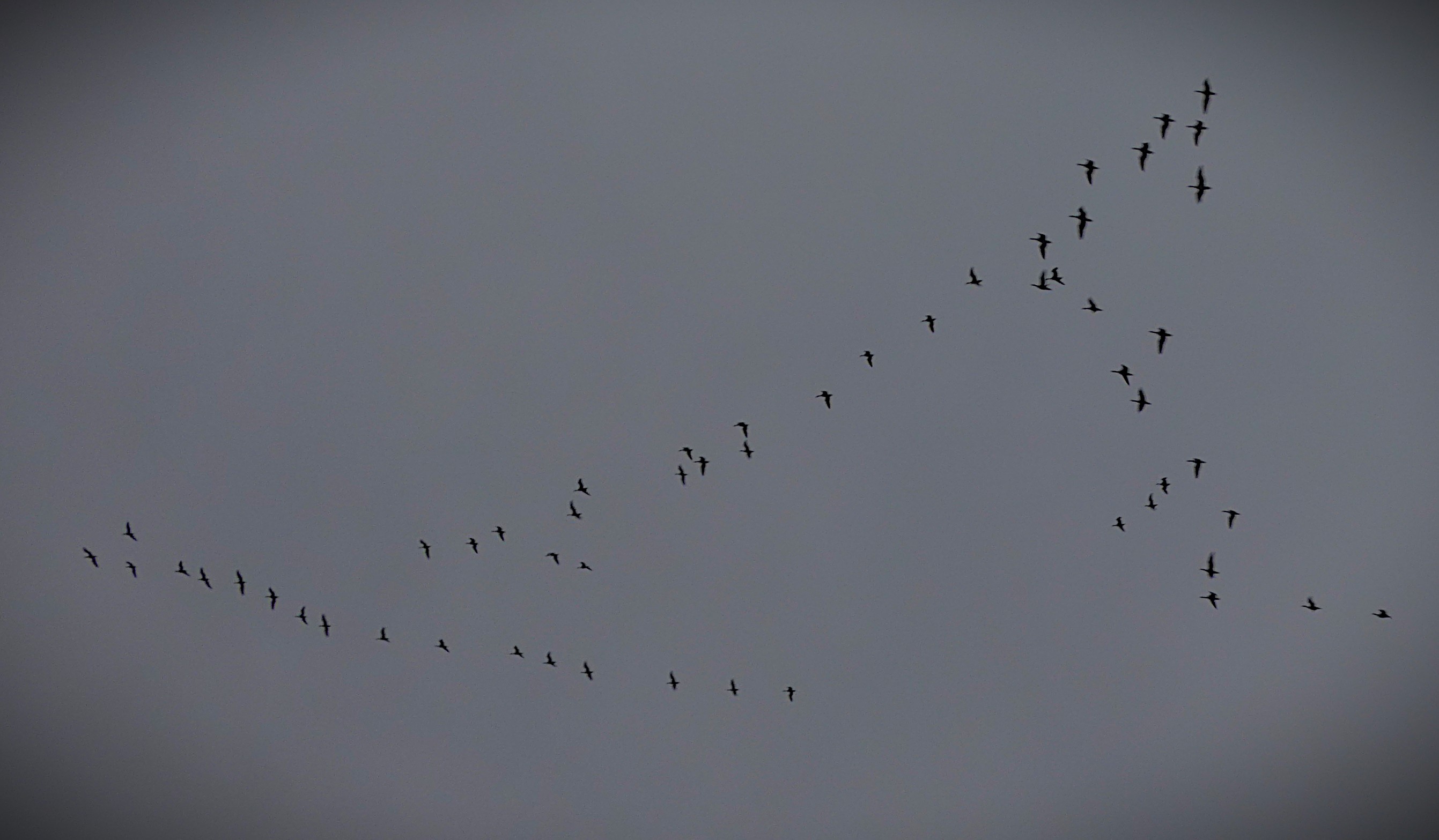
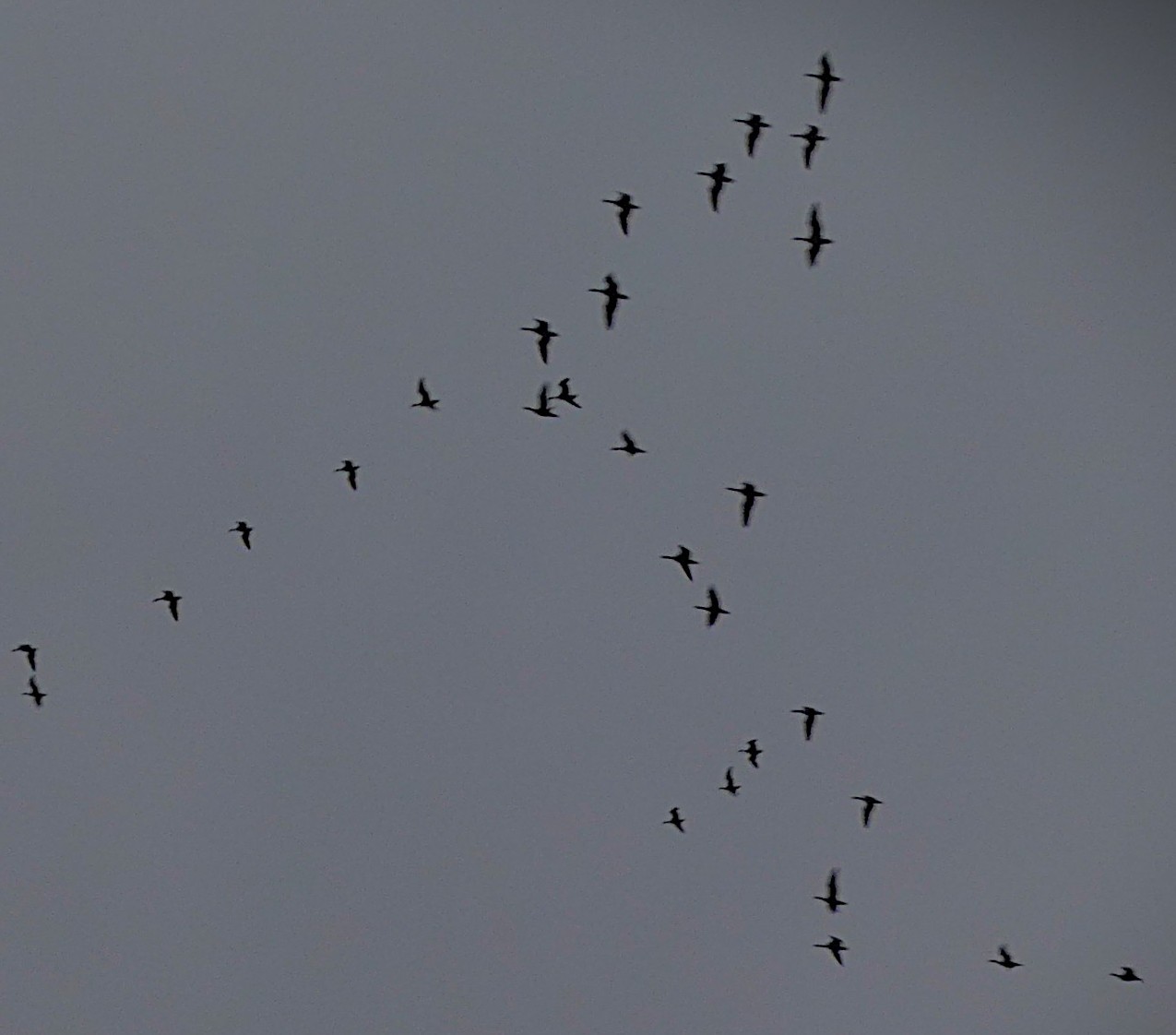




























































































































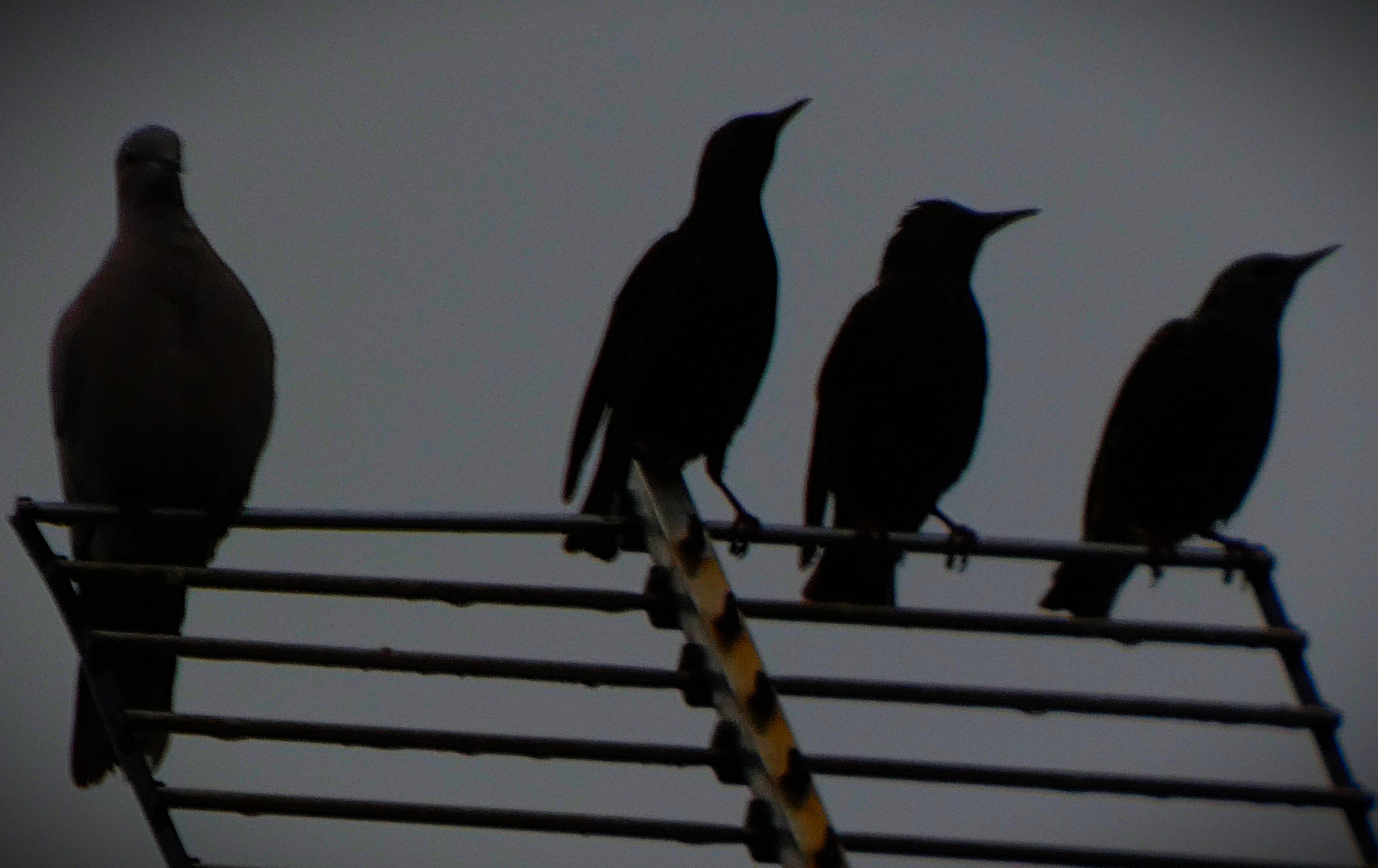

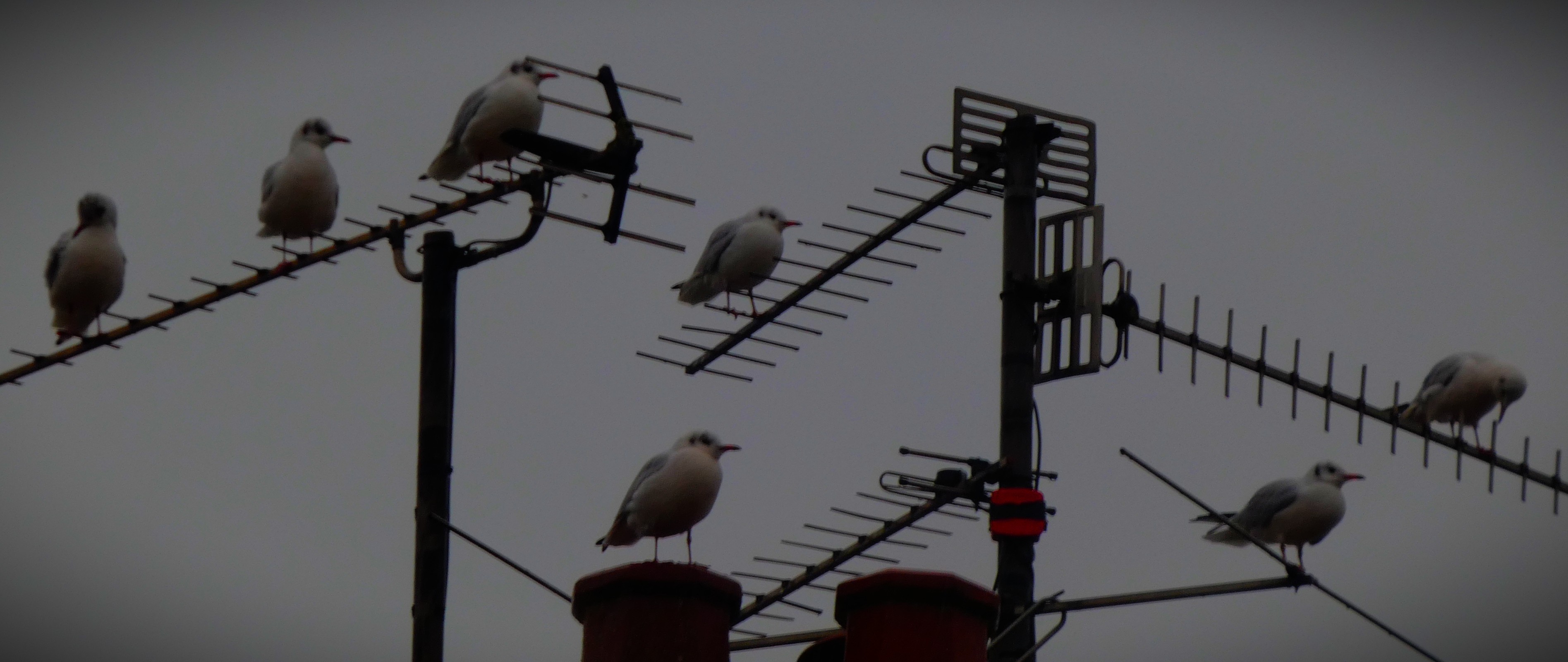





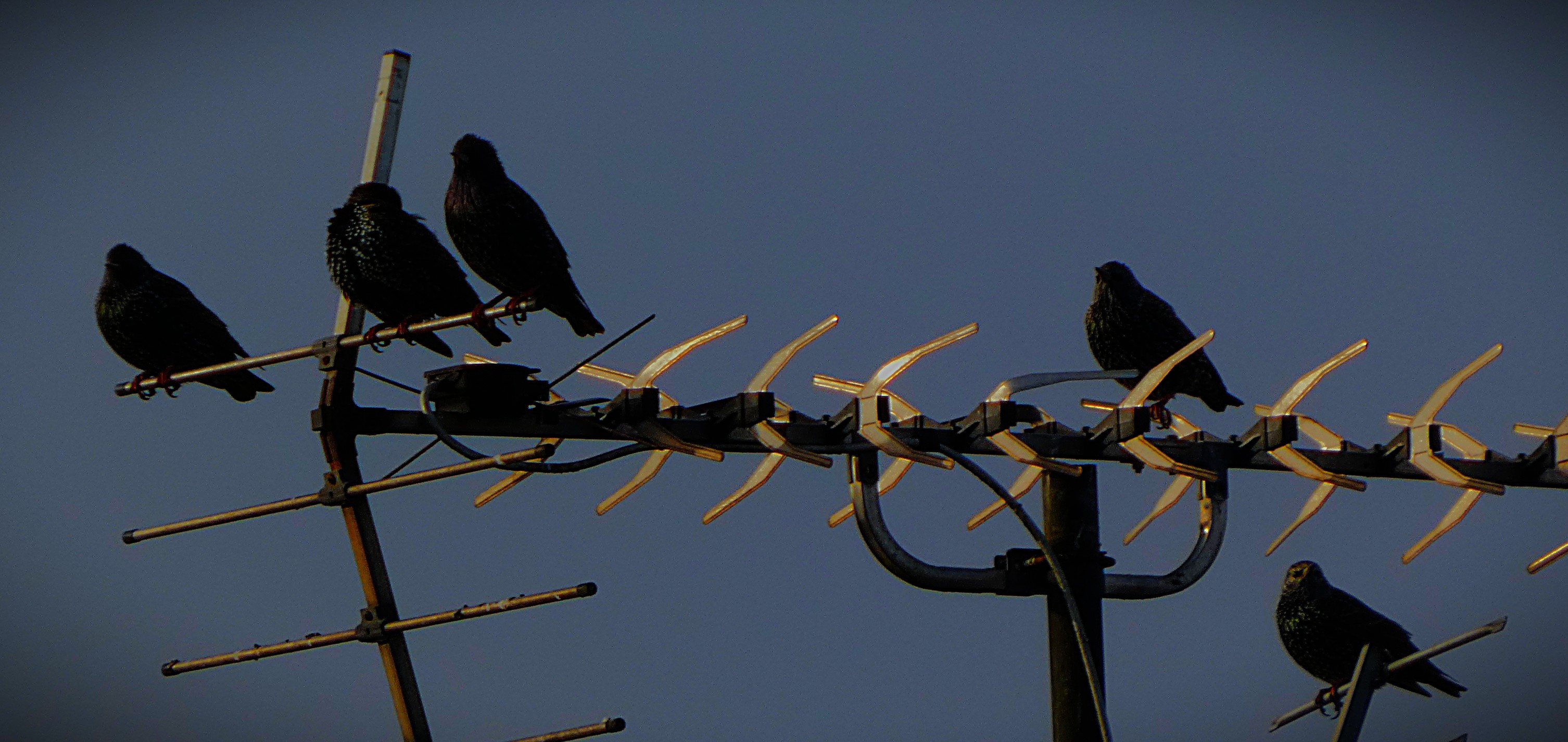
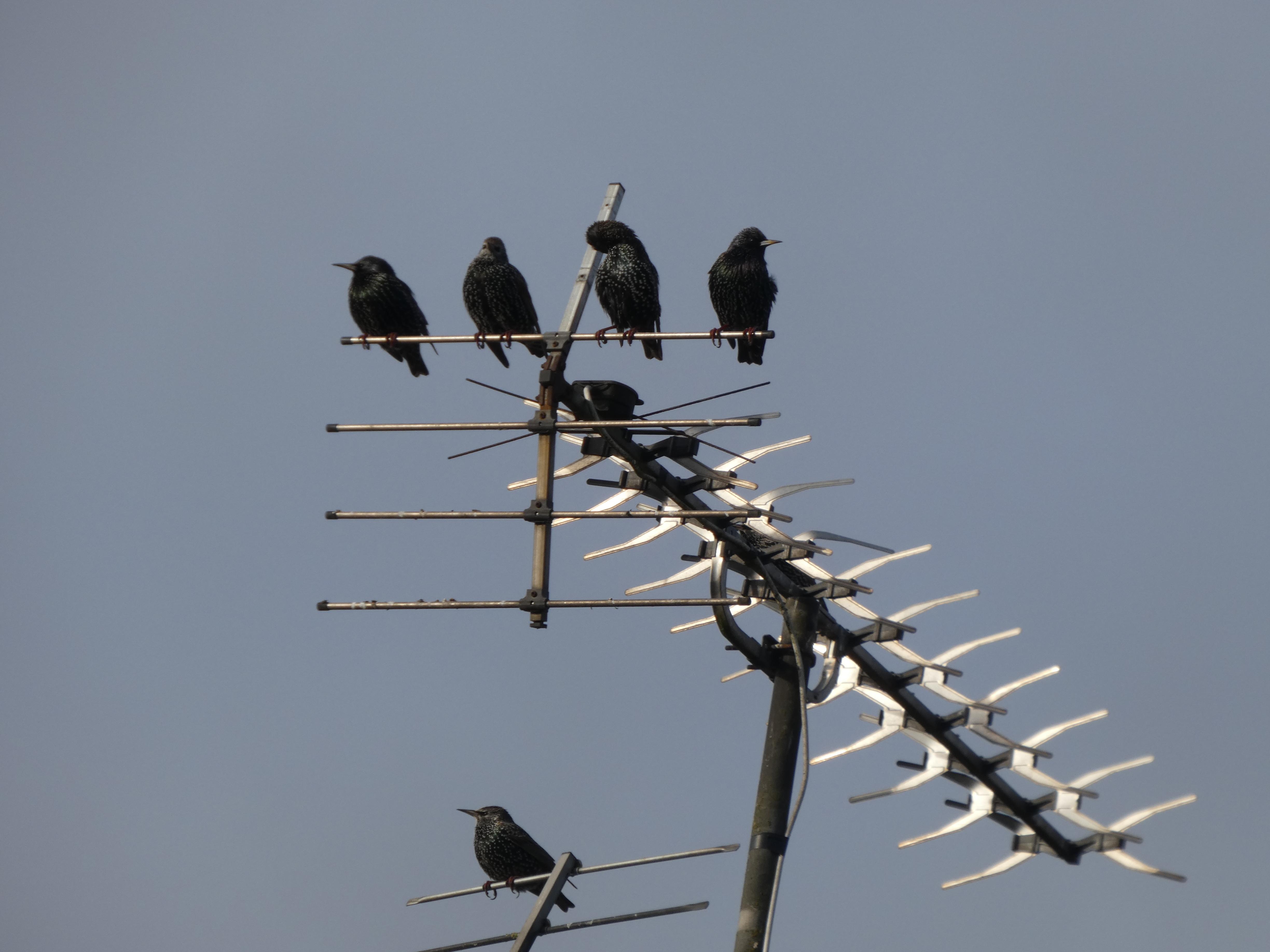

































































































































































































































































































































 aspiblog