A look at the game in the Hundred (women’s) between London Spirit and Trent Rockets that happened earlier today, with special emphasis on the spectacular finish provided by Nat Sciver-Brunt.
Earlier today London Spirit took on Trent Rockets in the Hundred (Women’s). The game was a good one although it came to a premature end due to an amazing display of hitting from Nat Sciver-Brunt for the Rockets.
THE SPIRIT INNINGS
London Spirit never really got into top gear. Danielle Gibson scored 36 off 27 balls at the top of order and Kiwi all rounder Amelia Kerr scored 36*, but took 30 balls to score them and these were the best innings for the Spirit. The best bowlers for the Rockets were their spinners, Kirstie Gordon 2-19, Alana King 1-18 and Bryony Smith 1-19, all bowling their full allocations of 20 balls. The end result was an indifferent total of 124-4 from 100 balls.
THE ROCKETS CHASE
For most of the second innings things were going the way of the Spirit, although Nat Sciver-Brunt was singlehandedly keeping Rockets hopes aloft, reaching a classy 50 off 32 balls. With 20 balls left Rockets were five wickets down and had 35 runs still to score. There then followed a truly extroardinary sequence of seven balls. First Scrivens hit Gardner for a four and six, then a single brought Sciver-Brunt on strike. Sciver=Brunt concluded the set by hitting the next two balls for sixes, reducing the ask to 12 off 15 balls. It took one legal delivery. The 86th ball of the innings, bowled by Danielle Gibson, saw Sciver-Brunt hit a third successive six, thrashed over midwicket. The next delivery was smashed baseball style even further over midwicket, and just to make things worse for poor Gibson it was called a no-ball, meaning that her final spell was officially 0.1-0-14-0! This sequence of four successive sixes took Sciver-Brunt’s score from a splendid 57* (37) to a stupendous 81* (41). In addition to the blitz that ended the match with 14 balls to spare Sciver-Brunt had hit nine fours along the way. Carlos Brathwaite once won a T20 World Cup by hitting four successive sixes, and Kapil Dev once saved India from following on with a similar sequence (Lord’s 1990), but England managed to win that one anyway. For the first time this season Rockets finished up looking more like Apollo 11 than Apollo 1.
PHOTOGRAPHS
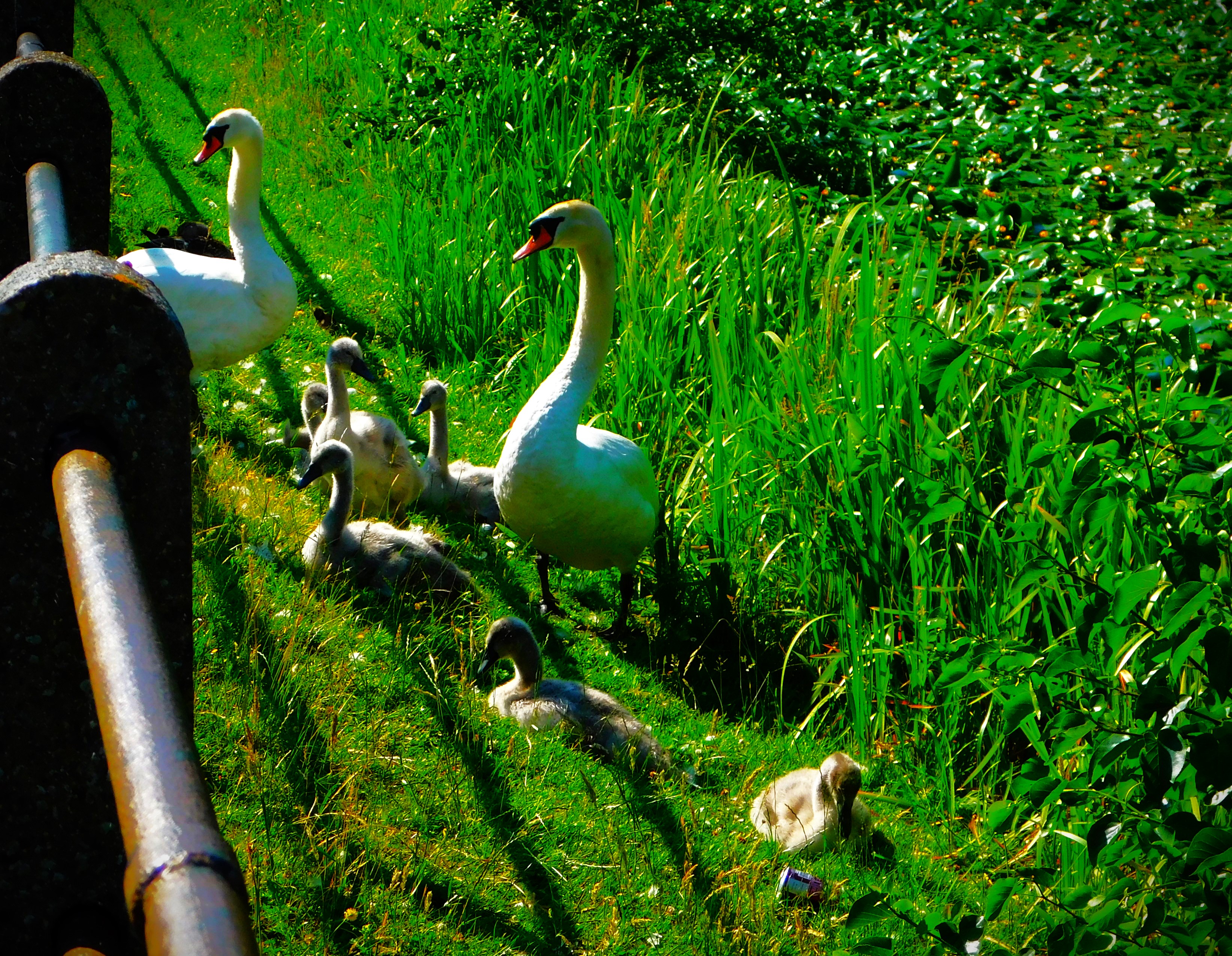
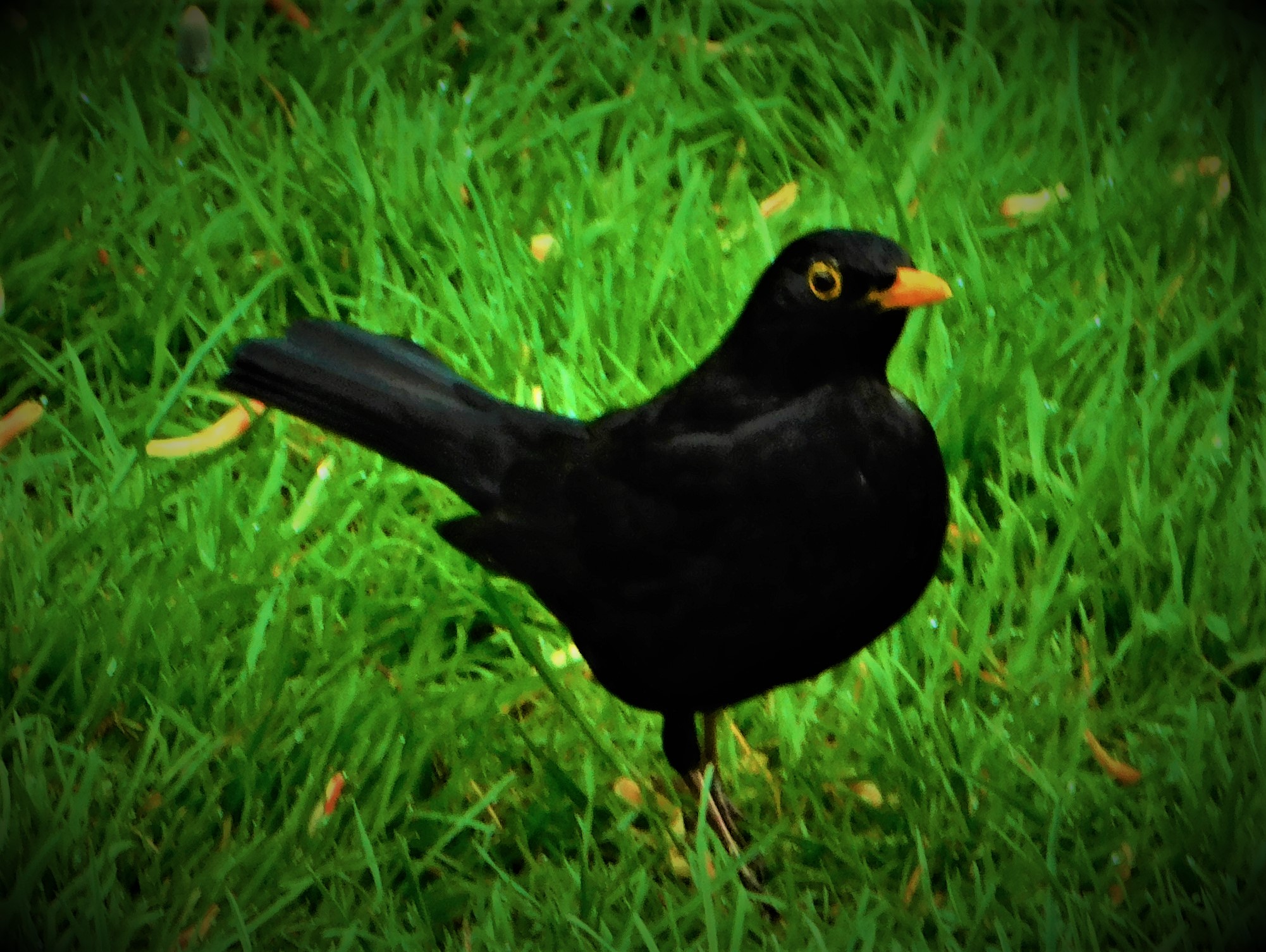
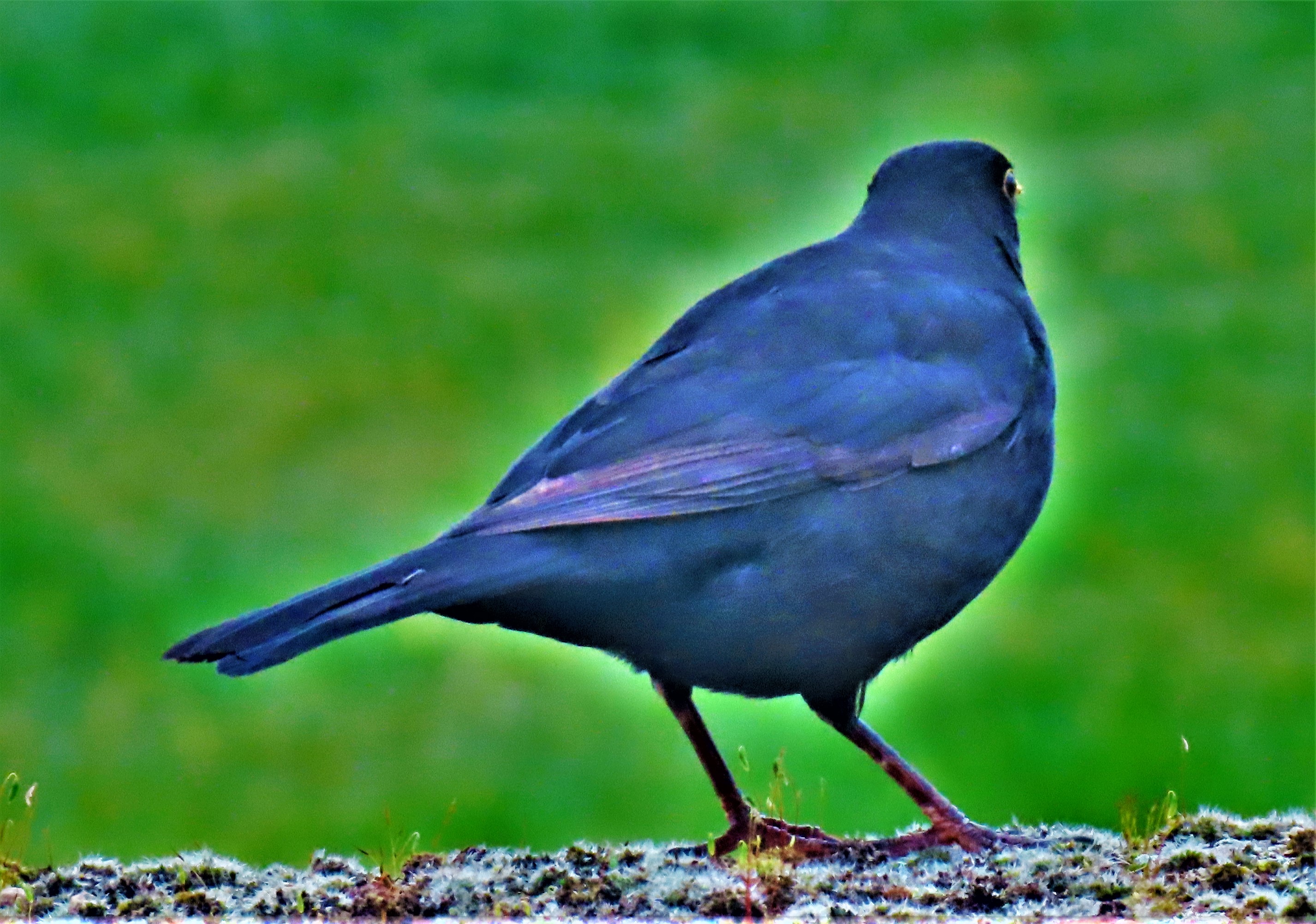
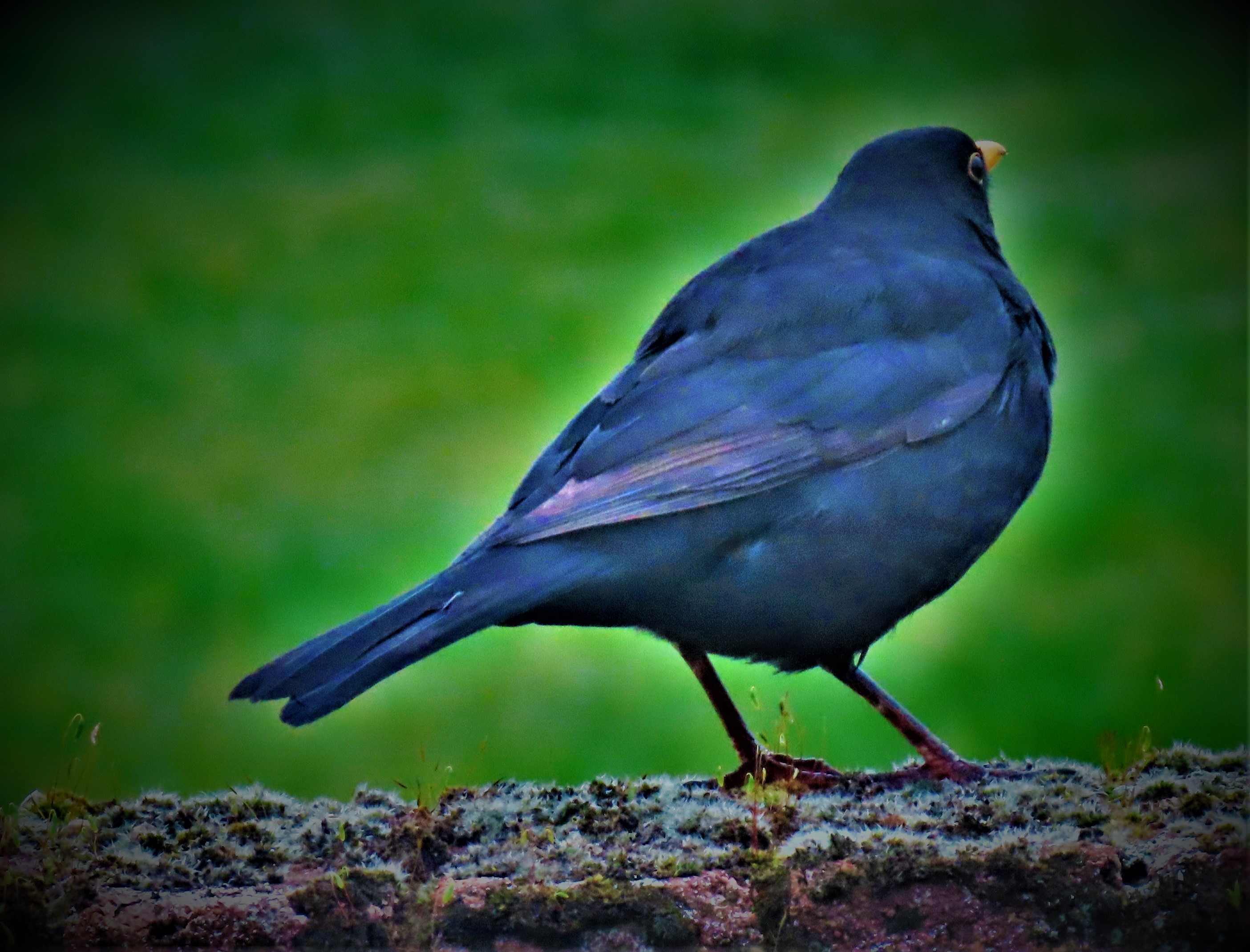
For the feature image I have done an experiment. I could not pick between two of my photos so I have endeavoured to combine the best features of both. Otherwise this is my usual sign off…
A look at developments in the women’s test match at Trent Bridge and a photo gallery.
The Women’s Ashes test match at Trent Bridge is hotting up, as England bowlers get in among the wickets. This post looks at developments since yesterday.
THE REST OF YESTERDAY
During yesterday’s post I noted that Tammy Beaumont was hunting down records. She did break the Betty Snowball England record score that had stood since 1935, and she did complete her double century. She was finally last out for 208, the fifth highest score ever by a women’s test cricketer. England had tallied 463, a deficit of 10 on first innings. By the close Australia were 82-0 and it looked like they were in a very strong position.
TODAY
England bowled much better today, but Mooney and Litchfield pushed their opening stand up to 99 before the breakthrough occurred. Australia still looked in a very strong position at 178-3, but England have claimed four wickets in very quick time, and Australia are 198-7 with Alyssa Healy and Alana King batting together. For England Ecclestone has three wickets so far, giving her eight in the match, with veteran seamer Cross and young speedster Filer each claiming two scalps.
A look back at a remarkable match in the Rachael Heyhoe-Flint Trophy on Monday, plus a bumper photo gallery.
This post is an account of a Rachael Heyhoe-Flint Trophy match that took place on Monday. Coverage was via youtube, which was one reason I didn’t blog on Monday. The Rachael-Heyhoe Flint Trophy is a 50 overs per side competition.
SOUTH EASTERN STARS MAKE A TERRIBLE START
Western Storm won the toss and put their opponents in, questionable on a pitch that was already a little worn having previously been used for the men’s County Championship match between Gloucestershire and Sussex (drawn, Sussex skipper Cheteshwar Pujara finally accepting this result with four overs left to be played and Gloucestershire having six second innings wickets standing). At first all went well for Storm, with two batters (Kira Chathli and Alice Capsey) collecting ducks very early on, and a third also going cheaply. At that point 16 year old Jemima Spence joined Stars skipper Bryony Smith. Although the youngster never achieved any degree of fluency her long innings supporting first Smith who made a good 50 before holing out down the ground and then Paige Scholfield played a crucial part in swinging the match back towards the Stars.
THE RECOVERY
By the time Spence was fifth out Scholfield was already firmly established at the crease and playing some lovely strokes. A sixth wicket followed fairly quickly, but then Tash Farrant, a left arm medium pacer who is also a useful batter down the order joined Scholfield in the stand that virtually settled the outcome of the match. Farrant scored at better than a ball, but was nevertheless overshadowed by the sheer brilliance of Scholfield. Farrant scored 45, in a seventh wicket stand that yielded 127. Eight further runs accrued after Farrant’s dismissal, giving Stars a final total of 296-7, with Scholfield 134* off 109 balls. The best bowlers for Storm were the opening pair of Lauren Filer and Dani Gibson who each took three wickets, but even they suffered some damage from the Scholfield blitz. The young Irish all rounder Orla Prendergast had a particular nightmare with the ball.
STORM IN A SPIN
Western Storm got into the 30s without losing a wicket, but then two off spinners, Bryony Smith and Alice Capsey, the latter looking to avenge her first ball duck, came into the attack. Not only could the Storm batters not get them away, they lost wickets with ridiculous frequency. Smith took three wickets, a fine follow up to her 50 with the bat, but it was Capsey who was the real destroyer. She had never previously had a five wicket haul in a list A match, but this was her day with the ball, and by the time she claimed the last two wickets in the space of four balls she had 6-28. Western Storm had managed a beggarly 89 all out, beaten by 207 runs. Prendergast and Alex Griffiths each got into the 20s, but neither scored with any speed – note that Spence’s slow scoring occurred with first Smith and then Scholfield going great guns at the other end, so Stars had never had both batters scoring slowly at the same time.
PHOTOGRAPHS
I have a huge photo gallery (in fact I have so many photos taken since Monday morning that I have held some back for my next post)…
A look back at yesterday’s final of the Womens U19 T20 World Cup, a passing mention of England Men’s loss to South Africa and lots of photographs.
This post looks back at yesterday’s final of the inaugural World U19 Womens T20 World Cup between England and India.
A DAY IN WHICH LITTLE WENT RIGHT FOR ENGLAND
India U19 Women won the toss and put England in. Liberty Heap fell for a duck very early on, and before the match was much older Grace Scrivens who had had a majestic tournament and Seren Smale were also out. Wickets kept falling, and apart from Ryana Macdonald-Gay, who scored 19, no one really ever looked like scoring runs. England were all out for 68. India bowled very well, and their fielding was absolutely sensational – few senior Indian sides of either sex could matched these youngsters in that department.
England themselves had been exceptional with the ball and in the field all tournament, but not even they could make 68 look a defensible total, and India duly won by seven wickets with almost six overs to spare.
India produced a magnificent performance in this final and England had no answers. However England showed enough in the tournament to suggest that their women’s side can also look forward to a bright future. We will see a lot more of these young women, including in some cases in the inaugural WIPL – Grace Scrivens will surely have a contract there, and maybe also Sophia Smale.
DOUBLE TROUBLE FOR ENGLAND IN SA
England’s senior men’s side were also in action in SA yesterday, playing the second match of three match ODI series, with SA having won the opener. When England posted 341-5 from their 50 overs all looked rosy for them. However, Temba Bavuma scored a rapid century to put SA firmly in contention, and David Miller (58* off 37 balls) controlled the closing stages of the chase, taking SA past the finishing line off the first ball of the 50th over, securing the series for them. Unsurprisingly, given the effect that major landmarks have on people’s minds it was Bavuma who was named Player of the Match for his ton, but Miller’s effort in the closing stages, especially after Markram was out with over 60 still needed, leaving Miller effectively in sole control of the chase from that point on, was every bit as important to SA’s cause as Bavuma’s innings up top.
PHOTOGRAPHS
My usual sign off, bolstered by the fact that weather was pleasant today (still cold, this being January in high northern latitudes, but bright and sunny) meaning that a long walk was a positive pleasure…
A look at Rwanda’s involvement in the inaugural Women’s U19 T20 World Cup, plus some recent photographs.
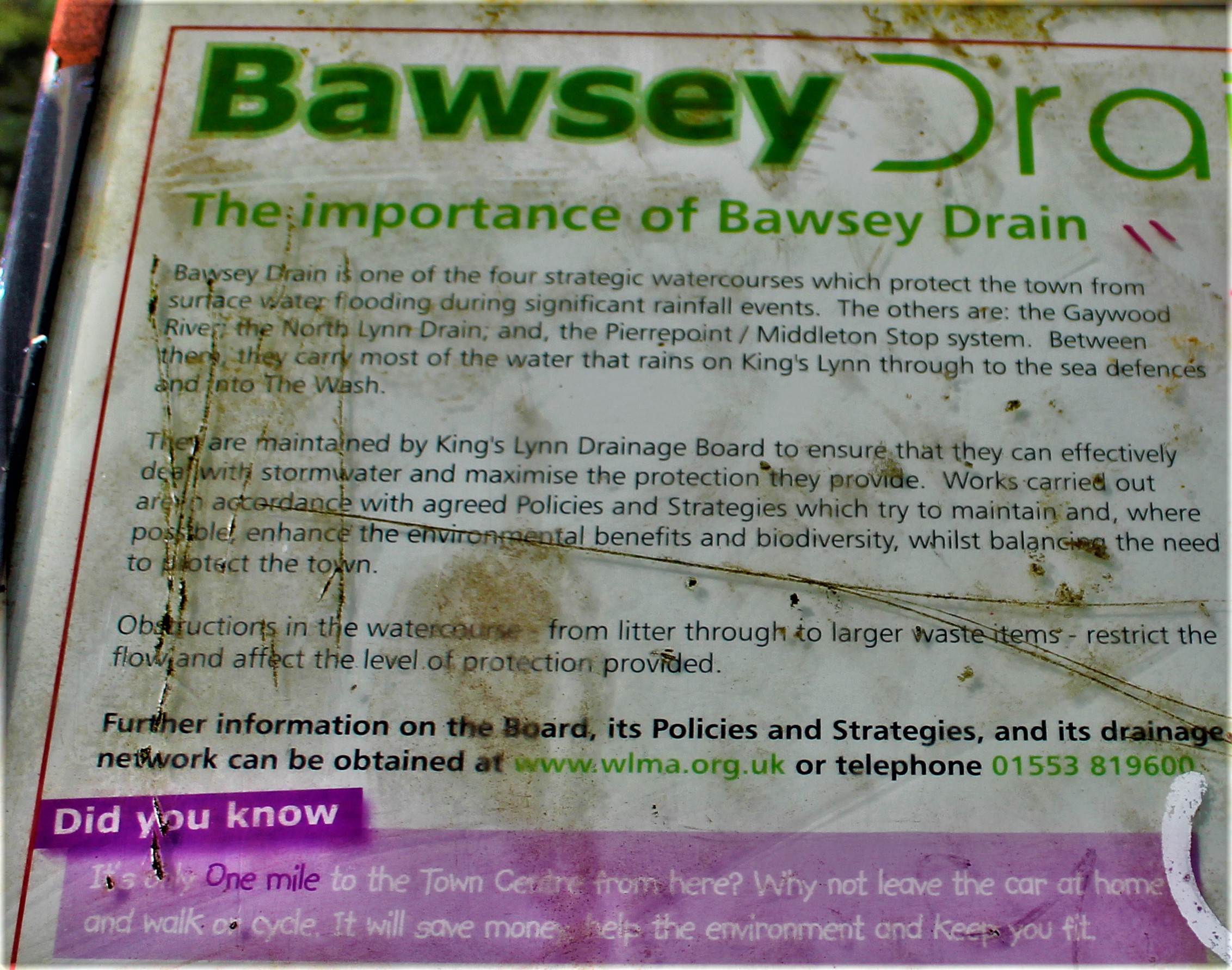
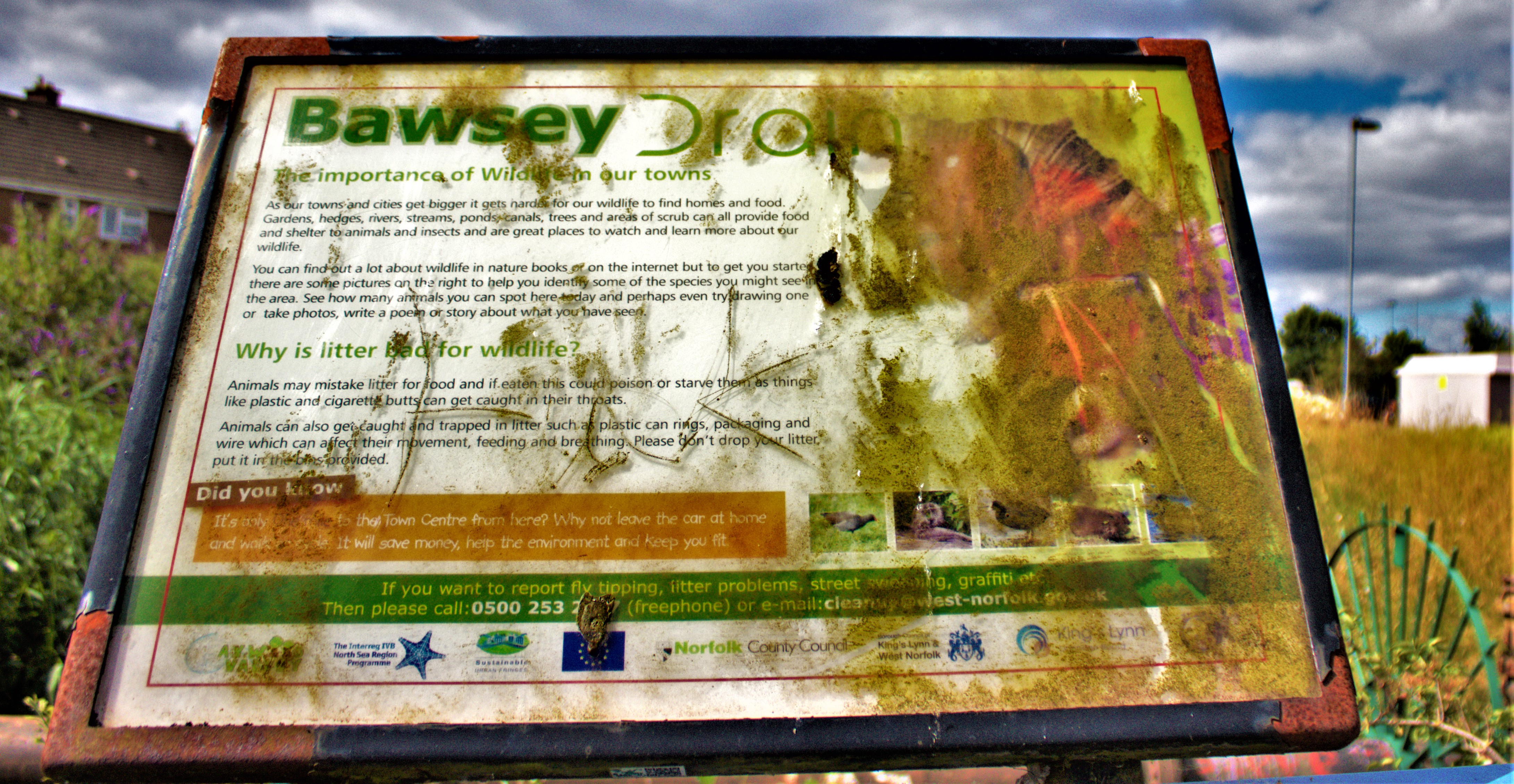
Greetings from the frozen wastes of West Norfolk – the freeze here has now got to the stage where Bawsey Drain is partially frozen over, never mind the ponds. In today’s post I look at a great story to emerge from the inaugural Womens U19 T20 World Cup, and make some suggestions for the future.
THE BIGGEST SUCCESS OF THE TOURNAMENT
Obviously in absolute terms this will belong to whoever ends up lifting the trophy, which will not be Rwanda, whose journey will end at the Super Six stage (England, New Zealand and India are all looking strong, and no one familiar with Australia in knock out stages would dare rule them out), but in relative terms, to reach the Super Six stage, and to win one match at that stage (v West Indies) on Rwanda’s resources far outranks any of the achievements of the big guns.
RWANDA’S STRENGTHS AND WEAKNESSES
Rwanda are an excellent bowling side (Henriette Ishimwe, who took four wickets in four balls to seal the win over Zimbabwe had a comparatively quiet match in the Super Six win over West Indies, when the spinners dominated) but struggle with the bat – that great win over West Indies was achieved with only four wickets and two overs to spare even after dismissing their opponents very cheaply. If a side is going to be weak in one department I would prefer it to be batting, as a good bowling side can often make up for frailties with the bat, whereas there is nowhere to hide if your bowlers cannot do the job.
RWANDA GOING FORWARD
The top sides should make space for Rwanda in their schedules – more competition against them could only improve Rwanda. I would also like to see domestic competitions (Rachael Heyhoe-Flint trophy, Charlotte Edwards cup, The Hundred, The WBBL, and coming into existence later this month, the WIPL) include Rwandans among their overseas signings. There are a number of current Rwandan players who would be excellent value as an overseas signing in these leagues. A new nation with no prior cricketing heritage making its presence felt on the world stage can only be a good thing for those of who want the game we love to continue to grow and develop, and I give these young Rwandan women my heartfelt congratulations for their contribution to this tournament.
A look at Southern Vipers batting performance against South Eastern Stars in their Rachael Heyhoe-Flint Trophy clash today.
There are four games happening in the Rachael Heyhoe-Flint Trophy today. At Hove in the one I decided to focus on Southern Vipers are taking on the South Eastern Stars. I look back on the Vipers innings.
EARLY WICKETS FOR THE STARS
The Stars won the toss and put the Vipers in. The top three in the Vipers top order were back in the pavilion early, and a promising stand between Georgia Elwiss and Paige Scholfield came to an end when Danielle Gregory struck with her first ball of the match to make it 74-4. At this point, with even a total of 200 looking a long way off, Emily Windsor, with a highest score in the competition of 47* joined Elwiss at the crease.
A GREAT PARTNERSHIP
Initially in the Elwiss/ Windsor partnership Elwiss, the set batter and also much the more experienced of the pair (although Windsor played her first county game in 2013, so for all that she is only 25, she can hardly be described as a novice) was doing most of the scoring, while Windsor played a more watchful role. Then came an over of Alice Capsey’s off spin, from which Windsor took 15 to really get her innings going. At one stage it looked like both Windsor and Elwiss were booked for centuries, but it was not to be – Windsor was bowled for a magnificent 90 off 79 balls. That brought Freya Kemp in join Elwiss, and she proceeded to finish the job that Windsor had started so superbly. Elwiss completed a ton off 108 balls, and celebrated with the first six of the day, while Kemp scored a blistering rate. Both fell in the closing overs, Kemp for 40 off jus 23 balls, but even that didn’t completely stop the scoring – wicket keeper Carla Rudd contributed a perky 8* off four balls. The final total at the end of Vipers’ 50 overs was 306-9. We wait to see how Stars respond to a daunting task.
A look at the start of the Women’s T20 Challenge. Also some photographs.
The BCCI have yet to get round to creating a women’s IPL, but they do stage a small tournament, the Women’s T20 Challenge. This post looks at developments in the first match, which started at 3PM UK time today.
A NEW COMPETITION RECORD
The Supernovas won the toss against the Trailblazers and opted to bat first. With an over of their innings to go they have already set a new all time competition record, being 160-7 at the end of the 19th. As I write the eighth wicket has gone to the first ball of the final over. Harmanpreet Kaur, Harleen Deol and Deandra Dottin all topped 30 for the Supernovas, while Hayley Matthews, Poonam Yadav and Salma Khatun have all bowled respectably for Trailblazers. These bowlers faring well is not great news for Trailblazers – Supernovas spin bowling features Sophie Ecclestone (England, SLA, world number one ranked female bowler) and Alana King (Australia, leg spin). Confirmed that Supernovas have 163 to defend.
A look back at two great cricketing occasions – the women’s test between England and India and the World Test Championship final between India and New Zealand.
Now that I have finished my series about my Scottish holiday (all posts therein can be accessed from here) it is time to tackle other things. In this post I look back two great cricket matches which overlapped (poor organization there). I start with:
ENGLAND WOMEN V INDIA WOMEN
This test match, the first women’s test match in two years and the first involving India Women for seven years was played between the 16th and 19th of June at Bristol. Not only do the women play very little test cricket, their domestic structure does not include long form cricket.
England were 269-6 at the close of the first day, having at one point been 230-2. Heather Knight, the captain, scored 95, Tammy Beaumont 66 and Nat Sciver 42. In occupation overnight were debutant Sophia Dunkley and veteran Katherine Brunt. Brunt fell early on the second morning to make ti 270-7 but Dunkley found excellent partners in Sophie Ecclestone who helped the eighth wicket to add 56 and then Anya Shrubsole who scored a blazing 47 as a further 70 accrued for the ninth wicket. At Shrubsole’s dismissal the score was 396-9 and Knight declared, leaving Dunkley with a debut innings of 74 not out to look back on. Sneh Rana, an off spinner, had 4-131 from 39.2 overs for India.
Smriti Mandhana and Shafali Verma gave the Indian first innings a magnificent start, putting on 167 before Verma, at the age 17, was out for 96 just missing a debut century. Some good bowling by England in the closing stages of the second day and an odd decision by skipper Mithali Raj to send in a nightwatcher with quite a lot of time left in the day (both the nightwatcher, Shikha Pandey, and Raj herself, obliged to go in anyway, fell in the closing stages) put India in trouble, a situation that got rapidly worse at the start of day three as more quick wickets fell. At one stage the score read 197-8, meaning that eight wickets had fallen for 30 runs. The ninth wicket provided some resistance and forced the taking of the second new ball. It took an absolute beauty from Katherine Brunt to break the stand, and no11 Jhulan Goswami got another good ball, this time from Anya Shrubsole, to end the innings at 231, meaning that, this being a four match, England were able to enforce the follow-on, which they quite correctly did. Ecclestone had taken 4-88 with her left arm spin.
Mandhana fell cheaply at the start of the Indian second innings, but Deepti Sharma, an off spinning all rounder who had batted well in the first Indian innings (she it was who orchestrated the tail end resistance), was promoted to no3 second time round, and by the end of day three she and Verma were still in occupation, with the score 83-1. After 16 runs had been added on the third morning Verma’s wonderful debut finally ended as she fell for 63, giving her 159 runs in the match. Just before lunch Deepti Sharma after the longest innings of her life finally fell for 54, making it 171-3, and the innings defeat avoided. The question now was could India hold out long enough to prevent England from being able to chase the runs down. Punam Raut dropped anchor at one end, but at the other Mithali Raj, Harmanpreet Kaur and Pooja Vastrakar all came and went fairly cheaply, with Raut being dismissed in between Kaur and Vastrakar. When Vastrakar fell India were 199-7, still only 34 to the good. Shikha Pandey joined Sneh Rana, and they put on 41, but even at that stage England seemed likely to win. However, Taniya Bhatia, the Indian wicket keeper, now joined Rana and they staunchly resisted everything England could produce. Rana was on 80 not out and might have had half an eye on a century and Bhatia 44 not out and definitely eyeing up a fifty, with the stand worth an unbeaten 104, only three short of the all time ninth wicket record in women’s test cricket when the umpires intervened, deciding it was too dark to continue (given how few overs were left, the draw had long since been certain). Ecclestone had again taken four wickets, although she also took some punishment as she tired in the closing stages, finishing with 4-118 this time. Shafali Verma’s two great innings on debut earned her player of the match, although Sneh Rana, and on the England side Knight (95 and wickets in both innings as well as being captain) and Ecclestone might also have been considered.
Both sides played well, and India showed tremendous fighting spirit to secure the draw the way they did at the end. A full scorecard can be viewed here.
WTC FINAL: NZ V IND
The inaugural World Test Championship had ended with India and New Zealand at the top, so these two teams convened at Southampton for the final. Six days were allotted, although the sixth would only come into play if weather interruptions necessitated it. In the end such was the weather between 18 and 23 June that even a sixth day was only just sufficient.
The first day was entirely washed out, and on day two New Zealand decided to go in without any spin options, picking three specialist pacers in Boult, Wagner and Southee plus a fast bowling all rounder in Jamieson and also at no7 Colin de Grandhomme who bowls medium pace. When they won the toss it was almost inevitable that they would choose to bowl with that team, and they duly did so. The truncated second day ended with India 146-3 and seemingly somewhat ahead of the game. New Zealand bowled fantastically on the third morning to reduce India to 217 all out, and by the close of the third day they were 101-2 in response, the second wicket having fallen just before the close. The fourth day, like the first, saw no play at all. Fortunately the fifth day dawned bright and clear. When NZ were 135-5, India looked to have wrested the initiative back, but the last five kiwi wickets put on a further 114 to give them a first innings lead of 32. India batted poorly in their second innings, with a number of poor dismissals. Rishabh Pant top scored with 41, as they managed a mere 170, leaving NZ just 139 to win. R Ashwin accounted for both openers with his off spin but there was to be no further success for India as Kane Williamson and Ross Taylor saw their side home, with Williamson racking up only the second individual 50+ score of the match in the process, giving him a match aggregate of 101 for once out (49 and 52 not out, the second and third highest scores of the match behind Devon Conway’s first innings 54). Kyle Jamieson with match figures of 7-61 from 46 overs, the most economical by a pace bowler in a test in England since Joel Garner in 1980, and a crucial 20 in his only innings was named Player of the Match. New Zealand thoroughly deserved their victory. While all of the kiwis bowled well, Ishant Sharma and Jasprit Bumrah were both below their best for India, Ashwin was not helped by the conditions, though he put in a fine effort and Jadeja as a bowler was a virtual passenger on that pitch and in those conditions.
I like the concept of the WTC but I think the following changes are necessary for it to work:
Every team to play the same number of matches in each cycle.
All series to count towards the WTC (immediately before the final England and New Zealand played a non-WTC series, which New Zealand won and won well).
An international women’s day special, selecting an XI of the finest contemporary female cricketers, with a couple of extra features.
Today is International Women’s Day, and as a cricket fanatic I am commemorating it by selecting an XI comprising the finest talents from contemporary women’s cricket.
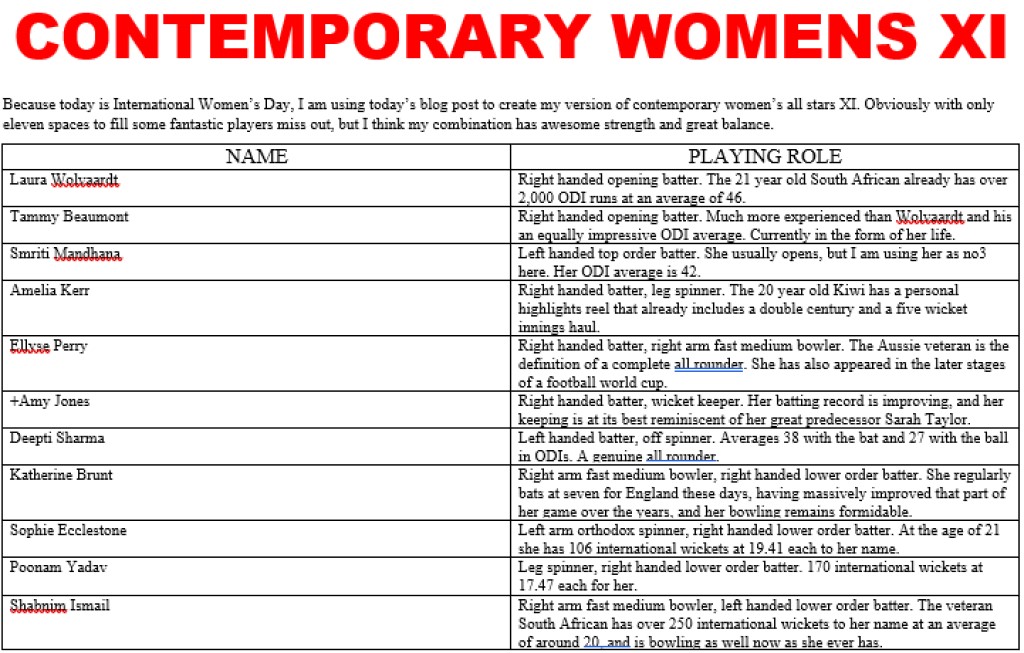
THE XI IN BATTING ORDER
Laura Wolvaardt – right handed opening batter. The 21 year old South African already has over 2,000 ODI runs at an average of 46. She forms one half of an opening partnership that blends youth and experience and could confidently be expected to function superbly. A career best 149 and one other hundred indicate that she can go big.
Tammy Beaumont – right handed opening batter. Just a few days short of her 30th birthday, the experienced England opener is in the form of her life at the moment, reflected by her status as the no1 ODI batter in women’s cricket. She averages a run per innings less than Wolvaardt, but has played rather more. Seven centuries in ODIs confirm her ability to go on and get big runs.
Smriti Mandhana – left handed top order batter. She normally opens for India, but should also go well at number three. An ODI average of 42, including four centuries at that level indicates a player of high class, and she is also one of the most aesthetically pleasing of all international batters, especially when driving through the covers.
Amelia Kerr – right handed batter, leg spinner. At the age of 20 she has a personal highlights reel at international level that includes a double century and a five wicket haul. In the one victory New Zealand recorded over England in their recent series she starred with 72 and four wickets.
Ellyse Perry – right handed batter, right arm fast medium bowler. The 30 year old Aussie is the most complete all rounder in the game. Her eight test appearances have yielded her a batting average of 78 and a bowling average of 18, in 112 ODIs she averages 52 with the bat and 24 with the ball, while in 120 T20Is she averages 28 with the bat and 19 with the ball. She has also found time to feature in the later stages of a football world cup along the way – she is an all rounder in more than one sense!
+Amy Jones – right handed batter, keeper. Her batting is improving, and her keeping at its best can be reminiscent of great predecessor in the role, Sarah Taylor.
Deepti Sharma – left handed batter, off spinner. She averages 38 with the bat and 27 with the ball in ODIs.
Katherine Brunt – right arm fast medium bowler, right handed lower order batter. She regularly bats seven for England, having massively improved that area of her game over the years, but it is her bowling that makes her worth her place.
Sophie Ecclestone – left arm orthodox spinner, right handed lower order batter. 106 international wickets at less than 20 each and she is still only 21. For more detail on her please visit Inside Edge Cricket’s post on her produced specially for today as this post is, by clicking here.
Poonam Yadav – leg spinner, right handed lower order batter. A complete contrast to her predecessor in the order, who is very tall, the leggie is the smallest member of the XI, and bowls very slow, high tossed spinners. She has many remarkable spells to her credit, perhaps the most outstanding being against Australia in a world T20 cup match, when the latter were seemingly cruising to victory when she was brought on and nailed on for defeat by the time she had bowled her four overs.
Shabnim Ismail – right arm fast medium, left handed lower order batter. The veteran South African is bowling as well now as she ever as and will be an excellent new ball partner for Brunt. She had a superb tournament in the most recent running of the Women’s Big Bash League.
This team comprises a stellar top five, two of whom are genuine all rounders, a splendid keeper/batter at six, a genuine all rounder at seven, a top quality bowling all rounder at eight and three superb specialist bowlers. Brunt and Ismail with the new ball, Perry as third seamer if needed and spin quartet of Ecclestone, Yadav, Sharma and Kerr provides a bowling attack that should be comfortably able to meet all eventualities. Below is the team in infographic form:
LINK AND PHOTOGRAPHS
Just the one link before my usual sign off, a tweet which fits the international women’s day theme – it is a list of rape prevention tips, which rather than being the usual victim-blaming c**p such things usually are actually addresses those who need to be told – the men. It was posted by Theresa Drennan, and can be viewed it’s original niche by clicking here.
A look at England’s tests in 2021 and forward to the future. Also a very important petition and a related post on Tax Research UK and some deserved mentions of successes by Women’s cricket teams.
This post looks back at the six test matches England have played in India and Sri Lanka and forward to the future.
THE STORY IN BRIEF
England won both matches in Sri Lanka against a side with a very unthreatening bowling attack, although there were warning signs in the form of Embuldeniya, a left arm orthodox spinner who caused England such problems as they experienced on that tour. In India England started with a victory in the first match, but then lost three in a row as their problems against spin on turning pitches were cruelly exposed. English cricket officialdom has a phobia of turning tracks, as shown by the punishment recently inflicted on Somerset. This combined with the fact that a large proportion of English first class cricket is confined to the margins of the season means that there are not many really good spinners in the game and that in consequence the batters rarely face much if any spin. Anyone shown Axar Patel’s figures in this series and not told who had recorded them would be forgiven for thinking it was Hedley Verity or Derek Underwood operating on rain affected pitches. There were other causes of problems besides this…
ROTATION POLICY AND POOR SELECTIONS
Some element of rotation was going to be necessary due to the circumstances in which these test matches were being played, but I think England took things too far in that regard, and the side became unsettled as a result. In particular the handling of the Moeen Ali/ Dom Bess situation was shocking. England had planned to play Moeen Ali for both Sri Lankan matches and the first two matches in India before resting him prior to the limited overs element of the Indian tour. Had that plan been operable it might have made sense, though Moeen Ali’s test record is unconvincing to put mildly. As it was he caught Covid and by the time he had recovered and quarantined himself for the required period the only match he would be available for was the second of the Indian series. Bess had not bowled especially well but had been picking up wickets, and the logical thing to do in the changed circumstances was send Moeen home earlier than intended and play Bess straight through or promote one of Parkinson or Virdi from the reserves. Moeen Ali was rushed into the XI for that one match, and on brute figures had a decent game, capturing eight wickets and scoring 49 runs. The problem was that most of the good things he did came after he had virtually bowled England out of contention by conceding 94 runs from his first 20 overs on a pitch that was offering assistance to spinners from the start of the game. In selecting Moeen Ali England had directed some harsh words in Bess’ direction (doubtless some even harsher ones in private than the ones we heard about), and then after the game they tried to persuade Moeen Ali to stay on, abandoning his plans to visit his family in England, and allowed this to become public knowledge. Then, still reluctant to promote Parkinson or Virdi, and unwilling to risk Bess, they went into the third match of the series with three specialist quicks plus Stokes and only Leach as a front line spinner. Inexplicably Chris Woakes was also entirely ignored, though with the party the entire time, and he was sent home after the third test. England then had a massive knee jerk reaction to the humiliating defeat they suffered in that third match and brought Bess back, and also brought Lawrence in to strengthen the batting, going into the game with three specialist bowlers plus Stokes. Lawrence had a fine match, showing fight in both innings to amass 46 and 50, but apart from Stokes (55 in the first innings, four wickets), and Anderson, who was his usual self and therefore always formidable, and with a nod to the ever reliable Leach who toiled hard with the ball, basically no one else did. Bairstow, a flawed selection, as I pointed out in December when rumours of a test recall for him first surfaced, needed a bit of luck to make 28 in the first innings and gave his wicket away first ball in the second to one of the softest dismissals in test history. The other problem besides basic disruption and his own inadequate performances with the selection of Bairstow was that he pretty much replaced Burns, which forced Crawley up to open, when the latter has done his best test work from no3.
One or other of Parkinson or Virdi, with a preference for the former, since as a leg spinner he brings something new to the team, should have been promoted from the reserves to partner Leach, rather than the obviously untrusted Bess being recalled. The treatment of Olly Stone, who bowled well in the second match on a surface that did not suit him in the slightest and was thereafter resolutely ignored is also hard to fathom.
LOOKING TO THE FUTURE
In terms of the batting two things have happened this tour that are of any significance: Lawrence has surely moved ahead of Pope, who seems to have regressed from the good start he made to his test career, in the pecking order, and Bairstow must finally have blown one opportunity too many for even this England management to recall him to the test ranks, though he remains an integral part of the white ball set up. Leach is now established as first choice spinner, and given the unlikeliness of any English test pitch warranting the selection of two specialist spinners (I would put such a pitch being prepared in England rather below a meteorite strike in the betting stakes), and the fact that the next tour is Australia where English off spinners have not fared well (see here for some detail on the spin options in England’s successful Ashes tour parties) I am looking at Leach as sole spinner for the home summer, and Leach and Parkinson as spinners for Australia (unless England go the radical route of inviting Sophie Ecclestone to plat alongside the men). Virdi may well merit an England call up as well, but probably not for Australia. Bess needs to have at least one seriously good season for his new county, Yorkshire, before his credentials can even be considered again, so should not be a factor in England terms before the 2022 home season at the earliest.
Unless someone has a string of superb performances at the top of a county order to start the season I do not see much point introducing another newcomer to the batting order – chronically ill equipped though they were to handle India’s spinners these batters are by and large the best available to England at present. I might consider Buttler as a specialist batter, but he has been so indulged by the England management in recent times that I refuse to officially nominate him for one of my teams. In view of the fact that Anderson and Broad need to be rotated to some degree, and that I prefer not to have four out and out tailenders in the team my XI for the first test of the home season if nothing significant changes mean time would thus be something like: Sibley, Burns, Crawley, *Root, Stokes, Lawrence, +Foakes, Woakes, Stone, Leach, Anderson. Archer or Wood if fit and firing could replace Stone, though I would like to see the latter given a proper chance, and similarly Broad may play instead of Anderson if conditions seem likely to favour him. Woakes in England is a formidable all round cricketer, and as indicated earlier in this piece he may well have proved useful at times in India had he been given the chance.
Among those who may force their way into contention in the not too distant future are Tom Abell and Tom Lammonby of Somerset, Sam Hain of Warwickshire, Liam Livingstone of Lancashire and Haseeb Hameed of Nottinghamshire. Ben Coad may claim a bowling slot (he pays about 20 per wicket in FC cricket, but England have plenty of pace bowling options). Jordan Cox is an outside chance if he can prove the double century he scored against Sussex last season was not just a one off. Lewis Goldsworthy, a left arm orthodox spin bowling all rounder, may make some sort of mark for Somerset with Leach on England duty. He has yet to play first class cricket but impressed at the Under 19 World Cup last year and has a decent record in the handful of T20s he has played for Somerset. It is also possible that Liam Patterson-White (bowling average 21.00 from five FC games) and Dan Moriarty (17 wickets at just under 21 each from two first class games) will prove that their currently impressive bowling averages are not freaks.
LINKS AND PHOTOGRAPHS
My first link is to a petition calling on the government to award NHS nurses a 12.5% pay rise. To sign this you have to be a UK citizen or resident. If you are please do so. A screenshot is below:
My second link is related to the above, being to a blog post by Richard Murphy of Tax Research UK that started life as a twitter thread, in which he takes Johnson to task for his derisory 1% offer. The start of what is a longish piece is shown below:
Finally congratulations to the England Women’s team who completed a clean sweep of the T20Is in New Zealand to go with their earlier triumph in the ODI series. Katherine Brunt was Player of the Match, while Tammy Beaumont, as in the ODI leg of the tour, was named Player of the Series. Also, South Africa Women won the first ODI of their series in India, with Laura Wolvaardt making a fine 80. Now it is time for my usual sign off…





















































































































































































































































































































































































 aspiblog