Continuing my account of my visit to Pensthorpe with a look at the discovery centre and at the sculptures dotted around the place.
This is my third post in a mini-series about my part in a West Norfolk Autism Group excursion to Pensthorpe which took place on Saturday. It is a two part post, and represents the mid-point of the series – there will be two further posts afterwards.
PART ONE: DISCOVERY CENTRE
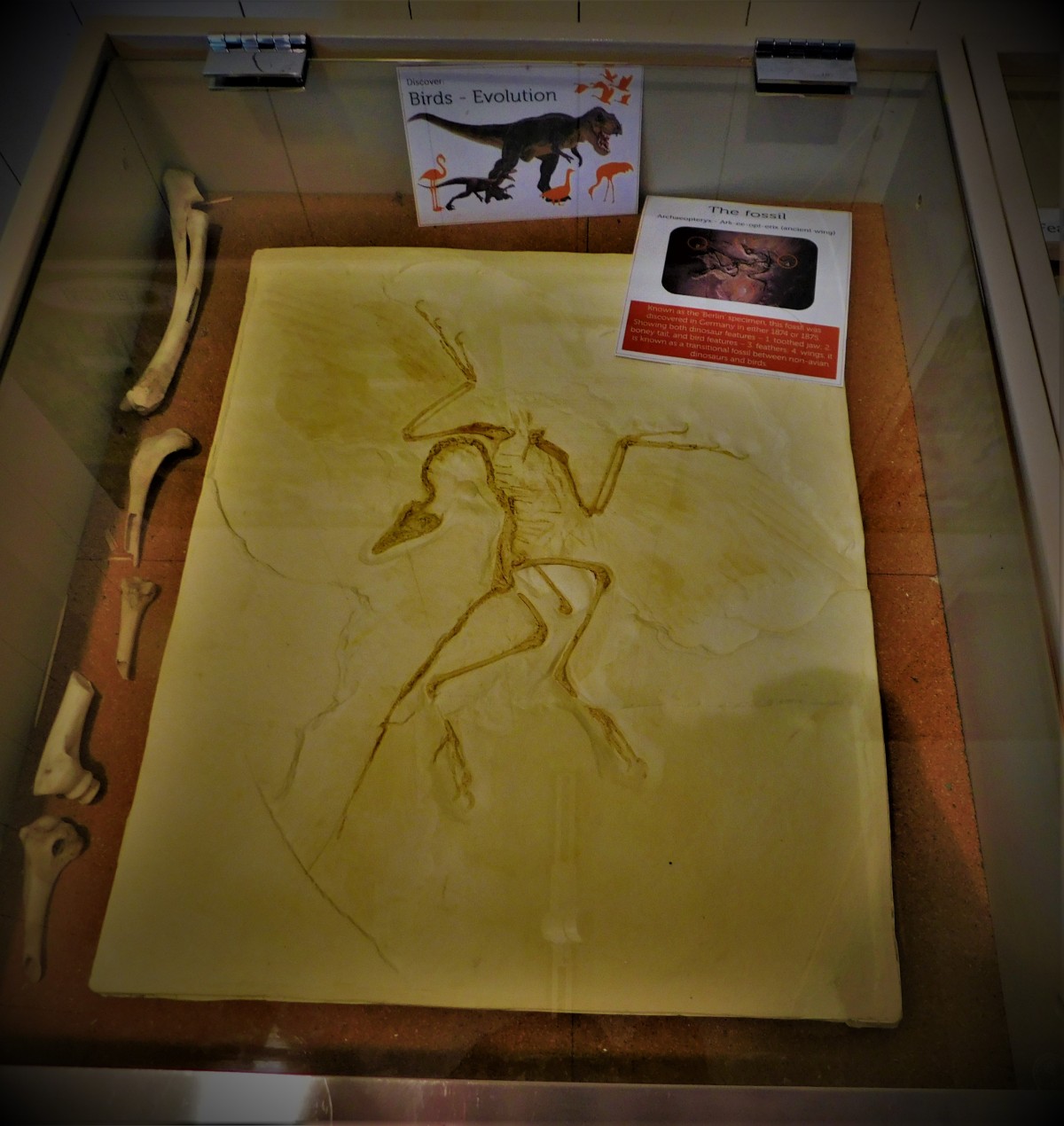
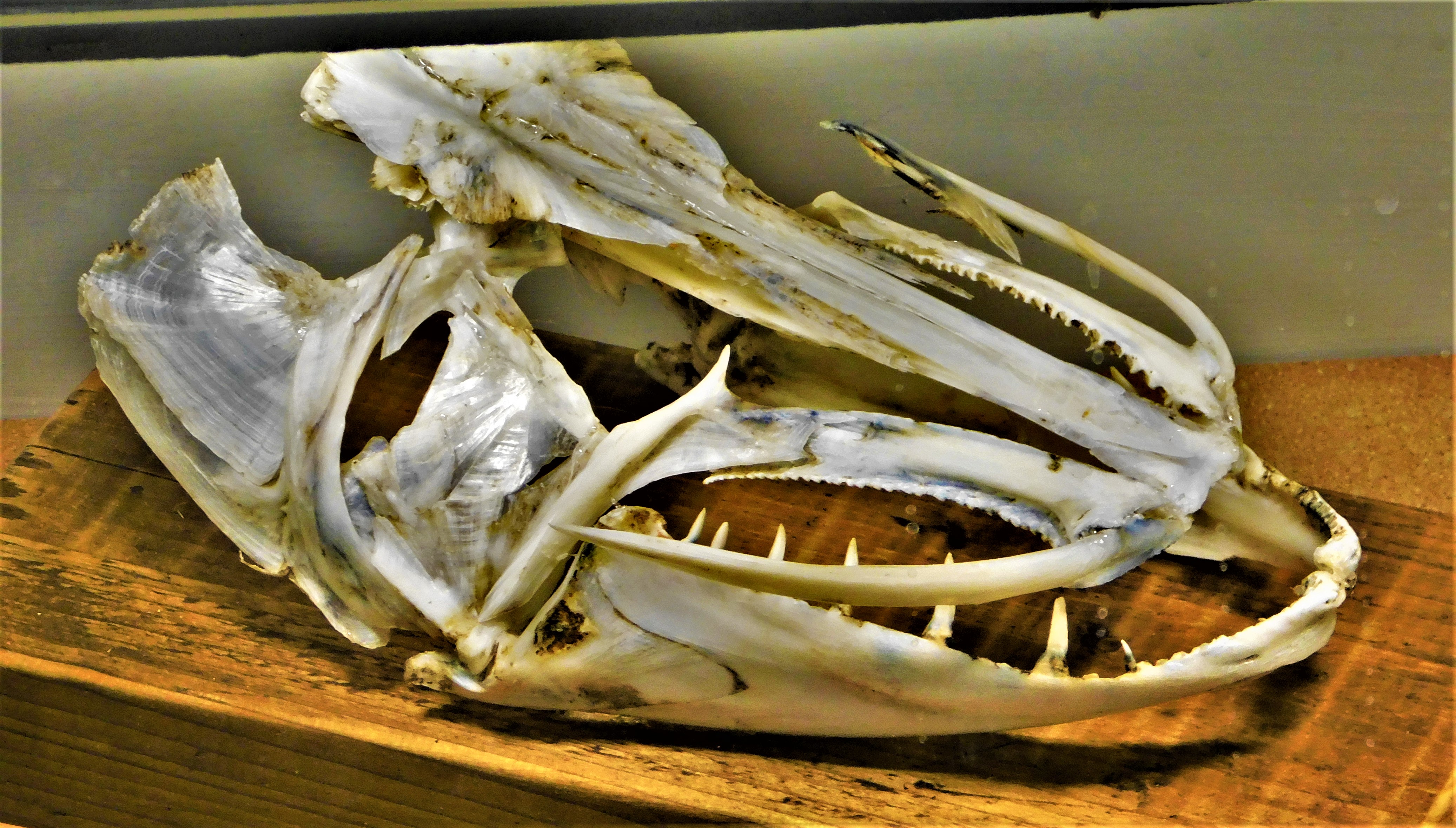
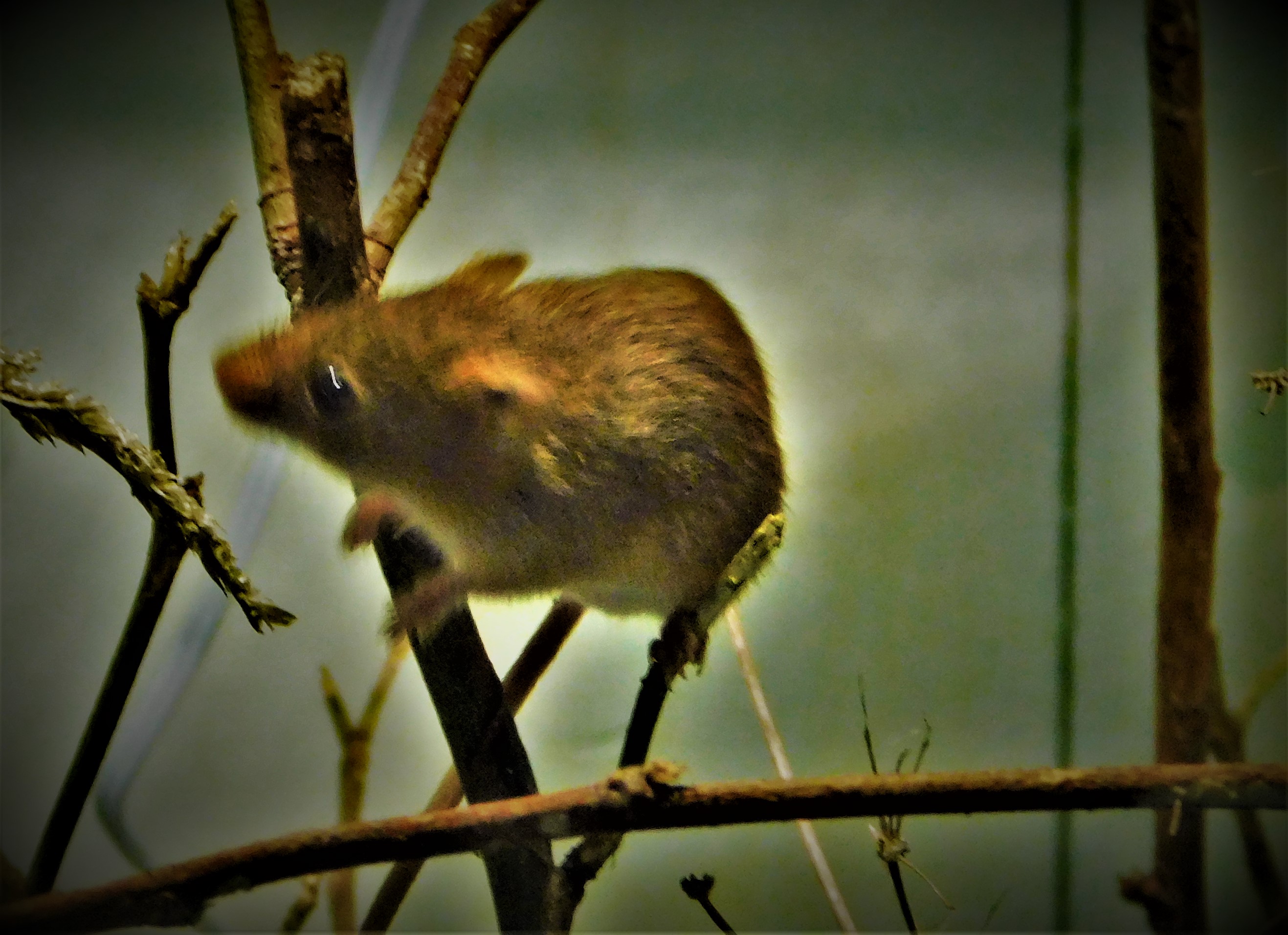
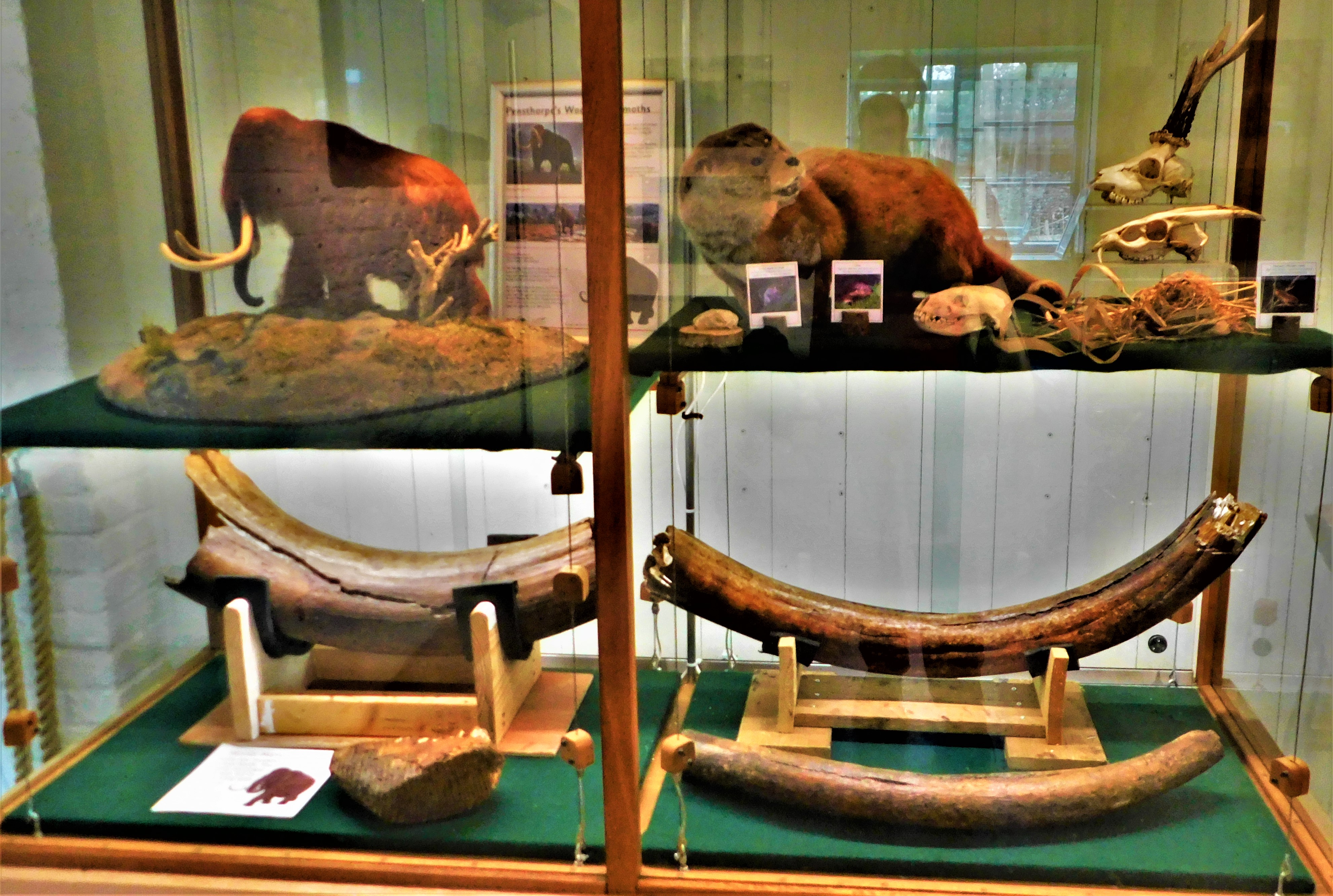
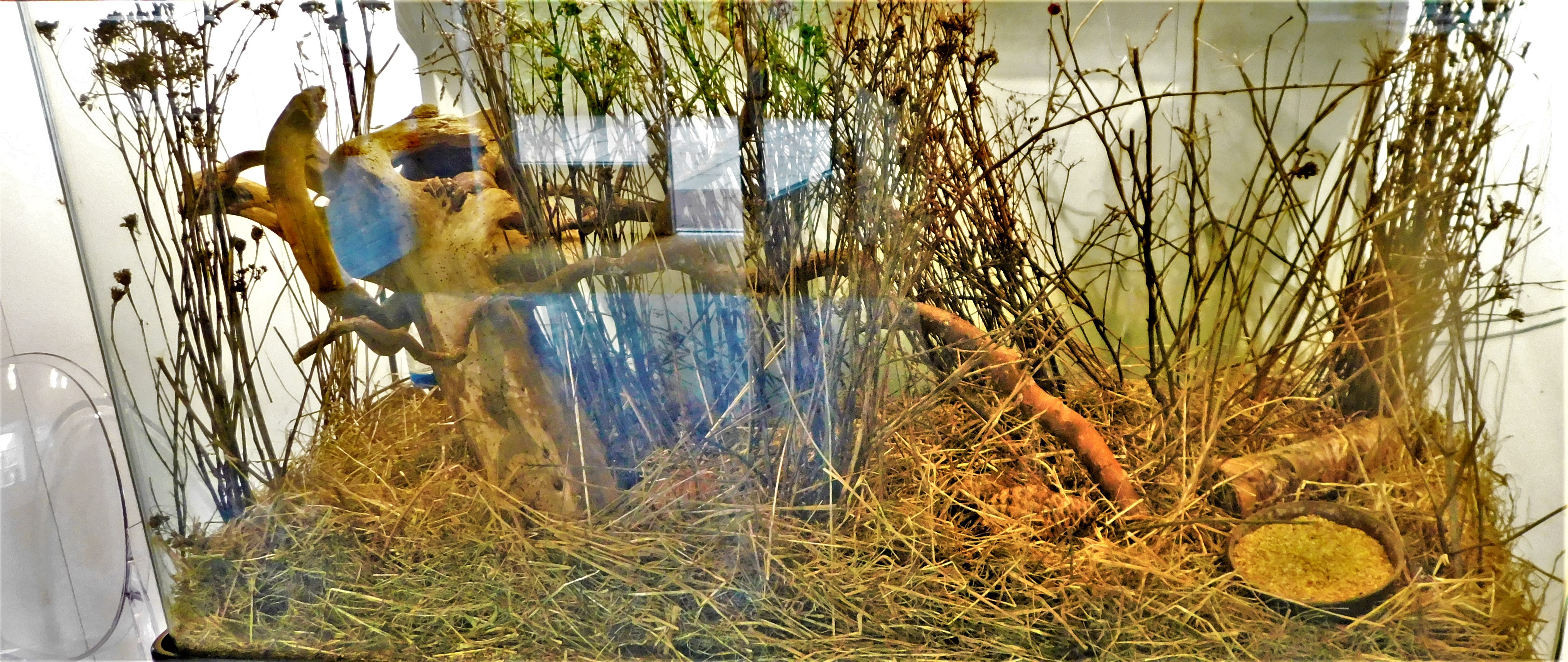
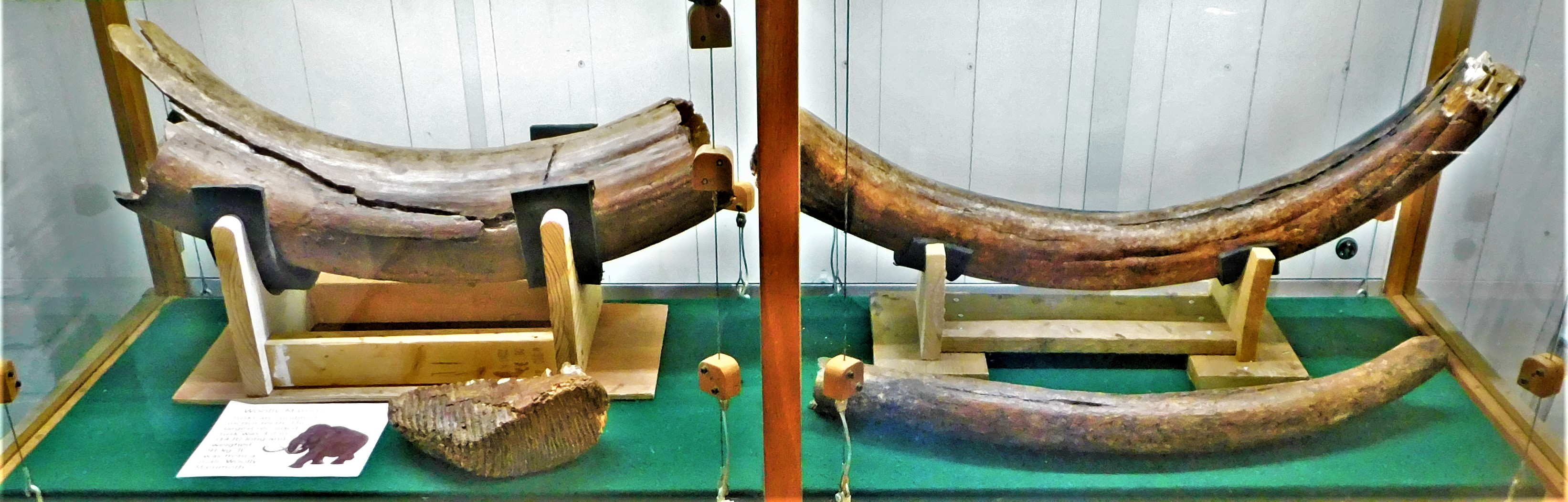
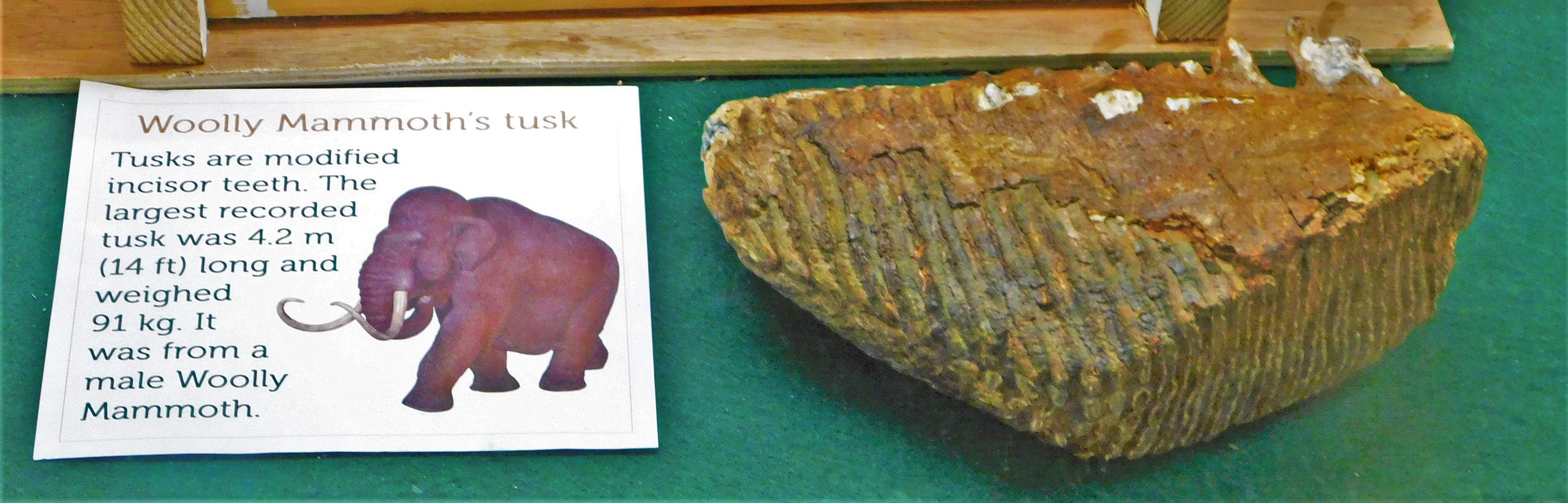
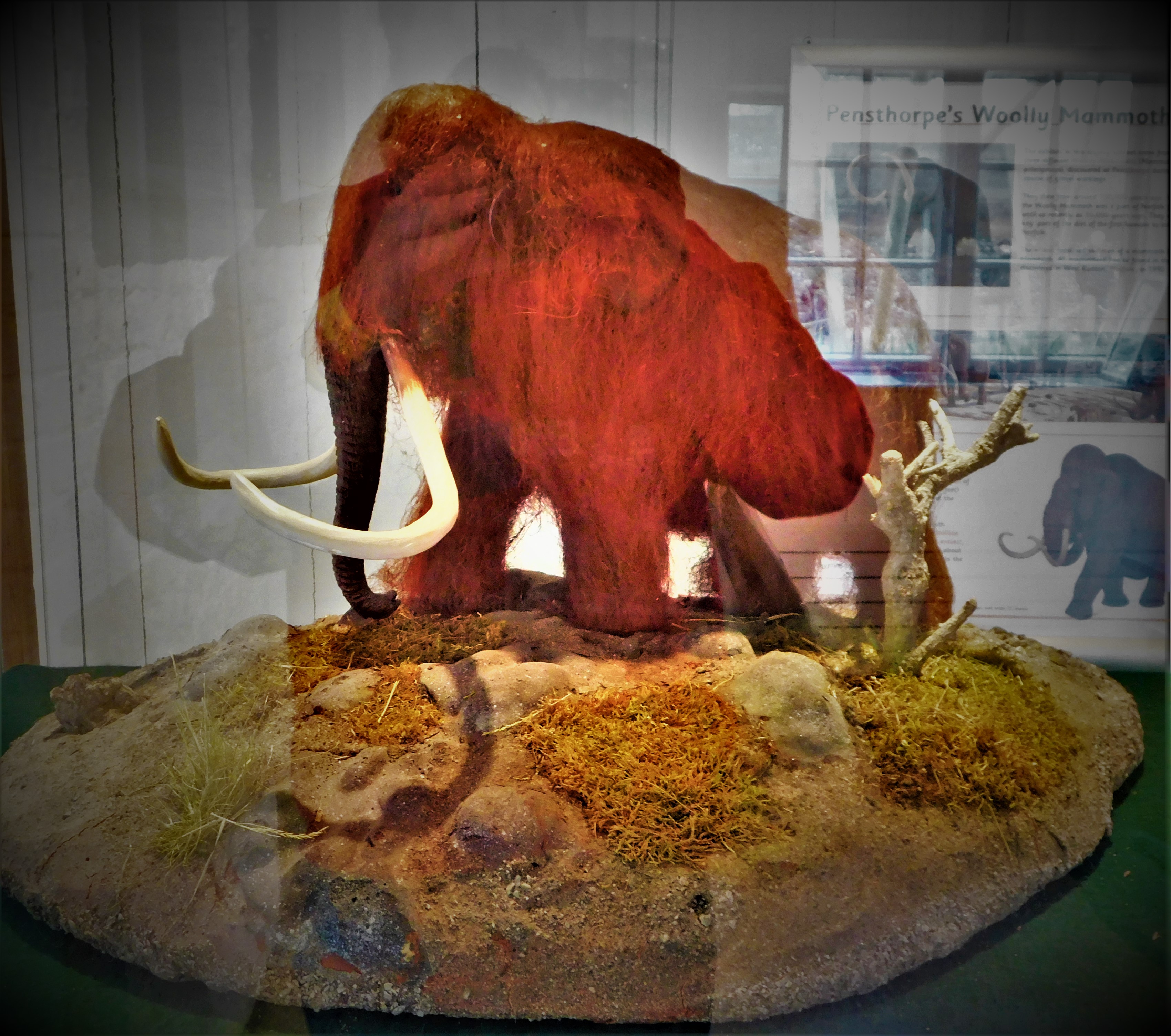
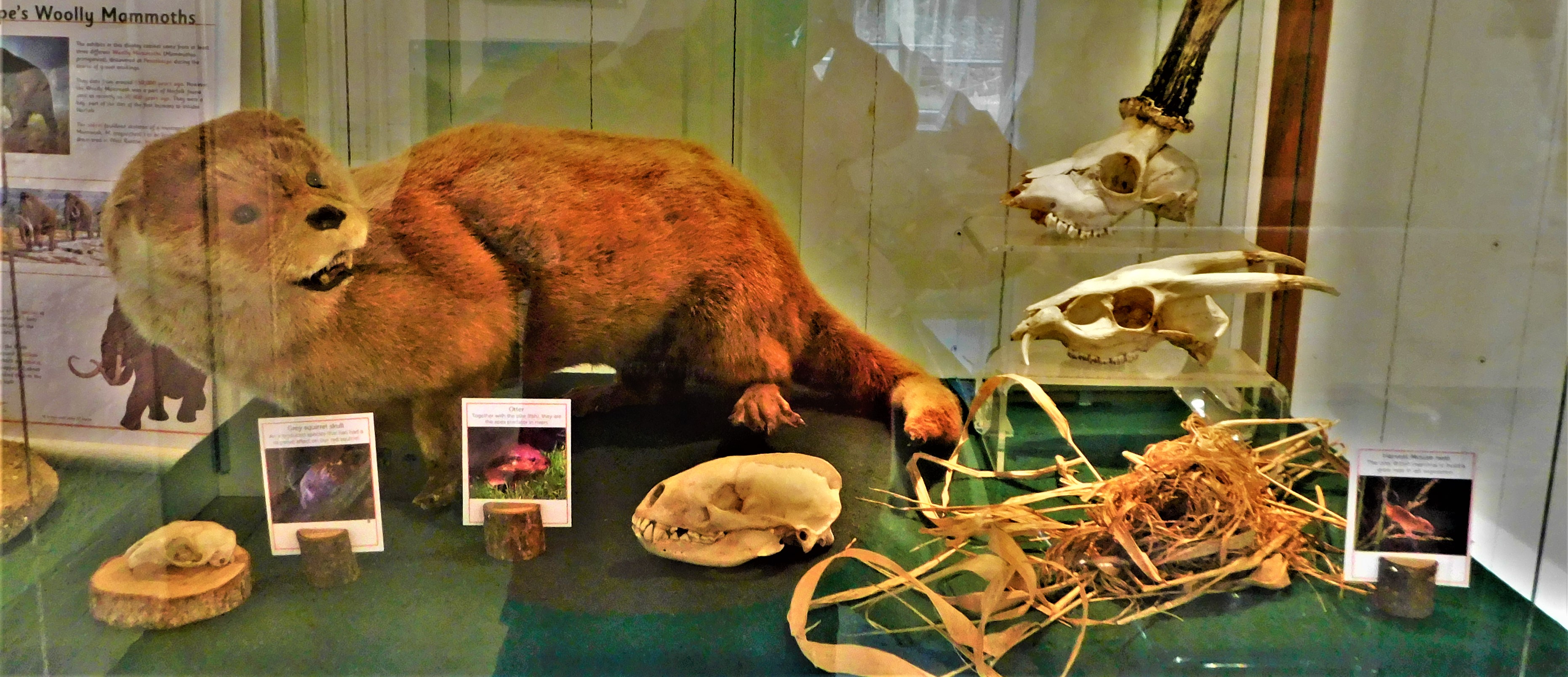
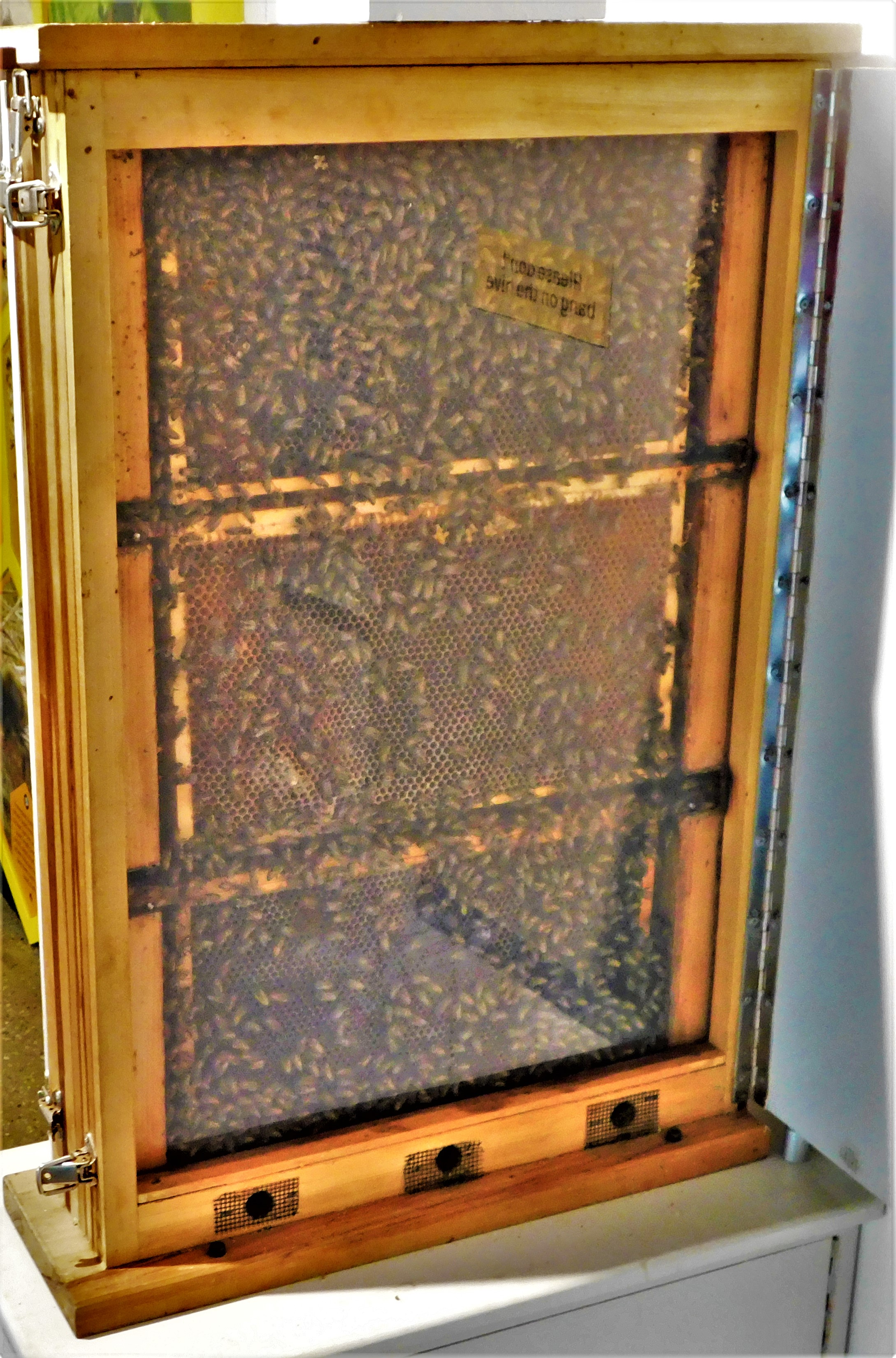
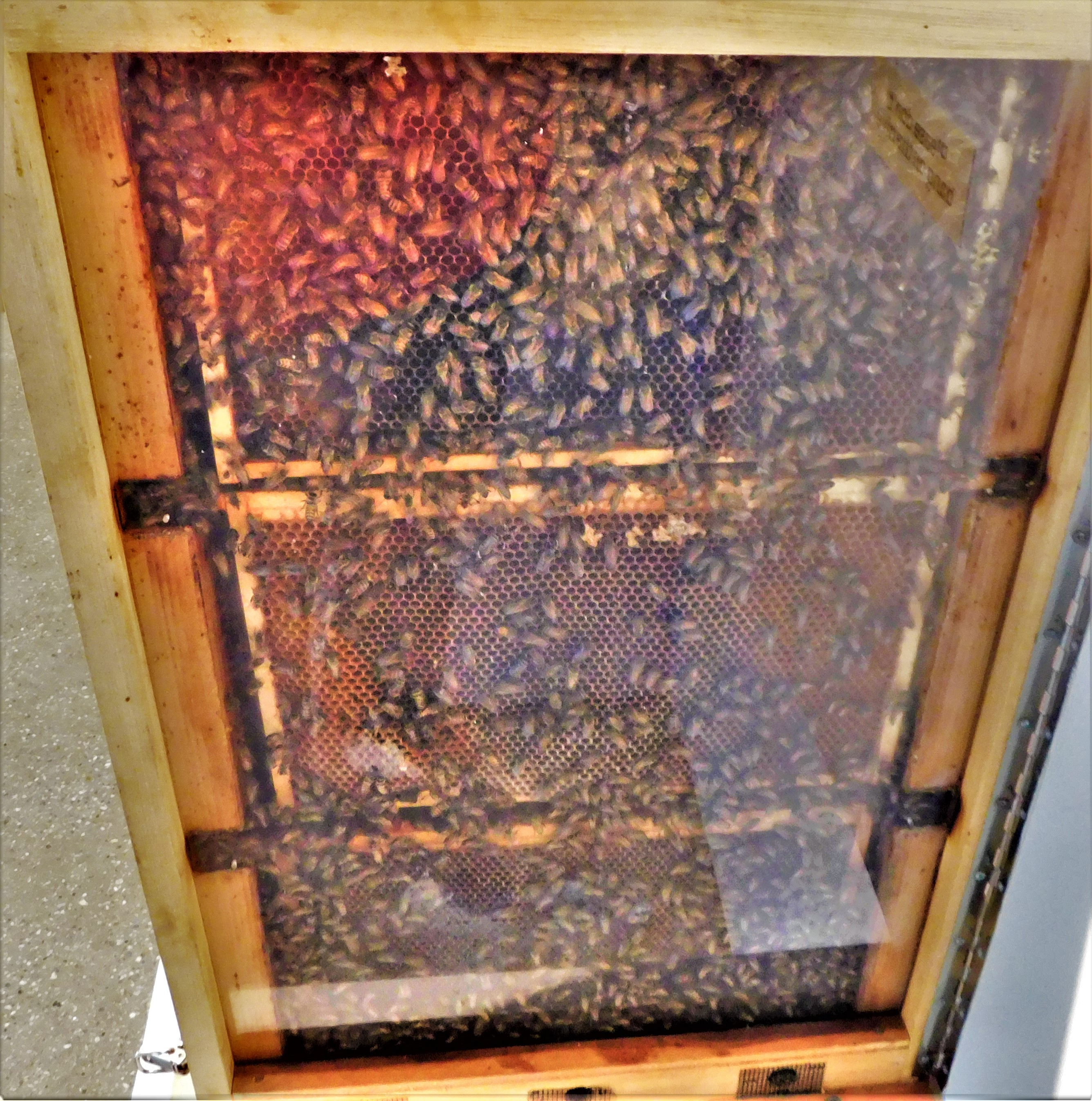
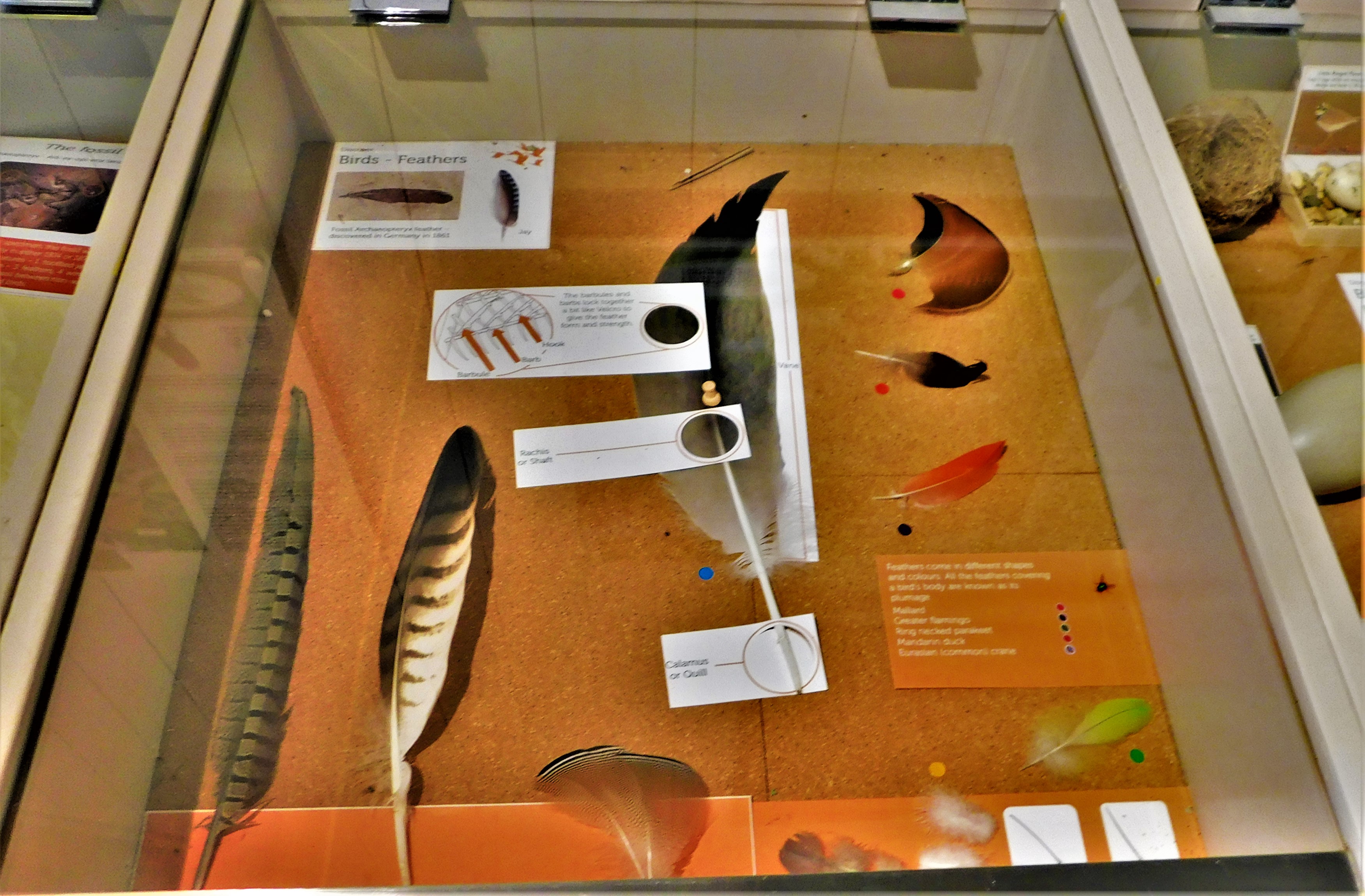
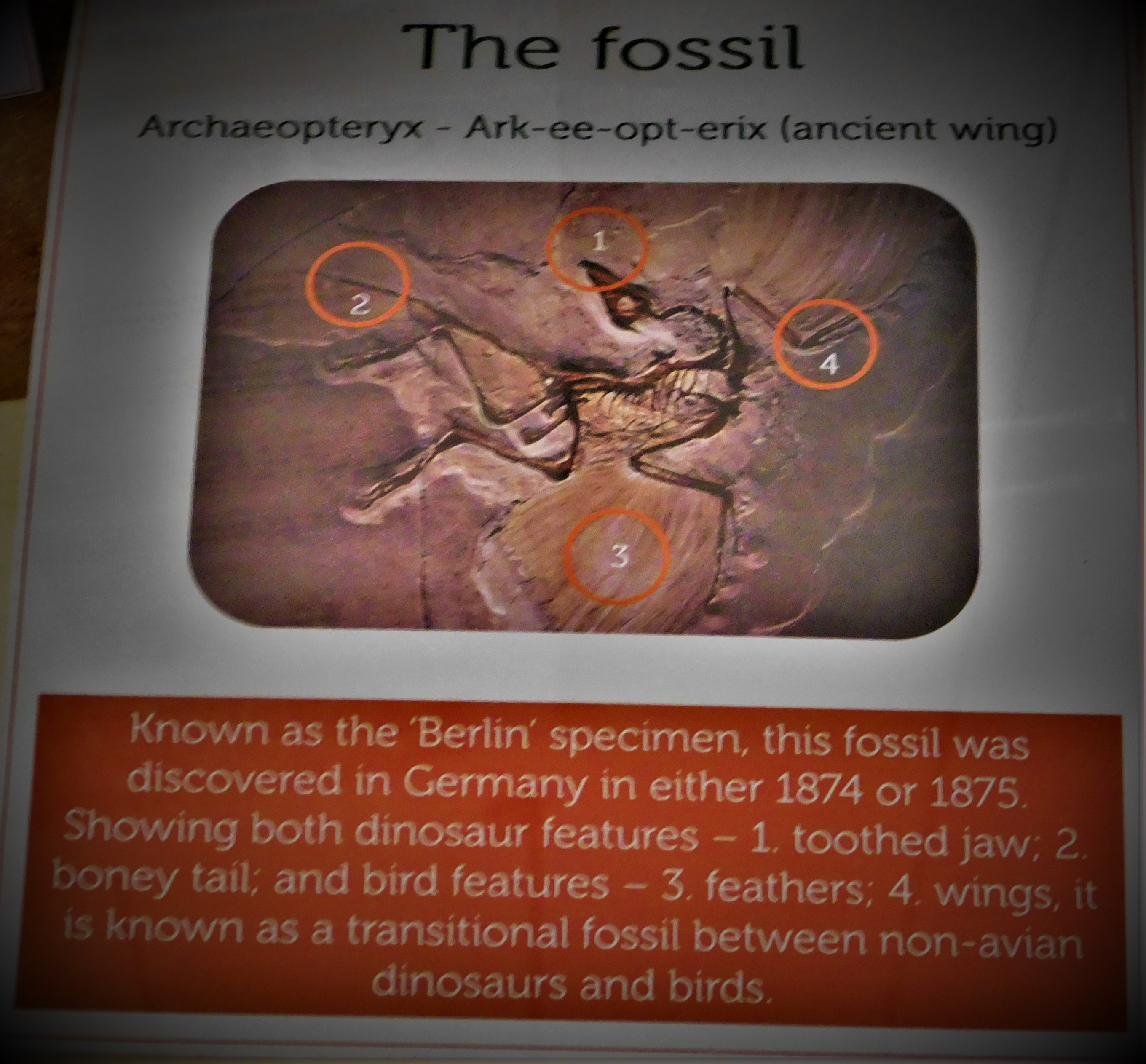
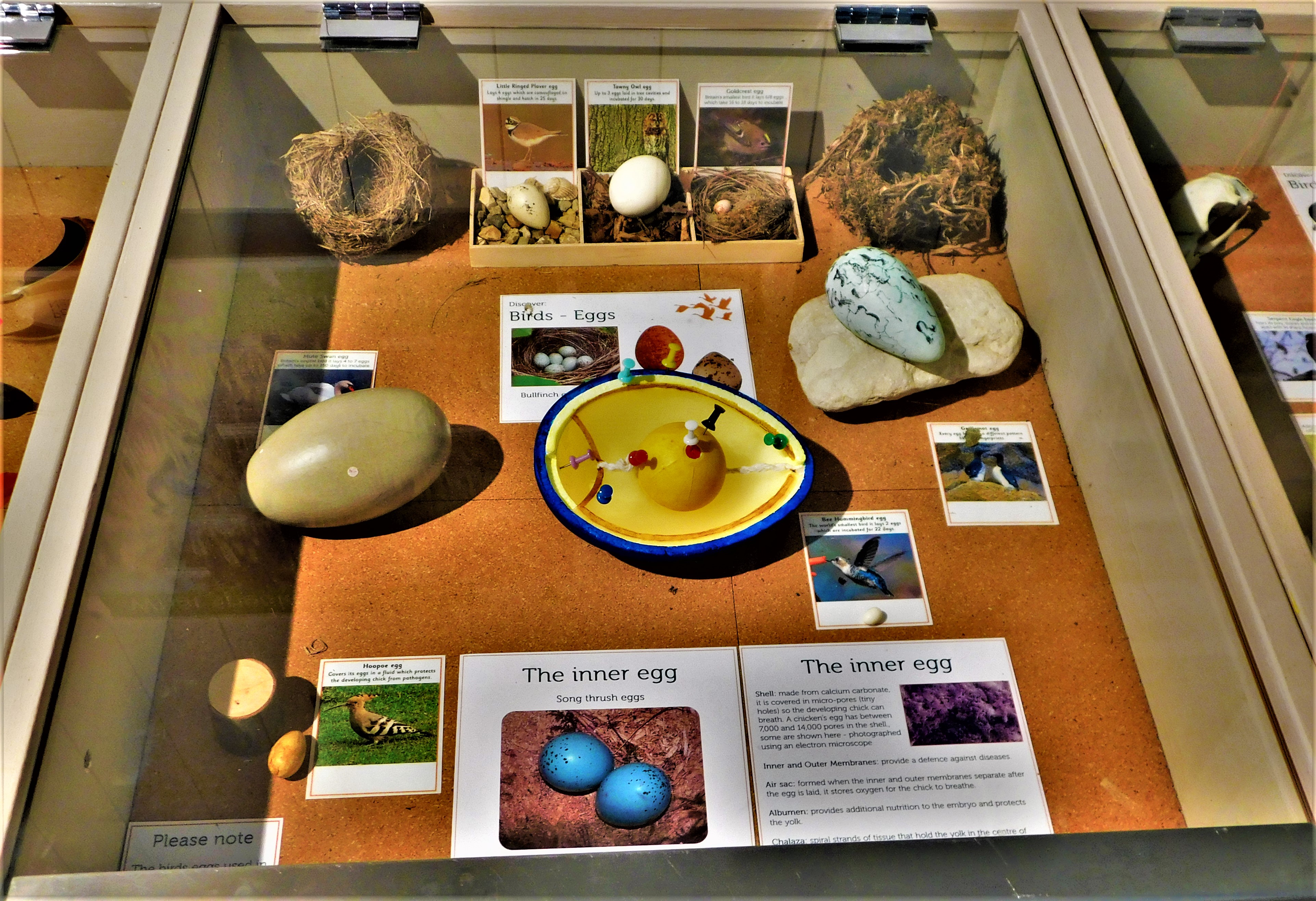
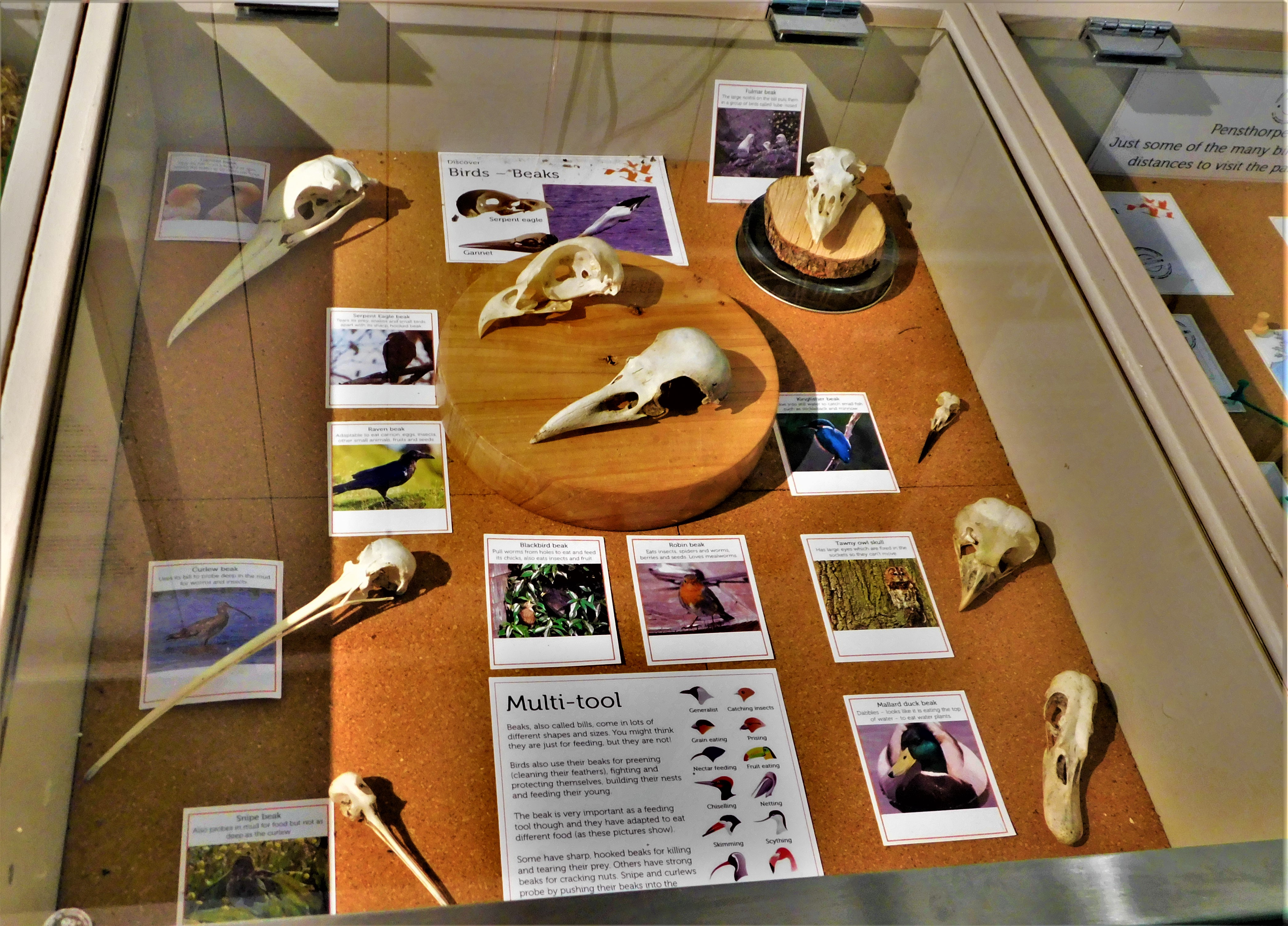
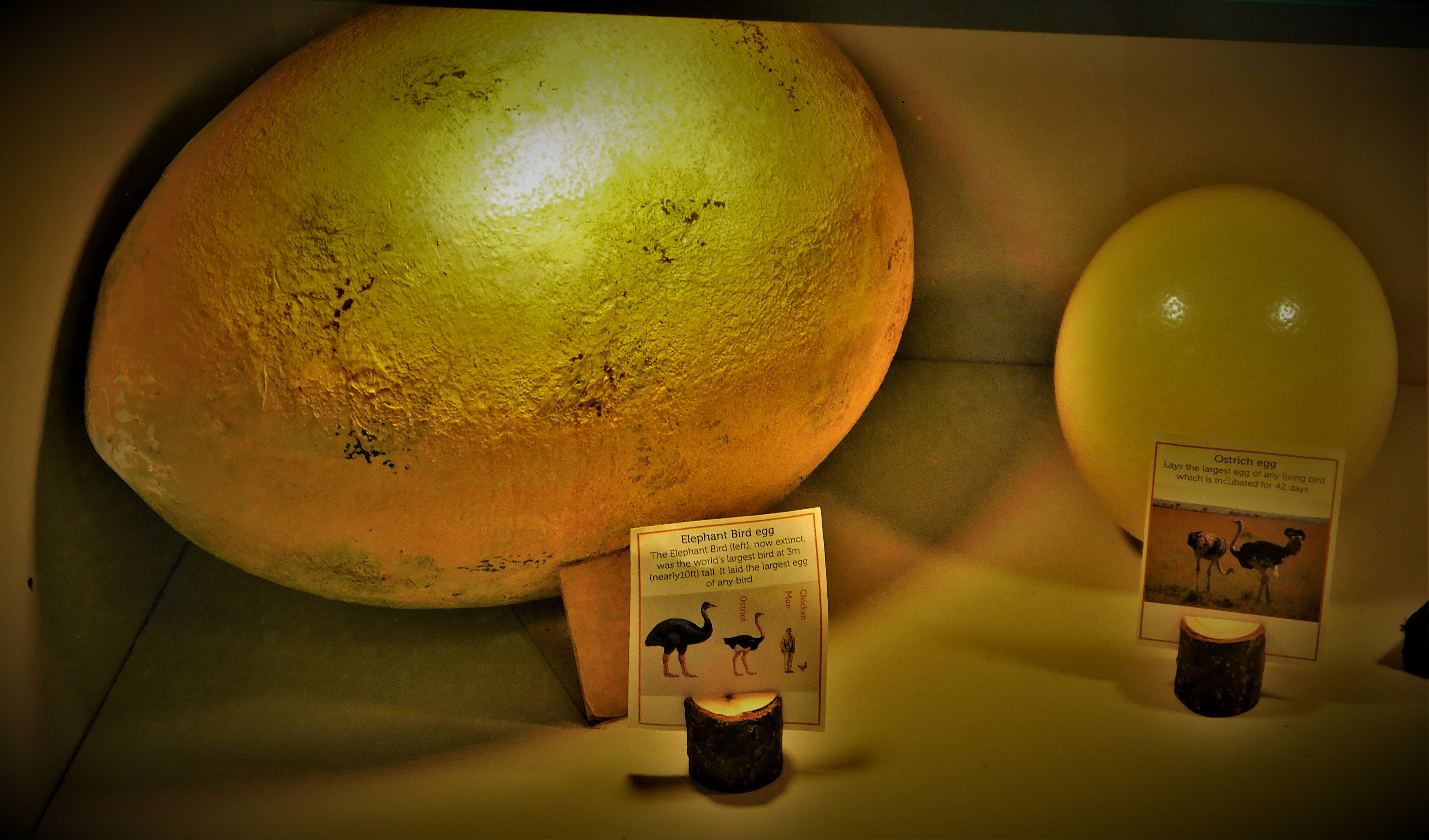
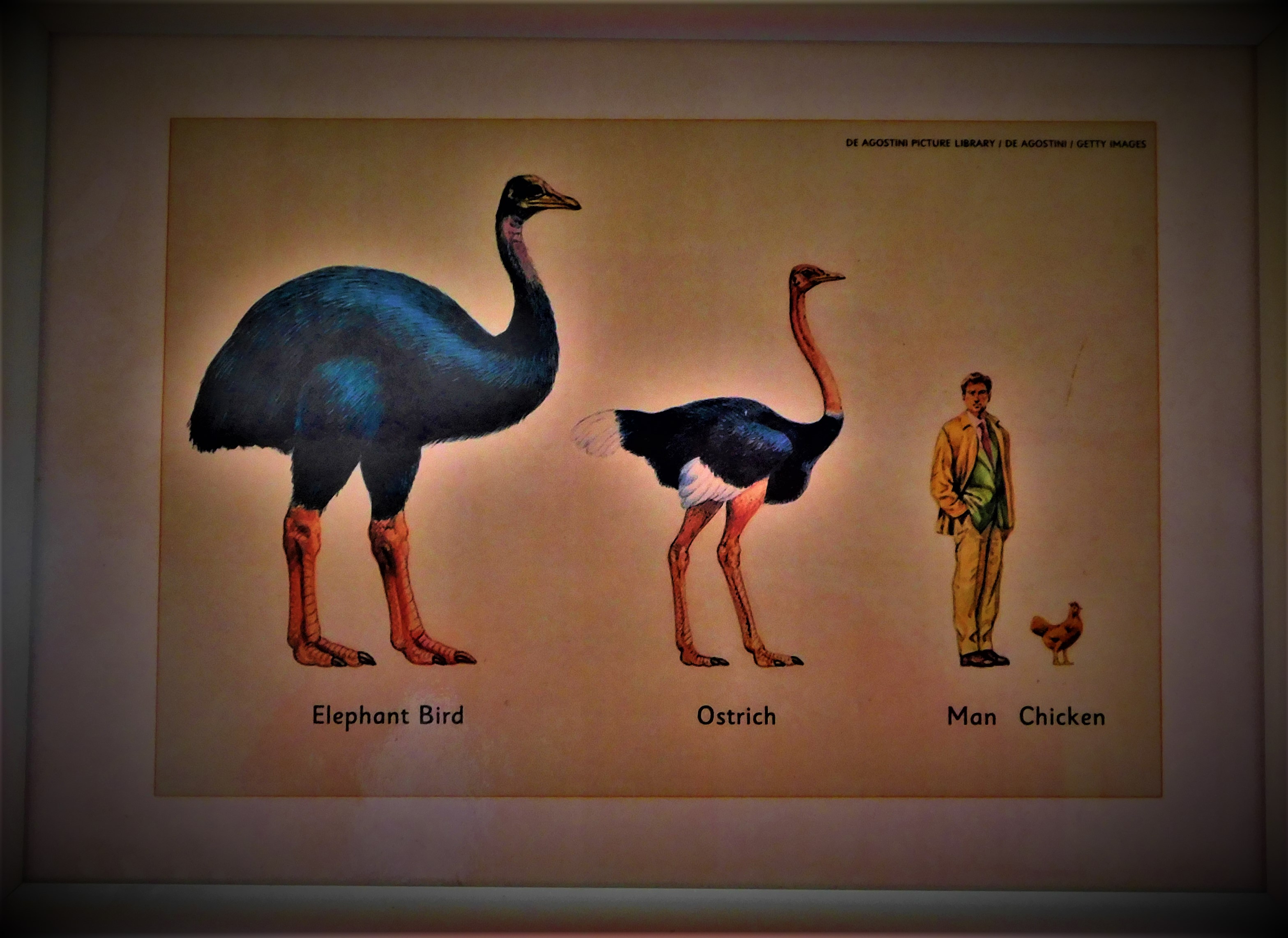
The discovery centre at Pensthorpe contains many features of interest, including a harvest mouse, a glass fronted beehive, a tank containing small water creatures, exhibits about bird evolution and giant birds, some woolly mammoth remains, dating back approximately 10,500 years to a time when Norfolk was at the southern edge of a massive ice sheet extending all the way from the north pole, and other stuff. It is also inside, which on day like Saturday gave it extra value – I made a total of three visits…
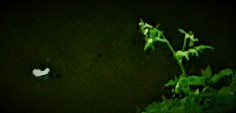
A rare occasion on which the harvest mouse made itself visible.
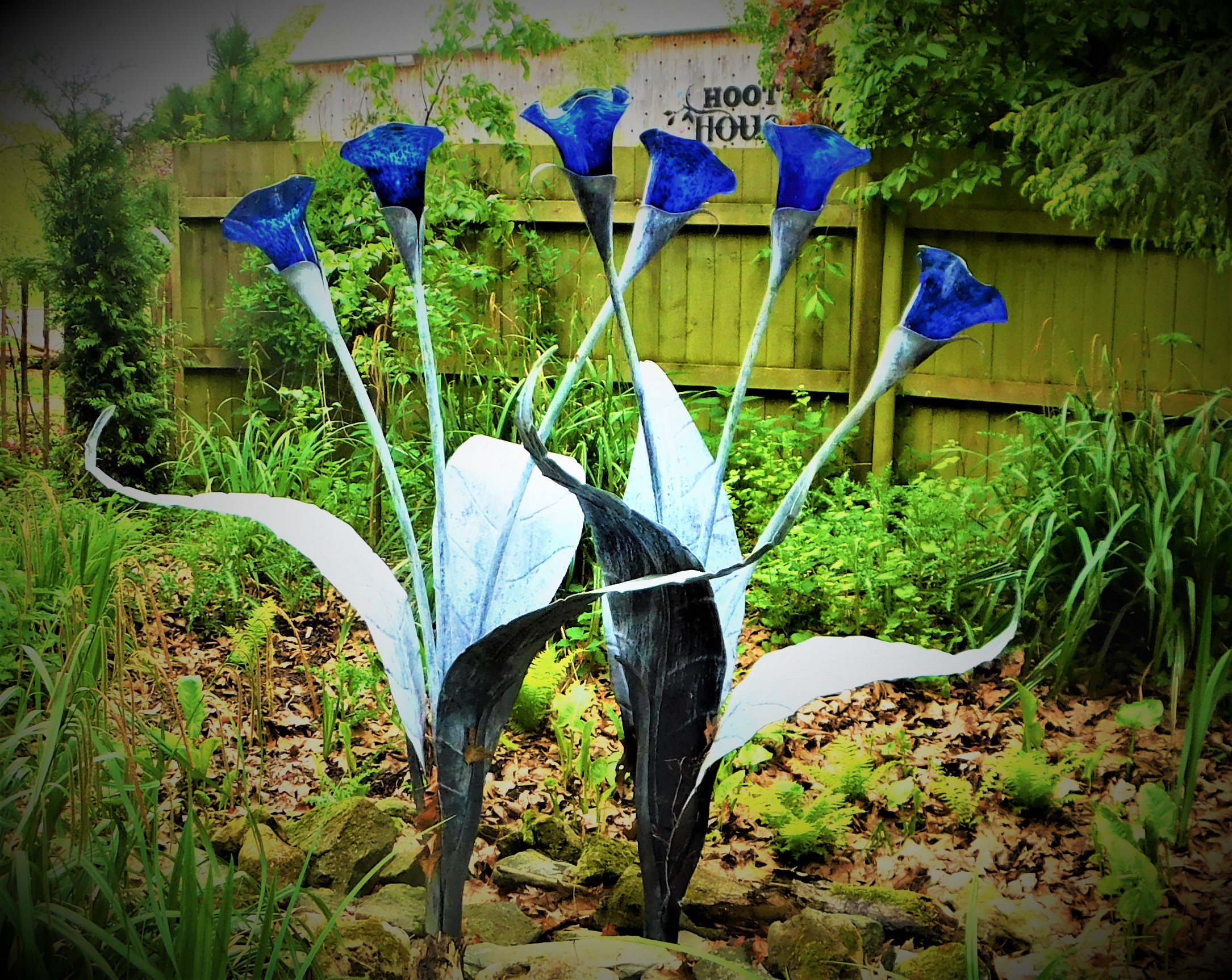
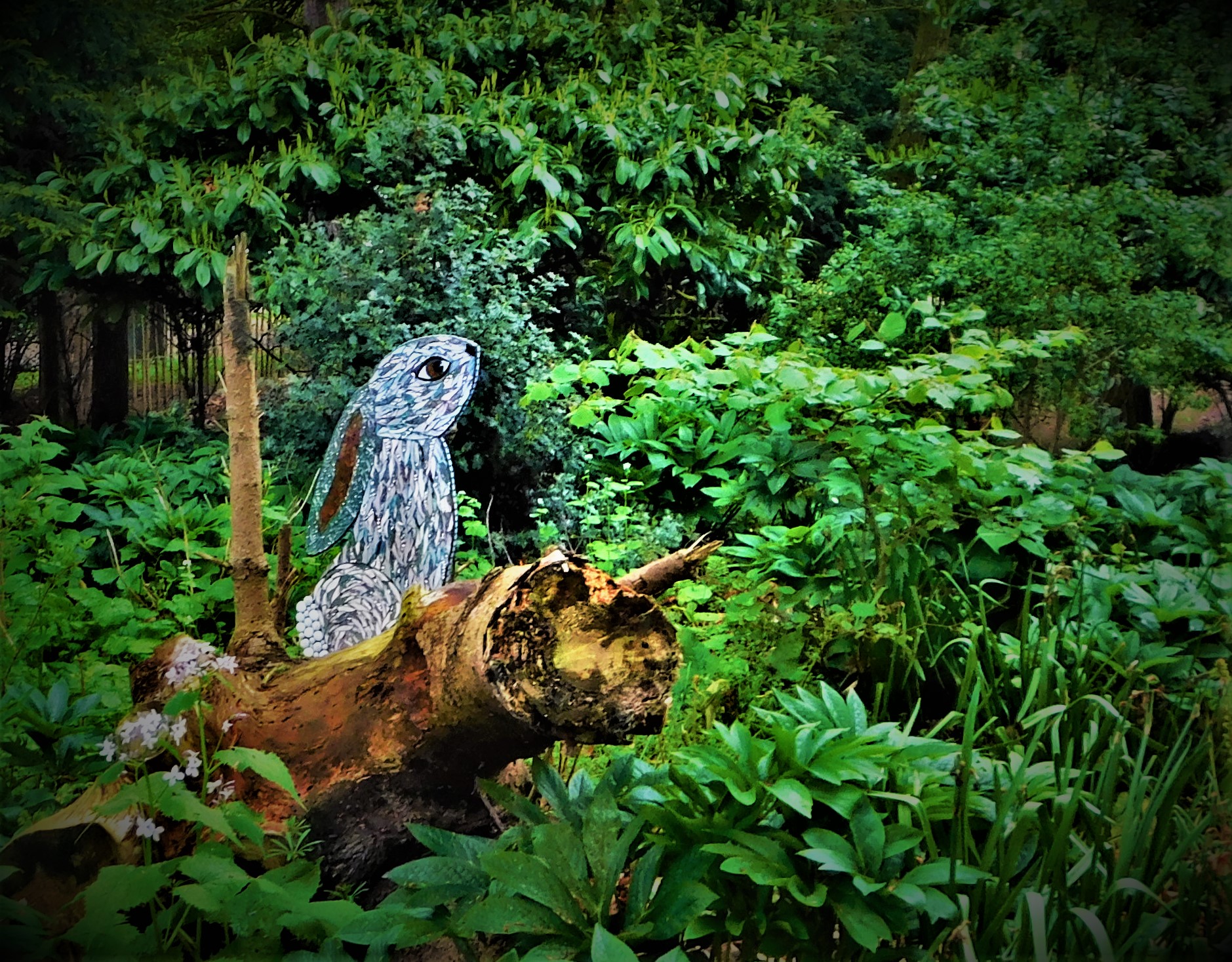
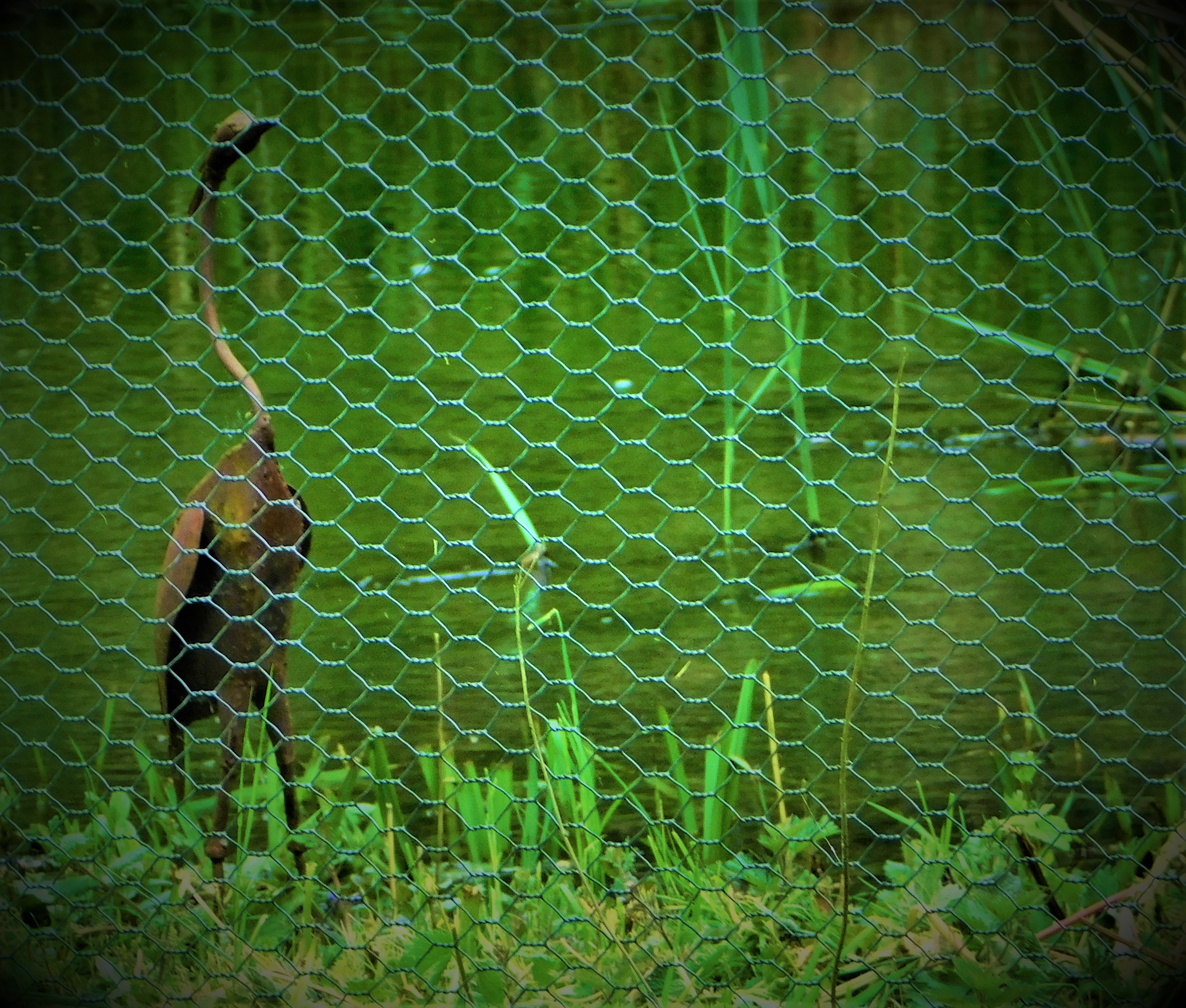
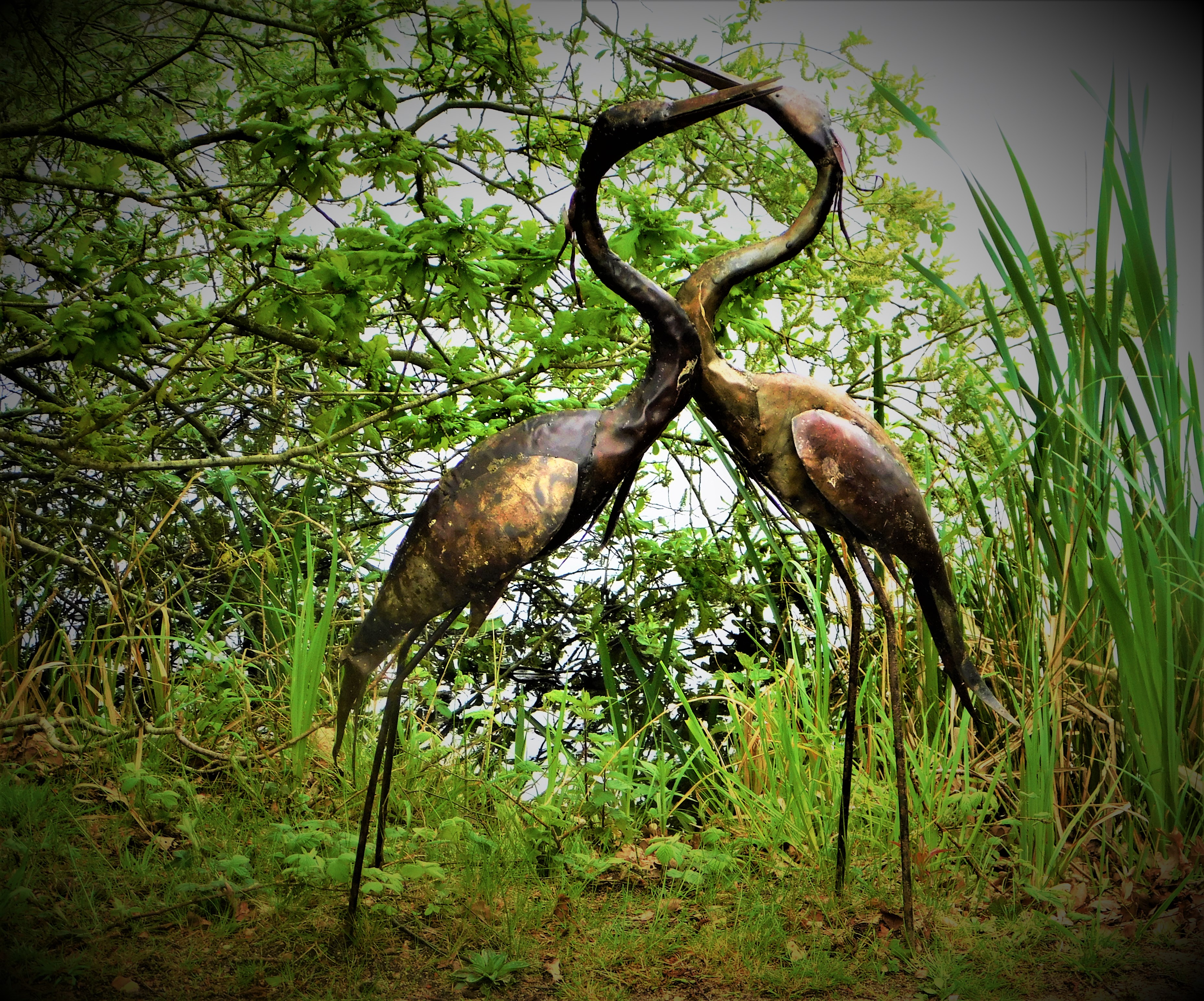
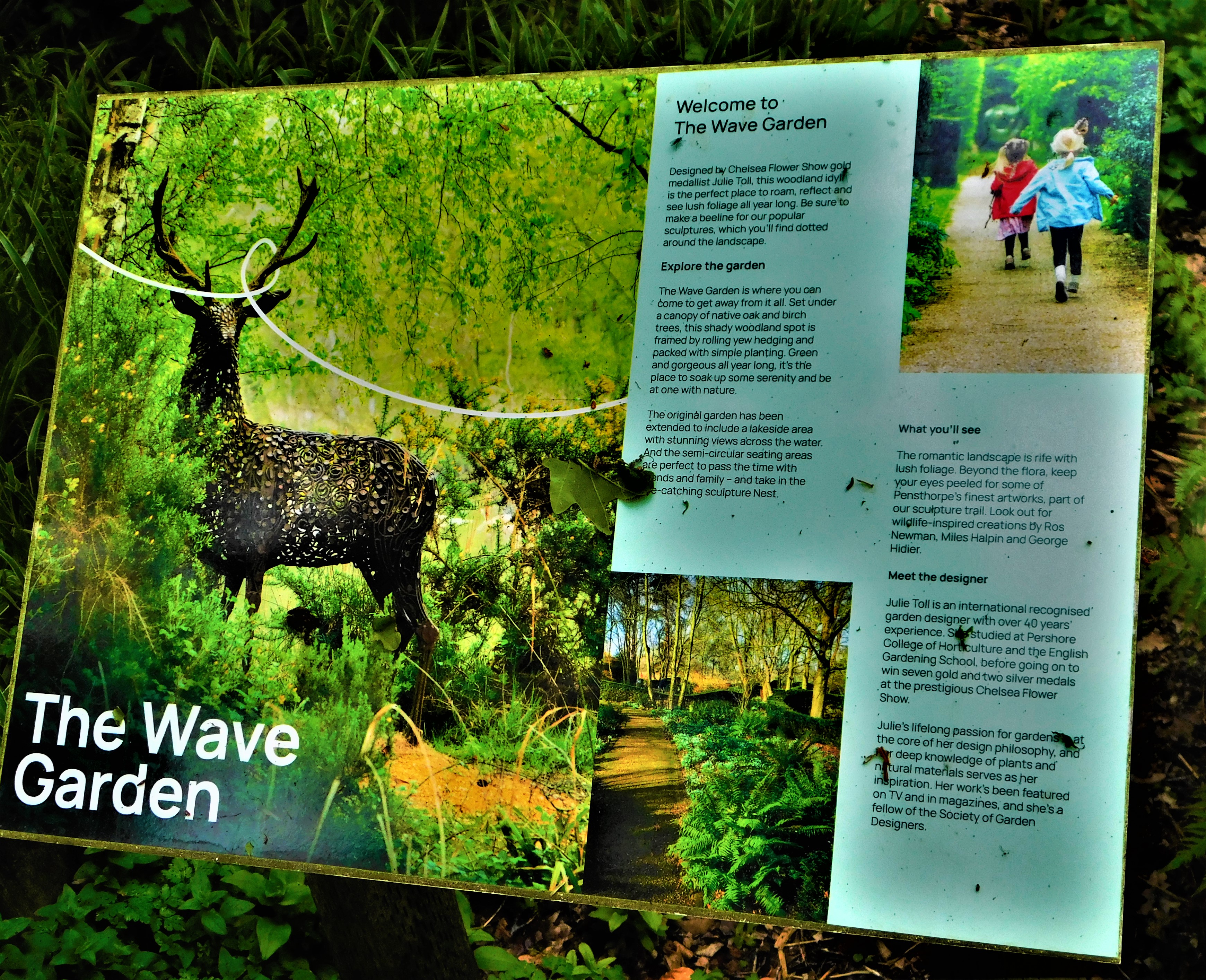
THE SCULPTURES
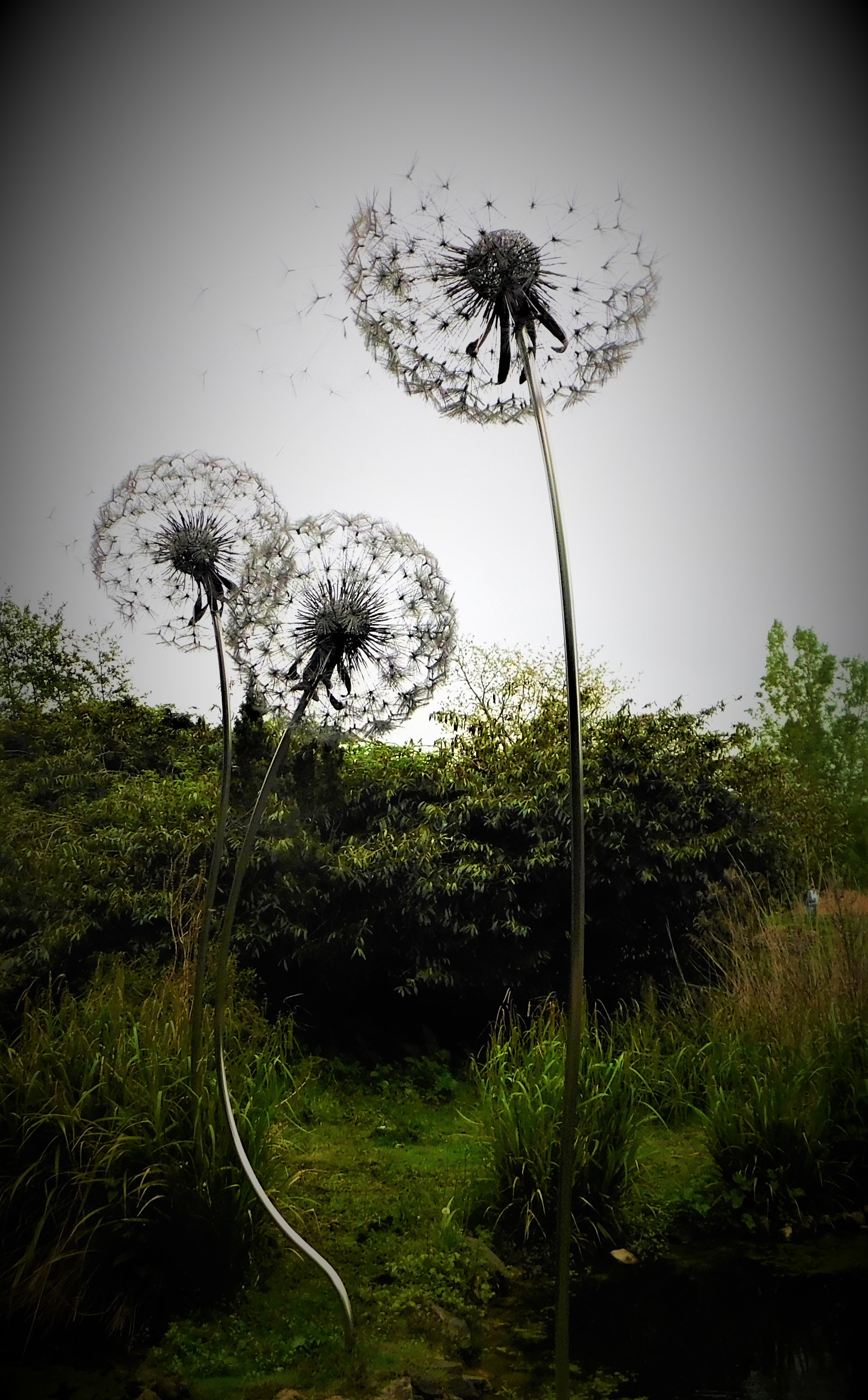
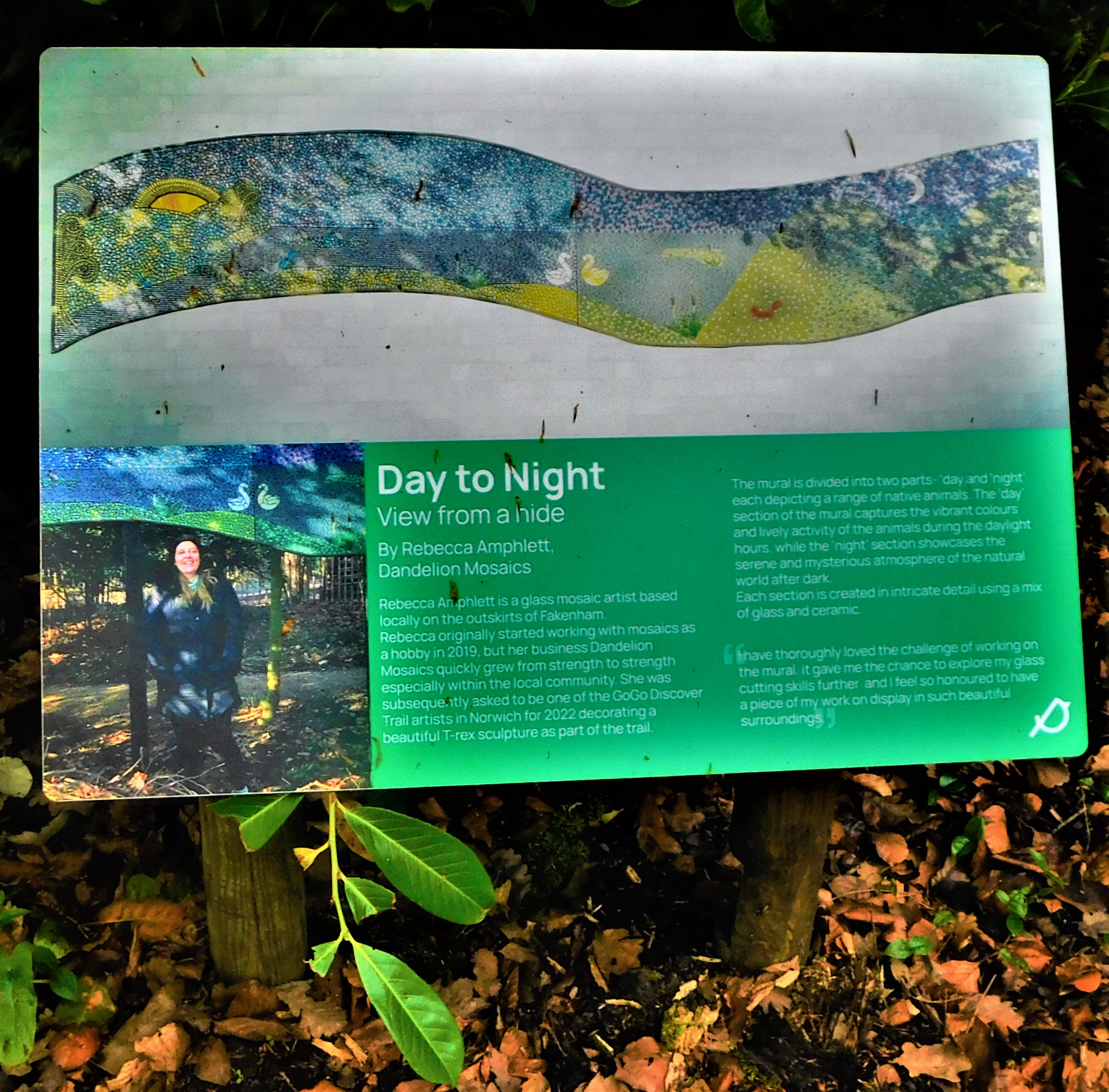
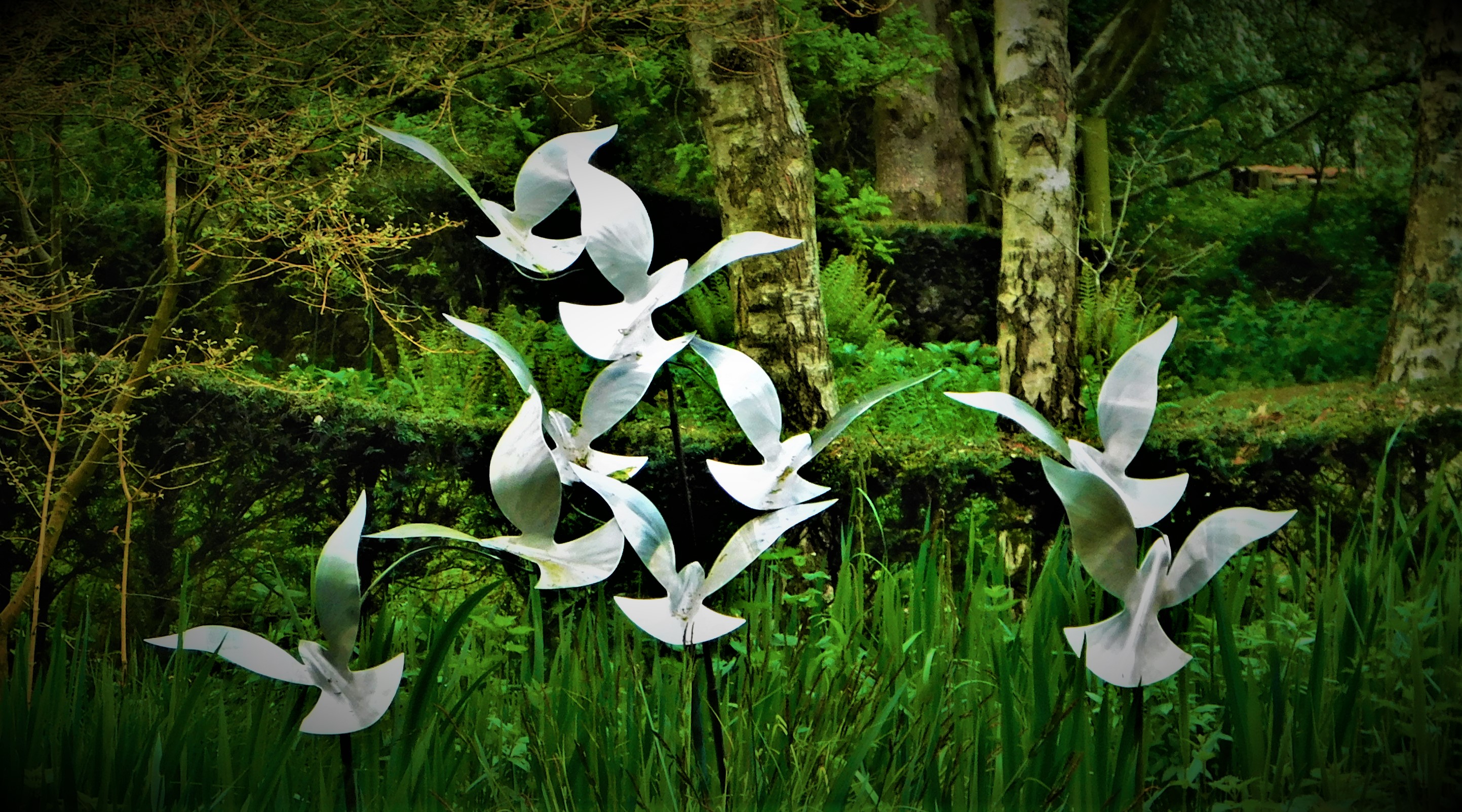
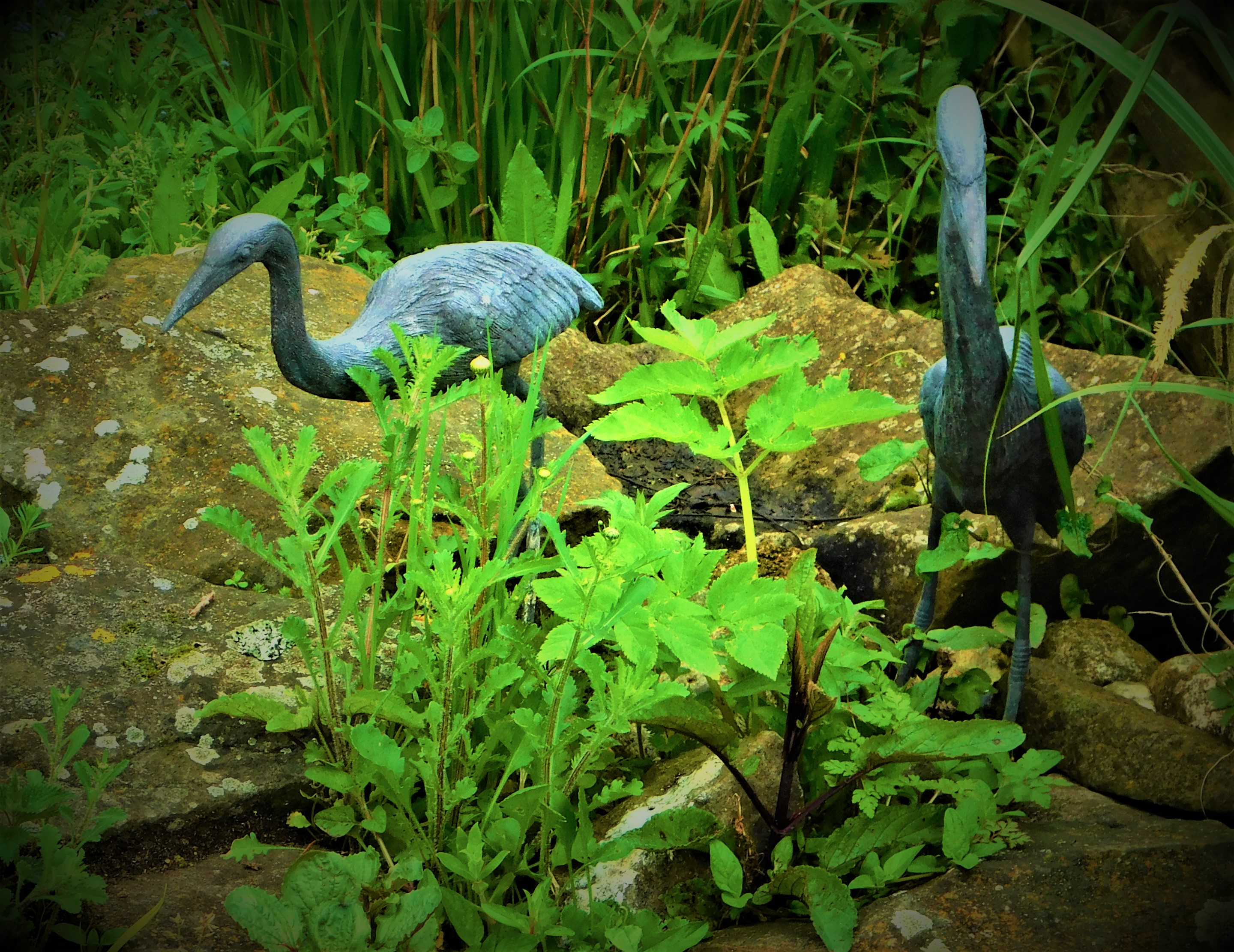
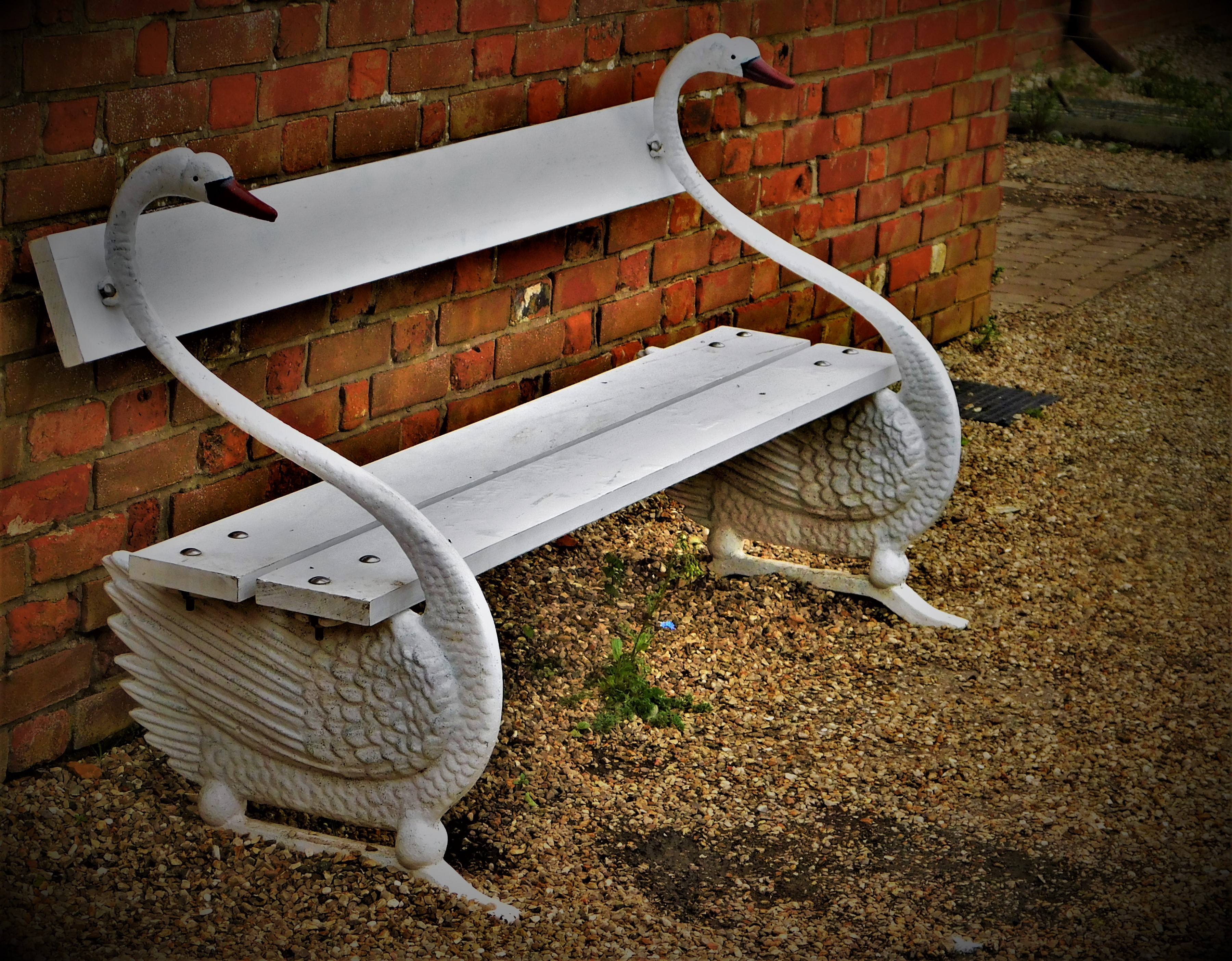
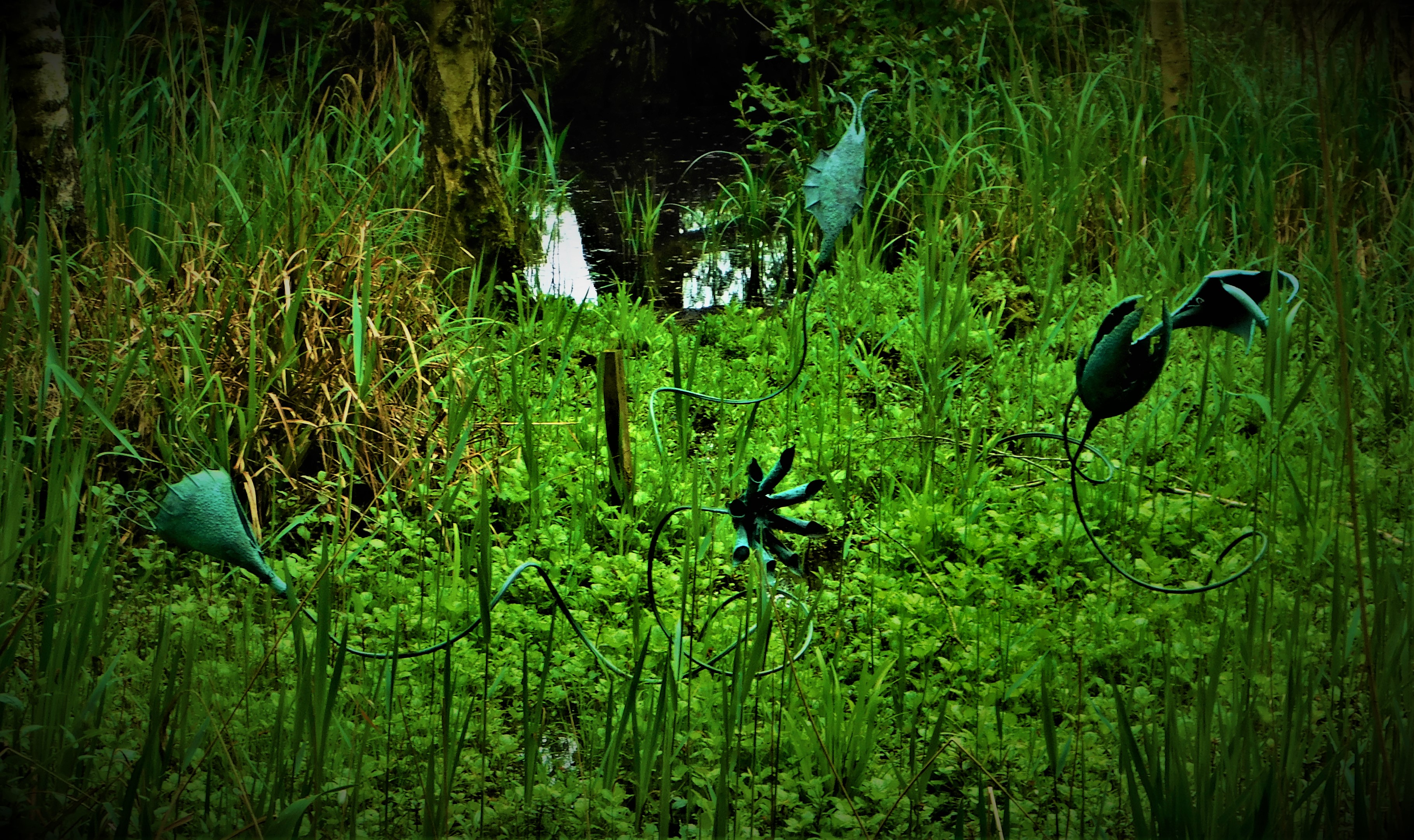
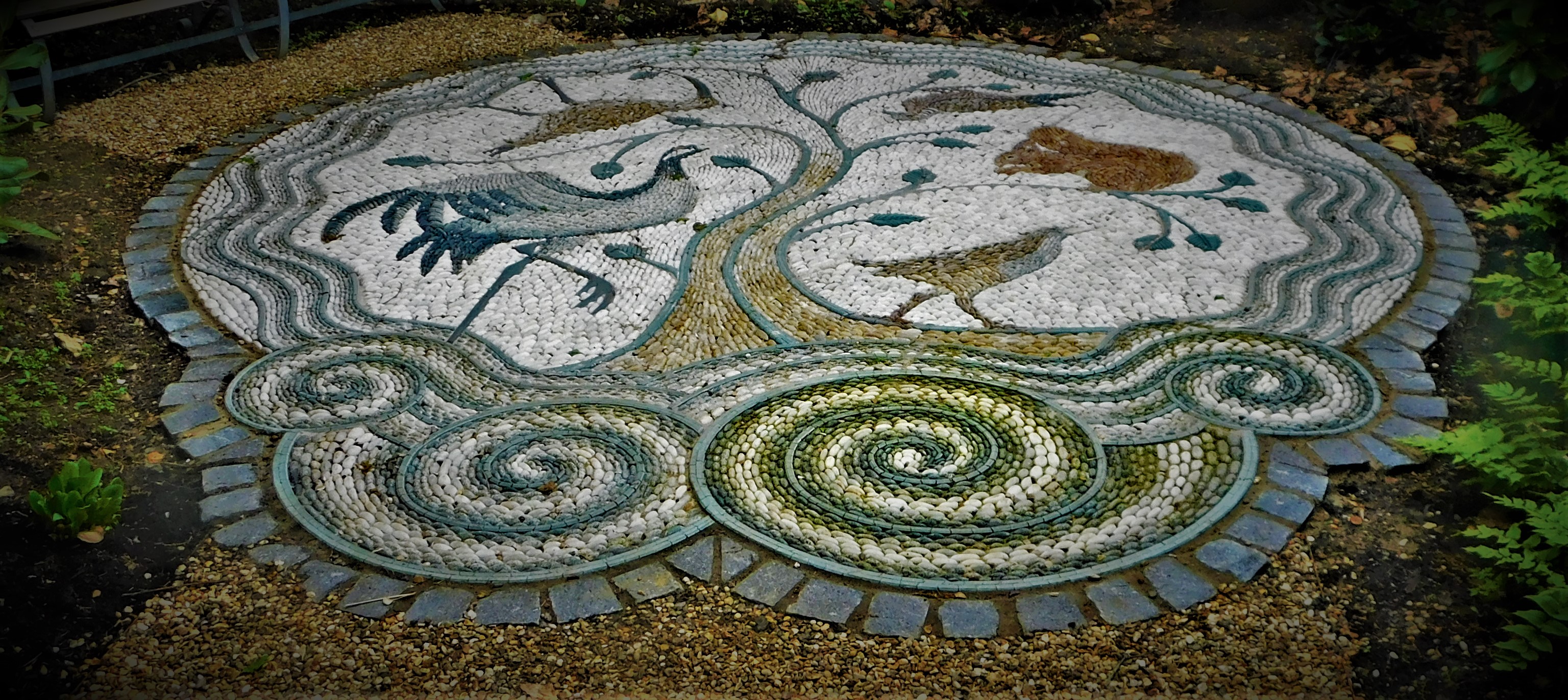
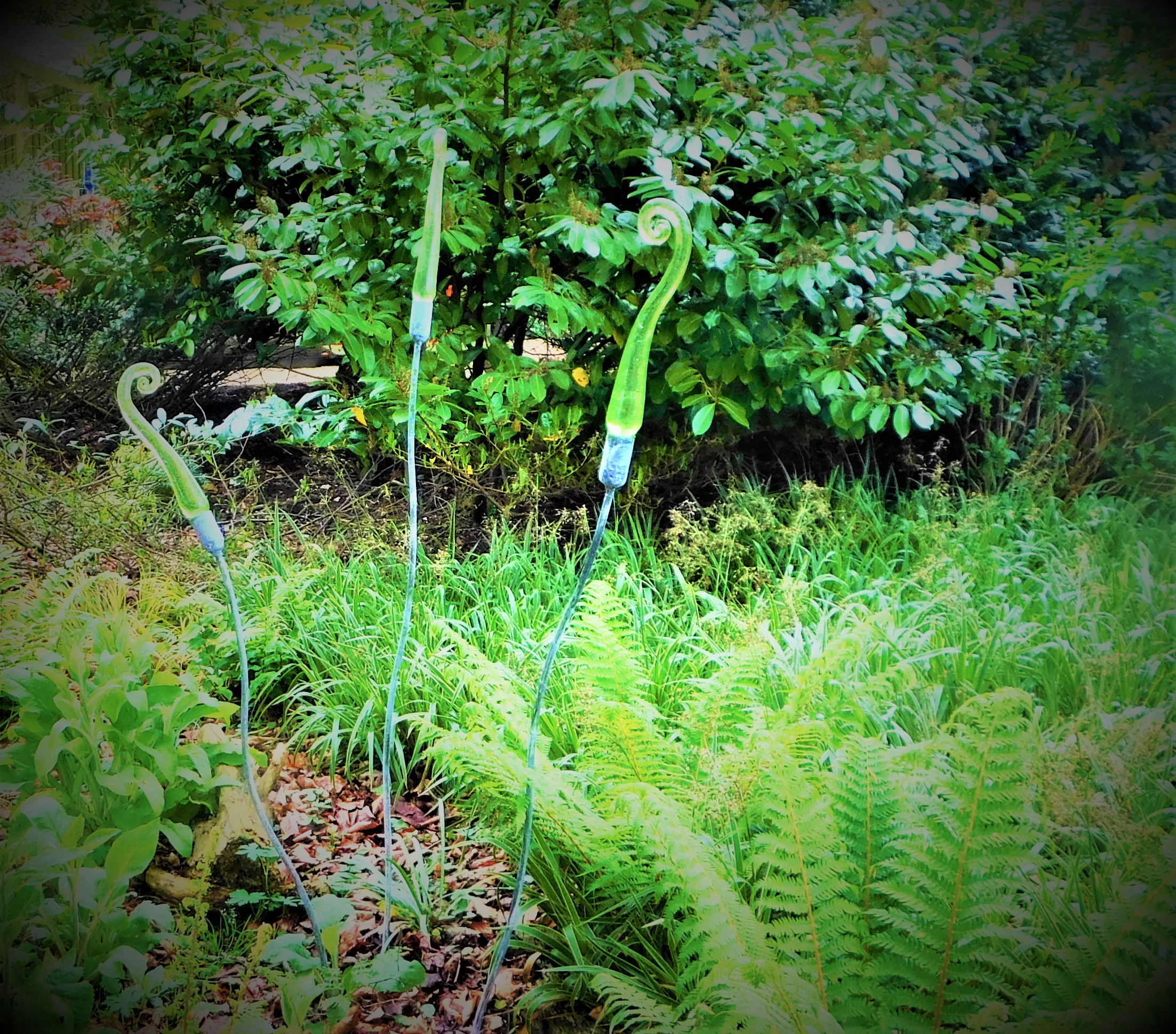
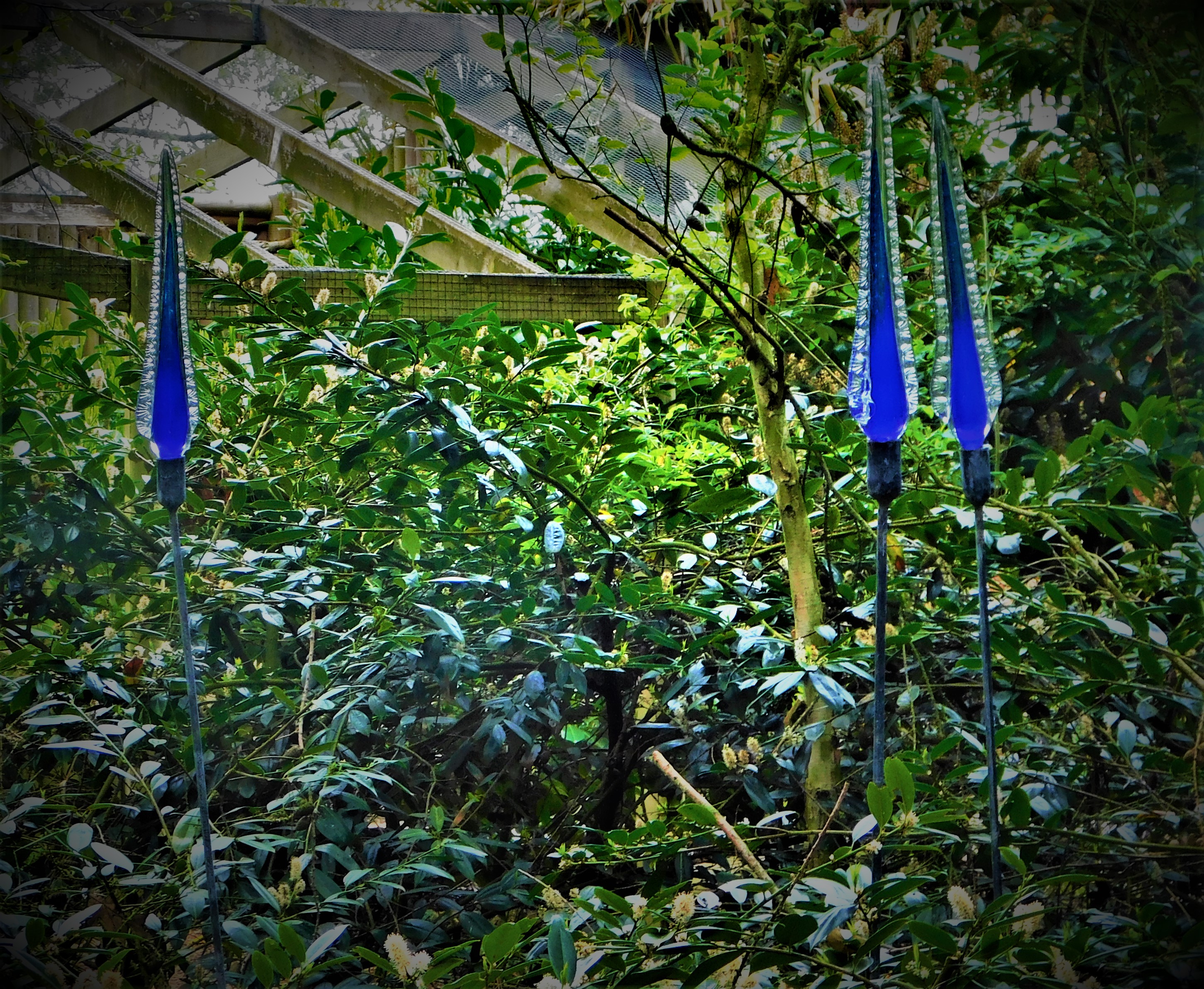
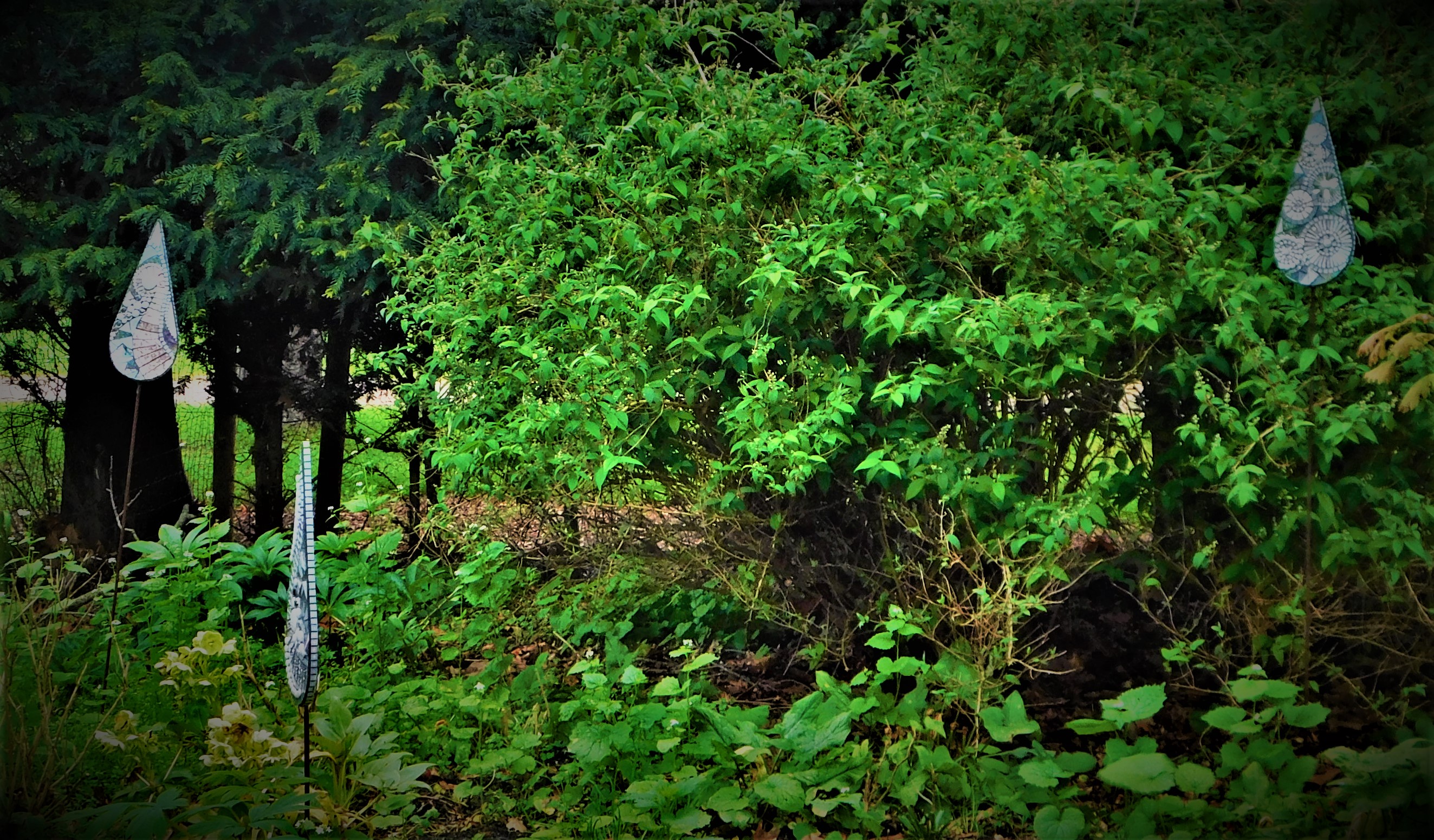
There are sculptures dotted around Pensthorpe, and they definitely enhance the experience. I have slightly extended the range of objects that would usually be described as sculptures by including a bench and also a mosaic. I did not specifically set myself a task of finding and imaging sculptures, I just imaged them when I happened to find them, but one could undoubtedly plan to identify and photograph every sculpture at Pensthorpe. I favour a freestyle approach to somewhere like Pensthorpe but some may prefer to be more regimented/ organized.
Continuing my mini-series about my visit to Pensthorpe with a look at the ducks and geese that I saw there, which include some exotic species as well as some commonplace ones.
This is the second post in my mini-series (the first is here) about my visit to Pensthorpe yesterday as part of a West Norfolk Autism Group excursion.
MIXING THE MAGNIFICENT AND THE MUNDANE
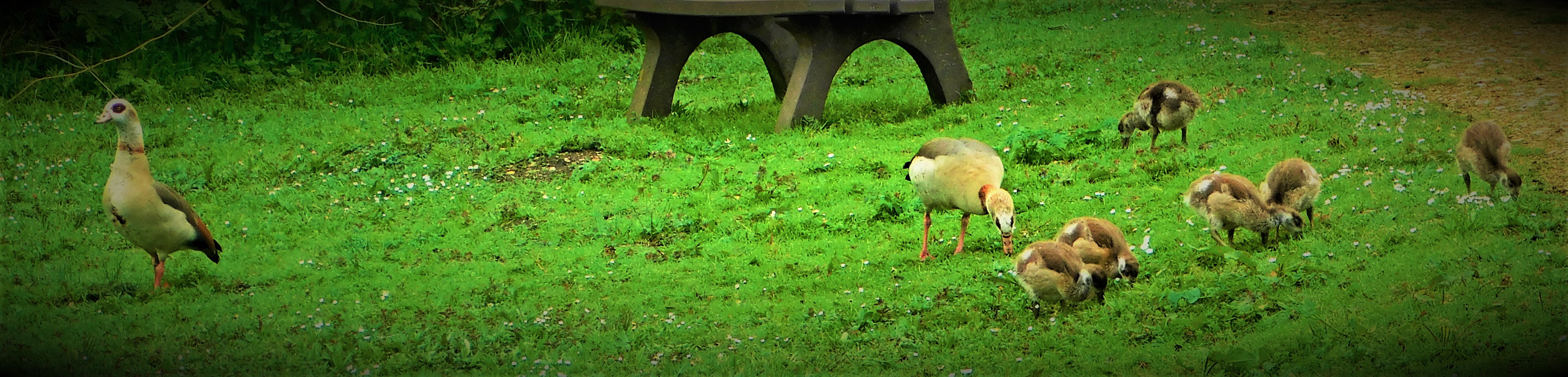
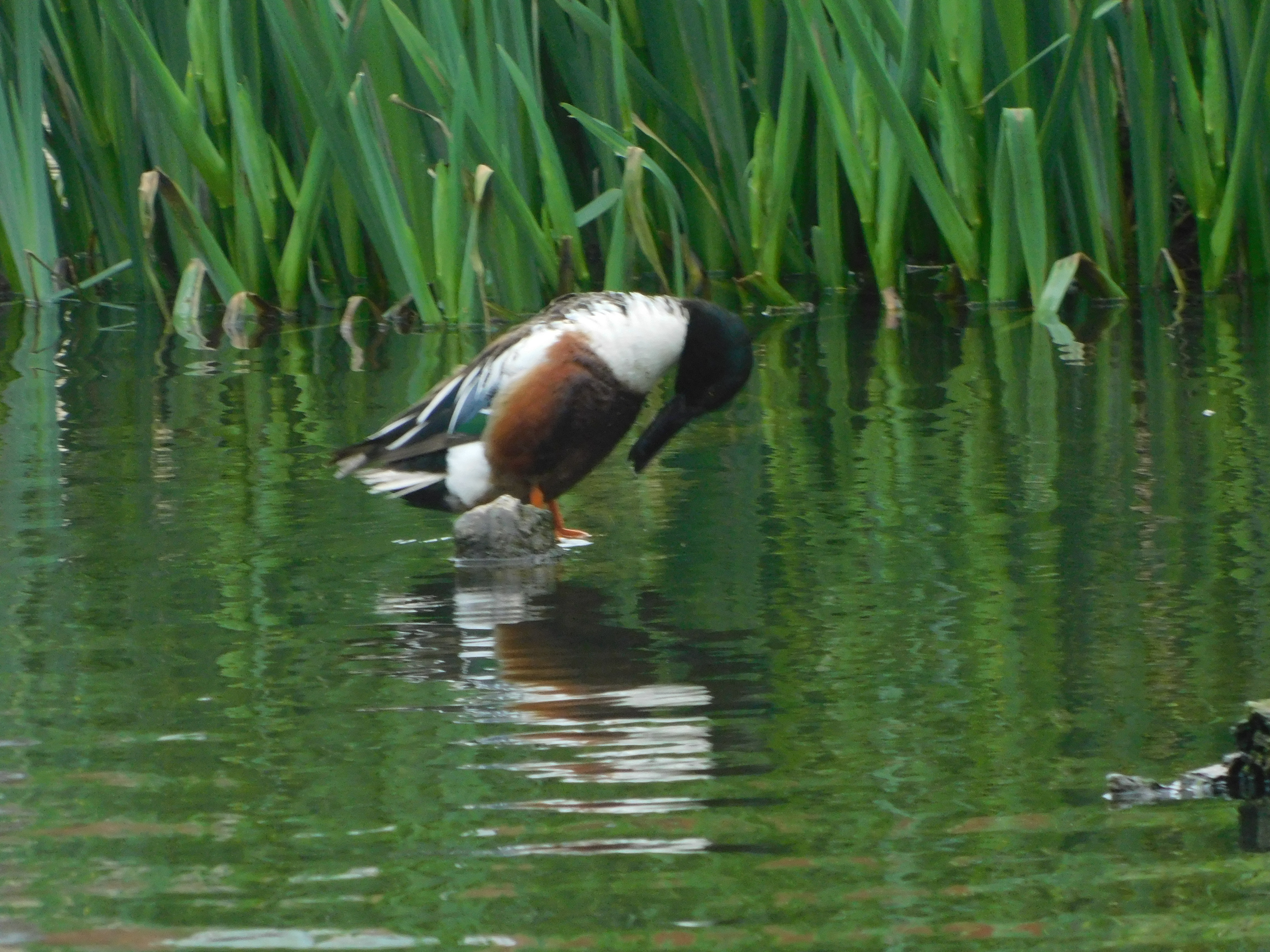
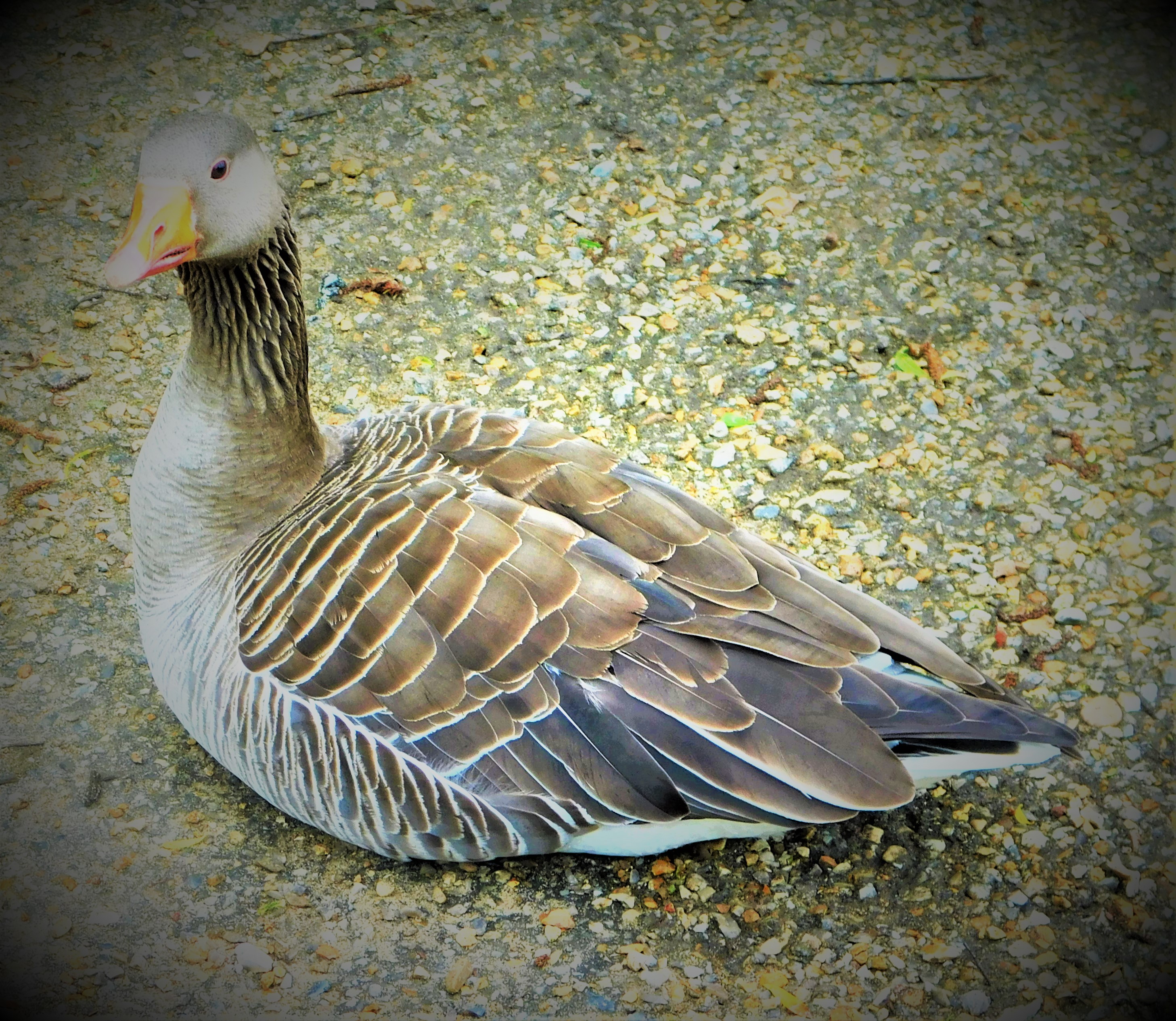
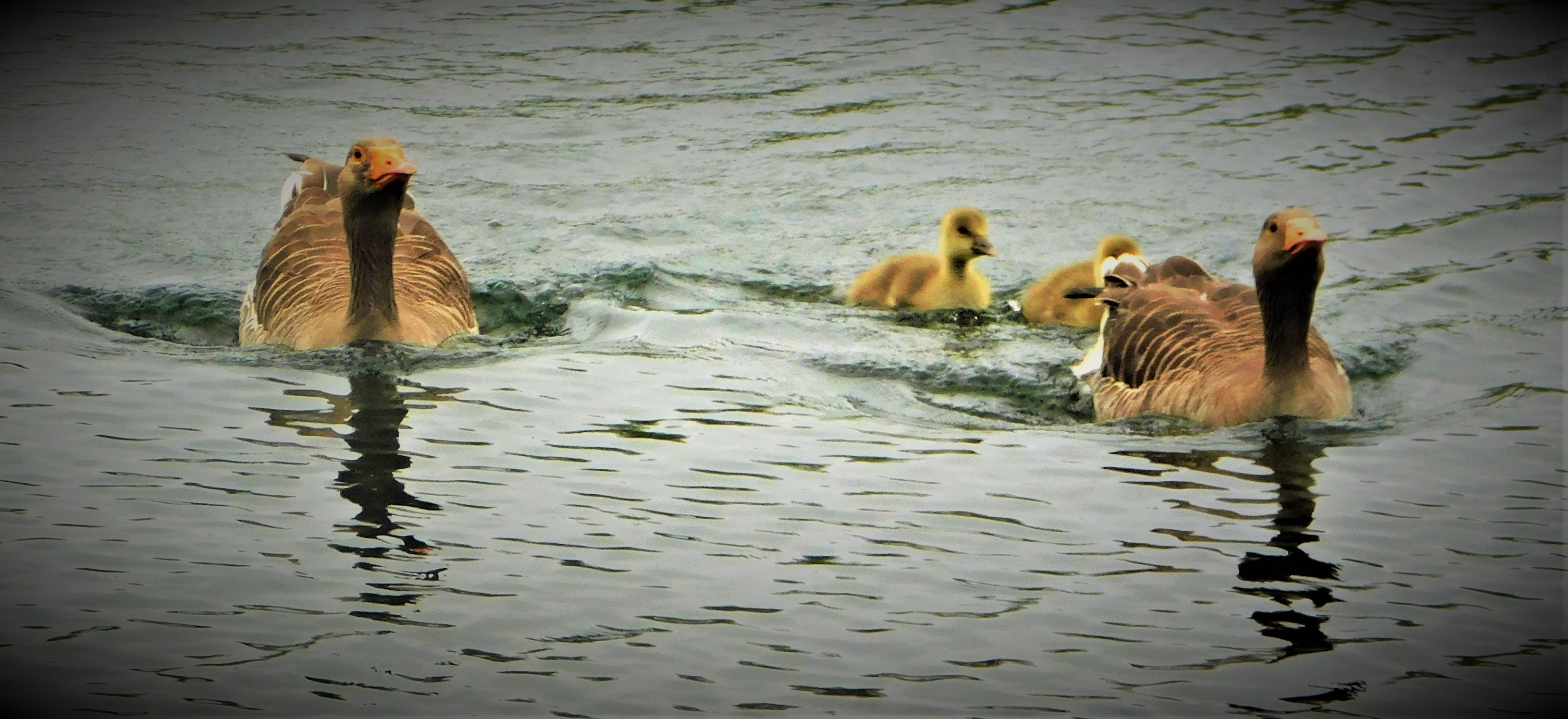
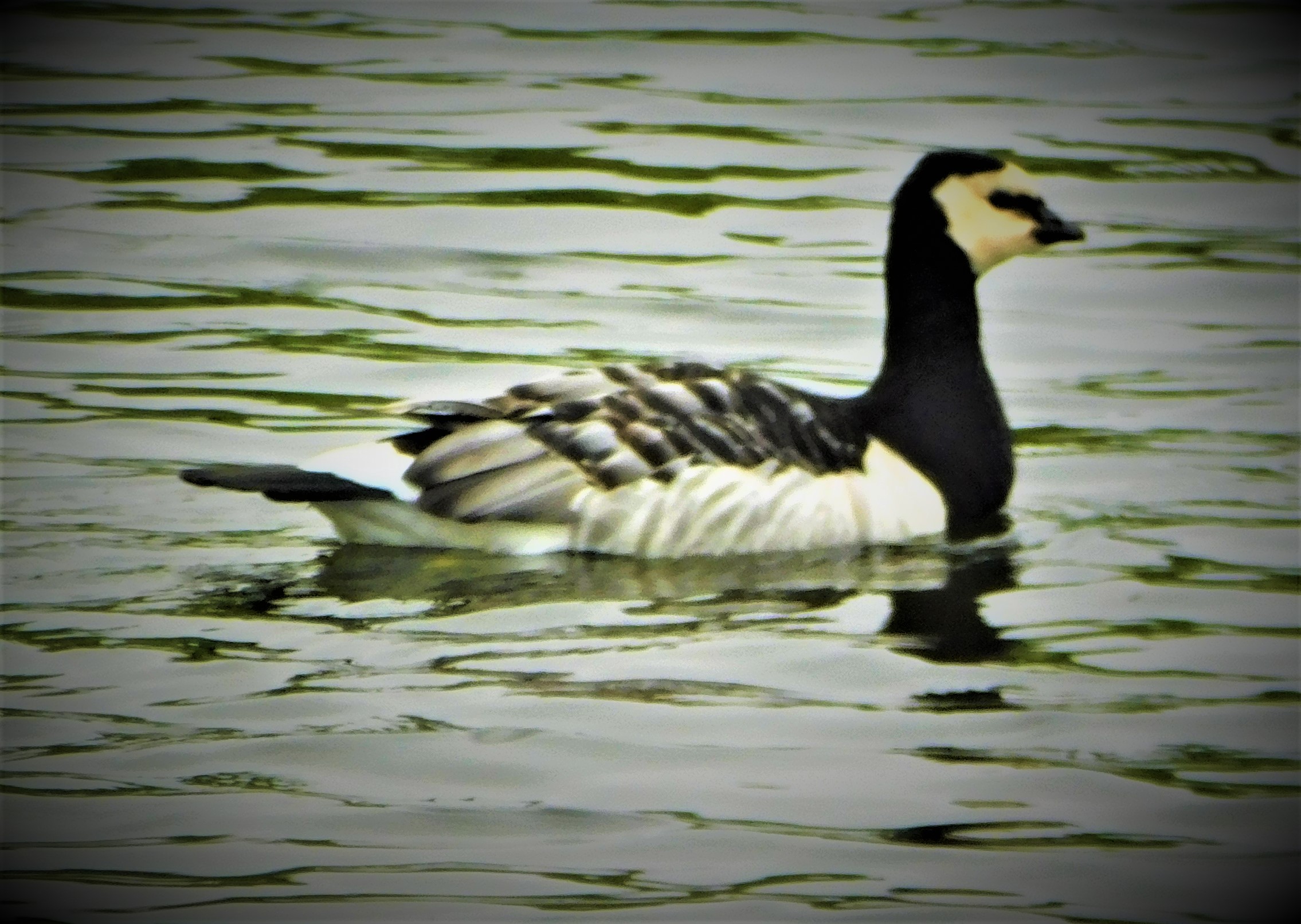
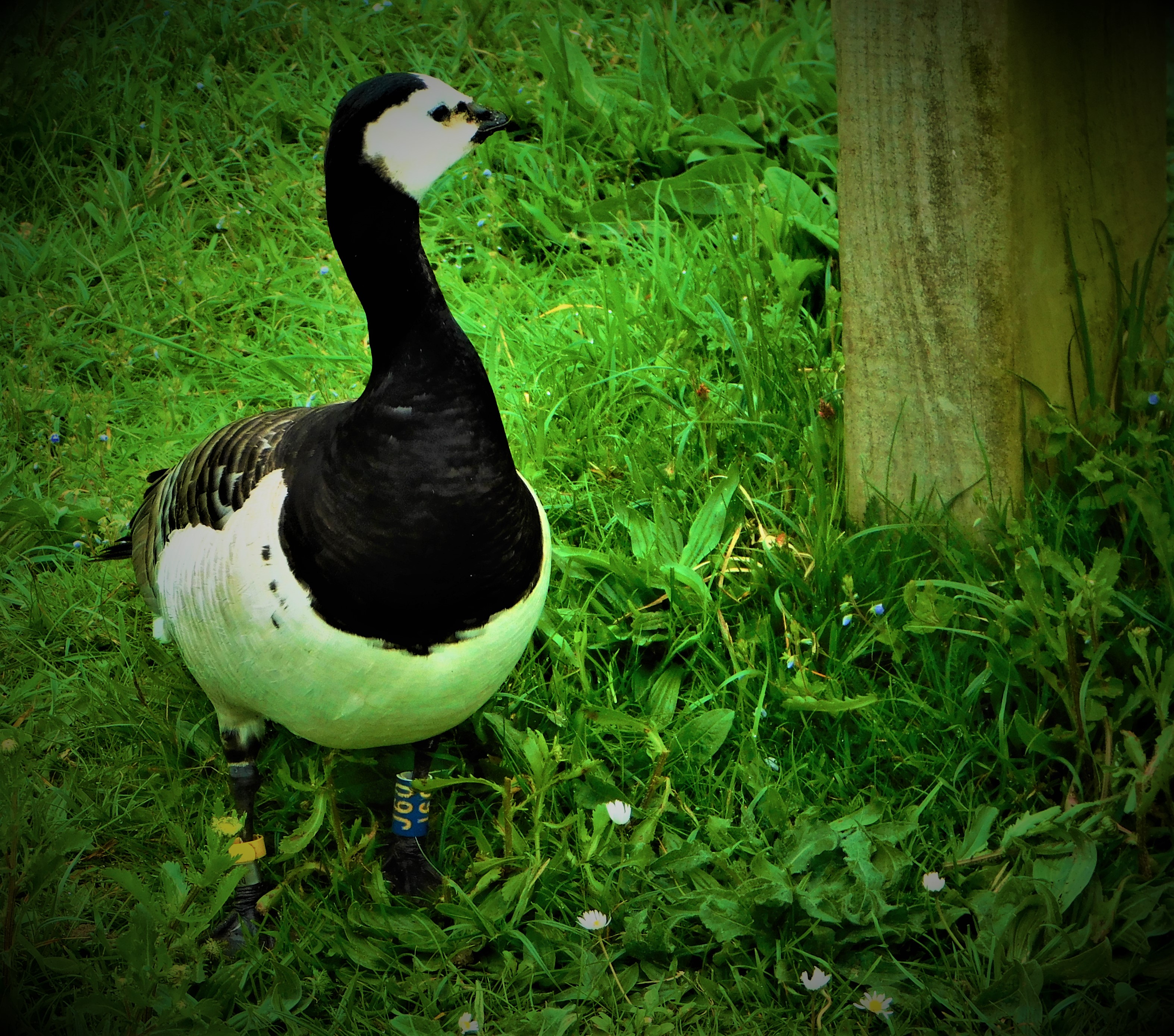
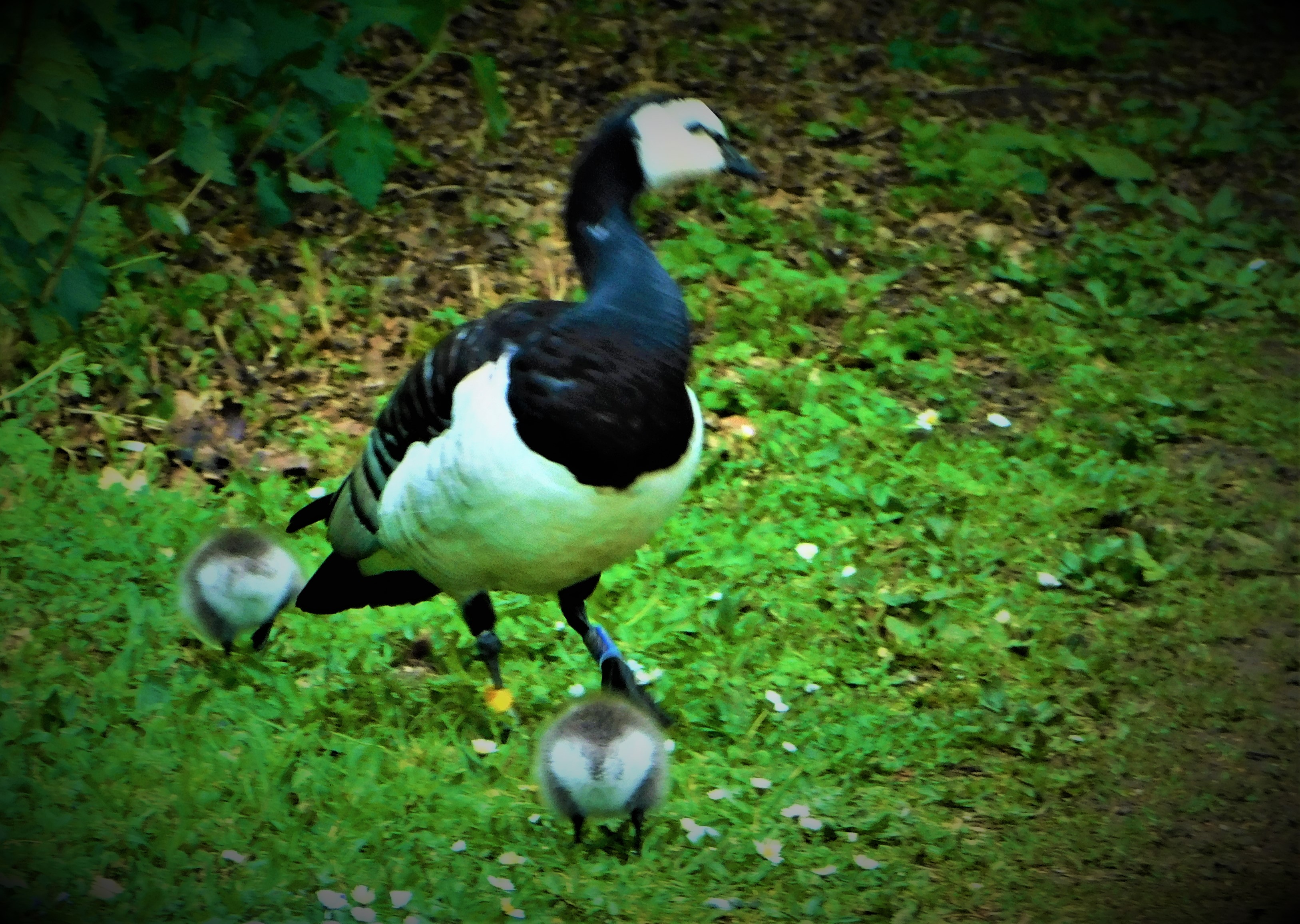
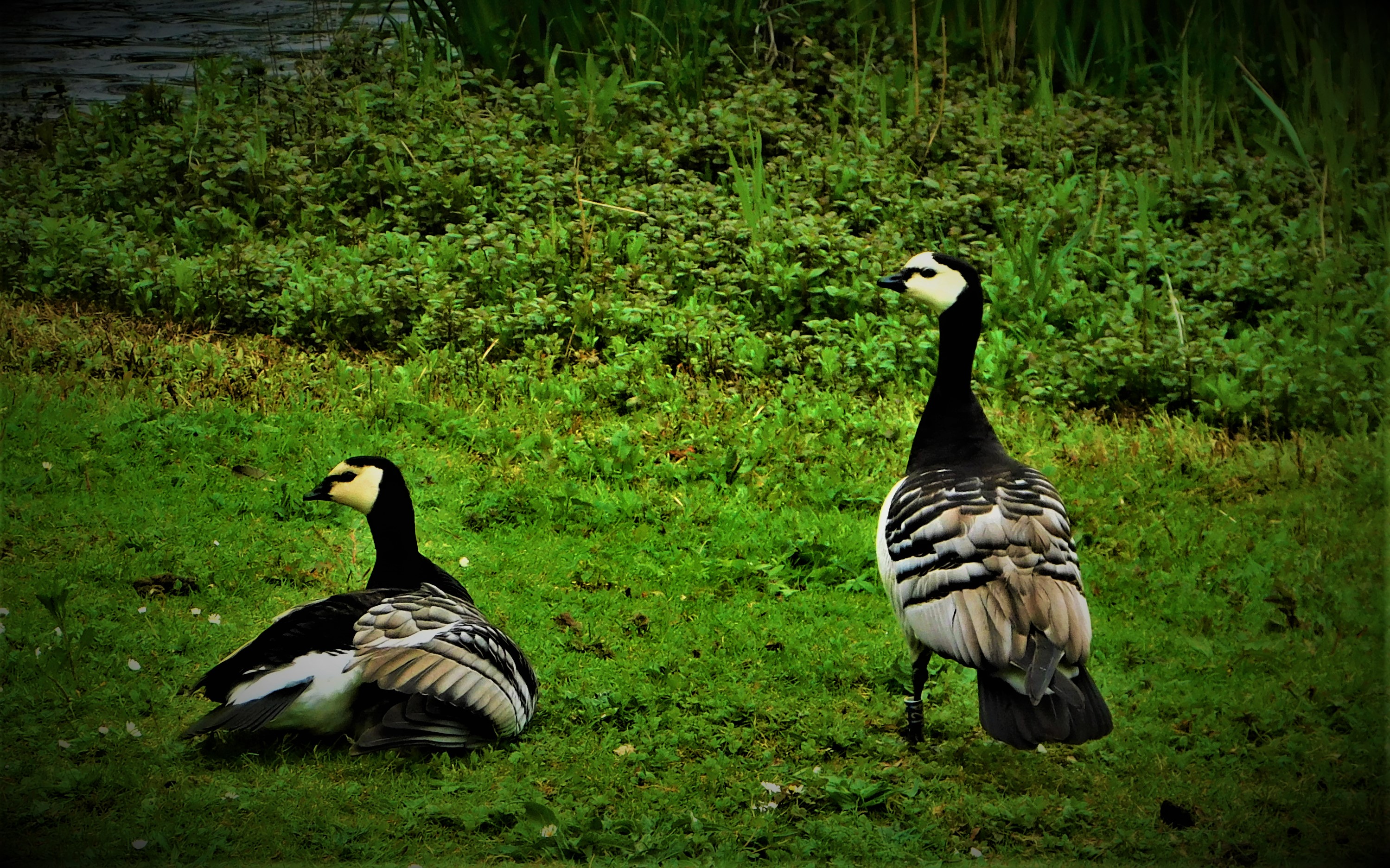
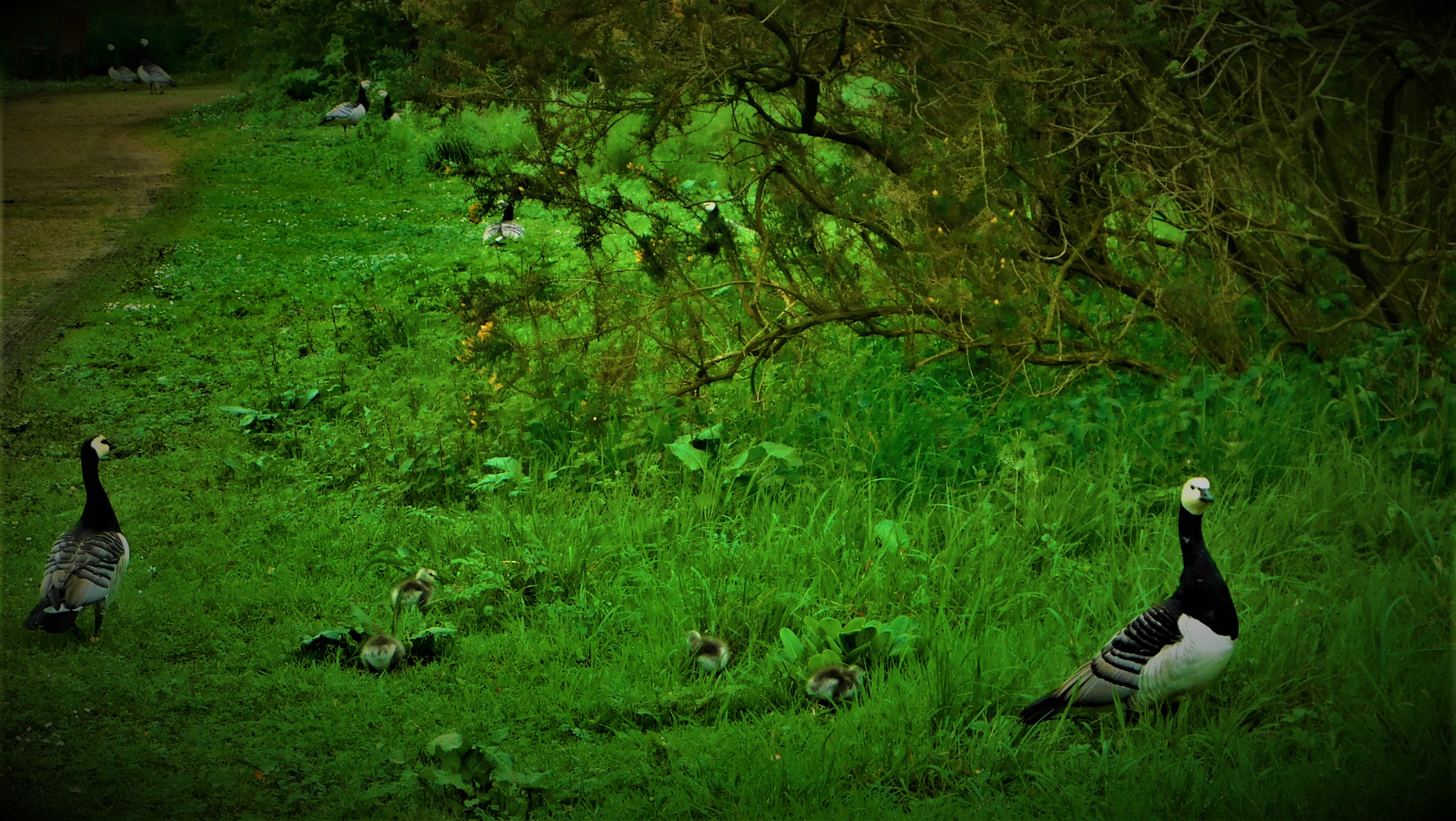
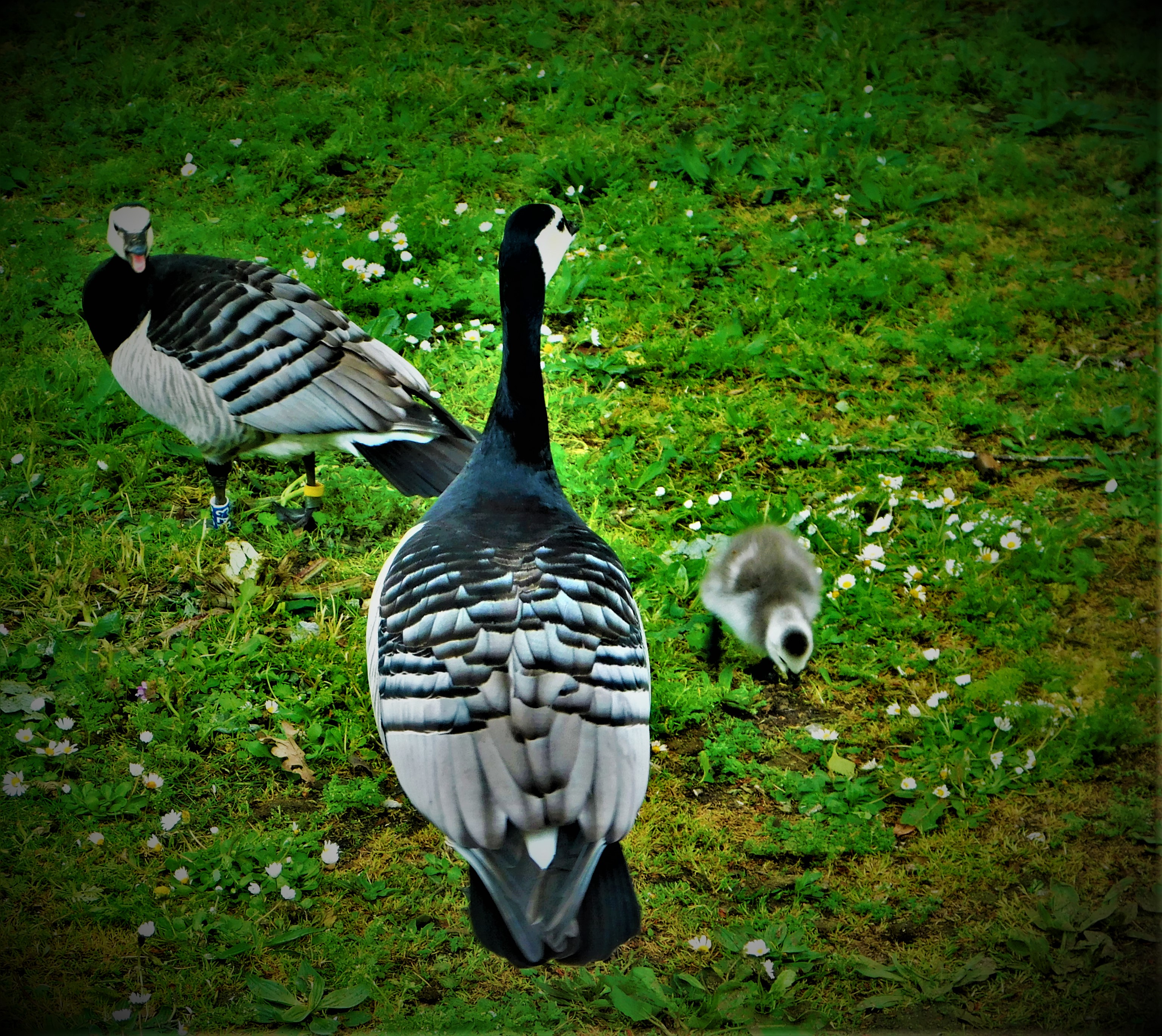
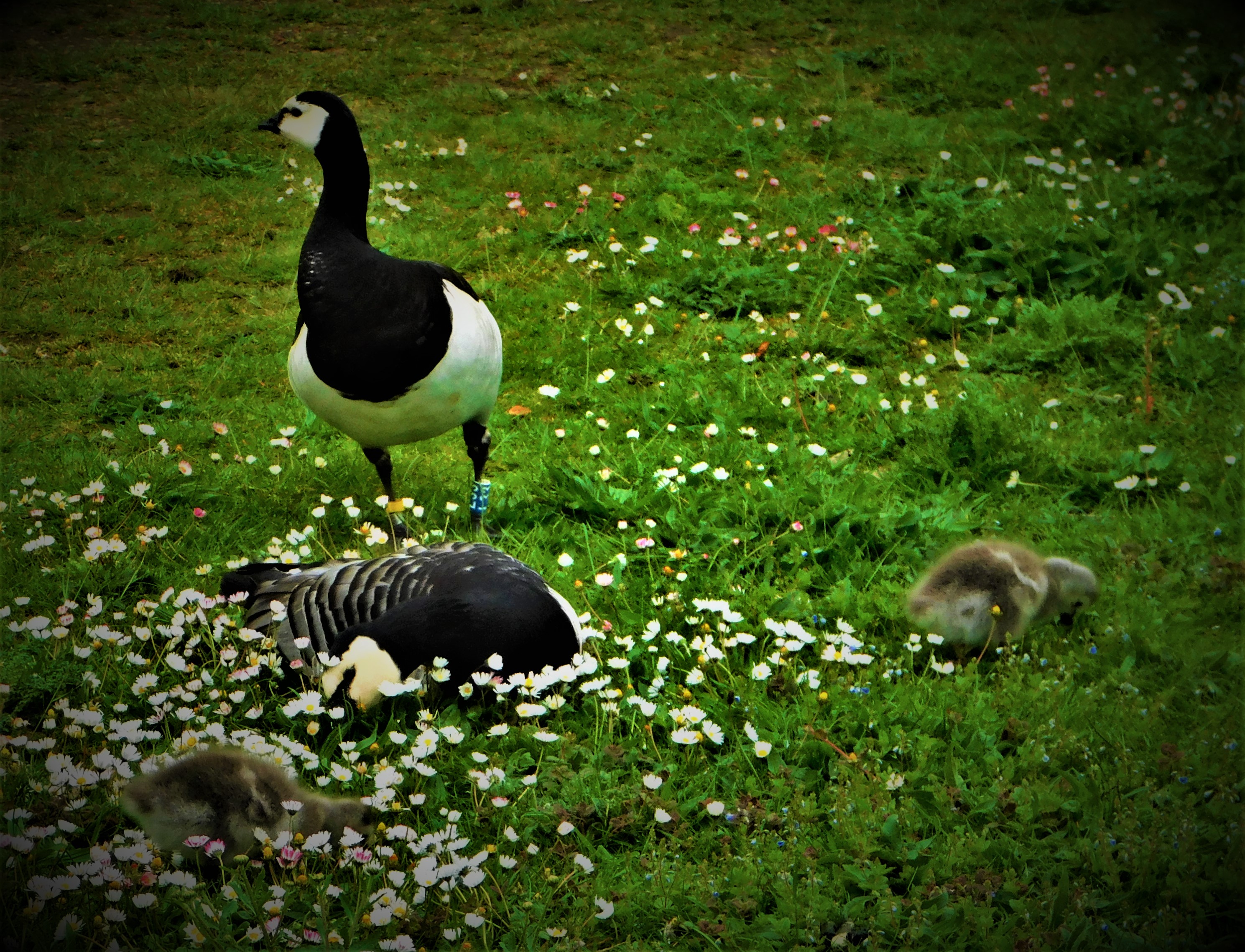
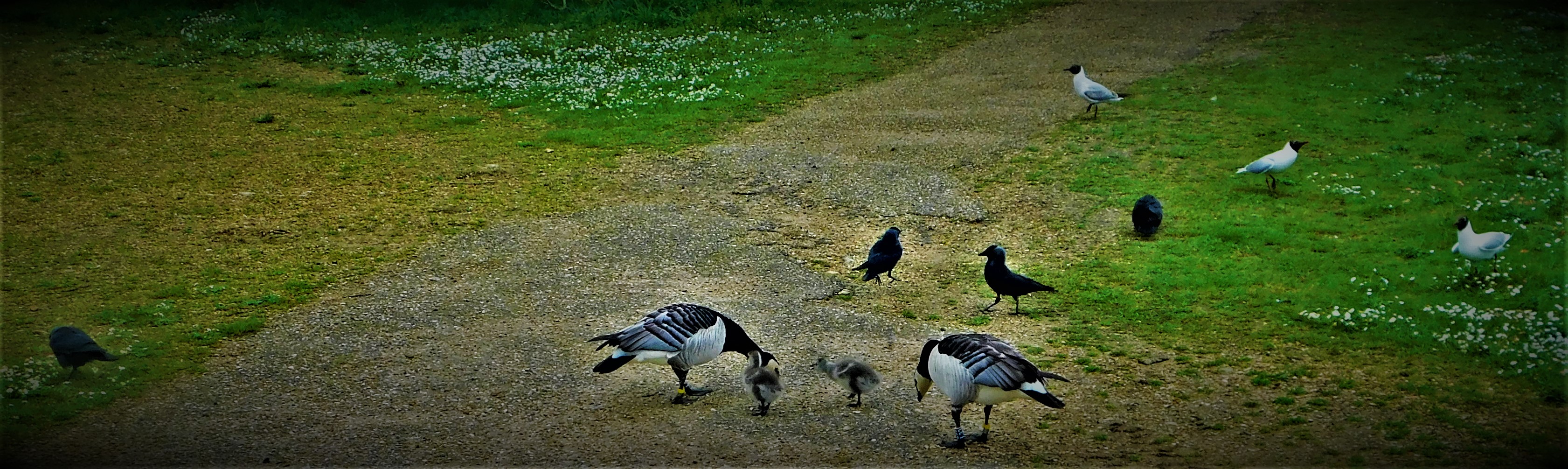
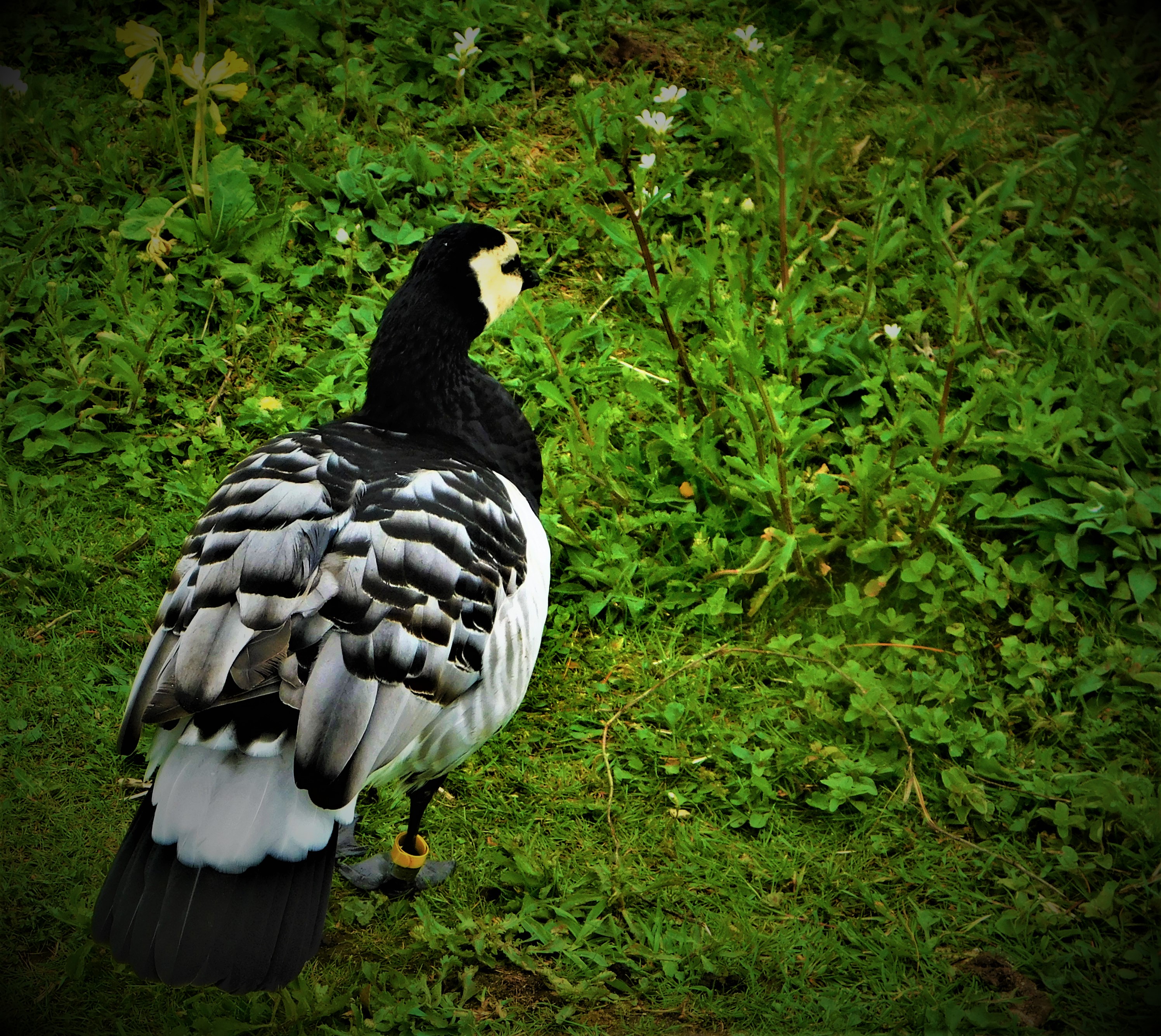
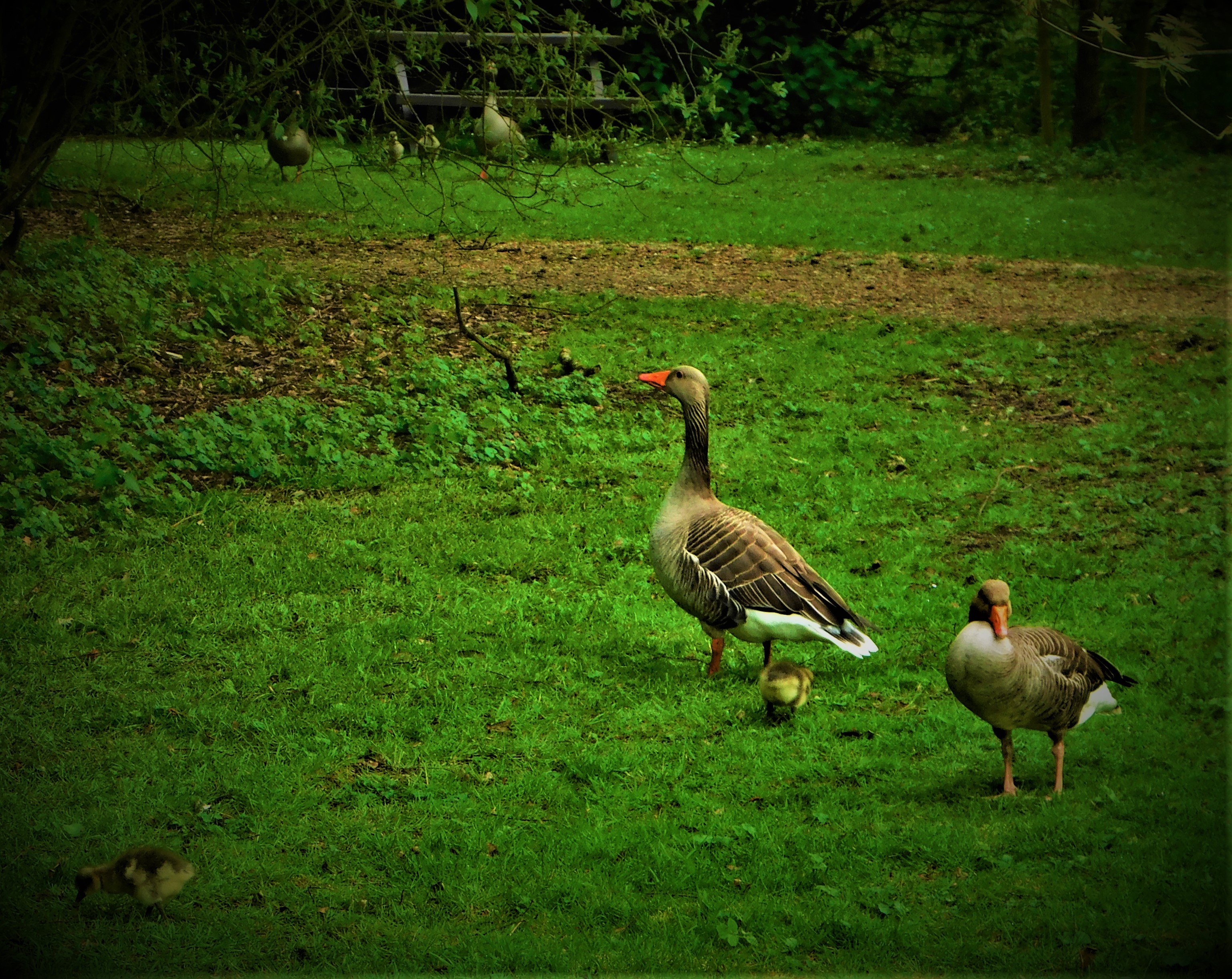
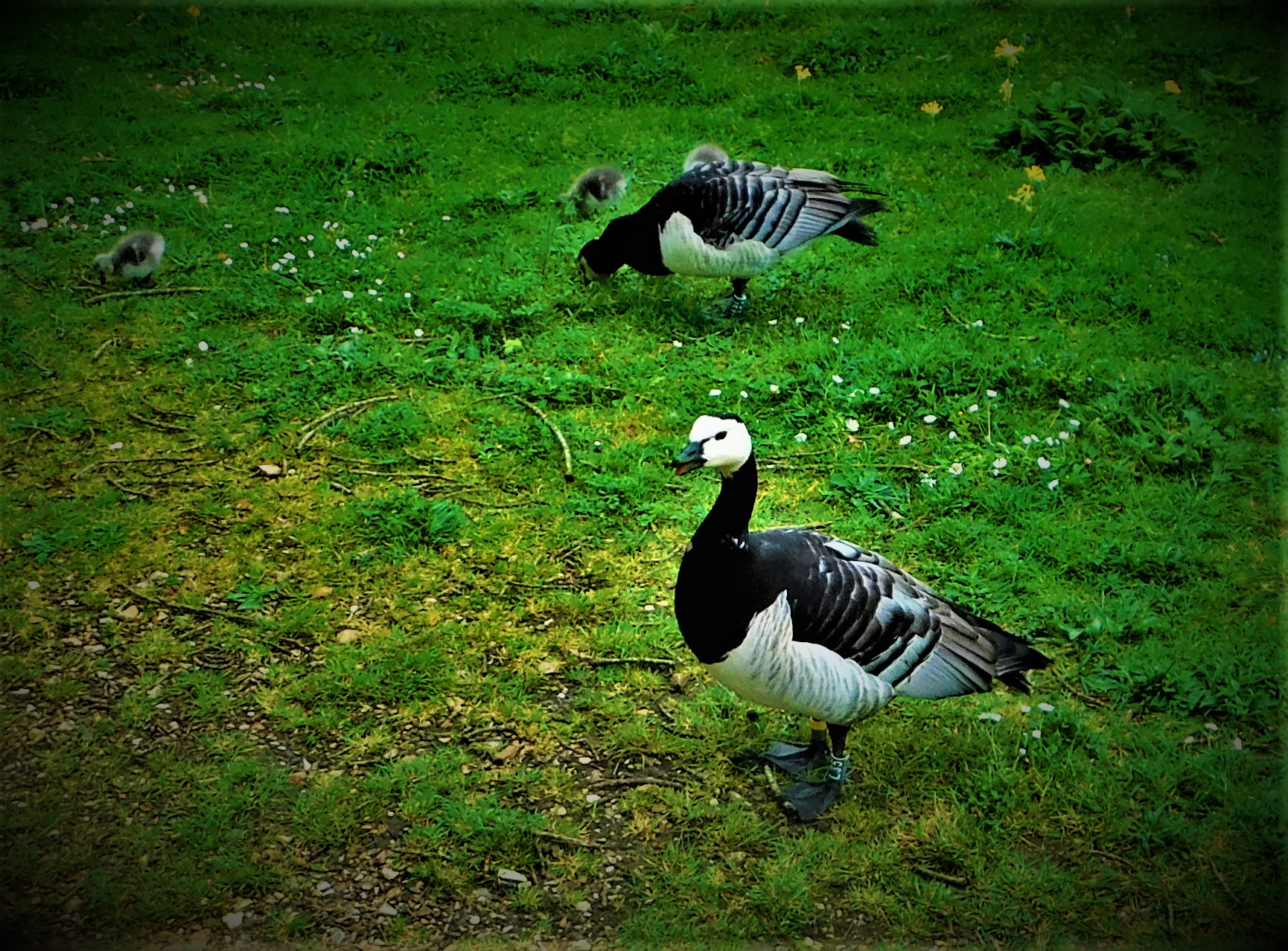
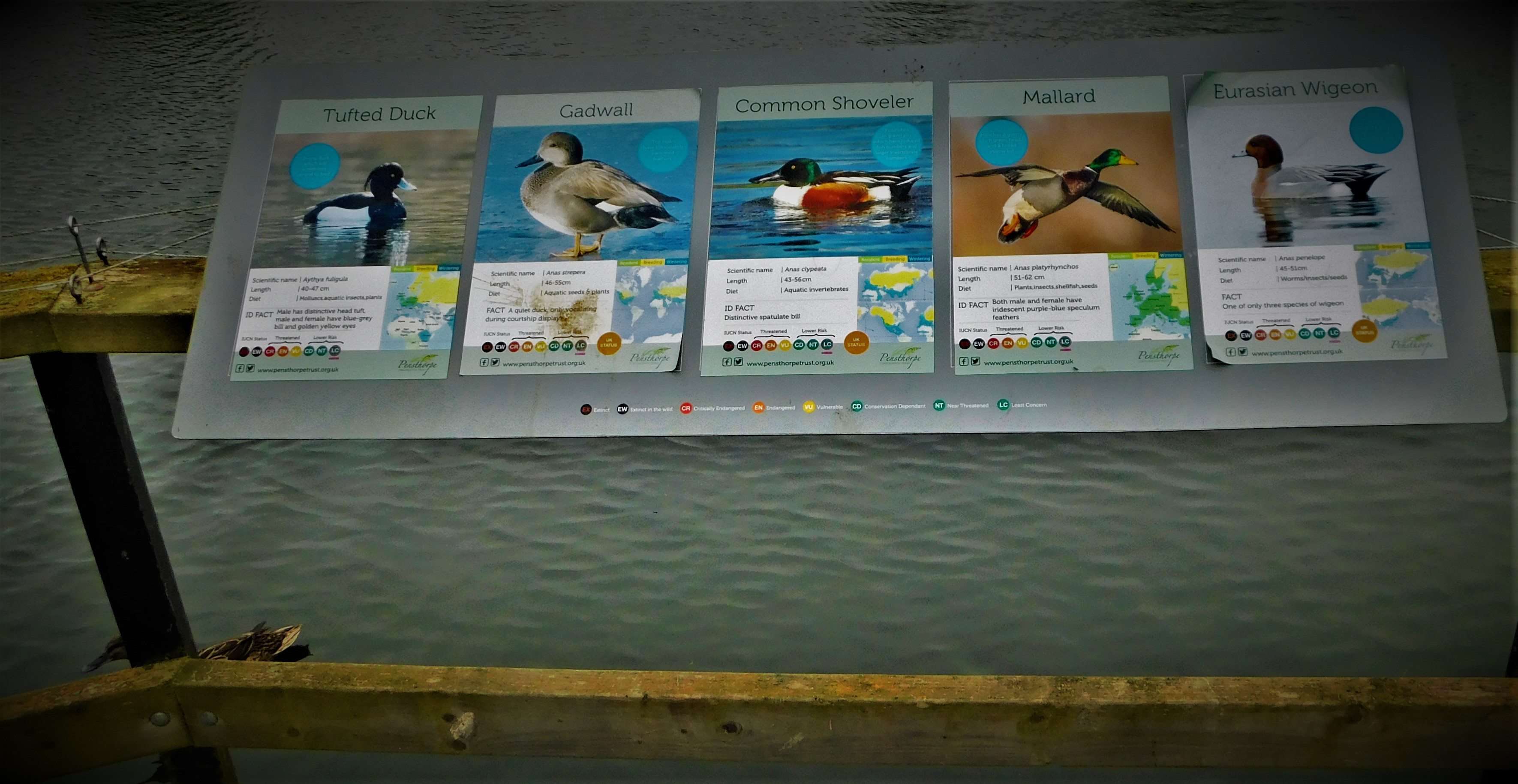
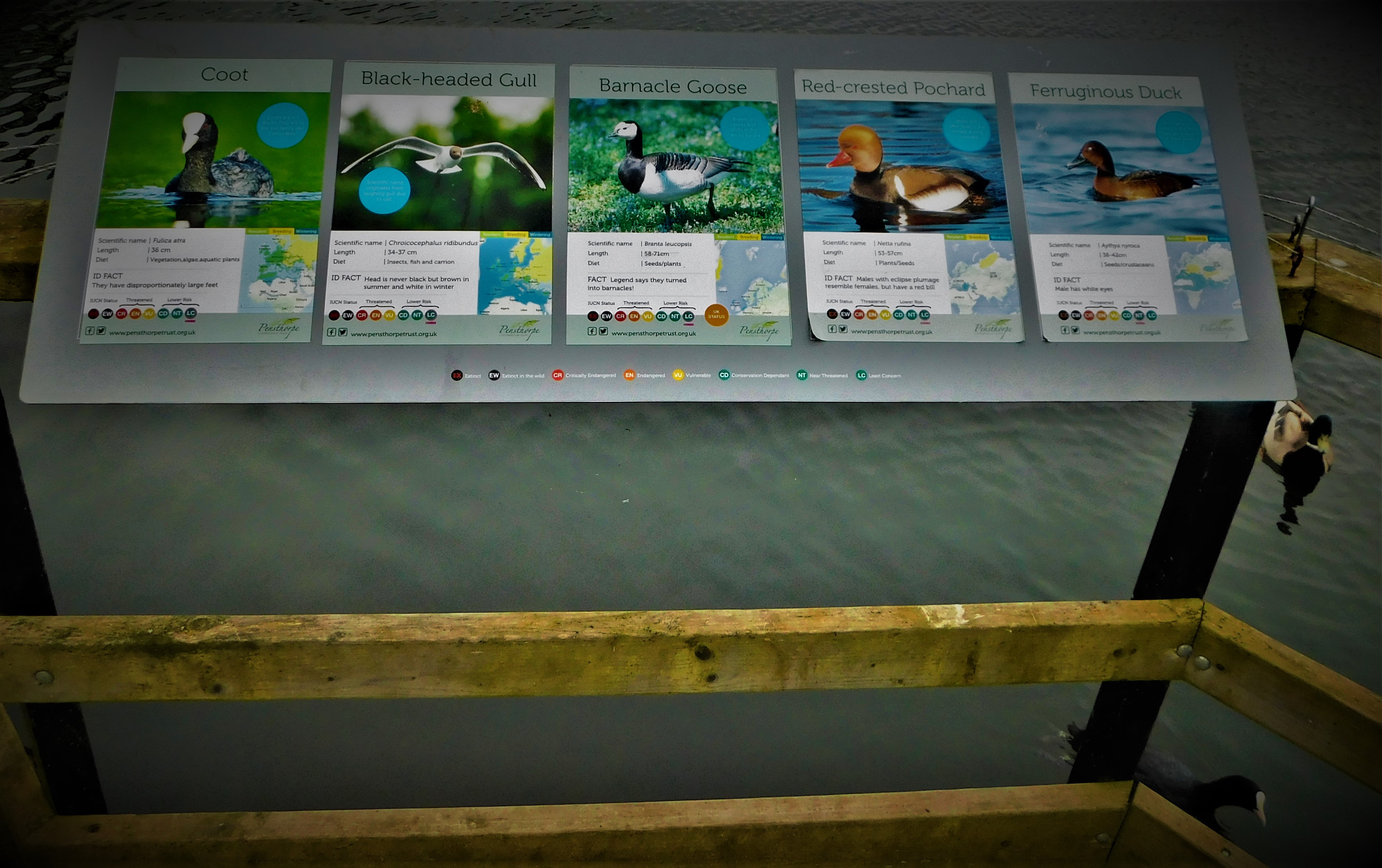
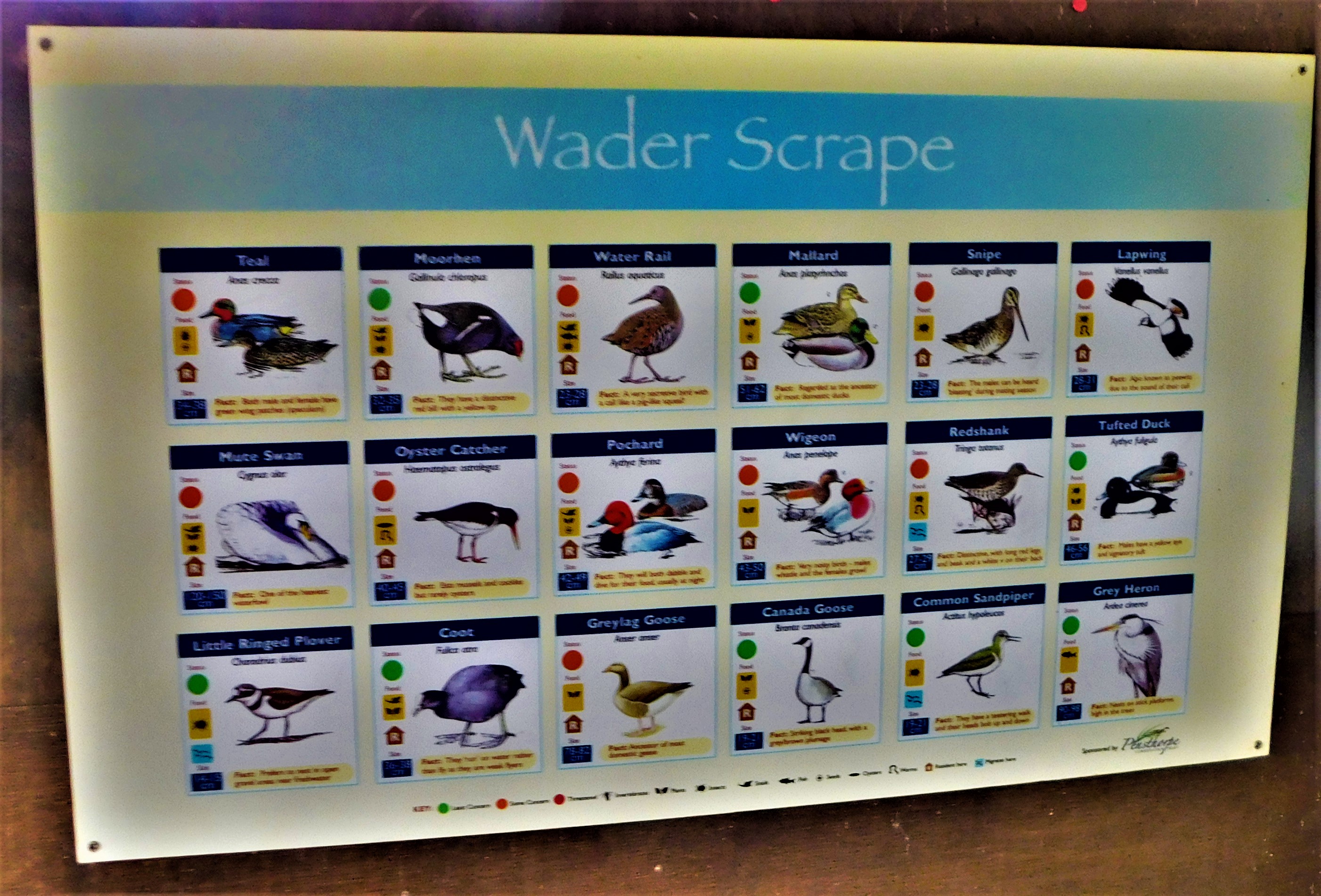
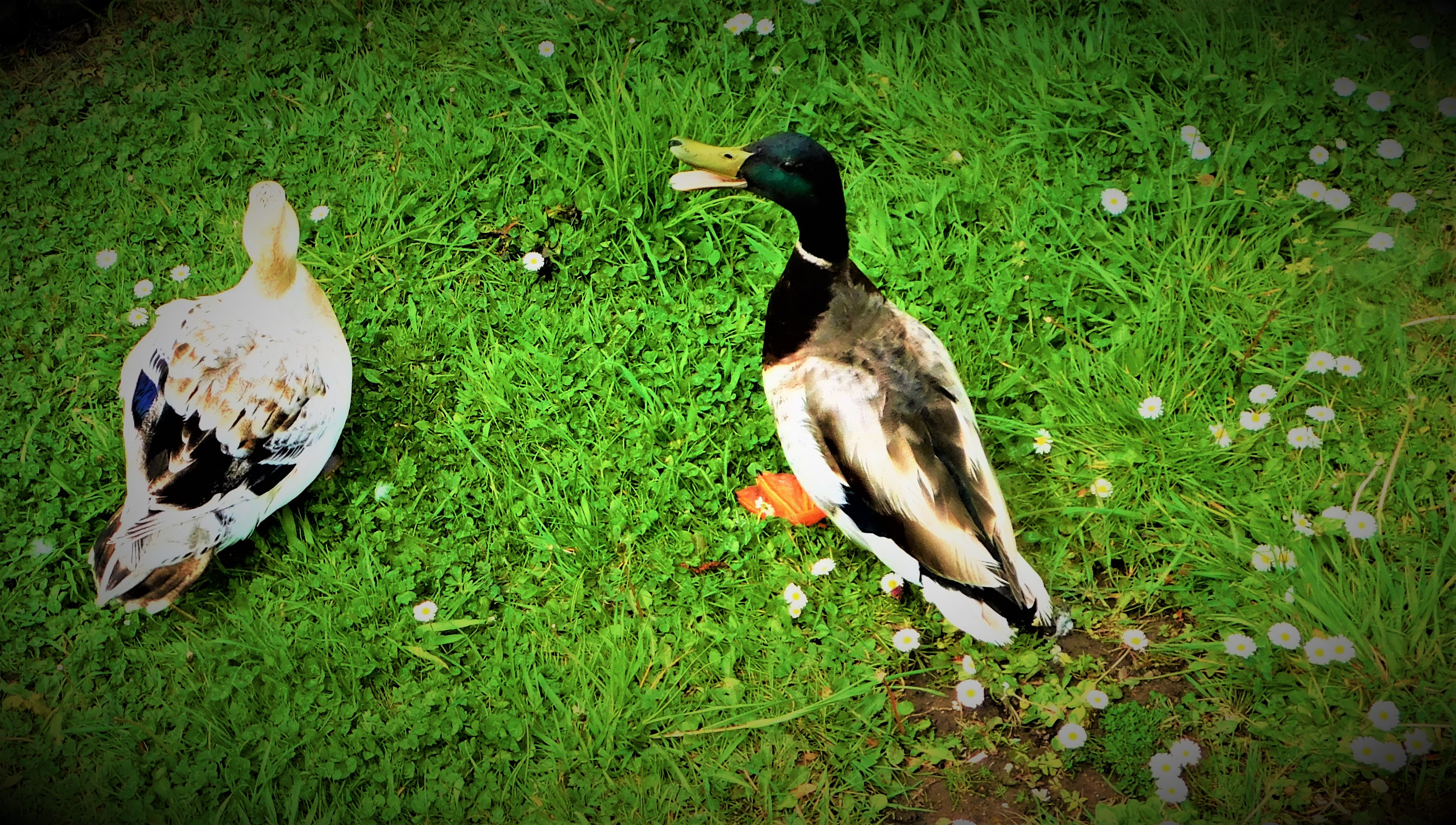
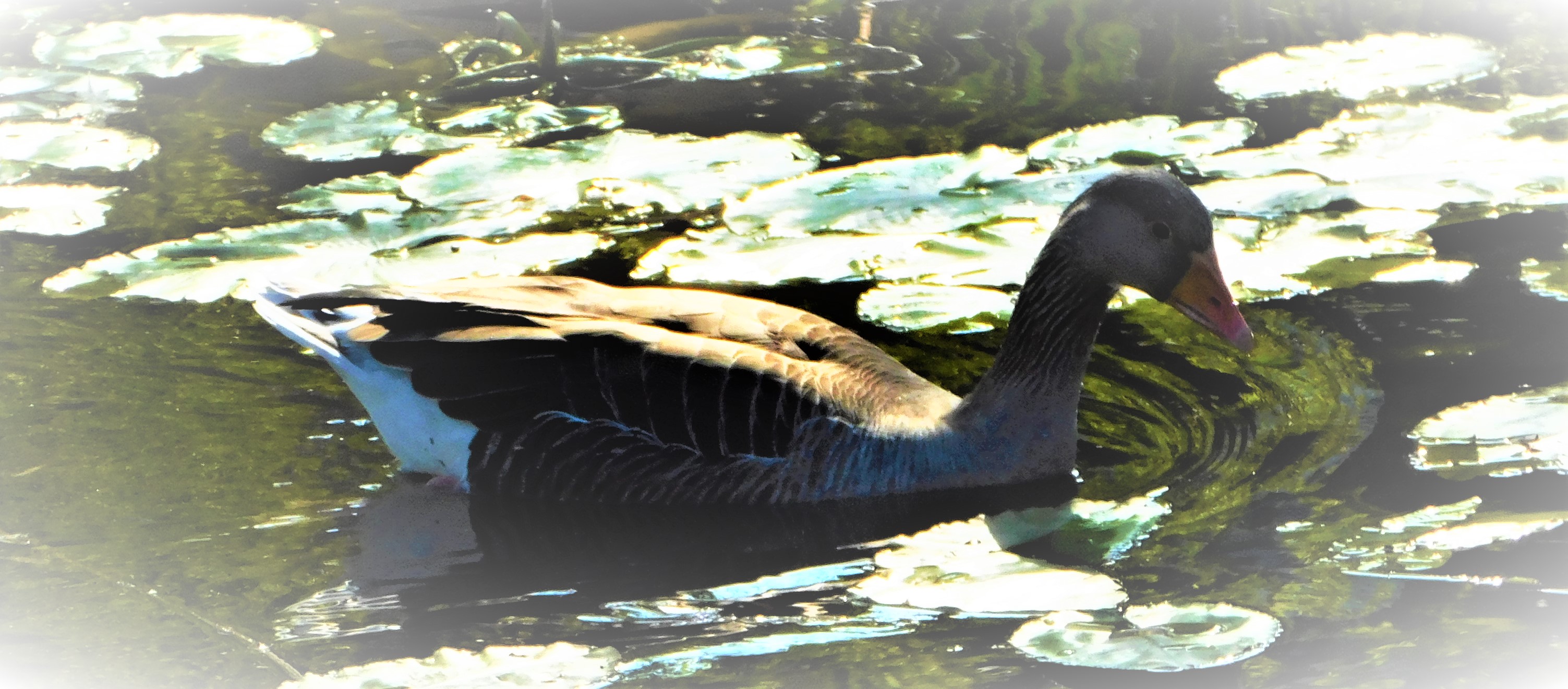
A huge variety of duck and goose species were on show all around Pensthorpe. The Barnacle Geese (black and white coloured and smaller than any other variety of goose at Pensthorpe) were notably aggressive. There were goose families of one sort or another on or around virtually every pathway. Ducks of varying species were using pretty much every available body of water.
Introducing what will be a mini-series about the West Norfolk Autism Group visit to Pensthorpe Natural Park.
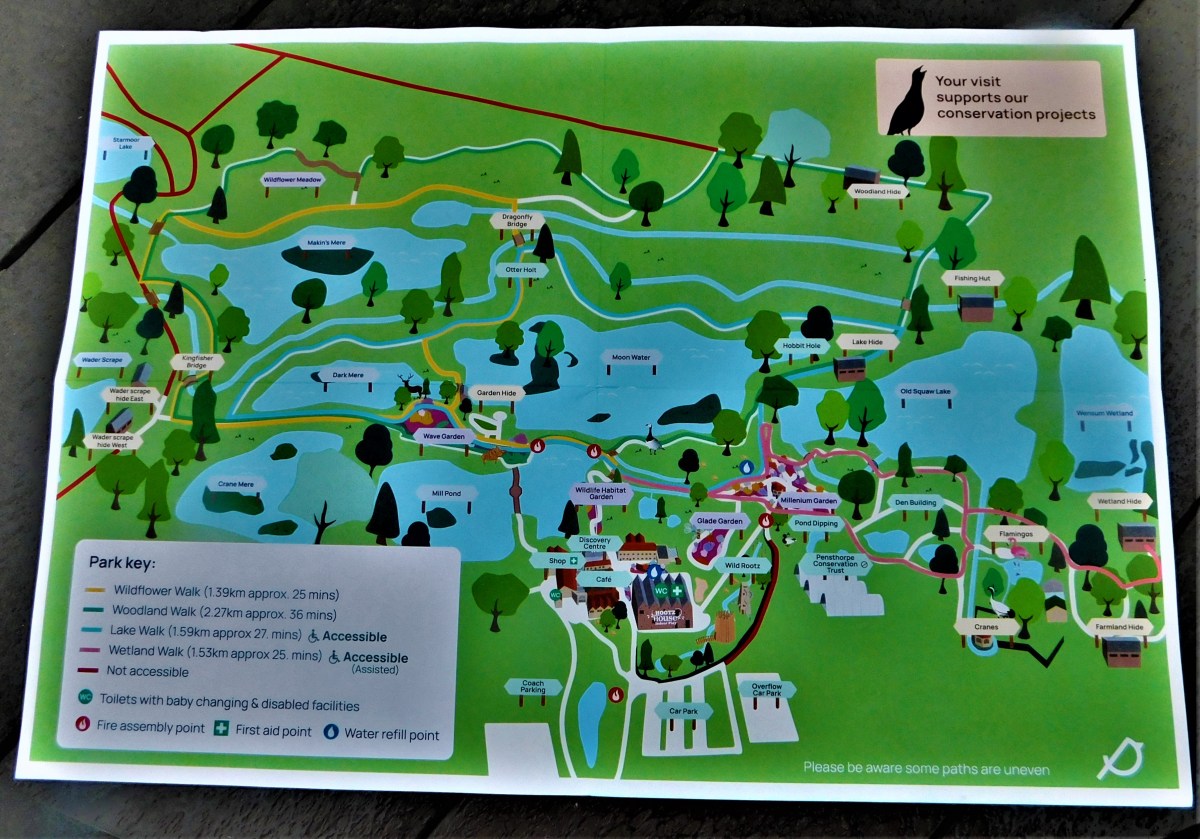
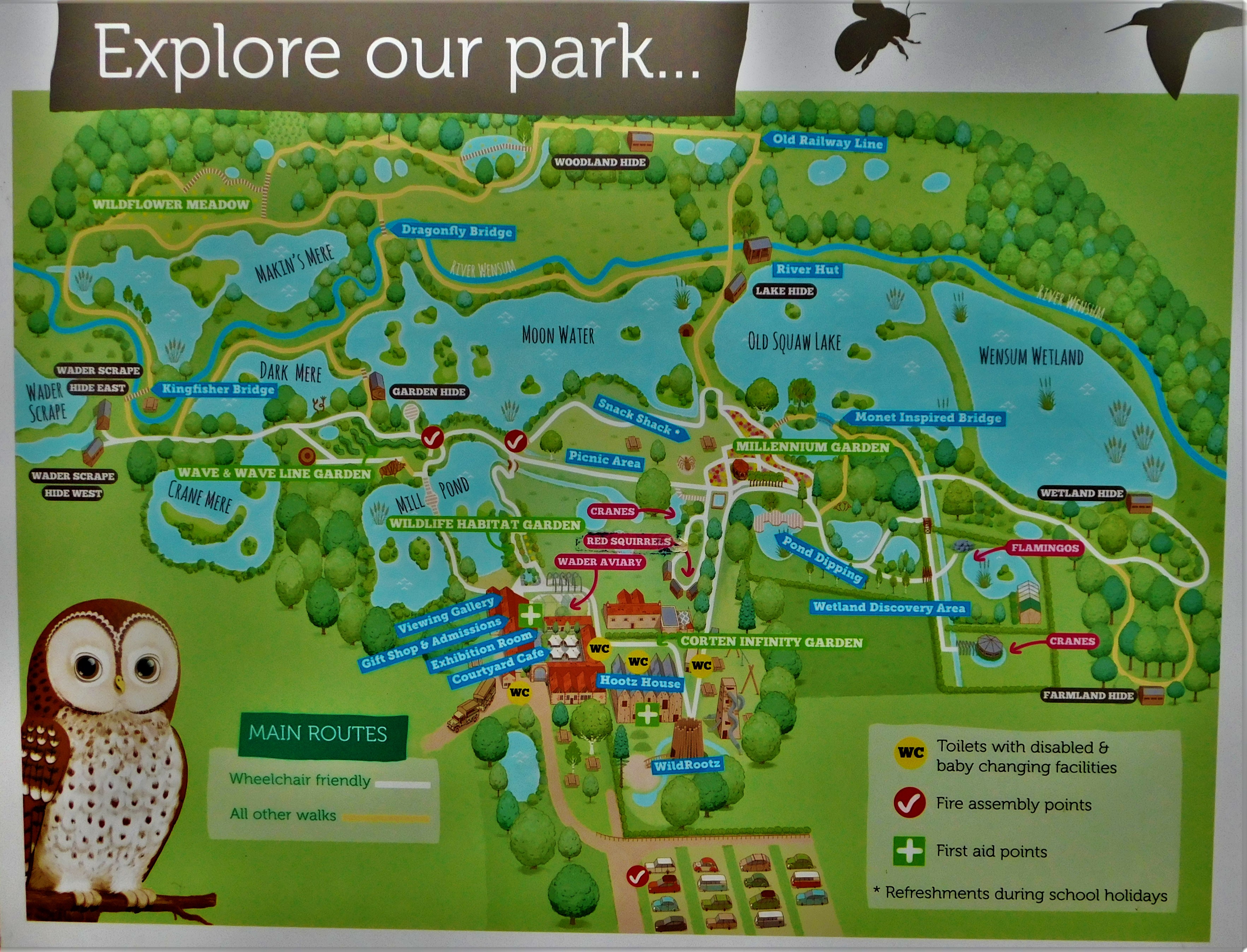
Yesterday saw a West Norfolk Autism Group excursion to Pensthorpe, a nature reserve combined with a working farm a few miles from Fakenham in Norfolk took place. This post introduces what will be a mini-series about the day as I experienced it. I will be doing specific posts about the varieties of ducks and geese on show, the flamingos and cranes, the discovery centre, the sculptures (probably these last two will share one post) and the Explorer trip. The gallery for this post will feature some introductory and general pictures.
OVERVIEW OF PENSTHORPE
Pensthorpe, which was a village until the 14th century when the black death accounted for so many of its inhabitants that the survivors had no option but to up sticks and move down the road to Fakenham, which was originally the smaller of the two places is now home to a nature reserve which is involved in a number of very important conservation efforts. There is also a working farm, and a lot of the electricity the site needs is generated by solar panels on the roofs of the farm buildings – for so big a site it has a tiny carbon footprint. I was booked on the 12:00 Explorer ride (and could also have had a place on the second ride an hour later, but the weather cool, though at least it stayed dry, so I settled for one trip. Otherwise between our arrival just before 10:30, and our departure, scheduled for 3:30PM it was entirely up to me how I spent the time.
PHOTOGRAPHS
Here to complete this introductory post are some photographs…
An all time XI of cricketers who achieved on a massively consistent basis in the county championship.
This is a sort of follow up to the post I have just published – I pick a team of players who were consistently great in the county championship over very long periods, with one single exception – a kind of wild card pick I allowed myself, which I will tackle more fully when I come to him. This is an all-English XI.
THE XI IN BATTING ORDER
Jack Hobbs (right handed opening batter, outstanding cover fielder, occasional medium pacer). The scorer of more first class runs and more first class hundreds than anyone else in history.
Herbert Sutcliffe (right handed opening batter). Although he was even better at test level than at county level he still has a case to be regarded as the greatest of all county championship batters, as I argued in the previous post.
Walter Hammond (right handed batter, ace slip fielder, right arm medium fast bowler). The third leading scorer of first class hundreds, and one of seven players to have scored over 50,000 runs in first class cricket.
Phil Mead (left handed batter). The fourth leading scorer of first class runs and first class hundreds.
Patsy Hendren (right handed batter, outstanding fielder). The second leading scorer of first class hundreds, the third leading scorer of first class runs.
George Hirst (right handed batter, left arm fast medium bowler, outstanding fielder). Rated by his skipper Lord Hawke as the finest of all county cricketers, he achieved the season’s double of 1,000 runs and 100 wickets on 14 occasions, including the only ever ‘double double’ of 2,000 runs and 200 wickets. 10 of those 14 doubles were achieved in successive seasons, the greatest display of all round consistency in the history of cricket.
Vallance Jupp (right handed batter, off spinner). He achieved the double eight times in succession in the 1920s, second only Hirst’s great sequence mentioned above.
+Bob Taylor (wicket keeper, right handed batter). More dismissals than any other keeper in first class history.
Frank Tyson (right arm fast bowler, right handed lower order batter). The wildcard pick, probably the fastest bowler England has ever produced, and a few brief years he did brilliantly, including blitzing the Aussies in their own backyard in 1954-5.
*Wilfred Rhodes (left arm orthodox spinner, right handed lower order batter). Rhodes had an amazing career comprising at least five distinct phases – specialist bowler, all rounder, specialist batter, all rounder, specialist bowler – but it his bowling that this side needs, and it as the taker of more first class wickets than anyone else that I have selected him. I have also named him as captain, reckoning that he would be an outstanding skipper had he had the chance. He once said of an England skipper “aye ‘ee wor a good un – he allus did what me and Jack (Hobbs) telt him”.
Derek Shackleton (right arm medium fast bowler, right handed lower order batter). Only one bowler managed to take 100 or more first class wickets in each of 20 successive seasons, and it was him. Rhodes achieved the feat 23 times in all in his astonishing career.
This side has a super powerful top five, two outstanding all rounders at six and seven, a great keeper who was a better bat than he was often given credit for being and a well varied trio of great bowlers to round out the order. A bowling attack that has Tyson, Shackleton and Hirst to bowl seam, Rhodes and Jupp to bowl spin and Hammond as sixth bowler is more than amply equipped to claim 20 wickets.
HONOURABLE MENTIONS
This section has multiple subsections, starting with:
WG GRACE – AN EXPLANATION
This post is about cricketers who were in their prime when the championship was on an organized footing, and as mentioned in the previous post WG was past his prime by 1890.
SPECIAL MENTION: FRANK WOOLLEY
Frank Woolley had a truly outstanding record, and I would not argue against selecting him. It was a coin toss between him and Mead and I went for Mead.
ACKNOWLEDGEMENT: SIR LEONARD HUTTON
A very great batter, but I felt the Hobbs/ Sutcliffe combo, the greatest opening pair in history, had to be kept together.
ANTI-ACKNOWLEDGEMENT: GEOFFREY BOYCOTT
While his record with the bat was outstanding, it was too often not accompanied by success for his team, and for that reason he had to be disqualified.
TICH FREEMAN
The second leading wicket taker in first class history, the only bowler to take three first class all-tens, the only bowler to take 300 first class wickets in a season. However, while he habitually destroyed the ‘rest’ there was a notable falling off in his record even against the strongest counties – he paid over twice as much for his Surrey and Lancashire wickets as he did for his Northamptonshire and Somerset ones.
OTHERS
Had I been going to pick a specialist captain I would have gone with Stuart Surridge, who captained Surrey for five seasons and won five county championships, but I felt I could not accommodate a specialist skipper in this XI. Had I not decided to allow myself the wildcard pick of Frank Tyson I would have had two choices for a fast bowler who had a very long and consistent career: Tom Richardson or Fred Trueman. Maurice Tate might be considered unlucky to miss out, and everyone will have their favourites who they feel I have neglected.
This post, the first of two related posts I shall be producing today, was prompted by a piece I saw via social media about just who was the greatest of all county championship batters. I was not satisfied with the methodology used in that piece, so decided to do my own version.
SETTING SOME BASIC CRITERIA
The first requirement is obviously to have a great record over a long period of time. Secondly, the County Championship was only put on an official footing in 1890, so we are looking at careers after that year only. Thirdly, cricket is a team game, so runs that contribute to championships count for more than other runs.
ELIMINATING POTENTIAL CANDIDATES
Although he had an outstanding season in 1895 and a very good one in 1896 WG Grace’s greatest days were done by the time there was actually a county championship, so he is not eligible.
Geoffrey Boycott twice averaged over 100 for an English season, but both these tall scoring years have a massive asterisk against them – on each Yorkshire fared worse in those seasons than they had done the year before when Boycott was less prolific – a nine place drop from 4th to 13th in the first of them, and a smaller drop from 4th to 7th in the second.
Jack Hobbs had an outstanding record, but Surrey didn’t win many championships during his playing career.
Walter Hammond never won a county championship for all his great record with the bat, and his poor captaincy was partly to blame for that.
Phil Mead of Hampshire likewise never helped his side to win a championship, though he holds the records for most runs and most centuries for a single first class team.
MY NOMINEE
Herbert Sutcliffe had his entry into first class cricket delayed by one world war and his first class career terminated by the outbreak of the other. In the 20 years he did play he was a consistent, huge run scorer, more often than not top of the Yorkshire batting averages, although as I have pointed out elsewhere his test record was better than his overall first class record, and his Ashes record was better still. In keeping with this ‘big occasion’ temperament, nine of his championship centuries came at the expense of bitter rivals Lancashire. Also, if we turn to the element of contributing to championship success, Yorkshire were champions in 1919, won four successive titles in the 1920s, and won the championship a further seven times in the course of the 1930s, giving Sutcliffe a playing role in the winning of 12 county championships. I end this section with one example of Sutcliffe scoring runs that altered the outcome of the match. The match in question was against Kent, whose bowling was dominated at that time by leg spinner Tich Freeman. In the final innings of a low scoring affair Yorkshire needed 192 on a pitch that had not previously allowed a total that high. Yorkshire won by two wickets, and 110 of those 192 came from the bat of Herbert Sutcliffe, with the only other innings of significance coming from skipper Sellers (34 not out at the death).
OTHER GREATS
Leonard Hutton, who shared some of Sutcliffe’s triumphs in the 1930s and was the best English batter of the immediate post-war era was probably the closest rival to Sutcliffe, though Peter May scores well when it comes to helping his side win titles. Most overseas players would not qualify due to not playing enough, although three who did were Roy Marshall and Barry Richards (both Hampshire) and Mike Hussey (several counties in the recent past). Most of the best present-day English batters would be unlikely to qualify because international commitments restrict them to only a few championship appearances in any given season.
PHOTOGRAPHS
Even with two blog posts to cater for I have a big photo gallery (please note I will out for most of tomorrow, on a West Norfolk Autism Group outing to Pensthorpe, where I expect to get some particularly impressive photos).
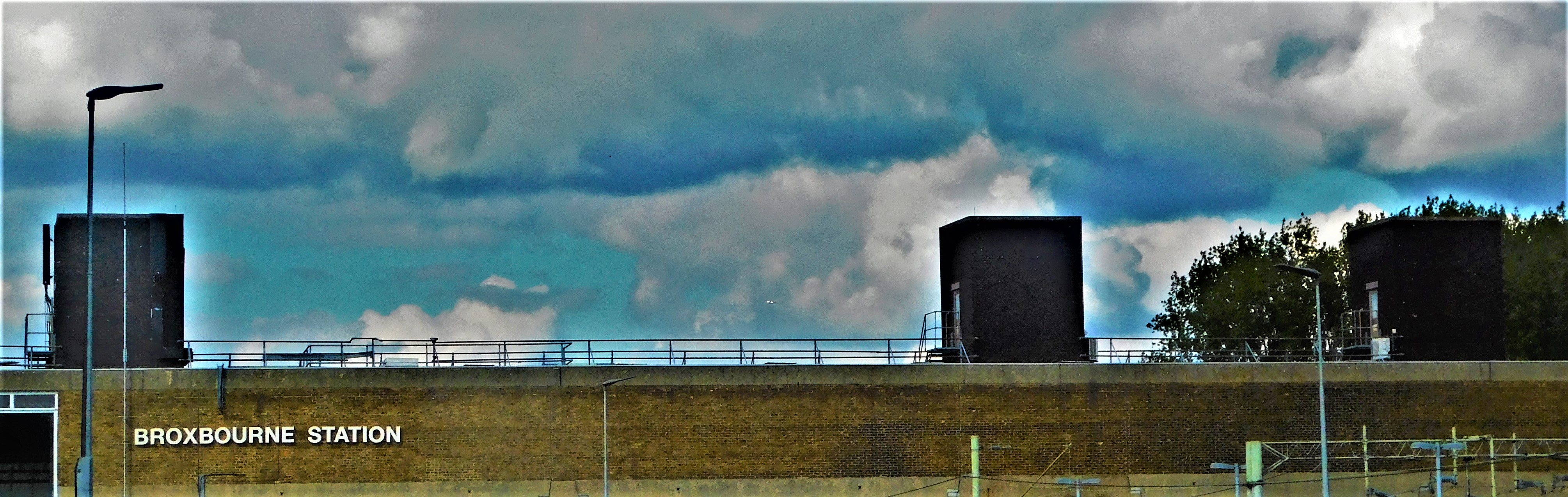
An account of a day trip top Broxbourne to watch the Metronomes in action.
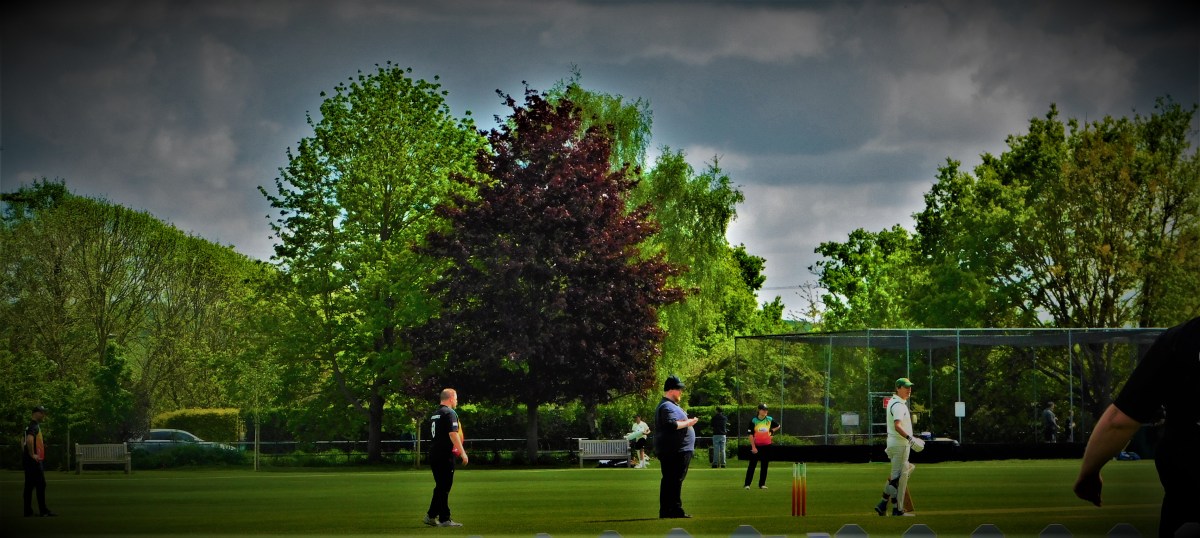
On Sunday the Metronomes, a cricket club who raise funds for charity and who I follow on twitter, were playing at Broxbourne and since that is close enough to me that I can get there and back in a day, even on the Sunday before a bank holiday Monday I decided to go and watch. This post describes the day from my point of view.
GETTING THERE
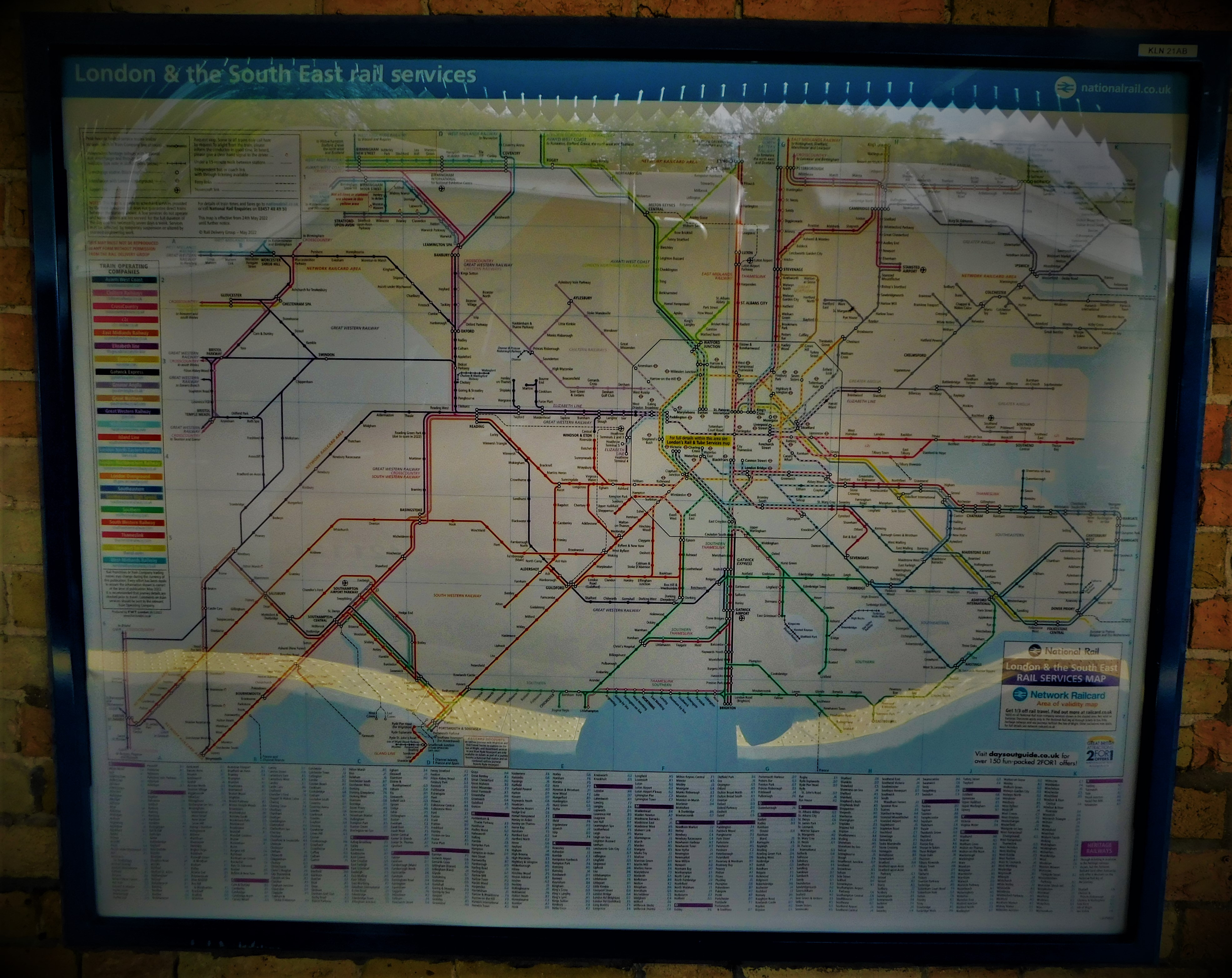
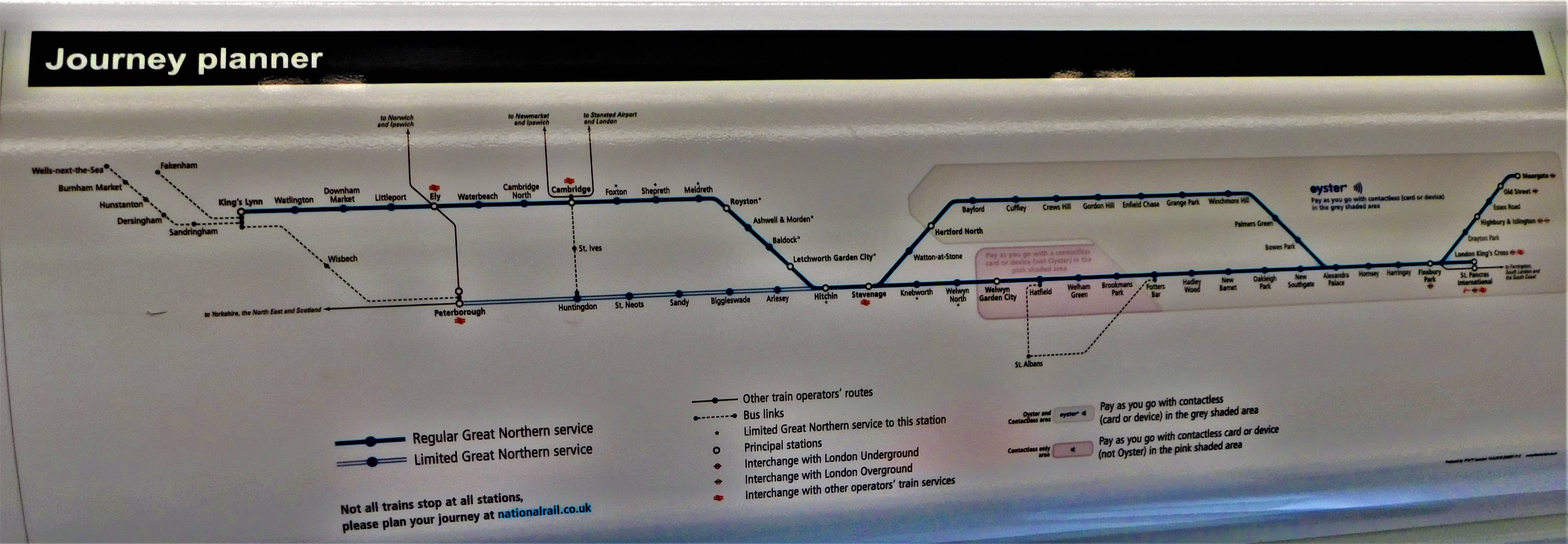
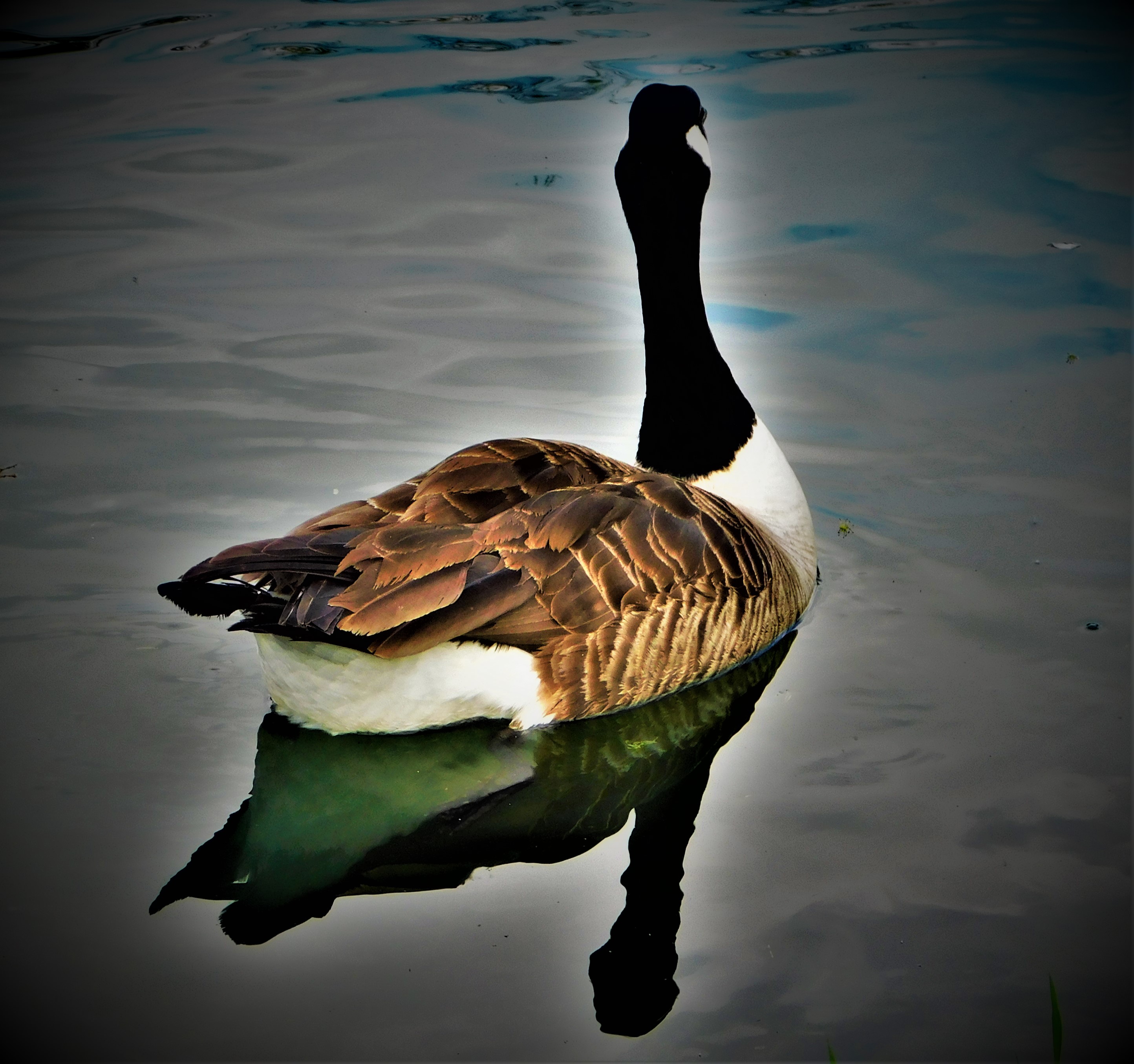
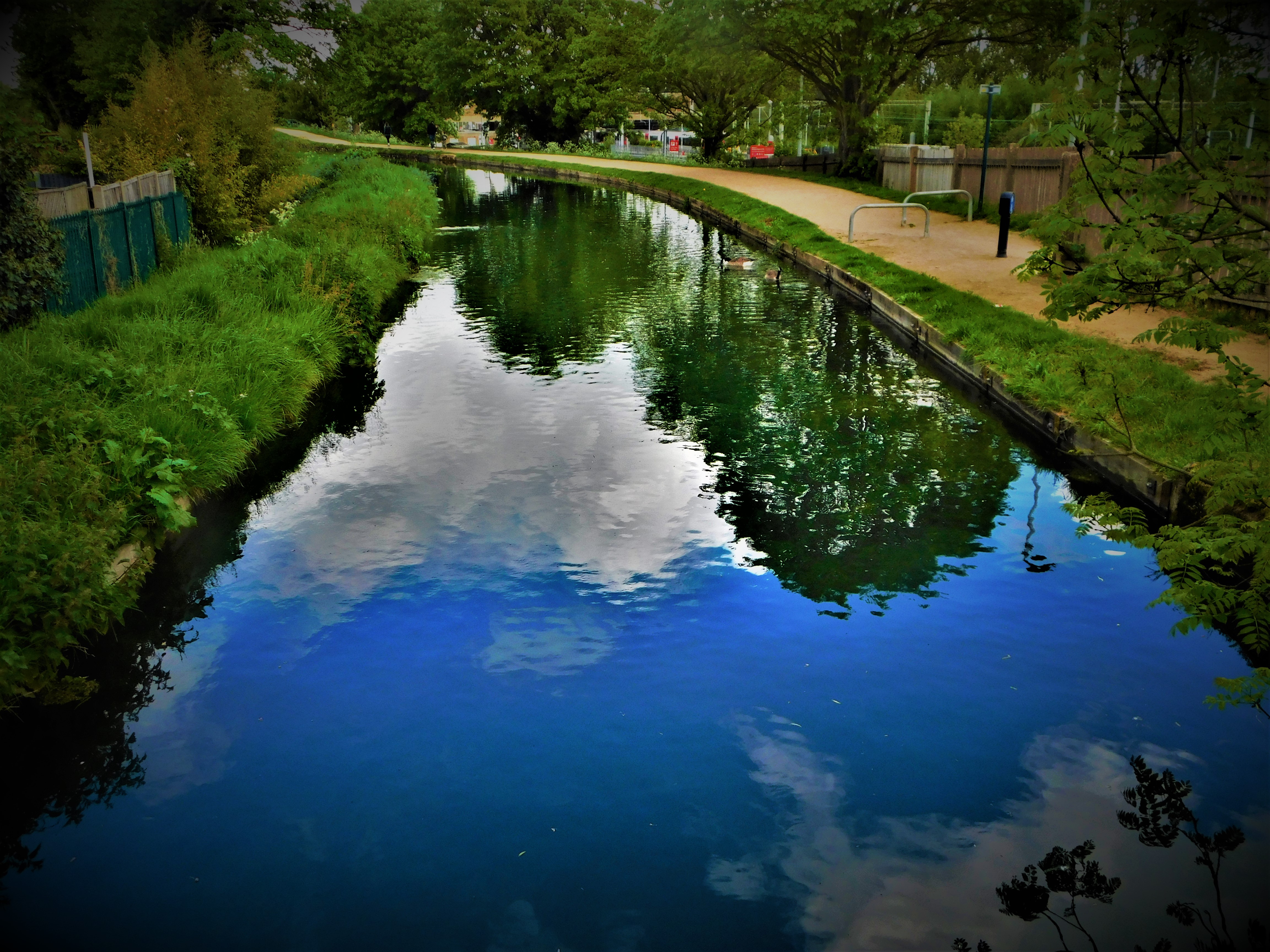
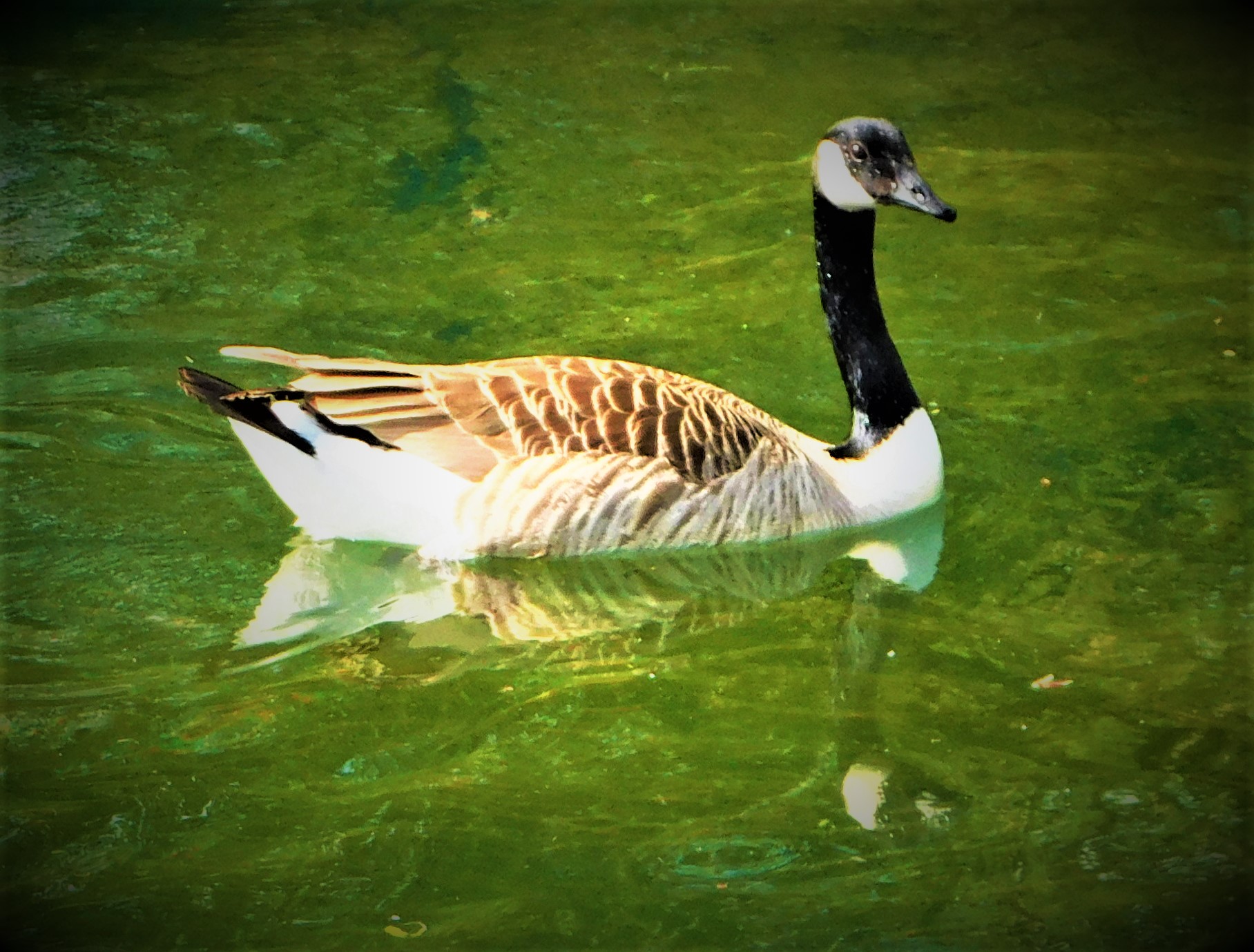
I arrived at King’s Lynn station in good time for the train I intended to catch, noting immediately that it was terminating at Ely, which meant a replacement bus service would be operating between Ely and Cambridge. Fortunately this did not materially affect the outward journey, and I arrived at Broxbourne at 13:16. The walk from the station to Broxbourne cricket club is short and scenic, much of it being within sight of the river Lea. Among the highlights were Canada Geese.
AT THE MATCH
I found a seat with a decent view of the action, and ate my lunch and drank my bottle of water. Later I bought a good but seriously overpriced pint of beer. The opposition, the Three Graces batted first, and they did not fare especially well. During the innings break Mark Puttick, a keen statistician and part of the Metronomes introduced himself. Later, during the Metronomes response, their founder, Bex Coleman, also introduced herself. Mark had expressed his belief that Metronomes could chase down the total without needing him to bat, and that proved to be the case – a superb opening stand set them up, and there only ever looked like being one outcome. I left shortly after the handshakes, to ensure that I could get home at a sensible time.
THE JOURNEY HOME
The train from Broxbourne to Cambridge stopped at every station along the way, and I had a bit of a wait for the onward bus connection to Ely, and then a substantial wait at Ely for the train to King’s Lynn (fortunately the weather was very pleasant – Ely is a nice station, but in bad weather it is a horrible place to have to wait – the wind can be vicious in East Anglia and Ely is very exposed. I got home just before eight o’clock.
An all time XI picked to play in the style of Ben Stokes’ England test team and a large photo gallery, including a new bird sighting.
Welcome to my latest offering. I am studiously avoiding paying any attention whatsoever to events in London today, and this sentence will be the only hint of anything to do with those events you get in this blog. Today I select an all time XI that I would trust to play cricket with the same approach as Ben Stokes’ current England test side. I am following my “county” rules in terms of selection – one overseas player allowed, the rest English.
THE XI IN BATTING ORDER
*WG Grace (right handed opening batter, right arm bowler of various types through his career, captain). A batter who always looked to score runs and scored huge numbers of them, his approach to captaincy was also fundamentally attacking.
Lionel Palairet (right handed opening batter). A dashing opening batter who scored 10o+ runs in a morning session on five separate occasions in 1901, one of them against that years champions Yorkshire when Somerset trailed by 238 on first innings and came back to win by 279 runs.
Frank Woolley (left handed batter, left arm orthodox spinner, ace slip fielder). The only cricketer ever to score 10,000+ FC runs, take 1,000+ FC wickets and pouch 1,000+ FC catches, and noted for feats of fast scoring with the bat.
Denis Compton (right handed batter, occasional left arm wrist spinner). A top drawer entertainer with a magnificent record.
Garry Sobers (left handed batter, left arm bowler of every type known to cricket, ace fielder). There was really only one candidate for the overseas player in an XI of this nature – the most complete player there has ever been, and very attacking by inclination.
+Les Ames (right handed batter, wicket keeper). He won the Lawrence trophy for the fastest first class century of the season twice in the first three years of its existence.
Gilbert Jessop (right handed batter, right arm fast bowler, ace fielder). He scored 53 first class hundreds, yet only once did he bat for more than three hours in a single innings, for a score of 240. He still has the record for the fastest test century by an England batter, though there have been several recent challenges.
Arthur Wellard (right arm fast medium bowler, right handed lower middle order batter). In 1935 he hit 66 sixes in the first class season, a record that stood for half a century. A quarter of his 12,000 FC runs came in sixes, and he was a good enough bowler to set the Somerset record for most first class wickets in a season.
Jim Laker (off spinner, right handed lower order batter). With Woolley, Sobers and Compton able to cover every variety of left arm spin and the next player in the order famed for bowling what was effectively a quick leg break I felt that an off spinner was called for, and Laker was clearly the answer.
Syd Barnes (right arm fast medium bowler, right handed lower order batter). Probably the greatest bowler there has ever been, a must pick.
William Mycroft (left arm fast bowler, right handed tail end batter). My envisaged new ball partner for Barnes, he just missed out on the start of test cricket, being 35 years old when the inaugural such match was played, though he had had a fine season in 1876. He took over 800 first class wickets at 12 a piece.
This squad has a powerful batting line up, with all of the top seven save Palairet (two caps in 1902) test match regulars, and the only non-bowlers are keeper Ames and Palairet, though Compton would be unlikely to be called on for many overs in this line up. The bowling attack is richly varied, and that Barnes was well suited to sharing the new ball with a left arm pacer is proven by the great success he had in the 1911-12 Ashes when opening the bowling with Frank Foster, just such a bowler. I would expect this side to score big totals at a rapid rate and not to have any problems taking 20 opposition wickets.
HONOURABLE MENTIONS
Of course there are hundreds of potential qualifiers for this XI. My biggest regret was not being able to accommodate an under arm bowler – there were three outstanding candidates, David Harris, the first authentically great bowler, Digby Jephson who might have had Wellard’s slot and George Simpson-Hayward, the last of the breed to play at test level. If you want to suggest other players go ahead – as I have said there are many possibles, but do consider how your choices would affect the balance of the side.
PHOTOGRAPHS
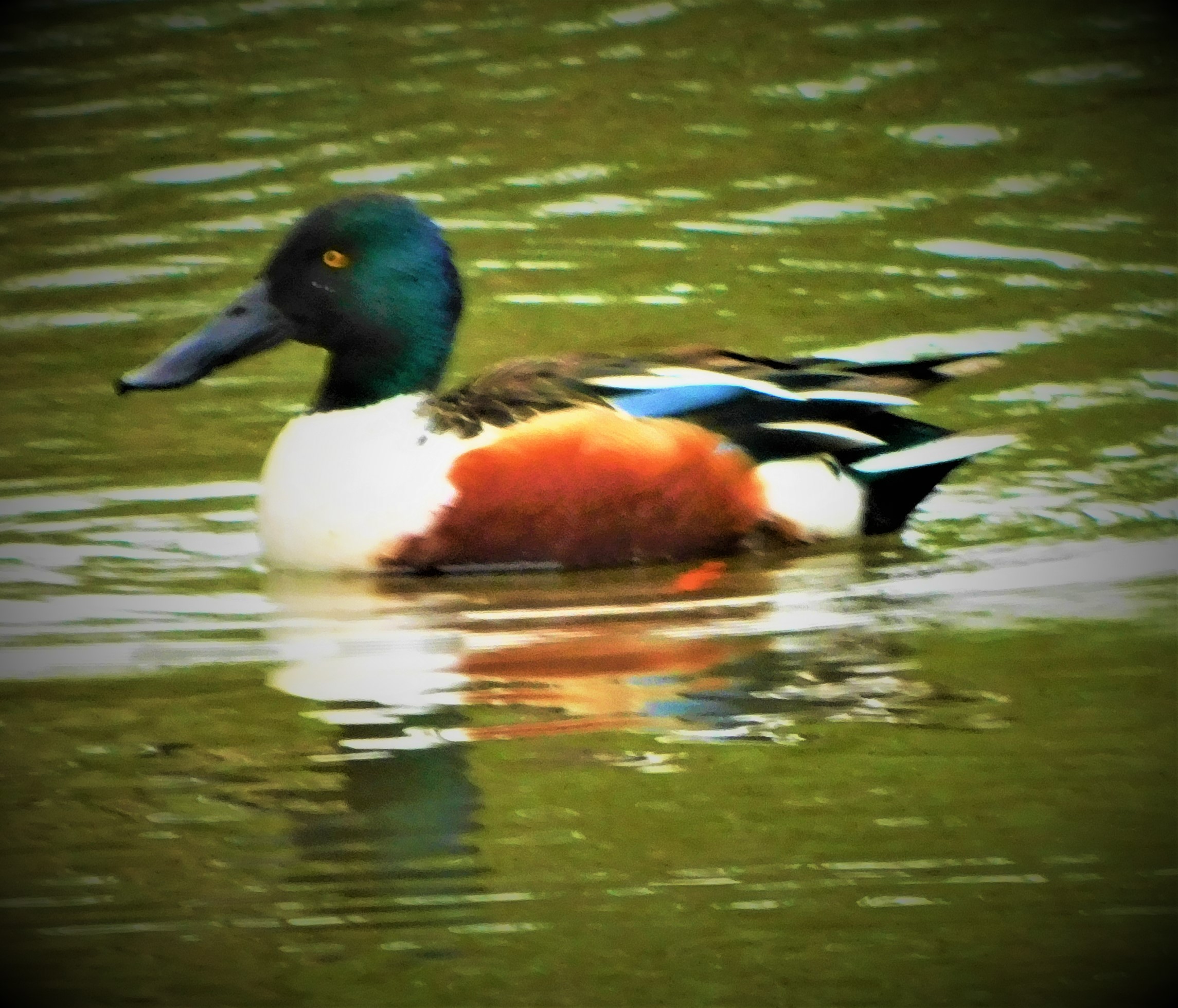
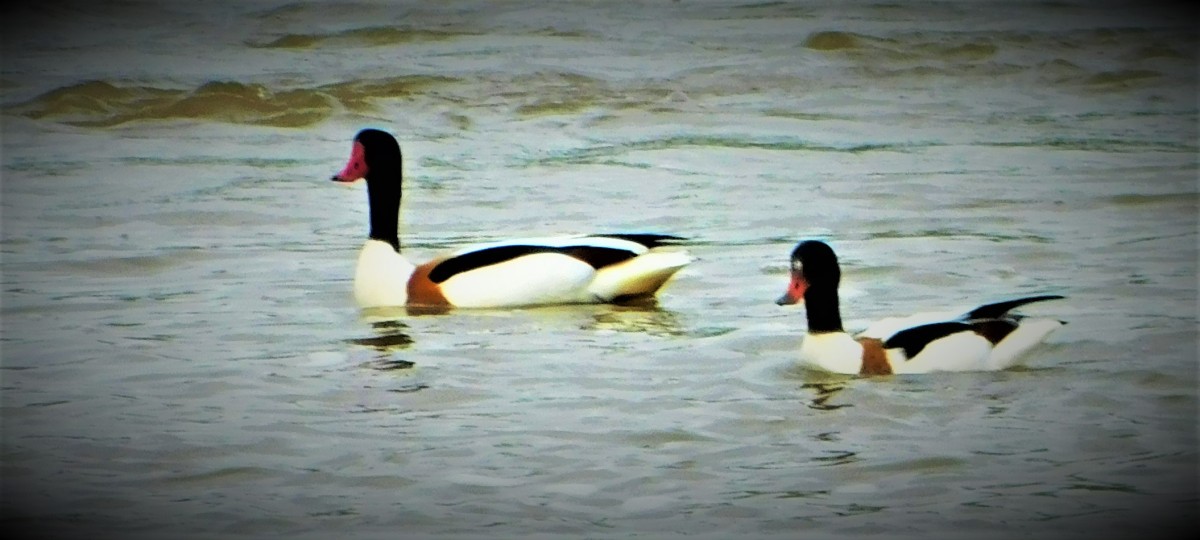
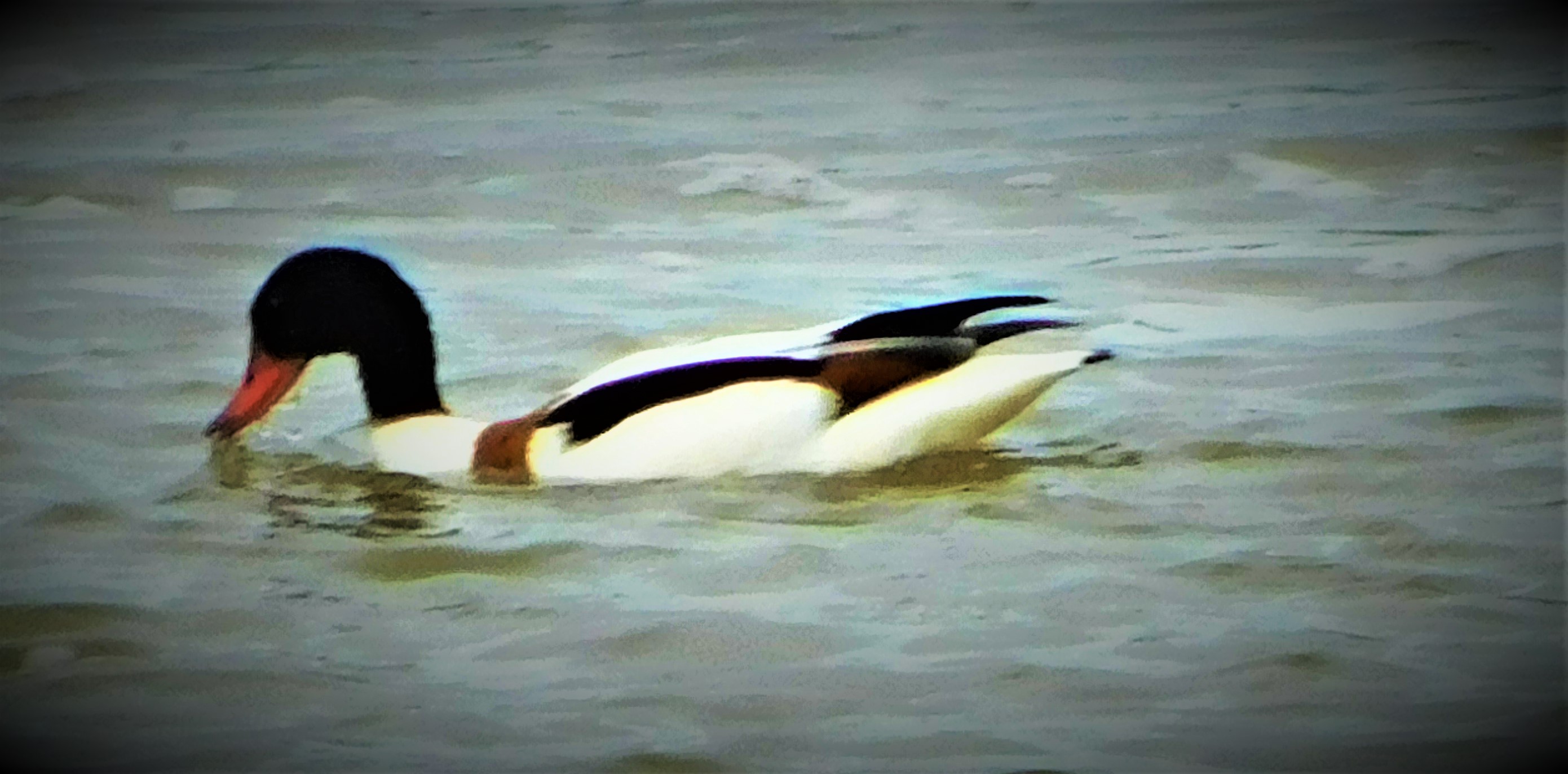
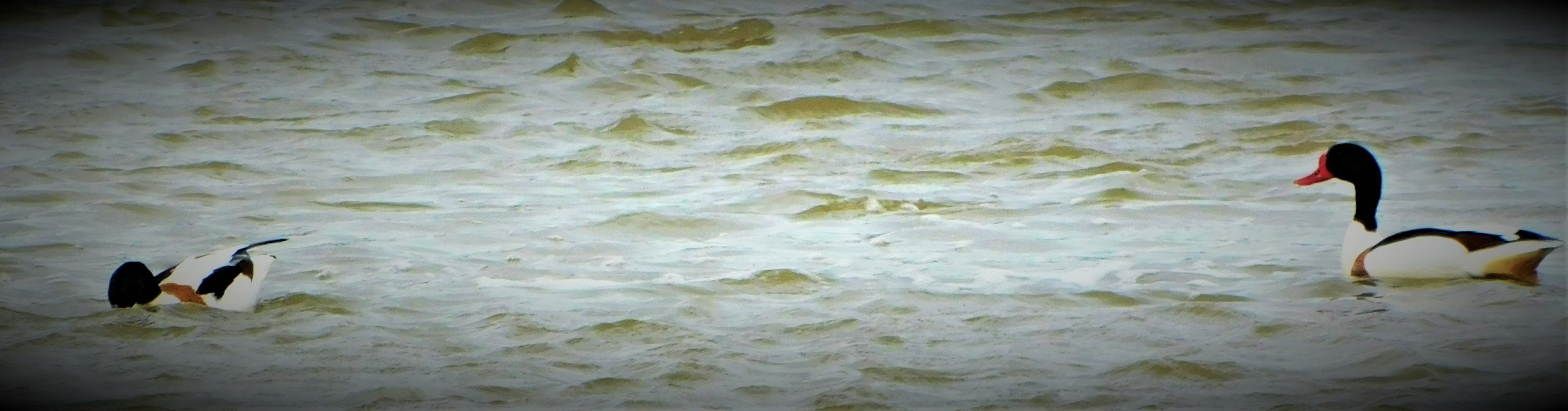
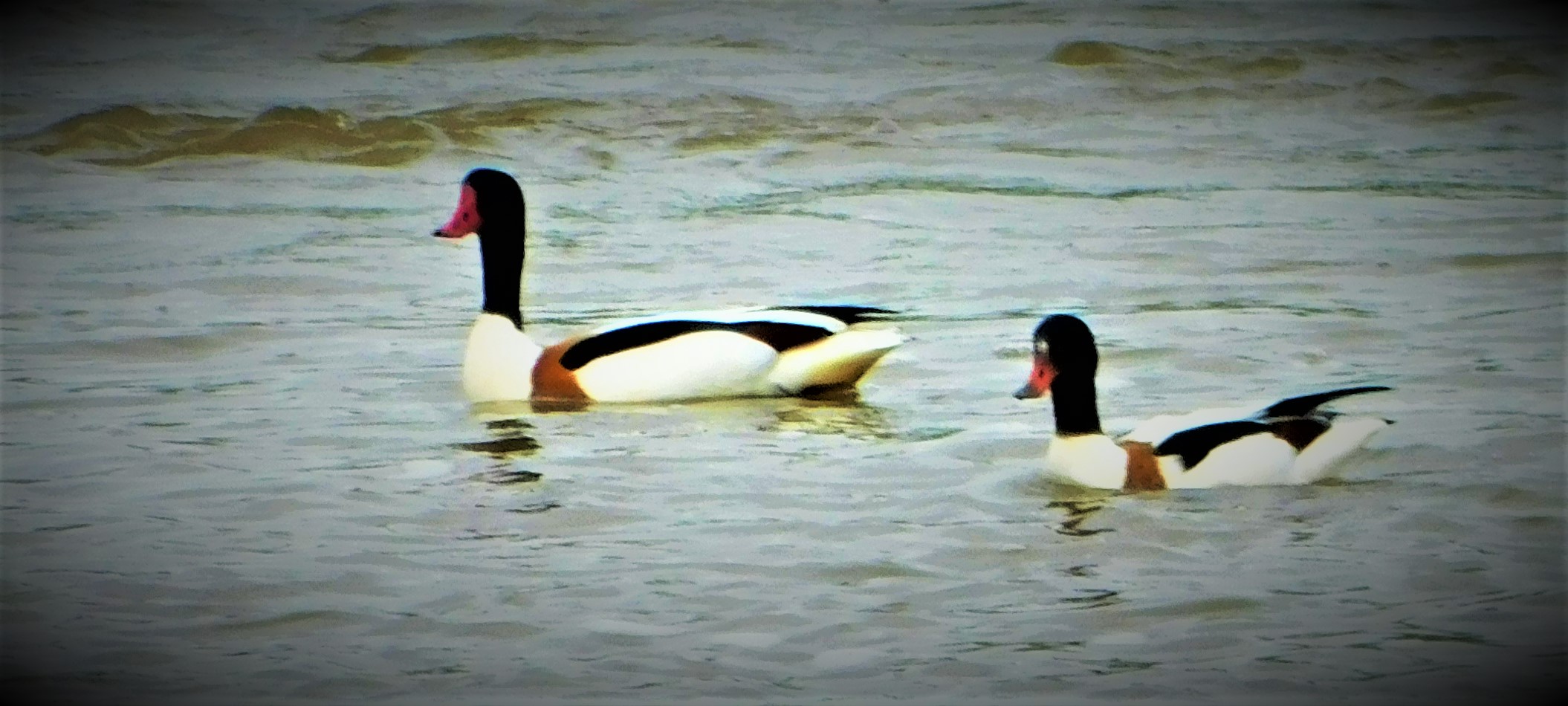
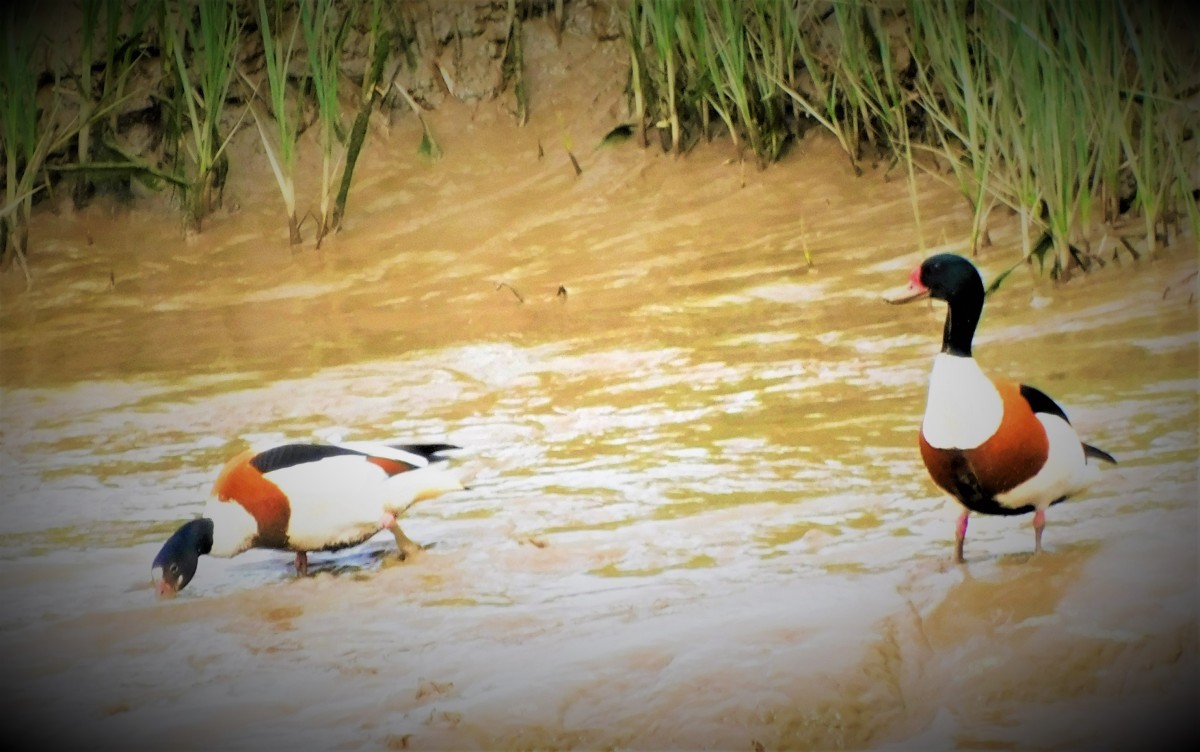
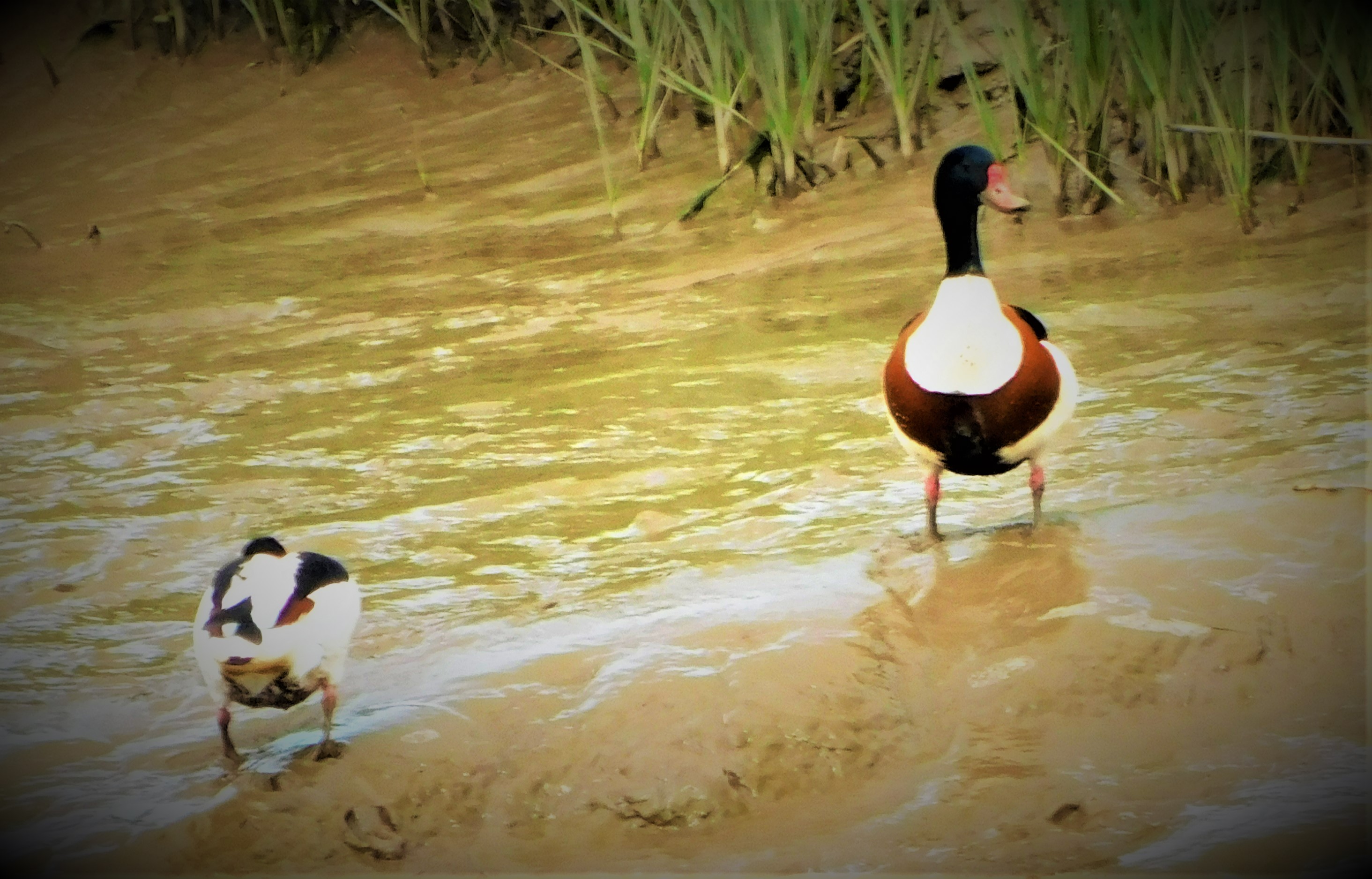
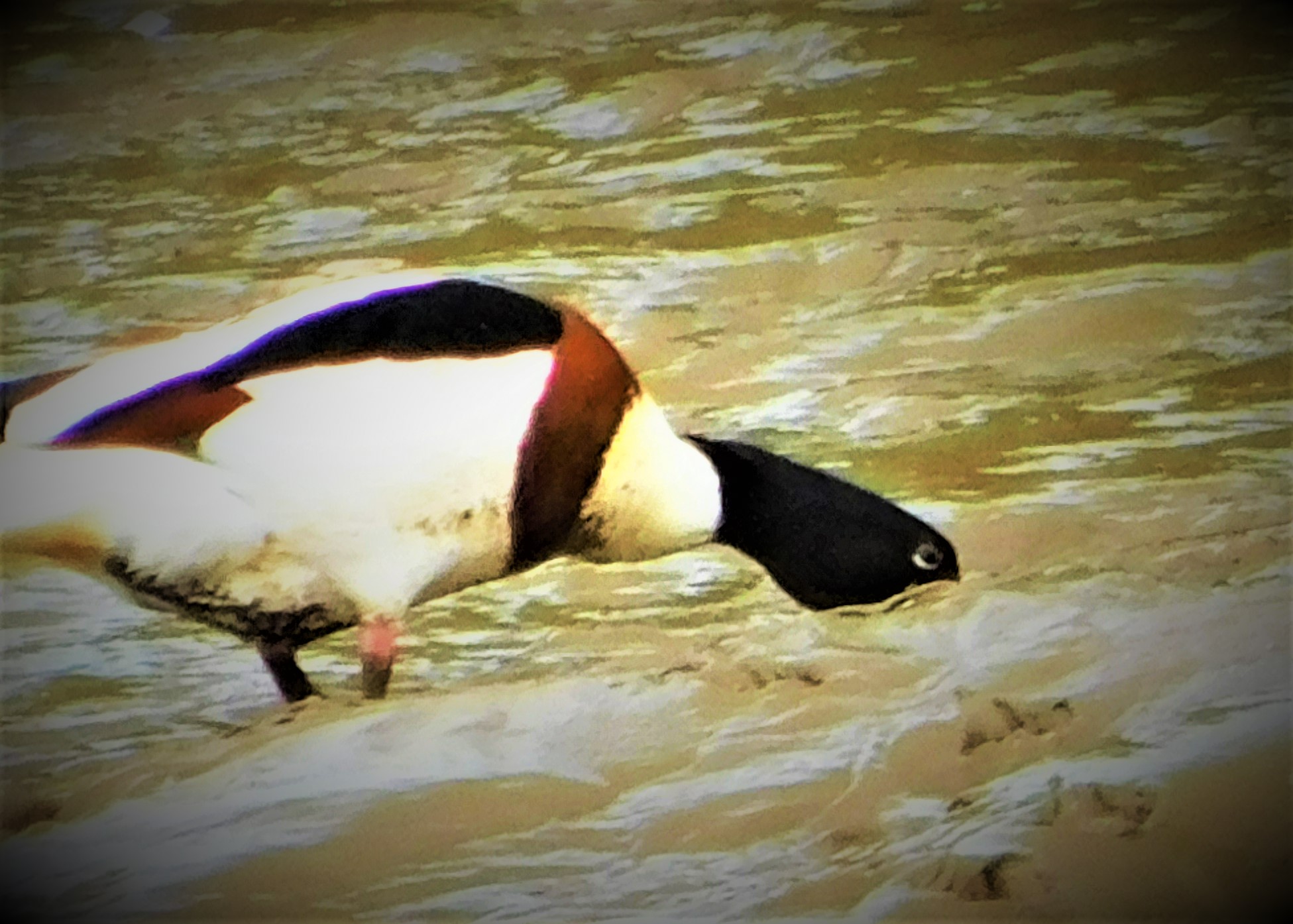
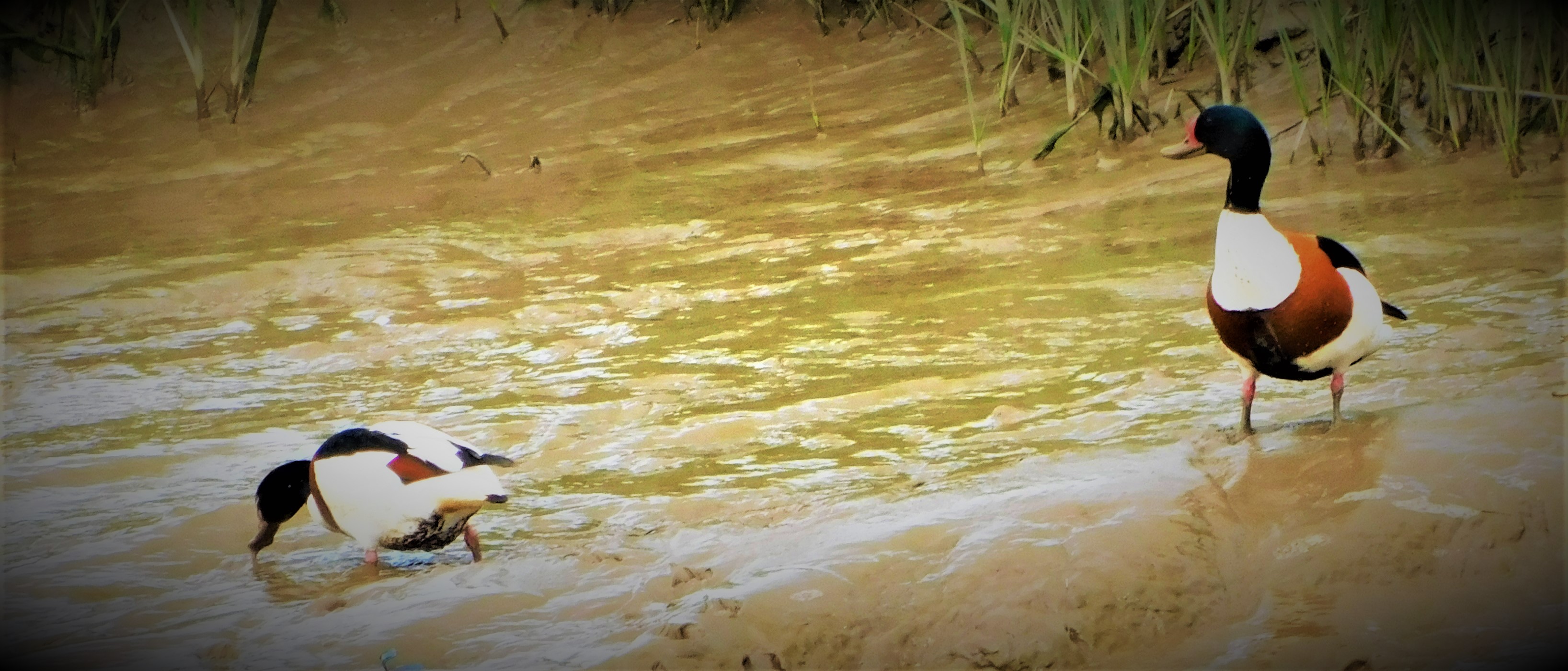
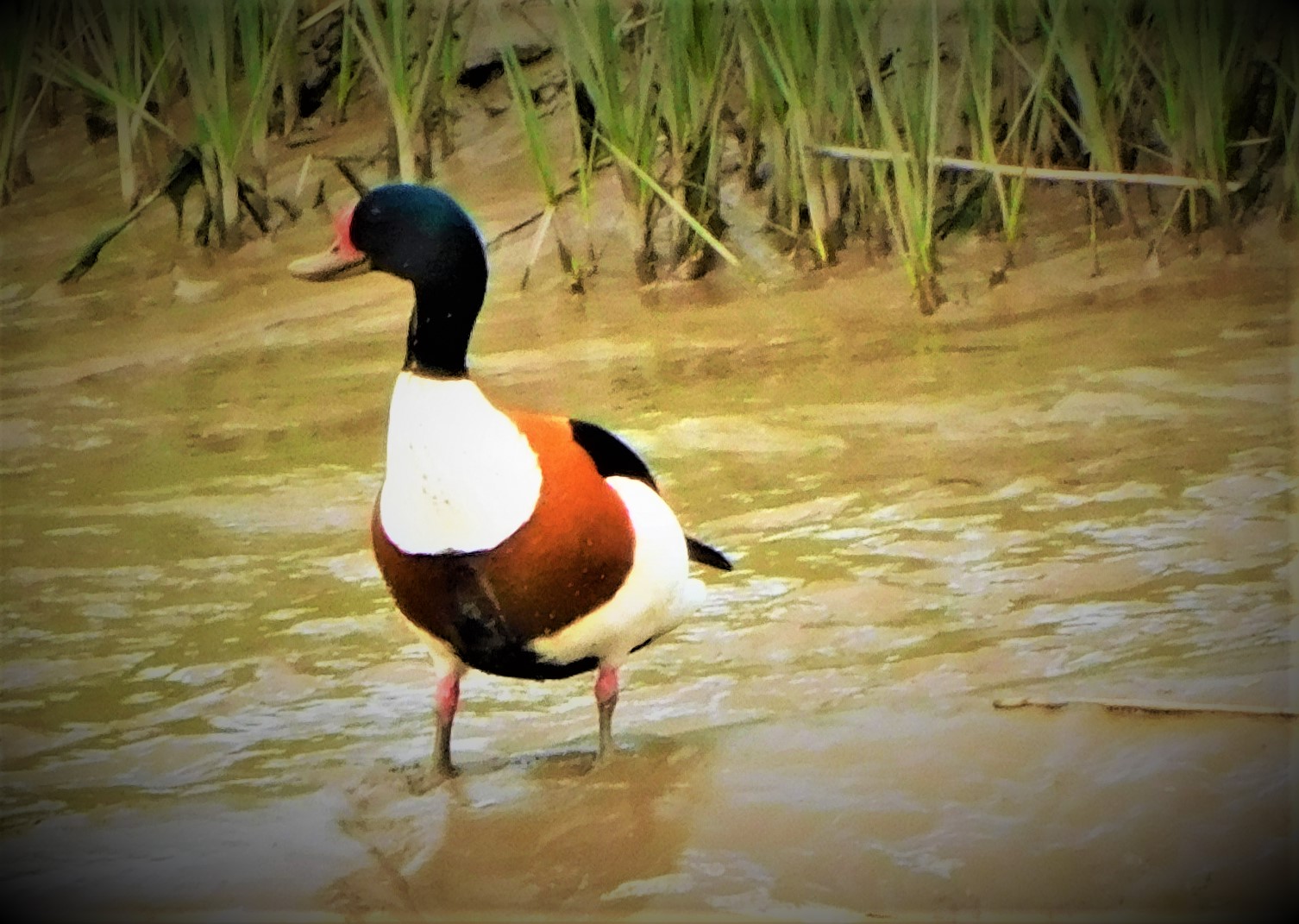
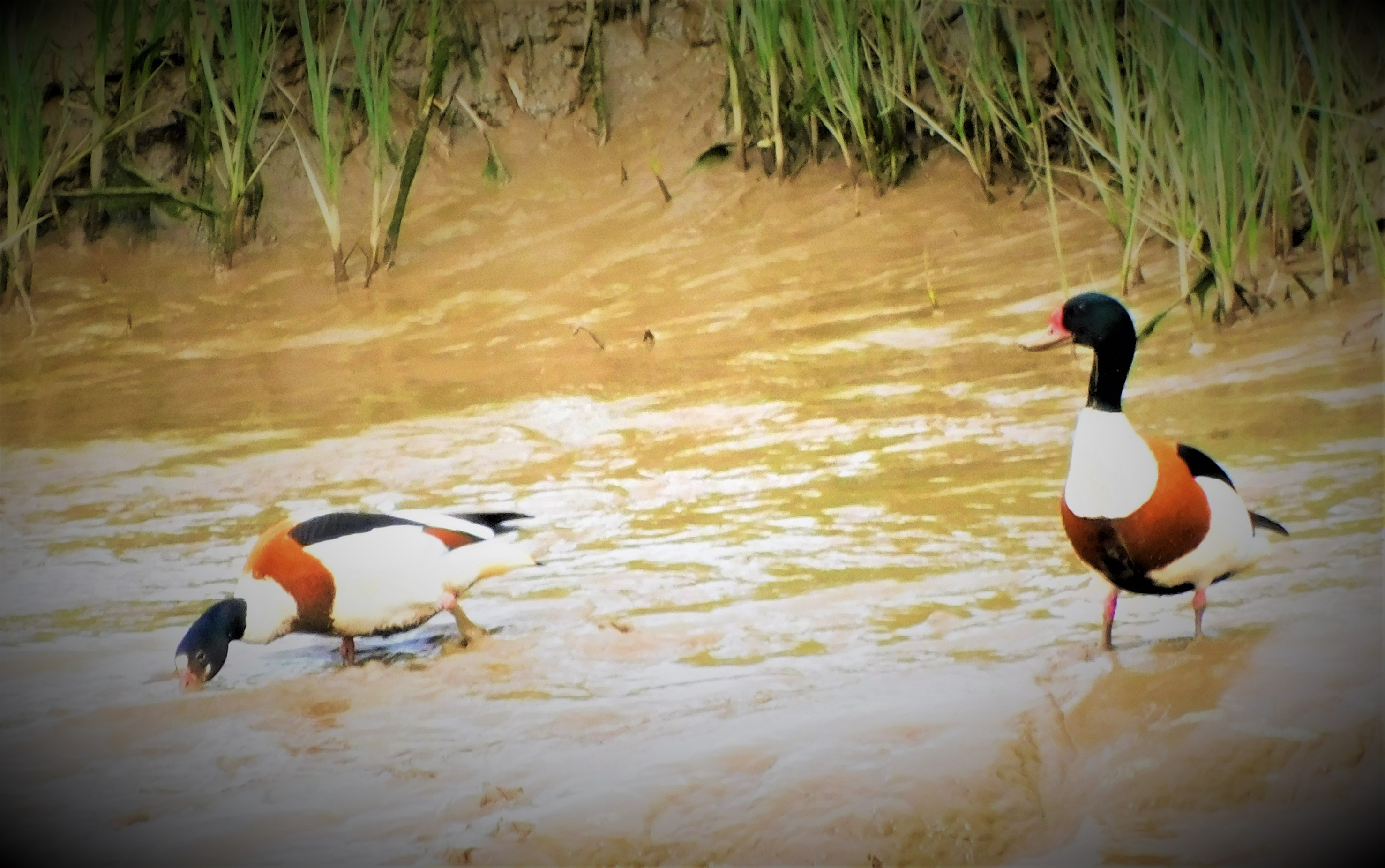
I have a fine photo gallery, including a new bird sighting – I saw a pair of shelduck where the Nar flows into the Great Ouse while out walking this morning. Also, I will probably not get a post up tomorrow as I will be out for most of the day since the Metronomes are playing at Broxbourne. Now for those photos…
A look at some of the stories emerging from the local elections which took place in England yesterday. Also a huge photo gallery.
Yesterday saw local council elections in various parts of the country. Many of the results have now been confirmed, although we are still waiting for quite a lot as well, including my own King’s Lynn and West Norfolk. This post looks at what we know so far.
THE GENERAL PICTURE
The Tories have been taking an absolute hammering. Sir Keir Starmer’s Tory Tribute Act that still has the gall to call itself Labour is basically flat lining, while Independents of various kinds, Liberal Democrats and Greens have been making major gains.
LOCAL INDEPENDENTS
The biggest success by someone standing under an independent designation was by Alan Gibbons in the newly created Orrell Park ward. Gibbons, hounded out of Starmer’s Labour, stood for Liverpool Community Independents and achieved 77% of the vote, while the official Labour candidate managed 19%. There have also been major successes for Independents in South Tyneside and a few other areas.
THE LIBERAL DEMOCRATS
They have had successes in some deep blue areas, winning seats in the Cotswolds, and also in die-hard Tory Essex – they now control Brentwood Council, having gained three seats yesterday.
THE GREEN PARTY
A record breaking set of elections for my party. They have already gained control of Mid-Suffolk Council, the first time they have had an absolute majority of seats on any council. They are also the largest party on East Hertfordshire council, remarkable given that only a few years ago the Tories held EVERY seat on that council. In Bath they took out the current Mayor, while they have also won a seat in Merstham, Surrey for the first time ever. Other areas that have seen Green successes include Darlington and Worcester. Heather Skibsted, hounded out of Starmer’s Tory Tribute Act of a party, won a seat for the Greens in Peterborough. I await with some eagerness the results from Saint Margarets with St Nicholas ward, next door to me, where there are two Green candidates. In my own ward there were a beggarly three candidates for two seats, two Labour and one Tory. I was seriously tempted to spoil my ballot paper in protest at the paucity of choices, but gritted my teeth and voted to prevent the Tory from getting in – to quote a line that Colleen McCullough assigned to Pompey in one of her series of Roman historical novels, in that case in context of Marcus Favonius, known as ‘Cato’s ape’ because he slavishly imitated the latter, “The ape is not the equal of the master” – even Sir Keir’s abomination of a Labour Party is not as bad the actual Tories.
ACTIVE TRAVEL AND THESE LOCAL ELECTIONS
In a number of seats being contested this time there has been much heat and rather little light around active travel, and associated traffic calming measure such as Low Traffic Neighbourhoods (LTNs). In every seat where this was a significant issue those most virulently opposed to any form of traffic restriction did appallingly and folk in favour of encouraging active travel did well – vociferous as the opponents of such things as LTNs can be they are few in number.
PHOTOGRAPHS
Although this has not been one of my usual posts, it ends with my usual sign off…
A look back at a remarkable match in the Rachael Heyhoe-Flint Trophy on Monday, plus a bumper photo gallery.
This post is an account of a Rachael Heyhoe-Flint Trophy match that took place on Monday. Coverage was via youtube, which was one reason I didn’t blog on Monday. The Rachael-Heyhoe Flint Trophy is a 50 overs per side competition.
SOUTH EASTERN STARS MAKE A TERRIBLE START
Western Storm won the toss and put their opponents in, questionable on a pitch that was already a little worn having previously been used for the men’s County Championship match between Gloucestershire and Sussex (drawn, Sussex skipper Cheteshwar Pujara finally accepting this result with four overs left to be played and Gloucestershire having six second innings wickets standing). At first all went well for Storm, with two batters (Kira Chathli and Alice Capsey) collecting ducks very early on, and a third also going cheaply. At that point 16 year old Jemima Spence joined Stars skipper Bryony Smith. Although the youngster never achieved any degree of fluency her long innings supporting first Smith who made a good 50 before holing out down the ground and then Paige Scholfield played a crucial part in swinging the match back towards the Stars.
THE RECOVERY
By the time Spence was fifth out Scholfield was already firmly established at the crease and playing some lovely strokes. A sixth wicket followed fairly quickly, but then Tash Farrant, a left arm medium pacer who is also a useful batter down the order joined Scholfield in the stand that virtually settled the outcome of the match. Farrant scored at better than a ball, but was nevertheless overshadowed by the sheer brilliance of Scholfield. Farrant scored 45, in a seventh wicket stand that yielded 127. Eight further runs accrued after Farrant’s dismissal, giving Stars a final total of 296-7, with Scholfield 134* off 109 balls. The best bowlers for Storm were the opening pair of Lauren Filer and Dani Gibson who each took three wickets, but even they suffered some damage from the Scholfield blitz. The young Irish all rounder Orla Prendergast had a particular nightmare with the ball.
STORM IN A SPIN
Western Storm got into the 30s without losing a wicket, but then two off spinners, Bryony Smith and Alice Capsey, the latter looking to avenge her first ball duck, came into the attack. Not only could the Storm batters not get them away, they lost wickets with ridiculous frequency. Smith took three wickets, a fine follow up to her 50 with the bat, but it was Capsey who was the real destroyer. She had never previously had a five wicket haul in a list A match, but this was her day with the ball, and by the time she claimed the last two wickets in the space of four balls she had 6-28. Western Storm had managed a beggarly 89 all out, beaten by 207 runs. Prendergast and Alex Griffiths each got into the 20s, but neither scored with any speed – note that Spence’s slow scoring occurred with first Smith and then Scholfield going great guns at the other end, so Stars had never had both batters scoring slowly at the same time.
PHOTOGRAPHS
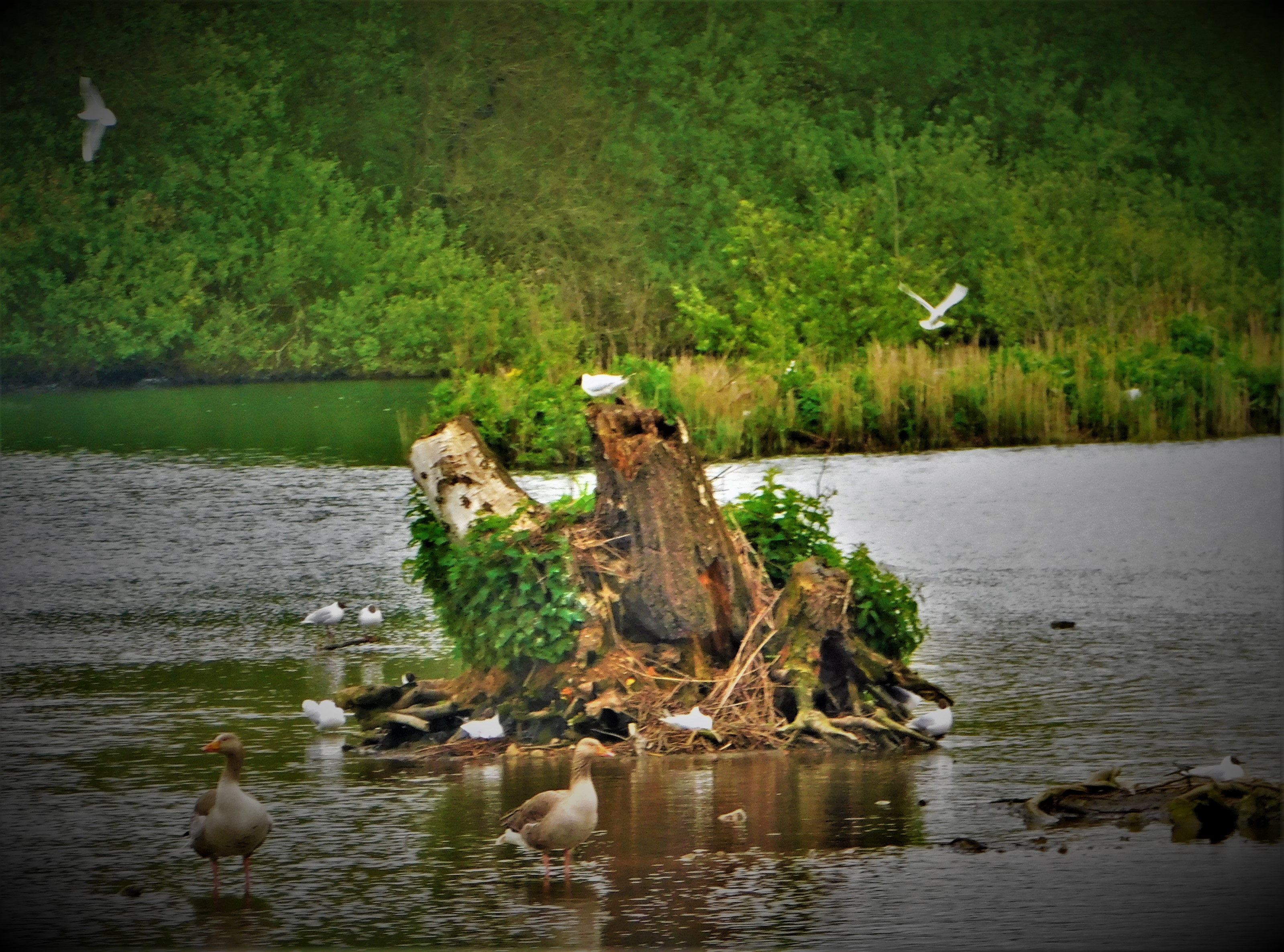
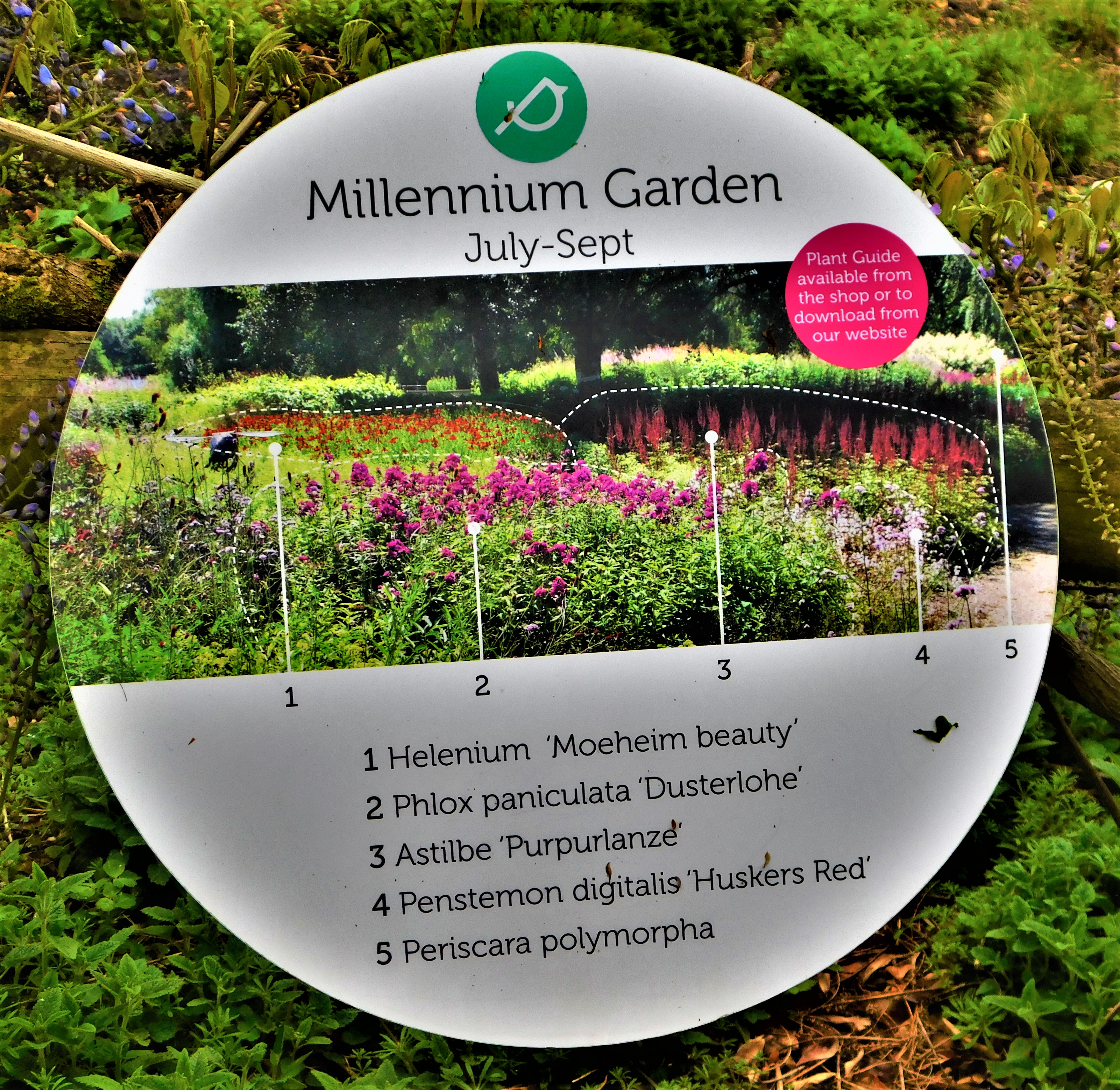
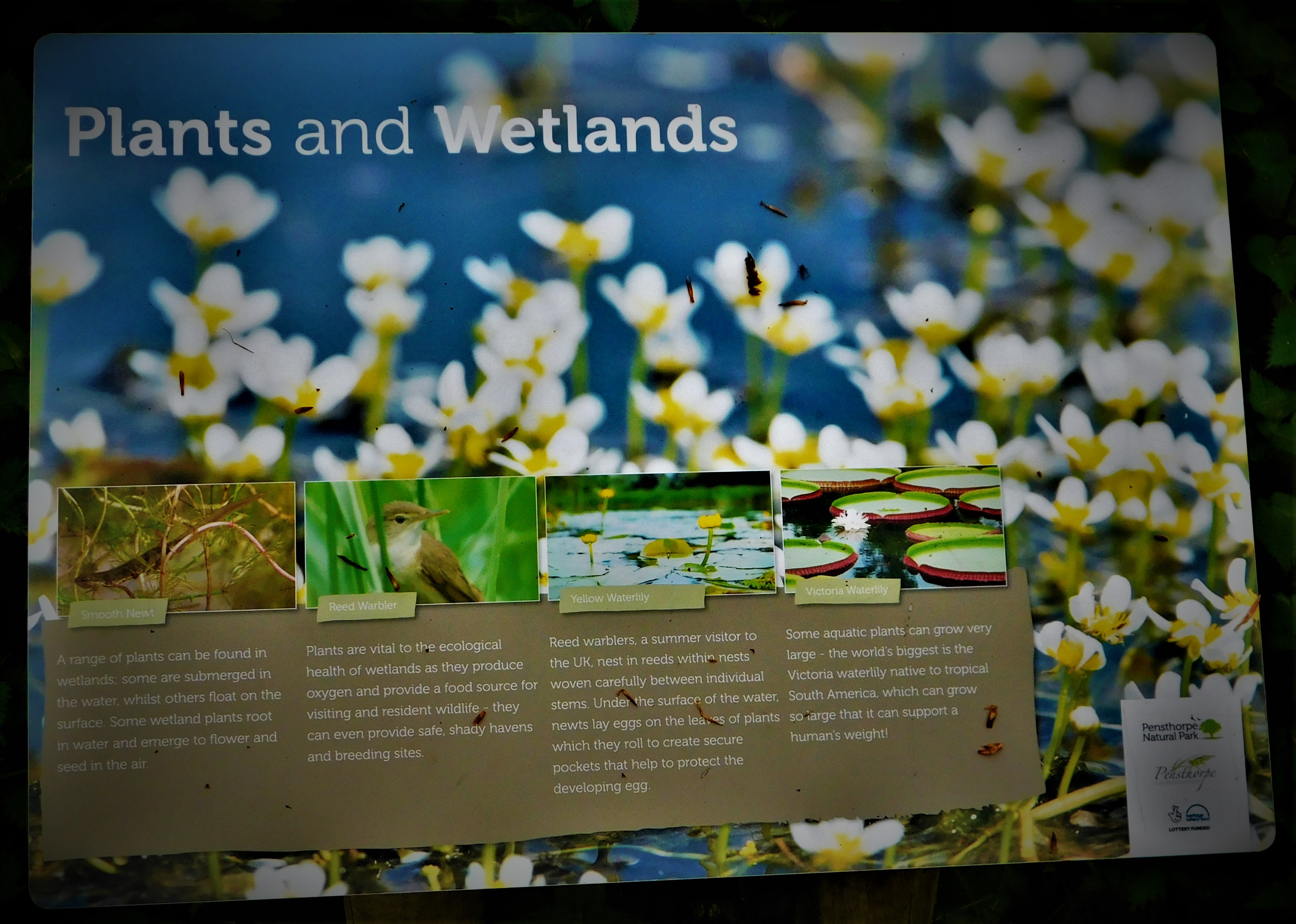
I have a huge photo gallery (in fact I have so many photos taken since Monday morning that I have held some back for my next post)…






































































































































































































































































































 aspiblog