An all time XI of some of the legends of county cricket, with the new season now 25 days away. Also a photo gallery.
Today I present an all time XI of players who all set records relating to English first class cricket, as an appetizer for the new season that is now a mere 25 days away. I have not included a specific overseas player although one of this XI was born abroad.
THE XI IN BATTING ORDER
*WG Grace (Gloucestershire, London County, right handed opening batter, right arm bowler of various styles, captain). Joint leading achiever of the feat of 1,000 runs in a first class season (28 times).
Wilfred Rhodes (Yorkshire, left arm orthodox spinner, right handed batter). No one took 100 first class wickets in a season more often than Rhodes (23 times), and no one achieved the double of 1,000 runs and 100 wickets in a season more often (16 times).
Frank Woolley (Kent, left handed batter, left arm orthodox spinner). Achieved the “batting all rounder’s double” of 2,000 runs and 100 wickets for the season a record four times, joint record holder for 1,000 runs in a season.
Denis Compton (Middlesex, right handed batter, occasional left arm wrist spinner). Most first class runs in an English season (3,816), and most first class centuries in an English season (18), both set in 1947.
Phil Mead (Hampshire, left handed batter). Most runs (48,809) and most centuries (138) for a single first class team.
George Hirst (Yorkshire, right handed batter, left arm fast medium bowler). The only player ever to score 2,000 first class runs and take 200 wickets in the same first class season (1906), record unbroken sequence of achieving a minimum of 1,000 and 100 (1902-12 inclusive).
+Les Ames (Kent, wicket keeper, right handed batter). The “wicket keeper’s double” of 1,000 runs and 100 dismissals in first class matches in the same season was only ever achieved four times, and three of those were by Ames (John Murray of Middlesex achieved the other).
Maurice Tate (Sussex, right arm medium fast bowler, right handed batter). The “bowling all rounder’s double” of at least 1,000 runs and 200 wickets in the same first class season was achieved by two people outside of Hirst’s 1906 ‘double double’, this man, and the guy one place below him in the order.
Albert Trott (Middlesex, right arm slow bowler, right handed batter). From 1899-1901 he was the best all rounder in the world, and even after his star faded in later years he produced the occasional outstanding performance, notably against Somerset in 1907.
Alfred Percy ‘Tich’ Freeman (Kent, leg spinner, right handed batter). In 1928 he achieved the only ever season’s haul of 300 first class wickets (304), and he took 200 or more in a record eight successive seasons including that one.
Tom Richardson (Surrey, right arm fast bowler, right handed batter). The most wickets in a season by anyone other than Freeman (290), and he has records for fewest matches to reach 1,000 FC scalps (134) and 2,000 (327).
This side has a powerhouse batting line up, with everyone down to Trott at number nine capable of being a matchwinner in that department, and with Richardson, Tate and Hirst to bowl seam/swing/pace, Freeman, Trott, Rhodes and Woolley as front line slow bowlers and Grace and Compton also available to bowl taking 20 wickets should not pose a problem on any surface.
HONOURABLE MENTIONS
I will limit myself to two of these: James H Parks (Sussex) was the only ever cricketer to score 3,000 first class runs and take 100 first class wickets in the same season. Herbert Sutcliffe (Yorkshire) also merits a mention for scoring 1,000 or more FC runs in every inter-war season (1919-39 inclusive).
A look back at the test match in Dharamsala and at the India v England series as a whole, and a composite XI for the series. Also a huge photo gallery.
The final test match of the India v England series at Dharamsala ended earlier today after barely half the allotted playing time, with India winning by an innings and 64 runs to take the series 4-1. This post looks back at the match (I missed two major chunks of play – on day one because it was a work day and on day two because the West Norfolk Autism Group had a committee meeting, but still got enough of the action to have a decent idea of what went on) and at the series, including naming a composite XI for the series.
THE PRELIMINARIES
Ollie Robinson’s injury forced one change on England, and they opted to recall Mark Wood rather than give Gus Atkinson a game, a mistake IMO, but one that had zero effect on the outcome. This meant that Jonathan Bairstow became without doubt the least deserving ever recipient of 100 test caps. India dropped Patidar (I choose to consider the official line about getting an ankle injury during training to be absolute BS) and brought in Devdutt Paddikal for a test debut, while Bumrah returned after a one match rest. England won the toss and opted to bat first on a flat looking pitch.
DAY ONE
England started well, with Crawley playing nicely and Duckett helping to push the score into the 60s before the first wicket fell. Pope never looked at home and was out to the daftest dismissal of the series, when he gave Kuldeep Yadav the charge, playing for spin that wasn’t there and walking straight past the ball to be stumped by a ridiculous margin. Root and Crawley took the score to 134 before Crawley’s innings ended for 79. Bairstow and Root had taken things to 175-3 but then came an epic collapse, and moments later the score read 183-8. Foakes, left for the second successive innings to attempt to shepherd Bashir and Anderson, did enough that England reached 218, still an obviously inadequate total. I missed most of the start of the Indian innings, but they ended day 1 on 135-1, Jaiswal having gone after taking his series aggregate to 712 runs.
DAY TWO
Rohit Sharma and Shubman Gill batted superbly and India were in to the lead with only one wicket down. Both these batters notched centuries and got out shortly thereafter, but the debutant Paddikal and Sarfaraz Khan continued to good work and at one stage India looked set for a really mammoth total. However, they lost wickets while I was out, and by the end of the day were 473-8. Shoaib Bashir having conceded 100 in his first 20 overs had hauled things back and was on 4-170 by the close. Anderson had claimed his 699th test wicket.
THE FINAL HUMILIATION
Anderson got his 700th test wicket, and Bashir ended the Indian innings by claiming his fifth wicket, his second test five-for in his debut series. There was little else for England to enjoy. Duckett suffered a crazy bowled dismissal, trying to charge Ashwin who took the new ball alongside Bumrah. Crawley failed cheaply as well, turning one from Ashwin into the hands of Sarfaraz Khan, and Pope fell to catch by Jaiswal off Ashwin. That was 36-3. Bairstow flashed his way to 39 off 30 balls before falling LBW to Kuldeep Yadav and that was 92-4. Right on the stroke of lunch Stokes concluded a wretched series with the bat (and he only bowled at all in this match, taking a wicket with his first ball in nine months but otherwise doing nothing of note) by being bowled by Ashwin, against whom he seemed to have not a scooby, for 2. England at 103-5 needed 147 more just to avoid the innings defeat. Foakes fell for 8, also bowled by Ashwin and it was 113-6. Tom Hartley offered Root some support, but he and Wood were both pinned LBW by Bumrah in the space of three balls (and if Wood knew anything about the intermediate delivery I am a Dutchman) and that was 141-8. Shoaib Bashir offered Root support, and the prospect a century for the Yorkshireman appeared on the horizon. However with the partnership with 48 a delivery from Jadeja kept low and bowled Bashir to make it 189-9. With Anderson at the other end Root aimed a big shot against Kuldeep Yadav and succeeded only in picking out Jasprit Bumrah to fall for 84. England 195 all out, Root 84. Kuldeep Yadav was named Player of the Match for his seven wickets, five of them taken in the first innings, and Yashavsi Jaiswal was named Player of the Series.
ANALYSIS
This series was played on excellent cricket wickets – these were not at any stage of any match raging turners, and everyone had the chance to get in the game. India won 4-1, and are in truth not flattered by that margin, because they have the better cricketers, and they generally played somewhere close to their best. Crawley’s series was reminiscent of the one Shane Watson had in the 2010-11 Ashes – respectable aggregate and average, but no really major innings, and like Watson he was part of a well beaten side. Duckett had his moments, including a superb century, and he and Crawley usually have England a solid start, while not coming close to being a latter day Hobbs and Sutcliffe. Where England failed abysmally was in the number 3-6 positions in the order. The 40 innings played by those players across the series (four players, 10 innings each) yielded exactly three major innings – Pope’s 196 in the first match, Root 122* at Ranchi and Root 84 in the second innings at Dharamsala. When the engine room of the batting is failing to that extent one cannot really expect other than a hammering. In the 1924-5 Ashes Hobbs and Sutcliffe both had superb series, but were largely unsupported by the rest of the order and England lost 4-1. Here Crawley and Duckett were not as good as Hobbs and Sutcliffe had been 99 years ago, and the middle order failed even worse. Only Anderson, who became only the third ever bowler and first ever seamer to record 700 test scalps, was remotely effective among England’s pace bowlers, but India’s pacers were not brilliant either. Hartley and Bashir as front line spinners did more than anyone could have expected of them, and Bashir especially looks hugely promising, but they were unsurprisingly outclassed by their rather more experienced Indian counterparts. Foakes kept impeccably through the series, but Dhruv Jurel also did superbly once he replaced the underachieving Srikar Bharat, and Jurel was a clear cut matchwinner at Ranchi. Thus India were, thanks to Jaiswal, somewhat ahead when it came to openers, in a different league from England in slots 3-6, ahead on pace (Bumrah being better in the series than the veteran Anderson) and ahead on spin, though less one-sidedly so than might have been expected, equal on keeping, and probably equal on captaincy, though to make up for his shocking series as a player Stokes would have had to captain like peak Brearley, and he certainly did not do so. I do not think that either Wood (now 35 and unlike Anderson seriously injury prone) or Oliver Edward Robinson (too many fitness issues) should feature for England again, and it is long past time to confine Bairstow’s activities to white ball cricket. I also feel England need a genuine number three – barring his one great innings at Hyderabad Pope has looked further at sea than Captain Nemo and the Nautilus in this series. Josh Bohannon is the best number three currently playing county cricket, while Jamie Smith (Surrey) and James Rew (Somerset) must in the reckoning to replace Bairstow at number five. Bashir should keep his place as should Anderson for the present. Among younger pace options Matthew Potts, Josh Tongue, Gus Atkinson and Tom Lawes should all be considered in the immediate term, and I would have half an eye on the progress of James T Langridge of Somerset who showed signs of promise when thrust into One Day Cup action as a 17 year old last season.
In terms of the team approach, I am all for attacking cricket, but what we saw far too much in this series was brainless batting – large numbers of wickets simply thrown away. Also some of the players public utterances (Duckett’s comments about Jaiswal learning from England’s approach being an example – almost as ridiculous in their way as was Pope’s first innings dismissal at Dharamsala in its way).
COMPOSITE XI FOR THE SERIES
Yashavsi Jaiswal (India, left handed opening batter). Only one Asian opener has ever scored more in a series than his 712 in this one: Sunil Manohar Gavaskar against the West Indies in 1970.
*Rohit Sharma (India, right handed opening batter, captain). His century in the final test and the fact that his rival skipper was effectively un-selectable on any honest reckoning get him in – I have commented on the efforts of Crawley and Duckett earlier in this post.
Shubman Gill (India, right handed batter). He came good as this series progressed, and outside of his Hyderabad display Pope scraped up a mere 117 runs in nine innings.
Joe Root (England, right handed batter, occasion off/ leg spinner). He did well in the fourth and fifth matches, and number four was a problem position for India. Paddikal made 65 in his debut innings, but that was the only innings he played, and Patidar was never remotely convincing. However, he needs to stop trying to play fancy, and settle, as he did in these last two matches, for using the traditional test match methods that have brought him 11,000 runs at 50.
Sarfaraz Khan (India, right handed batter). Solid performances in all matches that he has played.
Ravindra Jadeja (India, left handed batter, left arm orthodox spinner). The veteran Indian all rounder has had a fine series, while Stokes had a wretched one.
+Dhruv Jurel (India, wicket keeper, right handed batter). Both he and Ben Foakes kept very well. The tiebreaker is Ranchi, where Jurel was India’s matchwinner.
R Ashwin (India, off spinner, right handed batter). The veteran bowled better as the series progressed.
Kuldeep Yadav (India, left arm wrist spinner, left handed batter). Has had a superb series with the ball since coming in for Axar Patel, and has played some useful supporting innings with the bat.
Jasprit Bumrah (India, right arm fast bowler, right handed batter). The best quick bowler on display in this series.
James Anderson (England, right arm fast medium bowler, left handed batter). Still fit and firing at the age of 41, though England struggled to find anyone to share the new ball with him – neither Robinson nor Wood distinguished themselves in this series. I reckon he would fare better in this XI, with Bumrah at the other end, than he had the opportunity to do for England in this series.
A twist on one of my regular themes – Pick an XI of players whose averages suggest that they weren’t quite test class but who were nevertheless very valuable to their side.s.
Today in a twist on my usual theme I select a team of players who by their averages seem to fall short of test class but who were hugely valuable to their respective teams. I have allowed myself one sneaky selection who many would say should be disallowed due to the era in which he played, but the other 10 are bona fide qualifiers on my criteria.
THE XI IN BATTING ORDER
John Wright (New Zealand, left handed opening batter, 5,334 runs at 37.82). A couple of runs per innings short of the usual modern day benchmark for front line test batter, but the gritty left hander was a crucial component of the New Zealand sides of the 1980s.
Tamim Iqbal (Bangladesh, right handed opening batter, 5,134 test runs at 38.89). With a left handed sticker as one opener the ideal counterpart to him would be right hander with more attacking instincts, and the Bangladeshi, probably the classiest batter his country has produced to date fits the bill perfectly.
Mark Butcher (England, left handed batter, very occasional right arm medium pacer, 4,288 runs at 34.58). He had a two-phase career, struggling initially but becoming a very important member of the England sides of his day later on. He was the matchwinner at Headingley in 2001 with a blistering 173* as England chased down over 300 in the fourth innings.
*Nasser Hussain (England, right handed batter, captain, 5,764 runs at 37.18). It was he as captain who began England’s revival from hitting rock bottom in 1999, and he was by then a very highly respected batter. His career highlight came at Edgbaston in 1997, when after Australia were shot out for 118 batting first he scored 207.
Clem Hill (Australia, left handed batter, 3,412 runs at 39.21). The sneaky pick – at the time of his retirement he had scored more test career runs than anyone else, and among those who played 10 or more tests only Ranji, with an average of 45 outranked him on that metric.
Mulvantrai ‘Vinoo’ Mankad (India, right handed batter, left arm orthodox spinner, 2,109 runs at 31.47, 162 wickets at 32.32). Fails to qualify as test class in either department, but for all that he was one of India’s most important ever players. He often had to open the batting because there were few Indians in those days who had the technique to cope with the new ball when it was moving, and he also had to bowl huge numbers of overs because India were short staffed in that department owing to their domestic cricket being played on roads – the only two first class matches ever to produce an aggregate of over 2,000 runs were both played in India, and both during Mankad’s playing days.
+Ben Foakes (England, right handed batter, wicket keeper, 1,107 runs at 29.91, 68 catches and eight stumpings). An all time great of the keeper’s art, but many question his place in the side on grounds of his batting. He bats in the top half of the order for Surrey, and there are few if any real bunnies in the Surrey line up, so he never has to try to shepherd them, as happened in the second innings at Ranchi, when he was stranded with only Bashir and Anderson for company.
Jack Gregory (Australia, right arm fast bowler, left handed batter, 85 wickets at 31.15, 1107 runs at 36.96). Was part of a devastating new ball pairing with Ted McDonald in 1920-1, but once he lost the Tasmanian’s support at the other end when the latter moved to England to play as a Lancashire League pro and ultimately for Lancashire his bowling fell away, with injuries also taking toll – a knee injury terminated his career in the first match of the 1928-9 Ashes.
Phillip DeFreitas (England, right arm fast medium bowler, right handed batter, 140 wickets at 33.57, 934 runs at 14.82). On the face of one of far too many England cricketers of that era whose averages were the wrong way round, but his bowling was often valuable for England, never more so than in 1991, in which season he recorded his best ever innings figures of 7-70. He was also a magnificent outfielder, with safe hands and a very powerful and accurate throw.
Nathan Lyon (Australia, off spinner, 527 wickets at 30.35). Bowling average just the wrong side of 30, but this is an off spinner who has played half his matches or thereabouts in Australia, and the record of visiting off spinners in Australia makes pretty grim reading.
Steve Harmison (right arm fast bowler, 226 wickets at 31.82). When he was first called up for England he was wild and wayward, with most of such wickets as he managed to take being caught at deep third man, but he had a great period in the middle of his career. In the first match of the 2005 Ashes he quite literally left his mark on the Australian top three – all copped bruises from him early in their innings.
This side has a solid looking top five, with a good mix of defence and attack, Mankad having the luxury of being in an all rounder’s best position, a great keeper and a quartet of frontline bowlers capable of great things. Gregory, Harmison and DeFreitas should form an effective pace/ seam/ swing trio and Lyon and Mankad are a contrasting pair of spinners. This side, for all that in theory all 11 of its members fall short of test class should be able to give a good account of itself, especially given that they will be well led by Hussain.
I am not doing an honourable mentions section this time, but there was a challenger for Mankad’s slot – Shakib Al Hasan of Bangladesh who averages 39 with the bat and 31 with the ball. I opted for Mankad on two grounds – firstly there is still time for Shakib to disqualify himself (most likely with the bat if he does manage it) and secondly I believe that Mankad would fare better as an all rounder in this XI than he did when having to virtually carry an ordinary India side on his shoulders. Also, though I do not list this as a reason there is another factor – I wanted to take the opportunity to showcase Mankad as a fine cricketer and not just as guy associated with a form of dismissal that for no good reason tends to generate controversy.
PHOTOGRAPHS
My usual sign off – I have a bumper crop at present, and this gallery could have been bigger had I wanted it to be so…
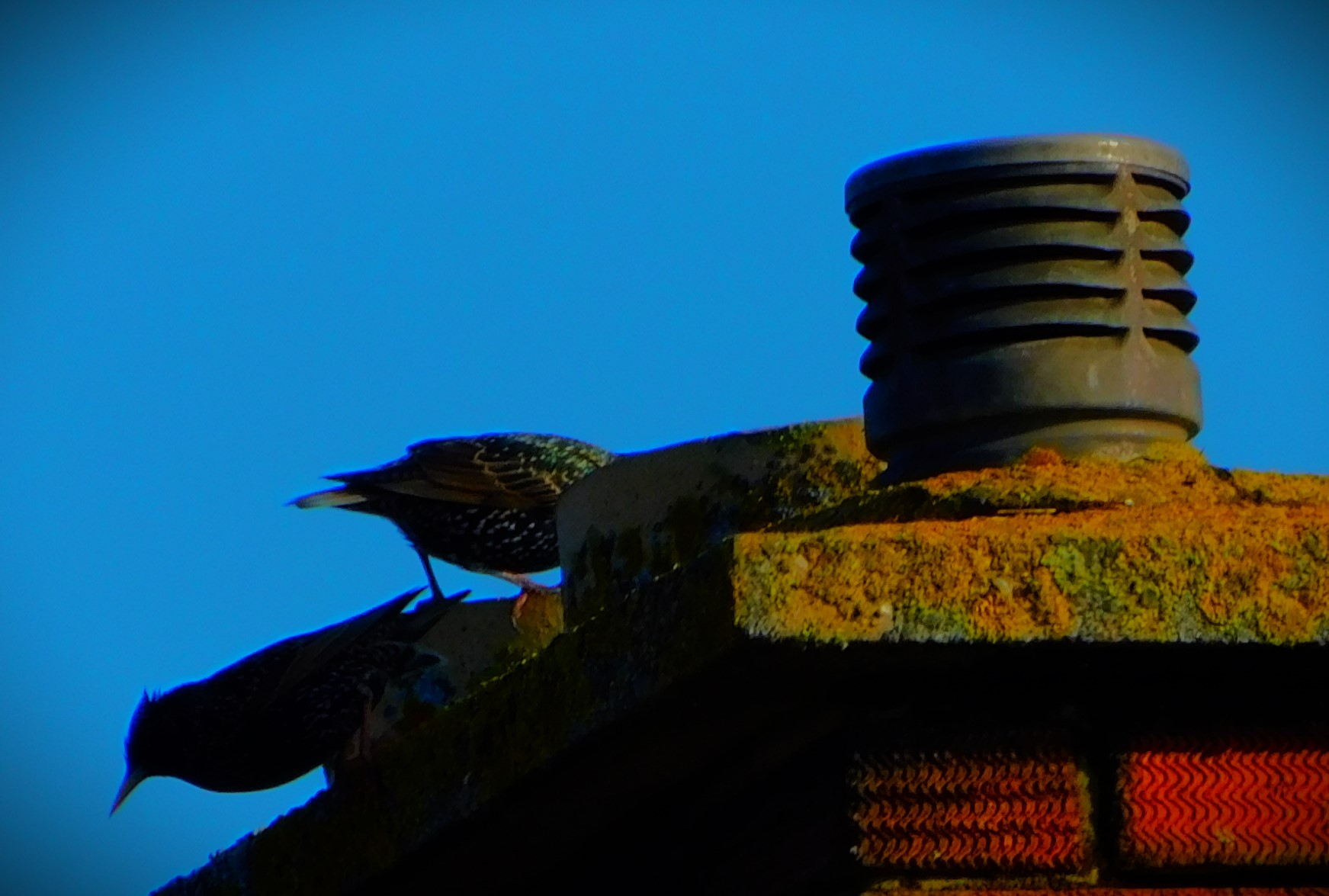
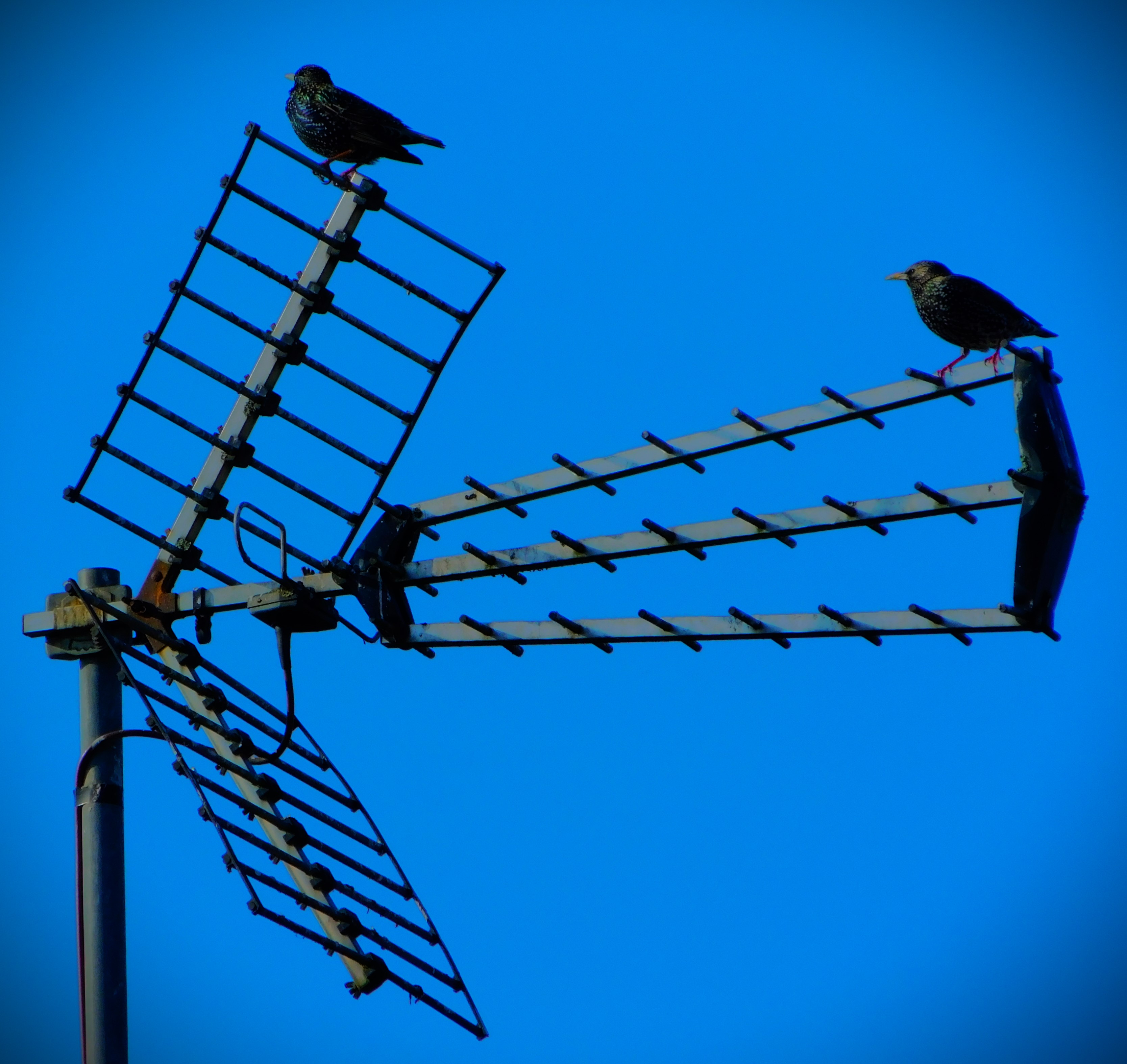
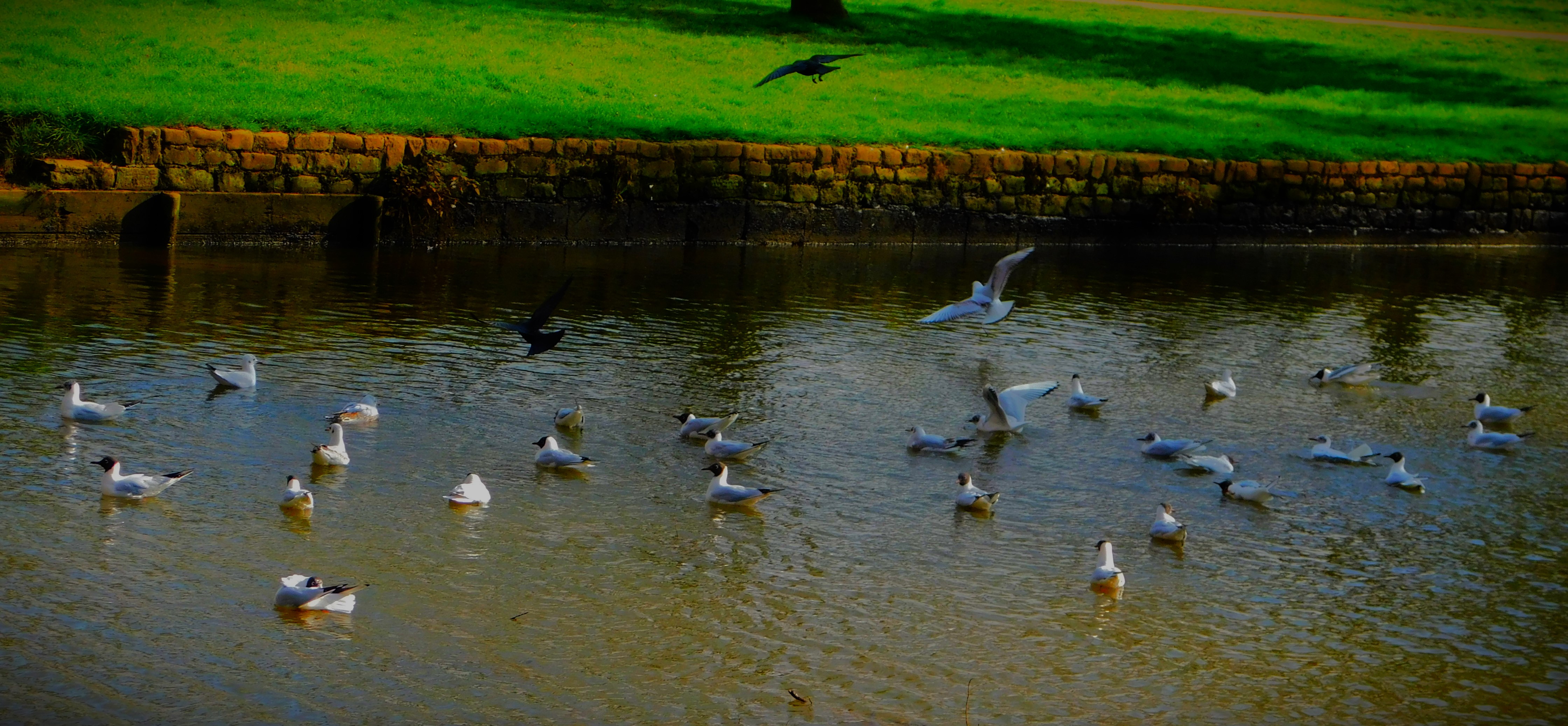
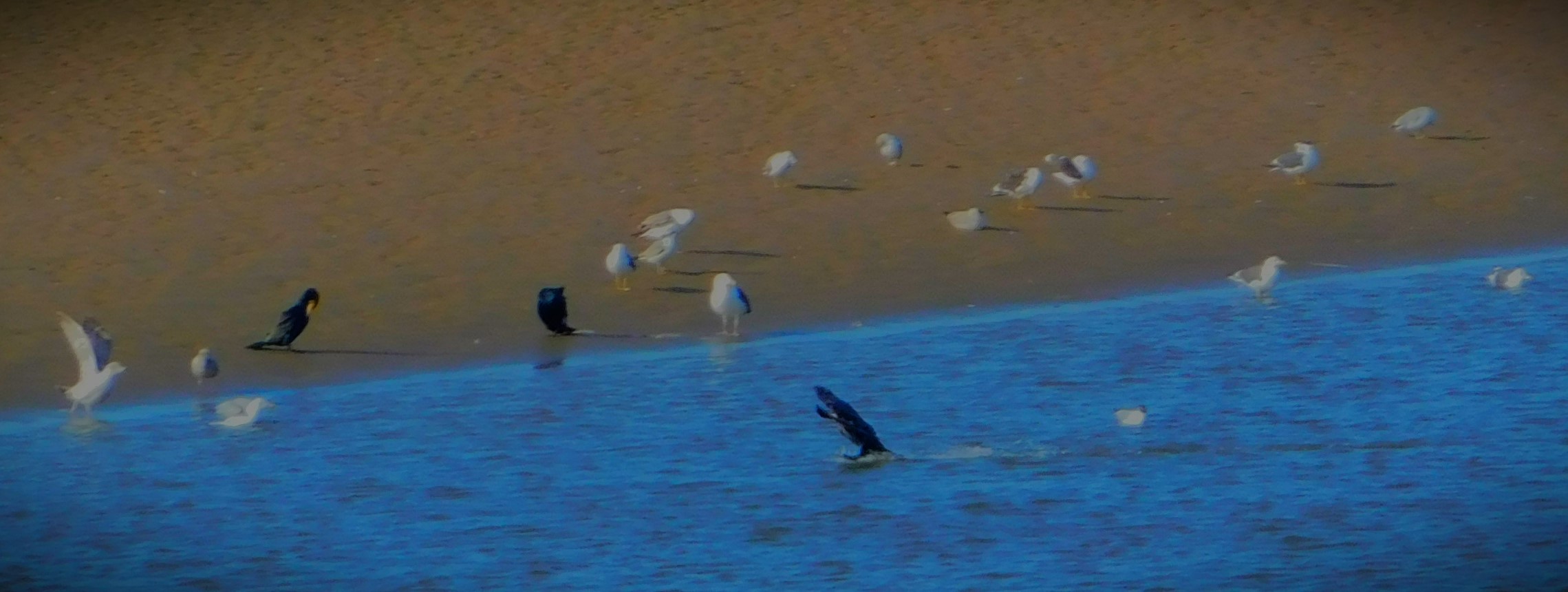
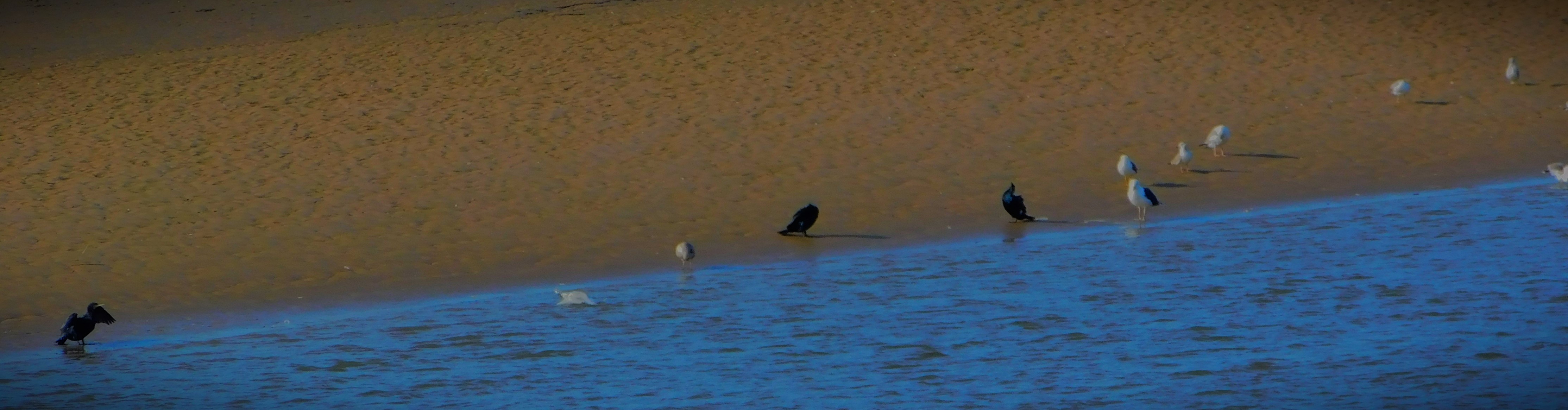
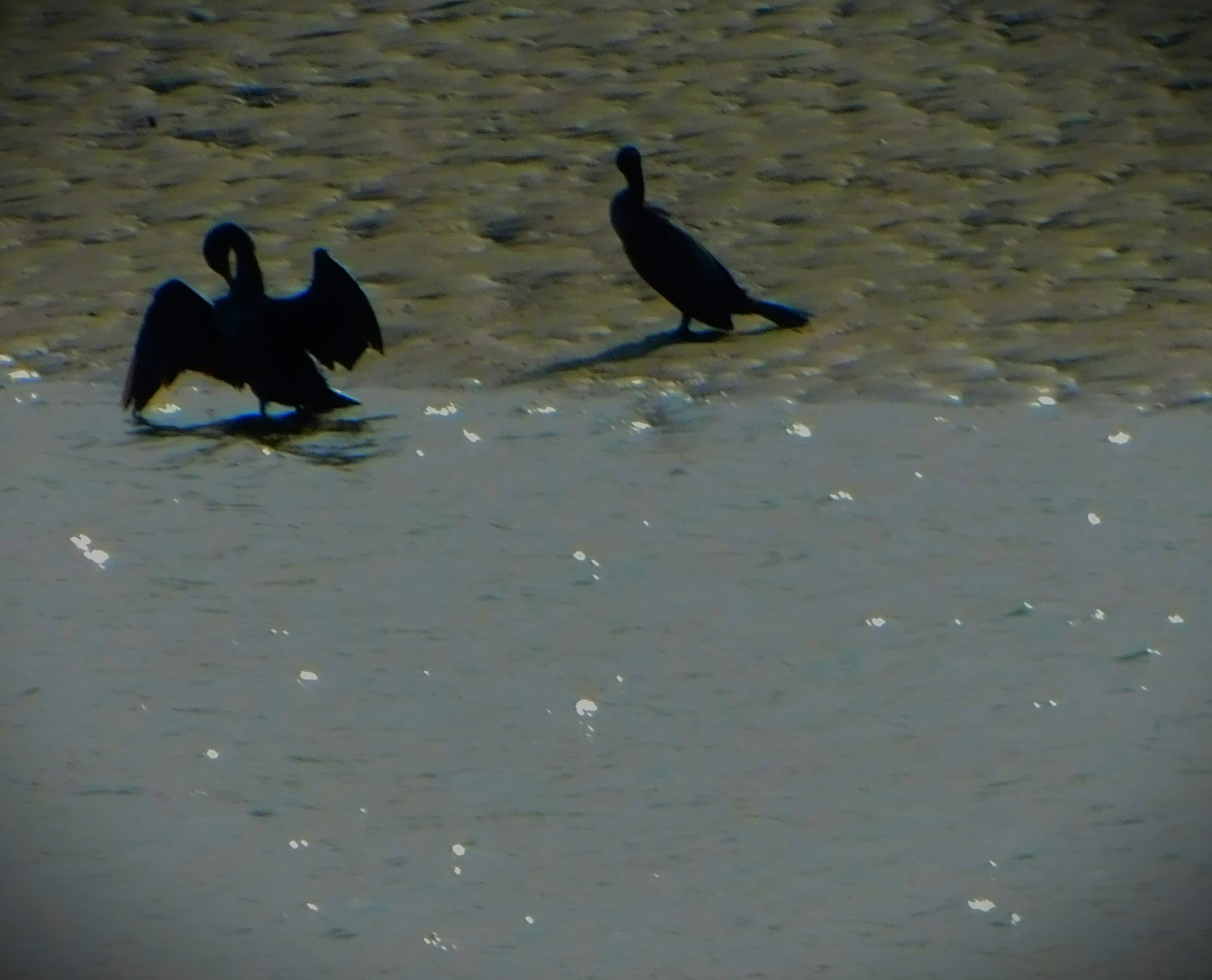
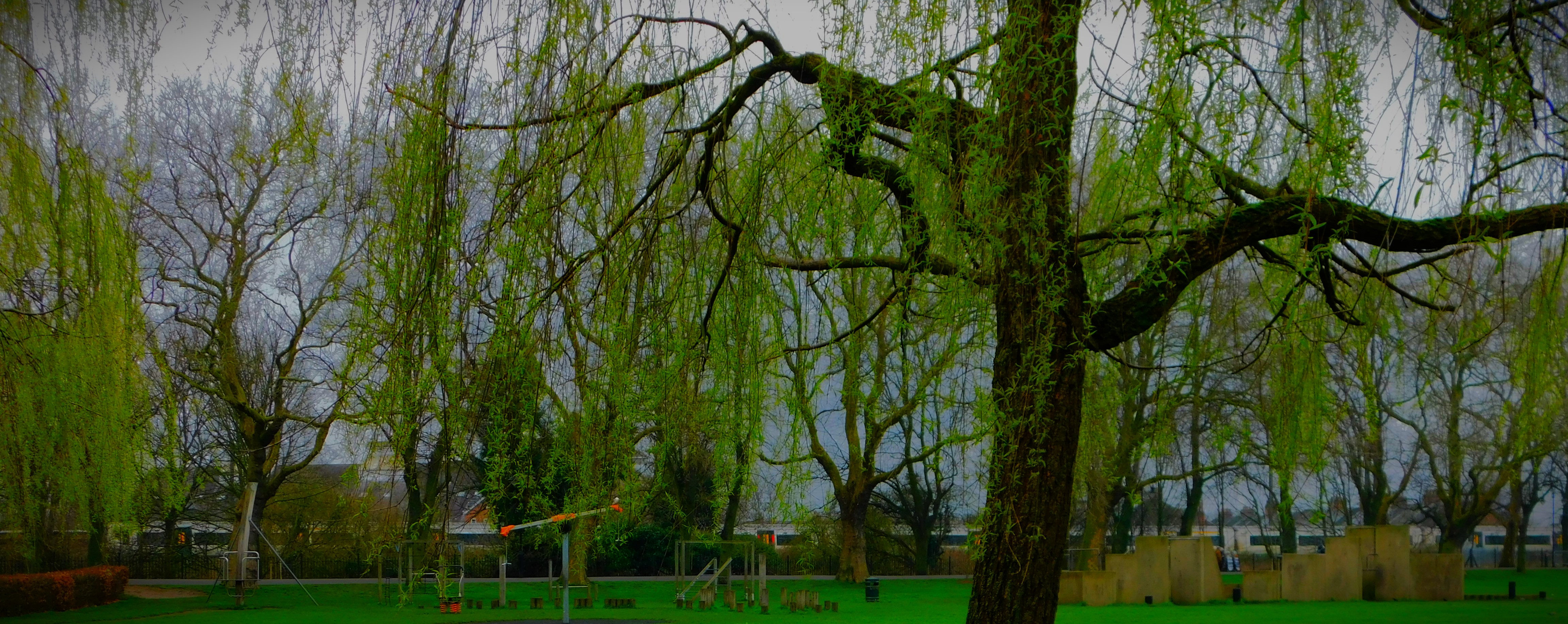
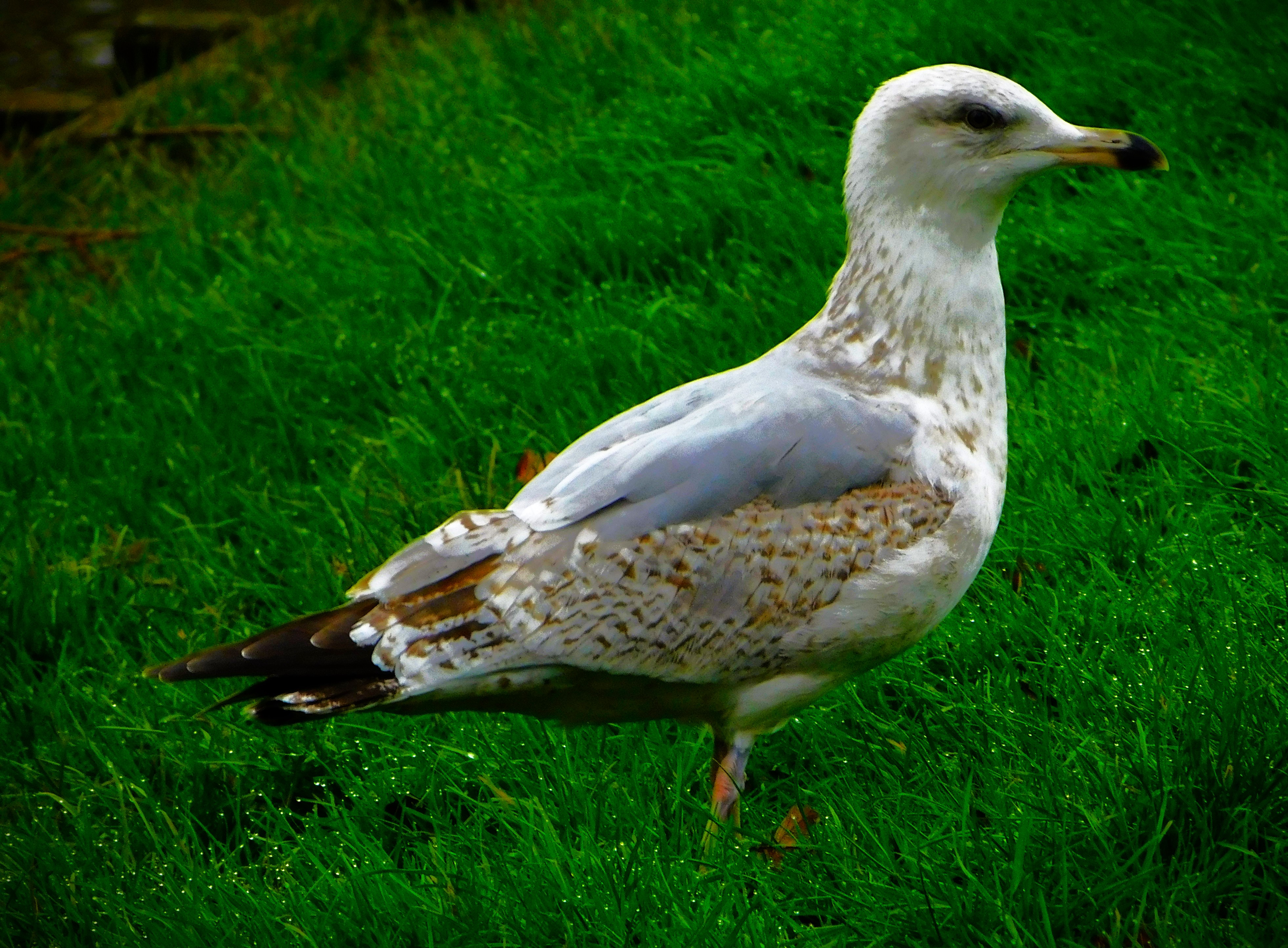
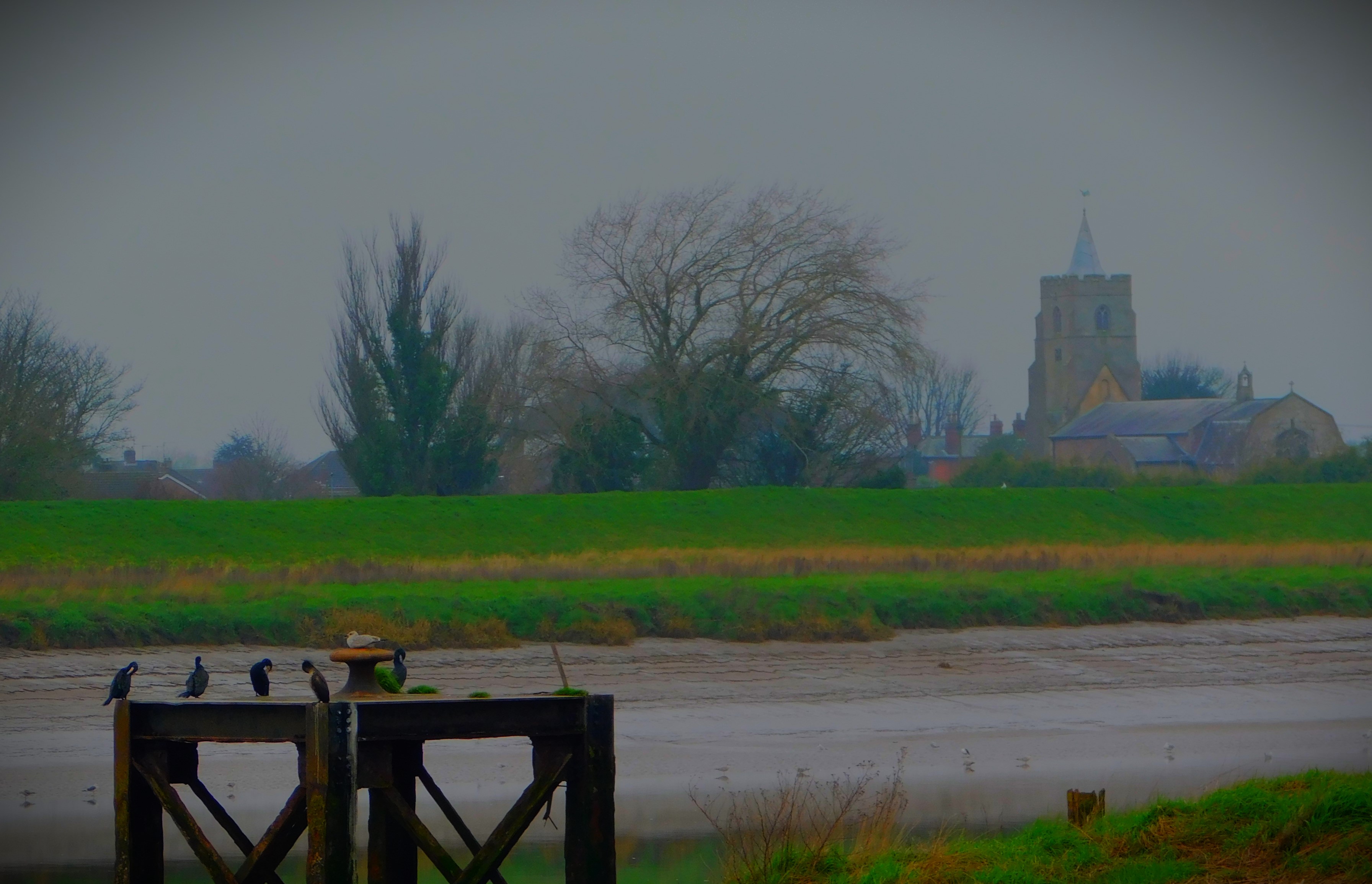
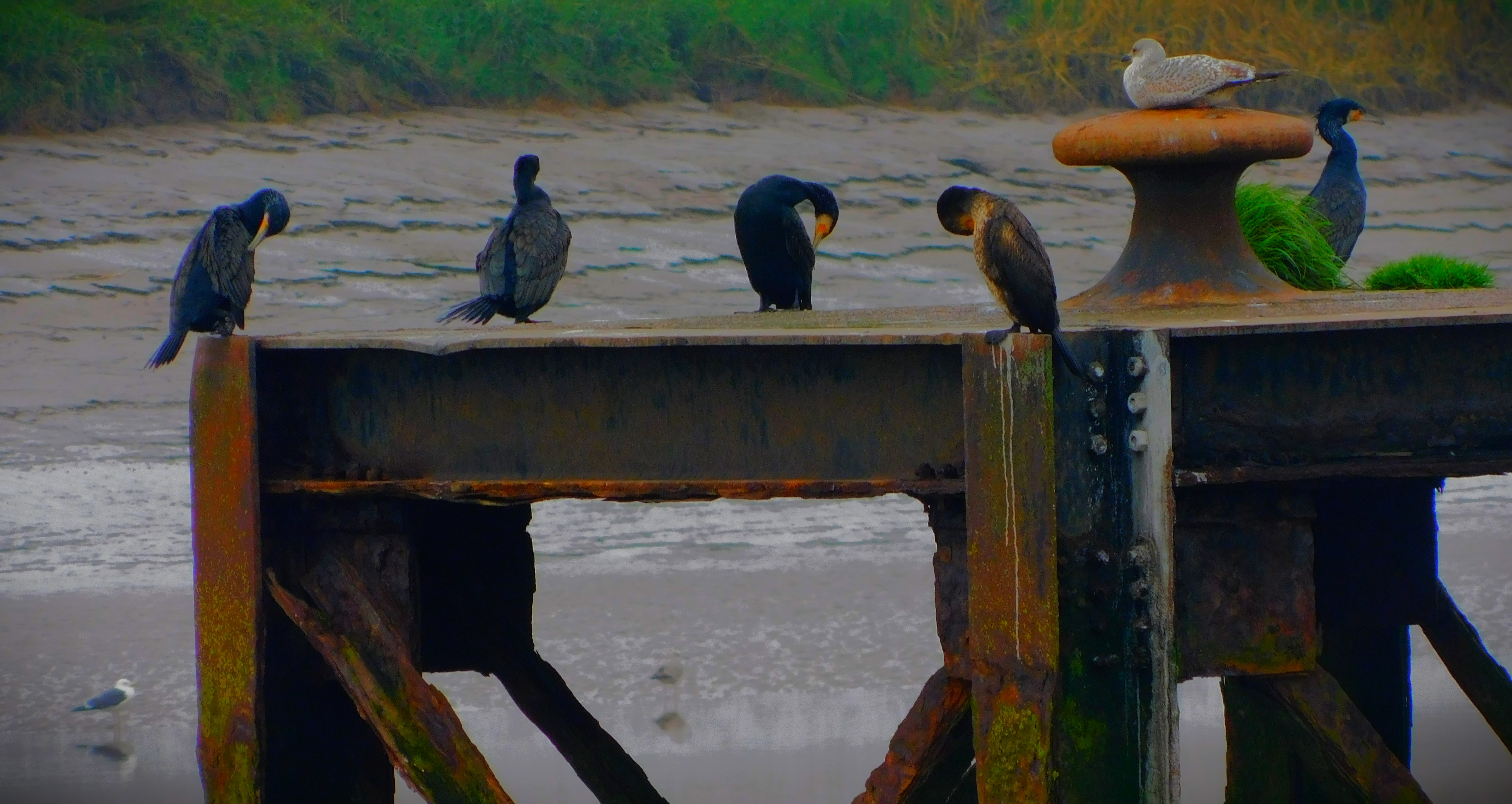
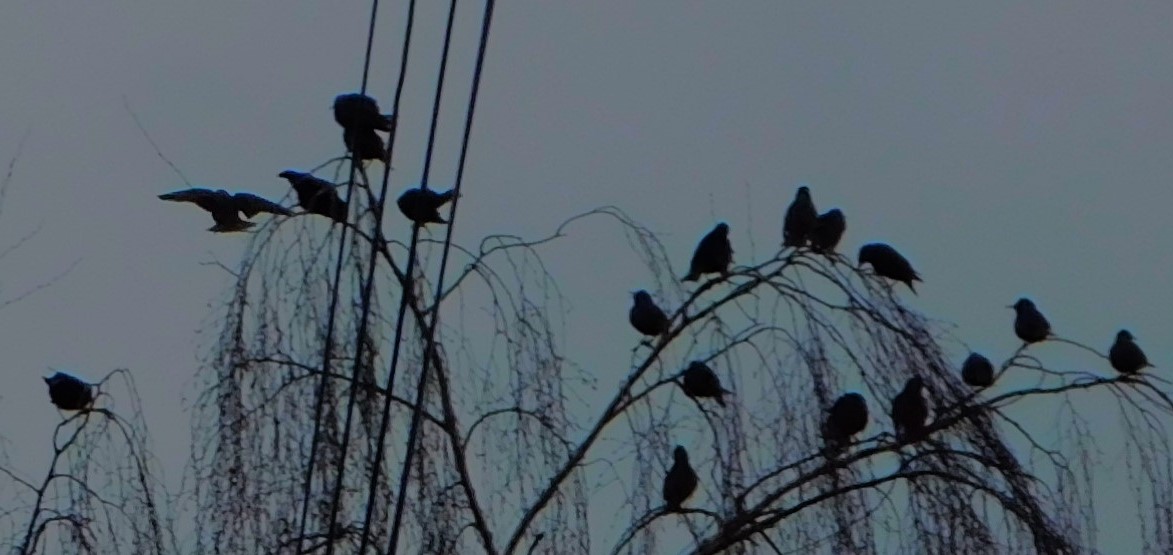
‘Cormorant Platform’ had a splendid turnout on Monday as these pictures show.Yesterday was grey and rainy.An ExCel bus on each side of the road – this is a designated driver change point, necessitated by the fact that the full route between Norwich and Peterborough takes over three hours.This little critter was alongside Bawsey Drain this afternoon.
Picking a composite all time team for the two ‘Cinderella’ counties. Also features a photo gallery.
The new county championship season is only just over a month away, and of the 18 first class counties only two, Somerset and Northamptonshire have never won a county championship or been named Champion County (Gloucestershire have not won a championship since it was put on an organized footing in 1890, but were three times named Champion County in the 1870s). For this XI showcasing the talent that the two ‘Cinderella’ counties have produced I have deliberately avoided choosing any overseas players.
THE XI(I) IN BATTING ORDER
12 players are named here with the final choice dependent on conditions…
Marcus Trescothick (Somerset, left handed opening batter, occasional right arm medium pacer). A stalwart of Somerset for many years, and a fine England career until mental health issues forced him to abandon international cricket.
Colin Milburn (Northamptonshire, right handed opening batter). His career was ended early by a car accident which cost him his left eye, which for a right hand dominant player is the really important one (Mansur Ali Khan, the last Nawab of Pataudi, played on after the loss of an eye, but it was his right eye which is why he, also right hand dominant, was able to cope with the loss). He did enough before the accident to earn his place.
David Steele (Northamptonshire, right handed batter, occasional left arm orthodox spinner). An adhesive number three who earned enduring fame as ‘the bank clerk who went to war’. when Tony Greig having sought opinions on which county players were hardest to dislodge had him called in to the England side in the 1975 Ashes and he responded with 365 runs in three test matches, which he followed up with another successful series against the West Indies with their first four pronged pace battery before being dropped for the tour of India due to suspicions about his ability to play spin on turning pitches.
James Hildreth (Somerset, right handed batter, occasional right arm medium pacer). He never quite gained international recognition, but 18,000 first class runs at an average of 44 more than justify his inclusion here.
Dennis Brookes (Northamptonshire, right handed batter). One of Northamptonshire’s finest middle order batters.
Len Braund (Somerset, right handed batter, leg spinner). A genuine all rounder, one of three in this order including the captain, successful at international as well as county level.
Vallance Jupp (Northamptonshire, right handed batter, off spinner). In the 1920s he achieved the double of 1,000 runs and 100 wickets in first class matches in each of eight successive seasons, a record of unbroken consistency in both departments beaten only by George Hirst of Yorkshire (1902-12 inclusive).
*Sammy Woods (Somerset, right handed batter, right arm fast bowler, captain). Born in Sydney, but he settled in Somerset, and save for one series for England in South Africa which was only retrospectively granted test status he gave up test cricket having played a couple of matches for his native land. As a captain he was handicapped by Somerset’s heavy dependence on amateurs, which meant that the players at his disposal changed constantly, but still had his great moments, including leading the county to victories over Yorkshire, then the dominant force in county cricket, in each of three successive seasons.
Frank Tyson (Northamptonshire, right arm fast bowler, right handed batter). One of the quickest ever – in the 1954-5 Ashes he joined Larwood in the club of England fast bowlers to have blitzed the Aussies in their own backyard, a club expanded when John Snow did likewise in 1970-1.
+Wally Luckes (Somerset, wicket keeper, right handed batter). For a quarter of a century he was a stalwart of Somerset sides, noted in particular for leg side stumpings. His lowly position in the order was forced on him by medical advice that batting was not good for his health – his doctor only allowed him to keep playing if he agreed to bat low in the order. He once scored 121* from number five, but his usual role with the bat was helping Somerset to last gasp victories, like against Gloucestershire in 1938 when hit the third and fourth balls for the last possible over for fours to give his side a one wicket win.
This is the position that has two possibilities: a) Ted ‘Nobby’ Clark (Northamptoinshire, left arm fast bowler, left handed batter). In the 1930s he was probably as quick as anyone not named Larwood, and after the 1932-3 Ashes when England rewarded the bowling star of that series by making him persona non grata Clark did get to play for England, notably on the 1933-4 tour of India which was Jardine’s last international outing. b)Jack ‘Farmer’ White (Somerset, left arm orthodox spinner, right handed batter). An excellent FC record (2,355 wickets at 18.58 including an all-ten), and he was a crucial part of England’s 4-1 win in the 1928-9 Ashes, when his unremitting accuracy and stamina meant that the faster bowlers had a bit of breathing space – at Adelaide he bowled 124 overs in the match, taking 13-256. If White were to get the nod Luckes would bat at 11, and Tyson would also drop a place in the order – White was a competent lower order batter, whereas Clark was not.
This side has a powerful top five, three genuine all rounders, a great keeper who would have batted higher in the order had his health permitted, and according to circumstances either two specialist quicks to back up Woods or Frank Tyson and a great left arm spinner. Neither possible attack – Tyson, Woods, Clark, Jupp and Braund, or Tyson, Woods, White, Jupp and Braund – would be likely to struggle to take 20 wickets.
HONOURABLE MENTIONS
Harold Gimblett (Somerset, right handed opening batter) is designated as reserve opener, and I would not argue with anyone who picked him in the XI. Woods’ slot might have gone to Ian Botham or Arthur Wellard, though the former would have made the side more batting dominant than I would like. I wanted Woods’ captaincy which is what settled it for him. Both counties have had decent spinners over the years, but I wanted the all round skills of Braund and Jupp, and considered White a cut above the other specialist spinners.
PHOTOGRAPHS
My usual sign off…
Cave aged cheddar, which I am looking forward to sampling. The Wookey Hole, a cave system I visited some 40 years ago has its own website – click to visit.Two muntjac just off the path that runs from Lynnsport to South Wootton.These last three pictures were taken today, and included because they feature the first oystercatchers I have seen in 2024.
An account of a working day, and the journeys either way, and a photo gallery.
Yesterday was an eventful day at work – finishing the last of the imaging for the March auction, sending a mass email out (the second of two, the first went out on Tuesday) about that auction, and starting the imaging for the April sale. In this post I describe the day in full and say something about each element of the upcoming auctions.
PREPARING
My working hours, constrained by the operating hours of James and Sons and the way in which buses run in Norfolk are short – I start at 10:45 or thereabouts, and finish four hours later as the business shuts down for the day. However I get quite a bit done in that time, even on a somewhat fragmented day such as yesterday was. I generally leave home by 9:30, which allows me to take a scenic route to the bus stop (the direct route is about a five minute walk, but is not that interesting). Then I spend the bus journey reading, and will arrive at James and Sons’ premises in Fakenham clear-headed and ready to go.
IMAGING
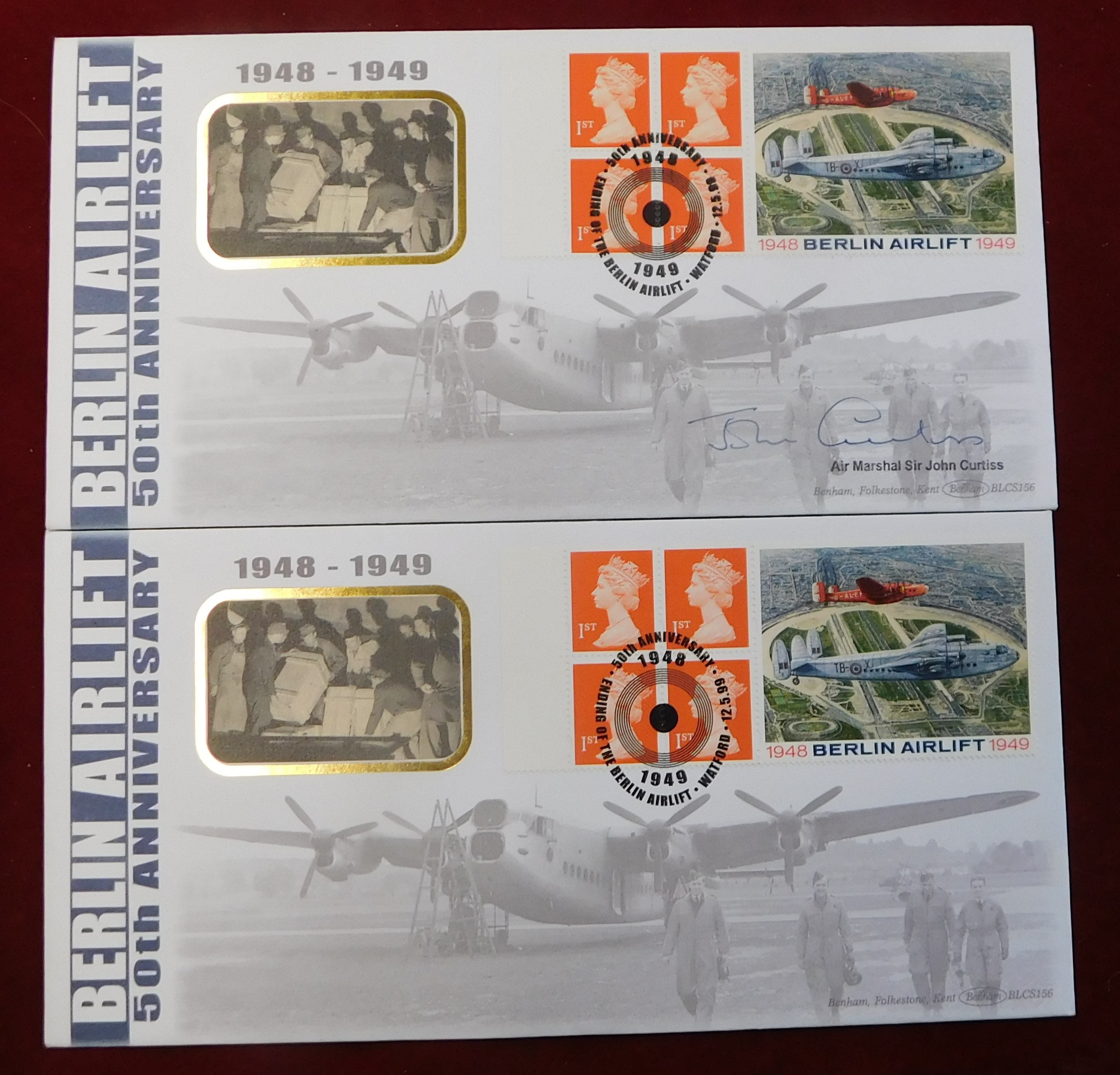
My usual practice when imaging at work is photograph about 25 items (one column of lot numbers + indications of how many pictures I have taken of eahc item in my notebook) before loading them on to the computer and cropping and straightening them as required. If I am imaging for a sale that is not already online I will copy the images from the folder I save them in on my computer to the main images folder for that auction on the network drive at the end of the day, but when the auction is already online I also have to upload the new images, and sometimes notify bidders that the images are now available for viewing. I had initially started work on the April stuff, a quantity of which was already in my imaging area, but then had to switch back to the March stuff as there were some lots from day two of that sale (Stamps and Postal History) which had not been imaged. Near the end of the day I was able to revert to the April sale, but the next lot I came to for that sale (Sporting Memorabilia) was one that required a large photo gallery, so I had no time to do any more than that one extra lot.
Day one of the March sale is coins, banknotes and cheques, and can be viewed here and here. Day two, which I was finishing off the imaging for yesterday, is available on the same links, but for those who want to start on the page where the first lots of day two are can go here and here (the new day does not start on a new page because the auction is treated as a single entity on these platforms). I end this section with the image gallery for lot 655, the first item I imaged yesterday…
Lot 655 (seven images, capturing what i considered the most important aspects of it).This is lot 662 (two images)
THE END OF THE DAY
The next bus back to King’s Lynn after the end of the work day is at 3:45PM, so I generally fill in time by visiting Fakenham Library, as I did on this occasion. I get off the bus home one stop before the very closest stop to my home and walk home from there by way of the Gaywood River Path – always worth doing, especially in daylight, which by now is the case. I appreciated seeing several muntjac as I walked, though I was less impressed by lawbreaking oaf who roared past me (and a number of others) on a quad bike (illegal as it is a motorised vehicle and this path is for the use of pedestrians and cyclists only – an e-bike used with care and consideration would be acceptable, but a dirty great quadbike used with neither care nor consideration is most definitely not). This little section provides a useful lead into…
PHOTOGRAPHS
…My usual sign off…
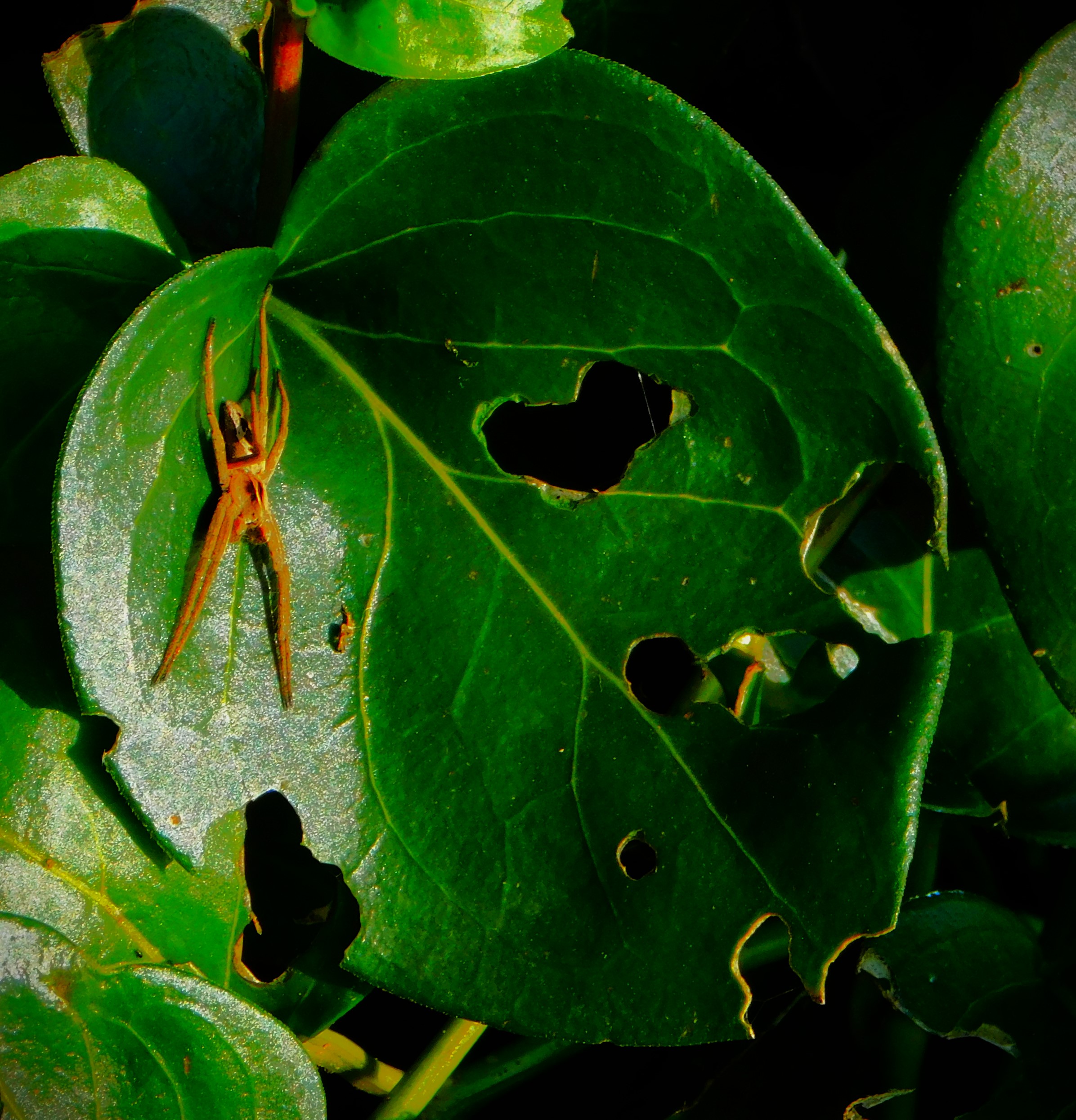
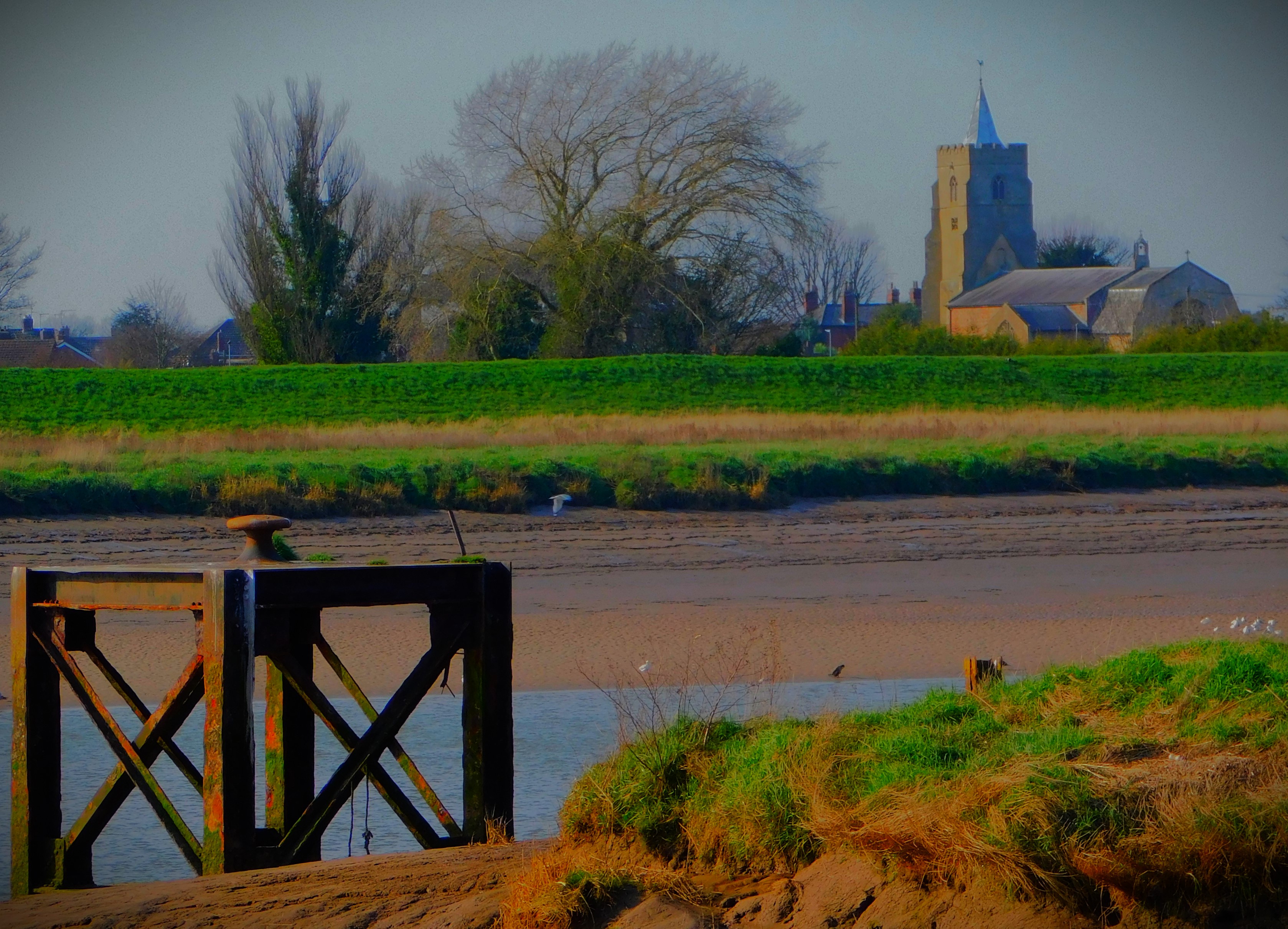
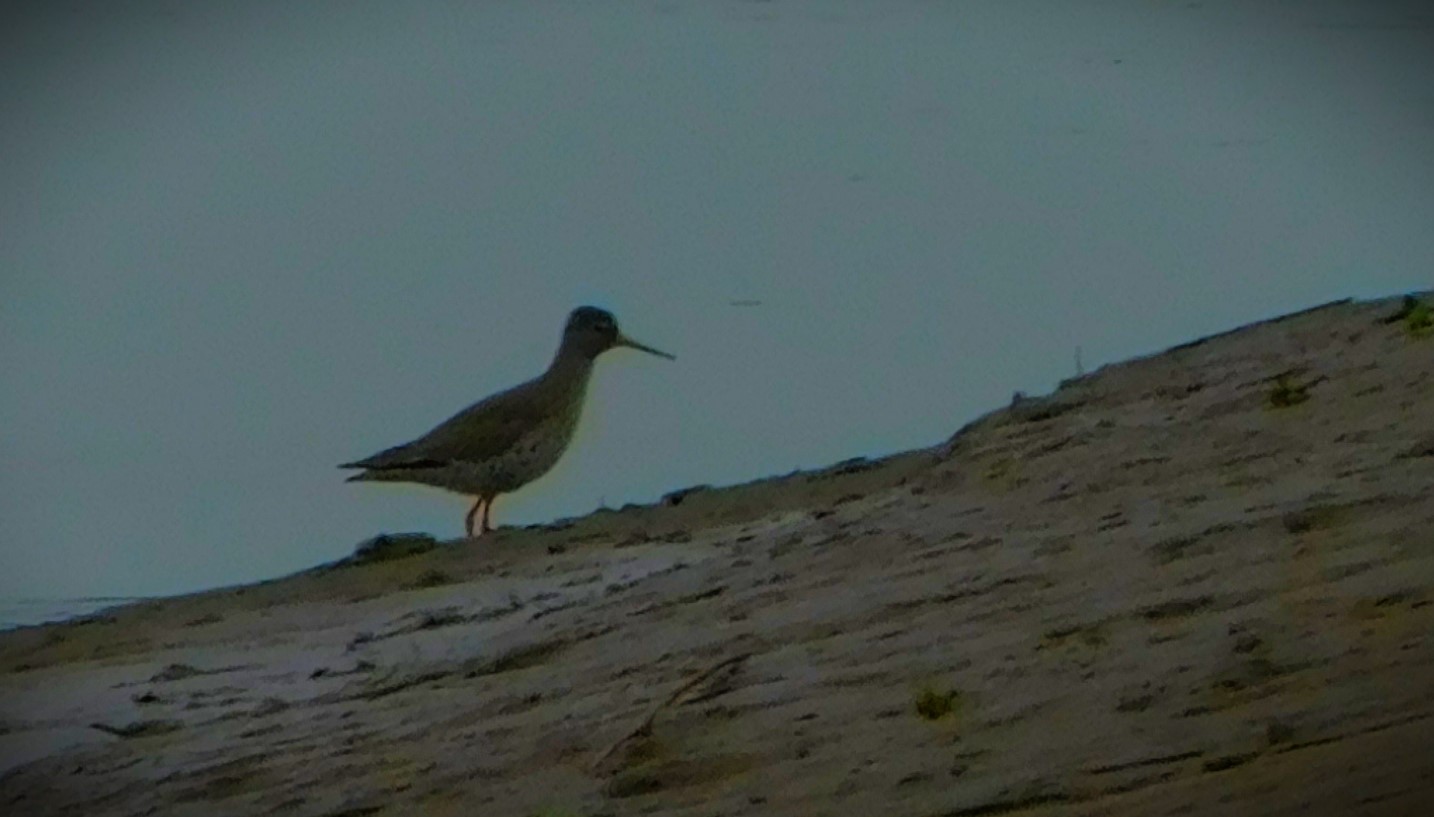
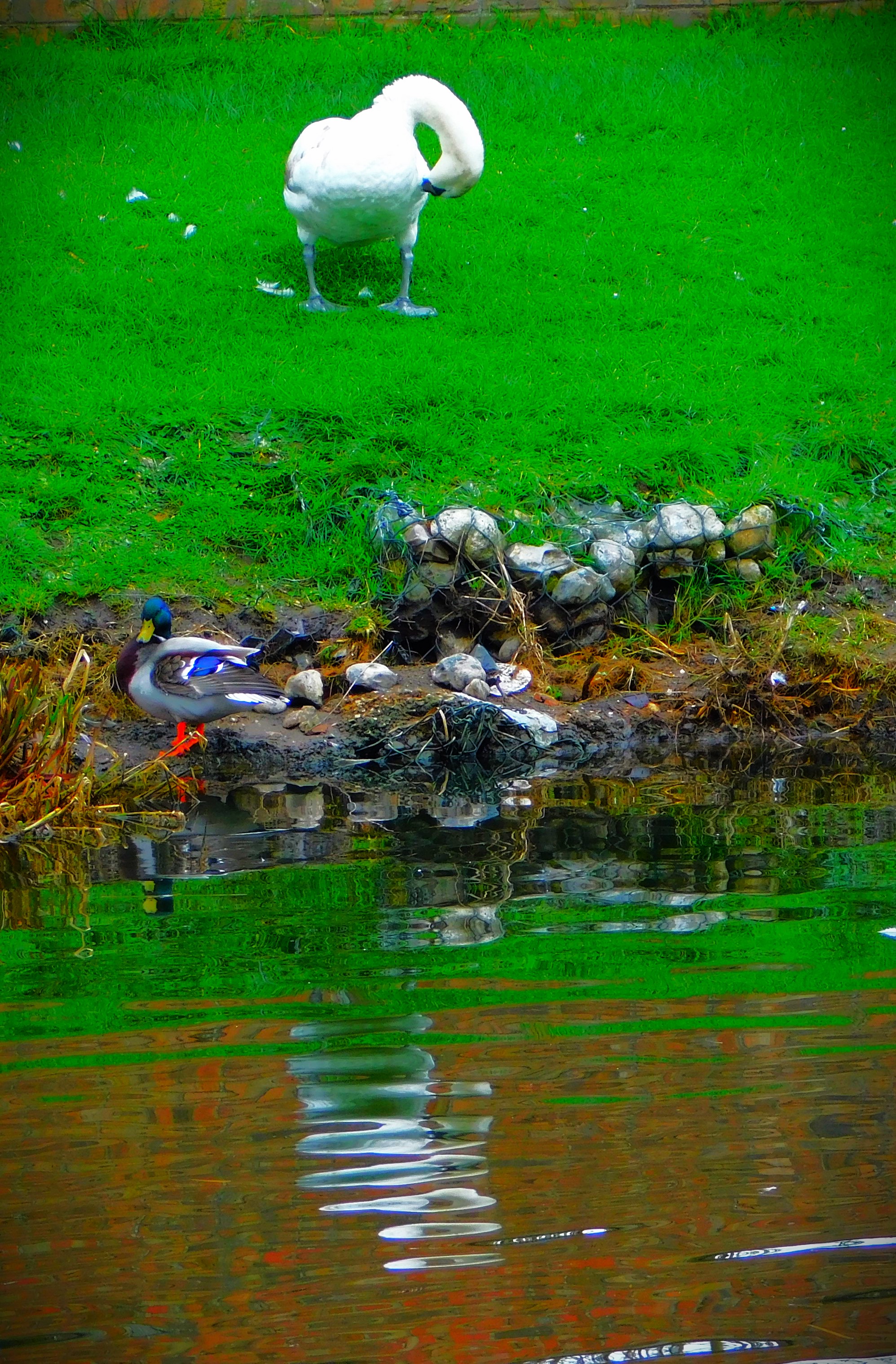
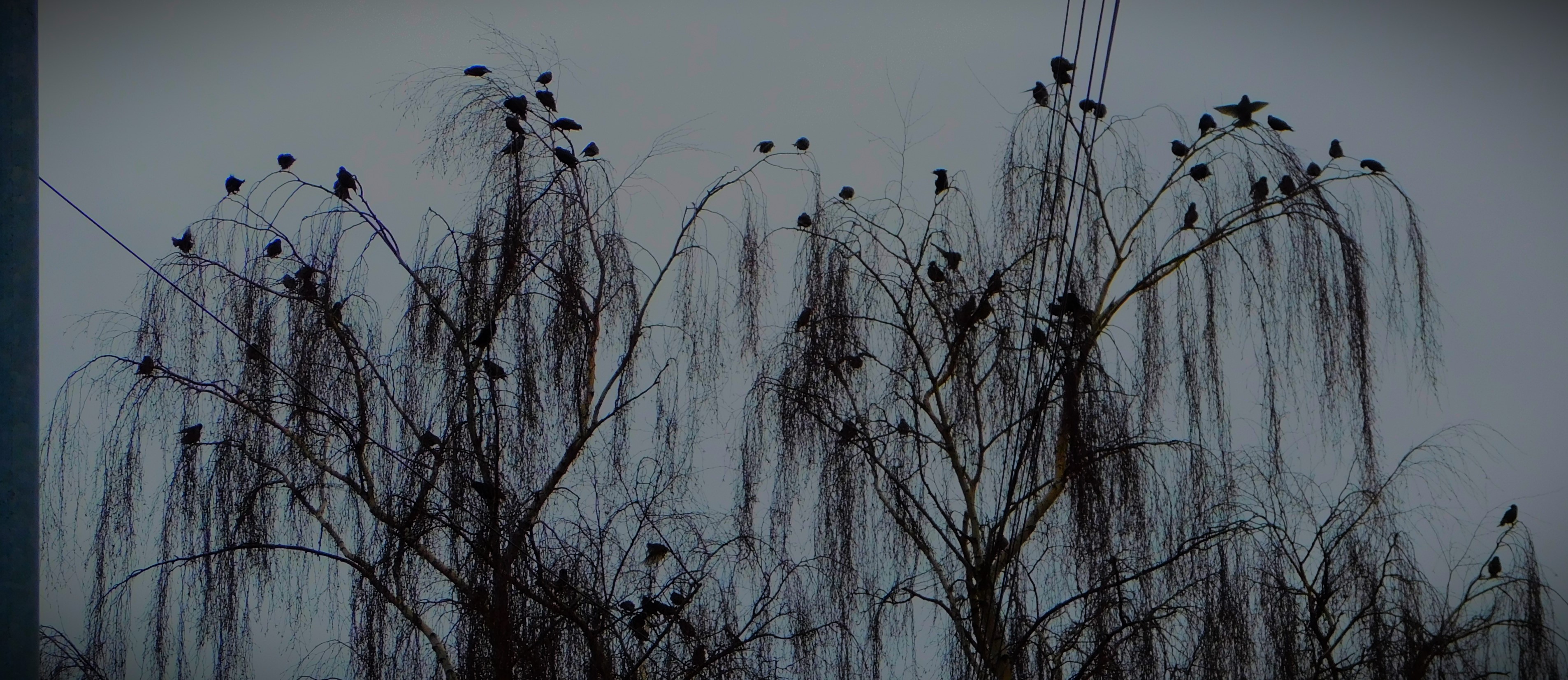
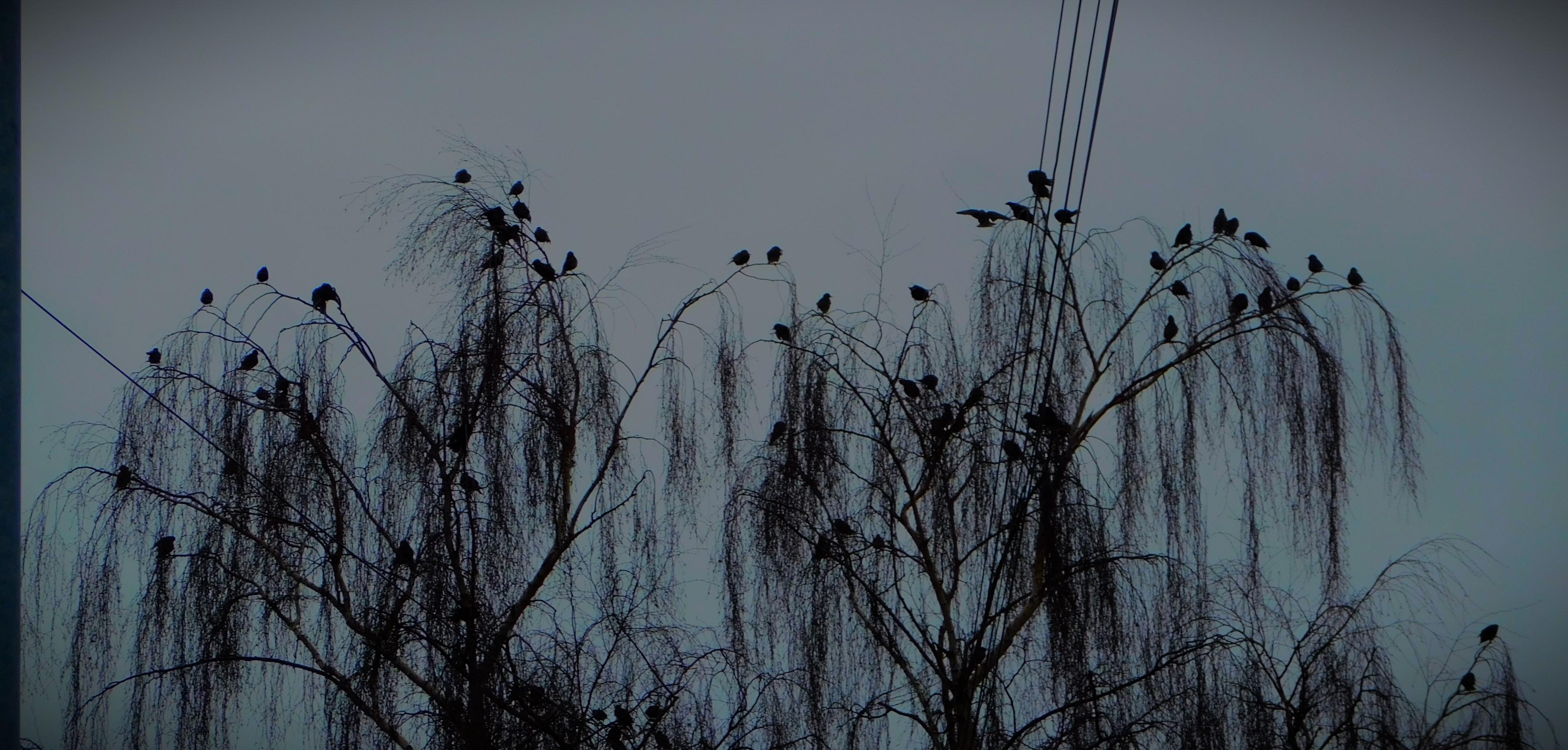
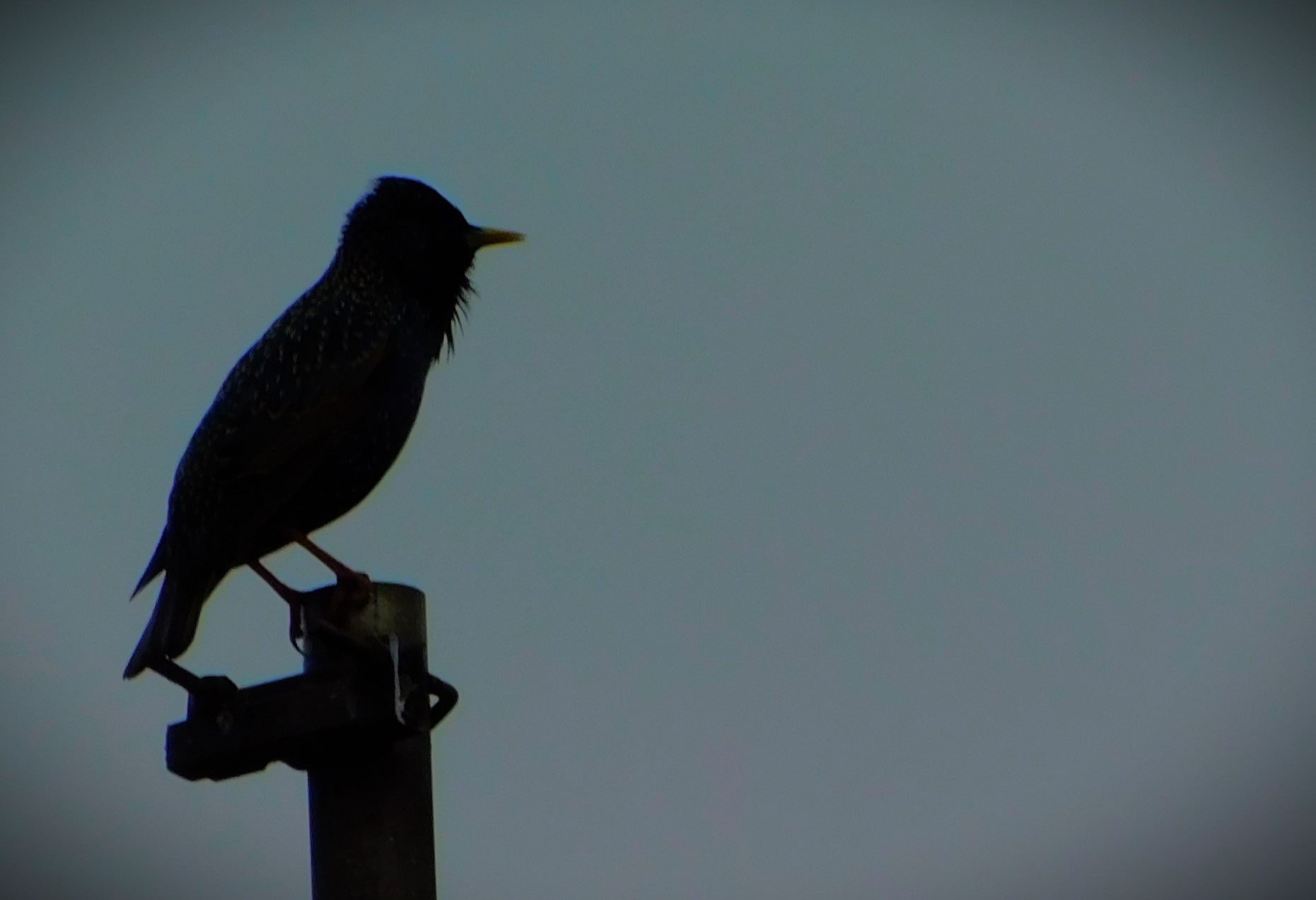
From Wednesday afternoon’s walk.Taking the scenic route to from my home to the bus stop yesterday morning……I spotted ths unfortunate Tortoiseshell butterfly near Fakenham Church yesterday afternoon.Four shots from the walk home along the Gaywood river path.Today’s first walk (will be walking into town for supper this evening).


































































































































































































 aspiblog