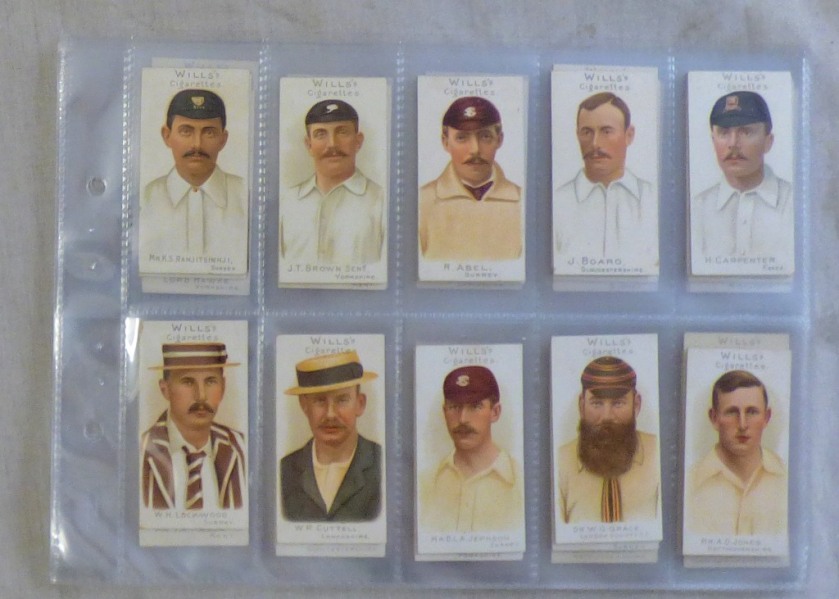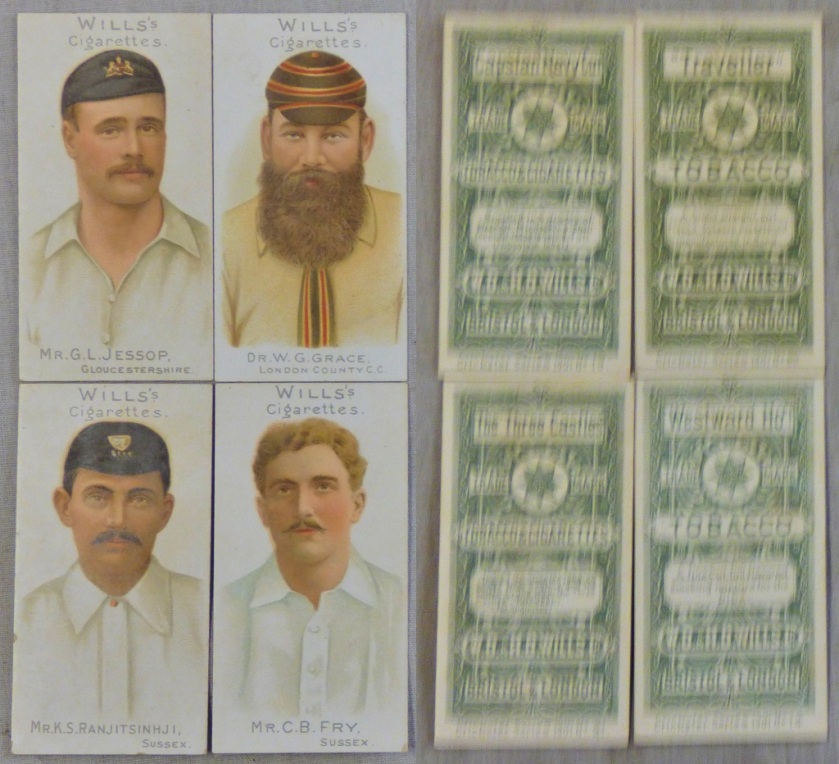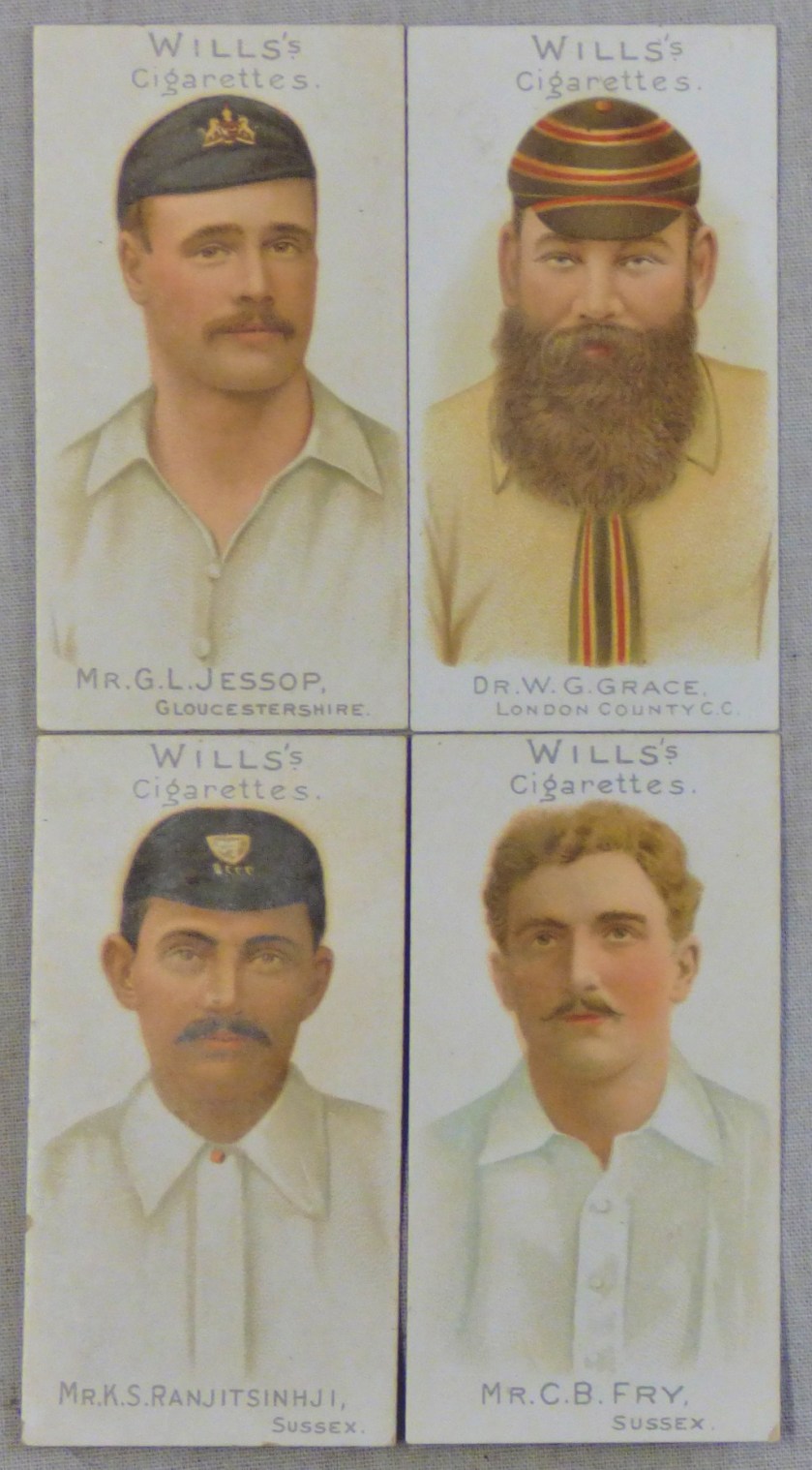
An account of England’s final triumph in the ODI series.
INTRODUCTION
At just after 11AM UK time England sealed victory in the final ODI in Perth and with it a 4-1 series win. This post looks back at the match and the series.
DEFENDING MODEST TOTALS
Australia had gained a consolation win in the fourth match of the series in Adelaide (though they nearly contrived to lose a match that they had commenced by reducing England to 8-5). Thus, dead-rubber though it was this match had a bit of extra significance as another win for the Aussies would give them the undeserved respectability of a 3-2 scoreline. Also, it marked an international debut for the new ground in Perth, which replaces the WACA.
Put in to bat once again, England had a number of useful contributions with no one going on to play a really major innings, which was reflected in a final tally 259. Australia fared well in response for a time, but England bowled well, and after Stoinis (87) was dismissed nobody was able to take command for Australia. At 203-8 with Paine and the tail to score the runs it looked like England were home. Australia fought hard, but a four and then a six late in his innings not withstanding Paine simply could not score quick enough, and when Curran rattled his stumps with a yorker Australia were still 12 runs adrift. Curran, elder son of former Zimbabwe international Kevin Curran (the younger, Sam, is also widely tipped to play for England in the not too distant future), had bowled splendidly and this final wicket gave him figures of 5-35, beating the 5-46 taken by Andrew Tye in the England innings.
I was also glad that the final wicket to fall was that of Paine rather than Hazlewood because Paine’s innings here was the second time in three matches (after his 31 not out off 35 in Sydney) that he had played what appears to have been a useful innings but because of the slow rate at which he scored it was actually better for his batting average than it was for his team’s chances.
THE SERIES AS A WHOLE
England were even more dominant in this series than the 4-1 scoreline suggests. The evidence of Perth is that Australia’s wobble at Adelaide when chasing a total that was simply too low to pose a real threat was no coincidence, and that a tally of 250 in that match would have been ample for England to win. England won both the games in which they chased at the proverbial canter and were never seriously threatened when defending 300 in Sydney (OK, it was not until a mere three deliveries remained that Australia were so far adrift as to need no-balls from England to give them a chance, but the result of that match, in spite of Stoinis’ efforts in the later stages, was obvious from a long way out). The final match was certainly close, and there were times when Australia seemed favourites, but in the closing stages it never really felt like getting away from England.
A SIDELIGHT – INDIA IN SOUTH AFRICA
I congratulate the current Indian Test Match team on pulling off their victory in Johannesburg. The pitch and conditions were exactly the sort in which Indian sides of the past would have crumbled to an ignominious defeat (it was a green ‘un and the ball was getting up to all sorts of mischief for the quicker bowlers – if messrs Starc, Hazlewood and Cummins got a go on a pitch like that New Zealand’s 26 all out in 1954 would be under threat as the all-time lowest ever test match team total!). Commiserations to Dean Elgar who ground his way to an undefeated 86 in the final innings while his team mates surrendered to Bhuvanesh Kumar, Mohammed Shami and Ishant Sharma. The final calamity reads like something from 1990s England at their worst – SA subsiding from 124-1 to 177 all out.
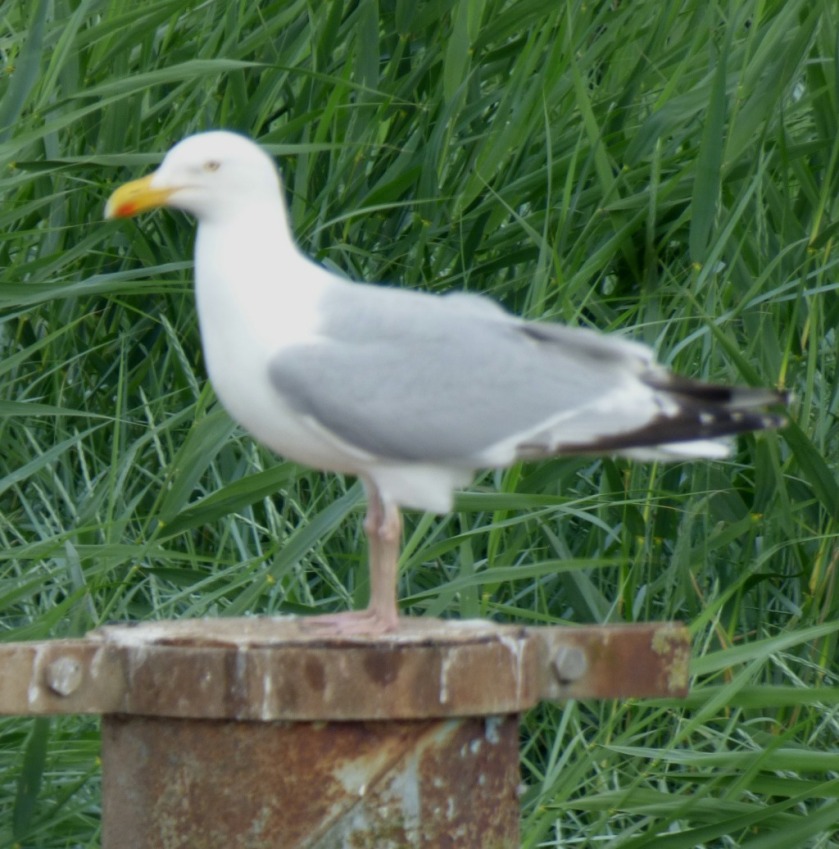
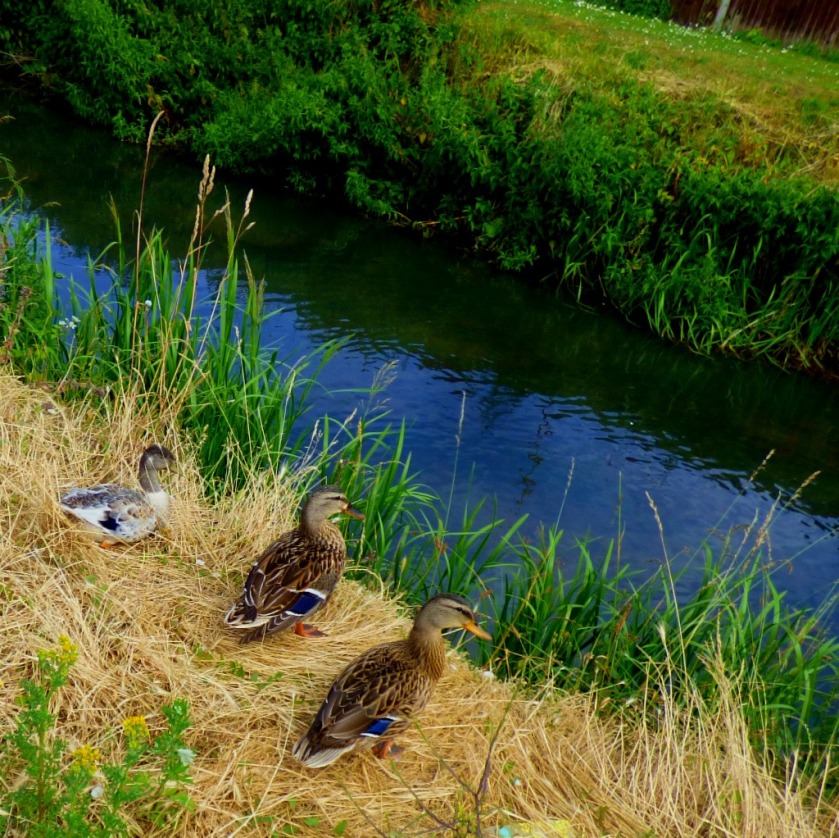
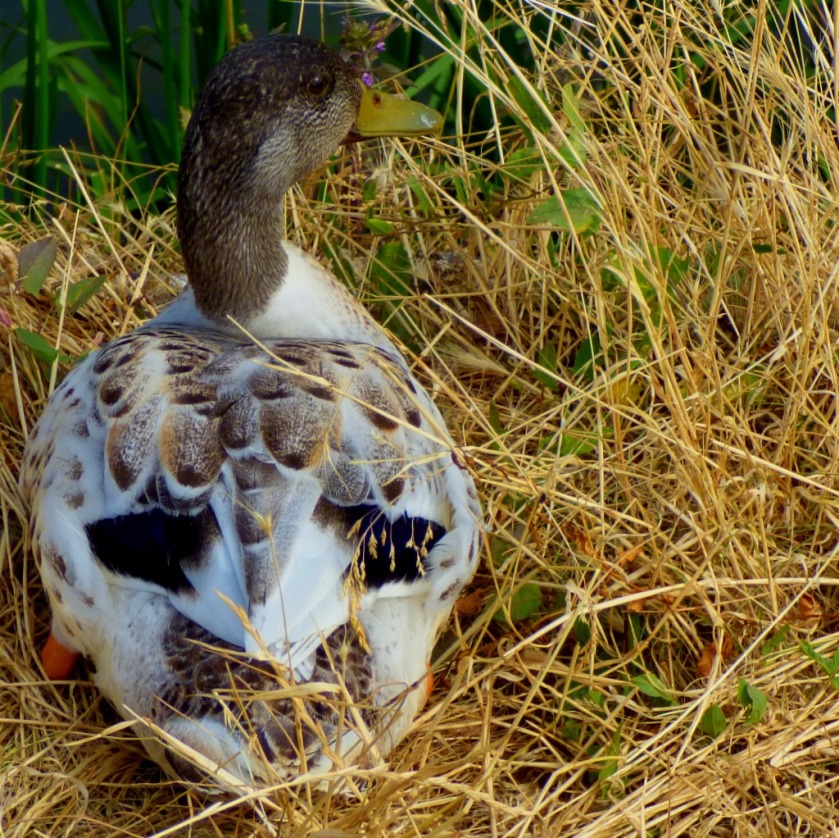
PHOTOGRAPHS
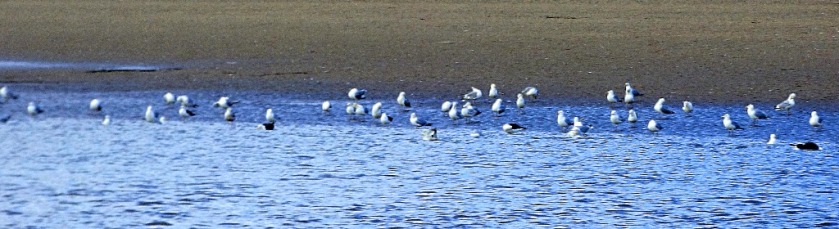
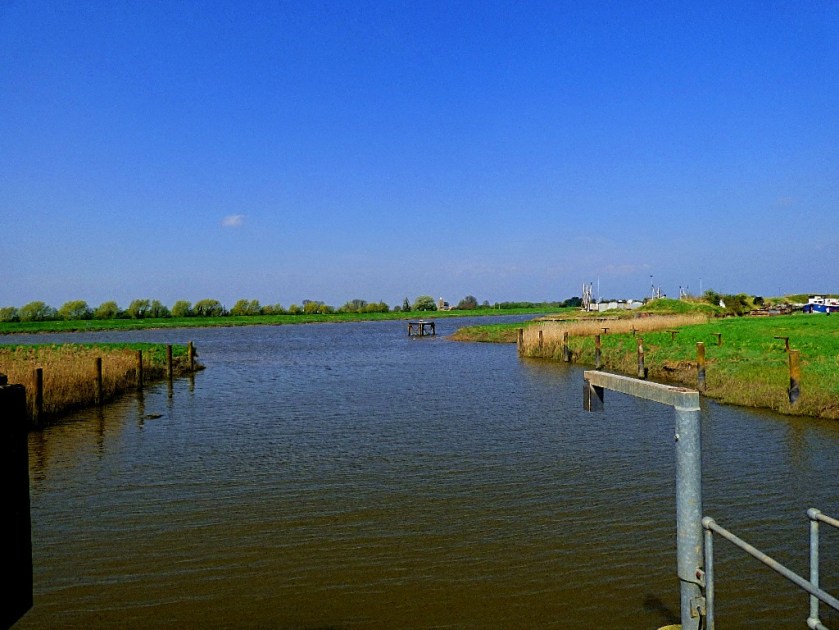
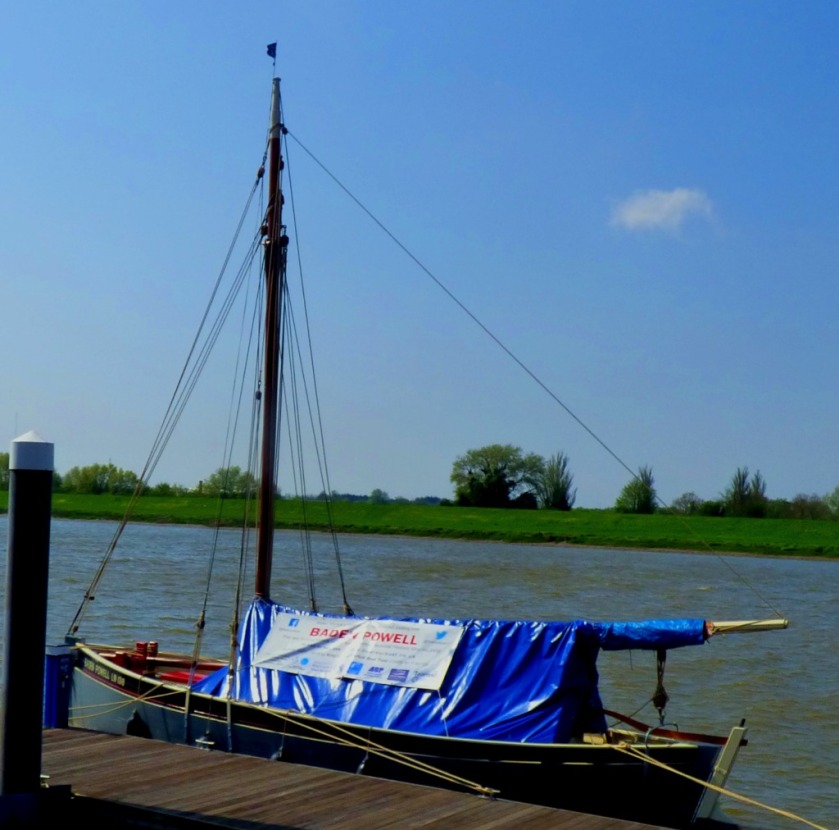
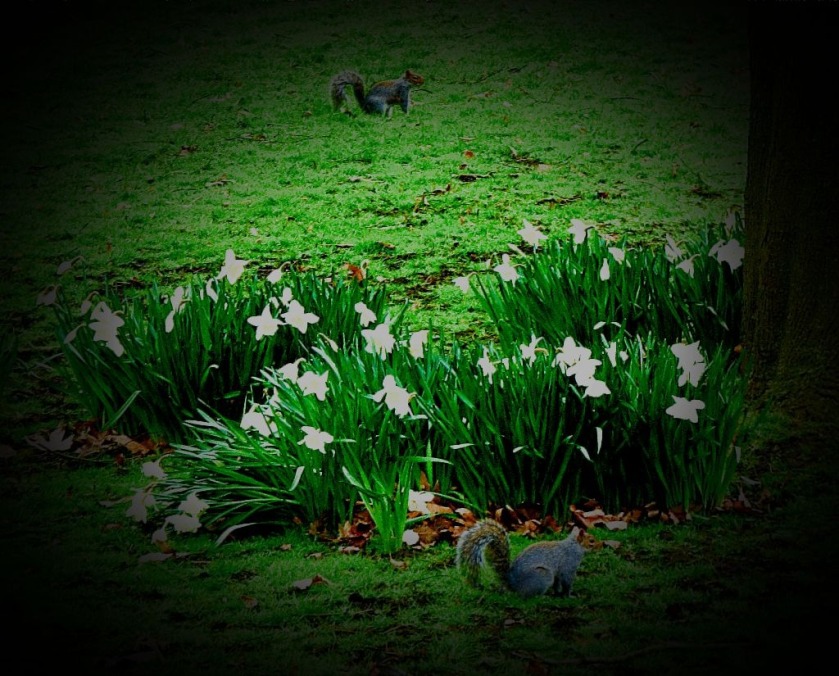
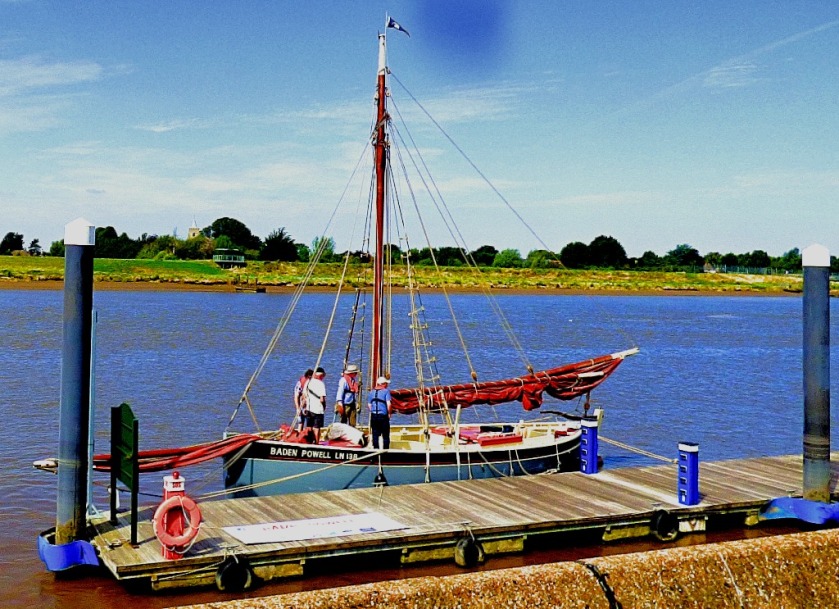
As always, I finish with some of my photographs:
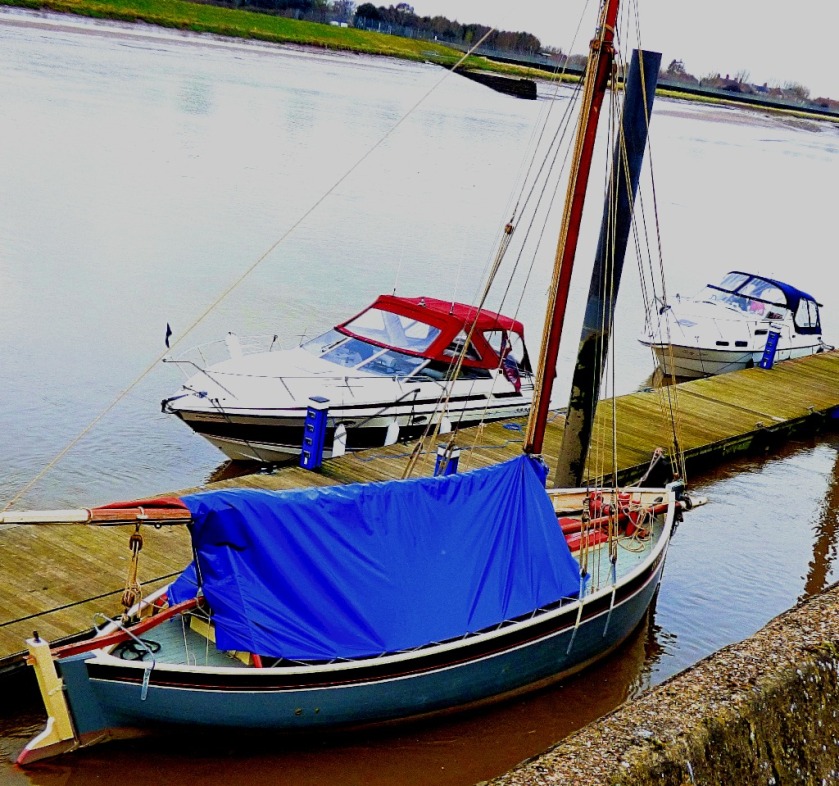
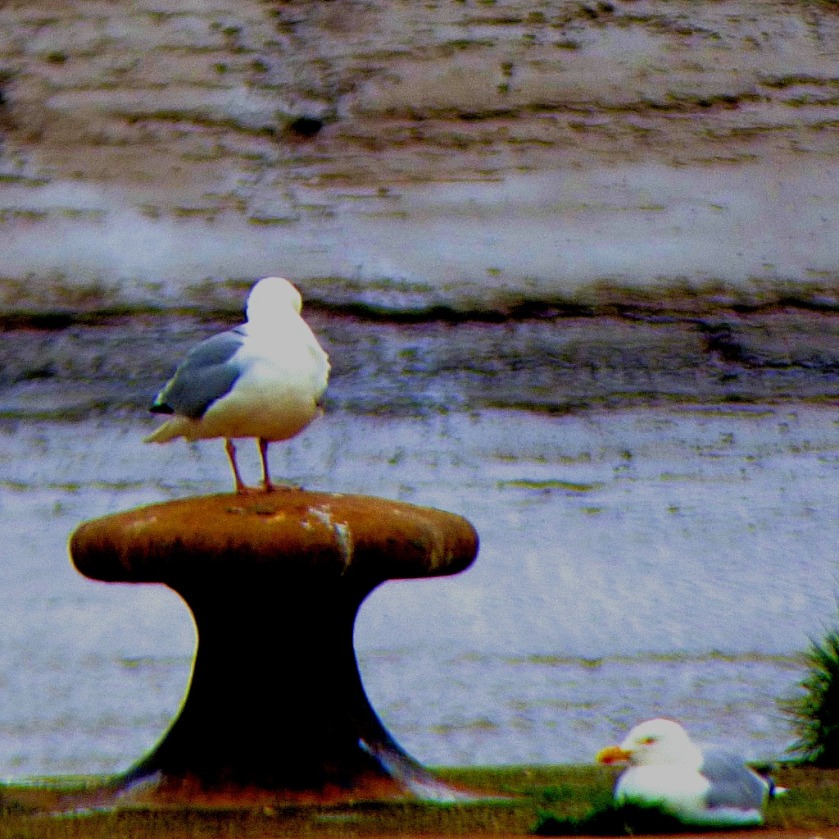
The first four pictures were taken on Saturday evening.
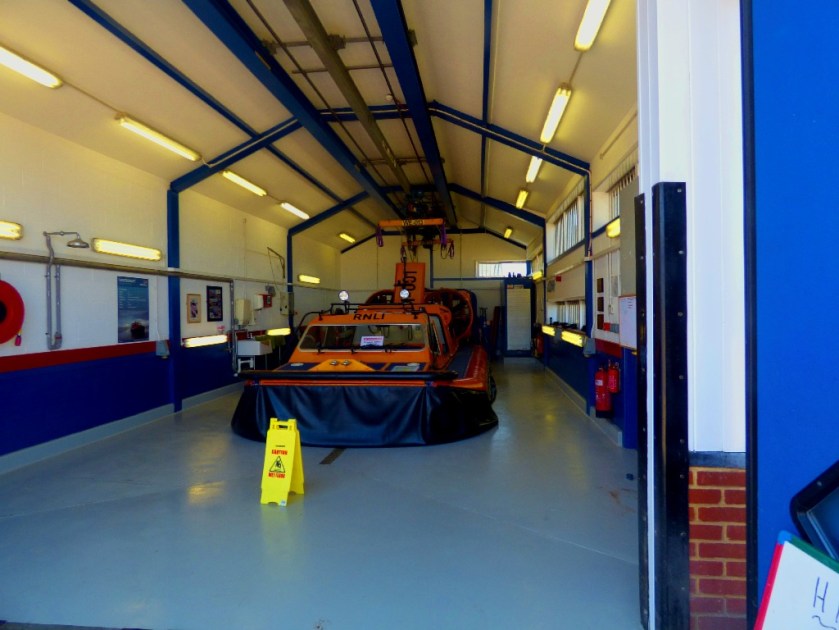
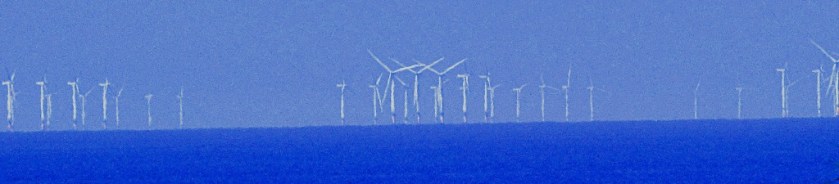
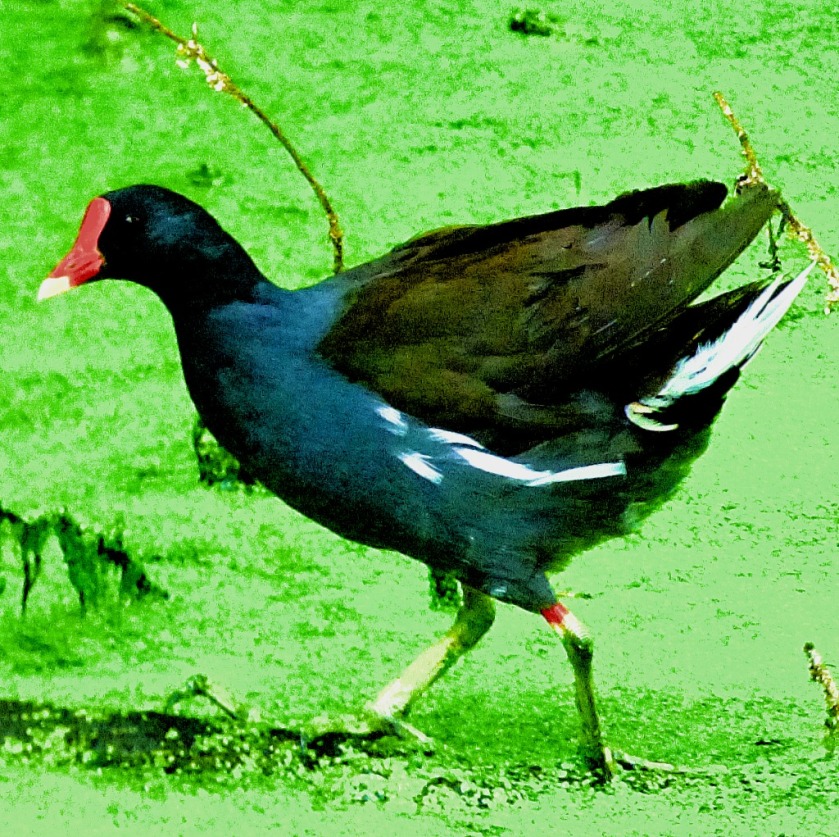
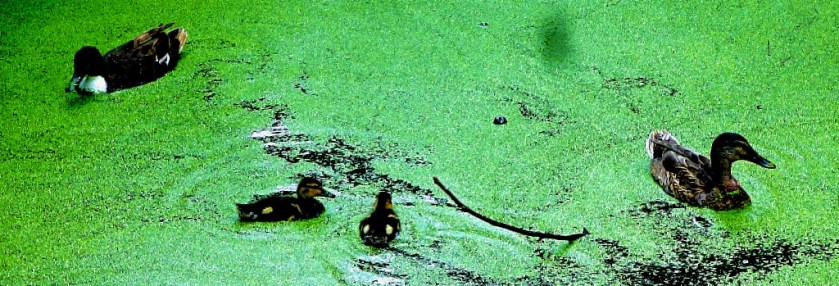
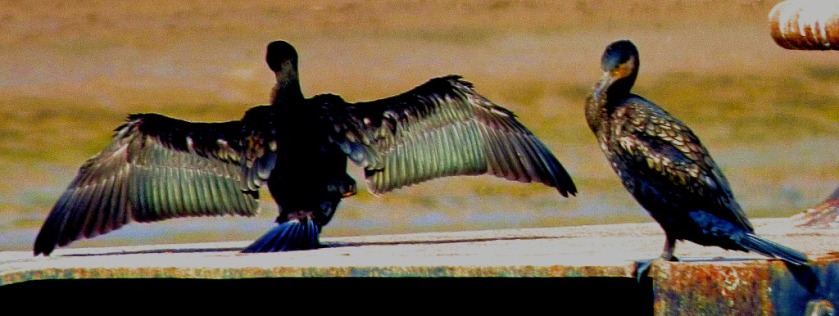
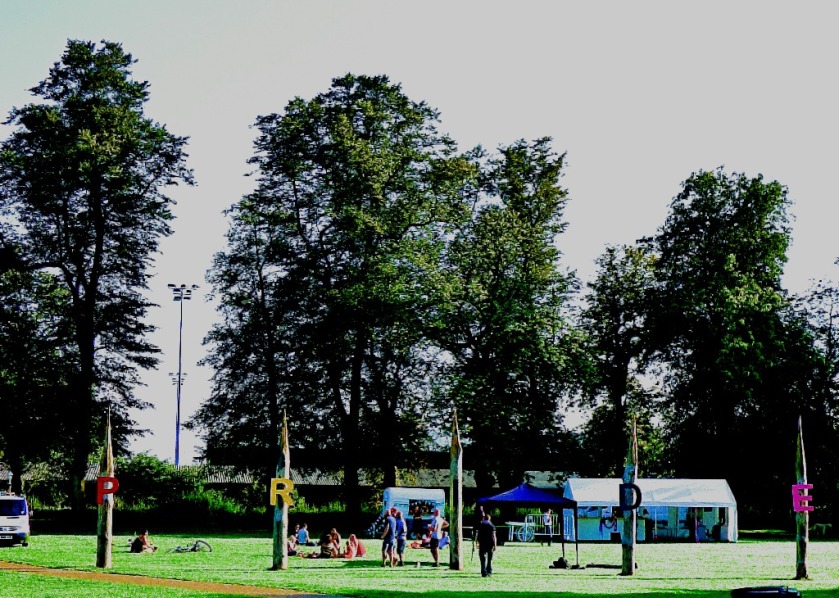
This one was taken on Sunday morningThese last two were taken on Sunday evening.
An account of the third ODI between Australia and England, and some of my own photographs.
INTRODUCTION
Just after 11AM yesterday UK time England completed a victory over Australia in the third One Day International that also secured them the series victory with two matches remaining. This post tells the story of that victory
THE MATCH
Steve Smith won the toss for Australia and sent England in to bat, which given that England had won the first two matches batting second was a sensible decision. Moeen Ali’s dismissal to the first ball of the 39th over left England at 181-6, at which point Australia looked favourites, and Smith’s decision to send England in looked to be thoroughly vindicated. Jos Buttler and Chris Woakes then batted so well in the last 11.5 overs, the former reaching his 5th ODI hundred along the way, that England finished their 50 overs with 302-6.
Australia in response were then ahead on comparison for much of the way. In the closing stages Stoinis and Paine batted well up to a point but they were dropping further and further behind the rate. When Stoinis holed out at the death Australia needed 19 off three deliveries which meant that Woakes only had to avoid overstepping or slinging the thing wide – and he very comfortably achieved this, England’s final margin being 16 runs. Stoinis played a quality knock, but Tim Paine’s 31 not out off 35 balls was as clear an example of a match-losing innings as I can recall (though skipper Smith’s 45 off 66, which first put Australia behind the rate merits a dishonourable mention in this category).
A CONTROVERSIAL DISMISSAL
Smith was given out caught by Buttler. The onfield umpires referred with a ‘soft decision’ of out, meaning that to give Smith not out the TV Replay Umpire needed to find incontrovertible evidence that it was not out. The mere fact that even with replays to help them people were not in agreement as to whether it was out or not says that the evidence was not incontrovertible, so the TV Replay Umpire was right to stick with the decision of out. Also, because of camera foreshortening TV replays are notoriously unreliable when it comes to assessing whether catches have carried (and I write this as a fan of technology overall). Finally, the way Smith was batting his dismissal benefitted Australia at least as much as it did England.
A TALE OF TWO 49th OVERS
England went into the 49th over of their innings on 264-6. Pat Cummins not only got smacked around (always likely at that stage of an innings), he also unforgivably bowled a wide, and then with the seventh delivery, which had been necessitated by the earlier misdemeanour, a no-ball. The eight delivery, necessitated by the no-ball, and a free hit for that reason, was walloped for four. The meant that the over cost 25 in total, and Cummins’ indiscipline accounted for eight of those 25 (1 for the original wide, 2 for the no-ball, one taken off the no-ball and the last four).
Australia went into their 49th over at 273-6, needing 30 to win. Mark Wood was disciplined enough to limit his over to the regulation six deliveries, and he managed one dot ball, conceded four singles and only one four – eight off the over – a good fairy offering that outcome at the start of the over would have found herself one-handed! The difference between Cummins’ over and Wood’s was 17 runs (25 minus 8), and England’s winning margin was 16.
A post provoked by an asinine comment I saw on cricinfo yesterday, dealing with the question of failure to convert in cricket.
INTRODUCTION
This post was provoked by something I saw yesterday morning on cricinfo’s online coverage of the second ODI between England and Australia (I was at work, so could not listen to the commentary, but having this tab open and peeking occasionally in between doing other stuff was manageable – I was constantly using the internet for work purposes anyhow).
ENGLAND 2-0 UP IN SERIES
England won this match by four wickets, with plenty of time to spare. Joe Root was there at the end on 46 not out. In the first match he had been there at the end on 91 not out. This coincidence that both times he was just short of a personal landmark led to a character posting under the name Dave (knowing what I do of such types I am not prepared to say that this is actually their name) to post a comment about Joe Root failing to convert. My response to this display of asininity is as follows:
Failing to convert implies regularly getting out before reaching important landmarks and Joe Root was undefeated in both innings.
Individual landmarks are valuable, and generally to win one needs someone to go to and well beyond several such, but cricket is a team game, and on both occasions Root missed his landmarks through playing a support role to people who were going more fluently at the other end (Jason Roy in game one, and Jos Buttler and Chris Woakes in game two).
Joe Root has proven frequently that he can go on to and well past significant personal landmarks.
To end this section I quote a post from a few minutes after Dave’s which provides an indication of how good Root actually is in ODI chases:
Hypocaust: “Joe Root now has the 3rd highest average (87.06) in victorious ODI chases (min. 20 innings), behind Dhoni (102.72) and Kohli (93.64) and just ahead of Bevan (86.25).”
Some stuff about the ODI at the MCG, a neurodiversity quote, a mathematical puzzle and some photographs
INTRODUCTION
After the horrors of the Ashes test series it makes a change to write about a winning performance from an England cricket team in Australia. I also have a few other things to share of course, including more of my photos.
RECORDS GALORE AT THE MCG
The pitch at the MCG for the first of five One Day Internationals (50 overs per side) was a vast improvement of the strip they had produced for the test match, and the players produced a match worthy of the occasion. England won the toss and chose to field. England;s improvement in this form of the game since their horror show at the 2015 World Cup has been such that even before they started batting an Australia tally of 304 seemed inadequate.
England got away to a quick start, although Jonny Bairstow did a ‘Vince’ – looking very impressive for 20-odd and then giving it away. Alex Hales also fell cheaply, but Joe Root came out and played excellently, while Jason Roy produced the major innings that England needed from one of their top order. When his score reached 124 Roy had an England ODI record for the MCG, and that soon became an all-comers MCG record, to match Cook’s all-comers test record score for the MCG. When he went from 171 to 175 Roy establish a new England ODI individual scoring record. His dismissal for 180, with 200 just a possibility was a disappointment but by then the result was not in doubt, and even the loss of a couple more wickets in the dying overs served only to reduce the final margin. England won by five wickets with seven deliveries to spare, and it was a much more conclusive victory than those figures suggest because three of the wickets came with the outcome already settled courtesy of Roy. Joe Root also deserves credit for his support role to Roy’s pyrotechnics, a selfless display that saw him finish just short of his own hundred when the winning runs were scored. The Test squad has a lengthy shopping list of new players needed (two openers given Cook’s age, at least one new batsman for the middle order, a couple of genuine quicks and a serious spinner at minimum), but the ODI squad is in splendid fettle.
A CLASSIC NEURODIVERSITY COMMENT
This comes courtesy of twitter:
PHOTOGRAPHIC INTERLUDE
A PUZZLE
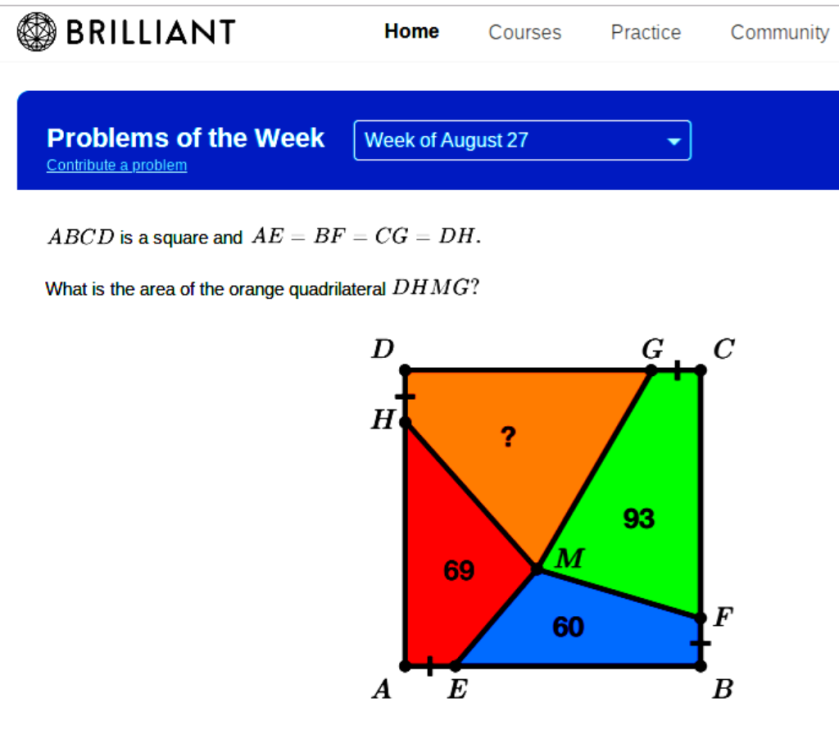
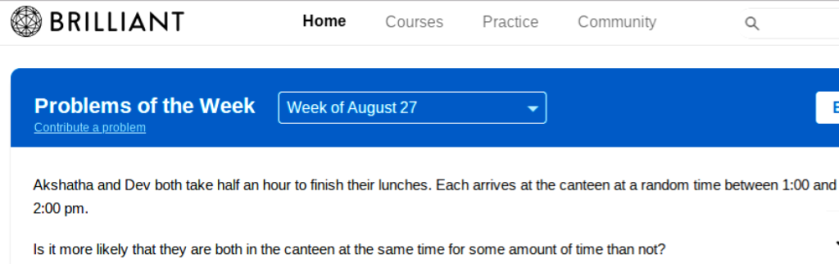
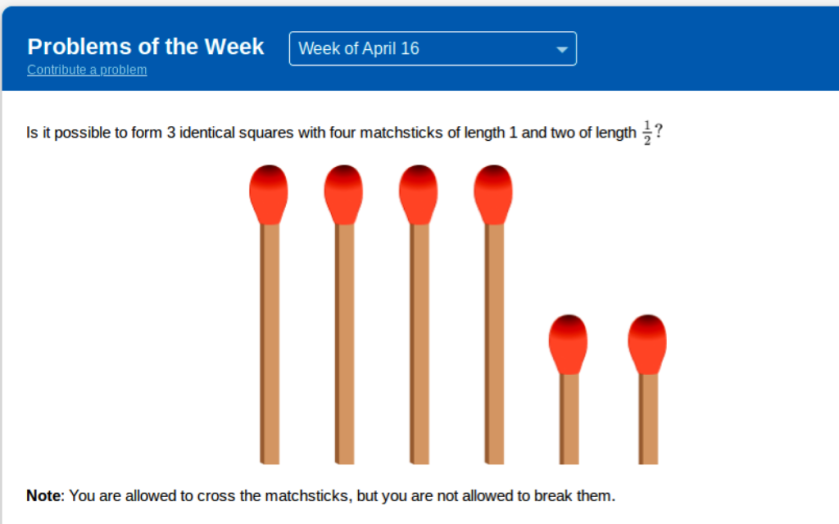
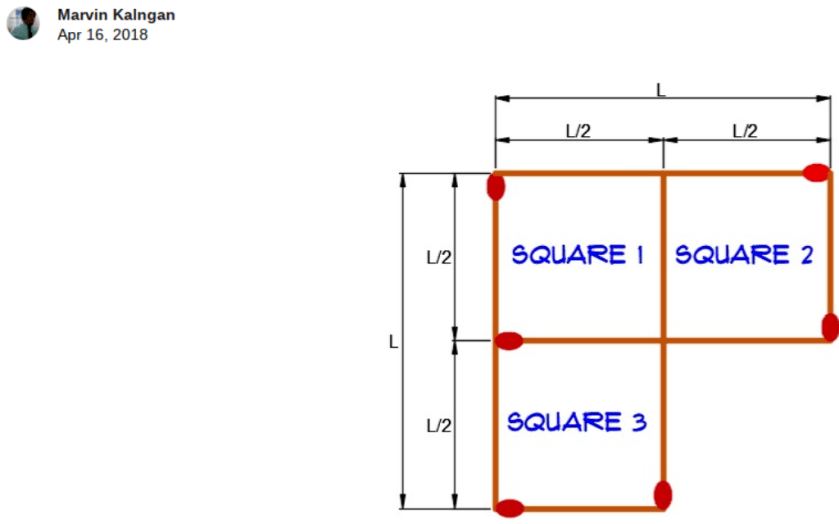
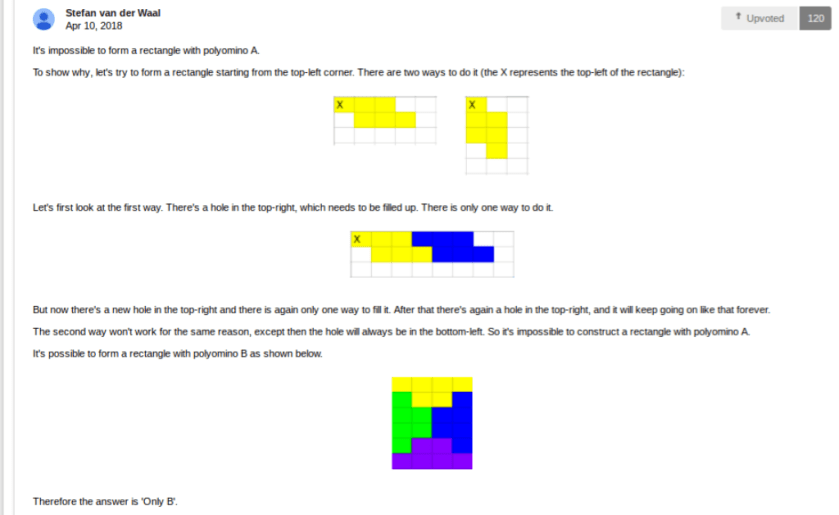
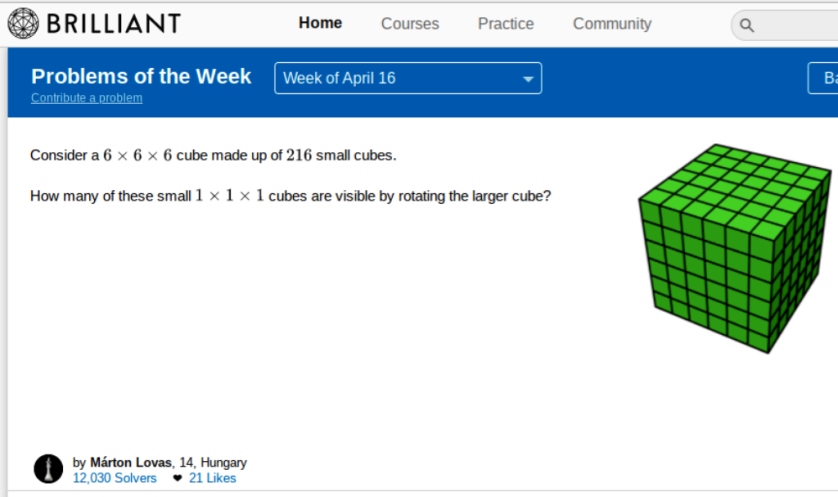
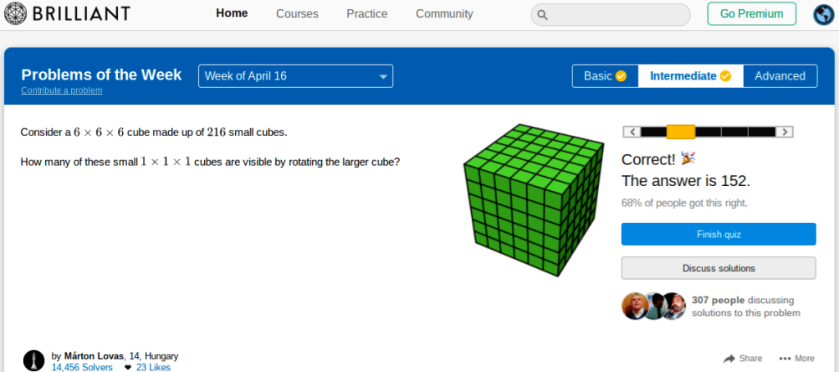
Those of you who have read Alison’s response to my nominating her for a Blogger Recognition Award will have noticed that she specifically mentioned enjoying the puzzles that sometimes feature here. Here courtesy of the mathematical website brilliantis another:
PHOTOGRAPHS
The colony of muscovy ducks that I first saw in late 2017 are still in residence along a section of the Gaywood River that is close to where it enters The Walks en route to becoming the Millfleet, in which guise it flows into the Great Ouse…
My composite Ashes XI with reasoning and justification. Also some photographs.
INTRODUCTION
A common feature of final days of series is the selection of a composite XI based on performances in said series. This is my effort for the current Ashes series. I am going to name my team in batting order first and then explain/amplify/justify these selections.
THE TEAM
My team in batting order (England player names in dark blue, Aus in green):
Alastair Cook
David Warner
Dawid Malan
Steven Smith (Captain)
Shaun Marsh
Jonny Bairstow (Wicketkeeper)
Mitchell Marsh
Mitchell Starc
Pat Cummins
Nathan Lyon
Jimmy Anderson
MY REASONING
The openers need no justification – the only major contribution from an opener not named Warner in the series was Cook’s monumental innings at the MCG. Number three is a thorny one. James Vince has demonstrated clearly that he does not belong there, and his huge score here at the SCG notwithstanding I remain skeptical about Usman Khawaja, hence my decision to promote England’s leading run scorer in the series to a position he occupies for his county. Number four, and with it the captaincywas the easiest selection of the whole lot. Shaun Marsh has not put a foot wrong since being called up to replace the inadequate Handscomb at number 5, and I regarded him as a must pick. Jonny Bairstowand Tim Paine have both had good series with the gloves, but I have opted for Bairstow as definitely the superior batsman. Mitchell Marsh has had a magnificent series, and was an absolute shoe-in at number 7, especially as Moeen Ali has had a terrible series – he has batted poorly in every match and his bowling average reads like a Bradman batting average. Of the specialist bowlers I have picked those at number 8,9 and 10 in the batting order are absolute stand outs. Number 11 was tricky, since Anderson with virtually no support has had a good series, and the better supported Hazlewood as also had a fine series. Accepting that even were it possible vivisection is not permissible (though ‘Anderwood’ is only one letter removed from a former test great!) I have opted for Anderson as I rate his the greater achievement.
FINAL THOUGHTS
Looking at the makeup of the team (and accepting that Hazlewood for Anderson and Khawaja for Malan would both be valid changes), Australian picks predominate in both batting and bowling, though it is especially the bowling, which in my team comes out at 4-1 (including all-rounder Mitchell Marsh) to Australia and is reality more like 4.3-0.7 (rating my selection of Anderson over Hazlewood as a 70:30 pick) which has split the sides. England have collected barely more than half of the 100 wickets that were available to them at the start of the series, whereas Australia assuming that they take the six England wickets that remain in this match will have managed 90, failing to take 20 opposition wickets only on the MCG pitch.
PHOTOGRAPHS
I always like to include a few photographs in my blog posts, so I end with these recently taken pictures:
The first five pictures were taken while walking to the Scout Hut on Beulah Street for Musical Keys yesterday.
These last four pictures were taken in Fakenham on Thursday.
Happy new year everyone. This post will give you a few hints as to what you can look forward to in 2018 on aspi.blog.
ASPI.BLOG STYLE GUIDE
Headings will generally be in a cycle that runs red/green’purple, although this is subject to variation in certain circumstances.
Body text will always be in black unless I am writing about autism, in which case I will use #RedInstead.
When sharing content from another site I will always link to the host site and the specific post and where possible will mention the author by name – such links will be a different colour from regular body text and will be both bold and underlined.
It will be a very rare post that does not congtain photographs.
LIKELY SUBJECTS FOR 2018
Autism
Public Transport
Nature
Science
Religion
Cricket
Books
Photography
I will also probably find other things to blog about in 2018.
PHOTOGRAPHS
A COUPLE OF CLOSING QUESTIONS
Please feel free to use the comments to answer the questions below?
Some thoughts on the recent test match at the Melbourne Cricket Ground, solutions to my lest set of puzzles and some photographs.
INTRODUCTION
This is a two part post – first of all a bit about the test match that finally ended in a draw at about 6AM UK time, and then the companion to piece to “Puzzles and Pictures“, answering the puzzles posed there.
5-0 AVERTED
England had the better of Australia in the fourth test match of this Ashes series, but neither team stood a chance against the real winner of this drab affair – the MCG pitch which offered no assistance to any kind of bowler and was also so slow that batsmen could not play their strokes. Alastair Cook ended his poor run of form emphatically, with an innings demonstrating once again his astonishing powers of concentration. Australia without Mitchell Starc and on a pitch that was utterly lifeless looked an ordinary bowling unit.
At lunch on day 1 Australia were 102-0 with Warner going well and Bancroft surviving, but that was the only session of the game that Australia unequivocally won. Although wickets were in short supply on that opening day Australia reached the close at 244-3 – a definite failure to build on that fast start. The second day belonged to England – Australia were all out 327, losing their last five wickets for 13 runs and England in response reached 192-2, Cook 104 not out, Root 49 not out. The third day was also England’s – 491-9 at the end of it, with Cook 244 not out. On the fourth day rain intervened. Anderson lost his wicket to the first ball of the day, giving Alastair Cook yet another place in the record books – highest score by anyone carrying their bat through a complete test innngs, beating Glenn Turner’s 223 not out v West Indies. Bancroft and Khawaja were both out fairly cheaply, but when the rain finally halted proceedings for the day Australia were 103-2 with Warner and Smith in occupation. On the final day Warner fell 14 short of his second hundred of the game. Smith did reach his own hundred, after seven and a quarter hours, and then declared which officially ended the game as there was no time left for England to chase to 100 they would have needed to win.
The Melbourne Cricket Ground has a huge seating capacity, and the Boxing Day test is for that reason the best attended of all test matches. In particular, the Boxing Day Ashes test is habitually hugely attended. Because of the failure to produce a proper pitch the biggest crowds test cricket ever sees got a game that was not worthy of the occasion, and that is not acceptable. The MCG need to sort this out – on proper pitches test cricket can be the most fascinating of the three forms of the game, but on lifeless rubbish such as the MCG groundsman produced for this match it is a poor spectacle. The ICC (cricket’s global governing body) should come down on the MCG like the proverbial ton of bricks.
Alastair Cook’s epic innings deservedly gained him the player of the match award. A full scorecard and links to further detail about this match can be found on cricinfo. The final match of this series is in Sydney, starting on January 4th, and I sincerely hope that they produce a better pitch (they cannot produce a worse one – such a thing does not exist).
PHOTOGRAPHIC INTERLUDE
As we switch focus the the puzzles I presented a couple of days ago, here are some bird pictures from yesterday:
PUZZLE 1: LOGIC
As I said when I set it, this one is very straightforward. The key is that person B has said “I am the Knave”. The Knight cannot say this as it would be a lie, and the Knave cannot say it as it would be true, so the only person who can say “I am the Knave” is the Jester. Therefore the Jester is person B (note that both Knight and Knave can say “I am not the Knave”, so we cannot say which of A and C is which).
PHOTOGRAPHS – THE GREAT OUSE
PUZZLE 2: AREA CHALLENGE
The red sgements in the four corners of the shape are each half the size of the red segments along the sides of the shape, which in turn are each half the size of the blue shapes in the middle of the pattern. Thus counting the smallest segments as 1 there are (4 x 1) + (8 x 2) red segments = 20 red segments. Each blue shape in the middle comprises four segments and the are four of them = 16 blue segments. Thus the ratio of red area to blue is 20:16 = 5:4
PHOTOGRAPHS: THE WALKS
The Walks was still flooded yesterday, although less than it had been when I took my last set of pictures there two days previously.
PUZZLE 3: EVEN AND ODD
Instinct suggests that the answer should be no, but this is one of those occasions when one should mistrust one’s instinct. To demonstrate a solution (one of many along these lines), I choose as my three even numbers 6, 8 and 4 in that order. Six divided by eight is 0.75, and 0.75 x 4 = 3 = an odd number.
PHOTOGRAPHS: MUSCOVY DUCKS 1
The Muscovy duck that I had seen in The Walks recently was not there yesterday, so I finished my walk by heading towards the place where I had firstseen the species. I waqs rewarded when just on across Littleport Street from that location I saw the entire flock. Here are some of the pictures.
We have to use the numbers 1,2,3,4 and 5 to make a five digit number. The first requirement is that the first three digits form a number dvisible by four, which can only be achieved from these numbers by using 124 (= 31 x 4), then digits 2,3 and 4 must form a number divisible by five, so the fourth digit has to be 5 as numbers divisible by five end either in five ior zero and zero is not available to us. That leaves us the fifth digit to fill, and the only number we have not used is 3, hence the number is 12,453, and back checking using the last limitation, that the final three digits be divisible by three confirms this (453 = 151 x 3).
PHOTOGRAPHS – OTHERS
These were taken near the end of my walk:
PUZZLE 5: INVESTMENT EXPERT
The minimum starting amount he needs to ensure that it stays growing on these terms is $4. On my subsidiary question, although this starting point only yields a fortune of two billion and four dollars after one billiSuch is the power of exponential growth that if you increase this starting amount by even a small amount it will suffice. According to Denis Husudvac on brillaint even a stgarting point $4.01 will be enough.
Christmas report on the England men’s team, and some Muscovy duck pictures.
INTRODUCTION
While the England Women’s team have had a fabulous year, thoroughly deserving to win Team of the Year at the BBC Sports Personality of the Year awards (and had there been any justice Anya Shrubsole would have been Sports Personality of the Year) life has been tougher for the men. The confirmation in the early hours of Monday morning UK time that the Ashes had been lost (yes folks, I was listening to TMS right to the bitter end) lies behind this post (going up now through a combination of thinking before I wrote and work commitments yesterday). I end as usual with some of my own photographs.

THE FIRST THREE TEST MATCHES
Gritty fifties from Stoneman and Vince on the opening day notwithstanding Brisbane was a bad match for England. The ease with which Warner and Bancroft knocked off the 170 needed to win in the second innings, and the immovability of Aussie skipper Smith in their first innings were the most worrying sings.
Adelaide kicked off with Joe Root deciding to field first when he won the toss. An Australian tally of 442-8D in the course of the first day and a half made that decision look worse than it was (it was still poor, though not down there with Nasser Hussain at Brisbane 2002). England were then all out for 227, and as this was as a day-night test with the night session due to start it seemed mandatory to enforce the follow-on, but Steve Smith declined to do so. Australia stuttered under the lights to 50-4, and England’s best bowling effort of the series so far continued the following morning reducing Australia to 138 all out, leaving England 354 to get. England made a decent fist of things, and at 170-3 it looked like they might just get them. Unfortunately both for England and for cricket as a whole (there are a lot of captains these days who almost automatically decline to enforce the follow-on, and had England chased down this target of 354 it might have made those people think) a wicket just before the close of day 4 and then a clatter the following morning put paid to that.
So it was on the Perth for the last Ashes game to be staged at the WACA (a new stadium just across the road will stage future Perth tests), a venue where England had only one once, way back in 1978. Precedents for a comeback from 0-2 down in a five match series are equally thin on the ground – the only successful example being Don Bradman’s 1936-7 Aussies (Bradman himself produced scores of 270, 212 and 169 in the third, fourth and fifth matches of that series, and also produced a tactical masterstroke in those days of uncovered pitches in that third test when faced with a terror track he sent in tail-enders O’Reilly and Fleetwood-Smith to miss everything until the close of that day – Bradman emerged the following day at 97-5 to join regular opener Jack Fingleton who had come at no 6, and with the pitch now eased they put on 346 for the sixth wicket to settle the issue), although 42 years earlier Australia had won the 3rd and 4th matches after being 0-2 down before England won the final game of that series.
England batted first in Perth, and at 131-4 a familiar pattern seemed to be emerging, but then Dawid Malan and Jonny Bairstow got going, and both made hundreds. Malan went on to 140. Once their 237 run partnership was broken the rest of the innings subsided quickly, but 403 still seemed a respectable total. When Australia were 248-4 England still looked in with a shout, but by the end of day 3 Australia were 549-4, Smith having set a new career best and Mitchell Marsh in front of his home crowd turning his maiden test hundred into 181 not out. Smith and Marsh both fell quickly the following morning, and Starc was also out cheaply, but Tim Paine and Pat Cummins made useful contributions, and Australia declared at 662-9, leaving England four and a half sessions to survive for the draw. By the close of that fourth day Bairstow and Malan were together once more, with the only convincing batting effort up to then having come from Vince, who played very well for his 55 and was unlucky to get an absolute brute of a ball from Starc.
It rained overnight, and the covers at the WACA proved inadequate, leaving a wet patch on a good length at one end, which delayed the start of the fifth day’s play. Root argued for an abandonment, while Smith of course tried to hasten the start of play. I fully understand why Root tried to get play abandoned, but actually I am glad he failed in the attempt – to keep a series alive in that fashion would have been deeply unsatisfactory. At Headingley in 1975 a delicately poised final day (Australia 220-3 needing 445 to win, and Rick McCosker five away from what would have been a maiden test hundred) was abandoned after protesters sabotaged the pitch (“George Davis is innocent” – according to Peter Chappell, namesake of two members of that Australian team, but not according to the courts, or his future record – released from that sentence for armed robbery, he was soon back inside for another armed robbery to which he pleaded guilty).
Once the game finally commenced it was soon obvious which way the wind was blowing, and for the third time in the space of a year (following two occasions against India last winter) England had managed to lose by an innings margin after tallying 400 first up.
ENGLAND PLAYER BY PLAYER
Alastair Cook: 150 tests, the last 148 of them in sequence – remarkable longevity. At the moment he is having a rough trot, and when Cook is having a rough trot (as he did in the early part of 2010) it is often hard to imagine where his next run is coming from.
Mark Stoneman: some gritty performances thus far, but he needs to start turning those fifties in to hundreds some time soon.
James Vince: to put it mildly a controversial choice for the crucial number three slot, and notwitshstanding two fine innings so far, one in Brisbane and one in Perth, he has not yet done enough to convince – see my closing comment about Stoneman.
Joe Root: would seem to be the latest in a long line of England players to suffer captaincy-itis, not only he is failing to make runs, he is getting out in un-Rootlike ways. England need his batting to be at its best, so perhaps someone else should be made captain (see later for my controversial suggestion).
Dawid Malan: his 140 at Perth and fighting effort in the second innings as well confirms his arrival as a test batsman of quality. Also, while it never looked threatening his part time leg spin was at least economical.
Jonny Bairstow: other than his first innings performance at Perth not thus far a great series for the wicketkeeper-batsman.
Moeen Ali: Fulfils a useful all-round role, although England offspinners have rarely been successful in Australia (the chief exceptions being Laker in 1958-9, Titmus in 1962-3 and Emburey in 1986-7). Also, if England do decide that Root needs to be replaced as captain to enable him to concentrate solely on what he does best – his batting – then Moeen would be my choice for the job.
Chris Woakes: Save for his bowling in the second innings at Adelaide he has not looked very threatening in this series. That game was also the scene of his only significant batting effort of the series so far. Right-arm medium fast when the ball is not deviating (and it generally doesn’t in Australia) simply will not trouble good batsmen.
Craig Overton: Looks like he belongs at this level, but my comments about Woakes’ style of bowling in Australian conditions also apply to him.
Stuart Broad: A nightmare series for him, not because he has bowled especially badly, though he has consistently been pitching it too short, but because he has looked completely unthreatening and has bowling figures that reflect that.
Jimmy Anderson: continues to climb the wicket taking charts. His 12 wickets at 25 apiece in this series, while all his colleagues have been taking drubbings is a remarkable effort in the face of adversity. I fully expect that in the early stages at Melbourne he will move ahead of Courtney Walsh in the wicket takers list (current Anderson 518, Walsh 519), leaving only Glenn McGrath among the quick bowlers ahead of him. He has bowled beautifully this series but with Broad off the boil his ‘support’ has simply not been up to standard.
THE REST OF THE SERIES
Before I get into this section let me clear that I do not believe for an instant that had the likes of Ben Stokes, Mark Wood and Toby Roland-Jones been available England would be doing a whole lot better. Certainly to be deprived of the services of three such excellent cricketers simultaneously is unfortunate but England are 3-0 down because they have been outclassed throughout this series (only in Adelaide to England ever look close to making a game of it – the Malan-Bairstow partnership in the first innings at Perth was the only other major period in the series to date in which England had the whip hand).
The good news for England is that their records at Melbourne and Sydney are better tahn their records elsewhere in Australia. While the batsmen need to score more runs, it is the bowlers who (Anderson apart) really need to pick things up – England have not yet taken 20 wickets in a match in this series, and at Perth they failed to even take 10.
I think England can pick themselves up and win at least one of the two remaining matches. In many ways it would be an injustice to Australia were England to win both and make it look respectable at 3-2 – this England side does not deserve better than 4-1 (though I also think it does not deserve worse – it is not as shambolic as Flintoff’s 2006-7 squad who really did deserve to be on the wrong end of a 5-0, as in the end they were.
The take home message of the three matches played so far is one that England should already have learned a long time ago – a bowling ‘attack’ of four right-arm medium-fast bowlers and an offspinner will not cut the mustard in Oz.
PHOTOGRAPHS
A little while back I reported sighting some birds which turned out to be Muscovyducks (Cairina moschata). Well, I have seen another (this time a single bird), this time in The Walks.
The first four pictures were taken on Monday afternoon.
These are all from today – six pictures of the whole bird…
An account of the opening salvos in the Women’s Ashes and some photographs.
INTRODUCTION
Unlike the original Ashes, which have been fought for since 1882, the Women’s Ashes is contested across multiple formats. The current scoring system awards two points for a win in a limited overs match, 1 for a no-result and 0 for a defeat, while the sole test match is worth four points.
A Classic Match
The first of three ODIs that the women will be contesting took place at the Allan Border Field in Brisbane. Australia won the toss and put England in to bat. Several England players got starts but none managed to build a really substantial score, Lauren Winfield leading the way with 48. A total of 228 off 50 overs did not look like it was good enough, and in the end it wasn’t.
Eng;land bowled better than they had batted, and at 87-4 Australia were looking distinctly shaky. Alex Hartley failed to hold a return catch offered by veteran Alex Blackwell when the latter had 35 to her name, and Australia were behind the rate, Talia McGrath having occupied 26 balls for a score of 7. This missed chance and some aggression from Ash Gardner (27 off 18) made the difference, Australia getting home in the final over with Blackwell unbeaten on 67.
A highlight of this match was the preponderance of quality spin bowling on show – in Gardner, Amanda-Jade Wellington and Jess Jonassen Australia had three high-class practitioners, while Hartley and the experienced Laura Marsh both bowled well for England.
ON THE DISTINCTION BETWEEN ‘WOMEN’S ASHES’ AND ‘ASHES’
This applies across the board, and not just to cricket between England and Australia, but this seems a suitable place to mention this. I see the distinction between these categories as that between a restricted (“Women’s”) and an open category – if a woman is able to play alongside the men she should have the right to do so – the existence of Women only teams is an acknowledgement that few women could because the men are generally larger and stronger. Similarly if a disabled athlete happens to be performing comparably to their able-bodied counterparts they should be able to compete alongside them.
In terms of cricket I would expect that a woman who earned selection for ‘The Ashes’ as opposed ‘The Women’s Ashes’ would not be a specialist fast-bowler, but I could see spinners, wicket-keepers or batters earning selection.
The cricket section of the BBC website gives you a chance to pick your XI for the opening ashes match this winter. It is not a free selection – they give you a pool of names to pick from, which is why I am producing this post.
MY SELECTION ON THE BBC WEBSITE
Restricted by the BBC website I selected the following XI:
Cook, Stoneman, Joe Clarke, Root, Liam Livingstone, Stokes, Bairstow, Moeen Ali, Roland-Jones, Anderson, Leach – yes I overlooked Stuart Broad, but I was being deliberately controversial…
VARIOUS POSSIBLE XIs
In actual fact, depending on conditions my selections could vary considerably. England spinners have rarely enjoyed themselves at Brisbane, so in practice I would probably not select two spinners for that particular match, while at Perth I might even consider leaving out Moeen Ali. At Adelaide, where the pitch tends to be exceedingly batsman friendly I would want more bowling options, and if the pitch was obviously going to favour spin then Moeen might even be third spinner in the XI. Thus here are some possible XIs, unerestricted by the BBC website’s preselections:
Fast bowlers’ paradise (Perth would be a possible): Cook, Stoneman, Westley, Root (C), Lawrence, Stokes, Bairstow, (WK), Woakes, Roland-Jones, Broad, Anderson.
On a ‘bunsen’ (rhyming slang, bunsen burner = turner) – unlikely in Oz but you never know: Cook, Stoneman, Westley, Root (C), Lawrence, Stokes, Bairstow (WK), Moeen Ali, Dominic Bess, Jack Leach, Anderson (this is a colossal gamble, relying on Anderson and Stokes to do all the fast bowling between them, a more cautious approach still catering for lots of spin would see Broad retain his place and Ali and Bess or Bess and Leach have the spin bowling roles).
For the batsman’s paradise (e.g Adelaide, or the Bellerive Oval, Hobart): Cook, Stoneman, Root (C), Lawrence, Stokes, Moeen Ali, Bairstow (WK), Roland-Jones, Bess, Broad, Anderson (note that to play the extra bowler I move Ali up two places, keeping Bairstow at 7 – there is a reason why Gilchrist never moved up from number 7 in Australia’s great days).
We have to use the numbers 1,2,3,4 and 5 to make a five digit number. The first requirement is that the first three digits form a number dvisible by four, which can only be achieved from these numbers by using 124 (= 31 x 4), then digits 2,3 and 4 must form a number divisible by five, so the fourth digit has to be 5 as numbers divisible by five end either in five ior zero and zero is not available to us. That leaves us the fifth digit to fill, and the only number we have not used is 3, hence the number is 12,453, and back checking using the last limitation, that the final three digits be divisible by three confirms this (453 = 151 x 3).
PHOTOGRAPHS – OTHERS
These were taken near the end of my walk:
PUZZLE 5: INVESTMENT EXPERT
The minimum starting amount he needs to ensure that it stays growing on these terms is $4. On my subsidiary question, although this starting point only yields a fortune of two billion and four dollars after one billiSuch is the power of exponential growth that if you increase this starting amount by even a small amount it will suffice. According to Denis Husudvac on brillaint even a stgarting point $4.01 will be enough.
PHOTOGRAPHS: MUSCOVY DUCKS 2