An account of a visit to Watatunga yesterday with my parents.
17 days ago I visited Watatunga Wildlife Reserve as part of a West Norfolk Autism Group delegation for what should have been assemblage of mental health related charities, and blogged about it the following day. My mother was impressed enough by my account of the day to decide that when she and my father visited me this weekend before they head to Australia for several months we would visit the place ourselves. This post looks back at that visit.
AGE DOTH NOT WITHER NOR CUSTOM STALE…
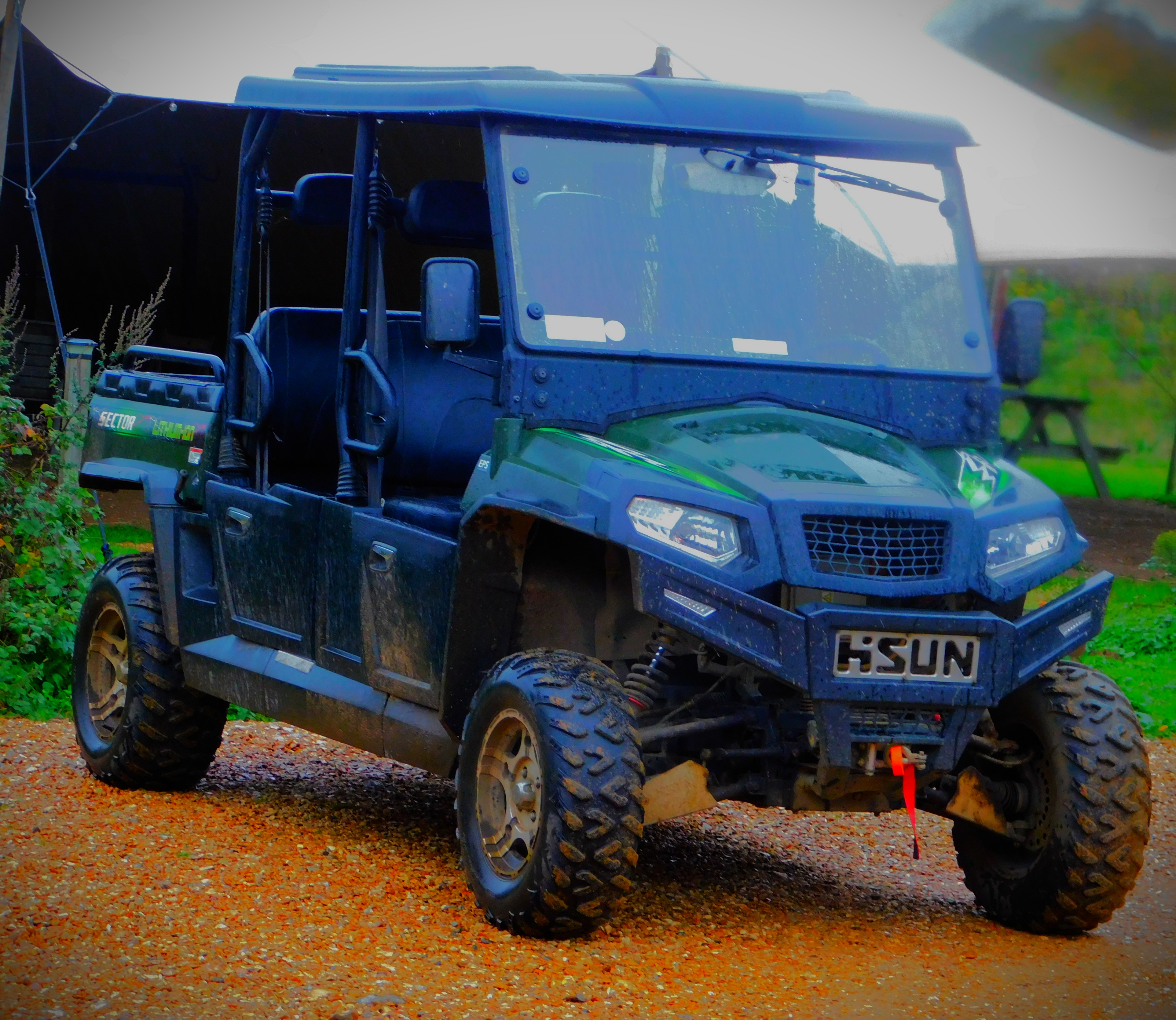
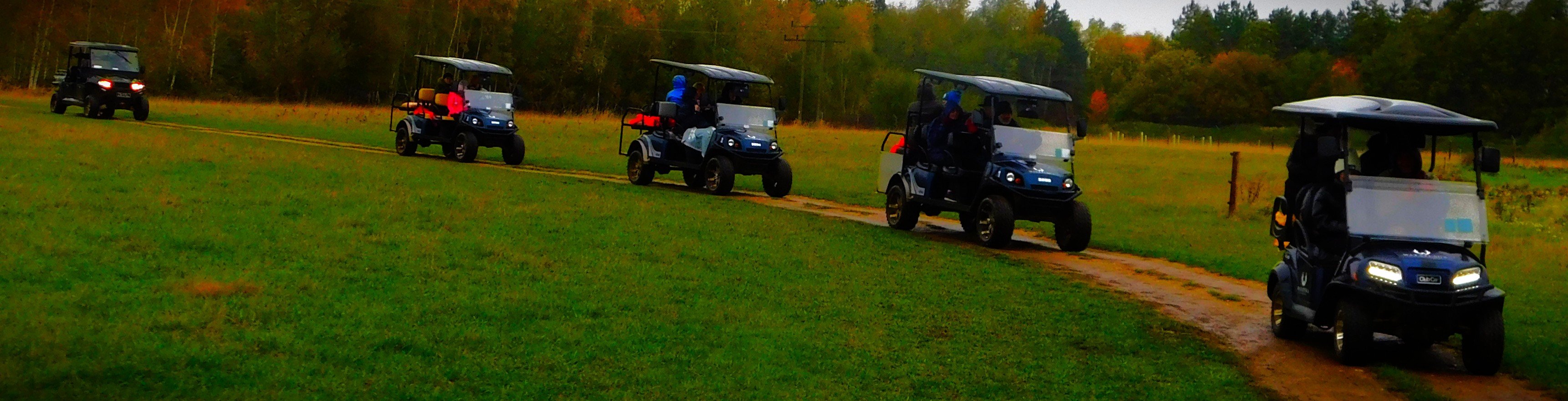
There were several important differences between my two trips – the first time I travelled round in a trailer, this time round we were in a buggy (I commented while we were on our way there that these buggies looked a little like they had been built using Quadro, which was an exaggeration, but not massively much of one. They have no sides, and the roofs do not provide full coverage either. They bounce like crazy whenever the surface underneath is rough, which is quite often. The weather was inclement, and although my seat was wiped down before I sat on it, and I was given a poncho to shelter my legs I still ended up with slightly damp trousers. Also with the clocks having just gone back it was darkening by the time we finished our trip, and pitch black by the time our taxi arrived to take us to King’s Lynn station, from where I walked home while my parents travelled south. However, for all the issues with our mode of transportation, the weather and the encroaching darkness I enjoyed this visit as much as I had enjoyed the previous one, even though they were so close together.
PHOTOGRAPHS
Here are the pictures I took that came out well enough to keep…
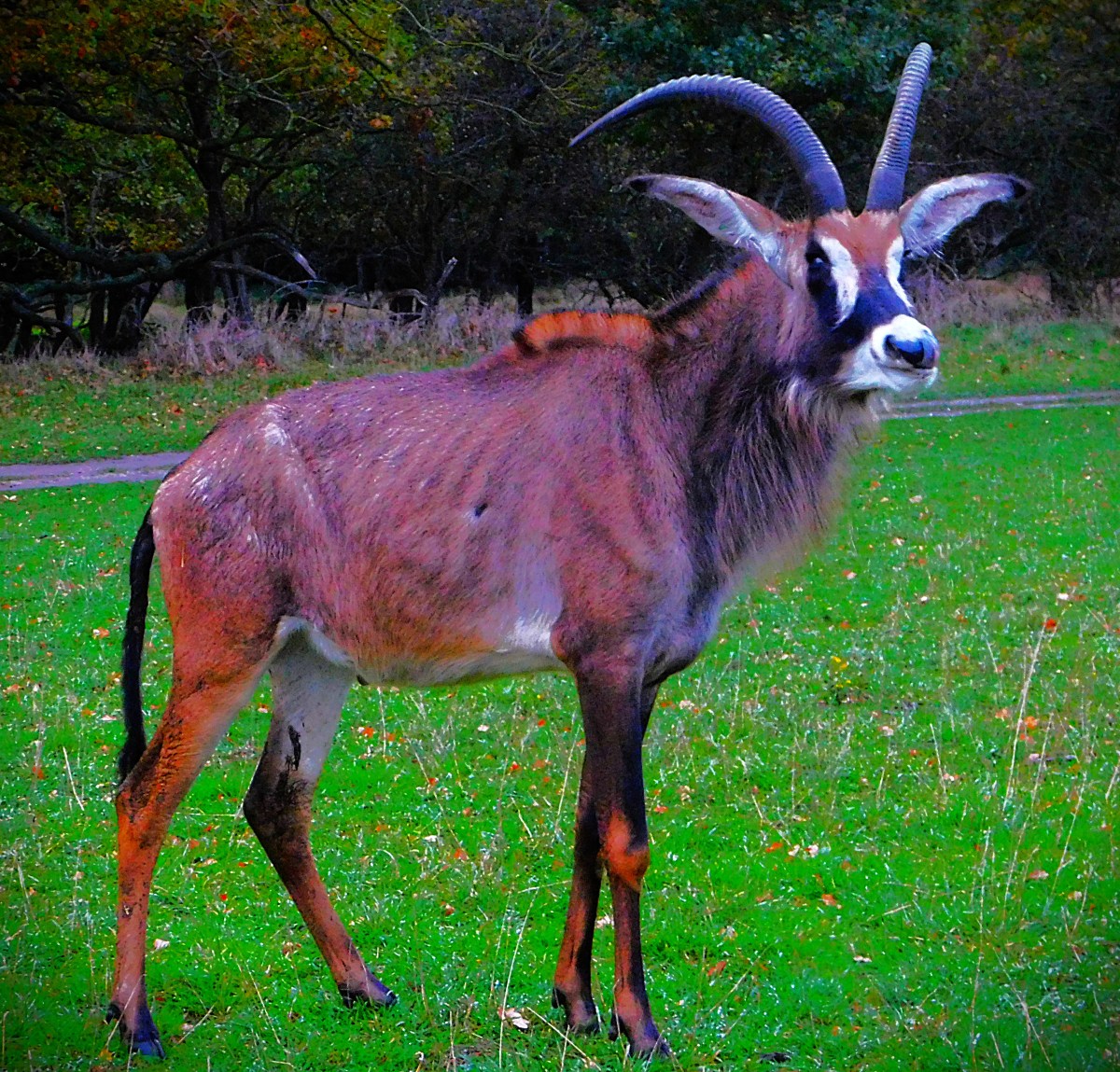
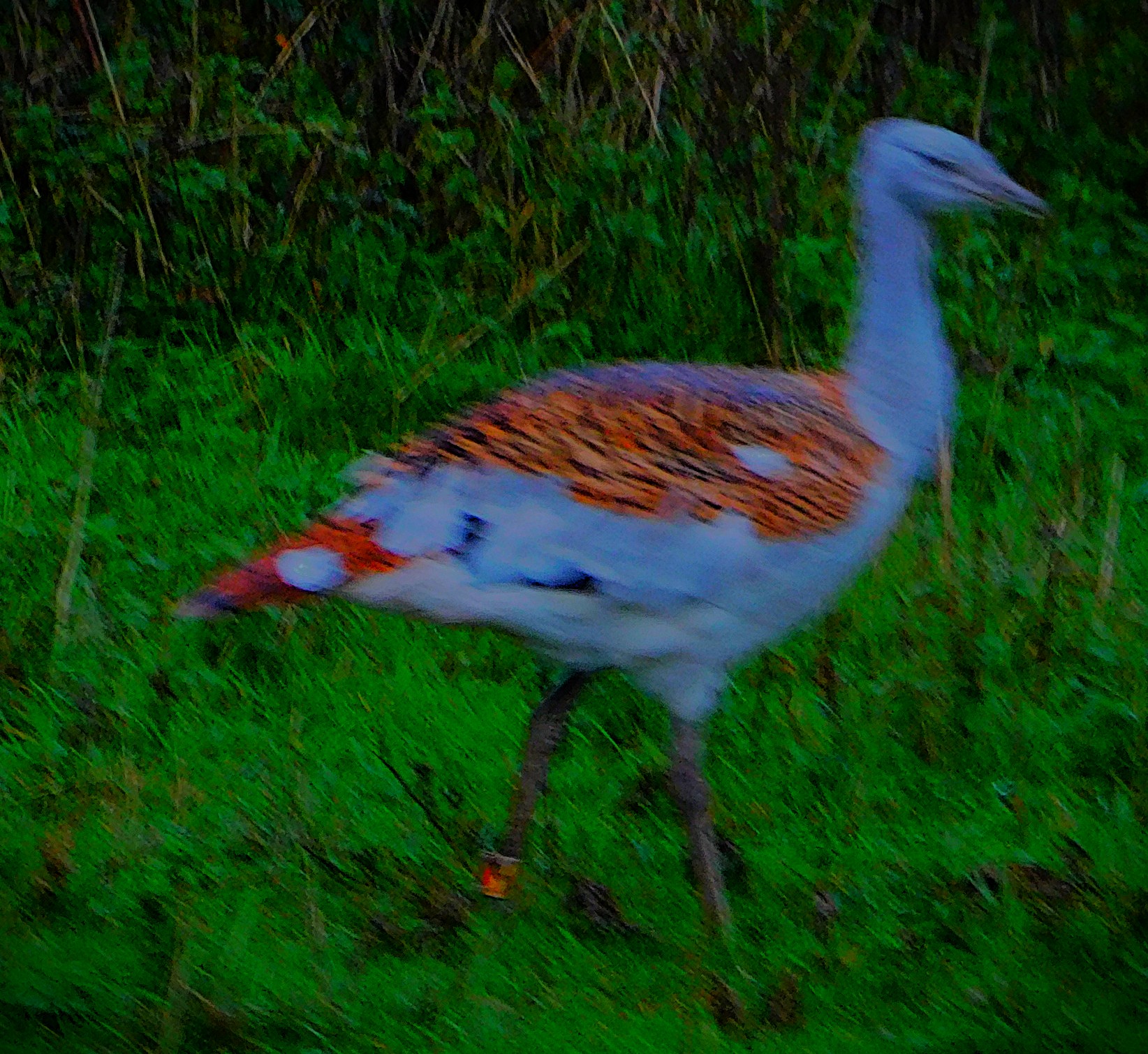
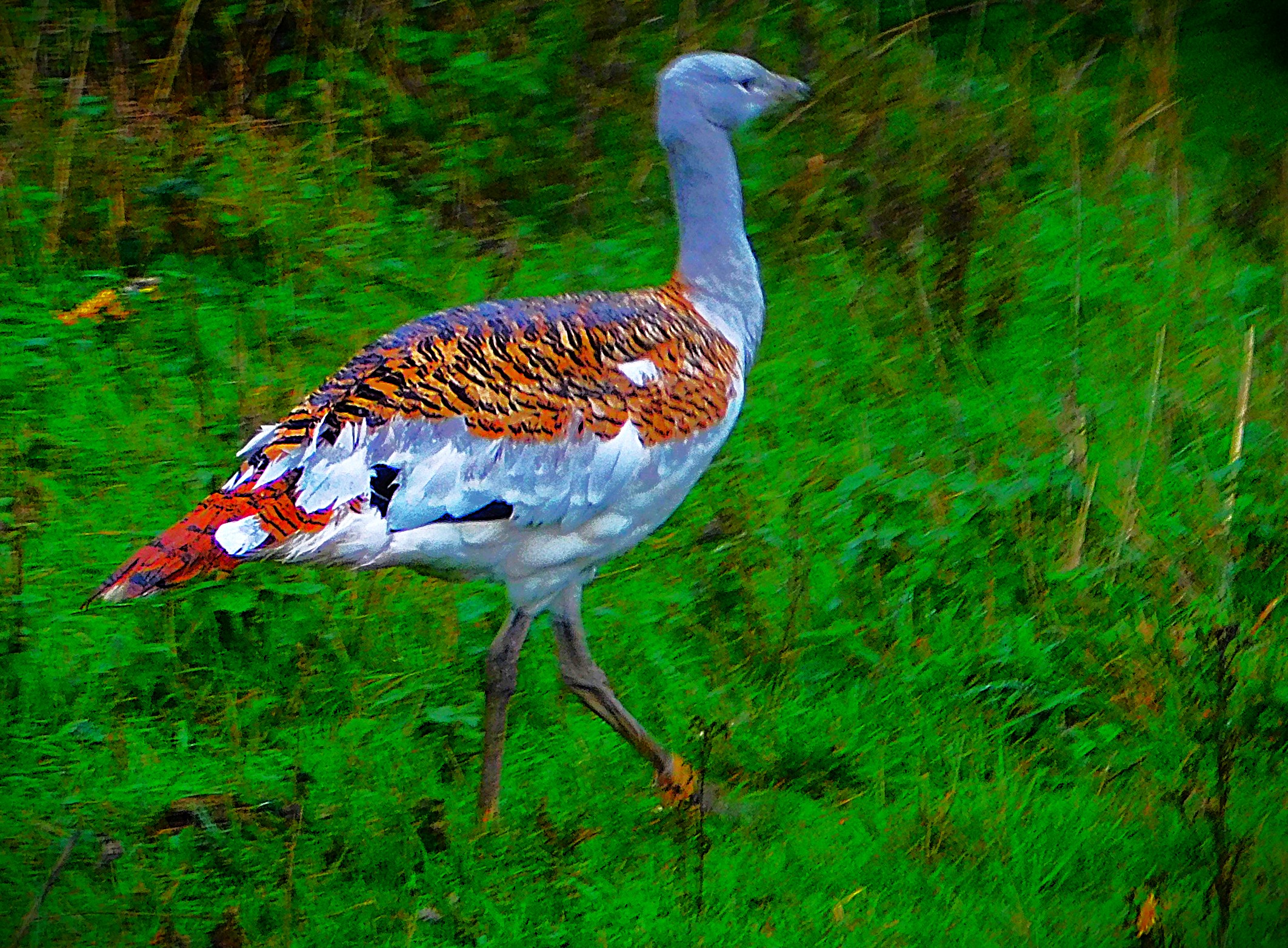
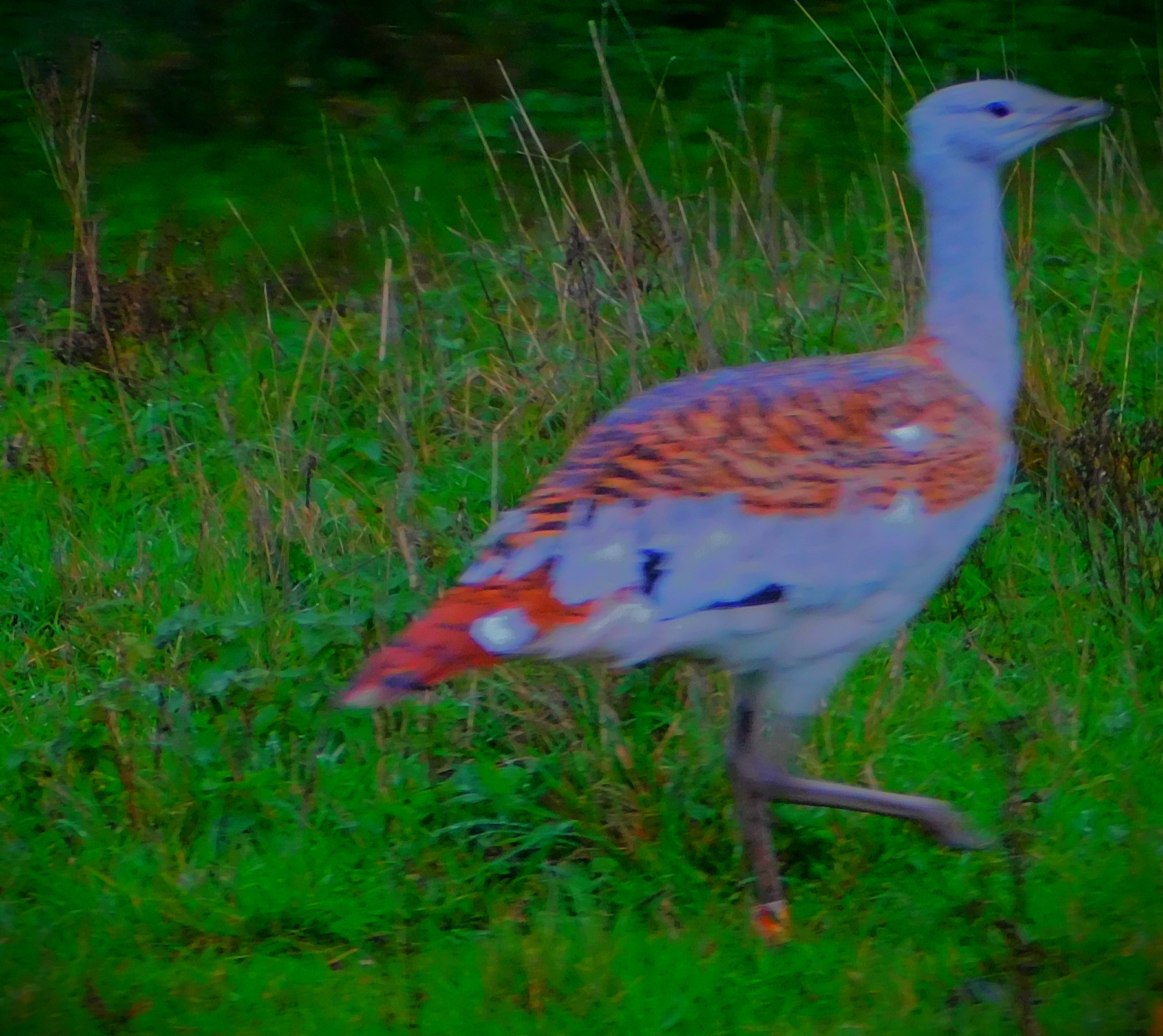
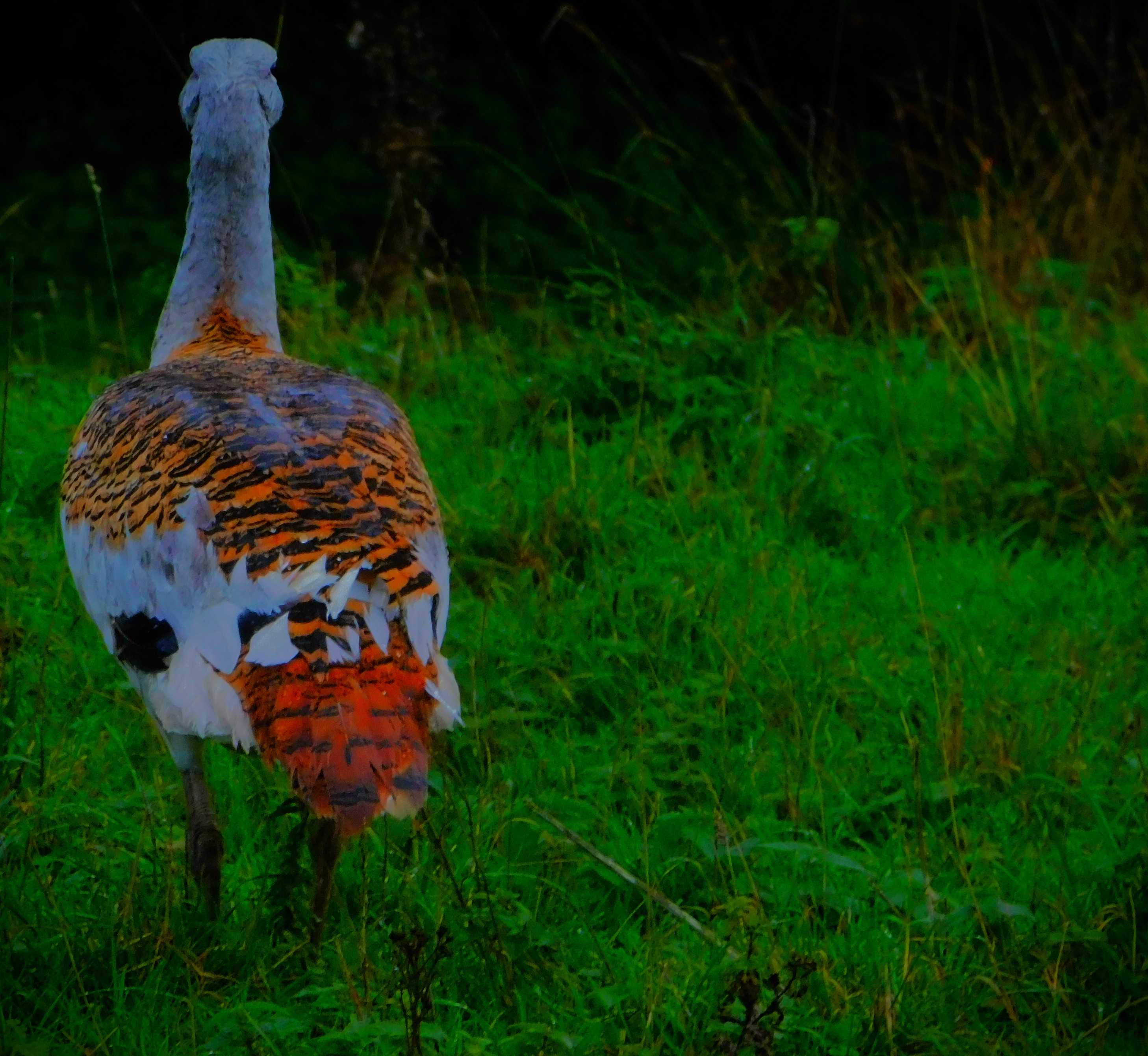
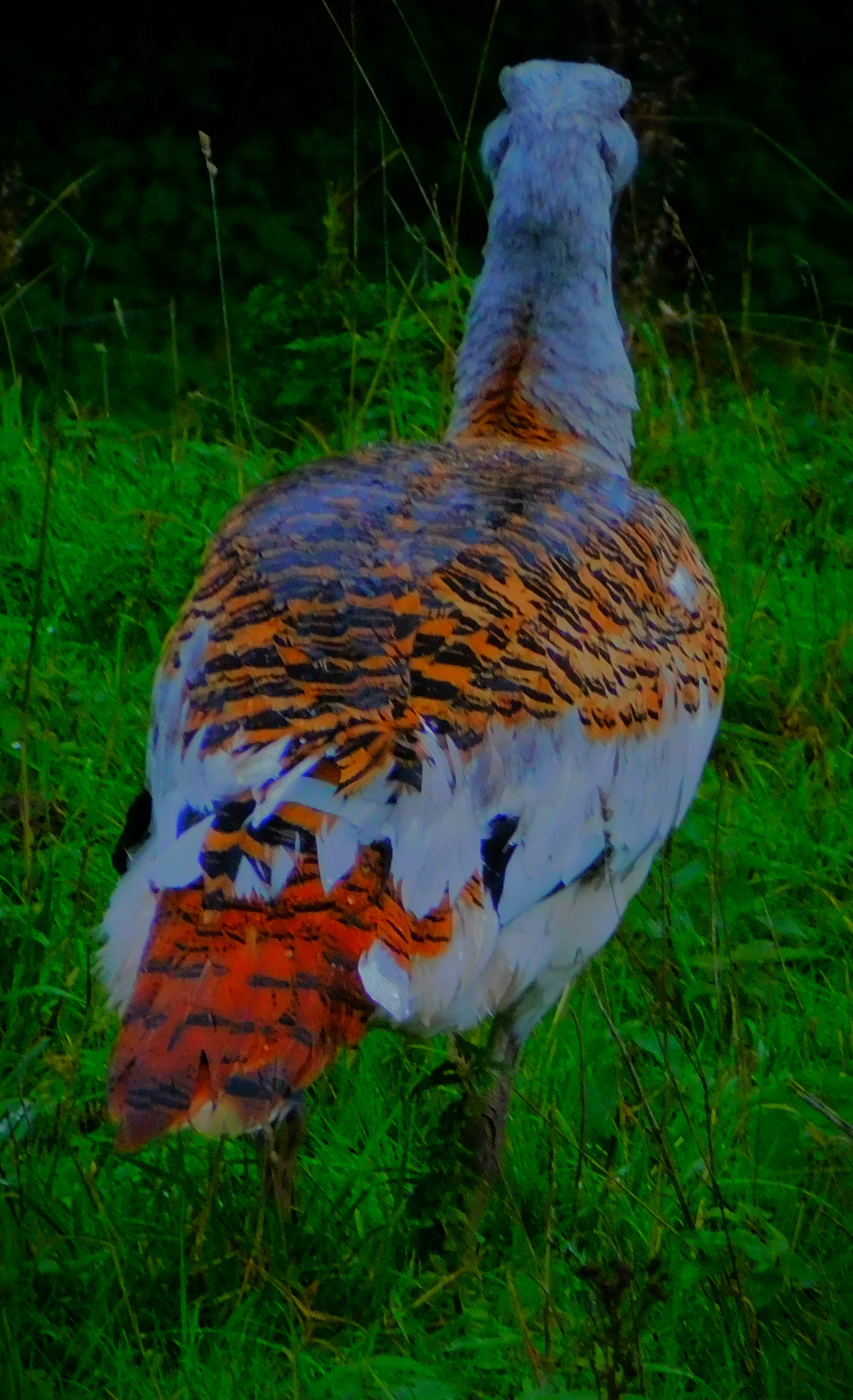
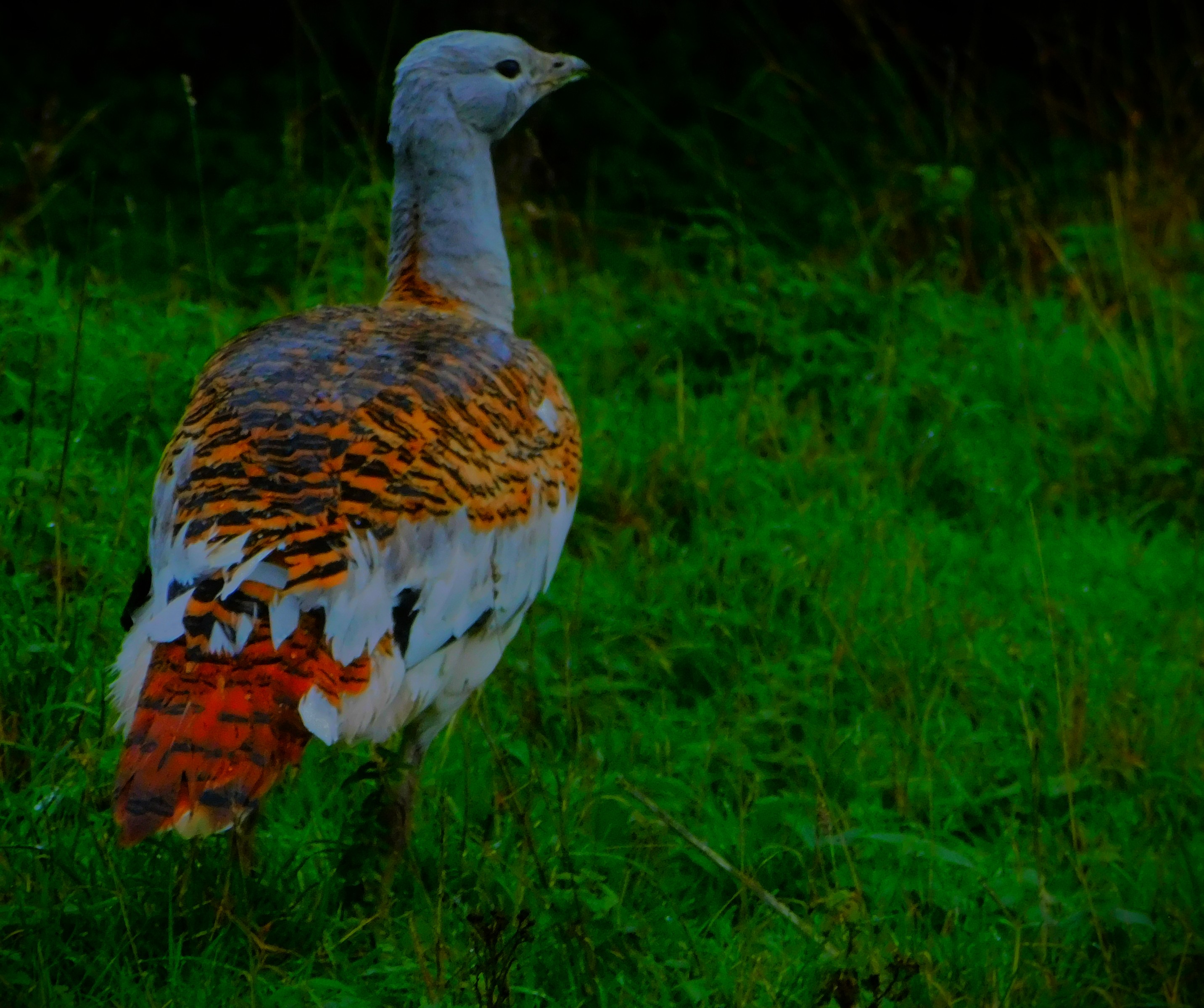
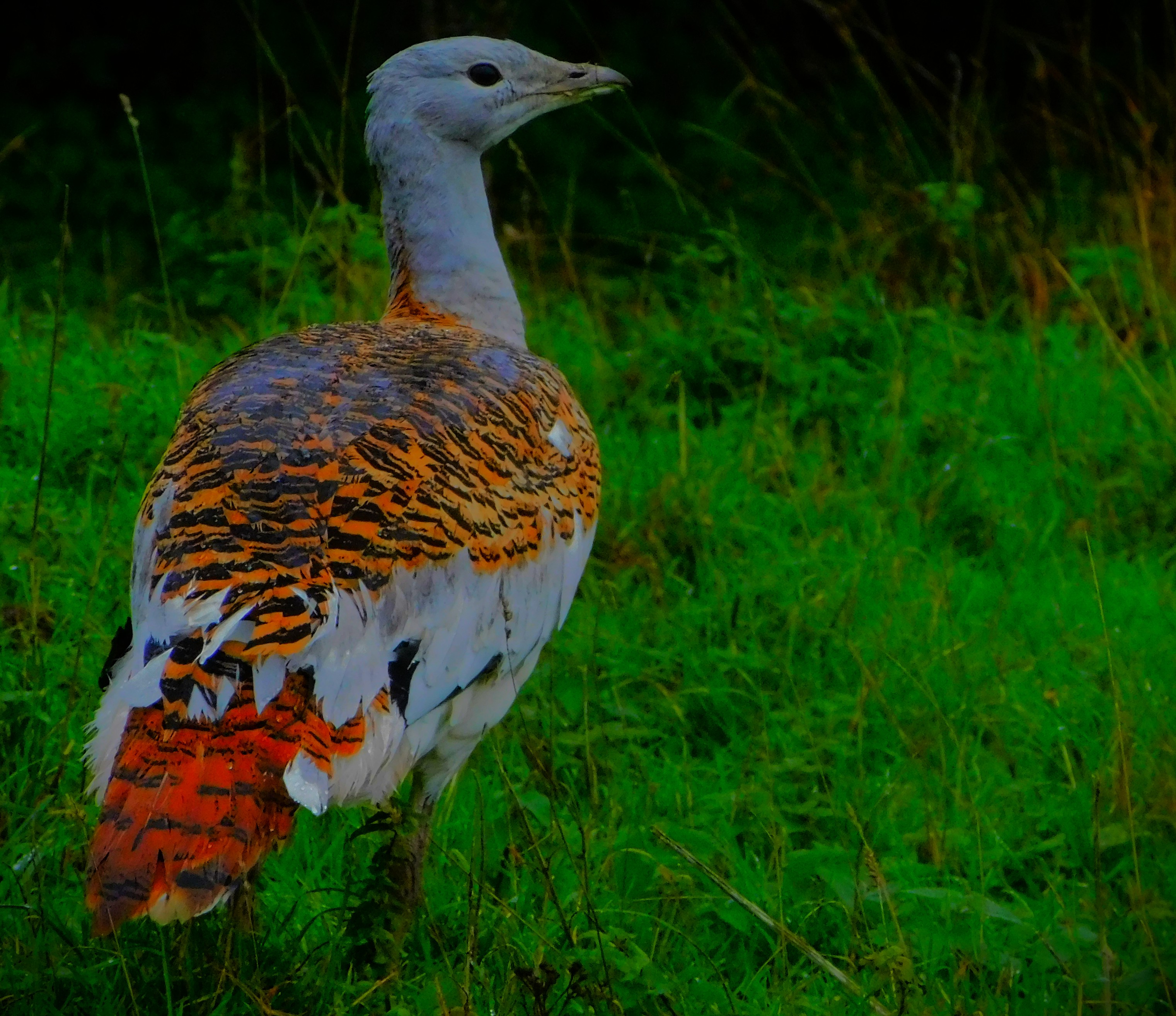
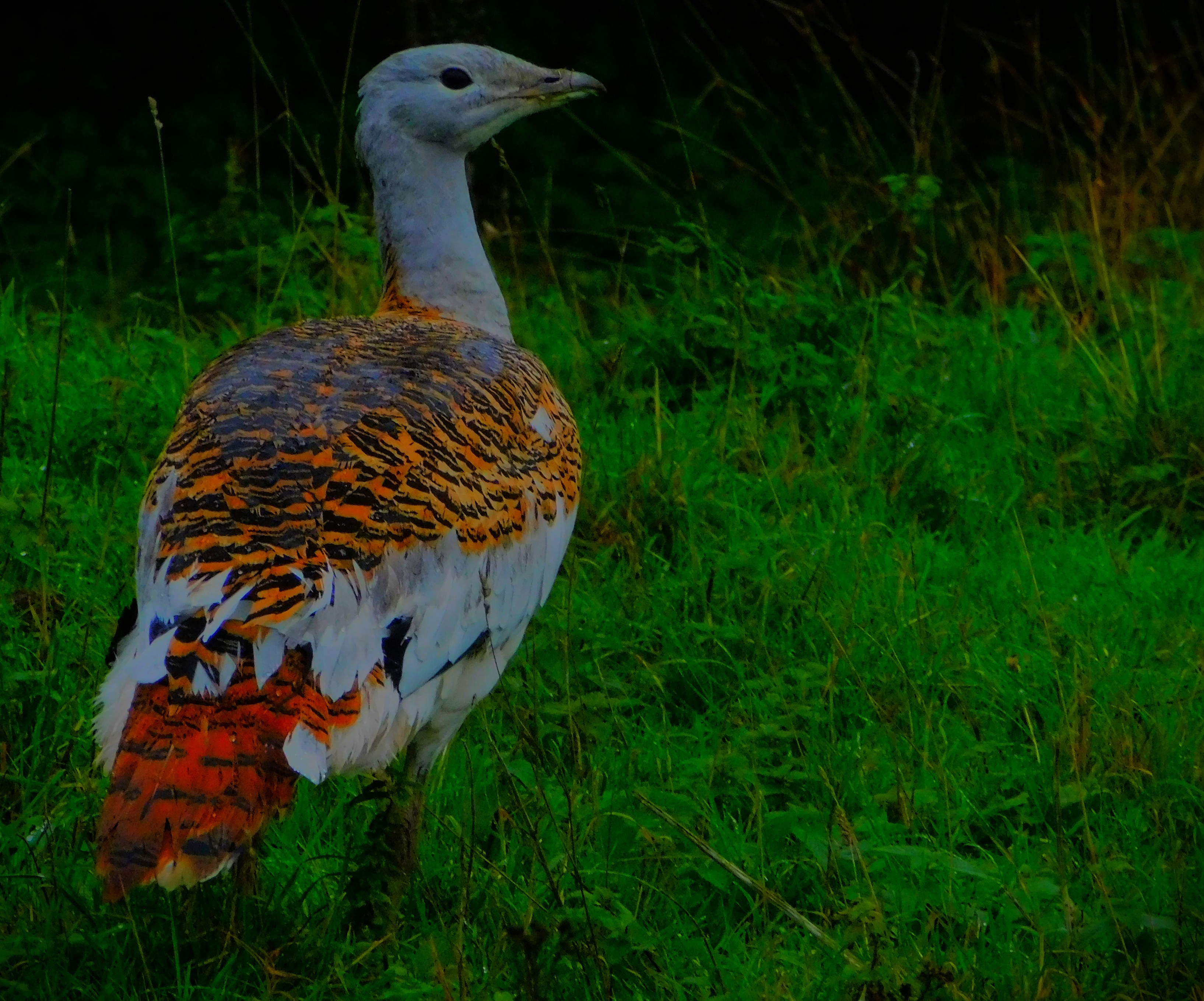
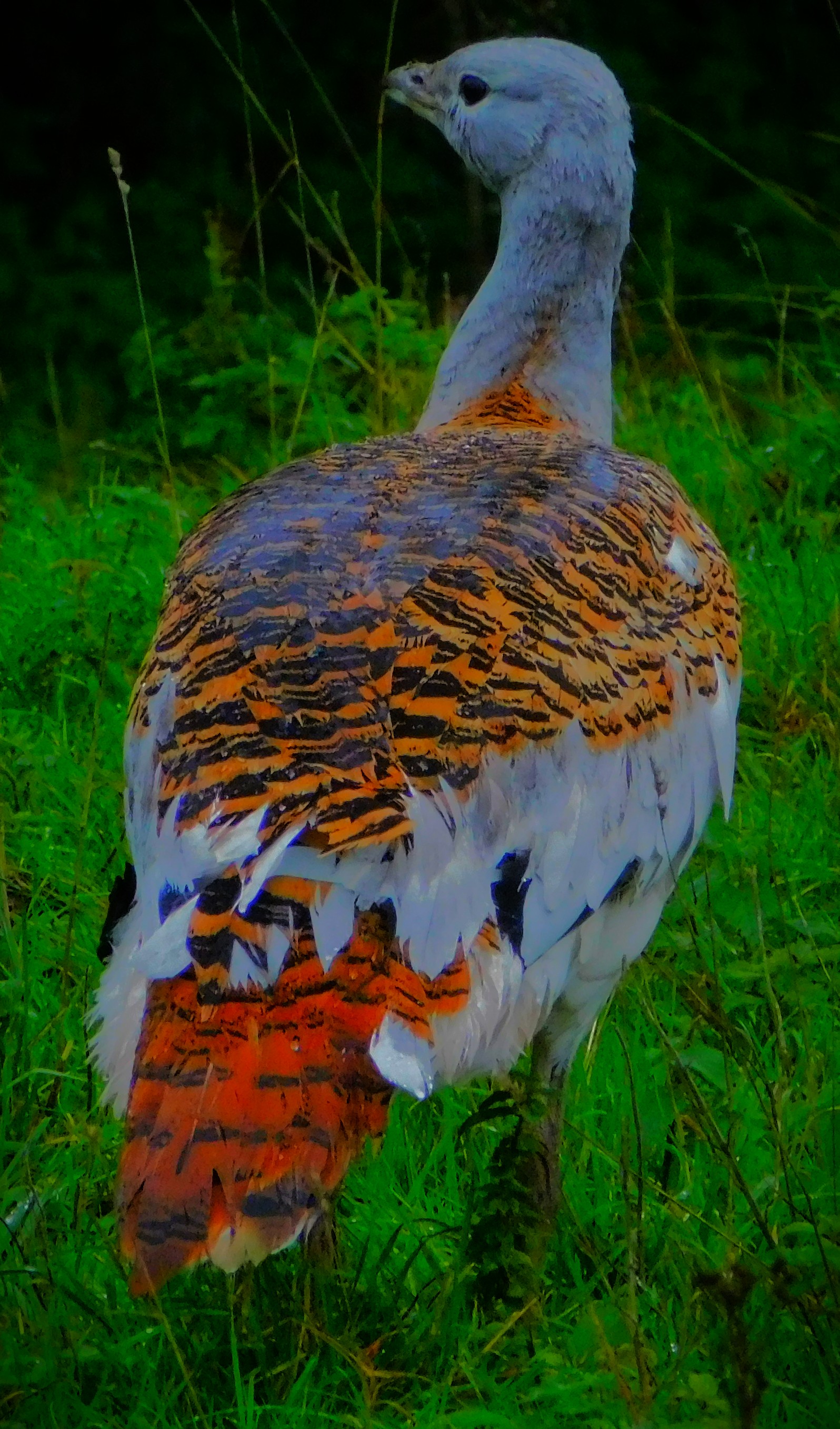
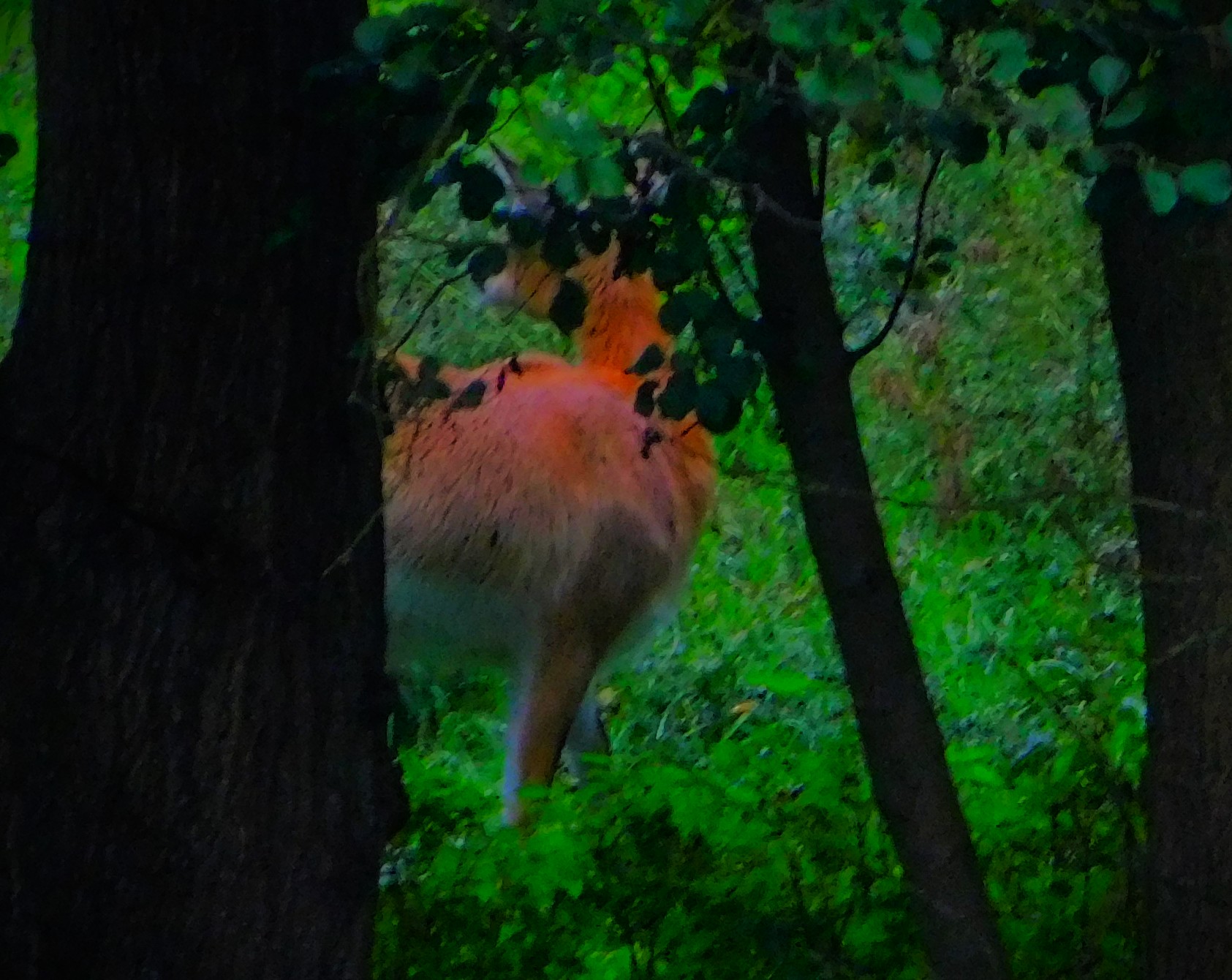
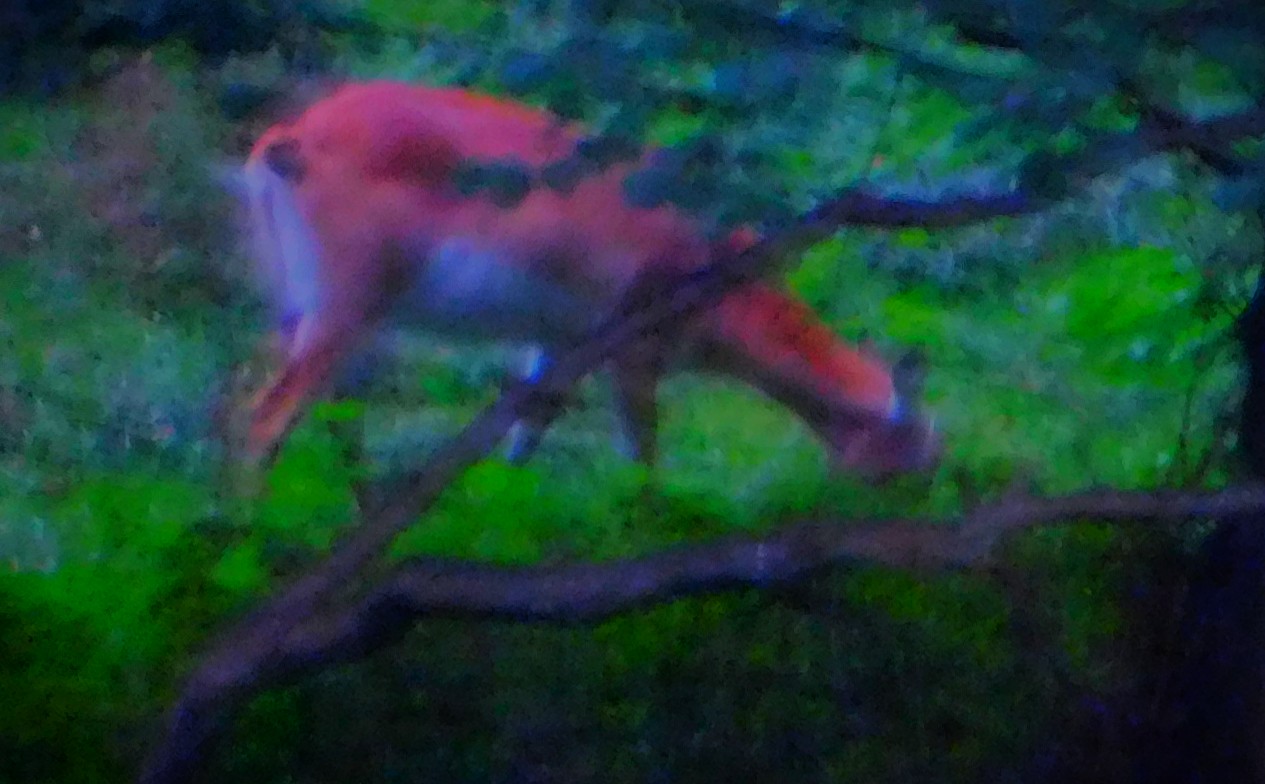
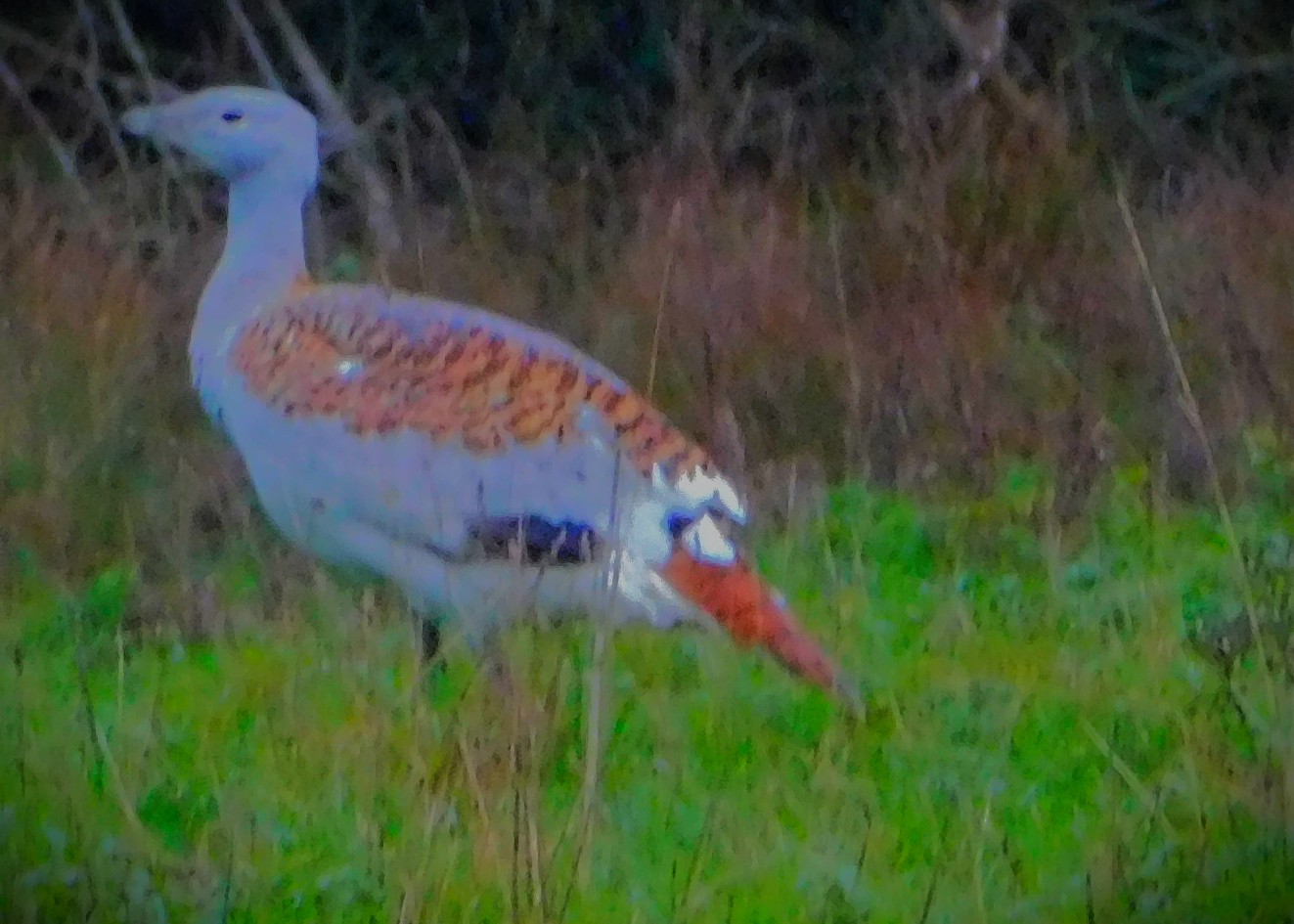
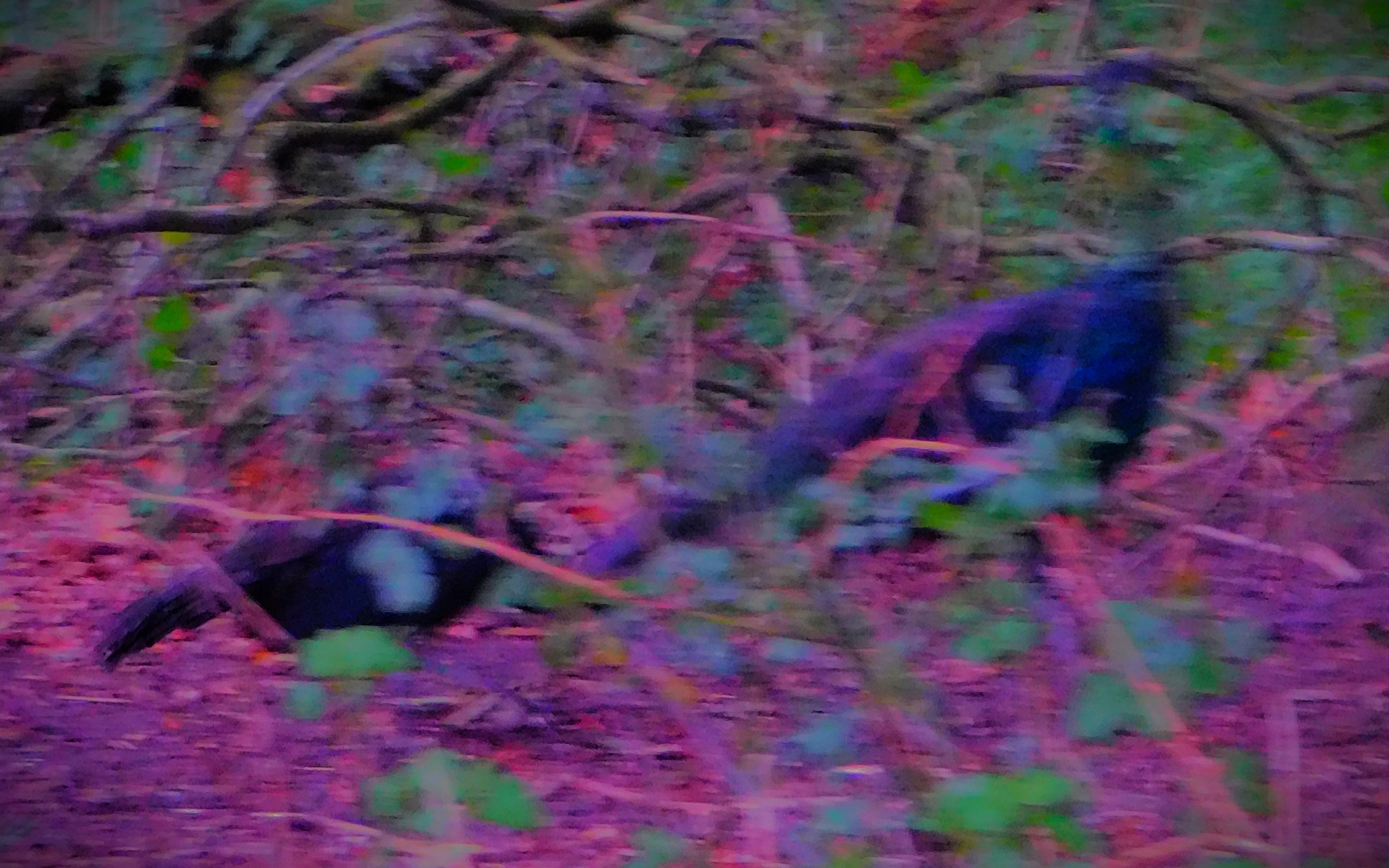
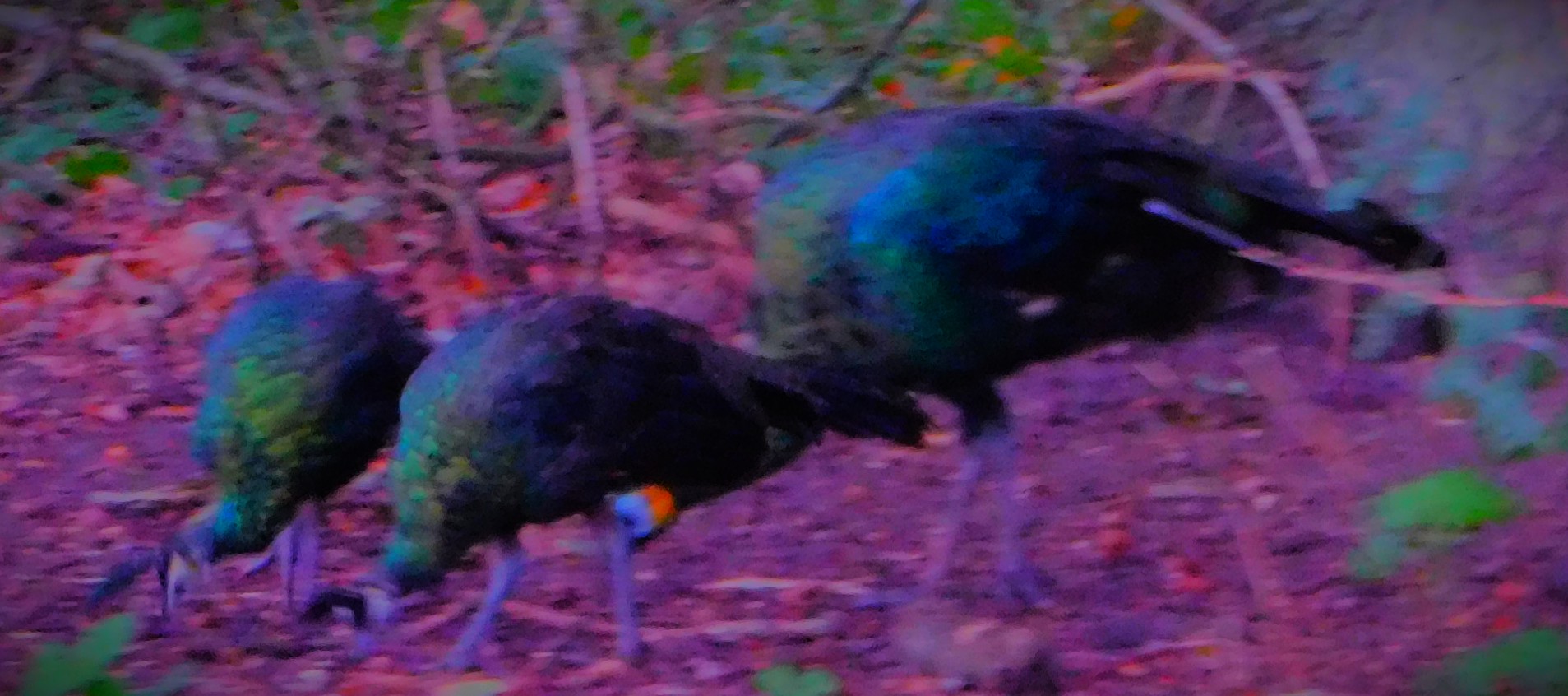
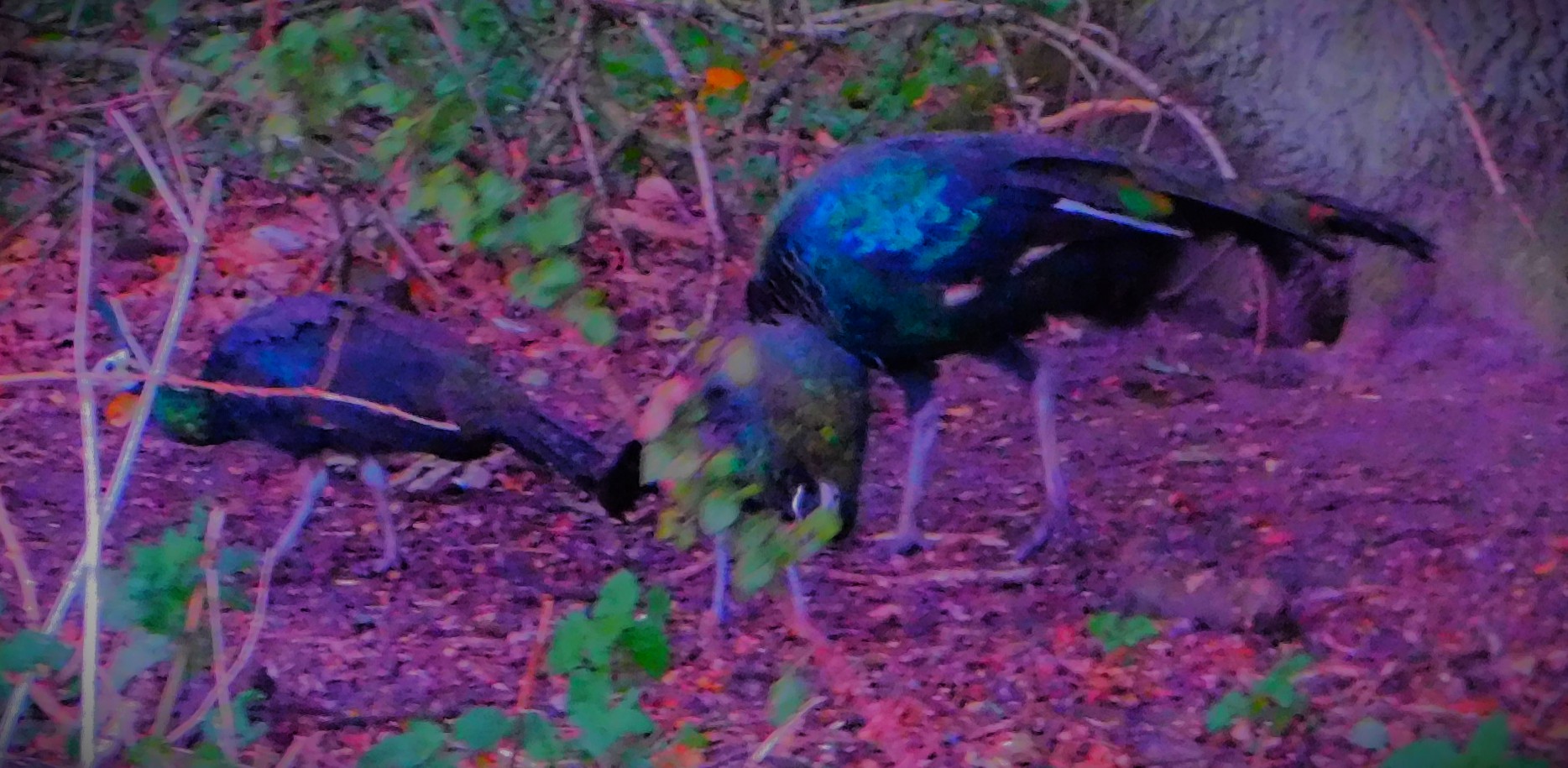
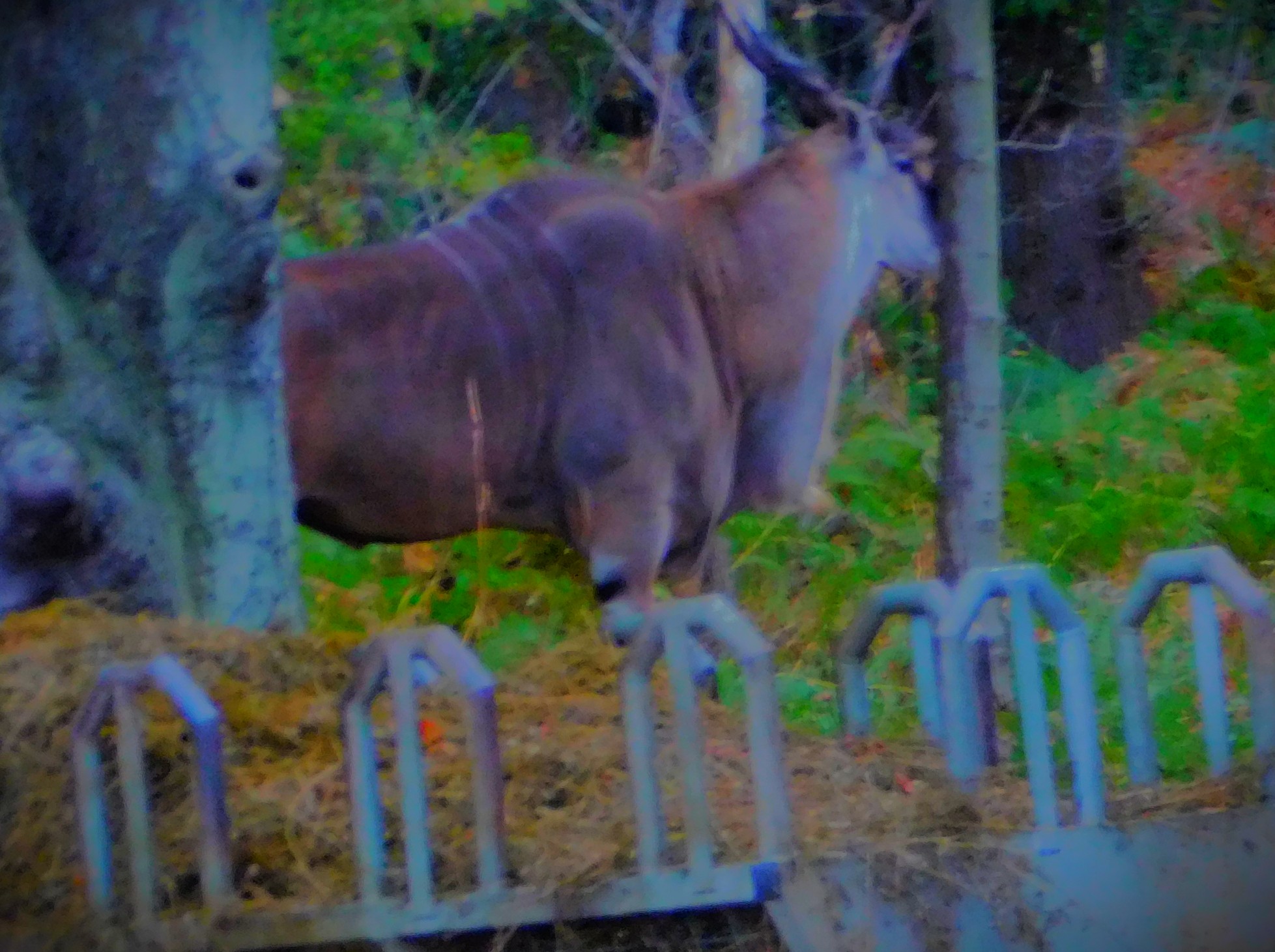
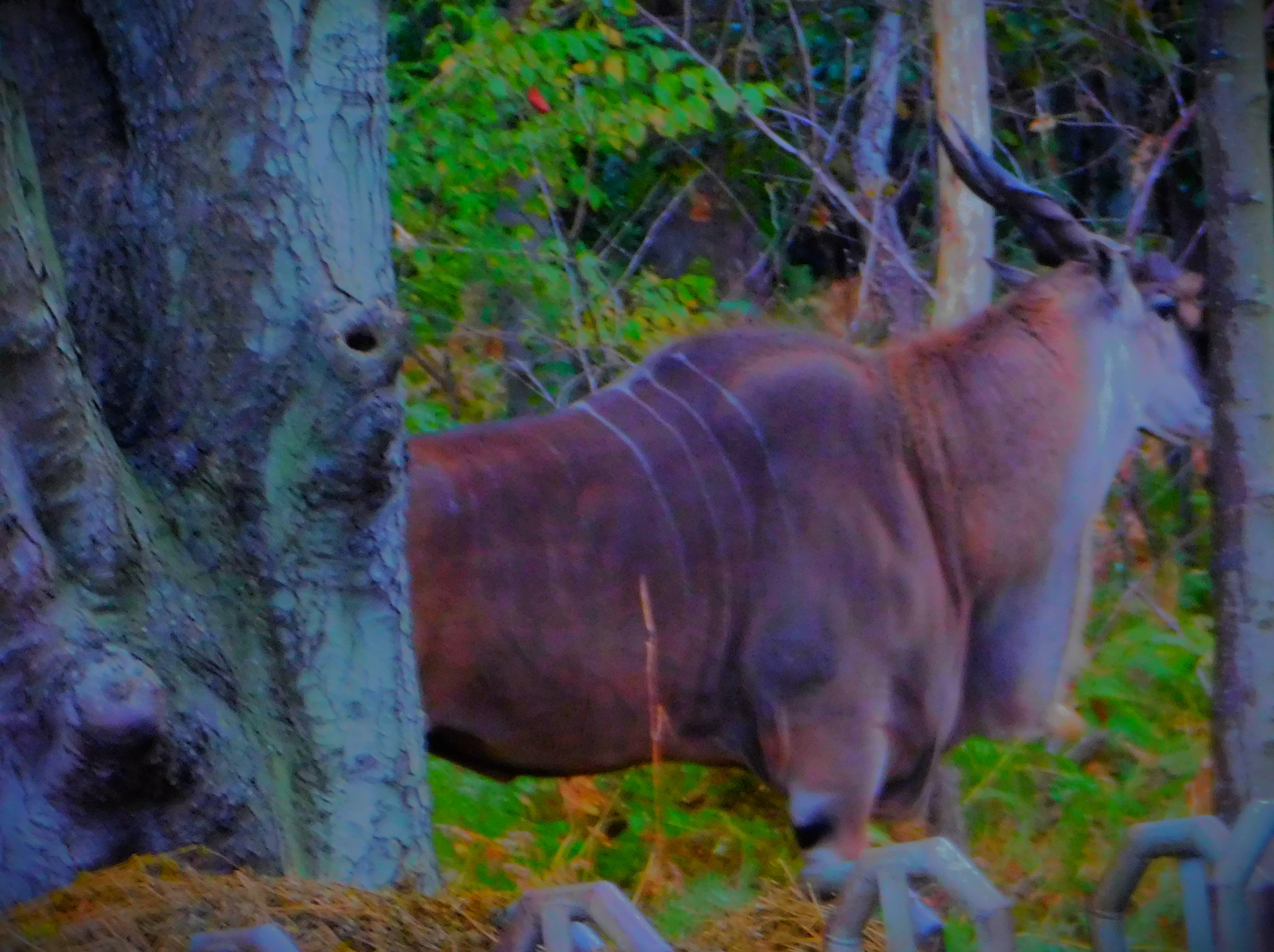
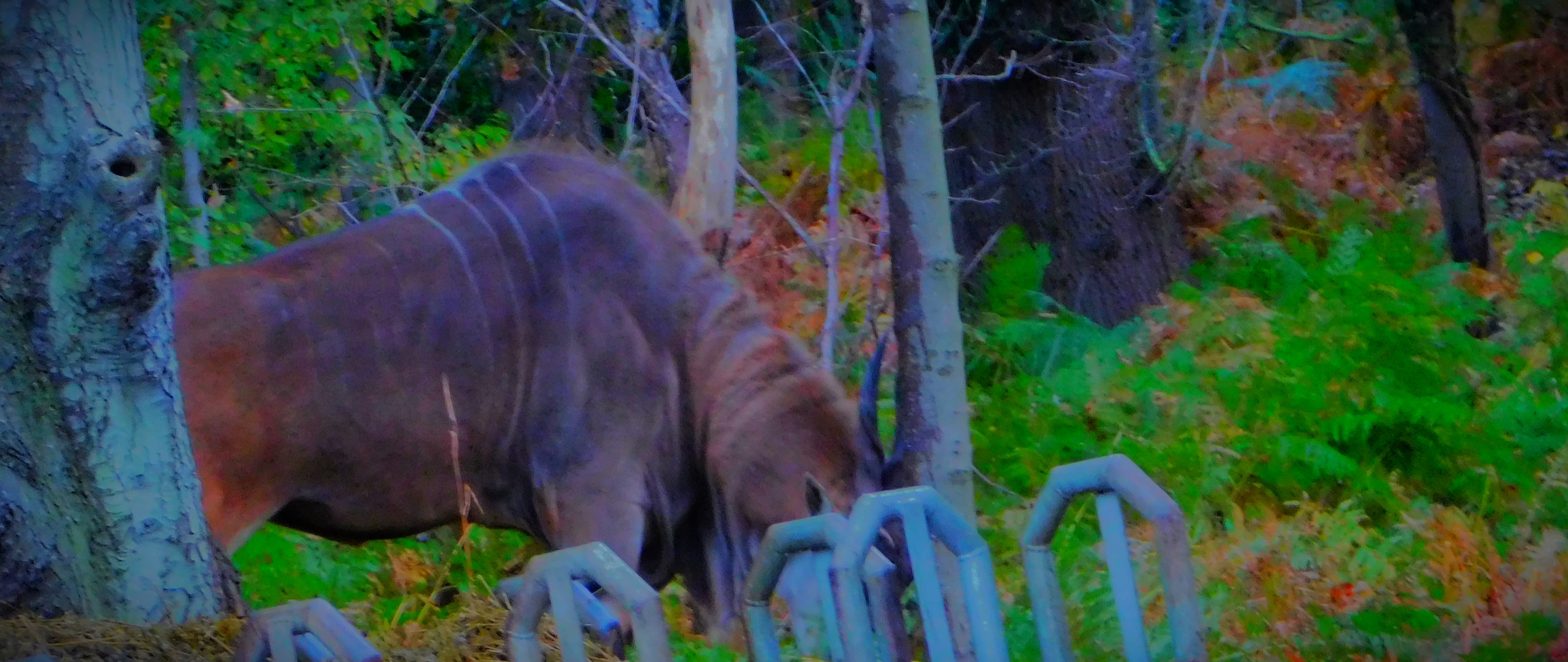
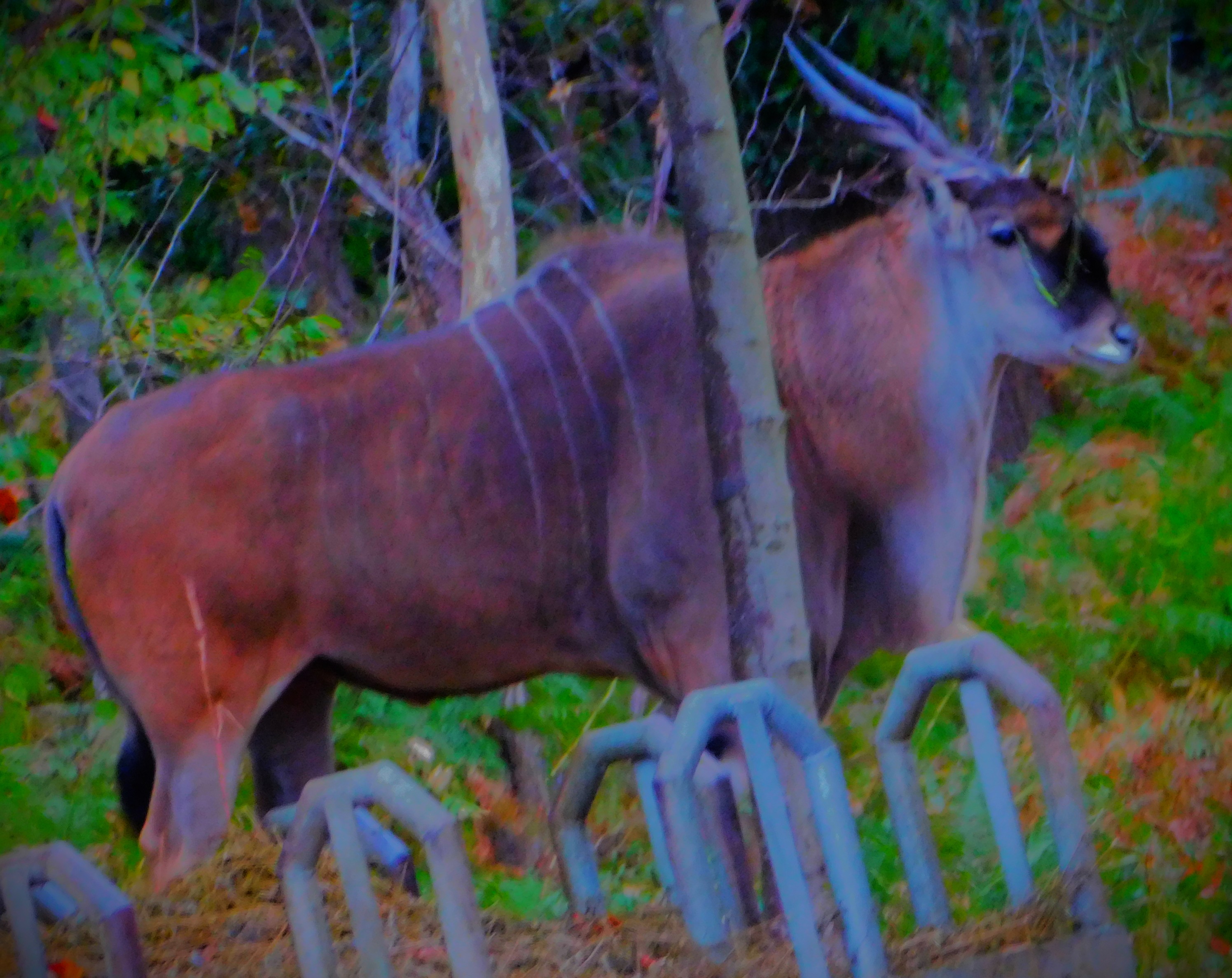
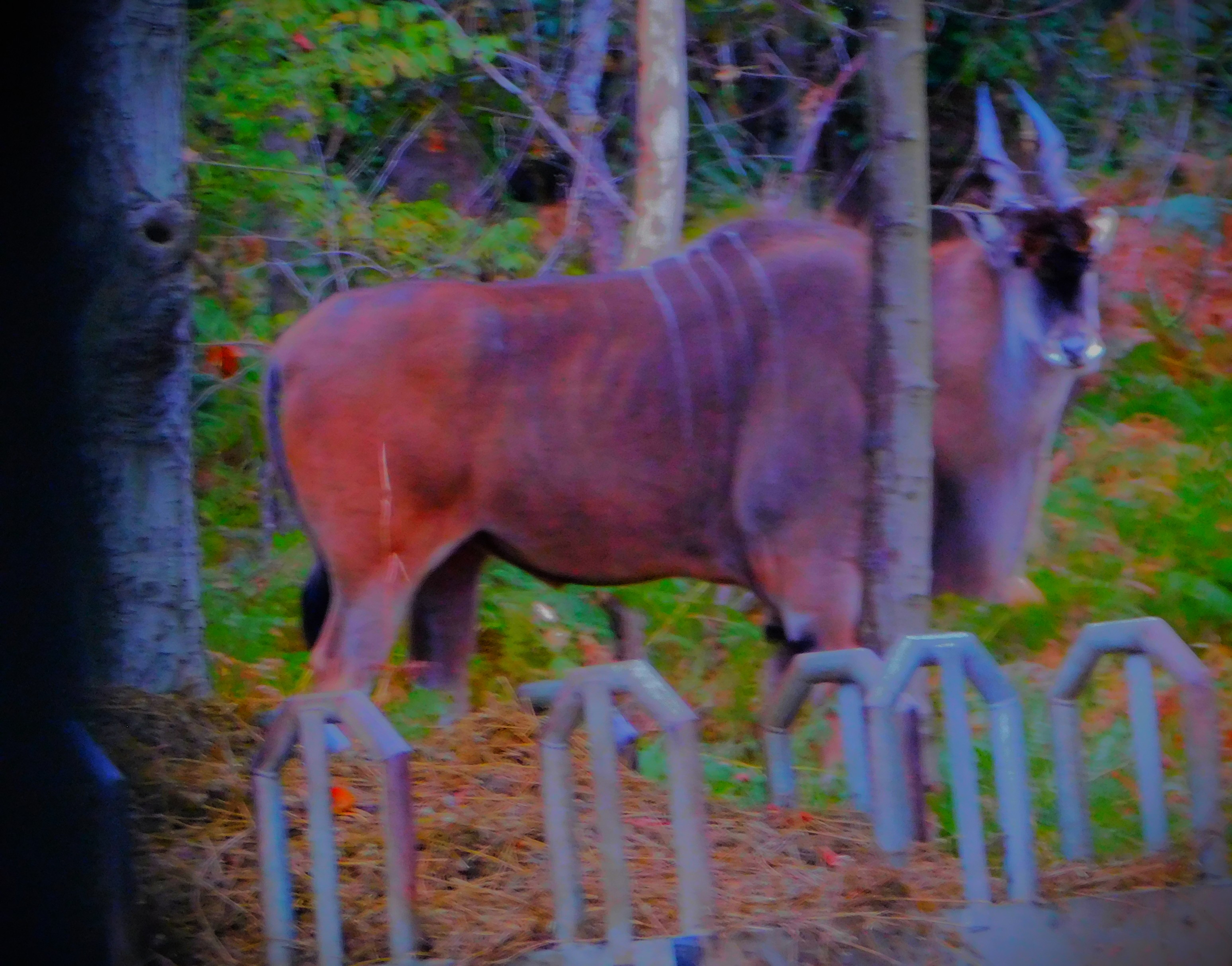
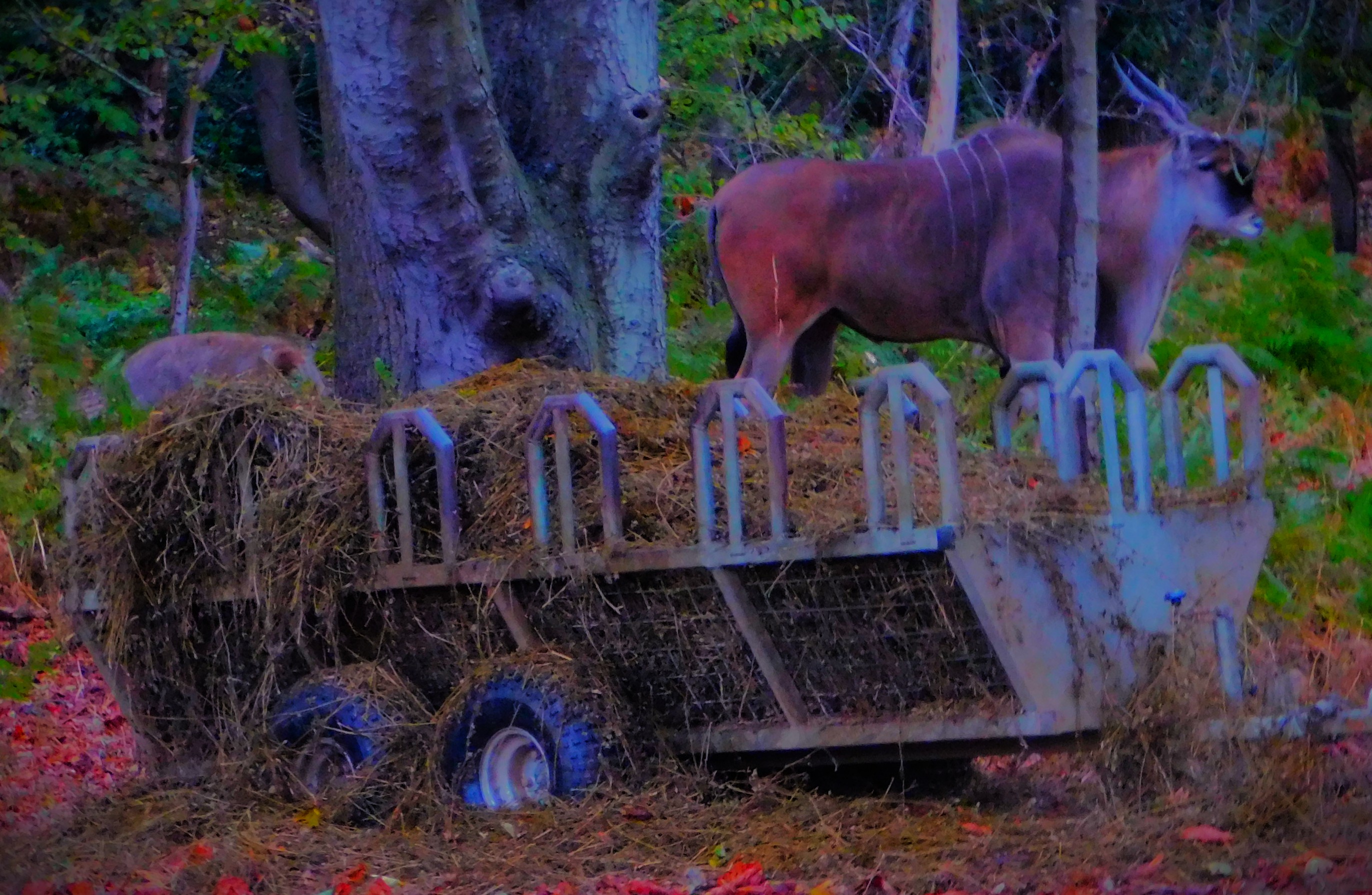
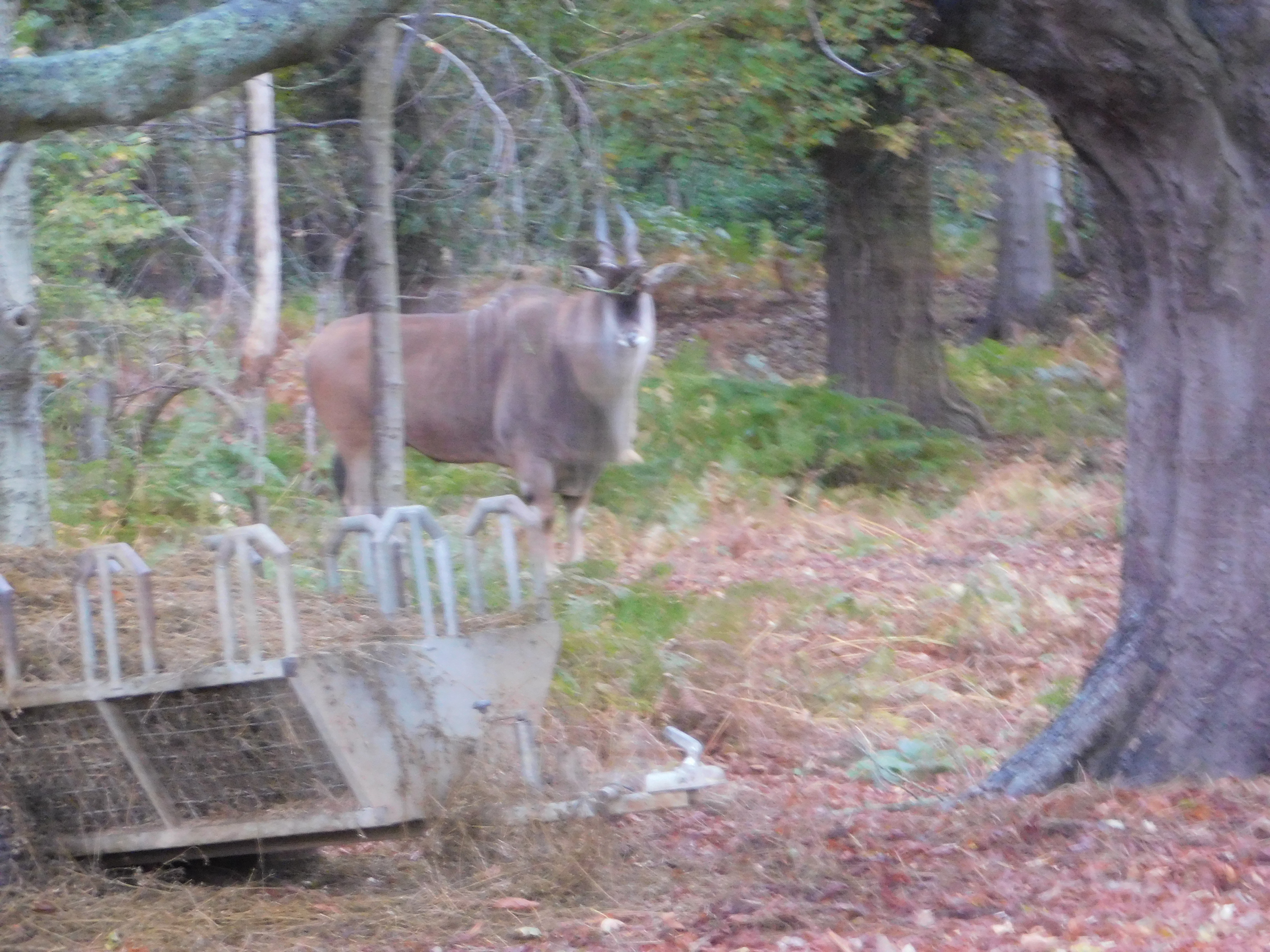
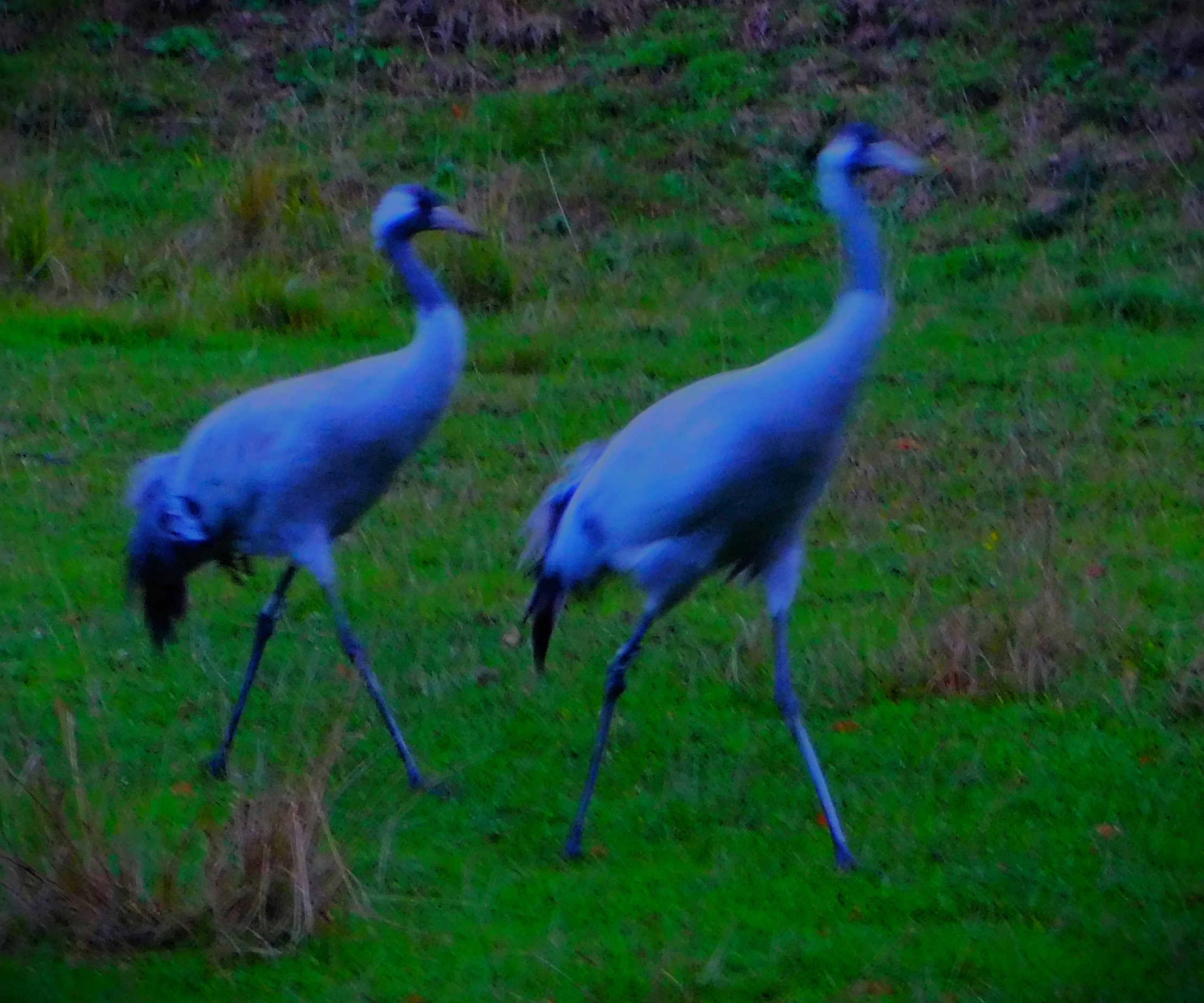
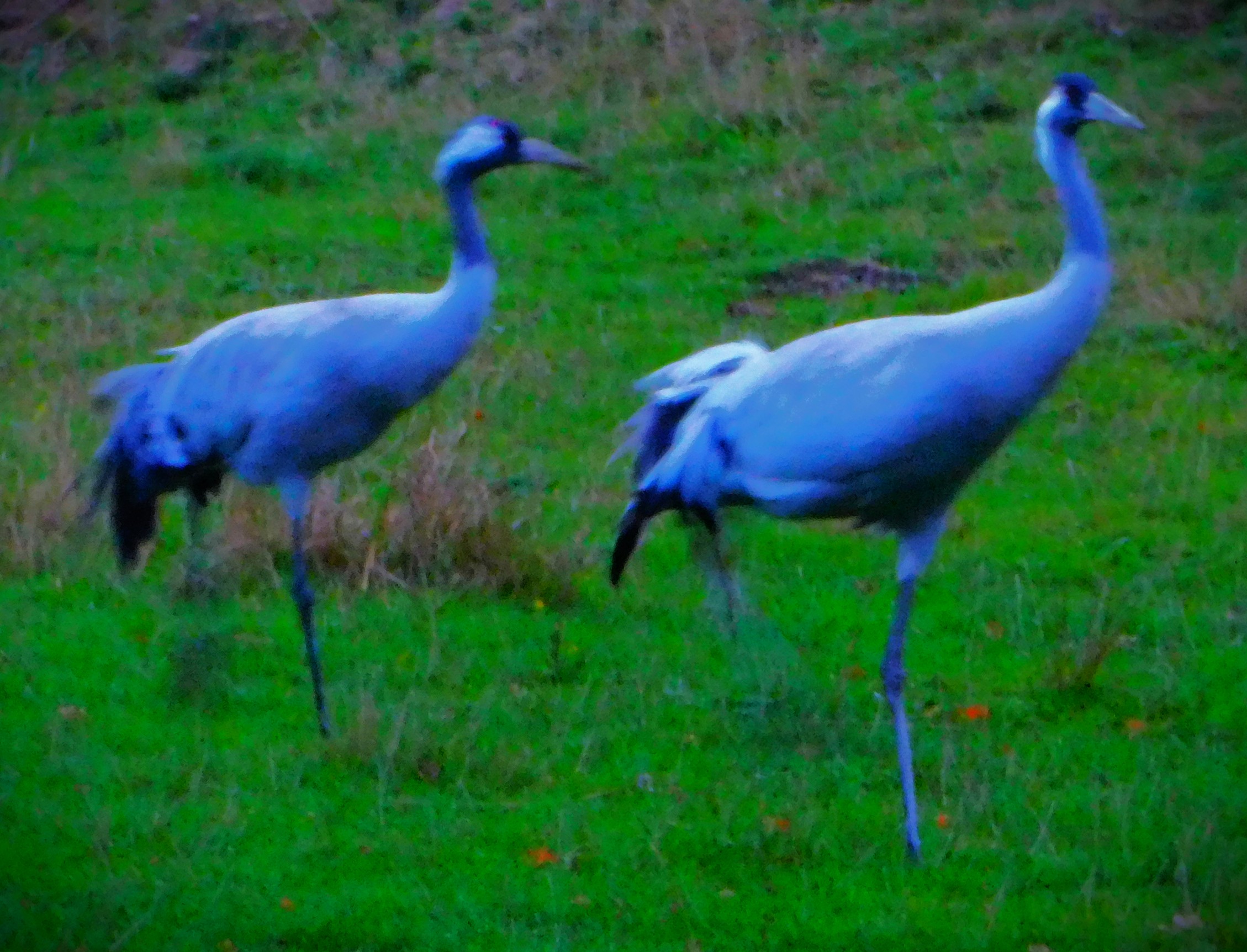
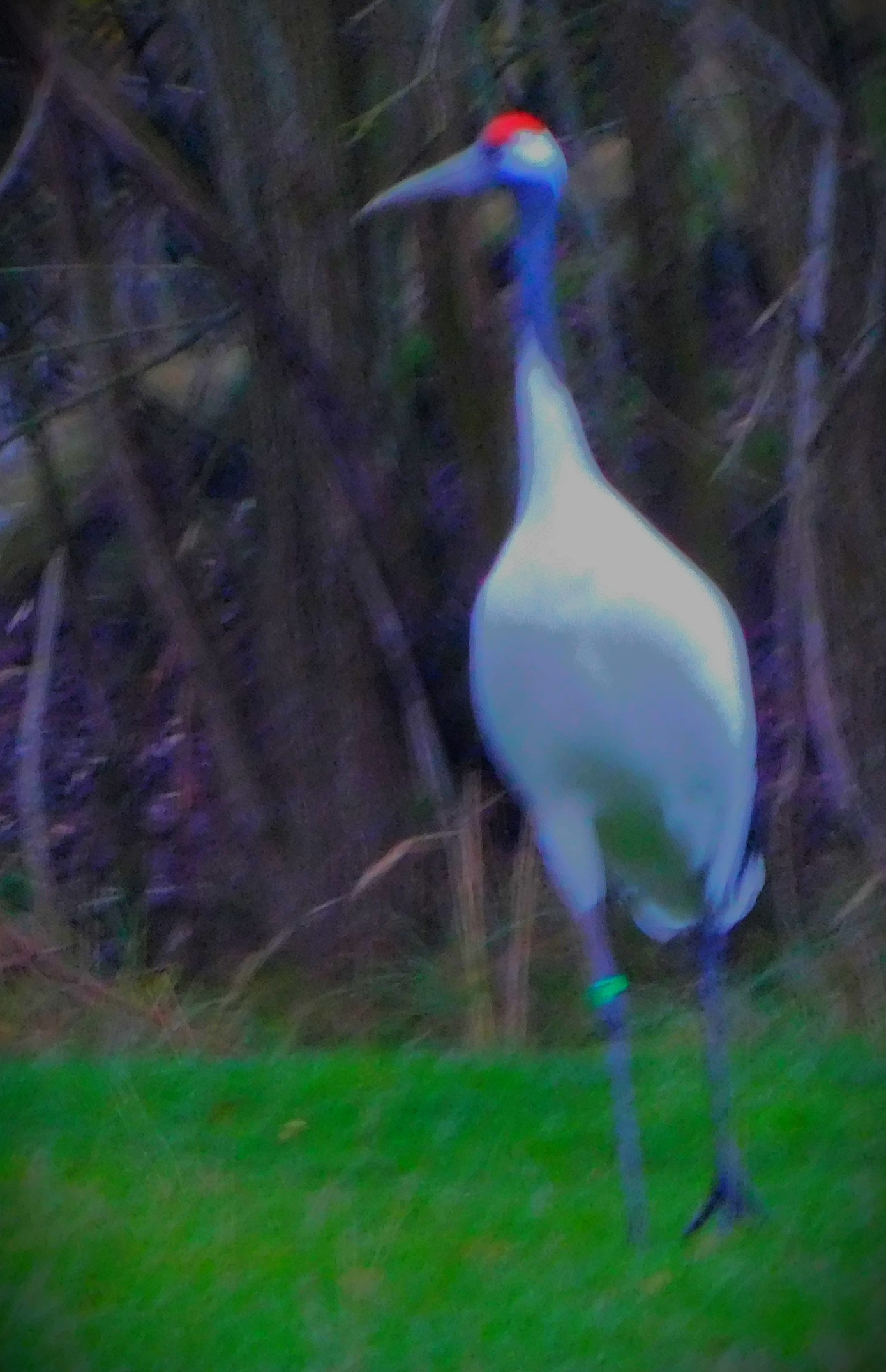
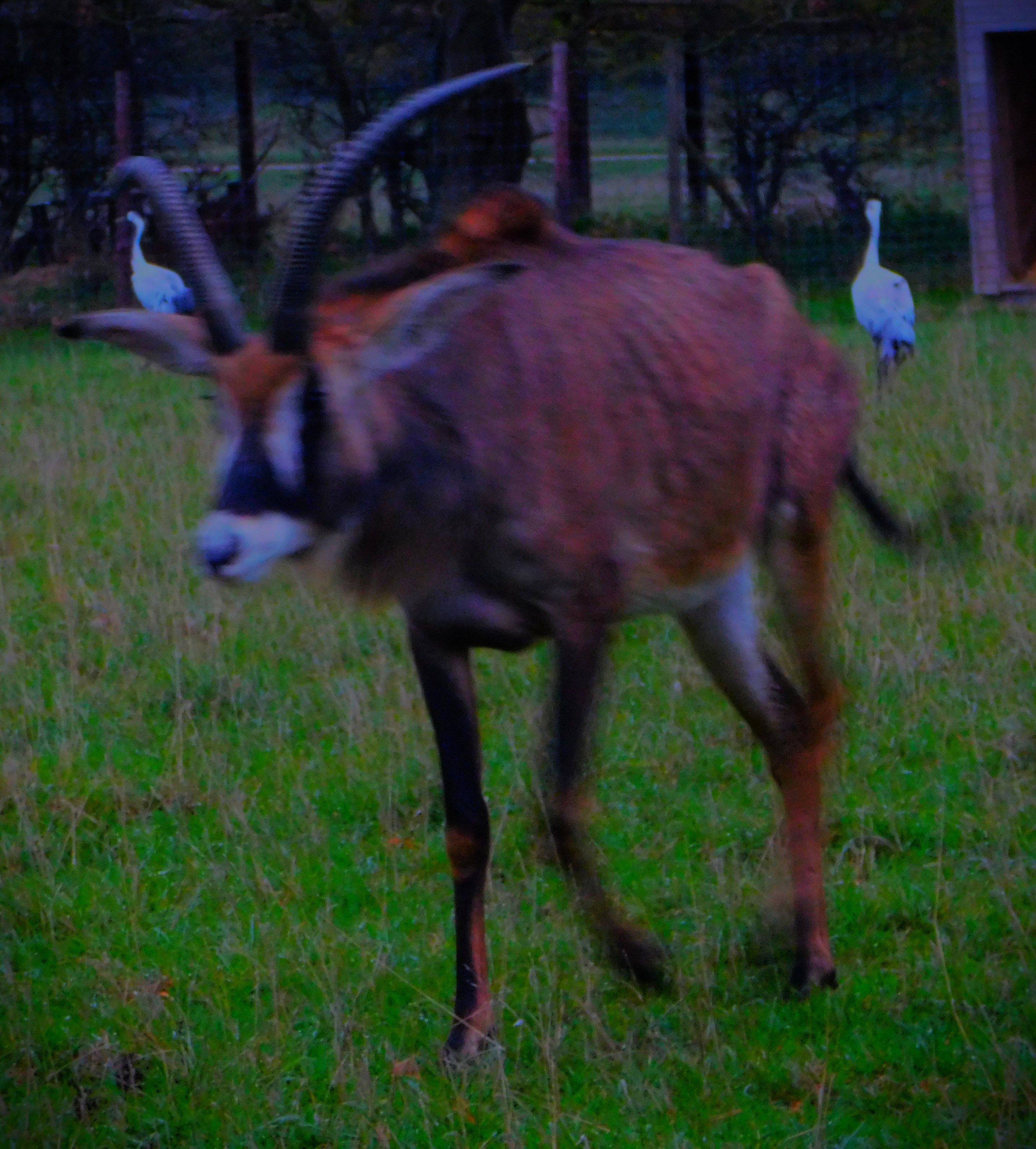
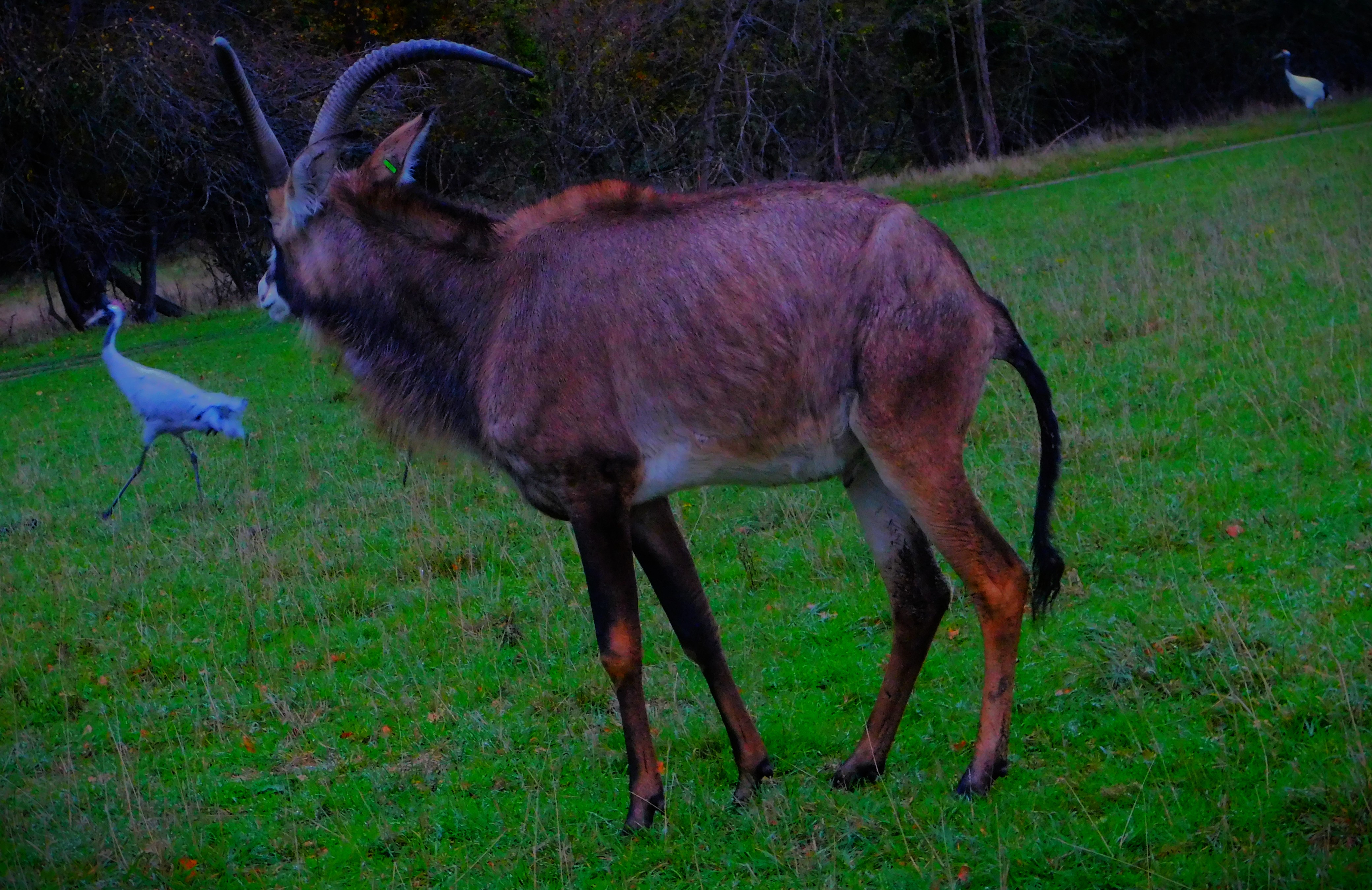
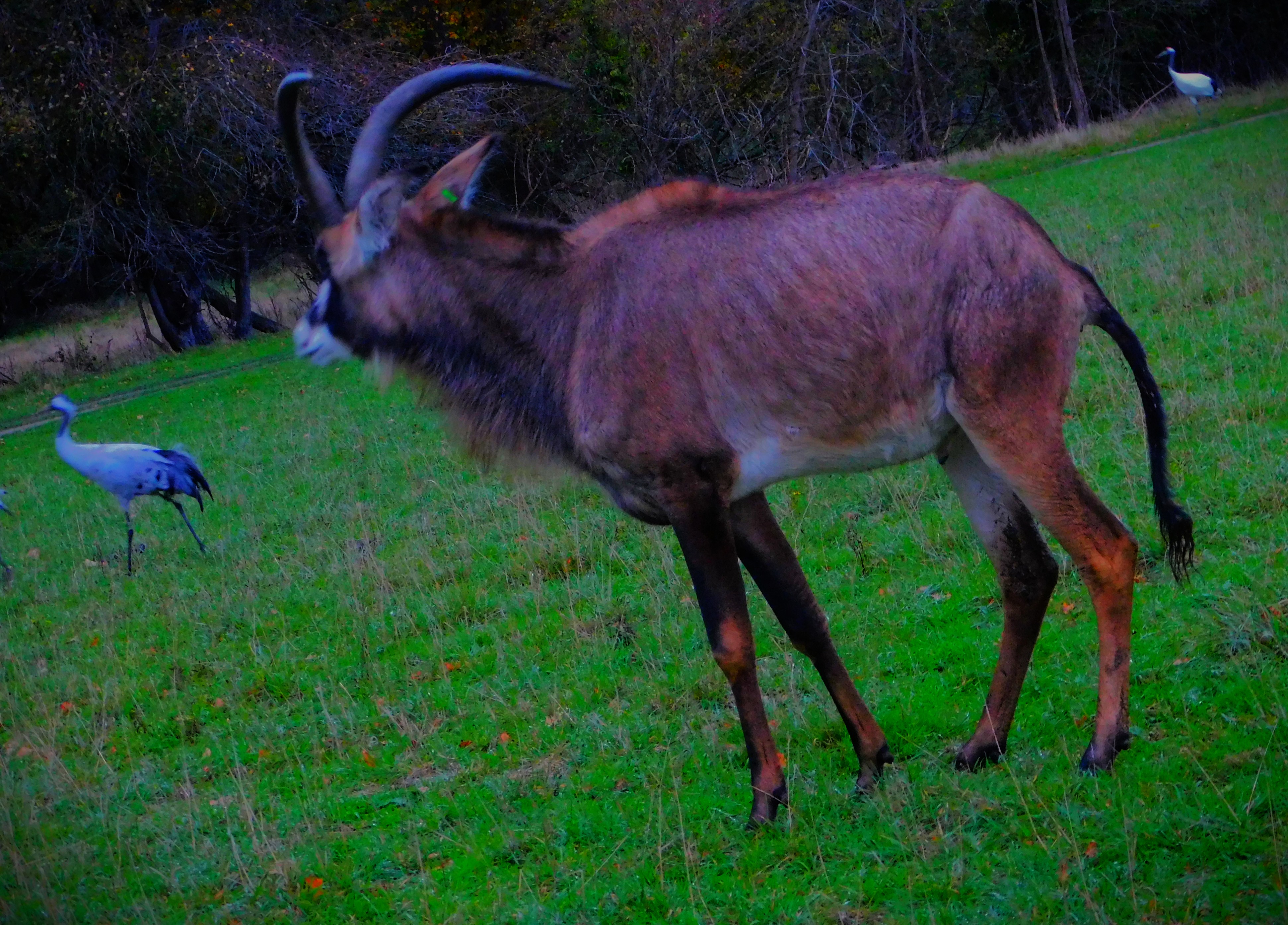
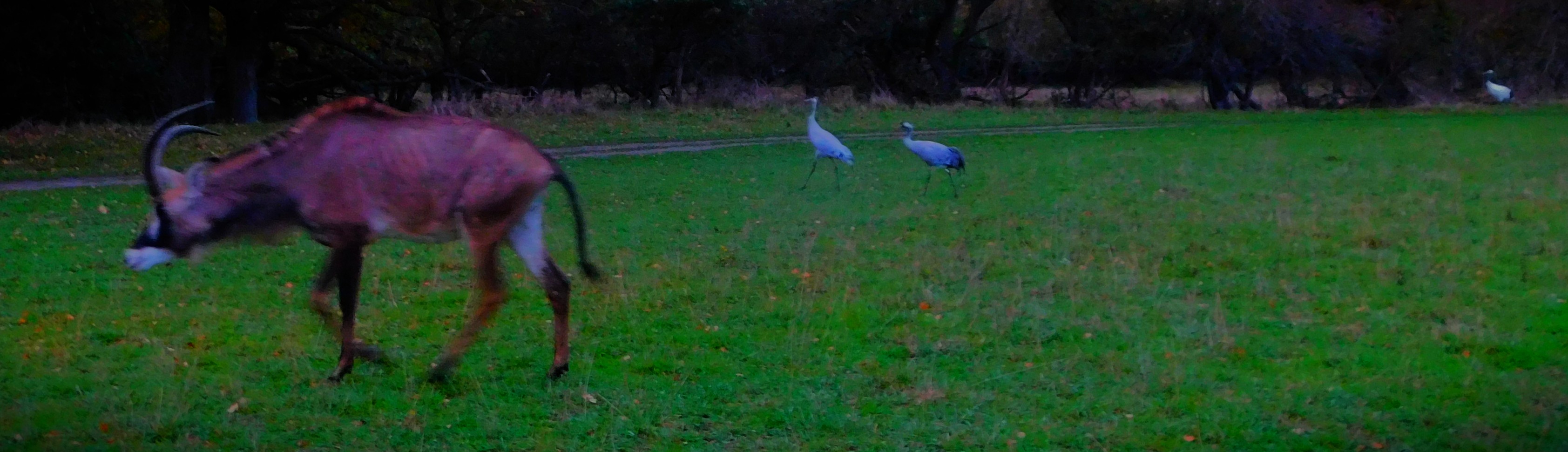
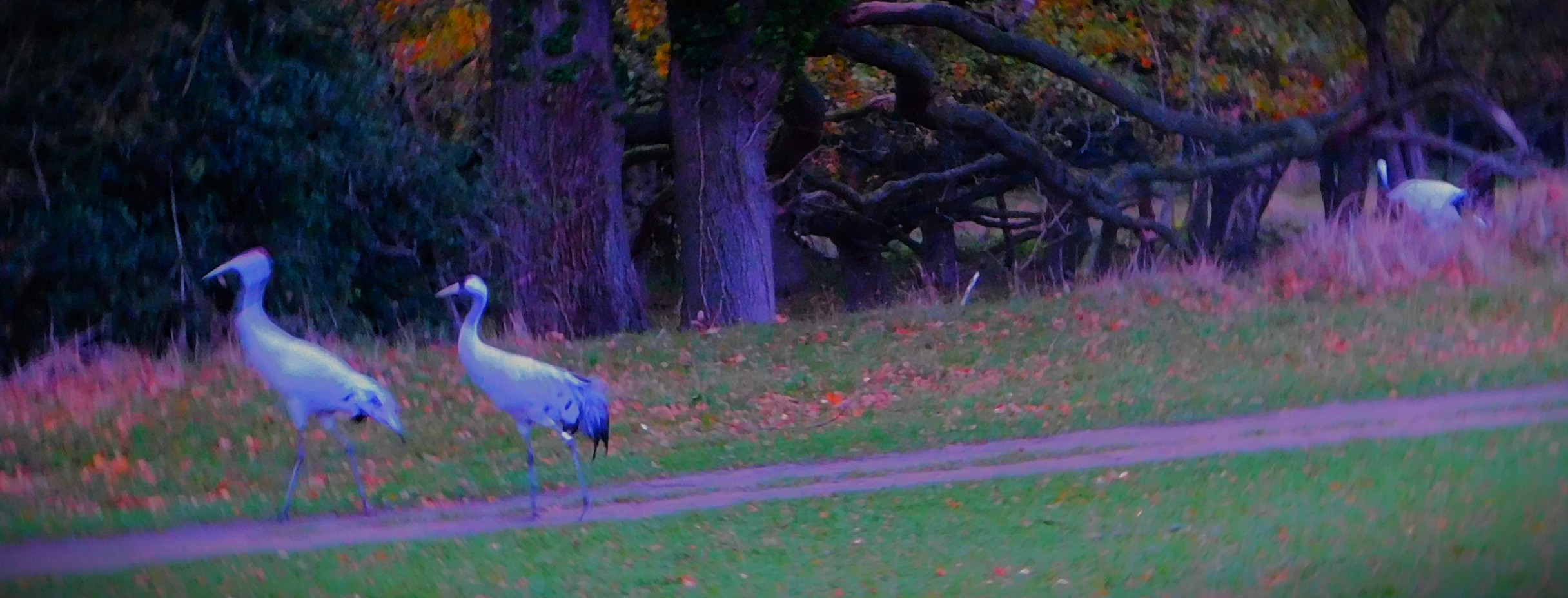
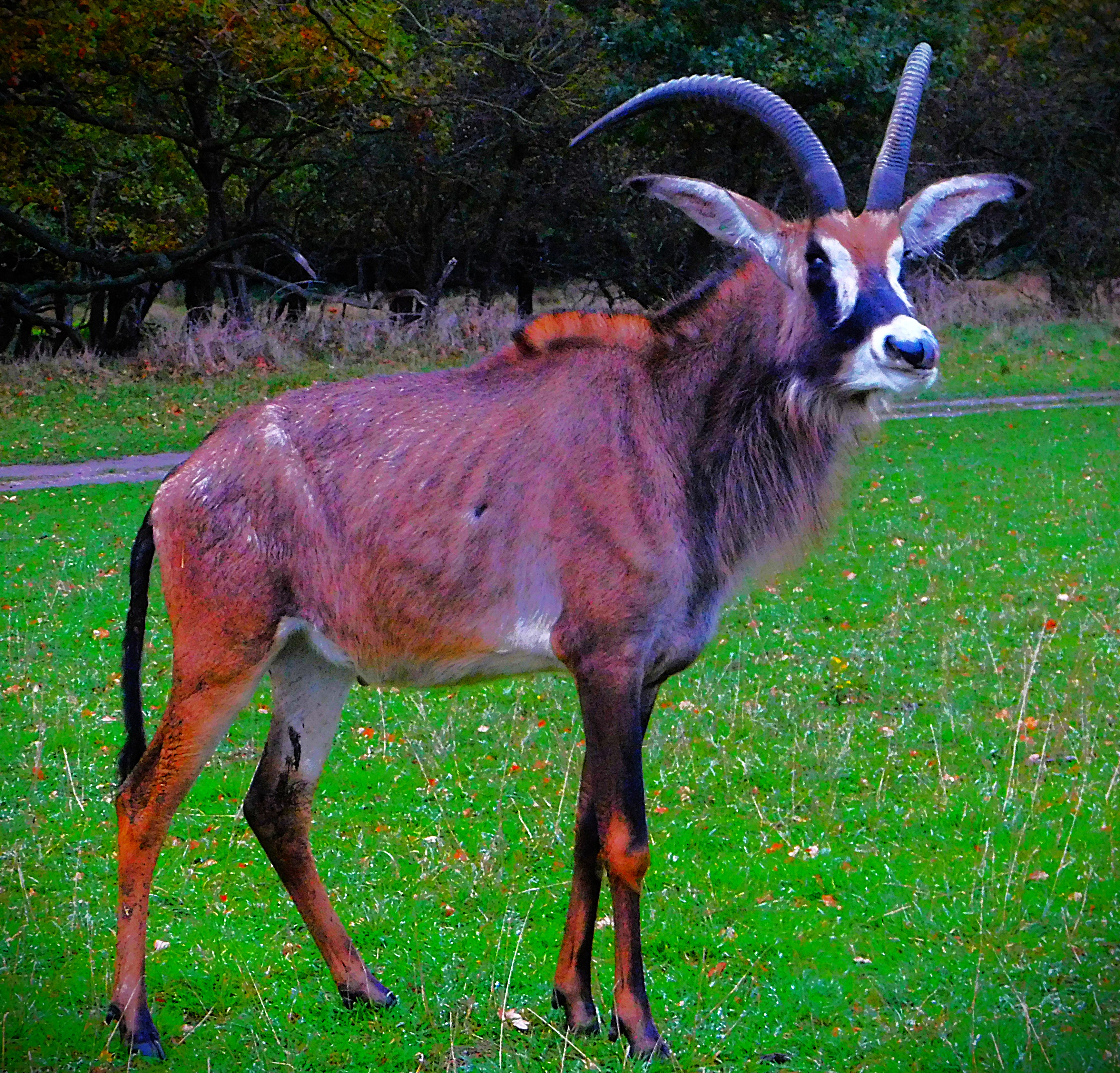
Some of the buggies – note that as we were a group of three ours was smaller than most of these.Great Bustard male.Javan peafowls – these are very rare, so the two chicks are big news.Watatunga’s largest resident, a one ton Cape Eland and its satellite, a Nilgai (only the latter’s back is visible). These two species could never meet in the wild since they live on different continents.Eurasian CranesA roan antelopeThe roan antelope.An eastern bongo (the silvery stripes identify it) with a pair of Eurasian cranes in the foreground.Guinea fowl – the light was fading by this point.
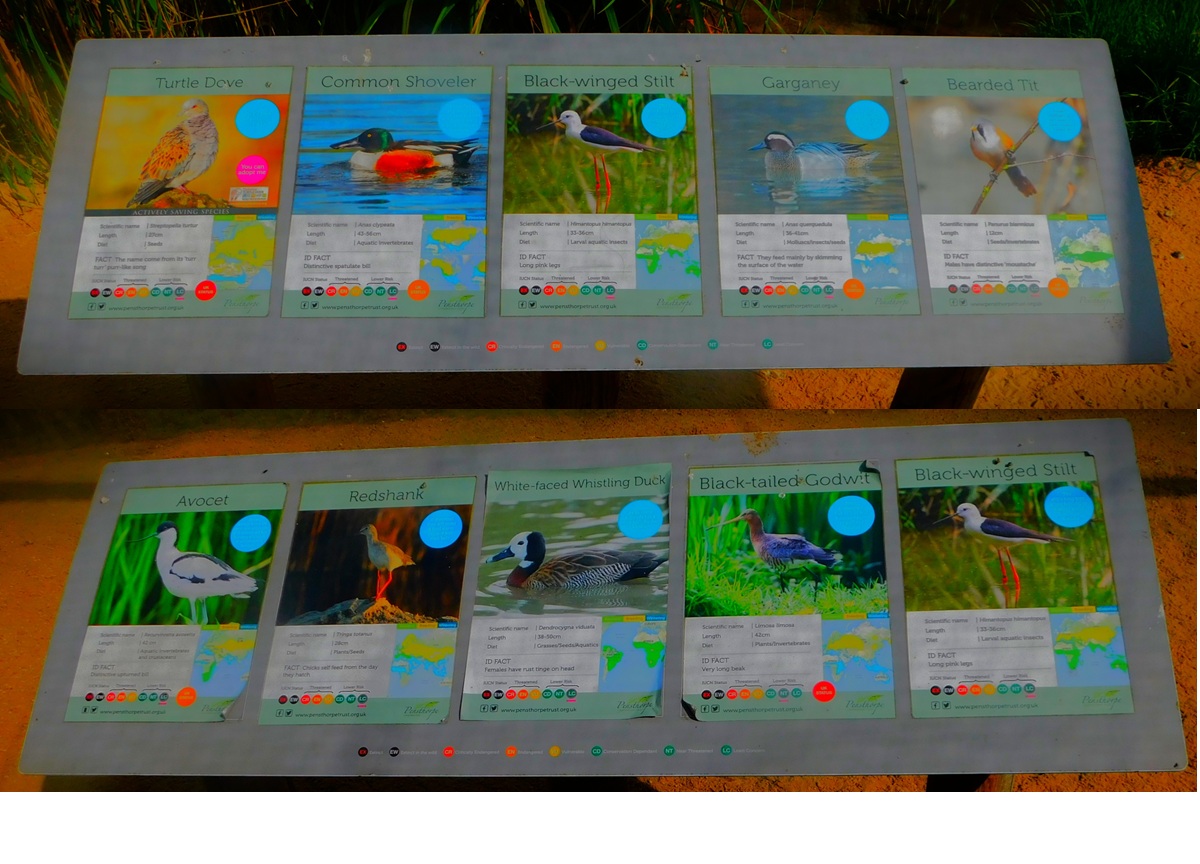
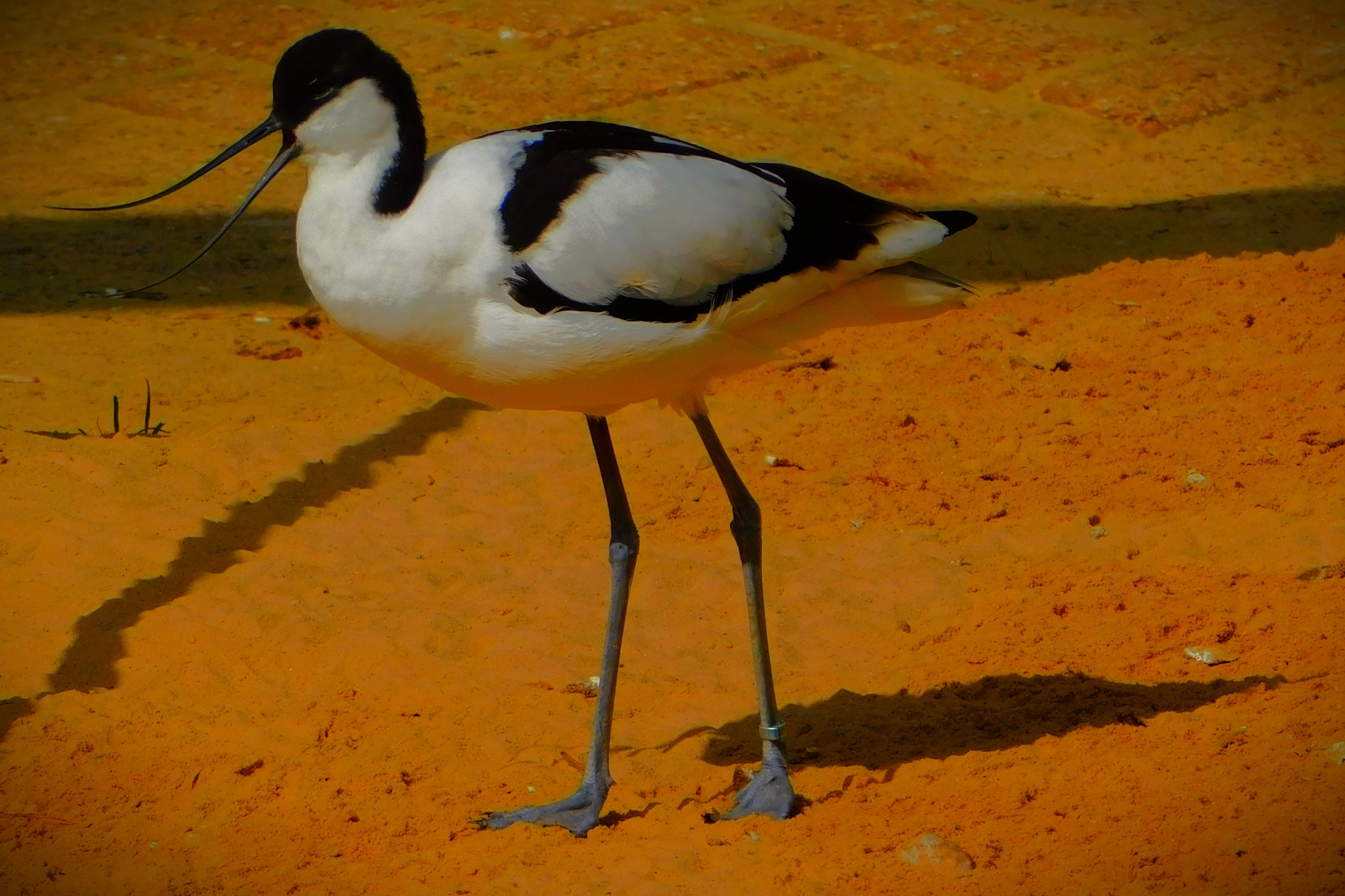
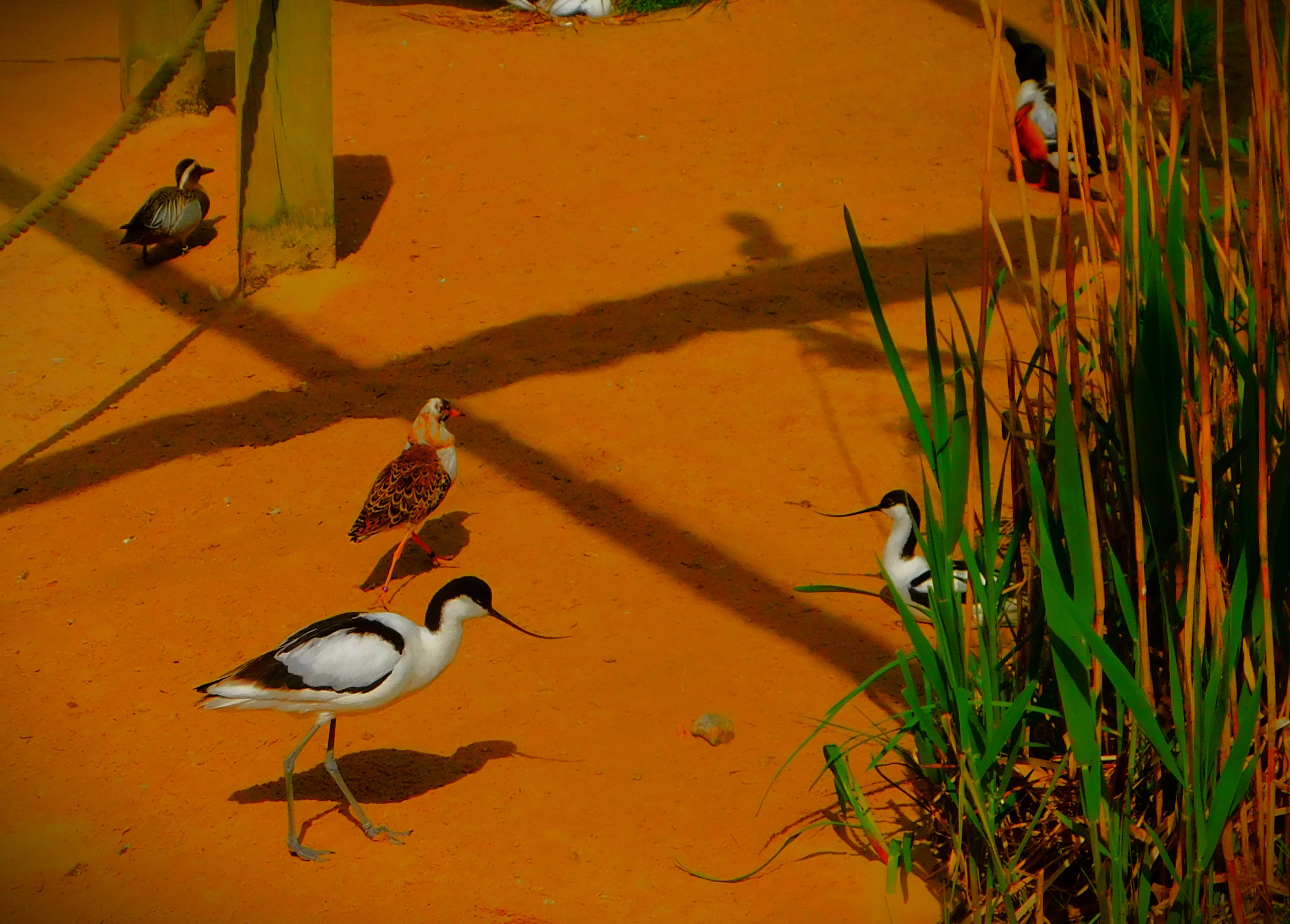
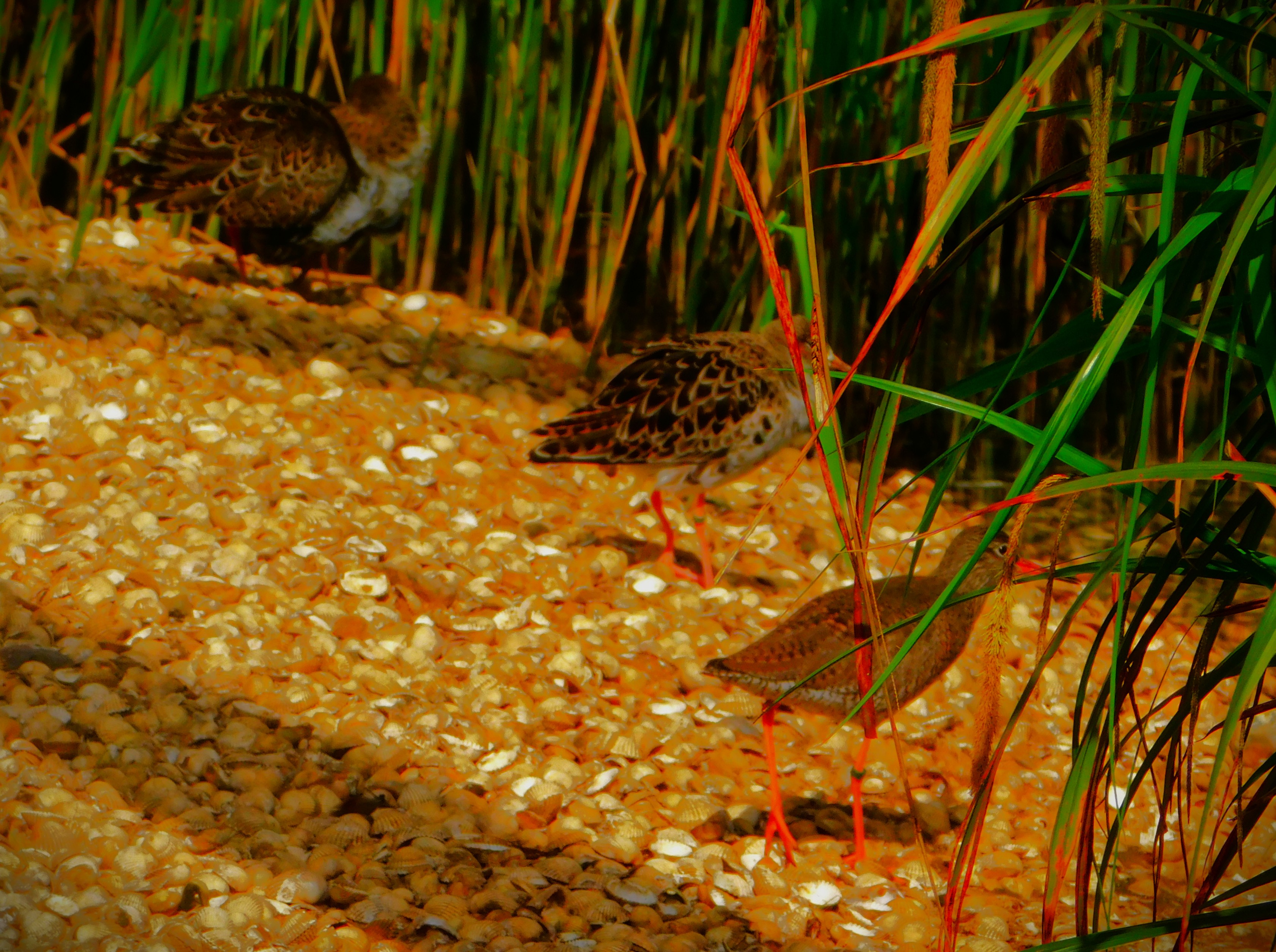
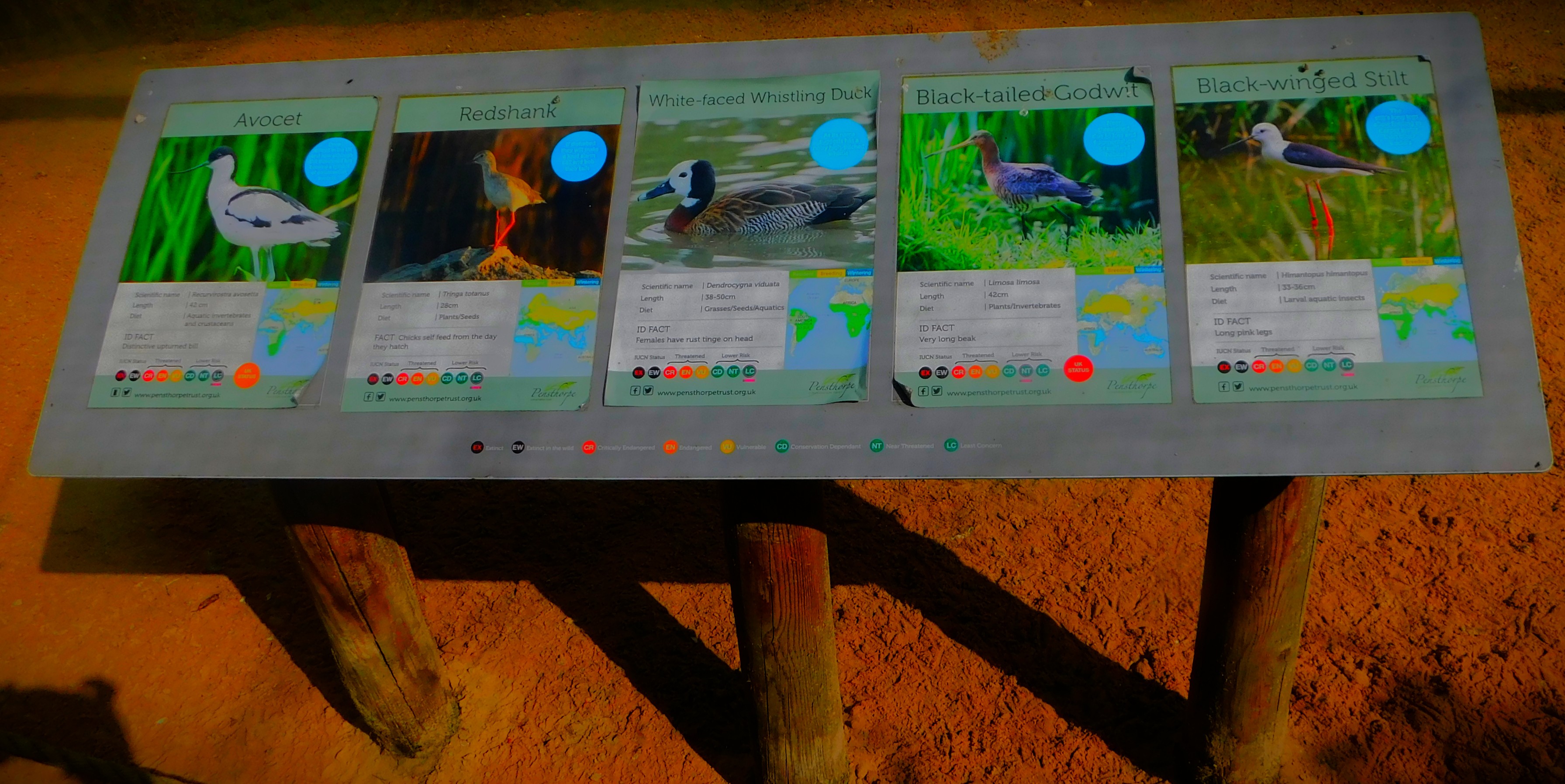
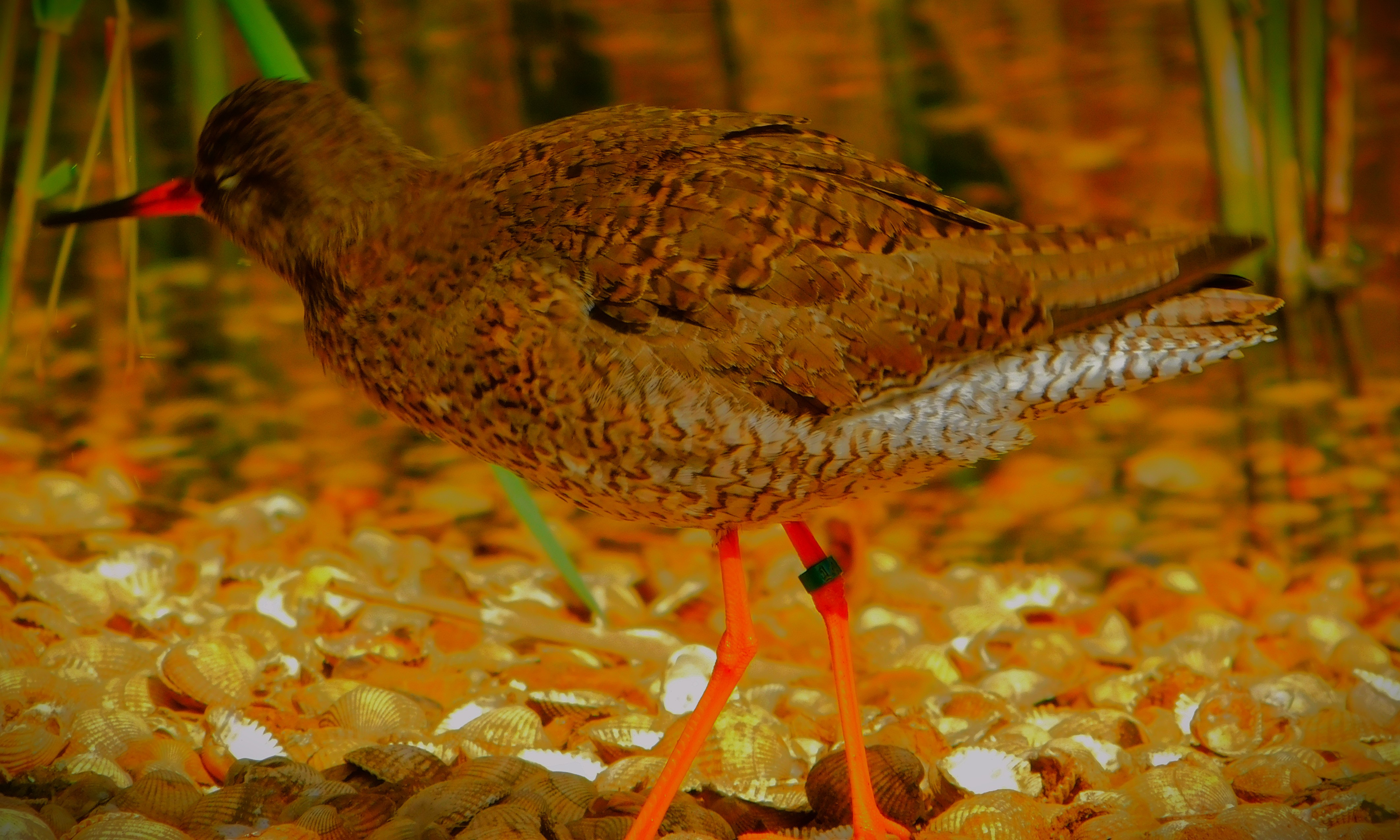
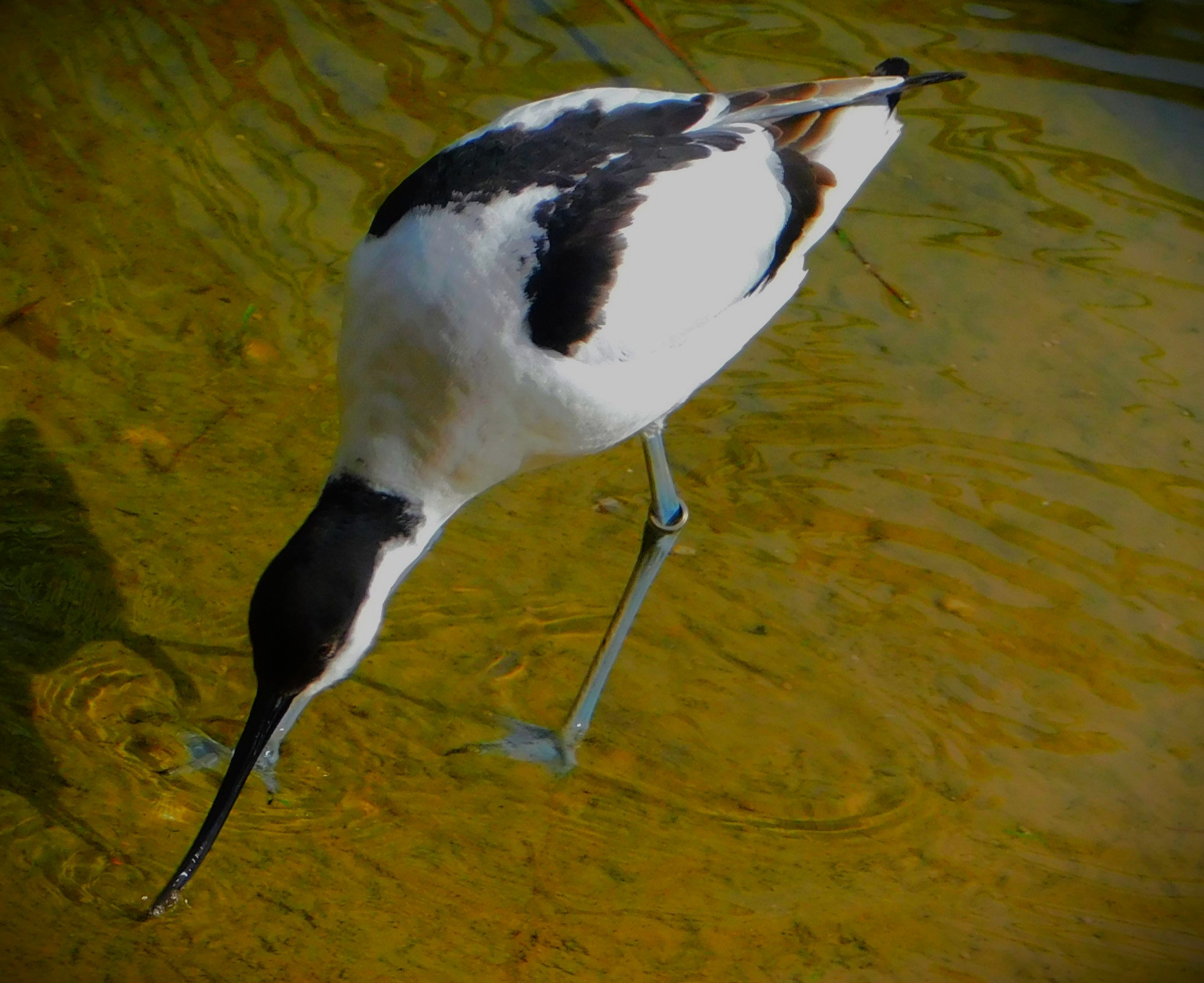
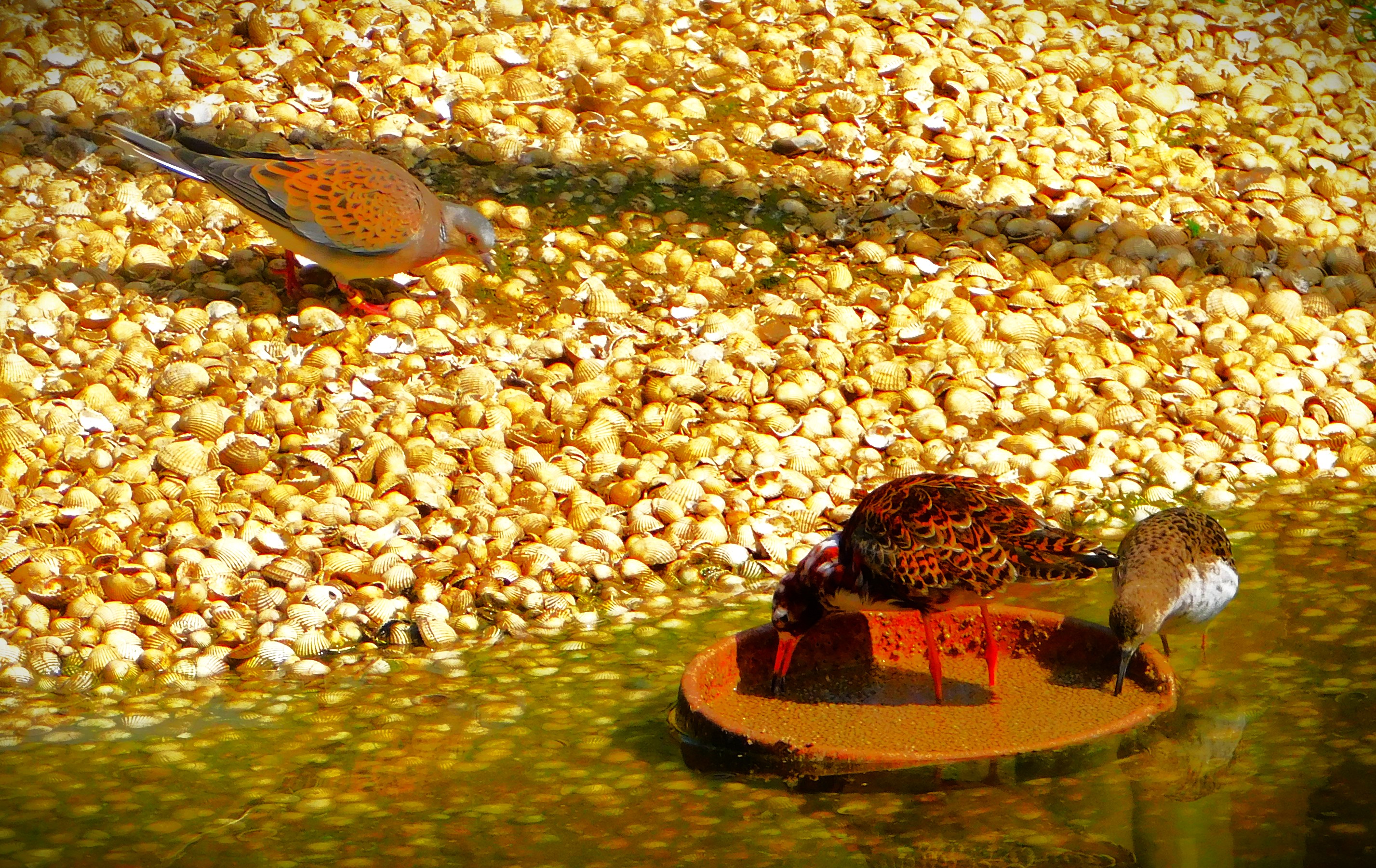
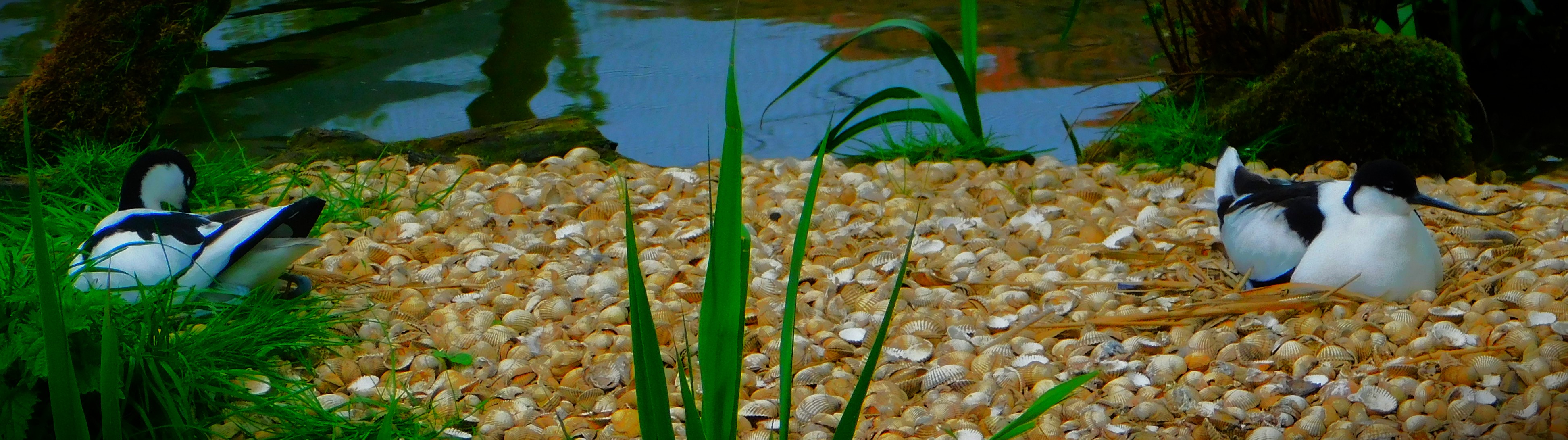
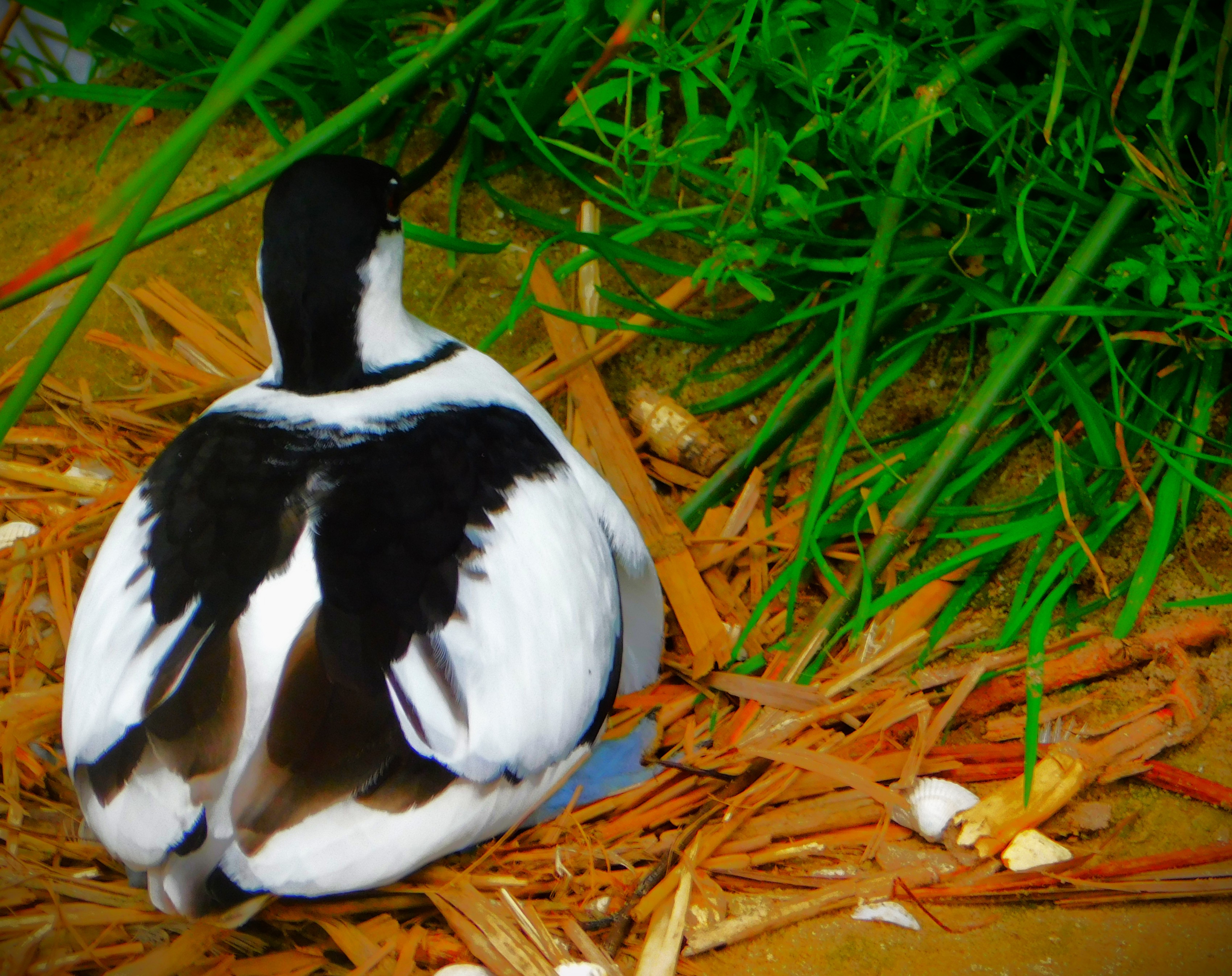
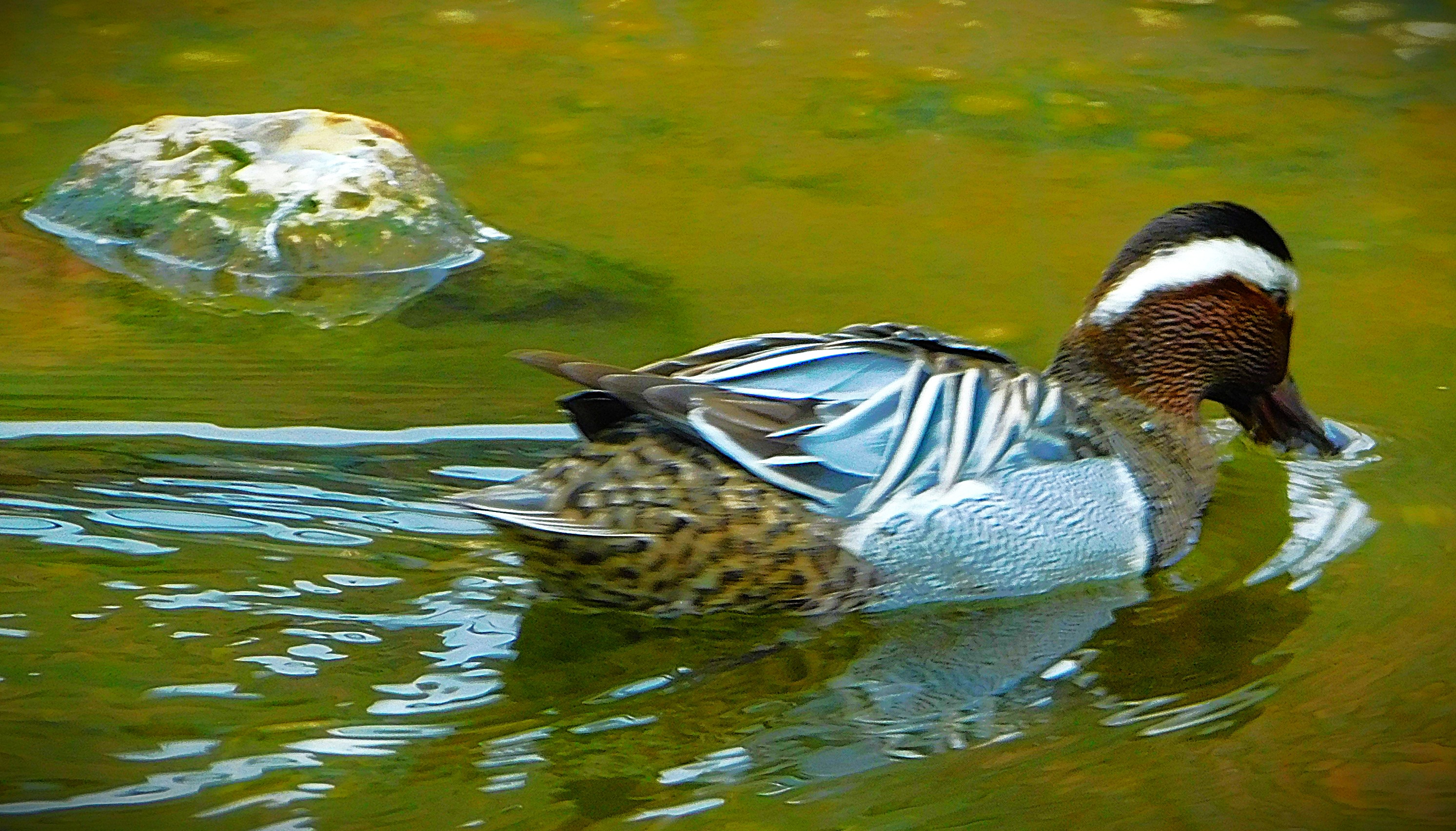
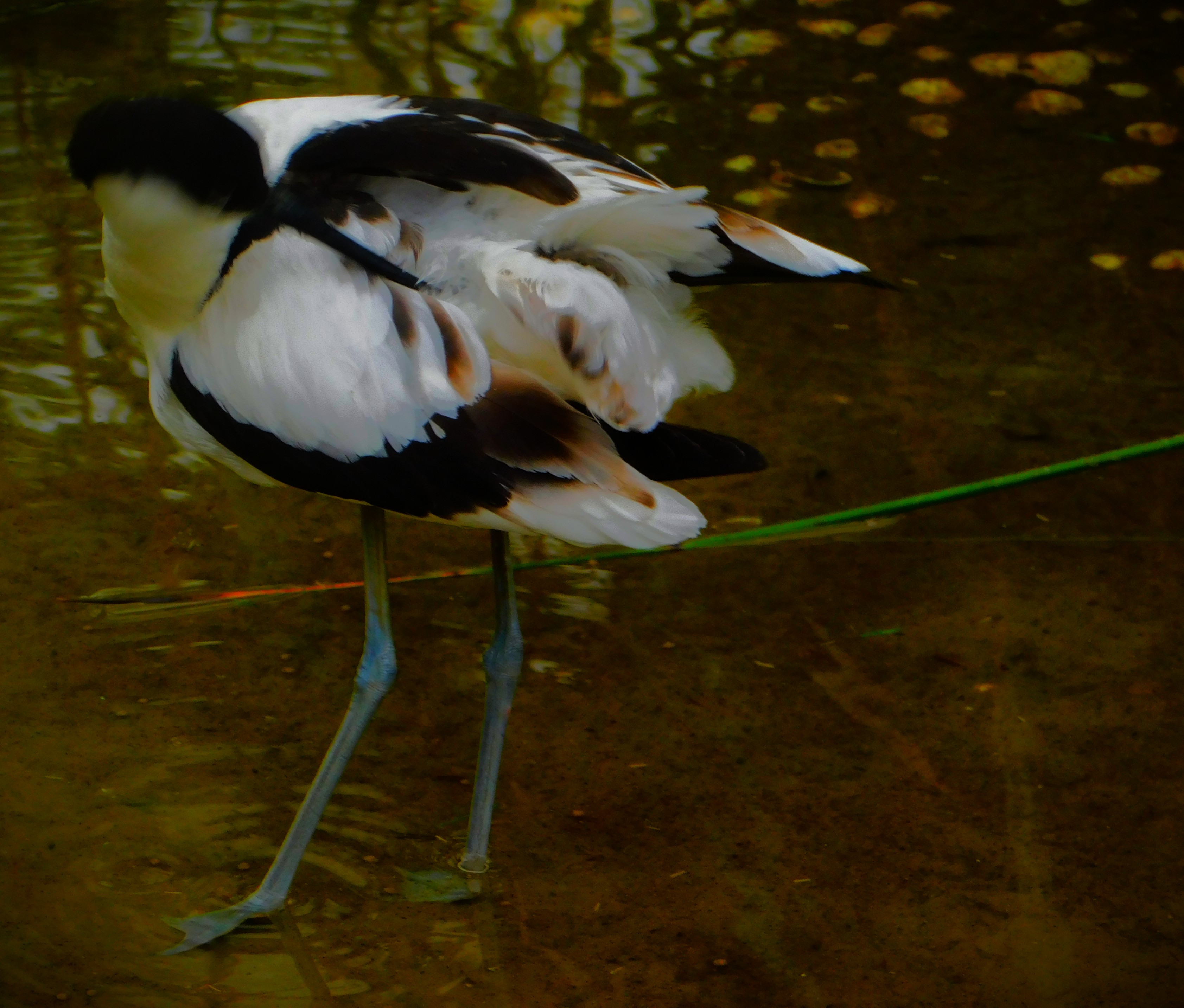
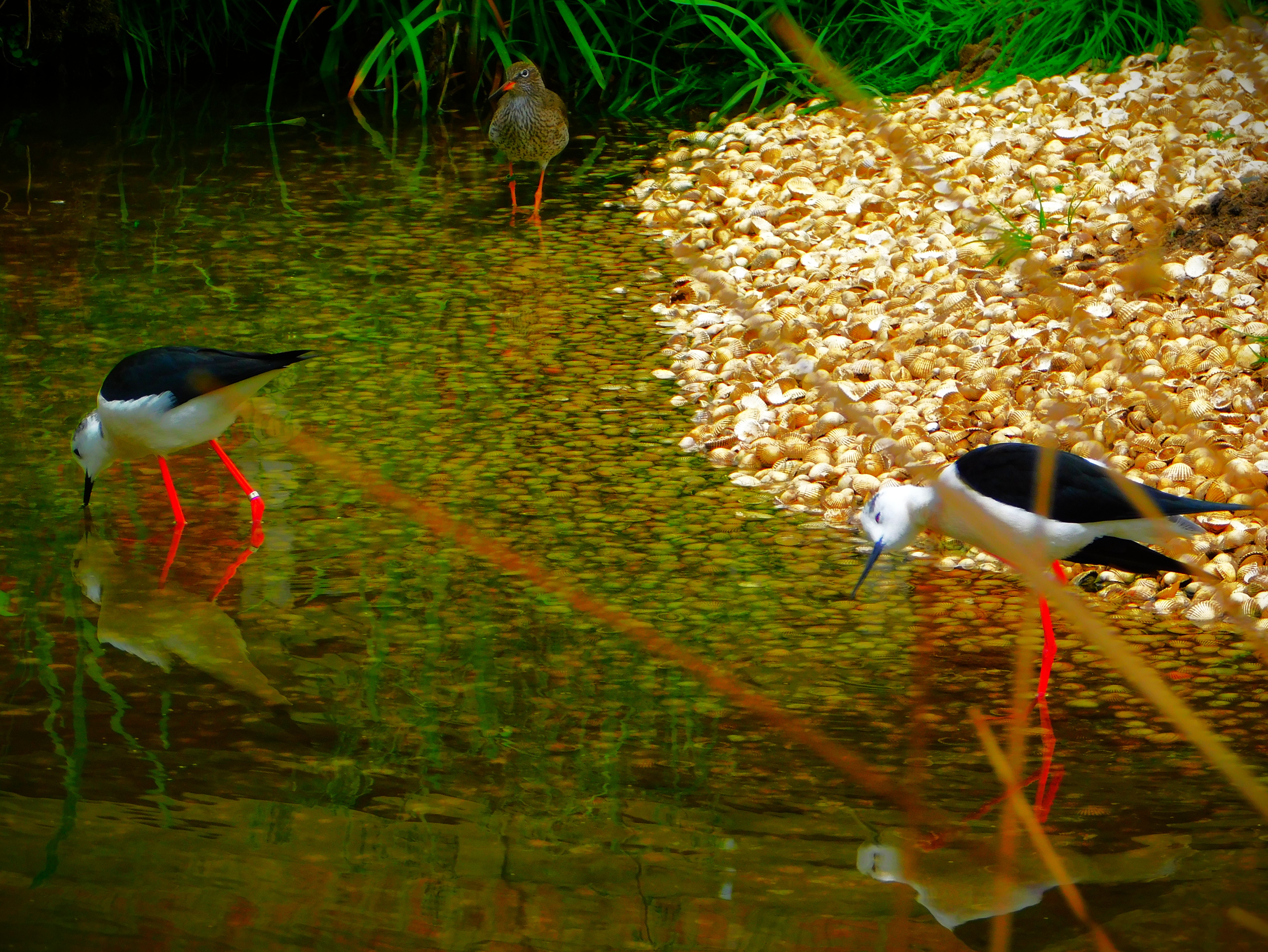
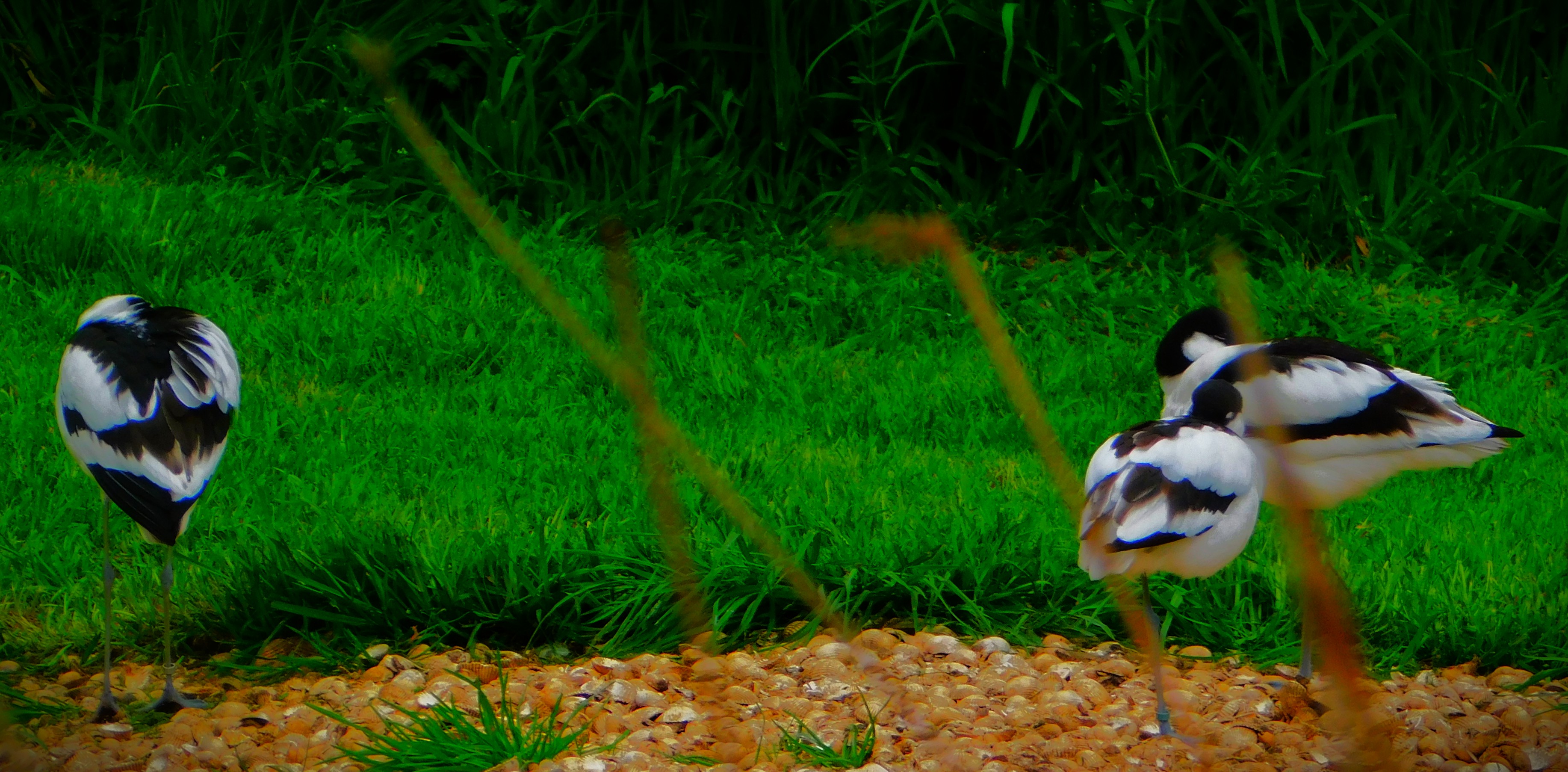
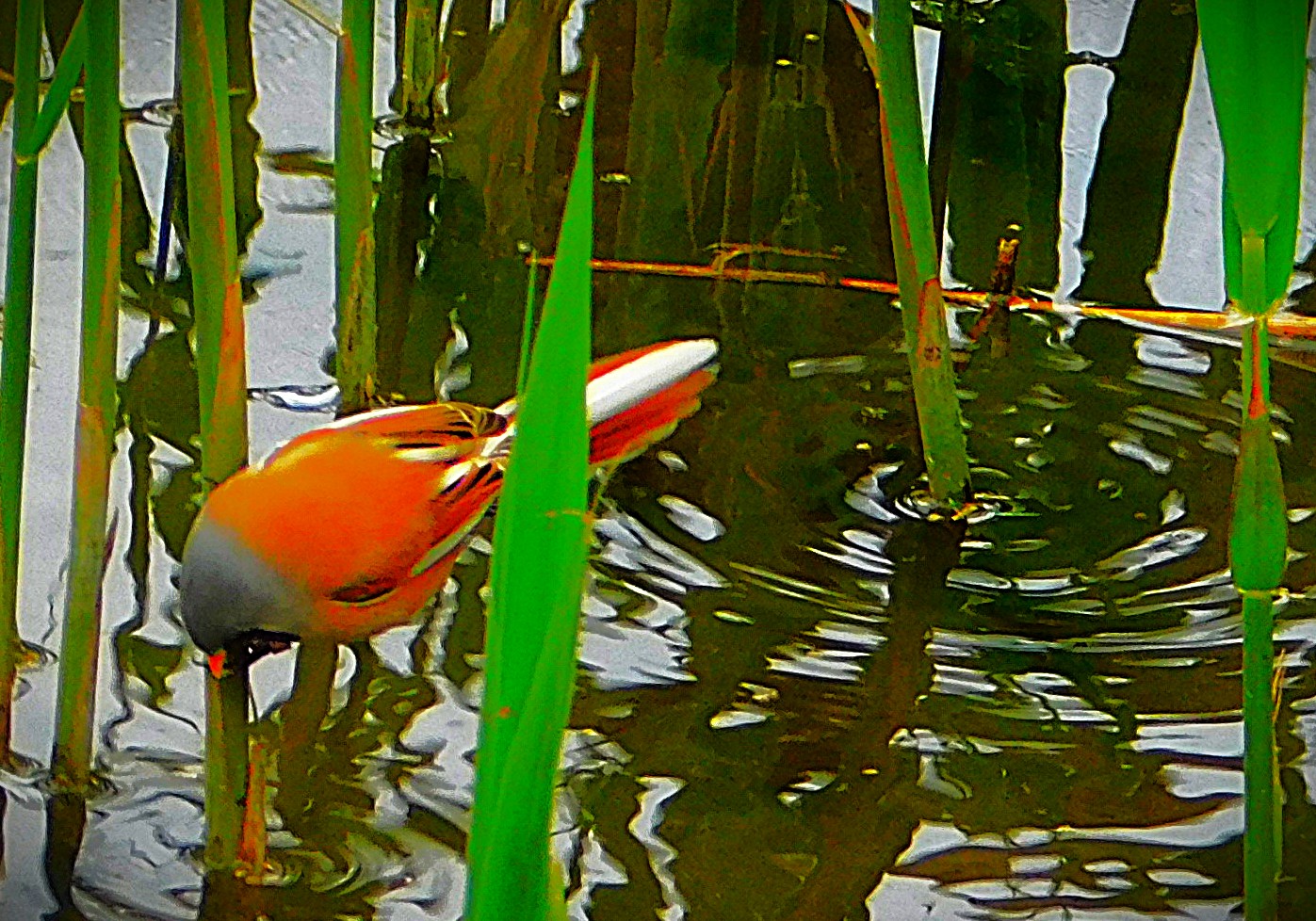
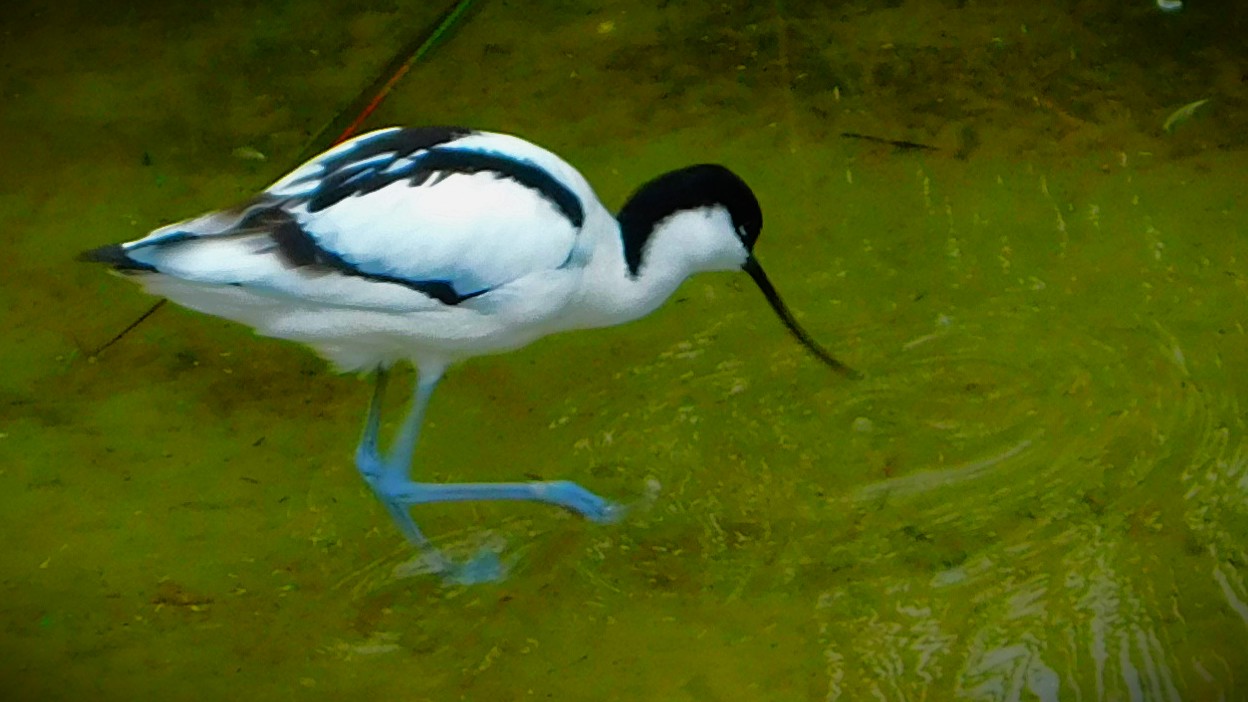
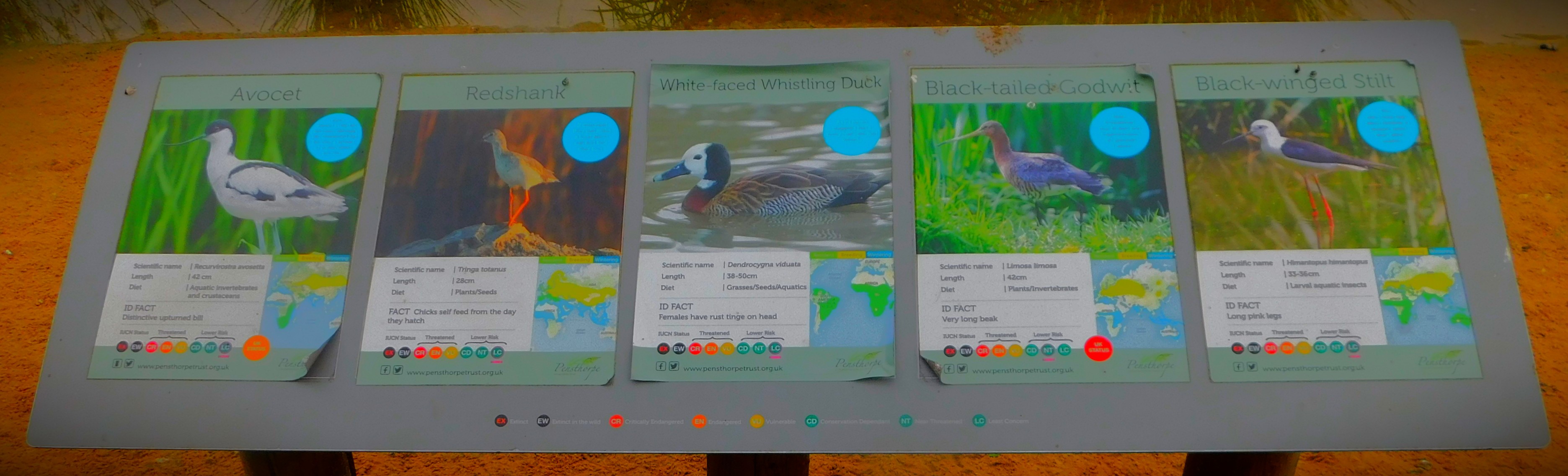
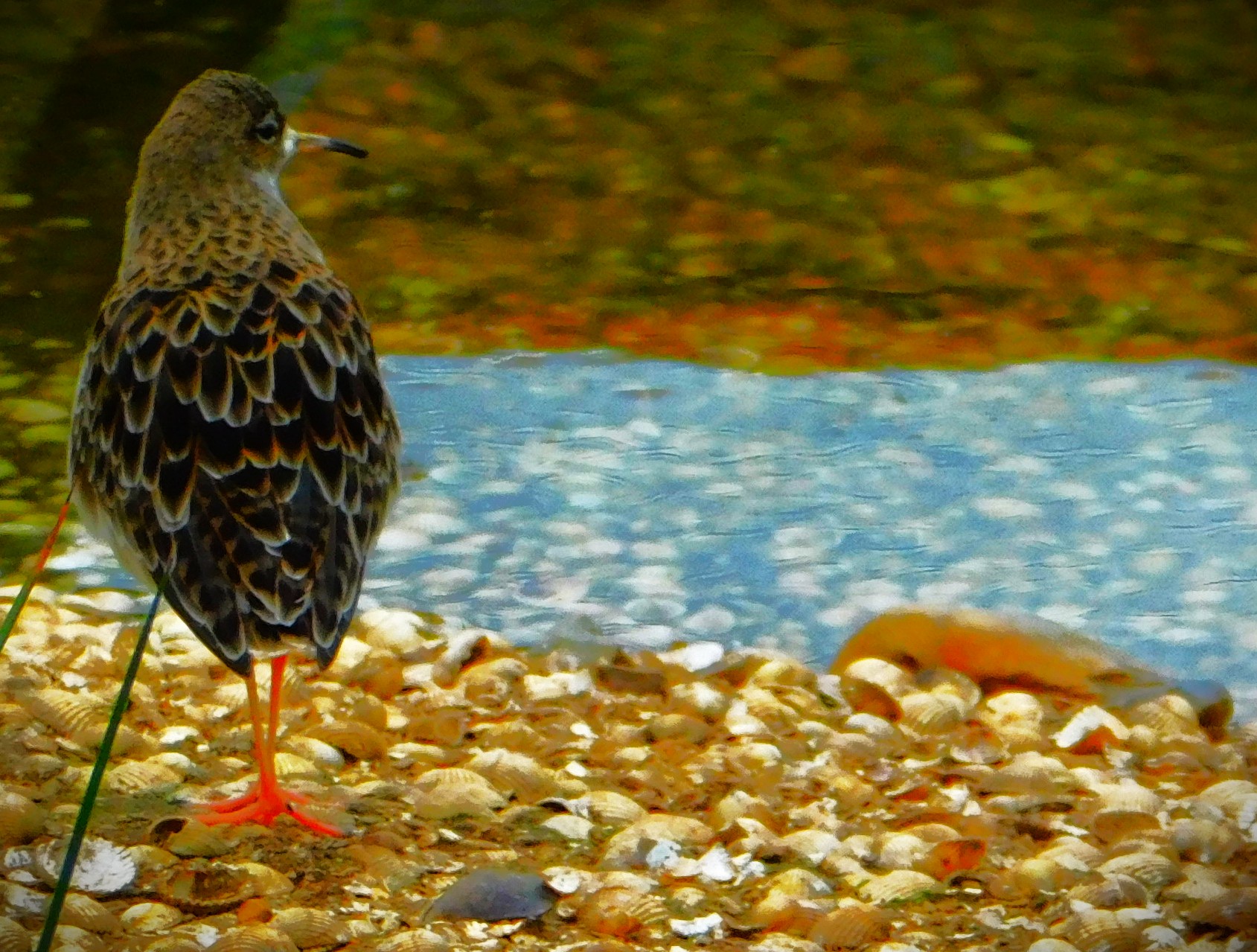
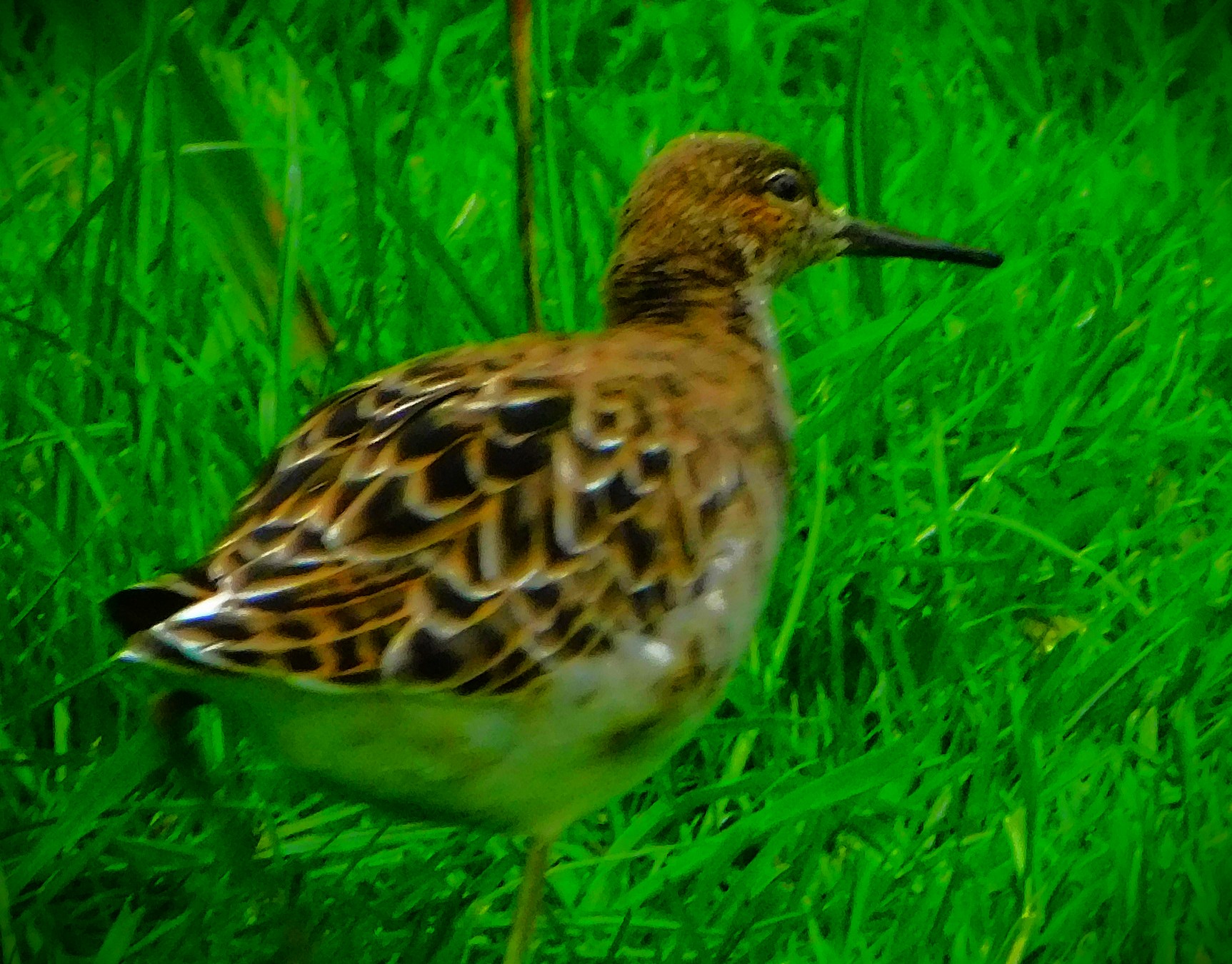
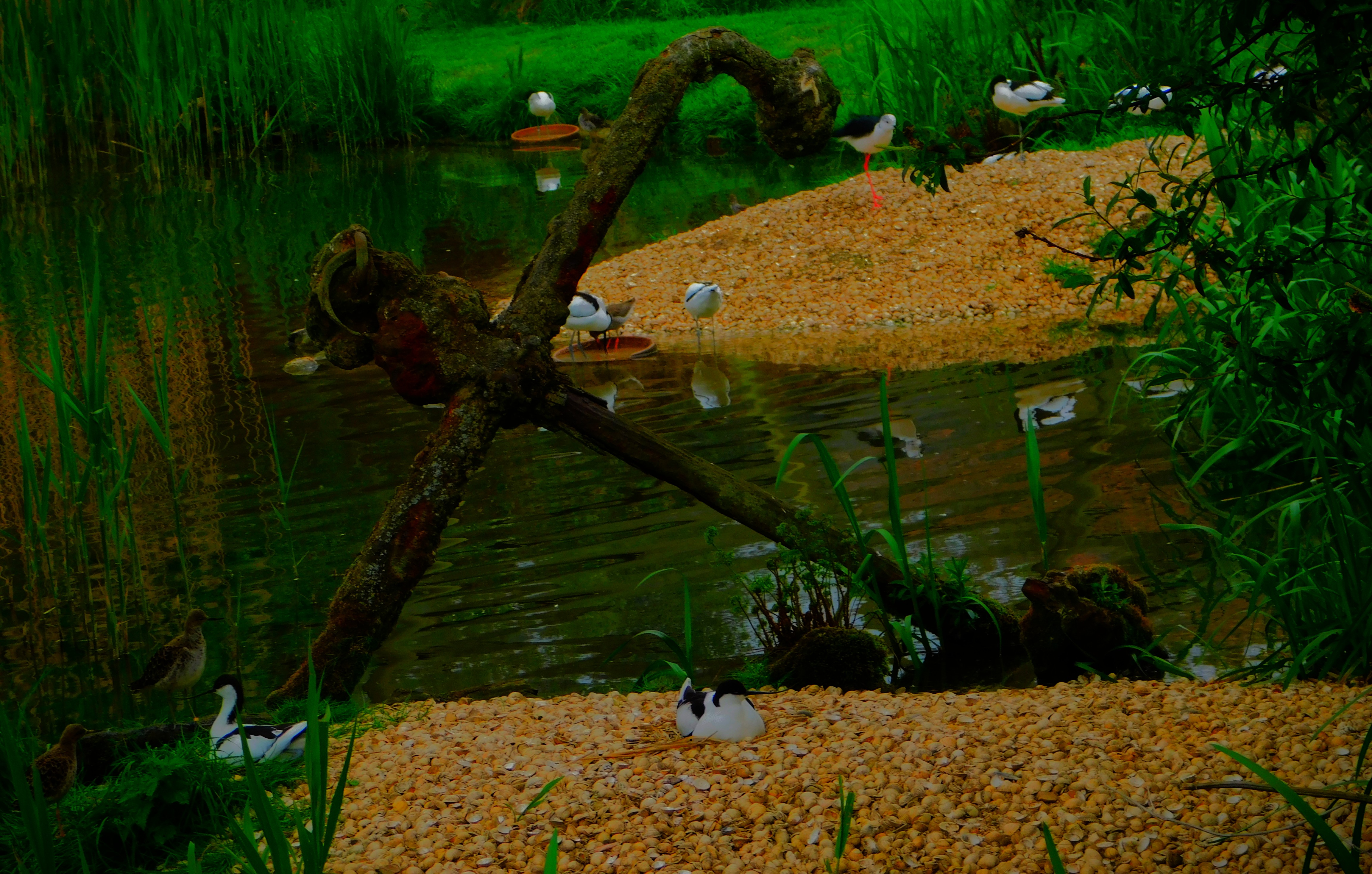
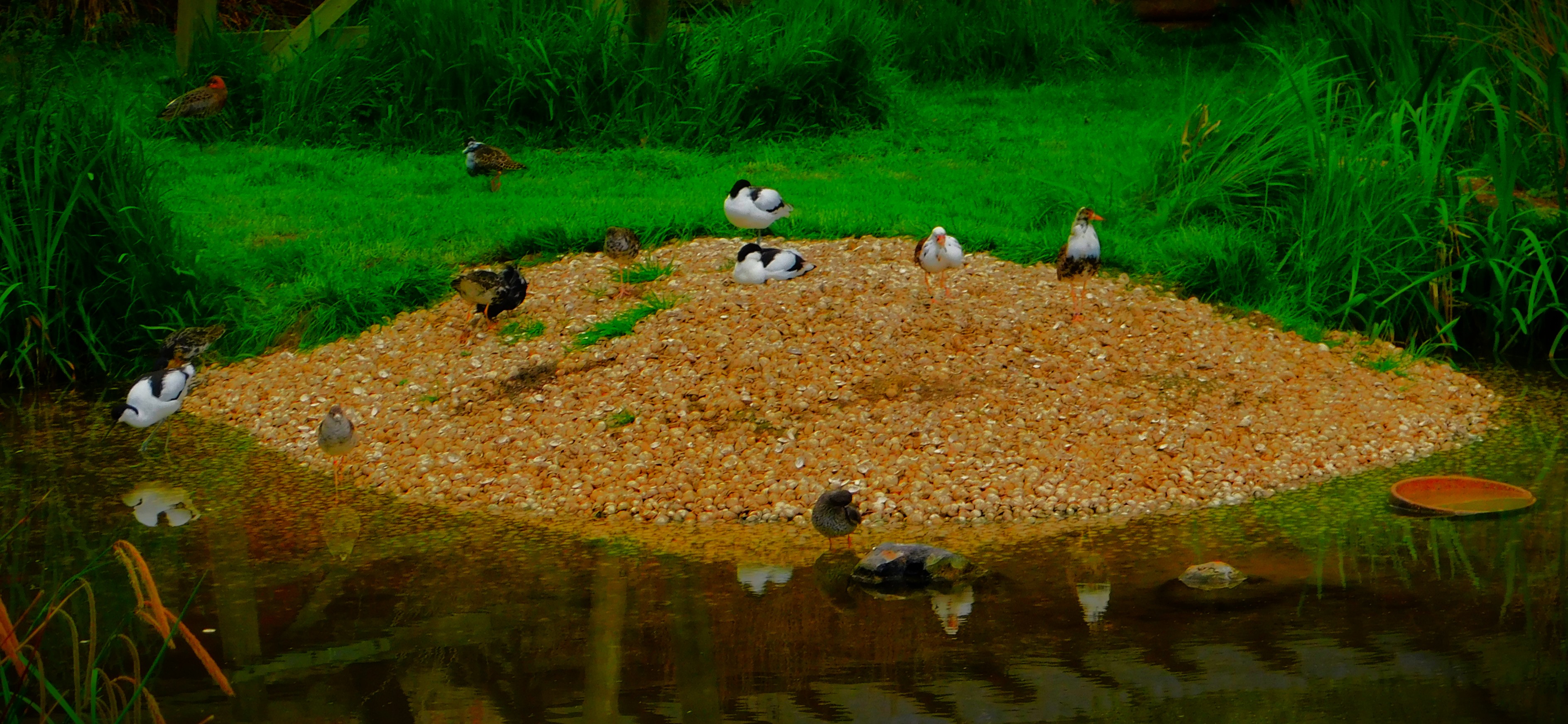
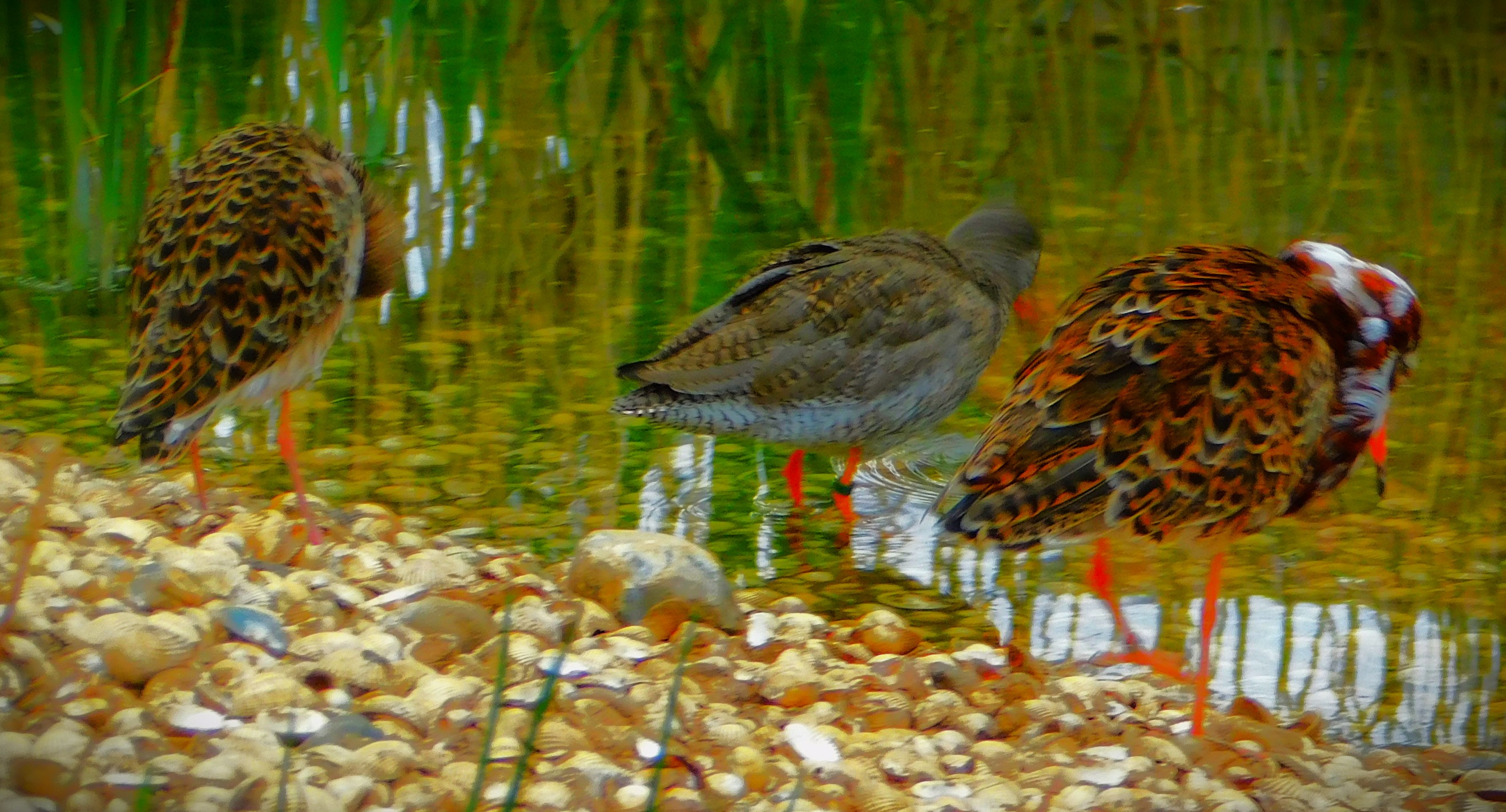
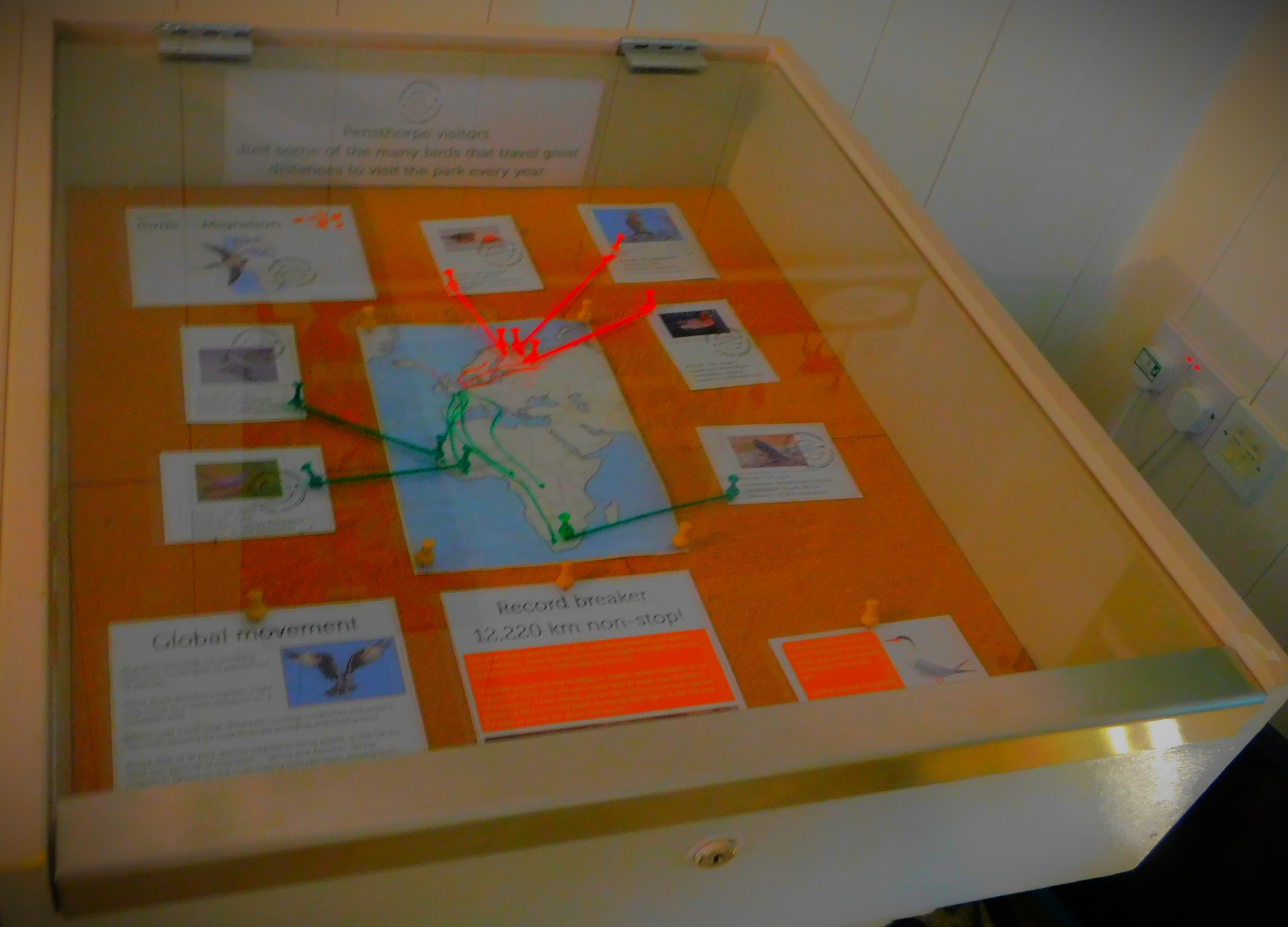
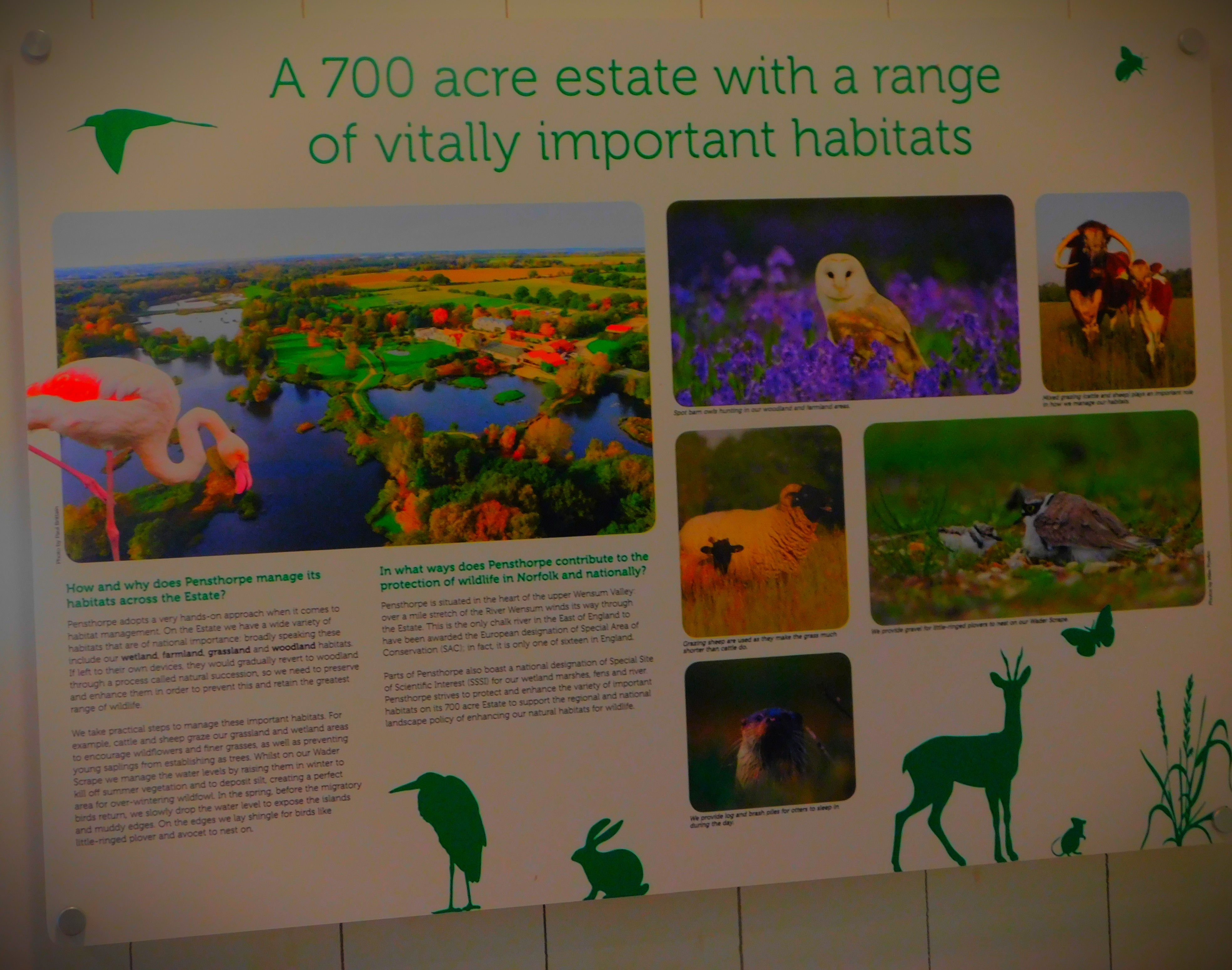
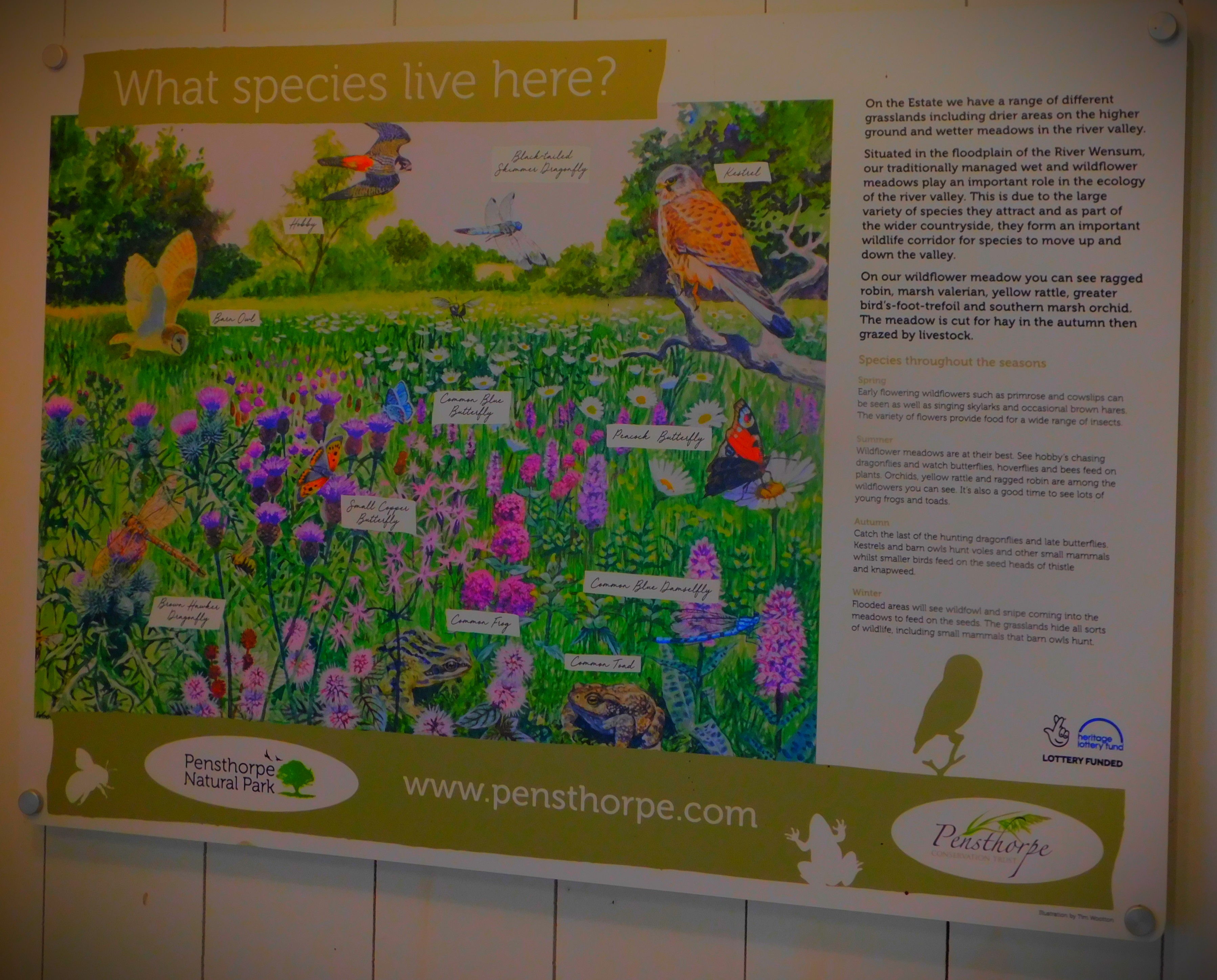
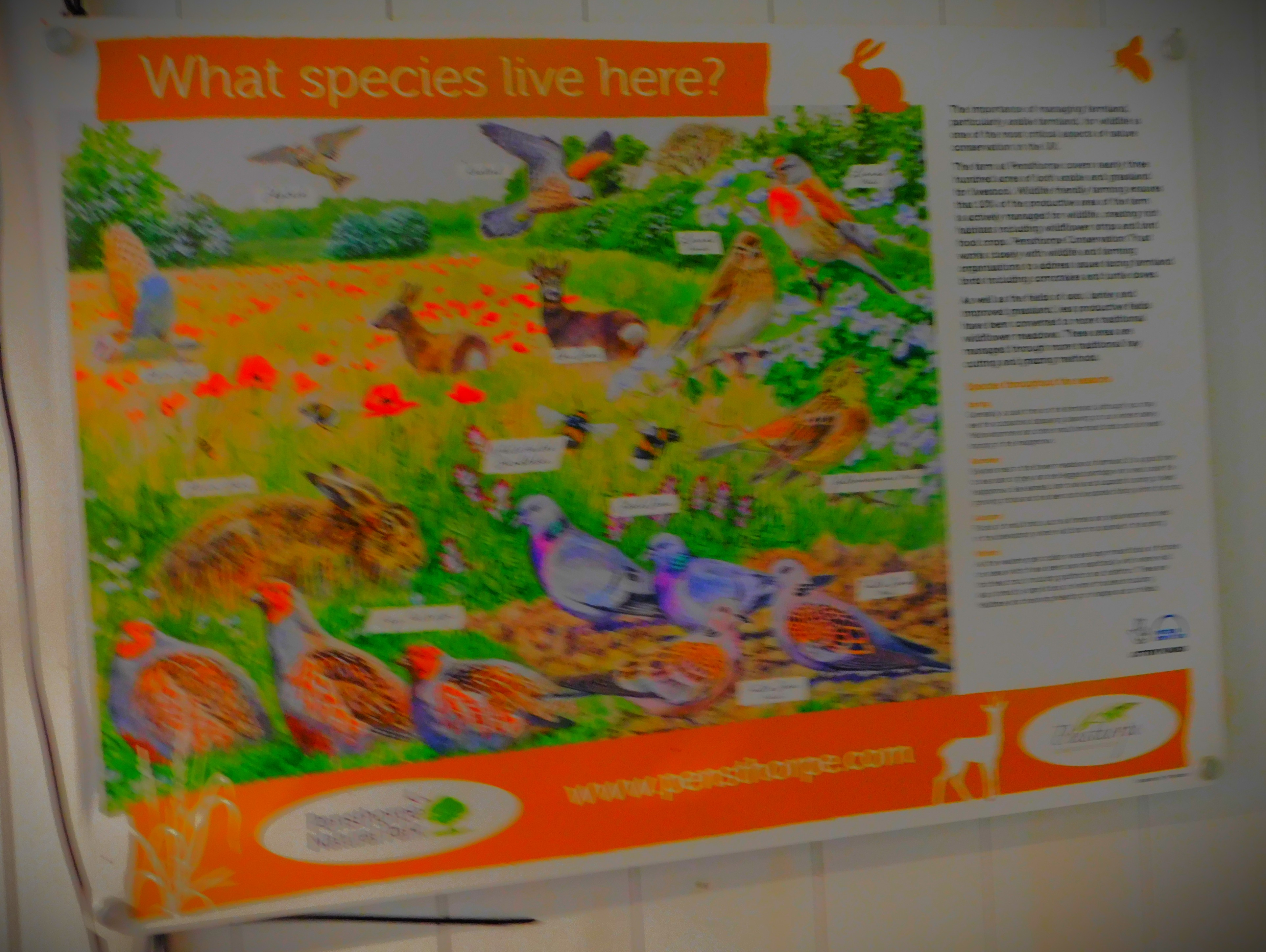
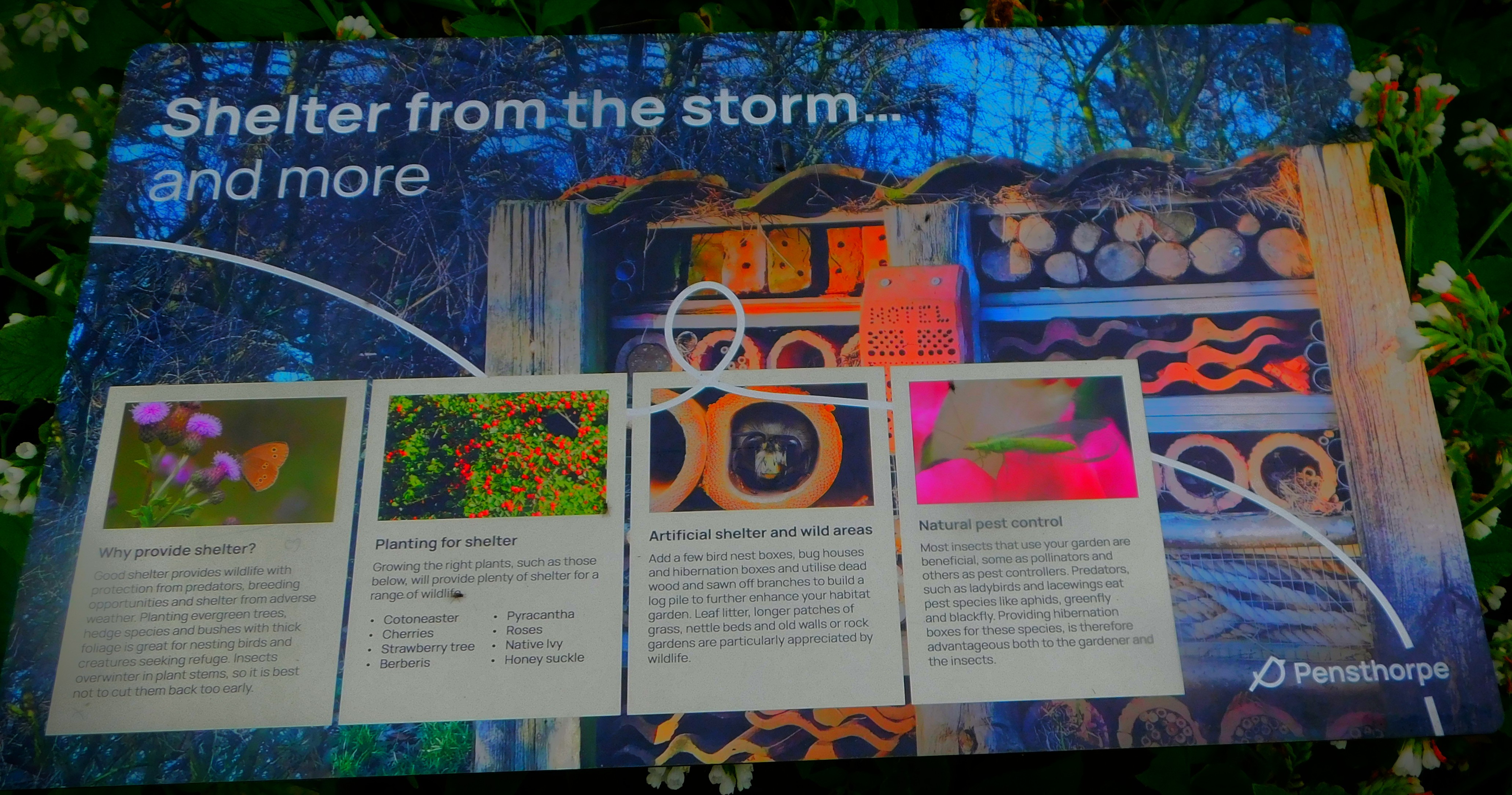
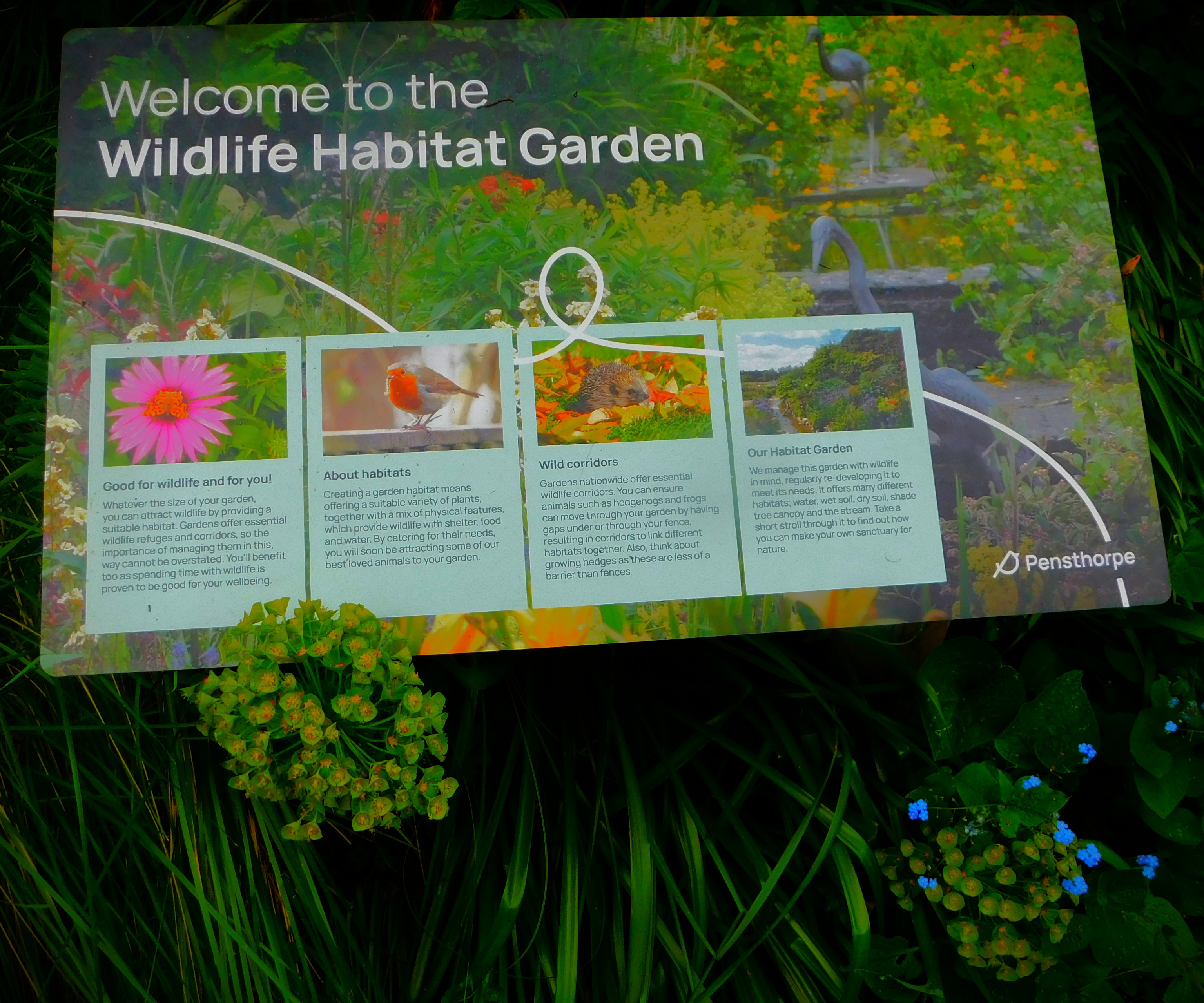
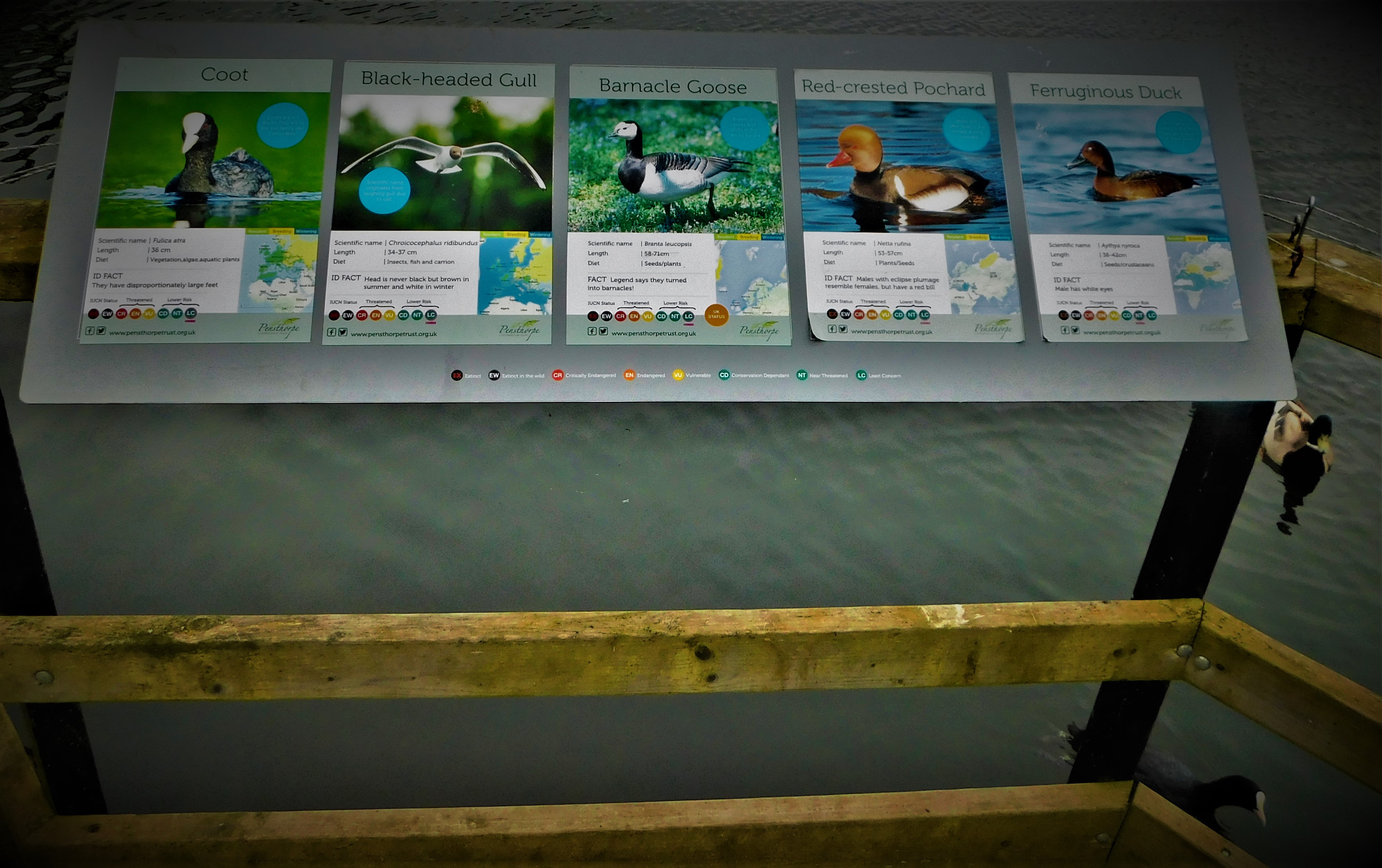
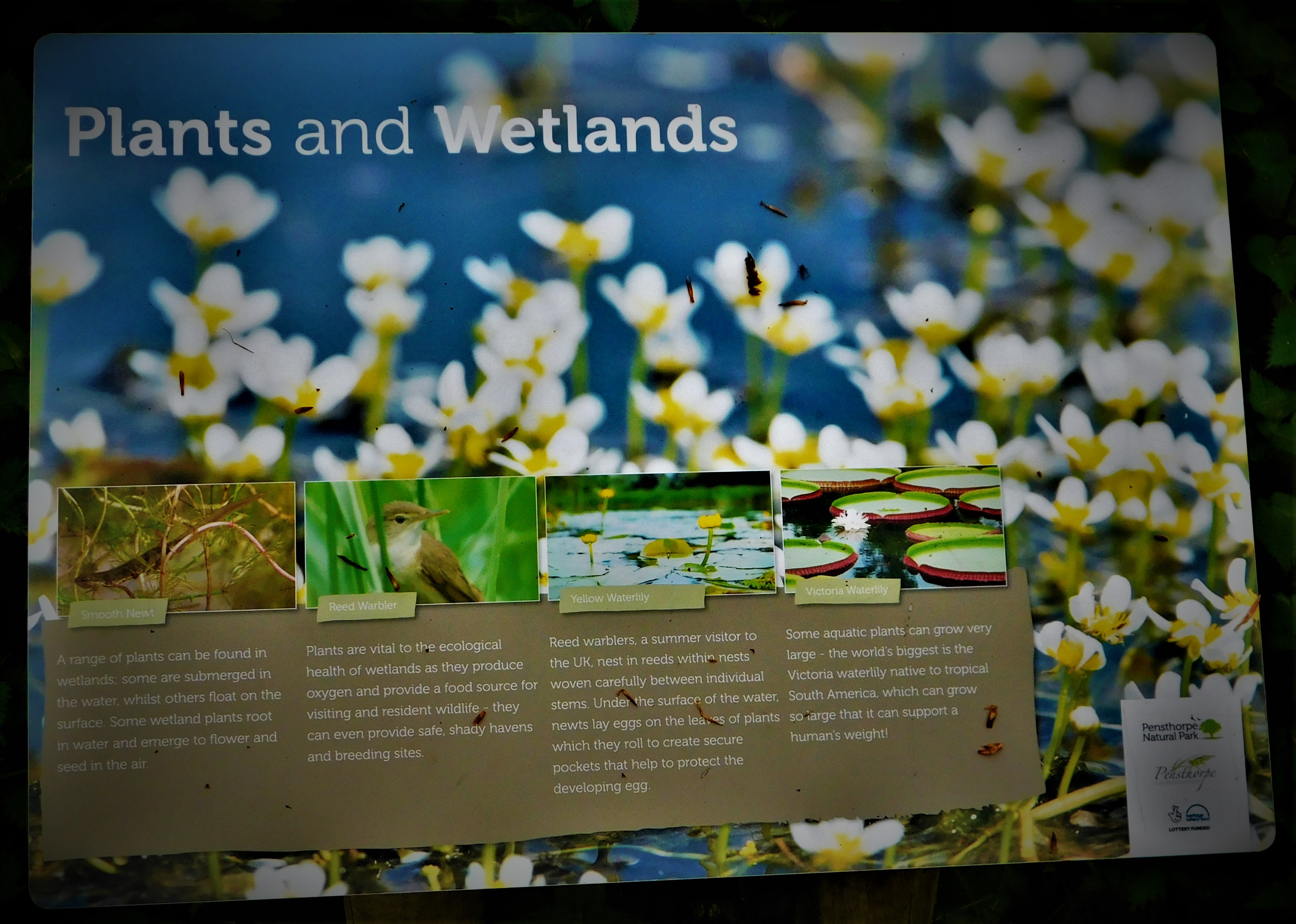
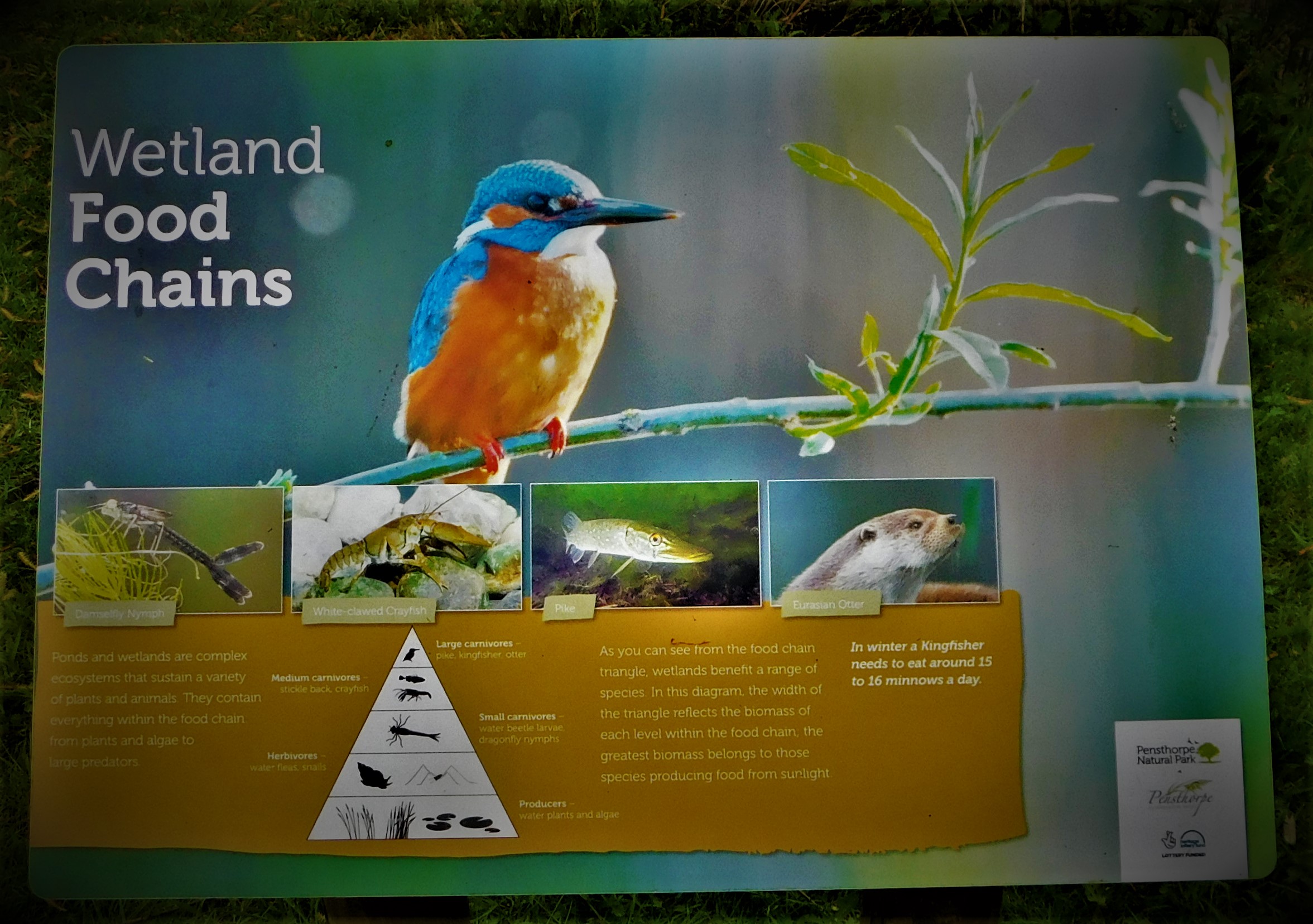
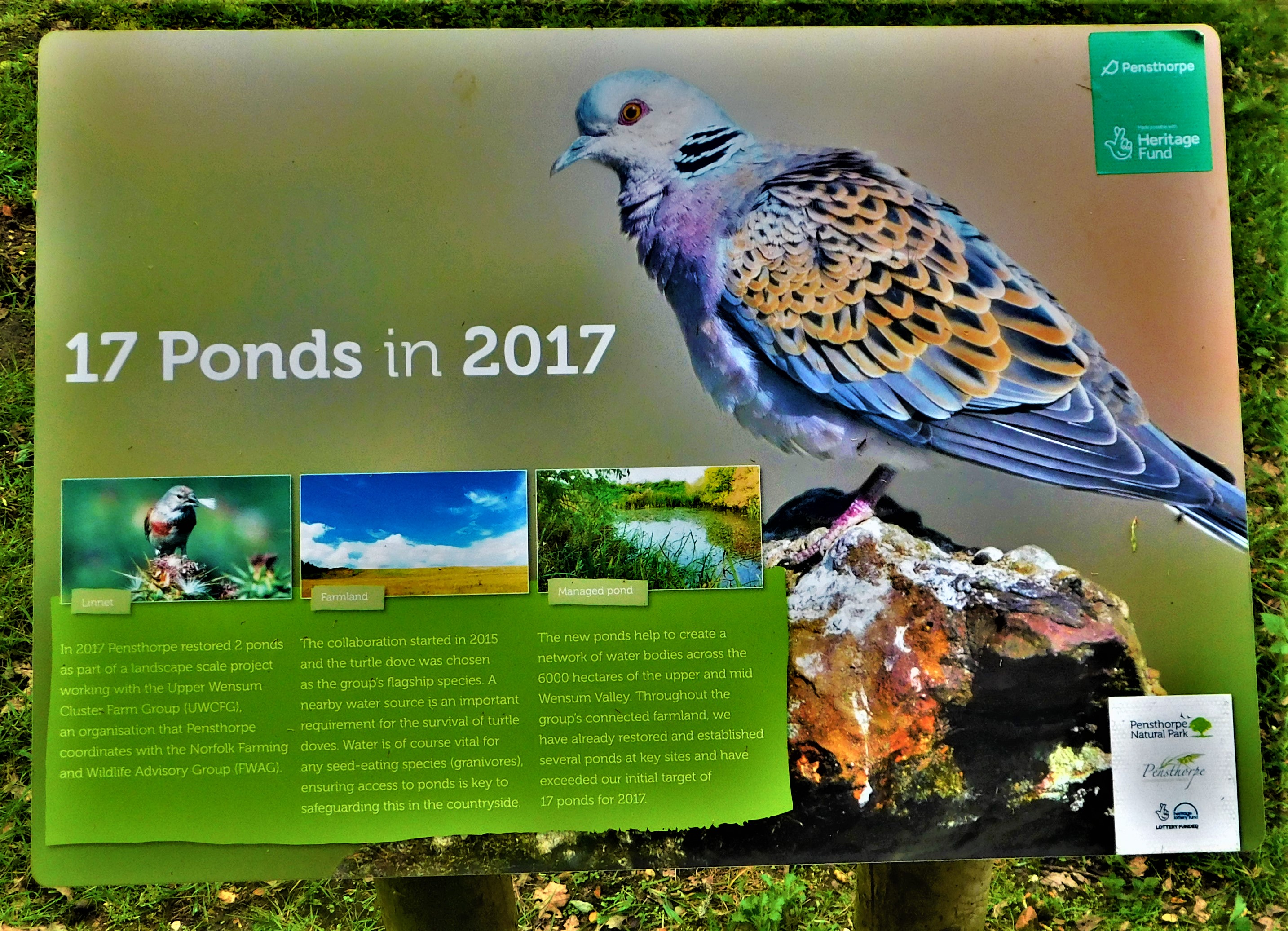
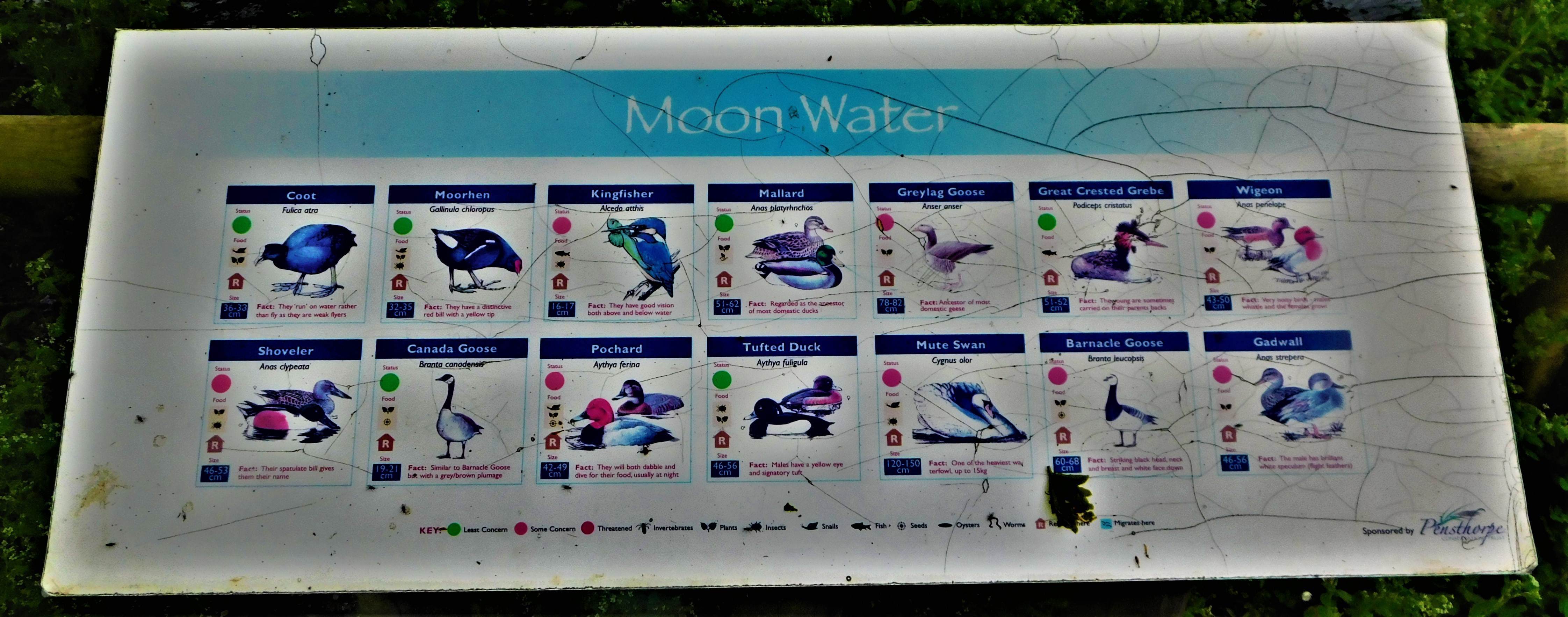
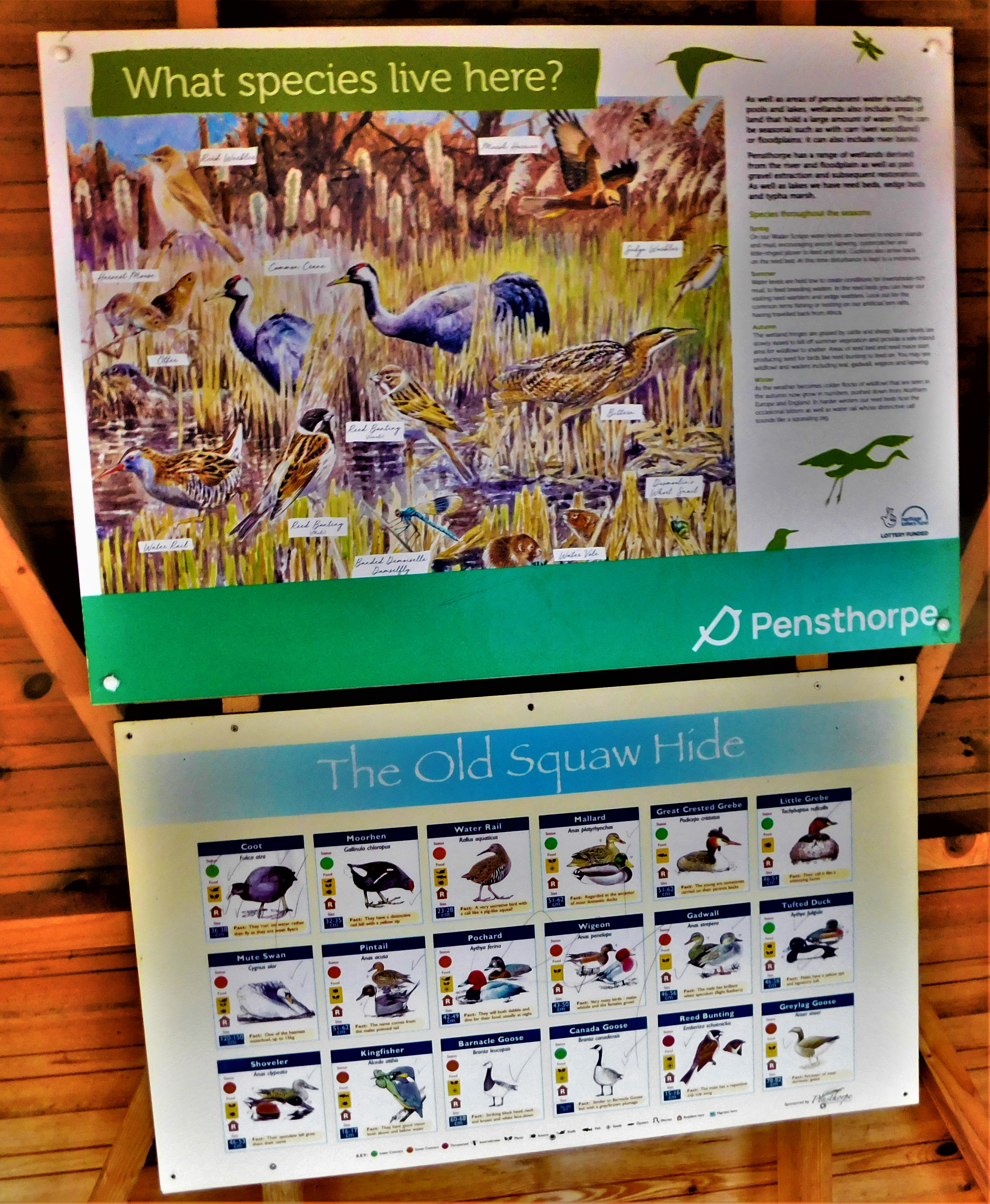
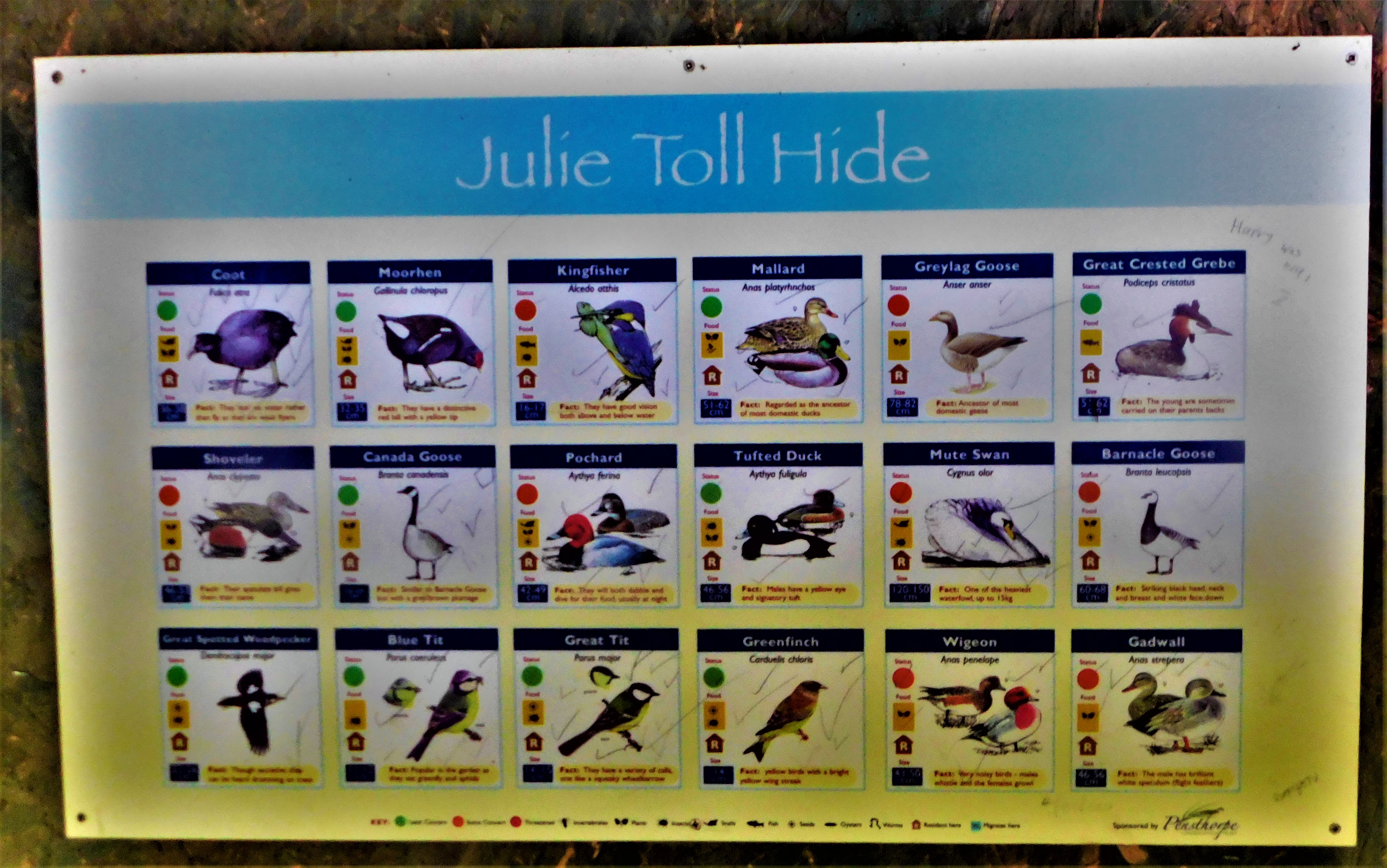
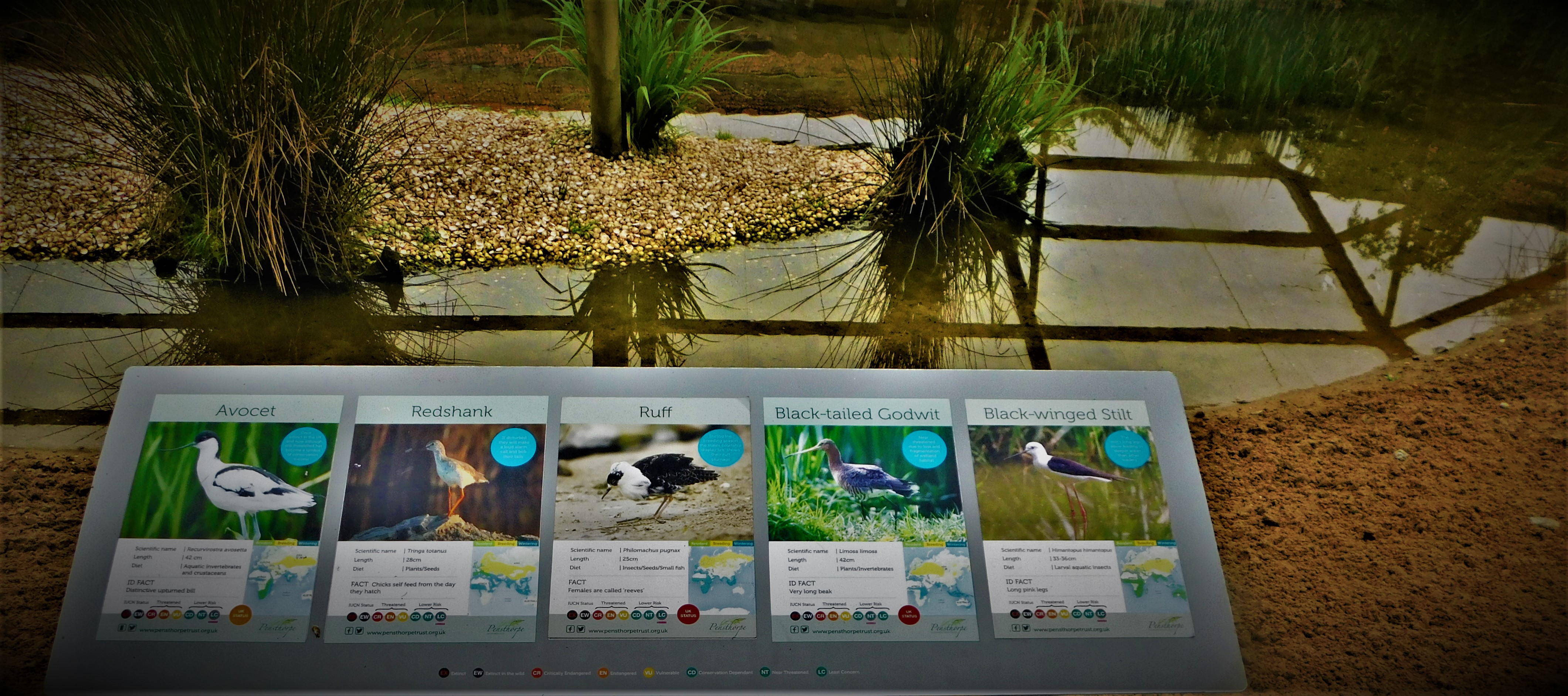
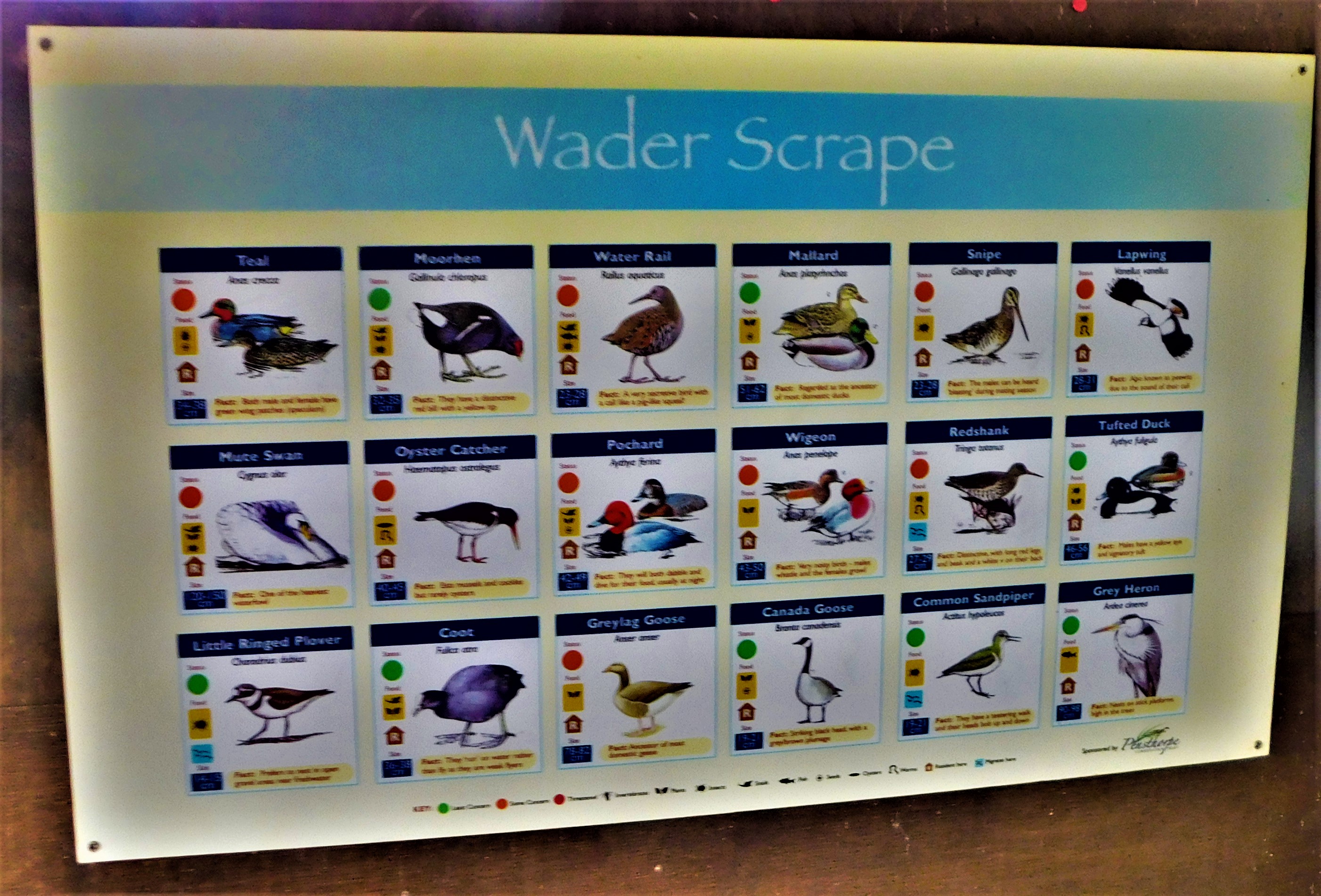
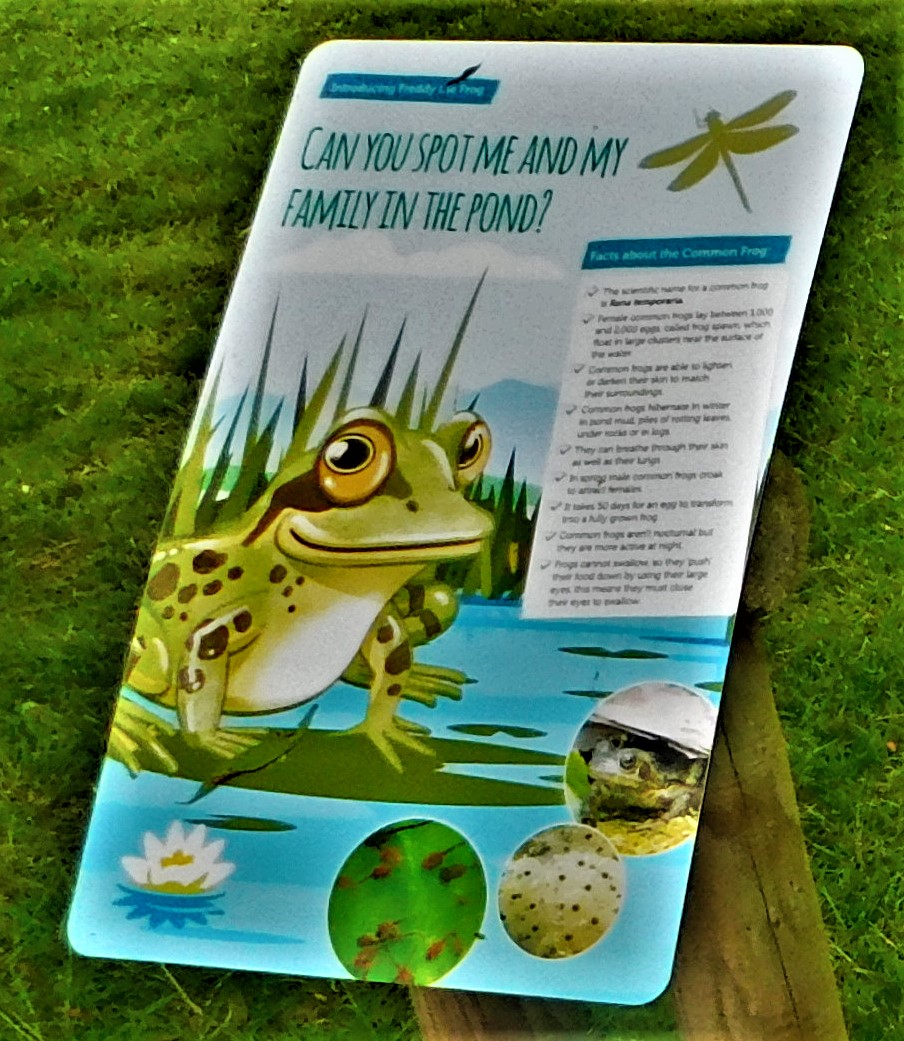
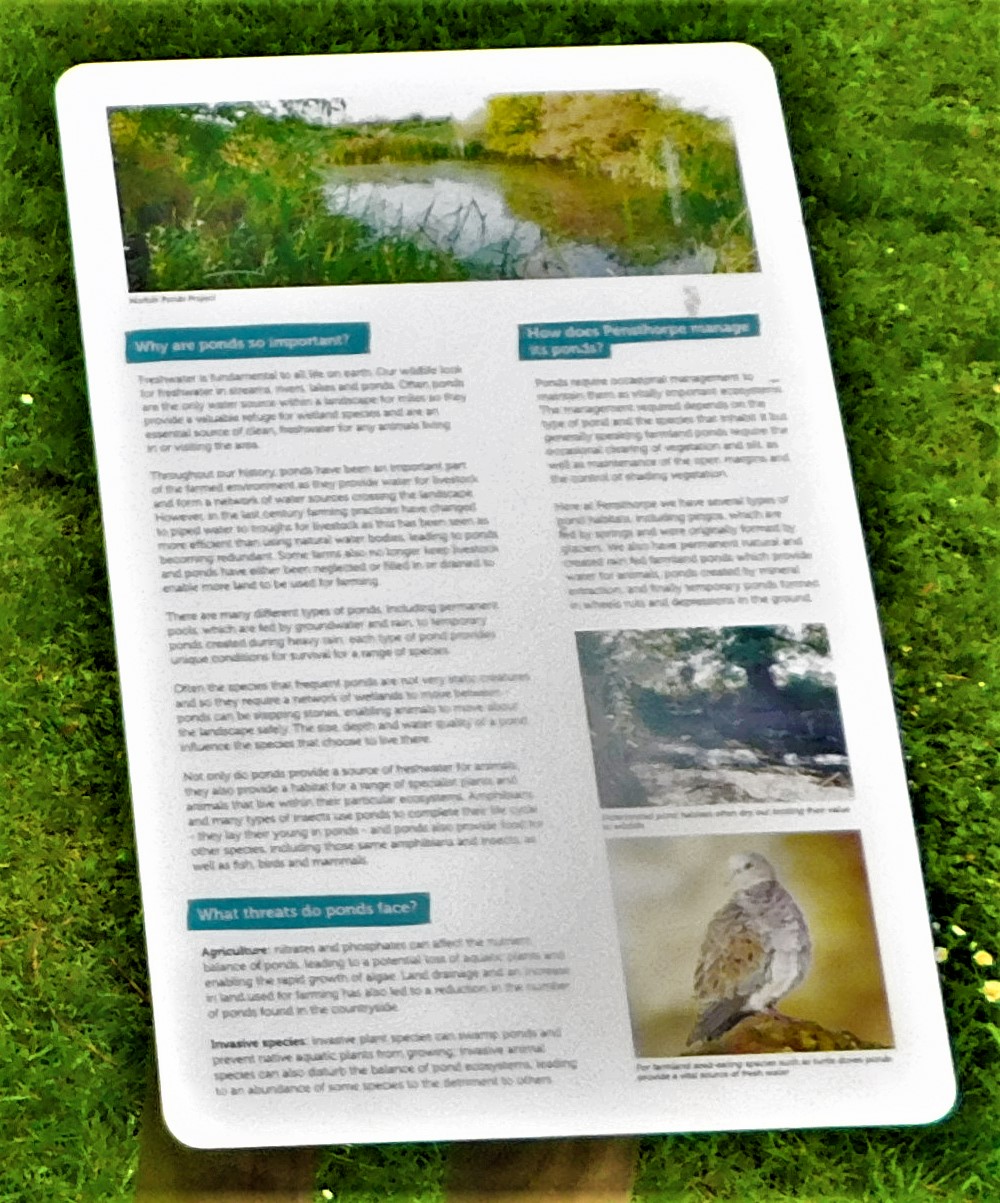
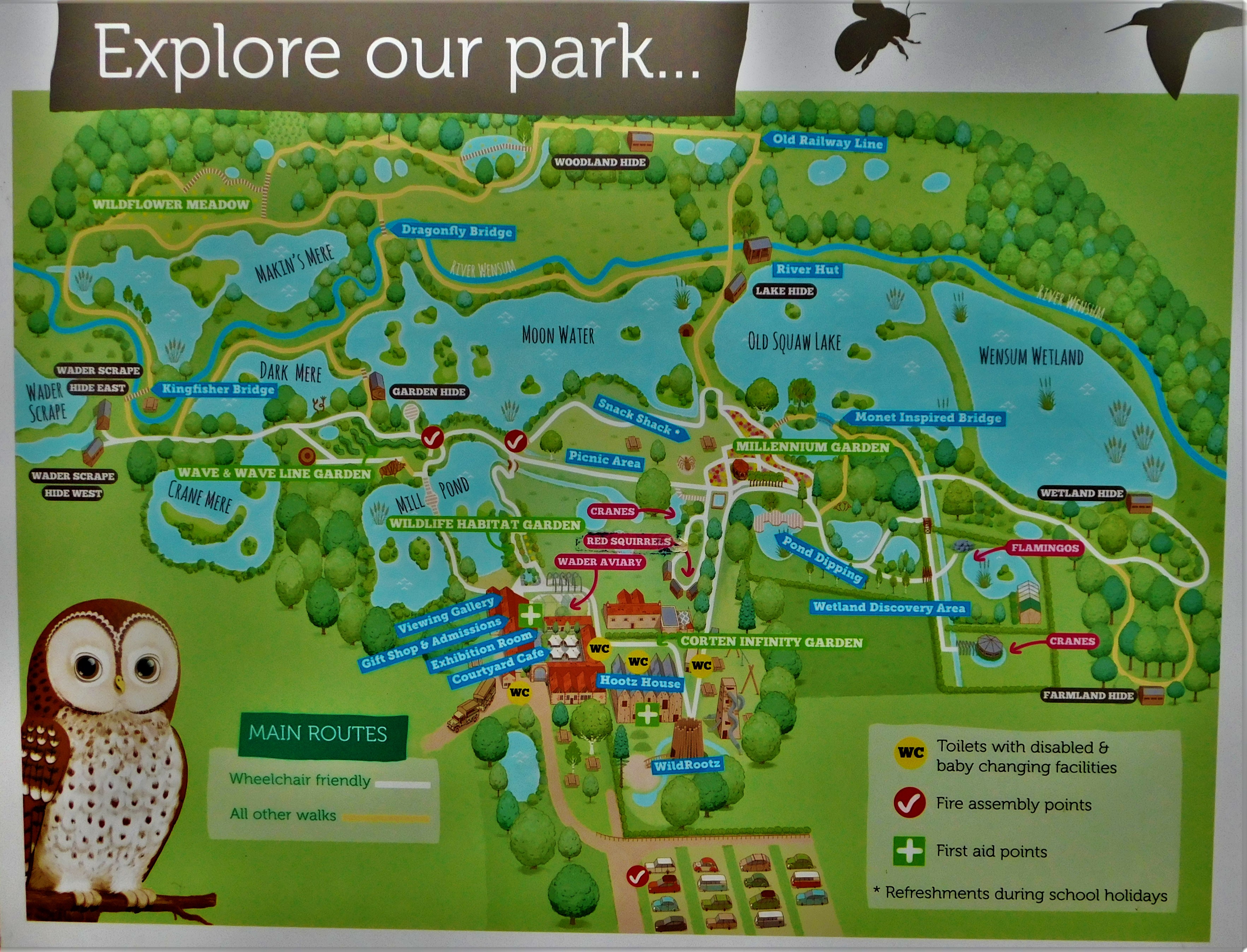
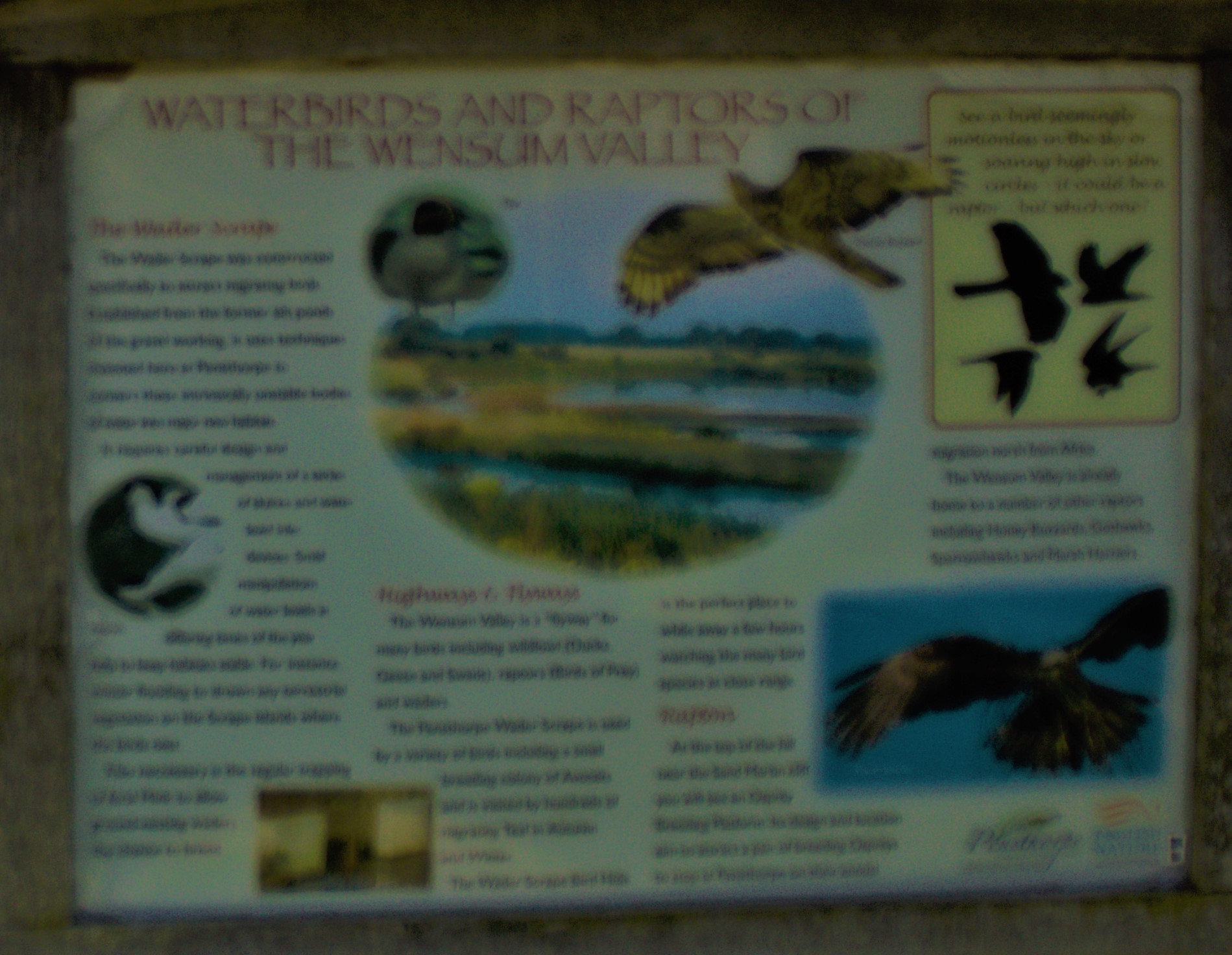
The Waders Aviary at Pensthorpe is just beyond the gift shop, through which the rest of the site is accessed. It is thus suitable for being visited briefly on multiple occasions over the course of the day, and being self contained and relatively small it is not a place that one should be in very any great length of time continuously. Information at Pensthorpe is always exemplary, and the composite picture with which this section ends will provide you with help following the photo gallery.
PHOTOGRAPHS
The full gallery from my visits to this splendid enclosure:
The second post in my Pensthorpe series: A look at the Discovery Centre and the rest of my general photos,
This is the next post in my series about the West Norfolk Autism Group outing to Pensthorpe Nature Reserve (68 of us went in total). It features the Discovery Centre and those of the general photos that I have not already shared.
THE DISCOVERY CENTRE
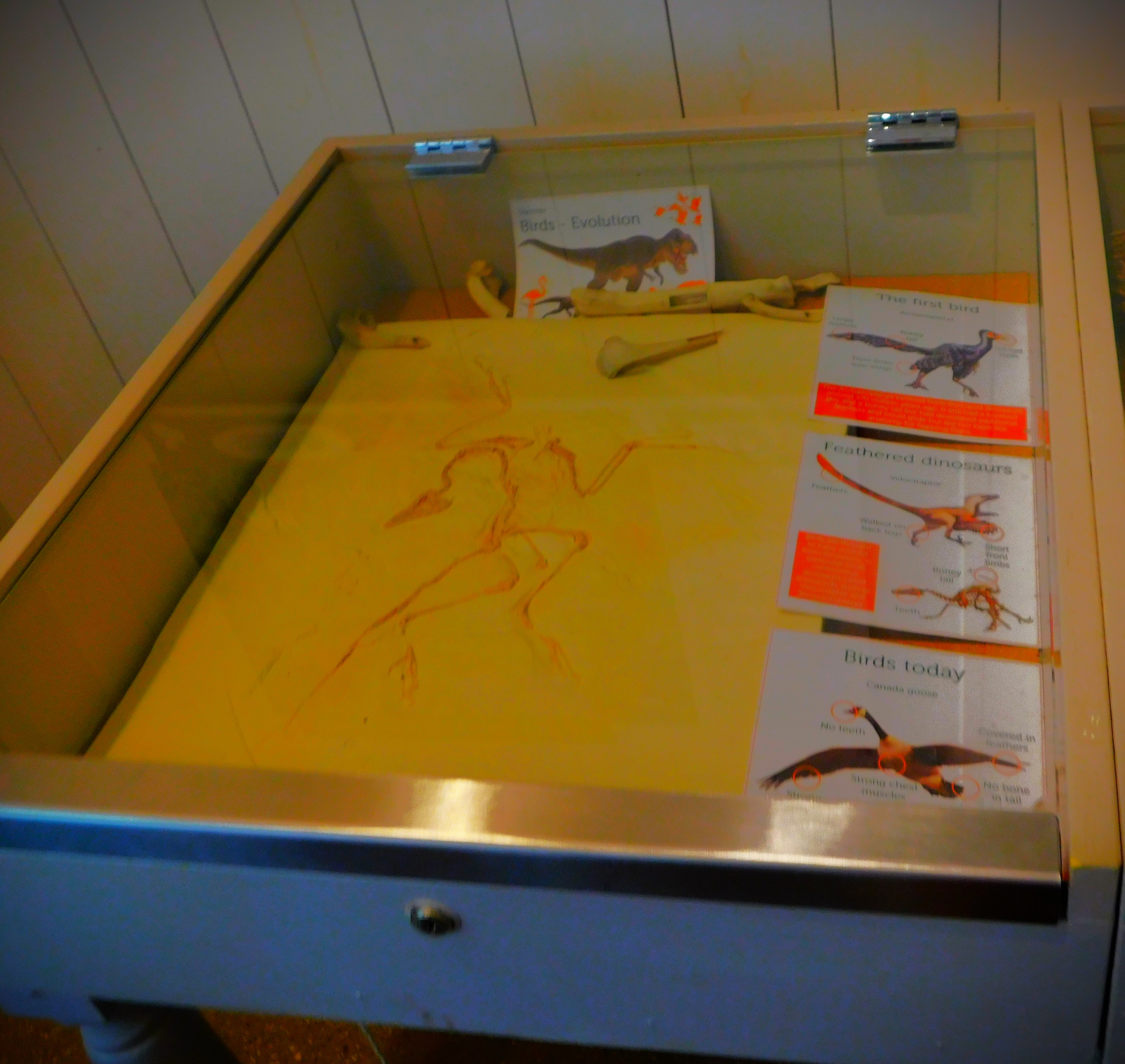
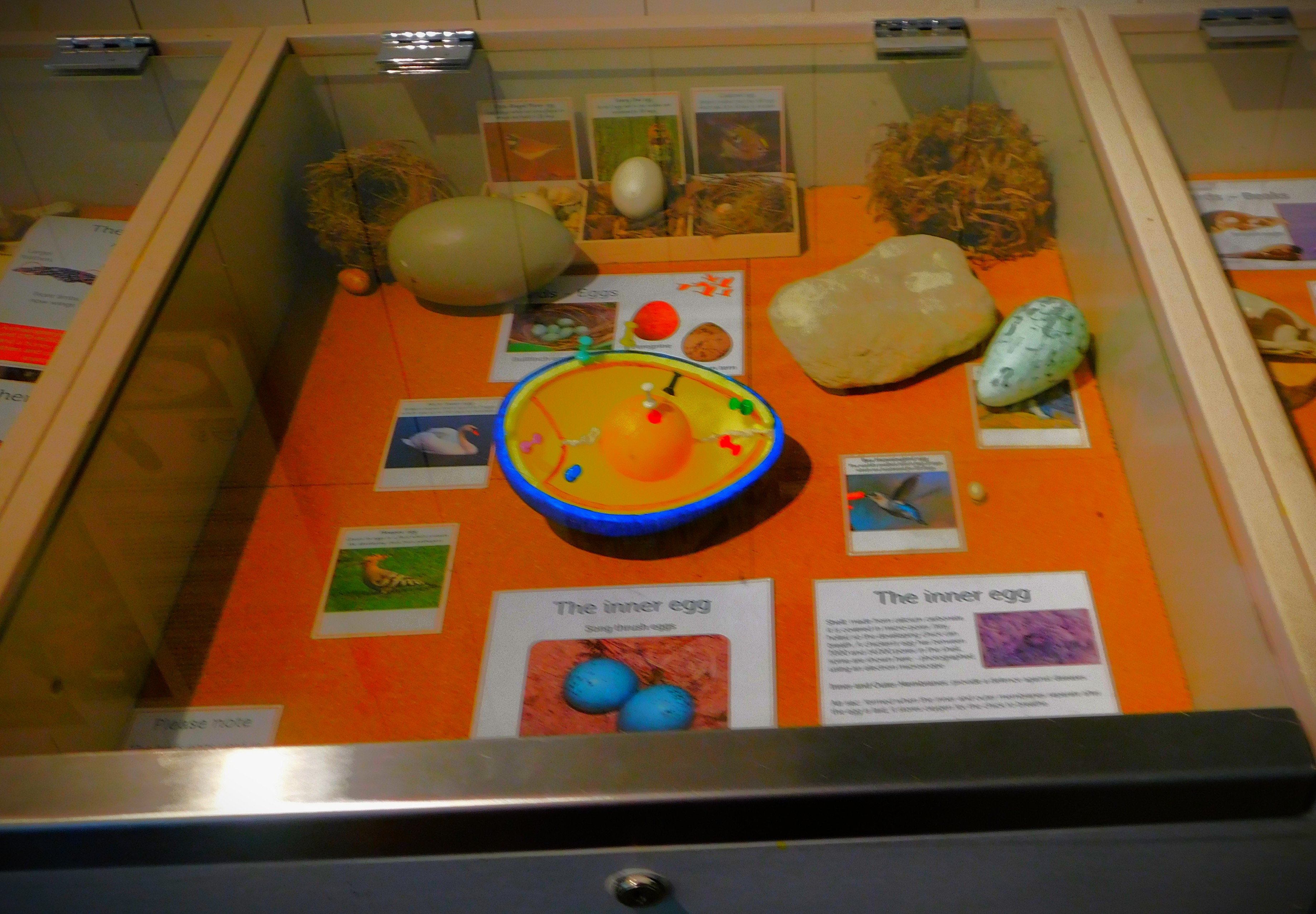
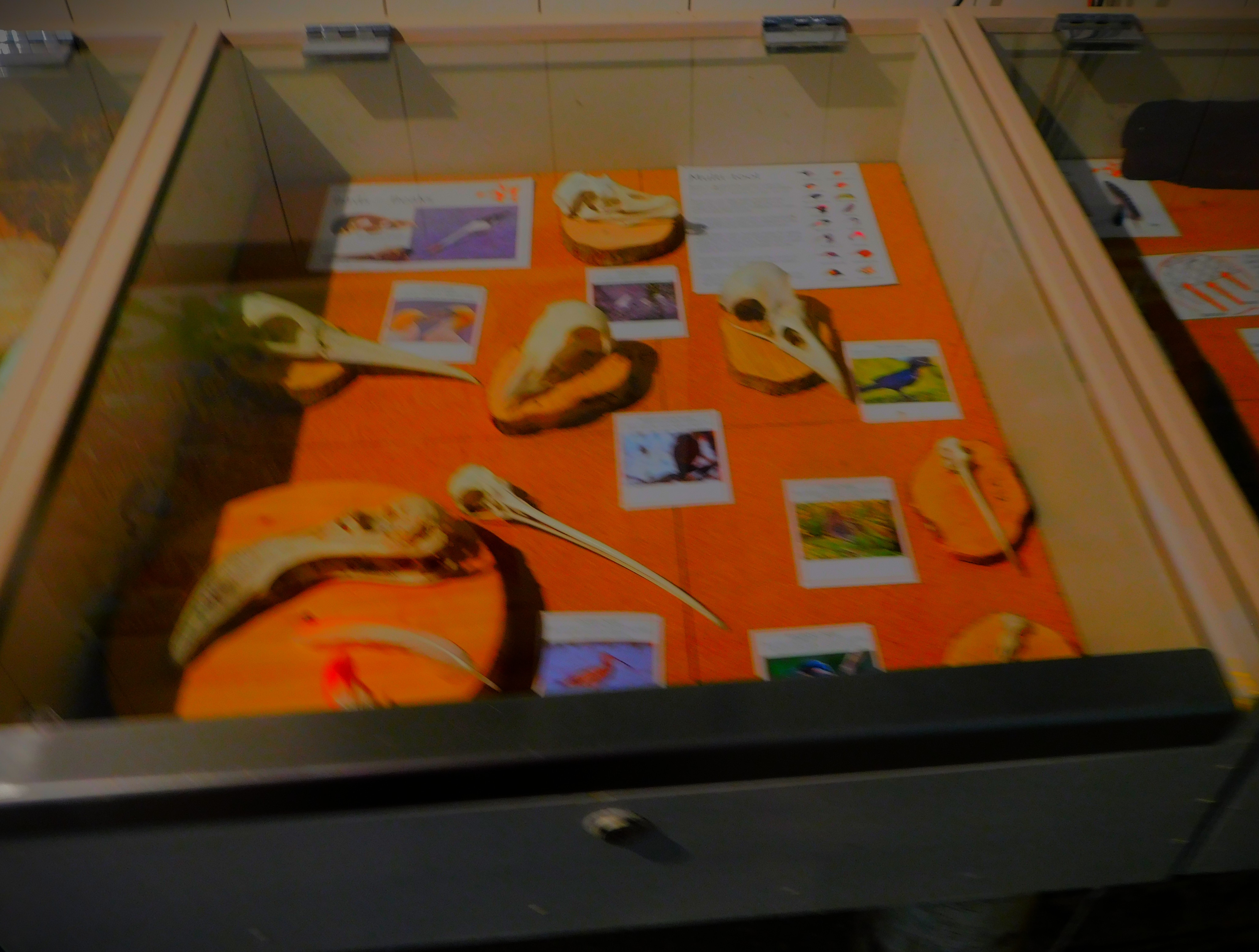
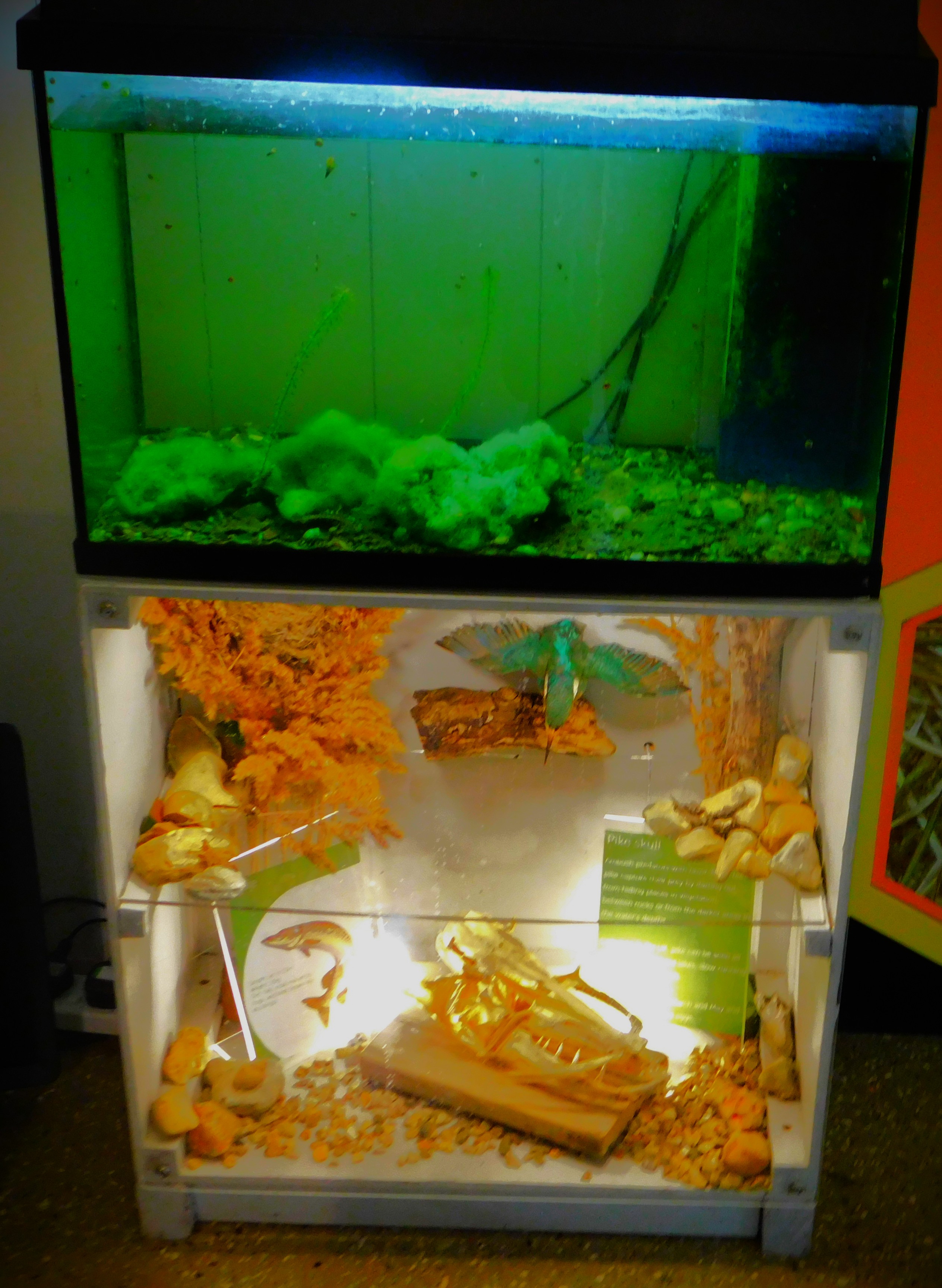
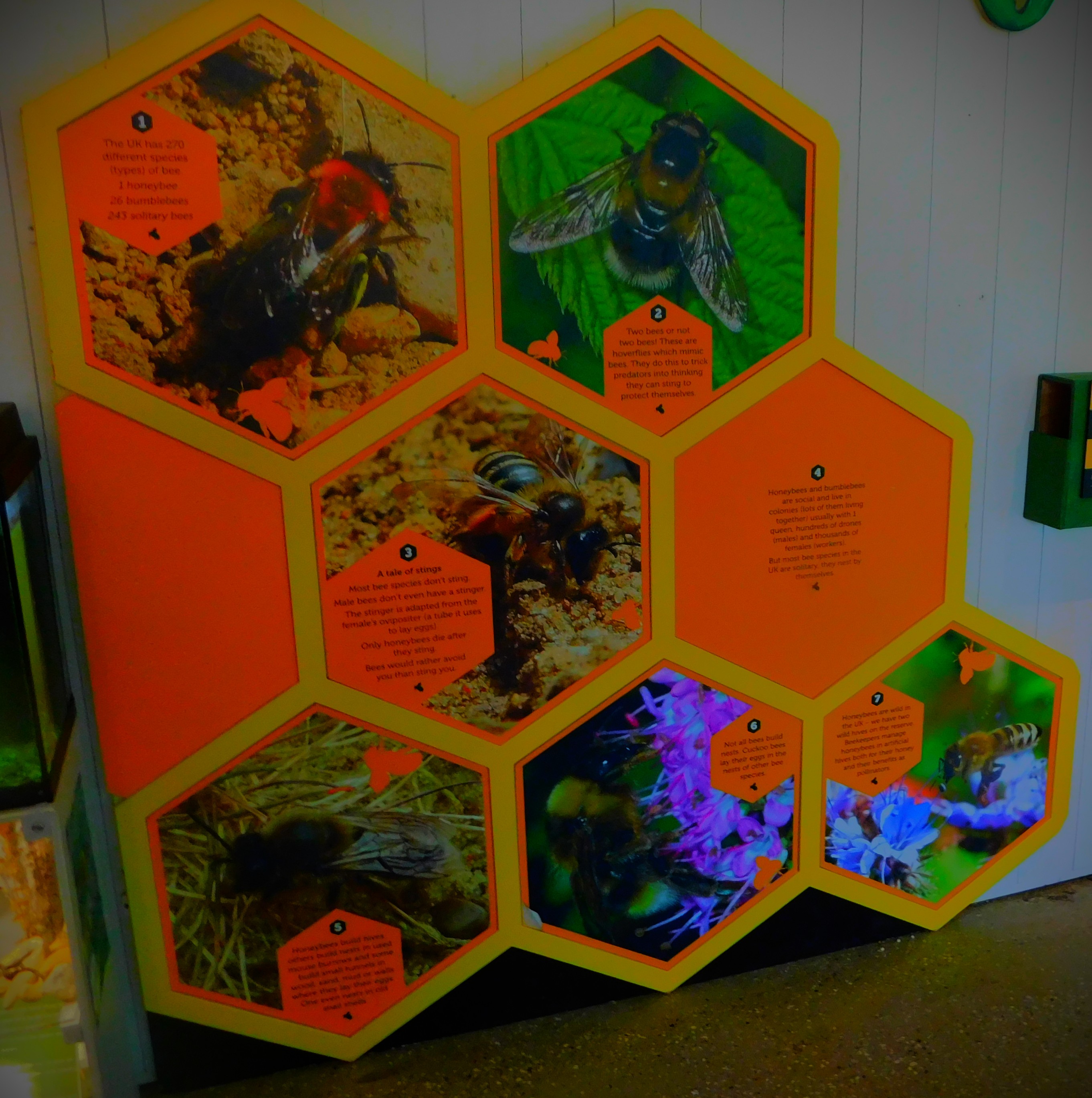
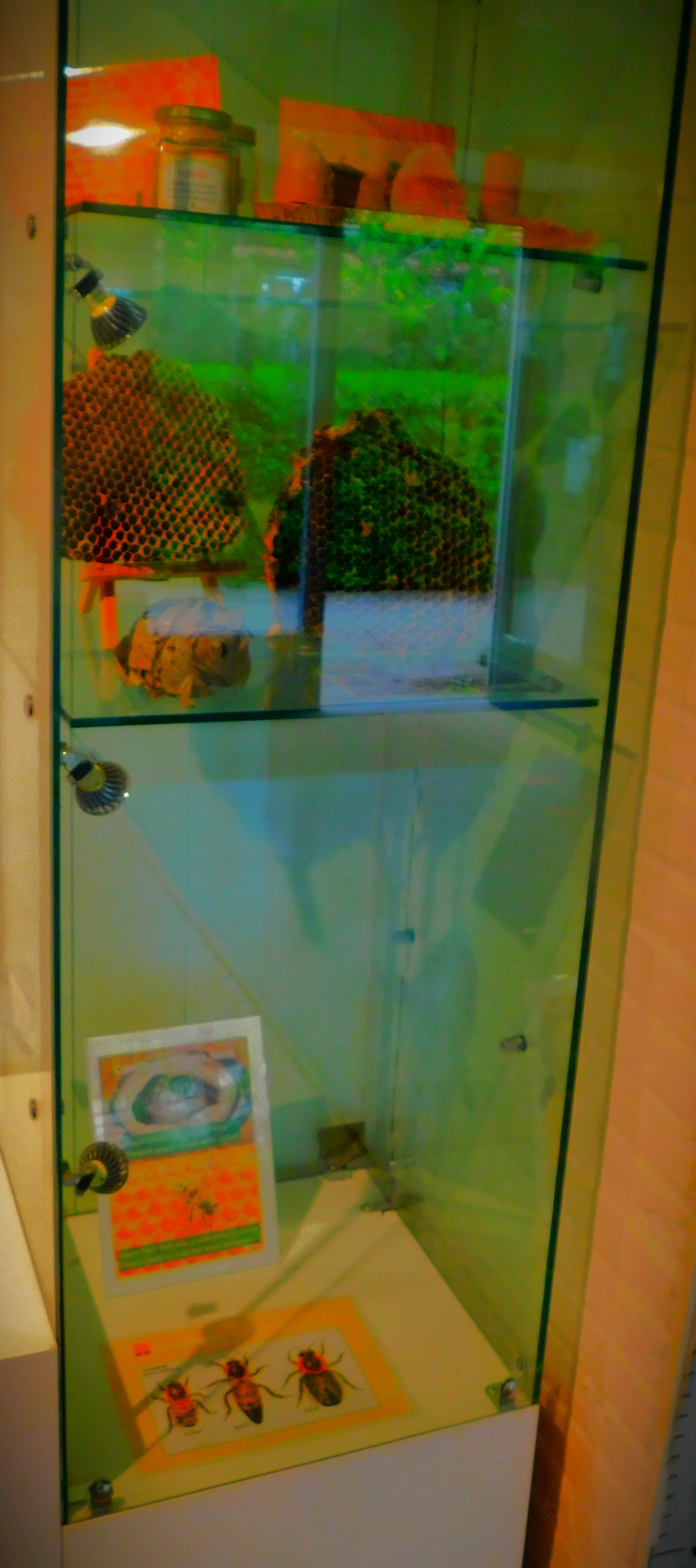
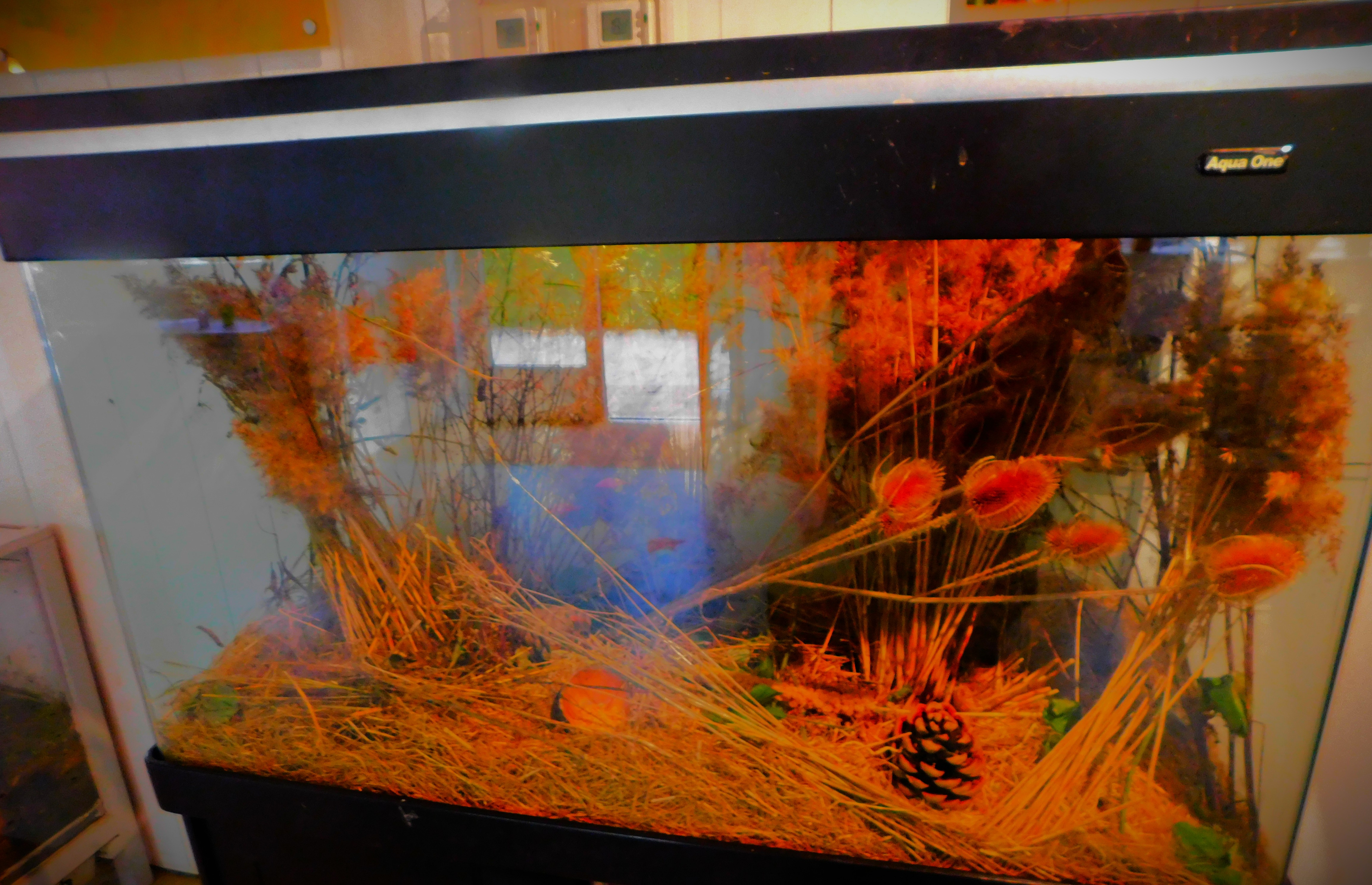
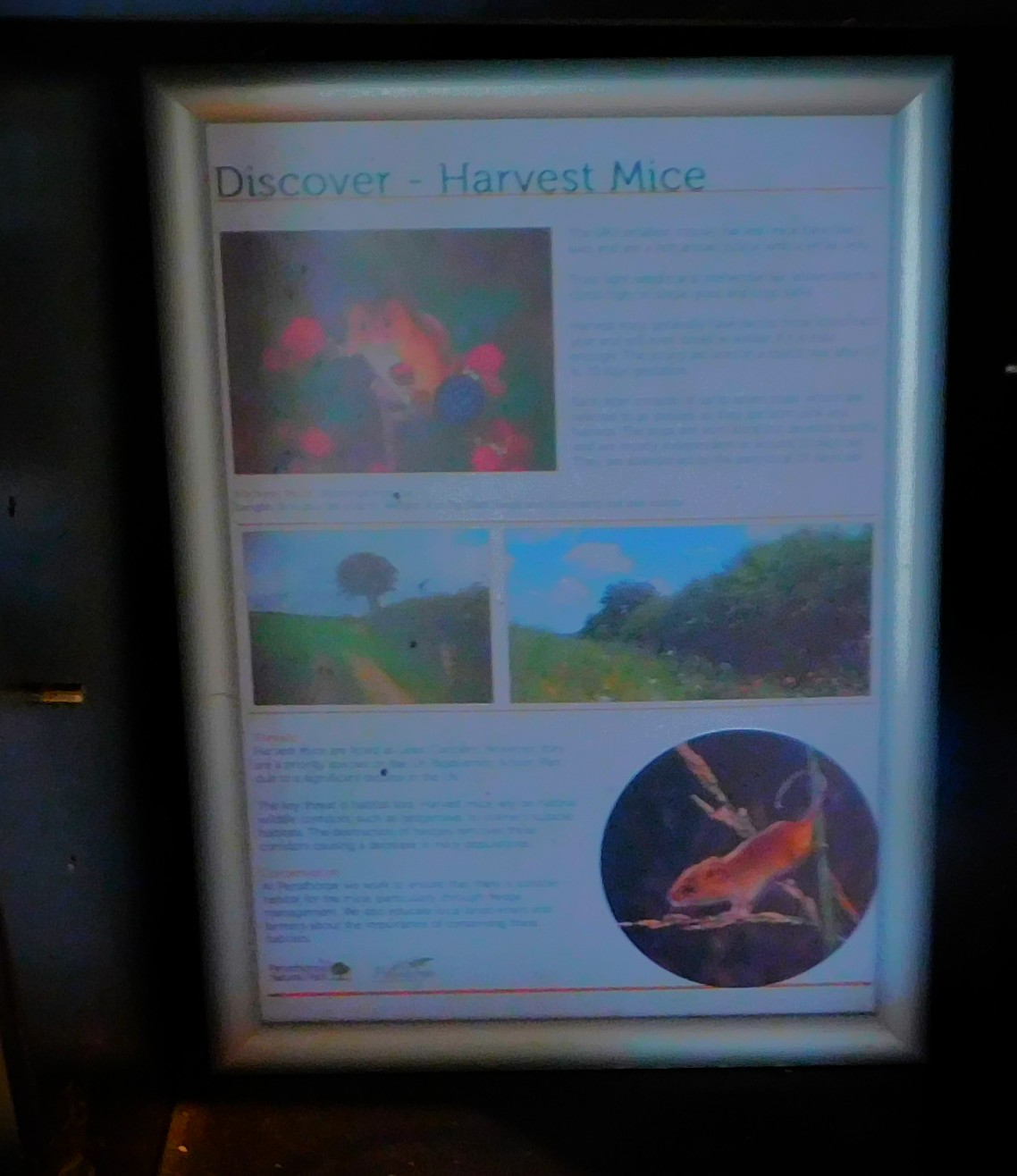
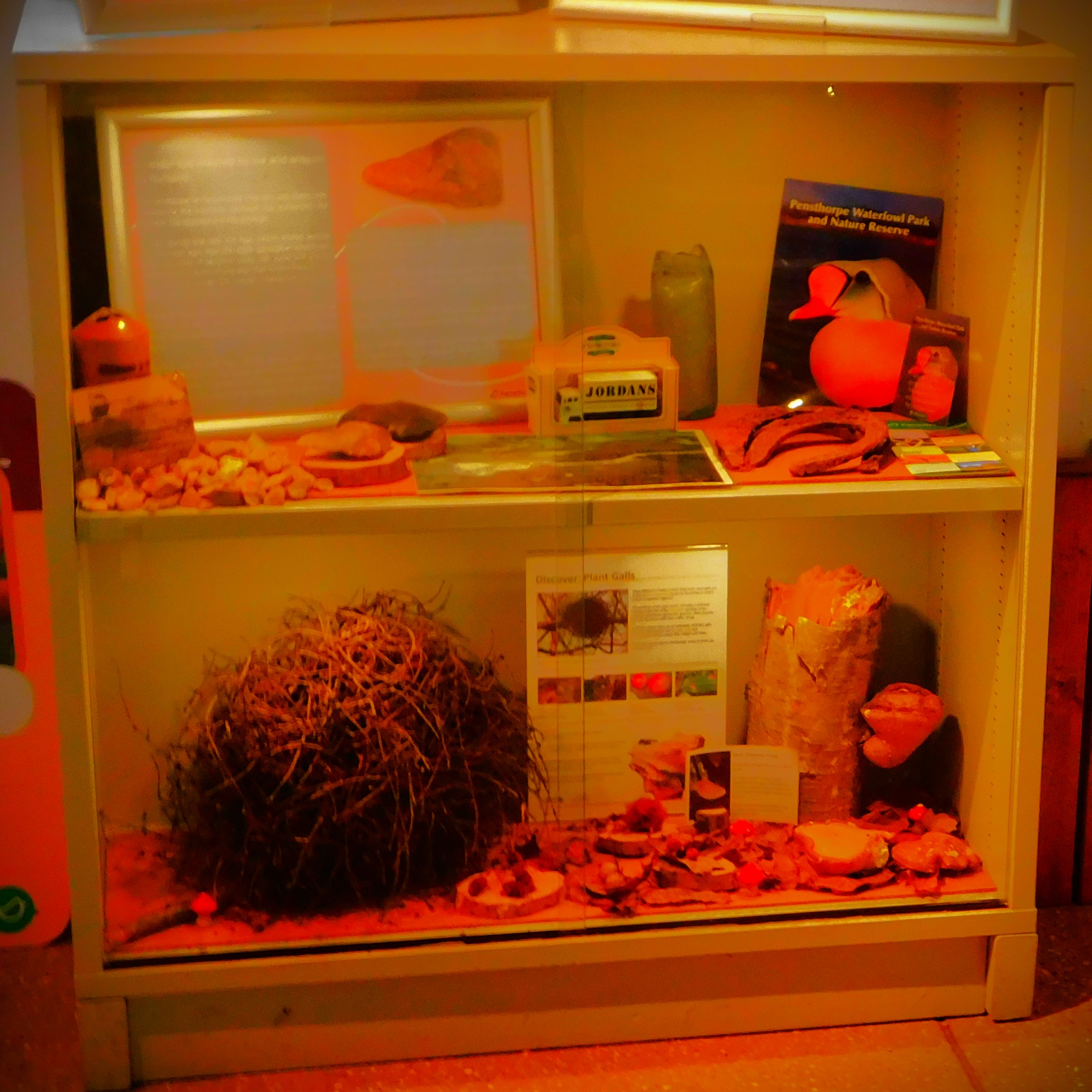
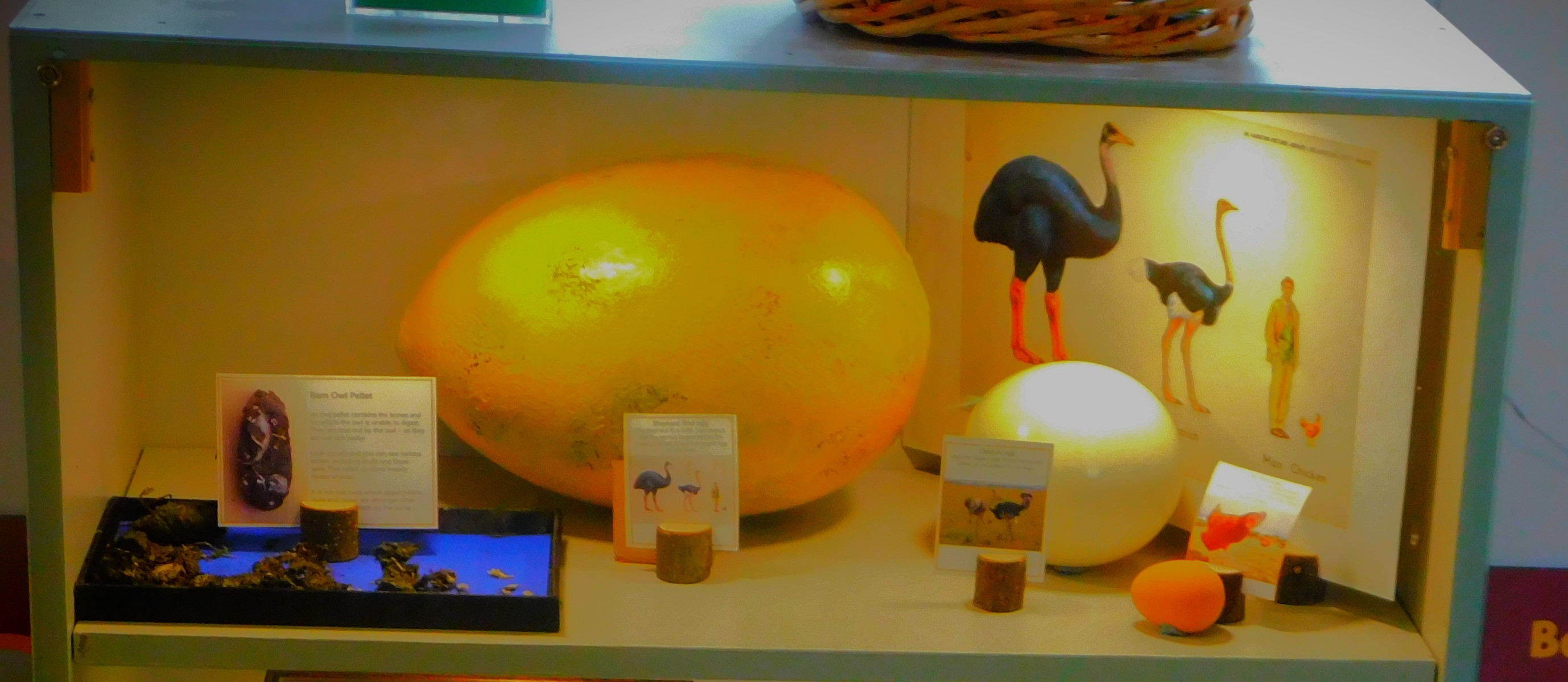
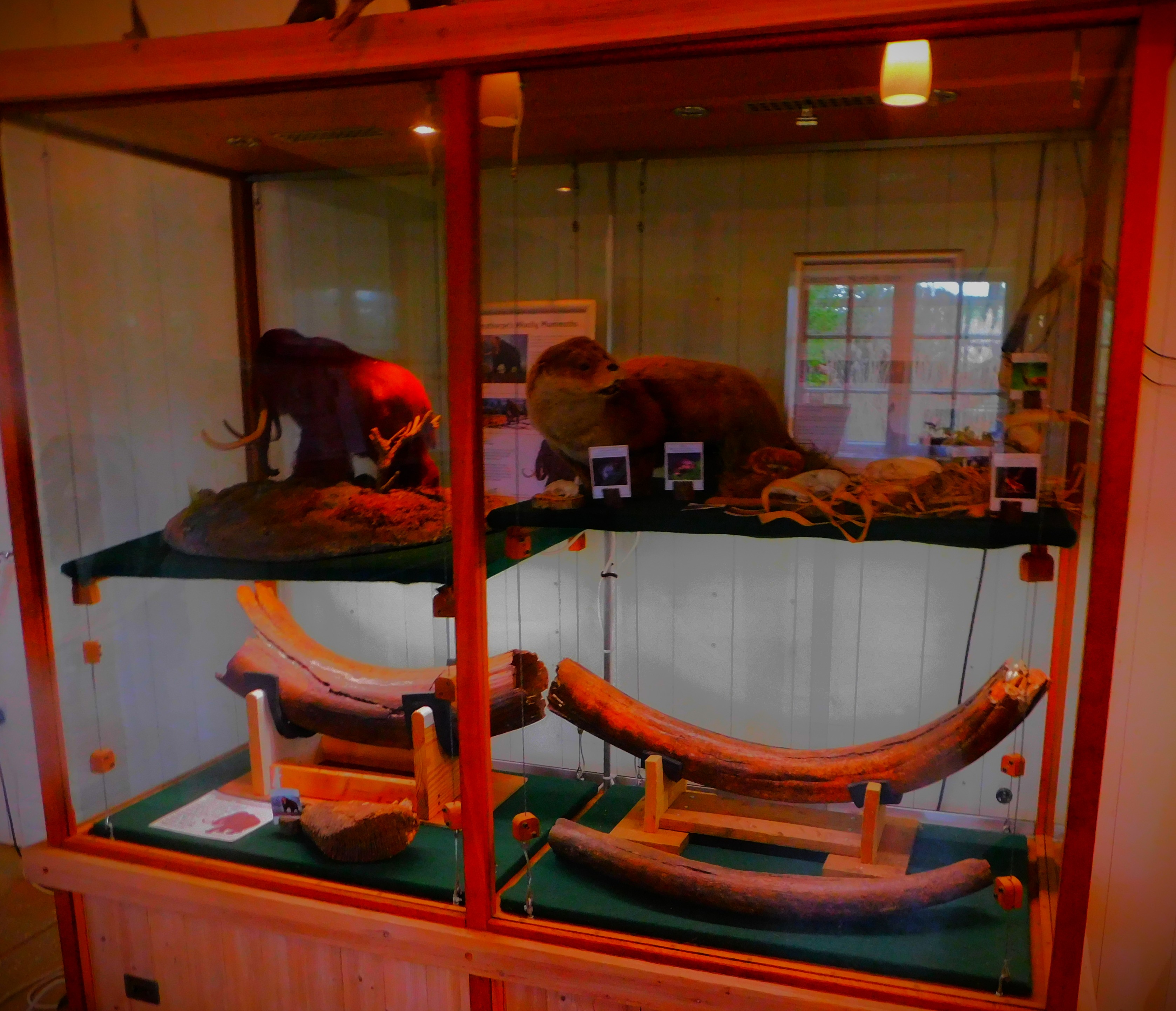
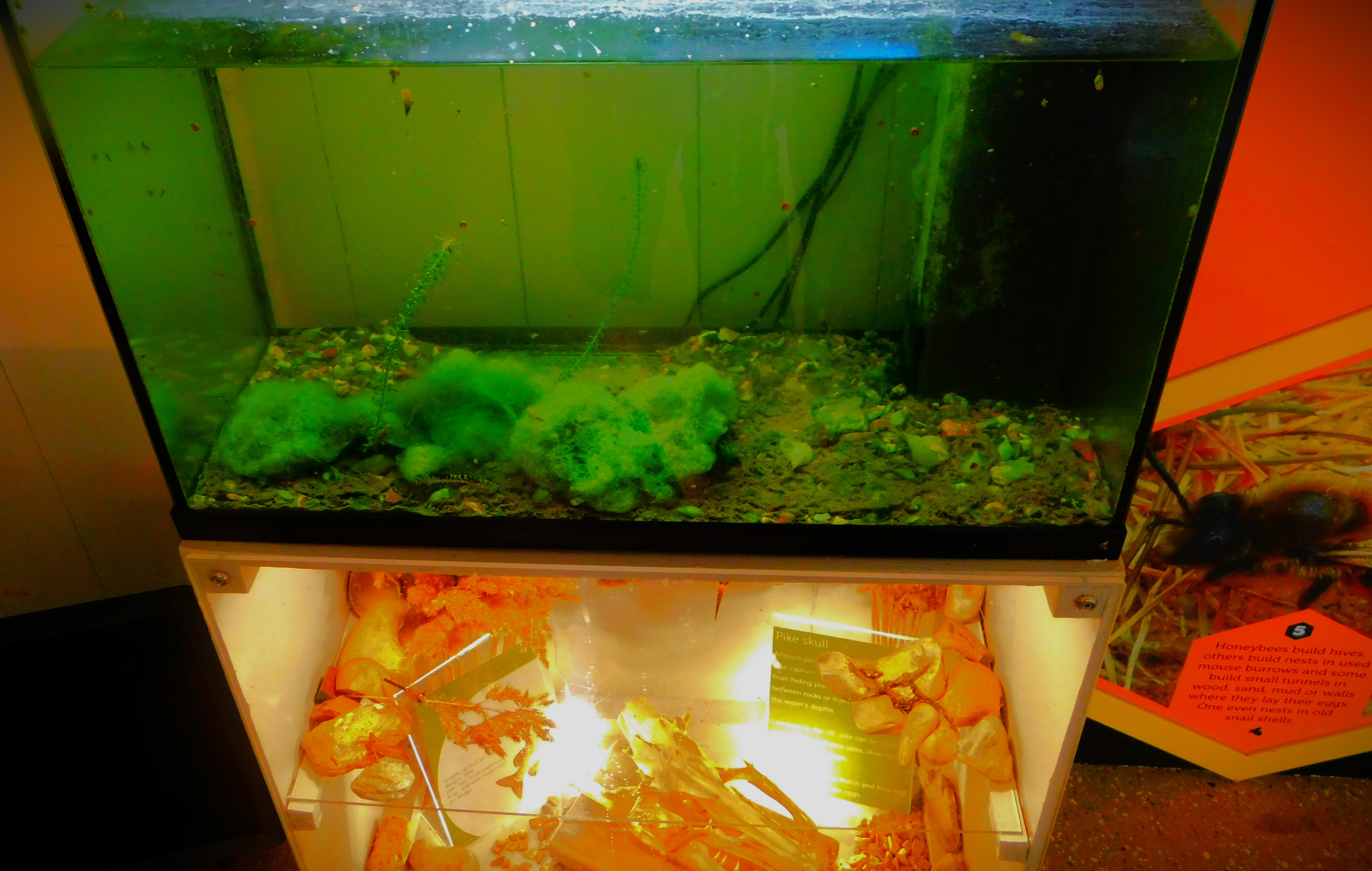
The Discovery Centre at Pensthorpe is a small museum featuring exhibits about the natural history and evolution of birds, stuff about bees, stuff about the area through the ages, and a couple of mini-habitats – a fish tank and specially created habitat tank for harvest mice (as well as being tiny – an adult harvest mouse weighs 4-6 grammes – these creatures are exceedingly shy, and they did not show themselves while I was in there). Though I would recommend visiting it at least once when at Pensthorpe there is no need fit such a visit into any kind of plan for exploring the site – it is located close to the main entrance and can be fitted in any time you fancy.
OUT AND ABOUT AT PENSTHORPE
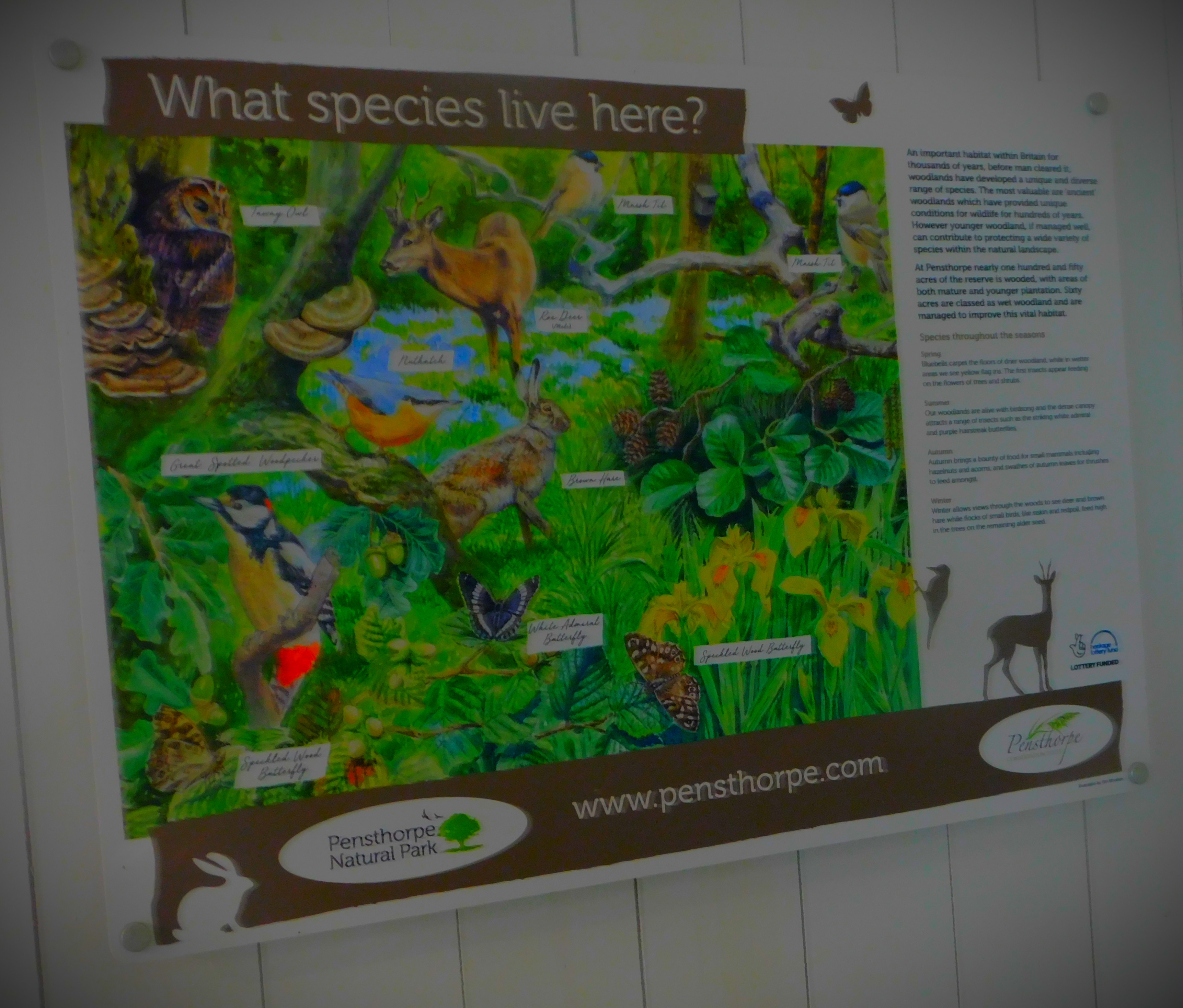
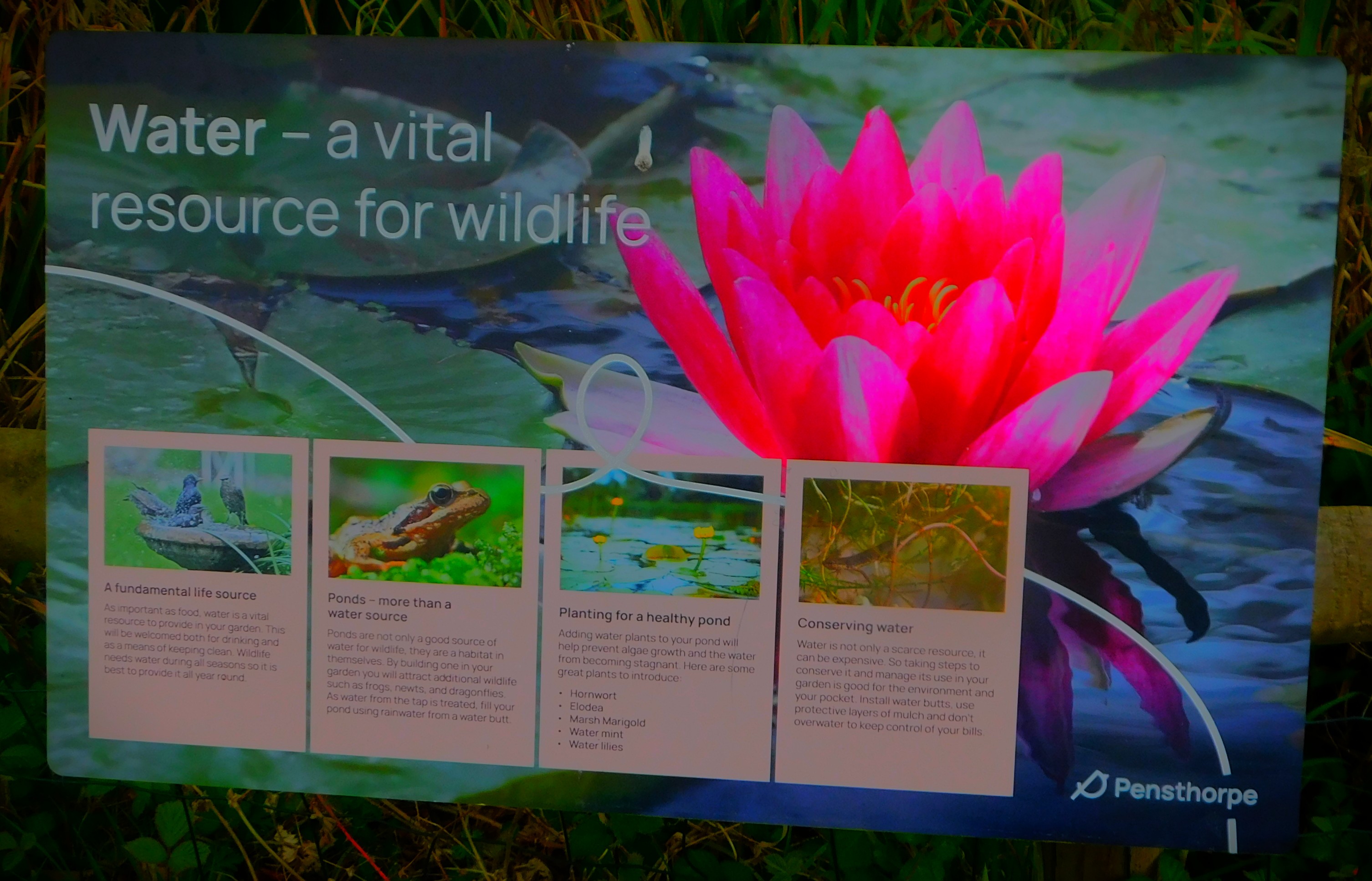
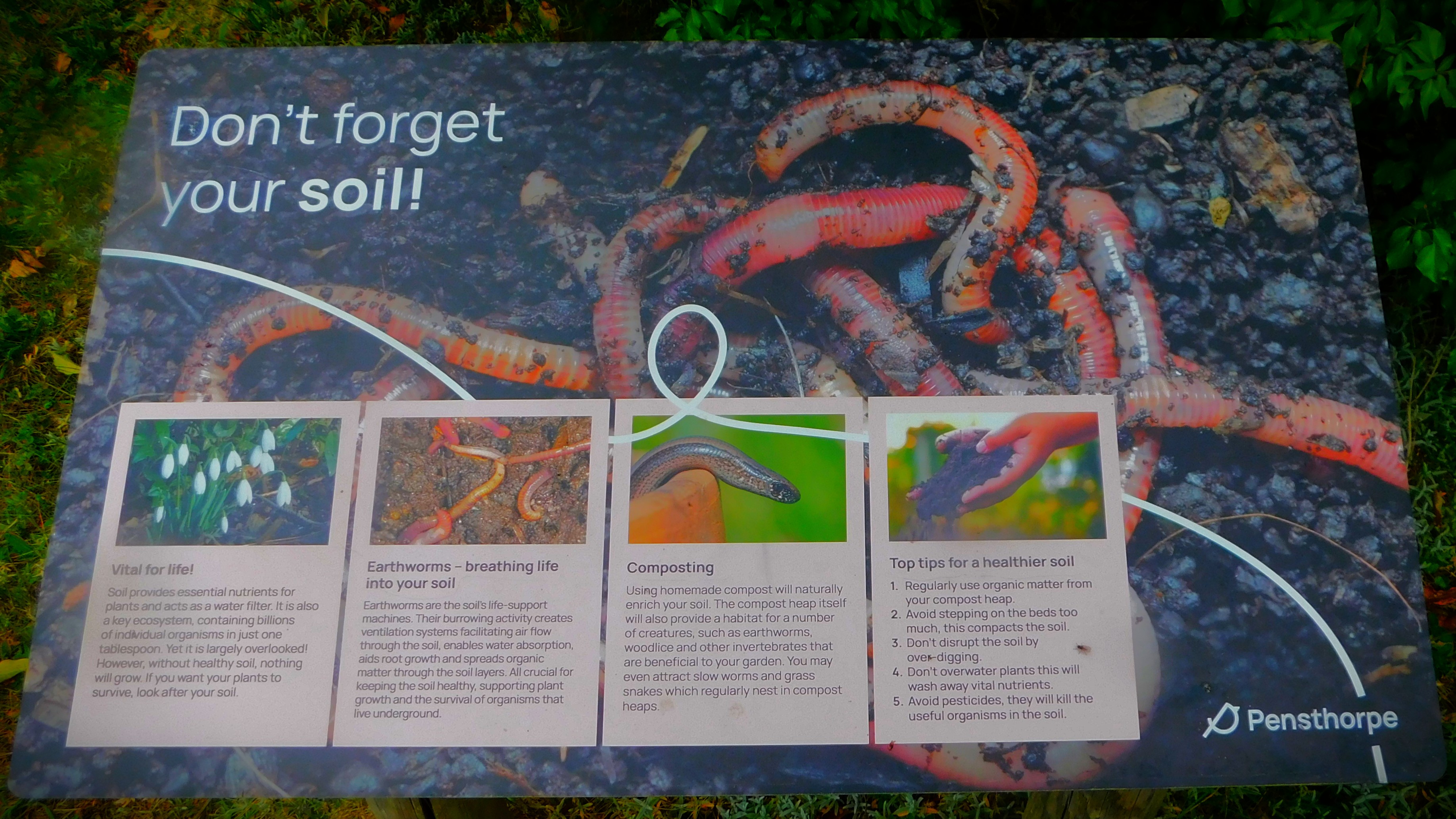
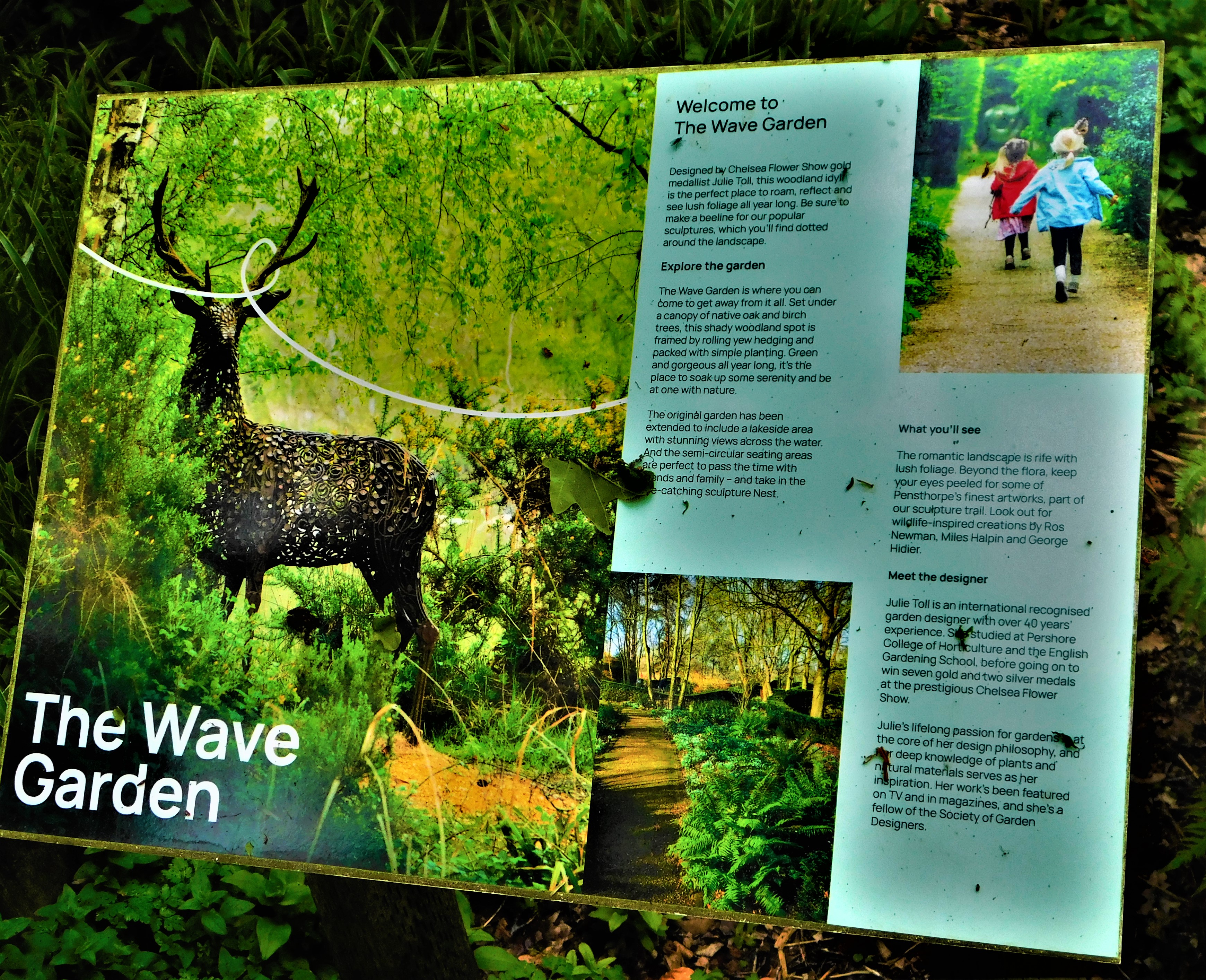
As well as the specific locations of interest there is an enormous amount to be seen just walking around the site – huge numbers of water birds of a wide variety, sculptures, art works of various kinds, a great variety of habitats, and lots of information boards all of which merit attention.
PHOTOGRAPHS
This the second half of the general photo gallery…
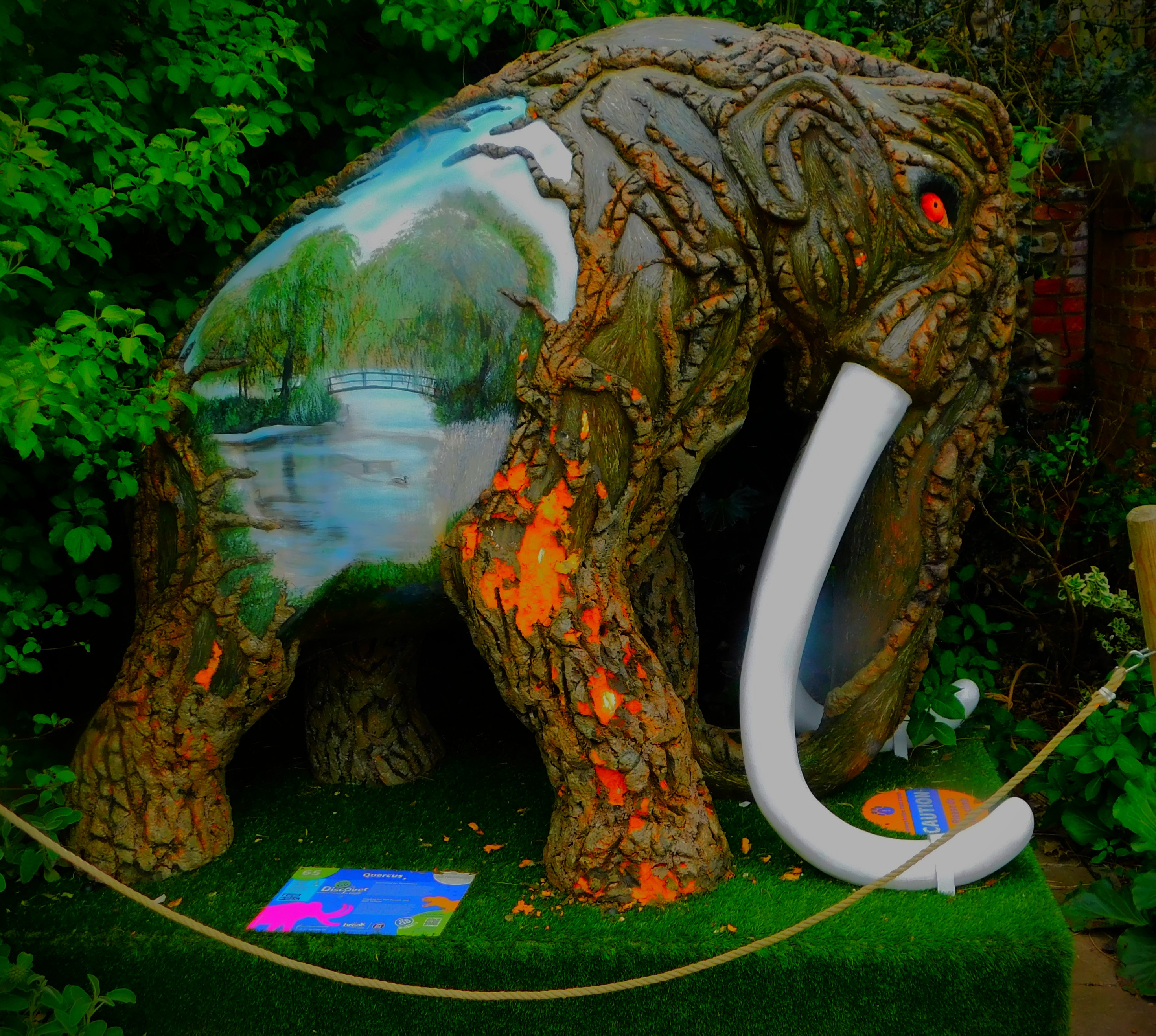
This is at the entrance/ exit of Pensthorpe. Mammoth bones have been found in the course excavations in this part of the world – 10,500 years ago or thereabouts this was at the southern edge of a vast ice sheet, and beyond the ice sheet would have been tundra, where the mammoths would have roamed.
An account of walk in my parents local area, complete with photo gallery.
On Tuesday we did a walk in my parents local area. This post describes my particular walk (all of us did somewhat different things).
THE CONSTRAINTS
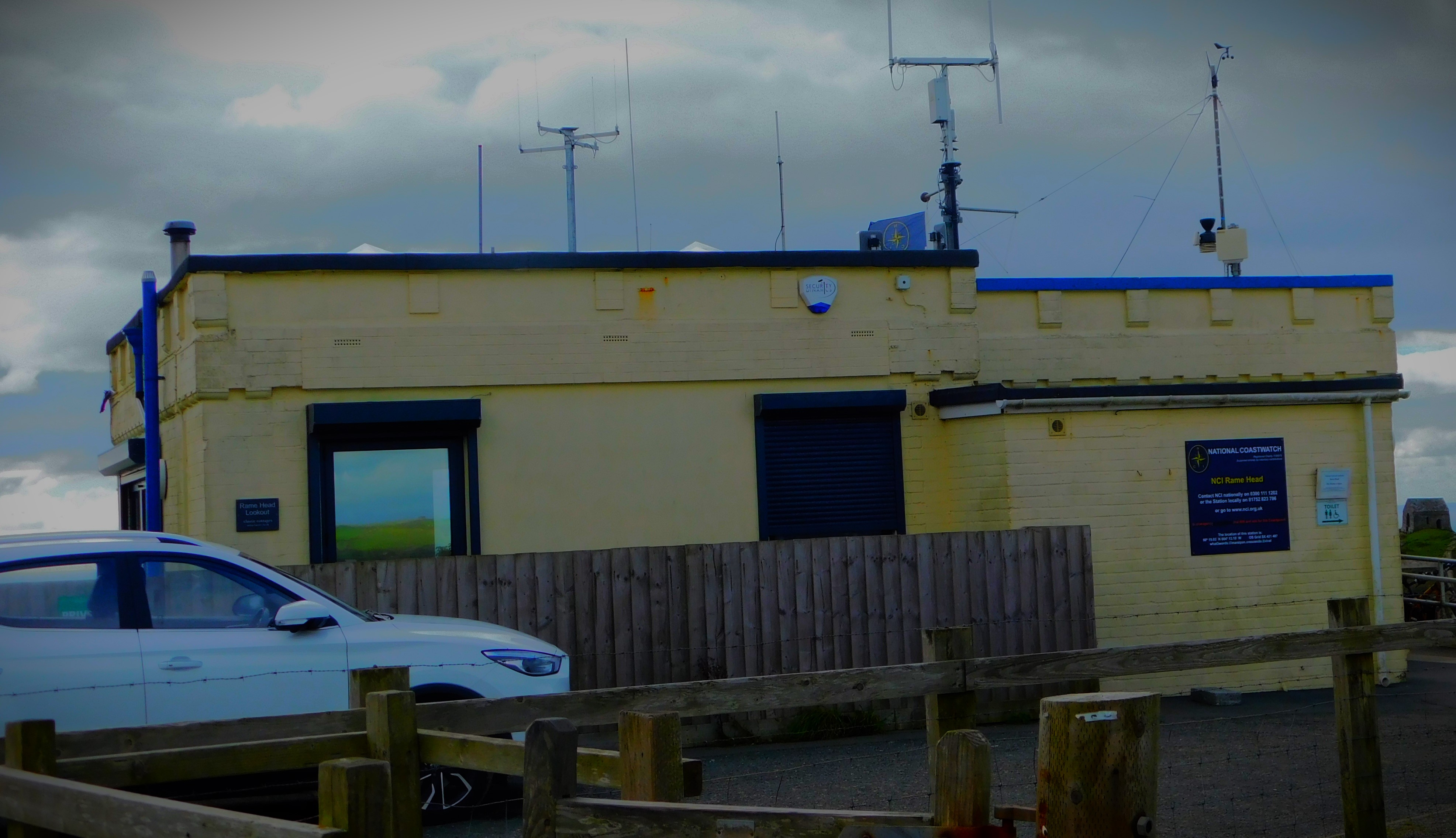
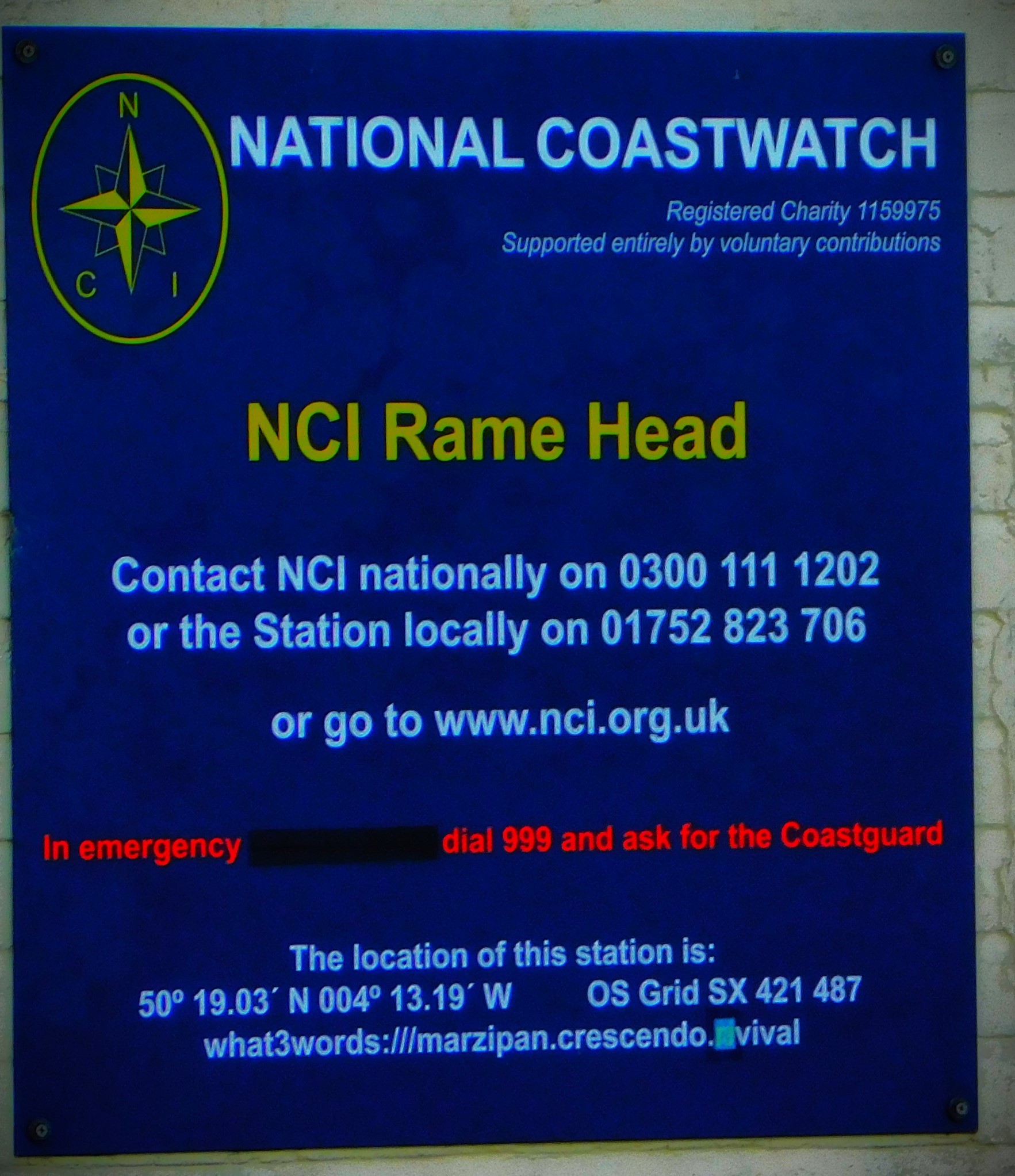
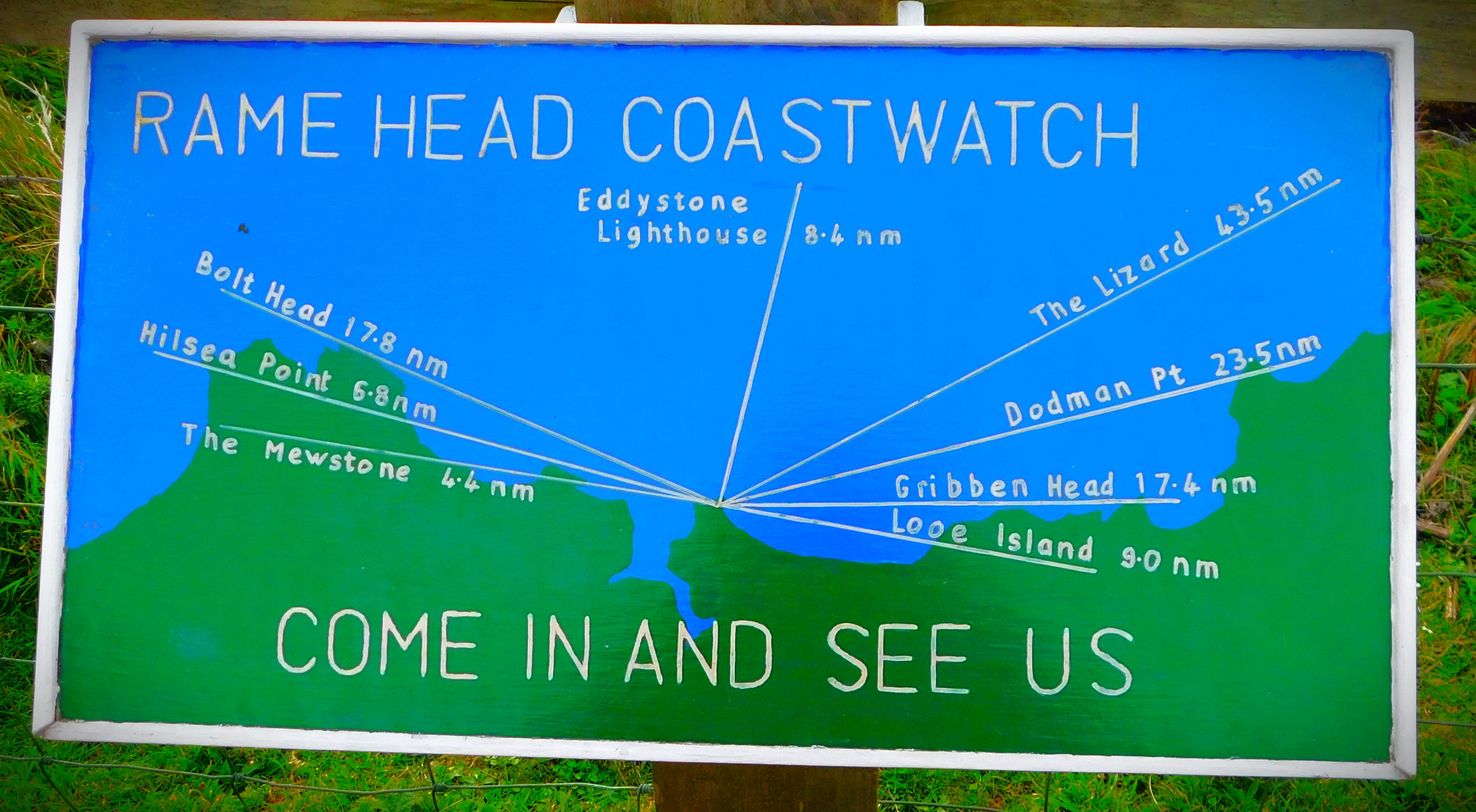
In order to fit in around people’s limitations (time and otherwise) both cars were being used – my mother, my sister and I were travelling in one to Rame Head where our walk would begin, while my father took the other to a different parking spot and walked towards us, meeting us part way through our walk. We would walk together to the second parking spot, my father would give my mother a lift back to Rame Head so she could take the other car into Liskeard where she had an appointment, and would then drive back along the route the my sister and I would be walking to give us the possibility of a lift back to the fort. He overtook just on the far side of the twin villages of Kingsand and Cawsand from the fort, my sister chose to take the lift back, while I opted to stay walking.
THE WALK
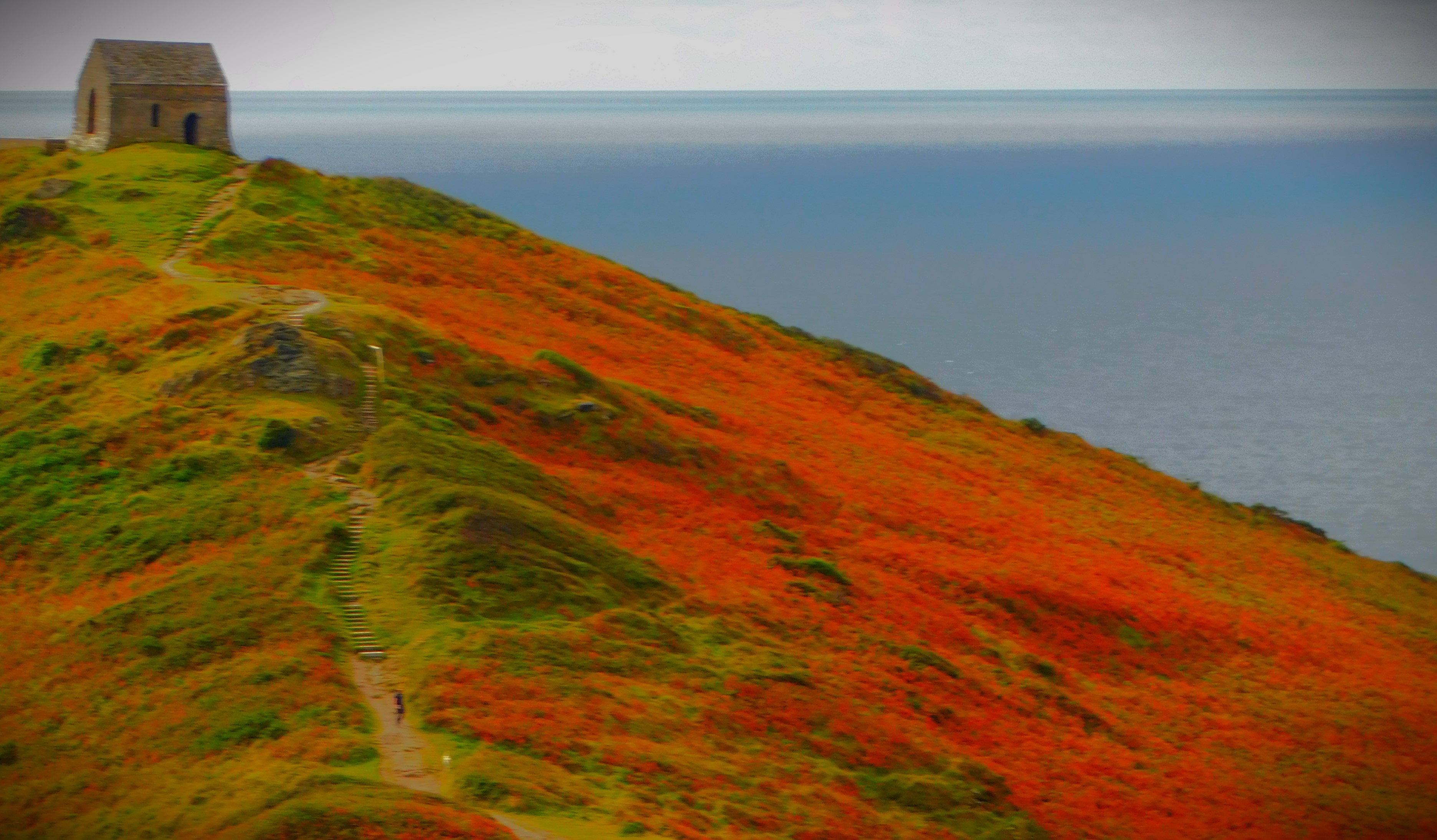
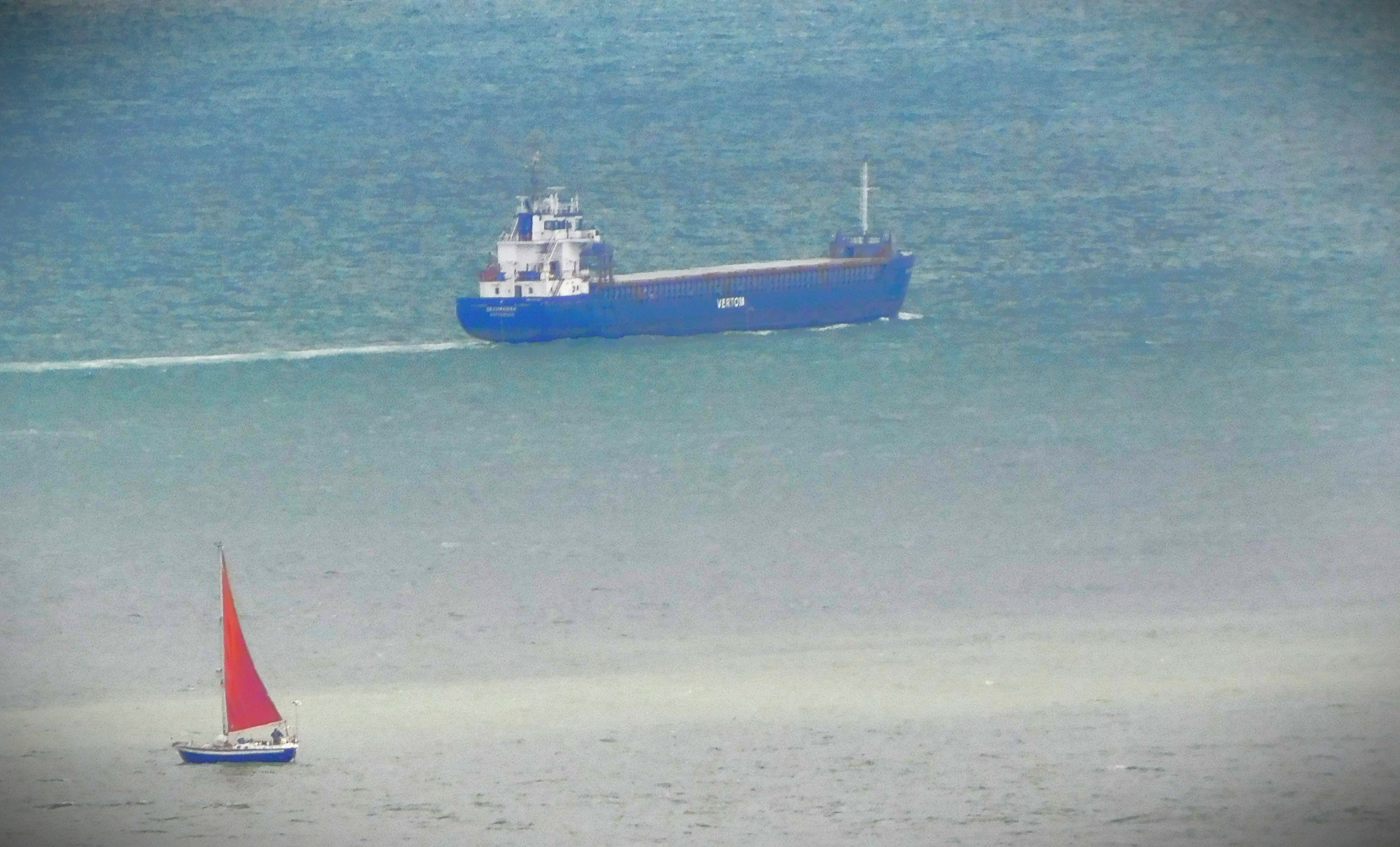
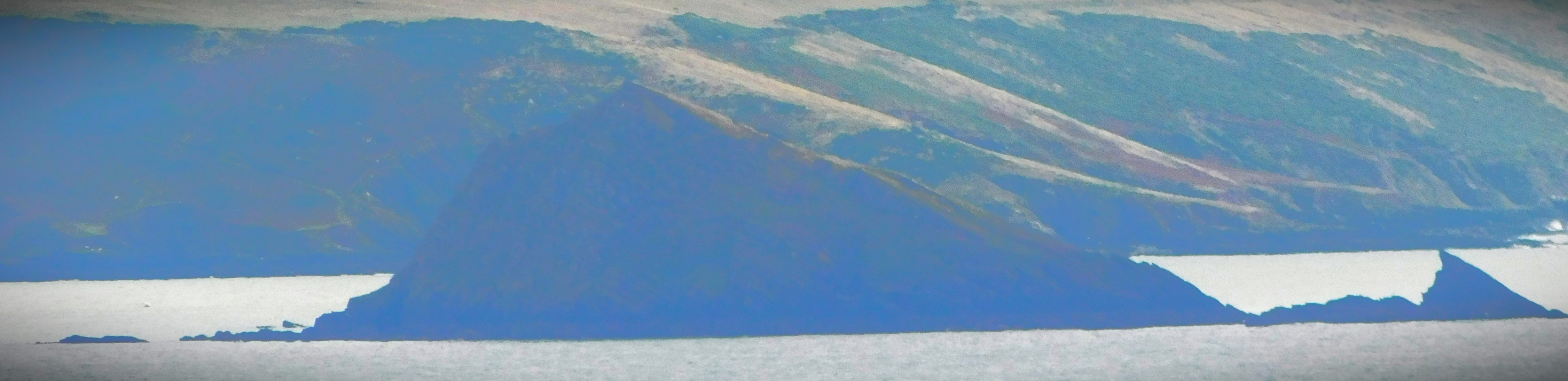
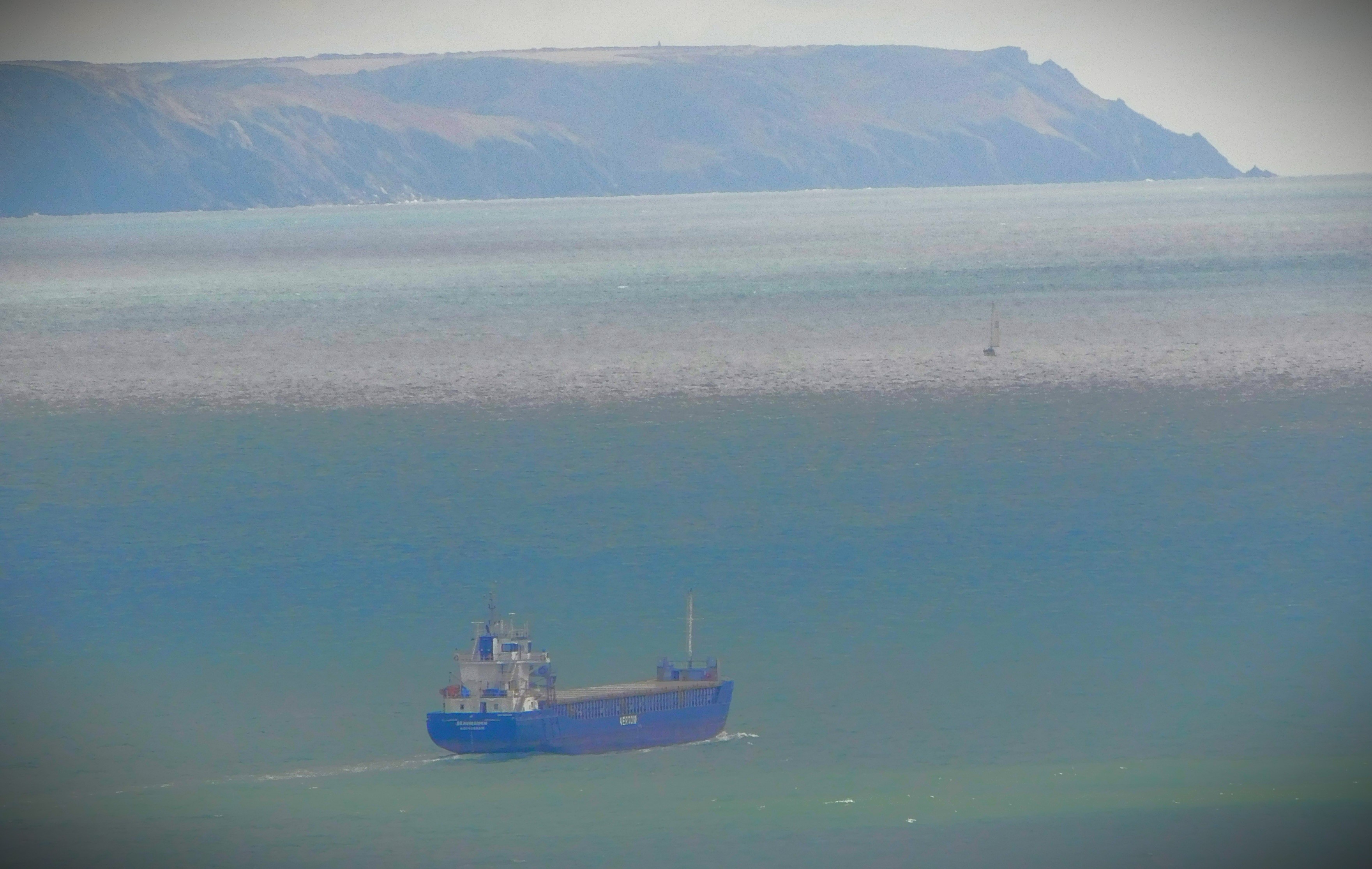
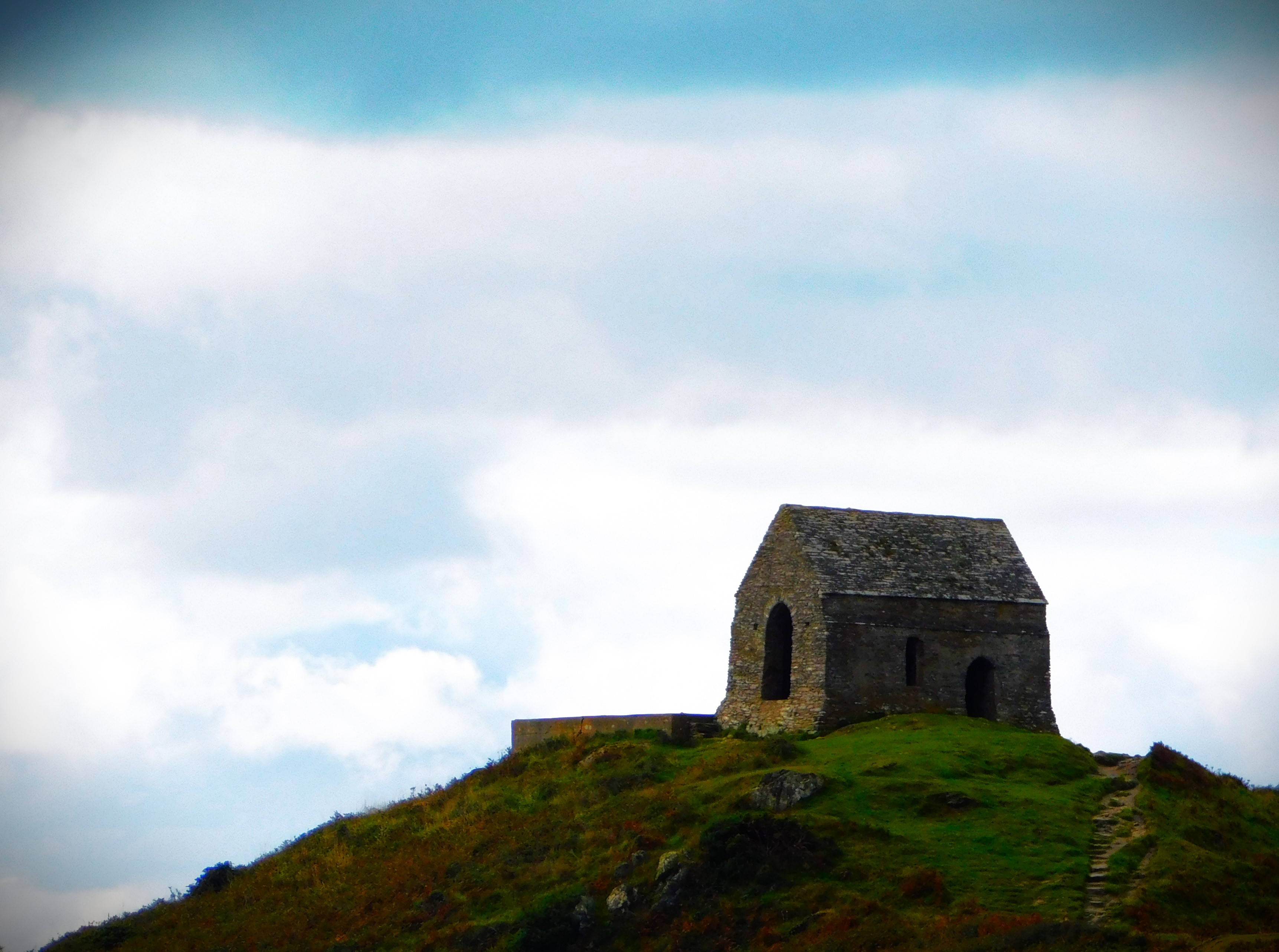
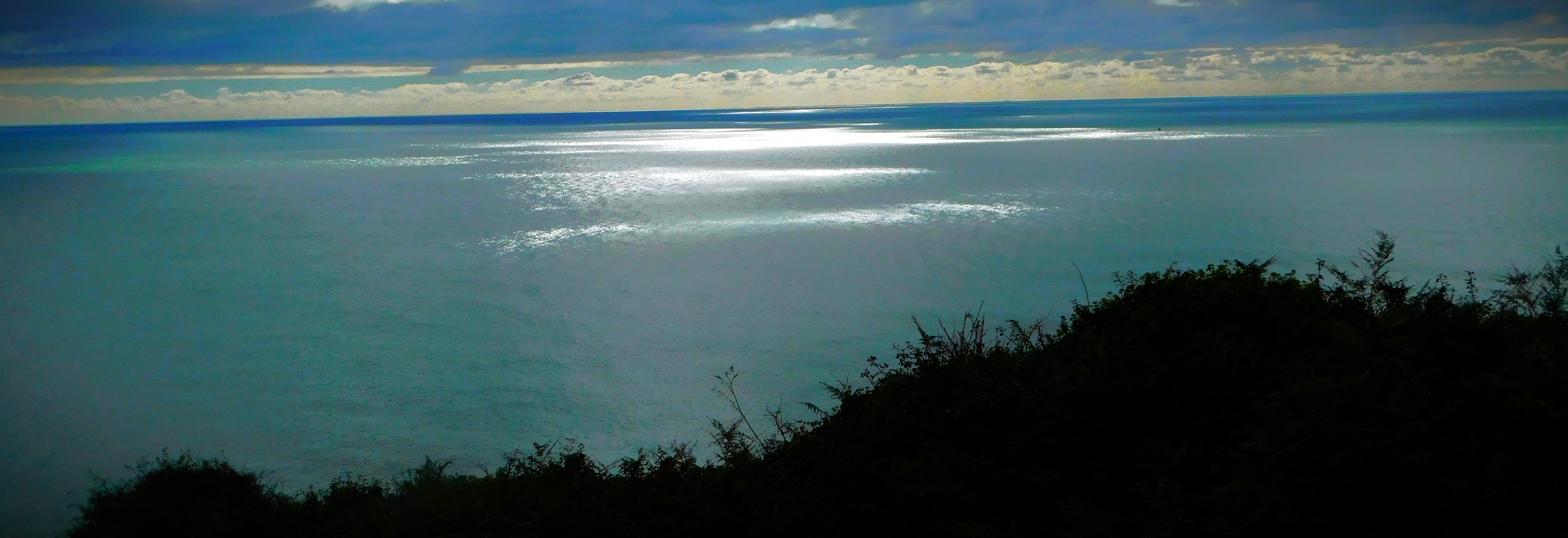
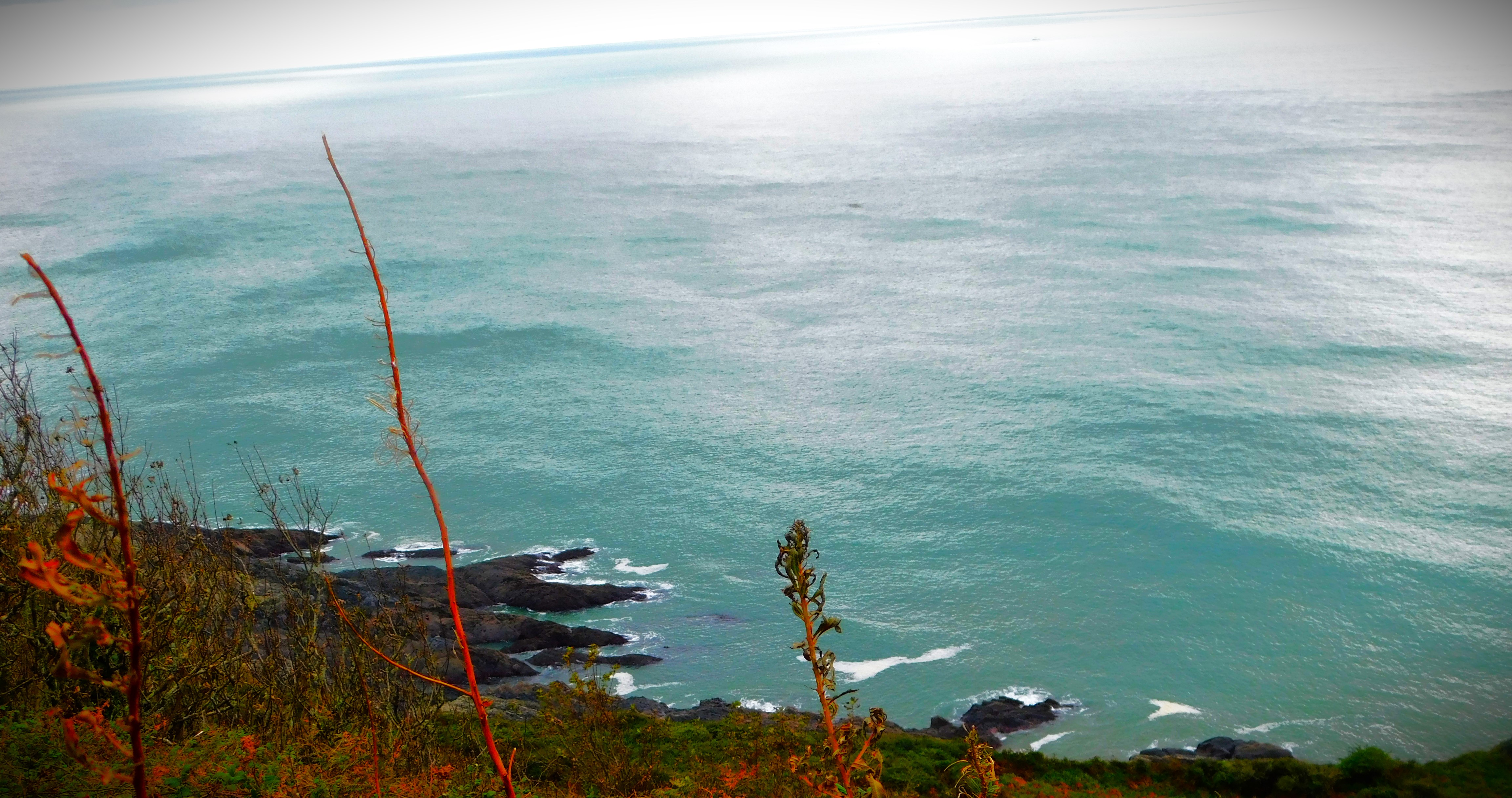
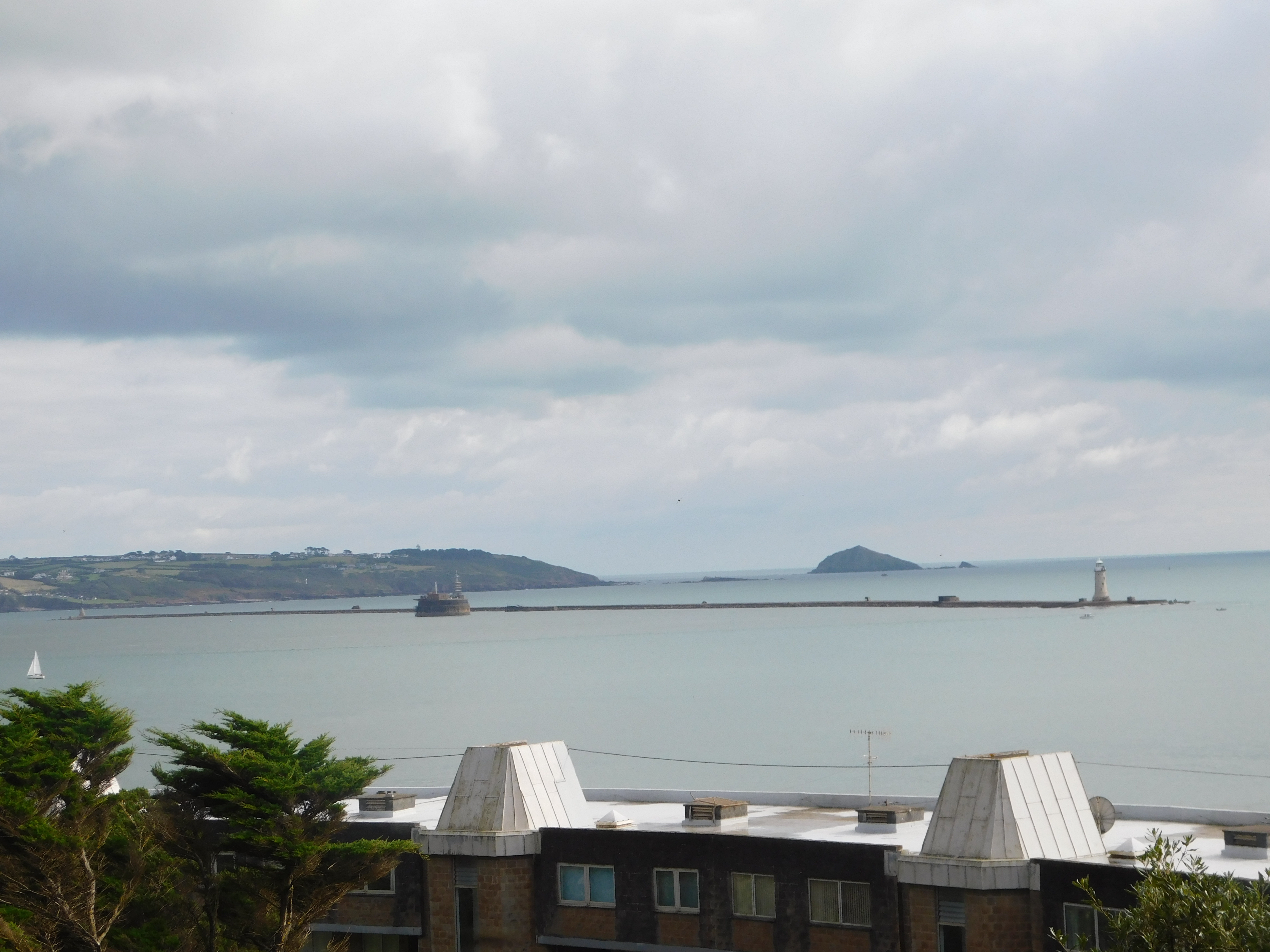
The path from Rame Head is extremely scenic, with some wonderful sea views. Out on Rame Head there was a wind blowing, but once away from the head the path was quite sheltered, and the temperature was fairly warm. The second stage of the walk, with my sister, was all road based, but there were one or two decent views along the way. The final stage, on my own, was road based until Kingsand, then on to a path through the Edgecumbe estate up the point at which that path intersects with the road above Fort Picklecombe. The path offers some fine views and was good for walking on.
PHOTOGRAPHS
Here are my pictures taken during the walk…
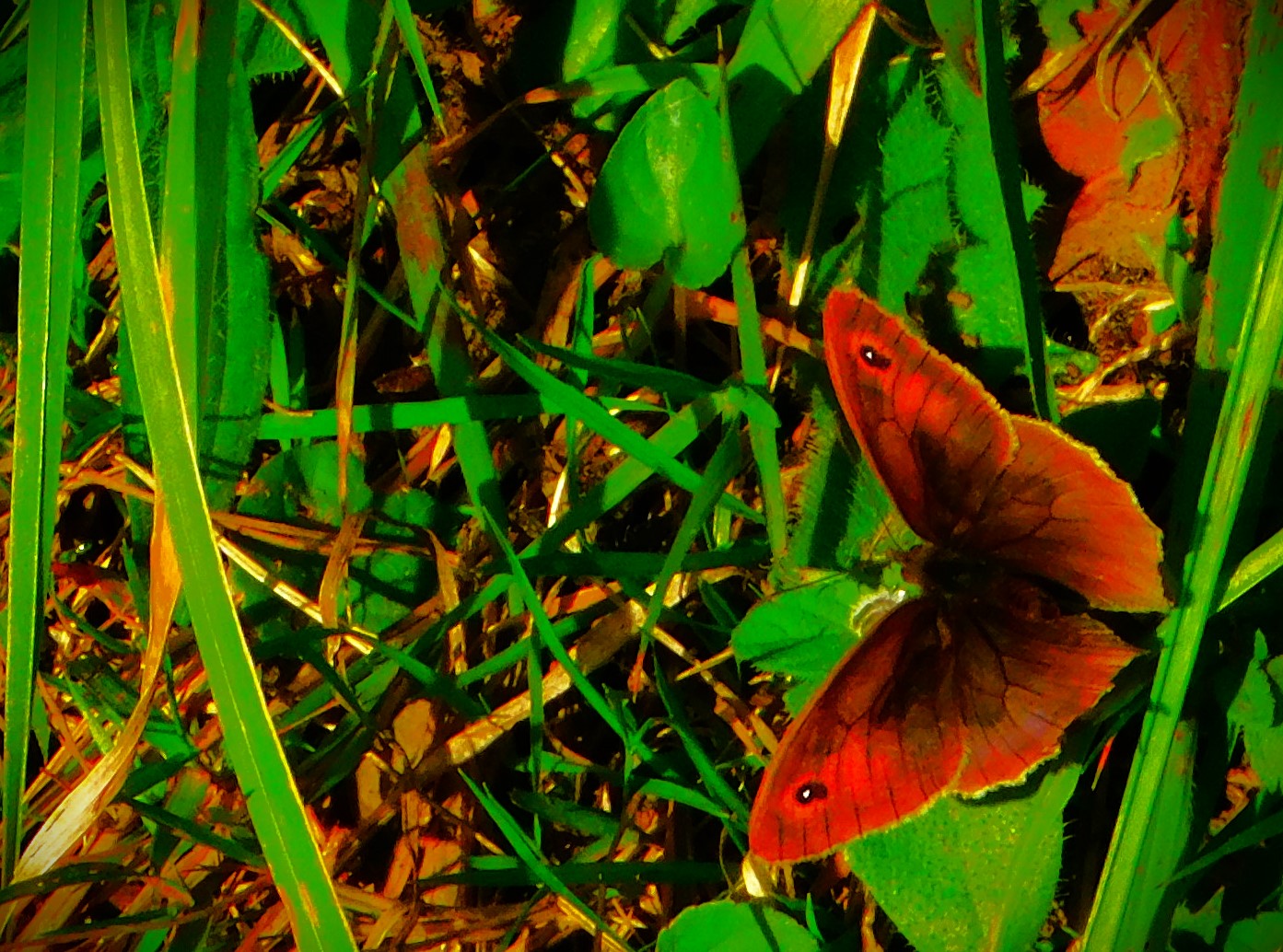
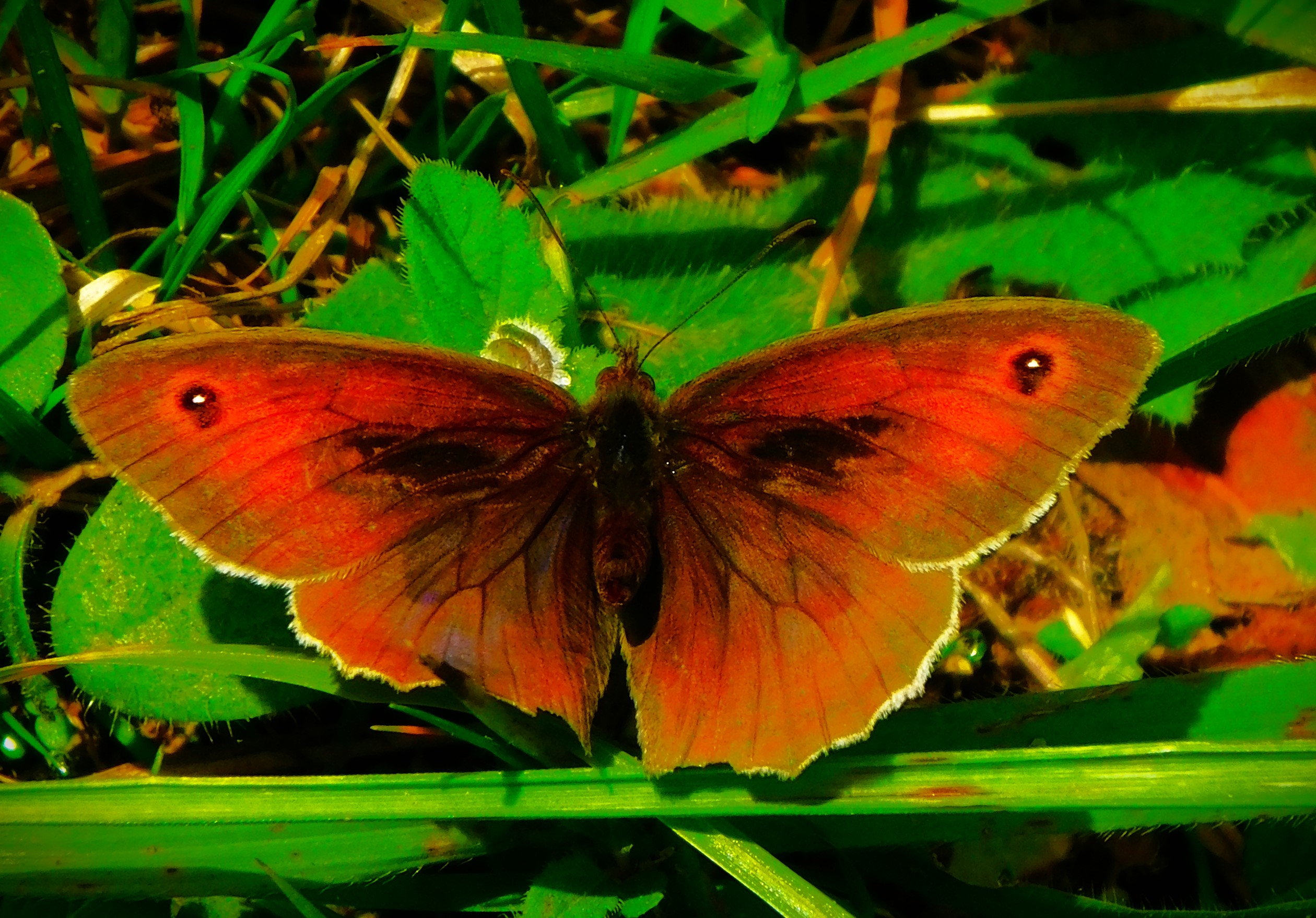
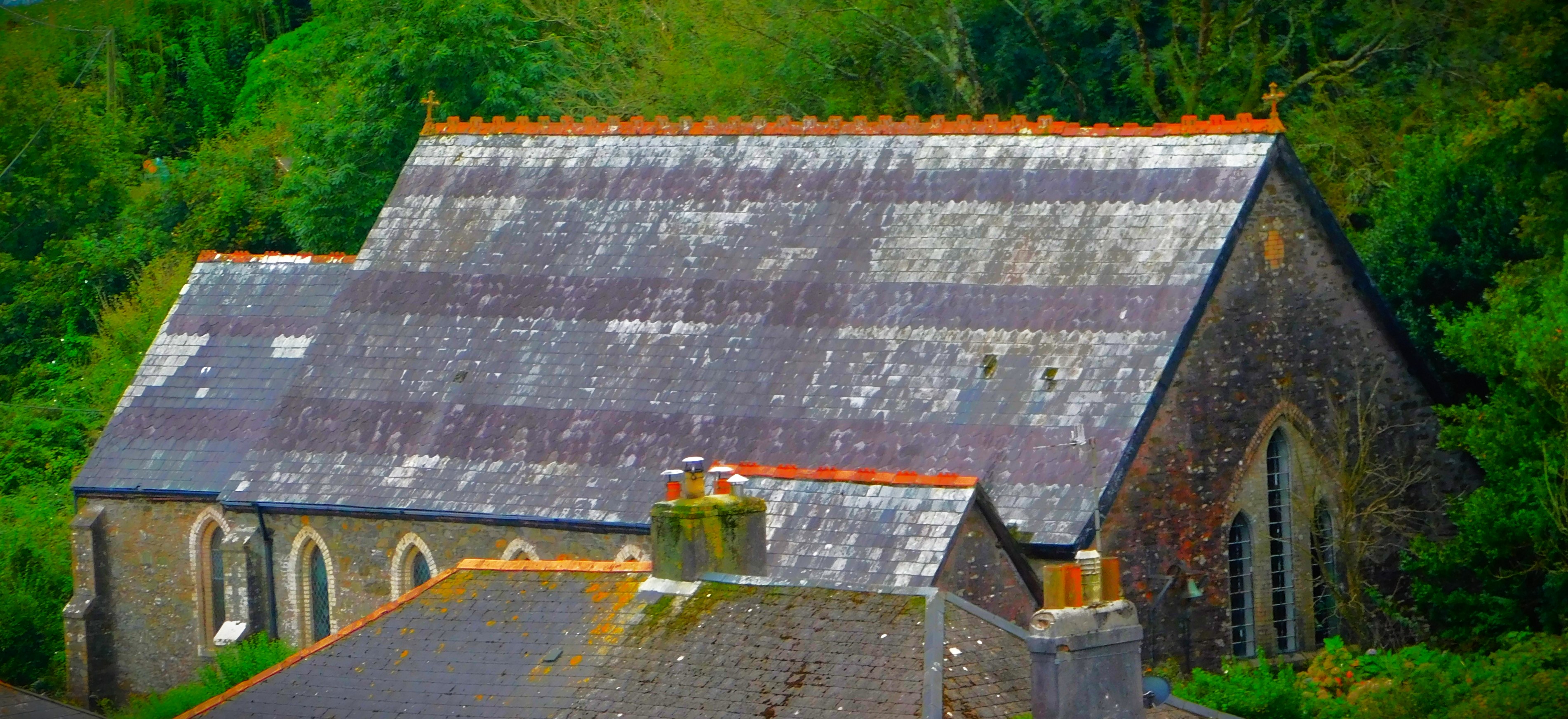
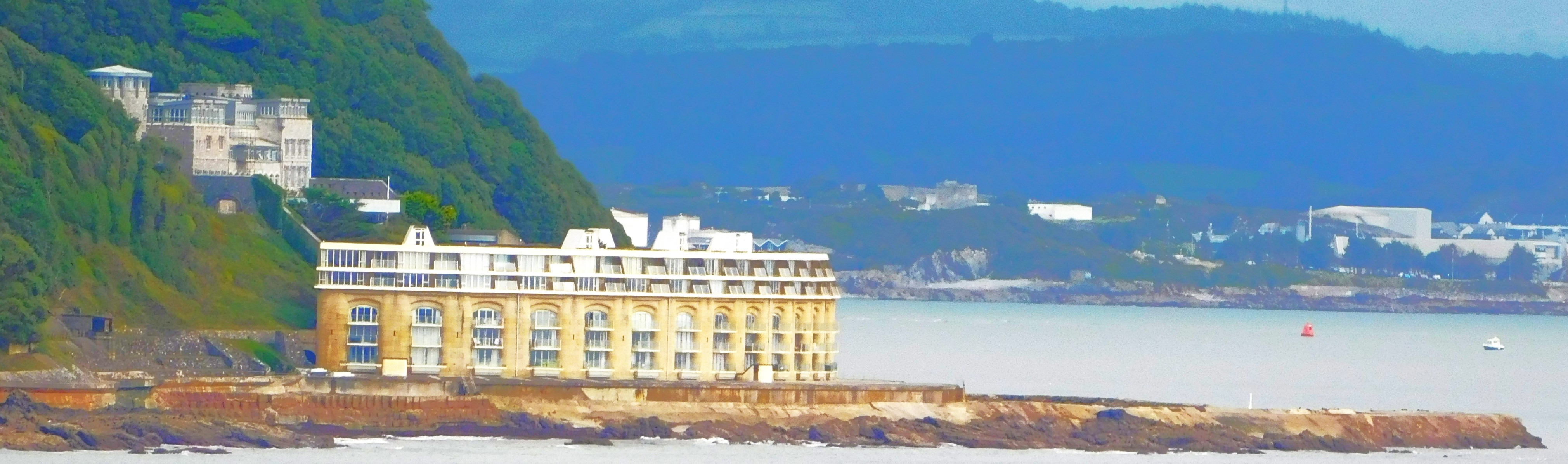
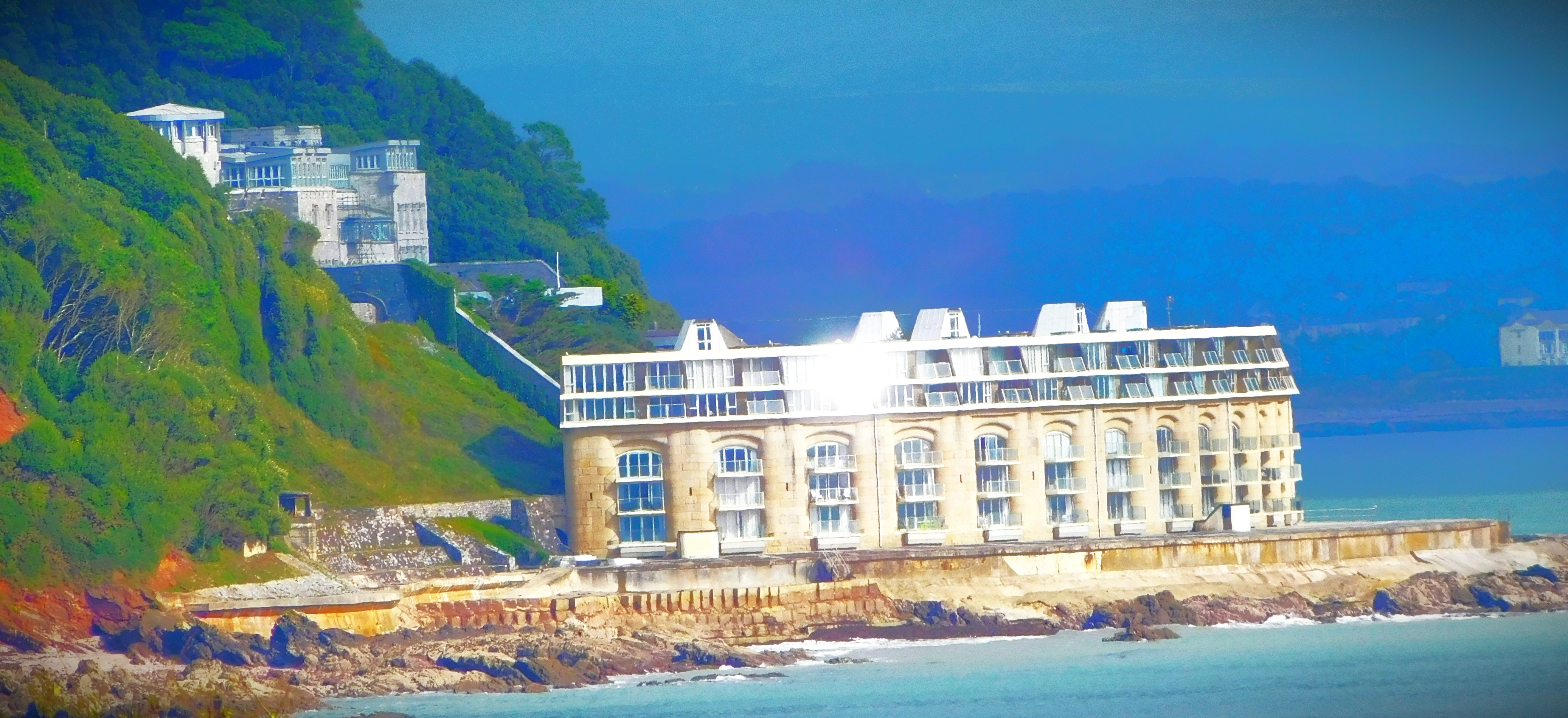
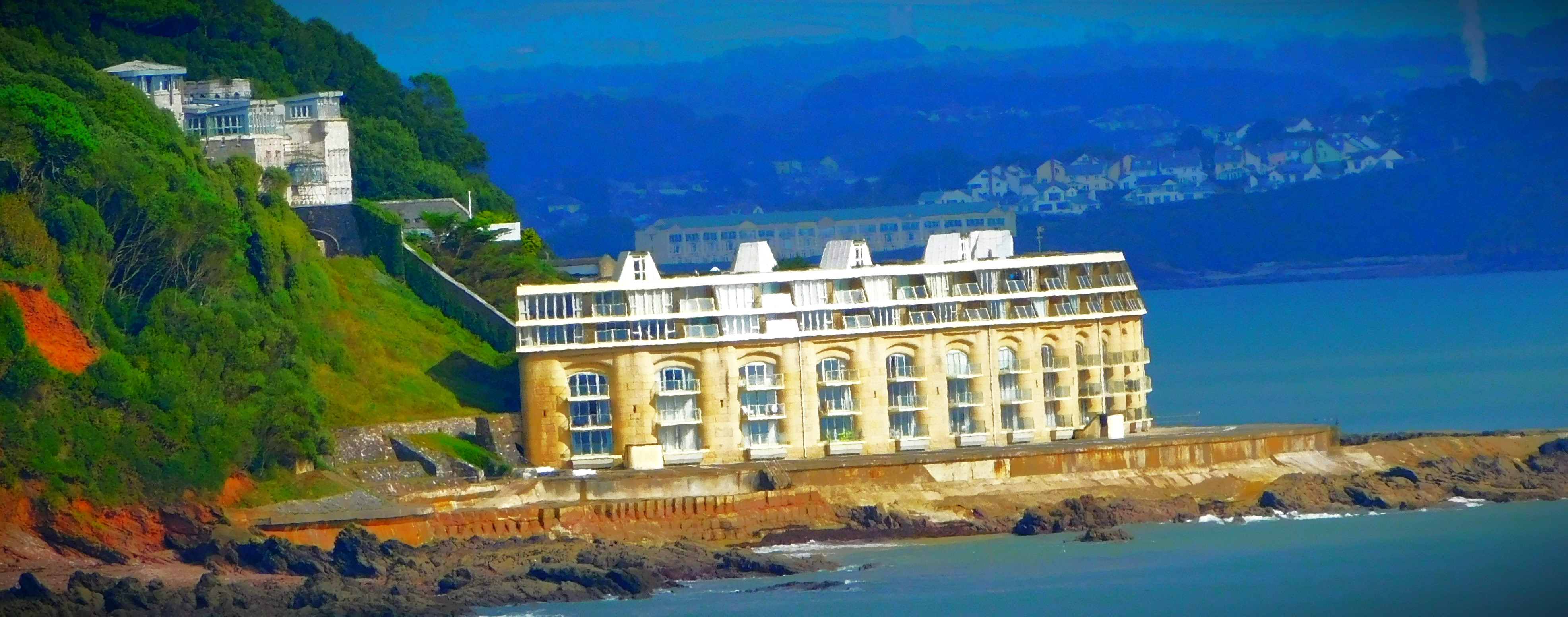
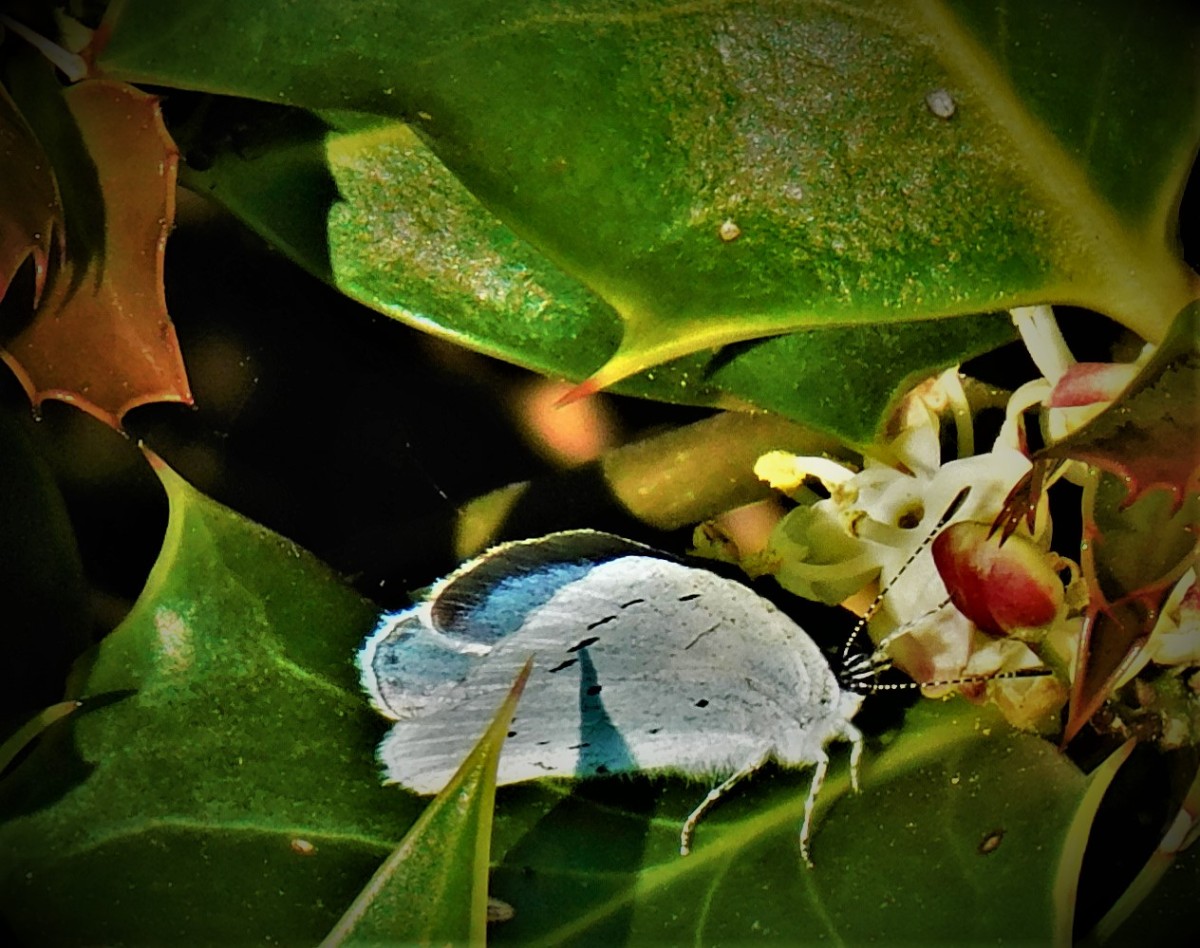
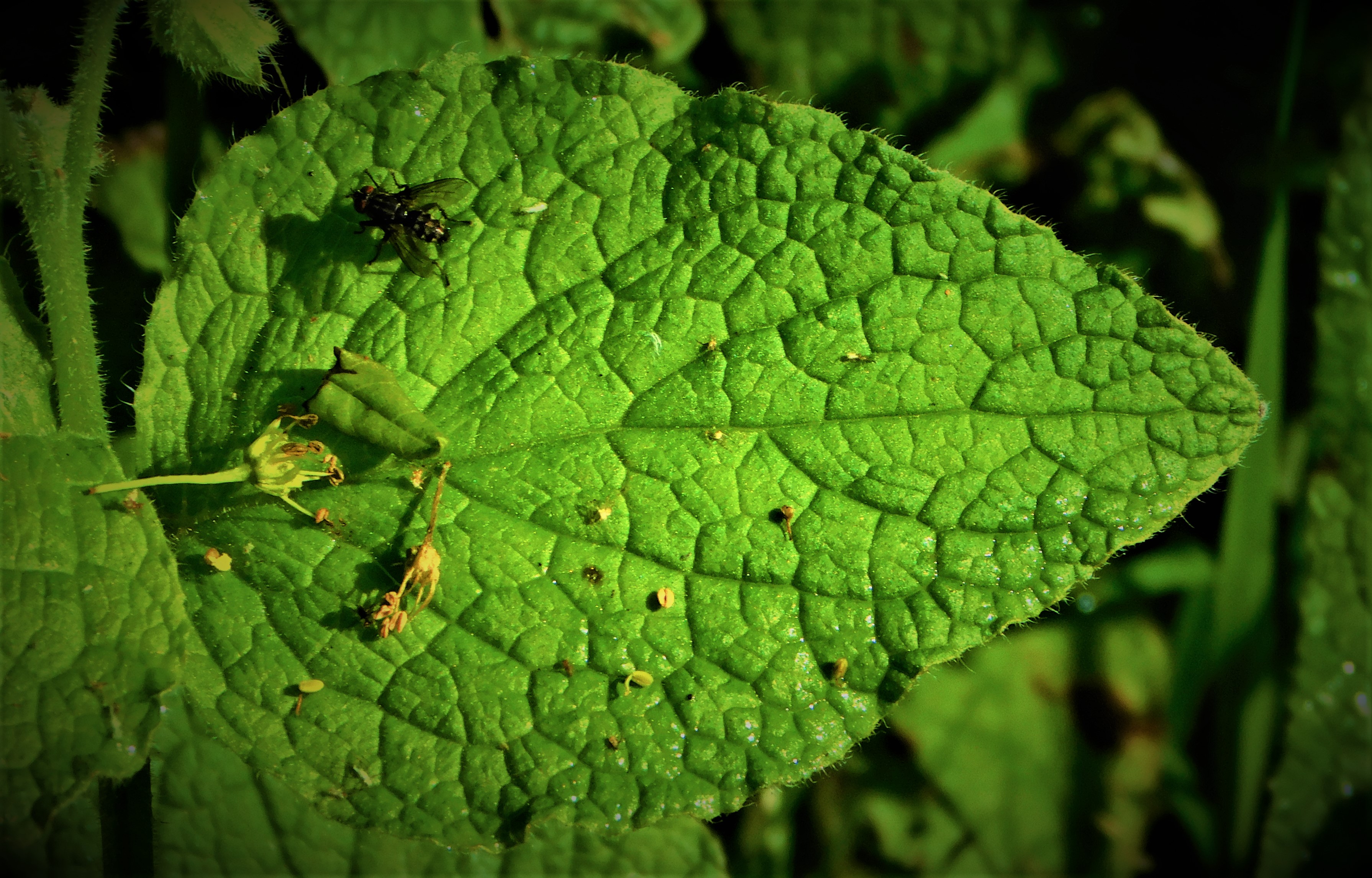
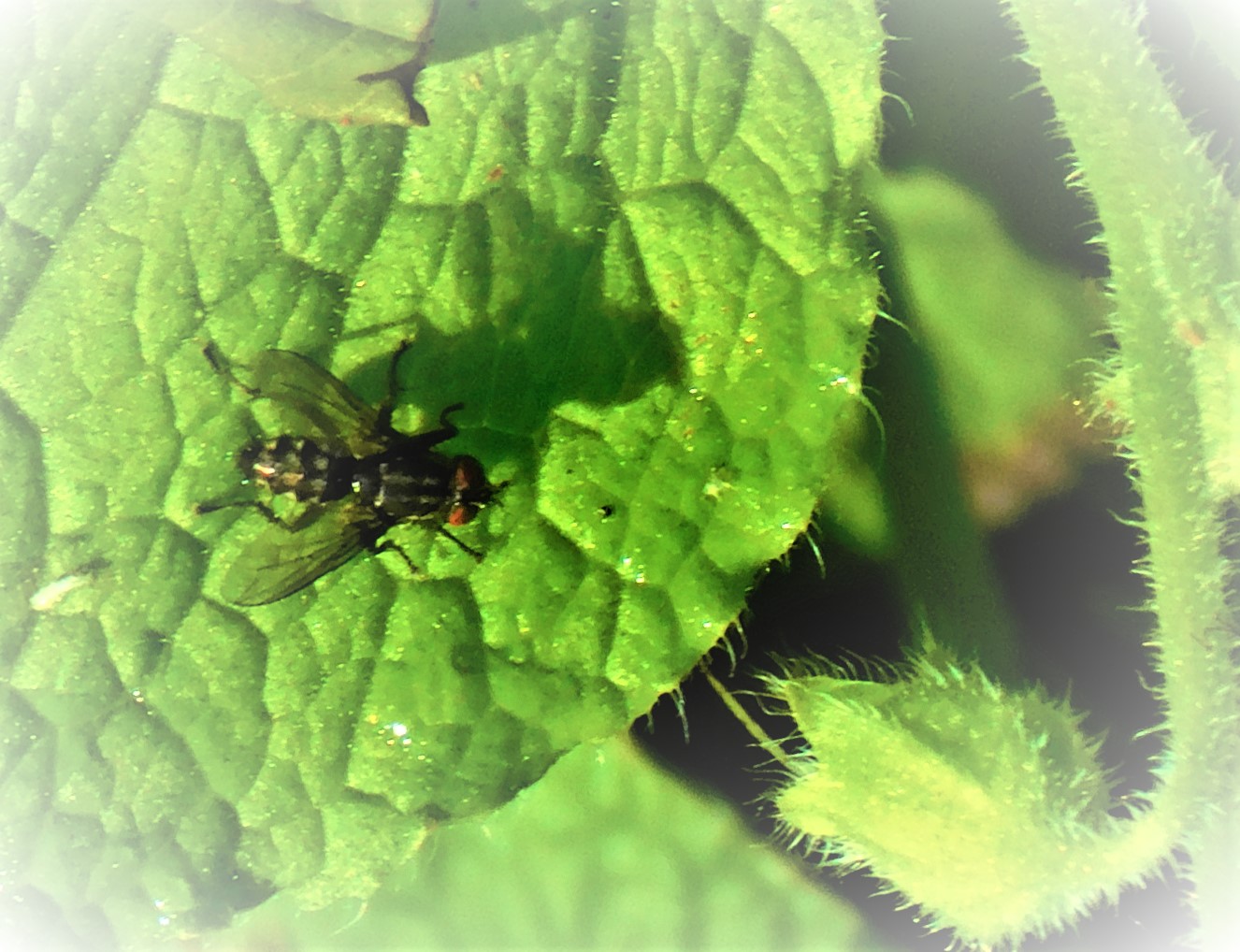
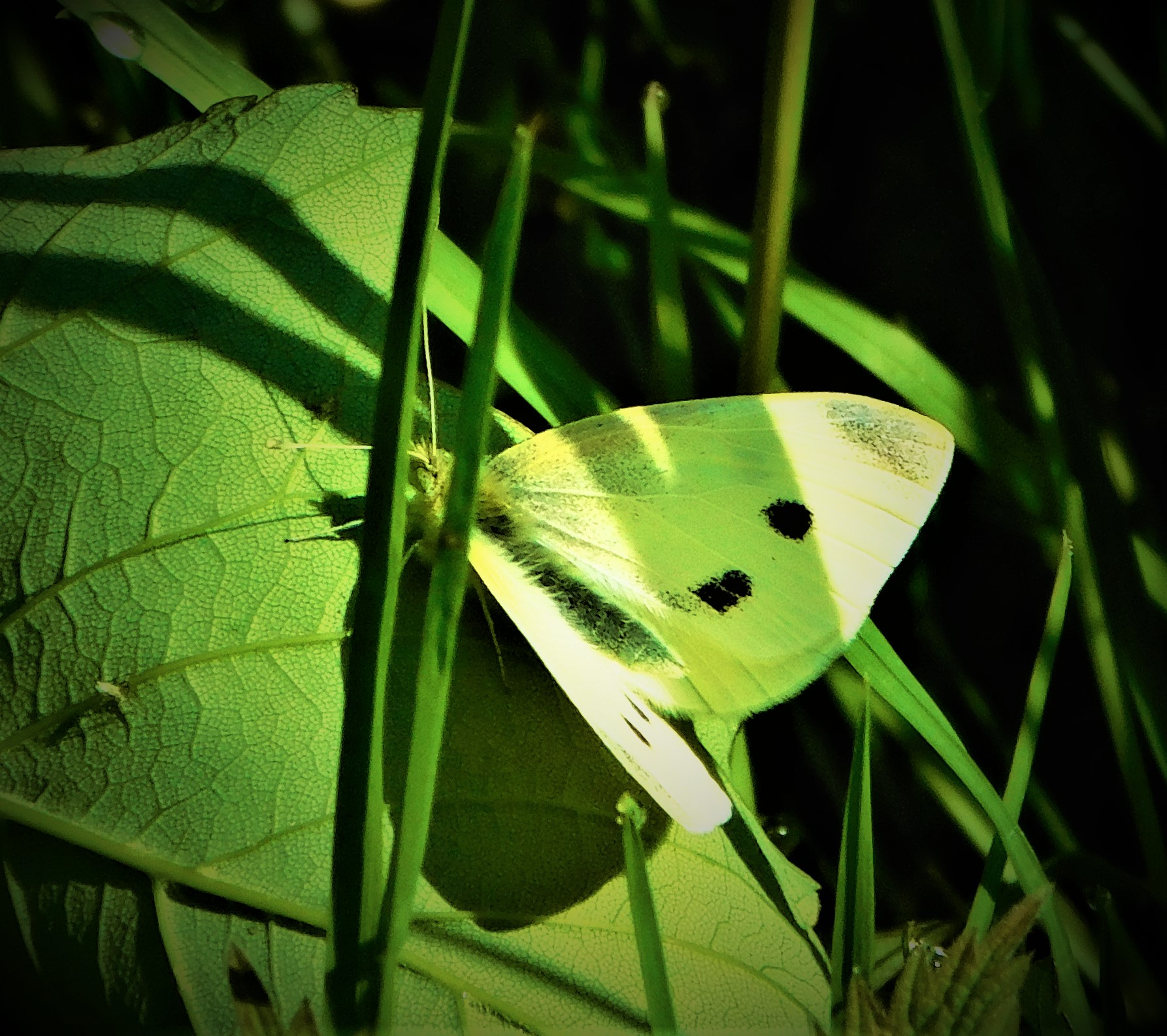
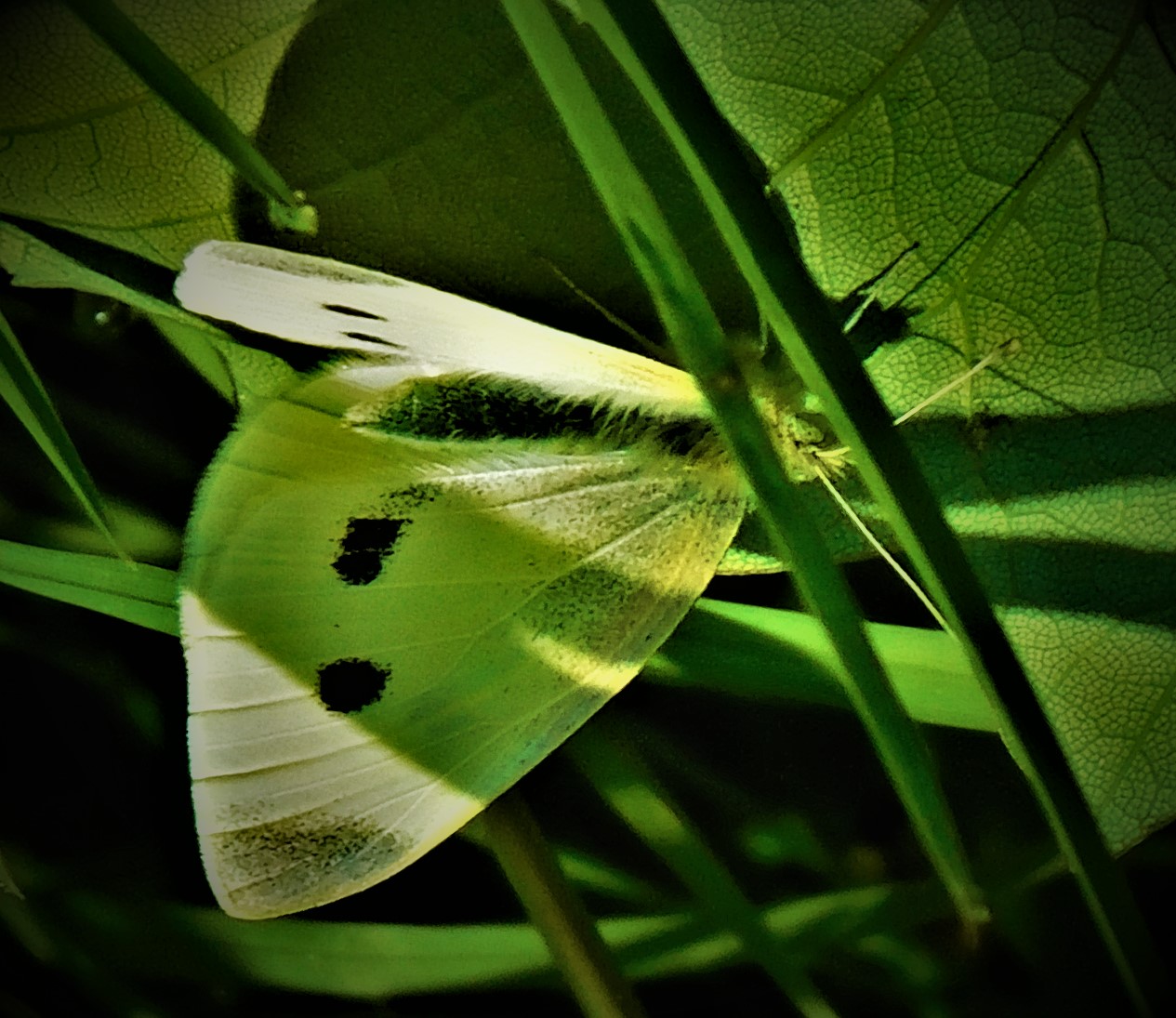
Early in the walk.October is late in the yeat for butterflies, but they are not quite done yet.A distant view of Fort Pickelcombe (taken from the far side of Kingsand/ Cawsand).
A look at the best players from before the official inauguration of the county championship, some comments on the selection of England test squad for the one off match against Ireland and a large photo gallery.
Today I create an XI of the best players most or all of whose careers took place before there was a county championship. Incidentally, there is a page from which all my posts about Saturday’s excursion to Pensthorpe can be accessed. Before I get into the main business of today’s post there is a brief section about…
ENGLAND TEST SELECTORS BLUNDER BIG TIME
The squad for the first test match of the home season, against Ireland is now out, and there are three areas of concern, two selections and an omission. Zak Crawley, a proven failure at test level, retains his slot at the top of the order. Far worse, Ben Foakes has been dropped to make way for the return to test action of Jonathan Bairstow. There may be a case for picking Bairstow, though in a test career which stretches back to 2012 he has blown hot and cold, and more often cold than hot, but there is not even the shadow of a case for dropping Foakes, the best current keeper by far, and someone who has been scoring big runs for Surrey in the championship this season, including a century at better than a run a ball when Surrey were looking for a declaration. Many people have posed this as being a challenge about how to accommodate Bairstow, and I have two options, listed in order of preference:
Opt for what C Auguste Dupin would call “the sagacious and comprehensive expedient of making no attempt to accommodate Bairstow”. England are coming off a very successful winter without Bairstow, and Bairstow’s overall test record is that of a mediocre middle order batter, certainly not sufficient to warrant discarding Foakes.
Have Bairstow open the innings as he does in white ball cricket and drop the proven failure Crawley (I would prefer to see a proper opener such as Ben Compton or Ali Orr picked in Crawley’s case, but at least Bairstow would probably be an improvement were he coming in in place of Crawley).
It is now time to get back to the main meat of the post…
THE XI IN BATTING ORDER
*WG Grace (right handed opening batter, right arm bowler of various types through his career, captain). Had a quarter of a century of first class experience by the time of the first official county championship, so even though he played his last first class game as late as 1908 he qualifies.
Arthur Shrewsbury (right handed opening batter). The man WG rated as the second best batter around (himself obviously no1), and since he played 15 years of FC before the inauguration of the Championship and 12 afterwards he just qualifies.
James Aylward (left handed batter). In 1777, just eight years after John Minshull had scored the first recorded century in any form of cricket, he hit the Hambledon record score of 167, which remained an all comers record for 43 years.
William ‘Silver Billy’ Beldham (right handed batter). In an era when centuries of any kind were rare he hit three in matches of indisputably first class status.
Fuller Pilch (right handed batter). Acknowledged as the best batter of the 1830s and 1840s, a period when scoring was very low.
Alfred Mynn (right handed batter, right arm fast bowler). “The Lion of Kent”, an absolute man mountain, and a great all rounder. He was quick enough that on one occasion someone fielding at long stop (directly behind the keeper) to his bowling once had to be hospitalized after being hit in the chest by several of his deliveries.
Vyell Walker (right handed batter, right arm slow underarm bowler). One of only two cricketers to have scored a century and taken an all-10 in the same first class fixture (the other, WG, is also in this XI). As an underarm bowler any turn he got would have been the equivalent of an overarm bowler bowling leg spin, which makes him a good slow bowling partner for the next guy in the order…
Billy Bates (right handed batter, off spinner). A massively impressive career record, probably equating in the modern era to averaging 32 with the bat and 25 the ball (actual averages were 21 and 17). He was even better in his brief test career, averaging 27 with bat and 16 with the ball, which probably equates to 41 and 24 in the modern era.
+Tom Box (wicket keeper, right handed batter). He appeared in every fixture that Sussex played for an unbroken 24 year period, and although his batting average looks very low to modern eyes it is about 60% of that of Fuller Pilch, rated the best batter of the era.
William Lillywhite (right arm fast roundarm bowler, right handed lower order batter). Rated the best bowler of his era (he was referred to as ‘the Nonpareil’, one half of my envisaged new ball pairing.
William Mycroft (left arm fast bowler, right handed tail end batter). 800 first class wickets at 12 a piece.
This side has a powerful batting line up, with everyone down to Bates at number eight definitely capable of playing a match winning innings. The bowling, with Mycroft, Lillywhite and Mynn to bowl pace, and Bates and Walker two contrasting types of slow bowler, plus of course the redoubtable WG is magnificent, having both depth and variety.
HONOURABLE MENTIONS
The two chief rivals to Shrewsbury for the position of Grace’s opening partner were John Small of Hambledon and EM Grace. Lambert, scorer of twin centuries in a match in 1817, a feat which stood alone for half a century until WG Grace emulated it might have had a middle order slot. George Osbaldeston was a fine fast bowling all rounder, but not I reckon the equal of Mynn. Had I been going to pick an overseas player it would have been Dr ME Pavri (India), who visited England in the 1890s and achieved remarkable things as a pace bowling all rounder (once in his native land he decided in advance that team mates weren’t needed, took on an XI on his unaided own, and beat them). Among the great bowlers who missed out were David Harris (Hambledon), the Notts duo of Alfred Shaw and Fred Morley, James Broadbridge and John Wisden both of Sussex and two Yorkshire speedsters, Tom Emmett (left arm) and George Freeman (right arm). Sam Redgate, John Jackson and George Tarrant would all also have their advocates.
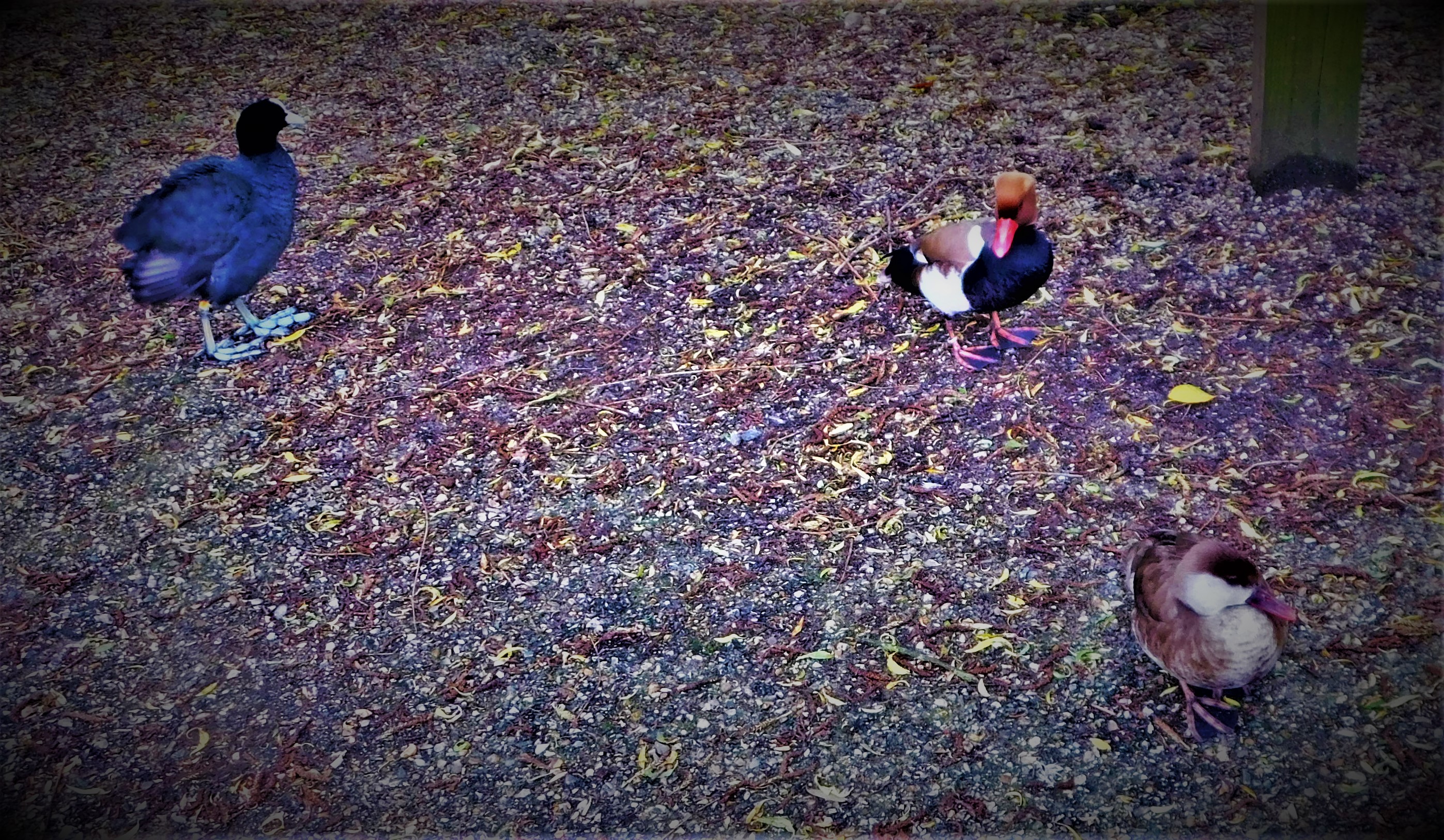
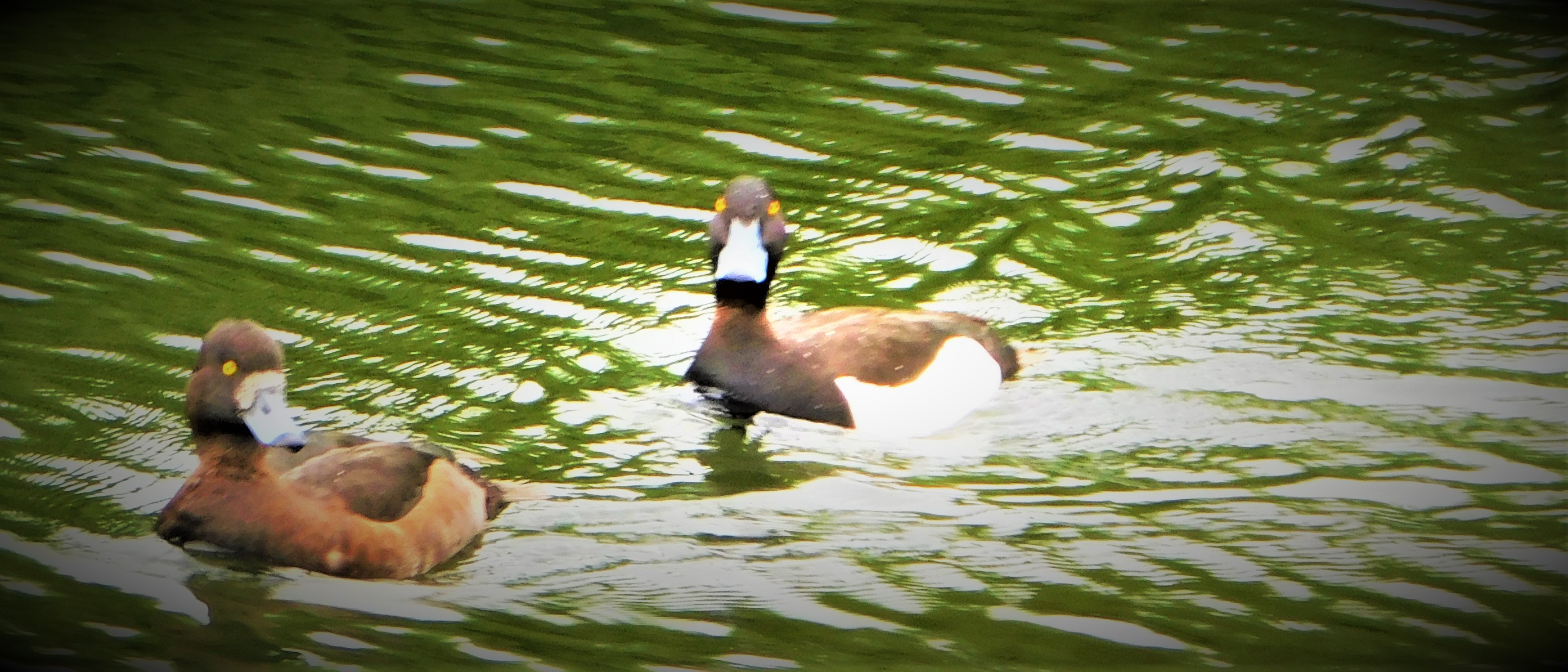
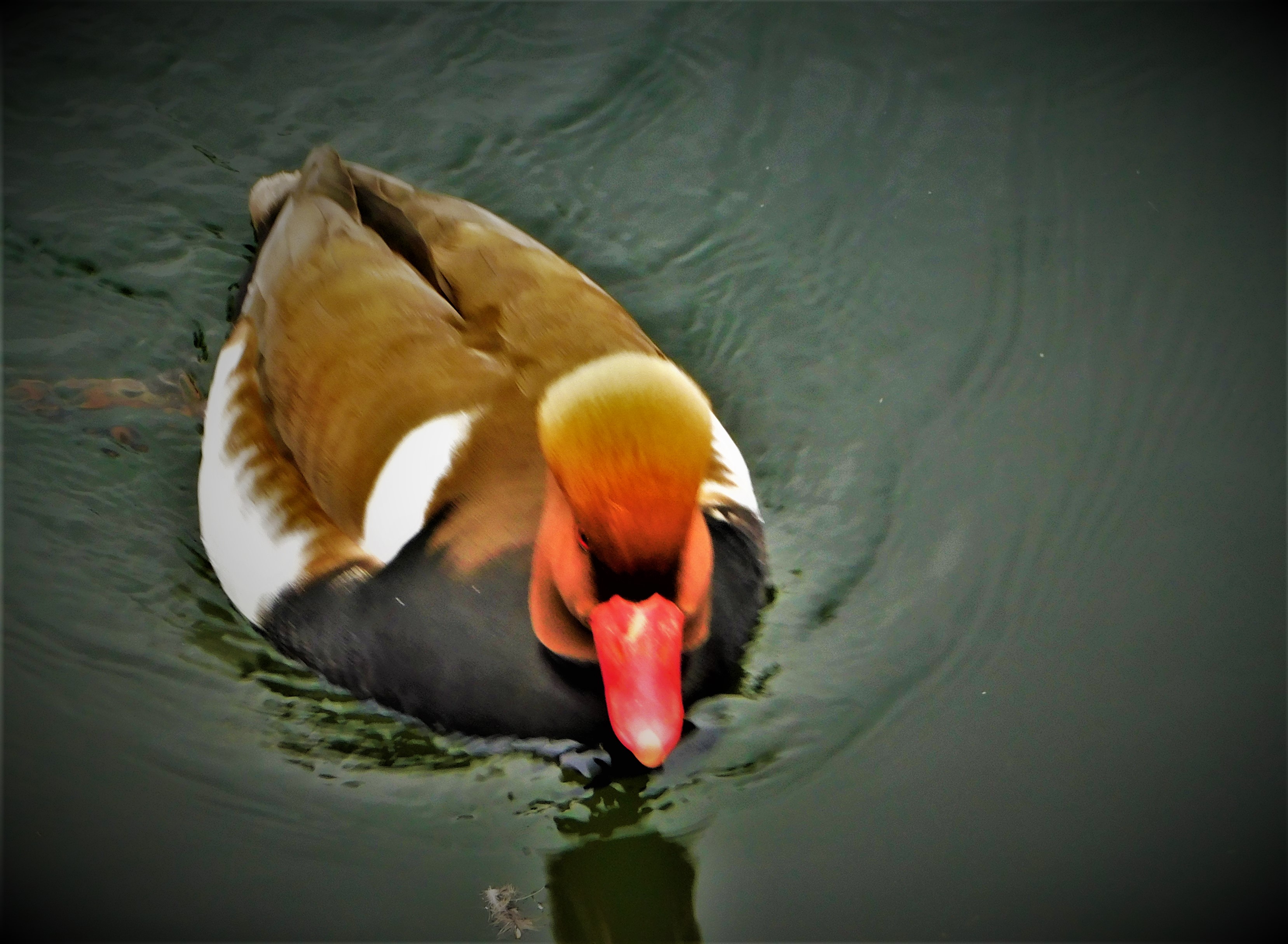
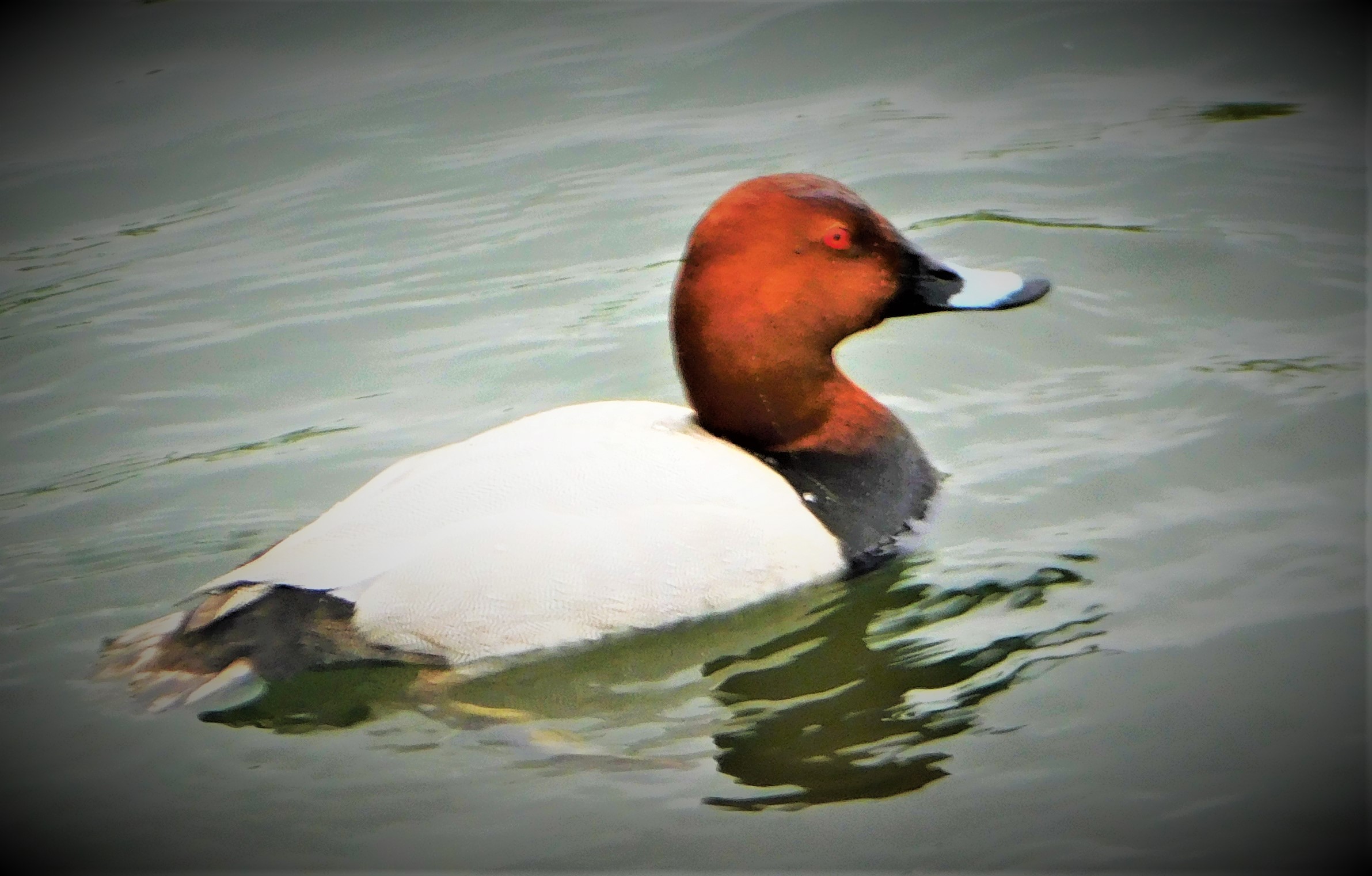
Continuing my mini-series about my visit to Pensthorpe with a look at the ducks and geese that I saw there, which include some exotic species as well as some commonplace ones.
This is the second post in my mini-series (the first is here) about my visit to Pensthorpe yesterday as part of a West Norfolk Autism Group excursion.
MIXING THE MAGNIFICENT AND THE MUNDANE
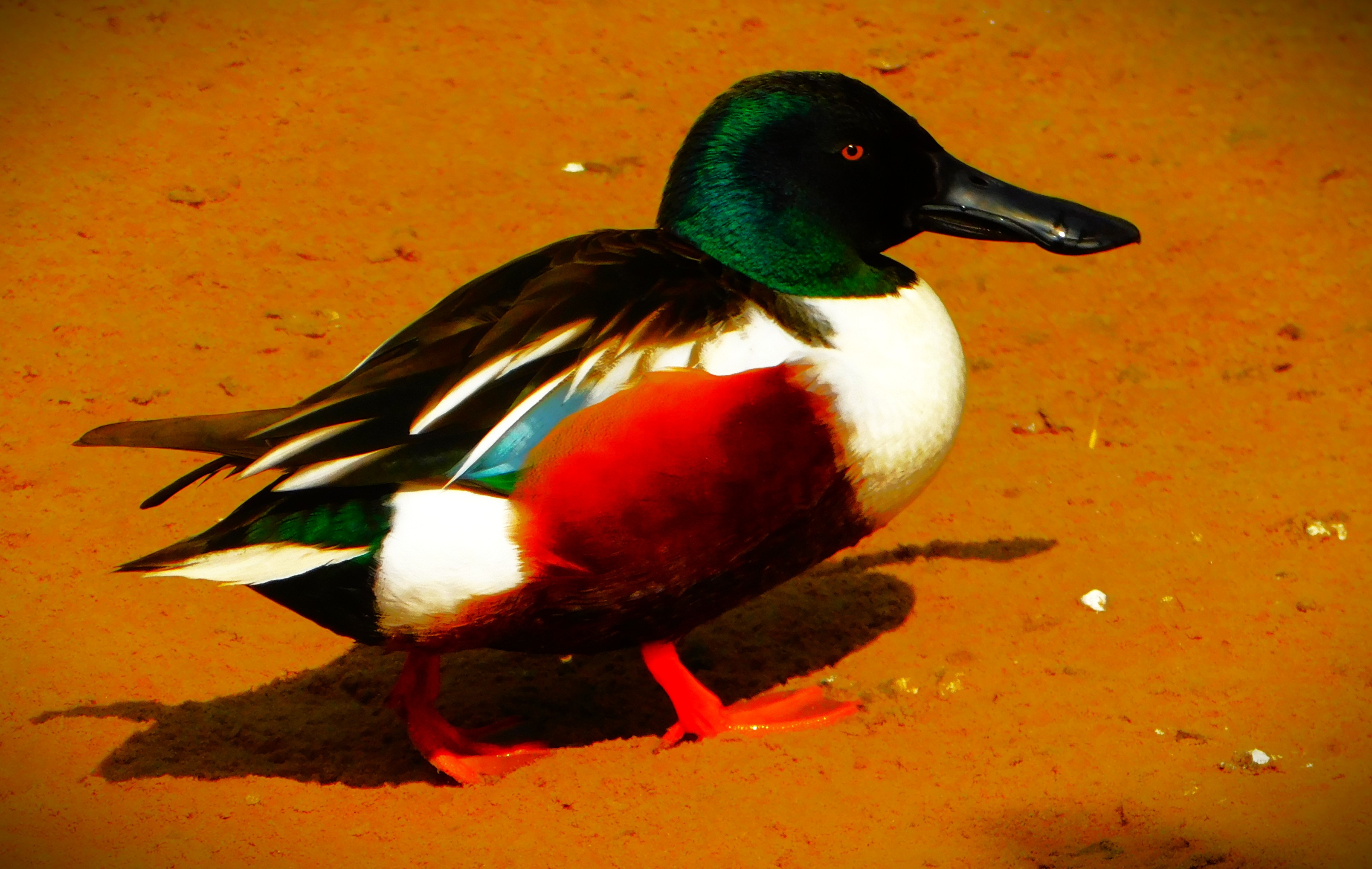
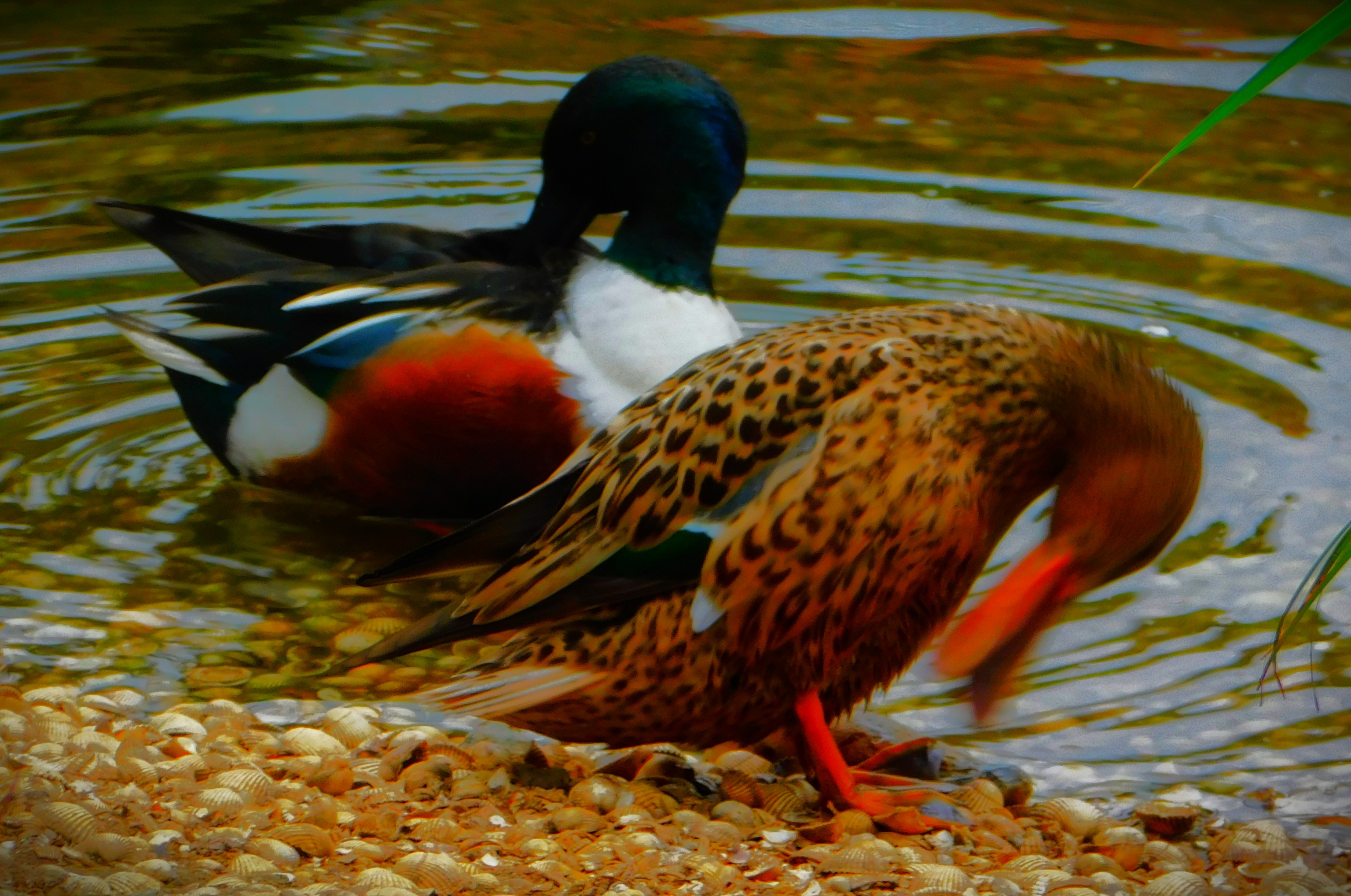
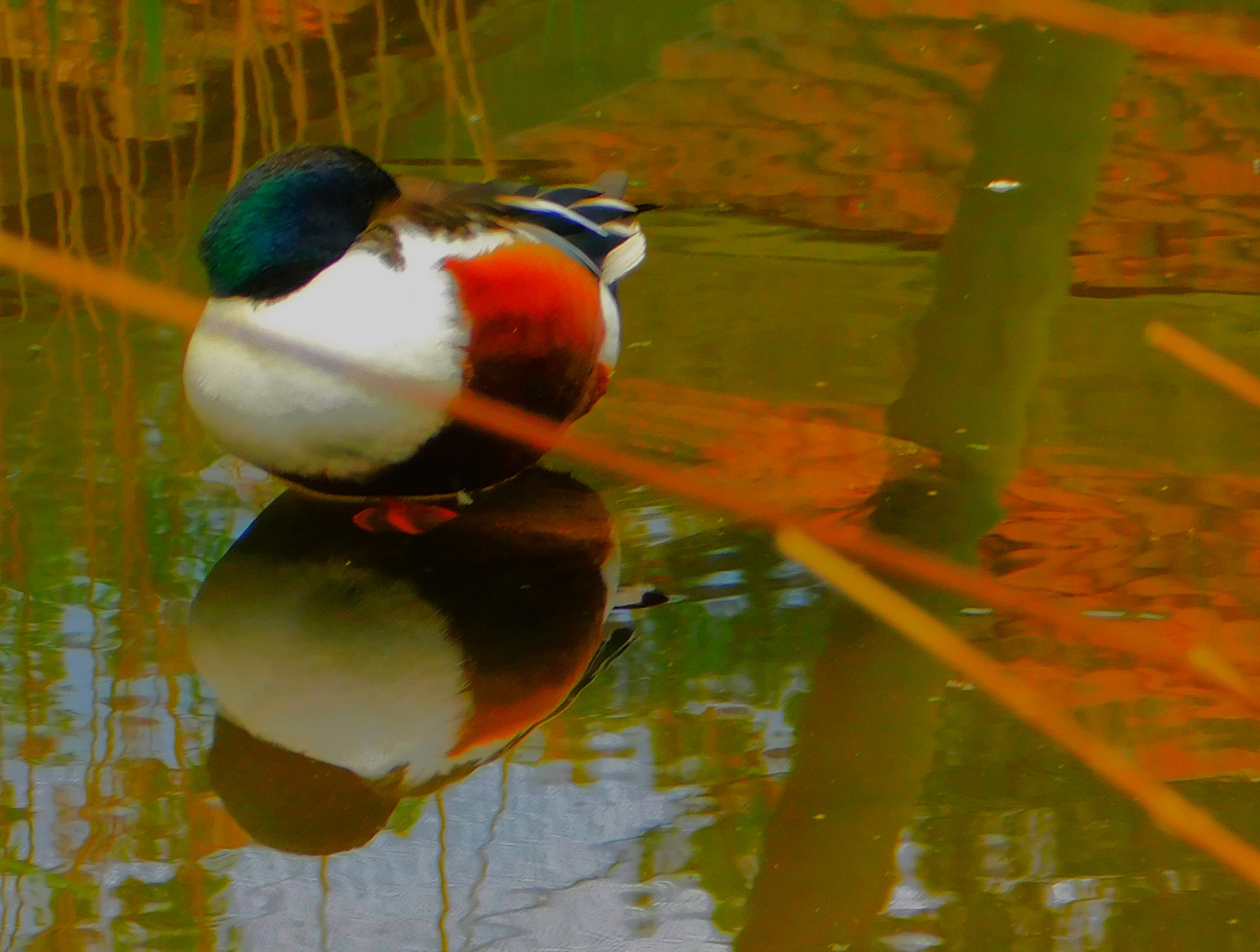
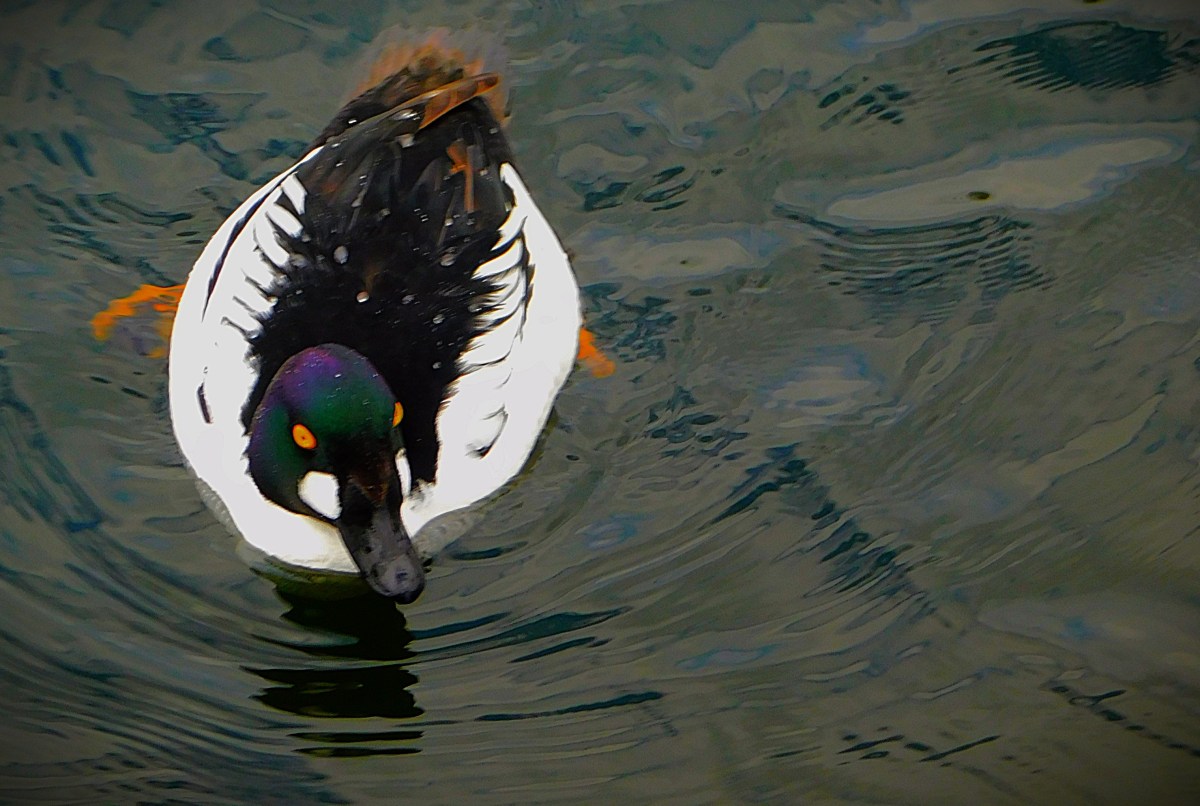
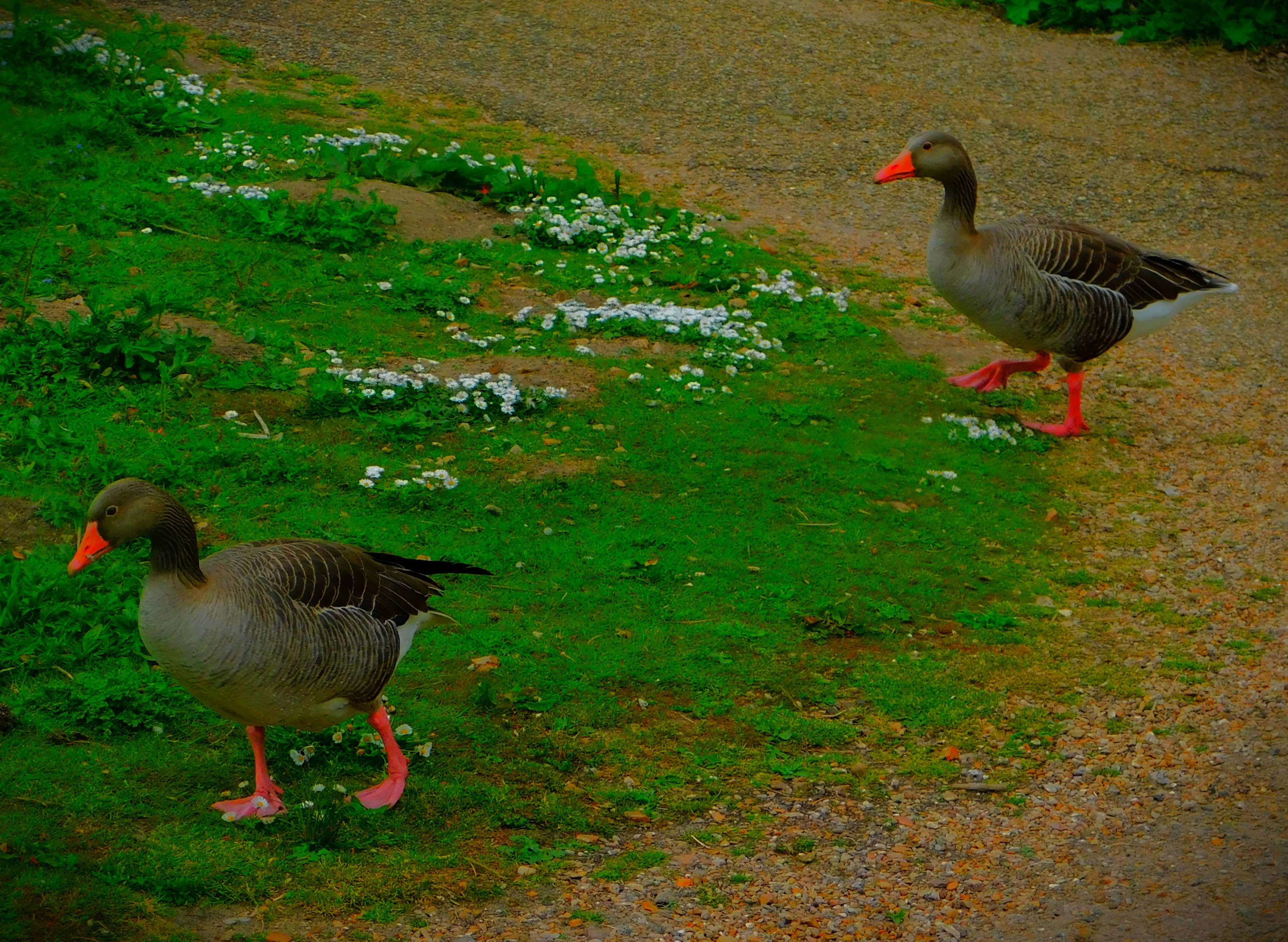
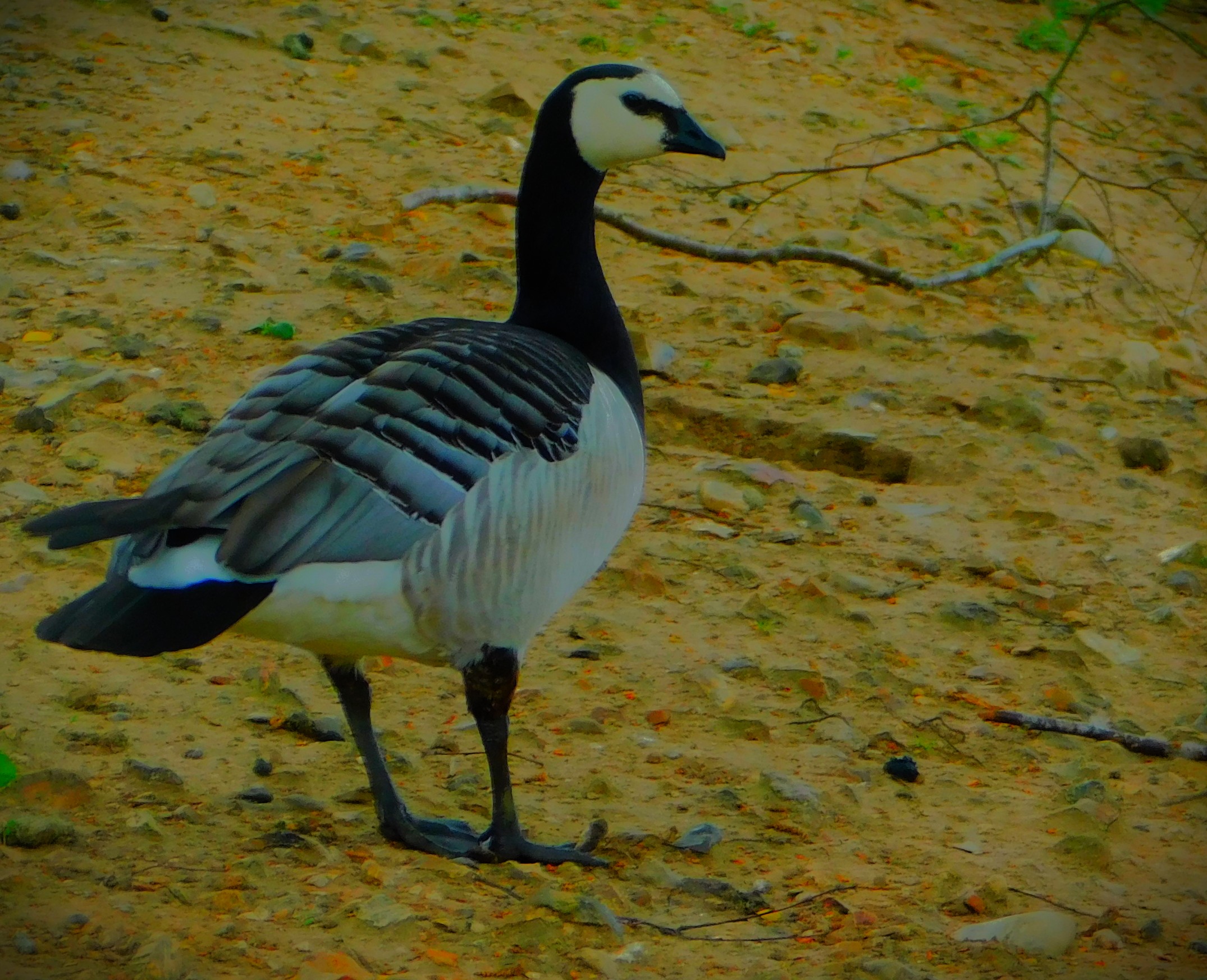
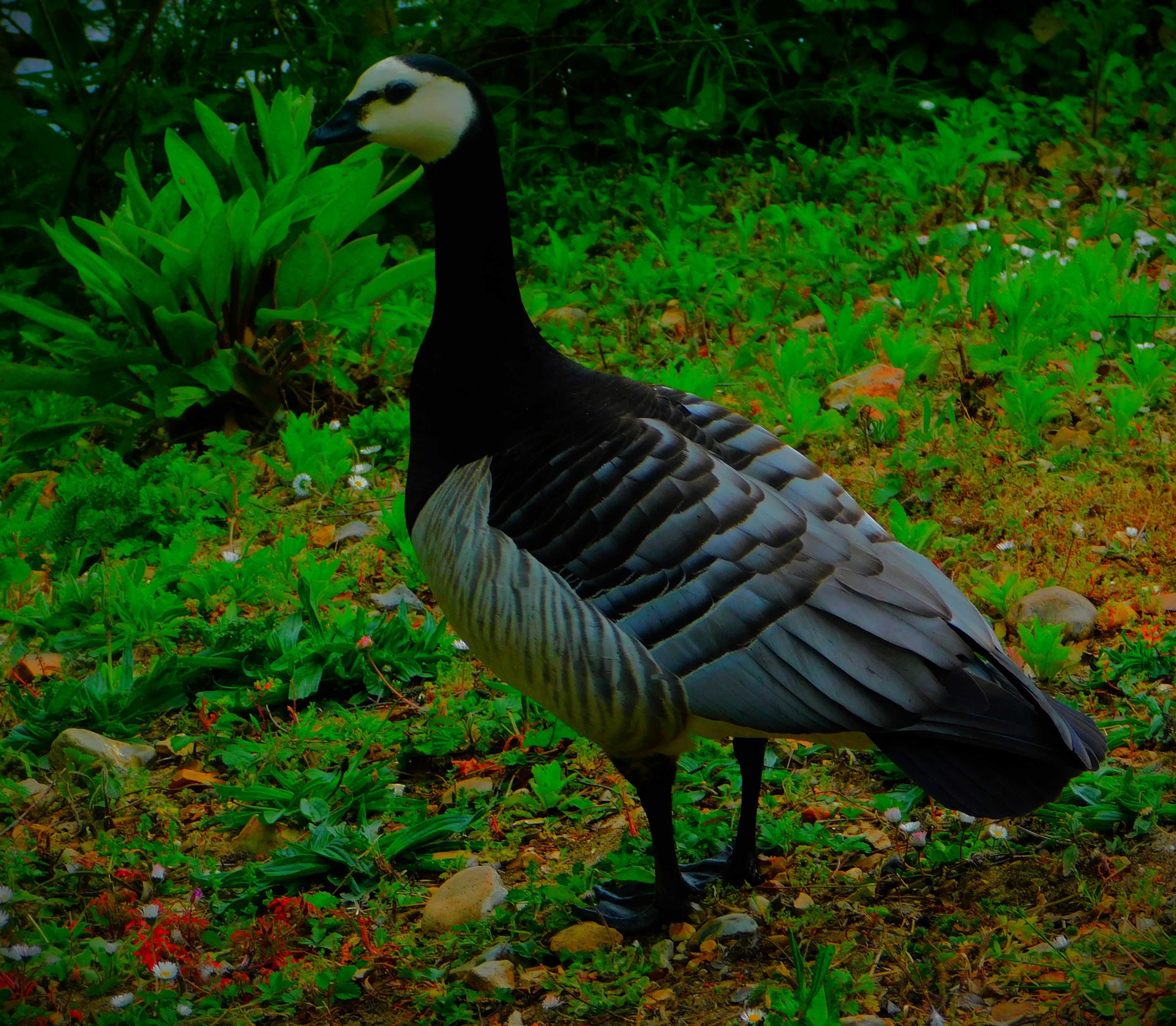
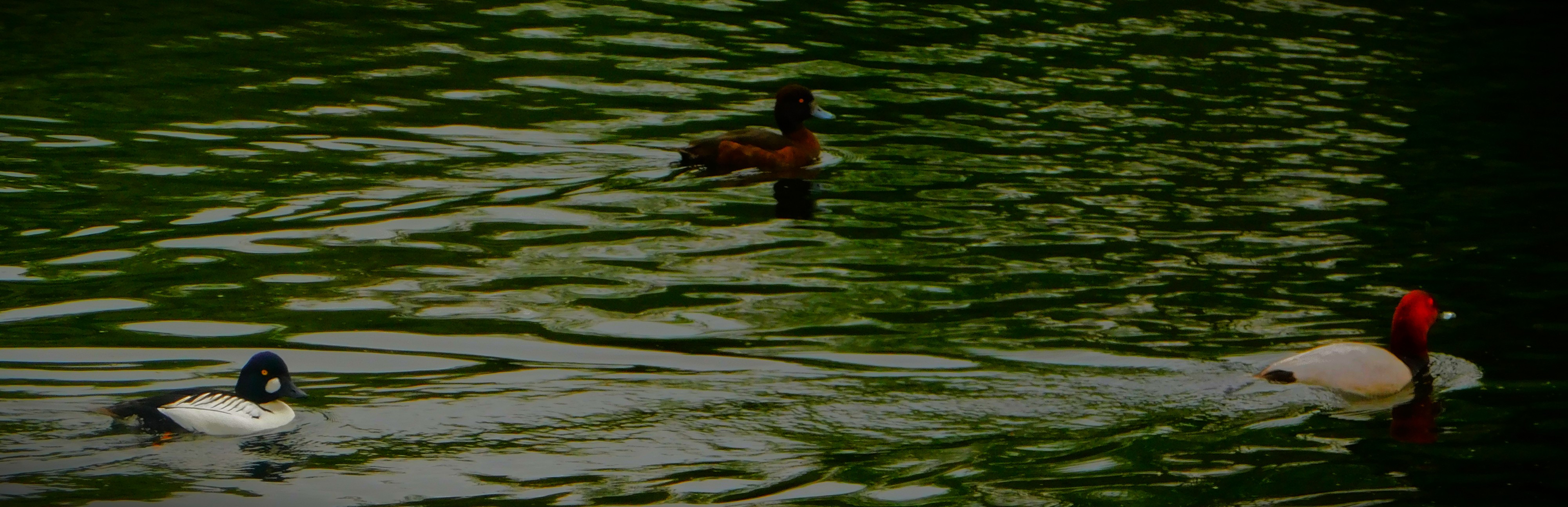
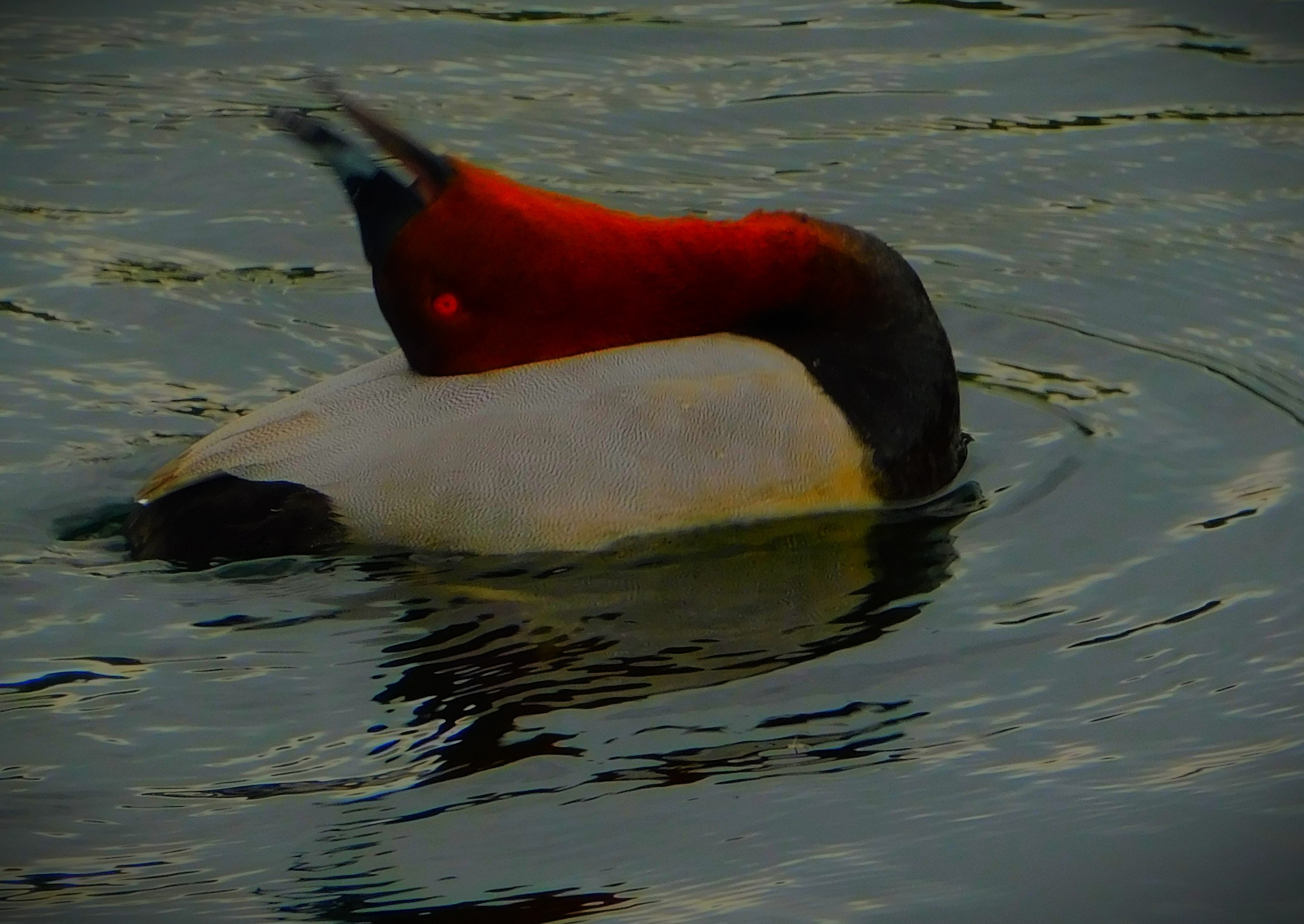
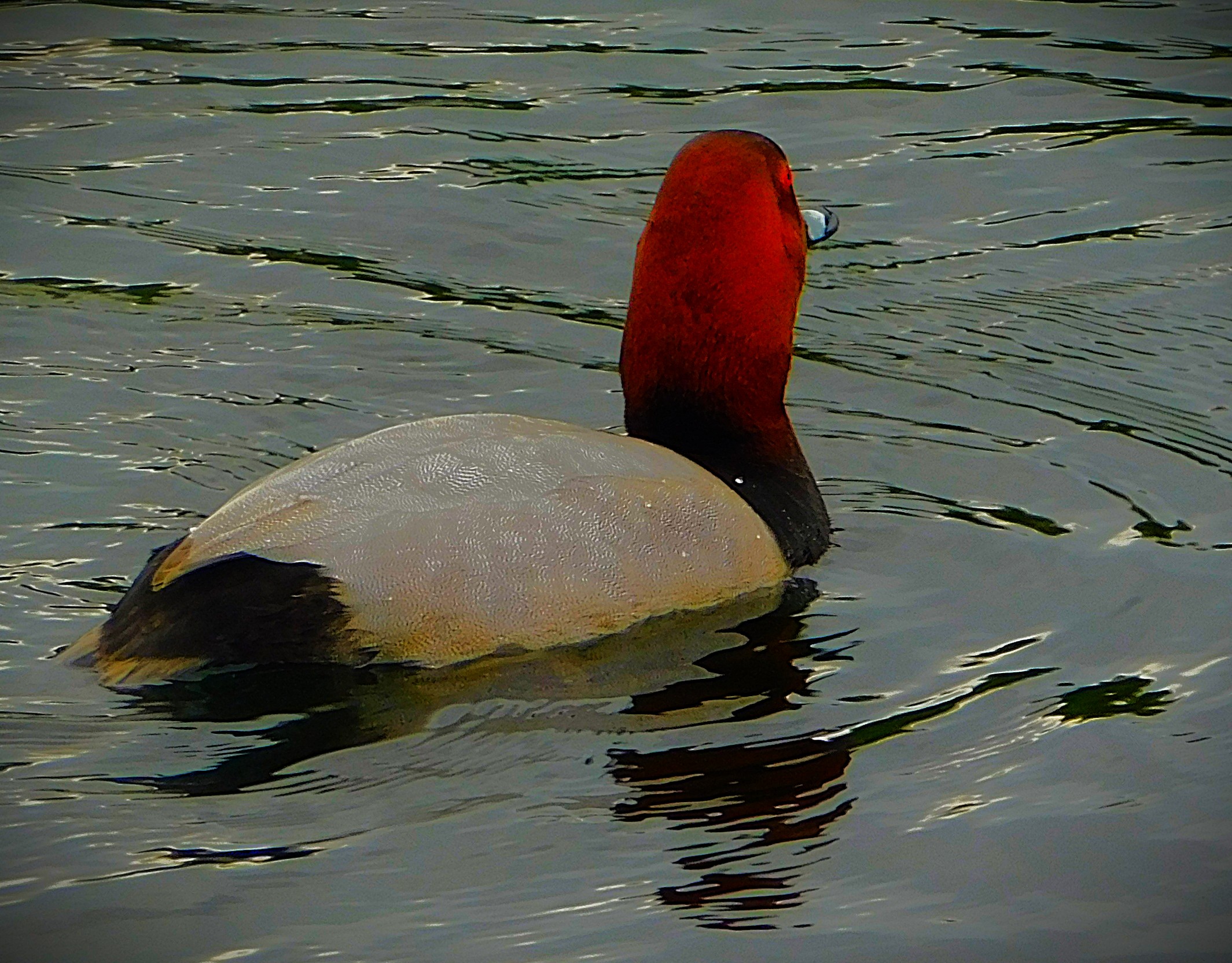
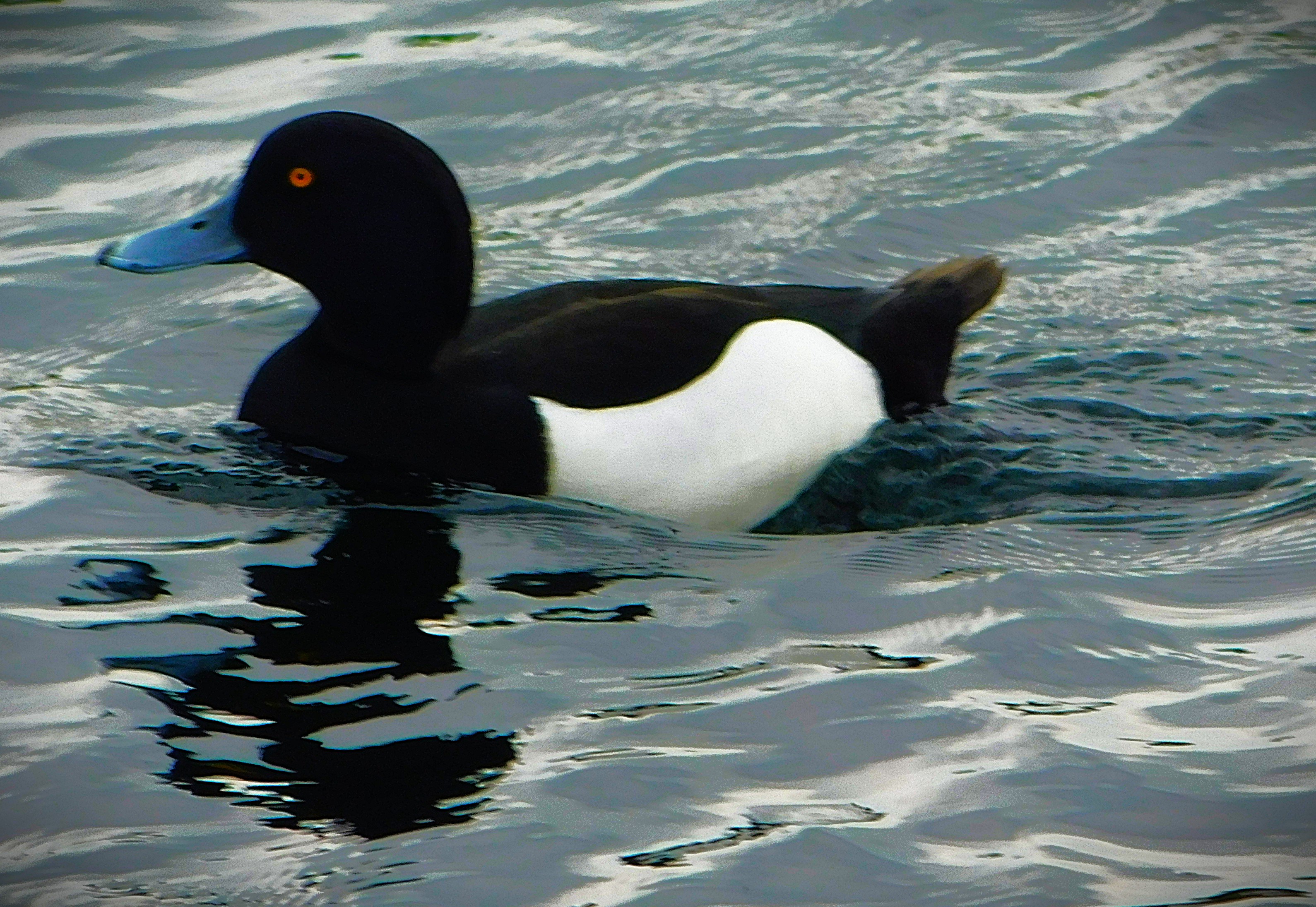
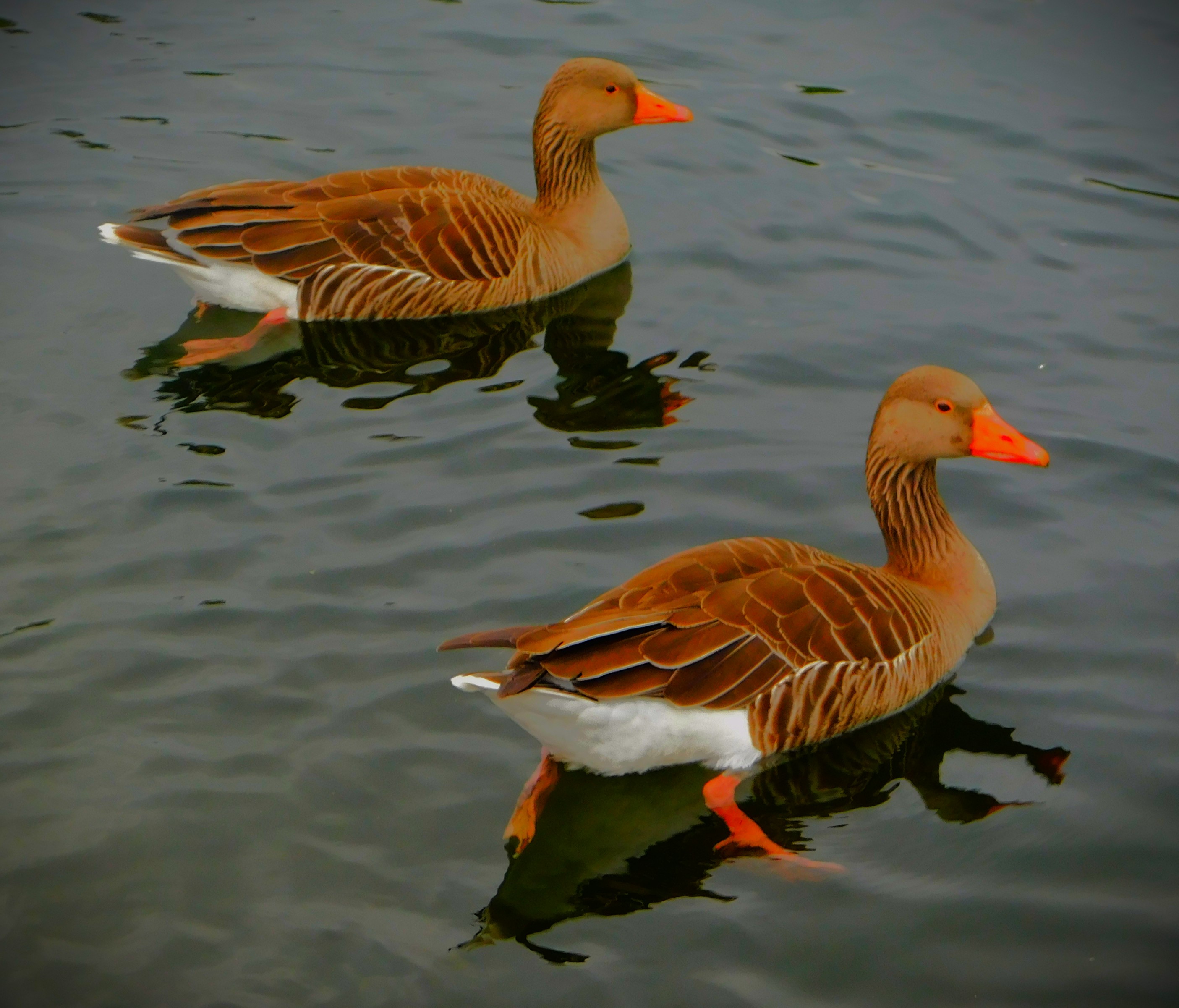
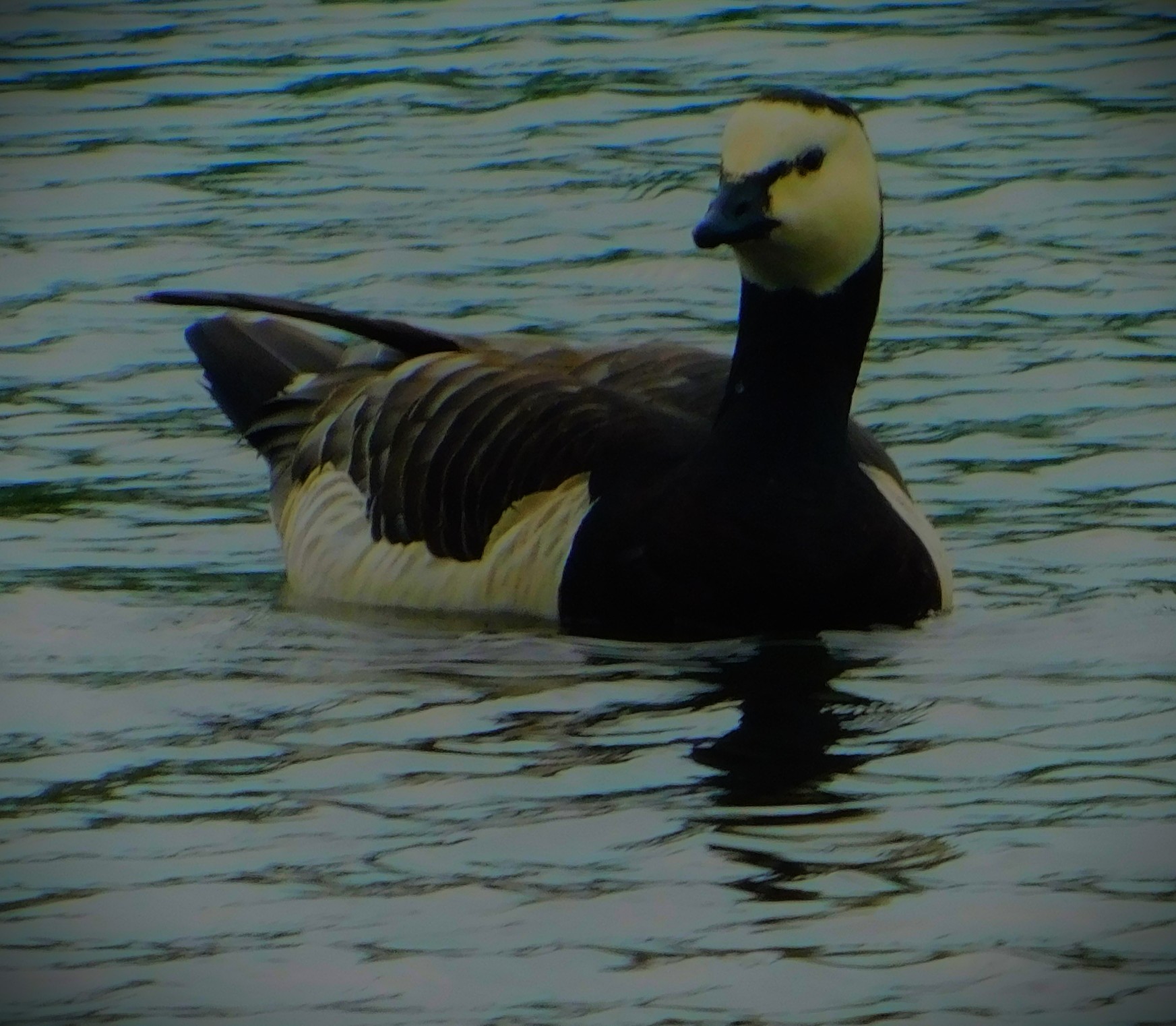
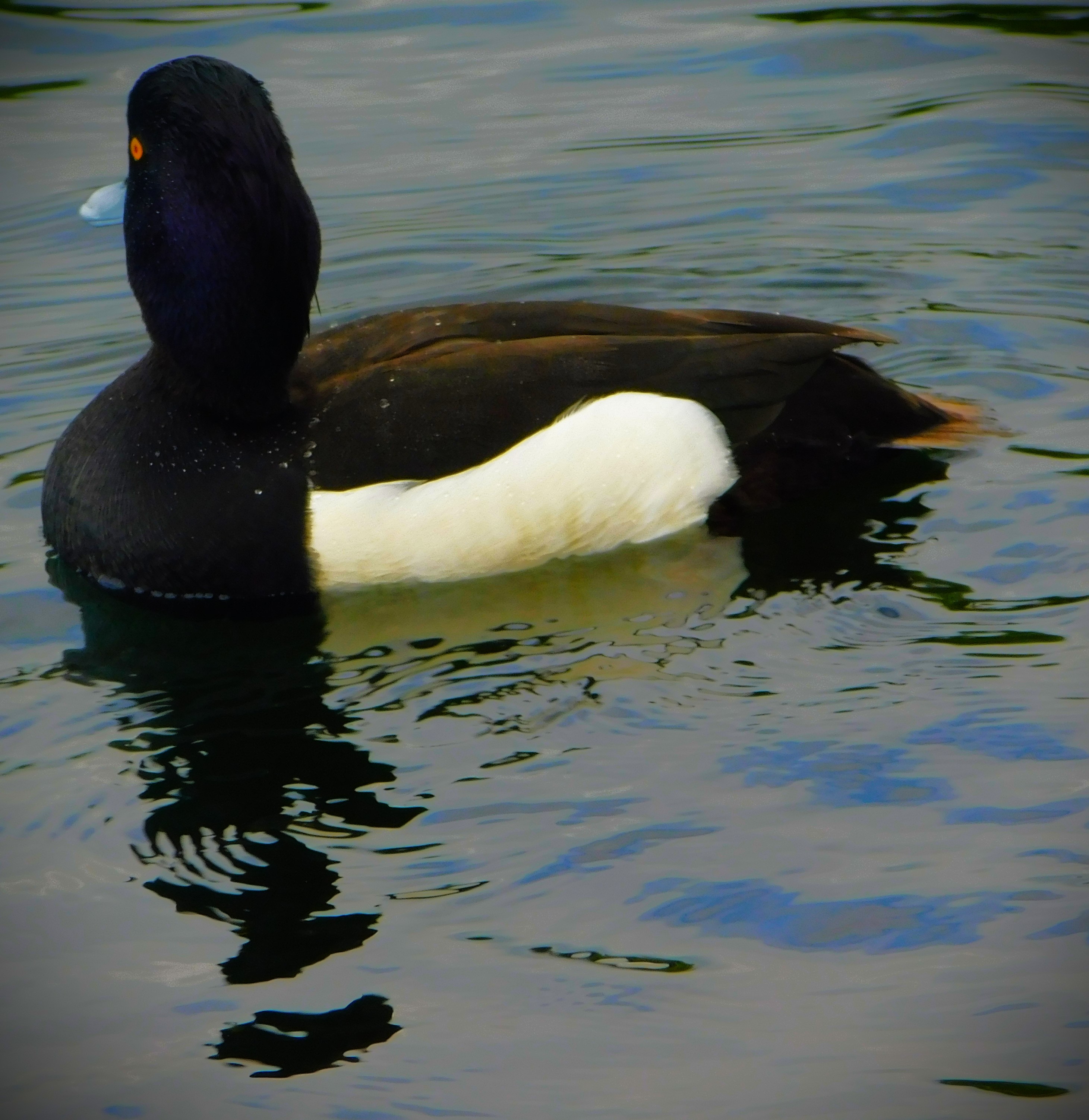
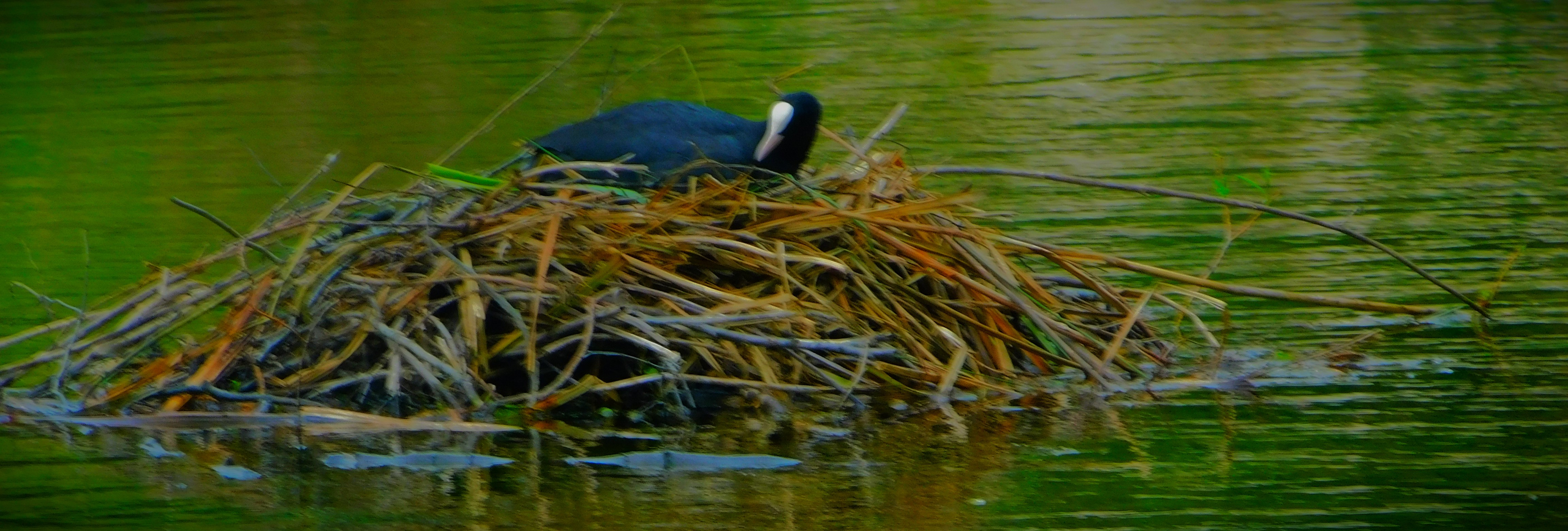
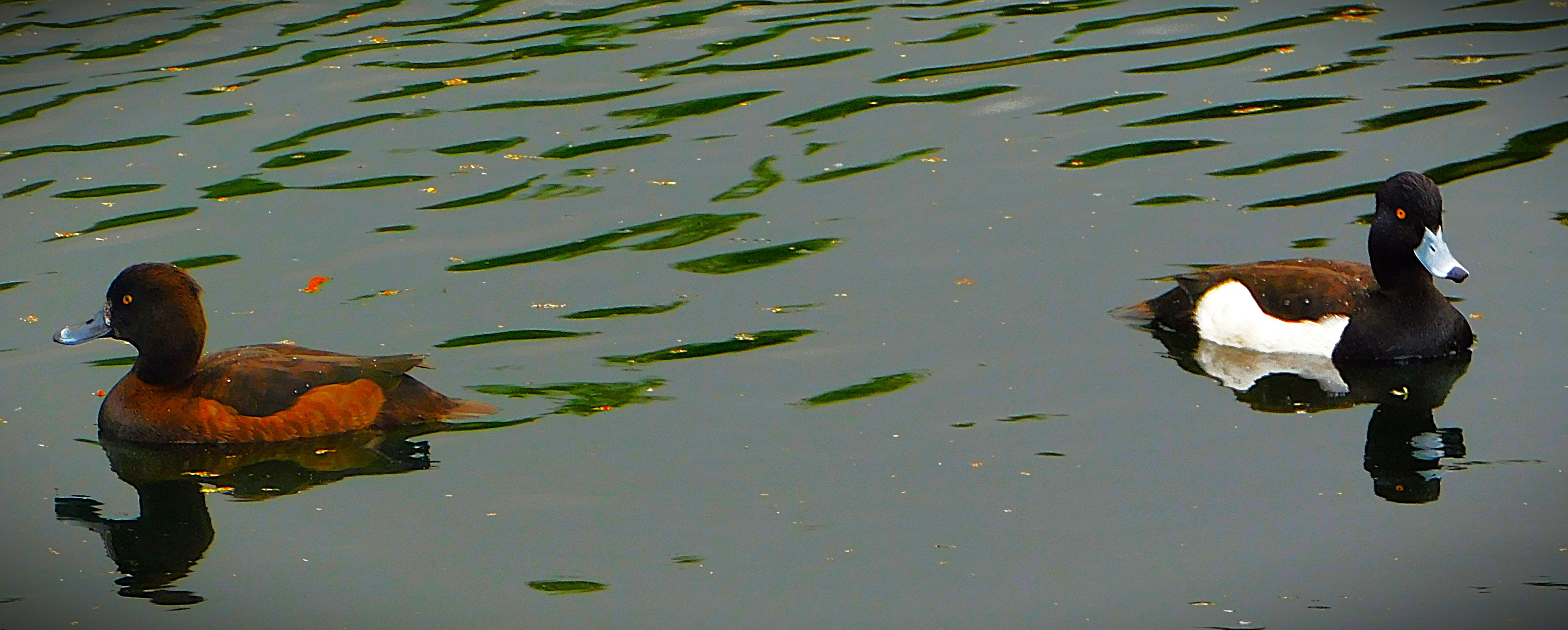
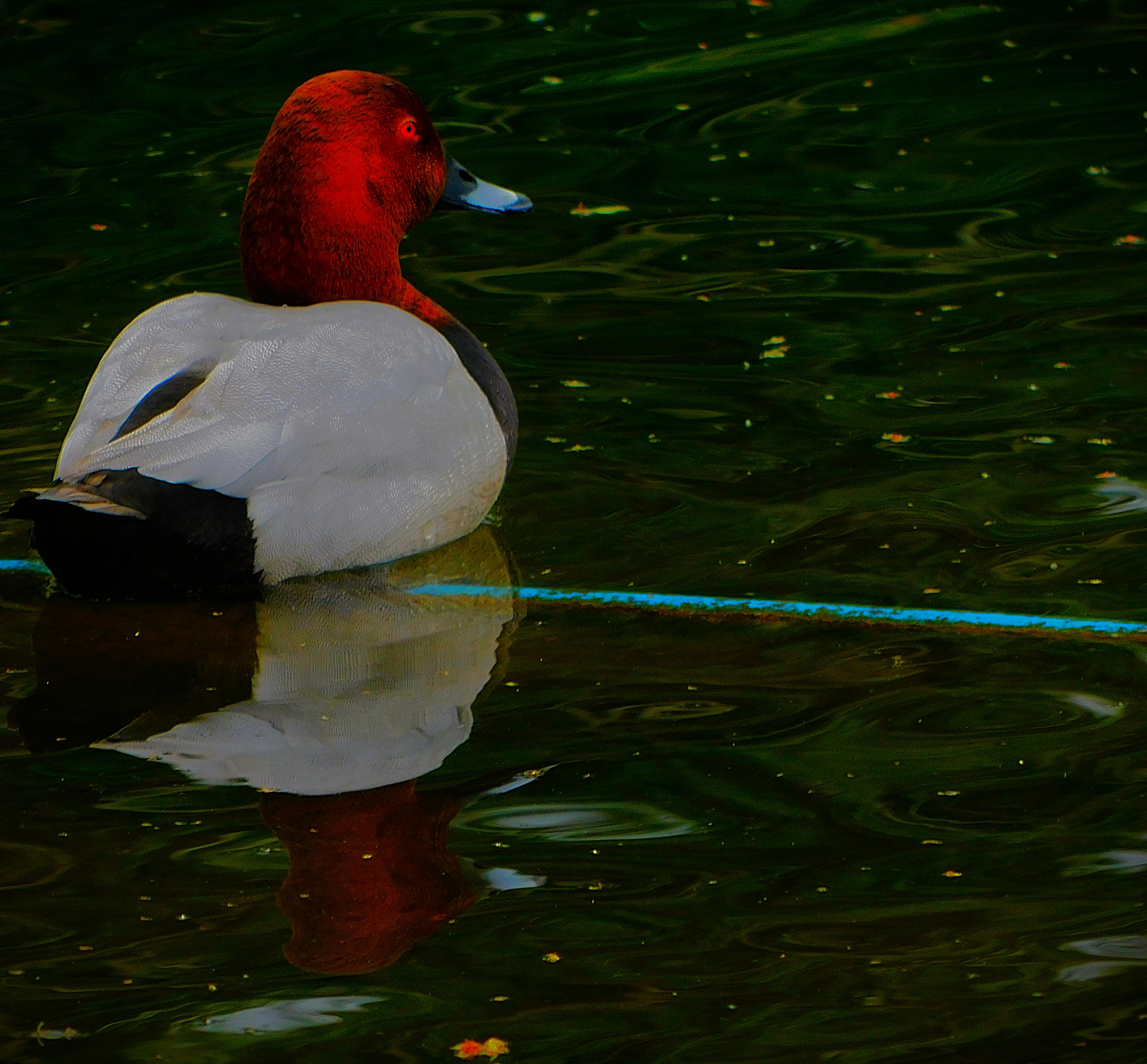
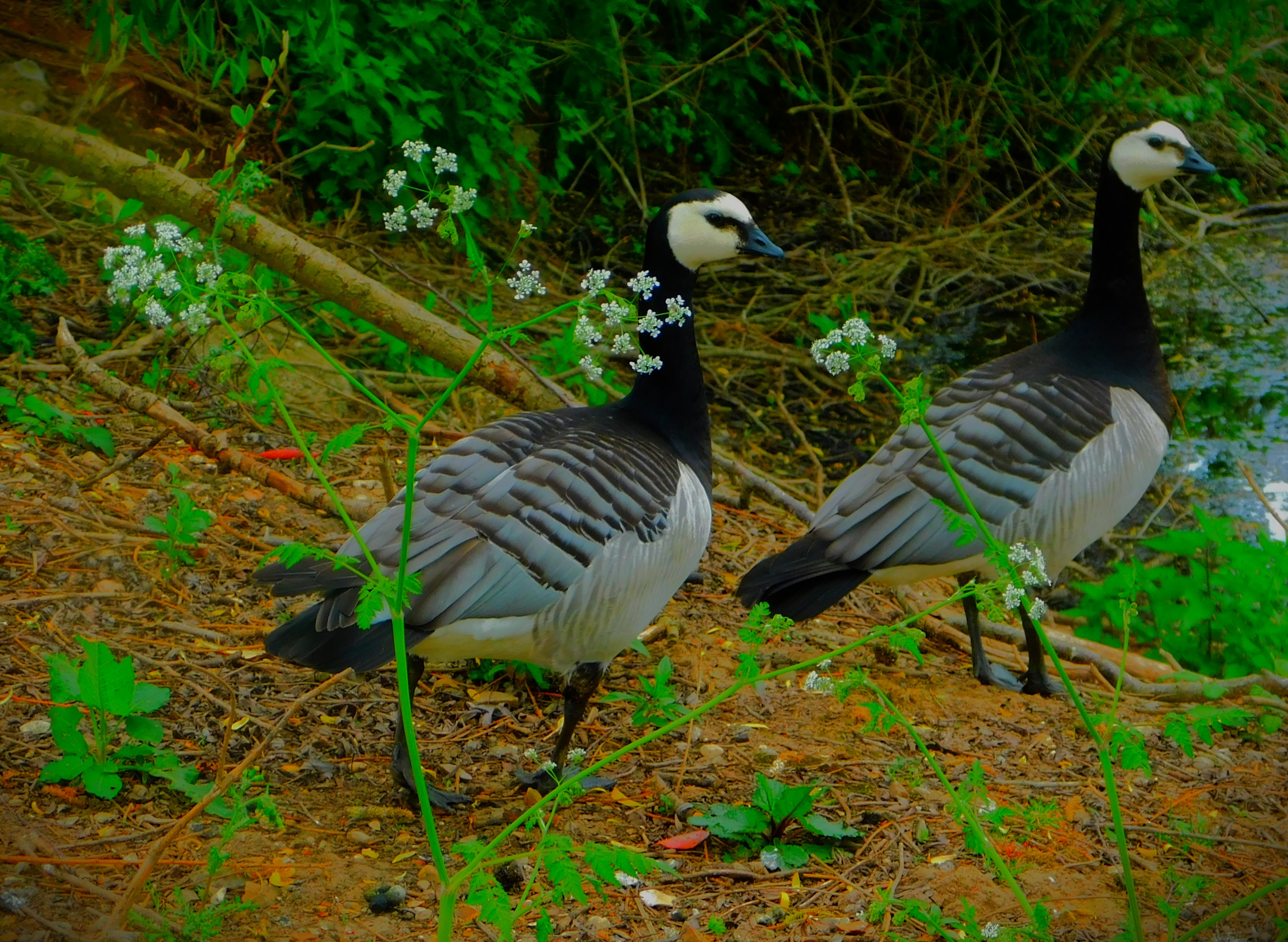
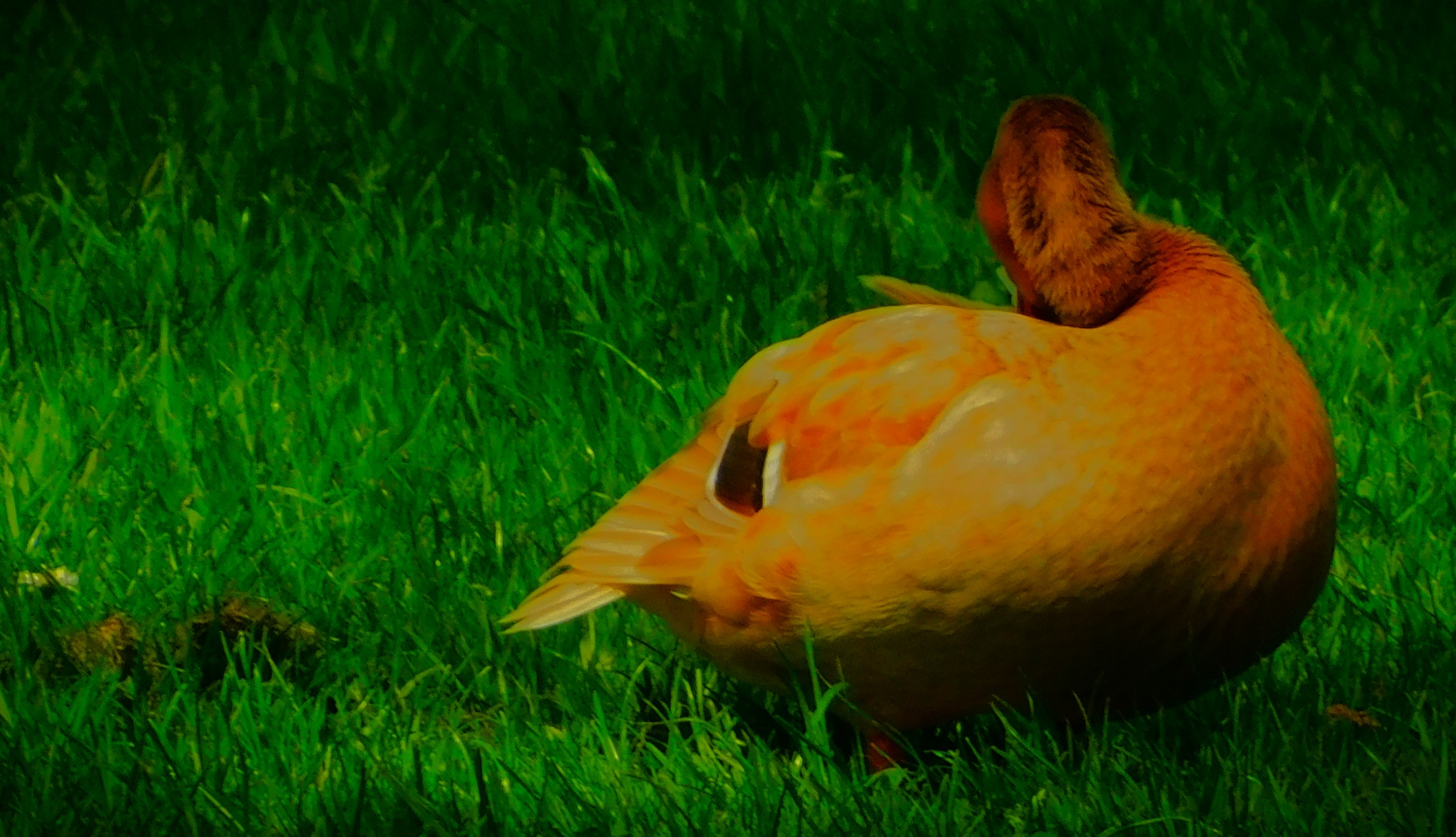
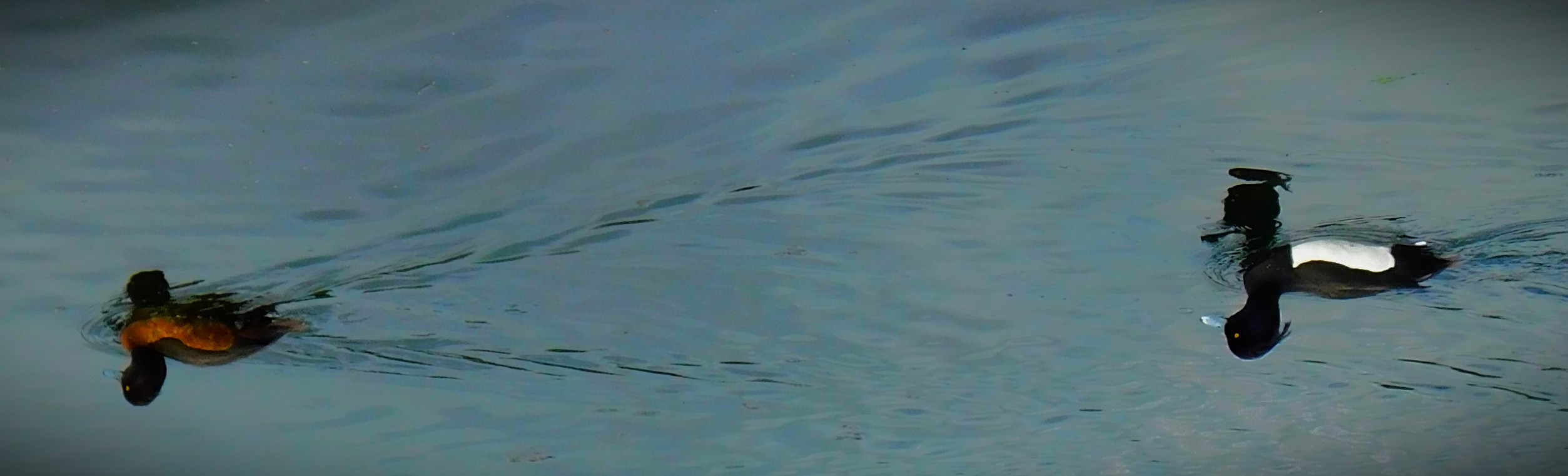
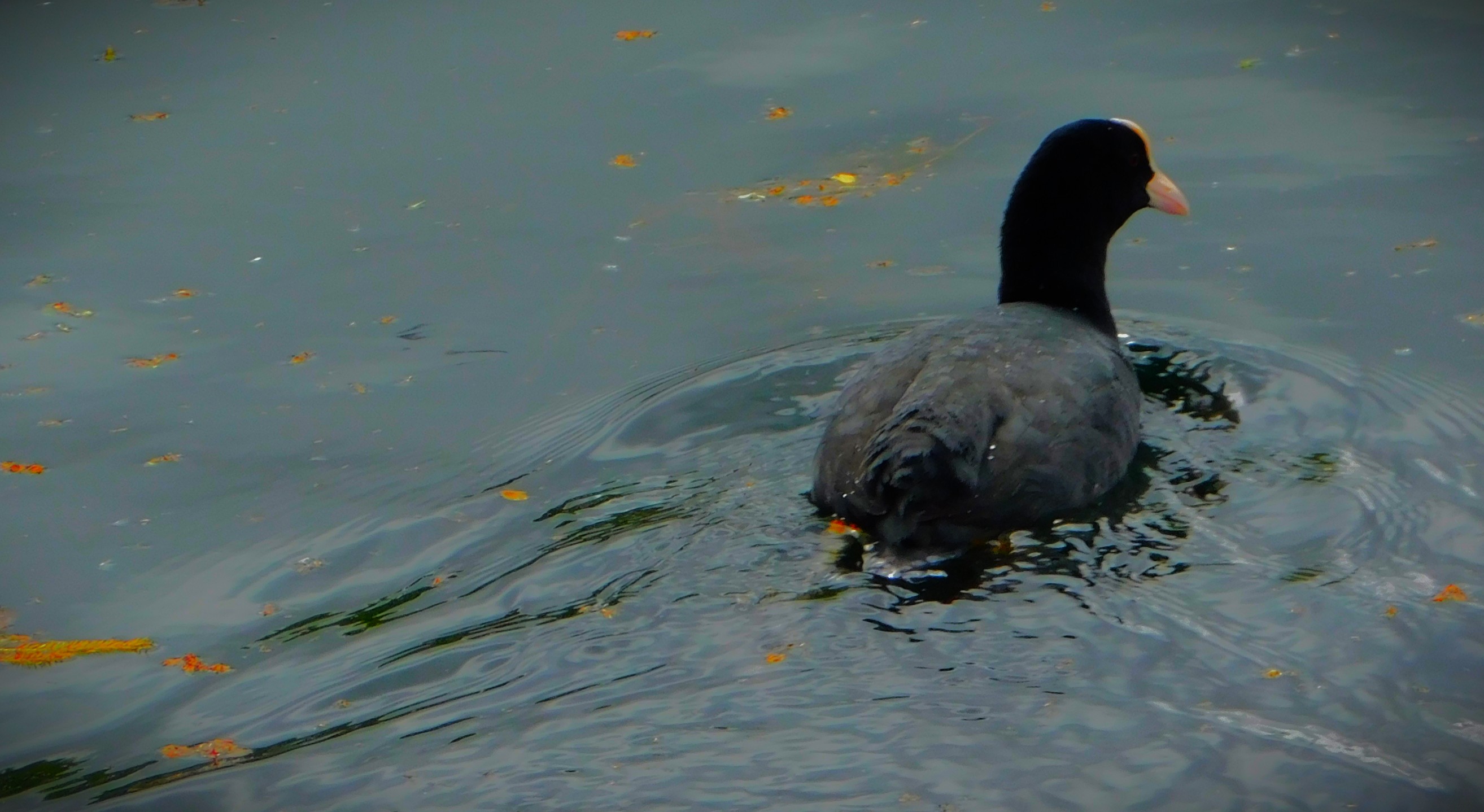
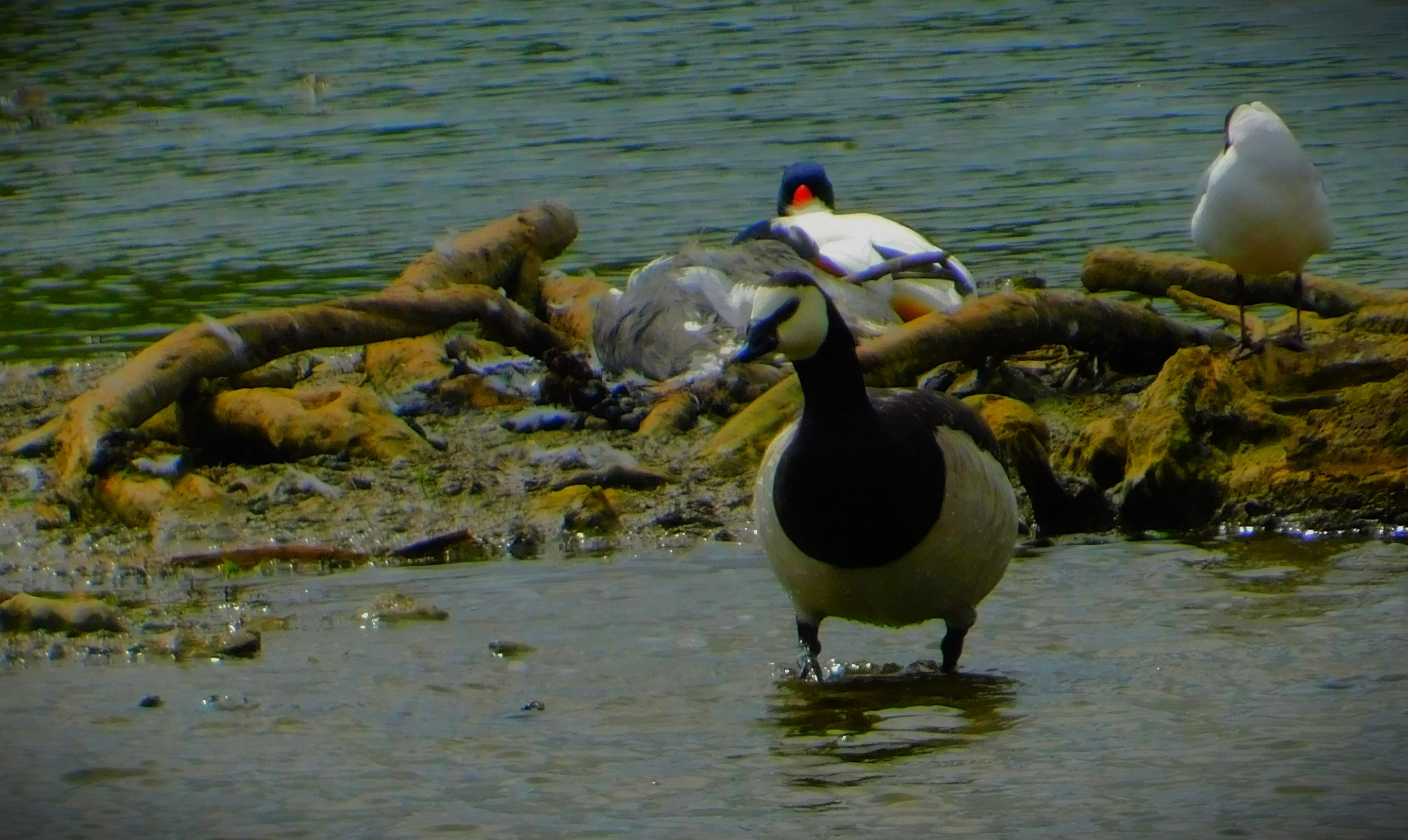
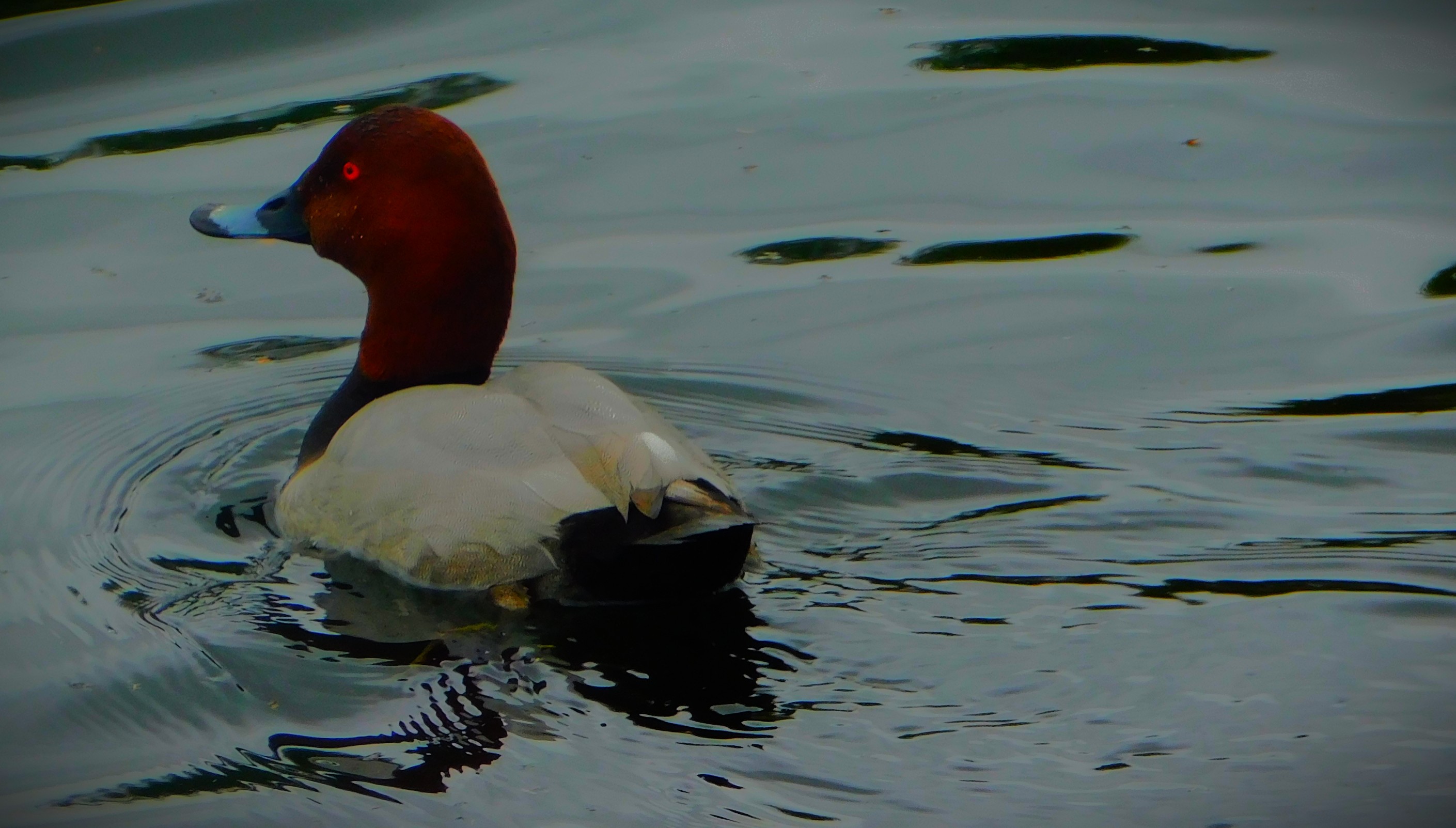
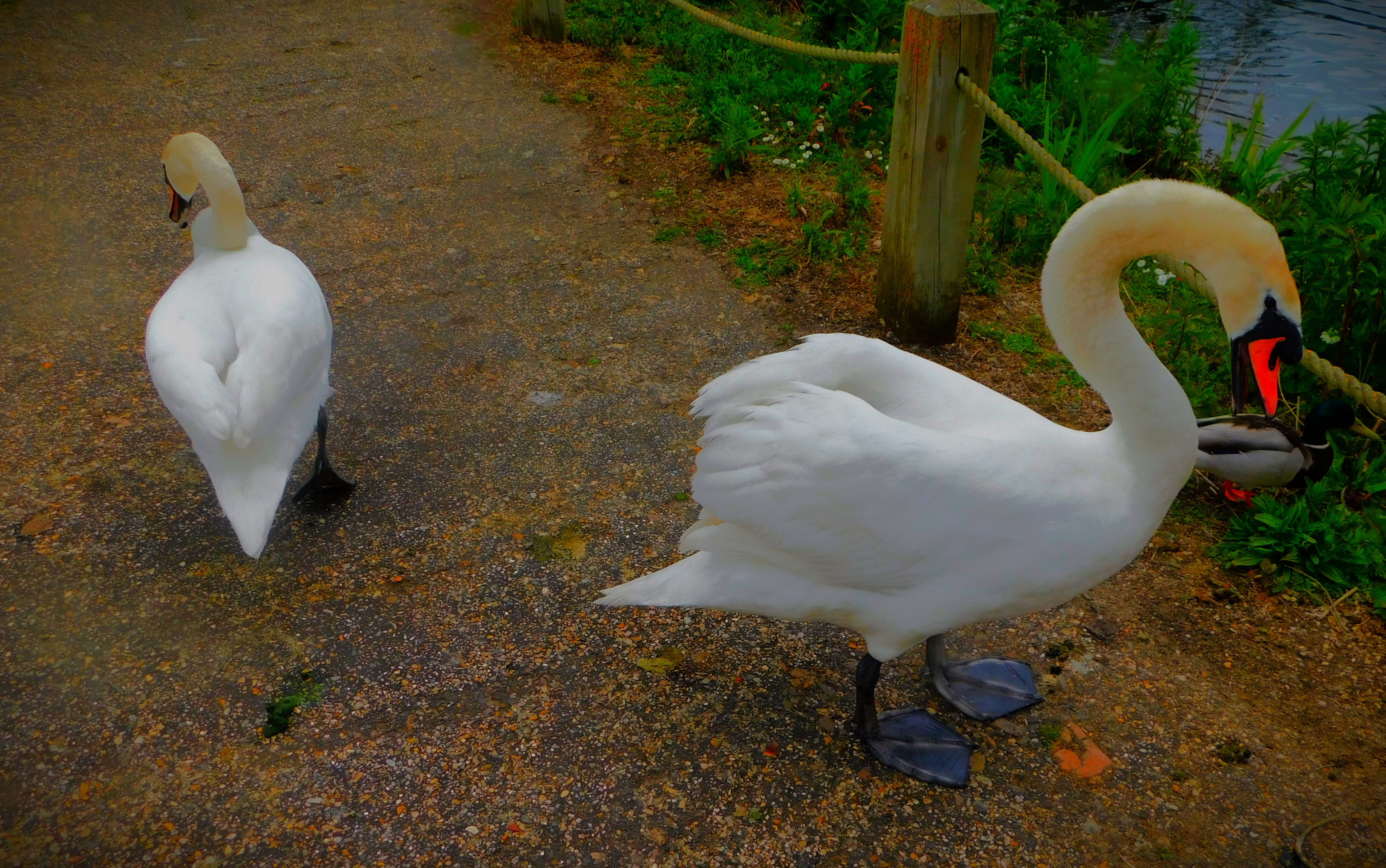
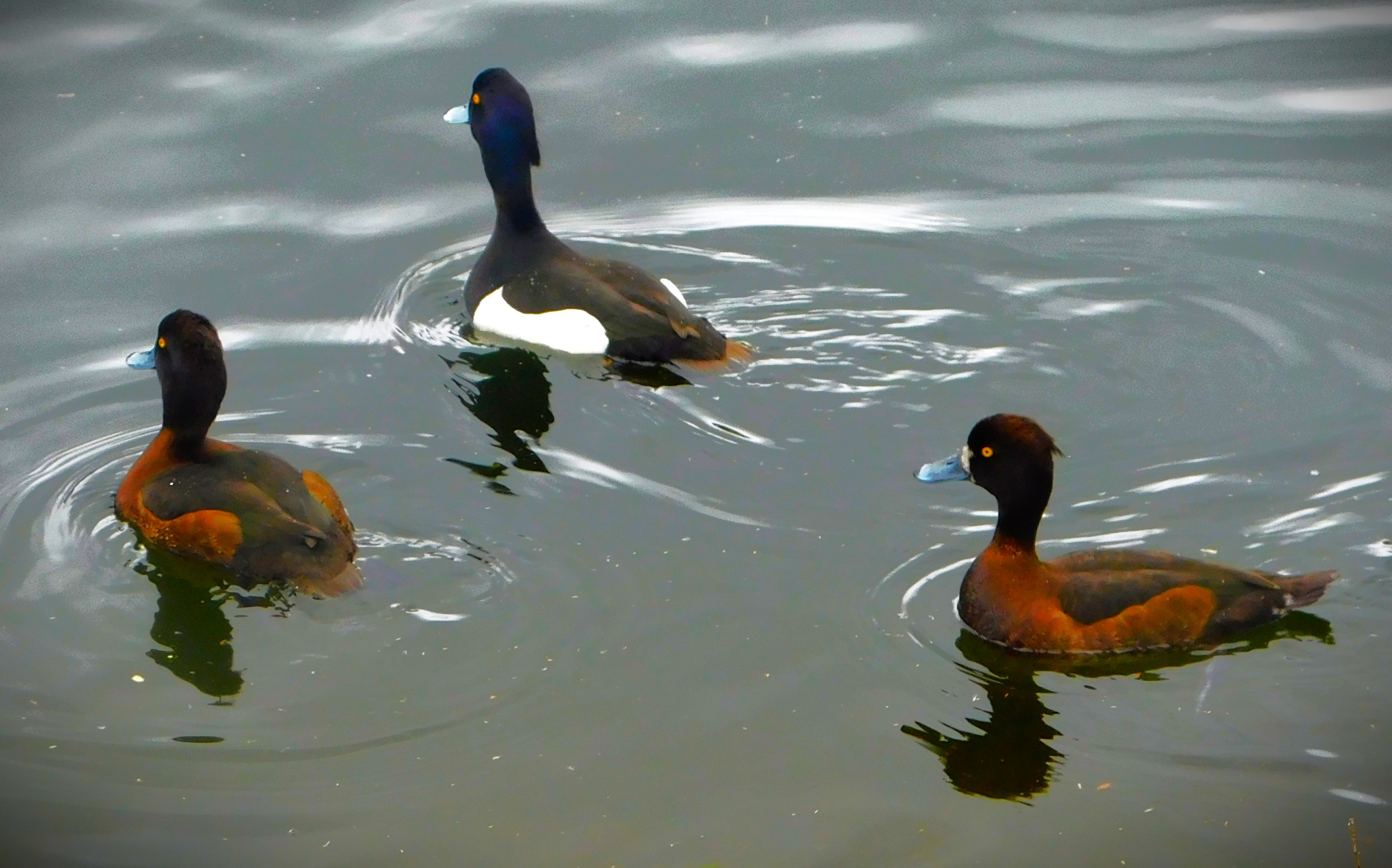
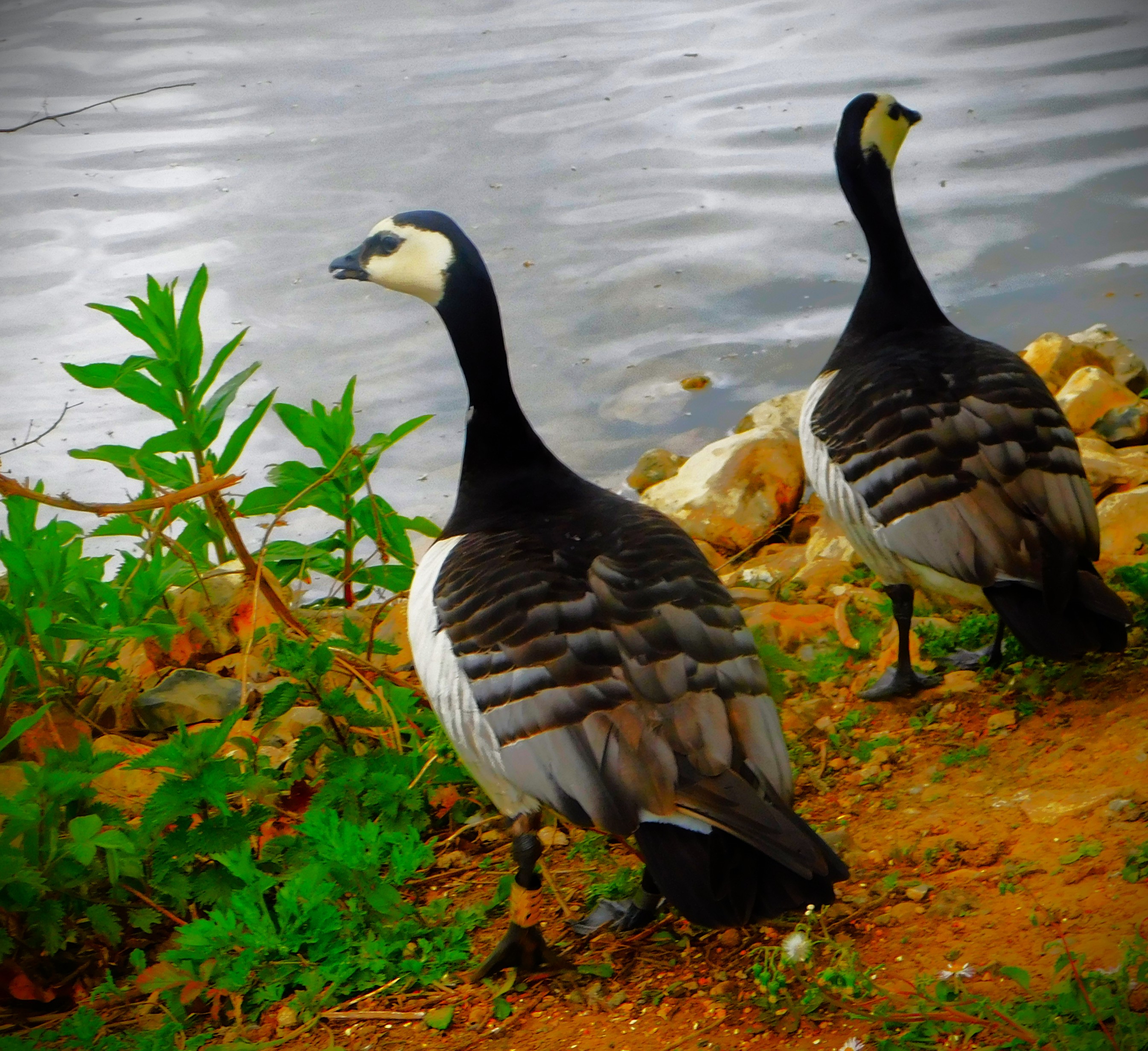
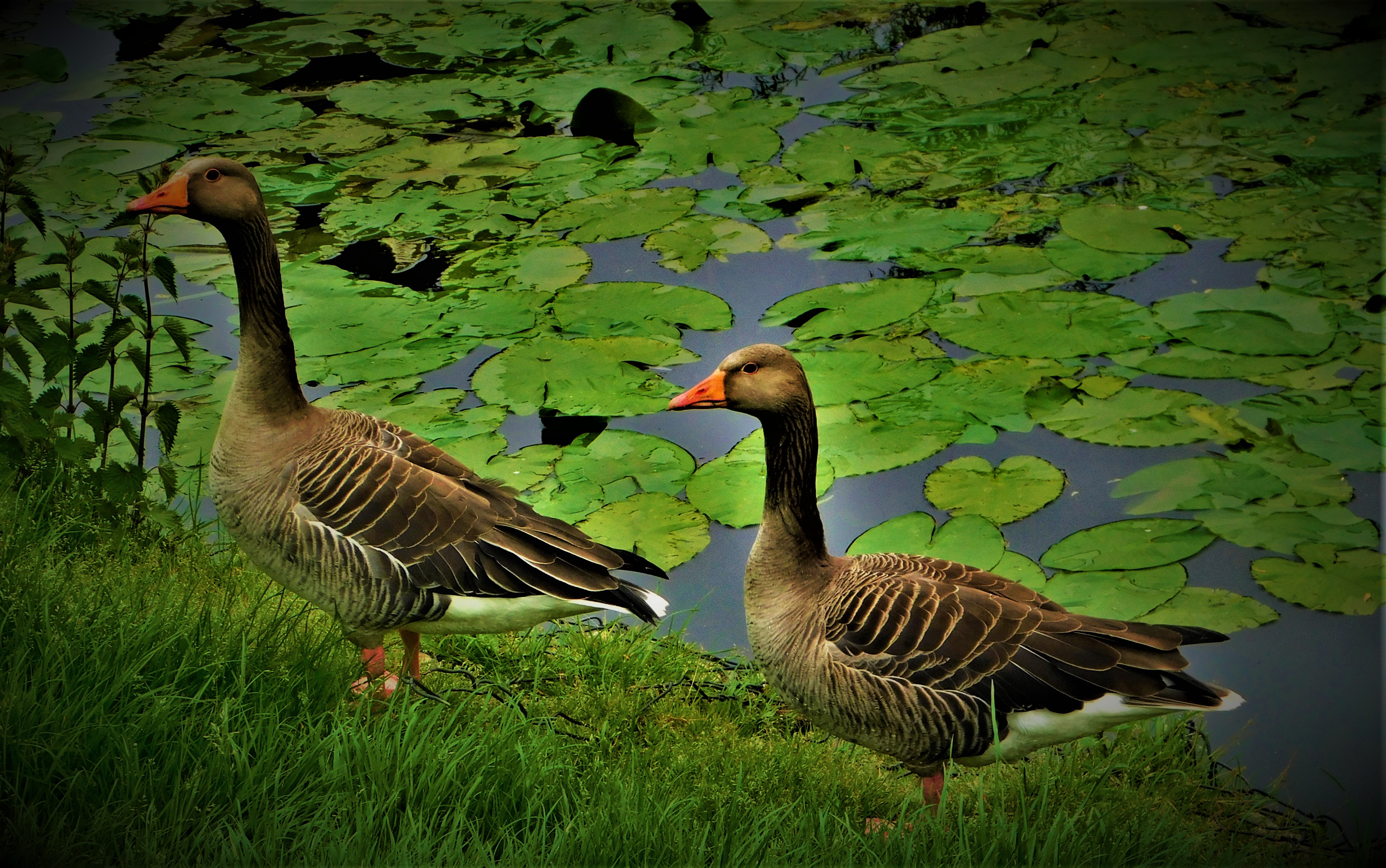
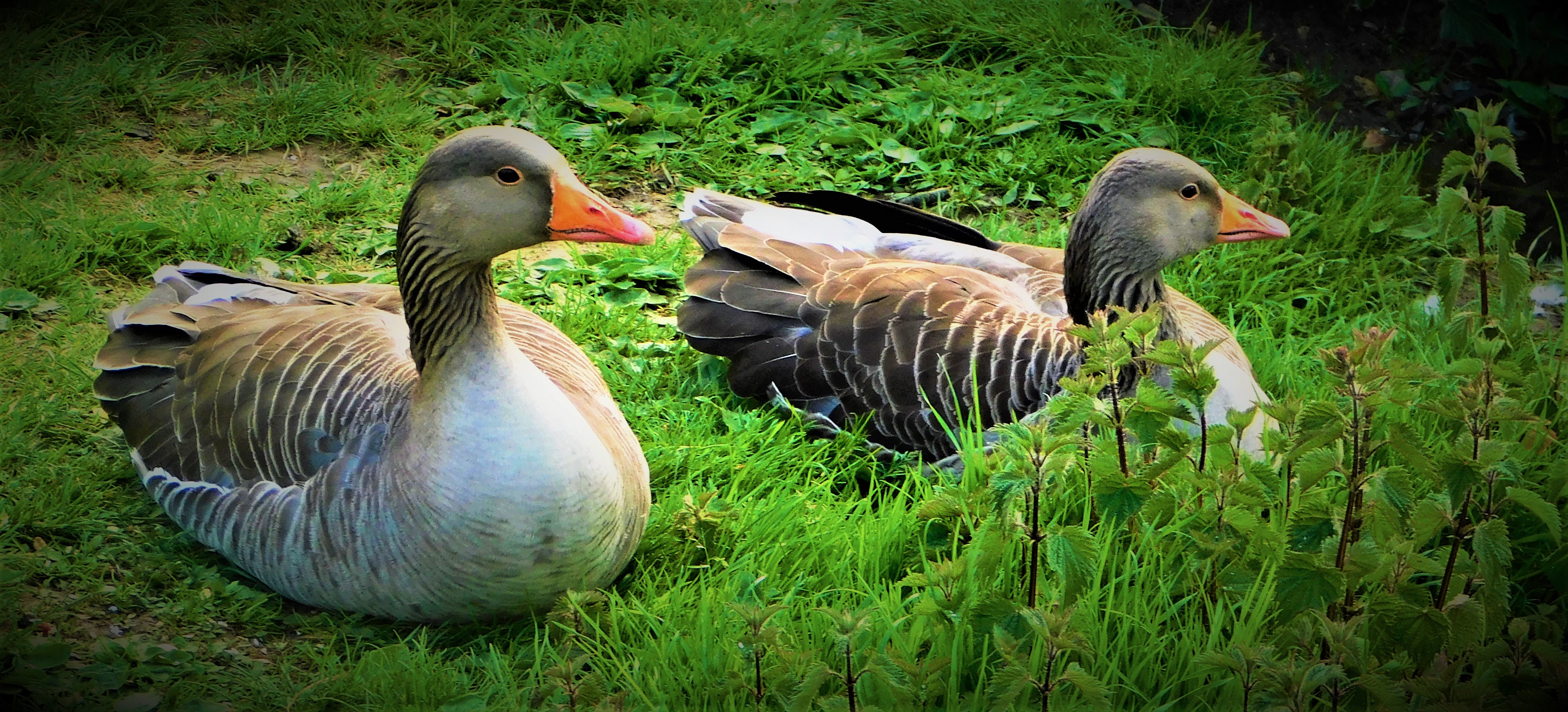
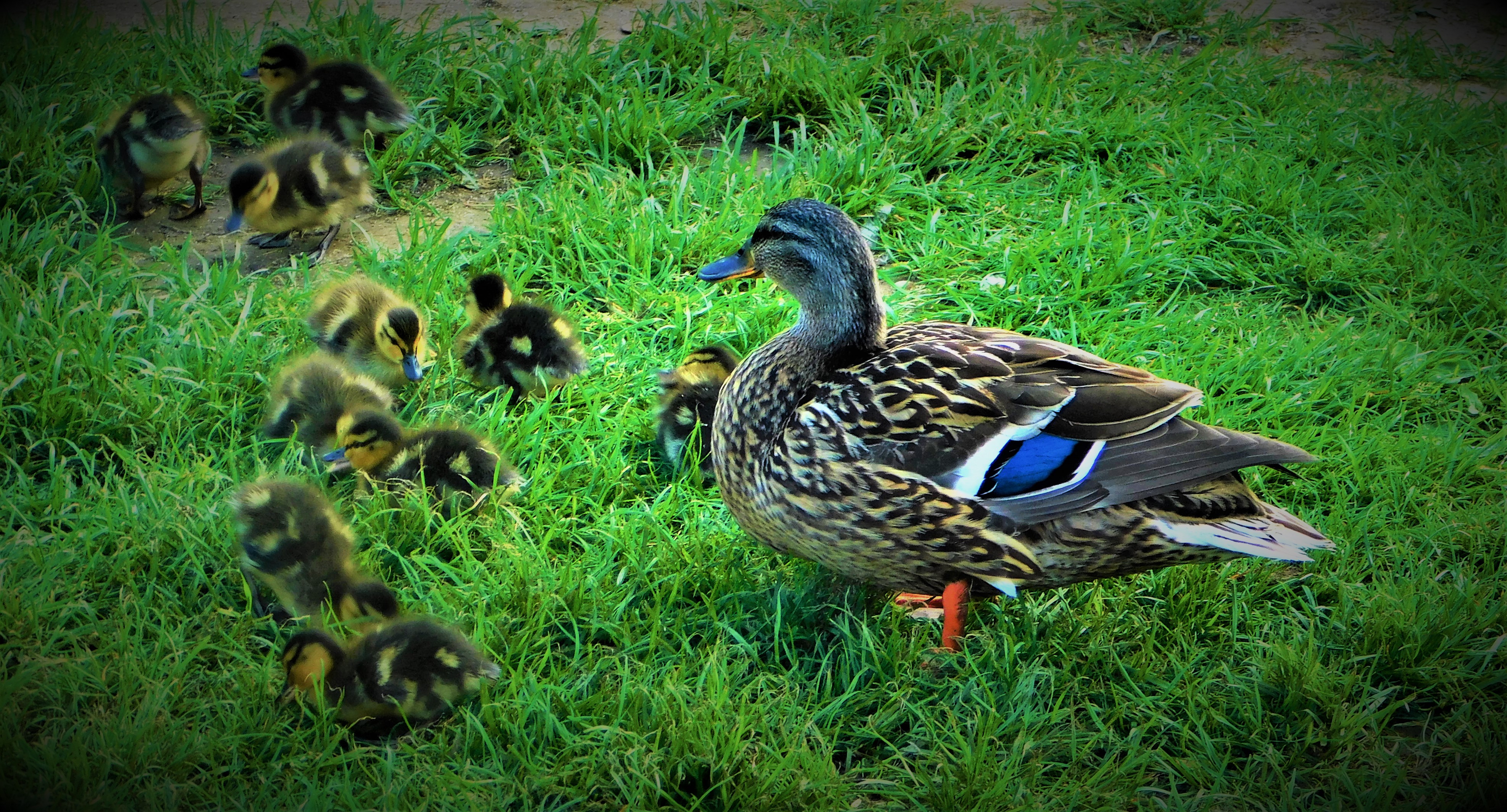
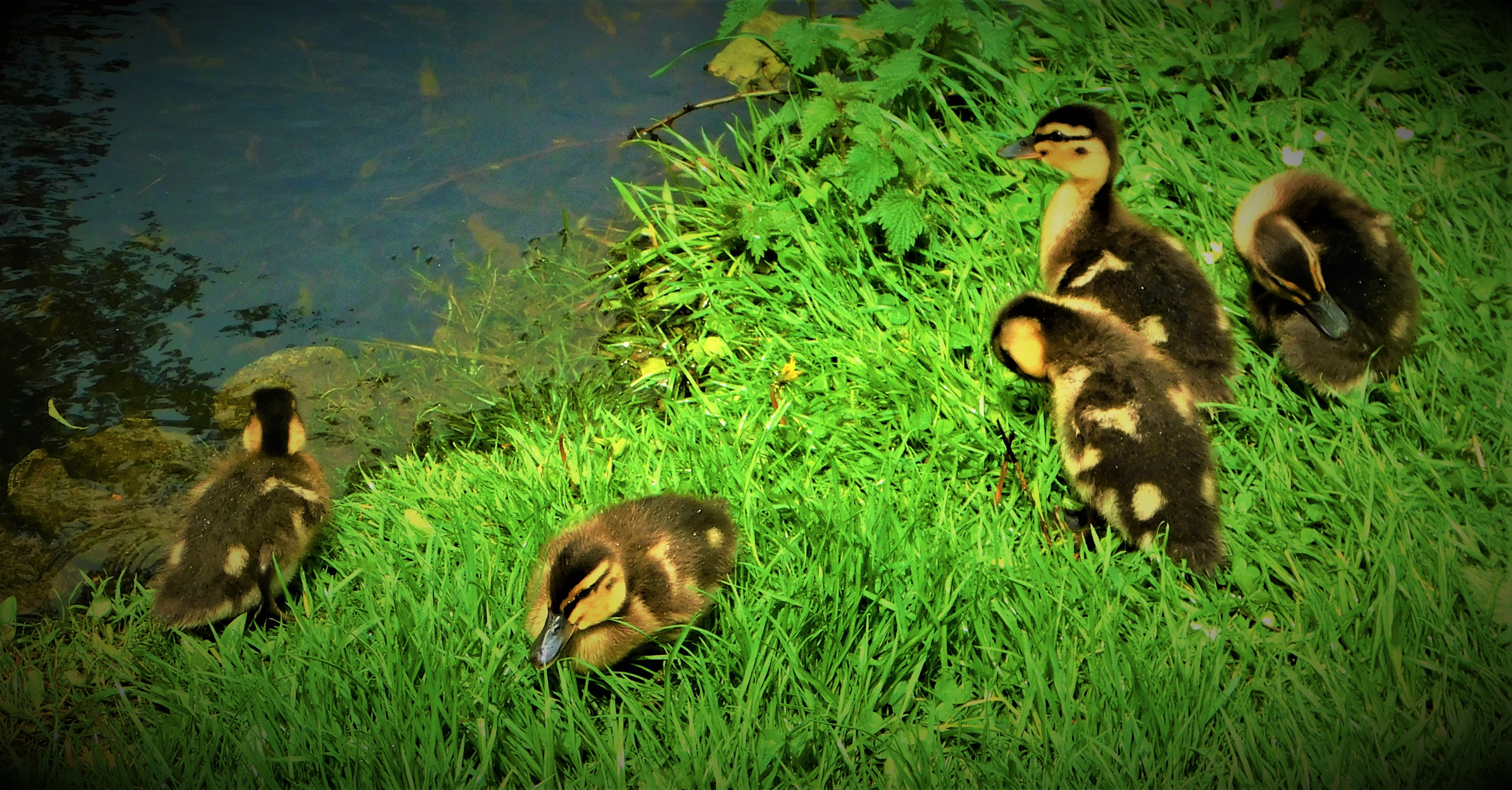
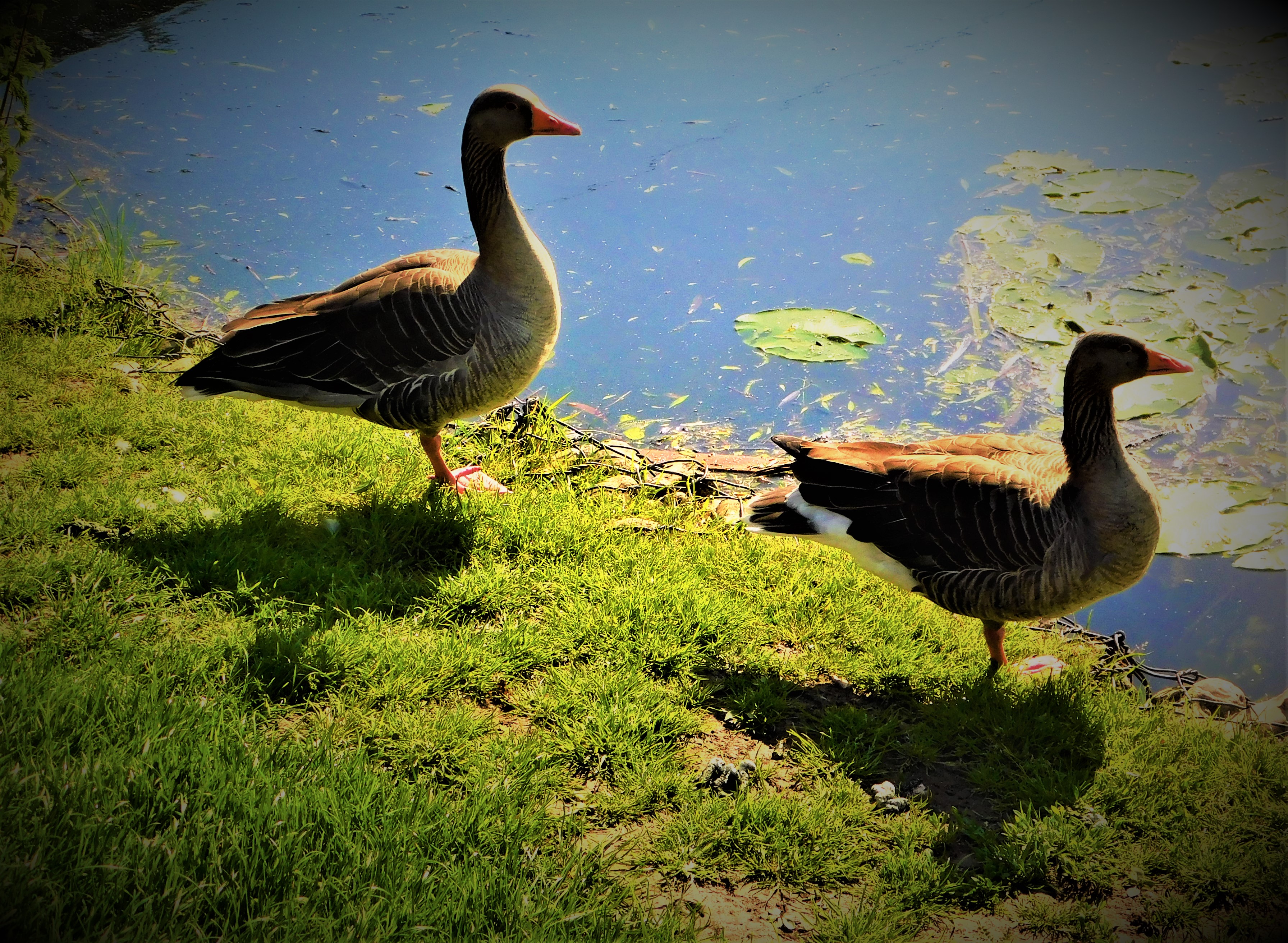
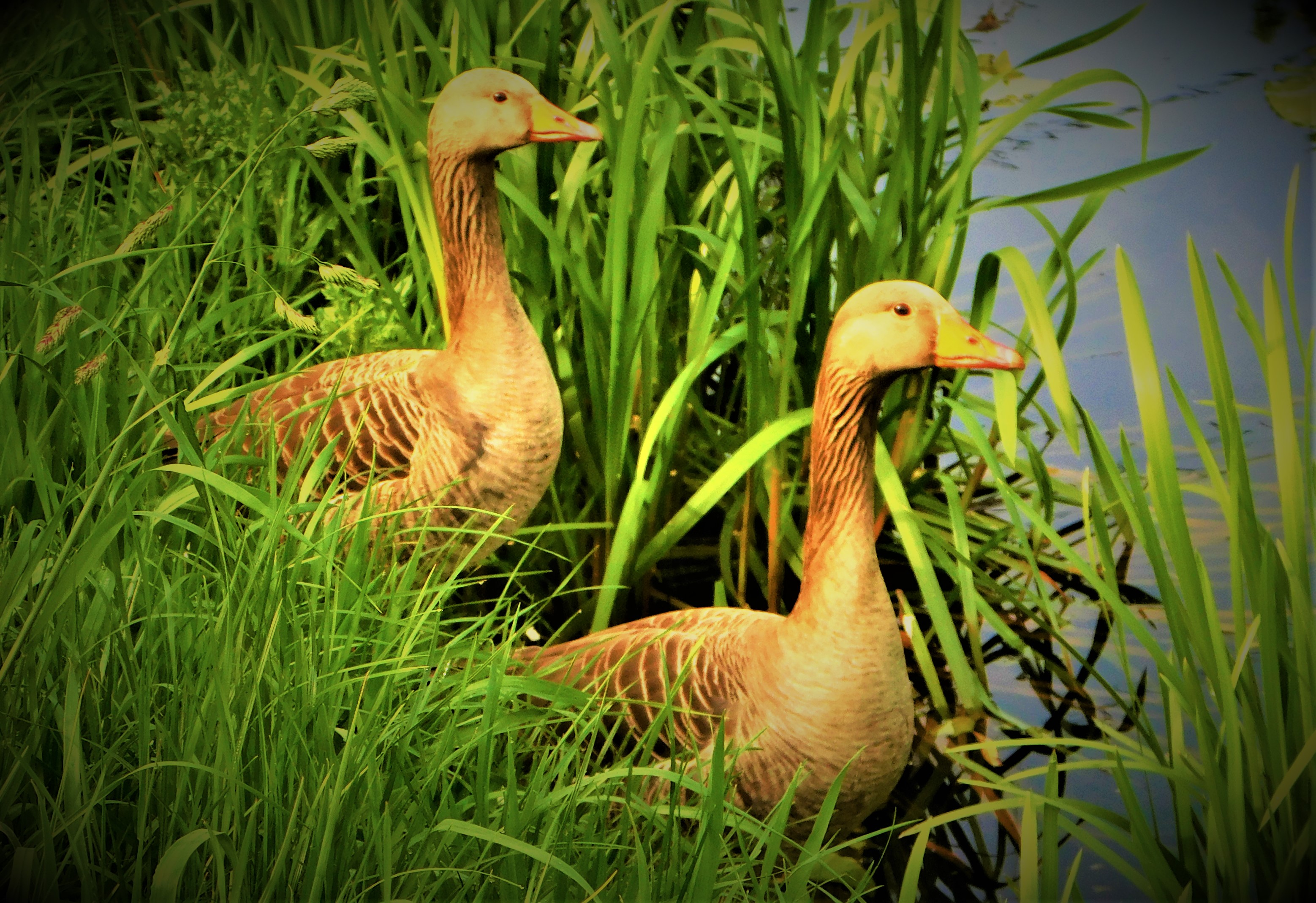
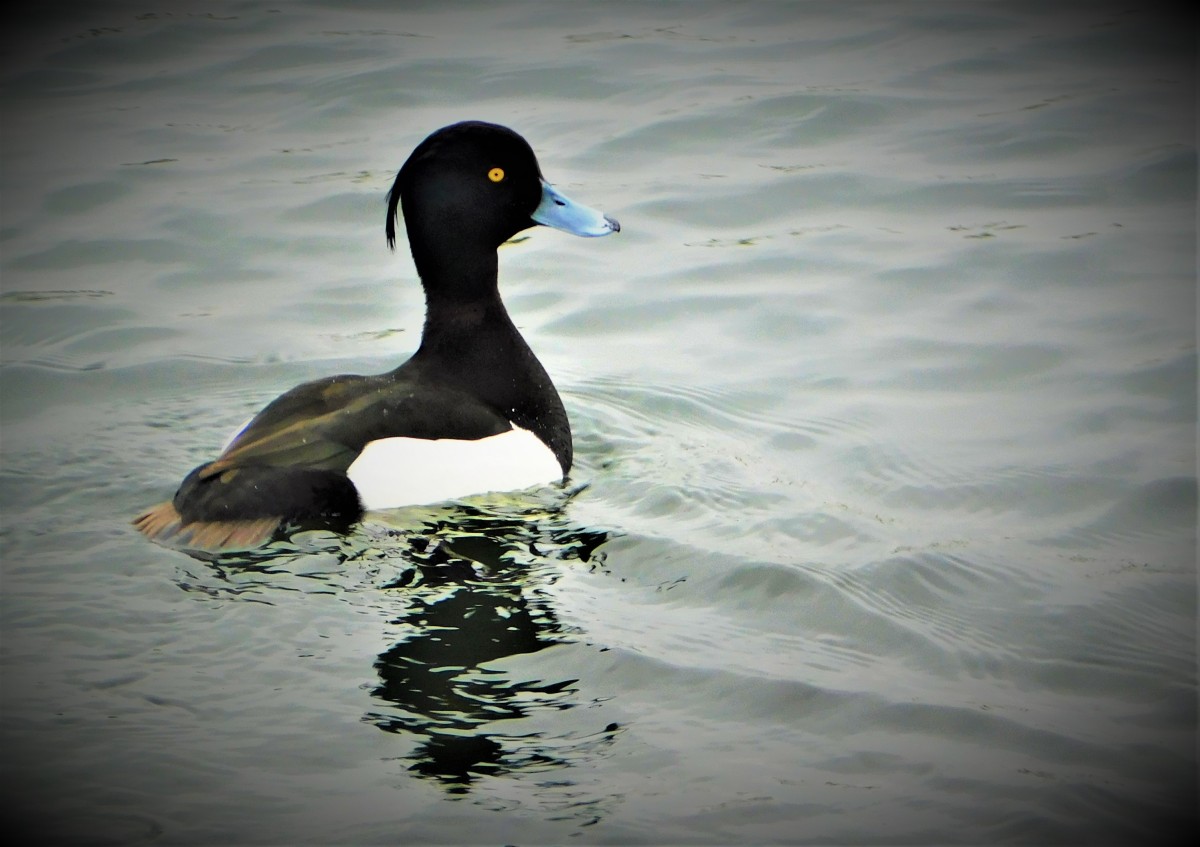
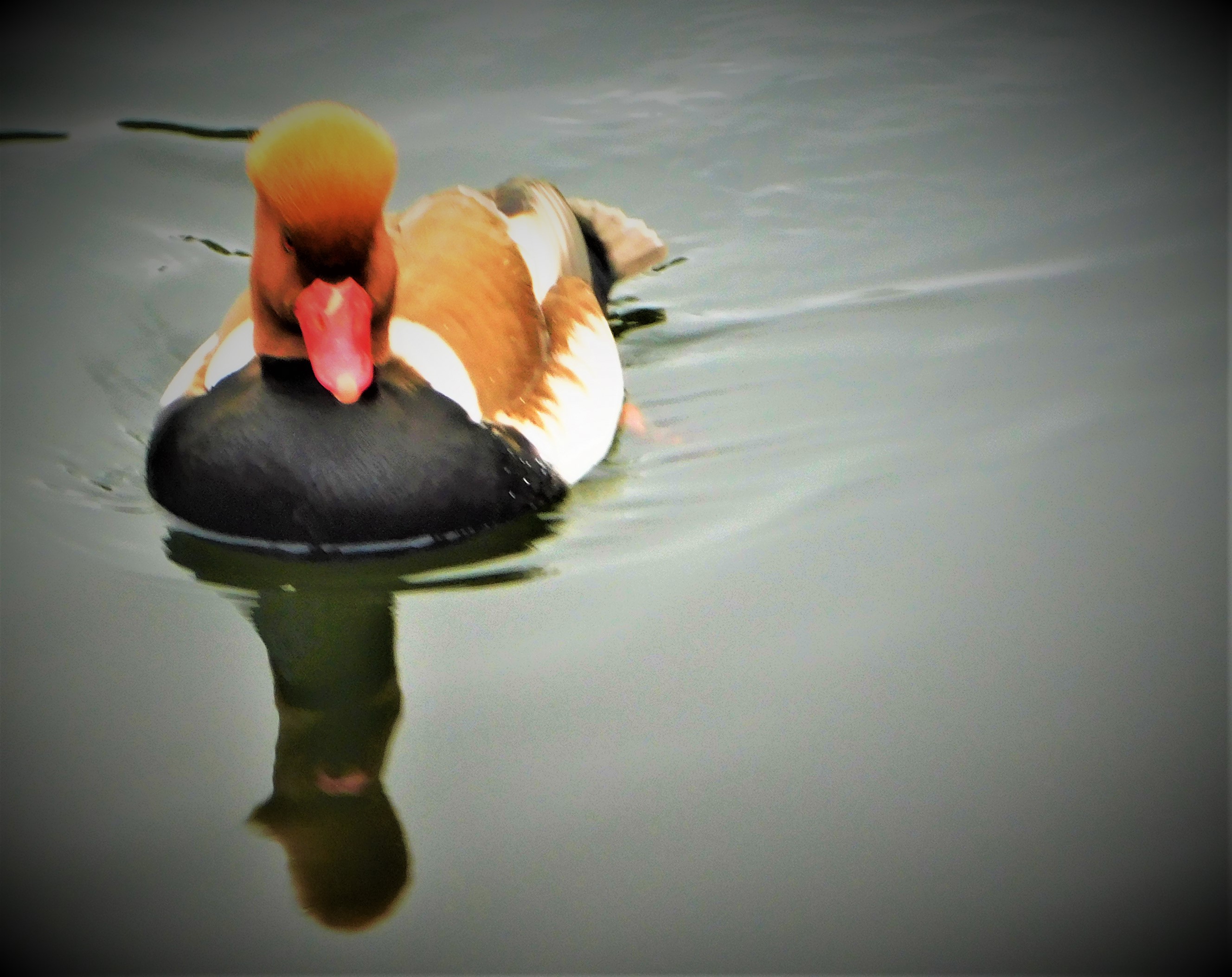
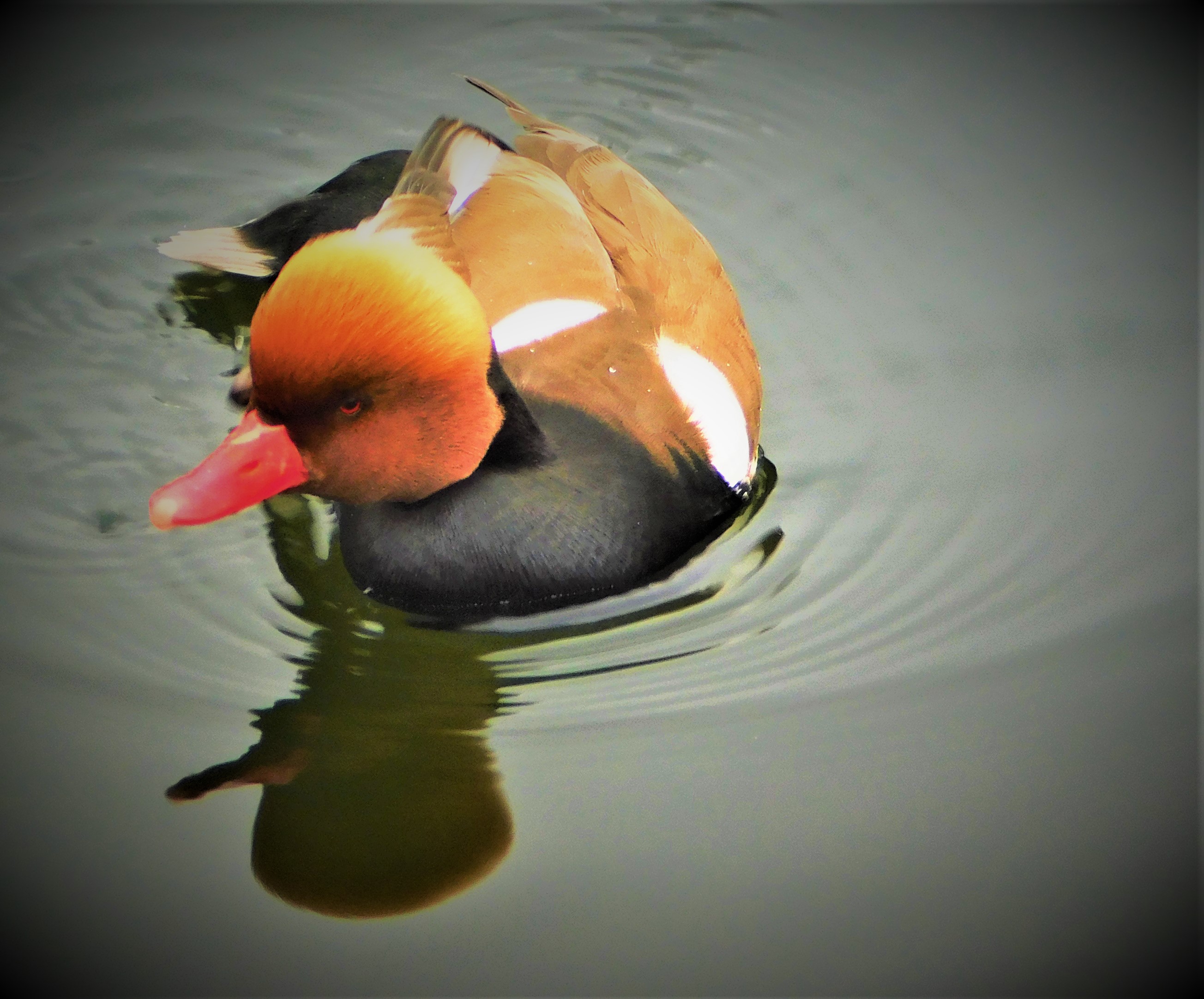
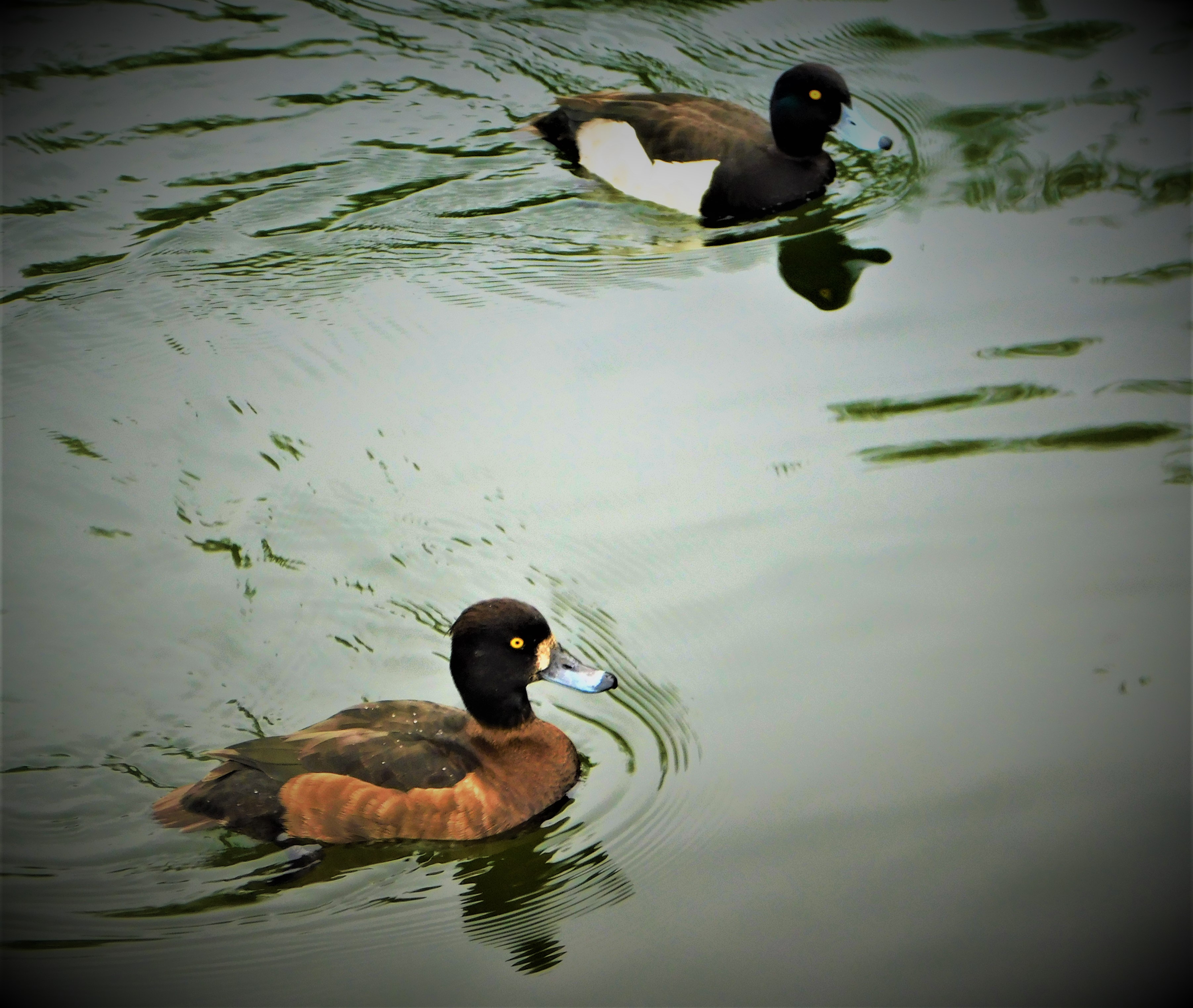
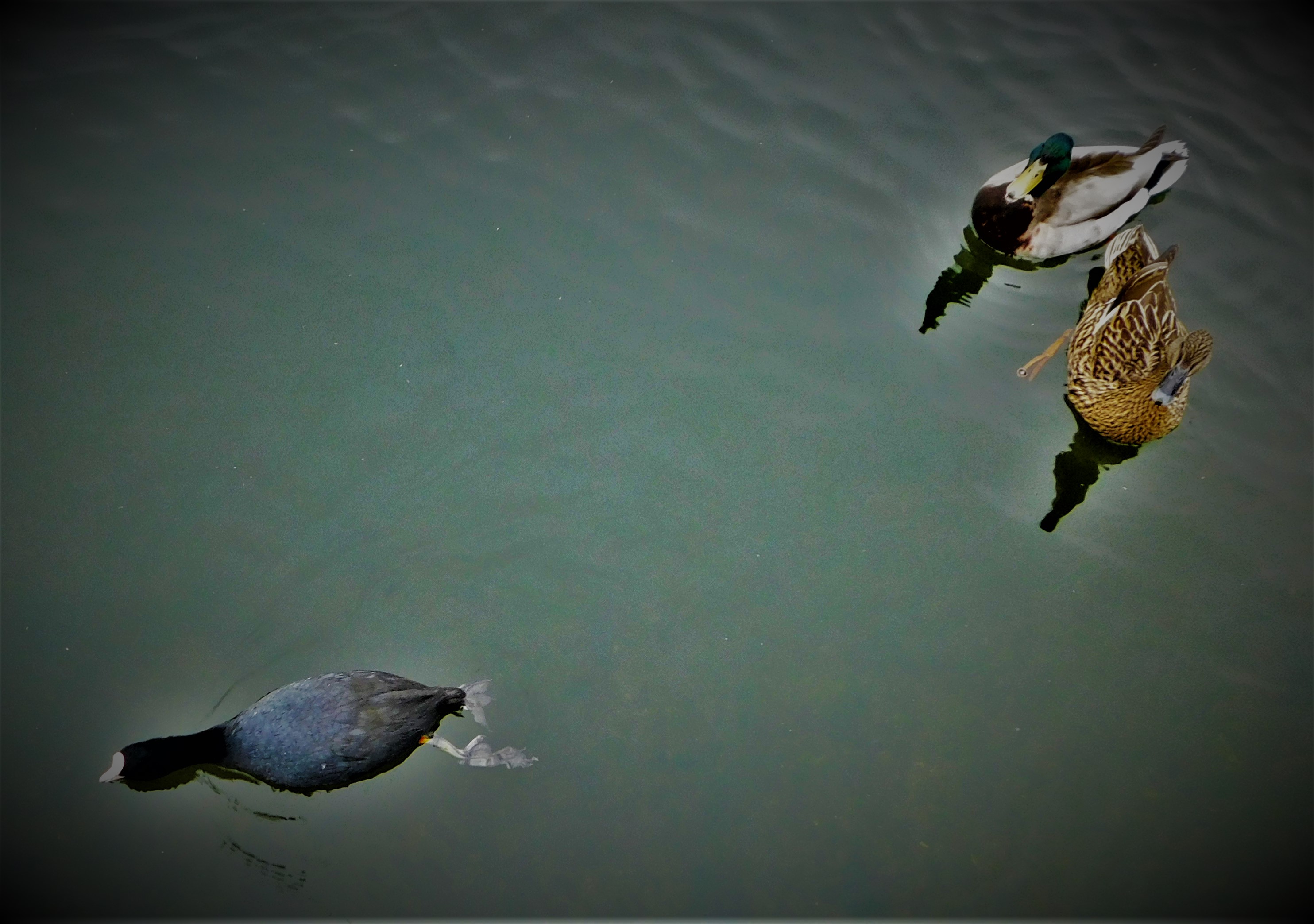
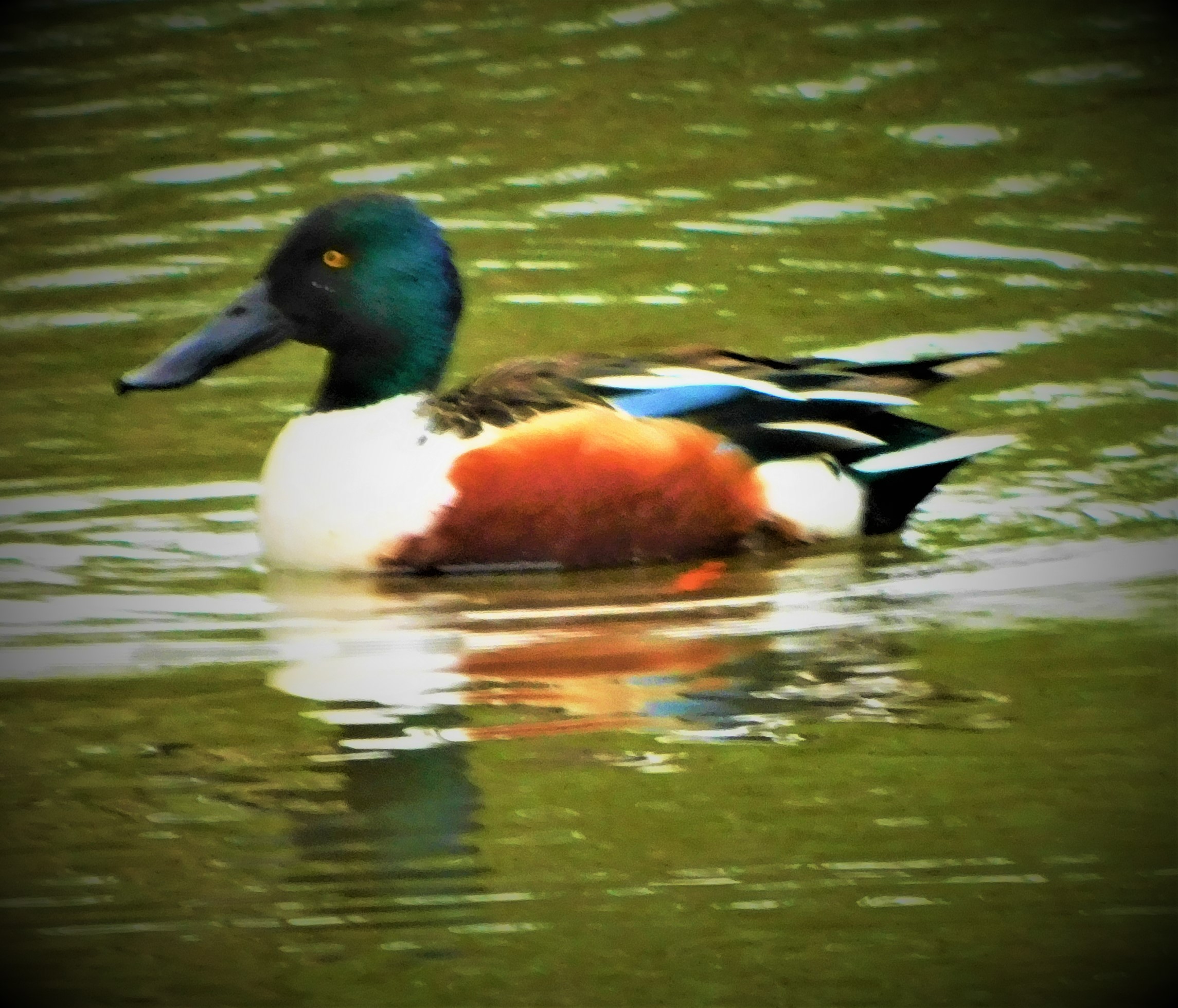
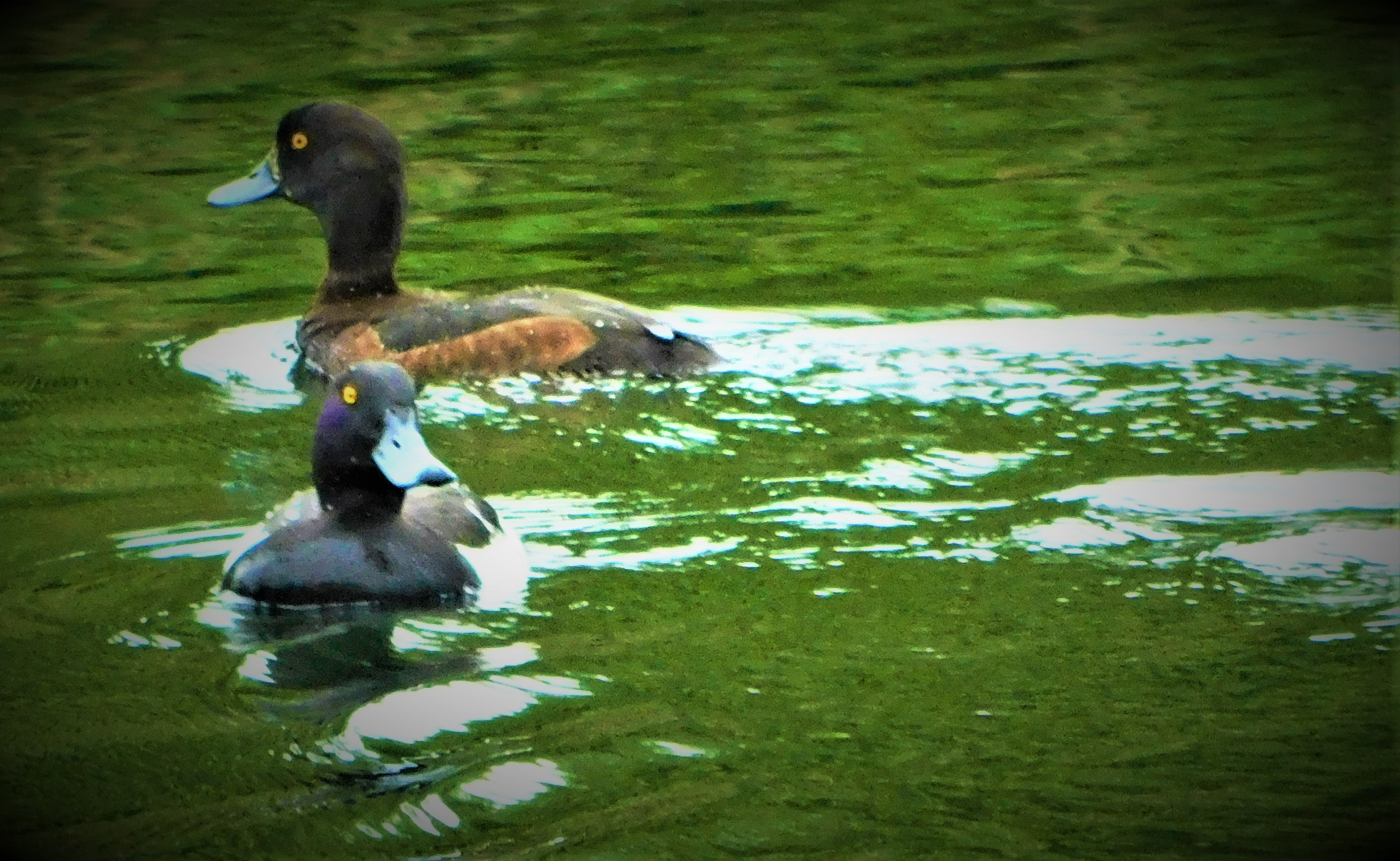
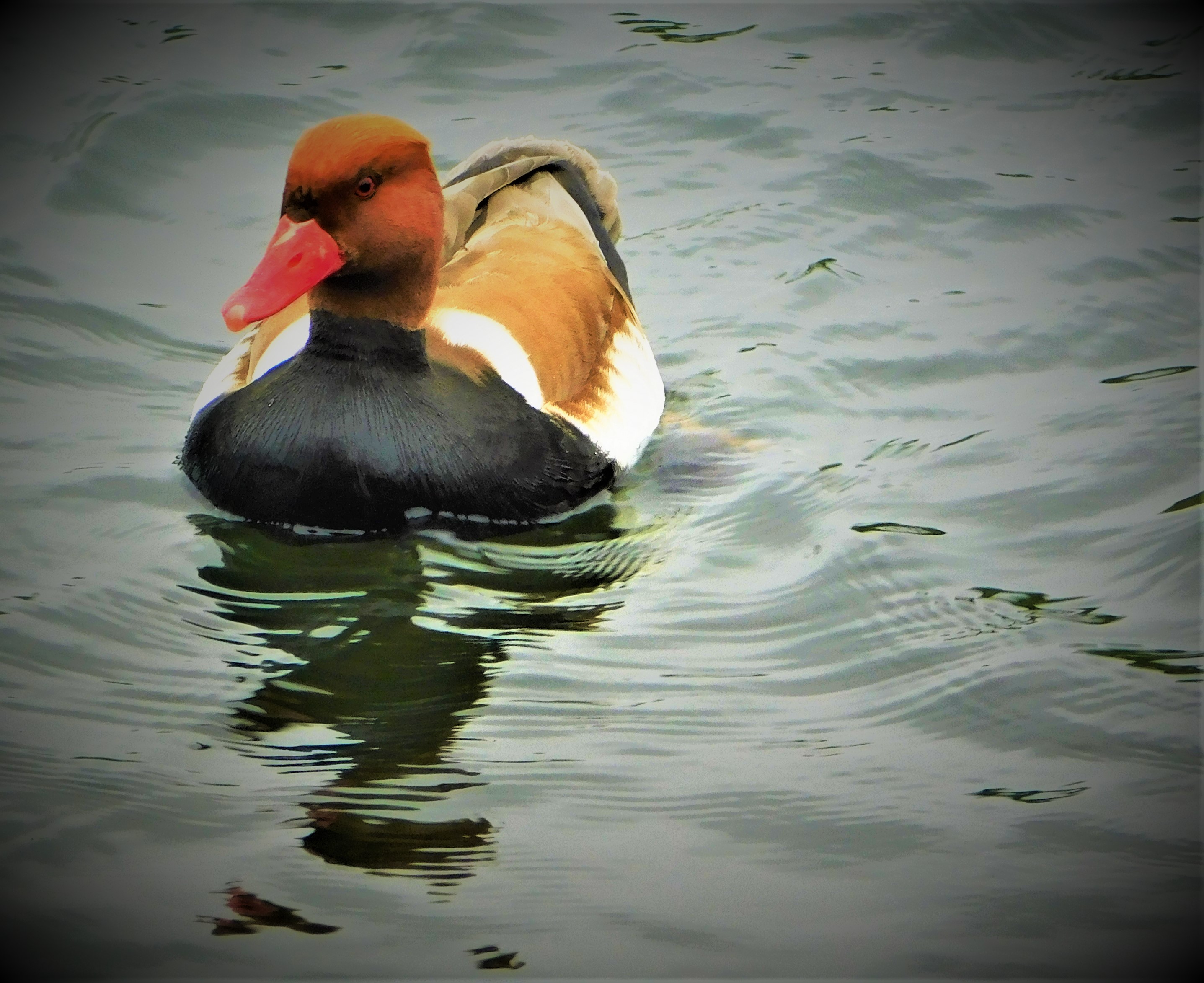
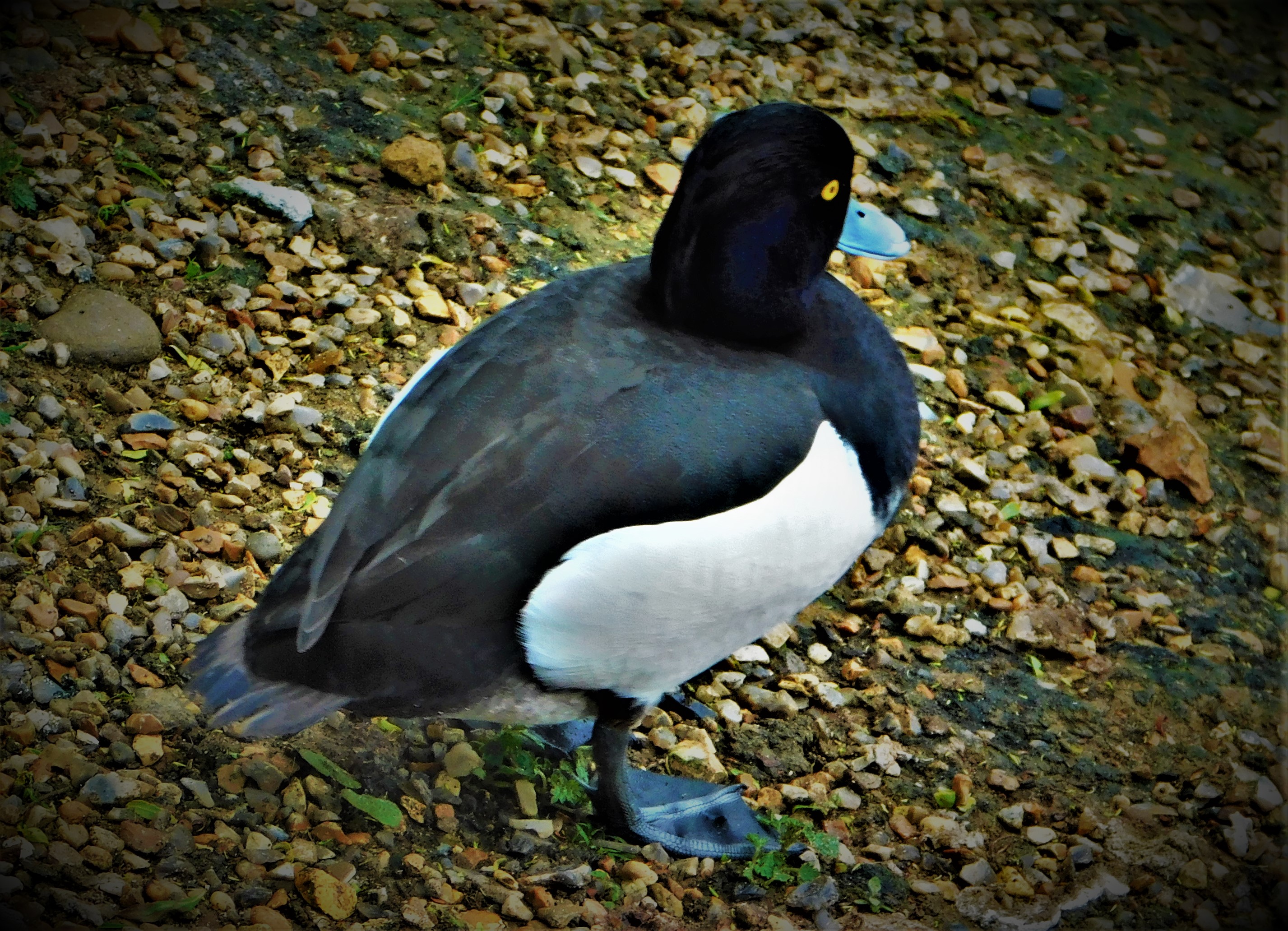
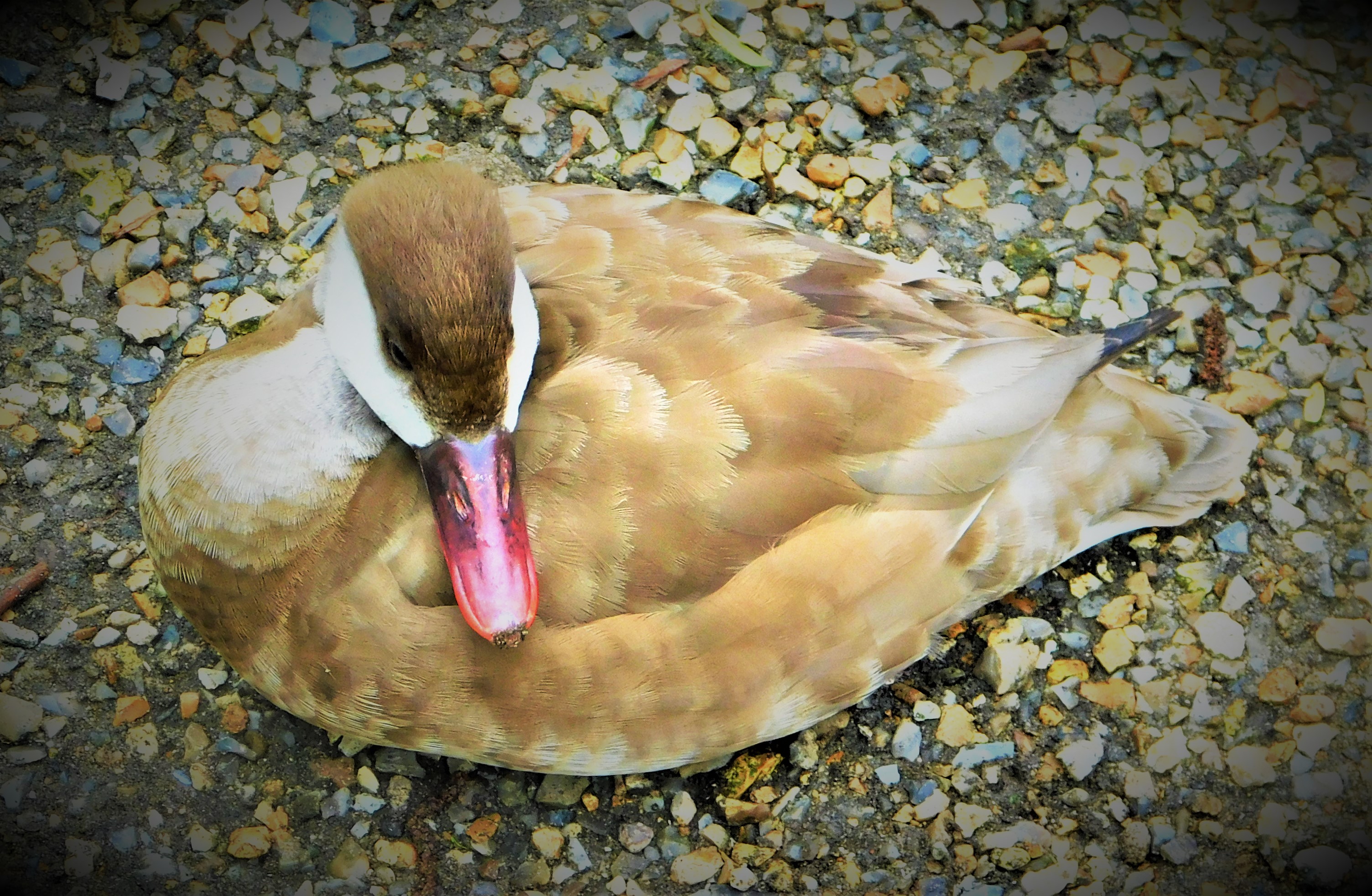
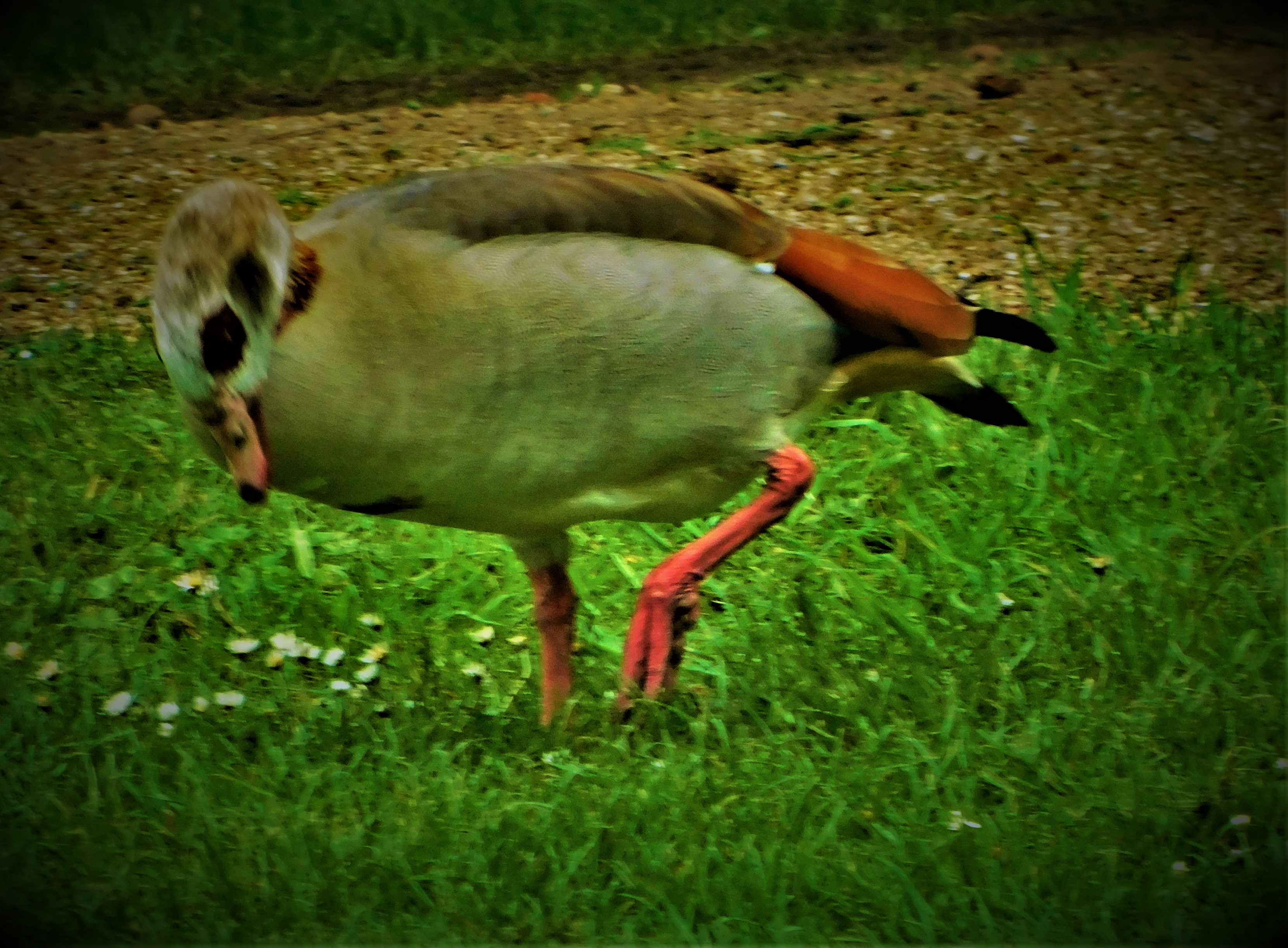
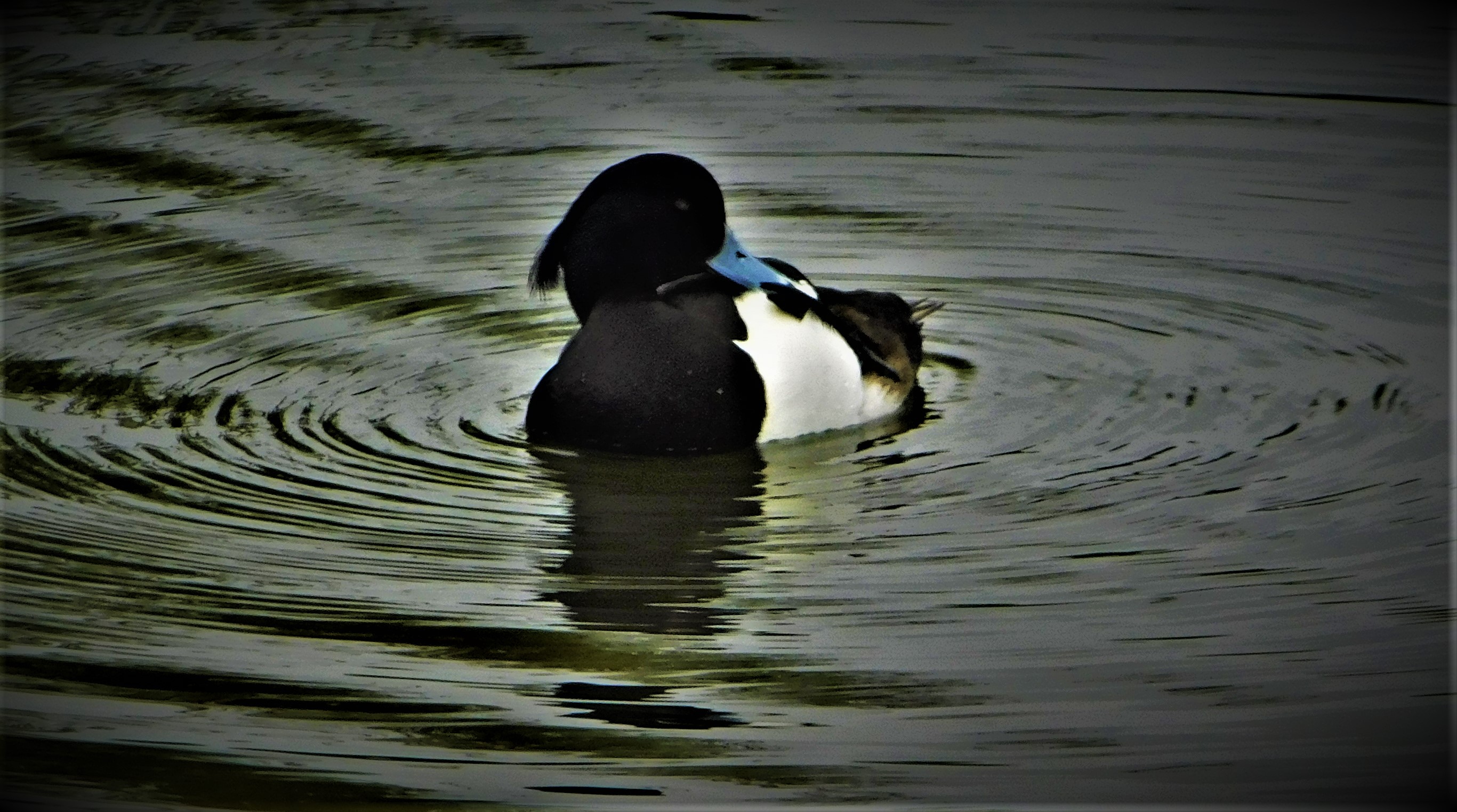
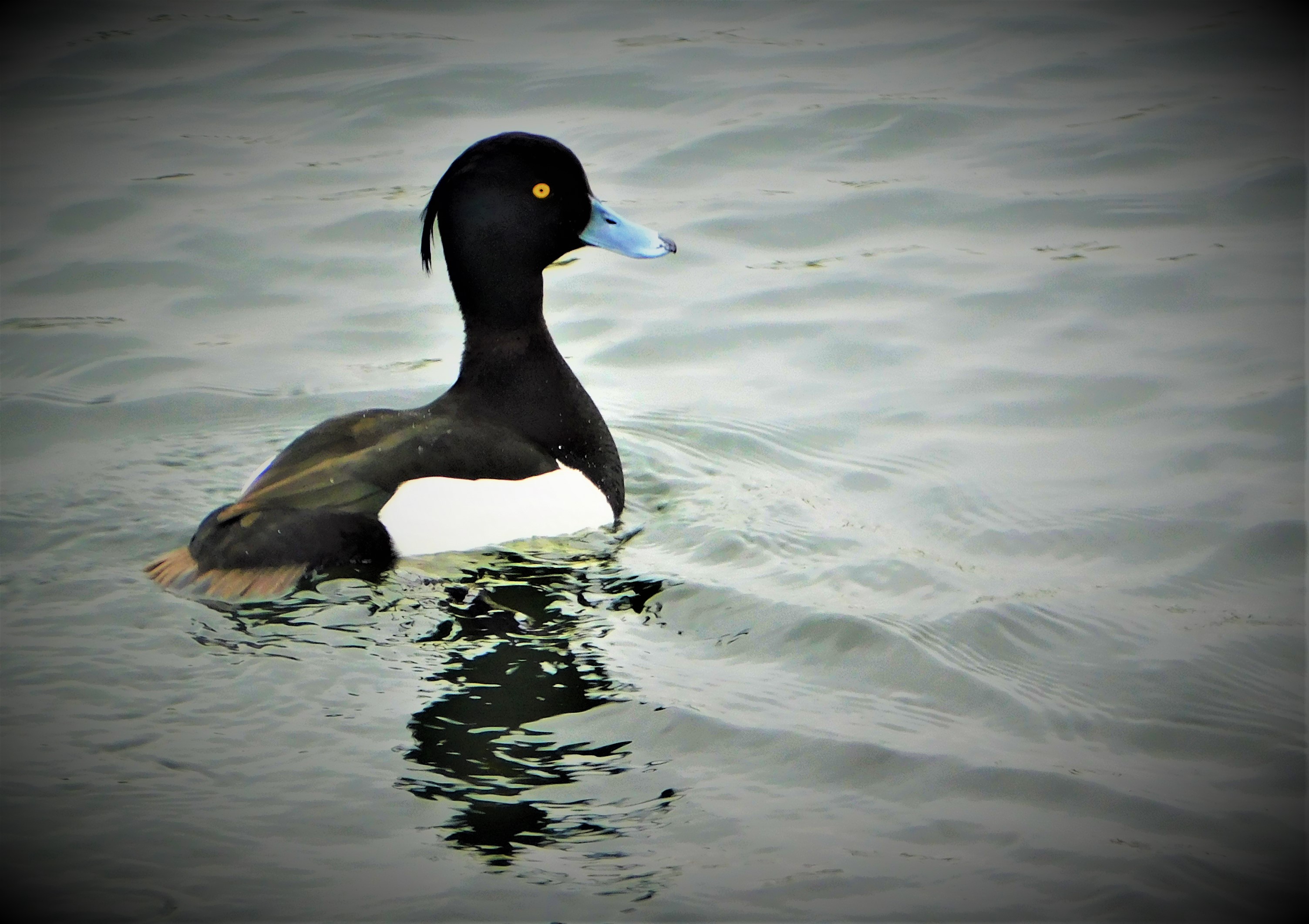
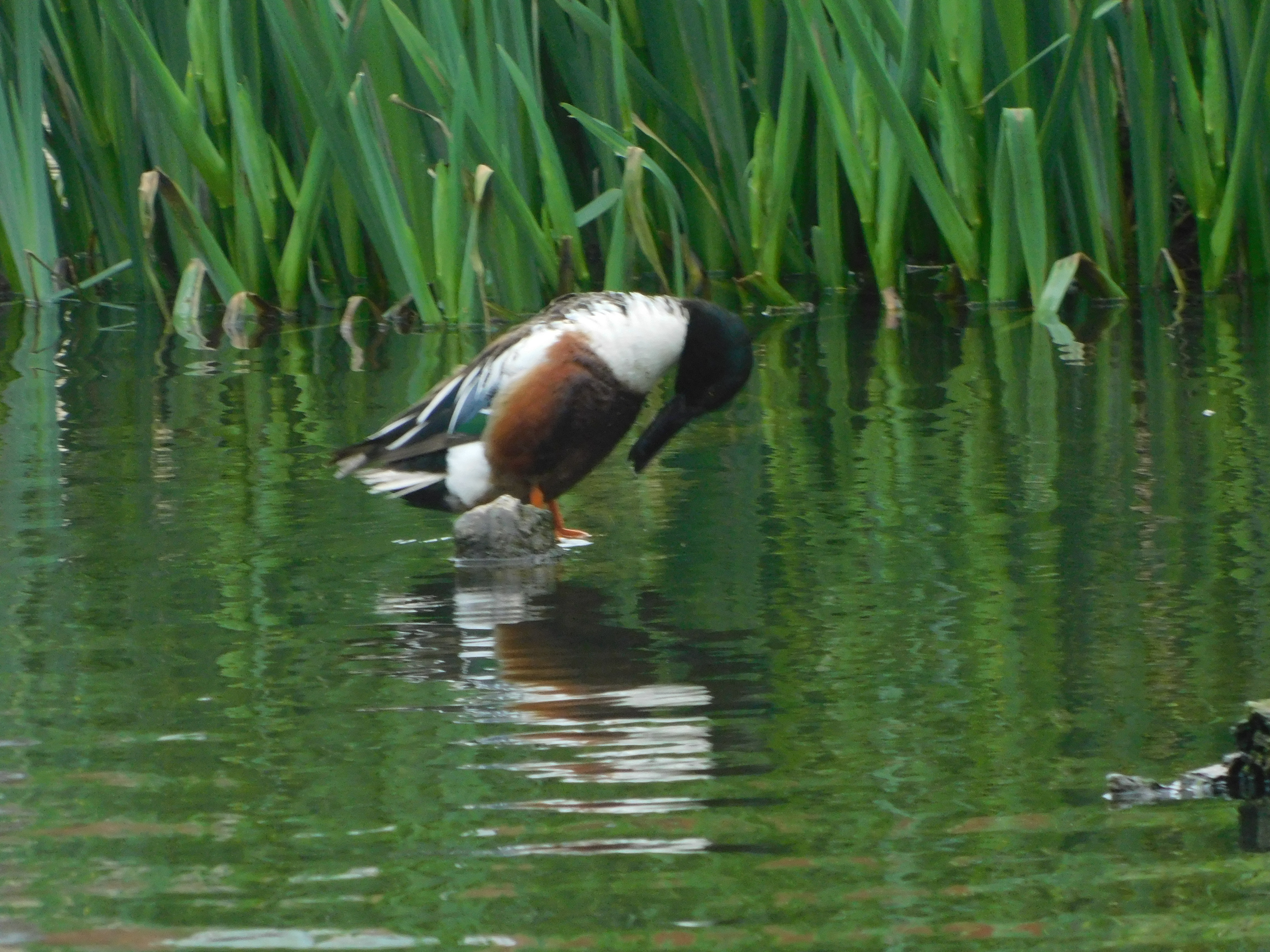
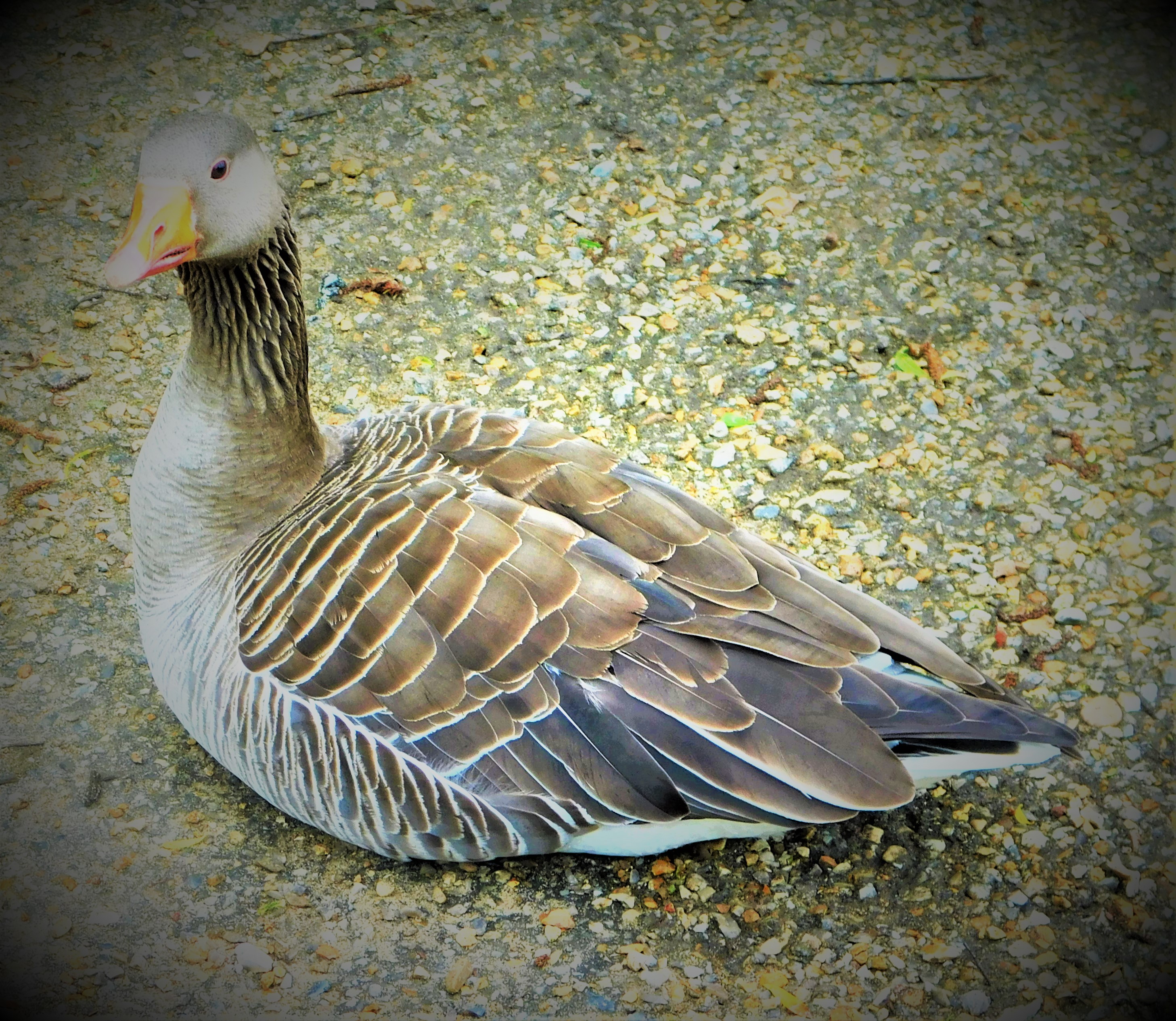
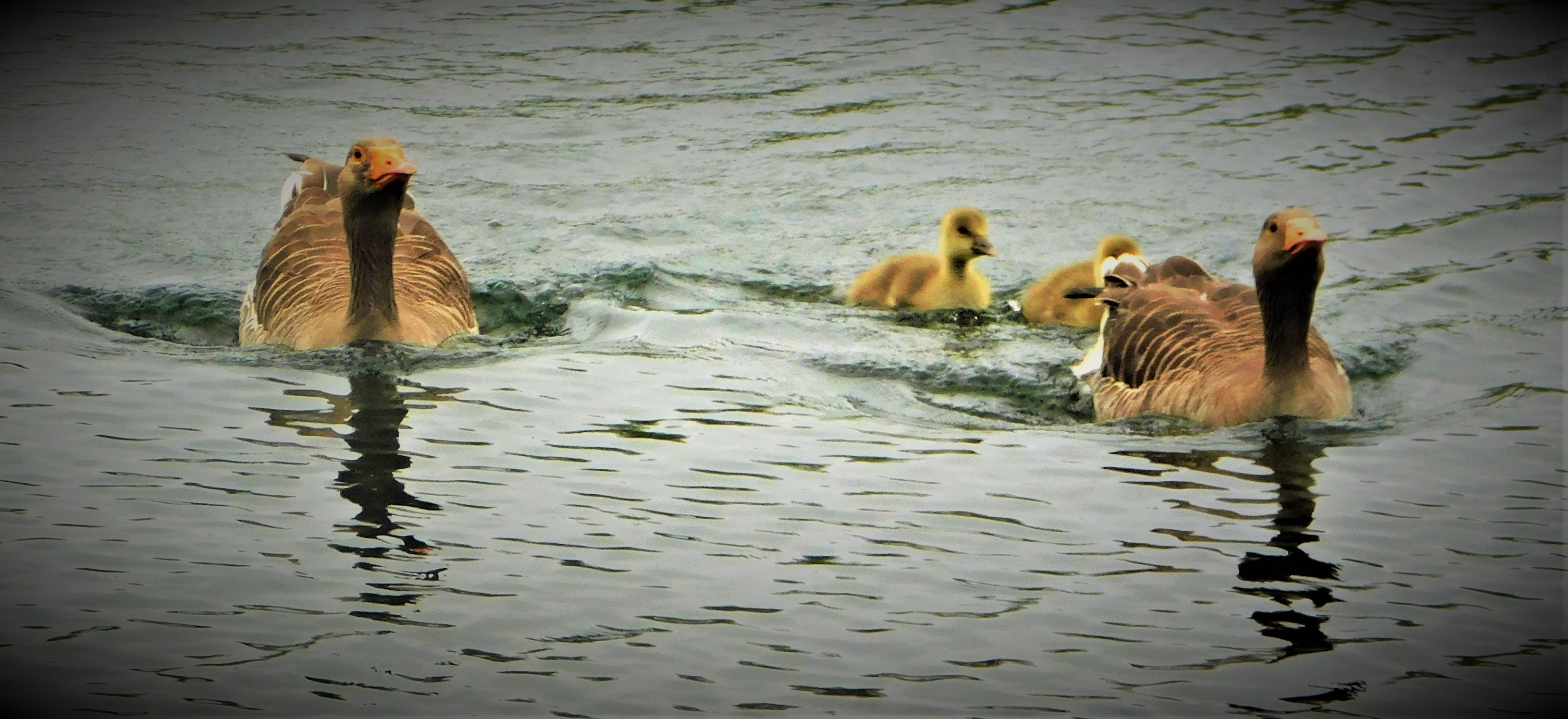
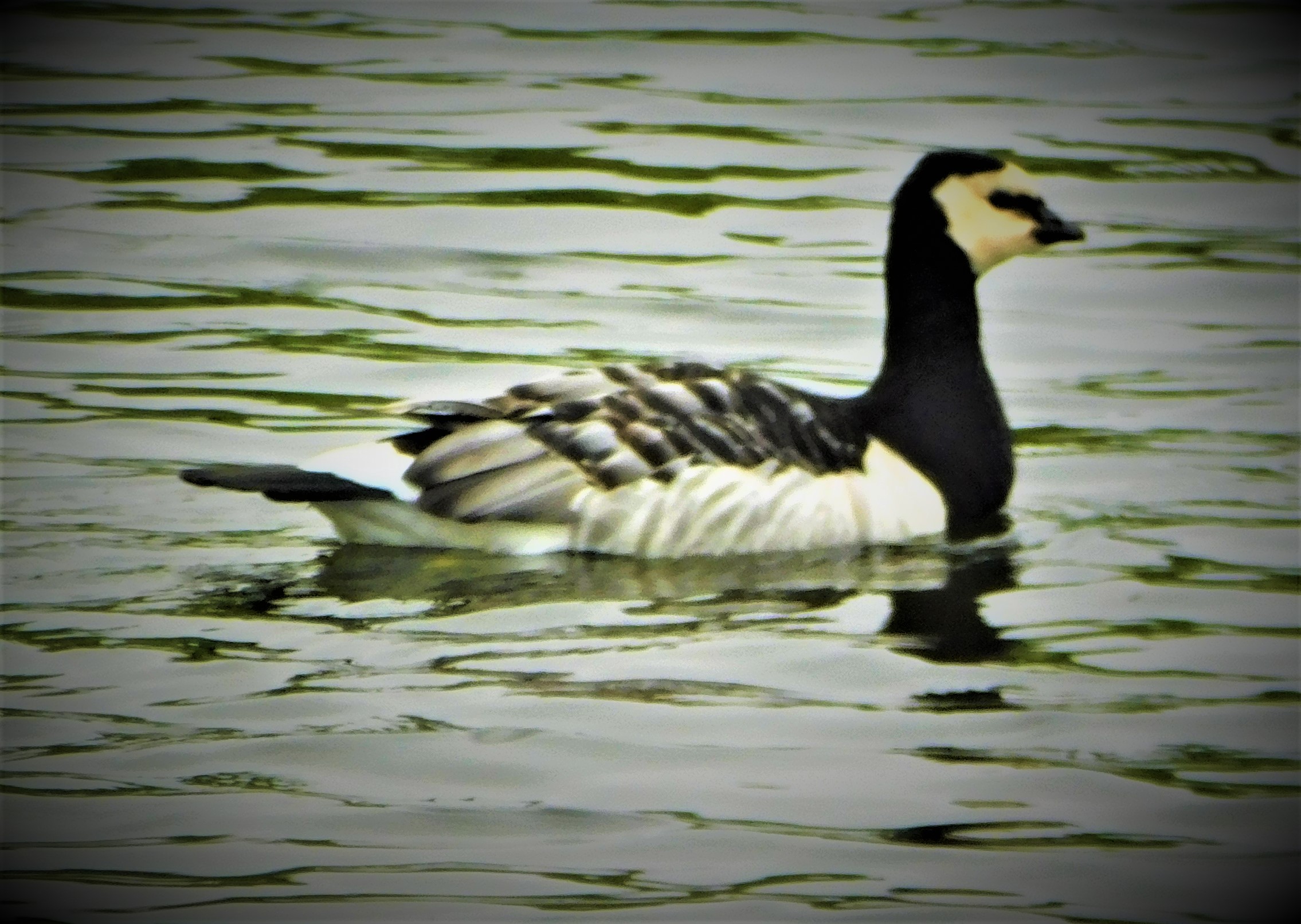
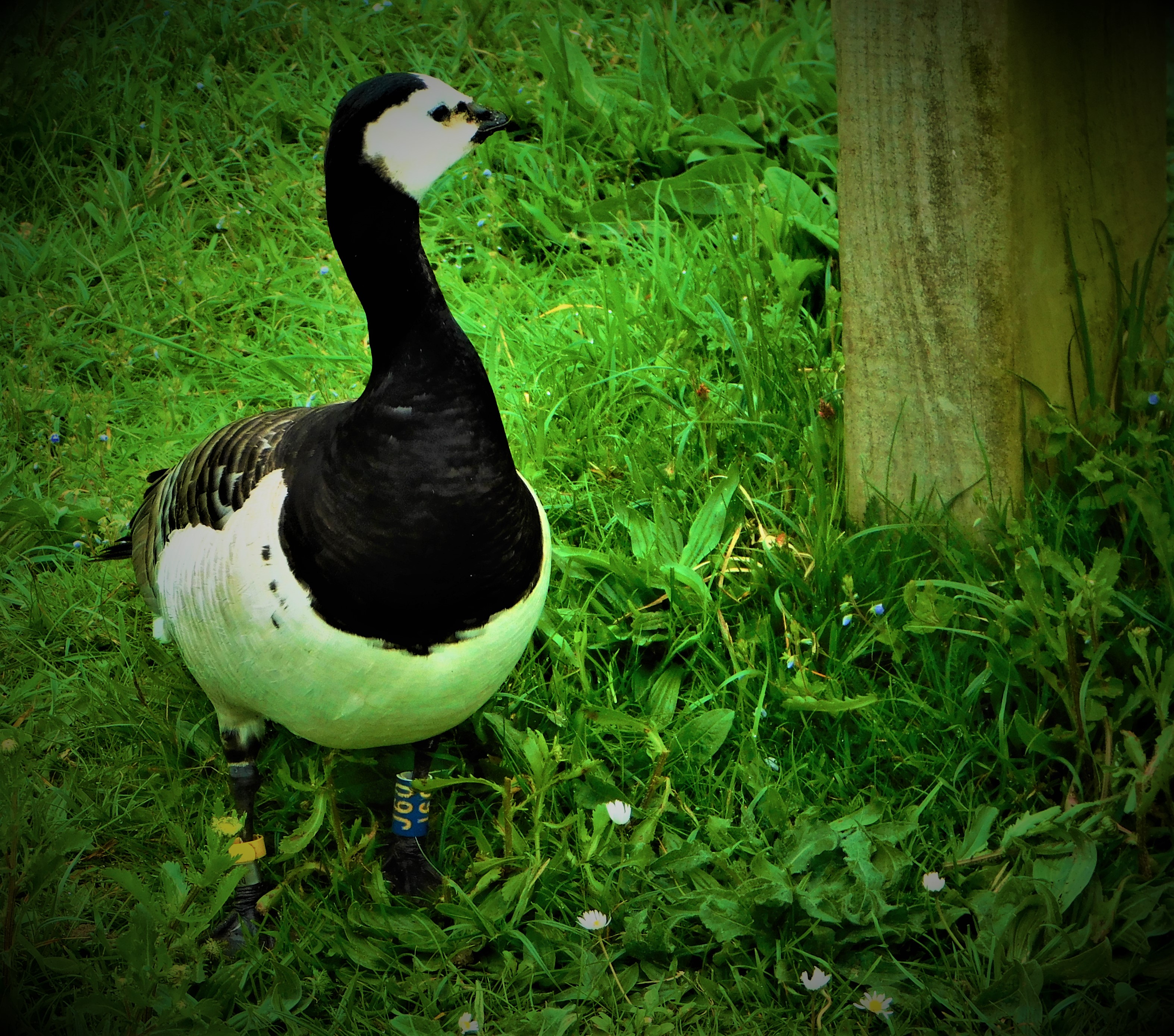
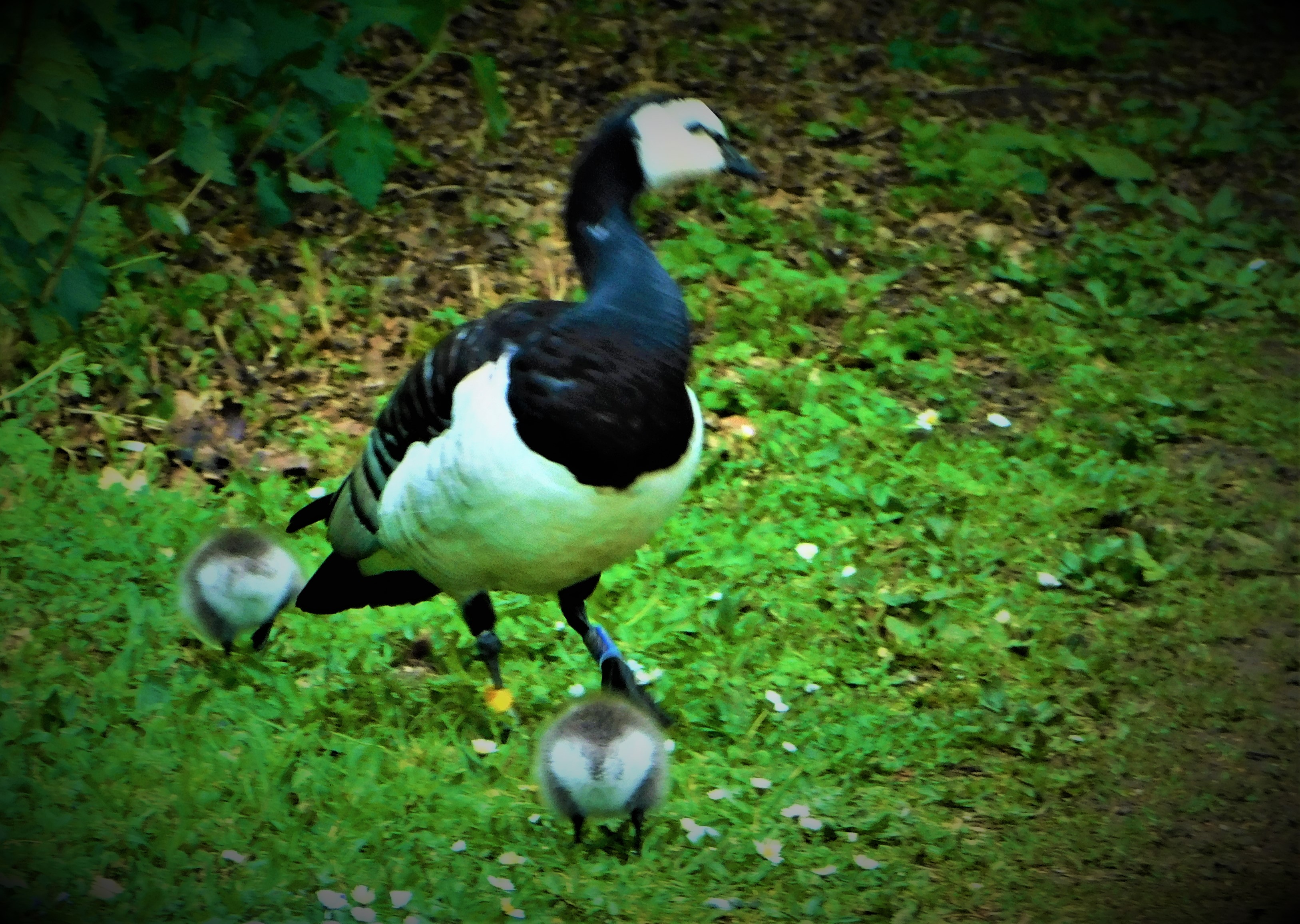
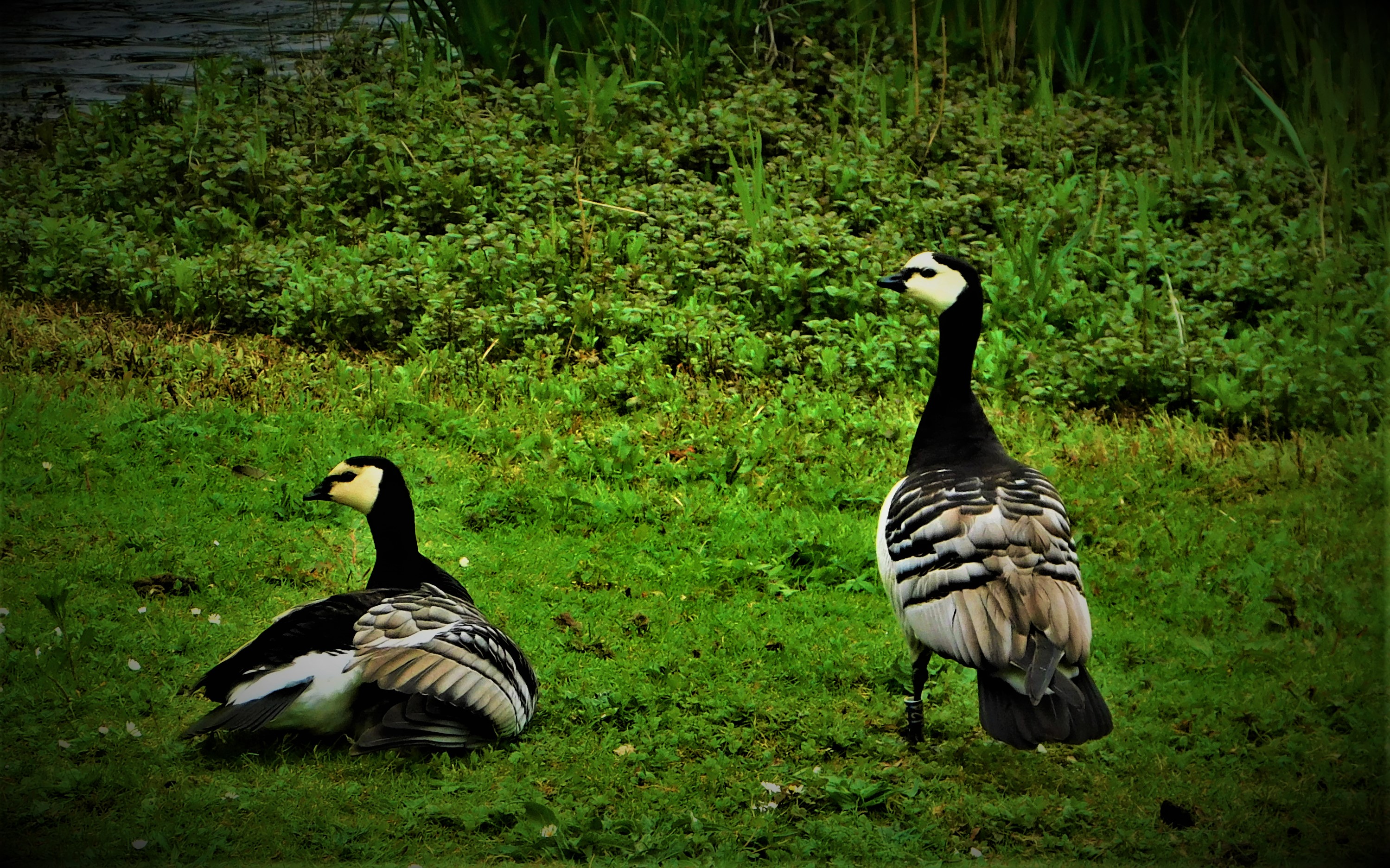
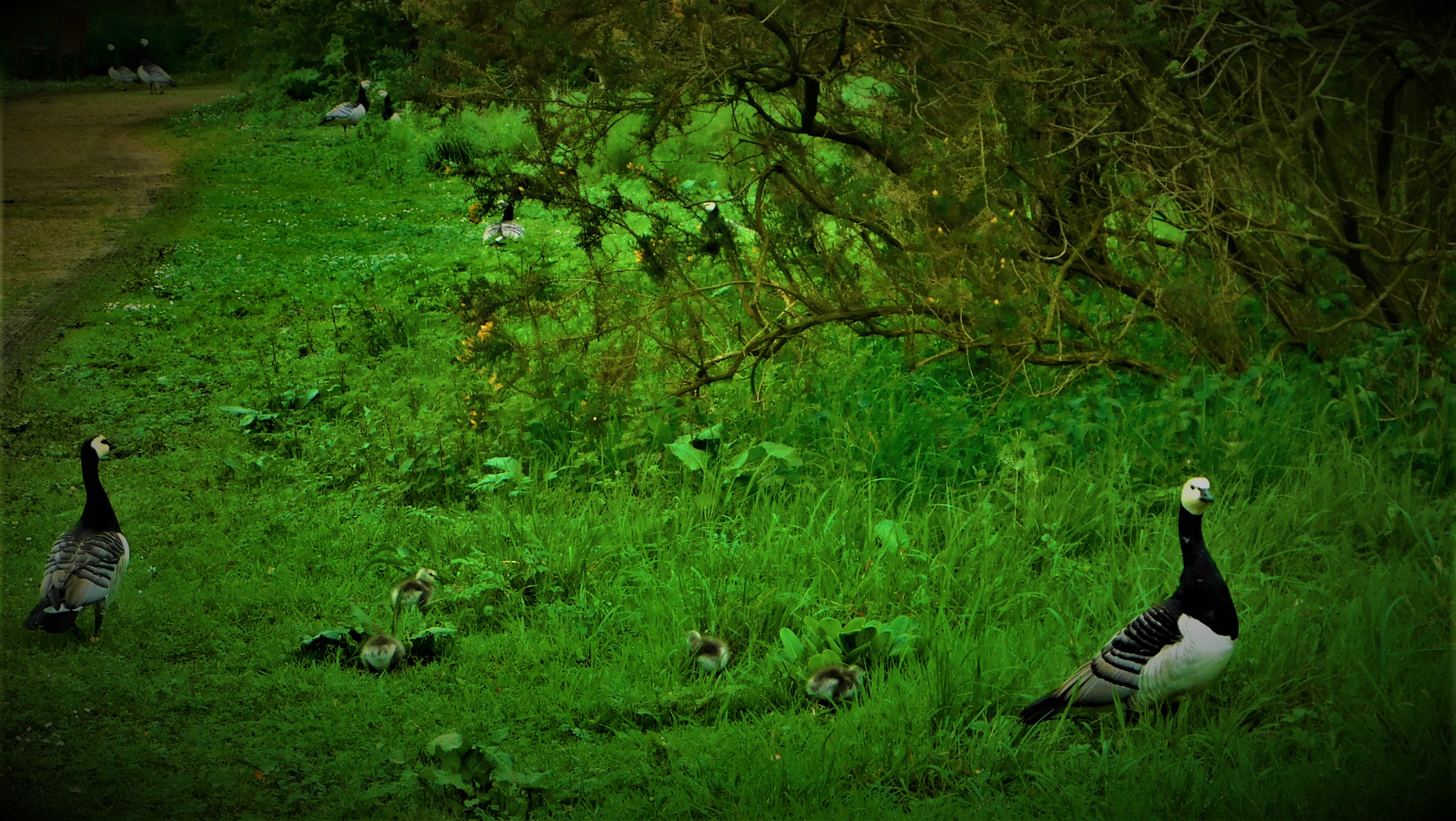
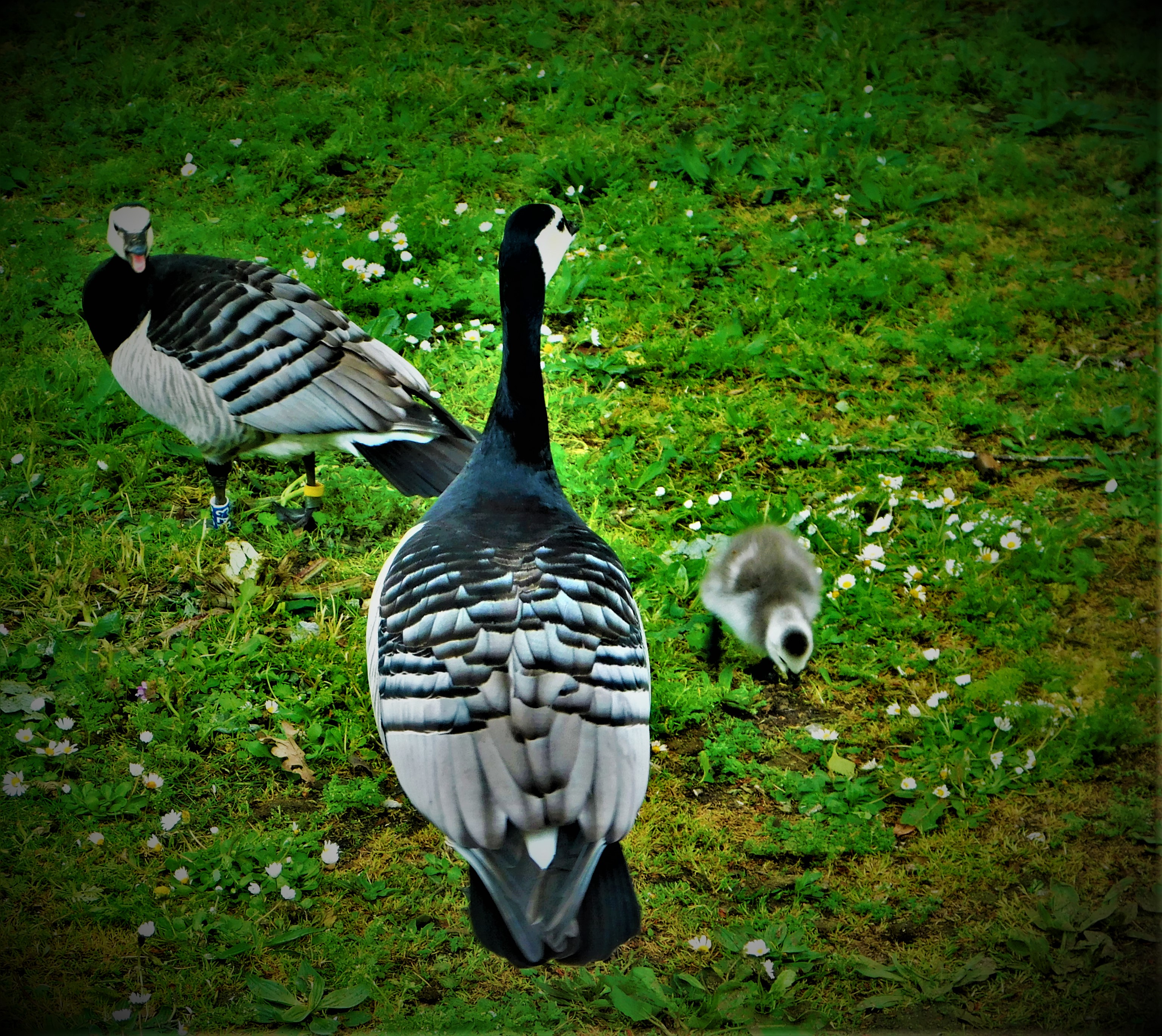
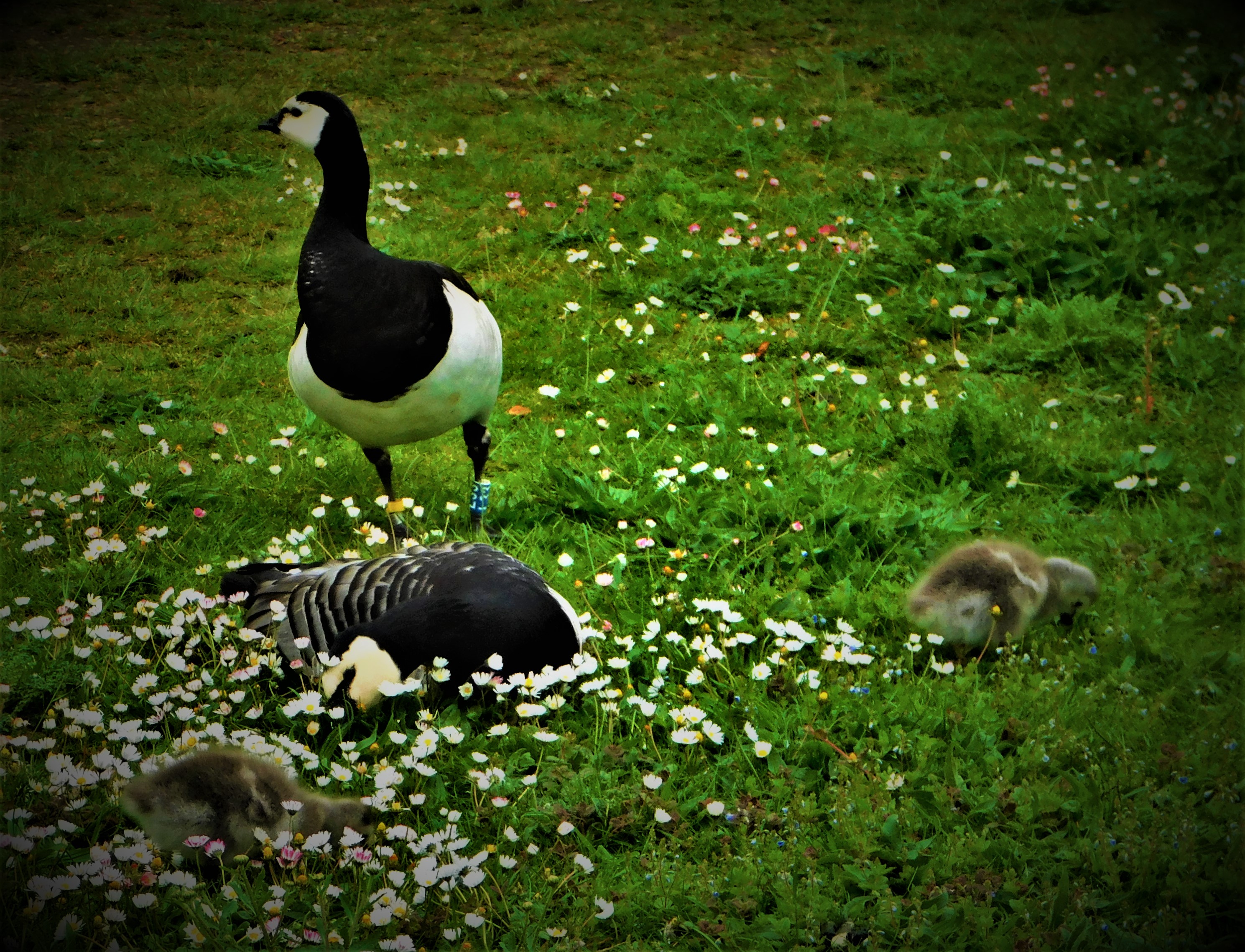
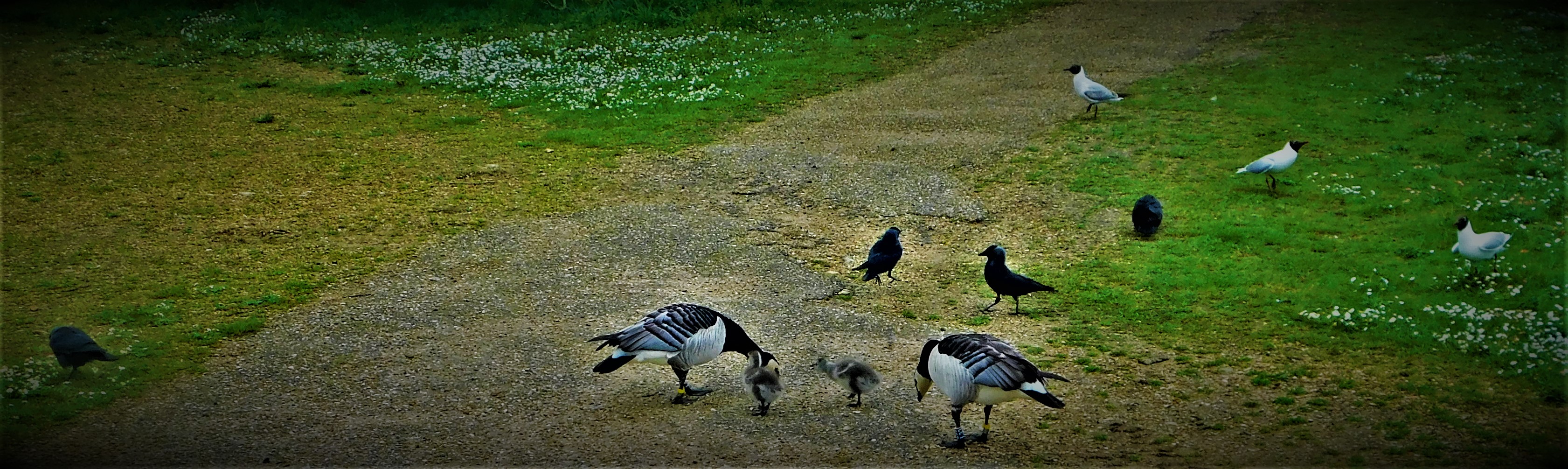
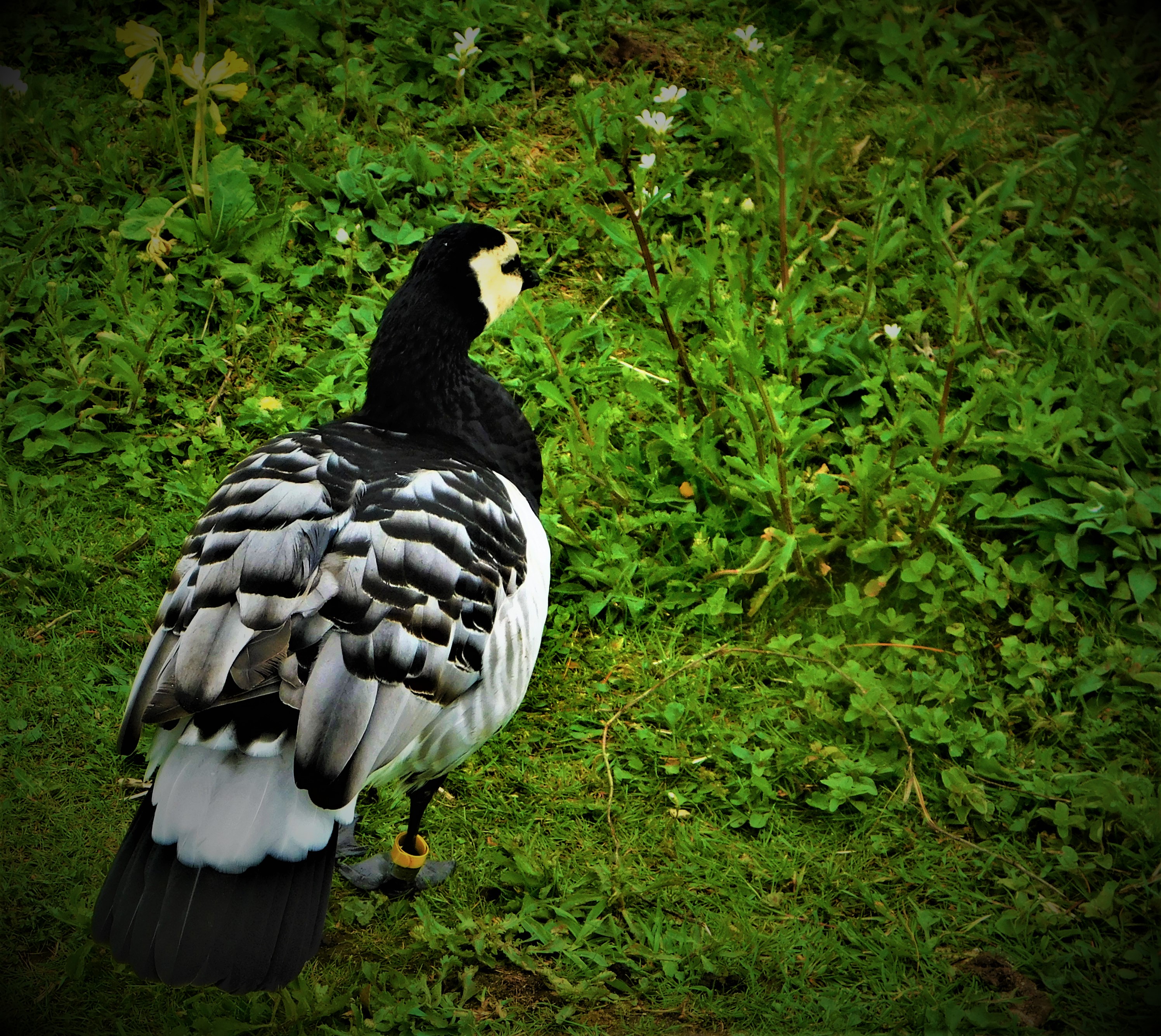
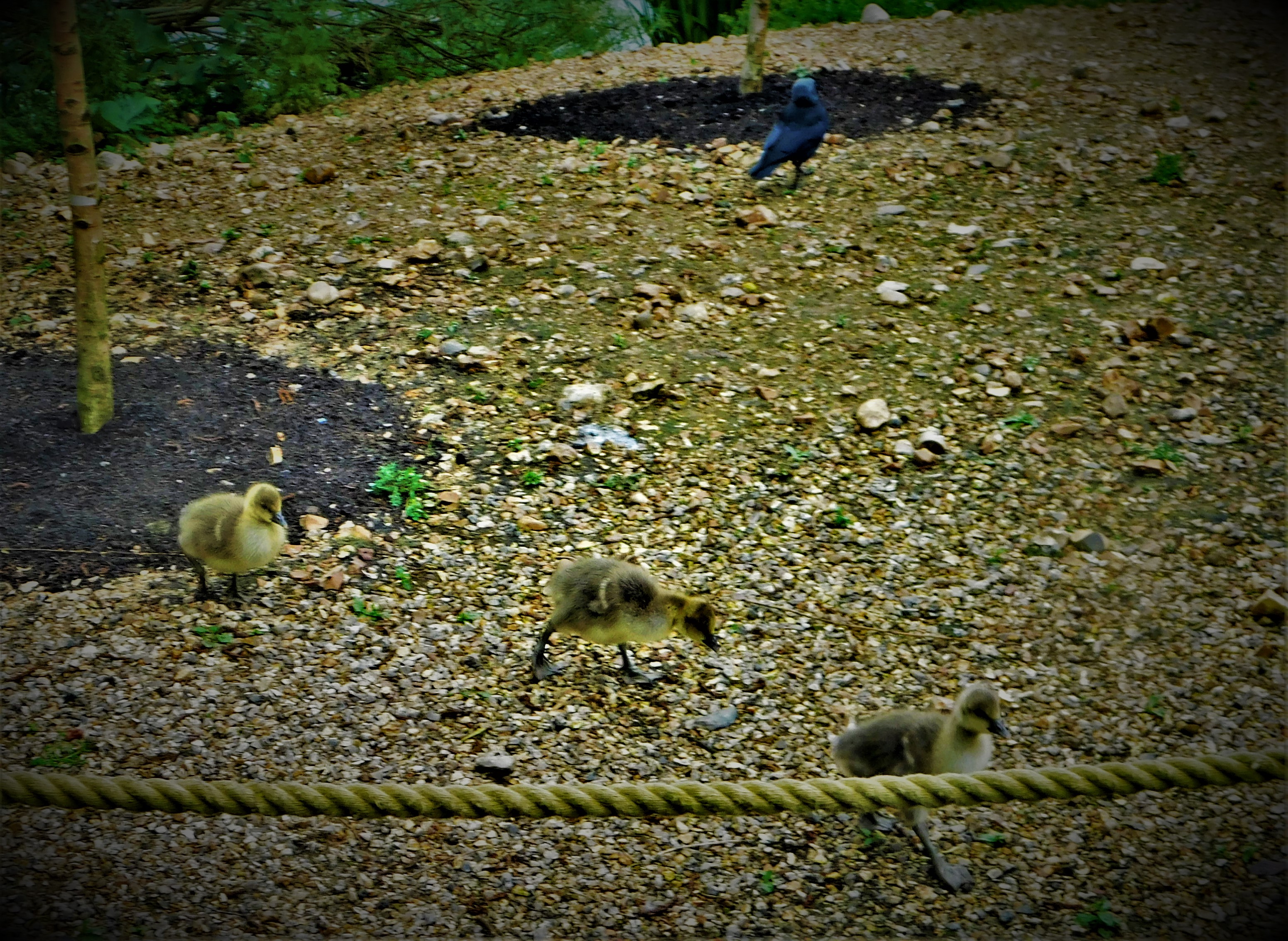
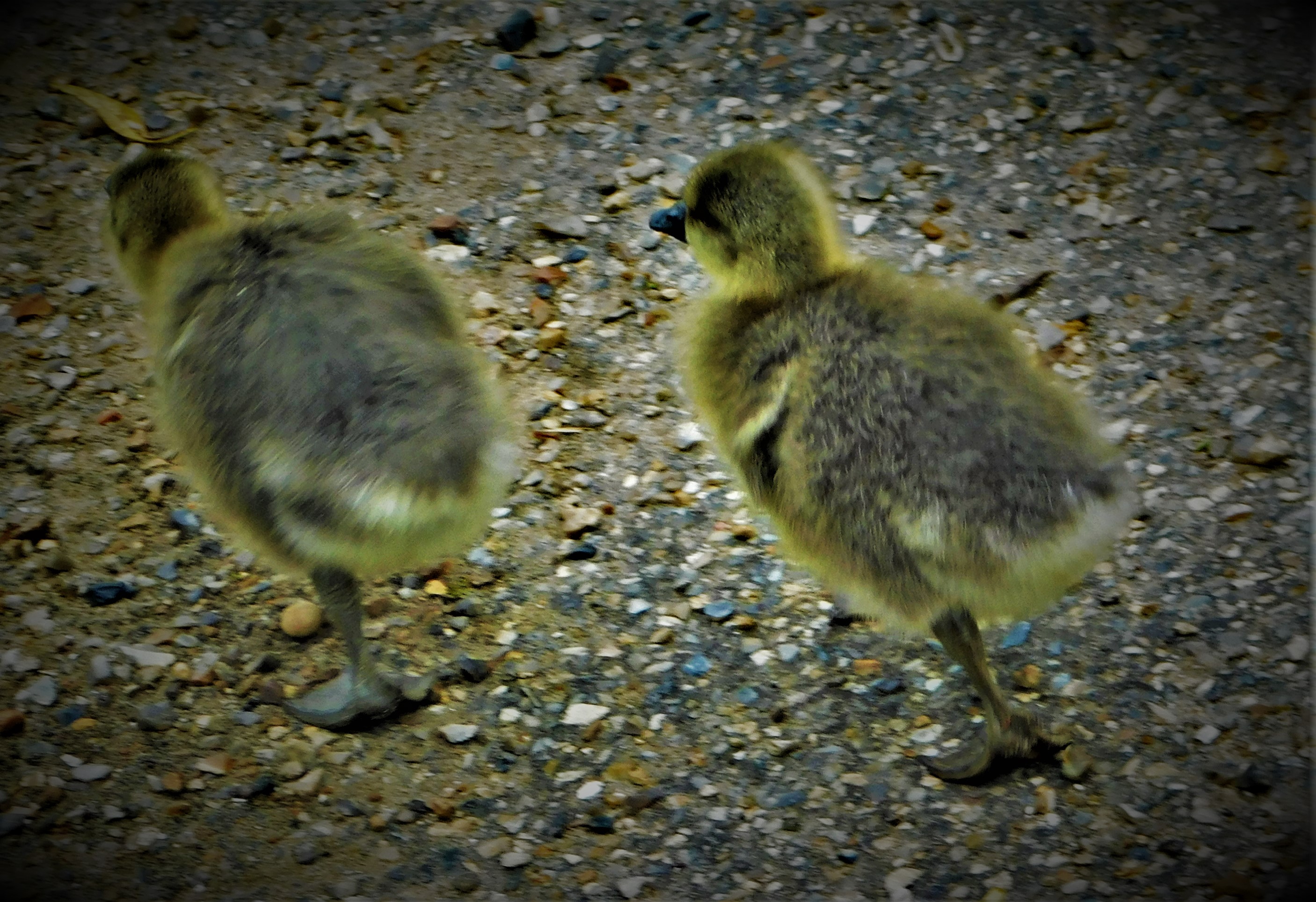
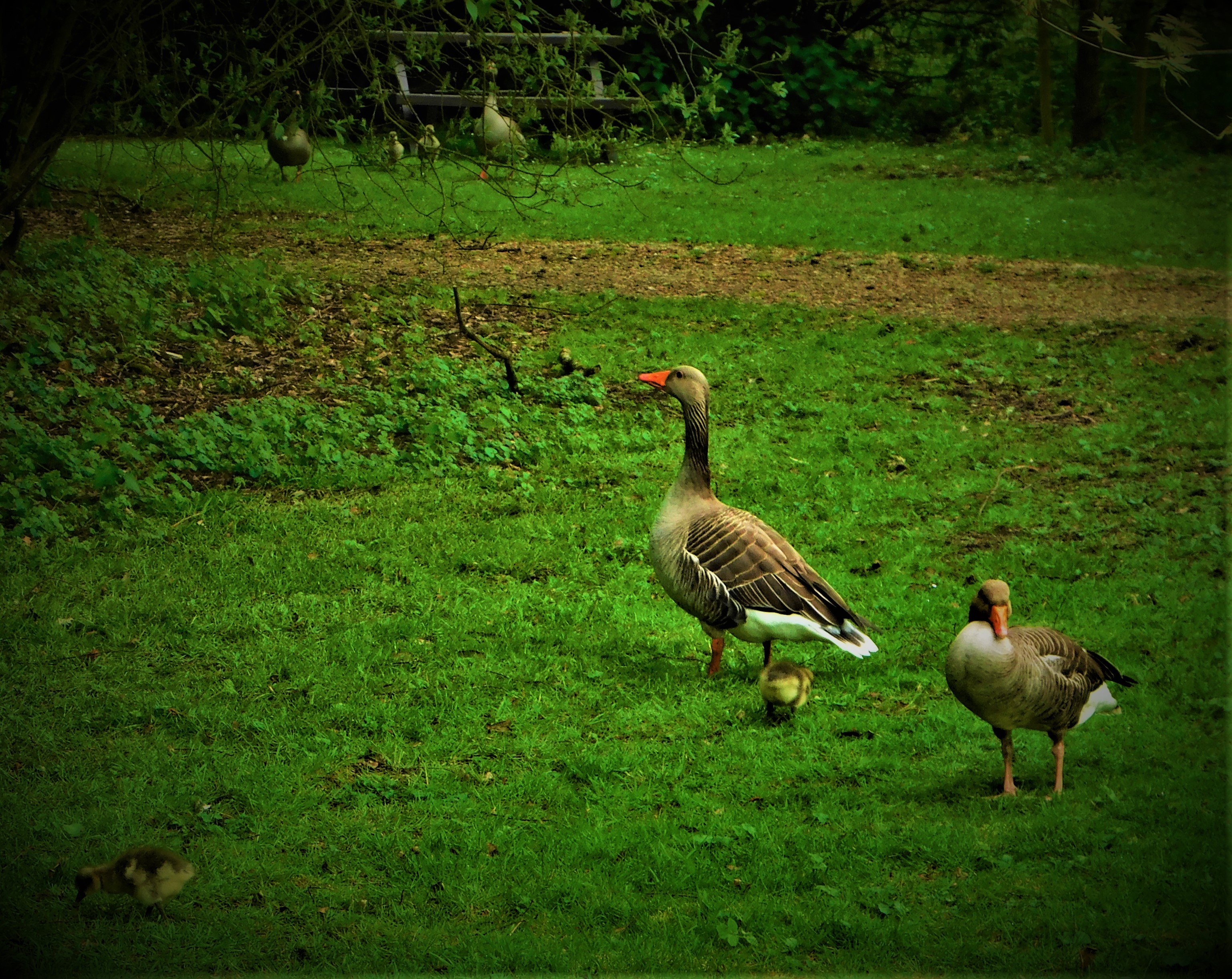
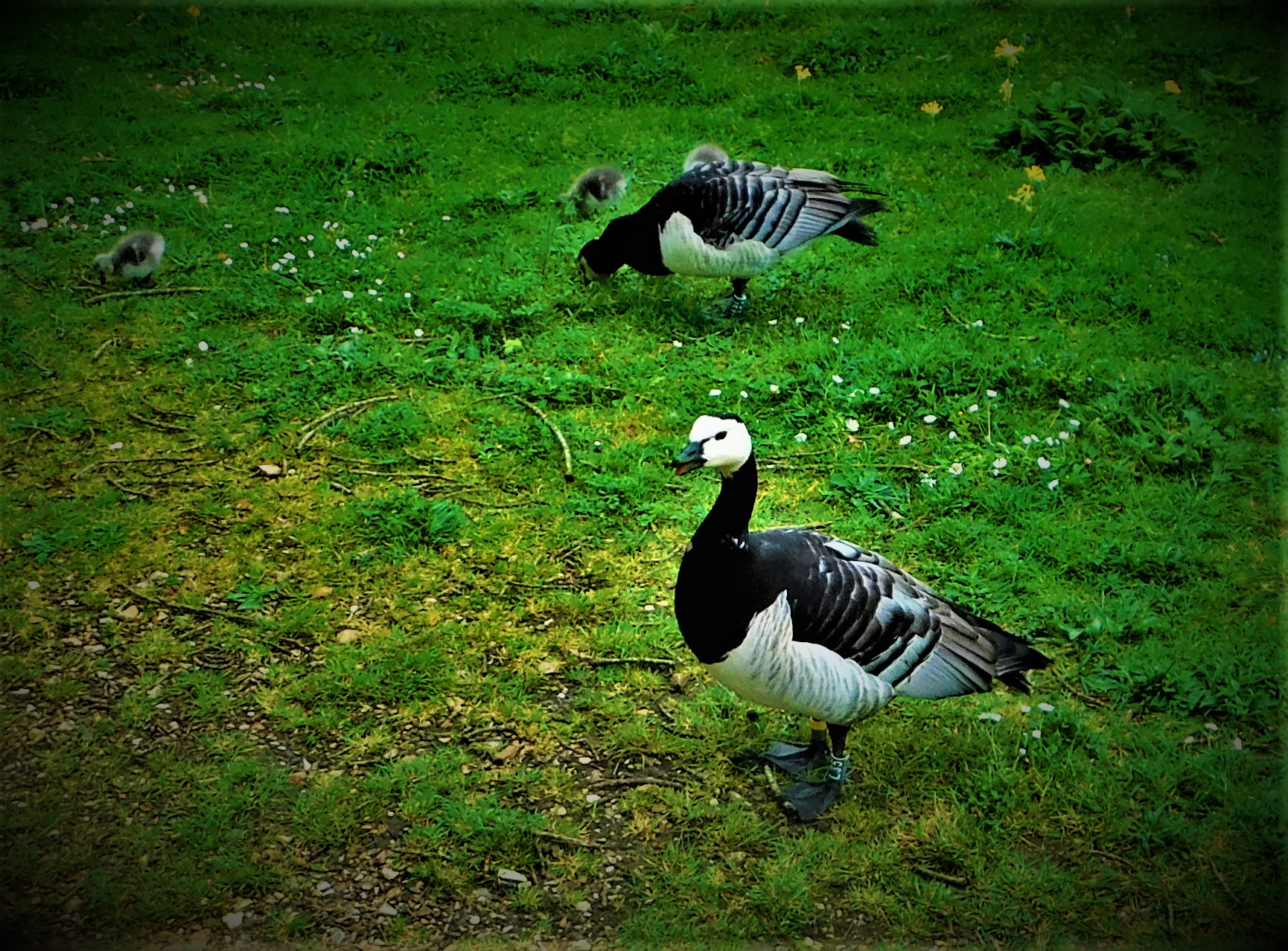
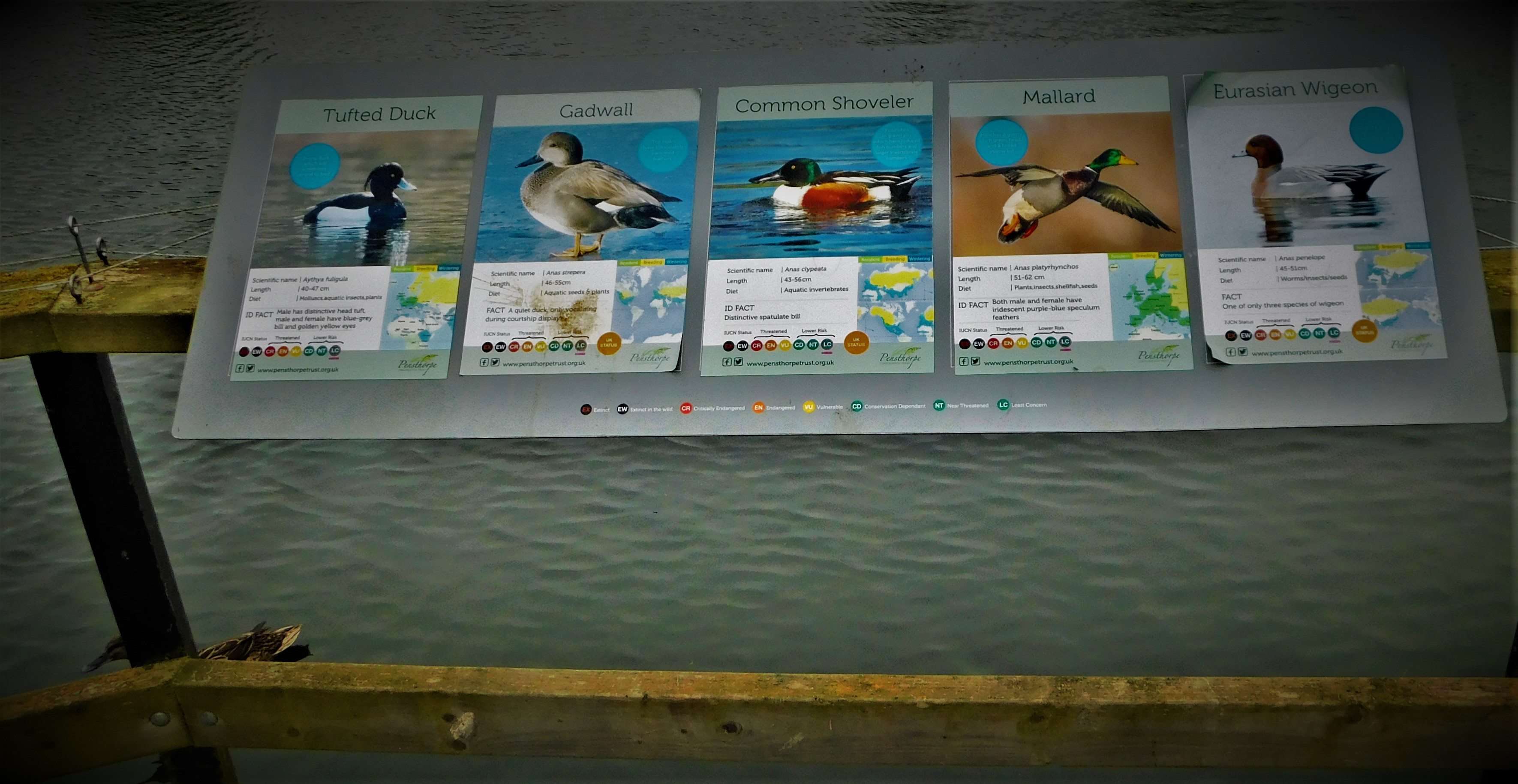
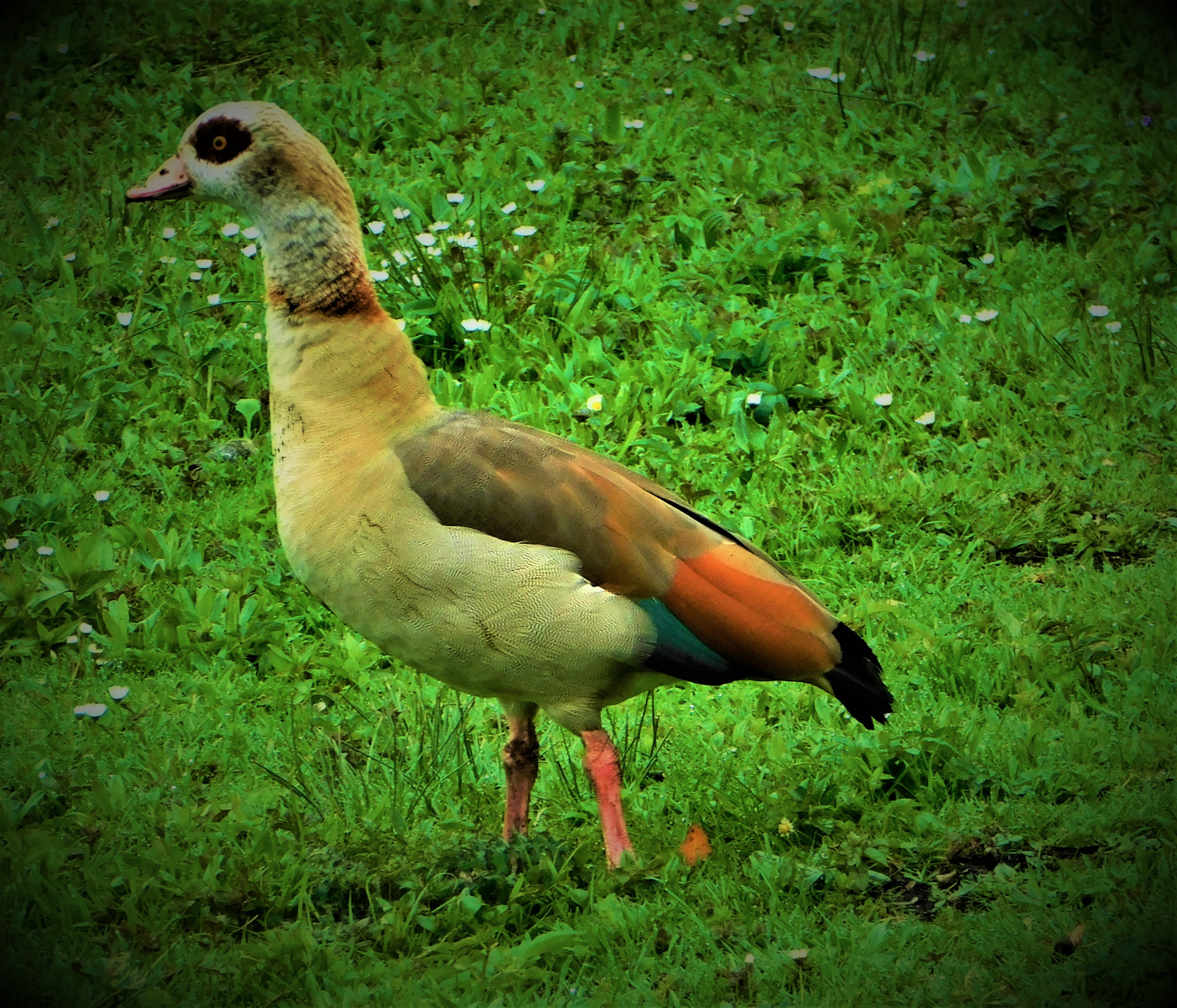
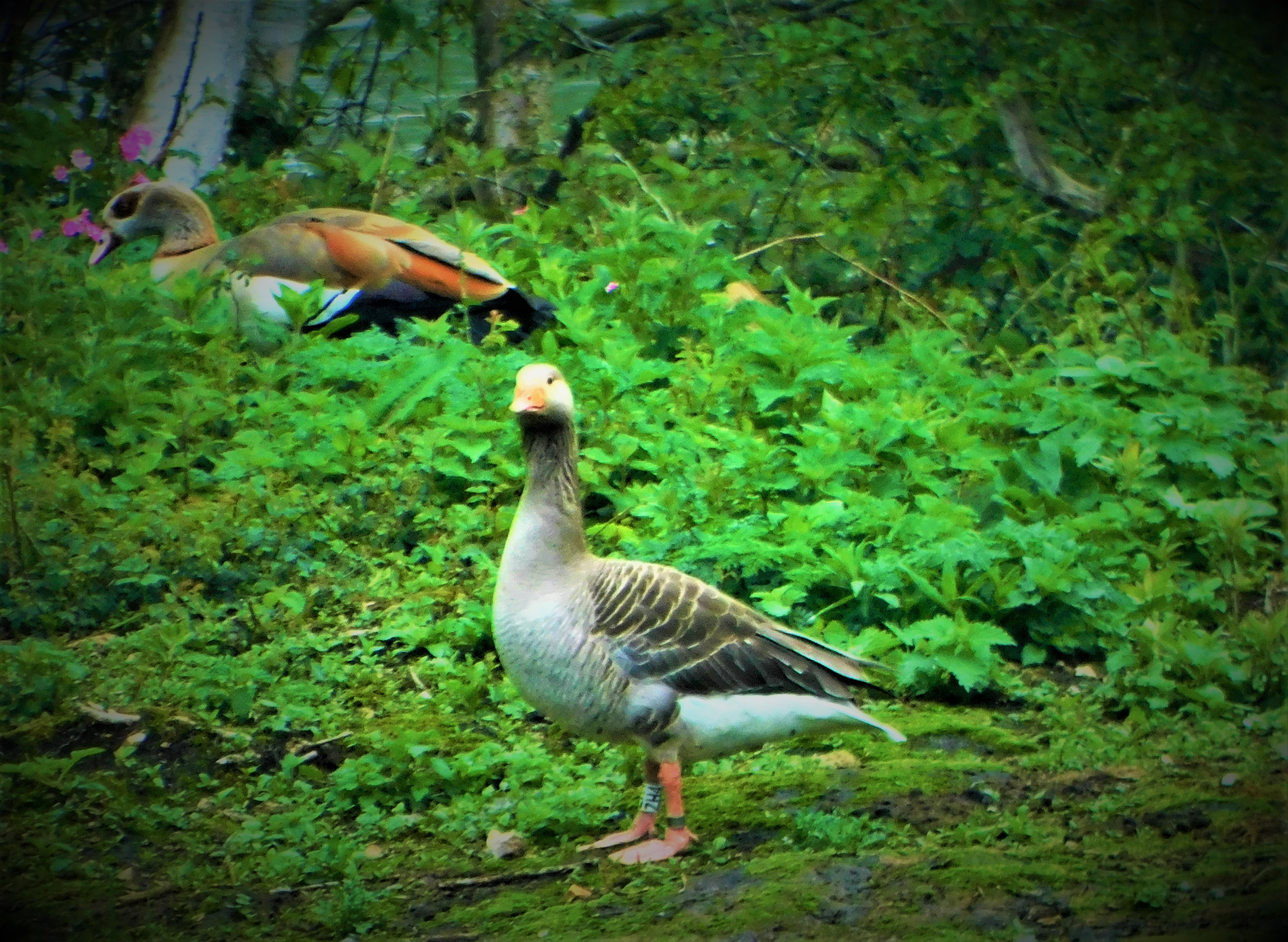
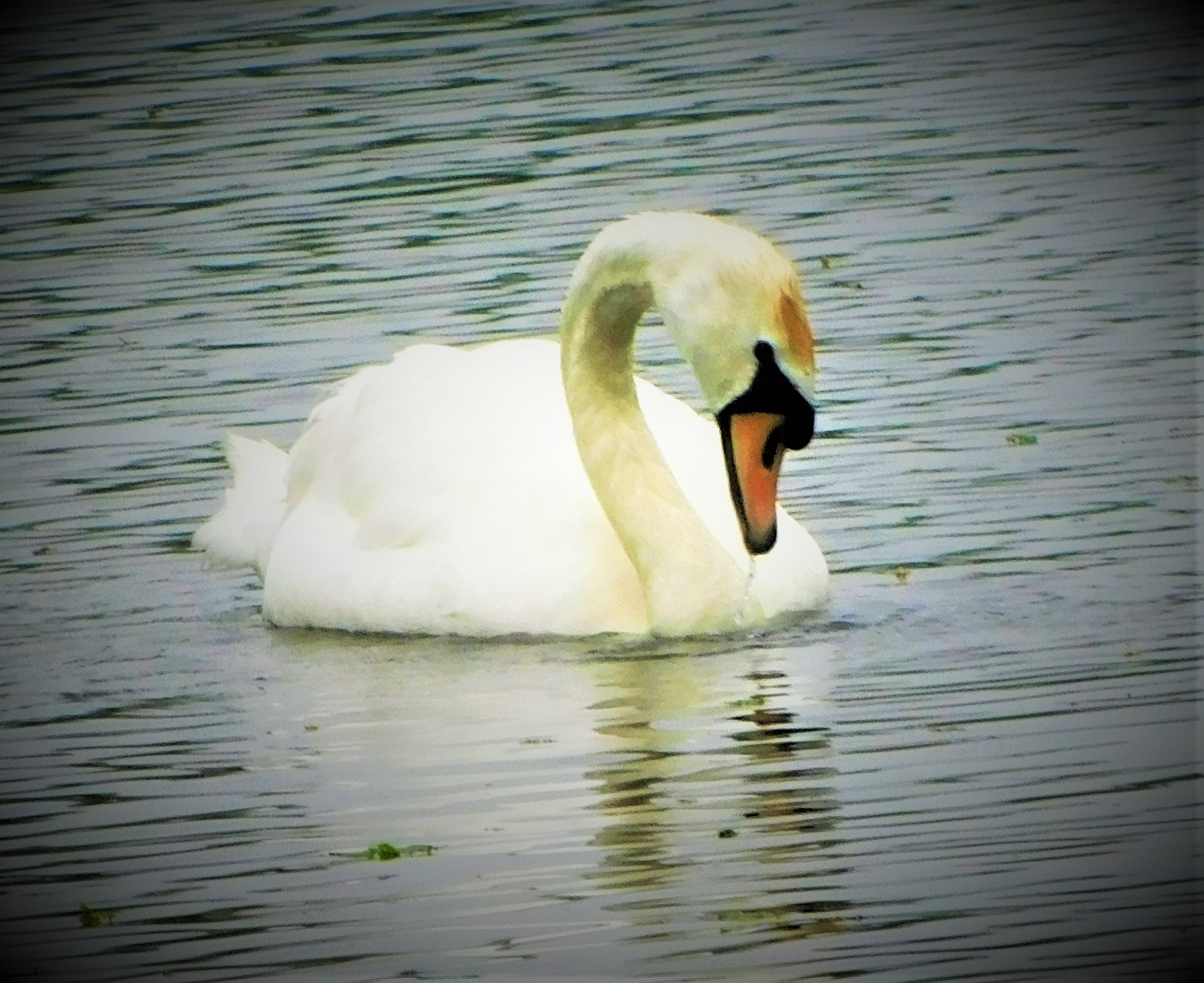
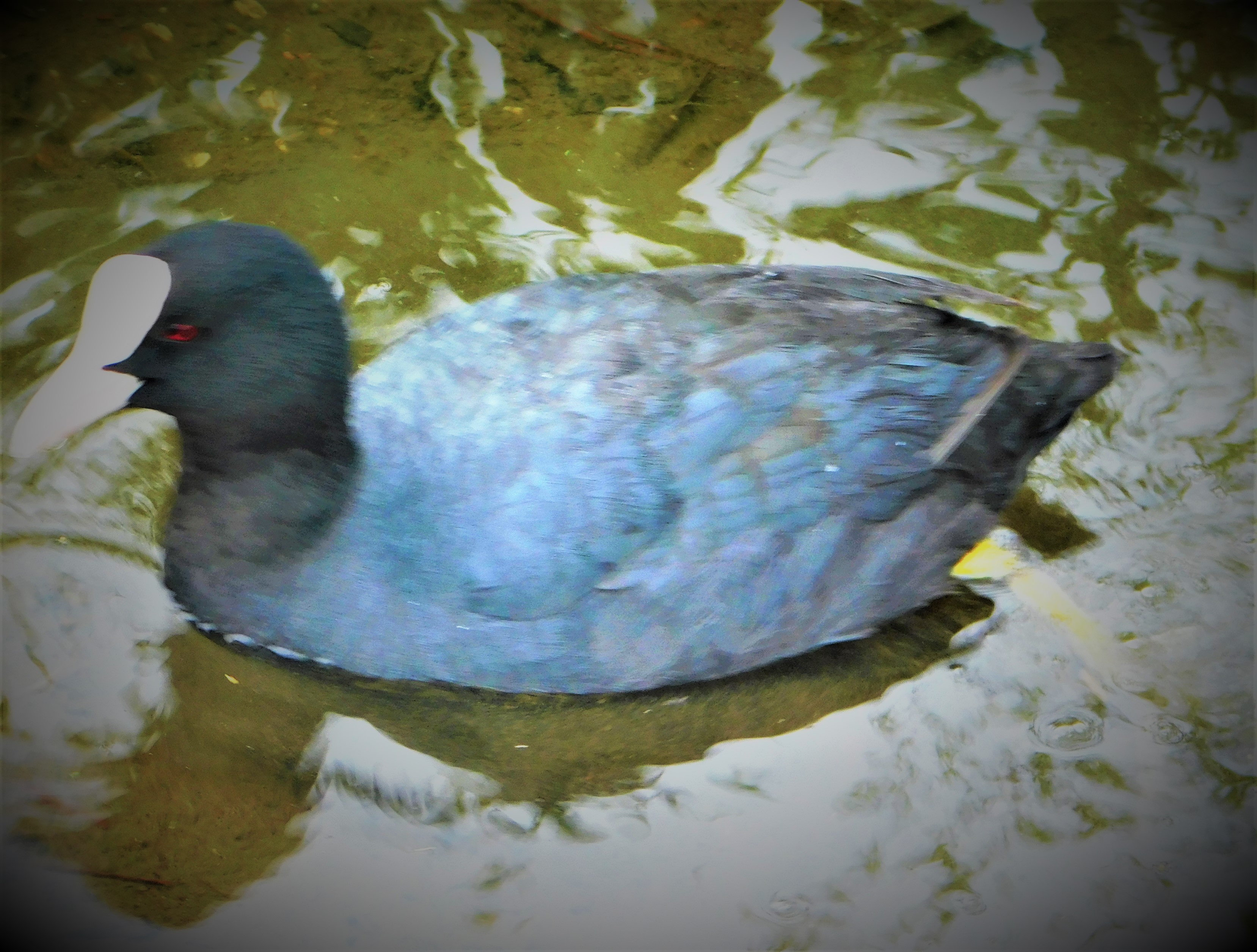
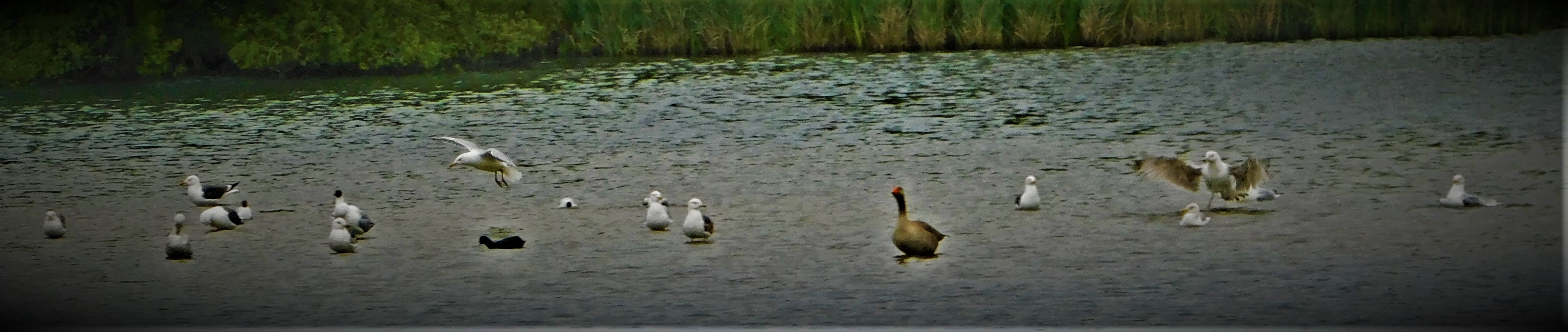
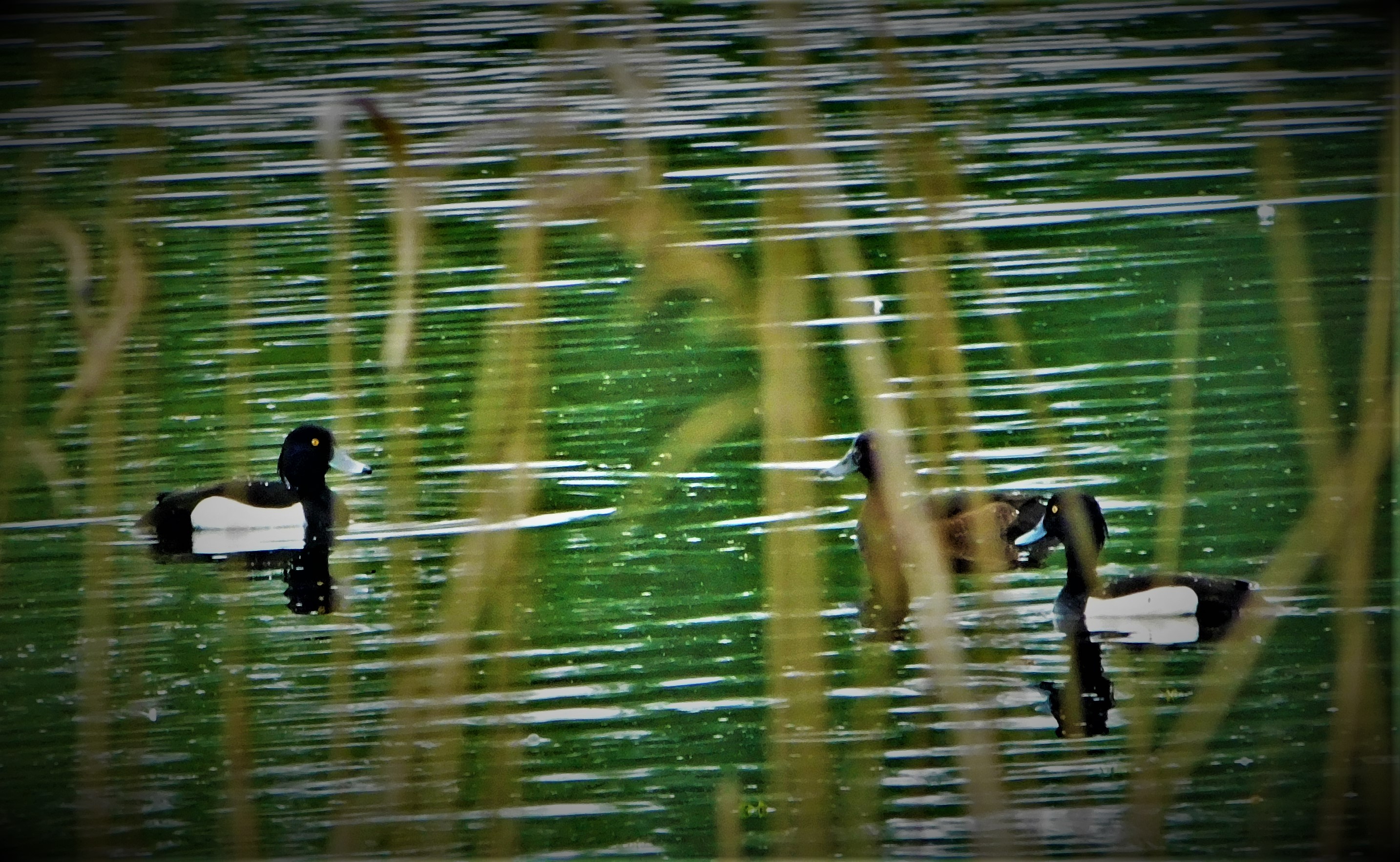
A huge variety of duck and goose species were on show all around Pensthorpe. The Barnacle Geese (black and white coloured and smaller than any other variety of goose at Pensthorpe) were notably aggressive. There were goose families of one sort or another on or around virtually every pathway. Ducks of varying species were using pretty much every available body of water.
Introducing what will be a mini-series about the West Norfolk Autism Group visit to Pensthorpe Natural Park.
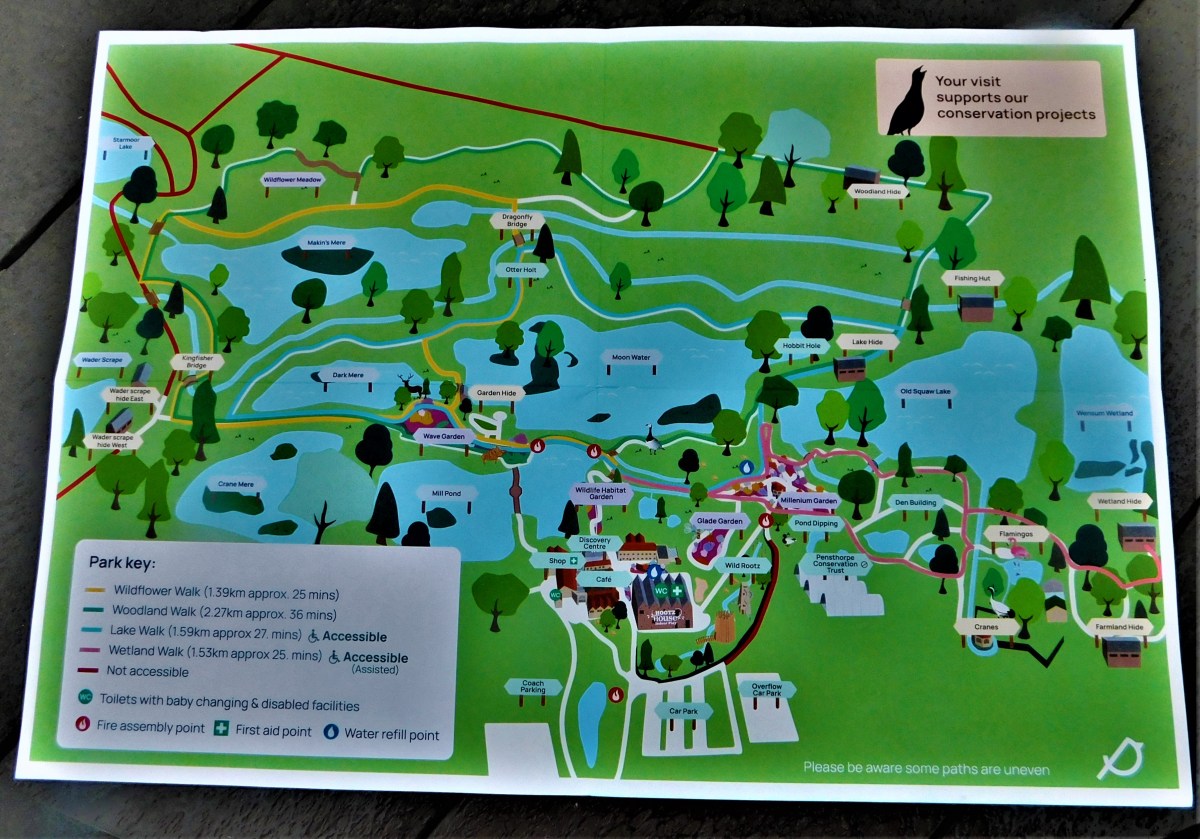
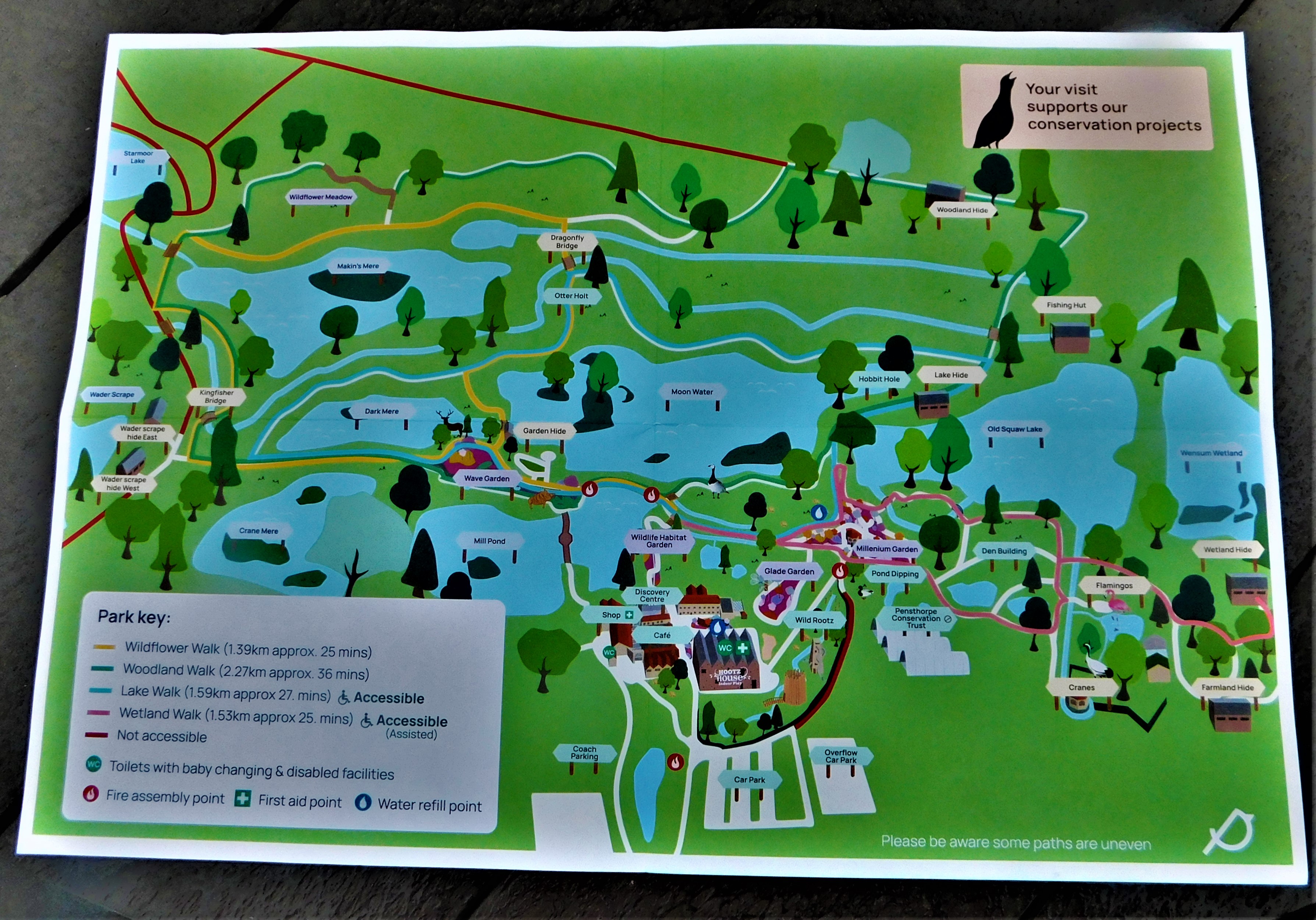
Yesterday saw a West Norfolk Autism Group excursion to Pensthorpe, a nature reserve combined with a working farm a few miles from Fakenham in Norfolk took place. This post introduces what will be a mini-series about the day as I experienced it. I will be doing specific posts about the varieties of ducks and geese on show, the flamingos and cranes, the discovery centre, the sculptures (probably these last two will share one post) and the Explorer trip. The gallery for this post will feature some introductory and general pictures.
OVERVIEW OF PENSTHORPE
Pensthorpe, which was a village until the 14th century when the black death accounted for so many of its inhabitants that the survivors had no option but to up sticks and move down the road to Fakenham, which was originally the smaller of the two places is now home to a nature reserve which is involved in a number of very important conservation efforts. There is also a working farm, and a lot of the electricity the site needs is generated by solar panels on the roofs of the farm buildings – for so big a site it has a tiny carbon footprint. I was booked on the 12:00 Explorer ride (and could also have had a place on the second ride an hour later, but the weather cool, though at least it stayed dry, so I settled for one trip. Otherwise between our arrival just before 10:30, and our departure, scheduled for 3:30PM it was entirely up to me how I spent the time.
PHOTOGRAPHS
Here to complete this introductory post are some photographs…
Continuing my extended analysis of how the all time XIs I created for each letter of the alphabet fare against one another. Also has a king sized photo gallery.
Welcome to the next stage in my extended analysis of how my all time XIs for each letter of the alphabet fare against each other. The Cs still occupy the hot seat, and they start today with 23 of a possible 90 points to their credit.
THE Cs V THE Ts
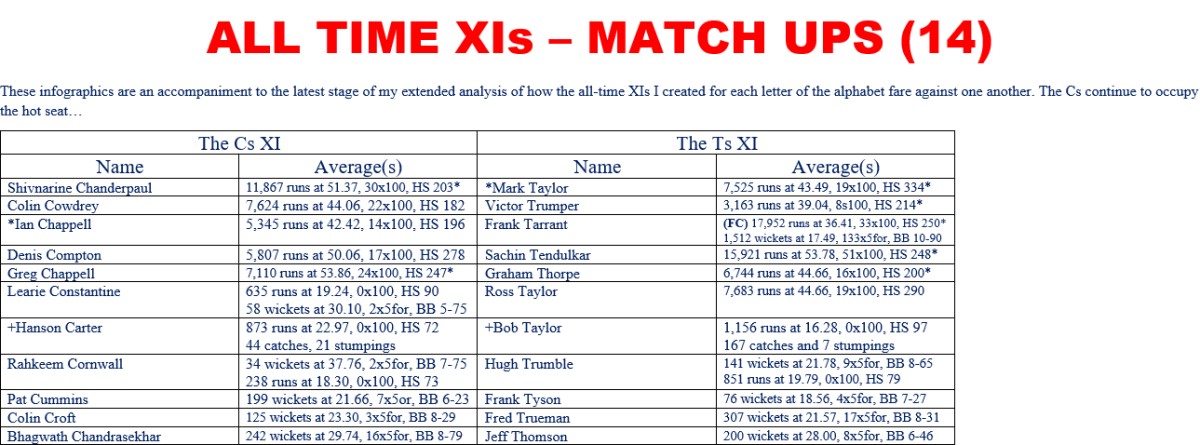
The Cs in theory have the stronger opening pair but a) both the Ts openers were regulars at that job, unlike the Cs, and b) Victor Trumper played in an era when run scoring was less than it is now. Therefore I say that the Ts win here. Frank Tarrant at three is outdone by Chappelli for the Cs, although he would average more with the bat had he played in Chappell’s era rather than considerably earlier, so this contest is not is clear in Chappelli’s favour as it looks. Tendulkar beats Compton, but Thorpe loses to G Chappell. As against that Ross Taylor is much better with the bat than Constantine. Carter beats Bob Taylor with the bat, but the Ts man was the finer keeper. Tyson and Trueman outrank even Cummins and Croft as a new ball pair, and Thomson is far superior to Constantine as third seamer. Trumble is clear of Cornwall, and Tarrant the bowler rates little if any behind Chandrasekhar. I make the Ts winners in all departments, save for Carter being better with the bat than his rival keeper, and accordingly score this Cs 0, Ts 5.
THE Cs V THE Us
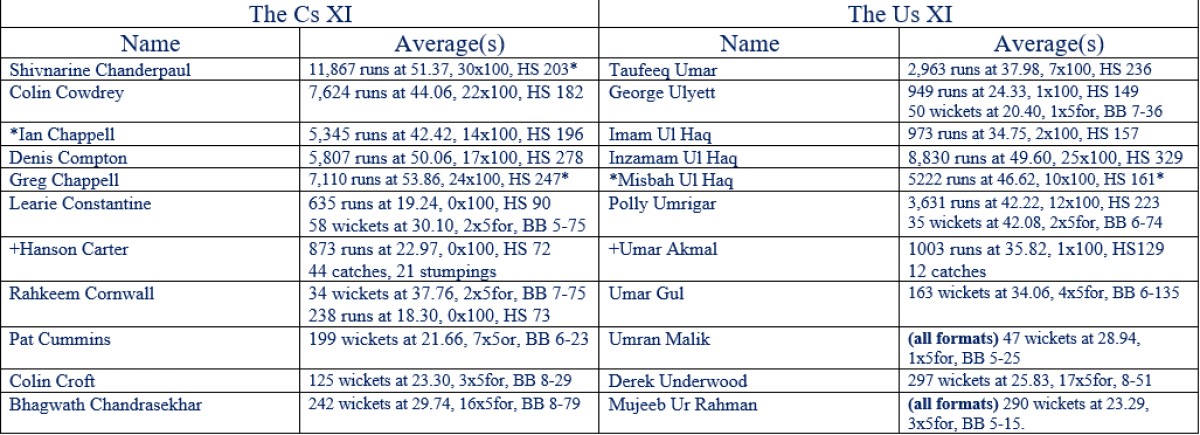
The Cs win the top five batting slots, with only Inzamam Ul-Haq and Misbah Ul-Haq winning their match ups. Umrigar at six is better with the bat than Constantine, while Ulyett makes up for being outbatted by comfortably outbowling Constantine. Umar Akmal was a finer batter than Carter but a fraction of the keeper that the Aussie was. Umar Gul and Umran Malik are comfortably out pointed by Cummins and Croft, although Umran Malik would be the fastest of the four. Ur Rahman is a better off spinner than Cornwall by some way, and Underwood outranks Chandrasekhar as a bowler. Chappelli outranks Misbah Ul-Haq as a captain. The Cs win on batting, captaincy, keeping and new ball bowling, the Us have the better third seamer, more batting from their keeper and boss the spin bowling department. Overall the Cs are obviously clear, but allowing for one serious turner out of five I score this one Cs 4, Us 1.
THE Cs V THE Vs
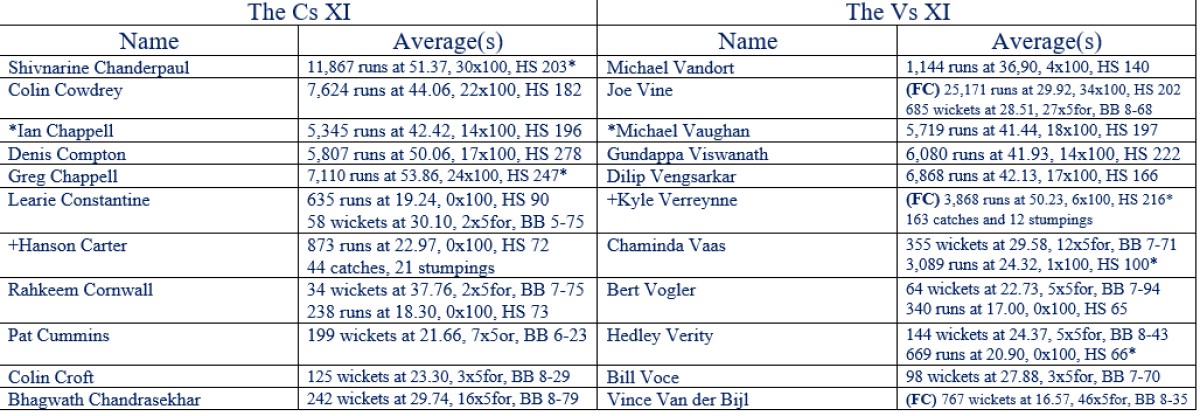
The Cs win on opening pairs even allowing for Vine averaging more these days than he did in his actual playing days. Chappelli just edges Vaughan on batting, and also beats the Yorkie on captaincy, by a slightly wider margin. Compton beats Viswanath and G Chappell beats Vengsarkar. Verreynne handsomely beats Carter on batting but is well behind him as a keeper. Vaas was less of a batter than Constantine, but wins the bowling side of their match up more convincingly than the figures suggest – as third seamer in a strong attack he would perform even better than he actually did as opening bowler in a weak one. The Cs win the battle of the new ball pairs – Van der Bijl probably was the best of the four bowlers involved in this match up, but Voce undoubtedly ranks fourth, some way adrift of third. Vogler and Chandrasekhar are close as bowlers, while Verity blows Cornwall out of the water. The Cs have a noticeable advantage in batting, but the Vs are well clear in bowling, especially given that they have a sixth front line option in Vine. I think the Vs bowling guns settle this one, but it is far from one sided: Cs 2, Vs 3.
THE Cs V THE Ws
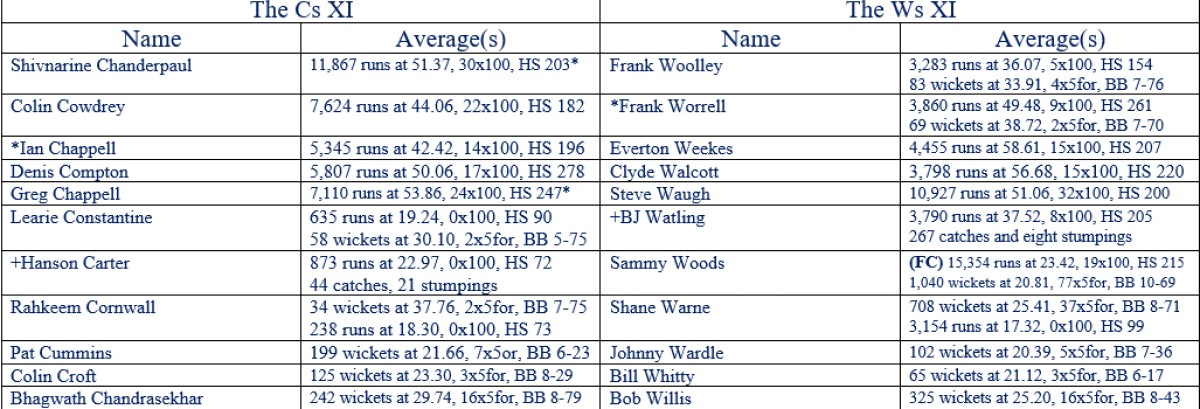
The Cs have theoretically the better opening pair, but Worrell and Woolley were more suited to opening than Chanderpaul and Cowdrey. Weekes is massively clear of Chappelli with the bat, and Worrell probably just wins the captaincy side of that match up. Walcott beats Compton, while G Chappell is just ahead of Waugh. Watling massively outbats Carter, but the Aussie was the finer keeper. Woods outranks Constantine in both departments. Cummins and Croft outrank Willis and Whitty as a new ball combo, although Whitty’s left arm reduces the margin between these combos. Woods’ advantage over Constantine, and the presence of Worrell as a fourth seam option gives the Ws a clear win in this department. Warne is clear of Chandrasekhar, and Wardle knocks the spots of Cornwall, and the Ws also have Woolley’s left arm orthodox spin as a third option in that department. There is no set of circumstances that enables the Cs to come out on top, so: Cs 0, Ws 5.
THE Cs V THE Xs
The Cs dominate the top batting, although Dexter wins his match up against Chappelli. As against that, Chappelli was a much better skipper than Kippax. Axar Patel beats Constantine in both departments. The Xs are well down in the pace bowling department, but have lots of depth in the spin bowling department. Box was a legendary keeper, and bearing in mind that the best batter of his era, Fuller Pilch, averaged less than 20, he is not outgunned by Carter in that department either. The Cs win this one, but not in a whitewash: Cs 4, Xs 1.
THE Cs PROGRESS REPORT
The Cs accrued 10 points out of 25 today, meaning that they now have 33 points out of 115, 28.69%.
PHOTOGRAPHS
I have a huge photo gallery to share today. To view a photo at full size just click on it
The final installment in my account of the West Norfolk Autism Group’s trip to Pensthorpe.
Welcome to the final post in my mini-series about the West Norfolk Autism Group‘s visit to Pensthorpe Natural Park (click here and here to visit the other posts in this series).
AN ENJOYABLE AND INFORMATIVE JOURNEY
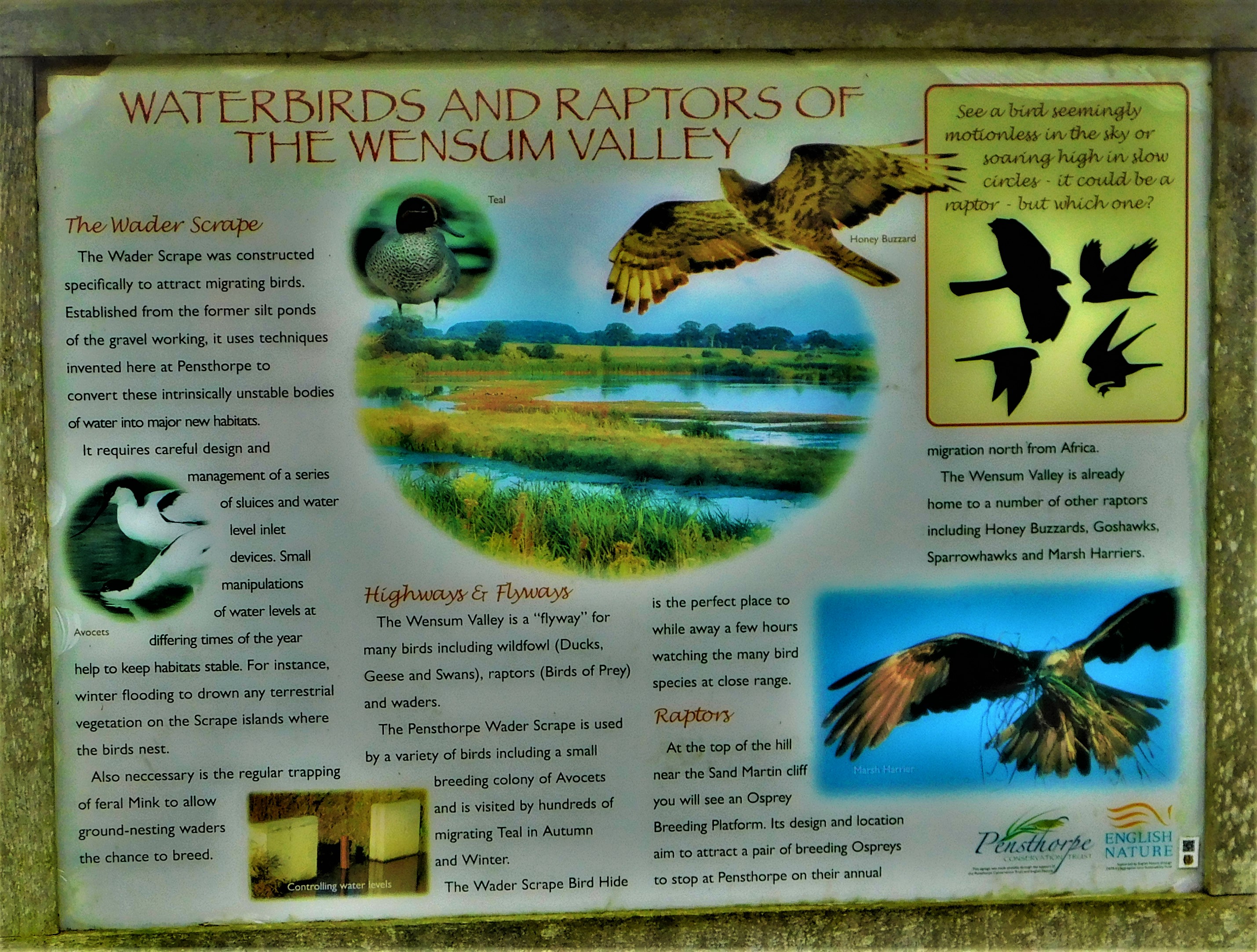
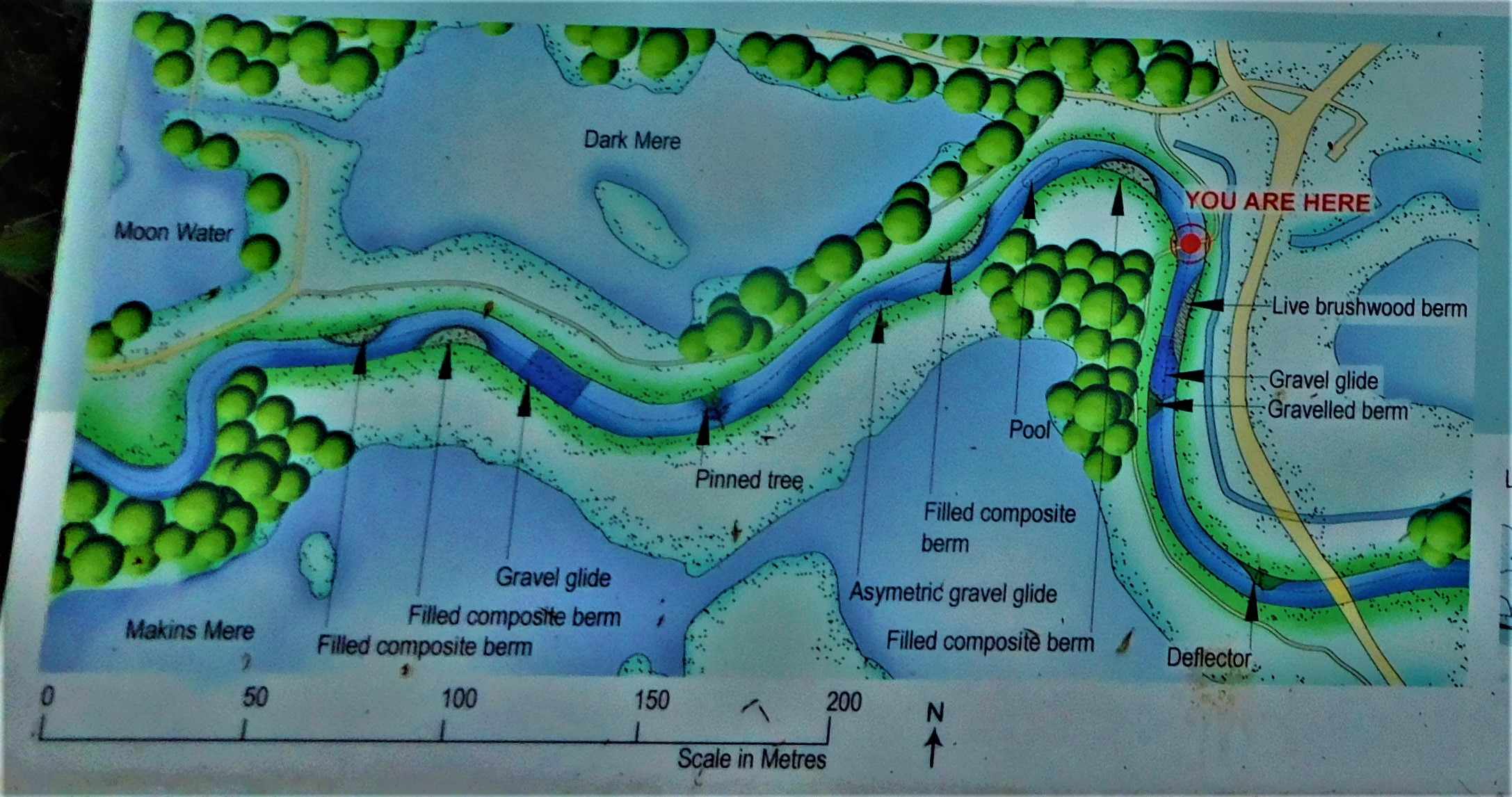
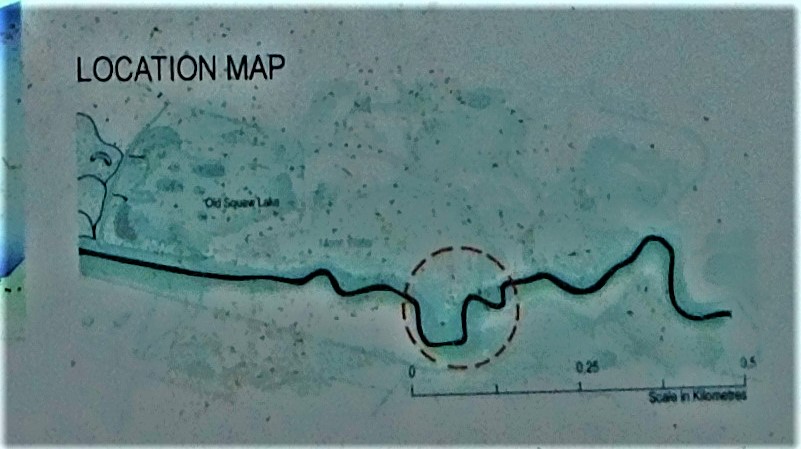
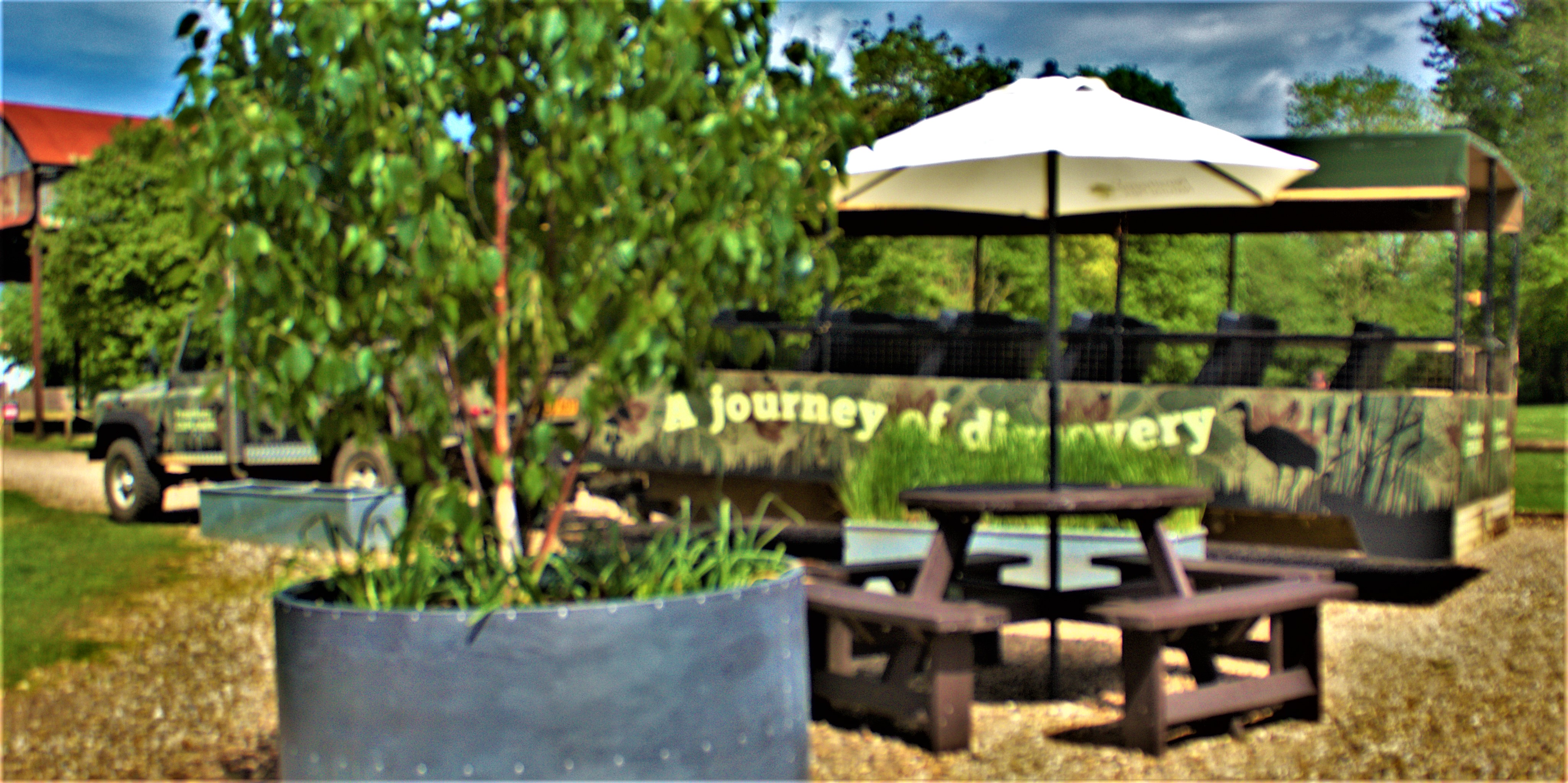
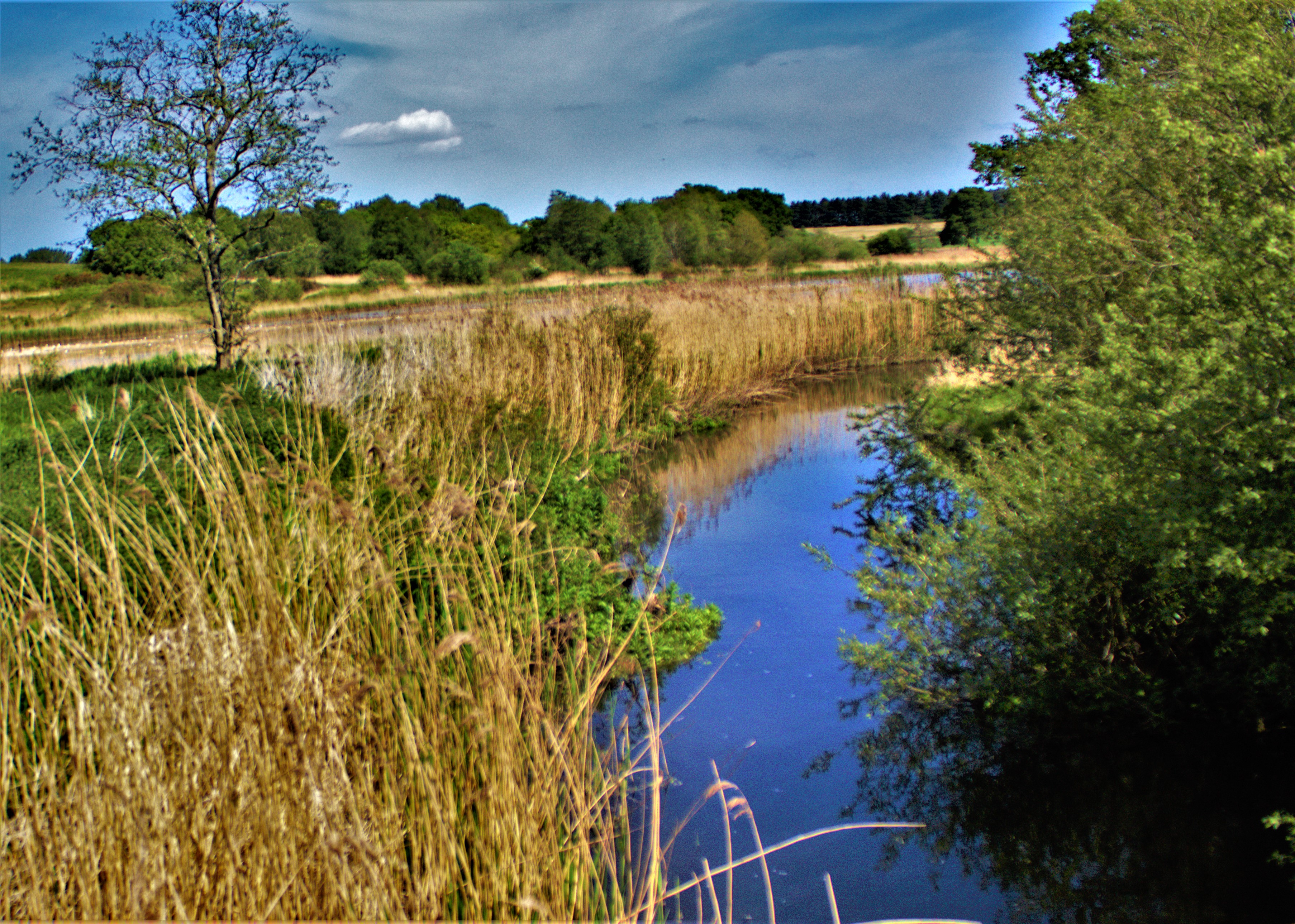
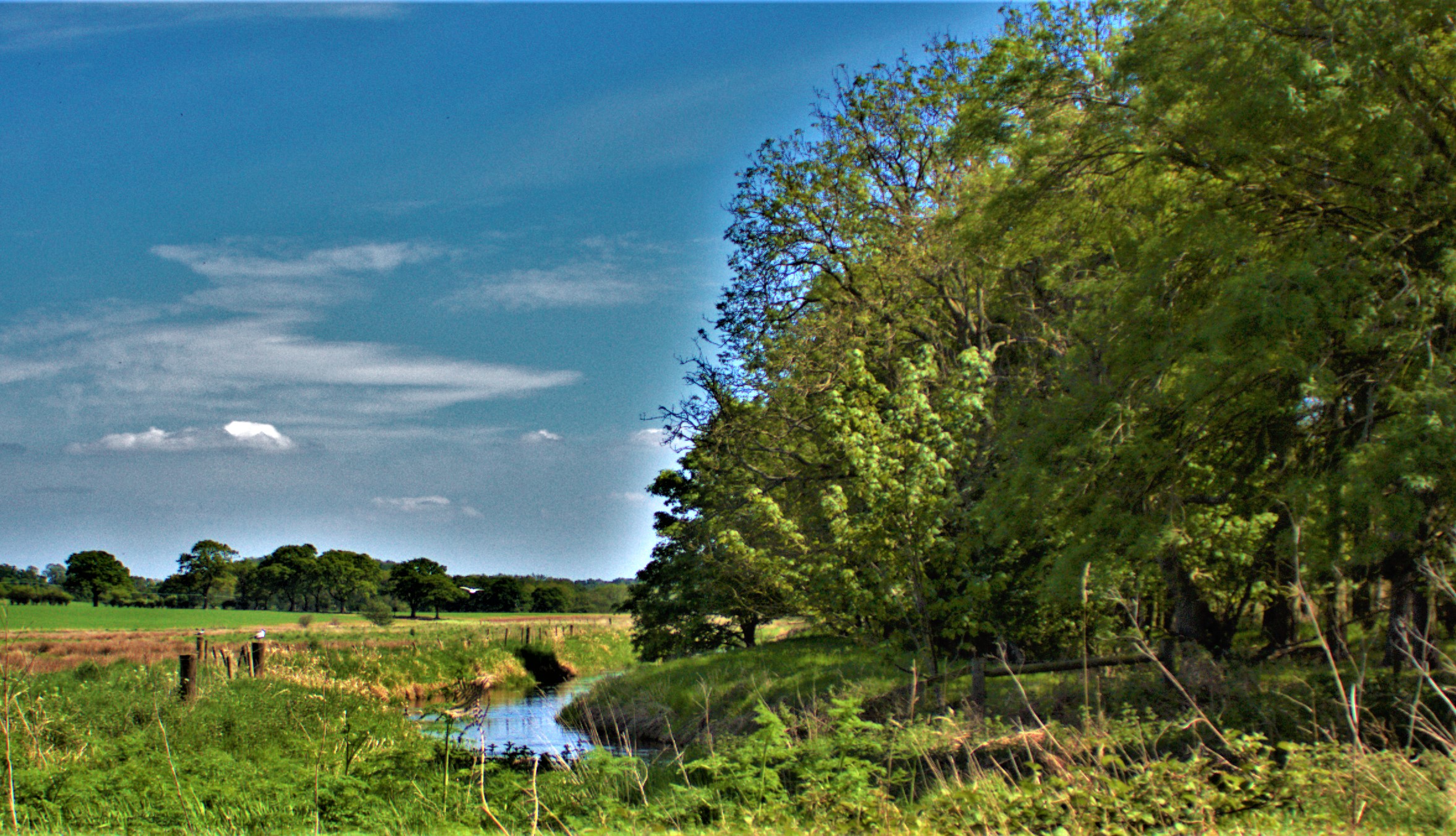
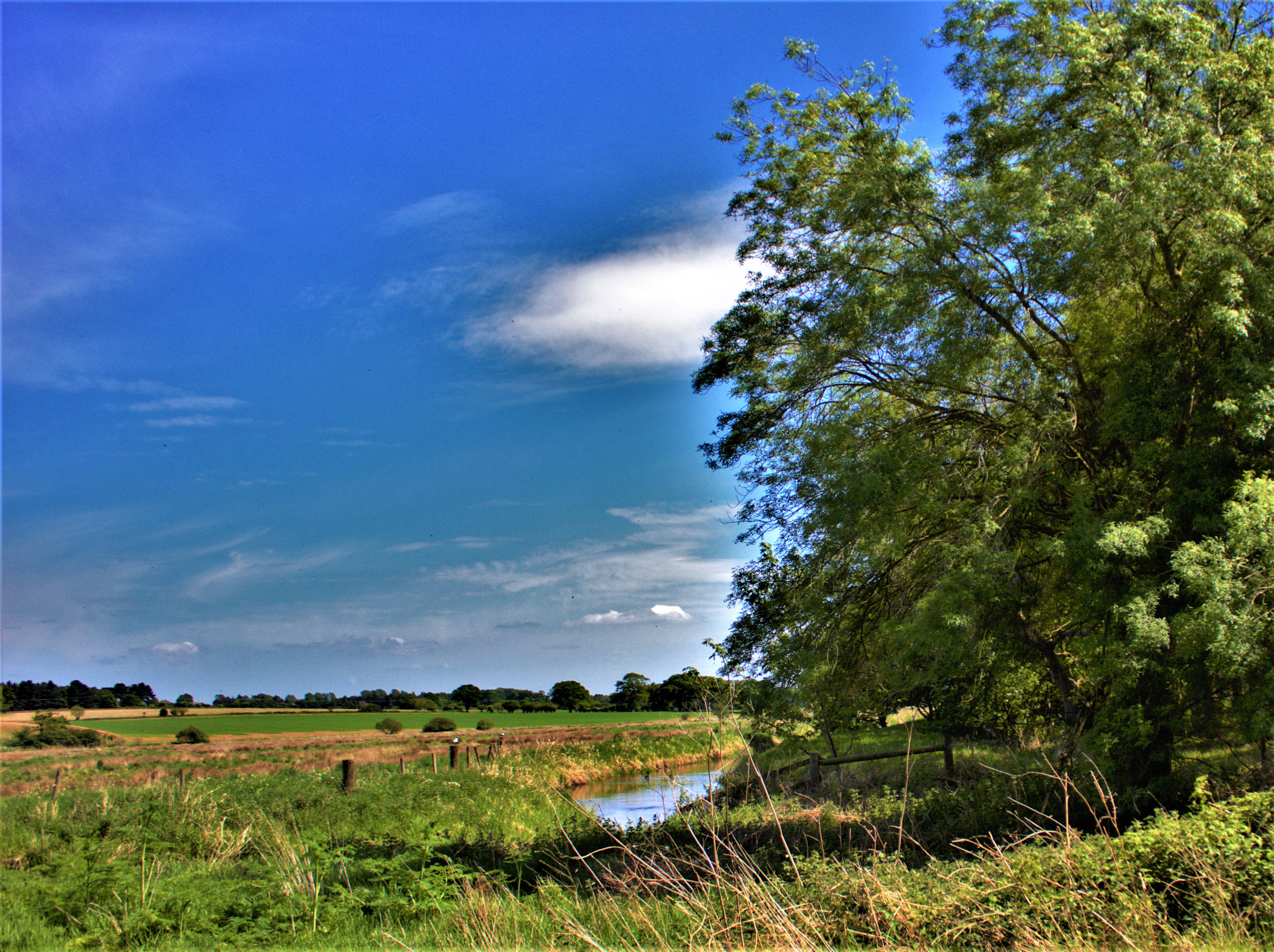
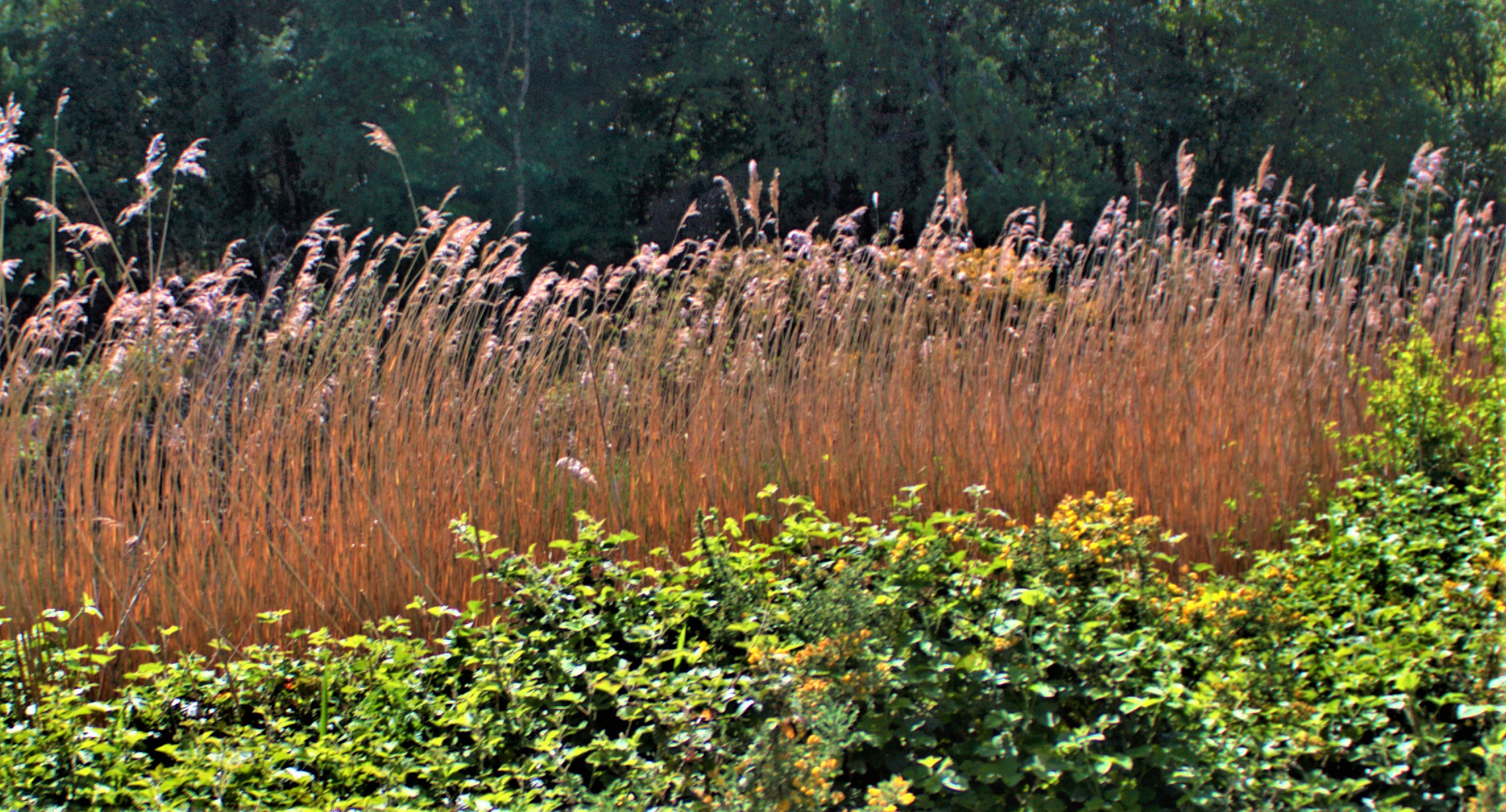
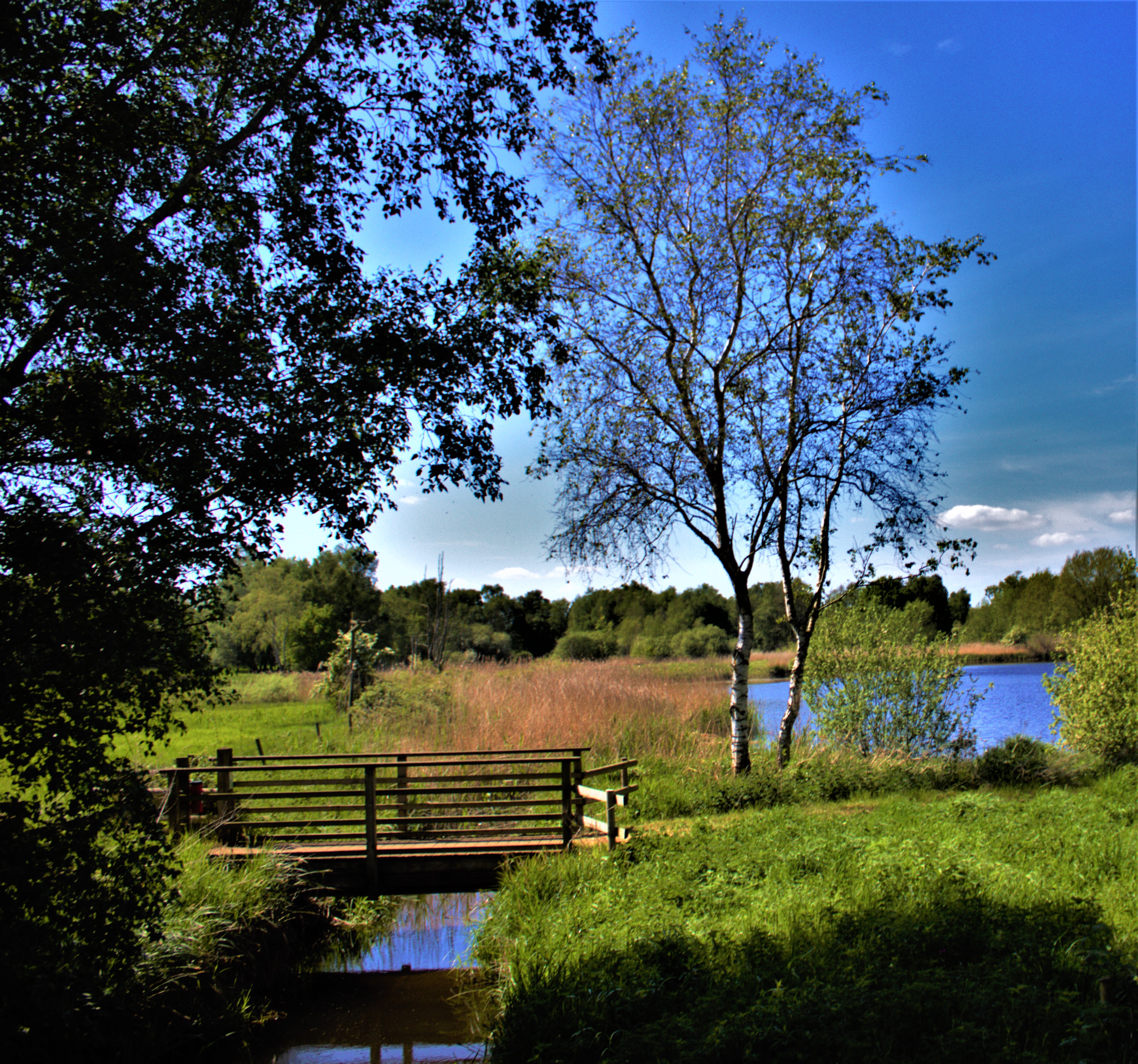
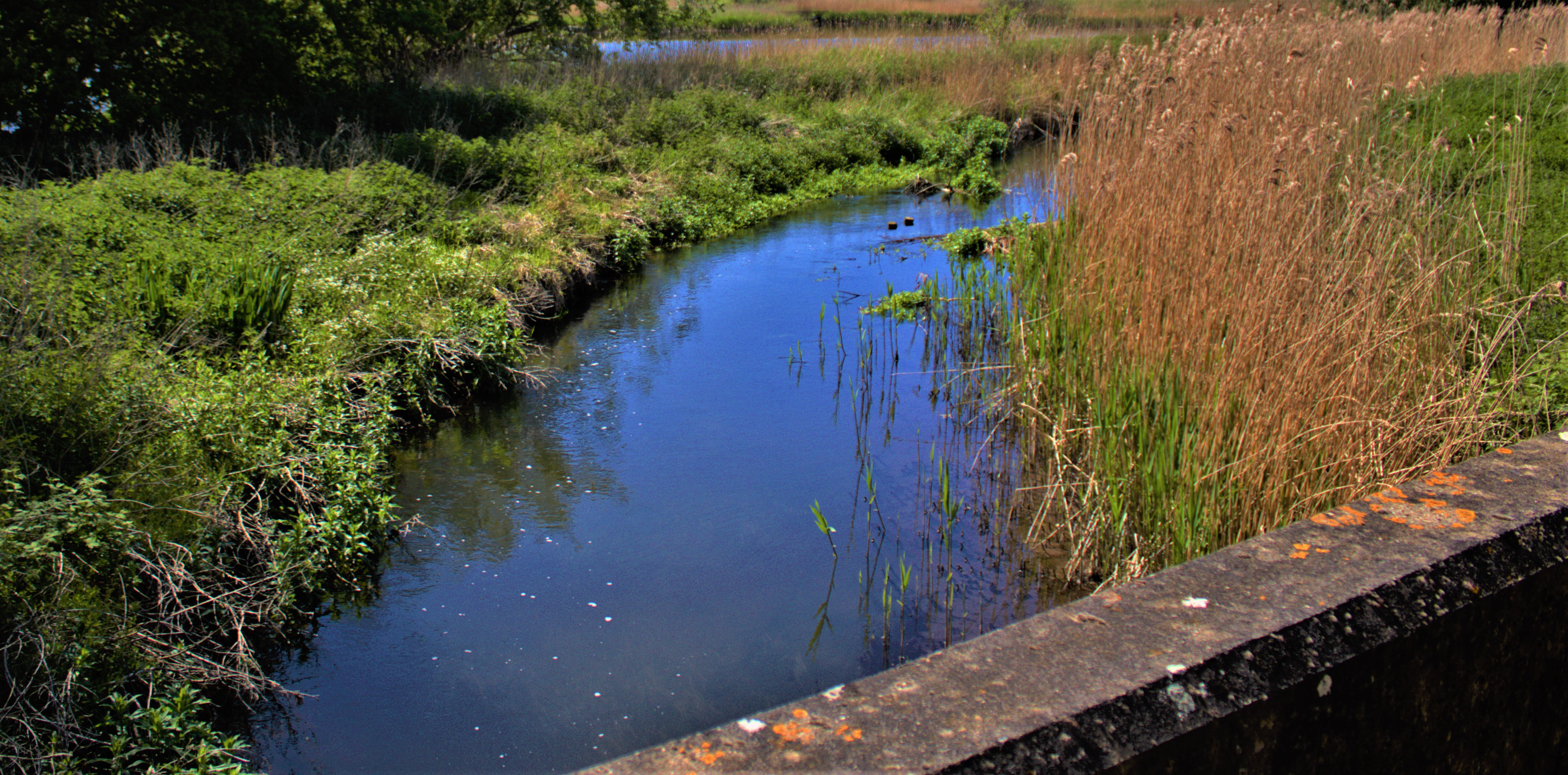
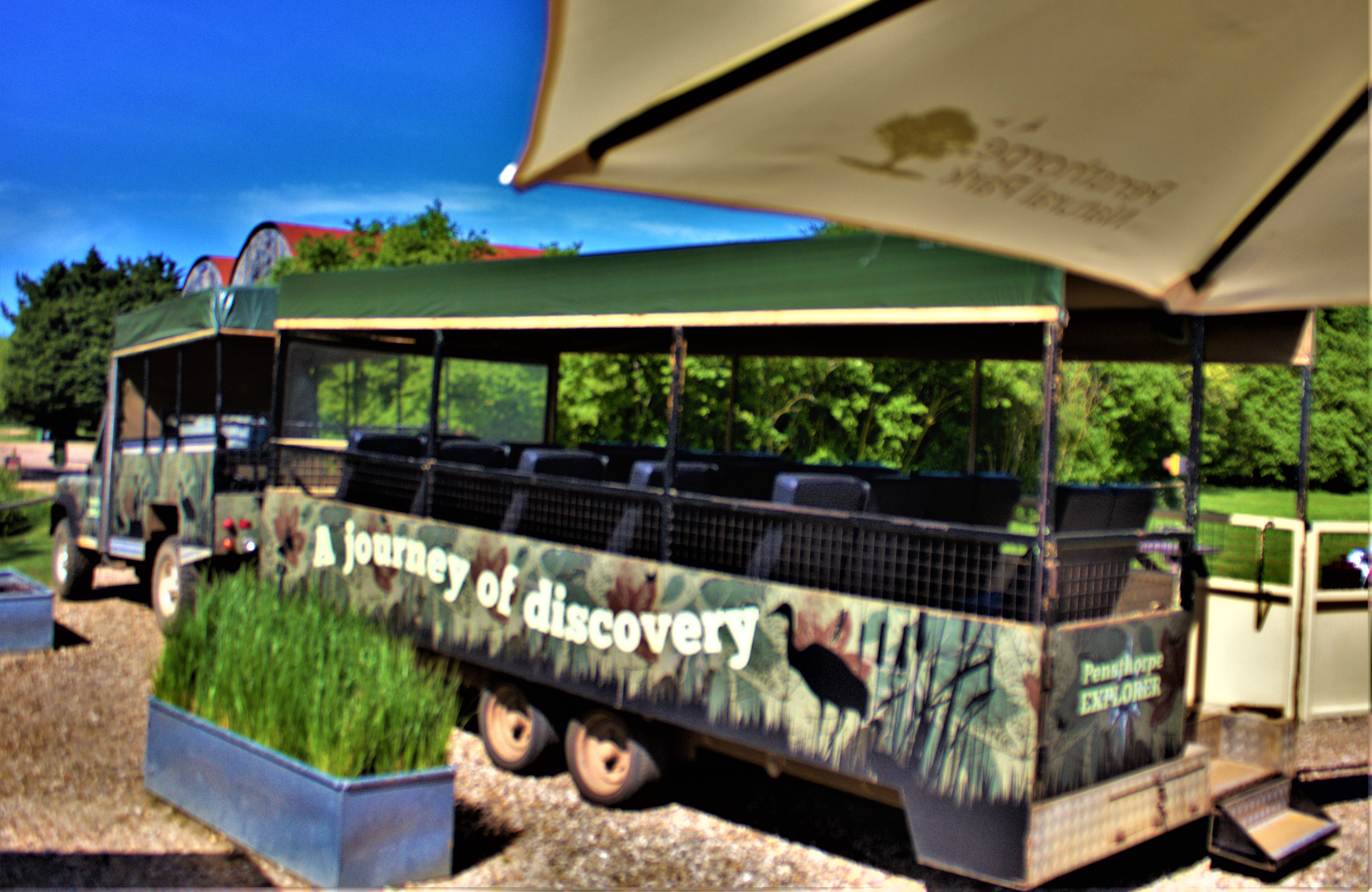
The journey on the Pensthorpe Explorer was very scenic, and the guide provided excellent commentary. There was stuff about the area’s wildlife and things Pensthorpe do to encourage said wildlife, some local history and an explanation of the significance of the River Wensum which flows through Pensthorpe.
There were a couple of parts of the route that made use of an old railway line (aeons go part of the Midland & Great Northern, colloquially referred to as the Muddle & Go Nowhere – East Anglia was home at one time to a vast number of railway companies, with in addition to this one the five companies who ultimately amalgamated to form the Great Eastern Railway) which added to the interest of the experience.
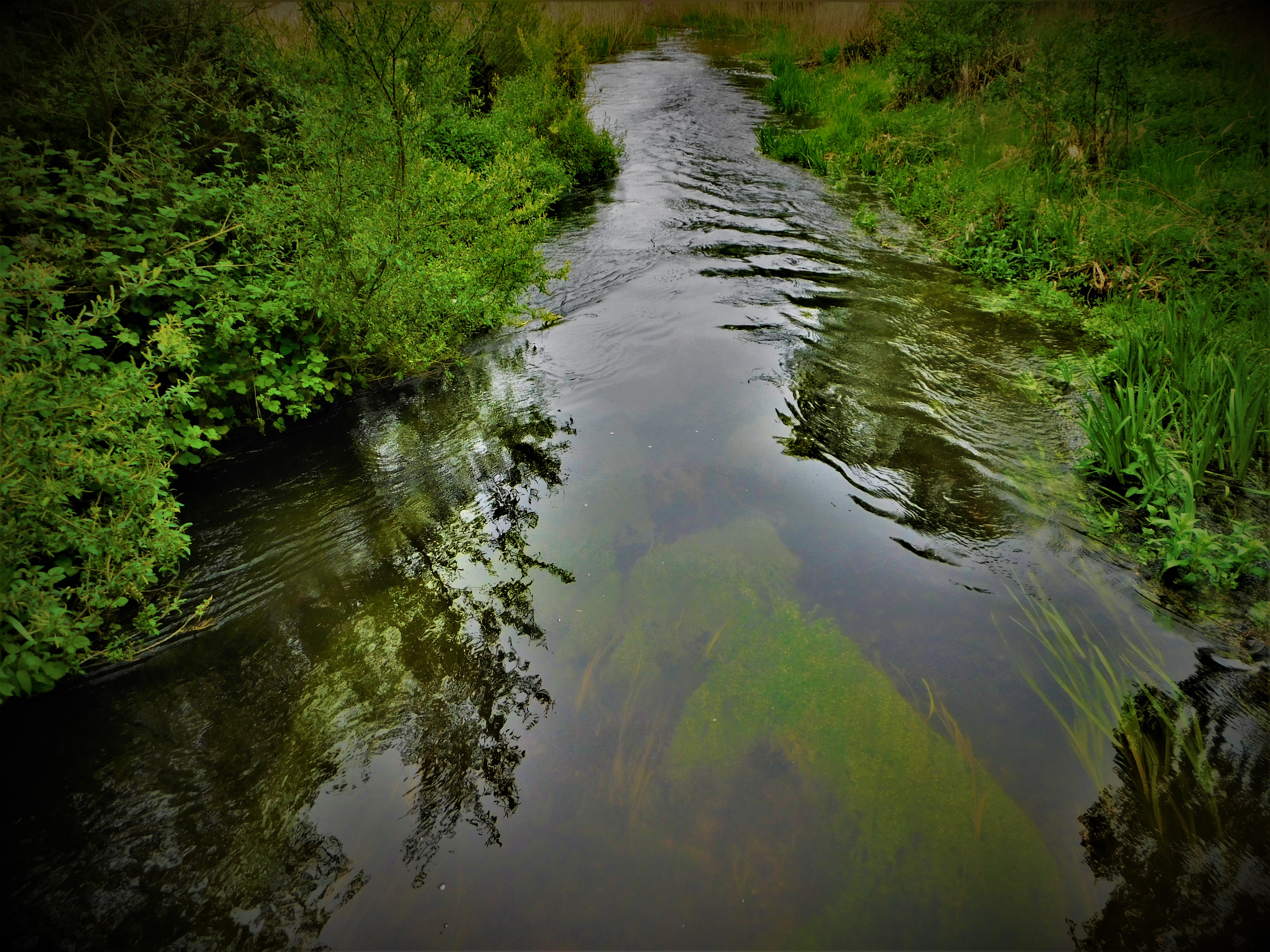
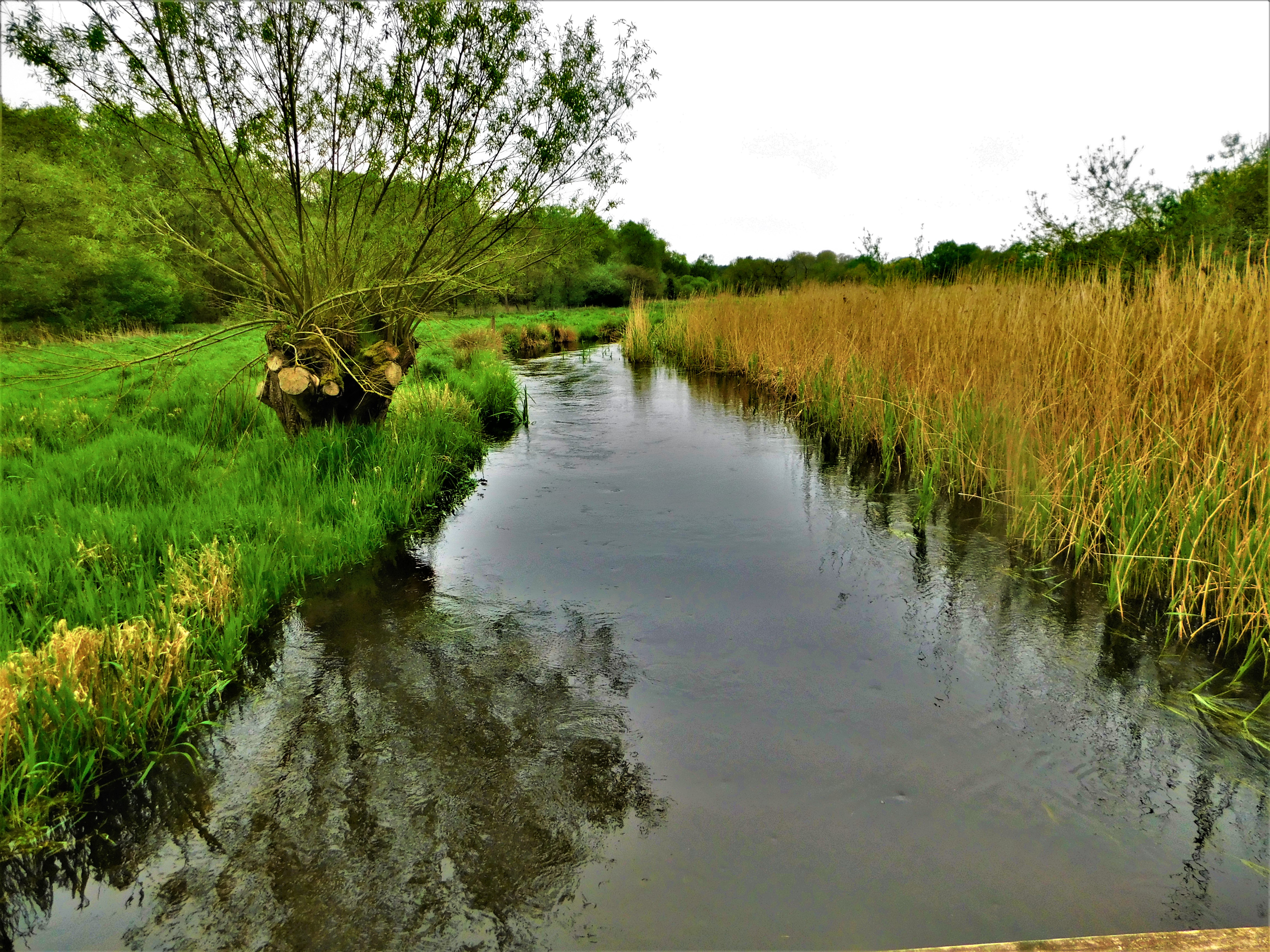
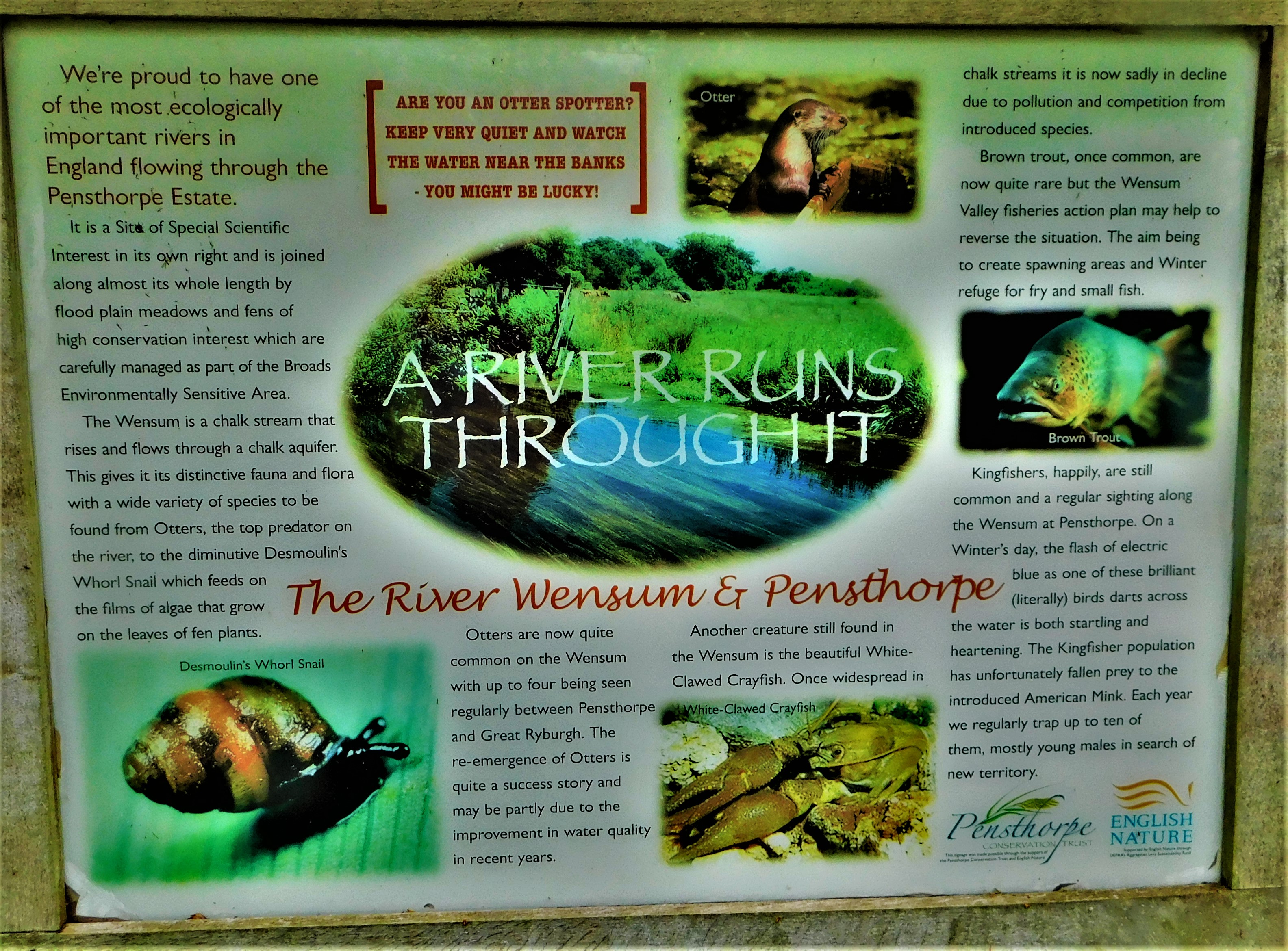
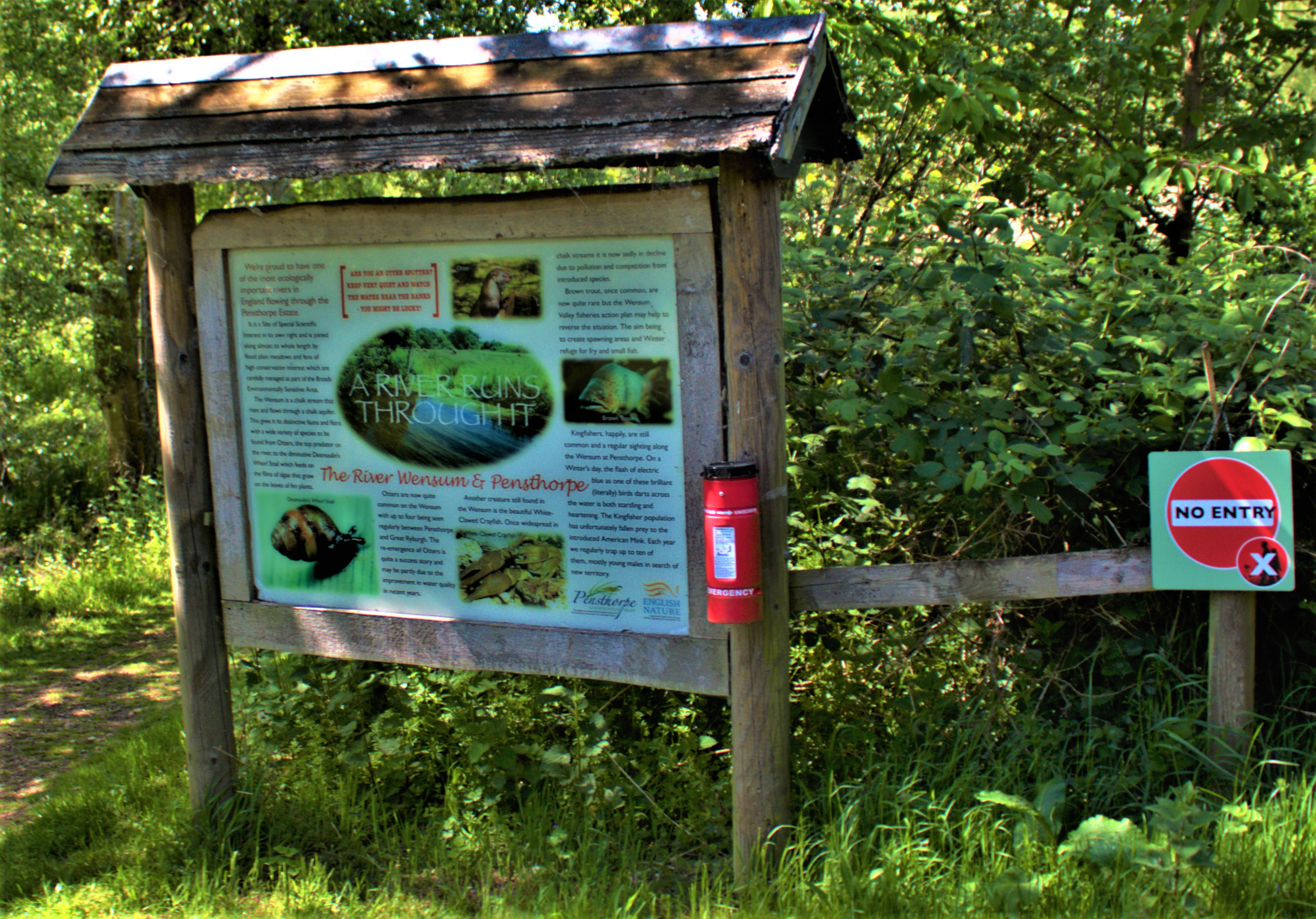
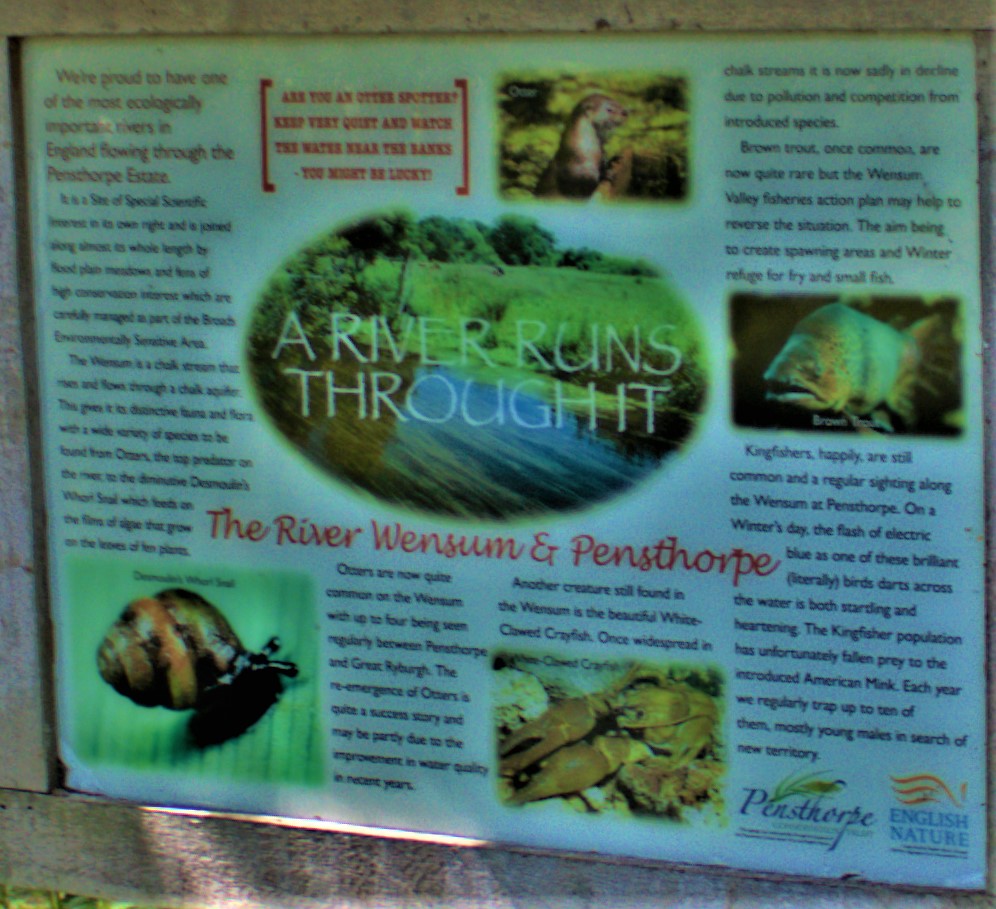
The Wensum is of special significance because it is a chalk river, of which there only about 200 on the planet (although about 170 of those are right here in the UK, including another significant Norfolk river, The Gaywood). Unfortunately the bunch of clowns who are collectively known as Norfolk County Council are hellbent on building a new road through the Wensum valley which among other things will damage two important bat colonies (we are talking rare species of bat here). Also, as to the notion that building a new road will ease congestion, I give you one letter an two numbers appropriately arranged: M25. There is a campaign group doing their best to prevent this ghastly project from going ahead, and you can view their twitter page and also sign a petition they are running. The biggest problem that Norfolk has is not with its roads, but with the frankly scandalous state of public transport in the county, which causes people to feel compelled to drive, which in turn feeds into the county council’s ‘cars are everything’ agenda. Green Party representation is increasing in Norfolk, which provides grounds for hope that eventually the county council’s make up will change and it will move into the 21st century.
The trip on the Pensthorpe Explorer was a splendid end to a splendid day.
PHOTOGRAPHS
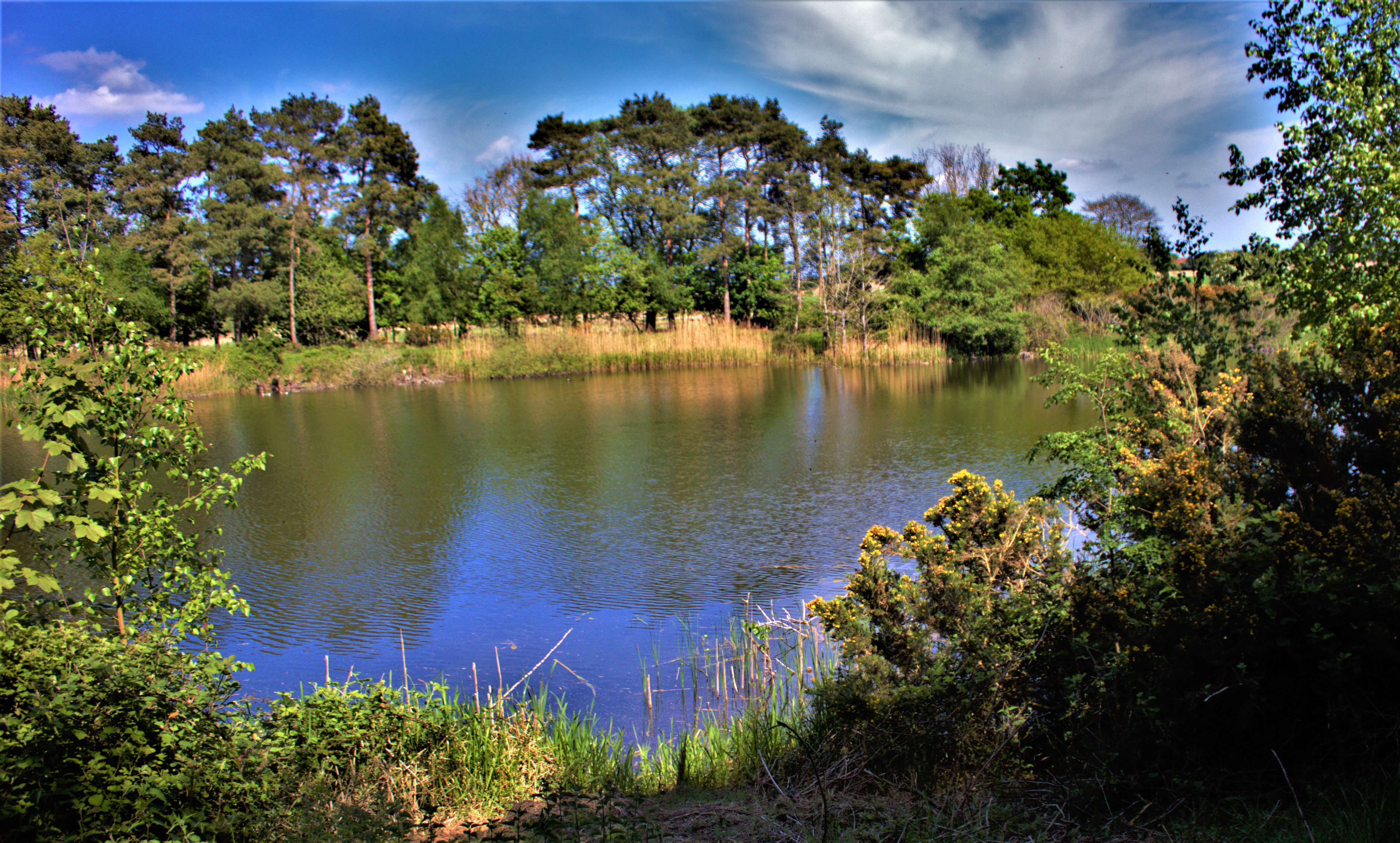
Here are the pictures from this section of the day:
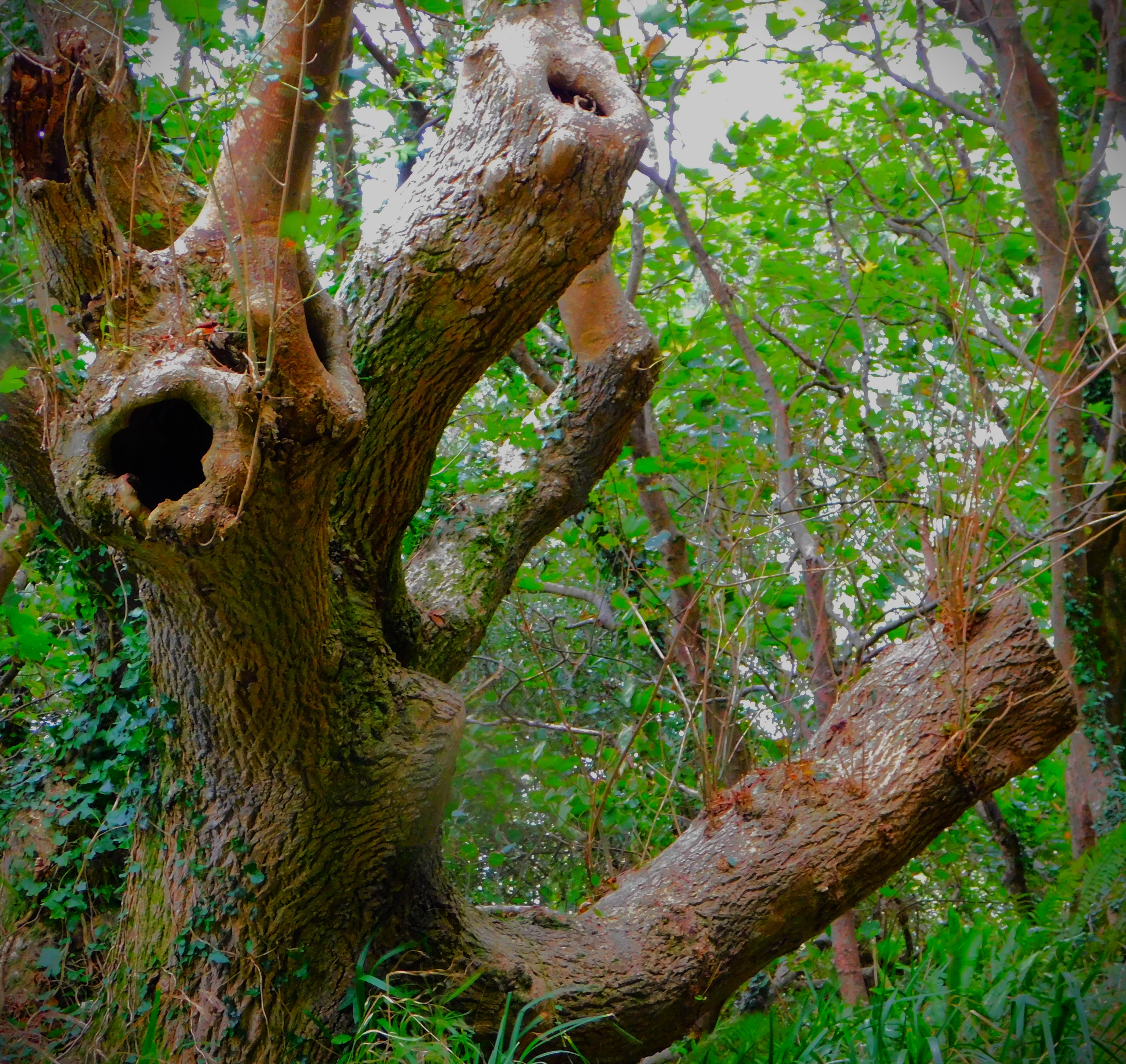
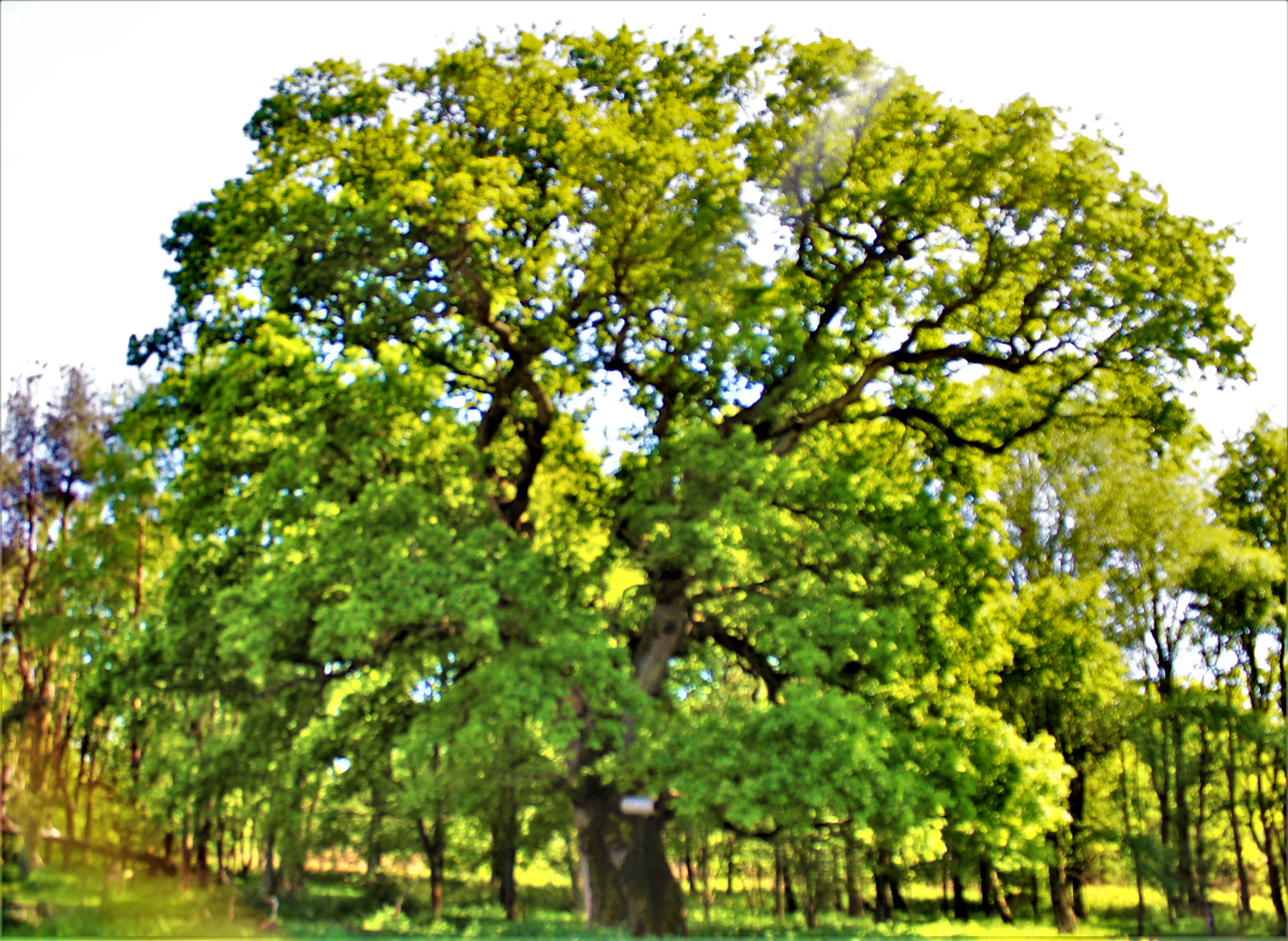
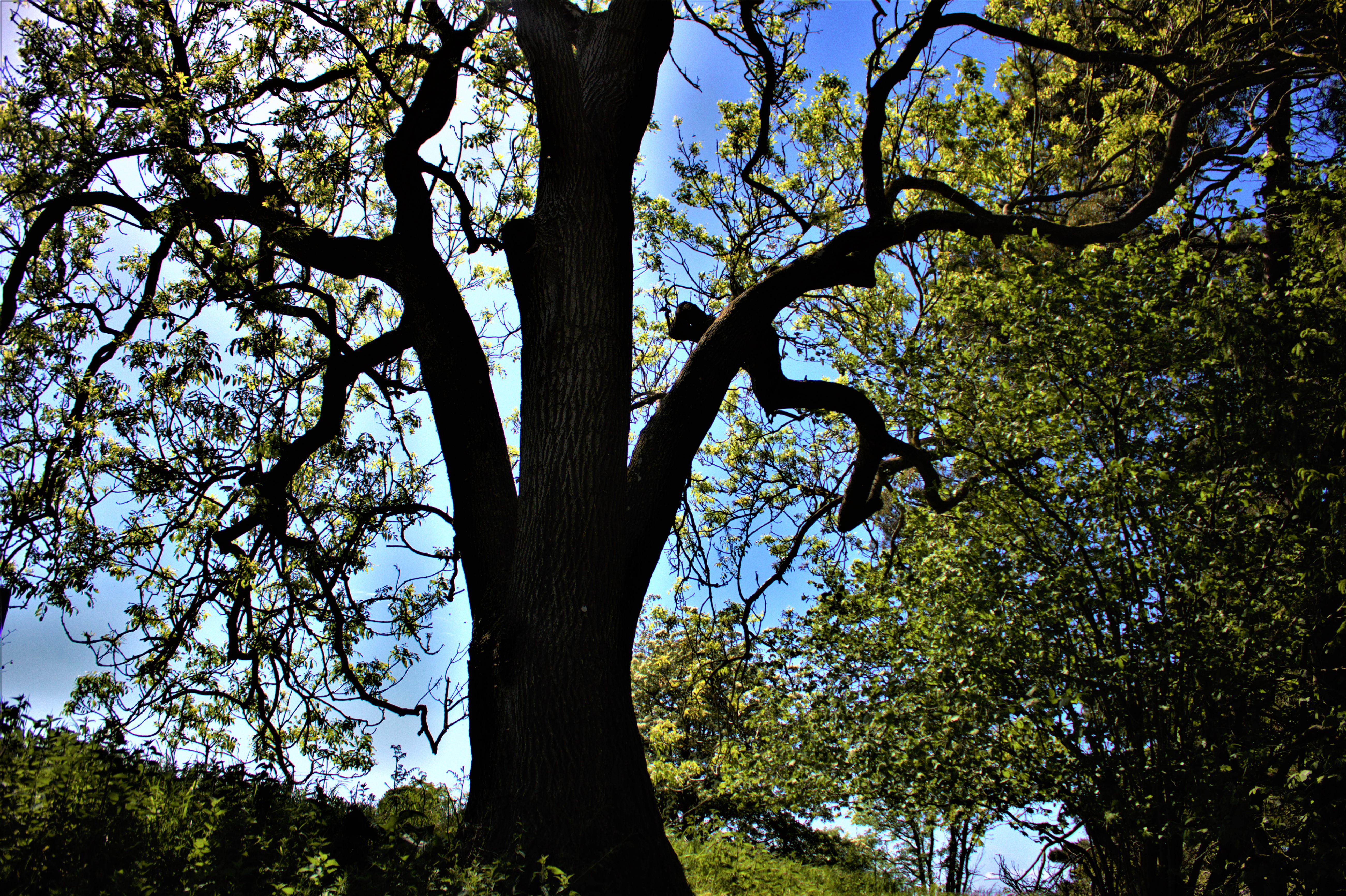
If you look closely at this oak tree you will see a silver tube protruding from the trunk – this is for Little Owls to nest in.The Pensthorpe Explorer

















































































































































































































 aspiblog