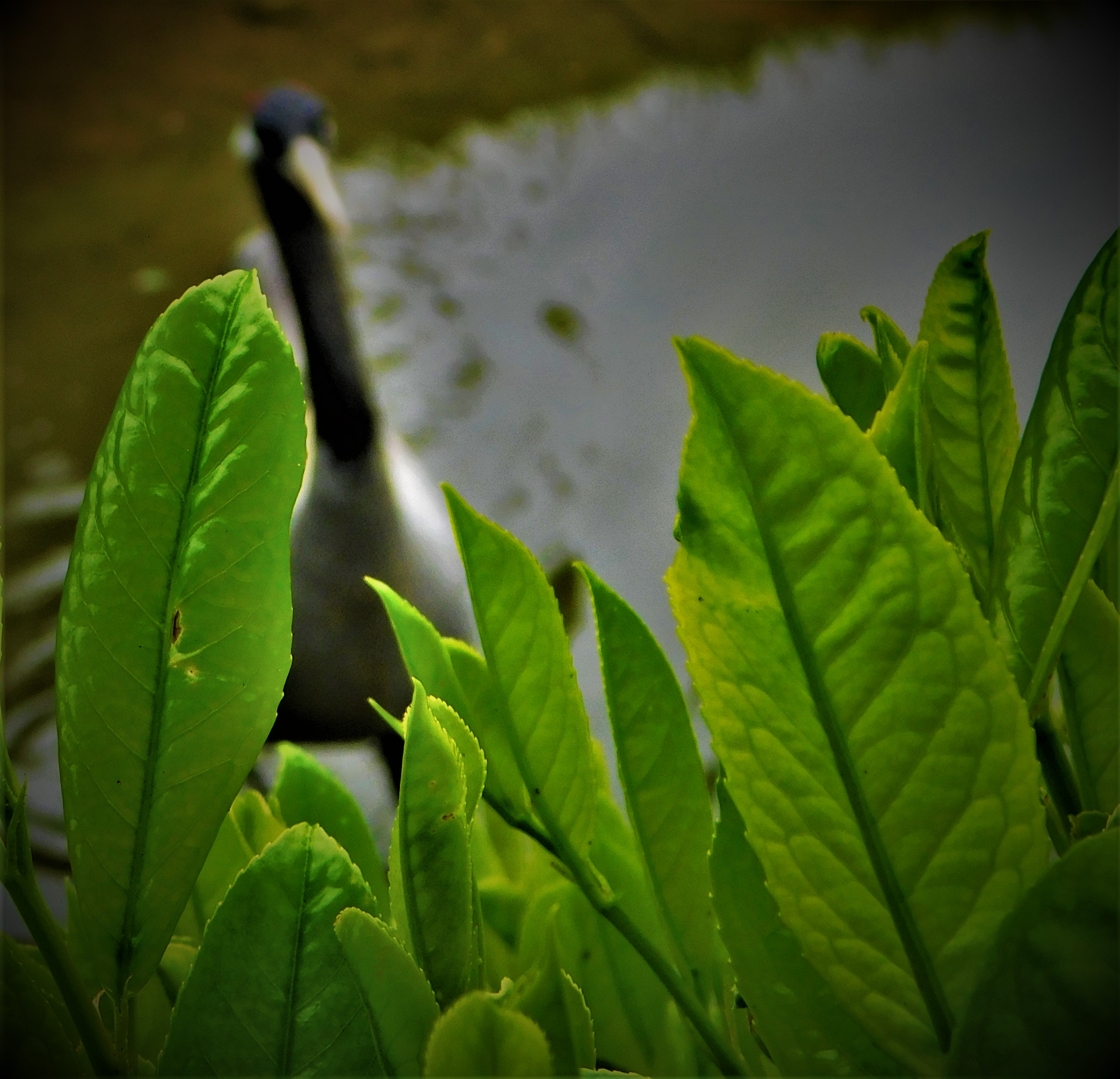
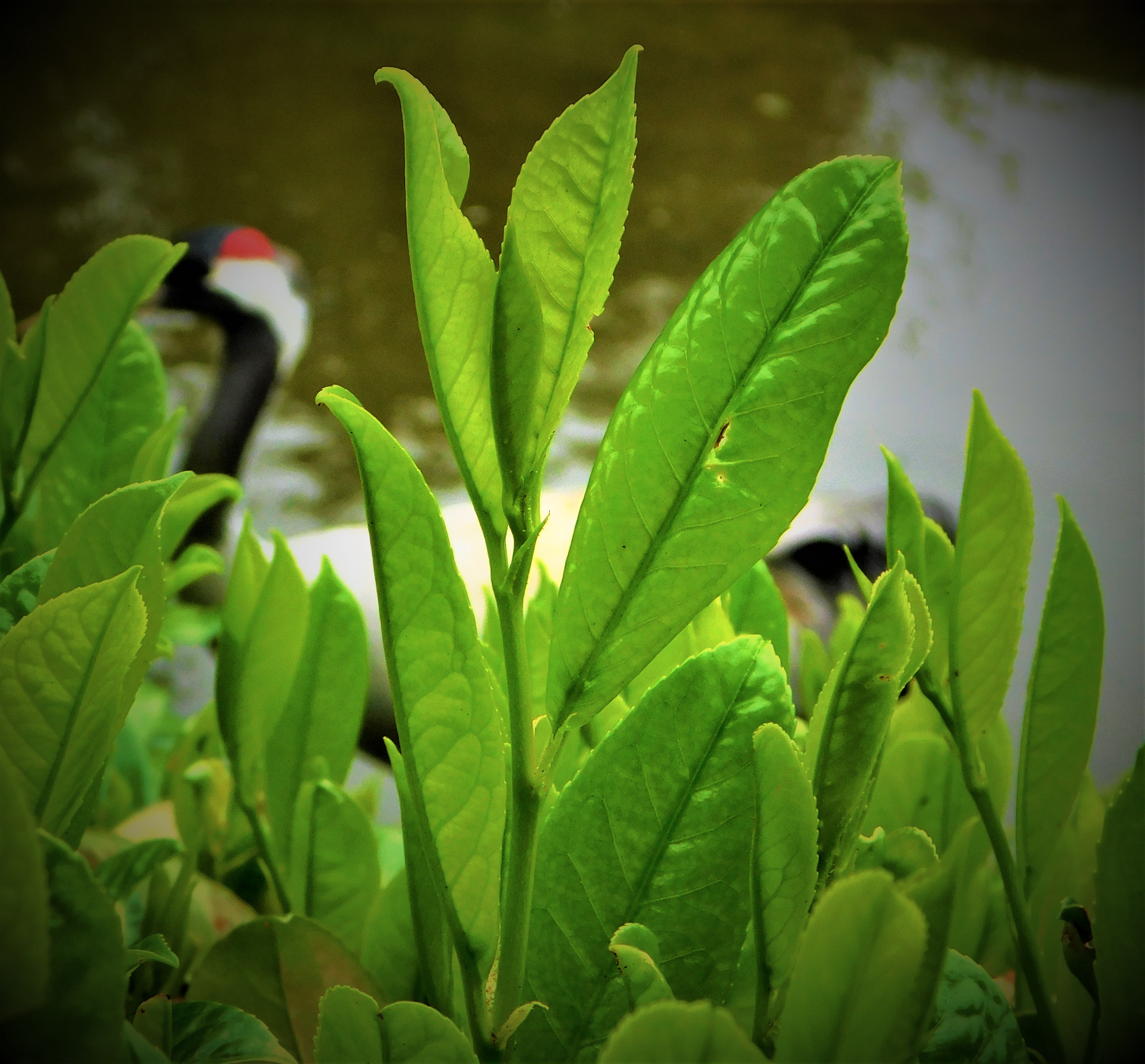
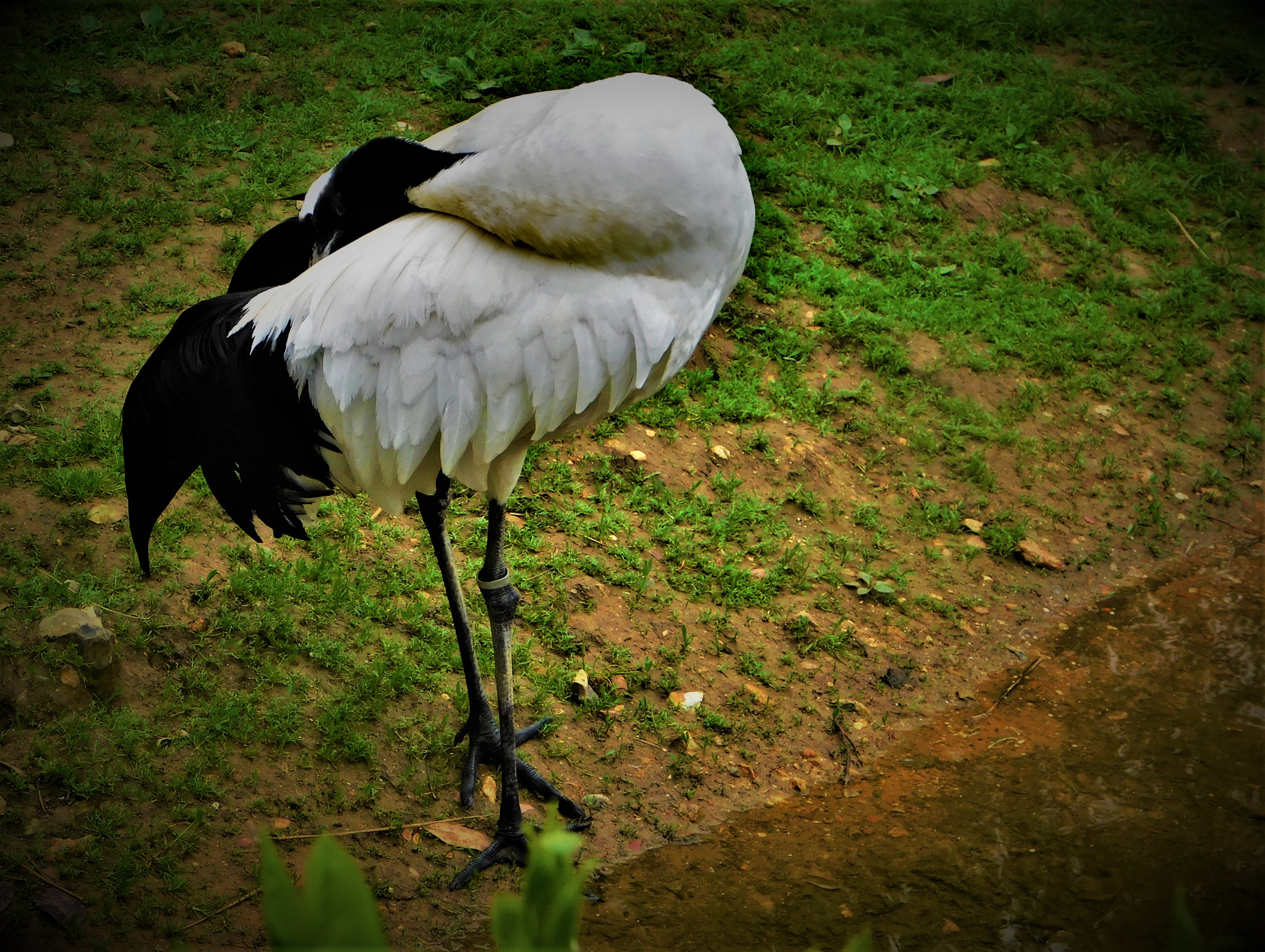
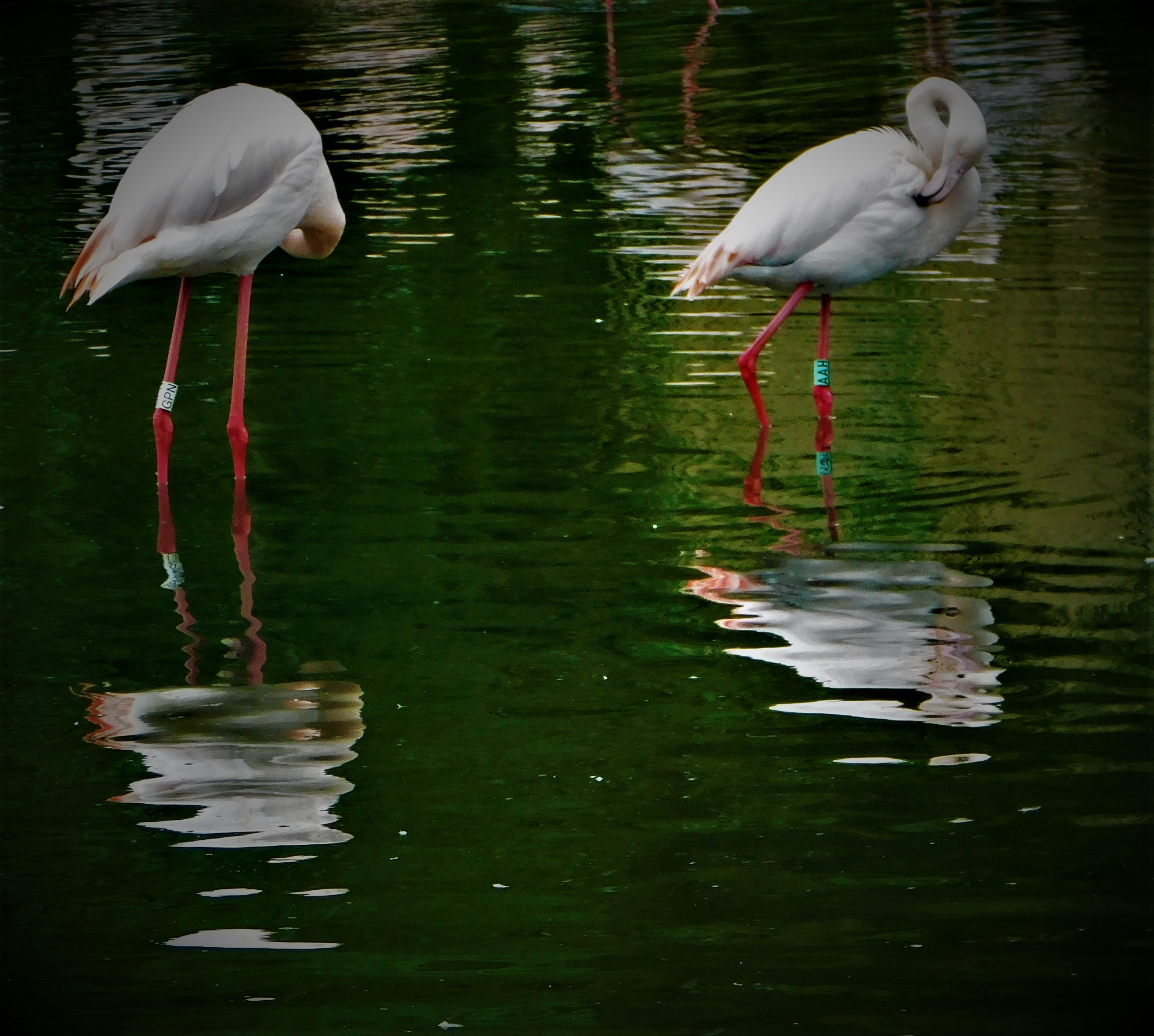
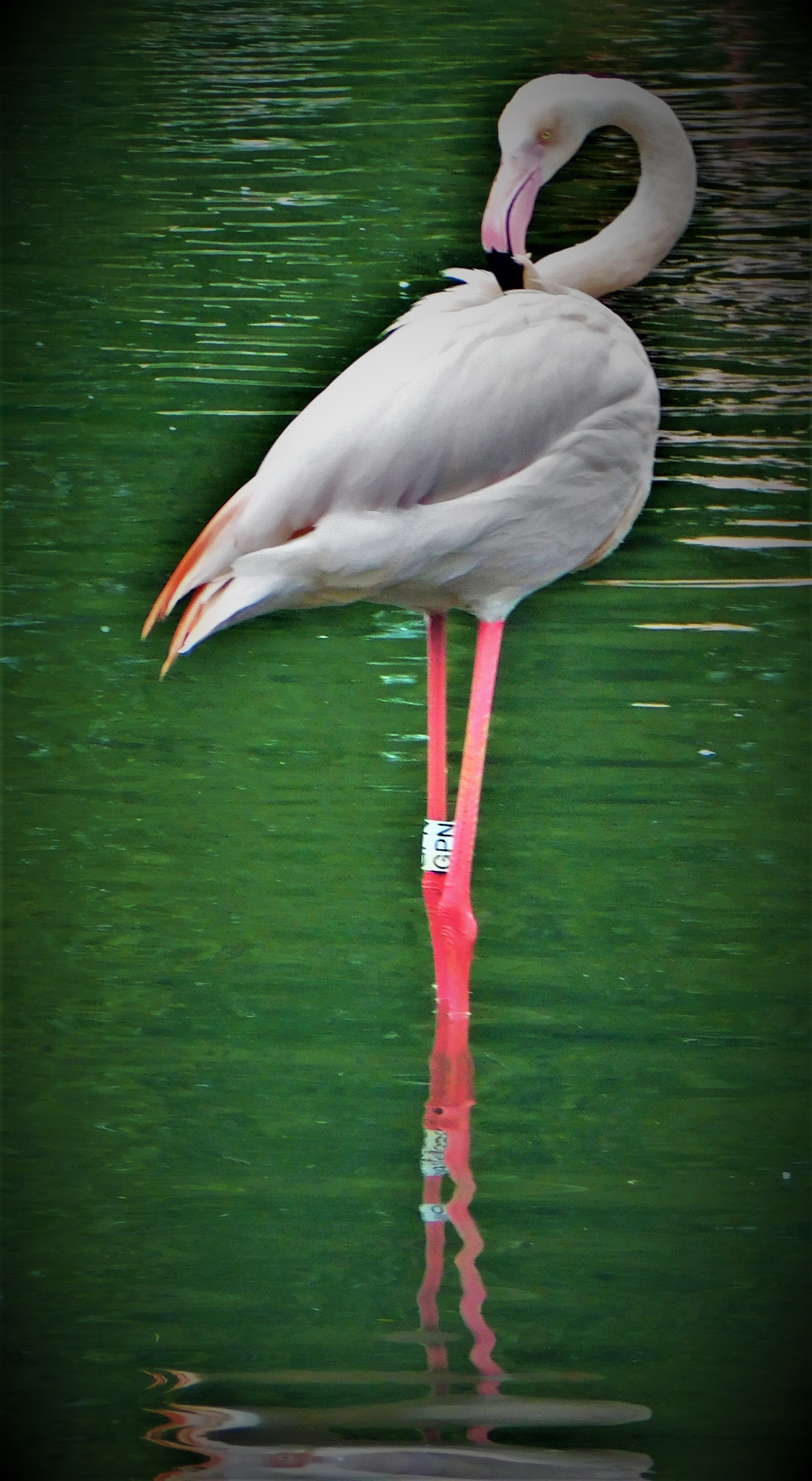
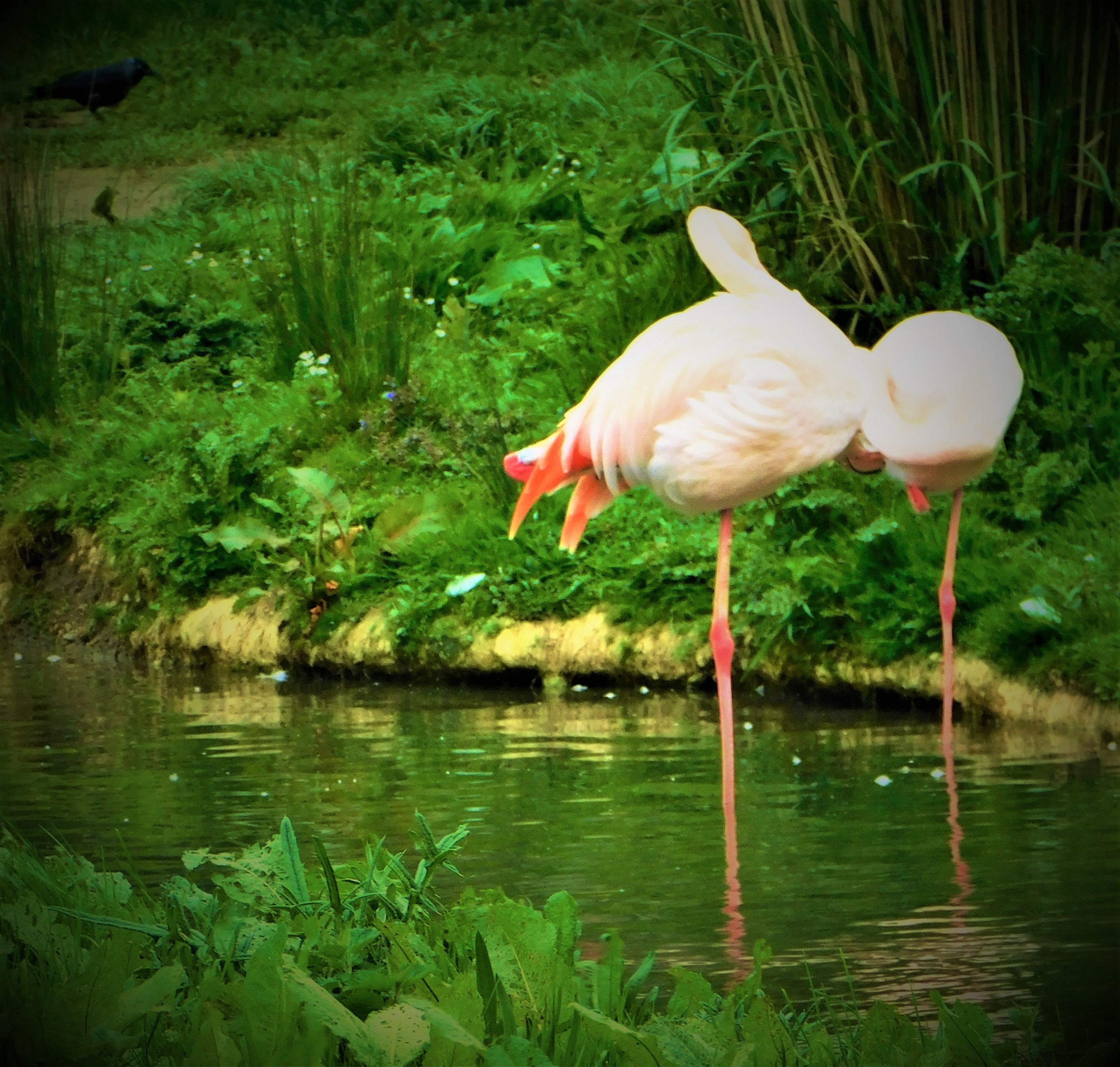
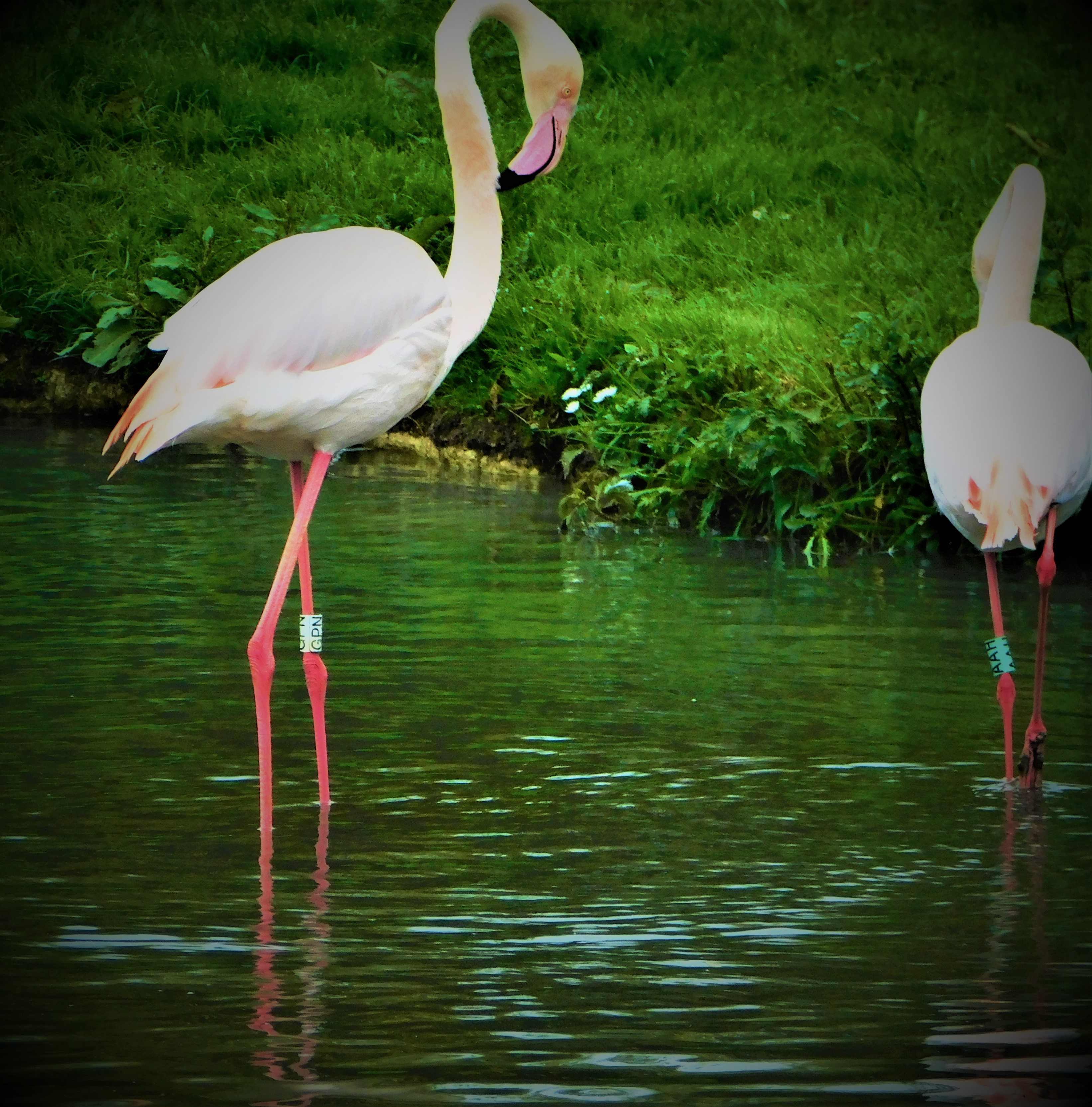
The final installment in my series about Saturday’s excursion to Pensthorpe, featuring Cranes and Flamingos.
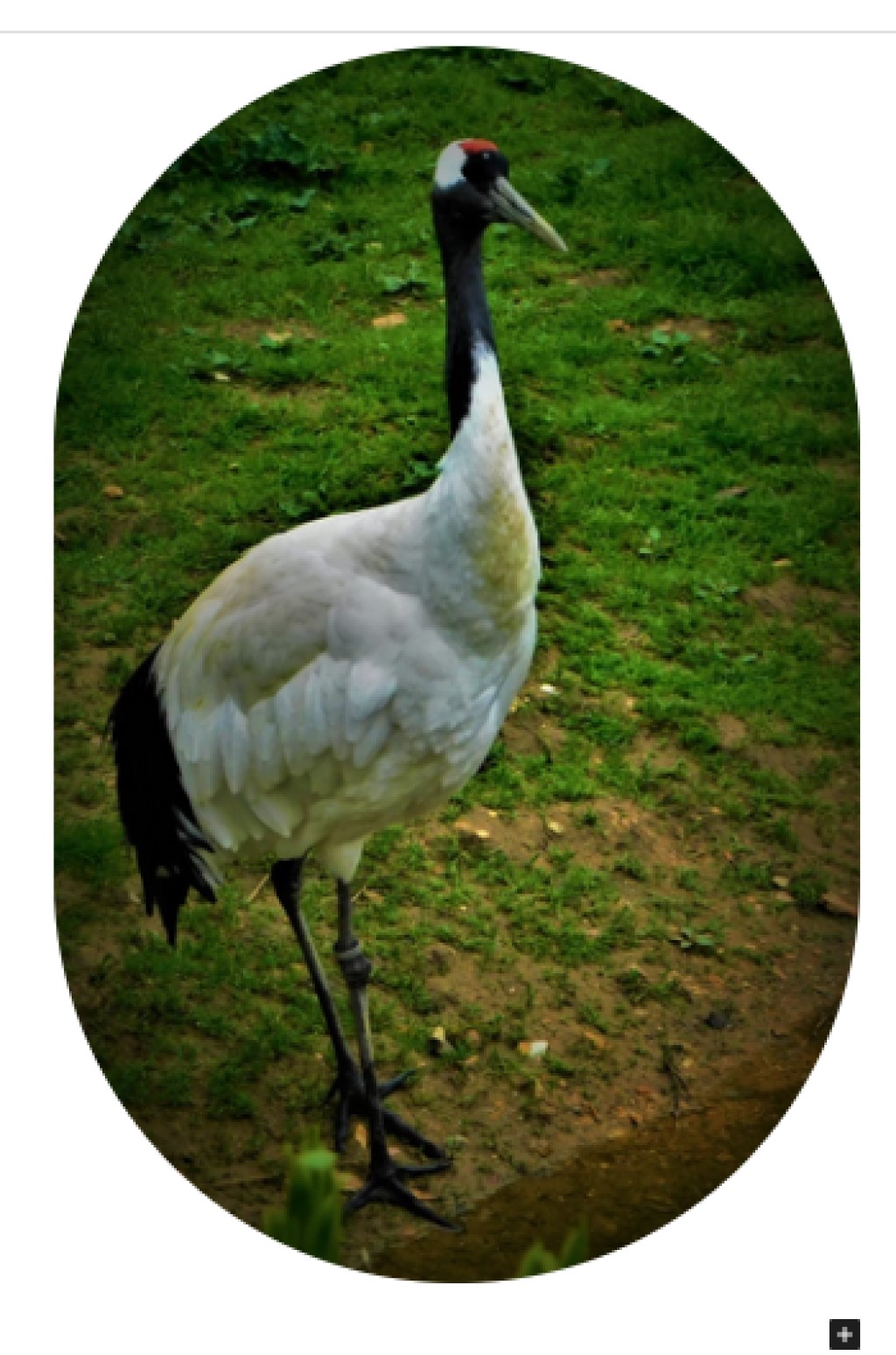
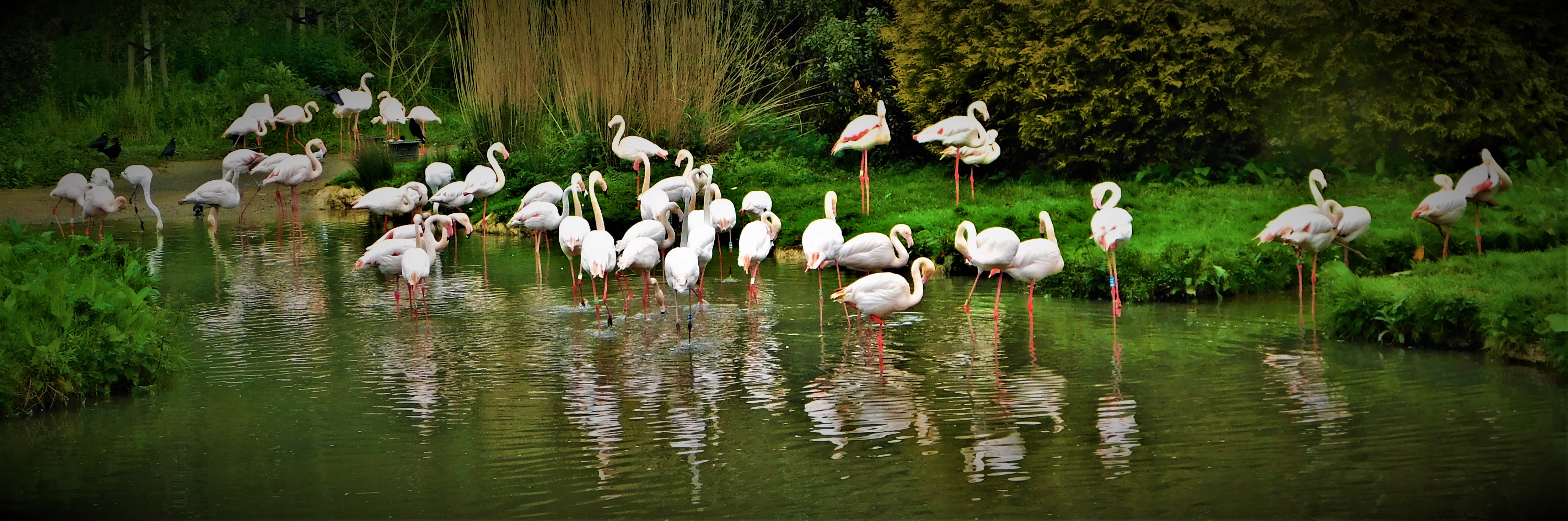
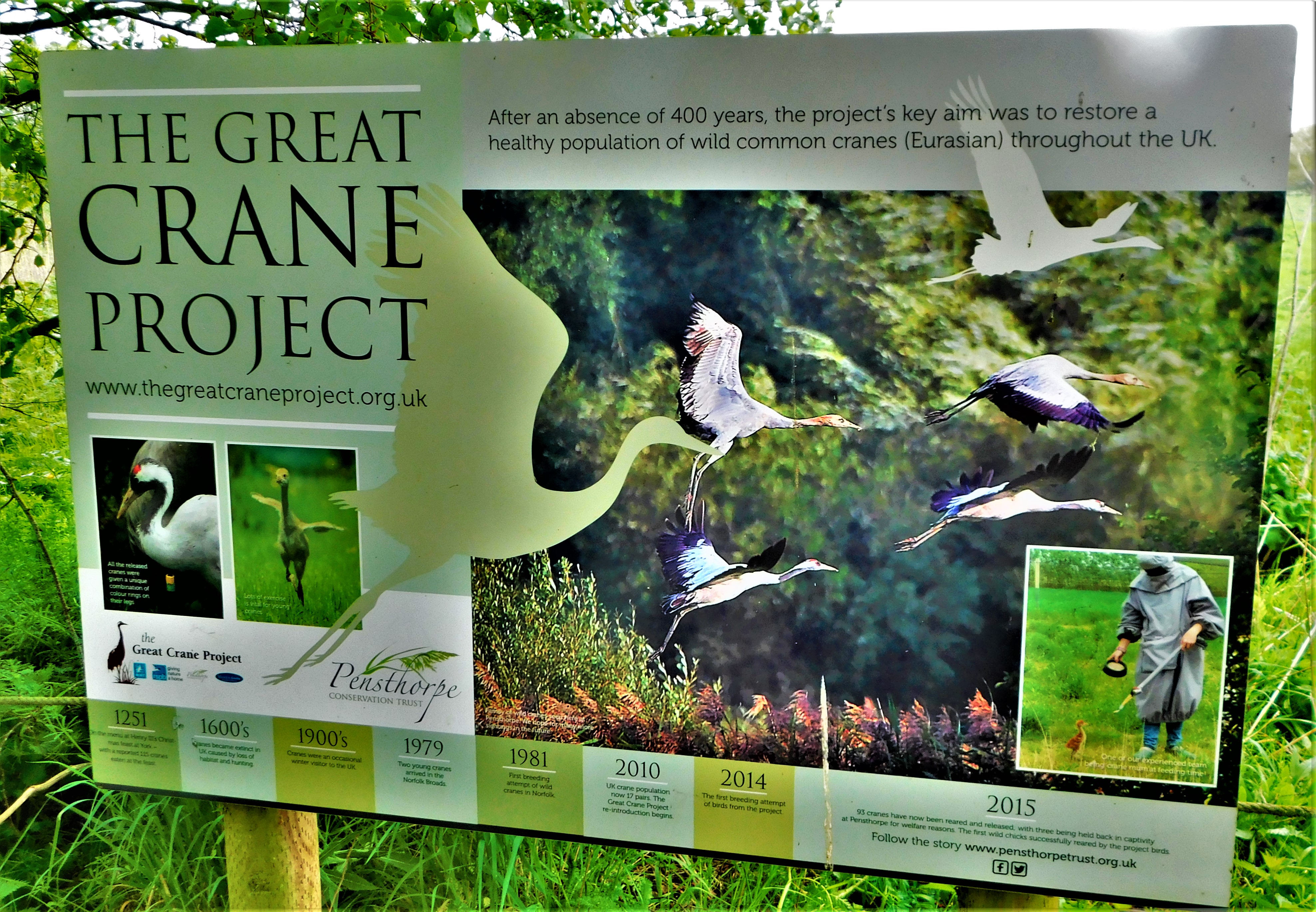
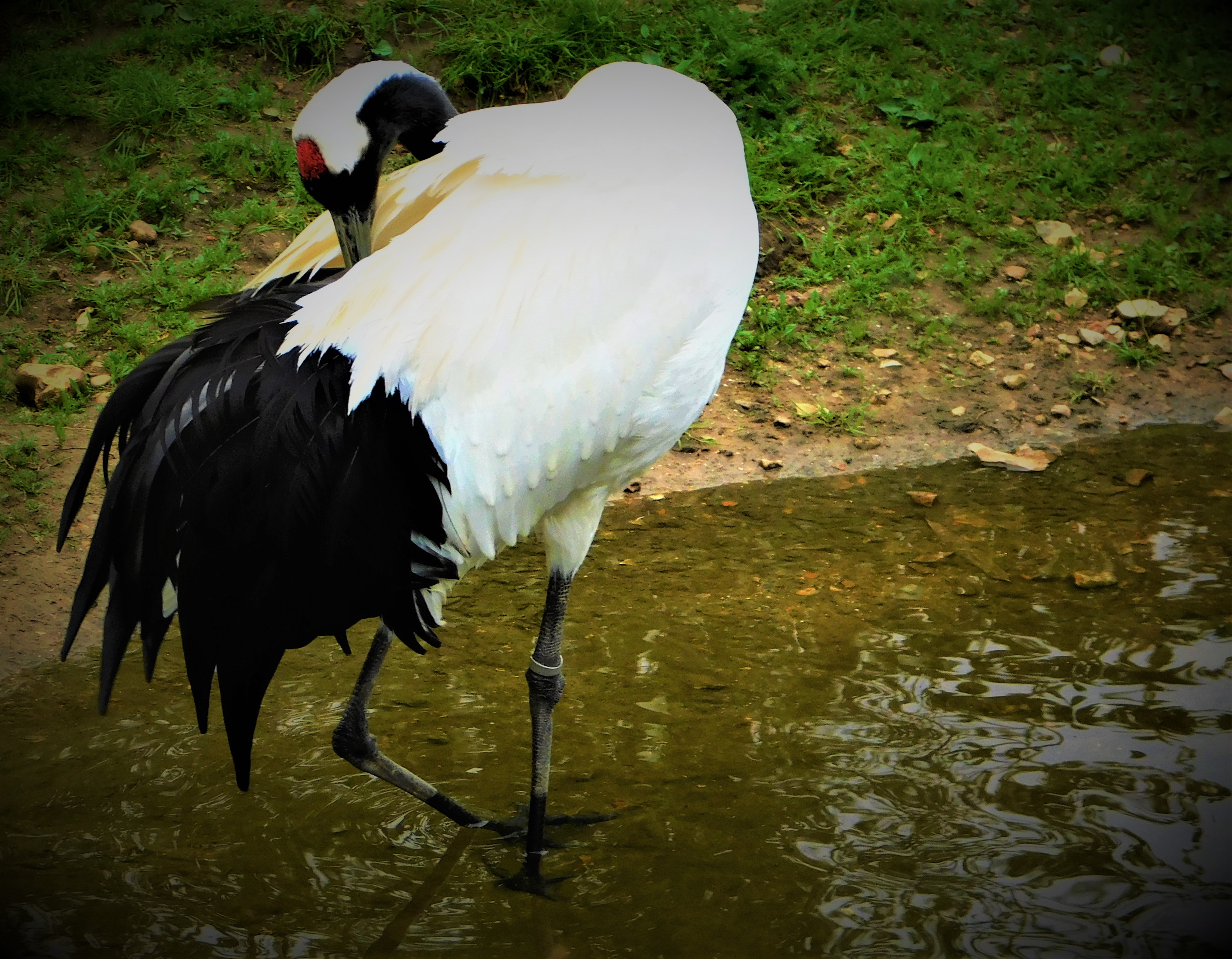
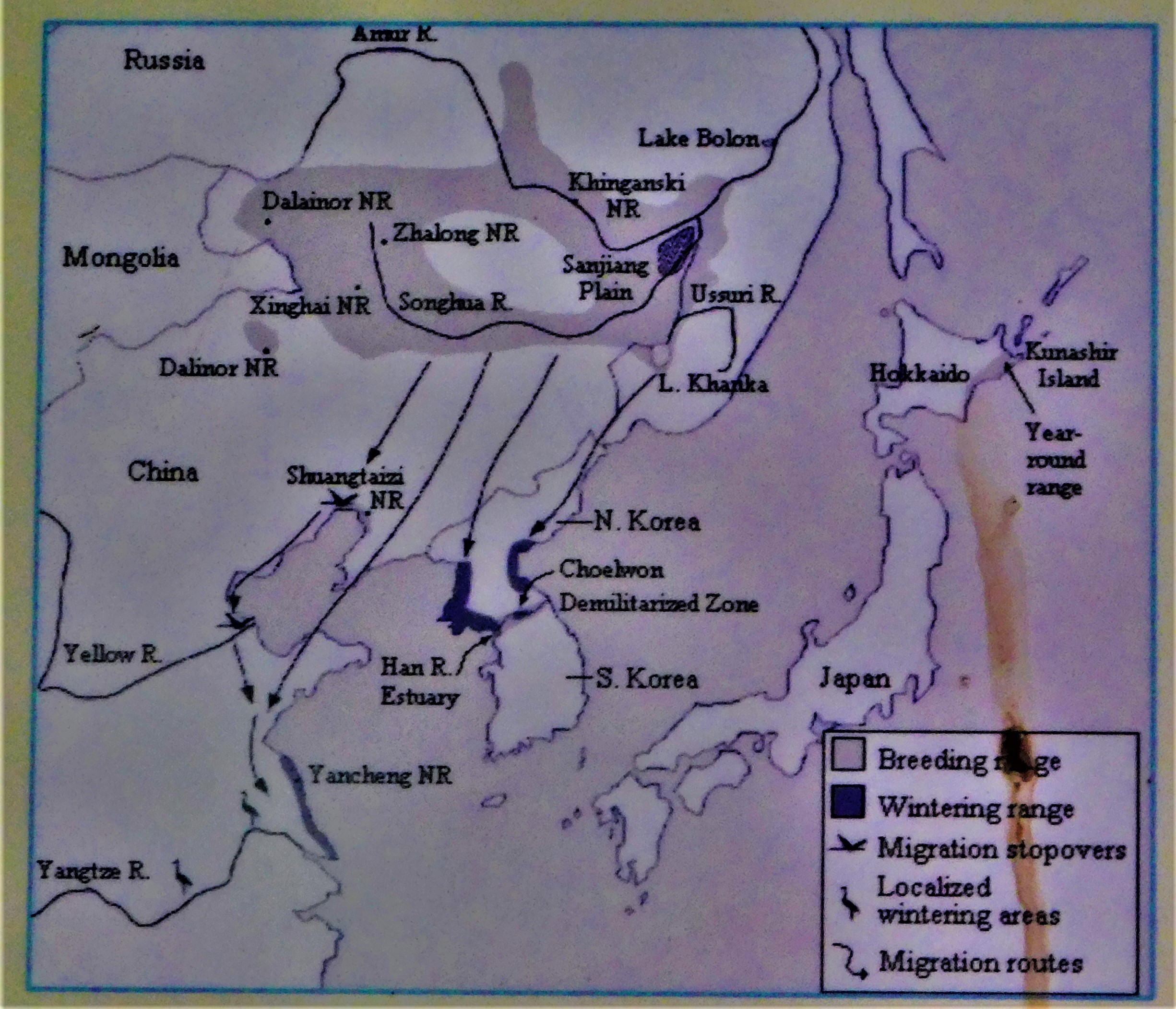
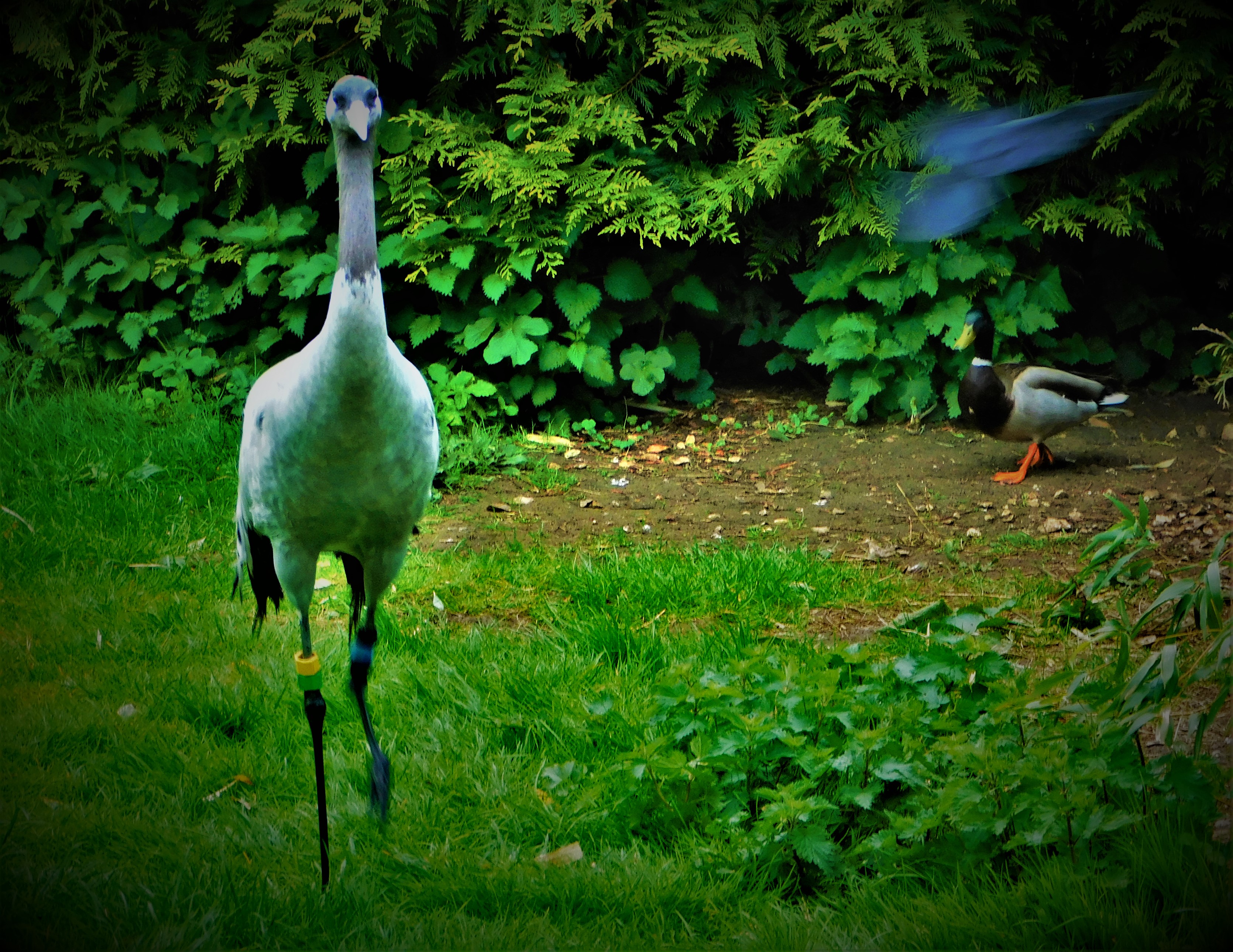
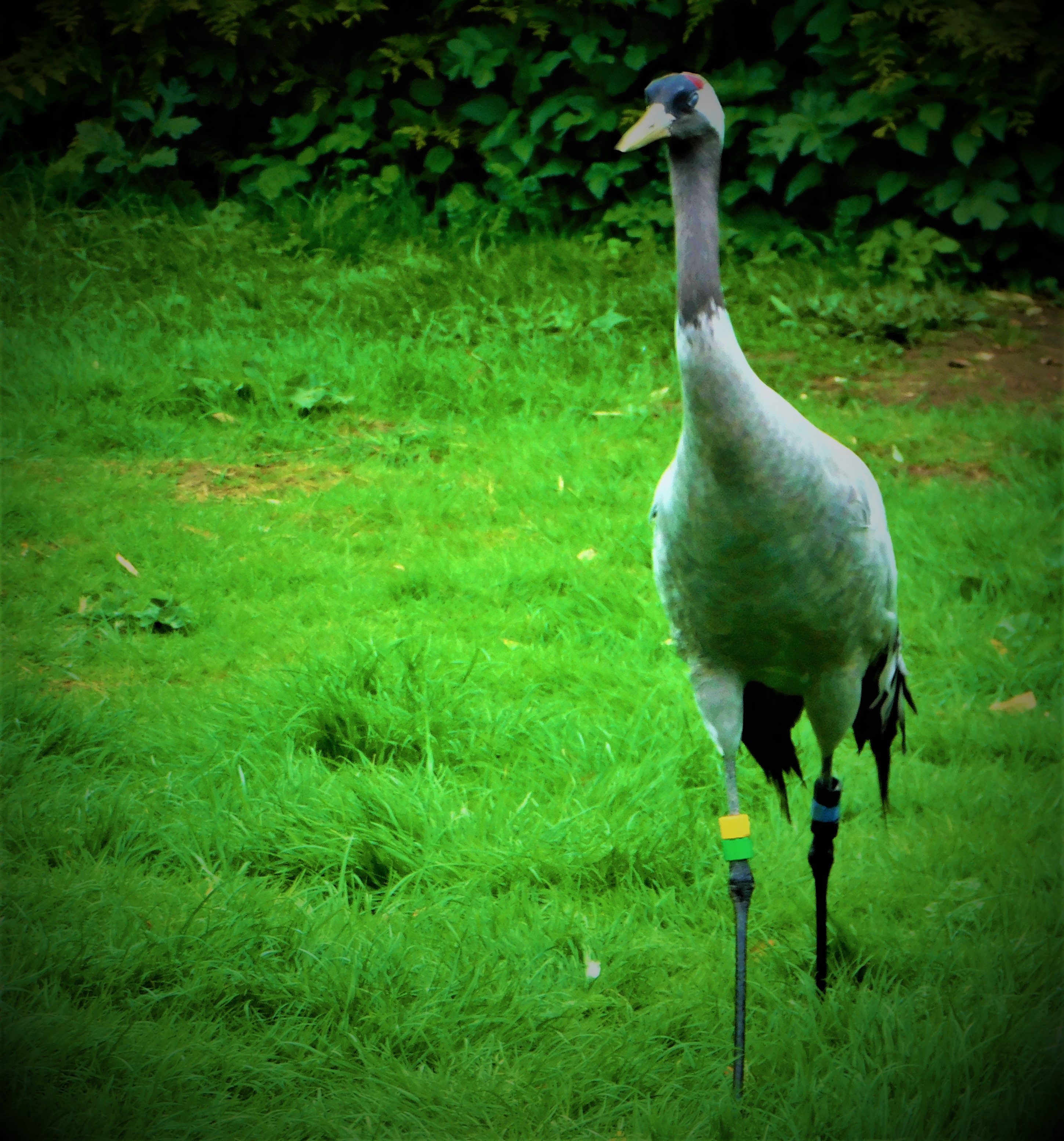
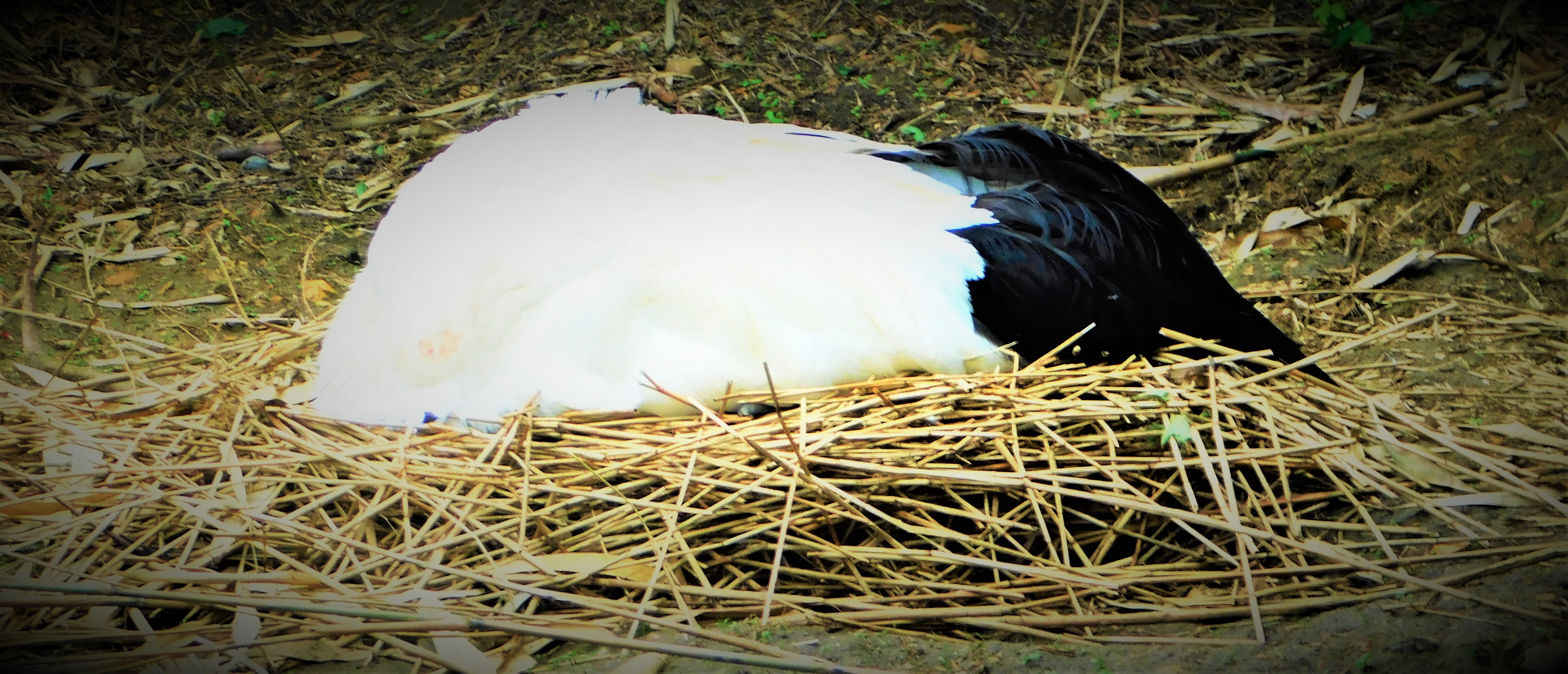
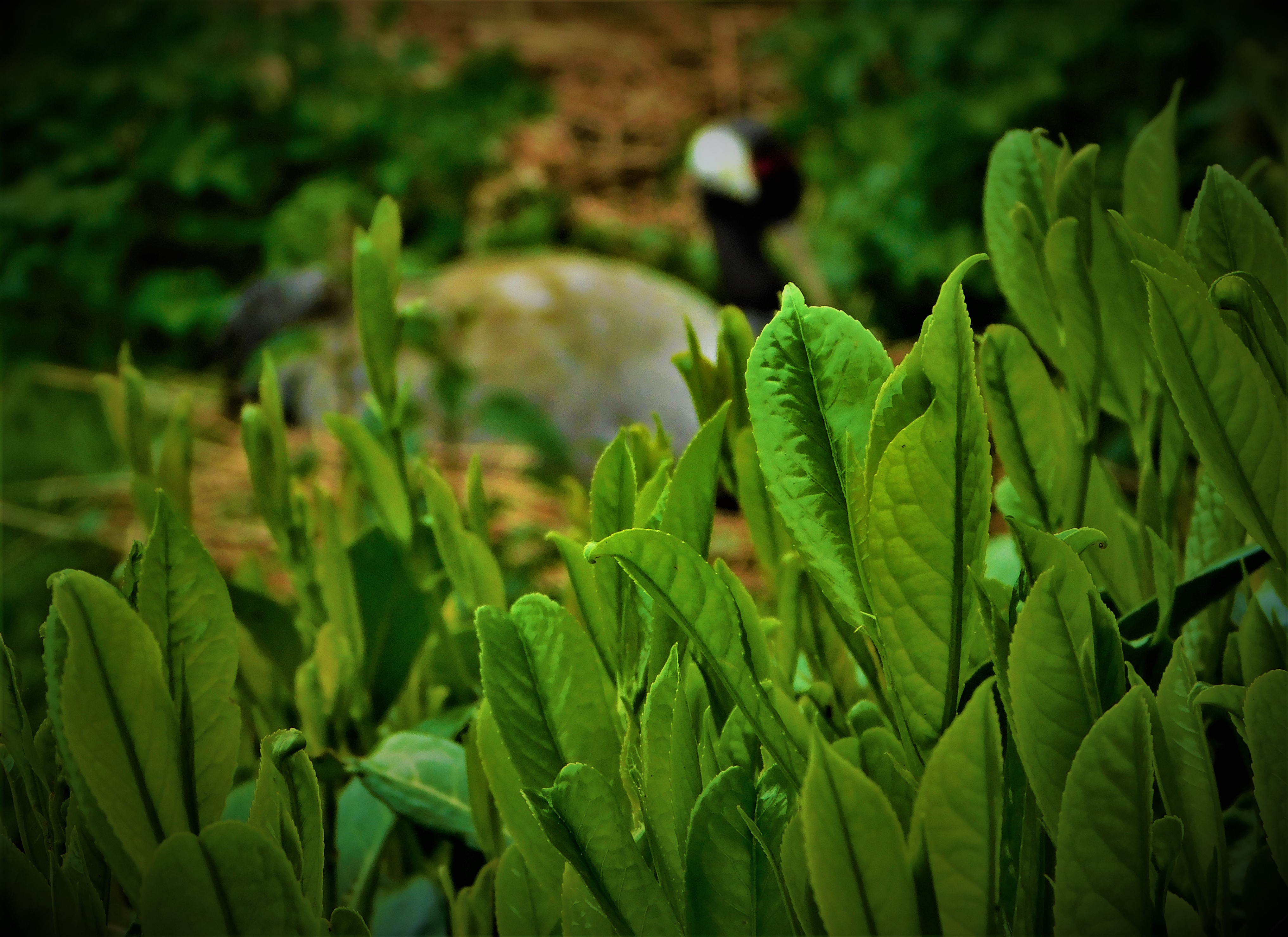
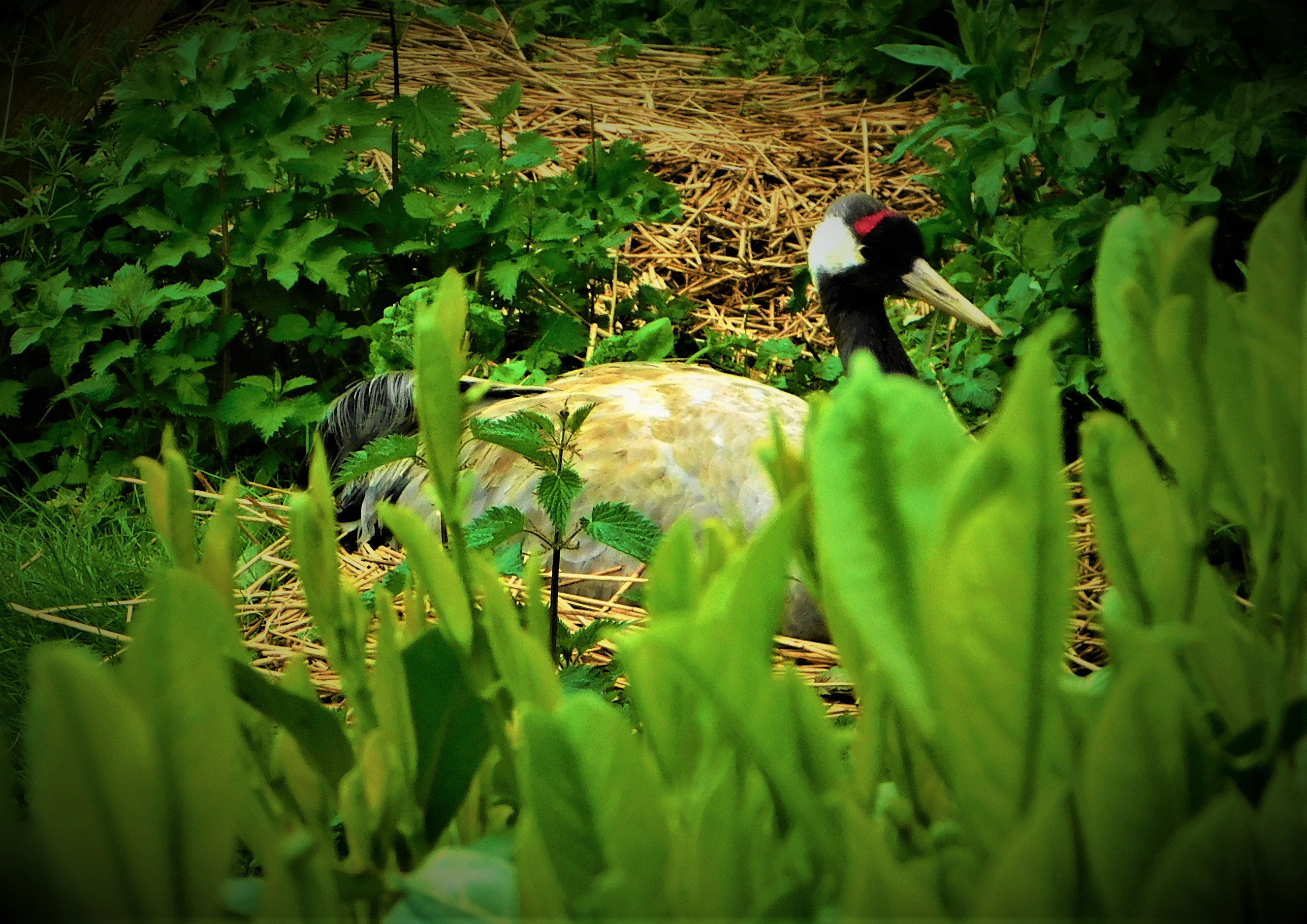
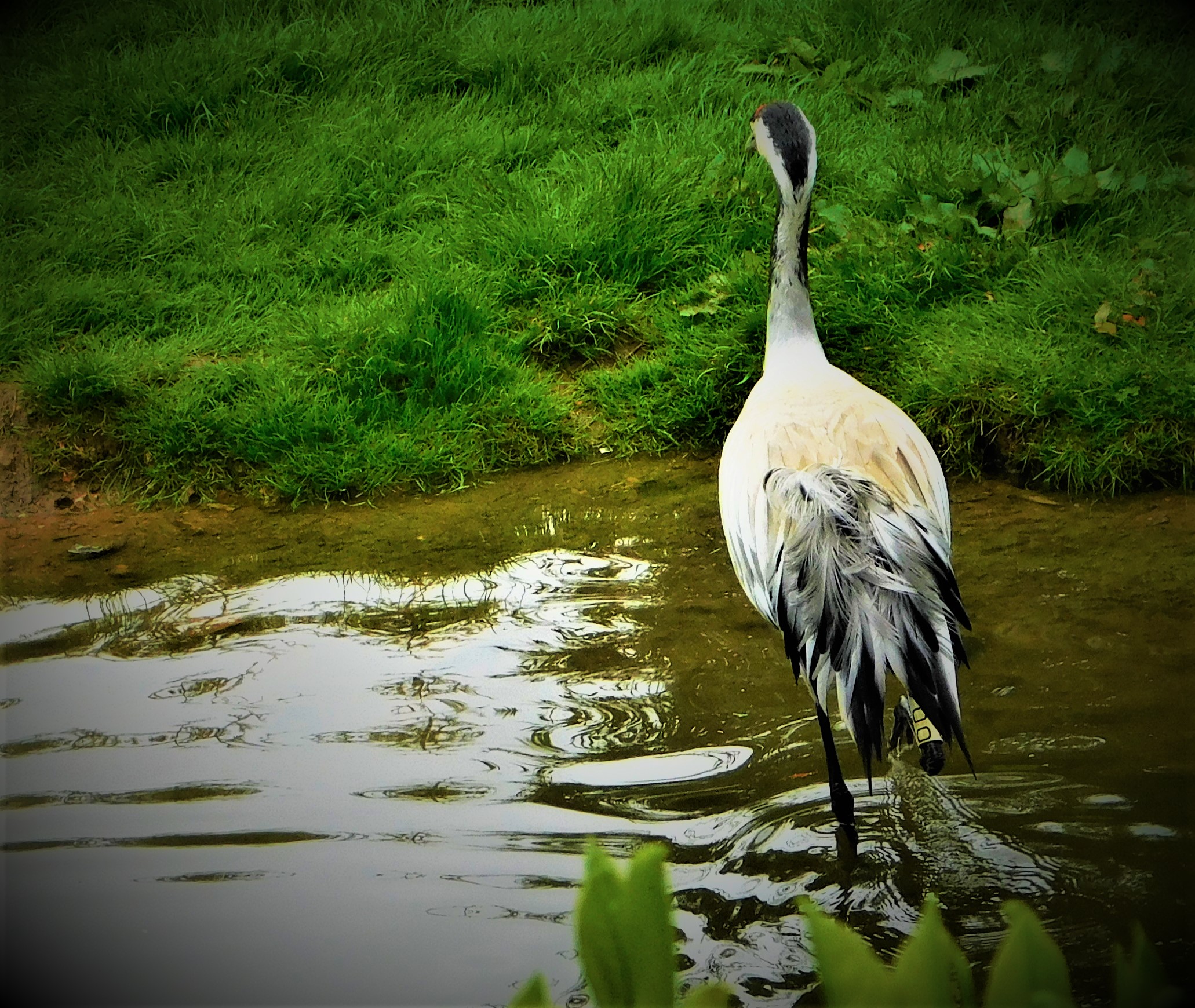
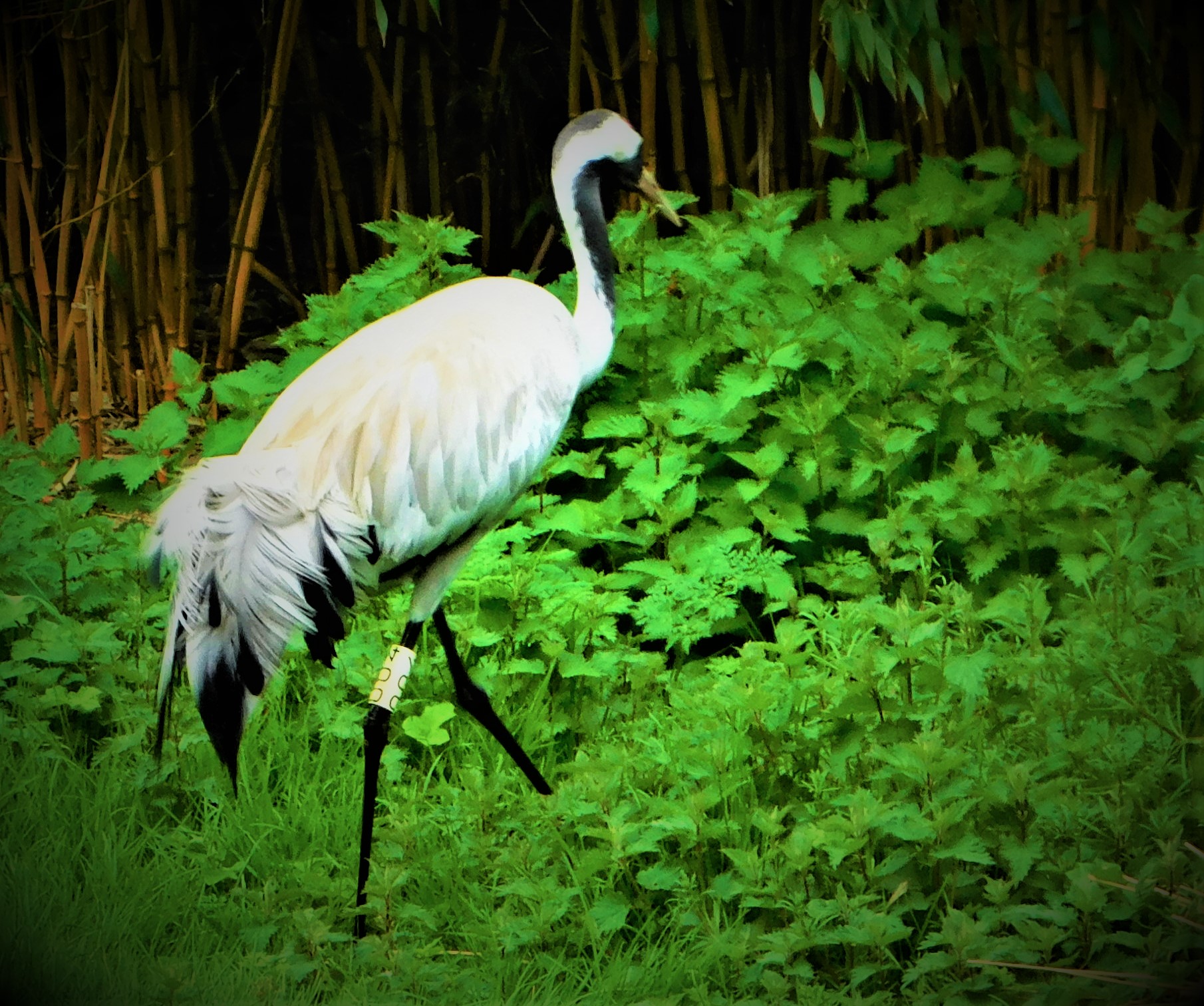
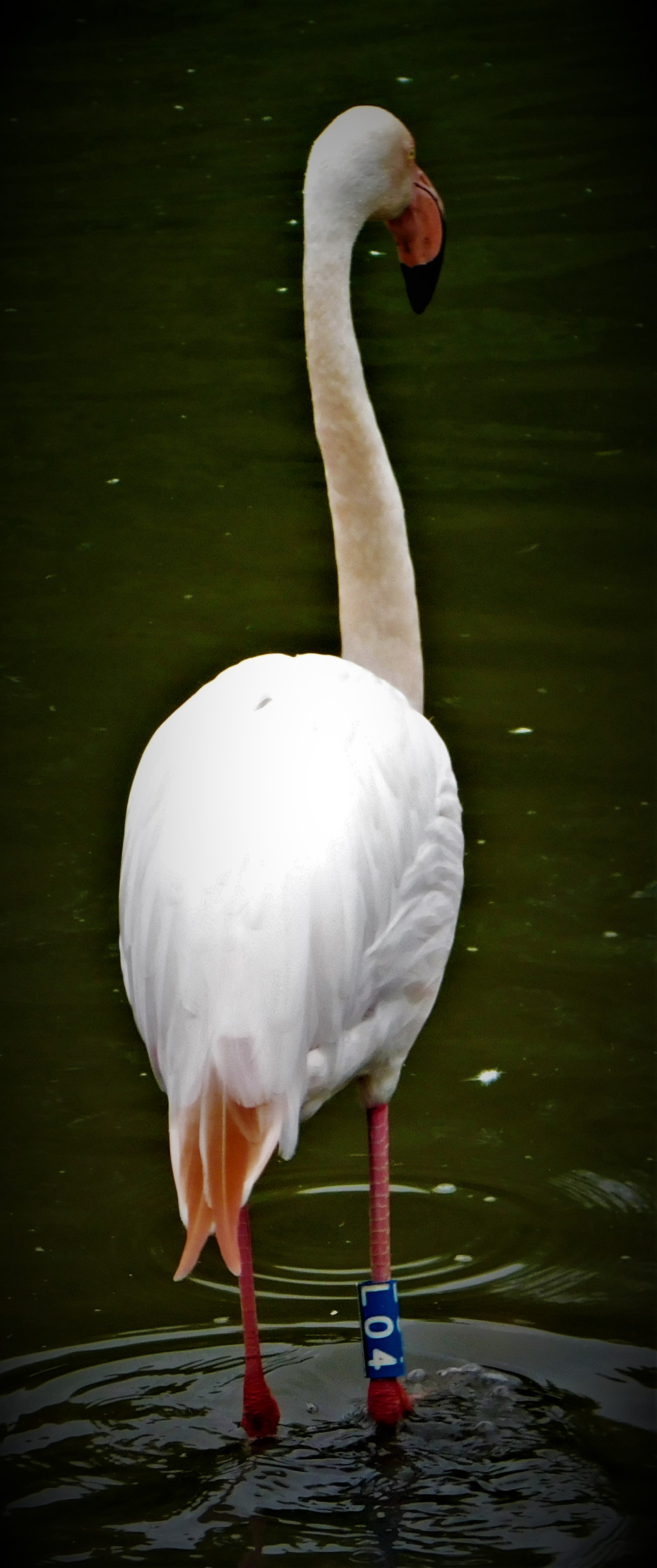
Welcome to the final post in my mini-series about the excursion to Pensthorpe on Saturday. Our subjects are cranes and flamingos. The former are the subject of one of Pensthorpe’s major conservation efforts.
CRANES AND FLAMINGOS
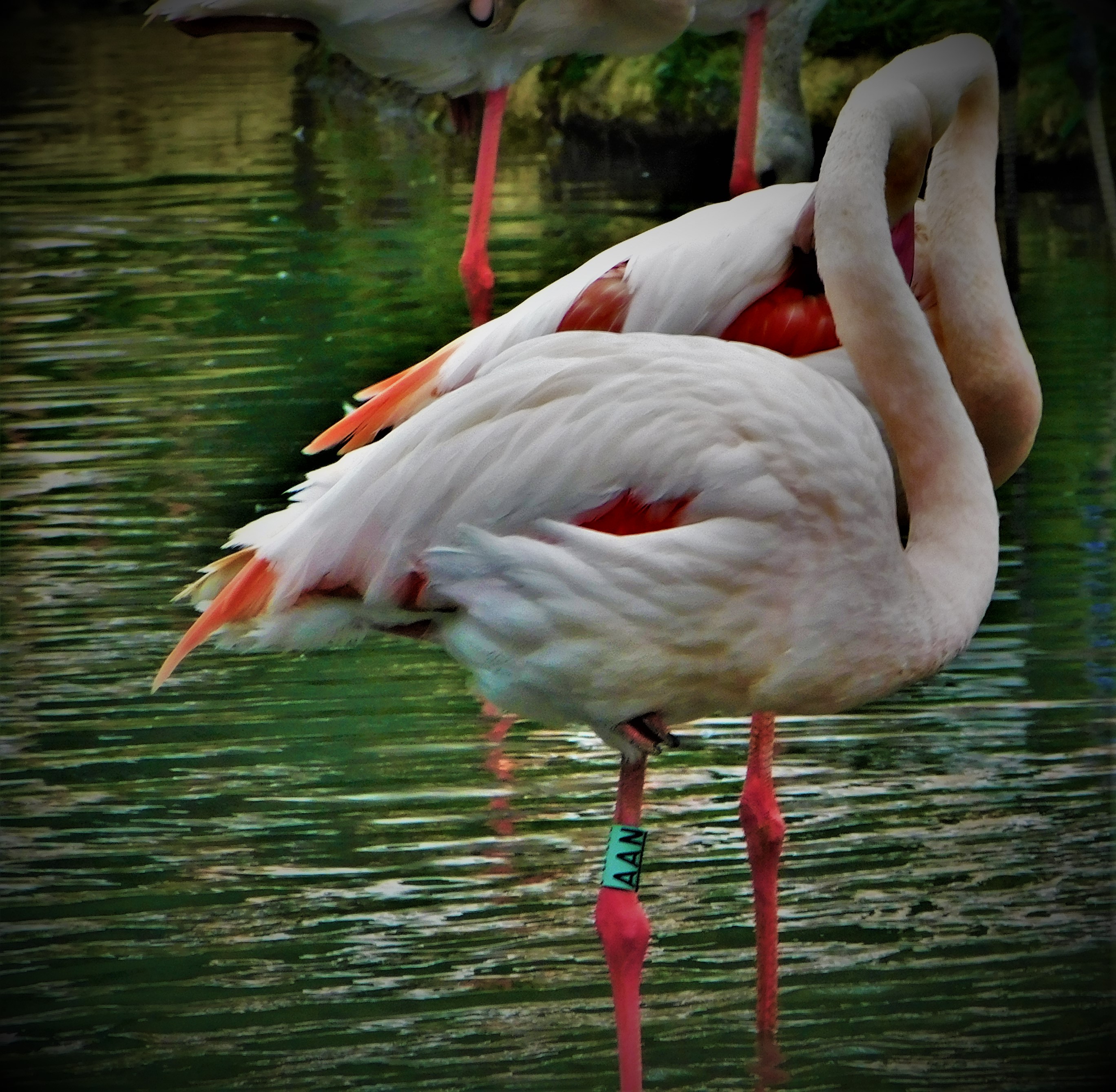
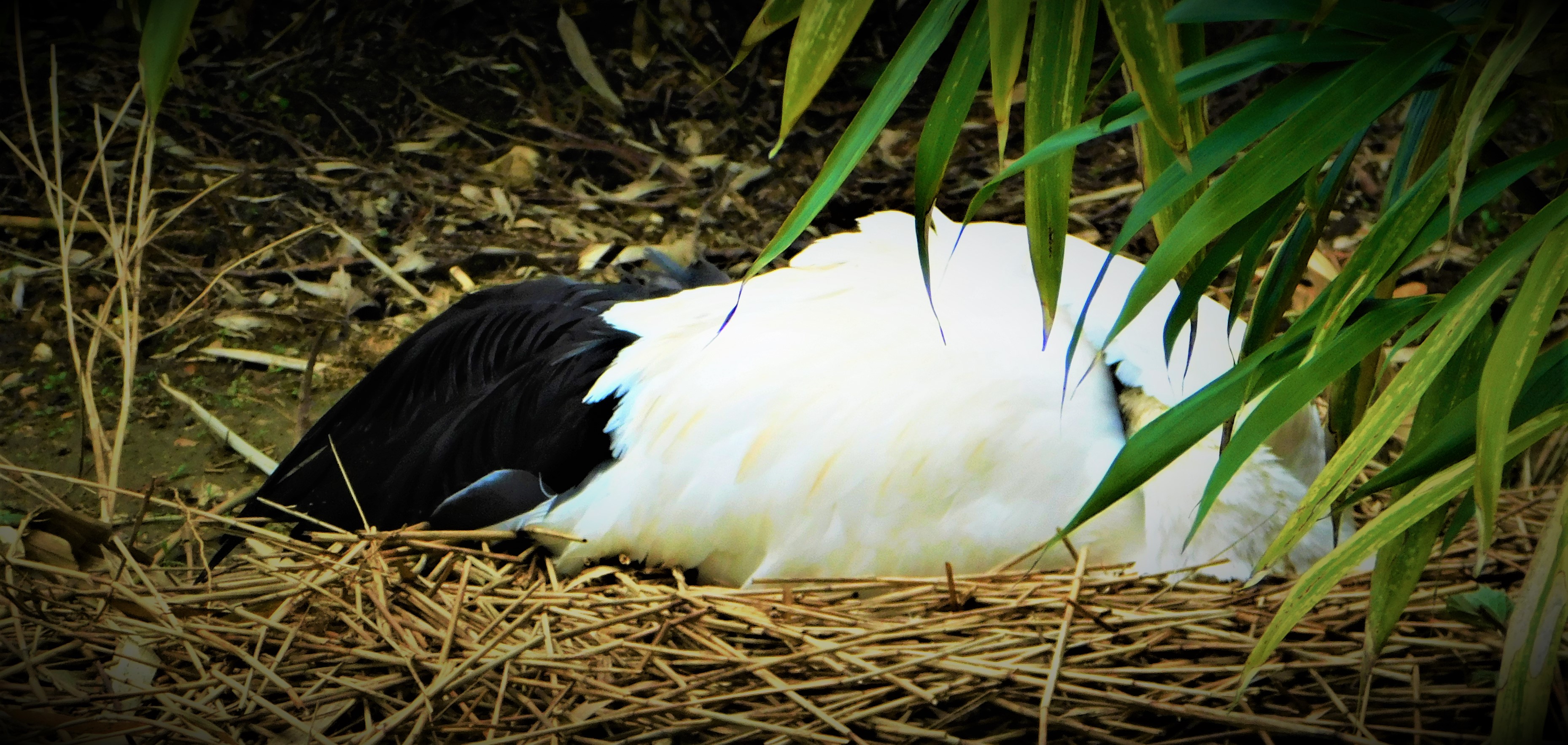
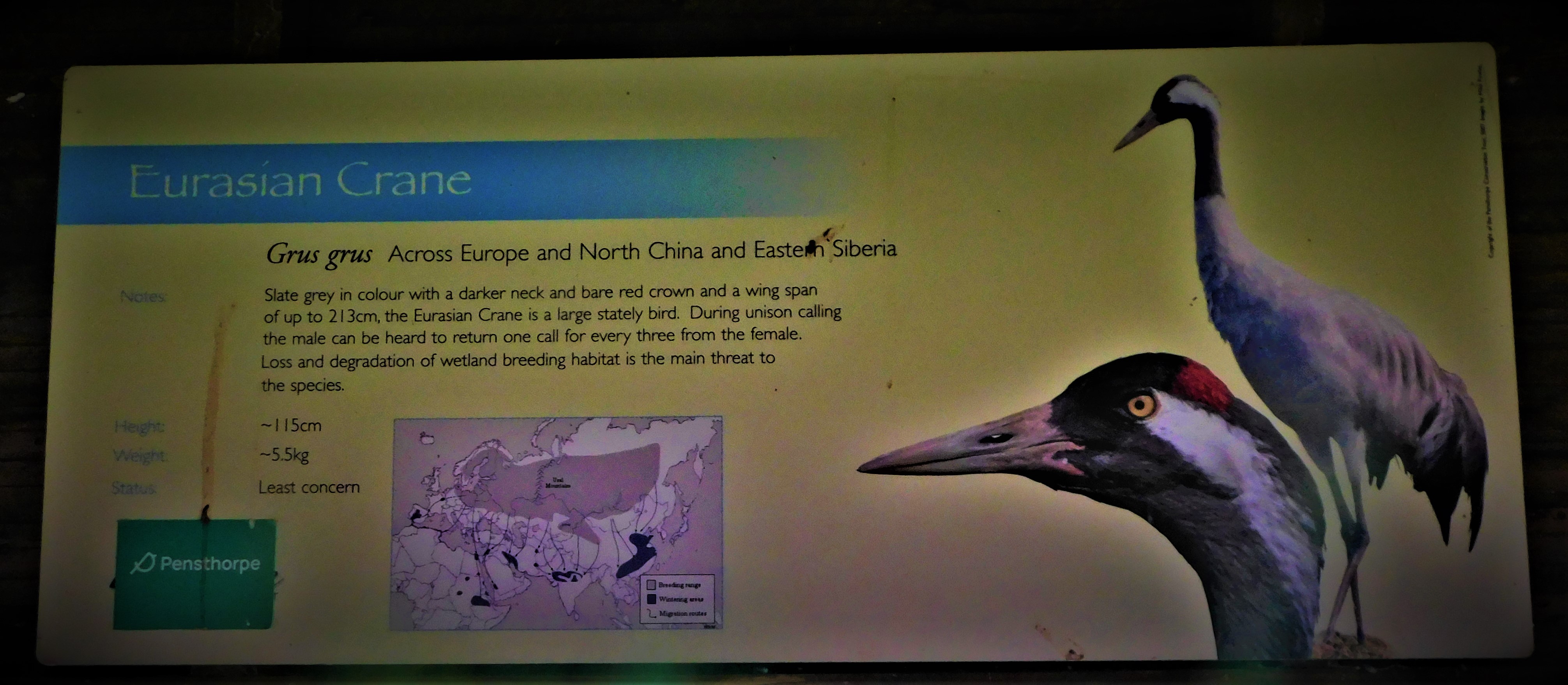
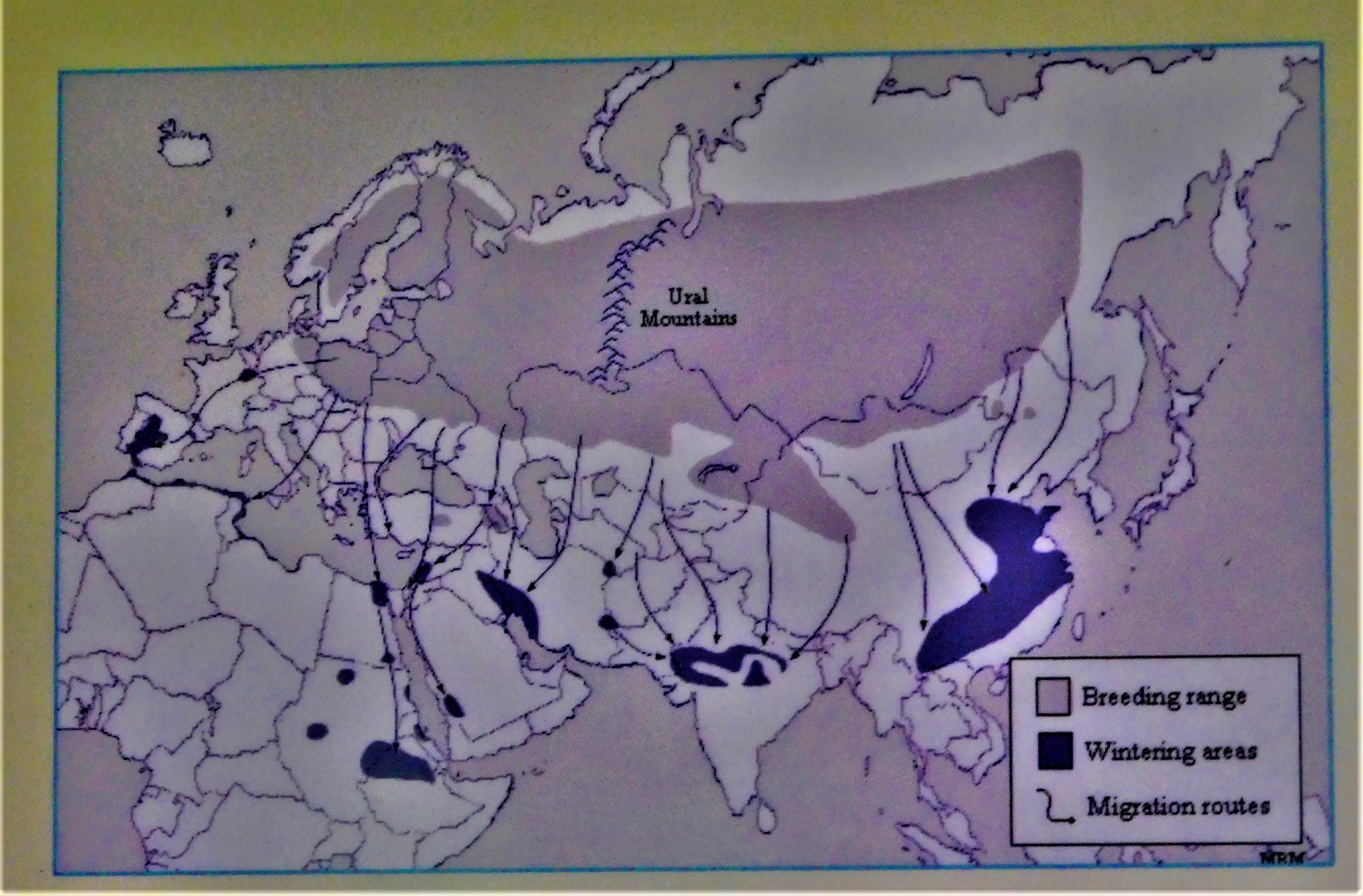
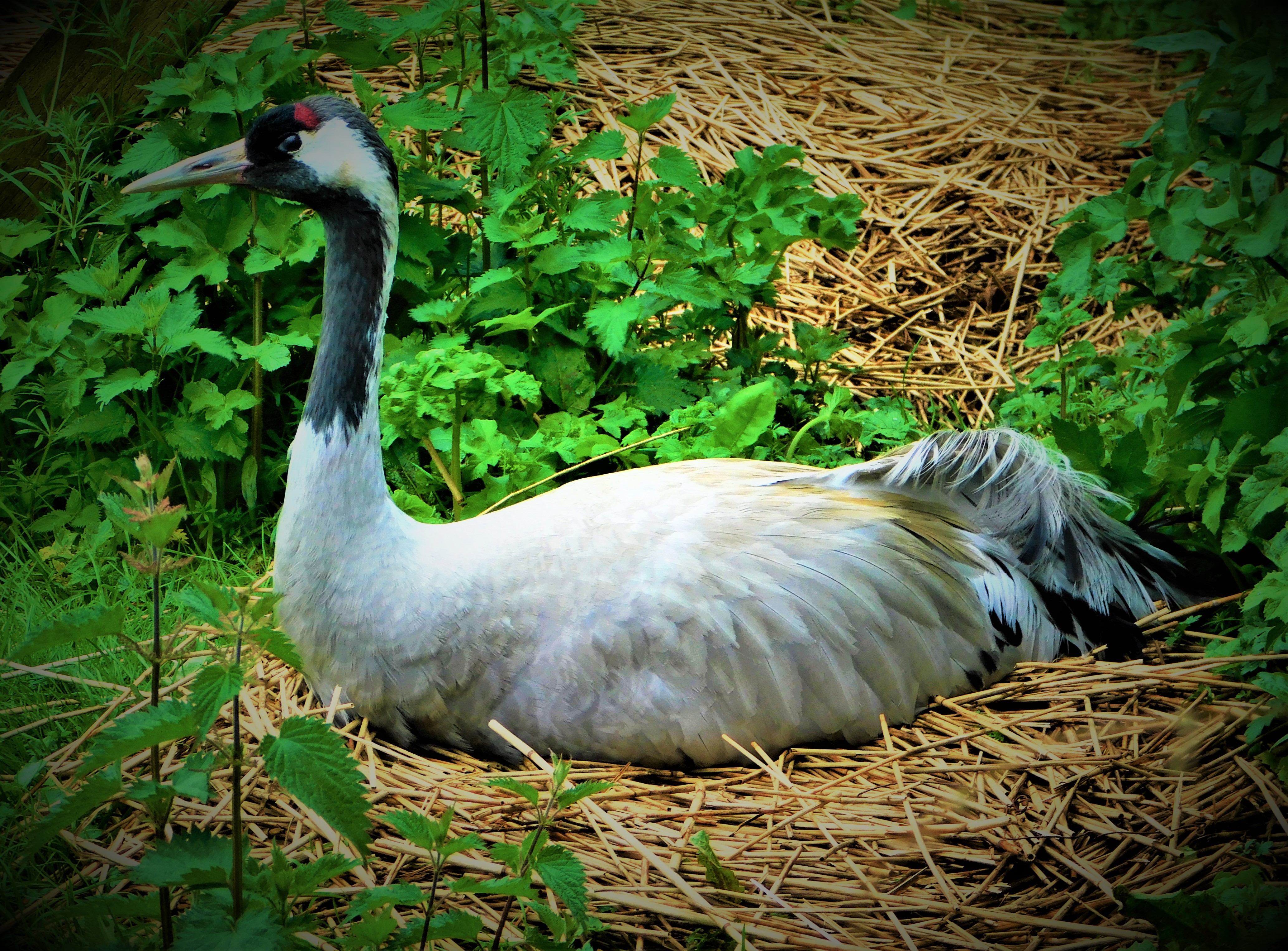
As you enter the area where the cranes and flamingos are the flamingo pool is in one direction, open and visible, and the birds themselves, clustered together in numbers, are even more so. In the other direction is the crane hide, with wide, shallow windows each of which you can observe a different species of crane through. I actually managed to visit this part of Pensthorpe twice in the course of the day, near the beginning and near the end (visiting it also means passing within sight of the Monet inspired bridge, pictures of which featured in my introductory post, which is a bonus).
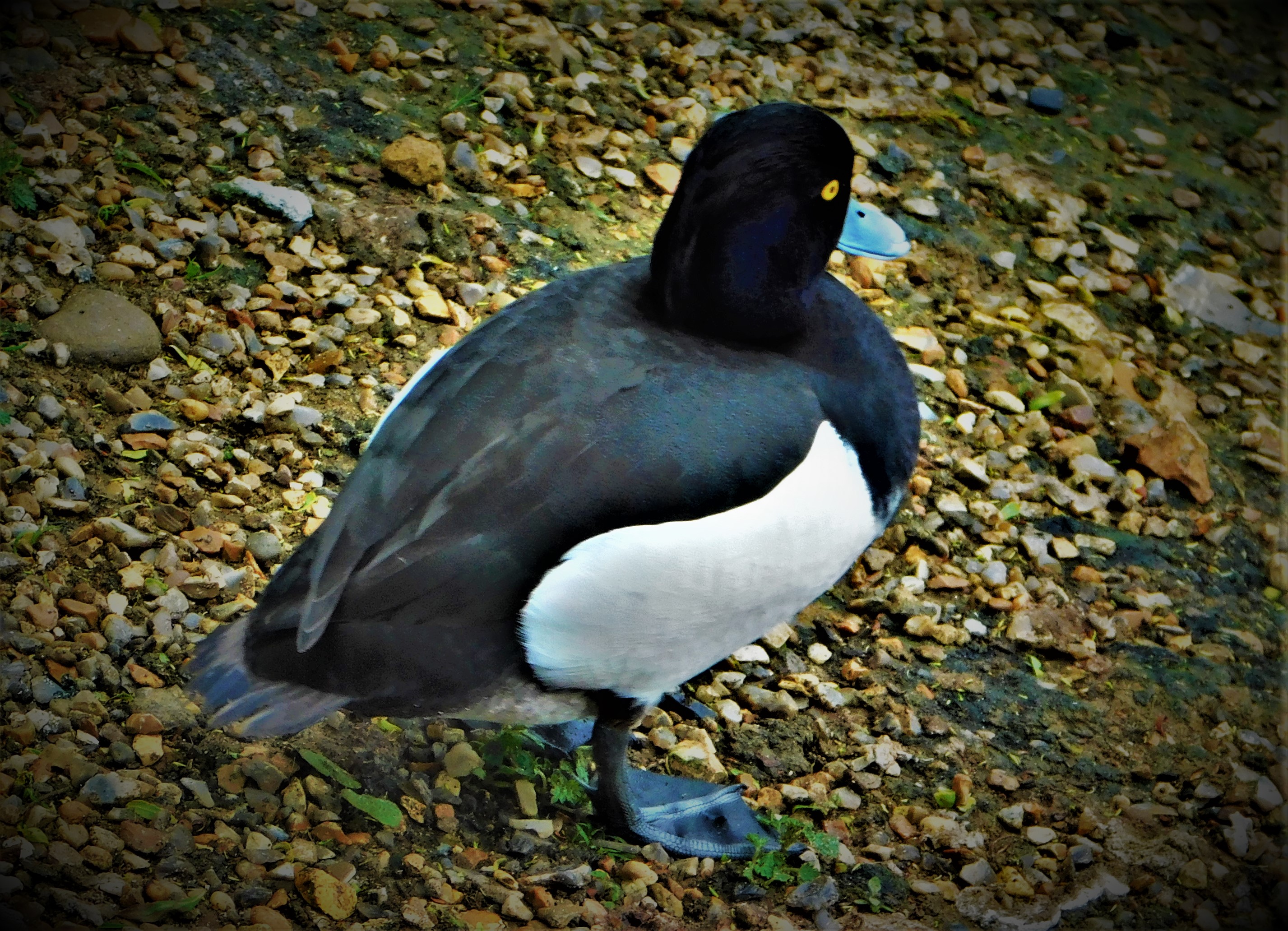
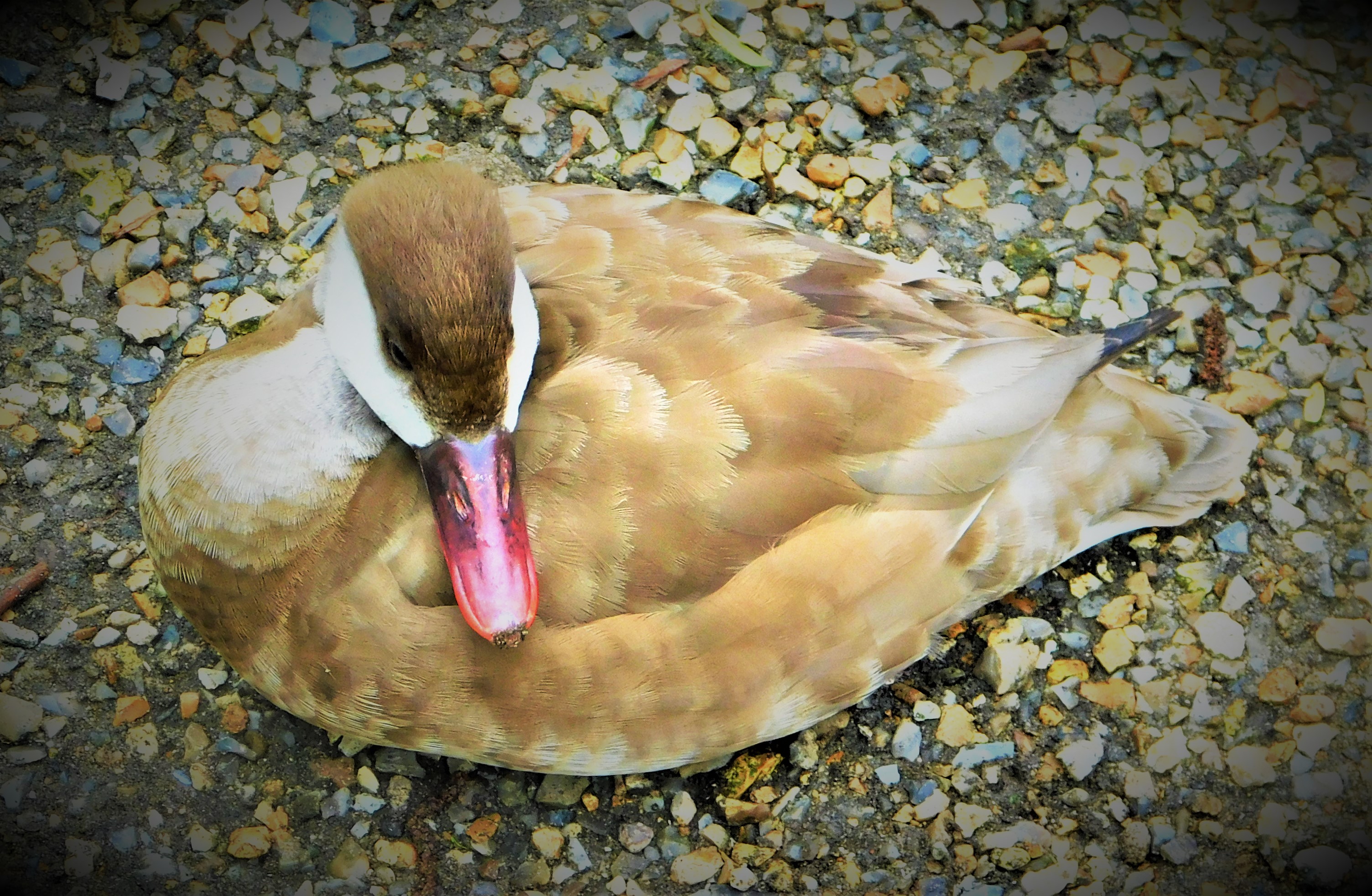
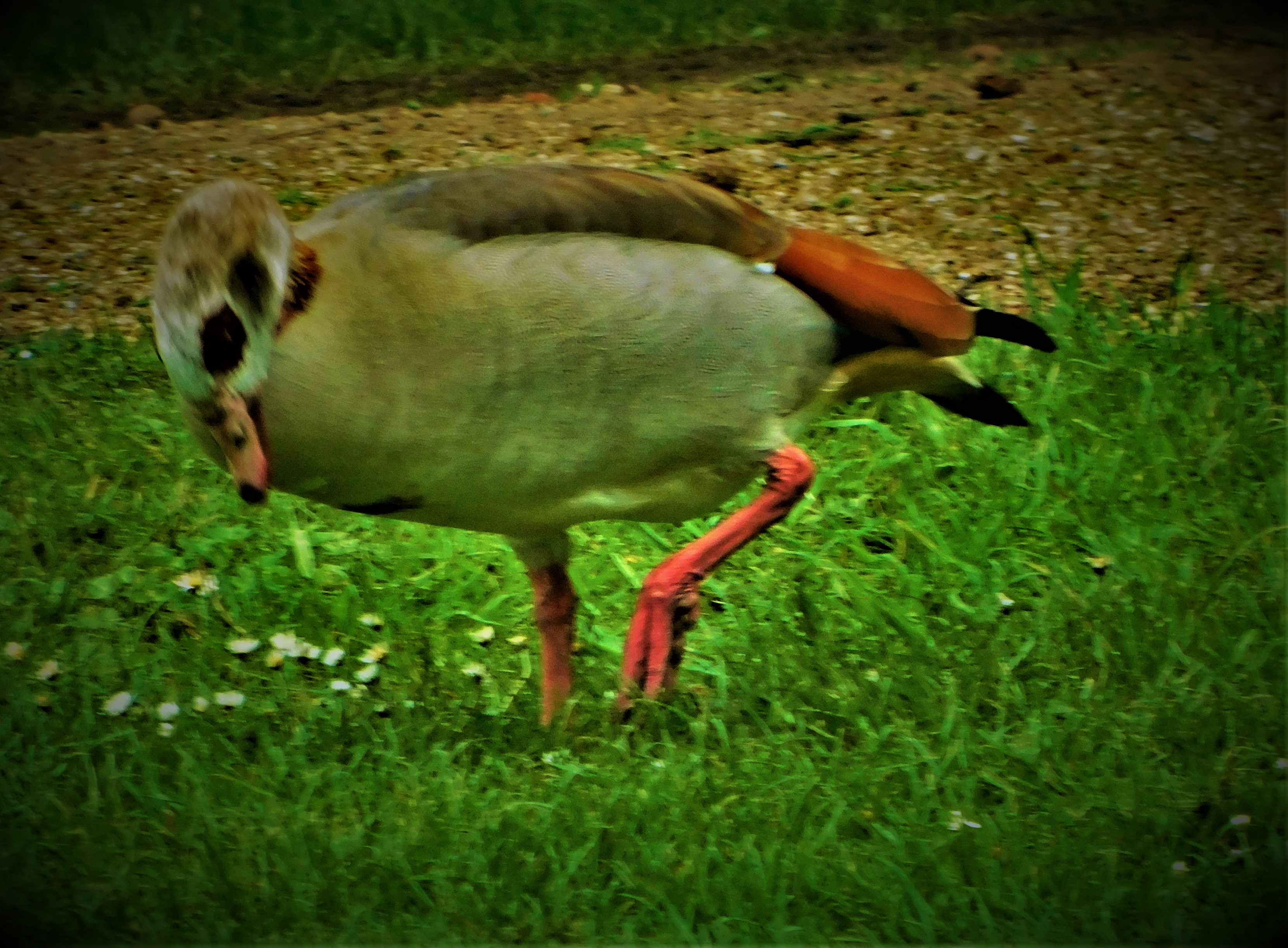
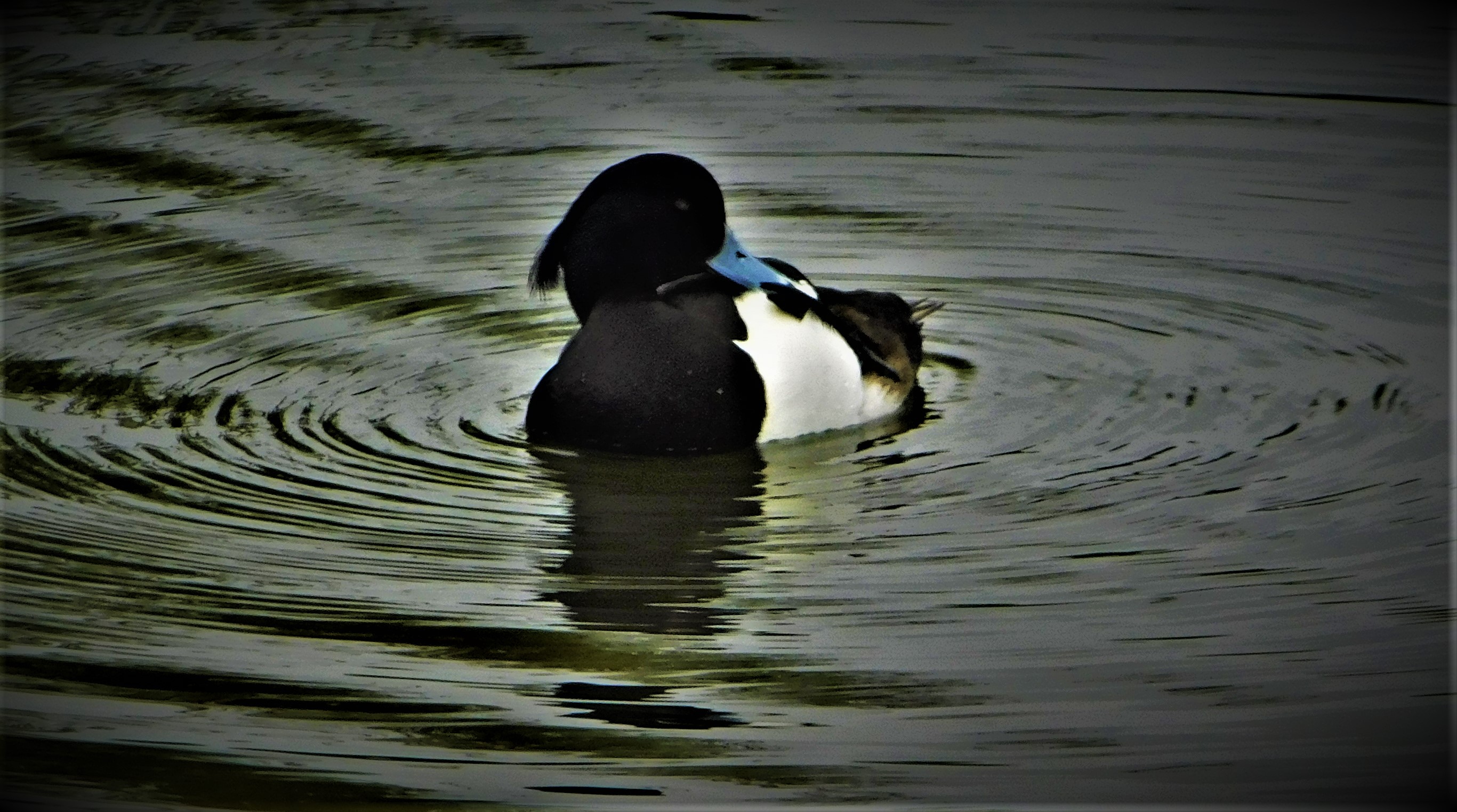
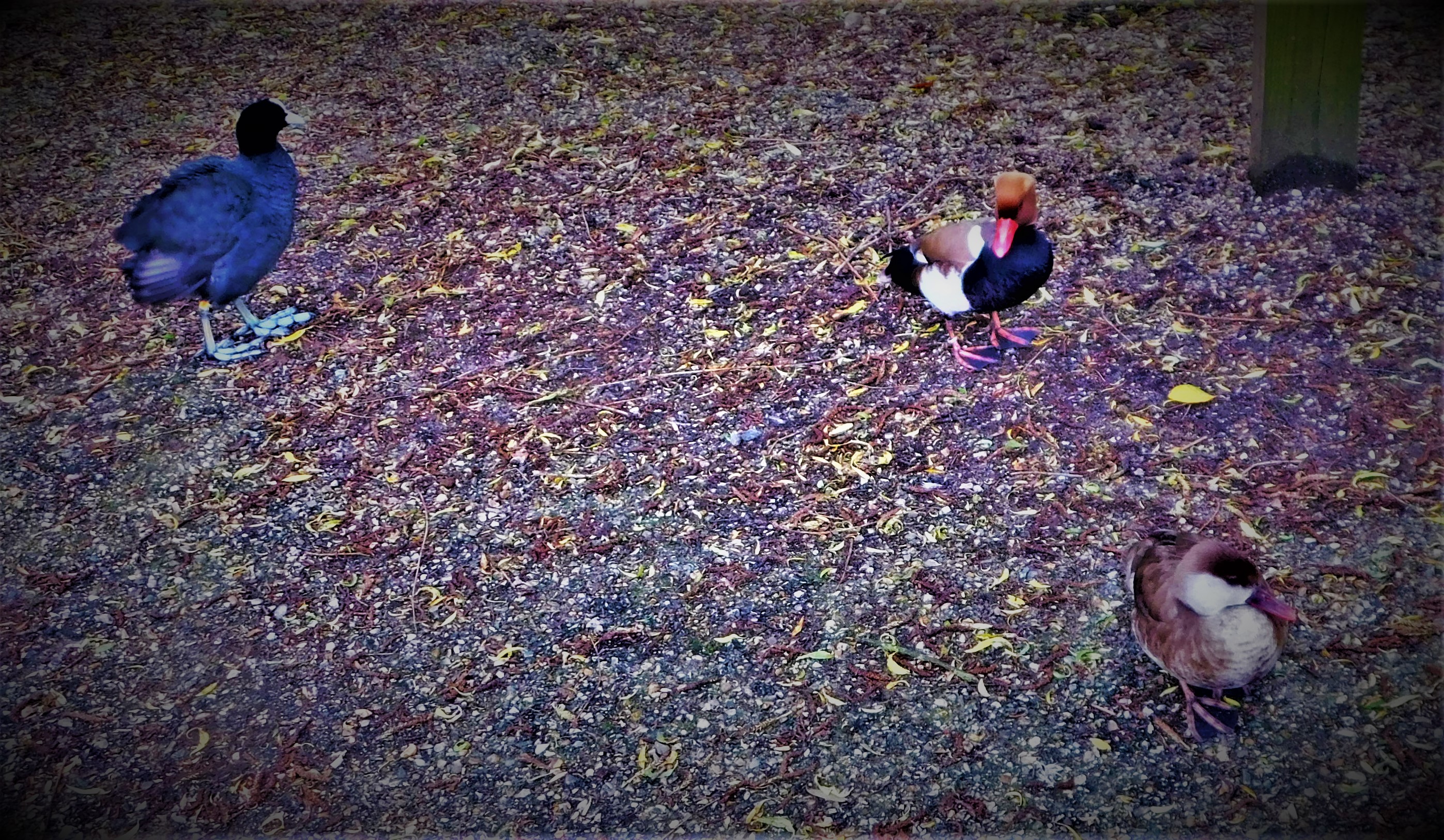
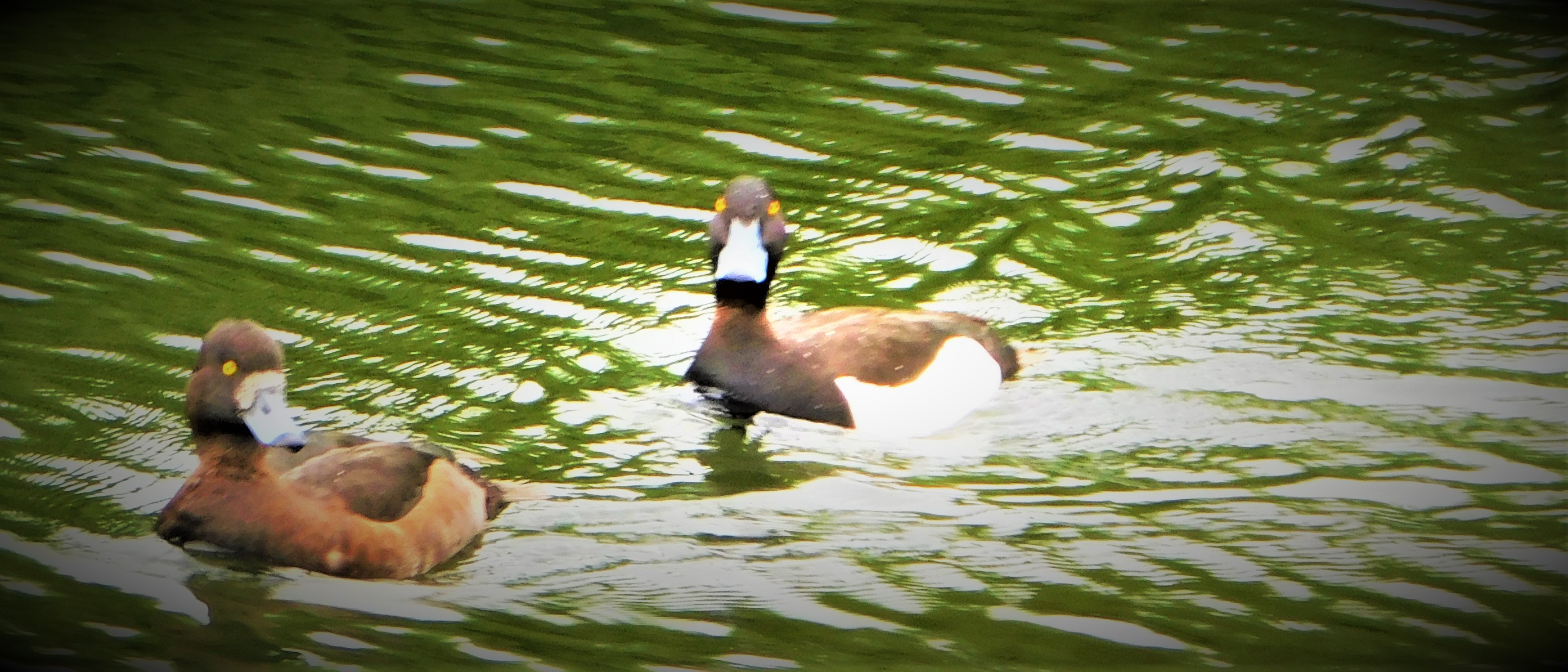
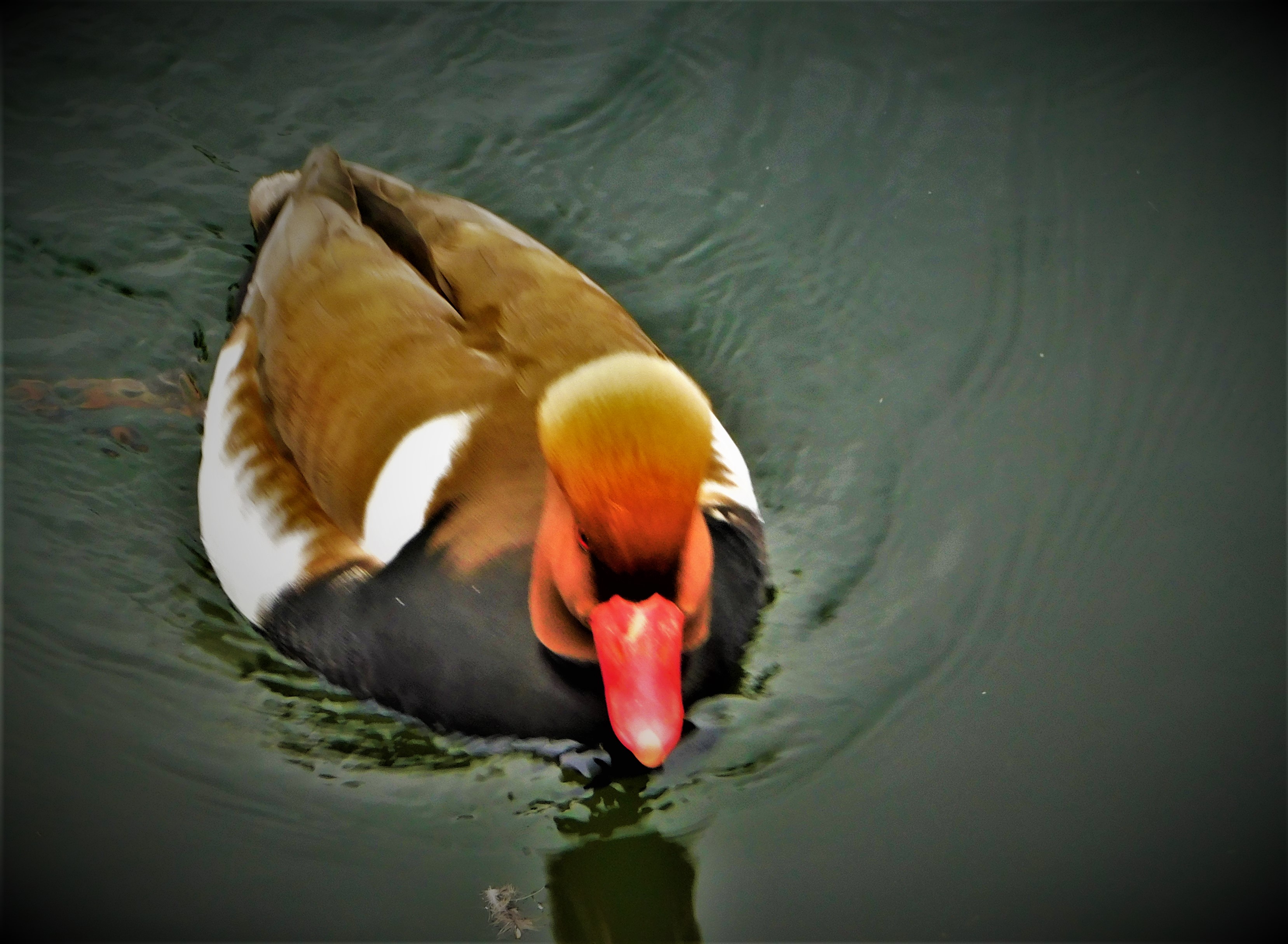
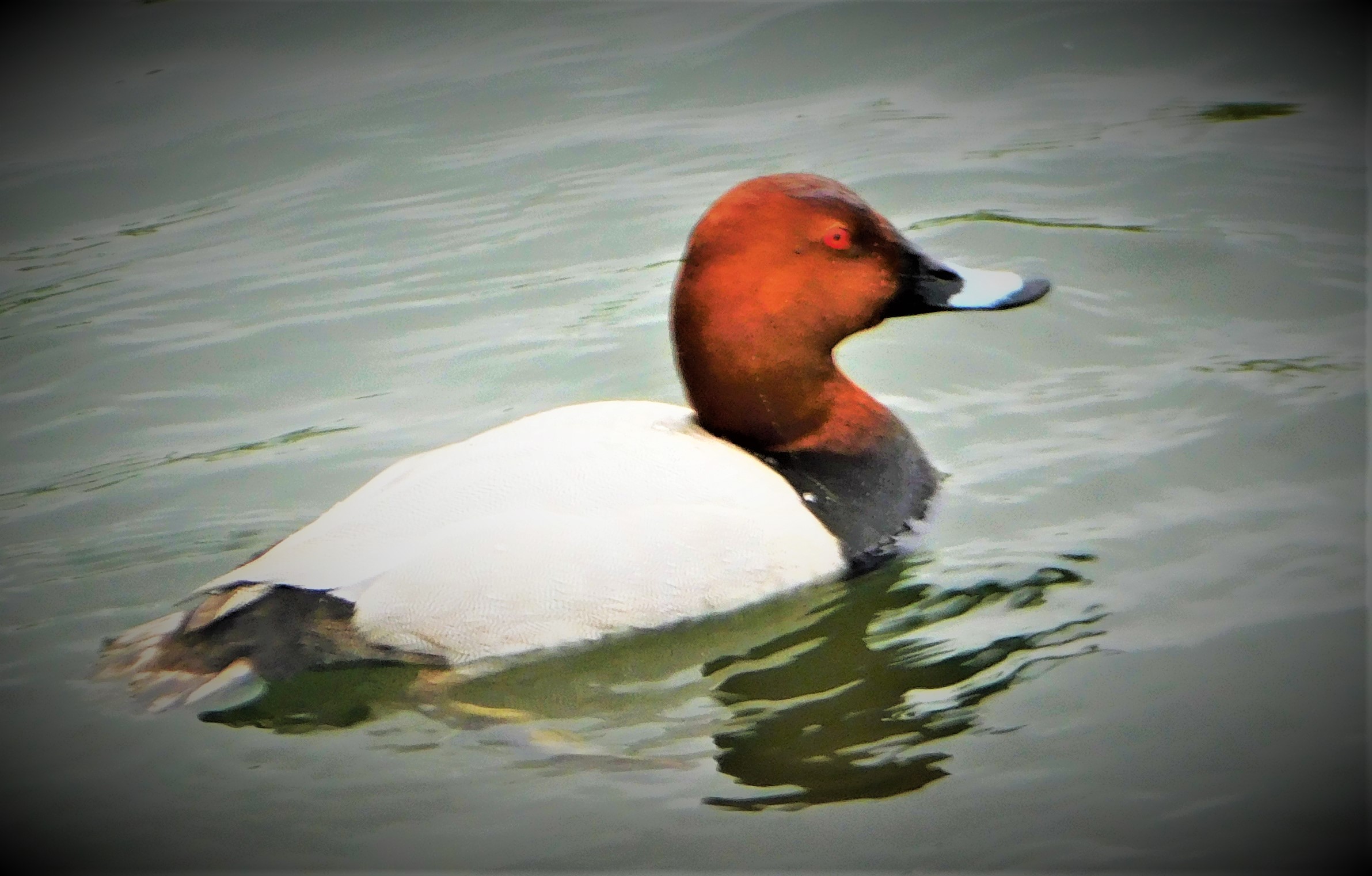
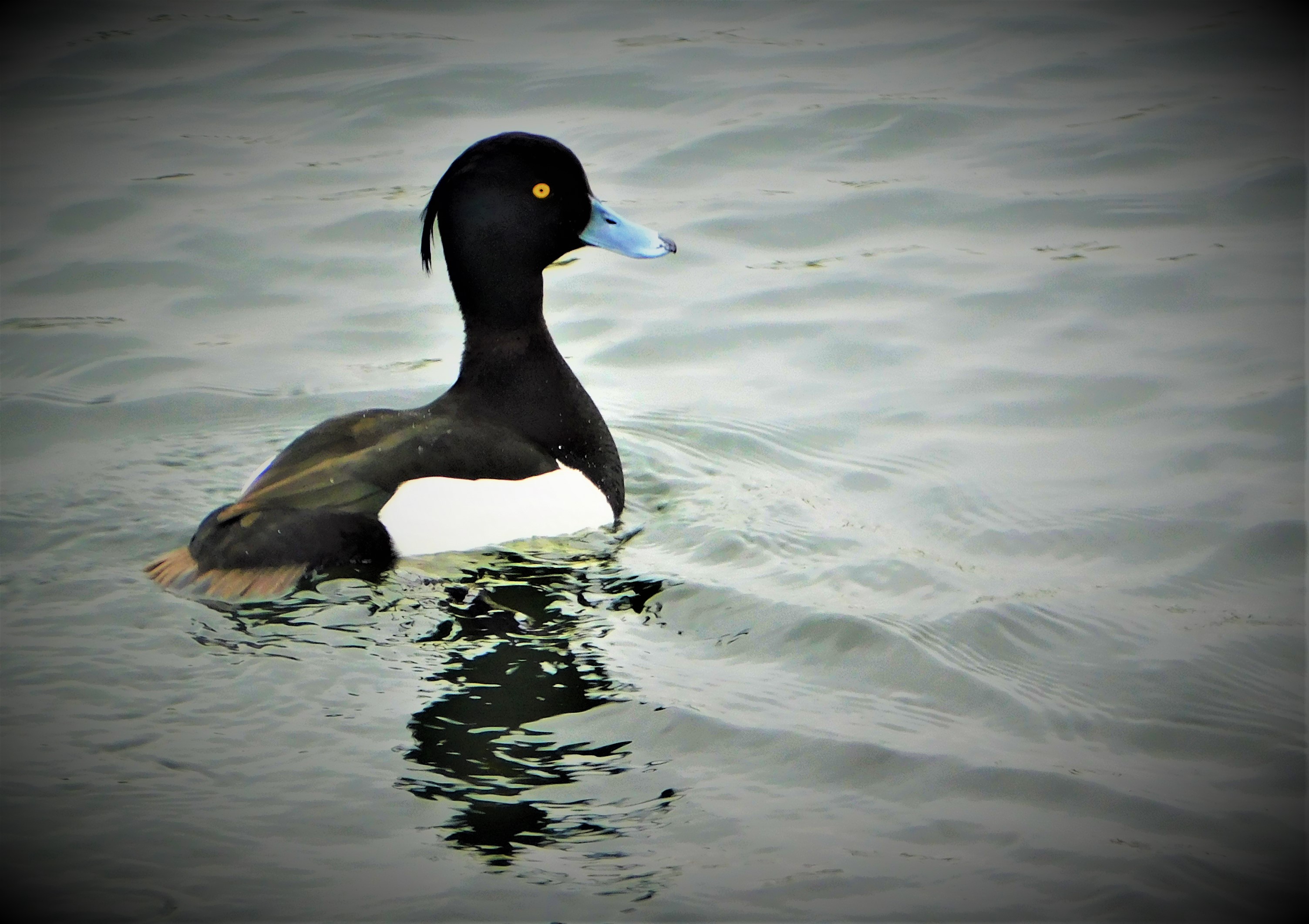
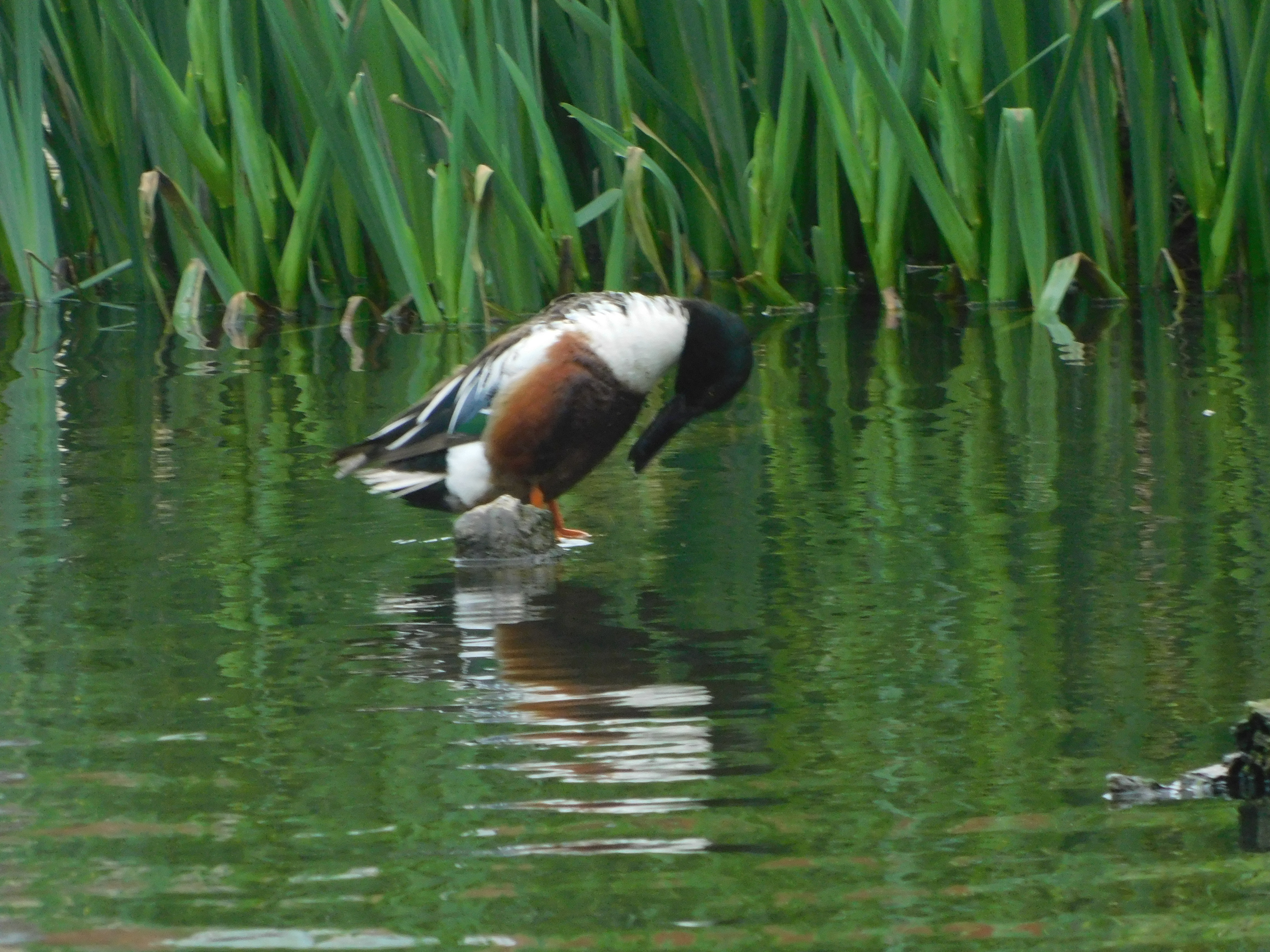
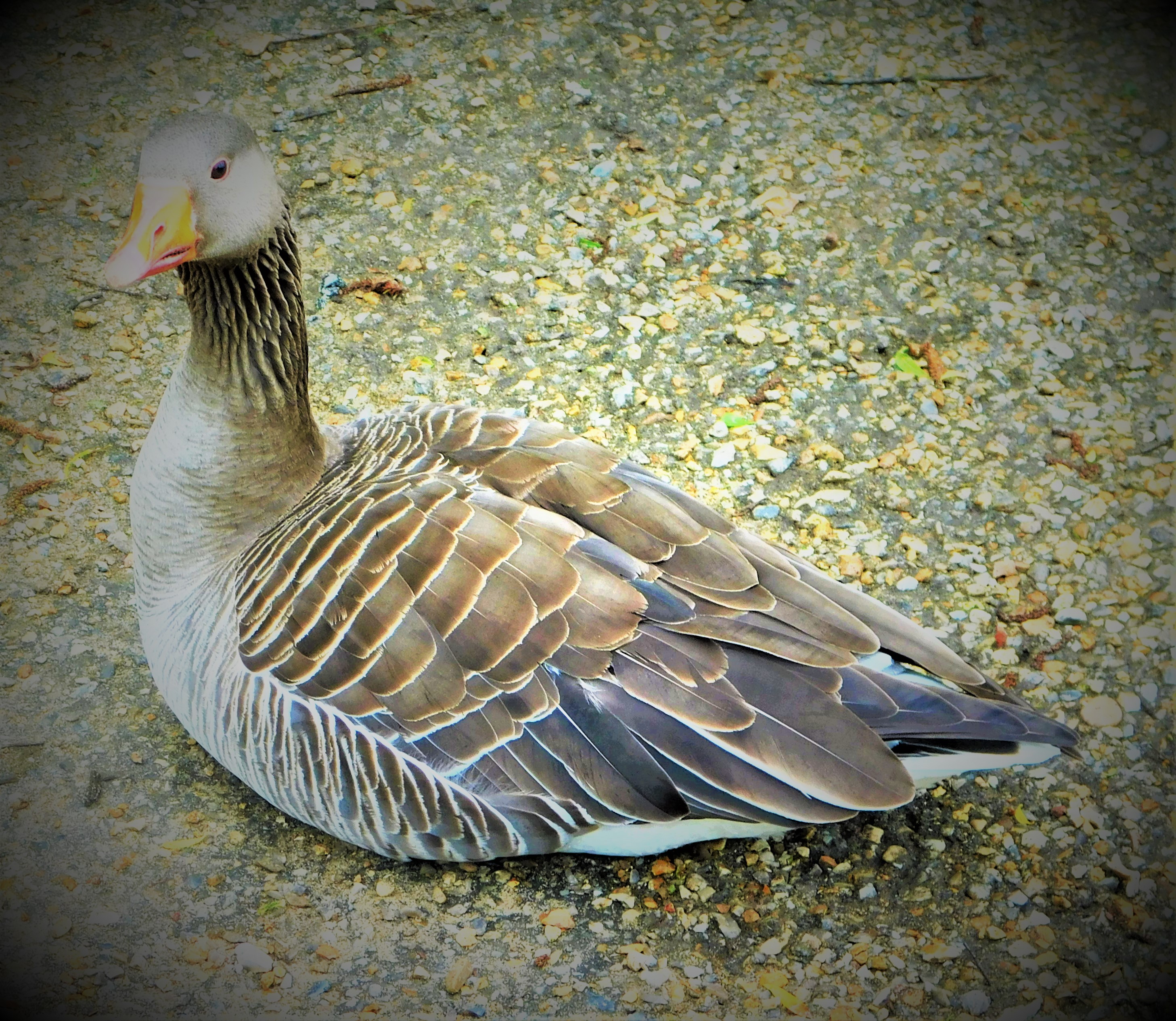
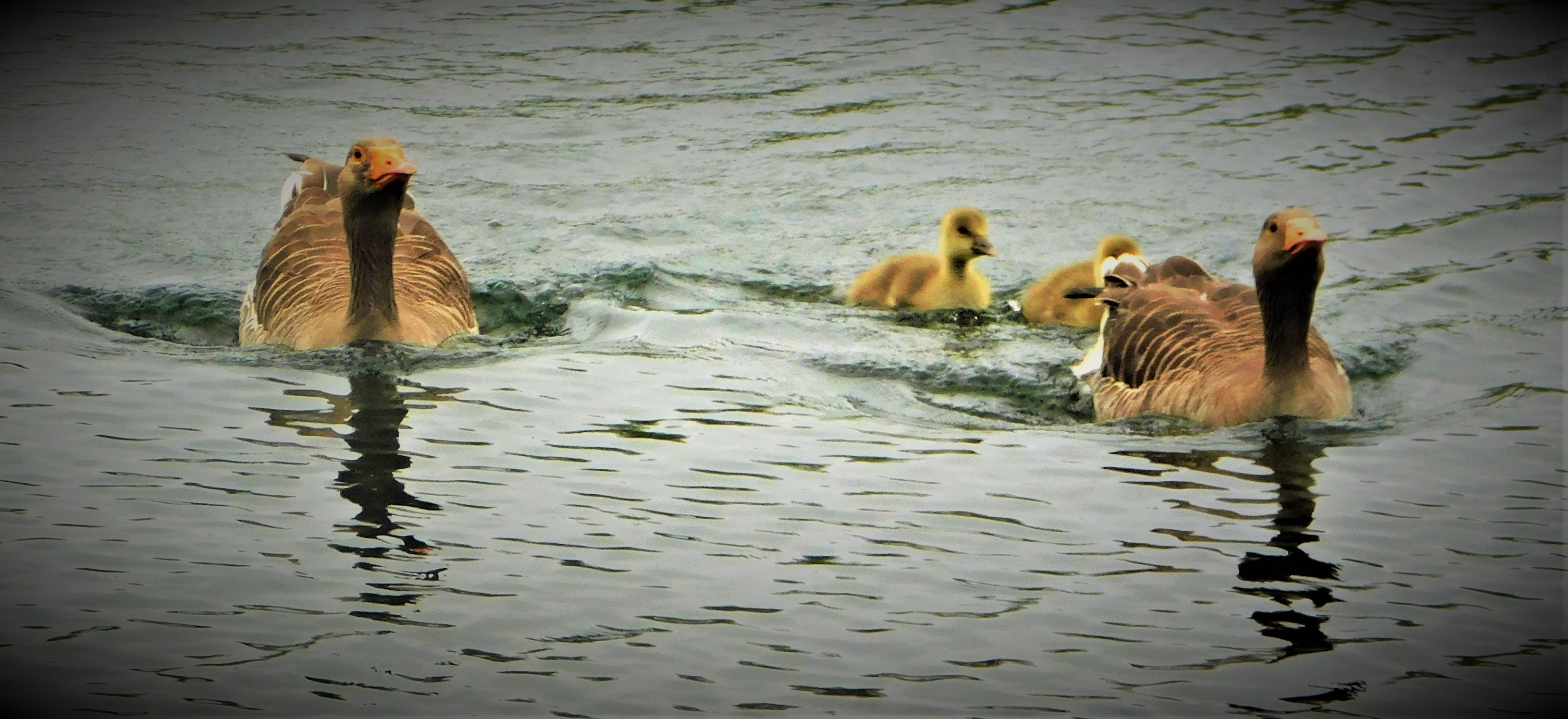
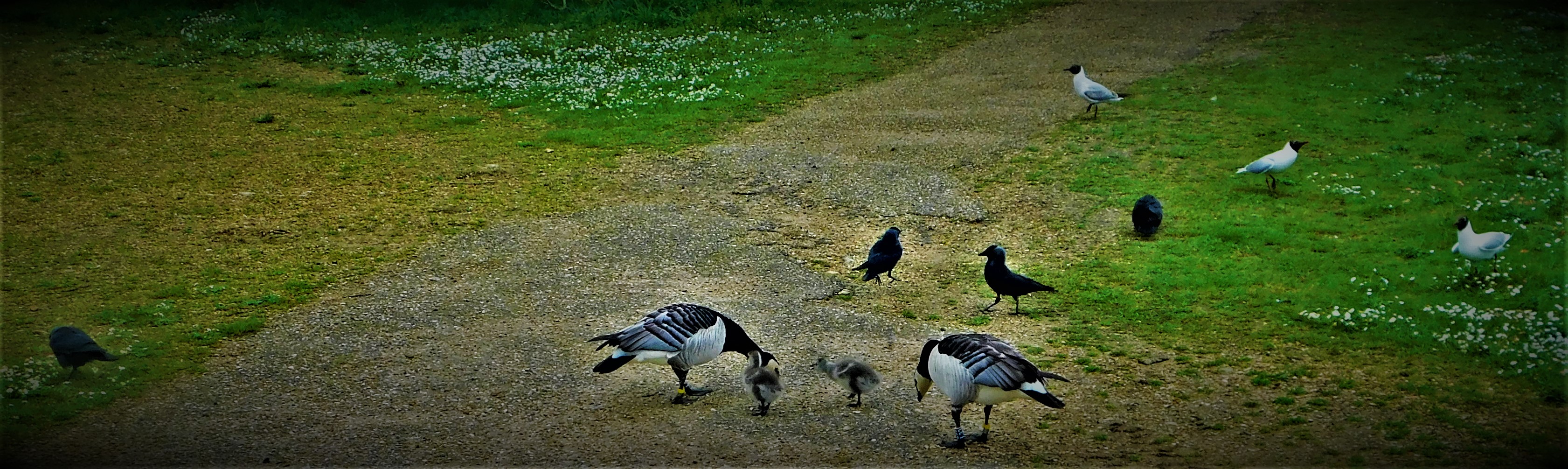
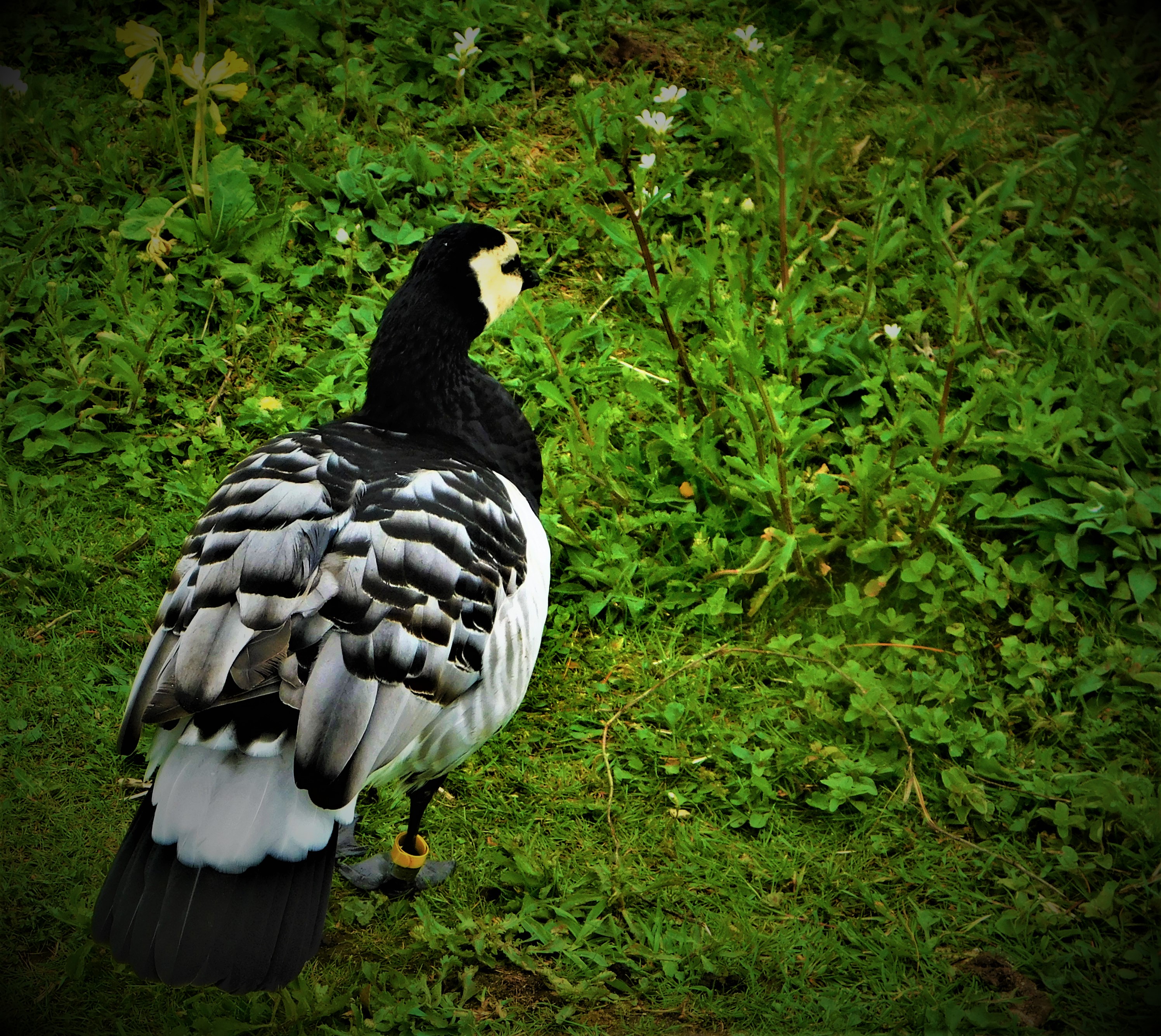
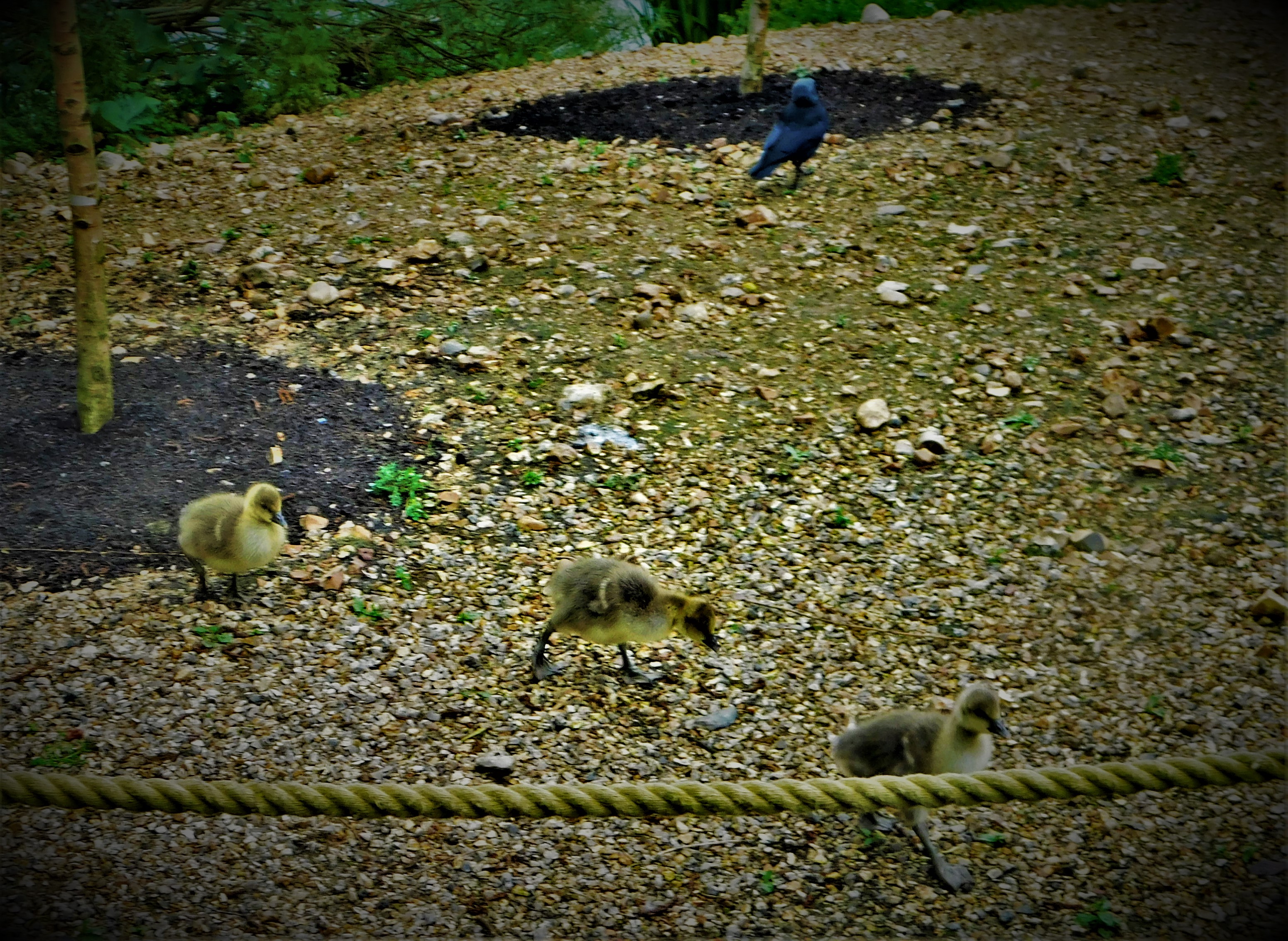
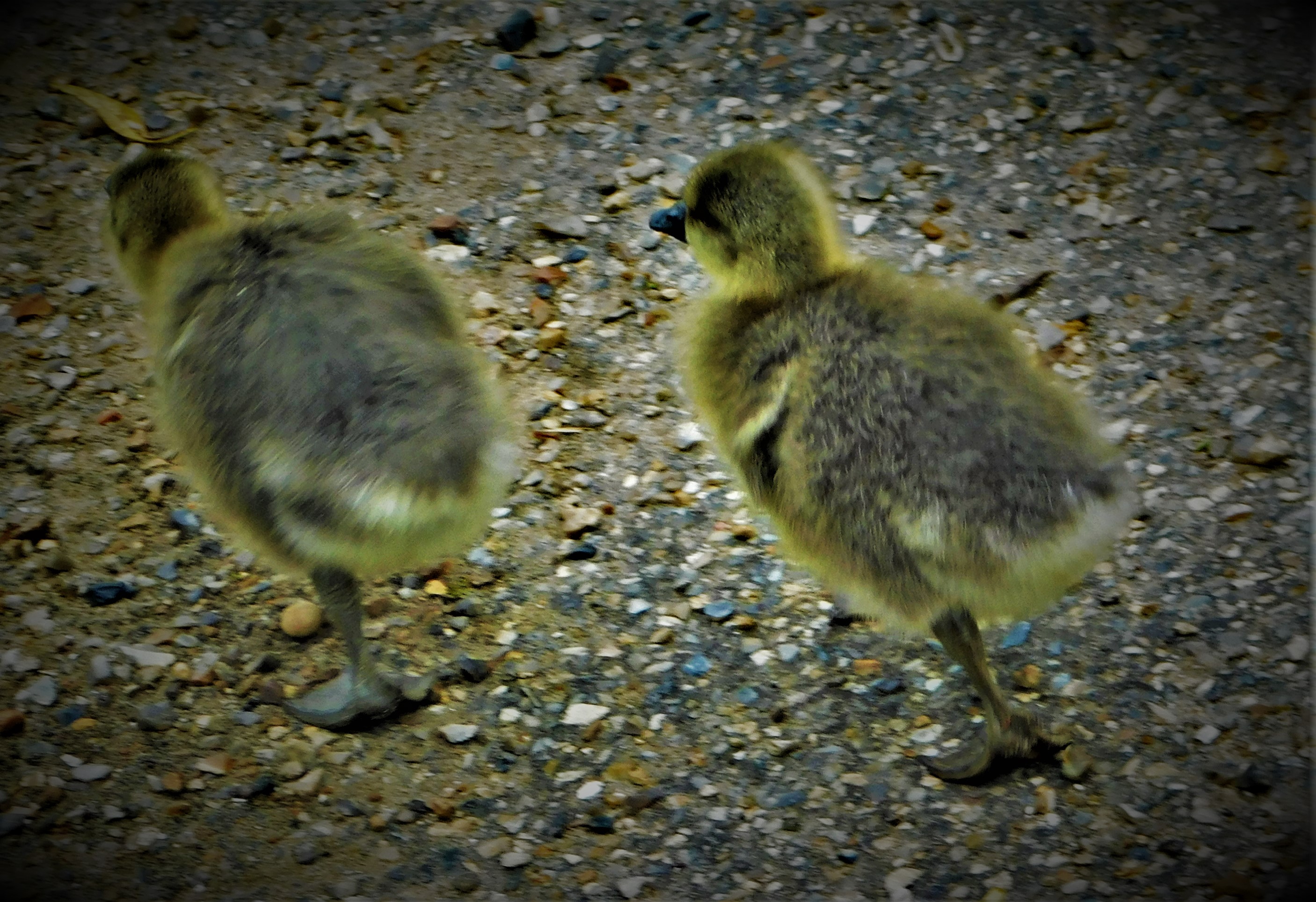
Continuing my mini-series about my visit to Pensthorpe with a look at the ducks and geese that I saw there, which include some exotic species as well as some commonplace ones.
This is the second post in my mini-series (the first is here) about my visit to Pensthorpe yesterday as part of a West Norfolk Autism Group excursion.
MIXING THE MAGNIFICENT AND THE MUNDANE
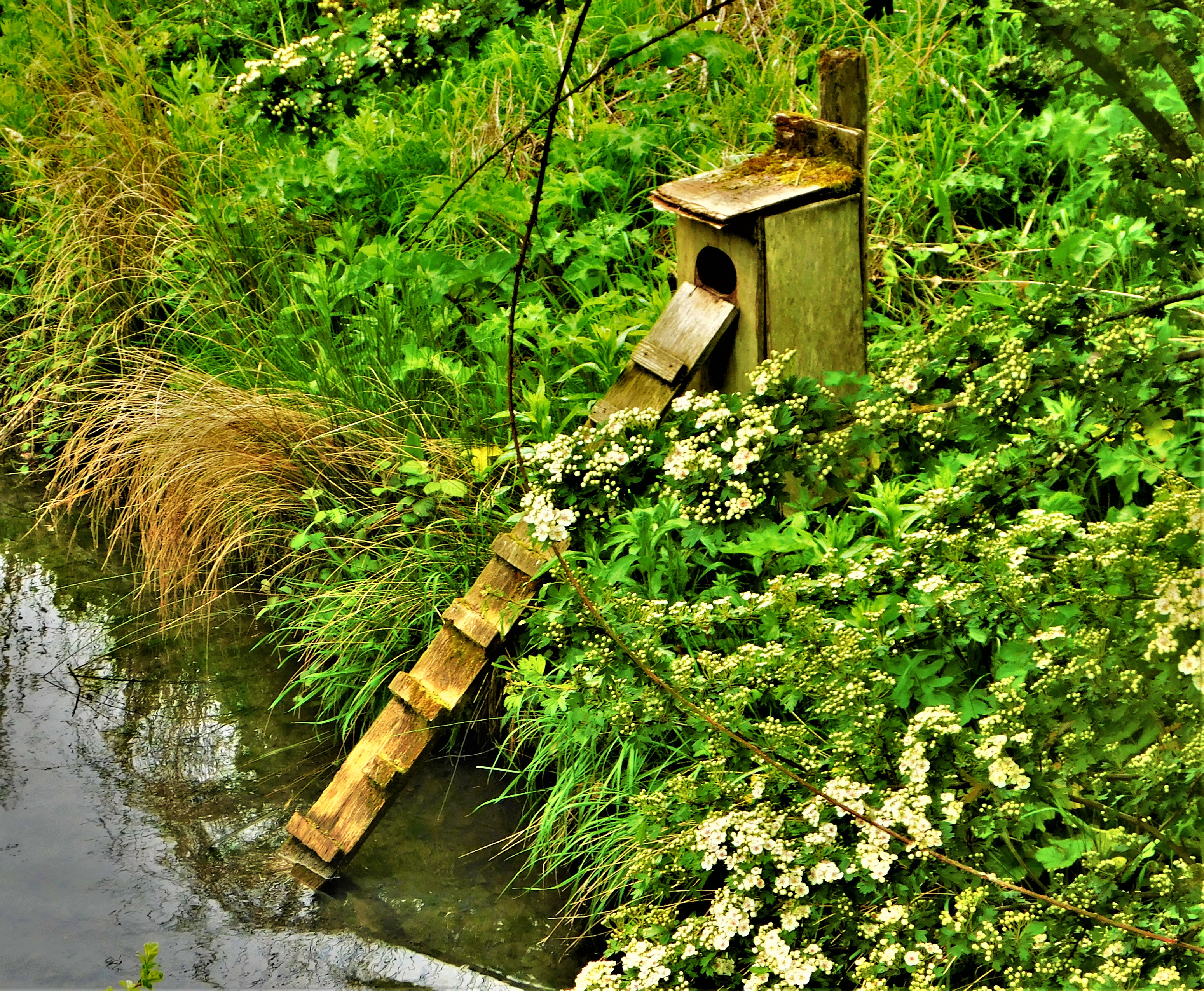
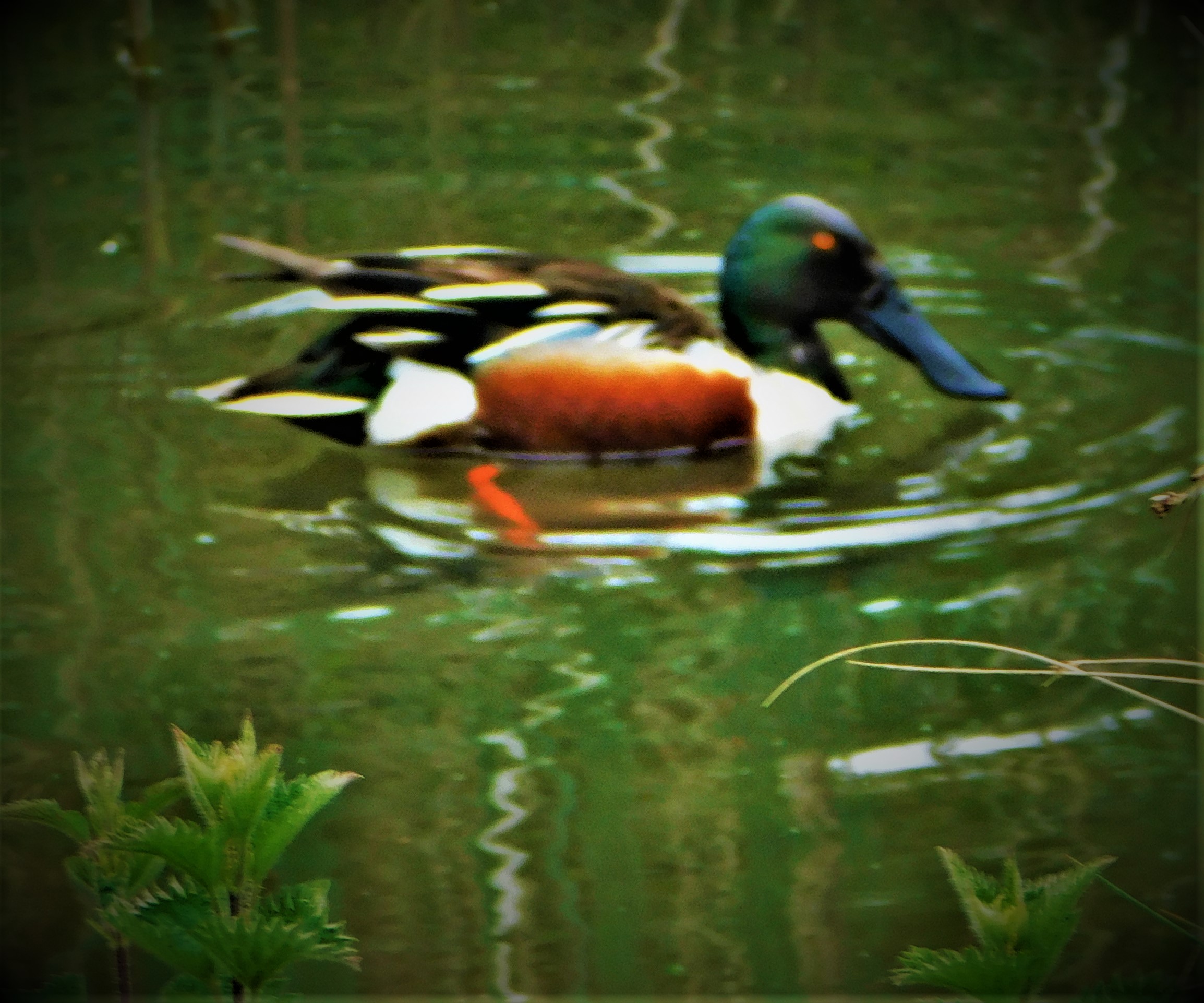
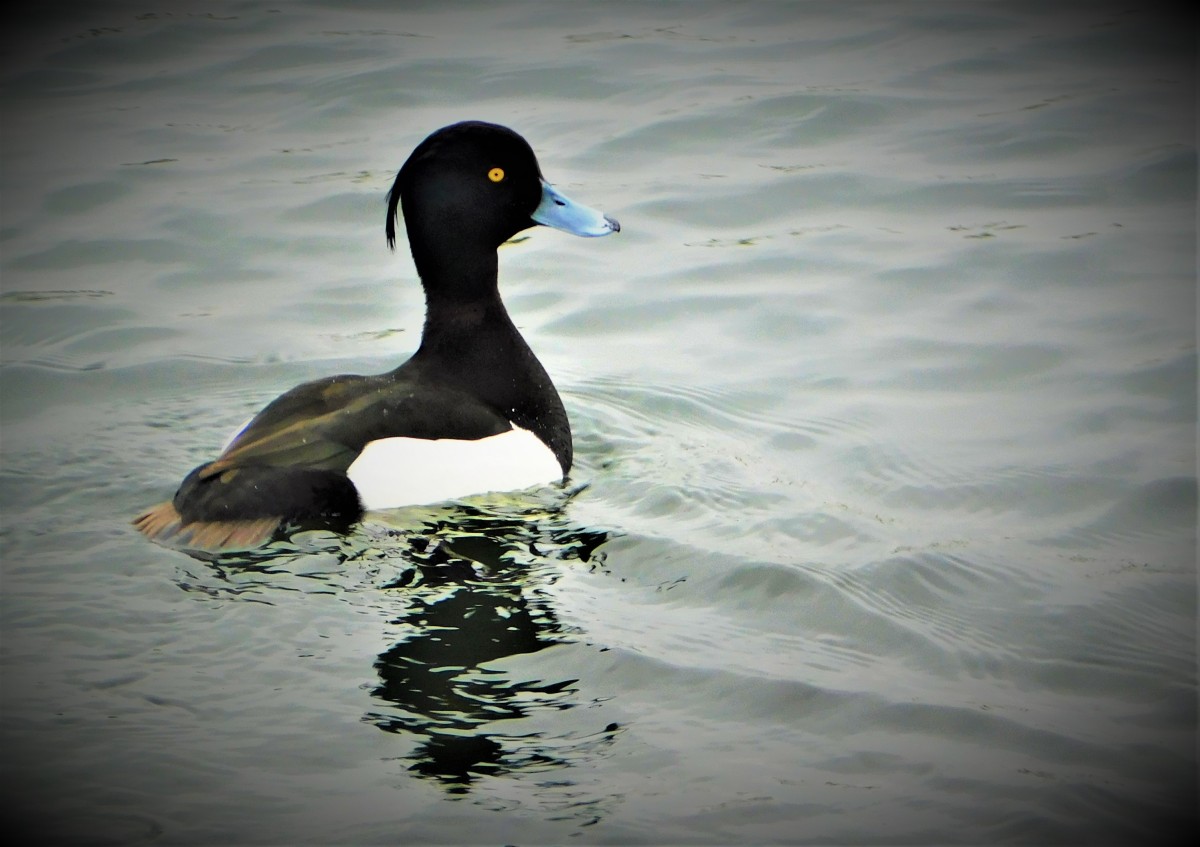
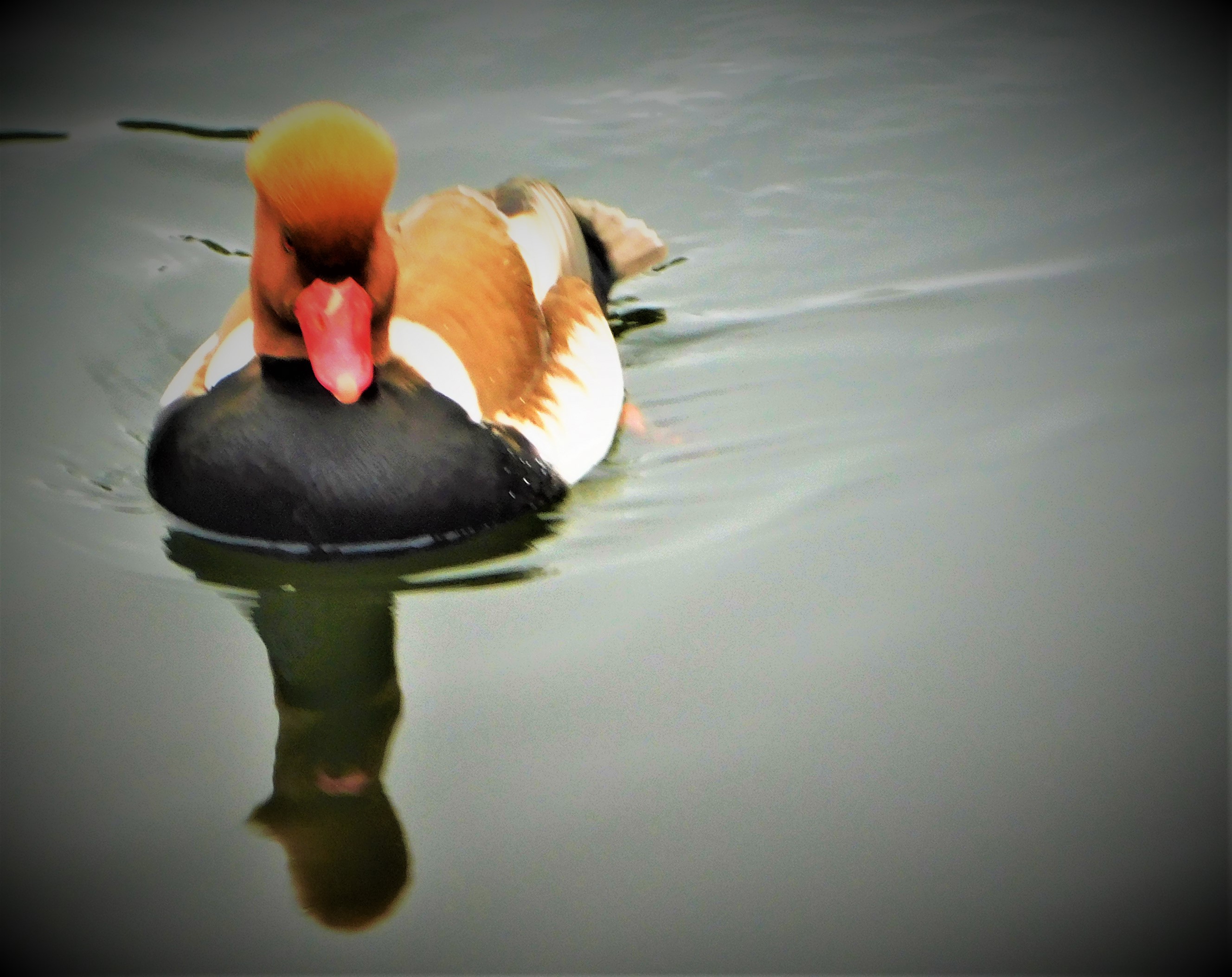
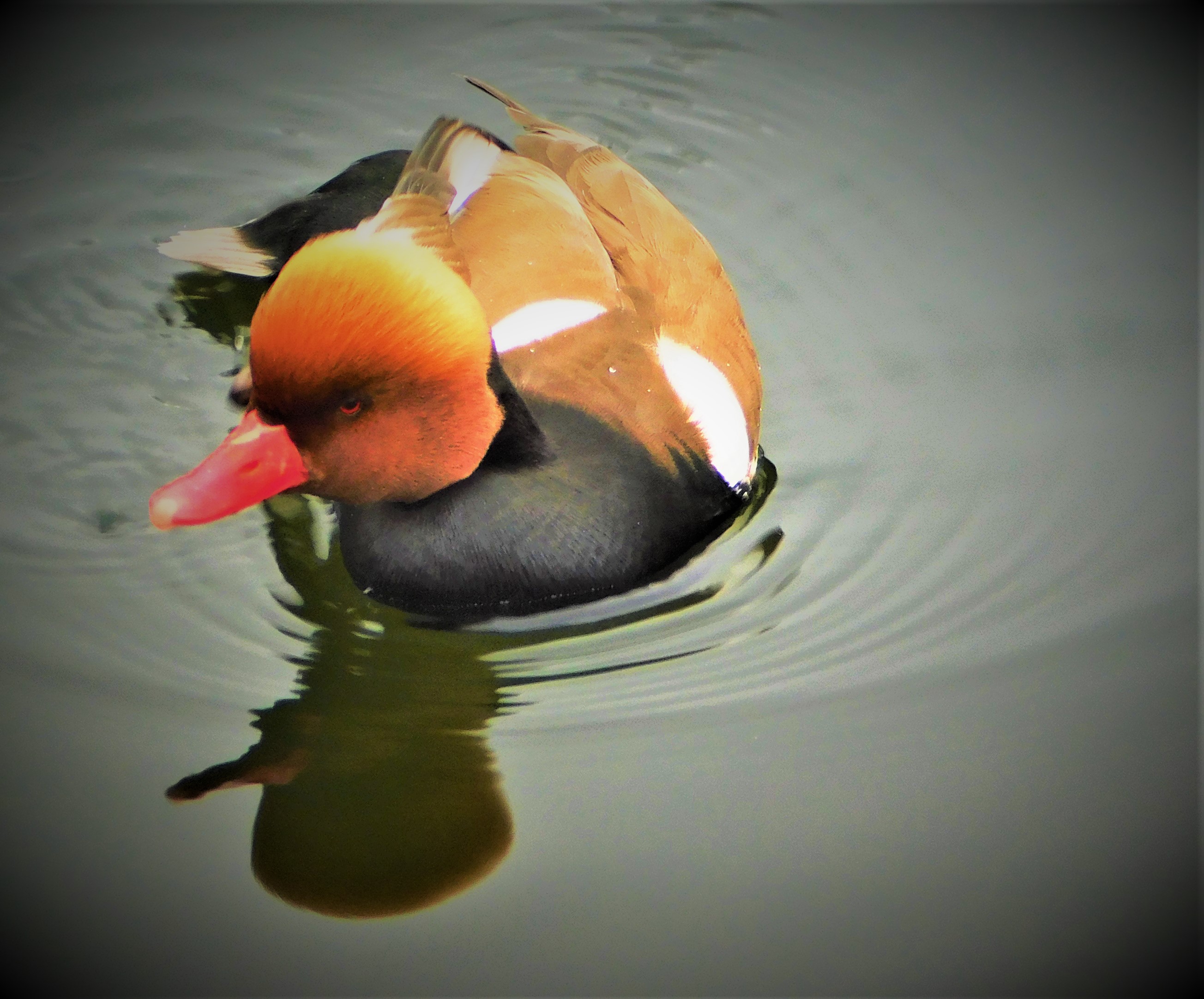
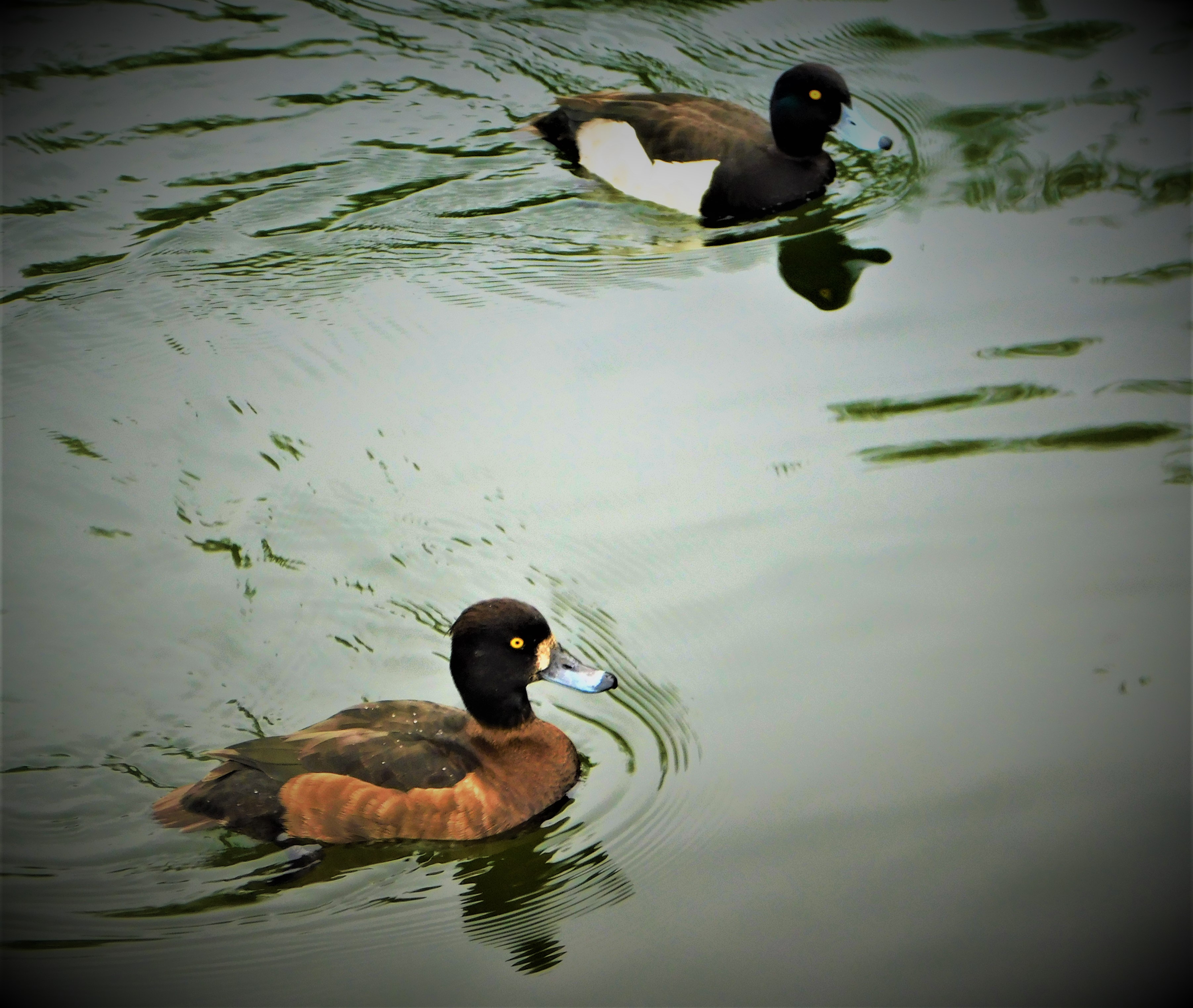
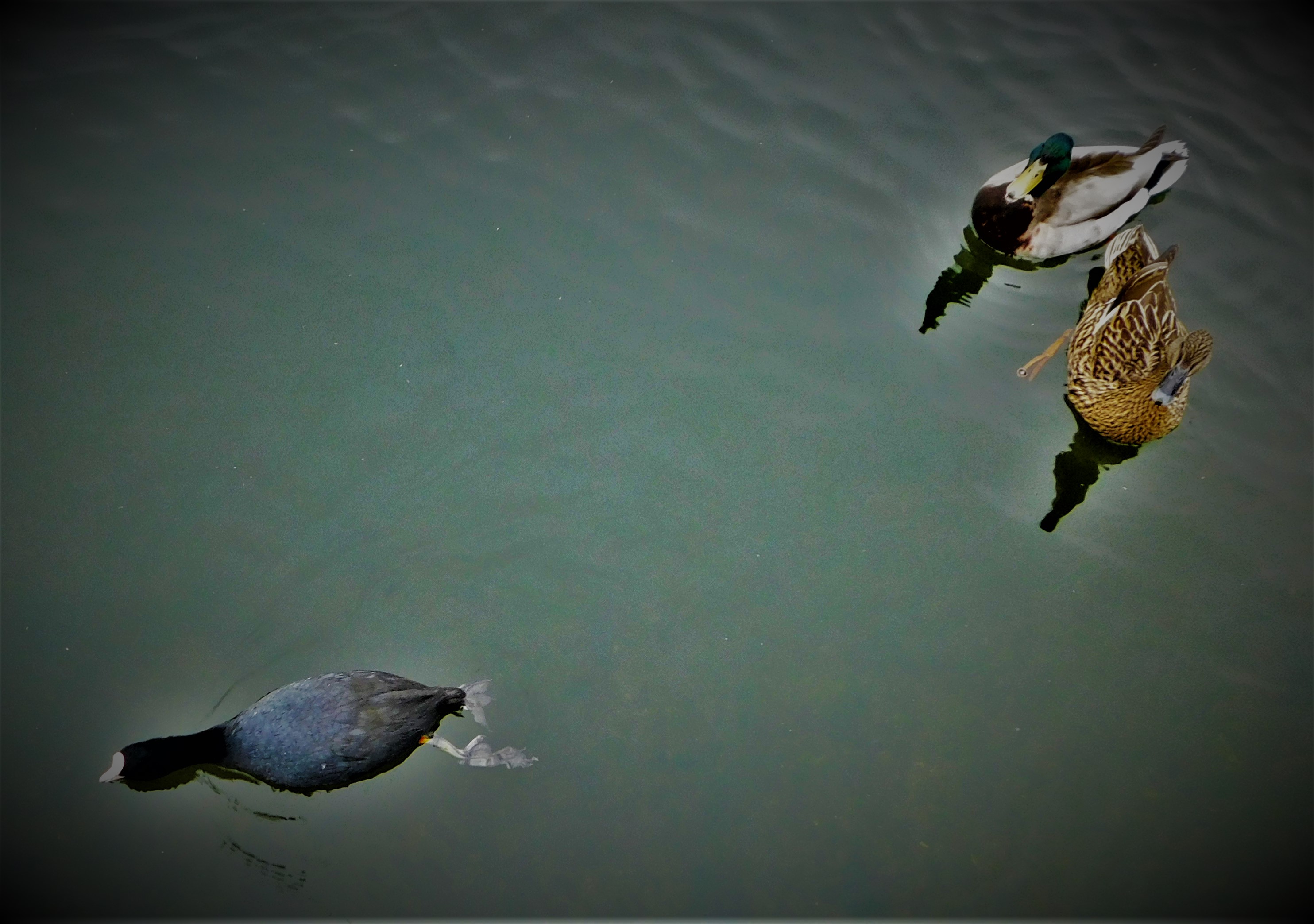
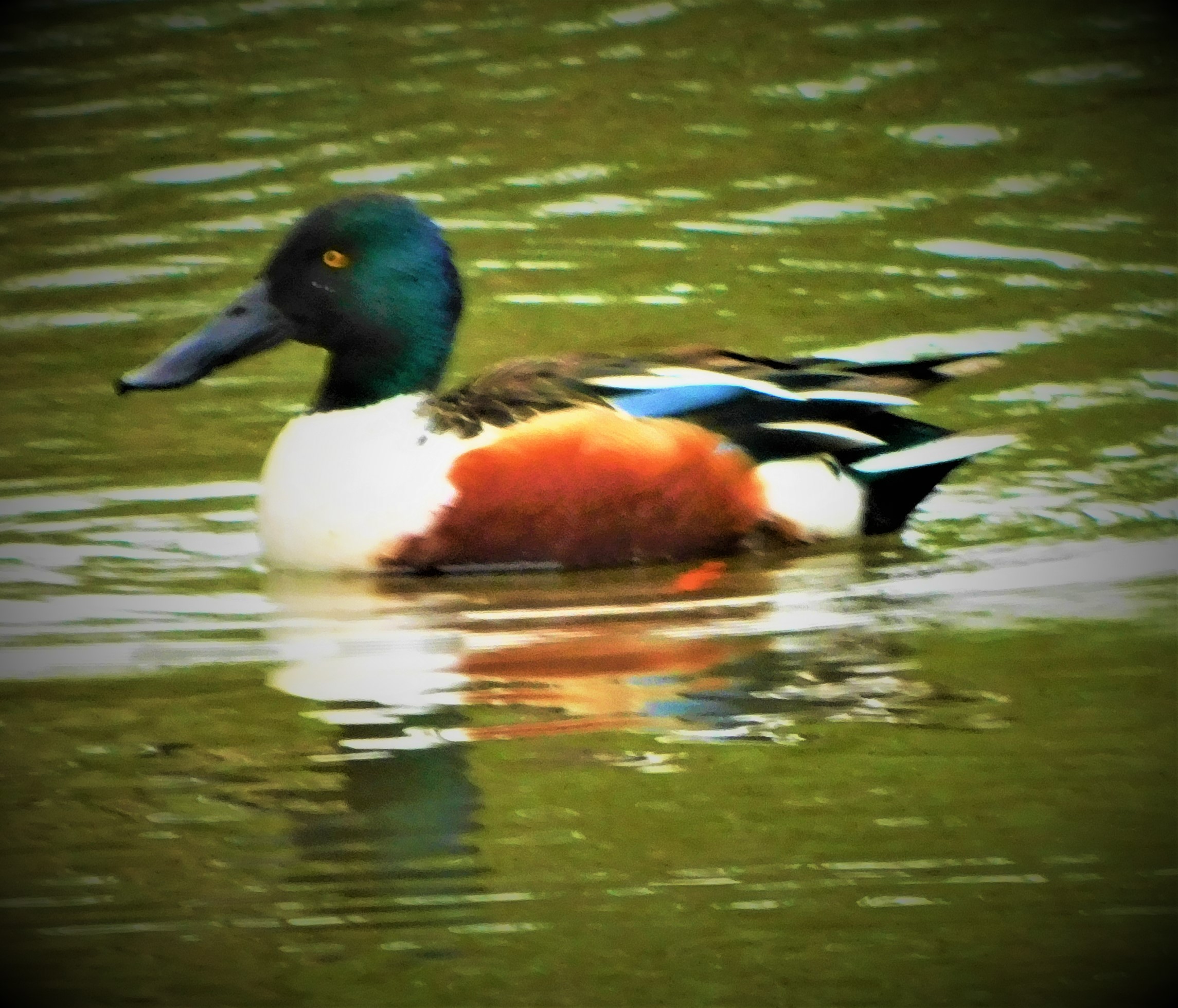
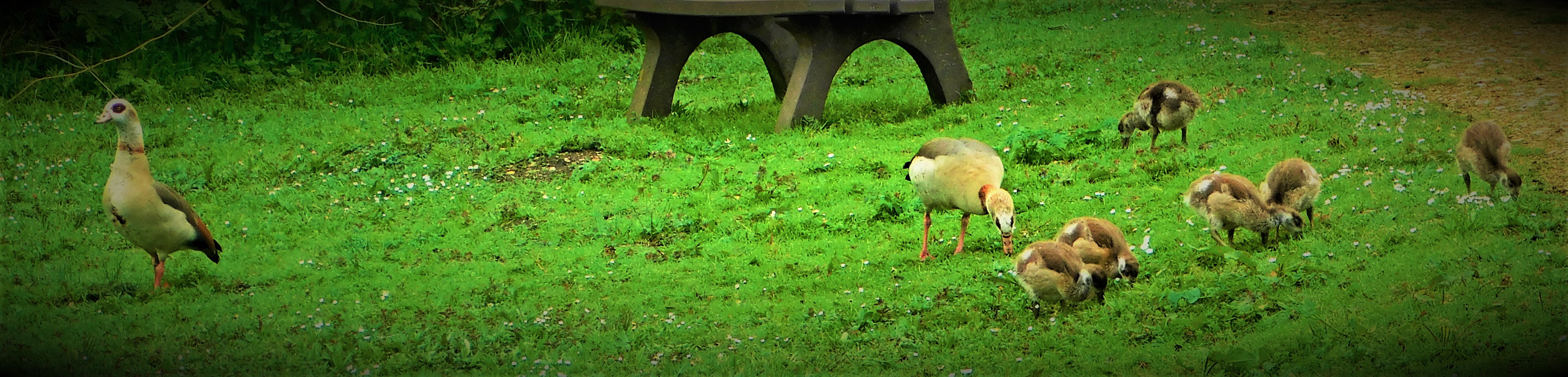
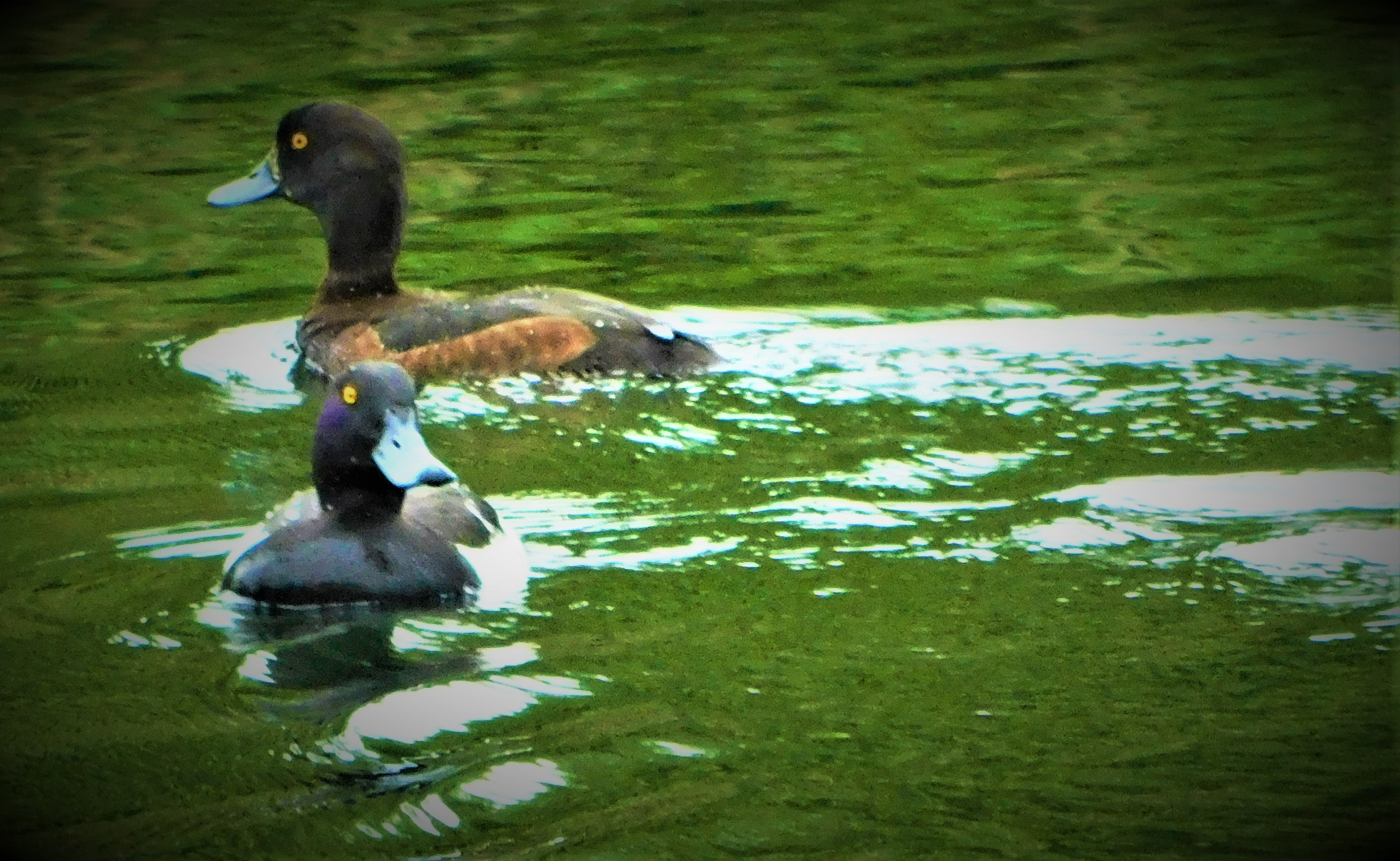
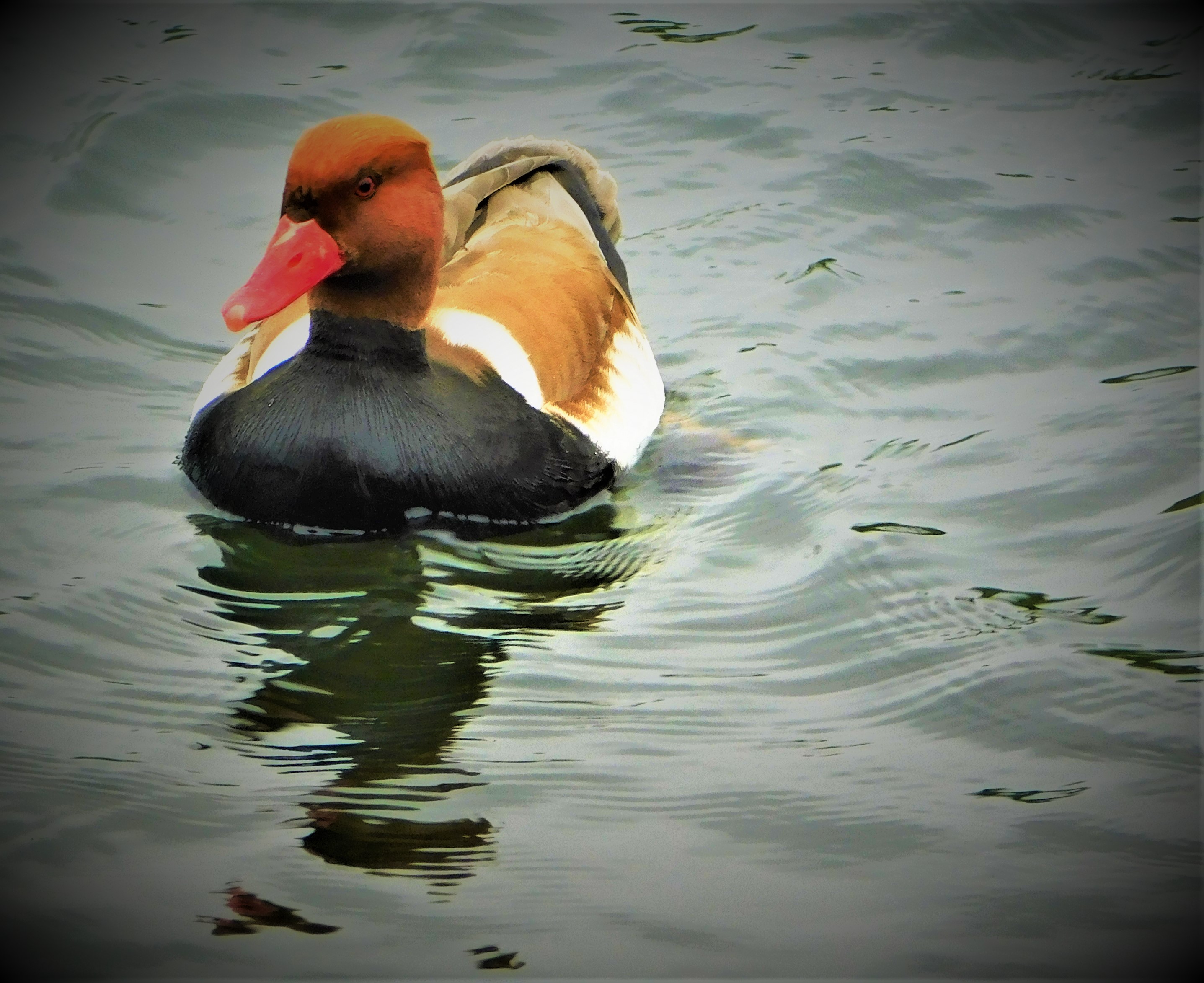
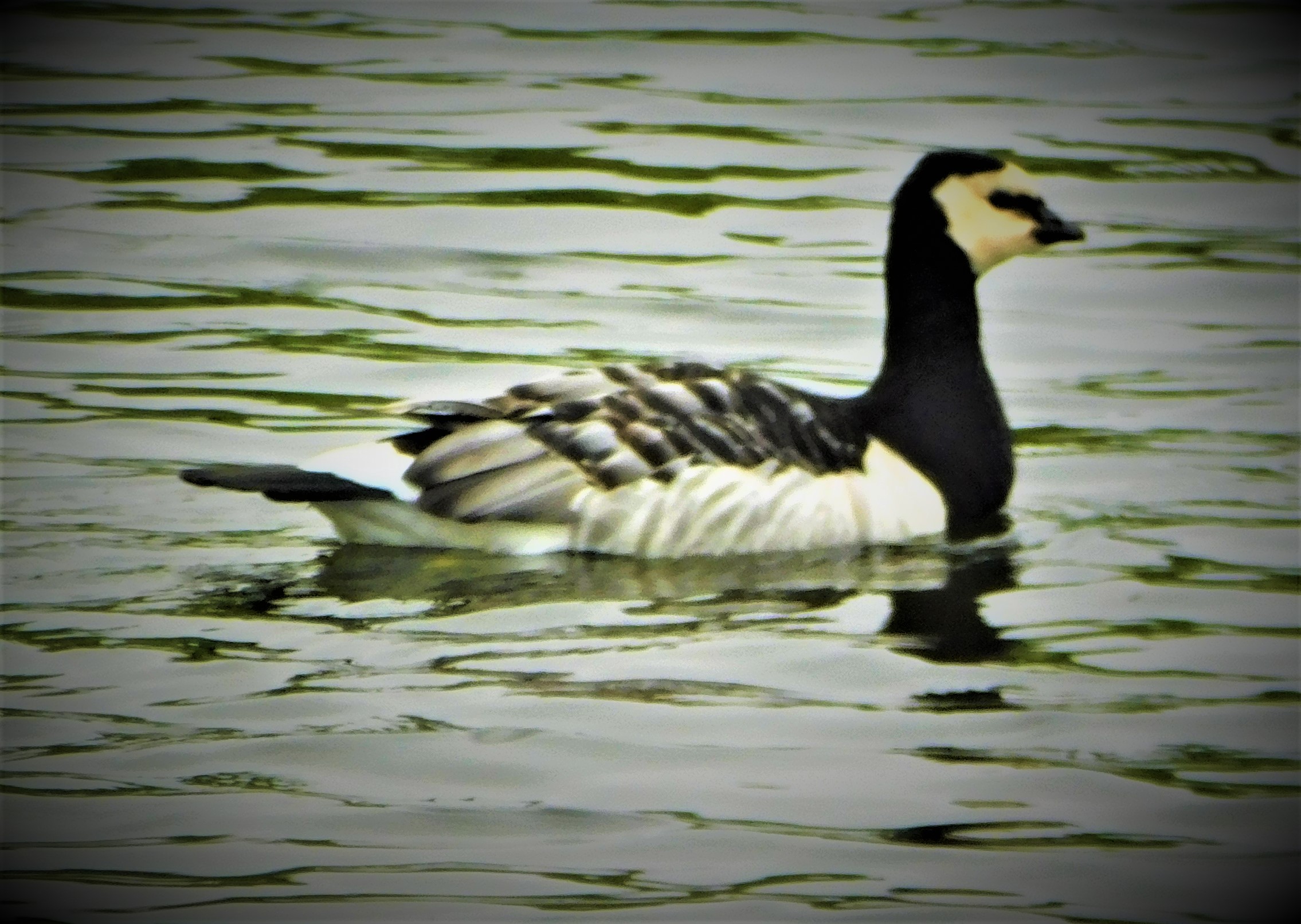
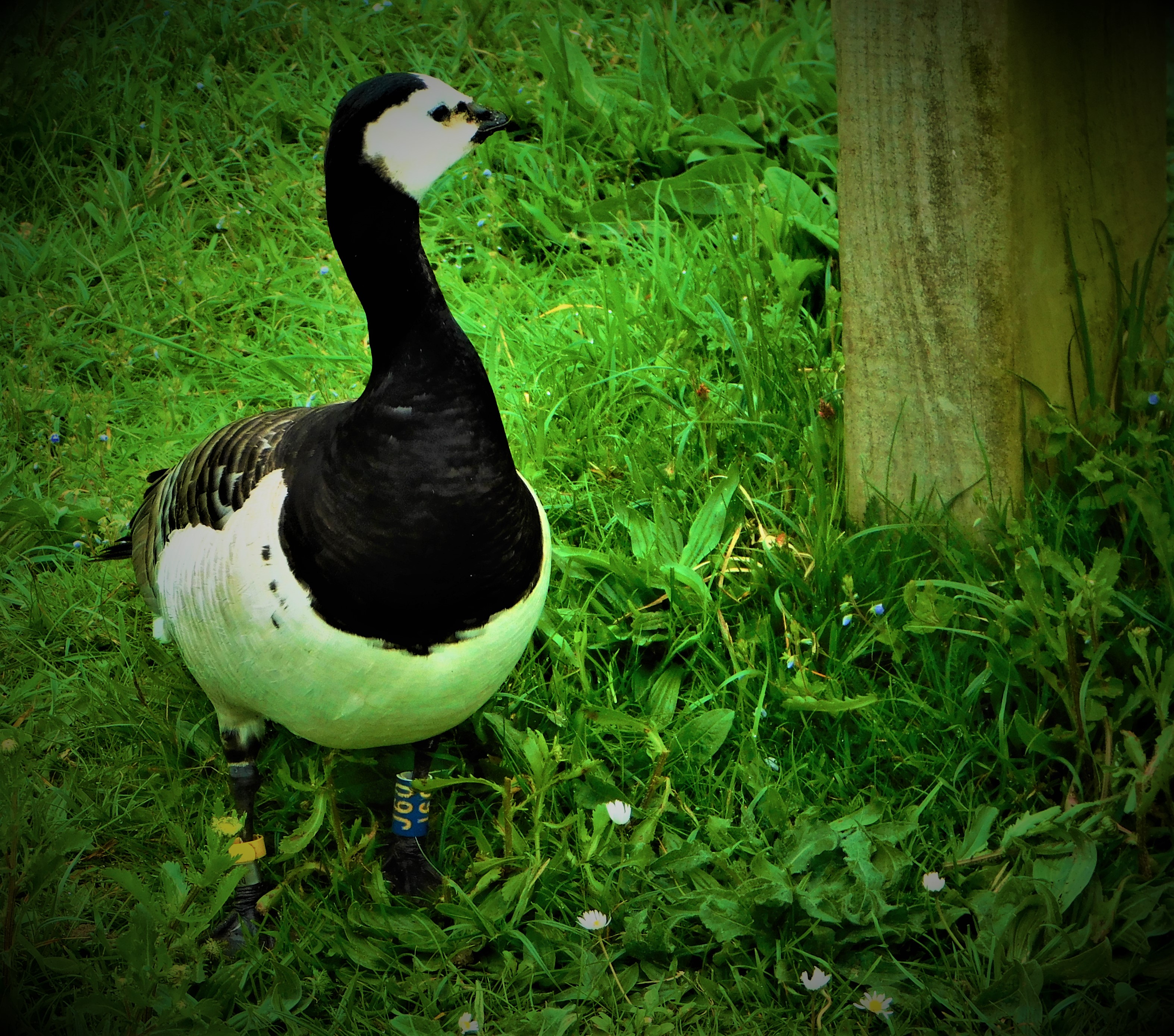
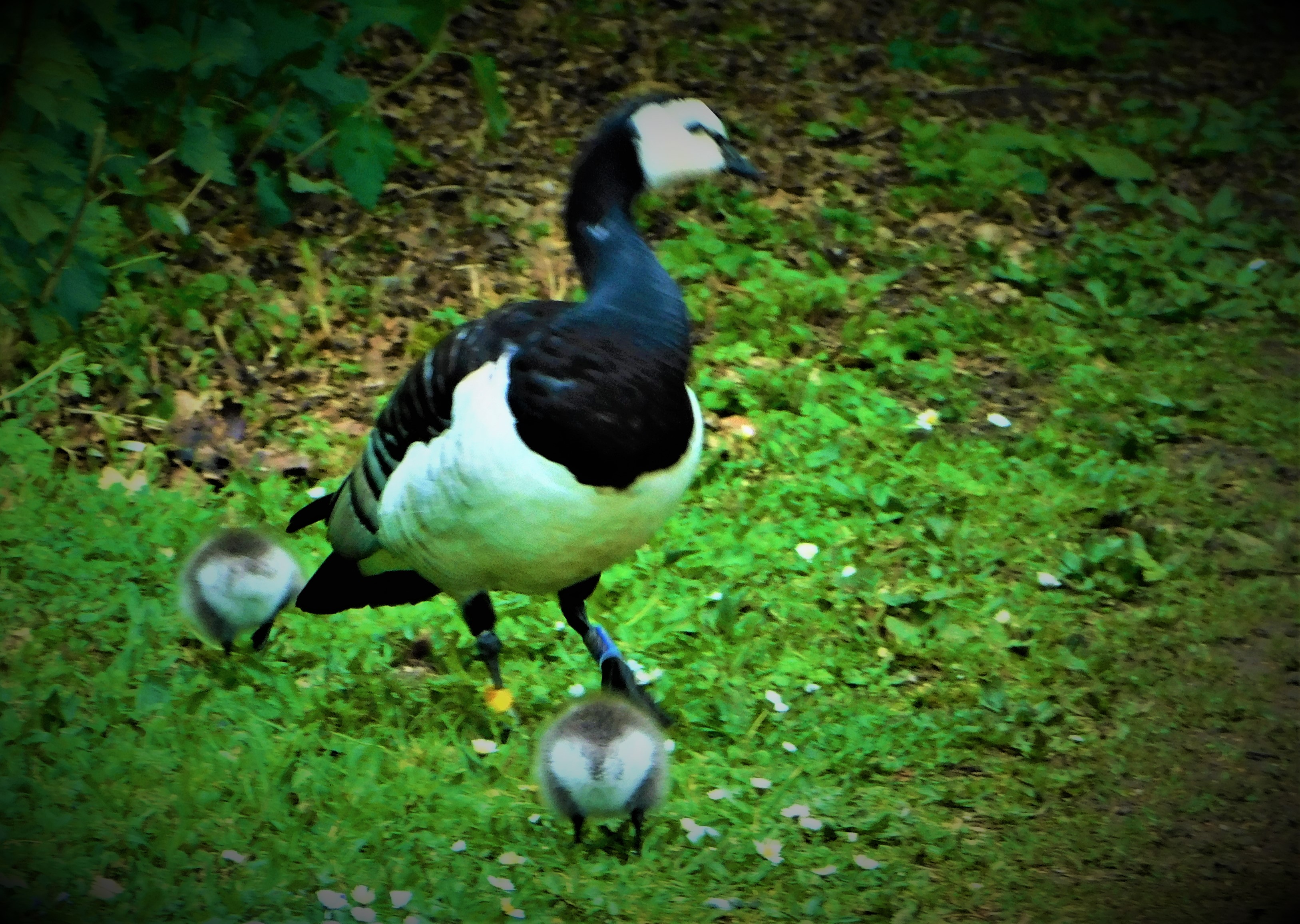
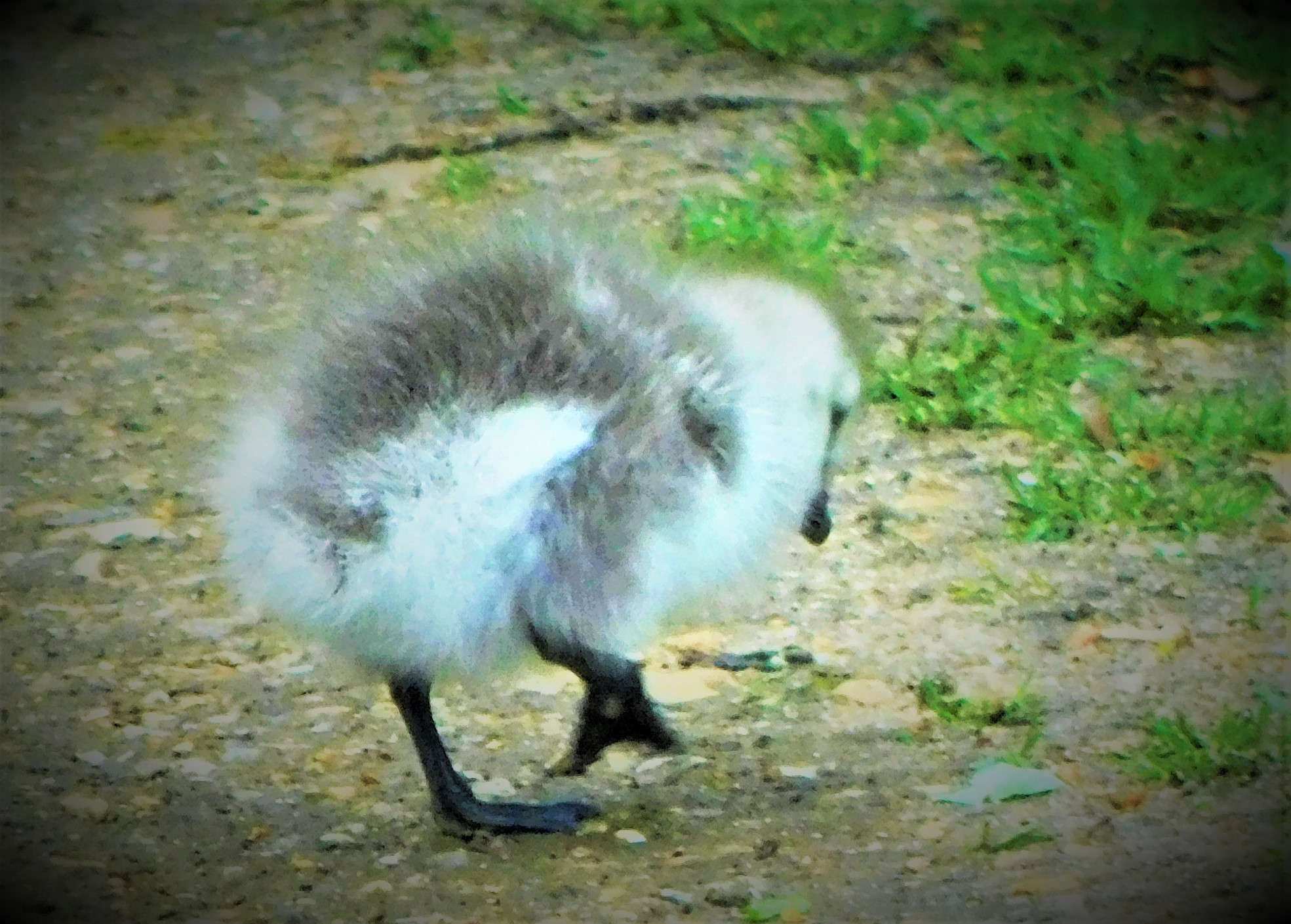
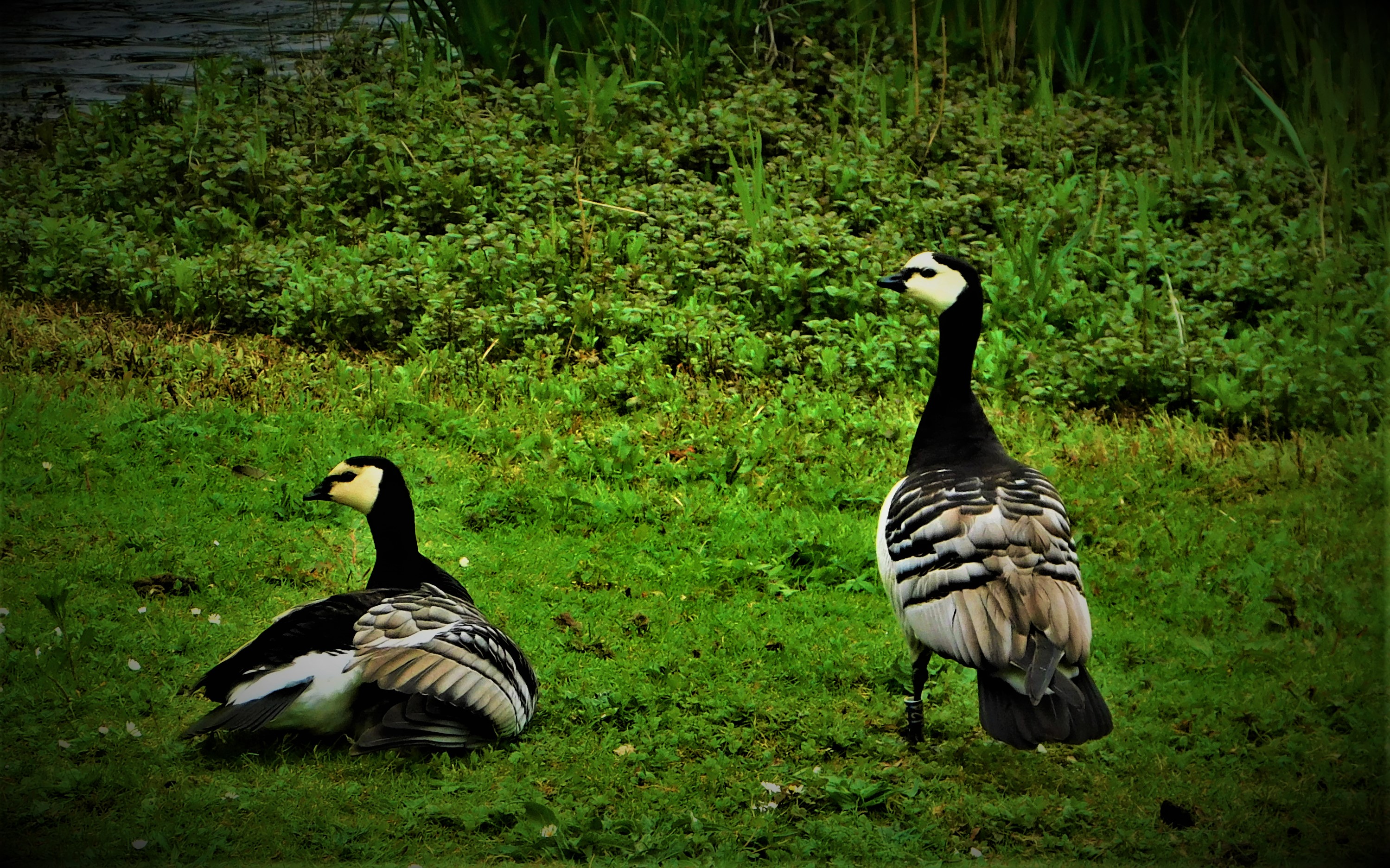
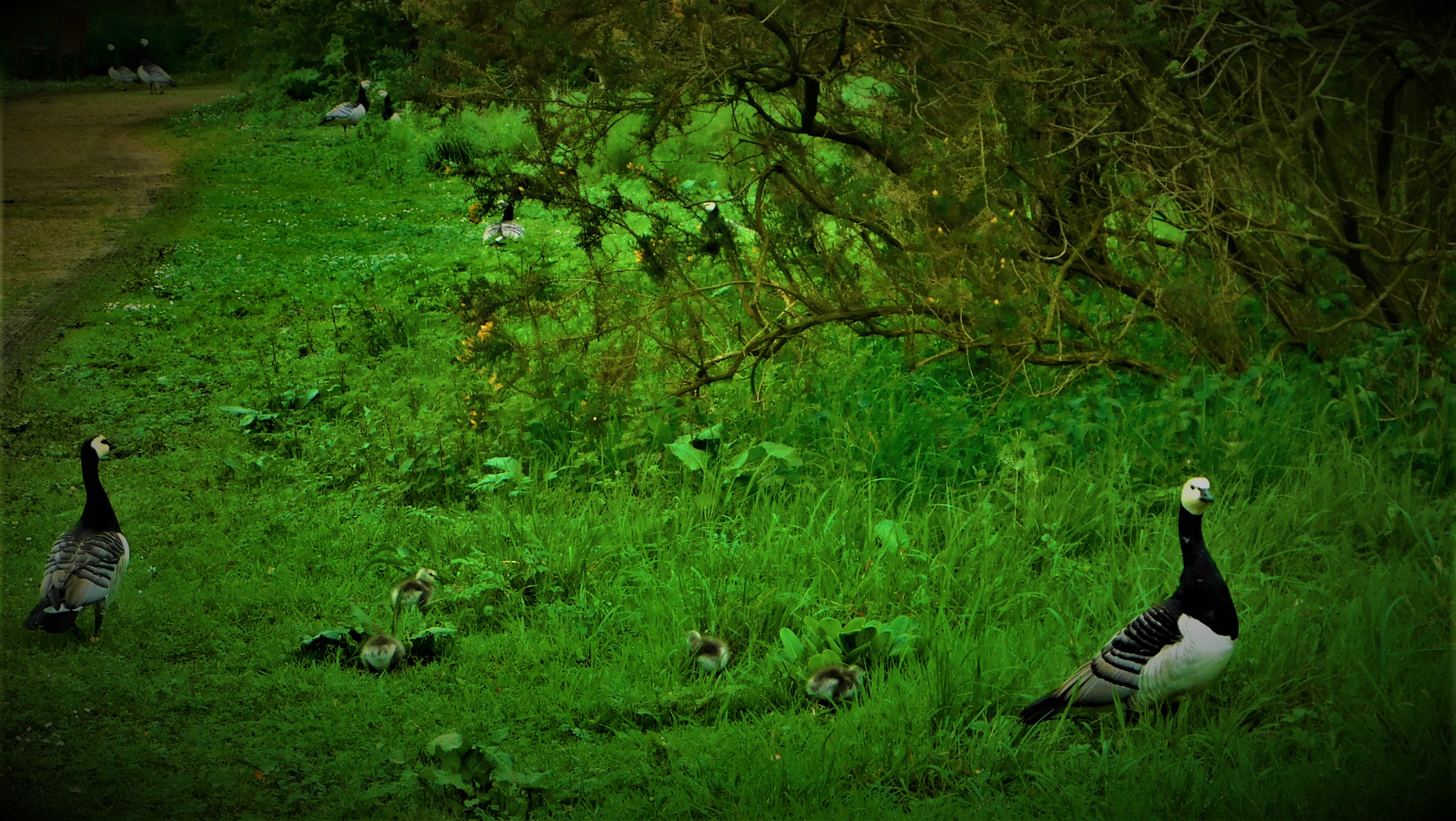
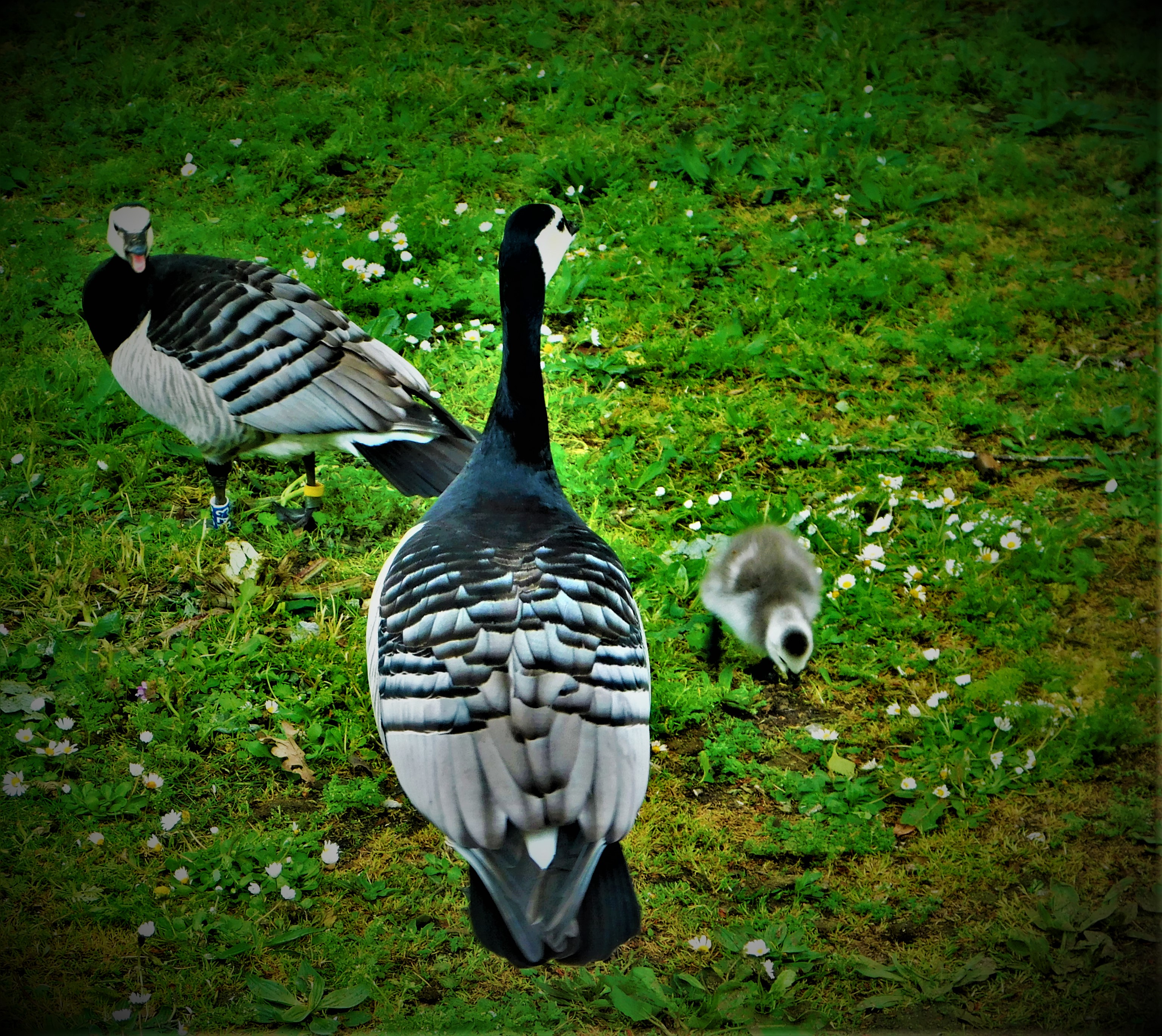
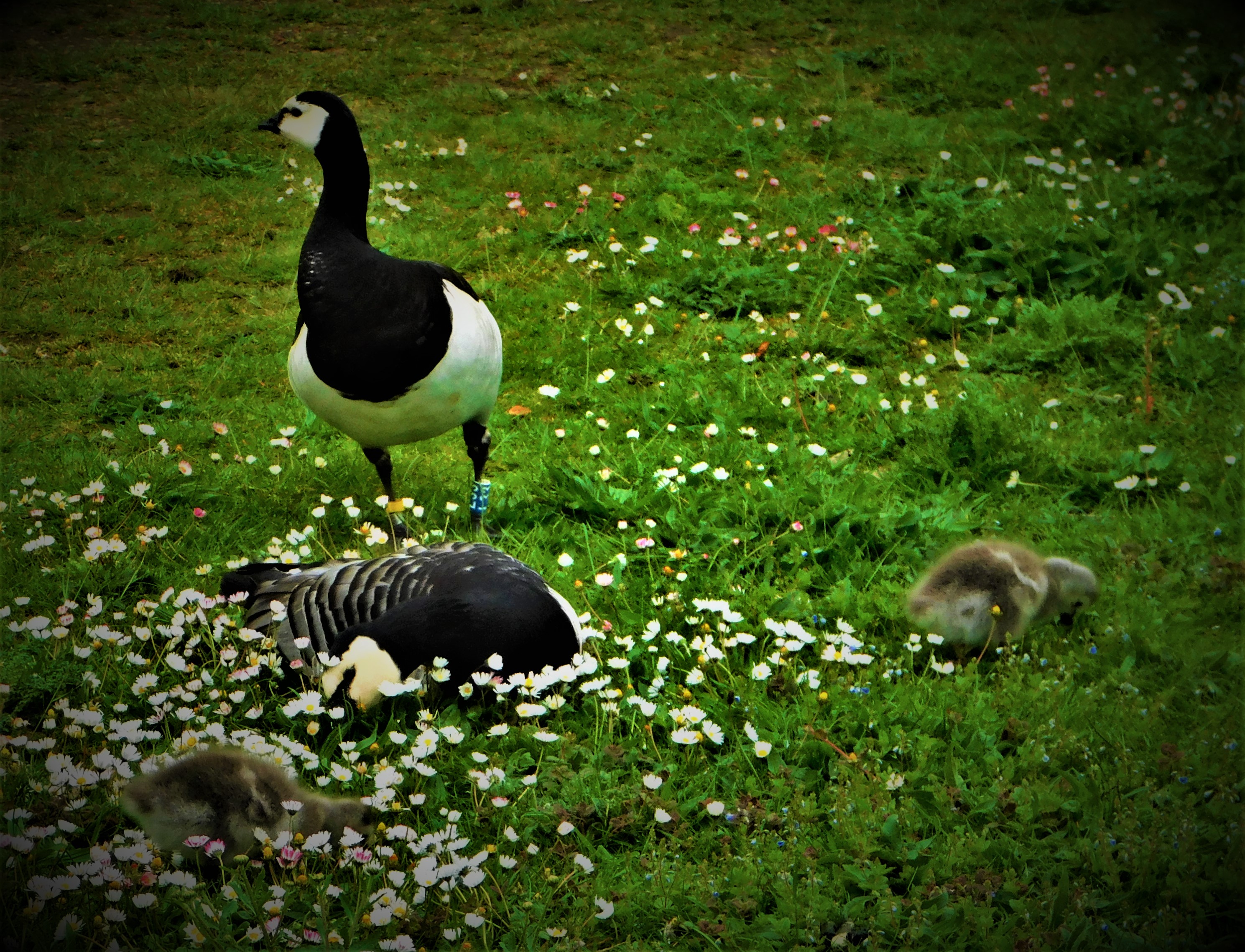
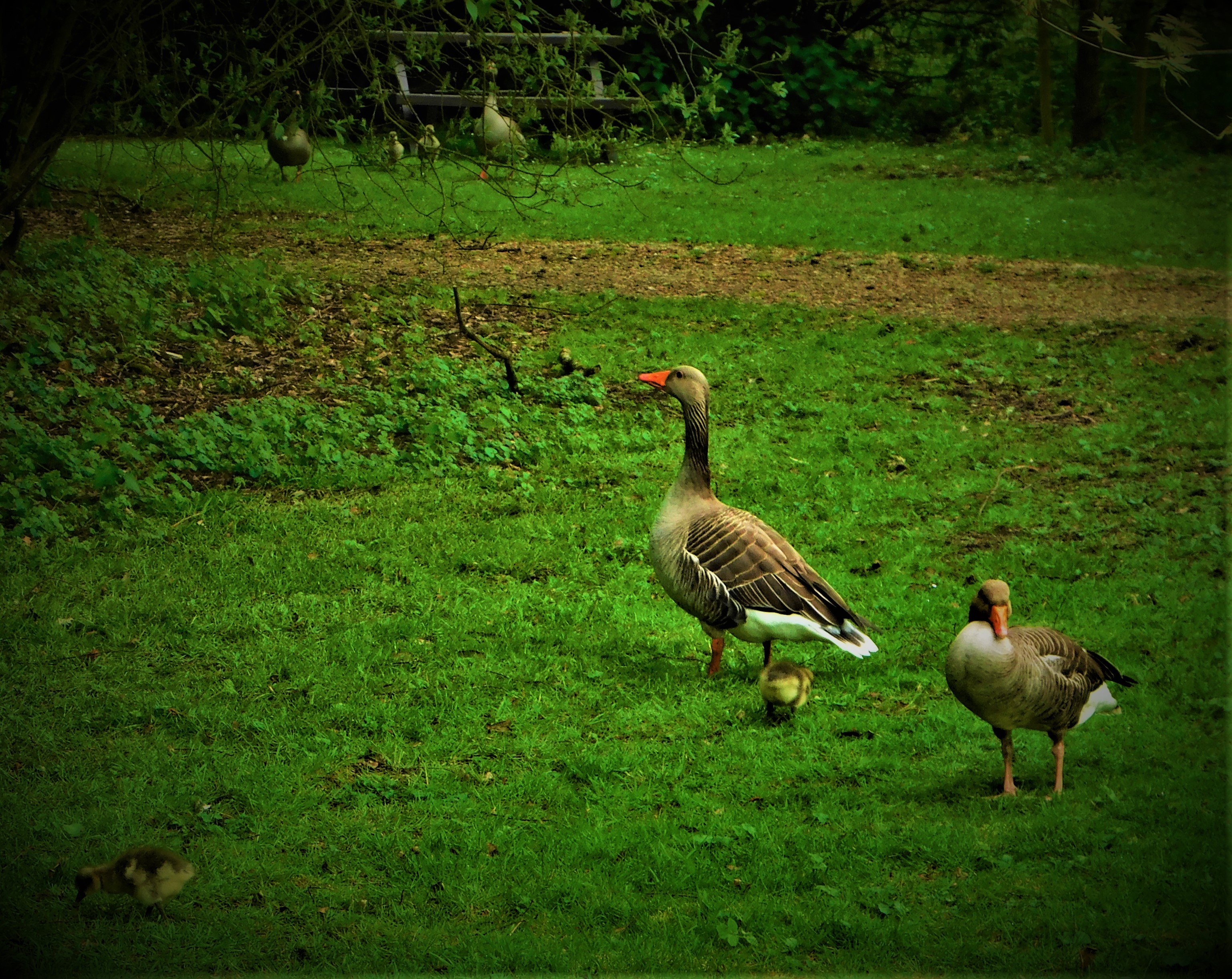
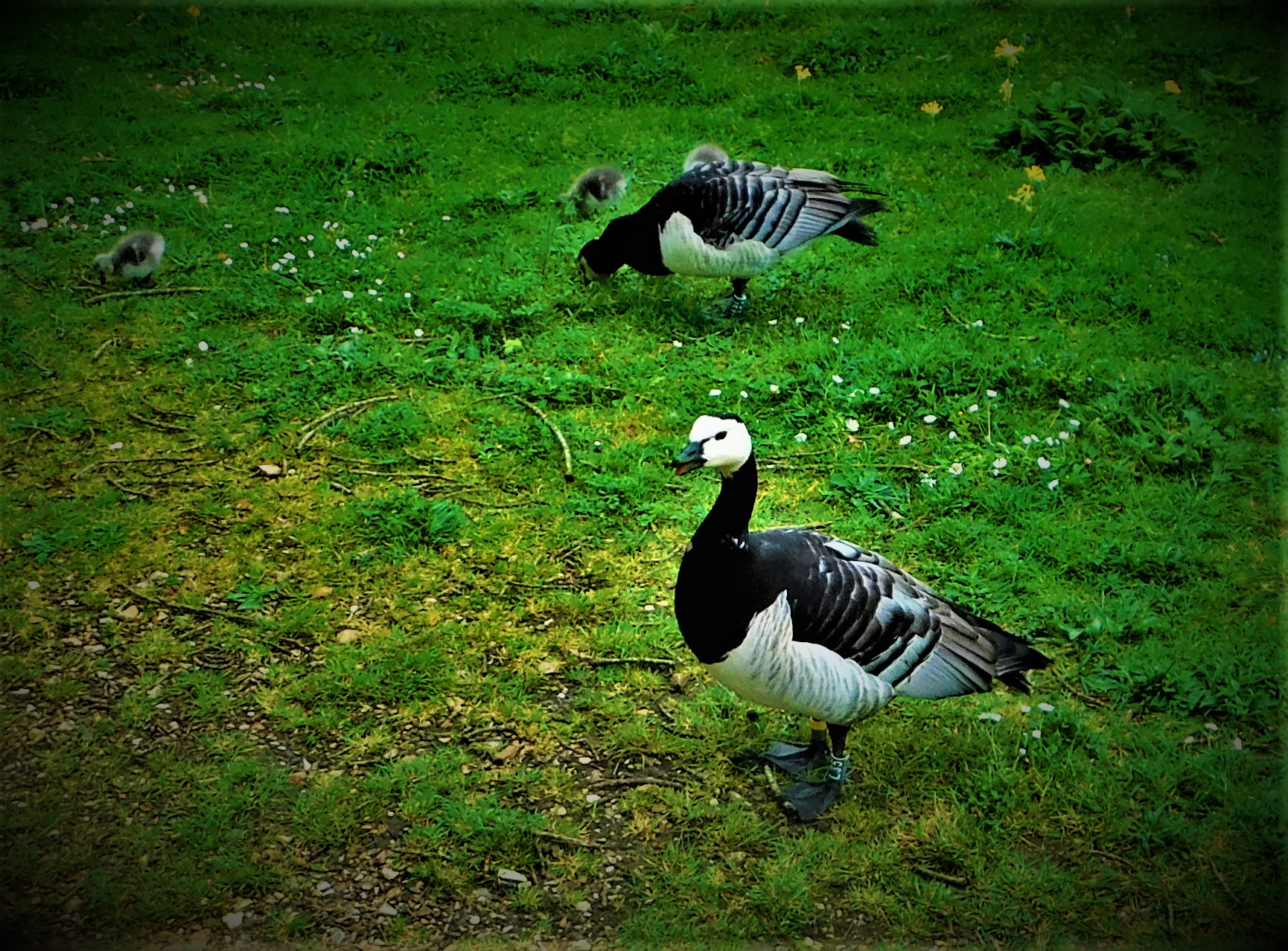
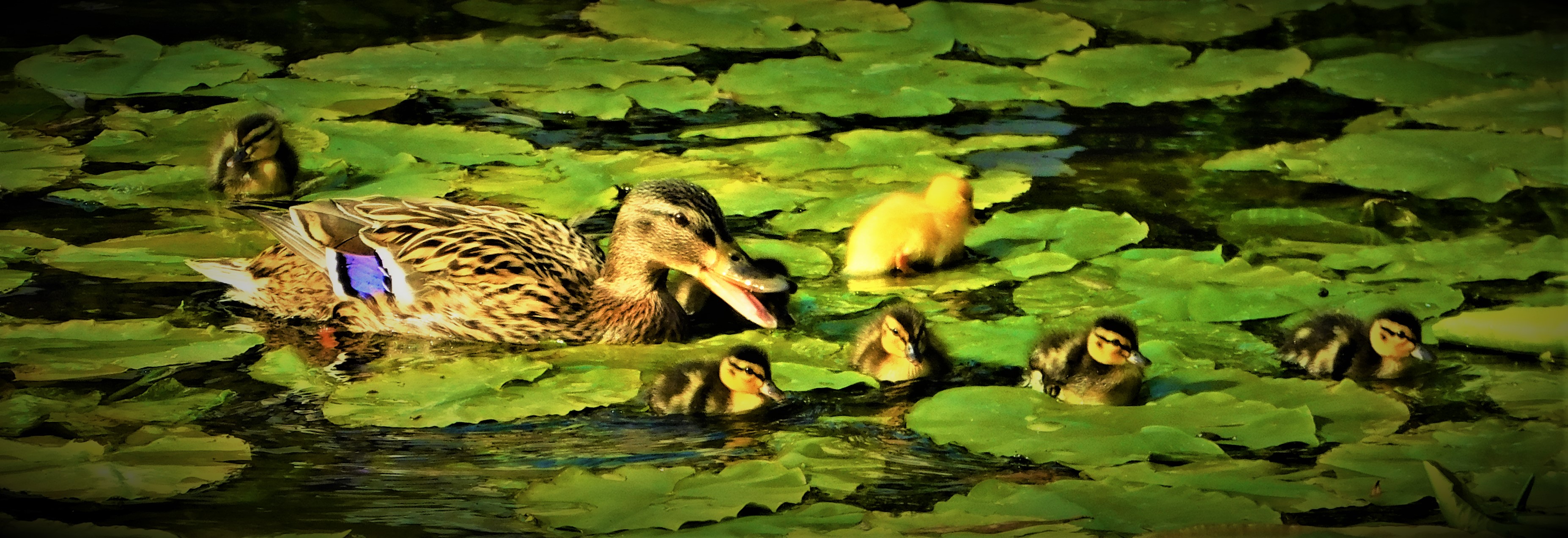
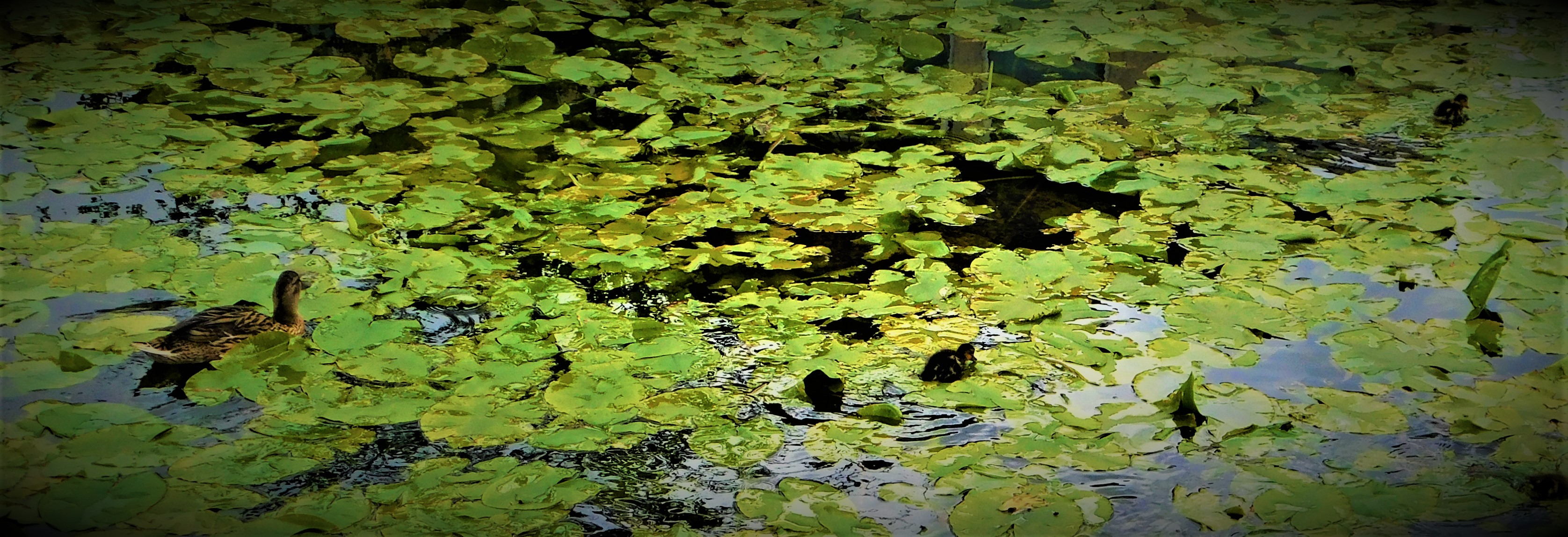
A huge variety of duck and goose species were on show all around Pensthorpe. The Barnacle Geese (black and white coloured and smaller than any other variety of goose at Pensthorpe) were notably aggressive. There were goose families of one sort or another on or around virtually every pathway. Ducks of varying species were using pretty much every available body of water.
A look at some of the stories emerging from the local elections which took place in England yesterday. Also a huge photo gallery.
Yesterday saw local council elections in various parts of the country. Many of the results have now been confirmed, although we are still waiting for quite a lot as well, including my own King’s Lynn and West Norfolk. This post looks at what we know so far.
THE GENERAL PICTURE
The Tories have been taking an absolute hammering. Sir Keir Starmer’s Tory Tribute Act that still has the gall to call itself Labour is basically flat lining, while Independents of various kinds, Liberal Democrats and Greens have been making major gains.
LOCAL INDEPENDENTS
The biggest success by someone standing under an independent designation was by Alan Gibbons in the newly created Orrell Park ward. Gibbons, hounded out of Starmer’s Labour, stood for Liverpool Community Independents and achieved 77% of the vote, while the official Labour candidate managed 19%. There have also been major successes for Independents in South Tyneside and a few other areas.
THE LIBERAL DEMOCRATS
They have had successes in some deep blue areas, winning seats in the Cotswolds, and also in die-hard Tory Essex – they now control Brentwood Council, having gained three seats yesterday.
THE GREEN PARTY
A record breaking set of elections for my party. They have already gained control of Mid-Suffolk Council, the first time they have had an absolute majority of seats on any council. They are also the largest party on East Hertfordshire council, remarkable given that only a few years ago the Tories held EVERY seat on that council. In Bath they took out the current Mayor, while they have also won a seat in Merstham, Surrey for the first time ever. Other areas that have seen Green successes include Darlington and Worcester. Heather Skibsted, hounded out of Starmer’s Tory Tribute Act of a party, won a seat for the Greens in Peterborough. I await with some eagerness the results from Saint Margarets with St Nicholas ward, next door to me, where there are two Green candidates. In my own ward there were a beggarly three candidates for two seats, two Labour and one Tory. I was seriously tempted to spoil my ballot paper in protest at the paucity of choices, but gritted my teeth and voted to prevent the Tory from getting in – to quote a line that Colleen McCullough assigned to Pompey in one of her series of Roman historical novels, in that case in context of Marcus Favonius, known as ‘Cato’s ape’ because he slavishly imitated the latter, “The ape is not the equal of the master” – even Sir Keir’s abomination of a Labour Party is not as bad the actual Tories.
ACTIVE TRAVEL AND THESE LOCAL ELECTIONS
In a number of seats being contested this time there has been much heat and rather little light around active travel, and associated traffic calming measure such as Low Traffic Neighbourhoods (LTNs). In every seat where this was a significant issue those most virulently opposed to any form of traffic restriction did appallingly and folk in favour of encouraging active travel did well – vociferous as the opponents of such things as LTNs can be they are few in number.
PHOTOGRAPHS
Although this has not been one of my usual posts, it ends with my usual sign off…
Continuing my extended analysis of how the all time XIs I created for each letter of the alphabet fare against one another. Also has a king sized photo gallery.
Welcome to the next stage in my extended analysis of how my all time XIs for each letter of the alphabet fare against each other. The Cs still occupy the hot seat, and they start today with 23 of a possible 90 points to their credit.
THE Cs V THE Ts
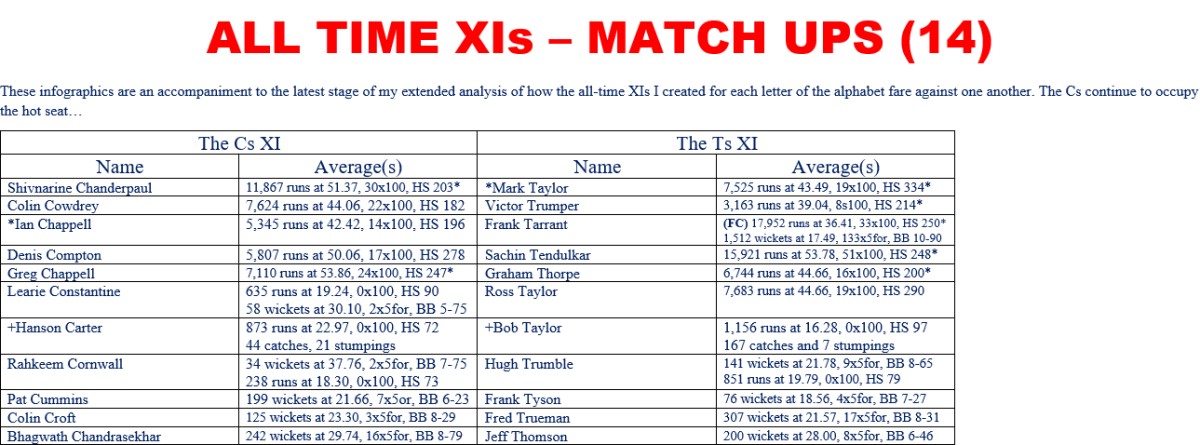
The Cs in theory have the stronger opening pair but a) both the Ts openers were regulars at that job, unlike the Cs, and b) Victor Trumper played in an era when run scoring was less than it is now. Therefore I say that the Ts win here. Frank Tarrant at three is outdone by Chappelli for the Cs, although he would average more with the bat had he played in Chappell’s era rather than considerably earlier, so this contest is not is clear in Chappelli’s favour as it looks. Tendulkar beats Compton, but Thorpe loses to G Chappell. As against that Ross Taylor is much better with the bat than Constantine. Carter beats Bob Taylor with the bat, but the Ts man was the finer keeper. Tyson and Trueman outrank even Cummins and Croft as a new ball pair, and Thomson is far superior to Constantine as third seamer. Trumble is clear of Cornwall, and Tarrant the bowler rates little if any behind Chandrasekhar. I make the Ts winners in all departments, save for Carter being better with the bat than his rival keeper, and accordingly score this Cs 0, Ts 5.
THE Cs V THE Us
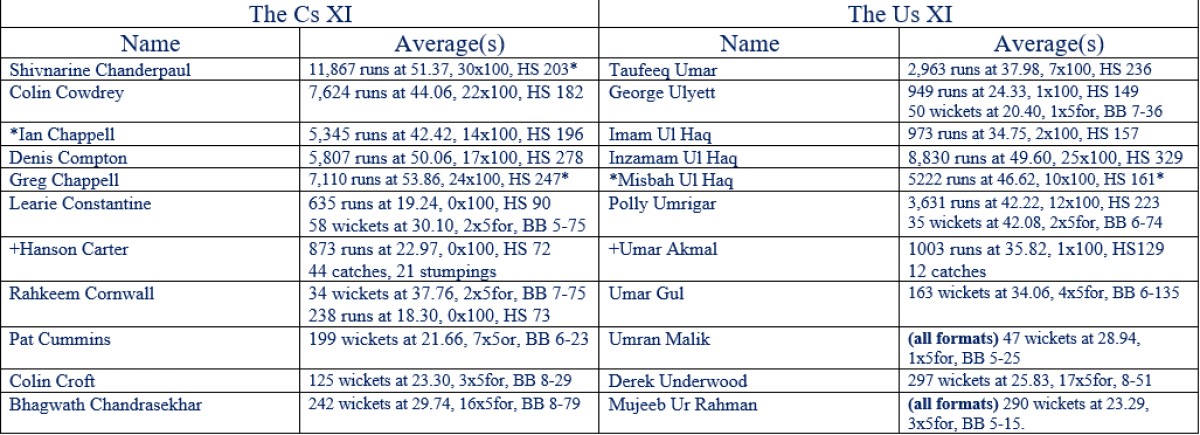
The Cs win the top five batting slots, with only Inzamam Ul-Haq and Misbah Ul-Haq winning their match ups. Umrigar at six is better with the bat than Constantine, while Ulyett makes up for being outbatted by comfortably outbowling Constantine. Umar Akmal was a finer batter than Carter but a fraction of the keeper that the Aussie was. Umar Gul and Umran Malik are comfortably out pointed by Cummins and Croft, although Umran Malik would be the fastest of the four. Ur Rahman is a better off spinner than Cornwall by some way, and Underwood outranks Chandrasekhar as a bowler. Chappelli outranks Misbah Ul-Haq as a captain. The Cs win on batting, captaincy, keeping and new ball bowling, the Us have the better third seamer, more batting from their keeper and boss the spin bowling department. Overall the Cs are obviously clear, but allowing for one serious turner out of five I score this one Cs 4, Us 1.
THE Cs V THE Vs
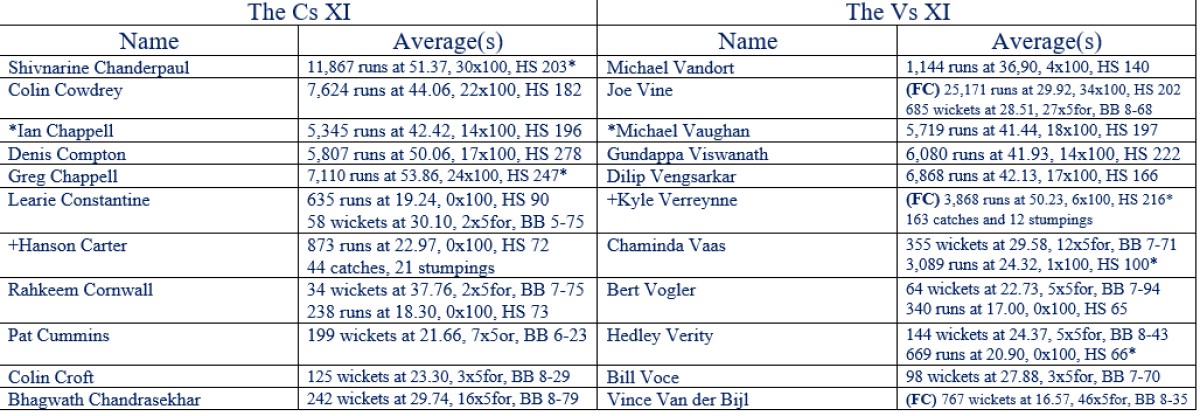
The Cs win on opening pairs even allowing for Vine averaging more these days than he did in his actual playing days. Chappelli just edges Vaughan on batting, and also beats the Yorkie on captaincy, by a slightly wider margin. Compton beats Viswanath and G Chappell beats Vengsarkar. Verreynne handsomely beats Carter on batting but is well behind him as a keeper. Vaas was less of a batter than Constantine, but wins the bowling side of their match up more convincingly than the figures suggest – as third seamer in a strong attack he would perform even better than he actually did as opening bowler in a weak one. The Cs win the battle of the new ball pairs – Van der Bijl probably was the best of the four bowlers involved in this match up, but Voce undoubtedly ranks fourth, some way adrift of third. Vogler and Chandrasekhar are close as bowlers, while Verity blows Cornwall out of the water. The Cs have a noticeable advantage in batting, but the Vs are well clear in bowling, especially given that they have a sixth front line option in Vine. I think the Vs bowling guns settle this one, but it is far from one sided: Cs 2, Vs 3.
THE Cs V THE Ws
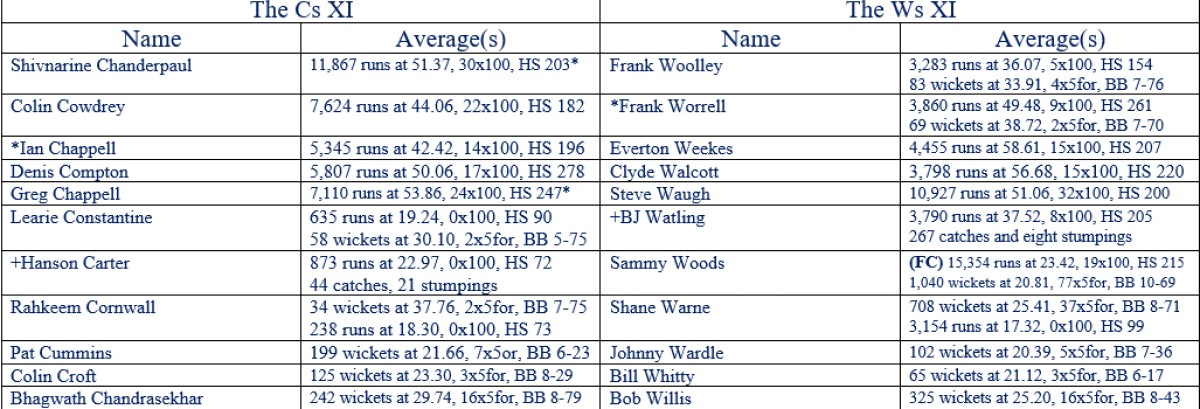
The Cs have theoretically the better opening pair, but Worrell and Woolley were more suited to opening than Chanderpaul and Cowdrey. Weekes is massively clear of Chappelli with the bat, and Worrell probably just wins the captaincy side of that match up. Walcott beats Compton, while G Chappell is just ahead of Waugh. Watling massively outbats Carter, but the Aussie was the finer keeper. Woods outranks Constantine in both departments. Cummins and Croft outrank Willis and Whitty as a new ball combo, although Whitty’s left arm reduces the margin between these combos. Woods’ advantage over Constantine, and the presence of Worrell as a fourth seam option gives the Ws a clear win in this department. Warne is clear of Chandrasekhar, and Wardle knocks the spots of Cornwall, and the Ws also have Woolley’s left arm orthodox spin as a third option in that department. There is no set of circumstances that enables the Cs to come out on top, so: Cs 0, Ws 5.
THE Cs V THE Xs
The Cs dominate the top batting, although Dexter wins his match up against Chappelli. As against that, Chappelli was a much better skipper than Kippax. Axar Patel beats Constantine in both departments. The Xs are well down in the pace bowling department, but have lots of depth in the spin bowling department. Box was a legendary keeper, and bearing in mind that the best batter of his era, Fuller Pilch, averaged less than 20, he is not outgunned by Carter in that department either. The Cs win this one, but not in a whitewash: Cs 4, Xs 1.
THE Cs PROGRESS REPORT
The Cs accrued 10 points out of 25 today, meaning that they now have 33 points out of 115, 28.69%.
PHOTOGRAPHS
I have a huge photo gallery to share today. To view a photo at full size just click on it
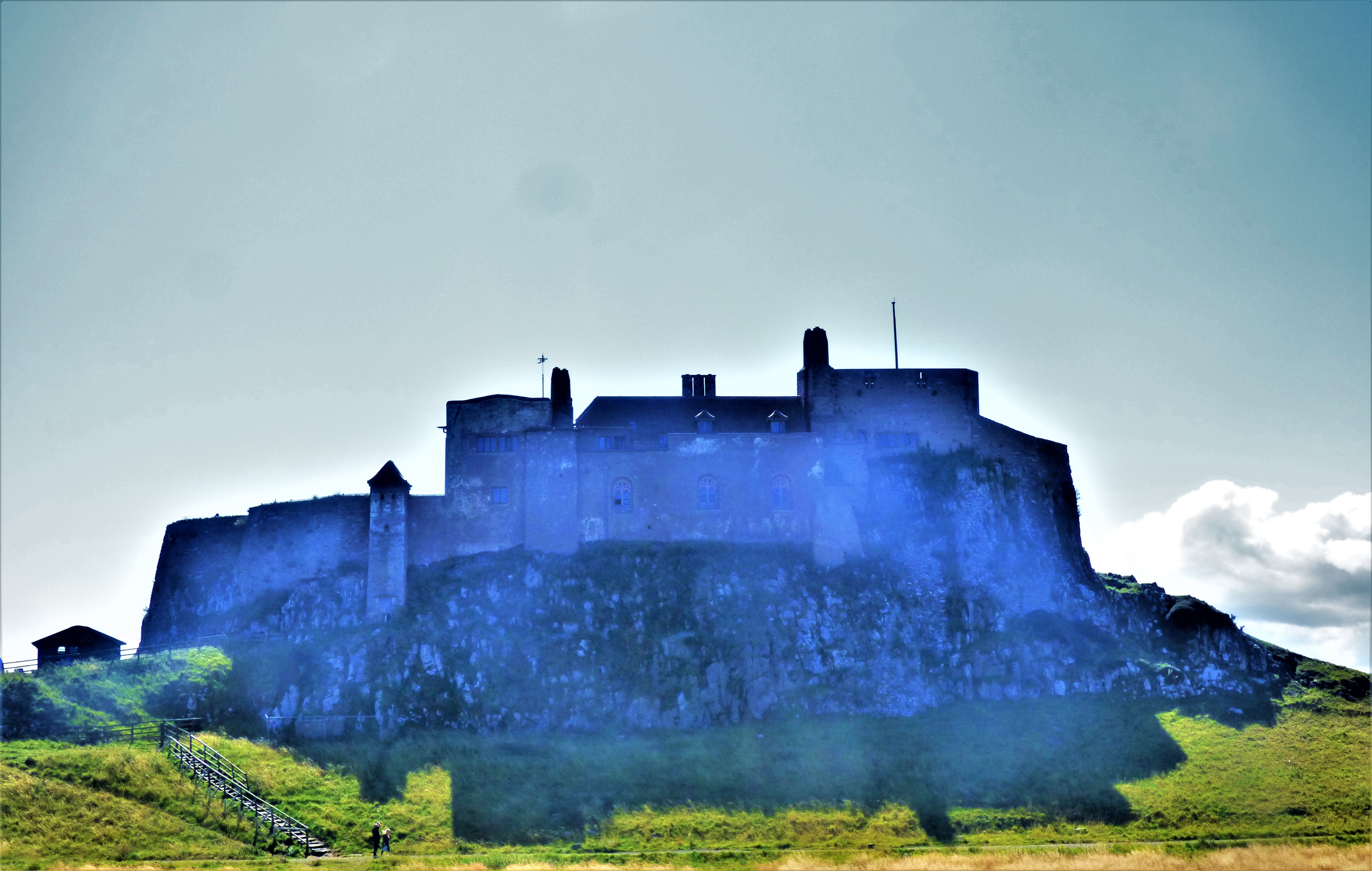
Continuing my account of my recent long weekend away, with a look at Lindisfarne Lime Kilns and the Gertrude Jekyll walled garden.
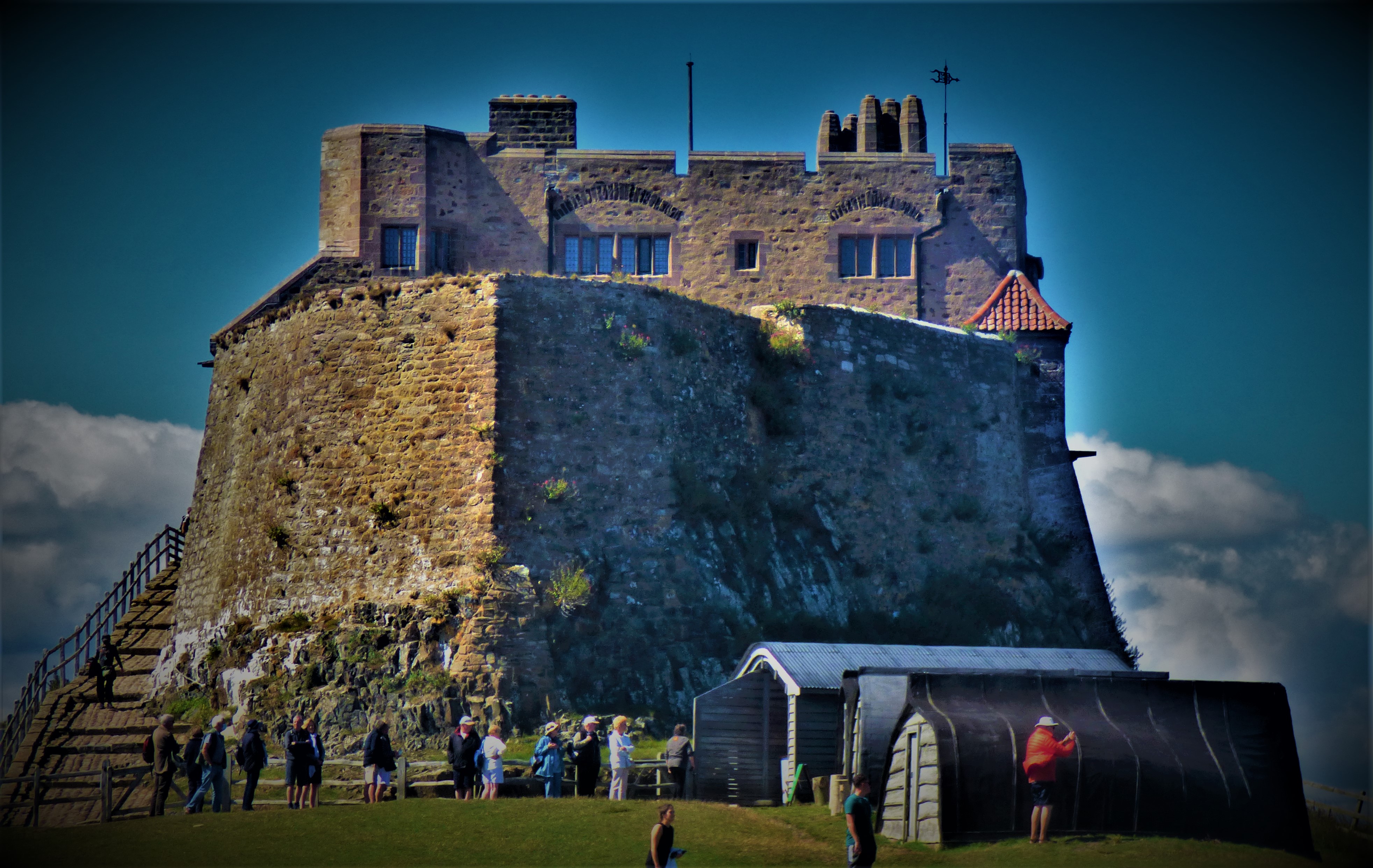
My previous post in this somewhat syncopated series which deals with the period 14-17 August inclusive started my coverage of Holy Island/ Lindisfarne. This post continues the story, taking us right up to the entrance to the castle itself.
THE LIME KILNS
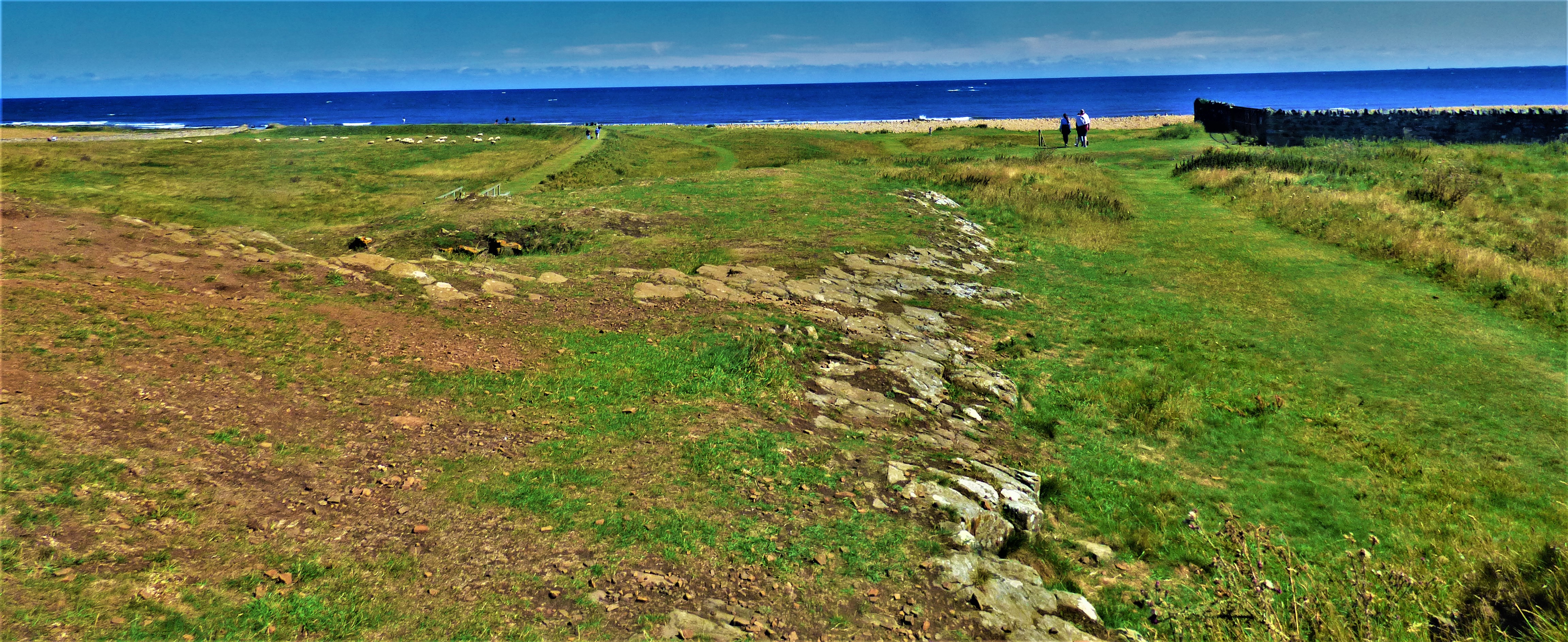
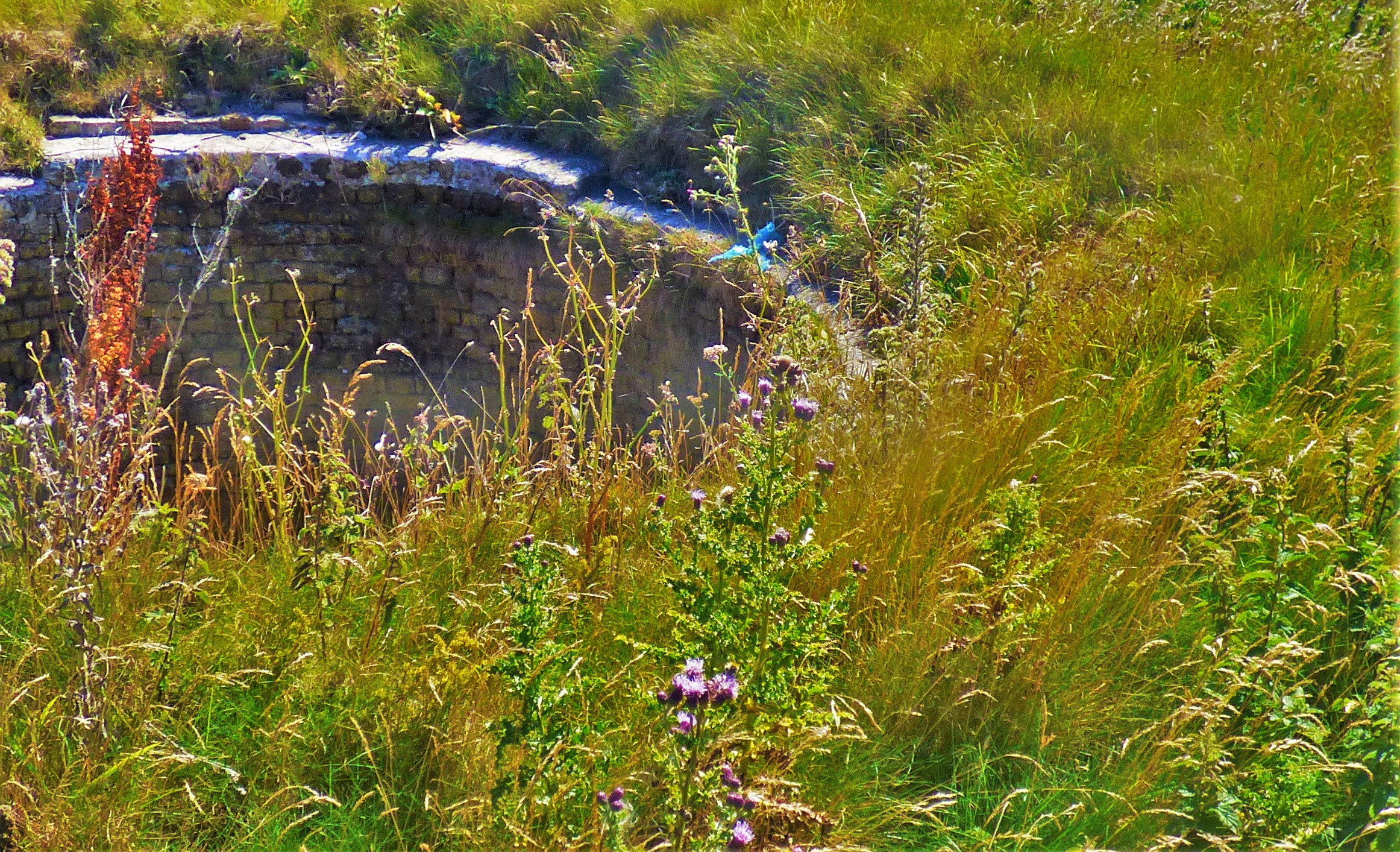
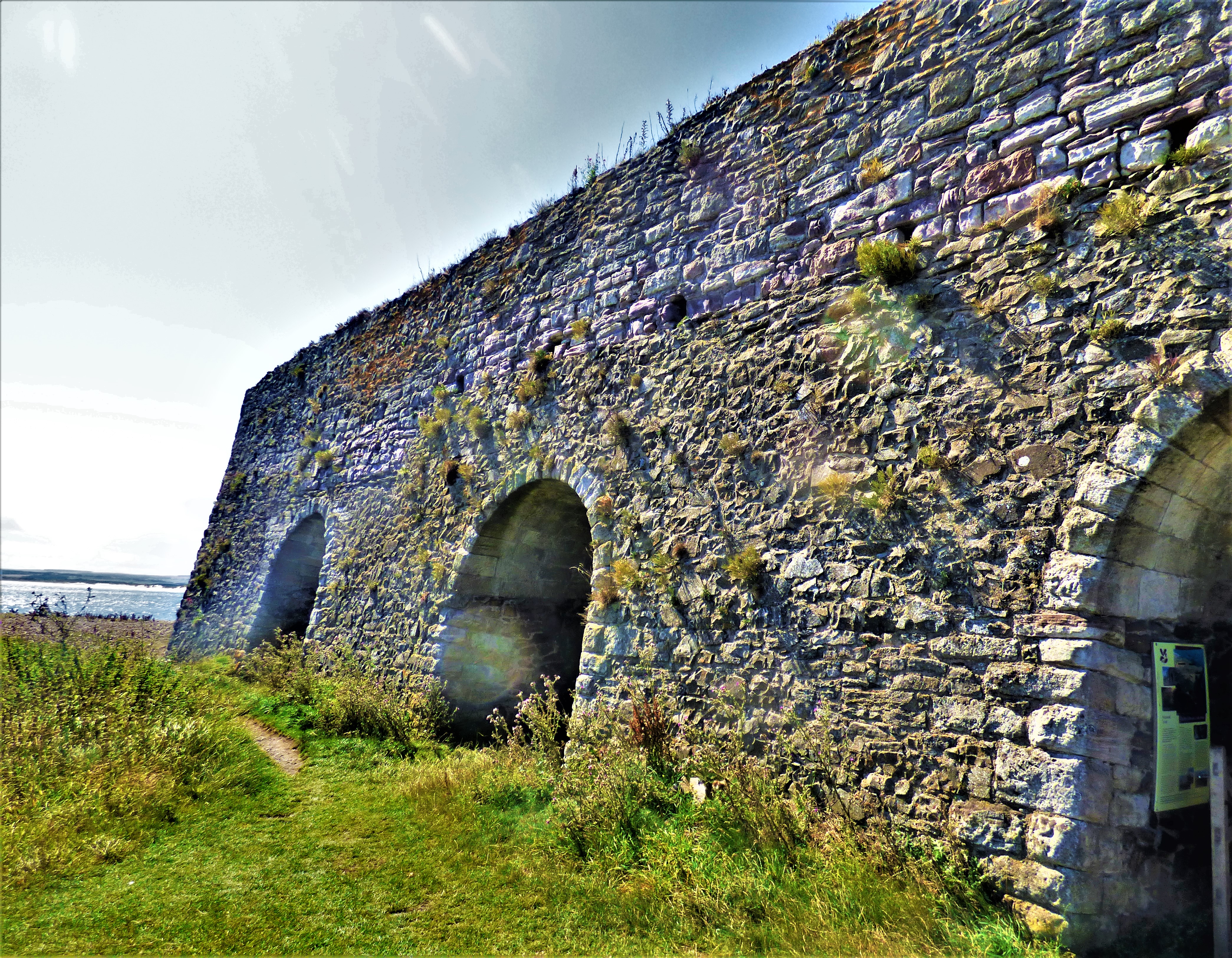
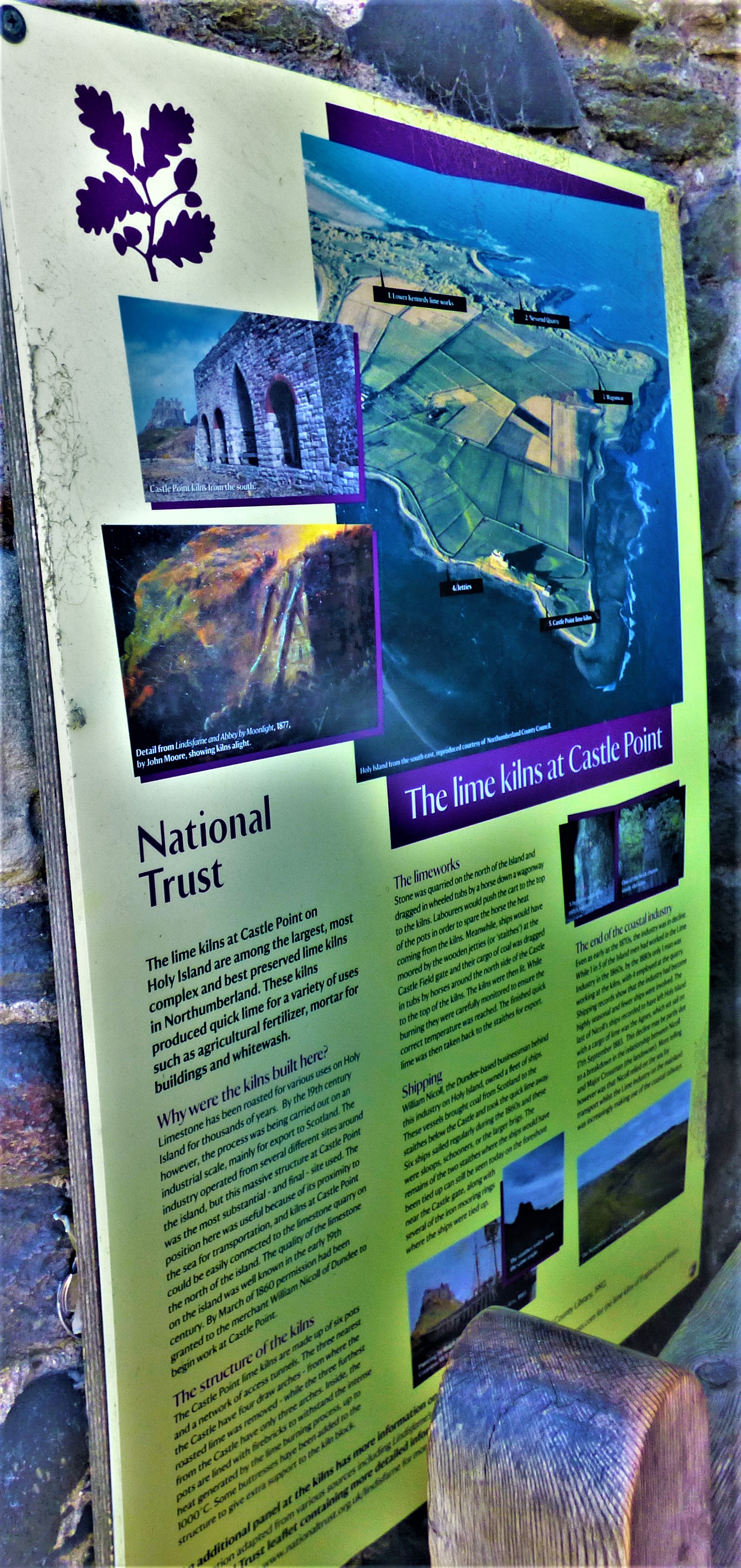
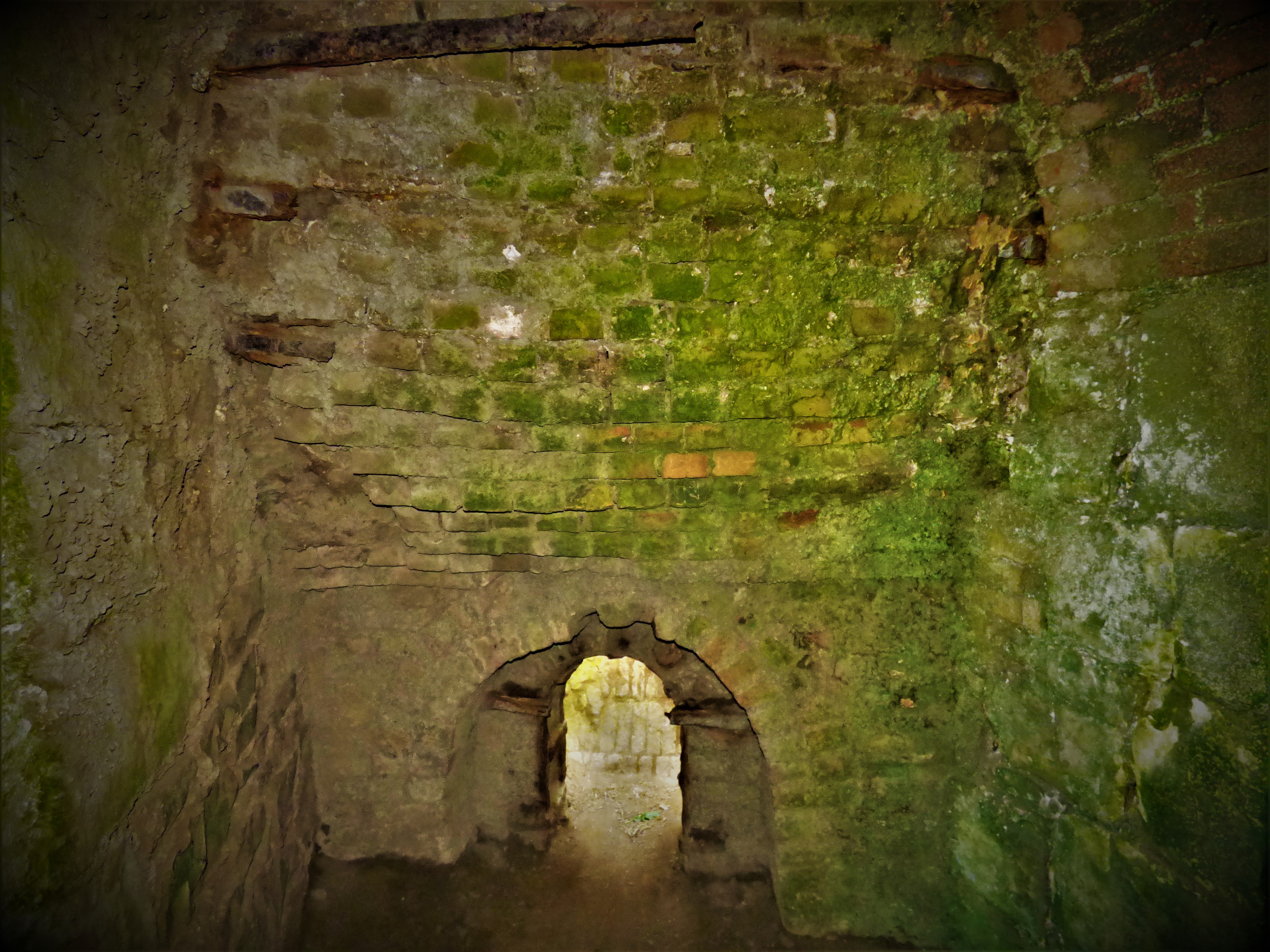
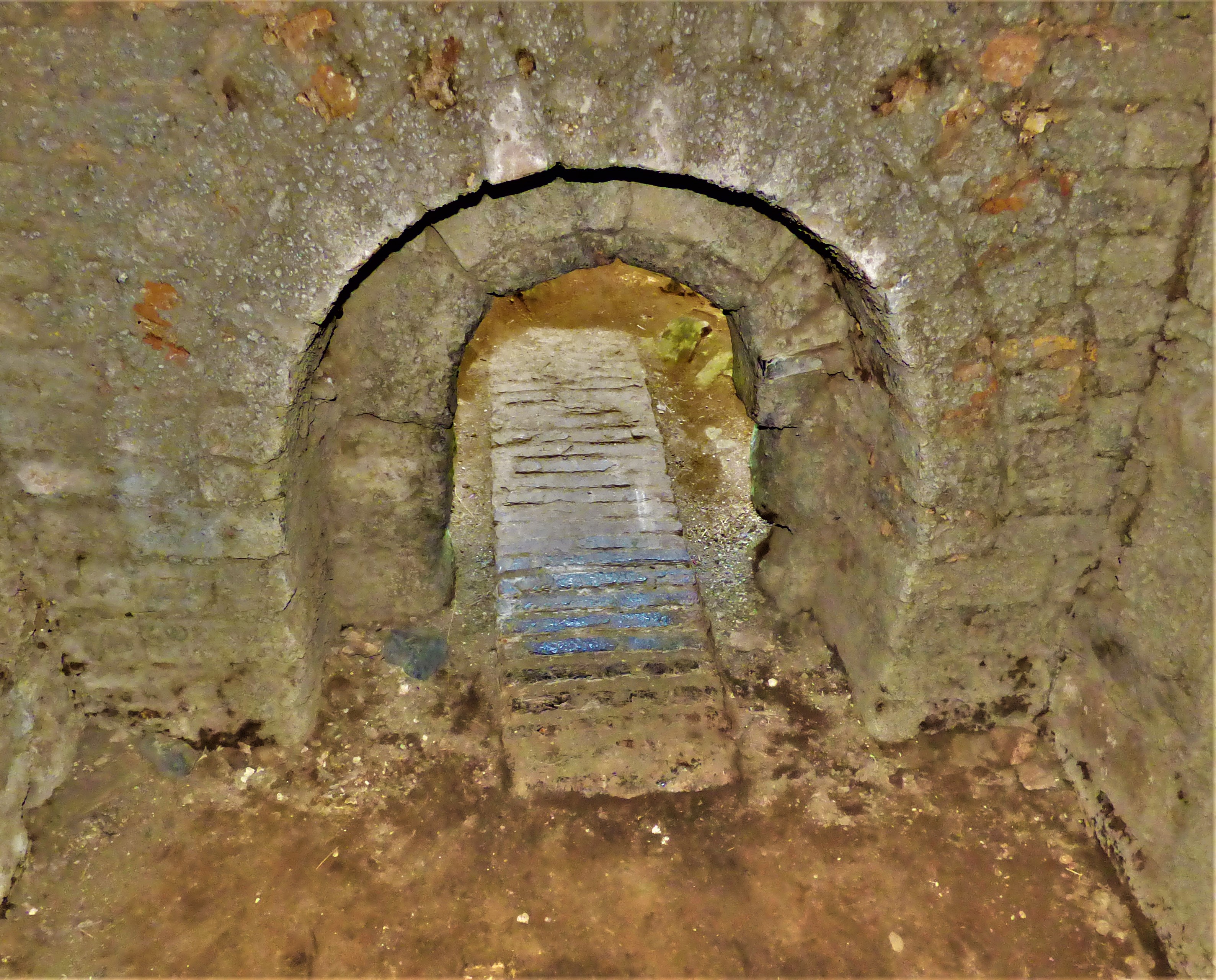
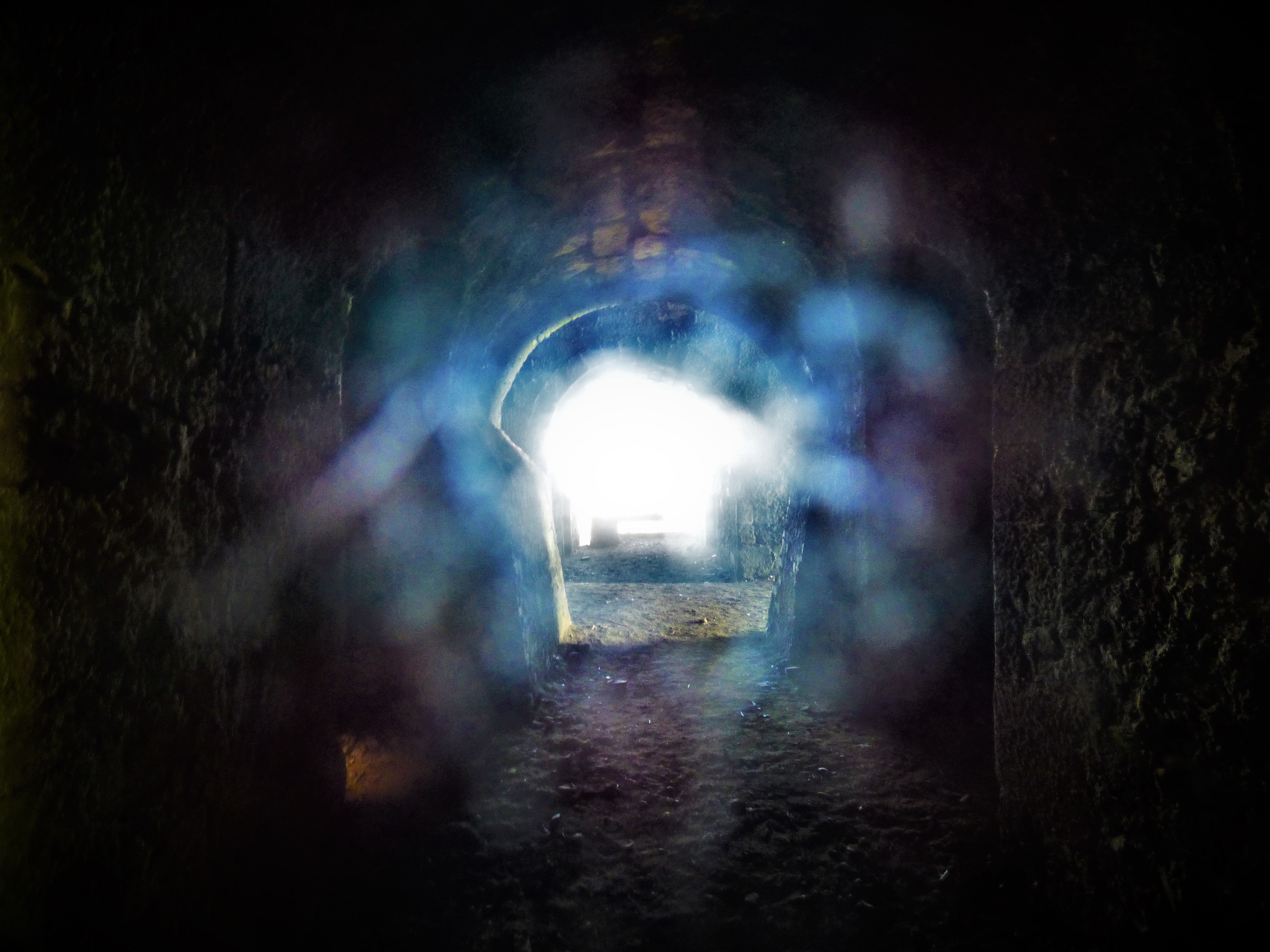
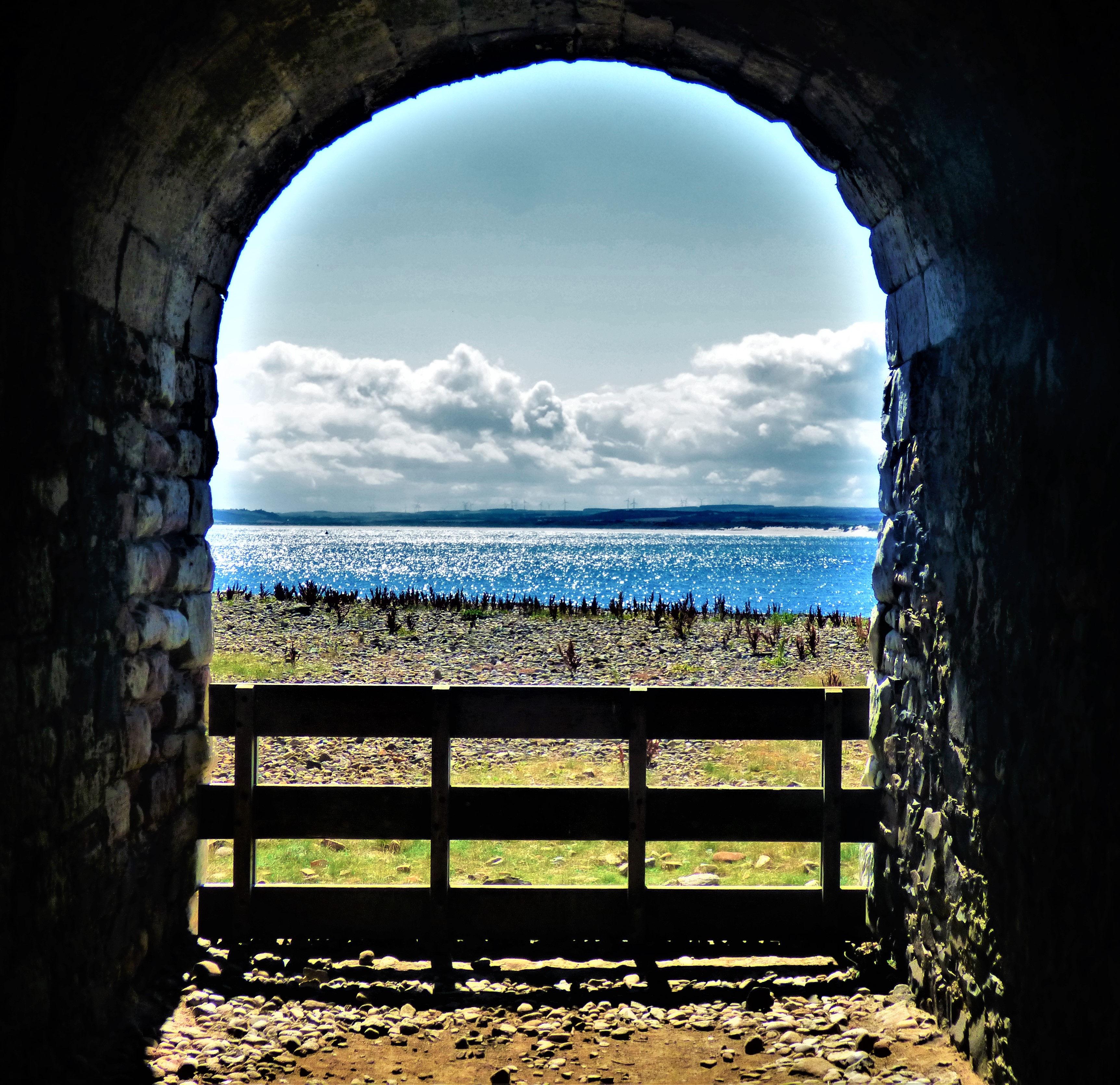
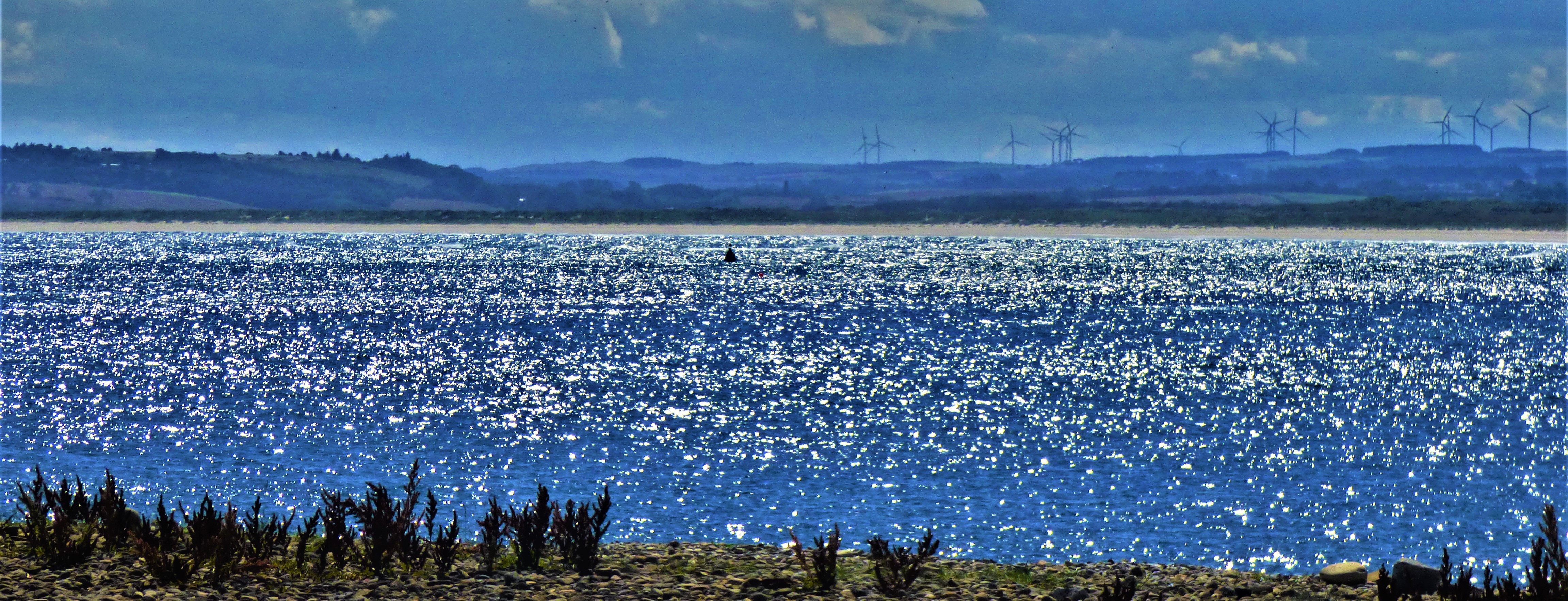
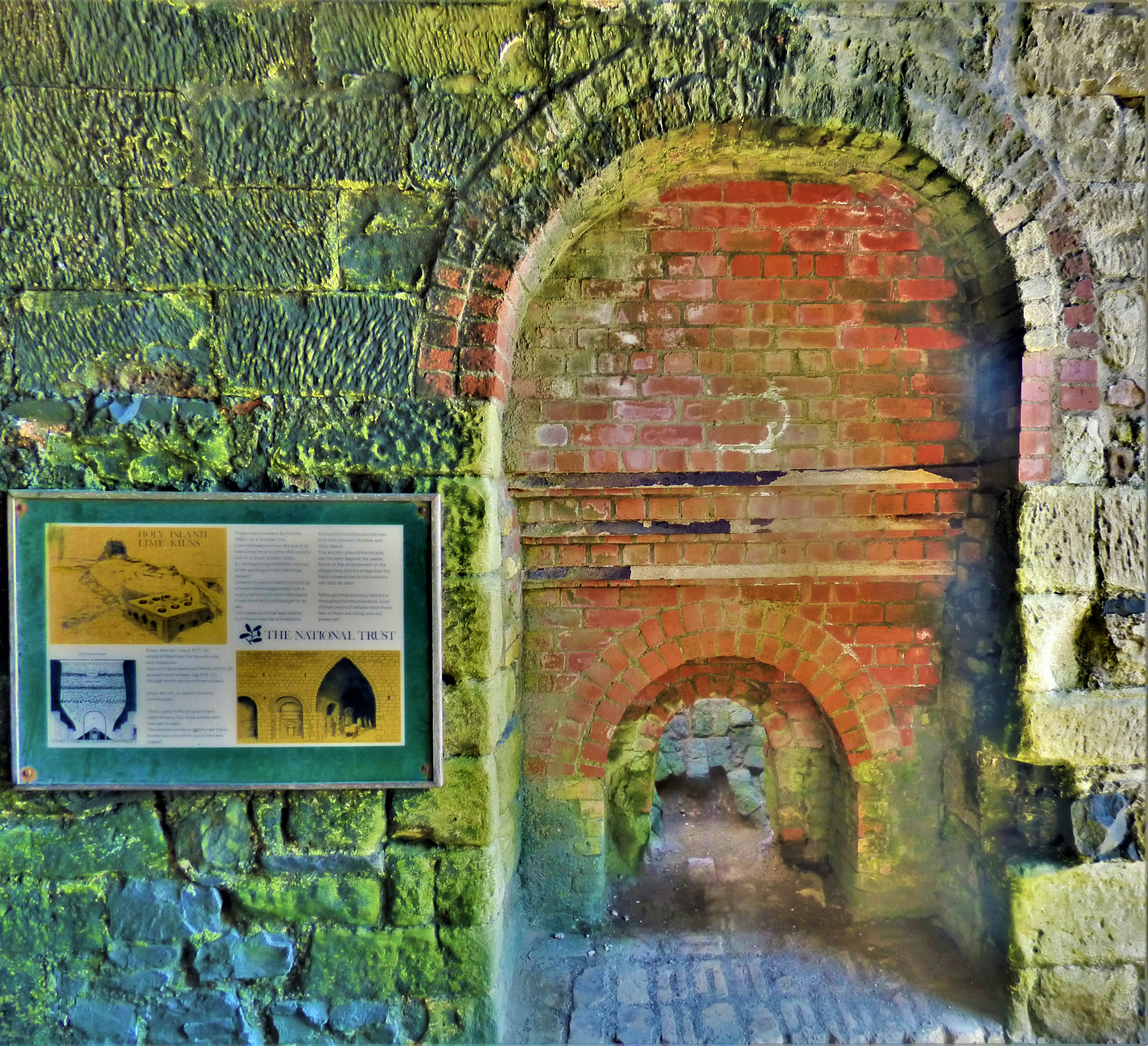
The top of the lime kilns are not accessible on safety grounds, being open shafts, but one can explore them at ground level, and I found doing so incredibly rewarding. This is basically an interconnecting network of high ceilinged tunnels, with brickwork still in fine condition. There are some fine sea views as well, and some interesting information about the history and use of the kilns.
THE JEKYLL GARDEN
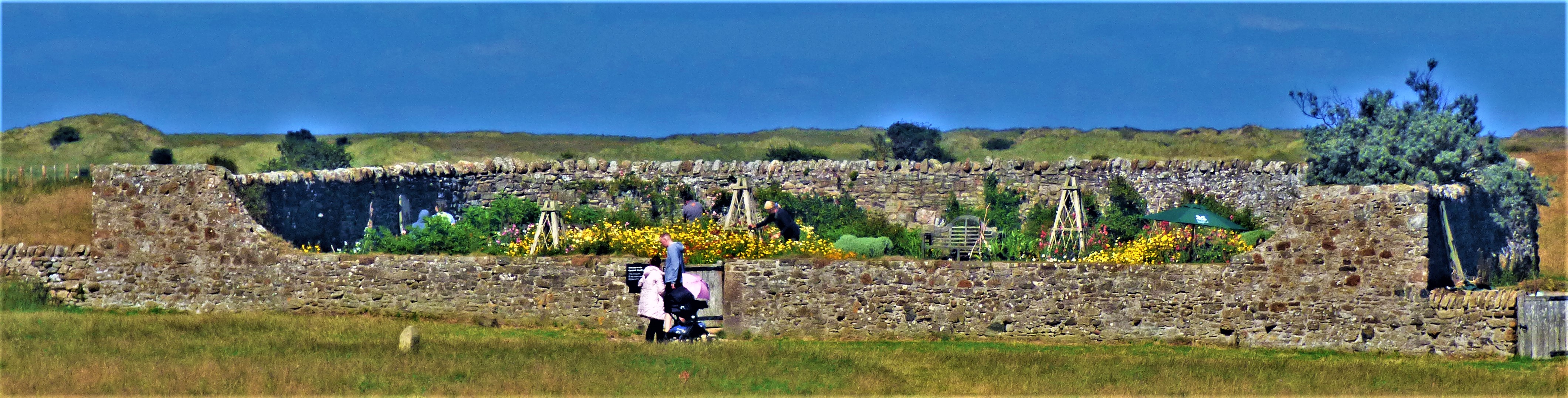
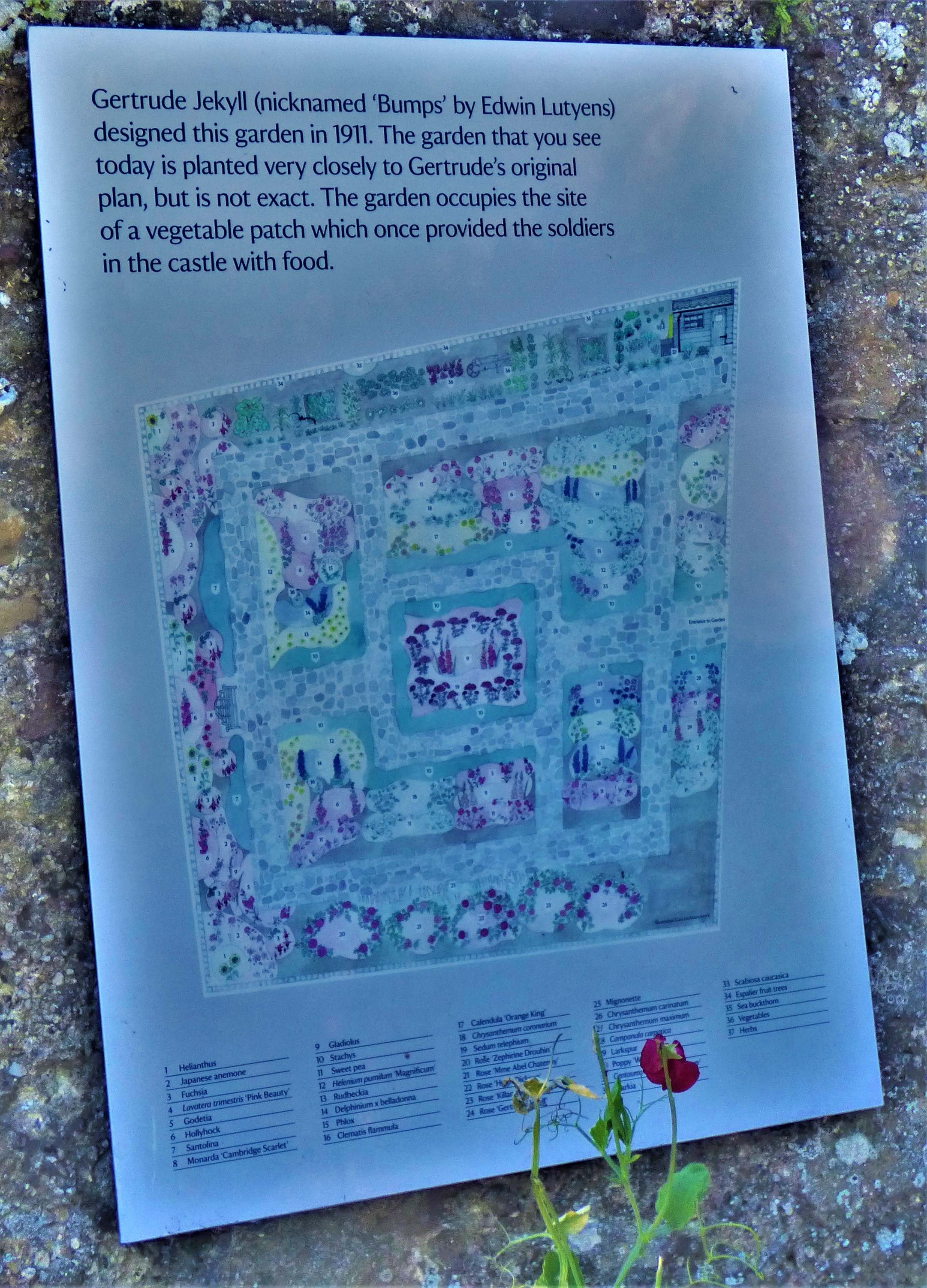
The walled garden, designed and laid out by Gertrude Jekyll (pronounced Jee-kull, not as Stephenson’s doctor is Jeck-ill) is very much in keeping with her original design which was an act of rebellion against formal Victorian gardens. There are some very interesting plants in there, and like the kilns it well repays a bit of exploring.
PHOTOGRAPHS
My usual sign off…
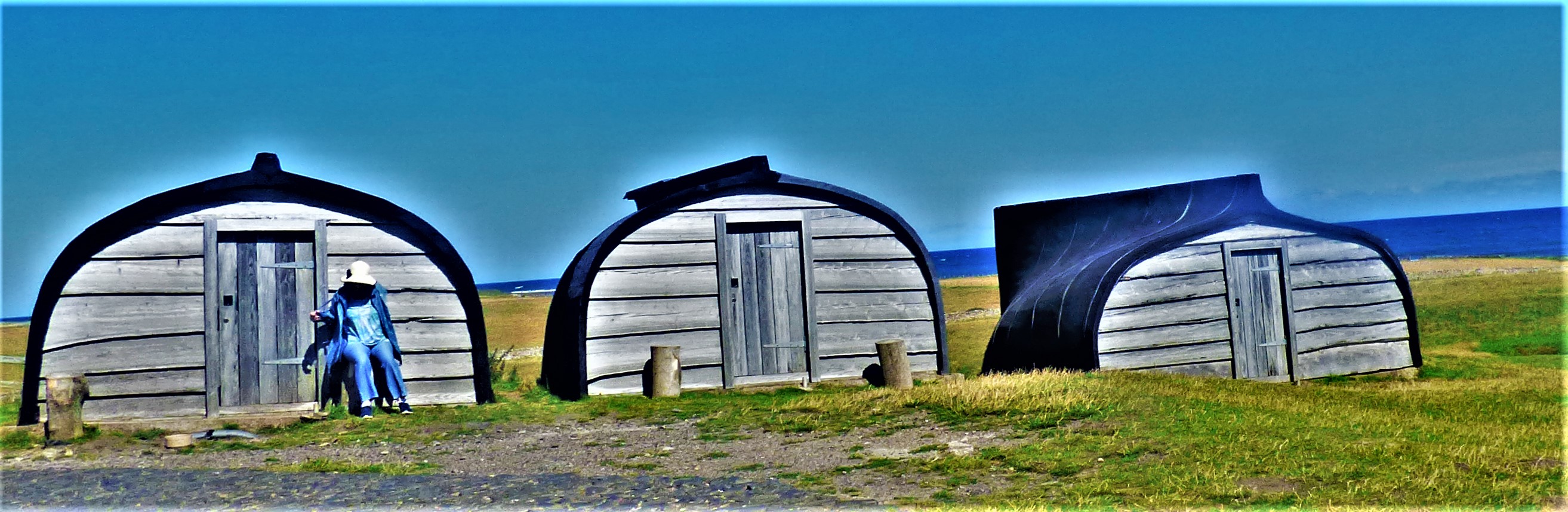
One way to reuse old boats that are no longer seaworthy – turn them into sheds!
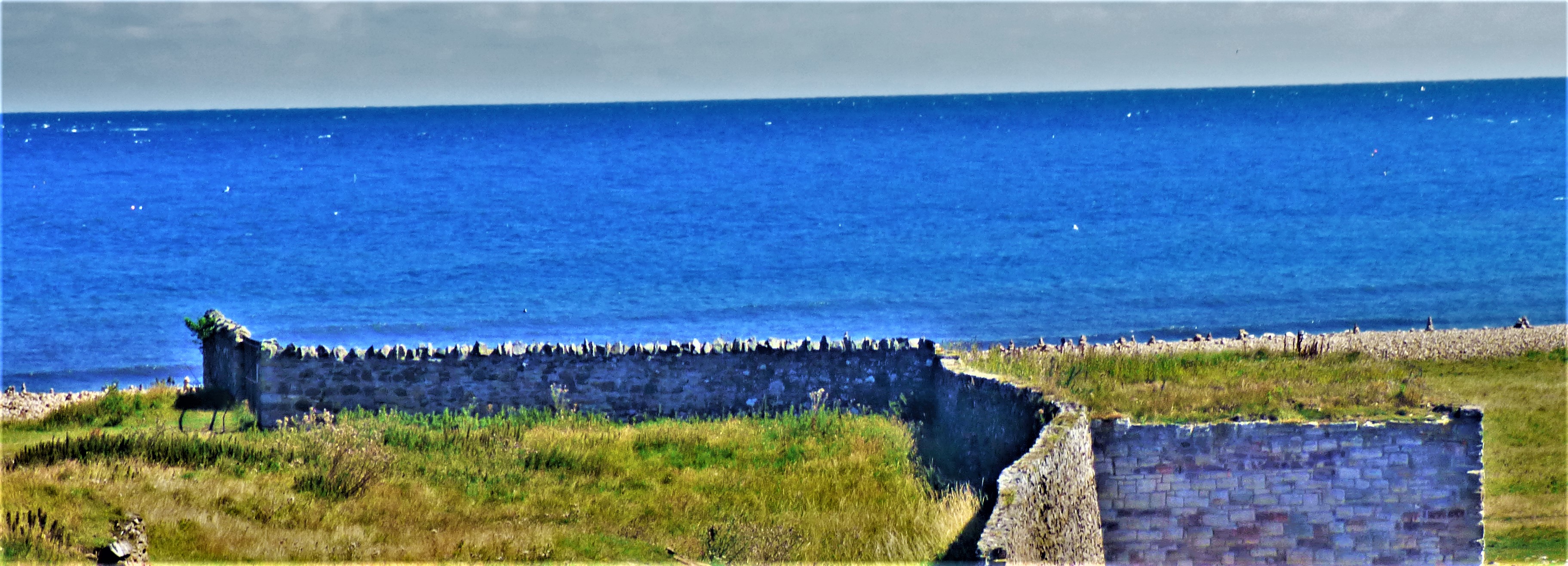
A distant shot of the Jekyll Garden
The ground level entrance to the kilns.
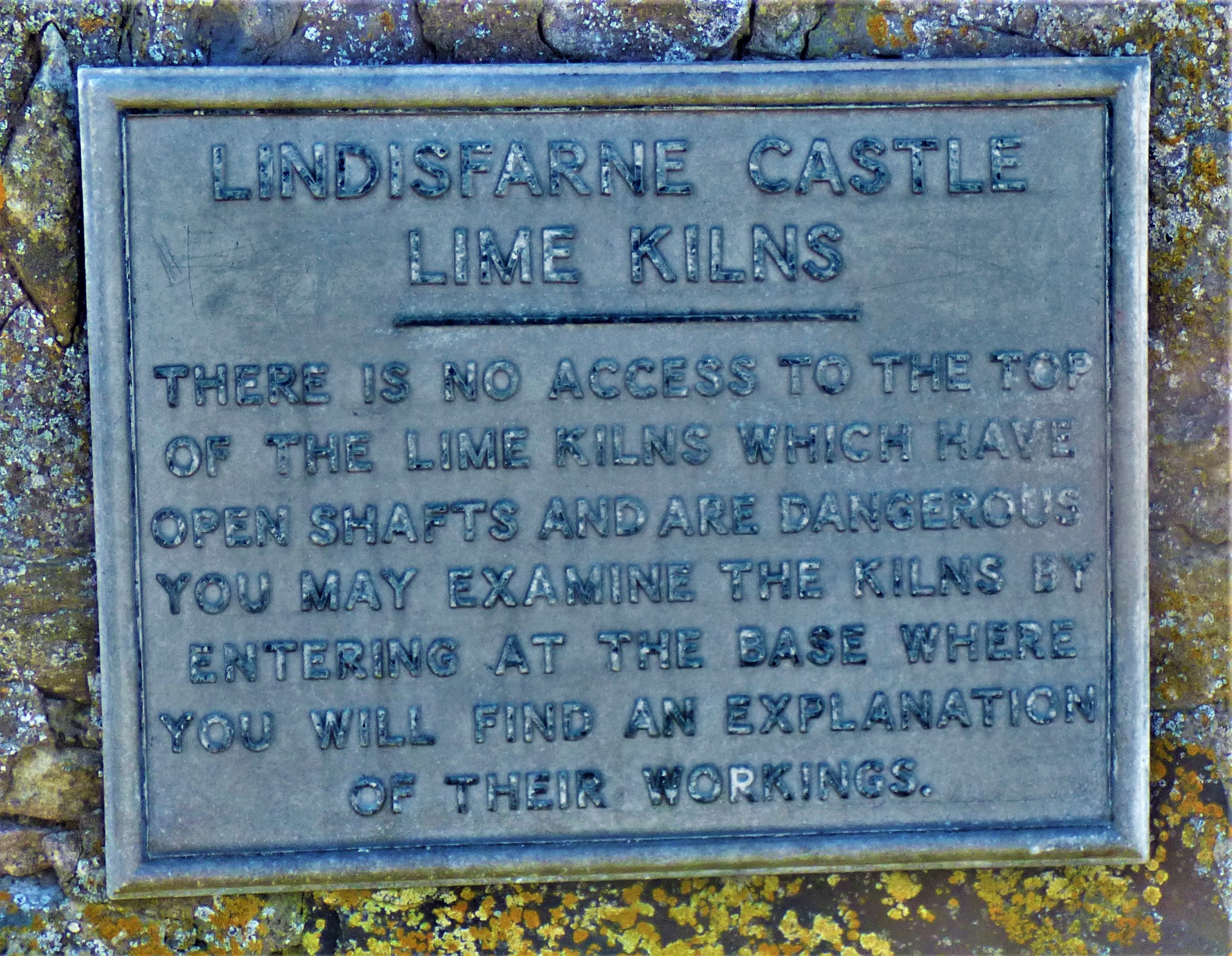
Info about the kilns
A rare example of me using the flash, to illuminate these tunnels.
The latest in my mini-series about my long weekend away (14-17 August).
Welcome to the continuation of this mini-series about my long weekend away (see here and here for the earlier posts). This post looks at the journey from South Wingfield to Wooler and the first evening at our accommodation there.
THE JOURNEY NORTH
According to google the journey from South Wingfield to Wooler was going to take just over three hours (relatively quick because most of the distance could be covered on the M1/ A1, and even after leaving the A1 we were not going onto a minor road). A petrol stop early in the journey and a service station stop later added a little time to the basic estimate, but we still arrived at our destination by 17:40.
Then with the aid of a site map we located the particular property we were staying in (there are currently about 30 separate cottages on the site and more are being developed). Setting ourselves up did not take very long, although the fold out bed that I would be sleeping in caused momentary concern.
EXPLORING THE SITE
In the early evening my parents and I took a walk around the site, which proved quite rewarding, and was a good way to bring the day’s activities to a close.
PHOTOGRAPHS
My usual sign off…
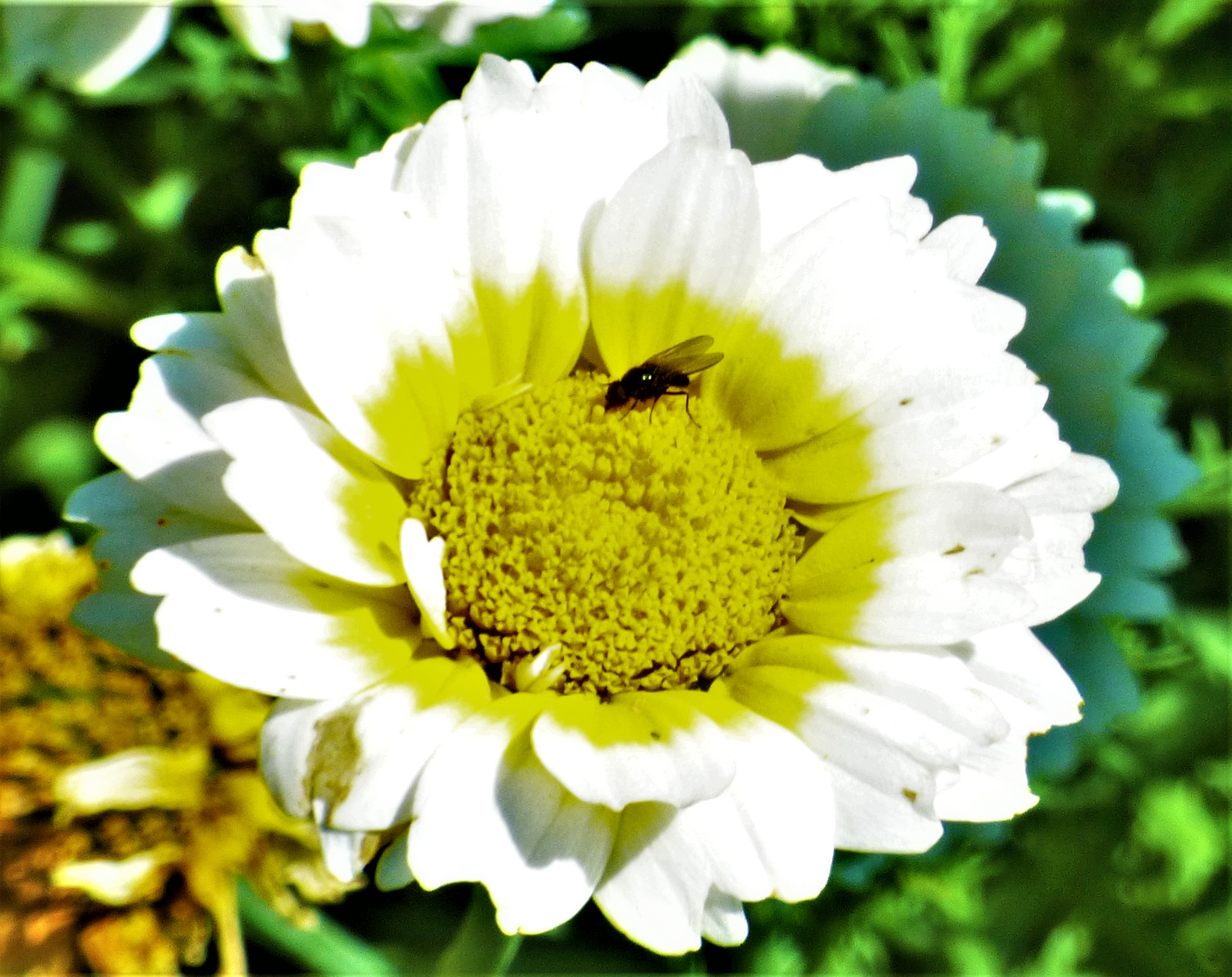
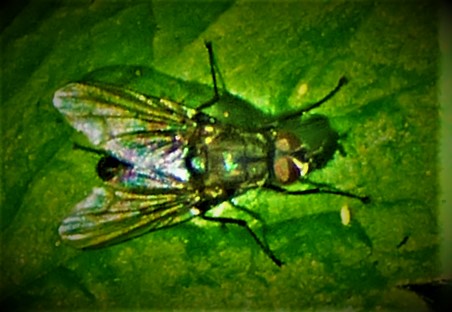
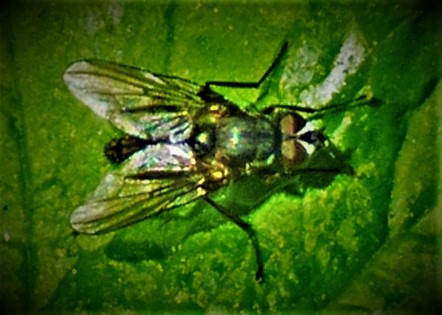
A bug exploring the car window
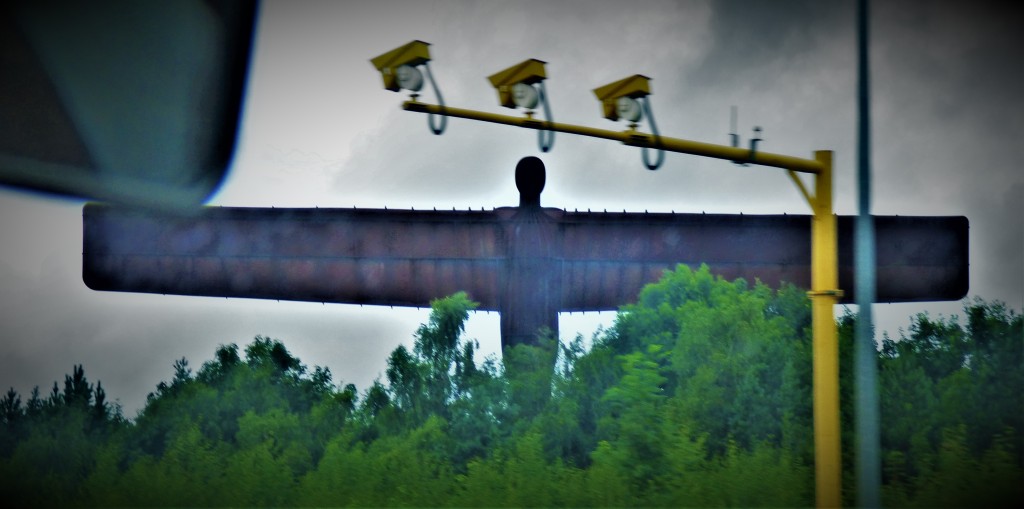
The Angel of the North (through a window and from the wrong side of a very major road)
The site map.
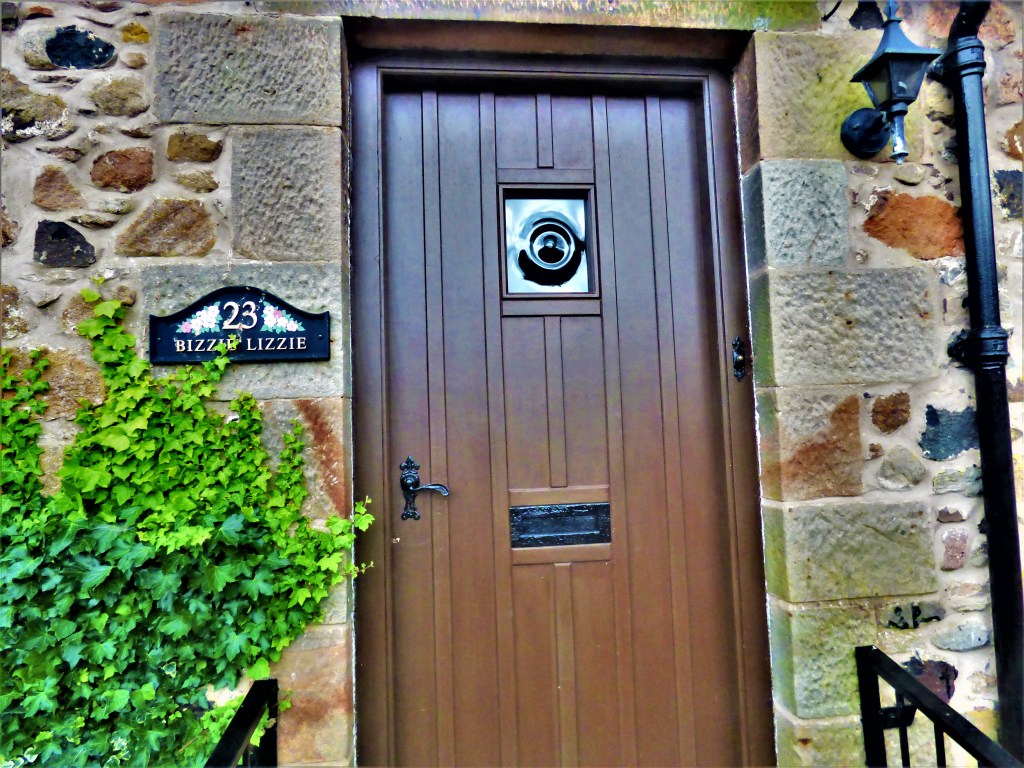
The front door of our accommodation.
There are ‘vanity plates’ and then there is this!
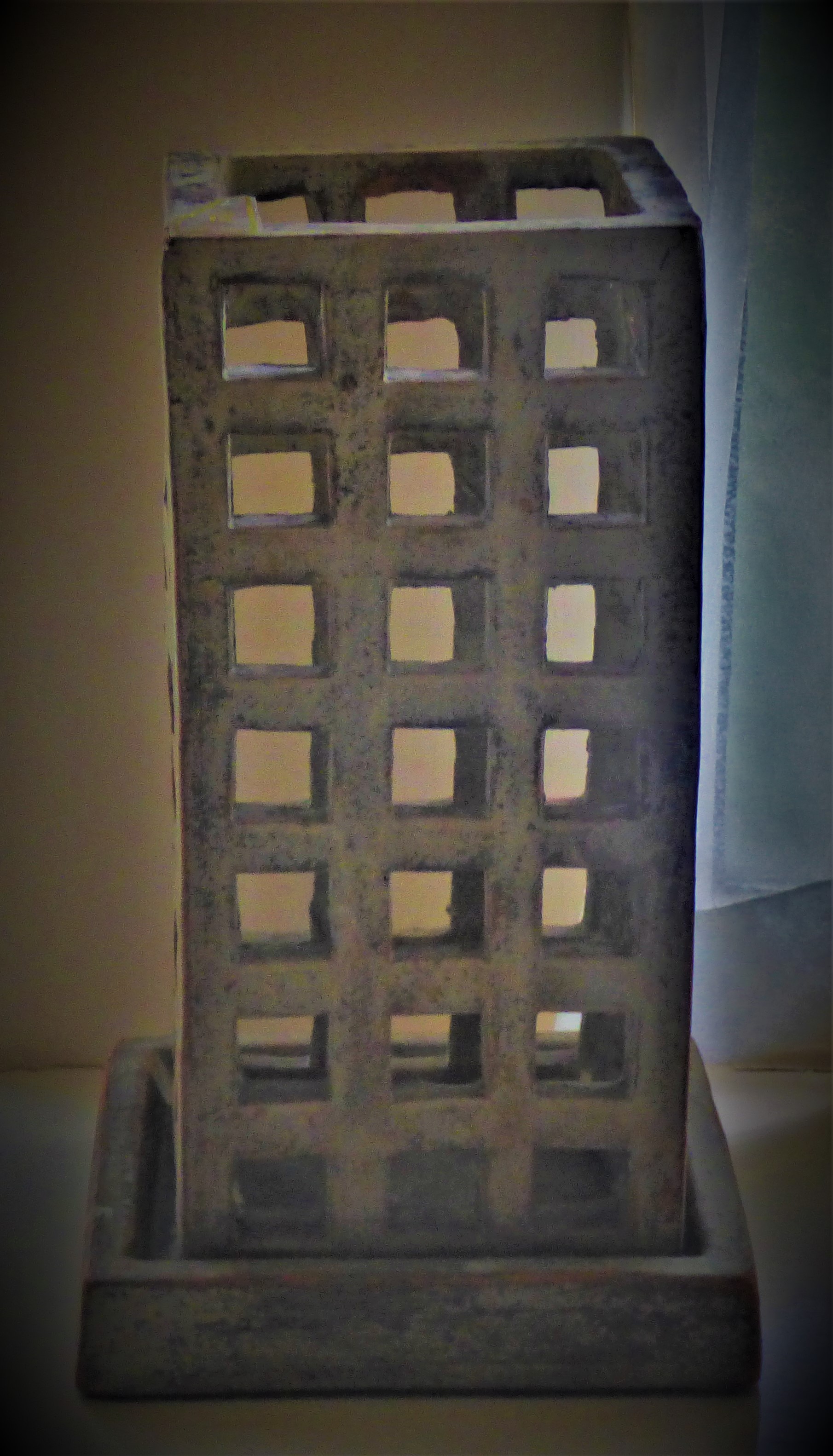
An abstract sculpture, maybe intended to represent an apartment block (I have a similarly abstract and minimalist ziggurat sculpture just inside my front door at home)
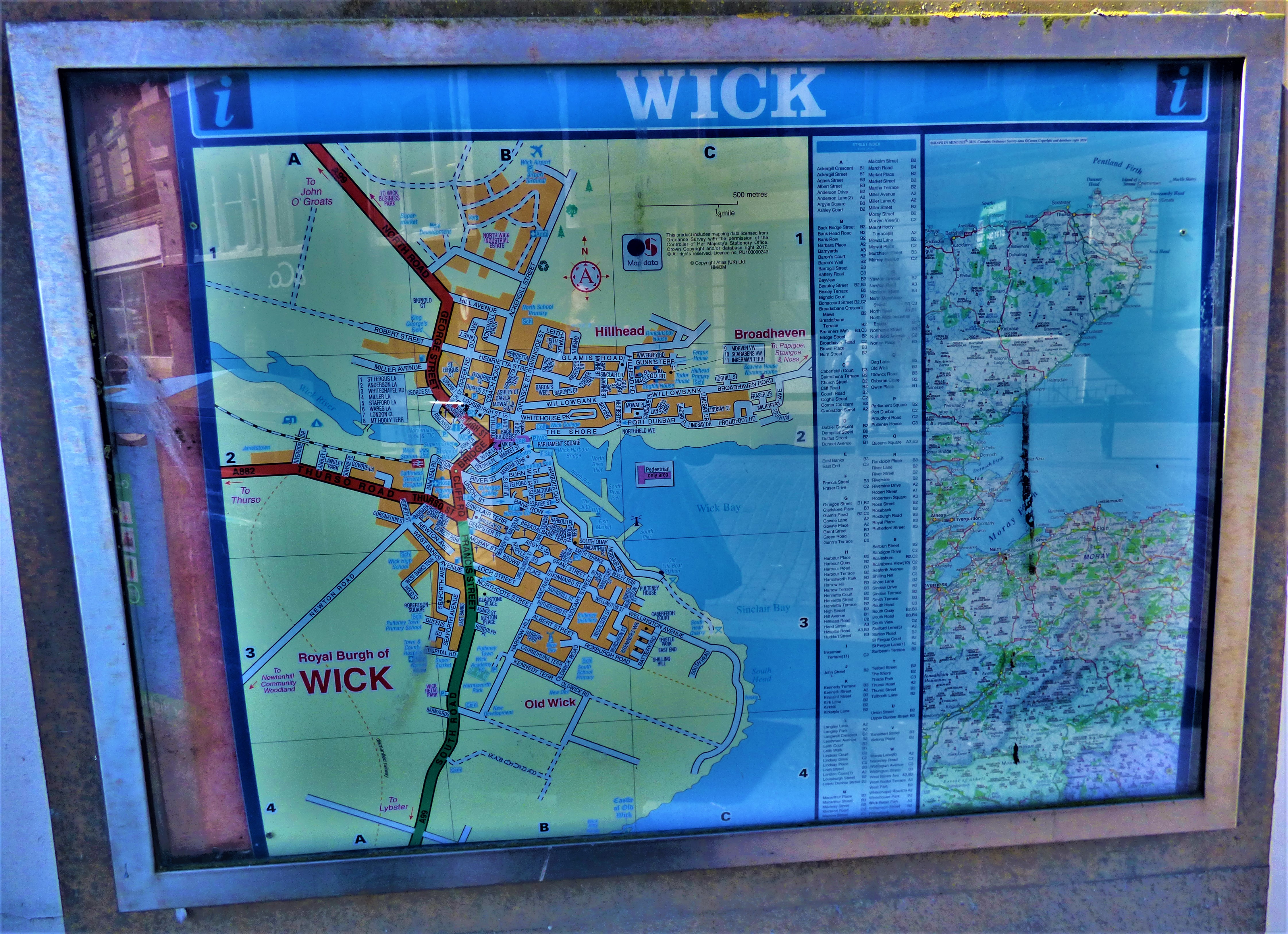
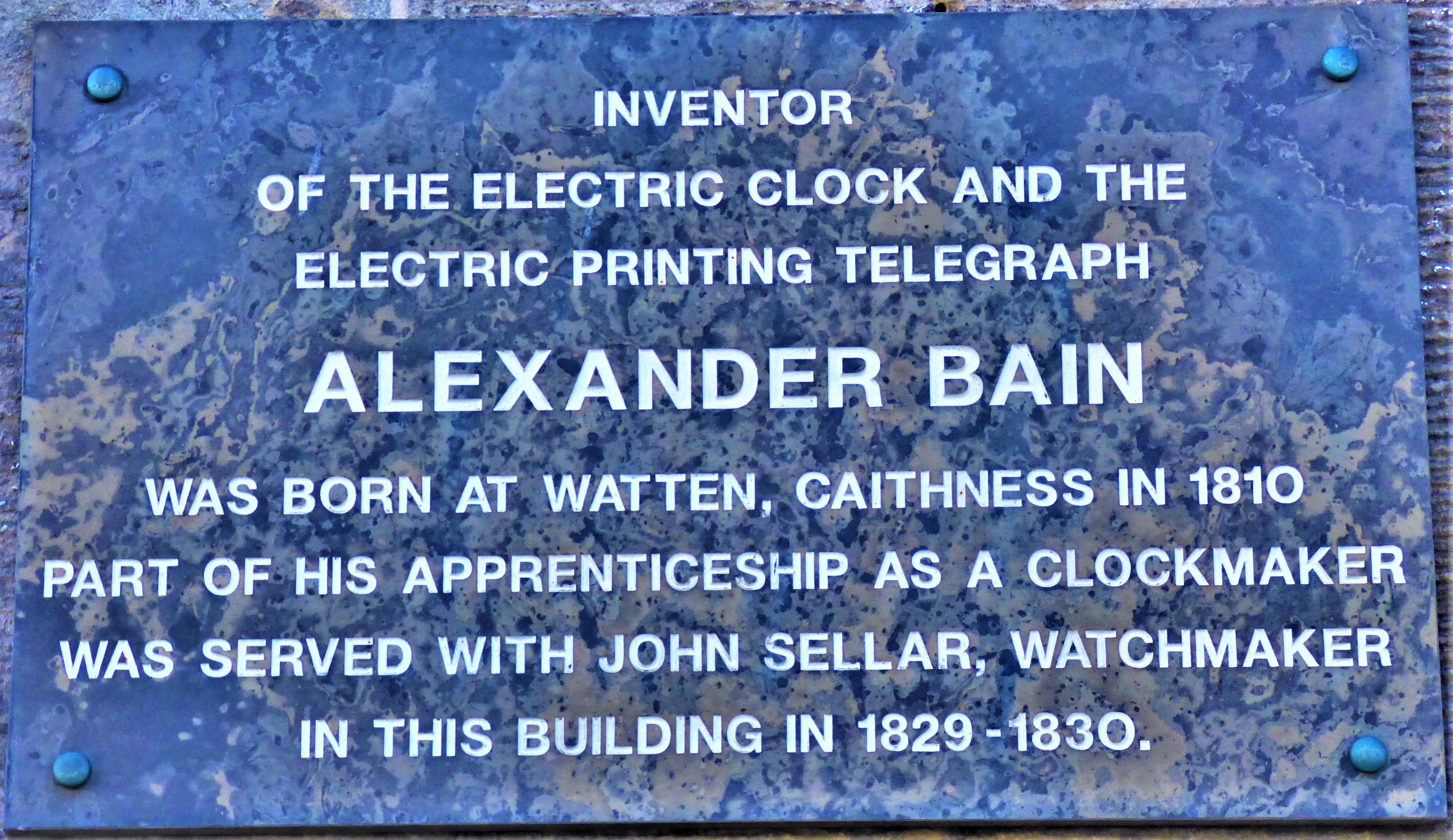
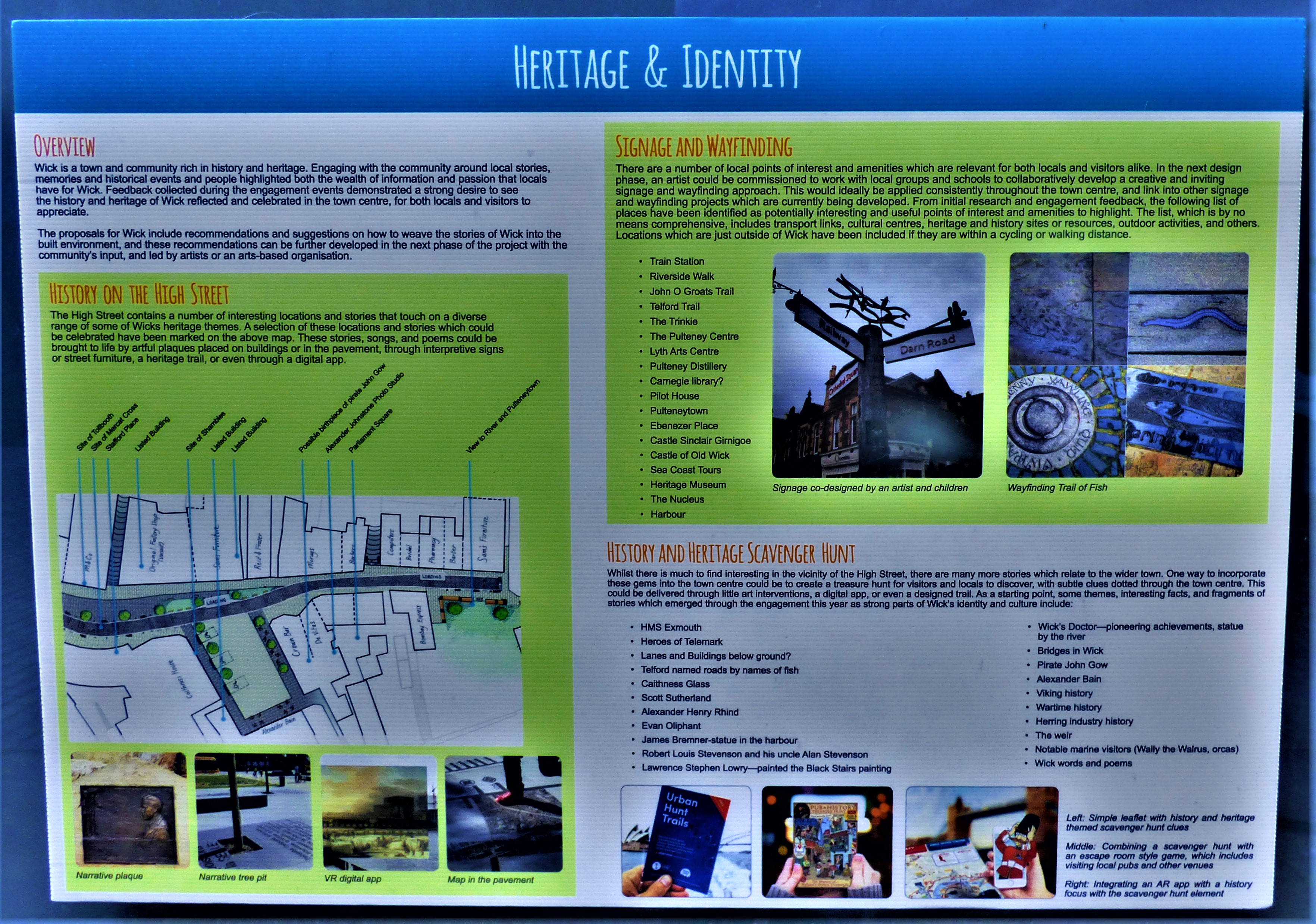
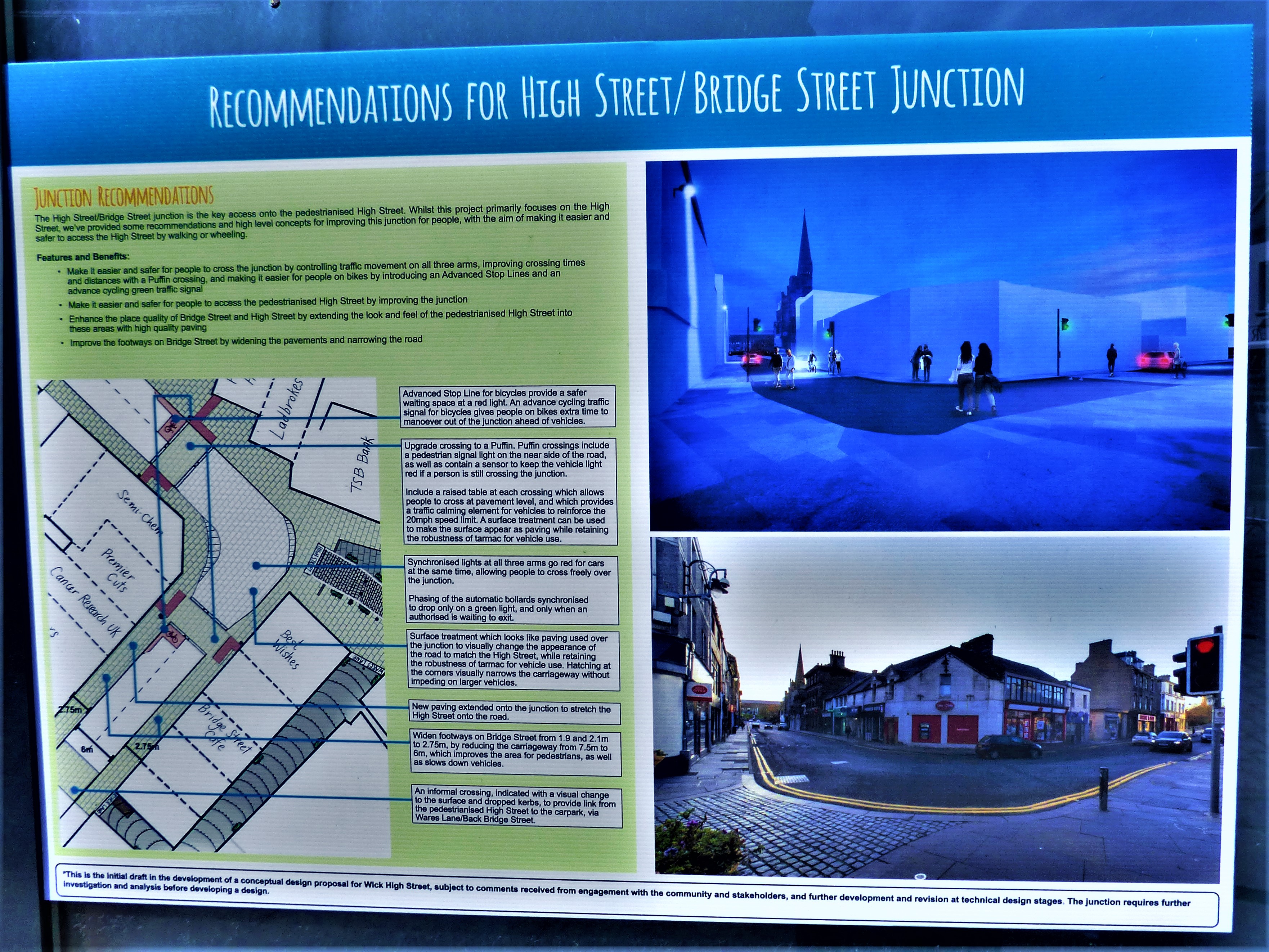
An account of my day in Wick near the end of my recent Scottish holiday.
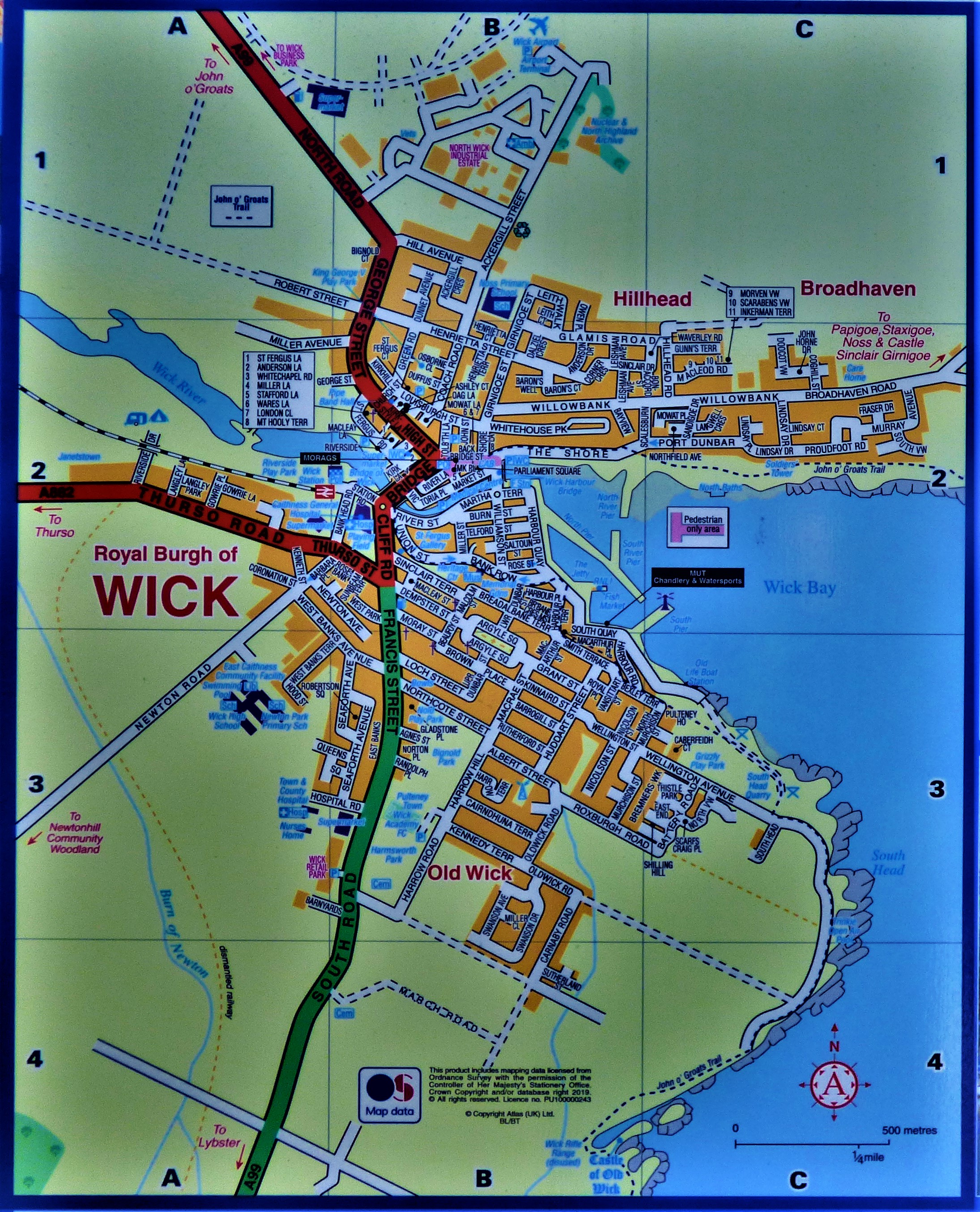
We have reached the last full day of my Scottish holiday (May 28 – June 5th), the Friday which I spent in Wick (a mix up over booking times meant that I had an extra day in Scotland after we were supposed to leave the house in which we had been staying, having missed the first day, so I was booked into a hotel in Wick, from whence I was departing early on the Saturday morning).
ARRIVING IN WICK
I was dropped at the Norseman Hotel in Wick, where I would be staying overnight. Unfortunately it was far too early to check in, but fortunately I was able to deposit my larger bag at the hotel which meant that I had at least some freedom of movement.
ETYMOLOGICAL NOTE
Wick derives from Old Norse and means ‘bay’ in English. It is most often seen as a place name ending, with -wich, as in Norwich, an alternative version. The -vik of Narvik in northern Norway derives from the same root. The fact that Wick has no prefix indicates that when it was first settled it was the only bay in the area that was considered significant.
EXPLORING WICK
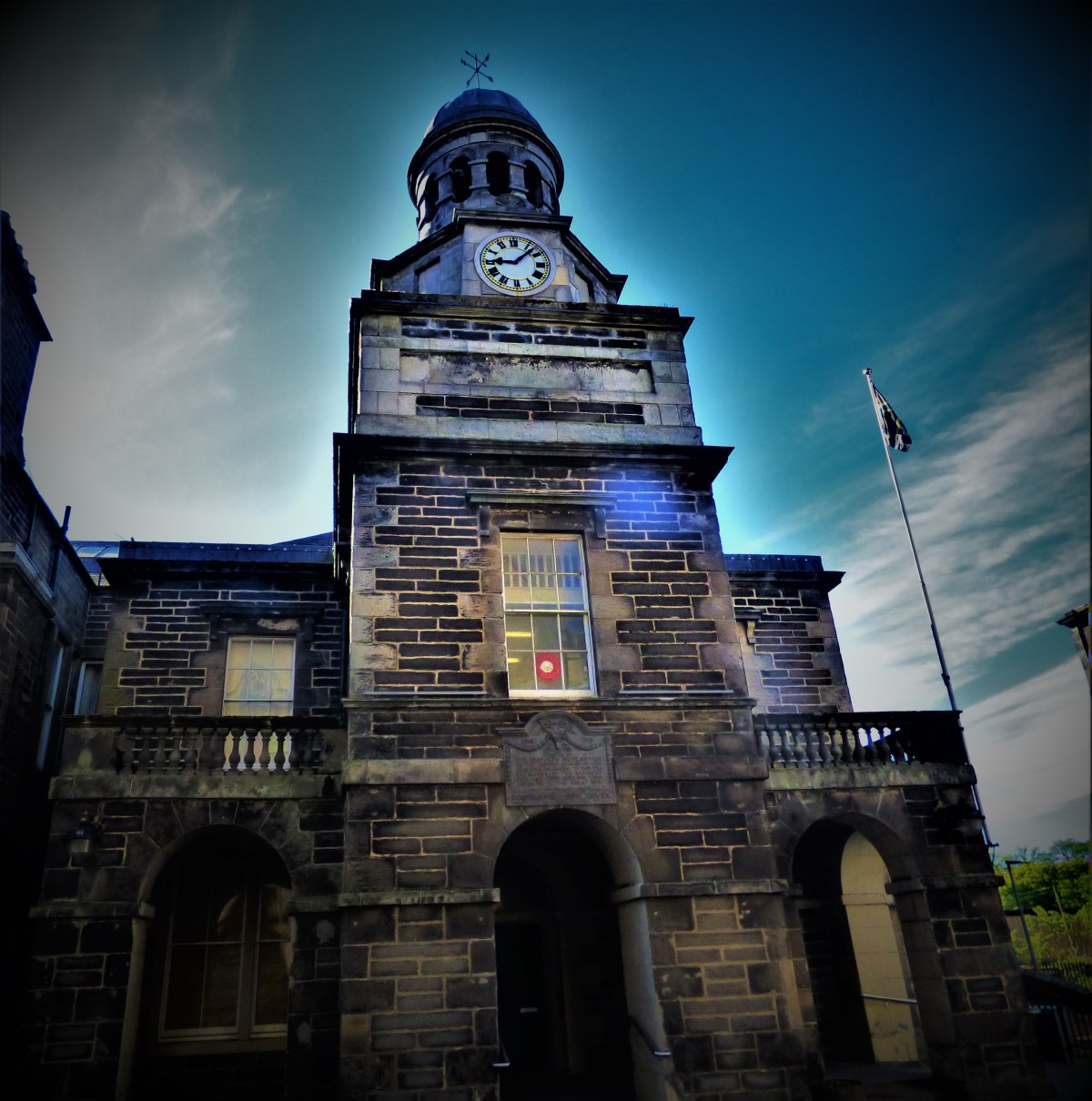
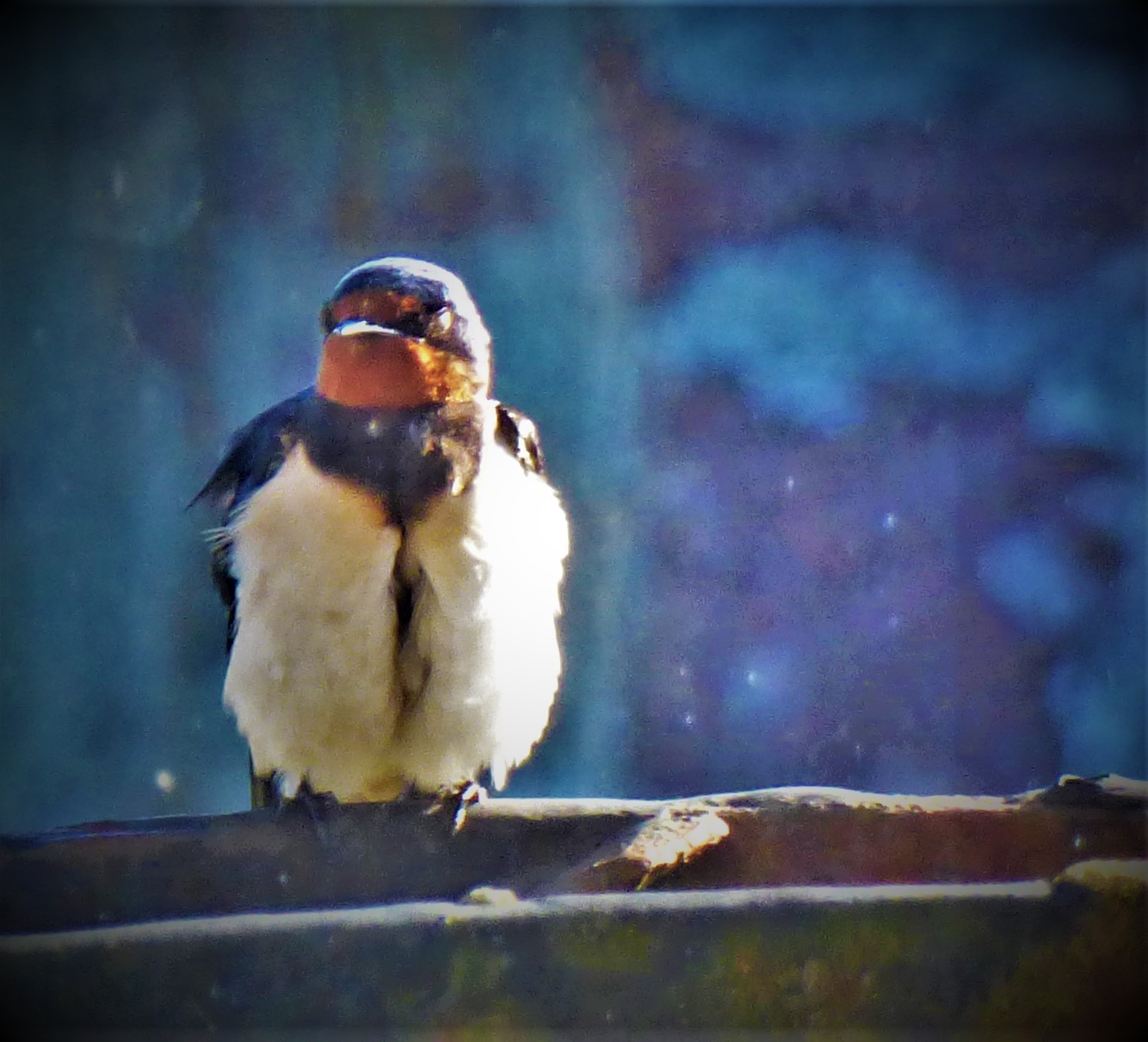
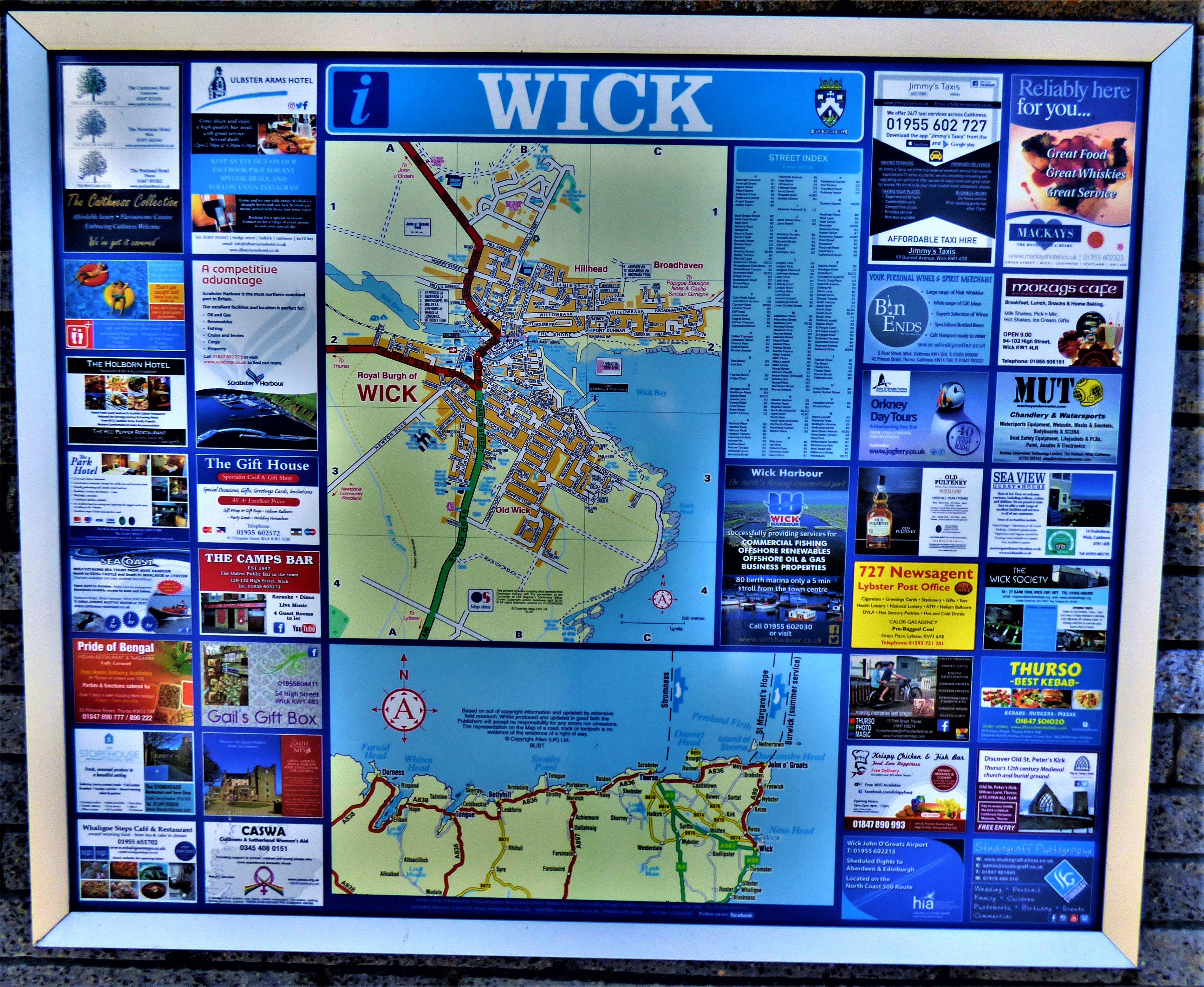
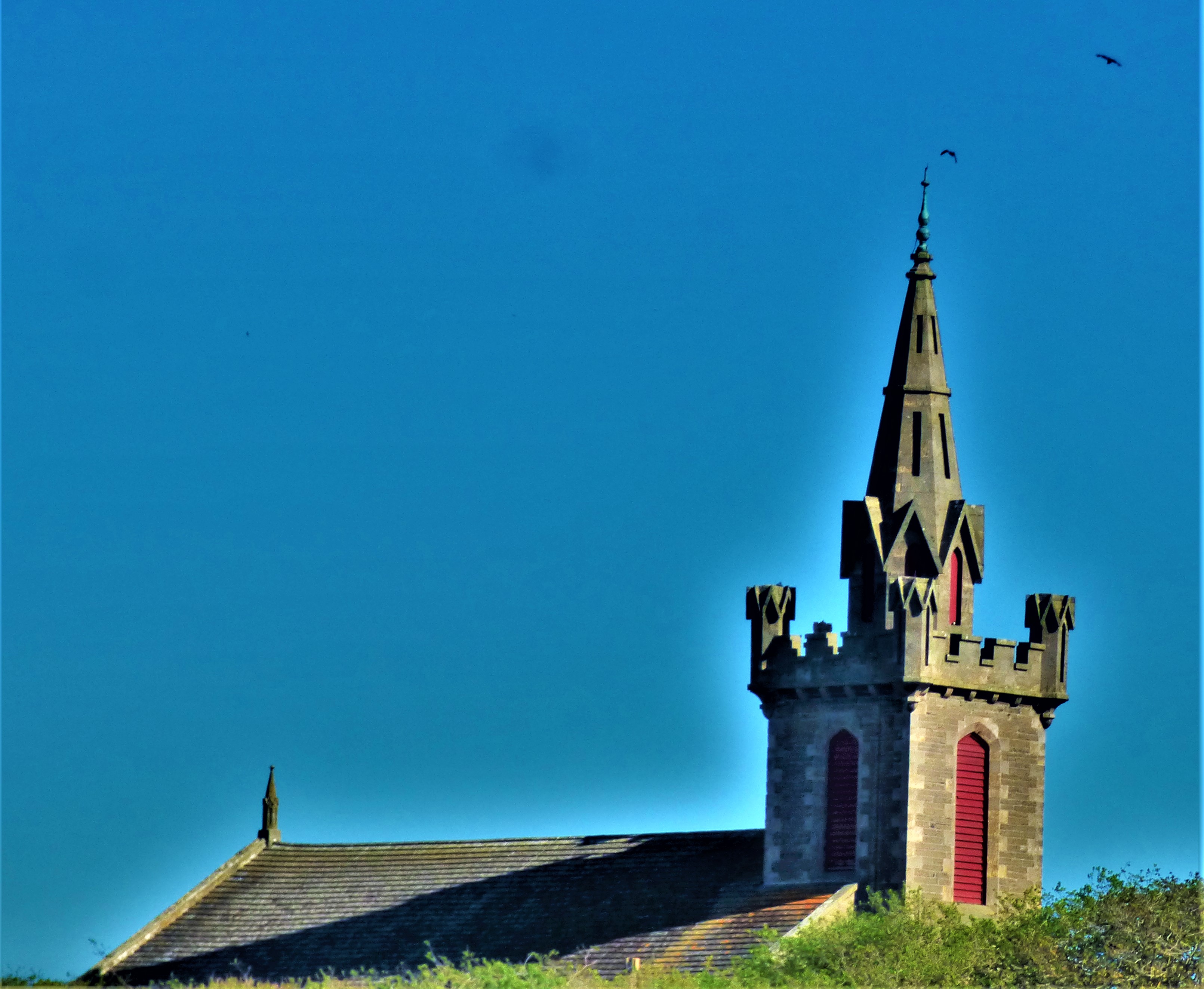
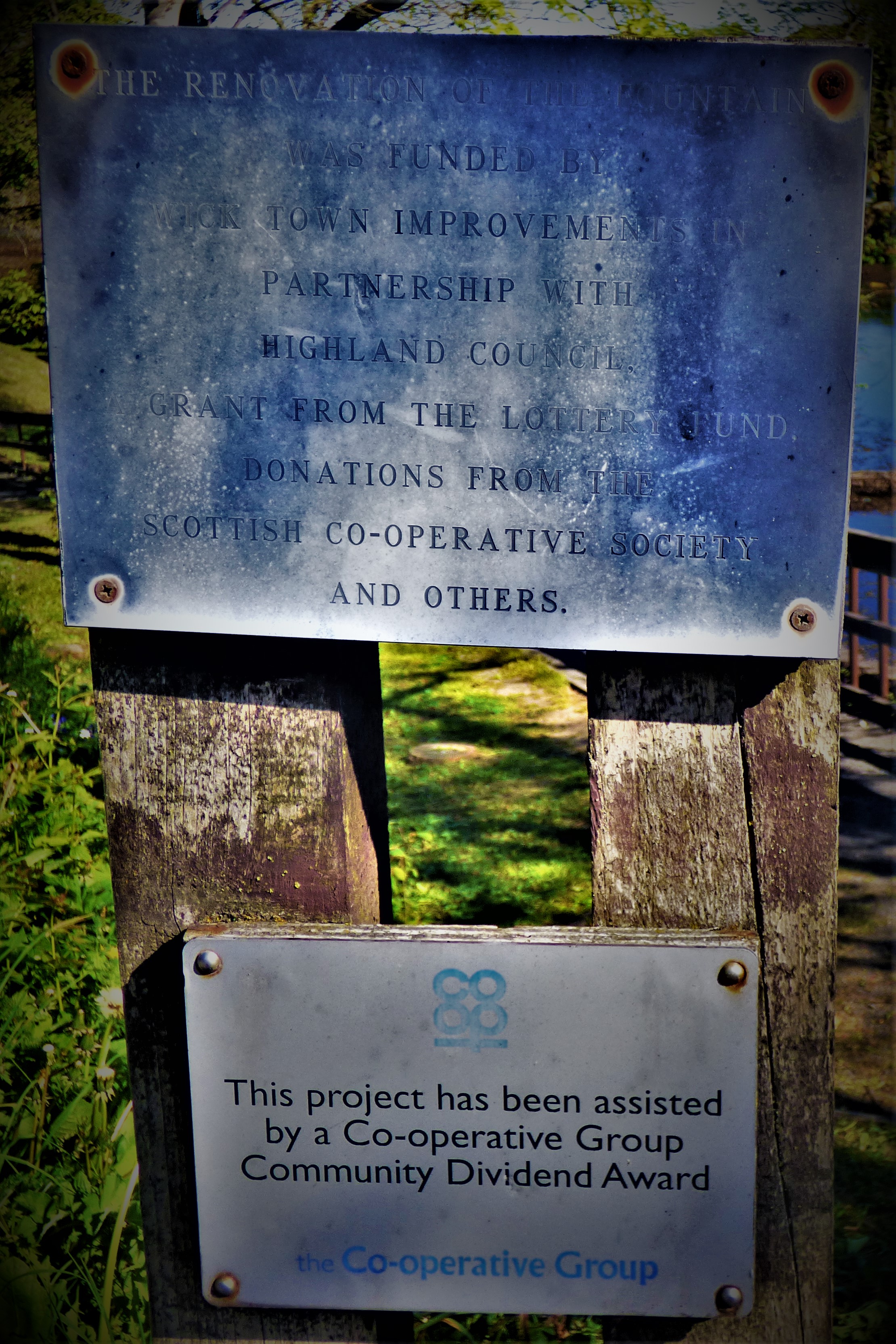
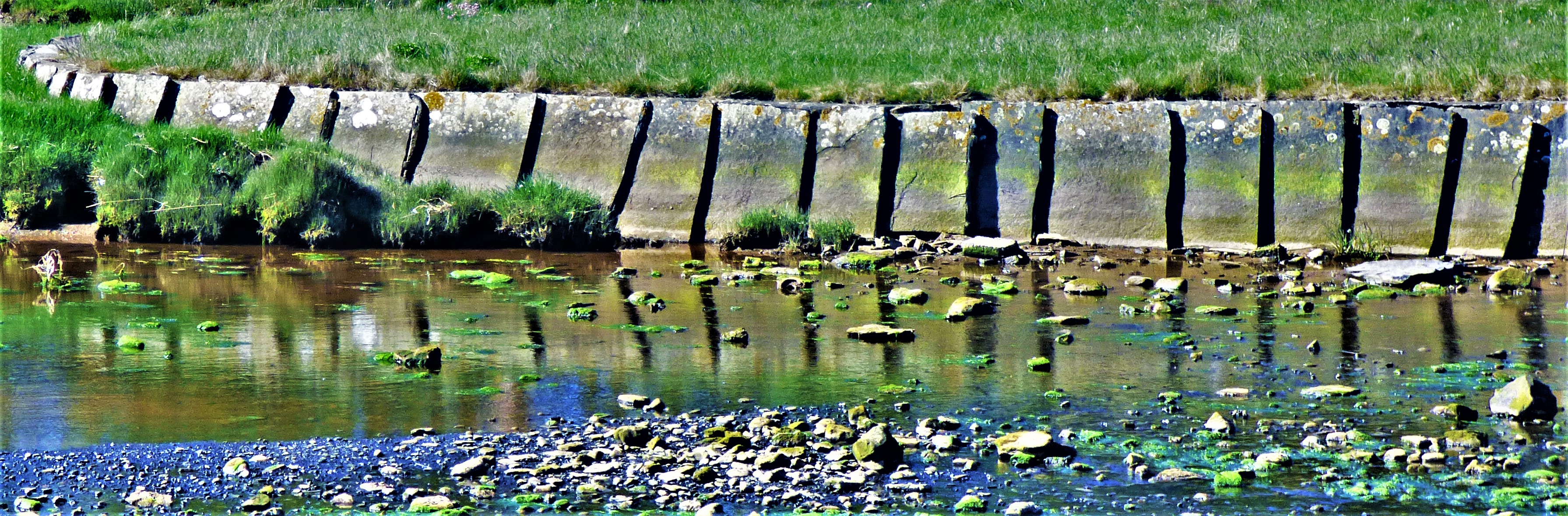
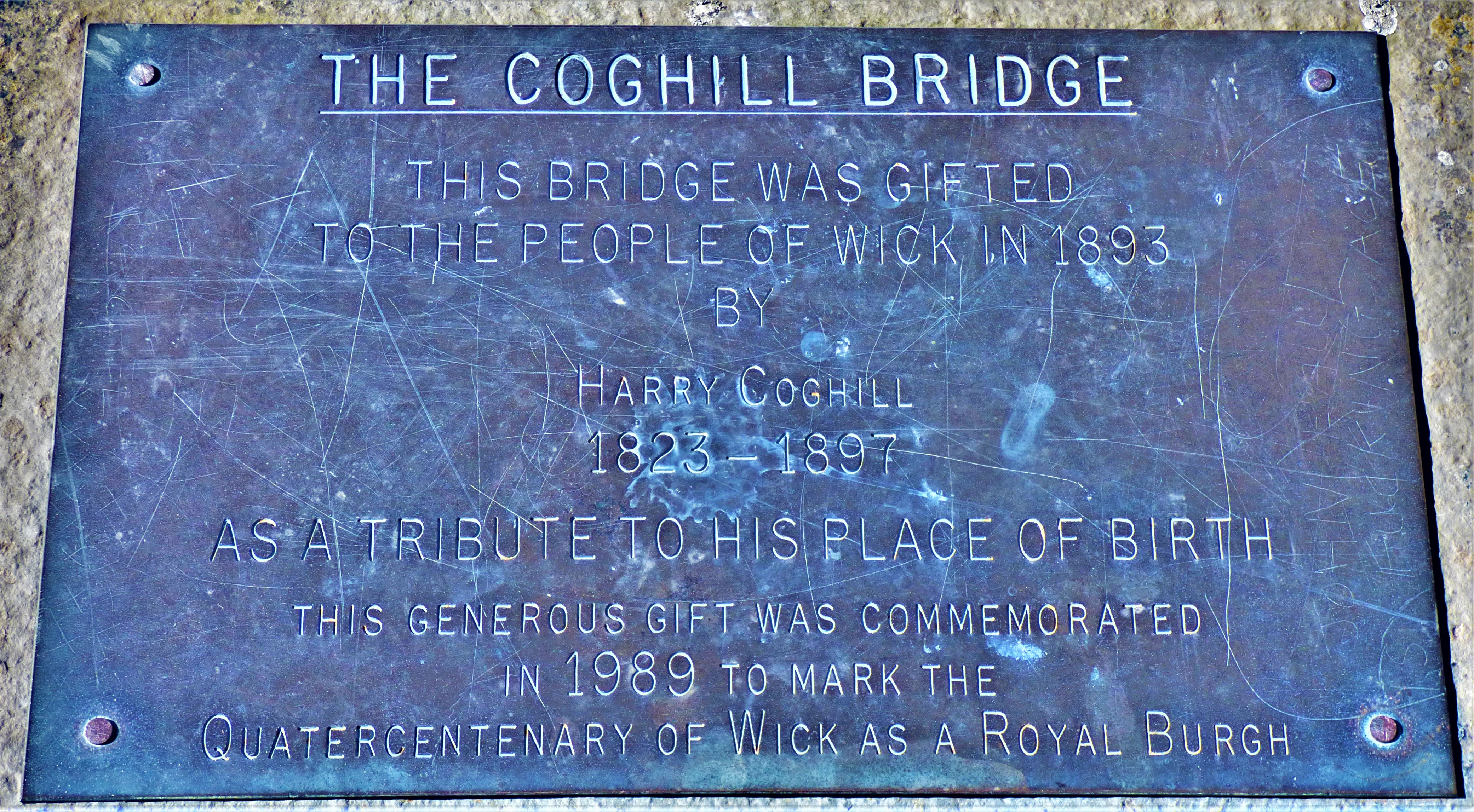
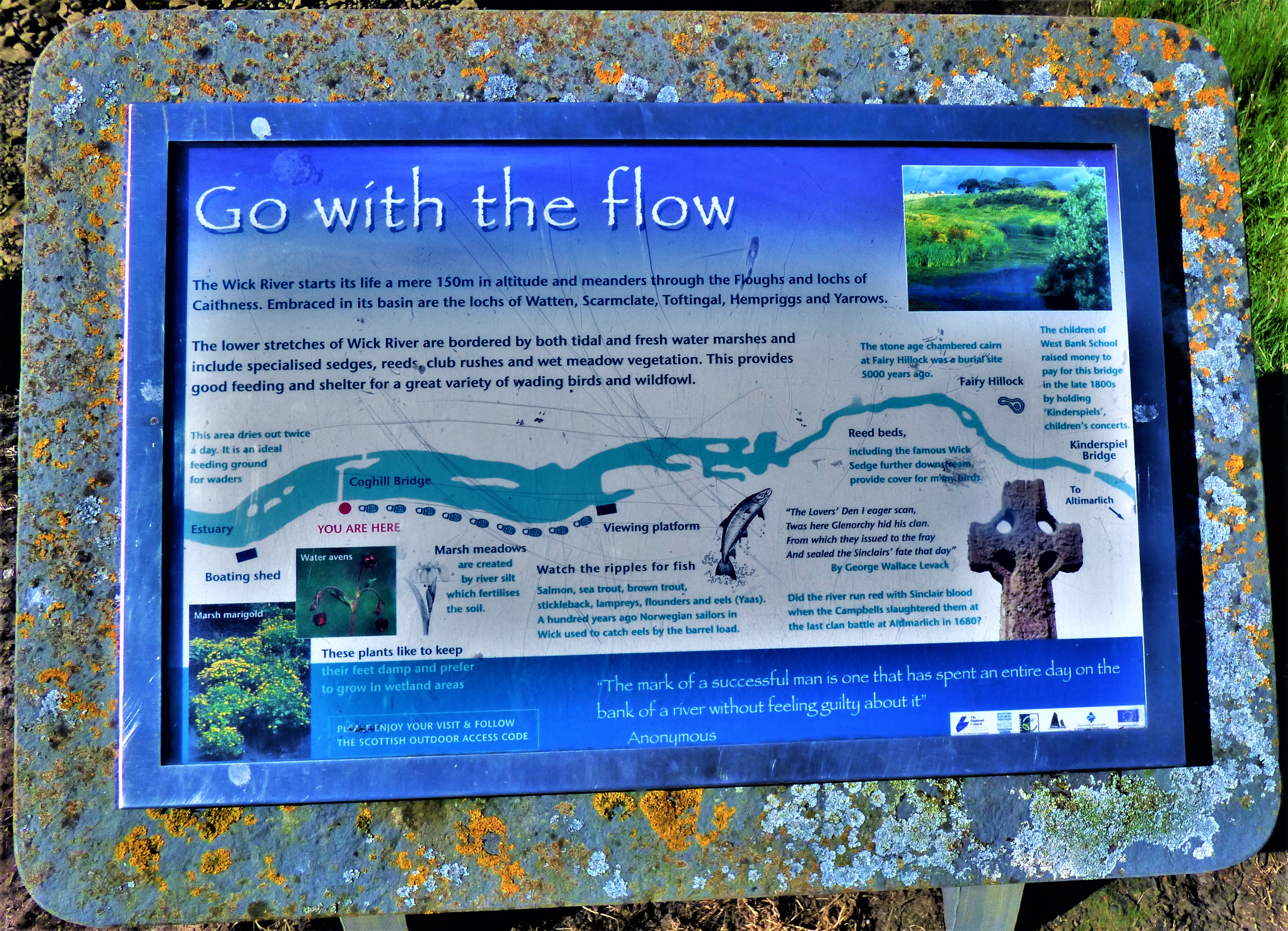
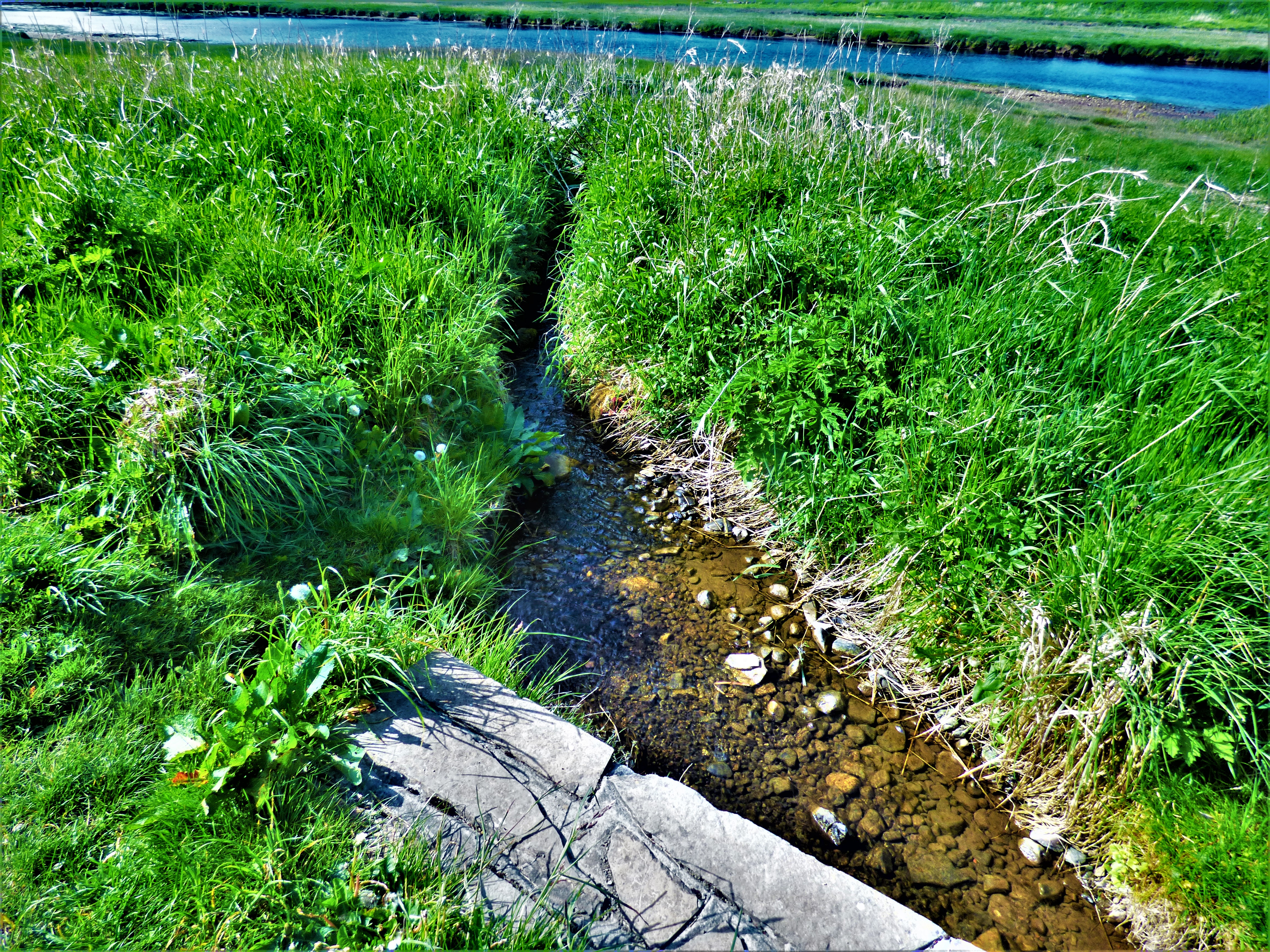
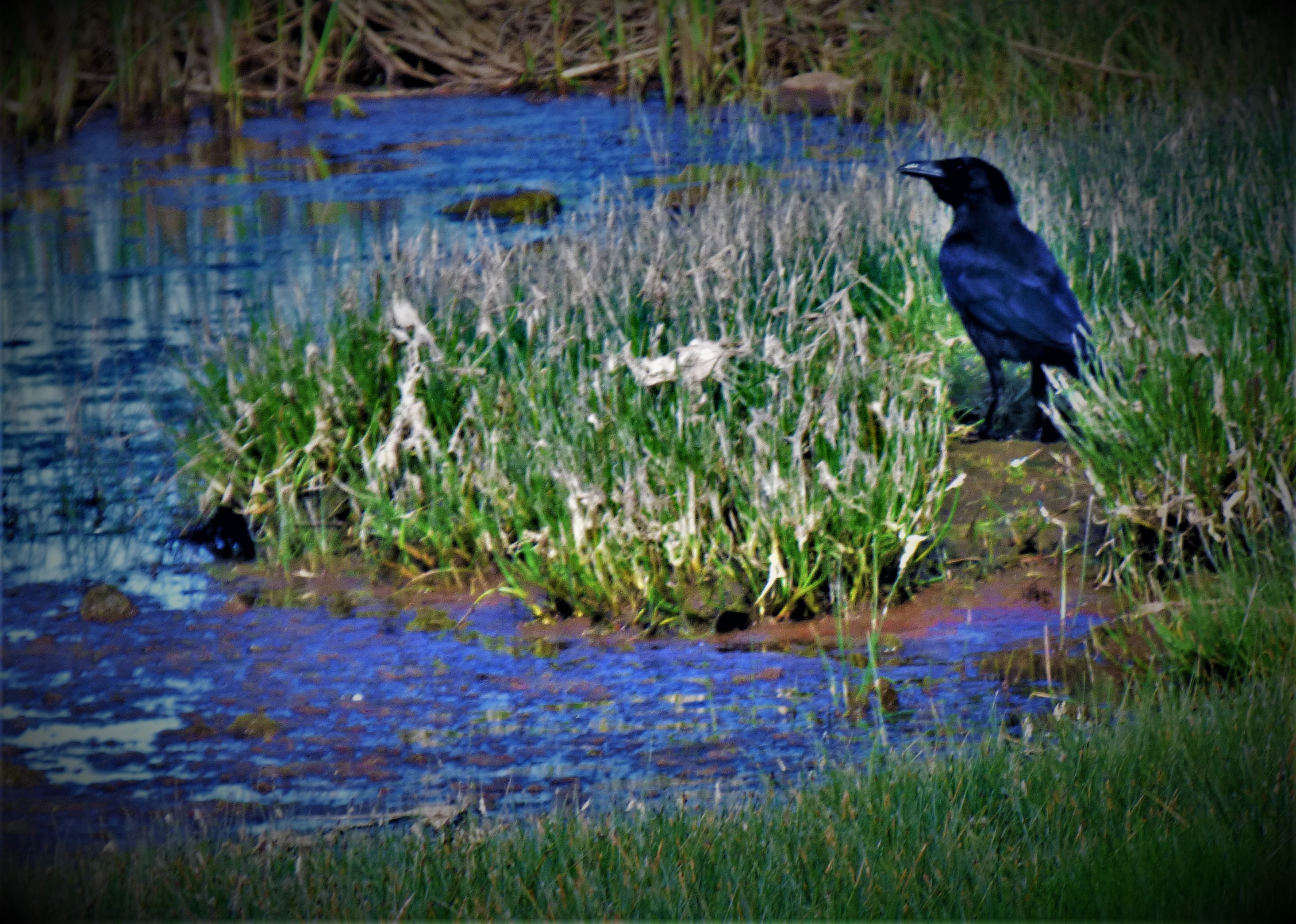
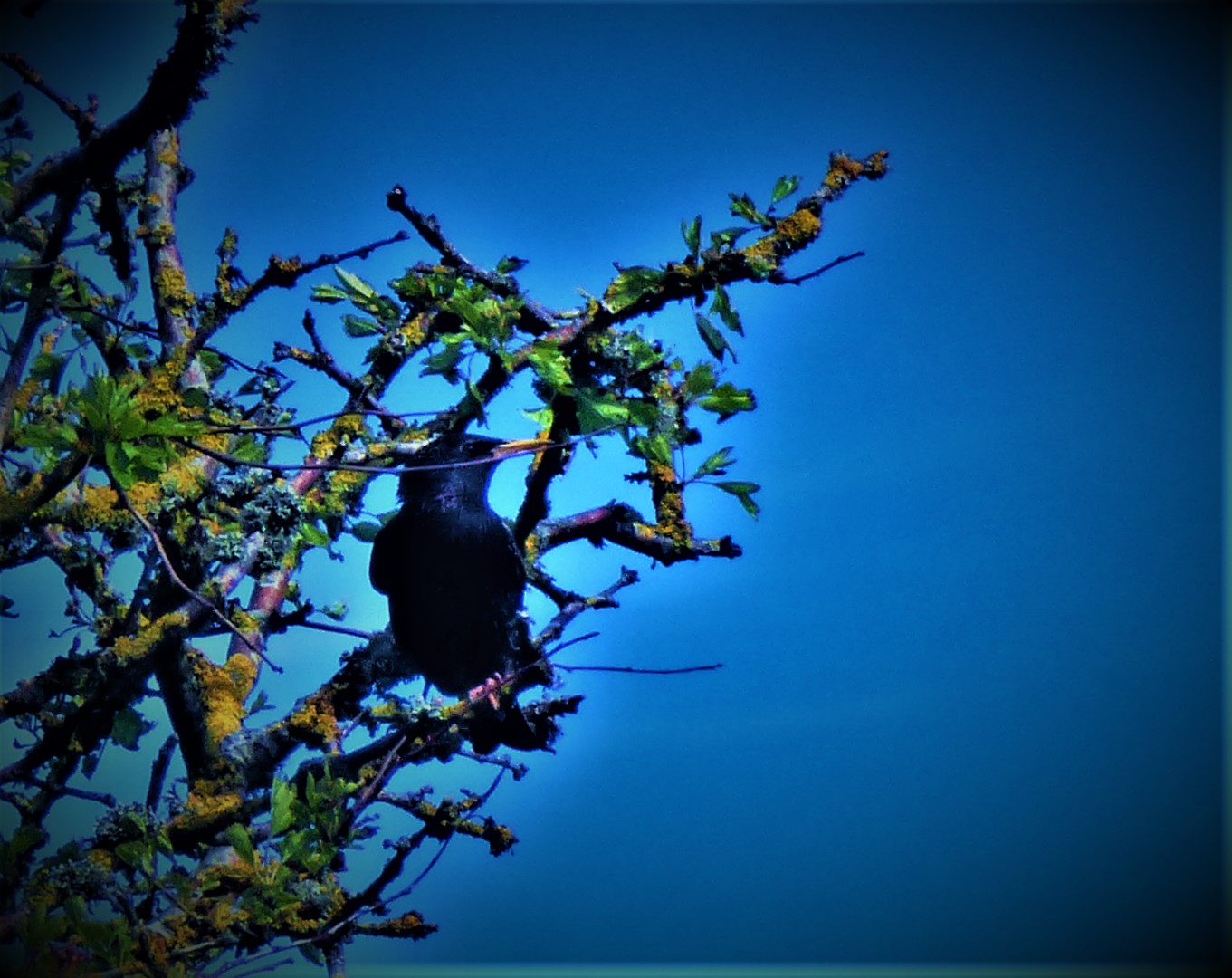
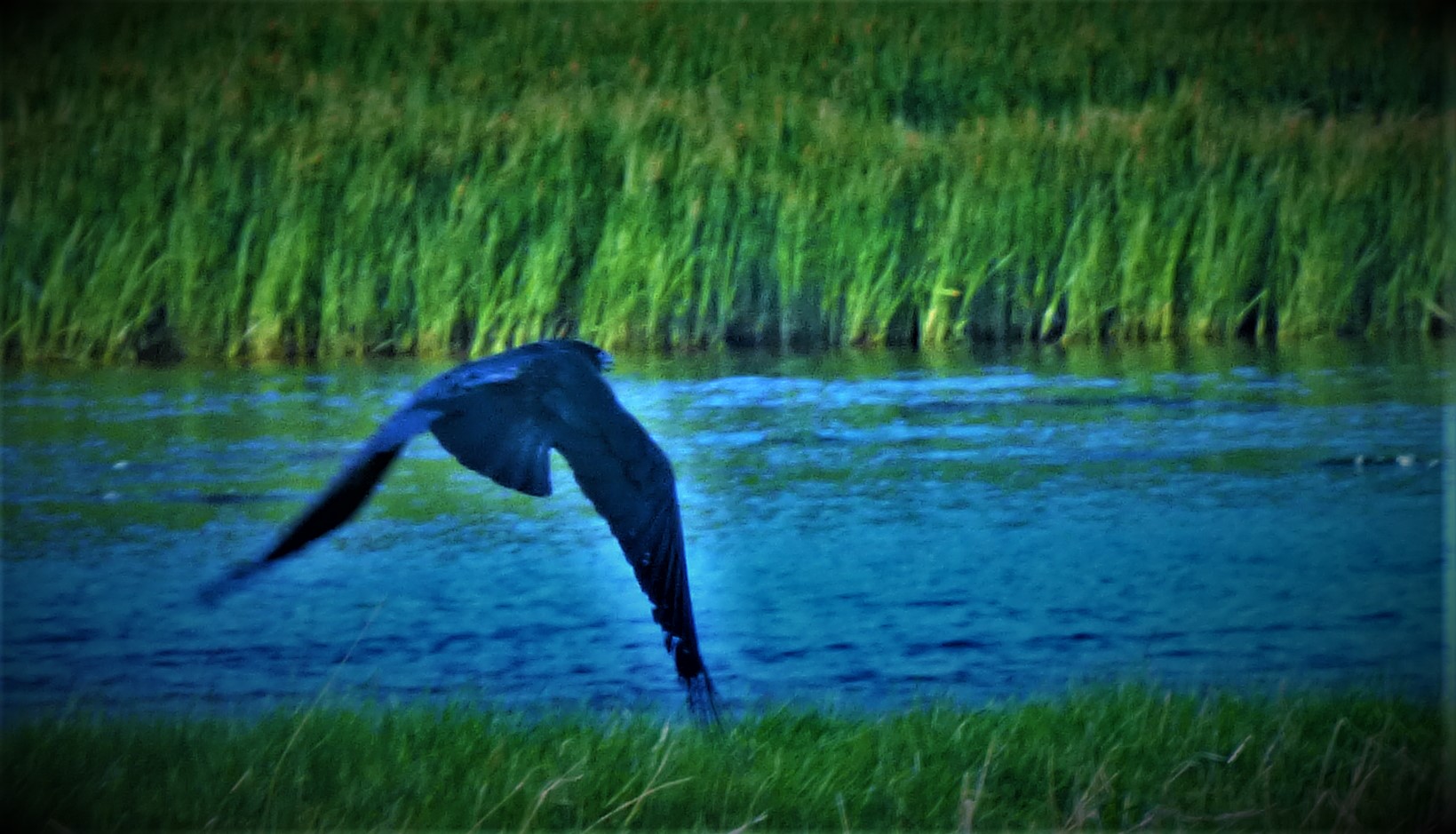
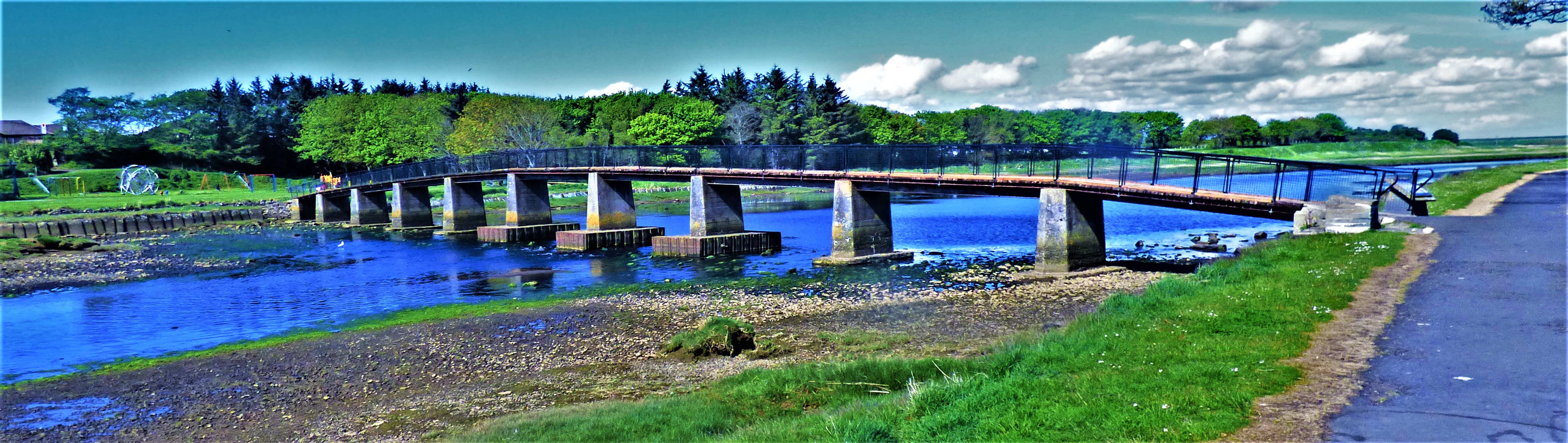
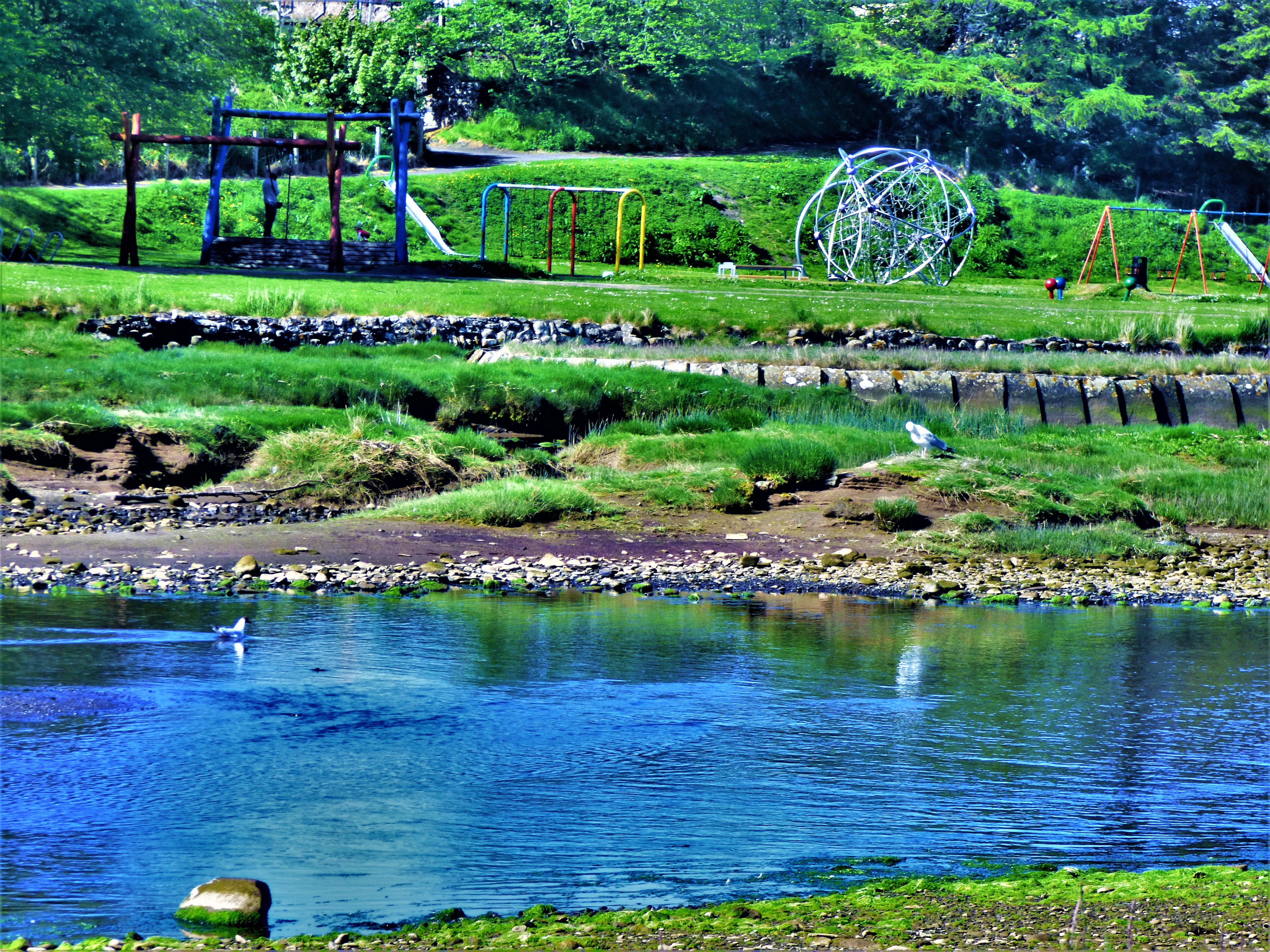
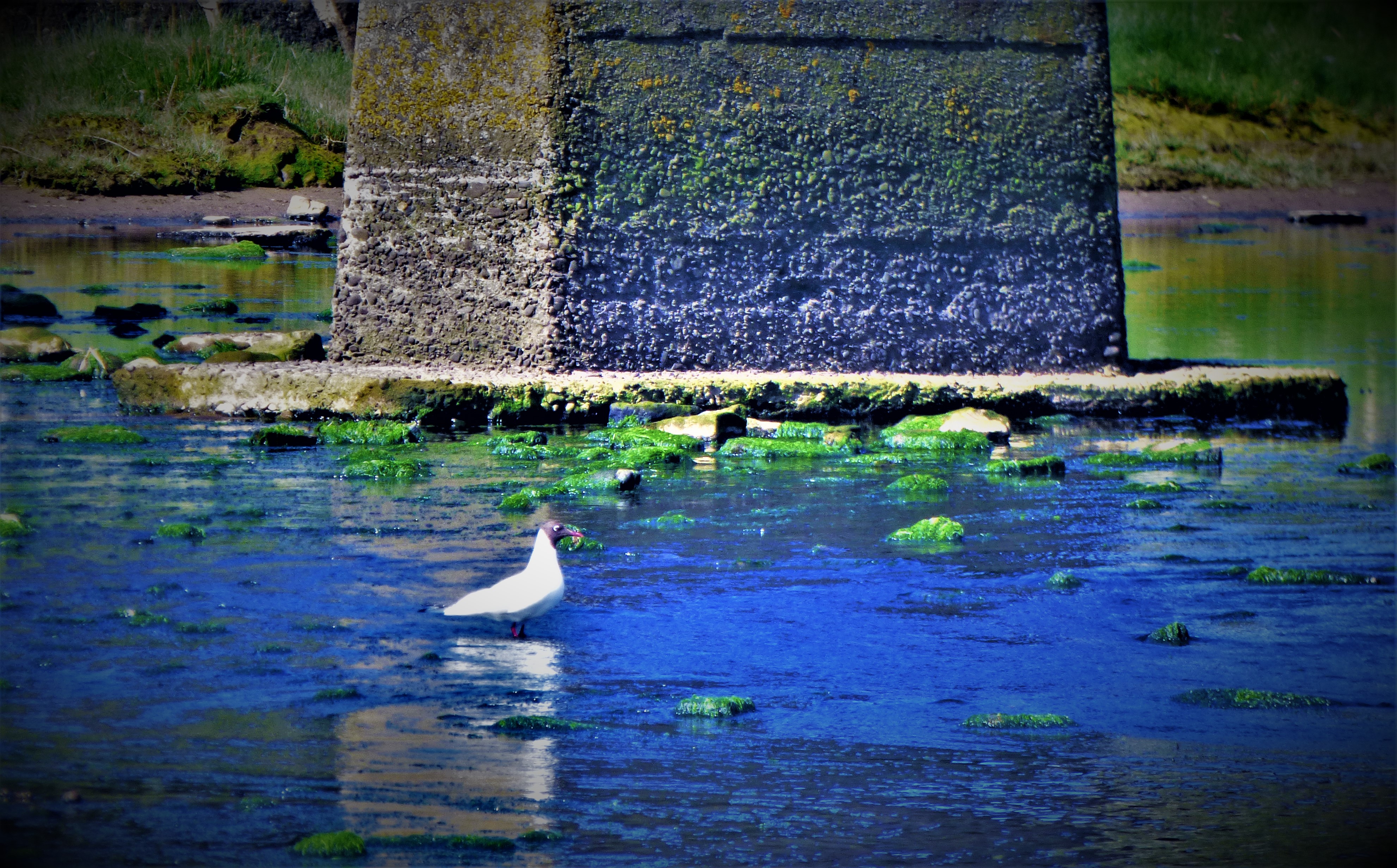
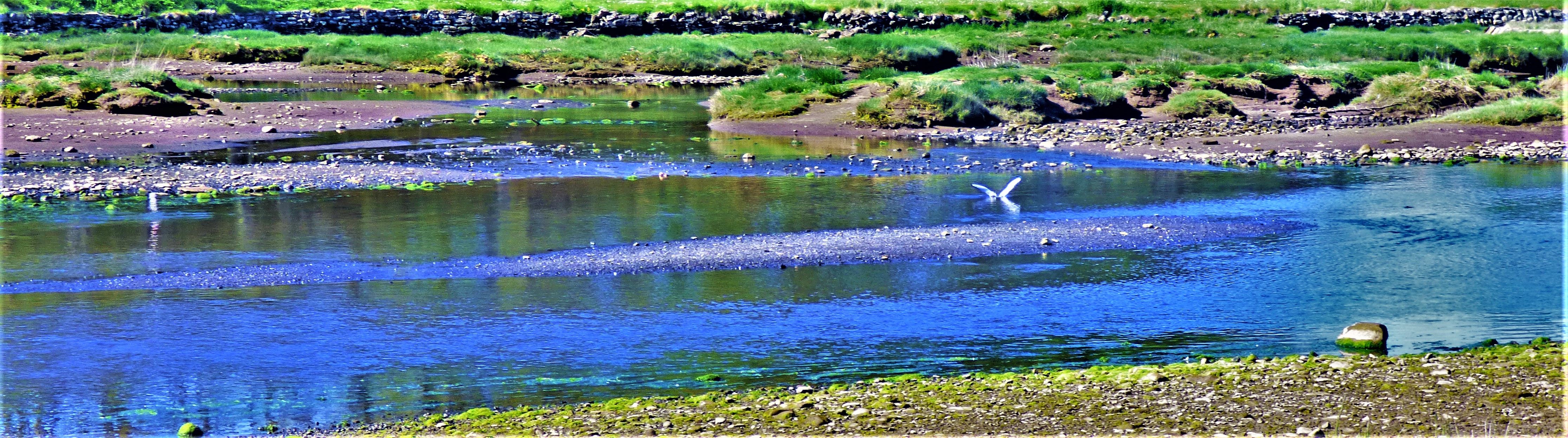
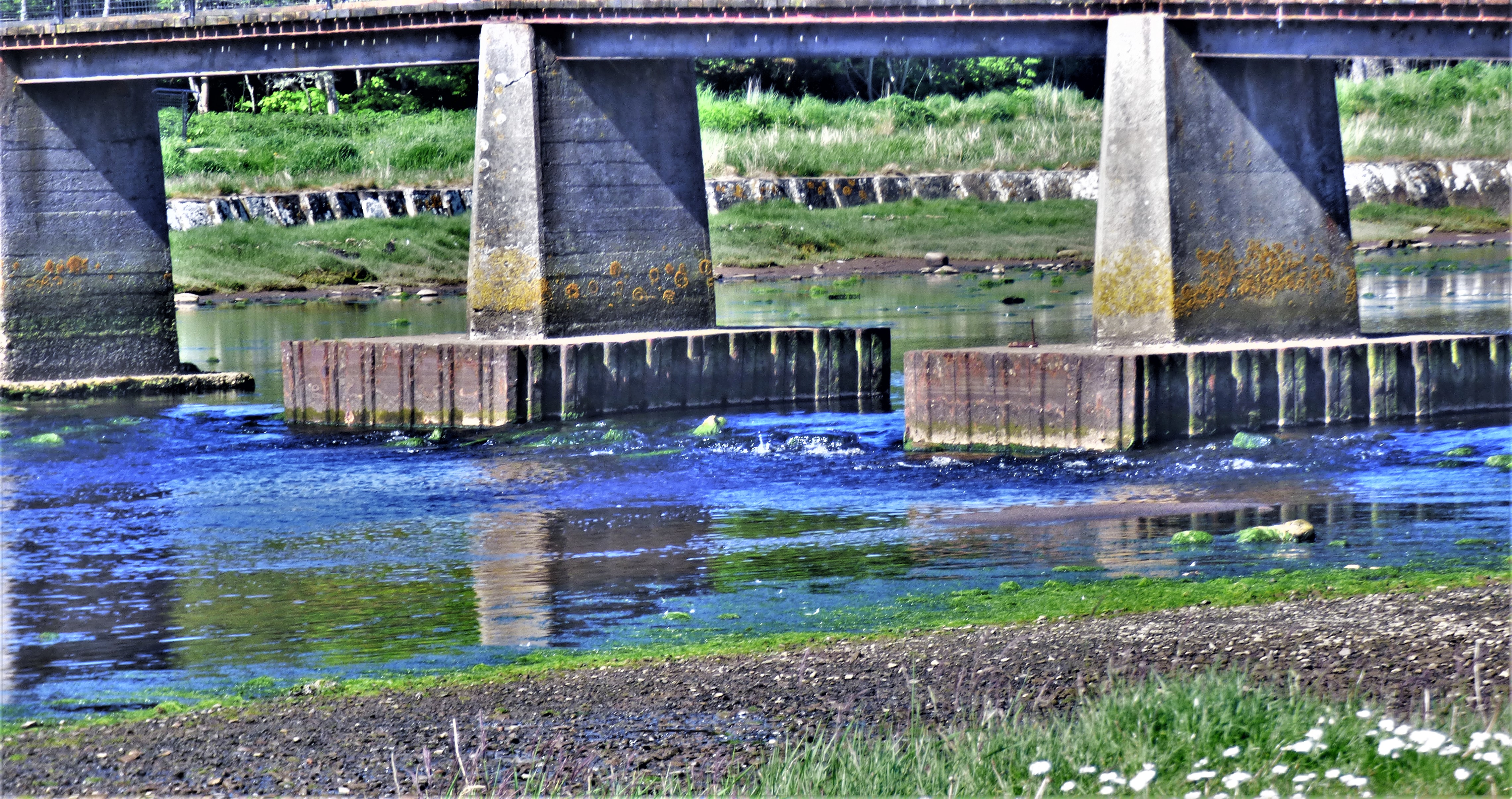
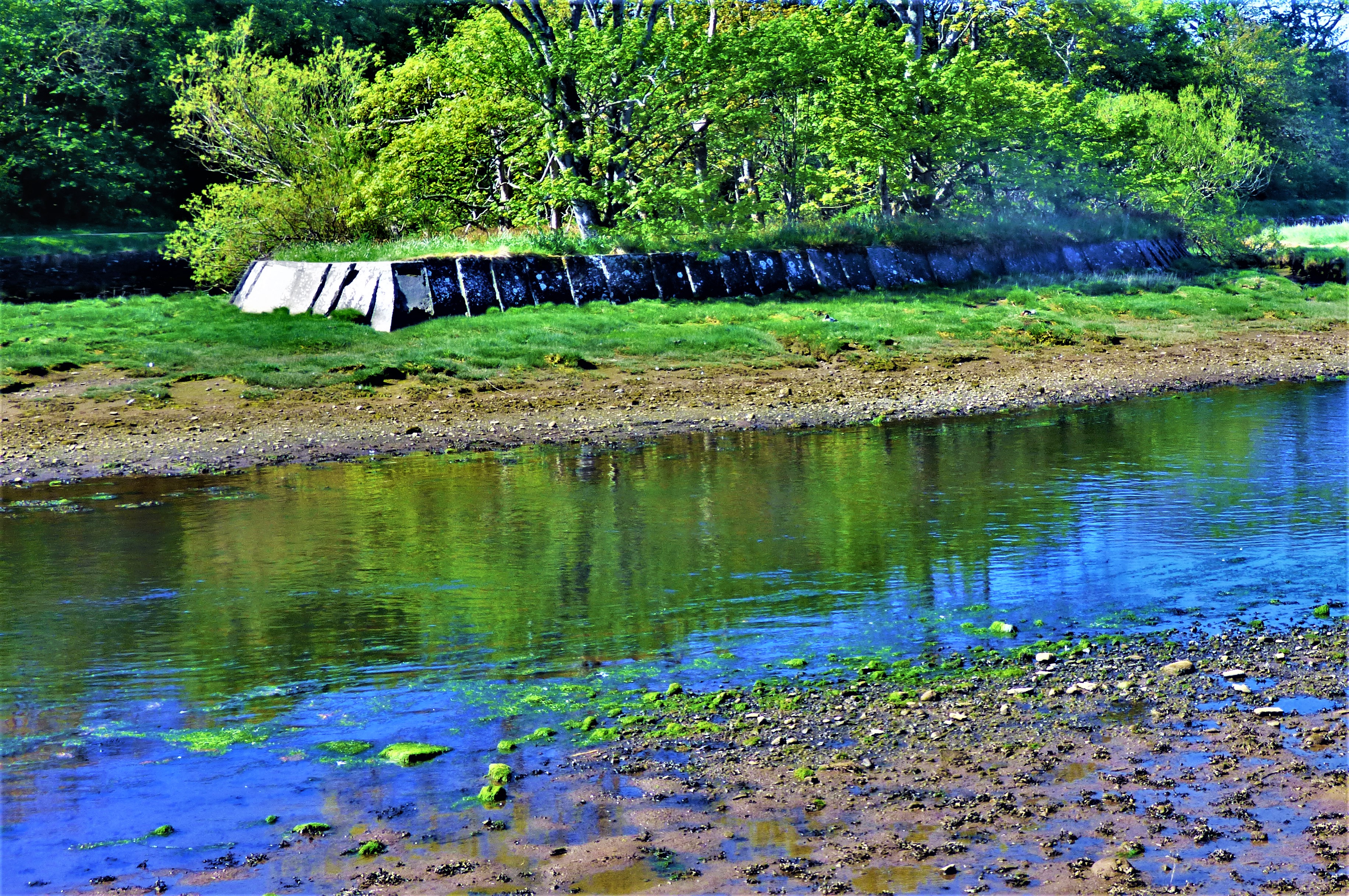
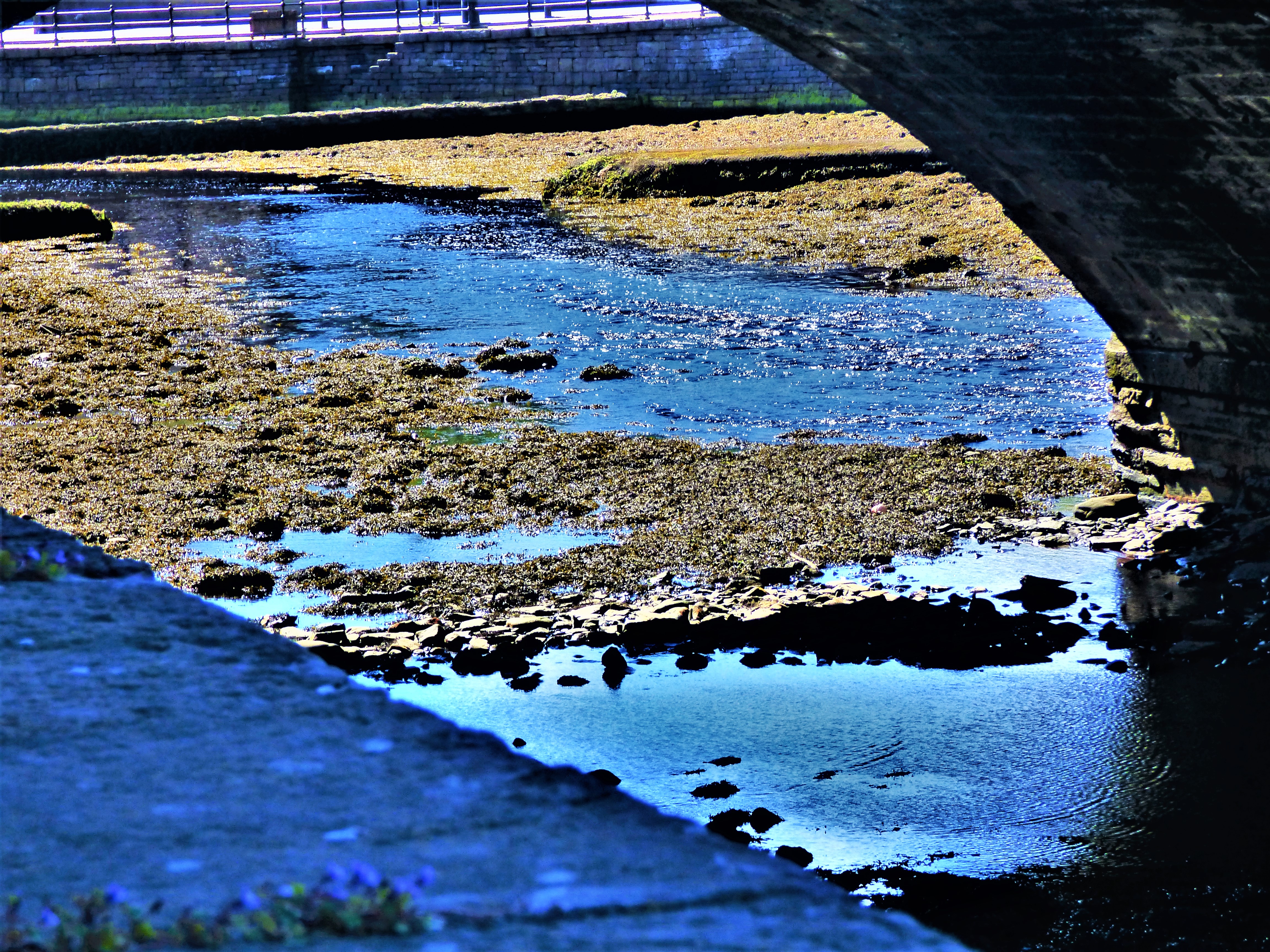
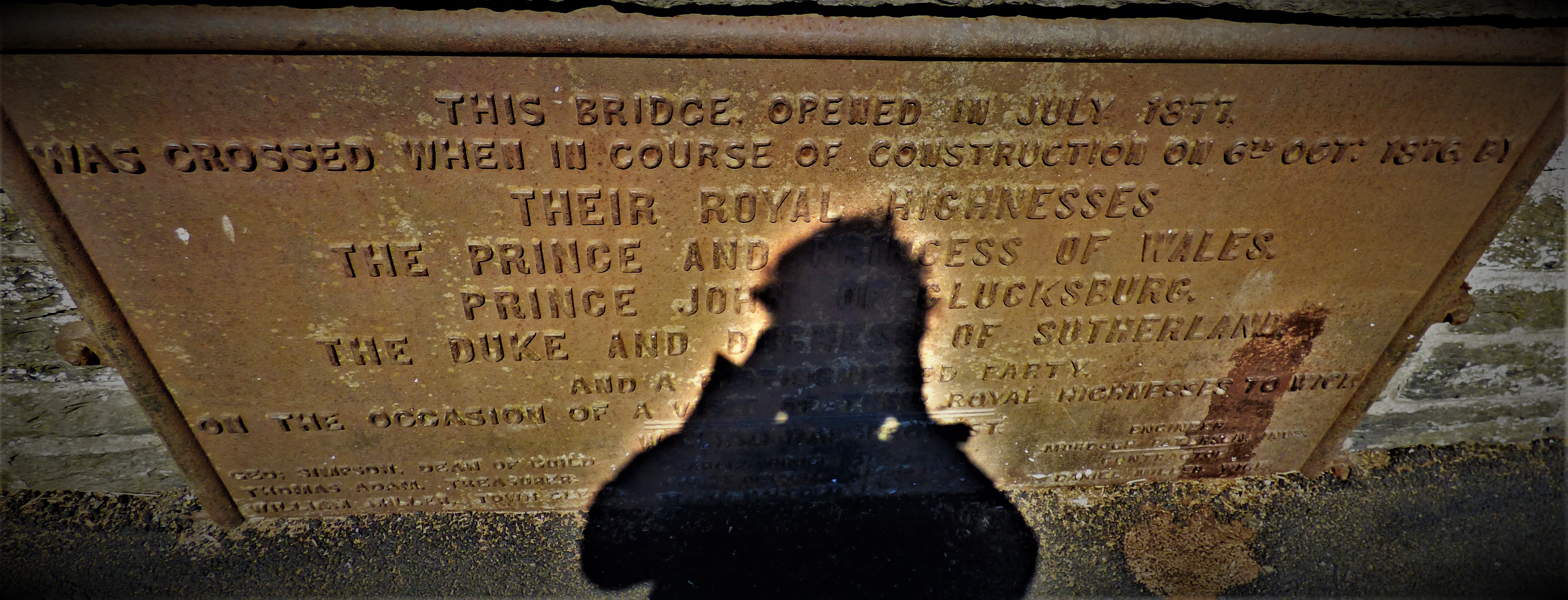
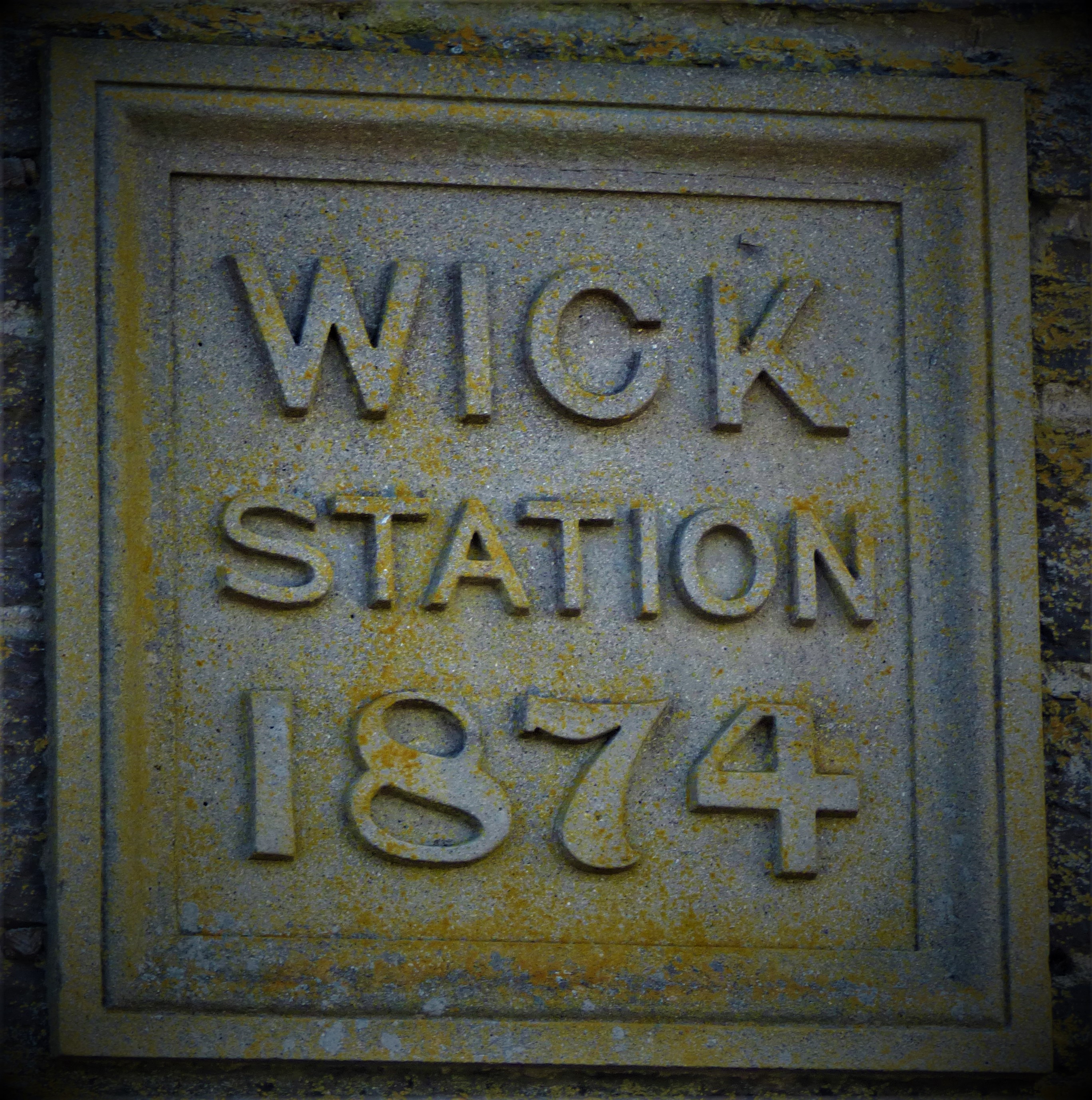
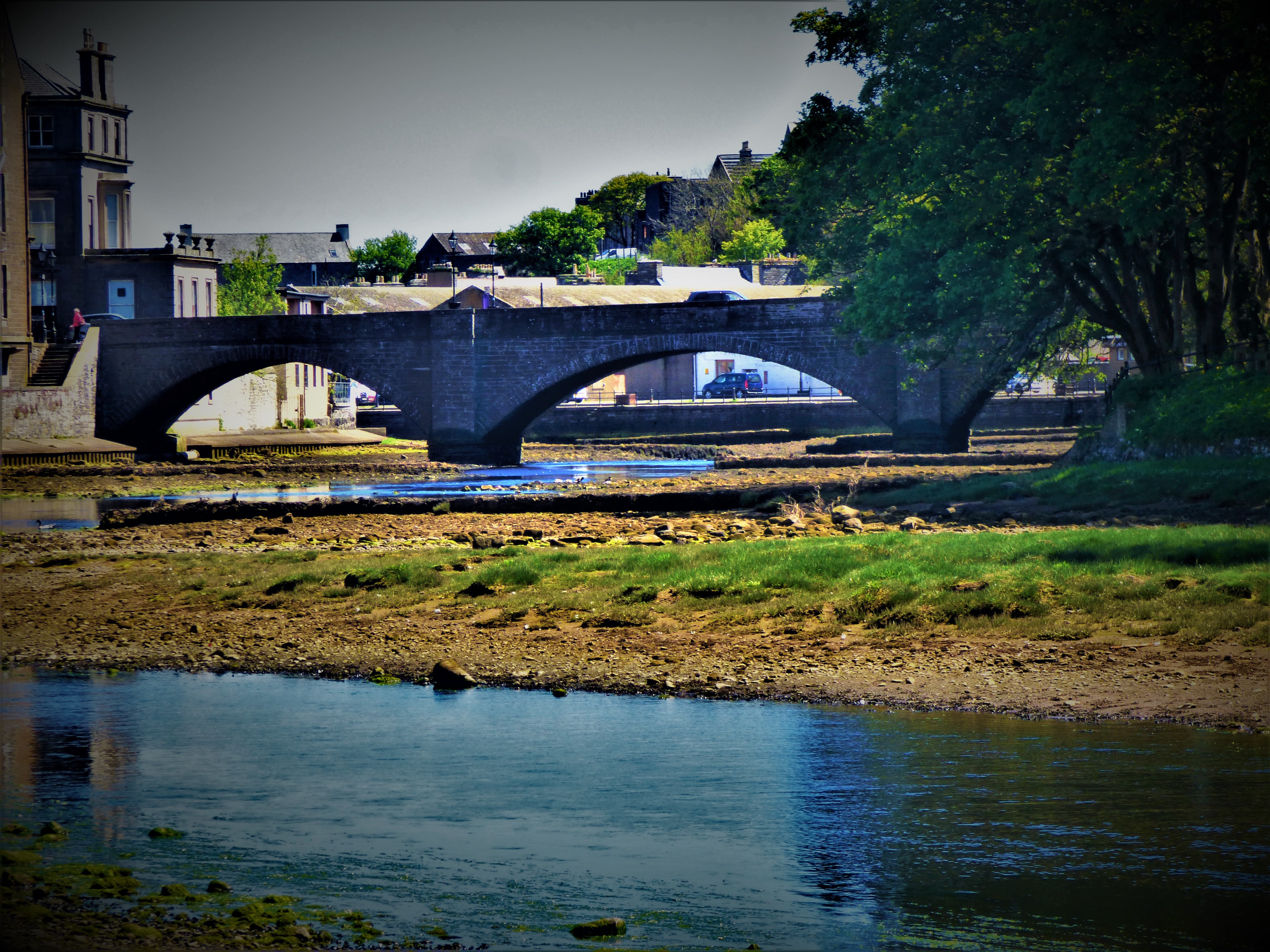
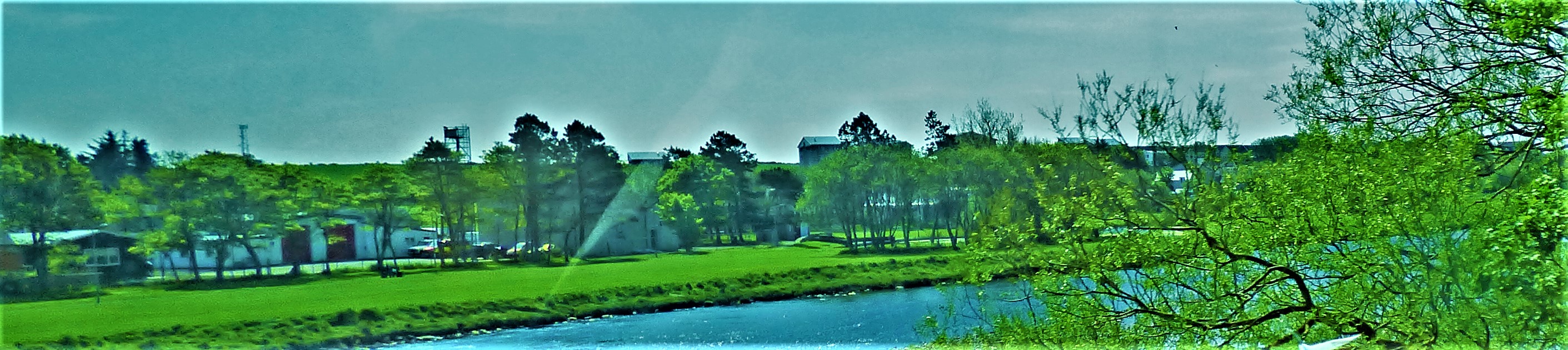
My explorations started by following the Wick River inland. This was a nice walk, with lots of bird life in evidence along the way. When I got to back to Wick I explored the town itself. I also took the opportunity to locate the railway station and make sure I knew how to get there the following morning. After a visit to a cafe I was finally able to check in to the hotel. In the event I did not head back out until the following morning, being very tired. The hotel room was perfectly pleasant, although the wifi connection that the hotel so wants its guests to know about proved to be rather unreliable.
An account of the first part of Tuesday as I work through my Scottish holiday, from which I returned on Saturday just gone.
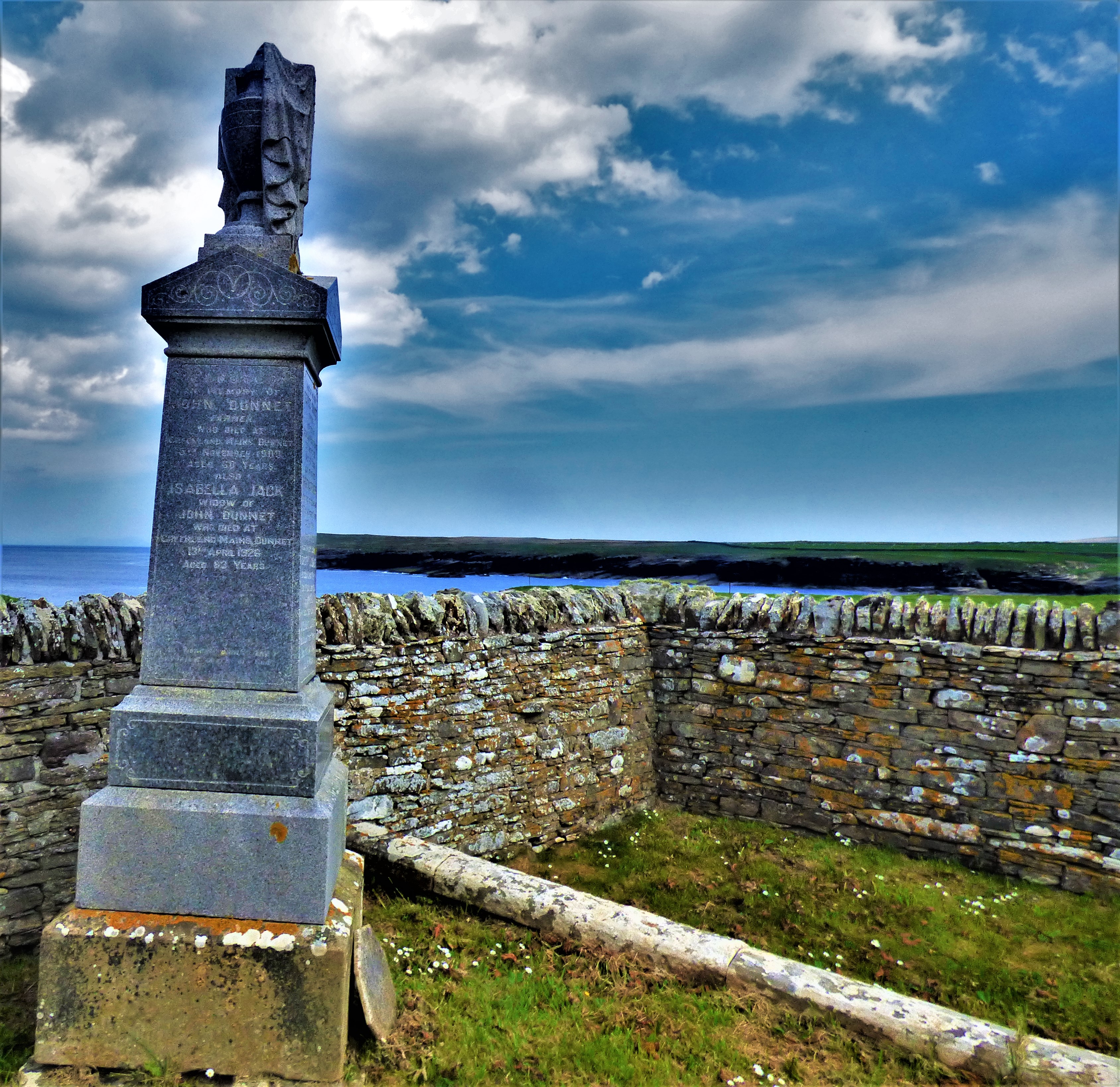
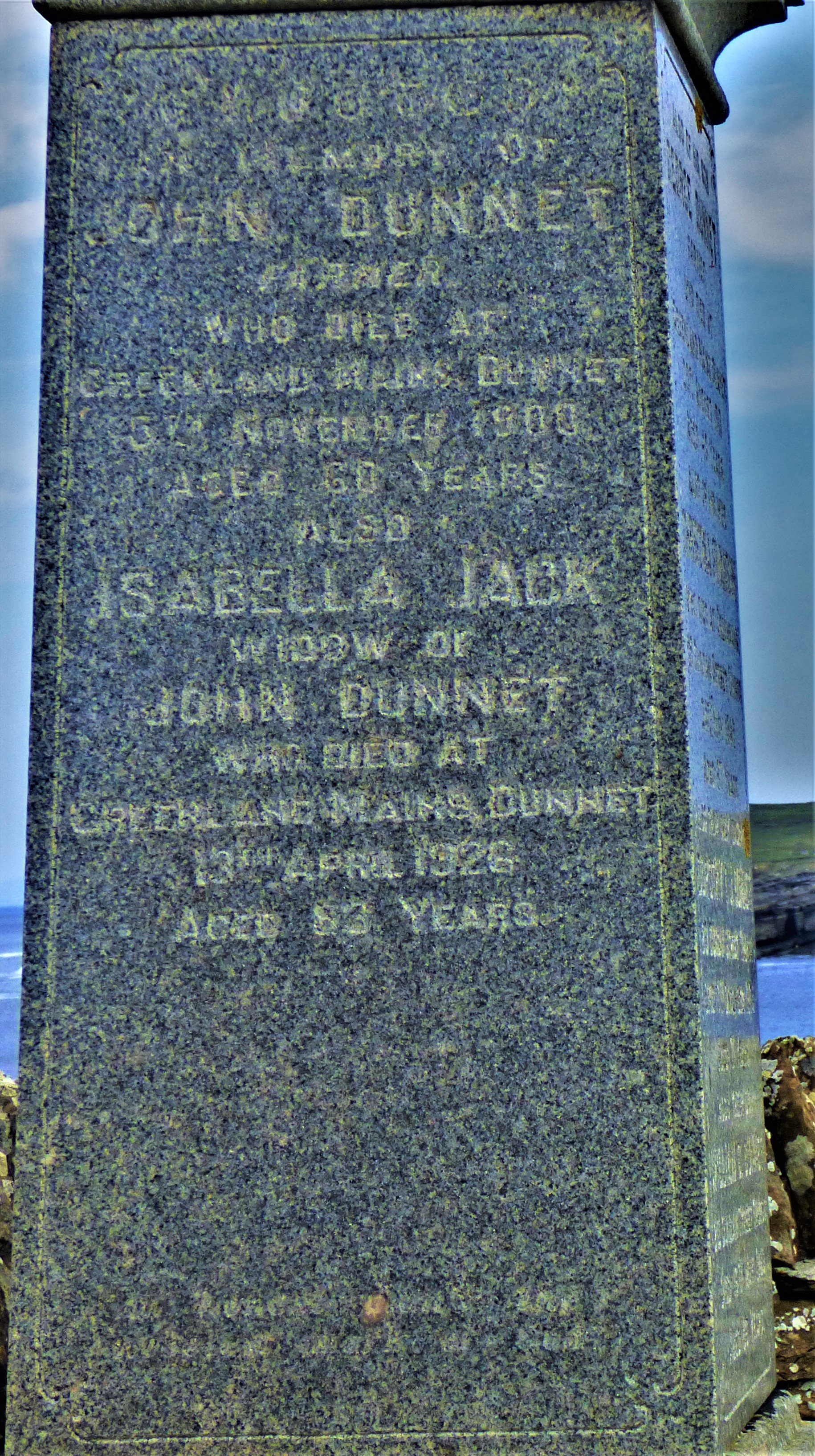
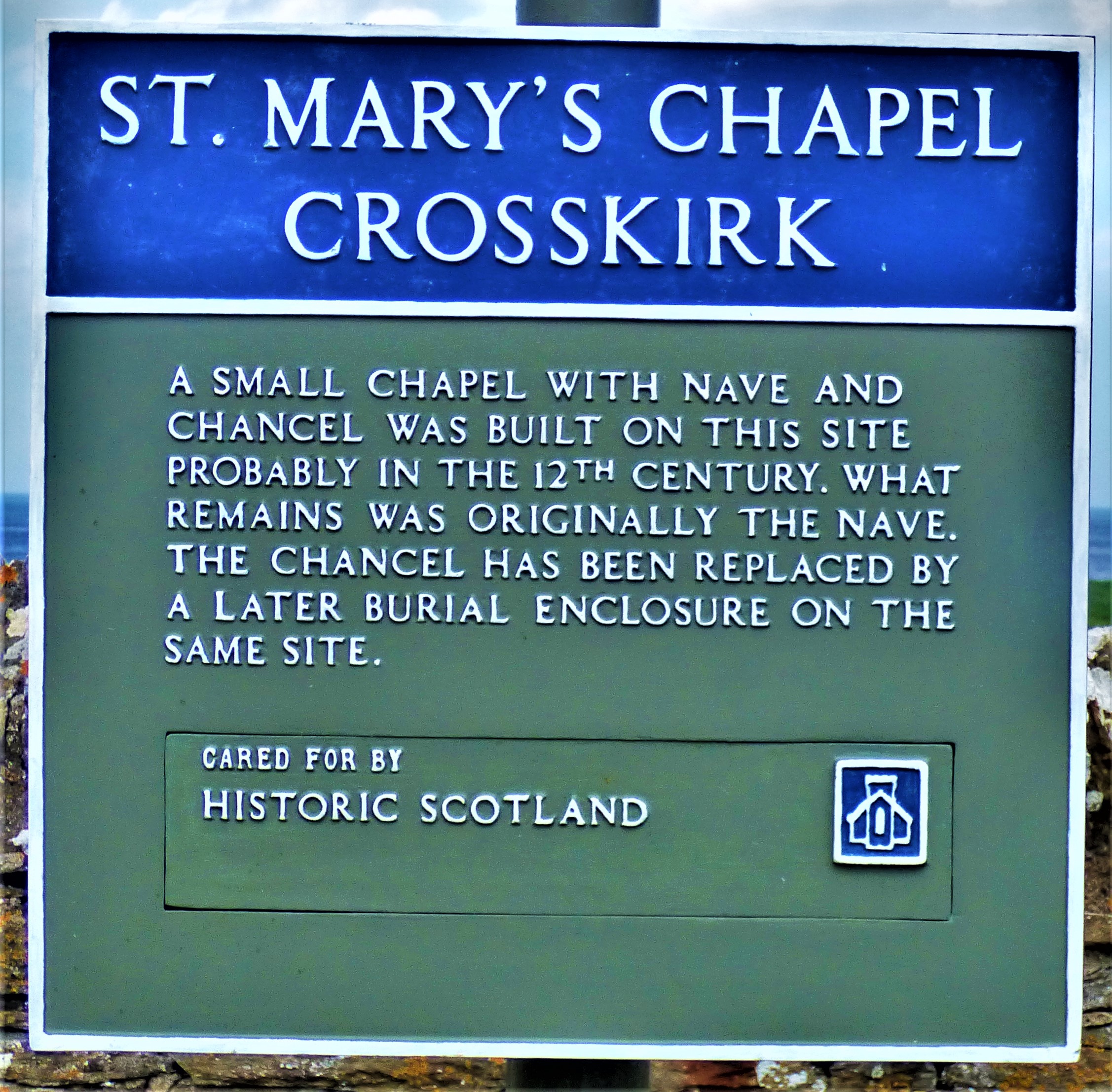
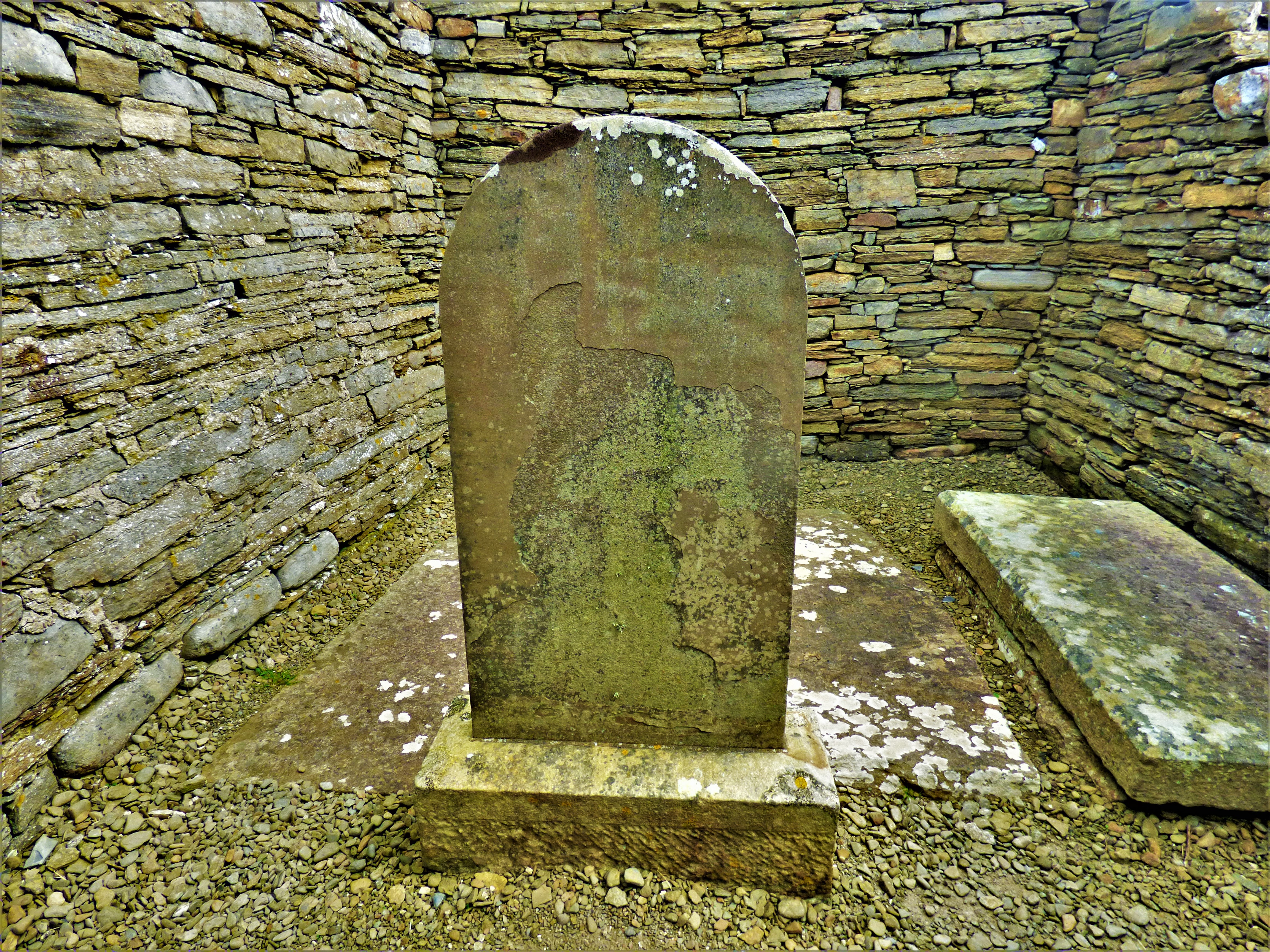
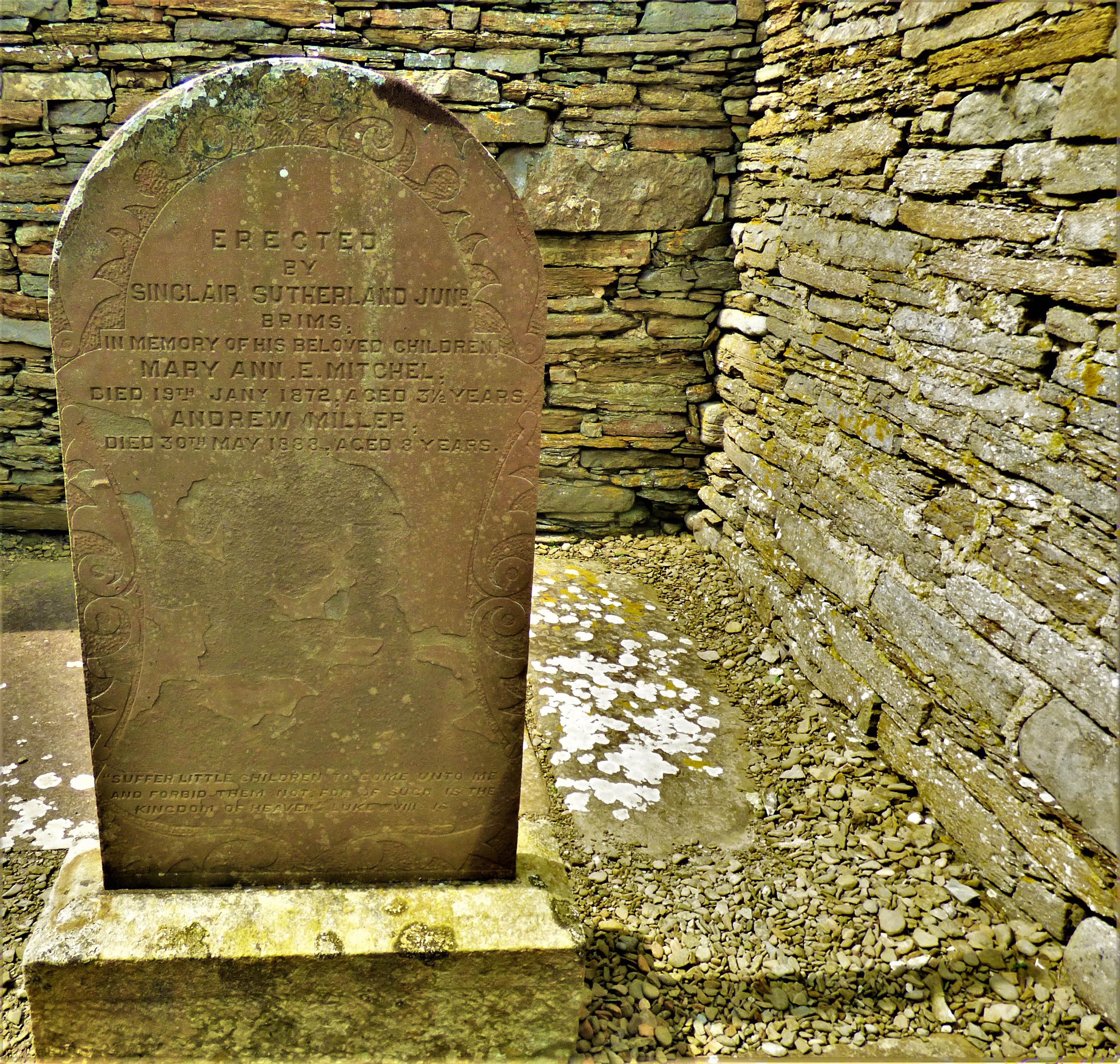
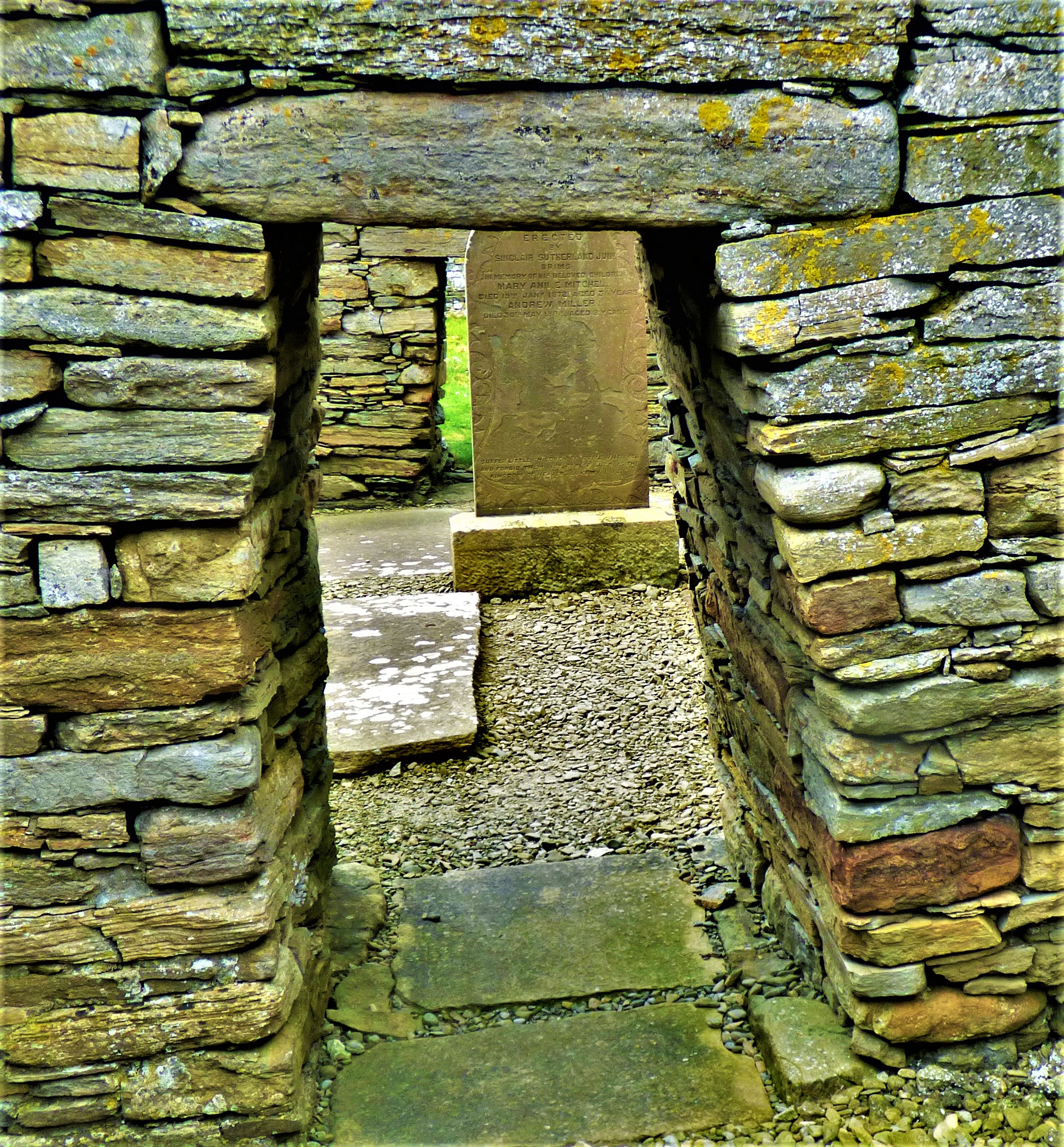
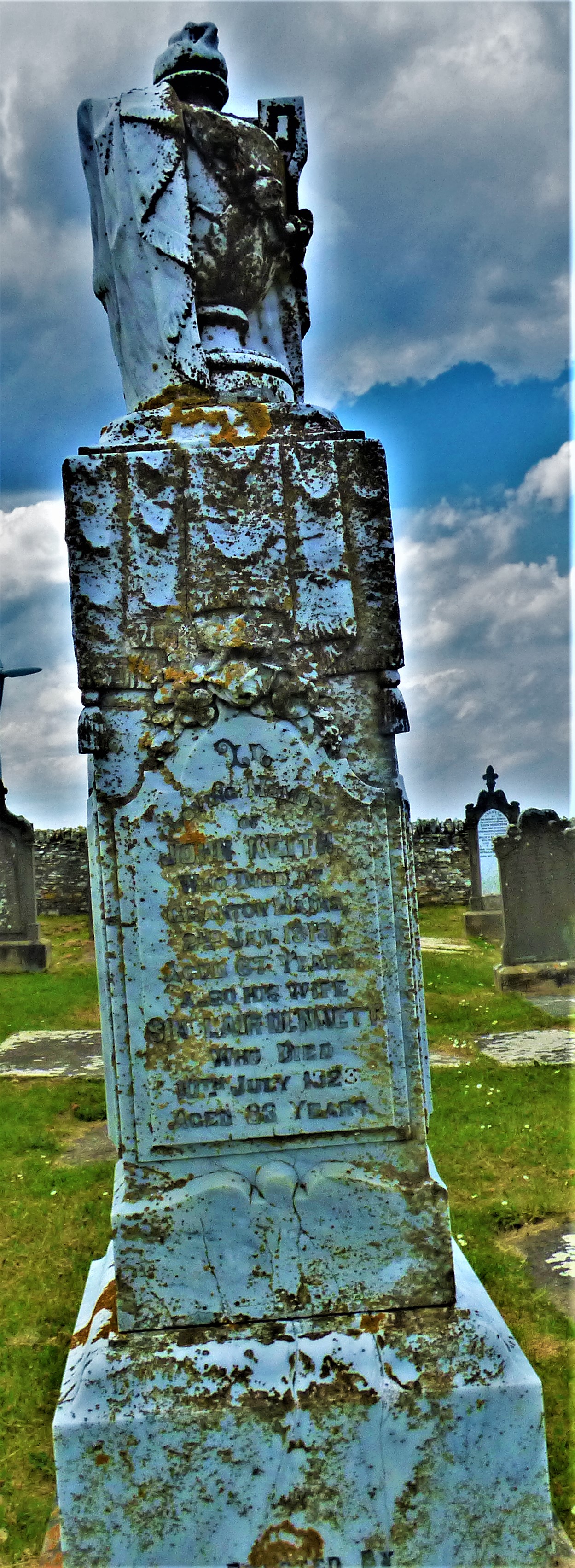
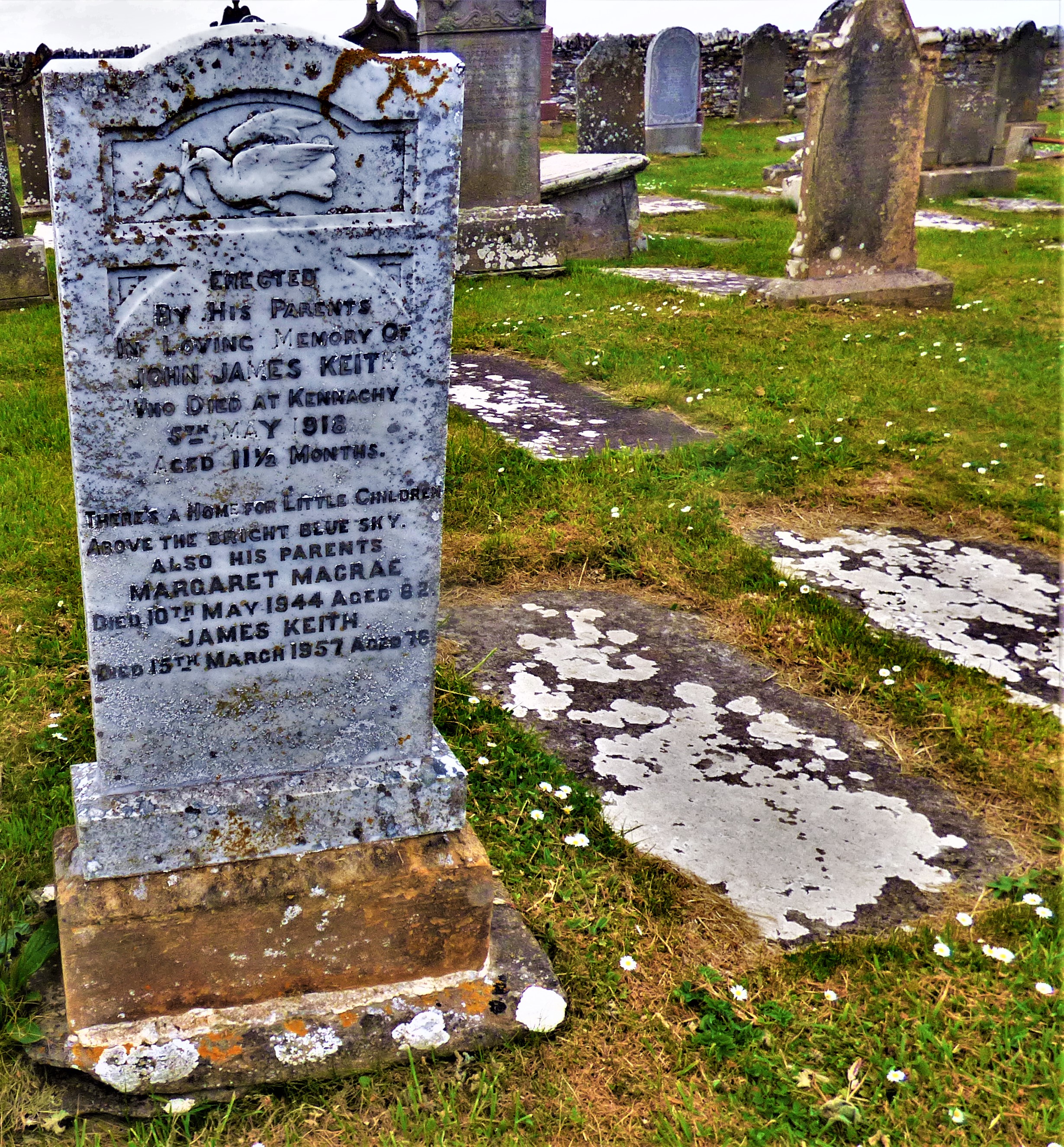
Welcome to the latest post in my account of my holiday in Scotland, from which I got home very late on Saturday (a combination of that, a long day of travel and poor internet connections at the hotel I stayed in on Friday are the reason I have not put a post up for a few days). Today I cover the first activities of the day after my birthday (See here for the main event of that day), when after a brunch we set off to visit Dunnet Head and the remains of St Mary Crosskirk, a 12th century chapel the burial ground of which is still very well preserved before going on a distillery tour in the afternoon.
DUNNET HEAD
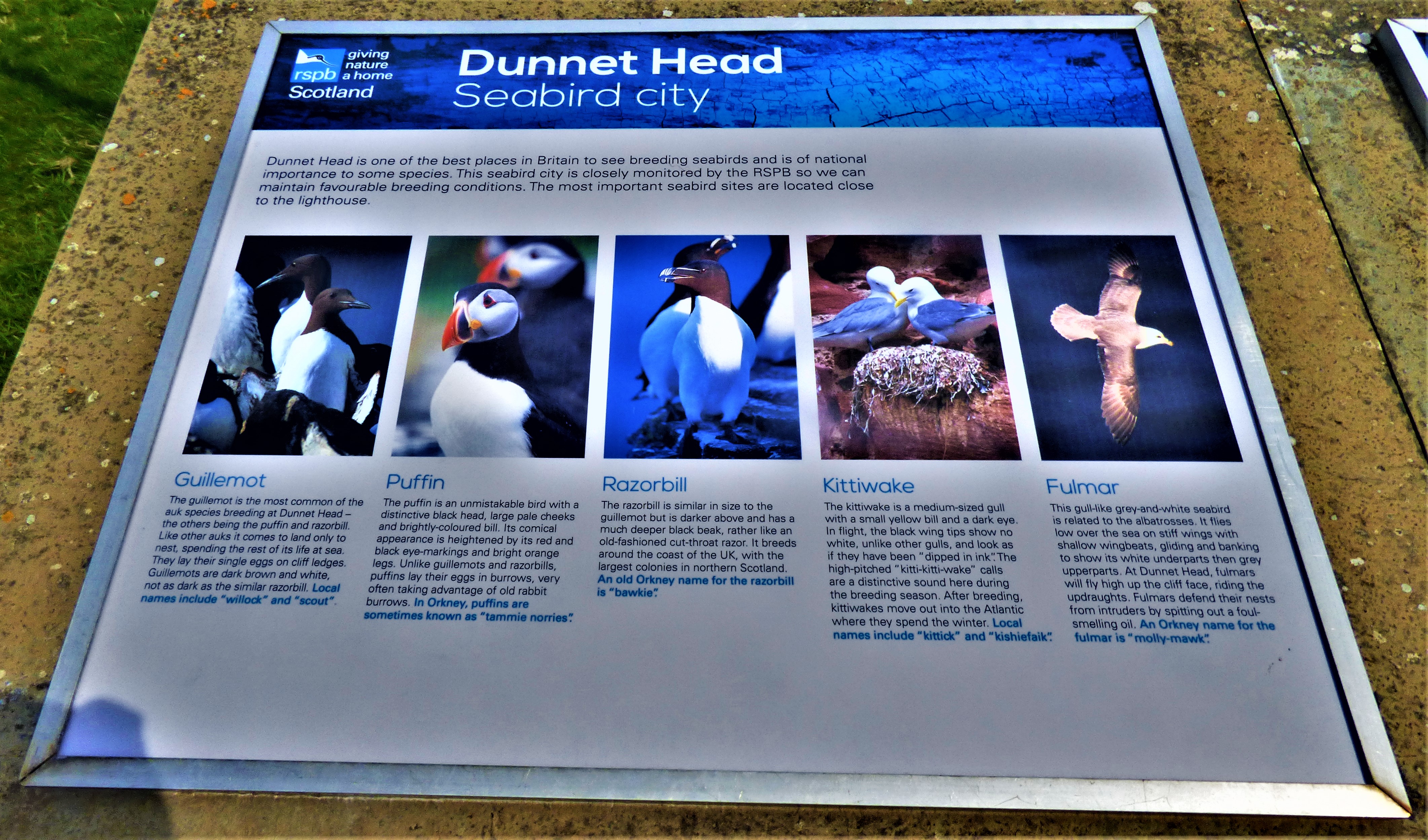
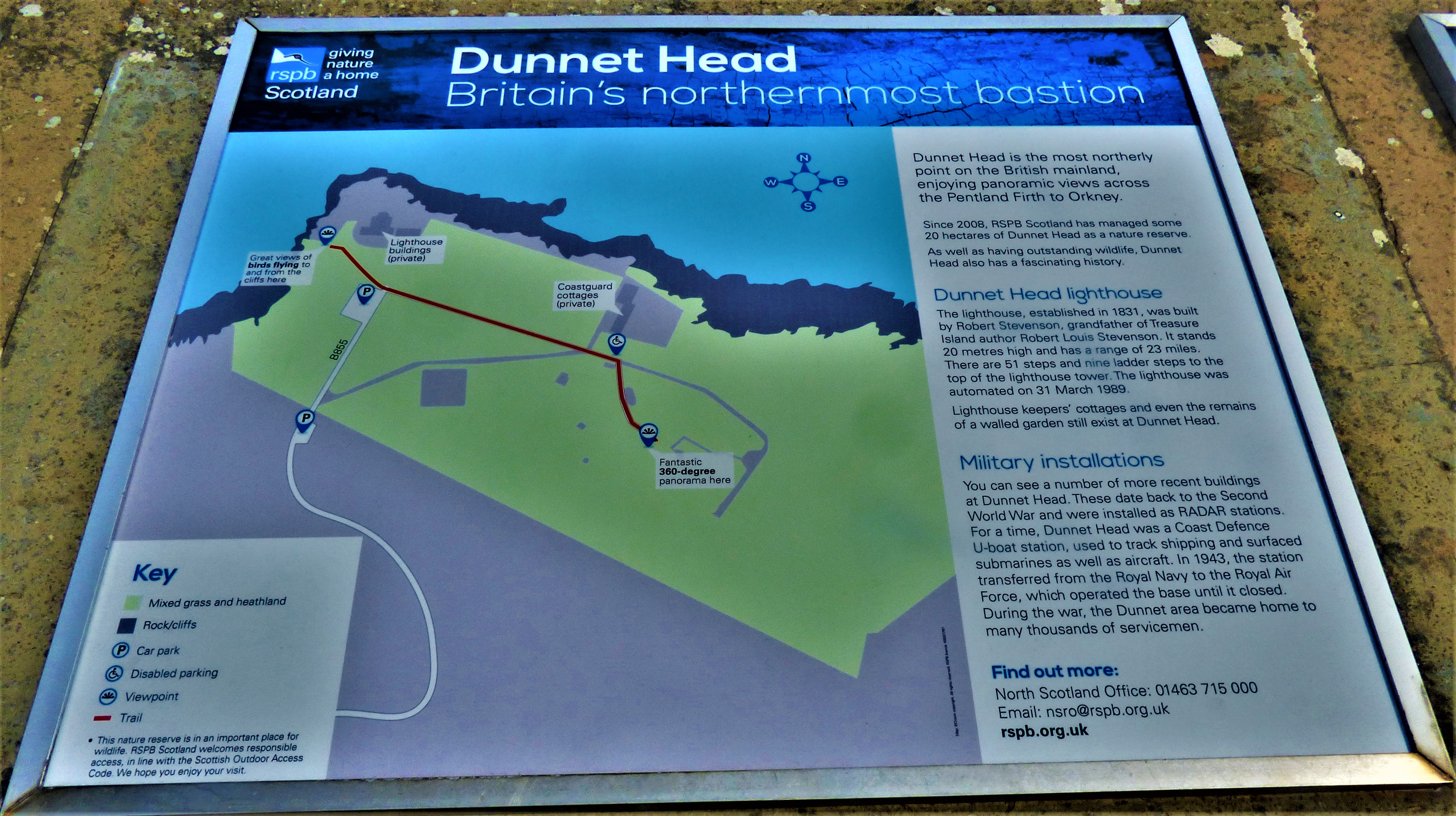
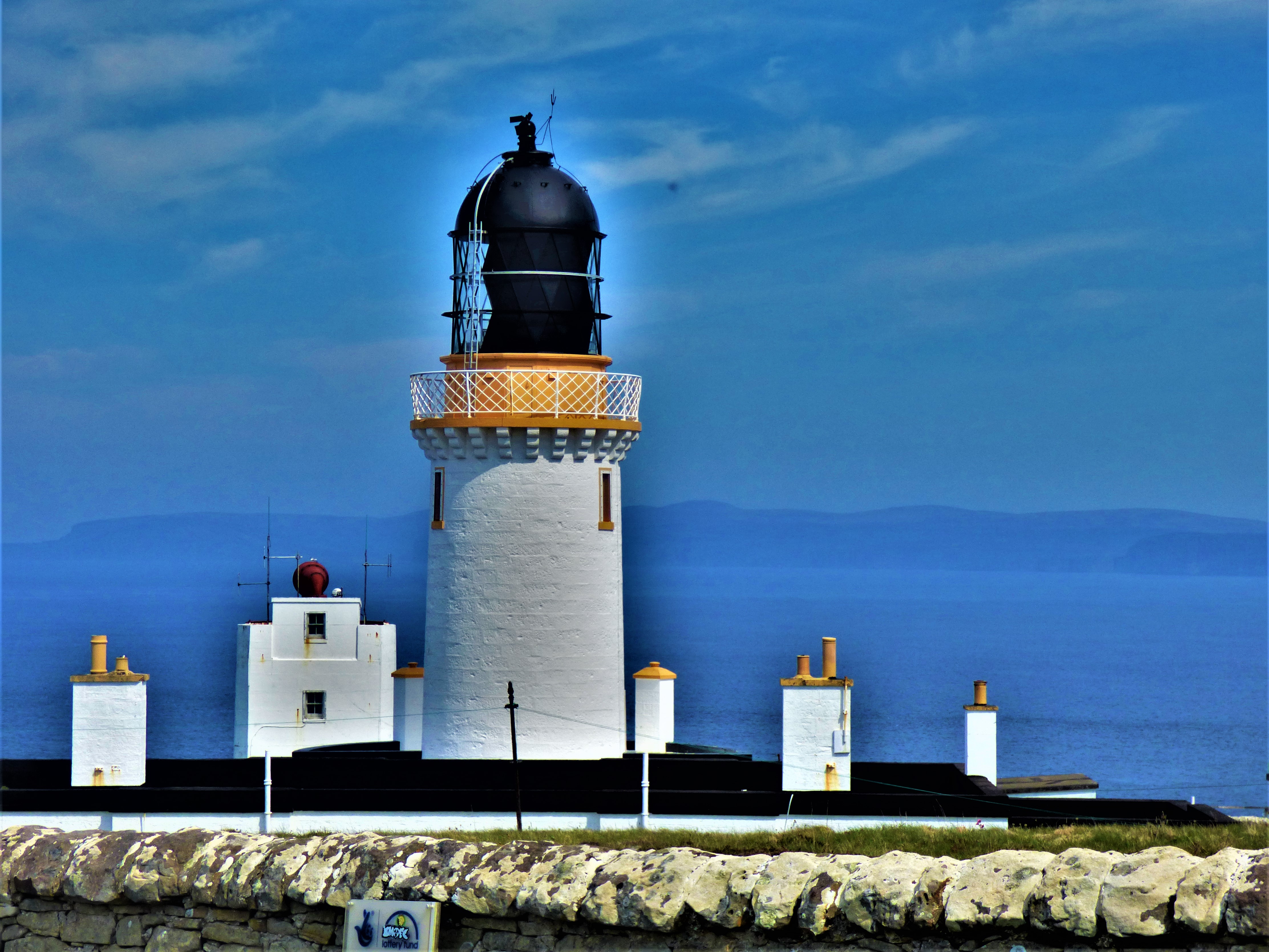
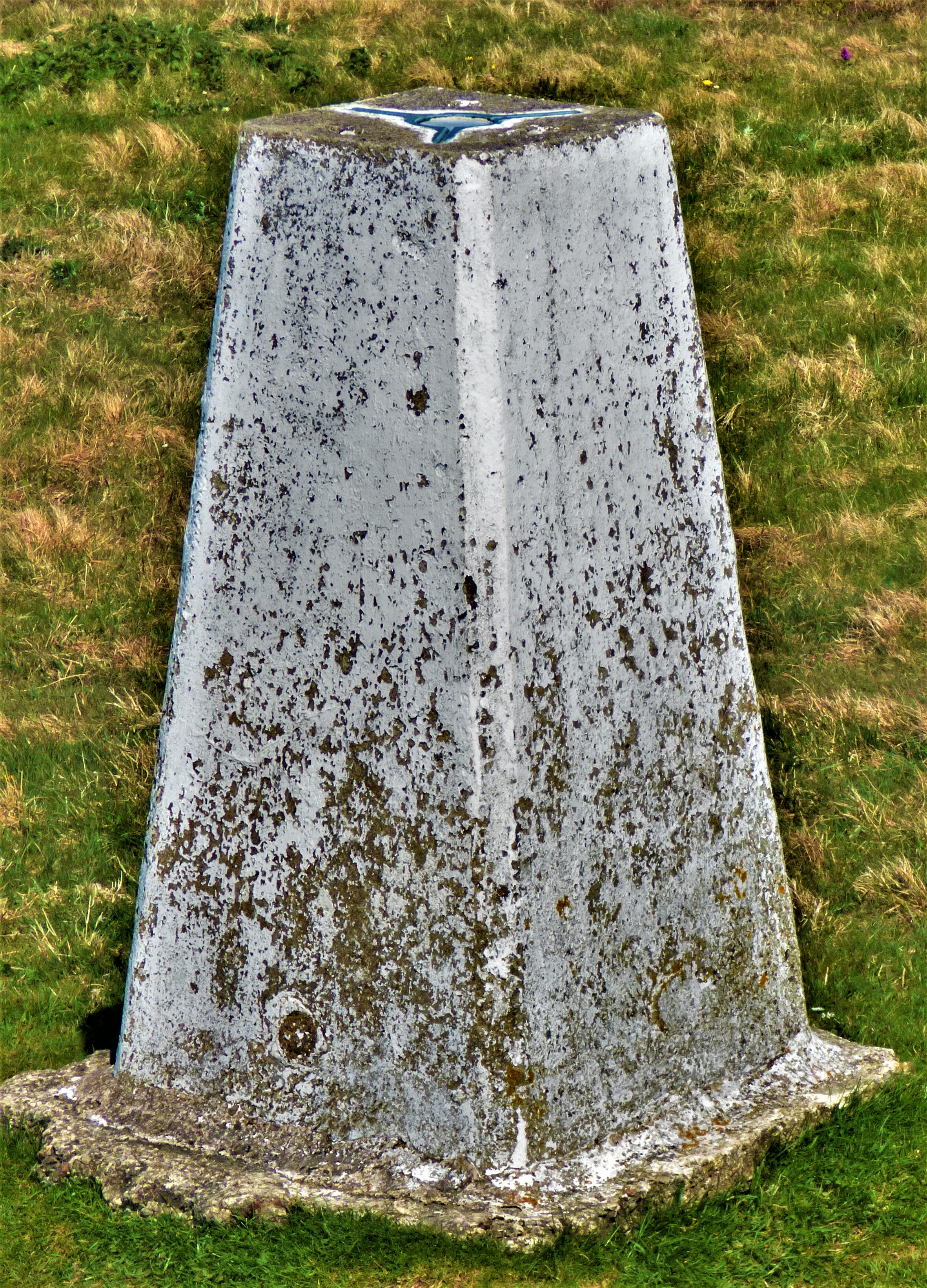
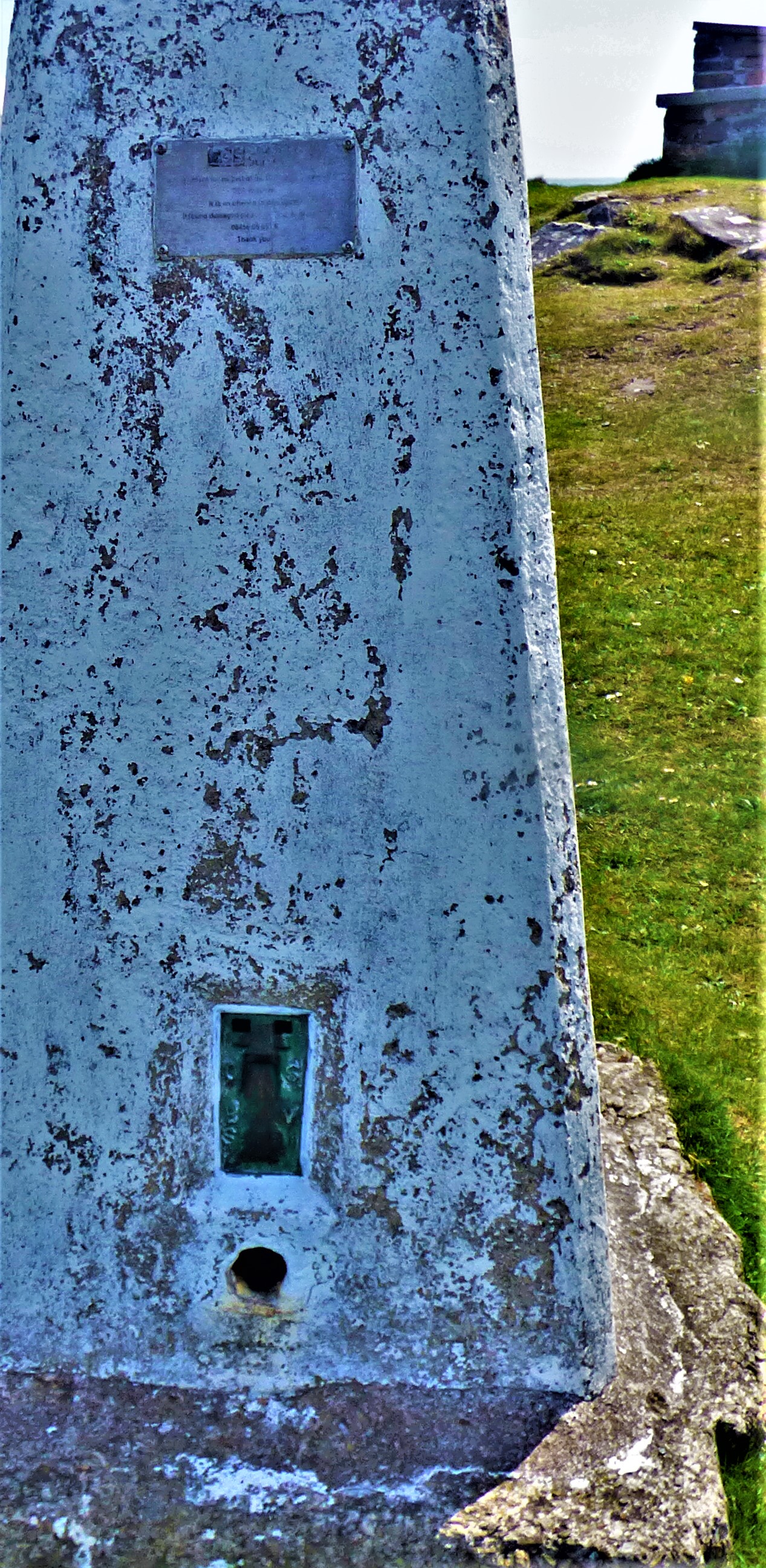
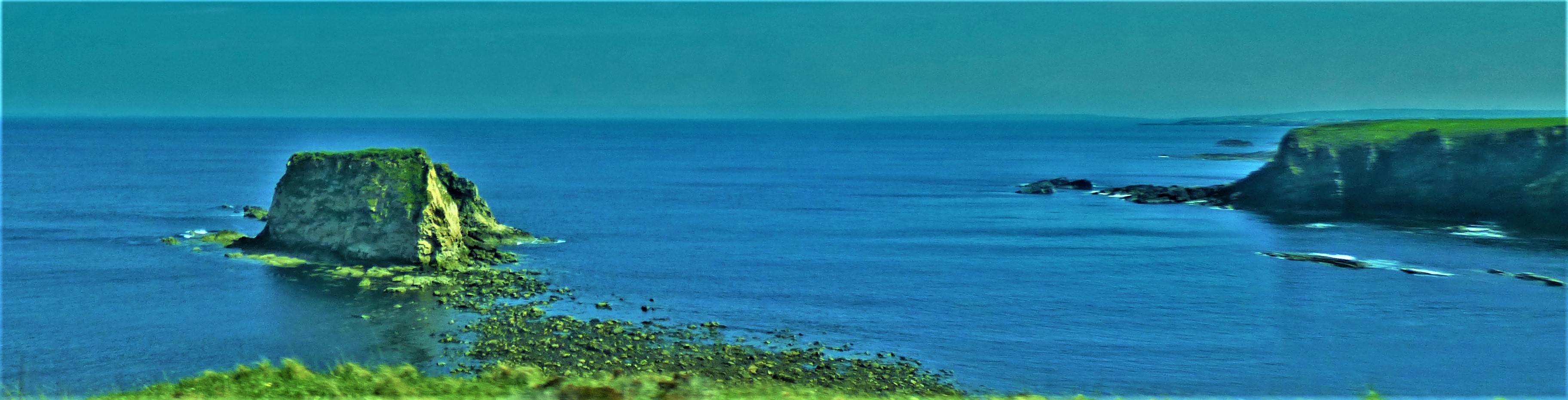
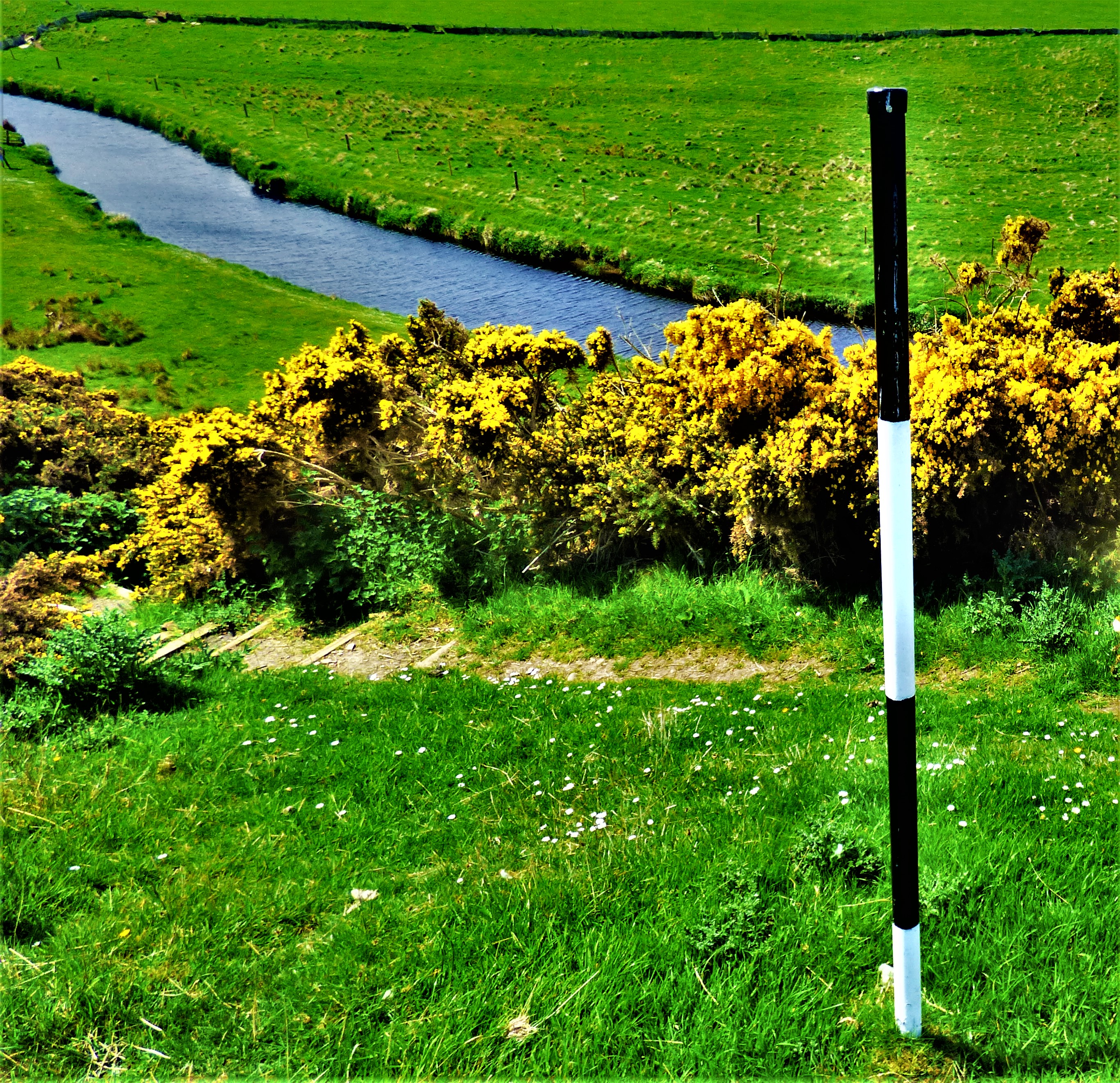
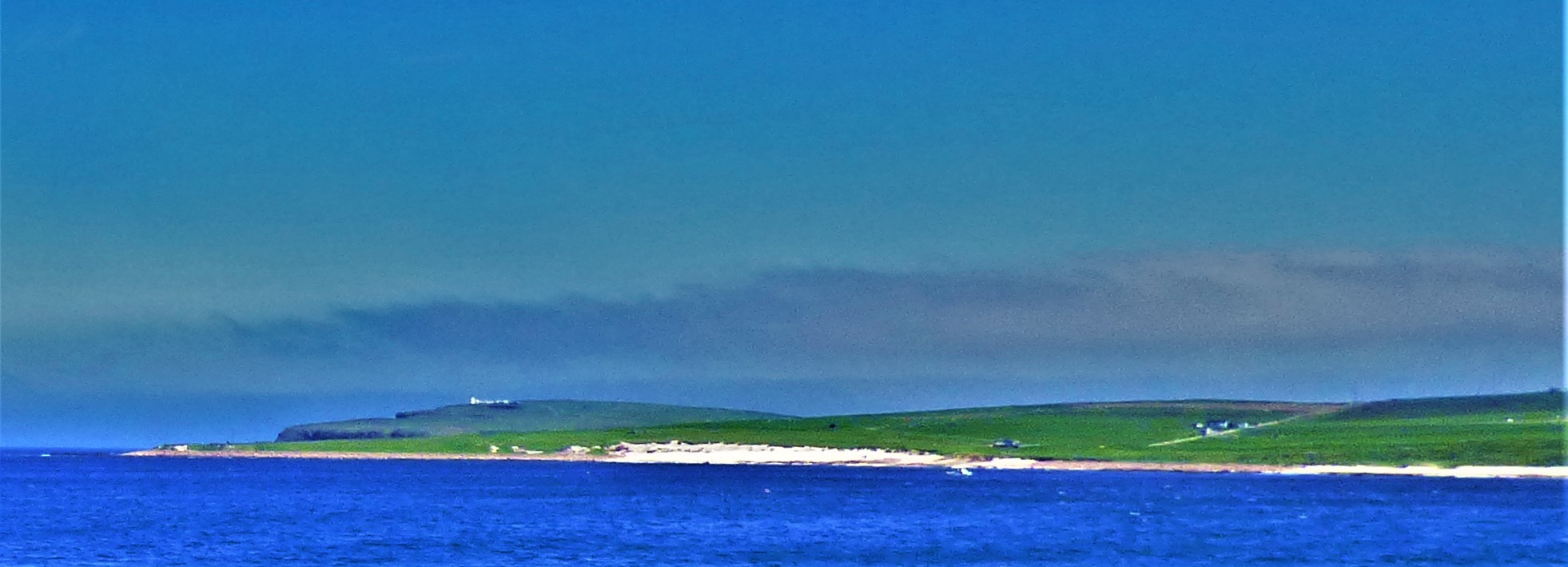
Dunnet Head is the northernmost point of mainland Britain and is noted for its bird life, though I did not get to see much of the latter. There is an ordinance survey summit marker at the highest point of the head, a viewing area from which one can enjoy splendid sea views and a lighthouse designed by Robert Stephenson of the great engineering family which played a huge role in railway history (the novelist Robert Louis Stephenson was also of this family, being Robert of lighthouse fame’s grandson).
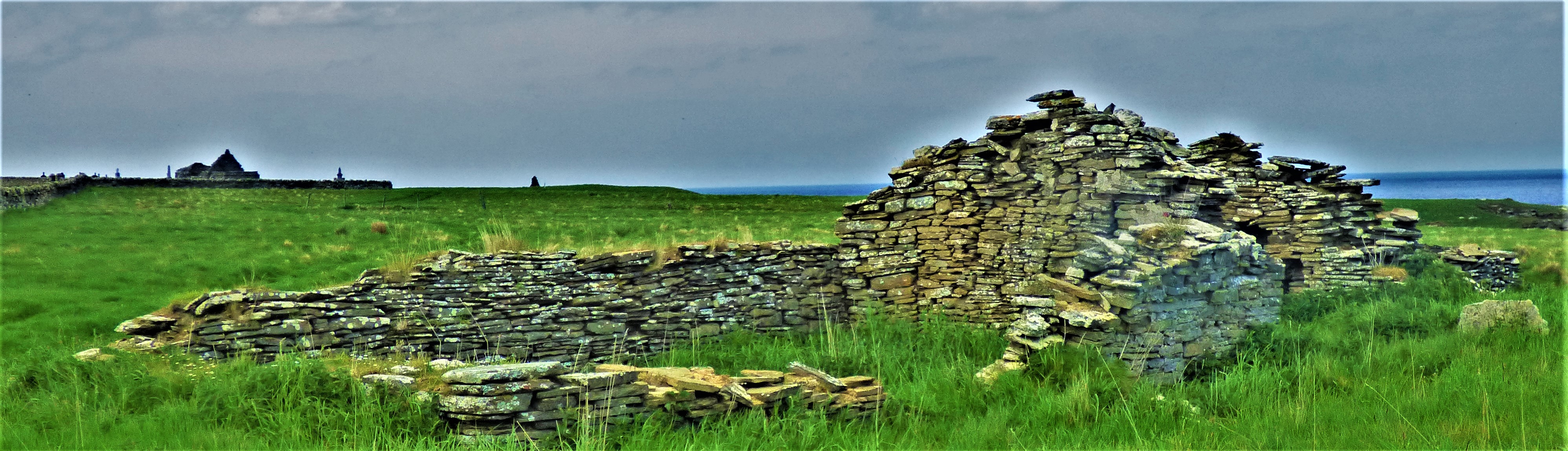
St Mary’s Crosskirk
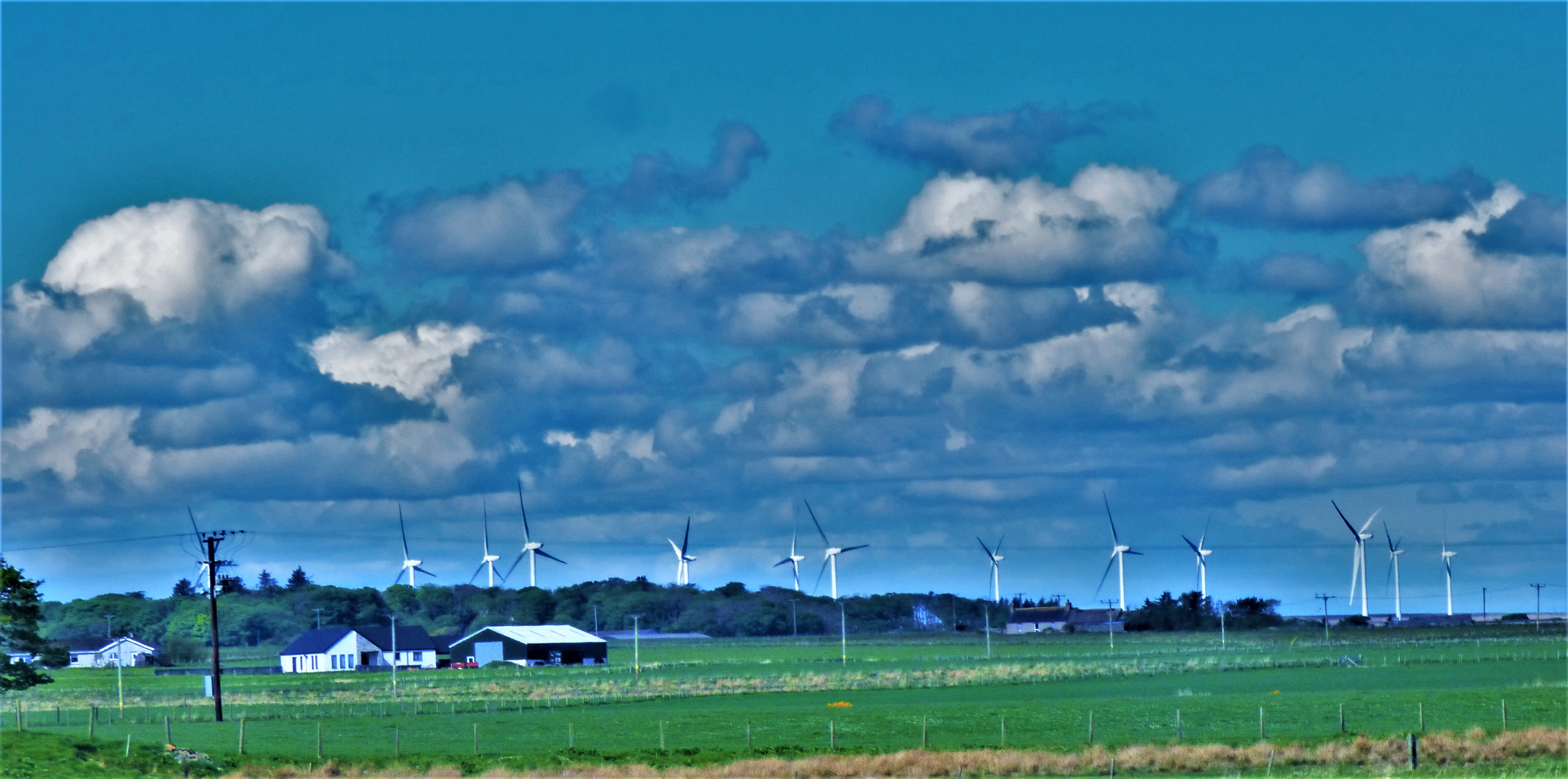
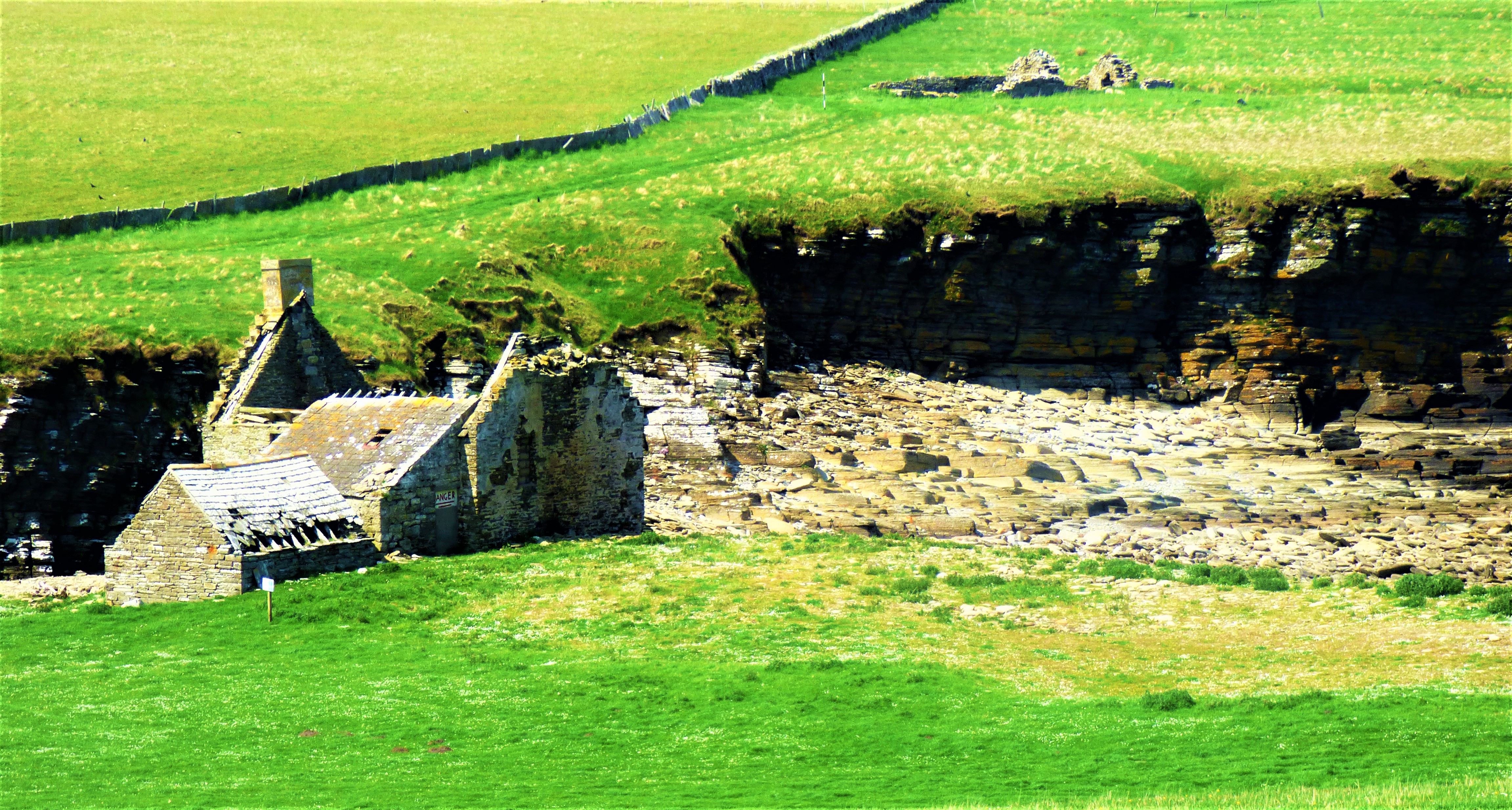
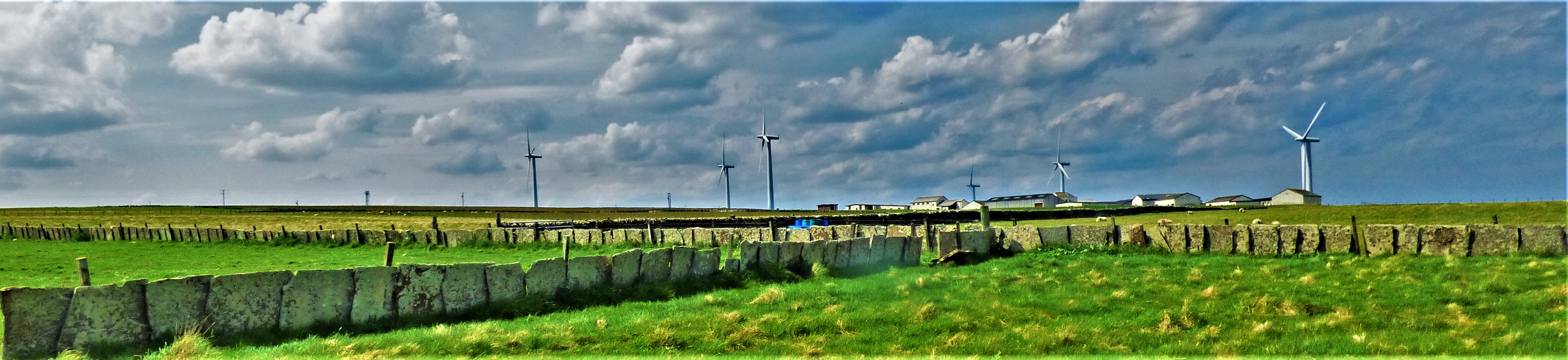
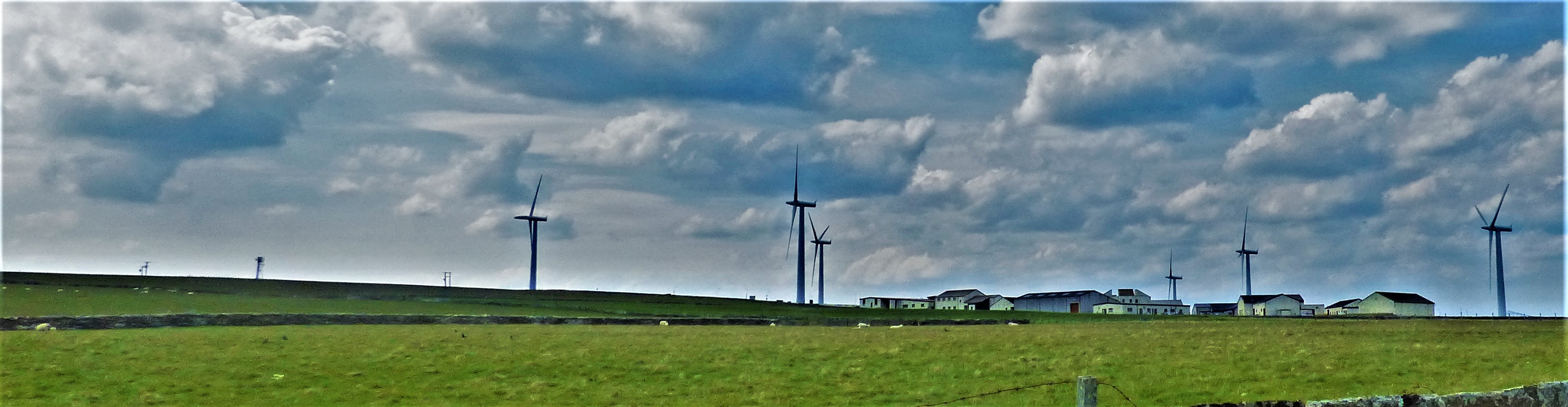
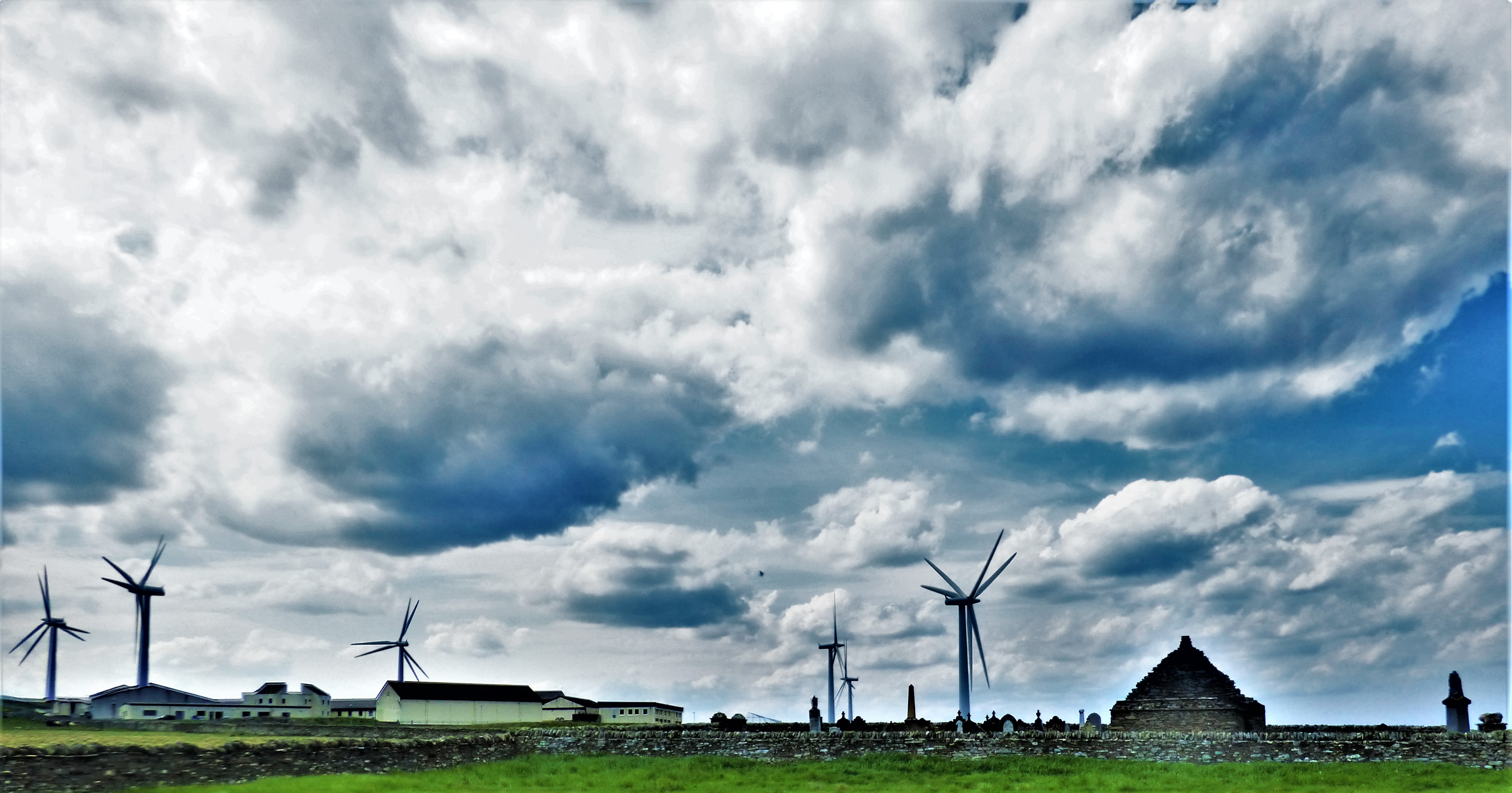
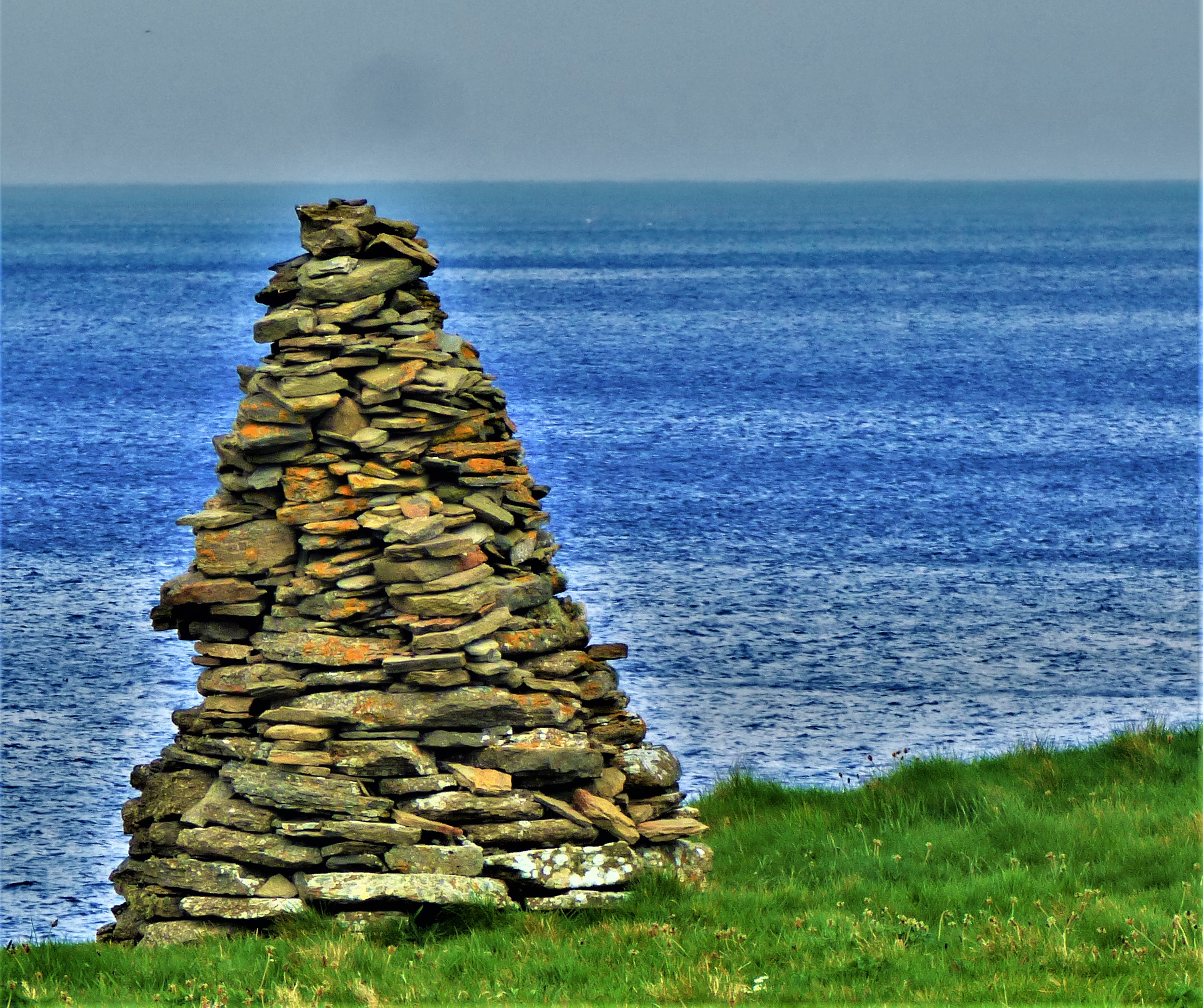
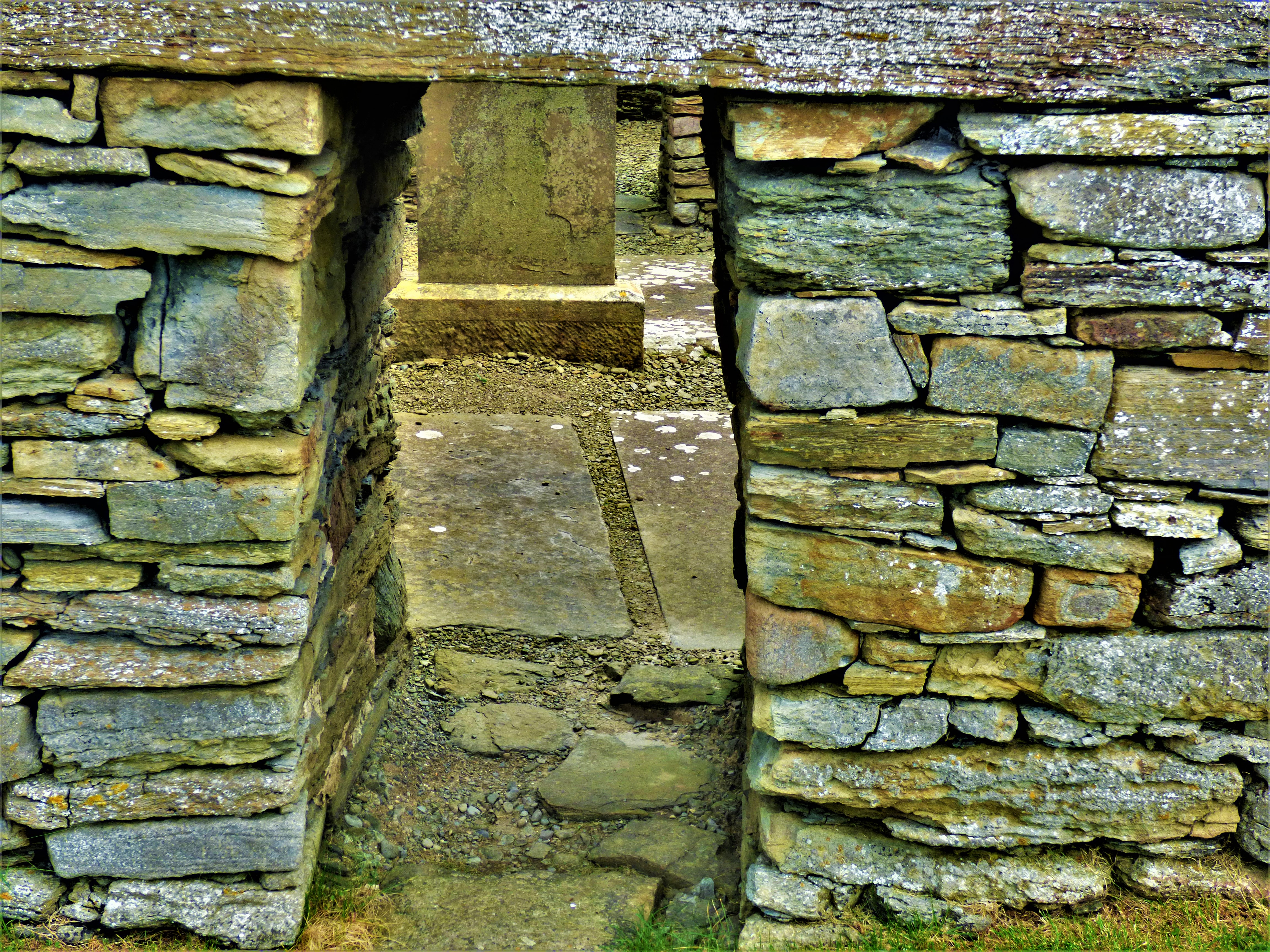
The walk to access this ruin is in parts steep, including a staircase that looks more unpleasant to walk than it actually is. It also takes one past a wind farm, while there are some splendid views along the way. The chapel itself is missing its entire roof and part of its walls.
PHOTOGRAPHS
Here are some pictures from both attractions…
A road map of the corner of Scotland where this holiday took place.
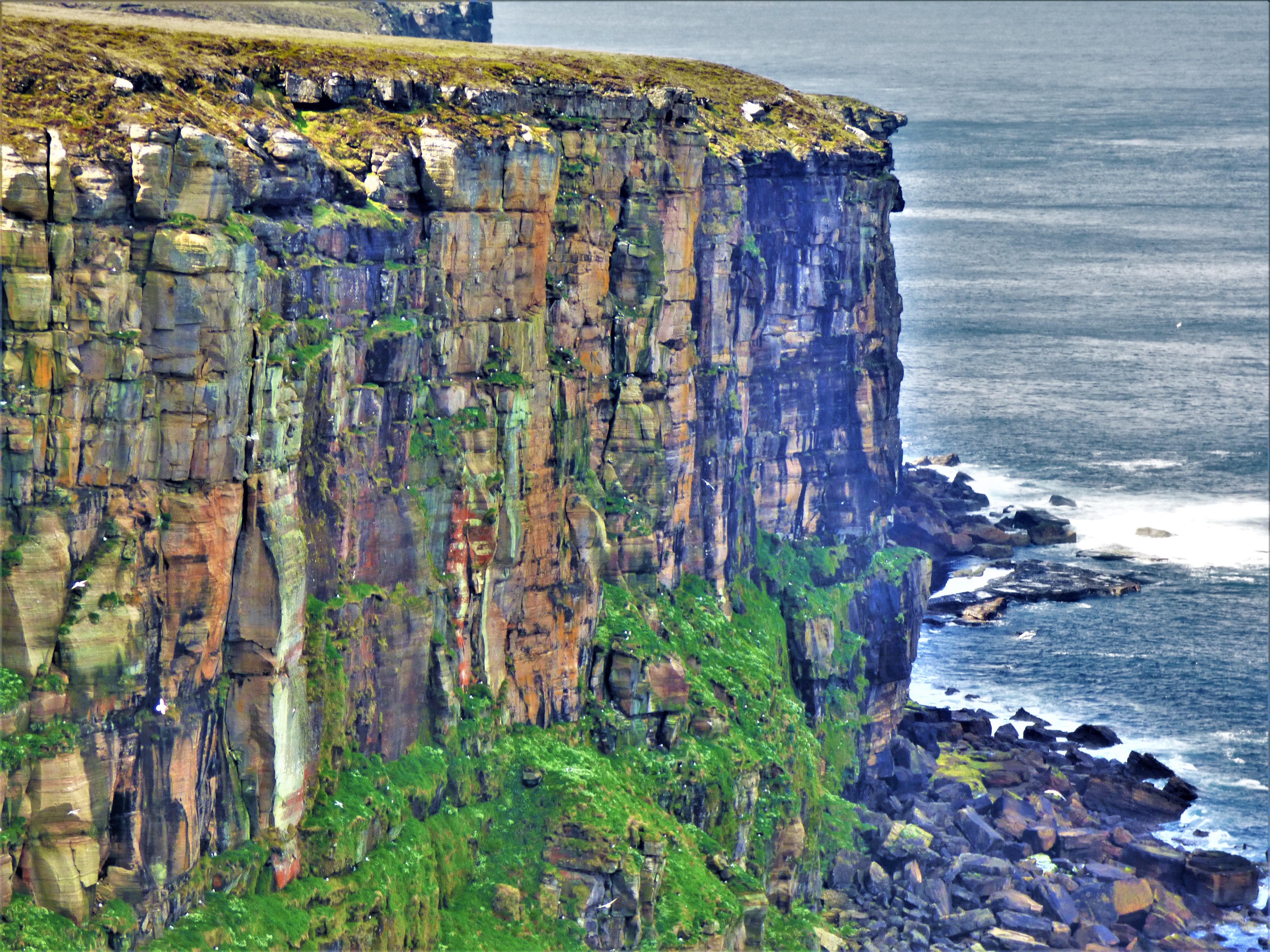
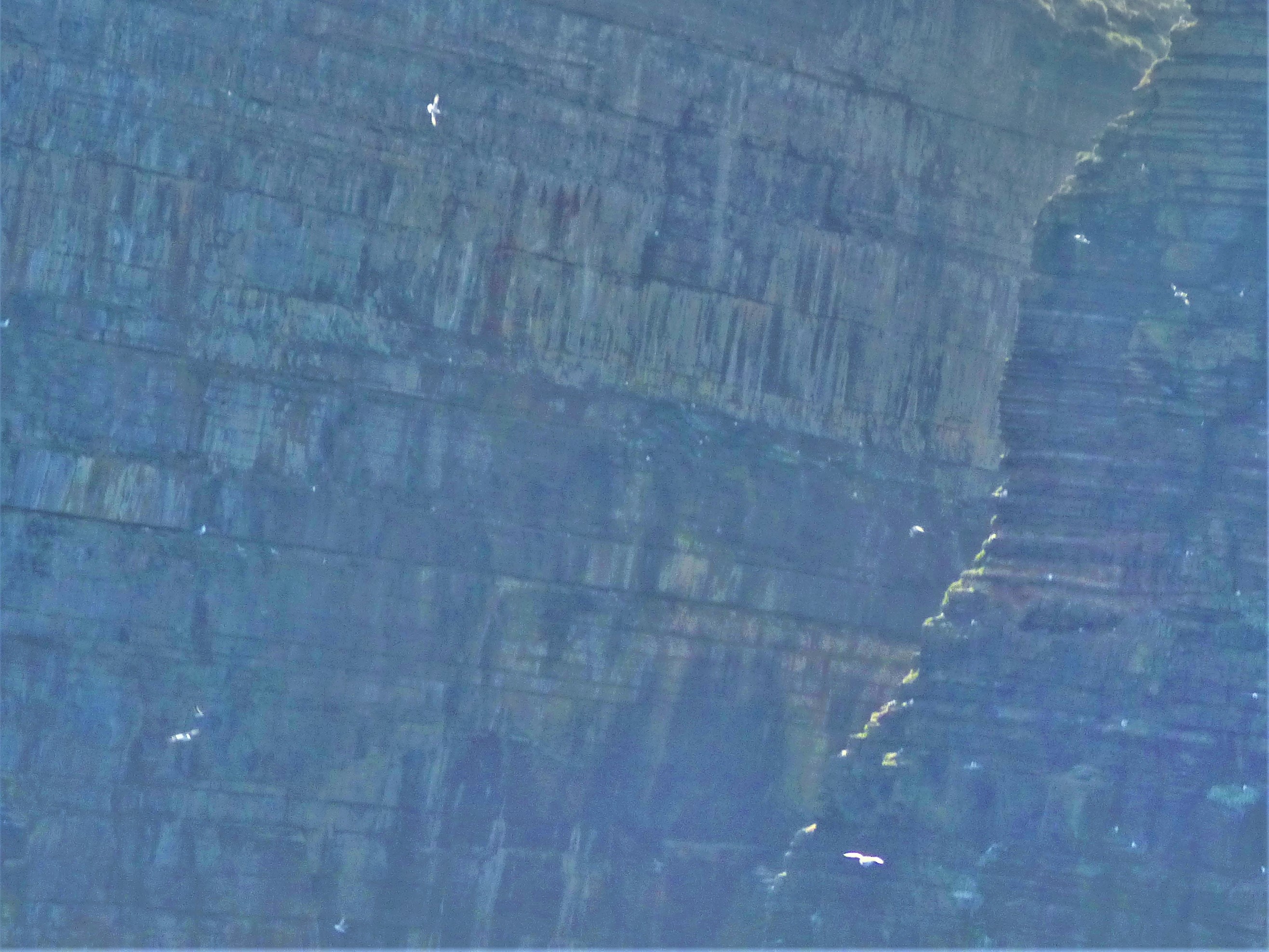
The cliffs of Dunnet Head
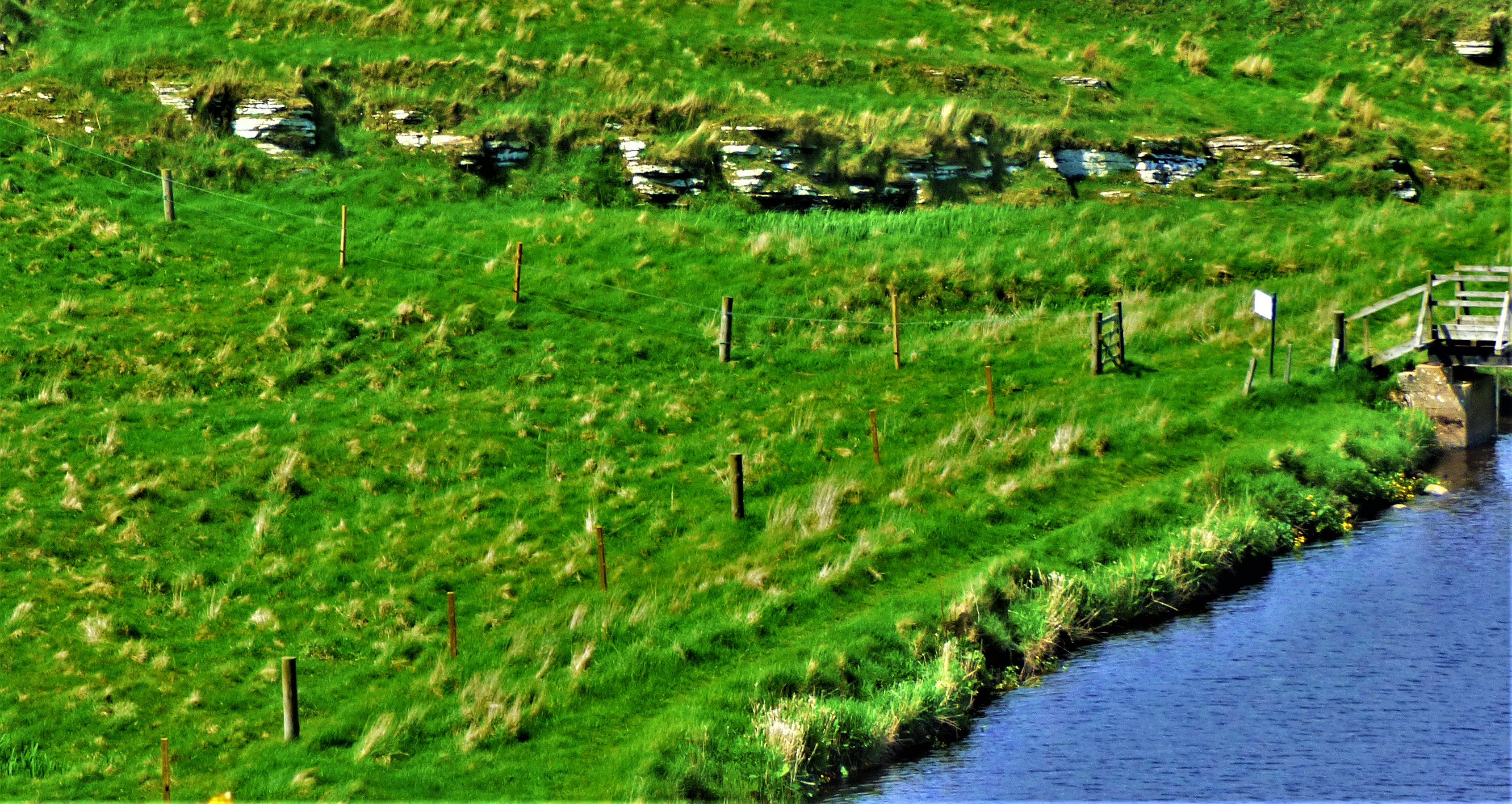
The bridge across the river to reach the monument.
The bridge and in the foreground the older stone crossing.
An account of a wildlife cruise on the afternoon of my birthday.
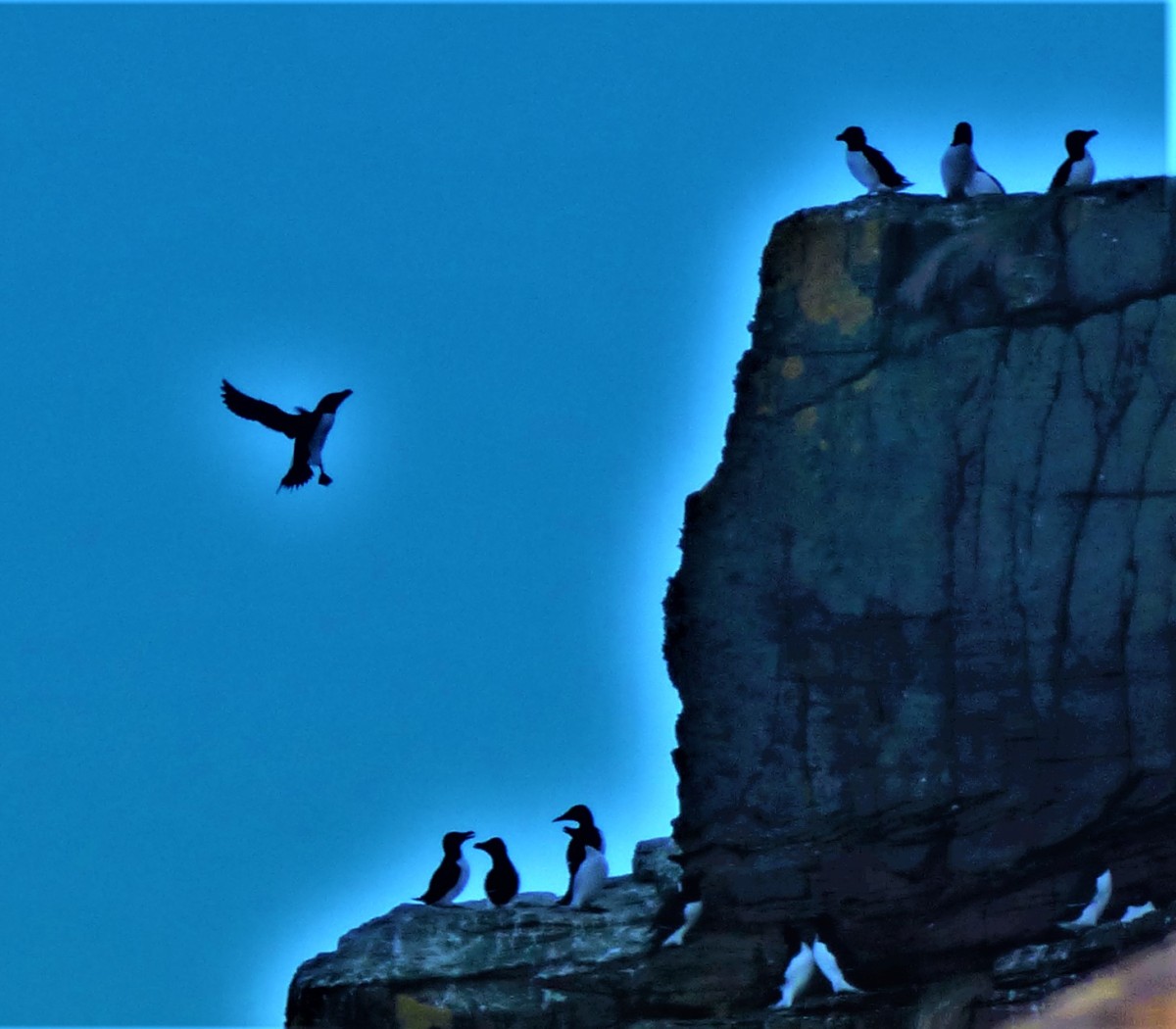
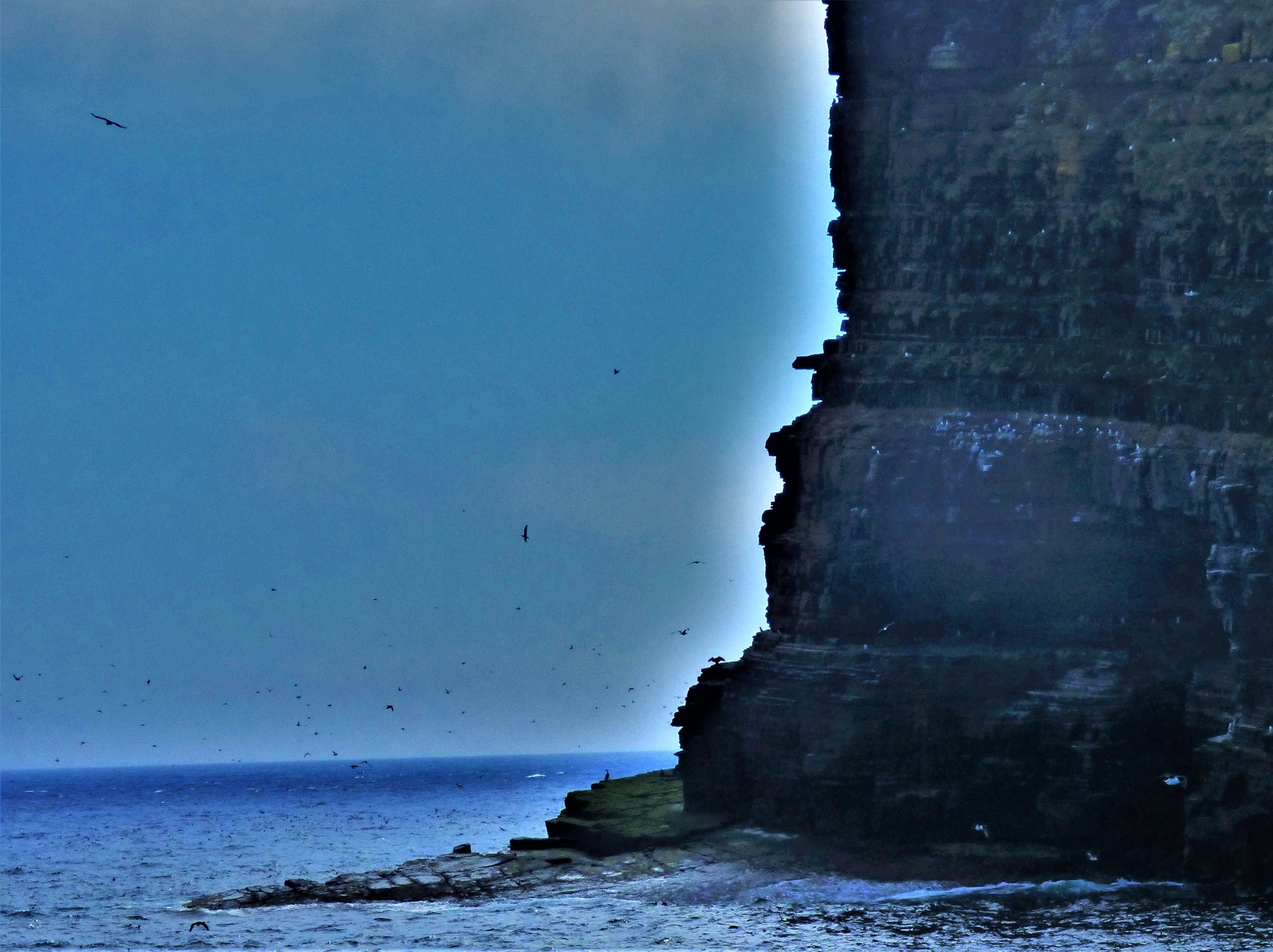
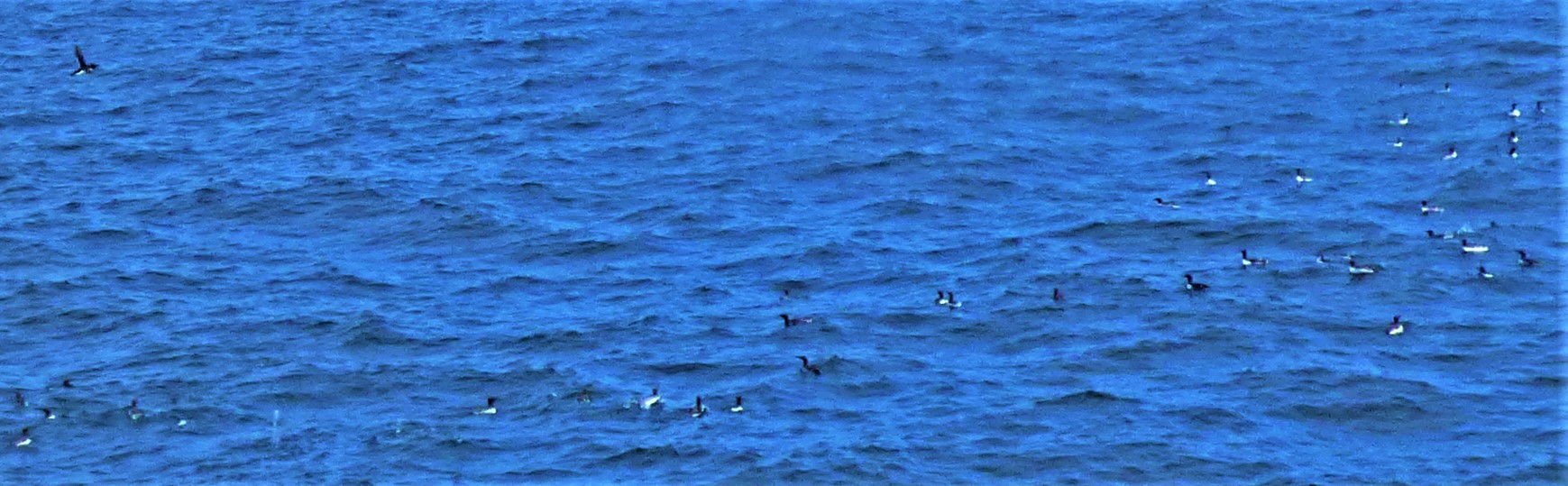
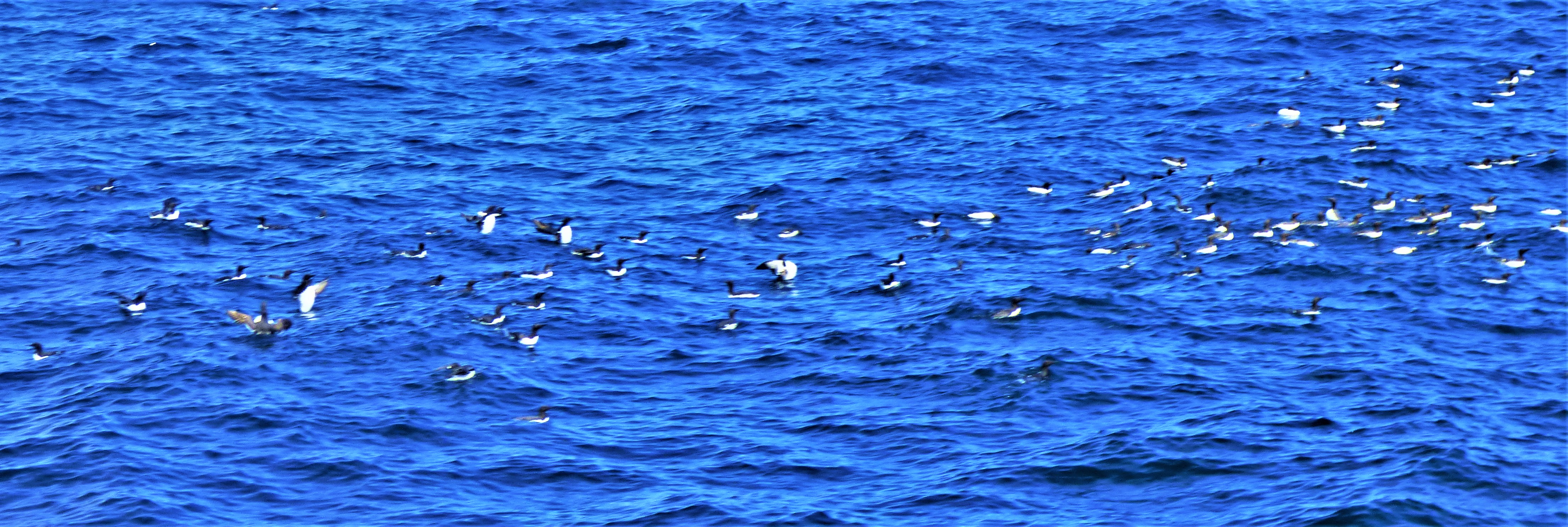
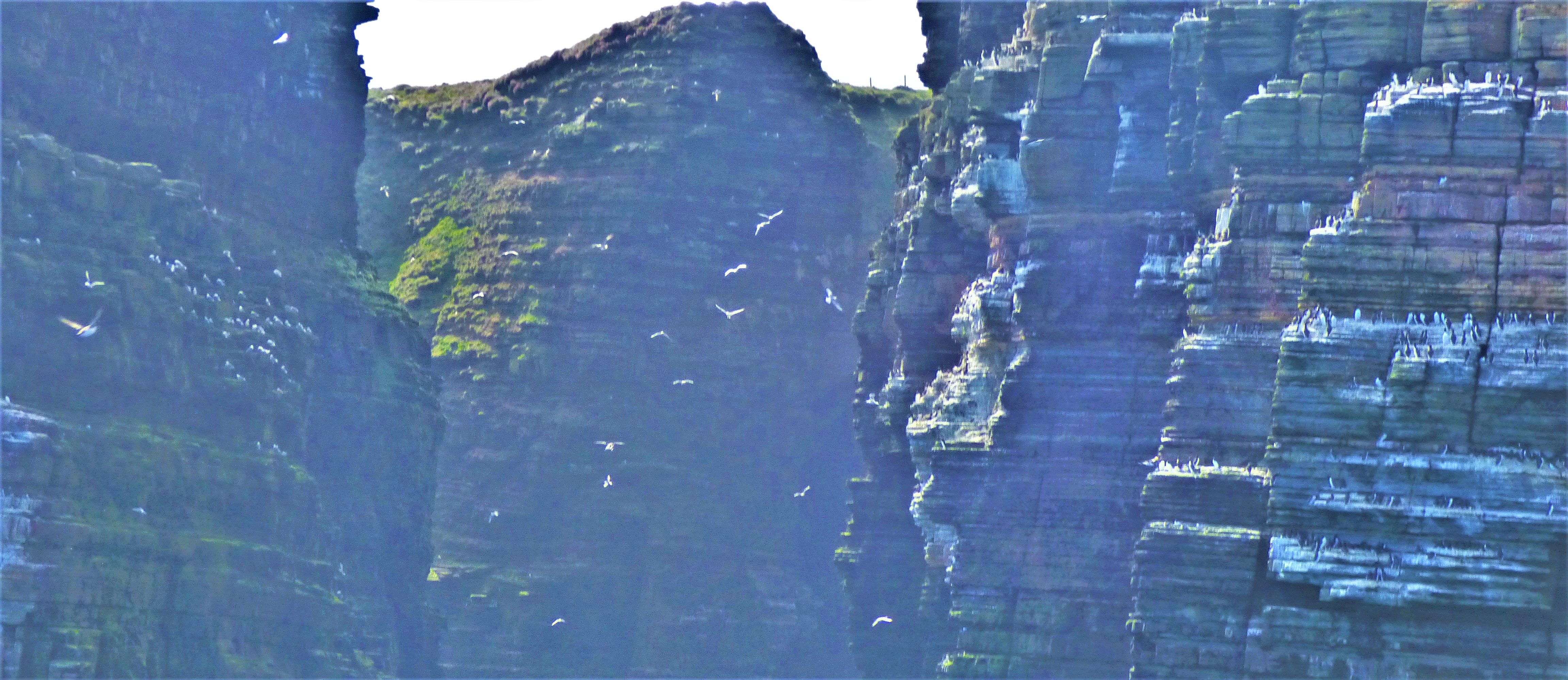
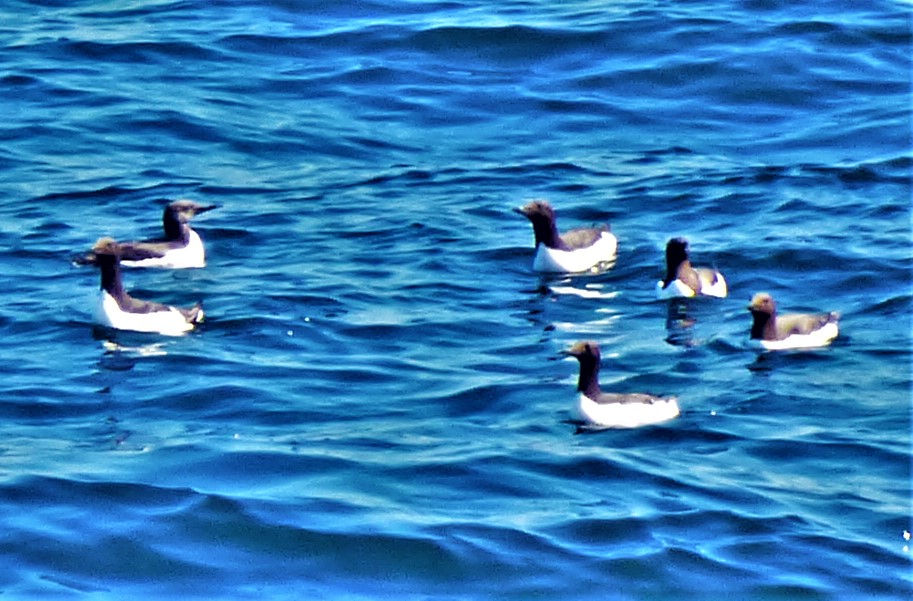
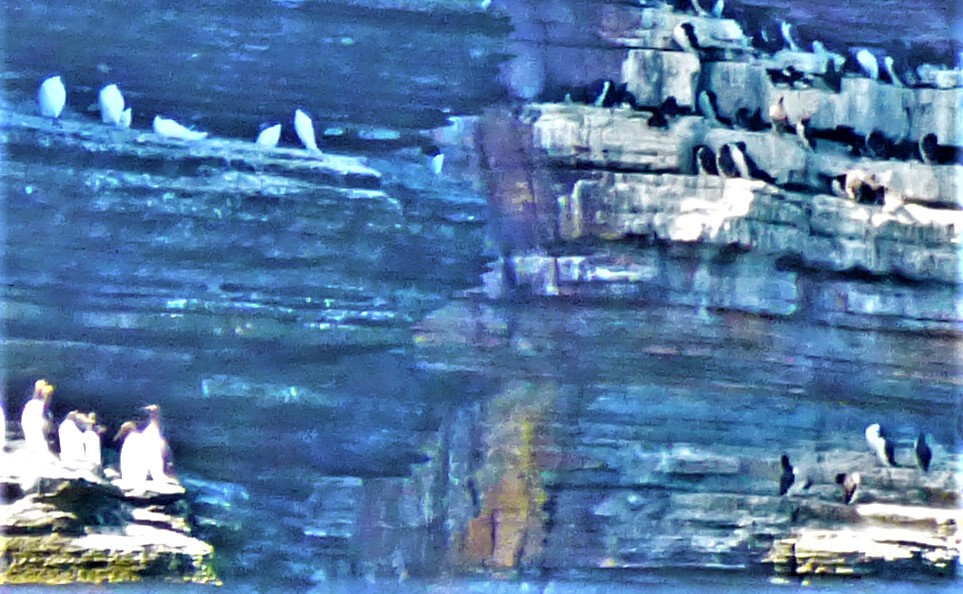
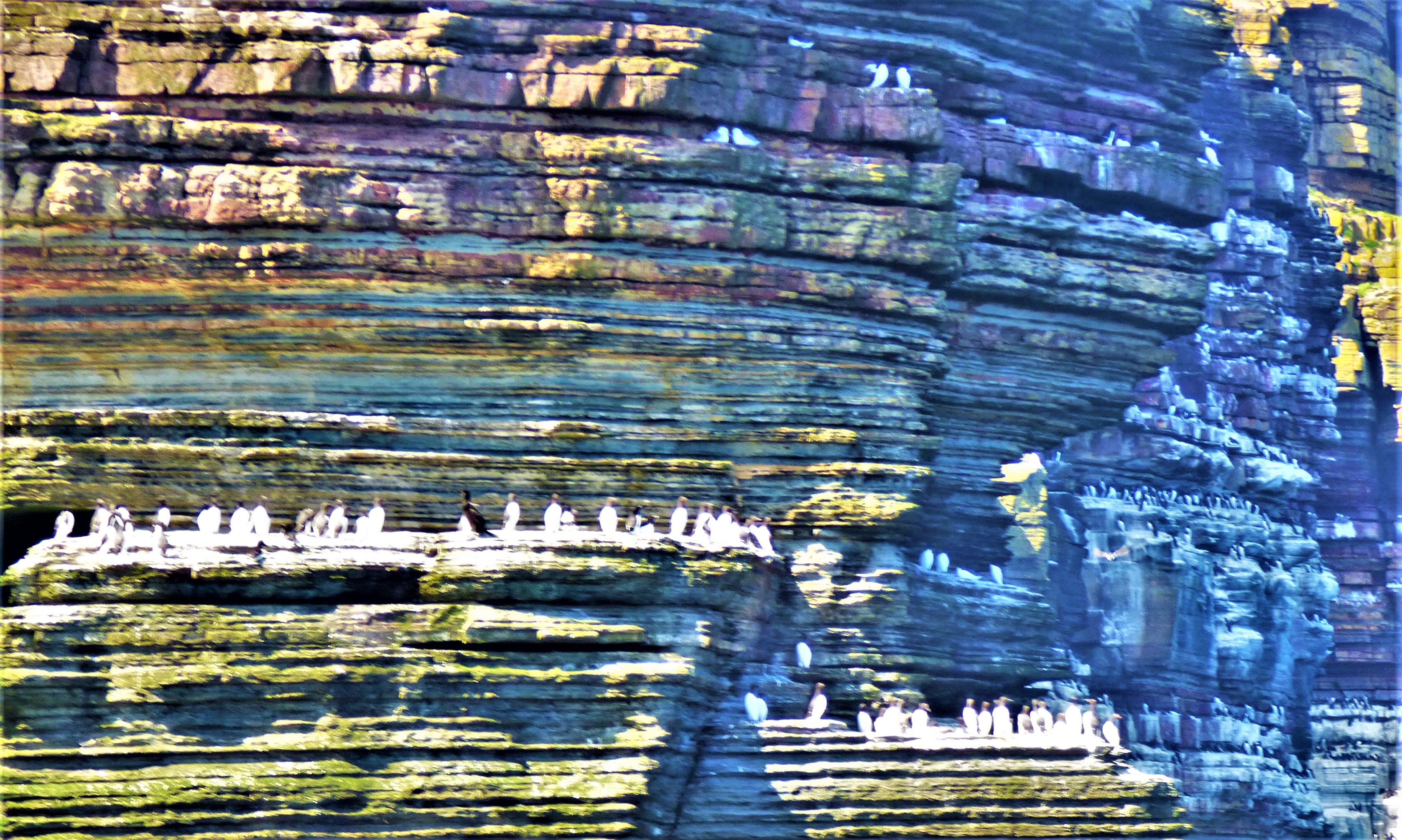
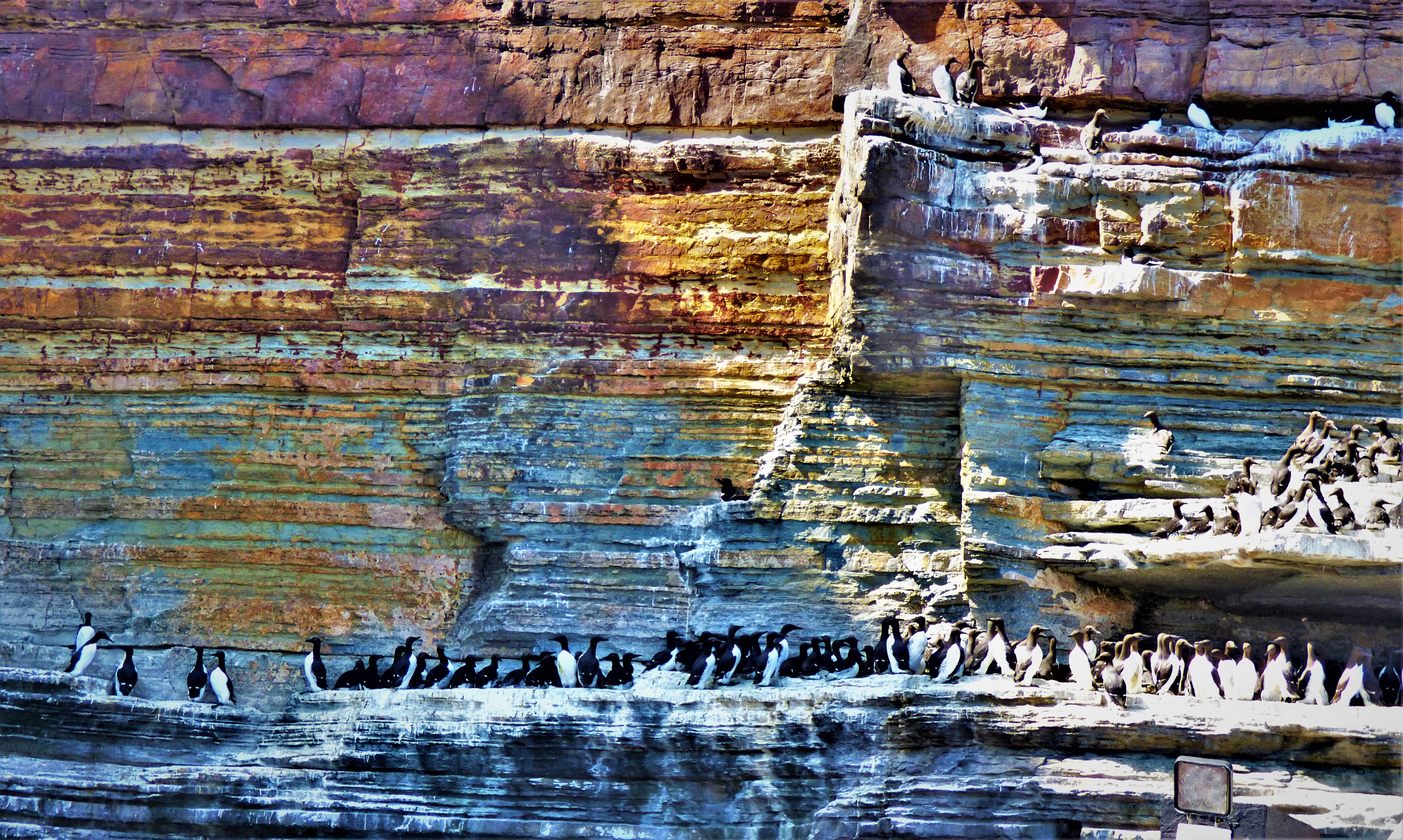
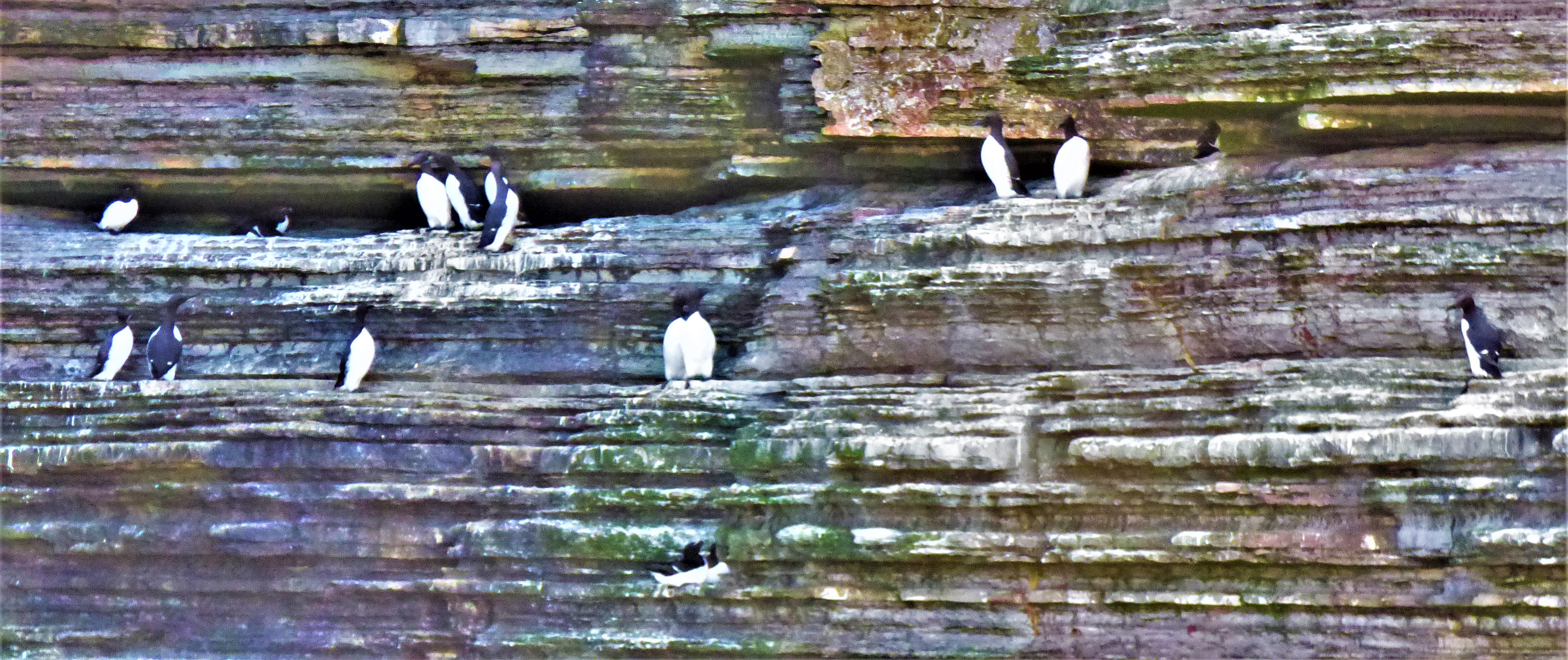
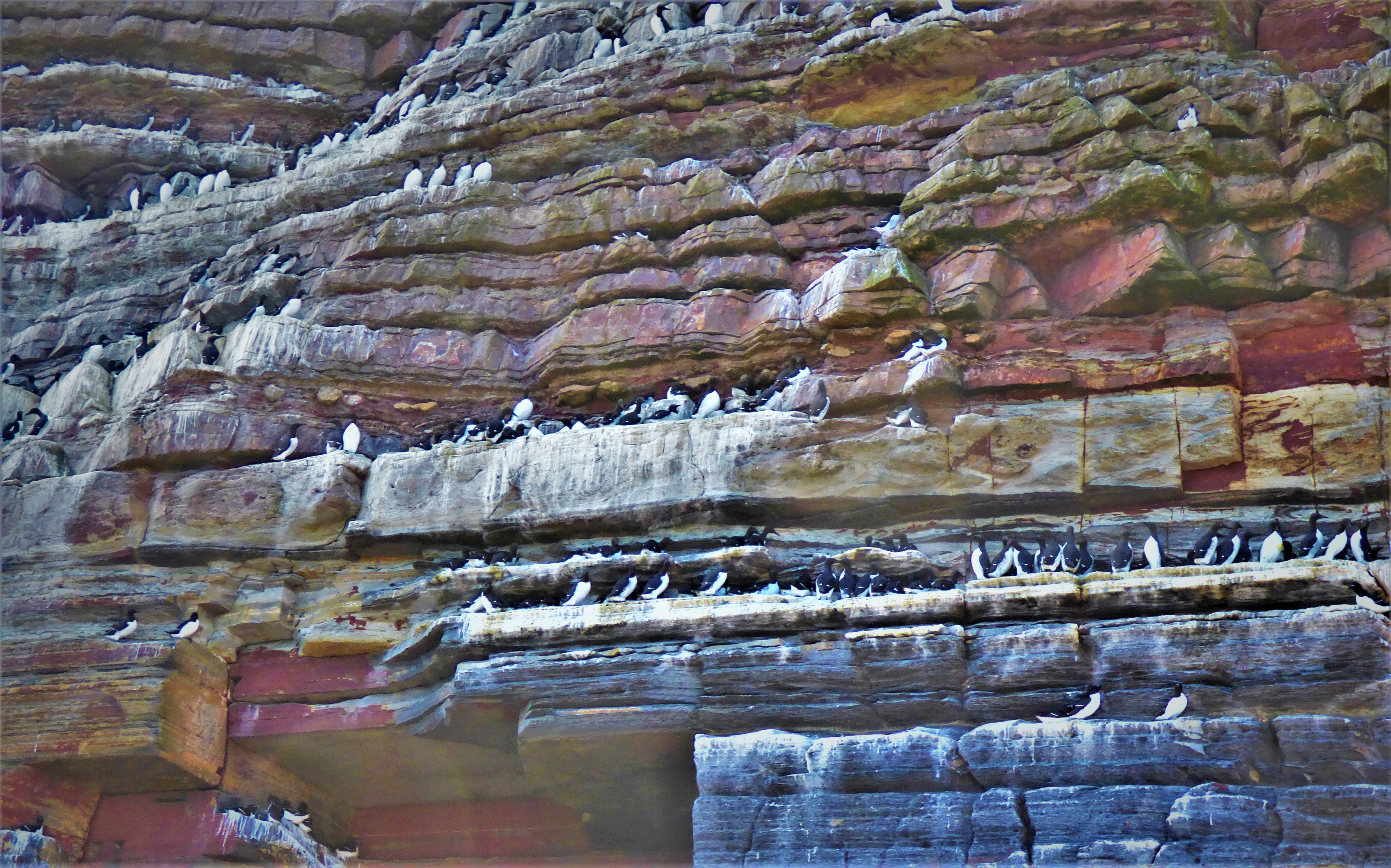
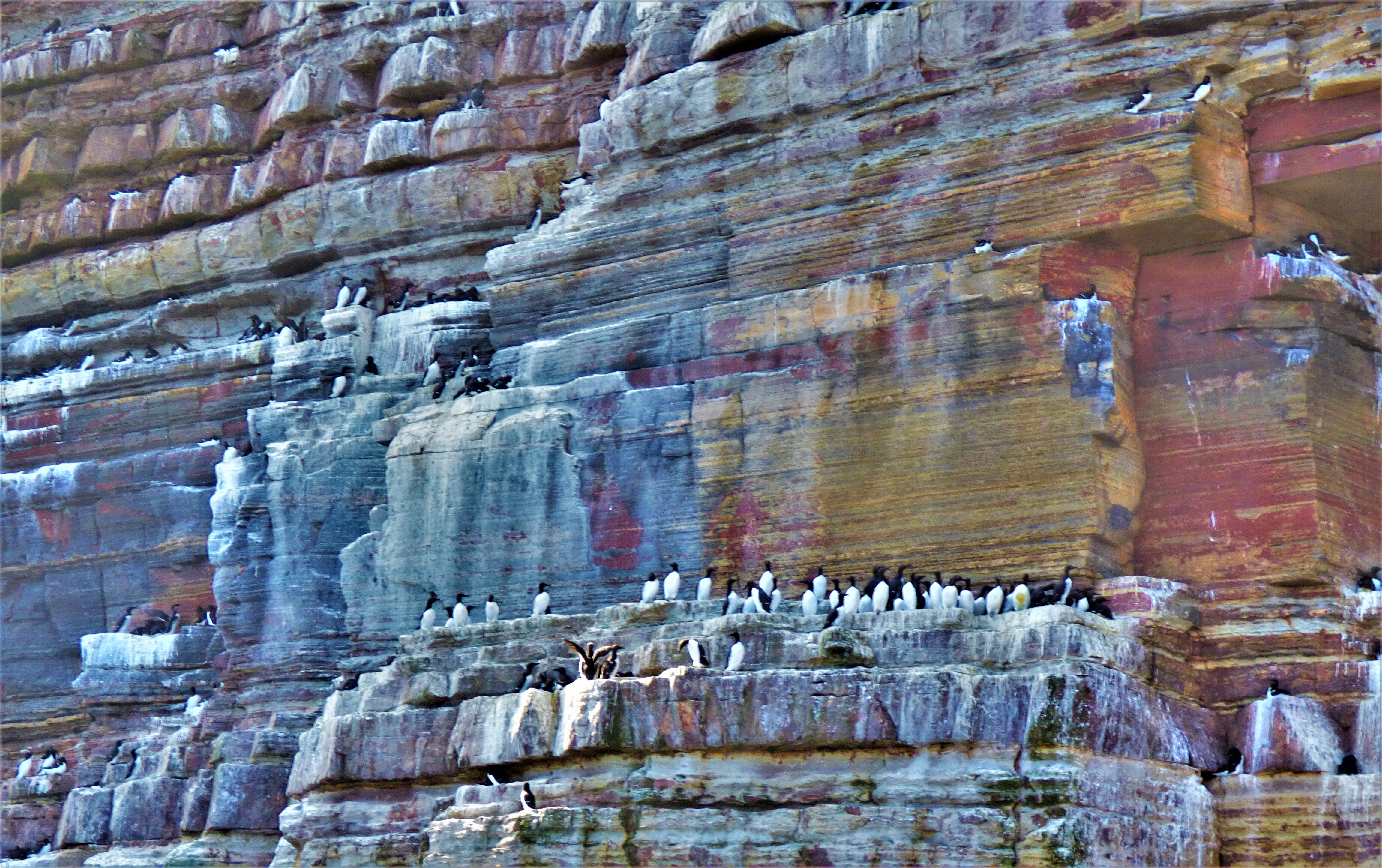
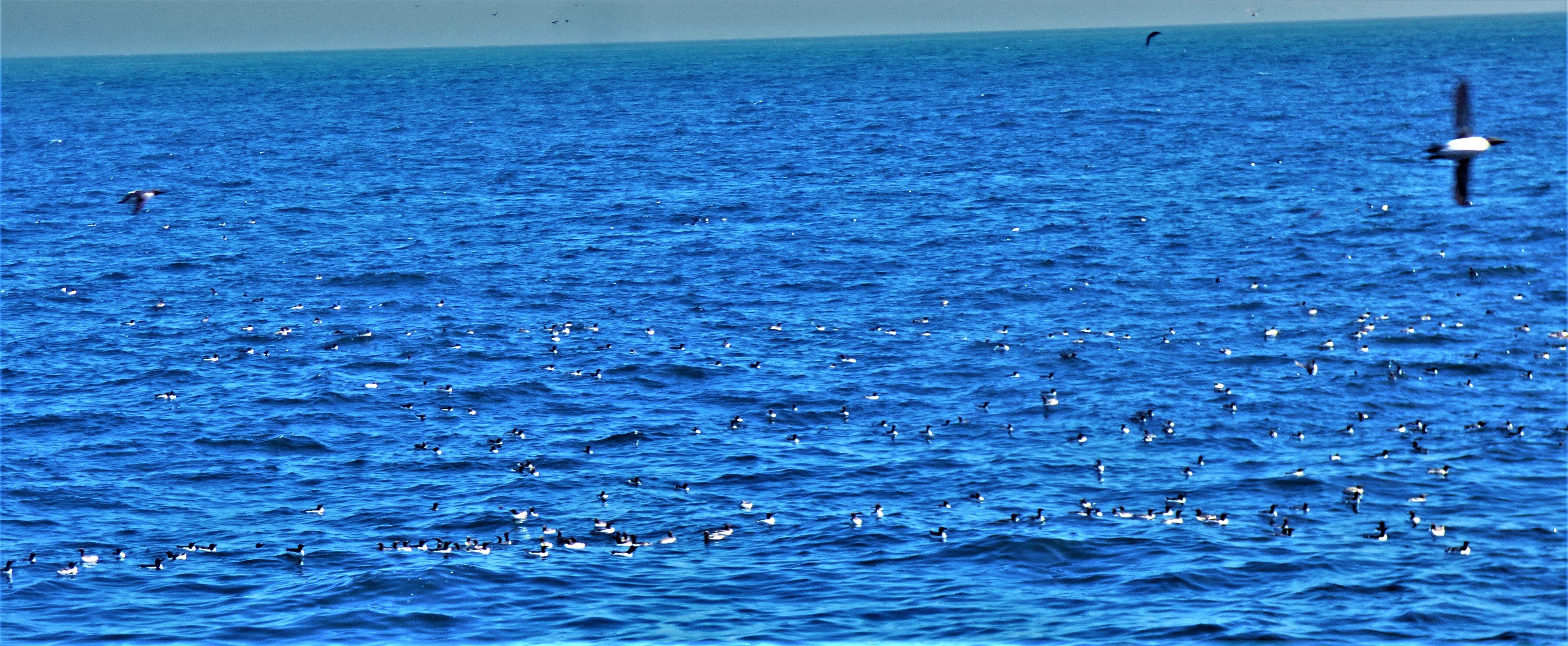
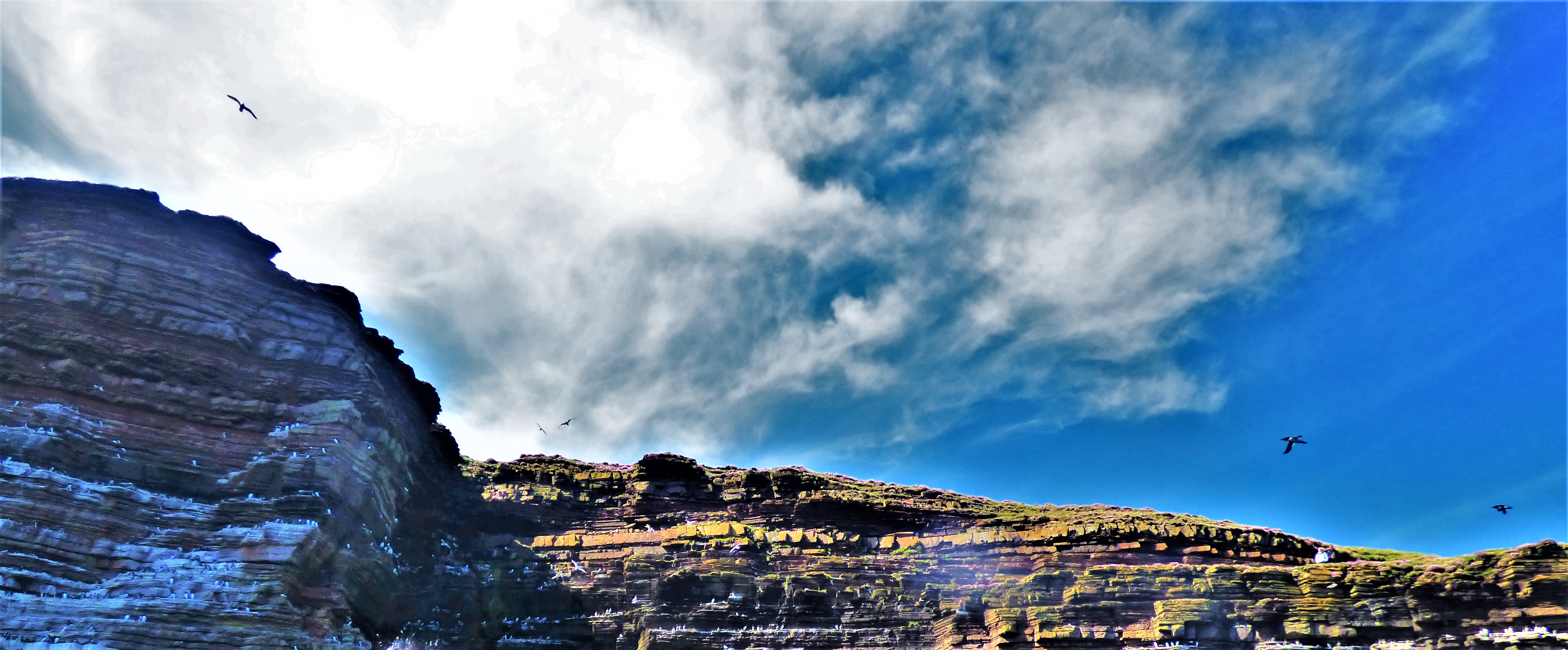
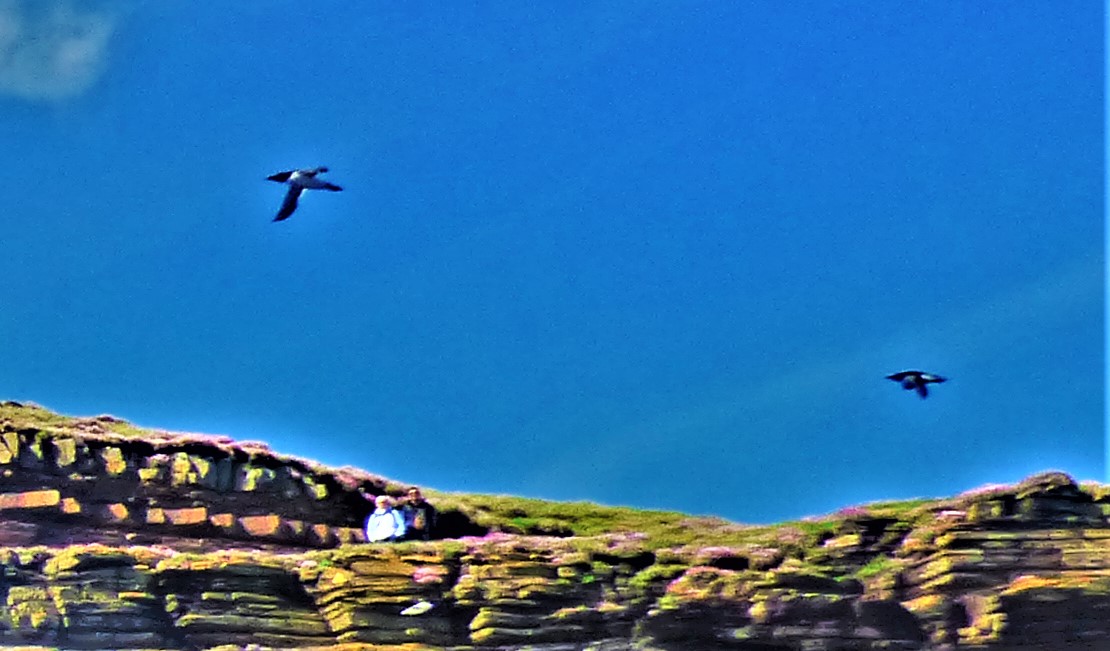
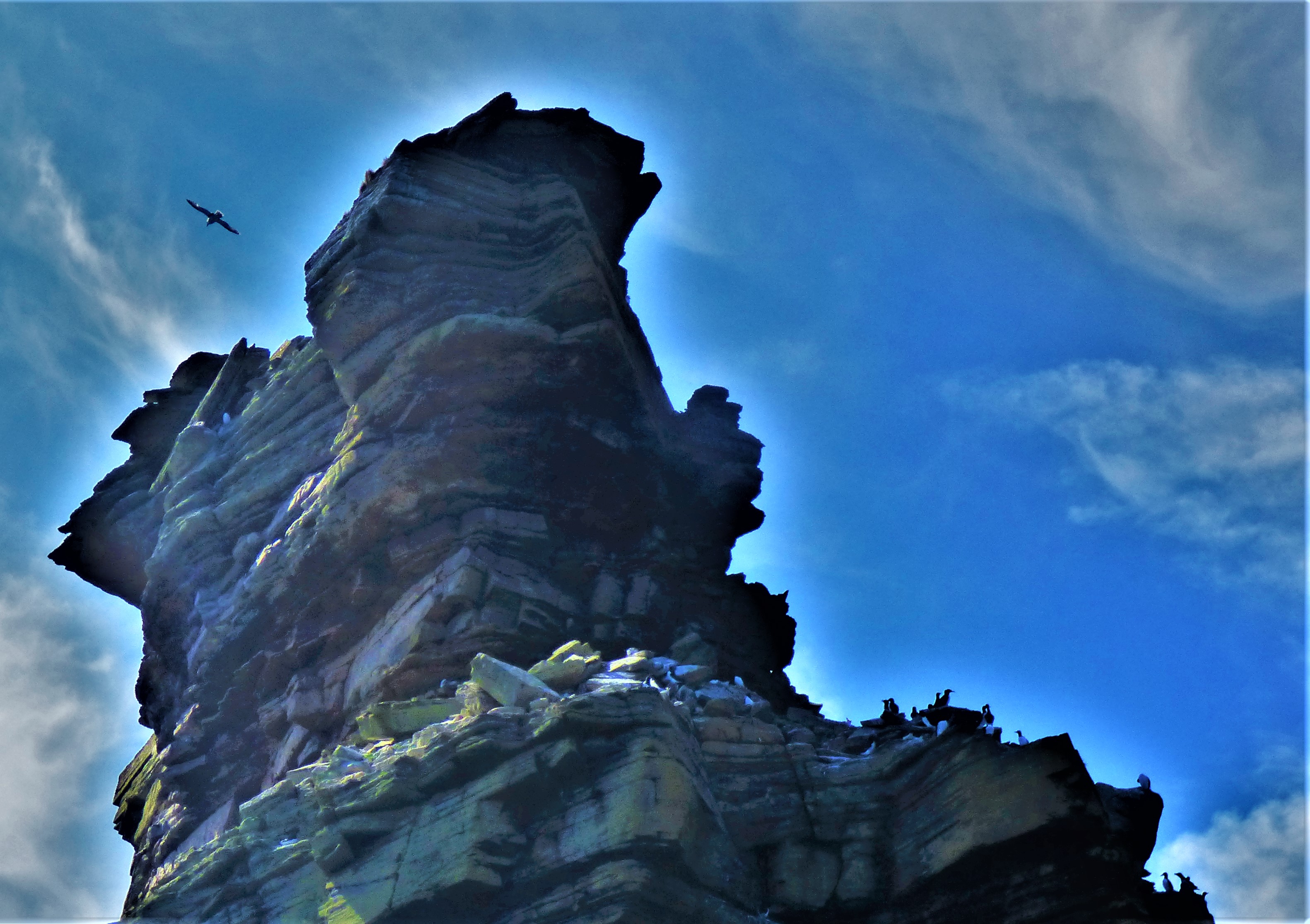
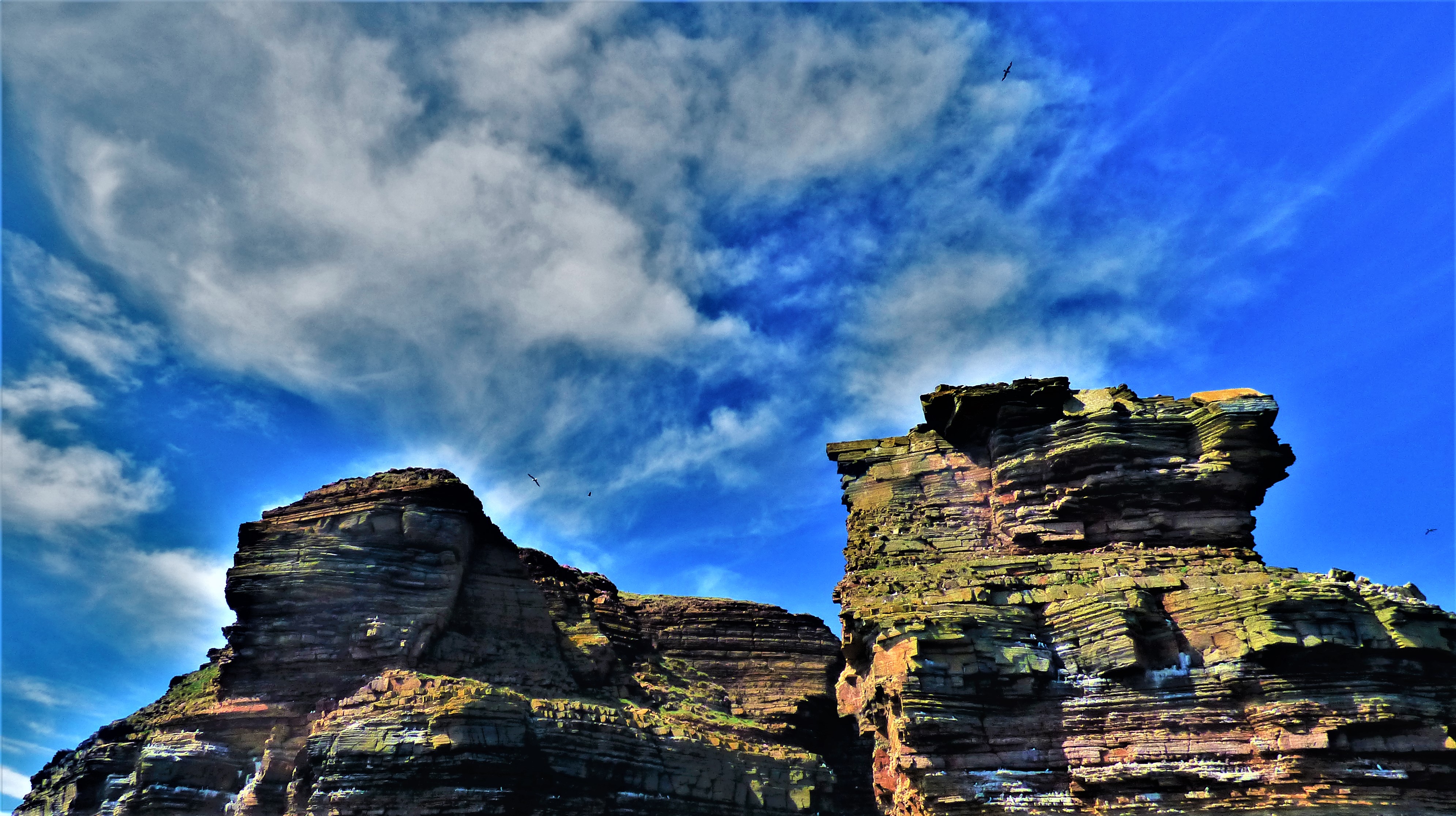
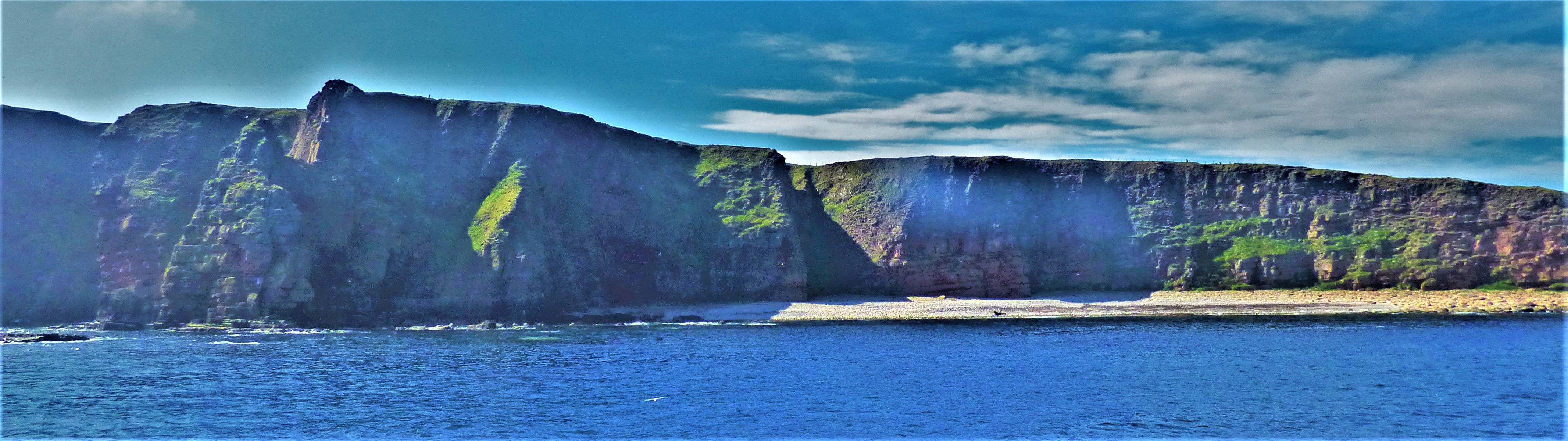
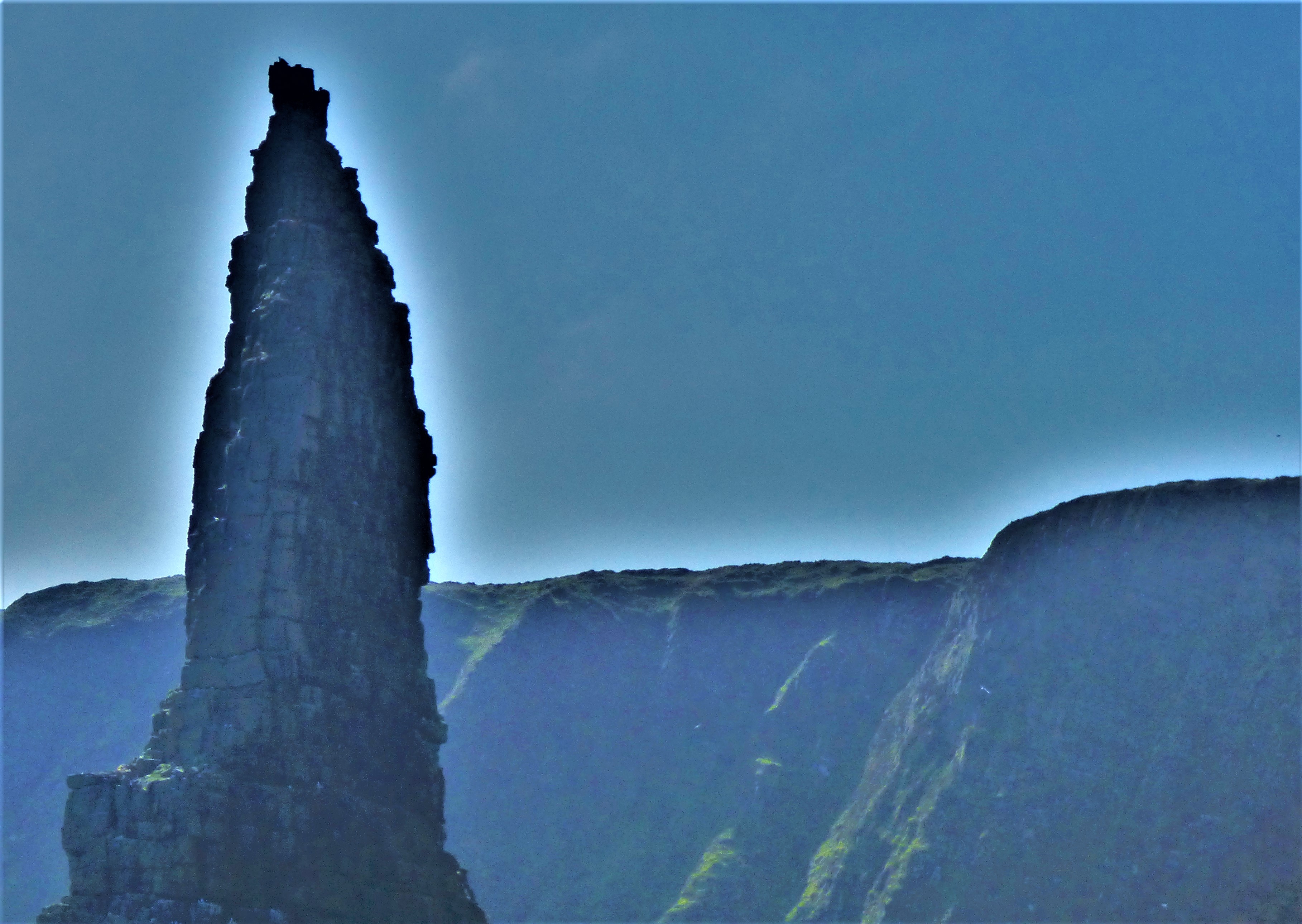
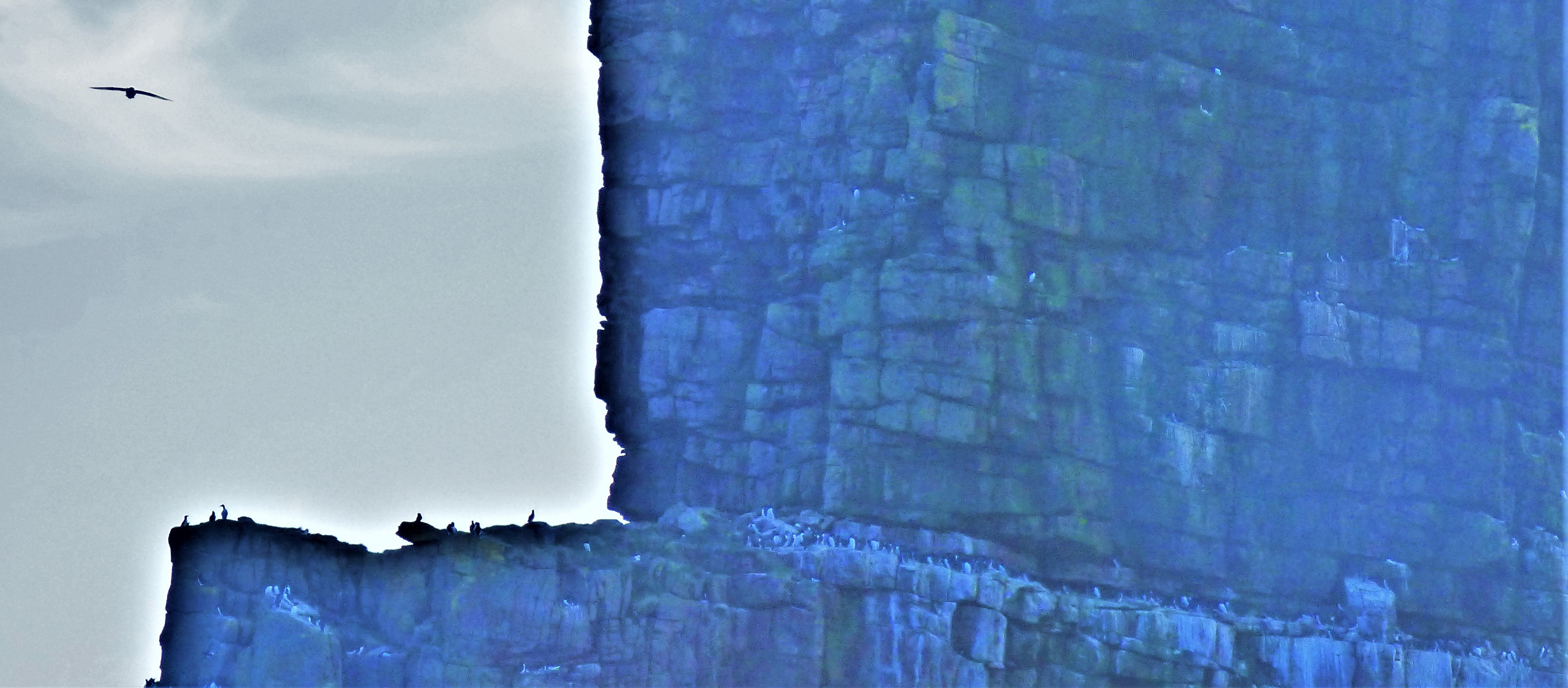
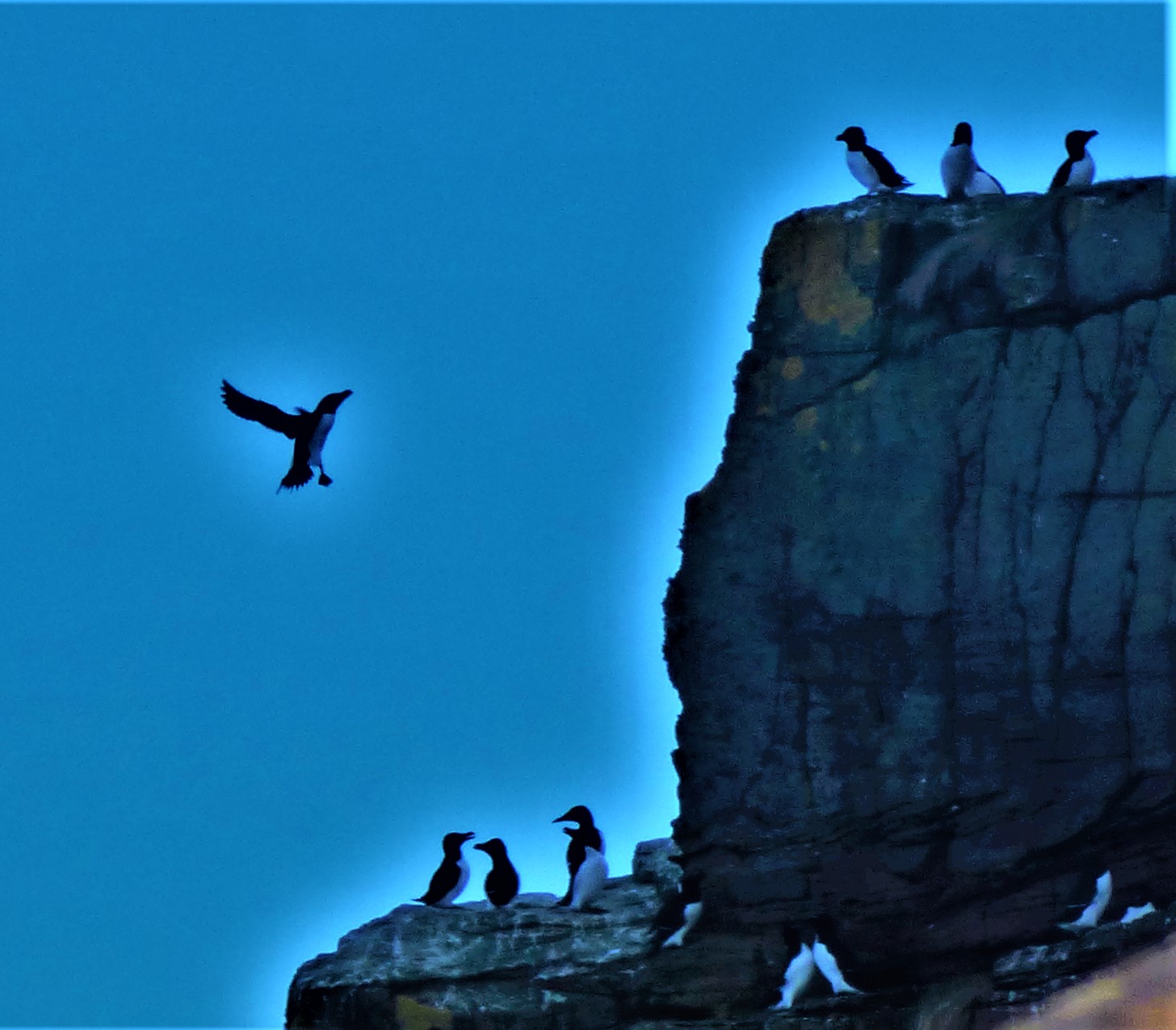
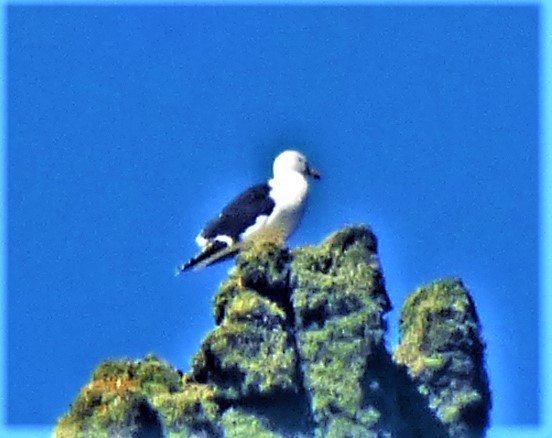
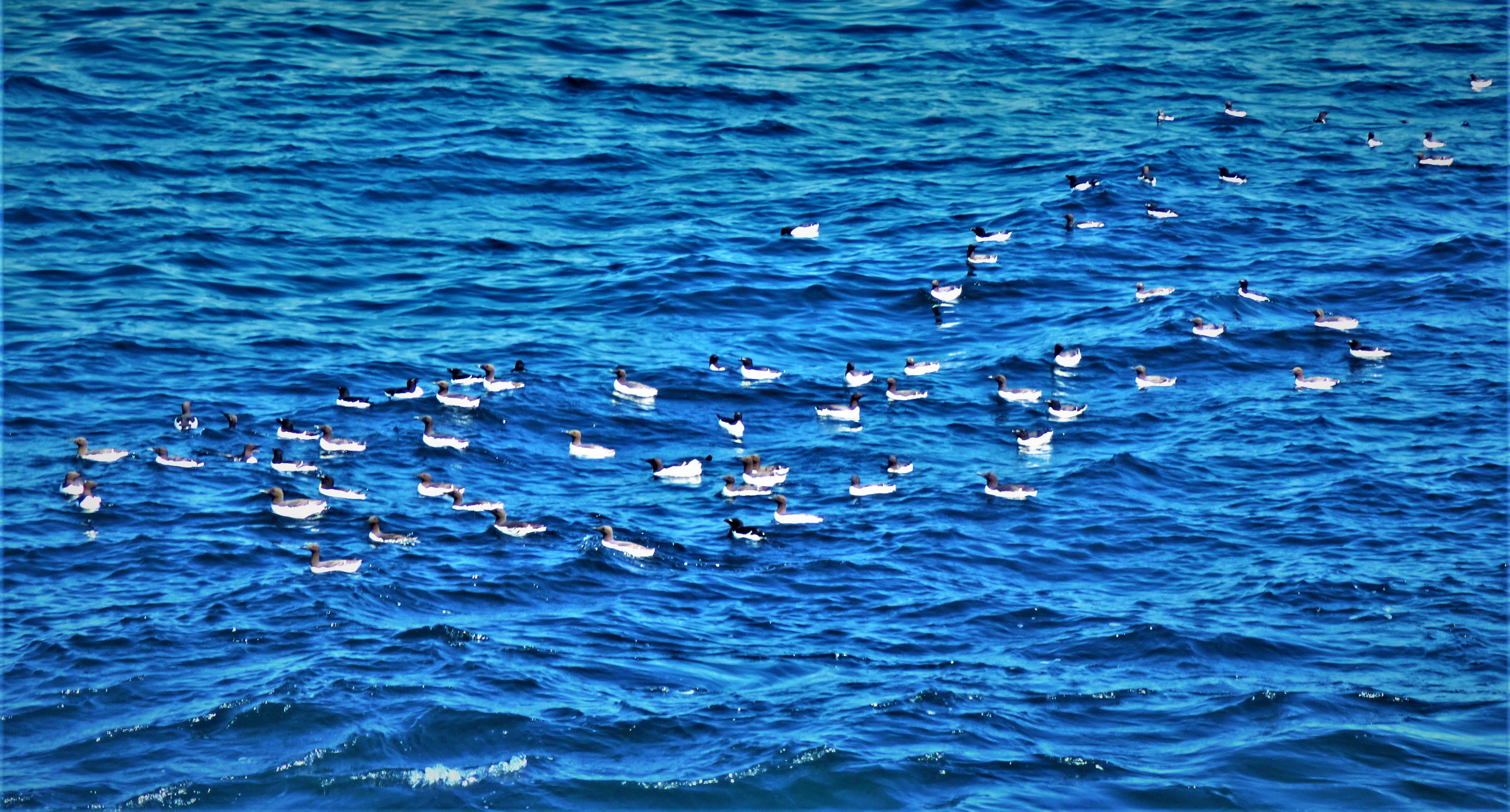
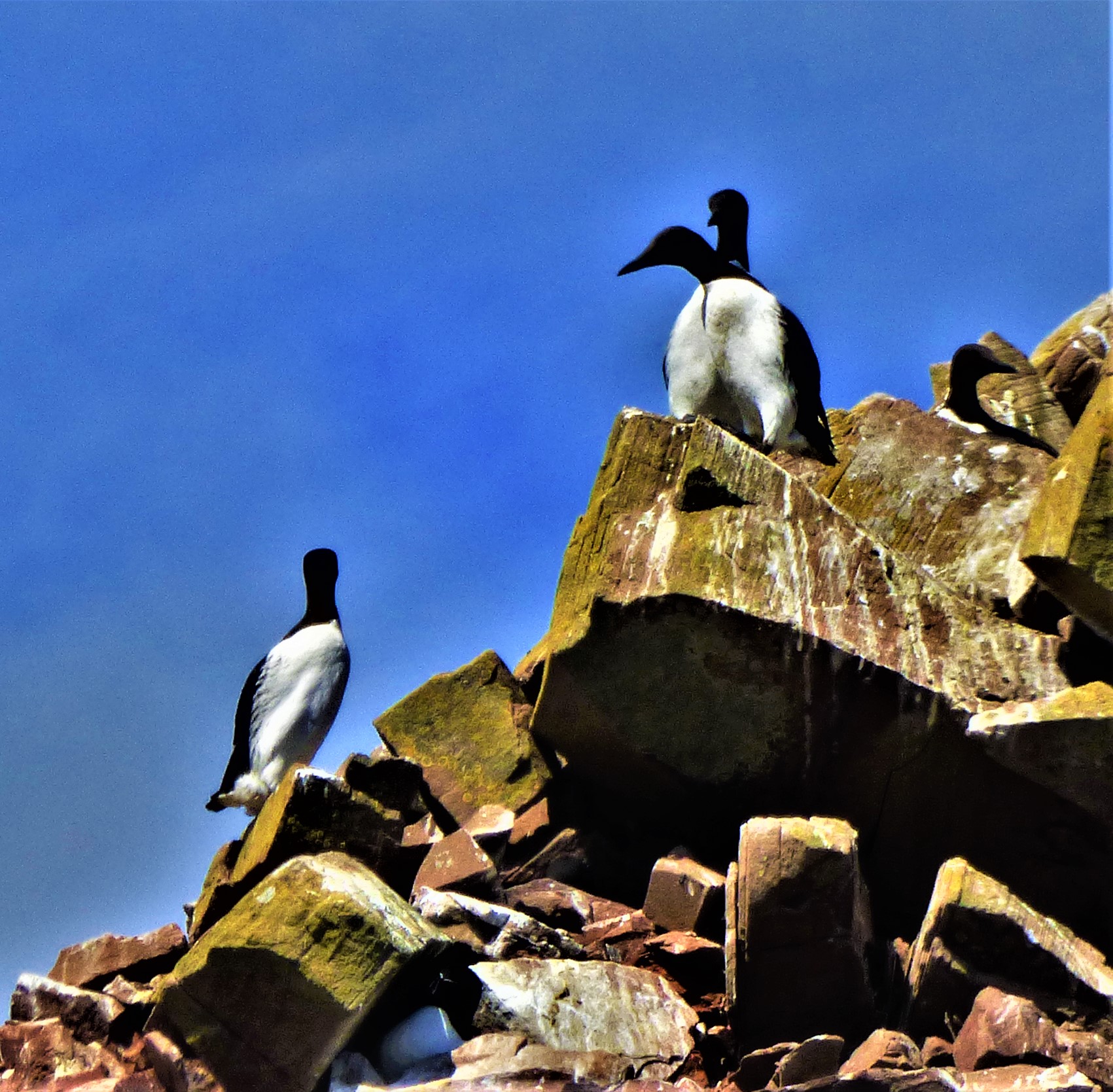
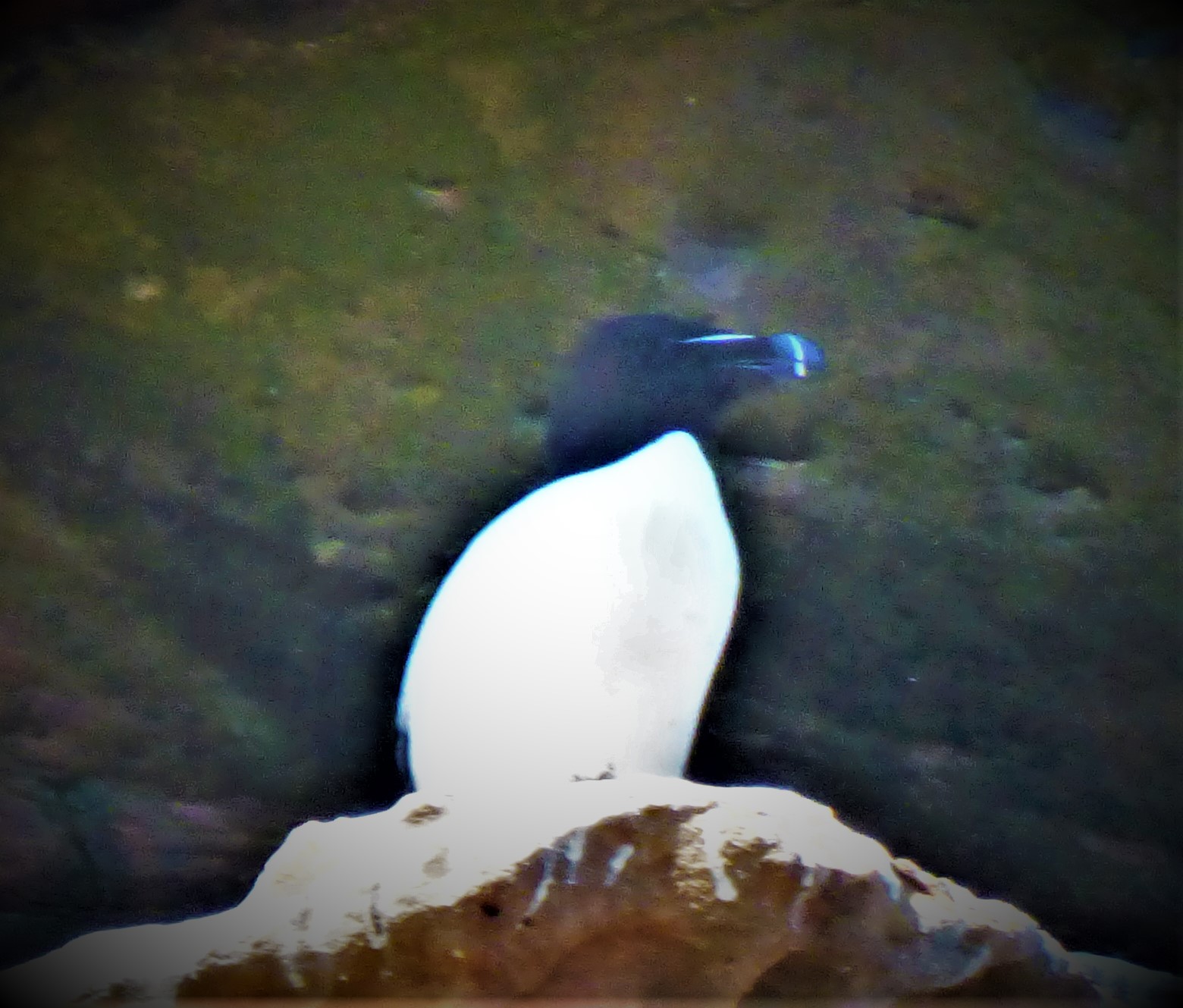
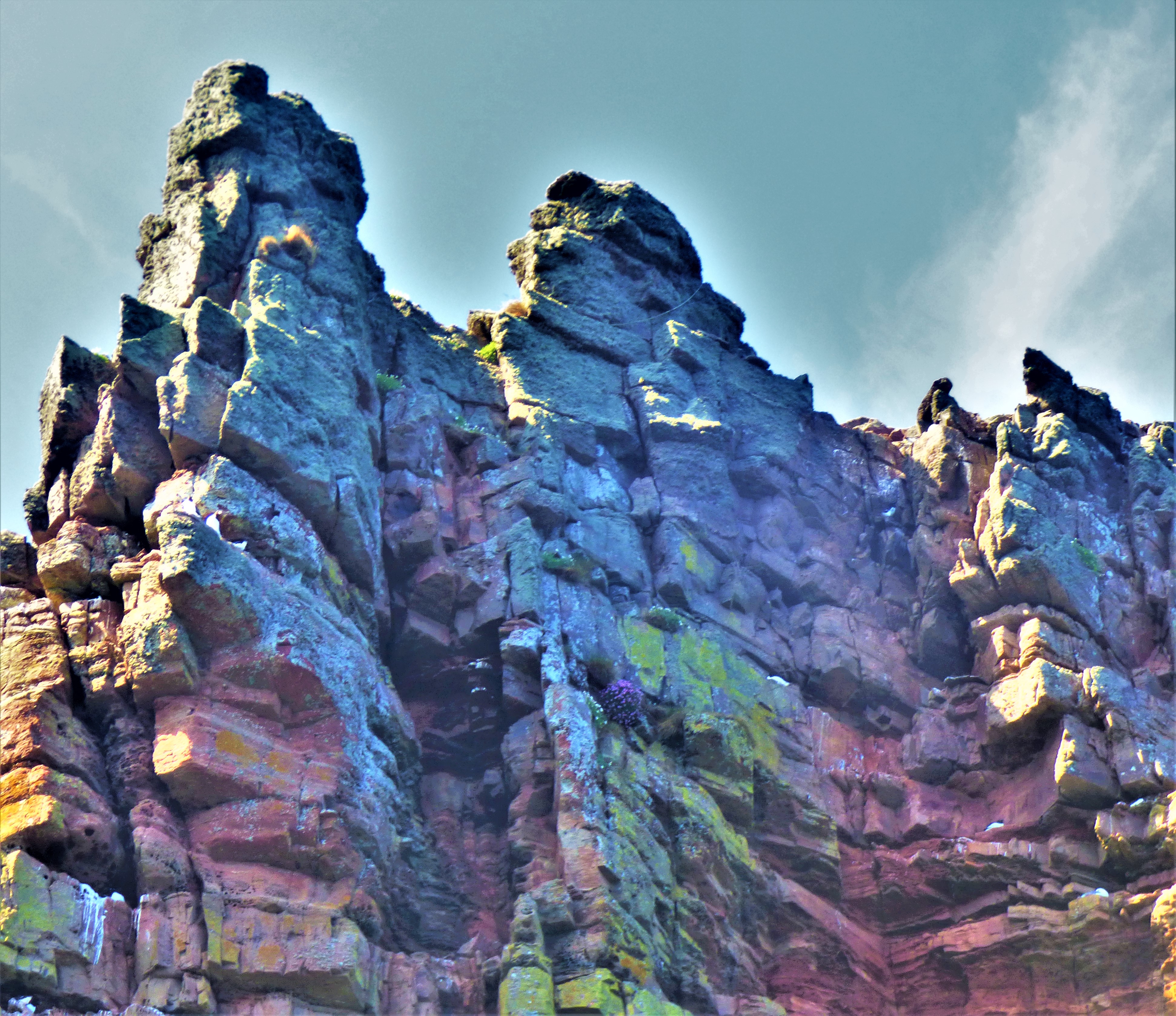
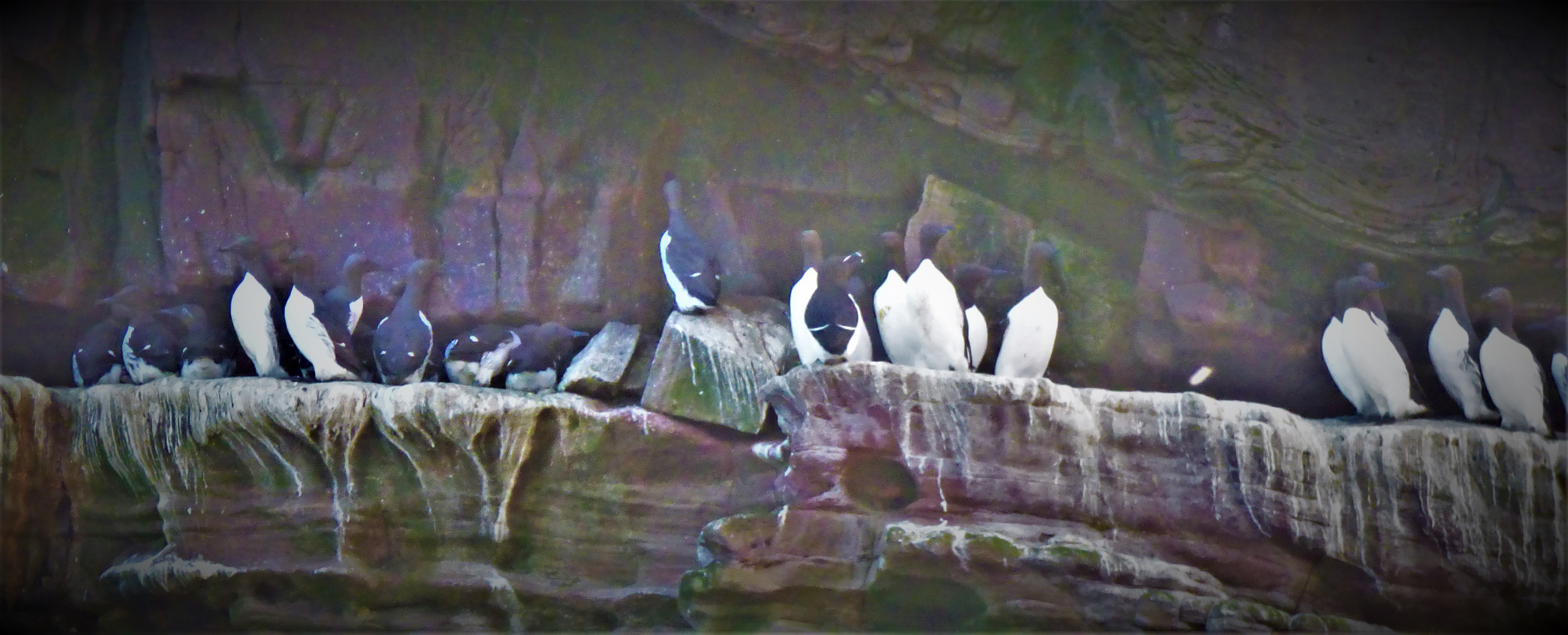
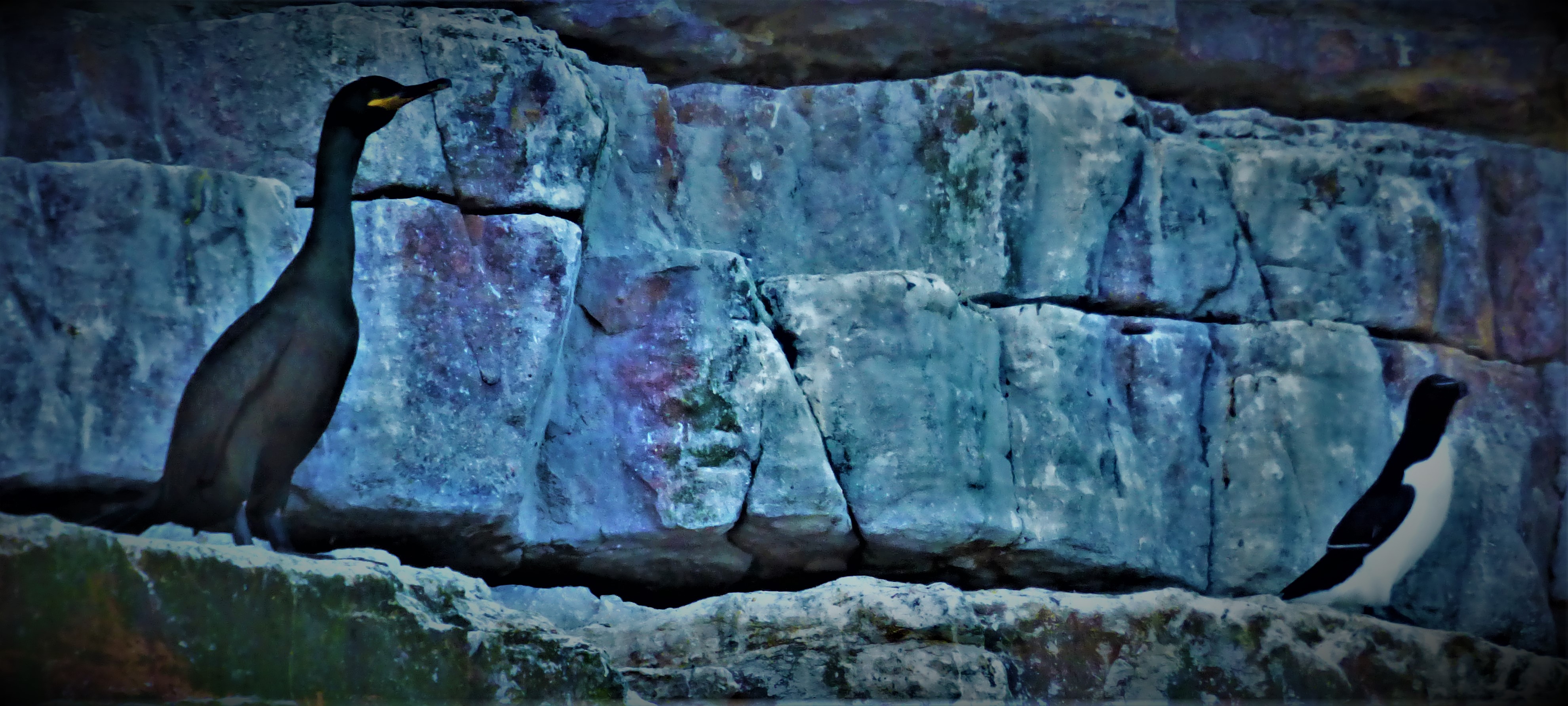
This post describes the main activity of the day of my birthday (Monday), a wildlife cruise. The route of the cruise was from John O’Groats harbour past Duncansby Head to Duncansby Stacks beyond and then back. There were a variety of sea birds on display, including guillemots, razor bills, shags and various breeds of gull. There are sometimes puffins in the area but I do not think we saw any that day. Also supposedly resident in these waters are seals and otters, but I saw neither. However it was a very enjoyable cruise.
OUTWARD BOUND
The walk to the harbour starts along an open road with no footpath before one comes to the path that leads to the John O’Groats hotel, at which point you can access various locations, including the harbour. We boarded the boat with no problems, and by the time we set out on the cruise it was very full.
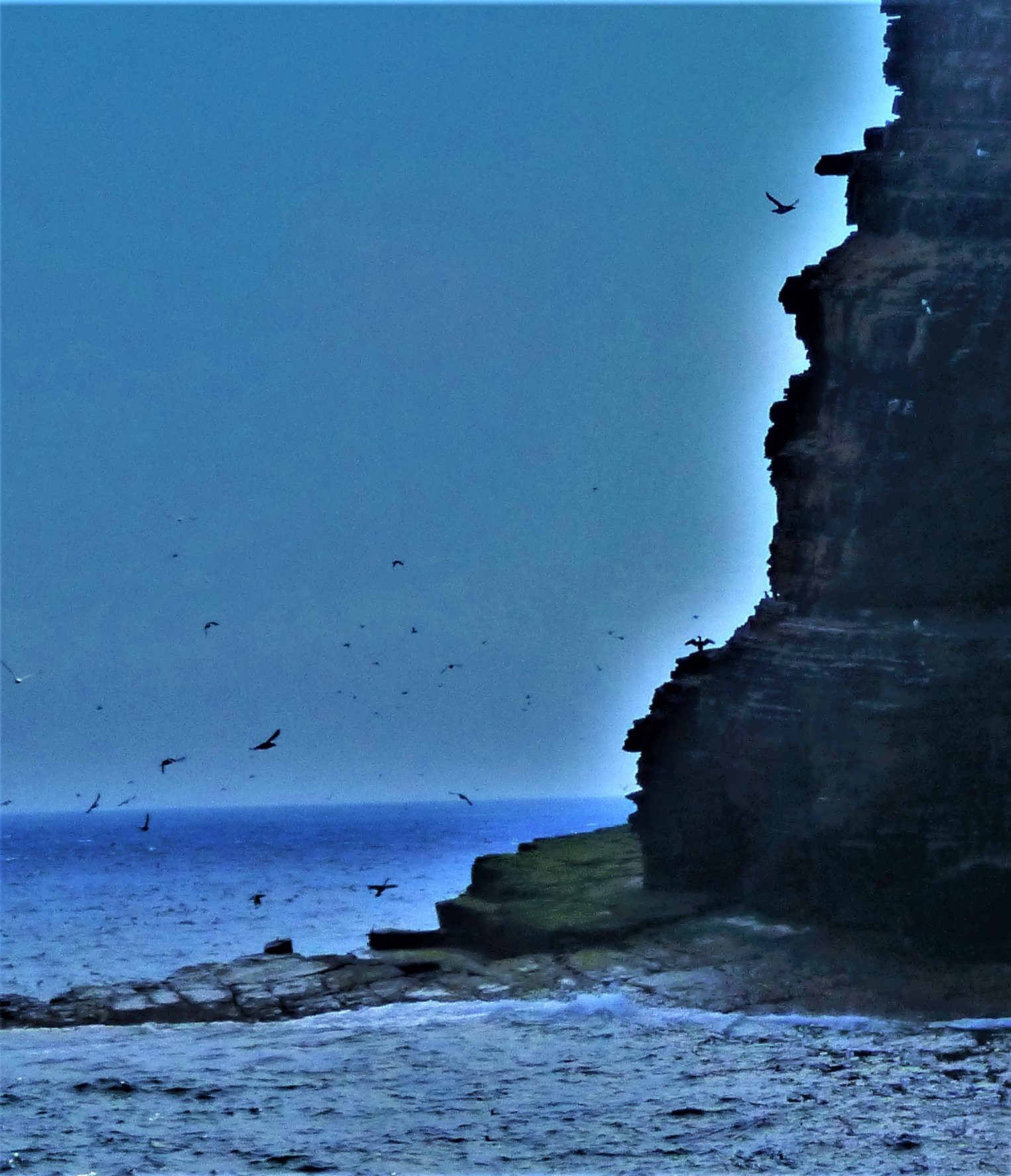
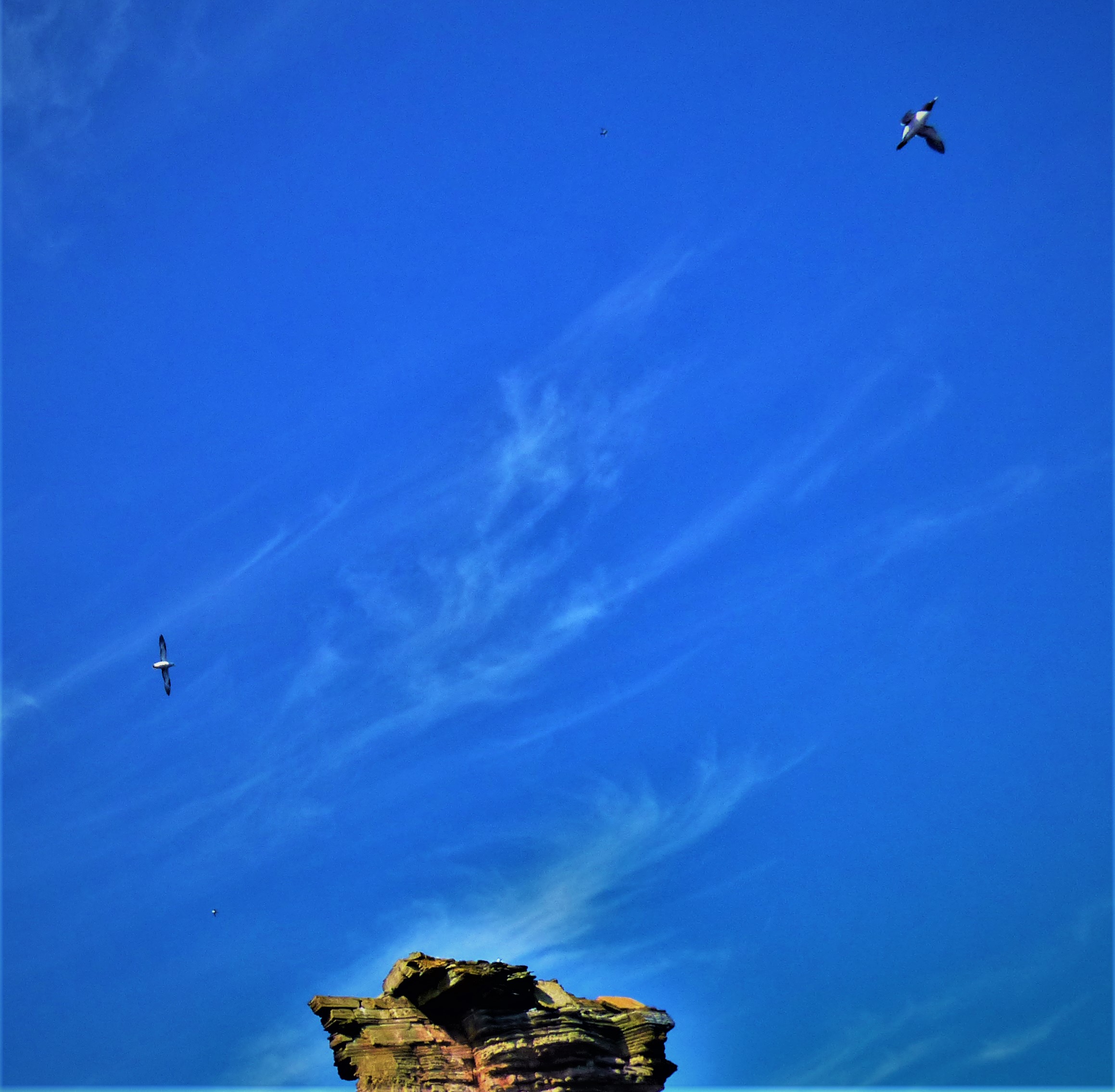
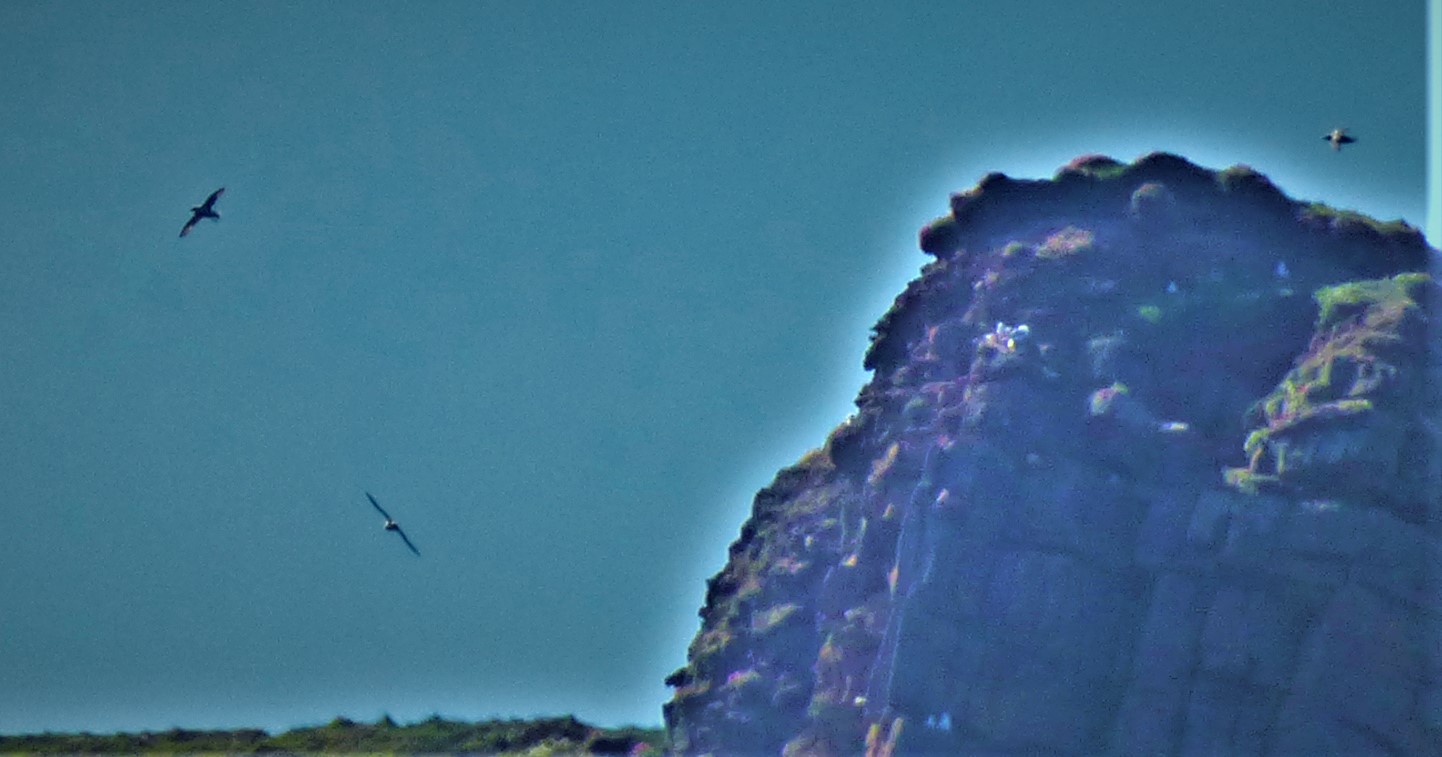
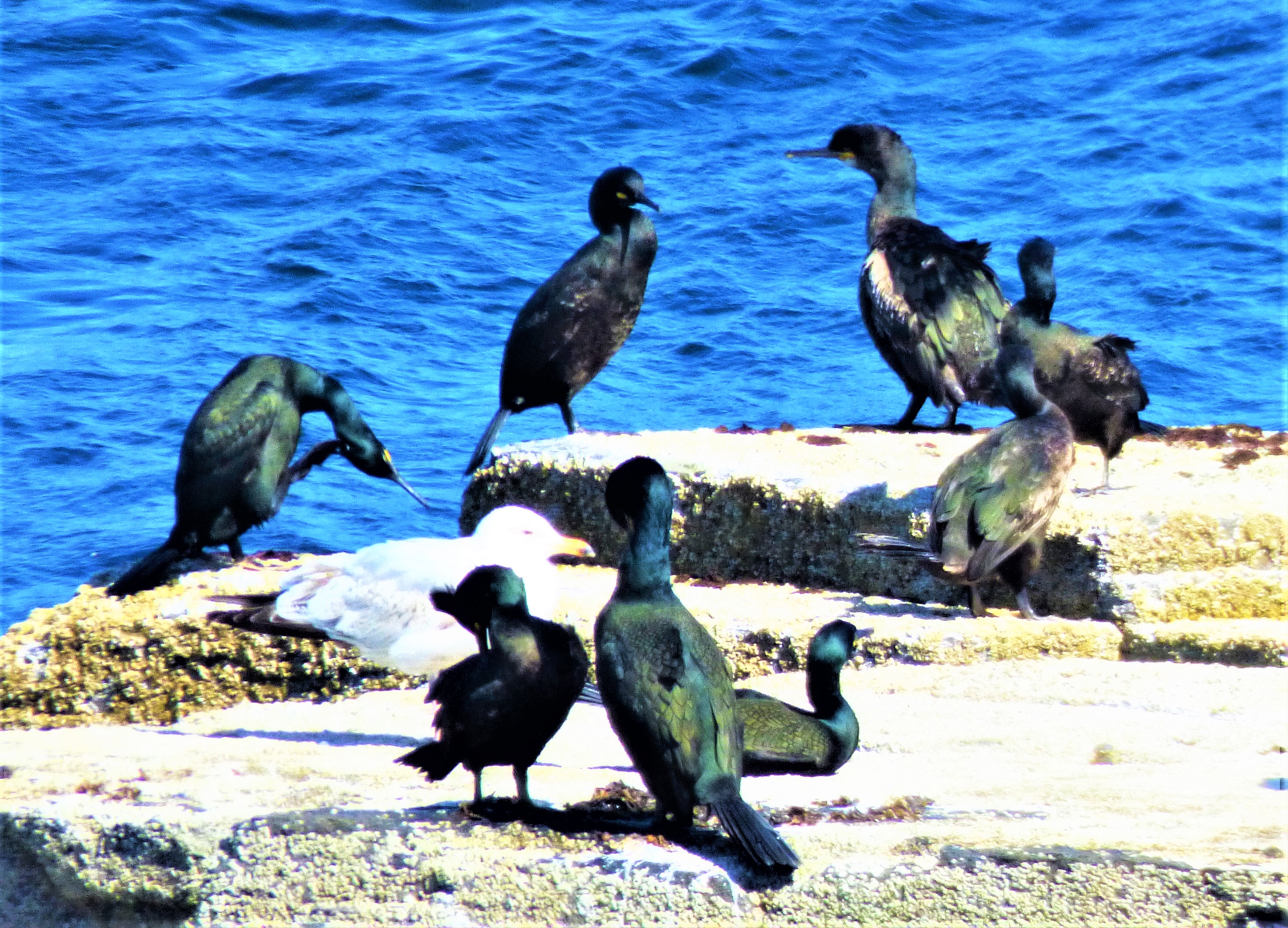
Although there were some signs of life in the open water it was only when we got level with the head and then the stacks beyond (for an explanation of what a stack is in this context visit this article which explains how they form) that we saw creatures in huge number. The guillemots predominated (they look a little like tiny penguins, although unlike the Antarctic’s most famous bird they can fly), but a few razor bills were in evidence, as were a number of shags (they look similar to a cormorant).
The boat arrived back at the harbour and after waiting for things to clear a bit we made our way back on to terra firma.
HOMEWARD BOUND
We took an exploratory route home, attempting to locate a route back which would eliminate the main road. This was unsuccessful, and we reverted to the route we knew. My mother’s shoes were causing her trouble by this stage, so my father went to fetch the van to the point where the path joins the road and I accompanied my mother to that meeting point. The problems with the homeward walk notwithstanding it was a very enjoyable day.
PHOTOGRAPHS
I have loads of photographs to go with this post and I hope you enjoy them:
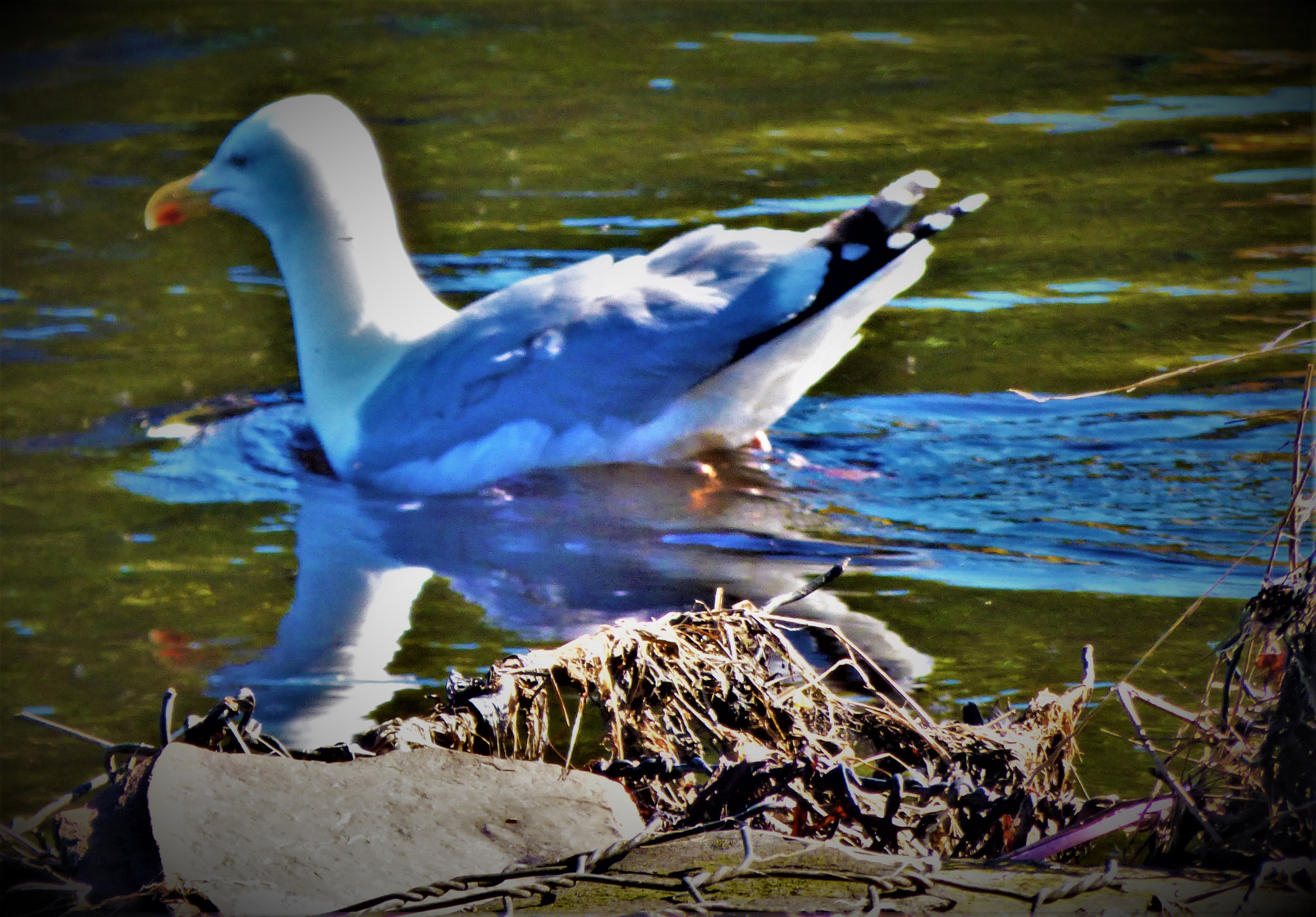
These birds love the mill wheel.
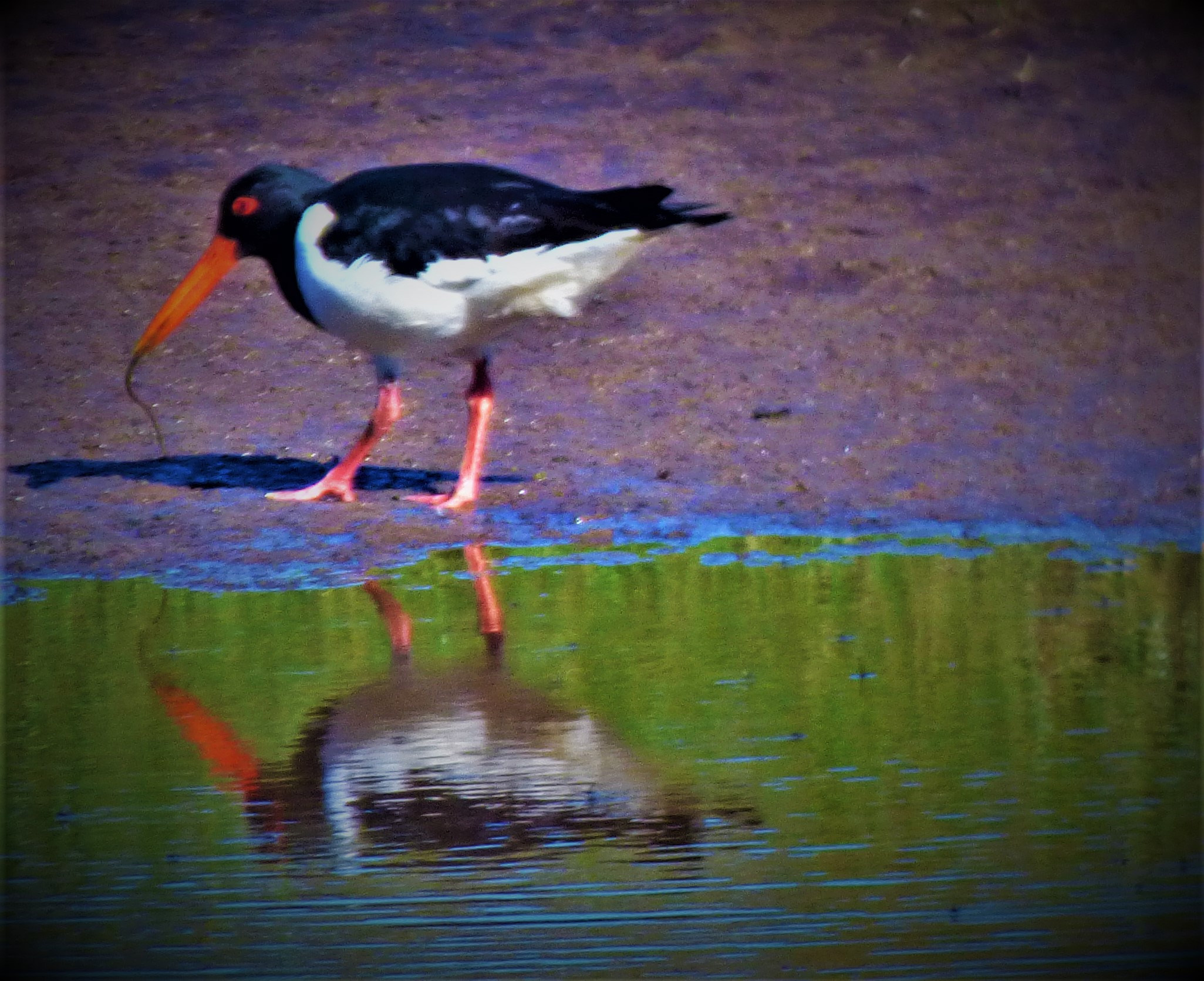
An oystercatcher.
Back on land – this oystercatcher was in the grounds of the John O’Groats hotel.
An account of a visit to a ruined castle that nowadays doubles as a wildlife haven.
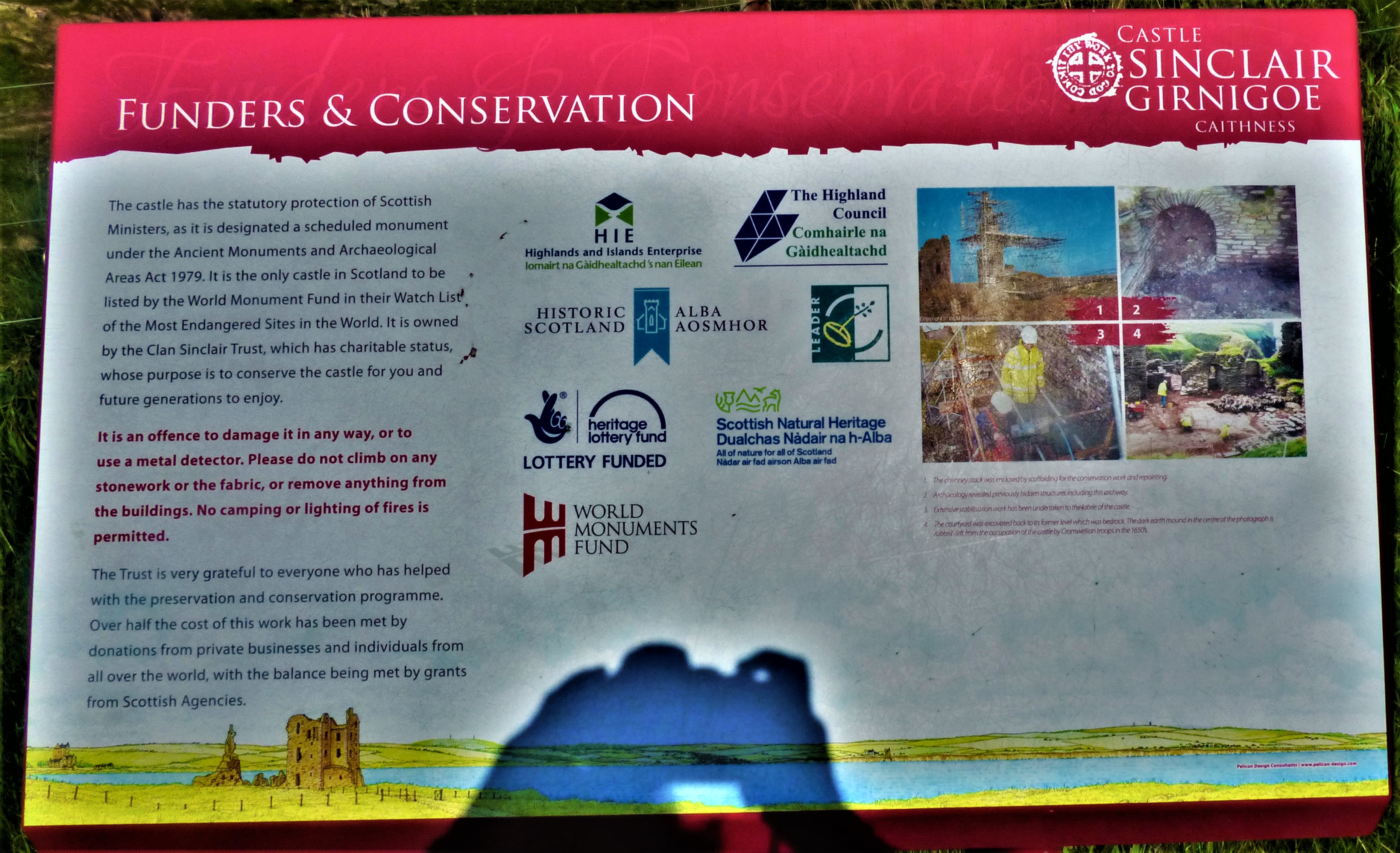
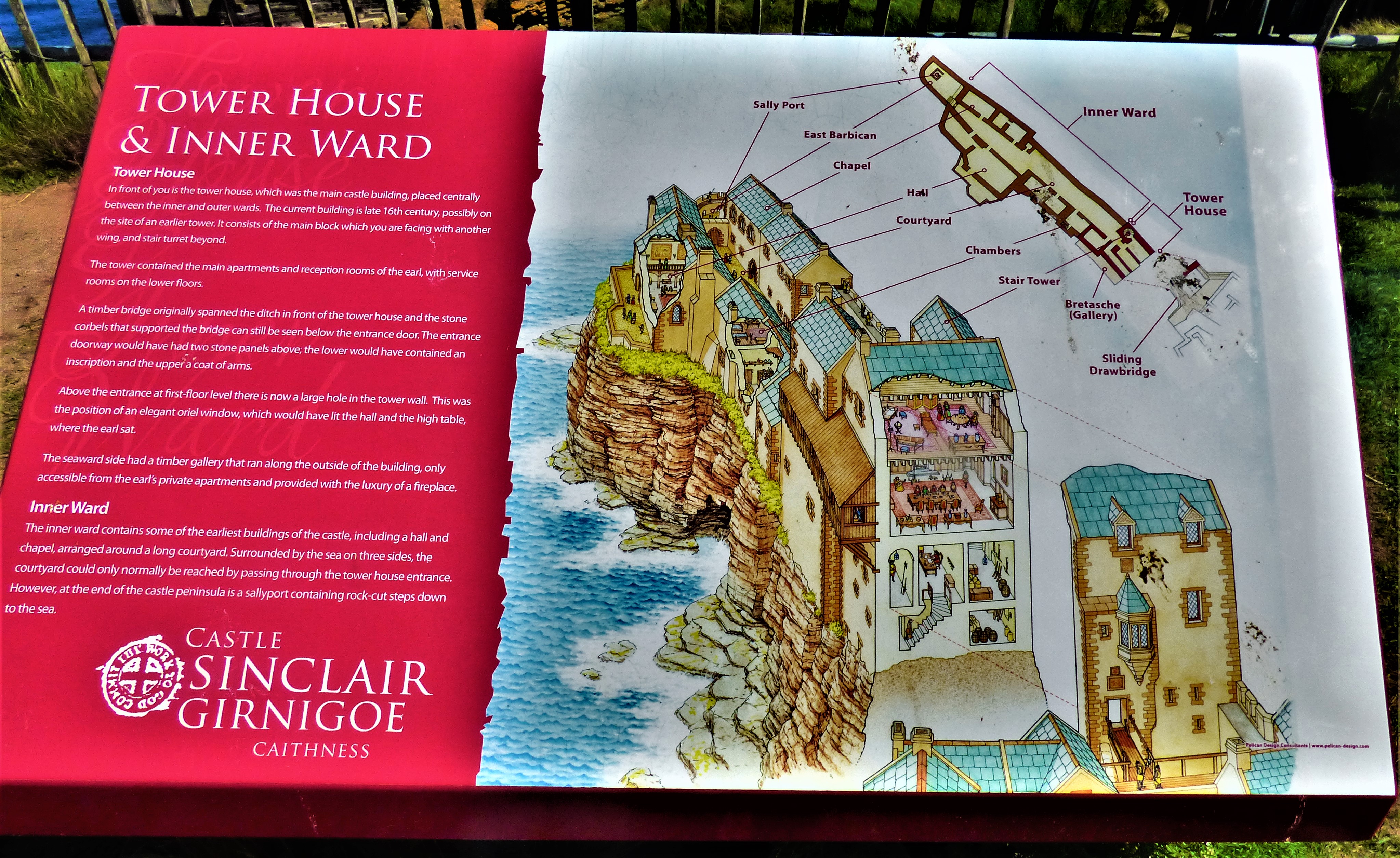
On the morning of my birthday we travelled to Wick to do some essential shopping, and on the way back as a warm up act to the main event of the day, a wildlife cruise which I shall write about in due time we called in at the ruins of Castle Sinclair Girnigoe.
RUIN AND WILDLIFE HAVEN
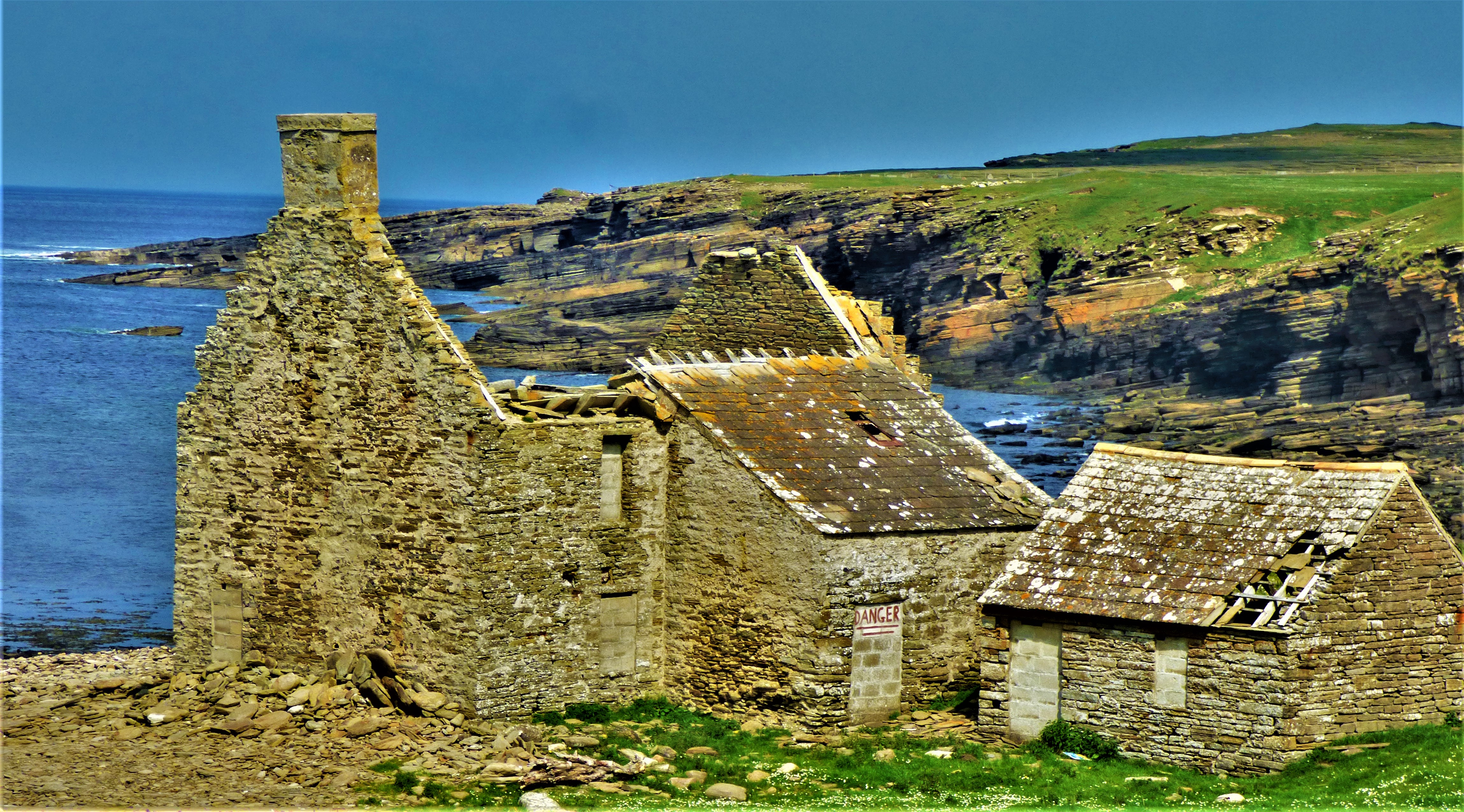
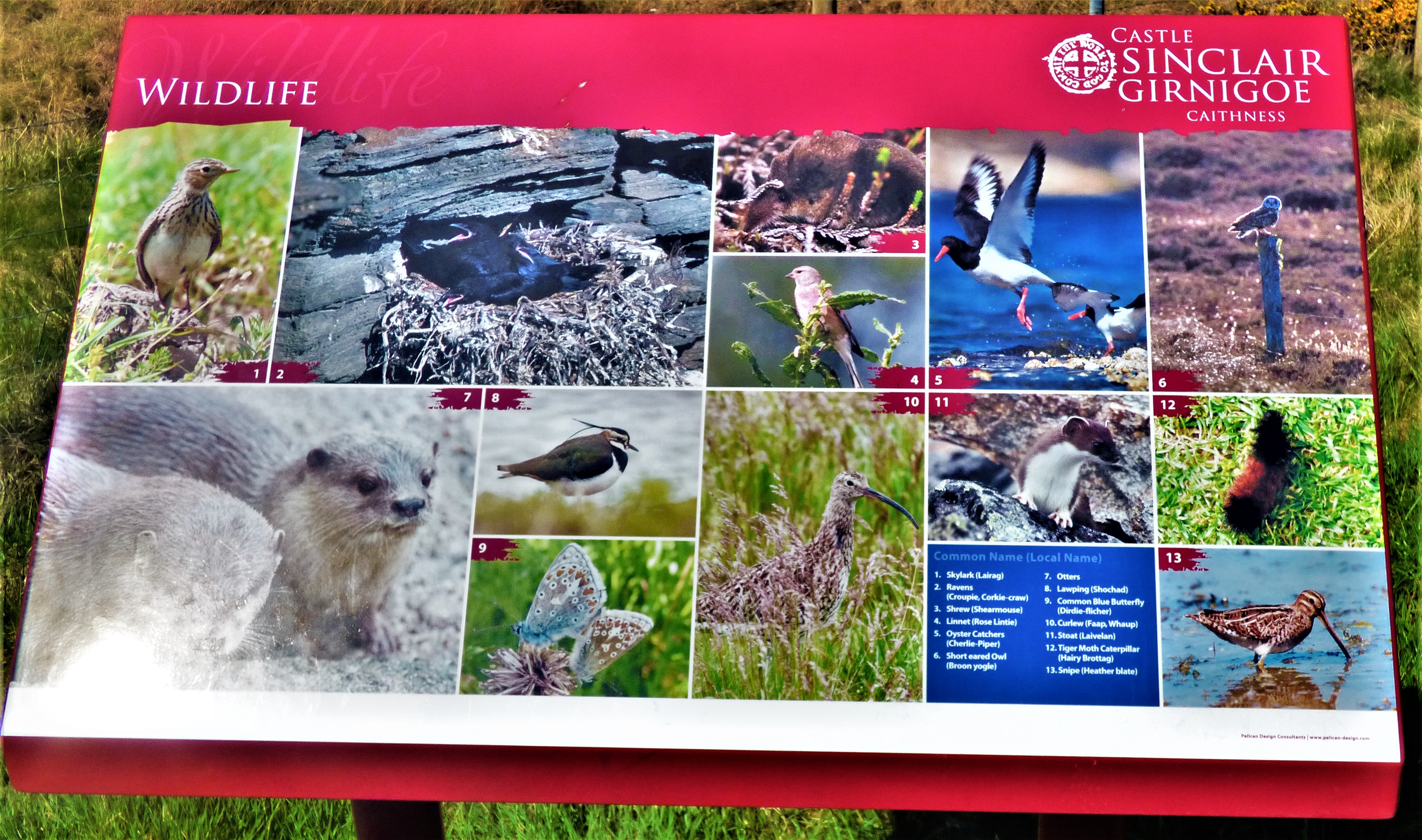
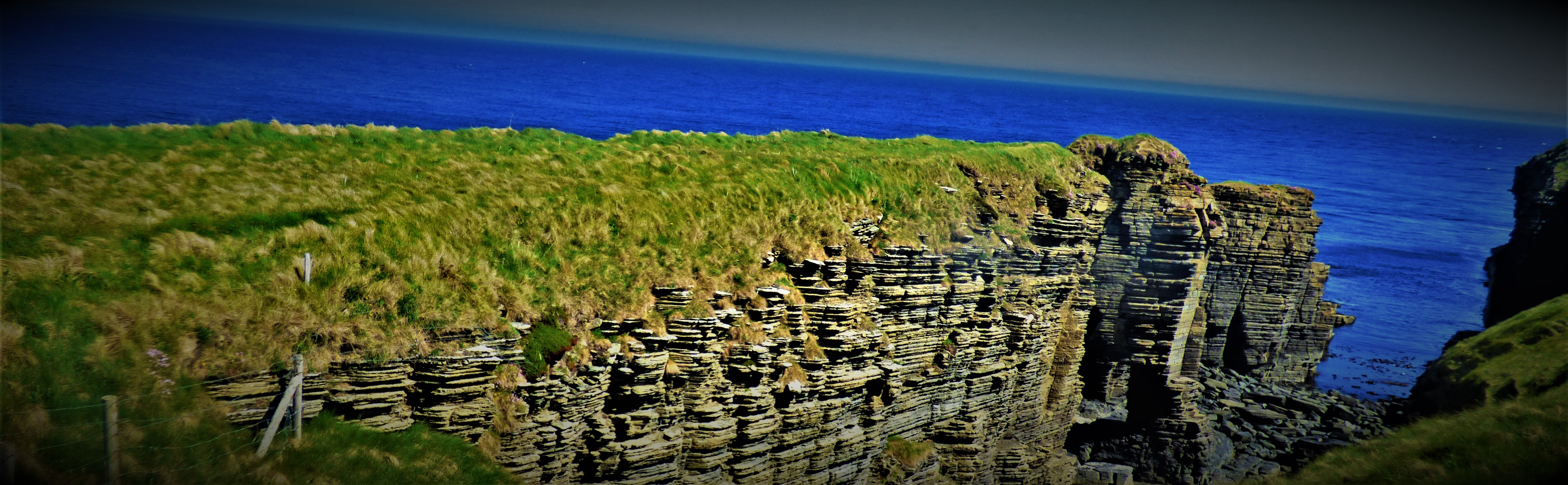
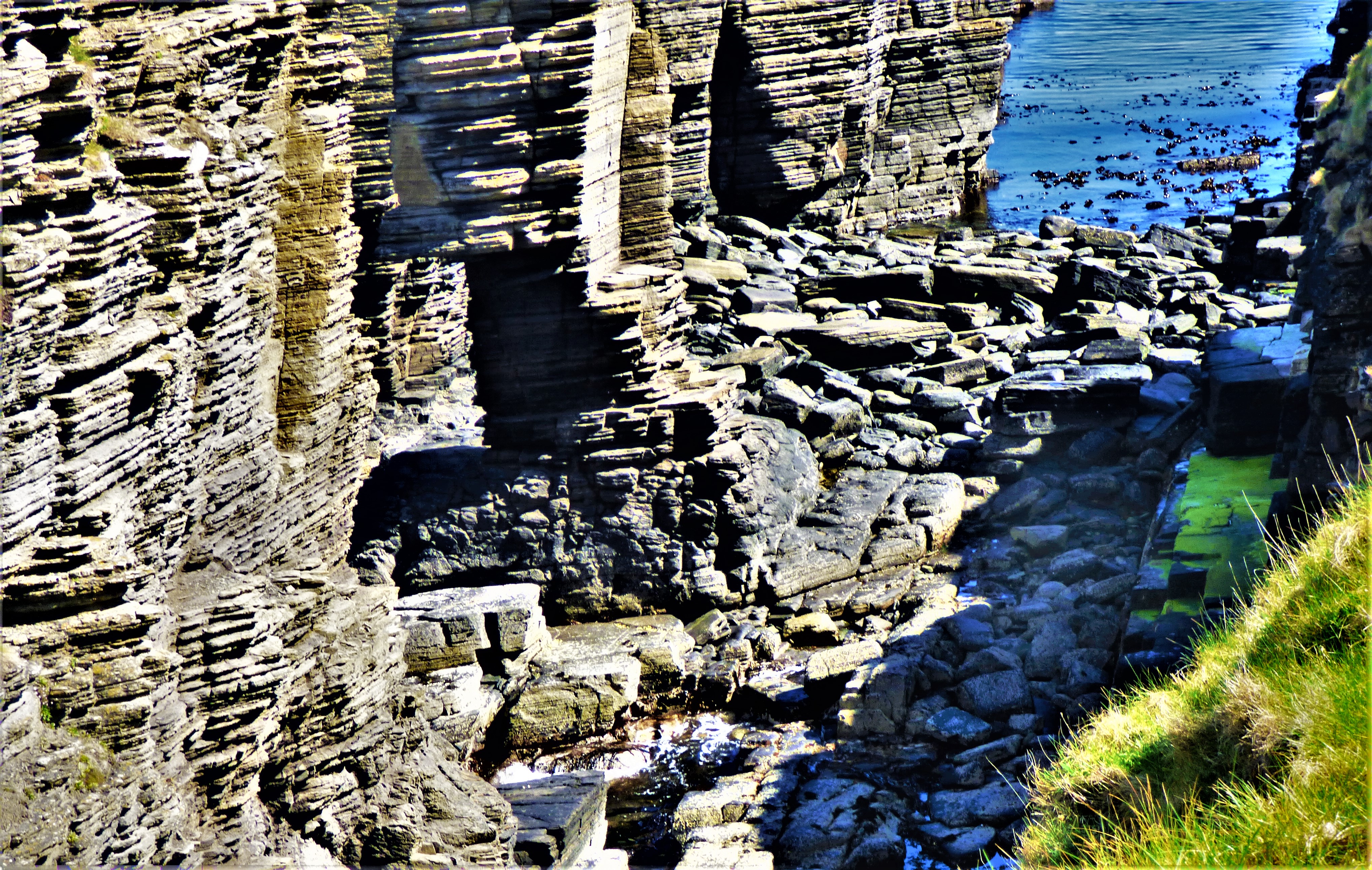
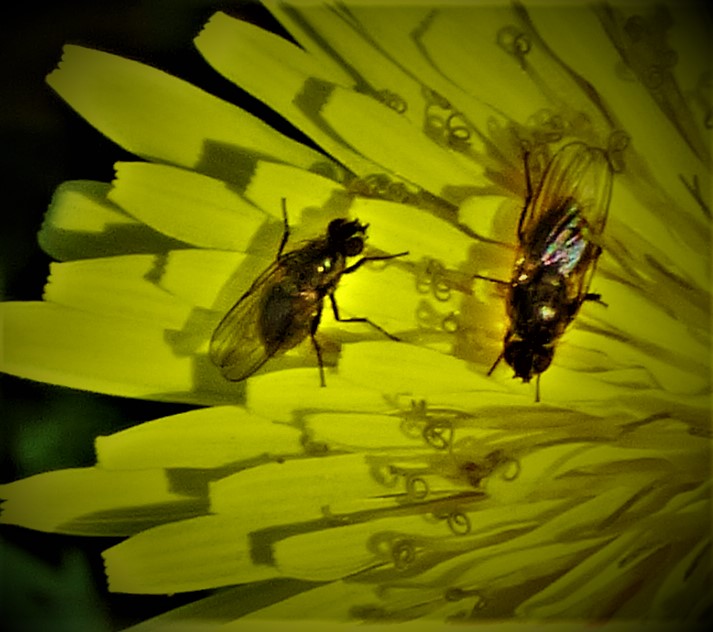
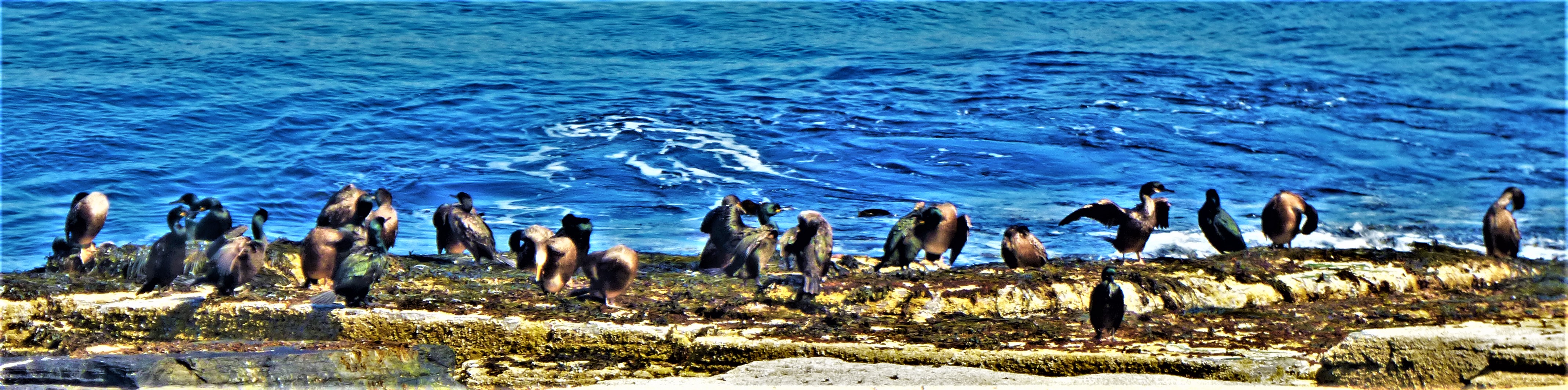
In it’s heyday this castle would have been an imposing sight (it was very obviously built to intimidate, and had little in the way of style), although its location is testament to the absence of any kind of field artillery – even Ballistae and scorpions as used by the Romans hundreds of years before it was built could have caused mayhem by targetting the rock formations around the castle and effectively subjecting those in the castle to a hail of rock fragments – in Scotland in that period. Nowadays it is an impressive ruin, and also home to many kinds of wildlife, both fauna and flora. There are some stunningly good views out over the sea. If you ever happen to be in this corner of Scotland it is worth a look, though it would not be the main event of one’s day.
PHOTOGRAPHS
My photographs begin with a few from before we got to the castle, cover the walk from the parking area to the castle and the castle itself:
The Girnigoe pics start here.
Places on a similar latitude.
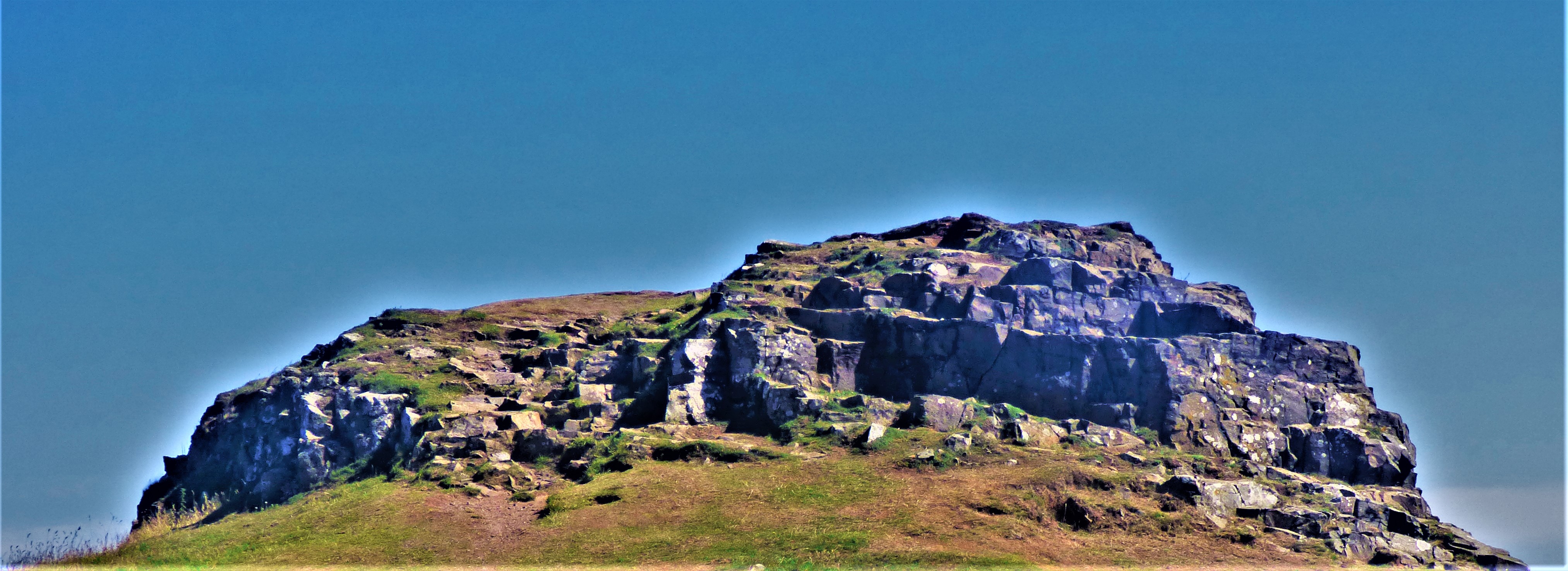
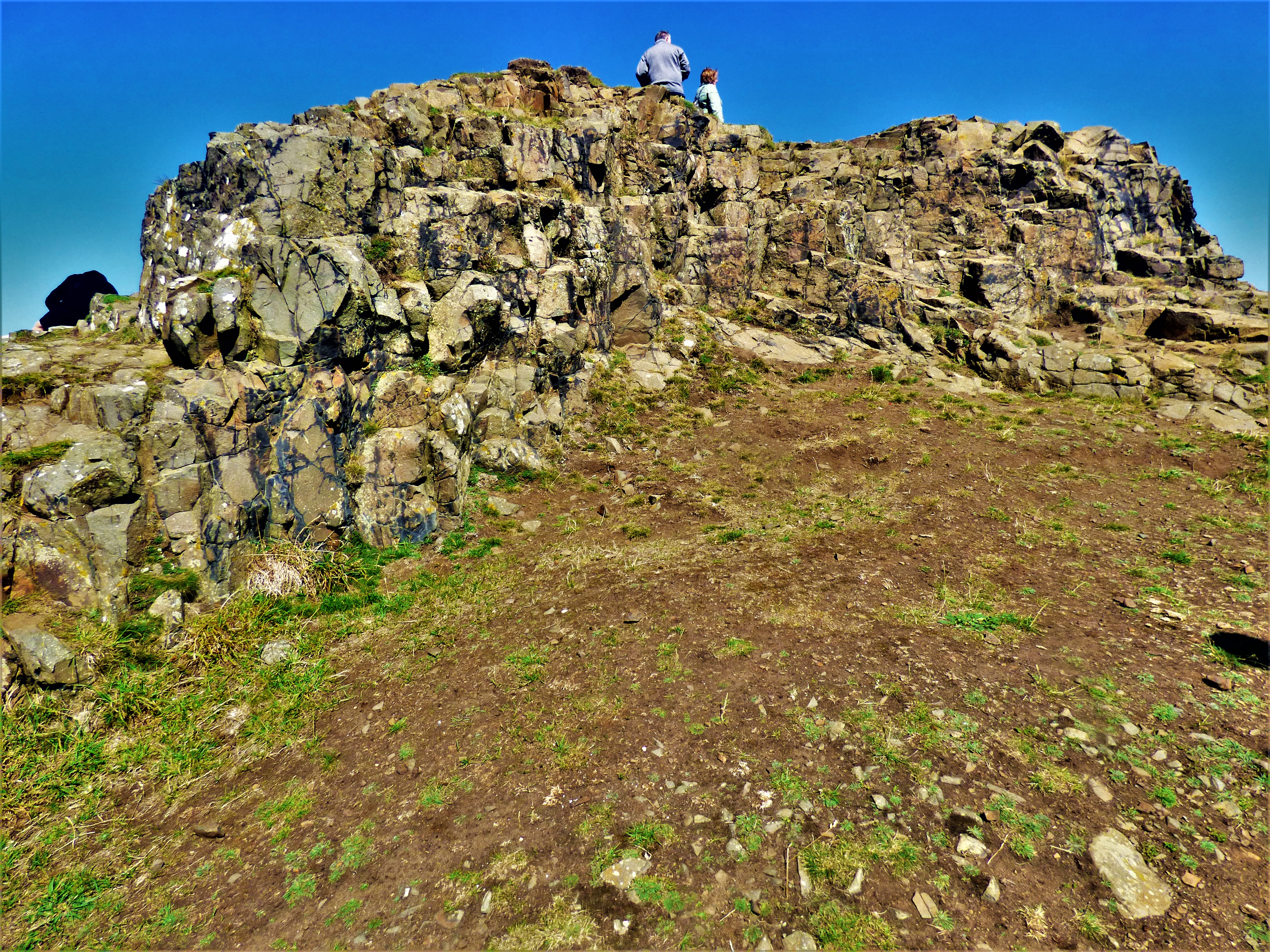
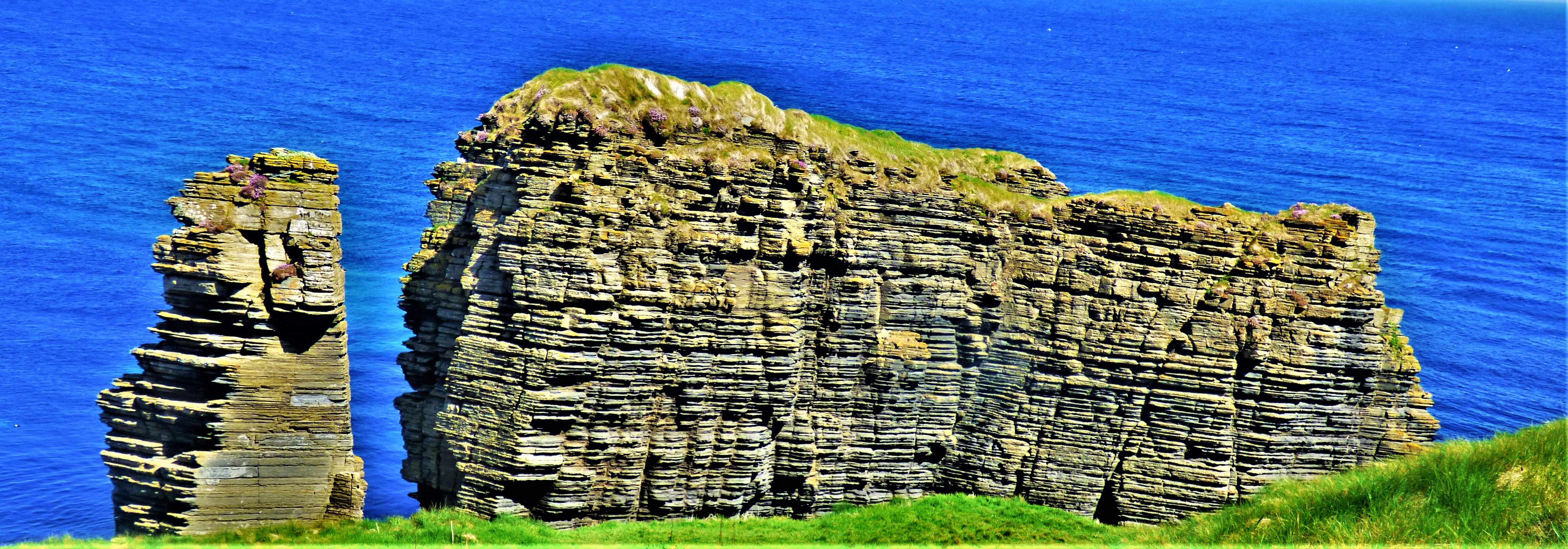
This is NOT part of the ruins – it is a natural rock formation, one of many such in the area.
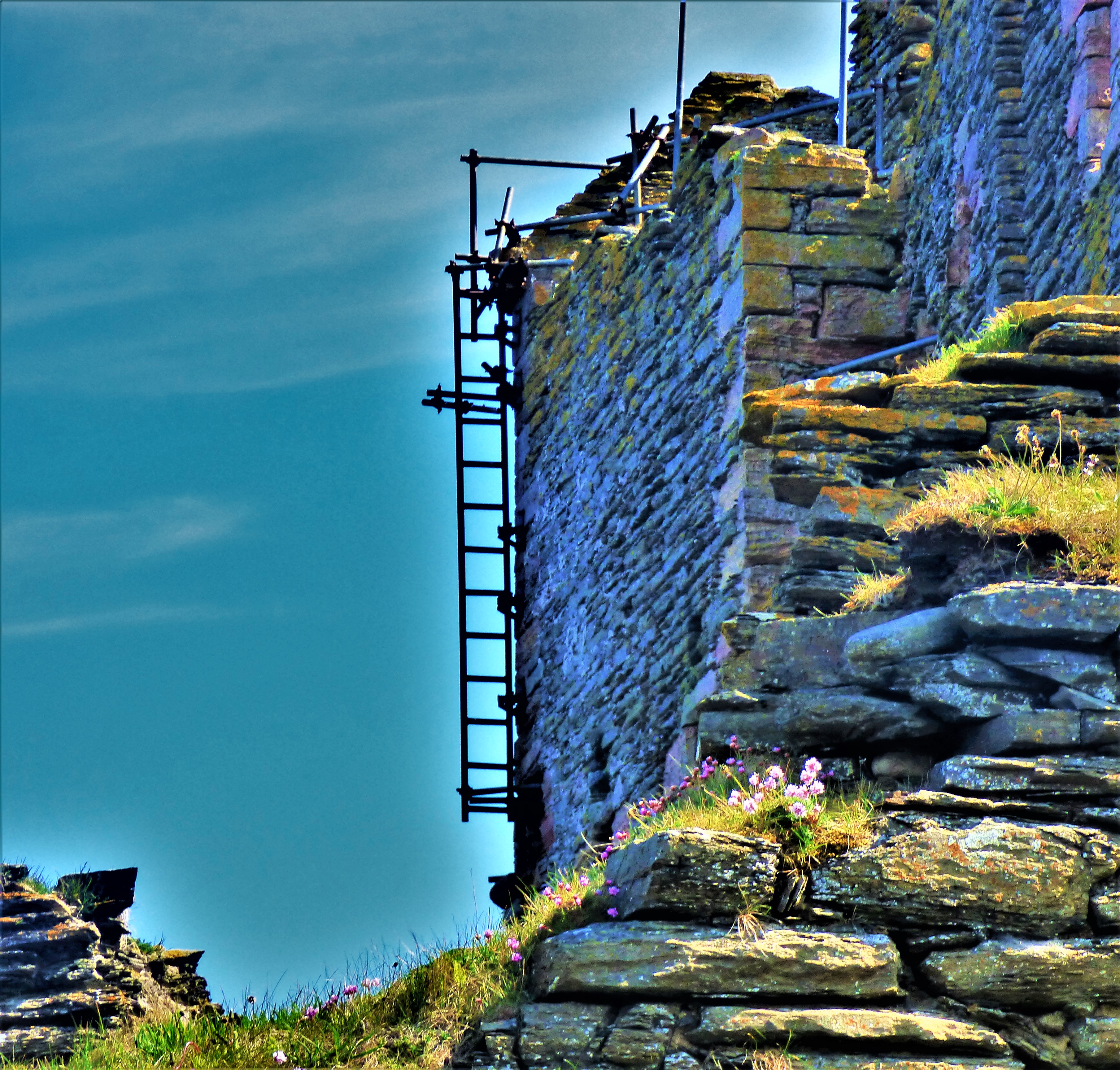
The most terrifying looking ladder I have ever seen – and this part of Scotland can get seriously windy as well.















































































































































































































































































 aspiblog