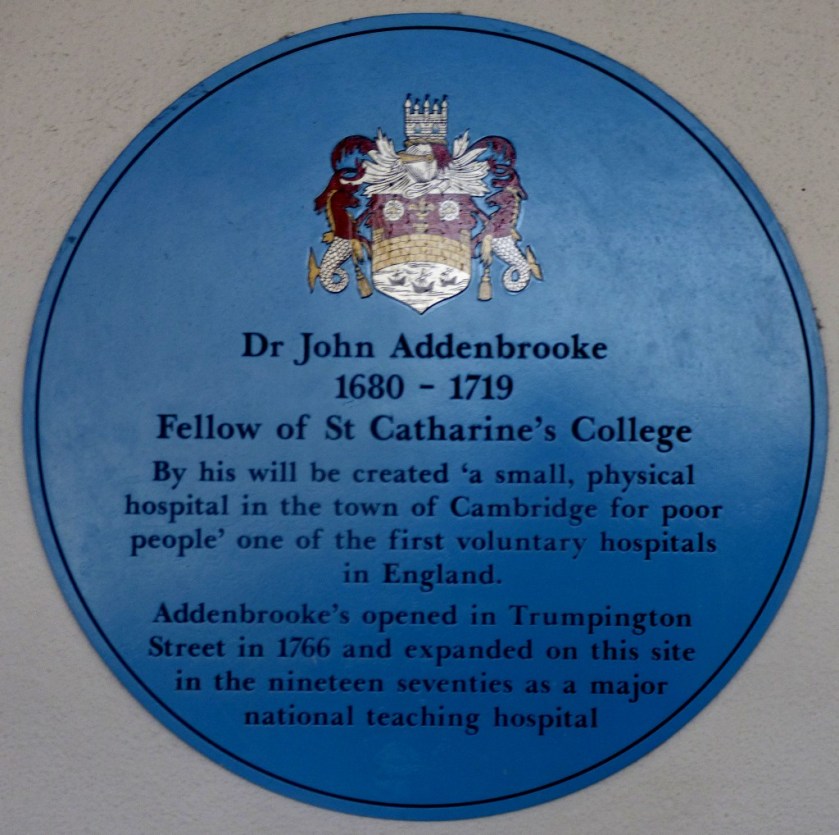
Health Update

A brief account of what happened in my appointment at Addenbrookes today.

INTRODUCTION

This will be a brief post related to today’s visit to see my team at Addenbrookes hospital. There will be a more substantial post coming later about a different subject.

GOOD NEWS IN THE CIRCUMSTANCES

Regular readers of this blog will be well aware that healthwise I am in a position analogous to the person who asked an Irishman for directions and was told “Oi wouldn’t have started from here”. In view of that the fact that the preliminary finding from my bronchoscopy is that there has been some bleeding in the lung qualifies as good news, since it is unquestionably better than the alternatives. Also, the fact the Dr Mazhar decided that he does not to see me again for four weeks can only be regarded as positive news. The operation to remove the testicle that was the origin of all the trouble is probably still a couple of months away.

PHOTOGRAPHS

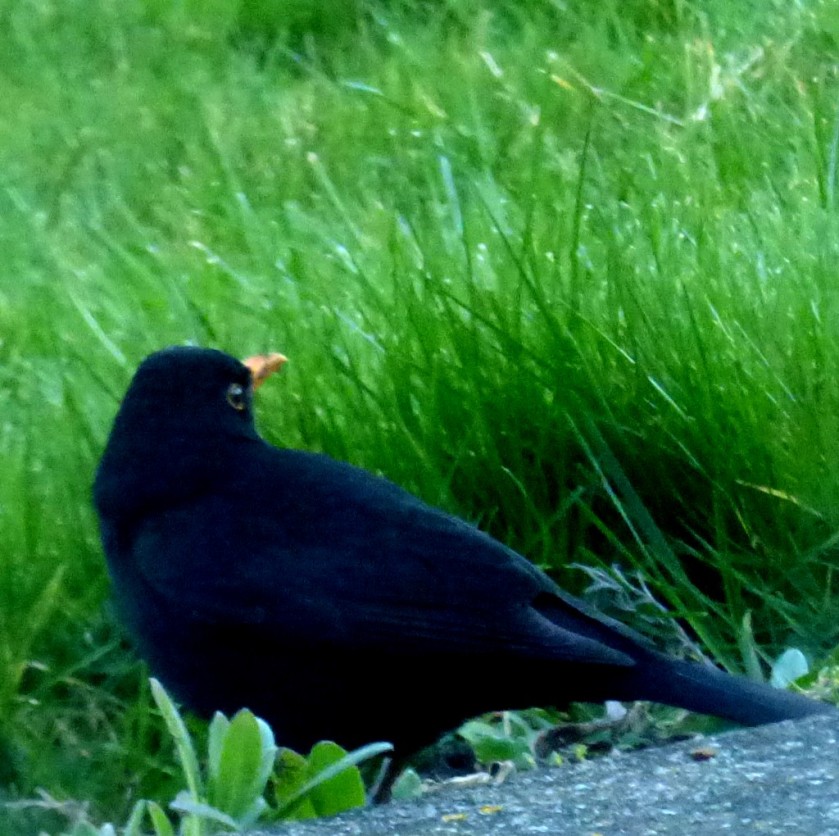
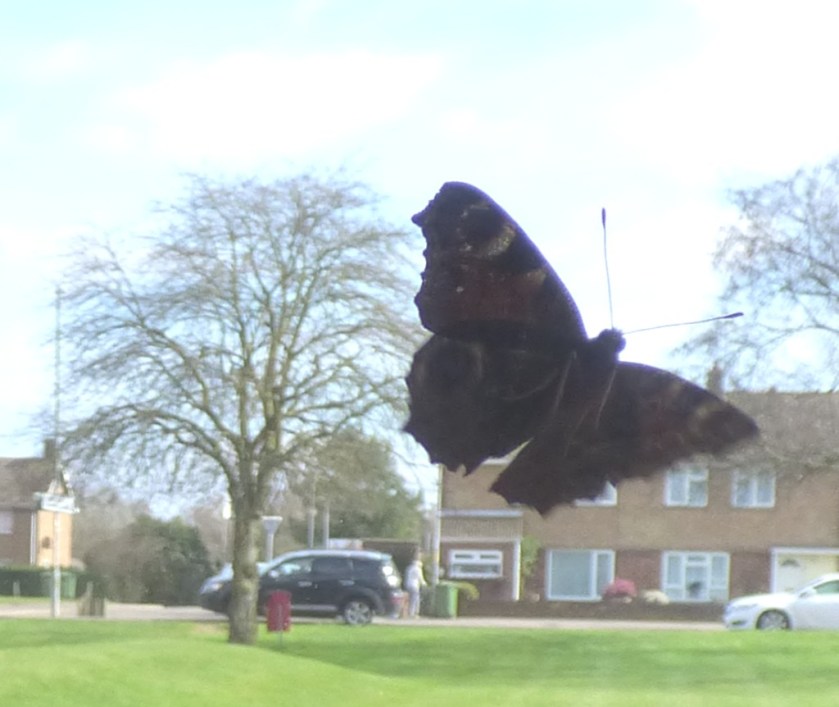
P1210941
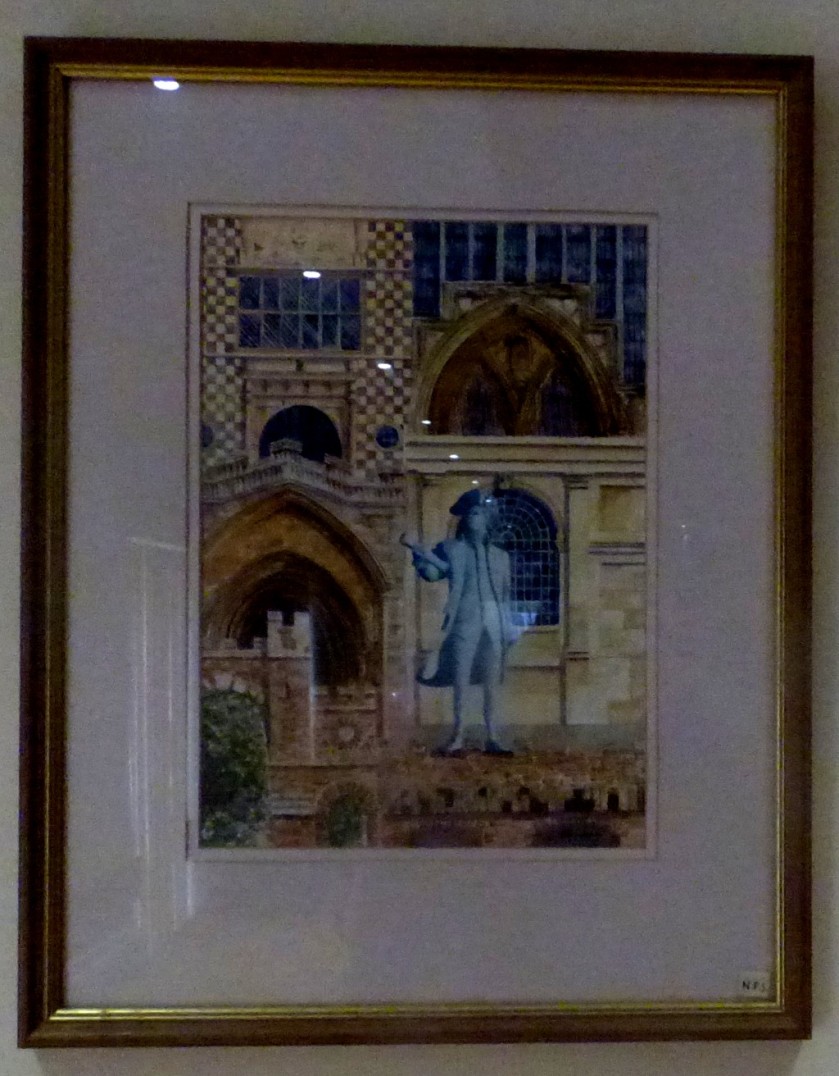
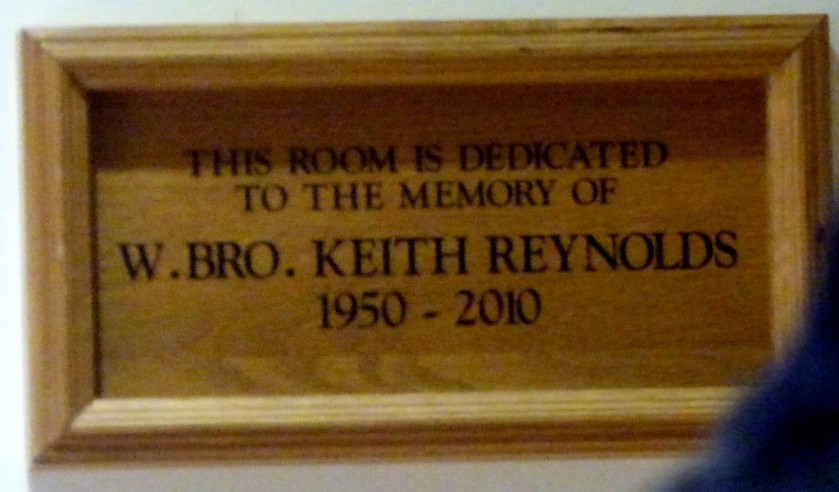
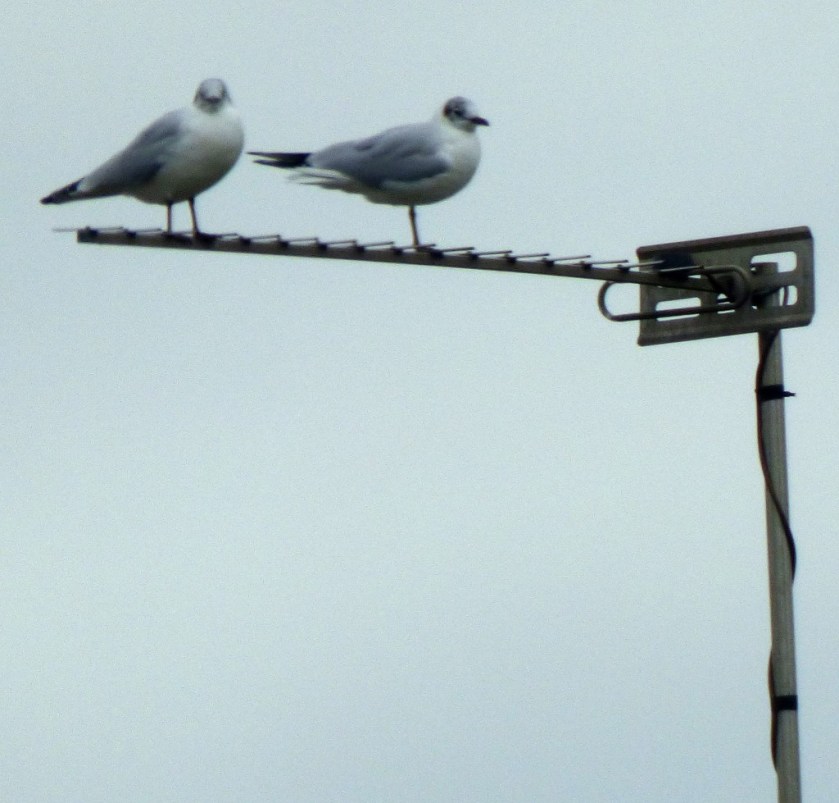
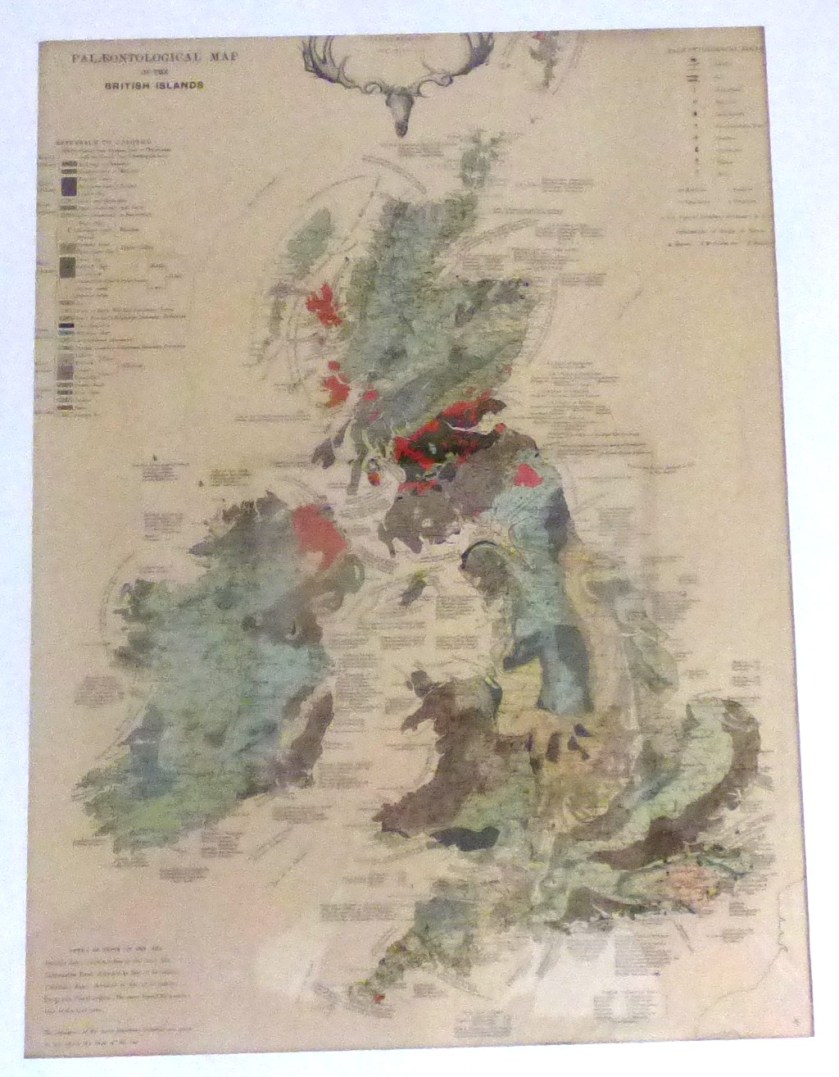
Just three pics with this post – I am saving the rest for my next post.

P1210946P1210947

100 Cricketers – 4th XI Bowlers

Continuing my “100 cricketers” series, starting the fourth XI with the bowlers for reasons that should be self-explanatory. Also features some of my photographs.

INTRODUCTION

Welcome to the latest post in my “100 cricketers” series. I am taking the my 4th XI in a different order from usual, starting with the bowlers, for reasons that should become clear during this post. The series will continue with the opening batters, then nos 3,4 and 5 and then all-rounders, which post will se my fifth XI introduced in batting order. The introduction to the whole series can be found here, and the most recent post in it, listing the 4th XI in batting order at the end, can be found here. Before getting into the meat of my post I have a but of related business to attend to…

AFGHANISTAN VERSUS IRELAND DAY 3

Ireland, helped by a substantial last wicket stand for the second time in the match did just enough to keep interest in this match alive. They brought their second innings tally to 288, setting Afghanistan 147 to win in the final innings. By the close Afghanistan had reached 29-1, needing a further 118 to win with nine wickets remaining. If either:
a) Ireland pick up wickets early tomorrow morning or

b)Afghanistan score score slowly in the morning and then lose wickets immediately before the lunch interval

Or both of the above happen, nerves could set in leading to a very close result. Whatever happens tomorrow, one team will have its first test match victory on the board and the other team, though defeated will not have been disgraced.

It is unfortunate for Ireland that as I acknowledged in response to a comment yesterday their elevation really came five years too late for them, with the result that most of the players who had earned it had either finished their careers or were finishing their careers, while Afghanistan were elevated as they hit the crest of a wave.

The official close of play report can be read here.

It is now time to look at those bowlers starting with…

THE SPINNERS

My four selections who are in this XI purely as bowlers (there is also a seam bowling all-rounder to back them up, plus an occasional off-spinner) comprise two spinners and two quicks. We start with the person who caused me to take the bowlers first when dealing with this XI…

RASHID KHAN

The 20 year old legspinner is already rated the world’s number one bowler in T20, and has just a very successful season in the Australian Big Bash League, but today he made history by becoming the first Afghan to take a five wicket innings haul in a test match. His 5-82 followed 2-20 in the first Ireland innings, meaning that in the two test matches his country have now played he has total figures of 9-256, a bowling average of 28.44. I can see this improving considerably as he gains more experience (before his 1993 visit to England which really set him on his way Shane Warne had been cuffed around at test level, notably by Ravi Shastri on his debut test), and especially if he gets to bowl second and fourth rather than first and third as he did in this game (pitches which have had more use tend to help spinners a bit more). The match now approaching its denouement will be remembered for many things – Tim Murtagh’s two remarkable efforts from no 11, the second innings batting of Andrew Balbirnie and Kevin O’Brien and Rahmat Shah’s effort in the Afghanistan first innings that came up just two short of being their first ever test century, but probably the single most important individual achievement in the game will end up being Khan’s five-for. As the saying goes – watch this space! On which note we move on to our second spinner…

SOPHIE ECCLESTONE

The 19 year-old left arm spinner has only played in one test match (the women play far too little of this form of the game), but her records in ODIs (25 wickets at 18.96 each) and T20Is (24 wickets at 20.04) show that she is already a very fine bowler, and at her age she will still be improving for a number of years. Although she has yet to record an international five-for she has a 4-14 in ODIs to her credit and a 4-18 in T20Is, and I for one will be surprised in 2019 does not see a five-for to her credit somewhere. Note that once again I have a pair of spinners who do different things with the ball, and a part-time spinner who purveys yet a third variation. Now it is time to move on to the…

FAST BOWLERS

My two specialist pacers are a genuine speedster, who recently rattled the Aussies on their own pitches and someone who started out quick before slowing down later in his career and becoming pretty much unhittable, such was his accuracy. I am going to start with…

SHAUN POLLOCK

His 421 test wickets at 23.11 each are testament to his class as a bowler, while a batting average of just over 32 makes him a good person to be coming in at number 8. His father Peter was a magnificent fast bowler for pre-isolation South Africa, and until the recent career of Adam Voges (average 61.87 from 20 test matches) his uncle Graeme was second among those who had played enough innings to qualify behind Bradman in the test batting averages with 60.97. In his early days when he bowled seriously fast and his temperament seems to have matched his red hair Shaun Pollock is reckoned to have hit the helmets of over 30 opposition batters, but his career had a second phase when he mellowed, the pace was down, but replaced with intense accuracy to the extent that along with Glenn McGrath he was among the last ODI bowlers to have an economy rate below 4 runs per over. Playing as an overseas player for Warwickshire he once took four wickets in four balls, a very rare occurence in top-level cricket. In this XI of mine I see his accuracy as a counterpoint to the sheer pace of…

JASPRIT BUMRAH

His recent effort at the MCG, when his nine wickets in the two innings, including a career-best 6-33 in the first, sent Australia reeling to the defeat the saw India wiin the BorderGavaskar trophy is a performance (I listened to it on the radio) which I will remember for a long time to come. His ten test matches so far have brought him 49 wickets at 21.89, though with a current batting average of 1.55 he is heading for the title of “Number 11’s Number 11”, being 0.45 of a run per innings below current holder Mpumelelo Mbangwa of Zimbabwe. The fact he is only 25, and my spinners are 20 and 19 respectively is why I want specifically the Shaun Pollock from the latter part of his career – as well as steadiness he will bring experience to the bowling attack. 

PHOTOGRAPHS

As usual, I finish by showing some of my recent photographs…

P1210927
This and pic no 2 and 5 were taken through the window of my bungalow.

P1210928

P1210929
This and pic no 4 were taken while out making a circuit of the grass in front of my bungalow.
P1210930
A pity that somebody could not be bothered to dispose of their cigarette butt properly, but these little flowers caught my eye.

P1210931

P1210933
We had a bit of hail today, and this picture and especially the next, taken from my aunt’s kitchen/ dining area show it through the window.

P1210934

P1210935
Another of my aunt’s collection of bird mugs – a Kingfisher this time.


100 Cricketers – Third XI Bowlers and Introducing the Fourth XI

Continuing my “100 cricketers” series with the bowlers from my third XI and an introduction to the 4th XI. Also features mentions of Afghanistan v Ireland and Sri Lanka Women v England Women plus some of my won photographs.

INTRODUCTION

Welcome to the next post in my “100 cricketers” series. The introductory post to the series can be found here, the post that introduces the third XI here , and the most recent post in the series here. Before getting into the main body of the post there are a couple of bits of business to attend to:

IRELAND V AFGHANISTAN

Afgghanistan look in control of this one, having taken a first innings lead of 142 (314 to 172) and taken an early wicket in the Ireland second innings (Ireland are 22-1 for at the close of day two of a possible five). However, plenty may happen yet – with two days of Headingley 1981 to go England were 220 behind with one second innings wicket down, and in the first half of the fourth day they continued to nosedive, plunging to 135-7, still 92 short of avoiding the innings defeat, before Botham, Dilley, Old and Willis staged a fightback leaving Australia 130 to win. At 56-1 in the chase Australia were still heavy favourites, but then Willis was switched to bowl downhill with the wind behind him, three quick wickets meant that by lunch the score was 58-4, and the first time in four and a bit days Australia were a bit nervy, while England’s confidence was surging. England won by 18 runs. Having acknowledged the possibilitiy of a turnaround it has to be said that Afghanistan remain heavy favourites to record their first test victory. An current scorecard can be viewed here.

SRI LANKA WOMEN V ENGLAND WOMEN

England women dominated this, and the rain intervention came too late to affect the result. Having scored 331 from their 50 overs, Natalie Sciver top scoring with 93, Amy Jones making 79, skipper Heather Knight 61 and Danielle Wyatt scoring 47 off just 26 balls at the end England then knocked the top off the Sri Lankan batting in brutal fashion, reducing them to 21-5 and then 46-7 (Chamari Atapattu, who has featured in this series of mine, contributing 30 of those. The 8th wicket pair saved some face, without ever threatening to get their side back into the contest by adding 88. The rain reduced Sri Lanka’s allocation of overs to 40, but because they were seven down after 35 when it came their required total was not much reduced as they had few resources (the Duckworth-Lewis-Stern method, DLS for short, is complicated but works better than any other rain rule that has been devised – reserve days tend to mean action taking place in empty or near empty grounds, while other attempts at adjusting for rain interventions have led to some very strange happenings (a South African target of 22 off 18 balls once became 22 off 1 ball due to the rain rule that was in place). Kathryn Brunt’s three wickets with the new ball took her tally in all forms of international cricket to within one of 250 (144 in ODIs, 66 in T20Is and 39 in tests. A full scorecard for this match can be seen hereNow for the main business of the post, starting with…

THE NEW BALL PAIR

The bowling will mainly be shared between two fast bowlers and two spinners in this XI, though one or other of A B De Villers or Steve Waugh might get called on to act os third seamer in extremis, while the fact that Virender Sehwag bowls offspin, as compared to the legspin of Ashwin and the left-arm spin of Jadeja may bring him in to the equation in certain conditions. I believe that if one had them together, both at their peak my chosen new ball pair are good enough not to need a third seamer to back them up. We start, taking in them chronological rather than batting order with…

ALLAN DONALD

By the time South Africa were welcomed back to the official test match fold after the dismantling of Apartheid, with a historic first encounter against the West Indies Allan Donald was not quite as greased lightning quick as he was in his early days, but was still a bowler of genuine pace and the highest class. He could still serve up something decidedly nasty when riled, as Mike Atherton once discovered when he stood his ground and was given not out having gloved a ball to the keeper (he later gave to the glove to Donald with an autograph neatly covering the offending red mark). Although his entry into test cricket was somewhat delayed he had time enough to play 72 matches in which he took 330 wickets (at the time of his retirement a record by a long way for a South African). While I am not completely unsympathetic to those whose careers were disrupted, or in some cases entirely thwarted by South Africa’s period of isolation I am a great deal more sympathetic by those, going back to Krom Hendricks as long ago is the 1890s, who were denied any possibility of a career in cricket due to the colour of their skin. Basil Lewis D’Oliveira got to show some of what he could do, for Worcestershire and England, finally appearing on the international scene in 1966 at the age of 35 (given how impressive his actual record is one can only wonder what he might have achieved had he been able to play at the highest level in his mid-twenties, the period when a cricketer is usually at their peak).

My choice of opening bowling partner for Donald is made on merit, but my also be seen as a recognition of those were denied any such thing in their own time…

KAGISO RABADA

37 test matches so far have netted him 176 wickets at 21.77 a piece (both the average, and the wickets per game ratio of 4.76 mark him as a bowler of the highest class). He played a leading role of the right kind in the controversial fairly recent series between South Africa and Australia (the one in which messrs Bancroft, Smith and Warner played leading roles of absolutely the wrong kind). He is still only 23 years old, so if his body holds up he could have another 15 years bowling for his country (James Anderson is still going strong with his 37th birthday on the horizon, and Curtley Ambrose and Courtney Walsh remained the West Indies finest bowlers at that age) and set a record for South African bowler that would take a lot of beating. Certainly he is well worth his nomination is one half of an all South African new ball pairing.

THE SPINNERS

Bearing in mind that I have off-spin available in the person of Virender Sehwag I opted for a leg-spinner and a left arm spinner as my front line spinners. The pair I have gone for regularly play together and function well as a partnership (it was for this reason that in his all-time XI Sir Donald Bradman opted for Bill OReilly and Clarrie Grimmett as his spin twins, leaving out Shane Warne (see this post earlier in my own series) so as not to break up to the partnerhsip). 

RAVINDRA JADEJA

192 test wickets at 23.68, 1485 runs at 32.28 (from 41 matches so far) and he is one of the best fielders in the world as well. This is a truly outstanding player, worth his place for his bowling, possibly would even be worth picking as a specialist fielder if he did nothing else to the required standard, and is a more than competent batter. I suspect that following on the initial onslaught of Donald and Rabada and backed up by his mate Ashwin he would bowl even more effectively in this combination than he has for India, but for his selection to work that does not have to be so.

R ASHWIN

65 Tests have netted him 342 wickets at 25.43, and he is even more of a destroyer in limited overs cricket. Although his batting is not generally highly regarded he has been used as an opener in the Indian Premier League where his ability to get the innings away to a flyer is at a premium. On any pitch offering assistance to spinners he is deadly, and I have never yet found an example of him being collared even on the flattest of tracks (even when England beat India 4-1 in 2018 on pitches and in conditions that did not suit Ashwin or any other spinner he always commanded respect).

INTRODUCING THE 4TH XI

Ready for the continuation of this series here is my 4th XI in batting order:

  1. *Charlotte Edwards
  2. Herschelle Gibbs
  3. Suzie Bates
  4. Brian Lara
  5. V V S Laxman
  6. Sophie Devine
  7. +Adam Gilchrist
  8. Shaun Pollock
  9. Sophie Ecclestone
  10. Rashid Khan
  11. Jasprit Bumrah

PHOTOGRAPHS

For those of you have made it through to the end of this post here are some of my photographs:

P1210919
All of this pictures were taken this afternoon while I went out a very short walk.

P1210921P1210922P1210923P1210924P1210925P1210926


100 Cricketers – Third XI Numbers 6 and 7

Continuing my “100 cricketers series, with a look at nos 6 and 7 from my third XI. Also features some of my photographs.

INTRODUCTION

Welcome to the latest post in my “100 Cricketers” series. The introduction to the series can be found here, and the most recent post can be found here. Before I get into the main meat of this post, as it is cricket themed I will briefly mention…

AFGHANISTAN V IRELAND

The inaugural test match between these two newly elevated nations is taking place in Delhi at the moment. After one day’s play Afghanistan are 90-2 in reply to Ireland’s 172 all out. At one stage it looked like being a lot worse for Ireland – they were 69-8 at one point and then 85-9 before George Dockrell and Tim Murtagh performed a rescue act, the latter top scoring with 54 not out from number 11. Whatever happens over the next four days one of these sides will make the best start to their test match involvement since 1877 when the first two test sides, England and Australia each one won match – each have only played once before, so the winner will record a success in their second outing. Now onto business, with the man at no 6 in my third XI…

STEVE WAUGH

Normally I would have an all-rounder at no 6, but Steve Waugh can hardly be so described, even though when he first got the call-up in the mid 1980s he was seen as a bowling all-rounder. He seemed to positively relish difficult situations, such as the occasion at Manchester when 21 players failed to achieve anything of significance with the bat due to a difficult pitch and perpetually overcast conditions, while he chiselled out a century in each innings to win the game for his side.

He really arrived as a test match player in the 1989 series in England when he made big hundreds in the first match at Headingley and the second at Lord’s, both times being supported by lower order batters who were inspired to play above their usual station (Merv Hughes with 71 at Headingley, Geoff Lawson with 74 at Lord’s), and scored over 350 runs before being dismissed for the first time in the series.

Time again through the 1990s and in to the early 2000s Australia would look be struggling and then Steve Waugh would come to the crease, and right when it was most needed would make sure he was still there at close of play, with Australia firmly back in control. Teams often tested him with bouncers because he rarely played the hook and often looked less than comfortable against short stuff, but I cannot recall him ever losing his wicket to it.

He was the third in the sequence of long-serving Aussie captains that started with Allan Border and ended with Ricky Ponting. Earlier in this series when I covered Border I rated him the best captain of the four, based on the fact that he turned the fortunes of Australian cricket around when they had been in the doldrums. Steve Waugh, who made a team of champions even stronger, so that they became as near as any team in history to be absolutely unstoppable is for me number two in that ranking, with Mark Taylor a respectful distance back in third and Ponting a poor fourth.

JEFFREY DUJON

Teams were just starting to take seriously the need for wicketkeepers to have potential as runmakers when Dujon came on the scene. Alan Knott’s England career was just coming to a finish, and many matches therein had been influences by his ability to contribute runs from the lower middle order, and England were frantically looking for a replacement (it would take the emergence of Matt Prior some quarter of a century later before they found someone who was good enough in both departments, since when there have also been Jonny Bairstow and Ben Foakes). Other countries also started requiring regular runs from their wicketkeepers.

Dujon scored four test centuries, averaged over 30 when that was unusual for a wicketkeeper (and generally made his runs when they were badly needed) and was an excellent keeper standing back to the fast bowlers. There is no way of knowing how we would have handled keeping to top class spinners, as the only person picked as a front-line spinner by the West Indies during his time as keeper was Roger Harper (who was also a fine middle-order batter and one of the greatest fielders the game had ever seen), but the fact that I have named in this XI rather than holding him back for the XI featuring a quartet of West Indies quicks tells you what I think – he would have been as good keeping to spinners as he was keeping to quicks.

NEXT IN THIS SERIES

We cover the bowlers from this Third XI and introduce the Fourth XI in batting order.

PHOTOGRAPHS

Here are some photographs to finish…

P1210894
A mallard drake and a herring gull standing side by side in the sun yesterday.
P1210895
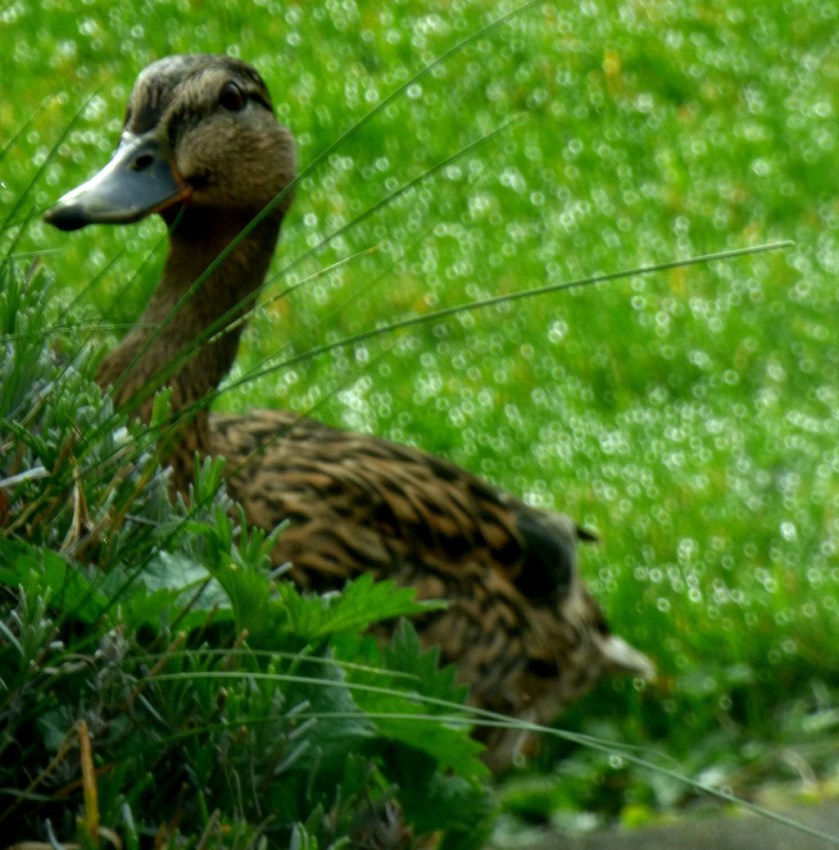
Mallards come calling this morning…
P1210896
…close up of the female.
P1210906
A picture at Tapping House that took my fancy.
P1210908
the fish tank in the reception area at Tapping House
P1210909
A close up of one the fish in the tank.
P1210914
Spring flowers near Tapping House
P1210913
This building, probably once a village school, took my fancy on the way out, and I managed to phoyograph it on the way back.


Physio Assessment at Tapping House

An account of my first visit to Tapping House Hospice and the physio assessment that took place there.

INTRODUCTION

At 11AM today, exactly as planned, a vehicle arrived to collect me and take me to Tapping House Hospice for a an introduction to their physio arrangements. The physio came in person along with the driver. In the rest of this post I will describe what happened.

THE JOURNEY THERE

Major housing developments have opened up a lot of North Lynn in recent years, and we were able to head for the main road to Hillington, the village in which the hospice is situated, by way of Lynn Sport and the industrial area of North Lynn. The journey pased without incident, and the physio then conducted me to the room wherein the sessions will take place when I can start them (next week’s sessions are already full, but it is just possible that I will be able to attend sessions from the week after next). 

THE ASSESSMENT

The assessment consisted of a number of parts:

  • Get up from a chair and sit back down five times in a row.
  • Stand in front of the chair with my eyes closed and my feet together for 90 seconds – I felt that I was shaking like a leaf when I did this but apparently the reality was less dramatic than what I felt.
  • Walk to the door leading into the ‘snug’ 
  • Walk a short distance, turn around and walk back (the physio neasured the appropriate distance).
  • Put one foot on a step and bring it back down again five times
  • Then it was time to sample the equipment – two minutes on the treadmill at its lowest speed, three minutes on a bicycle simulation (it offers much more physical support than a real bike, but you pedal it as if on a bike – my average speed over the three minutes was 14.1kph – just a tick over 8.5mph – a baseline figure against which future attempts can be measured) and a brief introduction the all-over workout machine, which I did not enjoy since my balance has never been the best, and I did not feel secure at any stage.

I think I have missed something as there were supposed to be seven stages, but this is what I remember of the assessment.

OTHER SUGGESTIONS

Louise made some sensible suggestions about outside walking, involving making use of the area immediately outside my bungalow, which I shall put into practice from tomorrow (weather permitting) – I did actually manage a visit to the very local shop yesterday, but it was tiring. She also helped me with some advice on regulating the breathing, which I shall endeavour to make full use of.

HOMEWARD BOUND

The journey home passed uneventfully, and although we had taken the precaution of bringing the wheelchair along for the ride it proved to be unnecessary, and we probably won’t bother with it next time I go to Tapping House. I enjoyed my first visit to the hospice, and look forward with more enthusiasm than apprehension to getting involved in group physio sessions once there is a space for me.

PHOTOGRAPHS

Here are some photographs taken today:

P1210897
Pot outside the main entrance (2 pics)

P1210898

P1210899
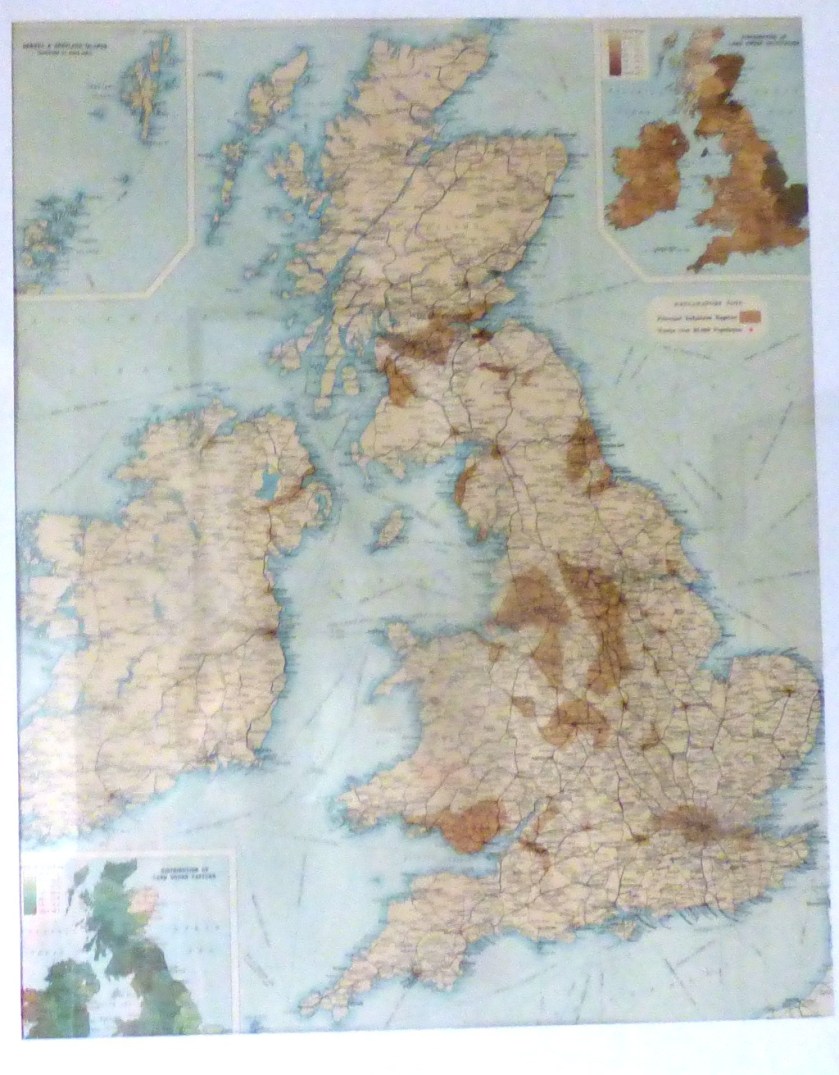
A nice map of Norfolk displayed above the reception desk.

P1210900

P1210901
The gym equipment.

P1210902P1210903P1210904P1210905P1210910P1210911P1210912

100 Cricketers – Third XI Nos 3,4 and 5

Continuing my “100 cricketers” series with nos 3,4 and 5 in my third XI. Also features some of my photographs.

INTRODUCTION

Welcome to the latest installment in my “100 cricketers” series. Today we look at numbers 3, 4 and 5 in the third XI. For those who are new to the series, the introductory post can be seen here, the post introducing the third XI is here and the most recent post in the series is here.

JONATHAN TROTT

With an all attacking opening pair, a player of a different nature was indicated for the number The slot. Jonathan Trott’s adhesive qualities at number three were seen at their finest in the 2010-11 Ashes series, when he helped Alastair Cook to save the opening game in Brisbane, shared a partnership with Cook at Adelaide that set the stage for Kevin Pietersen to deliver a mighty slaughtering and was the rock around which England’s innings in Melbourne was built after Australia had slumped to 98 all out in their first innings. A double century in the series against India in 2011 that saw England claim the world number one test ranking was also noteworthy. Trott’s international career ended up being terminated by mental health issues, but before that happened he had done comfortably enough to prove himself a top test match batsman.

KOLPAK CONTROVERSY

The Kolpak ruling, named in ‘honour’ of the Slovenian handball player responsible for its creation enables players born in foreign parts but having home qualifications through one or both parents. Jonathan Trott benefitted from this ruling to come to England in the first place, but he was clear from the outset that he intended to qualify by residence to represent England, did so and did very well. My real objections are to players who do not intend to make their skills available to the national side but do intend to come and play anyway. I refer both to players who are signed as easy space fillers but who have no real international pretensions and to players such as Jacques Rudolph, Kyle Abbott and Duanne Olivier who had already played for their native land at full international level. Please note that I am not remotely bothered by birthplace or ancestry – I am concerned with who the players intend to make their skills available to.

A B DE VILLIERS

A middle-order stroke player who averaged over 50 in test cricket, kept wicket regularly and occasionally had moments with his medium pace bowling, this man forms a neat counterpoint to those who immediately proceed and follow him. Shrewd observers will note that my numbers three and four are both right handed batters, which means that we need a second front-line left hander to go with Chamari Atapattu who is one half of an explosive opening pair, which brings us to…

GRAHAM THORPE

With three of the top four  very attacking in nature, someone who was a bit more of a sticker is called for at number 5. Hailing from one of cricket’s historic cradles, the area round Farnham where Hampshire and Surrey meet, the nuggety left hander averaged in the middle 40s for England at a time when dependable players of any description were at a huge premium for England. He started his international career with a debut century against Australia (had Graham Gooch been more aggressive with his declaration England may well have won that match) and made runs all around the world thereafter. Eventually he made way for Pietersen, a middle-order batter of very different but just as successful type.

PHOTOGRAPHS

I finish with some of my recent photographs:

Bronchoscopy

An account of todays visit to Addnebrookes for a bronchoscopy.

INTRODUCTION

This post deals with the latest medical procedure I have undergone in the course of efforts to help me recover from cancer. Some of you may find parts of what follows to be strong meat.

PREPARATION

In a letter liberally laced with dire warnings of what would happen if I did not follow the stipulated requirements absolutely 100% I was required to present myself at the Treatment Centre at Addenbrookes (a place I have not been before) by 9AM on Wednesday 13th March (i.e. today). I was also required to have someone else present as the letter made it clear that I would not in a fit state to travel back unassisted after the procedure. In view of the time we would have to leave King’s Lynn this meant a night in the camper van for my father. 

Since I shrewdly suspected that the day would entail a lot of waiting around my preparation included supplying myself with no fewer than four books to ensure that I did not run out (for the record I was in to the third of them before the day was done) of ways to fill in the time while things weren’t happening.

ARRIVAL

Having allowed generously for traffic jams and only actually encountered one, on the approach to the hospital, we arrived considerably ahead of schedule. Once we had got to the third floor of the building and located the area where the bronchoscopy was to take place there was a questionnaire to fill in, and the usual quantity of paperwork to be filled in and signed. Also, to enable the procedure to be carried out I had to have a cannula inserted. Then there was some more waiting before the doctor was ready to perform the procedure.

THE PROCEDURE

Once I had been taken through the list of possible side effects in order of likelihood and increasing severity it was time to begin in earnest. A local anaesthetic was sprayed into the back of my throat to deaden the feeling in that area. Allegedly it tastes like banana, to which I say that those classifying said taste have not actually sampled it – it bears no resemblance to banana. Then a sedative was injected through my cannula to help relax me for the procedure – it worked very well, and I came round with the procedure safely completed. A couple of observation sessions and a bit of waiting later I was able to set off, equipped with another letter warning me off food or drink before 12:45PM and off alcohol for 24 hours. 

The journey home ensured that I was free of temptation until significantly after the 12:45 cut off. As of this moment the only side effects I have experienced are a very slightly sore throat and a bit of coughing. The results of this procedure can take up to a week to come through, so they may or may not be available when I see my main team on Monday. 

PHOTOGRAPHS

A new place means a new opportunity for photographs (unless it is very dull indeed), and here are some I took during the day:

P1210877
These three metal panels are along the path that leads from the road to the entrance to the treatment centre.

P1210878P1210879

P1210880
This item rotates regularly, and is a fascinating site (I have held some of todays pics back for my next blog post, including three more of this to follow the three I show here.

P1210882P1210884P1210885P1210886P1210887P1210888P1210890

100 Cricketers – Third XI Opening Batters

Continuing my “100 cricketers” series and using the photography section to mention an NAS West Norfolk coffee morning.

INTRODUCTION

Welcome to the latest installment in my “100 cricketers“. Today, having finished the second XI we start going through the third XI, with the opening pair. For those who are new to the series and would like to catch up here are the most important staging posts so far:

  1. The post in which I introduced the whole series.
  2. The post in which I completed my coverage of the firxt XI and introduced the second XI.
  3. My most recent post, in which I completed my coverage of the second XI and introduced the third XI

CHAMARI ATAPATTU

She owes her presence in my list to one innings , but what an amazing innings it was. In the 2017 Women’s World Cup, facing one of the pre-tournament favourites Australia she scored 178 not out. None of her team mates were able to handle the strong Aussie bowling attack – her dominance of this innings is reflected in the fact that Sri Lanka as a whole tallied only 255. 

As a one-person show it had few precedents (Viv Richards, 189 not out in a total of 272-9 v England at Old Trafford in 1984 and Kapil Dev, 175 not out coming in at 9-4 to get India to an ultimately winning 266-8 v Zimbabwe in the 1983 world cup are two that come to mind, while in test cricket there was Graham Gooch’s 154 not out at Headingley in 1991 which got England to 252 all out). Unfortunately for Atapattu her amazing innings was not quite enough – Australia won the match in spite of it. A full account of the match can be read here.

The England Women are starting a series in Sri Lanka this Saturday, and I for one hope for more fireworks from Atapattu during it. 

VIRENDER SEHWAG

One of the select few batters to have scored two test match triple hundreds (Don Bradman, Brian Lara and Chris Gayle are the others), and alone in having scored 100 runs in each session of a test match day (Bradman’s 309 on the opening day at Headingley in 1930 saw him score 220 not out in the first two session and then add a mere 89 in the third), Sehwag’s aggression has been well an truly backed by results. I remember a series opener between India and England when India needed 384 to win in the fourth innings of the match and a very rapid innings from Sehwag completely knocked the stuffing out of England, enabling India to win with considerable ease.

He also bowled occasional off-spin, with his batting and bowling averages being just the right way round, although it would be a risible over-statement of the case to describe someone who paid 47 runs per wicket as an all-rounder. 

Finally, as a right-handed bat he contrasts nicely at the top of the order with the left-handed Chamari Atapattu, meaning that opponents of this XI would face a varied challenge right from the start. 

In my next post in this series I will cover nos 3, 4 and 5, and given who two of those are, and who I have down at number 6, I think most would agree that the luxury of an all attacking opening pair is one that this XI can well afford.

PHOTOGRAPHS

This morning was an NAS West Norfolk coffee morning, using a new venue, a Caribbean Soul Food establishment which has recently opened on Tower Street. It is an excellent space, and they were sensible about the background music – they did play some, even though it was a morning, but the volume was not too loud. There was a good tunrout, including several very welcome new faces, and I had an enjoyable morning getting away from my bungalow for a bit (something that has not been easy of late). Here are some photographs I took while I was there:

P1210844
In the summer months this seating area may suit us well, but today was definitely not the day for it!

P1210845

P1210846
The establihsment includes an art gallery.

P1210847P1210848P1210849P1210850P1210851P1210852P1210853P1210854P1210855P1210856P1210857P1210858P1210859P1210861P1210862P1210863

P1210866
Just across the street from the front entrance is this bakery which was also doing good business.
P1210867
This staircase is an impressive sight.

P1210868P1210869P1210870P1210871


100 Cricketers – Second XI Bowlers and Introducing the Third X1

A continuation of my “100 cricketers” series, rounding out the second XI and introducing the third XI.

INTRODUCTION

Welcome to the latest post in my “100 cricketers” series. We have covered the batters and all-rounders from our second XI, as well as the whole of the first XI, so this post deals with the bowlers from the second XI and introduces the third XI in batting order. In keeping with usual philosophy I have equipped this XI with a well-balanced bowling attack. Later in this series we shall see an example where I depart from this, because having started following cricket when I did I believed it necessary to feature a quartet of West Indies fast bowlers somewhere along the way.

WASIM AKRAM

A left-arm fast bowler who took over 1,000 wickets in all forms of international cricket, and also a very handy batter to be coming in number 8. He was spotted bowling in the nets by Imran Khan, and called into the Pakistan team while still in his mid-teens. He made an immediate impact, and never looked back. Wasim was one of the pioneers of reverse swing bowling. 

WAQAR YOUNIS

Another left-arm fast bowler, even quicker than Wasim. Like Wasim he played county championship cricket as an overseas player, in his case for Surrey and then for Glamorgan. Overseas players in the championship is a thorny issue, my opinion being that an overseas player should only be signed if they are definitiely bringing something that no-one already in your squad can provide, and if they are good enough to attract the attention of their own national selectors. The temptation to sign any old overseas player just because you are allowed to do so should be resisted. Waqar’s great trademark was a thunderbolt yorker, although against Sri Lanka in the semi-final of the 1996 World Cup he memorably came a cropper when he deployed it too predictably and his last two overs went for 40 runs. With this pairing to open the bowling and Botham as back-up the pace bowling side of things is now well covered…

SHANE WARNE

In 1993 he settled the fate a series with his first delivery therein, the legendary “Gatting Ball”, which pitched well outside leg-stump and turned so much that it dislodged the off bail. From that moment on England were spooked and the series was only ever going one way. 12 years later when England ended a long Ashes drought by winning the 2005 series Warne still captured 40 wickets in the series, in the process becoming the first bowler to take 100 test wickets in a country other than his own. When Australia took their revenge on a complacent and under-prepared England 18 months later Warne had another fine series, including the spell that virtually settled things by turning the Adelaide match upside down.

Over 700 wickets (I will not give an exact tally here, because there is an inconsistency in his official record, where wickets against a World XI are counted as test wickets, while those who played against Rest of the World sides which were recruited to replace South African touring teams in the 1970s did not have their achievements counted in the test match records) in test cricket, a tally beaten by only one bowler, and not under any immediate threat from anyone else is testament to his amazing skills, which revived a largely forgotten art (through the 1970s and 1980s spinners had increasingly, if used at all, come to be seen as keeping things tight while the quicks rested) and changed the face of cricket.

There is one caveat about Warne however – if the match or matches were scheduled to be played in India I would not pick him because he paid very dearly for his wickets in that country. Nevertheless, his huge achievements everywhere else undoubtedly qualify him to be regarded as one of the finest of all-time.

MUTTIAH MURALITHARAN

The leading wicket taker in test match history with 800 scalps to his credit. At the Oval in 1998 his captain Arjuna Ranatunga chose to field first on a plumb pitch because he wanted to be sure that his main man got a proper rest between bowling stints. England made 445, but Murali claimed seven wickets with his off-spin. Sri Lanka then made almost 600, Sanath Jayasuriya leading the way with 213, and England collapsed second time round for 166, Murali adding nine wickets to his first innings seven, and Sri Lanka knocked off their tiny target without difficulty. 

There have been many questions over his action down the years, but as far I as concerned he is one of the all-time greats, and well worth a place in this list.

INTRODUCING THE THIRD XI

Here in batting order is my third XI, perparing the way for a continuation of this series:

  1. Chamari Atapattu
  2. Virender Sehwag
  3. Jonathan Trott
  4. A B De Villiers
  5. Graham Thorpe
  6. *Steve Waugh
  7. +Jeff Dujon
  8. Ravindra Jadeja
  9. Kagiso Rabada
  10. R Ashwin
  11. Allan Donald

PHOTOGRAPHS

P1210835
My aunt, whose house I had lunch at yesterday, has a large collection of bird themed cups, this one (three pics) being devoted to the Dartford Warbler.

P1210836P1210837

P1210840
This was a fun puzzle to complete (the place name that appears twice being Hayle ).
P1210841
A map of the local area
P1210842
A close-up showing the part of town where I live.


100 Cricketers – Second XI – The Remaining Specialist Batters

A continuation of my “100 cricketers series”, with links to three important petitions – if you are able please sign and share them.

INTRODUCTION

Welcome to the latest post in my “100 cricketers” series, in which I deal with the remaining specialist batters from my second XI. My most recent post in the series dealt with the all-rounders so as to tie in with International Women’s Day. After the cricket part of the post there will be some photographs, and then some links to petitions that I am suffiiciently concerned about to share on this blog. The next post in this series will feature the bowlers from second XI and introduce the third XI in batting order.

SACHIN TENDULKAR

I first saw Sachin Tendulkar as a teenager in the 1990 series in England, in the course of which he racked up a century. He also took an amazing catch in that series, making a lot of ground before holding on to the chance. 

His amazing subsequent career is well documented. The greatest batter in the history of cricket, Sir Donald Bradman, publicly rated Tendulkar as being, along with Brian Lara, the best of the moderns, and also noted similarities between himself and Tendulkar, his attention having been drawn to them by Lady Bradman, while they were watching him on television.

At the moment Tendulkar is the only person to have scored 100 international hundreds. As a a testament to his longevity he also stands alone in having played 200 test matches. 463 ODI appearances and a T20 in addition mean that approximately four years of his life have been spent in international cricket action.

Although cross-era comparisons are generally invidious (Bradman’s colossal – 40 runs per innings – margin of superiority over the rest making him an exception) I feel sure that Tendulkar would have had had an outstanding record whatever era he had been born into and whichever kind of bowling he had had encountered.

ALLAN BORDER

An outstanding captain of Australia over many years, and a great left-handed batter whose career had two distinct portions.

For the first decade of his long international career Australia were a struggling outfit. He started in the 1978-9 Ashes series, won 5-1 by Mike Brearley’s England, and it was not until their unexpected triumph in the 1987-8 World Cup that things really started going right for Australia. In these circumstances Border was very often battling to save his side from defeat, and many of his innings were through sheer force of circumstance defensive in nature, batting as long as possible.

In the latter years of his career when he was finally in charge of a strong, confident side he showed that given the opportunity he had plenty of strokes and was willing to play them – in all of his last three Ashes series (1989, won 4-0 by Australia and would have been 6-0 but for major rain interruptions in the other two matches, 1990-1 and 1993 he batted in attacking fashion at every opportunity).

Of the four long-serving Australian captains of my lifetime I rate Border a very clear first – looking at their records in this specific role we have:

  • Allan Border – took over a weak, struggling side that had little idea of how to win, and left for his successor a side who were by then acknowledged as the best in the world.
  • Mark Taylor – took over from Border and maintained Australia’s position at the top of the cricket world.
  • Steve Waugh – taking over the captaincy of a team who were already acknowledged as champions he made them even better, a highlight of his term of office being a record run of 16 consecutive test match victories.
  • Ricky Ponting – in his first few years in charge he won a lot of matches with the remnants of the great Australian side of the previous era, but he lost three Ashes series out of four, including one on home soil in which his team were three times defeated by innings margins. 

In this XI, where the batting is overall exceedingly attacking in nature, Border is the person who in the event of bad start could dig the team out of a hole, while at the same time if the innings is going well he would be perfectly capable of stepping on the accelerator. His presence also means that there is a left-hander in the middle order, valuable from the point of view of giving the bowling side a different challenge. Finally, although not by any means a major part of his game his occasional slow left-arm did once win his country a test match against the West Indies (11 wickets in the match, including 7-46 in the first innings), and his safe hands (156 catches pouched in the course of his 156 test matches) would also be useful.

PHOTOGRAPHS

P1210824
A pair of mallards whose Sunday morning walk took them past my front window – you can just see the tail feathers of the female as she heads into the lavender.
P1210825
The male, keeping an eye on his companion.

P1210826

P1210828
A couple of close-ups of the female as she emerges.

P1210829P1210830P1210832

PETITIONS

First up, a petition on 38 Degrees produced by the Grenfell survivors, calling on the government to make our housing system work for tenants. As someone who has recently moved into social housing through force of circumstance this is particularly important to me. To sign and share please click on the screenshot below.

Grenfell petition

My final two petitions are both on the official UK Government petition site, meaning that only UK citizens are allowed to sign. The first is a call for increased funding for Children’s Mental Health. If you are able and willing to sign and share please click the screenshot below:

Childrens Mental Health

Last and by no means least is a petition calling for police officers to be given mandatory autism training, something that I as an autistic person consider to be very important. Again, please click the screenshot below to sign and share.

police autism training