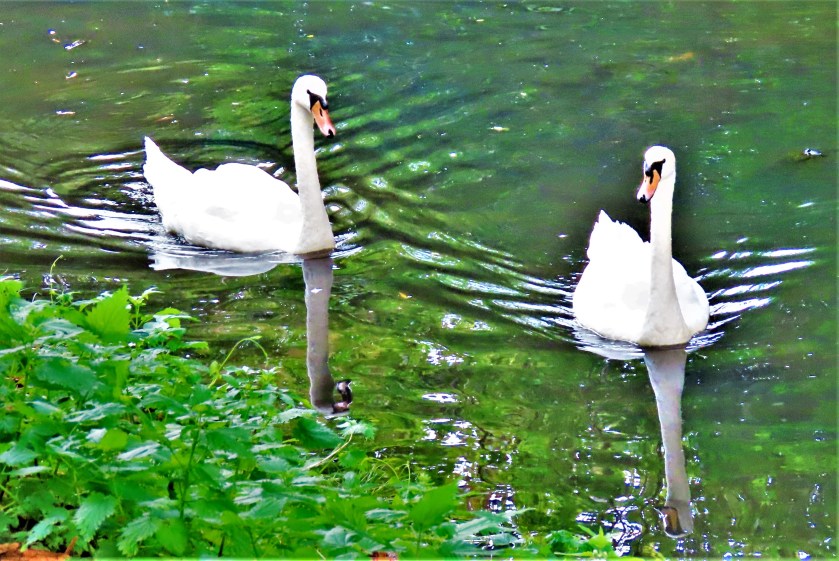
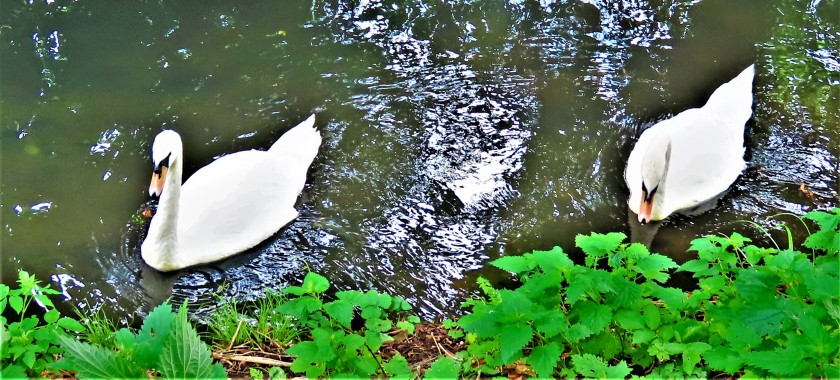
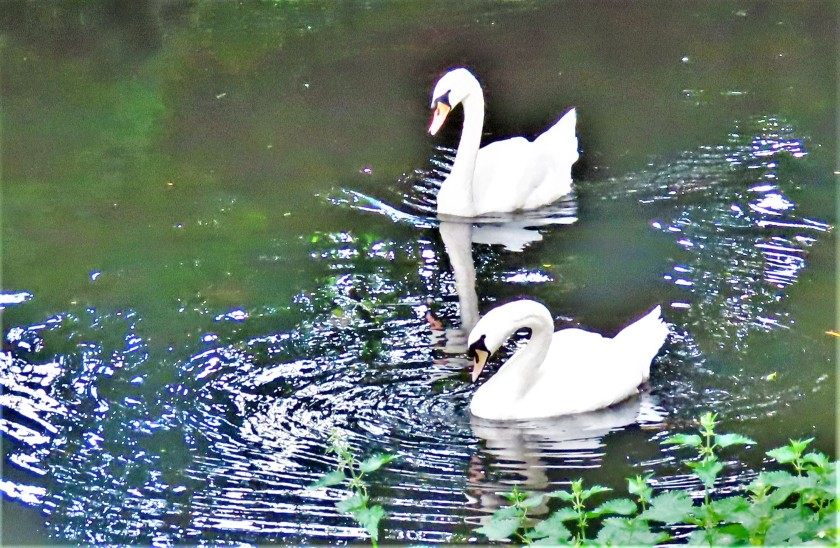
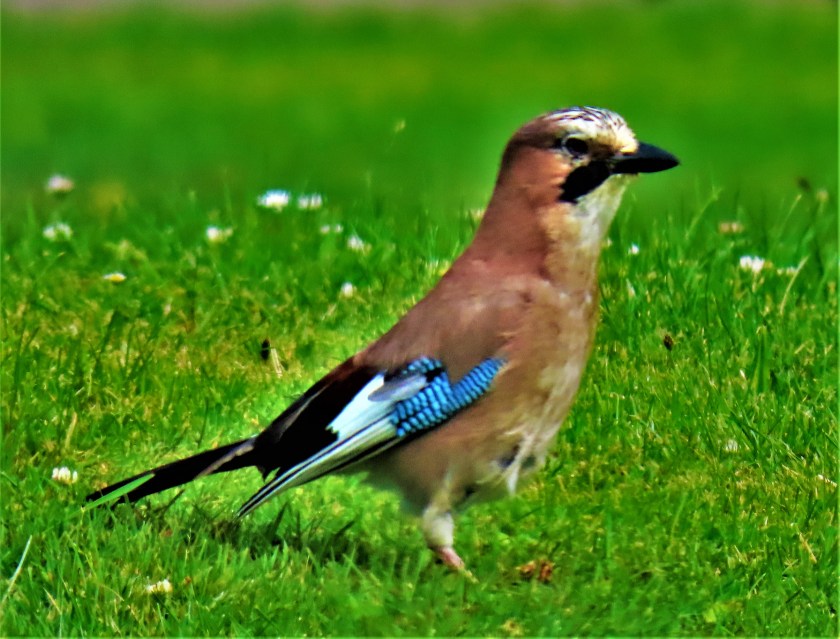
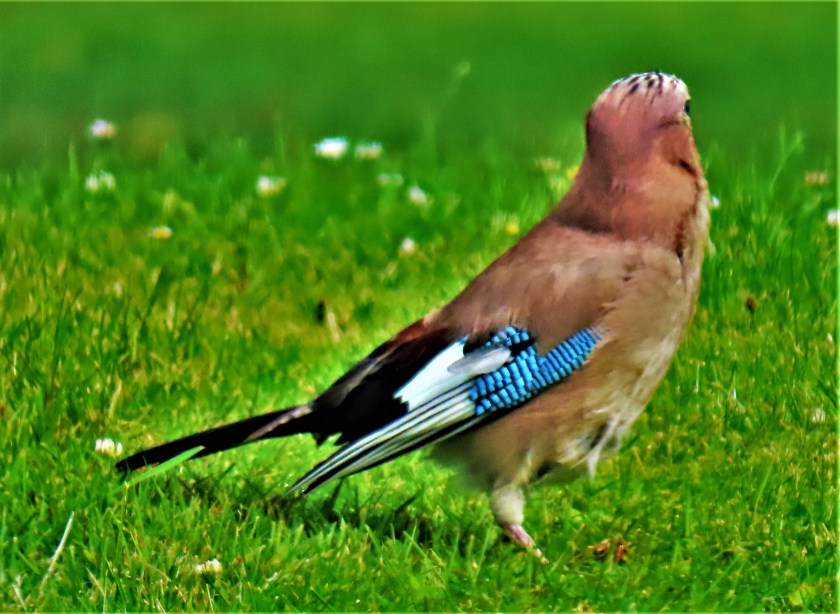
Manchester Musings

Some thoughts on the early stages of the second test match between England and the West Indies.

INTRODUCTION

The second test match between England and the West Indies at Old Trafford, Manchester is underway, and already curious things are happening.

THE SELECTIONS

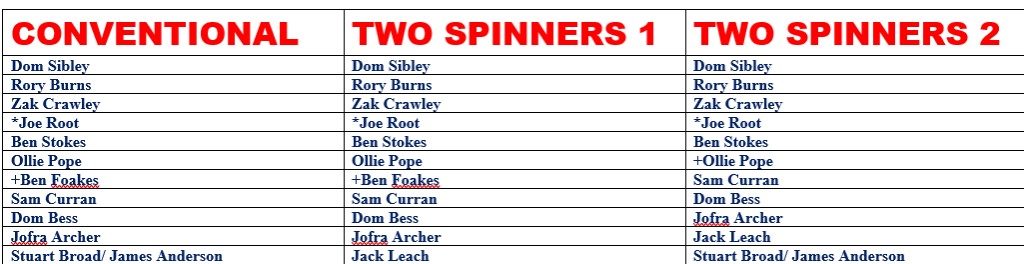
England had decided to rest Anderson and Wood for this game (both have had injury problems of late, and were unlikely to stand up to three matches in quick succession, so resting them for the middle match made sense. What did not make sense was Jofra Archer deciding to visit his home in Brighton (south east of Southampton) before heading to Manchester (north west of Southampton), thereby breaking the bio-secure protocols that everyone else involved manage to stick to (btw Anderson’s family home is only a few miles down the road from Old Trafford, and he did not succumb to temptation) and rendering himself ineligible for the match. With Oli Stone also not fully fit that meant that England had no out and out speedster available to them. They therefore opted for Curran’s left arm to give them some variation in the seam department and Woakes rather than a debut for Oliver Edward Robinson. They correctly gave Crawley the no3 slot, dropping Denly. They wrongly, indeed inexcusably, but unsurprisingly persisted with Buttler as keeper and no7, so the full 11 reads: Sibley, Burns, Crawley, *Root, Stokes, Pope, +Buttler, Woakes, Curran, Bess and Broad. Curran’s left arm provides some variation, and he may create some useful rough for Dom Bess to exploit. However, the only possibility of providing some genuine pace will be if Stokes is used in short spells in which he goes all out for speed – no one else in this side is capable of producing anything describable as genuinely fast. The West Indies are unchanged, which means that off spinner Rahkeem Cornwall, probably the heaviest international cricketer since Warwick Armstrong captained Australia in 1921 while weighing in at 22 stone, misses out.

THE EARLY EXCHANGES

Some traditional Manchester weather meant a delayed start, and the toss took place at noon, with a one hour session scheduled for 12:30-1:30, afternoon 2:10-4:25, evening 4:45 – 7:00, with half an hour overlap allowed, so a potential 7:30 finish. The West Indies one the toss and put England in. Burns and Sibley saw off the quicker bowlers, but then Burns fell to the off spin of Roston Chase on the stroke of lunch, and Crawley fell to Chase’s next delivery, immediately after the interval. Sibley and Root are now together, doing their best to stabilize things. England need to bat well, but on a pitch which is already looking like it could break up a first innings tally of 300 would put them in the box seat. Two wickets down this early is not good news for England, bit if they were going to lose two fairly early wickets losing them to Roston Chase is less bad than the alternatives, given that Bess is likely to enjoy this pitch even more, and that England are short of serious pace in this game (btw Robinson would not have helped in that regard – he specializes in moving the ball around a bit at just above medium pace, a method that has brought him 236 first class wickets at 22 a piece but which is not likely to have test batters quaking in their boots).

LOOKING AHEAD

England are probably second favourites for this match given the effect that the combination of their selection policy and Archer’s misdemeanour has had on them, but it does look like the West Indies misread the pitch and would have done better to bat first. If the West Indies do win this game they win the series, the first time they will have done that in England since 1988 (the 1991 and 1995 series were both drawn 2-2, England won the 2000 series and have been dominant in these contests since then), if England prevail it will be 1-1 and all will come down to the decider at this same ground. My own feeling is that for the West Indies to win the series and retain the Wisden trophy (they won the last series in the Caribbean) they need to win this match  – a draw would also secure them the Wisden Trophy as the series could not then finish worse for them than 1-1, but if England win I think the West Indies will find it tough to pick themselves up for the final game. For the moment, Sibley and Root remain in possession, and although they are not scoring quickly they are looking quite secure.

PHOTOGRAPHS

My usual sign off…

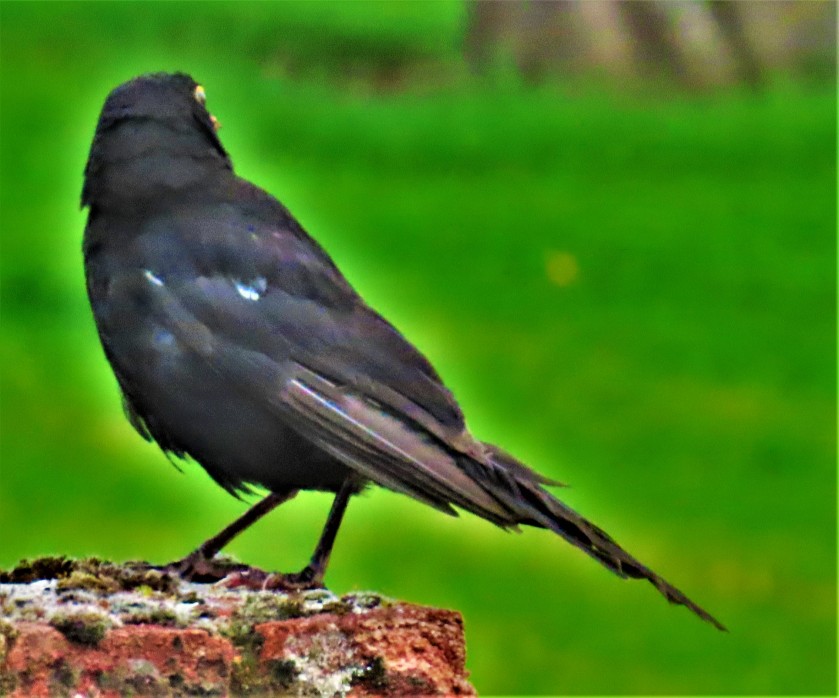
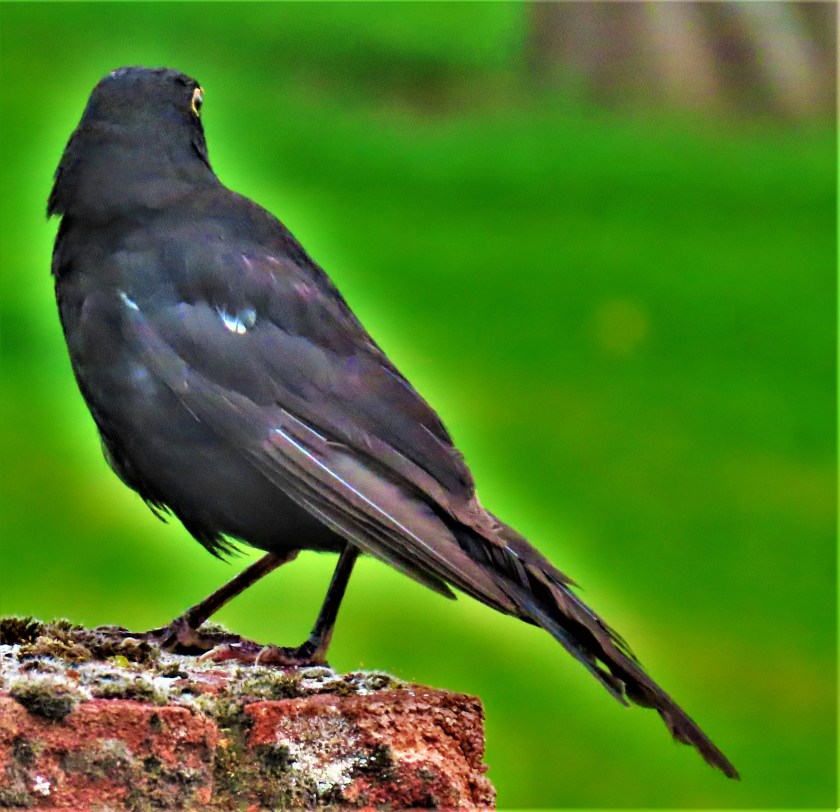
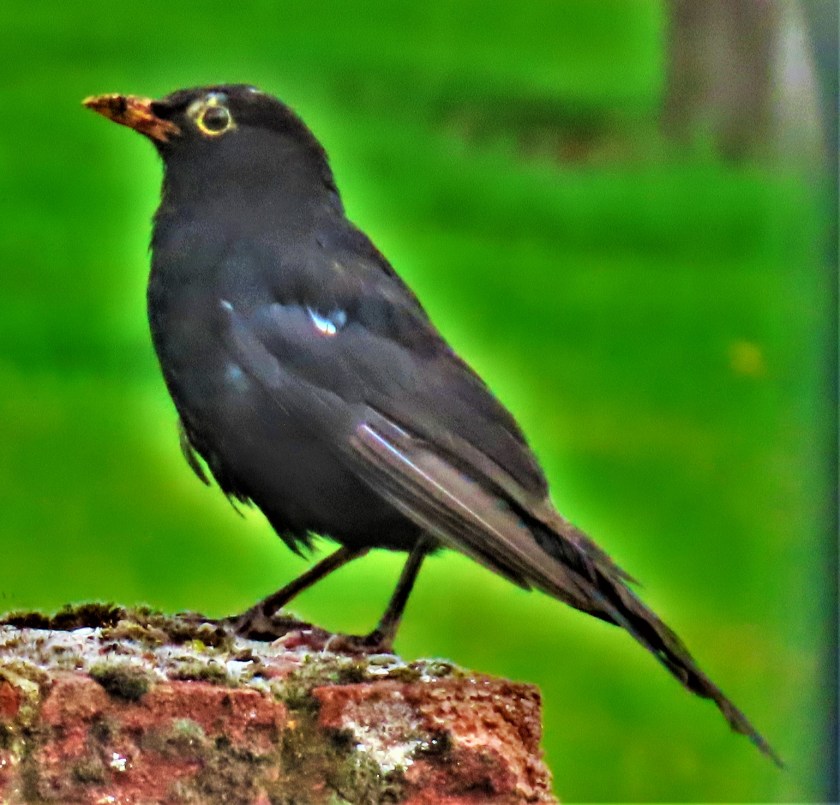
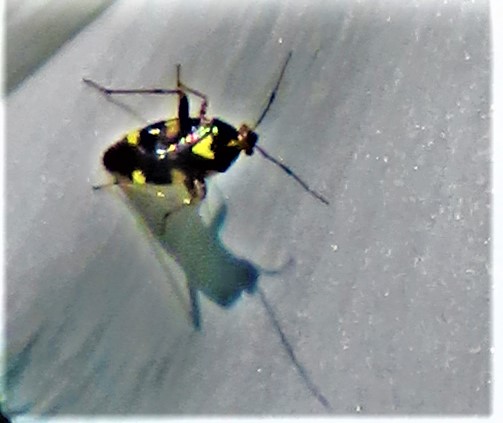
IMG_1828 (2)IMG_1829 (2)IMG_1830 (2)IMG_1831 (2)IMG_1832 (2)IMG_1833 (2)IMG_1834 (2)IMG_1835 (2)IMG_1836 (2)IMG_1837 (2)IMG_1838 (2)IMG_1839 (2)IMG_1839 (3)IMG_1840 (2)IMG_1840 (3)IMG_1841 (2)IMG_1841 (3)IMG_1842 (2)IMG_1842 (3)IMG_1843 (2)IMG_1844 (2)IMG_1845 (2)IMG_1846 (2)IMG_1847 (2)IMG_1848 (2)IMG_1849 (2)

My England XI For The Second Test Match

My England XI for the test match that starts tomorrow – the team that should be selected though probably will not. Plus some photographs.

INTRODUCTION

I have not yet seen the official XI for the test match that starts tomorrow, and I do not expect it to be the same as mine  – I will outline the possible differences later.

THE XI VIA THE BBC WEBSITE

The BBC have an interactive piece on the cricket section of their website which you can use to pick your England team for this test match. I have done so and mine is:

XI

MORE ON MY XI

  1. Rory Burns – currently averaging 33 in his test career to date but seemingly upwardly mobile in that regard and deserves a few more games yet.
  2. Dom Sibley – his performances in South Africa were highly encouraging, and his second innings at the Ageas bowl was a solid effort, although the manner of his dismissal when in the 40s was disappointing.
  3. Zak Crawley – at the age of 22 he is very much in the ‘up and coming’ bracket, and his second innings 76 at the Ageas bowl was the best batting effort for England in the match, both in quantity and quality.
  4. *Joe Root – England need his batting, and while his captaincy is less impressive there are few appealing alternatives (see yesterday’s post). No4 is his preferred slot, Crawley likes to be high in the order (he opens for Kent), so I position them this way round.
  5. Ben Stokes – He is very much England’s x-factor player, and while his captaincy was less than impressive at the Ageas bowl he had a fine all round game as a player
  6. Ollie Pope – his emergence at test level was one of the highlights of the series in South Africa, his first class batting record is truly outstanding and while he may eventually bat higher in the order it should not be forced.
  7. +Ben Foakes – the best keeper in England at present, and he averages over 40 with the bat in the five test matches he has been allowed to play. Buttler in the long form of the game is no more than an ordinary batter and a substandard keeper – his miss at the Ageas bowl on the final day was the costliest England blunder of the match. Buttler has played 107 first class matches and averages precisely 32 with the bat, and has taken 213 catches and executed two stumpings. Foakes has played 109 first class matches, averages 38.01, and has taken 225 catches and made 23 stumpings. The likelihood therefore is that Foakes would actually score more runs than Buttler, but even if this proved not to be the case his superior keeping  would save more runs than under-performing with the bat could cost.
  8. Dom Bess – the offspinner had a good game at the Ageas bowl, including a spirited effort with the bat in the first innings and should hold his place.
  9. Jofra Archer – he had a poor time with the ball in the first innings, but bowled electrifyingly in the second.
  10. Mark Wood – not a good match for him at the Ageas bowl, but it was chiefly the batting that let England down there, and I hate seeing bowlers thrown under the bus when the batters are more blameworthy, plus as long time advocate of England going with two out and out speedsters I do not want to see the experiment abandoned after one game.
  11. James Anderson – he was bang on the money at the Ageas bowl and when fit is without doubt England’s most reliable performer with the ball. Additionally this match is taking place at his home ground of Old Trafford, and I think he deserves the chance to play there if he is fit enough to do so.

ALTERNATIVES AND CLOSE RESERVES

I fear that England will continue with their indefensible policy of selecting Buttler as keeper. I sincerely hope that it is the end of the road for Denly, but I cannot even be certain of that. I could accept Broad being selected, especially as England have indicated that they are thinking in terms of rotating him and Anderson, but I remind of you of my earlier comments about bowlers being thrown under the bus when it is batters who are really blameworthy. I do not consider that an English surface is likely to demand two specialist spinners, but if it does I have Parkinson ahead of Leach in my personal pecking order. Finally rather than any reprieve for Buttler or Denly I would have Bracey down as cover for any batter in the top three and the wicket keeper and Lawrence earmarked should one nos 4-6 be unavailable at short notice. Denly was selected as a stopgap no3 until that gap could be filled properly, and in Crawley it looks like England have found the person to fill it long term.

PHOTOGRAPHS

My usual sign off…

IMG_1762 (2)IMG_1763 (2)IMG_1764 (2)IMG_1766 (2)IMG_1767 (2)IMG_1768 (2)IMG_1770 (2)IMG_1771 (2)IMG_1771 (3)IMG_1772 (2)IMG_1772 (3)IMG_1774 (2)IMG_1776 (2)IMG_1777 (2)IMG_1783 (2)IMG_1784 (2)IMG_1785 (2)IMG_1787 (2)IMG_1791 (2)IMG_1794 (2)IMG_1795 (2)IMG_1796 (2)IMG_1798 (2)IMG_1799 (2)IMG_1799 (3)IMG_1801 (2)IMG_1802 (2)IMG_1803 (2)IMG_1804 (2)IMG_1805 (2)IMG_1806 (2)IMG_1806 (3)IMG_1809 (2)IMG_1810 (2)IMG_1811 (2)IMG_1814 (2)IMG_1815 (2)IMG_1816 (2)IMG_1817 (2)IMG_1818 (2)IMG_1819 (2)IMG_1819 (3)IMG_1820 (2)IMG_1821 (2)IMG_1821 (3)IMG_1822 (2)IMG_1822 (3)IMG_1823 (2)IMG_1823 (3)IMG_1824 (2)IMG_1825 (2)IMG_1826 (2)IMG_1827 (2)

The England Captaincy

Some thoughts on the England test captaincy, a section on masks including an important link, and some photographs.

INTRODUCTION

With Joe Root due to return I am going to have a look at the question of the captaincy of the England men’s team ahead of Thursday’s second test.

GREAT BATTER, ORDINARY SKIPPER

Root is England’s leading batter at present, and his selection in that role is absolutely mandatory. However, the captaincy has somewhat adversely affected his batting returns, especially in the matter of converting fifties to hundreds, and he is hardly outstanding as a captain. So should be relieved of the captaincy?

STOKES’ FIRST OUTING NO TRIUMPH

Ben Stokes fared reasonably well as a player in his first outing as skipper, twice scoring 40+ with the bat and taking four cheap wickets in the first West Indies innings. However, he was less impressive as a skipper. His biggest blunder was over Bess in the second innings. Having chosen to bat first in the hope of Bess having a turning pitch to bowl on the final innings Stokes then shied at the last. Although Bess did turn the ball and created two definite wicket taking opportunities and other possibilities he was mysteriously given only ten overs, when he should have been kept going at one end while as many of the overs at the other as practicable were bowled by the blitzmen Archer and Wood. So Stokes is a possible, but certainly not a definite.

THE OTHERS

It is no secret that I think that neither Denly nor Buttler should be in the test side, and since with all due respect to the legendary Mike Brearley I cannot recommend selecting a specialist skipper in general that rules them out. Archer and Wood as out and out speedsters devote too much energy in the field to their craft and would therefore probably struggle as skipper. Anderson and Broad are apparently intended to play on a rotation basis, which rules them out, although Anderson could well handle the job decently. Sibley, Crawley, Pope and my choice as keeper, Foakes are all too new to international cricket to be serious candidates just yet, and the combination of keeping and captaincy is a tough one for anyone to handle. So, if you accept that he is the undisputed no1 spinner the only alternatives to Root and Stokes would appear to be Dom Bess and Rory Burns. If I was going to appoint a new captain, then I would follow my instincts regarding slow bowlers who can handle a bat and go for Bess, but I think that I would prefer to stay with Root for the home summer, and then maybe appoint Bess as captain for a winter tour if one happens.

SOME THOUGHTS ON MASKS

I am still seeing far too few people using protective masks when out and about. As someone who less than two years ago was in hospital and among other things receiving extra oxygen and who always wears a mask when going out (I have recently emerged from several months of shielding, but I continue to take great care) I can tell you which is the greater inconvenience. There are some minor difficulties associated with masks, and I know that not everyone can cope with them (being autistic I would be did I choose to claim it exempt from wearing one), but for most of us the difficulties associated with mask wearing (they don’t combine well with spectacles, a difficulty I freely acknowledge) are as nothing compared to being in hospital and receiving extra oxygen. So, for yourself and others, please wear a mask whenever you go out. Charlie Hancock has an excellent piece in Spyglass Magazine about the type of people who throw hissy fits about being asked to wear masks, titled “100 Years of Anti-Maskers“.

PHOTOGRAPHS

My usual sign off…

IMG_1723 (2)IMG_1724 (2)IMG_1725 (2)IMG_1726 (2)IMG_1727 (2)IMG_1728 (2)IMG_1729 (2)IMG_1730 (2)IMG_1731 (2)IMG_1732 (2)IMG_1733 (2)IMG_1734 (2)IMG_1735 (2)IMG_1738 (2)IMG_1739 (2)IMG_1740 (2)IMG_1741 (2)IMG_1742 (2)IMG_1743 (2)IMG_1744 (2)IMG_1745 (2)IMG_1746 (2)IMG_1747 (2)IMG_1748 (2)IMG_1749 (2)IMG_1750 (2)IMG_1751 (2)IMG_1751 (3)IMG_1752 (2)IMG_1753 (2)IMG_1754 (2)IMG_1755 (2)IMG_1759 (2)IMG_1760 (2)IMG_1761 (2)

Test Cricket Back With A Bang

My thoughts on the test match at the Ageas bowl, plus some photographs.

INTRODUCTION

When a match is the first for some months would what be your requests – mine would be:

  1. An interesting match, for preference going right to the wire.
  2. Some good individual performances to talk about.

This match gave us both of the above – it was not until the final session of the final day that it became clear which way it would ultimately go, and Jason Holder, Shannon Gabriel and Jermaine Blackwood for the West Indies, Zak Crawley and Jofra Archer for England produced unforgettable performances. The TMS commentary team did a splendid job in circumstances that must have been tougher than they ever let on, with Carlos Brathwaite a worthy addition as expert summariser, and everyone else close to their best.

ENGLAND BEGIN BADLY

England having opted for a starting XI of Burns, Sibley, Denly, Crawley, *Stokes, Pope, +Buttler, Bess, Archer, Wood and Anderson won the toss and batted. Many hav criticized this decision by Stokes, but for me the problem was not the decision but England’s poor response to it. Virtually every batter got some sort of start (Denly, out for 9, and Pope, 12 were the exceptions), but no one produced a major innings. Stokes top scored with 43, which needed a lot of luck (two clear dropped chances and other iffy moments), while Buttler made 35 before becoming one of many to give his wicket away rather than forcing the bowlers to take it. It was only a spirited innings from Bess, whose 31 showed up his supposed betters, that even got England to 200. Holder, with 6-42 including opposing skipper Stokes, and Gabriel who took the other four wickets both bowled outstandingly, but were also helped by some ordinary batting.

WEST INDIES ESTABLISH A USEFUL LEAD

Kraigg Brathwaite (no relation of Carlos, although both hail from Barbados, that mass producer of cricketing talent) scored a gritty 65, and there were useful runs all down the order from the West Indies. At their high water mark they were 267-5, 63 ahead and threatening a monster lead, but England pegged away, and in the end got them out for 318, an advantage of 114. Stokes got his opposite number Holder, as well as three other scalps, Anderson was his usual self, always formidable, and Bess bowled economically and nabbed a couple of wickets. The two speedsters, Wood and Archer, were both below par, both bowling far too much short stuff on a pitch that required the ball to pitched up.

ENGLAND FIGHT BACK

Burns and Sibley dug in well at the start of the second England innings, but Burns having seemingly laid a solid foundation for a big score got himself out, aiming to crash a long hop through the off side, and edging to deep point. Denly then joined Sibley who moved into the forties, before he too self destructed. That brought Zak Crawley to the crease, with him and Denly seemingly playing for one place, with skipper Root due to return for the second match. Denly, whose first innings failure had seen has test average drop into the twenties (it had stood at precisely 30), got to 29 while Crawley was starting to play nicely. Then Denly played to shot that cost him his wicket and with it surely his international career. Joe Denly, at the age of 34 hardly describable as ‘up and coming’ now has 818 test runs at 29.21 and has not managed a ton. Stokes joined Crawley and we were now treated to the best English batting of the match, as these two raised the score to 249 before Stokes fell having added 46 to his first innings 43. That triggered a clatter of wickets, among them Crawley for a new test best of 76. He has now played eight test innings in five matches, has 250 runs at 31.25 with two half centuries, and at 22 years of age is very much in the ‘up and coming’ category – he is definitely upwardly mobile. He deserves especial credit, because before this match he had never batted at no4 in first class cricket, let alone a test match, but was moved down one place from his regular test berth to accommodate Denly. The most gruesome dismissal from a substantial field was that suffered by Buttler, with only nine to his credit and the ship needing to be steadied. He is barely even a competent keeper, and 44 runs the match plus being the chief cause of his own dismissal in both innings cannot be described as making oneself worth a place as a batter. From 279-8 England staged a mini revival, ultimately reaching 313 on the final morning, a lead of 199.

THE WEST INDIES CHASE

Anderson and Archer took the new ball, and they bowled magnificently, to put the West Indies on the ropes at 27-3 with opener John Campbell having suffered a foot injury. Jermaine Blackwood, in company with first Roston Chase and then keeper Shane Dowrich and finally skipper Holder pulled the innings round. By the time Blackwood was out for a superbly crafted 95 the score was 189-6 and the opener Campbell was ready to return. Had England got through him, then with only Alzarri Joseph, Kemar Roach and Shannon Gabriel to come there would still have been a chance of victory, but he held out in partnership with Holder to see his side to a deserved victory. Seeing a winning score of 200-6 and an opener on 8 not out might suggest a Richard Barlow or William Scotton at work to someone who was not familiar with the circumstances.

PLAYER OF THE MATCH

Shannon Gabriel, the West Indies fast bowler, was named player of the match, for his haul of nine wickets over the two innings, a lionhearted effort. I do not especially quarrel with this, but Jermaine Blackwood’s innings, begun with his side reeling and ending with it in sight of victory also deserved consideration, as did Holder’s all round contribution (he averages 33 with the bat in test cricket and 26 with the ball, making him worth his place purely as a bowler, and a very handy player to have coming at no8).

WELL DONE ALL ROUND

The  West Indies played superbly and deserved to win. England played reasonably well, but need to do better in terms of turning starts into serious scores – Crawley’s 76 was the only major innings played by an England batter in this match. I was also impressed by the commentary, although I would prefer it if ‘natural sound’ was the default option rather than having to switch to it as soon as it becomes available – I do not like the fake background noise in the standard version. The pitch at the Ageas bowl was a good one, although the hoped for spin never materialized. The teams now move to another bio-secure venue, Old Trafford, which like the Ageas bowl has its own hotel and go again on Thursday.

WHITHER ENGLAND?

Most of the team will retain their places, and deserve to. Broad may come in, especially if the plan to rotate him and Anderson is adhered to. Denly must go, permanently (to drop Crawley to make way for Root would be a shocking decision, and England need Root’s batting, even if they decide Stokes can retain the captaincy), and at 34 there ought not to be a way back for him. Buttler needs to go, and again his test career should be over, although he is a vital component of the white ball teams, I would prefer to see Foakes get an extended run, but could live with Bracey getting the nod as keeper (he like Buttler is principally a batter, but he has recent runs in the bank, and has done some work on his keeping). My own XI for Thursday would be Sibley, Burns, Crawley, *Root, Stokes, Pope, +Foakes, Bess, Archer, Wood and one of Anderson or Broad.

ENGLAND PLAYER RATINGS (OUT OF 10)

  1. Dominic Sibley – 5.5 – twice batted reasonably only to get out when well set.
  2. Rory Burns – 5 – fared less well than Sibley, but again he was not all bad.
  3. Joe Denly – 2 – arguably he is lucky even to get this many, his first innings was awful, his second better, but getting out the way he did with 29 to his name is unforgivable.
  4. Zak Crawley – 8.5 – batted in a position he has never even occupied in first class cricket (Denly should have been the one moved down, not him), and produced the best England innings of the match even so, a splendid 76 in the second innings. I expect to see centuries from him before too long.
  5. Ben Stokes – 8 – the only things he really did wrong were to get out twice when going well (43 and 46). His four cheap first innings wickets were badly needed.
  6. Ollie Pope – 3.5 – his first innings was a miniature gem, but there is a limit to the amount of praise a specialist batter can be given for making 12, and his second effort produced the same modest score and was less impressive.
  7. Jos Buttler – 2 – two self inflicted dismissals for a combined total of 44 runs, and the costliest England mistake of the entire match when he dropped a chance on the final day – had he taken it England would have been firmly back in control of proceedings.
  8. Dominic Bess – 6 – a spirited batting effort when it was much needed in the first innings, and bowled well on a surface that offered less turn than expected. He was a little unfortunate in the second dig, with a couple of very close LBWs going against him.
  9. Jofra Archer – 7.5 – batted reasonably in both innings, bowled poorly in the first but produced an electrifying opening burst in the second that put England in a winning position that they were unable to press home.
  10. Mark Wood – 5.5 – persistent short stuff in his first innings bowling effort, when the wicket of a tail ender flattered him. He bowled better second time around, but was not a match for Archer.
  11. James Anderson – 7 – he commanded respect in both innings, and if not quite the Anderson of old, he has little with which to reproach himself.

FINAL THOUGHTS AND PHOTOGRAPHS

Although the outcome of this match remained uncertain until deep in the final day it was in truth lost in it’s early stages when England were only able to reach 200 courtesy of Dom Bess’ late innings. Providing England notice the kick up the rear that this result amounts to it could actually benefit them, since a win would have allowed a papering over of cracks, whereas defeat does not come with such a luxury. I like the presence of two out and out speedsters for all that neither had great match here (Archer produced one magnificent spell, and some good bowling later on the fifth day as well) and hope that England will persist with that aspect of things. Now it is time for my usual sign off…

IMG_1678 (2)IMG_1679 (2)IMG_1680 (2)IMG_1682 (2)IMG_1687 (2)IMG_1688 (2)IMG_1689 (2)IMG_1691 (2)IMG_1693 (2)IMG_1694 (2)IMG_1696 (2)IMG_1698 (2)IMG_1699 (2)IMG_1700 (2)IMG_1701 (2)IMG_1702 (2)IMG_1703 (2)IMG_1704 (2)IMG_1705 (2)IMG_1706 (2)IMG_1707 (2)IMG_1708 (2)IMG_1709 (2)IMG_1710 (2)IMG_1711 (2)IMG_1712 (2)IMG_1713 (2)IMG_1714 (2)IMG_1715 (2)IMG_1716 (2)IMG_1719 (2)IMG_1720 (2)IMG_1721 (2)IMG_1721 (3)IMG_1722 (2)

Test Match Poised For A Great Finish

A very brief post updating on the situation at the Ageas bowl, as a test match worthy of the occasion (the resumption of cricket after covid-19) draws to what looks like being a great finish. Also includes some of my photographs.

INTRODUCTION

The Test Match at the Ageas Bowl is moving towards its closing stages and is still too close to call, though England are at present probably favourites to win.

THE FINISH OF DAY 4

England needed a good day yesterday, and up to a point they had one. At the high watermark of their second innings batting effort they had reached 249-3 and were looking like taking control of the game. Then Ben Stokes got himself out, and some good West Indian and some poor English batting saw a clatter of wickets, with the score plunging to 279-8. Jofra Archer and Mark Wood saw things through to the close at 284-8, with England 170 to the good.

DAY 5 SO FAR

England advanced their score by a further 29 in the opening session of play before they were all out, thus setting the West Indies precisely 200 to win. Anderson and Archer began magnificently, and the West Indies were soon three down and with an opener nursing an injury. They reached lunch for no further loss, and have fared well since the interval, reaching 72-3, with a further 128 required for victory. It remains anyone’s game, and whatever happens kn what is left of it it has been a superb resumption for international cricket after its longest hiatus since 1971-2 (or in other words the longest international blank since ODIs became a thing). I shall be back tomorrow with a longer post analysing the match as a whole.

PHOTOGRAPHS

IMG_1615 (2)IMG_1616 (2)IMG_1617 (2)IMG_1618 (2)IMG_1619 (2)IMG_1620 (2)IMG_1621 (2)IMG_1623 (2)IMG_1624 (2)IMG_1629 (2)IMG_1630 (2)IMG_1630 (3)IMG_1631 (2)IMG_1631 (3)IMG_1632 (2)IMG_1633 (2)IMG_1637 (2)IMG_1638 (2)IMG_1642 (2)IMG_1643 (2)IMG_1644 (2)IMG_1645 (2)IMG_1646 (2)IMG_1647 (2)IMG_1647 (3)IMG_1649 (2)IMG_1650 (2)IMG_1651 (2)IMG_1652 (2)IMG_1657 (2)IMG_1659 (2)IMG_1661 (2)IMG_1666 (2)IMG_1667 (2)IMG_1670 (2)IMG_1671 (2)IMG_1672 (2)IMG_1674 (2)IMG_1675 (2)IMG_1676 (2)

England Fighting At The Ageas Bowl

Thoughts on the test at the Ageas bowl as England work to build a defensible lead over the West Indies, an important petition and some photographs.

INTRODUCTION

England are making a fight of things in the test match at the Ageas bowl. As things stand they remain second favourites, but the humiliation that looked possible at one stage yesterday is not going to eventuate.

DAY 3 FINISH

At first the West Indies did very well, with Archer and Wood both guilty of bowling too short. The West Indies had no complete failures among their top batting, and never lost clumps of wickets. They moved into the lead with only five wickets down, and seemed to be building a very large lead when the sixth wicket pair carried the score to 267, an advantage of 64, with Holder, averaging 33 in test cricket, still to come. Stokes intervened, Bess bowled tidily, Anderson was as formidable as always, and Wood picked up the wicket of Gabriel to end the innings at 318, a lead for the West Indies of 114. Stokes had 4-49, including his opposite number Holder, the first time both captains had accounted for each other in a match involving England since 1996. Wasim Akram would have been more frustrated at being done by the opposition skipper on that last occasion than Mike Atherton. England had 40 minutes of batting to negotiate, and did so without losing a wicket, being 15-0 of 10 overs at the end of the day.

DAY FOUR SO FAR

Burns and Sibley continued to resist through the morning until 15 minutes before lunch when Burns aimed to crash a long hop from Roston Chase through the off side, executed the shot poorly and succeeded only in edging to deep point to be out for 42. Denly saw things through to lunch in partnership with Sibley. Sibley reached 50, chopped a no-ball into his stumps and then two deliveries later snicked the same bowler, Gabriel, through to keeper Dowrich to be out. That brought Crawley in to join Denly in what looks like being a ‘bat off’ for who keeps their place. Denly has enjoyed some good fortune, while Crawley has looked more solid. England have now wiped off the arrears, and so are building a lead. If they can advance this lead to 200, then with the pitch showing signs of misbehaving, the West Indies will have their work cut out. The batting still to come for England is Stokes, Pope, Buttler, Bess, Archer, Wood and Anderson, of whom all save Anderson are capable to varying degrees of making runs, while Anderson can hold up his end if someone is going well at the other.

LOOKING AHEAD

England have improved as this match has gone on, and the major decision that has to be made is between Crawley and Denly. However, Bracey and Lawrence are knocking on the door for batting spots as well. In the bowling department I do not see an urgent need for changes, although Broad may come in for Anderson if England are in fact adopting a policy of rotating the veterans, and Sam Curran and Oliver Edward Robinson are possibles for bowling slots. I would of course bring Foakes in for Buttler, but it seems that in the eyes of the selectors Buttler can do no wrong, so I do not expect that to happen. Denly has just reached 25, which he does quite frequently, but he rarely goes on – the last five times he has got to 25 he has failed to get as far 40.

AN IMPORTANT PETITION

This petition on change.org, calling for NHS staff be given free parking at work, was drawn to my attention by an aunt who posted the link to it on facebook this morning. Please sign and share it, by clicking on the screenshot below.

Petition

PHOTOGRAPHS

IMG_1562 (2)IMG_1563 (2)IMG_1564 (2)IMG_1565 (2)IMG_1566 (2)IMG_1570 (2)IMG_1571 (2)IMG_1572 (2)IMG_1573 (2)IMG_1597 (2)IMG_1599 (2)IMG_1600 (2)IMG_1601 (2)IMG_1601 (3)IMG_1602 (2)IMG_1603 (2)IMG_1603 (3)IMG_1604 (2)IMG_1604 (3)IMG_1605 (2)IMG_1606 (2)IMG_1606 (3)IMG_1607 (2)IMG_1608 (2)IMG_1609 (2)IMG_1610 (2)IMG_1610 (3)IMG_1611 (2)IMG_1612 (2)IMG_1613 (2)

PS England have reached the 150, still with only two wickets down, and a currently 37 runs to the good.

PPS Joe Denly has just thrown his wicket away for 29, Stokes will be joining Crawley, and that would appear to be the end of Denly’s test career – he was playing in somewhat chancy fashion even before holing out. If Crawley goes on to a big score it is definitely curtains for Denly, and there may also be a case for Lawrence or Bracey coming in, although no3, the disputed slot, is a difficult one to make one’s debut from. England 151-3.

England Struggling At The Ageas Bowl

Continuing thoughts on post-Covid test cricket, as being showcased at the Ageas bowl.

INTRODUCTION

The weather in the vicinity of Southampton is better today, and it seems that we will get a full day’s play today. This post looks at the goings on since this time yesterday.

DAY 2

Yesterday’s post finished with England having just lost a sixth wicket, ending a stand between Buttler and Stokes. Wickets 7,8 and 9 followed swiftly, but then some sensible aggression from Bess, with the support of Anderson, saw England pass 200, Bess becoming one of only three England batters to reach 30 in the innings (Stokes 43, with the assistance of a lot of luck, and Buttler 35. England tallied 204, and the West Indies reached 57-1 off the 19.3 overs of their innings that were possible before the light intervened (more of this later). England did not start today well, and a running theme was continued when an LBW was overturned on review (on this occasion because the bowler had overstepped, and the delivery was therefore a no-ball), the sixth time such a decision had been overturned to date, and all six have been given against the West Indies by on-field umpires Illingworth and Kettleborough. Shai Hope became the second player out in the West Indies innings, caught by Stokes off Bess, who has had the best game of any England player to date. Then Stokes struck with an LBW, which was yet again sent upstairs, but on this occasion came back as ‘umpires call’, meaning that the on-field decision, and Kraigg Brathwaite was out for 65, comfortably the highest score of the match to date. Shamarh Brooks and Roston Chase stayed in till lunch, and in the few minutes since the resumption have not been separated as yet, with the West Indies now 159-3. Now on to some thoughts about a few specific issues…

WHAT ENGLAND NEED FROM HERE

First England need to bowl better (and the quick bowlers need to bowl to a fuller length than they have been on this surface – Holder was successful for the Windies by pitching it up) and dismiss the West Indies before they build a really huge lead. Get the West Indies out for 250, which is definitely possible, and England will be in the contest, and even if they reach 300 that is not an impossible deficit to overcome, especially given the dryness of the pitch, which suggests that there will be genuine assistance for Bess in the 4th innings if the game goes that far. Then England need to bat well second time around. Denly and Crawley in particular need runs with Root due to return for the second match and Bracey and Lawrence knocking on the door (I would have given Lawrence the no4 slot and dropped Denly in any case). If England can set the West Indies even as much as 200 in the fourth innings that might easily be enough.

HOME UMPIRES

This move has been necessitated by the pandemic, but at the moment, for all their strong position the West Indies have a legitimate grievance in this matter – a succession of decisions by the on-field umpires have gone against them, and while all bar one have subsequently been overturned. The one that was not overturned was close, and would also have stood had it been given the other way.

WEATHER, LIGHT AND STARTING TIMES

Not much can be done about rain, but time has also been lost in this match to bad light, which I regard as inexcusable. Natty over at Sillypoint has suggested that pink balls should be used at test matches so that the overs can be bowled even if the floodlights are the only source of light at the ground, which has a lot going for it. The alternative is to keep the red balls for general use, but also have a stock of pink or white balls at the ground, and if the floodlights are the only available light delay play only for as long as it takes to swap the red ball for a pink or white one in similar condition. What is not acceptable is a continuation of the current system, where huge chunks of playing time are needlessly lost due to a desire to stick with red balls at all times. Finally, the Ageas Bowl was chosen as host venue for this series because there is a hotel that is structurally part of the ground, there are no spectators allowed for the obvious reasons, so no one has any commuting to do to get to the ground. Therefore, why the continuing insistence on 11AM starts – today has been bright and sunny down there from the start apparently, so why could play not have got underway at 10AM to make up for some of the lost time?

ENGLAND PLAYER BY PLAYER

  1. Dominic Sibley – a failure this time, but he has done enough in his career to date not to be dropped.
  2. Rory Burns – again not a good first innings for him, but he is established in the side and should be retained.
  3. Joe Denly – his first innings failure took his test average below 30, and at the age of 34, he is surely only one more failure from the exit door.
  4. Zak Crawley – failed in the first innings, but worth persevering with, although he too needs a big score before too long.
  5. Ben Stokes – he rode his luck to make 43 with the bat, his bowling has not been great thus far, but you never know when he will come up with something, and although I expect Root to resume the captaincy there is no way Stokes is losing his place as a player.
  6. Ollie Pope – before getting out he looked several classes above anyone else in the line up, and there are surely big scores to come from him.
  7. Jos Buttler – I do not consider 35 an outstanding score and think that he must be running out of chances.
  8. Dom Bess – the only England player whose stocks have gone up in this match, a spirited innings in his secondary discipline and has bowled nicely so far.
  9. Jofra Archer – quick as ever but has bowled too short thus far and been consequently expensive and relatively unthreatening.
  10. Mark Wood – see my comment re Archer.
  11. James Anderson – the usual Anderson, accurate, always commanding respect. It would seem that the plan is for him and Broad to alternate through this summer, an idea I endorse. Broad it would appear has had an on air (TV) ‘toys out of the pram’ moment over his non-selection for this game, but the way he bowled in the warm up match, lacking pace, and largely too wide to pose any great threat he should have no complaints over missing out.

As far as I am concerned, any score that does contain three figures in the second innings should spell the end of Denly, as Root returns. Crawley may retain his spot, but one or other of Lawrence or Bracey could claim that. Buttler should lose his place (but probably won’t, so wilfully blind are the selectors to his faults in long-form cricket) for Foakes. Anderson and Broad will likely rotate as explained, and Robinson, Curran and Mahmood are all possibles for pace bowling slots. Bess’s performance here has underlined his role as first choice spinner, and if at any point there is a surface warranting two specialist spinners the leg spinner Parkinson should be the other. While I have been typing this Anderson has dismissed Brooks, caught by Buttler. This was the subject of yet another review, a terrible call by Brooks since the nick was blatantly obvious. I suspect that Brooks was influenced by the fact that the on-field umpires have been having such a poor game and found it hard to believe that they had actually got one right.

PHOTOGRAPHS

I congratulate the West Indies, and especially Holder and Gabriel, on their play in this match thus far, hope England can pick things up a bit and make this closer than it currently looks like being. I am delighted that cricket has returned, and have greatly enjoyed the TMS commentary on this game. Now it is time for my usual sign off…
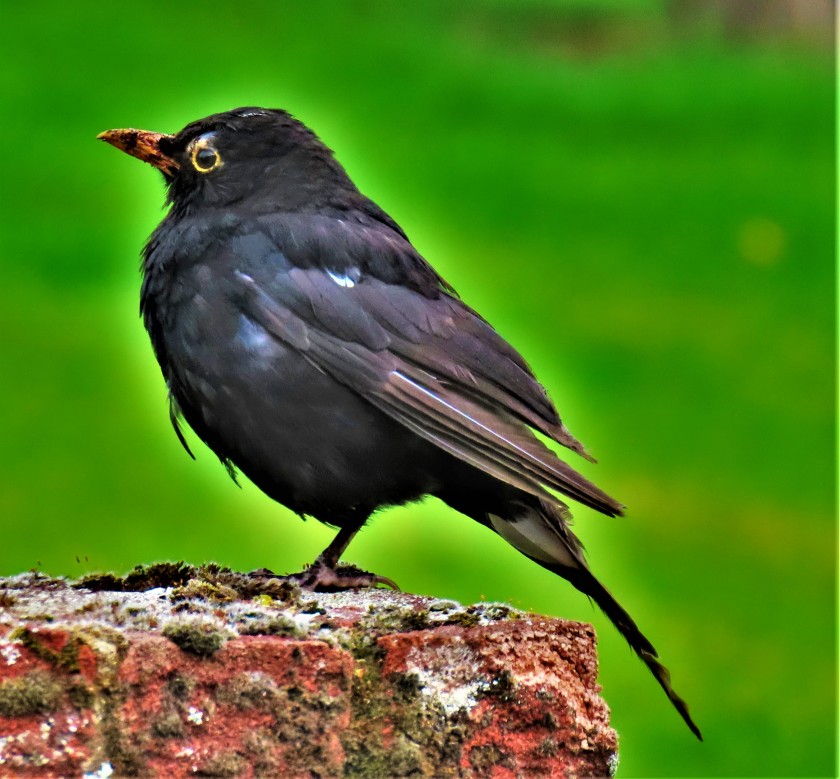
IMG_1550 (2)IMG_1551 (2)IMG_1552 (2)IMG_1553 (2)IMG_1555 (2)IMG_1556 (2)IMG_1557 (2)IMG_1558 (2)IMG_1559 (2)IMG_1560 (2)IMG_1561 (2)IMG_1561 (3)IMG_1561 (4)

Dominic Bess has just nabbed a second wicket to make the West Indies 186-5 – Blackwood gone cheaply. Keeper Dowrich and skipper Holder are both useful batters, but after them are three tail enders.

The Resumption of Test Cricket

The resumption of test cricket is our main theme today, and there are as usual some photographs.

INTRODUCTION

Test cricket has returned, club cricket restarts in this country on Saturday, and the domestic first class game restarts on August 1st. This means that the ‘all time XI’ series with which I have been filling the gap has performed its task (see yesterday’s sign off post). This post is the first of the new era on this blog.

THE ALL TIME XIS IN RETROSPECT

The series began with an 18 post whistle stop tour of the first class counties, and then as I realized that there was going to be a major wait before I had any real cricket to concentrate on it developed into a wide-ranging series covering national set ups, various esoteric themed XIs and variations on these themes. When it was confirmed that this test series between England and the West Indies would be happening I had my logical point at which to bring the series to a close. Most of the players I selected in my XIs were players I had already heard of, but just occasionally, when I was one or two names short of an XI I used cricinfo.com not merely to check on records but to find players to fill the XI.

THE TEST MATCH – DAY 1

There was some stuff about Black Lives Matter and racism in cricket – Ebony Rainford-Brent and Michael Holding, two black former players, were especially impressive on Sky (video footage of this was made available after the event by Sky themselves). Unfortunately the weather failed to oblige, and very little actual play was possible.

There are no spectators at the ground, all part of keeping it bio-secure, which means that there is no natural crowd noise. Test Match Special have prerecorded background noise as a default setting – it sounds like a low hum in the background – but one can also access a version without the fake crowd noise, which I greatly prefer. England were 35-1 at the end of the first day, with Burns one runs away from his 1,000 career runs in test cricket.

Play was officially called off just before 6PM, due to bad light (given the presence of floodlights why do they not have a selection of white balls available, so that play can continue under the lights even if it is dark – there are no spectators to get home, and the Ageas bowl was chosen as a venue precisely because there is a hotel there for the players to use, so they have no travelling to do?).

DAY 2 SO FAR

The weather has been better, and play got under way at 11AM sharp (again, why not an early start to make up for lost time?) The West Indies, relying on four pace bowlers, Kemar Roach, Alzarri Joseph, Shannon Gabriel and the captain Jason Holder (if they decide they need spin it will be bowled by Roston Chase – Rahkeem Cornwall is not involved in this match) bowled very well. England did not bat especially well, and Denly, Burns, Crawley and Pope all fell before lunch, which was reached with England 106-5 from 42 overs. Gabriel was especially impressive, accounting for all of England’s top three, Burns, Sibley and Denly, and the giant Holder took the other two wickets. Since lunch Stokes and Buttler have batted reasonably well, although Stokes has benefitted from two dropped chances so far, one either side of lunch, and England are currently 127-5 off 48 overs. England’s remaining batters are Bess, Wood, Archer and Anderson (at least I presume they will come in in that order). I would not have selected Denly,  preferring to give Lawrence a debut and keep Crawley at three. I would also have selected Foakes in preference to Buttler, and the latter could do with producing a serious score in red ball cricket. I am pleased that both the out and out speedsters, Wood and Archer are in the side. On this surface, which does appear to be decidedly bowler friendly England are not in quite as desperate trouble as the score might seem to indicate – if they can conjure another 100 they will have a defensible looking total (and Bess has a test 50, Wood has made useful runs at test level and Archer is supposedly capable of batting, so it does not quite all rest on Stokes and Buttler – though one of them will need to bat through from here). I also note that four of the five England wickets have fallen to good bowling rather than poor batting (Pope, who had looked in impressive touch, will not want to see his dismissal again but none of the others have too much with which to reproach themselves). In summary of the play so far: well bowled the West Indies. I do not think England made the wrong decision in opting to bat first: if you choose to bowl you need quick wickets to justify that decision, which puts extra pressure on the bowlers, and it is quite possible that by the final innings the pitch will be assisting Bess as much as it helps the quicker bowlers.

HOME COUNTRY UMPIRES

Another change wrought by the pandemic is that umpires can no longer safely be jetted in from round the world, so we have home country umpires back in charge. The two guys in the middle, Richard Kettleborough and Richard Illingworth, have not so far had the best of times – two LBWs which were quickly given ‘not out’ in the middle were reviewed by the West Indies and overturned pretty smartly by the TV replay umpire Michael Gough. On the plus side this has shown that with DRS in place and being used wisely (are you reading this, Mr Paine?) that giving ‘home’ decisions is no longer so much of an issue as it was when third country umpires were introduced, because they just get overturned. While I have been typing this England have passed the 150 with no further wickets down, although Stokes is still somewhat riding his luck.

PHOTOGRAPHS

My usual sign off…

IMG_1534 (2)IMG_1536 (2)IMG_1537 (2)IMG_1538 (2)IMG_1539 (2)IMG_1541 (2)IMG_1542 (2)IMG_1543 (2)IMG_1544 (2)IMG_1545 (2)IMG_1546 (2)IMG_1546 (3)IMG_1547 (2)IMG_1547 (3)IMG_1548 (2)IMG_1548 (3)IMG_1549 (2)

PS – just as I finalize this before publication Stokes’ luck has run out – he has gone for 43 and England are 154-6. Dom Bess has come in at no8 as expected.

All Time XIs – The Janus Contest

Today’s all time XI cricket post faces Janus-like in two directions simultaneously, towards the past and the future of this great game.

INTRODUCTION

Welcome to the final post in this All Time XIs cricket series – as I start typing it the test match at the Ageas bowl is about to get underway following weather delays. England have won the toss and chosen to bat, in view the correct decision grey skies notwithstanding. This post takes its name from the Roman god Janus because it faces two ways – a look at cricket’s past in the form of a team selected for a combination of entertainment value and class, and a look to the future with a team largely comprising up and coming players, with the topical exception of the captain.

TS ENTERTAINMENT XI

  1. *WG Grace – right handed opening batter, right arm bowler of varying types through his career. ‘The Doctor’ just had to be the captain of this side, with his outstanding approach and his attack minded approach. One quote “I never like defensive strokes – you can only get three for them.” Against Kent in the match after becoming the first to 100 first class centuries he made 257 as Gloucestershire replied to Kent’s 470 with 443 of their own. Kent then slumped to 78 all out in their second innings, and Gloucs needed 106 in an hour and a quarter to win, and Grace was on 73 not out when they got there just in time, having been on the field fior the entire match, and with his 47th birthday less than two months away.
  2. Victor Trumper – right handed opening batter. At Old Trafford in 1902 he scored a century in the morning session of day 1. In a wet season he amassed 2,570 first class runs for the touring Australians, including 11 centuries.
  3. Frank Woolley – left handed batter, left arm orthodox spinner, excellent close fielder. The only non-keeper to take 1,000 first class catches. At Lord’s in 1921 in the face of Gregory and McDonald against whom his colleagues could offer no resistance he scored 95 and 93. His highest first class score, 305 not out in a tour match on the 1911-2 trip to Australia, came from number three.
  4. Charles Macartney – right handed batter, left arm orthodox spinner. He scored centuries in the second, third and fourth matches of the 1926 Ashes, the second of the three, at Leeds coming before lunch on day 1. In 1921 he scored 345 in 232 minutes against Nottinghamshire, reaching 300 in 198 minutes.
  5. Garry Sobers – left handed batter, left arm bowler of every type known to cricket, brilliant fielder. The most complete player ever to play the game, and the most automatic of selections for a team of this nature.
  6. +Les Ames – right handed batter, wicket keeper. Twice winner of the Lawrence Trophy for the fastest first class hundred of the season, three times he achieved the keeper’s season double of 1,000 runs and 100 dismissals (only John Murray of Middlesex, who did so once, achieved the feat in all the rest of cricket history). He executed 418 first class stumpings, an all time record.
  7. Gilbert Jessop – right handed batter, right arm fast bowler, brilliant fielder. The ultimate in x-factor players. 53 first class centuries and only once did he bat for over three hours in a single innings.
  8. Billy Bates – off spinner, right handed batter. 16 test matches, 50 wickets at 16 each and a batting average of 27. He was the first England bowler to take a test hat trick, as part of a match performance in which he took 14 wickets and scored 55 in England’s only innings.
  9. Frank Tyson – right arm fast bowler. The ‘Typhoon’, producer of possibly the fastest bowling ever seen, during the 1954-5 Ashes tour when he bowled England to victory after they had been stuffed in the opener at the Gabba (that series remains the last Ashes series down under won by a side who lost at the Gabba).
  10. Sydney Barnes – right arm fast medium bowler. Probably the greatest bowler ever seen. His signature weapon, ‘the Barnes ball’ was a leg break at fast medium pace, the nearest subsequent approach to which was Alec Bedser’s speciality. Incidentally it was from this no10 slot that he played his most important innings, the 38 not out that saw England to victory at the MCG in 1907, when they lost their eight wicket still 73 adrift, and their ninth still needing 39. Arthur Fielder of Kent was the no11 who assisted Barnes in that final partnership. In Barnes’ last test series, when he took 49 South African wickets in four matches before missing the fifth after a dispute, he took 17-159 in the match at Port Elizabeth, not a venue generally regarded fondly by bowlers.
  11. William Mycroft – left arm fast bowler. 138 first class matches, 863 wickets at 12.09, including a 17 wicket haul in a losing cause against Hampshire in 1876 (the crucial innings was played by one Reginald Hargreaves, who later married Alice Pleasance Liddell, aka the Alice of “Alice in Wonderland”). He may have inspired the name of Mycroft Holmes (Doyle was fine cricketer as well as being a fanatical follower of the game, and Mycroft and brother Thomas played for Derbyshire as fast bowler and keeper, while Frank Shacklock and Mordecai Sherwin, from whose surnames one can get Sherlock played the same roles for Nottinghamshire), and in this XI he has a team mate with the middle name Holmes (Frank Holmes Tyson).

This team has an excellent top six, the ultimate in x-factor no 7s and four very fine and varied bowlers. Tyson, Barnes, Mycroft, Bates, Woolley, Sobers, Grace, Jessop and Macartney provide a wealth of bowling options. Do you open with Mycroft and Barnes and have Tyson come on first change, do you open with Tyson and Barnes and bring Mycroft on first change, or do you attempt to persuade Barnes to accept coming on first change so that you can open up with Tyson and Mycroft?

HONOURABLE MENTIONS AND SEGUE

Of course I have a stack load of regrets about players I could not accommodate, and many of you will have ideas of your own, but my principal regrets are:

  • Could not find a place for Denis Compton’s batting and left arm wrist spin bowling.
  • No place for Keith Miller.
  • Tyson was one of three choices for that slot – Harold Larwood, who also terrorized the Aussies in their own backyard and Charles Kortright of Essex were both in my thoughts.
  • Bill O’Reilly, Doug Wright, Derek Underwood, Bhagwath Chandrasekhar and Jack Iverson were all highly individualistic bowlers I would have loved to be able to accommodate.

Having attended to the past it is now time for…

TS FUTURE STARS XI

  1. Prithvi Shaw – right handed opening batter. Has a remarkable record for someone so young, and will surely be a superstar before too many more years have passed. India would not want to break up the Sharma/ Agarwal opening pair an earlier than necessary, but perhaps they could accommodate Shaw by playing him at 3, with Kohli at four.
  2. Dominic Sibley – right handed opening batter. His South African tour pretty much established him in the England side, especially his first test century. The restart of test cricket has not been good for him – in the brief passages of play that the weather has allowed he has been dismissed for a duck, but he will be back scoring runs again before long.
  3. Shreyas Iyer – right handed batter. He has a magnificent record in all forms of cricket that he has played, and that will surely continue when he gets his chance at test level.
  4. Daniel Lawrence – right handed batter, occasional off spinner. He played at no 4 in last week’s warm up game at The Ageas Bowl and made 58 in the first innings, and was then not called on to bat in the second. He was then left out of the test squad, with Denly being chosen for the batting spot vacated by Joe Root being on paternity leave. His time will surely come soon.
  5. James Bracey – left handed batter, occasional wicket keeper. He made 85 in that warm up game at the Ageas Bowl, and again was overlooked for the test match. He has done some work on his wicket keeping, but regards himself primarily as a batter, and that is the role I see him playing for England when he gets the call up.
  6. *Ben Stokes – left handed batter, right arm fast bowler, captain. The one member of this side who is indisputably established at the very highest level, and in a nod to what is happening at the Ageas Bowl I have named as captain.
  7. +Ben Foakes – wicket keeper, right handed batter. England’s best (and worst treated) current wicket keeper. Among 21st century keepers his only rival with the gloves is the now retired Sarah Taylor, and he averages over 40 for those few tests he has been selected for. Bairstow is no longer able to perform in red ball cricket, and Buttler is barely even a competent keeper, and has never had a good red ball batting record, and yet it is this latter named individual who is currently taking the place behind the stumps that should be Foakes’. Stokes is an established test cricket, while Foakes should be but is not yet.
  8. Lewis Goldsworthy – left arm orthodox spinner, right handed batter. He had a good under-19 world cup, and I expect to see him notable first class performances from him before too much longer. He may yet develop into a genuine all rounder, but at the moment he is definitely more bowler than batter, hence his positioning at no eight in this order.
  9. Rashid Khan – leg spinner, useful lower order batter. Four test matches have yielded him 23 wickets at 21.08, a magnificent start at that level, and he has a phenomenal record in limited overs cricket. He has also already racked up a test 50 with his lower order batting. I look forward to seeing him establish himself as one of the greats of the game.
  10. Oliver Edward Robinson – right arm medium fast bowler, useful lower order batter. I use his full name because there is a young wicket keeper from Kent, Oliver Graham Robinson, who is on the fringes of the England set up. He takes his wickets at 22 each in first class cricket, and bowled well in the warm up match at the Ageas Bowl. Whether he has sufficient pace to trouble top level batters remains to be seen, but he should get his opportunity before too long. Yes, one has to pick for the present, but the future should also be considered, and England are due to go to Australia for their 2021-2 season, by when James Anderson will be 39 years of age, probably too old to spearhead the attack out there (the last England new ball bowler to succeed out there at that sort of age was Syd Barnes on the 1911-2 tour).
  11. Jasprit Bumrah – right arm fast bowler. He has played 14 test matches, the second most of anyone in this side, in which he has taken 68 wickets at 20, including shaking the Aussies up in their own backyard in the 2018-9 Border – Gavaskar Trophy. I hope to hear more of him in the not too distant future – talents of this type can only be good for the game.

This team has a fine top five, the x-factor player of the current era at six, the best current keeper and a beautifully balanced selection of bowlers. Bumrah, Robinson and Stokes look a fine pace trio, and Goldsworthy and Khan should combine well as spin twins.

HONOURABLE MENTIONS

Pakistan left arm quick Shaheen Shah Afridi has made an impressive start to his career, and would be my first reserve quick should one or other of Bumrah or Robinson be unavailable. Hamidullah Qadri was the other English success story of the u-19 world cup, although at the moment he would have to be considered as at best third in the senior off spinning queue behind Bess and Virdi, though in red ball cricket he is certainly ahead of Ali in my pecking order. Finally, a suggestion of a type that might be regarded as akin to heresy in certain quarters, all rounder Amelia Kerr has had success with both bat and leg spin for the New Zealand Women, is still only 18, and the Kiwis do not have a long queue of spin bowling options – will they take a chance on giving a female the opportunity to play alongside the men?

PHOTOGRAPHS

My usual sign off…

IMG_1506 (2)IMG_1507 (2)IMG_1508 (2)IMG_1509 (2)IMG_1510 (2)IMG_1511 (2)IMG_1512 (2)IMG_1513 (2)IMG_1514 (2)IMG_1515 (2)IMG_1515 (3)IMG_1516 (2)IMG_1516 (3)IMG_1517 (2)IMG_1517 (3)IMG_1518 (2)IMG_1519 (2)IMG_1523 (2)IMG_1525 (2)IMG_1526 (2)IMG_1527 (2)IMG_1528 (2)IMG_1529 (2)IMG_1530 (2)IMG_1531 (2)IMG_1532 (2)IMG_1533 (2)Janus

All Time XIs – Non-test Battle

Today’s all time XIscricket post, probably the penultimate in the series, gives the limelight to some of the best players not to have graced the test arena.

INTRODUCTION

Today’s installment in my ‘all time XIs’ cricket series is envisaged to be the penultimate one – I have already selected my teams for tomorrow, and on Thursday I shall be writing about the resumption of test cricket, with one full day and part of the second to provide me with material if all goes well (overlapping the finish of this series with the restart of test cricket is part waiting for developments in the test match and part insurance policy in case of rain. Today we have a team of players who flourished too early and/or in the wrong country to play test cricket and a team of players whose selectors overlooked them in spite of consistent success at first class level.

SYDNEY SMITH’S XI

  1. John Thewlis – right handed opening batter. He finished just before test cricket started. He scored the first first class century ever for Yorkshire, thereby inking himself indelibly into cricket’s history.
  2. Ephraim Lockwood – right handed opening batter. He was called up by Yorkshire in emergency as a teenager. When he walked out to open the innings with his uncle, the aforementioned Thewlis, he was jeered by spectators because he did not have the correct kit. They had plenty of time to amuse themselves at the expense of his sartorial inadequacy since he contributed 91 to an opening stand of 176. In August 1876 he was captaining Yorkshire against Gloucestershire at Clifton, with WG Grace coming off the back of 344 for MCC against Kent and 177 against Notts in his last two innings leading the home county. Grace won the toss, batted, and allegedly said in appreciation of the pitch “I shan;t get myself out today, you will have to get me”. He proceeded to make a chanceless triple century, his second in less than a week, driving the Yorkshire fielders and bowlers to the brink of mutiny. At one point Allen Hill flatly refused to bowl when asked to do by his captain.
  3. Mahadevan Sathasivam – right handed batter. He only got to play in 11 first class matches, spread over five years, and he averaged 41.83, several decades before his country, Sri Lanka, attained test status.
  4. Steve Tikolo – right handed batter. Kenya’s finest ever batter, he played in the 1996 world cup, being part of the historic win against the West Indies and also making 96 against Sri Lanka in a defeat. His first class average of 48 was much better than his limited overs record and suggests that he would have been well suited to test cricket.
  5. Ryan ten Doeschate – right handed batter, right arm medium fast bowler. The finest cricketer The Netherlands have ever had, he was a stalwart for Essex through most of the first two decades of the 21st century. His first class figures are excellent, his ODI record makes breathtaking reading, even allowing for the weakness of some of the opponents he faced in that format.
  6. *Sydney Smith – left handed batter, left arm orthodox spinner. A West Indian, he qualified by residence for Northamptonshire in 1909, did the double in his first season and went on to a distinguished first class career, averaging 31 with the bat and 18 with ball (approx equivalents on today’s flatter pitches, 46 and 27). Inspired by his presence Northamptonshire, promoted to first class status in 1905 and previously known only for taking hammerings, finished second in 1912, a position that 108 years on they have not improved on.
  7. +Fred Wyld – wicket keeper, right handed batter. A good enough batter to have a first class hundred to his name. His career ended just before test cricket in England started – he was part of the MCC side that played Australia in the game at Lord’s in 1878 that produced the lowest aggregate ever for a completed first class match – 105 runs for 31 wickets. In the second innings he and Flowers, also of Notts, shared a stand that accounted for 15 of MCC’s 19 all out.
  8. Bart King – right arm fast bowler. The greatest of all USian cricketers, but not quite great enough to propel them to test match status (it was talked about at one point). He had a credit balance between his batting and bowling averages, averaging 20 with the bat and 15 with the ball in first class cricket.
  9. Palwankar Baloo – left arm orthodox spinner. He took his first class wickets at 15 a piece, playing a decade or so before his country gained test status. As a low caste commoner he could not, unlike ‘Ranji’, ‘Duleep’ and the elder Nawab of Pataudi light out for England and establish himself there. Indeed caste prejudice delayed his selection for The Hindus in what was then the Bombay Quadrangular, and which later became the Bombay Pentangular and later still was abolished.
  10. Sandeep Lamichhane – leg spinner. The Nepali has made a big name for himself playing franchise and limited overs cricket, and I hope that he will eventually get to play regular first class cricket. There is little chance of him ever being a test player, because Nepal are not currently close to being strong enough as a whole to compete at that level, and such elevations need to managed carefully – Bangladesh and Zimbabwe both suffered from ill-timed promotions to the top table, as in a different way have Ireland, while Afghanistan’s promotion was properly managed.
  11. William Mycroft – left arm fast bowler. He was just too old to catch the start of test cricket, being born in 1841. He took 863 wickets in 138 first class appearances at 12.09.

This side has a strong top five, a genuine all rounder at six, a keeper who can bat and four excellent and well varied bowlers. Mycroft and King look an excellent new ball pairing, with ten Doeschate as support seamer if needed, and Lamichhane, Baloo and Smith to bowl spin.

CEC PEPPER’S XI

  1. John Langridge – right handed opening batter. He amassed 76 centuries in his long first class career, but was never once selected for England. He also pouched 788 catches in the field.
  2. Alan Jones – right handed opening batter. He was selected for England against the Rest of the World in the hastily arranged series of 1970 which took the place of the planned visit by South Africa, but that series was not accorded test status (although illogically certain later matches between Australia and non-national XIs have been given test status and contribute to, to give just one example, Shane Warne’s wicket tally. He scored more first class runs, 36,049 of them including 56 centuries, than anyone else who never to got to play test cricket.
  3. Percy Perrin – right handed batter. He amassed 66 first centuries, including a best of 343 not out, which at the time he compiled it was the fifth highest score ever in first class cricket. His driving off the front foot was so fierce that opposition teams would regularly have four fielders posted in the deep to reduce his scoring rate from such shots. Yet the England selectors ignored him completely. Ironically once his own career was done he became a selector himself, and was at one stage chairman of selectors.
  4. Jamie Siddons – right handed batter. His career began in the mid 1980s and ended at the start of the 21st century. In that period he scored just over 11,000 first class runs at an average of 45, a very impressive record, but not quite enough to secure him a baggy green.
  5. Tony Cottey – right handed batter, occasional off spinner. The 5’4″ Swansea native scored almost 15,000 first class runs at an average of 36. He also tended to produce when his side really needed it – he would be far more likely to make a hundred if he came in at 30-3 than from 300-3. However, England selectors have always seemed to have great difficulty comprehending what is going on to their west, and Cottey was a victim of this, somehow being entirely overlooked at a time when the England middle order was not generally noted for its solidity.
  6. Basil D’Oliveira – right handed batter, right arm medium fast bowler. He did get to play test cricket eventually, but his international career started for England when he was in his mid-thirties, instead of for his native land a decade earlier. His performances in the cricket he was allowed to play in his native land, and for the SACBOC XI, the only remotely representative South African side to be selected prior to the 1990s (there were no whites involved, but not because they were excluded – they chose not to participate) give a hint of what the world missed because of this. While I acknowledge, as I did yesterday, the misfortunes of those such as Graeme Pollock, whose careers were ended prematurely by their country’s isolation I am far more concerned for the likes of Krom Hendricks and others who were deprived of the opportunity to forge an international career purely because of the colour of their skin, and my selection of Basil D’Oliveira, a man who in spite of being well past his cricketing prime by the time he got to play test cricket averaged 40 at that level and took some important wickets (notably that of Barry Jarman at The Oval in 1968 in the game in which he scored 158 in the first innings, which opened up the tail for Derek Underwood) is an acknowledgement of their plight.
  7. *Cec Pepper – leg spinner, right handed batter. He averaged 29.64 with the bat and 29.35 with the ball in a 44 match first class career. He was also a highly regarded Lancashire League pro, having decided that he was not going to be selected for his native Australia. Once his playing days were finished he became an umpire.
  8. +Colin Metson – wicket keeper, right handed batter. An excellent keeper for many years, but England were always looking for a better batter to do the job. It was true that Metson was no great shakes with the willow, but he did score useful runs on occasion (and nearly all of his runs were useful – like Cottey he responded well to his side being in need).
  9. Don Shepherd – off spinner. He took more first class wickets than any other bowler who never played test cricket (2,218 at 21.32). It must be acknowledged that England had a wealth of good off spinners at the time, with Appleyard and Laker overlapping the early part of his career, Illingworth, Titmus, David Allen and John Mortimore being around during the latter part of his career, but nevertheless it does look odd that he never got picked at all.
  10. Eddie Gilbert – right arm fast bowler. Playing for Queensland against NSW he once produced a spell that included inflicting on Bradman what the great man himself described as “the luckiest duck I ever made.” NSW were dug out of trouble on that occasion by Stan McCabe who scored a double century. Bowling against Jardine in one of the minor matches of the 1932-3 Ashes tour he scored a hit on the England skipper’s hip which according to eyewitness Bill Bowes left a discoloured area the size of a soup plate. Had Australia decided to fight fire with fire, he along with ‘Bull’ Alexander, Laurie Nash and Jack Scott was one of the fast bowlers they might have turned to. As it happened Australia went for the moral high ground, and for firing of whingy cables to the MCC headquarters in London (nb the first complaining cable was sent when Australia were headed for heavy defeat in the third match of the series at Adelaide – no complaints after the opener in Sydney when McCabe made runs in an Aussie defeat, nor after the second at Melbourne when Bradman made a ton in an Aussie win, but only once it was obvious that England were taking a firm grip on the series did the complaining start). Eddie Gilbert may well have been a victim of prejudice – he was aboriginal, and the first player of acknowledged aboriginal descent to don the baggy green was Jason Gillespie in the 1990s.
  11. George Dennett – left arm orthodox spinner. 2,151 first class wickets at 19.82 for the Gloucestershire man, and never an England cap. When he was in his absolute prime in the years running up to world war 1, first Wilfred Rhodes and then Colin Blythe (2,503 first class wickets at 16) were the left arm spinners of choice for England, and with Woolley a regular pick for his batting and also a fine left arm spinner there was simply no vacancy for a second specialist in that role.

This side has a strong top six, a genuine all rounder at seven, a splendid keeper and three excellent specialist bowlers. The pace department is weak, but George Dennett regularly took the new ball for Gloucestershire, and Pepper as a Lancashire League pro must have done so on occasions as well. I might have strengthened the pace bowling department by including Tony Nicholson (879 wickets at 19.76 each for Yorkshire), but I wanted Pepper as captain, and felt that Dennett and Shepherd had irrefutable cases for selection and that I could not afford to drop a batter to accommodate Nicholson.

PHOTOGRAPHS

Time for my usual sign off…

IMG_1455 (2)IMG_1456 (2)IMG_1457 (2)IMG_1458 (2)IMG_1459 (2)IMG_1461 (2)IMG_1463 (2)IMG_1465 (2)IMG_1466 (2)IMG_1467 (2)IMG_1468 (2)IMG_1469 (2)IMG_1470 (2)IMG_1471 (2)IMG_1473 (2)IMG_1474 (2)IMG_1475 (2)IMG_1477 (2)IMG_1479 (2)IMG_1480 (2)IMG_1483 (2)IMG_1485 (2)IMG_1486 (2)IMG_1487 (2)IMG_1489 (2)IMG_1490 (2)IMG_1491 (2)IMG_1492 (2)IMG_1493 (2)IMG_1494 (2)IMG_1496 (2)IMG_1496 (3)IMG_1497 (2)IMG_1497 (3)IMG_1499 (2)IMG_1499 (3)IMG_1500 (2)IMG_1500 (3)IMG_1501 (2)IMG_1501 (3)IMG_1502 (2)IMG_1502 (3)IMG_1503 (2)IMG_1503 (3)IMG_1504 (2)

IMG_1505 (2)
A damselfly of some description on a leaf
IMG_1505 (3)
you can just see the folded wings, pressed right against the long body in these two close ups.

IMG_1505 (4)NT