Two Very Different BBL Matches

A look back at yesterday and today’s BBL games and a large photo gallery.

Yesterday Brisbane Heat took on Adelaide Strikers in the BBL, and today saw Melbourne Renegades face Perth Scorchers. This post looks back at both matches.

The fortunes of war swayed hither and thither in this game, and there were periods when each side appeared to be heading for an easy win. It ended up being a day of triumph for Nathan McSweeney of the Brisbane Heat, recently dropped from the Australian test side after three matches in which he achieved basically nothing. Bashing the ball around in a T20, even one of high standard, is a rather different exercise to fronting up to Jasprit Bumrah with the new ball in his hand in a test match, and McSweeney made the most of being in a less intimidating setting. He scored 78 not out off 49 balls, backed by another former test player, Matt Renshaw, who scored 54 off 27 balls. Nevertheless, in spite of the heroics of these two, it took Brisbane Heat until the final possible ball to secure the win, and they were seven down. Strikers efforts had a touch of Rome and Avignon 700 years ago about them – Ollie Pope scored 34 and held a catch, while his namesake Lloyd took 2-17, – but even with two Popes on side simultaneously they were unable to win in the end. Scorecard here.

After 10 overs Perth Scorchers, having lost the bat flip and been put in, were 48–4 and seemingly already beaten. They rallied to post 143-8, a total that still looked inadequate but at least wasn’t downright risible. Cooper Connolly scored 66 for the Scorchers, and Canadian international Matthew Spoors managed 29. Other than those two only extras with exactly 10 reached double figures. Tom Rogers was the pick of the bowlers, with 3-22 from his four overs.

Melbourne Renegades made a racing start to the chase, though they lost wickets along the way. Jacob Bethell and Laurie Evans seemed to have settled things with a 50 partnership, but Bethell fell to the fourth ball of the tenth over to make it 96-4, at which point drinks were taken. With a mere 48 needed from 10.2 overs Renegades should not have been in the slightest hint of trouble, but they played some brainless cricket in the second half of their innings. They were eight down and had only one over remaining when they finally sealed. Will Sutherland, a member of the ‘not even the best in the family’ club (outranked in his case by sister Annabel, whose many achievements include a test match double century against South Africa), saw the Renegades home to a not entirely well deserved win with 15 not out in the closing stages. Scorecard here.

My usual sign off…

An Epic Sydney Smash

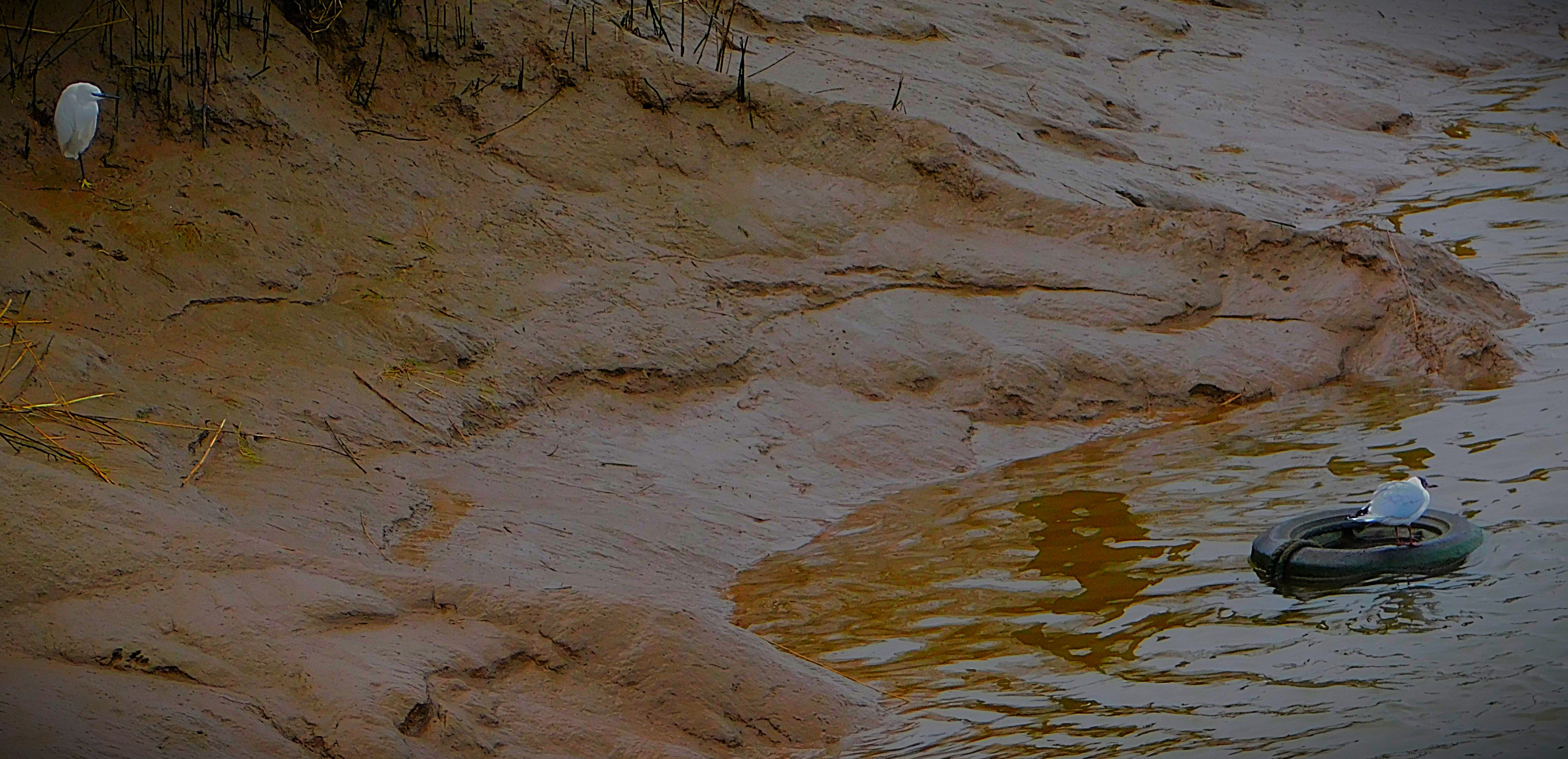
An account of today’s Sydney Smash (Sydney Sixers v Sydney Thunder) match in the Big Bash League, and a photo gallery, highlighted by a particularly fine Little Egret at the meeting point of Nar and Great Ouse.

The Sydney Smash (as mentioned in my previous post) is the name given to the derby between the two Sydney outfits in the Big Bash League. This post looks at today’s instalment which was an absolute classic.

The match was of a good standard without promising the spectacular developments that came in its final quarter. Sydney Sixers won the bat flip and put Sydney Thunder in to bat. The Thunder innings was dominated by an 88=run stand for the third wicket between Cameron Bancroft and Oliver Davies. Bancroft scored 70 off 52 balls, and Oliver Davies 47 off 34 balls. Joel Davies, Oliver’s brother, was in the Sixers line up and had a poor day, recording 3-0-36-0. His allocation was completed by Todd Murphy, which proved a poor decision by the Sixers, as Murphy’s sole over went for 20. Akeal Hosein (West Indies, left arm spin) had 2-23 from his four overs, and Ben Dwarshuis (Australia, left arm fast medium, left handed bat), of whom there will be more later had 2-26 from his four overs. Thunder had 163-5 from their 20 overs, respectable but not invincible. The first 10 overs of the Sixers response looked a classic case of laying the groundwork – without doing anything special Sixers were 79-2 at the halfway point of the chase, just a fraction behind the required rate but with eight wickets standing and a two over Power Surge to come. Many would have concurred with my own opinion expressed at the time on mastodon (my social media platform of choice) that Sixers were favourites…

A combination of some disciplined bowling by Thunder and a horror show from Moises Henriques (he is of Portuguese descent for those wondering about the name). First of all Henriques barbecued his third wicket partner Jack Edwards who was going superbly at the time, by setting off for a very optimistic single with Edwards going to the danger end. A direct hit throw had Edwards sufficiently short of his ground that he did not wait for the TV replay before turning for the pavilion. Having handed Thunder an opening, Henriques helped to make it a wider one by becoming badly bogged down. By the end of the 15th over Sixers were 107-3, needing 57 off the last five overs to win…

Jordan Silk had struggled to get going, and when Henriques fell to the second ball of the 16th, with the Power Surge just taken, it was 108-4, 56 needed off 4.4 overs, which works out at exactly two per ball. Lachlan Shaw now joined Silk, and immediately hit his first ball for four. The first Power Surge over yielded 10 runs and that wicket of Henriques (for 17 off 22 balls). The second, entrusted to Nathan McAndrew, reignited the chase, Silk at last finding his touch. In total 17 came from it and no wicket, which meant that 30 were needed off the last three overs. Daniel Sams, vastly experienced, bowled the 18th over, and for five balls looked to be winning it for his side. The sixth ball went for four, which reduced the ask to 24 off the final two overs, but even with the four only six had come from the over. Ferguson, the New Zealand quick, was given the 19th in the hope that he could kill the chase before the final over. When he shattered Shaw’s stumps with the first ball thereof it looked a good call. Dwarshuis hit the second ball of the over for a massive six to start his innings in emphatic style, but only three further runs accrued from the rest of the over. Sixers needed 15 off the last over, and Thunder would have been the happier side at that point. However gambling on Ferguson for the 19th over meant that the final over was in the hands of off spinner Chris Green. When just five came off the first three balls (2,2,1) it still looked good for Thunder. However Green now lost his bearings and sent down two consecutive wides to reduce the ask to eight. A single of the next delivery brought Dwarshuis on to strike with seven needed off two balls. Green bowled a juicy full toss, just a fraction outside off and Dwarshuis, for all that he is more bowler than batter, was plenty good enough to dispatch it way, way over wide long on for six to level the scores. The final delivery was just short of a length and in line with middle and leg stumps, and Dwarshuis coolly turned into the onside for the winning single. Dwarshuis ended with 20* (8), Silk with 36* (25). Dwarshuis’ late blitz in conjunction with his bowling efforts secured him the Player of the Match award. A full scorecard of this classic contest can be seen here.

Today’s gallery starts with lots 638 and 641 from what will be the March 2025 auction at James and Sons, but the rest of the pictures are from yesterday afternoon and today…
2,500

My 2,500th blog post, featuring a cricket story, a review of a science book and lots of photos.

Welcome to my 2,500th blog post. The only thing I could think of about the number 2,500 for this post is that it is the square of 50, which is coincidentally the age I will be at my next birthday.

The Men’s Big Bash League is now in full swing, and today is a double header day. The second half of that double header, the so-called ‘Sydney Smash’ derby between Sixers and Thunder is currently underway. The first match took place in Tasmania, where Hobart Hurricanes hosted Perth Scorchers. The Hurricanes won by eight wickets with four balls to spare. All else in the match was overshadowed by the batting performance of Mitchell Owen, who came into this match without a century in any form of professional cricket to his name, and with a mere 89 BBL runs IN TOTAL from 14 previous BBL matches. By the end of the 19th over he was on 96* but was at the wrong end, with a mere seven needed. His partner, Ben McDermott, got a single off the first ball of that finakl over, which was also called ‘no ball’, reducing the ask to five, and meaning that Owen was back on strike with five needed and a ‘free hit’ on the way. He cashed in, smashing the ball in question for four to reach three figures off the 63rd delivery of his innings. He scored the winning single off the next ball. Given that the Hurricanes target had been only 156 there was only one conceivable candidate for Player of the Match, and Owen duly collected that award. Scorecard here.

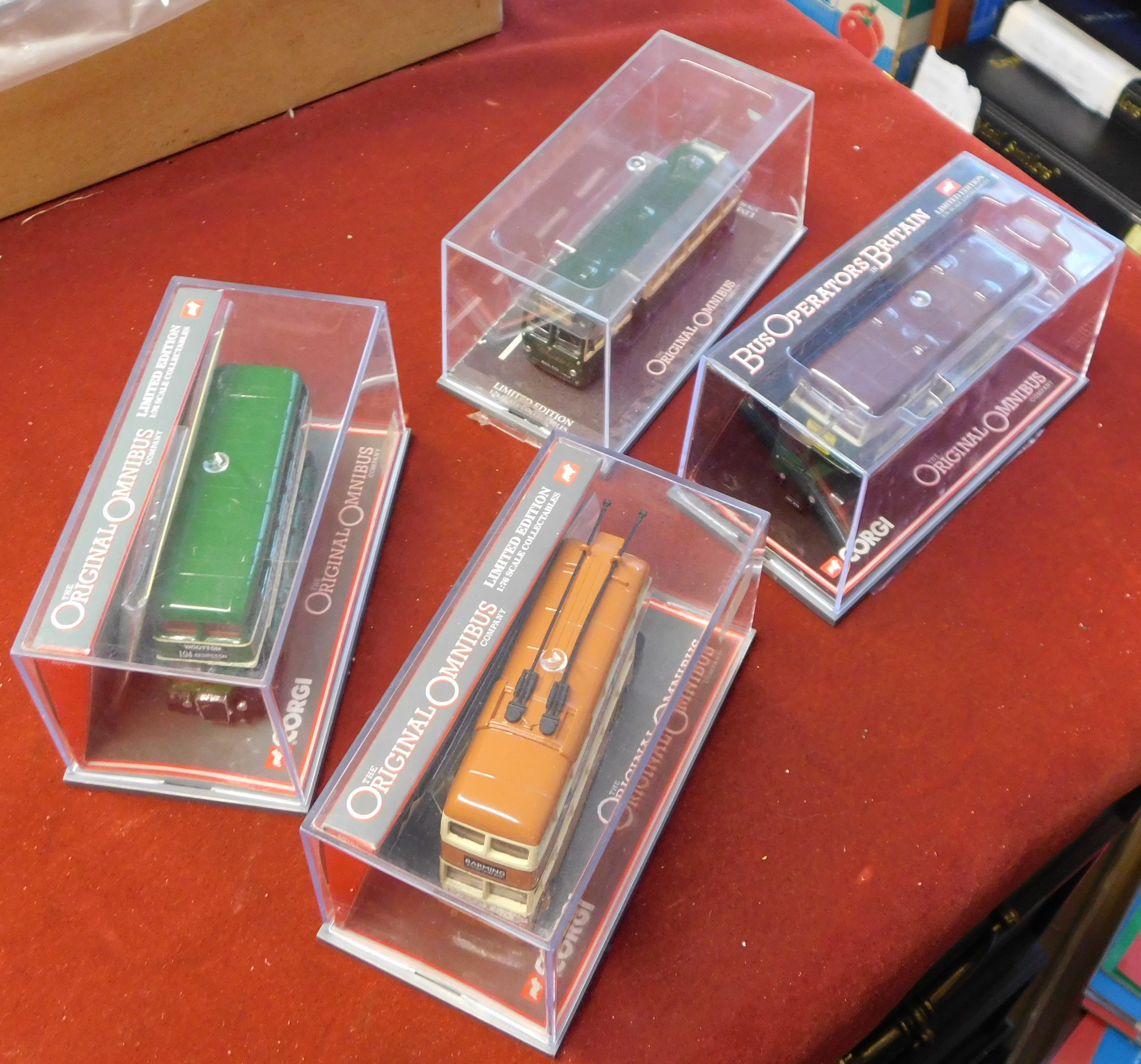
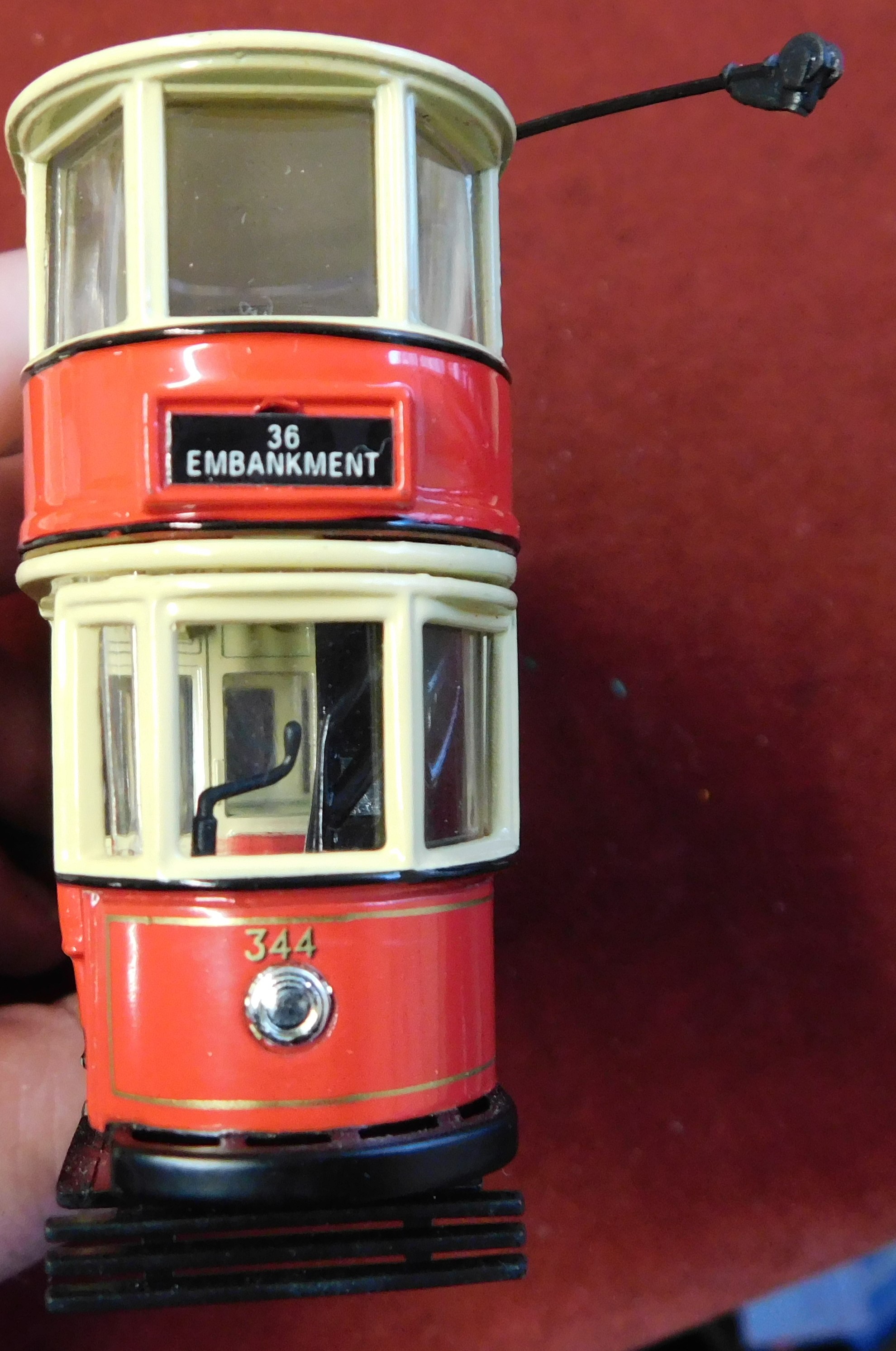
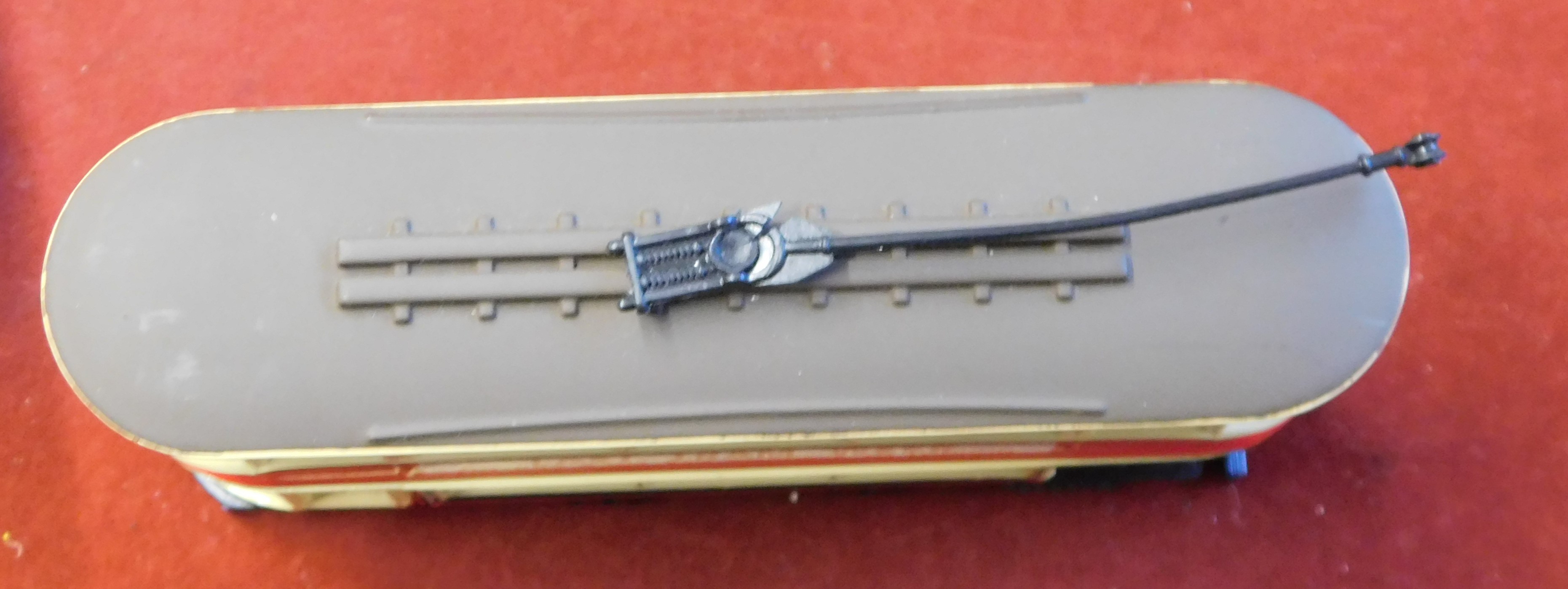
In the week just gone I have been imaging toys that will go under the hammer in March (the week before that I did what was almost entirely a ‘copy and paste’ exercise to create the stamp section of the April auction, lots 501-750 inclusive). The following pictures are the galleries for two of the lots from this week:

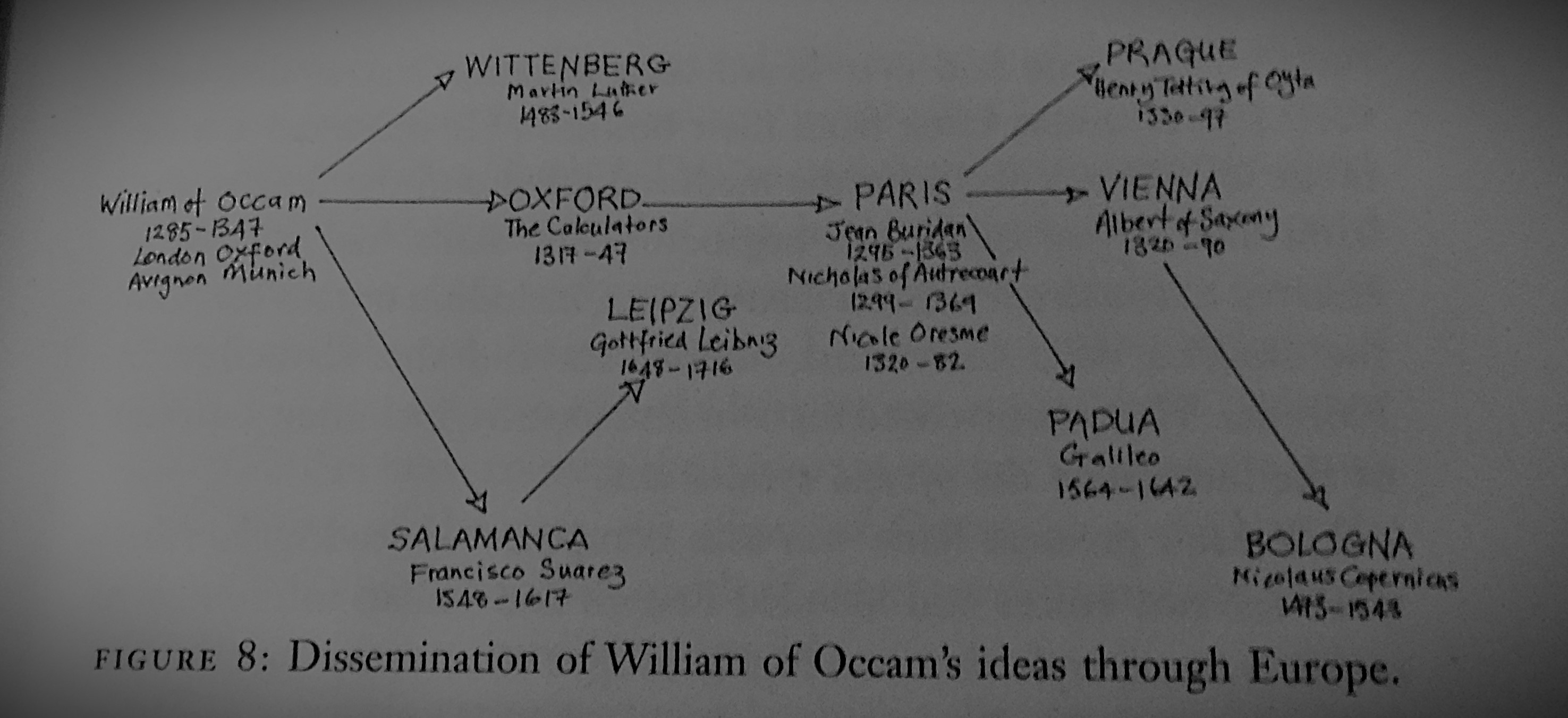
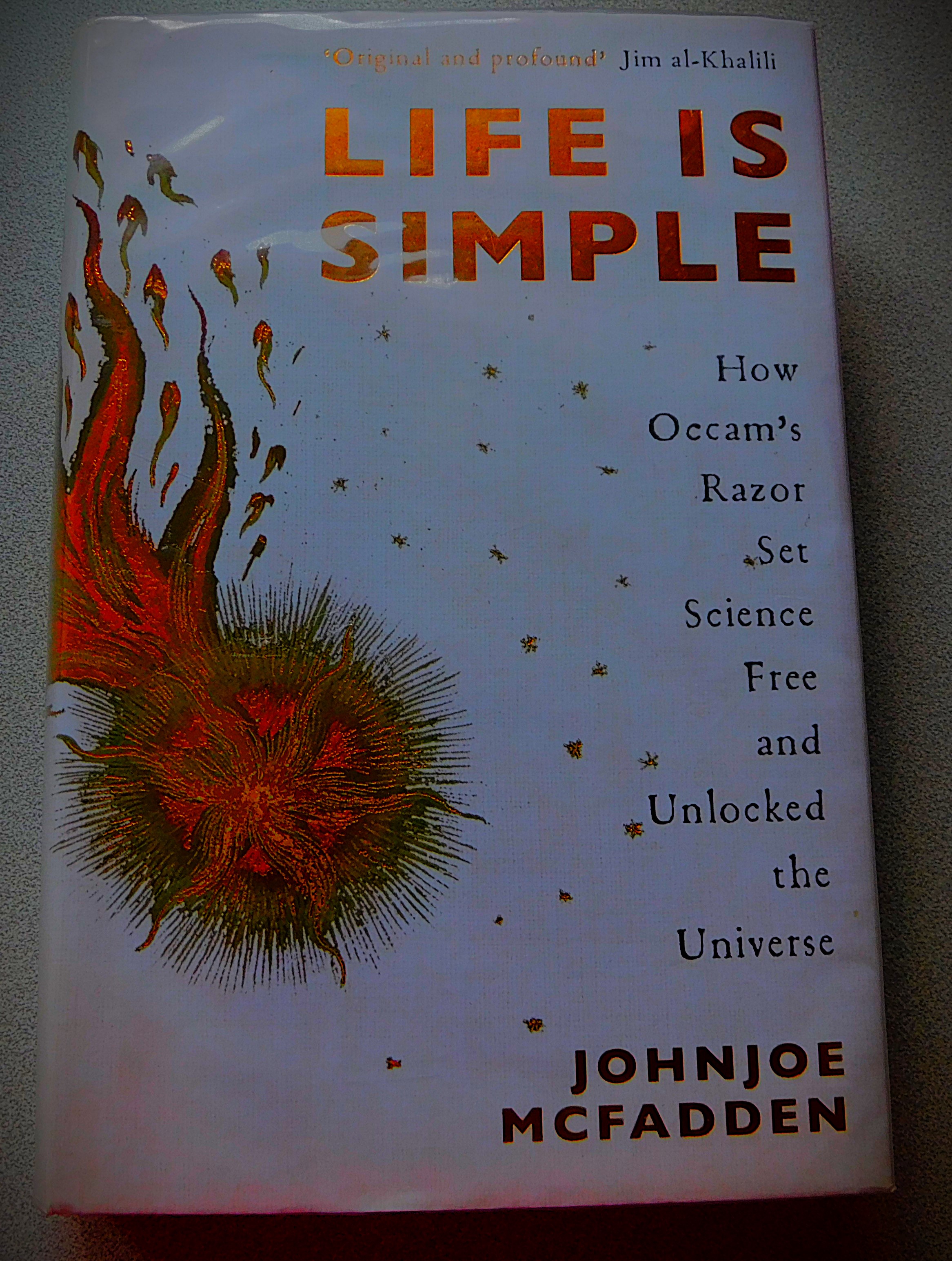
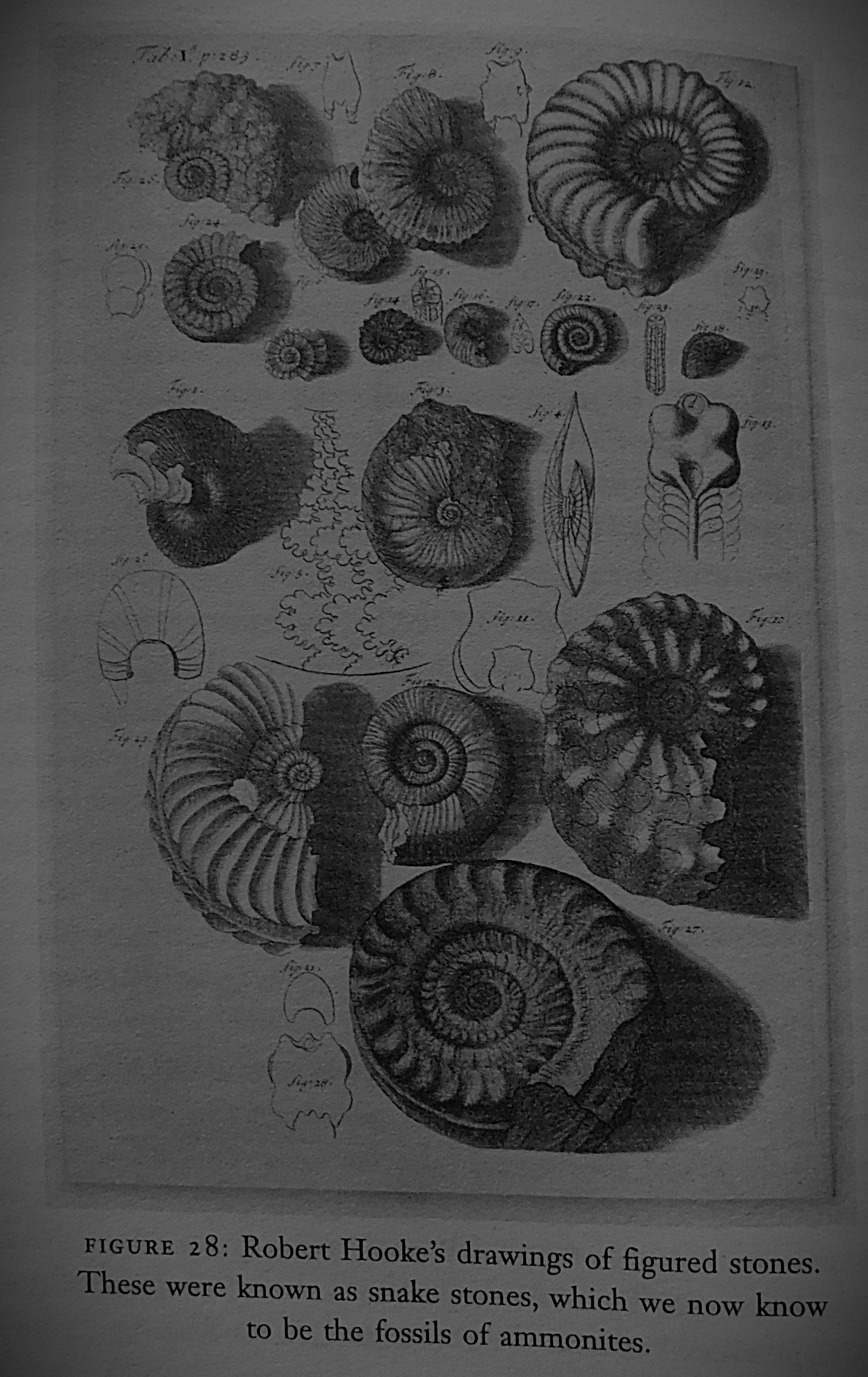
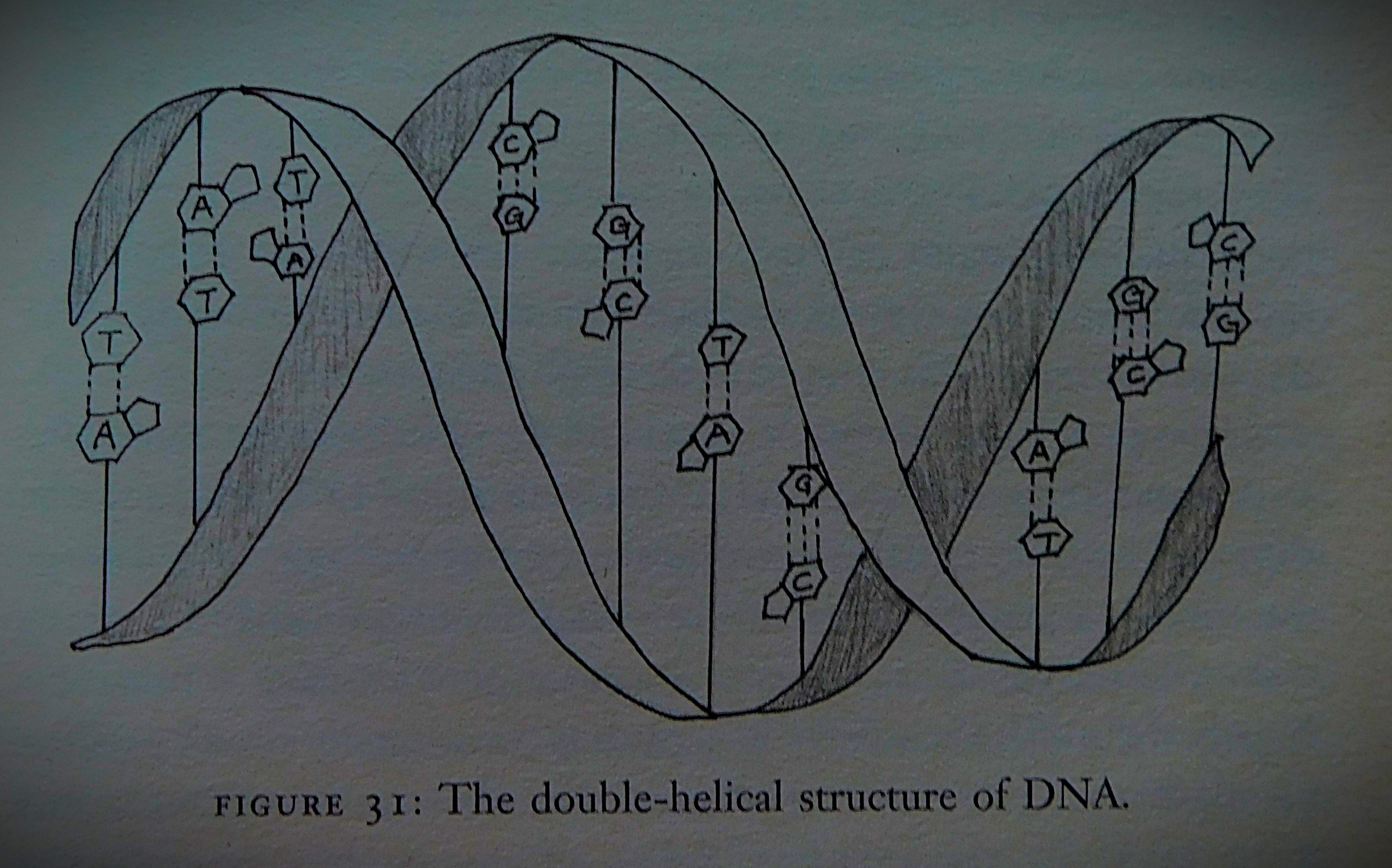
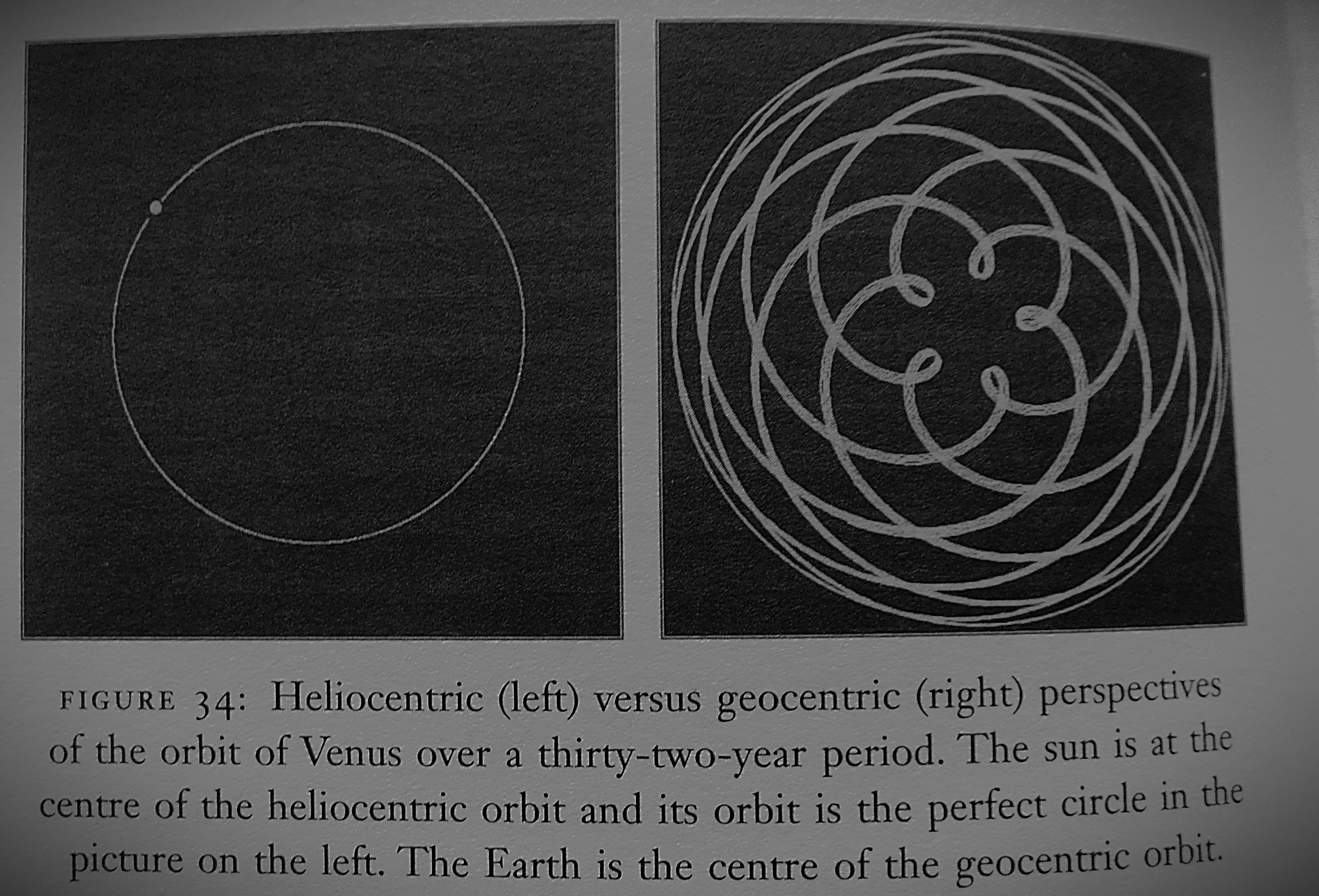
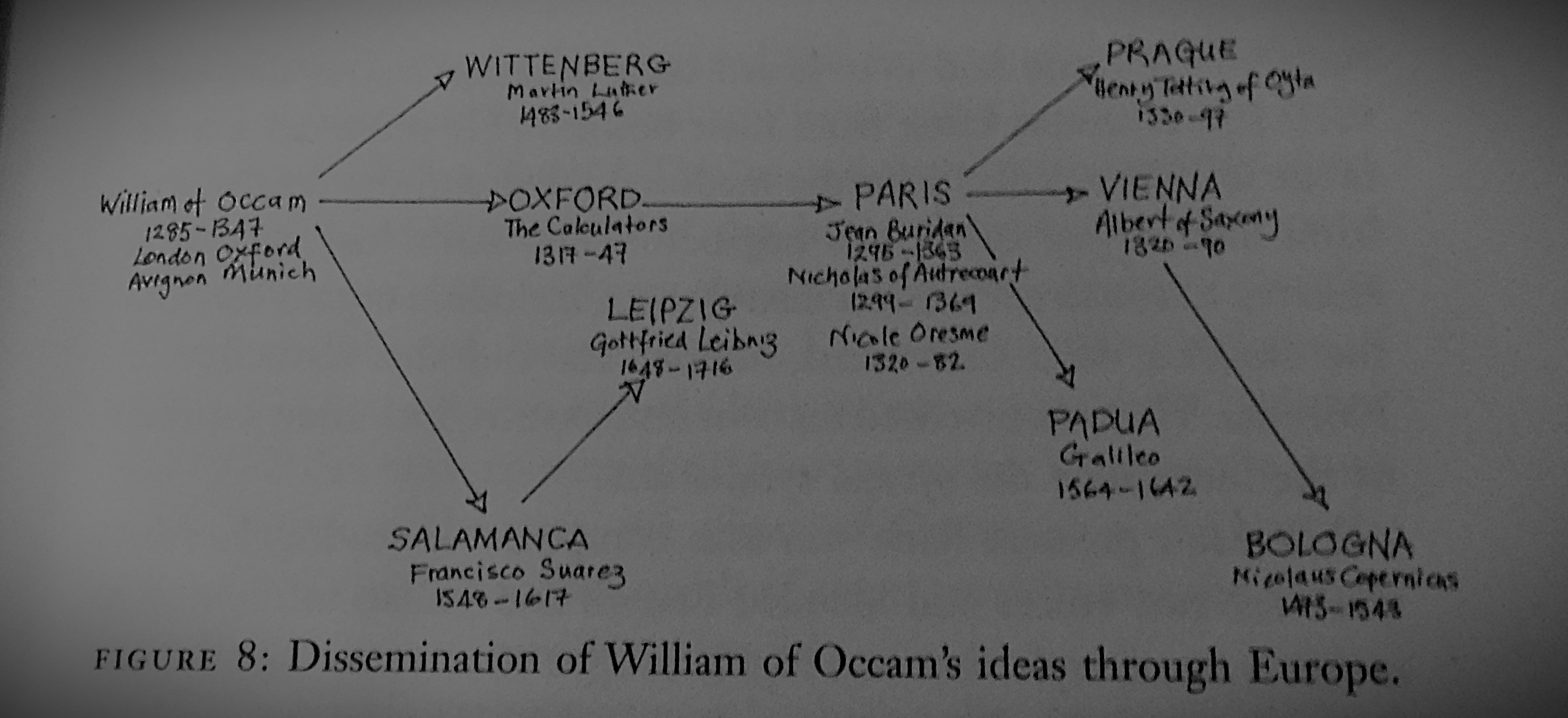
One of my recent library finds was “Life is Simple” by Johnjoe McFadden. This book is both history and science, covering the life and work of William of Occam, and the role that Occam’s Razor, the notion that unnecessary hypotheses should be disposed of, has played over the last seven centuries since it was first proposed. The book is a wonderful read, and I would recommend it wholeheartedly.

My usual sign off (remember photos can be viewed at large size by clicking on them)…

England Women Triumph

A look at how England Women completed an emphatic victory over South Africa Women in the test match at Bloemfontein, meaning they had won every element of the tour, and a photo gallery.

England’s Women completed their tour of South Africa by winning a thumping victory in the test match, meaning that they have won every leg of the tour, having already won the T20I and ODI series. This post looks back at what happened in the closing stages of the test match.

England had a 114 run lead on first innings, and they extended that to precisely 350 on a pitch starting to misbehave . There were two noteworthy performances, one on each side. Heather Knight was chiefly responsible for England getting as many as they did, fighting her way to 90. Nonkululeko Mlaba was the bowling star for the proteas, taking 6-79 to give her 10 wickets in the match.

South Africa had an awkward mini-session to negotiate before the tea interval. A target of 351 already looked fairly mountainous to begin with, and when Laura Wolvaardt was trapped LBW for 4 to make it 8-1 it took on Everest proportions. Right on the stroke of tea Lauren Filer trapped the other opener Anneke Bosch LBW for 4 and it was 15-2 after 5.2 overs. At 22 Bell had Annerie Dercksen caught by Beaumont (a slightly controversial dismissal, as the umpires conferred before giving it, and the only doubt they could have had was whether Dercksen had actually made contact – Beaumont had certainly made the catch). Then came the period that ensured that the third day would be the last (I was at work when this happened, but listened to the commentary on catch up when I was back home). At 31 Sune Luus was bowled by a beauty from Bell, and then Nadine de Klerk suffered a horror run out immediately after (would have been a horror in any situation and any format, but in a test match with the innings in the process of going into freefall it was particularly atrocious). Two runs later Sophie Ecclestone, who had relieved Lauren Filer, pinned Chloe Tryon plumb in front. When Sinalo Jafta was trapped in front by a superb ball from Bell it was 44-7, and moments later Beaumont took a catch off Ecclestone to account for Kapp whose 21 represented the sum total of protea resistance in the fourth innings to that point. It was then 44-8, and it was known that Ayanda Hlubi was not going to bat due to being injured. Tumi Sekhukhune and Nonkululeko Mlaba added 20 to this dismal total, before Mlaba was run out, failing to get her bat grounded quick enough to beat Bell’s throw. It was appropriate that Bell finished the match – she had taken four cheap wickets in each innings (4-49 and 4-27) in addition to effecting that run out, and was named Player of the Match. The England bowling unit was excellent (Dean didn’t bowl well in the only innings in which she got to bowl, but that was the only blemish). Lauren Filer’s pace, Lauren Bell’s swing (and cut, a new development for her) with the added awkwardness created by her height, the craft and guile of Ecclestone and Dean and the reliable medium pace options provided by Nat Sciver-Brunt and Ryana McDonald-Gay meant that the injured Kate Cross was barely missed in the event. If you are wondering how England were able to accommodate six genuine front line bowling options in a test match line up the answer is simple: Sciver-Brunt is one of the best batters in the side, and Dean, Ecclestone and McDonald-Gay can all be considered all rounders (although she batted at number nine in this match I suspect that McDonald-Gay will be moving up the order before too long – she is probably better with the bat than either Dean or Ecclestone). A full scorecard is available here.

My usual sign off…

Three Overlapping Matches

Detailed looks at the men’s match between Australia and India and the women’s match between South Africa and England that are currently in progress, a mention of the men’s match between New Zealand and England, a 35 second video and a photo gallery.

The New Zealand and England men’s teams are currently playing the third match of a series already won by England, while the Australian and Indian men’s teams are playing the third match of a five match series for the Border-Gavaskar Trophy and the South Africa and England women’s teams are playing a one-off test match to end England’s tour there. This post looks at goings on in these matches, the second and third in a bit of detail as I have been able to follow them. As for the first, suffice to say that it looks like England are copping a hammering and that said result will be entirely justified.

The third match of the series for the Border-Gavaskar trophy in Brisbane has lost a lot of time to the weather with possibly more interruptions in the two days that remain. The weather has done rather more to stand in Australia’s way than India have managed. India won the toss and opted to field, a lure that has tempted several captains there in the past, though the results should influence modern era skippers against doing so: Hutton put Australia in in 1954-5 and they scored 601-8 declared and won by an innings and 160 runs, though England fought back to win the second, third and fourth matches of that series; Border put England in in 1986-7 and they scored 456, bowled Australia out twice and knocked off the runs needed in the fourth innings; and finally Hussain put Australia in in 2001-2, the hosts were 367-2 at the end of day one and won a thumping victory. Unless the rain persists Rohit Sharma will come away with the same result as those three did – Australia have scored 445, a total kept within some sort of bound only by Jasprit Bumrah who emerged with 6-79. In such batting time as the rain has allowed them in their own first innings India have limped to 48-4, meaning that Australia need 16 more wickets to win and are 397 ahead, given that we are going into day four and there is still rain about, if they do indeed bowl India out for 245 or less it will be mandatory to enforce the follow on.

This test match will almost be the last such game involving either sex not to feature the Decision Review System – both the England innings, and the South African response still in progress have featured moments where the absence of DRS for this match has been crucial, and England have been the beneficiaries of both. Tammy Beaumont was given not out in response to a concerted appeal for LBW on the second ball of the match, and South Africa would certainly have sent it upstairs had DRS been in place, and would very probably have seen it overturned. In the South African innings their skipper Laura Wolvaardt was on 65 and frankly looking impossible to dislodge when a ball from Ecclestone struck her pads and she was given LBW. Wolvaardt made it obvious that she was certain that she had nicked it into her pads, and with DRS in place she would have sent it upstairs and it would have been overturned. Maia Bouchier scored a century on her test debut, and Natalie Sciver-Brunt also contributed a ton, reached off just 96 balls, to England’s efforts. England fell away a bit late in their innings, but a score of 395-9 declared is not to be sniffed at. At 237-3 with Marizanne Kapp and Sune Luus going well South Africa looked to be heading for somewhere close to parity, but Kapp being bowled by Ryana McDonald-Gay opened an end for England, and wickets have been falling regularly since then. The latest go has been Chloe Tryon, clipping one from Lauren Bell straight into the hands of Tammy Beaumont. Luus had succumbed just previously to a fearsome burst from Lauren Filer, finally fencing one into the gloves of Amy Jones behind the stumps to go for 56. Number nine Tumi Sekhukhune  has just got off the mark with a four, but at 275-7 South Africa are 120 adrift with only three first innings wickets standing. Things have moved on while I have been preparing this post for publication – Lauren Bell has bowled Jafta with a beauty and then with her next ball, assisted by the number 10 backing away so much that she was practically in a different post code from the ball, removed Nonkululeko Mlaba’s middle stump. Nat Sciver-Brunt has just terminated the innings by pinning Ayanda Hlubi LBW for 1 and South Africa are all out for 281, giving England a first innings lead of 114.

Before I produce my latest photo gallery I have a short video to share with you…

Now for the photo gallery…

Modern Renderings of Mythology

A look at a category of book I have enjoyed discovering during 2024 – modern retellings of mythology. Also a large photo gallery.

It is no secret to readers of this blog that I am a voracious reader. One oeuvre that I have discovered in 2024 is modern retellings of mythology. This post looks at some of those books.

I have had an interest in mythology for virtually as long as I have been capable of reading. Thus when I saw “Daughters of Sparta” by Clare Heywood on the shelves of King’s Lynn library it was pretty much automatic for me to select it as one to borrow. This retelling of the stories of Helen and Clytemnestra from their own perspectives proved to be even better than I had dared to expect, and I soon found myself keeping an eye out at all three of the libraries I regularly visit for similar books.

That was the start of an ongoing exploration of retellings of these myths which has gone to encompass Natalie Haynes (“A Thousand Ships”, “Children of Jocasta” and “Stone Blind” (Medusa’s story from her own perspective, rather than that of Perseus), Jennifer Saint (“Ariadne”, “Elektra”, “Atalanta” and just recently “Hera”, which provides the feature image for this post, Madeline Miller (“Circe” and “A Song of Achilles”), Laura Shepperson (“Heir of Venus”), Phoenicia Rogerson (“Herc” – the story of Heracles/ Hercules told from the perspective of everyone except the hero himself), Pat Barker (“Women of Troy”), Lauren JA Bear (“Medusa’s Sisters), Claire North (“Ithaca”, “The House of Odysseus” and presumably a third volume to come, telling the story of Odysseus from Penelope’s perspective), and from a different oeuvre of mythology Sophie Keetch (“Morgan is my Name”, “Le Fay”, and I know there is a third volume to come in this series). All of these books have been very enjoyable to read, and I cannot pick a favourite.

This gallery does not include the feature image, but does include all three elements of that composite image. Remember that all pictures can be viewed at larger size by clicking on them…

Two WODIs

A look at goings on in two WODIs, Australia v India which finished a while back and South Africa v England which is approaching the halfway stage.

Today is a big cricketing day – in the early hours of this morning UK time an Australia v India Women’s One Day International started, and at midday today UK time a South Africa v England Women’s One Day International started. This post looks at what has happened so far.

Harmanpreet Kaur won the toss at the WACA in Perth (these days superseded by the Optus Stadium, but still a fine venue) and to fairly universal surprise opted to put Australia in with the temperature at 38 Celsius and set to rise during the first innings. A four wicket burst from Arundhati Reddy had Australia 78-4, but none of Reddy’s team mates managed to bowl well, and with an Annabel Sutherland century the highlight (Sutherland has a great record at this venue, including scoring 200 in a test match against South Africa) Australia regained control of proceedings, ending on 298-6. India were soon behind the rate, but they did do a good job of keeping wickets in hand for later in the chase. With coverage of the other match due to start at 11:45 I set out at 10:30 for a walk, aiming to arrive back as coverage of that match got underway, which I managed to do. I was reckoning that Australia had the match under control and that the only real obstacle in their pathway was Smriti Mandhana who was batting splendidly. Events confirmed both elements of this prediction – I was to find out that India had reached a high water mark of 189-3 before Mandhana having reached three figures was out, and the innings fell away to a low point of 203-8, before the last couple of wickets scraped up a further 12 runs to reduce Australia’s margin to 83 runs, still an emphatic victory for the hosts.

This match is taking place in Potchefstroom on the high veldt, where scoring can be rapid due to the ball travelling further and faster through the thinner air. However, South Africa, put in by England who won the toss, are not scoring particularly fast. Laura Wolvaardt scored a fine half century but when she had reached 61 she was pinned LBW by Ecclestone. South Africa appear to have decided that the left armer can be allowed to get through her overs effectively unscathed so long as she doesn’t take too many wickets. However, she has just added a second scalp, Chloe Tryon, stumped after about the first show of aggression by any Protea batter against Ecclestone. South Africa are 201-7 in the 41st over, and Ecclestone currently has 8-0-21-2. England lost Kate Cross injured before she had completed her first over, leaving them an allocation to fiddle through with part timers. Nevertheless England have the advantage and I would expect them to win from here. While I have been preparing this for publication an eighth wicket has gone, and South Africa are 201-8 in the 43rd over.

My usual sign off (please note that the featured image is not in the below gallery, being a composite of three separate pictures, showing both sides of the Guanock Gate and the information panel about said gate)…

England Women Reassume Control in South Africa

An account of yesterday’s ODi between the South Africa and England women’s teams and a photo gallery.

At 8AM UK time yesterday morning the second One Day International in the current multi-format series between the South Africa and England women’s teams took place at Durban. This post looks back at that match.

England won the toss and put South Africa in to bat. Protea skipper Laura Wolvaardt confirmed that she would have put England had she won the toss.

Kate Cross replaced Lauren Bell for England, and her metronomic accuracy proved an excellent counterpoint to the pace and fire of Lauren Filer with whom she shared the new ball. England soon had two early wickets, Tazmin Brits and Sune Luus each having their stumps rearranged by Filer. From 14-2 the proteas appeared to have launched a very effective recovery when Wolvaardt and the up-and-coming Annerie Dercksen took the total into the 70s without further loss. However now came the period that effectively settled the match. Spinners Charlie Dean and Sophie Ecclestone tore out the middle order in an extraordinary period in which 72-2 and on the road to recovery became 76-7 and definitively doomed. Dean took four of the wickets with her off spin, including performing the hat trick (her victims for this achievement were Marizanne Kapp, Nadine de Klerk and Sinalo Jafta, none of whom would be considered not to be a front line batter), while Ecclestone, for once subordinate in destruction, nevertheless claimed the prize scalp of Wolvaardt, clean bowled for 35. Chloe Tryon did her best to save something from the wreckage, scoring an impressive 45 before Ecclestone had her caught by Tammy Beaumont. That was 127-9, and the last pair of Khaka and Hlubi boosted the total by a further eight before Hlubi was bowled by Ecclestone to end the innings. Dean had 4-45 from her full 10 overs, Ecclestone 3-27 from 7.3 overs and Filer who had added Nonkuloleko Mlaba, clean bowled, to her two opening scalps had 3-32 from six overs, all three bowled.

To have any chance of defending such a small total South Africa needed early wickets, and the England opening pair of Tammy Beaumont, playing her 100th successive ODI, and Maia Bouchier ensured that no early wickets fell. By the end of the 10 over opening power play England were 57-0. 12 more runs came before Bouchier was dismissed, and although Beaumont and Knight followed quickly at 80 and 82, Nat Sciver-Brunt and Danni Wyatt-Hodge took England to the brink of victory. Just seven further runs were needed when Sciver-Brunt was LBW to de Klerk. New batter Amy Jones struck her first and third balls for fours to give England victory by six wickets with 26 OVERS to spare. The ODI segment of the series is thus level at 1-1 with one more match to come. Charlie Dean was named player of the match.

My usual sign off…

Test Cricket at the Double

A look at developments in the two test matches that are currently in the play, both of which have progressed at a rapid rate. Also a large photo gallery.

There are two test matches currently in progress, which is part of the explanation for the title of this post – the other part should become clear through the post. In Adelaide Australia anbd India are playing the second match of a five-match series for the Border-Gavaskar trophy, while in Wellington New Zealand and England are playing a day game. Most of this post will deal with the BGT game, which I have been able to follow live via test match special, but before I get to that I will briefly present…

The Basin Reserve ground at Wellington is effectively a gigantic roundabout, and England have certainly been in fifth gear this match. After two days play England are 533 runs ahead with five second innings wickets standing, and I know courtesy of an interview that I head that Gus Atkinson was padded up in the closing stages of play, which suggests that a declaration is not immediately planned. Atkinson continued what has been a magnificent start to his international career by wrapping up the New Zealand first innings with a hat trick (Maurice Allom, of Atkinson’s own county Surrey, actually achieved this feat against New Zealand in his debut test many years ago). New Zealand, being made to look very ordinary by this England side, are fresh off whitewashing India in India.

India won the series opener in Perth comprehensively. This match in Adelaide has gone very differently so far. India won the toss and decided to bat. That was about the last thing that went right for them. Yashavsi Jaiswal was dismissed by the first ball of the match, and that set the tone for their first innings. Mitchell Starc has a particularly impressive record in pink ball test matches (nb for England fans looking ahead to next winter, the Adelaide test in that series, also in early December, is a day game with a red ball), and he further enhanced it by taking 6-48 as India reached 180 all out, lasting under 45 overs in total. India needed wickets in what was left of the opening day, but they did not get them. Bumrah under-used himself, and by the close of day one Australia were 86-1 and sitting pretty with two session of daylight batting ahead of them. A Travis Head century was the centrepiece of day two, as Australia amassed a lead of 157 on first innings. India faced a tricky period of batting in which they should have looked to avoid losing early wickets. Instead a frenetic performance saw them five down by the close, and although the runs came rapidly, they were still 29 in arrears when stumps were drawn. Bumrah’s 4-61 meant that he ended the Australian innings with his test bowling average below 20 per wicket – 185 wickets at 19.95. Mohammed Siraj also had four wickets, more expensively, and accompanied by an official warning for the send-off he gave Travis Head.

My usual sign off…

England Women Flop in Kimberly

A look back at the batting of the England Women against South Africa Women in their ODI in Kimberly today (I had a commitment which meant I missed the South African chase) and a photo gallery.

Kimberly in South Africa is home to the world’s largest man made hole, and by the halfway stage of today’s WODI there the England women were in a similarly sized metaphorical hole largely of their own making. I did not get to witness the South African chase due to having to go to the West Norfolk Eye Centre, in the grounds of Queen Elizabeth Hospital for my annual experience of the set of tortures collectively known as Glaucoma tests, a journey that as the weather though dull was not especially cold by December standards I opted to make on foot, rather than spend money on a bus fare (as it happened, even though it was pitch dark by then I also made the return journey on foot), however I was entirely unsurprised to find when I arrived back home that they had won at a canter. This post looks at the woes of the England innings.

Tammy Beaumont was dropped in the first over of the match, the other opener Sophia Dunkley struck one emphatic boundary, but was then caught at slip playing a terrible shot in that same opening over. Kapp also accounted for Beaumont, bowled for 11, again playing a very poor shot. Nat Sciver-Brunt was the third early victim, LBW and for my money culpable on two grounds – first it was yet another poor shot, and second she burned a review attempting to overturn it. Danni Wyatt-Hodge was fourth out, LBW to Nadine de Klerk, and the first not to be culpable in her own dismissal – it was a genuinely good ball. However she cannot be totally acquitted – she burned England’s last review, and it was stone dead. True the point of impact was above the knee roll of the pad, but Wyatt-Hodge is a fairly small woman, for all the power with which she can hit the ball on her many good days, so not much should have been read into that. Heather Knight and Amy Jones looked to be steadying the ship until Jones went on to the attack against Annerie Dercksen and succeeded only in picking out Chloe Tryon, a superb fielder who duly completed a fine catch to make it 77-5. The wickets continued to tumble, and when Knight was LBW to left arm spinner Nonkululeko Mlaba (the same way Alice Capsey had gone to be sixth out) for 40 it was 106-7. Charlie Dean and Sophie Ecclestone, the two great England spinners, fought hard, putting on 67 together for the eighth wicket. Dean battled her way to the top England score of the day, an unbeaten 47, raising the total to 186, still dismal, but not as bad as it had looked like being. While England are still ahead overall in the multi-format series they need to realize that in a 50 over innings there are occasions when all out aggression is not the right approach. Dunkley in particular got out in a way that suggested an inflexible commitment to unbridled aggression. Marizanne Kapp is a model of consistency with the ball, and her opening spell in the next ODI will probably pretty much match this one ball for ball – and England need make sure it does not do so wicket for wicket as well.

Some of these pictures come from yesterday either side of work, but most were taken during this morning’s walk, when the weather behaved rather curiously – it started bright and sunny and then became very misty – usually when one gets mist and sunshine on the same day it happens the reverse way around, mist first, then the sun breaks it up…