Continuing coverage of my holiday with the trip from Guernsey to Alderney
We reach a transition point in my account of my recent holiday – the journey from Guernsey to Alderney.
THE MORNING
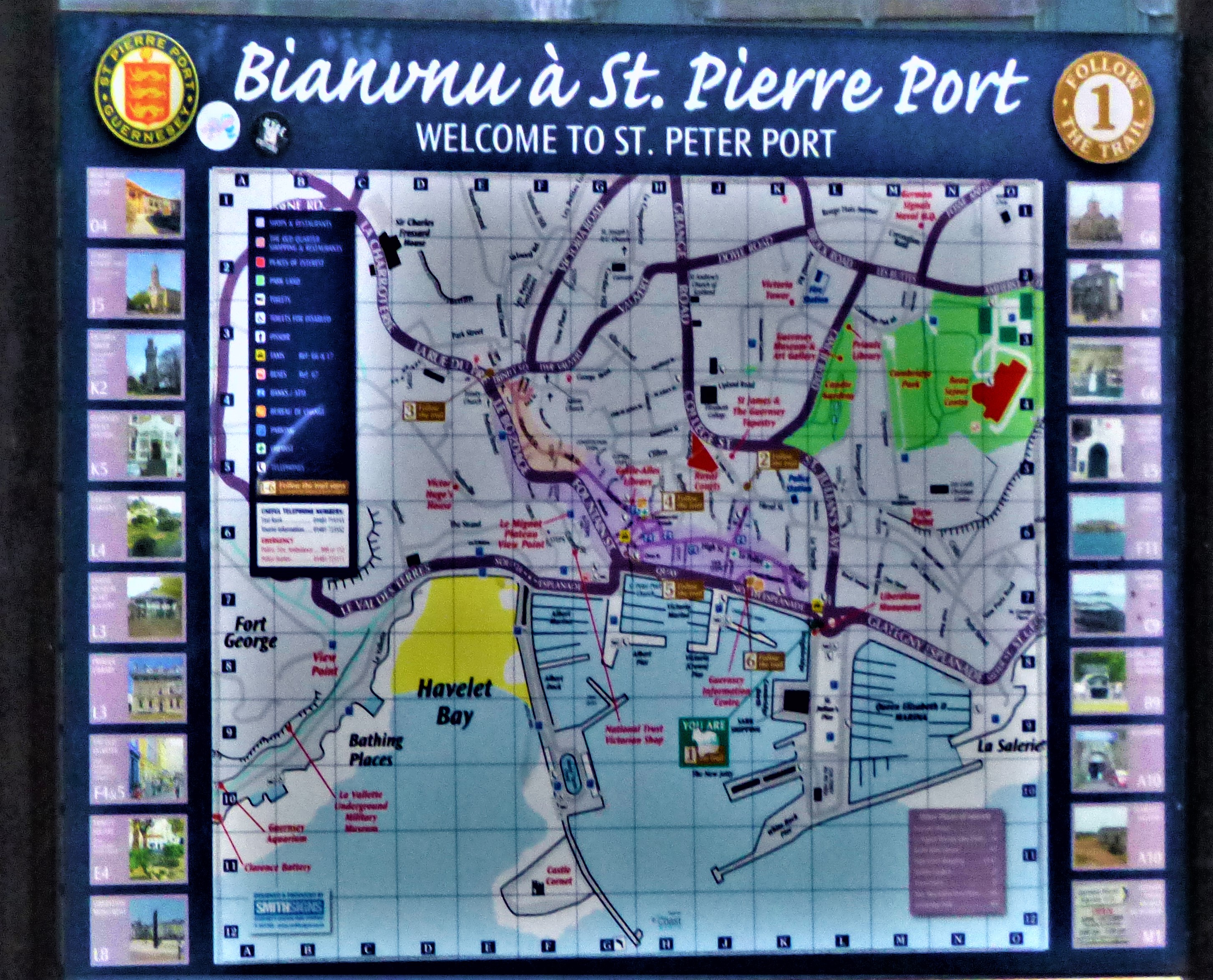
Although we had to check out of our hotel by 10AM and the boat to Alderney was not due to sail until 4PM we were able to leave our bags at the hotel to be picked up immediately before boarding, which enabled us to spend an enjoyable morning in St Peter Port. We enjoyed a picnic lunch, and picked our bags up from the hotel, before heading for the boat.
THE VOYAGE TO ALDERNEY
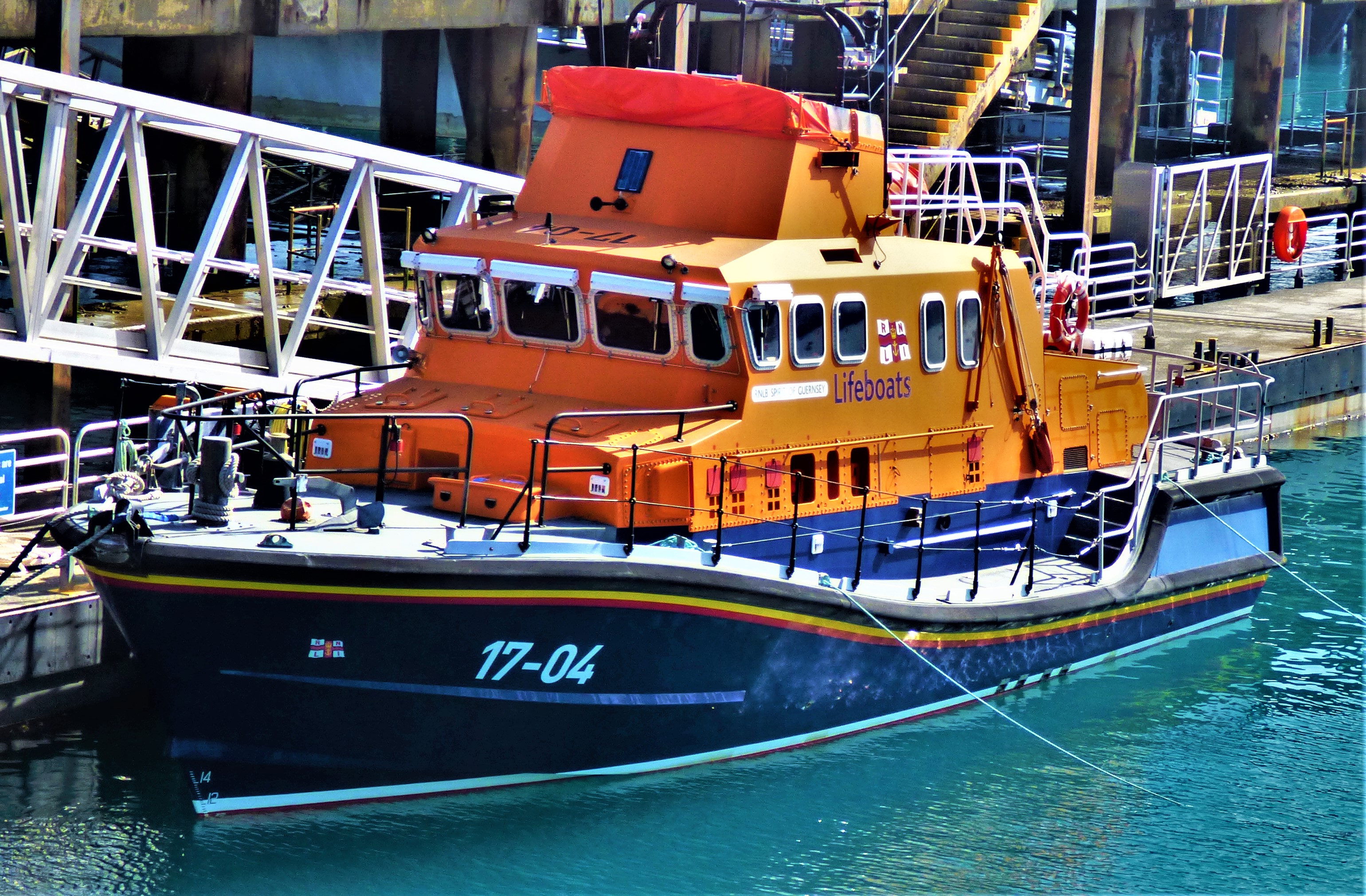
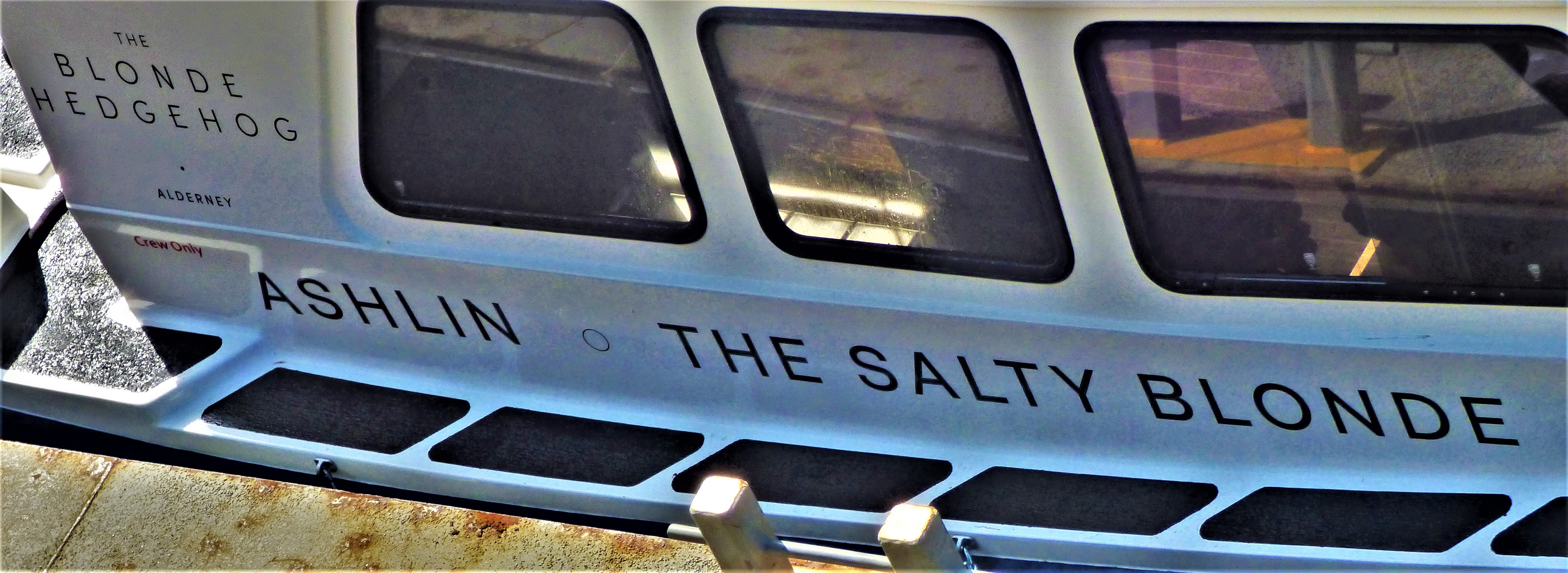
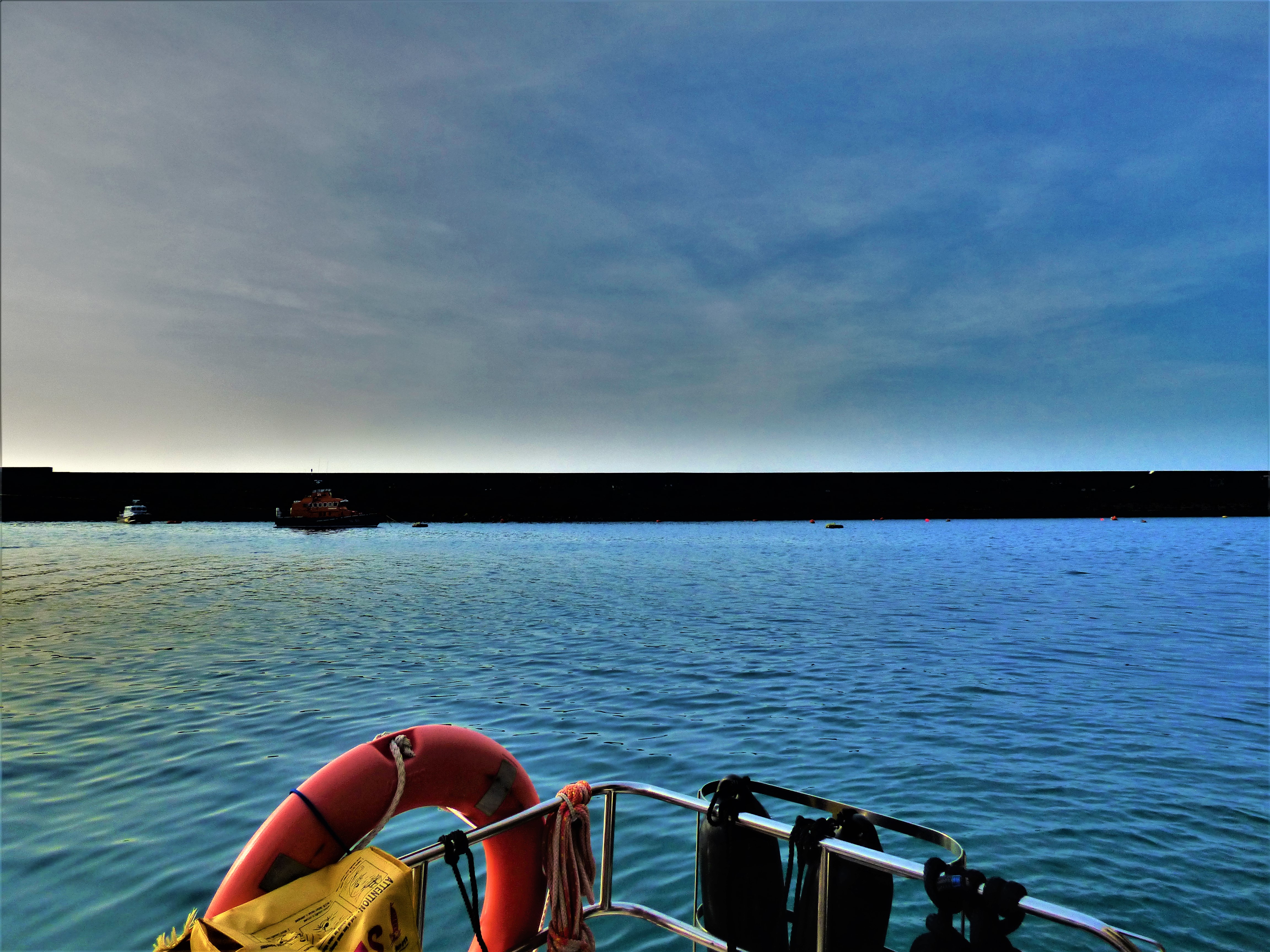
The boat on which we travelled over to Alderney (a voyage that takes about an hour) on a small boat run by a company called Salty Blonde. The voyage itself was fairly uneventful (the sea was very smooth fortunately). The main drama came on our arrival at the harbour on Alderney, when we had a substantial climb up a vertical metal ladder from the boat, and the platform at the top of said ladder was covered in seaweed. The boat crew managed our bags for us to that point, but the climb was not an experience I would care to repeat even so.
FROM THE HARBOUR TO FORT CLONQUE
A taxi conveyed the baggage and my mother to the fort while the rest of us walked. The walk was a pleasant one, and then it remained only to decide on rooms at the fort.
An account of a full day on Guernsey as part of my series on my recent holiday.
Welcome to the latest post in this series about my recent holiday (I am now back in Lynn, so these posts will be coming less sporadically). This post covers the one full day we spent on Guernsey en route to Alderney.
A FRENCH RESTAURANT
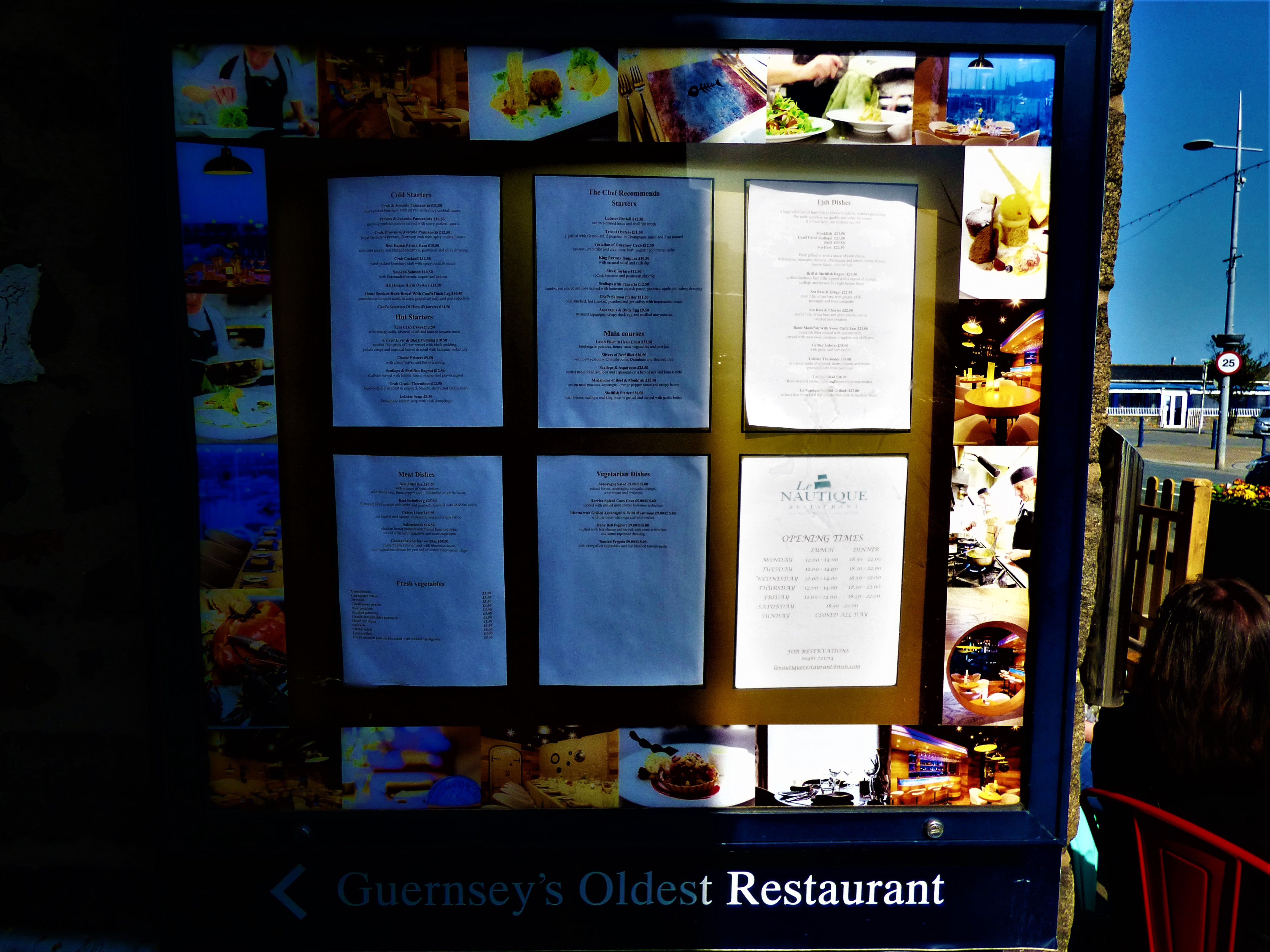
On the Saturday evening, having established ourselves at St Georges Guest House, roughly a kilometre from the centre of St Peter Port, we went out to find a restaurant to eat at. We settled on a French establishment, and the food and drink were both excellent.
We were given seats in the ‘2CV Room’ – this pic should explain the name.
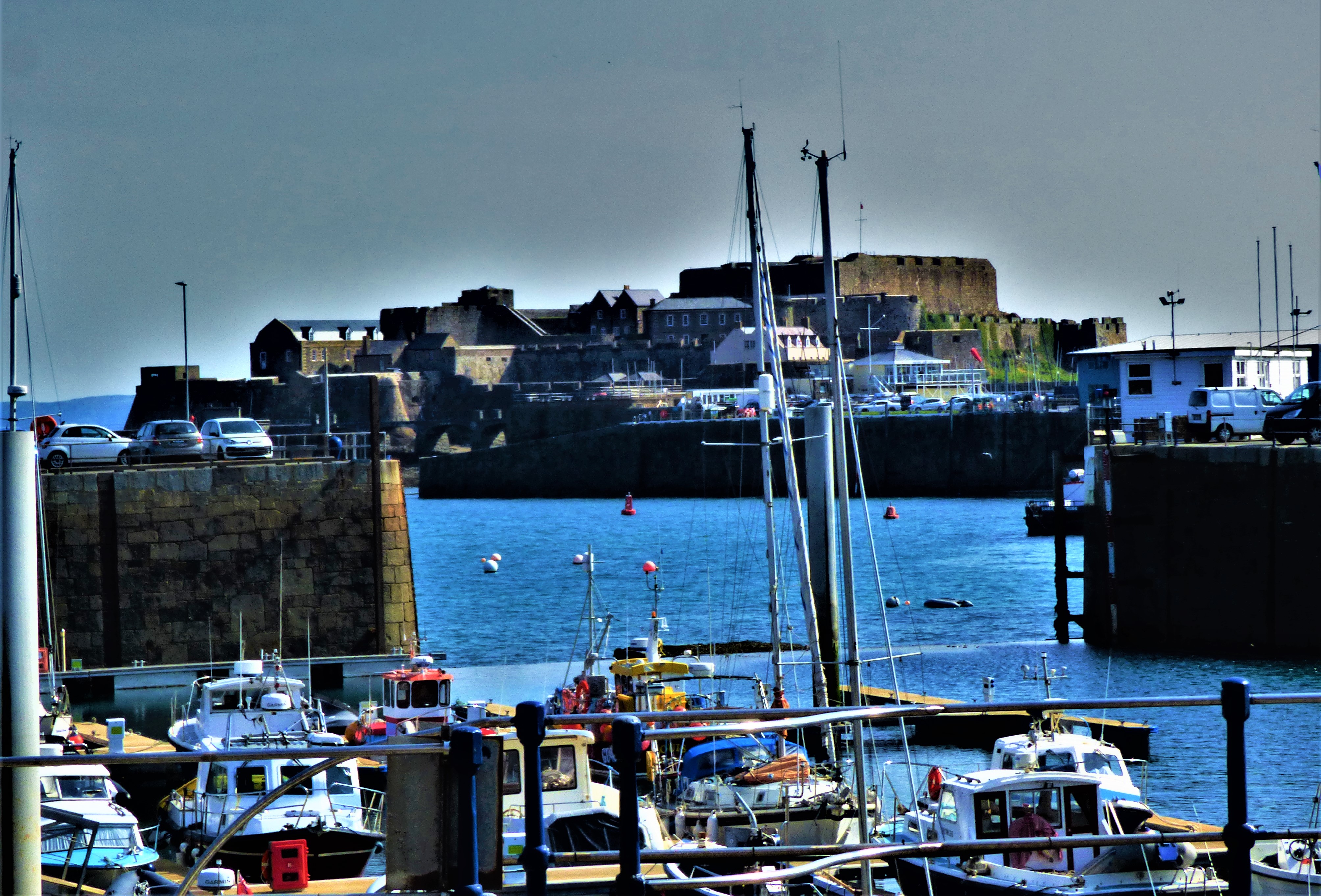
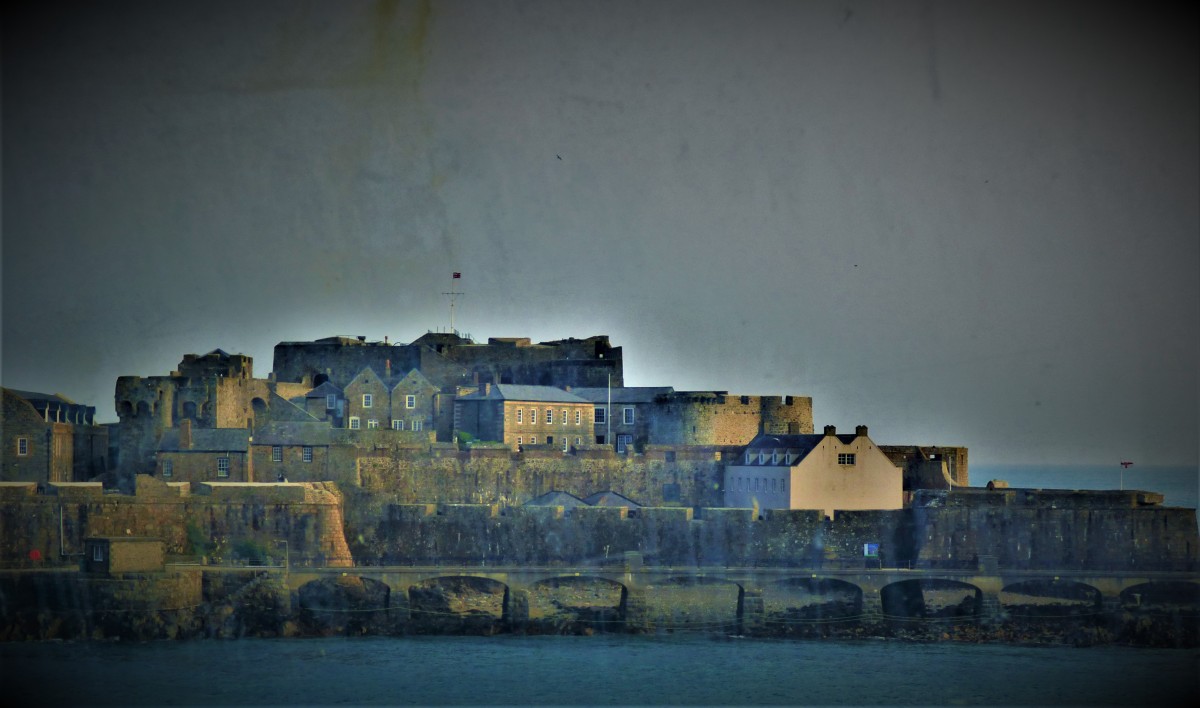
Castle Cornet
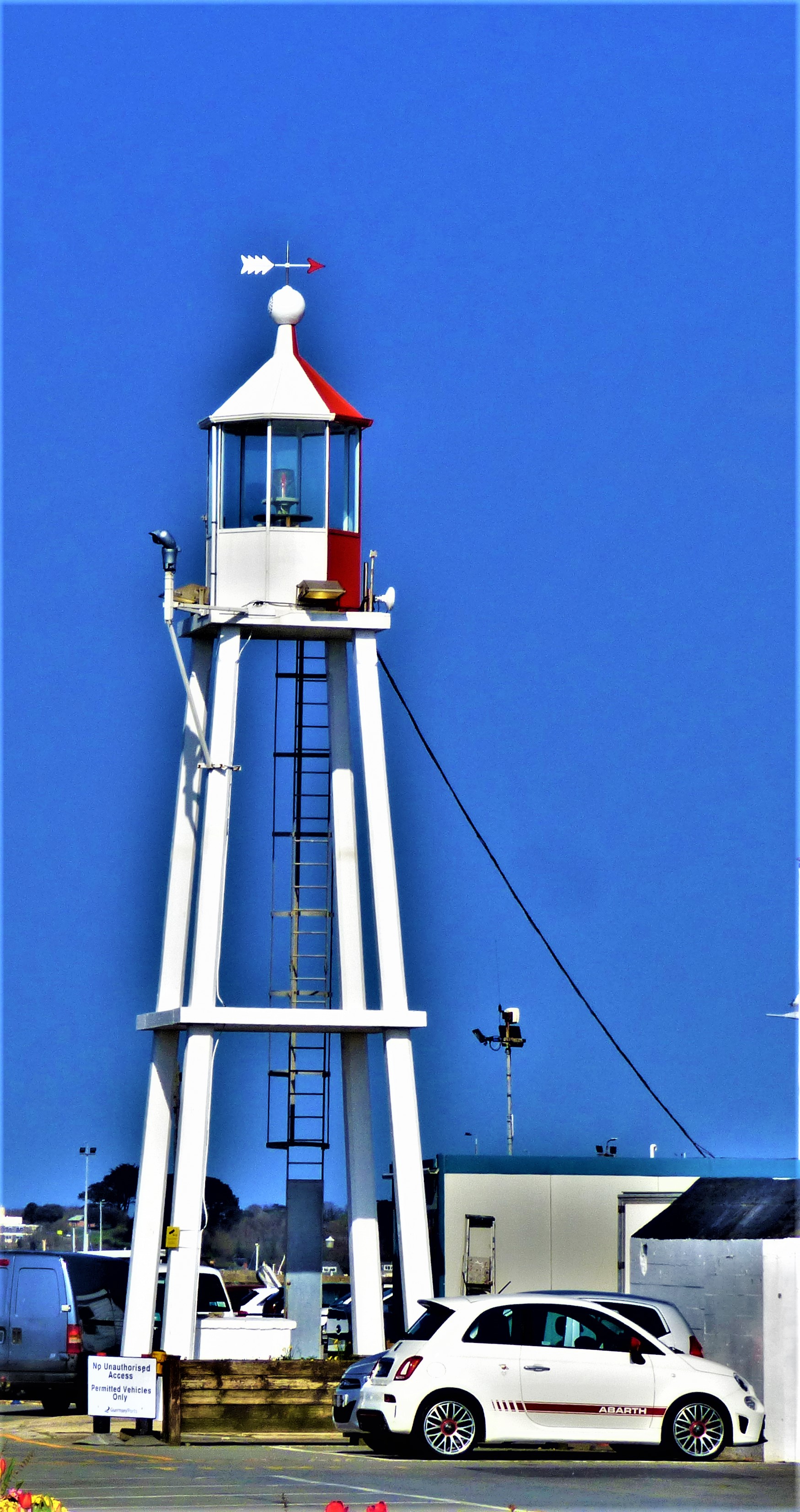
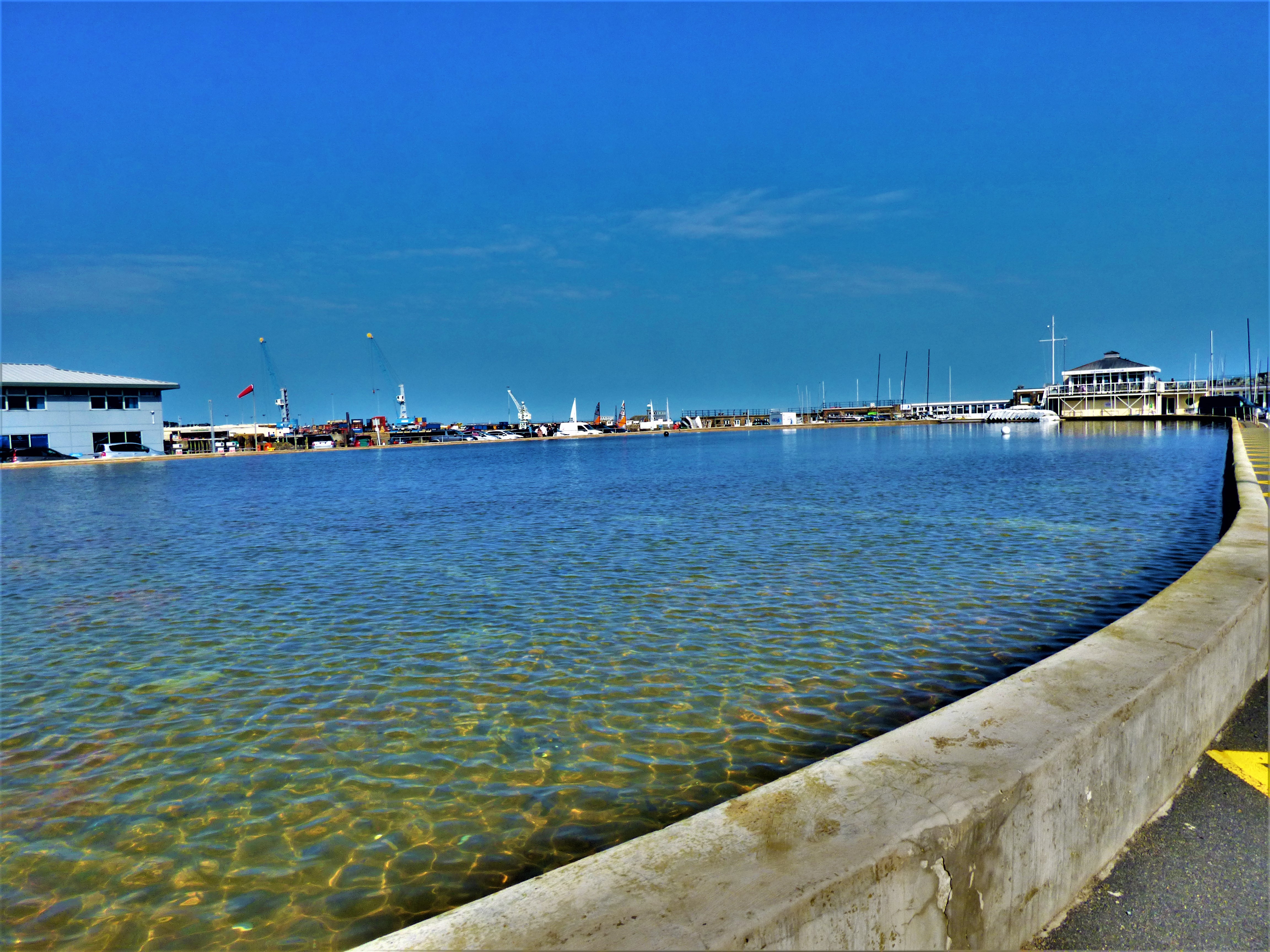
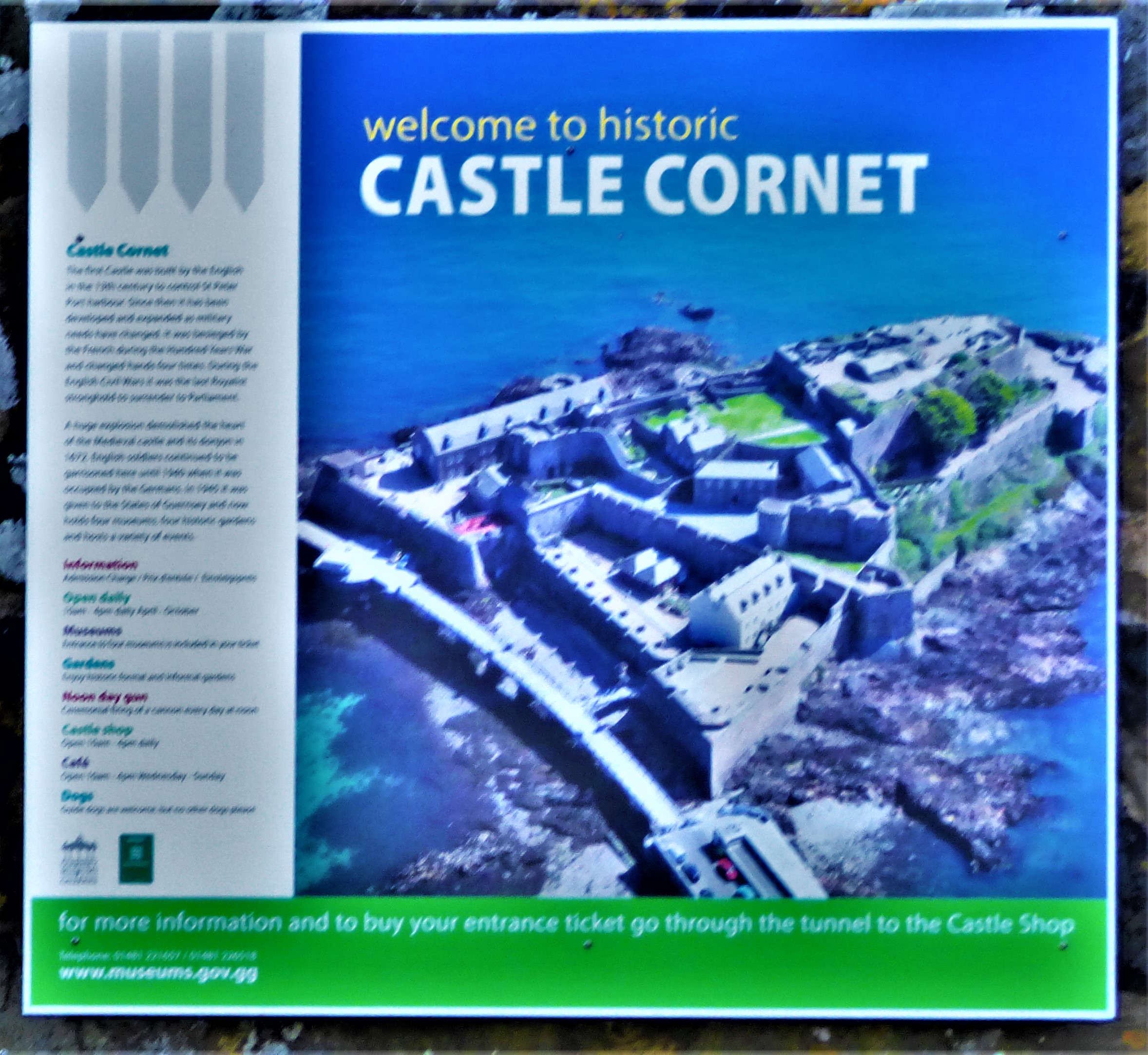
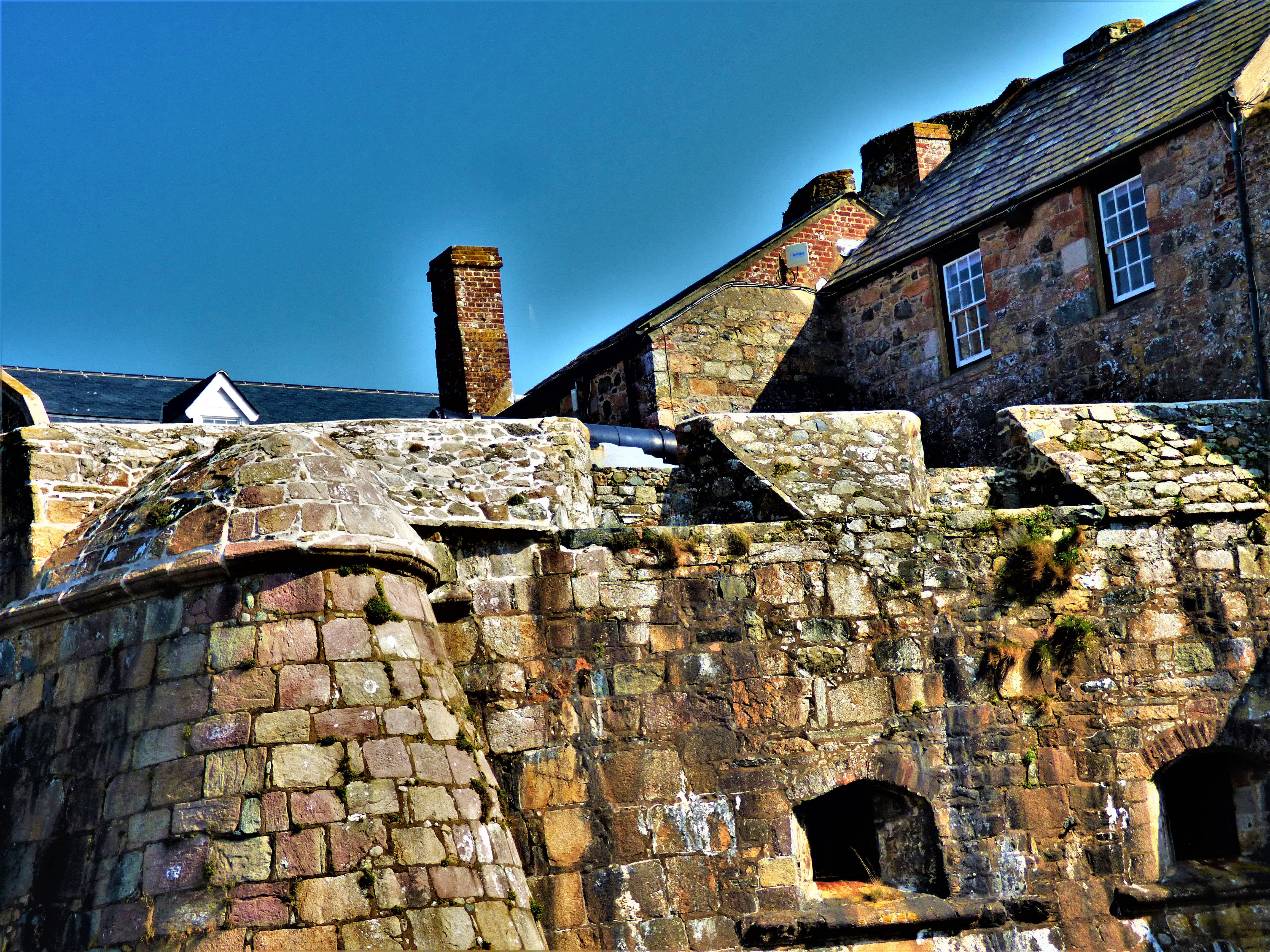
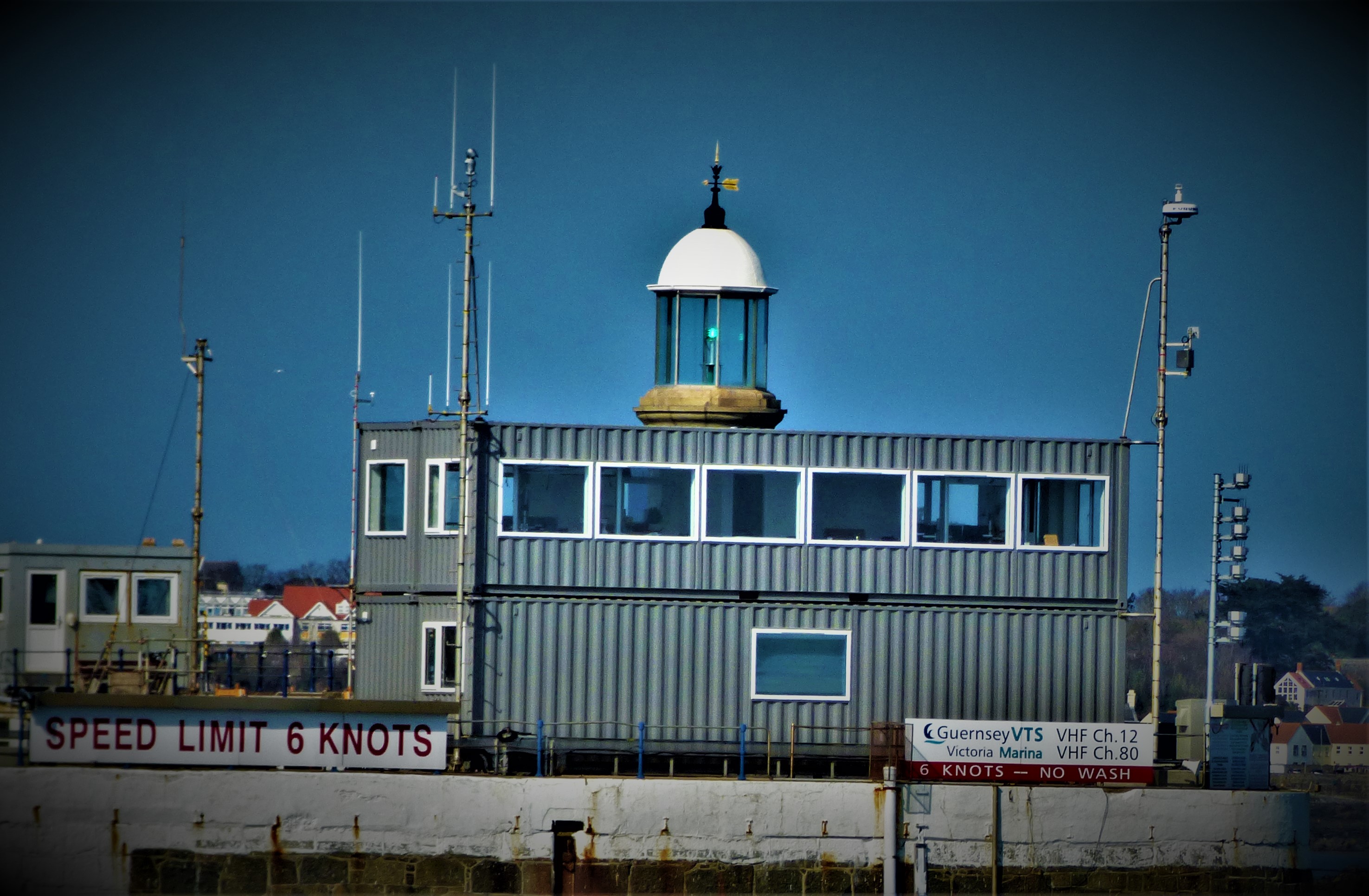
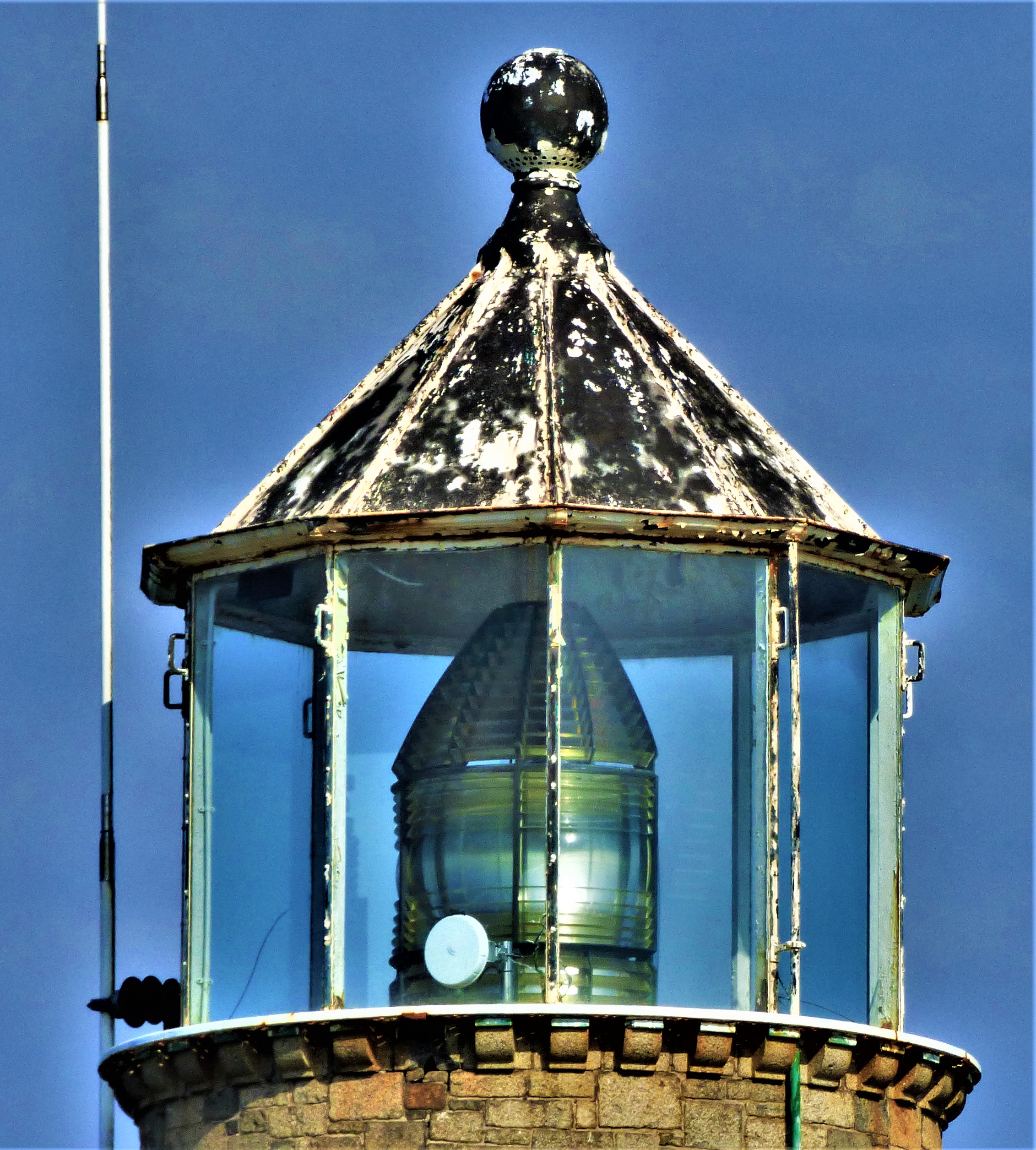
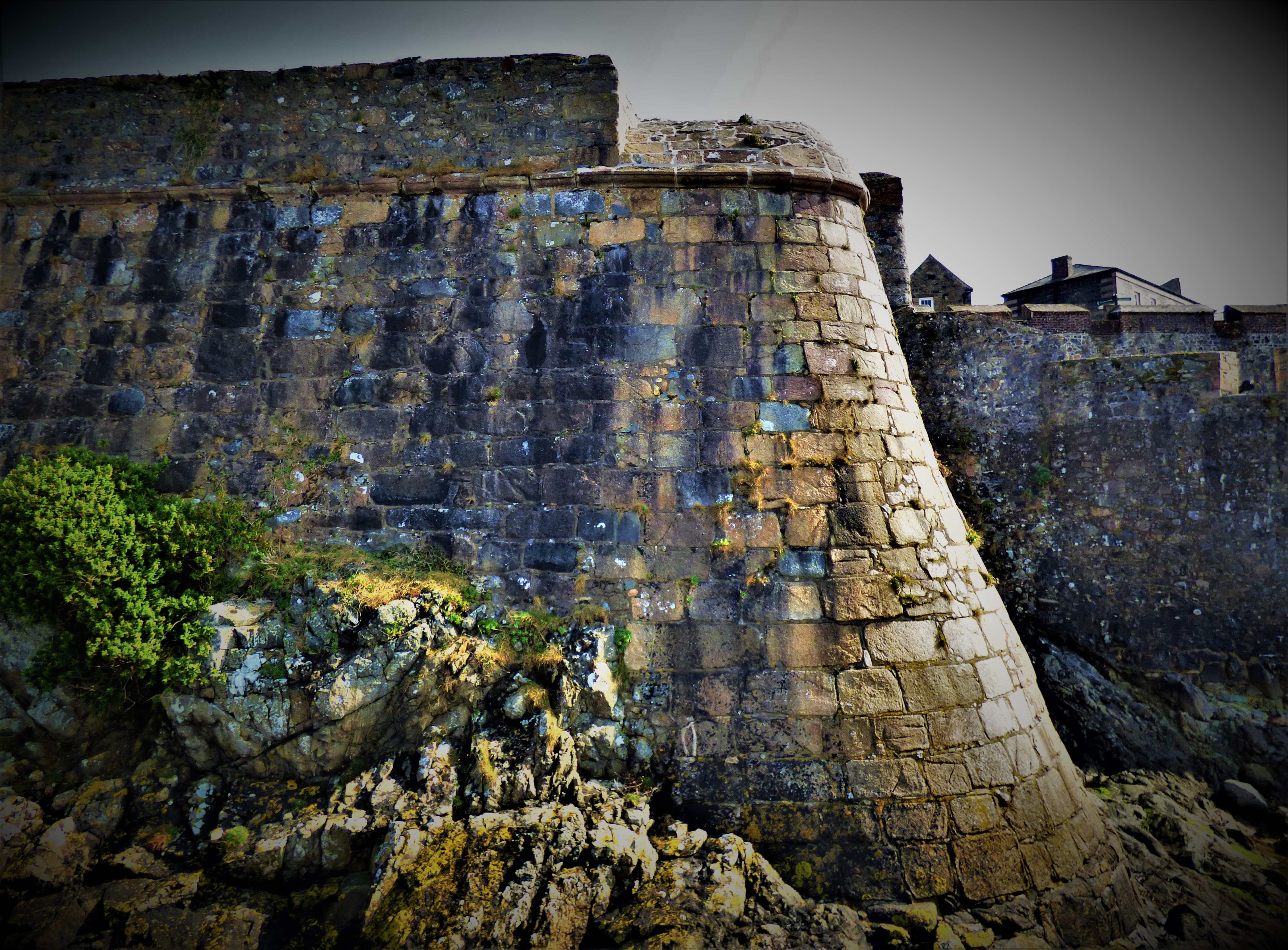
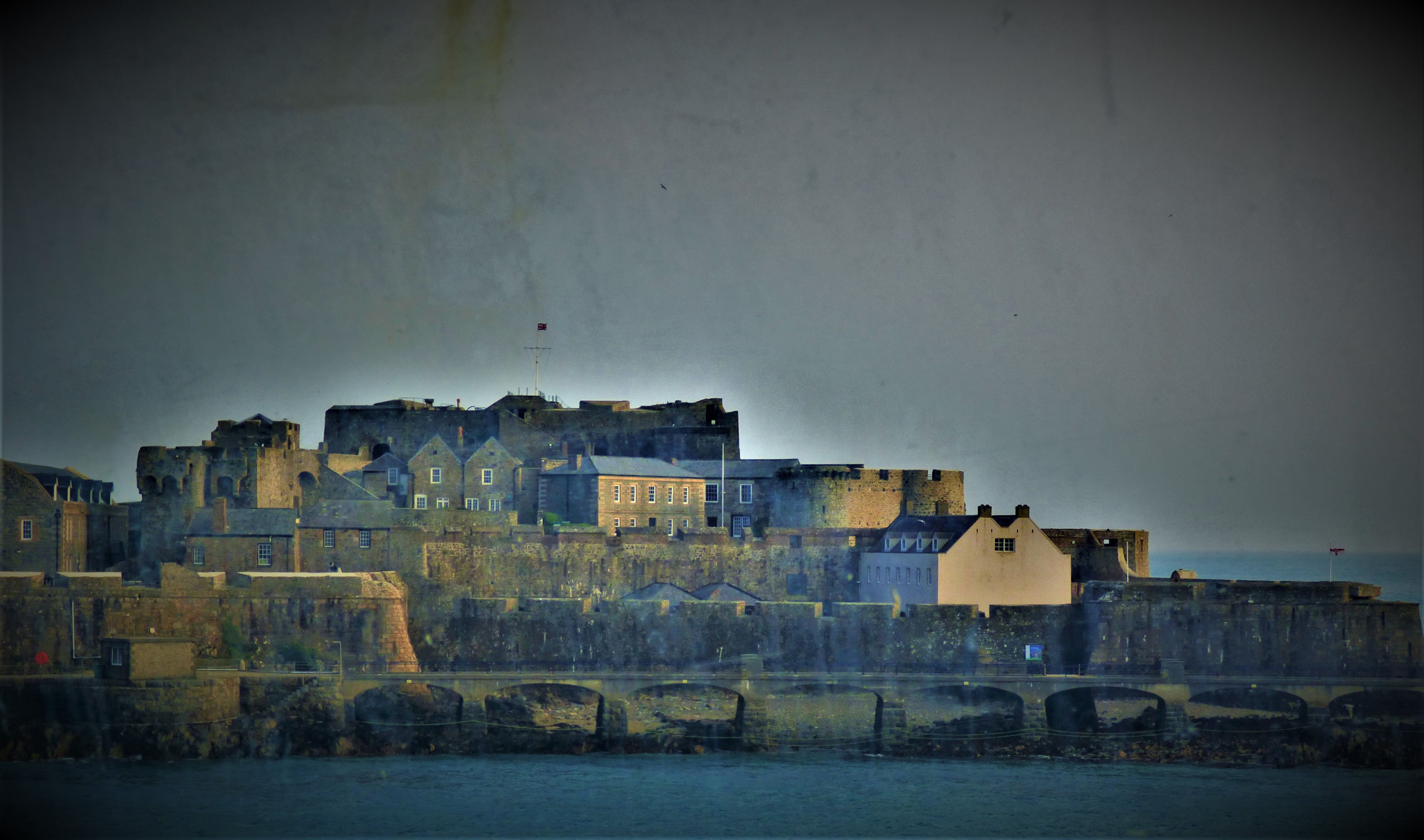
The following morning we walked out to Castle Cornet, purchasing food at an M&S Food Hall on the way. We ate near a lighthouse, which I subsequently walked out to – it was very windy around the lighthouse but worth it for the views.
The restaurant we booked for supper
THE GUERNSEY MUSEUM
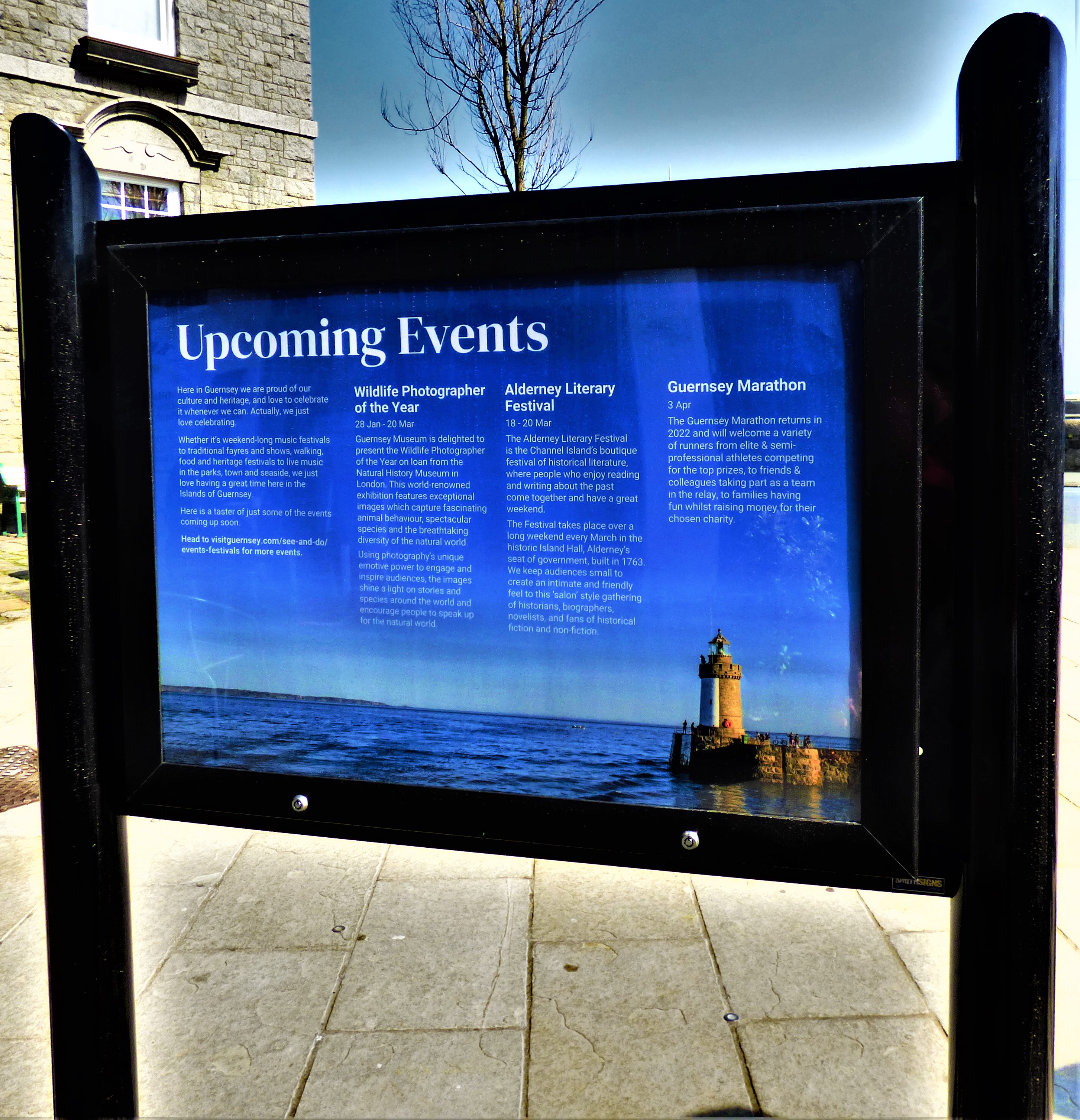
There was a wildlife photography exhibition at the Guernsey Museum as well as some stuff on the history of the island.
Resuming my coverage of my holiday to Guermsey and Alderney, setting the scene for what is to come in this series of posts.
I wasn’t entirely sure when I put the first post of this series about my holiday up as to when I would be able to post. There was no internet connection in Alderney, although I was able to edit plenty of photos ready for use. Yesterday we travelled back from Alderney to Guernsey, and then visited two places which both proved of huge interest, and left me with over 300 photos to edit to catch back up with that side of things. Between last night and this morning (I was underway before 7AM) I completed that job, meaning that at least until the end of today I am up to date in terms of photos. I am going to use the rest of this post to outline the rest of the series for you.
PLANNED POSTS
I will devote one post to the day we spent on Guernsey before we were able to travel across to Alderney.
The journey to Alderney will account for the next post.
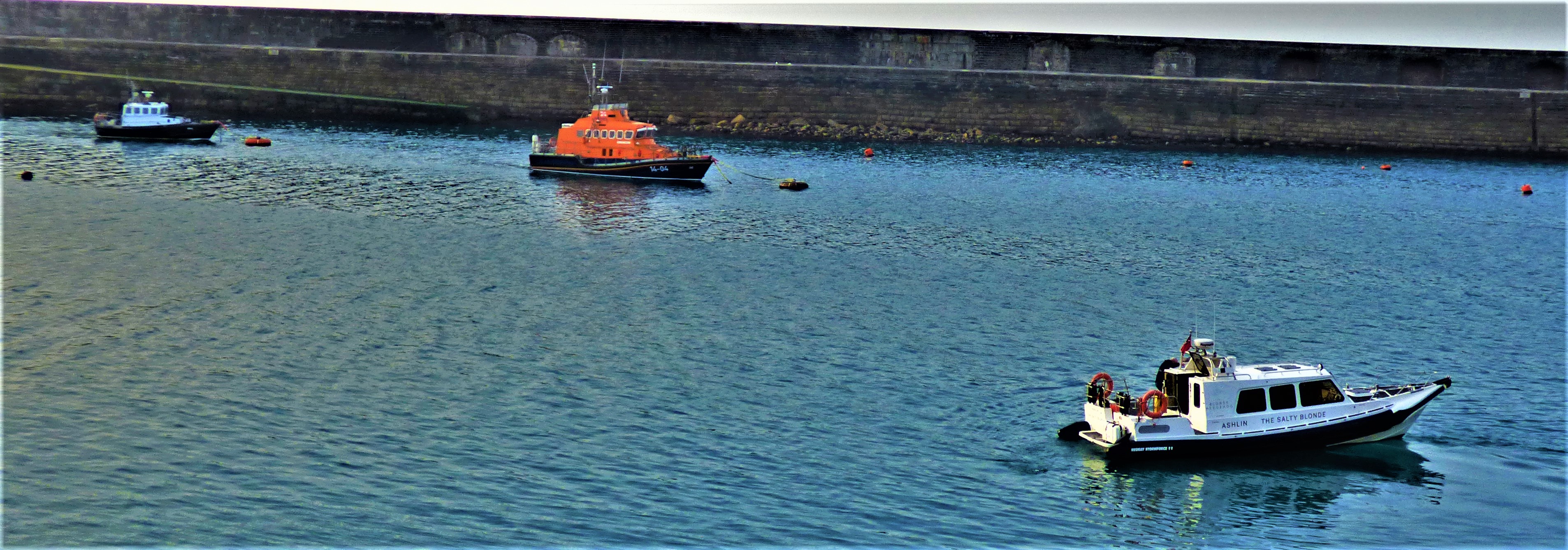
The Harbour at Braye, Alderney – the boat bottom right of shot is the one we travelled on from Guernsey to Alderney.
I will produce several posts about Alderney:
A cricket themed post in honour of John Arlott who spent his last years on Alderney – this will take the form of a two-fold journey, through a large amount of space and centuries in time as I cover cricketing links relating to my journey (two of them highly contrived, I admit), creating a spectacular XI in the process.
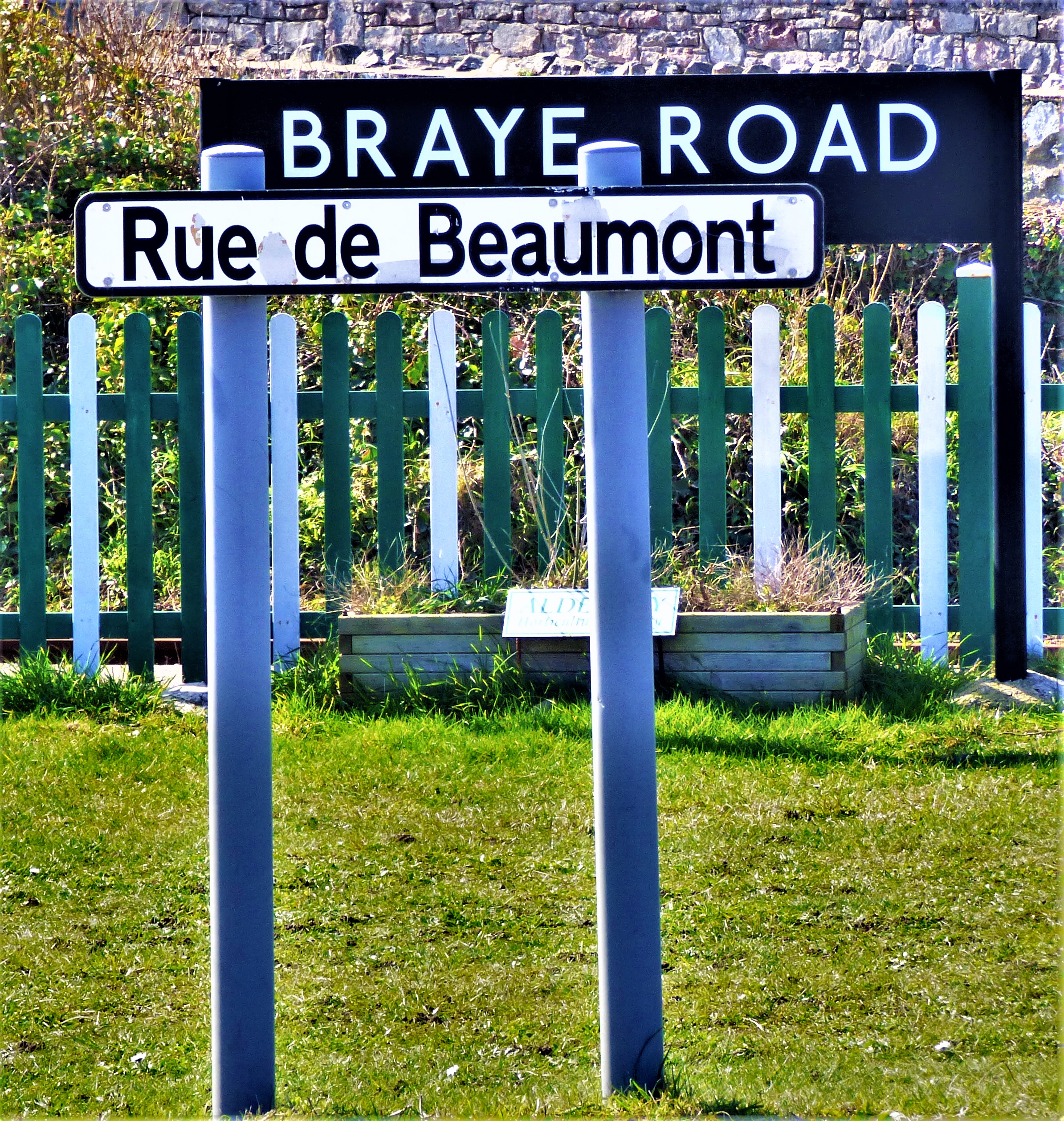
Students of the game will instantly realise how the road sign in this picture enabled me to sneakily fill one of the opener’s slots -the other was already filled fair and square.
A post about our first visit to St Anne, the sole town on the island.
Probably two posts about the walk we did on our second full day on the island.
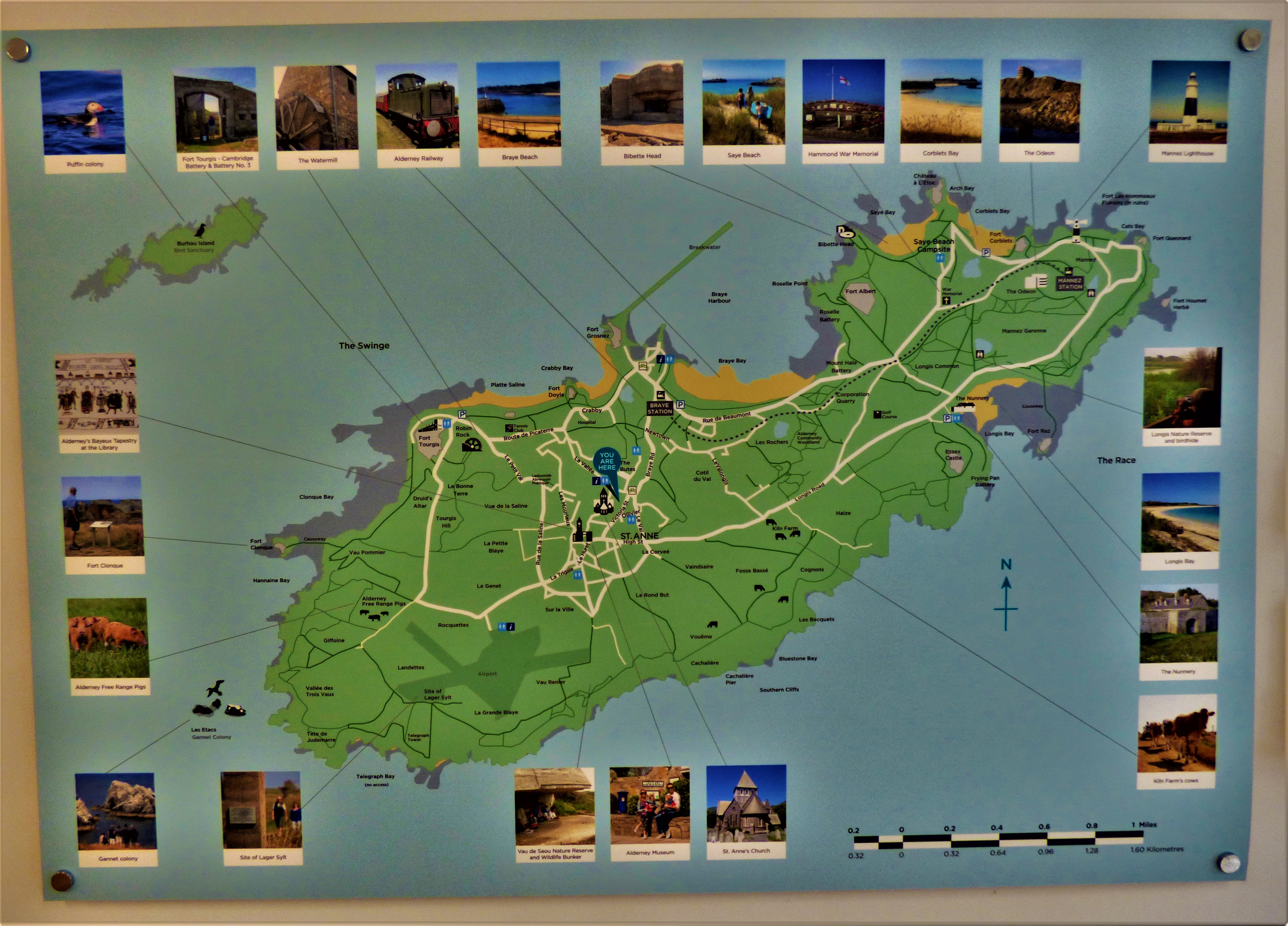
A special post featuring maps of Alderney and the Channel Islands, several great examples of which I saw:
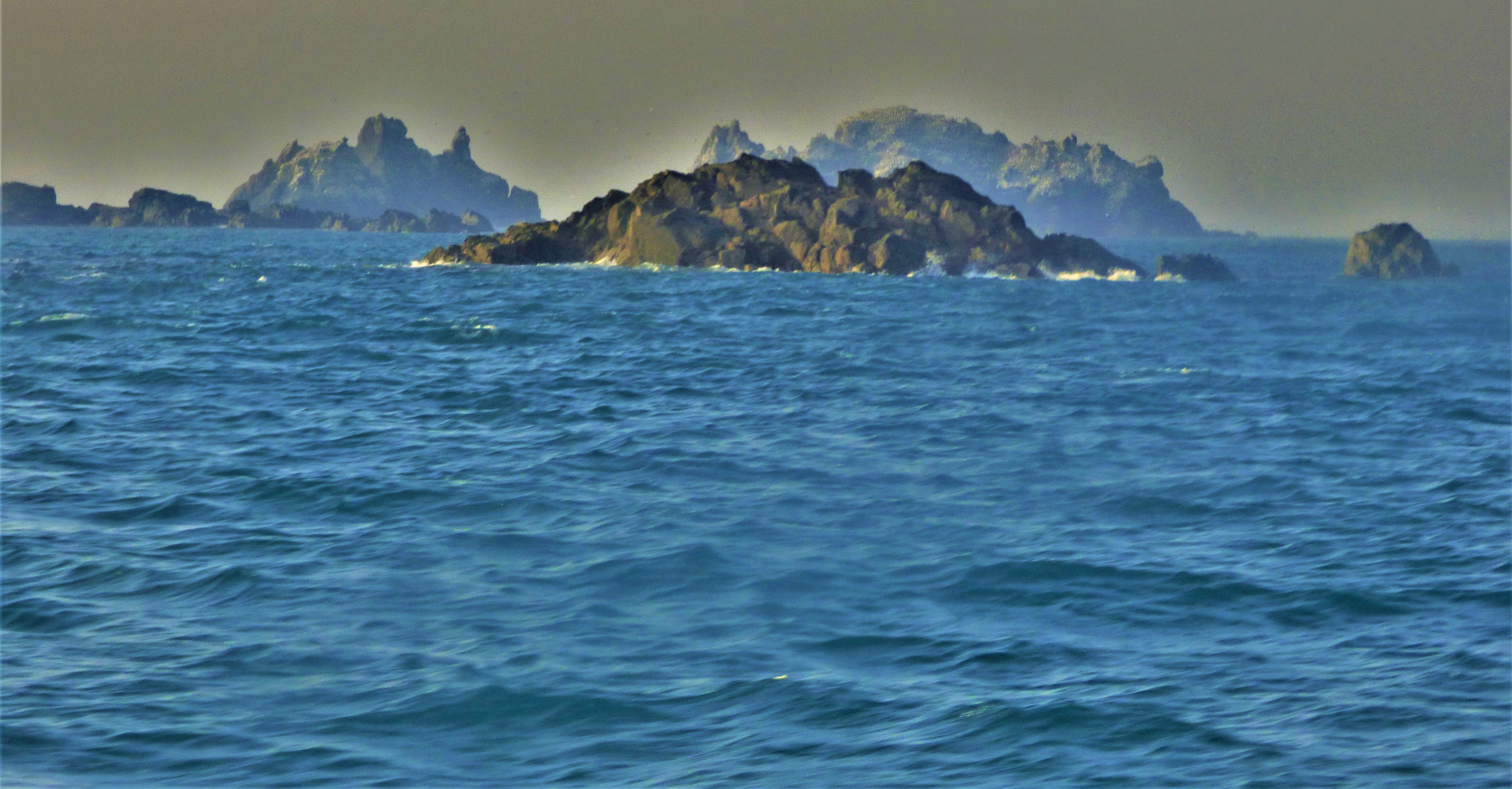
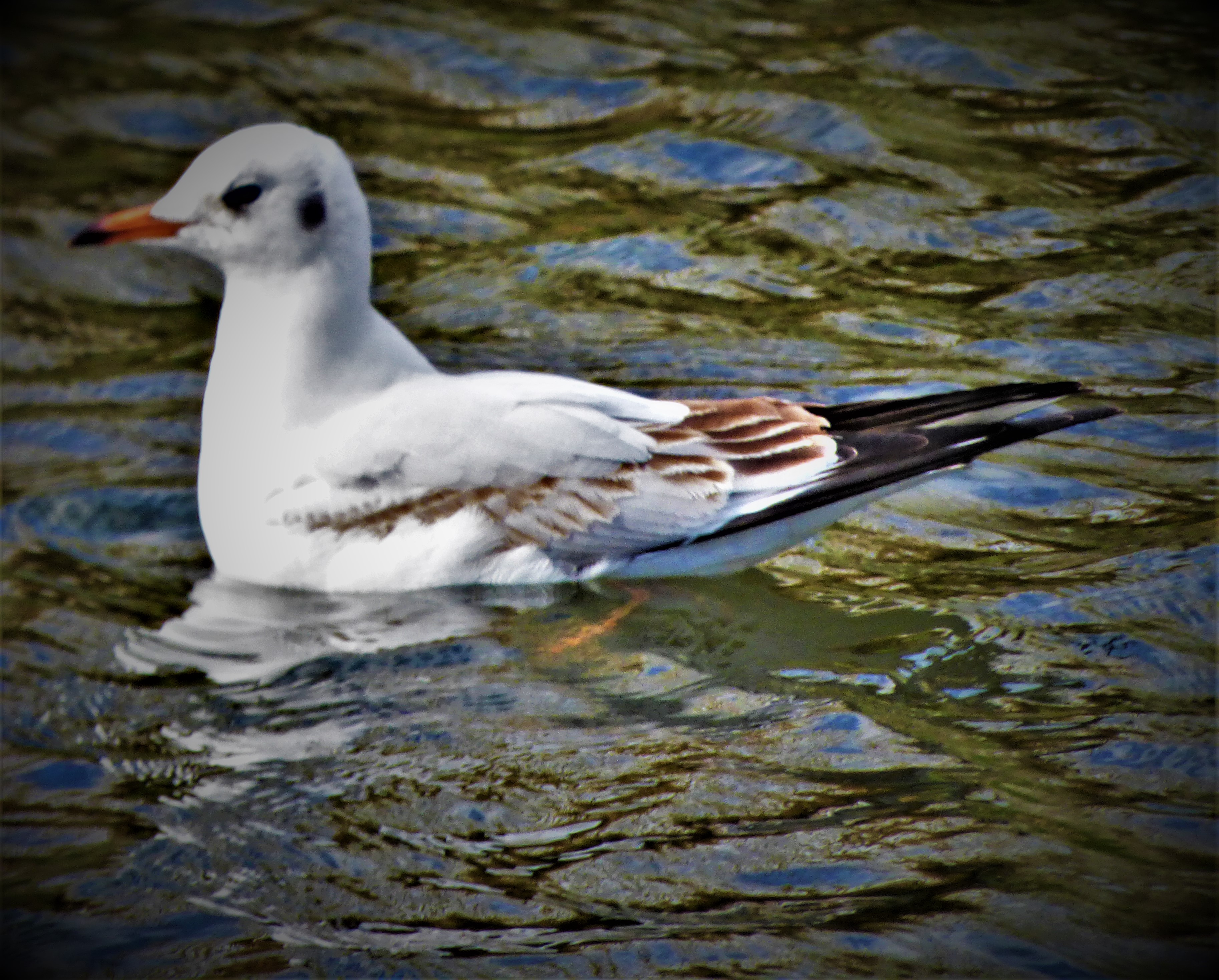
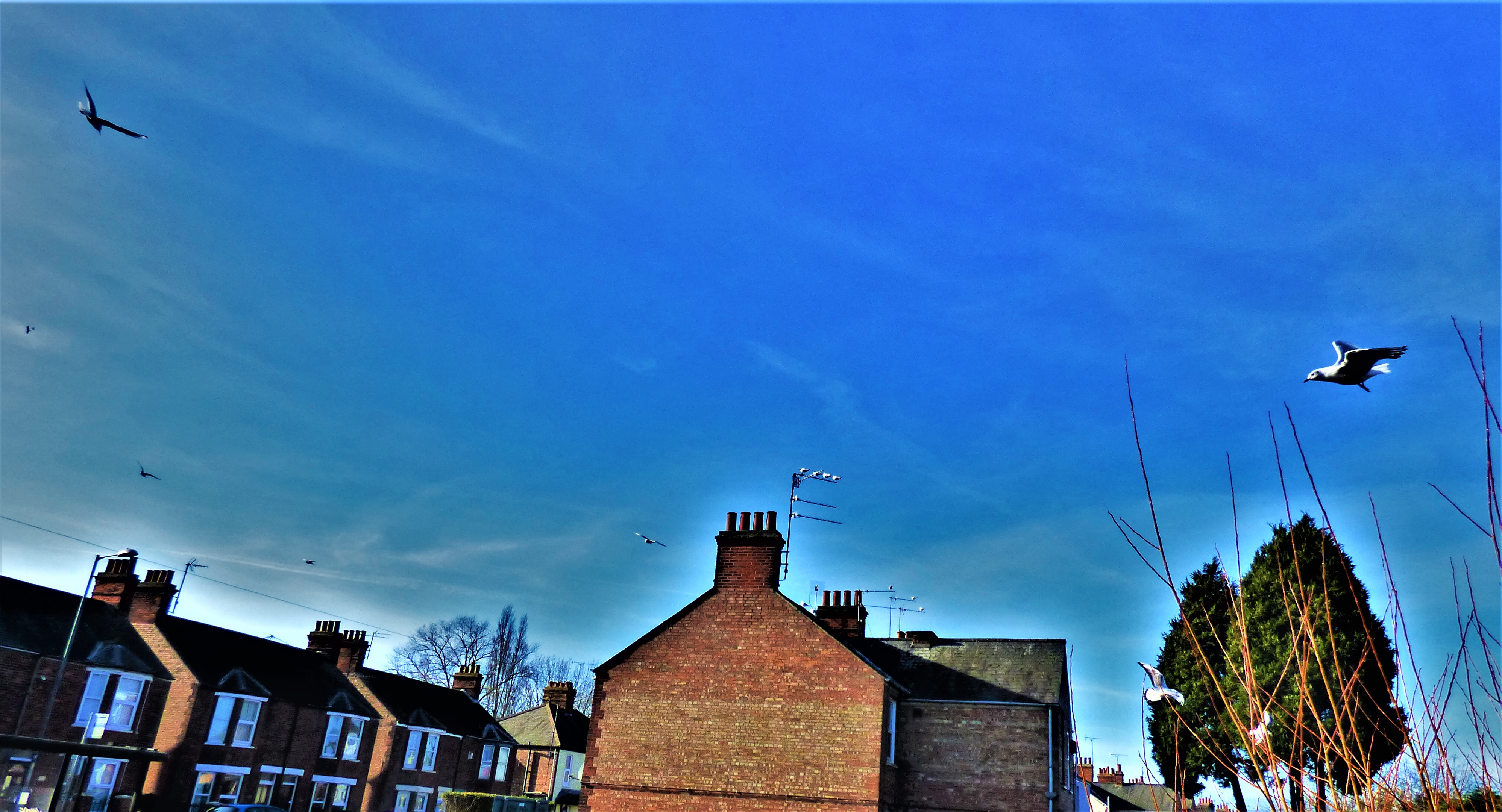
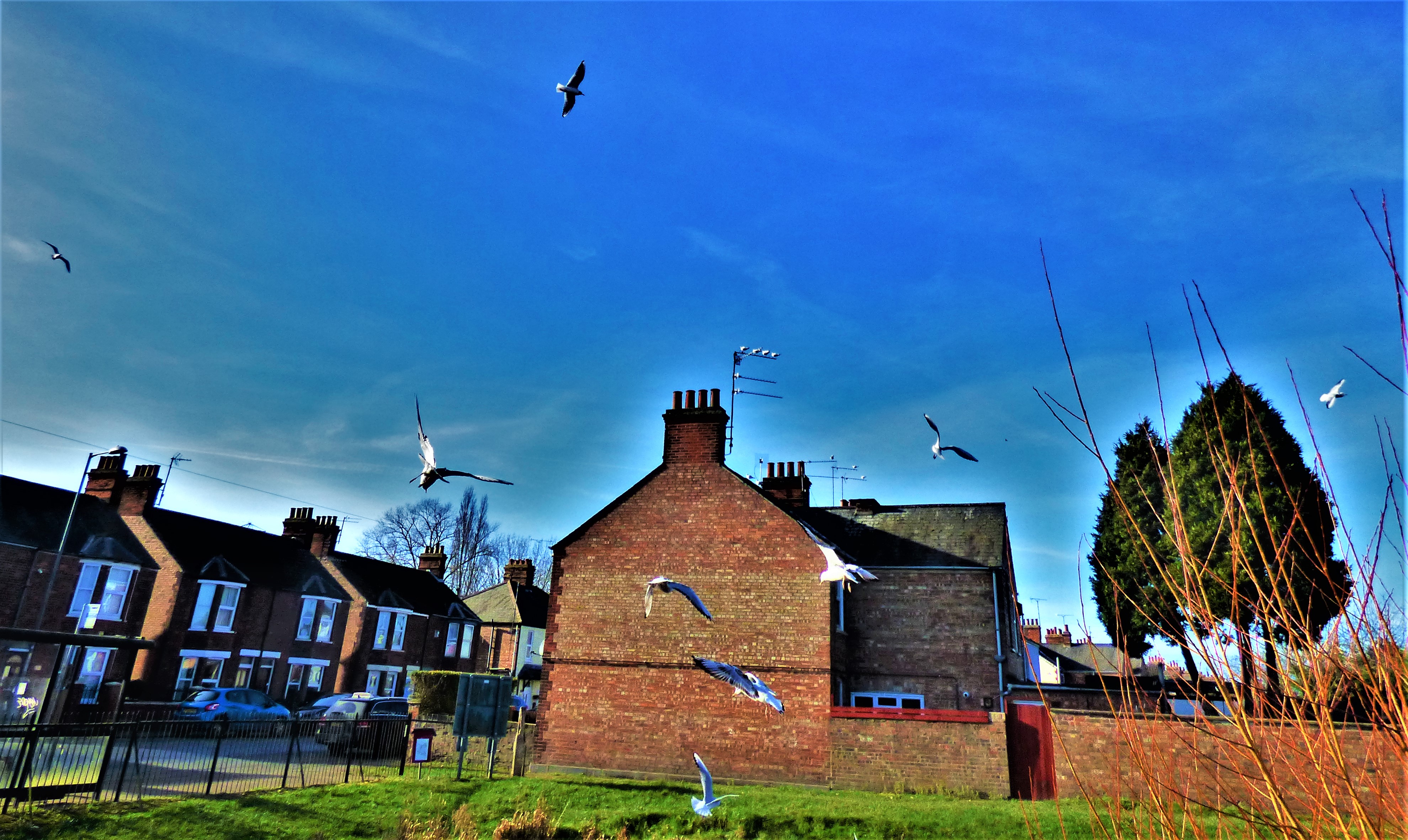
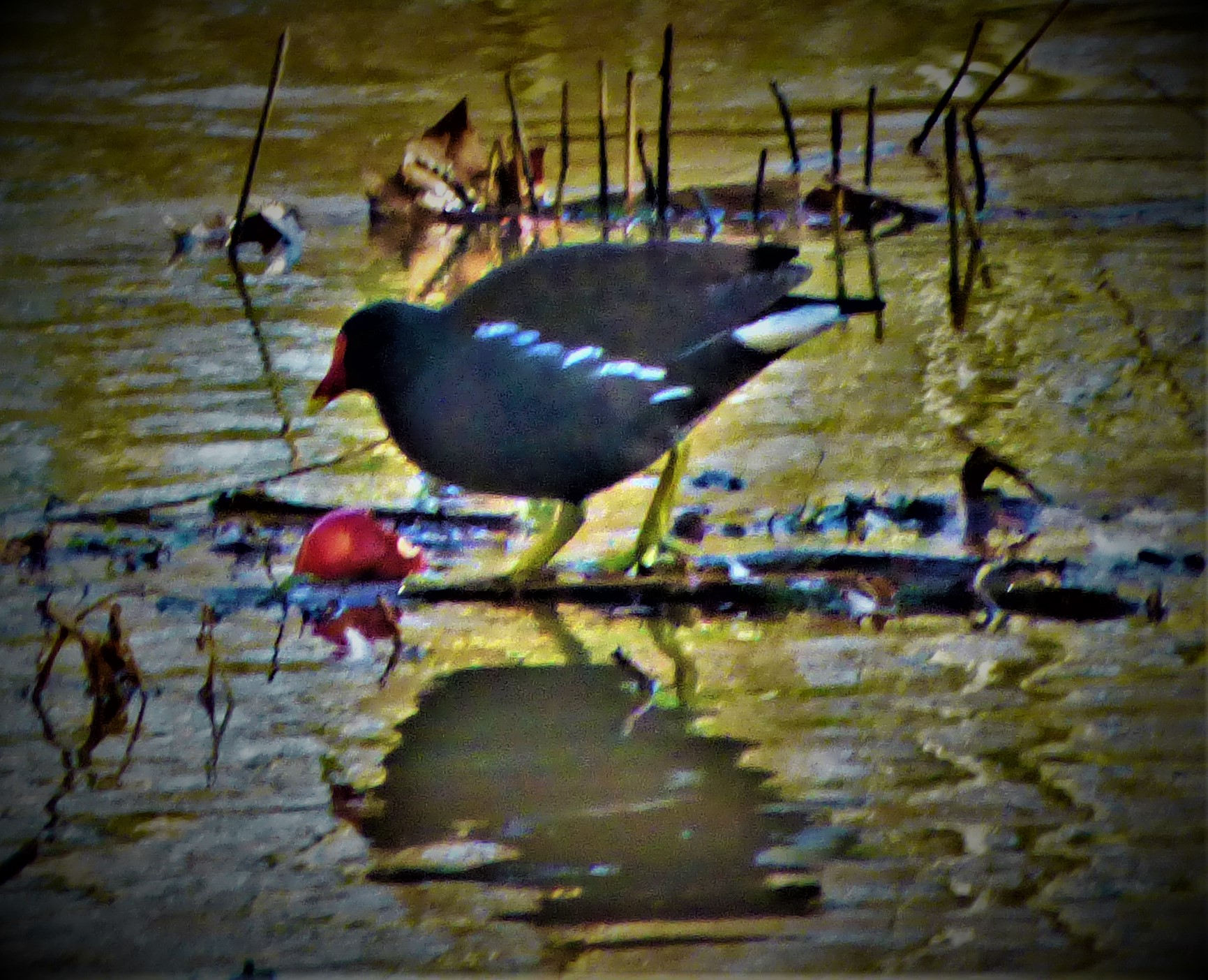
A special post dedicated to the birds of Alderney, of which I saw some fine specimens.
A post about the return journey to Guernsey.
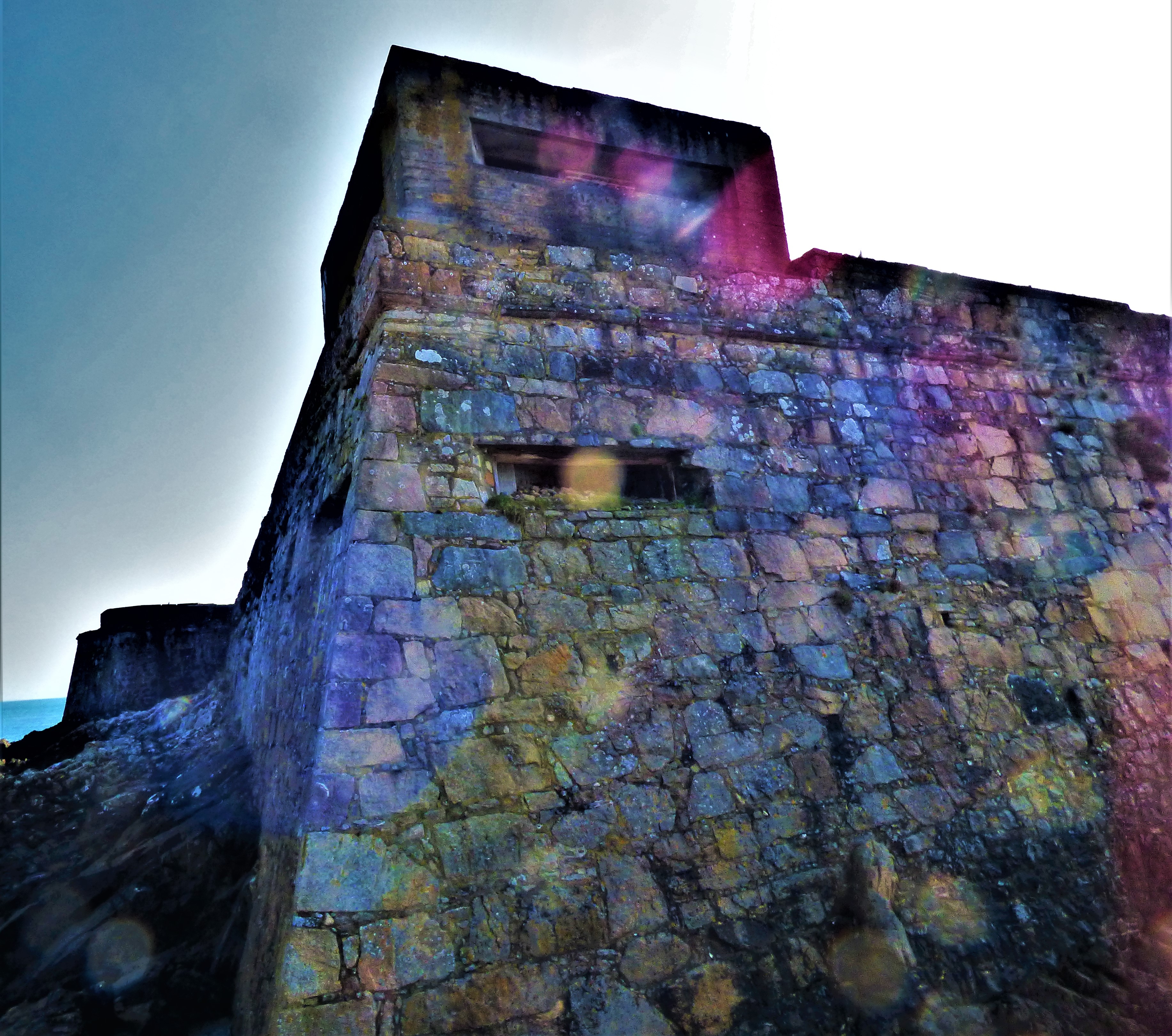
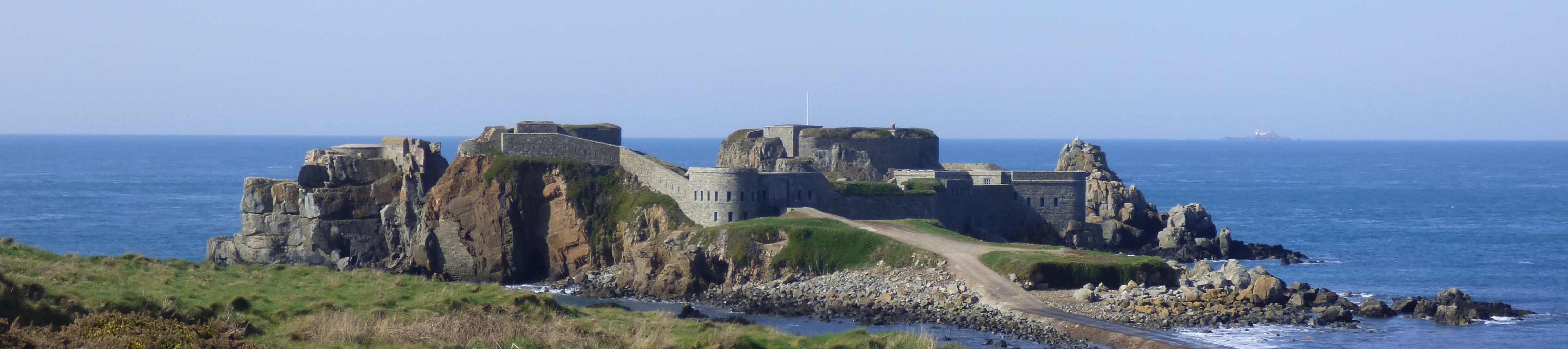
Every post relating to Alderney will feature a view of Fort Clonque, where we stayed.
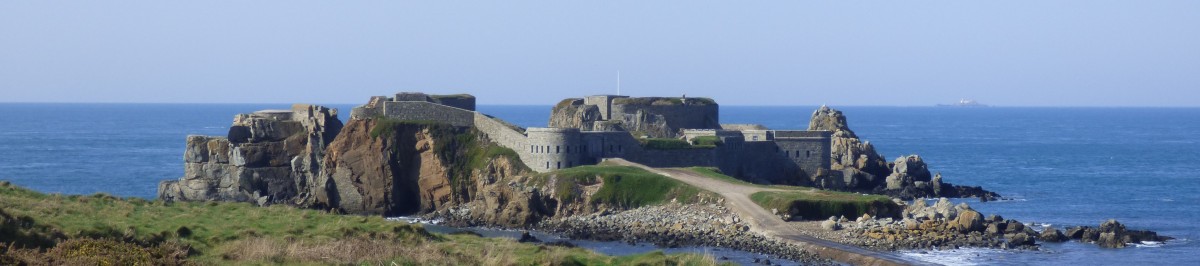
A view of the fort taken from the far end of the causeway that links it to the rest of the island.
Events since arriving back on Guernsey warrant at least three posts already:
A post about the Little Chapel.
Two posts minimum about the Occupation Museum (Guernsey was occupied by the Germans from 1940-5).
I have no doubt that today’s events will be worth at least one further post, and then there is the return journey.
Beginning my account of a family holiday in Guernsey and Alderney with an account of getting to Guernsey.
I am writing this post in a guest house at St Peter Port on the island of Guernsey. I am on a family holiday the centrepiece of which is a few days in Fort Clonque on the island of Alderney. We have time on Guernsey either side of that due to the fact the only ferries we could book were one going out of Portsmouth yesterday morning and one returning to Poole a week today. Just for the record these ferries are run by Condor, which is not part of the Pathetic & Obnoxious Group (P&O for short) who are currently treating their employees so atrociously.
KING’S LYNN TO PORTSMOUTH
Owing to the amount of stuff she and my nephew were taking my sister drove from King’s Lynn to Portsmouth, then took her car to Poole ready for the return journey before getting a train back to Portsmouth. I travelled by train (I had intended to do the same for the return journey from Poole before change in ferry times nixed that idea, so I will be a passenger in her car for the return journey). I got the 13:44 from Lynn to London which ran to time, giving me just under an hour to get from King’s Cross to Waterloo for the train to Poole, far more time than needed for that journey. I elected to take the Victoria line to Oxford Circus and then the Bakerloo line to Waterloo, deciding that although changing to the Jubilee at Green Park was quicker in terms of time spent on trains that difference would be more than accounted for by the difference between the cross-platform hop at Oxford Circus and the long interchange at Green Park, especially given the weight of my bags.
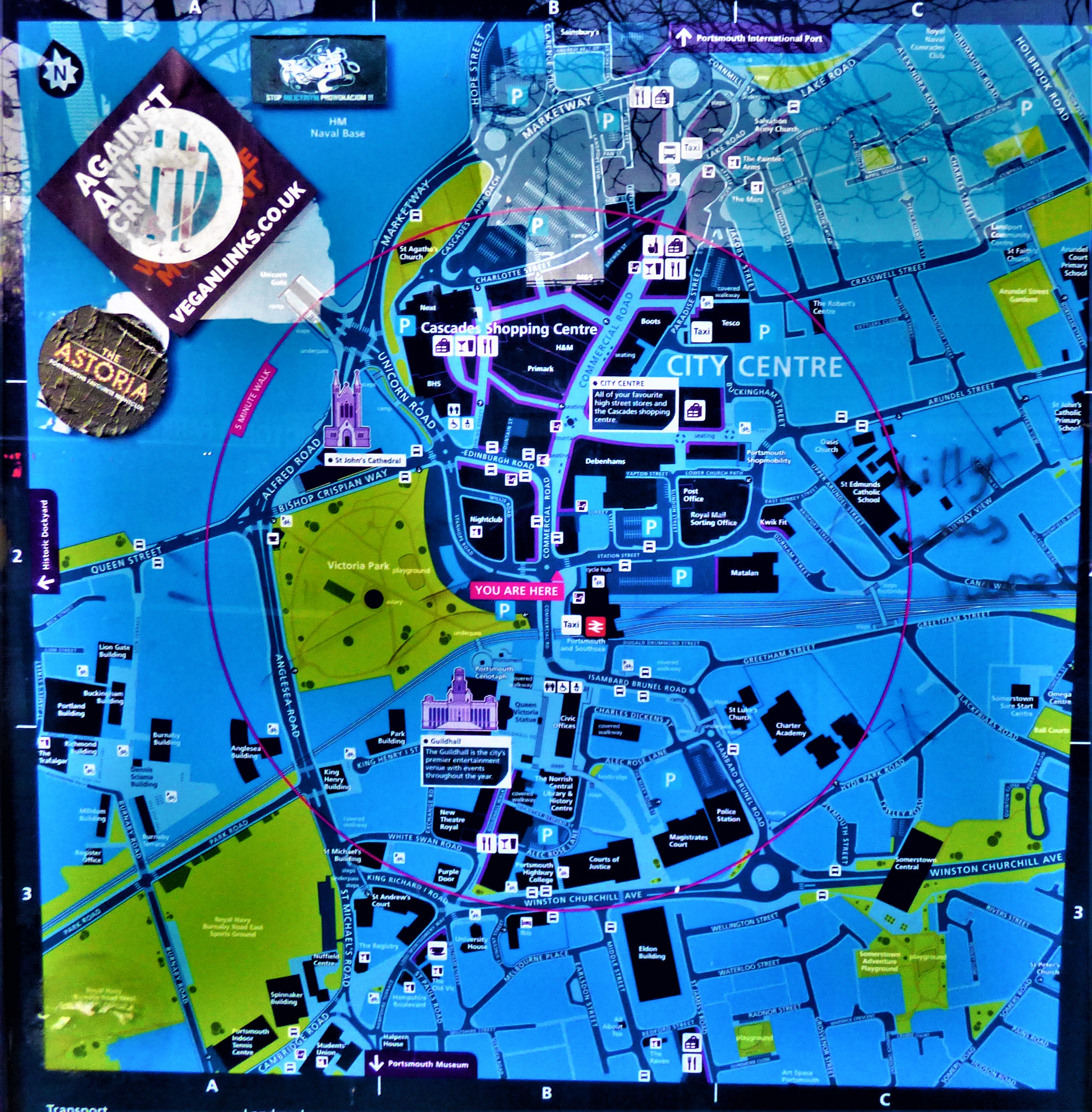
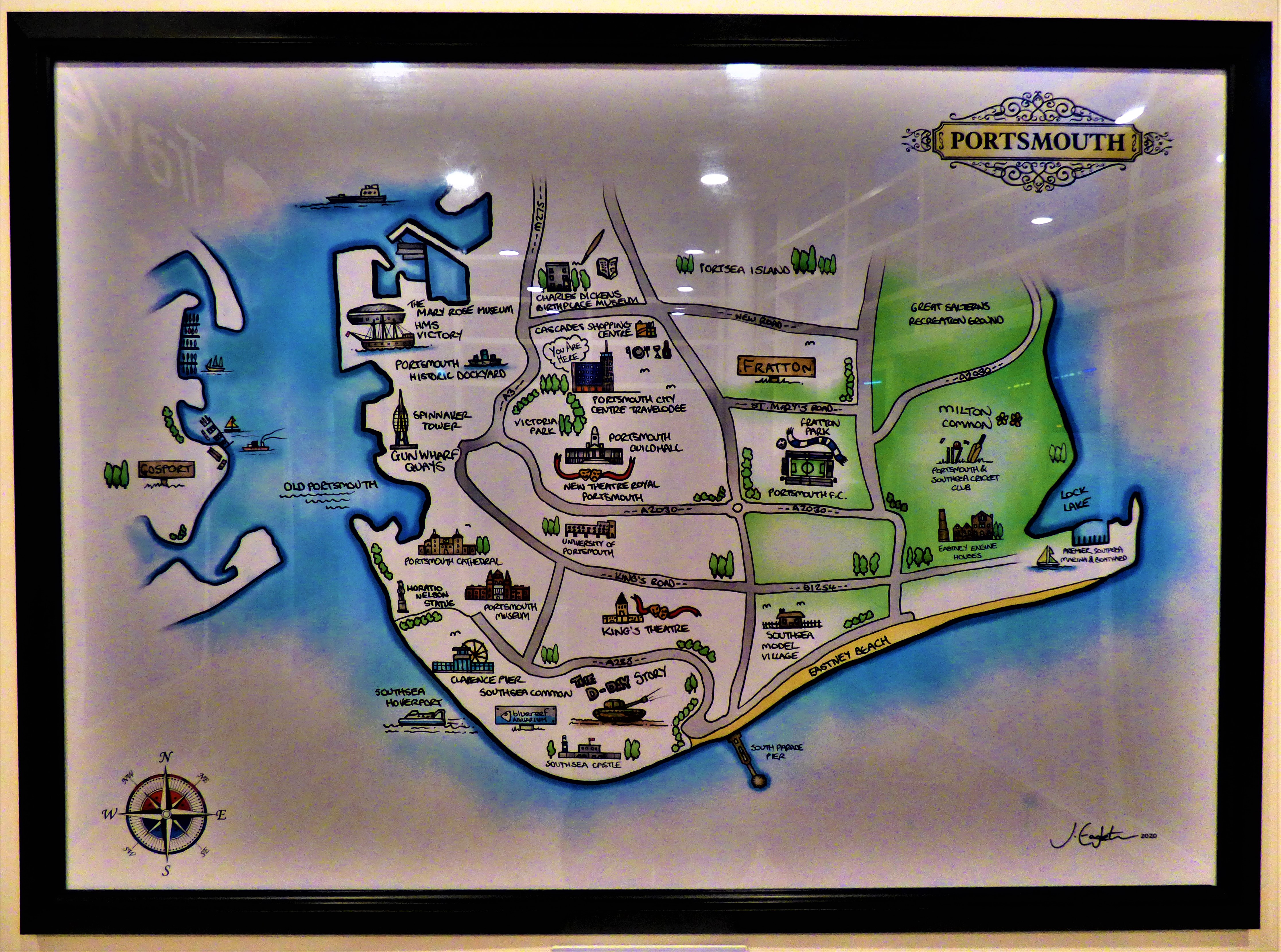
I arrived at Waterloo half an hour before my train to Portsmouth was due to depart, and had to wait for the platform to be confirmed. The train arrived in Portsmouth on time, and I made my way to the Travelodge, about three minutes walk from Portsmouth and Southsea station, where my sister my nephew and I were booked into a three bed room for the night.
PORTSMOUTH TO GUERNSEY
Originally our ferry was supposed to set out at 9AM, which would have meant being at the terminal by 8AM (Guernsey is a ‘crown dependency’, not part of Britain, so this is officially an international journey), but a delay meant that check was not until 9:30AM. Once we got underway it was smooth sailing – there were a few small waves in evidence in the open sea but it was never remotely rough.
We arrived into St Peter Port just after 5PM, and were established at our guest house an hour later.
A look back at the West Indies v England test match in Antigua.
The first test match in three match series between the West Indies and England ended in a draw yesterday. This post looks back at the match.
THE PRELIMINARIES
England made a cautious selection, opting for both Woakes and Overton, leaving out Saqib Mahmood. The West Indies meanwhile went for Holder at number six and four specialist bowlers as well. Joe Root won the toss and chose to bat first.
ENGLAND FIRST INNINGS
England made a disastrous start, slumping to 48-4. A fightback spearheaded by Bairstow and featuring good contributions from Stokes, Foakes and Woakes saw England end the first day 268-6 and possible back on track. On the second morning England battled on to 311 and it looked very much game on.
WEST INDIES FIRST INNINGS
West Indies did not score at all quickly, but they batted a very long time on a surface which had little life. Wood, the only bowler England had who was capable of bowling genuinely fast, left the field injured fairly early in the innings. Leach bowled well but without luck, keeping things tight but not taking wickets. Stokes, supposedly having his workload managed, was made to bowl 28 overs in the innings. Eventually the West Indies were all out for 375, Nkrumah Bonner scoring a very slow century to anchor the innings.
ENGLAND SECOND INNINGS
Zak Crawley delivered with the bat for once, and Root moved into second place on the England century makers list and became the leading scorer of centuries as England captain (24 in his career, still nine short of Alastair Cook’s tally and 13 as skipper). With Wood injured a measure of caution was necessary when it came to the declaration, and Root declared leaving WI a target of 286 in 70 overs.
WEST INDIES SECOND INNINGS
It was soon obvious that West Indies were not going to attempt the target, but when they lost their fourth wicket with quite a bit of time remaining England had genuine hope. Root made a point about his team’s mindset by staying out there until West Indies had six wickets left with only five balls to go – only then did he accept the draw. There was some adverse comment about this, but he did the right thing, not giving up on the chance of victory until he absolutely had to.
PHOTOGRAPHS
Time for my usual sign off…
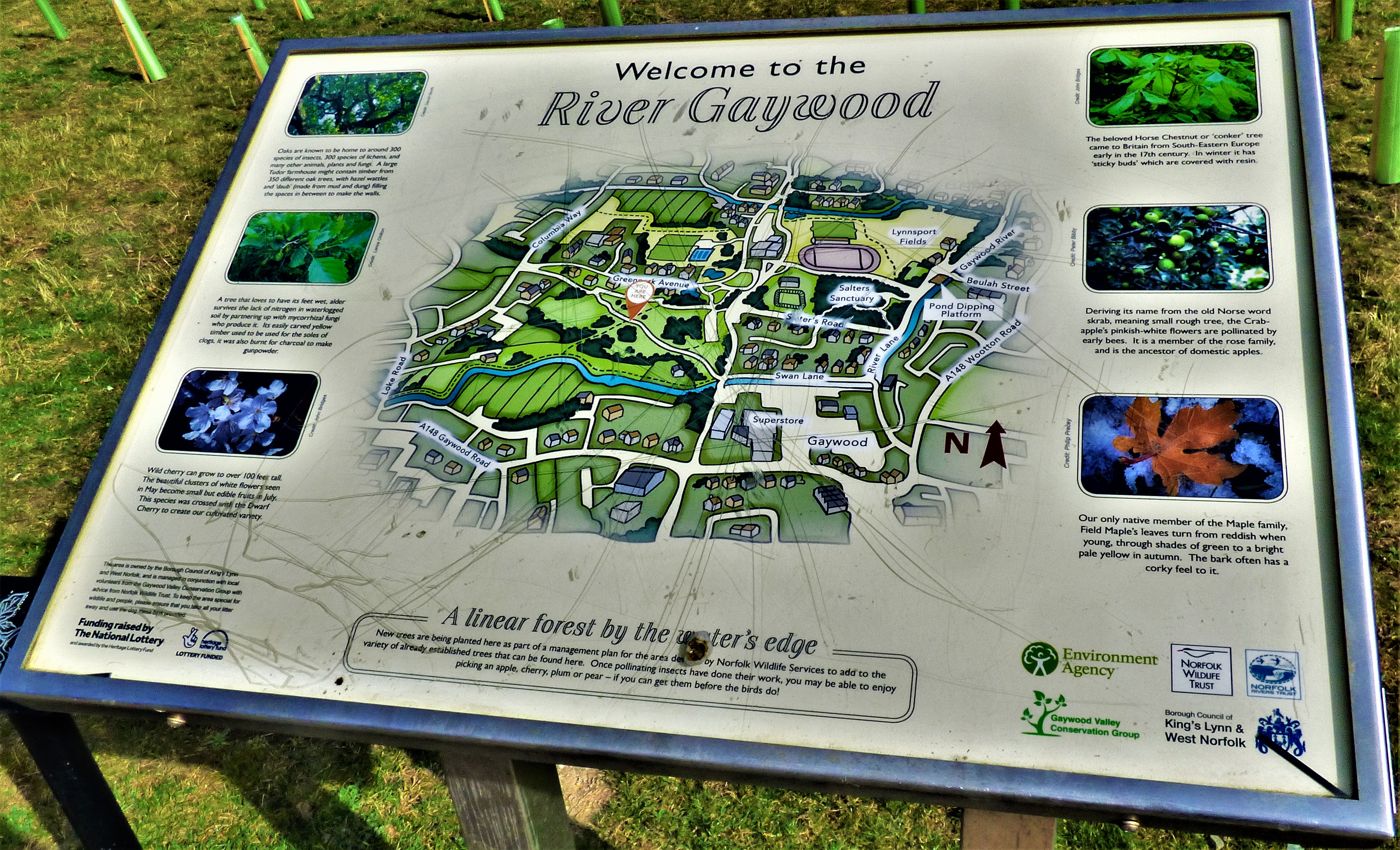
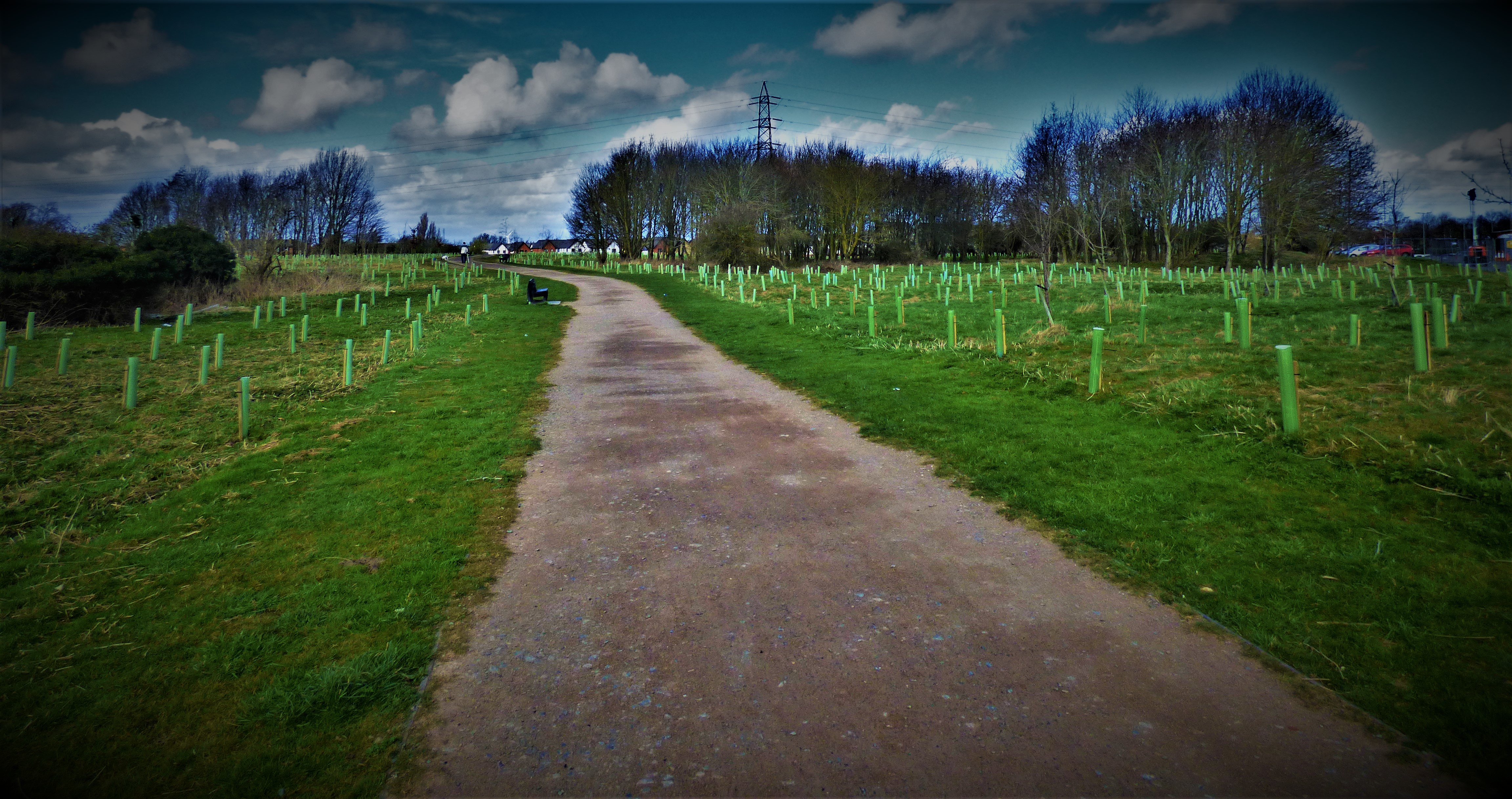
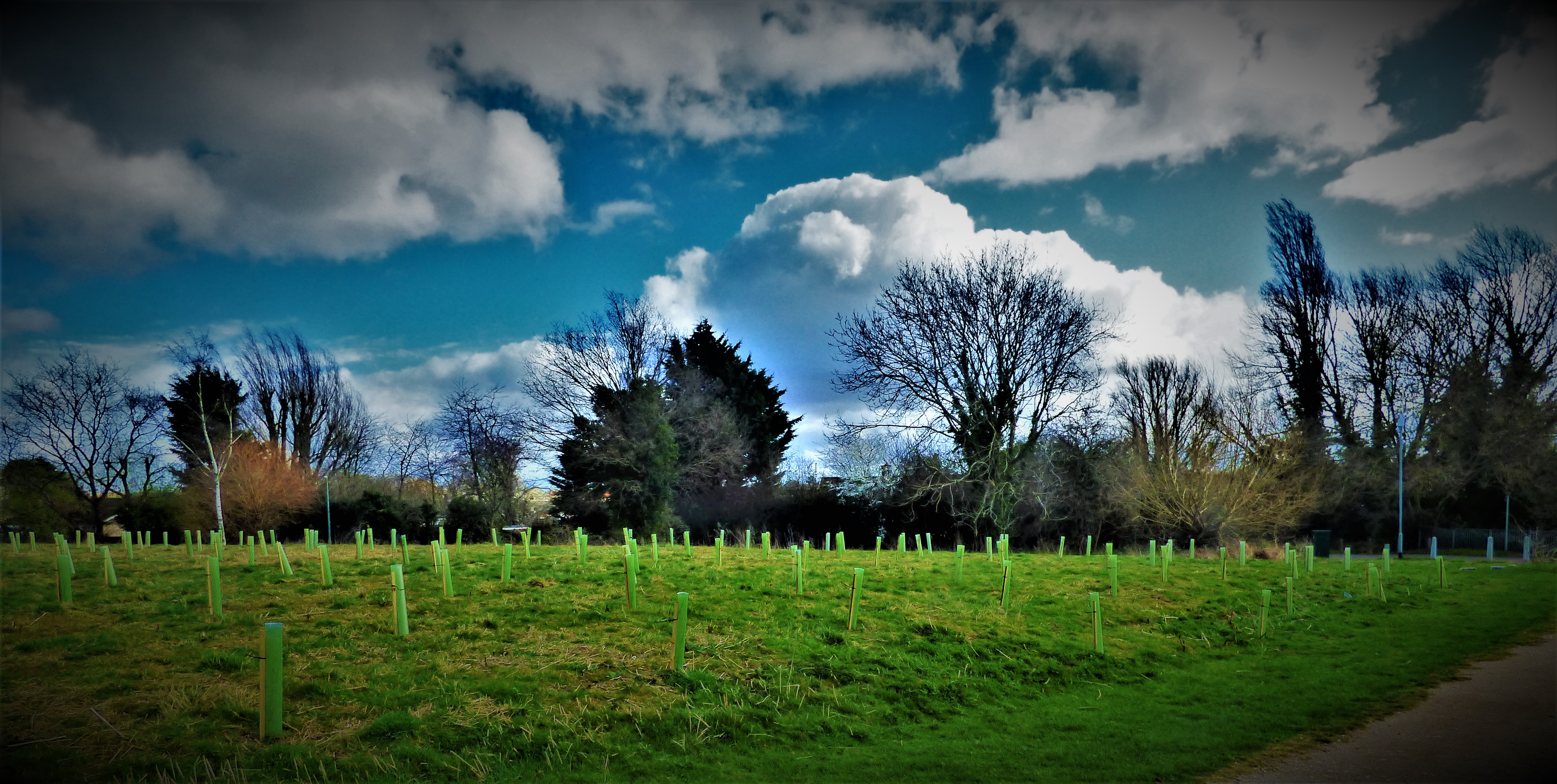
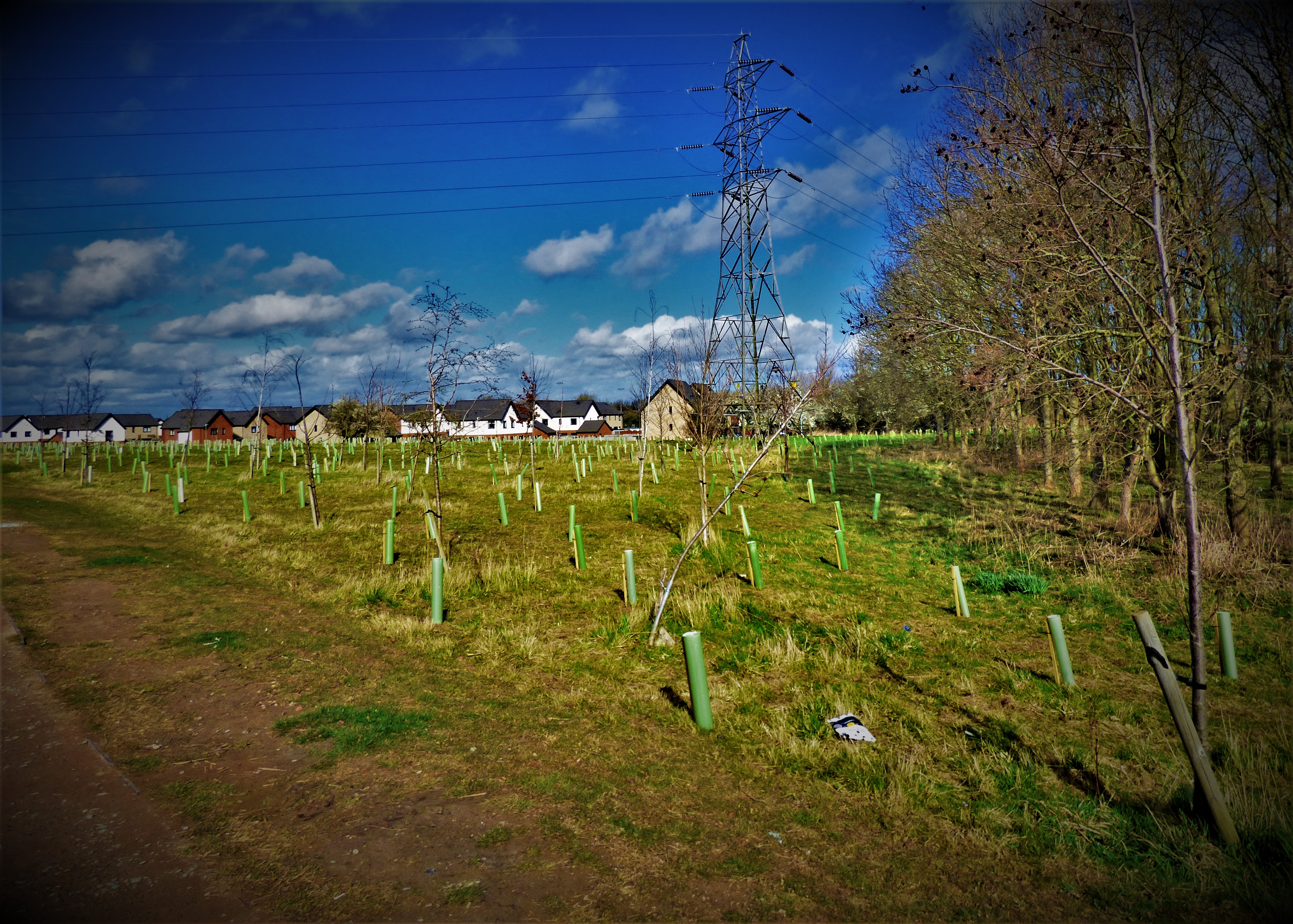
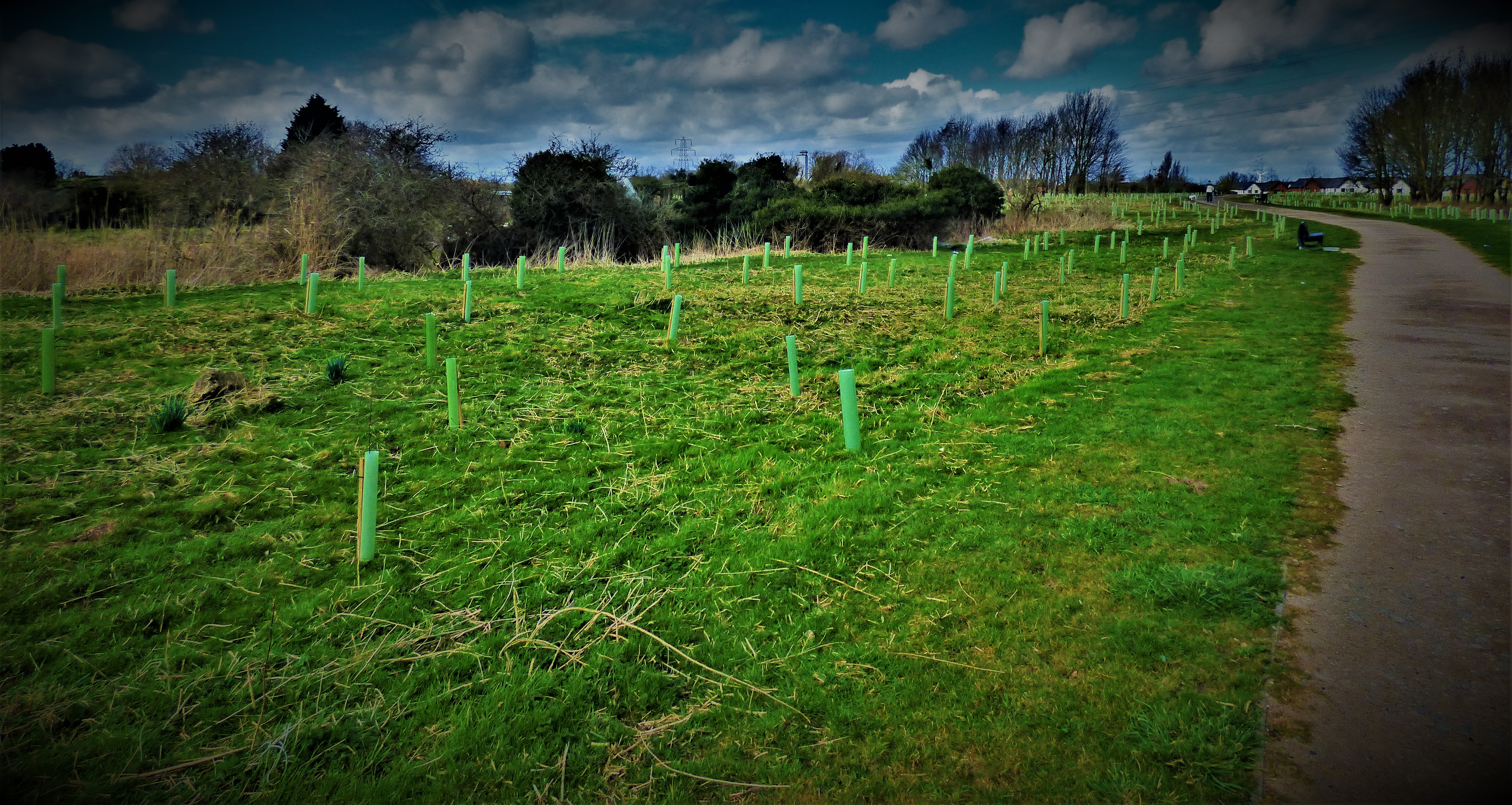
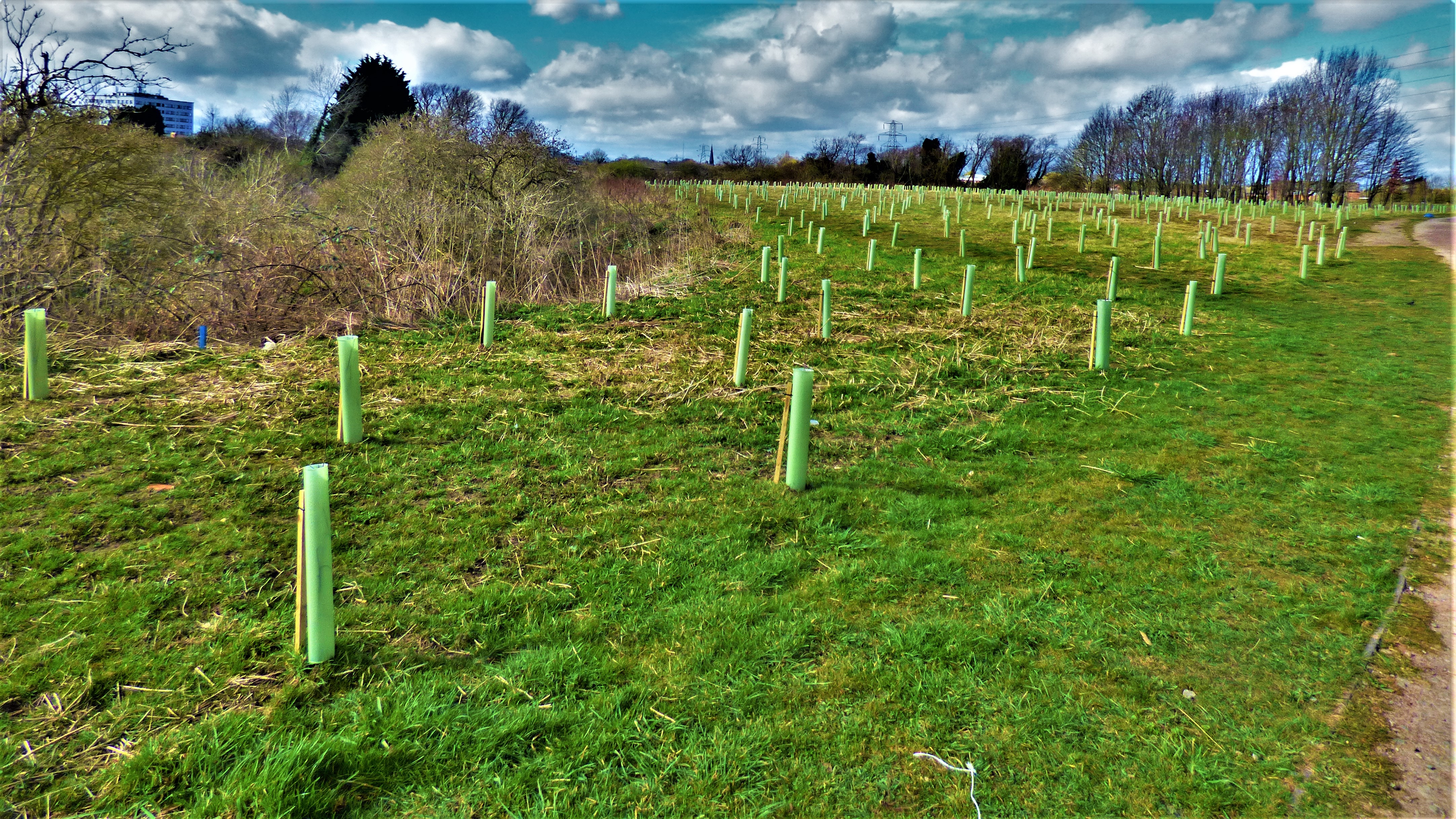
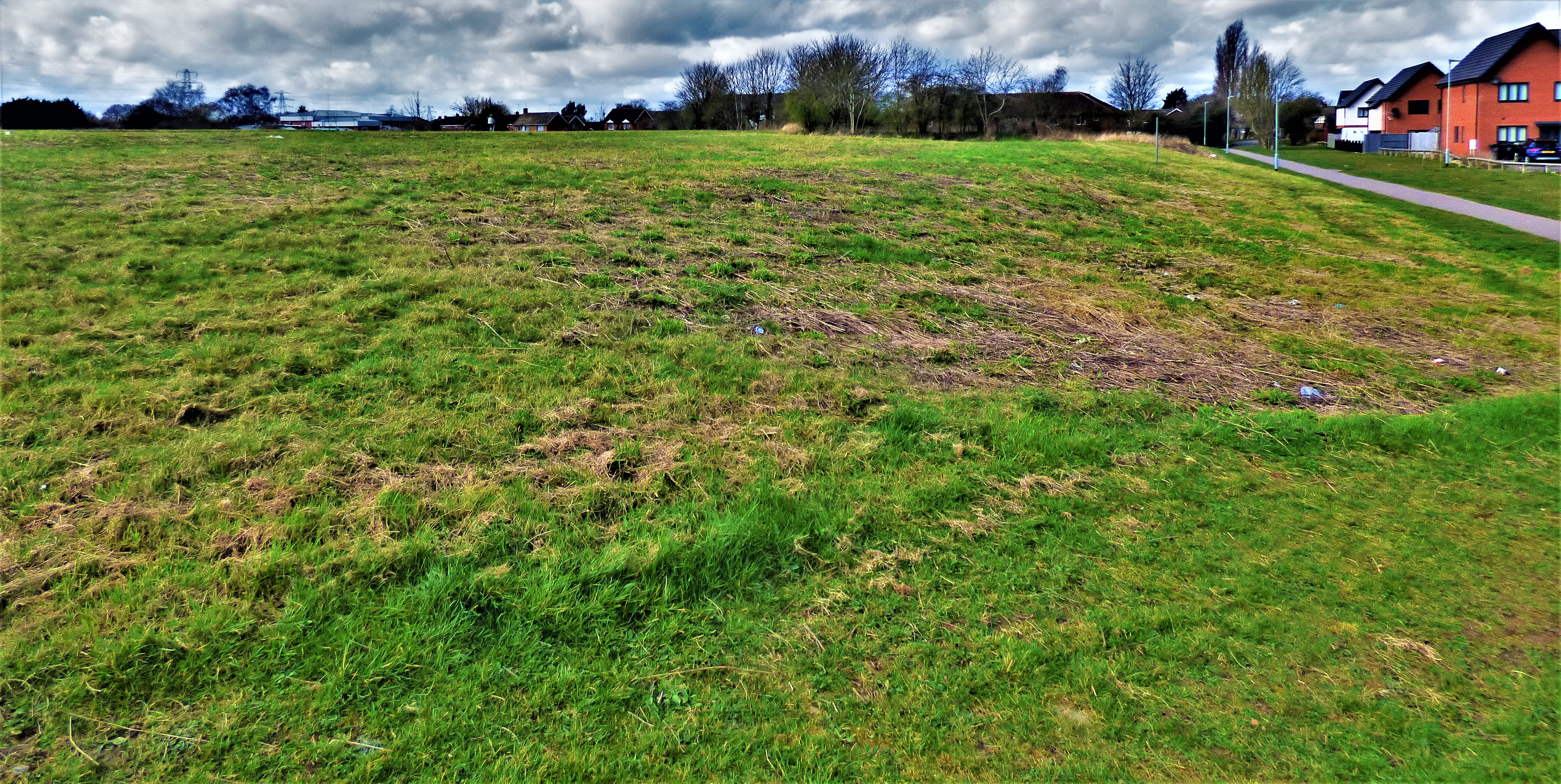
Having shown the good (lots of treeplanting) this is an example of the bad – there used to be lots of plants that supported wildlife here, and they have been destroyed.
A variation on the all-time XI, this time requiring every player to come from a different country. Also some photographs.
I have one other thing to mention besides my main topic, which is a revisit to the All Time XI theme which I have explored here many times, especially during the period immediately after Covid-19 was officially declared a pandemic.
THE BRIEF
This is to be an All Time XI with every selected player coming from different countries. It is to be a team that will pose a formidable threat in any and all conditions, so variety is essential. There are some players (Bradman and Sobers e.g) whose preeminence is such that they have to be their country’s representative, and in the case of some of the minor nations who are represented they had only one player wh0 could even be considered. This in turn limited who could be picked from other countries where the field was theoretically wider.
THE TEAM INCLUDING 12TH
Jack Hobbs (England, right handed opening batter and occasional medium pacer). “The Master”, scorer of 61,237 FC runs including 197 centuries, scorer of 12 Ashes centuries. The oldest ever test centurion, the last of his centuries at that level coming at Melbourne in 1929 by when he was 46 years old. My English representative is highly likely to be one half of a pair that gets the innings off to a strong start.
Sunil Gavaskar (India, right handed opening batter, occasional medium pacer). He was the first to reach the milestone of 10,000 test runs. He had an excellent technique and seemingly limitless patience. One would absolutely ideally prefer one of the openers to be left handed but I can’t see many new ball bowlers queuing up for a crack at this opening pair!
Don Bradman (Australia, right handed batter, occasional leg spinner). The greatest batter ever to have played the game (his test average of 99.94 puts him almost 40 runs an innings ahead of the next best, his FC average of 95.14 puts him 24 an innings ahead of the next best at that level). He is also vice captain of the team.
Graeme Pollock (South Africa, left handed batter, occasional leg spinner). The best test average of any left hander to have played 20 or more test matches, 60.97 per innings.
Garry Sobers (West Indies, left handed batter, left arm bowler of every type known to cricket). Quite simply the most complete player the game has yet seen and one whose absence from this XI I could never countenance.
+Mushfiqur Rahim (Bangladesh, right handed batter, wicket keeper). One of the great stalwarts of Bangladesh cricket, an excellent keeper and a gritty middle order batter whose test record would almost certainly be even more impressive than it actually is had he been part of a stronger side.
*Imran Khan (Pakistan, right handed batter, right arm fast bowler). Has a strong case to be regarded as the greatest genuine all rounder in test history (batting average 37, bowling average 22), and a great captain as well (he is designated skipper of this side, and one of very few who could possibly see Bradman named vice captain rather than captain).
Rashid Khan (Afghanistan, leg spinner and useful right handed lower order batter). This one was fairly inevitable – I need a wide range of top class bowling options, and a leg spinner of undisputed world class who hails from a minor nation is pretty much indispensable in that regard.
‘Bart’ King (USA, right arm fast bowler, useful right handed lower order batter). The original ‘King of Swing’, taker of over 400 FC wickets at 15 a piece, and good enough with the bat to average 20.
Richard Hadlee (New Zealand, right arm fast bowler, useful left handed lower order batter). With genuine respect to today’s Kiwi side, comfortably the strongest they have ever been able to field, he remains his country’s greatest ever cricketer.
Muttiah Muralitharan (Sri Lanka, off spinner, right handed tail end batter). 800 test wickets, taken at a rate of six per game. At The Oval in 1998, on a pitch that was quite hard and quite dry but basically blameless he claimed 16 English wickets in the match (7-155 in the first innings, and then after SL had taken a lead of 150, spearheaded by Jayasuriya scoring a double hundred, 9-65 in the second English innings).
Andy Flower (Zimbabwe, left handed batter, wicket keeper, occasional off spinner). This man covers as many bases as possible as 12th – while I would not relish him coming in for any of the front line bowlers given that he is very much a part timer, and Sobers and Bradman can both be considered impossible to cover for anyway he won’t massively weaken the side even in a worst-case scenario.
RESULTS AND PROSPECTS
I start this little section by looking at the bowling, as it is that department that separates winners and also-rans. A pace bowling unit of Richard Hadlee, ‘Bart’ King and Imran Khan is awesome by any reckoning, and if there is definitely nothing for spinners, there is Sobers in his faster incarnations as fourth seamer. If spinners are called for, Rashid Khan and Muttiah Muralitharan are two of the all time greats, and offer a contrast, being leg spinner and off spinner respectively, and Sobers can bowl left arm orthodox and left arm wrist spin support. Thus there are bowling options available to meet every eventuality, and this side can be very confidently expected to take 20 wickets in any conditions.
The batting features a pair of openers who are highly likely to give the innings a strong start, a trio of fast and heavy scoring batters at 3, 4 and 5, a keeper who scores lots of runs at six, a genuine all rounder at seven, and three bowlers who can genuinely bat as well. Murali is the only bunny in a very deep batting order.
A number of the players in this XI, most notably Hobbs, Bradman and Sobers are rated among the the finest fielders ever to have played the game, and there are no carthorses anywhere, so they will give a good account of themselves in this department as well.
Finally, with Imran Khan as captain and Don Bradman as vice captain and Hobbs also there to be consulted this team has tactical acumen to burn and is highly unlikely to be outmatched in that area.
Thus this team seems to tick every box, and I would confidently expect it to dispose of any opposition put in front of it.
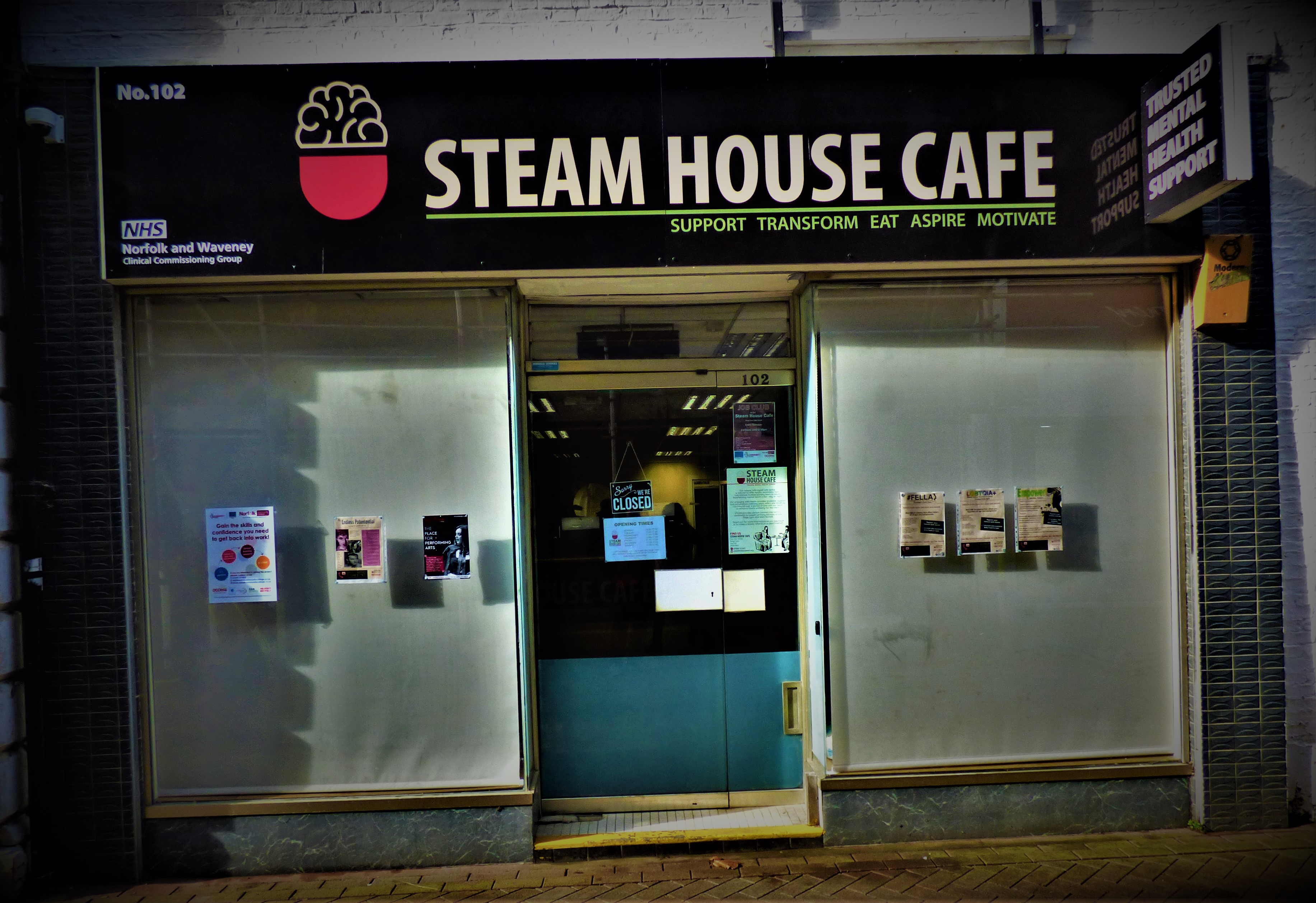
THE STEAM HOUSE CAFE
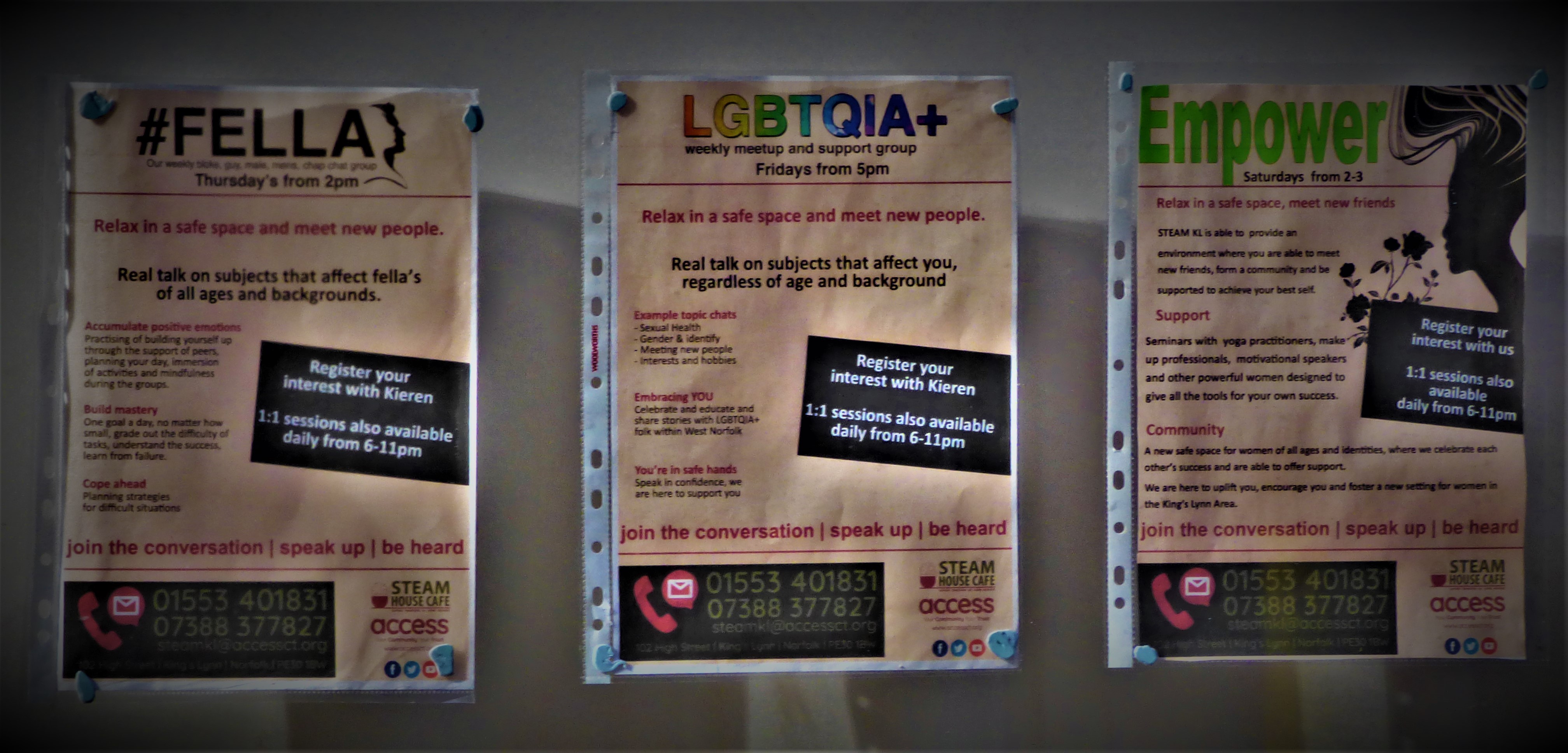
The STEAM House Cafe on King’s Lynn High Street is a cafe-style safe space for people with mental health issues, and I was there yesterday as part of a group from NAS West Norfolk. We and they are hoping to be able to organize something there specifically for autistic people.
Just a brief post to remind people of my existence. I shall follow my title precisely…
ONE: HEARING AID
Ten days ago I was fitted with a hearing aid. I have had to change the batteries once (this is in keeping with the advice I was given that these batteries, which are specially made for use with hearing aids, and can be obtained free of charge either at the hospital or at the West Norfolk Deaf Association have a lifespan of approximately one week.
TWO: A MASSIVE AUCTION
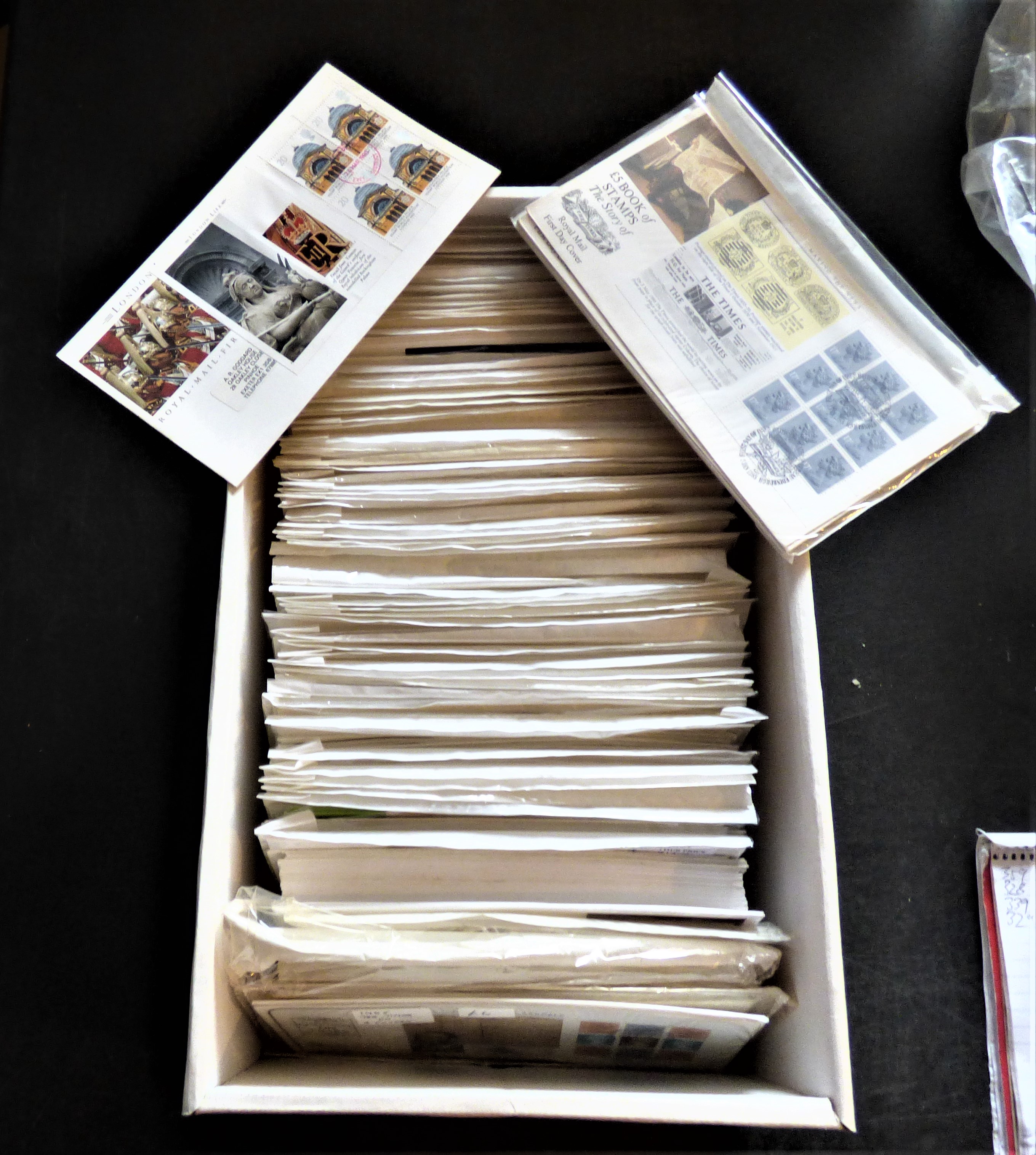
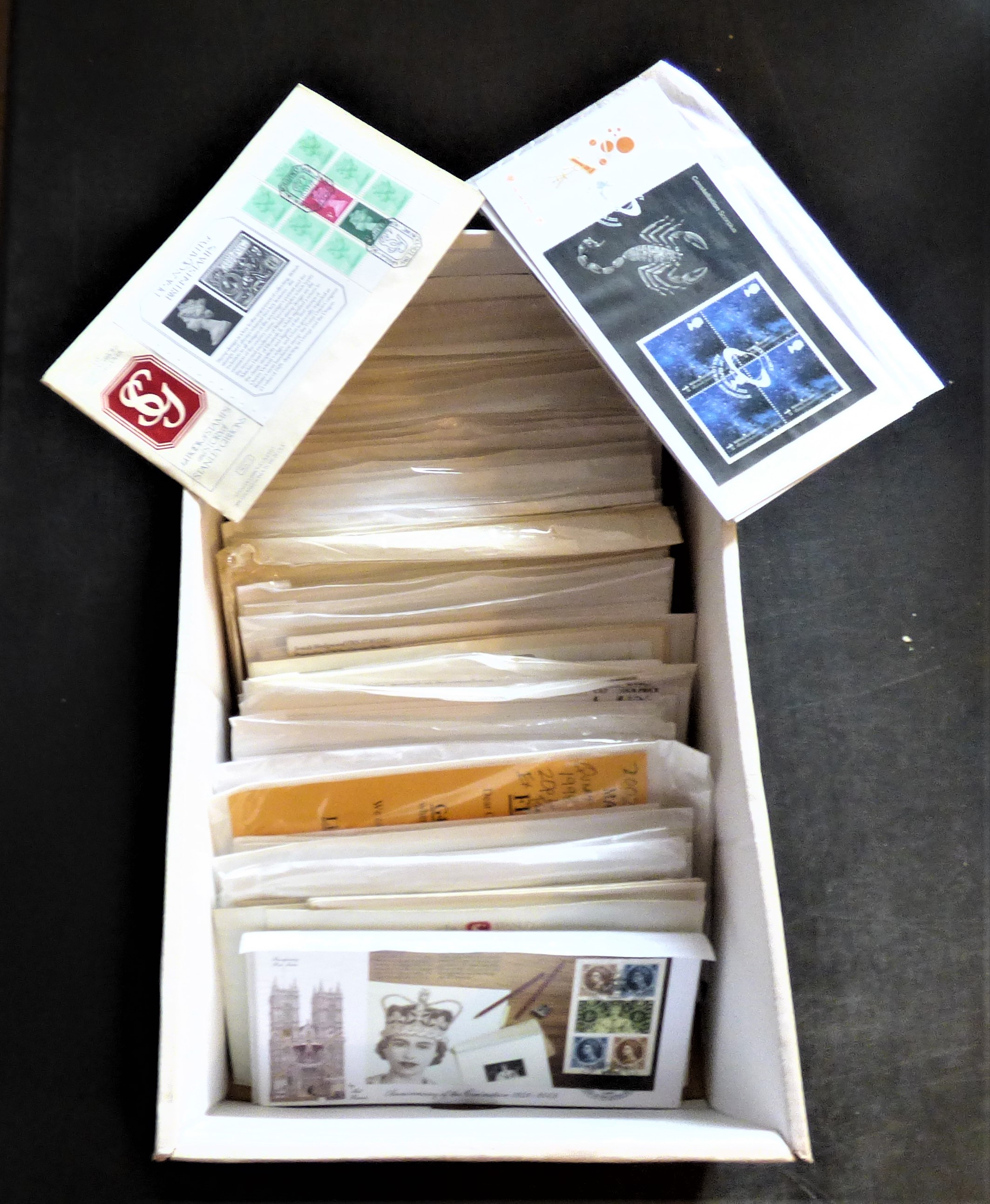
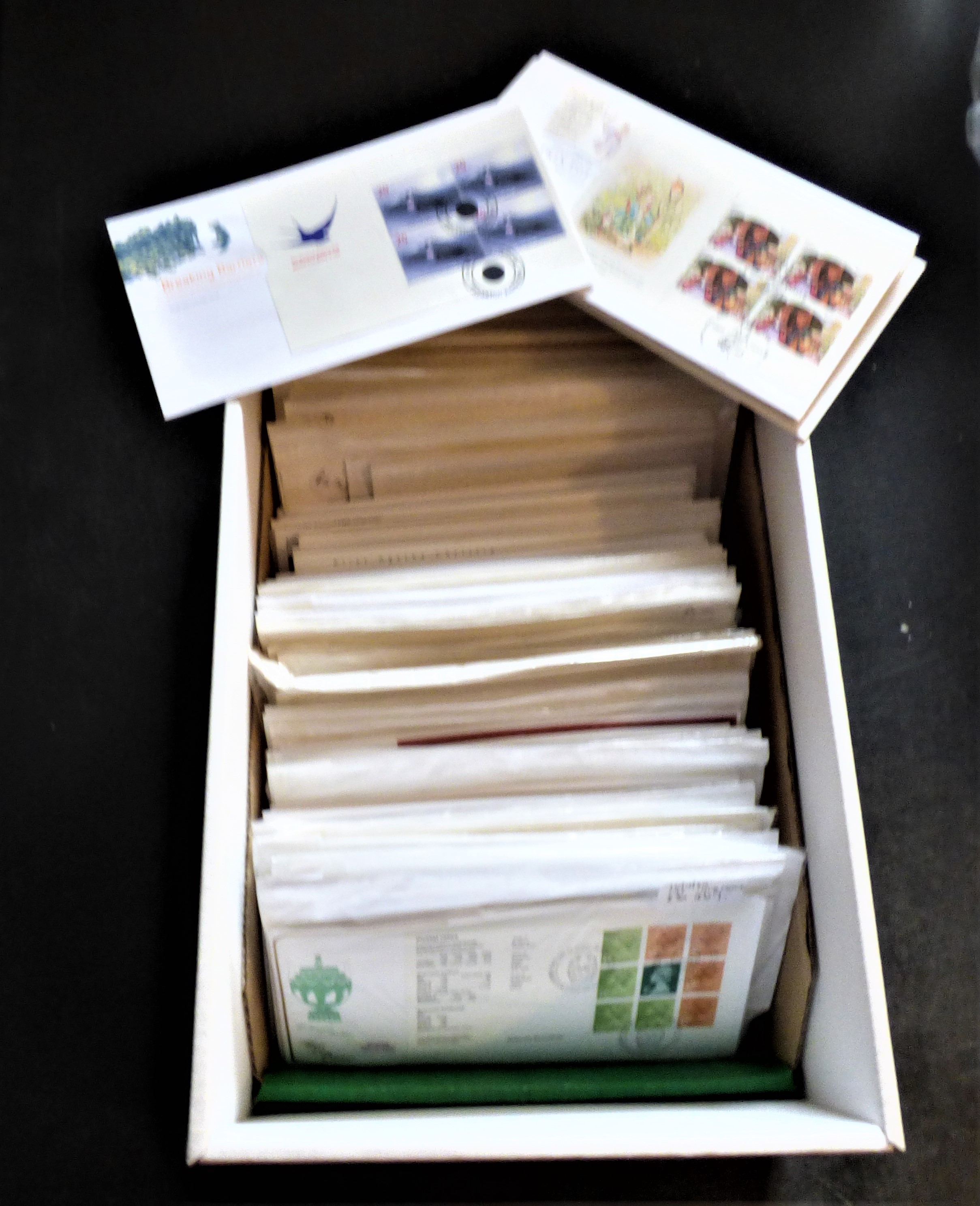
A longstanding client of James and Sons is selling his collection. He was a bulk collector of stamps, postal history and first day covers. Yesterday I began the process of imaging these items, which will be going under the hammer in April. Even selling the stuff by the box/ crate, with no small lots, it will be a two day sale. Here are some samples from yesterday…
Lot 396 (I extracted the close ups above at home from this image).
UNUSUAL BIRD SIGHTING
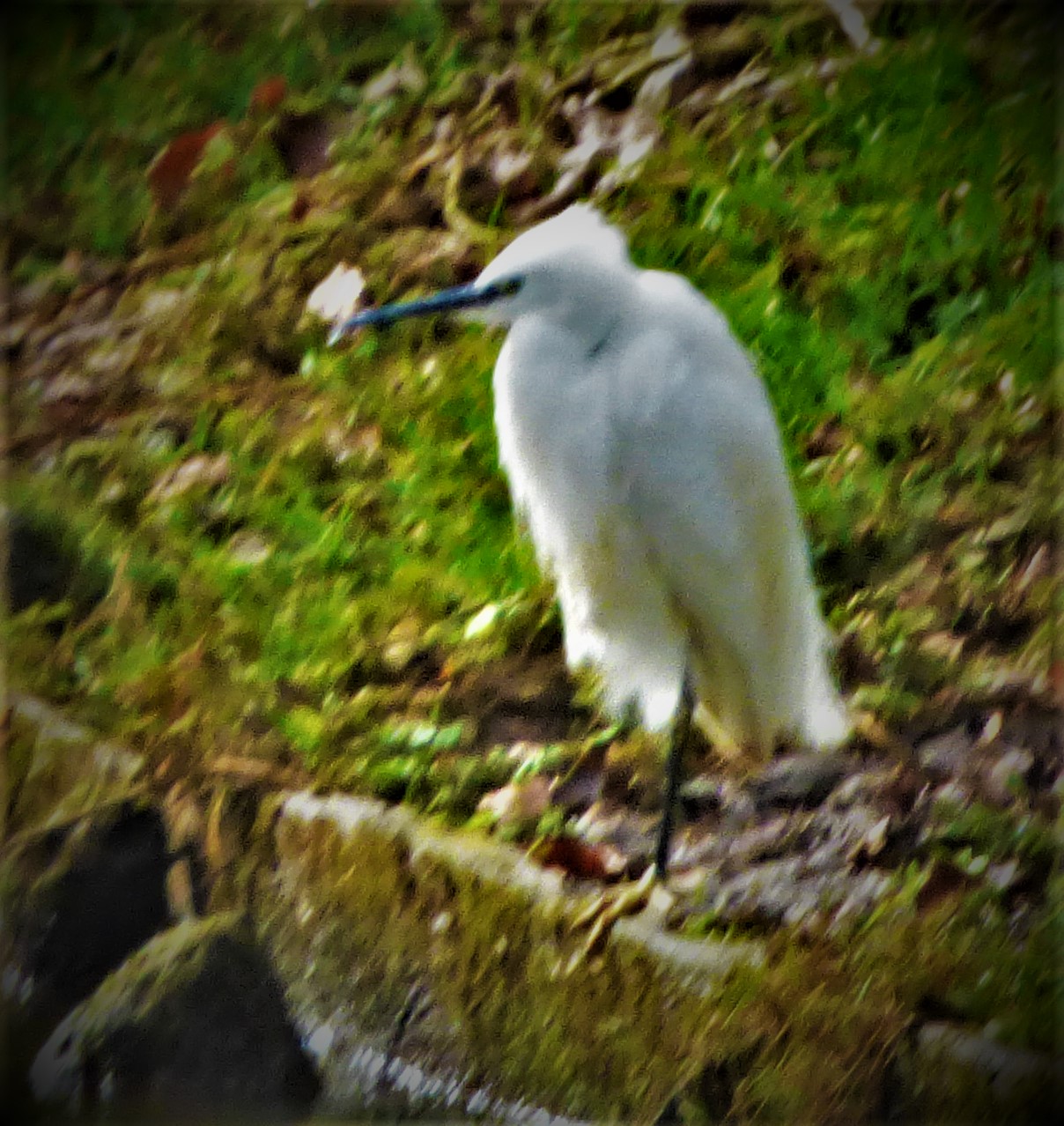
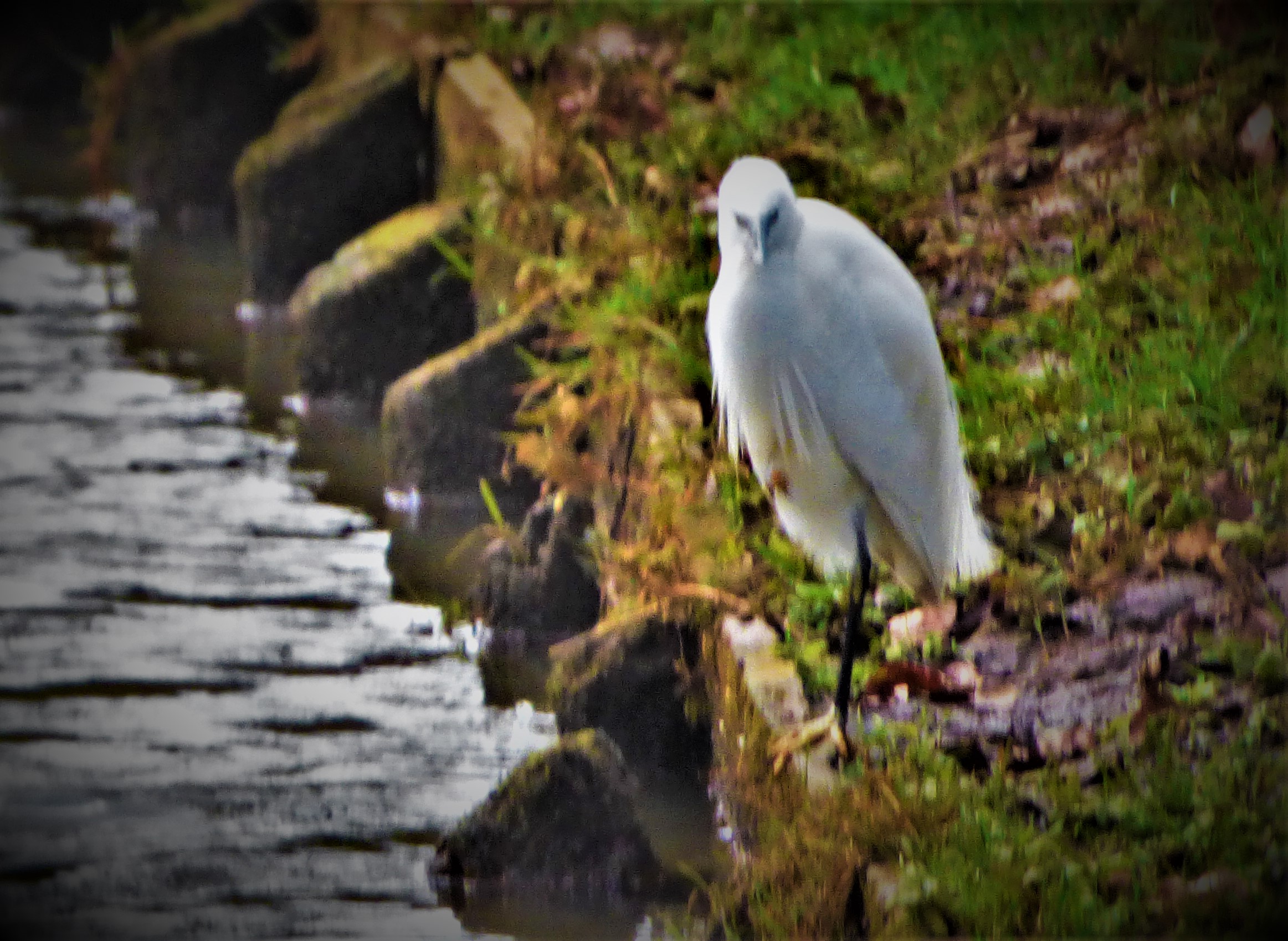
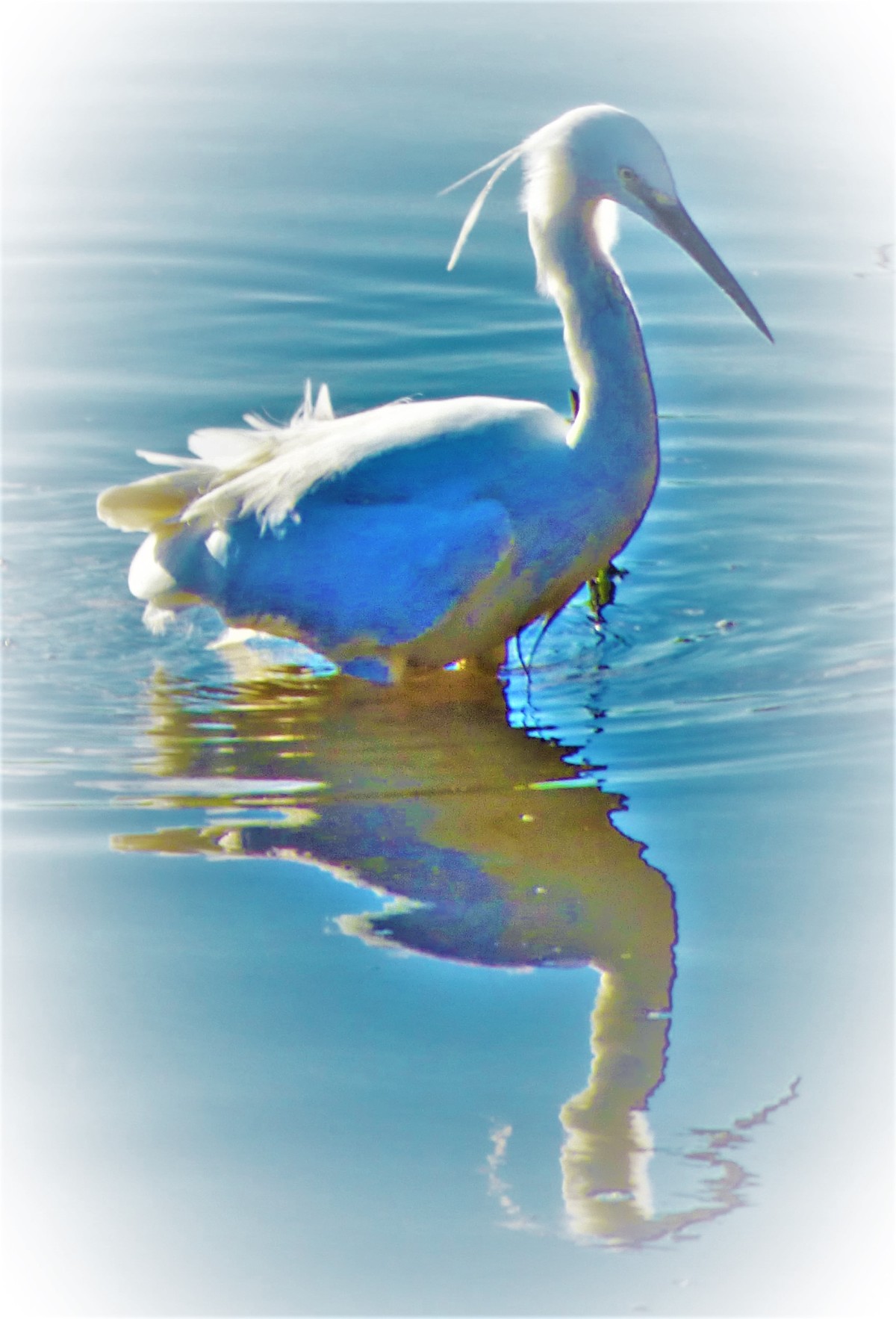
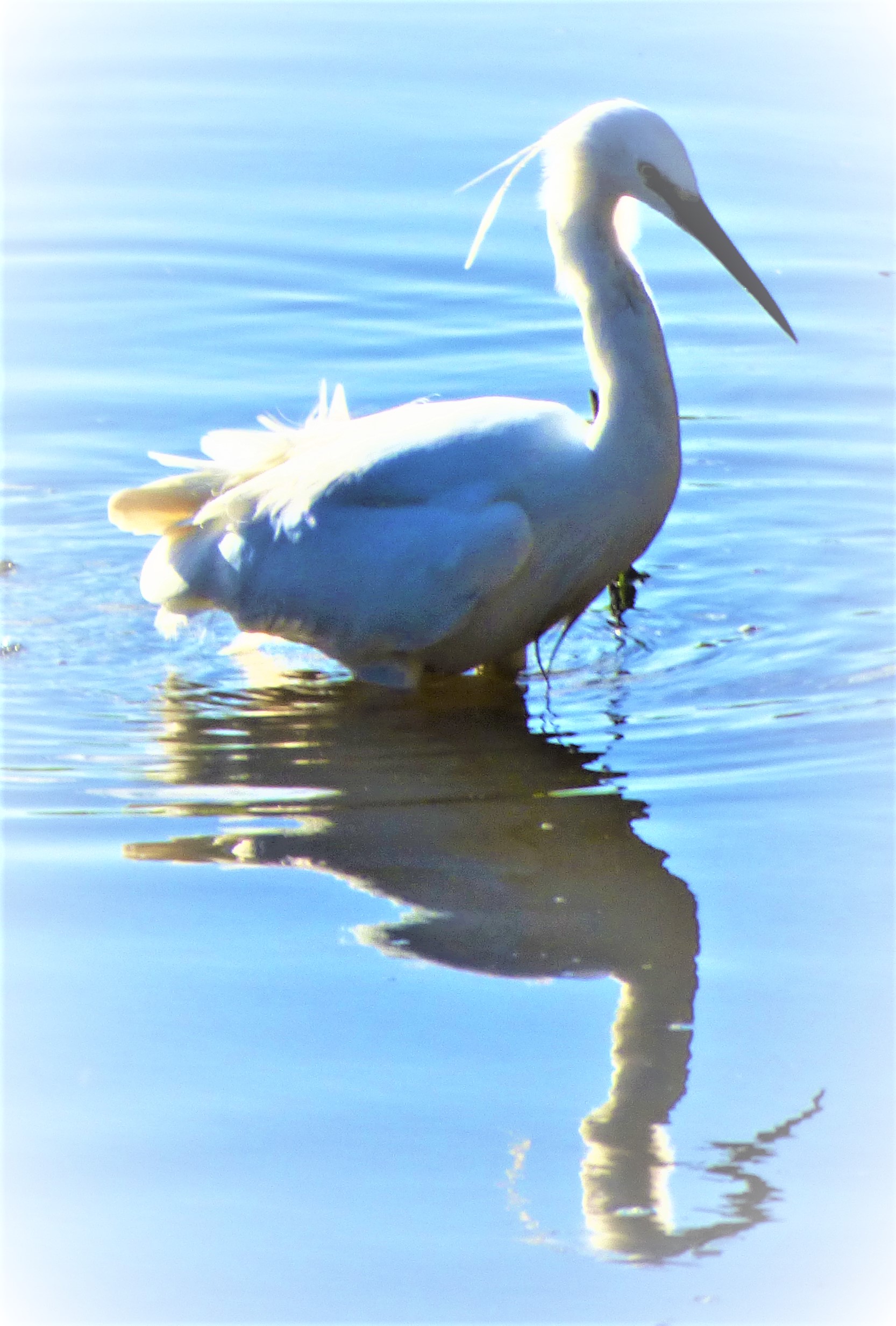
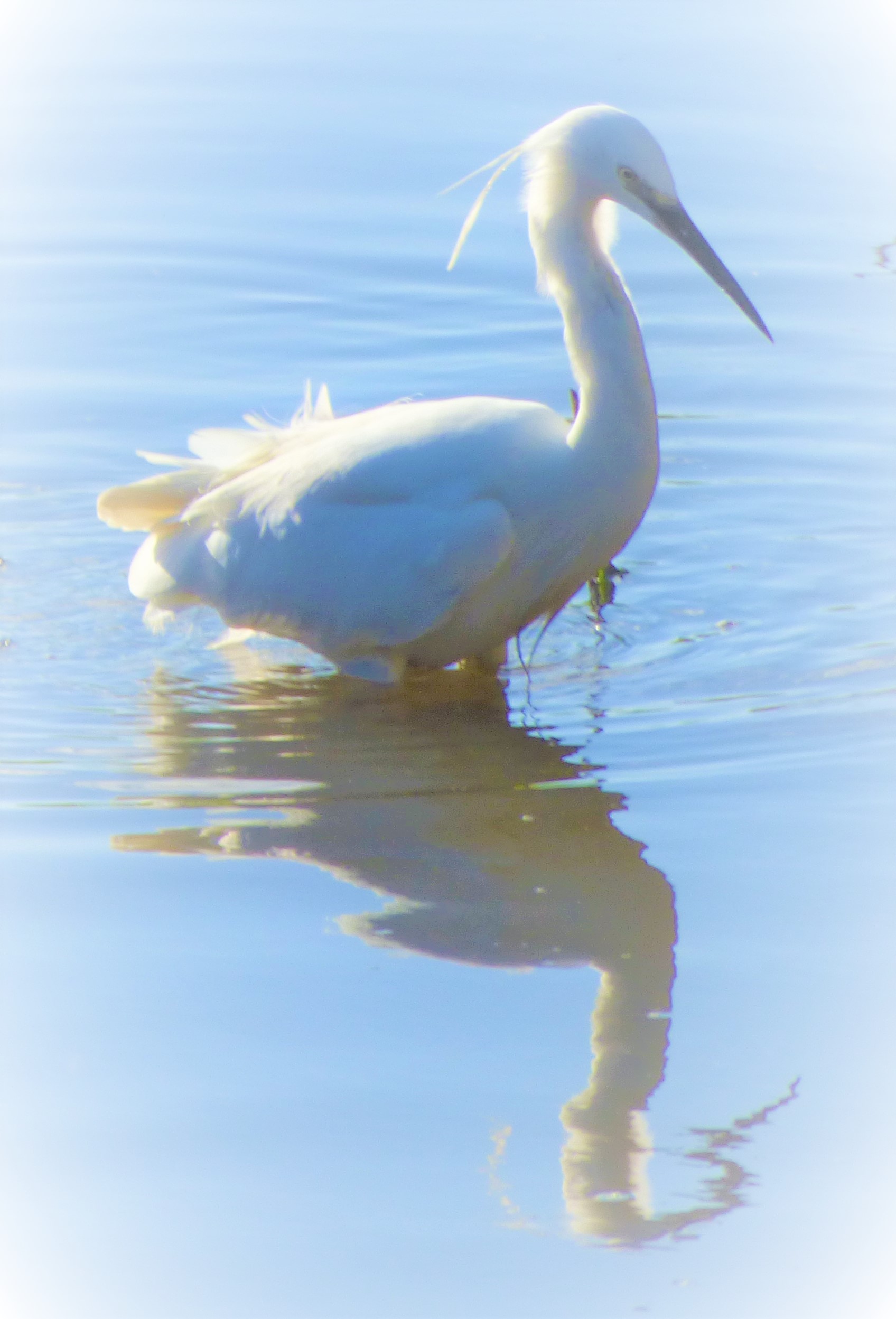
This is today’s sign off – I was out walking earlier (it is sunny today in King’s Lynn, though still cold enough to warrant a coat), and I saw a Little Egret in Bawsey Drain, not very far from my house…
A brief look at the IPL super auction and a special photo gallery.
The IPL Super Auction is over, and all the 10 squads are assembled. I look at some of the key moments and end with a very special picture gallery.
THREE BIG MONEY OVERSEAS SIGNINGS
Royal Challengers Bangalore made the first big money overseas signing of the auction when they went to 10.75 crore INR (just over £1,000,000) to secure Sri Lankan leg spinning all rounder Wanindu Hasaranga. Hasaranga is a superb T20 player and this was probably a good signing even at such a high price. Punjab Kings did good business when they secured Jonathan Bairstow for 6.75 crore. Nicholas Pooran, neither as good nor as versatile as Bairstow then went for 10.75 crore.
DIFFERING STRATEGIES
Punjab Kings were consistent over the two days, making a number of excellent signings. Liam Livingstone was their most expensive at 11.50 crore, and two very different seam bowling all rounders, India Under 19 star Raj Bawa and Gloucestershire’s quirky veteran Benny Howell were both obtained cheaply. Howell at seven, Bawa at eight, Rabada at nine and two other bowlers at 10 and 11 is a good lower part of the order, while Dhawan, Bairstow and Livingstone will all be in the top half of the order (IPL allows four overseas players in a playing XI and up to eight in a whole squad, which can have a minimum of 18 and a maximum of 25 players), and Bairstow, Livingstone, Howell and Rabada would be my four first choice overseas players from their squad.
Mumbai Indians did little on day one but came to the party on day two. They paid 8.25 crore for Archer, who won’t play this season due to injury, but who they can retain for next season. They also secured Tymal Mills and Tim David. They are unlikely to win IPL 2022, but if Archer is fully fit by then they will be formidable in IPL 2023.
Rajasthan Royals left things very late indeed, making a flurry of signings in the closing stages of the auction when nearly everyone else had completed their squads. They got some useful players at this late stage, but overall their approach cannot be said to have worked.
Royal Challengers Bangalore tailed off after a strong start, and exhausted their budget with several places still available in their squad.
Sunrisers Hyderabad did not even make a strong start, and they too ran out of money rather than filling all 25 slots.
The two new franchises, Lucknow Super Giants and Gujarat Titans both had their moments along the way but neither were entirely impressive.
Delhi Capitals had a solid auction, and they should do well in the tournament.
Chennai Super Kings had a good second day, and their squad looks decent.
Kolkata Knight Riders had a mixed couple of days with some good signings and some questionable ones.
The tournament should be good, though it is overly long. I will be supporting Punjab Kings – they had a superb auction.
An account of James and Sons’ most recent auction.
This post is not about the IPL Super Auction which started today and finishes tomorrow, though I intend to write about that either tomorrow or Monday. It is about James and Sons auction on Wednesday, which went very well. I followed proceedings from home by way of www.easyliveauction.com, one of the two online platforms we use (see also www.the-saleroom.com).
PART 1 – CIGARETTE CARDS
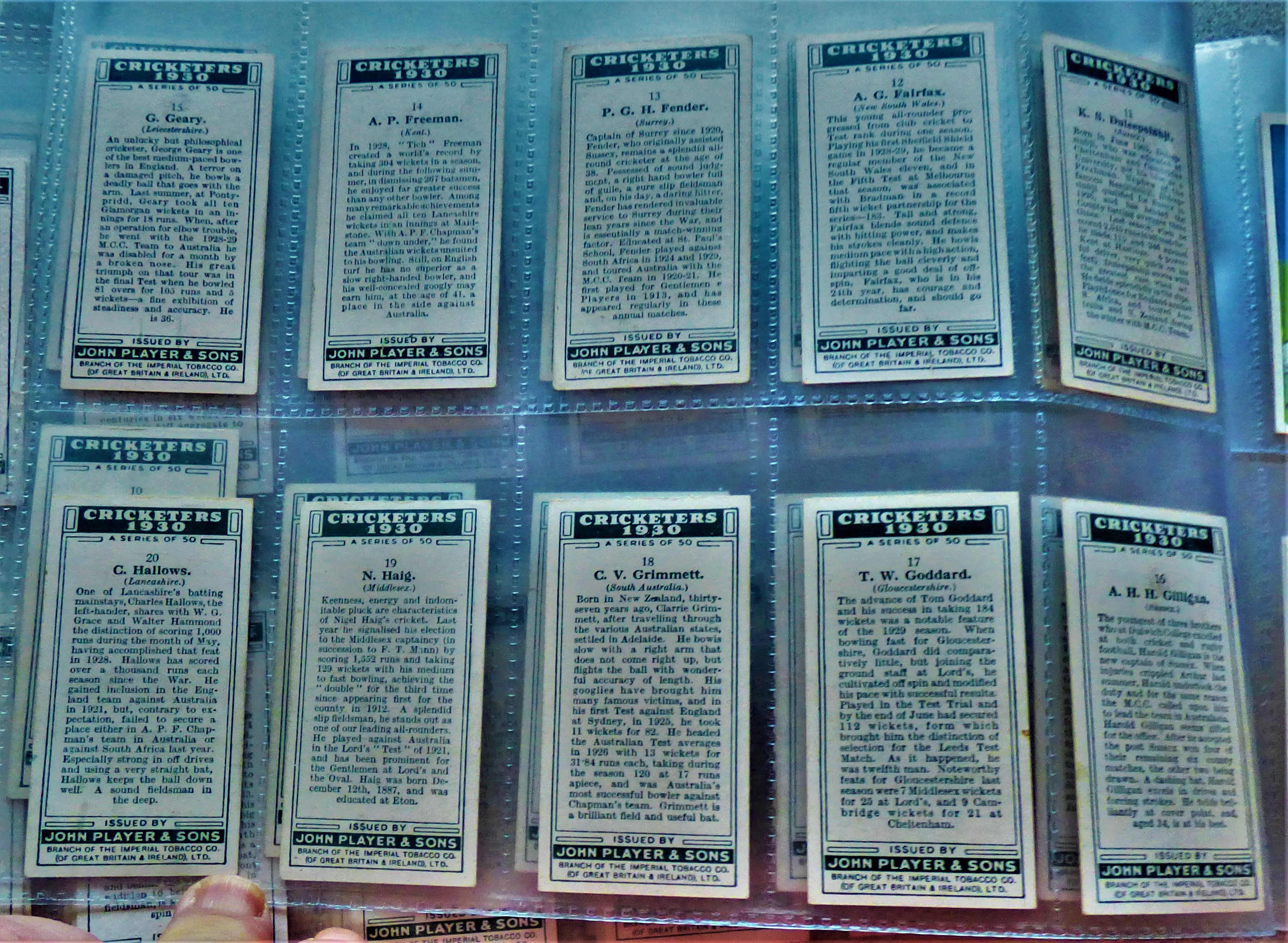
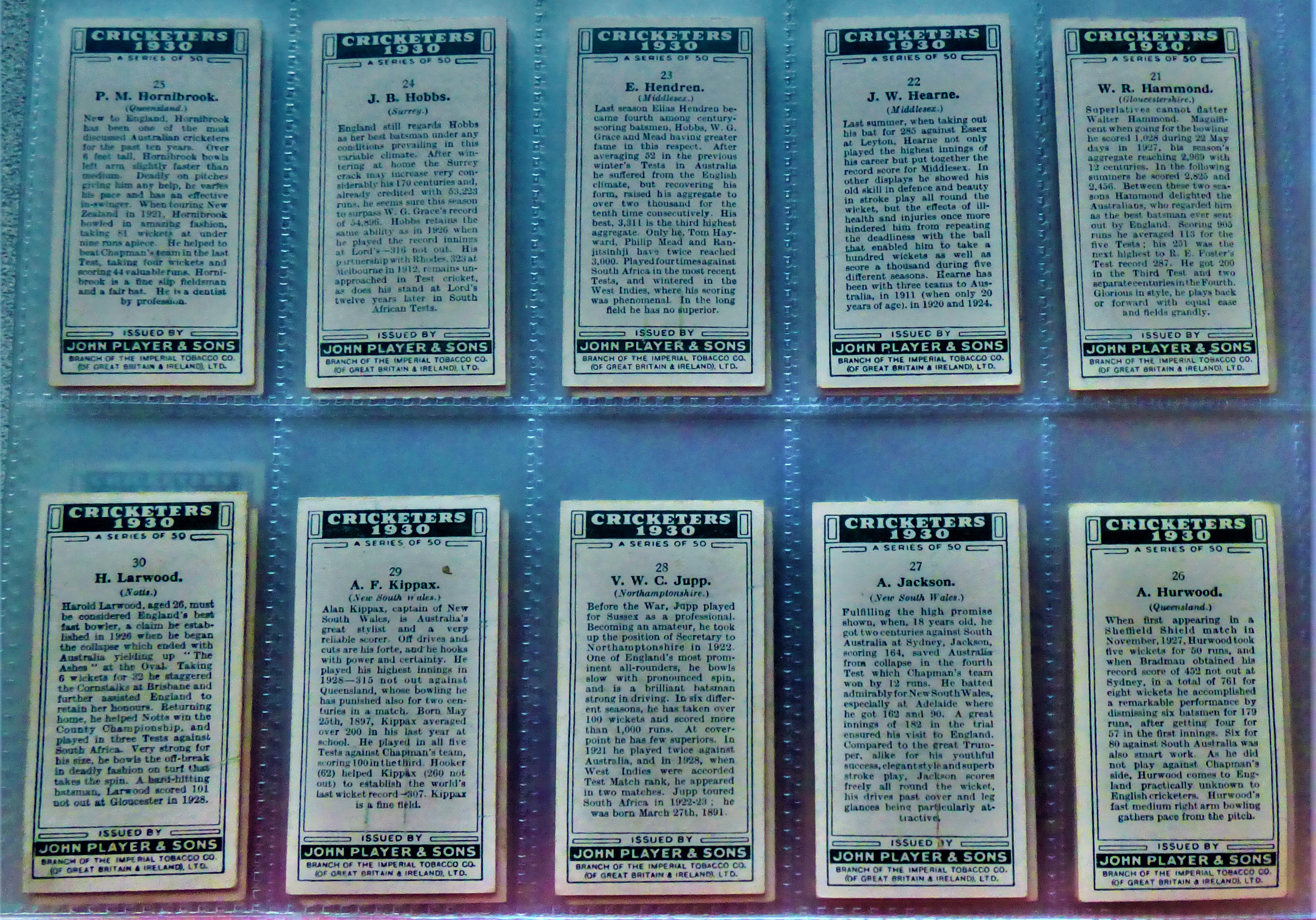
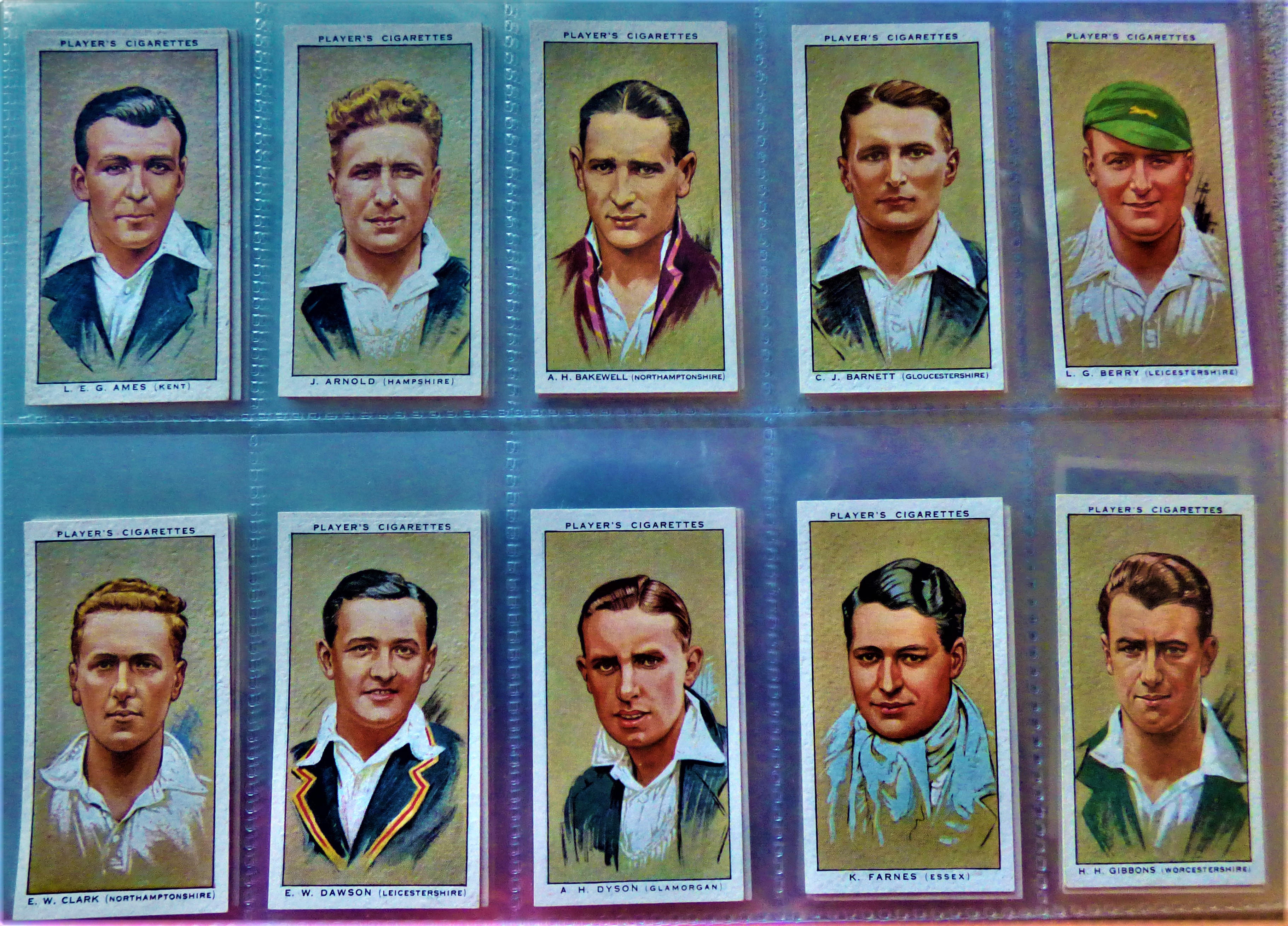
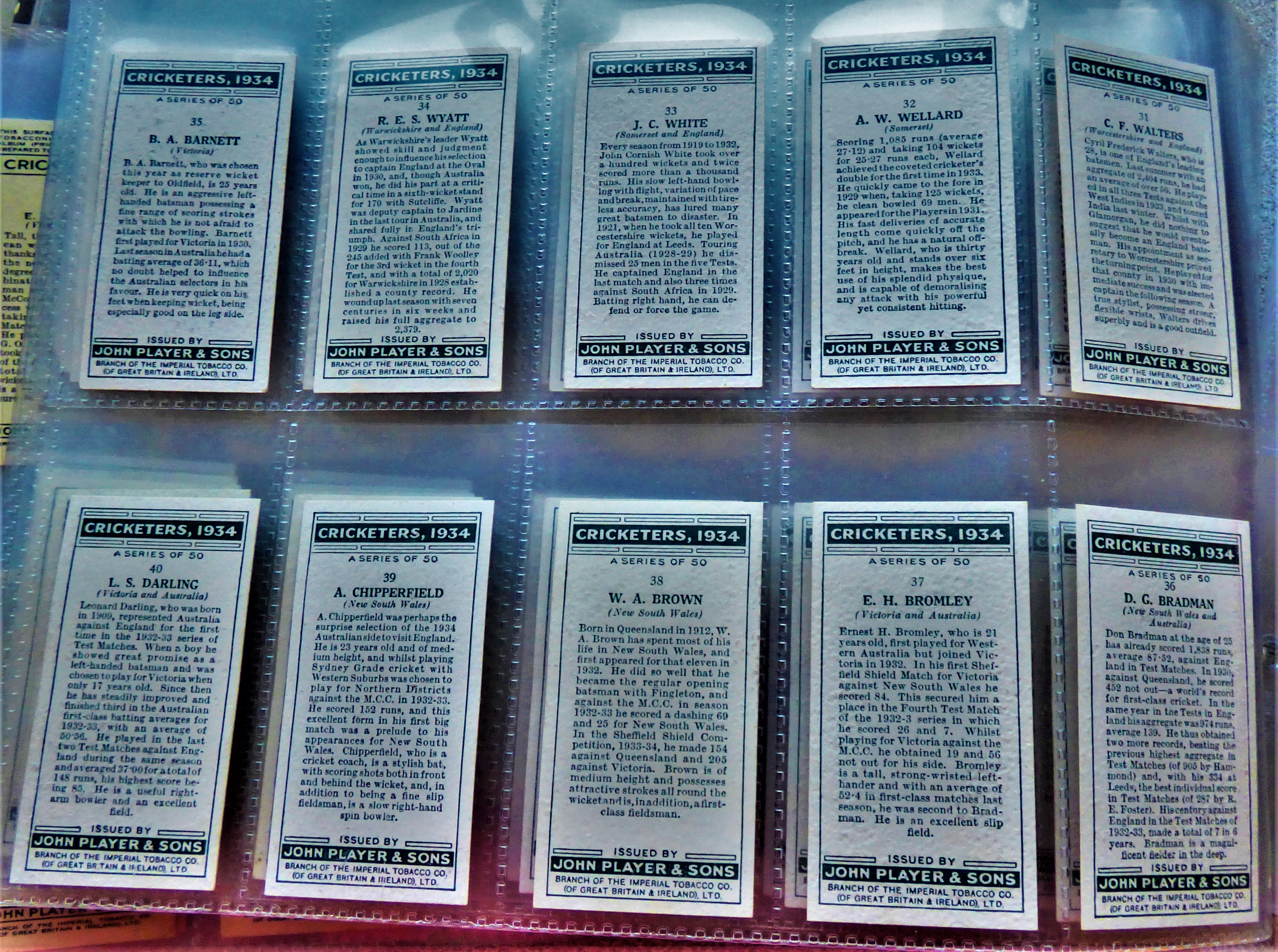
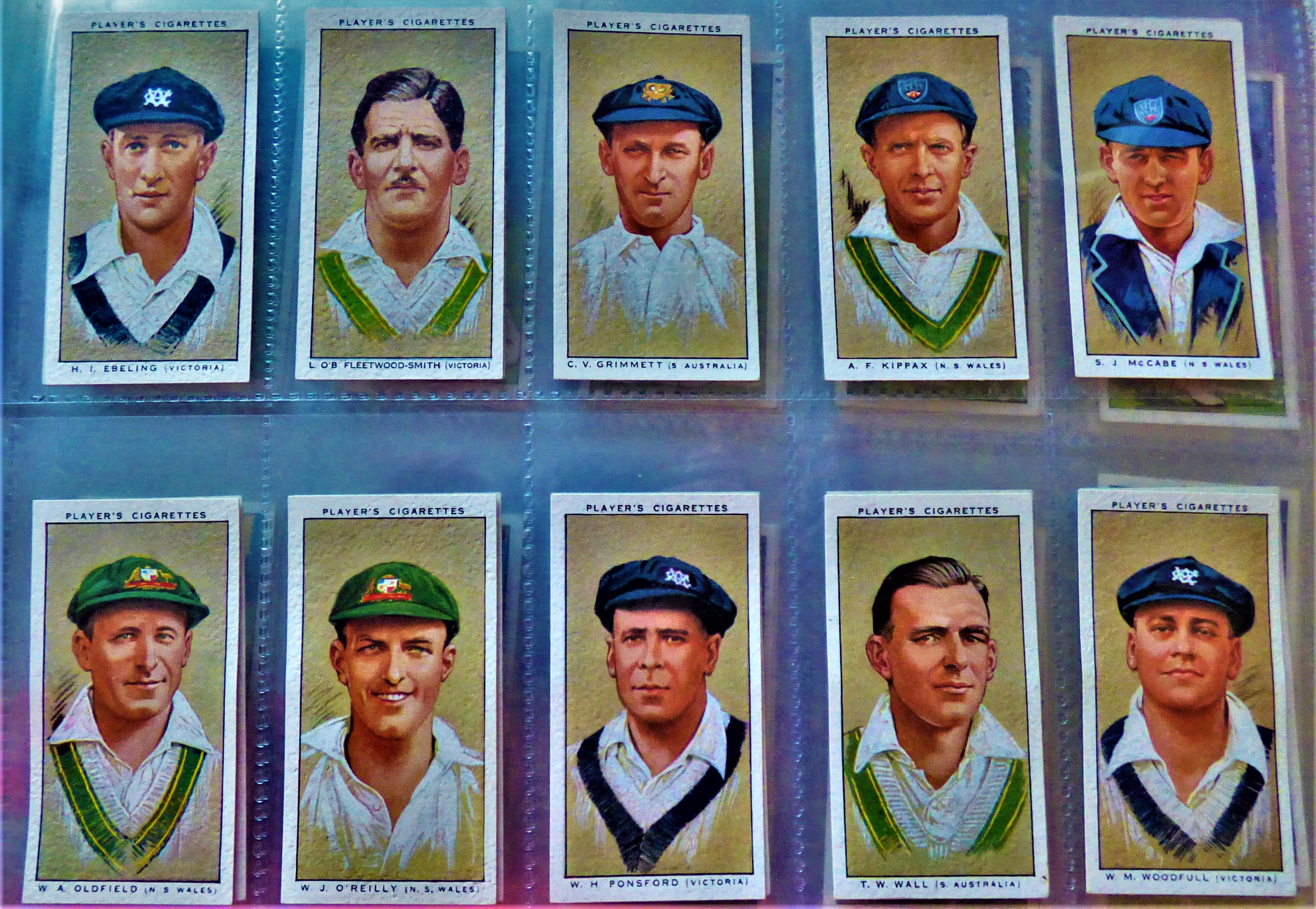
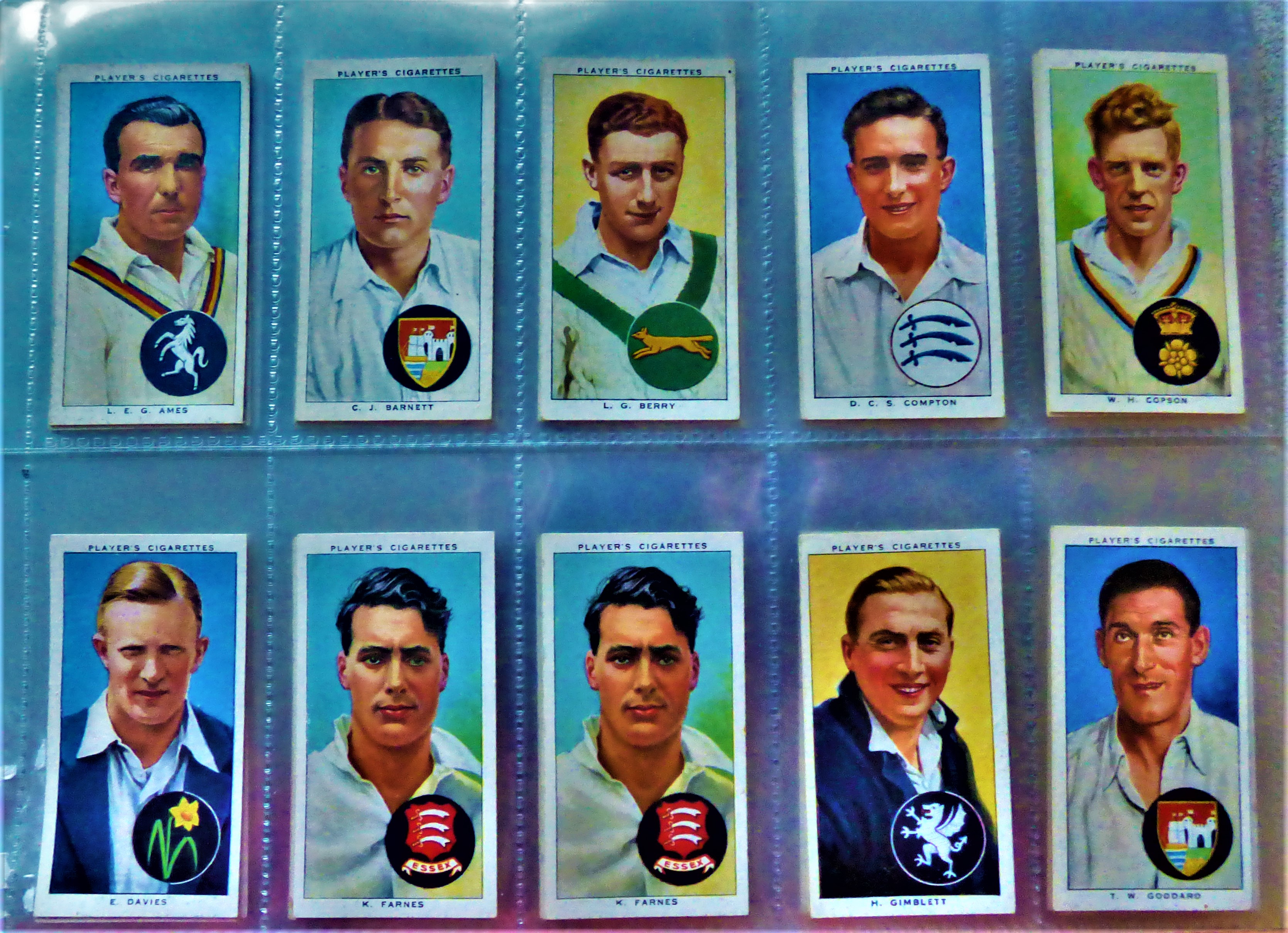
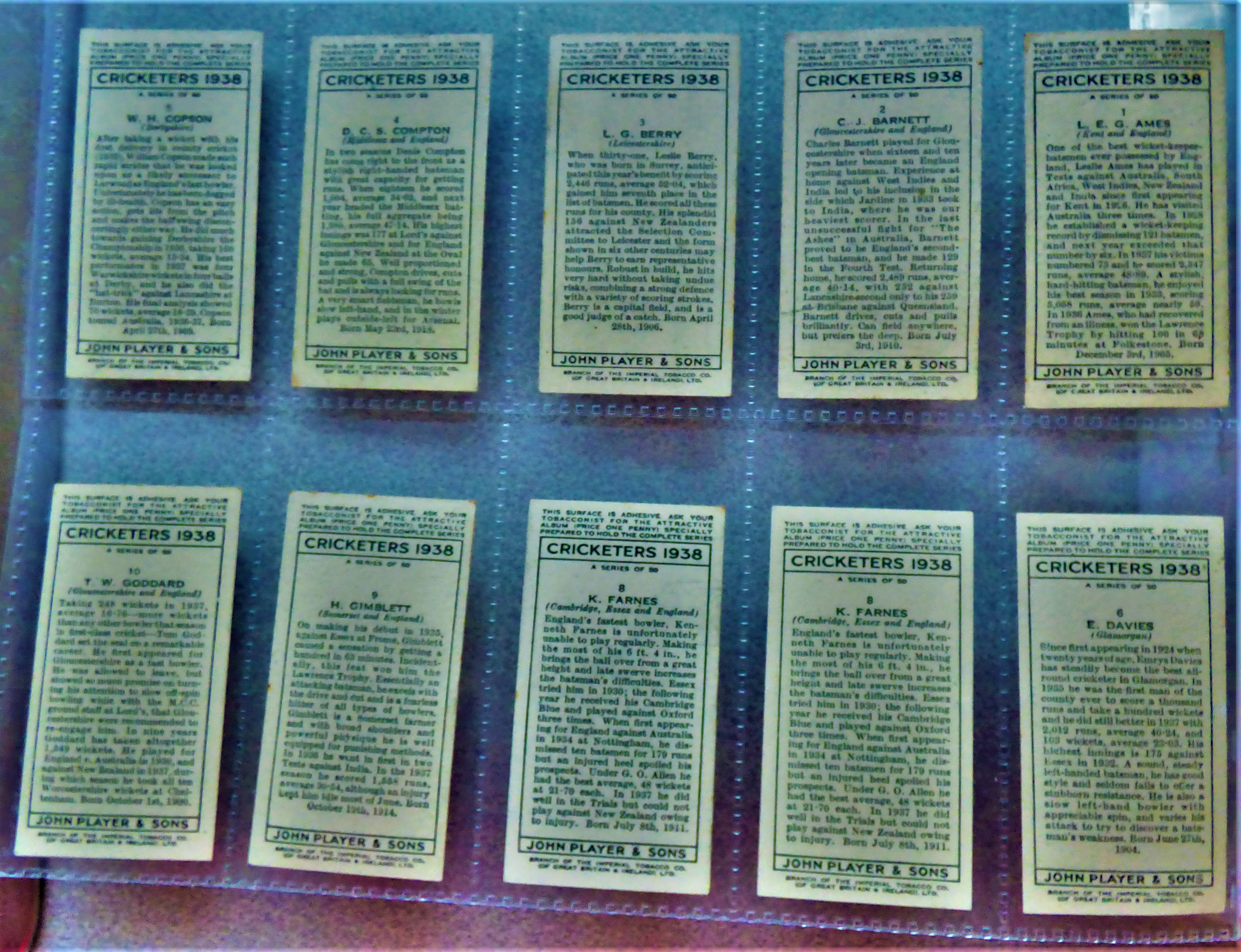
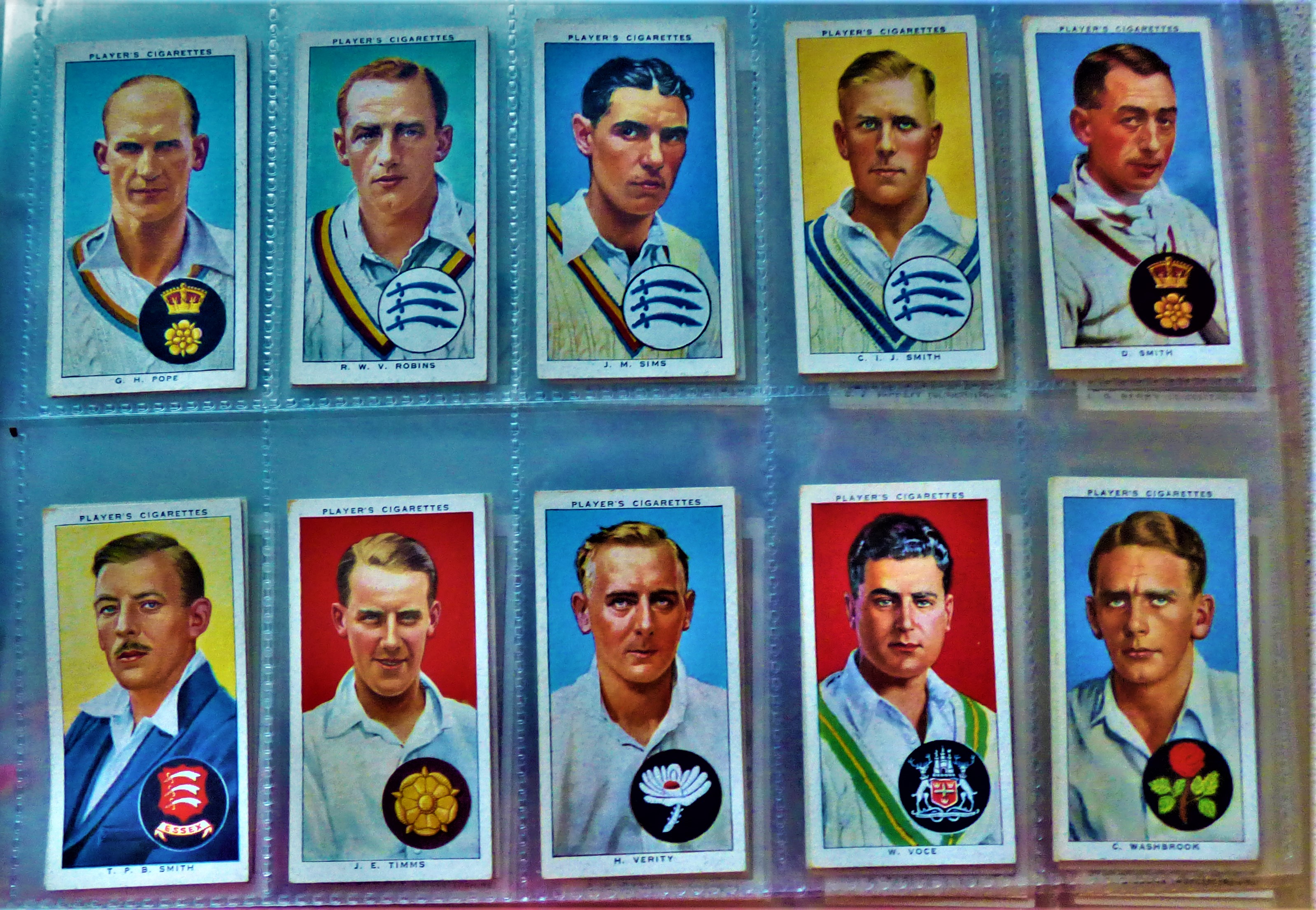
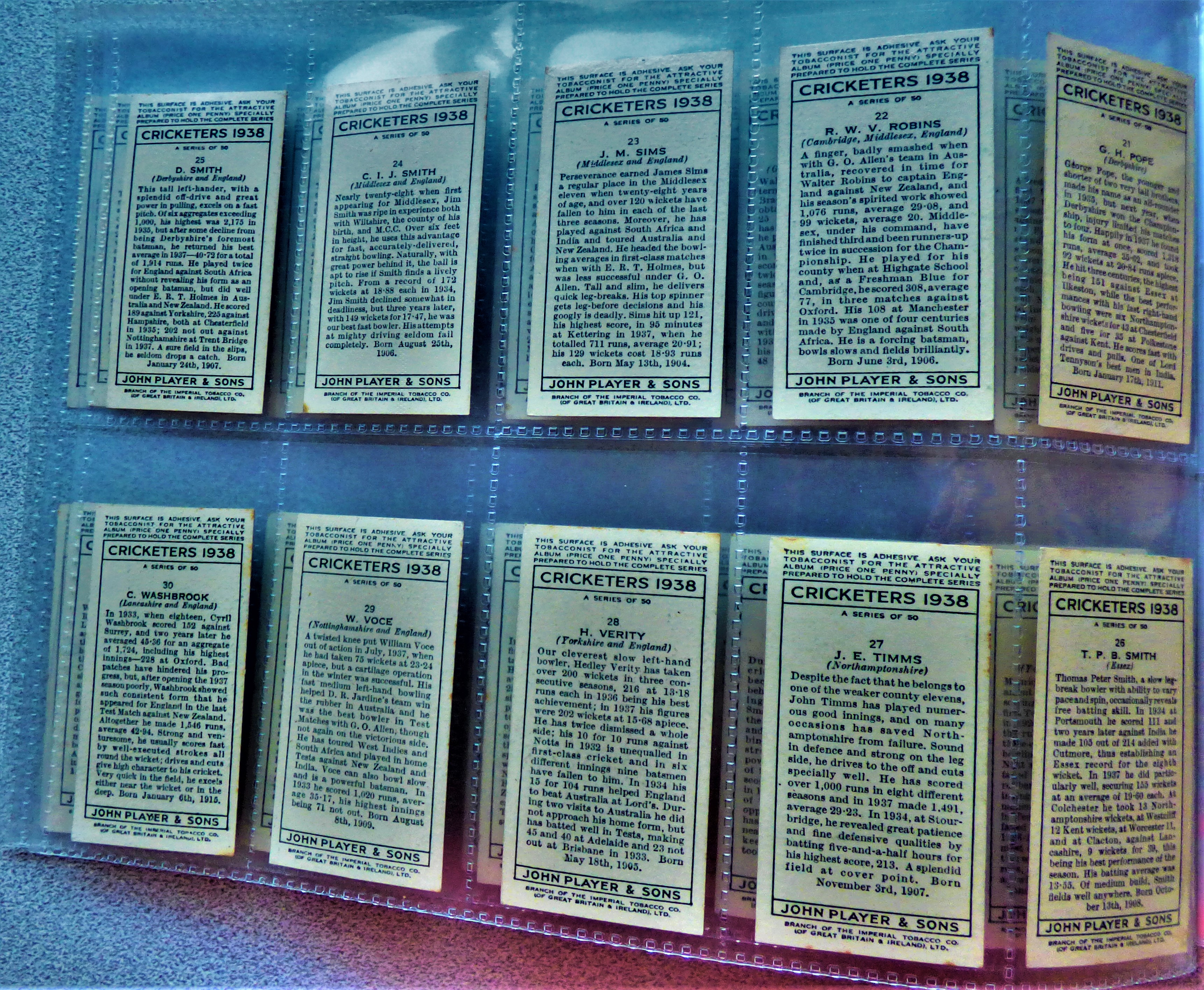
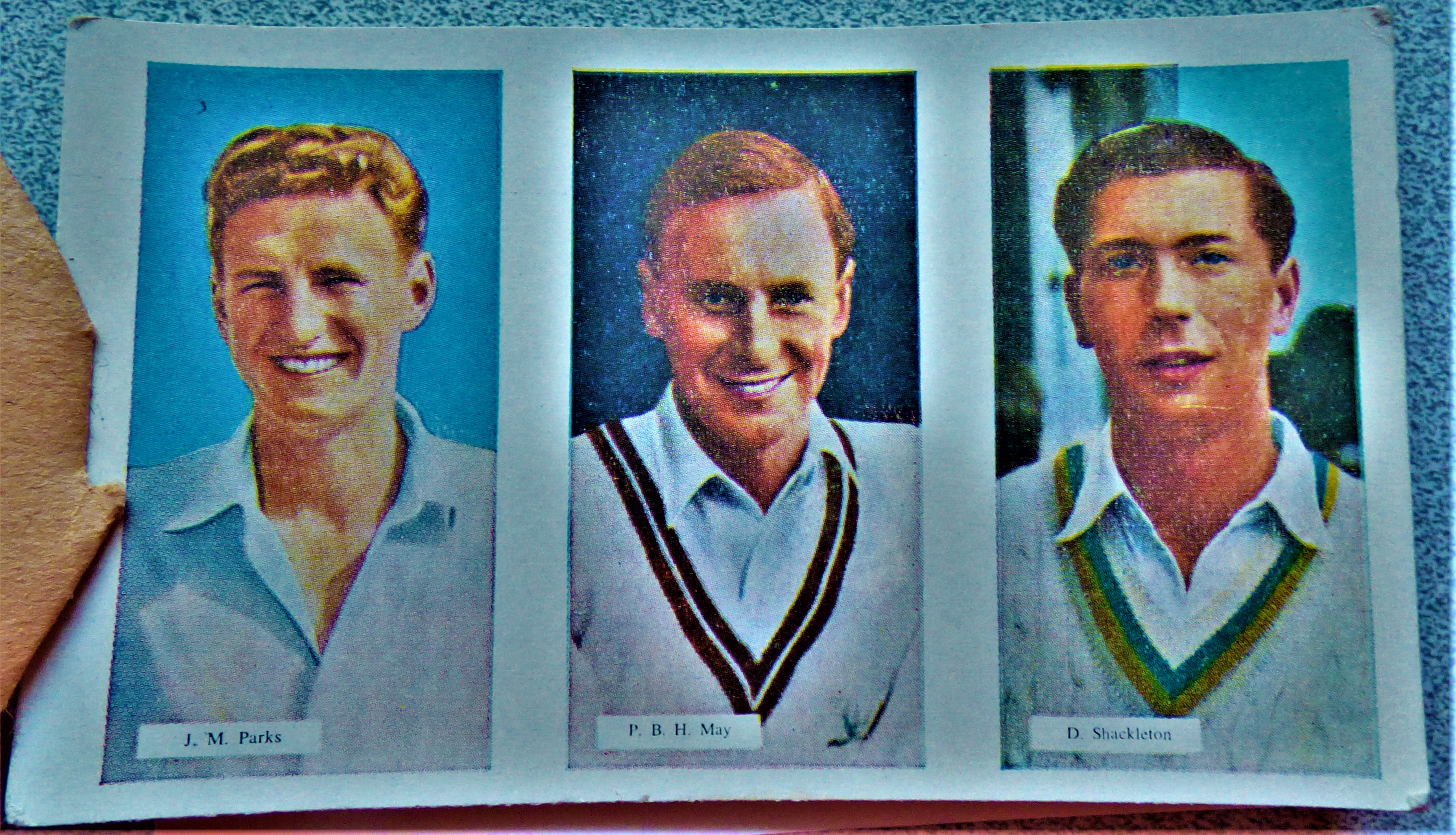
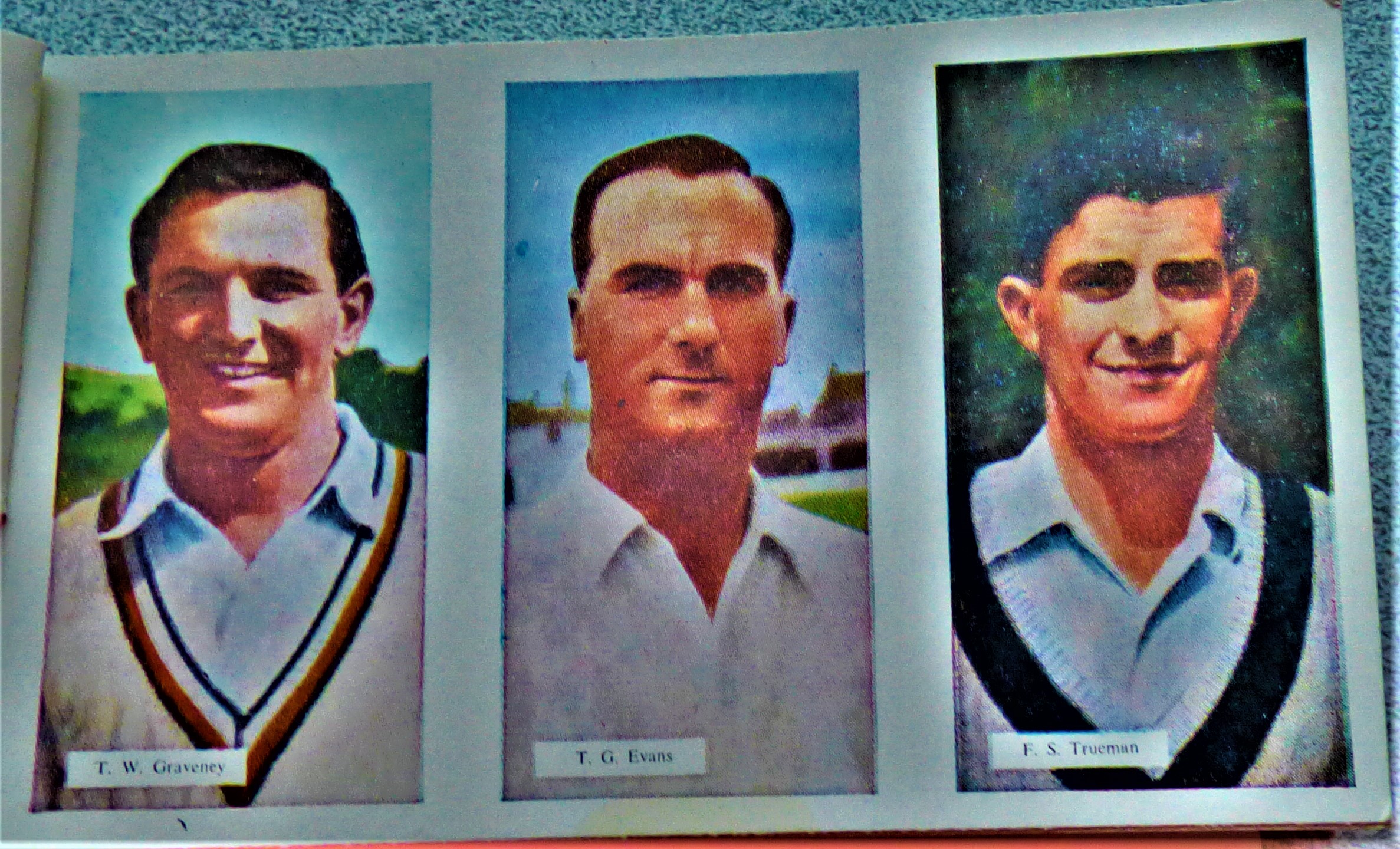
A quietish start, with only a few items going over estimate. One of those items was lot 46, on which I was outbid. Another was lot 149, on which I was successful (even at above the top estimate it was still quite cheap). Lot 150 was the last of the Cigarette Card lots, and then it was time for…
PART 2 –MILITARIA
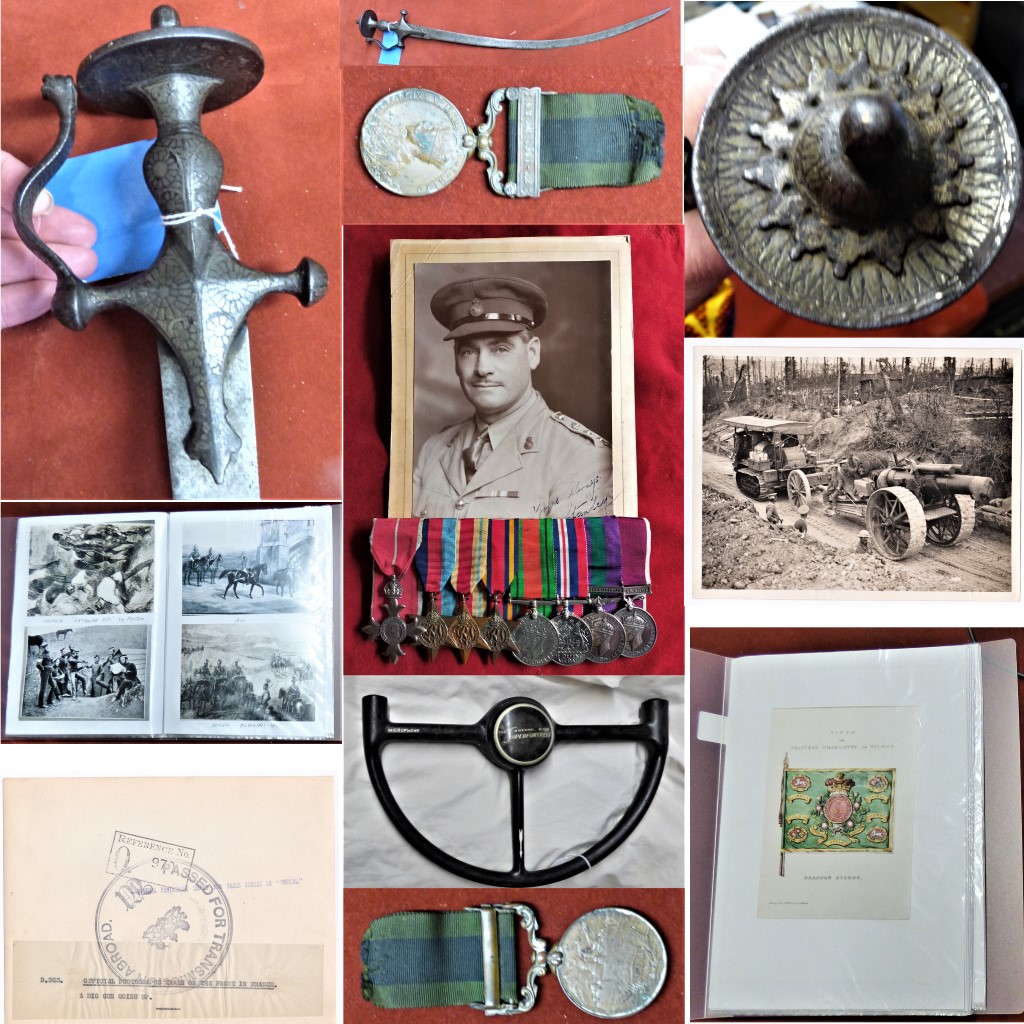
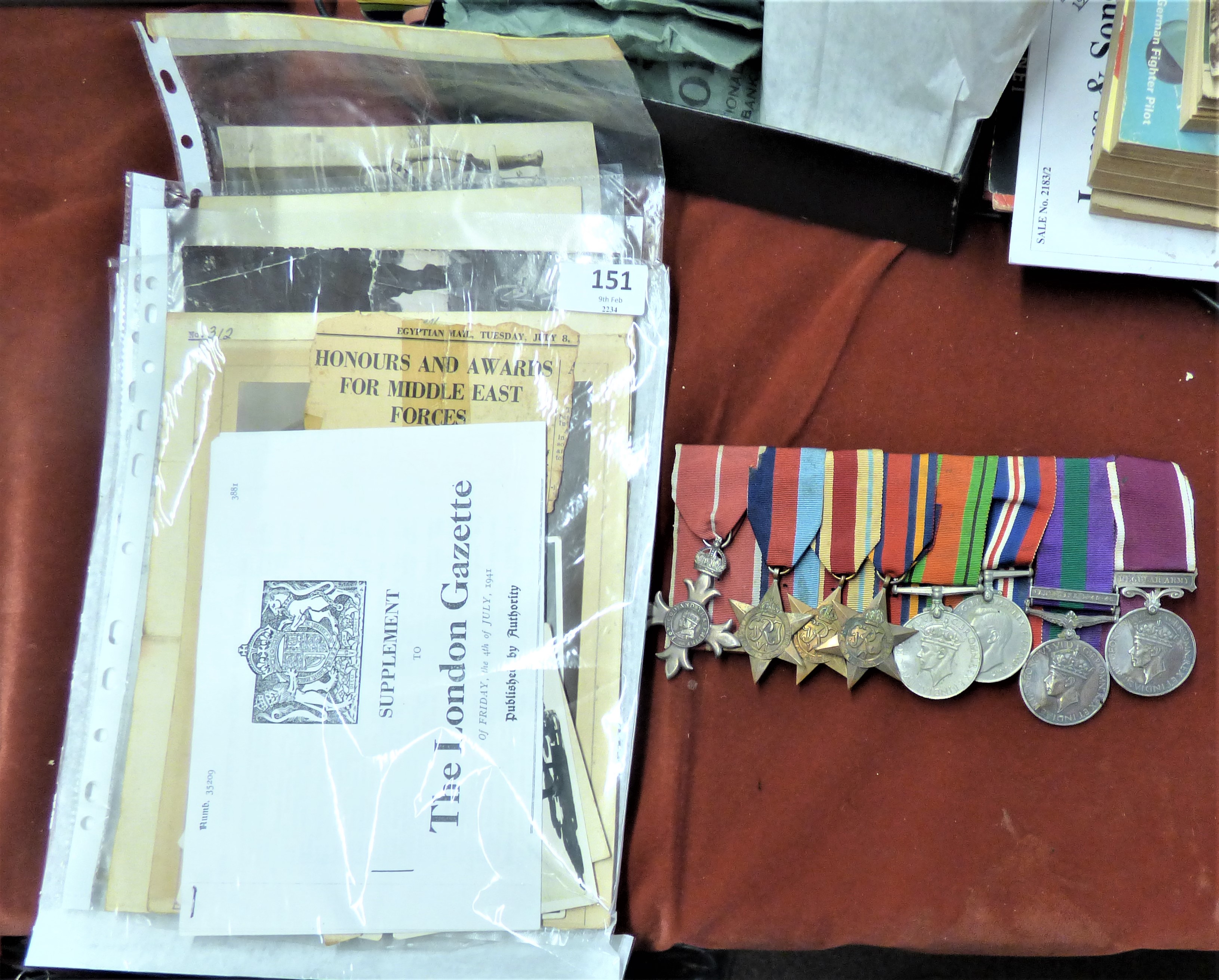
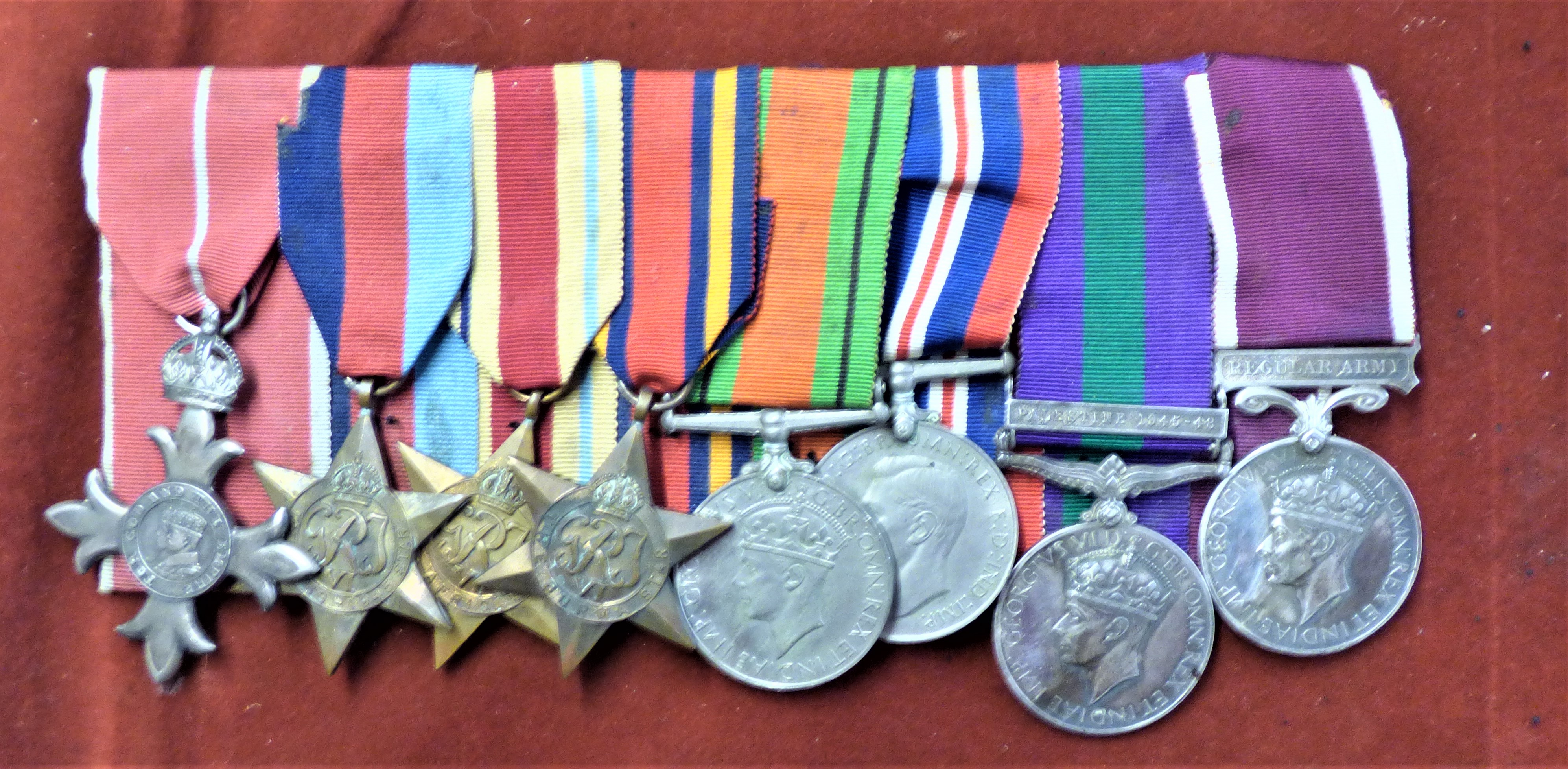
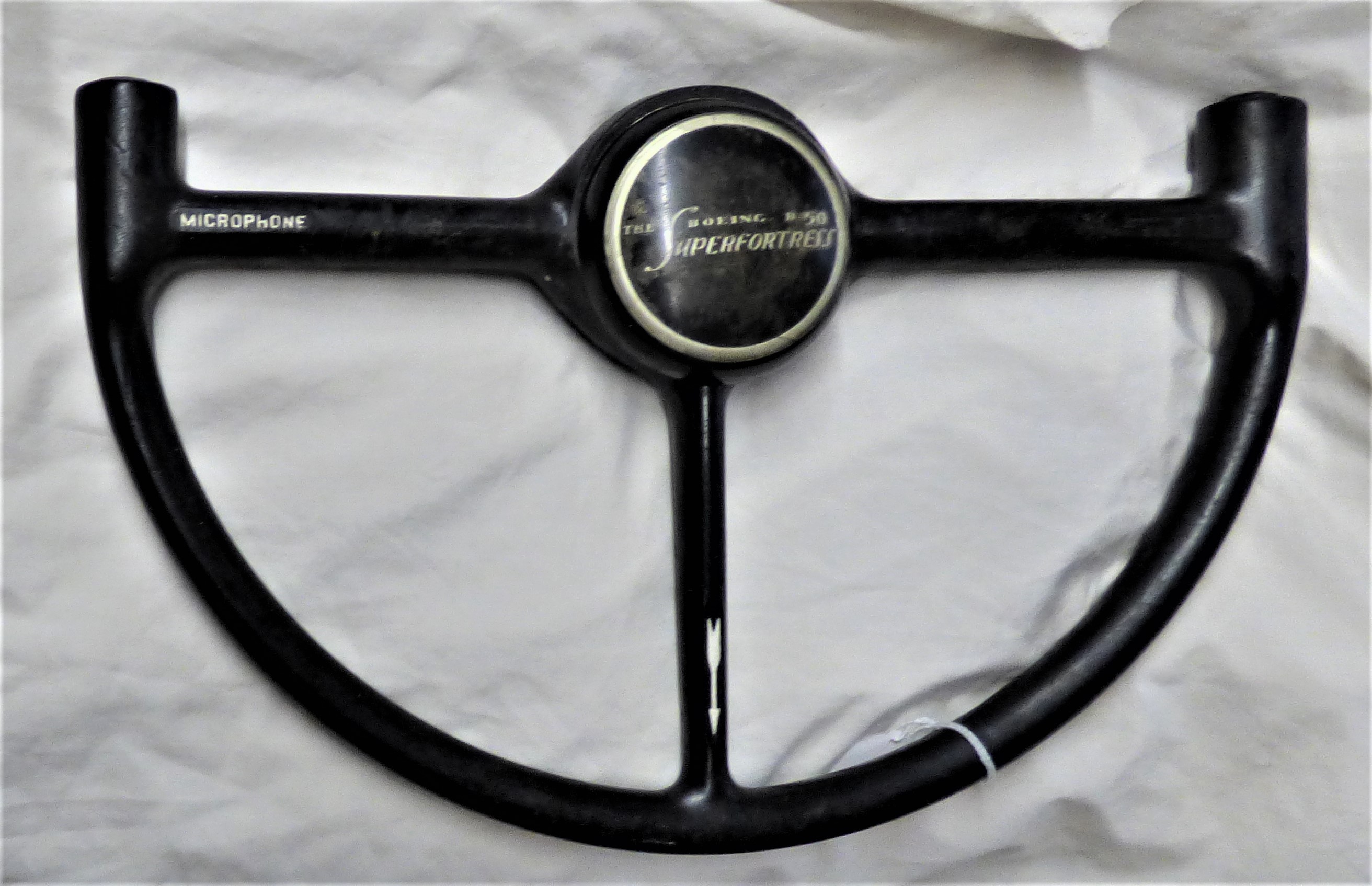
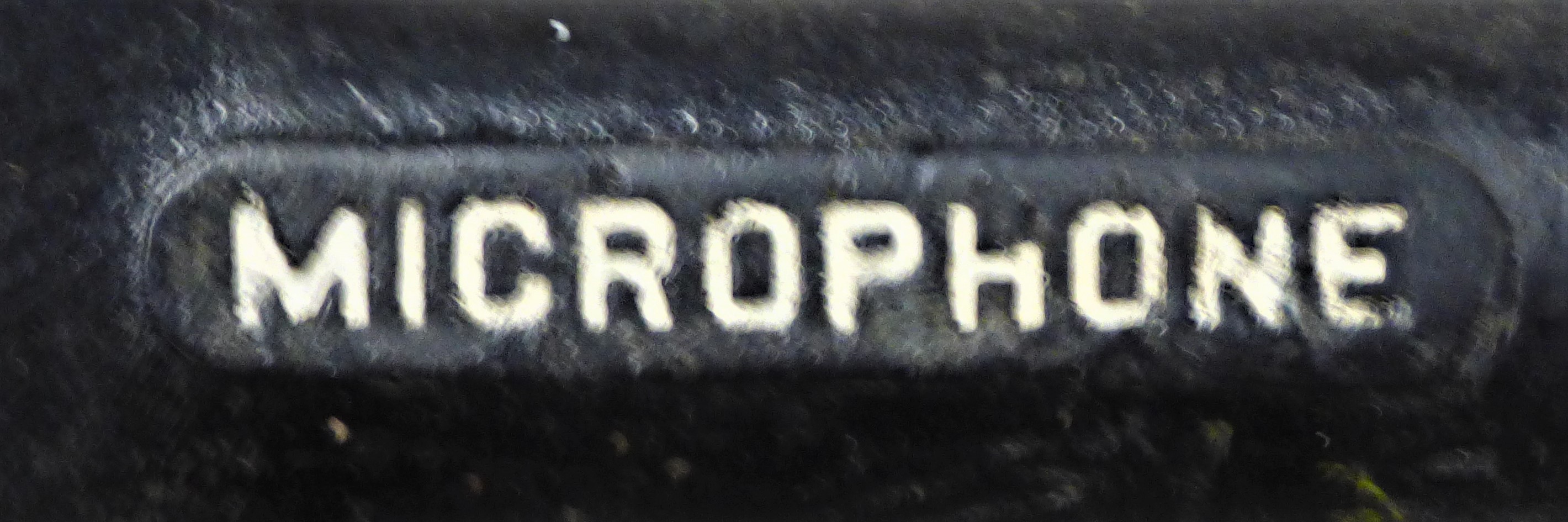
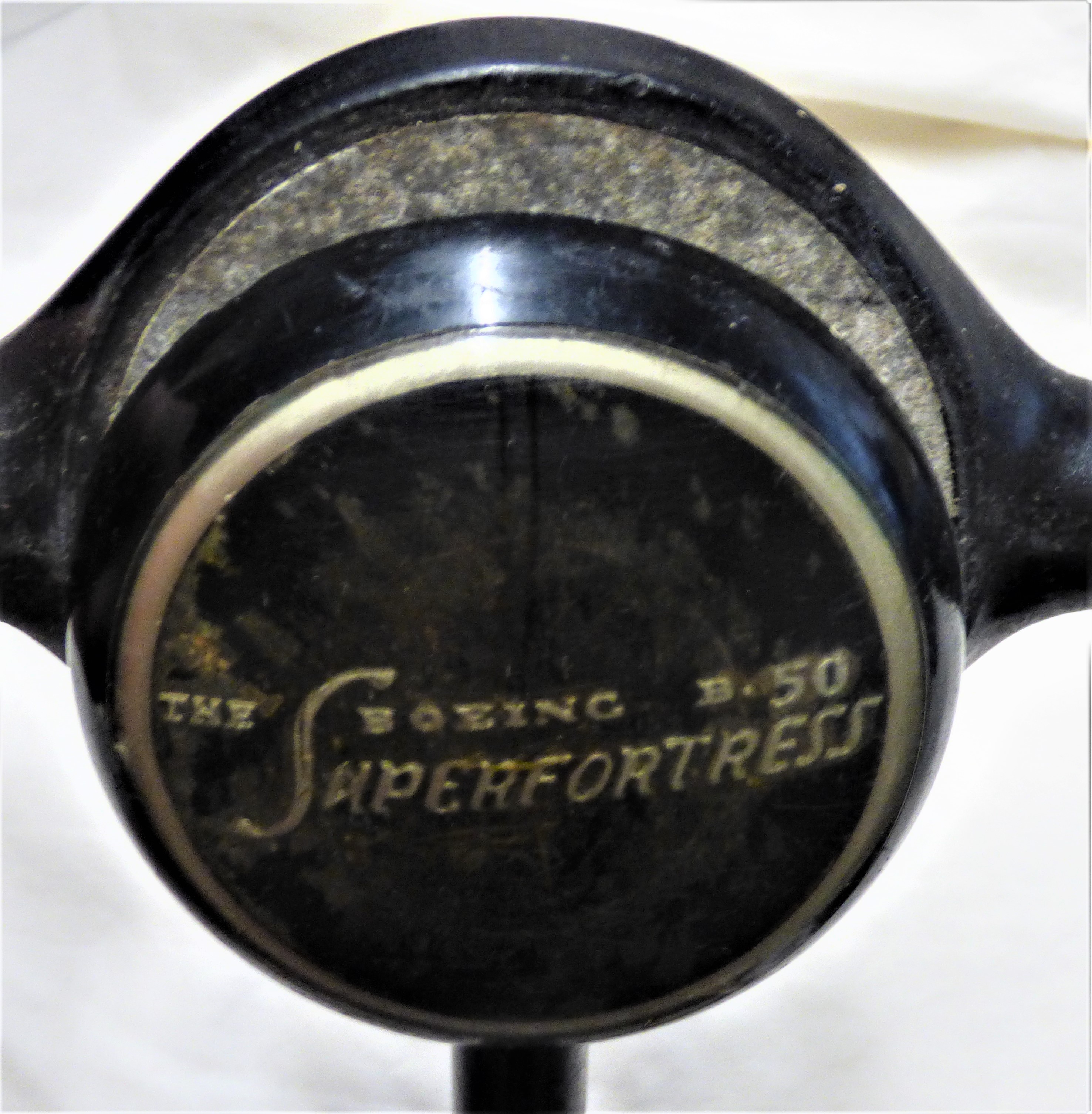
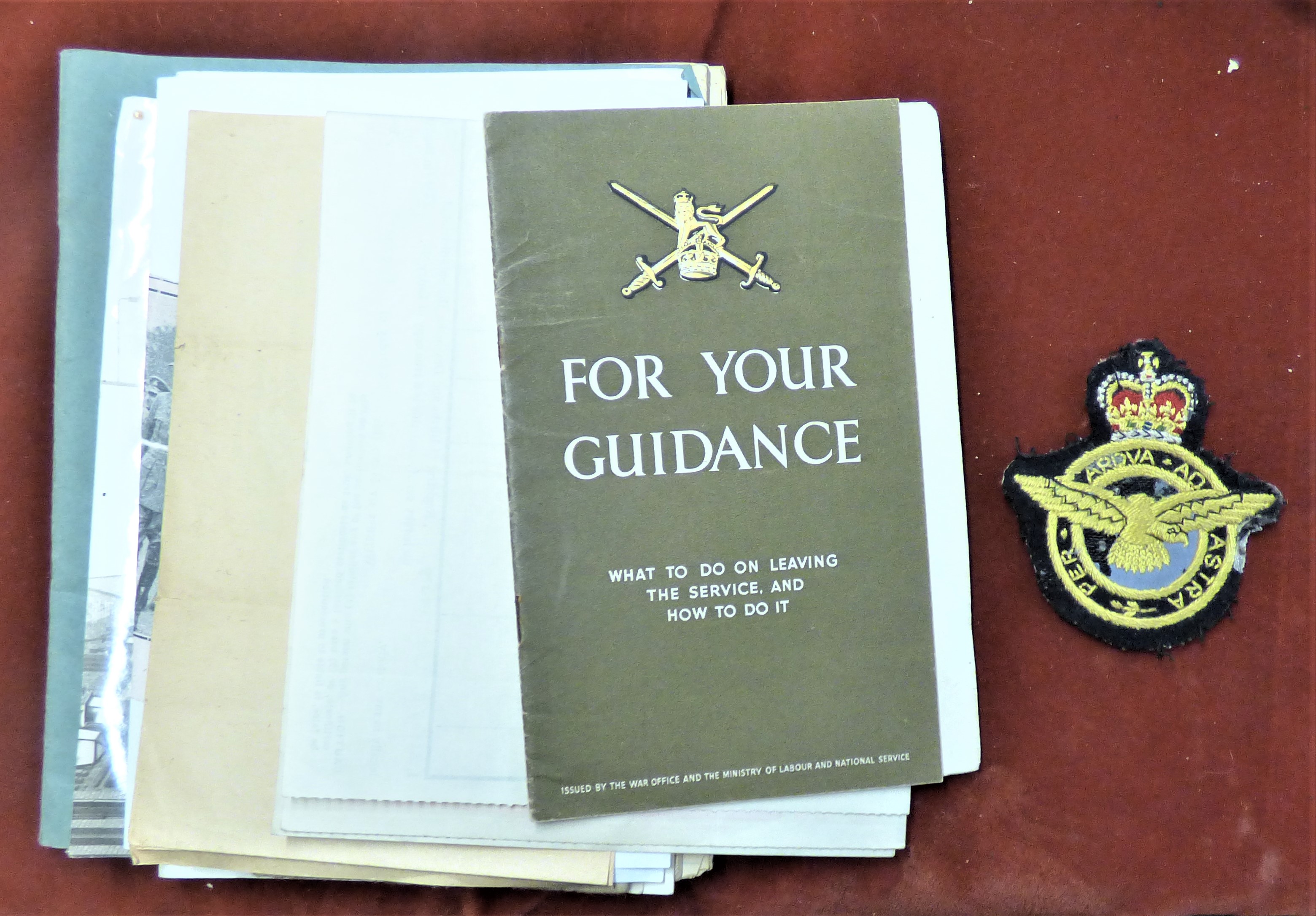
This was expected to be highly successful and it was. Lot 151, a medal group awarded to a ‘desert rat’ and accompanied by lots of relevant documentation sold for £400, helped by some good advance publicity (various people bit on a press release I had sent out, including the Eastern Daily Press who gave it a quarter of a page in their Saturday issue). Lot 160, a steering yoke from a B50 warplane fetched £2,100. Lot 161 then went for £160, four times the upper estimate. Lot 167, also with a top estimate of £40 fetched £150. Lots 192-7 inclusive, display folders full of military photographs (put together by my father) all sold for significantly above the top estimates, lot 194 being the most successful, going for £50 with a top estimate of £20. Lot 201 an 18th/19th century Indian Tulwar Golia sword which had been expected to for low three figures fetched £550. There were a number of other more modest successes along the way.
The above gallery features images for all the lots mentioned in the Militaria section save numbers 192-7 inclusive.
PART 3 – FABRIC AND OTHER
There were 120 fabric items, and then a few random lots to finish. Although none of these lots reached the heights of the militaria section there were some good sales even so.
POST AUCTION PRESS RELEASE
On Thursday I did a press release about the auction, focussing on the militaria. I will find out in due course whether it gets published by anyone. Here is the composite image of highlighted lots I created for it:
This image features lots 201 (top left, centre and right), 167 (above and below the two centrepiece items), 194 (centre left and bottom right), 266 (bottom left and centre right) and 151 & 161 (centrepiece).
James and Sons’ next auction is on March 16th, and catalogue listings can be viewed here (easyliveauction) and here (saleroom)
PHOTOGRAPHS
I finish with some my non-work photographs:
Interior design at The Gatehouse (I was there for an NAS West Norfolk meal out (the Globe, our previous location of choice for this had let us down so we switched, very successfully).
A look at the England squad selected for the test series in the Caribbean and some of my own photographs.
After the debacle of the Ashes in Australia (|Australia 4, the weather 1, England 0) a number of ECB management figures departed which was welcome news, although Tom Harrison remained in post. Paul Collingwood was appointed interim head coach, with Andrew Strauss taking over as director of cricket. Their first job together was to pick the party for the test tour of the Caribbean, and this post looks at their choices and includes a suggestion for the permanent head coach role.
INTRODUCING THE SQUAD
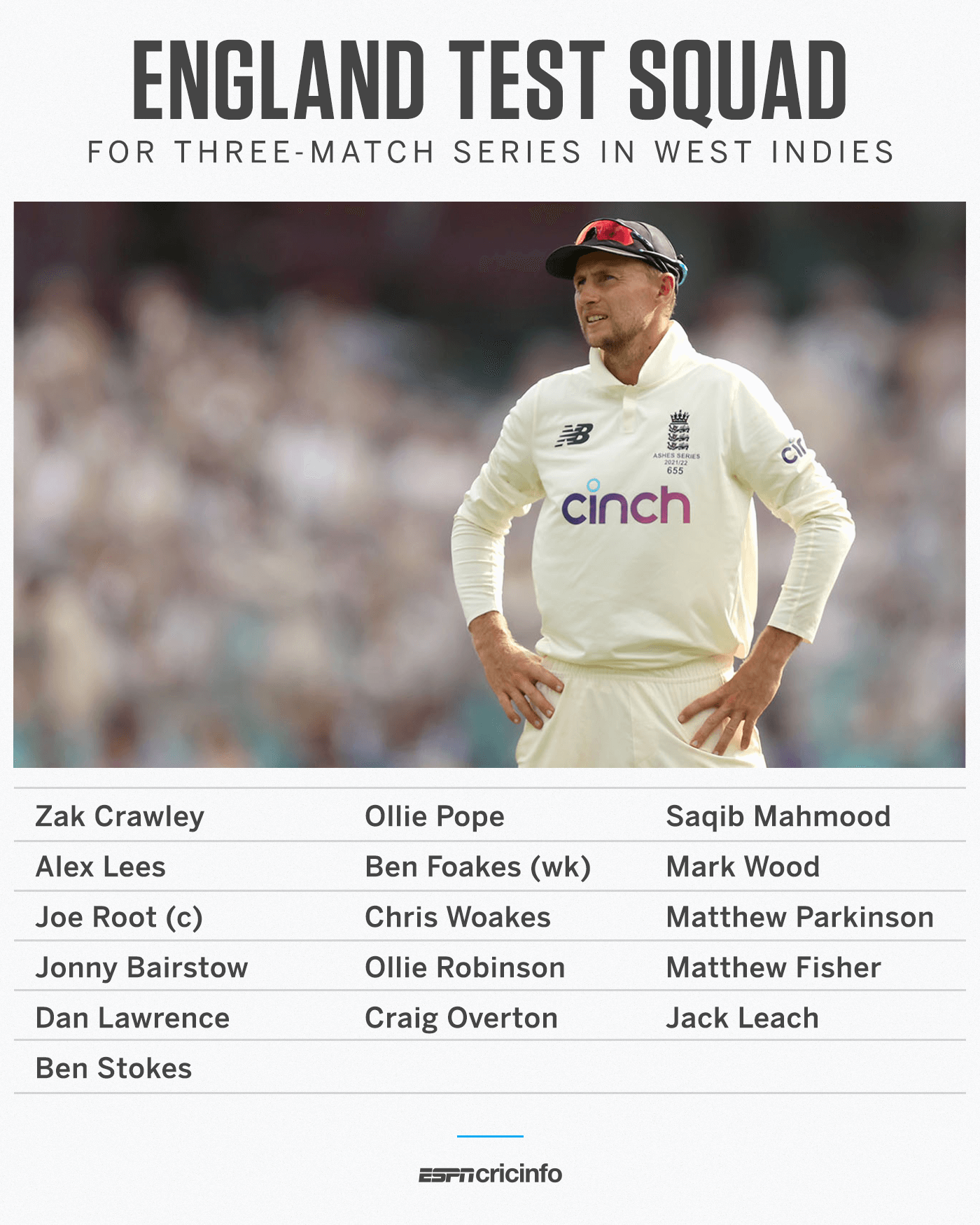
There is an article on cricinfo about the squad which I urge to read (click here), and I use their graphic to introduce the squad:
THOUGHTS RE THE SQUAD
This is one of the worst selections I have ever seen done for England (and I have seen a lot). There are only two recognized openers, Lees (whose presence I welcome, he has built a fine record at Durham over the last few years) and Crawley (averages in the low 30s at FC level and less than that at test level, a poor selection). There is no recognized number three at all (apparently Root, one the best number fours England have ever had, is going bat there, a quite awful call by Strauss/Collingwood). Pope and Lawrence are fine middle order players though neither have done anything great at test level as yet. Stokes of course is a great player. Bairstow does not have a great test record, but he did score a century in the only game in Australia in which England were not utterly destroyed (with the assistance of some weather interventions they hung on for a draw nine down in the second innings). Foakes is one of three selections I am genuinely pleased about (I welcome the inclusion of Parkinson the leg spinner in a full squad for the first time, and Jack Leach has been mishandled but is still the best current English spinner). While I understand the thinking behind the inclusion of Woakes – his all round skills theoretically give England more options – but in practice outside England his bowling is insignificant, which means that what you actually have is an averagely good lower middle order batter. Craig Overton is good cricketer, but unlikely to pose much of a threat with the ball in the Caribbean. Mark Wood, Ollie Robinson and Saqib Mahmood are all fine bowlers and I welcome the inclusion of Mahmood, not quite out and out fast, but quicker than most English seamers. Matthew Fisher has played 21 FC matches for Yorkshire, in which he has taken 63 wickets at 27.52, a respectable but not outstanding record, and he is yet another of the right arm fast medium brigade with which English cricket is overstocked. Neither James Anderson nor Stuart Broad have been included in the party. Defenders of this move are arguing that this tour is being used for experimentation and that we already know what Anderson and Broad are capable of. To this I say: pshaw – England should by now have learnt that they are not strong enough as a test side to take any opposition lightly, especially away from home, and first and foremost their target should be win the current series.
Other than the two veterans (Anderson especially, who at 39 continues to be majestic with the ball) the players I feel have been worst treated in this shambles are Abell, Bohannon and Bracey, three recognized number threes with good recent records, any one of whom could have been included in this party to fill that slot. I also feel that Crawley is very fortunate to be persisted with – a recall for Sibley, or elevation for any one of Libby, Haines or Yates would have looked a better move.
I conclude this section by congratulating West Indies in advance for the series win they have just been handed by the England selectors.
THE HEAD COACH ROLE GOING FORWARD
As far as I am concerned Collingwood by his role in this utter shambles of a selection process has just ruled himself straight out of the permanent role as head coach. The right person for head coach of the test side for me is Gary Kirsten, who should have had the job when it was given to Silverwood instead. Kirsten wants split coaching roles, so that the ODI and T20 sides have a head coach of their own. I am happy to go along with this, and I suggest that the head coach of these sides should be Charlotte Edwards who after an awesome playing career has gone on to build up an excellent coaching record.































































































































 aspiblog