Rawalpindi Rout

A look at England’s capitulation in Rawalpindi and a photo gallery in two parts.

England went into day three of the third and final test of the Pakistan v England series with three second innings wickets gone and a deficit of 53 to overcome just to get on terms (see here for the first two days). This post looks at the events of today.

Root and Brook began well for England, but England were still in deficit when Brook was fourth out, caught behind off Noman Ali for 26. The deficit had still not been cleared when Stokes had a brain fade and allowed a ball from Noman Ali to hit his pads when he was right in front of the stumps. Root at the non-strikers end, recognizing a hopeless case when he saw it, told Stokes not to waste a review. Jamie Smith essayed a big hit against Sajid Khan, missed and was bowled, which made England effectively minus 2-6. England were in credit, but only just, when Root edged Noman Ali to the keeper to be out for 33. Gus Atkinson and Rehan Ahmed added 12 runs to the score before Atkinson, who has probably never batted on a genuine turner before, was bowled by Sajid Khan for 10. Rehan Ahmed also got a good one from Sajid Khan, with the same result as in the Atkinson case. Leach had an LBW verdict overturned on review, but shortly afterwards had a huge heave, missed and was stumped. England were 112 all out, leaving Pakistan needing a mere 36 to win.

Leach and Bashir opened the bowling, but this target was never going to pose a threat, and Pakistan treated the situation as it deserved, taking a mere 3.1 overs to knock the runs off. Skipper Shan Masood, coming in after the loss of Saim Ayub, hammered 23 not out of six balls, hitting four fours, a single, and then off the first ball of the fourth over the six that officially confirmed Pakistan as winners of both match and series. Saud Shakeel’s 134 earned him Player of the Match, while Sajid Khan’s wickets, lower order runs and general aggression netted him Player of the Series. Noman Ali had claimed 21 wickets in two matches with his left arm spin, as a 38 year old who was making just his 16th and 17th test appearances. Sajid Khan had 18 wickets in those two games, with the one that got away being Jamie Smith in England’s first innings of this match, leg spinner Zahid Mahmood’s sole strike.

Though the England second innings capitulation looks obvious as a cause of the disaster it was not the most significant element of the match. England underperformed in the first innings after winning a valuable looking toss – the only seriously misbehaving ball of that innings was the one that kept low on Ben Duckett, so 267 was definitely a poor score.

Worse still was the failure of both bowling and leadership when England had Pakistan 177-7 in reply. Saud Shakeel, a formidable batter, was allowed to accumulate without let or hindrance, while Sajid Khan and Noman Ali showed their batting skills, which are better than usual for numbers nine and 10 in an order at the other end.

The England spinners were not up to the task. Leach, by far the most experienced, performed worst of the trio, with the other two both having their moments. However, all were guilty of failing to vary their pace, whereas Noman Ali and Sajid Khan both did vary the pace of their deliveries over a fairly wide range.

England have only one batter who actually knows how to handle the turning ball, and Root did not find his best form in either of the matches that were played on turners. The rest of the order for the most part are deeply unimpressive against spin.

Incidentally, across the border in India, New Zealand, who England will be visiting shortly, took an unassailable 2-0 lead in their three match series. Before this India had last lost a home series in 2012, and New Zealand had never won a series in India.

Today’s photo gallery comes in two parts…

Part two…

England in Trouble in Rawalpindi

A look at the the action during the first two days of the third test of the Pakistan v England series in Rawalpindi and a large photo gallery.

The third and final test match of the series between Pakistan and England got underway in Rawalpindi yesterday morning. This post looks at the events of the first two days.

England had called up Rehan Ahmed and with Carse having problems with a foot injury Atkinson replaced him in the XI. This meant three front line spinners (Leach, Bashir and Ahmed) and only Atkinson as a specialist pacer, with skipper Stokes second option in that department. Pakistan were unchanged. The pitch had had giant fans blowing on it to dry it out more for the spinners. England won the toss and chose to bat.

Duckett batted well and reached a fine 50 before getting out. The rest of the top six did little worthy of mention, and at 118-6 England looked in deep trouble. However, Atkinson batted well in support of Smith who batted very impressively, and by the time I left to catch the bus to work the score had risen to 158-6. I was to find out later that the England recovery continued, and they got to 267 all out, before reducing Pakistan to 73-3 by the close of day one.

England had a good morning, and at one stage Pakistan were 177-7. That score had increased by 10 when lunch came at 8:30 UK time (session times on Fridays in Pakistan are different from on other days – the morning session is extended, then the lunch break lasts an hour to incorporate time for Friday prayers, and the afternoon and evening sessions are a little shorter). The afternoon session was the first of two where the match appeared to swing decisively. England captured only wicket in that session, and Pakistan, withNoman Ali attacking, and Saud Shakeel accumulating sensibly and without fuss against field settings that were designed to prevent boundaries but as a consequence allowed him to score ones and twos more or less at will, scored 90 runs, levelling the scores. The evening session began with a period of absolute carnage, as Sajid Khan, the number 10, laid about him in spectacular fashion. The lead raced past 50 in the sixth over after the interval. The scoring reined in after that, but runs continued to accrue. Finally, with the lead standing at 70, Atkinson induced a miscue from Shakeel whose magnificent innings of 134 (223 balls, just five fours and thus a lot of running) came to an end with a tame catch to sub fielder Matt Potts. Seven further runs accrued before Sajid Khan exposed number 11 Zahid Mahmood to the wiles of Rehan Ahmed. One ball from leg spinner to leg spinner was sufficient to end the innings, Zahid failing to pick the googly and being bowled. Rehan Ahmed had 4-66 for the innings, Shoaib Bashir, chief victim of the post tea onslaught, had 3-129, but the real disappointment among the England spinners was Leach, more experienced than the other two combined, who on a surface that was offering assistance had 1-105 from 31 overs. Atkinson, on a surface on which he should have been a non-factor, had 2-22 from 12 overs.

England lost both openers to LBWs , one to Noman Ali and one to Sajid Khan. With the score 20, Pope who had amassed a single, gave a catch to Salman Agha off Noman Ali. Root and Brook joined forces, and had added four runs when the umpires decided that the floodlights were now dominating the natural light and took the players off, ending play for the day, with England 53 runs behind Pakistan and having seven second innings wickets standing. Failure to finish off opposition innings is becoming a recurrent problem for this England side, and the batting of the top three in the second innings was disastrous. They should have learned by this stage that playing back foot strokes against spinners on this surface is a recipe for disaster, but both openers perished essaying exactly such shots.

My usual sign off…

Massive Auction Success

Some highlights from a remarkable auction that took place today, and a photo gallery.

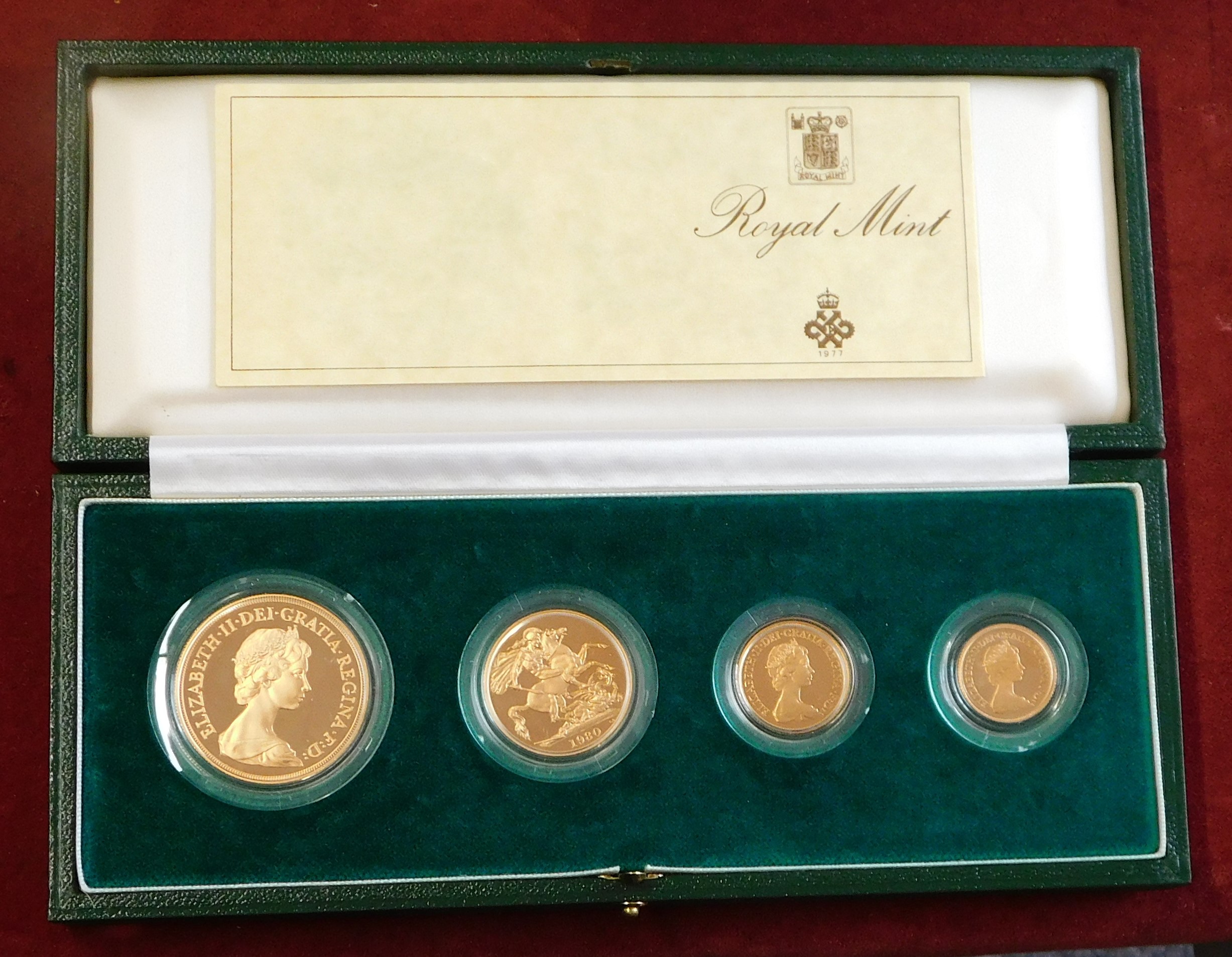
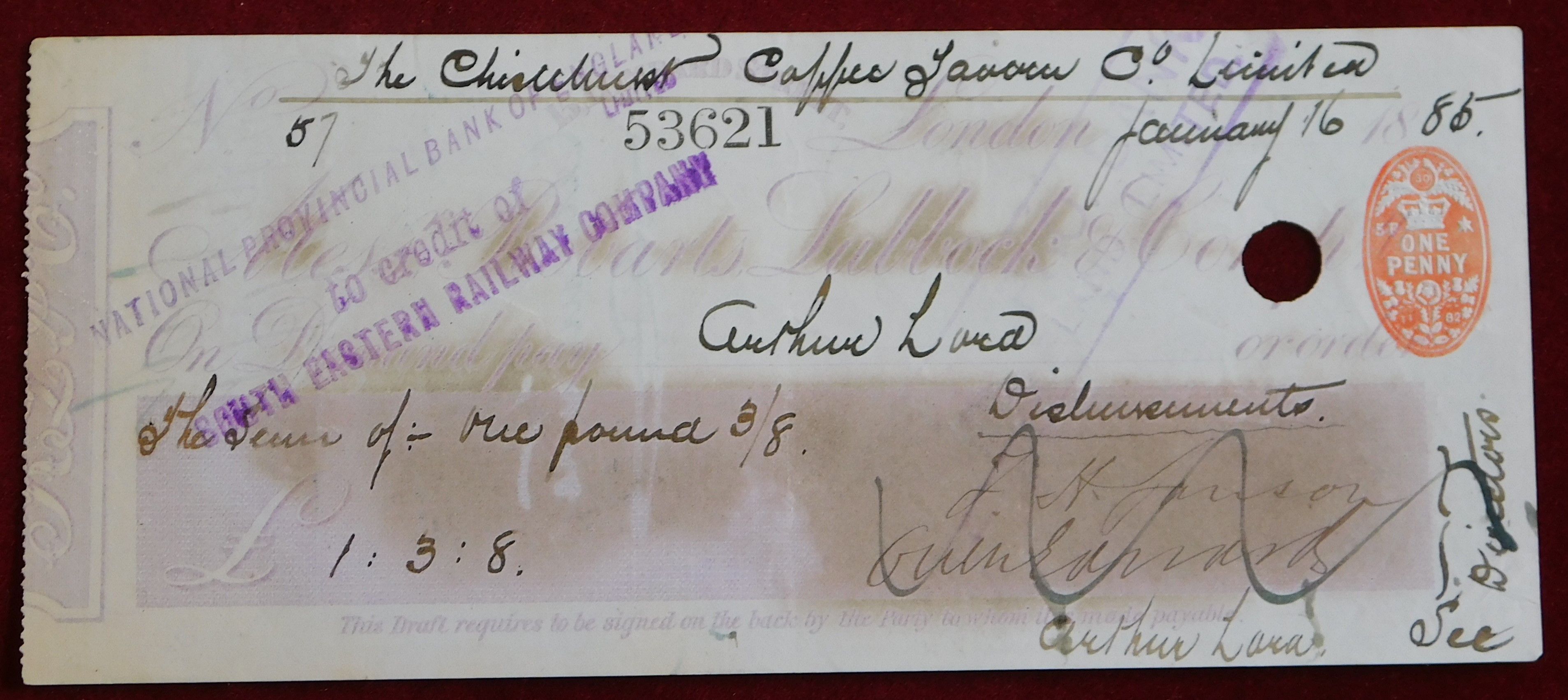
Today saw the second day of James and Sons’ October auction. Under the hammer were mainly coins, but also some banknotes and cheques. This post looks back at a sale that was the stuff of dreams.

Some bidders were actually present at James and Sons HQ in Fakenham, there was at least one telephone bidder, and the both the online platforms used for our auctions, the-saleroom.com and easyliveauction.com were well patronized (I was following the action by way of the latter). Lot 501, with an estimate of 1,500-2000 soared to 3,800.

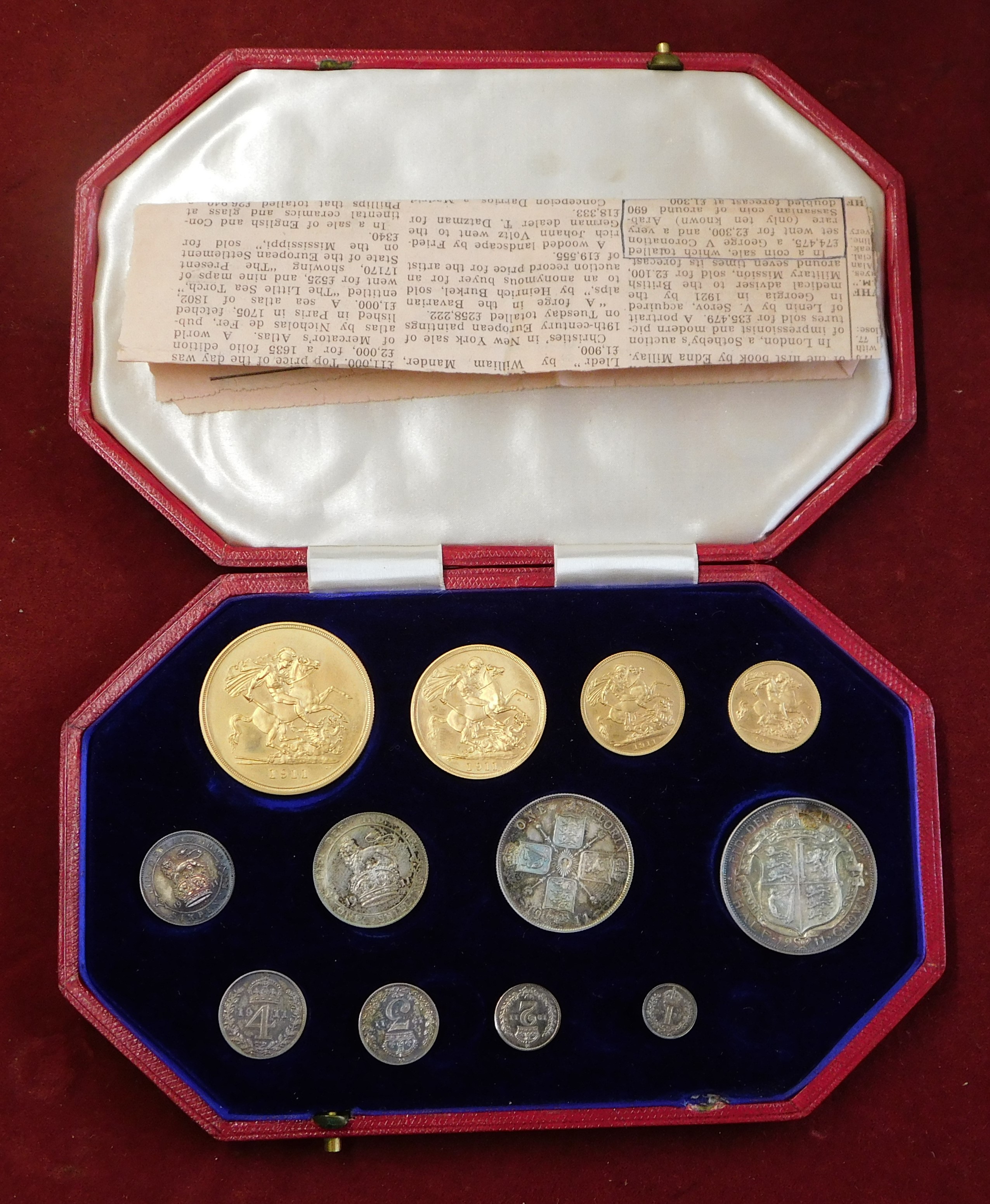
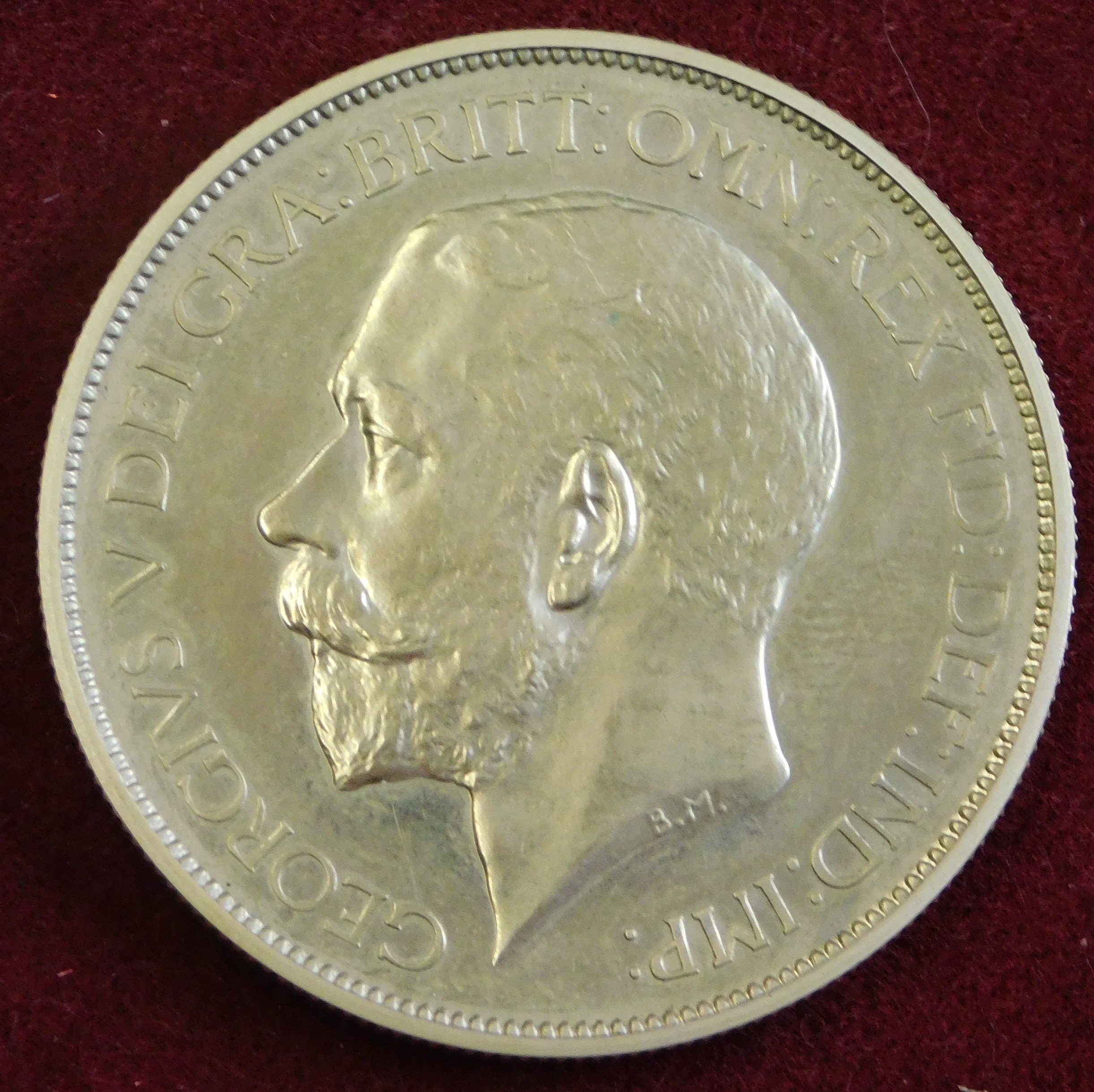
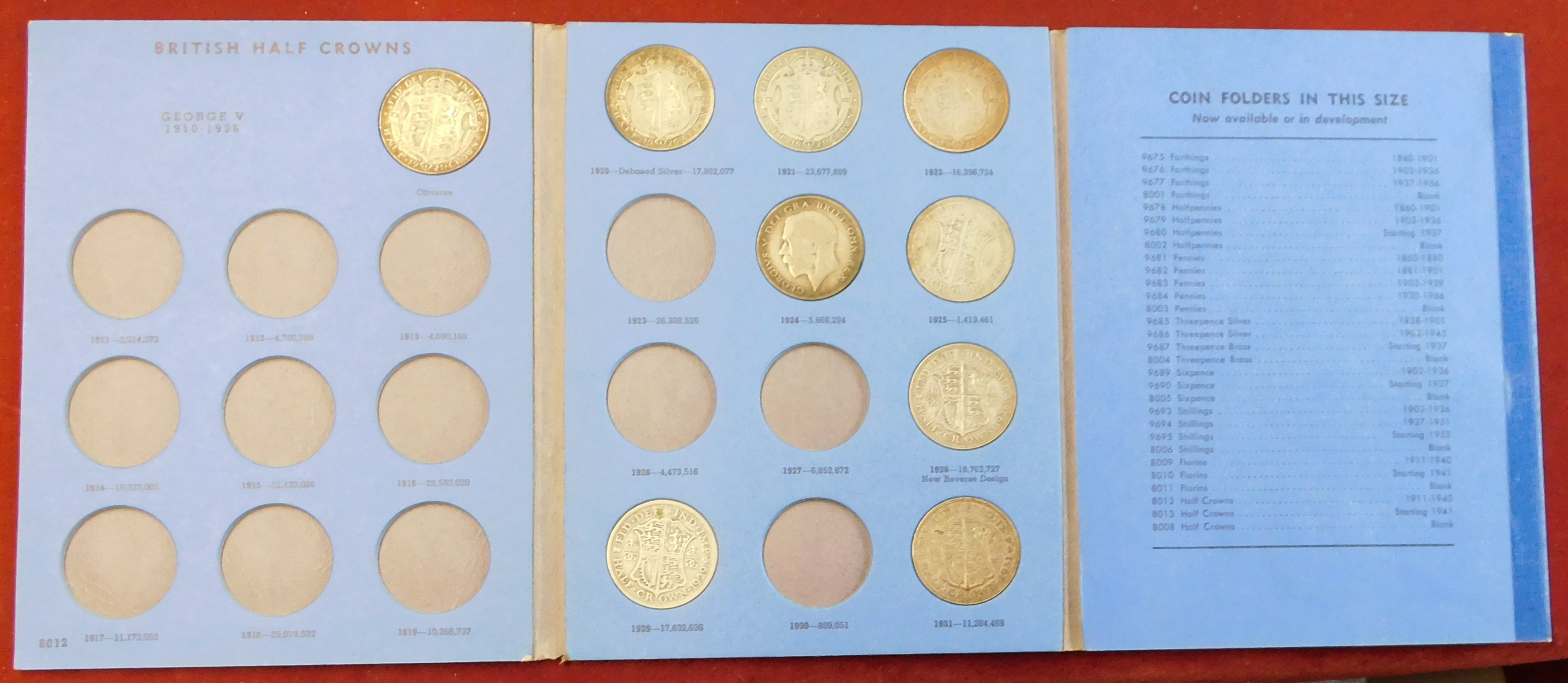
Lot 502, a rare (so rare that my employer, who has been in the business almost 60 years and one of whose specialities is coins has never previously auctioned one) 1911 specimen coin set carried an estimate of 3,000 – 5,000. By the time the auctioneer’s verbal description of the item was complete the bidding was already close to the £10,000 mark, and by the time the bidding finally stopped the hammer price was £11,800! I have been involved with James and Sons for 11 and a half years and this is comfortably the highest price I have seen for a single lot of any type in all that time…

After a start like that the rest of the auction was bound to be somewhat ‘after the Lord Mayor’s show’, but a few items succeeded spectaculalrly.

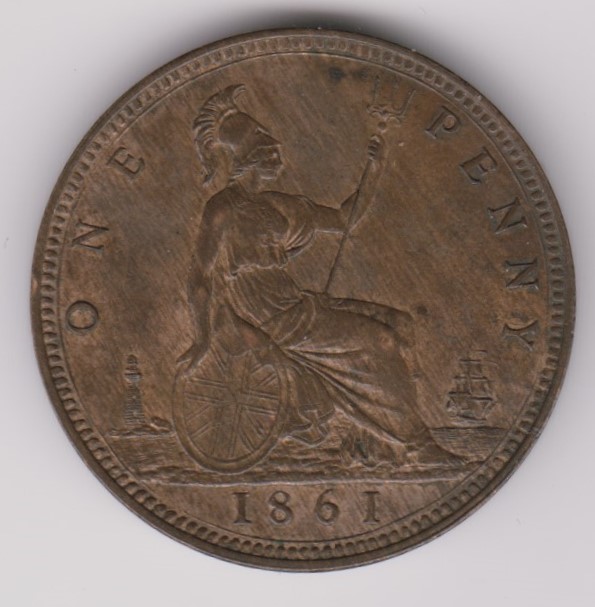
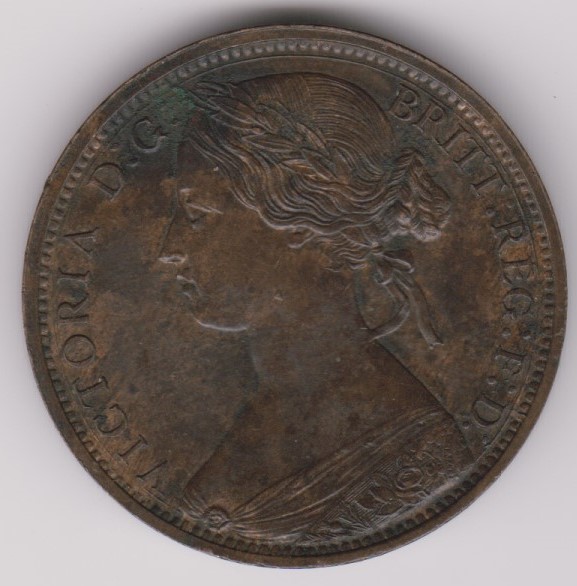
Lot 639, a Queen Victoria penny with an estimate of 50-60 was in relative times the success of the whole auction, going for an eye-popping £1,100

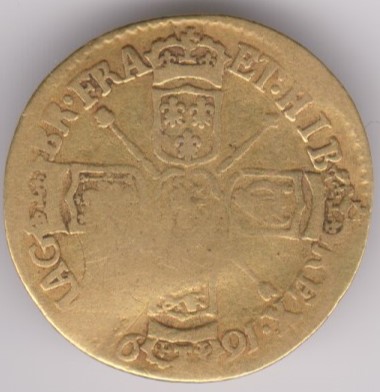
Lot 647, a gold coin from the reign of George III not in the best condition, went for £340.

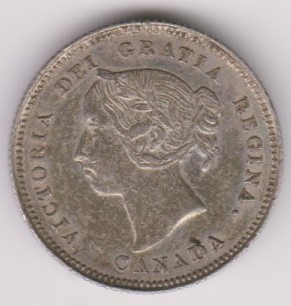
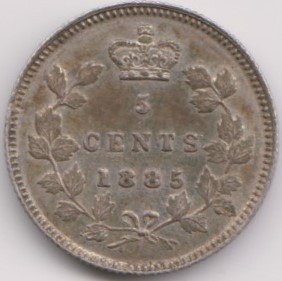
Lot 670, a Canadian five cent coin from 1885 fared even better, fetching £380.

Lot 673, a Canadian gold coin of recent vintage expected to fetch 15-20 ended up going for £80.

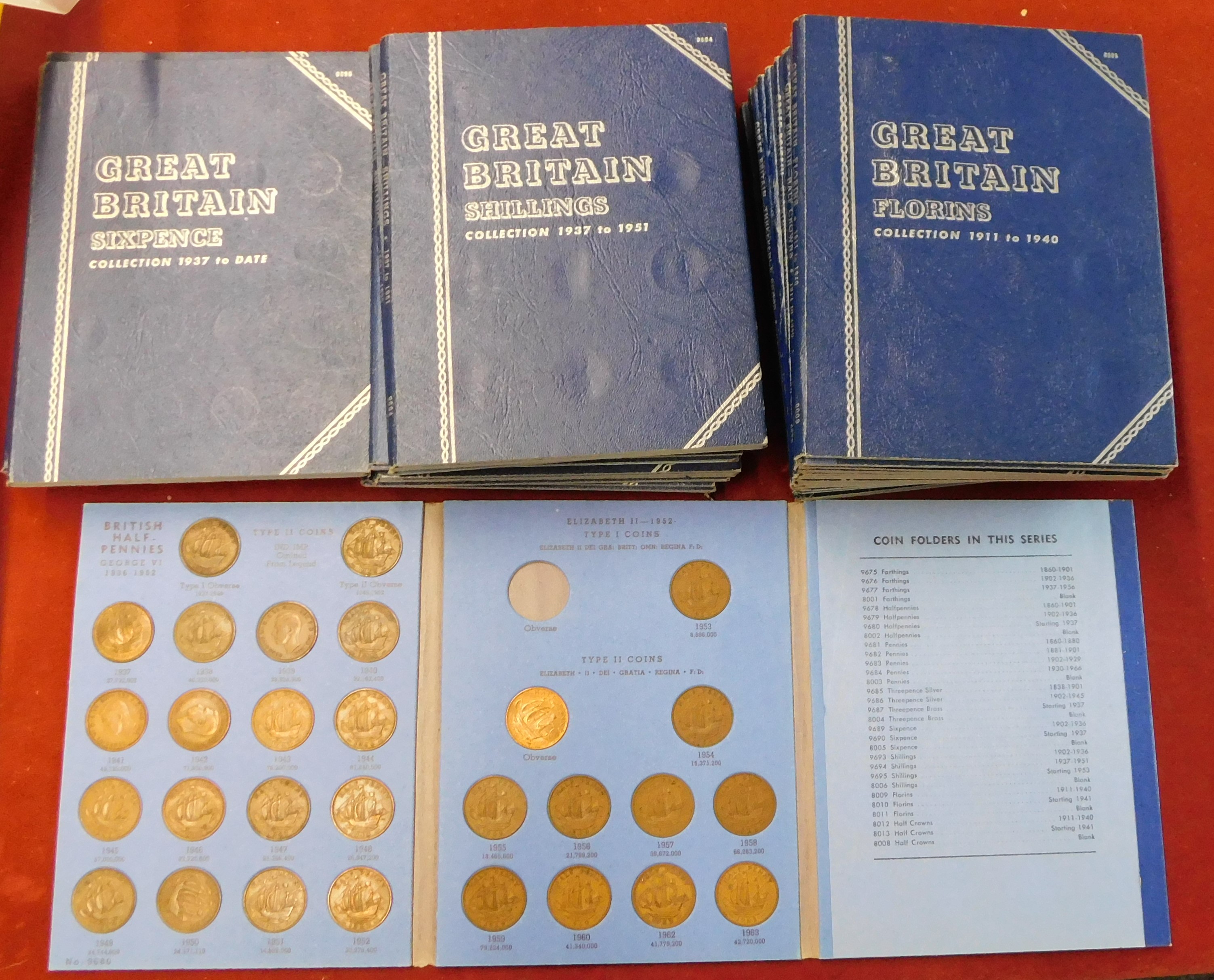
Lot 705 was the last big success of the auction (the auction ended at lot 756), going for £160.

I bring this section to an end with an item that did not fare especially well. Lot 731 was knocked down to me.

A reminder that all pictures can be viewed at a larger size by clicking on them. Now for my regular photo gallery.

The Final of The Women’s T20 World Cup

An account of yesterday’s final of the Women’s T20 World Cup and a large photo gallery.

Yesterday the final of the Women’s T20 World Cup took place, with the contending sides being New Zealand and South Africa. This post looks back at the match.

South Africa won the toss and chose to bowl first. New Zealand would undoubtedly have chosen to bat first anyway – they had done well doing so in this tournament – so both sides were happy with things at this stage. Neither side made any changes to their sides that had won the semi-finals, which meant that Suzannah Wilson Bates, aka Suzie Bates, became the most capped female international cricketer ever, winning her 334th cap across formats (sadly, due to NZ unwillingness to play test cricket, a format they last appeared in in 2004, across formats in her case means ODIs and T20s).

New Zealand have been notable (as indeed have South Africa) for bucking the usual trend in this tournament of batting cautiously. They had South Africa’s splendid chase against Australia in that semi-final as a reminder of what might happen if they failed to put up a decent total. The started excellently, enjoying the best Power Play that any side had had against South Africa all tournament long. Bates set the tone for New Zealand, scoring off most of the deliveries she received. Once the Bates/ Plimmer opening stand was broken with the score at 16, Amelia Kerr joined the fray, and made good use of her speed between the wickets. At 53 in the eighth over Bates was dismissed, and when skipper Devine was out for 6 to make it 70-3 just past the halfway mark. Brooke Halliday now joined Kerr, and they, helped by some South African indiscipline with the ball (the Proteas sent down too many wides and no-balls) upped the tempo very effectively. Halliday was the chief scorer in a fourth wicket stand that raised 57 runs in seven overs, scoring a T20I best of 38 from 28 balls (how’s that for rising to a big occasion?). The tempo increased further in the last 16 balls of the innings. Kerr was dismissed for 43 off 38 balls with the score at 141. Maddy Green and Isabella Gaze, the Kiwi keeper, scored 17 together off the last seven balls of the innings, helped by some less than stellar South African fielding (the two they scored off the last ball of the innings for example were more or less a gift). New Zealand’s total of 158-5 looked useful. For the record South Africa bowled three no balls and ten wides or to put it another way, 2.1 overs worth of extra deliveries.

Wolvaardt and Brits started extremely brightly, ending the Power Play still together and with 47 runs on the board, putting them just up with the required rate. There had been a brief worry for New Zealand when Kerr did not take the field at the start of the innings, but she was on by the second over. Left arm spinner Fran Jonas got Brits with the penultimate ball of the seventh over to make it 51-1. It was the tenth over, bowled by Kerr with her leg spin, that first swung things New Zealand’s way. With the first ball thereof Kerr had Wolvaardt caught by Bates, to become the leading wicket taker of the tournament outright (she had been tied with South African left arm spinner Nonkululeko Mlaba on 12 wickets until that point). With the sixth ball of that same over, she found the edge of Anneke Bosch’s bat and Gaze took the catch behind the stumps. This was initially given not out, but sent upstairs, and Ultra Edge fairly speedily revealed a tell tale spike. This wicket made Kerr the all time leading wicket taker at any single edition of this tournament. That was 64-3, and a huge psychological blow given that Bosch had been the star of South Africa’s semi-final triumph. Marizanne Kapp and Nadine de Klerk cobbled together a stand of 13, but then both fell in rapid succession. First Kapp was caught by Plimmer off Eden Carson, the off spinner whose delighted laughter in post match interviews had become a feature of the tournament. Then Rosemary Mair, the tall seamer who had taken four-for in New Zealand’s first game of the tournament, had de Klerk caught by Kerr. In the the space of two balls, the last of the 12th over and the first of the 13th, 77-3 had become 77-5. Chloe Tryon (a noted six hitter but not in great form) and Sune Luus were now together. They added 20, but South Africa were by then falling alarmingly far behind the required rate. For the 16th over Devine played a wild card – she tossed the ball to the rarely used Halliday. Halliday’s first delivery was a ghastly wide, the second was also not a great ball, but Halliday and Devine’s luck was in – Luus succeeded only in sending it into the hands of Bates at cover and that was 97-6, and 62 needed off 29 balls. Annerie Dercksen, like Tryon a noted big hitter, and with some recent form behind her, came to the crease with miracles required. Dercksen made it into double figures, though not terribly spectacularly. The 18th over was the last of Kerr’s four overs, and off the third ball of it Dercksen hit a catch to Bates, and the third time of the innings the veteran’s hands proved safe to make it 111-7. Kerr’s last three balls were uneventful, and she finished with 4-0-24-3 to set alongside her 43 with the bat and a catch. No one had ever previously combined 40+ runs and 3+ wickets in a knockout match at women’s T20 world cup. The 19th over was given to Rosemary Mair, her fourth and last. Chloe Tryon went for a big hit off the first ball of it, as dictated by circumstances, but was well caught by Maddy Green. That was 117-8, 42 needed off 11 balls. Sinalo Jafta and Nonkululeko Mlaba added three runs together before the fifth ball of the same over, a beauty, got through Jafta’s defences and hit her stumps to make it 120-9. Mair finished with 4-0-25-3, and 38 were needed off the final over. With all pressure now removed it was Carson to bowl. South Africa avoided being all out, but only six runs accrued from that final over, giving New Zealand a win by 32 runs. Player of the Match was straightforward, since Kerr had both the highest individual score of the game and the best bowling figures of the game. With 135 runs and 15 wickets across the tournament Kerr was also the proverbial shoo-in for Player of the Tournament. South Africa skipper Laura Wolvaardt, who had impressed leading her side in the field and was the tournament’s leading run scorer was probably the least distant challenger to Kerr. For New Zealand skipper Devine this was a laying of an old ghost – on the last ball of the 2010 final Ellyse Perry’s boot stopped a fiercely struck shot from Devine that had it reached the boundary would have taken the match to a super over. It was also a remarkable turn around for New Zealand from a few months ago, when they toured England, and if anyone then had predicted that they would be lifting a world cup a few months later most followers of the game would have had a good laugh at the would-be Nostradamus’ expense. South Africa’s wait to lift the ultimate prize goes on, but they too deserve immense credit for the way they played this tournament. Scorecard here.

My usual sign off…

Setting Up A Historic Final

A look at the matches that combined to set up a final of the Women’s World T20 Cup (which takes place tomorrow) that is definitely historic and probably so in more than one way. Also a photo gallery.

The final of the Women’s World T20 Cup will take place tomorrow. This post looks at how a final that will be historic, possibly in multiple ways, came to be. The last post I wrote about this tournament saw New Zealand move into the semi-finals by beating Pakistan. I now pick up the story from there.

In the last remaining group match of the tournament England faced West Indies in a match that was effectively ‘winner takes all’. England batted first and scored 141-7 from their 20 overs, a tally that looked possible to defend and may have been so had England held their catches. Unfortunately for them they dropped a cartload. Chief culprit was opener Maia Bouchier who shelled no fewer than four, but she was not alone in being at fault. Qiana Joseph took advantage of England’s generosity in the field to record a very quick 50, and West Indies had two whole overs and six wickets in hand when they secured the win. Their margin of victory was enough to see them top the group over South Africa, meaning that they would face New Zealand in the semi-final. Scorecard here.

I only got to follow about the last 15 overs of this one due to being at work when it started. Australia batted first and scored 134-5, a total that suggests over caution – while this has been a low scoring tournament, Australia have immense batting depth, and the loss of only half their wickets gives the appearance of not making maximum use of their resources. South Africa made full use of the Power Play – they were past 60 in the sixth over by the time I joined the coverage. The destroyer in chief with the bat was Anneke Bosch who had had a quiet tournament up to that point. She was well supported by Laura Wolvaardt, who goes into the final as the tournament’s leading run scorer. When Wolvaardt was out just before the end Chloe Tryon joined Bosch who continued in irrepressible vein. Appropriately it was Bosch who sealed the victory, hitting the second ball of the 18th over for a four that took her score to 74* (48). This victory by South Africa, well and truly laying the ‘chokers’ tag to rest (no side who beat the Aussies in a knock out match can be so described), also meant that in this, the 20th women’s world cup across formats, the final would, for the first time in the history of both competitions feature neither England nor Australia. I am English, but I can absolutely see that this tangible lessening of the dominance of these two sides is good news for the women’s game as a whole and as such I welcome, and indeed celebrate the fact that this has become a tournament for the underdogs. Scorecard here.

New Zealand won the toss and chose to bat. West Indies would have chosen to bowl first had they won the toss, so both sides had things the way they wanted them in that regard. Suzie Bates and Georgia Plimmer opened with a stand of 48 in 8.2 overs. Plimmer went on to top score with 33. Other than the openers only Izzy Gaze, 20* off 14 balls, reached as far as 20. New Zealand ended with 128-9 from their 20 overs, and it looked like game on. Chinelle Henry suffered an injury when she misjudged a catch and the ball hit her forehead. She was replaced under concussion protocols with Chedean Nation.

New Zealand soon took control of proceedings. With five overs to go West Indies were 72-5, still 57 short of the target. At that point Deandra Dottin got stuck into Lea Tahuhu. In that 16th over Dottin hit three sixes, and in total West Indies scored 23, reducing the ask to an achievable looking 34 in four overs. The next three overs were the last of the match for each of the three young New Zealand spinners (Eden Carson, off spin, 23 years old, 4-0-29-3; Fran Jones, left arm orthodox spin, 20 years old, 4-0-21-1; and the veteran of the trio, Amelia Kerr, leg spin, 24 years old and with seven years international experience already, 4-0-14-2), and they held West Indies to 19 runs of those three overs, leaving 15 required off the final over. At this point, with Tahuhu having that horror over against Dottin and all the other front liners bowled through New Zealand skipper Sophie Devine made a massive call – she entrusted the final over of the match to Suzie Bates who had not bowled a ball in either this match or any of her previous 14 international matches. When the first ball was hit for four by Zaida James to take her to 14 off six balls it looked like it might be backfiring, but the next ball was a dot, and then the third ball of the over rattled James’ stumps to make it 118-8, 11 needed off three balls. Ashmini Munisar got a single off the first of these deliveries, which got the experienced Afy Fletcher back on strike, but also left her needing to score 10 off two balls. When the first of those deliveries escaped unscathed Bates merely needed to bowl a legal delivery to put New Zealand into the final. She did so, an irrelevant single accrued, and New Zealand were home by eight runs. This victory means that the Womens’ World T20 cup 2024 will definitely be won by a team who have never won it before (West Indies had done so), and also creates the possibility of another piece of history – if Bates is fit to play in the final (NZ will pick her unless she is ill or injured) she will make her 334th international appearance across formats in that match, which will make her the most capped female international cricketer ever, moving ahead of Mithali Raj of India. Scorecard here.

My usual sign off…

Thrills, Spills and Net Run Rate Calculations

A look back at the final match in Group A at the Women’s T20 World Cup, a 20 second video of a hedgehog and a large photo gallery.

Today saw the final match in group A at the Women’s T20 World Cup. New Zealand faced Pakistan. New Zealand had an easily described task: win and the would be in the semi-finals. Pakistan faced a much more complex situation – they would need to win and win big – a narrow win for them would see India second on Net Run Rate. This post looks at back at the match.

New Zealand won the toss and opted to bat first, hoping that the need to score ultra quickly in response would lead to a Pakistan collapse. Pakistan claimed that they would have chosen to bowl anyway. I reckon that the easiest way to achieve a big NRR swing is to bat first, put a big total up, and then dismiss the opponents. New Zealand in this case would have to keep going no matter how ridiculous the target. With New Zealand batting first Pakistan had to restrict them as much as possible – their task would be a tough one almost whatever New Zealand did.

Pakistan bowled excellently, but their fielding was not great. There were times when a New Zealand tally of below 100 looked likely, and if Pakistan had caught even reasonably well this would have happened. However by the time the 20th over came round four catches had been grassed. Remarkably another three chances went begging in the course of the 20th over. In the end New Zealand had scored 110-6. If Pakistan had merely had to win to progress things would have looked excellent for them…

The calculations revealed that barring levelling the scores and then hitting a boundary Pakistan needed to chase down the target of 111 in 10.4 overs or less. The three basic scenarios, ignoring boundary finishes were:

1: Pakistan chase down the target in 10.4 overs or less: Pakistan go into the semi-finals, India and New Zealand take the next flight home.

2: Pakistan chase down the target in 10.5 or more overs: India progress to the semi-finals and it is home time for New Zealand and Pakistan

3: Pakistan fail to reach the target, presumably because they get bowled out: New Zealand progress and both subcontinental sides are homeward bound.

Pakistan were thus obliged to take an extremely aggressive approach while any sort of hope of the quick win remained. Such an approach means an increased chance of opposition wickets, and that is what eventuated. New Zealand did better catching wise than their opponents had, but even they were not flawless in the field. However, Pakistan were 28-5 after 5.3 overs, as their aggressive approach did not work out. The sixth wicket pair now settled in for a stand that gave India hope, if they could somehow keep it going, but amounted to Pakistan’s acknowledgement that their own challenge had ended. The second last ball of the tenth over saw the partnership broken when Nida Dar was deceived by a beauty from Kerr and Gaze made no mistake with the stumping. That was 52-6. Omaima Sohail gave Carson a return catch in the 11th over to make it 55-7. Syeda Aroob Shah was run out off the first ball of the 12th over, a fine return from Green to Kerr doing the job. Fatima Sana back on strike, and now her sides last remaining hope, was caught by Bates off the next ball to make it 56-9. Sadia Iqbal, the number two ranked WT20I bowler in the world, behind another left arm spinner Sophie Ecclestone, survived one ball, before she too was caught by Bates off Kerr, for a duck in her case. Pakistan were all out for 56, their lowest ever WT20I total (previously 60), though the nature of the challenge facing them provided mitigating circumstances. Bates’ final catch was her 400th in professional cricket. Incidentally if Bates manages to keep going until 2028 she could join a very small club of people who have competed in The Olympics in two different sports – at Beijing in 2008 a young Bates was part New Zealand’s basketball team, and cricket will feature at Los Angeles 2028.

This section was my main reason for wanting to put up another post today – my thanks to the New Zealand and Pakistan Women’s cricket teams for providing the material for the body of the post. I start with a video, taken on the bank of Bawsey Drain, King’s Lynn during my afternoon walk:

Now for the photos…

Two Crunch Matches

Accounts of yesterday’s matches at the Women’s T20 World Cup and a photo gallery.

Yesterday saw two matches in the Women’s T20 World Cup. In the early match England faced Scotland in a match they had win if they were to qualify for the semi-finals. The late match was in the other group and was that group’s biggest match, Australia v India, with the latter knowing that if they did not win they would be relying on Pakistan beating New Zealand today for their own hopes of progression. This post looks back at both matches.

Before getting into my account of the match, Edward I, who was King of England from 1272-1307, earned the nicknamed ‘Hammer of the Scots’ for his victories over his northern neighbours.

Although England had won both their matches at the tournament so far going into this match, their third in a row at Sharjah, their position was precarious due to the way the group had panned out. Effectively the matches so far had separated the group into three strong sides (England, South Africa, West Indies) and two weak ones (Bangladesh and Scotland), so even a third successive win would not guarantee England progression – South Africa have played all four of their matches, and their net run rate is such that however the final match in this group, between England and West Indies, pans out the proteas will almost certainly qualify for the semi-final.

England brought Lauren Bell in for Linsey Smith, changing the balance of their attack, and Alice Capsey was ill, meaning that Sophia Dunkley came in to the side in her place. Scotland had made only one change, McColl in for Chatterji.

Scotland won the toss and opted to bat first, a decision that Heather Knight confirmed that she would also have made had she won the toss.

Scotland never really got going, although Kathryn Bryce batted well for them, and 20 year old Ailsa Lister hit a six for them, their only one of the tournament. No England bowler was really expensive, though Sarah Glenn would have been disappointed to concede 24 from three overs. Sophie Ecclestone had 2-13 from her four overs, Lauren Bell 1-16 from her four, and Danielle Gibson bowled her first over of the tournament, taking 1-5. Scotland finished with 109-6, which looked on the low side even before the England innings began.

Maia Bouchier and Danni Wyatt-Hodge were ruthlessness personified in exposing the inadequacy of Scotland’s total and the lack of bite possessed by their bowling attack. Bouchier top scored with 62* (34), a knock that included 12 fours. Wyatt-Hodge scored 51* (26), hitting seven fours and showing once again that veteran though she is she is as quick between the wickets as anyone in the game. The winning hit came off the last ball of the tenth over, and because it was a four and not the single that would have been enough England’s net run rate passed that of West Indies. England are thus top of the group with three wins out of three, but because of the failings of Bangladesh and Scotland, and South Africa’s good net run rate they almost certainly need to make it four wins out of four to qualify – a West Indies win would send them through alongside South Africa. Scorecard here.

Australia had lost two players to injury, skipper Alyssa Healy and fast bowler Tayla Vlaeminck. The latter had flown home, replaced in the squad by all rounder Heather Graham. Healy remained, either because Australia hoped she would recover in time to play later in the tournament or because the rules on injury replacements decreed that a player who was officially replaced was not allowed in the dressing room, and Healy as official captain was someone whose presence was wanted even if she couldn’t play. Healy’s role as opening batter was taken by Grace Harris, while Mooney took over the keeping duties and Tahlia McGrath became stand-in captain. Vlaeminck was replaced by Darcie Brown. Australia lined up with Annabel Sutherland officially due to come in at number eight. India’s line up was initially as expected, but then Asha Sobhana suffered an injury between the toss and the start of the game, and Australia graciously acceded to India’s request to change their XI at the last minute, bringing Radha Yadav in to the side in Sobhana’s place.

Australia did not start very well – Mooney was out for 2 (7) with the score at 17, and the tactically promoted Wareham was out first ball. However Harris and McGrath added 62 for the third wicket before McGrath fell for 32 off 26 balls. Perry injected some extra pace into the scoring, and by the time she was sixth out, for 32 off 23 balls the score had reached 134 and there were nine balls left in the innings. Sutherland scored 10 off six balls, and Phoebe Litchfield struck the last ball of the innings for six to take her score the 15 off nine balls and Australia’s to 151-8.

India fought hard, with Harmanpreet Kaur making a fine 50. With four overs to go they were in with a chance of pulling off the upset. However Megan Schutt, previously uncharacteristically expensive (she had conceded more in her first three overs in this innings than she had previously done all tournament put together – 23 to 22) bowled a quite superb 17th over, conceding just two runs to reassert Australia’s control. The 18th and 19th overs were both good for India, but not quite good enough. They needed 14 off the final over for the win. Pooja Vastrakar was bowled by the second ball of the final over, and the next two balls both saw run outs, of Arundhati Reddy and Shreyanka Patil respectively. That was 141-8, 11 needed and two balls to come. The penultimate ball of the match trapped number 10, Radha Yadav, LBW, and now all Sutherland needed to do was make sure she bowled a legal delivery. This proved straightforward enough for her, and Renuka Singh Thakur accrued a single to reduce the margin of defeat to nine runs. India as a whole are not a great fielding side, and the other area in which they were noticeably poor was running between the wickets. As well as the run outs (even before the events of the final over Richa Ghosh had suffered an appalling one – having already once been guilty of lazy running and got away with it she made the same mistake a second time and was punished) they were far too often accepting singles when had they run harder they might have induced mistakes which lead to extra runs. They fought hard, but against Australia you cannot win unless you do everything right – getting most things right is not good enough against the women from down under.

My usual sign off…

England Triumph in Multan

An account of days four and five in Multan is England created history by winning by an innings margin after conceding over 500 in the first innings. Also a photo gallery.

In my previous post I told the story of the first three days of the opening test of the Pakistan v England series in Multan. I now tell the story of days four and five (please bear in mind day four was a work day for me and therefore I did not to get follow all of it).

England started day four on 492-3. They utterly dominated the morning session, Root and Brook batting like a pair of titans. Had England scripted the session they would hardly have dared to make as good for themselves as it actually was. Not only did the Yorkies remain together throughout the session, they plundered 166 runs from 29 overs in the course of it. Both were well past 200 by the lunch interval, only the second time England had ever had two double centuries in a single test innings after Chennai in 1984 when Graeme Fowler and Mike Gatting did likewise. The partnership was worth an unbroken 409 at this point, already England’s second best ever for any wicket against all comers, also the highest ever England partnership between two players from the same county, relegating Hutton/ Leyland (Yorkshire, 382 for the second wicket v Australia at The Oval in 1938) into second place in this particular league table, with Denis Compton/ Bill Edrich (Middlesex, 370 v South Africa for the third wicket in 1947) and Ken Barrington/ John Edrich (Surrey, 369 for the second wicket v New Zealand in 1965).

After lunch the pair continued the assault, taking the total past 700 while they were still together. Both passed 250 along the way, Root first, closely followed by Brook who in spite of having given his partner an 80-odd run head start was threatening to overhaul him. Finally, Pakistan gained a measure of relief, when Salman Agha trapped Root LBW for a new test best of 262 to make it 703-4, ending the stand at 454, England’s record for any wicket in all test cricket, the all time fourth wicket record for all test cricket, and the fourth biggest partnership in test history, beaten only by Martin Crowe/ Andrew Jones 467 for the third wicket v Sri Lanka, Jayasuriya/ Mahanama 576 for the second wicket v India and Jayawardene/ Sangakkara 624 for the third wicket v South Africa, which means that this was also the biggest ever partnership in a test match not involving Sri Lanka.

Brook kept going, ticking off a few more milestones. At 270 he claimed possession of the highest test score by any member of this XI, a four taking past Crawley’s 267 also against Pakistan. Then came Cook’s 294, the highest score for England in the 21st century, then the triple century. It was at this point that I headed off to catch the bus to work, having made all my preparations and decided that I would take my leave either when Brook was out or when he reached 300, whichever came first, so I missed the last period of England’s charge towards a declaration. Later checks revealed that the declaration had finally come at 823-7, with Brook’s innings ending on 317, the second highest ever score for an England batter abroad behind Hammond’s 336* v new Zealand in 1933, and that Saim Ayub, pressed into service due Abrar Ahmed being ill (ill enough to hospitalized) had become a record breaking sixth Pakistan bowler to concede 100 or more in the innings. The previous was five, although in the first such instance of that happening, when Australia scored 758-8 declared v West Indies back in the 1950s, a sixth bowler, Sobers, avoided joining them by the narrowest possible margin, going for 99.

Pakistan thus began their second innings 267 runs adrift. It would appear to be in the early stages of their second innings that their hopes of escaping with a draw were killed. Abdullah Shafique was bowled by the first ball of the innings, and Pakistan somehow lost six wickets in the space of 24.2 overs, for 82 runs. The seventh wicket pair stopped the collapse to the extent of taking Pakistan to the close of day four on 156-6.

Day five started with Pakistan needing 111 to avoid the innings defeat, with three wickets standing (it was confirmed that Abrar Ahmed was still ill in hospital and would not bat, though as a regular number 11 he was unlikely candidate for becoming a latter-day Eddie Paynter, rising from his hospital bed in his country’s hour of need and becoming the batting hero, as the Lancashire left hander did in the fourth test of the 1932-3 Ashes). Salman Agha and Aamer Jamal took their partnership past the 100 mark, but at 191 Jack Leach pinned Agha LBW for 63. Shaheen Shah Afridi resisted for a time, but after an over in which Brydon Carse gave him a tough time he drilled one back at Leach who took a superb return catch to make it 214-8. Naseem Shah got off the mark with a six, but missed another huge heave at the next ball and was stumped by Smith to end proceedings with Pakistan 47 short of avoiding the innings defeat. Leach’s polishing off of the tail gave him innings figures of 4-30, the stuff of miracles on this pitch, and match figures of 7-190. To put those figures in their true perspective, it means he took his wickets in this match at 27.14 each, while outside of his efforts the total score was 1,409-19, an average of 74.16 per wicket. Pakistan’s 556 is the highest first innings total by any side to lose a test match by an innings. There have been two higher scores in the first innings of a match by a side who ended up beaten: Bangladesh 595-8 declared v New Zealand quite recently, and Australia’s 586 at Sydney in 1894, when overnight rain at the end of the fifth day of a timeless match saw Australia caught on a vicious sticky and spun to defeat by Bobby Peel and Johnny Briggs, 113-2 becoming 166 all out and a loss by ten runs. Pakistan under Shan Masood have now lost six successive matches. The second match of this series starts, also in Multan, on Tuesday.

My usual sign off…

Pakistan v England So Far

A look at developments in the first test of the Pakistan v England series, currently taking place in Multan, a link to an important campaign and a photo gallery.

The England men’s test side are currently in Pakistan, contesting the first match of a three match series. Multan is the venue.

Pakistan won the toss and chose to bat. Abdullah Shafique and skipper Shan Masood shared a s second wicket stand of 253, and there were further major contributions from Saud Shakeel (82) and Salman Agha (104*) to boost the total to 556. Leach had 3-160 from 40 overs, Atkinson and Carse each claimed two wickets, while Bashir, Root and Woakes took one each. Though he was the most economical of the bowlers, going at precisely three runs per over, Woakes did precious little to suggest that he is worth his place overseas. Ben Duckett injured a thumb taking the catch that ended the Pakistan innings.

Pope opened in place of Duckett and fell for a duck, but Crawley and Root saw things through to the end of the second day with the score 96-1.

Crawley donated his wicket with a really poor shot off Shaheen Shah Afridi, to make it 113-2 early this morning, but Duckett, now fit to bat, came in at number four and played excellently in partnership with Root. The third wicket stand had reached 136 when Aamer Jamal trapped Duckett LBW for a splendid 84 to make it 249-3. That brought Harry Brook to the crease, and neither he nor Root ever looked in any trouble from the Pakistan bowlers, though the Multan heat caused Root problems, in the form of cramps. By the time Brook joined the fray Root had already established himself as England’s all time leading test run scorer, having started the innings needing 71 to overhaul Cook’s tally, and now the milestones clocked up frequently: 50 to Brook, 100 to Root, 100 to Brook, 150 to Root. By the time stumps were pulled England had reached 492-3 and the partnership between the two Yorkies was worth an unbroken 243. Abrar Ahmed had bowled 35 overs for 174 and was wicketless. That included one spell of 23 overs, the longest wicketless spell by anyone against England since Old Trafford 2005 when Shane Warne bowled w=a wicketless spell of 24 overs. Root had 176 not out by the end of the day, having faced 277 balls and hit 12 fours, and thus run 128 of his own runs. Brook was 141 not out from 173 balls, with 12 fours and one six. The pitch has not yet shown any signs of breaking up, and Pakistan’s bowlers have by and large looked clueless. A draw would seem likely to because the pitch is emasculating the bowlers, but I could see an England win, if they bat well tomorrow, and Pakistan after a long time in the field and facing a large deficit, not to be expected after scoring 550, become dispirited and their second innings collapses. In total 250 overs have been bowled so far – 16 fewer than should have been allowing two overs for each innings break. Current scorecard here.

Just before my usual sign off, I have a link to share. The British sugar beet industry is seeking an ’emergency exemption’ from the ban on the use of Neonicitinoids for would if granted be a fifth successive year, hence the use of the use of speech marks around the key phrase. These pesticides are more poisonous gram for gram than DDT. It is time for two things:

  1. The government needs to stand up to the sugar beet people and refuse them their exemption.
  2. The right to apply for an emergency exemption then needs to be officially removed – the sugar beet industry has blatantly been abusing it, requesting such exemptions year after year rather than getting used to life without dangerous pesticides.

Butterfly Conservation are running a petition against the granting of this emergency exemption, which you can access here. There are four days left to do this. Image link below.

Now for my photographs…

Two Small Run Chases, Two Very Different Approaches

A look back at yesterday’s matches in the Women’s T20 World Cup – two small run chases, and two very different approaches from the two chasing sides. Also a photo gallery.

Although a test match got underway today between the Pakistan and England men’s sides in Multan, which I will be writing about in due course my focus for this post is yesterday in the Women’s T20 World Cup.

Pakistan had won their first match of the tournament, India had lost theirs heavily. India bowled well and had moments in the field, though they were far from unblemished there – two easy catches went to ground. Pakistan messed up their batting order, with the captain coming in too late. In the end Pakistan left themselves with a mere 105 to defend. Surely this was time for India to stamp on the accelerator right from the start in an effort to undo some of the damage their shellacking by New Zealand had done to their net run rate. However they were consumed by caution, and in the end they completed the job with only seven balls to spare, which was not what they needed. Unless India can somehow beat Australia it now looks like the game between New Zealand and Pakistan will be a virtual play-off for a semi-final slot due to India’s poor net run rate.

Scotland never really got going at all, and in the end they failed even to reach 100, finishing their 20 overs with 99-8. West Indies did what India hadn’t earlier in the day and went hard at the chase. Qiana Joseph atoned for her horror innings in the previous game by scoring 31 off 18 balls, Deandra Dottin, in the second match of the second phase of her international career scored 28 not out off 15 balls, and Chinelle Henry hit 18 not out off 10 balls. West Indies needed only 11.4 overs to complete their task and had six wickets to spare. Joseph and Henry hit a six each along the way, and Dottin had two sixes, the second of which was the winning hit. West Indies with the boost to their net RR currently sit top of their group, though they will be displaced by whoever wins today’s match between England and South Africa.

My usual sign off…