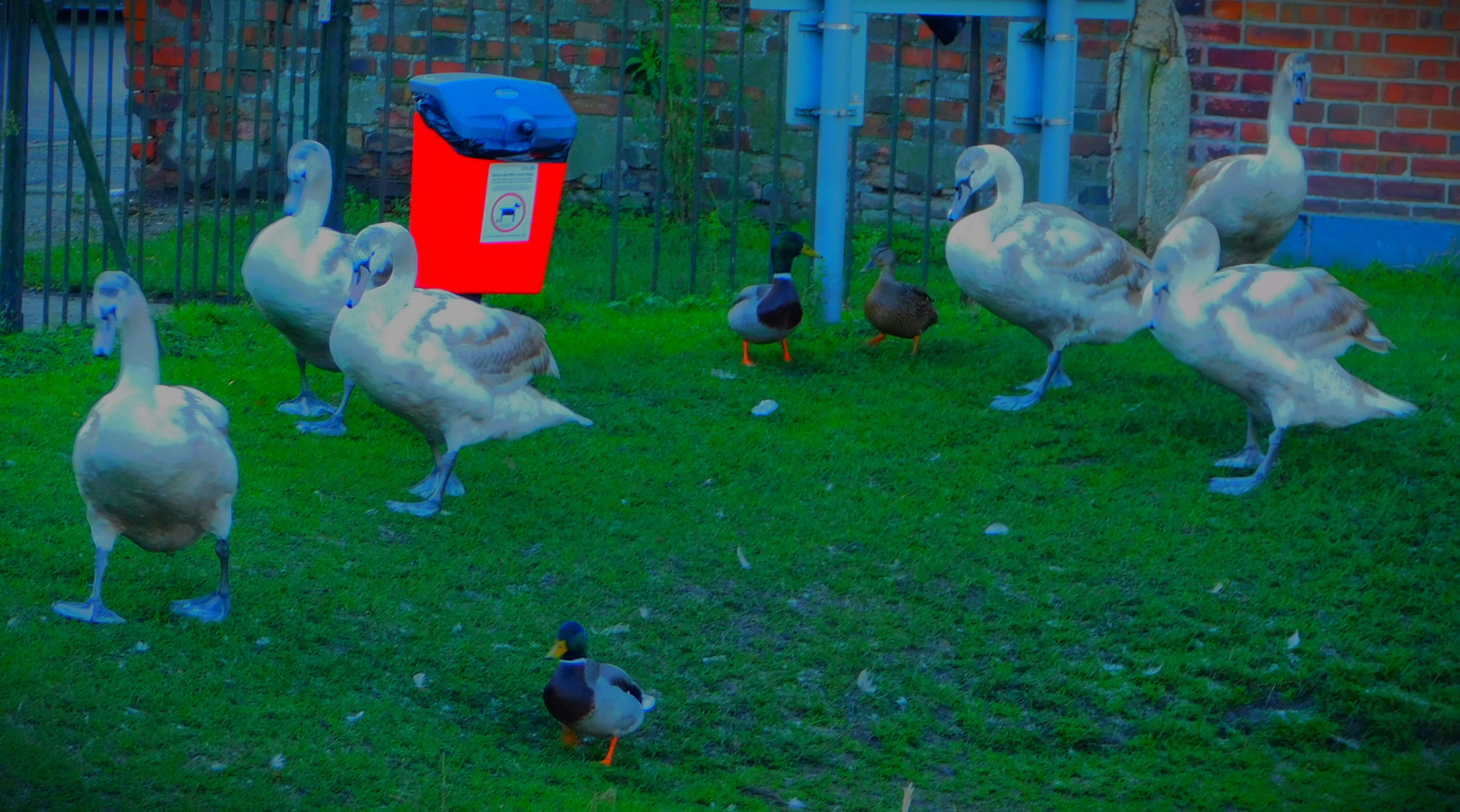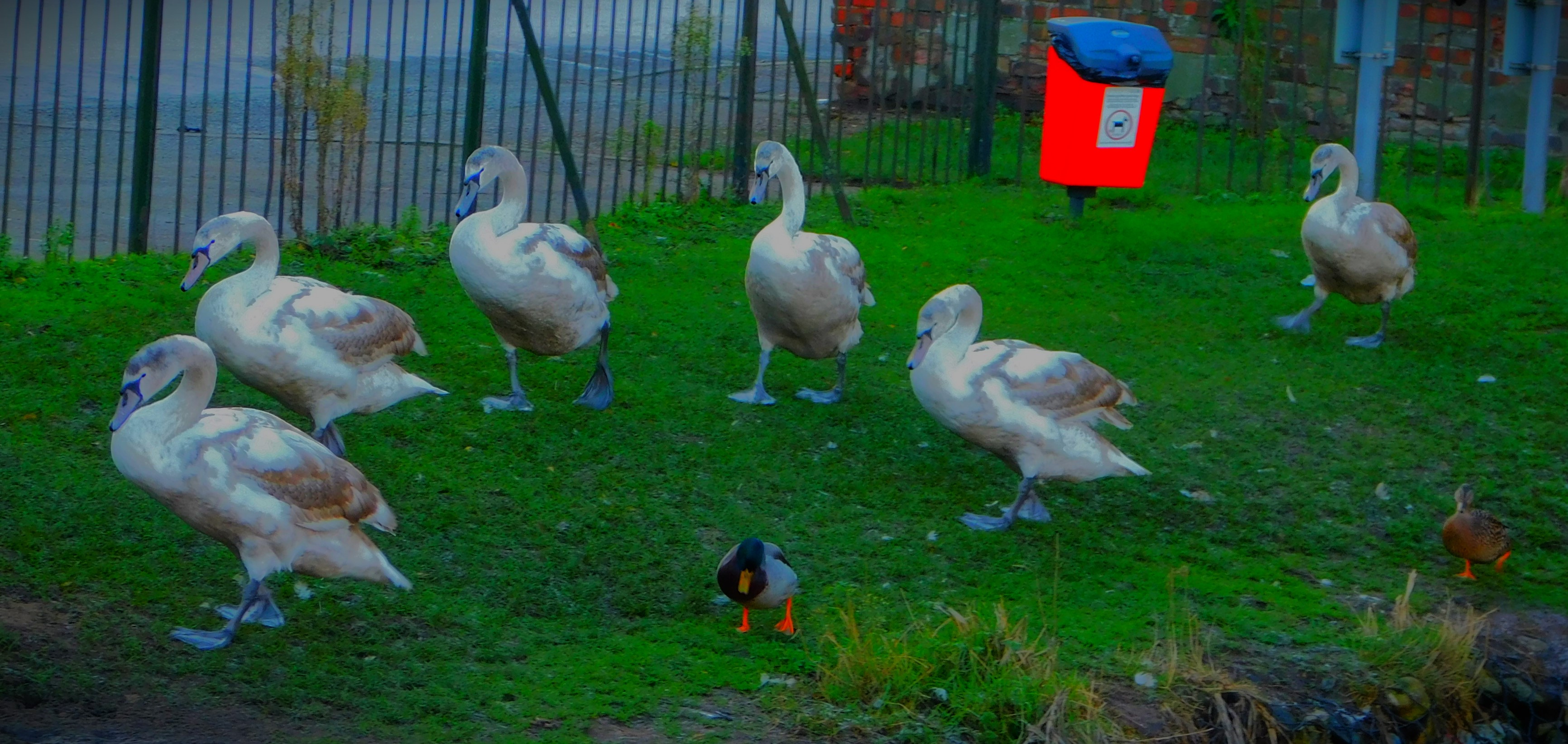
King’s Lynn in Multiple Moods

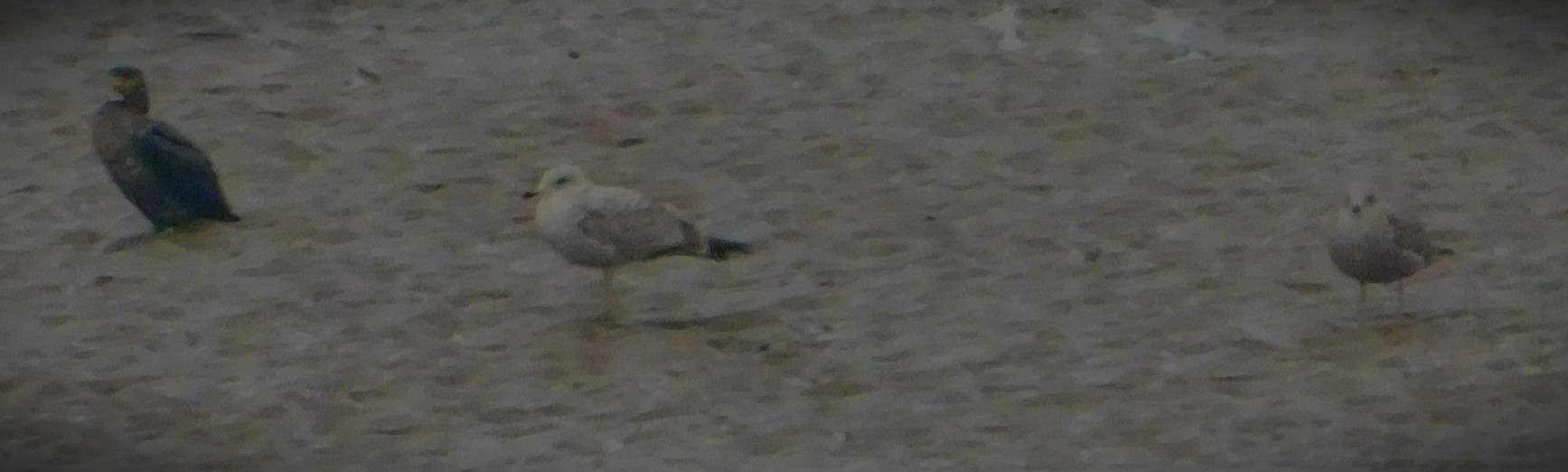
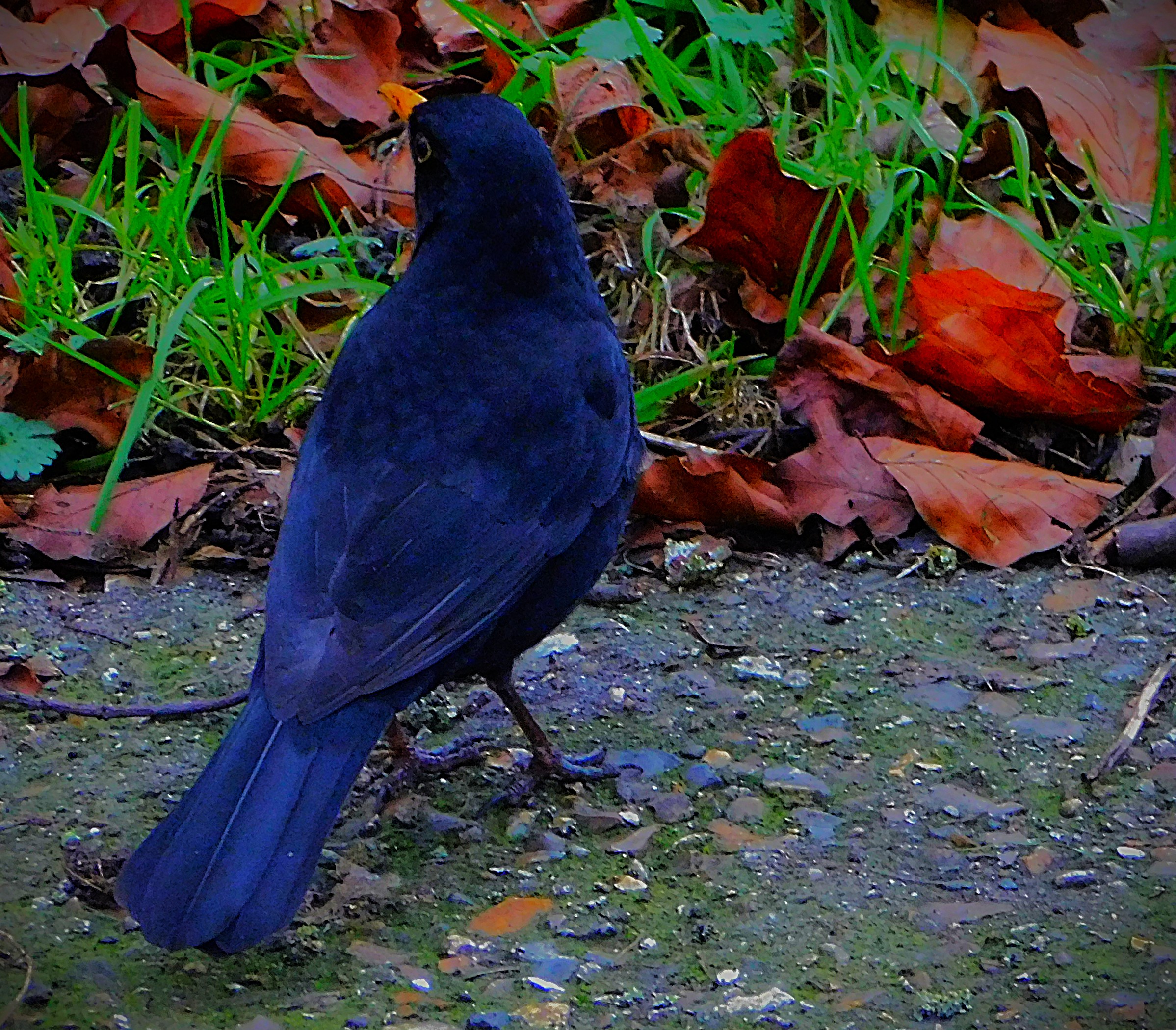
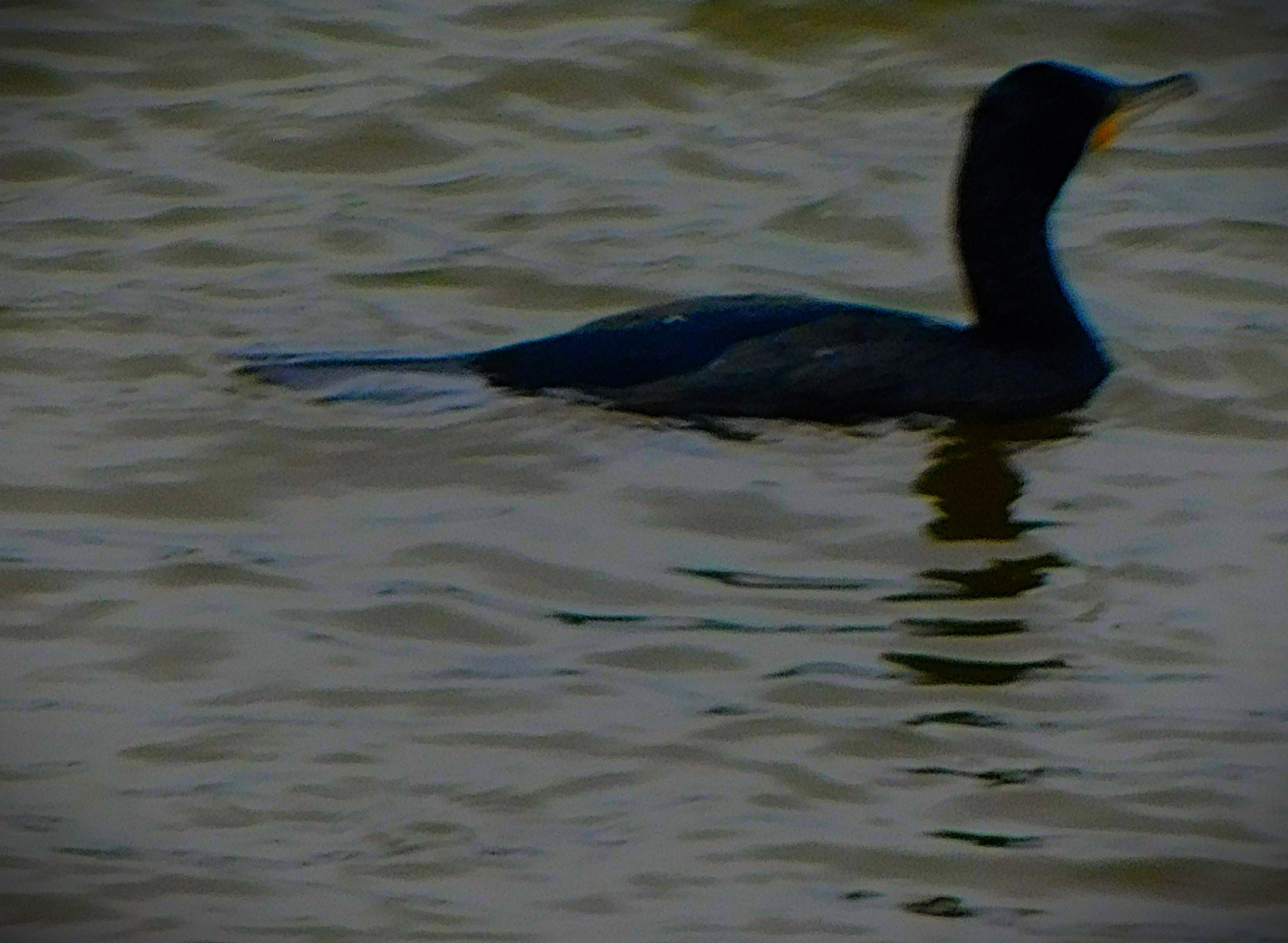
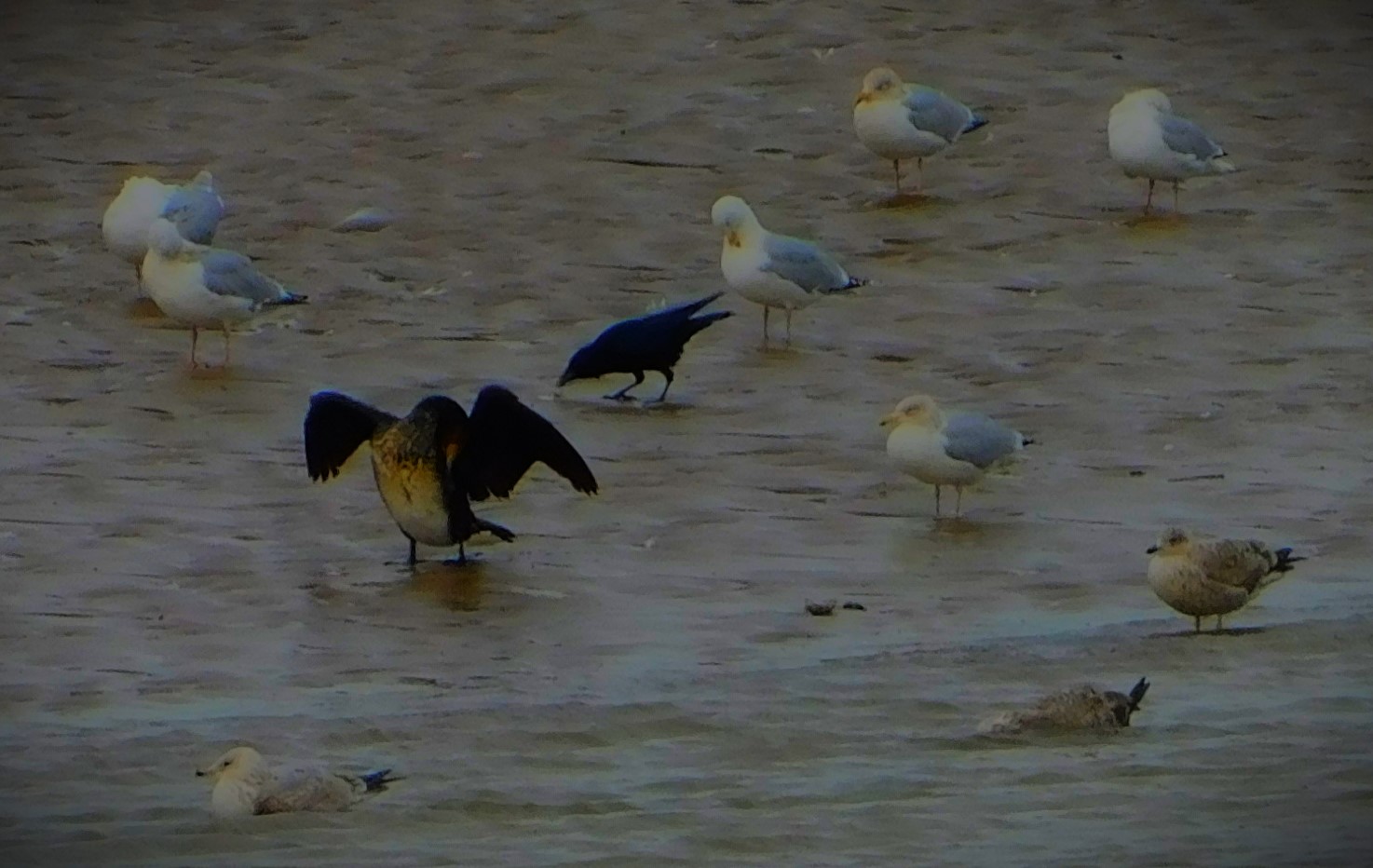
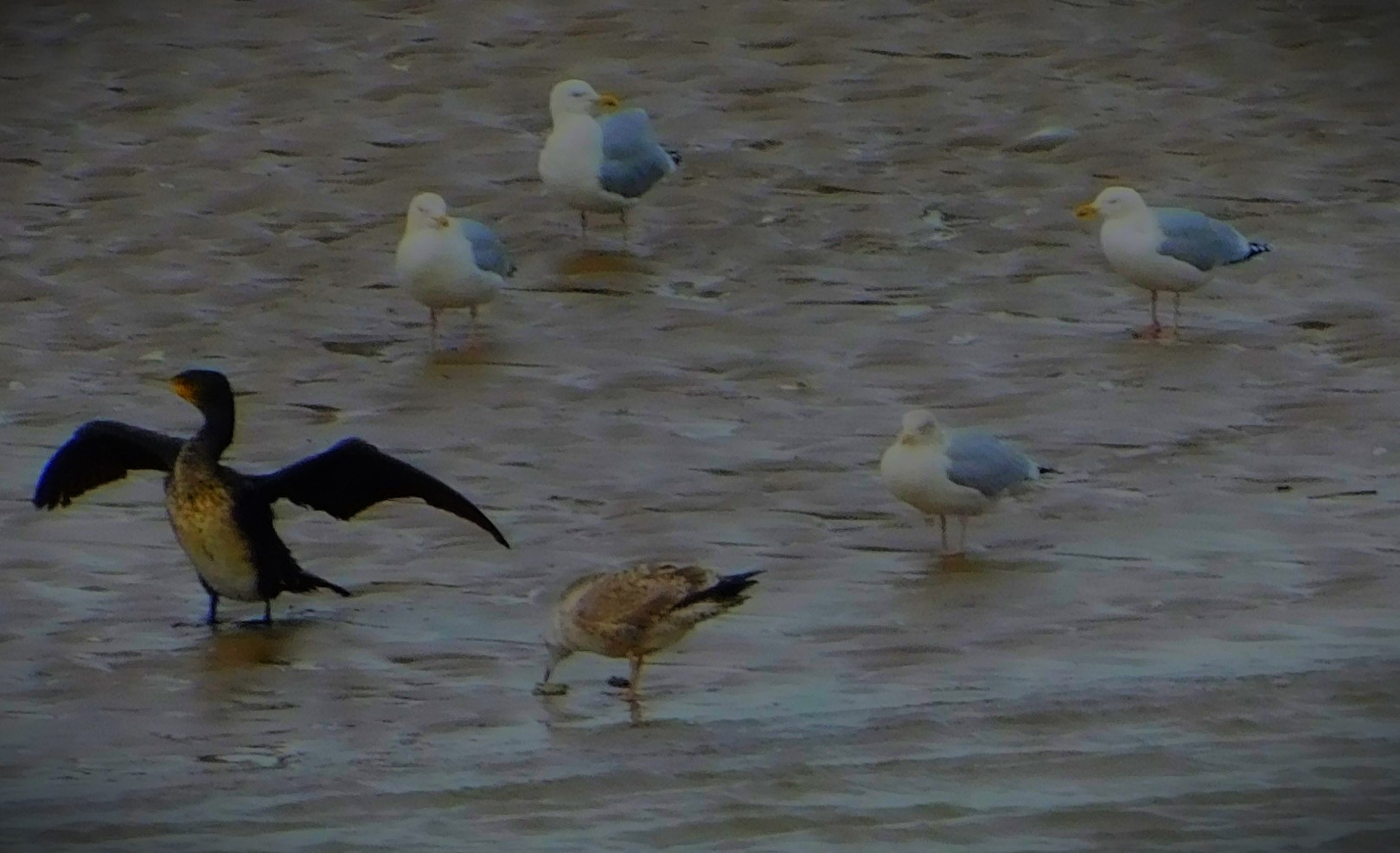
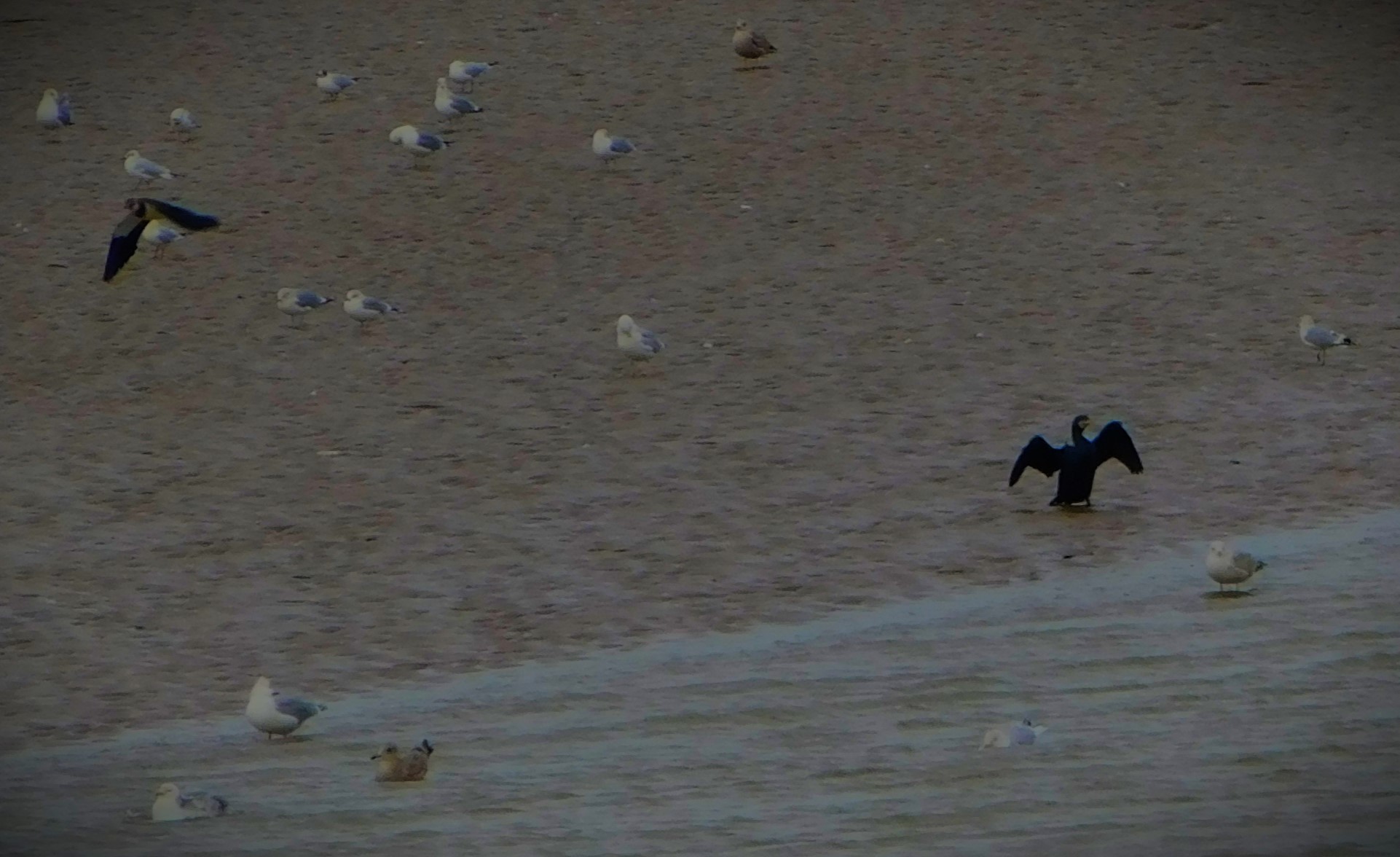
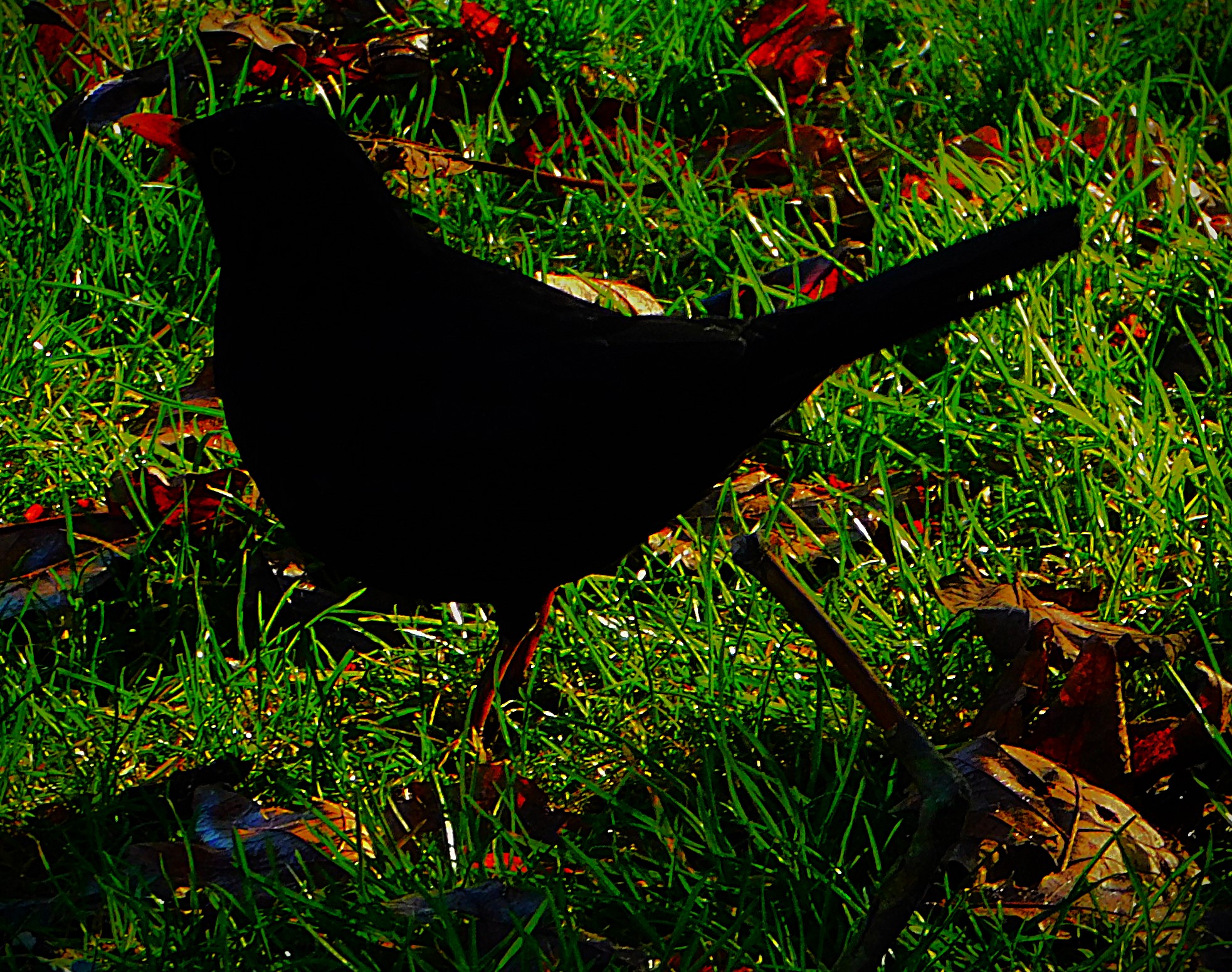
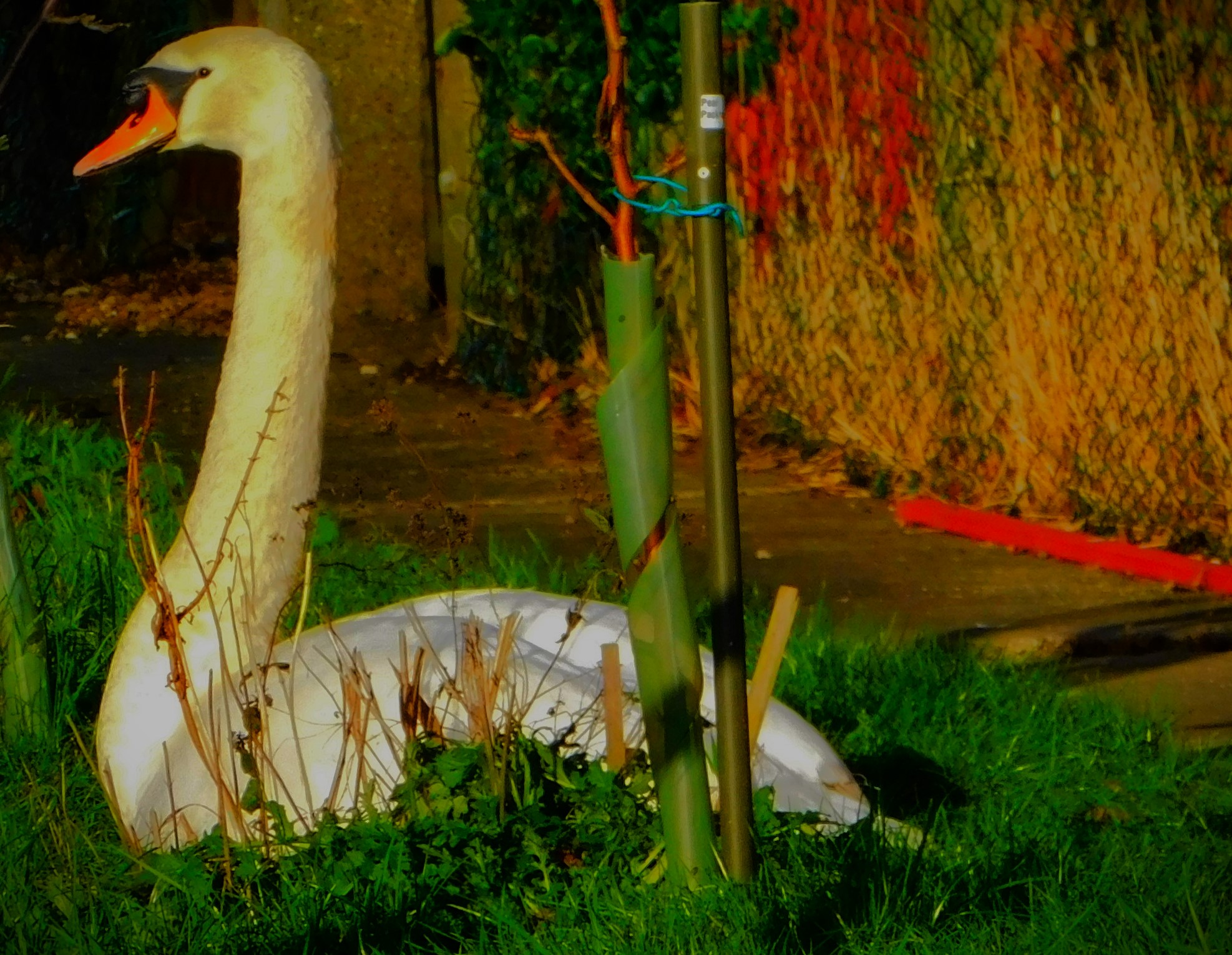
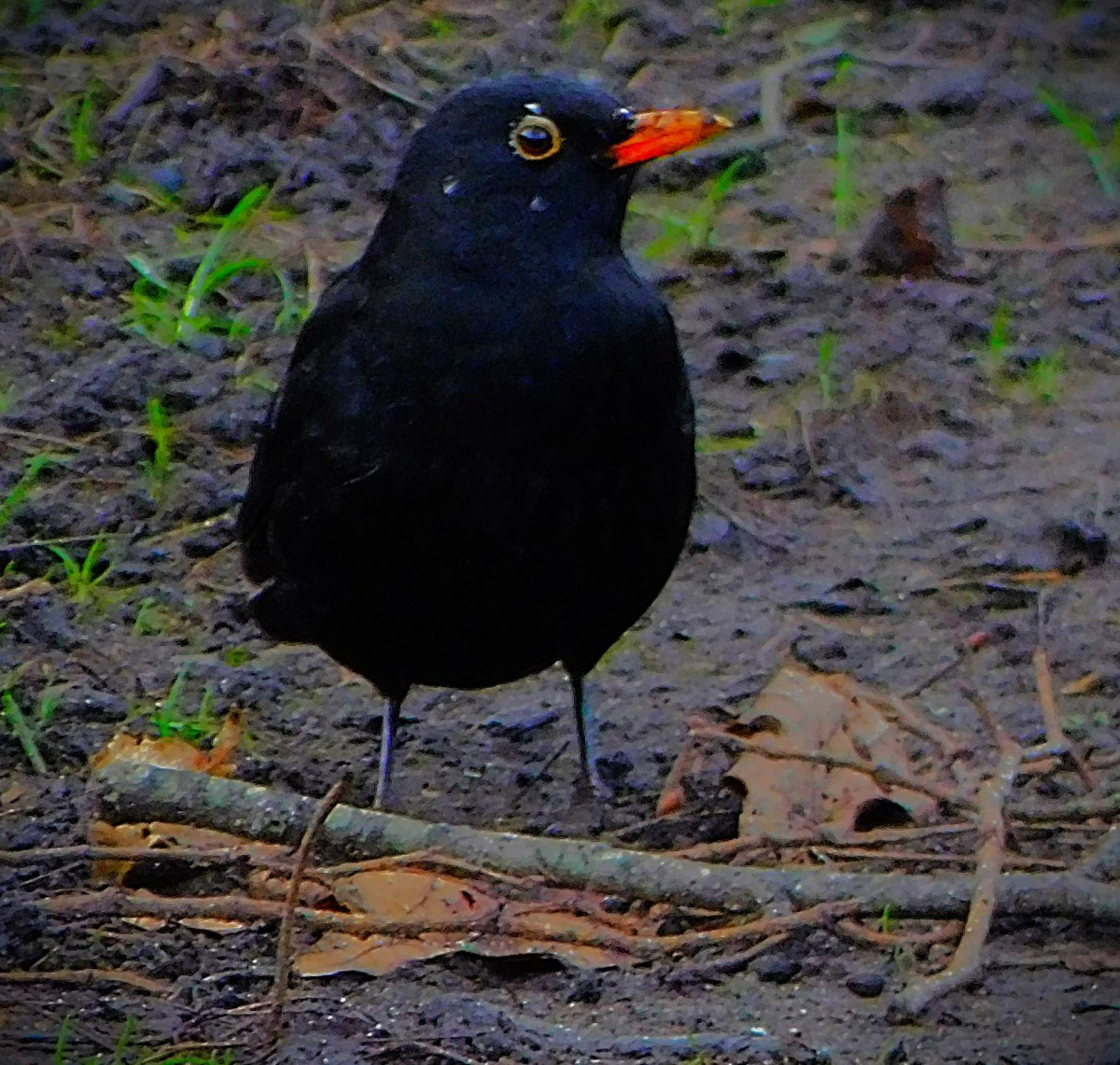
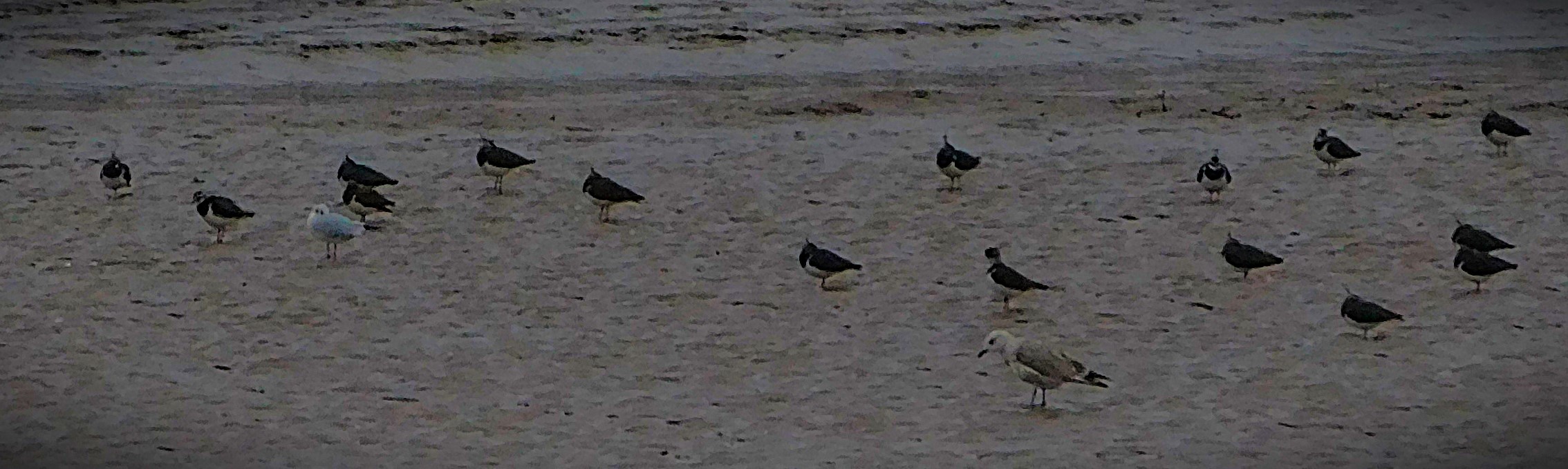
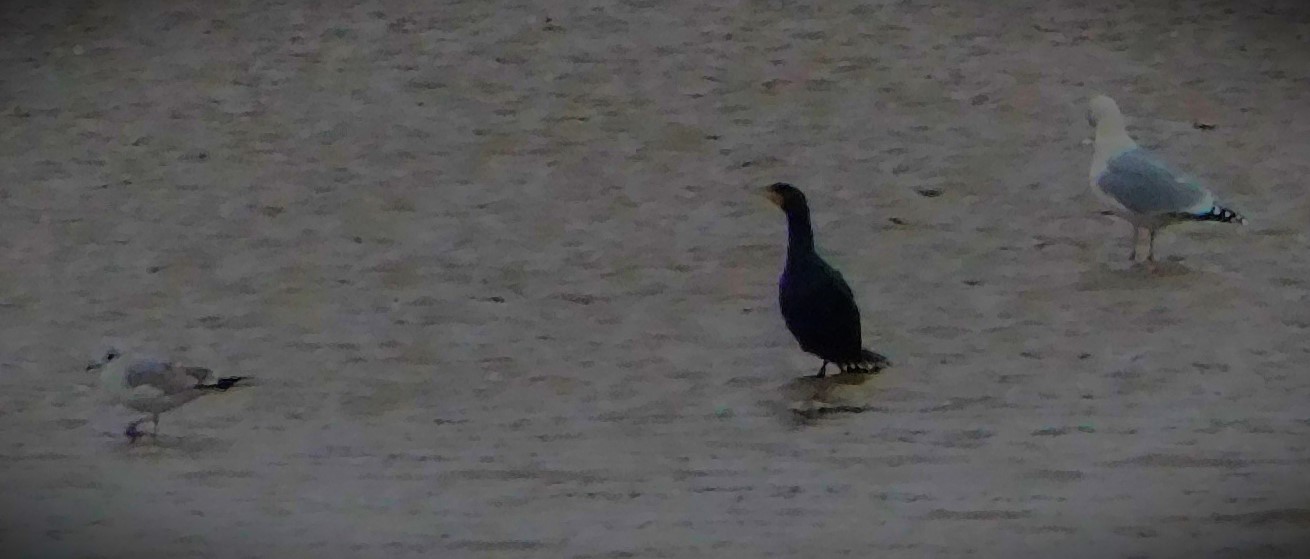
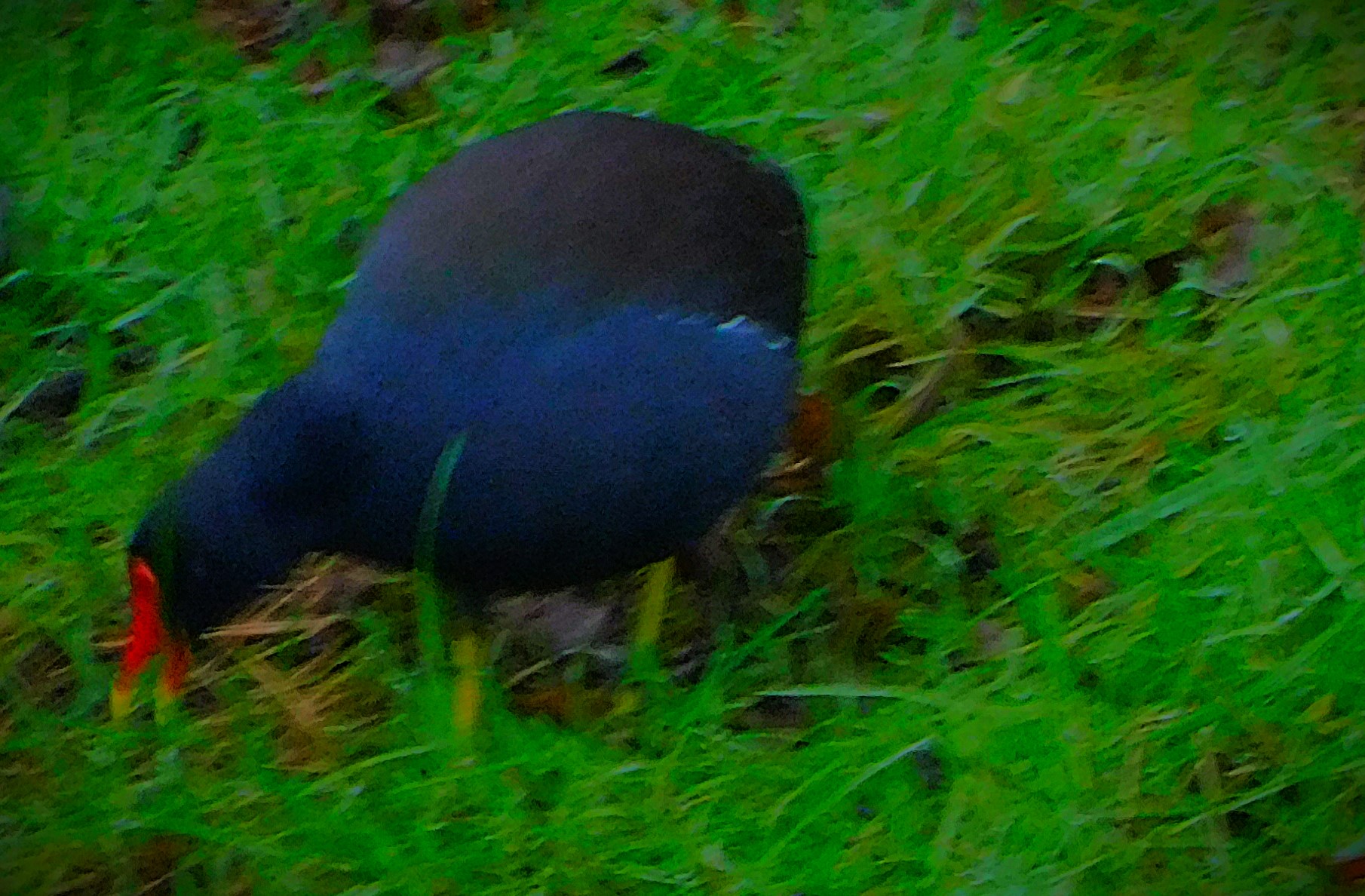
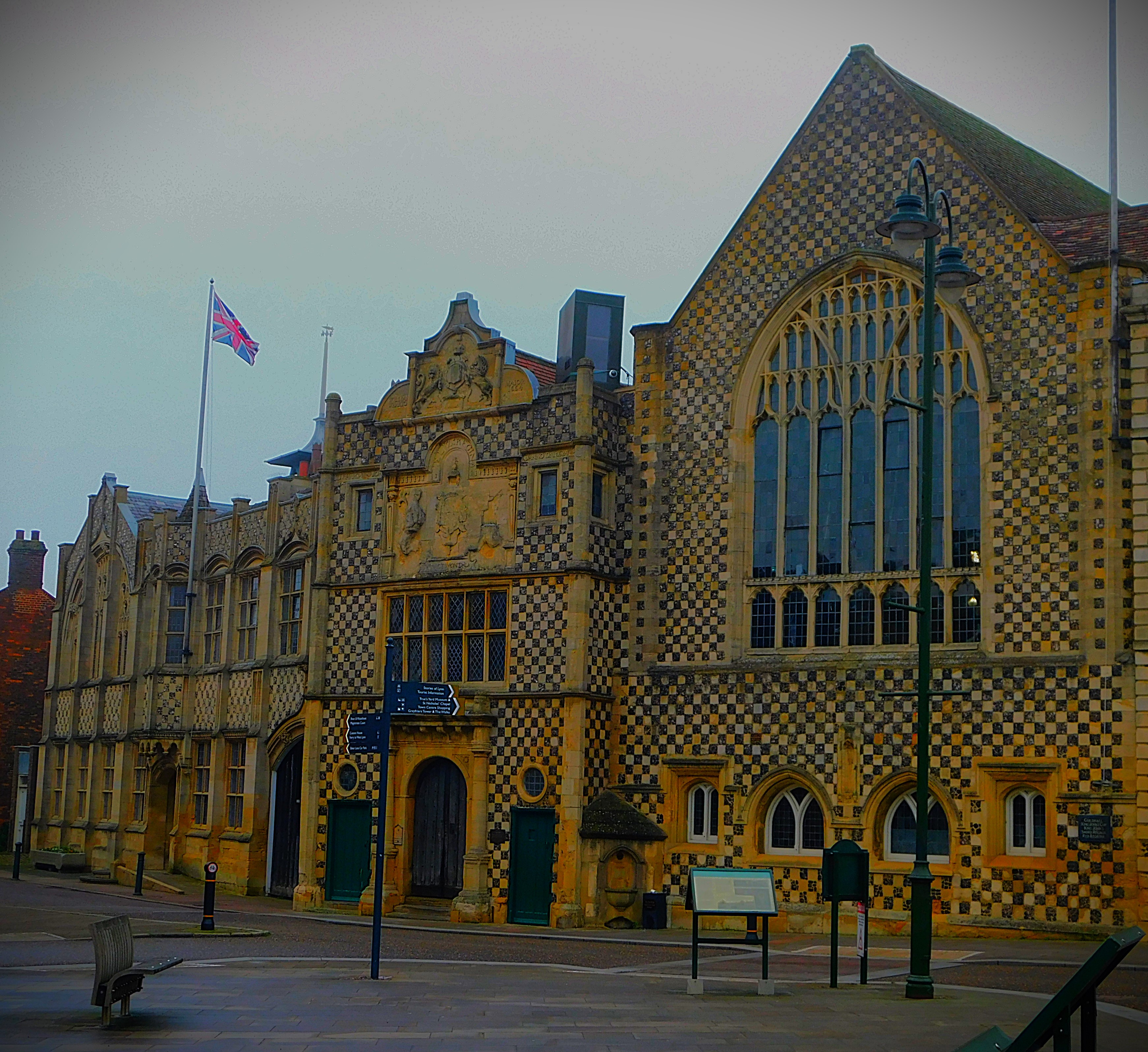
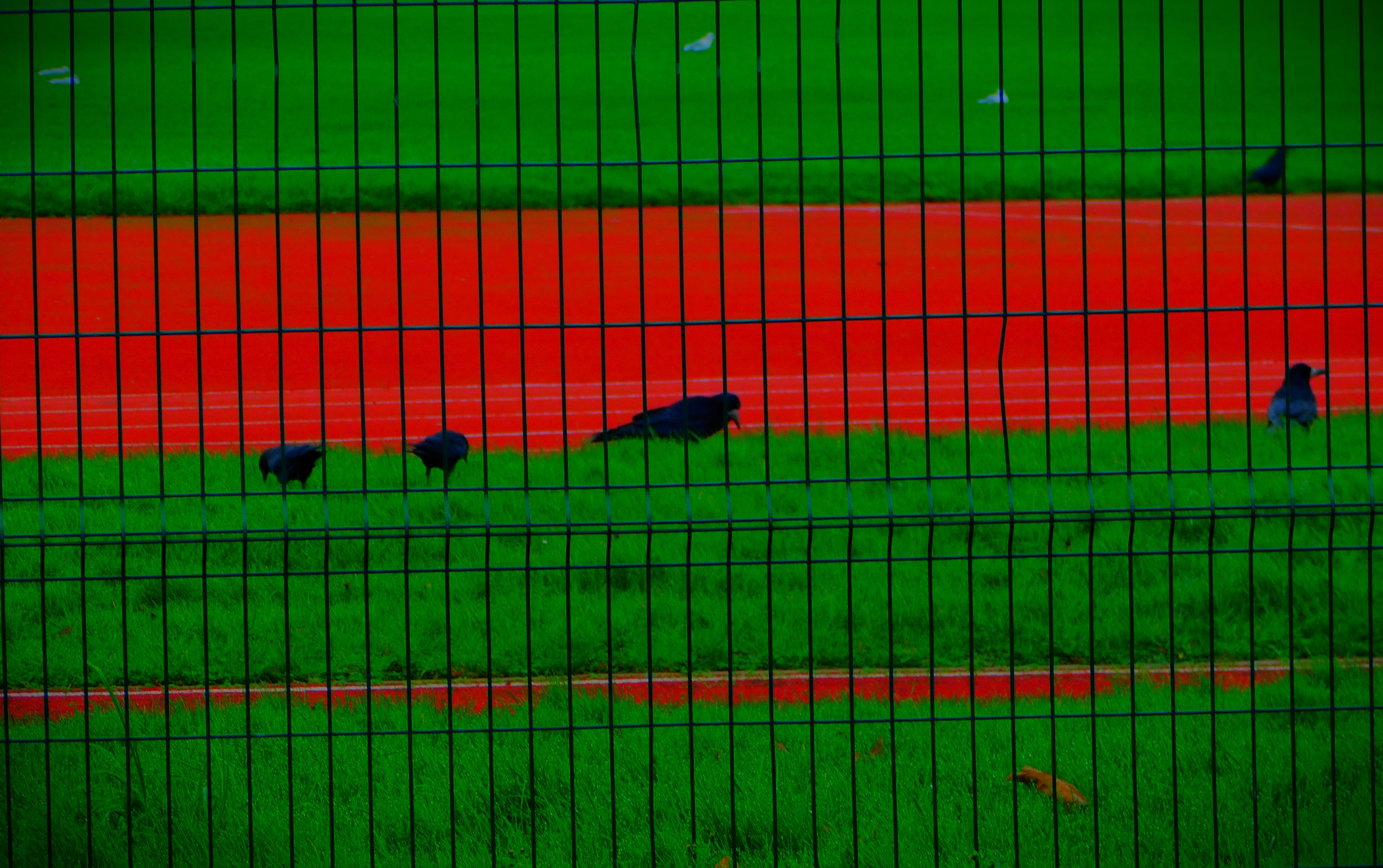
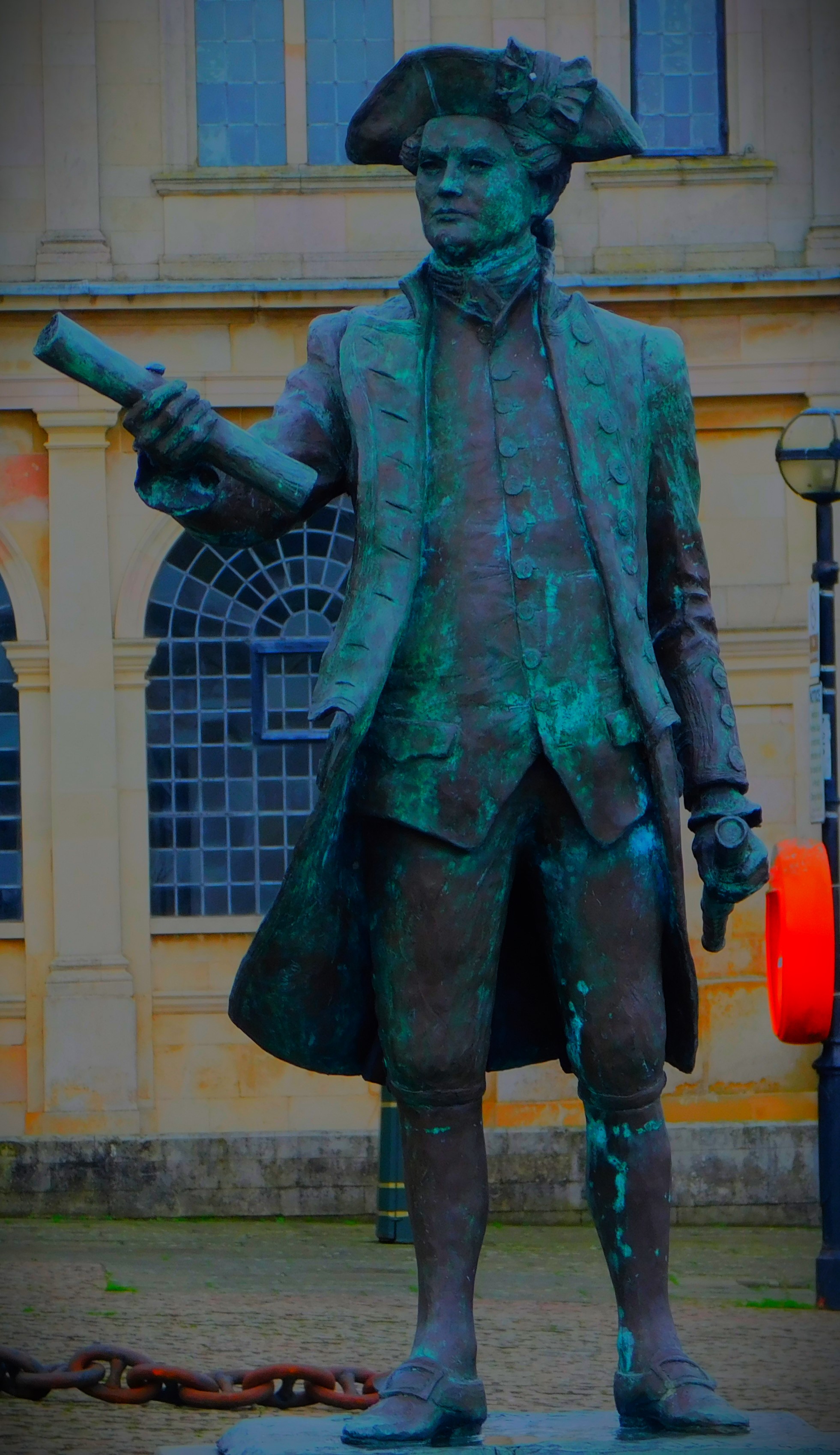
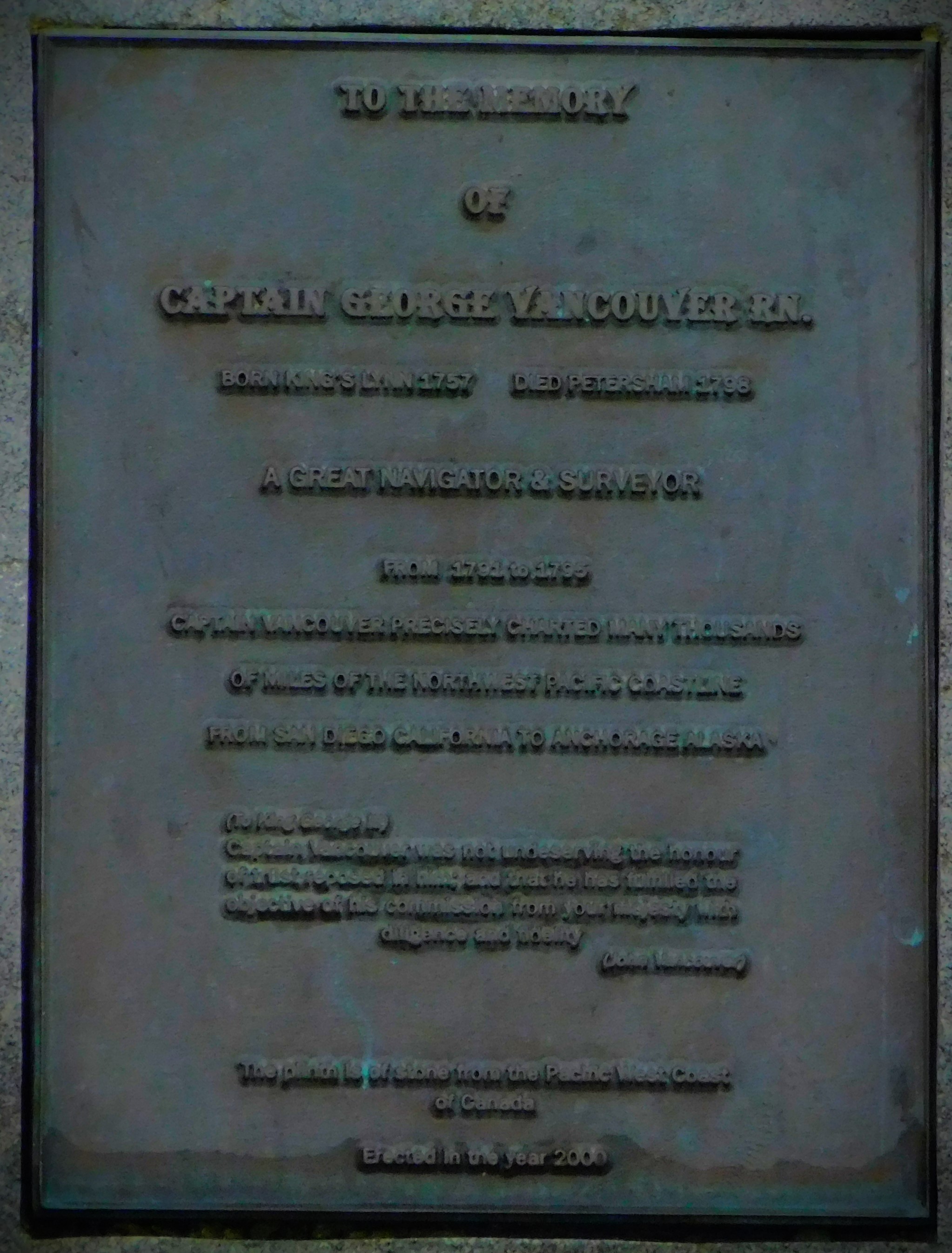
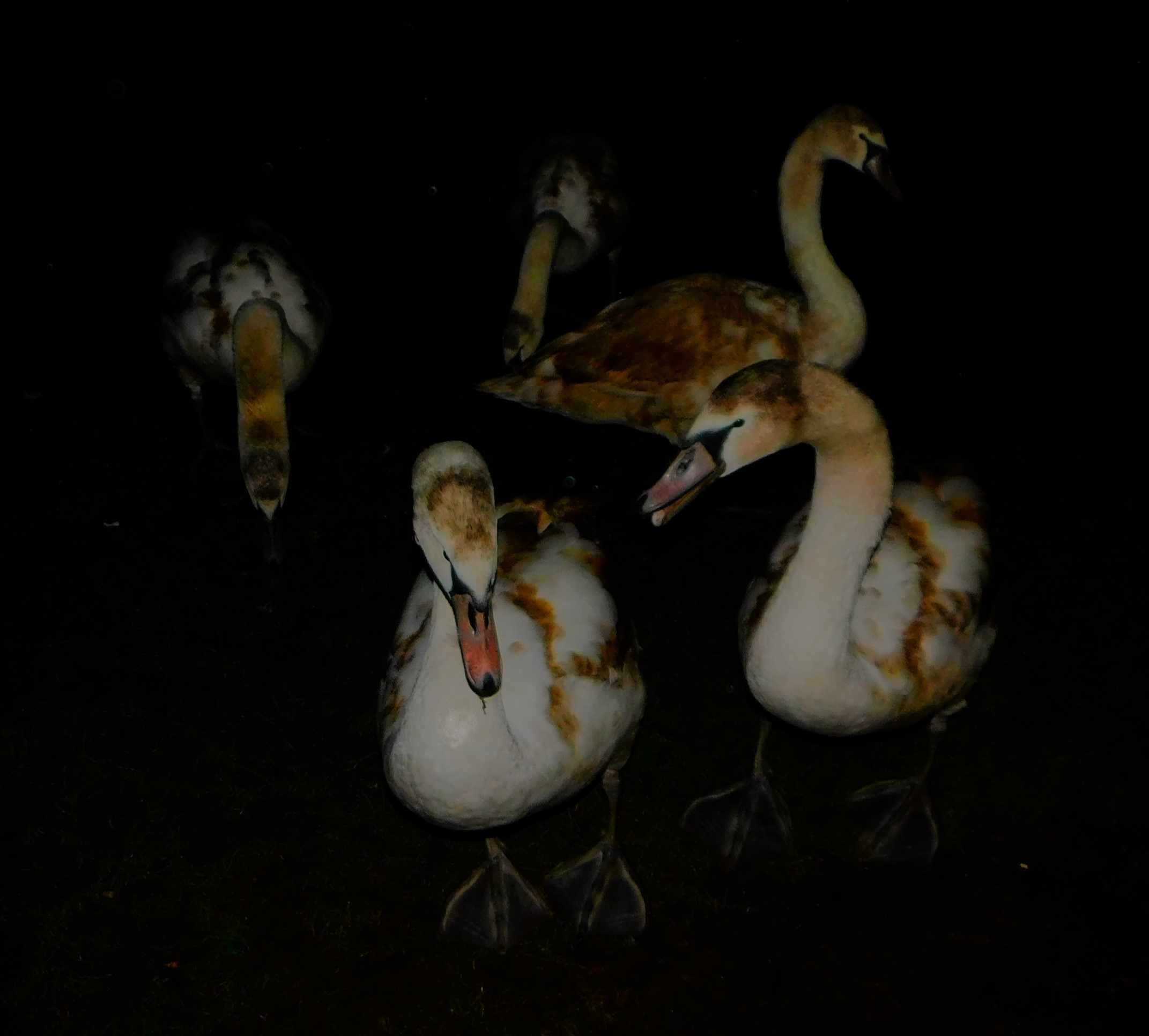
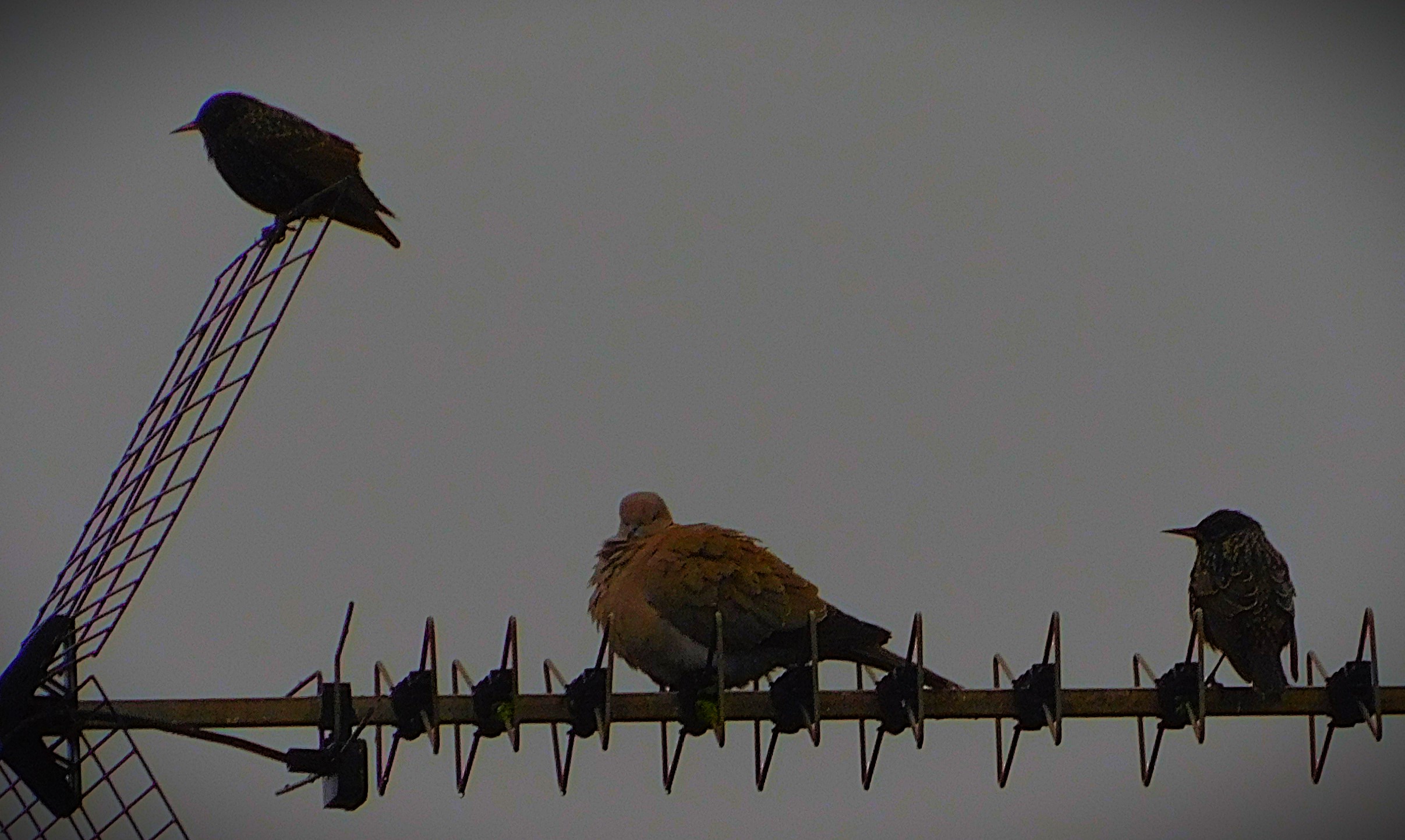
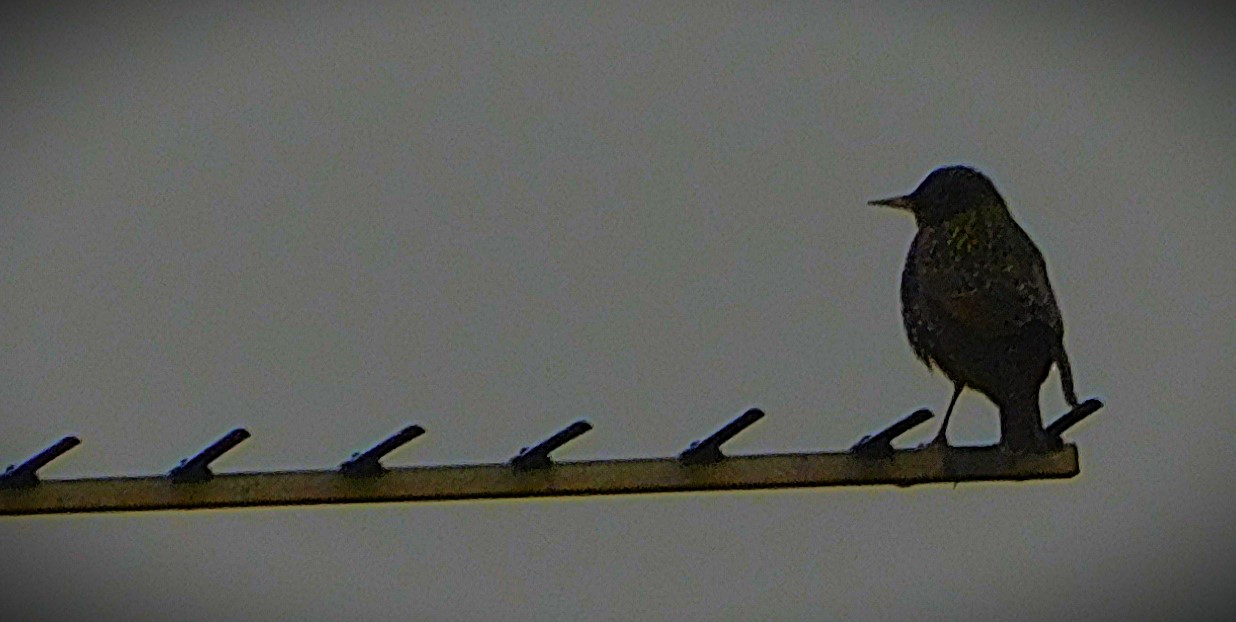
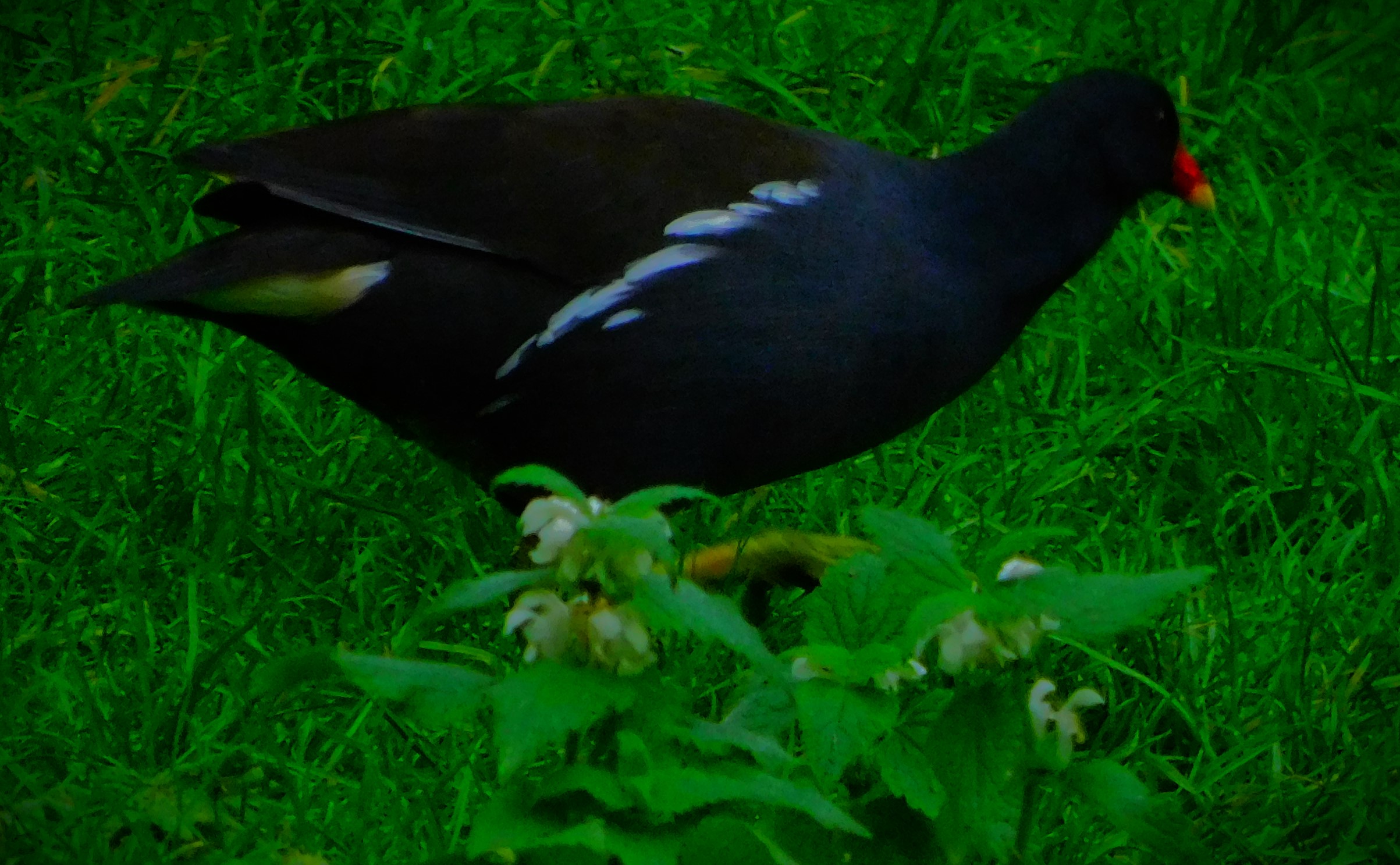
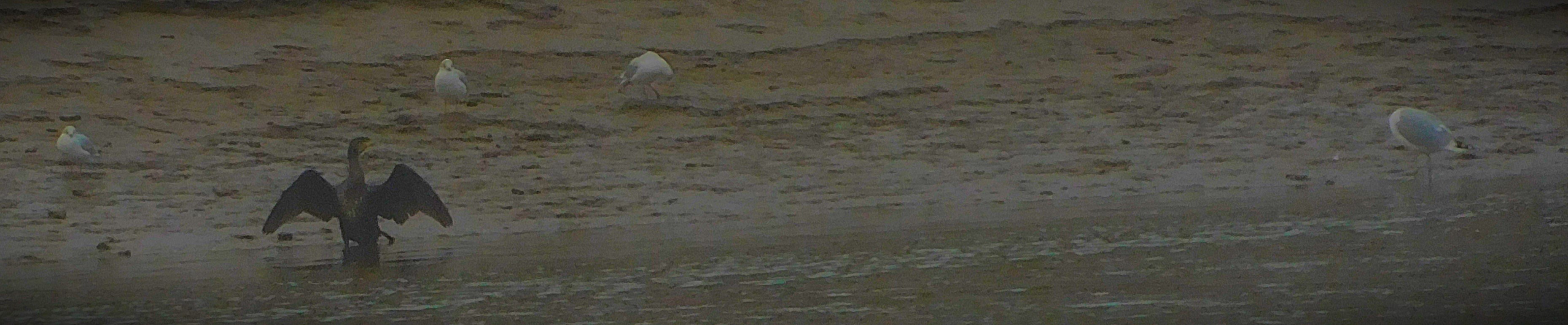
Sharing a large quantity of photographs taken in the last two days in and around King’s Lynn.

I did two walks during the daytime yesterday, visited my sister and nephew for supper in the evening. I have also done a very long walk this morning, taking full advantage of weather that was genuinely pleasant by December standards – it started to rain lightly near the end of the walk, but I got over two hours worth of dry weather before the rain came.

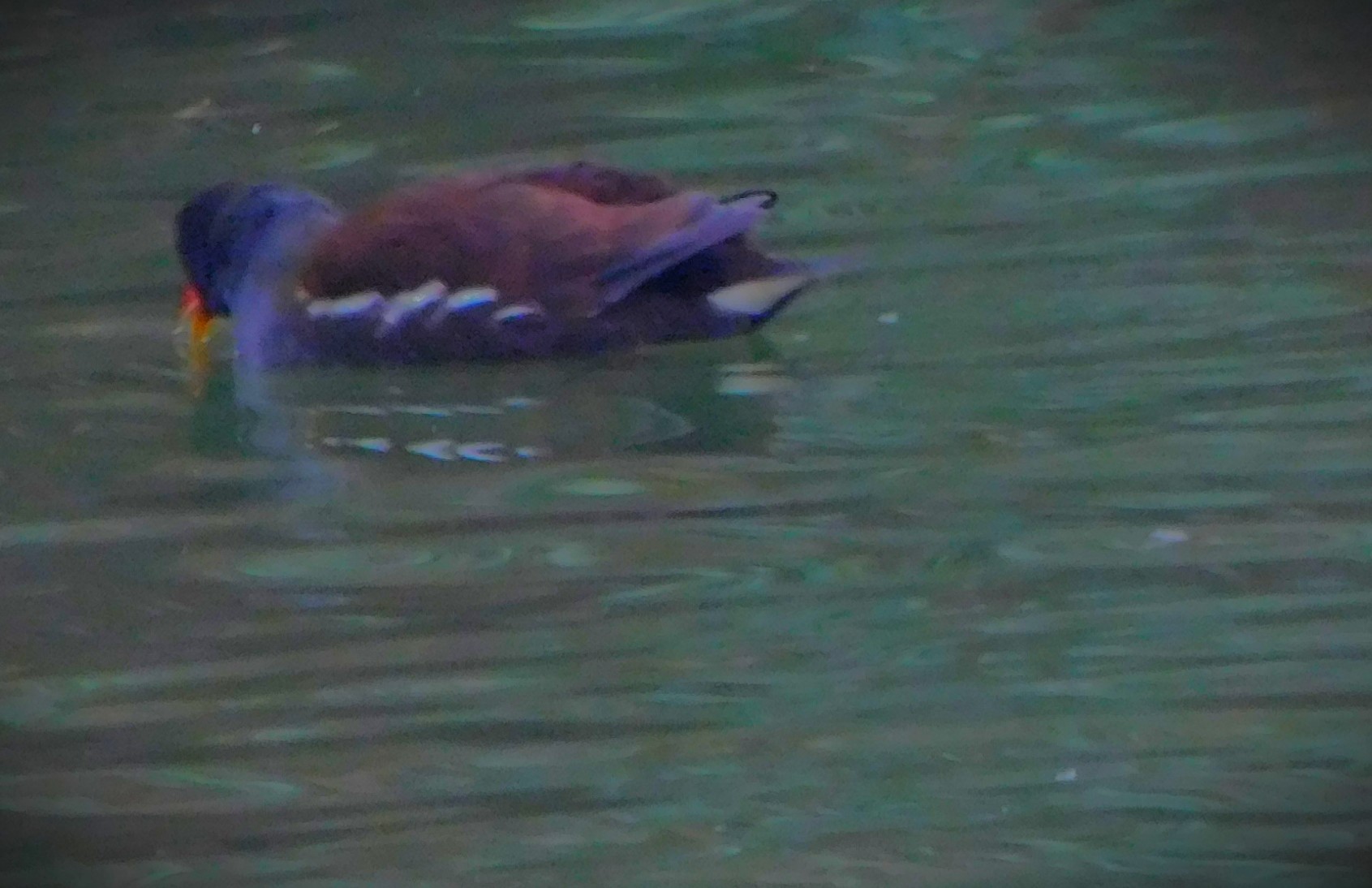
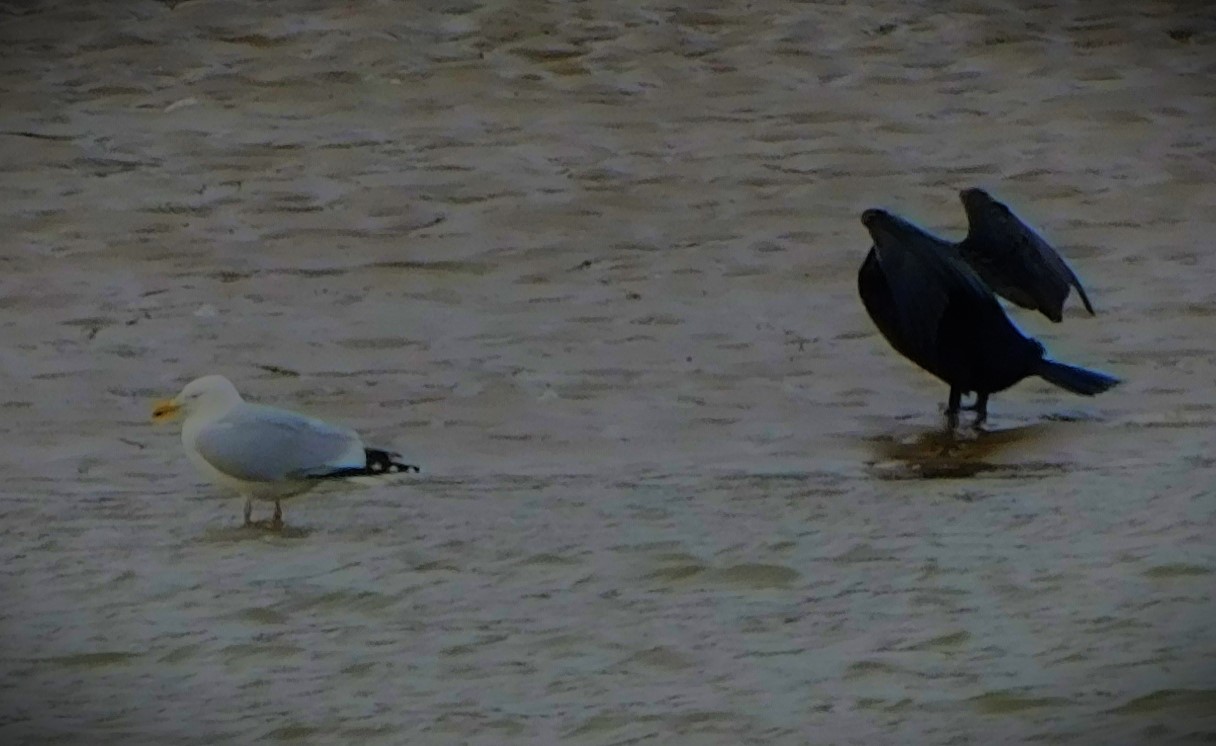
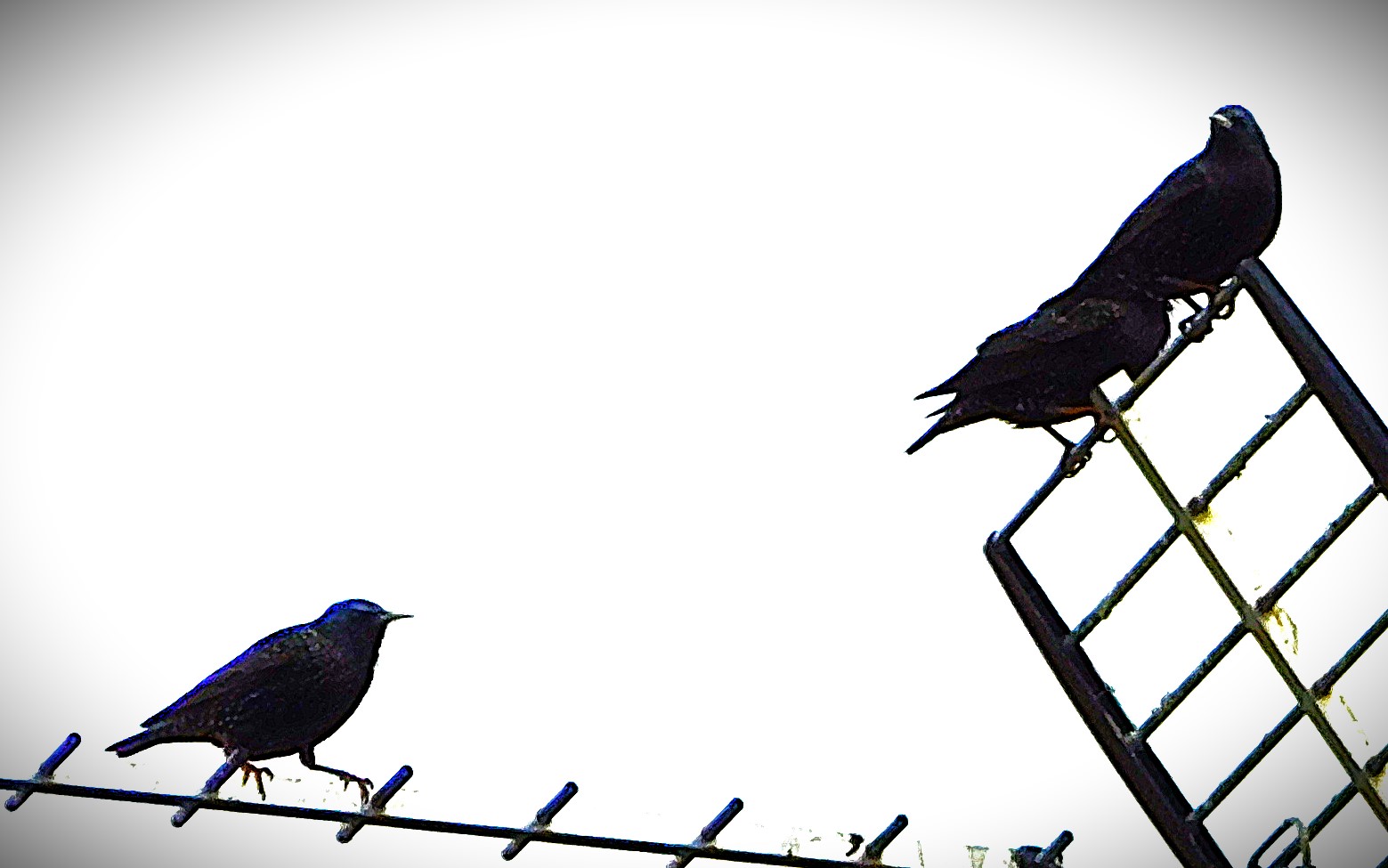
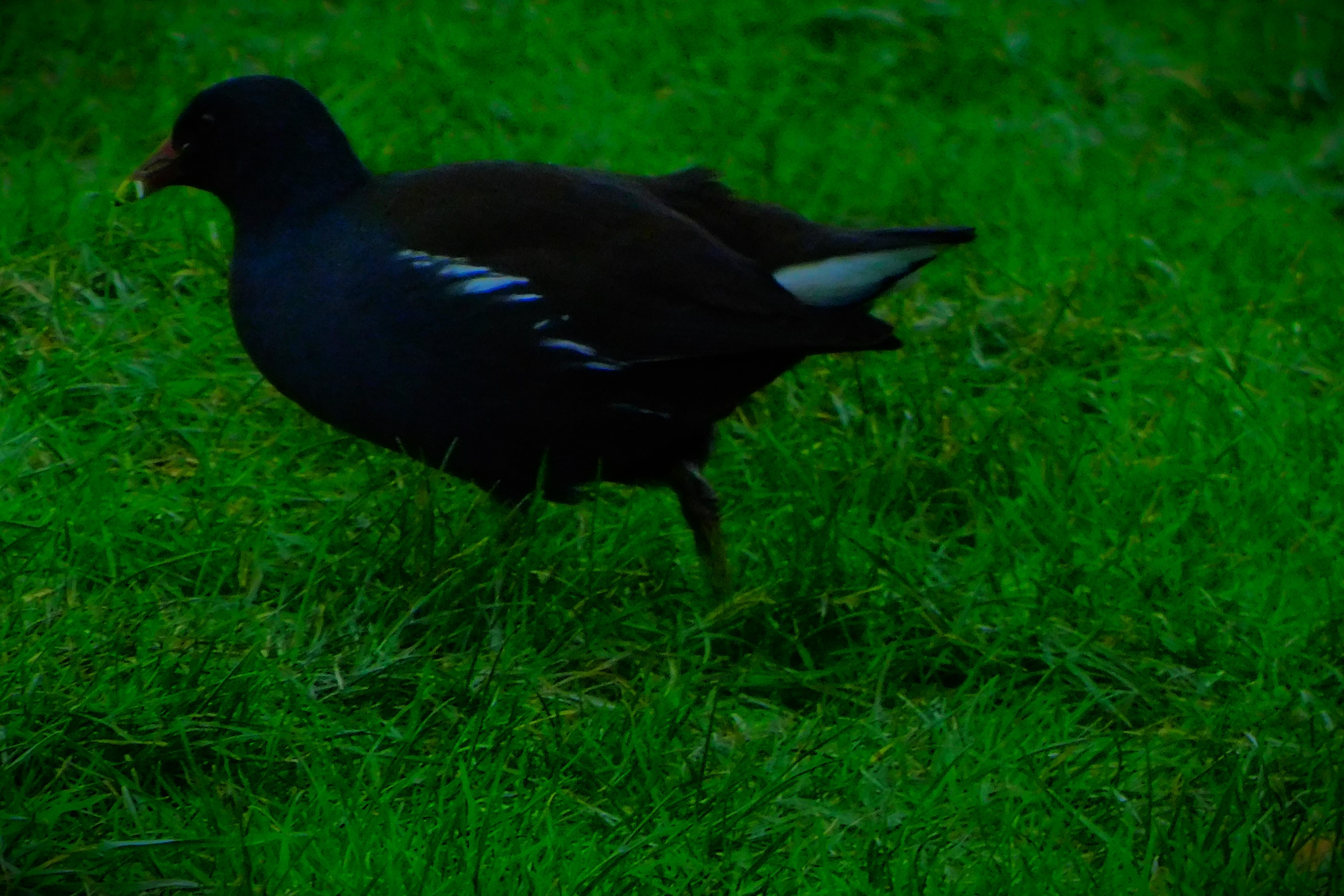
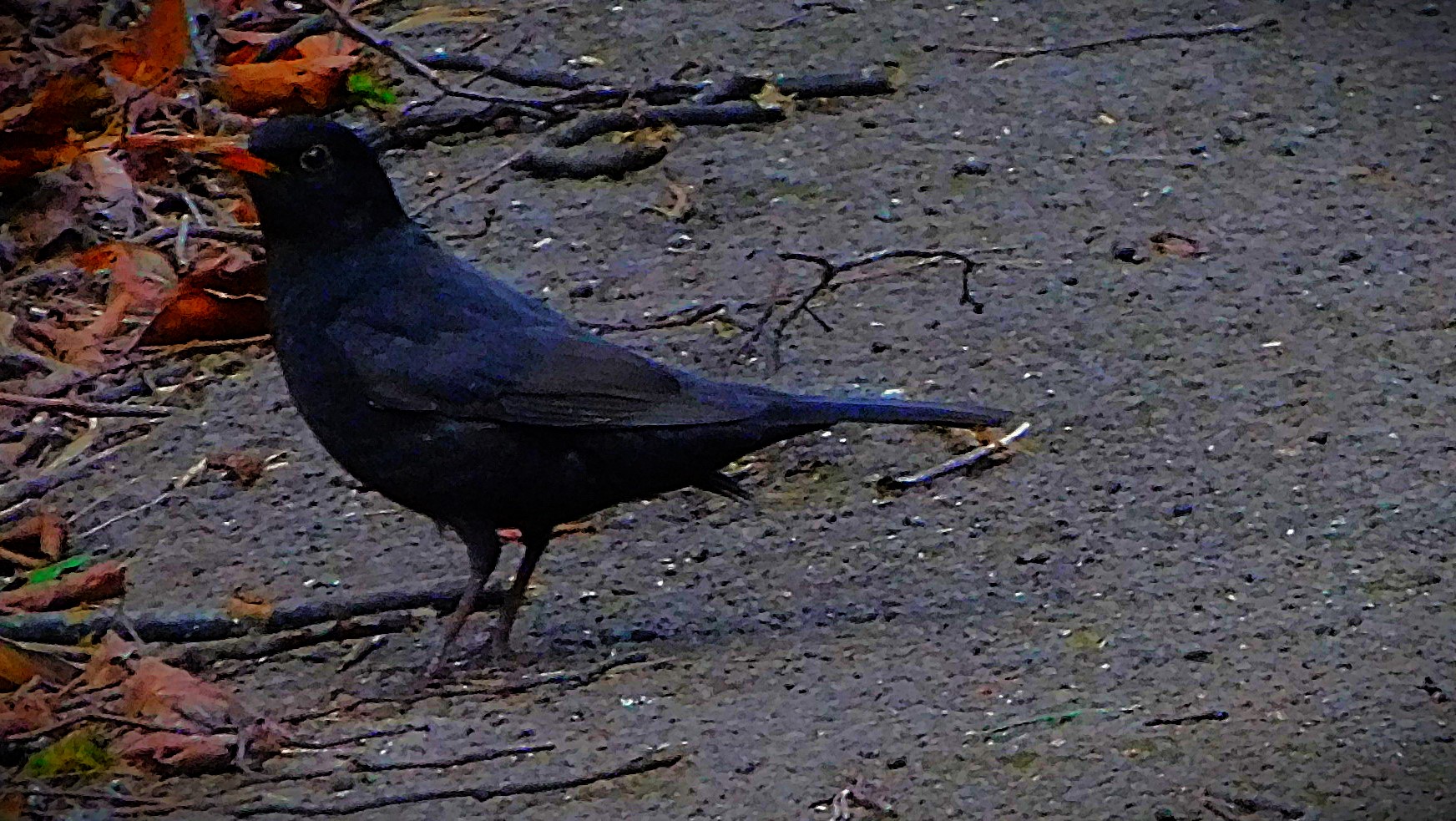
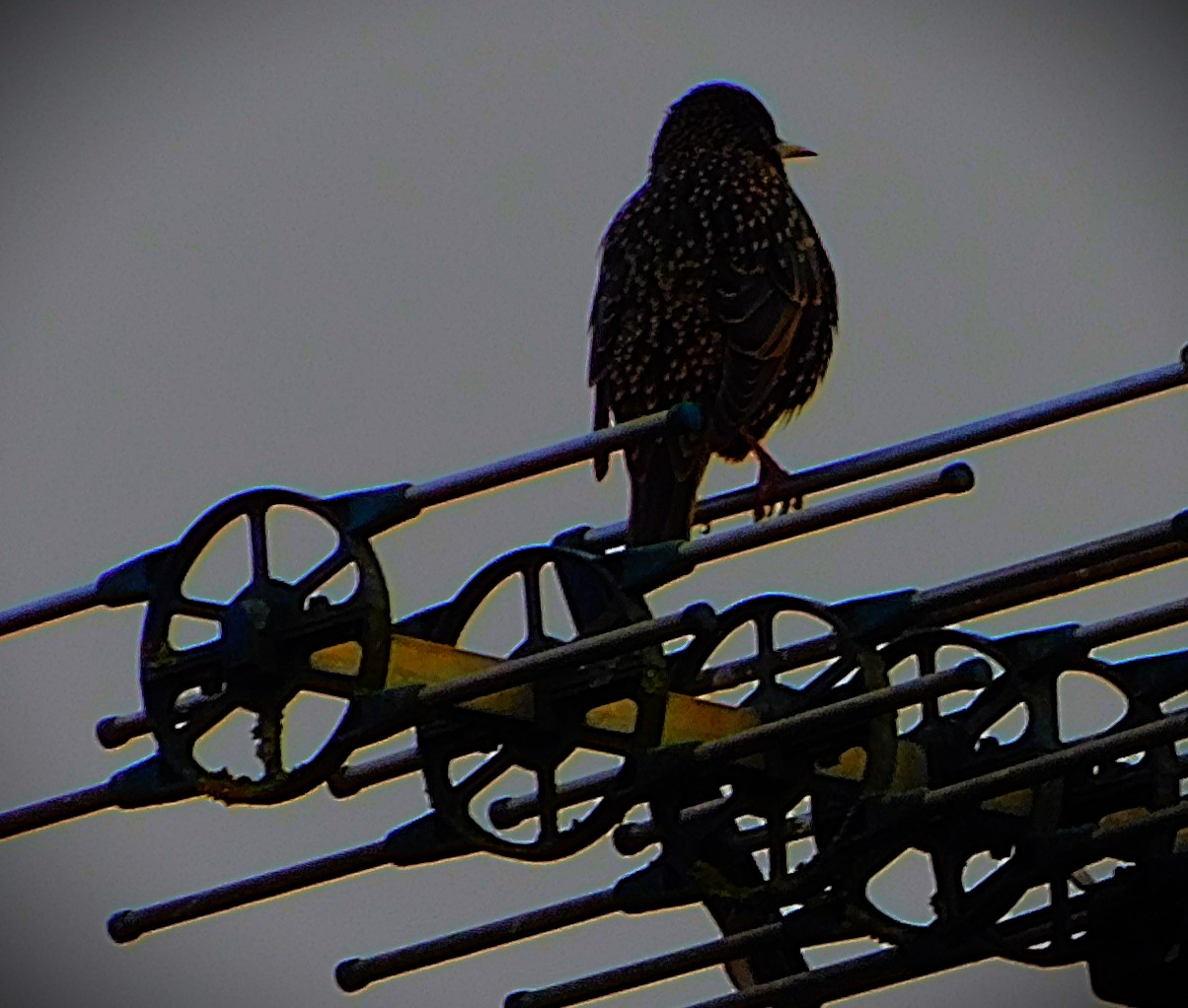
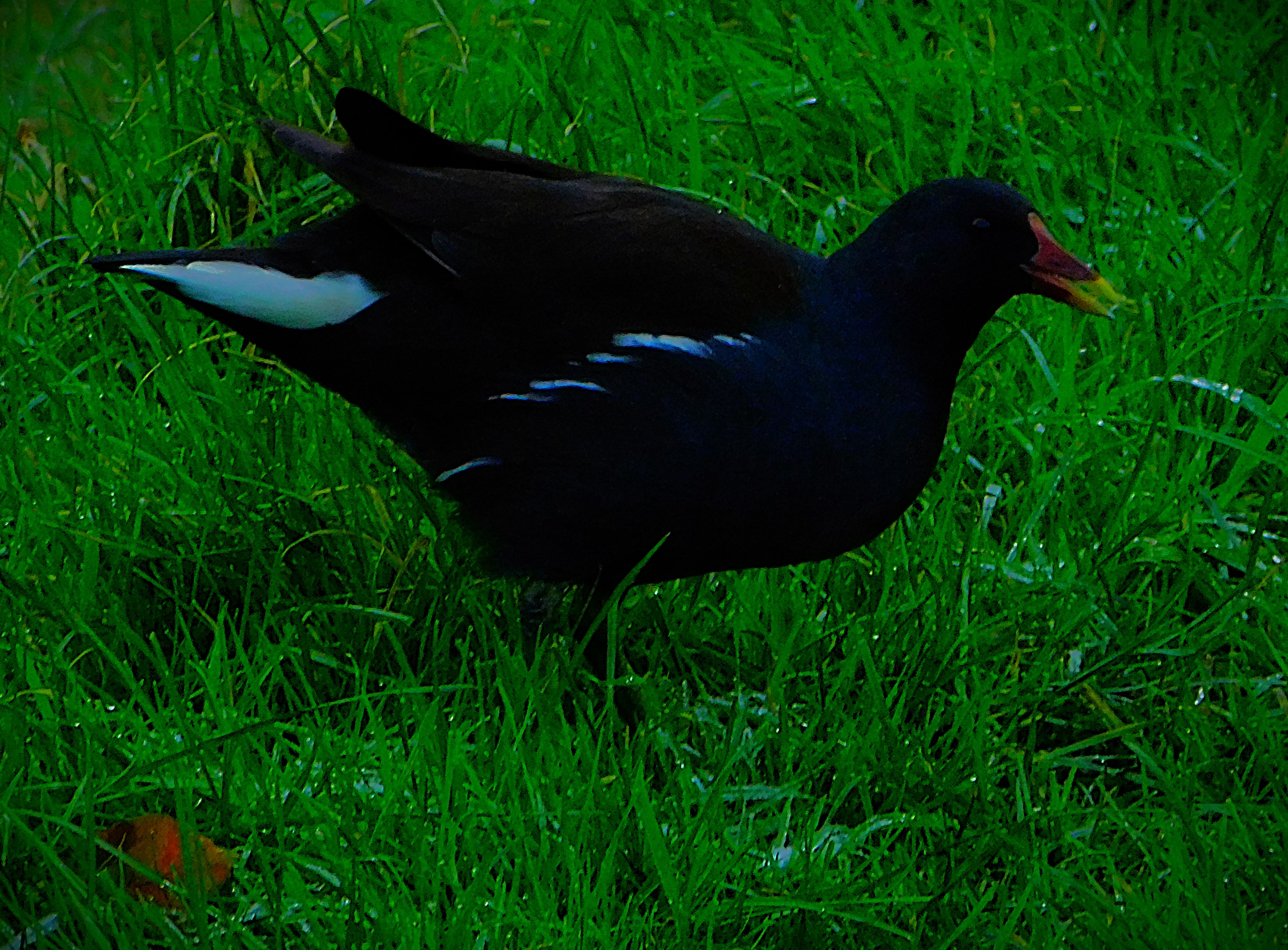
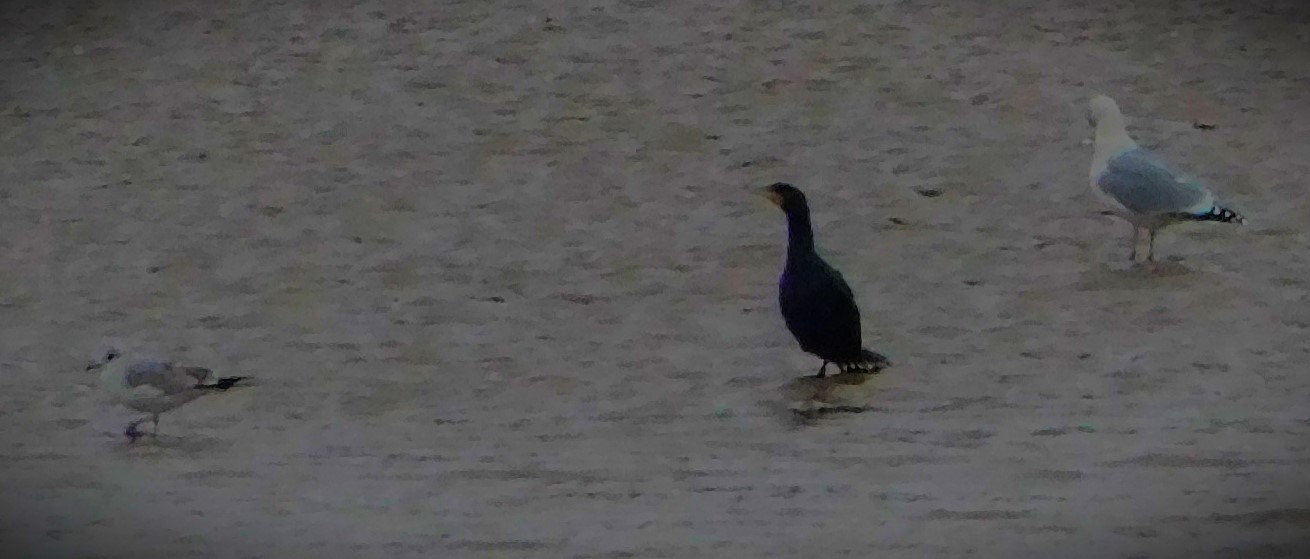
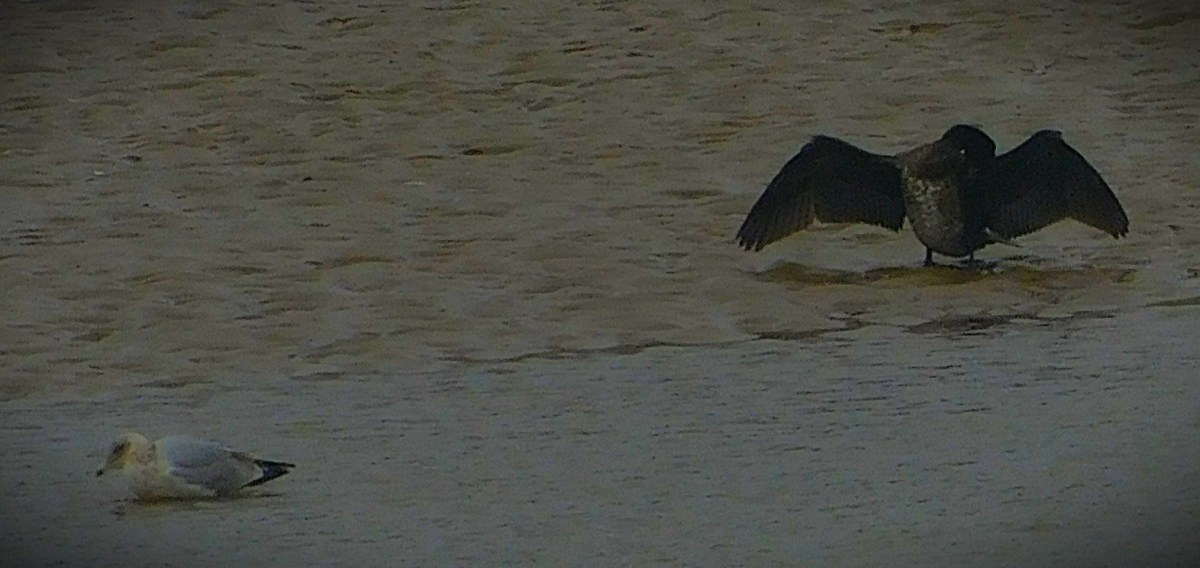
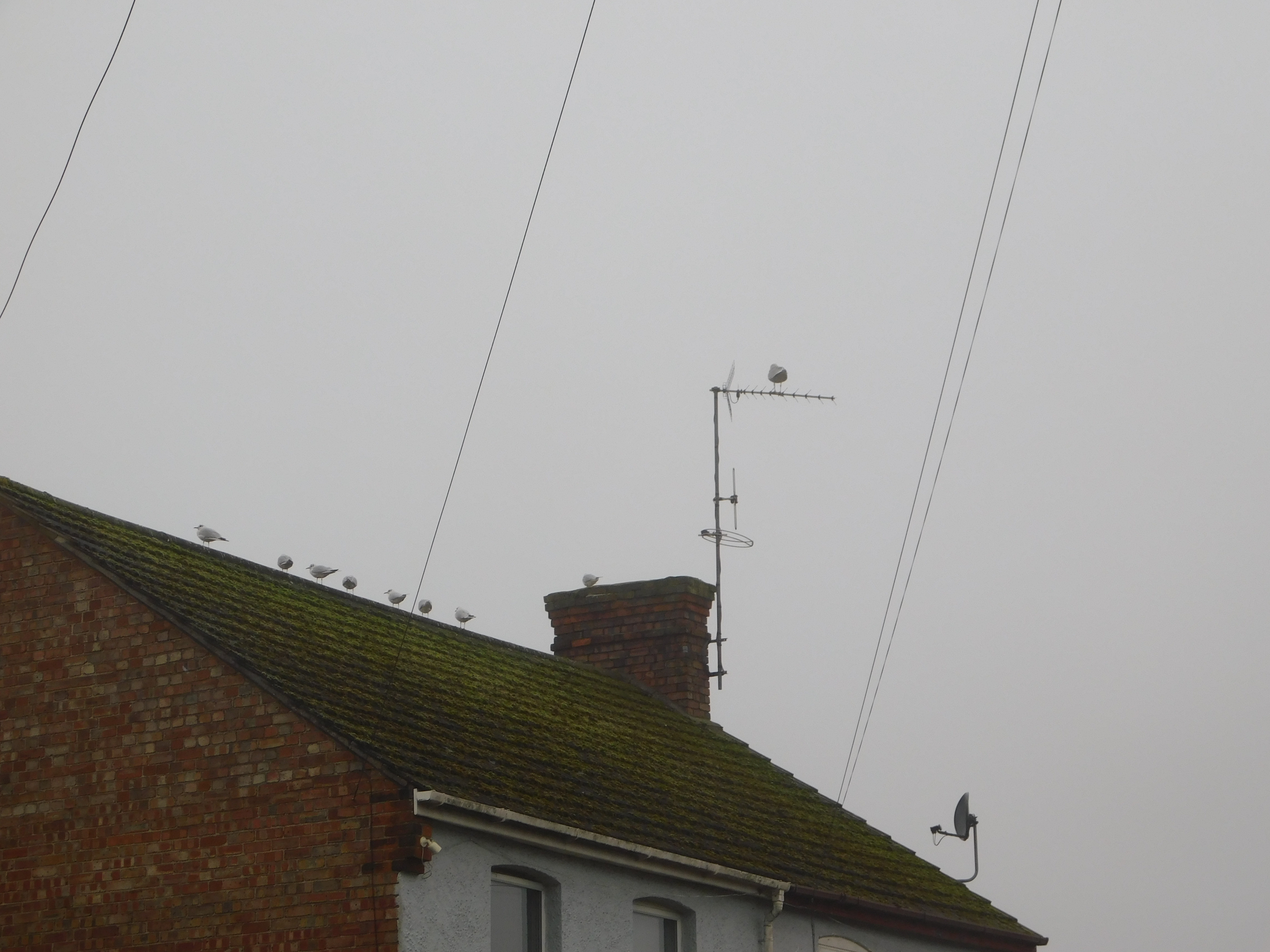
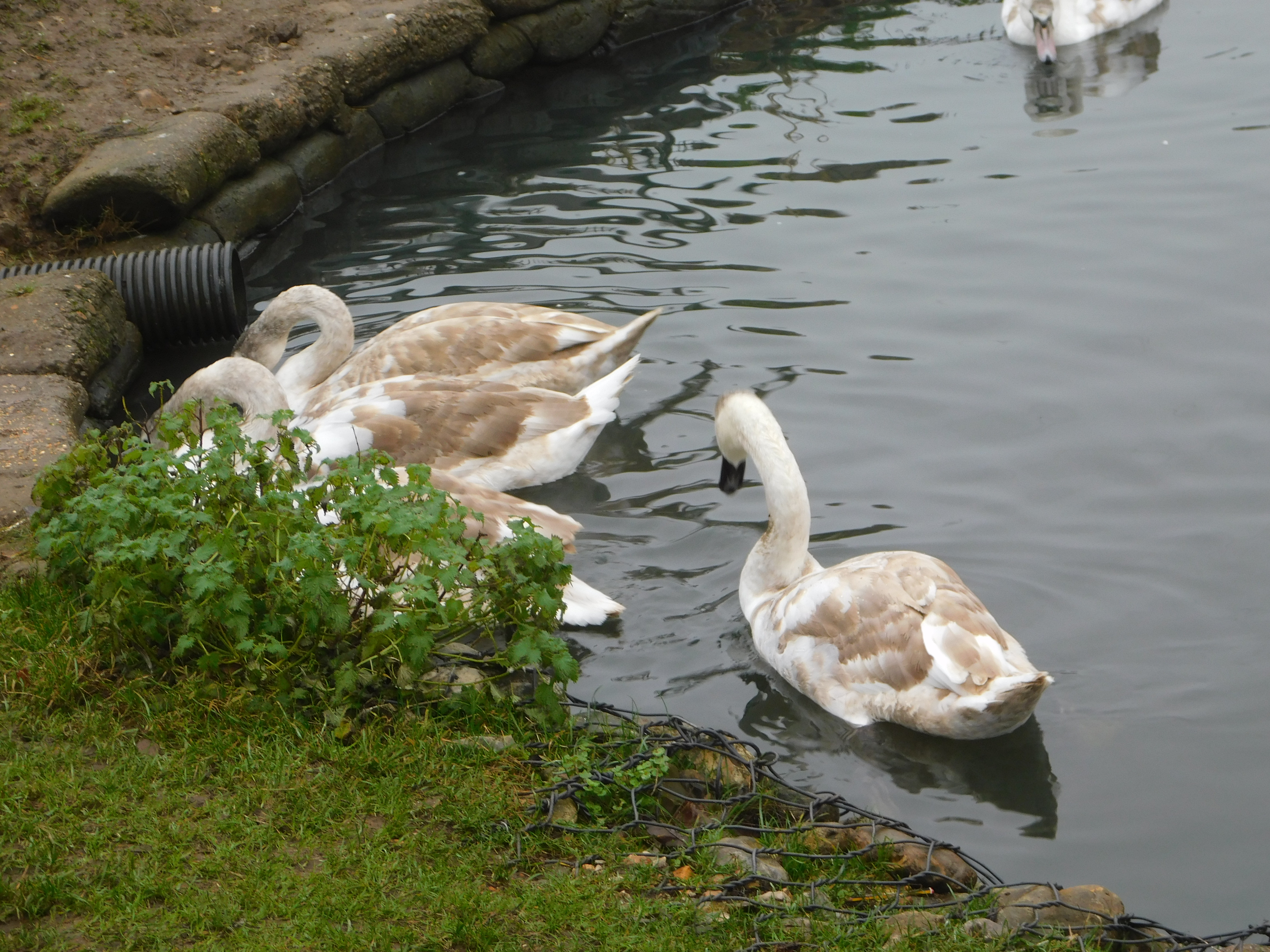
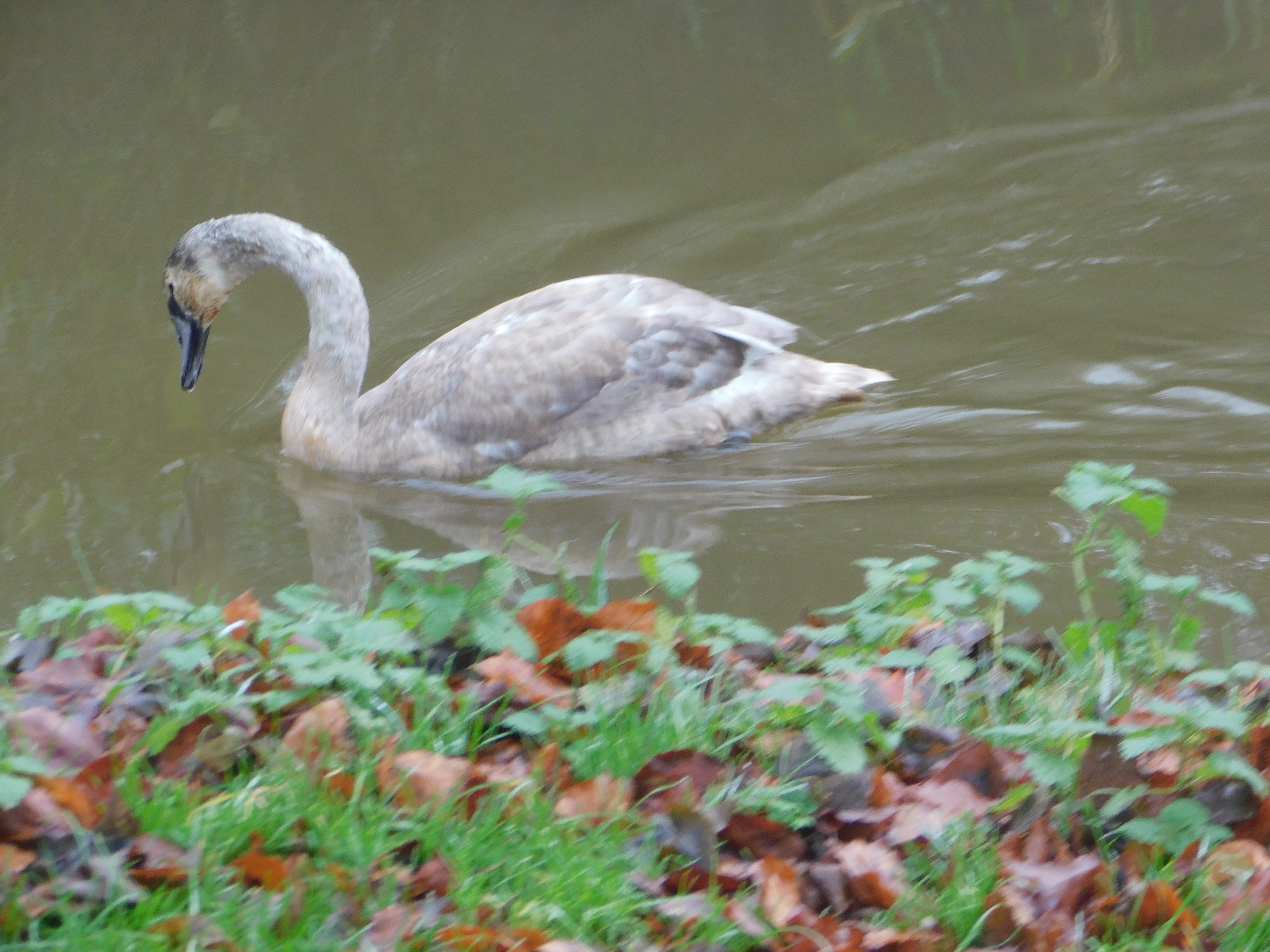
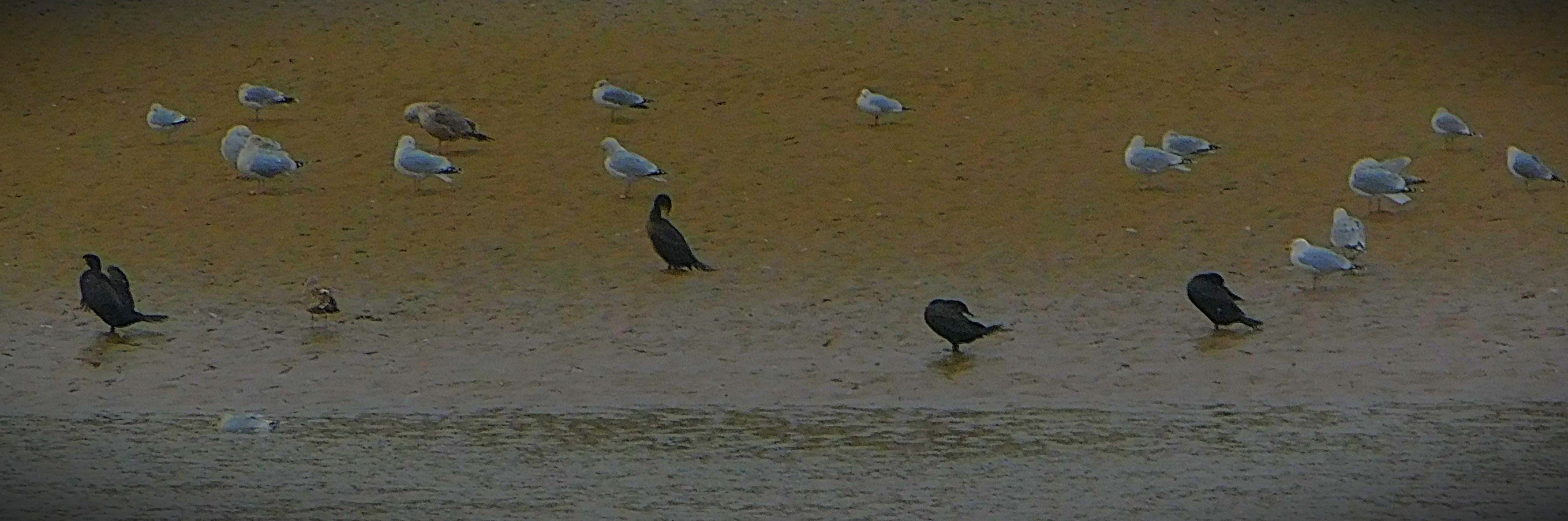
These excursions provided me with a very large photo gallery – once I had finished the editing process there were 150 pictures there. As well as pretty much all the regular bird sightings I managed to get pictures of a dunnock and a common sandpiper (the latter was near the mouth of the Nar this morning).

This afternoon has been unyieldingly grim, and this being December even at 4PM the such daylight as there was is already beginning to fade.

Enjoy a bumper gallery (and don’t forget to click to view pictures at larger size)…

Strikers Eliminated

An account of the match that confirmed Adelaide Strikers’ elimination from the WBBL and an explanation of why I am turning my back on twitter after ten years. Also a huge photo gallery.

The main subject of this post is today’s WBBL match, which featured Hobart Hurricanes and Adelaide Strikers. However, before I get onto that I have one other thing to do first…

After just over ten years of being on there I have finally made the decision to end my involvement with twitter. Today will be my last day on there, and I will deactivate my account today. This decision has been over a year in the making. The final provocation came yesterday morning when I saw that from November 15th (Friday) twitter posts will be used to train AI with staying on twitter being taken as automatic consent to do so. I may or may not have agreed for this happen with my own posts had it been broached in proper consultative fashion, with people being given the option to refuse, but the high handed decision to force this on all of us means that as a matter of principle I am dissenting in the only way left to me by Elon the Execrable: by leaving twitter. For those of my followers on here who are also interested in social media, I am on Mastodon, and will be posting there regularly: https://mas.to/@autisticphotographer

Adelaide Strikers arrived in Hobart for what is officially their ‘derby’ fixture (Melbourne, the closest city on mainland Australia to Tasmania, has two teams, so that is their derby) with just one win in six matches. The Hobart Hurricanes were far better placed, having won three of their six games. Strikers had been thrashed after batting first in their previous match, so when they won the toss they opted to bowl in the hope of faring better chasing than they had setting.

Megan Schutt was her usual reliable self with the ball, but Orla Prendergast, given the new ball alongside her, had an absolute shocker of an evening. Strikers also dropped several catches, two off Lizelle Lee, fresh from a record breaking 150*, along the way. Lee cashed in on the reprieves, becoming the first ever to score back to back centuries in the WBBL. Her dismissal for 103 off 57 balls was something of a freak – her partner Nicola Carey essayed a fierce drive and the bowler, ambidextrous spinner Jemma Barsby, deflected the ball into the stumps with Lee out of her ground. Carey was now joined by Elyse Villani, and they maintained the tempo of the innings pretty well. With two overs left they had reached 174-2 and a score of 200 looked within the realms of possibility. Schutt put paid to that, conceding a mere five from the 19th over, meaning that in an otherwise very fast scoring innings she had 4-0-21-1. The only other wicket was the Lee run out, so with 12 coming from the final over to boost Hurricanes tally to 191-2 the other bowlers had taken 0-170 from 16 overs.

A target of 192 was daunting – had Strikers been successful it would have been their highest ever winning chase. While Smriti Mandhana was there, timing the ball with absolute precision and scoring at an incredible rate it looked a possibility – Strikers were ahead of the rate of their four over opening Power Play. It was the arrival of Amy and Lauren Smith and the easing of field restrictions after four overs that slowed Strikers progress. Mandhana completed a splendid 50 off 31 balls, but then immediately got out, caught by Chloe Tryon off Lauren Smith to make it 67-1 in the eighth over. Amy Smith had bowled a superbly tight seventh over, and Lauren Smith was continuing the good work in the eighth. Laura Wolvaardt joined Katie Mack. Mack never got going at any stage of her innings, and her dismissal for 14 off 20, caught by Carey off Amy Smith to make it 83-2 in the 11th over was not necessarily bad news for the Strikers. Tahlia McGrath, the Strikers captain, was in next, and she too struggled, managing just four before her eighth ball was caught by Callie Wilson off Molly Strano to make it 93-3 after 12.4 overs. With 99 needed off 44 balls big things needed to happen, and Bridget Patterson the new batter had some form behind her. However, Wolvaardt and Patterson dropped further and further behind the rate, even though the Hurricanes fielders started dropping catches during their stand. Eventually midway through the 19th over the asking rate became greater than six runs per ball. At this point, far too late, Wolvaardt finally really got going. It was into the 20th over that she completed her 50, a landmark greeted with a smattering of in my opinion undeserved applause. She finished the match with a flurry of meaningless boundaries – having reached 50 off 37 balls she ended on 63* from 40. The margin was still 28 runs, and in any case because of the position they were in coming into this match anything less than a win was useless for them. They now have two points from seven matches, and are guaranteed to end up with an overall losing record, which even with four teams out of eight progressing to the knockouts will ensure that they do not qualify. Hurricanes sit top of the table for the moment, though they are there only on net run rate, and the teams in second and third both have a game in hand on them.

My usual sign off…

WBBL10 Double Header

A look back at today’s WBBL10 double header and a large photo gallery.

There were two back to back Women’s Big Bash League games starting early this morning UK time. This post looks back at both.

Melbourne Renegades won this match by 15 runs – 146-6 for them, 131-9 for the Stars. The big story of the game was the performance of WBBL debutant Charis Bekker. The 20 year old leg spinner was only playing because of an injury to Sophie Molineux, but I suspect that her place is now secure. She recorded figures of 4-0-9-1, quite astonishingly economical in this tournament – and that wicket was the key one of Meg Lanning. Bekker was correctly named Player of the Match for this performance. Alice Capsey for the Renegades played the innings of the contest, a blistering 33 (15) that gave her side a much needed injection of pace. Naomi Stalenberg (26 not out off 17) and Nicole Faltum (29 off 23) helped to ensure that the momentum provided by Capsey wasn’t entirely dissipated. For the Stars the only batters who came close to doing the needful were Deepti Sharma (23 off 20) and Marizanne Kapp (16 off eight). Kapp was also the best of the Stars bowlers with 2-22 from her four overs. Scorecard here.

This was a real rarity – a WBBL game at The Gabba (Brisbane Heat are normally confined to Allan Border Field for home matches). Adelaide Strikers won the toss and put Brisbane Heat in to bat. Indian star Jemimah Rodrigues hit 61 off 40 balls, backed up by Grace Harris (33 off 22 balls), Jess Jonassen (32 off 21 balls) and Nadine de Klerk (23 not out off 10 balls at the death). With these key contributions Brisbane Heat tallied 175-6 from their 20 overs.

Strikers made a disastrous start to the chase, being 15-3 with all of their top three (Katie Mack, Smriti Mandhana and Laura Wolvaardt) out for single figure scores. Shikha Pandey, Charli Knott and Nicola Hancock had a wicket a piece. Tahlia McGrath and Bridget Patterson stopped the collapse, but scoring remained slow. McGrath suffered a credulity testing dismissal – medium pacer Nadine de Klerk bowled a wide, and Georgia Redmayne pulled off a spectacular stumping. That was 54-4 after 9.4 overs, so 122 needed off 10.2 overs – and cricinfo’s Win Predictor had Heat on 95%.

Madeline Penna joined Patterson, and the pair fared well, though not quite as well as they needed to. With five overs to go Strikers were up to 105-4, 71 short of victory, meaning that the fifth wicket stand was worth 51 in 5.2 overs. The pendulum swung one way and then another through overs 16, 17 and 18. By the end of the 18th Penna and Patterson were still together, and they needed 35 off the last two overs.

The 19th over, often crucial in chases of an magnitude, yielded 16 of those runs. The meant that Strikers needed 19 off the final over. As well as having plenty to defend Heat had one further advantage – the experienced Indian Shikha Pandey was available to bowl that over. With two balls to go Strikers needed 11 to pull off a spectacular heist. Pandey kept her nerve and bowled two excellent deliveries, from each of which a single accrued meaning that Heat were home by eight runs. For the record Patterson ended up with 61 not out off 47 balls, and Penna who was chiefly responsible for keeping the match alive until deep in the final over had 59 not out off just 30 balls. Rodrigues, whose 61 off 40 had helped Heat to what proved to be a winning total benefitted from her team’s success and was named Player of the Match.

This result leaves Strikers cut adrift at the foot of the table, with just two points from five games. Heat have played a game more and are one of five teams to have amassed six points, while Melbourne Stars and Hobart Hurricanes each have four points from five games. With there being only ten games in the group stage Strikers are in definite jeopardy. Scorecard here.

England Make Dreadful Start to ODI Series in West Indies

A look at the early stages of England’s ODI tour of the West Indies and a photo gallery.

An England men’s white ball squad is currently in the West Indies for a three match One Day International series. This series has been arranged because England owe West Indies a favour dating back to 2020, when it was West Indies who travelled to play in England under stringent covid restrictions, and have not been able to repay it until now. This post looks at what has happened so far.

England travelled with a necessarily experimental squad, the multi-format players being required for the upcoming tour of New Zealand the start of which overlaps with this one.

England named four debutants in the XI – Jacob Bethell, a batter who bowls a bit of left arm spin, Dan Mousley, enough of an off spinner to be described as a batting all rounder, Jamie Overton, making an ODI debut at the age of 30 and down to bat at number eight an known to not be fit enough to bowl, and John Turner, a fast bowler and number 11 batter. The side as a whole was inexperienced, with Adil Rashid, a leg spinner officially listed to bat at number ten, having more career ODI runs than any of his team mates. However, no degree of inexperience could excuse the horror show of a batting performance that was about to unfold.

West Indies won the toss and put England in to bat. For all that is named in honour of an all time batting great and one of the first players to truly master the art of limited overs batting, the Sir Viv Richards Stadium rarely provides pitches on which batting is straightforward. On that basis one might argue that a total of 204 in 45.2 of a possible 50 overs was not a terrible achievement. However, it was the manner in which the innings developed that was so very disappointing. Virtually every dismissal was self inflicted, and the mistakes leading to those dismissals were all of the same type – essaying cross batted shots on a pitch on which hitting the ball straight was a necessity. One or two such dismissals could possibly be allowed for, but the collective failure/ refusal to adapt to the nature of the pitch was inexcusable. Liam Livingstone and Sam Curran batted best in a poor display, but neither could get as far as 40.

The West Indies was delayed by rain, and then interrupted again by more rain, but there was not enough rain to save England. Evin Lewis played a superb innings which put the ‘efforts’ of the England batters into sharp perspective.

A large part of the problem (and something that the ECB are to blame for) is that the best English white ball players only now play 50 over cricket in an international setting – the English domestic One Day Cup because of when it takes place is basically a tournament for second team and youth cricketers. Thus they approach the game with a T20 type mindset and rapidly become impatient if they are not scoring at high speed. The second match of this series takes place today, starting at 1:30PM UK time.

My usual sign off…

County Championship Crunch Contests

A look at goings on in the two most important county championship fixtures of this penultimate round of games – Lancashire v Somerset and Surrey v Durham. Also a large photo gallery,

After the previous round of County Championship matches Surrey held a slender eight point advantage over Somerset at the top of the table (Hampshire are the next closest challengers but they would need a quite remarkable series of events to unfold for them to get past both of the top two) thanks to Somerset beating Surrey. Surrey are bidding for a third successive title, a feat last achieved by anyone in 1968, while Somerset have never won the title, or been named ‘Champion County’ in the years before 1890 when the competition was first put on an organized footing. This post looks at what is going on in the matches involving these counties in this round.

Both were for different reasons in need of a big haul of points from this match. Lancashire are looking relegation full in the face, while Somerset have that eight point gap to close on Surrey – and the weather forecast for the time of the final round of fixtures is not hugely promising. Unfortunately the ground staff at Old Trafford did not get the memo, and left a large amount of grass on the pitch, meaning that the seamers had a fine old time. By the end of yesterday both sides had had their first innings, and while each got the full haul of three bowling points they also each collected zero batting points. Lancashire mustered 140, Somerset 146. Lancashire have batted better second time round, and their lead has recently crossed 150, with six second wickets still standing. Josh Bohannon made a fine 60, and first class debutant Harry Singh batted a very long time for his 31 (142 balls). Currently Rocky Flintoff (son of Andrew) is batting alongside Lancashire keeper Matty Hurst, and the score is 162-4, a lead of 156. Matty Hurst has just gone, playing a loose shot off Randell, giving the Kiwi seamer has second Somerset wicket, in his third bowling innings for the county, Craig Overton taking the catch in the slips. Lancashire, 164-5, lead by 158 overall. Rocky Flintoff has been absolutely done by a beauty from Jack Leach which has bowled him for 27 to make it 168-6, the youngster having just hit a boundary. Lancashire 162 ahead now.

Durham, batting first yesterday, scored 262, Colin Ackermann leading the way with 78 not out. Surrey are currently 214-5 in response. Rory Burns made 55, Ryan Patel is currently 47 not out, and Durham have given away 35 extras. While I have been recording a couple of Lancashire wickets falling Surrey have moved on to 220-5, with Ryan Patel now past 50.

My usual sign off…
Surrey Secure Home Quarter Final in T20 Blast

A look back at Essex v Surrey in the T20 Blast yesterday and a bumper photo gallery.

Yesterday afternoon there were various fixtures in the T20 Blast competition, and the one that I opted to follow was between Essex and Surrey. This post looks at that match and its wider context within the competition as a whole.

The T20 Blast competition features two groups of nine teams, divided on geographical lines into a North group and a South group. The top four sides from each group progress to the quarter finals, with the top two in each group being rewarded for their extra success by getting to host their quarter final. The semi-finals and final are all played on one day to end the competition. Sussex were not in action this round, though their win in their previous match had put them second in the group. Gloucestershire were in action playing against Glamorgan, and that was the match most likely to impact on this one. Surrey knew that a win of any sort would guarantee them a home qualification, while Essex knew that at least a share of the points would ensure that they qualified. Surrey were not at full strength for various reasons but their line up still looked formidable. Essex did have a full strength side. In spite of the fact that there was other sporting action on the ground at Chelmsford was full.

Surrey batted first. Will Jacks played a superb innings, and was supported by various others along the way. Even so, with three balls to go Surrey had 178 on the board and Essex were reasonably hopeful. Cameron Steel ensured that those last three balls went for 11 runs and Surrey thus had 189 to defend. Jacks had scored 86 off 46 balls, and the best bowler for Essex was leg spinning all rounder Matthew Critchley, whose 4-0-22-2 was especially outstanding given the way the other Essex bowlers were treated. Critchley has been doing well in all formats lately, and if he continues to do so he may be a candidate for the next Ashes tour as English off spinners do not fare well down under, and there aren’t a lot of left arm spinning options.

Dean Elgar, for many years a South Africa test cricketer, went cheaply, for just 9, but a successful chase looked possible while Adam Rossington and Michael Pepper, the latter fresh off a match winning 120* in Essex’s last outing were together. However, Pepper’s dismissal to the first ball of the tenth over, for 27, triggered something of a collapse, as 87-1 became 104-4 and then 124-5. At 148, with the required run rate getting out of hand, Essex’s last hope vanished when Rossington was caught by Jamie Overton off Sam Curran for 78 (46). That left Essex needing 42 off 15 balls with no front line batters left. They fought bravely, with news coming through that Gloucestershire had trounced Glamorgan, but the ask was just too much, and Surrey ran out winners by 13 runs, ensuring that they will play their quarter-final match at home. Gloucestershire’s big win moved them up to fifth and gives them a better net RR than Essex, which means that if they win their last group game and Essex lose theirs Essex will go out. Sussex and Somerset are fighting over which of them will end up in the top two and secure a home quarter final. In the other group the Birmingham Bears are qualified, but everyone else down to Derbyshire in seventh has some sort of chance of also doing so.

This gallery only contains about half of the new photos that I have ready to share, and there are more still on my camera…

All Time XIs – Not Quite Test Class

A twist on one of my regular themes – Pick an XI of players whose averages suggest that they weren’t quite test class but who were nevertheless very valuable to their side.s.

Today in a twist on my usual theme I select a team of players who by their averages seem to fall short of test class but who were hugely valuable to their respective teams. I have allowed myself one sneaky selection who many would say should be disallowed due to the era in which he played, but the other 10 are bona fide qualifiers on my criteria.

  1. John Wright (New Zealand, left handed opening batter, 5,334 runs at 37.82). A couple of runs per innings short of the usual modern day benchmark for front line test batter, but the gritty left hander was a crucial component of the New Zealand sides of the 1980s.
  2. Tamim Iqbal (Bangladesh, right handed opening batter, 5,134 test runs at 38.89). With a left handed sticker as one opener the ideal counterpart to him would be right hander with more attacking instincts, and the Bangladeshi, probably the classiest batter his country has produced to date fits the bill perfectly.
  3. Mark Butcher (England, left handed batter, very occasional right arm medium pacer, 4,288 runs at 34.58). He had a two-phase career, struggling initially but becoming a very important member of the England sides of his day later on. He was the matchwinner at Headingley in 2001 with a blistering 173* as England chased down over 300 in the fourth innings.
  4. *Nasser Hussain (England, right handed batter, captain, 5,764 runs at 37.18). It was he as captain who began England’s revival from hitting rock bottom in 1999, and he was by then a very highly respected batter. His career highlight came at Edgbaston in 1997, when after Australia were shot out for 118 batting first he scored 207.
  5. Clem Hill (Australia, left handed batter, 3,412 runs at 39.21). The sneaky pick – at the time of his retirement he had scored more test career runs than anyone else, and among those who played 10 or more tests only Ranji, with an average of 45 outranked him on that metric.
  6. Mulvantrai ‘Vinoo’ Mankad (India, right handed batter, left arm orthodox spinner, 2,109 runs at 31.47, 162 wickets at 32.32). Fails to qualify as test class in either department, but for all that he was one of India’s most important ever players. He often had to open the batting because there were few Indians in those days who had the technique to cope with the new ball when it was moving, and he also had to bowl huge numbers of overs because India were short staffed in that department owing to their domestic cricket being played on roads – the only two first class matches ever to produce an aggregate of over 2,000 runs were both played in India, and both during Mankad’s playing days.
  7. +Ben Foakes (England, right handed batter, wicket keeper, 1,107 runs at 29.91, 68 catches and eight stumpings). An all time great of the keeper’s art, but many question his place in the side on grounds of his batting. He bats in the top half of the order for Surrey, and there are few if any real bunnies in the Surrey line up, so he never has to try to shepherd them, as happened in the second innings at Ranchi, when he was stranded with only Bashir and Anderson for company.
  8. Jack Gregory (Australia, right arm fast bowler, left handed batter, 85 wickets at 31.15, 1107 runs at 36.96). Was part of a devastating new ball pairing with Ted McDonald in 1920-1, but once he lost the Tasmanian’s support at the other end when the latter moved to England to play as a Lancashire League pro and ultimately for Lancashire his bowling fell away, with injuries also taking toll – a knee injury terminated his career in the first match of the 1928-9 Ashes.
  9. Phillip DeFreitas (England, right arm fast medium bowler, right handed batter, 140 wickets at 33.57, 934 runs at 14.82). On the face of one of far too many England cricketers of that era whose averages were the wrong way round, but his bowling was often valuable for England, never more so than in 1991, in which season he recorded his best ever innings figures of 7-70. He was also a magnificent outfielder, with safe hands and a very powerful and accurate throw.
  10. Nathan Lyon (Australia, off spinner, 527 wickets at 30.35). Bowling average just the wrong side of 30, but this is an off spinner who has played half his matches or thereabouts in Australia, and the record of visiting off spinners in Australia makes pretty grim reading.
  11. Steve Harmison (right arm fast bowler, 226 wickets at 31.82). When he was first called up for England he was wild and wayward, with most of such wickets as he managed to take being caught at deep third man, but he had a great period in the middle of his career. In the first match of the 2005 Ashes he quite literally left his mark on the Australian top three – all copped bruises from him early in their innings.

This side has a solid looking top five, with a good mix of defence and attack, Mankad having the luxury of being in an all rounder’s best position, a great keeper and a quartet of frontline bowlers capable of great things. Gregory, Harmison and DeFreitas should form an effective pace/ seam/ swing trio and Lyon and Mankad are a contrasting pair of spinners. This side, for all that in theory all 11 of its members fall short of test class should be able to give a good account of itself, especially given that they will be well led by Hussain.

I am not doing an honourable mentions section this time, but there was a challenger for Mankad’s slot – Shakib Al Hasan of Bangladesh who averages 39 with the bat and 31 with the ball. I opted for Mankad on two grounds – firstly there is still time for Shakib to disqualify himself (most likely with the bat if he does manage it) and secondly I believe that Mankad would fare better as an all rounder in this XI than he did when having to virtually carry an ordinary India side on his shoulders. Also, though I do not list this as a reason there is another factor – I wanted to take the opportunity to showcase Mankad as a fine cricketer and not just as guy associated with a form of dismissal that for no good reason tends to generate controversy.

My usual sign off – I have a bumper crop at present, and this gallery could have been bigger had I wanted it to be so…

All Time XIs – Somerset/ Northamptonshire Composite XI

Picking a composite all time team for the two ‘Cinderella’ counties. Also features a photo gallery.

The new county championship season is only just over a month away, and of the 18 first class counties only two, Somerset and Northamptonshire have never won a county championship or been named Champion County (Gloucestershire have not won a championship since it was put on an organized footing in 1890, but were three times named Champion County in the 1870s). For this XI showcasing the talent that the two ‘Cinderella’ counties have produced I have deliberately avoided choosing any overseas players.

12 players are named here with the final choice dependent on conditions…

  1. Marcus Trescothick (Somerset, left handed opening batter, occasional right arm medium pacer). A stalwart of Somerset for many years, and a fine England career until mental health issues forced him to abandon international cricket.
  2. Colin Milburn (Northamptonshire, right handed opening batter). His career was ended early by a car accident which cost him his left eye, which for a right hand dominant player is the really important one (Mansur Ali Khan, the last Nawab of Pataudi, played on after the loss of an eye, but it was his right eye which is why he, also right hand dominant, was able to cope with the loss). He did enough before the accident to earn his place.
  3. David Steele (Northamptonshire, right handed batter, occasional left arm orthodox spinner). An adhesive number three who earned enduring fame as ‘the bank clerk who went to war’. when Tony Greig having sought opinions on which county players were hardest to dislodge had him called in to the England side in the 1975 Ashes and he responded with 365 runs in three test matches, which he followed up with another successful series against the West Indies with their first four pronged pace battery before being dropped for the tour of India due to suspicions about his ability to play spin on turning pitches.
  4. James Hildreth (Somerset, right handed batter, occasional right arm medium pacer). He never quite gained international recognition, but 18,000 first class runs at an average of 44 more than justify his inclusion here.
  5. Dennis Brookes (Northamptonshire, right handed batter). One of Northamptonshire’s finest middle order batters.
  6. Len Braund (Somerset, right handed batter, leg spinner). A genuine all rounder, one of three in this order including the captain, successful at international as well as county level.
  7. Vallance Jupp (Northamptonshire, right handed batter, off spinner). In the 1920s he achieved the double of 1,000 runs and 100 wickets in first class matches in each of eight successive seasons, a record of unbroken consistency in both departments beaten only by George Hirst of Yorkshire (1902-12 inclusive).
  8. *Sammy Woods (Somerset, right handed batter, right arm fast bowler, captain). Born in Sydney, but he settled in Somerset, and save for one series for England in South Africa which was only retrospectively granted test status he gave up test cricket having played a couple of matches for his native land. As a captain he was handicapped by Somerset’s heavy dependence on amateurs, which meant that the players at his disposal changed constantly, but still had his great moments, including leading the county to victories over Yorkshire, then the dominant force in county cricket, in each of three successive seasons.
  9. Frank Tyson (Northamptonshire, right arm fast bowler, right handed batter). One of the quickest ever – in the 1954-5 Ashes he joined Larwood in the club of England fast bowlers to have blitzed the Aussies in their own backyard, a club expanded when John Snow did likewise in 1970-1.
  10. +Wally Luckes (Somerset, wicket keeper, right handed batter). For a quarter of a century he was a stalwart of Somerset sides, noted in particular for leg side stumpings. His lowly position in the order was forced on him by medical advice that batting was not good for his health – his doctor only allowed him to keep playing if he agreed to bat low in the order. He once scored 121* from number five, but his usual role with the bat was helping Somerset to last gasp victories, like against Gloucestershire in 1938 when hit the third and fourth balls for the last possible over for fours to give his side a one wicket win.
  11. This is the position that has two possibilities:
    a) Ted ‘Nobby’ Clark (Northamptoinshire, left arm fast bowler, left handed batter). In the 1930s he was probably as quick as anyone not named Larwood, and after the 1932-3 Ashes when England rewarded the bowling star of that series by making him persona non grata Clark did get to play for England, notably on the 1933-4 tour of India which was Jardine’s last international outing.
    b)Jack ‘Farmer’ White (Somerset, left arm orthodox spinner, right handed batter). An excellent FC record (2,355 wickets at 18.58 including an all-ten), and he was a crucial part of England’s 4-1 win in the 1928-9 Ashes, when his unremitting accuracy and stamina meant that the faster bowlers had a bit of breathing space – at Adelaide he bowled 124 overs in the match, taking 13-256. If White were to get the nod Luckes would bat at 11, and Tyson would also drop a place in the order – White was a competent lower order batter, whereas Clark was not.

This side has a powerful top five, three genuine all rounders, a great keeper who would have batted higher in the order had his health permitted, and according to circumstances either two specialist quicks to back up Woods or Frank Tyson and a great left arm spinner. Neither possible attack – Tyson, Woods, Clark, Jupp and Braund, or Tyson, Woods, White, Jupp and Braund – would be likely to struggle to take 20 wickets.

Harold Gimblett (Somerset, right handed opening batter) is designated as reserve opener, and I would not argue with anyone who picked him in the XI. Woods’ slot might have gone to Ian Botham or Arthur Wellard, though the former would have made the side more batting dominant than I would like. I wanted Woods’ captaincy which is what settled it for him. Both counties have had decent spinners over the years, but I wanted the all round skills of Braund and Jupp, and considered White a cut above the other specialist spinners.

My usual sign off…

Dog in the Manger at the Melbourne Derby

A look back at the Melbourne derby in the Big Bash League, and a bumper crop of photos.

This morning UK time saw the Melbourne Derby in the Big Bash League. The Renegades were already eliminated from the tournament, while Stars knew that if they won both their remaining matches they would progress to the final. It was also Aaron Finch’s final game as a professional cricketer, since that worthy had decided that a Melbourne derby was a fitter stage for his last bow than an entirely meaningless game in Sydney, which is where Renegades’ campaign will finish.

Stars never really got going at any stage, with only Glenn Maxwell, 20 off 10 balls, ever looking truly in command. Beau Webster took 34 balls to score 29, which is never acceptable in a T20, Hilton Cartwright was less unimpressive, but 38 off 30 is no great shakes in T20. Opening batter Thomas Rogers managed 23 off 17. Kane Richardson (right arm fast) managed 2-17, Akeal Hosein (left arm orthodox spin) 2-18. Stars had managed 137-8, which looked inadequate.

Aaron Finch ended a long and distinguished professional career with a highlu unimpressive duck, but Shaun Marsh, another oldster, and Jake Fraser-McGurk had an excellent stand for the second wicket. They were still together at the halfway stage, and had moved their side into control. They took the Power Surge for overs 11 and 12, the earliest point at which it can be taken, with a view to killing the game there and then. Those two overs yielded 19 runs but also three wickets, those of Fraser-McGurk, Jordan Cox and Will Sutherland. However, they were well ahead of the required rate, and after Sutherland was out the experienced Jonathan Wells joined Shaun Marsh, and these two veterans never looked in any hint of trouble, as Renegades coasted home with six wickets and 2.4 overs to spare. This means that Stars are no longer in control of their own destiny – if Adelaide Strikers win their final group match they will qualify and Stars will be eliminated.

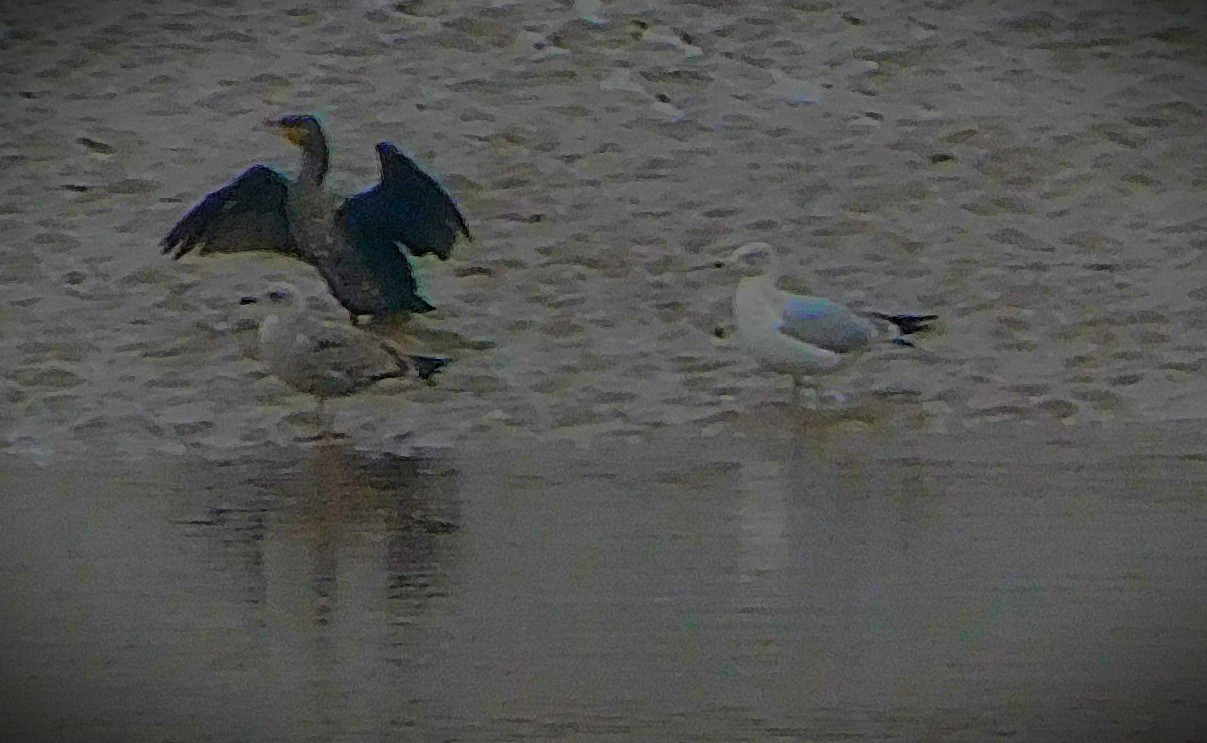
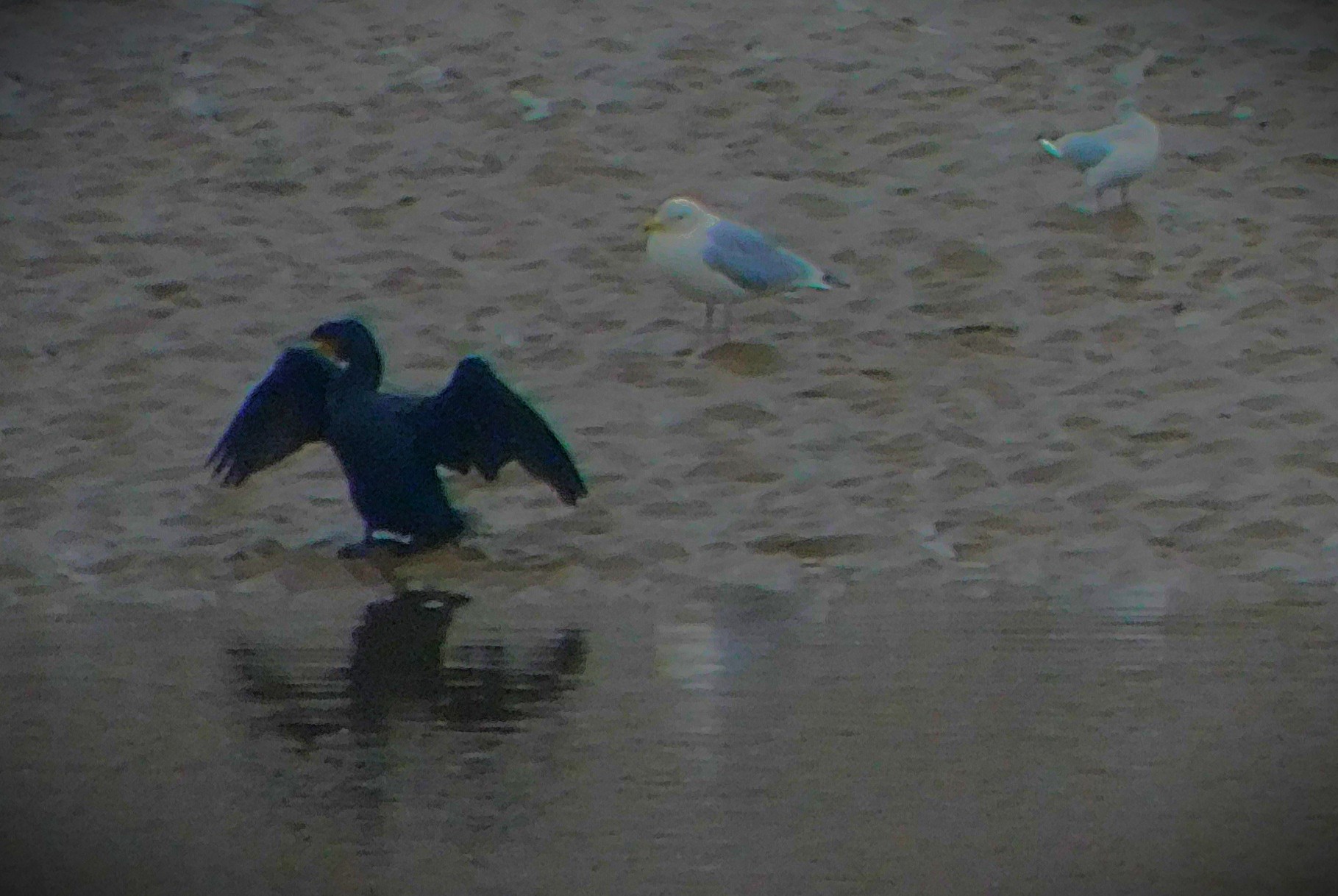
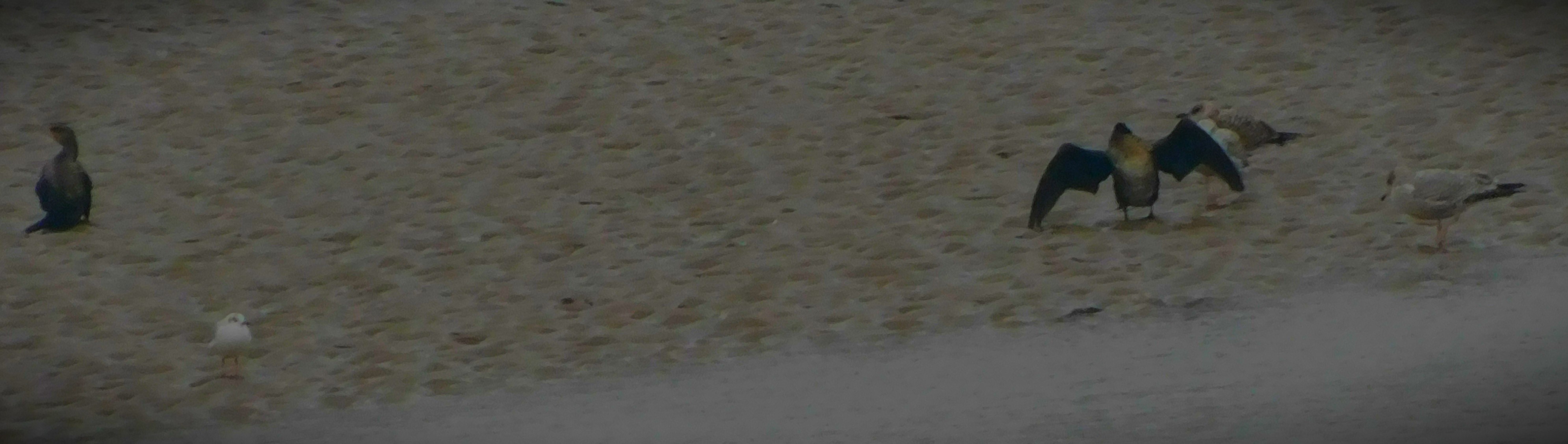
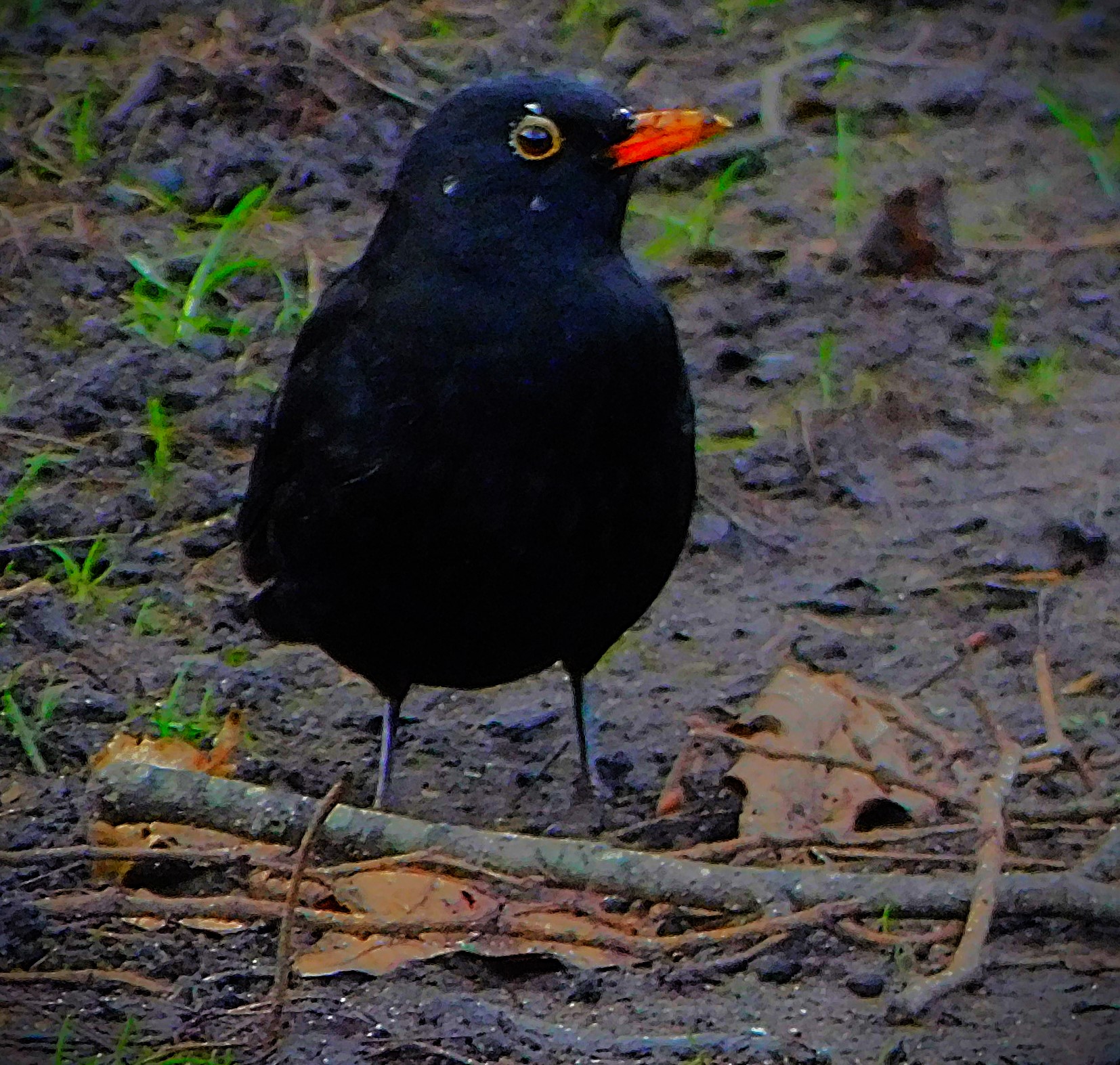
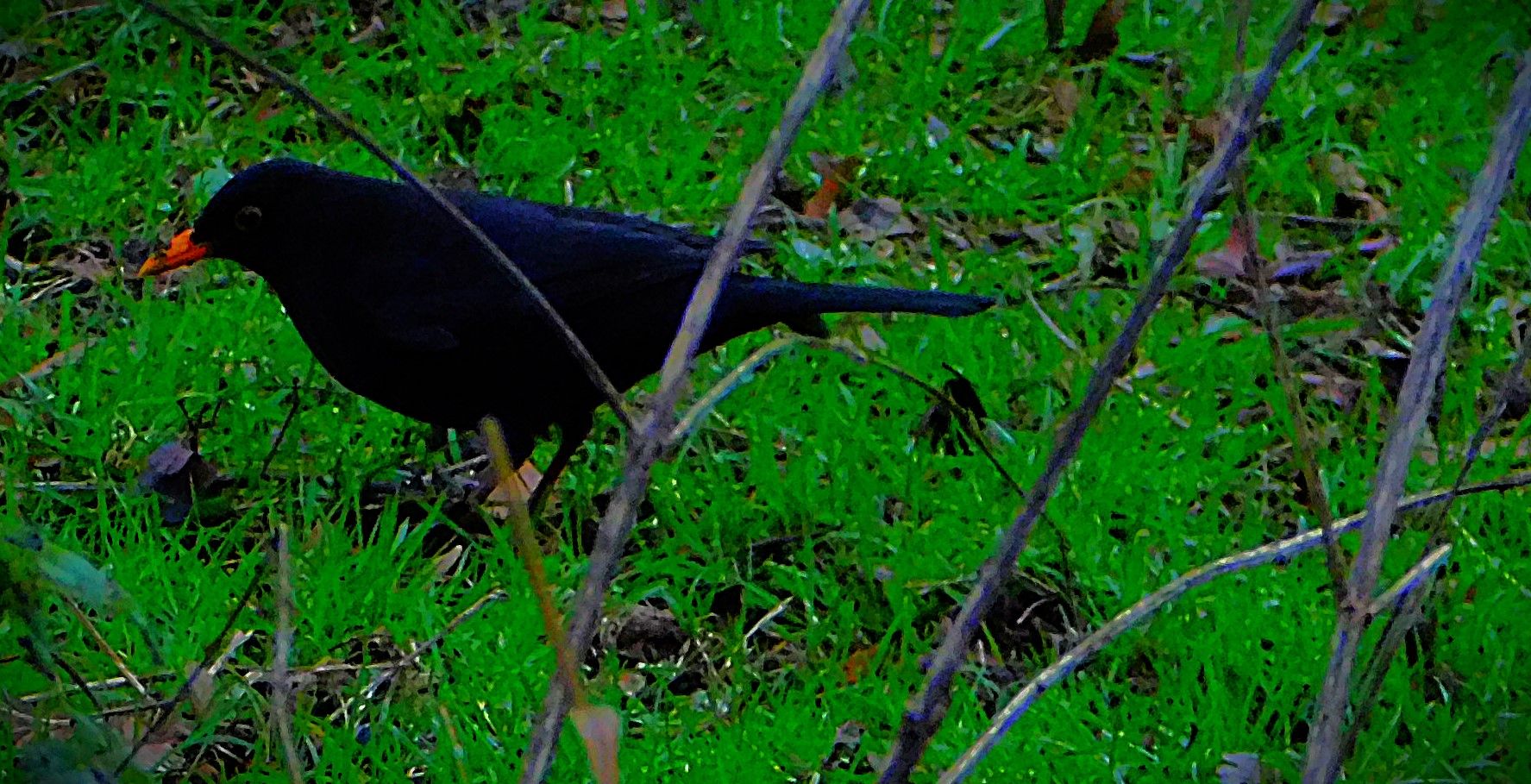
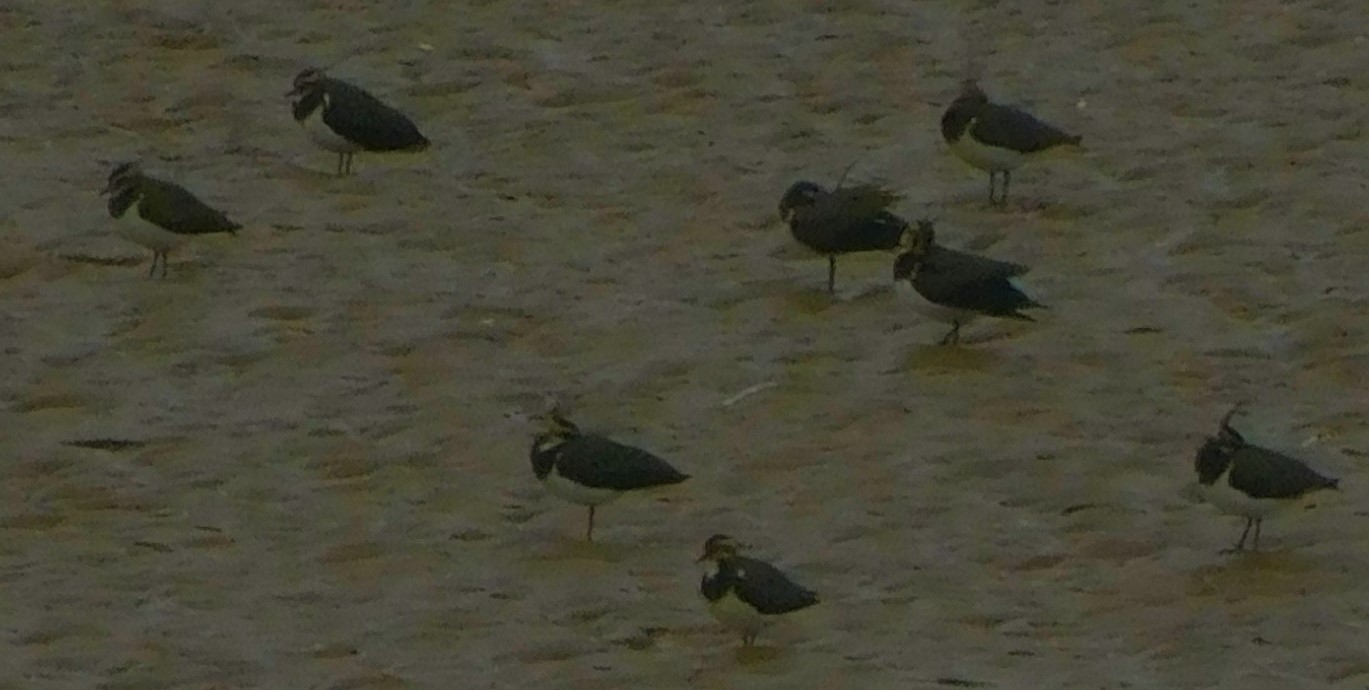
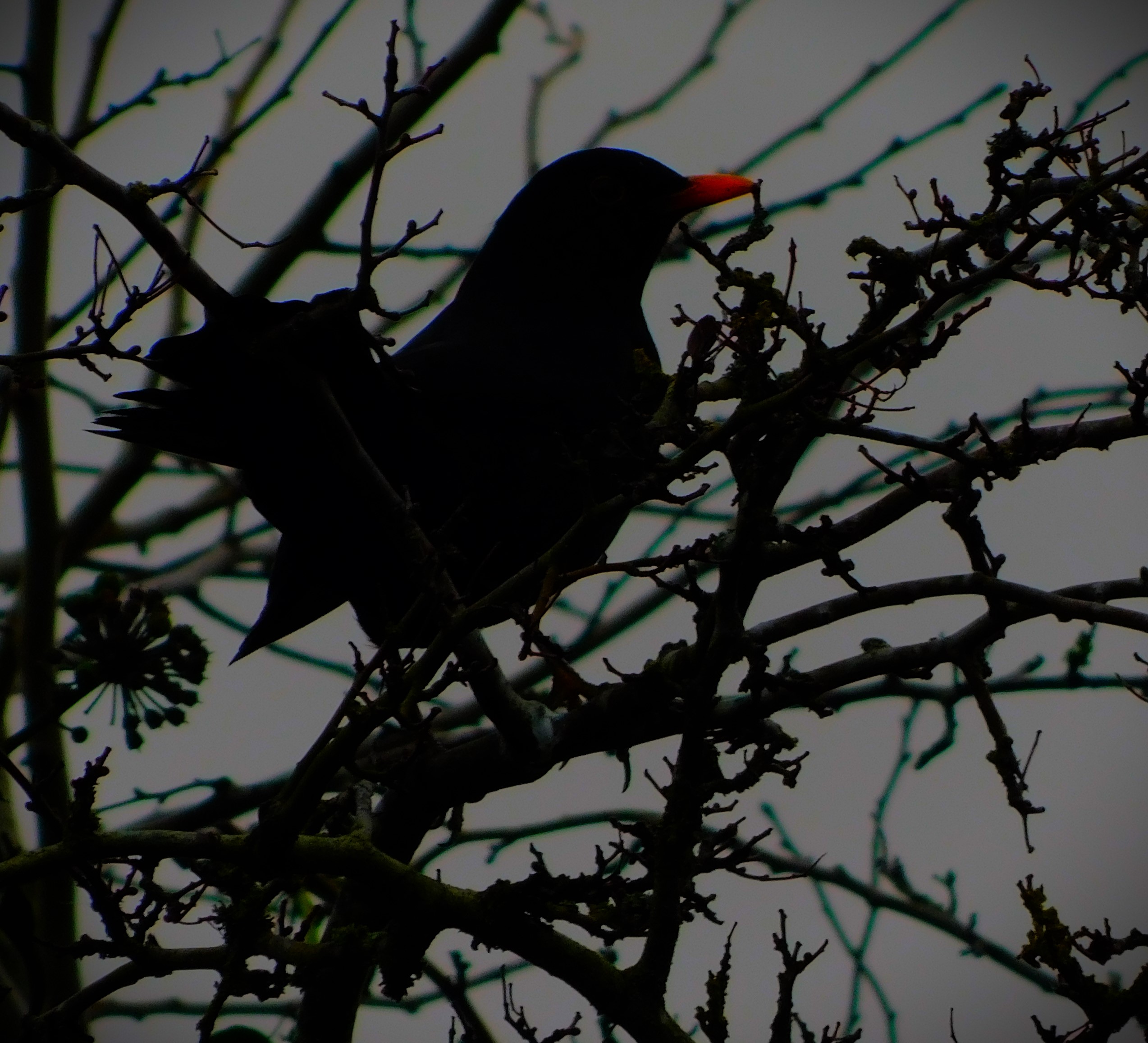
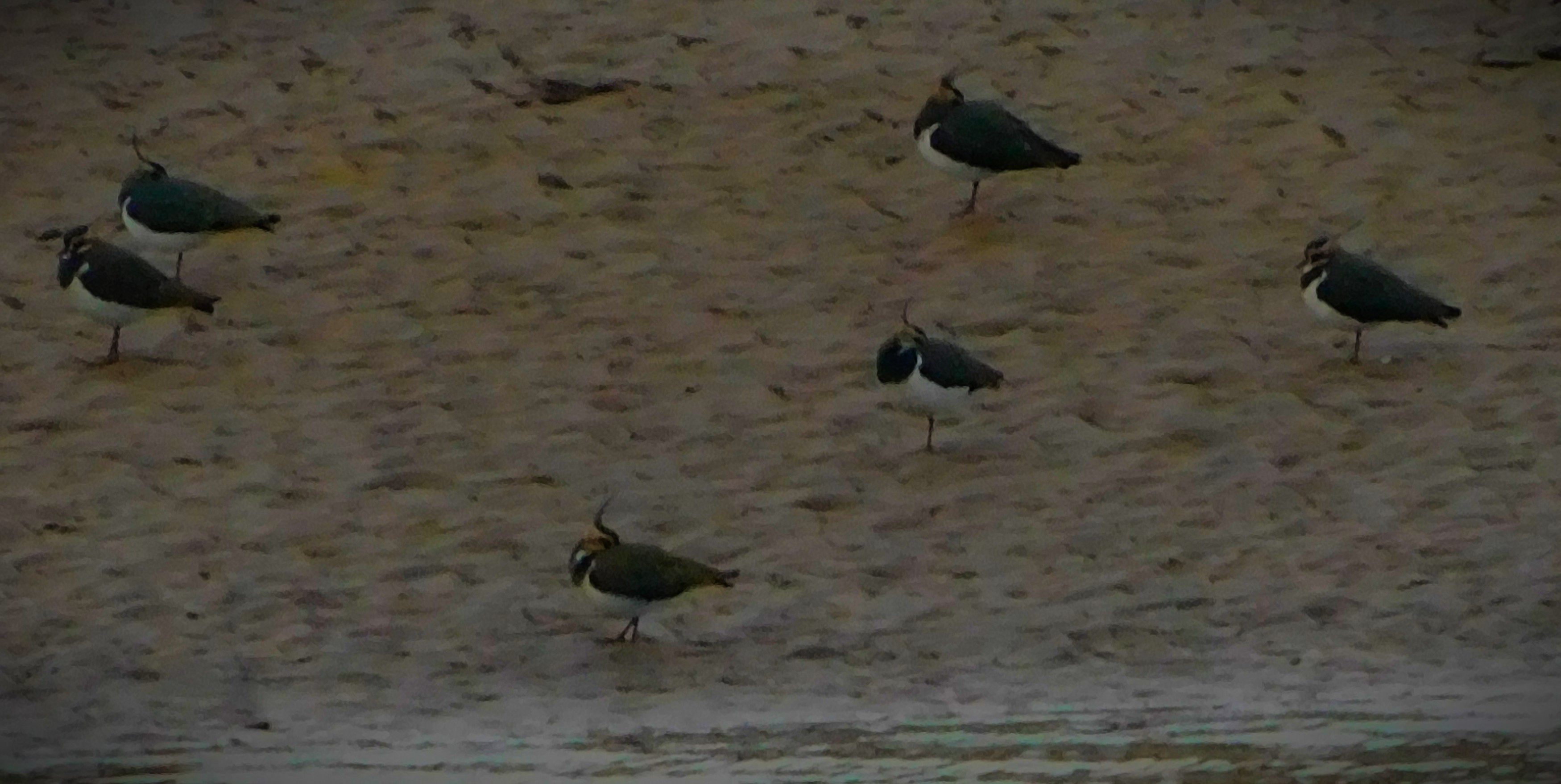
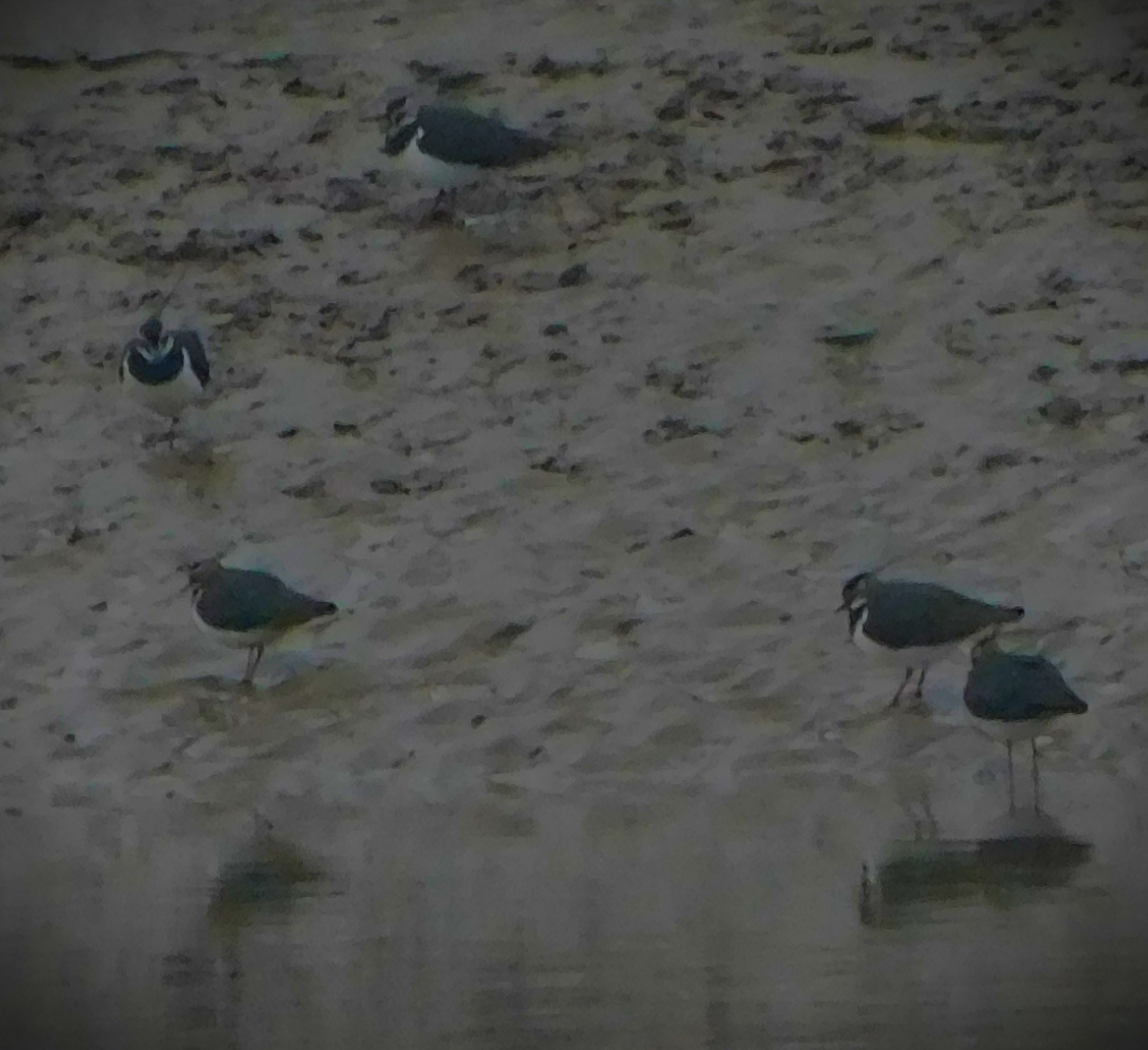
My usual sign off. Today was by January standards quite pleasant – dry, and the odd hint of sun poking through, and yielded a bumper crop of photos, including a grey heron, a large group of lapwings, cormorants in two very different locations, starlings, blackbirds and five squirrels (they were close enough together that there are two pictures featuring all five)…

Testing Times

An all time XI of players whose given names begin with T, including an honourable mentions section which pays particular attention to four specific areas, and a photo gallery.

Today I look at great players with given names beginning with the letter T. This was a particularly tough XI to select, and I will be starting the honourable mentions section with four disputed areas in this team. Incidentally I offer wholehearted congratulations to India Women on their all time record test victory over England Women. Their star was Deepti Sharma, who scored runs in both innings and was the chief destroyer with the ball as well, claiming 5-7 in the first England innings and 4-32 second time round.

  1. Tom Hayward (England, right handed opening batter, right arm medium pacer). In 1900 he passed his 1,000 FC runs for the season before the end of May, only the second ever to do so after WG Grace, all though the good Doctor scored all his runs actually in May, whereas Hayward’s tally included runs in April. 14 years later Hayward brought up the career landmark of 100 first class hundreds, again second ever to do so after WG. In 1906 he scored 3,518 first class runs in the season, a tally that stood as a record for 41 years, before Denis Compton and Bill Edrich both beat it in the same season. He also ushered on to the scene a fellow native of Cambridge named John Berry Hobbs.
  2. Tamim Iqbal (Bangladesh, left handed opening batter). An attack minded left hander to go with the more conservatively minded right hander Hayward, and one with a test average of close to 40.
  3. *Tom Abell (England, right handed batter, right arm medium pacer, captain). I needed a captain for this side, and this was my solution.
  4. Tom Graveney (England, right handed batter, occasional leg spinner). A stylish batter, with a test record of very considerable substance as well.
  5. Travis Head (Australia, left handed batter, occasional off spinner). It has taken a while for him to really establish himself at the very highest level but he is now one of the best batters in the world.
  6. Trevor Goddard (South Africa, left handed batter, left arm medium pacer). A genuine, but massively under-appreciated all rounder, I go into more detail about this slot in the next section of the post. For the moment, suffice it to note that he averaged 34 with the bat and 26 with the ball at test level.
  7. +Tom Blundell (New Zealand, wicket keeper, right handed batter). An accomplished keeper/ batter for New Zealand, his record demands that he be included.
  8. Tom Emmett (England, left arm fast bowler, left handed batter). By the time test cricket was a thing he was past his absolute prime, but his FC averages were the right way around, 14.84 with the bat and 13.55 with the ball, which convert using my usual metric to 22.26 with the bat and 20.23 with the ball in the modern era.
  9. Tom Richardson (England, right arm fast bowler, right handed batter). His 14 test appearances yielded 88 wickets. His achievements for Surrey were staggering as well. Between 1894 and 1897 inclusive (four English seasons and one tour of Australia), Richardson claimed 1,005 first class wickets.
  10. Tom Goddard (England, off spinner, right handed batter). He started as a fast bowler, but following advice from Gloucestershire team mate Charlie Parker, who had noted the size of Goddard’s hands and the strength of his fingers he went away and remodelled himself as a spinner, and in that capacity he was one of the greats, ending a very long career (forced because of an attack of pleurisy) as the fifth leading first class wicket taker of all time, with 2,979 scalps at 19.84 each.
  11. Taijul Islam (Bangladesh, left arm orthodox spinner, left handed batter). 44 test appearances have yielded him 192 wickets, sufficient to earn him his place in this XI.

This side is strong in batting, even with the 9, 10, 11 being old style tail enders, and has lots of bowling, with Emmett, Richardson, Tom Goddard, Islam and Trevor Goddard as the main attack and Hayward, Abell and Head all capable of providing support if needed.

I will start with four particularly contentious areas, in batting order:

First, the number three slot. Technically I should have given this to Tom Latham of New Zealand, but I decided it was worth possibly sacrificing a few runs per innings to have Abell’s captaincy available.

Second, the all rounder position. Many would have opted for Trevor Bailey, but Goddard actually had better records in both departments than the other Trevor. Bailey averaged 29.74 with the bat and 29.21 with the ball at test level, Trevor Goddard 34.46 with the bat and 26.22 with the ball. Goddard also had a better wicket taking rate than Bailey, claiming an average of exactly three per test whereas Bailey averaged just 2.16 per test. Thomas Odoyo of Kenya would be a contender for a limited overs side.

Third, the wicket keeper’s slot. Taslim Arif had an amazing record with the bat for Pakistan in the few tests he got selected for, but he was never first choice keeper. Tim Ambrose of England was a quality keeper and a useful batter, but not quite good enough to displace Blundell. Tom Box, an legendary keeper of the mid 19th century also merits a mention.

Fourth, the new ball pairing. I opted for a pair of outstanding practitioners he never overlapped, rather than a pair with respectable records who bowled in tandem a considerable number of times at the highest level, Trent Boult (LFM) and Tim Southee (RFM), both of New Zealand. My feeling is that Emmett and Richardson were so great as individuals that I am prepared not to pick the established pairing, but I acknowledge that there is a good case for picking the Kiwis.

Thilan Samaraweera of Sri Lanka was a fine batter on flat subcontinental pitches, but did little outside of Asia.

Two quality English seamers who missed out were Tom Cartwright and Tim Bresnan. Tom Wass of Nottinghamshire, a bowler of both fast medium and leg spin who took 1,666 first class wickets at 20 without ever getting an England call up was a challenger for the place I gave to Taijul Islam. Tymal Mills would be in the mix for a T20 side, but concerns over his back have led him to restrict himself to cricket in which he never has to bowl more than four overs at a stretch.

Tim May of Australia was a fine off spinner, but not fine enough to dislodge the fifth leading wicket taker in FC history. Tommy Mitchell of Derbyshire was a good leg spinner, who claimed three wickets at 20 each in his sole test appearance, which came during the 1932-3 Ashes in the one match for which England deemed two specialist spinners necessary.

Tom Walker of Hambledon does not have a complete enough career record to be selected, but needs mention for historic reasons – he was the first to attempt round arm bowling, and also pioneered lob bowling. Thomas Lord, a native of Thirsk, was a negligible cricketer, but the third of the three grounds he arranged for the Marylebone Cricket Club, which opened for business in 1814 is one of the most famous cricketing venues in the world.

Finally, while picking a fictional character is too much even for me to consider, Tom Spedegue of “Spedegue’s Dropper” would certainly have given the bowling extra variety.

My usual sign off…